
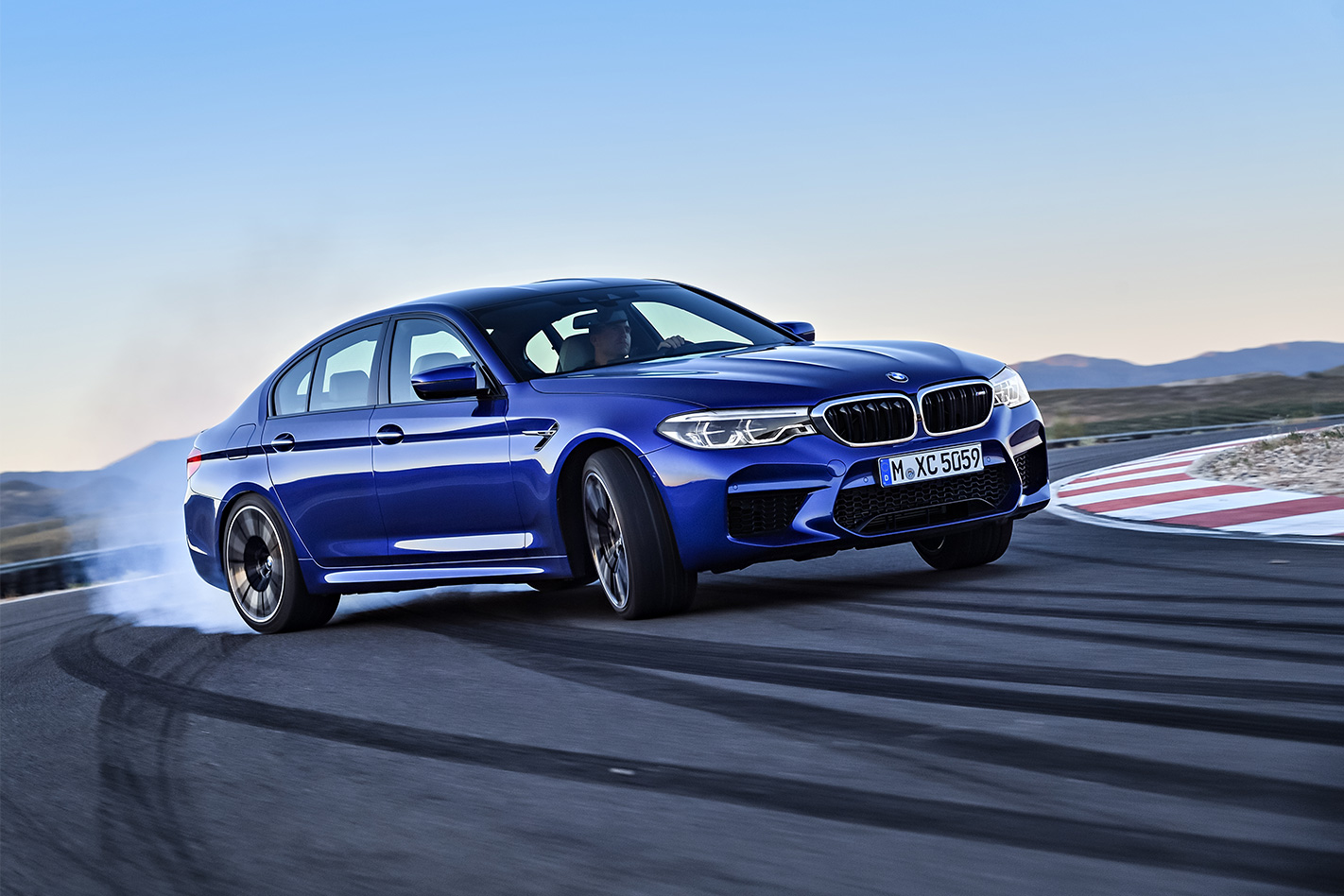
We’re likely still a generation away, but when battery technology is up to speed, some BMW M cars will be too, thanks to plug-in hybrid kick.
How big, you ask? Try a whole engine’s worth of instantaneous oomph.
Former chief engineer, and now member of the BMW board, Klaus Frohlich, stressed the importance of any M car’s exalted positioning in the BMW line-up, as well as the continued importance of the internal combustion engine.
“In Australia, I assume you will have petrol engines for a very, very long time … [and] we’ll have M cars [for a] very, very long [time], and they will be quite exciting, I can tell you.”
“But, for example, what we’re working on would perfectly fit for an M car – to have boost and recuperation. To have [an] e-motor which gives this instantaneous boost – 100kW extra, or 150kW extra – but we have to be very careful to achieve it with as less weight as possible. That the car still performs on the Nurburgring like we’re used to.”
Even though Frohlich claims that BMW performance cars will retain some form of petrol diet “for a very long time”, he’s adamant that plug-in hybrid makes a lot of sense for the M brand, with a caveat.
“In an M car, we have very stringent requirements. It has to survive several laps on the Nurburgring without reducing performance, without reducing brake performance, and so on and so forth.”
However, it won’t be until electrical systems – “more than 48-volt … if you want to have that 150kW boost” – and the cell chemistry of very lightweight, very compact batteries begin to marry with BMW’s M ethos that we’ll see a plug-in-hybrid on the showroom floor. “I need a very advanced battery for the M cars”, says Frohlich. “[And] it will take until ’21 until we have the e-motor which is very compact because it has to fit into the package.”
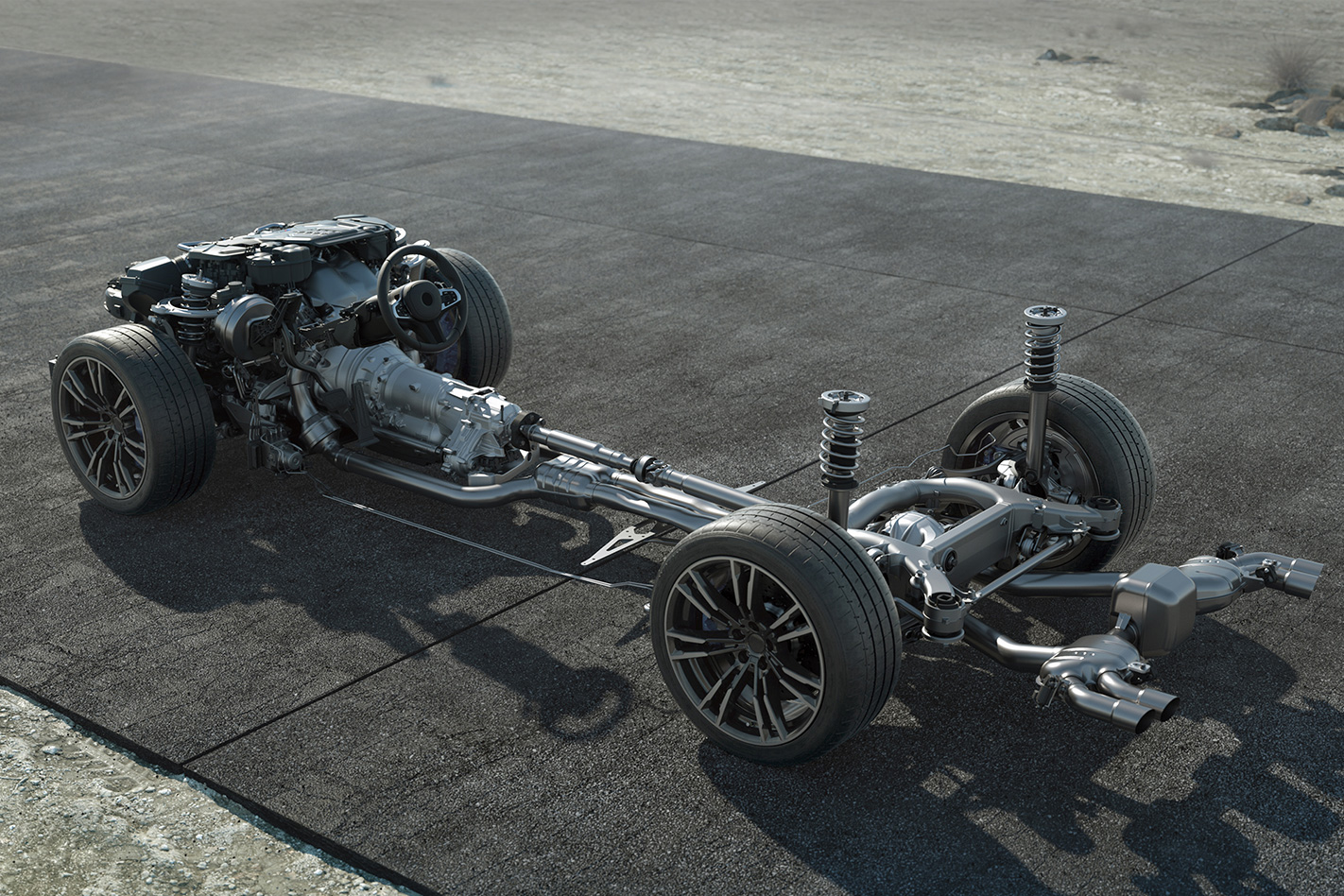
“We made the [new] M5 [weigh] less than its predecessor and included AWD, [so] then it’s fine. I hate cars that are becoming heavy. The M3/M4 is an icon. It has to be very pure … but I will not exclude [AWD] yet. I think [ultimately] the customer will decide. We are flexible you know because the base cars always have that [AWD capability built-in].”
The new Suzuki Swift Sport has had its covers pulled off during the Frankfurt Motor Show.
With a kerb weight of only 970kg, and a retuned 1.4-litre motor, the Sport looks to be a dynamic driver for a bargain basement price.
Hot hatch purists can also breathe a sigh of relief in the knowledge that the Swift Sport will come with a 6-speed manual gearbox. No auto.
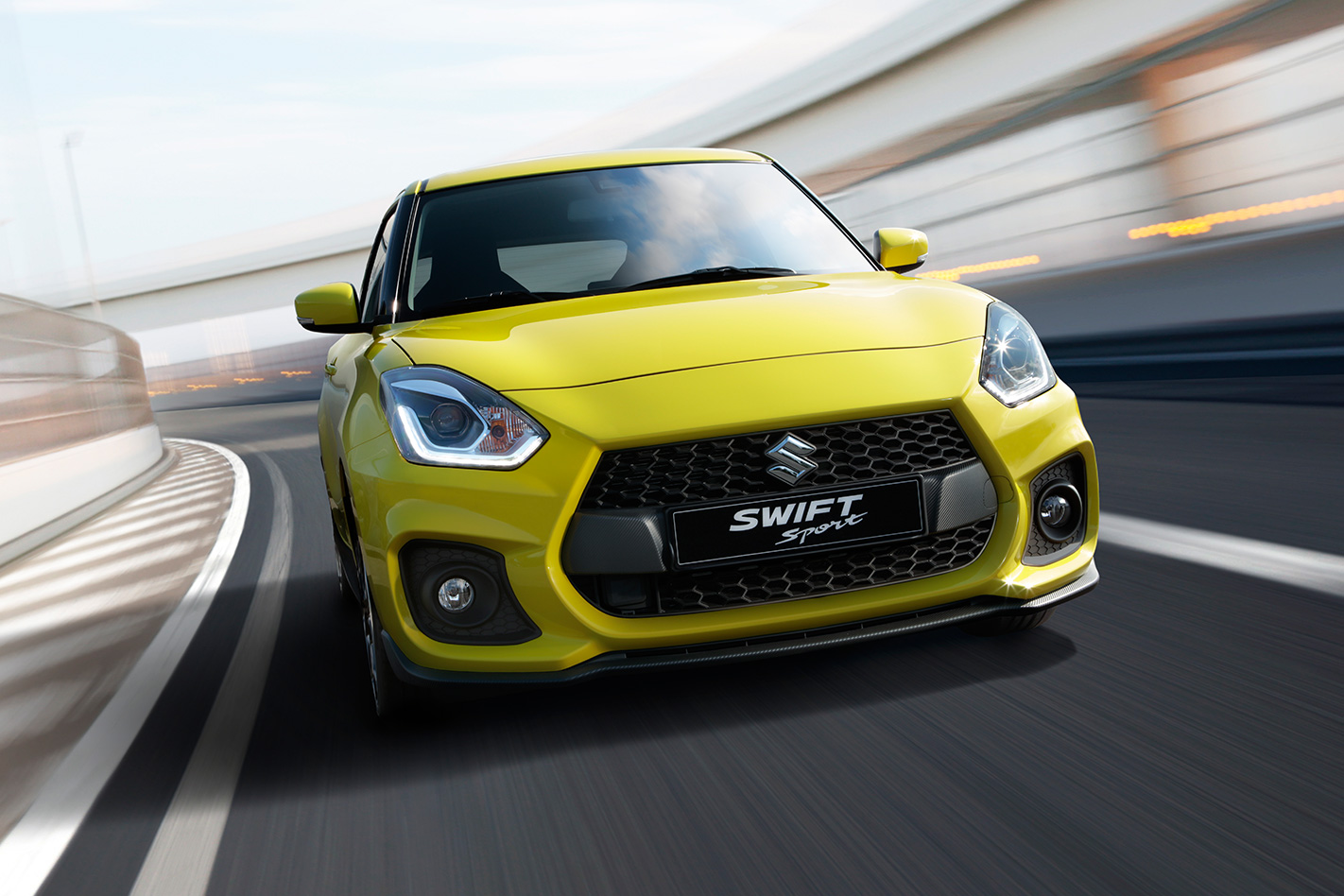
And, with full torque available low down in the rev range (2500rpm-3500rpm), the Swift Sport should live up to its badge’s reputation for lively front-drive fun.
Aiding the dynamic nature of the Swift sport is a set of Monroe shocks found at each corner of the car, as well as thicker stabiliser joint bars at the front, with now single-unit wheel hub and bearings, and more space between them.
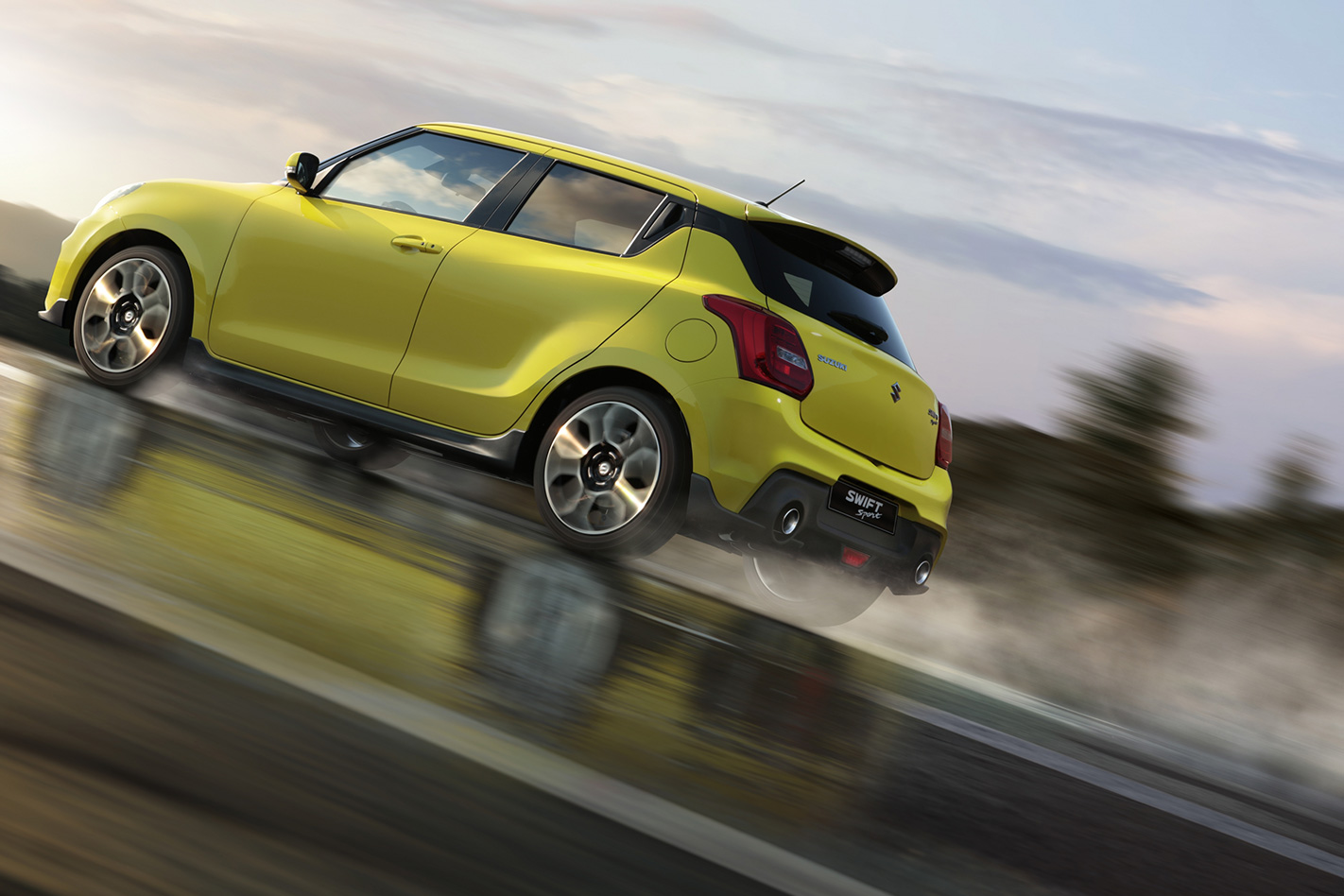
At the rear, toe rigidity has been improved by 1.4 times compared to its predecessor, and the “torsion beam has been tuned to provide optimal roll stiffness.”
This can all be found behind its 17-inch alloys.
It’s also got a slightly longer wheelbase (by 20mm) than the last Sport, while the body is 15mm lower and 40mm wider.
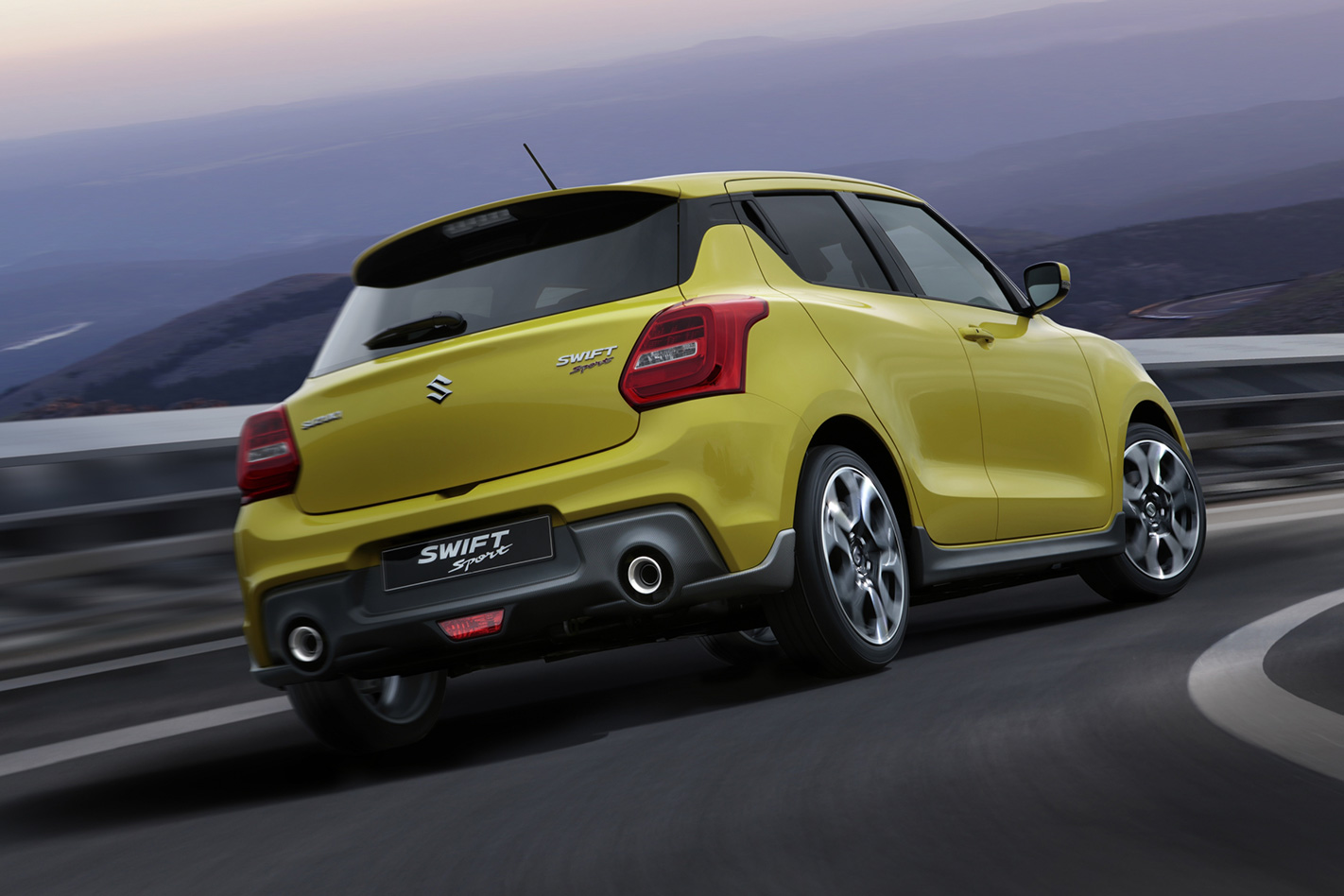
“We know that our customers value a dynamic driving experience above everything else, so for the third-generation Swift Sport our development concept was ‘ultimate driving excitement’,” Koboro says.
“We had a brilliant foundation to work from, because the new Swift HEARTECT platform is incredibly light and rigid. Our team had hundreds of new design and engineering ideas, but these ideas only made it off the drawing board if they added performance and emotion.
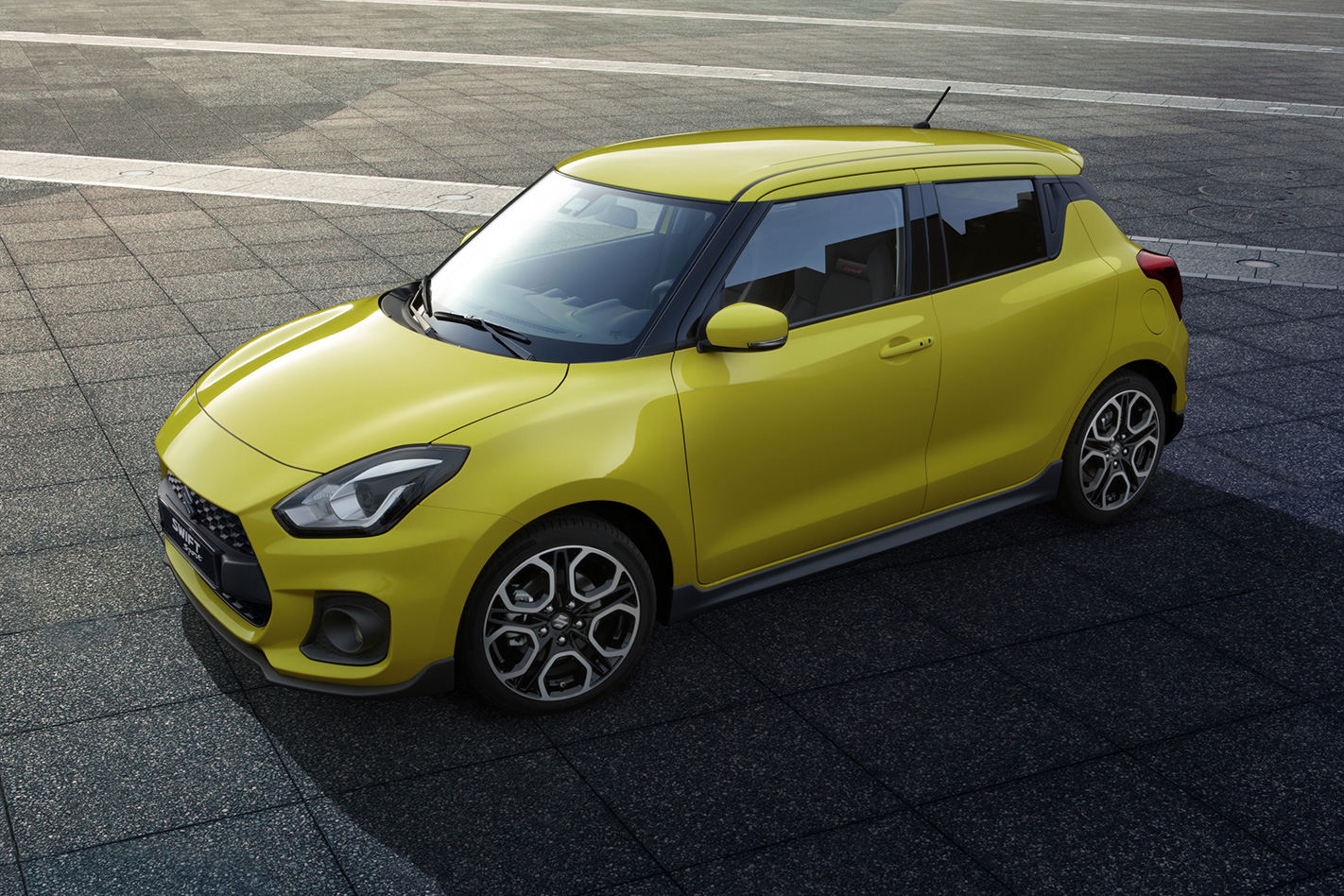
“It’s lighter, sharper, quicker. It’s more aggressive and emotive, but we’ve also refined the elements that make it practical to use every day—the clutch feel, the manual transmission shift throw, the seats and steering wheel. Everything that puts the driver at the heart of the experience.”
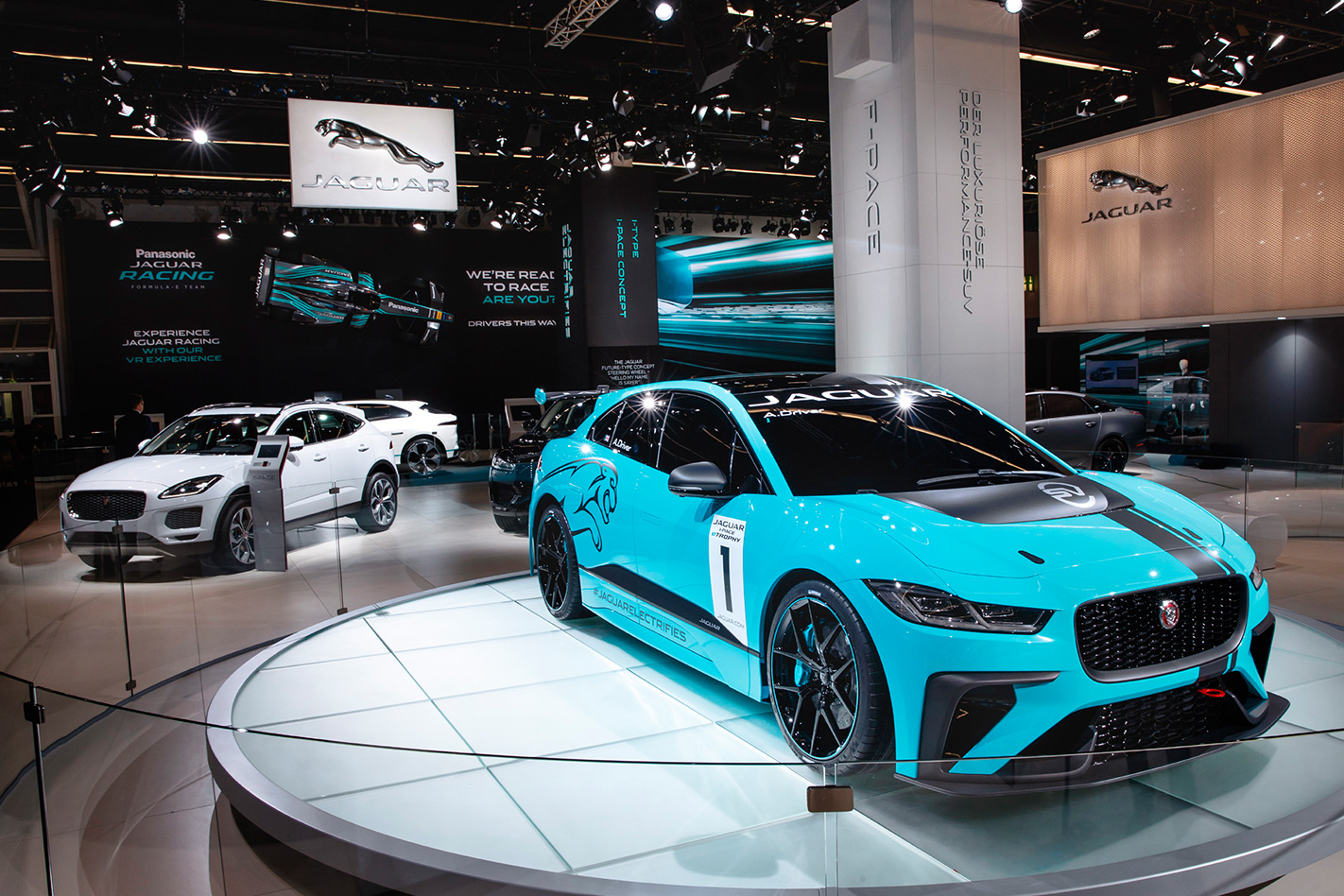
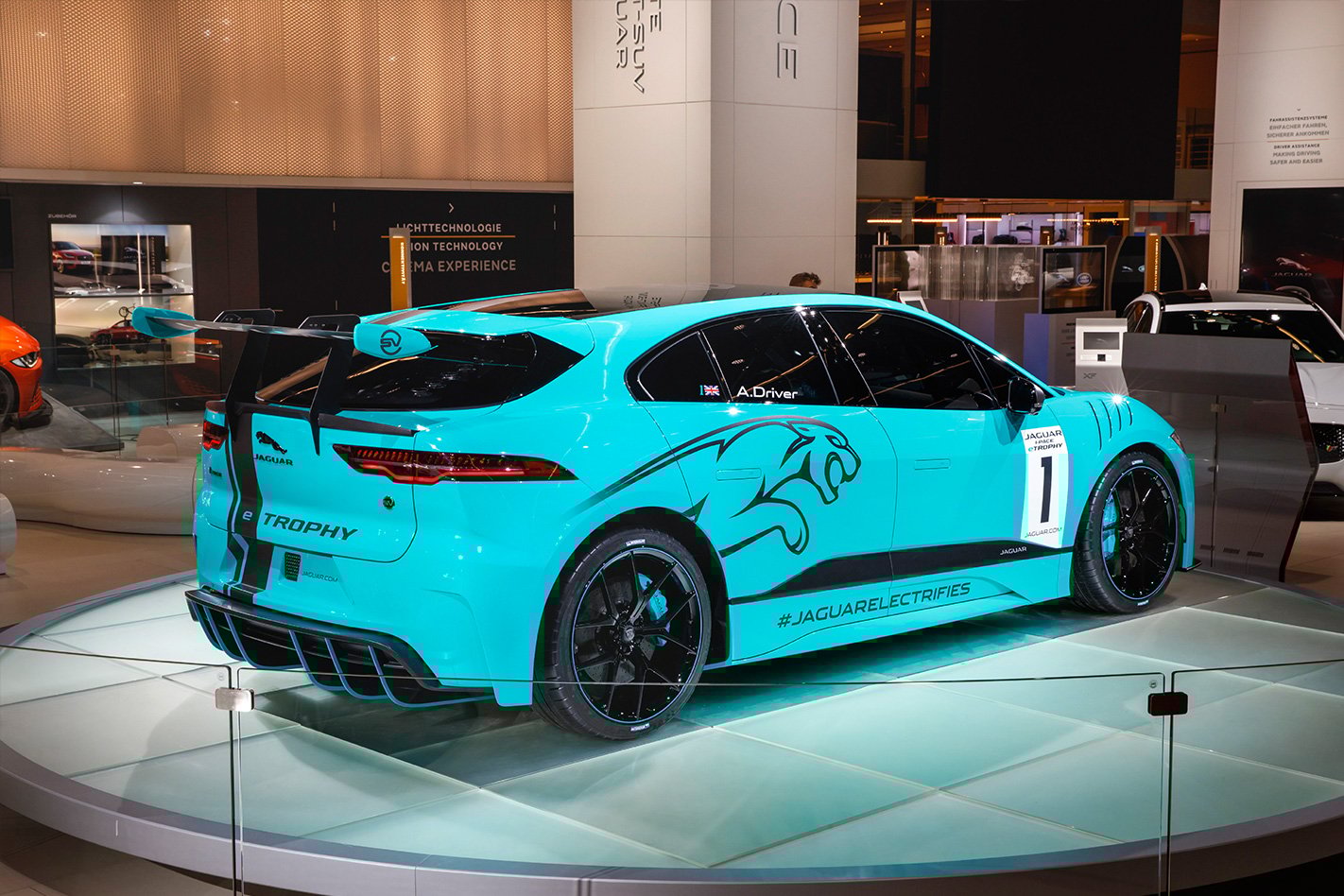
JAGUAR has announced a new one-make race series for its electric I-Pace SUV.
The category, expected to make its debut at the end of 2018, will feature as a support category for the fifth season of the FIA’s all-electric Formula E championship.
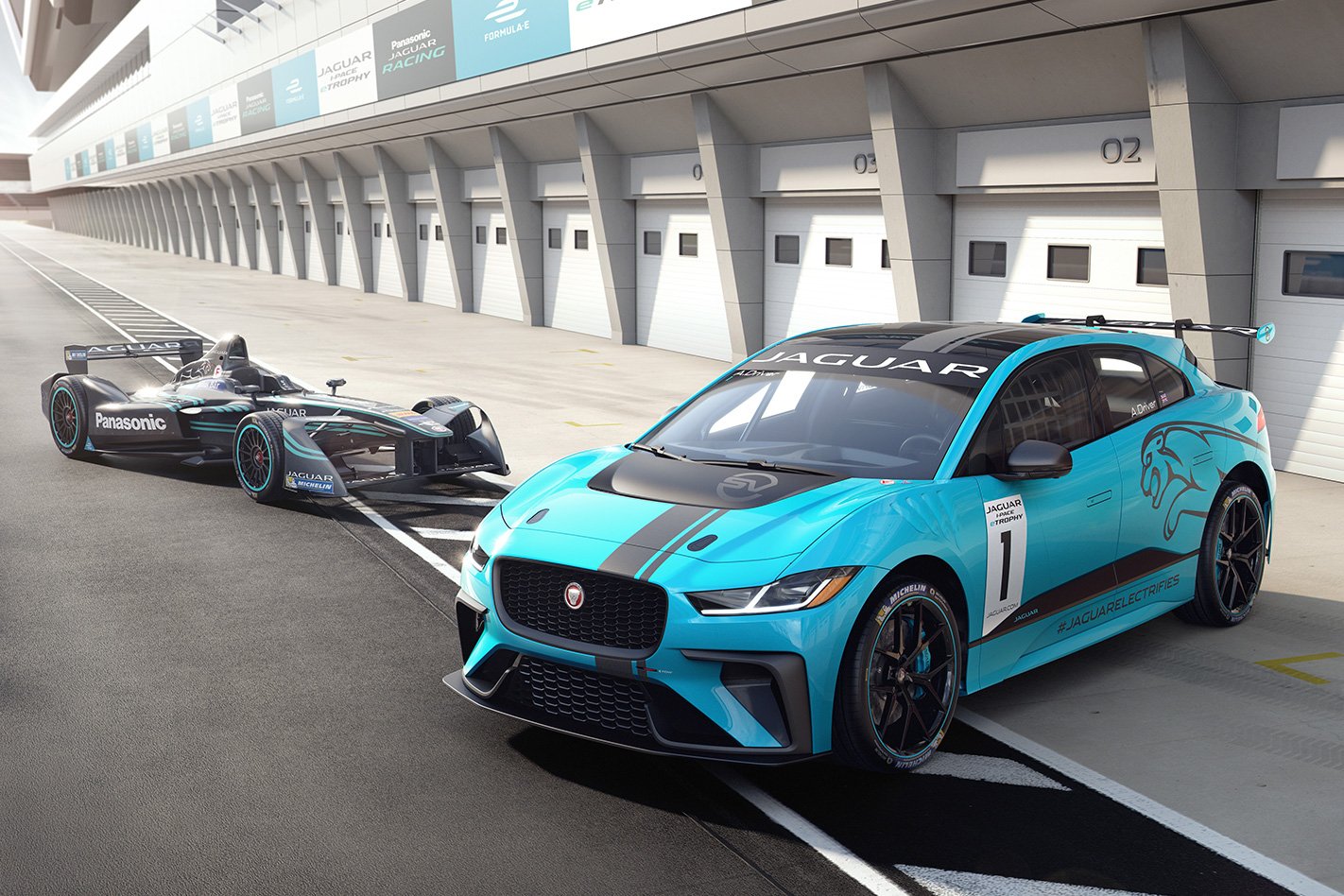
Jaguar joined the category in 2016, and is now investing further with the one-make support series, dubbed the eTrophy, racing at every round of the 2018/19 Formula E calendar.
This means a field of 20 electric SUVs will be bumping body panels on street circuits around the world, in city centres from Hong Kong to New York.
The category is for amateur ‘gentlemen drivers’, with Jaguar providing ‘arrive and drive’ packages. The field of paying customers will be joined on the grid by a new VIP driver at each round.
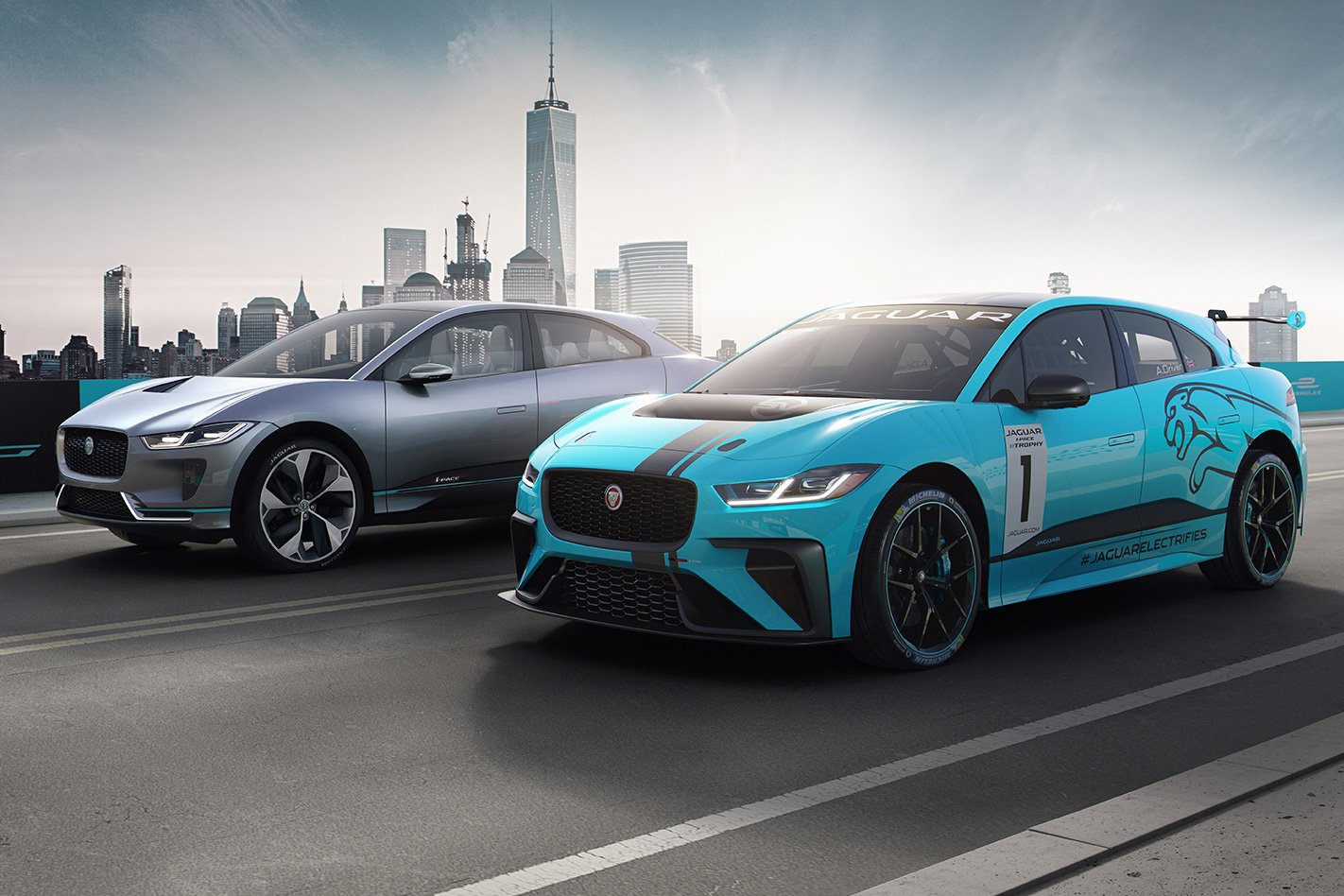
“We’ve always said we want to prove our electrification technologies on the track – this is the proof,” Gerd Mäuser, Chairman, Jaguar Racing, said
“I am looking forward to seeing a full grid of Jaguar I-Pace racecars in late 2018, soon after the first Jaguar I-PACE hits the road in Europe.
“Ultimately this innovative series will enhance the technology in our future electric vehicles and benefit our customers.”
Technical specifications of the cars, full race calendar, and costs for the eTrophy will be released next year.
It’d be easy to be cynical about a racing series that exclusively features electric SUVs – it doesn’t exactly scream excitement in the sense of traditional motorsport. But don’t dismiss the category completely too soon.
One-make categories are legendary for producing close and exciting racing, throw in a production body which will be capable of plenty of door-to-door action, and the eTrophy could be just the recipe electric motorsport needed to build a bigger audience.
Of course, there will be downsides, namely a lack of excitement in terms of noise, and potentially outright speed. But some of the best motorsport events in the world aren’t necessarily the fastest.
BMW Australia is weighing on adding more all-wheel-drive performance models to its showroom as the car maker’s growing suite of more powerful engines start to test the on-road abilities of drivers.
The German luxury car brand used the Frankfurt Motor Show to announce it would roll out a version of its 5 Series Touring in Europe using the most powerful diesel engine it has ever produced, an impressively numbered 294kW/760Nm 3.0-litre inline-six unit with four turbochargers strapped to it. The BMW M550d Touring xDrive – its torque figure alone shadows that of the just-revealed halo M5 sedan – will sprint from 0-100km/h in just 4.6 seconds, but sip a miserly hatchback-rivalling amount of fuel.
“Traditionally we’ve seen xDrive M Performance passenger vehicles on offer in left-hand drive form only,” BMW Australia spokesman Adam Davis told Wheels. “xDrive has traditionally been available in markets that really benefit from the enhanced traction on offer. Having little snow and ice, our market demand for xDrive has been quite small.
“This is changing as our passenger vehicles and systems become ever more powerful and dynamic, to a point where it is making sense to introduce M and M Performance vehicles with all-wheel drive systems,” he said.
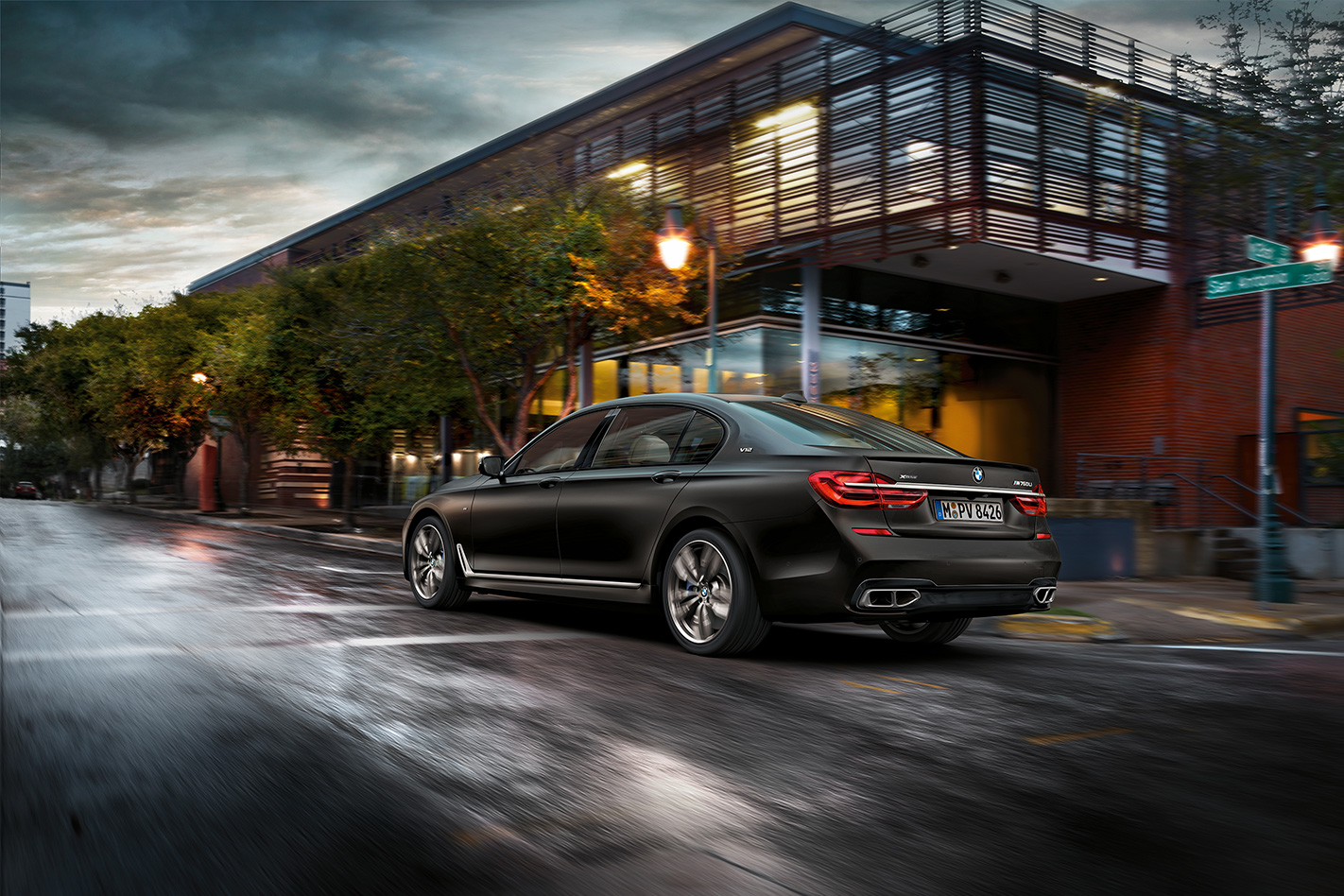
To give the M550d Touring a bit of bark to match its bite, BMW has added active steering, an M aerodynamic package, M-sports suspension lowered by 10mm, sports brakes, and 19-inch M light-alloy wheels with mixed tyres.
Unlike the sedan version, the M550d Touring doesn’t yet appear to have a petrol-powered rival. The M550i xDrive sedan uses a 340kW petrol-powered V8, which BMW claims will beat its four-doored diesel brother to 100km/h with a 4.0 second run.
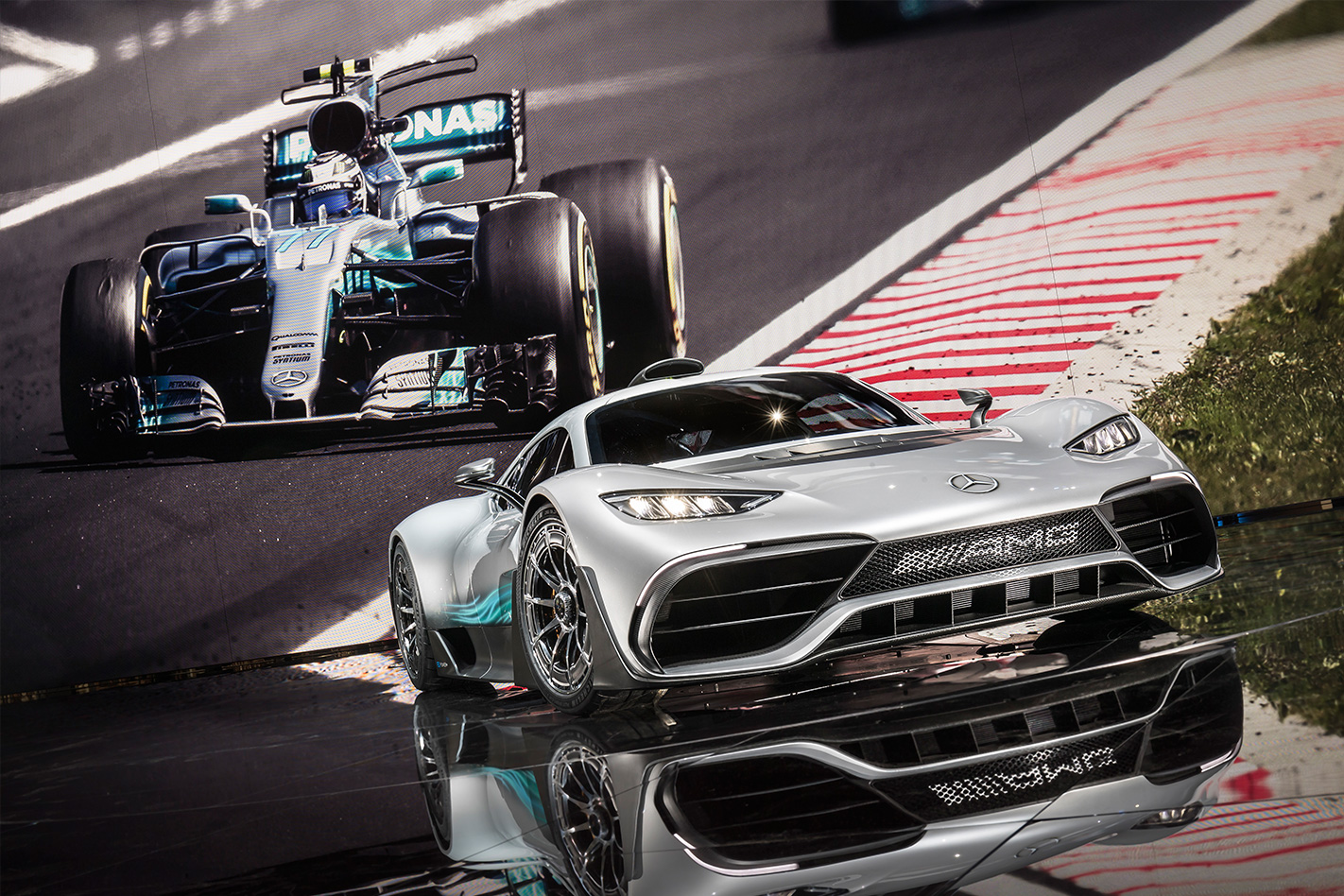
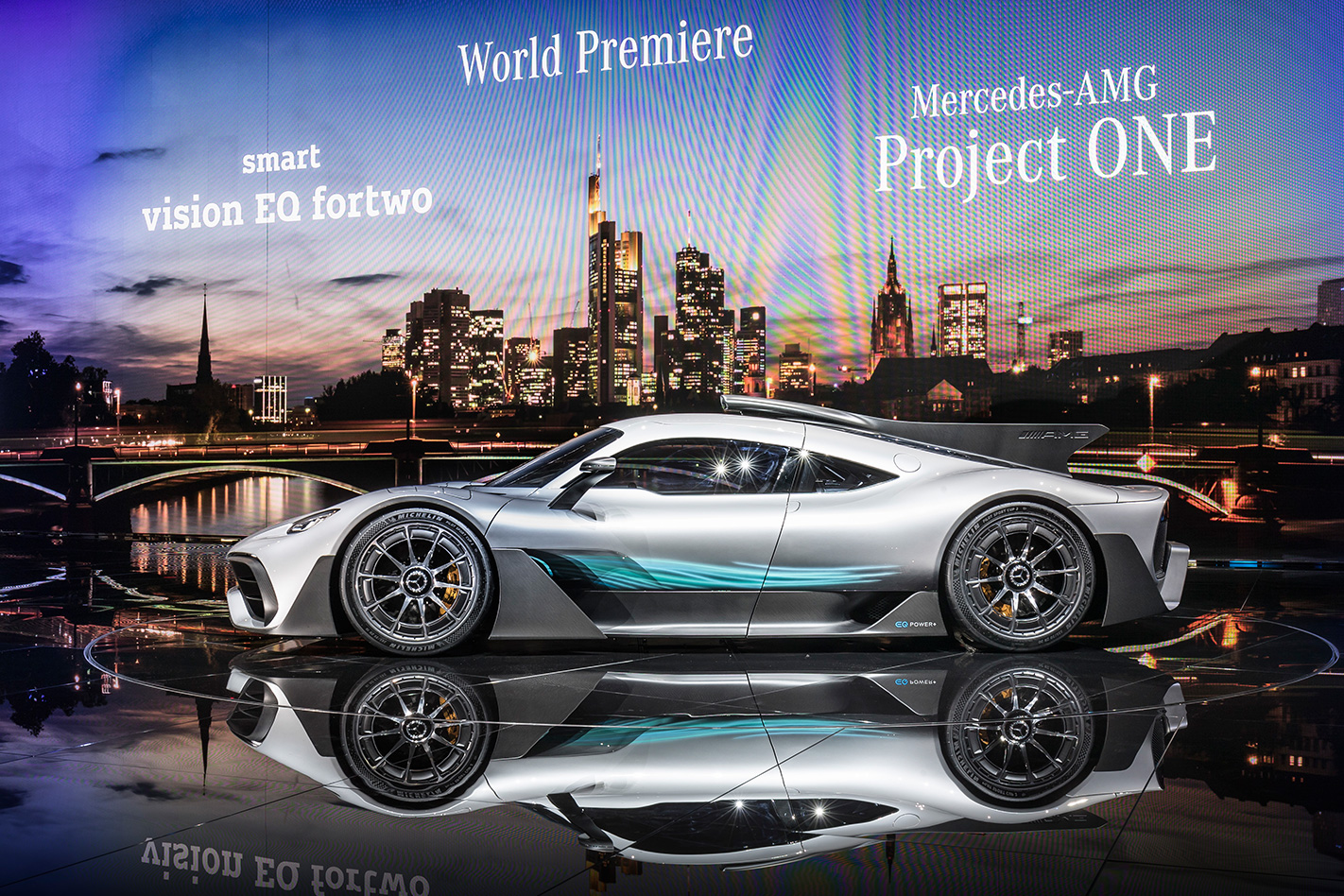
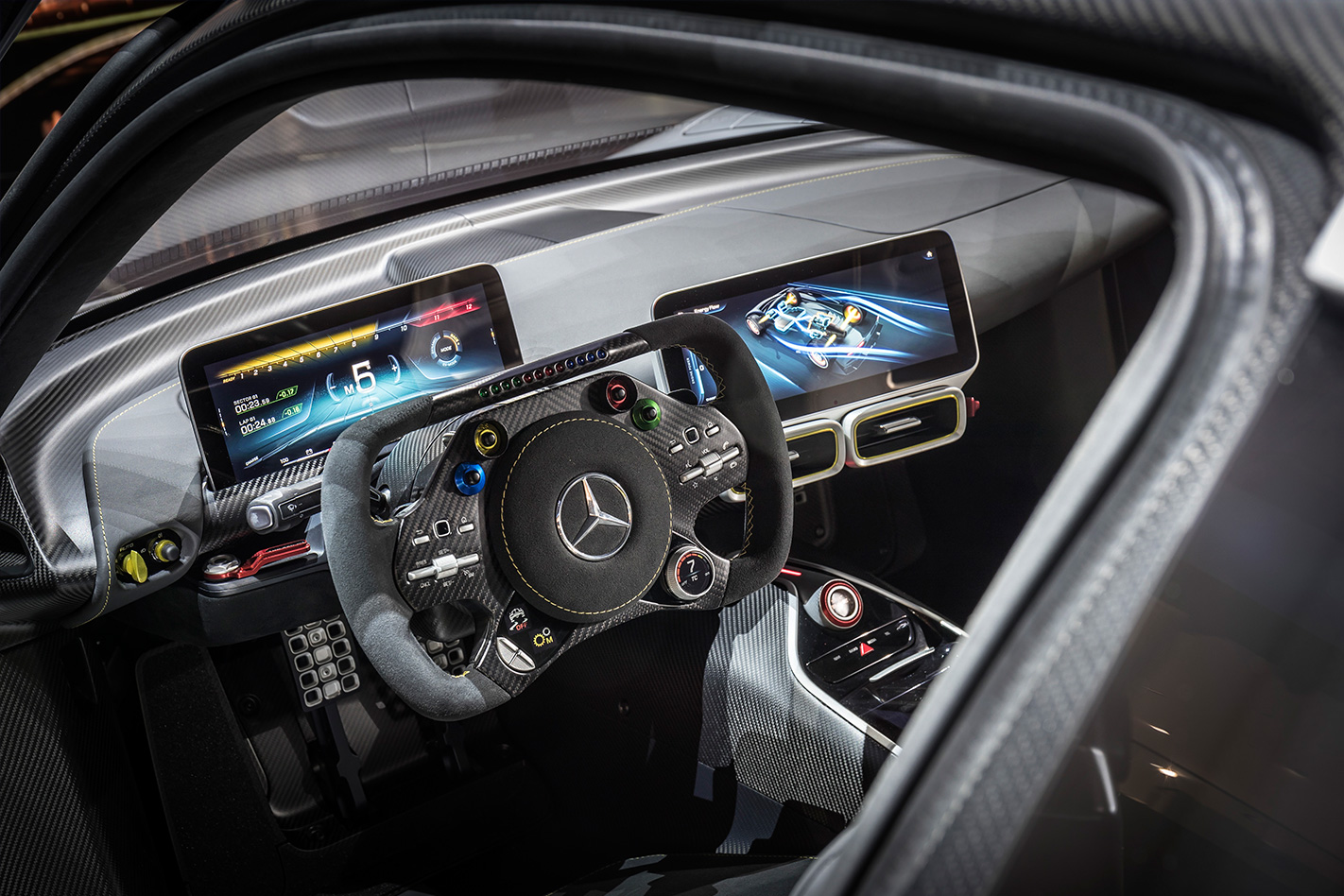
AFTER twelve months of tantalising teasers and a trickle of vital statistics, Mercedes-AMG has finally revealed its knockout punch Project One hypercar, but the tsunami of staggering statistics is only just getting started.
With a 1.6-litre turbocharged Formula 1 V6 at its core, Wheels has learned the maximum power output of “more than 1000 horsepower” (740kW) is closer to 1200hp (895kW) and good for a zero to 200km/h dash in less than six seconds, but no 0-100km/h has been mentioned.
At its reveal at the Frankfurt Motor Show, Mercedes-AMG chief executive Tobias Moers explained that the vicious acceleration enabled by electrified drivetrains will render the traditional zero to 100km/h benchmark irrelevant.
Moers said the Project One could be capable of zero to 100km/h in as little as 2.4 seconds but with a number of vehicles now playing in the ultra-high performance hybrid category, 0-200km/h was more indicative of performance than 0-100km/h where the most potent cars all put in similar times.
“It’s important for our customers and for us as well.”
Other extreme car makers are following suit with many now comparing 0-200km/h trumps, including British band Ariel initially releasing only a 0-200km/h figure for its incredible gas-turbine and electric-powered P40 prototype.
Germany’s Nurburgring is increasingly being utilised as another performance car acid test, and while Moers confirmed Affalterbach’s fastest and most powerful road car to date would be hitting the Green Hell, he did not say whether the car could beat the current production car lap record.
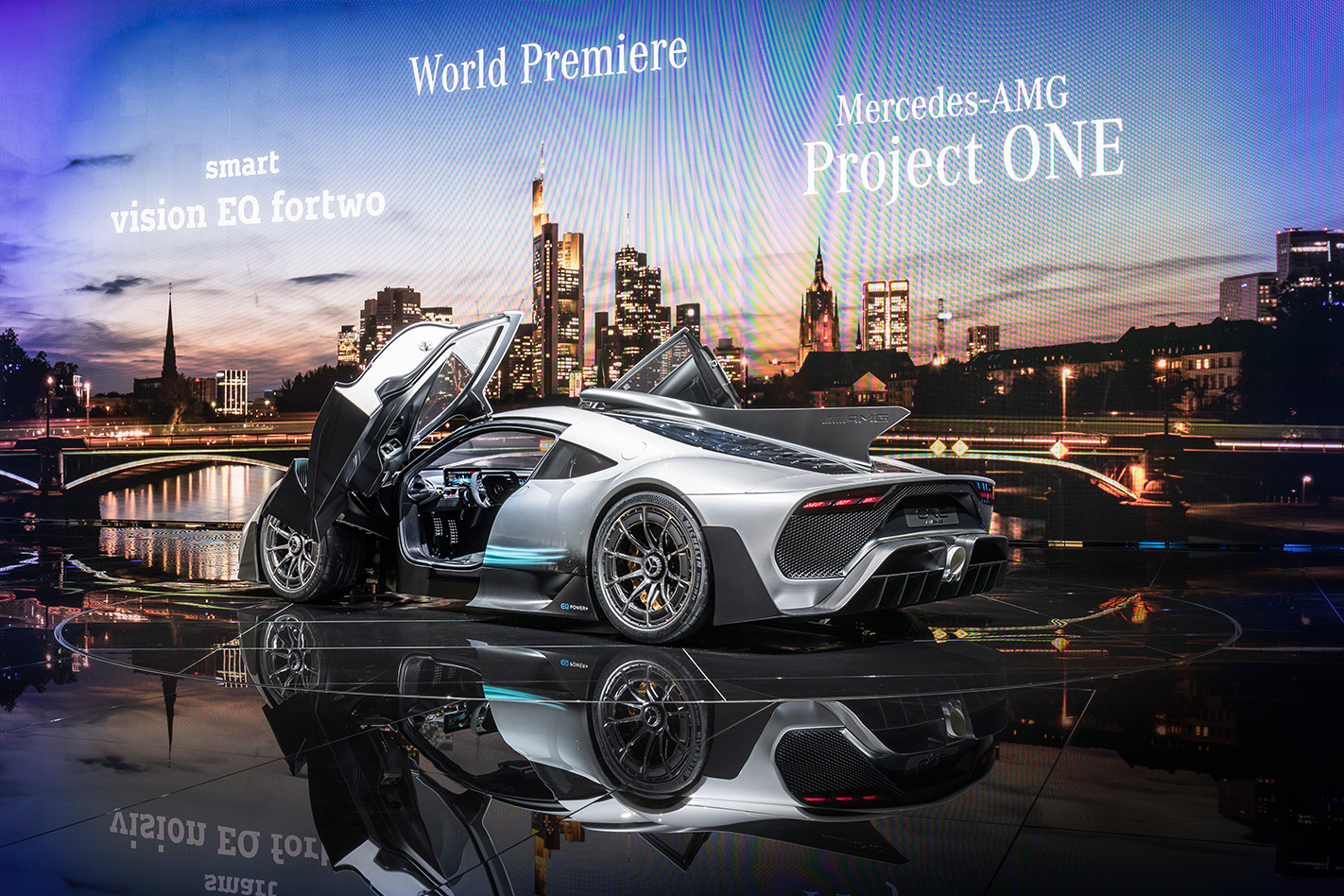
When the mighty Merc does roll out for an attempt on the Lamborghini Huracan Performante’s record of 6:52.01 it will call on all of its Formula 1-derived features including the highly-strung engine, extensive lightweight carbonfibre construction and numerous active aero features.
“The front spoiler is movable down and forward. It moves between 80mm and 100mm,” said Moers.
“The (rear) spoiler deploys depending on driving conditions and we have things under the skin as well. The louvres [above the front wheels] are movable as well.”
Owners wanting to use their Project One as a daily drive will need to keep an eye on the mileage, with a full engine rebuild required every 50,000km thanks to its 11,000rpm redline and massive turbo boost pressures, although Moers predicted few Project Ones would clock up such high use.
Even with its massive power output and high maintenance schedule, the Formula 1 V6 is the most thermally efficient engine available in any car, said Moers, with a figure of about 40 percent versus about 35 percent in the next best road car.
“There is still a way to go for full electric performance sports vehicles. Hybrid and electrification is going to be the key to performance. It was very clear to us as a team that when we do a kind of hypercar it should be more sophisticated than another V8 or V10 or V12, which would be easily done by us.”
Unlike many other highly desirable and strictly limited high-performance vehicles, Moers said the production run of 275 was not a particularly significant number and simply the volume the factory can produce without making customers wait too long.
“The problem is if you move too high with numbers. In that segment people get tired waiting and of your production time is too long then they get tired.
“If you stretch it too long, in my experience they don’t want it anymore.”
Production is due to start in 2019 with most customers taking delivery the year after.
“For now we are close to four times overbooked with the 275 cars. For now that’s it. I’m not convinced we should do a track only or a spider.”
When asked which cars the development and engineering team used as a benchmark, Moers explained that no rivals currently exist for the Project One and the car had been designed in isolation from any other road car hardware.
“We know the performance figures, we know the weight and power. We talk to customers who own benchmark cars like that, but there is none.”
As for the name, Project One is not yet set in stone but the functioning moniker is the favourite with Moers at this stage.
“Project One sounds cool. One team. Formula 1. Something like that”.
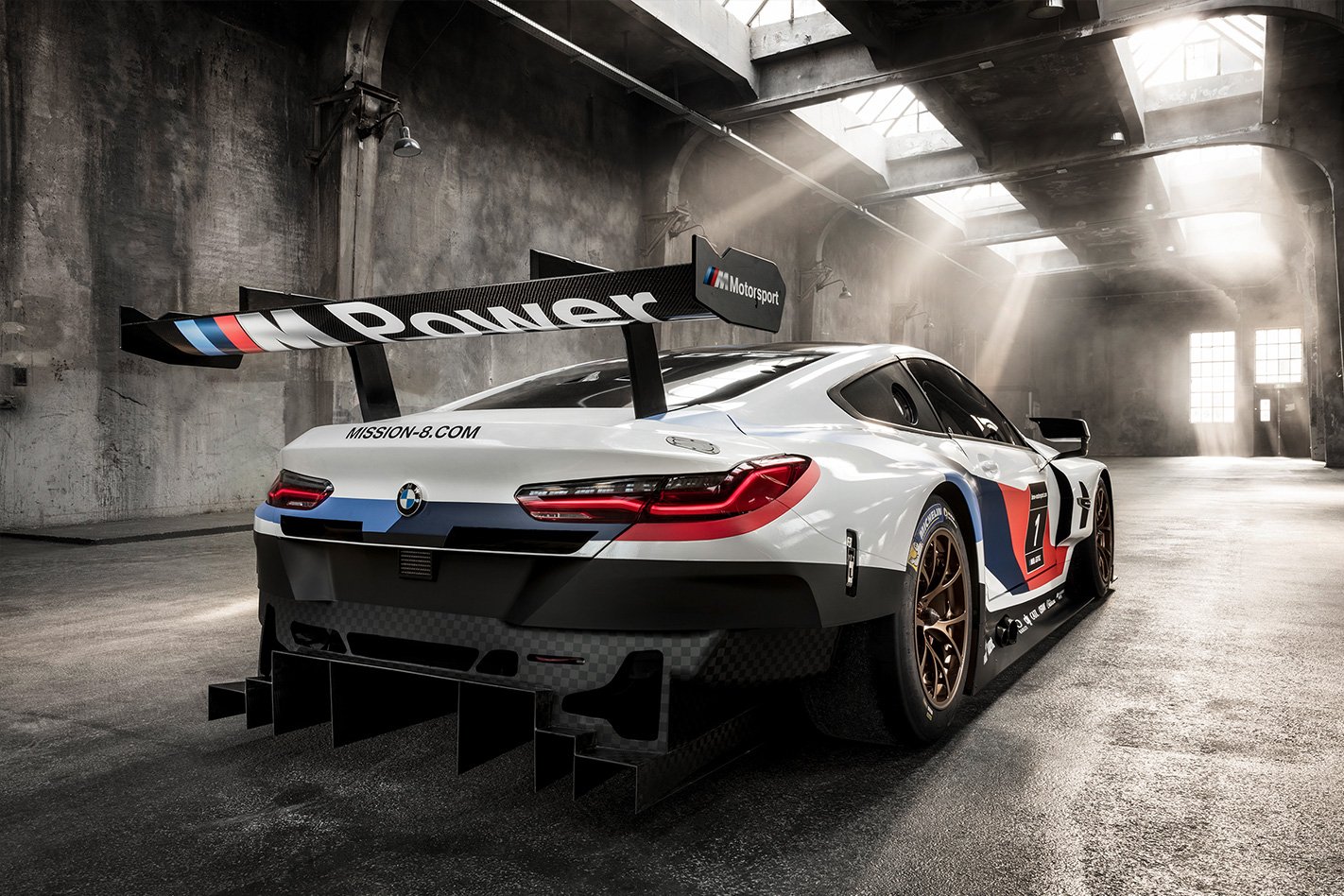
BMW’S 2018 Le Mans racer, the M8 GTE, has been officially revealed at the Frankfurt Motor Show.
Teaser images have previously shown the car testing, but now we can get an opportunity to look up the skirt of the twin-turbo racing beast, in particular the intricate and complex aerodynamics.
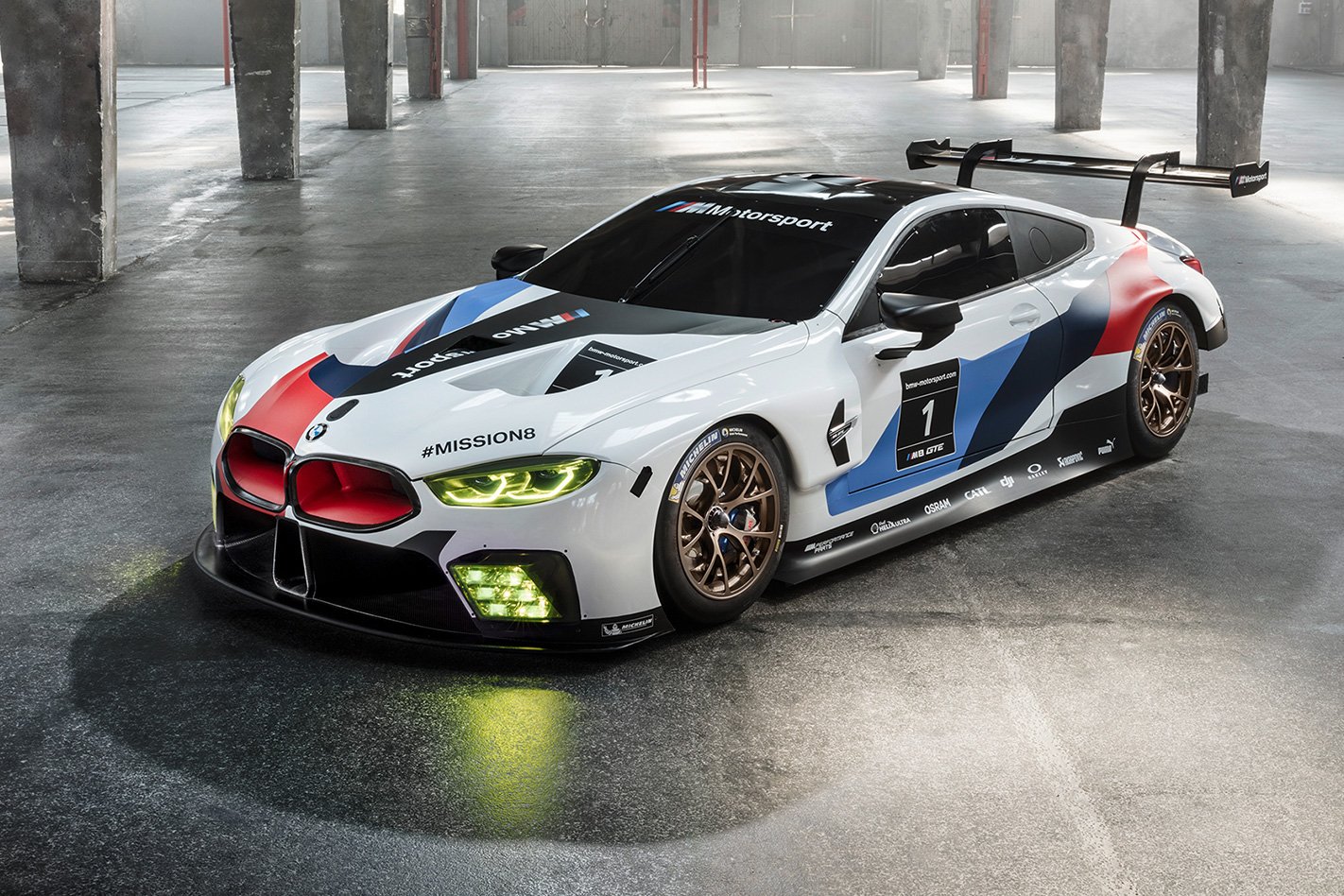
This makes the M8 GTE our first glimpse at what BMW’s new halo model could look like once it arrives on our roads in late-2018 or early-2019.
GTE regulations dictate that the cars must be based off production vehicles, so save for the large wings, splitters, and air dams, this is design of the M8 road car.
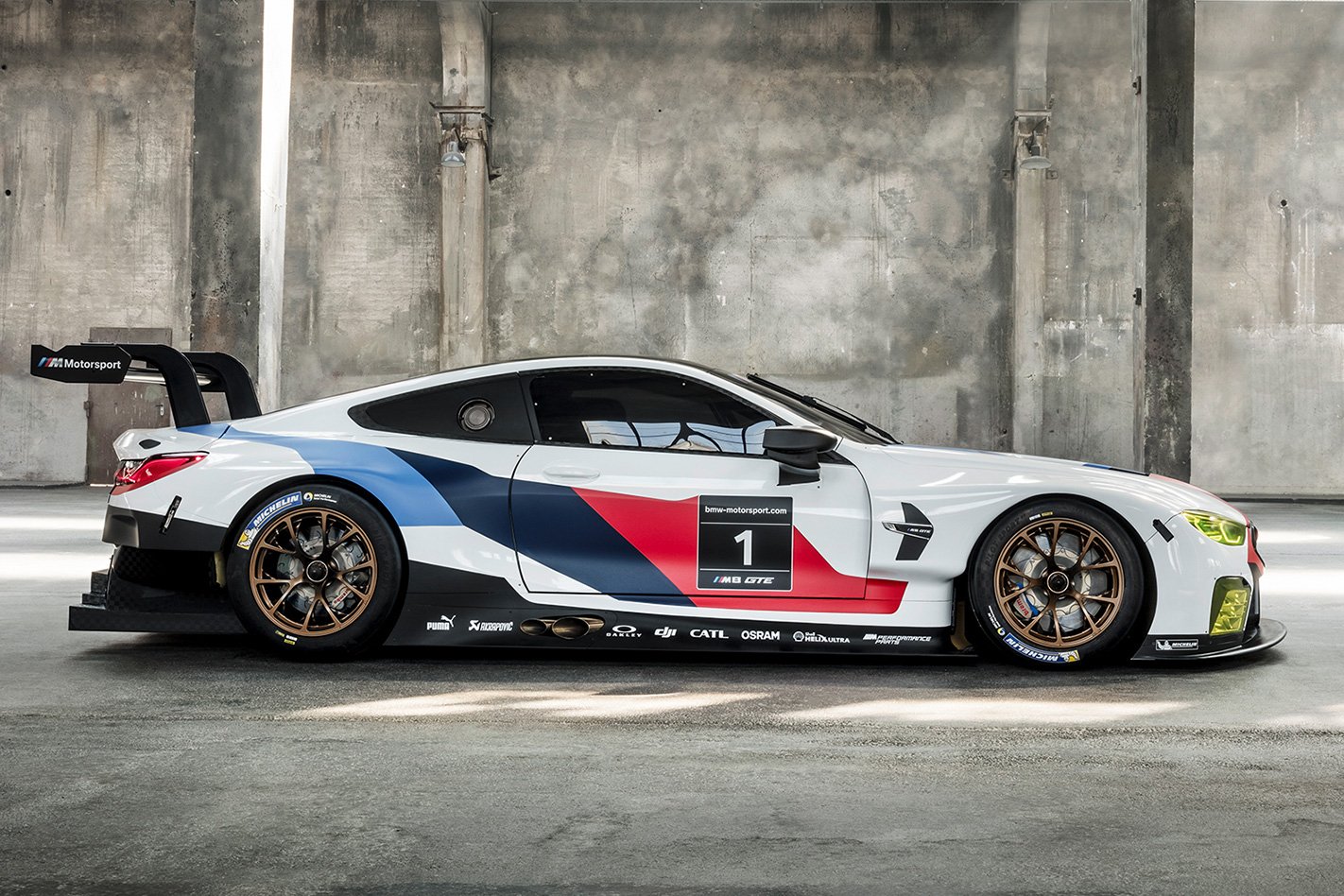
The M8’s design is centred on the classic long-bonnet coupe silhouette, with enough room up front to mid-mount the twin-turbo V8 unit used in the race car.
The sloping rear roofline gives the grand tourer a sleek appearance, with what appears to be space for a 2+2 setup in the production car.
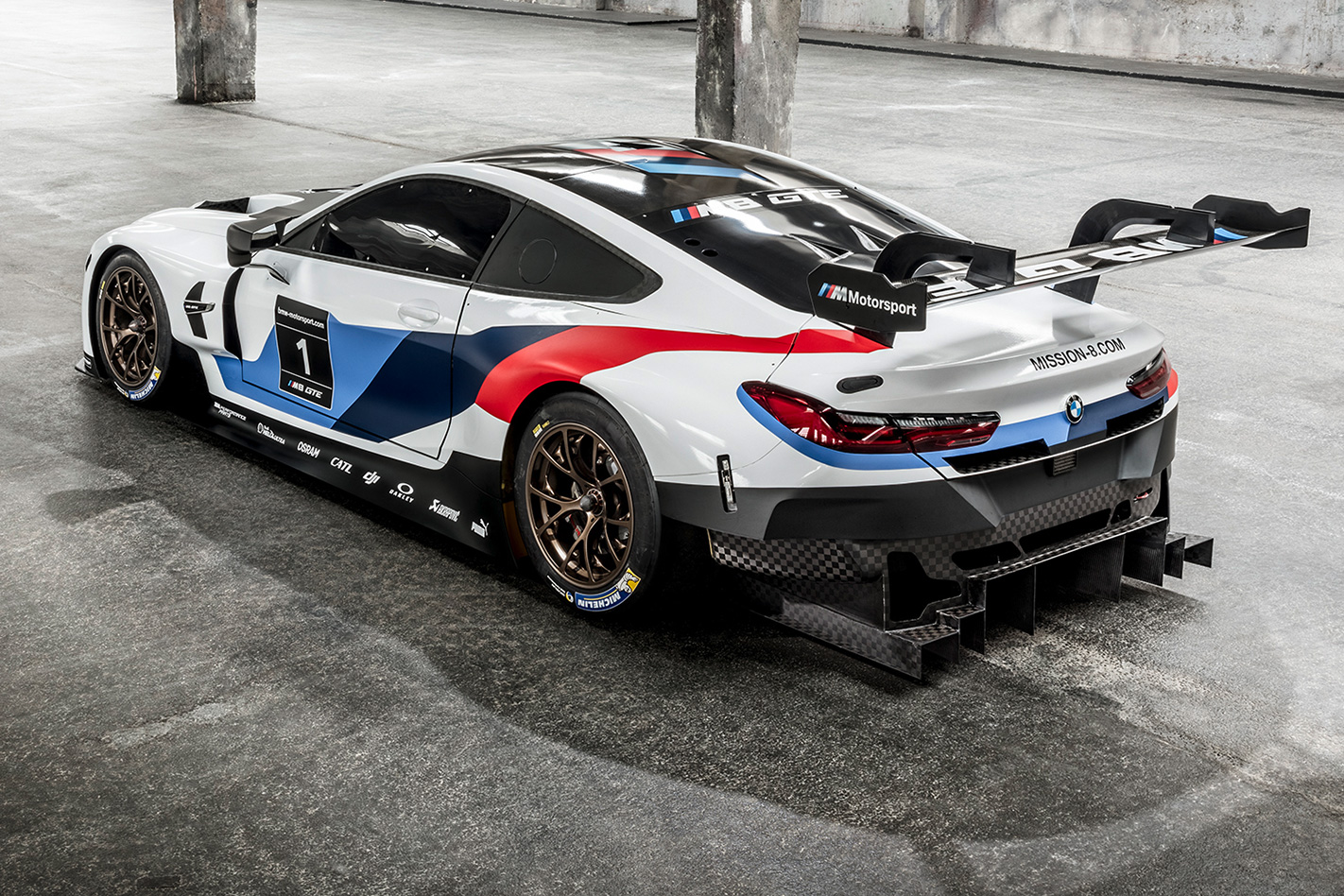
The M8 GTE is 4980mm long without the rear wing, 2046mm wide without the specially designed wing mirrors, and 1212mm tall, while it wheelbase measures in at 2880mm.
The M8 GTE will compete in both the FIA World Endurance Championship and North American IMSA Sportscar championship. Making its debut at the 24 Hours of Daytona, the car will then herald a return to the 24 Hours of Le Mans for BMW.
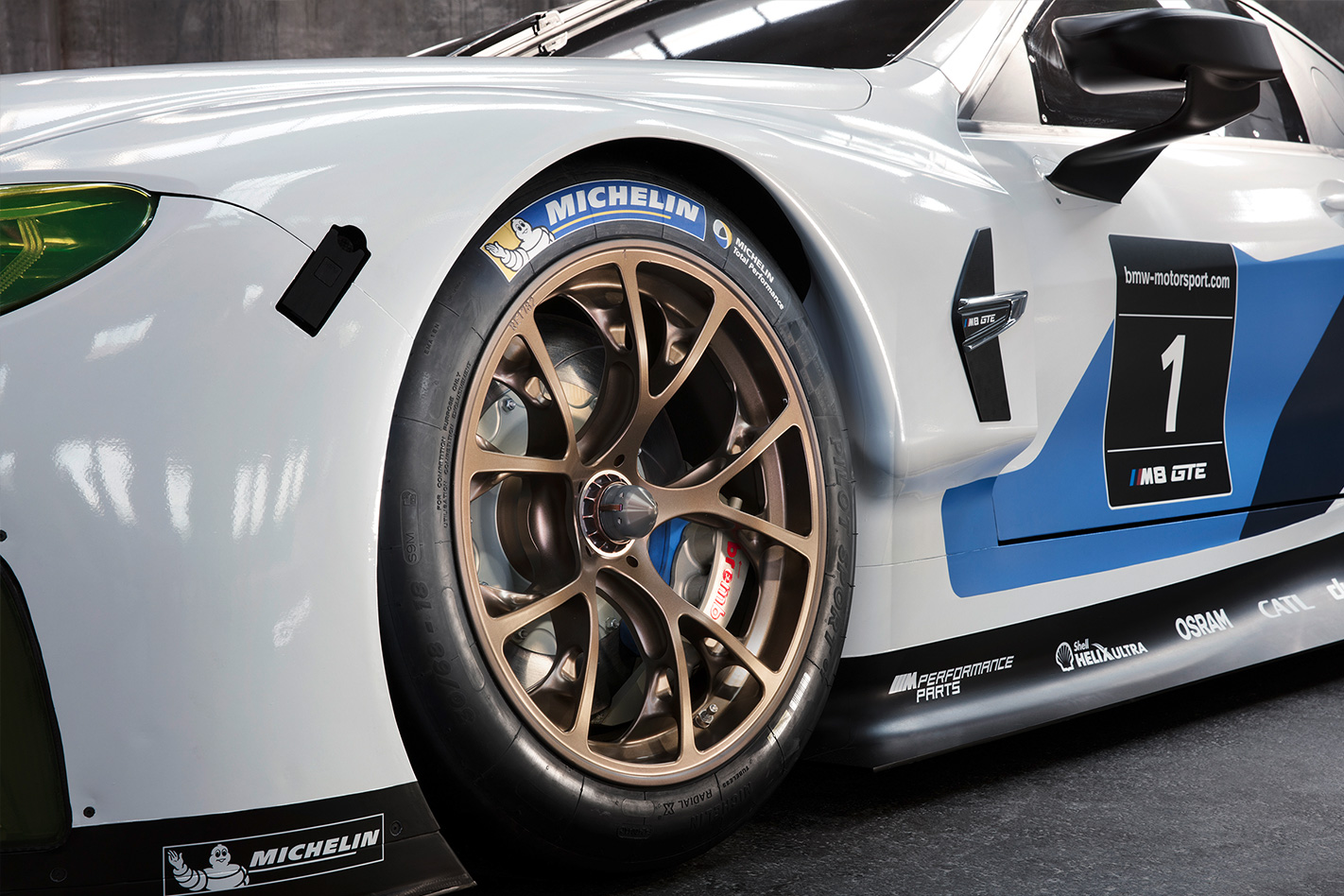
The engine of the M8 GTE is a twin-turbo 4.0-litre V8, the same seen in the M6 GT3 racer, producing 372kW.
The engine is restricted by BMW in both size and power to meet FIA GTE performance requirements.
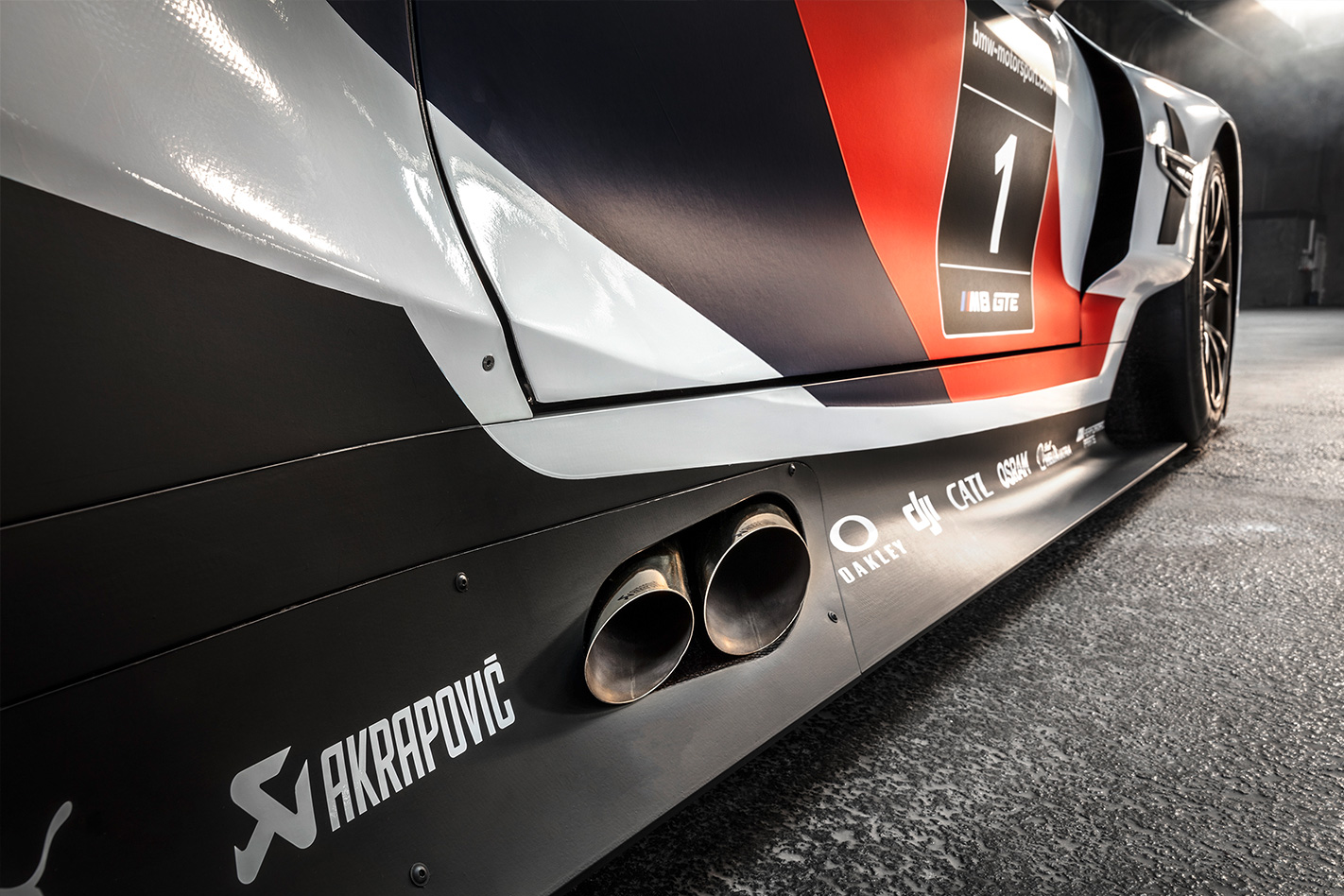
Weighing just 1220kg, thanks to the stripped out interior and lightweight materials used in construction, the M8 GTE is sure to take the fight to competitors such as the Ferrari 488 GTE, Ford GT GTE, Aston Martin Vantage GTE, Chevrolet Corvette Stingray GTE, and Porsche 911 RSR.
A fascinating aspect of the M8 GTE’s engineering was the use of artificial intelligence in developing the multi-stage traction control, along with 3D printing technology.
“For us, the presentation of the uncamouflaged car at the IAA is the next important step on the road to our first race outing, which we plan to be the 24 Hours of Daytona in 2018.
“The FIA WEC and the IMSA series in North America are top competitive environments for our new challenger. With the BMW M8 GTE, we are bringing cutting-edge technology to the top international class of GT racing, whilst at the same time tying in with our tradition at Le Mans.
“The development of the BMW M8 GTE is on schedule, and we can hardly wait to see the car challenging for victories in 2018.”
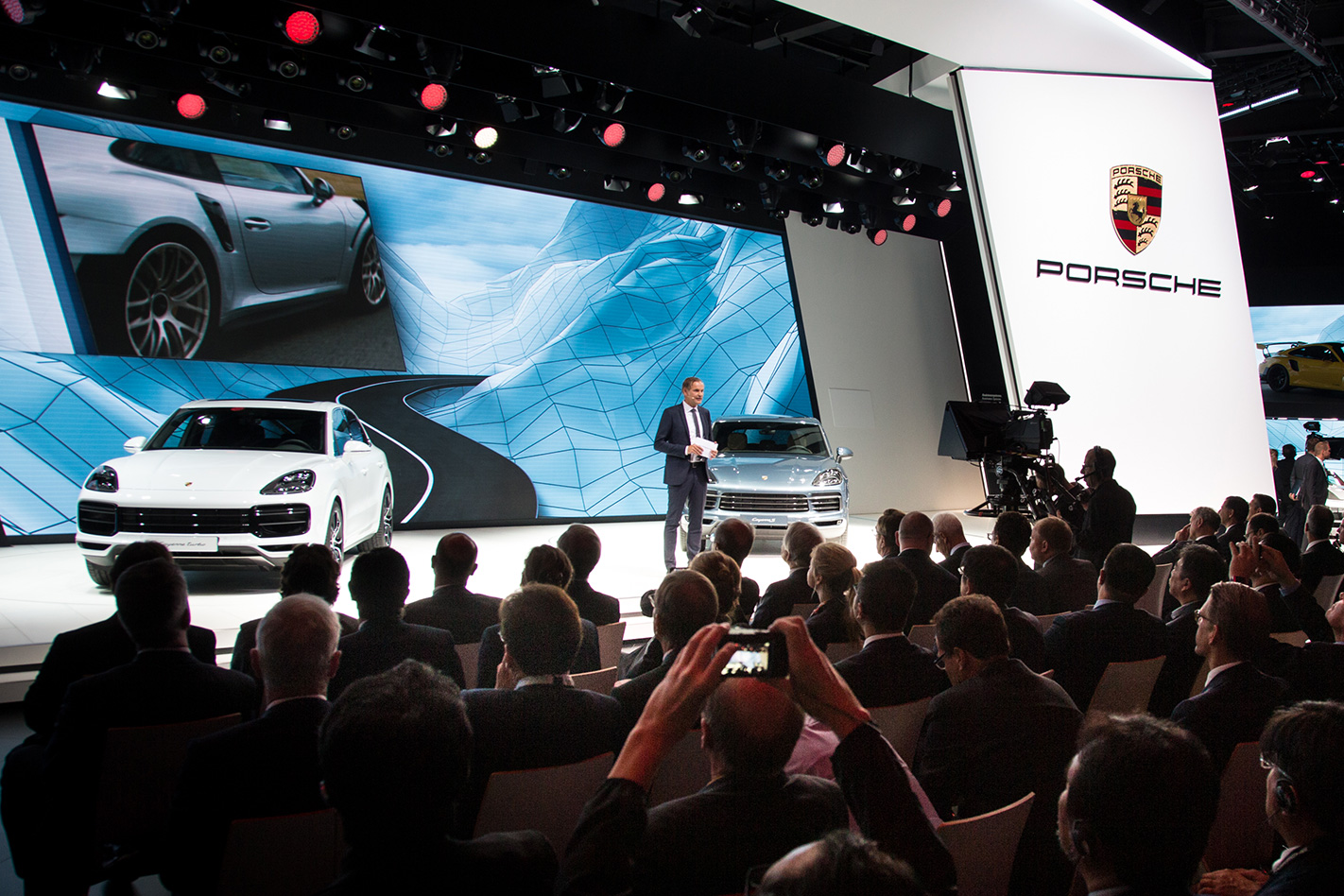
THE Porsche Cayenne Turbo – the wildest version of Porsche’s large SUV yet – will feature an adaptive roof-mounted spoiler that will provide high-speed downforce and cut braking distances.
Due in Australia in mid-2018, the BMW X5 M and Land Rover SVR rival will also adopt Porsche’s 48-volt active suspension system and advanced torque vectoring to give 911-like handling in a soft-roader package.
Under the bonnet, the low-mounted 4.8-litre V8 with its turbochargers lying inside the vee ups performance by 22kW over its predecessor to a whole 404kW. Torque, meanwhile, jumps 20Nm to 770Nm. Combined with its eight-speed automatic gearbox and all-wheel-drive, the Cayenne Turbo will sprint from rest to 100km/h in 4.1 seconds, a 0.3sec advance on the Cayenne Turbo it replaces, which is similar as the previous-gen Turbo S and faster than almost half the 911 line-up. Add the Chrono pack, and that time drops to 3.9sec.
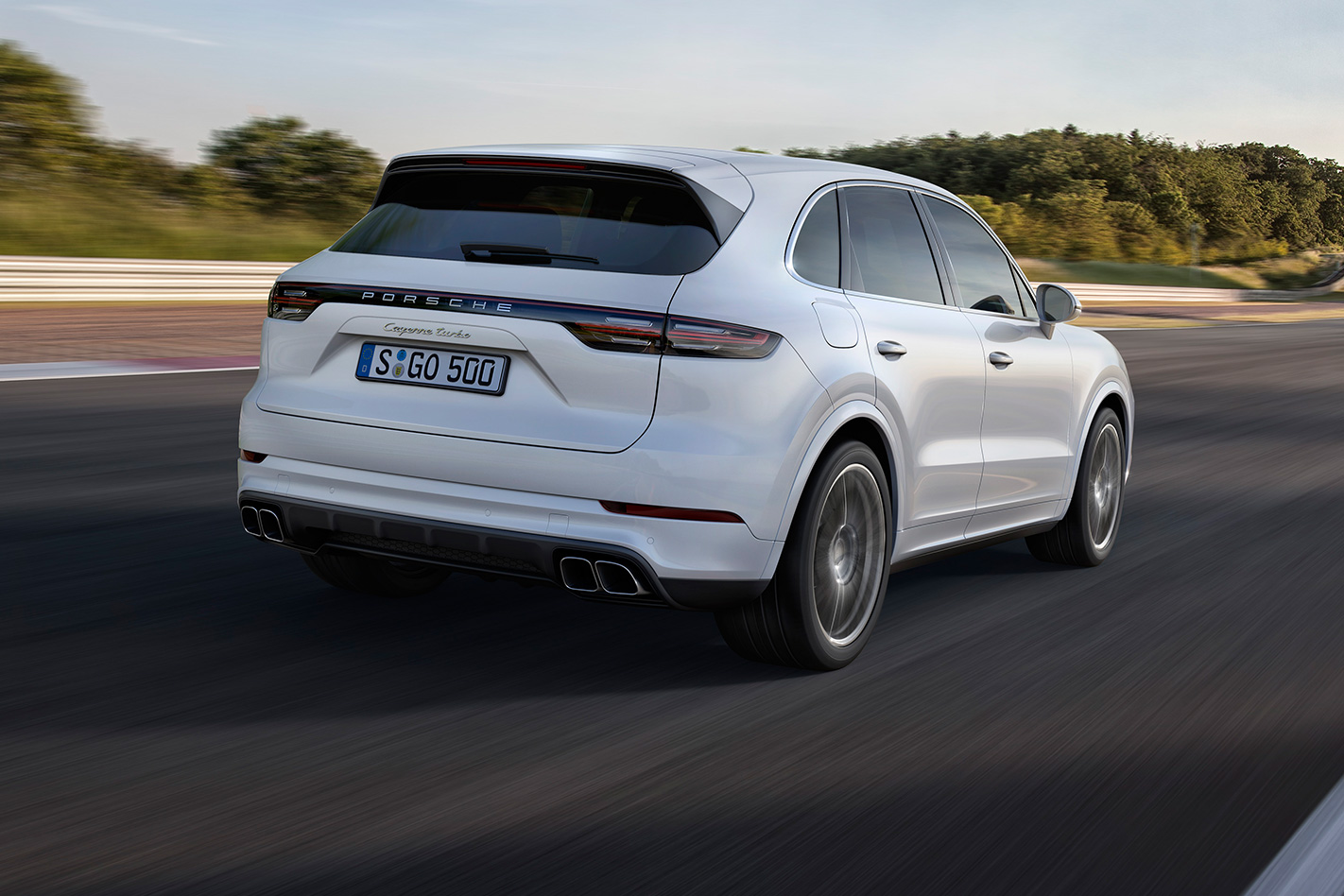
The move to the Cayenne’s lighter chassis has introduced a front axle featuring a separated link design and a multilink rear axle. The electric rear-axle steering system, which Porsche says was “tried and tested both in the 911 and the Panamera”, will help with cornering agility around and stability when changing lanes at high speeds. The reduced turning circle also makes every day handling easier, it said. Mixed tyres – ranging from standard 19-inch to optional 21s – adopt a sports car attribute by staggering wheel sizes to also help improve dynamic ability while cornering.
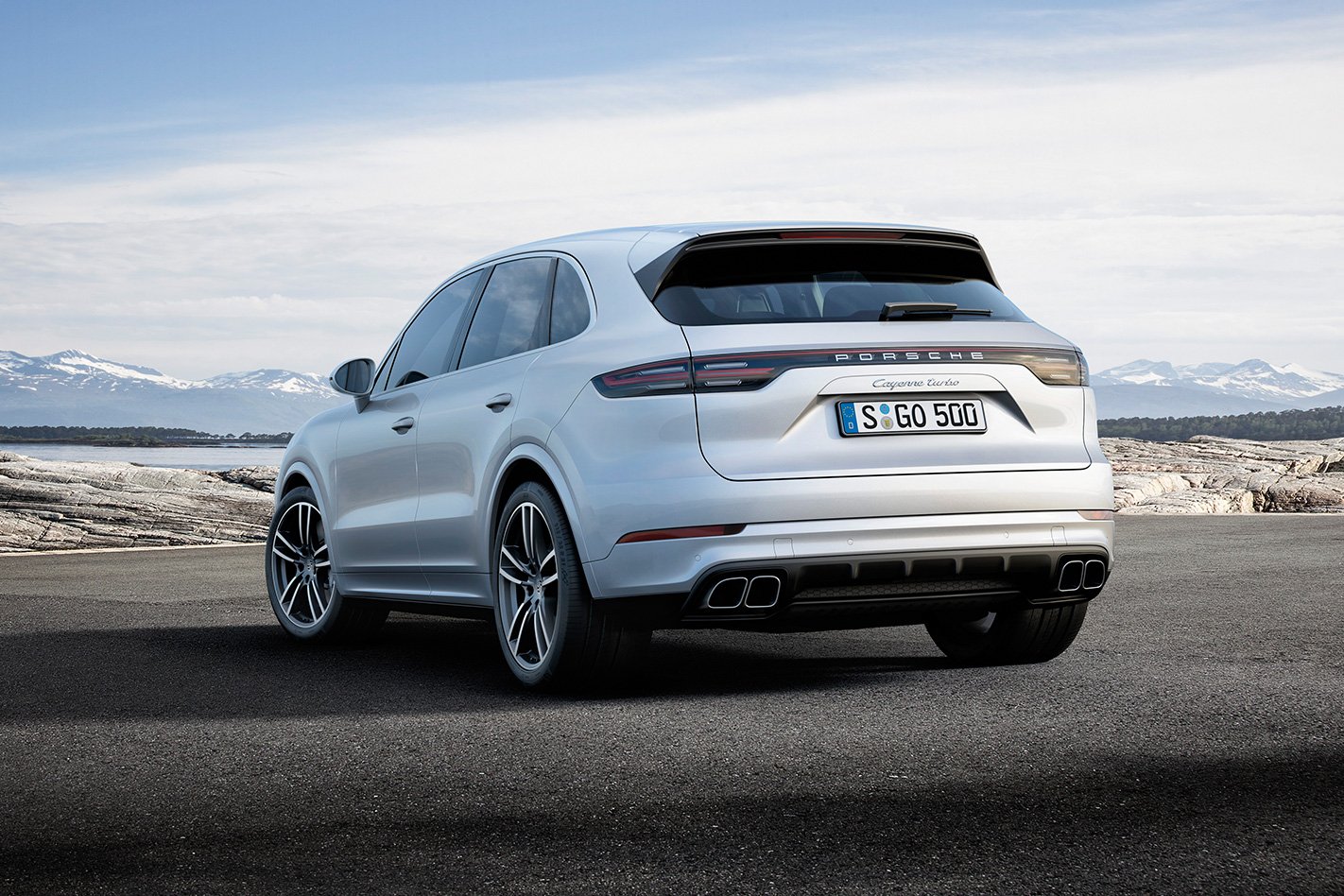
The more potent Cayenne will use a tungsten-carbide coating for its cast-iron disc brakes – optional on the entry-level Cayenne and Cayenne S – as standard, with carbon ceramic brakes on the options list. Inside, the Cayenne Turbo gains the multimedia system developed for the Porsche Panamera and also rolled out in the 911, including a 12.3-inch touchscreen. An analogue tacho remains in front of the driver, but to either side are 7.0-inch screens that display all other relevant driving data, as well as additional information selected using the multi-function steering wheel.
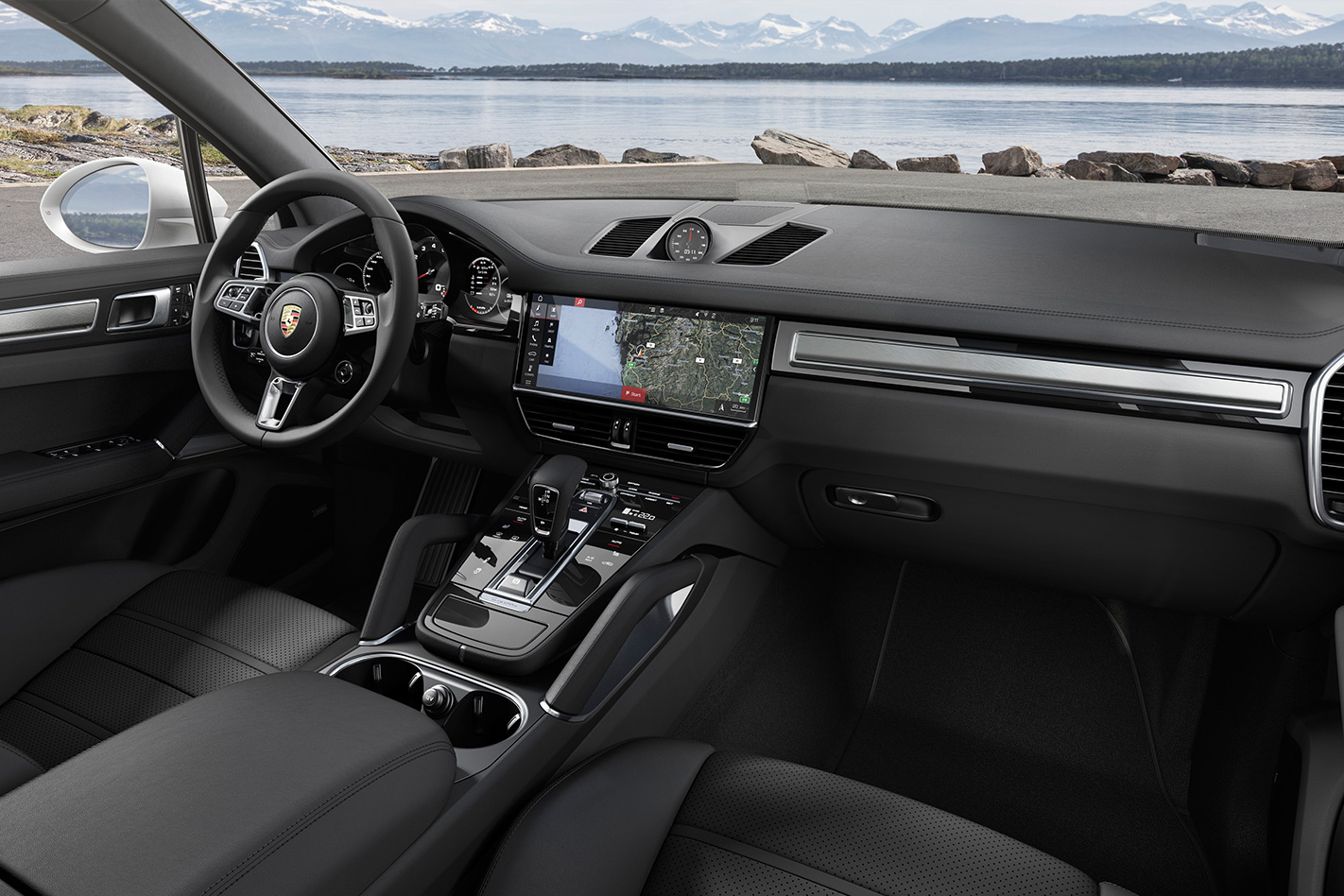
Porsche says pricing for the entire Cayenne range will be released early next year. All three versions of the performance SUV will go on sale in mid-2018.
EAGERLY anticipated details about the 2018 Swift Sport have been released by Suzuki at the Frankfurt Motor Show overnight.
As hoped, the featherweight hatchback sports a sub-tonne kerb weight of 970kg in the UK, down 80kg, and will be powered by a 1.4-litre turbocharged four-cylinder lifted from the existing Vitara Turbo, with a bump of 10Nm to outputs of 103kW and 230Nm.
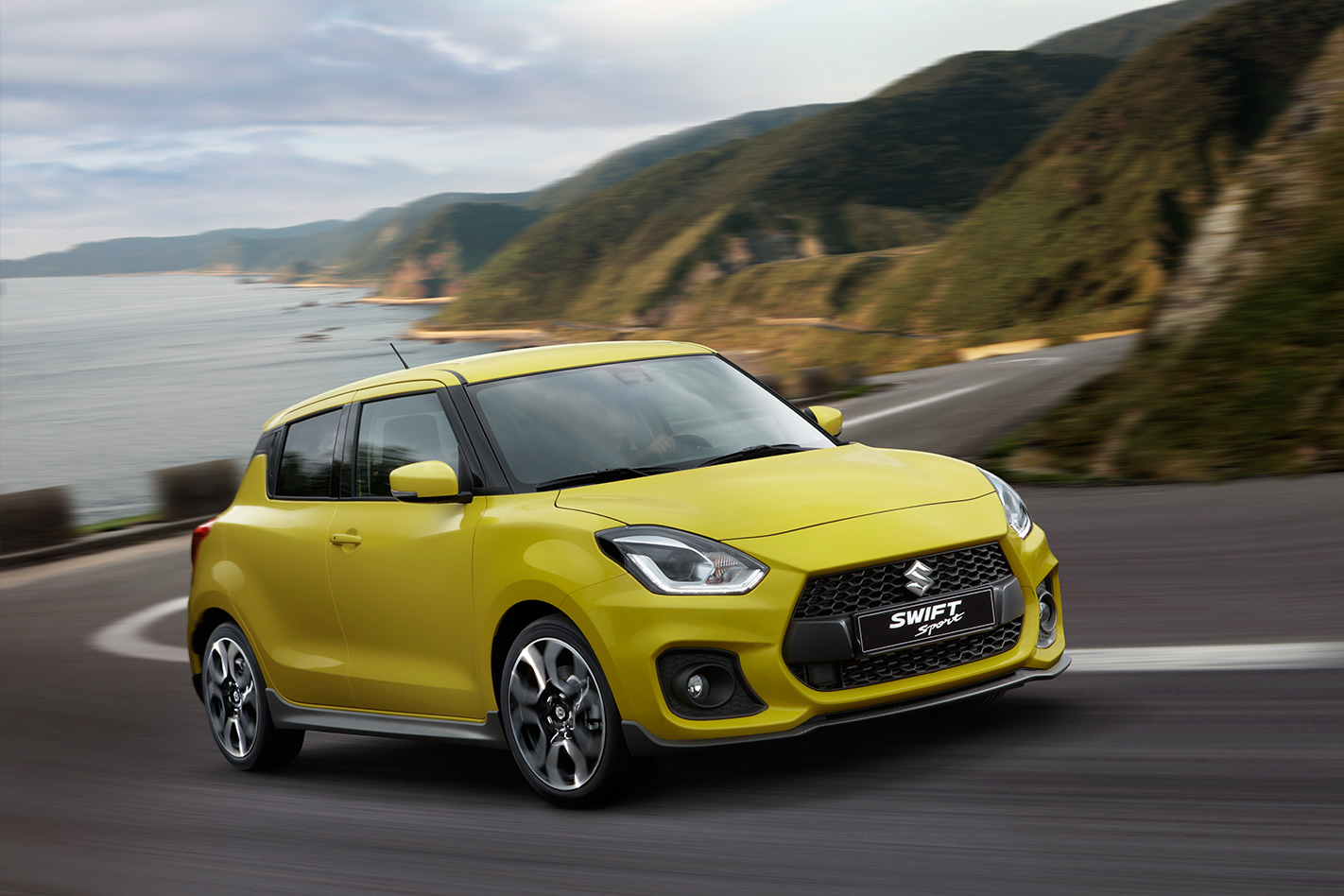
Switching to the ‘BoosterJet’ engine is a departure for the diminutive driver’s car, which has been propelled by a naturally aspirated engine in the two generations past. However, the torque hike offered by the turbo engine makes the Swift Sport “more fun to drive” according to chief engineer Masao Kobori.
The last Swift Sport sold in Oz was powered by a 1.6-litre four-cylinder engine producing 100kW and 160Nm. An almost 45% increase in torque (available between 2500-3500rpm) should give the light-on-its-feet Swift Sport a real chance against more powerful rivals like the Ford Fiesta ST (134kW/240Nm), Volkswagen Polo GTI (141kW/320Nm) and RenaultSport Clio (147kW/240Nm).
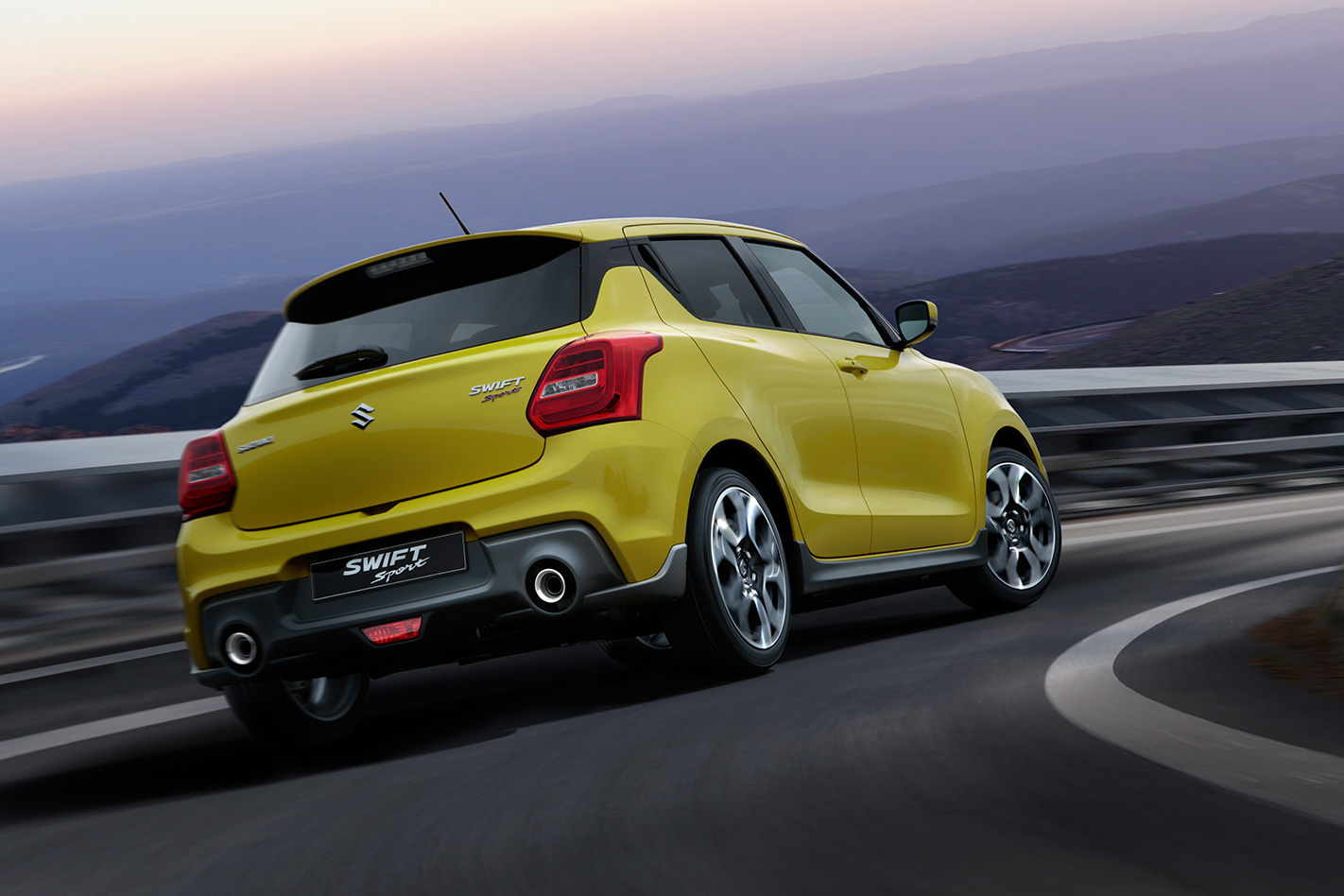
Suzuki carried out most weight reduction work in the body structure of the Swift Sport, and still managed to increase rigidity. Improvements to suspension hardware are said to increase stability without resorting to overly stiff spring rates. Its wheelbase is 20mm longer and track wider by 40mm, while the body itself is 15mm lower.
“It’s lighter, sharper, quicker. It’s more aggressive and emotive, but we’ve also refined the elements that make it practical to use every day – the clutch feel, the manual transmission shift throw, the seats and steering wheel. Everything that puts the driver at the heart of the experience.”
Champion Yellow carries over as the model’s hero colour, derived from the Suzuki Works rally car that competed in the Junior World Rally Championship. Unique styling features include the ‘staggered’ front grille design, carbonfibre look embossing for the front lip spoiler, side skirts and diffuser, and a tapered shape for the twin-tip exhaust. Standard kit includes 17-inch wheels.
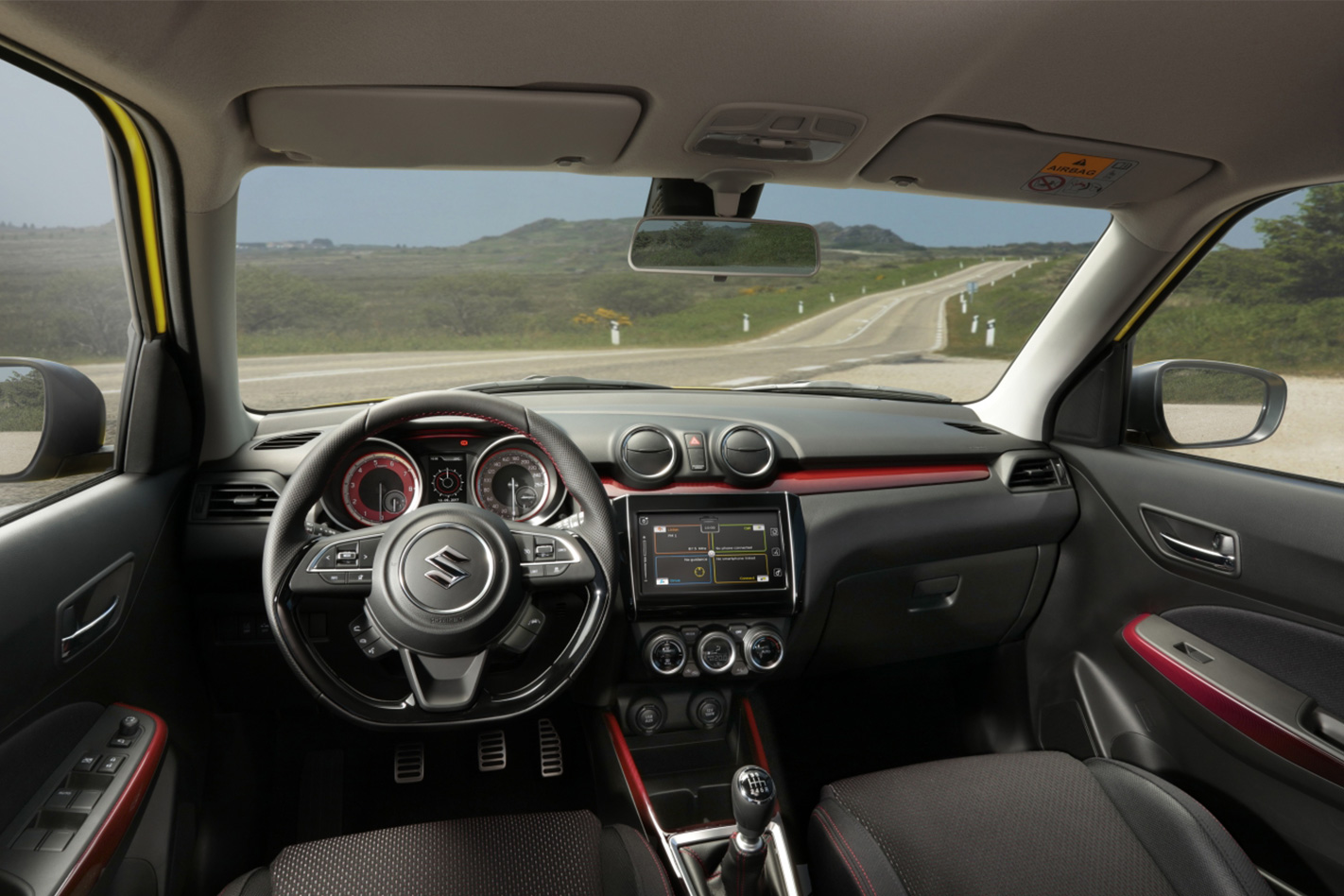
Infotainment kit incorporates a 7.0-inch touchscreen with inbuilt navigation as well as Android Auto and Apple CarPlay smartphone mirroring. Active safety features like a forward collision warning system, lane departure warning and high beam assist have been fitted to overseas models as standard.
Specification for the Swift Sport in Australia will be announced closer to the model’s arrival. Pricing is expected to be comparable to the last generation, which cost $24,490 for the manual version, or $26,490 with a CVT.
THE 67th Frankfurt Motor Show has opened in style, with high-end hypercars and a groundswell towards e-mobility dominating proceedings.
View all of our Frankfurt coverage, as it happens, right here!
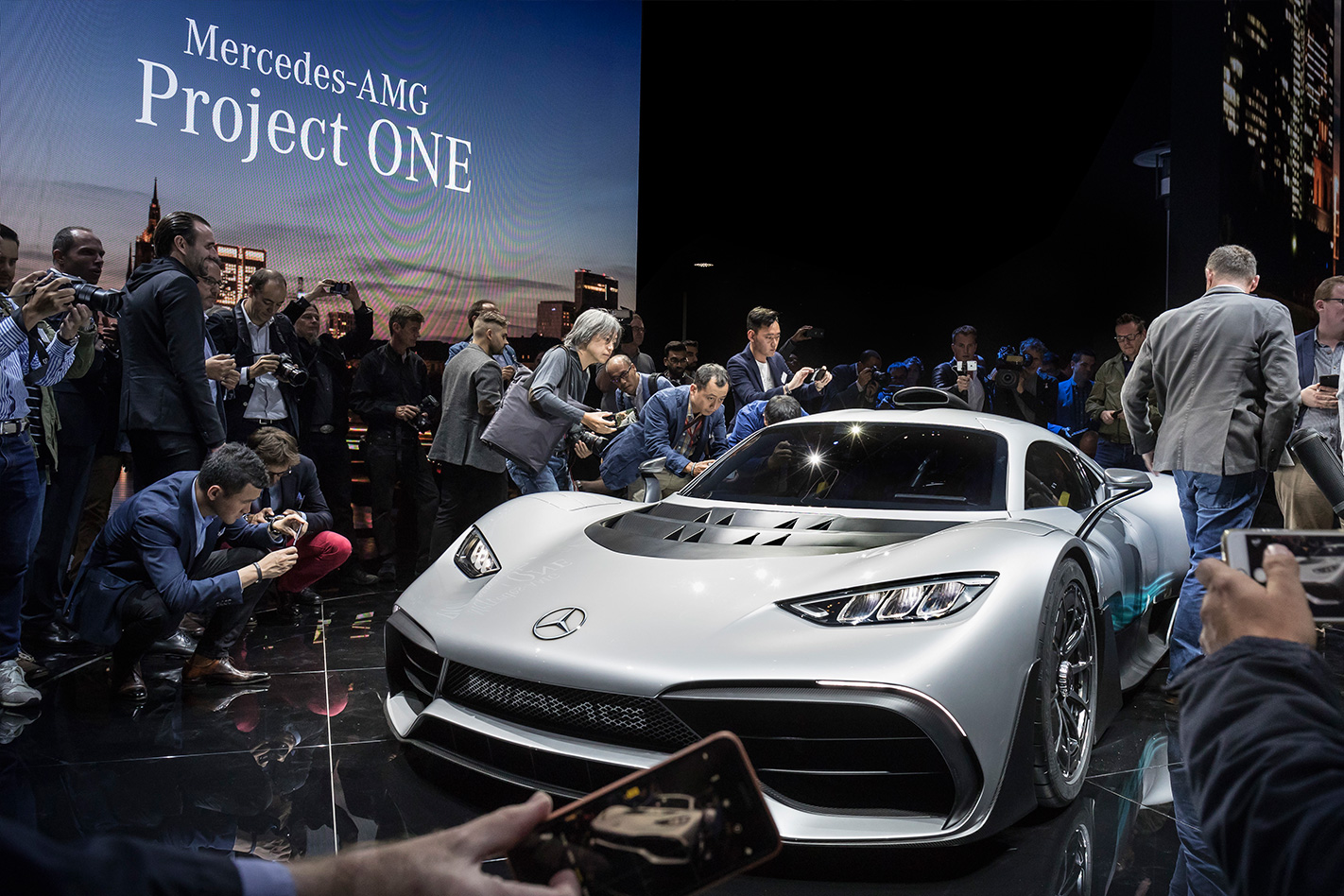
The highlight of this year’s show has to be the Mercedes-Benz Project One, a Formula One-engined road car that pushes the boundaries of design, construction, and performance. Other warmed-over debuts include the Porsche Macan Turbo, an all-new Volkswagen Polo GTI, and the most hardcore Renaultsport-fettled Renault Megane yet.
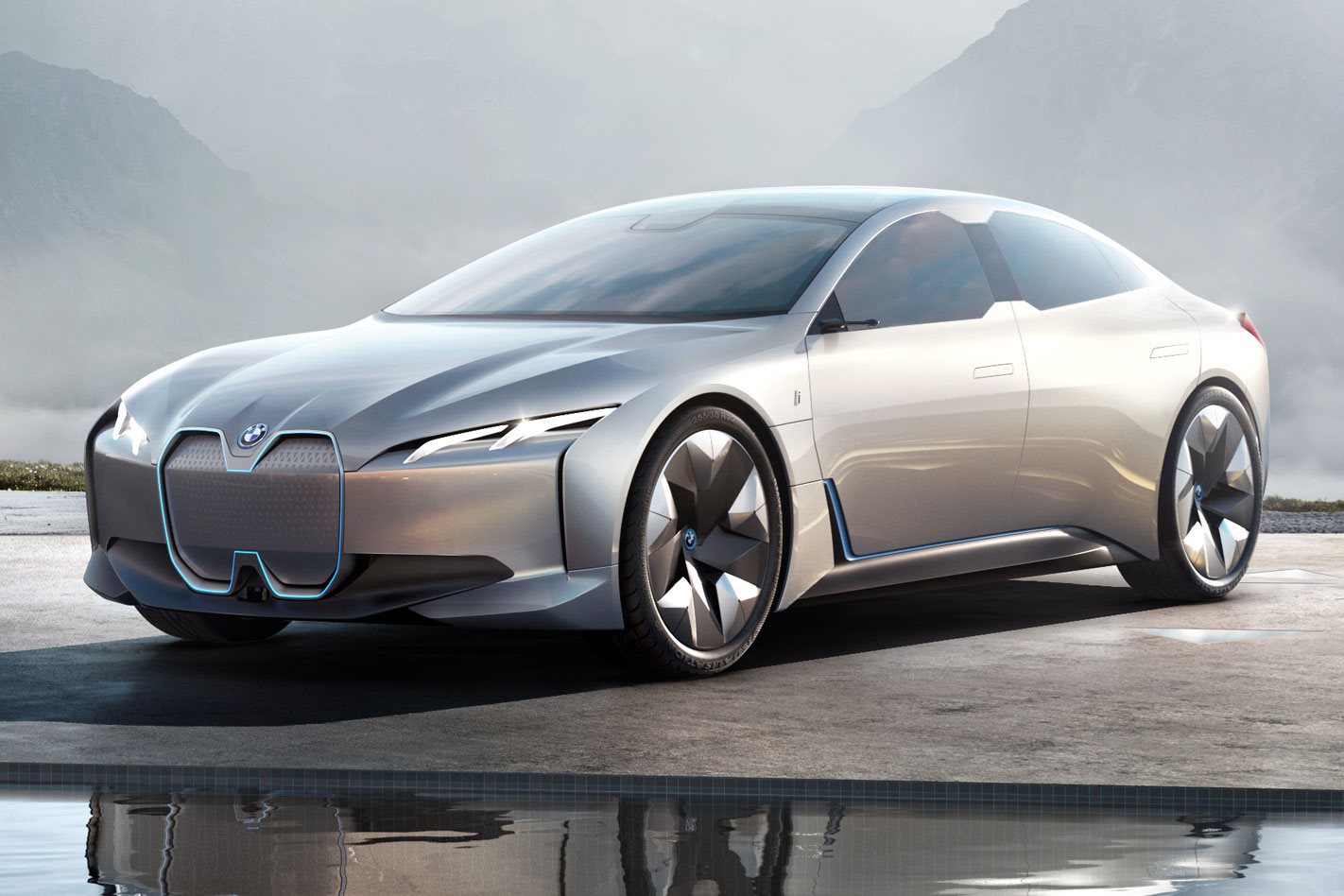
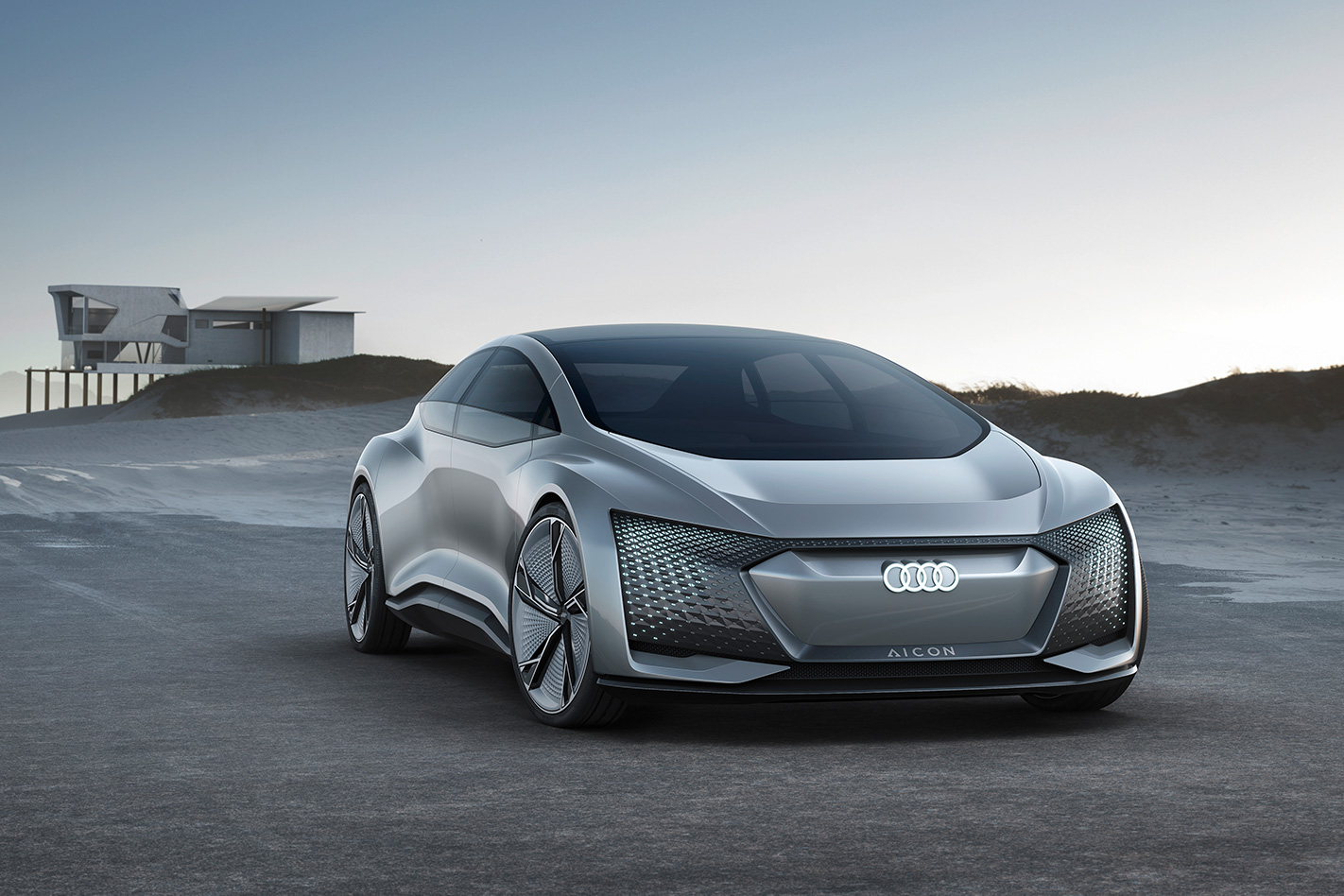
But it is visions of the future that also dominate. Audi’s Aicon concept previews a self-driving, luxury-laden taxi, while BMW rolled out the BMW i Vision Dynamics. It is a Vision NEXT 100-inspired concept that provides a glimpse of a four-door gran coupe that will one day slot in between the i3 and the i8. BMW also announced it would have 25 electrified models in its showroom by 2025 – with 12 of them being fully electric. Over at Mercedes-Benz, the wraps came off the SUV-styled EQA concept, giving a hint of the first all-electric vehicle it will roll out under its EQ brand. Jaguar, meanwhile, stumped up the I-Pace electric SUV.
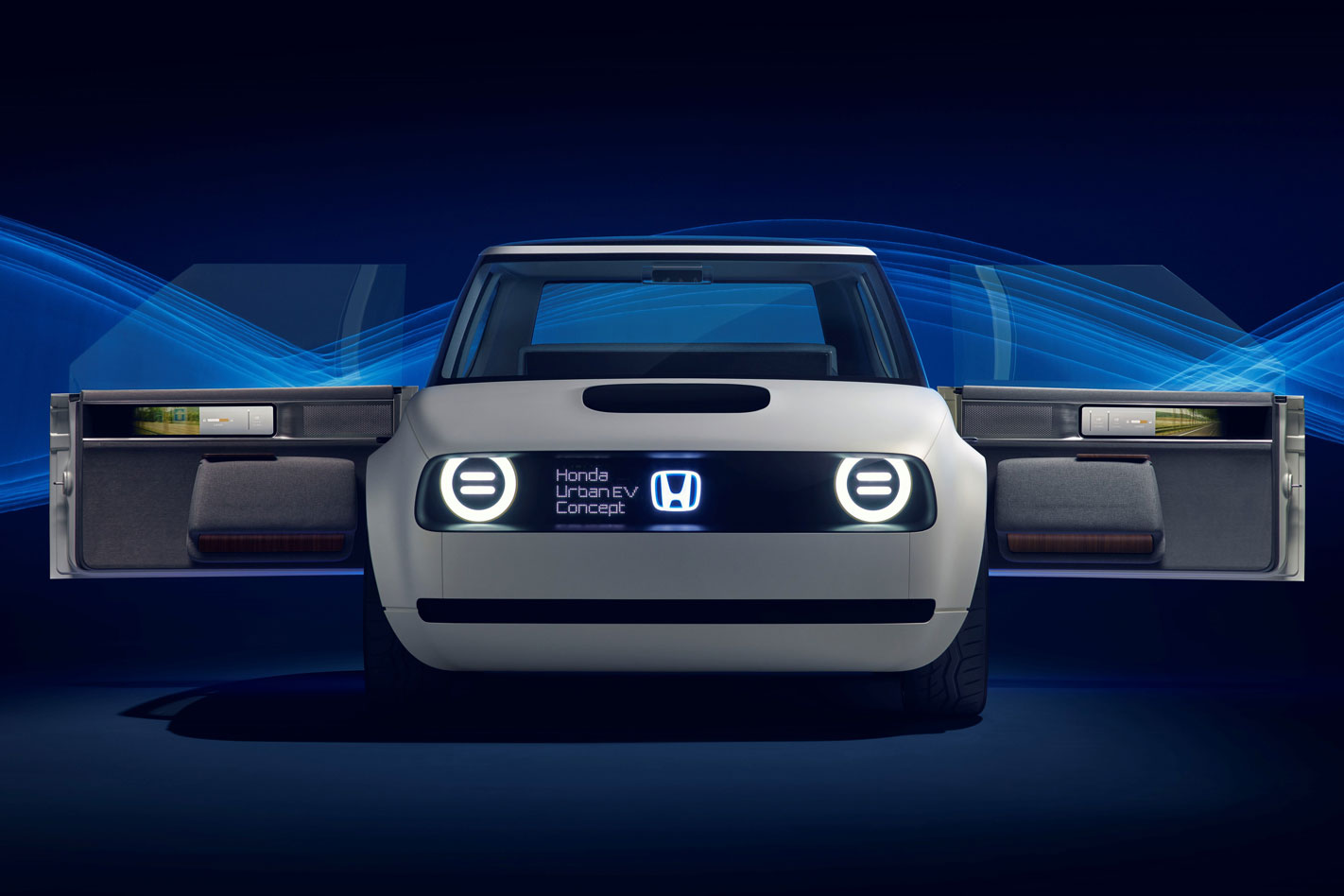
Honda, meanwhile, has unveiled a sharp-looking electric vehicle called the Urban EV that it wants to have on the market by 2019 – no news yet on an Australian arrival though. And not to be outdone, Skoda revealed the dumpy looking Vision E, an electric SUV that taps parent Volkswagen’s new MQB platform.
MERCEDES-BENZ has officially revealed its EQA concept after weeks of drip-fed teasers.
The compact concept is the second addition to the EQ sub-brand, which represents Mercedes-Benz’s ambition for an all-electric model range.
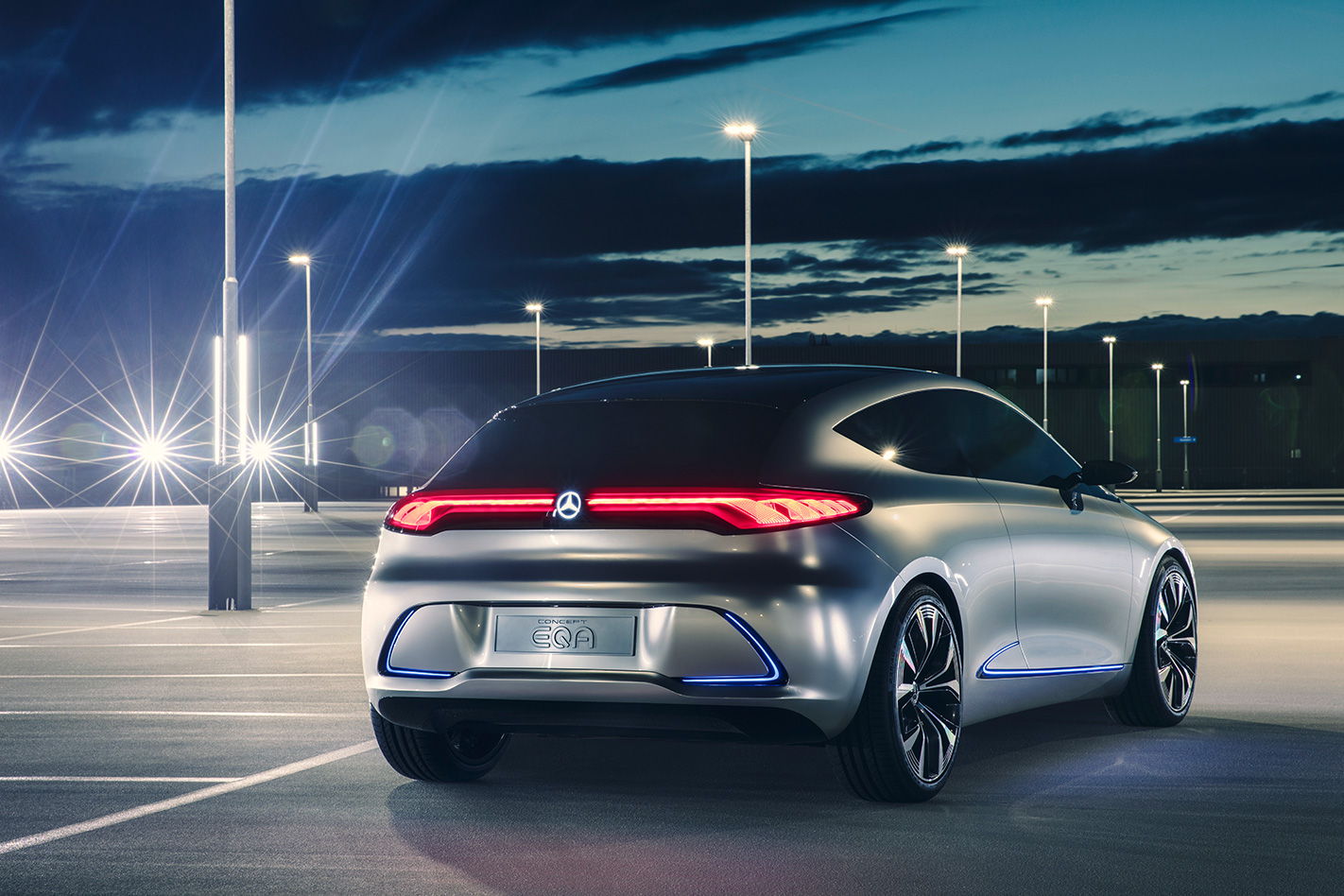
The car is capable of a total system output of over 200kW and 500Nm, and a 0-100km/h time of around 5sec.
Range is estimated to be around 400km, putting it on the same level as the Tesla Model 3, which has started production already.
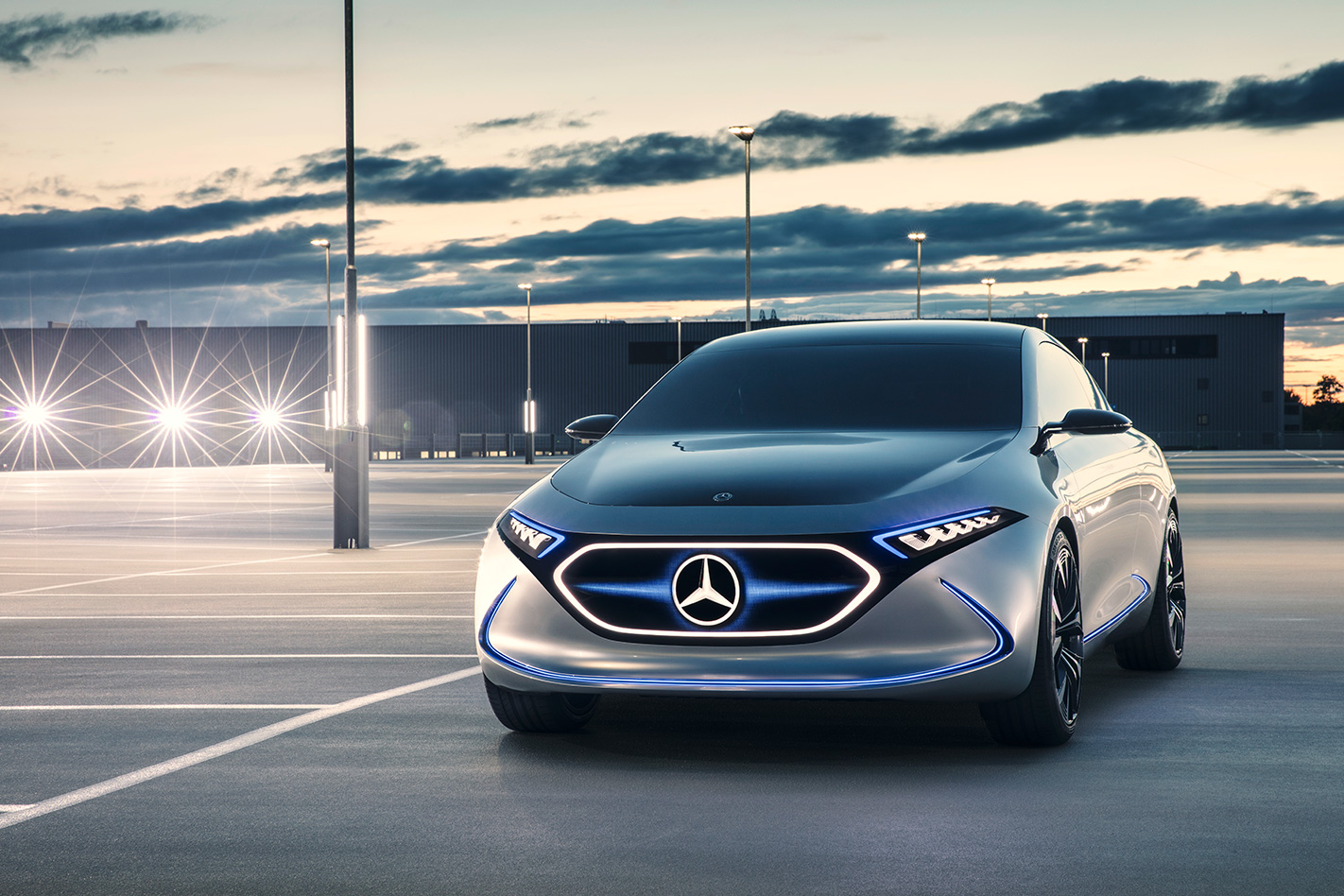
Inductive charging and wall box units for homes would also be available should the EQA see production.
Two drive modes are available in the concept, Sport and Sport Plus, offering different levels of front to rear torque distribution for the permanent all-wheel drive system, and allowing for individual driving characteristics.
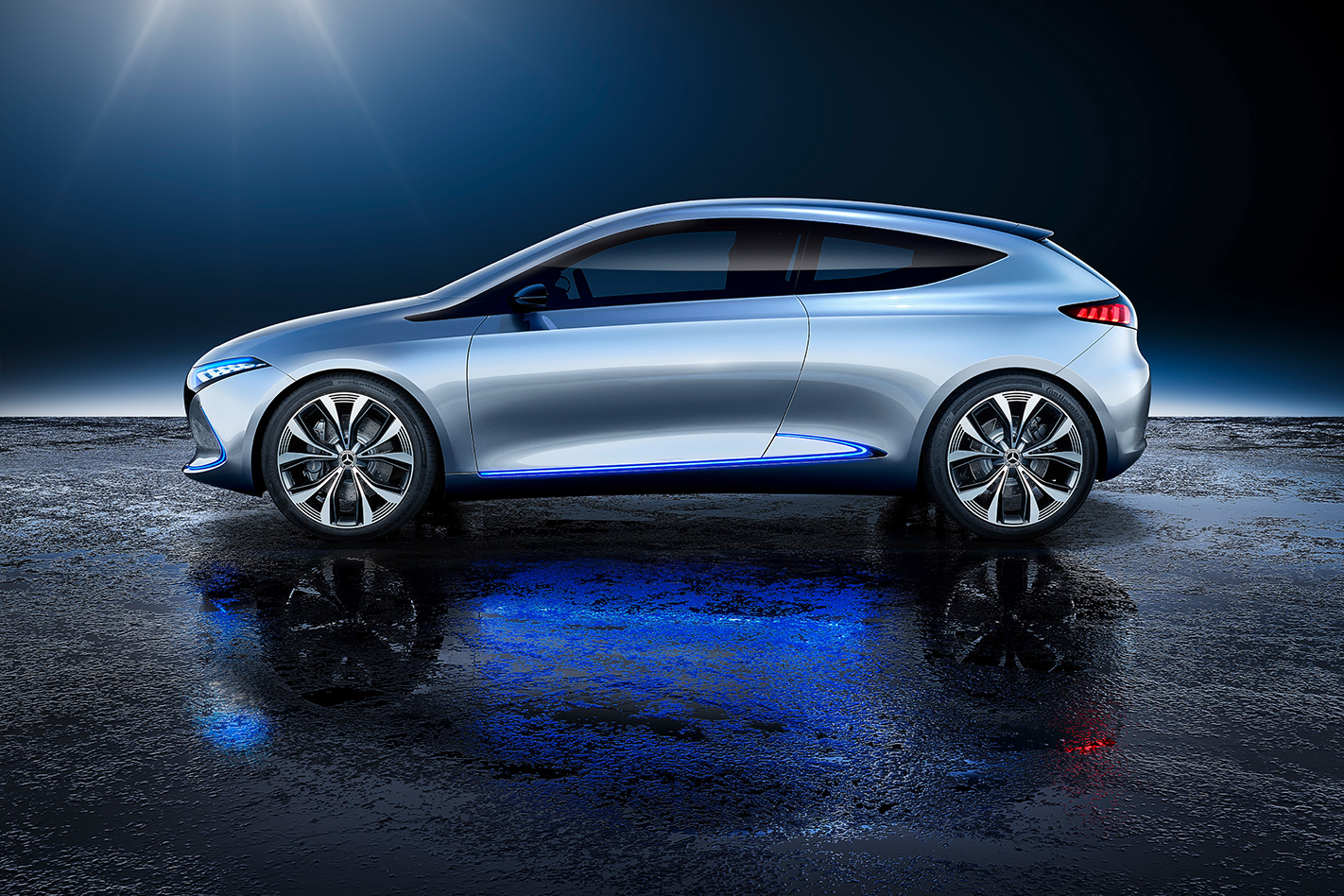
“The Mercedes-Benz Concept EQA proves that we are serious about introducing electric mobility throughout the portfolio.”
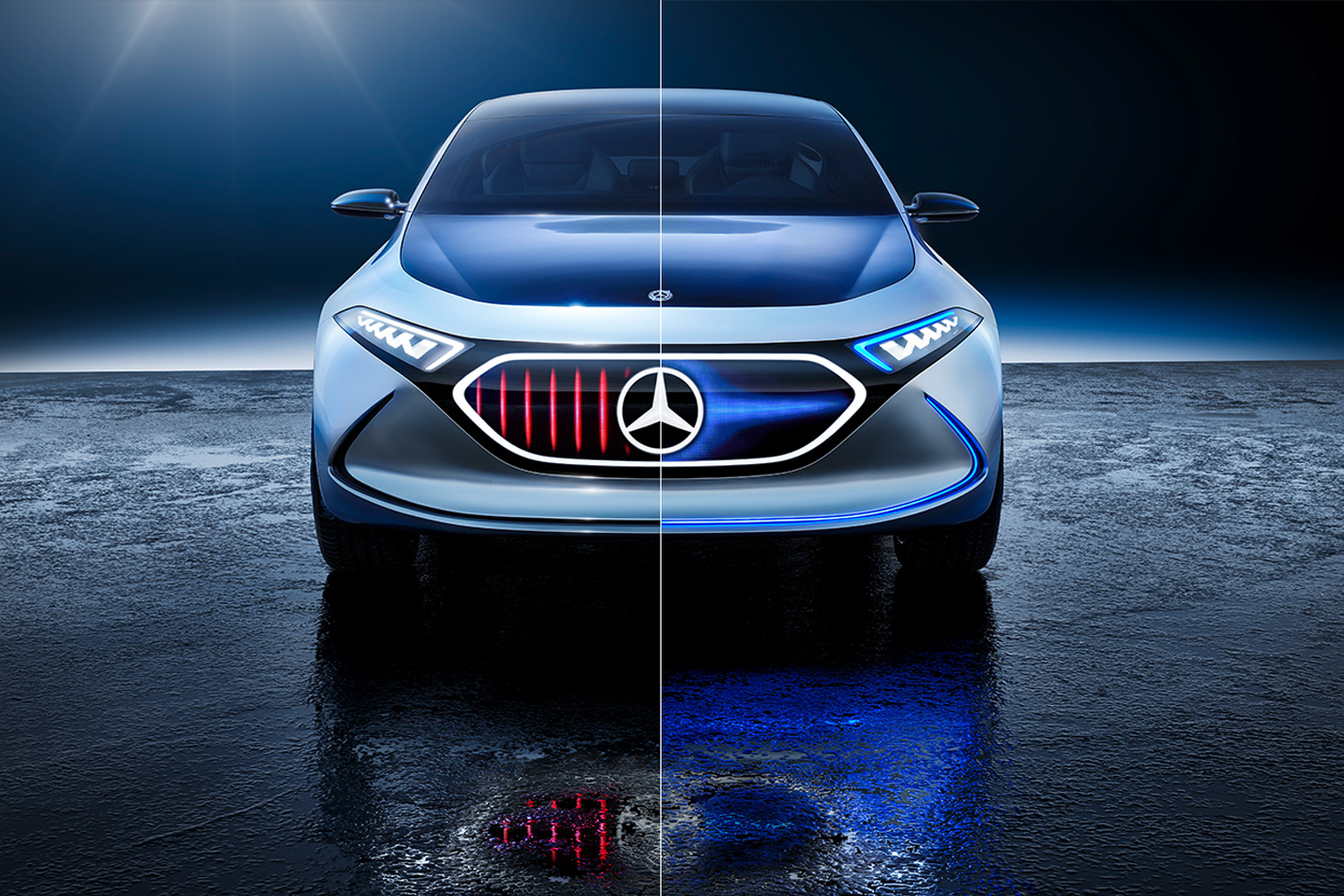
It also joins the EQ concept to build on the brand’s electric family.
Riding on 20-inch wheels, Mercedes highlights the car’s short overhangs, and large glasshouse as a signature of future electric designs.
