Goodwood Estate is in the UK. It rains there. It’s also the location of a fairly prestigious motoring event. Get where this is going?
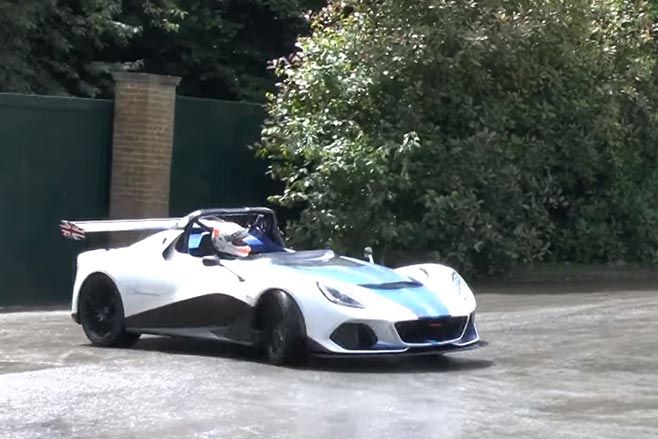
Sure, they could have just done a turnaround the normal way, but the people who own (or are driving) these cars are there to have fun.
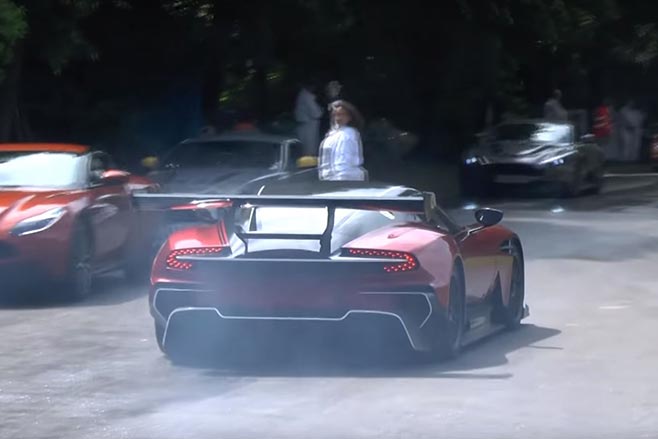
Though there are a few that decide not to spin their supercars on the spot (like the Bugatti Chiron at 2:45), most of these cars get a at least little bit sideways on their way around the road end.
A few of them even drift into their allocated parking spots.
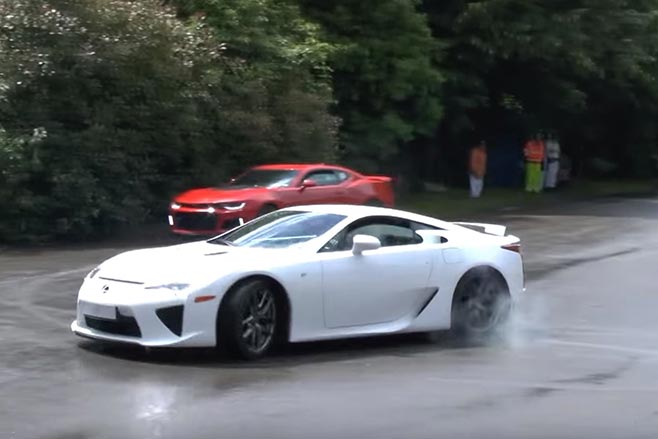
The fellow in the Lexus LFA seen shortly after at 1:15 probably didn’t mean to end up backwards either, but he totally saved it by turning the mistake into a couple of tasty donuts.
Lastly, the biggest surprise of this video was seeing one of our own, a Maloo ute, in the background. It was of course disguised as a Vauxhall VXR, though.
In a May record for Australian new-car sales, there were naturally plenty of successful brands and models – and not always the obvious candidates. And, of course, there are always some underachievers.
WINNER: TOYOTA
We’ve become accustomed to Toyota’s market dominance, yet the Japanese brand still impressed with its May 2017 figures. With nearly 20,000 new vehicles shifted, Toyota accounted for nearly a fifth of the market (19.3 percent). Its May total of 19,876 units outsold the combined sales of Mazda and Hyundai, in second and third place for the month. The result boosted Toyota’s year-to-date growth to more than five percent – or up 4200 vehicles on this time last year.
WINNER: ISUZU UTE
Updated versions of the D-Max ute and MU-X SUV gave Isuzu Ute a boost in May – an increase from 1883 to 2377 sales compared with this time last year equating to a 26 percent jump. The Mitsubishi Corporation-owned company will be keen to see this trend continuing, to wipe out a current year-to-date deficit of six percent.
WINNER: FIAT’S SUPER BRANDS
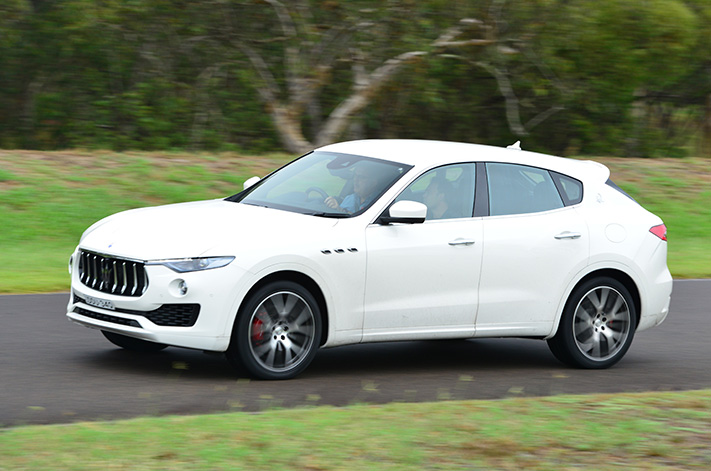
Sporty Italian stablemates Ferrari and Maserati shared successes last month. Ferrari’s 21 sales were particularly notable, signifying a 50 percent increase on May 2016’s 14 sales – and helping to edge the brand into year-to-date growth of eight per cent. Maserati’s 31 percent lift between the Mays of 2016 and 2017 is based on bigger numbers, and aided once more by the new Levante SUV.
WINNER: LDV
It’s rare for a Chinese brand to be listed among our winners rather than losers, yet van company LDV is a worthy inclusion for posting 25 percent year-on-year growth in May – 174 G10 and V80 vehicles compared with 139 for May 2016. Year-to-date growth is now up to 28 percent.
WINNER: FORD MUSTANG
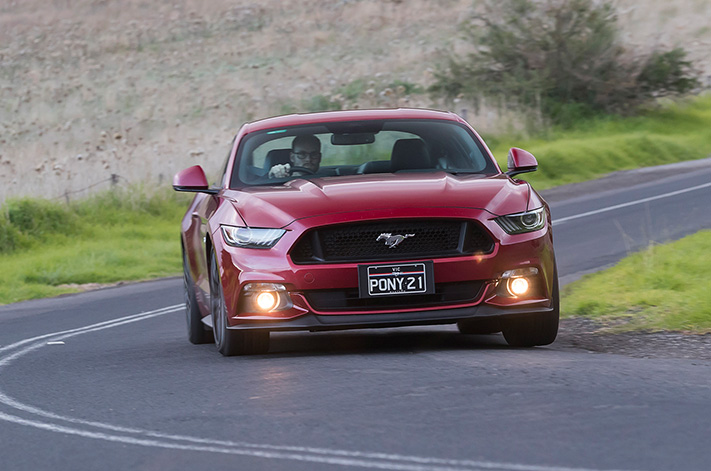
Australia just can’t get enough of America’s pony car. Ford sold 1351 Mustangs in May – a figure that outsold the combined total of the blue oval’s main passenger cars (823 units, comprising Fiesta, Focus and Mondeo). Year-to-date sales are now 3772, representing 78 percent growth. It’s not just the country’s best-selling sports car, but outselling many an established nameplate.
LOSER: BENTLEY
Bentley didn’t sell a single model in May, which is odd considering it has been averaging more than 10 vehicles per month so far in 2017. A total of 52 vehicles to end of May also remains three ahead of this period last year. No such issues for Britain’s other posh brand. Rolls-Royce sold five vehicles last month for a 400 percent year-on-year increase. Year-to-date sales are up 33 percent.
LOSER: LAND ROVER DEALERS AWAITING NEW DISCOVERY
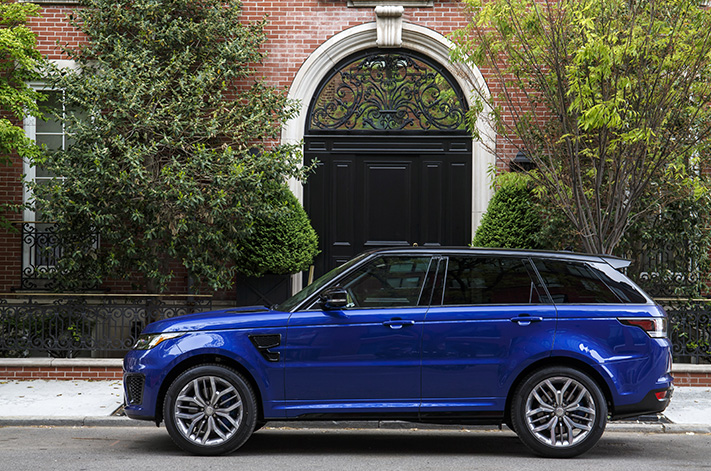
The British 4WD brand’s May sales were down 29 percent compared with May 2016, though the difference is mostly attributable to the wait for the latest-generation Discovery seven-seater. Just 12 buyers opted for the outgoing model in May, where 227 Discoverys had been sold in May 2016. There were hits for the Range Rover and the Range Rover Sport, though.
LOSER: HYUNDAI
In isolation, an eight percent drop in year-on-year sales is a case of “not ideal” rather than “terrible”, though it looks worse when put in the context of sister company Kia’s impressive exploits. Kia grew 41 percent in the same period, and has also closed the year-to-date sales gap. For the first five months of 2016, Hyundai sold 42,050 vehicles to Kia’s 16,116. For January to May this year, Hyundai’s advantage has been reduced to 37,568 v 21,998.
LOSER: TOYOTA PRIUS HYBRID FAMILY
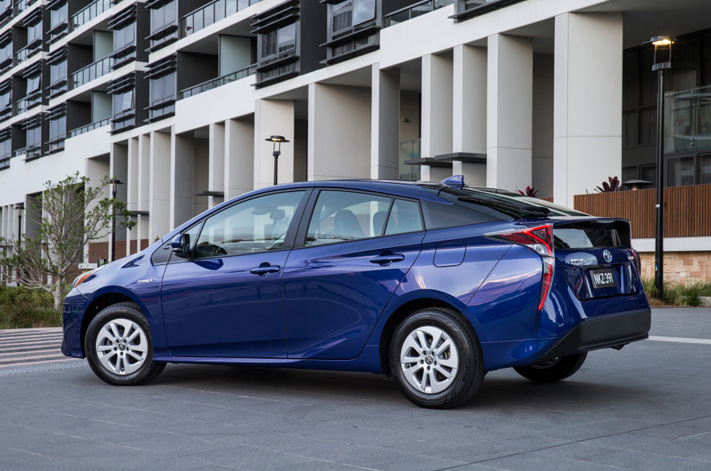
The world’s most popular hybrid has lost some of its appeal in Australia. All three members of the Prius family – comprising the regular variant, the C city car, and V people-mover – posted negative results for May 2017. It reflects a year-to-date trend in which each model is trailing last year’s sales by between 23 and 27 percent – or by an average of 24 percent. At this stage last year, Toyota had sold 817 units of the trio whereas this year that figure has dropped to 617.
LOSER: 4×2 UTES
Poor old rear-wheel-drive utilities – they’re just not getting the same love as their all-wheel-drive siblings. The 4×2 ute sub-segment dropped seven percent year-on-year, which was at least a slightly better result than its overall, year-to-date fall of 10 percent. However, 4×4 utes are romping along – up 15 per cent for May 2017 v May 2016, and with overall growth at seven percent. The Toyota HiLux continues to head the 4×2 segment, though you sense Ford will be happier that its Ranger leads the much bigger 4×4 class.
TELL ME ABOUT THIS CAR
Toyota’s light hatch had a recent facelift which gave it sharper looks, a refreshed interior and additional technology including an advanced safety package including pre-collision system, lane departure alert and auto high-beam. The Yaris SX with four-speed automatic transmission we tested is priced from $18,860, which is a $1530 premium over the five-speed manual.
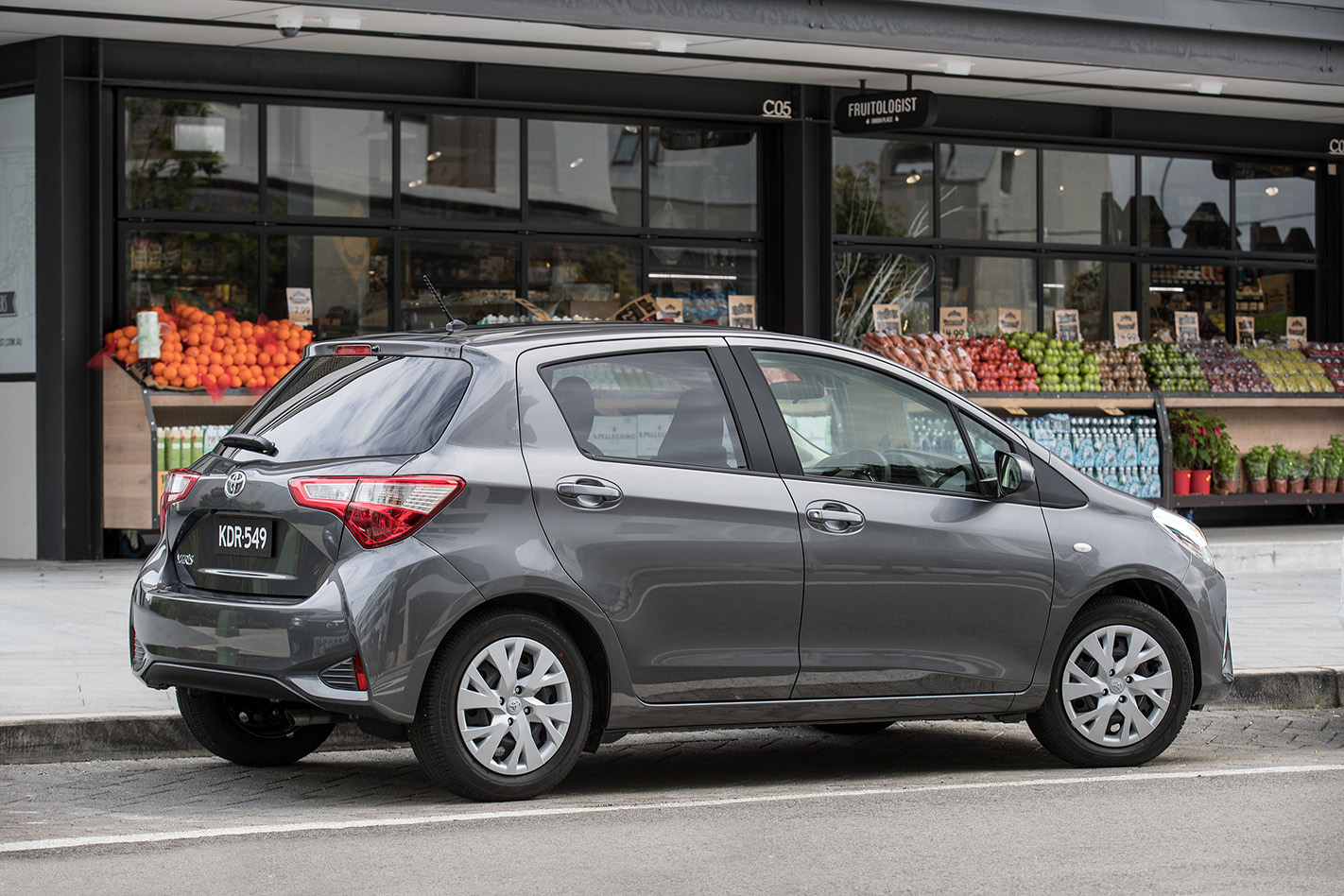
STRENGTHS
- The 1.5-litre engine is a definite improvement over the 1.3-litre version in the entry-level Ascent, providing more power but similar fuel economy – both engines have a combined fuel economy rating of 6.3L/100kms when coupled with the automatic transmission which was just below our test car in mostly city conditions. It’s adequate for city driving though it’s not very responsive.
- Vision is excellent especially the front half thanks to a large windscreen and a low ‘sill’ on the front doors.
- Standard equipment includes reversing camera and 6.1-inch touchscreen, cruise control, and front fog lamps, however the advanced safety package is a $650 option at this level.
- It’s a doddle to reverse park, with a short rear overhang and good all-round vision helped by the reversing camera.
- The refreshed interior looks good and feels more premium than most cars in this segment. Yaris’s fabric-upholstered seats feel good and have attractive striped patterns .
- The rear seats have decent leg room for such a small car and an elevated seating position that provides good forward vision, though this is hampered a little by the unnecessarily large front headrests.
- Its 268-litre boot is larger than some of its competitors and rear seat back folds 60/40 to expand this capacity to 768 litres.
- Service intervals are every 10,000km, with capped price servicing for first three years or up to 60,000km.
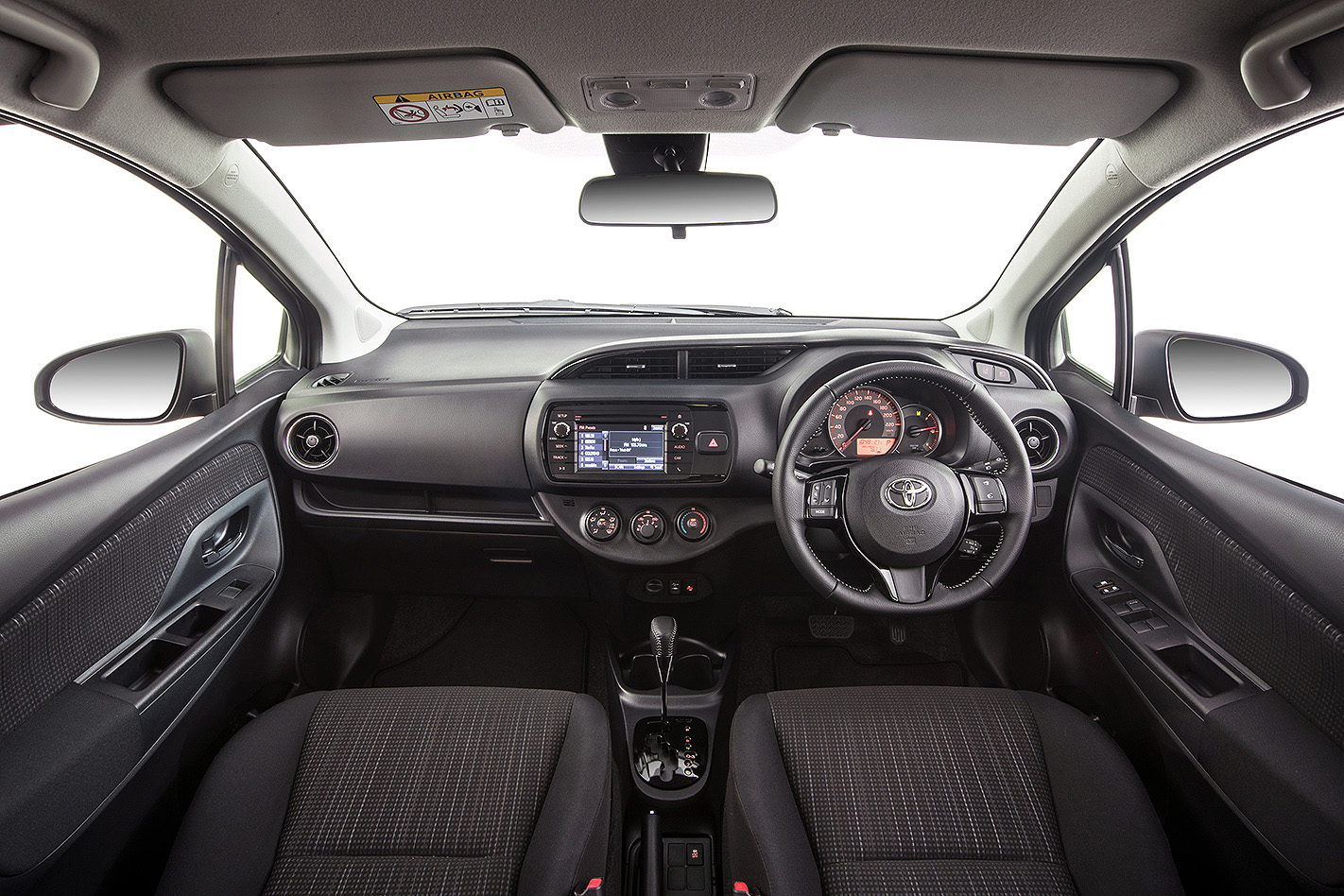
WEAKNESSES
- The driver’s seat doesn’t go low enough even for an average sized person which gives a feeling of sitting on the seat rather than in it, meaning get comfortable enough behind the wheel may be a challenge depending on your body size.
- The steering wheel has a height and reach adjust, though reach adjustment is very minimal and may not be sufficient if you have longer legs and need to sit further back.
- The recent facelift did nothing to improve the Yaris’s refinement, the shortcomings of which are exposed in terms of ride comfort and road/tyre noise.
- The steering feels very light, unlike some cars in its class which feel a lot more connected when cornering.
- It’s not as much fun to drive as some of its competitors such as the Mazda 2, Ford Fiesta and Volkswagen Polo.
ANY RIVALS I SHOULD CONSIDER
The light car segment is packed with worthy, similarly equipped and priced competitors including the Ford Fiesta Trend, Holden Barina LS, Honda Jazz VTi, Hyundai Accent SR, Kia Rio S, Mazda 2 Maxx, Mitsubishi Mirage LS, Skoda Fabia 81TSI, Volkswagen Polo Trendline and the recently-arrived Suzuki Swift.
SUVs and light-commercial vehicles have driven industry new-car sales figures to a record May, according to new official stats.
The Toyota HiLux and Ford Ranger utes were especially successful, both surpassing 4000 sales for a month that achieved a total of 102,901 vehicle sales in total.
May’s six percent year-on-year improvement has helped 2017 sales close the gap to 2016’s record year. Where 2017 had trailed last year by nearly three per cent at the end of April, the difference is now less than one per cent (0.9%) – at 465,381 units.
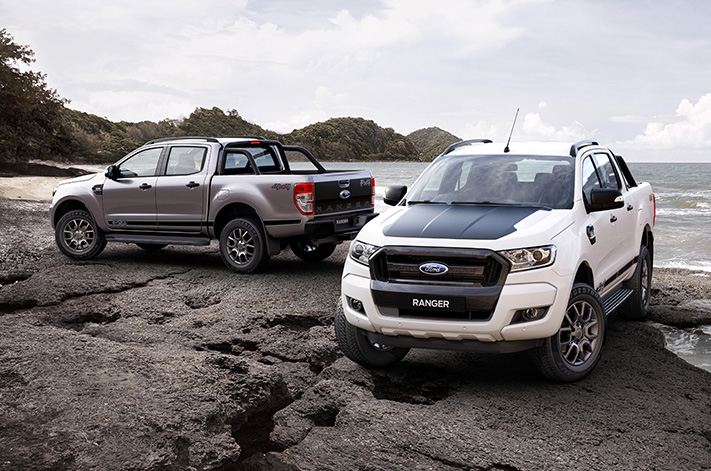
The HiLux topped May with 4154 sales, though 2016’s best-selling vehicle is finding the rival Ford Ranger a stubborn opponent this year.
Ranger was close behind last month with 4069 sales, and remains less than 1500 units behind after the first five months of 2017. It once again won the 4×4 segment, and leads the biggest ute sub-segment overall.
In the battle of the small cars, the Toyota Corolla extended its lead over the Hyundai i30 and Mazda 3. The Korean hatch’s sales were down nearly 30 per cent on May 2016, though, despite the recent introduction of a new-generation model. The Mazda 3 has fallen 20 per cent, though is well clear in fourth place in year-to-date figures.
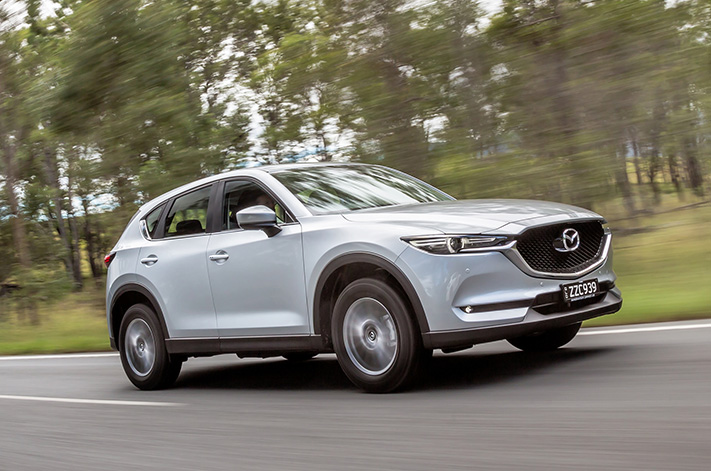
Mazda’s CX-5 is unmoved as the best-placed SUV, in 6th overall for May, with other top-10 high-riding-wagon representatives including the Hyundai Tucson (9th) and Nissan X-Trail (10th).
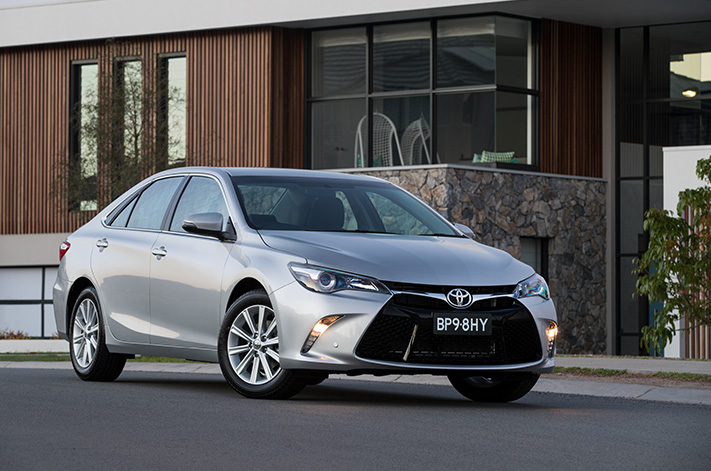
The Toyota Camry is a top 10 regular, yet its 2233 sales for May were up 54 per cent on its figure for the same month last year.
In the Holden camp, the Colorado ute displaced the Commodore in the top 10 for the second consecutive month.
With three Toyotas in the top 10 and the usual swag of other positive results, the Japanese brand had its best May since 2012. Its 19,876 sales for May outsold the second- and third-placed brands for the month – Mazda (9903) and Hyundai (8312), respectively.
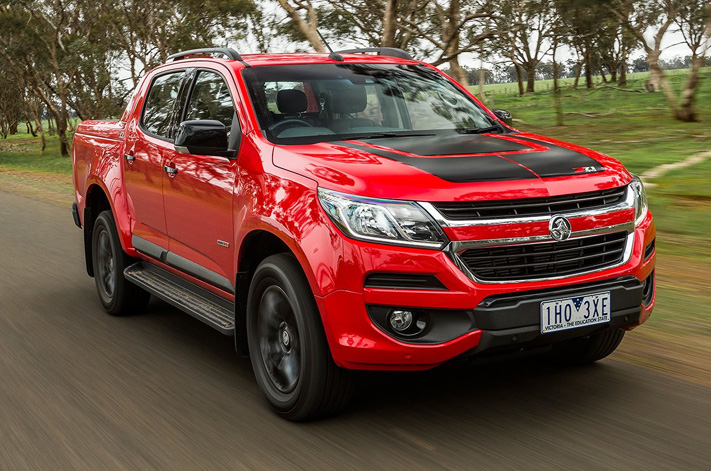
Ford finished fourth (7617), much on the strength of the Ranger and its popular Mustang sports car, ahead of Holden (6917).
Volkswagen was just three units shy of matching Nissan (5080 v 5083), though both join Ford, Holden and Hyundai as brands currently registering lower year-to-date sales.
Toyota, Mazda, Mitsubishi, Kia and Subaru are the top 10 brands currently posting positive year-to-date results.
May 2017 – Top 10
Toyota HiLux – 4154 Ford Ranger – 4069 Toyota Corolla – 3160 Hyundai i30 – 2683 Mazda 3 – 2594 Mazda CX-5 – 2298 Toyota Camry – 2233 Hyundai Tucson – 2135 Nissan X-Trail – 1992 Holden Colorado – 1924
2017 Top 5 Most Popular Vehicles – to end of May
Toyota HiLux – 17,917 Ford Ranger – 16,587 Toyota Corolla – 15,624 Mazda 3 – 14,562 Hyundai i30 – 11,066
Small-car sales have taken a slight hit in 2017, though it’s luxury rather than mainstream models that have struggled most.
The ‘Over $24,000’ sub-segment is one primed for buyers looking beyond the ‘price leader’ variants of Australia’s joint most-populous – and still most popular – vehicle category.
It also introduces more expensive but more efficient diesel engines into the mix, making for an interesting examination of what constitutes genuine value.
In an end-of-financial-year period that is ripe for greater bargains, we thought the timing was perfect to detail the top three models for value before any offers are thrown in – with the help of WhichCar’s stablemate title Wheels.
Wheels’ Gold Star Car awards scored cars out of 100. Real costs comprising 3-year depreciation and a year’s insurance and fuel expenses accounted for 80 per cent of the score, with 10 per cent each for servicing costs and warranty.
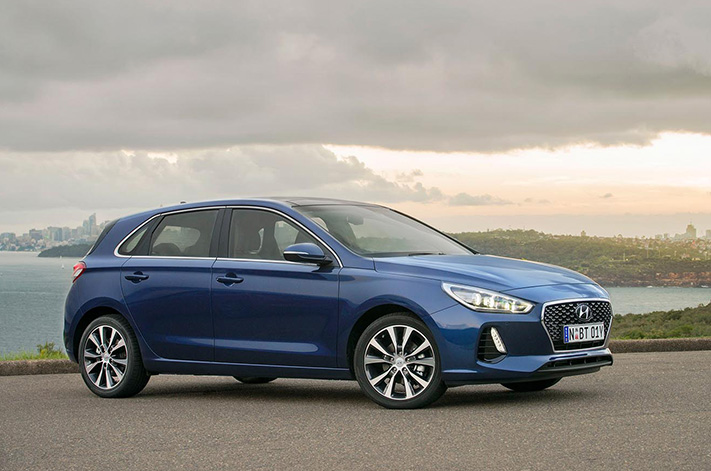
Topping our mini chart here is the Hyundai i30 Active CRDi. As is typical in the industry, the CRDi diesel commands a premium over the Active petrol – an extra $2600.
However, there’s more than one reason to consider the CRDi the value play. The diesel engine not only offers 70 per cent more torque than the petrol but it offers official fuel consumption below five litres per 100km – 4.9L/100km.
Its 4.9L/100km figure can’t be matched by either the petrol-only offerings of the Kia Cerato S Premium or Honda Civic VTi-S.
And with a typically strong resale value for diesel it was enough for the i30 Active CRDi to go one place better than the Active petrol that finished second in our Best Value Small Cars Under $24,000 class.
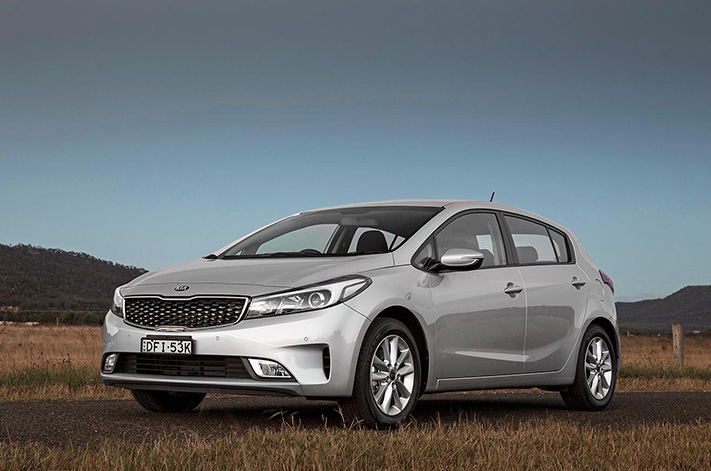
The Kia Cerato S that won that class is demoted to second in this category in slightly pricier Premium form, still boosted by Kia’s industry-best seven-year warranty.
It could also claim a narrow insurance-cost win over its sister car – an annual premium of $657.08 versus the i30’s $660.67.
A combination of the Kia’s higher fuel consumption (7.1L/100km) and five-per-cent-lower residual forecast (51 percent) resulted in the highest three-year ownership costs ($17,573) among our top three, and a silver medal.
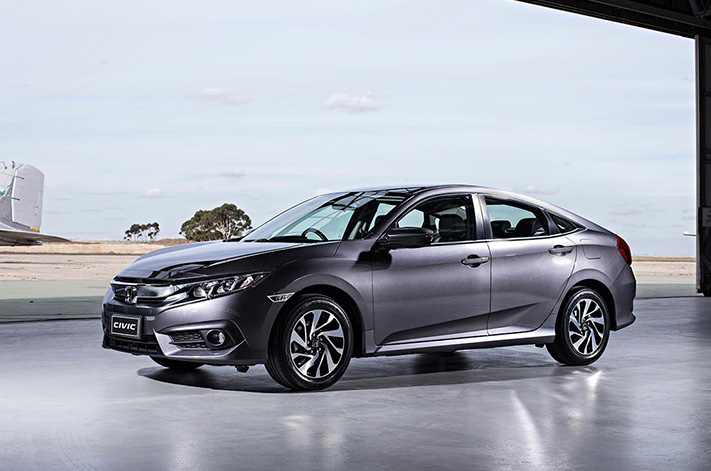
Honda’s Civic VTi-S completed the podium, with an admirable 56 per cent resale value that matched the i30. A higher placing for the Japanese model was hindered by Honda’s comparatively stingy three-year warranty and highest insurance premium ($790.57).
An all-new Hyundai i30 range was released in April 2017, after the calculations. Yet the Active CRDi should be an even stronger proposition now, with increased equipment and minimal movement on pricing.
The latest Active CRDi also further improves fuel use – to 4.7L/100km.
The ‘new’ factor means there are no EOFY deals being offered on the i30 Active CRDi in June, and the Civic isn’t part of Honda’s campaign.
Kia, however, has a tempting $21,990 driveaway price for the Cerato S Premium until June 30.
ENTERTAINING ads for car people are hard to come by.
Usually, we are bombarded with the same, derivative, clichéd tropes. Rarely does something come along to truly stir the soul and get our oily veins pumping.
Recent examples have included Audi’s R8 advertisement which was a full minute of unadulterated screaming V10 and glowing exhausts,
Some brands have tried longer form ads, like the cheesy in all the right ways farewell to the Dodge Viper from the guys and girls at Pennzoil.
BMW’s famous Beat The Devil short film is probably the best example of this, staring Clive Owen, James Brown, Gary Oldman, and a very versatile BMW Z4.
But, the very best automotive car ad comes from Ferrari and Shell, with a two-minute tribute to Maranello’s finest racing cars.
The clip involves five separate F1 cars from Ferrari tearing their way through crawling city landscapes around the world. It’s a visceral ride which puts the viewer in the thick of the action.
The sound is an auditory treat served up for your ears, with no annoying voiceover or music ruining the sonic delightsof a screaming race engine echoing through an urban jungle.
It took a month to shoot the entire two-minute clip, under the guidance of Partizan’s Antoine Bardou Jacquet and producer David Stewart. At the time, it was one of the most expensive advertisements ever made, costing a cool $4.5 million.
Ferrari test drivers were behind the wheels of the classic race cars on location, with the exception of the Sea Cliff Bridge, to Sydney’s south. For the Australian leg of the ad, an unnamed local Ferrari enthusiast managed to wrangle his way behind the wheel.
The ad is now 10 years old, but remains – in our opinion – the very best to have graced the small screen to date.
Jost Capito, the former head of Volkswagen’s successful World Rally Championship campaign, has returned to the German carmaker’s staff with a new role – as managing director of Volkswagen R GmbH, the subsidiary responsible for VW’s fastest road cars.
Capito hasn’t been gone from Volkswagen for long, having only left his old gig as VW’s head of motorsport to take up a role as McLaren F1’s CEO in September last year. Having since ejected from the struggling McLaren F1 team, Capito is back in his homeland and back with his old employer.

His lengthy resume should put him in a good position to shape VW’s future performance products. Beginning his career as a powertrain engineer at BMW’s M division, Capito then became Porsche’s head of motorsport before stints at Sauber.
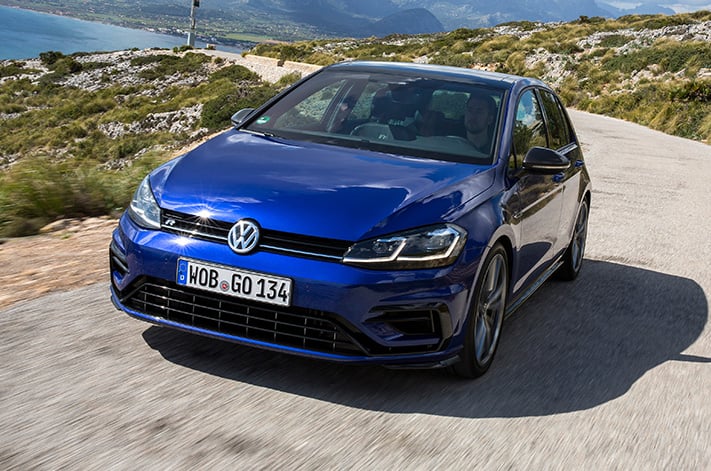
Capito will also take up the role as head of Volkswagen’s accessory division, with a focus on the sport R-Line variants. Are rally-spec mudflaps set to appear in the back of the Tiguan’s dealership catalogue? Unlikely, but you can count on VW’s future fast cars gaining a bit more sporting zeal in the near future.
TRADE utes helped push Australian new-cars sales into record-breaking territory in May as passenger cars and SUVs helped swell the numbers.
May’s VFACTS sales figures, released today, showed a record 102,901 vehicles were sold in the month, a 6.4 percent gain over the same month last year. The Toyota Hilux stood out as the best-performing vehicle with 4154 sales for the month, followed by the Ford Ranger with 4069. Four-by-four trade utes are now the nation’s fourth largest volume segment.
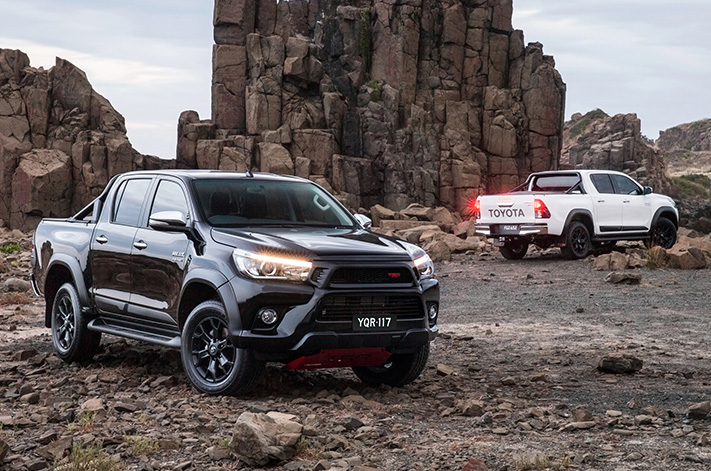
SUVs have once again overtaken the sales of traditional passenger cars, with 39,629 sales versus 38,842 in May.
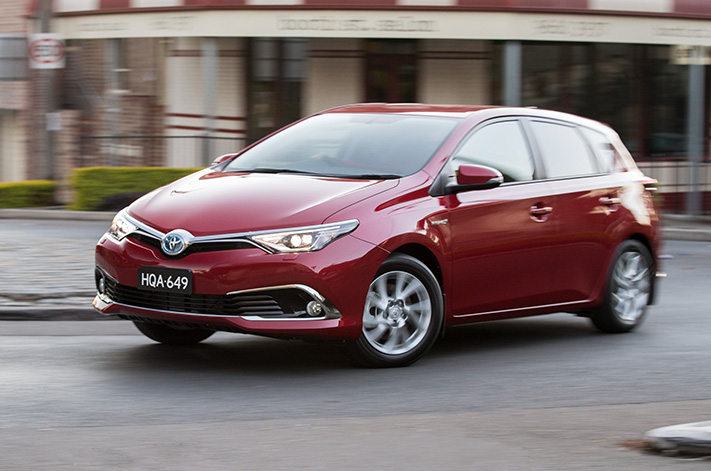
One industry source told Wheels that many of the brands had brought end of financial year deals in a month early in an effort to boost sales.
Toyota (19,876) ended the month crowing that it managed to outsell second-placed Mazda (9903) and third-placed Hyundai (8312) combined. As well as the Corolla, Toyota benefitted from strong sales of the locally made Camry sedan (2233), the RAV4 mid-size SUV (1977) and the Toyota Prado off-roader (1619).
The Nissan X-Trail (1992) and Qashqai (1028) SUVs, along with the Navara trade ute (1498) helped the Japanese car brand jump several rungs on the best brands ladder to snare seventh place.
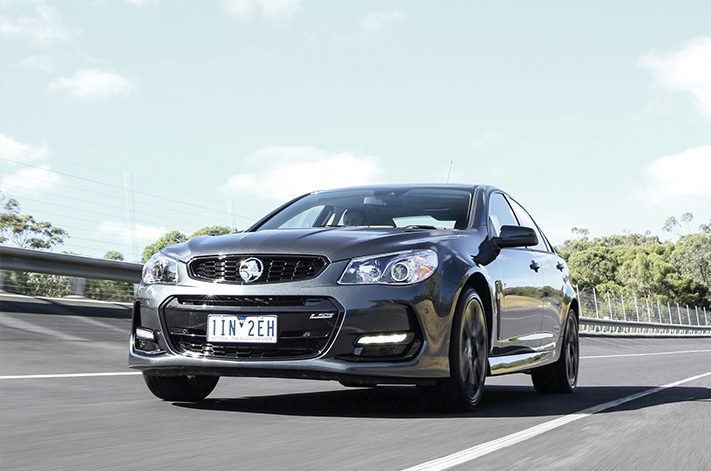
Stocks of the Ford Falcon, built before last October’s shutdown of local manufacturing, appear to be dwindling with only 12 sold for the month – that was still strong enough for a 0.5 percent share of the large car segment. In contrast, Ford sold 138 Ford Territory large SUVs.
There’s some previously strong nameplates missing from this month’s top 20 passenger cars; the Subaru Impreza (1112), Toyota Kluger (1145) and the Honda Civic (1131) just missing out on a place on the bottom rung.
TOP 20 PASSENGER CARS FOR MAY*
RANK MODEL SALES CHANGE (%)** 1. Toyota Corolla 3160 -5.2 2. Hyundai i30 2683 -28.9 3. Mazda 3 2594 -20.0 4. Mazda CX-5 2298 +5.8 5. Toyota Camry 2233 +54.4 6. Hyundai Tucson 2135 -22.2 7. Nissan X-Trail 1992 +29.6 8. Toyota RAV4 1977 +16.6 9. Holden Commodore 1841 -18.4 10. Mitsubishi ASX 1742 +40.0 11. Kia Cerato 1735 +69.6 12. Toyota Prado 1619 +37.9 13. Mazda CX-3 1542 +6.3 14. Volkswagen Golf 1534 -12.5 15. Mitsubishi Outlander 1405 +34.4 16. Hyundai Accent 1353 +8.1 17. Ford Mustang 1351 +337.2 18. Subaru Forester 1208 -9.6 19. Kia Sportage 1206 +46.0 20. Subaru Outback 1195 +13.3 *Source: VFACTS **Versus May 2016
TOP 20 BRANDS FOR MAY*
RANK BRAND SALES CHANGE (%)** 1. Toyota 19,876 +15.6 2. Mazda 9903 +3.1 3. Hyundai 8312 -7.7 4. Ford 7617 +15.7 5. Holden 6917 -6.6 6. Mitsubishi 6521 +6.0 7. Nissan 5083 -9.0 8. Volkswagen 5080 +11.3 9. Kia 5005 +41.3 10. Subaru 4146 +3.6 11. Honda 3820 +43.3 12. Mercedes-Benz 3686 +9.3 13. Isuzu Ute 2377 +26.2 14. BMW 2081 -18.9 15. Audi 1914 -4.4 16. Suzuki 1626 -5.0 17. Renault 1091 +40.1 18. Lexus 767 -5.3 19. Land Rover 704 -28.9 20. Jeep 701 -28.1 *Source: VFACTS **Versus May 2016
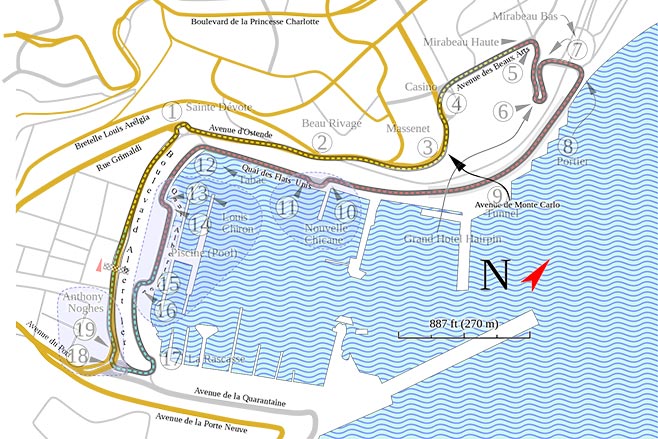
Formula 1’s slowest track is arguably also its most intense.
Once described as “riding a bicycle around your living room” by former racer Nelson Piquet, the circuit through the affluent streets of Monte Carlo is intricate, undulating, and narrow.
The relatively low average speed (as stated by Formula 1) of 130km/h is made up for by the 19 corners and turns, and almost 100 gear changes that the track requires.
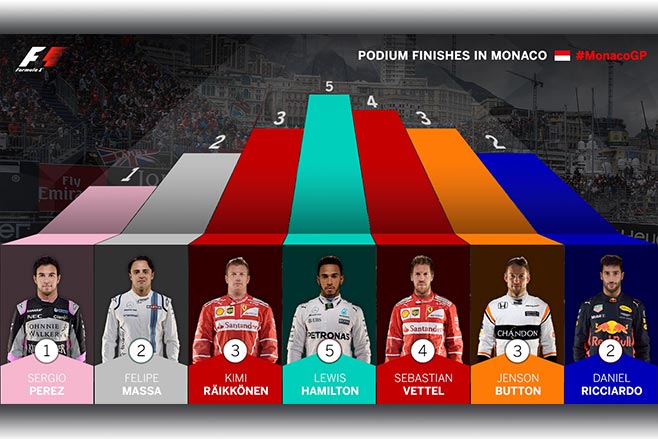
Though Raikkonen didn’t take an overall victory thanks to teammate Vettel’s Monaco prowess (as seen below from Formula 1’s own stats), Kimi’s qualifying lap is still champion stuff.
Kimi is adjusting the car out of a few corners (turn 1 is a good example) whereas Trulli appears to adjust the car into the corners and exits rather smoothly.
This can be backed up with a side-by-side of Kimi’s 2017 lap, and one from 2005. His 2005 qualifying lap also landed him a pole grid position, which he used to claim victory.
Again, there are so many differences between cars of then and now – and the track has changed ever so slightly – but watching the same man drive the same circuit ten years apart only to beat his own lap in a heavier car with a smaller engine should be bizarre.
If nothing else, it’s a tribute to the engineering advancements of the past decade. Even if they don’t sound as good.
Map credit: Will Pittenger
THIS is not the first time we have lamented the passing of Australia’s wonderful rear-drive muscle cars and it certainly won’t be the last, but rather than simply moping around, weeping into our beer and recounting the good ole days of abundant Ford and Holden choices, we are going to be proactive and suggest some alternatives.
If our top eight rear-drive power-players under $70,000 don’t offer a glimmer of hope after the end of local automotive manufacturing, then you’ll just have to join the army of panic buyers snapping up the final examples of the Falcon and Commodore.
For our selection, we picked rear-wheel drive cars that cost less than $70,000 or near enough (the mid-point between the Holden Commodore SSV and the HSV R8 ClubSport) and in four-door layout because no discerning Commo or Falcon owner would consider a coupe right?
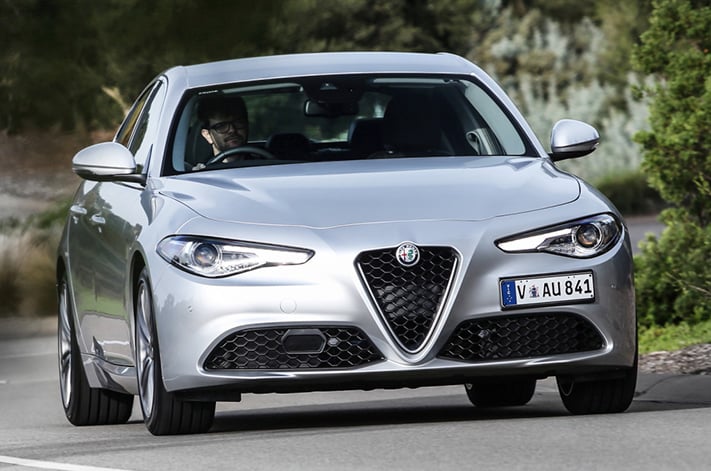
Alfa Giulia Veloce – $71,985 206kW/400Nm Italian looks and charm on the outside and a taught Giorgio platform basket that has all of the car maker’s eggs in it. Zero to 100km/h takes a zippy 5.7 seconds but let’s hope the newest Alfa isn’t plagued with the reliability legacy of its forebears.
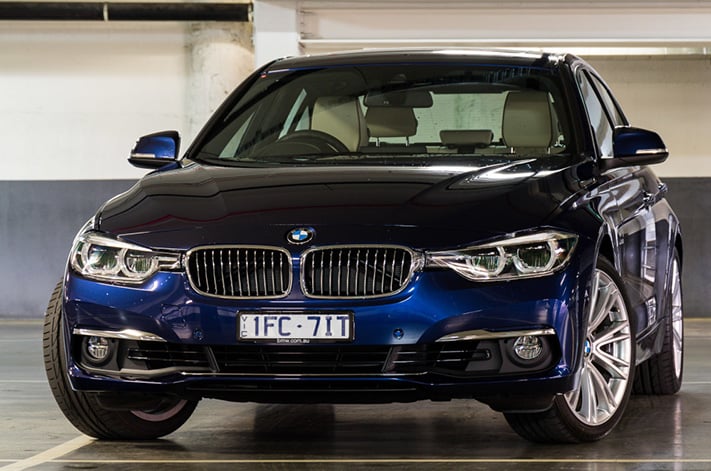
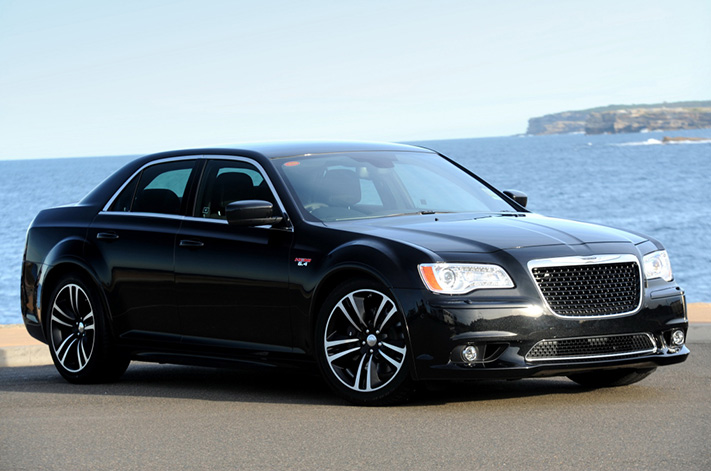
Chrysler’s flagship definitely doesn’t fall short on noise and nor does it on cubes with a capacity that can only be bettered if you spend an additional $600,000. With a similar size and weight to the beloved V8 Commodore and Falcon, the 300 SRT is the closest spiritual sibling to the Aussies even if it is from the north.
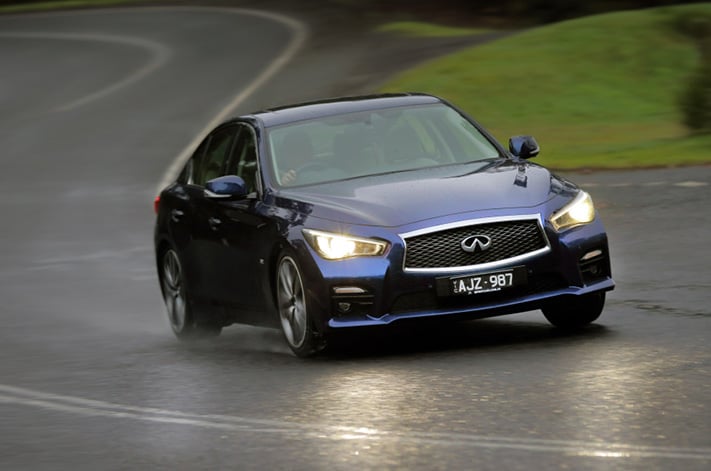
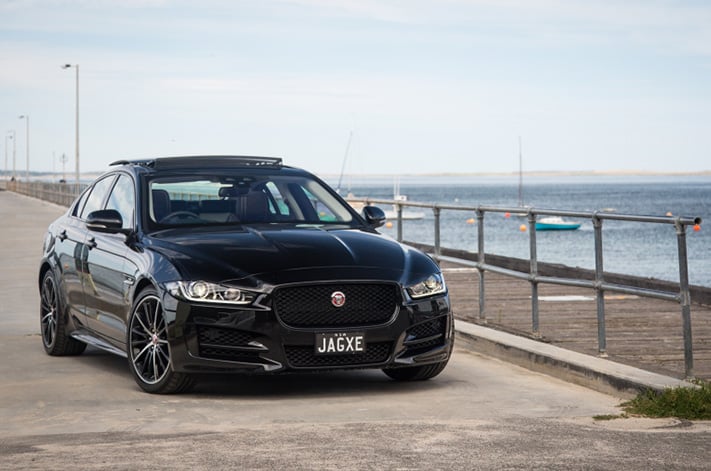
Not the most potent of our alternatives here but the Jag offers a sublime steering set up and sharp chassis that will keep most driving enthusiasts happy through the twisty bits. If you’re looking for a way into the premium European sedan market, the XE is a little less commonplace than the obvious German choices.