
ASTON Martin has confirmed it is planning to launch a mid-engine supercar inspired by, and positioned below, the forthcoming Valkyrie beyond-hypercar and aimed directly at Ferrari, McLaren and Lamborghini.
“Valkyrie is the start of a mid-engined dynasty, if you want to call it that,” Palmer said, “the reason we’re doing it is to create a halo car, but also to create DNA for a mid-engined sportscar range.”
Before we get too excited, this is an aspiration rather than a signed-off program, with Palmer telling Wheels that Aston would have to carry on hitting sales and revenue targets to unlock the funds necessary to take it to the engineering stage. But there’s no doubt that he wants to make it happen – and that, like the Valkyrie, Red Bull Racing will be involved in the development of any production version.
“The project is in the design studio right now, but the mandate for that car – or cars – is basically how do we ensure that it’s beautiful, how do you make function follow form rather than the other way around,” he told Wheels on the company’s stand at the Geneva Motor Show.
“It will need to be fantastic; it will have to compete with some bloody good rivals…. Doing Valkyrie starts to give us some ideas about what they should look like.”
Timescales are surprisingly close, presuming son-of-Valkyrie gets shown a green light, with a production version set to take its place behind the forthcoming DBX crossover in Aston’s action-packed model plan. That would suggest a launch around 2020.
Although it’s too soon to expect confirmation of powertrain, Palmer dropped some very broad hints the car would be built around a V12 engine, citing the Ferrari F12 when asked to nominate an obvious rival.
“You’ve got to build a brand carefully; we’re starting with a car between two and three million on price in the Valkyrie,” Palmer told us, “you build credibility by moving downwards one step at a time.”
There’s no doubting the car will be aimed squarely at the existing supercar elite, with Palmer giving a neat precis of his view of the rarefied marketplace Aston occupies.
“When I joined we looked at what high net worth individuals buy, there’s a huge variety, and to some extent the scale goes from practicality to emotion. So at one end you’ve got something like the Ferrari FXXK, which is pure emotion and zero practicality, and the other is the Porsche Cayenne, which reverses it.
“Historically Aston was clustered in the middle, and that’s why we’re broadening it. So we’ve still got the traditional models, the DB11 and then the new Vantage and Aston Martin Vanquish. But I want to go after the Cayenne and Bentayga with the DBX at one side, and on the other I want to make these pure emotional models.
“The Valkyrie has gone off the chart, but there’s room below it to create this grouping where we don’t play at all today.”
Given Aston’s enthusiasm for giving its brawnier models names starting with the letter “V”, and Palmer’s obvious enthusiasm for taking the fight to his enemies, we’ve even thought of a suggested name –the Aston Martin Vendetta.
KING OF THE MOUNTAIN: Nissan GT-R Nismo on full attack at Bathurst! HSV’s GTS-R sings a power ballad; right-hook Camaro confirmed, but what about an Aussie accent; rally-spec Hyundai in the real world; exotic Lambo drive take two; Alfa Giulio QV and Porsche 911 GTS driven to the limit.
ALSO INSIDE THIS EDITION:
- Porsche’s e-performance future
- WCOTY winner’s new suit: Mazda MX-5 RF
- Red v Blue: Ford Ranger takes on Holden Colorado
- The world’s quickest road car, the AM-RB 001
- Senator for Speed: David Leyonhjelm
- Base-model Audi, BMW, Infiniti and Merc hatches compared
- Volkswagen Tiguan 162TSI; A Golf GTI with a little middle-age spread?
- Suzuki Ignis, Audi S4, Toyota Kluger, Kia Rio, Lambo Aventador S tested
NISSAN has whipped the covers off its freshly updated Qashqai, showcasing new driver assistance technology and revised styling to keep the small SUV competitive against fierce rivals like the Mazda CX-3, Mitsubishi ASX and Honda HR-V.
The enhanced Qashqai revealed at the Geneva motor show aims to add appeal via a more premium appearance and better on-road performance.
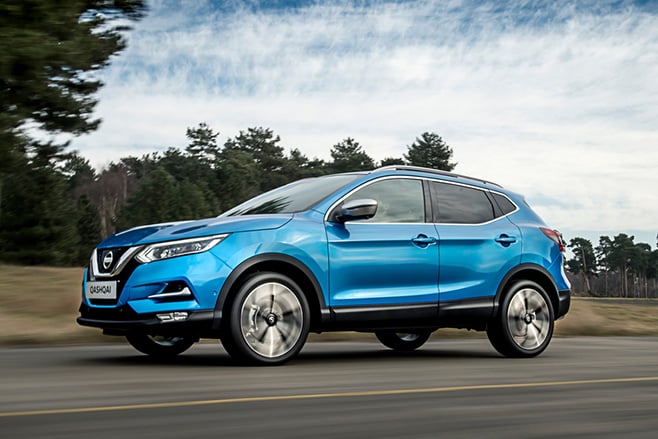
Its front end is the most obviously new, with reshaped, adaptive LED headlights flanking a larger version of Nissan’s signature V-shape grille above a redesigned front bumper.
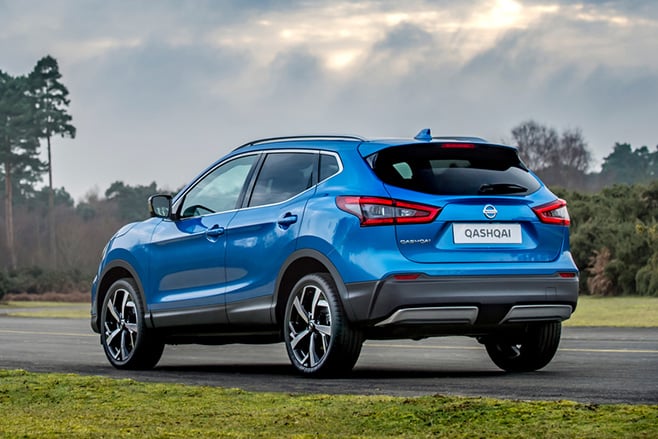
There’s a new bumper at the back end as well, accompanied by reworked taillights. Alloy wheel designs are also new, and available in sizes from 17- to 19-inches.
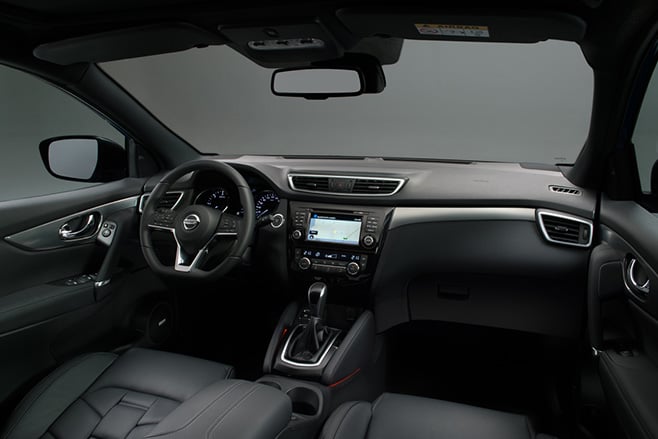
Changes inside the Qashqai bring new materials and trim styling for the dash, and put a sporty, flat-based steering wheel in the driver’s hands.
Buyers in Europe will have the option of a new range-topping model grade called Tekna+ that adds high quality leather upholstery and a Bose stereo system.
Nissan has made strides toward improving cabin comfort by reducing noise coming in from outside using thicker window glass and more effective sound-deadening.
Safety has also been elevated with a pedestrian detection function added to Qashqai’s autonomous emergency braking system.
Software upgrades go from improving the user interface of the standard NissanConnect infotainment system, through to adding convenience in the form of Nissan’s ProPILOT autonomous drive technology, which allows the Qashqai to effectively drive itself on the highway.
European models will feature this new drive assistance technology later in the year, with news of an Australian roll-out yet to be advised. The system is already available and in use on the road in the Japanese-market Nissan Serena people mover.
Drivetrains are expected to carry over unchanged from the current model, which is available with the choice of a 2.0-litre four-cylinder petrol or 1.6-litre four-cylinder turbo-diesel engine, with prices starting from $25,990.
The Geneva International Motor Show is the first major European expo on the global automotive calendar, and the schedule for this year’s show is packed to the brim with global debuts.
Supercars are the headline act – and there are literal truckloads of uber-fast machines that have rolled under the spotlight at Geneva this week – but there are mainstream motors aplenty too. Forward-looking concepts are also a Geneva staple and the world’s manufacturers didn’t disappoint on that front, with the overwhelming theme being that of electrified performance-oriented powertrains.
Our tireless journalists have walked the huge halls at Geneva’s Palexpo centre and scoured every press release to bring you as much of the Geneva show to your screen as possible. There’s a lot to digest so grab a sizable coffee, sit back and enjoy Wheels’ coverage of the Geneva Motor Show.
Manufacturer Round-up
An A-Z list of manufacturer news and reveals from the 2017 Geneva Motor Show.
Alpine
- Alpine A110 revealed ALPINE, the boutique French sportscar brand, is just a week away from the Geneva Motor show debut of its first production car since the 1990s.
Aston Martin
- Aston Martin Q division shaken and stirred Aston Martin customers can shake or stir their models in the future with an expanded range of personalisation options from the British brand’s Q division.
Audi
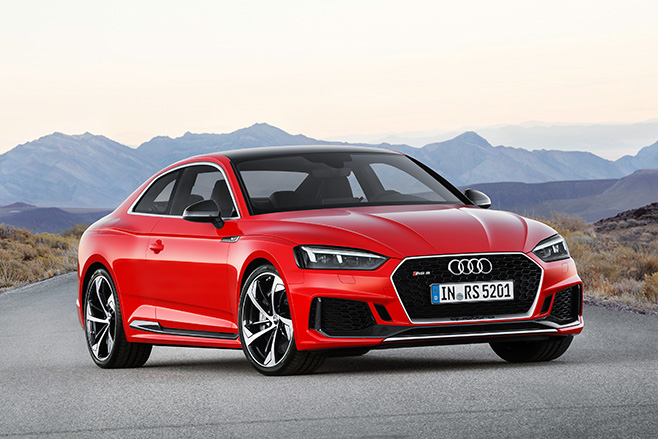
- Audi RS5 revealed with twin-turbo V6 AUDI has let loose a new, boosted version of its ferocious RS5 Coupe at the Geneva Motor Show, with two fewer cylinders, but two more turbos.
Chevrolet
- Chevrolet teases Camaro Track concept GENERAL MOTORS seems to have finally realised that there’s a market for its Camaro outside the USA and is launching two models at the Geneva Motor Show, including a track day concept
DS
- DS7 Crossback revealed IT’S less than two years since DS became a separate brand within PSA, positioned above both Citroen and Peugeot, and now we’re starting to see the scale of the French company’s ambition for its upmarket subsidiary with the new DS7 Crossback.
Ferrari
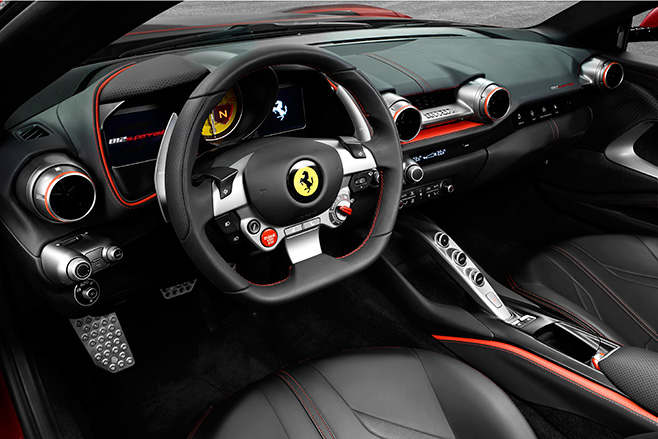
- Ferrari 812 Superfast revealed IN THESE days of hybrid drivetrains and turbochargers, it’s good to know that Ferrari can still stick two fingers up at convention. Never has this been any clearer than for the release of its latest model, the 588kW/718Nm front-engined 6.5-litre V12 berlinetta known as the 812 Superfast.
Ford
- Ford Fiesta ST revealed THE 2017 Ford Fiesta ST will tap a tiny 1.5-litre three- cylinder engine that can pump out 147kW and 290Nm – but run as a two-cylinder fuel miser when it needs to.
Honda
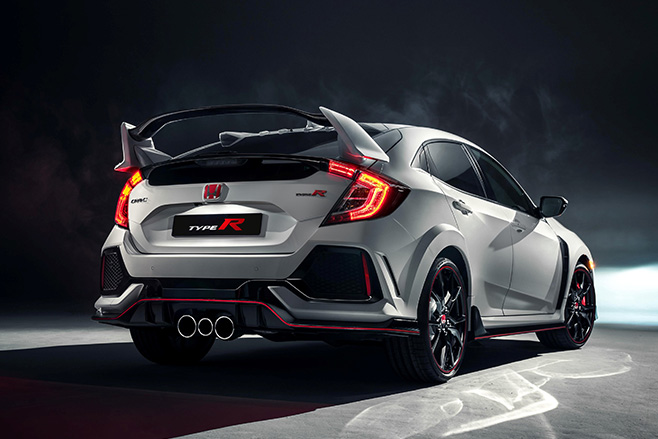
- Honda Civic Type R revealed THE highly anticipated Honda Civic Type R hot hatch may have only just arrived, but it has already set its sights on reclaiming the Nürburgring’s front-drive lap record.
- Honda Civic Type R images leaked IMAGES of the British-built Honda Civic Type R have leaked online ahead of yet another unveiling of the car – this time wearing its production skin – at this week’s Geneva Motor Show.
- Honda Civic Type R set for scorching Swiss debut The eagerly awaited production version of the all-new Honda Civic Type R is set to make its debut at next month’s Geneva motor show.
Hyundai
- Hyundai FE Fuel Cell Concept revealed THE Hyundai FE Fuel Cell Concept has revealed the Korean carmaker’s potential replacement for the hydrogen-powered ix35 SUV that has pioneered the consumer-facing side of the technology.
Infiniti
- Infiniti Q60 Project Black S revealed THE Infiniti Project Black S Q60 concept car will pack an F1-style hybrid punch when it is unveiled at this week’s Geneva Motor Show.
- Renault F1 team partners with Infiniti on Project Black S INFINITI has teased a new performance concept dubbed ‘Project Black S’ which it says will use Formula One inspired technology.
Kia
- Turbo Kia Picanto revealed THE 2017 Kia Picanto due to be unveiled in Geneva next month could come with one model packed with enough of the buzzwords to make driving enthusiasts salivate – and could even one day carry a GT badge.
Lamborghini
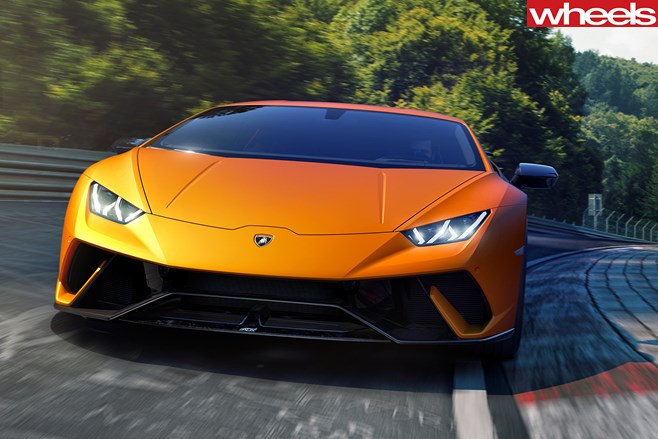
- Lamborghini Huracan Performante unleashed LAMBORGHINI has revealed the Huracan Perfomante special edition in all its glory at the 2017 Geneva Motor Show, a week since a test version controversially claimed the Nürburgring Nordschleife production car lap record.
McLaren
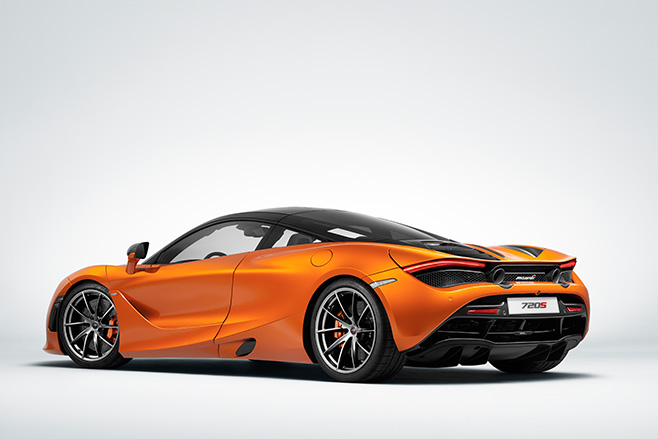
- McLaren 720S Coupe revealed If Ferrari hasn’t been worried by McLaren’s turbocharged model development programme so far, this might be a good time to start.
- McLaren 720S gets tech tease and a sneaky leak McLaren’s brand-new mid-level supercar has been unceremoniously leaked ahead of its first public showing.
Mercedes-Benz
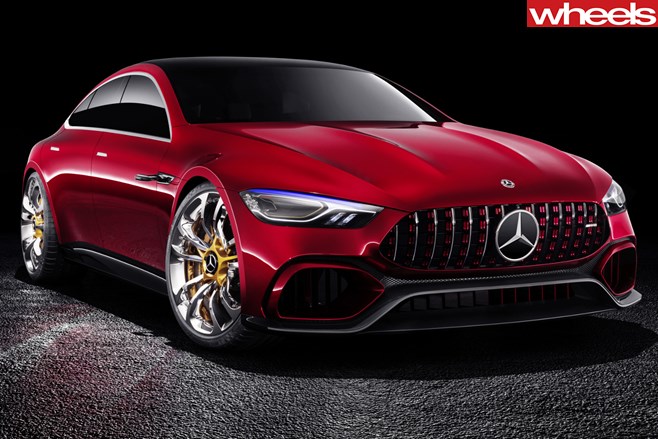
- 600kW GT Concept points to AMG hybrid future MERCEDES-AMG has flagged its intention to build a 600kW, Panamera-bashing V8 hybrid super sedan with the unveiling of the GT Concept.
- Mercedes-AMG GT Concept revealed MERCEDES-Benz has teased the Mercedes-AMG Concept – a four-door Porsche Panamera-fighting version of its sleek performance coupe – ahead of its reveal.
Mitsubishi
- Mitsubishi Eclipse Cross revealed THE Mitsubishi Eclipse Cross, the Japanese carmaker’s all-new compact SUV, has been revealed ahead of its Geneva Motor Show debut – and late 2017 arrival in Australia – but without a plug-in hybrid (PHEV) version.
Porsche
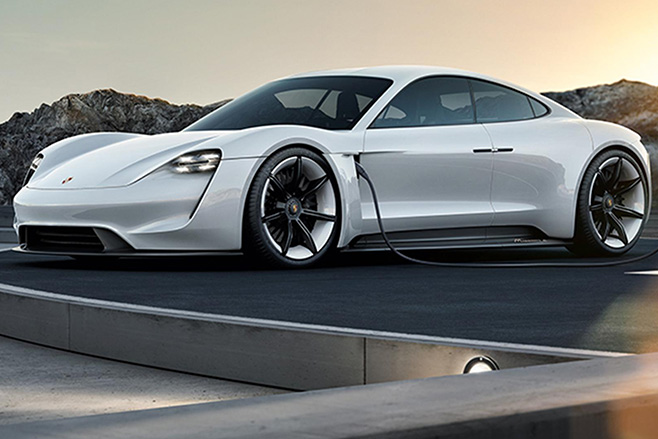
- Mission E to spawn electric Porsche range Porsche’s Mission E all-electric Tesla fighter could spawn an electric high performance family as the brand looks to capitalise on its investment in a new vehicle architecture and battery technology.
- Porsche 911 GT3 revealed Raise a glass and drop that dual clutch! It’s no longer PDK or the highway for the blistering 991.2 911 GT3.
- Porsche Panamera Sport Turismo unveiled Ever wanted a Porsche Panamera with extra luggage space? It’s finally here.
Range Rover
- Range Rover Velar revealed The latest addition to the Range Rover range will sit somewhere between the style-driven Evoque and the performance-honed Range Rover Sport.
- Range Rover Velar images leaked ahead of reveal The covers have been prematurely lifted off Range Rover’s ‘tweener, the Velar.
Renault
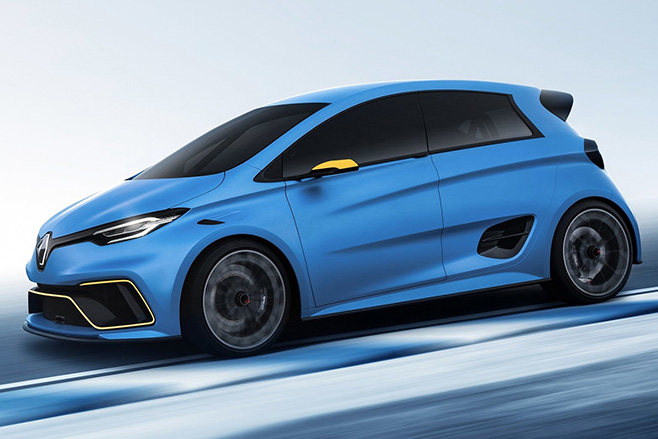
- Renault Zoe e-Sport debuts as mega-quick EV hot hatch concept RENAULT has cranked up the kilowatts on its all-electric grocery getter, gifting the tiny Zoe hatchback a dual-motor powertrain with a monstrous 340kW of total output.
Vanda
- Vanda Dendrobium hypercar revealed Singapore’s first hypercar looks set to become more than just a concept.
Volkswagen
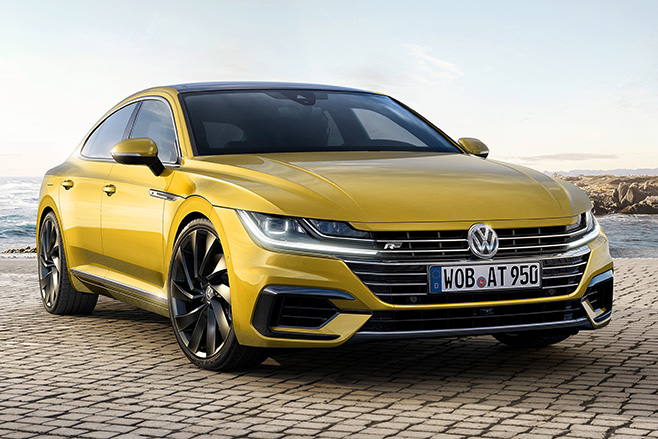
- Volkswagen Arteon revealed Here’s our first close look at Volkswagen’s four-door coupe replacement that arrives in October.
Volvo
Related Geneva Coverage
McLaren is pondering an even angrier, lighter and faster ‘long tail’ version of the 720S for a proper dust-up with the upcoming Ferrari 488 Speciale.
There’s rarely much delay between a supercar maker unveiling a new car and some wag demanding to know when there will be a more powerful version.
In the case of the McLaren 720S, officially introduced today at the Geneva motor show, it was about five minutes, and Wheels was doing the asking…
“The 675LT was a huge success,” said McLaren CEO Mike Flewitt, referring to the stripped-and-whipped version of the last-generation 650S.
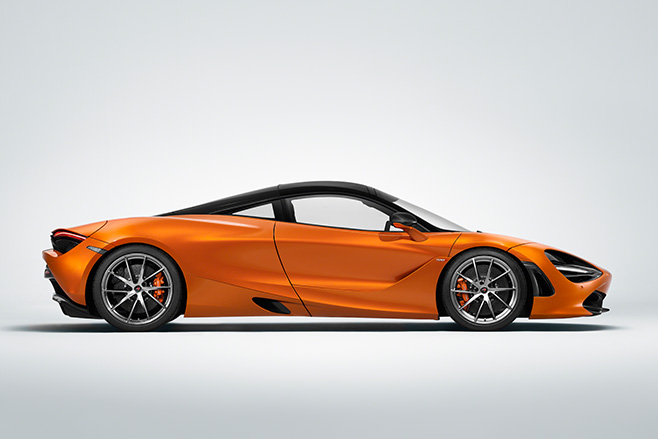
“I was delighted from a market perspective, but also internally because we love that car, we have a huge enthusiasm for it. We’ll certainly repeat Long Tail.
“Now the LT brand is established if we announce an LT derivative of a car then everyone will know what to expect – that it will be lighter, the chassis dynamics will be way sharper and it will have more power. We’ll definitely repeat that in models going forwards.”
Full credit to the McLaren boss for giving an answer when most supercar makers would have played the straightest of bats.
The news should make things very interesting for the forthcoming Ferrari 488 ‘Speciale’, especially given McLaren’s claim the bone stock 720S is very nearly as quick as the 675LT was on track.
Although Flewitt refused to be drawn on specifics it’s certain it will be significantly quicker than the regular car. Start speculating about numbers now: McLaren 760LT anyone?
Flewitt’s confirmation also raises the interesting question of whether other McLarens will get the LT treatment, with the smallest Sports Series an obvious potential recipient.
Again, Flewitt was happy to confirm that such a model is under active consideration, although if built it might not get to wear the full-brag LT branding.
“There’s great potential to do that,” Flewitt said, “I think that a lighter, faster Sports Series has appeal, although whether it would be an LT or not is another question. But, yes, I’m sure there would be the appetite for a lighter, quicker Sports Series.”
Bring it on.
The boutique Dutch sports car maker unveiled its hard-top coupe at the Geneva motor show this time last year, complete with a 391kW version of the (now-defunct) Audi V8 engine that started life powering the 2006 RS4 and original R8 supercar.
One year later and now – in a move not helpful for those who suffer from dyslexia – Spyker has revealed the Spyder version of its C8 Preliator complete with a heart transplant.
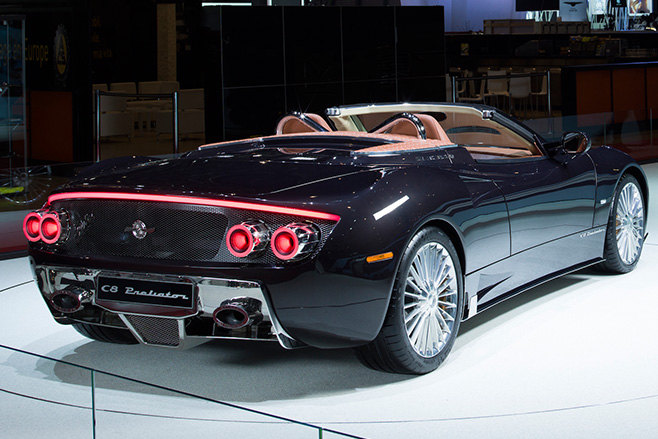
It delivers for the C8 Preliator a handy 50kW-plus power increase to 447kW at 7100rpm on the way to an 8000rpm cut-out, while torque is now pegged at 600Nm at 5700rpm. It also decreases the 0-60mph (0-97km/h) performance claim by a tenth to 3.6 seconds, despite the 1390kg electrically foldable soft-top mechanism adding 85kg to the 1305kg hard-top.
Spyker and Koenigsegg each commented on the engine collaboration following the unveiling of the C8 Preliator Spyder at the Geneva motor show.
“Spyker cars have always been bespoke in every aspect apart from their drivetrain,” Koenigsegg chief Christian von Koenigsegg said in a statement.
“Therefore it gives us great pleasure to work with Spyker to design and produce an engine specifically for them that will suit the handcrafted, luxurious and high-performance nature of all Spyker cars.”
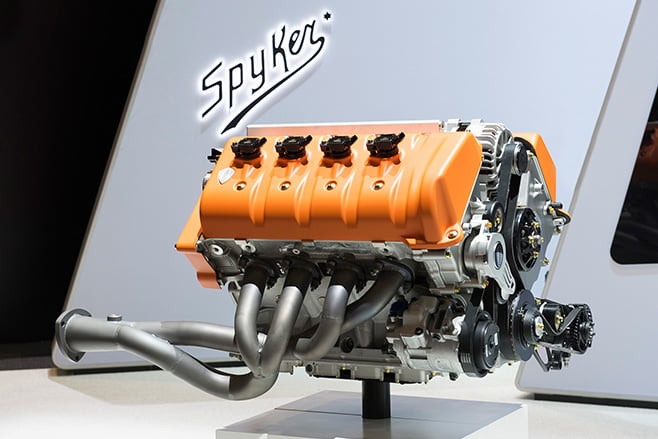
“The howling sound of this normally aspirated engine will be unmistakable and thrilling.”
It’s a six-speed manual-only proposition, too, with Muller further noting that “although our peers believe the manual is virtually dead, and many have vowed we would never see them again, our discerning clients have clearly spoken out in favour of the manual.”
Production of the C8 Preliator Spyder will be limited to 100 units per year coming out of the company’s Coventry, UK, facility. While the hard-top is priced in US $354,900 the soft-top commands a decent hike – US $429,000 or AU $565K.
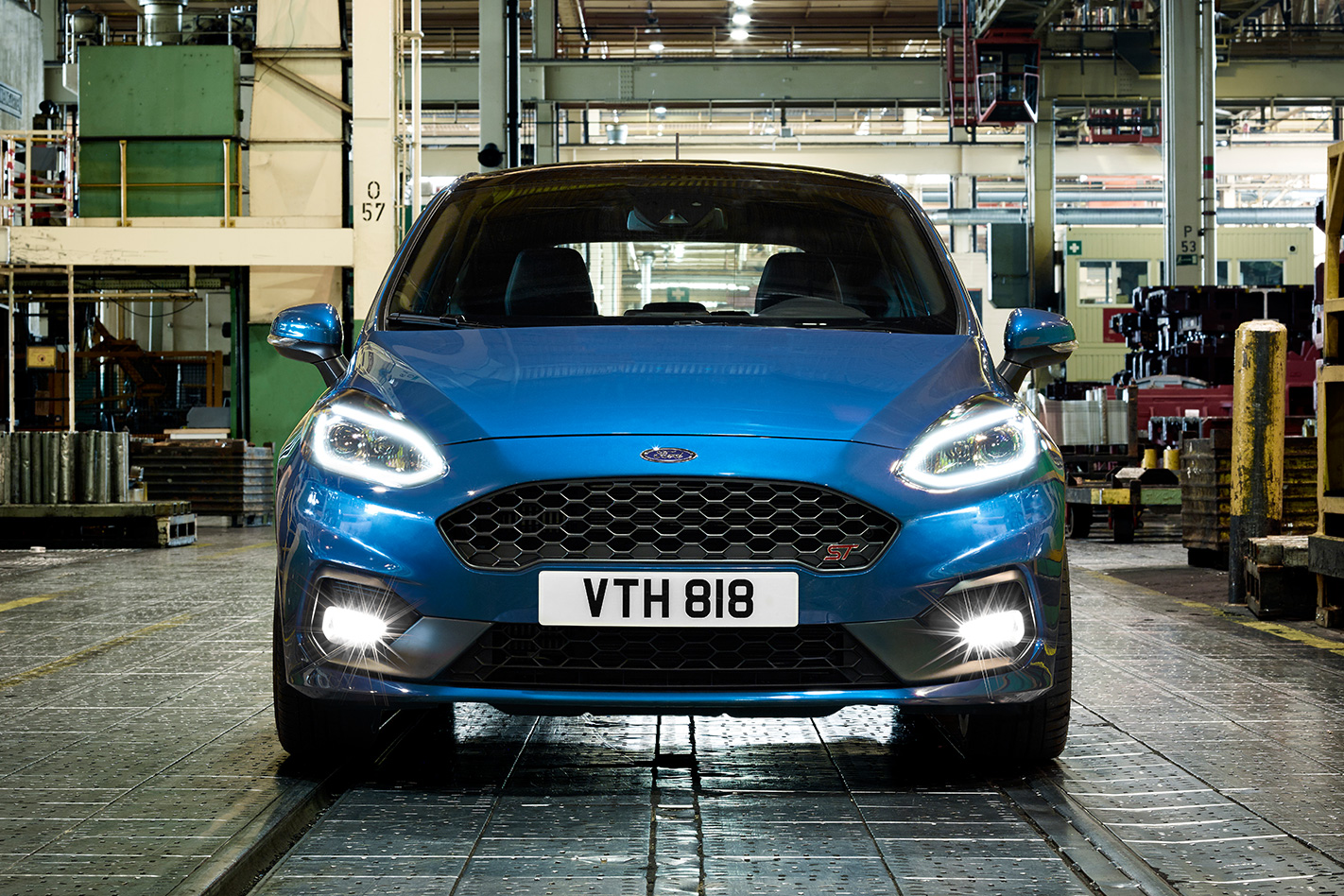
THE 2017 Ford Fiesta has officially launched at the Geneva Motor Show, becoming the first three-cylinder car from Ford’s performance stable to wear the ST badge.
The tiny 1.5-litre three-cylinder turbo engine pumps out 147kW and 290Nm, up from the 134kW/240Nm of the 1.6-litre four-cylinder turbo engine it replaces. Ford Performance reckons this translates in a 0.3sec quicker 0-100km/h time of 6.7sec for the three-door hatch.
Based on the 1.0-litre three-pot used in the current Fiesta Sport the engine uses an integrated exhaust manifold that delivers torque faster by minimising the distance the exhaust gasses travel between cylinders and the turbocharger.
When that grunt isn’t needed, while coasting or cruising, the EcoBoost engine can run on two cylinders to save on fuel.
Emissions will be further reduced with the addition of a particulate filter that captures fine soot particles and prevents them entering the atmosphere. These are common in diesel cars and are only just starting to enter the petrol realm with German luxury brand Mercedes-Benz leading the way.
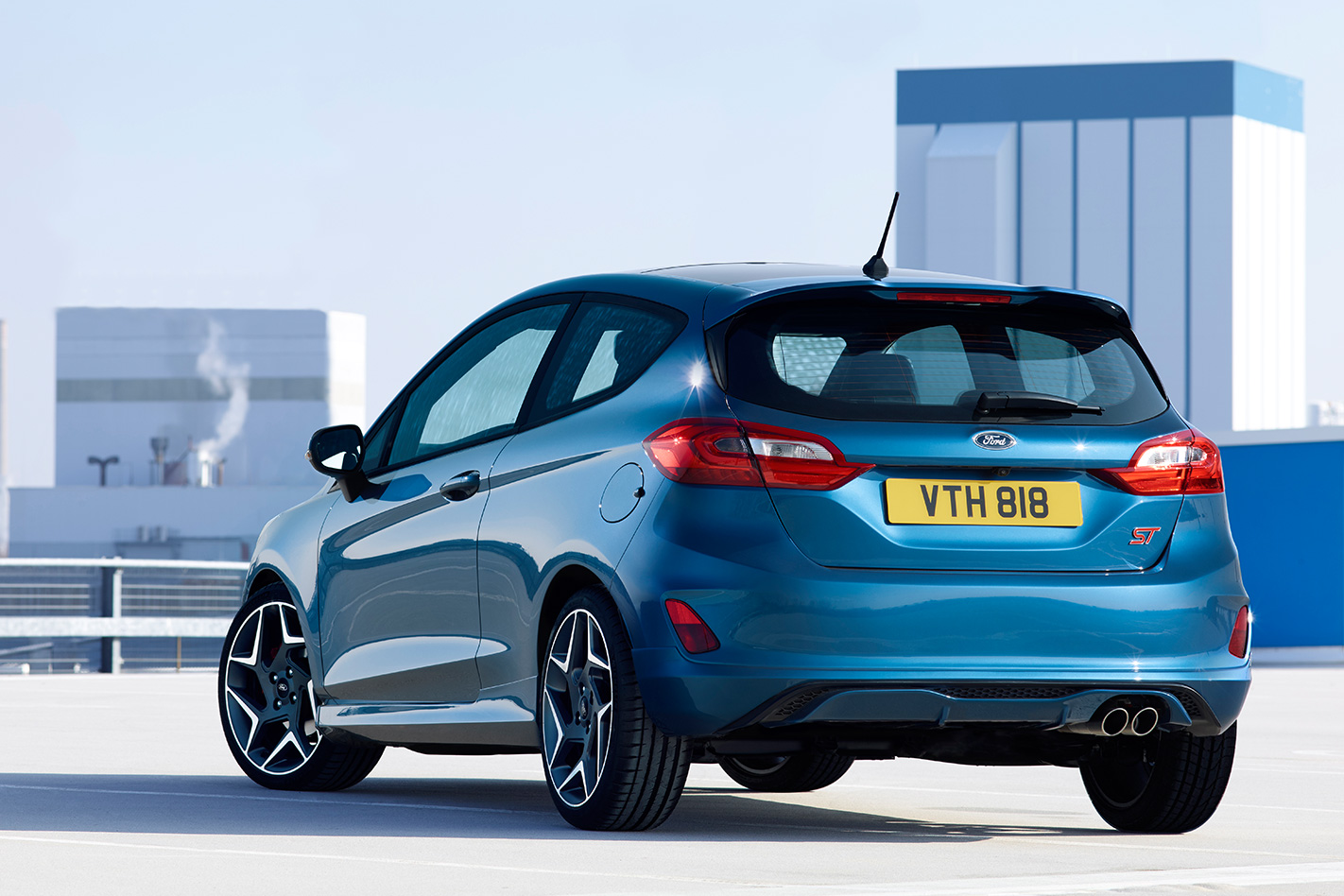
The Fiesta ST will also be the first Ford Performance vehicle with normal, sport and track driving modes, which all remap the engine, throttle and steering response accordingly. The Fiesta ST adds to the sensory experience by opening a valve to “intensify” the exhaust noise while inside the cabin, the audio system pipes in synthetic sounds that make the three-cylinder sound a lot more grown up.
Ford is yet to divulge if the Ford Fiesta ST will still come with the six-speed manual transmission.
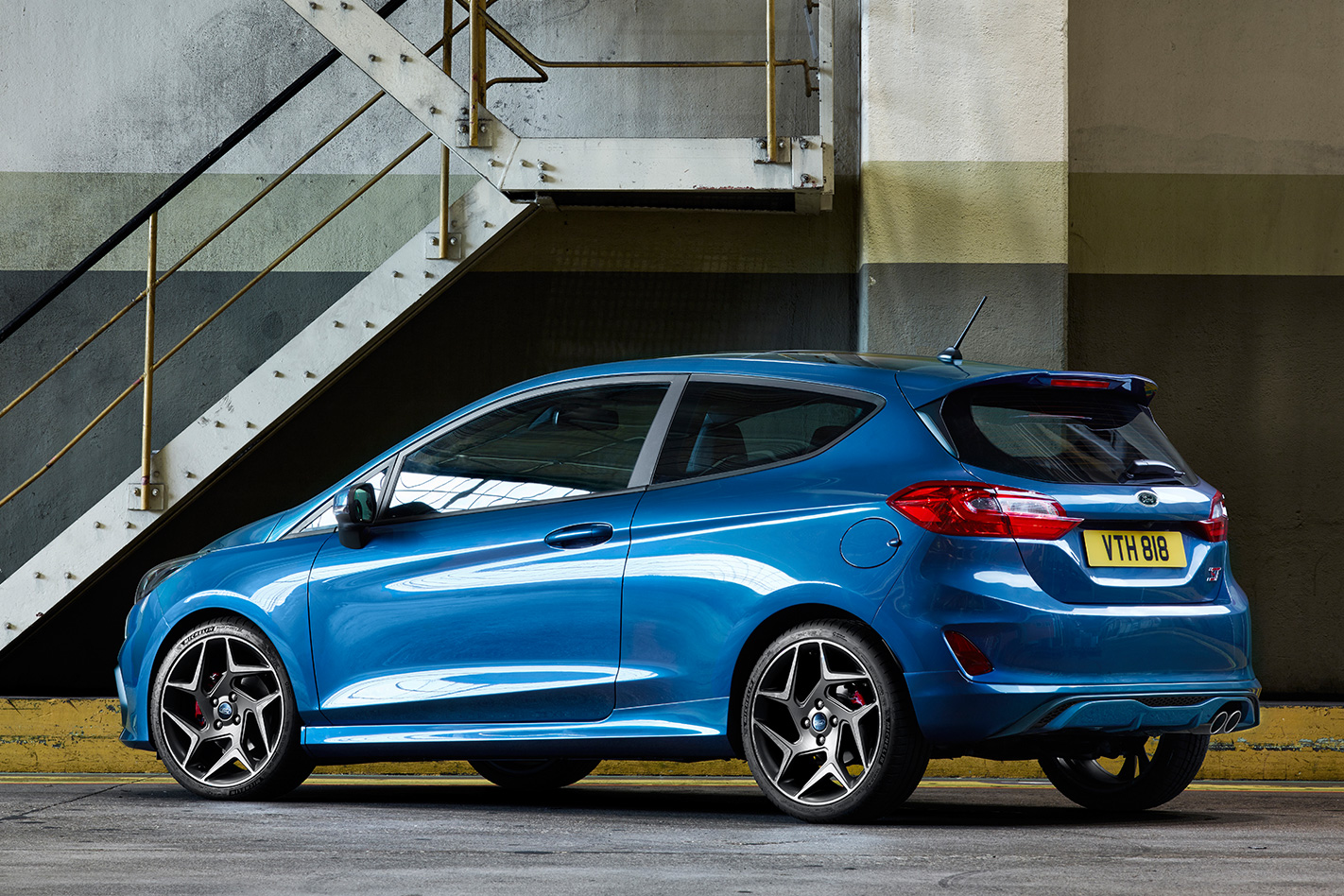
Three- and five-door versions are planned for Europe with the ST versions featuring race car-inspired grilles and unique 18-inch wheels.
Inside, the Fiesta ST will get a flat-bottom steering wheel that’s becoming something of a performance car signature, heavily bolstered Recaro seats and a long list of optional bits of trim and styling packs.
Ford Australia is still keeping mum about a local launch, but expect to see the all-new Fiesta in Australian showrooms in 2018.
Aston Martin’s vowed to make hotter, faster, and rawer cars with the announcement of its new skunkworks outfit Aston Martin Racing.
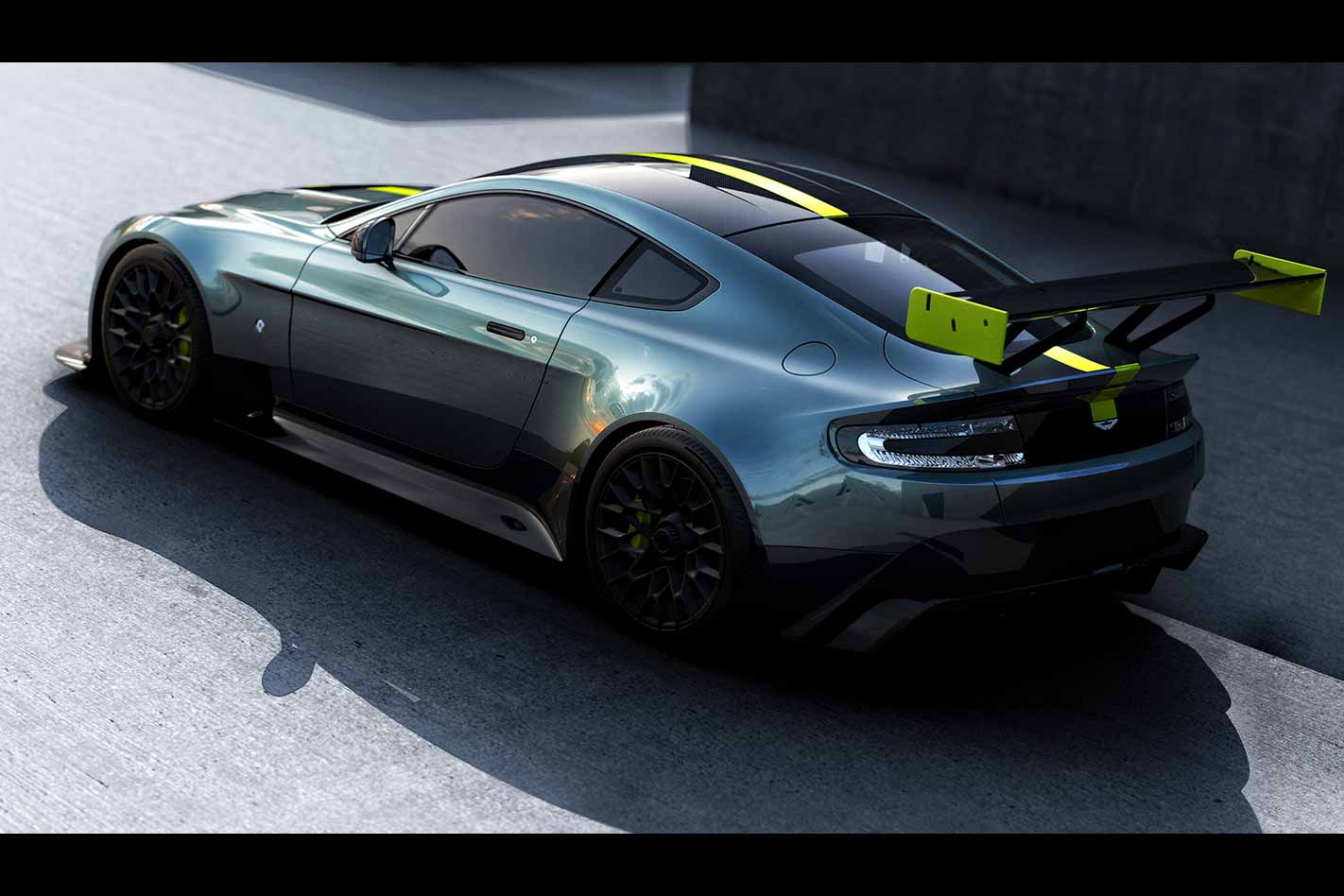
Much like what GT models are to Porsche, AMGs are to Mercedes-Benz, and so on, the AMR brand aims to up power, sharpen handling, and uniquely style one variant of every ‘core’ model in the brand’s range.
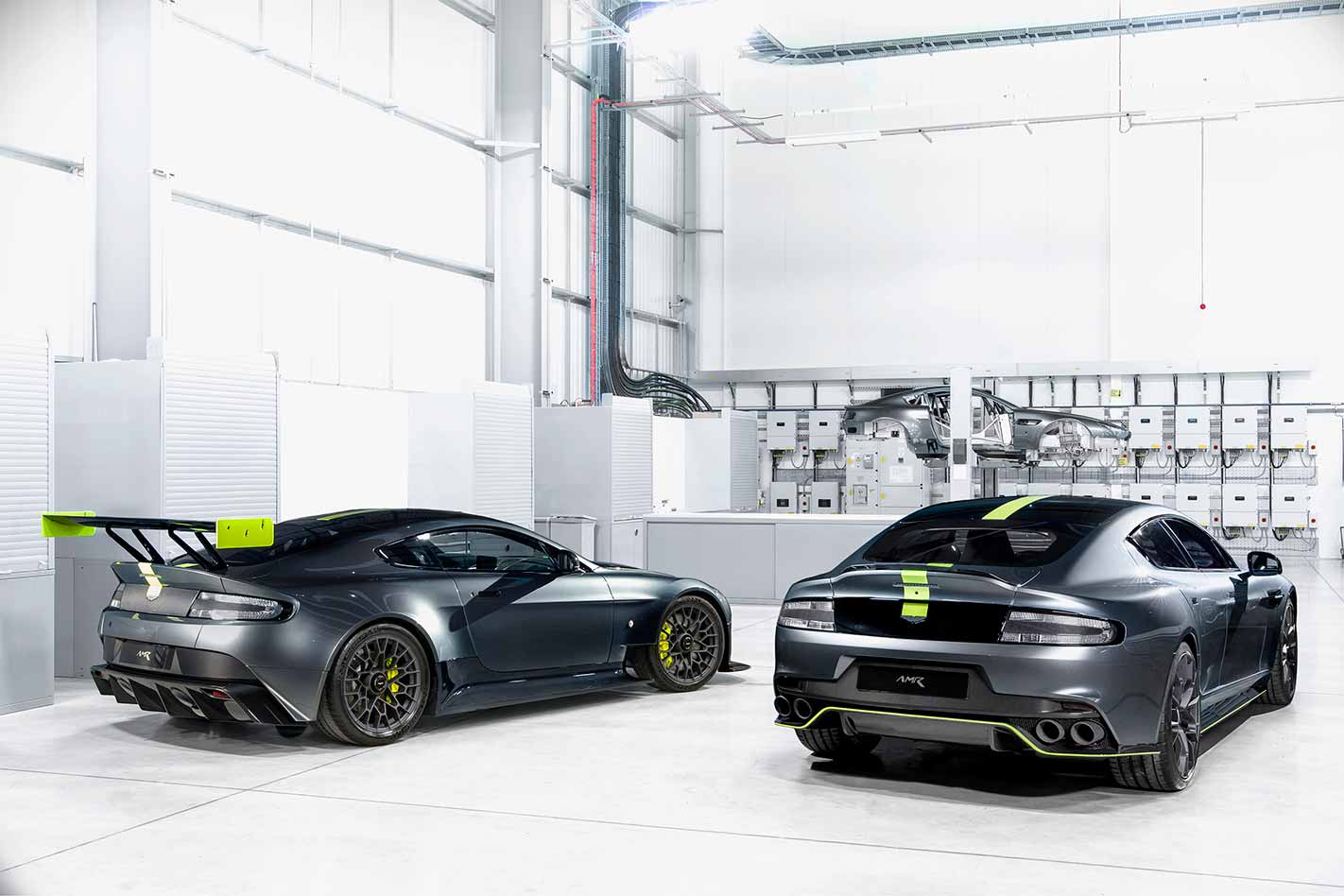
Its V8 is claimed to be a ‘development’ of the GT4 race engine, and brings 373kW to the party. The engine’s held in place by ‘race-spec’ transmission mounts that complement its adjustable suspension and custom roll-cage.
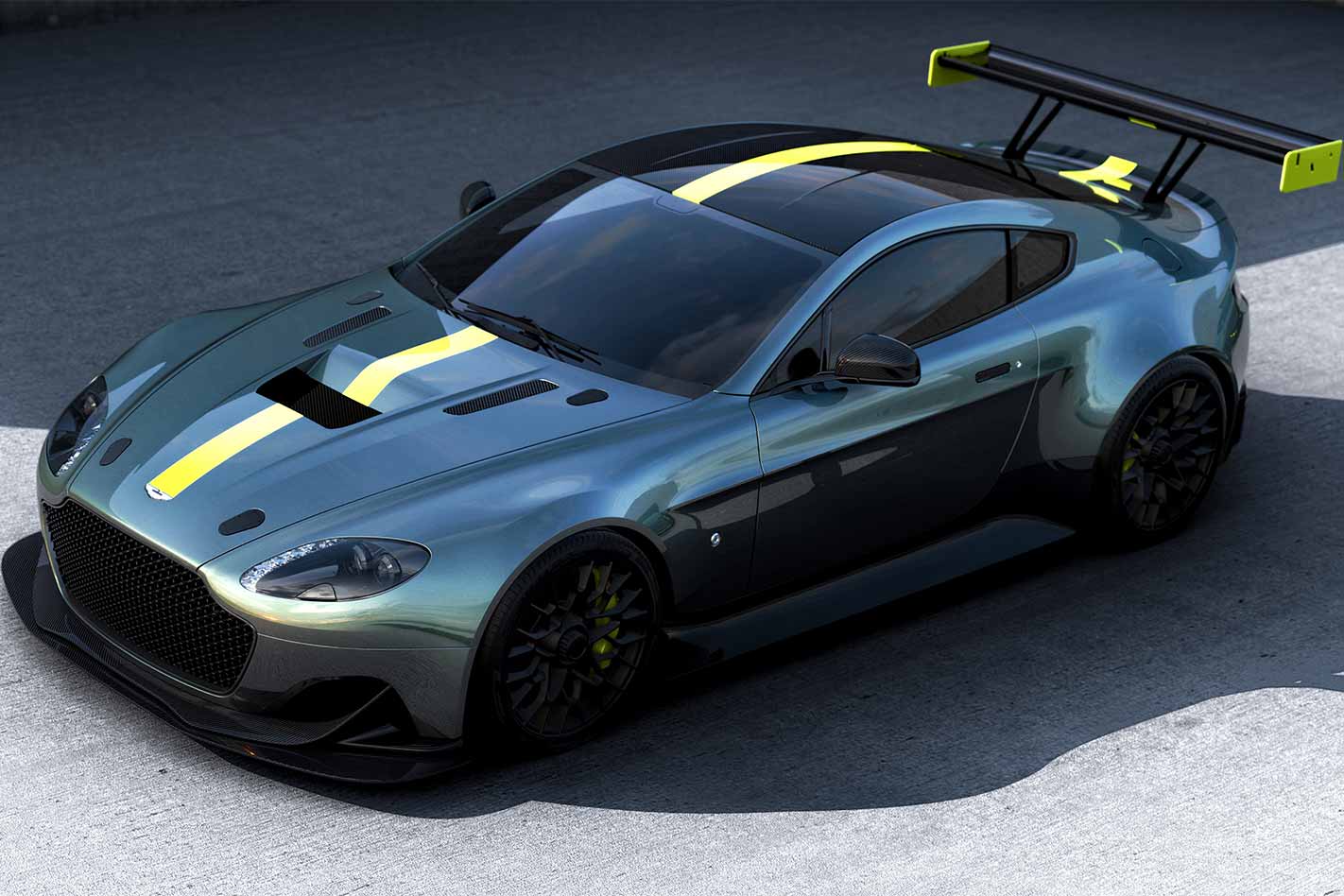
The lime green accents and Sterling Green hue, along with the extensive carbon fibre inside, are further nods to its race brethren. Meanwhile, new multi-mesh 19-inch wheels come wrapped in serious Pilot Sport Cup 2 tyes.
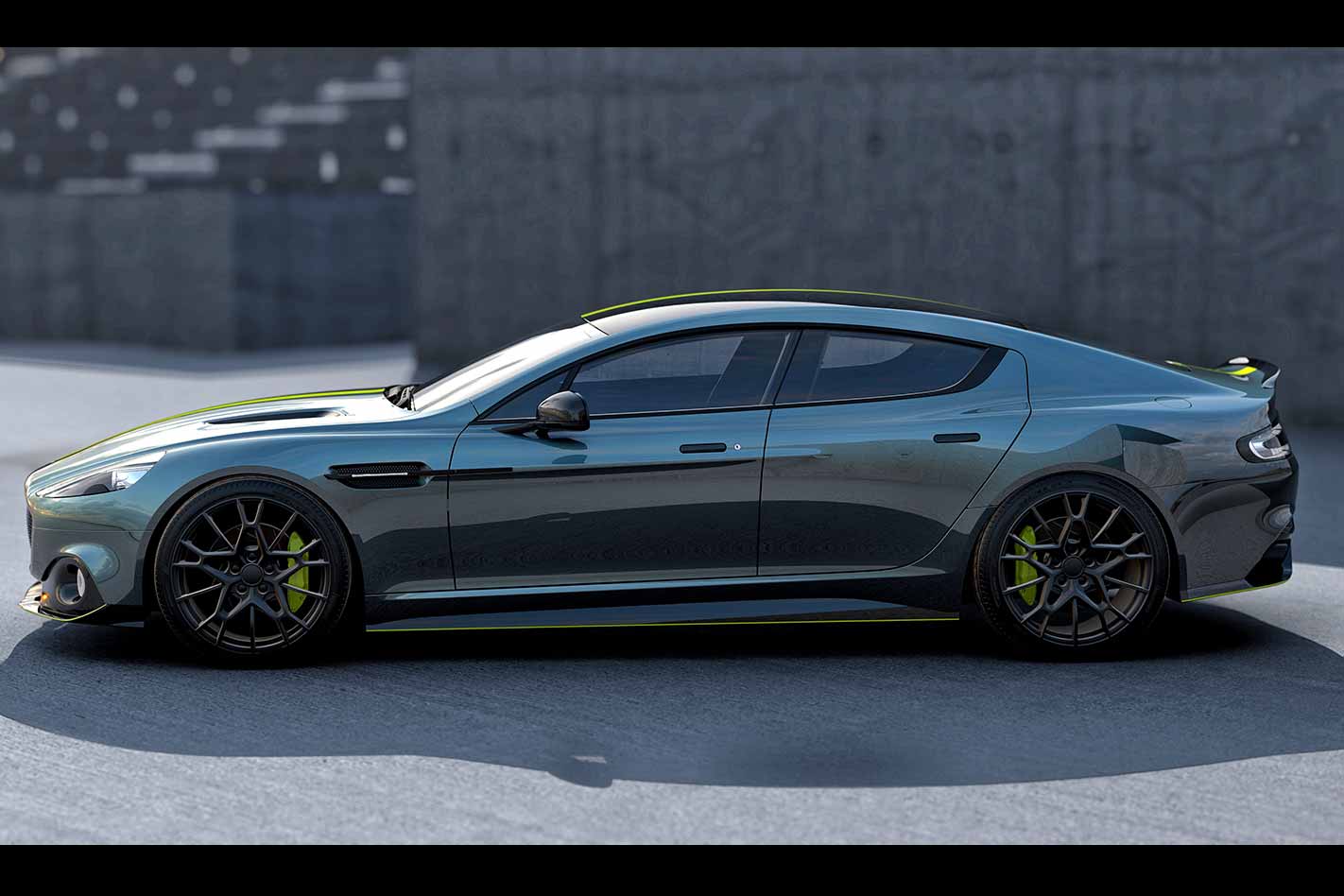
It adopts a similar colour strategy as the Vantage AMR Pro, along with a full-height grille and less-lairy aero package, but boasts larger 21-inch wheels.
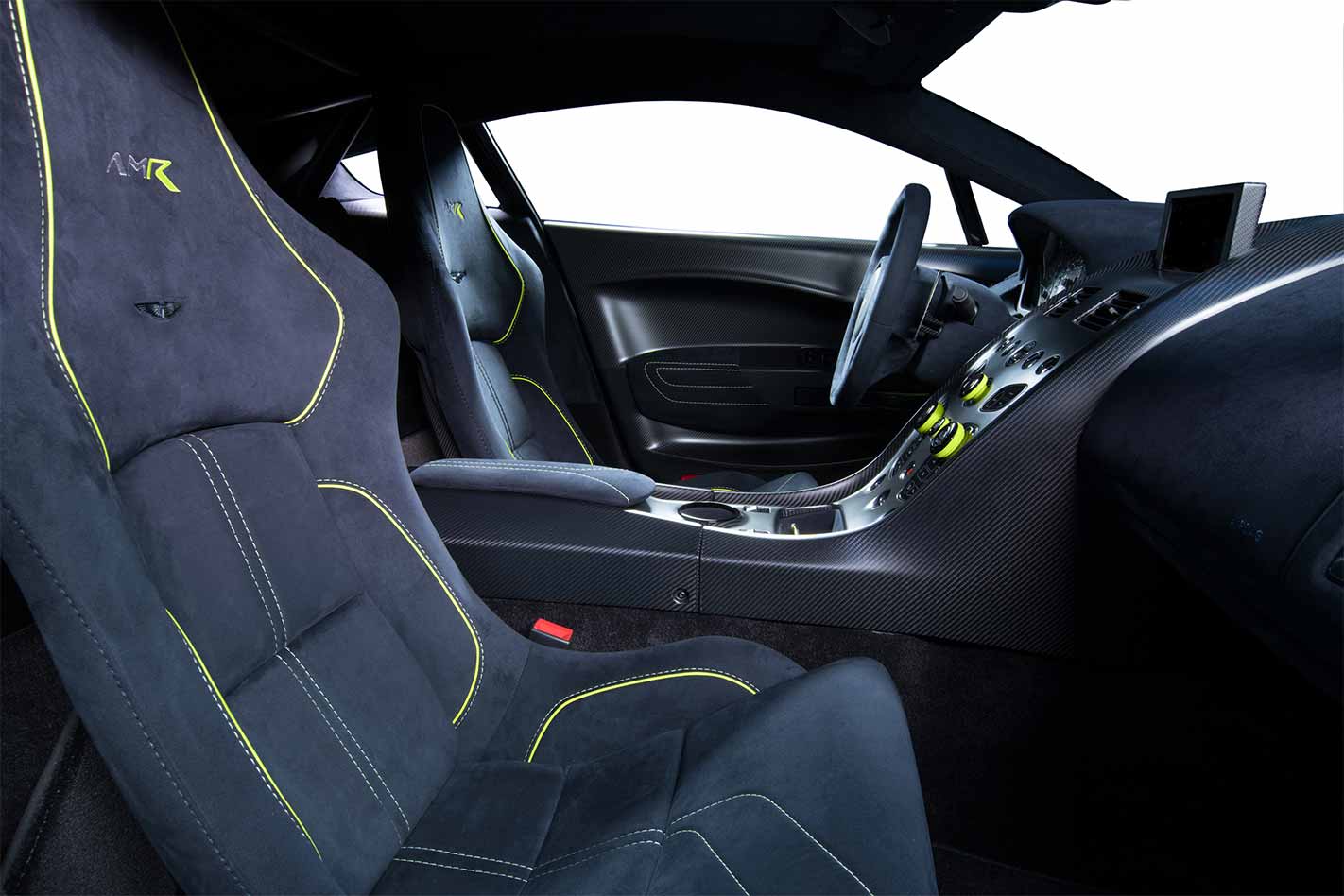
Vehicles like the Rapide, with a light basting of the AMR treatment, will be designed by Aston’s ‘central’ engineering teams, however more hardcore offerings with the tag AMR Pro will be taken care of by David King, the company’s VP, and his Q by Aston Martin Advanced Operations team.
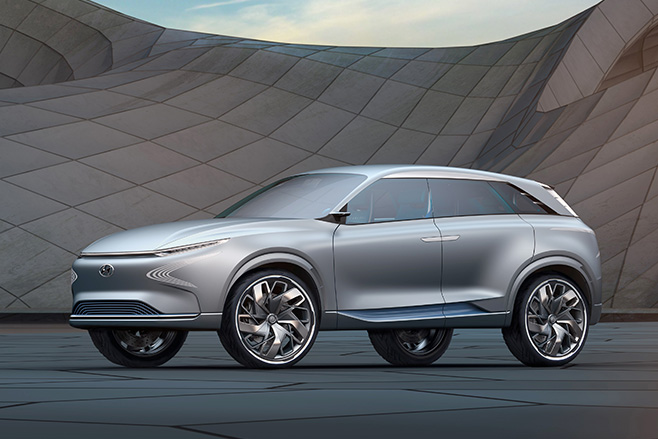
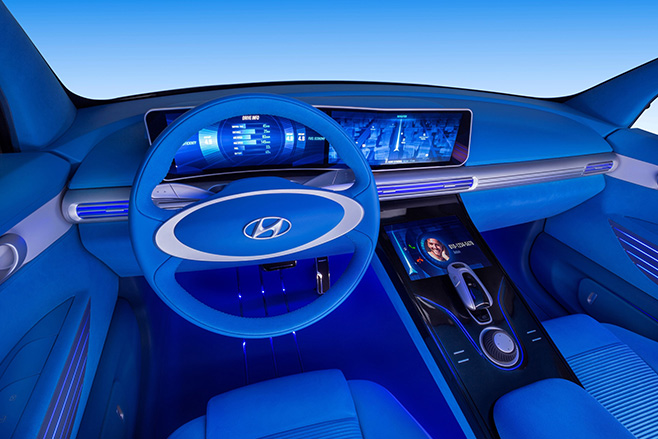
THE Hyundai FE Fuel Cell Concept has revealed the Korean carmaker’s potential replacement for the hydrogen-powered ix35 SUV that has pioneered the consumer-facing side of the technology.
Unveiled at the Geneva Motor Show, and capable of travelling up to 800km between refills, the FE (Future Eco) Fuel Cell Concept showcases the fourth generation of Hyundai’s hydrogen fuel cell technology.
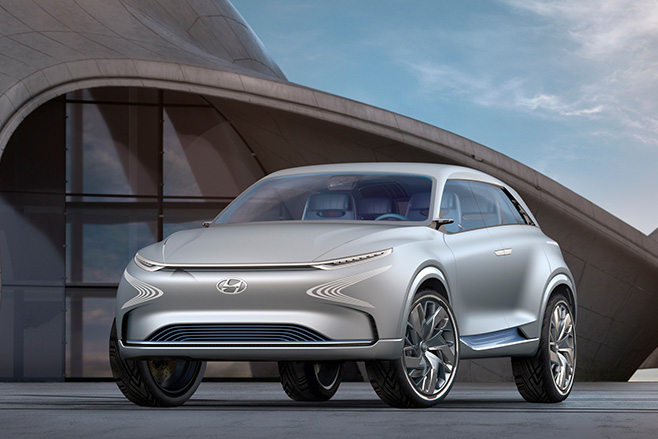
The concept car includes an internal air humidifier that recycles water emitted by the car’s fuel cell – it combines hydrogen and oxygen to make electricity used to power the electric motor, and water – creating a more comfortable cabin environment. It also comes with portable battery packs – charged by the car’s energy output – to power passenger devices and an electric scooter stored in the boot.
The FE Fuel Cell Concept is part of the company’s eco-vehicle program that will roll out 14 or more environmentally focused models by 2020.
While the driving range of fuel cell vehicles is making them more practical, Hyundai acknowledges there is a lack of hydrogen fuel infrastructure globally, but particularly in Australia.
The company is working with Toyota to jump-start the rollout of facilities here and push for government incentives for environmentally friendly vehicles.
“From a car manufacturer point of view we see hydrogen fuel cell as the ultimate goal – the range, the practicality, the refuelling time – we’re all used to going to a petrol station, filling up in three minutes then driving away and doing 600km. Fuel cell gives you the best comparison to petrol.”
Renault’s proven electrifying performance isn’t limited to supercars.
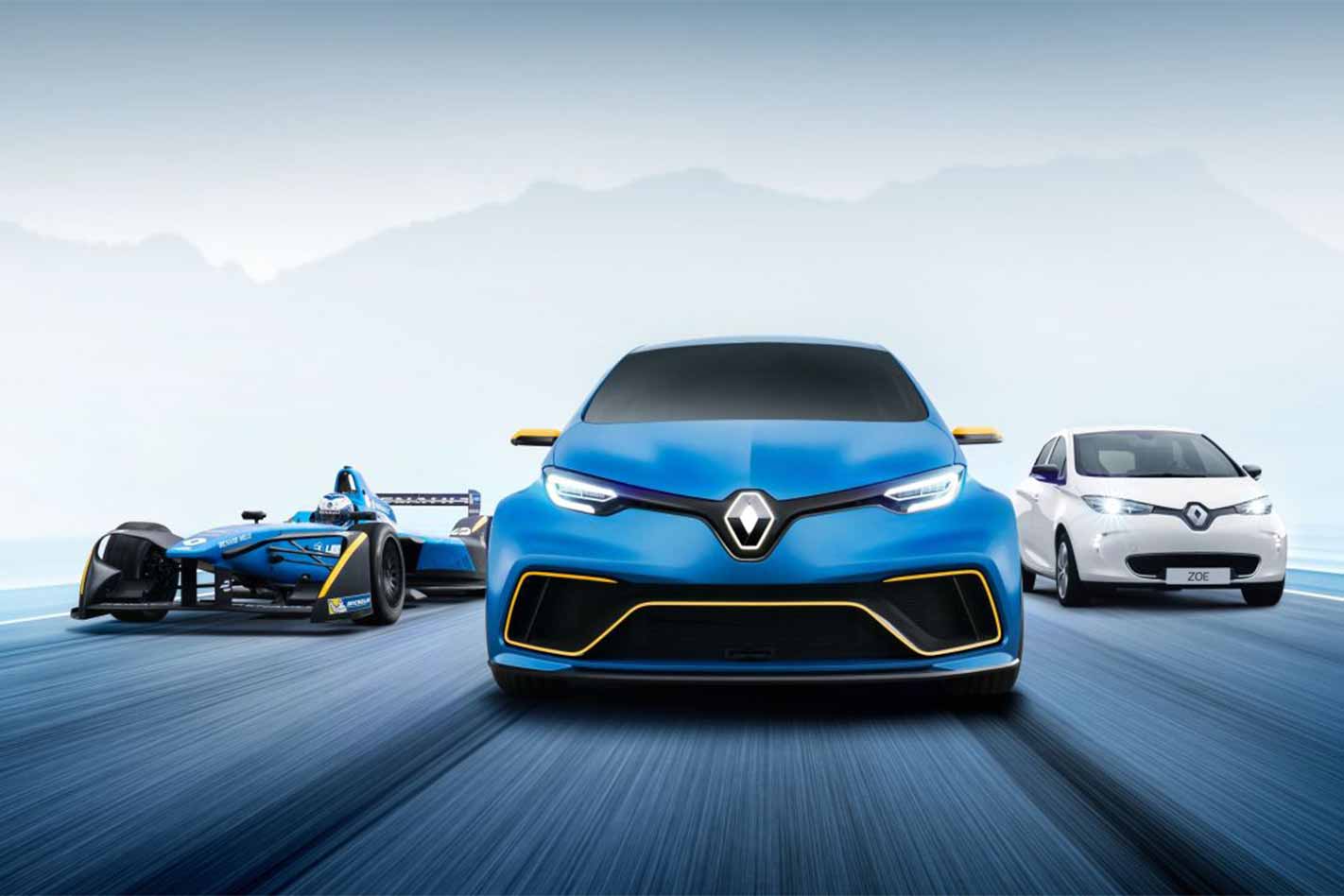
At the Geneva Motor Show it’s taken the drivetrain hardware from its championship-winning Formula E car and stuffed it into its passenger supermini EV.
Known as the Zoe e-Sport, it’s based upon the Fiesta-sized Zoe sold in Europe, but can slingshot to 100km/h from standstill in 3.2 seconds. Some 10.3 seconds faster than the road car.

With each motor spinning an axle of its own, they draw on a 40kWh battery pack that penalises the car 450kg, while a steel tube-frame has helped stiffen the body structure.
But thanks to a full Kevlar carbon-fibre body the e-Sport actually manages to weigh in 60kg lighter than its road counterpart.
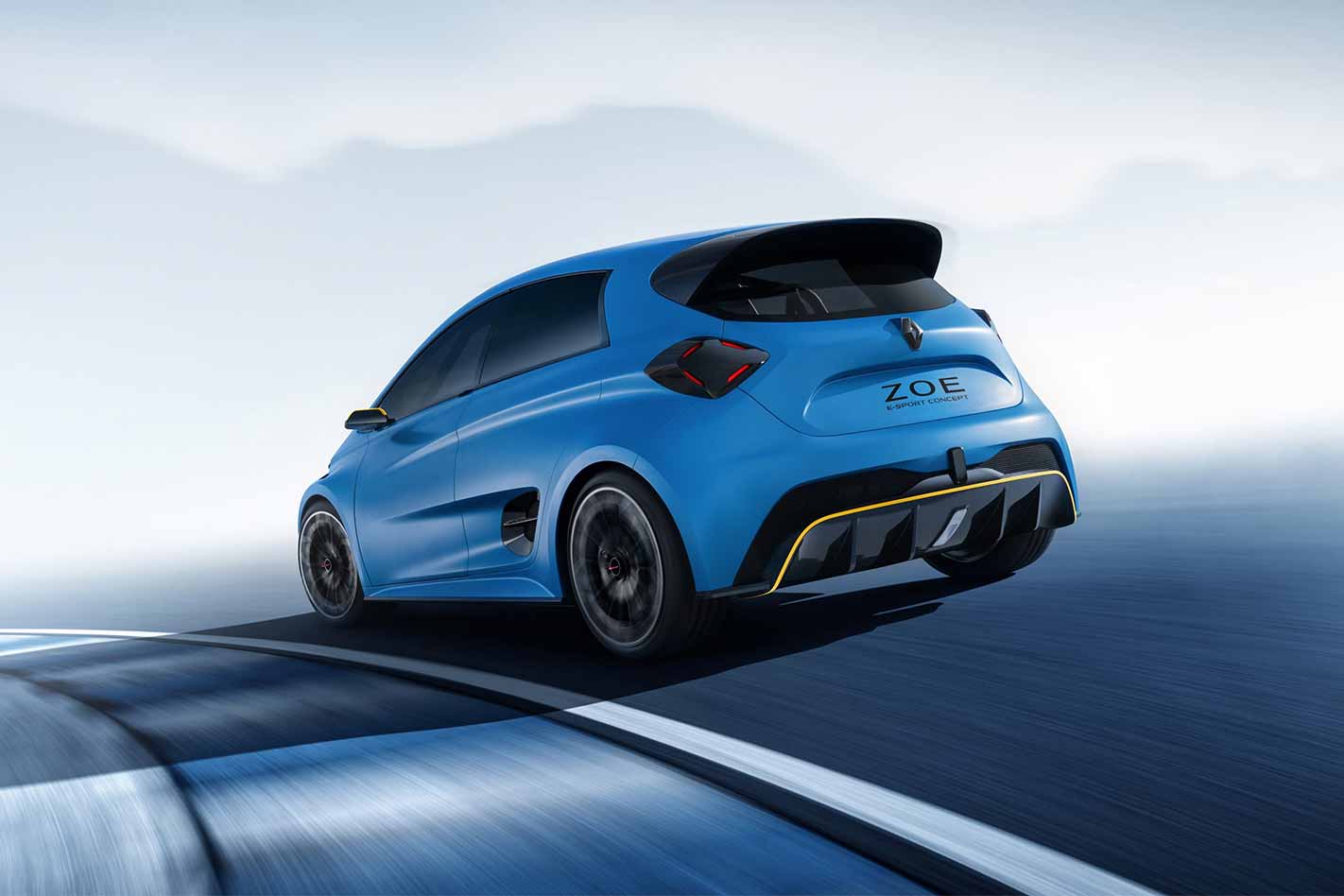
But Renault’s given cutting-edge tools to make sure it handles. Double wishbones feature all round along with four-way adjustable Ohlins dampers.
Meanwhile Recaro buckets and harnesses strap you down behind a rectangular steering wheel and digital dash.
The interior features an adjustable drive mode dial which offers four options, each varying its power and thereby the car’s range. It can also adjust the torque bias and brake bias between each axle.
Unfortunately just like the Renault Twizy F1 concept, this shockingly cool Zoe should remain just that.
