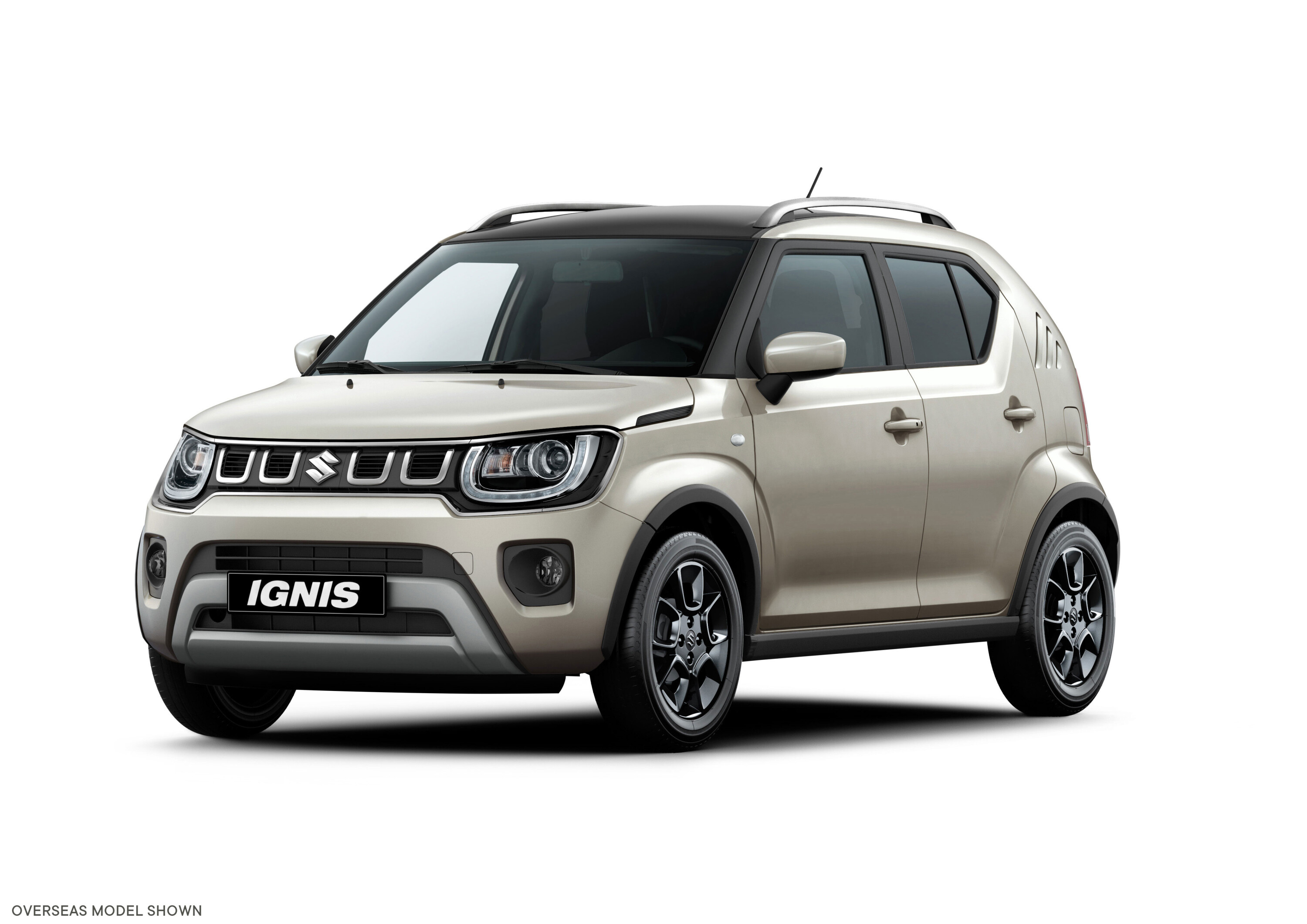
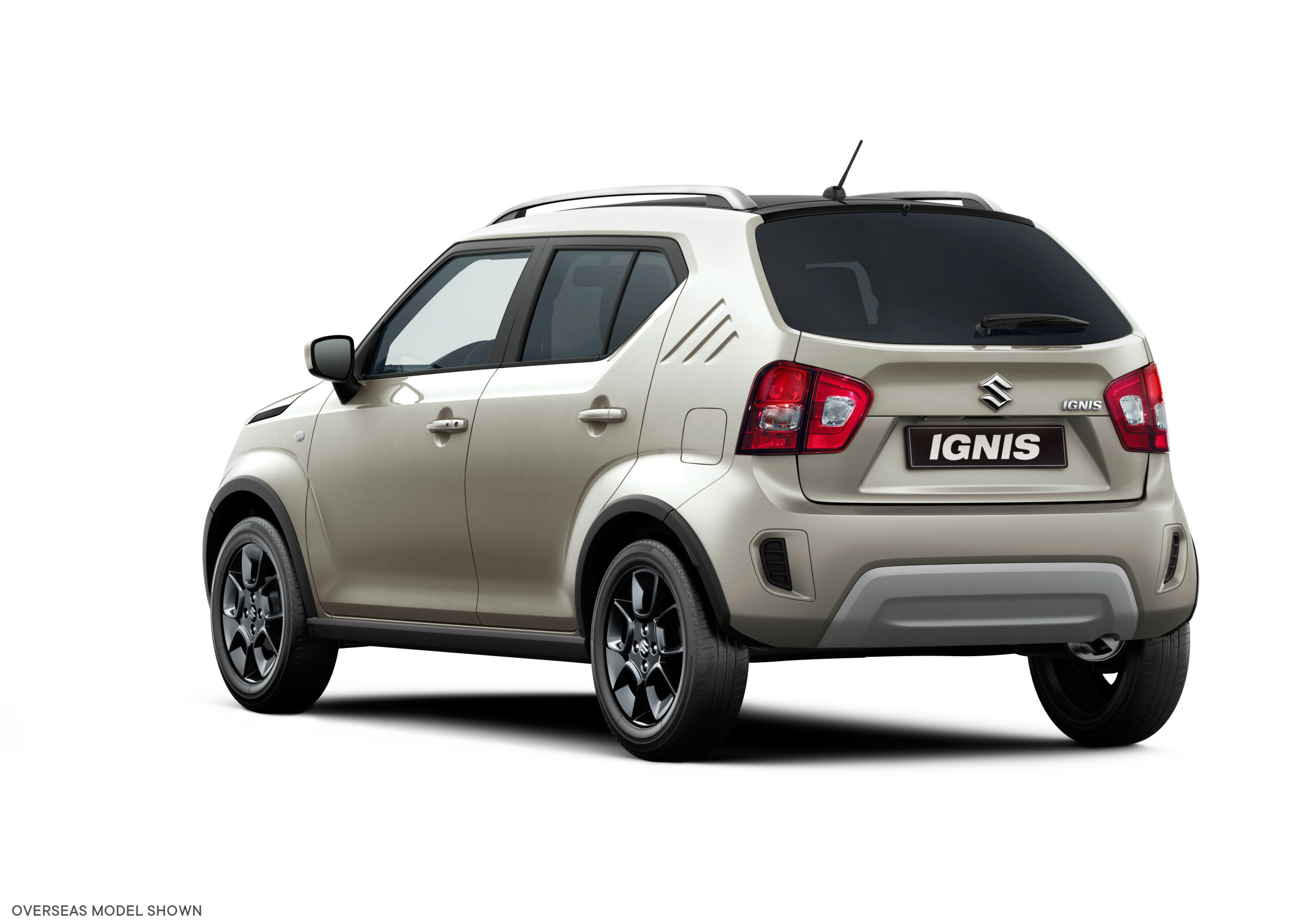
There are certain constructs that really aren’t all that to boast about. In Victoria, I once chanced upon the world’s tallest moss. Likewise, the smallest SUV sounds likely to leave you overwhelmingly underwhelmed.
To that end, we bid sayonara to the MF-generation Suzuki Ignis. It had been predicted for some time, with reports from November of last year quoting dealers who were adamant that the Ignis was about to be given the hoof due to its lack of Autonomous Emergency Braking function. Suzuki’s Australian arm denied it, in a kind of mealy-mouthed manner, and yet here we are.
“Ignis is at the end of its lifecycle,” said Suzuki Australia’s general manager Michael Pachota at the new Swift launch. The reason? Something something AEB. Which is strange because UK cars get a camera-based safety system that includes, among other features, AEB.
1
True, AEB is set to become a compulsory fitment here for all new passenger vehicles in rules that come into force from March 2025. It’s already required on new models introduced since March 2023, but Suzuki has had some legacy vehicles sitting in showrooms that sidestepped that requirement. The Ignis is one, the outgoing Swift another, and the base atmo Vitara is another Suzuki that will soon run afoul of the regs.
As unexciting as a tiny SUV sounds, the Ignis found itself doing rather well of late. That’s largely due to the migration of its former rival set to more expensive price points. Cash-strapped buyers who want a new-car warranty and an elevated driving position had virtually nothing else to throw their money at and, at $22,490 driveaway, the outgoing model still looks good value.
It has, rather inevitably, stepped up from the $15,990 price tag it arrived with in 2016, and a 2020 facelift saw the baby crossover receive a welcome uptick in Aussie orders, with sales rising by 27 percent year-on-year. Undercutting base versions of the Kia Stonic, the Mitsubishi ASX, the Hyundai Venue and the larger MG ZS, the Ignis carved a niche for itself via the simple expedient of low pricing coupled with the fact that it was actually pretty good fun to drive, especially with the five-speed manual ’box.
1
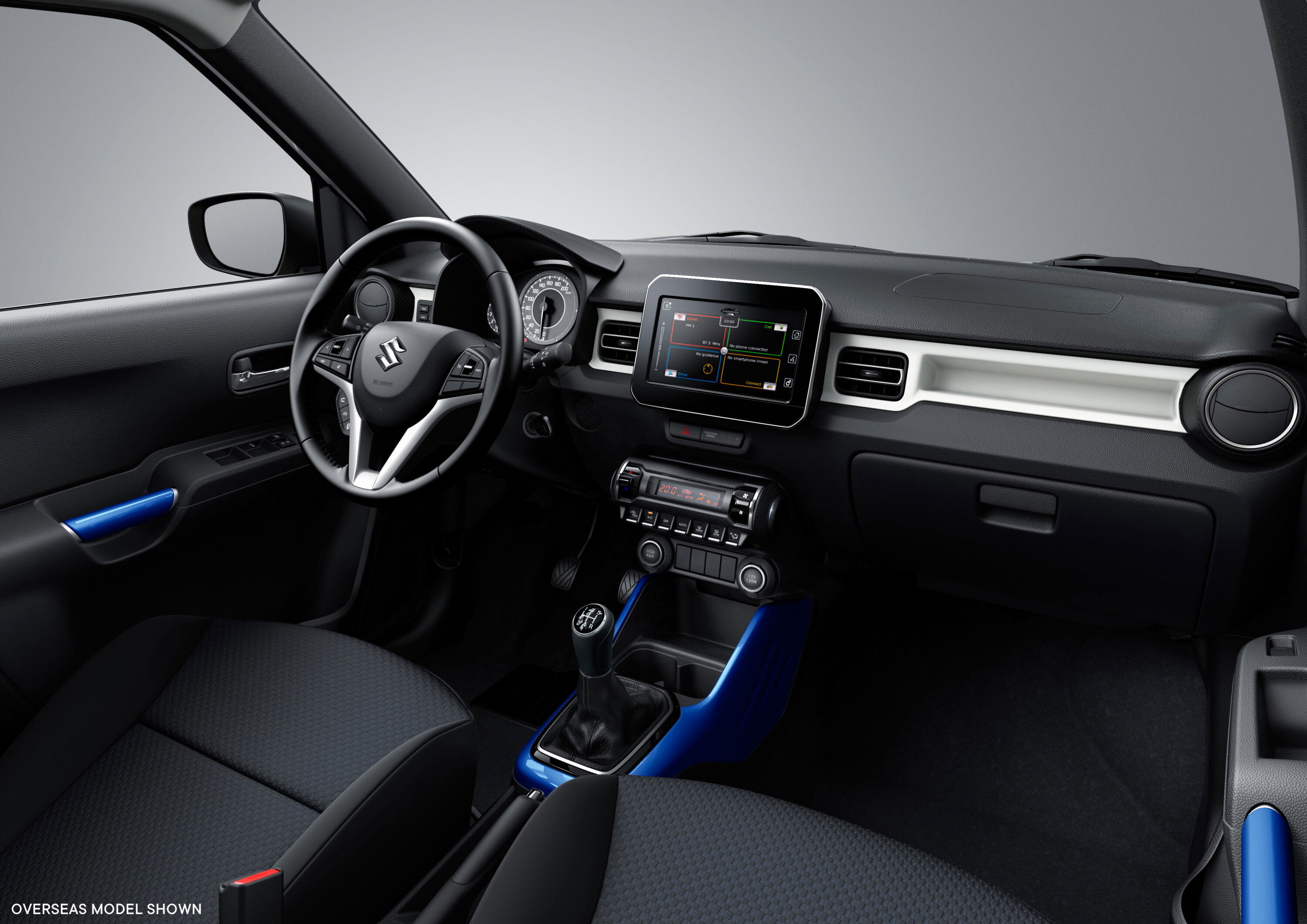
It had its quirks. The base Ignis GL could seat five, but if you stepped up to the ritzier GLX, you only got a four-seat capacity. That was offset by better headlights, a sliding rear bench and 16-inch alloys rather than 15-inch steel wheels. Further savings can be realised by avoiding being tempted to splash another $1000 on the CVT transmission. It’s a dud. With no turbocharger to help things along, the 1.2-litre engine needs to be kept on the boil and the manual helps here. You feel in control, rather than the CVT’s random thrashings. You know the auto ’box is trying to deliver the optimum torque, but it’s not a wholly satisfying experience.
Any small, cheap car that departs our market is a miss. The Suzuki Ignis wasn’t perfect but it had its charms. An SUV that can carry next to nothing nor offer any off-road ability never seemed much of a recipe, but some things are more endearing than they have any right to be. Count the Ignis among ’em.
1
Aussie sales
2016: 41
2017: 2408
2018: 1435
2019: 1074
2020: 851
2021: 1979
2022: 1878
2023: 2280
2024 (YTD): 997
The inside line on ride
Obviously the 16-inch alloys look a good deal better than the povvo 15-inch steelies with wheel covers. But herein lies the rub. The bigger wheels may have had the edge in aesthetics but because they also rode on lower-profile tyres, they tended to introduce an unwelcome nibbliness to the Ignis’s ride. Our advice? If you’re going cheap, stick to your guns and get the base manual GL.
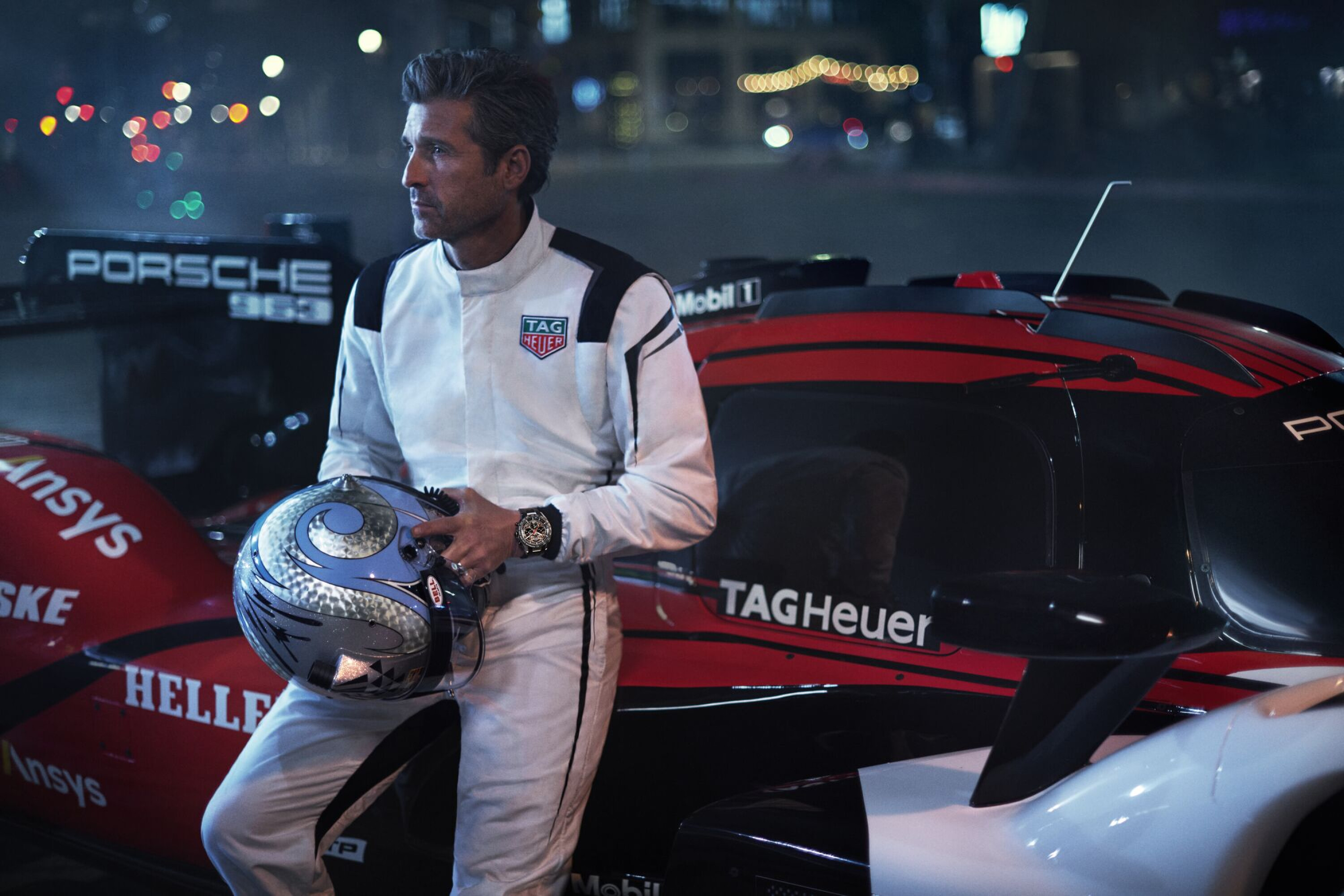
The trajectories of TAG Heuer and Porsche have crossed and re-crossed over the decades as both brands have evolved into major names in their respective fields.
The roots of that bond – re-established once again by the collaborative release of the new TAG Heuer Carrera Chronograph x Porsche 963 – can be found at the legendary Carrera Panamericana race, the famously thrilling and dangerous motoring event which delivered Porsche one of its first major victories in 1954.
That victory led Porsche to attach the Carrera name to its most powerful engine variants. At the same time, Jack Heuer chose to name his iconic new 1963 chronograph the Carrera, after hearing about the race’s highly evocative name from the racing driver Rodriguez brothers at the side of the famous US racetrack Sebring in 1962.
1
The two brands also share deep connections to the world-famous 24 Hours of Le Mans race. Porsche is the most successful manufacturer in the history of the race with 19 overall wins.
The demands of the famous endurance race have heavily influenced the development of the Porsche 963, considered the pinnacle of Porsche’s engineering expertise which has notched victories on famous racetracks across the globe.
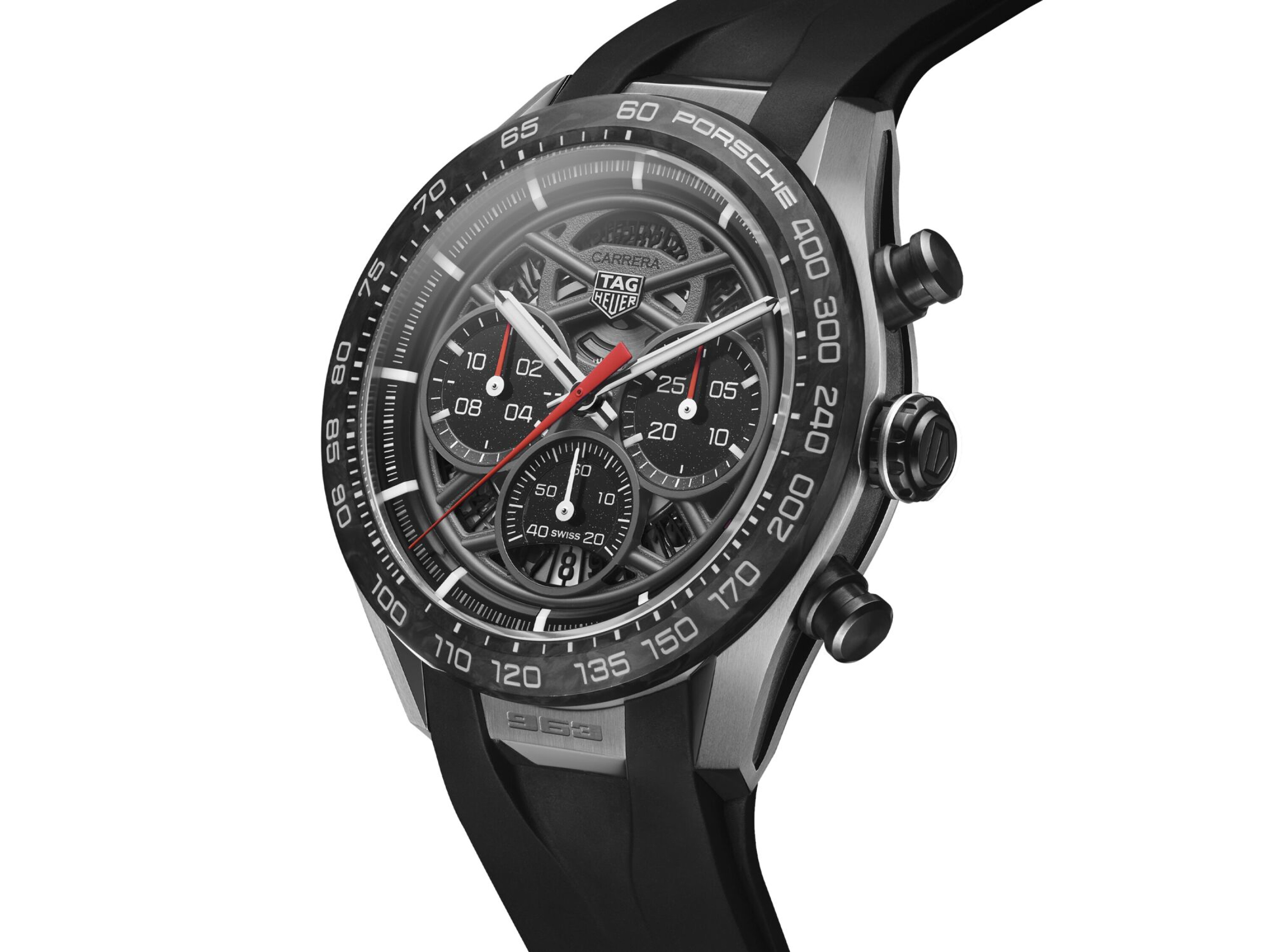
It’s that famous car TAG Heuer now celebrates with its most famous model of chronograph – a tribute to the spirit of endurance racing and technological innovation. A limited edition in distinctive white, red and black colour scheme, fittingly restricted to 963 pieces worldwide, the TAG Heuer Carrera Chronograph x Porsche 963 expertly combines state-of-the-art horological technology with Porsche-inspired design elements and the sporty functionality and performance for which this model is renowned.
The truly collaborative nature of this timepiece is immediately apparent from its striking minimalist, skeleton dial with tubular shapes which evoke Porsche’s racing car chassis.
1
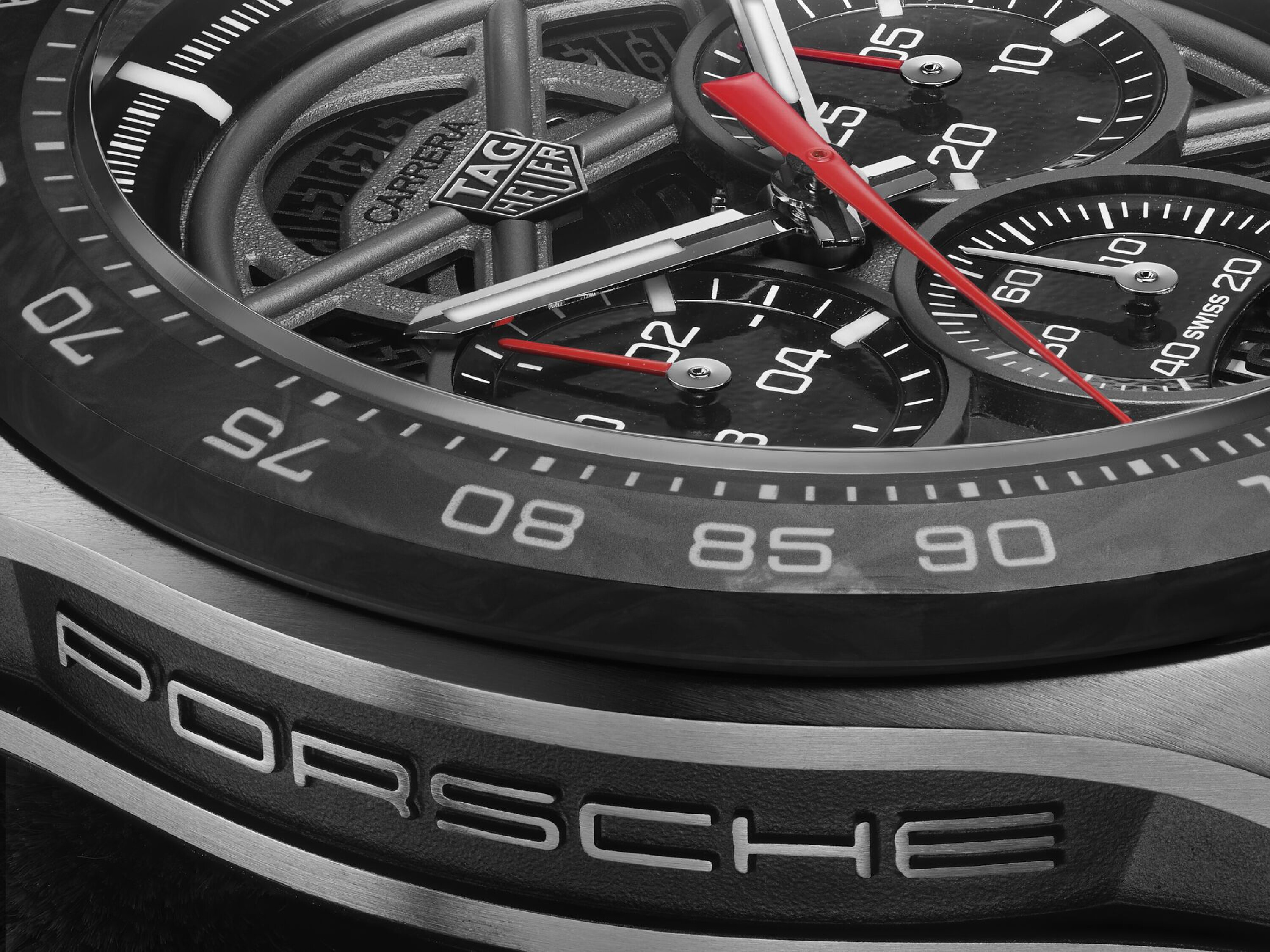
The forged carbon bezel featuring a luminescent Porsche logo is inspired by the lightweight, high-performance components of the Porsche 963 while the logo also appears on the 44mm diameter, steel fine-brushed and polished case.
Lumed blocks on the chronograph sub-dials are inspired by Porsche’s innovative LED light design on the modern-day icon, the Porsche 911. These luminescent elements on the dial, including the date revealer, ensure exceptional legibility in all conditions – a nod to the practicality and usefulness of such readability during the night stretch of 24- hour endurance races
TAG Heuer’s in-house TH20-00 movement powers this special watch – the vertical clutch chronograph movement highlighted by a personalized red column wheel.
1
The positioning of the mechanism’s coupling is reminiscent of systems found in cars connecting the engine’s flywheel with the transmission – here it facilitates a smooth, ‘jump free’ engagement of the stopping function when timing.
High-end motoring tech extends to the timepiece’s rubber strap, inspired by the NACA-style low-drag air inlets sometimes featured on Porsche race cars all the way back to the record-breaking Porsche 917. It features ‘963’ engraved on a fine brushed, polished steel central link and is enclosed by a folding clasp with double safety push-buttons.
There’s a seamlessness and coherence about this striking limited edition, a by-product of the deep shared heritage between these two famous brands and their hard-earned reputations for technical and design excellence.
The essentials
TAG Heuer Carrera Chronograph x Porsche 963
Case: 44mm diameter; steel fine brushed, polished case; black PVD fine grained hollowed side and ‘PORSCHE’ logo
Dial: ‘Tubular’ skeleton dial with NAC finishing; black flange with 60 second/minute scale; with white, red & grey markings
Bracelet: Black integrated rubber strap, with ‘963’ engraved on a fine brushed, polished steel central link
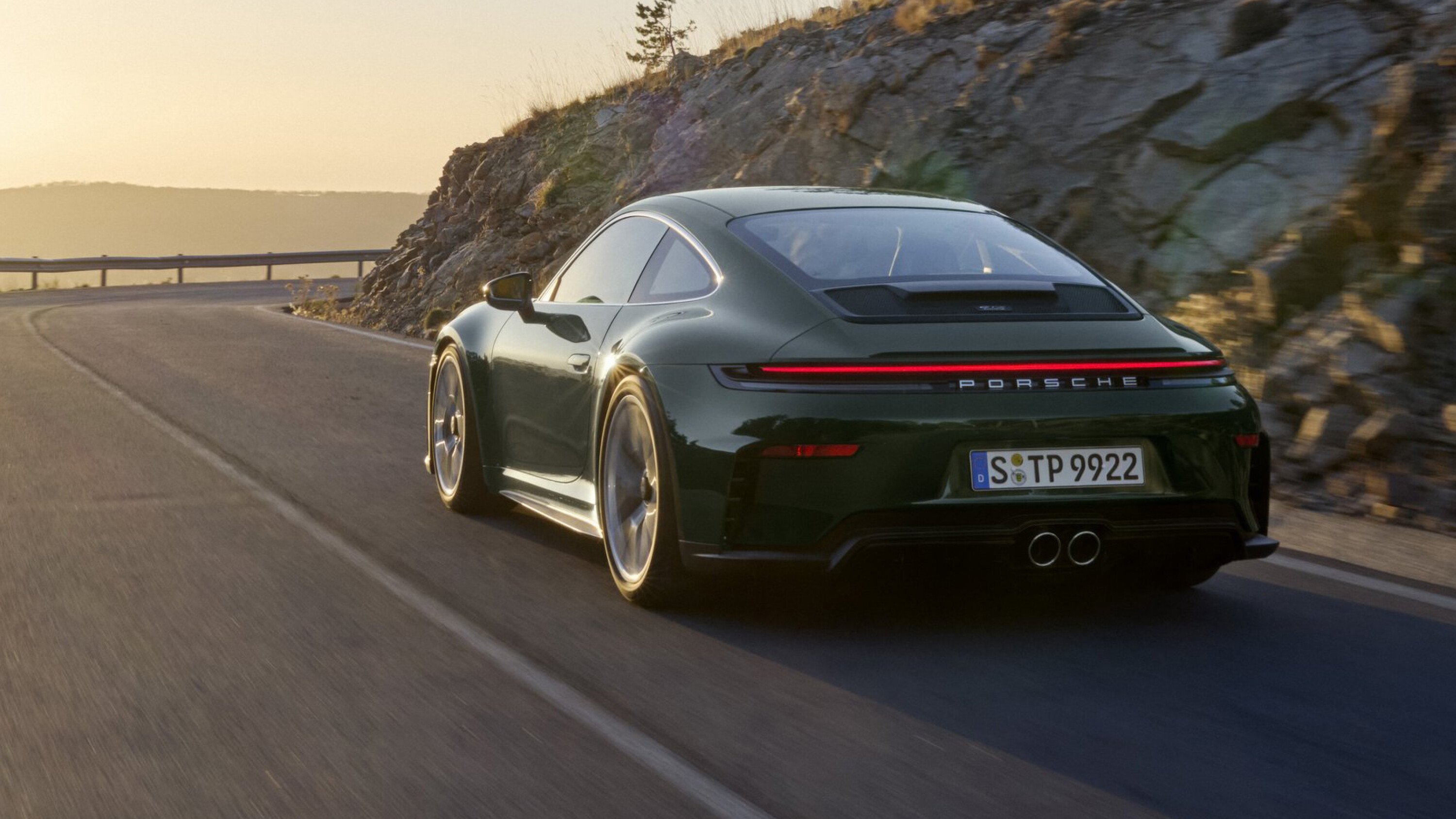
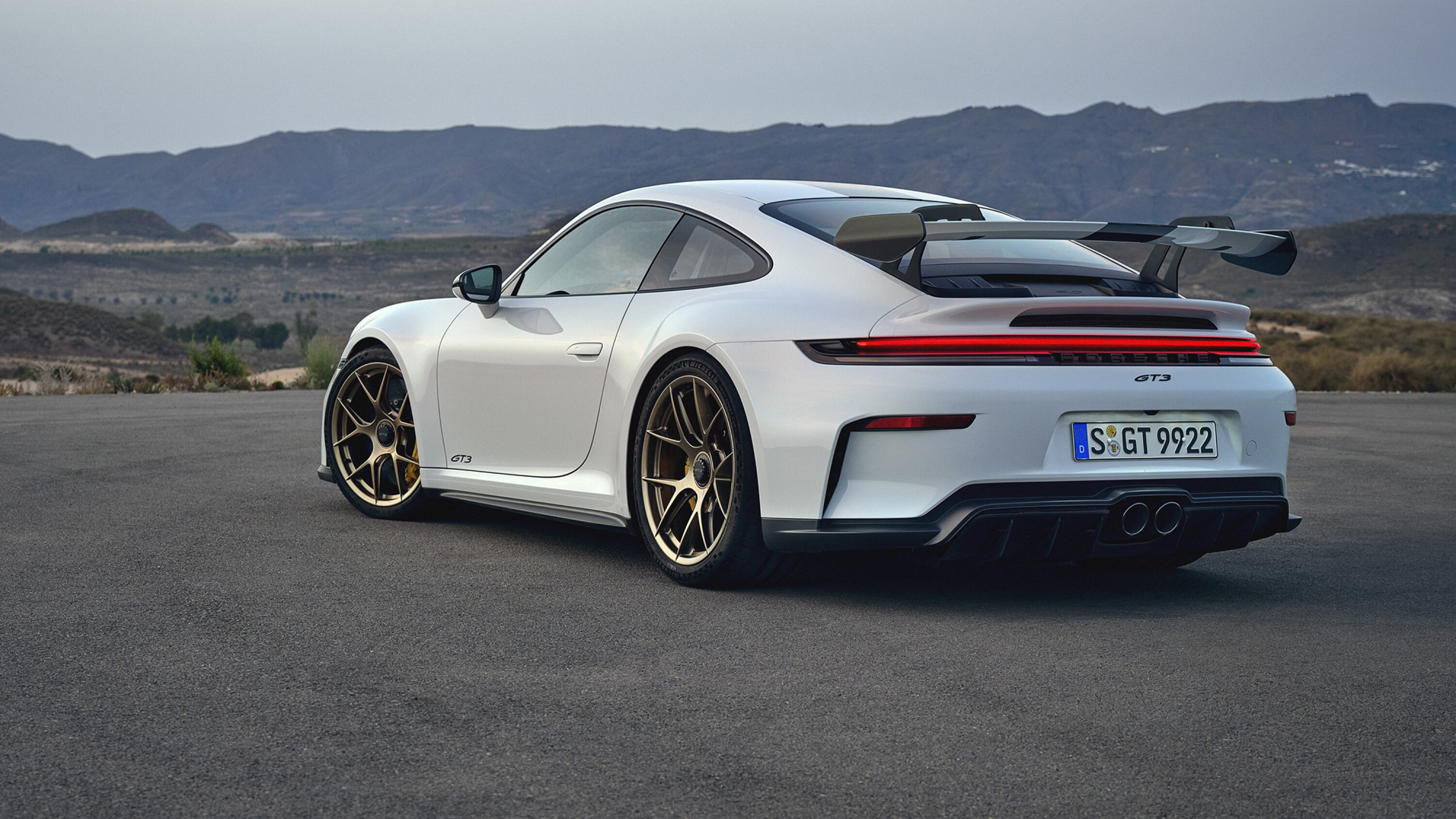
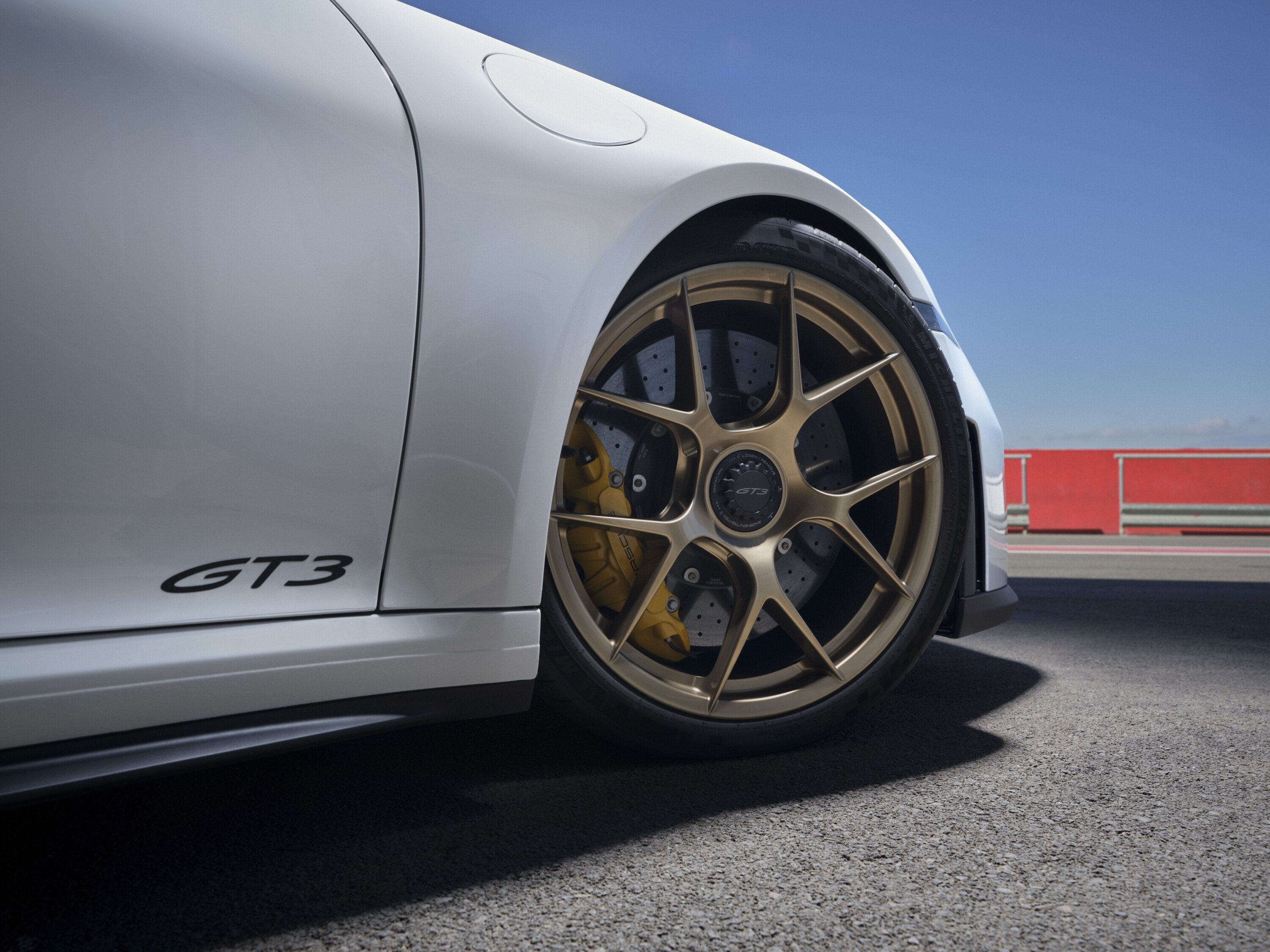
Porsche has unveiled the latest iterations of its 911 GT3, with two versions set to launch simultaneously in Australia for the first time.
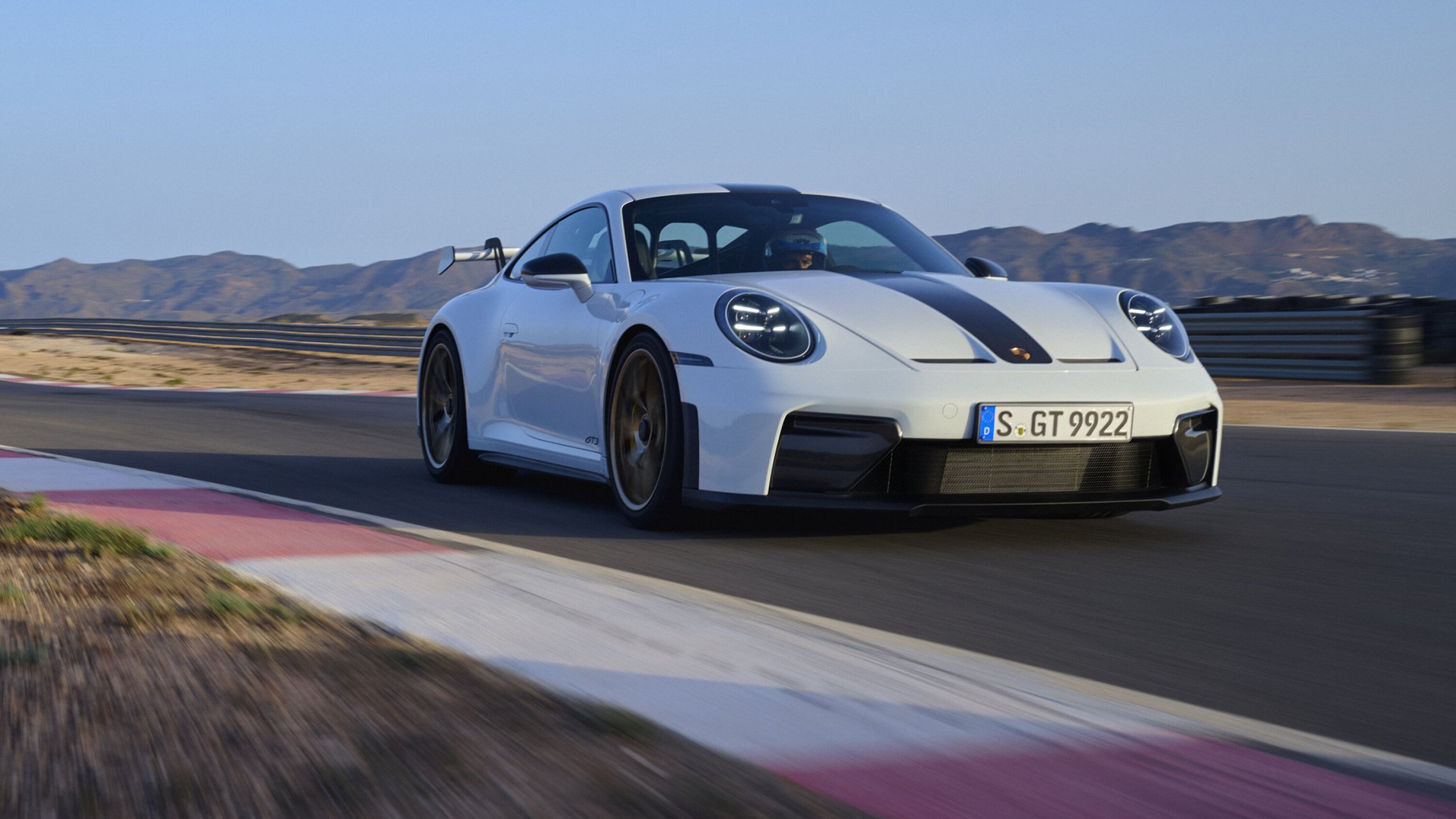
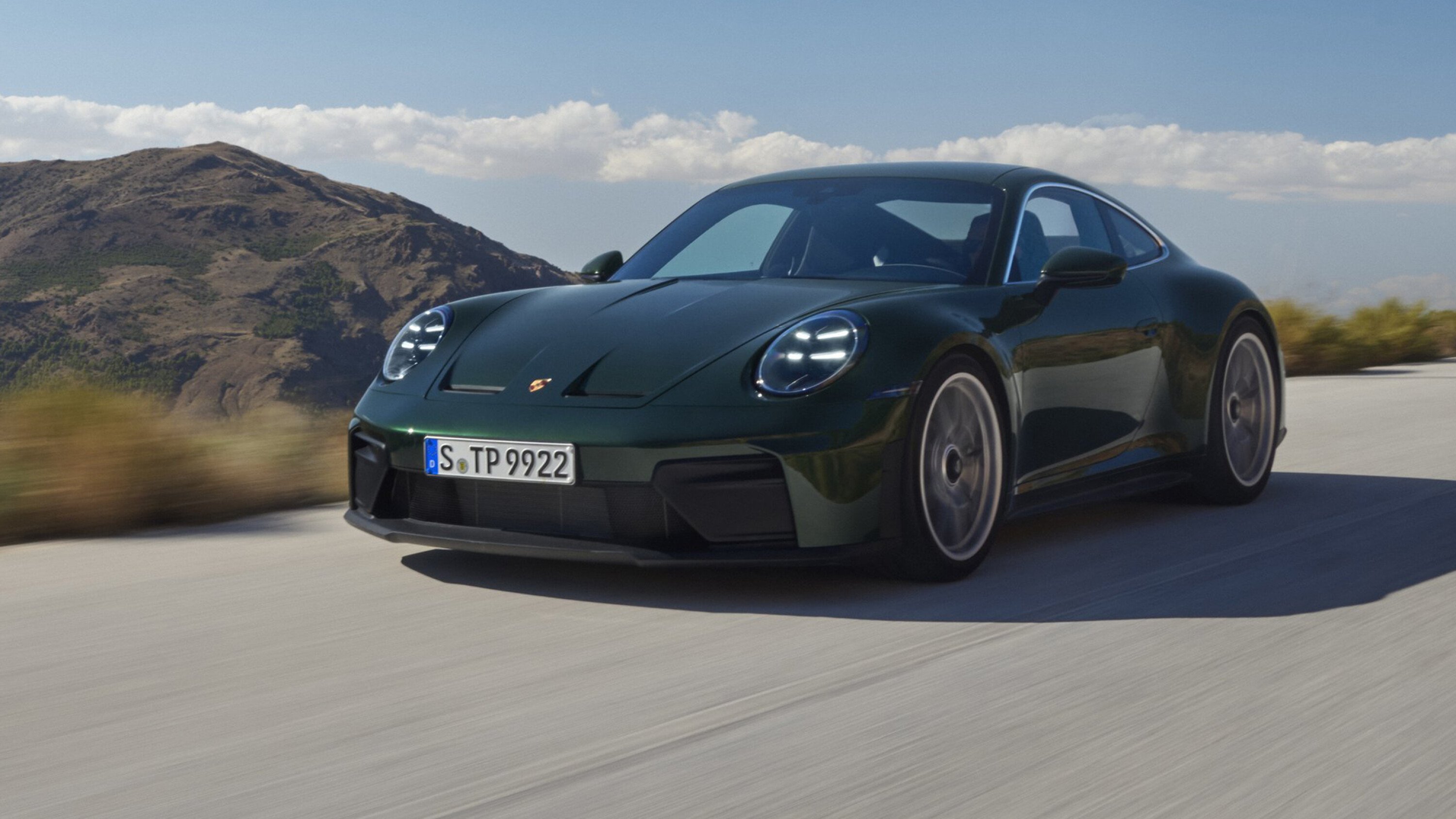
Celebrating the 25th anniversary of the model, the new 911 GT3 comes in a track-focused configuration with a rear wing, as well as a more understated variant equipped with a Touring Package.
Both versions share a high-revving, naturally aspirated 4.0-litre flat six producing 375kW and 450Nm, but offer distinct driving experiences tailored to their intended use.
1
Buyers can choose from a seven-speed dual-clutch (PDK) auto or the six-speed manual.
Both the PDK and the manual have a final drive ratio eight percent shorter than in the previous model.
Acceleration
With the PDK, the GT3 claims a 0-100km/h time of 3.4 seconds, onto a top speed of 311km/h.
Opt for the manual and you’ll get to 100km/h in 3.9 seconds, Porsche says, with a slightly higher top speed of 313 km/h.
1
2025 Porsche 911 GT3 pricing for Australia
Porsche 911 GT3 & GT3 with Touring Package – $446,700
Weissach Package – $47,530
GT3 Touring Lightweight Package – $71,120
Australian deliveries are expected from the second half of 2025.
1
Porsche has equipped the GT3 with an improved suspension system, drawing from the hero 911 GT3 RS.
The front double-wishbone axle features new aerodynamically optimised trailing arms for better downforce at higher speeds, while the rear gets tweaks to reduce pitching under braking.
Both GT3 variants showcase the classically evolved 911 design, with specific adjustments to the aerodynamics aimed at enhancing performance. There’s a reworked diffuser and a larger air intake at the front, while the rear sees updates to the wing, air inlets, and diffuser.
Those opting for the Touring Package will have the rear wing replaced with a retractable spoiler, maintaining the 911’s streamlined profile while still offering effective aerodynamics.
1
A notable addition to the GT3’s aerodynamic enhancements is the optional Weissach package.
Available for the first time on a 911 GT3, the Weissach pack cuts weight further with Carbon-Fibre Reinforced Plastic (CFRP) components, including a lightweight roof, rear wing side plates, and anti-roll bars.
In its lightest configuration, the new 911 GT3 weighs just 1420kg.
New silver-coloured aluminium wheels help cut unsprung mass, while magnesium wheels, available with the Weissach or Lightweight packages, shed an additional nine kilograms.
Further contributing to the car’s lightness is a 40Ah lithium-ion battery, which saves another four kilograms over the previous model’s setup.
1
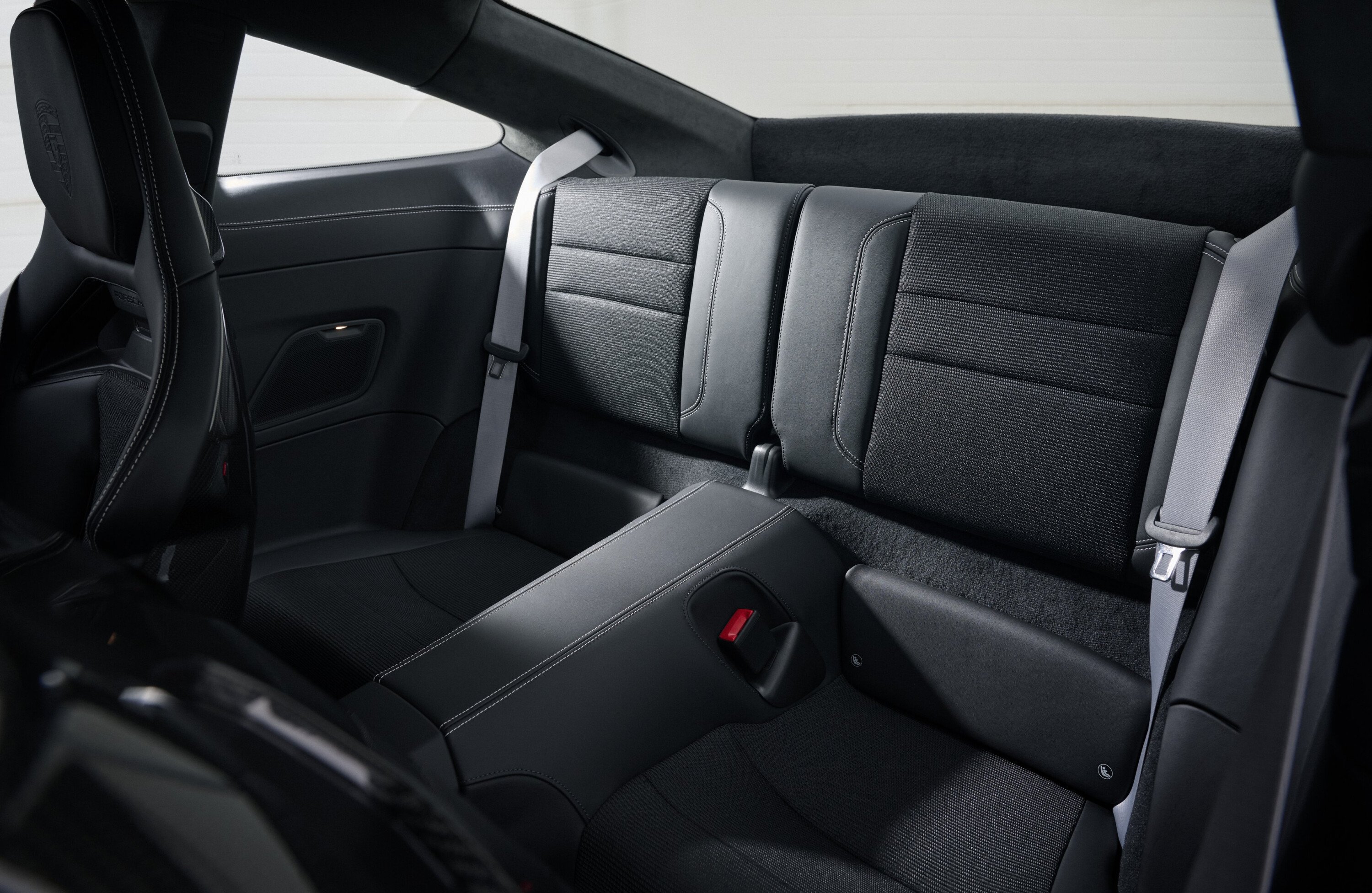
For the first time, the Touring Package includes an optional rear seat system, allowing greater flexibility for owners looking for a blend of performance and practicality.
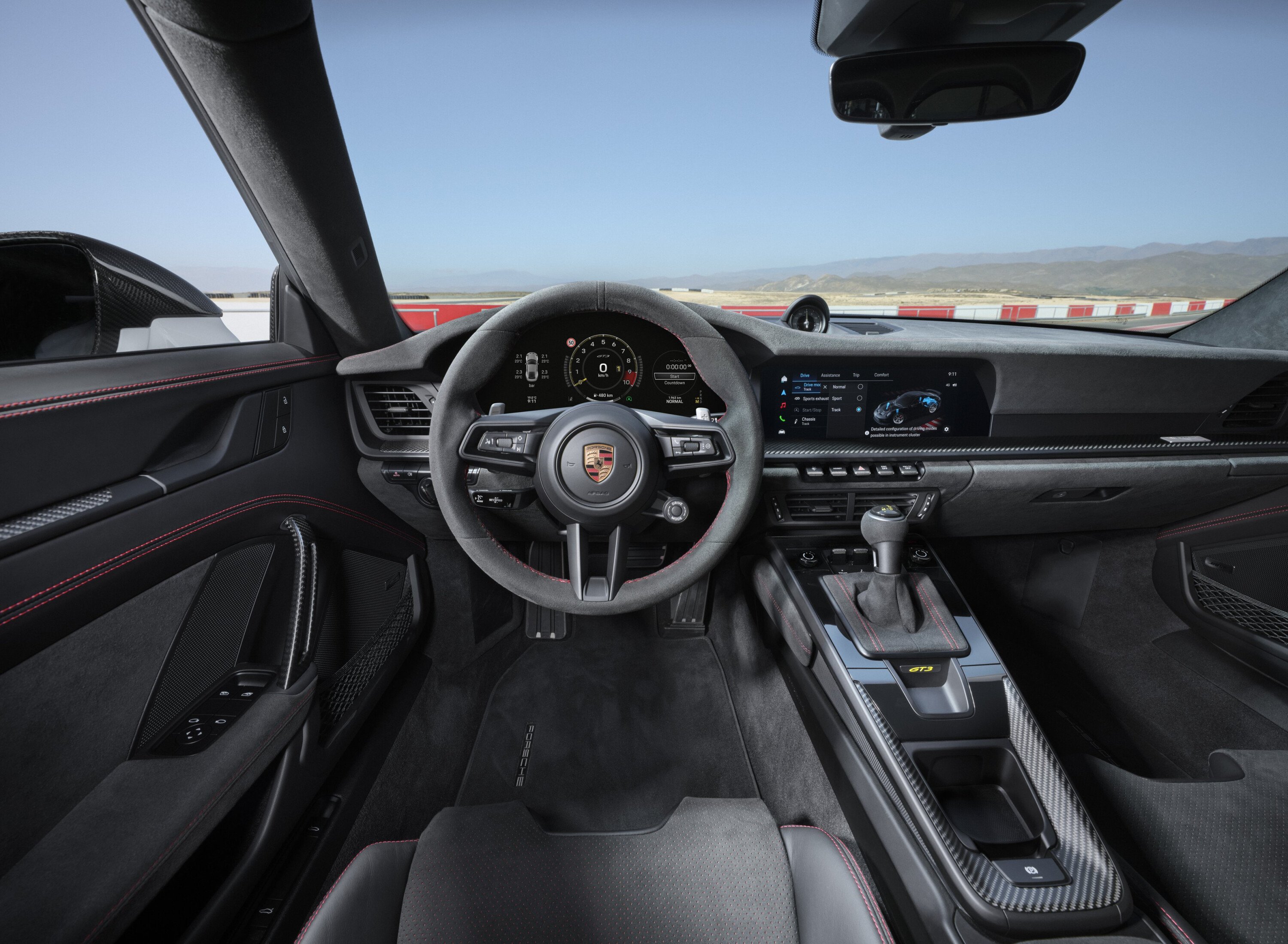
The interior features a mix of high-quality materials, including leather and Race-Tex upholstery, with a layout focused on providing key driving information.
A new lightweight sports bucket seat with folding functionality and a carbon-fibre shell is available as an option. This seat includes electric height adjustment, a manual fore-aft adjustment, and an integrated thorax airbag. The folding backrest allows for easier access to the optional rear seat.
Additionally, a new “Track Screen” display mode is designed specifically for circuit driving, reducing the digital display to show only essential information such as tyre pressures and fluid temperatures.
1
How much will the 911 GT3 and GT3 Touring cost in Australia?
The 911 GT3 is priced from $446,700 (before on-road costs), with the Weissach package available for an additional $47,530, and the Lightweight package for $71,120.
All Australian-delivered models will include standard features such as the tyre fit set, a lifting system on the front axle, and ParkAssist with a reversing camera.
1
When will the 2025 911 GT3 go on sale in Australia?
Australian buyers will be able to order the 2024 911 GT3 and the 911 GT3 with Touring Package from the end of 2024, with deliveries expected in the second half of 2025.
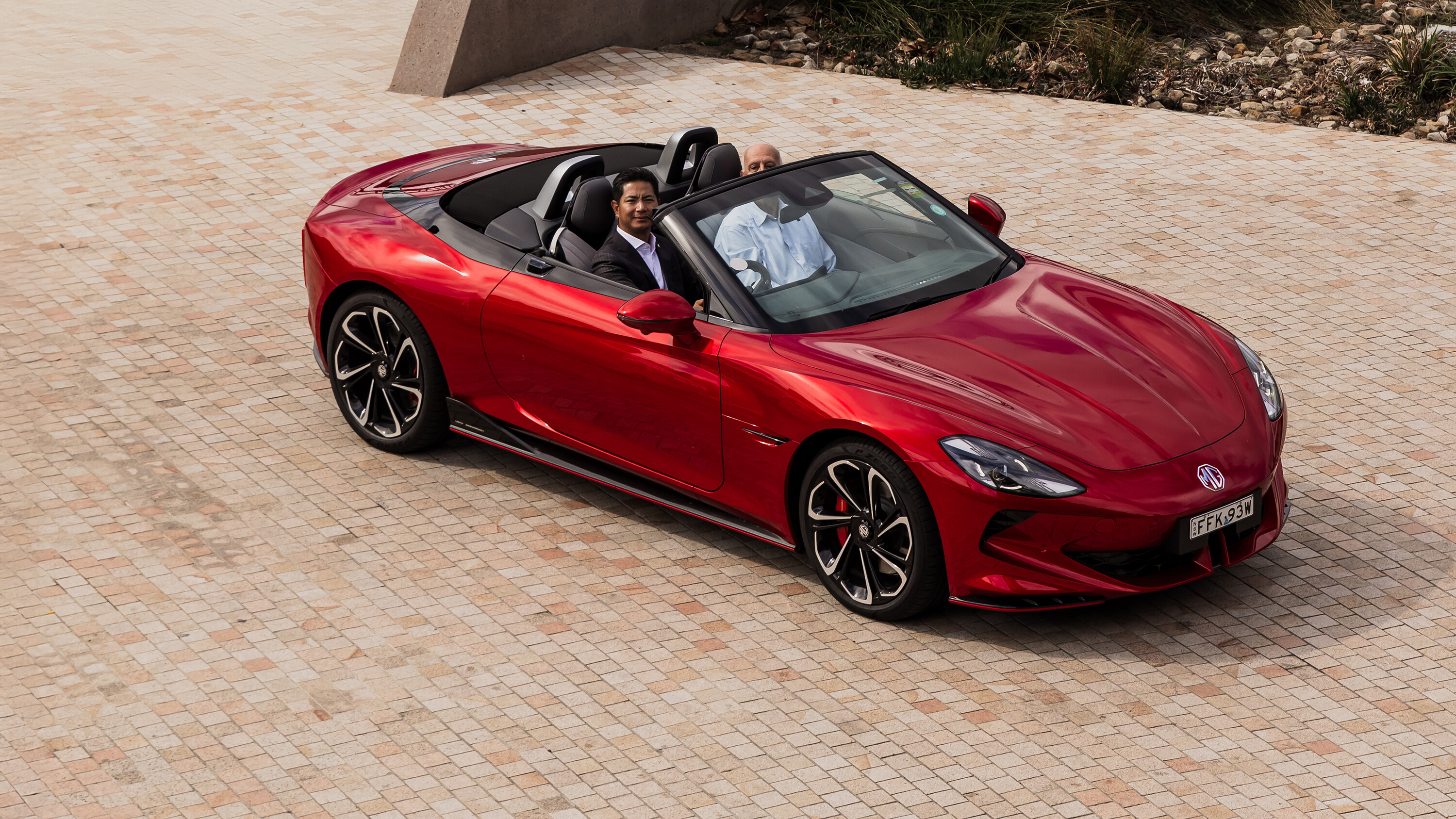
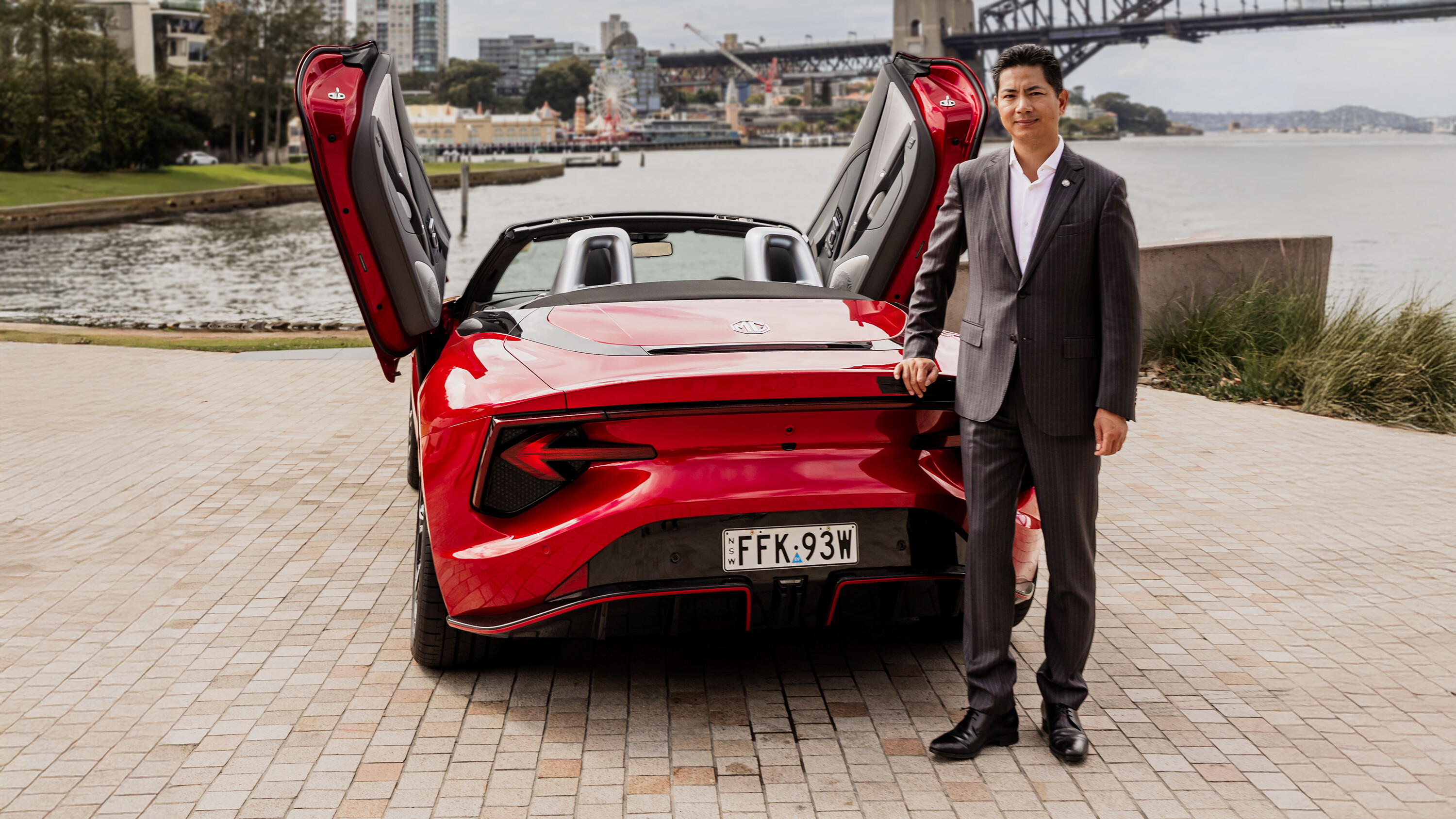
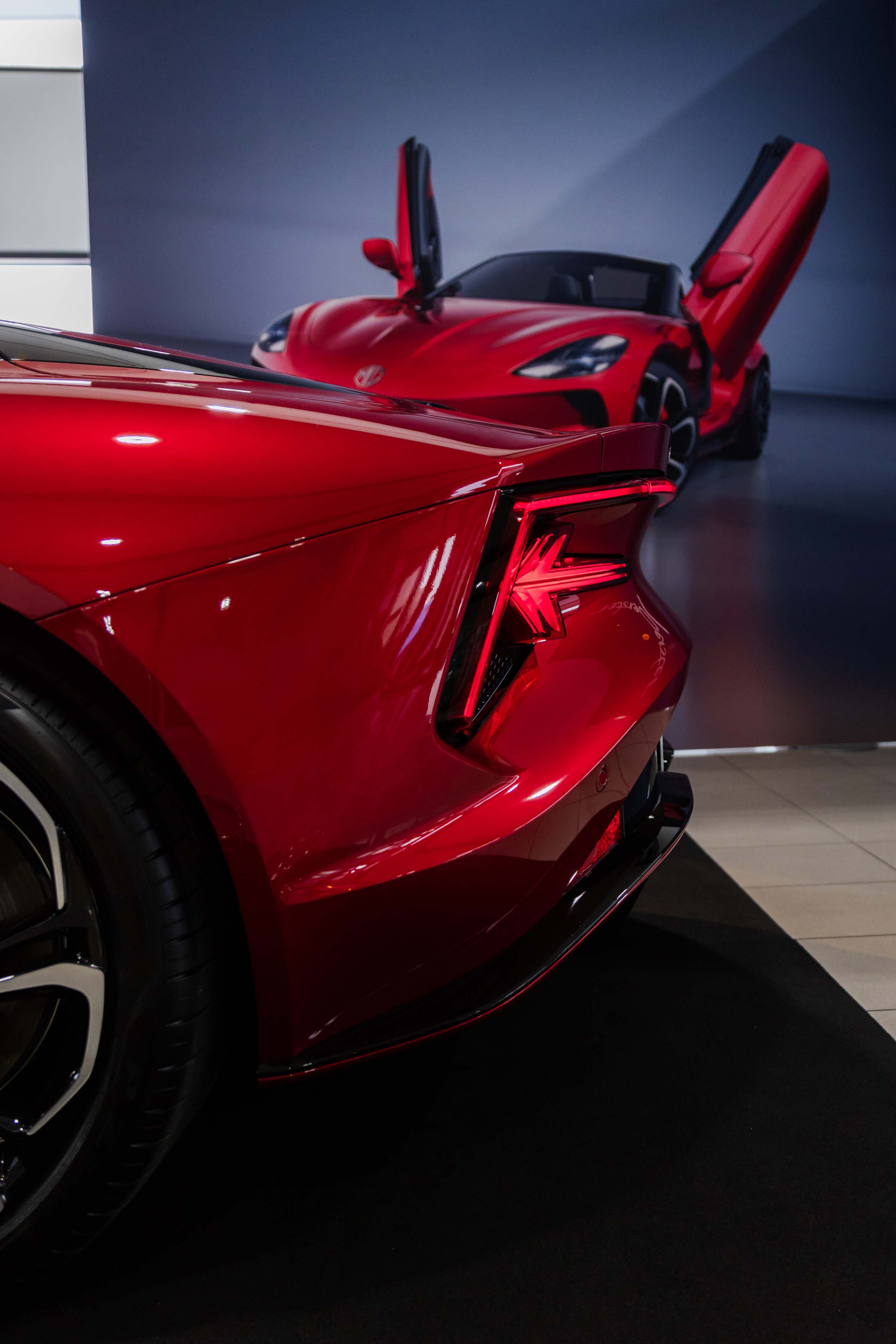
It’s official – the 2025 MG Cyberster has launched in Australia with a starting price of $115,000 before on-road costs.
This follows our earlier story, below, which confirmed the Cyberster would enter at the lower end of the $100-$150,000 price range the brand was working towards for Australia.
1
“Australian drivers will be blown away when they get behind the wheel. We’re proud to launch what is sure to become MG’s next iconic model,” said MG Motor Australia and New Zealand CEO, Peter Ciao.
‘Iconic’ will take time to confirm, but the Cyberster is certainly MG’s most expensive model by a very wide margin. The next price bracket down in the Chinese-owned British brand’s line-up is the MG4 XPower performance EV, priced from around $55,000.
1
July: MG confirms price drop for Cyberster
MG’s new electric sports car – which promises acceleration in the same league as Porsche and Ferrari – could cost up to $20,000 less than first thought.
MG initially provided a range of “$100,000 to $150,000” for its Cyberster electric convertible, which can accelerate from zero to 100km/h in just 3.2 seconds, but has now declared pricing between “$100,000 and $130,000”.
While official pricing is expected to be confirmed before the car’s launch in the fourth quarter this year, that would make the Cyberster one of the quickest accelerating cars for the least amount of money available.
“We’ve narrowed the [pricing] band a little bit, but we’re still negotiating,” Giles Belcher, Chief Commercial Officer, MG Motor Australia, told Wheels.
“You can put a deposit down on one now and we’re expecting first deliveries in Q3,” he added.
Belcher said MG would sell just one model from launch. “There’s a choice of colours and interiors, and roof colours,” he said. “We’re trying to keep it simple.”
1
That model is the dual-motor, all-wheel-drive with 400kW and 725Nm, and a 77kWh (74kWh useable) battery pack claiming 444km of WLTP range.
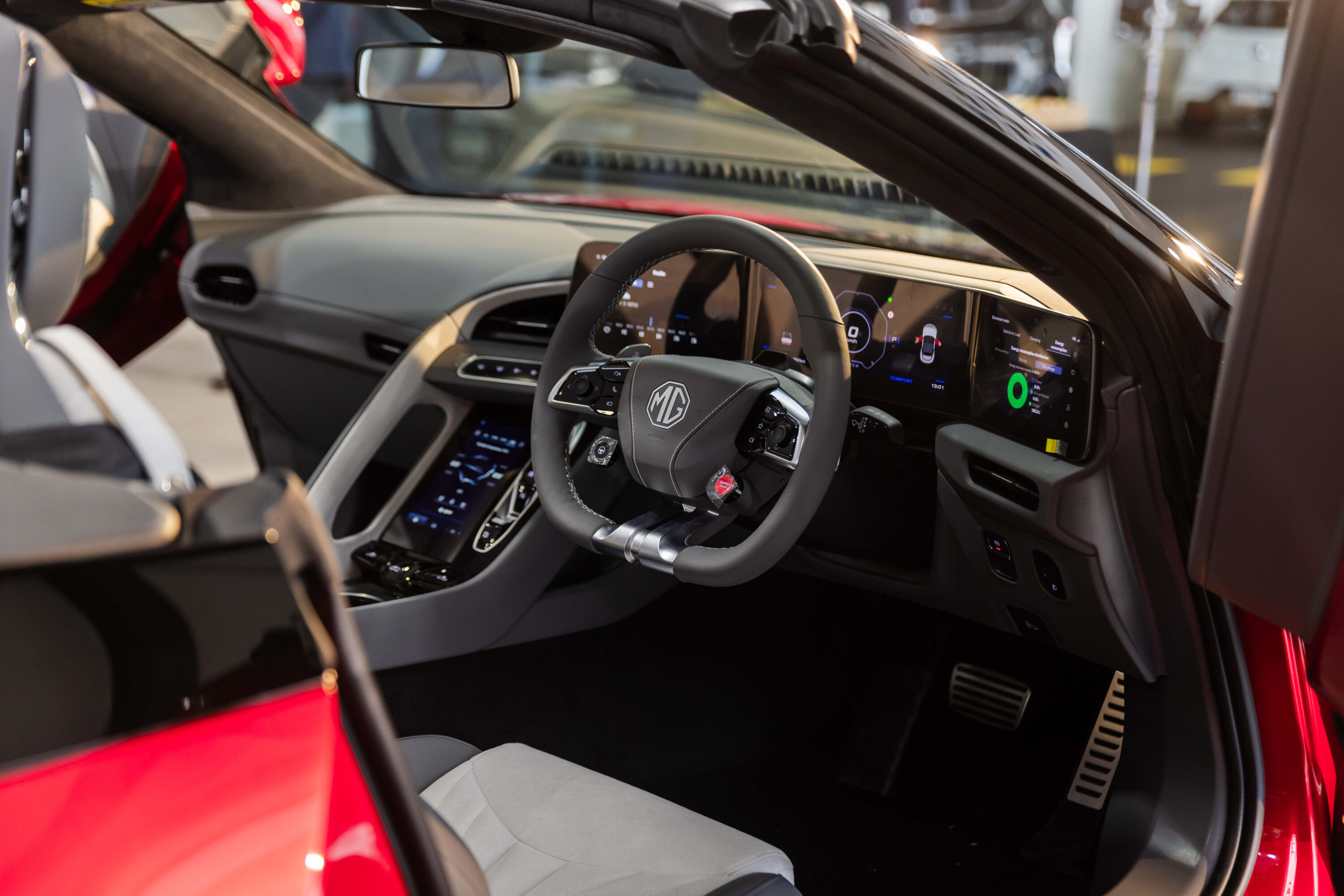
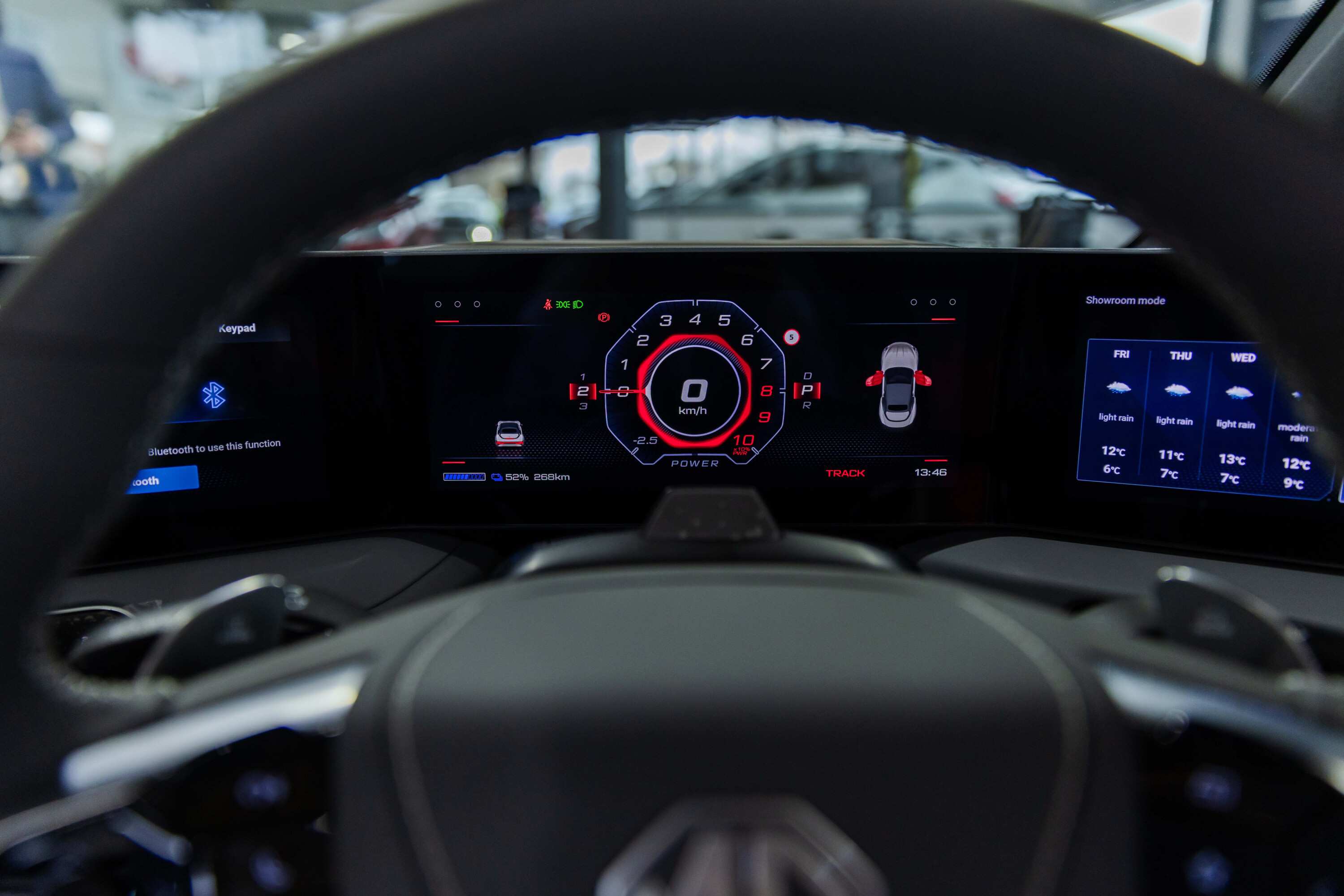
The Cyberster comes with electrically-opening scissor doors, a cloth roof that can open in just 15 seconds at speeds up to 50km/h and triple screens for its digital instrument display.
Five exterior colours will be offered – beige, grey, silver, red or yellow. A black roof is available on all colours, but some can be had with a red roof. Two interior colour schemes will be offered in Australia – black and red, and white and grey.
A single-motor, 250kW rear-drive model is available overseas, but Belcher told Wheels there are no plans to sell it in Australia.
1
Belcher said MG didn’t expect the Cyberster to be a volume-selling model, but instead to bring value to the brand in other ways.
“There’s certainly still a love and a want and a desire for sports cars in the market,” he said. “Not in the same volume as the SUVs obviously, but there’s certainly a place for this. It’s a halo car, we haven’t put any volume targets on it or anything like that, it’s a showcase for design, technology and performance as much as anything. It will bring some halo effect to the rest of the brand.”
The Cyberster will tour MG dealers around Australia over the coming months as the brand gears up for the vehicle’s local arrival.
Collaborations between watch makers and car brands are not uncommon but after an initial burst of enthusiasm and a couple of collections, they often soon die on the vine.
The partnership between powerhouse Swiss brand TAG Heuer and Oracle Red Bull Racing, however, has evolved over nearly a decade since 2016 in a shared mission to elevate the values of precision, innovation and performance.
Building on previous mechanical watch releases, the racing DNA both brands are known for are brought together in the new TAG Heuer Connected Calibre E4 45MM x Oracle Red Bull Racing Edition.
1
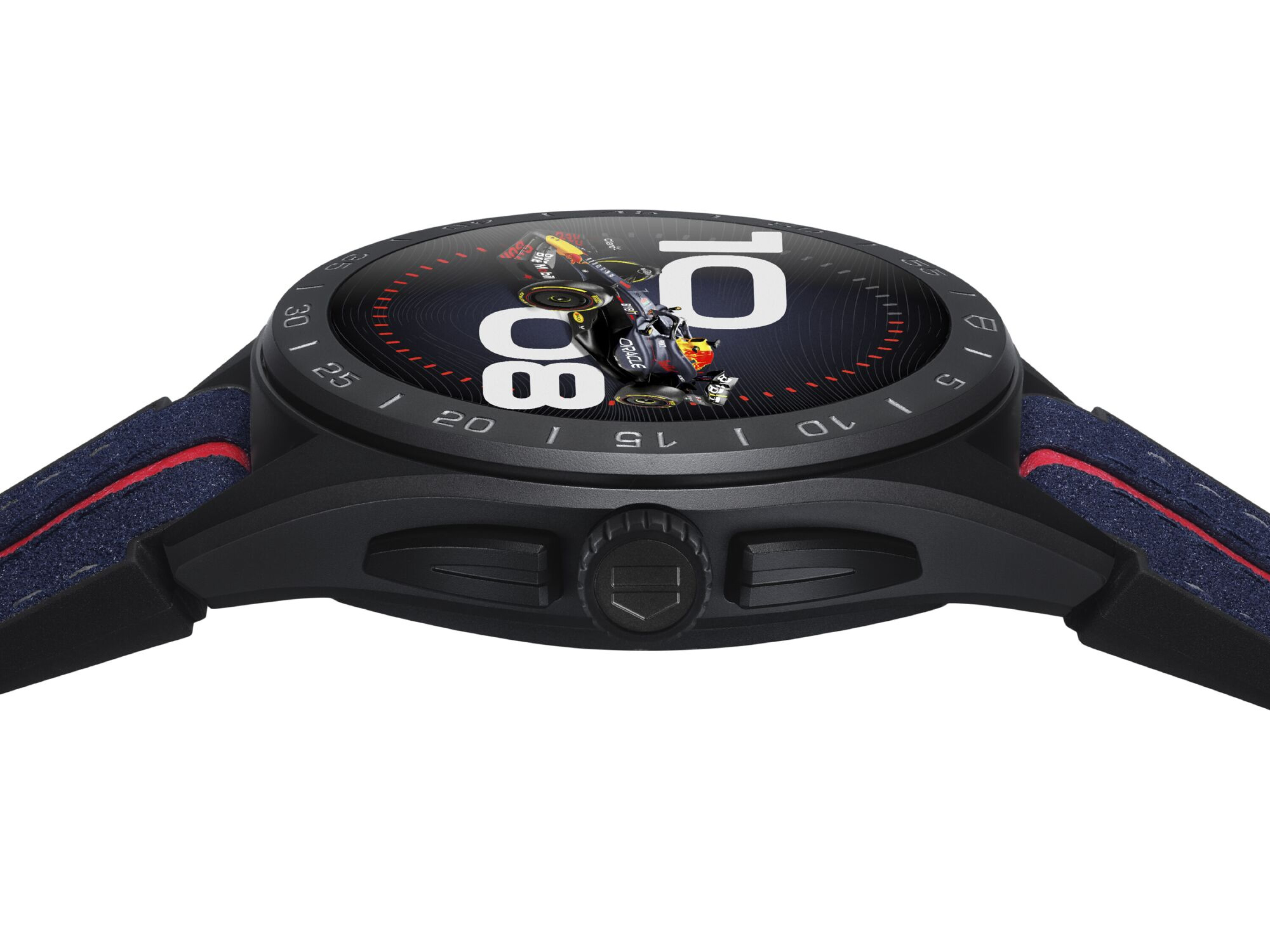
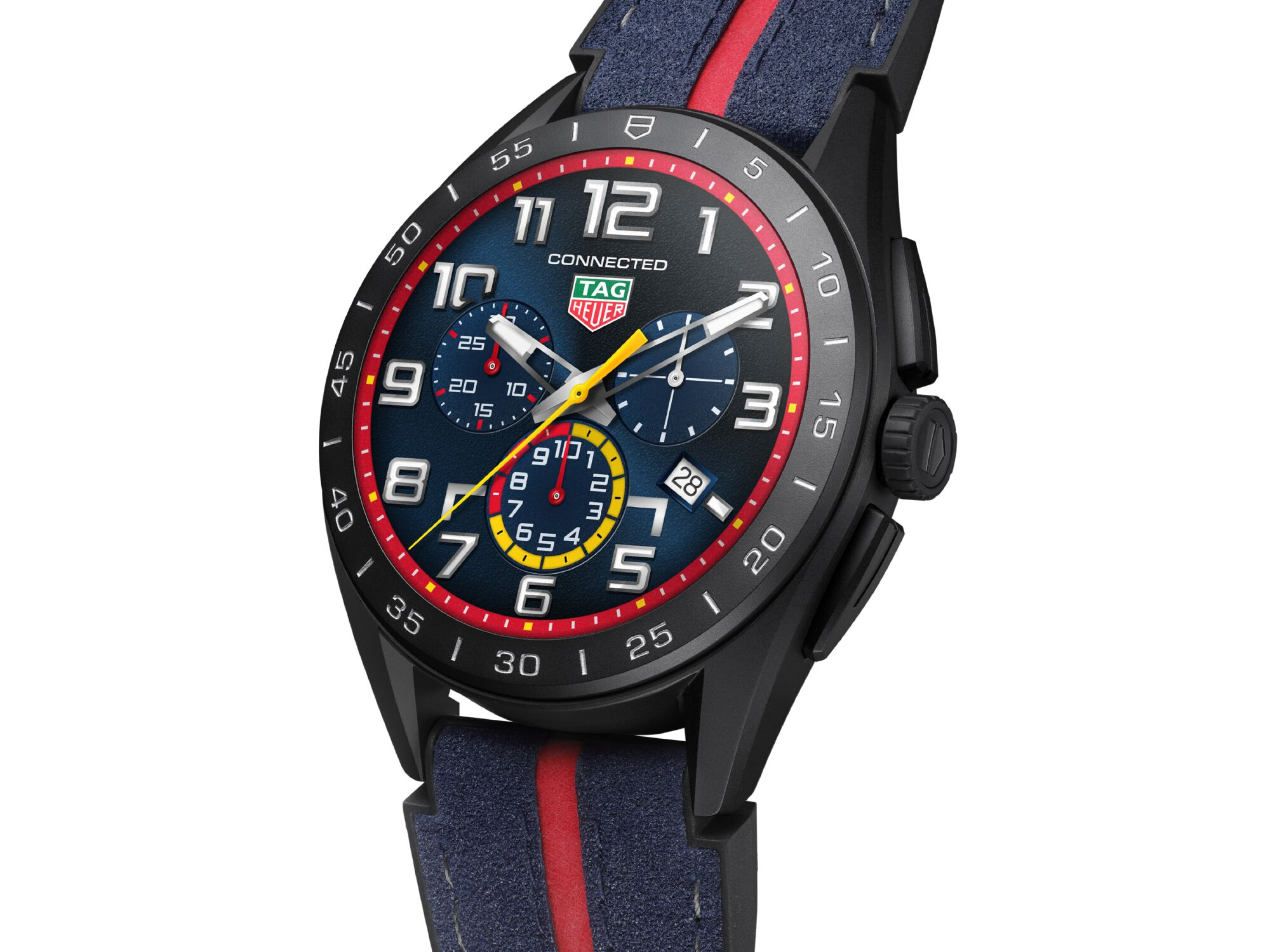
A unique digital timepiece, it features state-of-the-art software within a 45mm case in a durable black DLC grade-2 titanium and a black ceramic bezel bearing a 60-minute scale.
The wearer has the option of four specific digital watch faces, from ‘Season’, which displays flags highlighting the current country where the Oracle Red Bull Racing team is competing; ‘Asphalt’, featuring textured backgrounds inspired by the racetrack; a TAG Heuer Formula 1 x Red Bull Racing Special Edition watch face, an adaptation of the mechanical equivalent released in 2022; and the ‘RB20’ watch face, inspired by the name of this year’s Red Bull Racing Car.
Powered by Wear OS by GoogleTM, the new watch brings together many of the features already familiar to fans of TAG Heuer’s popular Connected watches, helping them measure running, walking, golf stats, or providing wellbeing metrics. Sensors measure heart rate, compass, accelerometer, gyroscope, microphone and barometer, with a battery life of one day.
4
For diehard fans of Oracle Red Bull Racing, an exclusive application shows when the team is racing, displays a countdown and shows images of the team’s Friday’s free practice through to Sunday’s race. Post-race, it updates with the team’s drivers and team positions.
An exclusive strap features a bi-material composition – a black rubber base with a blue leather inlay, accentuated by a red line, reflecting the team’s colours – and refined stitching with light grey and blue tone-on-tone for the harmony. An additional black rubber strap is also available with a black DLC grade-2 titanium buckle bearing the TAG Heuer shield logo.
The TAG Heuer Connected Calibre E4 45MM x Oracle Red Bull Racing Edition is a major new step for this successful partnership, appealing to both racing car enthusiasts and watch lovers.
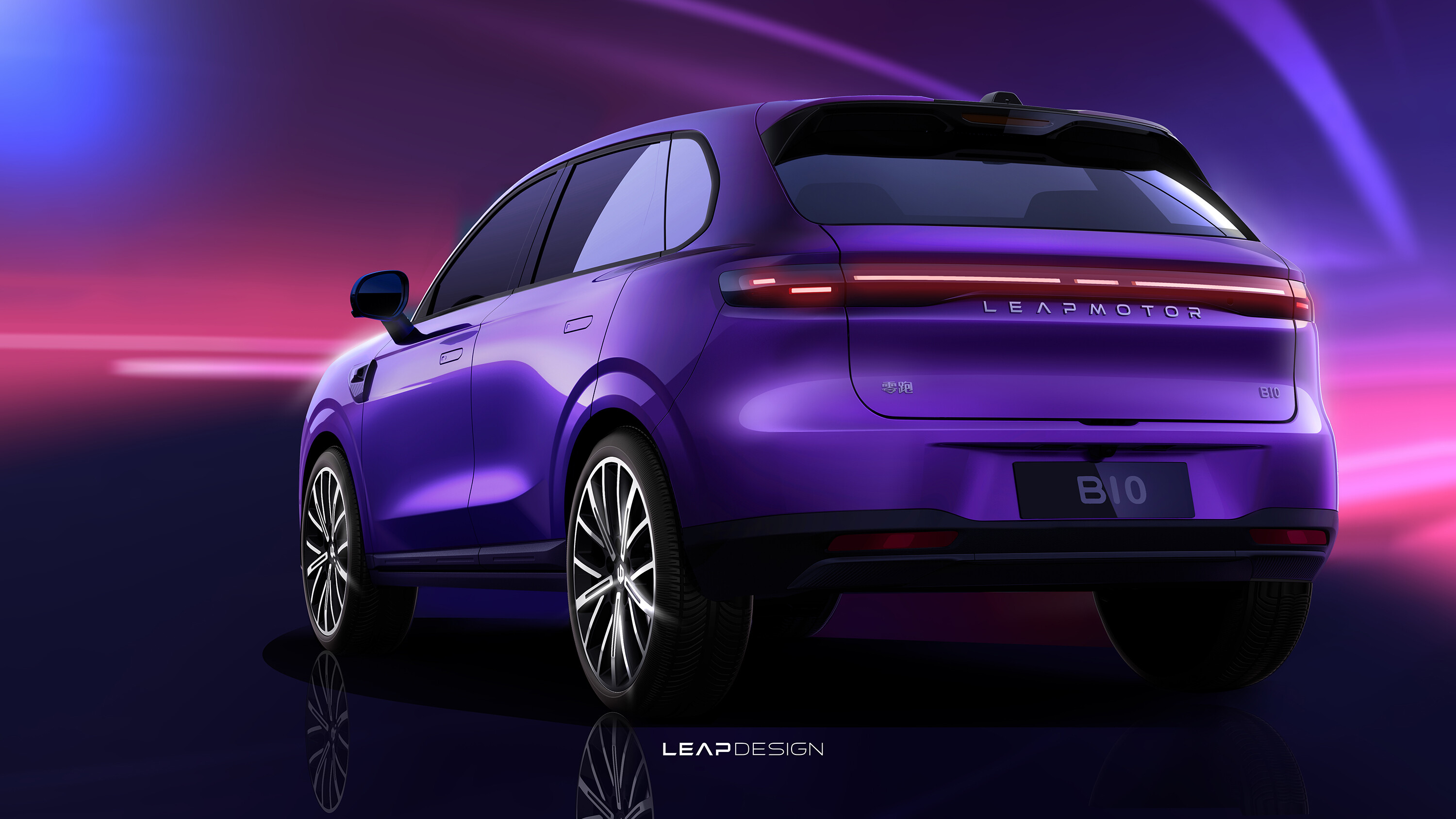
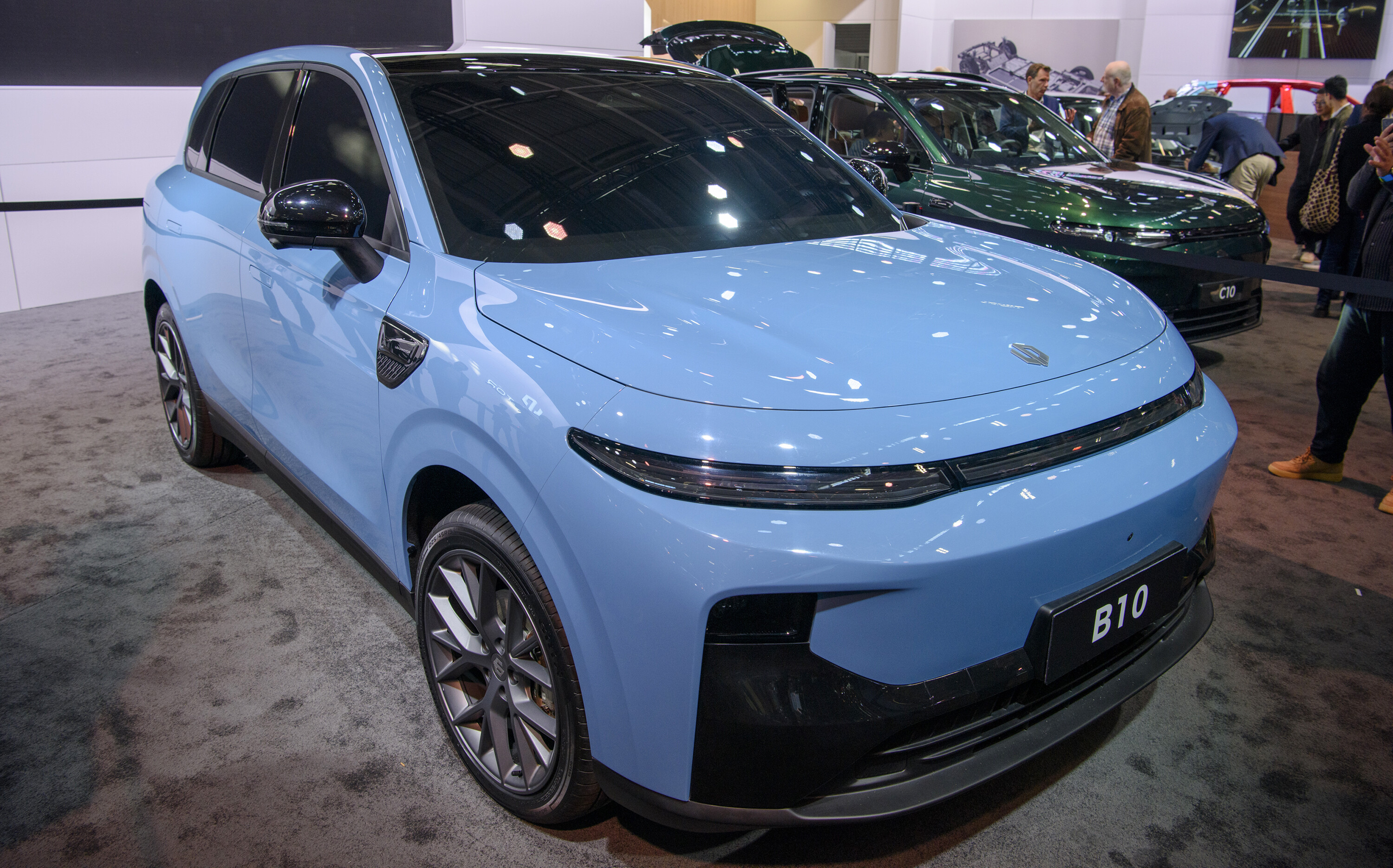
The incoming Leapmotor C10 midsize electric SUV will quickly welcome a smaller sibling, in the form of the newly revealed B10.
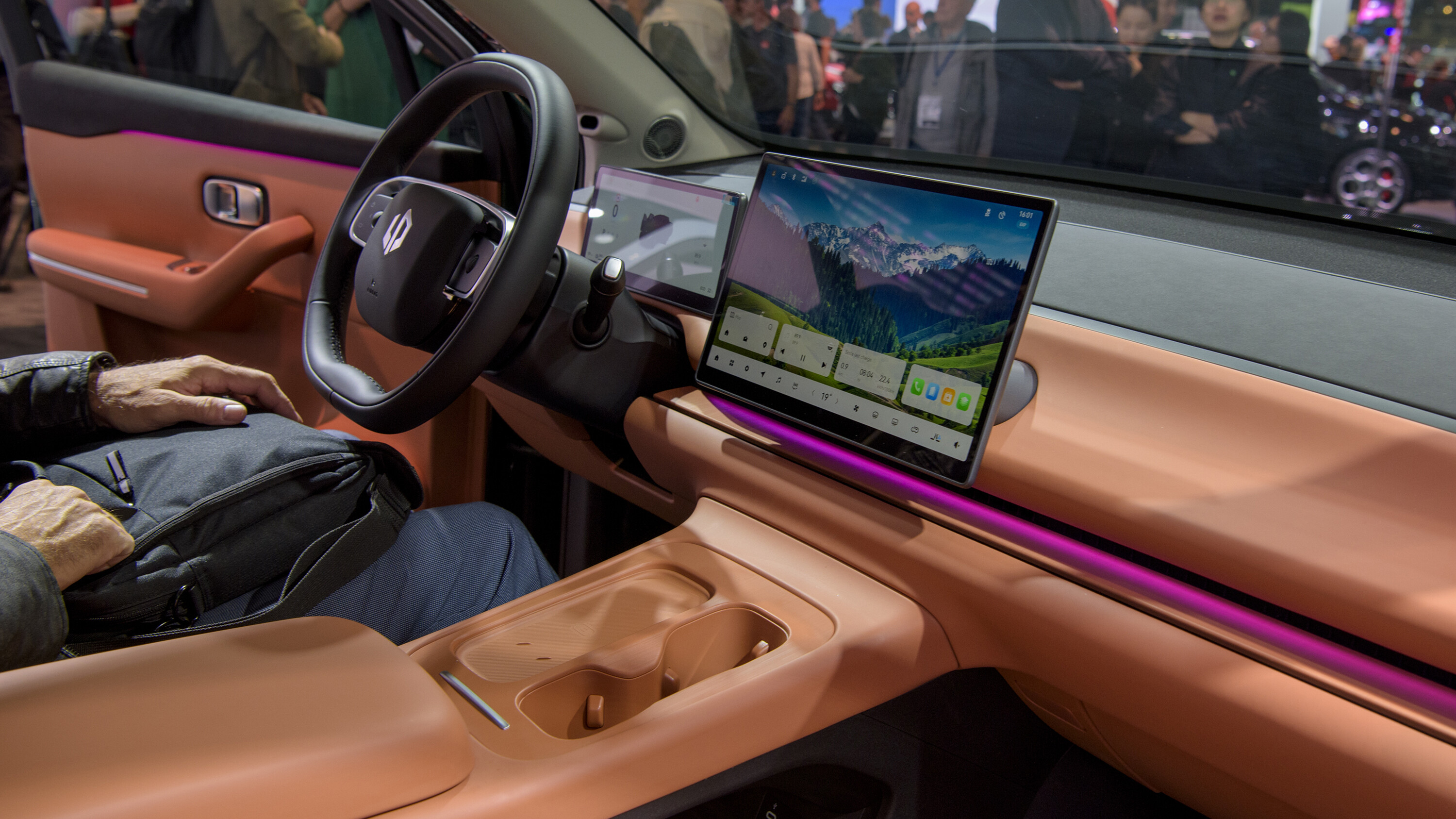
Unveiled at this week’s Paris motor show – a nod to its partner, French motoring giant Stellantis – the 2025 Leapmotor B10 evolves and condenses the C10’s styling and tech into a more compact package.
The B10 could arrive with a very significant advantage over its Korean rivals, however: its price.
With the bigger C10 already confirmed to have a starting price below $50,000 it’s more than likely the B10 will skew much closer to the magical $40,000 mark.
That would make it around $10K more affordable than the Kona EV, making it a direct price rival for the hugely popular BYD Atto 3 – along with a number of other mostly Chinese models, the majority of them smaller than the B10 and Atto 3.
1
Like Volvo parent Geely, Leapmotor has another advantage: marketing and brand cachet.
Multinational carmaker Stellantis – owner of Peugeot, Alfa Romeo, Jeep and others – holds a 20% stake in Leapmotor, to the tune of around $2.4 billion. With that sort of investment, Stellantis will likely be pushing its new partner to get things right.
If you’re wondering exactly how big the B10 is, or what it’s packing under the skin, you’ll have to keep wondering for now. Reports out of Paris suggest we can expect the same 69.9kWh LFP battery used in the C10, which pairs it with a single 160kW/320Nm rear-mounted electric motor.
1
If so, we can likely expect the B10 to do better than the C10’s claimed 420km driving range.
Watch for more on the B10 to come in the months ahead, along with more specific details on its Australian launch timing and pricing.
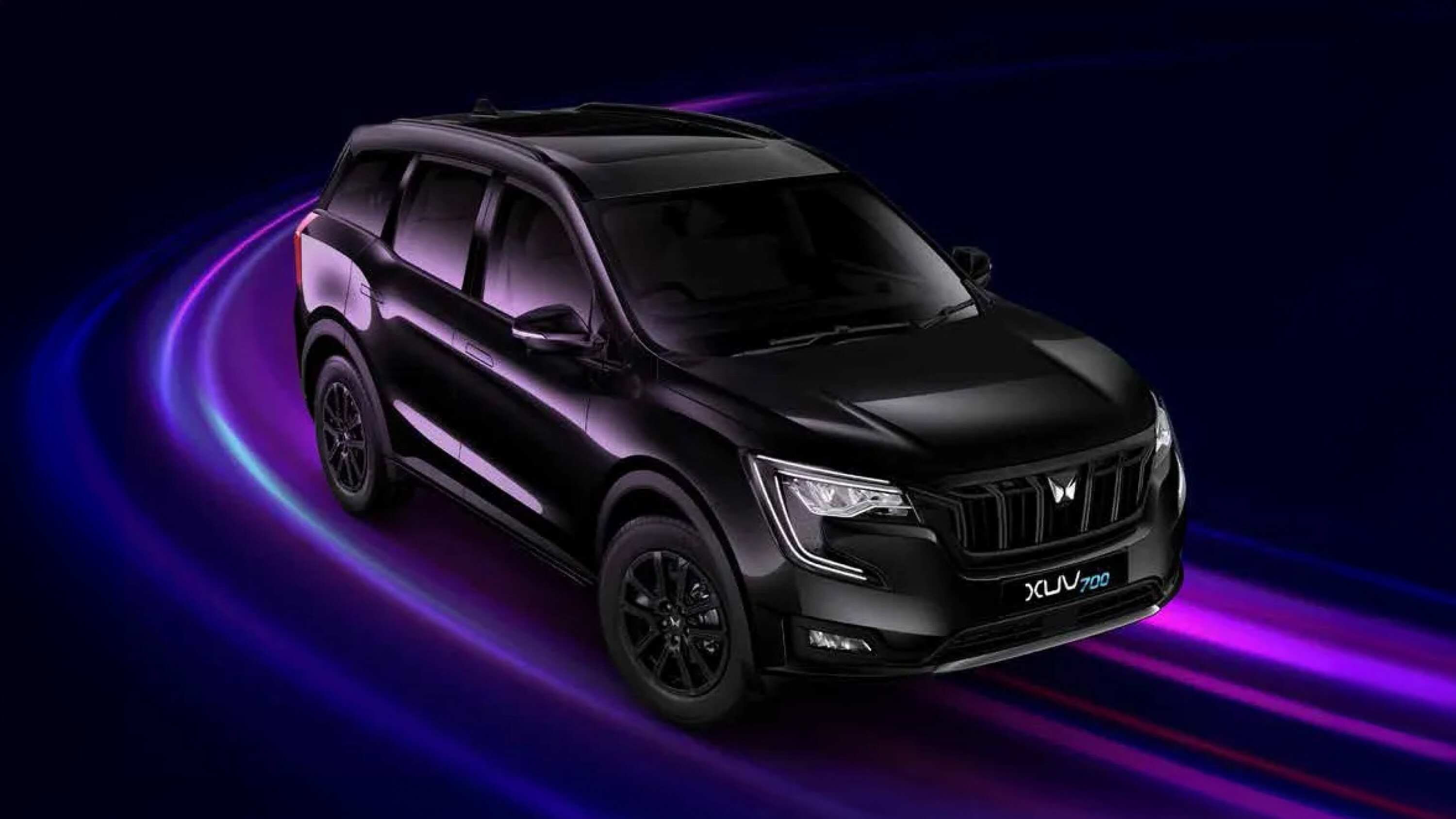
Mahindra has introduced a special Black Edition of its XUV700 SUV in Australia, starting at $43,990 drive-away.
This latest variant adds new cosmetic and feature upgrades to the existing AX7L trim, all wrapped in a unique Napoli Black colour.
Snapshot
Black Edition XUV700 in Australia at $43,990 drive-away
Powered by 2.0L turbo-petrol engine with advanced safety features
Includes 7-year warranty, roadside assistance, and capped-price servicing
1
Design and interior updates
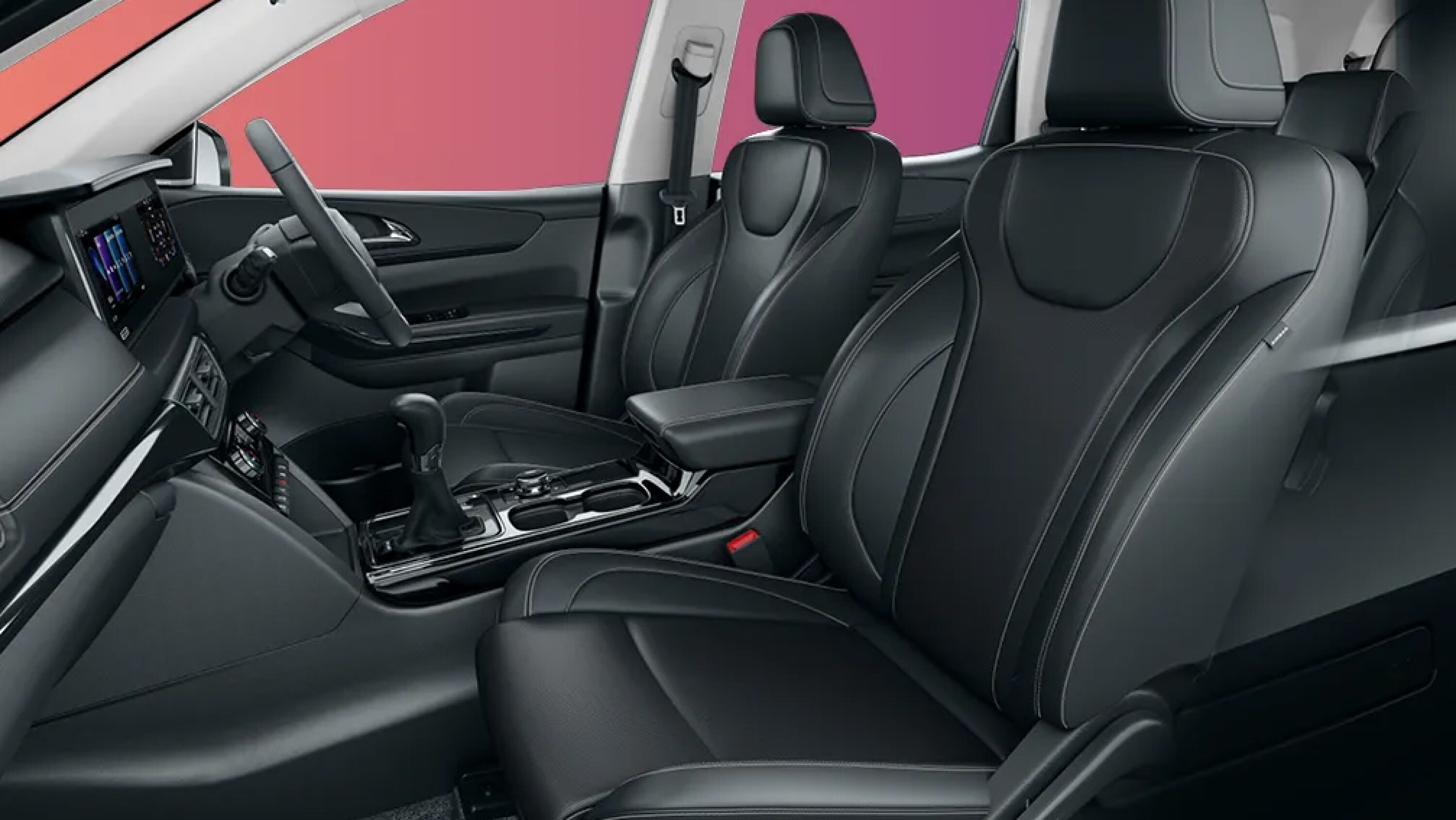
The Black Edition features a blacked-out front grille and 18-inch black alloy wheels, with additional dark chrome accents on the air vents and central console.
Inside, the cabin adopts an all-black theme, with dark trim on the dashboard and a 7-seat layout. Piano black finishes further highlight the interior, with ventilated front seats aimed at improving occupant comfort.
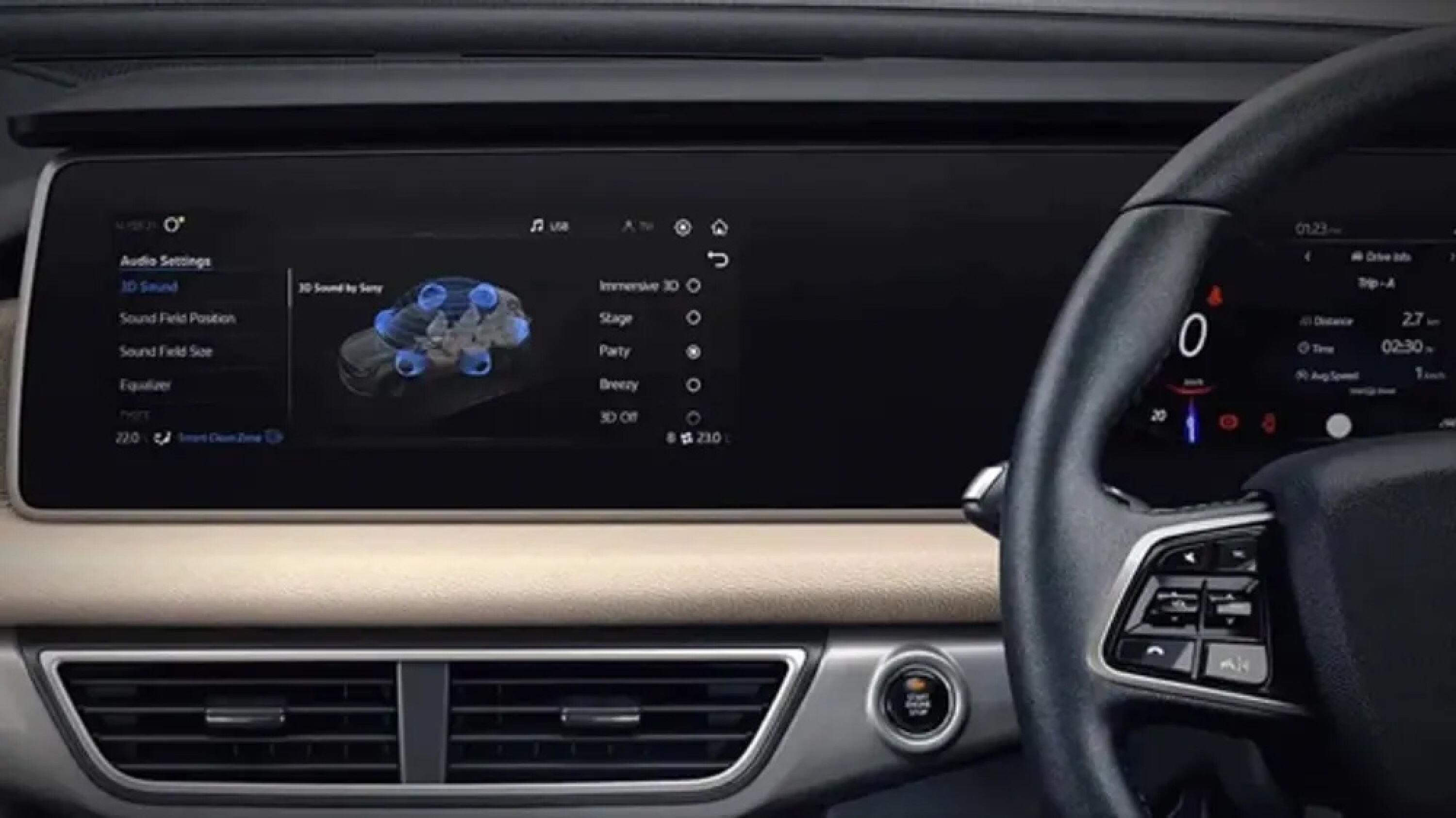
The SUV’s side mirrors feature memory-linked functionality, allowing them to adjust to preset driver profiles. Connectivity options include wireless Apple CarPlay and Android Auto, enabling hands-free use of mobile devices.
1
Power and performance
Under the bonnet, the Black Edition XUV700 is powered by Mahindra’s 2.0-litre mStallion turbo-petrol engine, producing 149kW and 380Nm.
This powertrain is mated to a six-speed automatic transmission, which Mahindra claims is tuned to deliver balanced performance across various driving conditions.
The vehicle also comes with a panoramic sunroof measuring 1.3 metres, along with a dual 10.25-inch infotainment and digital cluster display.
1
XUV700 AX7 features
Dual HD 26 cm Infotainment and 26 cm Digital Cluster screens
Traffic Sign Recognition
Android Auto/ Apple CarPlay Compatibility
High Beam Assist
6 Speakers with Sound Staging
6 airbags
2nd row seat with armrest and cup holder
Tyre Pressure Monitoring System
Reverse Camera
Push Button Start
LED DRL & Arrowhead LED Taillamps
R18 Diamond Cut Alloy
Fog Lamps
Leatherette Seat & IP
Rear Wiper & defogger
Leather Steering & Gear lever
Skyroof (Panoramic sunroof)
6-Way Power seat with Memory and Welcome retract
LED Clear-view Headlamps with Auto Booster
Intelli Control
Latest Gen Electronic Stability Program
Auto Headlamps
Cornering Lamp
Rain Sensing Wiper
2nd row Map lamps
Power fold ORVM
Advanced Driver Assistance Systems (ADAS)
One Touch Driver Power Window with Smart Close
Adaptive Cruise Control
Dual Zone Climate Control
Smart Pilot Assist
Co-driver Ergo lever
Forward Collision Warning
3rd Row Air conditioning
Automatic Emergency Braking
Flexible Boot Space (3rd row 50:50 with recline)
Lane Departure Warning
Adjustable Headrests for all passengers
Lane Keep Assist
The AX7L adds:
Blind View Monitor
Stop and Go function in Adaptive Cruise Control
3D Audio with 12 Speaker
Telescopic steering
360u00b0 Surround View
Vanity Mirror illumination
Knee Airbag
Electric Smart Door Handles
Passive Keyless Entry
Wireless Charging
Electronic Park Brake
The Black Edition adds:
All new Black Exterior:
Doors
18-inch Alloys
Dark Chrome Plating on AC vents, door handles, steering wheel
Grille
Piano Black finish on IP, doors & console.
Napoli Black exterior Paint.
New Wireless Android Auto/ Apple CarPlay Compatibility
All new Black interior trim:
New front Ventilated seats
Seats
New Memory function on ORVM
Dashboard
Safety and driver assistance features
The Black Edition continues Mahindra’s push into advanced safety technologies.
Standard equipment includes Adaptive Cruise Control, a 360-degree camera system, and Mahindra’s suite of Advanced Driver Assistance Systems (ADAS).
These features include Lane Departure Warning, Lane Keep Assist, and Traffic Sign Recognition. The inclusion of a Blind View Monitor system is also notable, providing additional visibility when changing lanes.
The AX7L and Black Edition models feature seven airbags, including front, side, curtain, and a driver’s knee airbag. Automatic Emergency Braking is also part of the ADAS suite, working alongside other safety measures like tyre pressure monitoring.
Expanding dealer network
Mahindra is expanding its presence in Australia, with over 75 dealerships now operating across the country. This includes both metro and regional locations, providing improved access for customers in various areas.
1
Pricing and warranty
The XUV700 Black Edition joins Mahindra’s existing line-up, which includes the AX7 and AX7L variants. Drive-away pricing for the three models is as follows:
Mahindra XUV700 AX7 – $36,990
Mahindra XUV700 AX7L – $39,990
Mahindra XUV700 Black Edition – $43,990
All variants come with a 7-year / 150,000km warranty, as well as seven years of roadside assistance.
Additionally, Mahindra offers a 5-year capped-price servicing plan for the XUV700, ensuring predictable maintenance costs over time.
For more details, visit Mahindra’s official website or your nearest dealership.
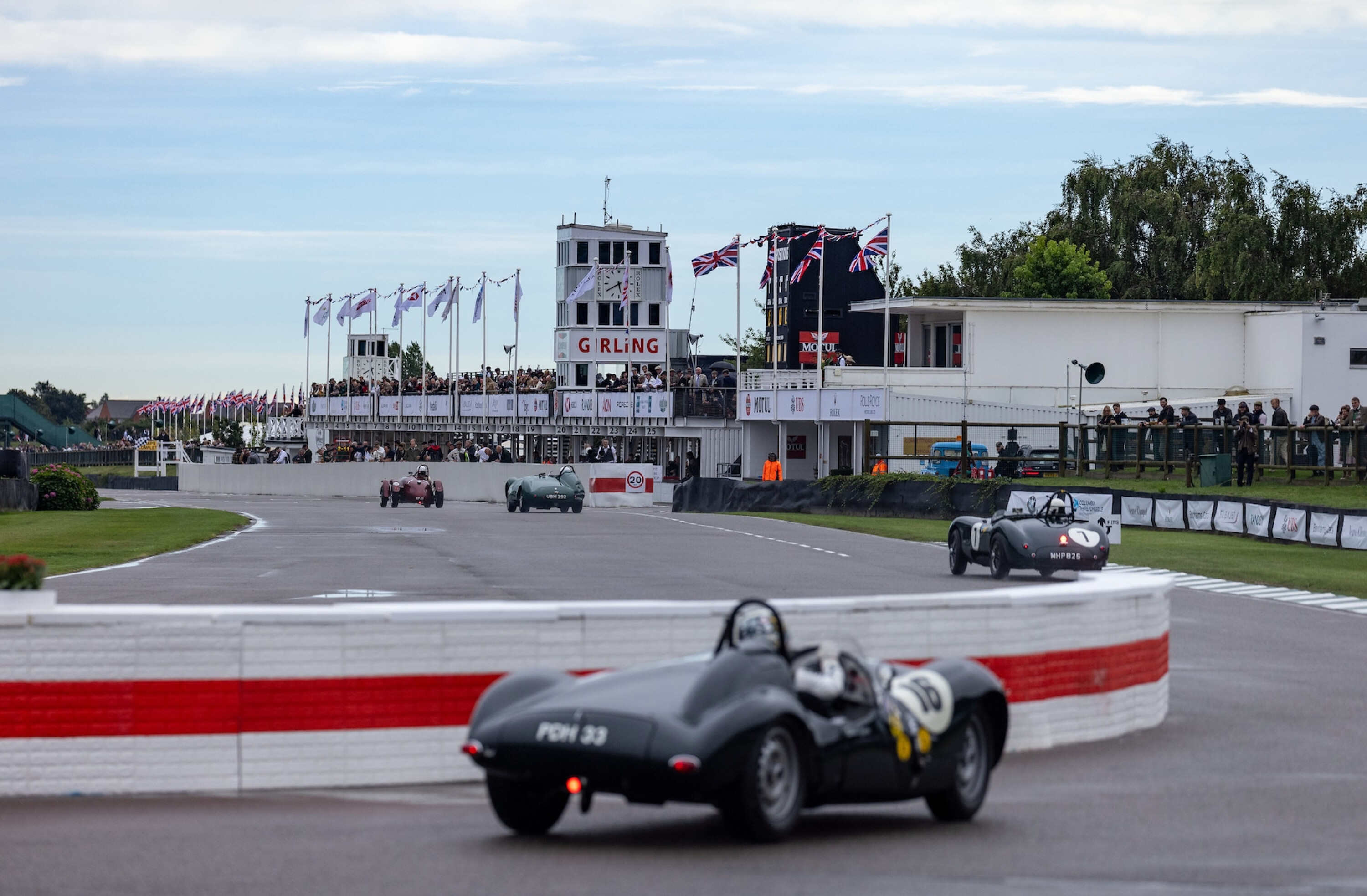
Rainy, typically English conditions accompanied this year’s instalment of the famous Goodwood Revival in the elegant country surrounds of Goodwood House, West Sussex, an event which manages to blend an old-world tribute to motor racing’s earliest days with the latest in mechanical wonders.
This year’s three-day event hosted each year by Lord Richmond in early September marked the 20th anniversary of Rolex’s support of the much-loved festival, as Official Timepiece of the Goodwood Revival and Title Sponsor of the Rolex Drivers’ Club.
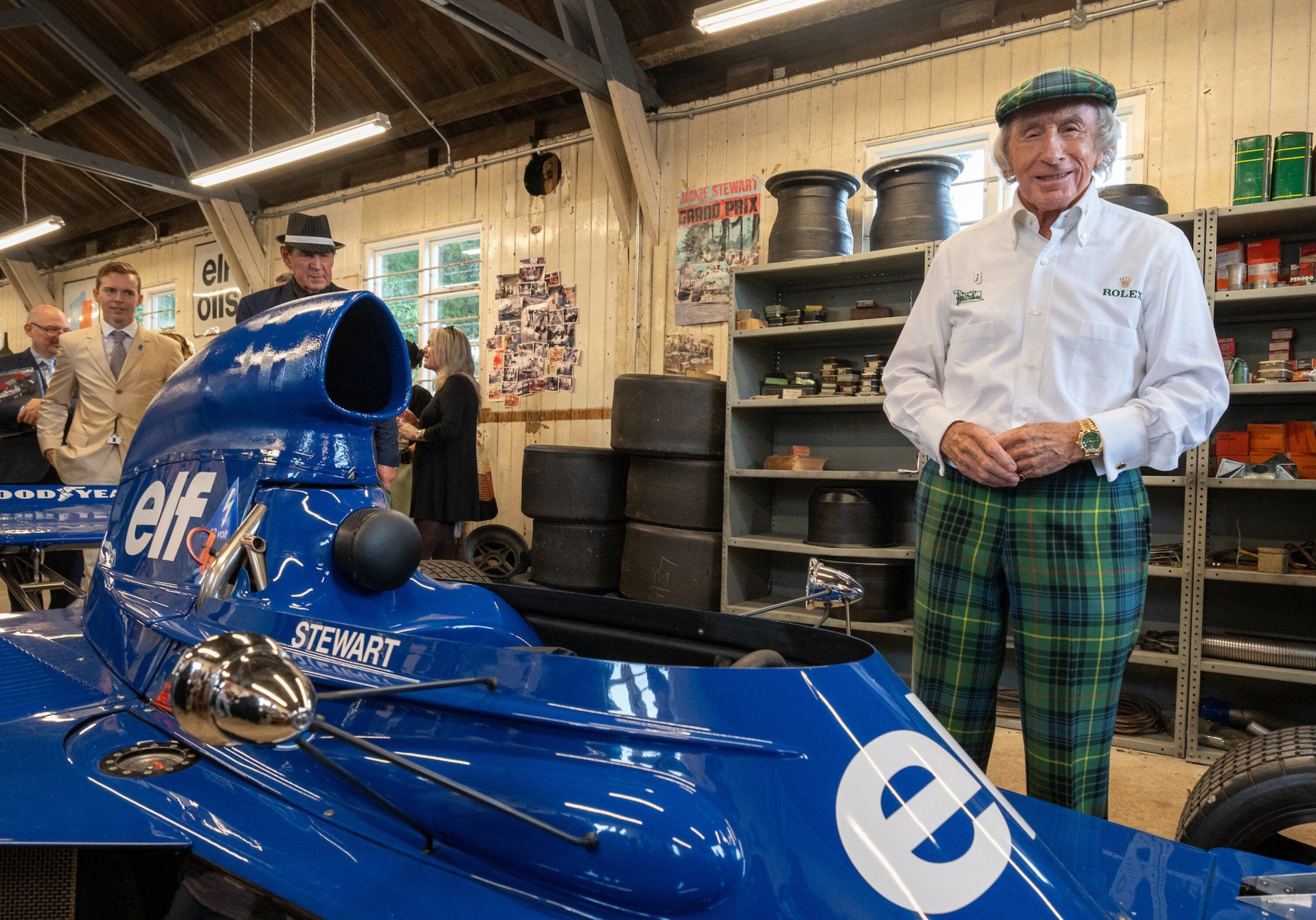
One of this year’s undoubted highlights was the appearance of Rolex Testimonee and three-time FIA Formula 1 Drivers’ World Champion Sir Jackie Stewart, recognised as ‘royalty’ at the Revival.
1
He marked the 55th anniversary of his first World Championship win at Monza, Italy at this year’s event.
To commemorate the milestone, Sir Jackie unveiled the new home for the original Tyrrell Shed – the iconic garage where his 1971 and 1973 World Championship-winning vehicles were built. Following meticulous restoration, the shed has been moved to the Goodwood Motor Circuit to preserve its legacy and create a genuine step back in time for attendees of the festival.
‘The weekend was special and emotional in many ways because I have reflected on the times that changed my life,’ Sir Jackie said. ‘Ken Tyrrell was a remarkable man and he saw great potential in me. We worked together throughout my career and formed a great relationship that saw us win three Formula 1 titles, and we achieved all of this, in this wooden hut.
1
Goodwood Motor Circuit has been a big part of my career and the early moments with Tyrrell, at this track, paved the way for my future achievements.’
Fellow Rolex Testimonee and nine-time winner of the 24 Hours of Le Mans, Tom Kristensen, was also in attendance and competed in a number of exciting races on the Goodwood Motor Circuit.
‘Throughout the weekend I raced three very different cars, including a 1955 Cooper-Jaguar in the Sussex Trophy and a 1961 Ferrari in the Stirling Moss Memorial Trophy – it was demanding but truly enjoyable, he said.
1
‘For the drivers, the upside to the rainy conditions was that we were able to spend more time in the Rolex Drivers’ Club reconnecting. The atmosphere was electric and it was special to celebrate 20 years of Rolex’s involvement.’
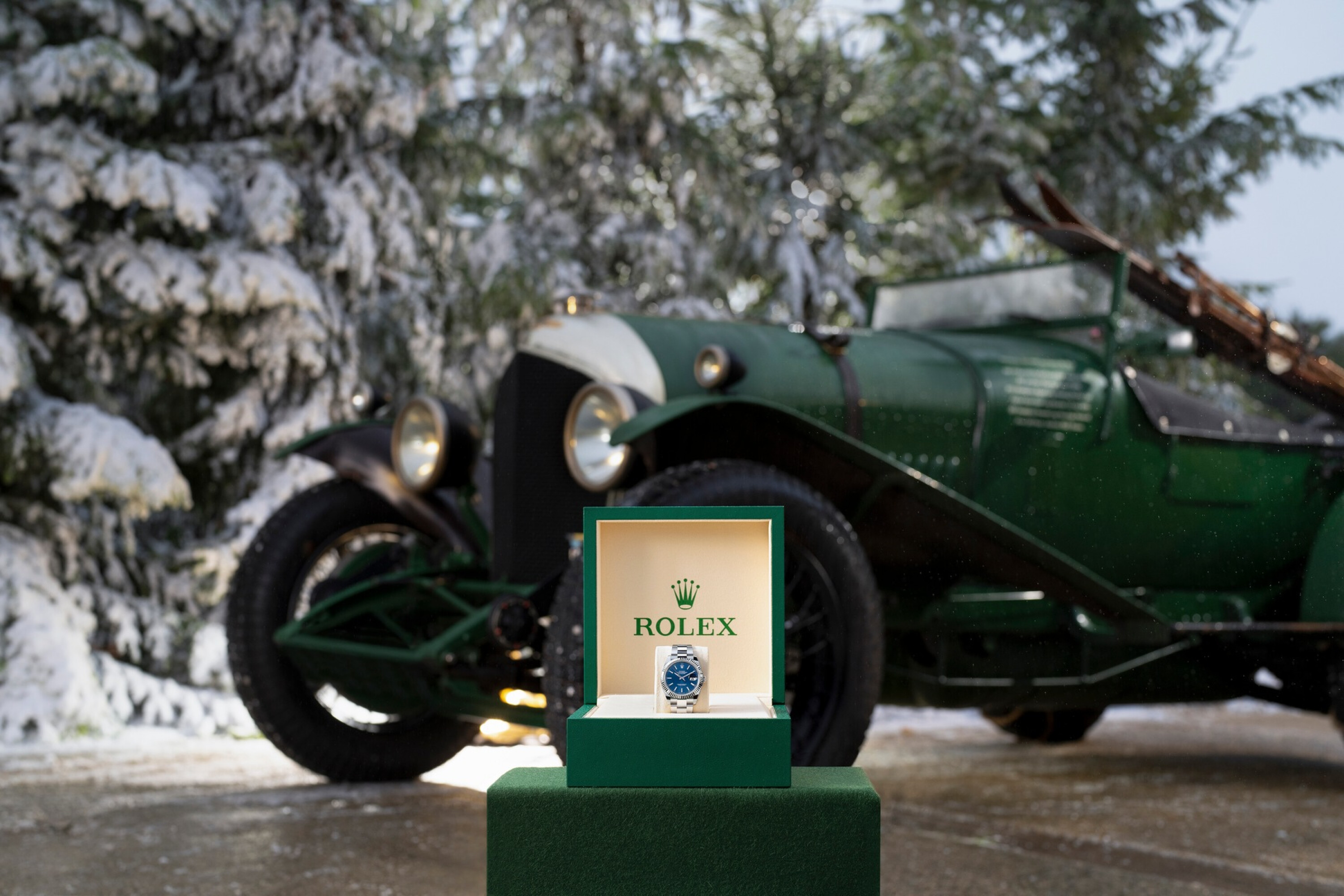
As this year’s festival drew to a close, the Driver of the Meeting – Oliver Bryant – was presented with a specially engraved Oyster Perpetual Datejust by Rolex. Bryant placed first in the Sussex Trophy and the Whitsun Trophy.
As dusk descended, the festivities continued at the retro-themed carnival situated Over the Road from the Goodwood Motor Circuit, a fitting farewell to another year of one of the world’s most popular celebrations of motorsport’s heritage.
October, 2024: BYD Sealion 7 confirmed for Australia
The BYD Sealion 7, a bigger brother to the popular BYD Atto 3 and companion to the Seal sedan, will reach Australian showrooms next year.
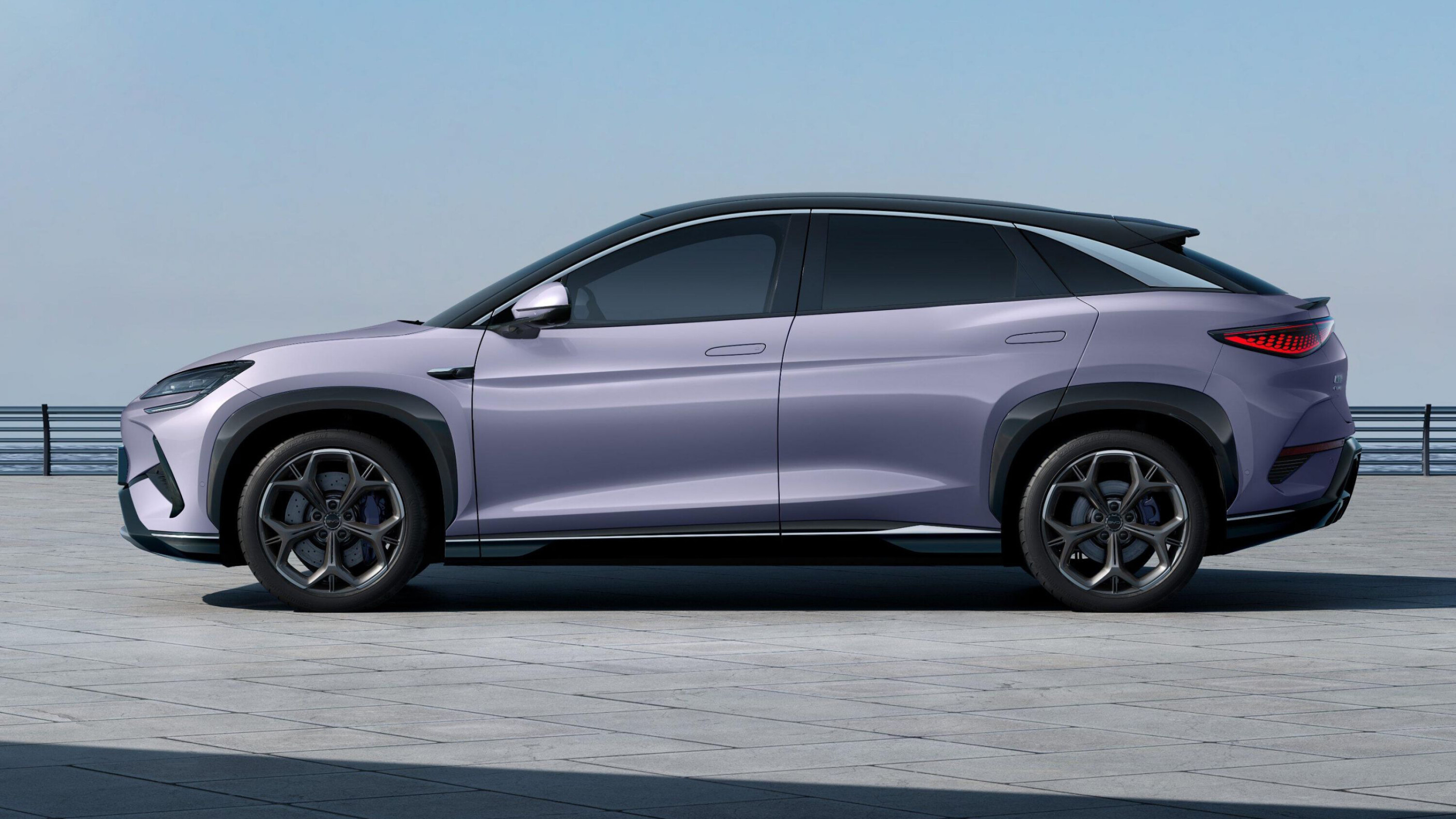
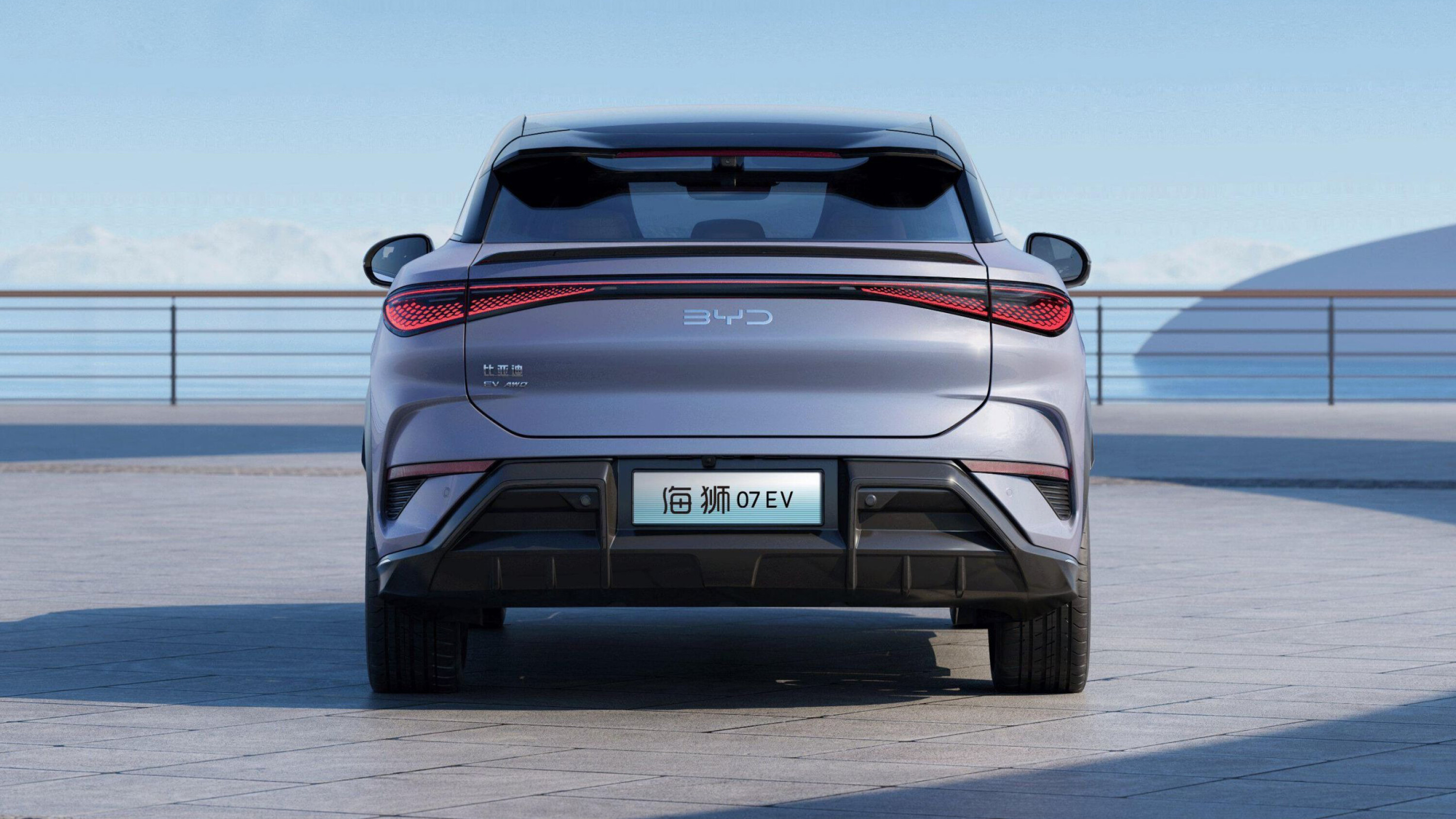
Unlike the recently launched Sealion 6 plug-in hybrid, the Sealion 7 (known in China as the Sea Lion 07) is a pure-electric offering, making it the brand’s first midsize SUV in that segment.
The new electric family SUV had previously been reported to have an Australian launch scheduled for the second half of 2024, but BYD’s local arm has this week confirmed it is now working to an early 2025 target.
In Australia, the Sealion 7 will enter as a size rival to the popular Tesla Model Y and incoming new Kia EV5 (pricing announced here), suggesting the Chinese SUV could debut with a price tag between $55,000 and $60,000.
For more on the Sealion 7, see our evolving story below.
November, 2023: Model Y rival revealed, Australian potential unclear
Chinese EV brand BYD has unveiled its latest electric offering for China, in the form of the Sea Lion 07 coupe-SUV – unveiled at this week’s Guangzhou Auto Show.
The Seal Lion 07 is the latest addition to BYD’s ‘Ocean’ series, which includes models like the Seagull, Dolphin, and Seal, along with the Seal U already expected to reach Australia in the coming year.
Whether the Seal Lion 07 will join the Seal U remains to be seen, and BYD’s local arm remains tight-lipped on its potential.
1
Like the Seal sedan now on sale in Australia, the Seal Lion 07 is built on what BYD calls its ‘Cell to Body’ (CTB) architecture – a design that sees the batteries integrated directly into the vehicle’s structure.
While that approach has experts concerned about the long-term repairability of these new models – including future Tesla cars, which are expected to use a similar approach – BYD says it has resulted in a huge 66% improvement in interior space.
? What is a structural battery?
The BYD Seal electric sedan is the first model in Australia to feature a structural EV battery, where its thermally safer lithium-iron-phosphate (LFP) battery cells are embedded in the body chassis itself, rather than fitting cells into modular packs.
The Chinese automaker labels it as a ‘cell-to-body’ (CTB) construction and claims it is more space efficient, allows the vehicle to sit lower for better aerodynamics, and improves body stiffness.
This design is not without controversy, however. American vehicle design engineer and advisor Sandy Munro told Reuters[↗] in March 2023 that structural batteries have “zero repairability” in the event of an accident.
Dimensions and Tech
The Sea Lion 07 measures 4830mm in length, 1925mm in width and 1620mm in height, with a wheelbase of 2930mm – rivalling the Tesla Model X’s 2965mm wheelbase.
By comparison, the Seal U destined for Australia comes in at 4775mm long, 1890mm wide and 1670mm tall, with a much shorter 2765mm wheelbase.
1
BYD is reportedly positioning the Seal Lion 07 as a Model Y rival, despite its longer Model X-like wheelbase.
On price, the Seal Lion 07 will neatly undercut the Y, with a low starting price of 200,000 yuan ($42,650), while a recent price cut now sees the Model Y start from 299,900 in China ($63,775).
Little else has been revealed about the Seal Lion 07, but it seems clear the new model is intended as a more sports- or lifestyle-focused model than the Seal U, with a tapered roofline and a generally meaner presence from all angles.
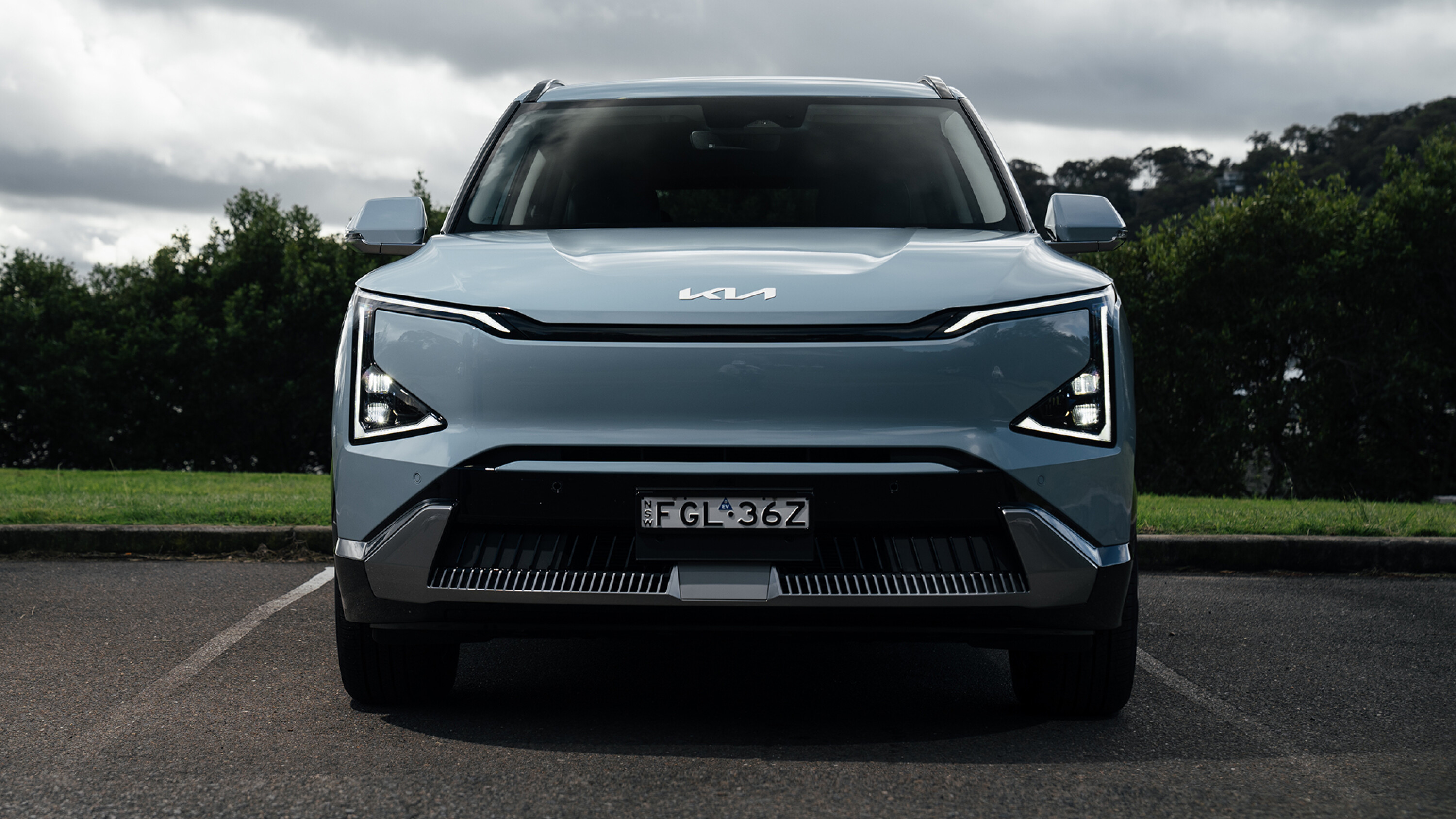
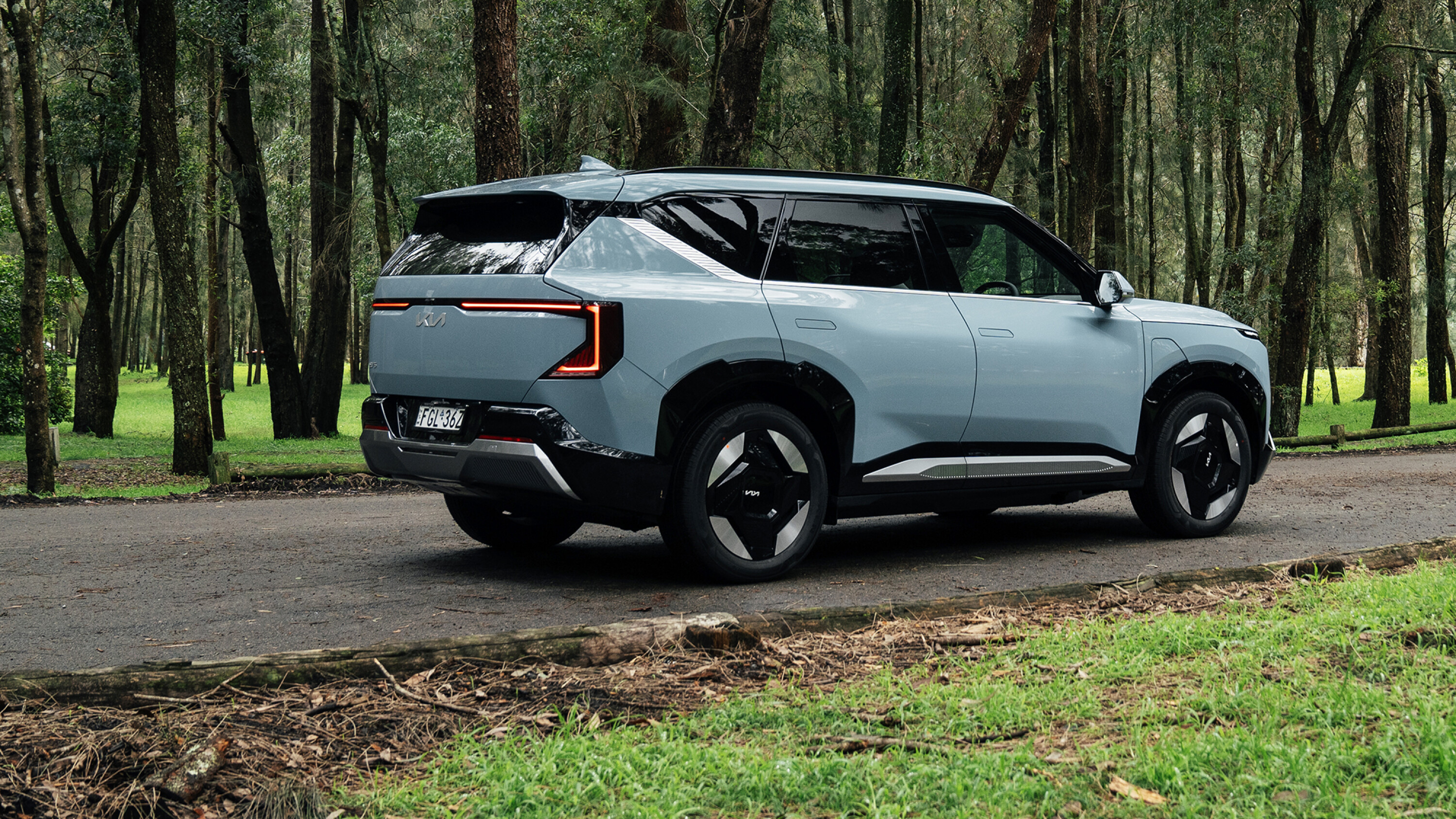
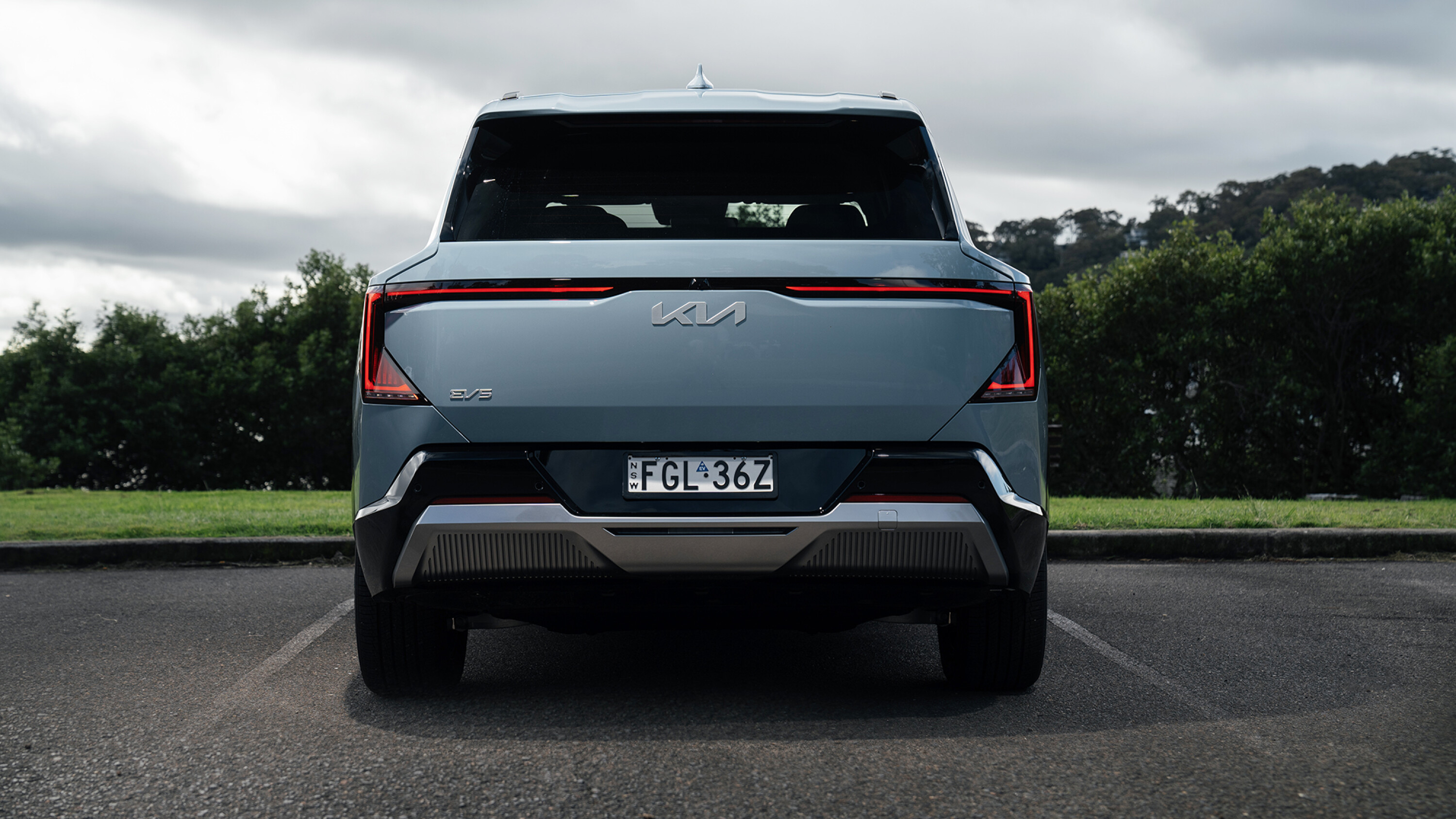
Australian pricing has been revealed for the 2025 Kia EV5 medium SUV, and while it’s arriving later than planned, the Korean carmaker is making up for the delay with a compelling value proposition.
Snapshot
EV5 starts from $56,770 with 400km range
$62K long-range model bumps that to 555km
175kW DC charging promises 10-80% in 27 minutes
1
Pricing
The 2025 Kia EV5 will kick off from $56,770 drive-away for the base Air Standard Range variant.
The mid-range EV5 Air Long Range comes in from $63,990, while the Earth AWD Long Range is priced from $68,990.
The top-spec GT-Line AWD Long Range is the most expensive, with a drive-away price of $75,990.
The EV5’s pricing positions it competitively in Australia’s growing EV market, especially as it relates to size and driving range.
Speaking with Wheels, Kia Australia product boss Roland Rivero put it simply, lining himself up for an Understatement of the Year award: “It’s an important model for us”.
1
The EV5 is Kia’s first model to come to Australia from Chinese production, and this is understood to have played a key role in the company’s ability to deliver sharp pricing.
“EV5 marks a significant milestone in Kia’s global journey to increase access and take-up of electric vehicles,” said Kia Australia CEO, Damien Meredith.
“As we affirm our commitment to becoming a leading sustainable mobility provider, we’re pleased to announce pricing and key features that give EV5 a competitive edge in the local electric vehicle market.”
The EV5’s sharp pricing also bodes well for the smaller EV3, due in Australia next year.
Mini match-up
Model
Price
Battery Size (kWh)
Charging Speed (kW)
Charging Time (10-80%)
Range (WLTP, km)
Wheelbase (mm)
Length (mm)
Kia EV5 (Air)
$56,770
64.2
175 (DC)
~27 minutes
400
2750
4615
Tesla Model Y
$69,300
62.5
250 (DC)
~25 minutes
455
2890
4751
Hyundai Ioniq 5
$72,000
77.4
220 (DC)
~18 minutes
451
3000
4635
BYD Atto 3
$51,000
60.5
80 (DC)
~45 minutes
480
2720
4455
Nissan Ariya
$70,000 (est.)
63
130 (DC)
~30 minutes
403
2775
4595
Hyundai Kona Electric
$54,000
48.6
100 (DC)
~41 minutes
370
2660
4355
1
Platform, power and driving range
The EV5 is built on Kia’s new EV-focused N3-ek platform rather than the more expensive E-GMP that underpins the EV6, and will be offered in both front- and all-wheel drive configurations.
The base Air variant is powered by a 64.2 kWh battery in its standard-range form, while the long-range version comes with an 88.1 kWh battery. The Earth and GT-Line trims both use the larger battery, providing more power and extended range.
1
The batteries are lithium-ion phosphate (LFP) units sourced from China’s BYD for better fast-charge capability and ease in charging to 100 percent, without degrading the battery over time.
The single-motor FWD models produce 160kW and 310Nm, while the dual-motor AWD variants increase that to 230kW and 480Nm.
Driving range varies depending on the model, with the Air Standard Range capable of up to 400km, while the Long Range variants claim up to 555 km (WLTP).
Model
EV5 Air 2WD Standard Range
EV5 Air 2WD Long Range
EV5 Earth AWD Long Range
EV5 GT-Line AWD Long Range
Battery
64.2 kWh
88.1 kWh
Powertrain
2WD Single Motor
AWD Dual Motor
Power/Torque
160 kW / 310 Nm
230 kW / 480 Nm
Wheels
18u201d Alloys
19u201d Alloys
20u201d Alloys
WLTP Range
400 km
555 km
500 km
470 km
Charging
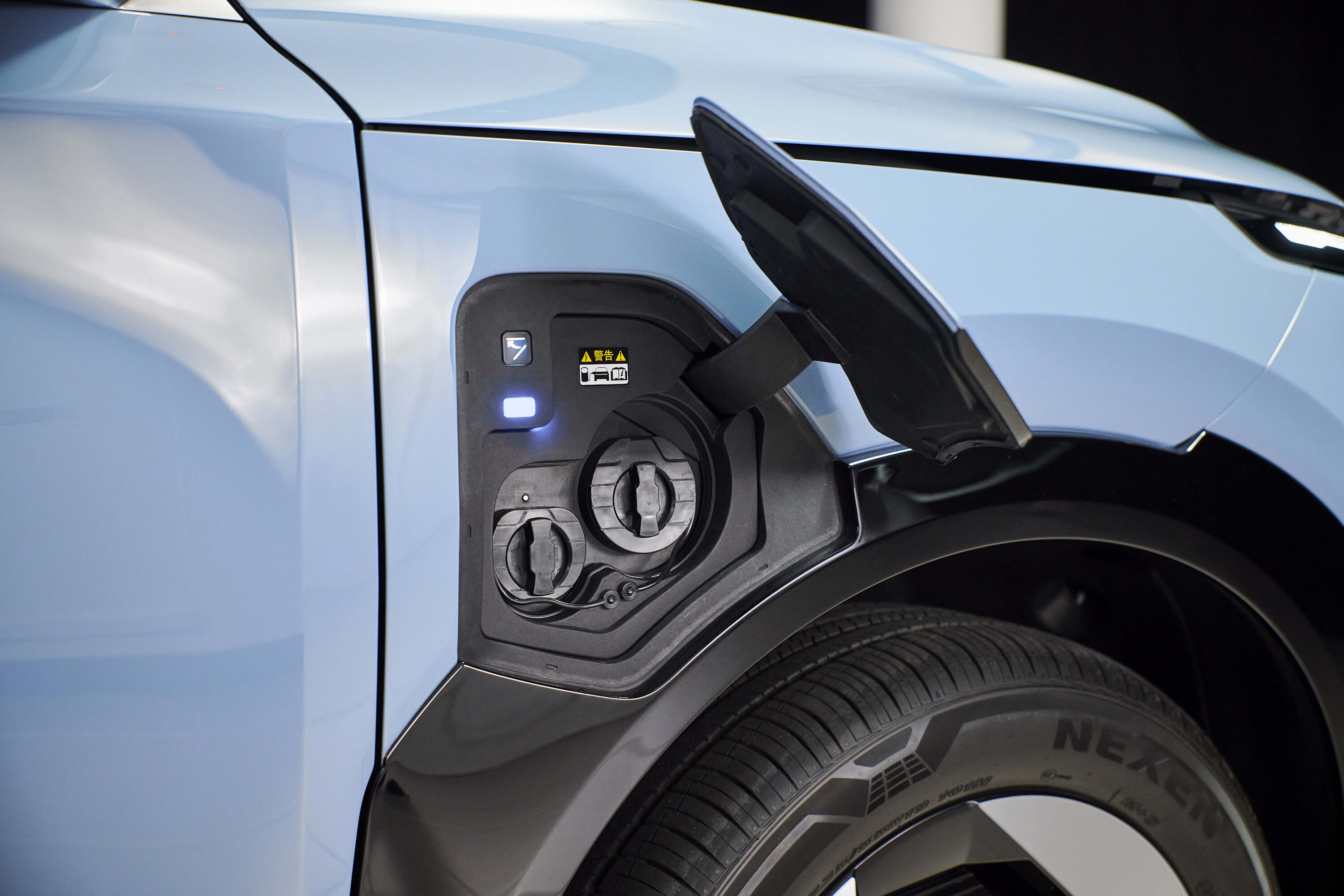
Kia has equipped the EV5 with DC fast charging capability up to 175 kW, allowing a charge from 10 to 80 percent in around 27 minutes.
While this is slower than the bigger and more expensive EV6, the EV5’s charging speed and time is fairly competitive with many other mid-size electric SUVs.
1
Features
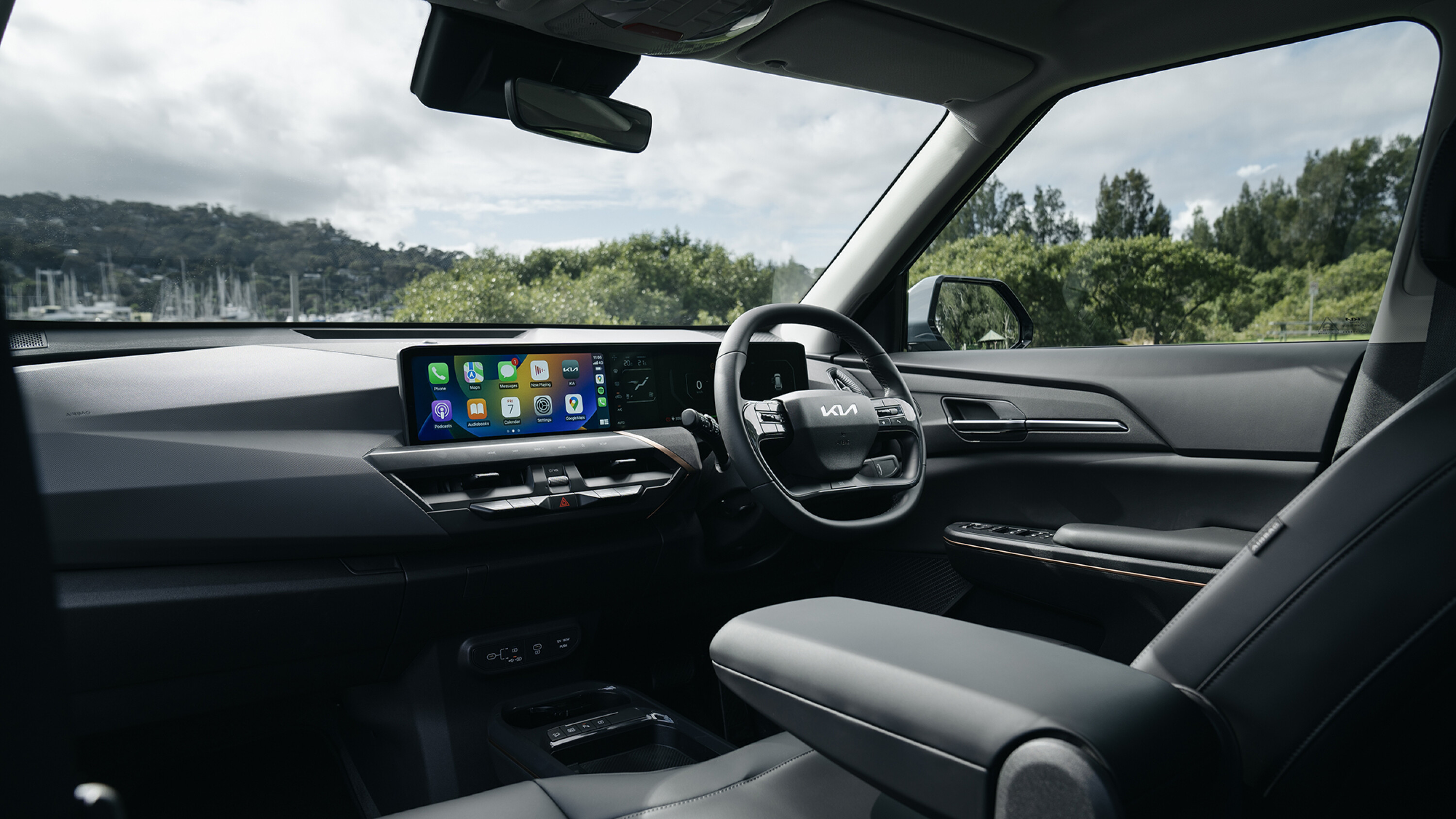
The EV5 offers dual 12.3-inch displays in every variant, paired with a 5-inch bridging segment for climate control and other vehicle functions.
Kia’s new ccNC infotainment system is also featured, with over-the-air (OTA) updates to keep the software current. Kia Connect provides additional connectivity features such as remote monitoring and control. In terms of convenience, all models include the Shift-by-Wire gear selector, while the Earth and GT-Line trims add a Smart Power Tailgate for easy access to the boot.
For the tech-savvy buyer, the GT-Line includes several advanced features like the Augmented Reality Head-Up Display (AR-HUD), Fingerprint Module, and Remote Smart Park Assist 2 (RSPA 2).
1
Boot space
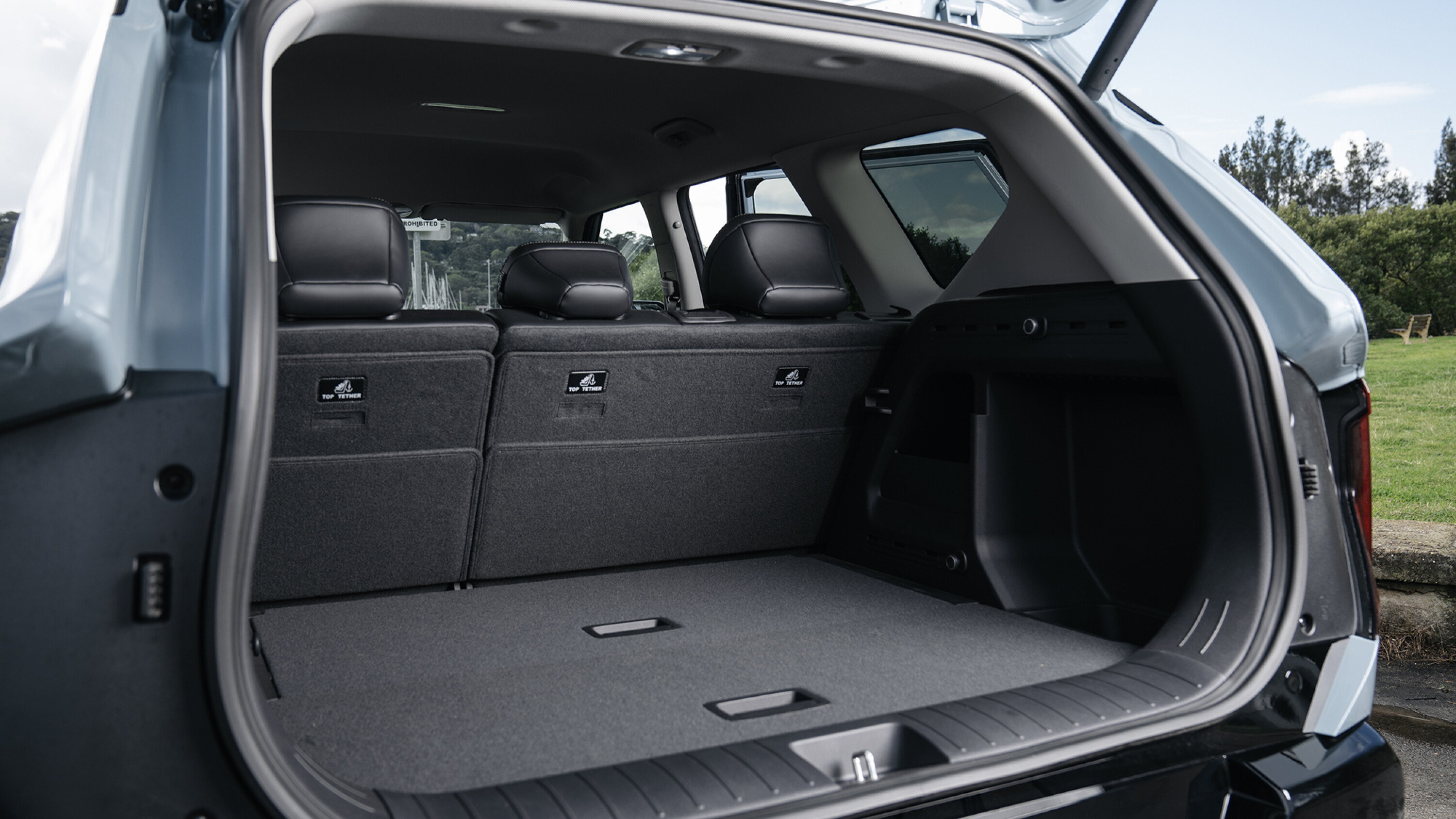
The Kia EV5 offers a reasonable amount of cargo space for a mid-size SUV, although specific boot capacity figures are yet to be confirmed.
“In person, it’s intelligently shaped and looks highly useful.”
Based on the vehicle’s size and platform, it is expected to have a boot space similar to that of competitors like the Tesla Model Y and Hyundai Ioniq 5, which generally offer around 500 litres with the rear seats up and expand significantly with the seats folded flat. More precise figures for the EV5 should be released closer to its local launch.
The EV5 also has a small storage space under the bonnet at the front end.
1
2025 Kia EV5 pricing for Australia
Model
Pricing (drive-away)
Driving range
EV5 Air 2WD Standard Range
$56,770
400 km
EV5 Air 2WD Long Range
$63,990
555 km
EV5 Earth AWD Long Range
$68,990
500 km
EV5 GT-Line AWD Long Range
$75,990
470 km
Drive-away price for WA will include an additional $1000 for Air & Earth variants & $2000 for GT-Line.