
MARK Webber has gone for a tool around London – behind the wheel of his World Endurance Championship-winning Porsche 919 Hybrid LMP1 race car.
Billed as an ad for the translation of race-bred technology that’s applied to the road-going Porsche Panamera 4 E-Hybrid, Webber’s Porsche went on a gentle drive from Park Lane to the south bank of the River Thames.
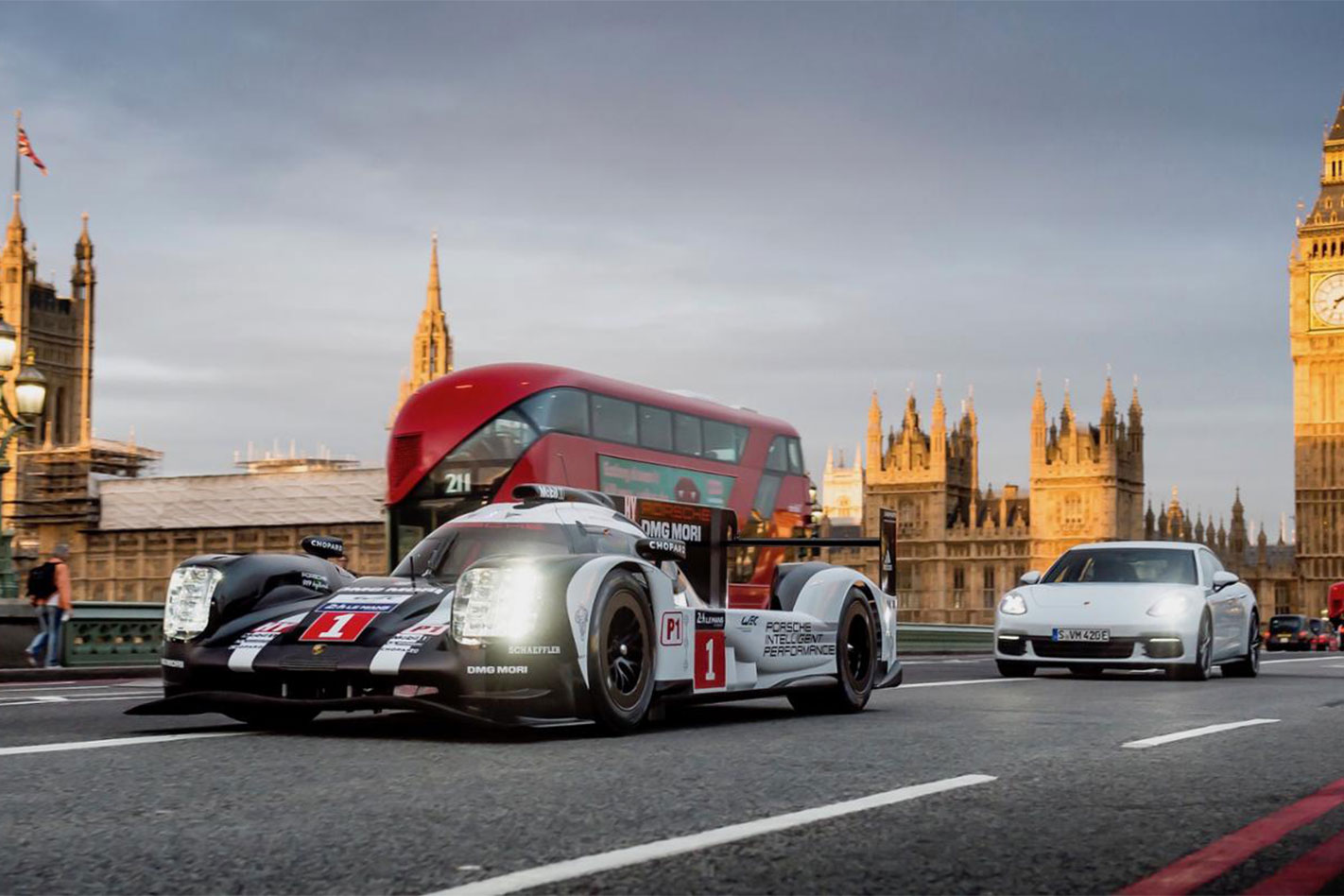
It wasn’t an easy run for the former Formula One pilot, either. Videos show him stalling the race car several times as he attempted to deal with low-speed starts, and later showing the 919 ducking through London’s traffic with a police escort.
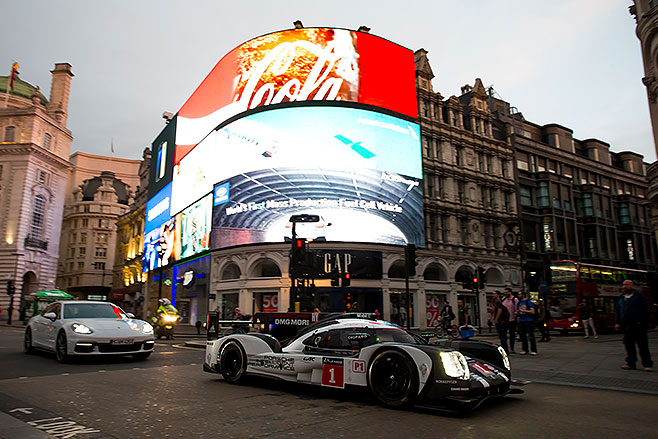
The plug-in Porsche is powered by a 340kW twin-turbo 2.9-litre V6 petrol engine producing 243kW when pared with the 100kW electric motor. Maximum torque from the combination is 700 Nm, with an electric range of 50 kilometres. Despite the green tinge, it’s a Porsche at heart: the 0-100km/h sprint is just 4.6 seconds.
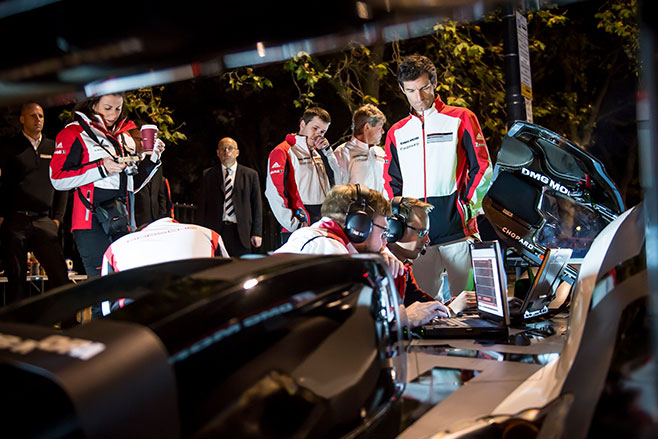
A Macan Turbo equipped with performance package will also be unveiled for the first time at the Paris Motor Show, which starts tomorrow.
Webber’s LMP1 racer is powered by a 2.0-litre V4 turbo petrol engine, and a lithium-ion battery for energy recovery.
Lewis or Nico? Who has the momentum now?
Has Rosberg found a missing ingredient?
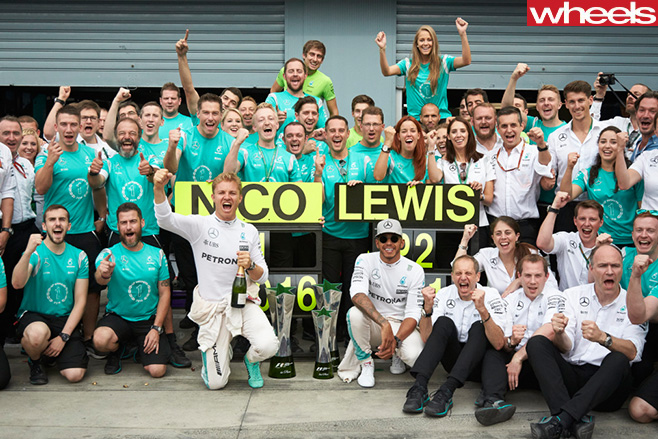
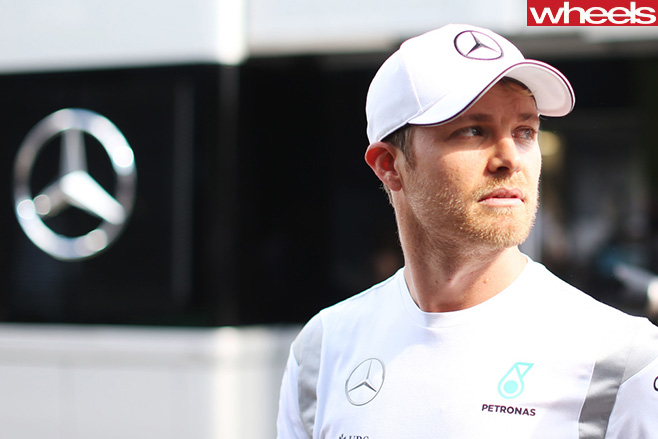
Seemingly powerless to combat Lewis Hamilton’s magical mid-year surge to the front in the world championship duel, Nico Rosberg has regrouped during the summer break and fired back strongly by winning three grands prix on the trot – at Spa, Monza and Singapore – to retake the lead in a volatile world championship.
Okay, two of the three wins were tantamount to Centrelink handouts because in Belgium Hamilton’s engine penalties meant he had to start from the back, and in Italy, the Brit badly fluffed his start.
Still, Rosberg drove flawlessly to win both, and he couldn’t do much better than that.
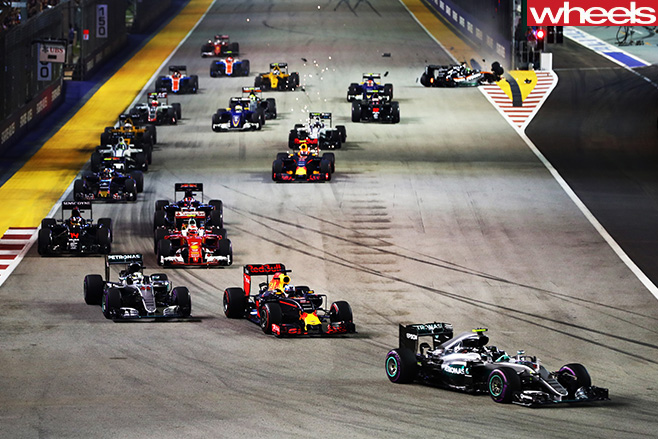
The title fight between the Mercedes drivers has ebbed and surged but in Singapore the force was with Rosberg.
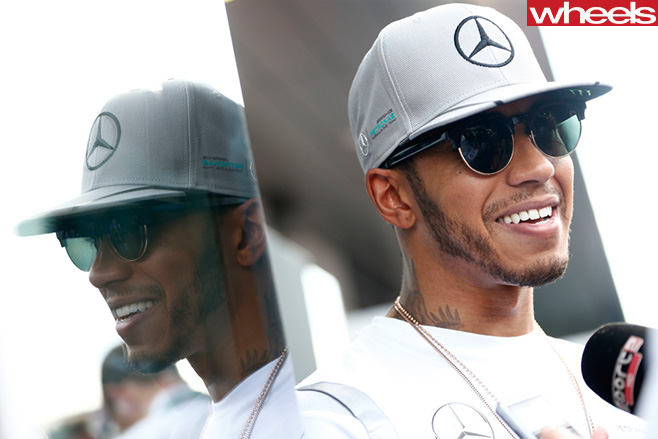
Hamilton would have been left wondering if having fought so hard to get the ascendancy, the momentum is now with Rosberg with six races left in the 2016 title contest.
It is sad yet obvious that in modern F1, too often the races are decided in the first few seconds and Hamilton doesn’t always manage his starts that impressively. It is true that the Merc clutch is very sensitive to temperature, either prone to slip or engaging too aggressively (leading to wheelspin) when not in the very narrow window. Hamilton was victim to this in Monza but even after discovering the problem after his practice start on the formation lap he failed to adjust his technique enough.
It meant for the remaining (then nine) races of the 2016 championship, Hamilton had a stock of three brand new engines, turbochargers, MGU-H and MGU-K. Oh and one older unit.
So Hamilton’s engines each had to do fewer races than Rosberg’s supply of just two fresh power units for the same remaining race weekends.
In the past there has been a feeling that Rosberg thinks too much sometimes, and doesn’t respond positively when the chips are down.
Maybe he is now, finally, a self-believer.
McLaren is almost competitive, even on power circuits
There is a light at the end of the tunnel
The right signs are there; McLaren Honda is finding reliability and speed as the 2016 season unwinds. Fernando Alonso may be sufficiently heartened to stick around beyond next year.
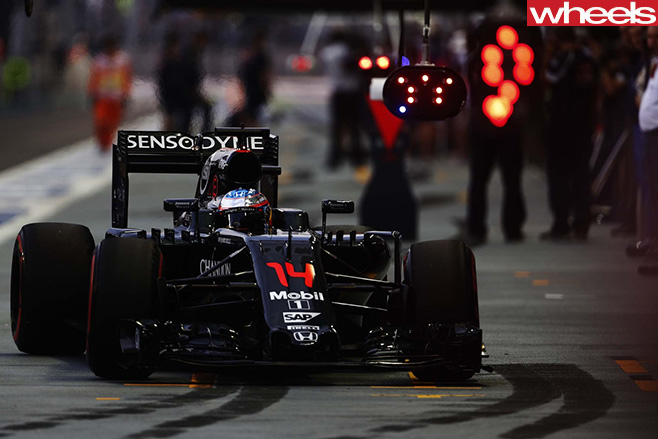
Before that, at Spa, Alonso worked his way from the rear of the grid (due to engine penalties) to finish a legitimate seventh.
At Monza, Alonso was in line for a points finish before a bungled pit stop dropped him rearward. Button finished 12th after being bumped into the gravel, and back to last, on the opening lap.
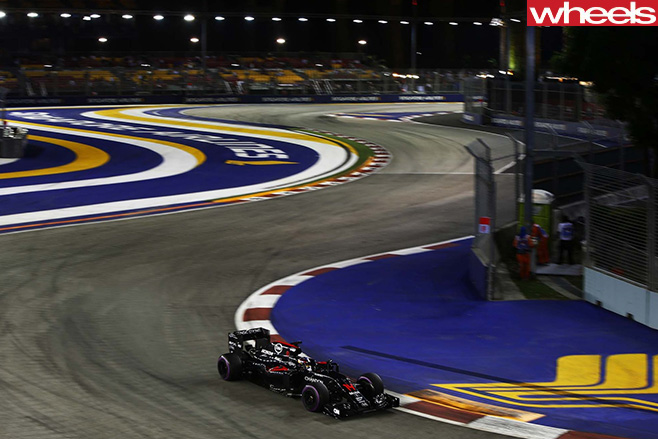
The 2017 Honda power unit will get the pre-chamber ignition that Mercedes and Ferrari are using to telling effect, bringing (according to F1 tech heads), 60 horsepower if managed properly.
The 2017 F1 drivers’ market
The silly season is upon us
Felipe Massa’s retirement after this year, and Jenson Button’s sabbatical, which may or may not be open-ended, has set up an interesting charge at the available seats in F1 for 2017
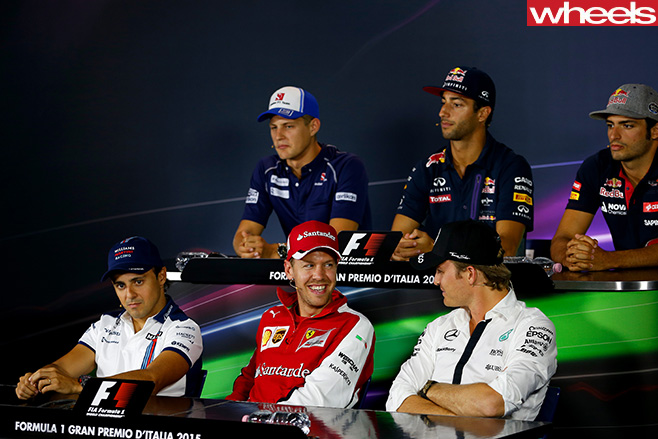
There is no shortage of drivers uncommitted for next season, some of whom are quite handy and others less so. Some wave piles of sponsor money; others are skint.
Williams might confuse us all and replace Brazilian Felipe Massa with Brazilian Felipe Nasr, currently at Sauber. In the frame, too, are cashed-up rookie Lance Stroll and Pascal Wehrlein, who is with Manor this year.
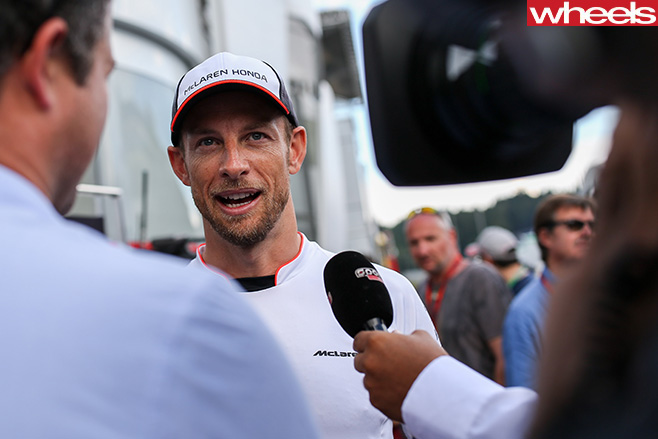
Esteban Gutiérrez broke through to give HaasF1 its first top 10 start at Monza but his future remains unclear.
Daniil Kvyat’s future remains the topic of endless conjecture on the back of an alarming form slump and loss of confidence after being relegated from Red Bull to the Toro Rosso squad earlier in 2016. GP2 star Pierre Gasly has been mooted as first in line should the Russian be pushed towards the exit.
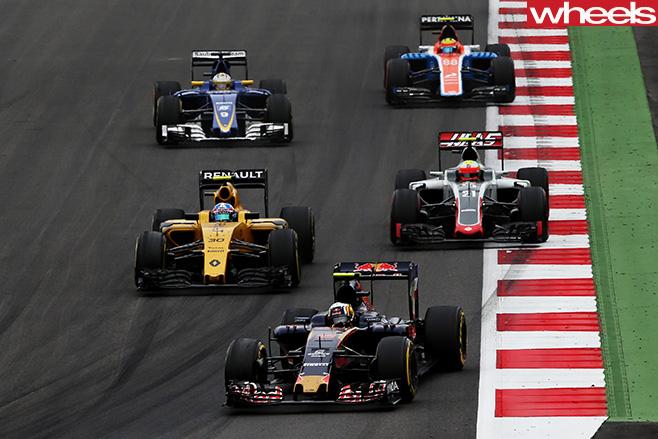
At least Magnussen has confirmation that while the Renault is not yet a fast car, it is a very safe one, witness his massive shunt exiting Eau Rouge at Spa. He over-corrected a slide at 299km/h and gave the barriers an almighty thump. Data showed the first impact was at 170km/h with 42 g deceleration, followed by another impact with 18 g. Magnussen was quickly out of the wreck with just a bruised ankle.
Liberty, but perhaps very little equality or fraternity
How long has Bernie got under the new regime?
It’s one of the biggest deals in sports history and certainly a key time in the annals of Formula One.
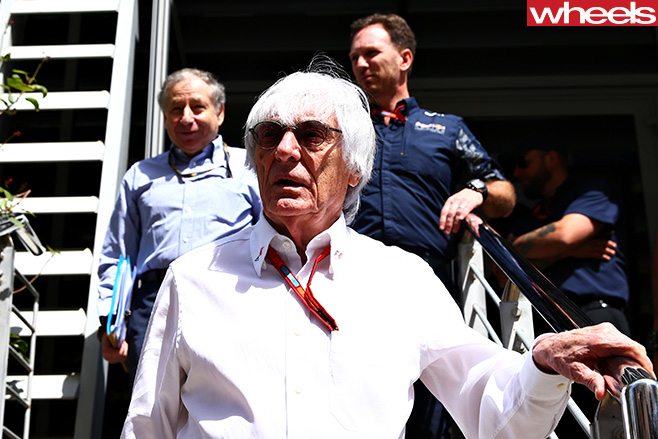
Then Liberty will take over the shares of current owner private equity firm CVC Capital (and other shareholders) to gain majority control – if EU Commission regulators approve the deal. This is not an overnight process and may take up to a year.
The total transaction values the firm at $8bn but includes $4.1bn worth of F1’s debt.
And what of Bernie Ecclestone’s future? Ecclestone, 86 soon and at the helm of the sport for four decades, will remain as chief executive, initially anyway. Chase Carey, vice-chairman of 21st Century Fox, the new F1 chairman, says the running of the sport “can’t be a dictatorship, even if probably they are used to it”.
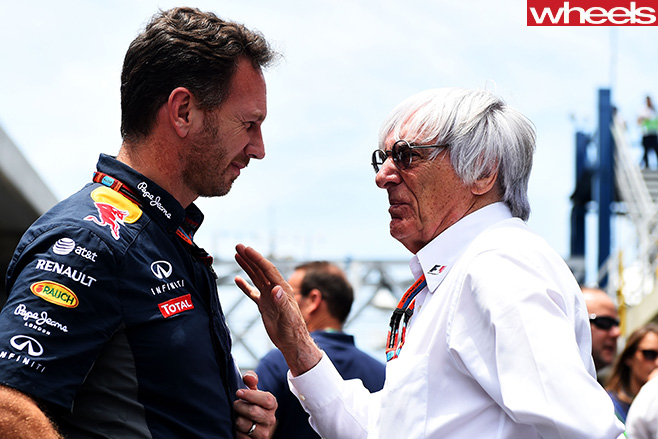
The reasons for Liberty Media’s interest in F1 is not mysterious. It enjoys massive popularity in most parts of the globe and Liberty will attempt to chase new followers, especially in the US where F1 is minor league.
Liberty senses chances to capitalise on digital rights, and different social media.
Against the possibilities, there are the realities of motorsport in 2017 and beyond; a decline in appeal among younger audiences has been mapped, unequal distribution of wealth to teams, cost to fans and host circuits and cranking upwards inexorably, and there is even the threat of noiseless F1 machines of tomorrow.
Dan ready to get hot and sweaty in Sepang
It will be tougher for the Bulls in Malaysia and Japan
After his fighting second place on the streets of Singapore, Daniel Ricciardo heads to the next in the Asian component of the 2016 Formula One World Championship, the Malaysian Grand Prix, relishing the idea of the challenge of a hot race at Sepang.
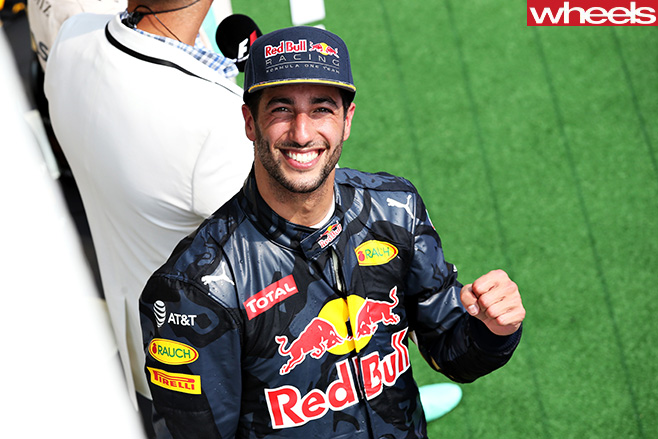
“I like back-to-backs,” Ricciardo said. “Looking at Malaysia and Japan, they are both very challenging circuits. Malaysia physically is a hot one. We usually go there at the beginning of the season so it is going to be interesting going there now with a lot more development on the car and seeing how it performs.
“I checked the weather and it seems pretty constant all year round so that shouldn’t change much. But Sepang has been resurfaced so that could be interesting for tyre life.
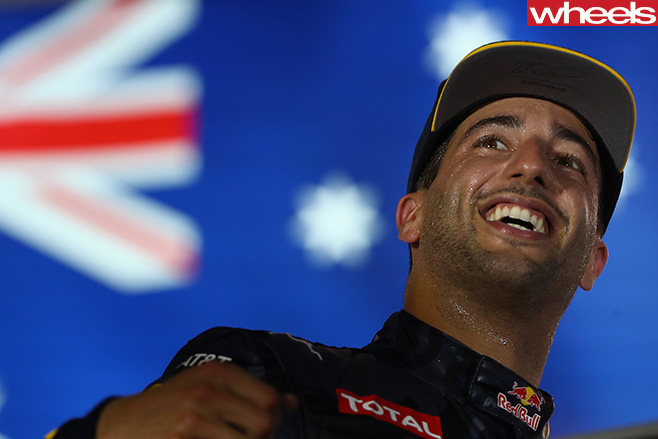
As well as eating, there is also a bit of racing to contemplate at Suzuka.
“It’s tough for a driver… a proper racer’s circuit. The first section you have to connect all the dots because all the corners flow really nicely if you get it right.”
Mini’s JCW Convertible is not only the fastest drop-top ever sold by the BMW-owned subsidiary, but it’s also the most expensive model in the brand’s local showrooms, and is packed to the gunwales with all manner of intriguing and exciting features. Here’s a list of nine fast facts about Mini’s fast ragtop.
- Unlike the tin-topped JCW hatch, Mini won’t charge you extra if you want a six-speed automatic – it’s built into the price, making it the same price as the six-speed manual.
- The JCW Convertible has the same amount of power and torque as the JCW hatch, but carries a little more weight thanks to its folding roof. Thankfully, a beefy Brembo-supplied brake system with hefty 335mm front rotors is there to help rein it all in when you need to slow down.
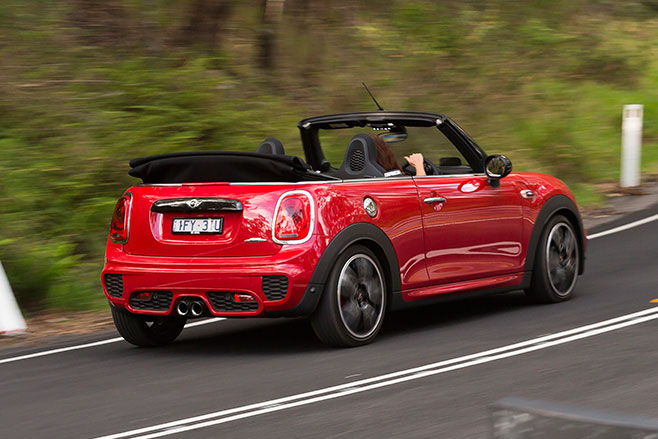
- In Sport mode, manual JCW Convertibles will automatically blip the throttle when you downshift to reduce drivetrain shock and keep progress smooth. It also gives you another opportunity to enjoy the JCW’s rorty exhaust note.
- Unlike other markets, all Australian-delivered Mini JCW convertibles come standard with electronically-adjustable adaptive dampers. In Normal and Green drive modes they adopt a softer tune, but engage Sport mode and they firm up noticeably to impart a sharper chassis feel.
- Reach up above the rear view mirror and you’ll find a toggle switch for the electric roof mechanism. Pull it back and the roof retracts almost silently in just 18 seconds, as long as you’re driving at less than 30km/h.
- Want to feel some air on your scalp but don’t feel like dropping the roof all the way? An intermediate mode sees the front-most panel of the fabric roof slide rearward like a sunroof, with the rest of the roof remaining in place. A good compromise if the weather is looking sketchy, or you’re on the highway and unable to slow down to 30km/h to let the roof down fully.
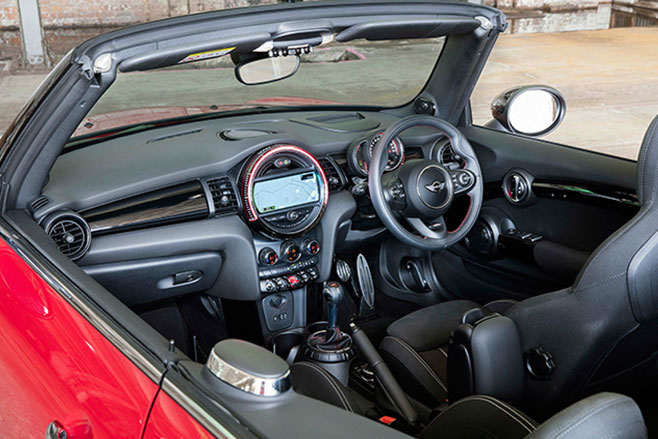
- It’s surprisingly practical, with 45 litres more luggage capacity (for a total of 215 litres of roof-up storage), a 50:50 split rear seatback and a lift-up mechanism for the rearmost roof section that facilitates loading of cargo.
- The interior is bigger than before, with 36mm more rear shoulder room, 112mm more rear elbow room and 36mm more rear knee room than its predecessor – and that’s been accomplished while hiding a pop-up rollover bar behind the back seat, replacing the old model’s dorky fixed rollover hoops.
- If there’s one thing Minis are known for, it’s having the option of getting a Union Jack painted across the entire roof – a nod to the brand’s British heritage. If you thought going for the ragtop robs you of that option, think again: For an extra $1170 Mini will equip your JCW Convertible with a fabric roof with a woven-in Union Jack design, rendered in various shades of grey.
THE world’s focus may be about to swing to the rising stars of the 2016 Paris Motor Show, but that doesn’t stop you going out and buying an ex-show star.
Here’s our first of two run-downs of the show stoppers unveiled at 2014’s Paris Motor Show that you can go out and buy today.
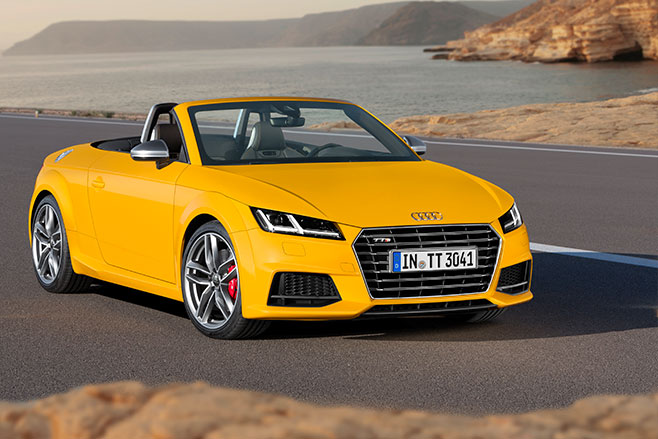
Audi TT Roadster This is the second generation of Audi’s drop-top version of the Mercedes-Benz SLC rival. It arrived here last year, impressing us with its unique styling, brilliant dash design, fit and finish and excellent roadholding. Pick one up from $83,905.
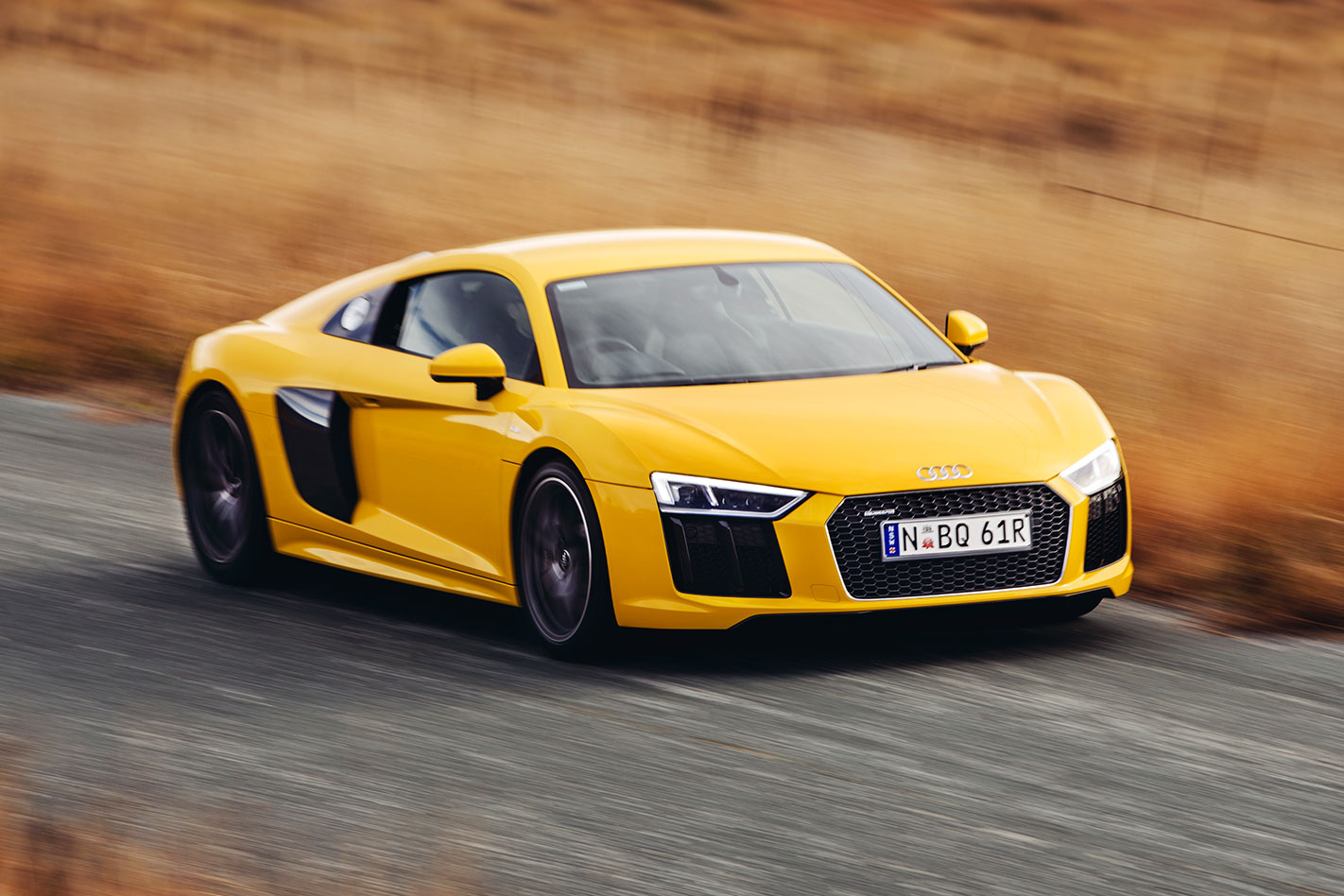
Audi R8 Business up front, party out the back. Behind the driver sits a 449kW V10 engine driving all four wheels. The low, wide super-quick Porsche 911 rival is priced from a cool $354,616.
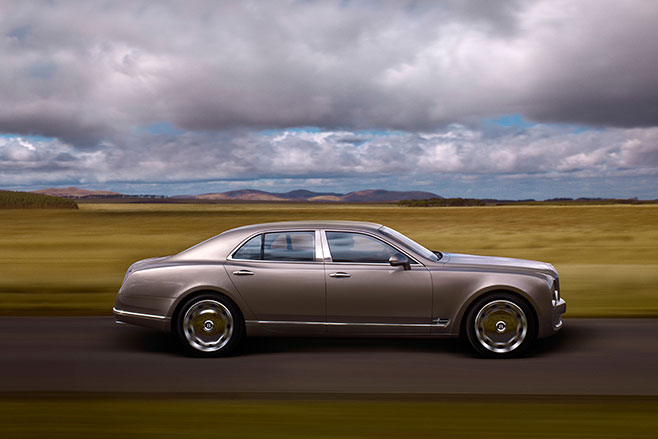
Bentley Mulsanne Speed
Unveiled at Paris in 2014, the Mulsanne Speed adds a dash of performance to a whiff of sporty add-ons to create a serious interstate cruiser. The 6.75 litre twin-turbocharged V8 engine under its long bonnet launches the Mulsanne Speed to100 km/h in 4.9 seconds, and won’t stop pulling until it hits 305km/h. Yours for a cool $733,387.
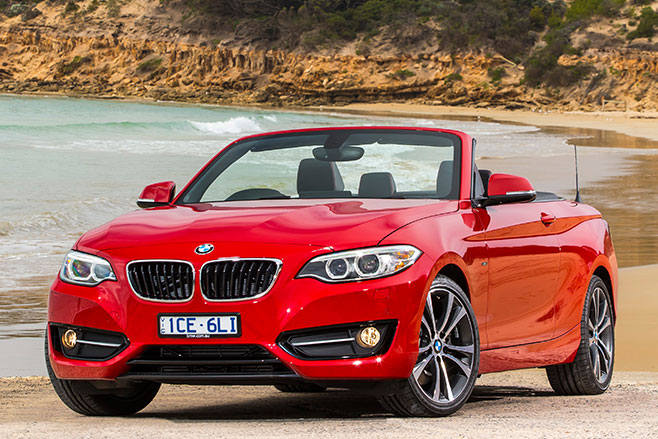
BMW 2 Series Convertible BMW’s 2 Series Convertible launched the compact drop-top into the German luxury brand’s new model nomenclature that gives four-door cars an odd number and the two-door equivalents an even one. The rag-top 2 Series landed here last year and impressed with its muted-for-a-drop-top calmness in the cabin, its driveability and corner-carving fun. It’s priced from $55,900.
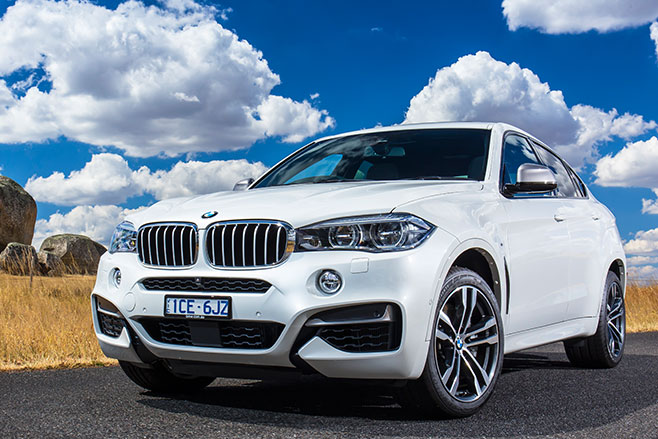
BMW X6 Gen two of the fast backed version of the X5 lobbed early in 2015 marking a radical change from the original – at least in terms of interior and exterior looks. Since then, it’s gained a rival: the Mercedes-Benz GLE Coupe. The BMW X6 is on sale from $117,455.
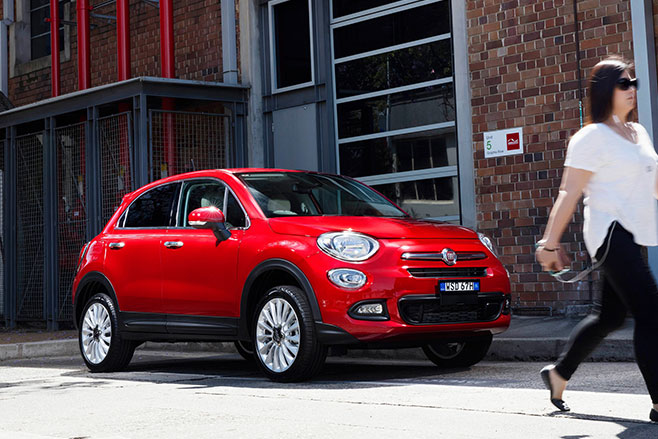
Fiat 500X The XL version of the Fiat 500, based on the Jeep Renegade, arrived late last year and lifts Fiat’s small car into the bottom end of the booming small SUV market. It boasts a typically flash Fiat interior, but at $37,000, it ain’t all that cheap.
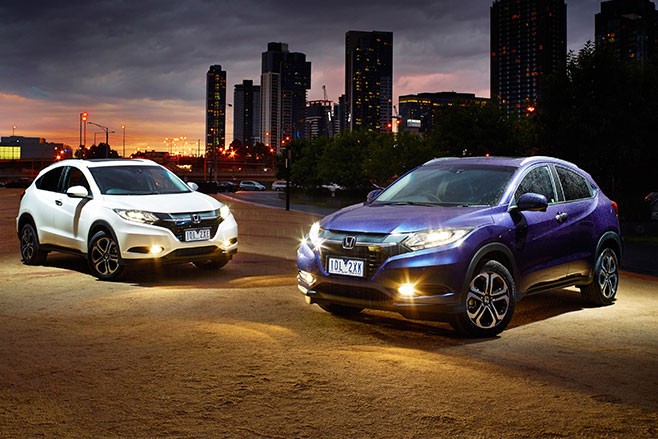
Honda HR-V Honda reintroduced the HR-V badge pinned to this stylish, functional compact SUV late last year. Featuring brilliant packaging and competent dynamics, it came a narrow second to a perennial favourite, the Mazda CX-3. Pick one up priced from $24,990.
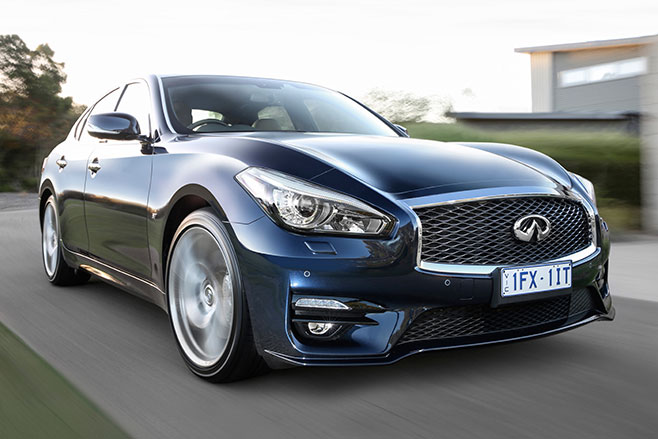
Infiniti Q70 Under the bonnet of the Lexus GS-fighting Infiniti Q70 sedan lurks the skeleton of the Nissan GT-R’s supercar-crushing 3.7-litre V6. Before you get too excited, it’s a lot more pedestrian in the Infiniti, which now even includes a hybrid variant. Yours from $68,900.
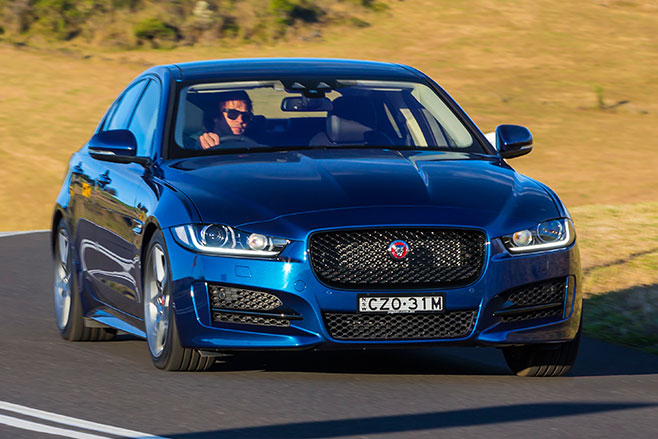
Jaguar XE One thing the India-owned British luxury brand has lacked for some time is a decent BMW 3 Series rival. The XE – a Wheels Car of the Year finalist – is it, and comes damnably close to knocking over the Germans in the refinement and driveability stakes. It’s priced from $60,400.
Jeep’s long-awaited successor to the Compass small SUV has been revealed in Brazil, with the American brand’s all-new entry model scheduled to take over from the nine year-old current-gen Compass – and its Patriot sibling – in Australia in the latter part of 2017.
By the time it’s replaced, the current Compass will have been on sale for a solid decade – long enough to give it pensioner status in the car world.
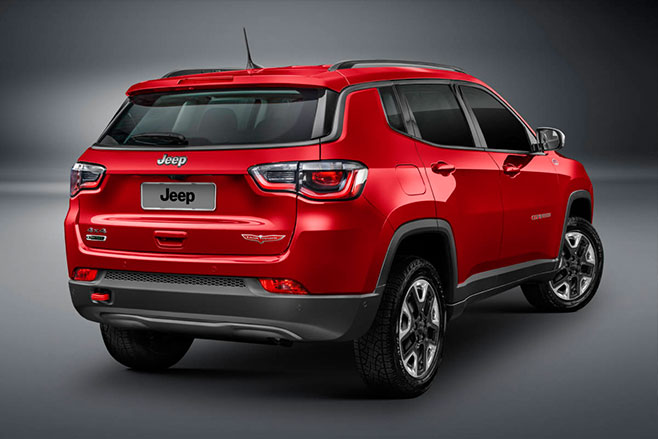
Looking a lot like a mashup of the Cherokee and Grand Cherokee, the 2018 Compass features a distinctive chrome trim line that separates the windshield, roof and rear glass from the rest of the car, with Jeep’s signature seven-slot grille spanning the gap between its headlamps.
Other Jeep hallmarks are present too, such as a quartet of trapezoidal wheel wells framed in black plastic, and, on the range-topping Trailhawk grade, a set of red tow hooks and an anti-glare bonnet panel.
The interior ditches the old Compass’ outdated cabin furniture for seats and plastics that bear more resemblance to the rest of Jeep’s modern lineup, with a high-mounted infotainment screen and button-heavy steering wheel.
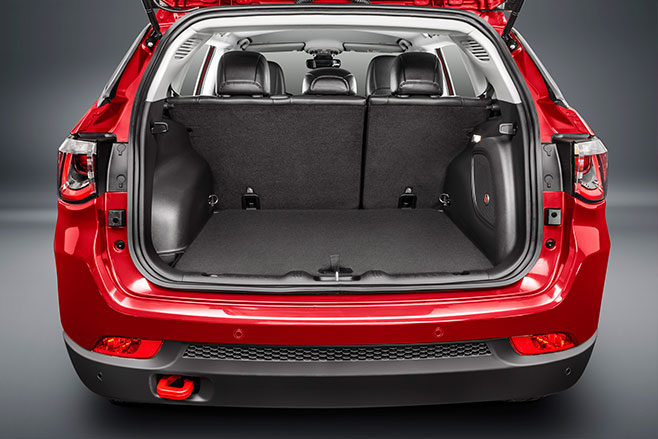
Fiat-Chrysler Australia has confirmed that the new Compass will arrive in local showrooms in “late 2017”, however precise launch timing and specifications are still top-secret for now.
Globally, the Compass will be offered with a total of 17 powertrain configurations, and will be sold across 100 markets.
Some of those markets will be receiving a diesel powerplant, however it’s unclear whether an oil-burner will be available on Australian-delivered models.
Will the Compass spawn a new Patriot as well? Don’t count on it. With the Renegade already in position as Jeep’s new entry point, the need for a differently-styled twin for the new Compass is removed. Instead, the Compass will fly solo as Jeep’s not-quite-small, not-quite-medium SUV.
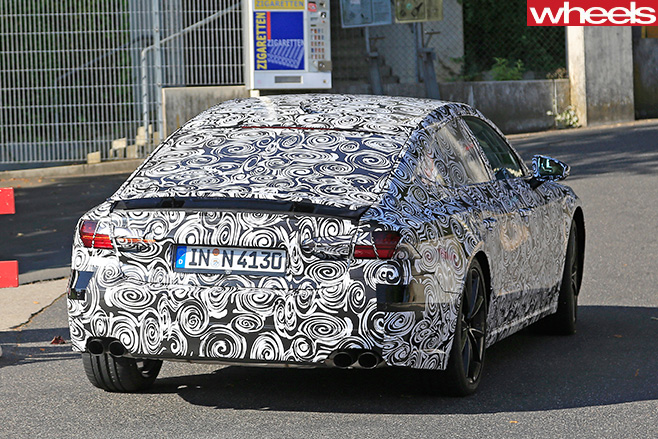
A NEXT-GENERATION Audi A7 Sportback has been snapped in saucy S7 guise doing the rounds of Germany’s famous Nurburgring race circuit, about a year before it is revealed.
Brandishing Audi’s new design direction under styling boss Marc Lichte and first seen in the 2014 Prologue Concept Car, the A7 Sportback looks sleeker and sharper than the existing six-year-old model, sitting on a longer wheelbase, wider tracks, with less rear overhang, and sporting more slender LED lighting.
Also tipped to grow inside, it will be part of a barrage of big, new Audis slated for launch over the next year or so, including the fifth-gen A8 limousine coming soon, as well as the Mk8 A6 four-door sedan and wagon on which the second A7 Sportback will basically be based.
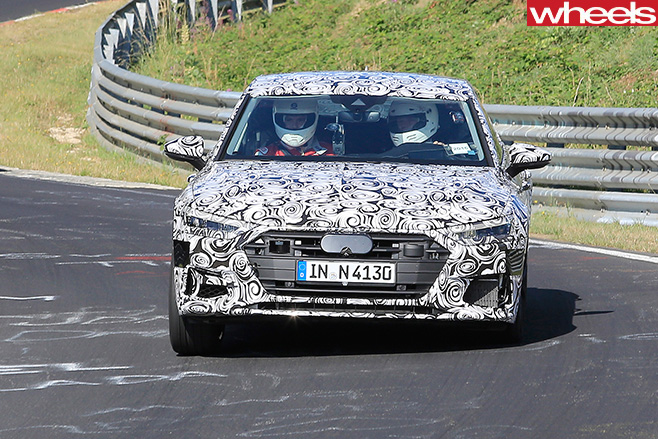
Along with the Mercedes-Benz CLS and BMW 6 Series Gran Coupe, this Audi will also contend with the Tesla Model S.
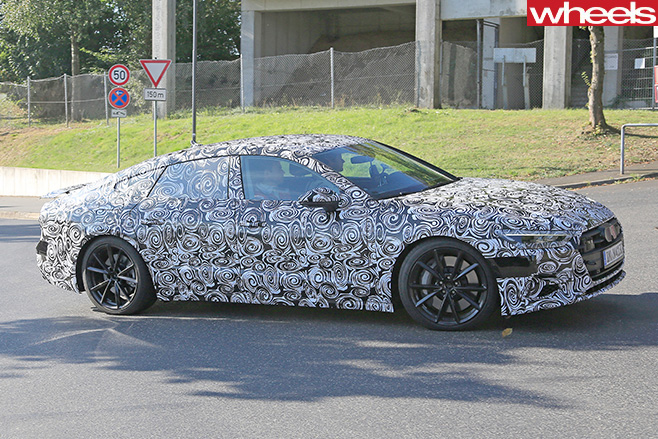
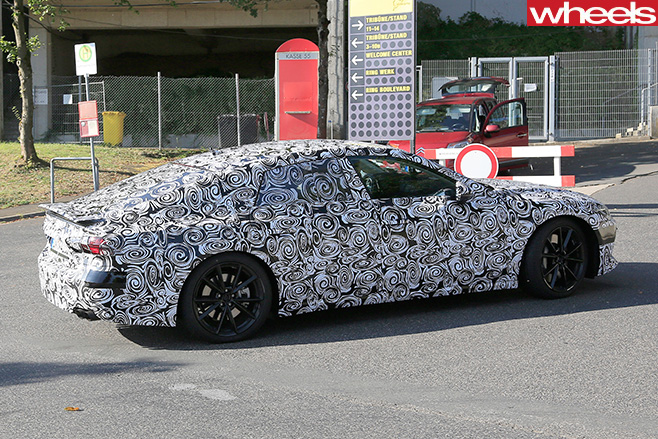
Have spy pics of your own? We’d love to see them. Just email them to [email protected]
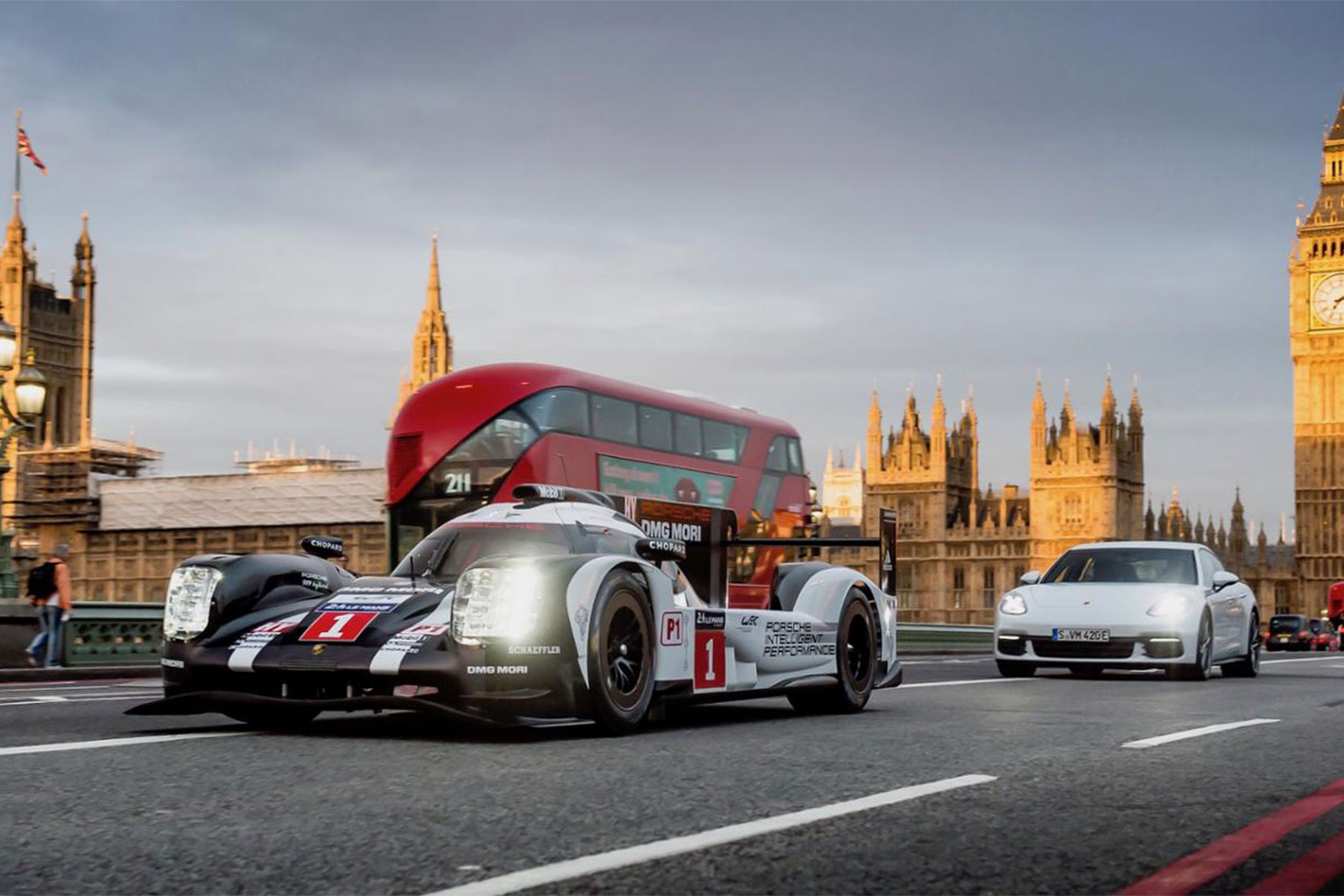
London’s early commuters were treated to a rare sight yesterday when Mark Webber greeted them in Porsche’s 919 Hybrid racer.
The 2015 WEC champ drove Porsche’s winning LMP1 vehicle to raise publicity for the new Panamera 4-Hybrid, which closely followed in tow, before it debuts at the Paris Motor Show.
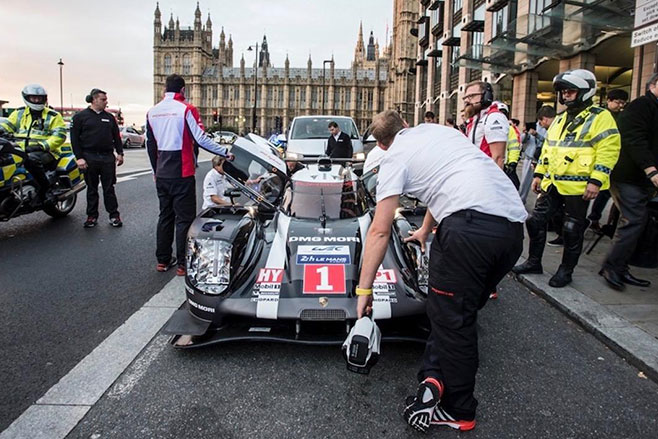
Porsche announced the stunt only a day before, and while the drive kicked off at dawn (6am) – more than an hour before London’s congestion charges begin – we doubt the 919 would qualify for the Ultra Low Emission Discount.
The Hybrid, which dominated 2015’s Le Mans and World Endurance Championship, relied solely on its turbocharged 2.0-litre V4 engine to pootle around city streets.
However, even with 373KW to call on Webber wasn’t given free reign of the throttle, which he told the Daily Mail frustrated both him and the car.
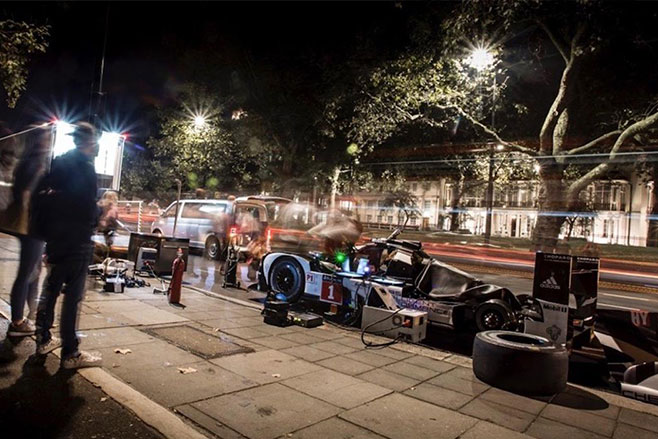
“It is fitted with a downforce package specced for 220mph, so to drive it at between 10-15mph for a long period of time was a little bit of a concern. I was tempted to floor it and get into second gear but I had nowhere to go.”
Webber will appreciate a proper run in the 919 when Porsche takes to Japan in a couple of weeks for the Fuji Six Hours.
Motorsport is about more than just racing cars driving on the limit. Take the Goodwood Festival of Speed, for example – sure, there are a bunch of really fast cars and bikes driving up and down Lord March’s driveway, but then there’s also the rare and priceless cars taking on the Hillclimb, the aviation display, car auctions, concerts, food, drinks and the fashion.
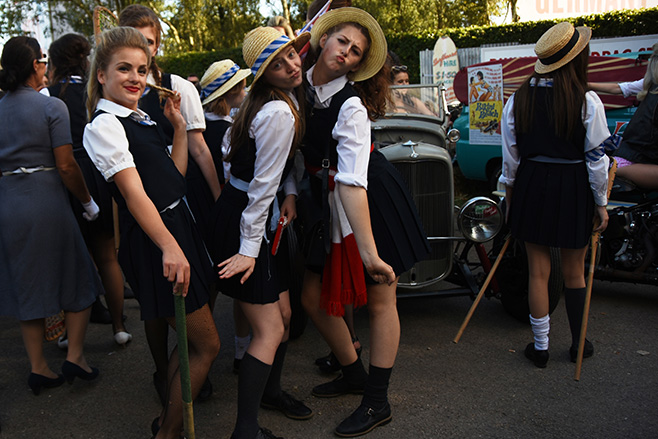
The Festival of Speed’s sister event, the Goodwood Revival, is another event where the off-track shenanigans rivals the racing action. At the Revival, a condition of entry is dressing in period appropriate attire, which results in a fantastic old school vibe.
Oh, the fashions. Attendees of the Goodwood Revival are invited to take a visit to yesteryear and dress in their finest ensembles to pay tribute to a time when Goodwood Estate was used as a home-away-from-home for foxhunting at the nearby Charlton Hunt, the tea and strawberry shortcake flowed and hats and gloves were a daily essential.
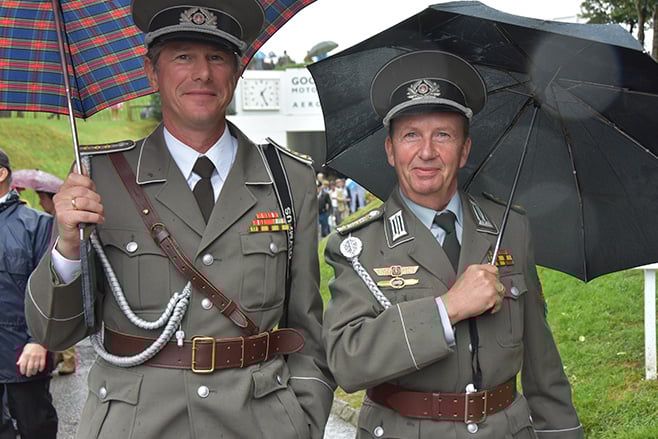
Each day, the finest outfits are invited to participate in the daily Best Dressed Competition. There’s a winner and two runners-up picked for the ladies and for the men, there’s a chance to take home the prize in various categories.
Oxford shoes, bias cuts, pedal pushers, fedoras, waist coats and double breasted suits all makeup the event that’s become as much a part of the Goodwood Revival as the cars themselves.

The racing drivers and teams get into the spirit as well, donning their best retro outfits from the golden era of motorsport.
We went along to the event in London this year to take a walk to the past with the lassies and chaps who graced the grounds. Check out the full gallery above.
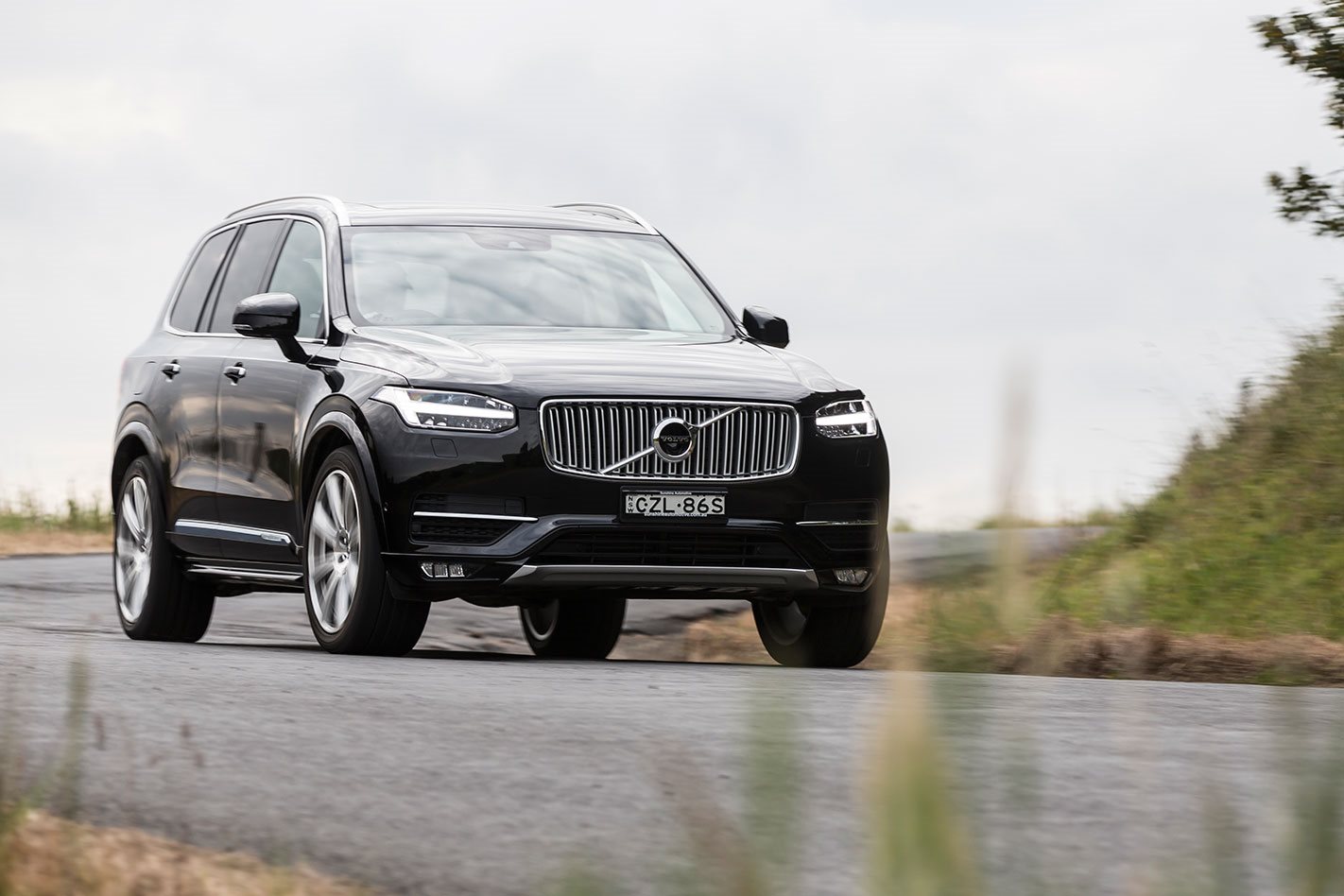
THE first instalment of a long-term test is often a bit light-on for detail, as author and vehicle are still in that difficult u2018getting to know youu2019 phase. So the update, inevitably, takes the form of a first-drive review by another name, or a well-crafted regurgitation of the specifications sheet.We’ll get to the specs at a later date, but for now we have a story to tell, as the statuesque Volvo XC90 we’ve nick-named Black Betty threw up enough small dramas in the first few weeks on fleet to fill several columns.
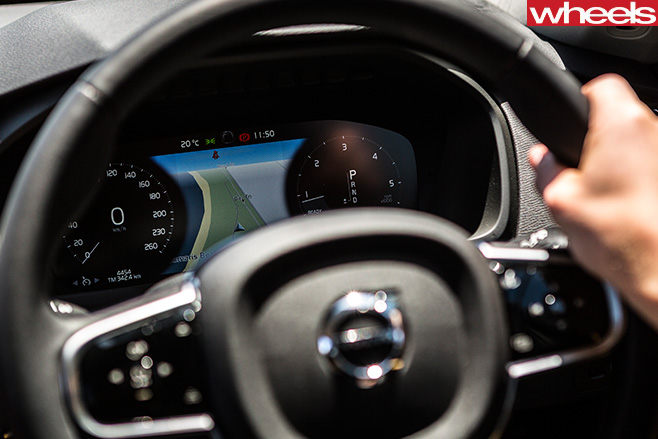
It all started innocently enough with a standard-issue systems-failure alert popping up in the Volvo’s handsomely designed digital dash display. You know the kind, a disco-strength array of multi-coloured lights and warnings to ‘Act now or lose your seat warmers forever’, or some such dire prediction.
Call me cynical or overly casual, but I’ve become a bit immune to such alerts, due to the frequency with which they tend to pop up on various test cars. Seriously, with test cars these days it’s rare there’s not at least one tyre-pressure warning, passenger-airbag alert or assorted other dashboard advisories urging one to make haste to the nearest dealership.
So, unless it has to do with oil pressure, engine temperature or perhaps transmission status, I tend to take them with a grain of salt, in the hope they’ll go away next time I shut the car down. More often than not they do, but not this time.
The first I knew of our near-new XC90 having some sort of internal drama was when the reversing camera went out to lunch. I presumed I’d inadvertently deactivated it playing with the various menus in the XC90’s iPad Mini-sized touchscreen, but soon after came warnings about ABS and City Safe not working.
Despite repeated Ctrl-Alt-Delete efforts, the alerts stayed resolutely prominent, so I figured I’d better do something about it… eventually.
In the meantime, however, I slipped away in another test car, forgetting to mention to the Good Wife that all was not well with the Big Swede. How was I to know that the system failure had also taken out the fuel warning light? Or that my vertically challenged wife couldn’t actually see the fuel gauge?
And that this was the day Mrs Bulmer planned to collect a friend from the airport – travelling via a busy ring road, with a full brood of kids sampling the Volvo’s spacious rear pews.
After the mobile had rung for the 11th time in as many seconds, in the middle of my specially convened meet-and-greet with the MD of a Seriously Important Car Brand, I had an inkling something wasn’t quite right. That was confirmed when I finally answered the phone, only to confront a gale force assault from a severely annoyed wife.
The conversation went roughly along these lines: “I’m stuck on the edge of the #@%&#%@ ring road, with an empty fuel tank, a car full of kids, and my best friend from interstate quivering in the front seat as semis fly past inches from the car. What the #@%&!”
Angry? More like incendiary, but I immediately leapt into action… and called Volvo’s customer assist line. I’m pleased to report they are friendly, helpful and apparently there to save the bacon of galoots like me who ignore system warnings.
A flat-bed truck and 70-odd litres of dead dinosaur droppings later, we were underway again, with the subsequent dealership visit resulting in a flash of the ECU and Black Betty surging back to her former glory.
Not sure if Volvo also offers ECU flashes for inept husbands, but if so I’m sure the wife will soon be signing me up.
Sven-gali act
Volvo’s designers missed the mark when they decided to reinvent the key fob. Instead of placing the buttons in the tried and proven location on top of the fob, they mischievously squeezed the lock, unlock and tailgate switches onto its narrow edge, siting the emergency button on the opposite edge.
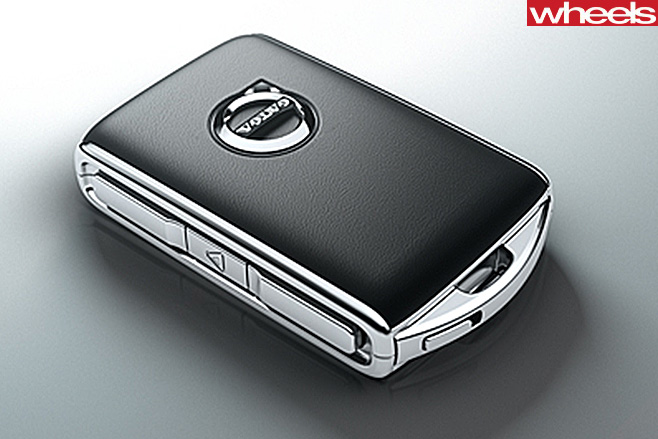
That may be fine for concert pianists and neurosurgeons, but for sausage-fingered bricklayers like Yours Truly it’s a recipe for horn-blaring wake-up calls for family and neighbours at unseemly hours. Not cool, Sven.
What a knob!
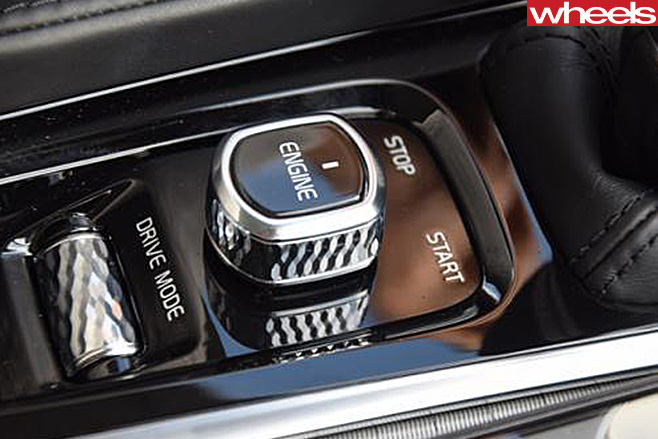
Having dispensed with redesigning the key fob, Volvo’s designers turned their attention to the ignition switch and, we’re pleased to report, they’ve had more success in this endeavour. Sven and his friends eschewed the allure of the now-ubiquitous starter button for something more tactile and, dare we say it, intuitive. The breakthrough in question takes the form of a small protruding knob that you turn right to start the engine, or left to switch it off. Go figure!
Update #1
By Ged Bulmer
THE bloke who coined the phrase “lightning never strikes twice” obviously hadn’t met my Dearly Beloved.
The ink was still drying on the February issue of Wheels, including my inauspicious introduction to our new Volvo long-termer and its tale of a Good-Wife-left-stranded-on-the-side-of-a-road-due-to-a-misunderstanding-with-the-fuel-gauge, when… it happened again.
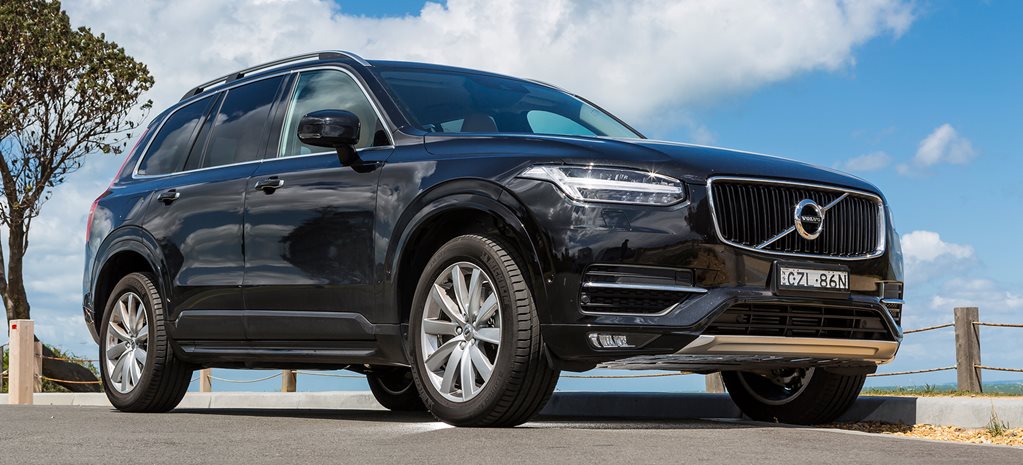
In a veritable master class of economy driving, the Better Half managed to calculate her trajectory so perfectly as to get Black Betty home and neatly aligned in front of our garage, with but a thimble full of fuel left in its 71-litre tank.
So, when the Darling Thing called to suggest that perhaps I ought to consider grabbing a small pot of diesel on the way home, I thought, ‘Surely she jests’. But the joke, as the Bee Gees once harmonised, was on me.
Talking through the scenario, I gathered that the Volvo had arrived home under its own steam, but that the trip computer was indicating a big fat zero in the distance to empty column. “No problem,” I countered, with the emphatic air of a man who knows what he’s talking about. “Trip computers generally err on the pessimistic side, so there’ll be enough to get to the servo.” The ‘servo’ in this instance being fully half a kilometre away.
Arriving home sans diesel, I probed a little further as to the cause of my spouse’s alarm. “Well, it’s making a funny sound when you try to start it,” she cautioned. “Hmm, but it is starting?” I enquired. Nod.
So, to the XC90 I went, sliding into its gorgeously-sculpted tan leather seats and turning the ignition switch with the casual confidence of a Man Who Understands Such Things.
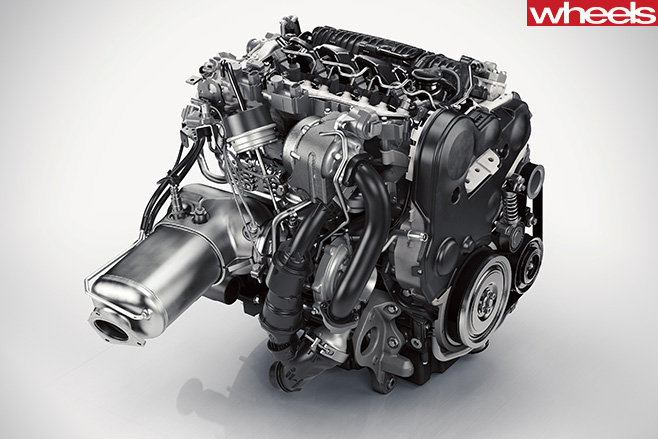
There followed a few seconds cranking, perhaps a half moment more than is the norm, before the 2.0-litre four-cylinder turbo-diesel rattled, fired and settled into its comfortable idle. I in turn smugly settled back into the plush leather, flush with the knowledge I had once again shown Man’s mastery of machine.
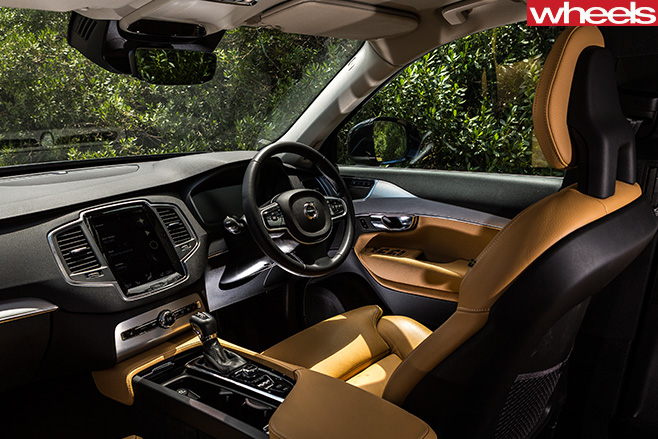
Selecting reverse, I used the camera image on the excellent 12.3-inch touchscreen to guide me back down our tricky driveway and into our neighbour’s, where I selected ‘D’ and… the music died.
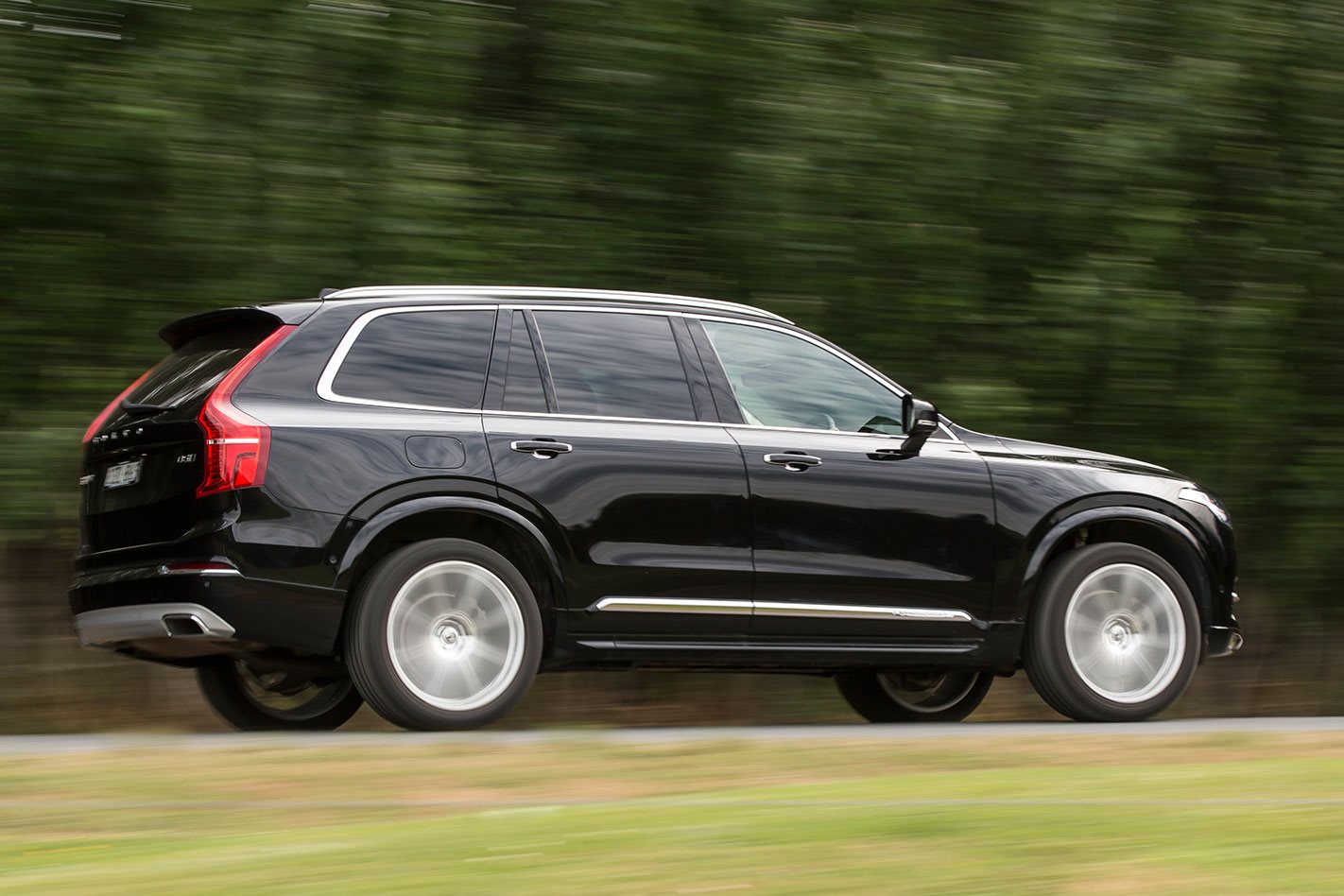
Once I’d finished banging my forehead repeatedly on the XC90’s leather-trimmed wheel, I was forced to accept several things. First, Volvo trip computers don’t lie. Second, when my wife says, ‘The car is out of fuel’, it really is OUT of fuel. Third, should my wife ever decide to pursue a new career, I see a huge future for her in the US sport of hypermiling, where geeks attempt to extract the optimum mileage from their Toyota Prius hybrids.
Frankly, I don’t think the man they call the ‘Father of Hypermiling’, Wayne Gerdes, stands a chance.
Lessons learned this month
- The XC90’s fuel filler won’t accept an ordinary jerry-can nozzle; a secondary flap in the filler neck stops it. Using the wrong nozzle involves a diesel bath.
- Said nozzle lives in the spare wheel well, beneath the cargo bay, but you won’t know this until you read the owner’s manual.
- The Volvo’s printed owner’s manual doesn’t detail where the fuel nozzle is located.
- The electronic owner’s manual, accessed via the touchscreen, is simple and easy to use.
- The touchscreen doesn’t respond well to a diesel-coated digit.
Update #2
By Ged Bulmer
“OOH, Daddy, it’s a Mercedes!” These words, uttered with the shrill delight of a seven-year-old on first sighting of the Volvo XC90, could be music to the ears, or a dagger through the creative heart of the Swedish SUV’s designers.
To be fair, it was dark and my poor kid has never quite got over the loss of our previous Mercedes-Benz ML350 long-termer. But I still might get her eyes checked as, while our XC90 bears a passing resemblance to several other large, black and blinged-up SUVs, the Merc isn’t one of them.
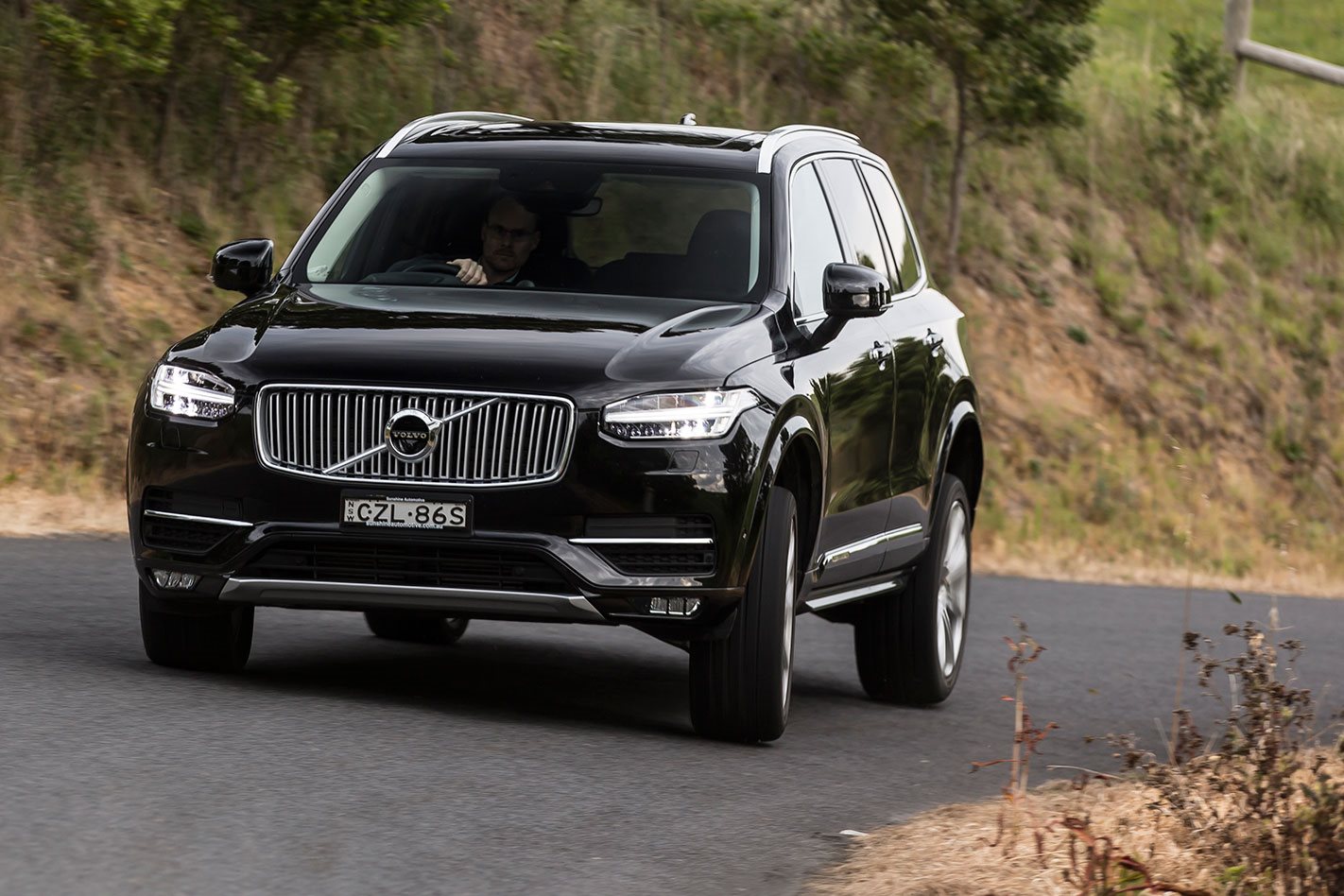
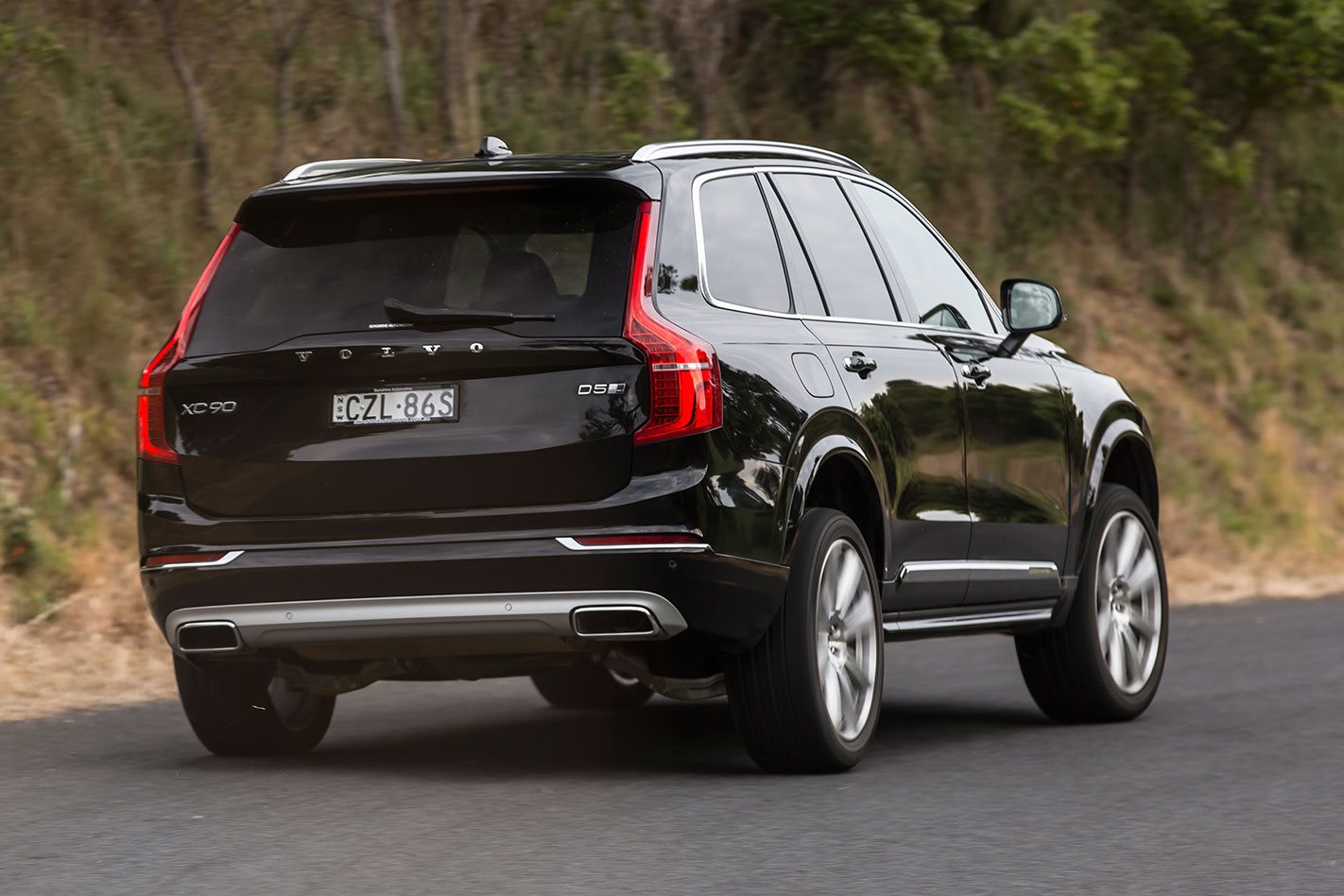
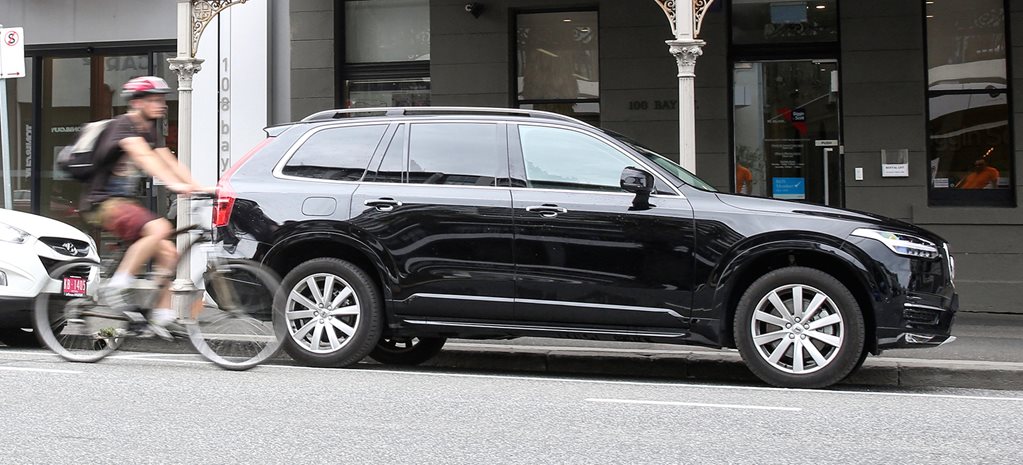
While it’s possible to pick elements of Jeep, Range Rover and even BMW in the XC90’s statuesque silhouette, it ultimately comes together into something that is uniquely Volvo. I like that it’s not overly embellished, that the designers knew when to lay down their crayons. To me, the styling is emblematic of the car itself; big, roomy and ever so practical for its primary task of hauling large families in comfort.
We’re not a particularly big family but our kids seem to have this ability to attract dirt and friends in roughly equal measure, so seats six and seven are utilised more often than our humble brood might suggest.
Access to the third row is easy, thanks to a simple flip-and-slide mechanism on the second row. It’s decently roomy back there but longer-limbed-types can plead for extra legroom via fore-aft adjustment on the second row.
There are individual air-con vents and cupholders in the cheap seats, and folding headrests that allow the third row to be left in situ without compromising rear visibility.
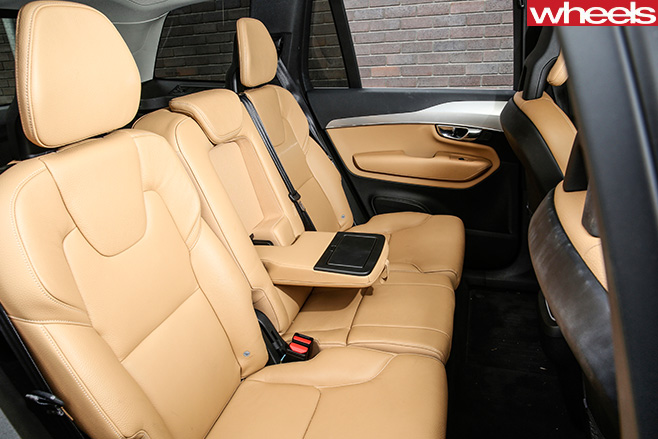
Fold the third row flat into the floor and the XC90 flaunts one of the best and biggest cargo bays in the business. Minimal wheelarch intrusion ensures maximum luggage space, and the electric tailgate makes life that little bit easier. A trio of bright LEDs shining from both sides and above are appreciated when loading at night.
Back in the 40-20-40 second row, the centre seat can be folded flat to create a load-through space, or to put space between the inevitably warring parties.
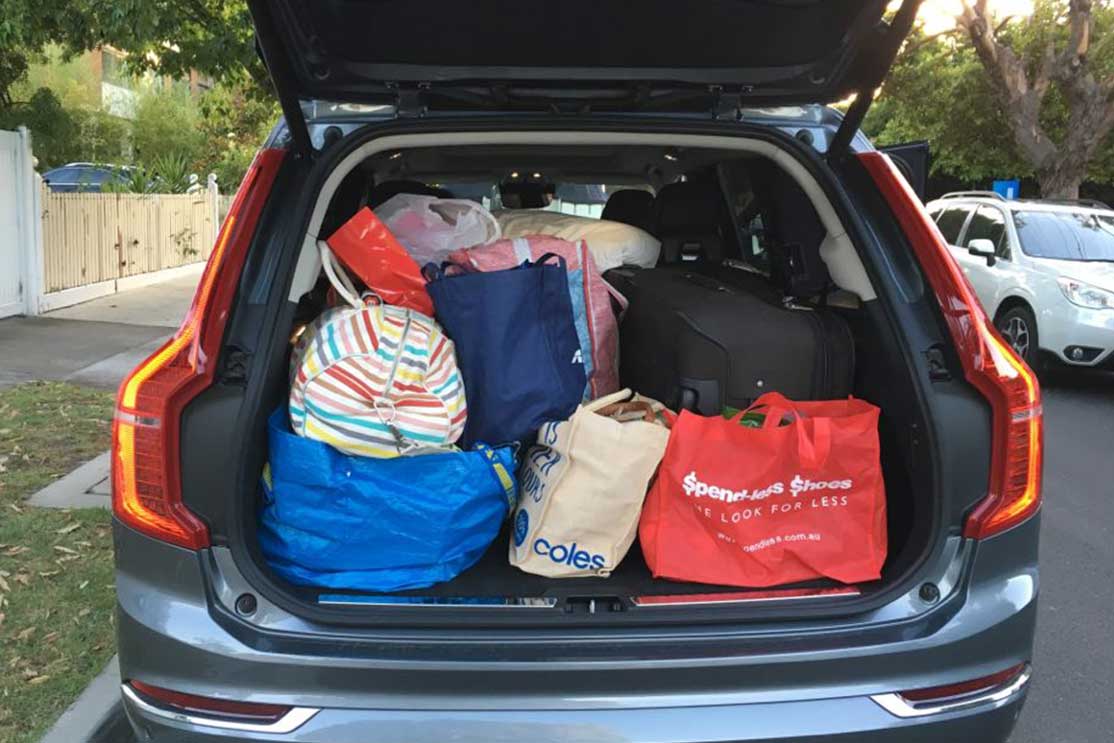
Seat comfort is excellent whether you’re in the first or third row, with nicely sculpted and supportive pews clad in soft and lightly aromatic leather. For families still in the booster stage, there’s also the winning trio of inbuilt booster seats across the second row.
Decent size door pockets and second-row seat-back nets complete an excellent comfort and convenience package, the one glitch being a glovebox the wife has declared too small. I’m no expert on such things, as there’s always the centre console, but I did take perverse pleasure in watching her fumbling about trying to locate the discretely mounted (read, almost invisible) electronic switch that opens the thing. Nice one, Sven.
Extra, extra!
Auto industry PRs wouldn’t be doing their jobs if they passed up the opportunity to option to the hilt their media demonstrators. Our friends at Volvo chose a middle path with Black Betty, adding just enough bling for it to be appreciated, yet not enough for it to be ostentatious.
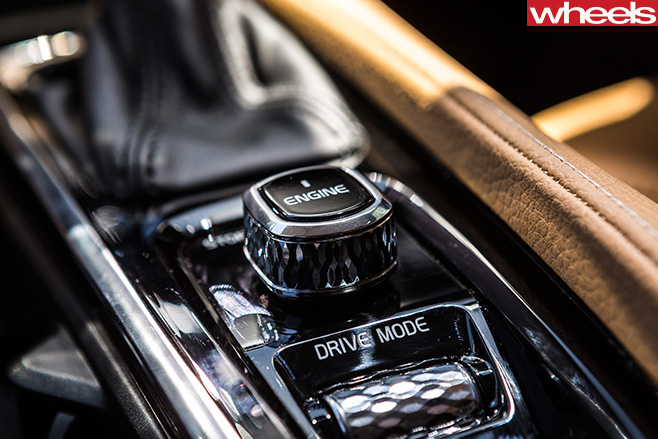
They added metallic paint ($1,750), heated front seats ($375), tinted rear glass ($850) and drive-mode settings ($160), for an all up price of $93,085. For the record, that’s about $11K less than the similarly sized but significantly more powerful Audi Q7.
Update #3
By Ged Bulmer
WHETHER it’s an oversight or a deliberate ploy on my part to save the best bits for last, like that cherished final bite of a sweet treat, it occurs to me that nigh on half a year into our journey with the Volvo XC90, I’m yet to dedicate a column to how the big Swede drives.That’s because there’s been so much other stuff to write about, but we can’t look past those key quantifiers of vehicular excellence: ride, handling and performance.
The sheer verve of the 2.0-litre four-cylinder twin-turbo diesel never fails to impress. Frankly, it strains credibility that an engine of such modest capacity can shift the Volvo’s near two-tonne mass with such alacrity, but it does.
Like ugly men with glamorous partners, small engines punching above their weight are by no means new, or indeed exclusive to Volvo. Yet the XC90 stands out as an impressive piece of engineering. Its vital stats are compelling enough – 165kW/470Nm and 0-100km in 7.8sec – but they can’t adequately explain what an effortlessly excellent powertrain this really is.
Hitched to a sweetly calibrated eight-speed auto, the engine serves up an astonishing amount of turbocharged grunt from ridiculously low revs, and does so in an overwhelmingly smooth and refined manner. Crack the throttle at urban speeds and it responds with impressive zeal, the auto serving up its collection of well-spaced ratios in near seamless fashion, the resultant acceleration ensuring Black Betty is usually at or near the front of any traffic-light pack.
Out on the open road and there’s more than enough underfoot to tackle caravans or other slow-moving chicanes, without the fear and/or humiliation of running out of road. That’s still the case when loaded to the gunnels, as we discovered on a recent family holiday. With a brimmed 71-litre fuel tank, four passengers and a load of gear, the Volvo barely raised a sweat as we surged over hills and cantered down dales.
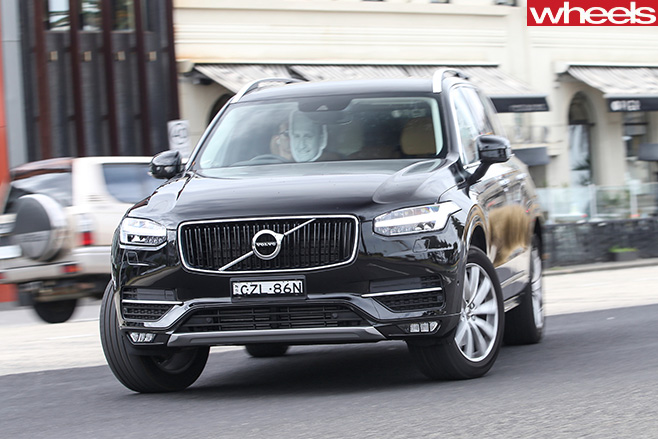
Impressive as the engine is, the clever auto proved equally stellar. Rarely found wanting for the right gear, it delivers crisp, well-timed upshifts under acceleration, and deft downshifts when needed, adding a dash of engine braking on descents and into corners.
Crucially, the suspension also handled the extra weight without any issues, maintaining good ride comfort and body control while still managing to avoid the bump stops over lumpier stuff.
The laden driving experience leads me to think that the XC90 would also be a good choice for towing Old Paint to Saturday pony club. Rated as it is to tow 2250kg, and with that sparkling diesel four-pot beneath its snout, it’s just one more handy attribute in a vehicle that lives up to its Sports Utility moniker admirably.
Wring out your smalls
Back in 1990 Nissan came up with what now seems an ill-informed plan to slot the terrific RB30 3.0-litre petrol six into the GQ Patrol. A free-spinning non-turbo that had seen stellar service in the Skyline, its application in the hulking Nissan Patrol was optimism in the extreme. Cue the unedifying sight (and sound) of goggle-eyed drivers buzzing their lumbering behemoths to the cut-out before slam-shifting the chunky gearbox in a desperate attempt to maintain momentum.
No such issues with the XC90, thanks to technological advances that ensure it trumps the 1990 petrol Patrol by 33kW and 176Nm, with a litre less capacity.
Update #4
By Ged Bulmer
STUDENTS of Norse mythology, or simply fans of the bawdy and bloodthirsty SBS TV series Vikings, will know that the Norsemen of medieval Scandinavia burned their dead chiefs in a ship-like funeral pyre, en route to their final destination of Valhalla.
I considered showing the same respect for the XC90 but soon realised Volvo would probably prefer it back unsinged, even if the funeral pyre is the ultimate sign of respect for a Scandinavian warrior.
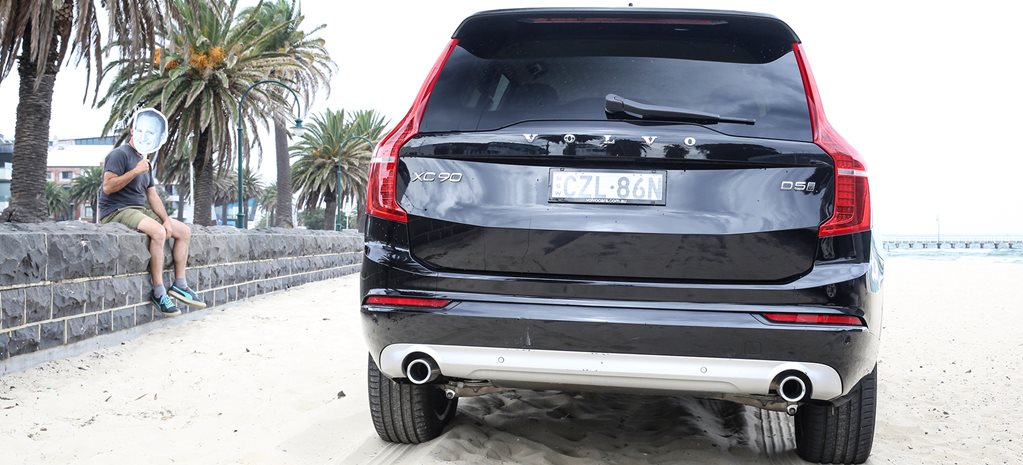
Respect is very much the appropriate descriptor for emotion accrued over the six months Black Betty has graced our driveway. During this time, there hasn’t been a lot of pillaging, but plenty of packing, plodding and perambulating.
Of course, the Vikings were known for more than just sacking and pillaging; among their skills was the ability to craft lightweight vessels that combined speed and durability. While this land-based descendant of that Nordic bloodline may not be particularly svelte or rapid, it’s surely a masterpiece of durable design, evidenced by the fact it’s still in one piece after a hammering from a voracious horde of tiny horned warriors.
Life was undoubtedly hard for the Vikings as they bobbed about the Baltic, but consider the battering this Volvo XC90 copped at the hands (and feet) of the rampaging Bulmer brood and their ferocious little friends.
I’ve no idea how car companies calculate a lifetime of doors being slammed with the ferocity of Thor’s hammer, of seat backs being furiously pummelled by angry little legs in dirty little sneakers, and of touchscreens prodded with the sensitivity of an angry inquisitor. But as I watch the handsome black XC90 emerge gleaming from its ritual cleansing at the hands of the Druids at Sprinkles car wash, I marvel at how well it stood up to the rigours of this particular campaign.
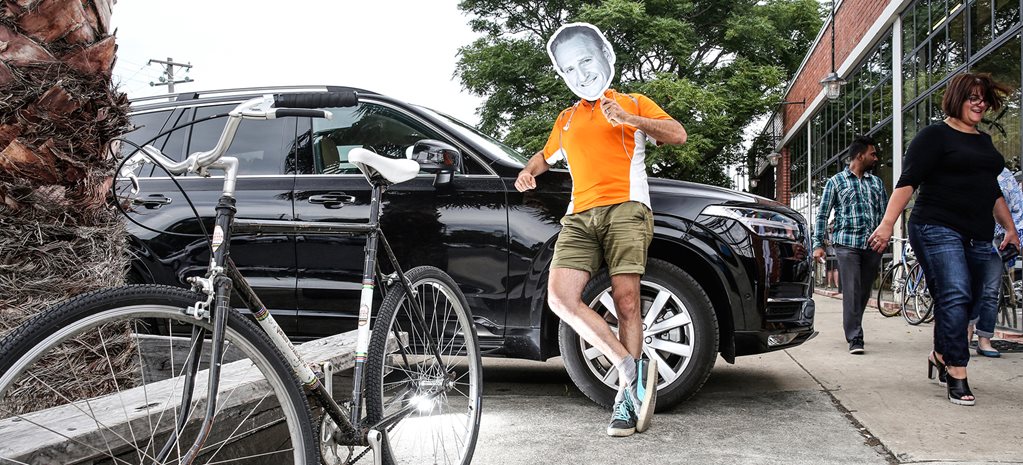
With footwells finally clear of wrappers, receipts and rubbish, windows wiped clean of olfactory offerings, and a mysterious smear on the back seat sent to forensics for identification, I can once again admire the big Swede’s handsome lines.
Minus road grime and pigeon poop, the XC90’s honest, muscular design still looks fresh and distinctive. It may lack the dramatic headlights, plunging rooflines and raked pillars of some rival SUVs, but its elegant surfacing and fine detailing lends it a suitably premium Euro air, while that box-like body delivers the space a modern Viking crew requires.
That restrained pragmatism continues on the inside. Deceptively simple but undeniably elegant, it locates various vehicle system controls within the (prone to smudging) 12.3-inch touchscreen. With its swipe up or across interface, the screen proved a little frustrating at times as it isn’t entirely intuitive, but we’ll forgive it that sin for the obvious decluttering benefits.
Clutter is something the roomy Swede easily accommodates, thanks to its generous 651 litres of boot space, or a still-respectable 291 with the third row in use. Fold both second and third rows and there’s room for 950 litres of stuff you don’t need from Ikea, accessed via an electric tailgate worth its weight in Aldi coupons.
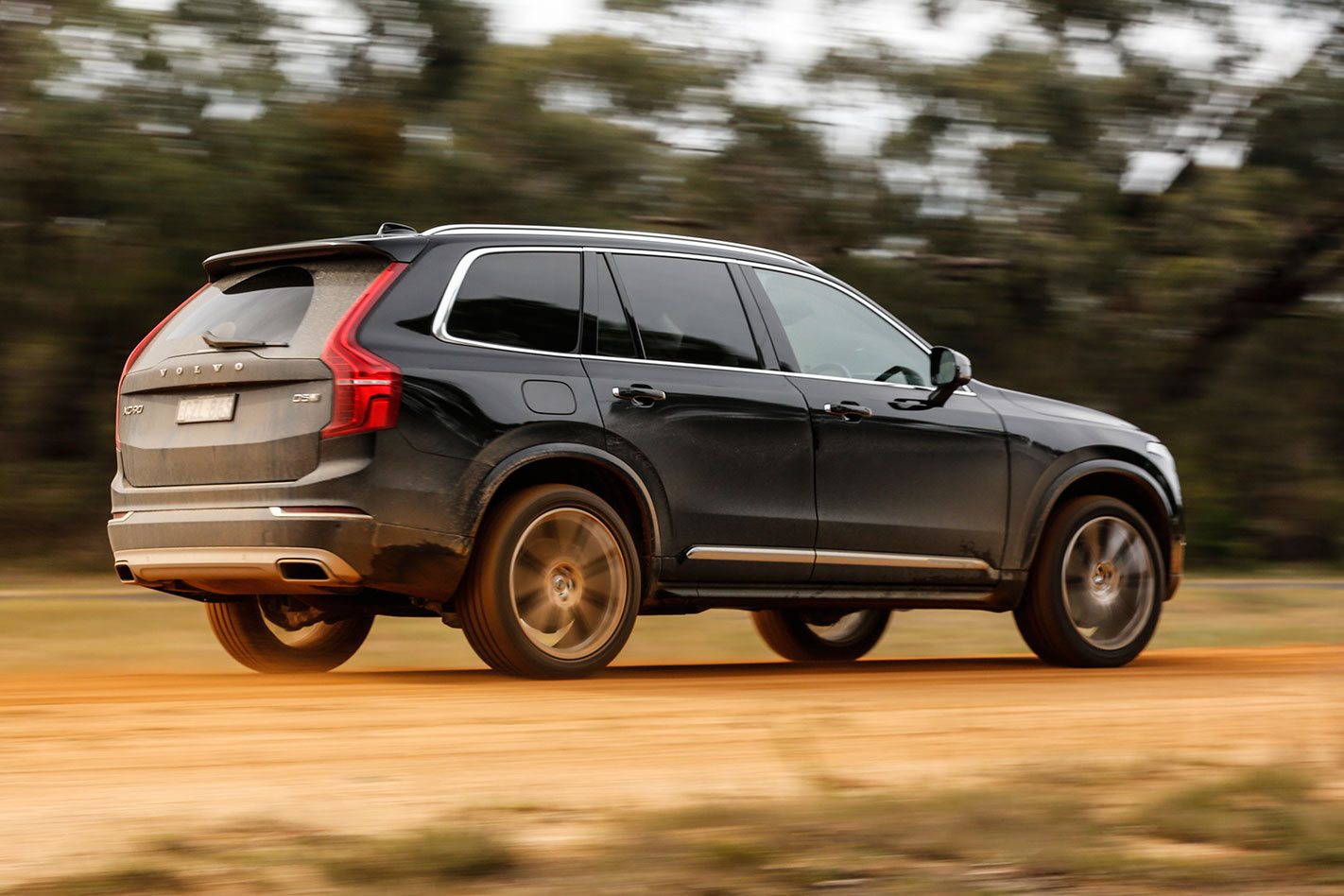
The high seating position found favour with my vertically challenged better half, while the rug-rats in the cheap seats had nothing to complain about, with individual ventilation controls and ample space between to avoid fisticuffs.
The stylish leather-clad pews provide excellent support and comfort for short or long trips, while the versatile configuration and ease of folding the other rows meant loading a raiding party was ever easy.
Refined, roomy and utterly practical, the XC90 is a superb family wagon, and surely one of the best of the breed.
While full burial rites for this Viking warrior may be out of the question, there is another Norse tradition that’s arguably more appropriate, involving ritual drinking. And that’s surely something Swedes and Aussies can agree on. Skål!
The glitch is back
As a poverty stricken student I did my share of running-out-of-fuel stunts, so these days rarely allow a tank to get near vapour. But The Wife likes to live dangerously and swears that the Volvo’s trip computer is errant, randomly recalculating from 70km remaining to 0km in the blink of an eye.
The seat heater on the passenger side has also started switching off of its own volition recently, which begs the question whether an earlier electrical glitch that threw out systems and required a visit to the dealership to flash and fix has paid a return visit.
Dare to believe
If you’re a bit old-school and struggle to see how a 2.0-litre four-cylinder twin-turbo diesel can possibly propel 1970kg of Sweden’s finest down the road with anything approximating alacrity, then do yourself a favour and take an XC90 for a spin. In combination with its excellent eight-speed auto, the Volvo’s 165kW/470Nm four-pot is a revelation, proving easily capable of hauling a full payload of passengers and luggage in impressive style.
Scotty is a an excellent hand, but there’s also plenty of life in Garth.
The Walkinshaw Racing team’s decision to grab free agent Scott Pye to line-up with already re-signed James Courtney next season is easy enough to understand. Pye, cut loose from DJR-Team Penske for 2017, has shown great speed, is articulate and well presented, and has youth on his side.
Except for the age factor, all of those positives could also be attributed to Garth Tander, the highly credentialed long-time servant of HSV Walkinshaw who will depart HRT/Walkinshaw after 12 years at Clayton.
For me the decision is a bit like seeing Tony Cochrane drive over a cliff with one of my good mates – there is an aggravating mix of blessing and regret.
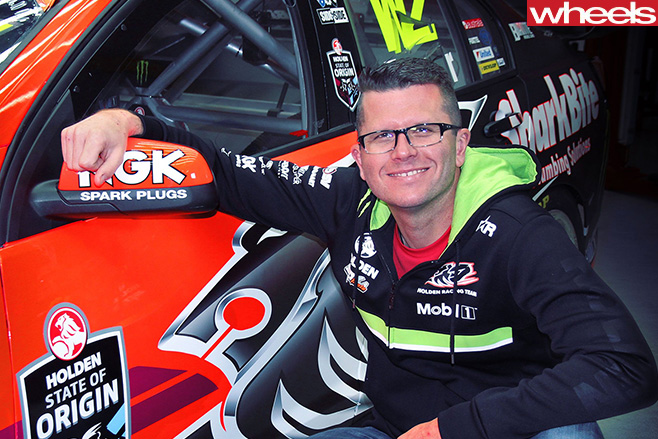
And is there anyone more impressive at slicing through the pack from a rearward grid slot? Don’t answer: I already know.
I’m more than pleased that Pye has found a good seat for the future. He has plenty to offer. But surely GT is still among the best six or eight drivers on the Supercars grid.
The timing of the decision to go for Pye over Tander was not terrific, coming just a few days after the veteran and Warren Luff combined to brilliantly win the Sandown 500.
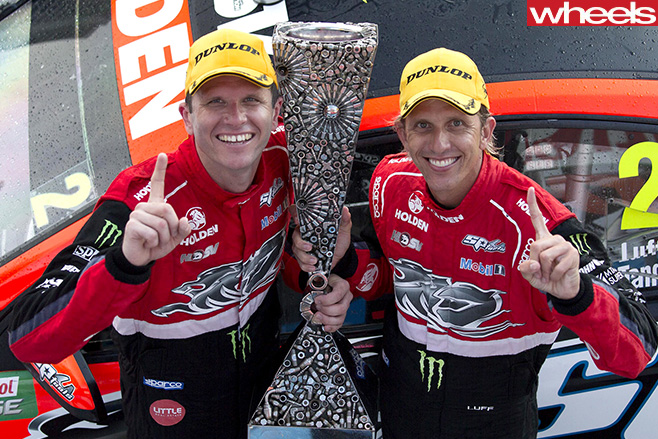
He feels that at 39 he has plenty more to add to his 50 race wins, a V8 Supercars crown (2007), two Bathurst 1000 successes (2009, 2011) and the Sandown 500.
For sure, Tander will find a job next year, and let’s hope it’s with a competitive Supercars team.
He has been linked to a return Garry Rogers Motorsport, where it all started for him in 1998.
Perhaps a slot may emerge for Tander at Brad Jones Racing, just a couple of hours up the Hume.
