
This story, first published in December 2022, has been updated to reflect confirmed Australian plans.
Snapshot
- Mazda Connected Services coming to Australia
- Due to launch in the updated MX-5 in the first half of 2024
- Further details to be confirmed early next year
Mazda Australia has confirmed it’ll launch connected services for selected vehicles in 2024.
The service – confirmed for the updated MX-5 due in early 2024 – will be enabled in Australia in the first half of next year.
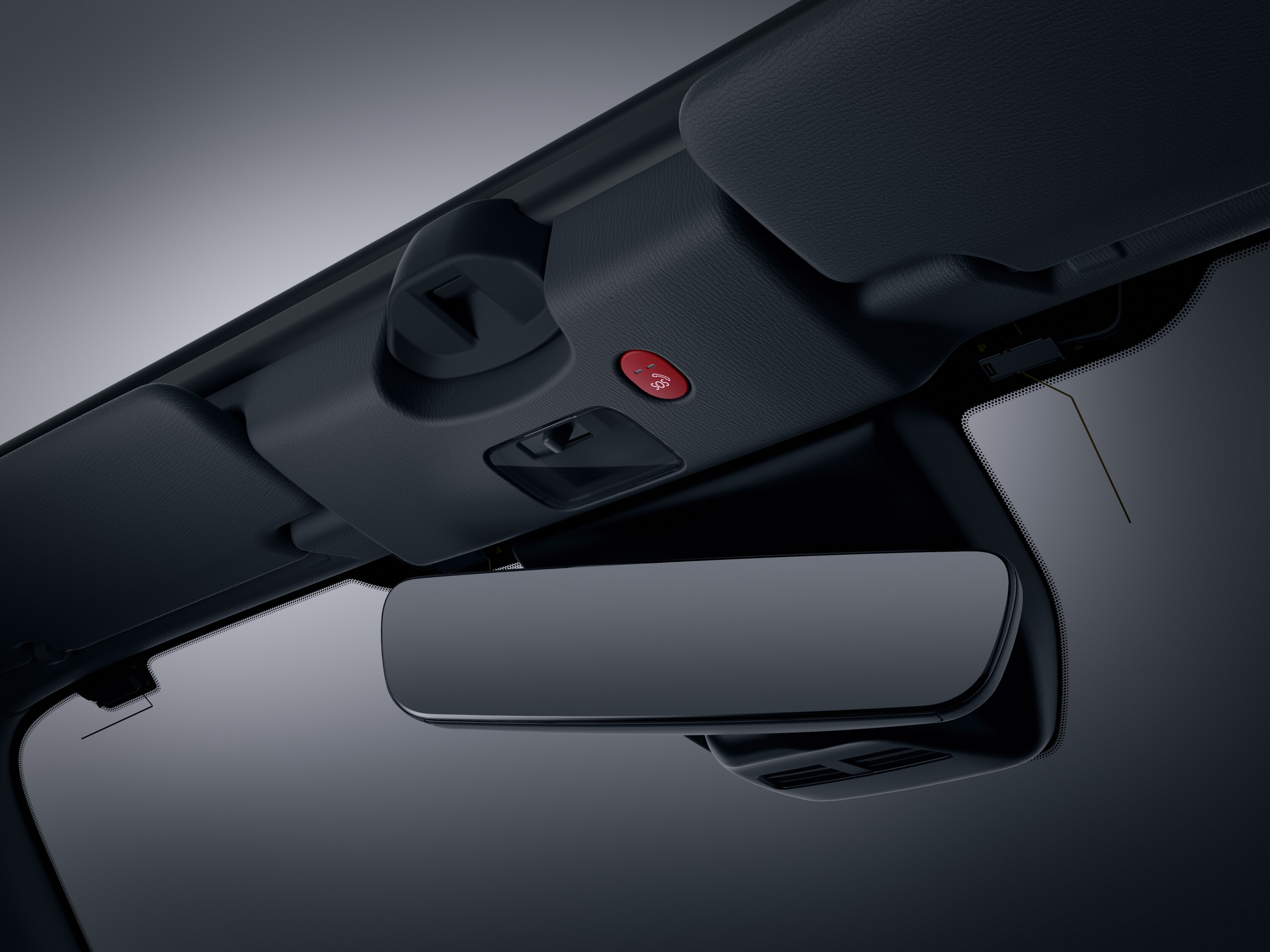
“The MX-5 becomes the first Mazda in the Australian range to support Connected Services functionality, which can connect the vehicle to the emergency services to dispatch an ambulance in case of an accident and allow vehicle status to be checked via a smartphone app,” said Mazda Australia.
1
Additional vehicles supporting Mazda Connected Services are expected to be announced later, potentially including the yet-to-be-revealed CX-80 premium SUV and imminent updates for the CX-30 and CX-5, ahead of a wider roll-out across Mazda’s line-up.
A Mazda Australia spokesperson said further details on the Connected Services roll-out will be confirmed “from Q1 next year”.
In the United States, Canada and Japan, the ‘MyMazda’ smartphone application allows owners to find their vehicle, remote start, lock and unlock, activate the hazard lights, or honk the horn. It also provides an overview of the vehicle’s fuel or battery level, oil level, odometer reading, and status alerts including malfunction information.
For electrified vehicles such as the MX-30 EV and CX-90 PHEV, the application also allows owners to remotely stop a charging session and set the climate control to pre-condition the cabin.
1
Destinations can be sent to vehicles with built-in satellite navigation. An in-car WiFi hotspot and over-the-air software updates are also available, but it is unclear if this will be offered in Australia.
The roll-out of Mazda Connected Services in Australia follows similar services becoming available from Toyota, Ford, Hyundai, Kia and Honda in recent years.
Toyota Connected Services, launched in 2020, has similar functions. It operates on a subscription model with a 12-month or three-year complimentary period, depending on the vehicle.
Hyundai, Kia and Honda offer connected services free of charge for a vehicle’s warranty length, at seven years for Kia and five years for Hyundai and Honda.
FordPass Connect is free for the life of the modem, according to Ford Australia. However, connected traffic updates are only available for three years.
The push for connected technology in mainstream vehicles follows luxury brands BMW and Mercedes-Benz, with ‘My BMW’ and ‘Mercedes me connect’ available on vehicles dating back to 2014.
Electric vehicle manufacturer Tesla offers connectivity, allowing drivers to stream music and video, view satellite maps and live traffic updates, browse the internet, and perform karaoke while driving – for $9.99 per month, as part of its Premium Connectivity subscription.
Under now-defunct Holden, US car giant General Motors launched its optional OnStar telematics system in Australia with Holden Assist branding in the early 2000s, offering similar features to the connected services offered today.
It was discontinued by 2009 due to low take-up and poor network connectivity in Australia at the time.
MORE
Everything Mazda
Snapshot
- MY24 MX-5 detailed with host of minor changes
- Steering, throttle response, ESC, LSD function have all been tweaked
- Improved in-car technology with new central display
- Debuts connected services for Mazda in Australia
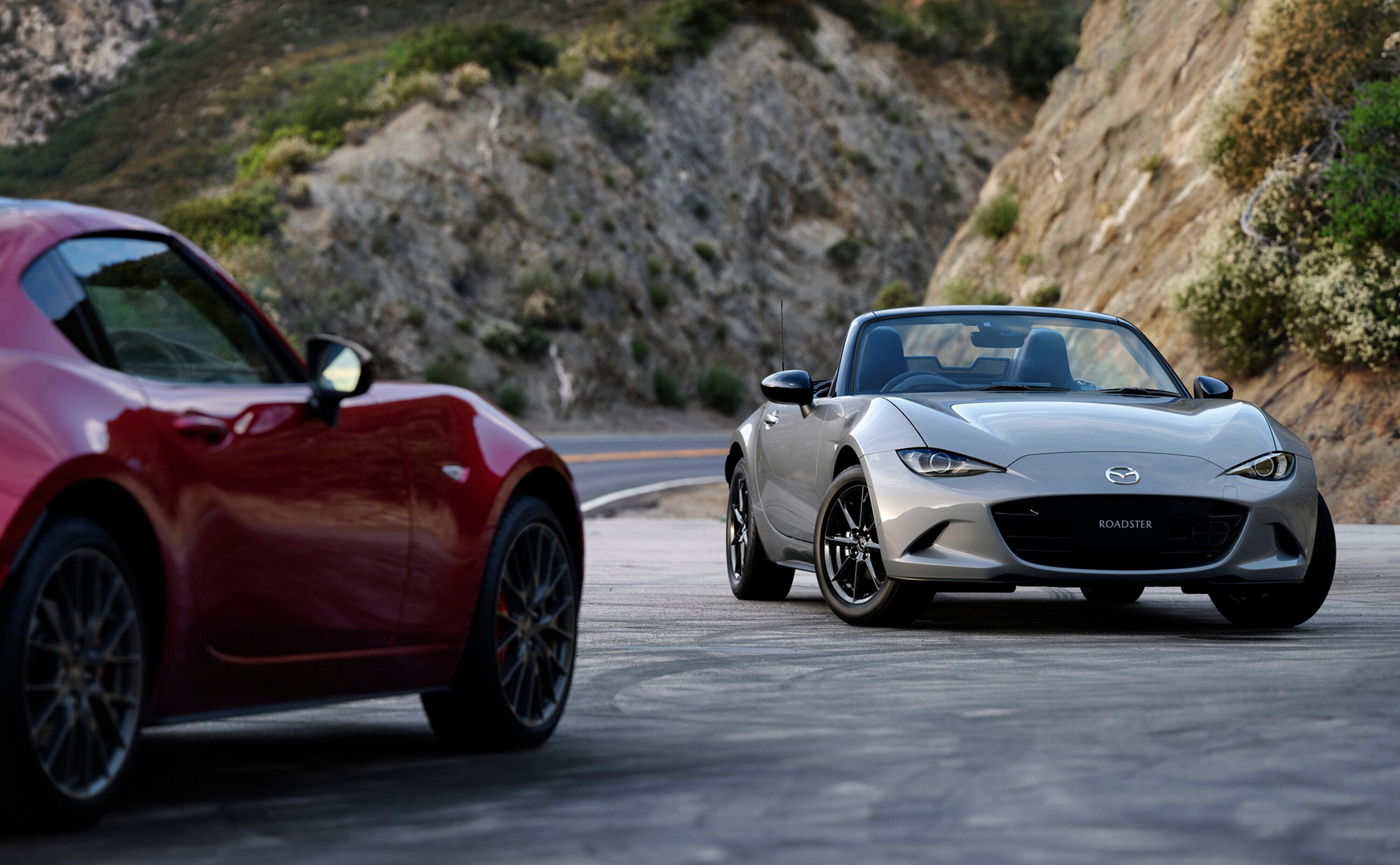
Mazda has detailed the 2024 MX-5 sports car with a host of minor tweaks ushering the two-seater to market in the first quarter of next year.
Rather than visual or trim tweaks, Mazda engineers have looked deep beneath the eight-year-old ‘ND’ MX-5’s sheet metal to subtly improve the roadster and RF models – especially those with the six-speed manual transmission.
Along with the enhancements is a $2310 increase in the base Roadster 2.0-litre’s price, with other variants also climbing to reflect additional equipment. The range stays the same as before, with the Bilstein-equipped GT RS still available.
“It may be our most analogue-feeling car when it comes to dynamics, but the 2024 MX-5 also brings with it the latest connectivity and safety updates, ensuring the overall package is also at the cutting edge technologically”, said MD Mazda Australia Vinesh Bhindi.
1
Mazda has developed a new LSD for the MX-5, the ‘asymmetric’ differential (otherwise known as a 1.5-way diff’) has had its locking force under braking adjusted for greater stability on turn-in.
Additionally, manual cars get a new ‘DSC-Track’ mode that allows a touch more slip for fun on the racetrack without having to fully ditch the safety net of ESC.
Further, smaller tweaks include improved throttle response that’s now ‘more natural’, according to Mazda, and makes low-speed operation smoother. There’s less friction in the electronically-assisted power rack for “more nimble and precise operability.”
Those changes apply exclusively to manual cars, with automatics continuing largely unchanged when it comes to the driving experience.
1
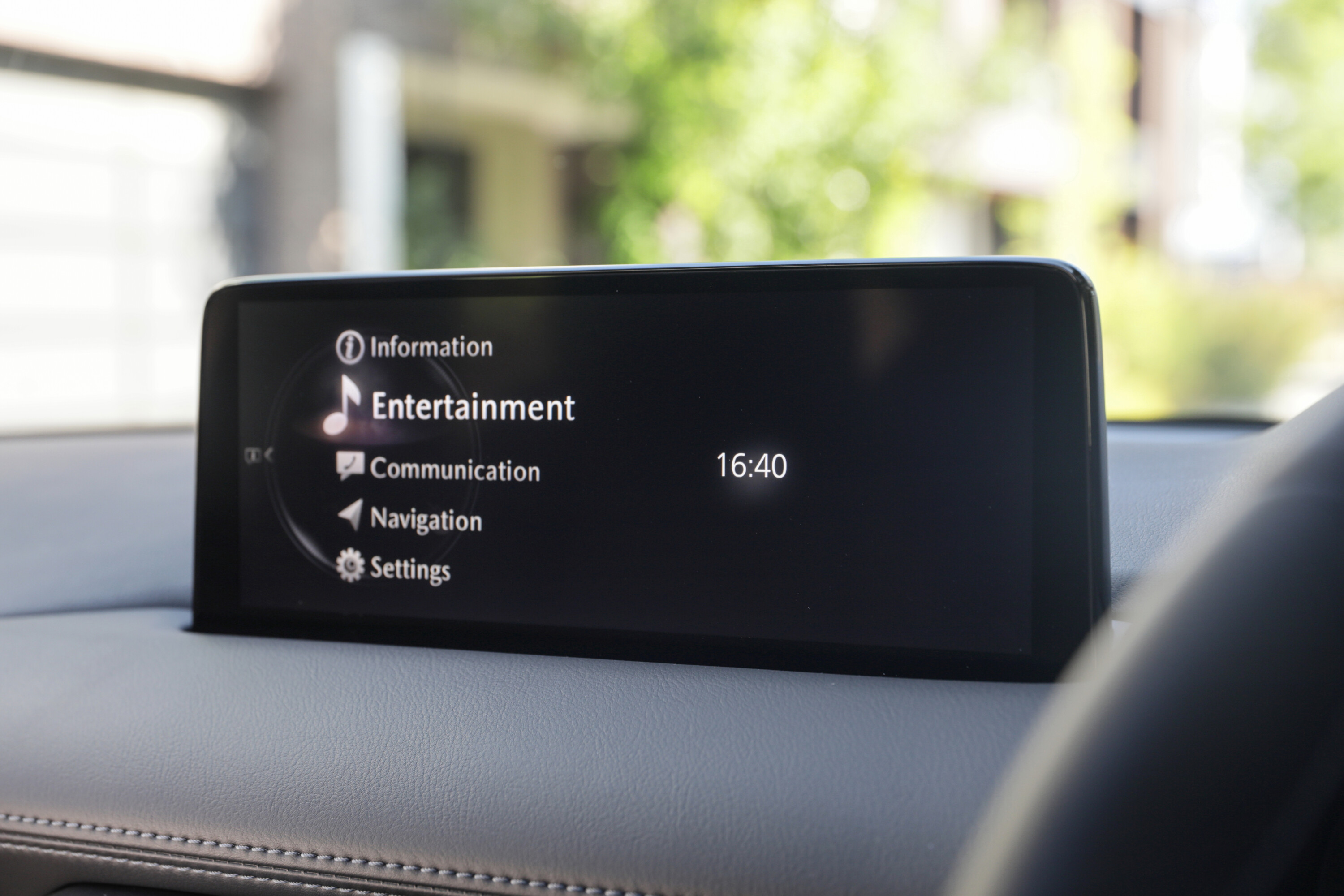
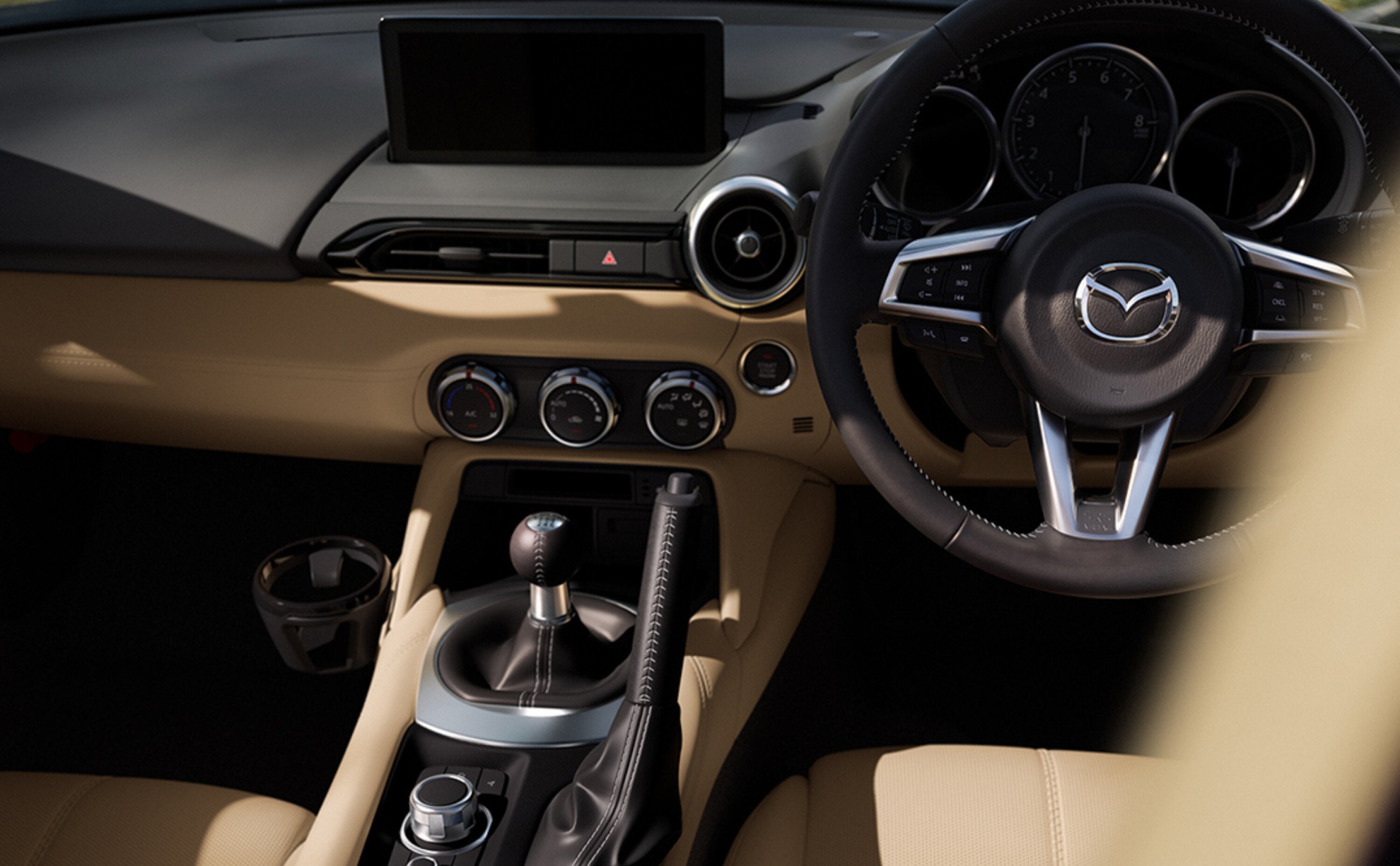
Inside, though, there’s a new 8.8-inch display that replaces the old 7.0-inch item and features – for the first time – Mazda Connected Services. That means an SOS call button and the ability for owners to check vehicle status using a smartphone app.
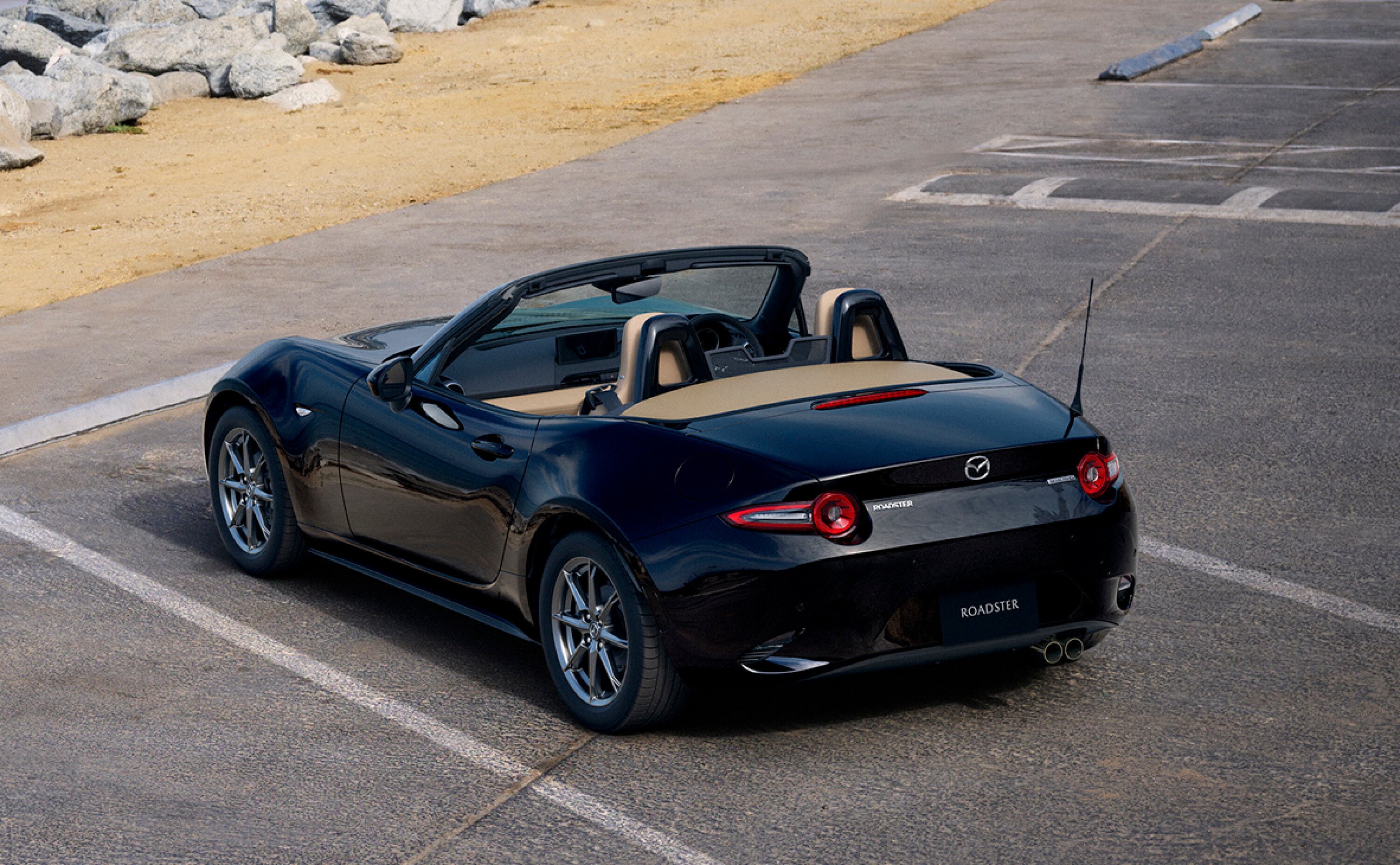
The comfort-focused RF GT grade is now available with a black roof with contrasting tan leather upholstery with an automatic transmission exclusively. Japanese MX-5s are also fitted with adaptive cruise control, though this isn’t confirmed for Australia.
New 17-inch alloy wheels feature and Aero Grey metallic joins the seven-strong colour palette for 2024. Mazda has also very slightly changed the MX-5’s LED headlight and taillight signatures.
1
Otherwise, the MX-5 is largely unchanged with a 2.0-litre petrol four-cylinder up front developing 135kW and 205Nm driving the rear wheels.
The MX-5 roadster and RF, rivals for the Toyota GR86 and Subaru BRZ, will arrive in Australian dealerships in the first quarter of next year.
| 2024 Mazda MX-5 pricing | ||
|---|---|---|
| Variant | Price (before on-road costs) | Change |
| MX-5 Roadster manual | $41,370 | Up $2310 |
| MX-5 RF manual | $46,100 | Up $2730 |
| MX-5 Roadster GT manual | $48,490 | Up $2800 |
| MX-5 Roadster GT auto | $49,990 | Up $2300 |
| MX-5 Roadster GT RS manual | $51,490 | Up $2800 |
| MX-5 RF GT manual | $52,990 | Up $3220 |
| MX-5 RF GT auto | $54,490 | Up $2720 |
| MX-5 RF GT auto (blk roof, tan leather) | $55,510 | (New model) |
| MX-5 RF GT RS manual | $55,990 | Up $3220 |
MORE
Everything Mazda
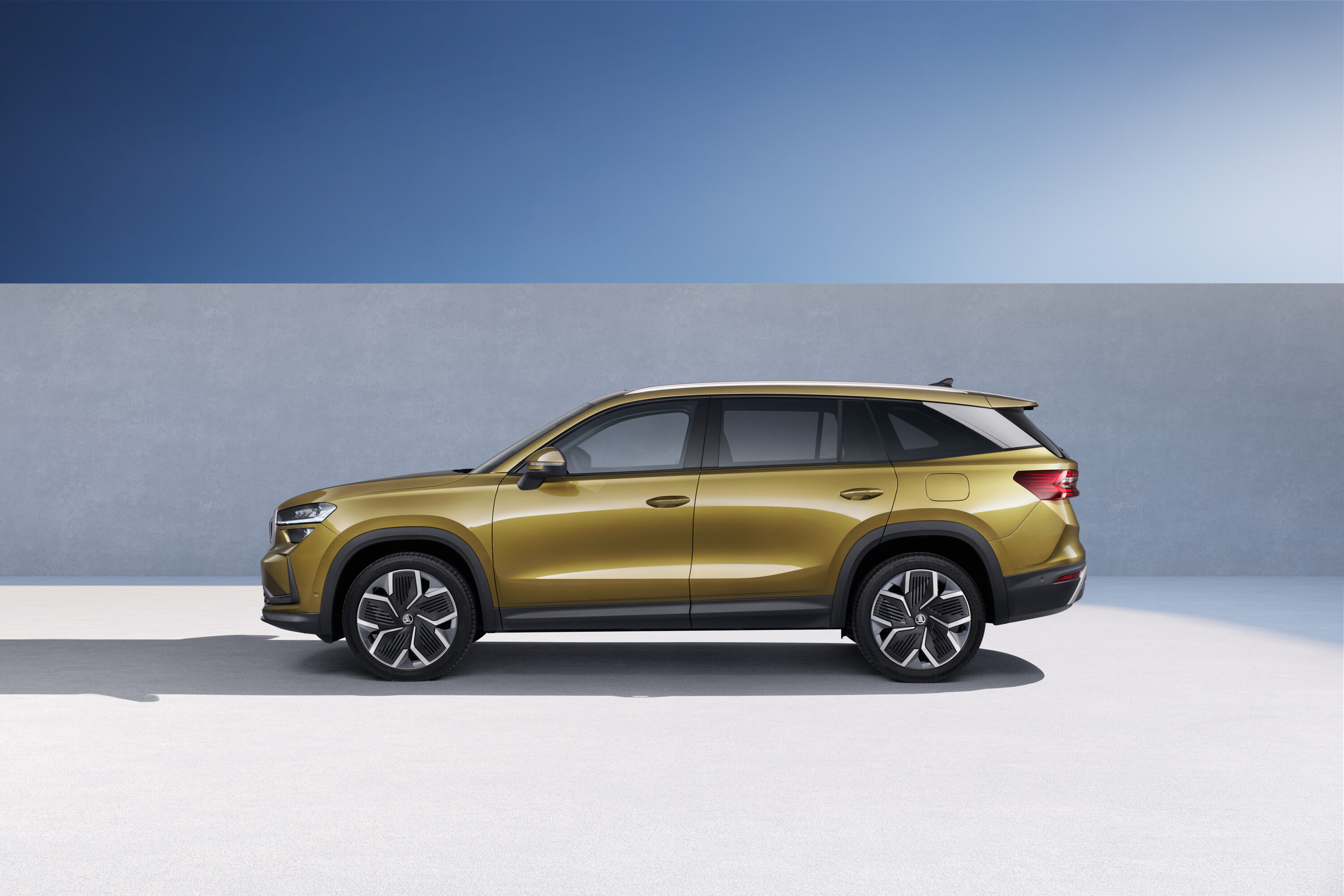
Skoda has rolled out the second generation of its large SUV, the Kodiaq, in Europe overnight.
While it retains its Volkswagen Group MQB platform underpinnings, the latest Skoda Kodiaq adopts a brace of new safety tech, as well as a plug-in hybrid option.
Bigger and sleeker than the version that came before it, the new Kodiaq will drop into Australia late in 2024 with a single variant from launch, a 150kW petrol-powered AWD seven-seater.
This variant will rely on the group’s ubiquitous EA888 2.0-litre turbocharged four-cylinder petrol engine, mated to a seven-speed dual-clutch transmission.
4
Skoda Australia says it will focus on this single variant at launch and will “evaluate further opportunities” to add to the range.
This could potentially include the 1.5-litre petrol/electric plug-in hybrid, which is a first for the Czech brand.
Matching a combined output of 150kW with a 25.7kWh battery, the Kodiaq PHEV offers a claimed electric range of more than 100km.
3
More room, softer design
On the outside, the Kodiaq adopts a softer, more stylised design, with a more shapely nose treatment, a swept roof and a more straightforward rear-end treatment, complete with a diffuser.
The distinctive ‘four-eye’ headlight design remains, with new Top LED Matrix headlight units standard across the range.
Skoda claims the new lamps offer 50 per cent more light segments and 15 per cent more light output than previously.
1
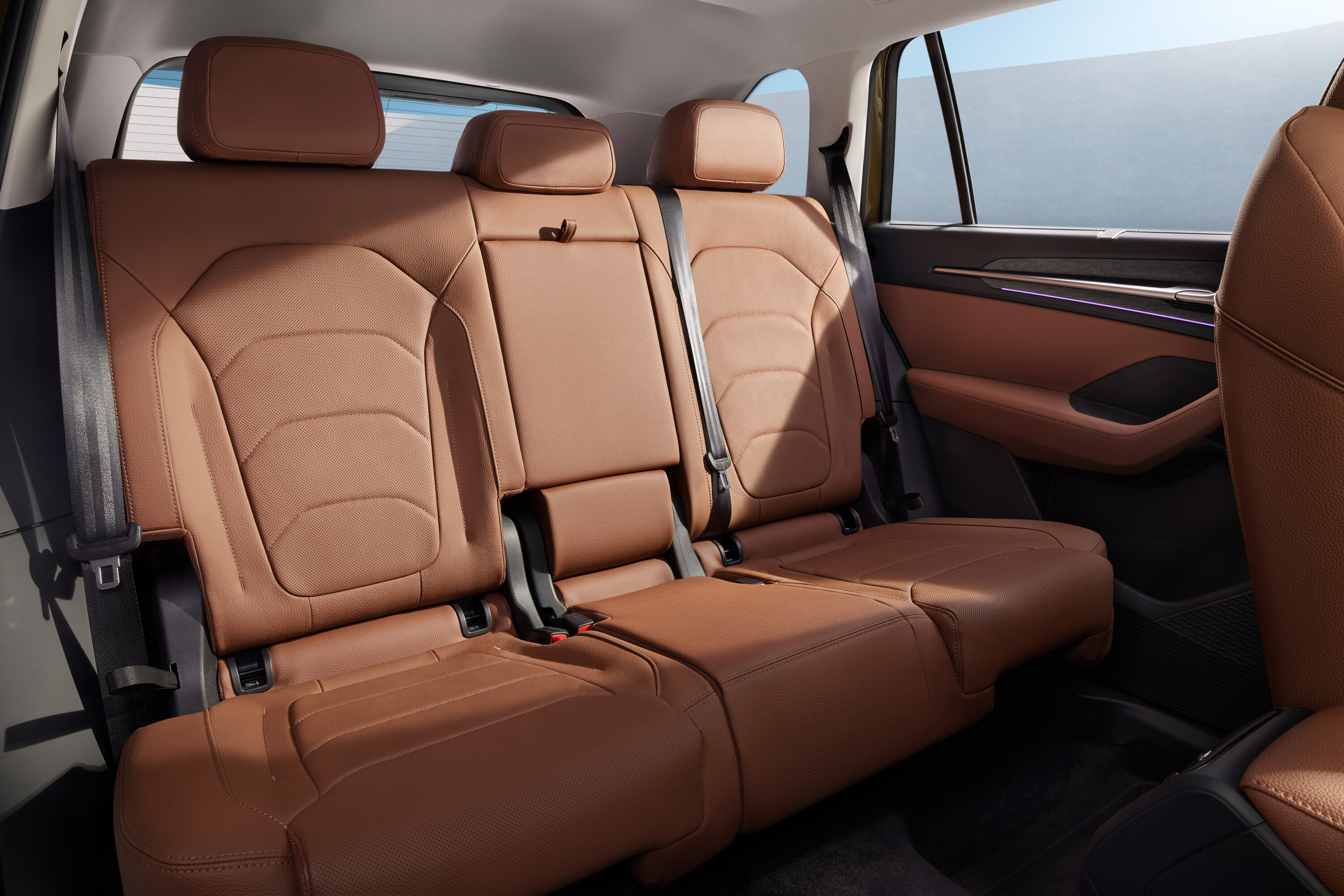
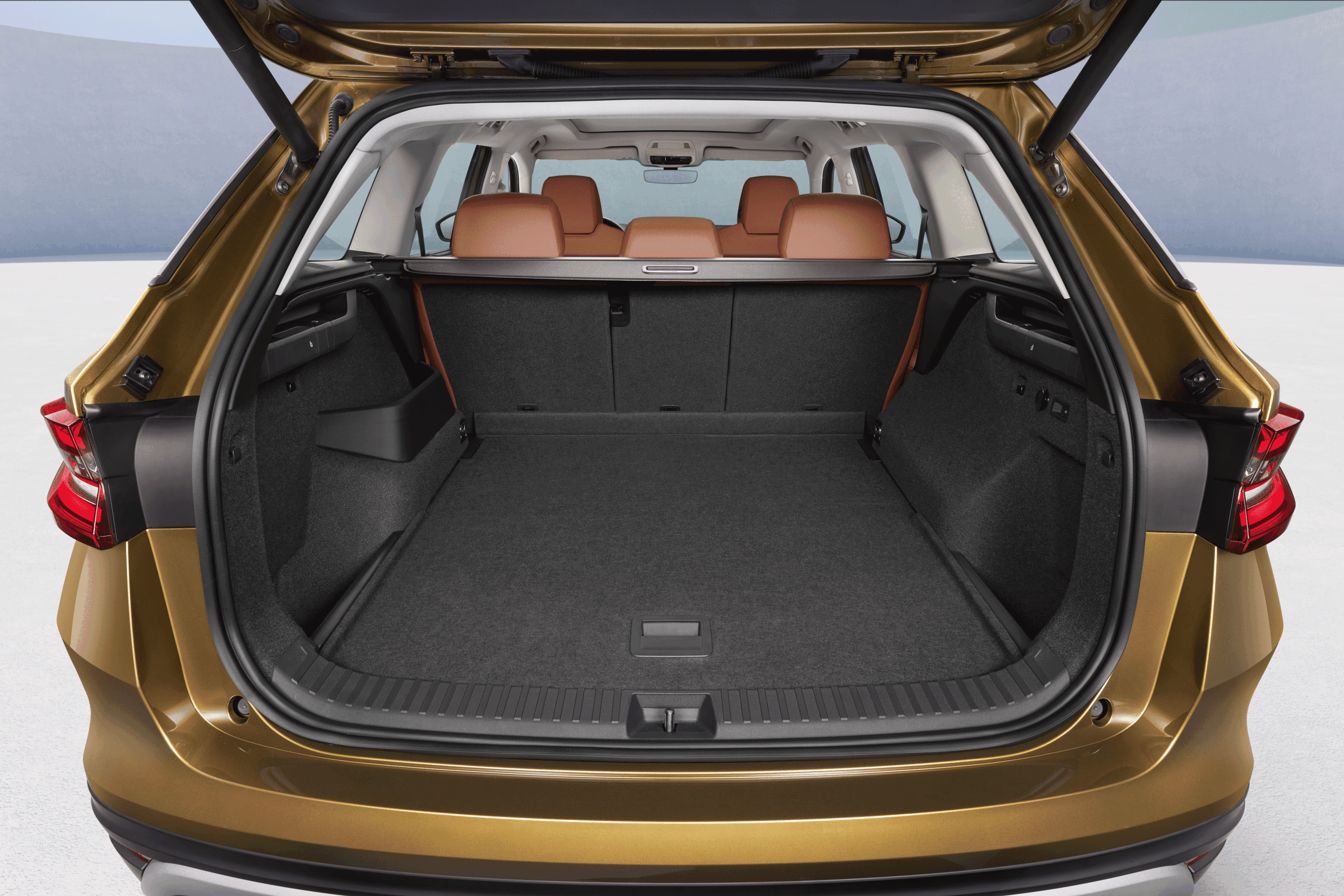
The 2024 Skoda Kodiaq is 60mm longer, now coming in at 4758mm long. This has the effect of improving luggage capacity.
With all three rows of the seven-seater in place, capacity jumps by a claimed 70 litres to 340 litres, while dropping the third row nets 845 litres (up a claimed 80 litres).
It’ll be offered in Selection and Sportline grades, and if Skoda Australia’s experience with high-specced variants is anything to go by, our version of the Kodiaq will be stuffed to the gills with gear.
1
Big screen and big dials
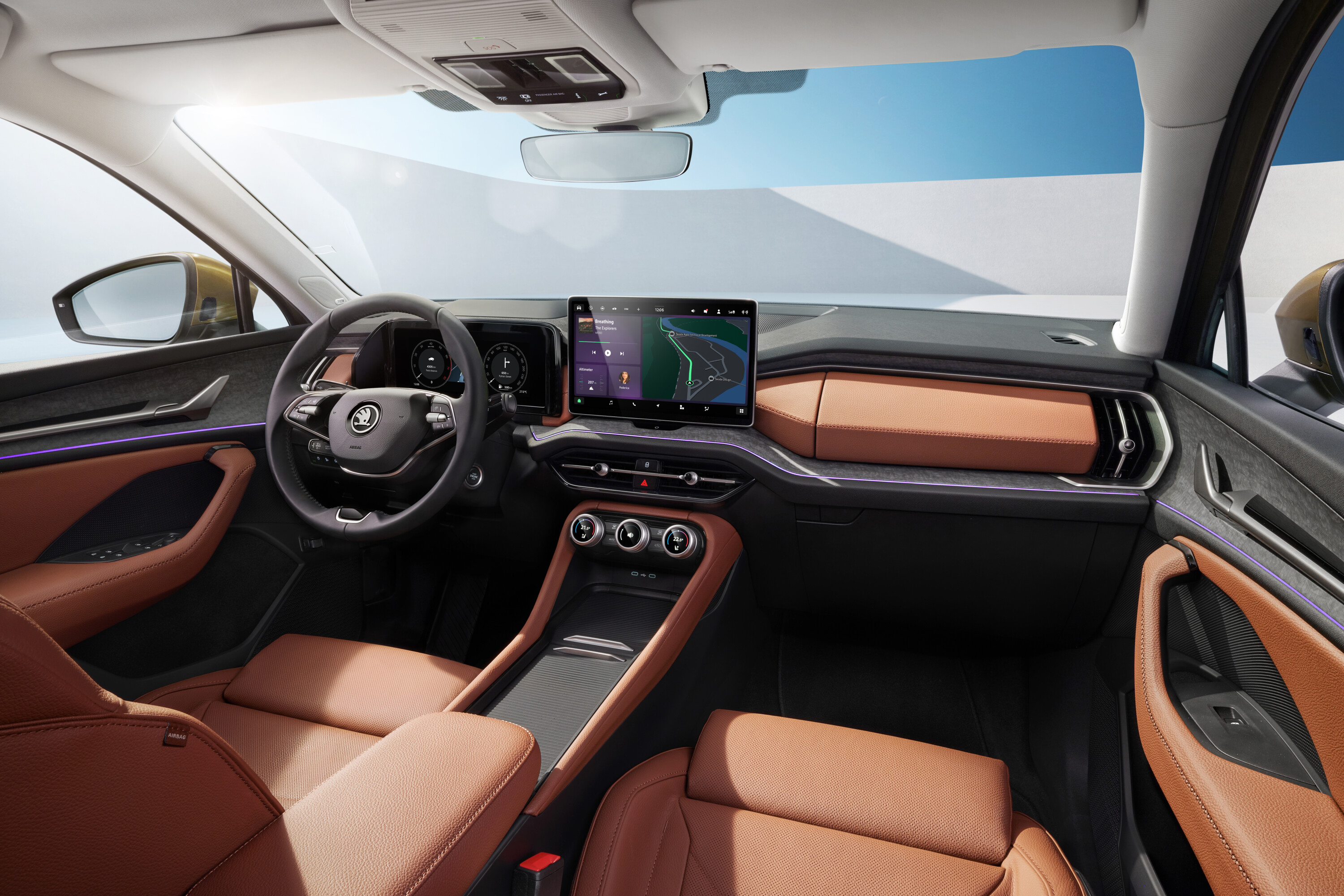
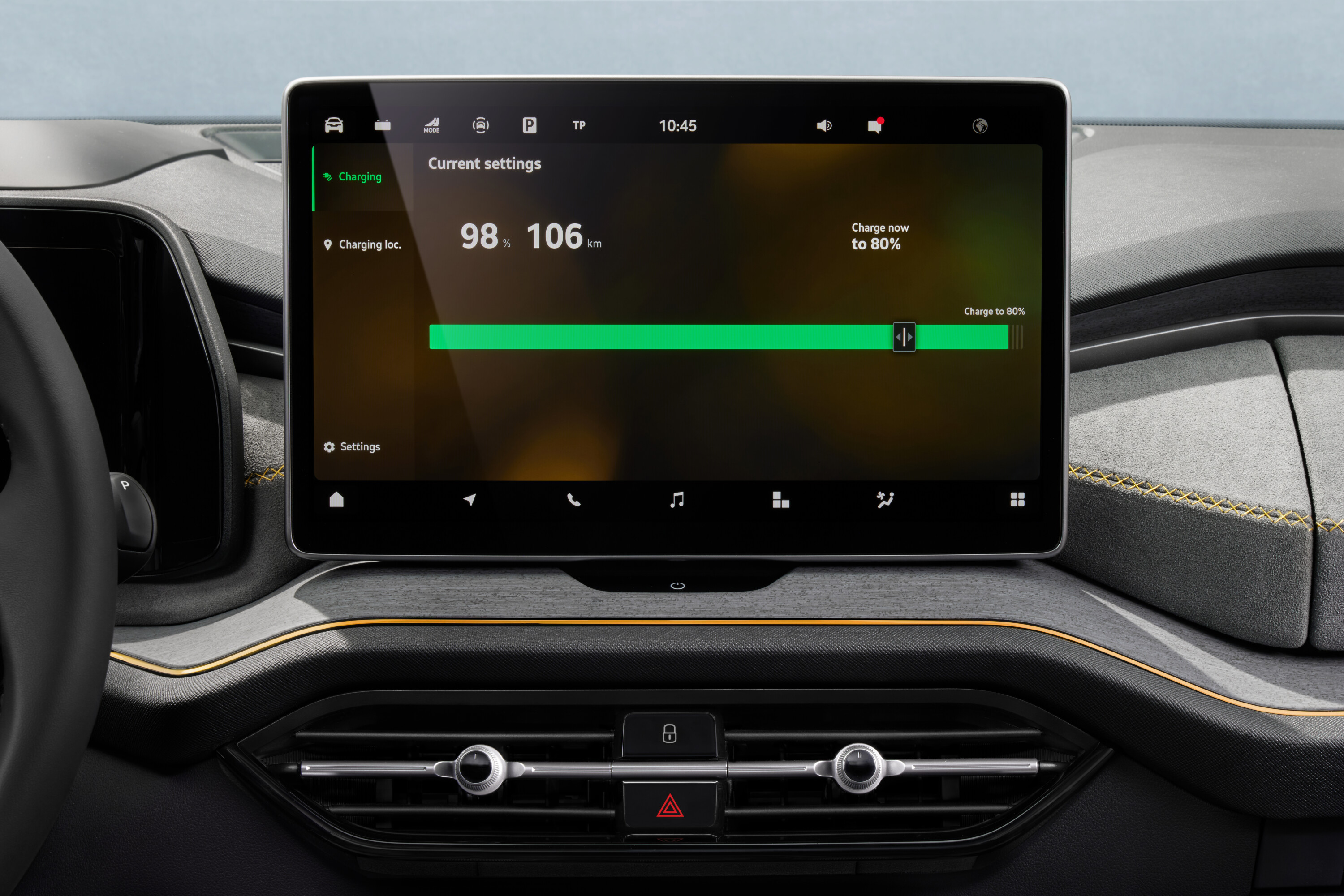
Speaking of gear, a new floating 13-inch infotainment screen takes pride of place in the made-over cabin, with multi-function rotary dials and push-button steering wheel controls thankfully doing away with at least some of the haptic controls that have blighted other VW Group products of late.
A new Phone Box can charge two mobiles at once at 15W and also provides a cooling function to keep charging temps in check.
There are also four USB-C ports scattered throughout the cabin, plus an additional port behind the rear-view mirror for dash cams.
The gear shifter has also been relocated to the steering column, freeing up real estate between the front seat occupants.
5
Updated safety and remote parking
The safety suite aboard the new Kodiaq is comprehensive and includes Turn Assist, Collision Avoidance Assist, Crossroad Assist, Exit Warning, Automated Emergency Braking (pedestrian rear) and Intelligent Park Assist.
Optional features include Trained Parking, which adds the ability to record approaches to up to five parking spaces and replicate them on demand.
Remote Parking, meanwhile, lets a driver control the car from up to five metres away via a smartphone app.
Debut of DCC Plus
On the suspension side, the Kodiaq can be specced with a brand new chassis control system known as DCC Plus, which adds the ability to individually control bump and rebound damping within the shock from the driver’s seat.
Previously, both damping jobs were controlled by a single valve. The new system doesn’t, however, mean a ride height drop for the Kodiaq.
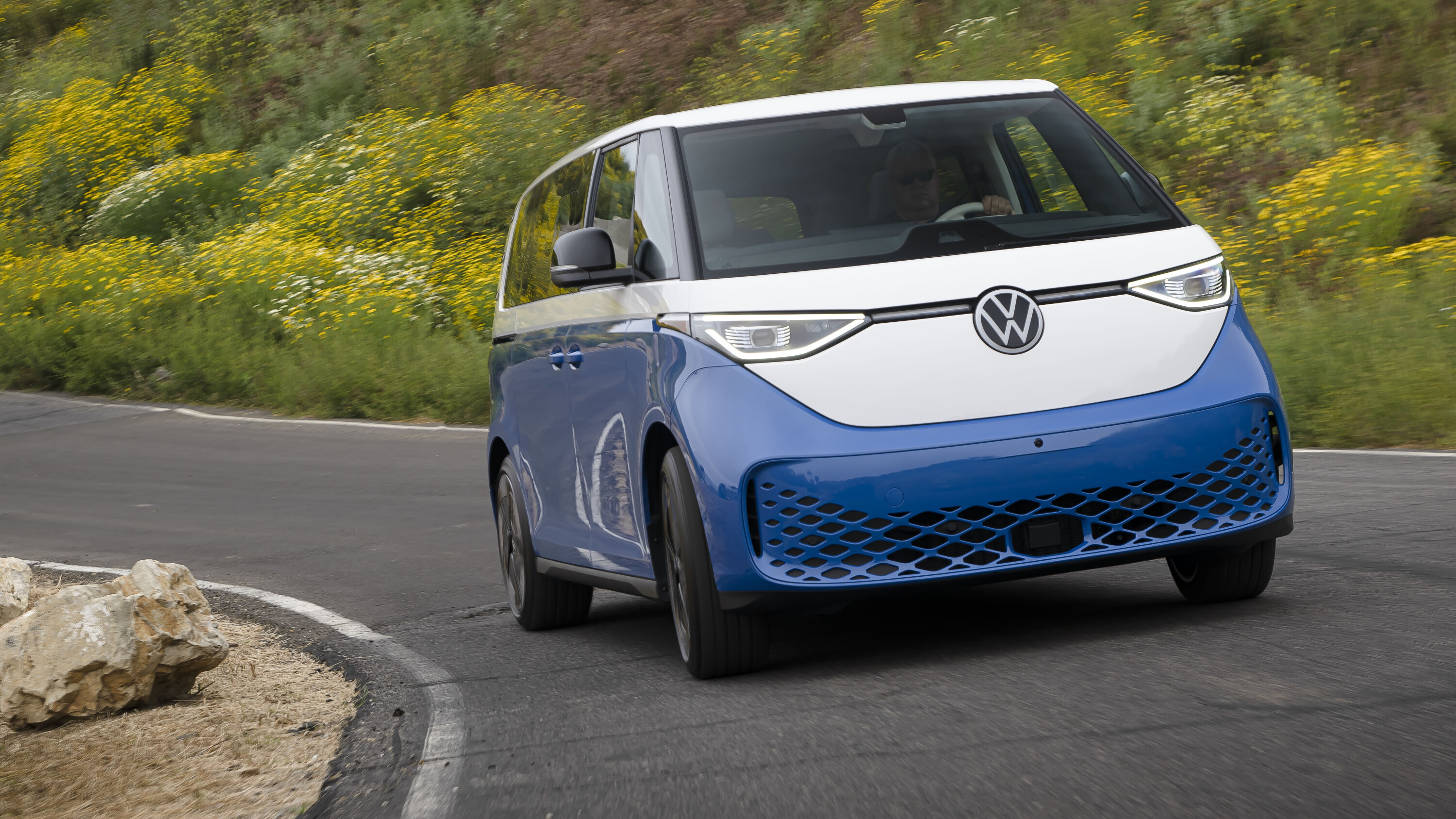
Volkswagen Australia has opened expressions of interest for the ID.Buzz electric van ahead of the first local arrivals in December 2024.
Pricing and features are yet to be confirmed, so for now, VW is aiming to gauge how much buzz there is for the van locally.
Volkswagen will offer several body styles (detailed here) with demand dictating market share.
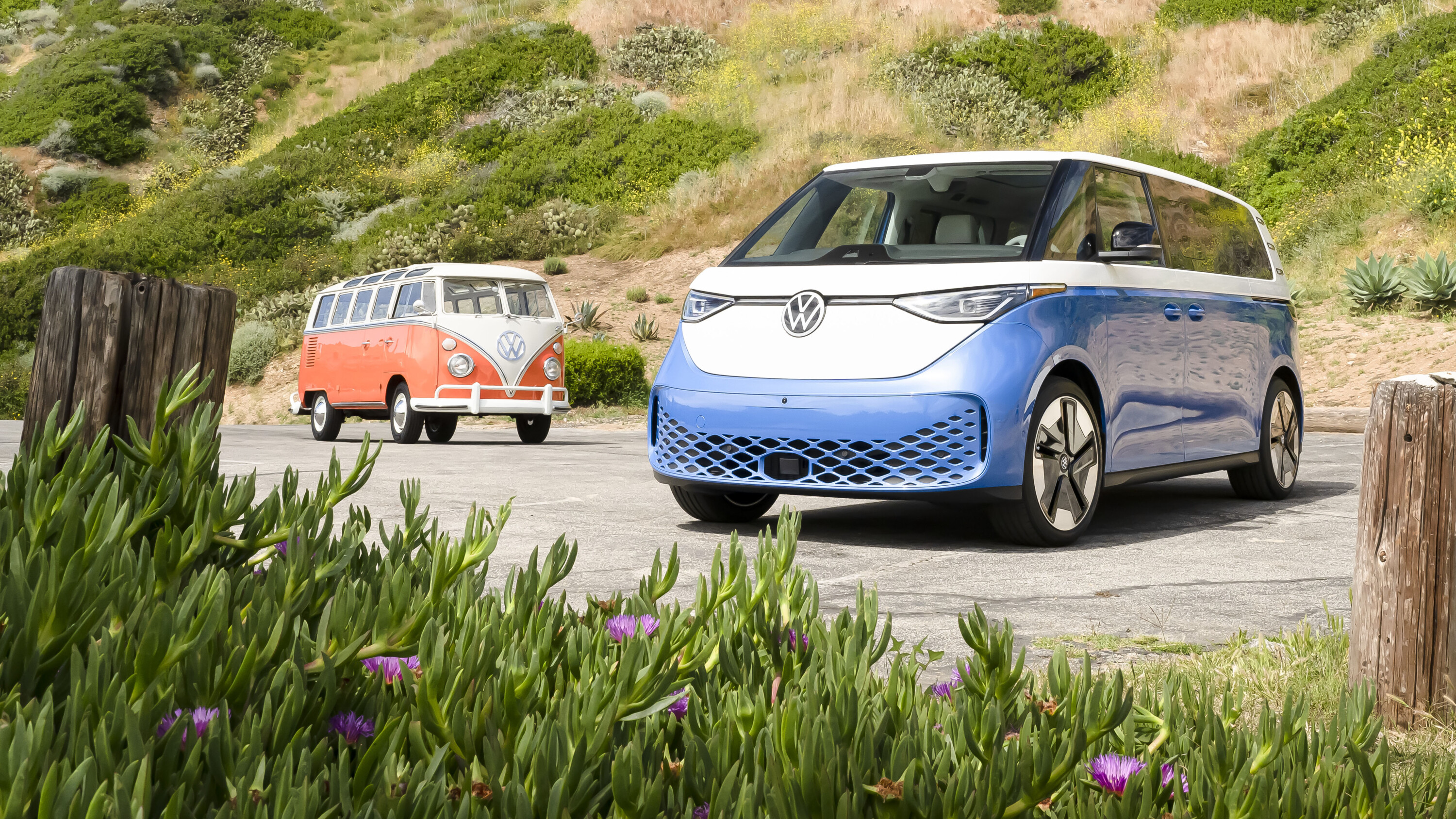
Part of the ID.Buzz’s roadshow will be its Australian public debut at the Volkswagen Cronulla Surf Masters championship on 21 October.
Alongside the surfing event will be a Kombi Rally, with classic VW vans on display at Peryman Square, Cronulla, in Sydney’s south.
1
With the van gaining Australian technical approval and production start date from head office, the ID.Buzz is getting steadily closer to our shores.
“There is nothing on the road that melds love-brand heritage with new-age technical sophistication quite like the ID. Buzz,” said Volkswagen Commercial Vehicles director Ryan Davies.
“In three weekends’ time, Aussies can see the first ID. Buzz on our shores at the Volkswagen Cronulla Surf Masters and they are now able to register their interest for the five-seat, seven-seat or Cargo van body styles at the Volkswagen Australia website.”
“We anticipate the coolest battery electric vehicle may quickly become the hottest ticket in town for families, retirees, tradies, surfers and the environmentally conscious all told”, said Mr Davies.
Our original story, below, continues unchanged.
1
June 2023: ID.Buzz Australian deliveries to begin in late 2024, early 2025
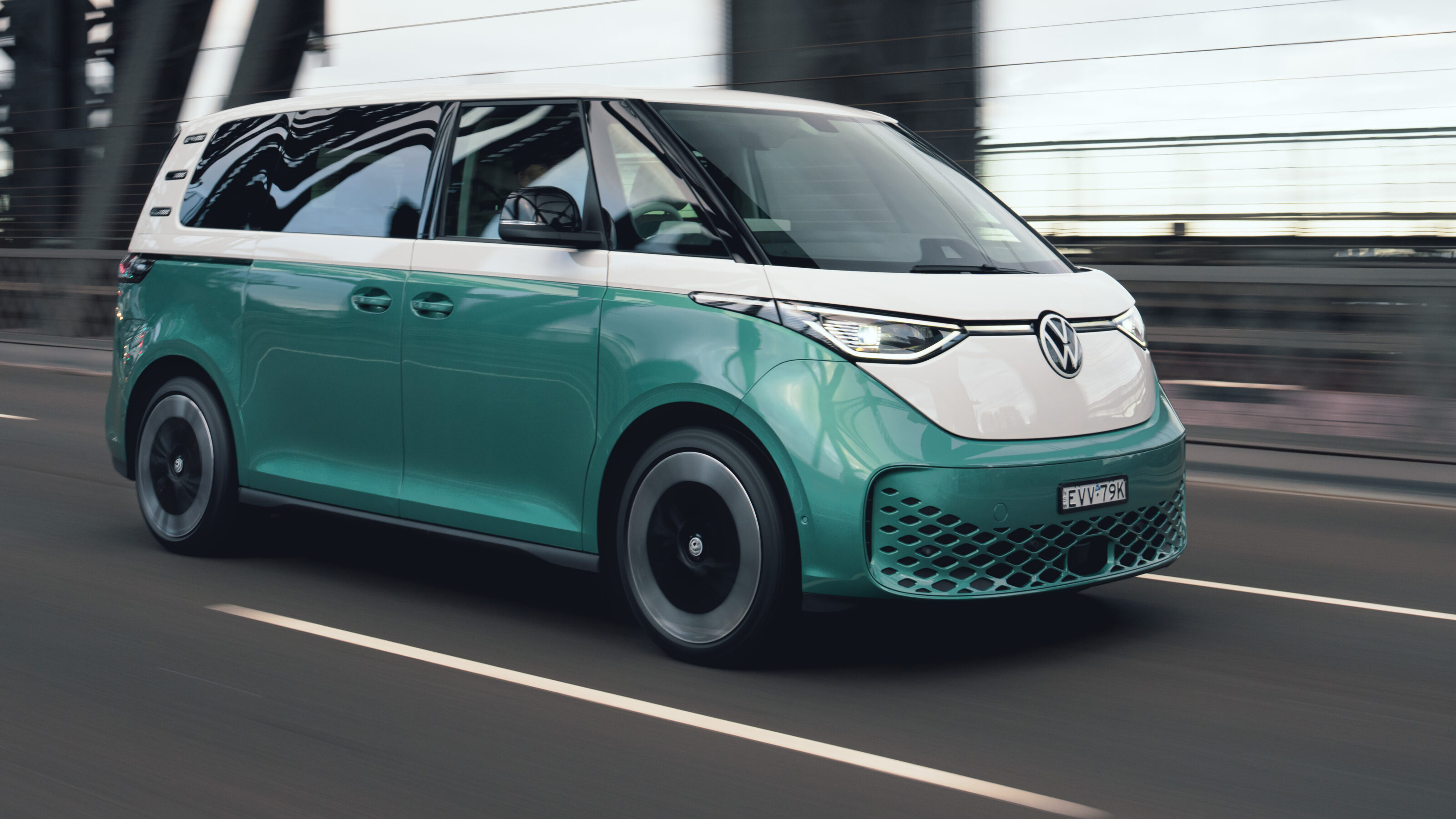
Australia-bound builds of the funky, retro-inspired Volkswagen ID.Buzz will hit the assembly line in late 2024, the brand has confirmed today.
The news follows a whirlwind media tour in Sydney last year, when Volkswagen confirmed it was waiting on final approval to launch the cargo-carrying and people-moving pair in Australia.
Following the ID.Buzz’s global reveal in March 2022, the vans were featured at VW Australia’s end-of-year event where Wheels was given a chance to walk around, touch, poke, feel and ask plenty of questions about the Kombi’s rebirth in an electric era.
1
The local Volkswagen Commercial Vehicles business had been keen to secure those vehicles for some time – initially hatching a plan to straight-up buy a pair from the UK before being offered two evaluation vehicles by head office.
Today’s long-anticipated news is joined by confirmation that the local ID range will properly fire up in 2024, with the ID.4 and ID.5 medium SUVs and the facelifted ID.3 electric small car all due here next year.
That’s later than the brand hoped, but they’ll at least launch with critical updates – especially the sub-$60k ID.3 hatch, now coming to its mid-life facelift.
Related video
ID.Buzz will come in high-spec trims
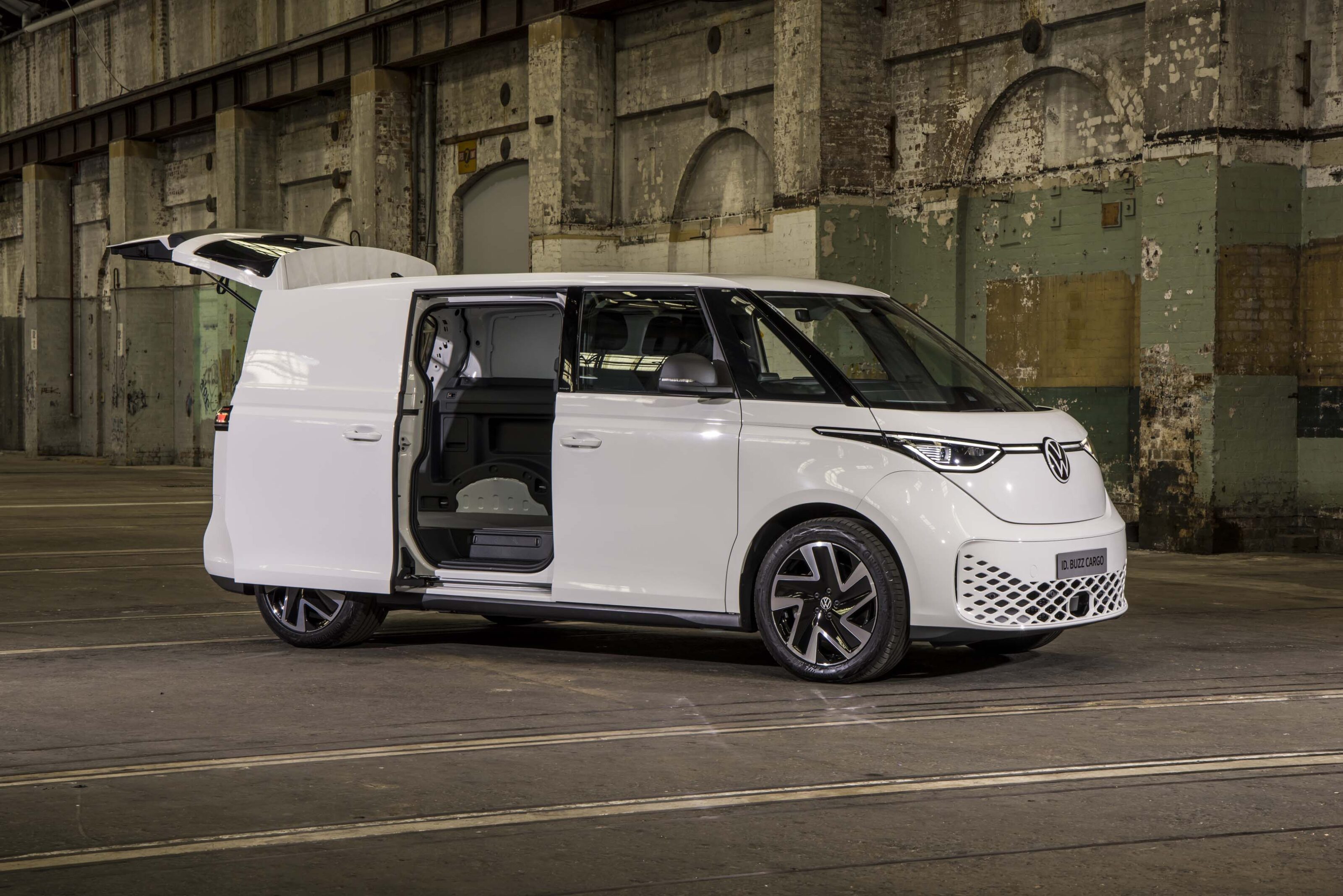
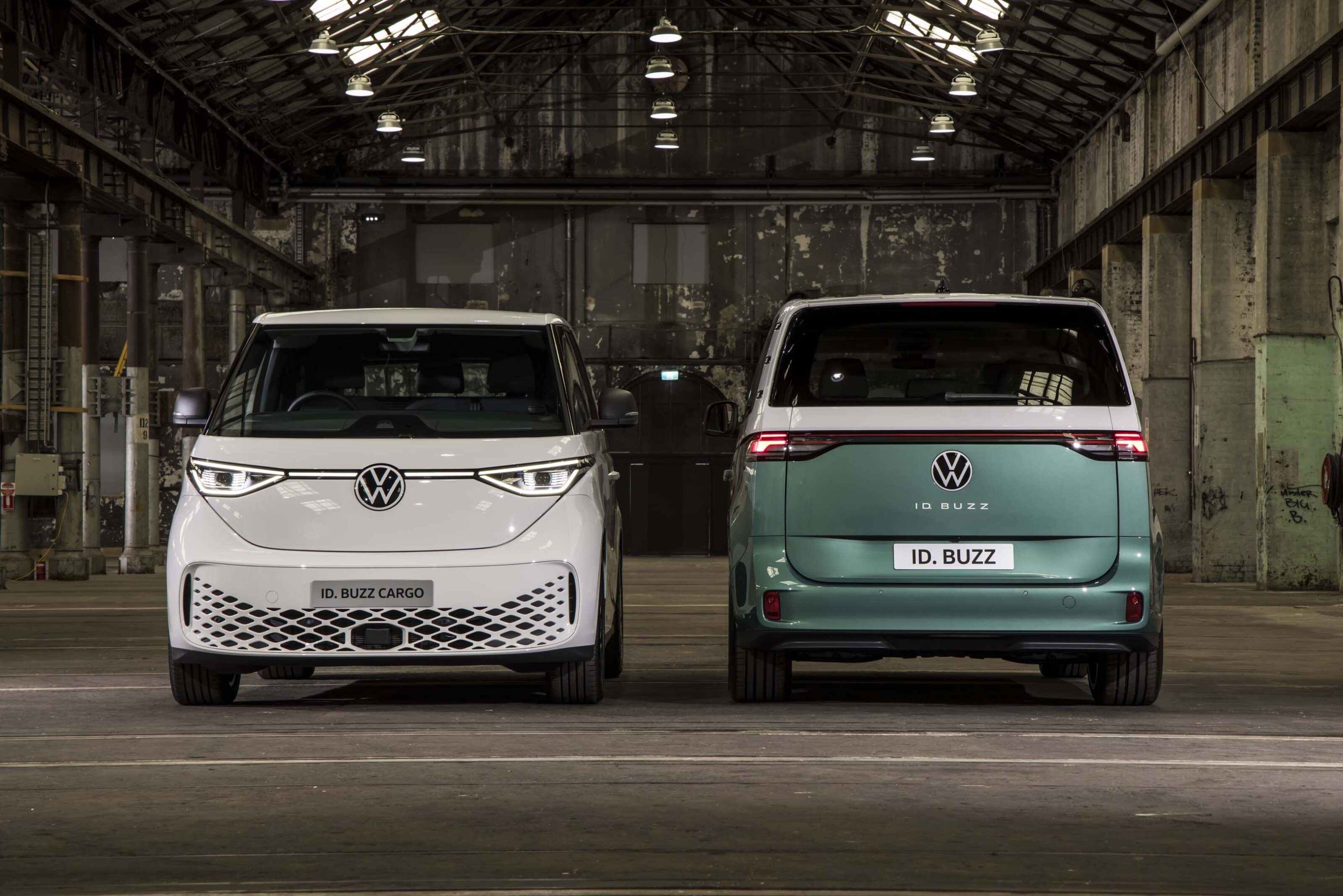
The vans shown to Australian media in December included a Pro grade people-mover, and ID.Buzz Cargo Commerce Pro. Both are top-spec models, reflecting Australia’s penchant for high-end trims.
“The vehicles on show are really specced up so that we can look at every single offering in this particular car and make an informed decision moving forward, rather than bringing a low-spec car and saying: ‘I wonder what this [placeholder button] did?’”, said head of marketing and product, Volkswagen Commercial vehicles, Nathan Johnson.
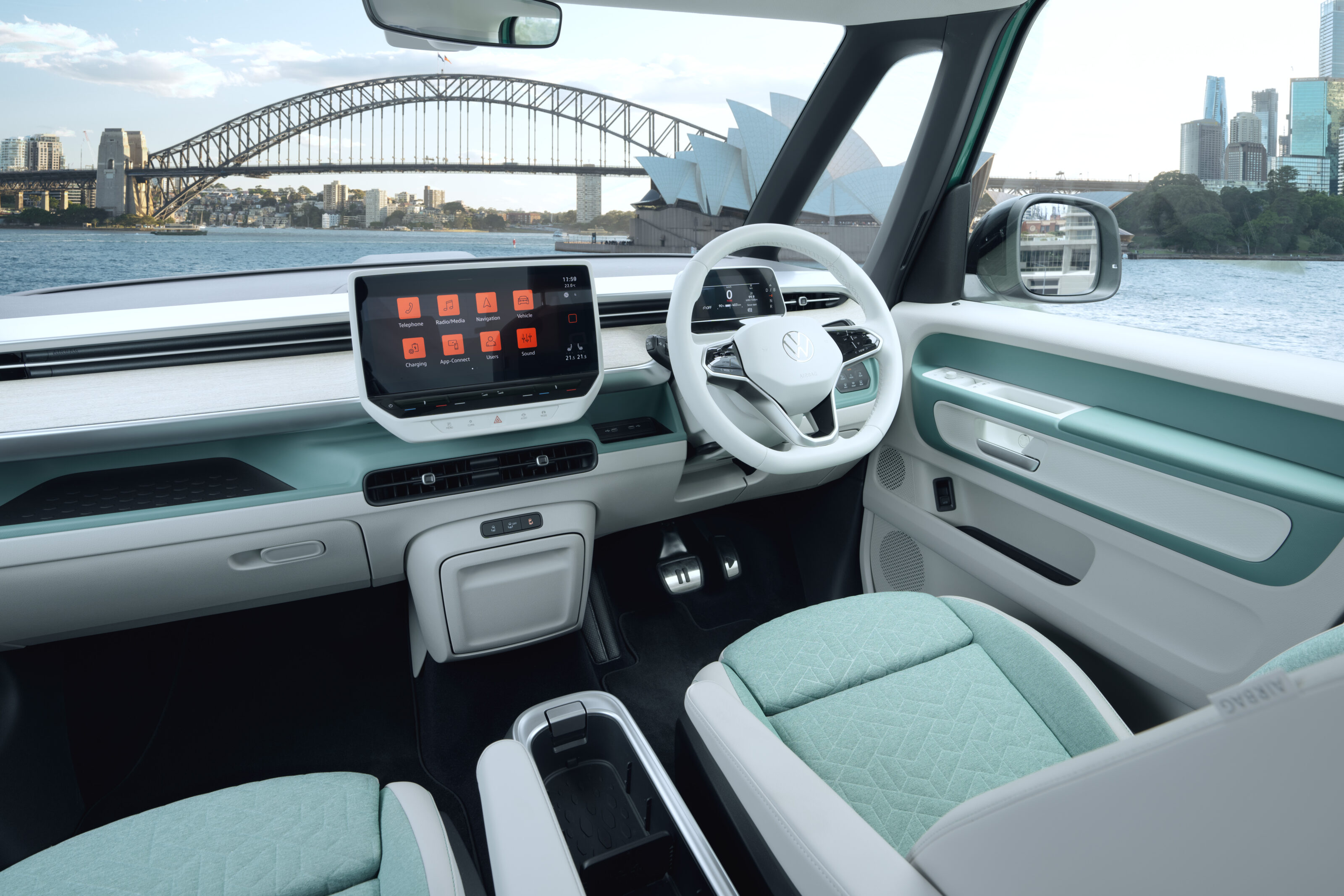
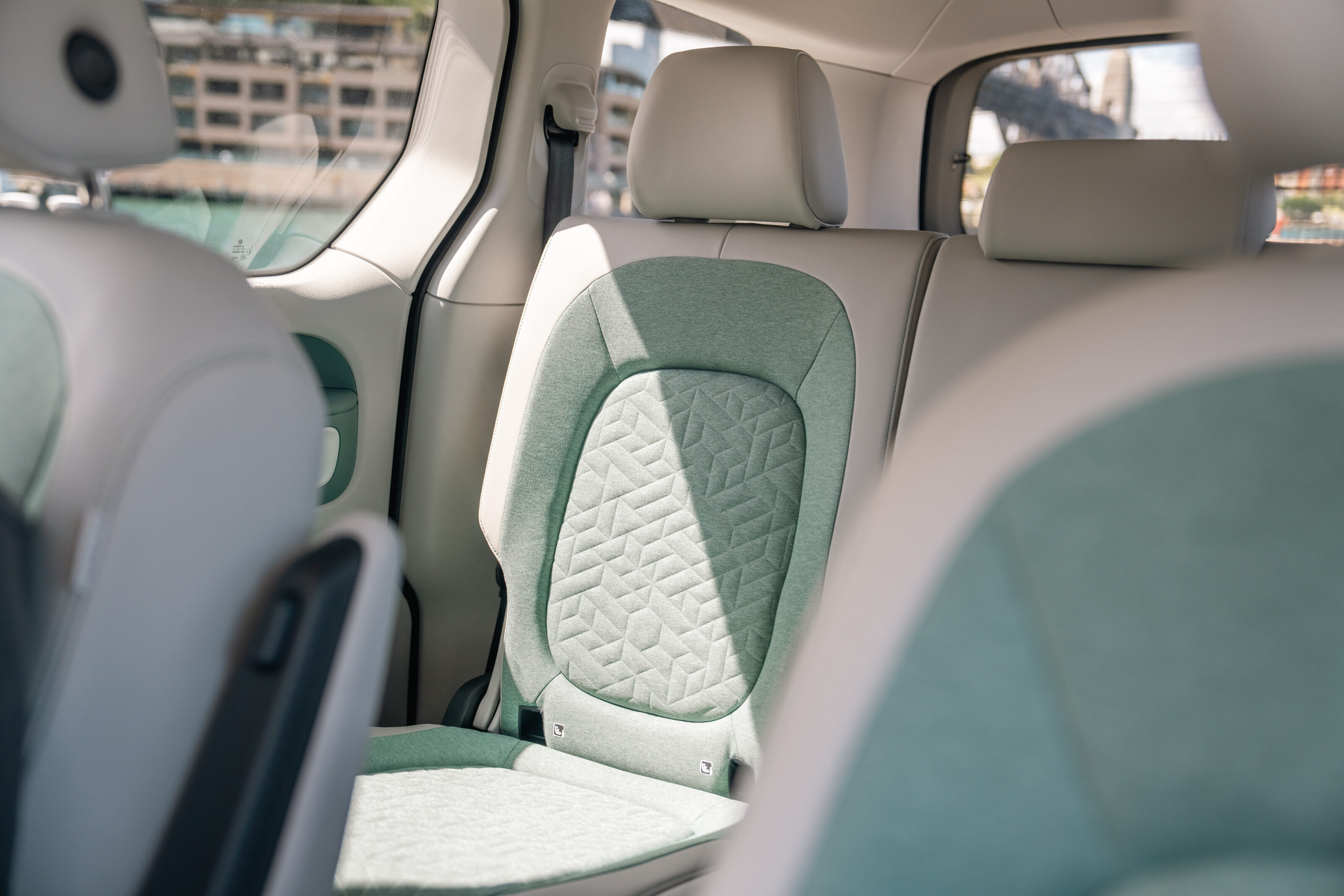
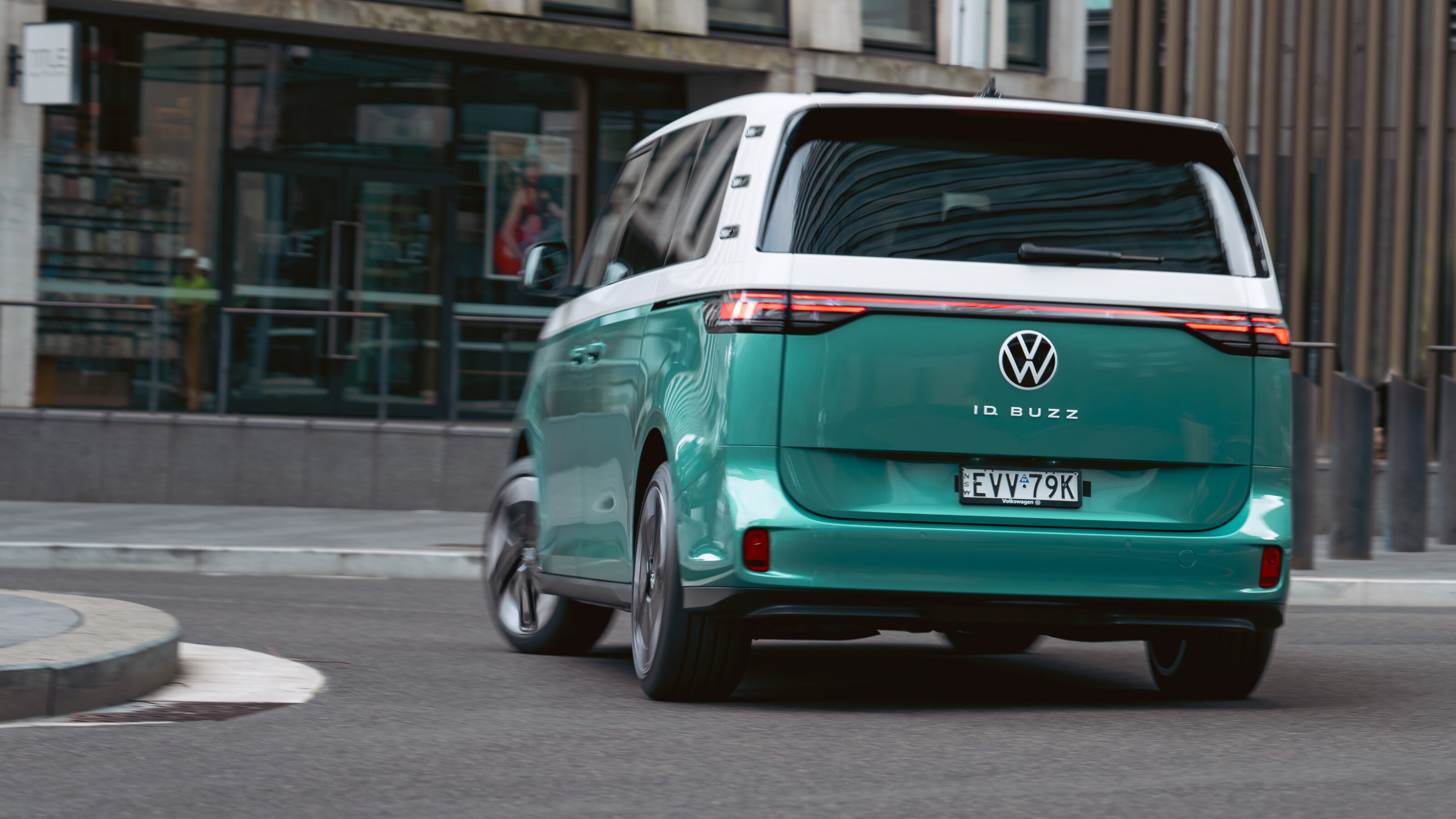
Inside the bayleaf green two-tone ID.buzz Pro is colour-matched cloth upholstery with white leather accents, a 10-inch infotainment touchscreen with wireless Apple CarPlay, an ID digital driving display and matrix LED headlights.
Further clever features inside include the ‘Buzz Box’, a removable centre console with pull-out drawers, bottle-opener and ice scraper.
2
Final specification for Australia will be locked in closer to its local launch, but expect our cars to be have a high level of equipment.
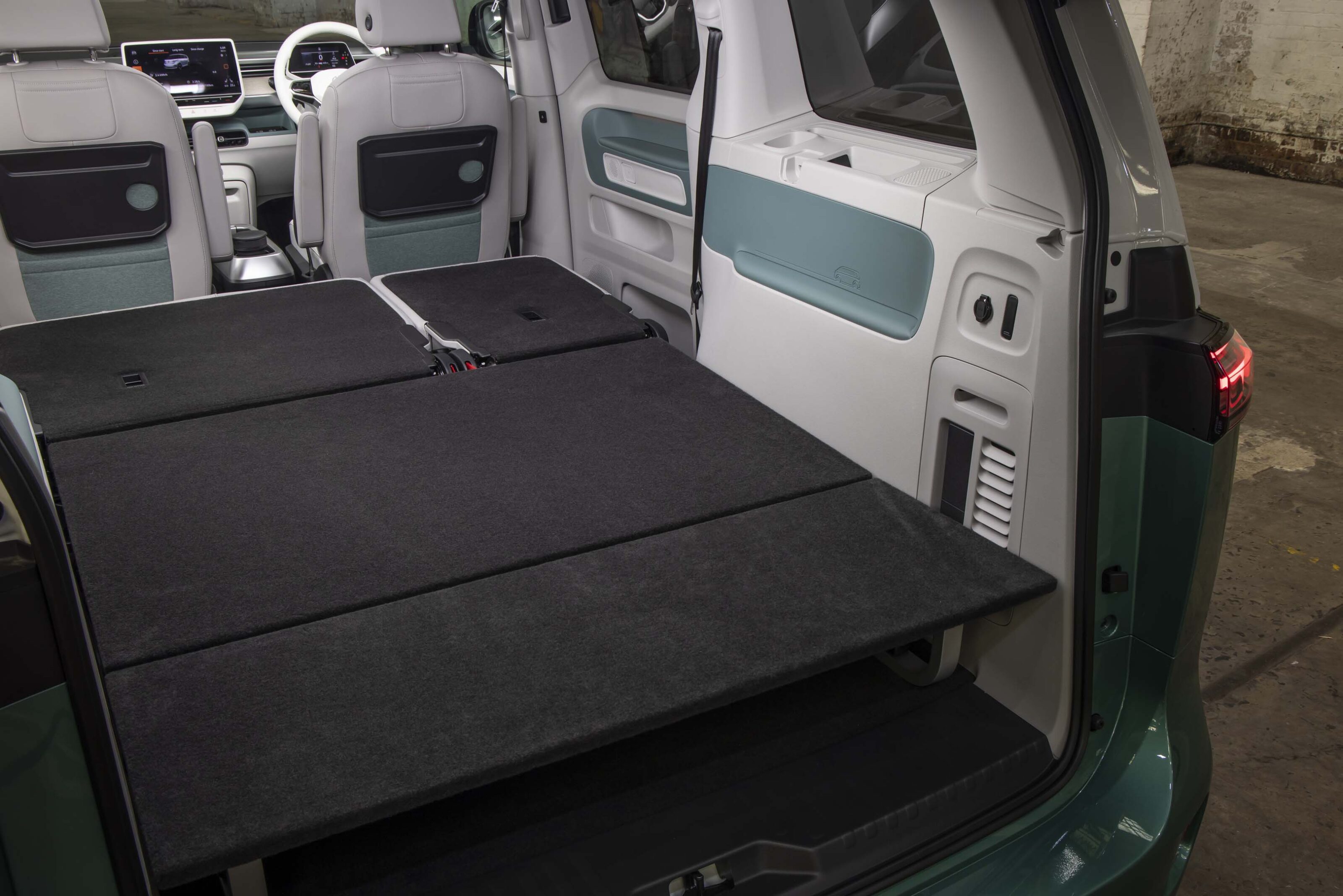
As for the Cargo, it gets more practical black cloth upholstery with a black steering wheel, but the same infotainment system and digital cockpit. The Buzz Cargo has a 650kg payload, with space in the back for a pair of euro palettes.
“The ID.Buzz is a people mover that stops traffic, people stop, stare and smile. It’s an incredible blend of style and function that will capture the imagination of Australians – and is reflected by our ambitious sales volumes,” said Volkswagen Commercial Vehicles boss Ryan Davies.
1
“We expect the ID.Buzz Cargo to sell at least as well, and it’s incredibly appealing for sole traders who want to reduce their emissions in the most fun way possible. This is a proper, ‘from the ground up’ tradies’ BEV – not a tacked-on reverse engineering of an existing diesel vehicle.”
Davies’ comment there can be interpreted as a sporting swipe at the LDV eT60 and Mercedes-Benz EQV – and at Ford, which is launching its EV-converted E-Transit and E-Transit Custom vans in Australia.
It’s a cheeky quip, given VW and Ford are now deeply entwined in a tech- and platform-sharing partnership, but the unrelated ID.Buzz and E-Transit models do not currently form part of the program. (The new Amarok is based on the Ford Ranger, and Ford’s new ID.4-sized Explorer EV is built on VW’s MEB electric platform.)
June 3, 2023: Long-wheelbase revealed, Australian arm keen
1
STORY CONTINUES
Volkswagen ID.Buzz power and driving range
The ID.Buzz range is underpinned by Volkswagen’s dedicated MEB electric platform, hosting a 77kWh battery pack with driving ranges of 423 kilometres (WLTP) for the people-mover, and 425km (WLTP) for the cargo.
Driving range with a full payload is likely to be shorter for ID.Buzz Cargo owners, but Volkswagen said it’s happy with what’s been achieved.
“The average person who’s going to be buying the ID.Buzz will be travelling 20-30kms a day. And potentially charging at home. These more commercial-purpose cars; it’s not common that people are doing over 300-400 a day. So we see that as plenty”, Davies said.
1
Fast-charging is capped at 170kW (DC) for a 5-80 per cent rejuice time of around 30 minutes. AC home-charging, meanwhile, maxes out at 11kW.
Outputs are reasonable, and the same as a Volkswagen ID.4, with 150kW of power and 310Nm of torque via a single rear motor.
VW Australia noted that Australian demand for an AWD model is likely to be strong, and there are more ID.Buzz variants in development with potential for larger batteries, a longer wheelbase and more power – including GTX variants.
The ID.Buzz’s vehicle-to-load capacity is currently capped at a 300W three-pin socket, however Nathan Johnson said demand for greater on-board outputs is under evaluation for the Australian market.
1
When will the ID.Buzz reach Australia?
Exact launch timing will be confirmed in the future, but with Australian production beginning in late 2024, an early 2025 launch is likely.
By the time it gets here, we might also see the ID.Buzz launch in an updated form, adding more features and possibly an even greater driving range.
1
ID.Buzz pricing for Australia
As an Australian release is still nearly two years away, VW has been reluctant to discuss price – but the ID.Buzz isn’t likely to be cheap.
Looking at UK pricing, an equivalent Pro people-mover would cost around AU$115,000 at a direct conversion rate. Not absurd next to an LDV Mifa 9, but certainly steeper than a Kia Carnival.
Final pricing could potentially be lower than $100K, given that the UK typically pays more for vehicles, but don’t expect a cheap-as-chips van.
⚡ More EV stories to help you choose the best car for your needs
MG has confirmed pricing for the MG 4 XPower, with the 320kW/600Nm all-paw hot hatch commanding $59,990 before on-road costs.
Snapshot
- MG 4 XPower priced for Australia at under $60K
- Electric hot hatch on price parity with combustion rivals
- Able to sprint from 0-100km/h thanks to twin motors outputting 320kW and 600Nm
More than matching the rear-drive 170kW Cupra Born‘s asking price, the XPower’s claimed 3.8-second 0-100km/h sprint puts it in straight-line competition with the 294kW Audi RS3 ($89,869) and is enough to comfortably eclipse the 4.8-second Volkswagen Golf R ($68,990).
A performance vehicle is about more than outright speed, of course, so MG has taken the regular 4’s Modular Scalable Platform underpinnings and stiffened the suspension with firmer dampers, springs, and anti-roll bars.
It also gets a locking differential for its rear-biased (150kW front/170kW rear) twin motor setup. You can read more details about the MG 4 XPower in our original story, below.
1
“We expect [the MG4 XPower] will appeal to customers looking for a true performance car with plenty of technology and space to match. The MG4 Xpower EV also retains the generous safety equipment levels, as well as practical hatchback features, of the award-winning MG4 range.”
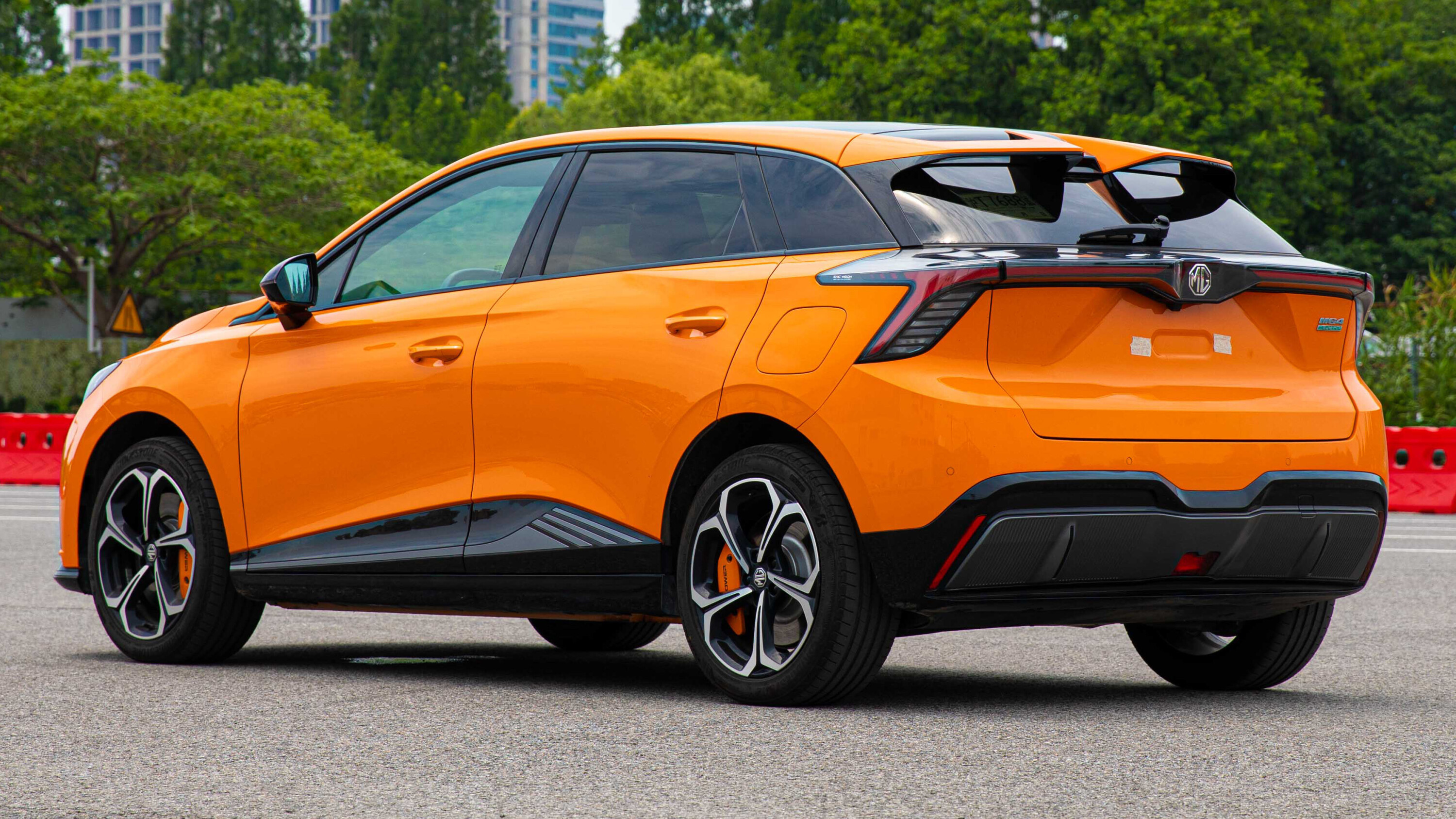
Telling the XPower apart from the Essence and Excite trims are 18-inch alloy wheels shod in Bridgestone Turanza tyres, a contrast black roof, ‘XPower’ orange brake calipers, and a unique Hunter Green paint colour.
Featuring the mid-sized 61.7kWh (64kWh gross) NCM battery pack, the all-wheel drive XPower loses out on range compared to the rear-drive cookin models. It’s rated at 385km driving range in WLTP testing against 435km for the Essence.
Owers will be able to replenish to battery at up to 140kW (DC), for a 10-80 per cent charge time (39-308km driving range) in as little as 26 minutes. The MG 4 XPower is available to order from MG dealers now.
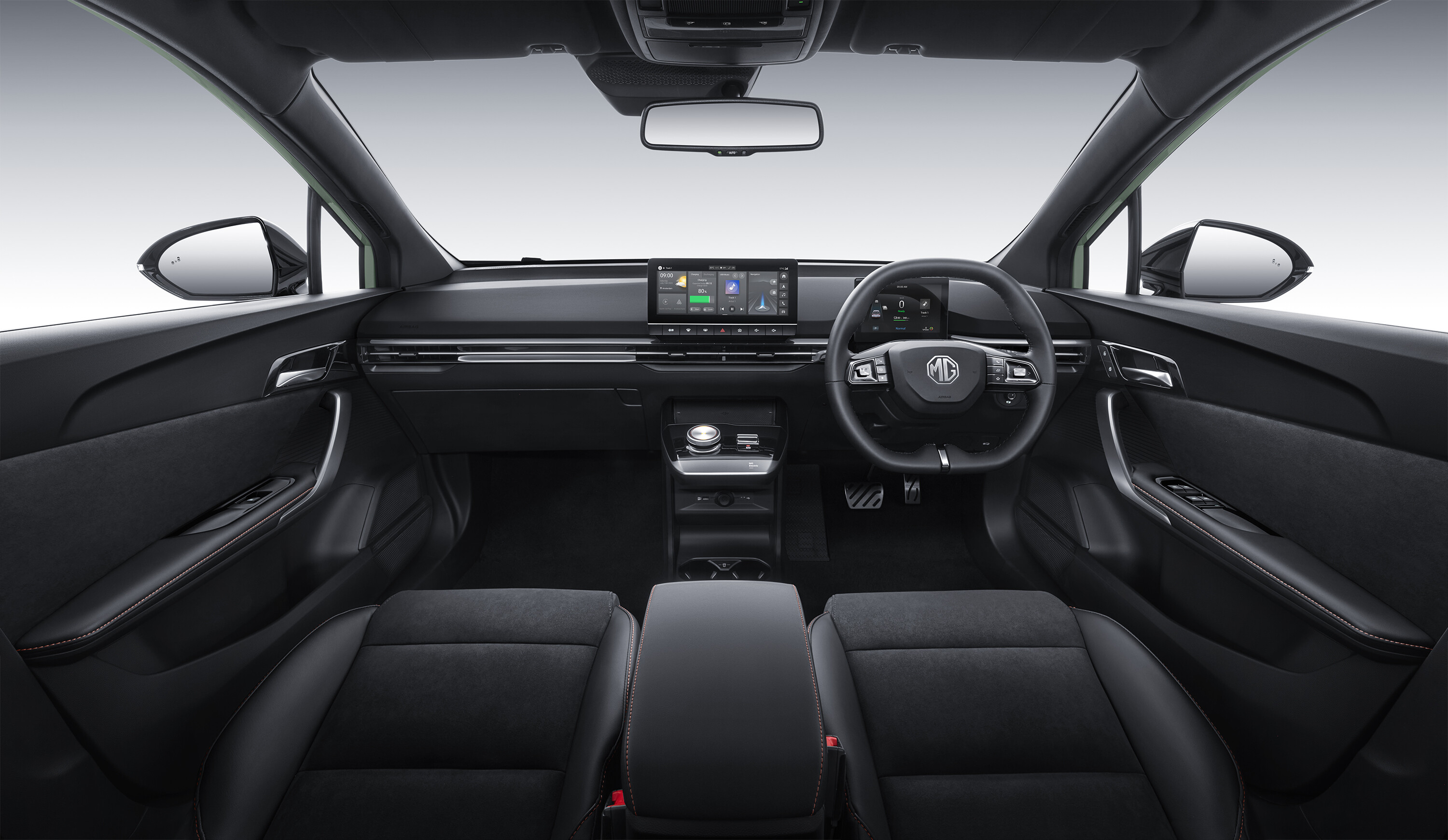
1
Our original story, below, continues unchanged
July 2023: MG 4 XPower is the brand’s most powerful model yet
The MG 4 XPower has been confirmed as MG’s most powerful model yet, delivering sub-four-second performance with a 320kW AWD electric drivetrain.
Snapshot
- Electric performance to rival AMG A45 and Audi RS3
- Upgraded drivetrain, suspension and brakes
- Expected to join MG 4 range in Australia later this year
MG’s new range-topping MG 4 electric hatch will make its public debut at next week’s Goodwood Festival of Speed, following its initial reveal in August 2022 as a Chinese model called the Mulan Triumph Edition.
The XPower brings significantly more power than the current flagship model, the 180kW Essence Long Range, to mix it with petrol hot hatches such as the Mercedes-AMG A45 and Audi RS3.
Front and rear electric motors produce 320kW and 600Nm in total, with a launch control system aiding a claimed 0-100km/h acceleration time of 3.8 seconds.
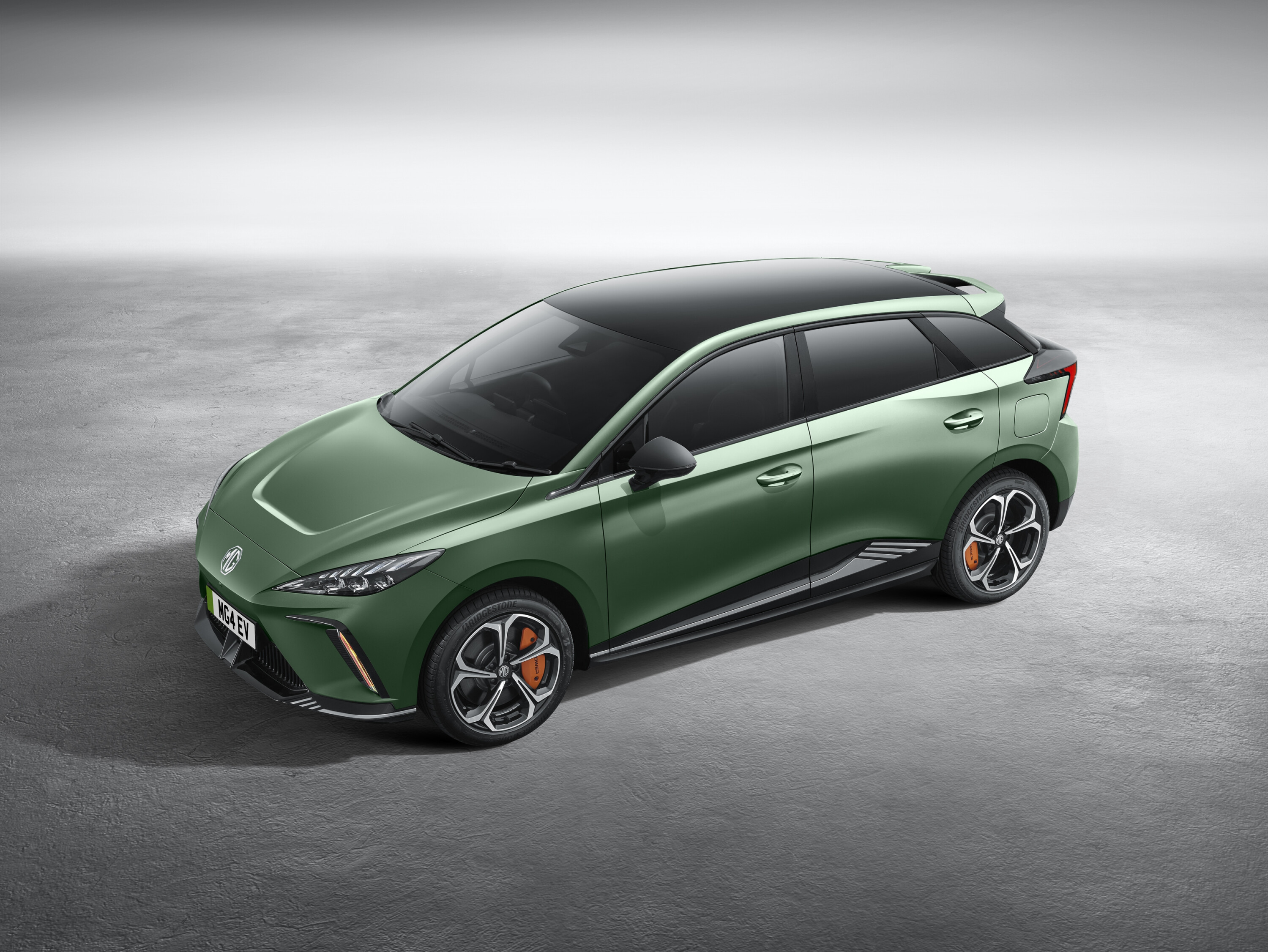
1
A Dynamic Cornering Control System adds a locking e-differential and torque vectoring on all four wheels, while the XPower’s suspension has been stiffened by 25 per cent compared with regular MG4s, including stiffer anti-roll bars.
MG says the steering is also faster, and larger 345mm ventilated discs enhance stopping performance.
Full one-pedal driving isn’t possible with the regular MG 4, but the company says the XPower’s regenerative braking system has been tweaked to offer this feature “in some situations”.
Other distinguishing features for the XPower include an exclusive Racing Green exterior colour (pictured), two-tone option with black roof, unique-in-range 18-inch alloy wheels, and orange ‘XPower’ brake calipers.
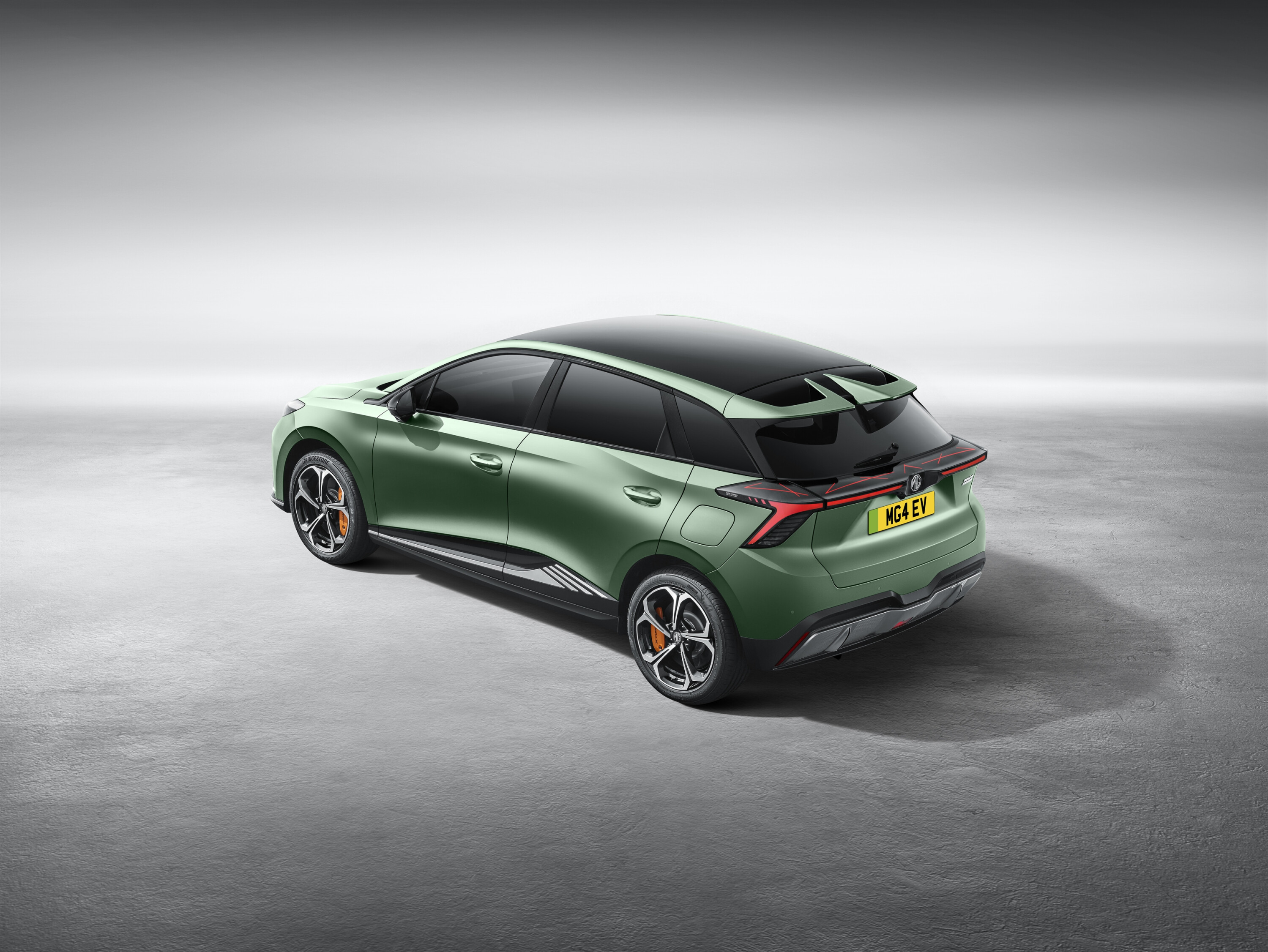
1
When will the MG 4 XPower come to Australia?
The MG 4 XPower goes on sale in the UK in July and is set to join the new MG 4 range in Australia later this year – following the regular model’s third-quarter local launch.
The MG 4 range will start from $38,990, rising to the $55,990 Essence.
Priced in the UK from the equivalent of A$69,000, the XPower would be expected to undercut the Tesla Model 3 Performance – a larger and faster vehicle priced from just under $83,400.
Wheels has just driven the MG 4 XPower in China – read our first-drive review on Friday July 7! (Find it on our MG 4 page here.)
More EV stories to help you choose the best car for your needs
- ? EV news, reviews, advice & guides
- ❓ Short & sweet: Your EV questions answered
- ⚡ New EVs: Everything coming to Australia
- ? Australia’s EVs with the longest driving range
- ⚖️ Best-value EVs by driving range
- ? How much do EVs cost in Australia?
- ? How much more expensive are EVs?
- ⚖️ Number crunching: Is it time to switch to an EV?
- ♻ Should you buy a used EV?
- ?️ Are EVs more expensive to insure?
- ? Costs compared: Charging an EV vs fueling a car
- ? EV charging guide
- ? Are there enough EV chargers in Oz?
- ?? EV servicing explained
- ? EV battery types explained
- ? When do EV batteries need replacing?
- ? Hydrogen v EVs: What’s best for Oz?
- ? How sustainable are EVs, really?
MORE advice stories to help you with buying and owning a car
Skoda has confirmed that its first-ever electric cars, the Enyaq wagon and coupe, will arrive in Australian showrooms in July 2024 – likely just behind the related Volkswagen ID.4 and ID.5.
The announcement comes several months after the Czech carmaker showed Wheels a pre-facelift version on local soil, though the car we’ll be getting has been treated to the mid-life update Skoda detailed for Europe last week.
At that event, Skoda hinted that it would bring the then-unreleased Enyaq 85 as our base model, with new motors providing 210kW and 576km driving range (Coupe, WLTP).
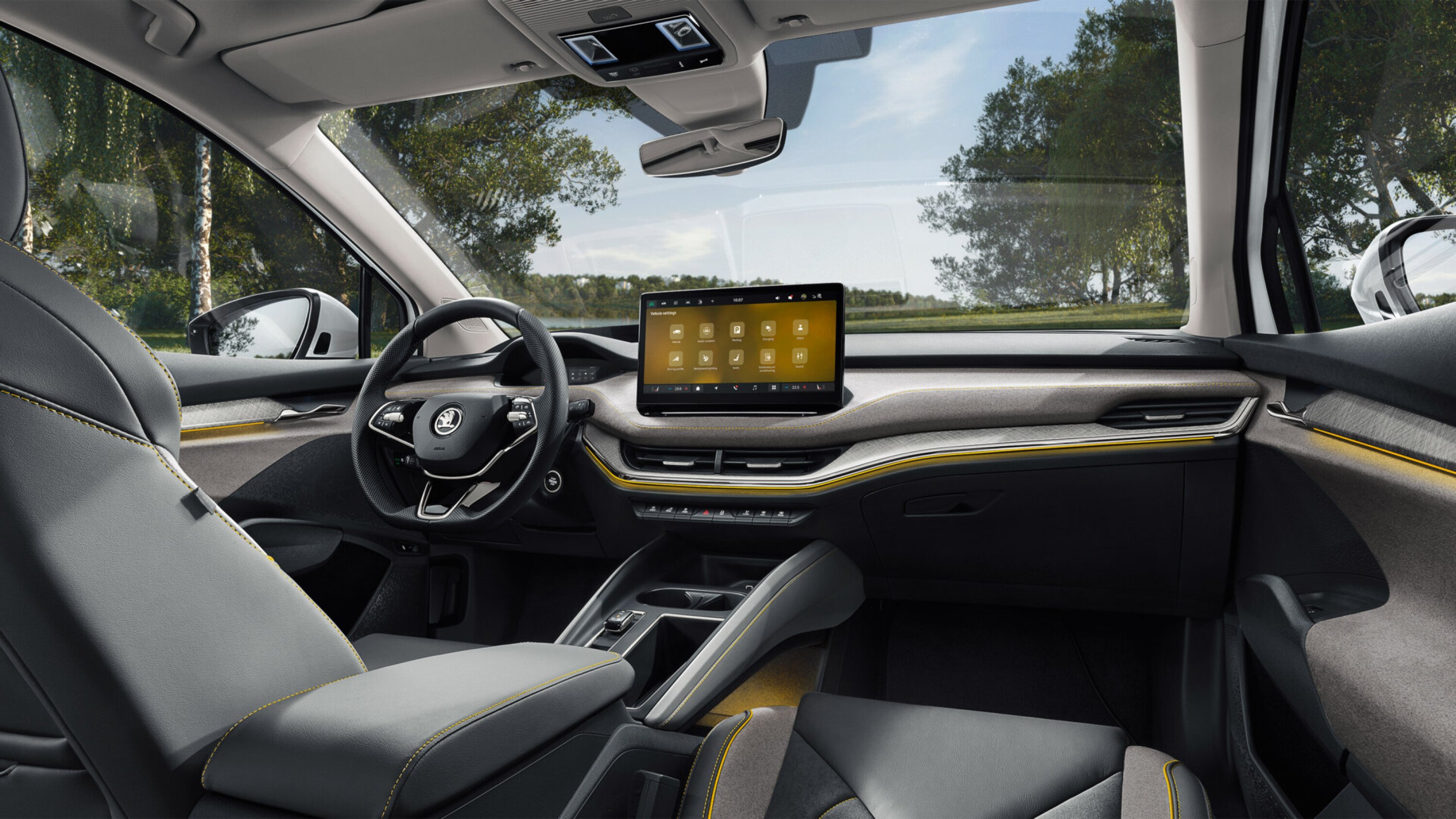
1
Those are significant improvements, with 60 extra kilowatts enough to get the Enyaq 85 from 0-100km/h in 6.5 seconds, two seconds faster than the old 80.
Software and motor improvements mean it’s more efficient, too, eking out 16km more driving range.
Headlining the Australian range will be the all-wheel drive RS model developing 250kW, an improvement of 30kW. It can sprint from rest to 100km/h in 5.5 seconds.
“Both the 210kW and 250kW Enyaq are the most powerful Škoda models we have ever offered, while delivering among the longest electric vehicle driving range in the electric medium SUV segment,” said Skoda Australia head of marketing and product Kieran Merrigan.
“Škoda customers are also among the most discerning and progressive in the market, and the Australian love affair with RS badged product continues. Together this tells us that our performance and technology flagship, as an appealing SUV, will be warmly welcomed into the market from mid next year”, he added.
2
Visually, the changes are limited to new logos and lettering outside with the ‘iV’ branding dropped.
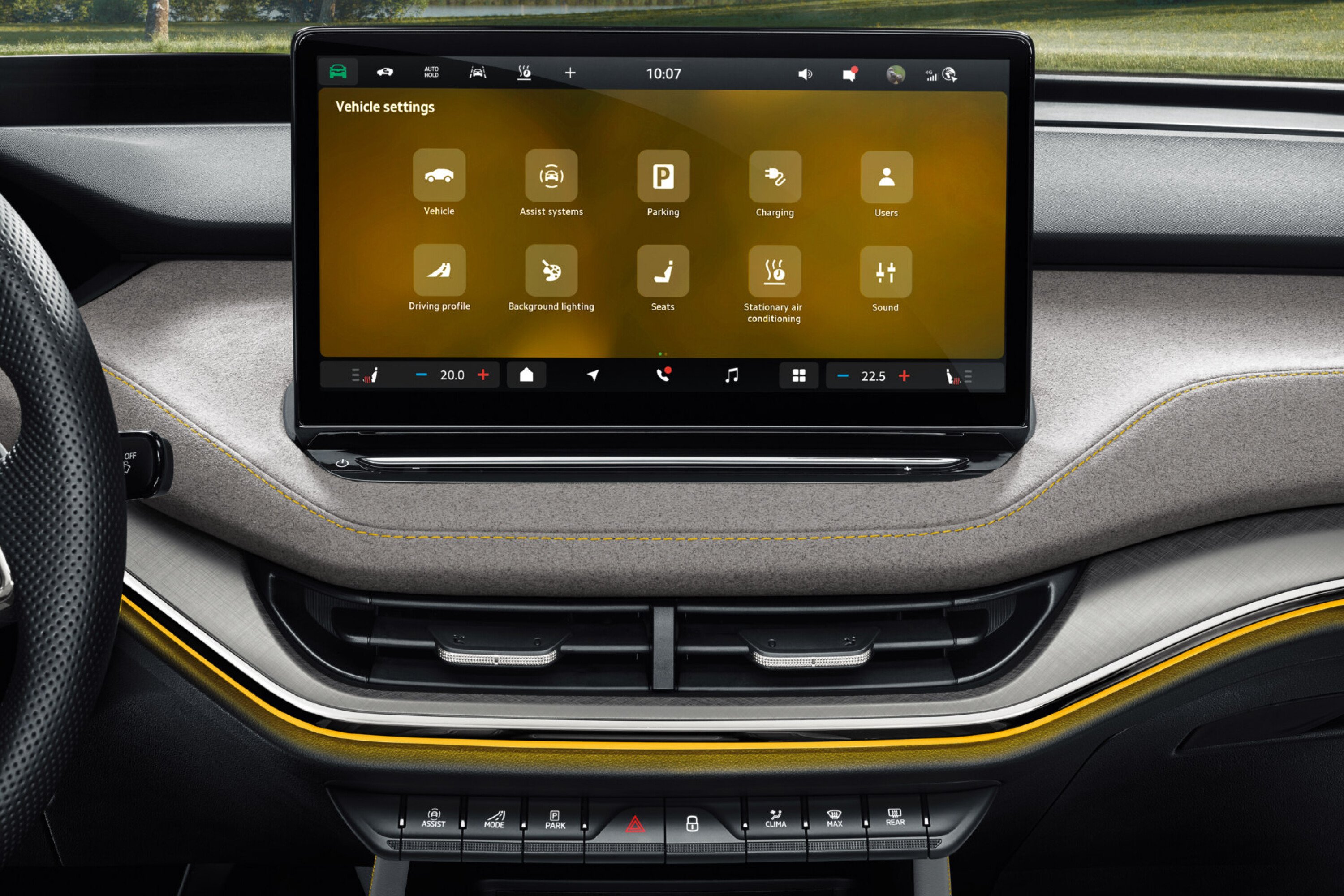
Inside, the Enyaq gets new ‘version 4.0’ software with a redesigned interface and new graphics that also apply to the head-up and digital driver’s displays. Skoda’s voice assist is also said to be improved.
Alongside the new electric motors, Skoda has finessed the battery software and high-voltage equipment to eke more range from the same 77kWh (usable) NCM pack (see the range comparison table below).
| Skoda Enyaq range improvement | |||
|---|---|---|---|
| Pre-facelift model | WLTP driving range | Facelift model | WLTP driving range |
| Enyaq iV 80 | 548km | Enyaq 85 | 565km |
| Enyaq iV Coupe 80 | 560km | Enyaq Coupe 85 | 576km |
| Enyaq iV RS | 517km | Enyaq RS | 537km |
| Enyaq iV Coupe RS | 541km | Enyaq Coupe RS | 547km |
1
Finally, Skoda has improved the charging speed on the Enyaq 85. It’ll now accept DC electricity at 175kW for a 10-80 per cent top-up in 28 minutes.
Pricing and final specifications are yet to be finalised beyond the two-variant launch line-up.
Skoda Australia previously told Wheels to expect a circa-$80K starting price. To compete on price with other medium electric SUVs such as the Tesla Model Y and Hyundai Ioniq 5, Skoda will need to be sharp on the Enyaq’s 85’s sticker.
Our original story, below, continues unchanged
June 2023: Skoda Enyaq confirmed for Australia
After being unveiled internationally in late 2020, Skoda Australia has confirmed the brand’s first battery-electric vehicle – the Enyaq SUV – will arrive here, in updated form, in mid-2024.
Key Points
- Enyaq wagon and ‘coupe’ styles both confirmed
- Australia base model: 210kW, 6.7sec to 100km/h, 570km range
- Expect pricing to start around $80,000
The Australian range will feature both Enyaq body styles (wagon and coupe) and be offered in at least two variants (long-range rear-drive Sportline and AWD RS), with the just-revealed ‘Laurin & Klement’ luxury version expected to spearhead our Enyaq line-up as a range-topping launch edition.
Originally intended to arrive sometime in 2023, the Enyaq’s delay has been attributed to the model’s huge success in Europe, with waiting lists of up to 18 months on some variants and Europeans favouring the coupe version.
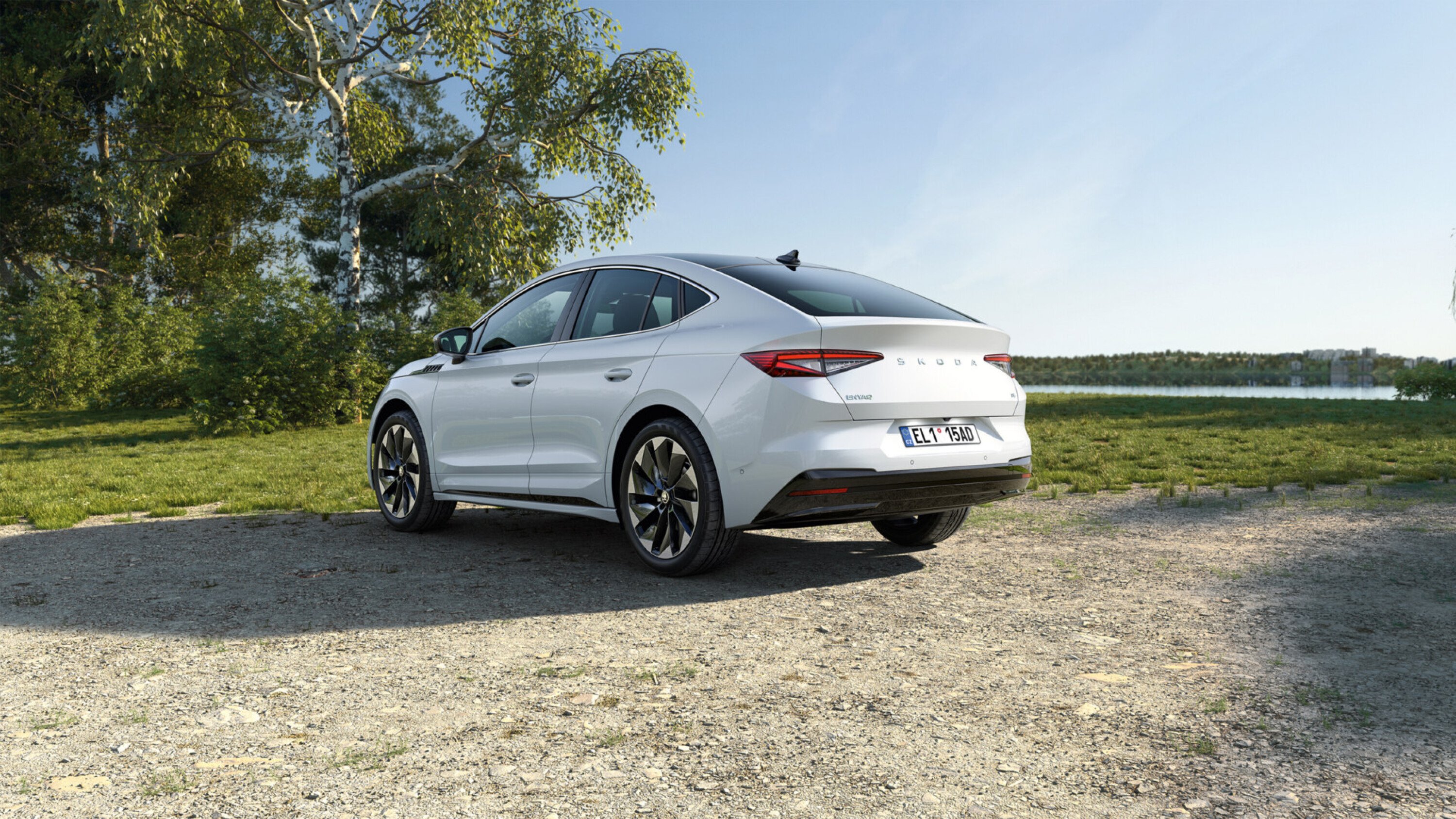
Skoda Australia also expects the more aerodynamic Enyaq coupe (with a drag coefficient of just 0.234) to be the most popular body style once it goes on sale here.
1
Due to battery improvements, our updated base Enyaq will be badged ‘85’ rather than ’80 – alluding to its enhanced 210kW output, faster 0-100km/h time of 6.7 seconds and improved WLTP driving range range of 570km.
Featuring an 82kWh battery (77 useable), Skoda claims the long-range Enyaq 85 can go from 10-80 per cent charge in under 30 minutes, or reach 80 per cent charge in 7.5 hours using an 11kW wall box.
1
“… the Enyaq’s pricing is expected to start around $80,000…
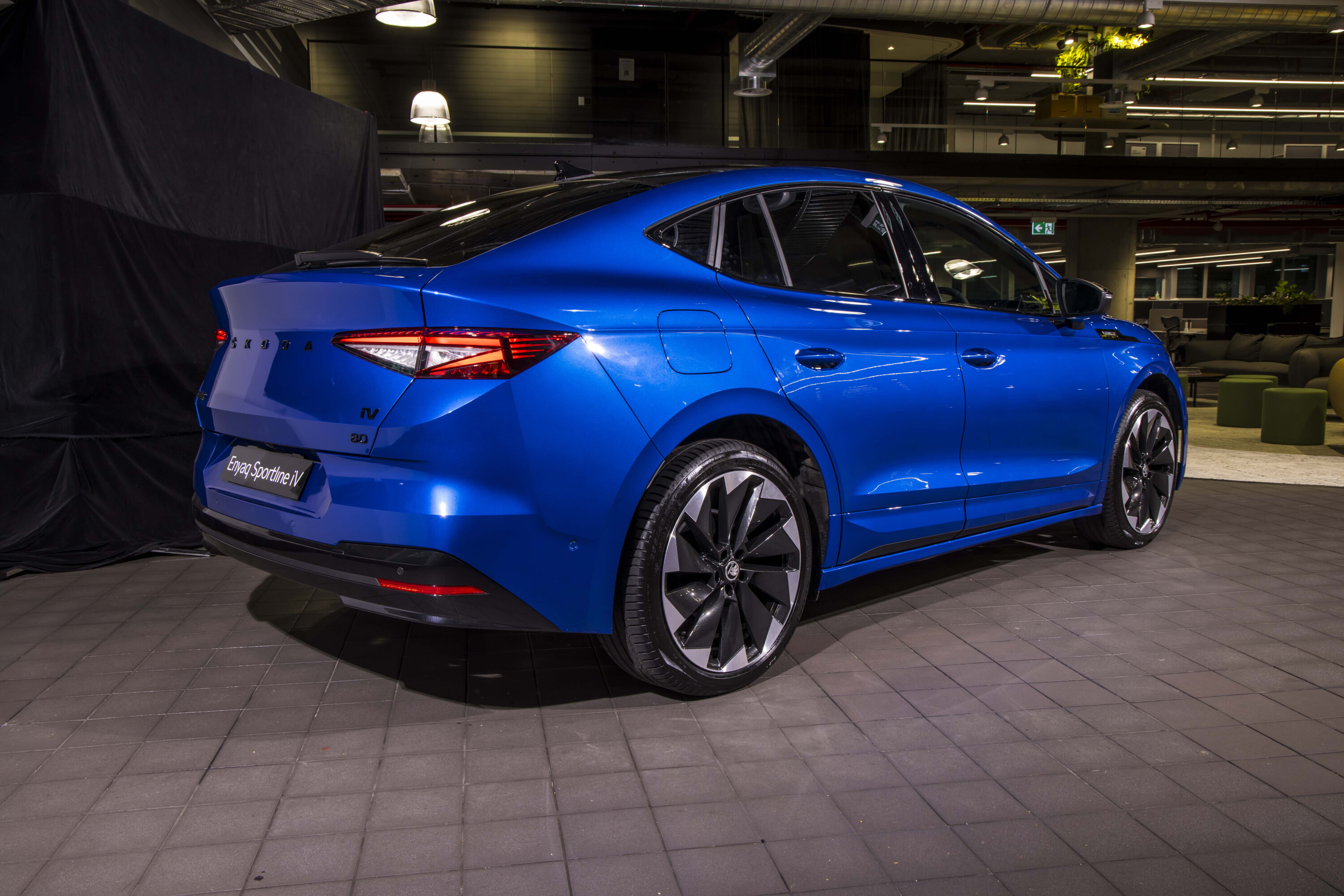
Other changes to the updated Enyaq 85 Sportline include a new 21-inch alloy wheel design and the removal of its ‘iV’ moniker (as all future Skoda EVs will be designated by model name only), along with deletion of its rear window wiper for a cleaner appearance.
Intended to compete with Kia’s Wheels COTY-winning EV6, the Enyaq’s pricing is expected to start around $80,000 when it reaches Australia, seeing that the 85 Sportline will be comprehensively equipped (if Skoda Oz is able to spec it with everything it desires).
In terms of sizing, the Enyaq is similar in length to a Kodiaq
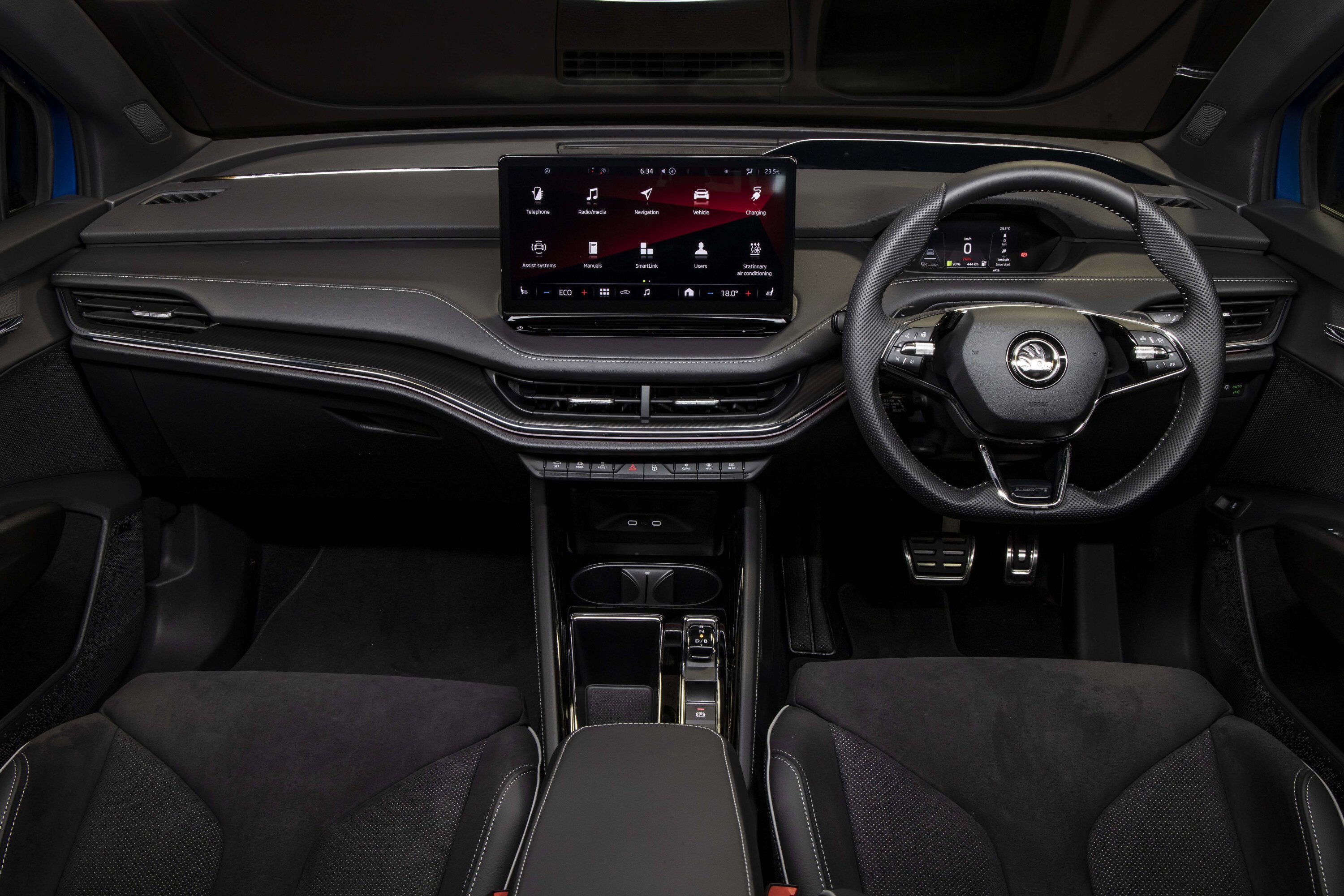
Notable equipment will potentially include adaptive damping, dynamic steering, 21-inch ‘Betria’ alloy wheels, adaptive matrix LED lighting, animated lighting display with ‘crystal face’ illuminated front grille, headlight washers, a head-up display with augmented reality, Alcantara/leather trim, electric sports front seats with driver’s massage function, a 13-inch infotainment screen with dual wireless charging pads, and a 12-speaker Canton sound system.
Sharing the Enyaq 85’s enhanced battery, power output and electric range, the Laurin & Klement edition goes a step further with chrome exterior detailing, unique alloy wheels, Nappa leather trim (in beige or black), ventilated front seats and high-grade dashboard upholstery.
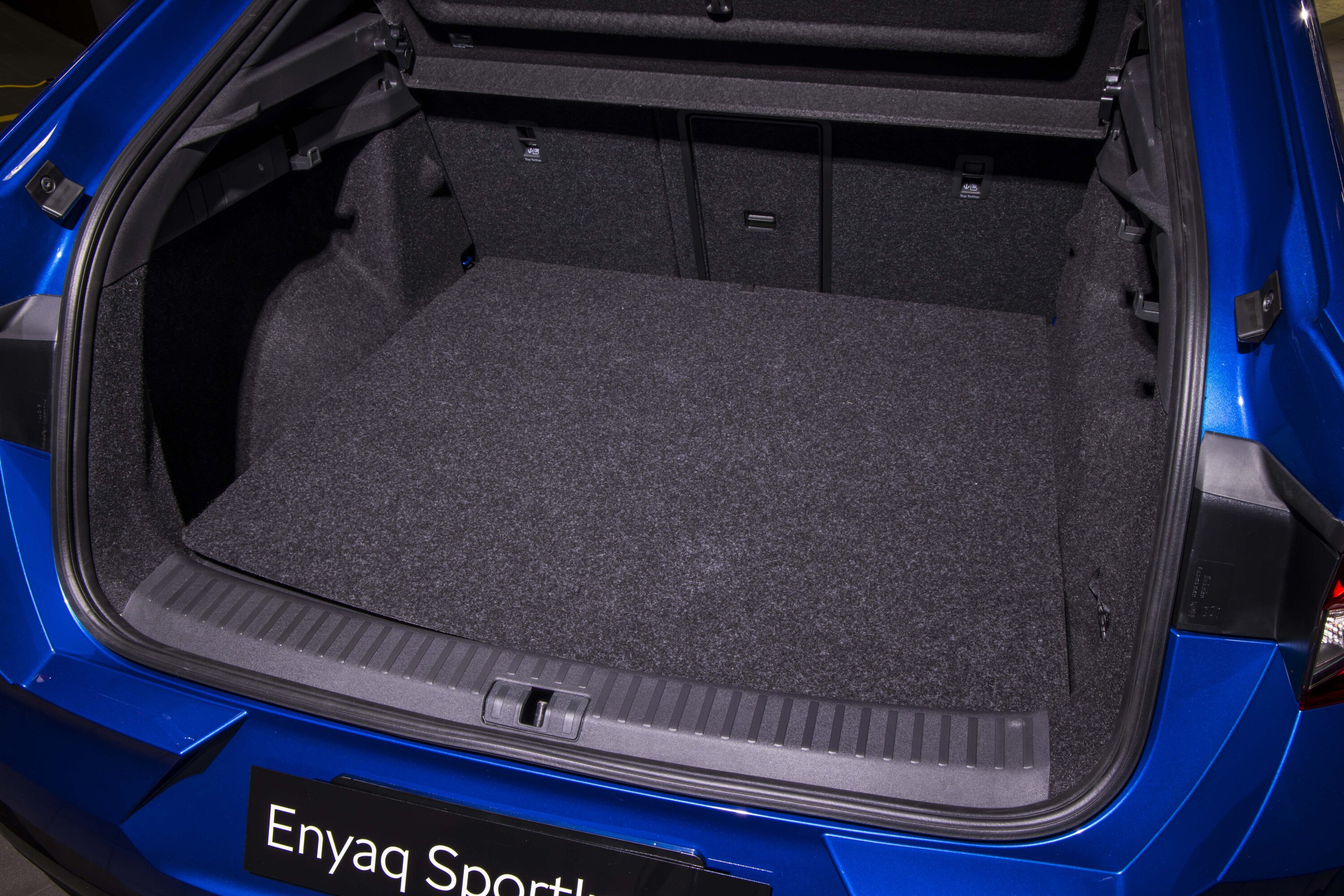
1
In terms of sizing, the Enyaq is similar in length to a Kodiaq, riding on a 2764mm wheelbase. With a height of 1621mm, it stands significantly taller than a Kia EV6, with the Enyaq coupe offering 39mm more front headroom and the same rear headroom as the wagon version thanks to its standard panoramic glass roof.
Australian buyers will be able to register their expressions of interest for the Skoda Enyaq in the first quarter of 2024.
MORE
Everything Skoda
More EV stories to help you choose the best car for your needs
- ? EV news, reviews, advice & guides
- ❓ Short & sweet: Your EV questions answered
- ⚡ New EVs: Everything coming to Australia
- ? Australia’s EVs with the longest driving range
- ⚖️ Best-value EVs by driving range
- ? How much do EVs cost in Australia?
- ? How much more expensive are EVs?
- ⚖️ Number crunching: Is it time to switch to an EV?
- ♻ Should you buy a used EV?
- ?️ Are EVs more expensive to insure?
- ? Costs compared: Charging an EV vs fueling a car
- ? EV charging guide
- ?? EV servicing explained
- ? EV battery types explained
- ? When do EV batteries need replacing?
- ? Hydrogen v EVs: What’s best for Oz?
- ? How sustainable are EVs, really?
MORE advice stories to help you with buying and owning a car
Isuzu MU-X
Things we like
- Good off-road capability
- Comfortable interior
- Extensive safety gear
Not so much…
- Tailgate design u2013 too low in raised position
- Diesel engine not the quietest in class
- Mechanically unchanged, with only aesthetic updates
Mitsubishi Pajero Sport
Things we like
- Industry-leading warranty and servicing
- Economical engine
- Well-featured for a low price
Not so much…
- Short on tow capacity
- Ride quality
- No safety rating
For many years, four-wheel drive wagons like the Toyota LandCruiser and Land Rover Discovery were the go-to affordable $50K off-roaders, but have long since become premium, six-figure luxury SUVs.
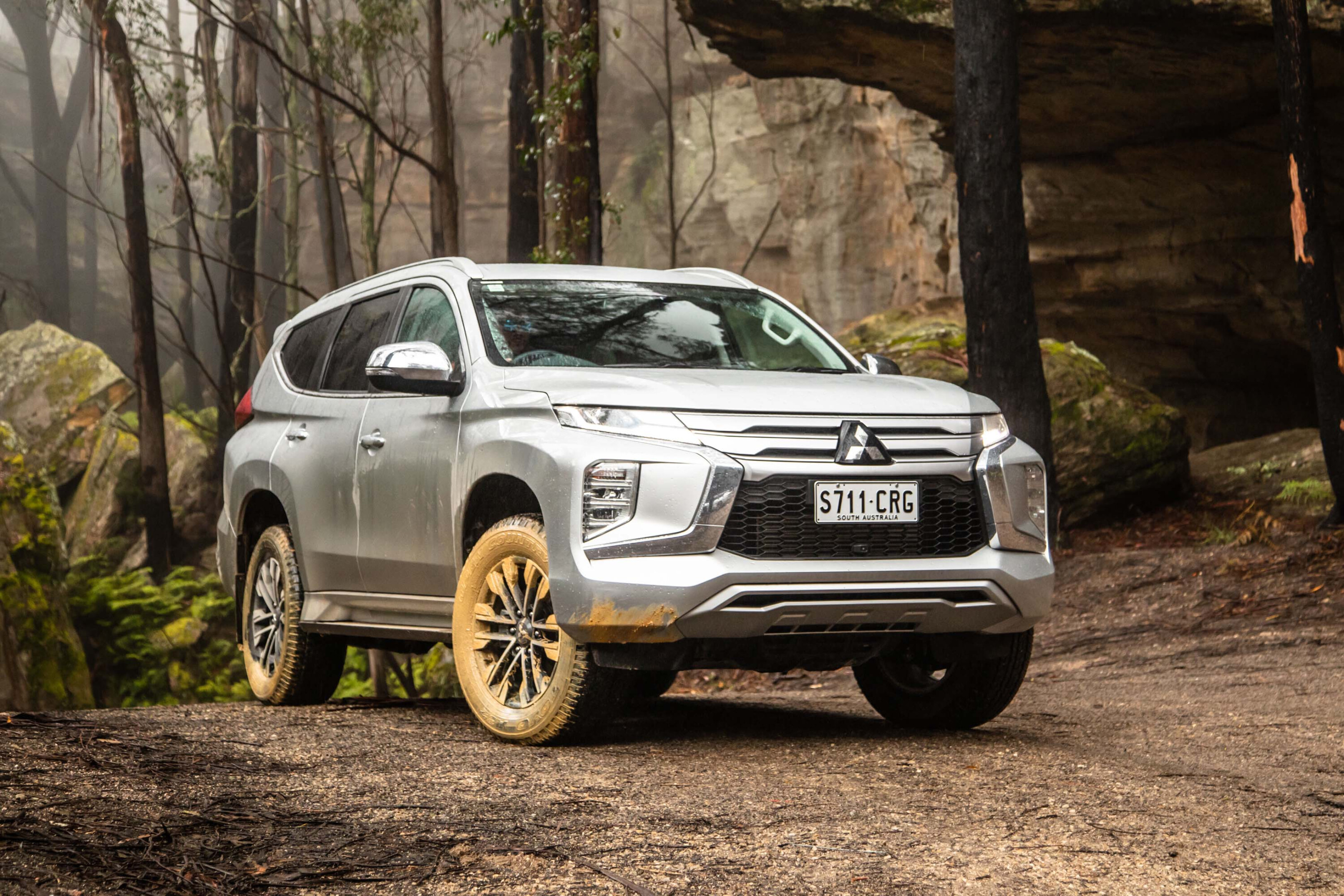
Vehicles like these left a vacuum, soon filled by the likes of separate chassis, ute-based wagons such as the Isuzu MU-X and Mitsubishi Pajero Sport.
Both Isuzu and Mitsubishi are well-known brands with relatively well-established dealer networks. While they are not perceived as bargain basement nameplates, neither are they premium brands. Nonetheless, of the mainstream brands, these two are the cheapest dual-range separate chassis 4x4s you can buy in Australia.
The Pajero Sport is closer to the end of its production cycle than the start, with a replacement coming by 2025.
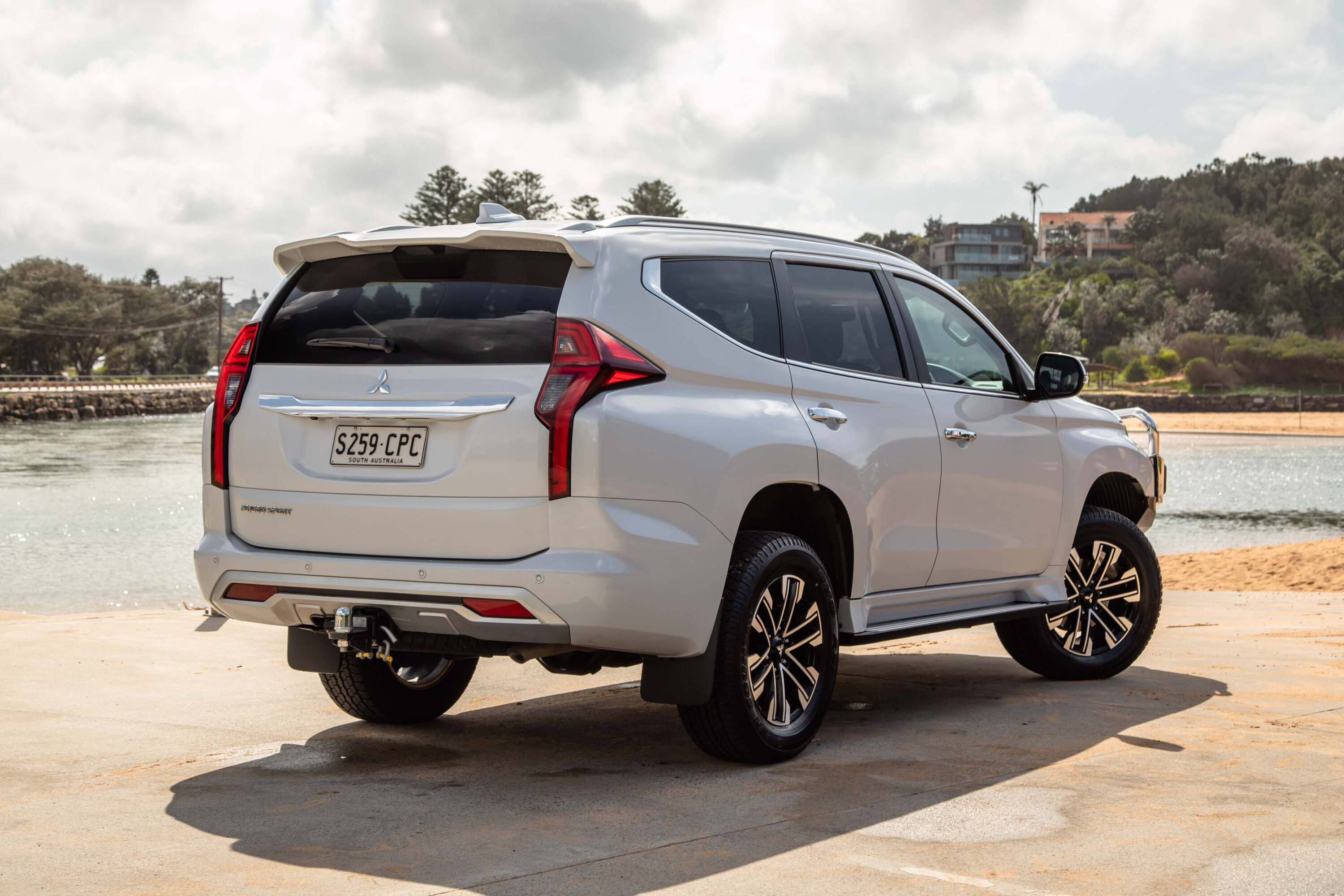
1
In fact, Mitsubishi’s next Triton (on which the Pajero Sport is based) is due in February next year. The current Pajero Sport, while refreshed a couple of times – most recently in 2020 – was first released in 2015.
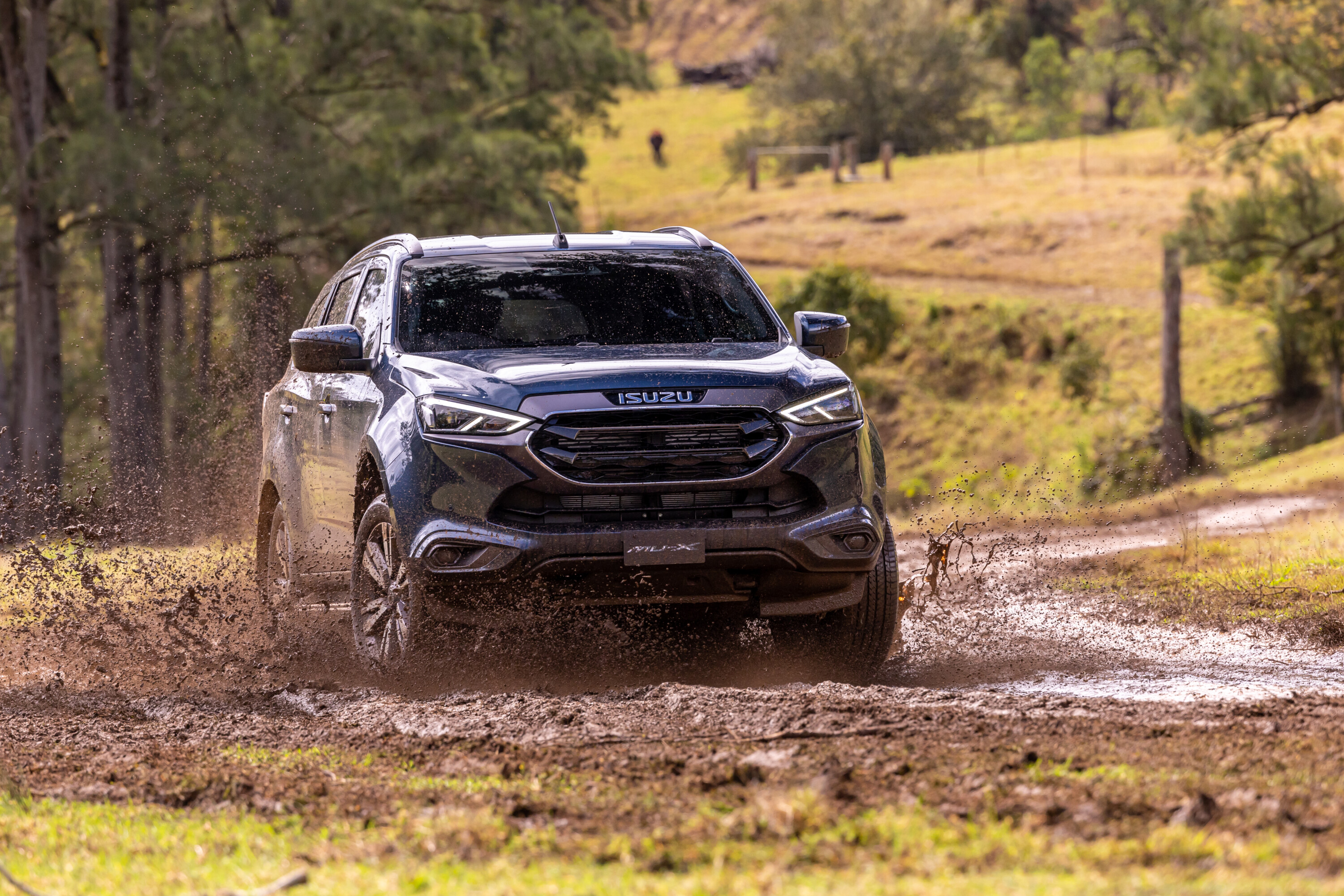
Meanwhile, the D-Max ute-based Isuzu MU-X was only launched as a fresh model in 2021, and was updated earlier this year.
These might not be luxury SUVs but are well-featured with tech and safety gear. They offer all the versatility a family could ask for in a vehicle, with seven seats (except the Pajero Sport GLX), 4×4 off-road ability (although cheaper, less popular 4×2 models are also available) and relatively high towing capacity.
Here we are focusing on the 4×4 models from each model line only.
1
JUMP AHEAD
- Pricing and features
- Comfort and space
- On the road
- Ownership
- VERDICT
- Overall scoring
- Specifications
- Scores from single car reviews
Pricing and features
If every dollar saved is a win, then the Mitsubishi Pajero Sport has an advantage here.
At entry level, the GLX 4WD represents an almost $5000 saving over the Isuzu MU-X LS-M 4×4. The key point of difference here is that the Mitsubishi is a five-seater only in GLX trim, while all the Isuzu MU-X variants are seven-seaters as standard.
Where the MU-X has an advantage across all models is in its 3500kg (braked) towing capacity (with 350kg tow ball download limit) against the lower 3100kg/310kg (braked) towing limit for all Pajero Sports.
1
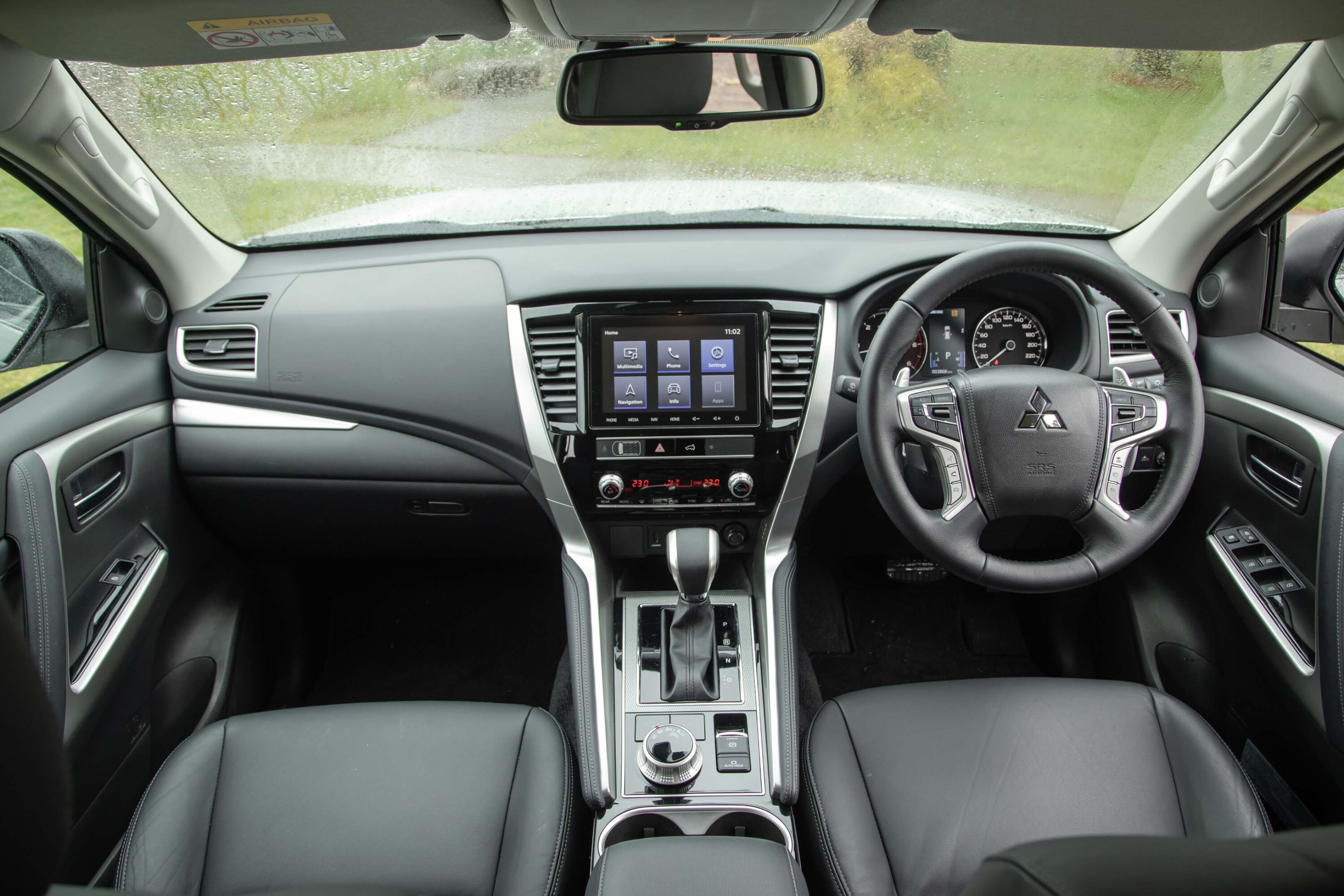
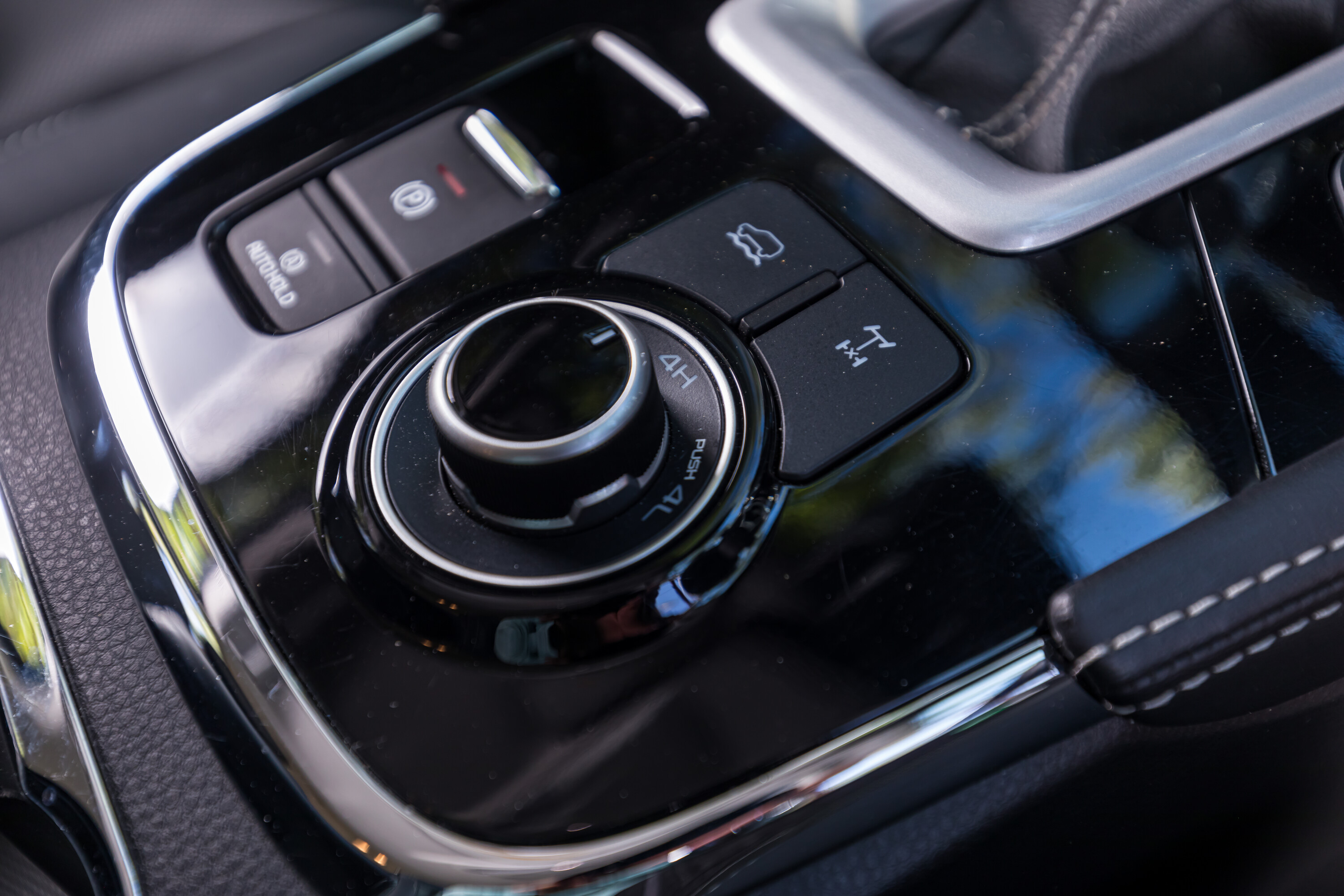
The Pajero Sport range counters with its standard eight-speed auto over the Isuzu’s six-speed, and the Mitsubishi Super Select II transfer case.
Mitsubishi’s 4WD system gives you the addition of an all-wheel-drive setting that can be used on dry, paved roads. In the Isuzu (like all part-time 4WDs), you would likely do transmission damage if you forgot to select 2WD from 4WD high as the road dried out.
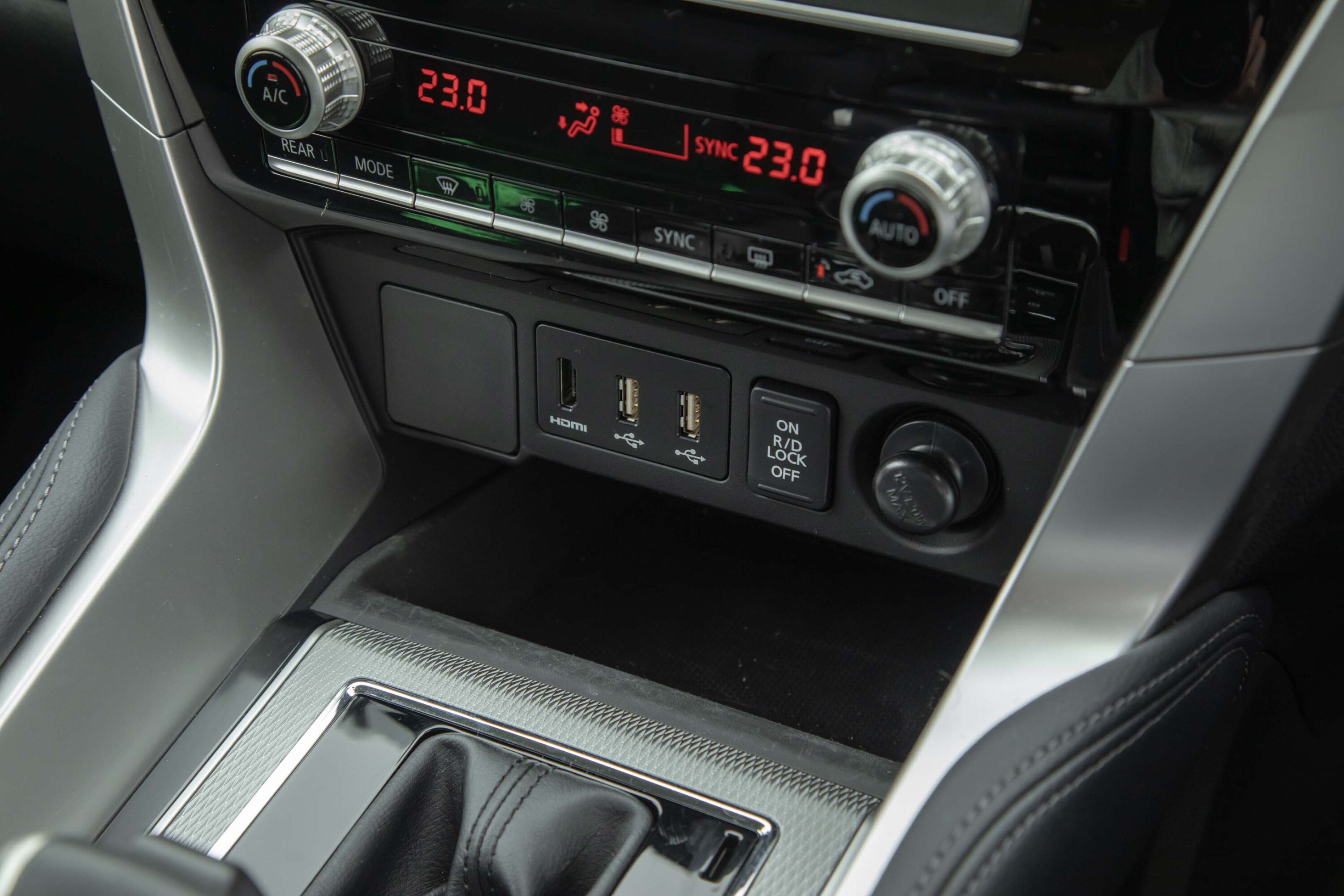
The two entry models – LS-M and GLX – share a lot of standard features from adaptive cruise control, dusk-sensing bi-LED headlights (the Isuzu’s also have an auto high beam function), rain-sensing wipers, one-touch power windows, push-button start, side steps, rear-view camera, rear parking sensors, lane-change assist, autonomous emergency braking and a rear differential lock.
1
Mitsubishi’s spec advantages over the Isuzu at this entry-level point include built-in sat-nav, power tailgate, power-folding side mirrors, roof rails and keyless entry.
The base MU-X LS-M counters with seven seats over the Pajero Sport GLX’s five seats, and offers more safety gear at this trim level, such as speed sign recognition, post-collision braking, misacceleration mitigation, blind-spot monitoring, rear cross-traffic alert, lane-departure prevention and lane-change assist.
Next up the MU-X ladder are the LS-U at $61,400, and the Pajero Sport GLS at $55,190 (prices plus on-road costs). There’s an even bigger advantage to the Mitsubishi here, with $6210 less to spend over the equivalent Isuzu LS-U.
1
Standard gear for both includes power tailgate, power-folding side mirrors and rear privacy glass. The MU-X LS-U additionally features driver’s seat power lumbar adjustment.
Following the mid-spec variants are the luxury models, the MU-X LS-T and the Pajero Sport Exceed. Both have leather seats that are heated and power-adjustable at the front.
The Exceed, with the inclusion at this trim level of blind-spot monitoring, lane-change assist and rear cross-traffic alert, finally matches some of the safety features standard on all MU-Xs.
While the Isuzu offers a three-tier model range stops at LS-T, the Pajero Sport goes one better – beyond the luxury Exceed model there’s a sporty GSR variant at the top of the model walk.
1
This is basically an Exceed with an appearance package including black-painted wheels and trim. There are no powertrain or suspension changes to make it more ‘sporty’.
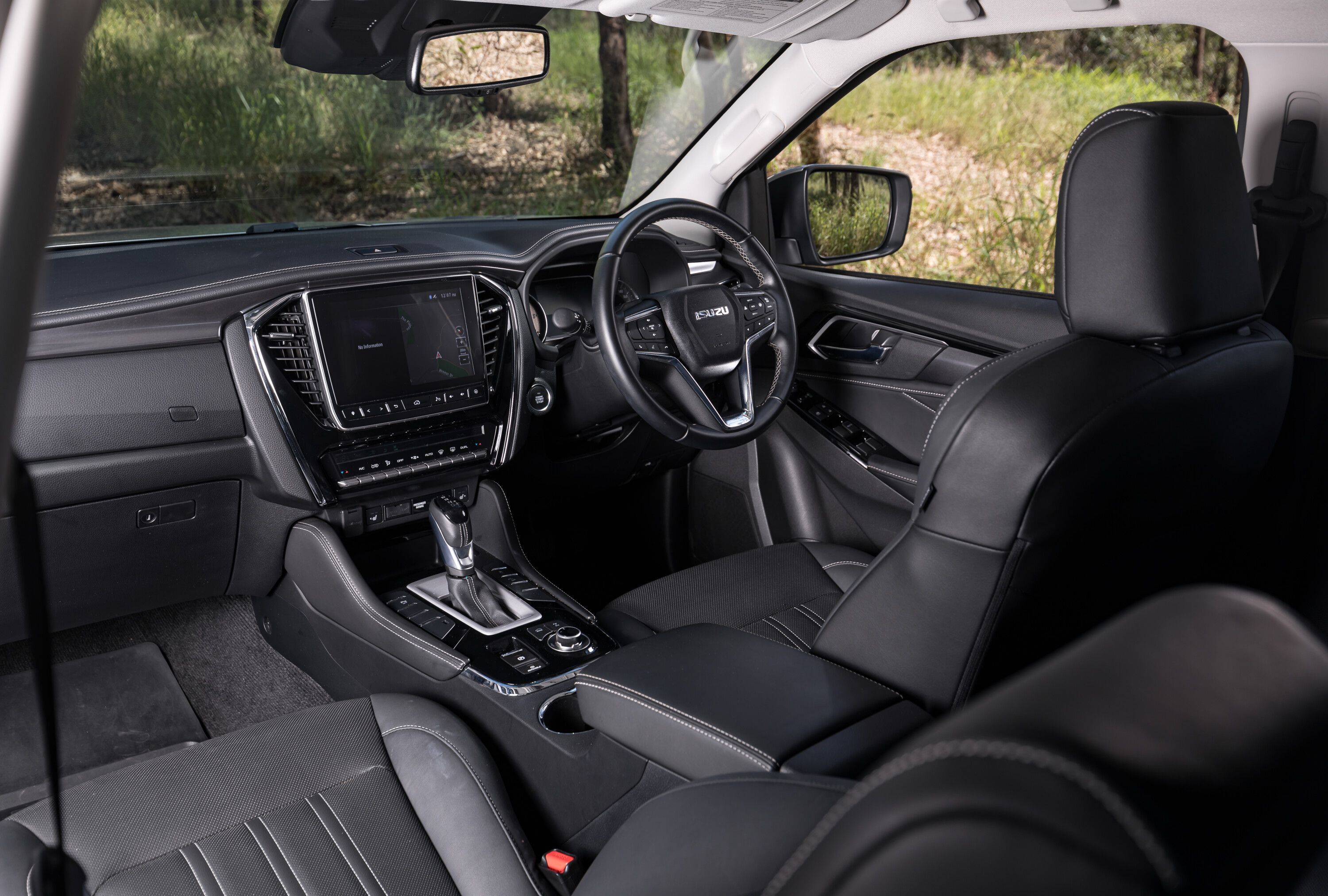
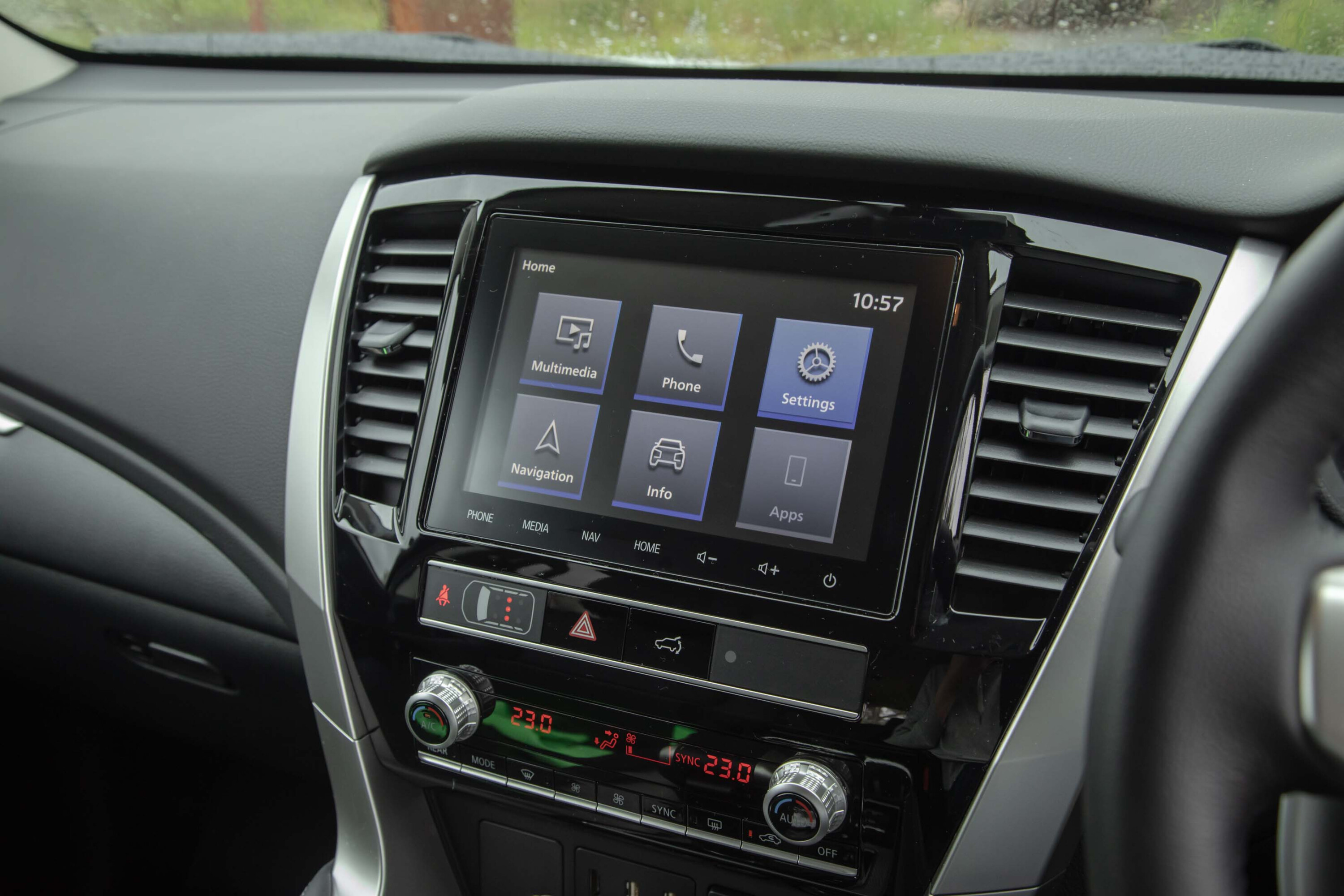
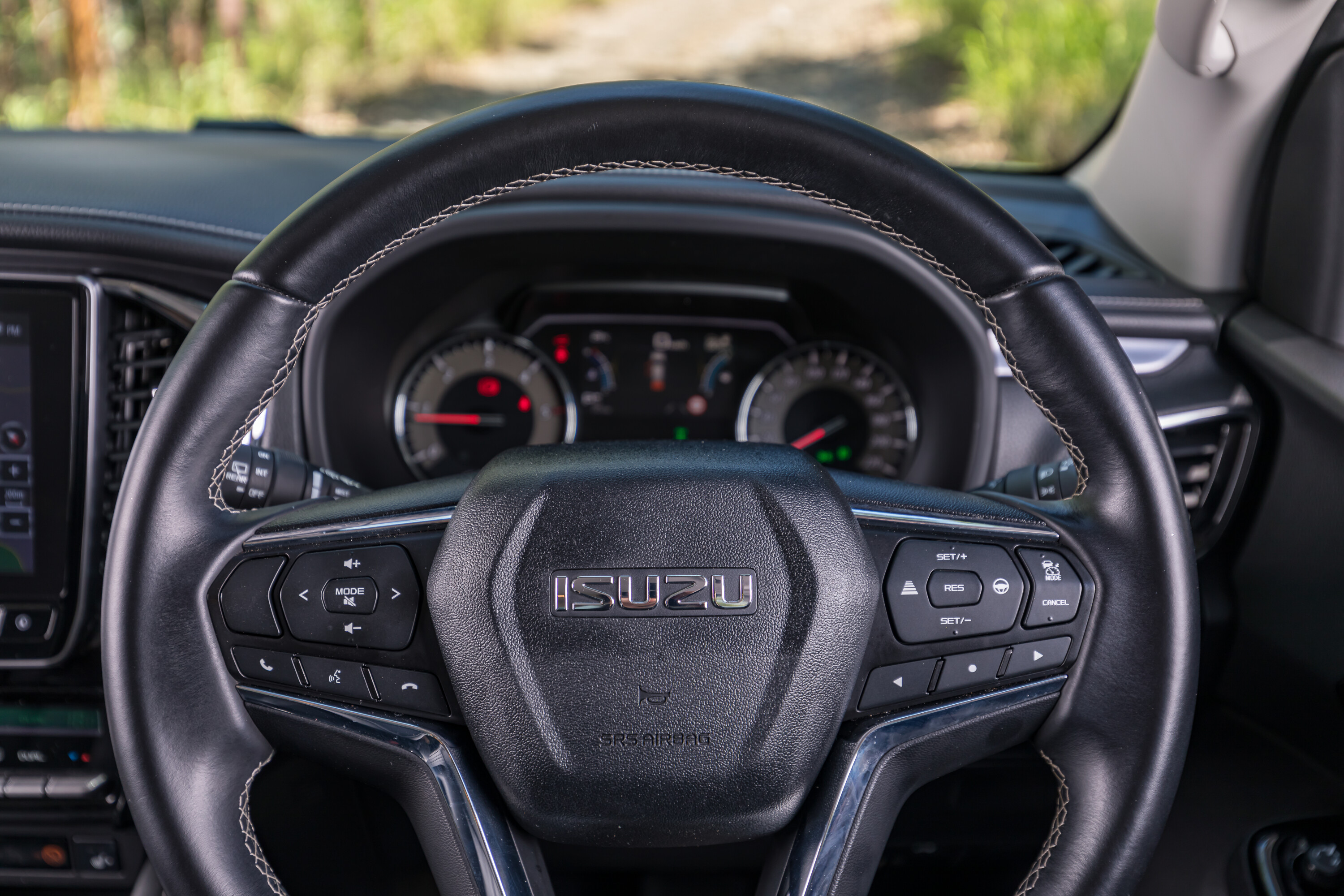
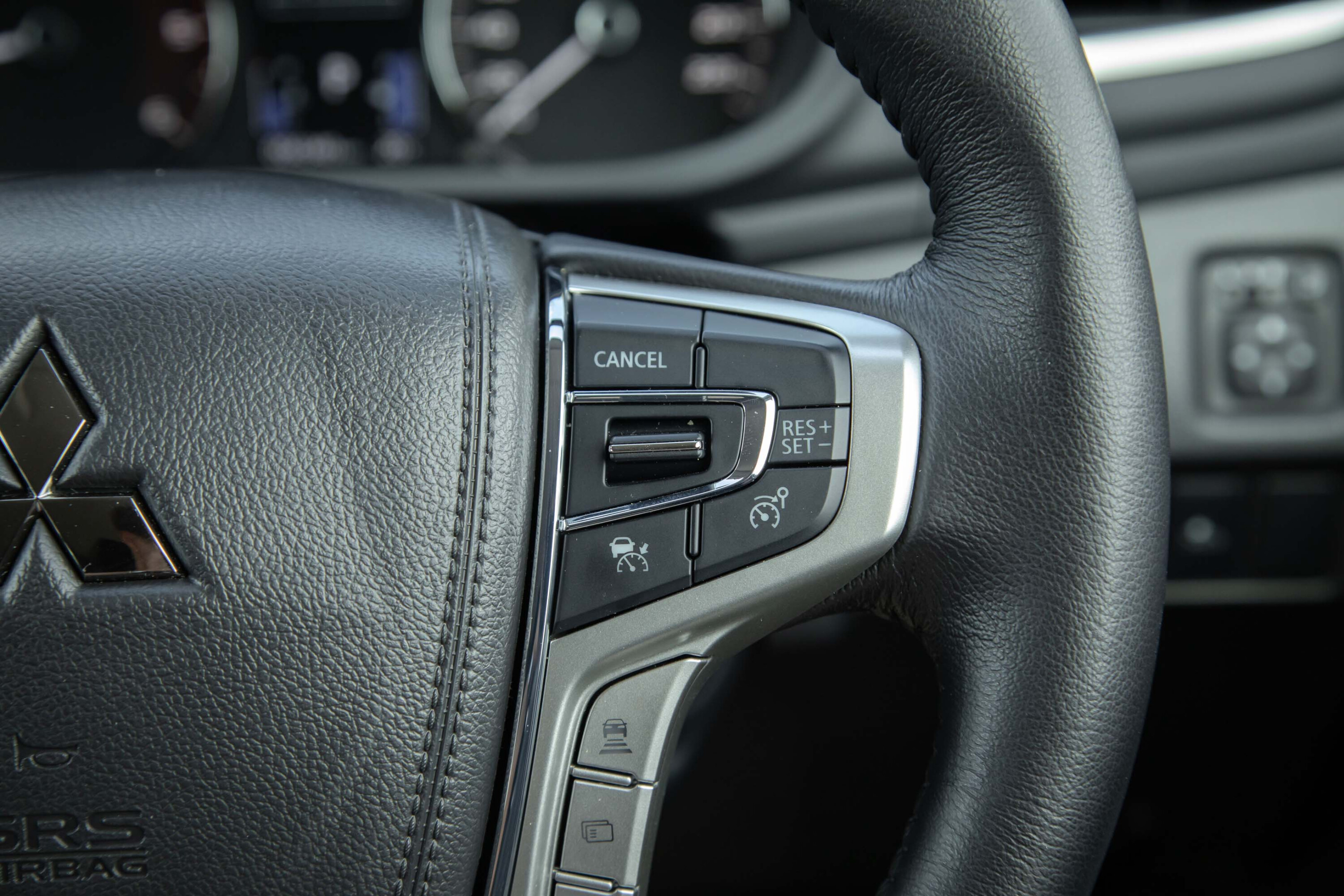
Standard technology includes smartphone mirroring on both vehicles, but the MU-X starts with a 7.0-inch screen at the base LS-M grade before getting a 9.0-inch screen for LS-U and LS-T. All the Pajero Sports get an 8.0-inch screen.
The Pajero Sport range received a five-star ANCAP safety rating when released back in 2015, albeit under more lenient guidelines than today’s standards. Because the ANCAP ratings have changed, it is now technically ‘unrated’. Meanwhile, the Isuzu MU-X has current certification and was ANCAP crash-tested in 2022, with a maximum five-star result.
1
Isuzu MU-X and Mitsubishi Pajero Sport Fuel consumption, outputs, power and price
| Isuzu MU-X variant | Fuel consumption | Power | Torque | Price* |
|---|---|---|---|---|
| MU-X LS-M | 8.3L/100km | 140kW | 450Nm | $54,900 |
| MU-X LS-U | 8.3L/100km | 140kW | 450Nm | $61,400 |
| MU-X LS-T | 8.3L/100km | 140kW | 450Nm | $65,990 |
| * Prices exclude on-road costs |
| Mitsubishi Pajero Sport variant | Fuel consumption | Power | Torque | Price* |
|---|---|---|---|---|
| Pajero Sport GLX | 8L/100km | 133kW | 430Nm | $49,940 |
| Pajero Sport GLS | 8L/100km | 133kW | 430Nm | $55,190 |
| Pajero Sport Exceed | 8L/100km | 133kW | 430Nm | $60,690 |
| Pajero Sport GSR | 8L/100km | 133kW | 430Nm | $62,440 |
| * Prices exclude on-road costs |
1
The Ford Everest and Toyota Fortuner are Australia’s closest competitors to the MU-X and Pajero Sport.
The large 4×4 wagon category starting under $60K has another seven contenders: the Ford Everest ($58,290-$77,000), GWM Tank ($46,990-$60,990), LDV D90 ($46,832-$52,095), Mahindra Scorpio ($41,990-$45,990) SsangYong Rexton ($47,990-$56,585), and Toyota Fortuner ($53,775-$66,755).
All prices except the GWM, LDV, Mahindra and SsangYong exclude on-road costs. What would have been included (until they became too expensive) are the Jeep Grand Cherokee ($77,950-$129,950) and Toyota Prado ($62,830-$87,468), also before on-road costs.
Of the above vehicles, the Ford Everest and Toyota Fortuner (both also based on ute models) are Australia’s closest competitors to the MU-X and Pajero Sport.
SCORING
| SCORING | Isuzu MU-X | Mitsubishi Pajero Sport |
|---|---|---|
| Pricing and features | 7.5 | 8 |
1
Comfort and space
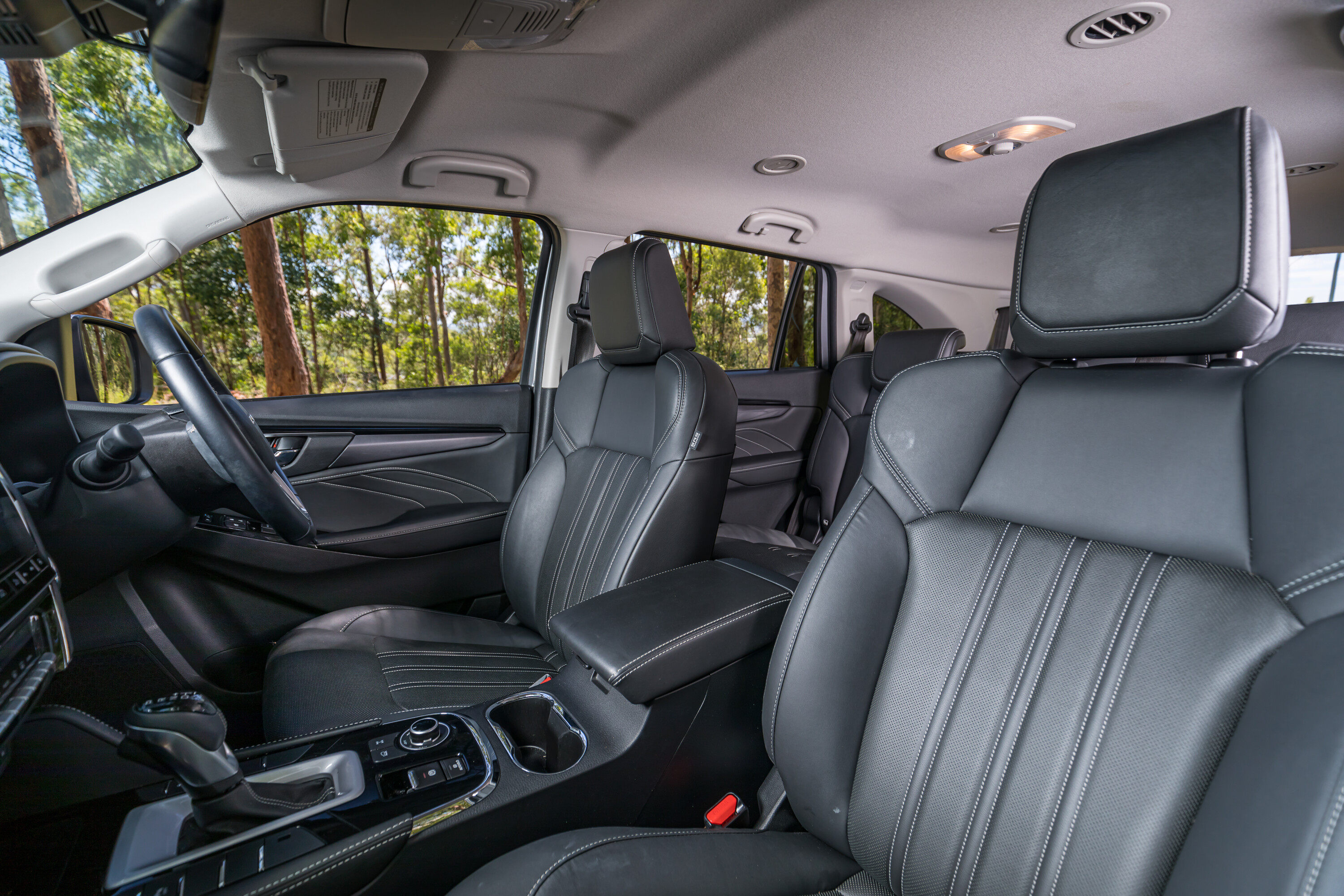
Even though both vehicles need a bit of a step up to get into, the Isuzu MU-X design is less obviously a body-on-chassis than the Pajero Sport, where the seats seem closer to the floor.
The Isuzu seems just slightly better finished and designed overall, with a smoother modern interior and marginally better quality materials. However, that doesn’t mean the Pajero Sport feels cheap, especially when you get to the leather-lined upper-tier Exceed and GSR models, which fact benefit from a fully digital dash that the MU-X lacks at any trim level.
Where the Pajero Sport most clearly shows its age inside the cabin is with the eight-inch touchscreen, which is small by modern standards and the user interface feels generations old when in operation. The second-row seat doesn’t slide forward for third-row access, which is surprising.
1
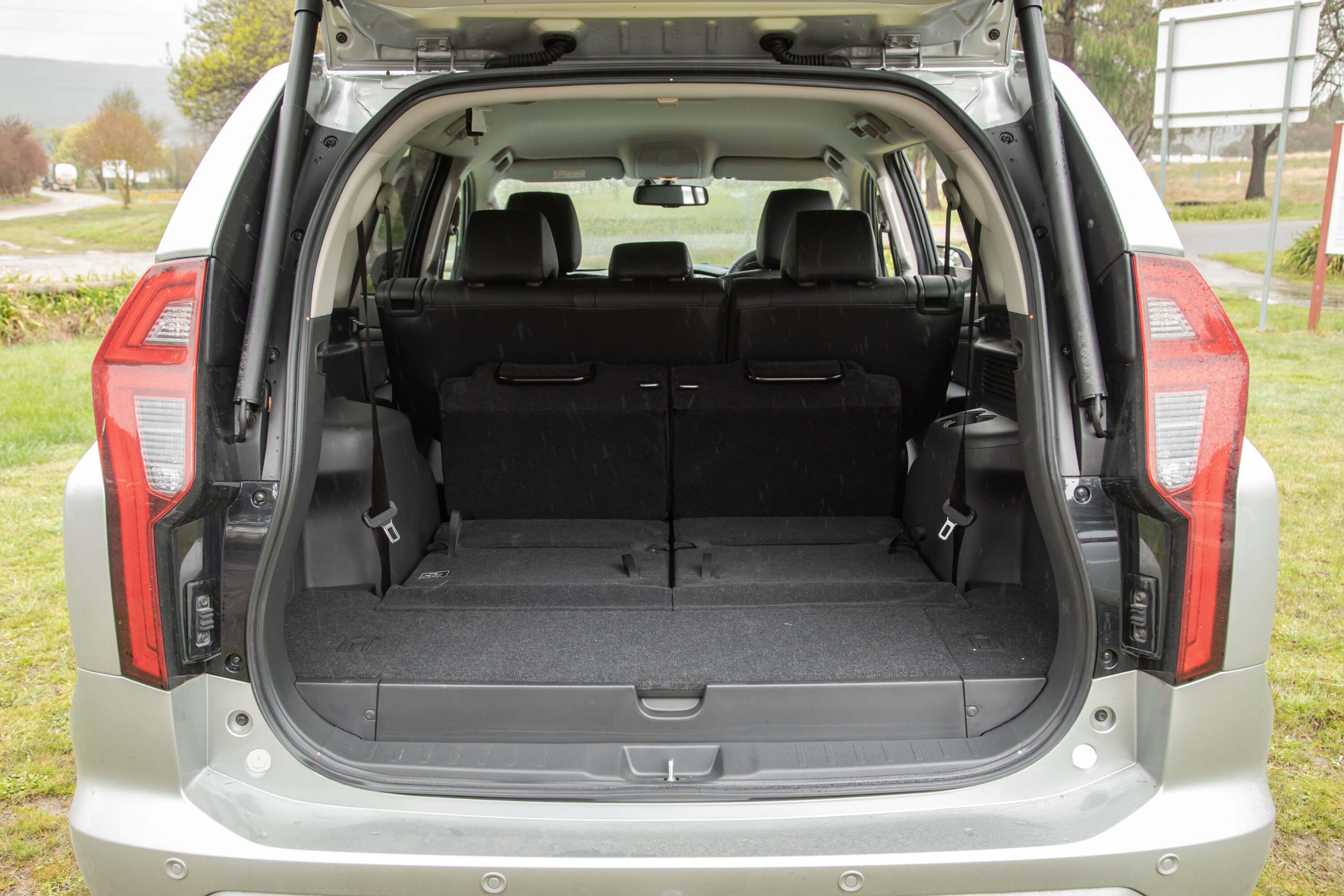
Storage space: Isuzu MU-X v Mitsubishi Pajero Sport
| Space | Isuzu MU-X* | Mitsubishi Pajero Sport |
|---|---|---|
| Behind 3rd row | 311L | 131L |
| Behind 2nd row | 1119L | 502L |
| Behind 1st row | 2138L | 1488L |
| * Litres measured to roof of cabin and not top of seats | ||
The Pajero Sport’s figures are not comparable to MU-X, as they are only measured to the top of the seatback, whereas Isuzu measures to the ceiling.
Externally slightly wider and longer, with a longer wheelbase, the MU-X footprint appears to be reflected by its interior measurements. It has slightly more headroom and legroom front and rear, and 40mm more front shoulder room than the Pajero Sport.
SCORING
| SCORING | Isuzu MU-X | Mitsubishi Pajero Sport |
|---|---|---|
| Comfort and space | 8 | 7 |
2
On the road
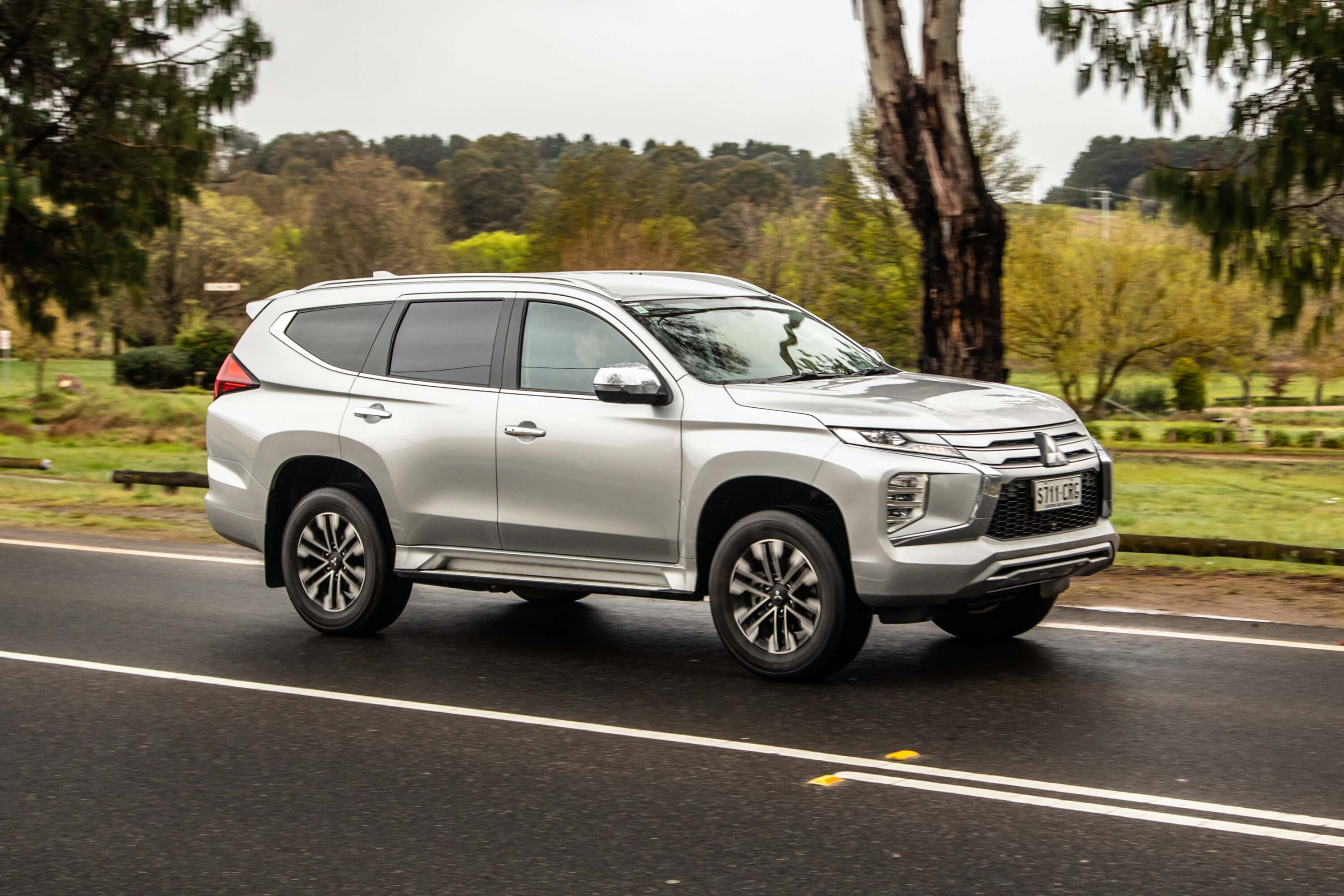
The Pajero Sport’s ability to adapt to both tarmac and dirt is one of its most endearing attributes.
Its 2.4-litre turbo-diesel engine may be slightly underpowered in its attempt to push the weight (2209kg for the GSR), and you can hear it working hard to do so, but it’s not a mitigating factor. The engine is actually relatively quiet, if a little lacking in performance.
The Mitsubishi is also not the most refined when travelling on long stretches of bitumen. However, the eight-speed automatic transmission feels well-calibrated and smooth by large SUV standards.
1
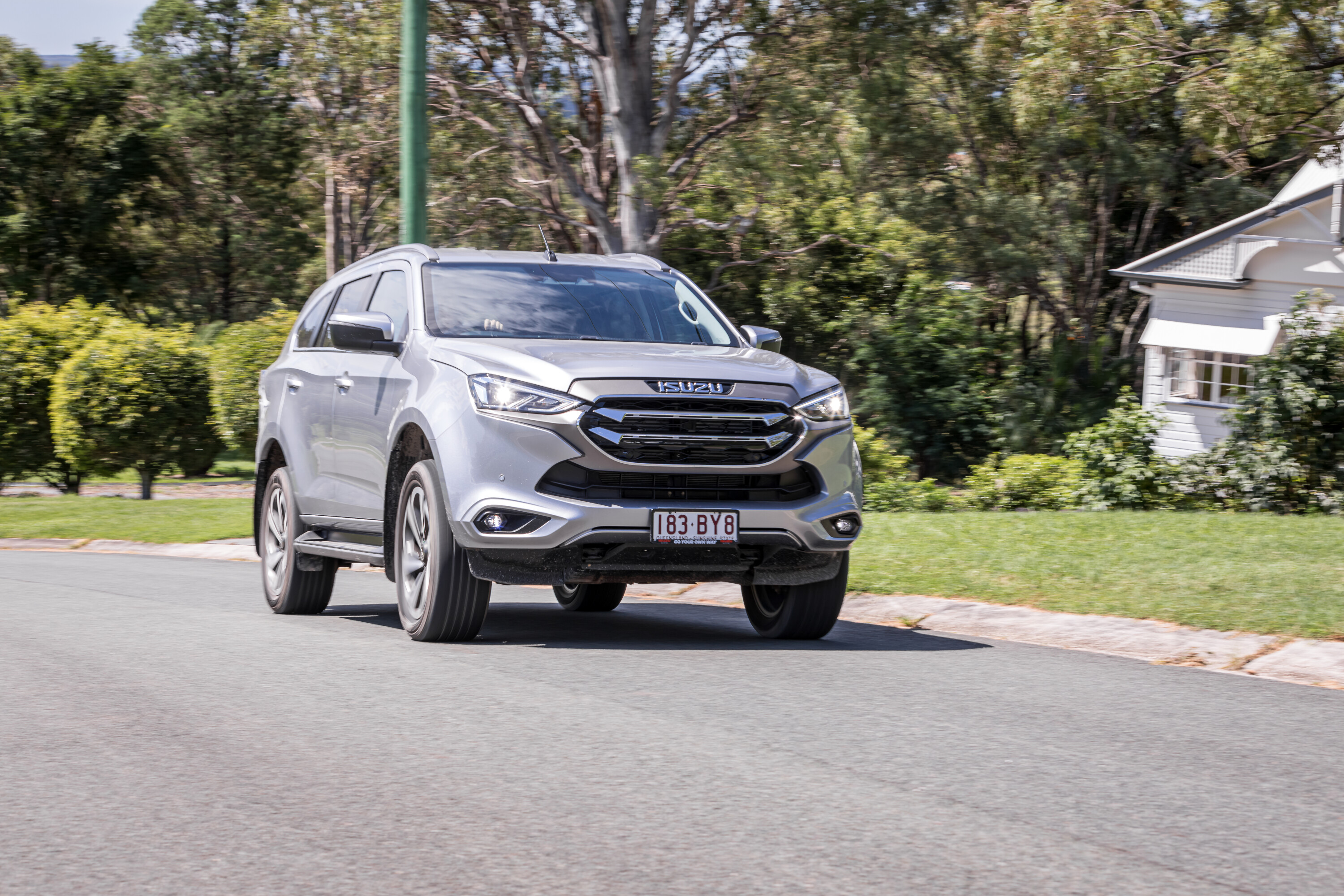
Isuzu’s 3.0-litre engine always lets you know it’s a diesel, and the MU-X seems a little more noisy than the Pajero Sport when working hard – but then, you generally don’t need to push it as hard to deliver similar results.
The MU-X’s six-speed transmission is also a little more assertive in shifts than the eight-speed in the Mitsubishi.
Even though the MU-X’s ride also hints at its commercial origins, it doesn’t have as abrupt a ride as the Pajero Sport. Steering feel is also better in the Isuzu, even though it has electric power assistance versus hydraulic in the Mitsubishi.
SCORING
| SCORING | Isuzu MU-X | Mitsubishi Pajero Sport |
|---|---|---|
| On the road | 8 | 7 |
1
Ownership
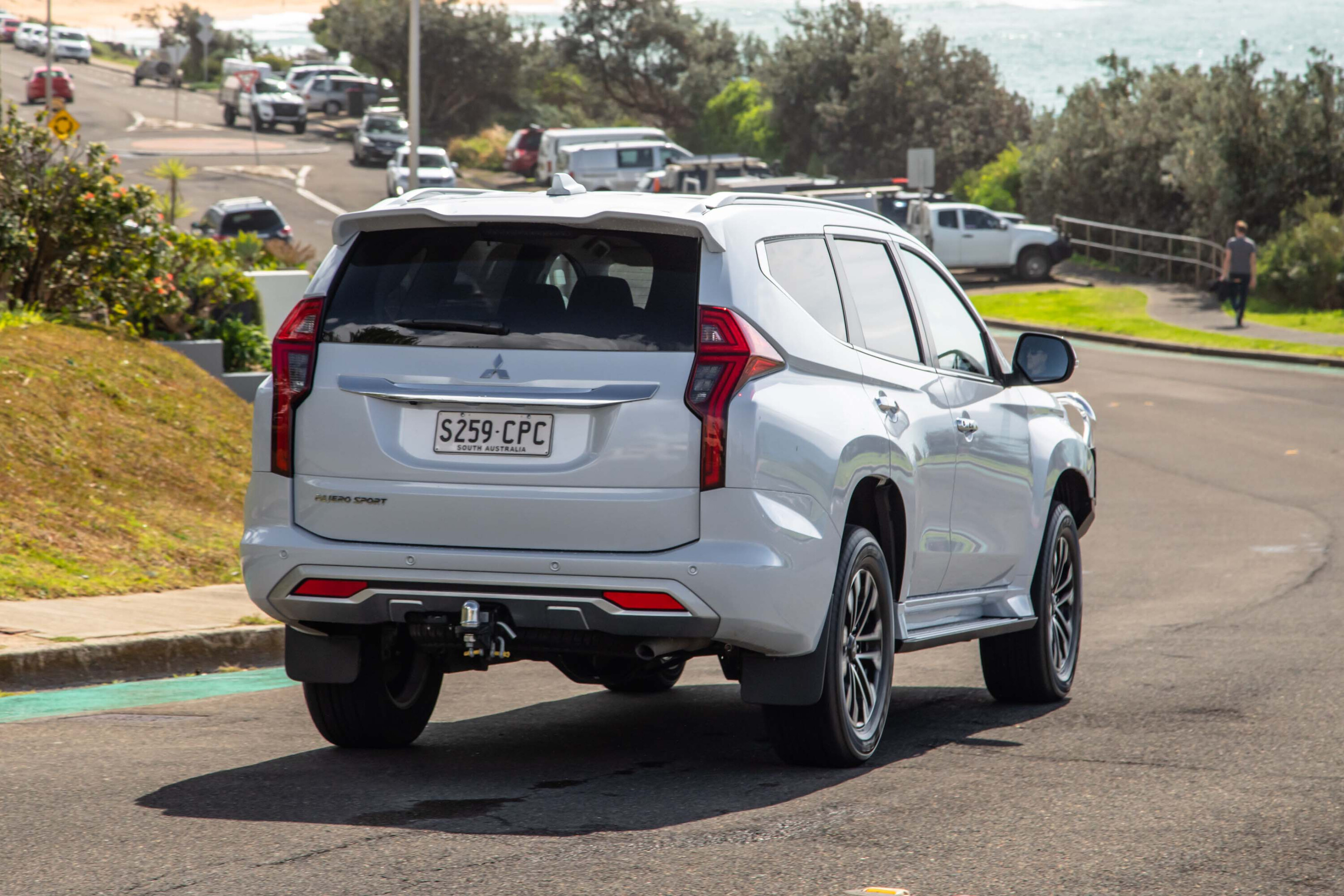
Mitsubishi is industry-leading when it comes to aftersales support, with all vehicles covered by a five-year/100,000km vehicle warranty that extends to a 10-year/200,000km duration if owners keep scheduled servicing with Mitsubishi.
Servicing intervals are every 12 months or 15,000km, whichever comes first. Mitsubishi will also cap servicing costs for the first ten years or 150,000km, and includes 10 years of roadside assistance provided, again, those services are done yearly at Mitsubishi.
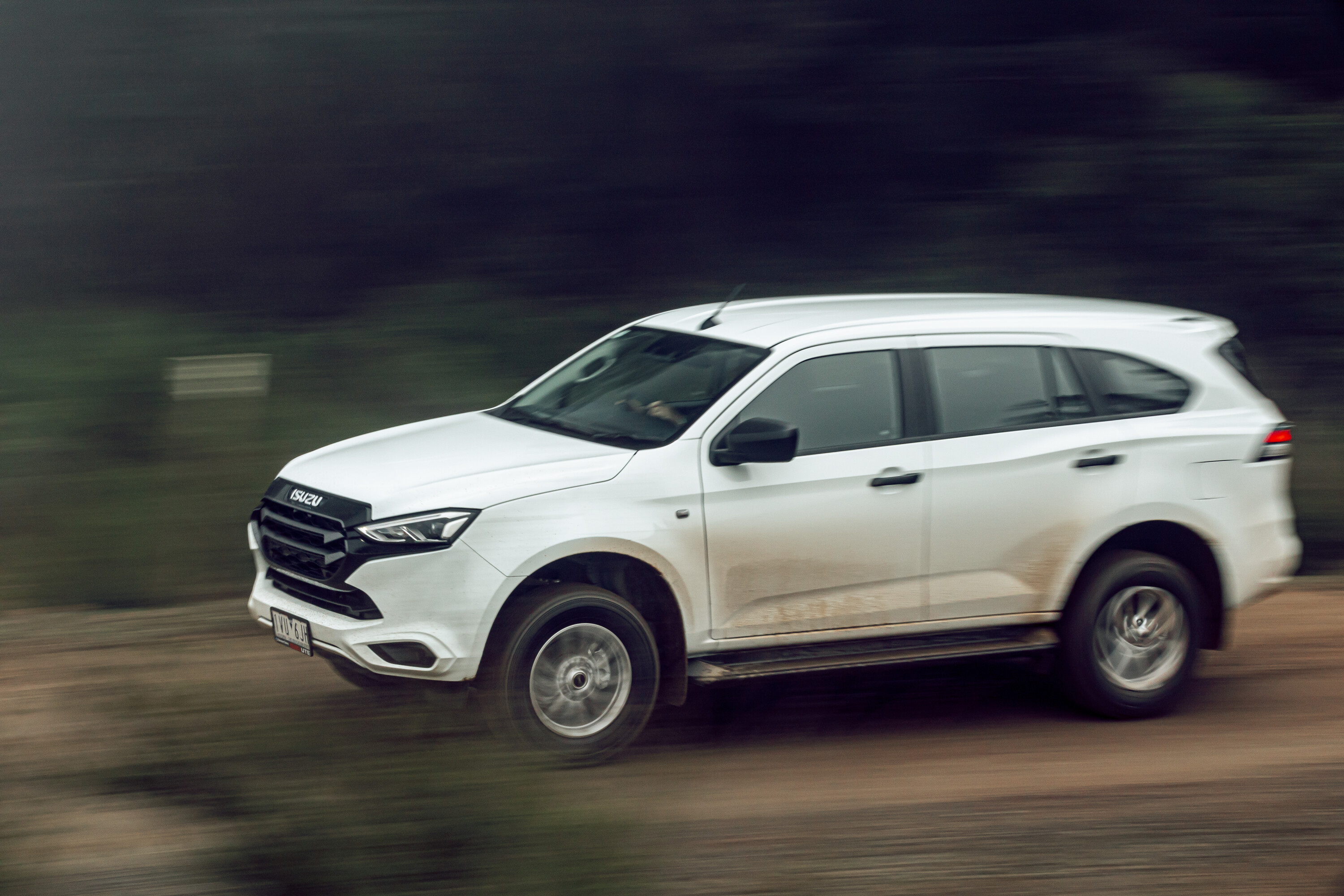
Meanwhile, the Isuzu MU-X comes standard with a six-year/150,000km warranty and seven years of roadside assistance when your scheduled services are done with Isuzu. The capped-price servicing program covers the first seven scheduled services, due every 12 months or 15,000km.
1
| Isuzu warranty coverage | |
|---|---|
| Warranty | 7 years, 150,000km |
| Roadside assistance | 7 years |
| Capped price servicing | 7 years |
| Mitsubishi warranty coverage | |
|---|---|
| Warranty | 10 years, 200,000km |
| Roadside assistance | 10 years |
| Capped price servicing | 10 years |
SCORING
| SCORING | Isuzu MU-X | Mitsubishi Pajero Sport |
|---|---|---|
| Ownership | 7.5 | 8 |
1
VERDICT
That Mitsubishi has kept the Pajero Sport relatively fresh yet attractively priced over eight years in a fast-developing market is a testament to the clarity of the original design.
It offers plenty of tech and comfort features for not much money, and its 4WD system is very good – as is the efficient, if not very powerful engine. However, there’s no denying it is fast becoming outdated against more advanced and sophisticated machines – such as the MU-X.
The Pajero Sport also now lacks a safety rating and cannot offer the 3500kg towing capacity for those who consider it important.
1
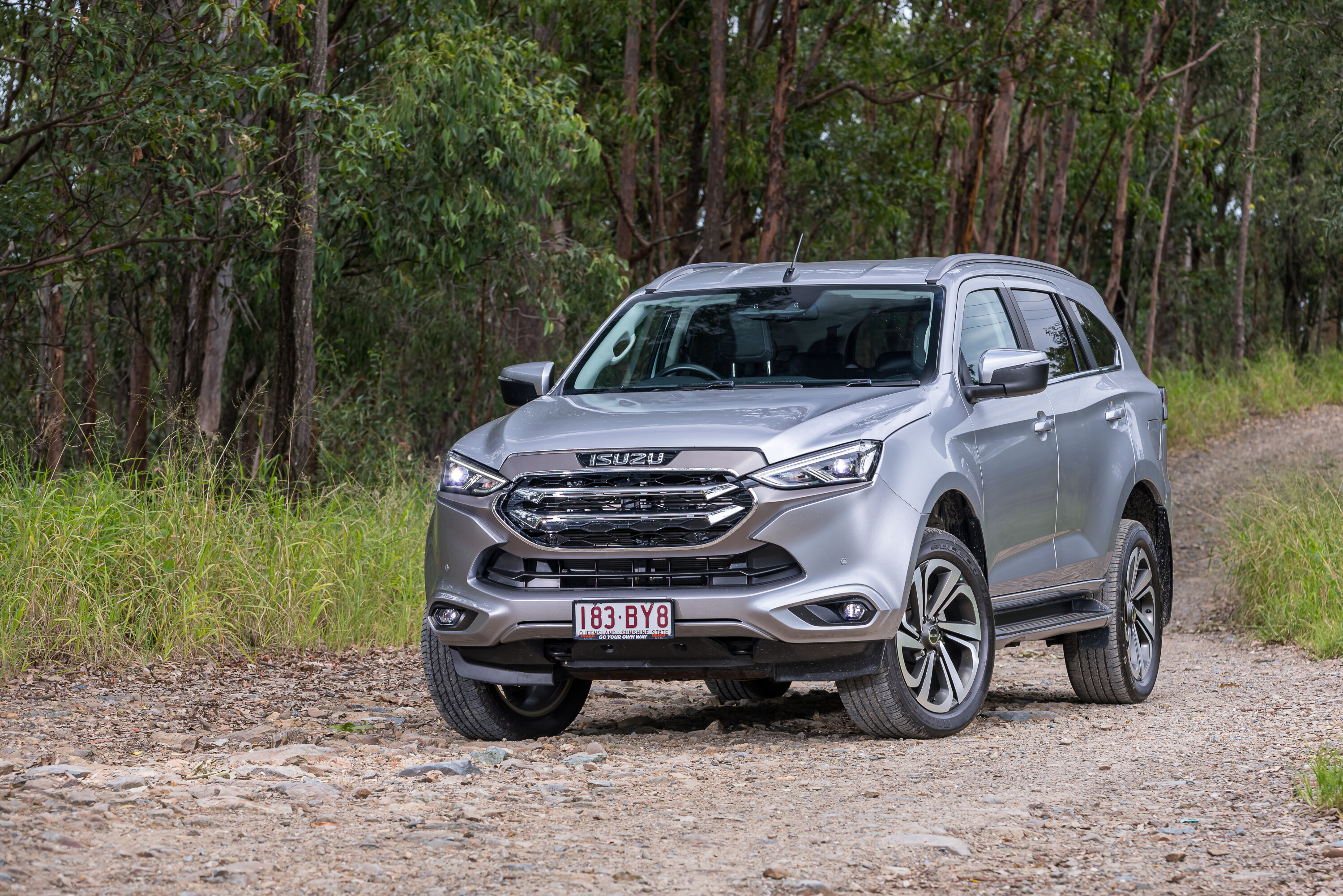
Although not the best-in-class off-road wagon, the Isuzu MU-X certainly offers a tonne of safety gear, good performance and reasonable ride and handling.
It is a little on the noisy side, its auto is lagging behind with only six forward speeds and the tailgate opens too low for taller people. Yet its overall competence makes it the winner overall in this comparison.
1
OVERALL SCORING: 2023 Isuzu MU-X v 2023 Mitsubishi Pajero Sport
| Isuzu MU-X | Mitsubishi Pajero Sport | |
|---|---|---|
| Pricing and features | 7.5 | 8 |
| Comfort and space | 8 | 7 |
| On the road | 8 | 7 |
| Ownership | 7.5 | 8 |
| Overall | 8 | 7.5 |
MORE
Everything Isuzu
Specifications
| 2023 Isuzu MU-X | 2023 Mitsubishi Pajero Sport | |
|---|---|---|
| Body | 5-door, 7-seat large SUV | 5-door, 5/7-seat large SUV |
| Engine | I4 diesel | I4 diesel |
| Transmission | 6-speed automatic | 8-speed automatic |
| Power | 140kW at 3600rpm | 133kW at 3500rpm |
| Torque | 450Nm at 1600-2600rpm | 430Nm at 2500rpm |
| ADR fuel claim | 8.3L/100km | 8.0L/100km |
| Weight | From 2135kg | From 2145kg |
| Suspension | fr/rr IFS/live axle | fr/rr IFS/live axle |
| L/W/H (mm) | 4850x1870x1815 | 4825x1815x1835 |
| Wheelbase (mm) | 2855 | 2800 |
| Tyres | (LS-M) 255/65R17 | 265/60R18 |
| Wheels | (LS-M) 17-inch alloy | 18-inch alloy |
| Price | From $54,900 + on-road costs | From $49,940 + on-road costs |
1
Scores from single car reviews
| Isuzu MU-X | Mitsubishi Pajero Sport | |
|---|---|---|
| Safety, value and features | 8.5 | 7 |
| Comfort and space | 8 | 8.5 |
| Engine and gearbox | 8 | 7 |
| Ride and handling | 7 | 7.5 |
| Technology | 8 | 7 |
Isuzu MU-X
Things we like
- Good off-road capability
- Comfortable interior
- Extensive safety gear
Not so much…
- Tailgate design u2013 too low in raised position
- Diesel engine not the quietest in class
- Mechanically unchanged, with only aesthetic updates
Mitsubishi Pajero Sport
Things we like
- Industry-leading warranty and servicing
- Economical engine
- Well-featured for a low price
Not so much…
- Short on tow capacity
- Ride quality
- No safety rating
For as long as I can remember, the Bathurst 1000 has been Christmas, Easter and my birthday all wrapped up in one event. It’s my grand final, my indulgence, my must-do.
Not this year.
For a multitude of reasons, and in what should have been its finest hour, Supercars has managed to screw up the roll-out of the third-generation car so comprehensively that the entire paddock is at war, literally a day before opening practice for 2023’s blue riband event.
October 5: In the hours since this story was published, Ford has issued a statement on the matter of parity. Find the statement at the bottom of this story, or click here to jump ahead.
1
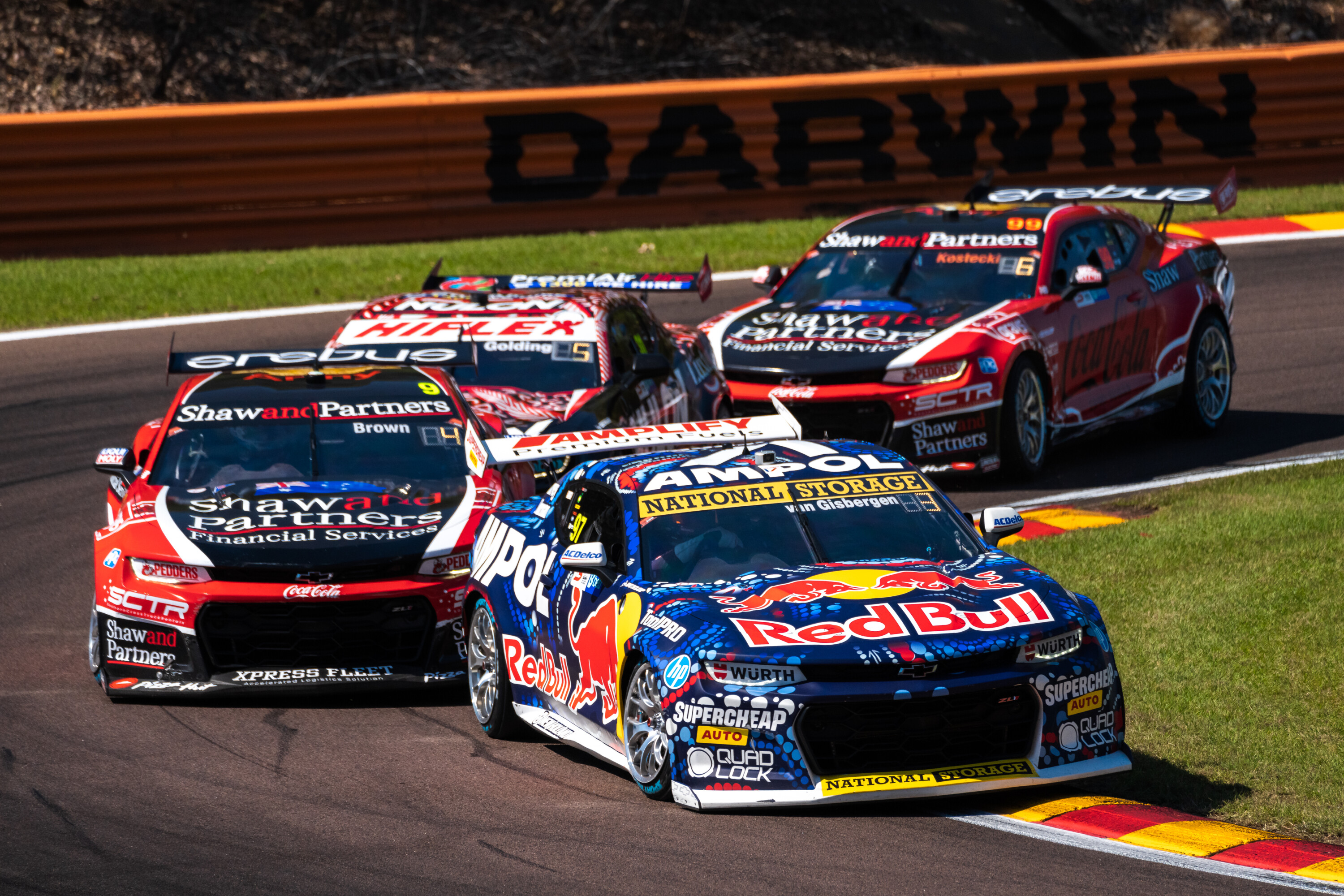
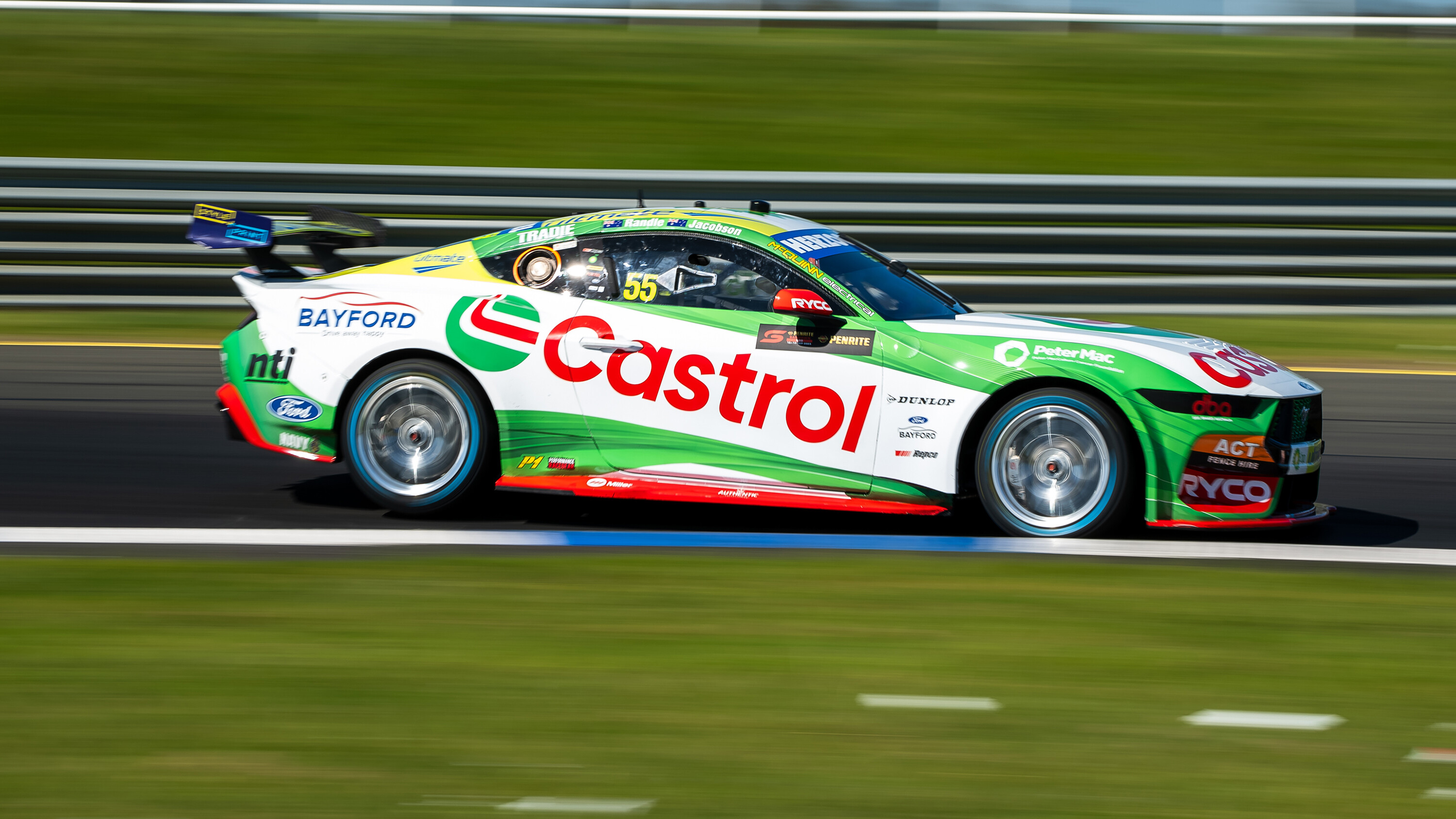
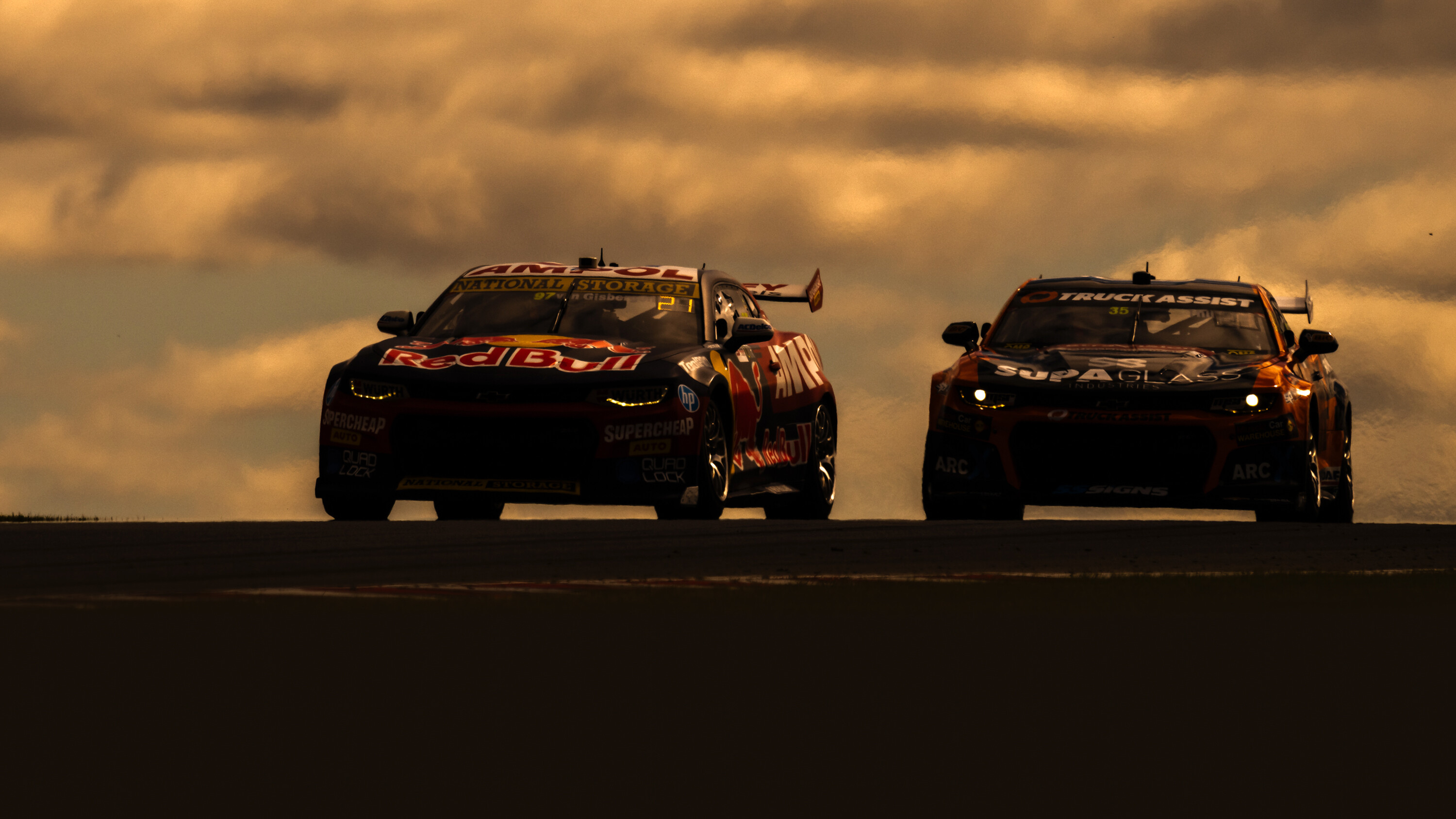
The short version is that the introduction of the new Chevrolet Camaro and Ford Mustang was based on a premise of performance parity between the two brands.
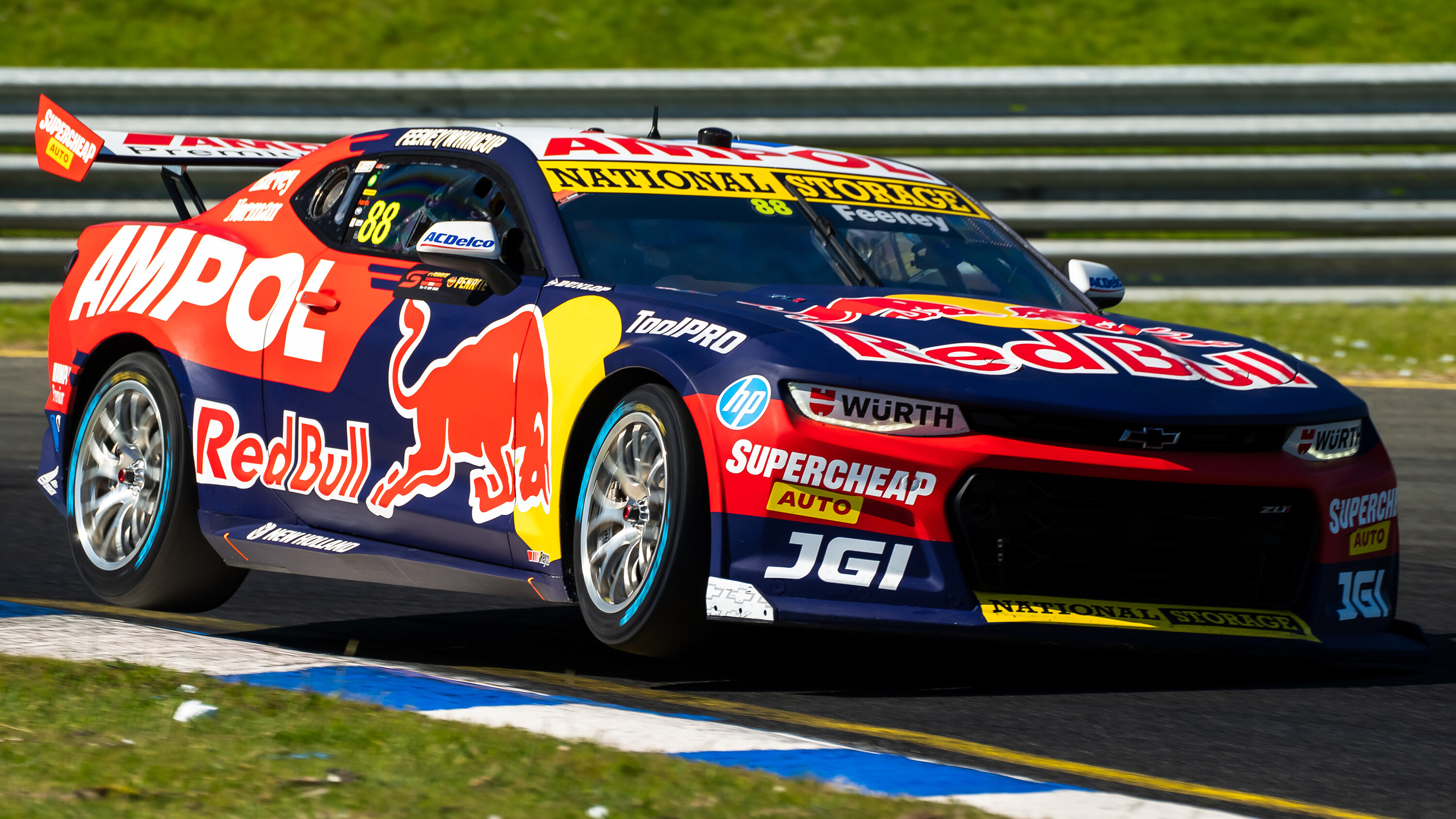
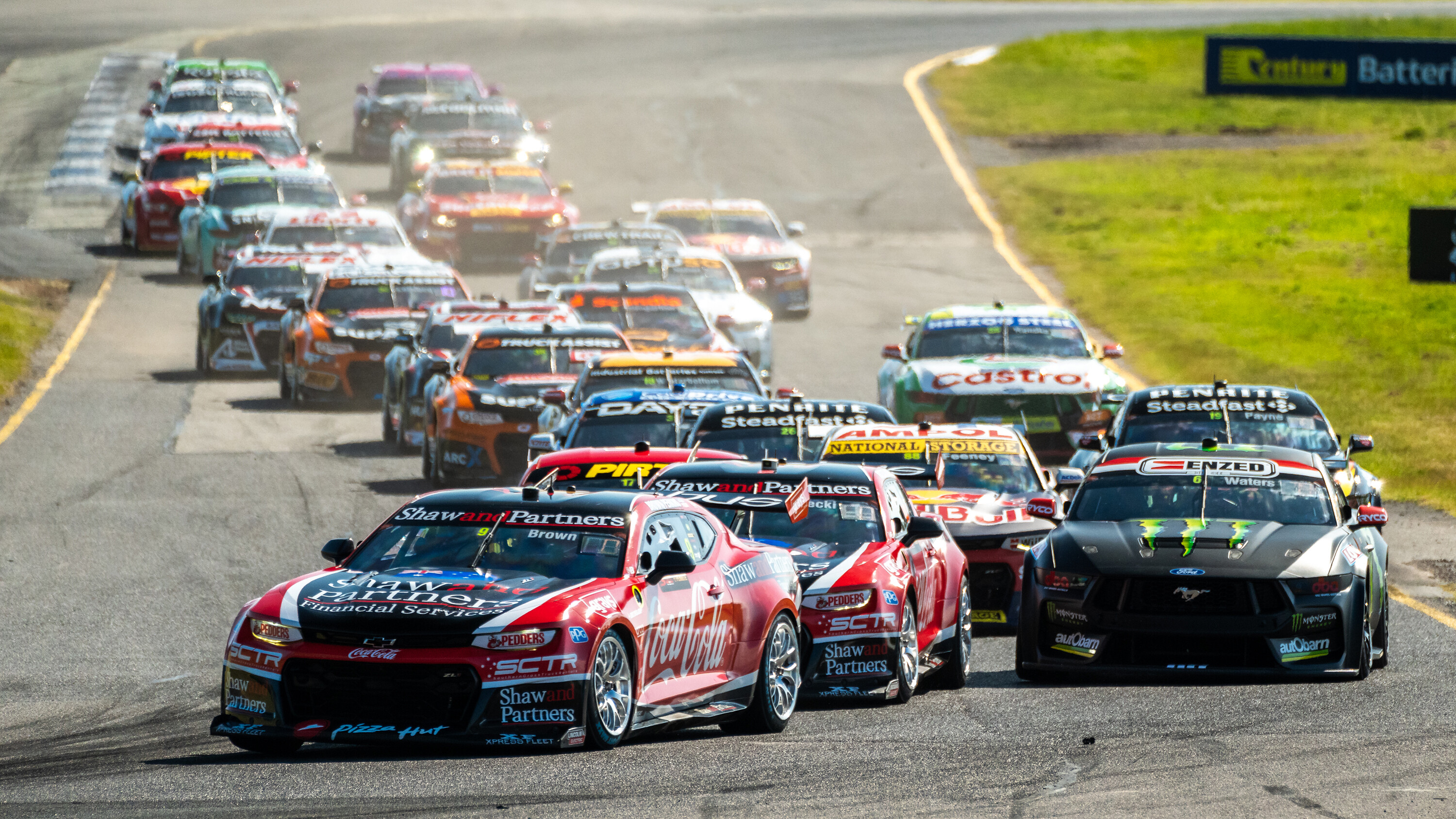
So far, the season has been a sea of red, with Camaro-equipped teams almost clean-sweeping the season to date. And, given the nature of the fast, flowing Mt Panorama circuit, it looks set to continue.
But a twelfth-hour attempt by Ford-shod teams to ram through a parity tweak has descended into farce, with a come-to-Jesus meeting set down for the day before official practice begins.
It could even involve lawyers. Cue a huge eye-roll.
1
At the heart of the overly complex (and largely uninteresting) wrangling is the fact that while the timing sheets suggest the field is relatively close together, it’s the on-track performance of the Mustang that shows it up best.
Before a small on-the-run tweak for the Mustangs ahead of the Sandown 500, for example, they were running laps up to a second slower than the Camaros.
Now, Ford – spearheaded by an increasingly disillusioned head office presence in Dearborn, Michigan – are loudly demanding a fix, which essentially equates to a brace of stick-on bits for the front bumpers, be put in place ahead of the Big Race.
1
The Chevy squads – led by Triple Eight Engineering – are pushing back hard, though, claiming that the conditions for a Supercars-imposed parity review haven’t been met.
For Pete’s sake, guys… get it together.
The positive spin from Supercars has been strong, but the facts remain… the rollout of the gen-three Supercar has been a PR disaster to this point. And it can trace its origins to the car’s inception.
Put simply, too many cooks in the Supercars kitchen have taken what should have and could have been a relatively affordable, universally backed and spectator-friendly machine, into what insiders wearily call a ‘Supercar by committee’.
1
They are expensive to build, a horror show to repair in a hurry and – given the rancour that currently permeates the paddock over the dreaded ‘p’ word – a long way apart in actual on-track performance.
Defending – and departing – champion Shane van Gisbergen has publicly called the racing “mind-numbing”, while senior drivers have been reportedly muzzled in their criticisms by Supercars officials.
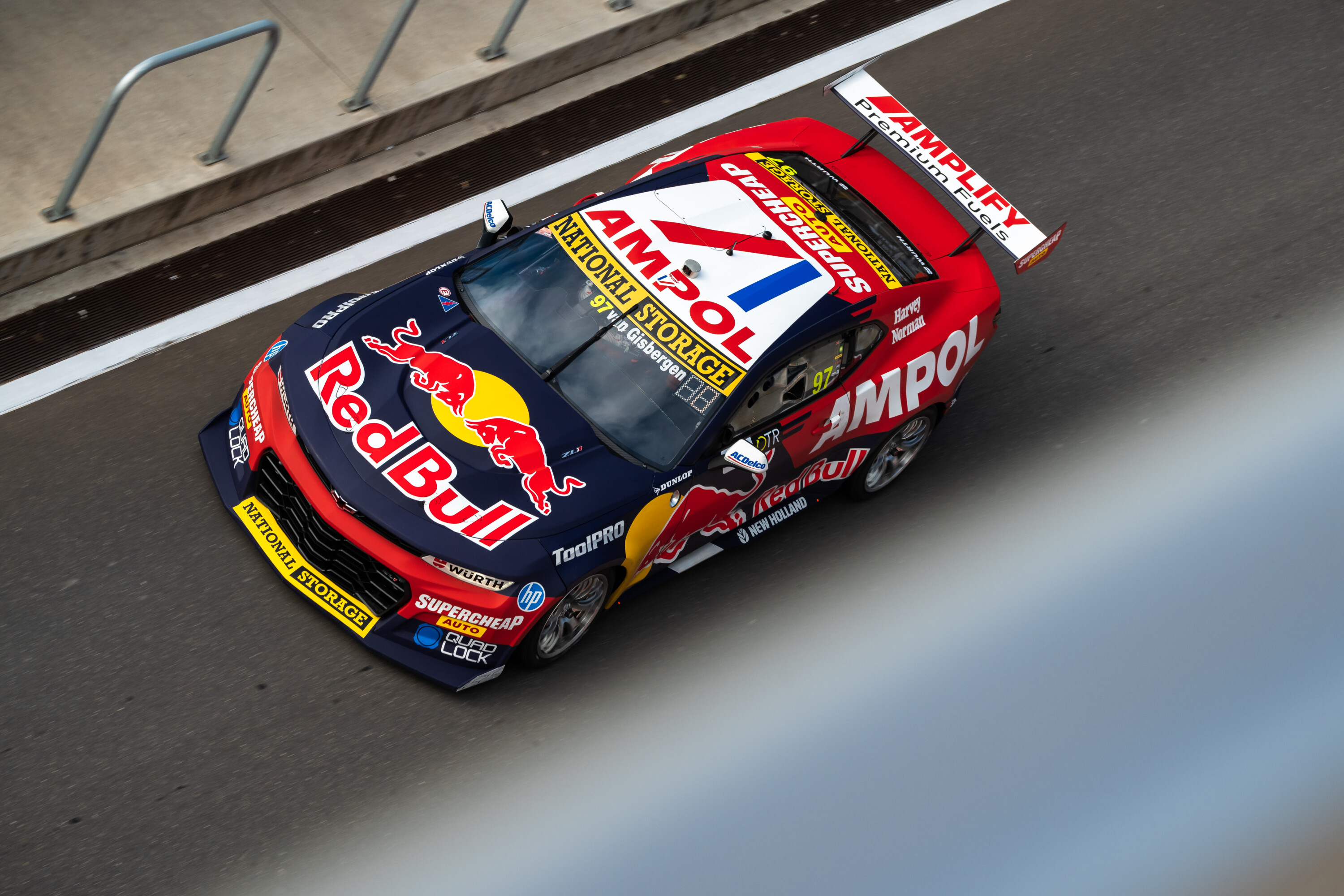
Add in the fact that the carry-over tyre package is hopelessly mismatched to the current car (and stuck as it is until 2024), and the 2023 Bathurst 1000 is shaping up as an already-run race in favour of the Camaro teams.
1
All this wrangling and back-and-forth didn’t need to happen. Every racing series on the planet goes through the same technical boom/bust cycle, where the better-funded squads lead an arms race that takes the category down a path where only a few can compete.
The gen-three Supercar was originally designed to do away with a brace of compromises that came with the second-generation car, in terms of awkward body shapes and expensive underpinnings.
What it’s done, though, is produce its own set of dramas; poor rear tyre life which leads to processional racing, cost blowouts to cater for late-stage design changes, untested patches for potentially dangerous problems. (See Garth Tander’s wheelnut failure at 260km/h at Sandown, or the steering rack dramas experienced across the paddock) and increasingly disgruntled fans.
1
Of course, a new car needs time to bed in with both drivers and teams… but we’re now seven months into the season.
The social media space is already heaving – and while it’s always good to take this stuff with a healthy pinch of salt, Supercars really needs to read the room on this one.
Crowd numbers are expected to be solid at the Bathurst venue as always, but it will be interesting to see how TV ratings fare, post-event.
The new Supercar is more than capable of producing good racing – the night race at Sydney Motorsport Park was an all-time belter – but enough with the petty parity squabbles.
Get out from behind the boardroom desk, put the bickering aside and work together for the future of the sport.
MORE
Motorsport
MORE
Everything Ford
MORE
Everything Chevrolet
Ford’s statement in full
5 October 2023: At Ford Motor Company, we are deeply committed to supporting our teams and drivers in their pursuit of excellence on the track. We understand that motorsport is not only a reflection of our brand and our products, but also an important platform for showcasing the talent and dedication of our racing partners.
We are therefore deeply disappointed by the ongoing lack of technical parity in the Supercars Championship, which has left Ford and its teams at a significant disadvantage throughout the 2023 season.
This lack of technical parity has had a tangible impact on the performance of our teams and drivers. Despite their skill, experience, and hard work, they have struggled to compete with other cars that have a clear advantage. This has not only been frustrating for our racing partners, but also for our loyal fans and supporters who expect to see Ford on the podium and in contention for championships.
Despite the best efforts of Ford, Homologation Team Dick Johnson Racing (DJR) and engine supplier Herrod Performance Engines to work with all stakeholders to ensure a level playing field, a lack of movement by the series organiser has restricted our ability to compete on an equal footing.
Ford has long been requesting data transparency to assist in understanding the disparity that exists between the two cars. Unfortunately, this has been rejected on multiple occasions.
The latest parity review was initiated when Supercars computational fluid dynamics (CFD) partner D2H Group provided aerodynamic data of both cars to the homologation teams on August 24. This data clearly demonstrated that aerodynamic parity had not been achieved.
Since that time, Ford and DJR have engaged with Supercars in good faith to create an aerodynamic update package that would bring the Ford Mustang and the Chevrolet Camaro Gen3 Supercars closer to aerodynamic parity.
Unfortunately, on the eve of the Bathurst 1000, the Supercars Board has refused to allow the changes which would bring the Ford Mustang and the Chevrolet Camaro closer to technical parity.
We want to be clear that this is not a reflection of the quality of our cars or our racing programs. We are confident in the strength and capabilities of our vehicles and our teams. We know that they have the talent and determination to succeed in any competitive environment, as evidenced by their incredible histories in this sport.
Our top priority is to help our teams to deliver the best possible racing experience for our fans and supporters. We appreciate their loyalty and urge Supercars to create the level playing field they deserve.
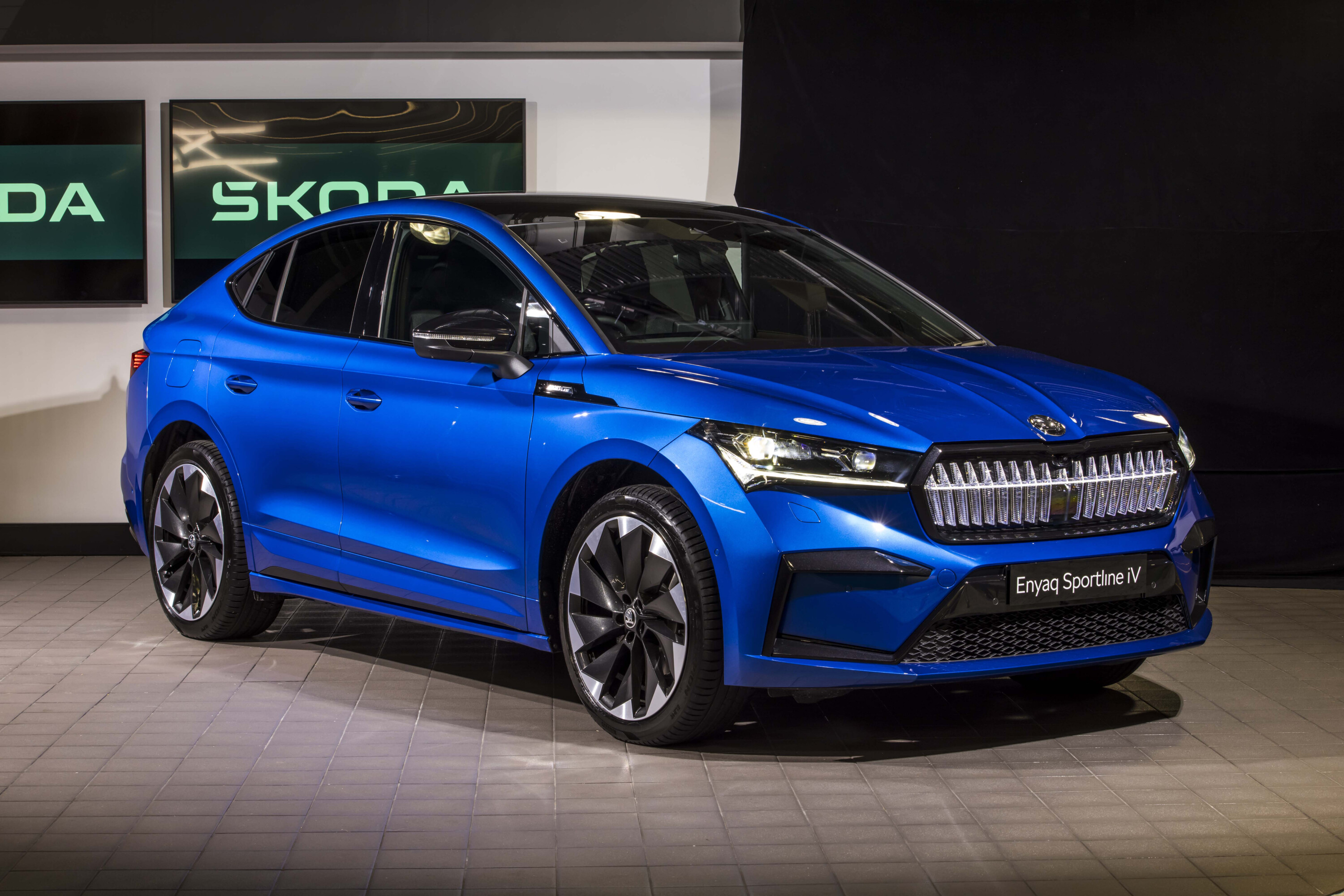
The people have spoken and named Mazda and Skoda the automotive brands they are most satisfied with.
Roy Morgan’s Single Source survey interviewed over 60,000 consumers across Australia, including the owners of both new and used vehicles.
The Roy Morgan Survey, conducted from January to December 2022, named the companies they deal with across more than 30 industries, including the automotive, banking, supermarket and telecommunications sectors, and rated how satisfied they were with each.
1
Monthly Customer Satisfaction winners were recorded in each category throughout the year, with the annual award going to the company with the most monthly wins.
“Roy Morgan Customer Satisfaction Awards honour the Australian businesses who deliver continuously on their social contract with every customer,” said Roy Morgan CEO Michele Levine.
“While we at Roy Morgan collect and collate the data, the “judging panel” is made up of customers of the 280 companies – many thousands of them – giving their honest, unvarnished opinions. That’s what makes these awards so meaningful and so highly valued.”
1
Two auto awards are handed out; the Major Car Manufacturer of the Year is contested by 11 brands including Toyota, Hyundai, Ford, Mitsubishi, Nissan, Kia, Subaru, Honda and Volkswagen.
Conspicuous by its inclusion is Holden – present because there are responses relating to used cars in the survey – while top ten VFACTS brands like MG and Tesla are not included.
Meanwhile, the Car Manufacturer of the Year covers the entire industry.
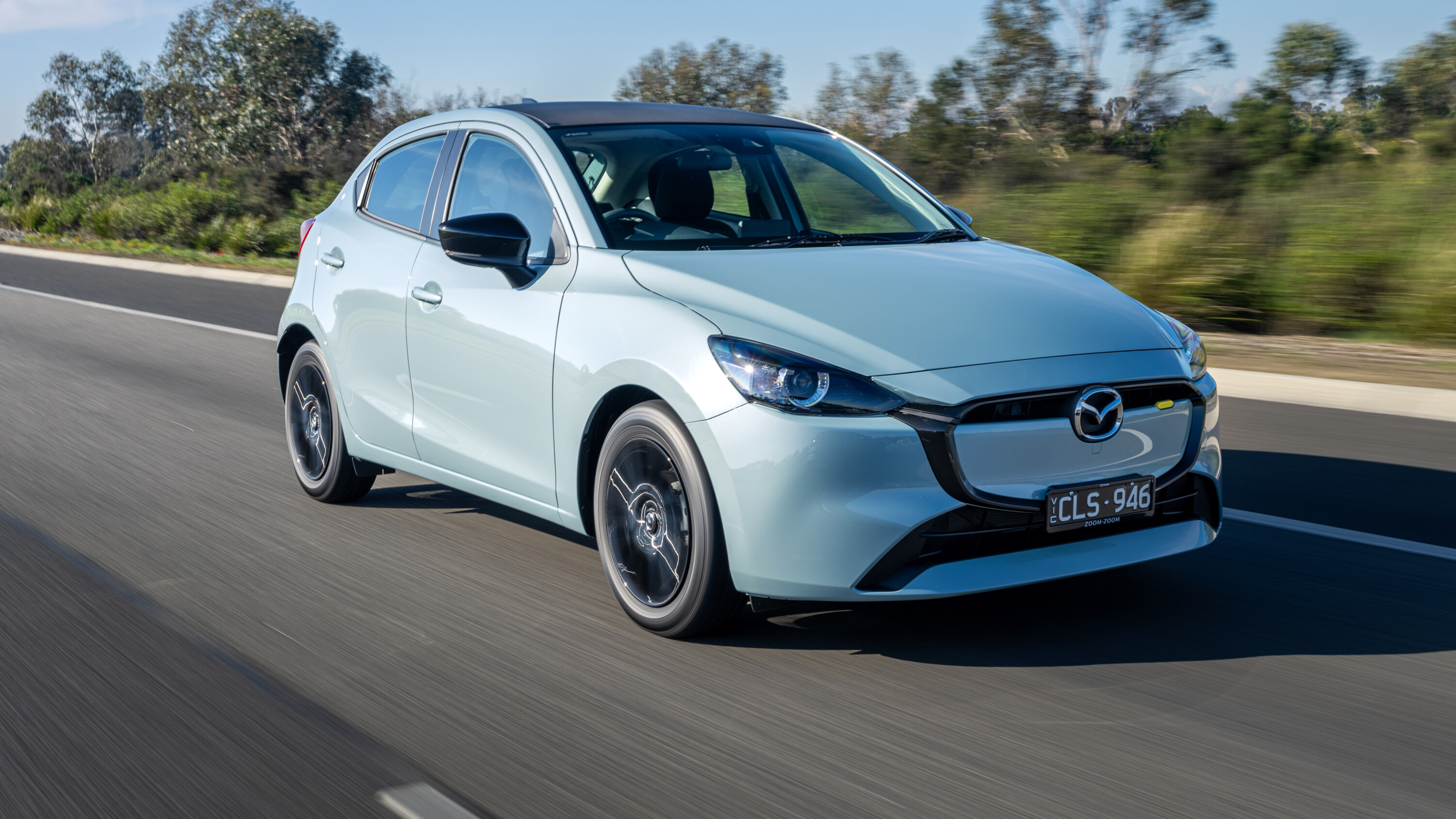
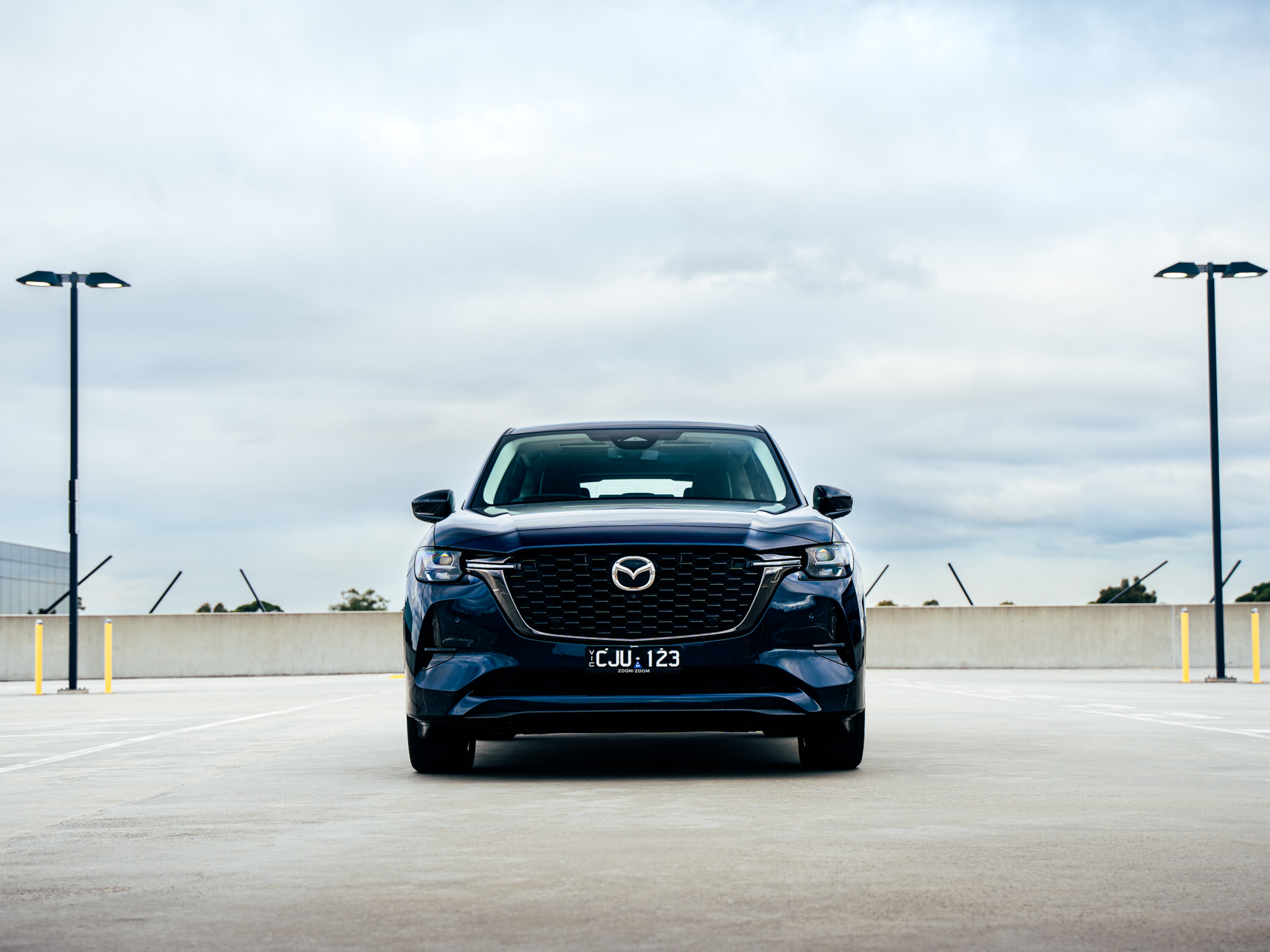
Skoda was awarded Car Manufacturer of the Year, while Mazda won the Major Car Manufacturer of the Year contest.
“This award represents Mazda’s ongoing commitment to customer service and the strong relationship it enjoys with customers nationwide,” said Mazda Australia marketing director Alastair Doak.
1
“Mazda Australia and our dealer network has long focused on providing exceptional customer service, and to have that confirmed by customers through Roy Morgan’s independent research tells us that we’re on the right track.”
“We’re humbled that our customers have responded to Skoda in this way,” said Skoda Australia product and marketing manager Kieren Merrigan.
“Skoda’s primary endeavour has been to provide the best whole-of-life ownership proposition among European brands.”
MORE
Everything Mazda
MORE
Everything Skoda
New car sales records have been broken for the third month running, with the Australian car market posting its best-ever September result.
According to official new-car sales results from the Federal Chamber of Automobile Industries (FCAI), 110,702 vehicles were registered in September – up 18% from 2022, when 93,555 cars were sold.
The previous highest September result was in 2016 when 102,696 new vehicles were registered.
1
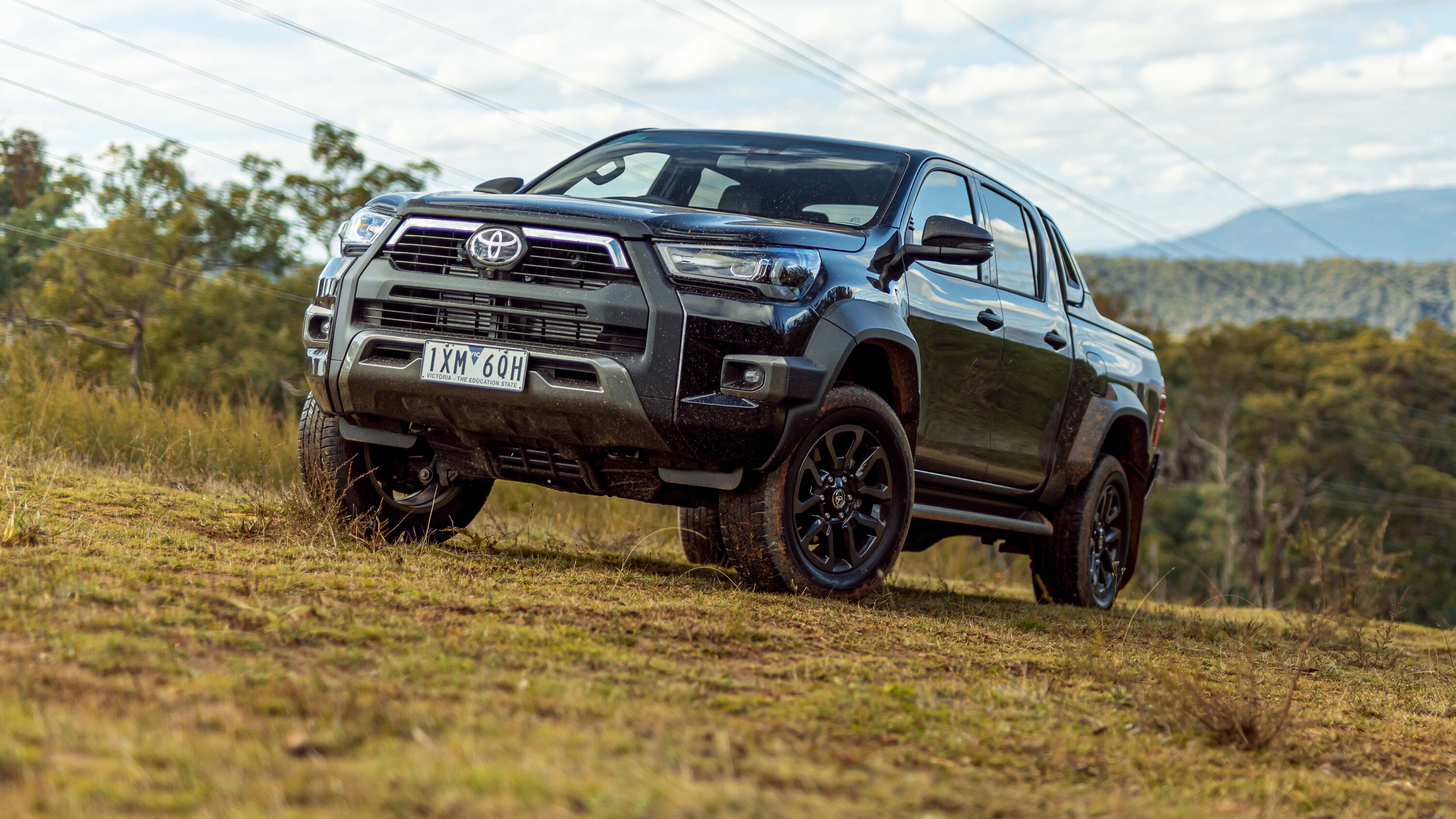
Top-selling brand Toyota broke yet another record with 20,912 vehicles, beating September 2021 when the brand recorded 20,216 vehicle sales.
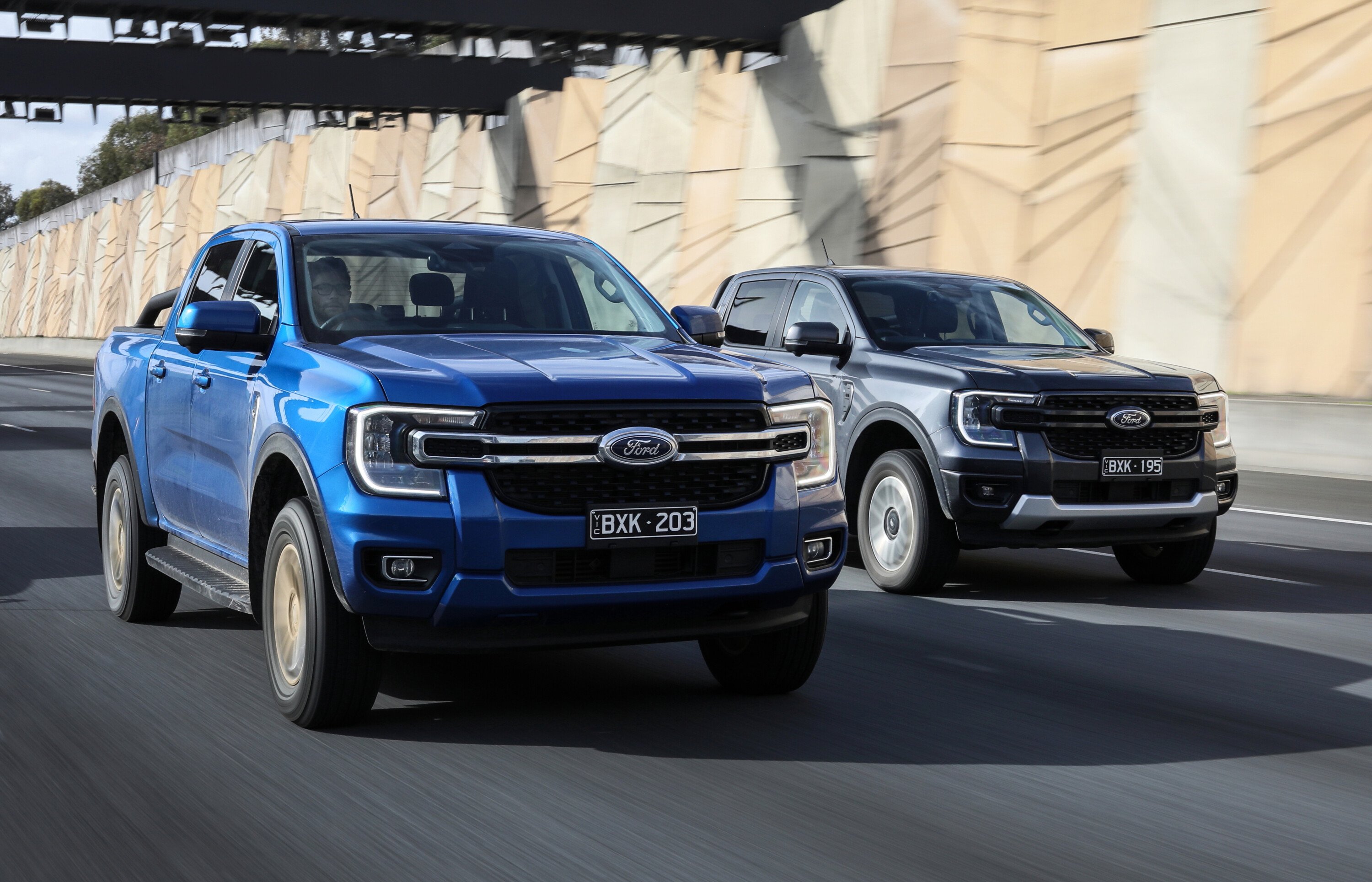
The Toyota HiLux took first place with 5776 sales – just under 350 units more than its arch-rival Ford Ranger (5429) in the modern-day ute battle.
Year-to-date, 44,301 examples of the Toyota HiLux have been sold in Australia, compared to 43,073 Ford Rangers.
1
New South Wales registered the most vehicles with 35,968 sales, ahead of Victoria and Queensland with 29,426 and 23,415 sales, respectively.
Western Australia (10,577), South Australia (6676), Tasmania (1972), the ACT (1806), and the Northern Territory (862) followed.
The Federal Chamber of Automotive Industries said four of the past five months have been the highest recorded, with almost 900,000 vehicles sold year-to-date.
“The record result shows that Australian car buyers value a broad choice of vehicles in a range of price brackets that suit the family or business budget,” said FCAI chief executive Tony Weber.
1
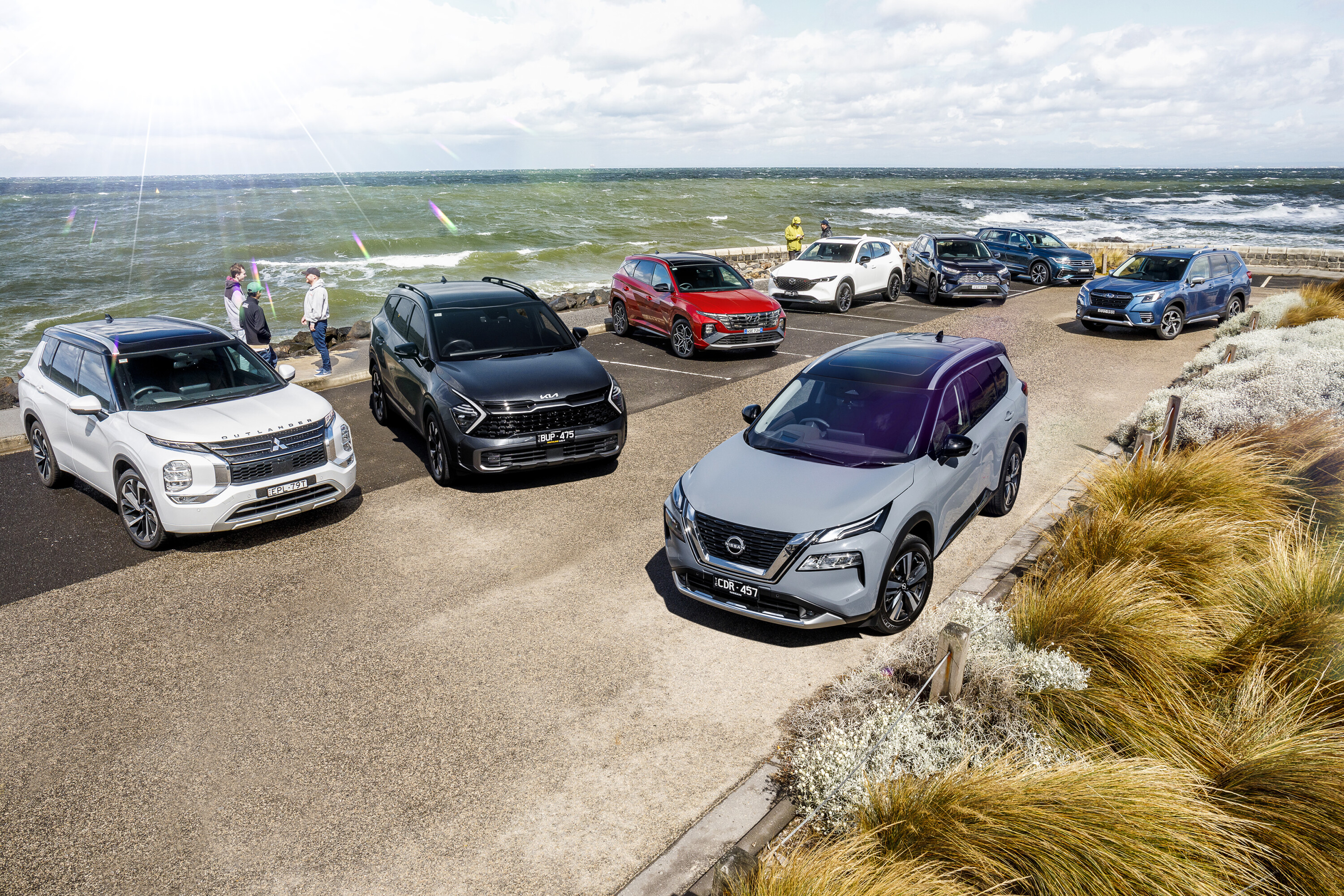
“Consumers have a choice of vehicles across 20 light vehicle segments – from small passenger cars through to larger utes – confirming Australia’s position as one of the most open and competitive new vehicle markets in the world.
“Our advice is that the supply of vehicles into Australia, including electric vehicles, continues to improve so those consumers who want to buy a new vehicle should visit a dealer or manufacturer.”
JUMP AHEAD
- Top 10 models
- Top 10 brands
- Sales by segment
- Sales by fuel type
- Sales by country of origin
- Sales in charts
? Australia’s top 10 cars for September 2023
Ups and downs ⬆️ + ⬇️
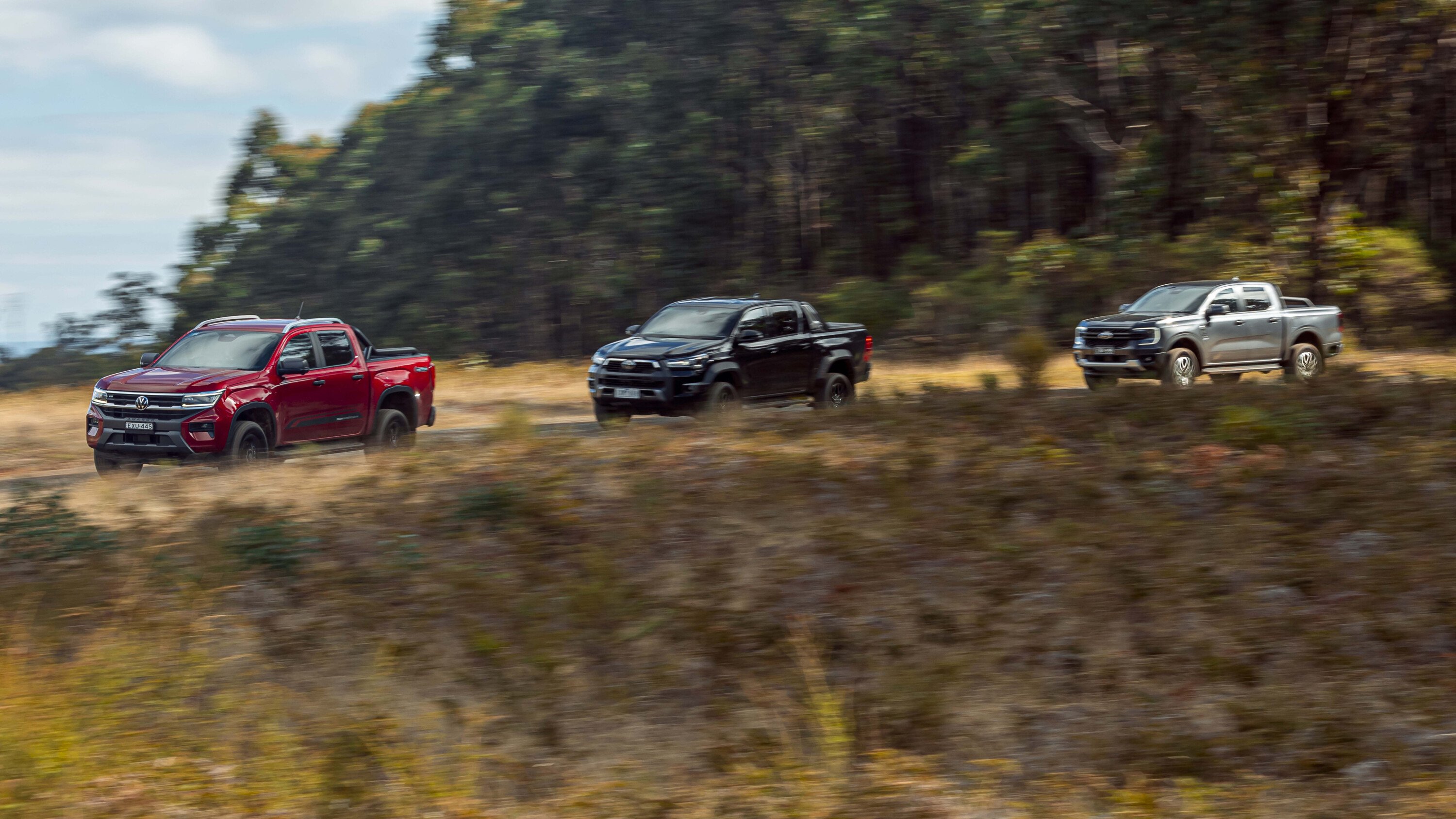
In first place, the Toyota HiLux recorded 5776 sales – down 11% from last year but with a stronger 4×4 share – with the Ford Ranger following with 5429 units, up 34% from September 2022.
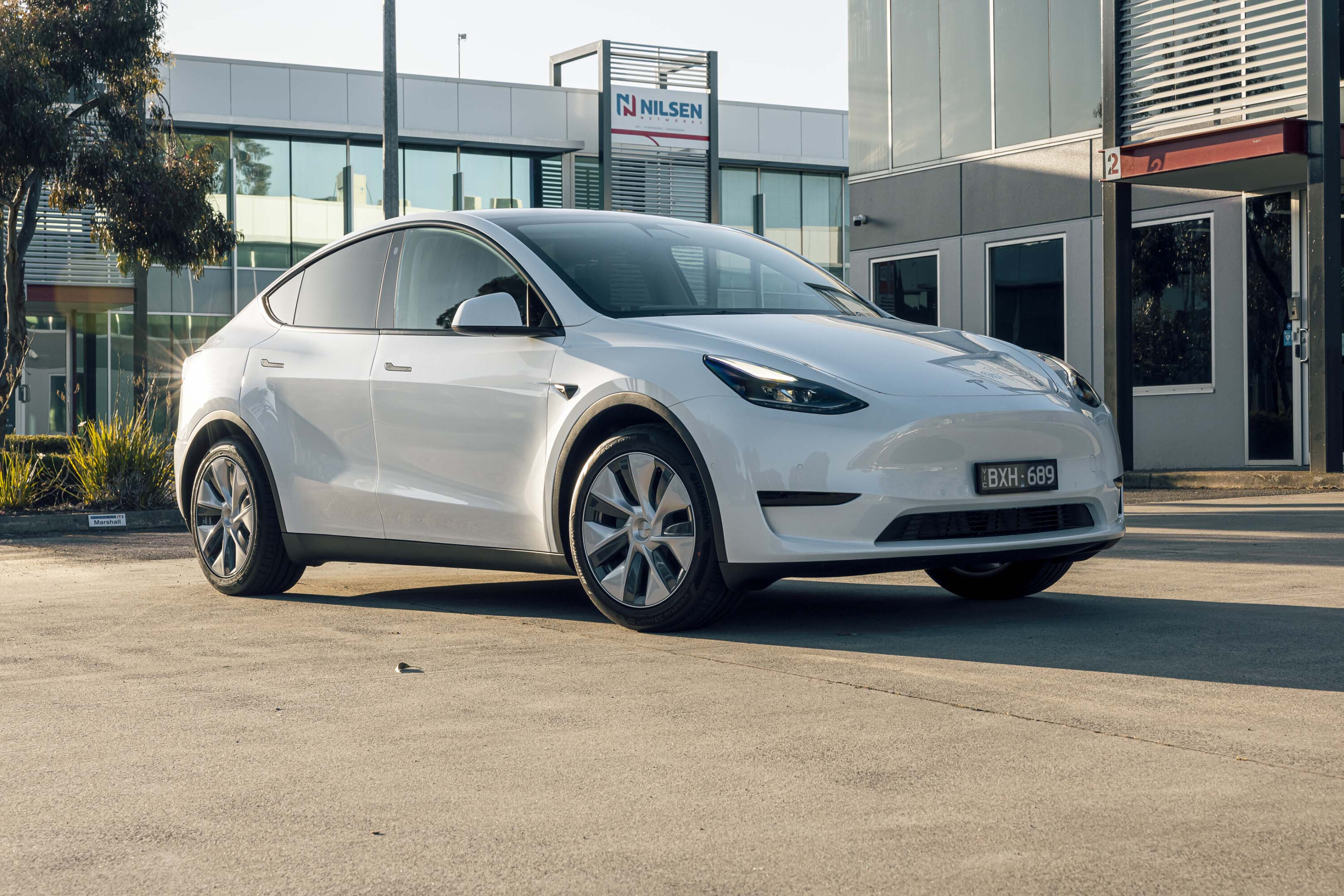
The all-electric Tesla Model Y mid-size SUV took third with 3811 sales while the Isuzu D-Max followed in fourth place (2885).
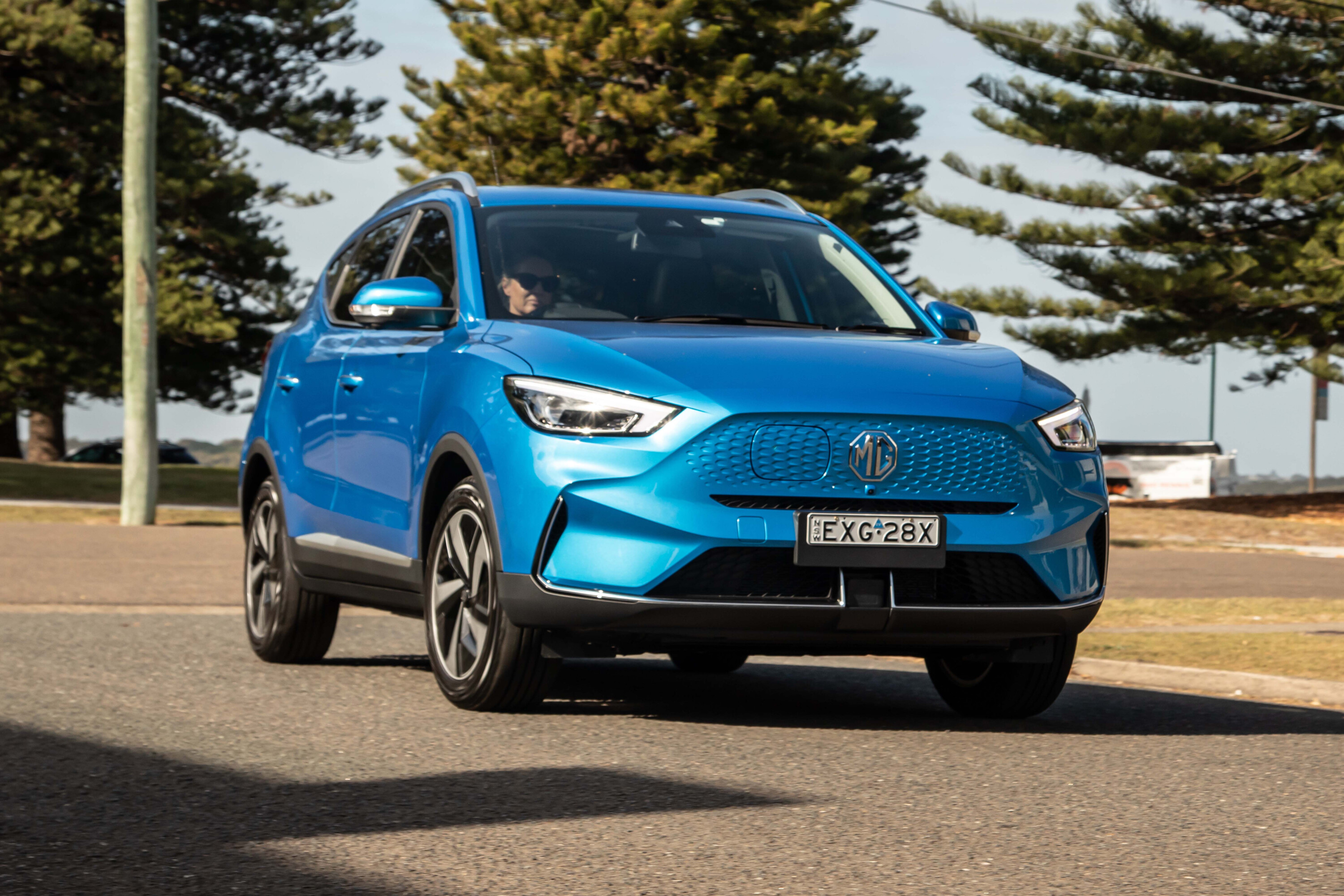
The Toyota RAV4 placed fifth (2798), followed by China’s MG ZS (2528), and the Toyota Corolla (2217).
1
Like August, the Toyota Corolla was the only passenger vehicle in the top 10 last month, but its 14,376 registrations year-to-date place it behind the Hyundai i30 (16,492) and Tesla Model 3 (14,540).
The Kia Sportage (2031) placed ninth, while in 10th place, the Ford Everest (1984) narrowly outsold the soon-to-be-replaced Toyota LandCruiser Prado (1976).
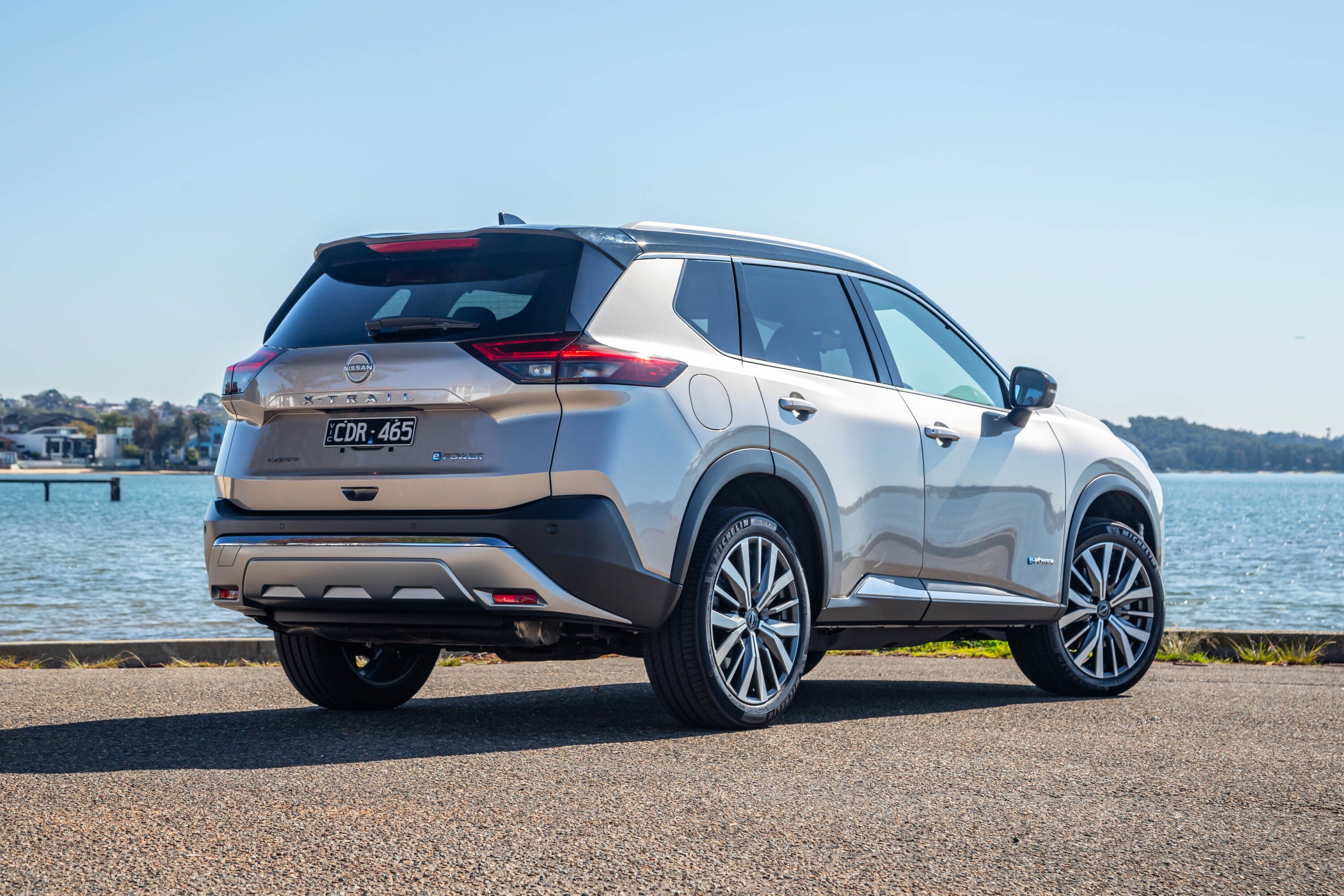
Frequently placed vehicles missing from the top 10 in September include the Mazda CX-5 (1888) and Hyundai i30 (1648), while other vehicles in the top 20 include Nissan’s superb new X-Trail (1784), the Subaru Forester (1414), and the Toyota LandCruiser wagon (1404).
1
In tables: Top 10 models for September 2023
| Rank | Model | Sep-23 | Sep-22 |
|---|---|---|---|
| 1 | Toyota Hilux Ute | 5776 | 5170 |
| 2 | Ford Ranger Ute | 5429 | 4890 |
| 3 | Tesla Model Y | 3811 | 4359 |
| 4 | Isuzu Ute D-Max Ute | 2885 | 1924 |
| 5 | Toyota RAV4 | 2798 | 1856 |
| 6 | Mitsubishi Outlander | 2612 | 1879 |
| 7 | MG ZS | 2528 | 994 |
| 8 | Toyota Corolla | 2217 | 1554 |
| 9 | Kia Sportage | 2031 | 1775 |
| 10 | Ford Everest | 1984 | 801 |
In tables: Top 10 model year-to-date 2023
| Rank | Model | YTD 2023 | YTD 2022 |
|---|---|---|---|
| 1 | Toyota Hilux Ute | 44,301 | 49,796 |
| 2 | Ford Ranger Ute | 43,073 | 32,115 |
| 3 | Tesla Model Y | 23,457 | 5,376 |
| 4 | MG ZS | 23,152 | 14,066 |
| 5 | Toyota RAV4 | 22,388 | 27,148 |
| 6 | Isuzu Ute D-Max Ute | 21,479 | 19,244 |
| 7 | Mitsubishi Outlander | 17,762 | 14,000 |
| 8 | Mazda CX-5 | 16,895 | 21,124 |
| 9 | Hyundai i30 | 16,492 | 17,218 |
| 10 | Hyundai Tucson | 16,173 | 12,839 |
1
? Australia’s top 10 car brands for September 2023
Ups and downs ? + ?
Toyota recorded 20,912 sales (▲ from 14,852 in September 2022). Year-to-date, the Japanese brand’s sales are down 12% at 154,659, representing 19% of the market.
Mazda finished second with 8031 sales (▲from 7259), while Ford trailed closely behind with 8015 sales (▲ from 6635) due to strong Ranger and Everest demand.
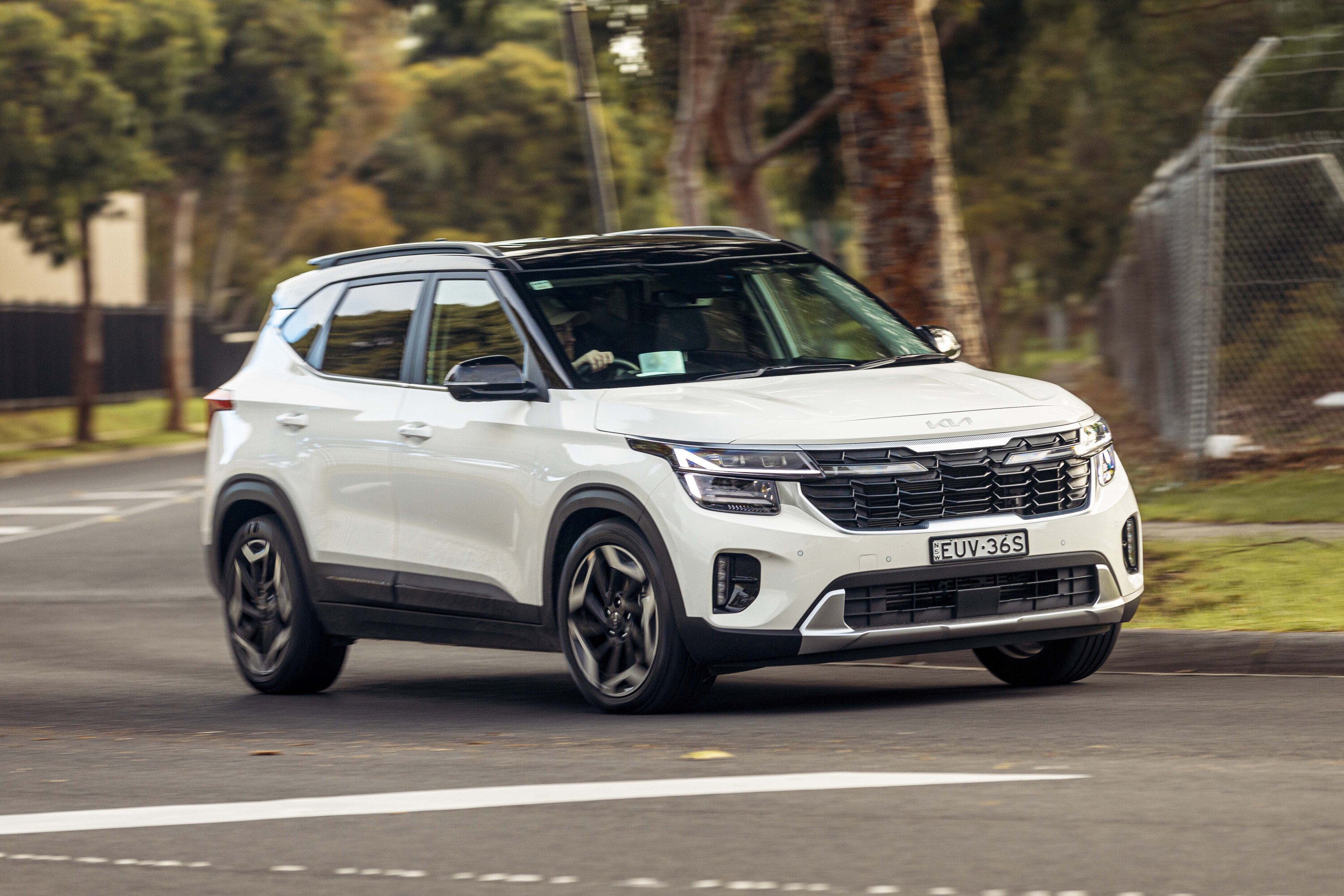
Kia, in fourth, recorded 7303 sales in September (▲ from 7290), while Hyundai placed fifth with 6217 sales (▼ from 6501).
1
Year-to-date, Kia is ahead of its Hyundai parent, with 59,123 sales compared to 56,958.
Mitsubishi followed in sixth with 5761 sales (▼ from 6784), China’s MG placed seventh with 5400 sales (▲ from 3261) and electric car brand Tesla, in eighth, recorded 5177 sales (▼ from 5969)
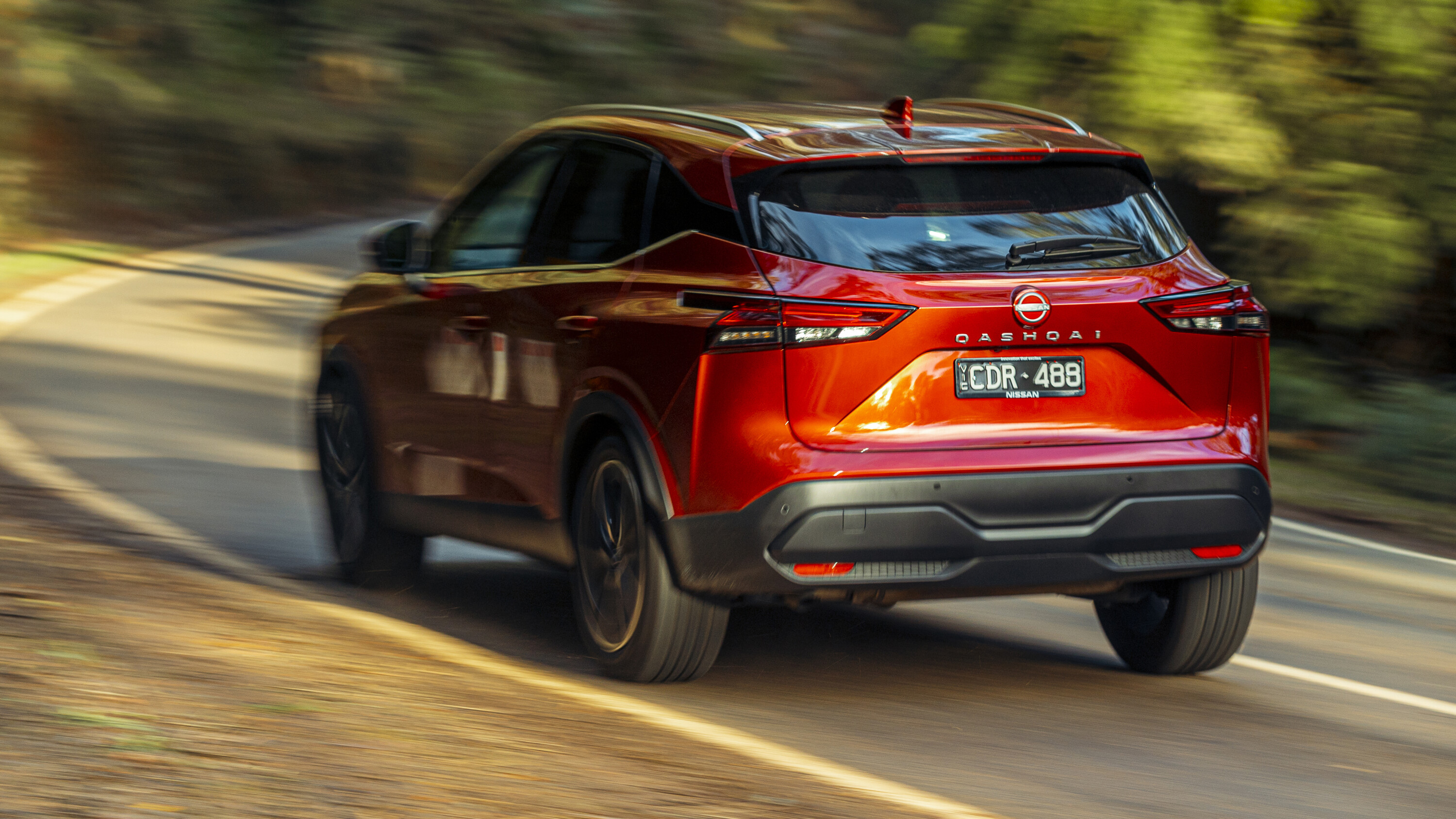
A strong month and diverse portfolio saw Nissan rise to ninth with 4784 sales (▲ from 1885, or 154%) as its sales continue to recover, while Subaru placed tenth with 4302 sales (▲ from 3167).
1
In tables: Top 10 brands for September 2023
| Rank | Make | Sep-23 | Sep-22 |
|---|---|---|---|
| 1 | Toyota | 20,912 | 14,852 |
| 2 | Mazda | 8031 | 7259 |
| 3 | Ford | 8015 | 6635 |
| 4 | Kia | 7303 | 7290 |
| 5 | Hyundai | 6217 | 6501 |
| 6 | Mitsubishi | 5761 | 6784 |
| 7 | MG | 5400 | 3261 |
| 8 | Tesla | 5177 | 5969 |
| 9 | Nissan | 4784 | 1885 |
| 10 | Subaru | 4302 | 3167 |
In tables: Top 10 brands year-to-date 2023
| Rank | Make | YTD 2023 | YTD 2022 |
|---|---|---|---|
| 1 | Toyota | 154,659 | 176,410 |
| 2 | Mazda | 75,220 | 73,894 |
| 3 | Ford | 61,204 | 45,475 |
| 4 | Kia | 59,123 | 60,200 |
| 5 | Hyundai | 56,958 | 58,103 |
| 6 | Mitsubishi | 45,714 | 60,523 |
| 7 | MG | 42,807 | 33,860 |
| 8 | Tesla | 37,997 | 14,023 |
| 9 | Subaru | 35,063 | 25,946 |
| 10 | Isuzu Ute | 32,341 | 27,155 |
1
And the rest…
| Make | Sep-23 | Sep-22 | YTD 2023 |
|---|---|---|---|
| Volkswagen | 4184 | 3698 | 31,843 |
| Isuzu Ute | 3932 | 2818 | 32,341 |
| GWM | 2897 | 3050 | 25,887 |
| BMW | 2354 | 2032 | 19,040 |
| Mercedes-Benz | 2031 | 2646 | 21,945 |
| LDV | 1665 | 1640 | 16,115 |
| Audi | 1625 | 1431 | 13,613 |
| Lexus | 1498 | 408 | 11,483 |
| Suzuki | 1467 | 1729 | 13,228 |
| Honda | 1052 | 1258 | 9924 |
| Land Rover | 885 | 229 | 6200 |
| Volvo Car | 816 | 1001 | 8821 |
| Skoda | 764 | 566 | 6025 |
| Renault | 756 | 684 | 6522 |
| BYD | 702 | 0 | 8706 |
| Porsche | 665 | 330 | 4866 |
| RAM | 654 | 603 | 5729 |
| Chery | 624 | 0 | 3647 |
| Mini | 489 | 344 | 3306 |
| Cupra | 420 | 199 | 2529 |
| SsangYong | 374 | 400 | 4656 |
| Chevrolet | 372 | 268 | 2614 |
| Jeep | 343 | 576 | 3654 |
| Genesis | 200 | 114 | 1451 |
| Peugeot | 196 | 140 | 1845 |
| Fiat Professional | 130 | 60 | 978 |
| Polestar | 111 | 85 | 1789 |
| Alfa Romeo | 66 | 58 | 489 |
| Fiat | 63 | 12 | 595 |
| Maserati | 49 | 68 | 489 |
| Jaguar | 48 | 58 | 374 |
| Lamborghini | 33 | 22 | 169 |
| Citroen | 27 | 7 | 191 |
| Lotus | 26 | 0 | 123 |
| Bentley | 25 | 24 | 168 |
| Ferrari | 23 | 0 | 172 |
| Aston Martin | 12 | 13 | 110 |
| McLaren | 5 | 0 | 71 |
| Rolls-Royce | 4 | 8 | 36 |
| Alpine | 0 | 0 | 0 |
| Caterham | 0 | 0 | 0 |
| Chrysler | 0 | 1 | 7 |
| Iveco Bus | 0 | 2 | 3 |
1
Size & Shape: Market segment results for September
SUVs, utes and vans again represented 79% of the total new-car market in September.
In total, 64,052 SUVs were sold from light to upper large, taking 58% of the total, followed by utes and vans with 23,793 sales in June, or 22%.
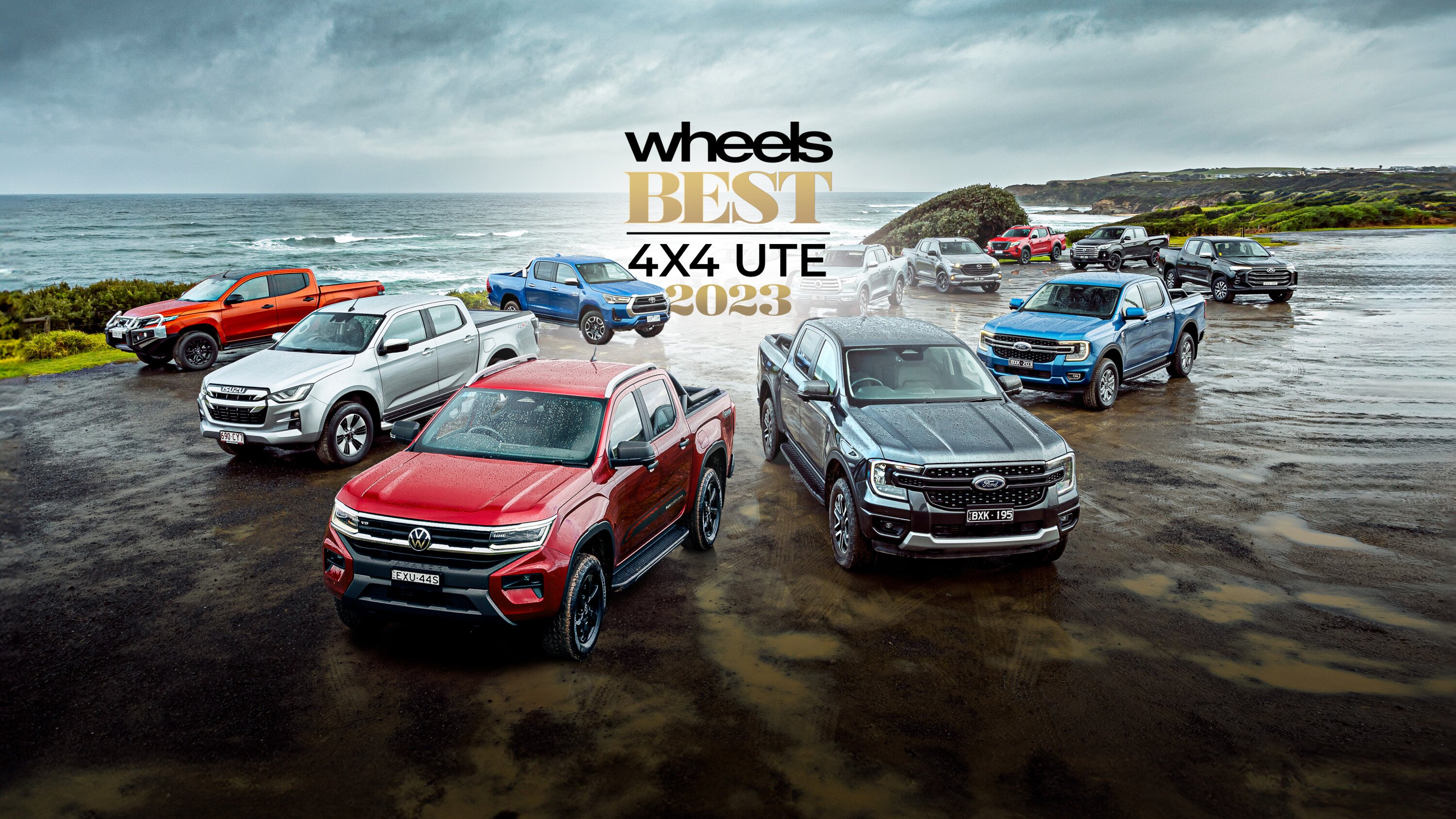
Mid-size SUVs dominate with 25,792 sales, followed by 4×4 utes and small SUVs with 18,193 and 16,549 sales, respectively.
1
Combined ute sales were 21,783 including 4x2s and large American pick-ups.
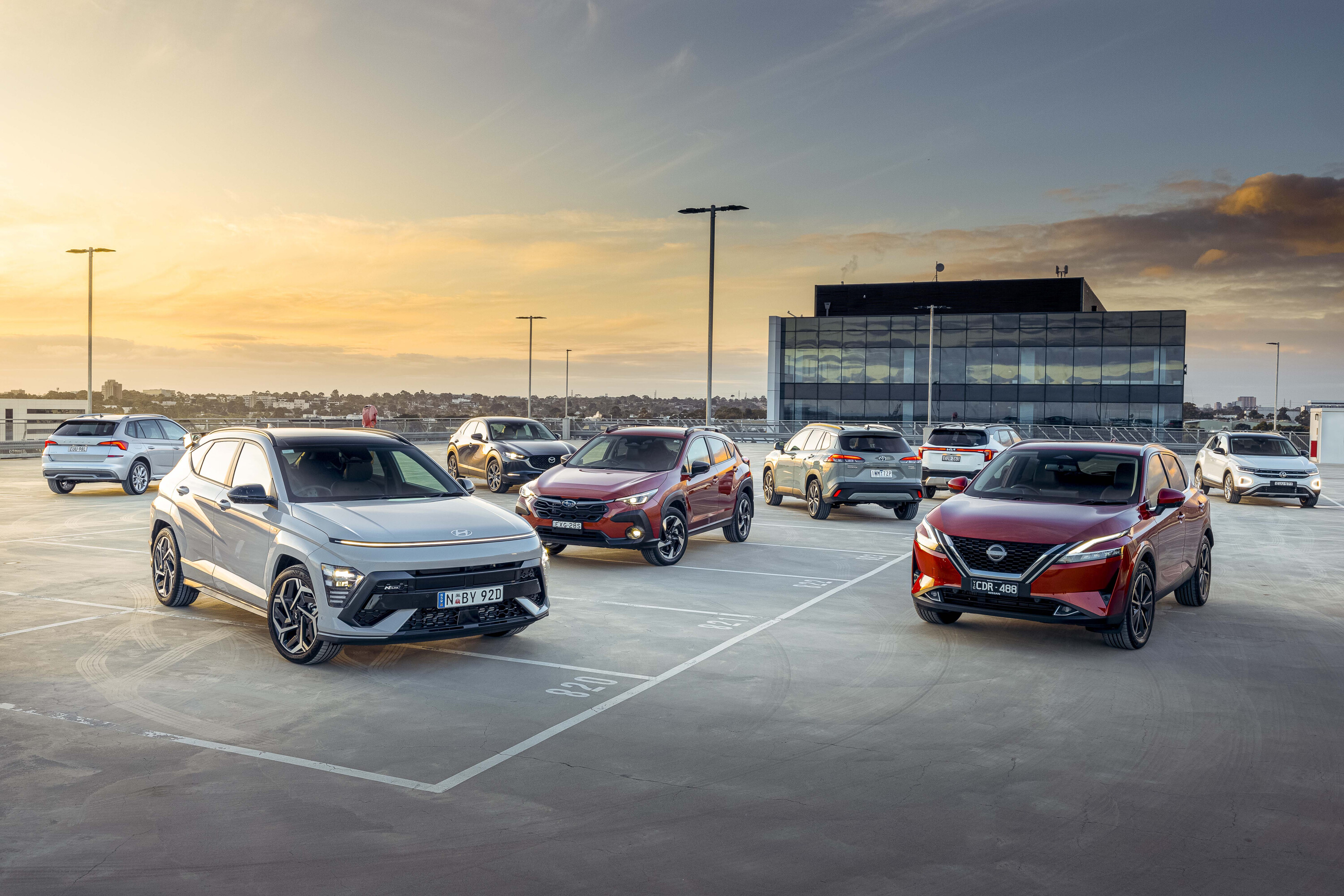
Passenger car sales continued to decline, with 18,611 sales in September – with a 17% share, down from 19% in September 2022.
Small cars represented 7% of the total market, while the medium segment fell to 3%.
1
In tables: New car sales by segment and size for September 2023
| Segment | Sep-23 | Sep-22 | YTD 2023 |
|---|---|---|---|
| Medium SUV | 25,792 | 21,517 | 201,864 |
| 4X4 Ute | 18,193 | 16,385 | 146,677 |
| Small SUV | 16,549 | 11,705 | 130,285 |
| Large SUV | 14,122 | 10,932 | 112,954 |
| Small Car | 7951 | 7102 | 60,524 |
| Light SUV | 4542 | 4146 | 40,527 |
| Medium Car | 3750 | 3764 | 37,093 |
| Light Car | 3136 | 3514 | 30,266 |
| Upper Large SUV | 3047 | 1343 | 19,951 |
| 4X2 Ute | 2606 | 2846 | 23,013 |
| Vans 2.5-3.5t | 1688 | 1860 | 15,183 |
| People Movers | 1329 | 1238 | 11,157 |
| Sports Cars | 1045 | 923 | 9007 |
| Micro Cars | 996 | 579 | 6601 |
| Full-size Ute | 984 | 860 | 8095 |
| Large Car | 343 | 328 | 3976 |
| Light Buses | 199 | 185 | 2016 |
| Vans | 100 | 83 | 829 |
| Upper Large Car | 61 | 42 | 406 |
| Light Buses > 20 Seats | 23 | 33 | 280 |
1
September 2023: New car sales by fuel type
Petrol remained the default choice for Australian new-car buyers, with an 11% bump over last September to 52,619 sales (▲ from 47,618)
Diesel was second best – up 14% with 33,614 sales – while 10,138 traditional hybrids were reported as sold, up 22%.
Electric vehicle sales continue to rise with 8821 sales, up 22% compared to last September and 202% year-to-date.
Plug-in hybrid vehicles accounted for 1264 sales – up 141% – and no hydrogen vehicles were registered in September, with 10 units registered YTD.

1
In tables: New car sales by fuel type for September 2023
| Fuel type | Sep-23 | Sep-22 | YTD 2023 |
|---|---|---|---|
| Petrol | 52,619 | 47,618 | 447,551 |
| Diesel | 33,614 | 29,377 | 270,934 |
| Hybrid | 10,138 | 4618 | 69,731 |
| Electric | 8821 | 7247 | 65,743 |
| PHEV | 1264 | 525 | 6743 |
| Hydrogen | 0 | 0 | 2 |
1
Country of Origin: Where Australia’s new cars came from in September 2023
Japan remains Australia’s number one source of new cars followed by Thailand, while Chinese cars continue to outsell Korea in third place.
Australian new-car buyers bought 33,827 Japanese-built cars in September, up from 23,880 at the same time in 2022.
Thailand – where most utes and ladder-frame SUVs are produced – followed with 22,852 cars (▲ from 20,363).
China placed third ahead of Korea (17,429 compared to 14,372).
Germany trailed in fifth with 5531 registrations last month, followed by undefined countries (3181) and the United States (3027).
| Rank | Country of origin | Sep -23 | Sep-22 |
|---|---|---|---|
| 1 | Japan | 33,827 | 23,880 |
| 2 | Thailand | 22,852 | 20,363 |
| 3 | China | 17,429 | 14,889 |
| 4 | Korea | 14,372 | 14,443 |
| 5 | Germany | 5531 | 4116 |
| 6 | Other | 3181 | 3350 |
| 7 | USA | 3027 | 2702 |
| 8 | England | 1708 | 615 |
| 9 | South Africa | 1272 | 589 |
| 10 | Mexico | 1156 | 1787 |
In charts ?
September 2023 – Top 20 models
September 2023 – Top 10 brands
September 2023 – Overall segment sales
September 2023 – Category sales
September 2023 – sales map
September 2023 – buyer type
September 2023 – Model sales race
MORE
All VFACTS stories
