The EX30 is Volvo’s smallest-ever SUV, not much larger than a Nissan Juke in length. But the company claims it’s an ‘espresso shot of Volvo’ – all the Swedes’ usual practicality and safety shoehorned into a smaller footprint.
As such, there’s been plenty of interior jiggery pokery to ensure there’s still plenty of space for family life. A central glovebox increases front passenger legroom, while a soundbar on the dashboard removes the need for speakers in the doors, whose cubbyholes now store a bottle of water without qualms.
1
“Our research shows it’s not so much where the info is displayed, but how user-friendly the interface is designed”
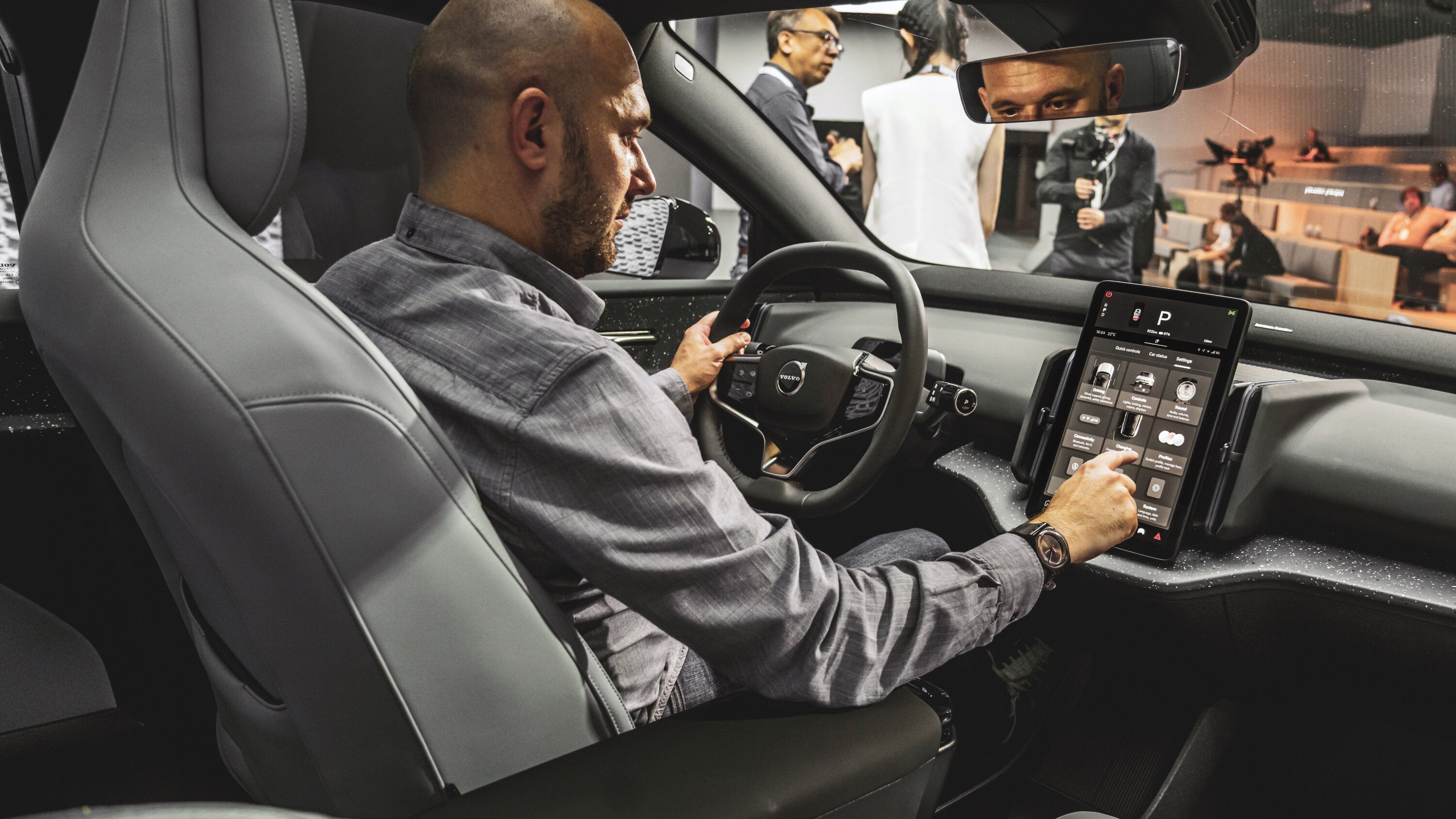
A central portrait screen hoovers up almost all controls and displays, including a traditional instrument display – the speedometer included. It all feels very ‘Tesla’ and for a safety conscious-brand like Volvo. Surely the distraction of having to flick your eyes from the road feels like a contradiction of its hard-won reputation…
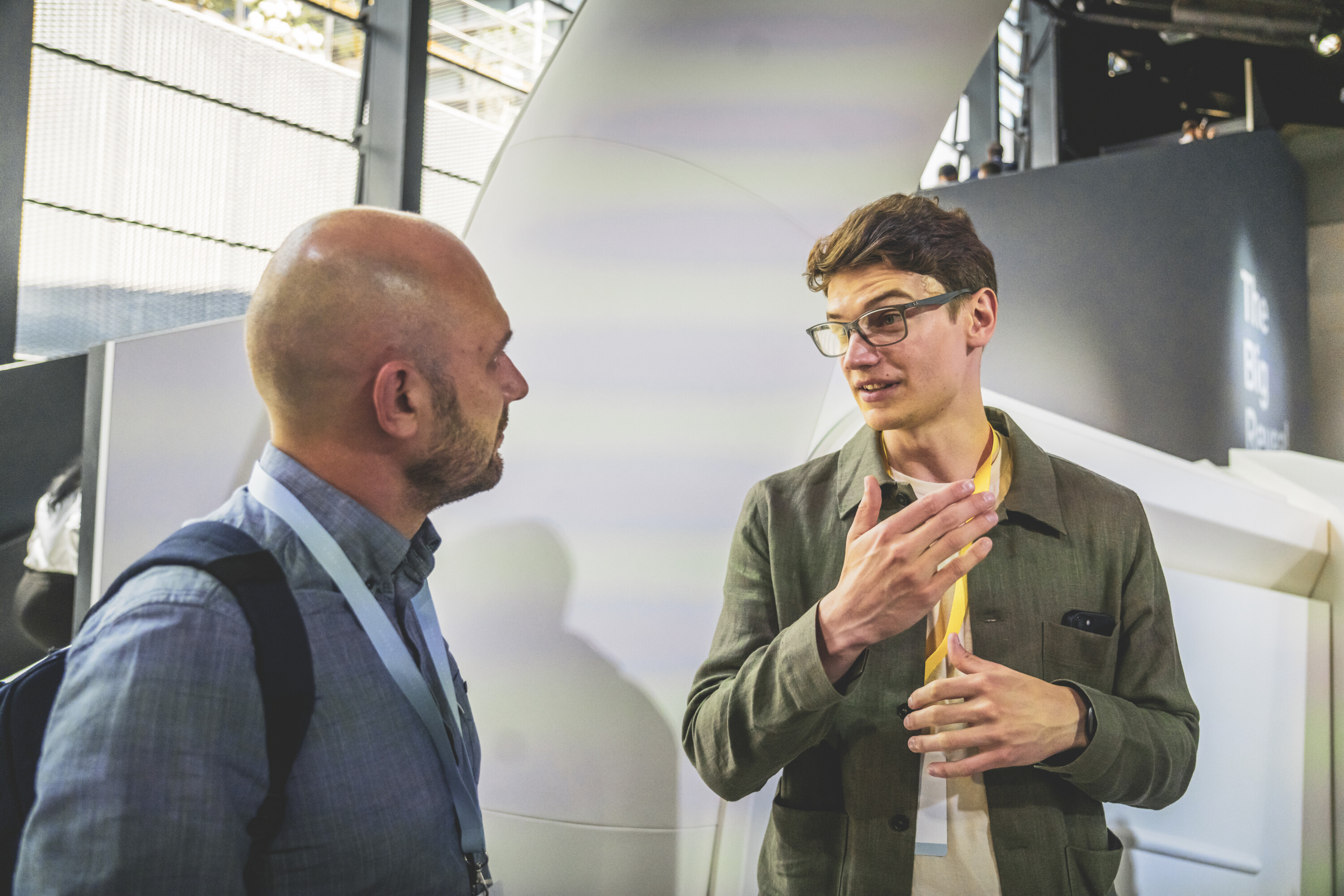
“Our research shows it’s not so much where the info is displayed, but how user-friendly the interface is designed,” says senior UX designer Christoph Zobl.
1
“… people spend 80 per cent of their time looking at the road and 20 per cent at something else”
“We need everything to be as glanceable as possible. The last test we did showed people spend 80 per cent of their time looking at the road and 20 per cent at something else. So it’s trying to reduce the latter figure by making tasks as quick as possible.”
Moving the speedo into the central screen “takes getting used to”, he admits, “but with less screens we’re more environmentally friendly. There are less components to manufacture.”
The ability to share digital entry to the EX30 via smartphone achieves the same goal – allowing the car to cover more miles than with an individual user with fewer keys produced in the process.
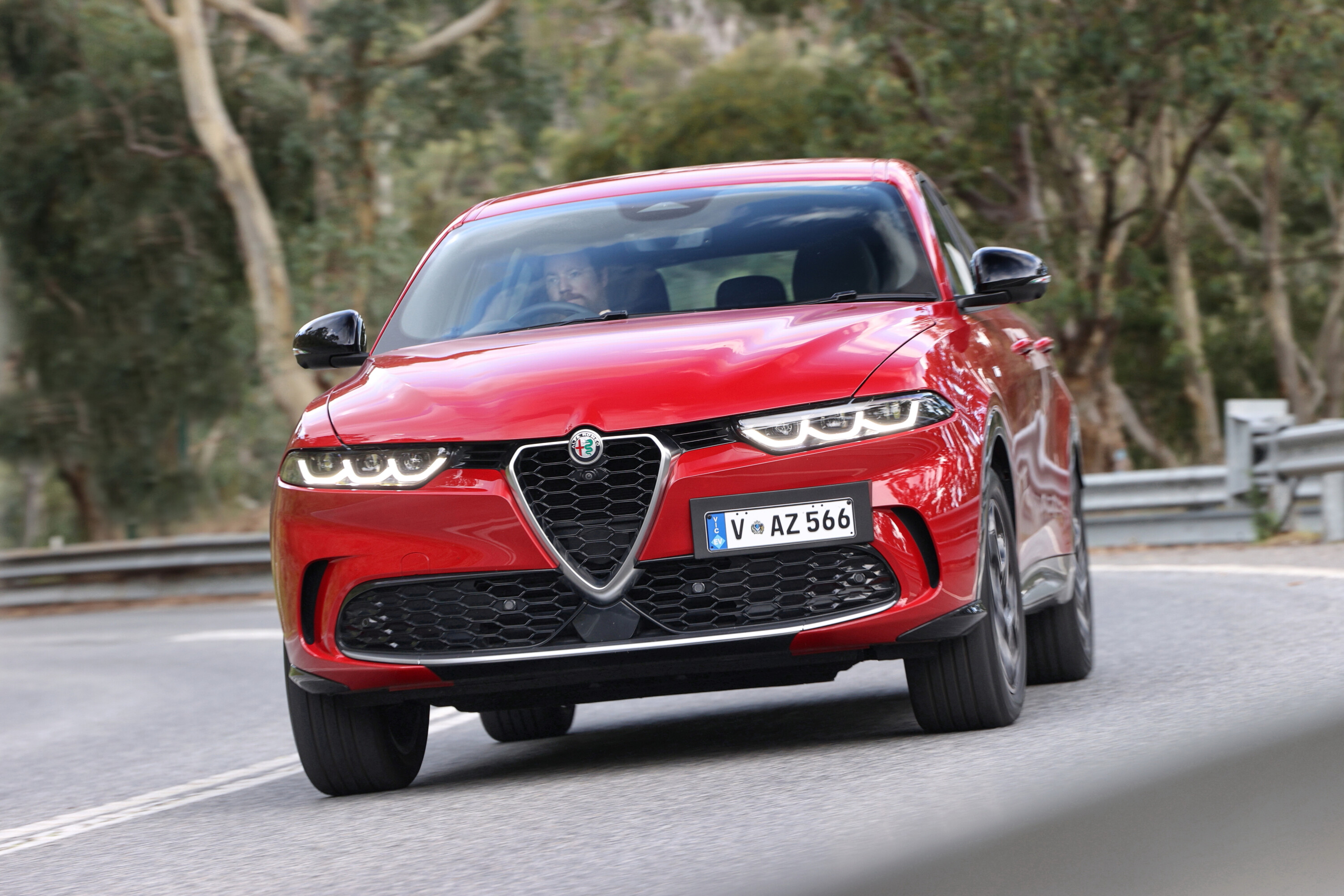
Following a mandate by Stellantis chief Carlos Tavares that its vast stable of brands has 10 years to prove itself or it’s finished, Alfa Romeo remains determined to achieve some kind of sales ‘metamorphosis’ – starting with the Tonale premium small SUV – despite years of failed attempts.
In pure percentage terms, if you believe the European PR spin then things are starting to turn around for the revered 123-year-old Italian brand on the continent.
During the first quarter of 2023, Alfa Romeo doubled its European market share and increased sales by 136 percent, though without quoting actual numbers, the scale of those improvements remains a mystery.
Globally in the first quarter, Alfa Romeo’s volume grew 64 percent compared to the same period in 2022.
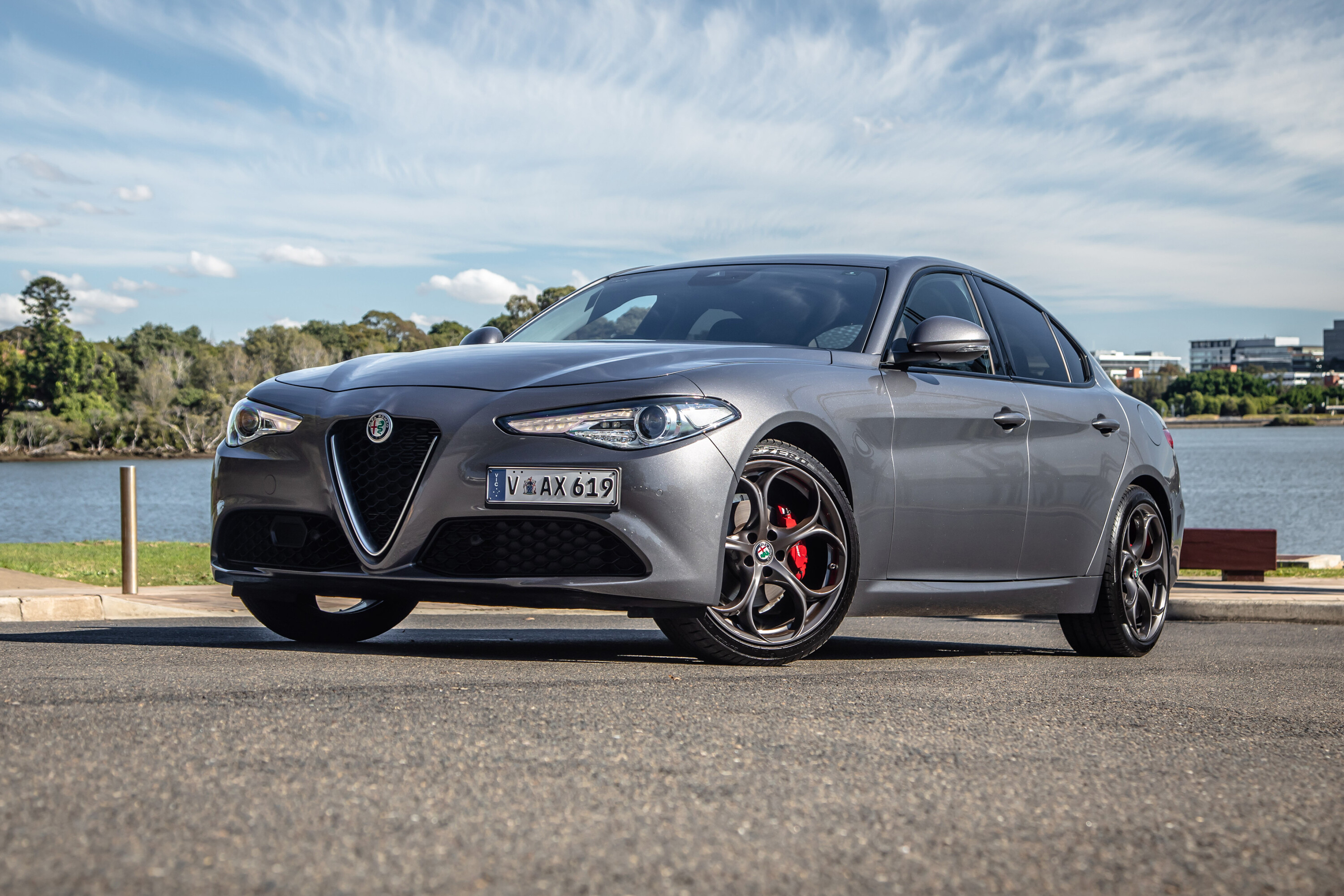
But in Australia, the delayed arrival of the facelifted MY23 Giulia/Stelvio and the all-new Tonale has reduced the brand to its lowest sales volume in 25 years – achieving just 181 sales from January to May in 2023 (compared to 236 sales for the same period the previous year).
According to Stellantis Australia’s corporate communications manager Alison Van Den Dungen, “at this point in time there’s absolutely no reason to be walking away from Alfa Romeo in Australia. We’re bringing out some really exciting product and that’s really going to revitalise the brand here, if anything.
“I definitely don’t think that now is the right time to be talking about us leaving,” she said.
1
Only time will tell whether Australian buyers believe the Tonale Hybrid hype.
Marketing wise, Alfa Romeo Australia has been commissioning billboards on major freeways, airports and shopping centres to raise awareness of its new Tonale small SUV, combined with social-media campaigns on Facebook, Instagram and TikTok in an attempt to introduce a new audience to the brand. Only time will tell whether Australian buyers believe the Tonale Hybrid hype.
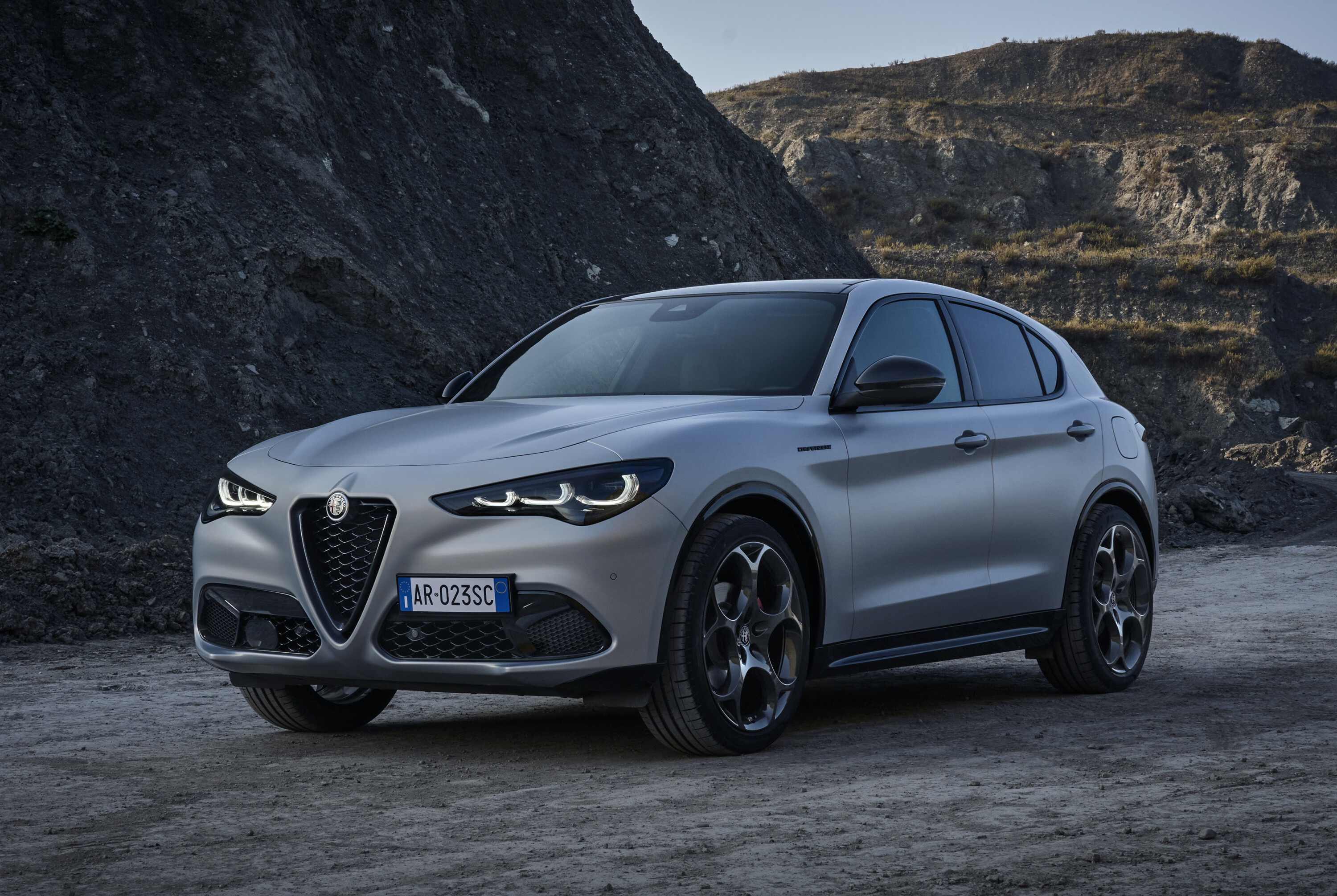
Going forward, Alfa Romeo will be transitioning to multiple electric vehicles in its line-up by 2027, with the next-generation Giulia and Stelvio finally embracing the electrification process started by the Tonale Hybrid and forthcoming Tonale PHEV plug-in hybrid. But that doesn’t make its current standing in Australia appear any rosier.
After achieving 2513 annual sales here in 2002, it took Alfa Romeo another 11 years to approach that number – 2373 sales in 2013, followed by 2498 sales in 2014. But the brand has sold less than 1000 cars a year since 2018 and managed just 571 sales in 2022.
1
Alfa Romeo’s Australian bosses remain convinced that this dire situation can be turned around.
Yet with so much capital being invested in salvaging this iconic Italian brand – thrusting it towards inevitable electrification as fast as possible – Alfa Romeo’s Australian bosses remain convinced that this dire situation can be turned around.
“It’s a really exciting time for not only Alfa Romeo but all of the Stellantis brands here in Australia and around the world, as we embark on this new journey, this new venture towards EV across every single vehicle in the entire family,” said Ms Van Den Dungen.
“There’s so much exciting product coming out. They’re obviously looking at every single product across the board and where that fits and where its future lies [but] it’s a really exciting time for us,” she said.
‘Big four’ bank Westpac has teamed up with Chargefox to offer a free charging perk with new eligible EV financing loans.
Snapshot
Westpac offers 12 months/1250kWh free Chargefox charging with new loan
Adds to lower financing interest rates for EVs
Follows other banks with EV loan offers
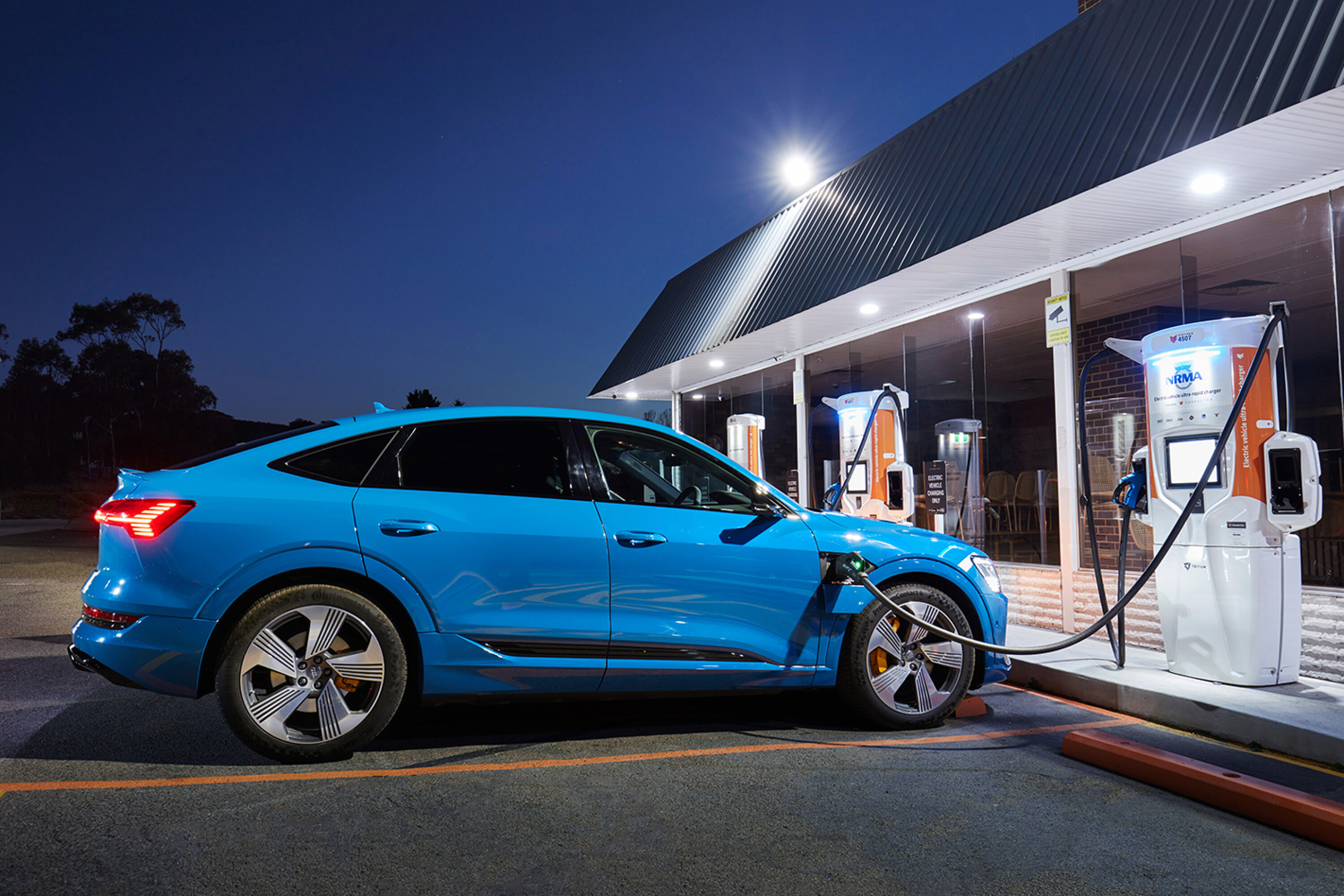
New customers will receive 1250kWh of free public charging, which they can use within 12 months at over 1500 Chargefox stations nationwide.
This means a standard-range Tesla Model 3 rear-wheel drive (RWD) model, with its 57.5kWh usable battery, can be recharged about 21 times before the free credit is exhausted.
1
That equates to 10,311 kilometres of driving range based on the Model 3’s WLTP testing claim.
Kia Australia has issued a recall for more than 7000 late-model vehicles due to a software issue.
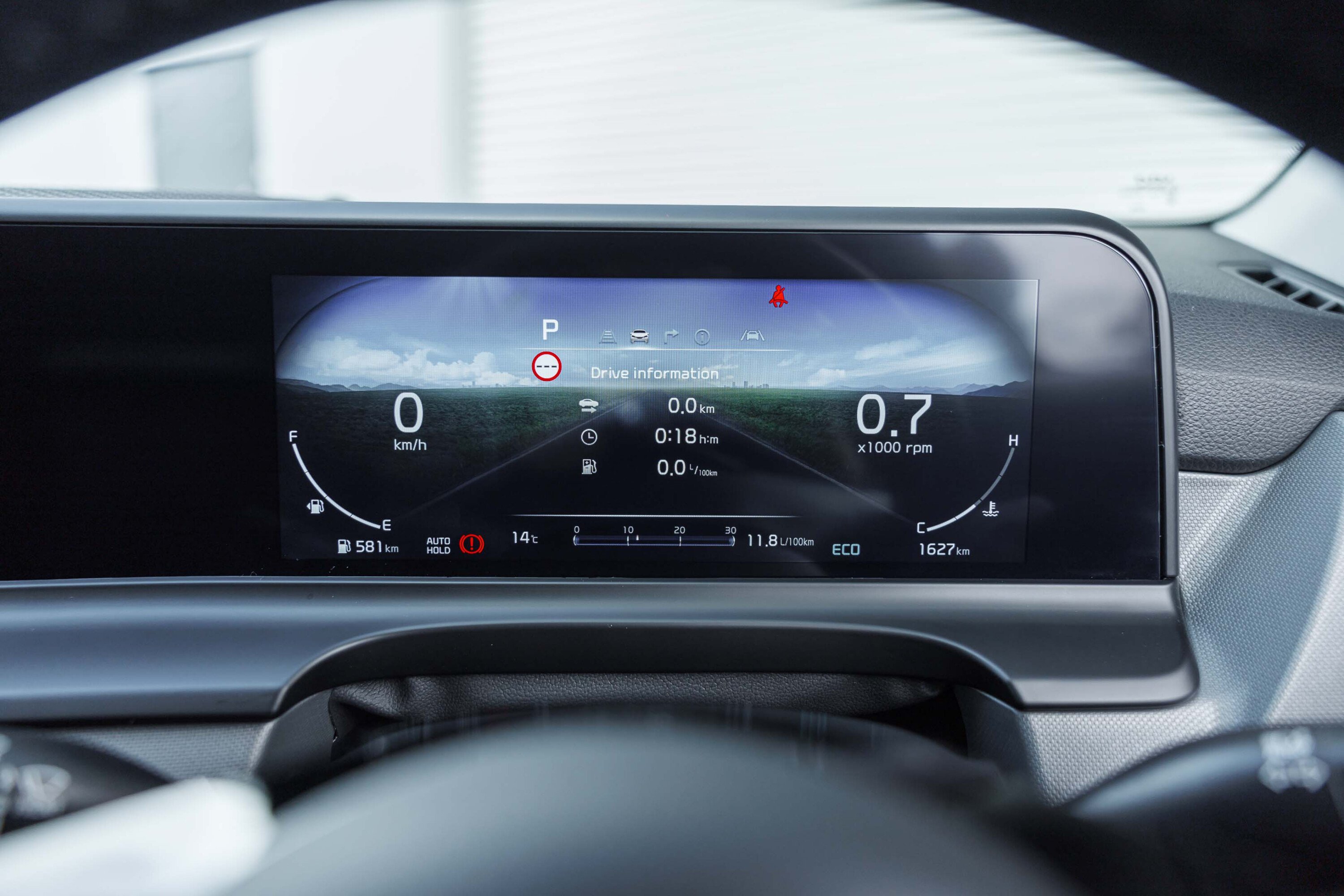
The issue – affecting the 7163 examples of the latest 2022-23 ‘NQ5’ Kia Sportage, ‘SP2 PE’ Seltos and ‘SG2’ Niro – relates to a software issue that could cause the seat belt warning to fail to illuminate in the instrument cluster.
This warning is mandatory in Australia under the Australian Design Rule 04/06.
1
The details of the recall, as published, are posted below.
Due to a software issue, the instrument cluster may fail to illuminate the visual seat belt warning as required by the Australian Design Rules (ADR) 04/06.
What are the hazards?
If the driver is not made aware of an unfastened seatbelt, there is an increased risk of injury or death in case the vehicle is involved in an accident.
The vehicle is not compliant with Australian Design Rule 04/06.
What should consumers do?
Owners of affected vehicles can contact their preferred local Kia dealership to schedule an appointment and have the instrument cluster software updated, free of charge.
Supplier details
KIA AUSTRALIA PTY LTD
Who should owners/operators contact for more information?
In celebration of Wheels magazine’s 70th birthday, we’re running through the 70 greatest cars of all time – defined not by sales or talent alone, but simply as our writers past and present see it.
Having looked over the trusty 4×4 segment before, it’s time to consider that tradie favourite that has evolved over the decades, the ute.
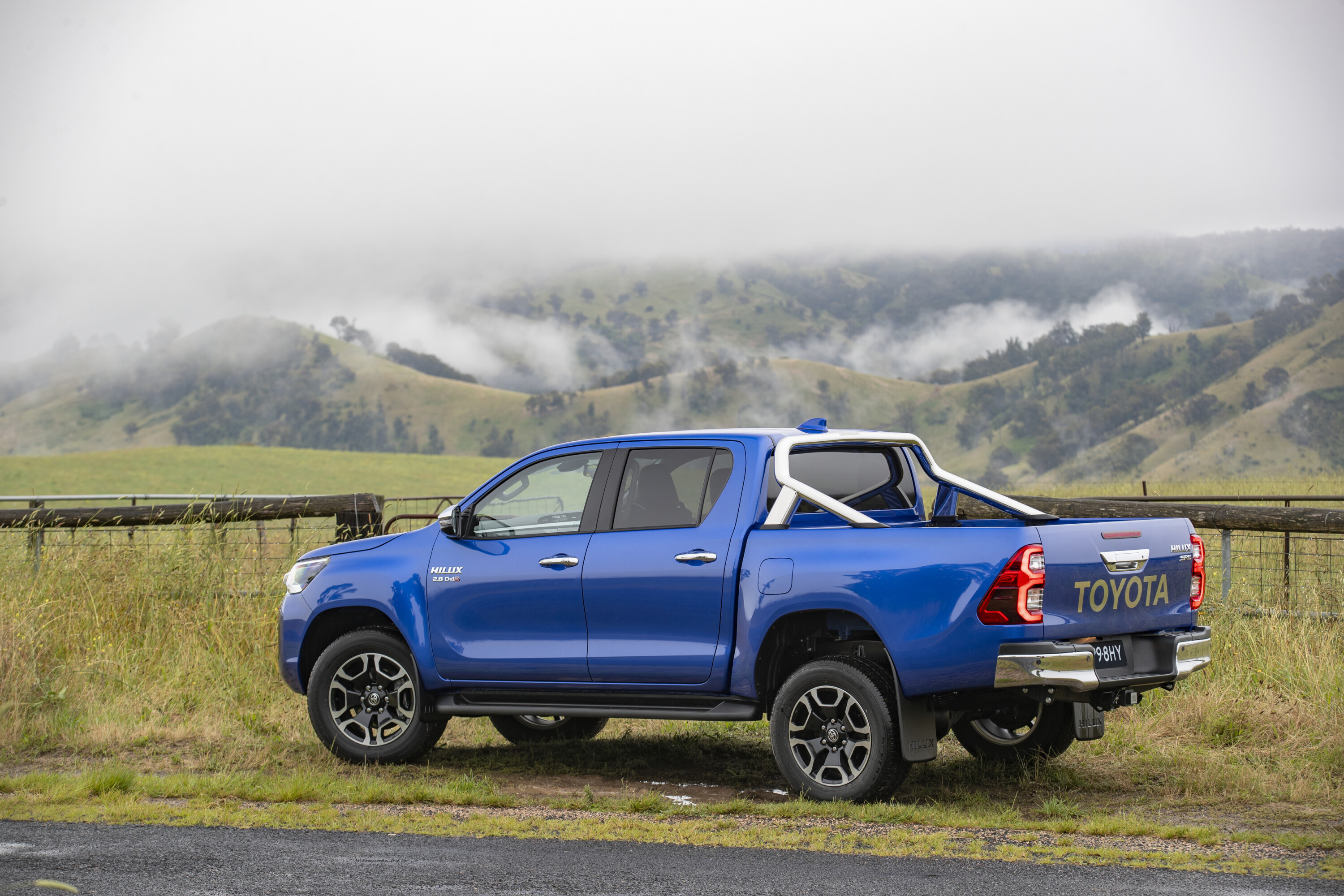
Toyota Hilux
WE LOVE
Realising pick-ups could be cool when you first watched Back to the Future II
NOT SO MUCH
Amazingly, it took three Hilux generations for Toyota to cotton onto the benefits of 4WD
“The Toyota Hilux is everywhere,” said Andrew Exum, a former US Army Ranger and ex-US deputy assistant secretary of defence for Middle East policy.
“It’s the vehicular equivalent of the AK-47. It’s ubiquitous to insurgent warfare. And actually, recently, also counterinsurgent warfare. It kicks the hell out of the Humvee.”
There’s always something reassuring about vehicles that are massively over-engineered, so a vehicle capable of this ought to be well up to the task of collecting a couple of sheets of drywall and half a cubic metre of mulch from Bunnings Warehouse.
Like the Land Cruiser, the Hilux got its big break in Australia with Thiess on the Snowy Hydro project and in the intervening 70 years, over 800,000 have been sold here. With every passing generation – and we’re now on version 8 – its reputation for indestructibility only became ever more burnished.
1
It’s been driven to the North and South Poles, it’s competed in Dakar, heck, Top Gear demolished a tower block with a Hilux on the roof and sank one in the North Sea without killing it.
Slicker, more civilised rivals have eclipsed the Hilux in terms of sophistication, but a big touch screen and soft-touch interior finishes are probably of less importance than bulletproof reliability when you’re halfway along the Canning Stock Route.
It’s hard to kill, you can get spares almost anywhere and its excellence has been recognised the world over. There’s only one unbreakable legend and that’s why it’s the undisputed number one here.
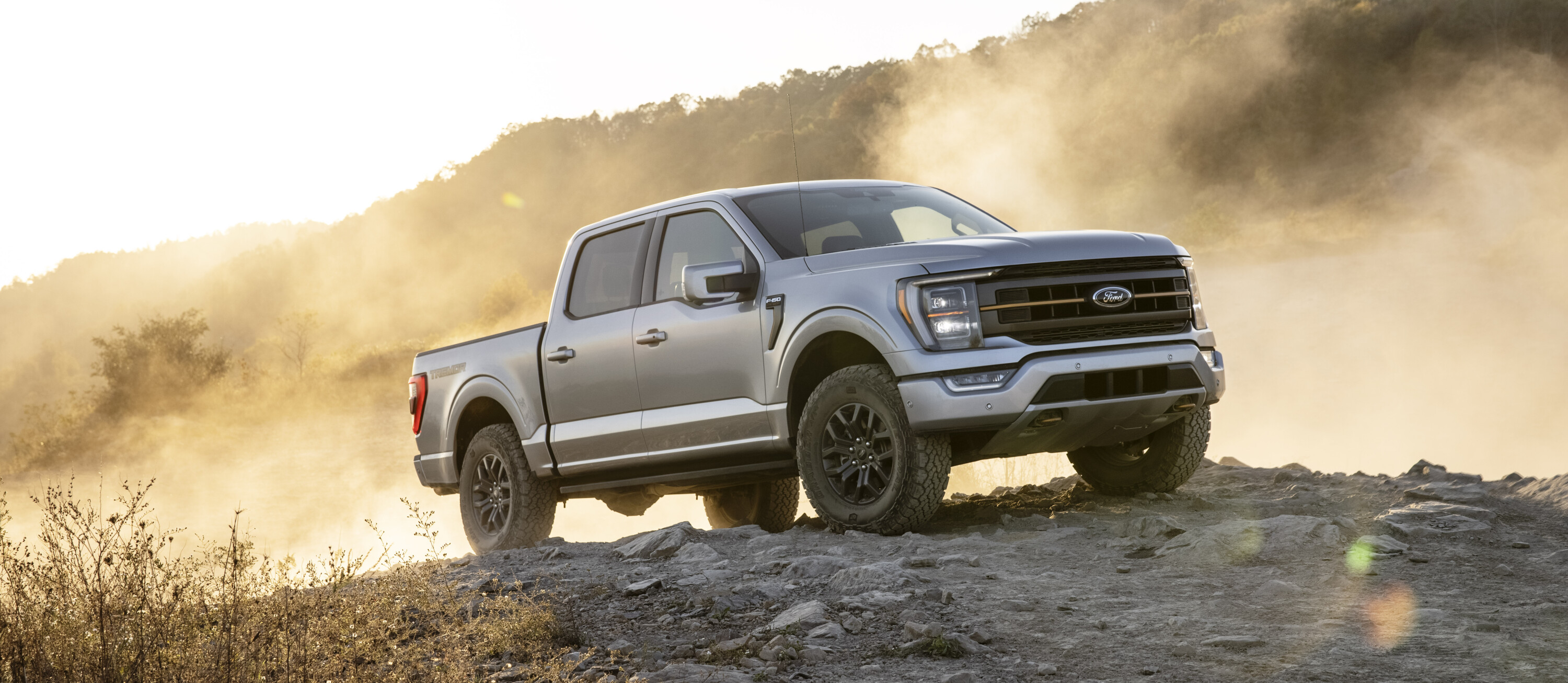
Get your order in now for the incredible F-150 Lightning
NOT SO MUCH
It’s taken Ford 48 years and nine generations to finally get round to selling us an F-150
Were we talking sheer weight of numbers, the big Ford deserves the number one spot.
The trouble is, it appears to travel about as well as Schapelle Corby, so while the F-Series has done the business in the States for the past 75 years, we’re about to get our first taste of the new F-150 here in Australia later this year.
Shame so many are now wrapped in cotton wool by speculators
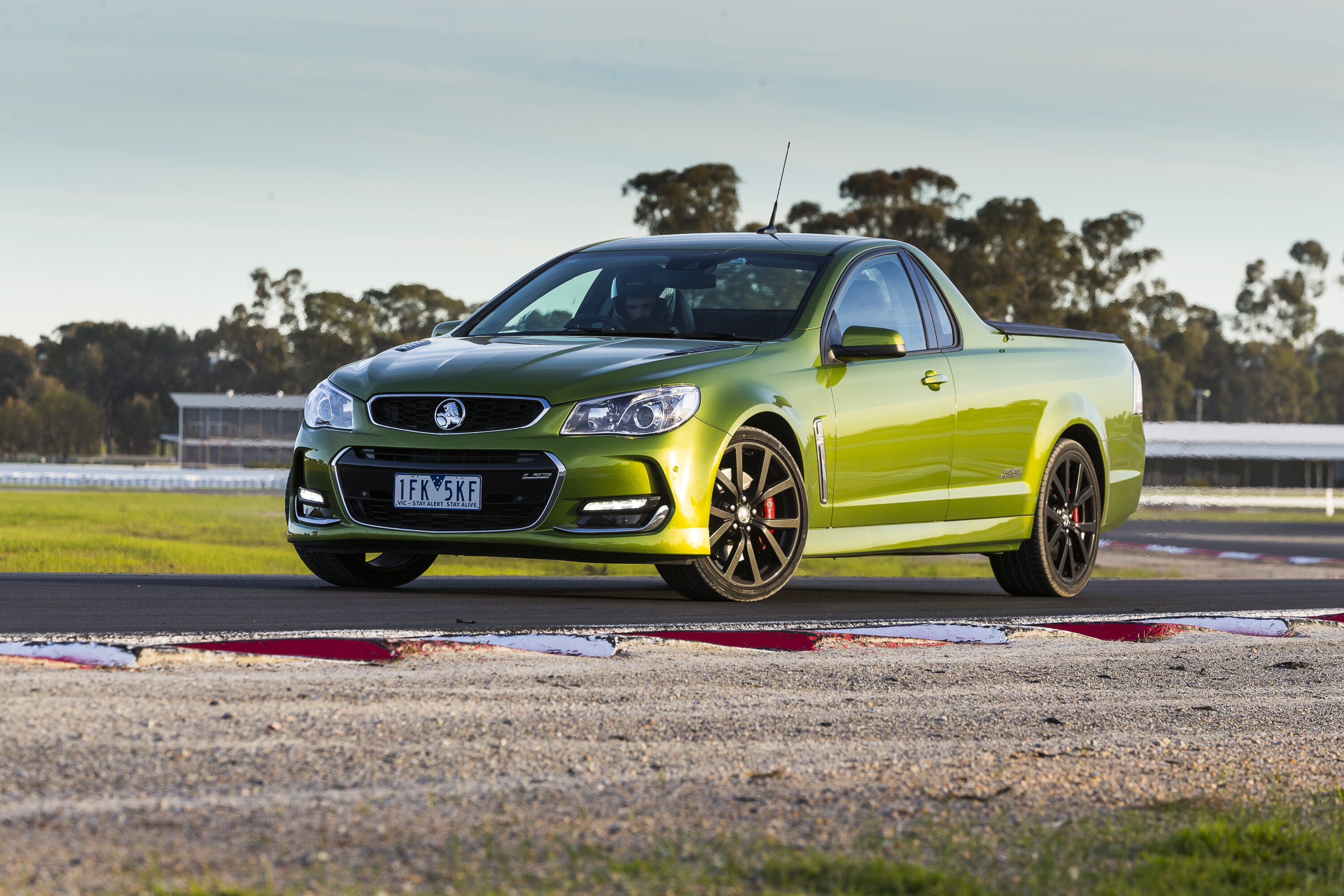
Holden engineer Rob Trubiani’s 8m19s lap of the Nürburgring in a VFII SS-V Redline ute set a mark that may never be beaten.
“If we got an 8:30 we would have been absolutely over the moon and yeah the car went 8:19. It was an awesome time,” he said. Commercial vehicles weren’t supposed to be this much fun, but Redline utes made early starts for legions of Aussie tradies something to savour.
Find the right location and go for your life without fear of getting nicked
NOT SO MUCH
Range anxiety is a thing when you’re swilling 30L/100km
Argue all you like as to whether the genius ride quality of the first-gen diesel trumps the firmer and faster follow-up but the fact is, they’re both great.
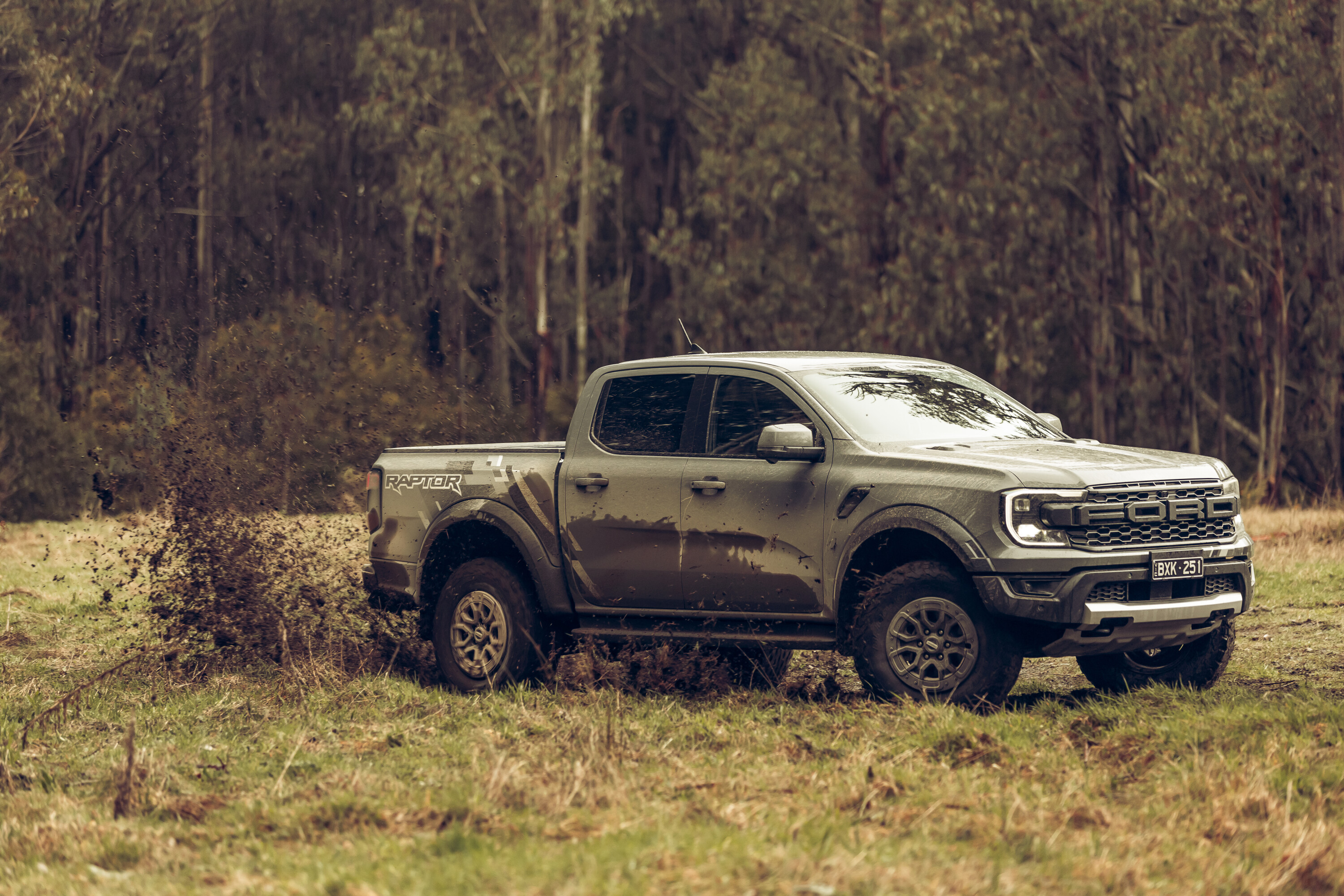
A US-inspired but Australian-designed and Thai-built project, the Ranger Raptor was a showcase for domestic engineering skills. If electric cars were killing the Australian weekend, here was its salvation.
US chicken tax-dodging seats in the tray were a move of genius
NOT SO MUCH
Weirdly, it was built in Japan but never sold there
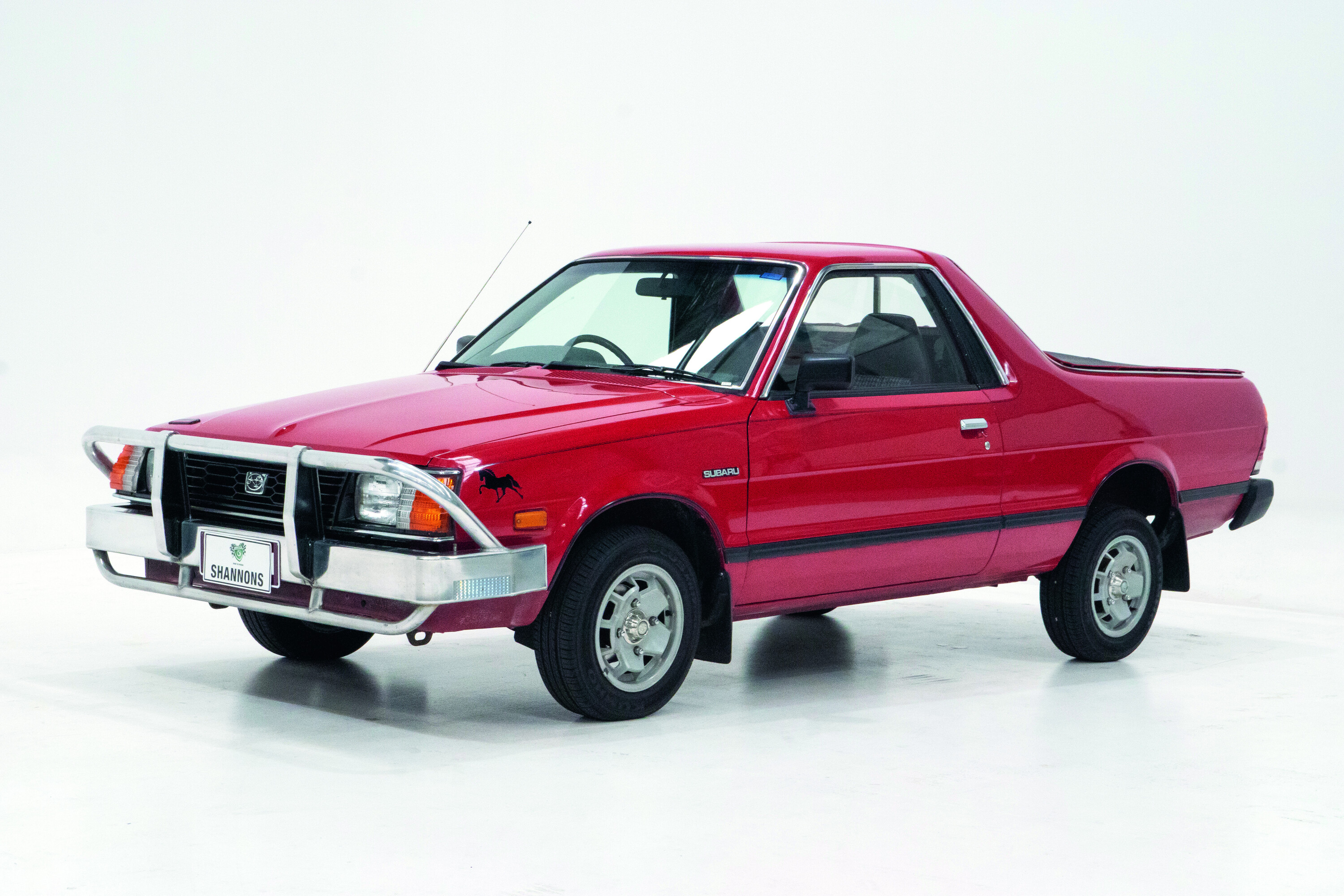
It sounds like the most mangled of backronyms, but the Brumby’s global nameplate, the BRAT, really did stand for Bi-drive Recreational All-terrain Transporter.
Small wonder we went with Brumby. It looked like an El Camino put through a hot wash cycle, but the Brumby may be one of the greatest paddock bashers of all time.
Right up to that moment you log-jam an urban width restriction
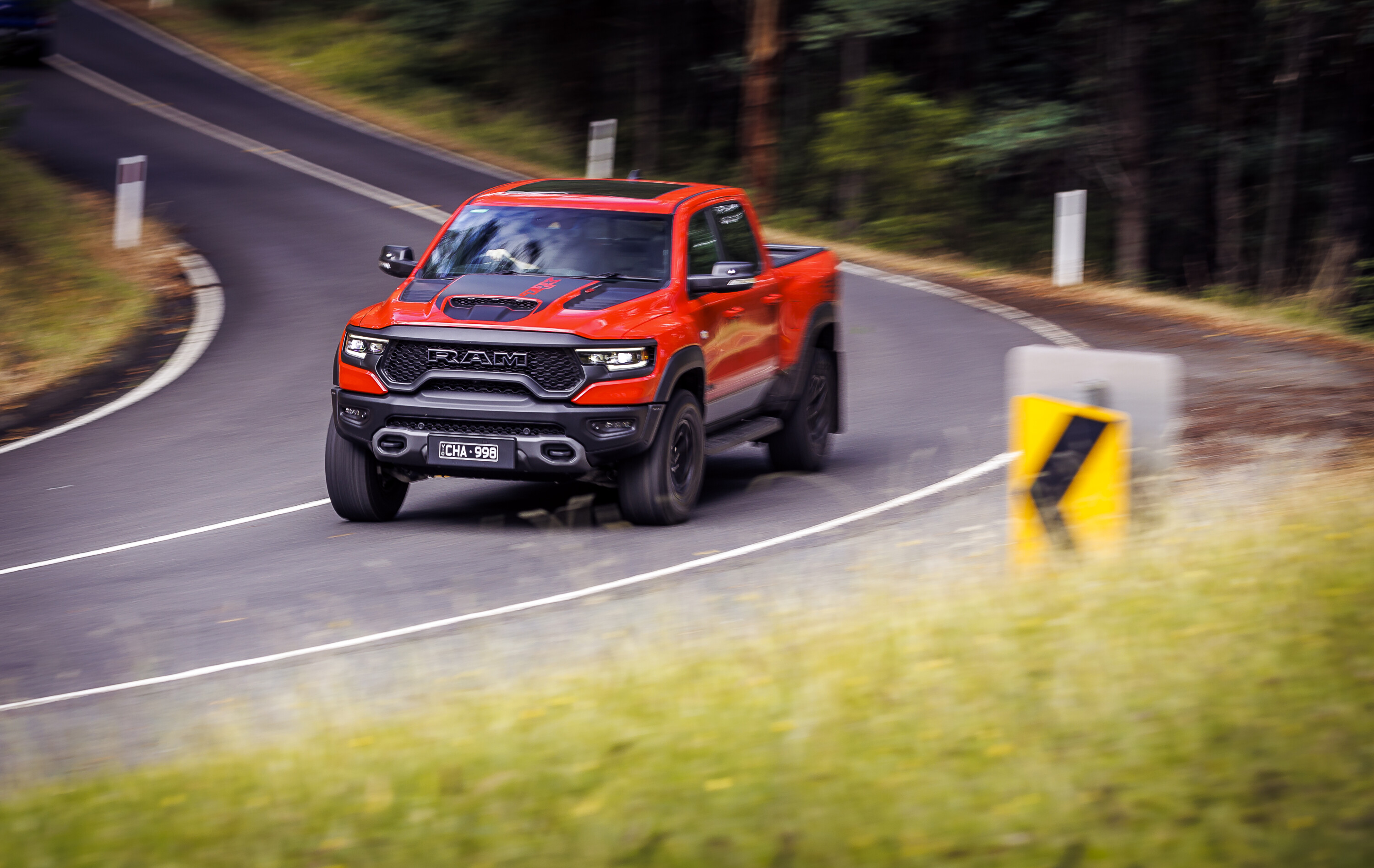
We’ve tried to avoid putting too many moderns into this list but the RAM 1500 TRX deserves its place by dint of sheer lunacy.
You probably don’t need a 523kW pick-up in your life, but it’s hard to argue that life wouldn’t be better with one. After sampling it, you’re minded of that line from Jurassic Park about a deplorable excess of personality.
The one-upmanship of having the optional limited slip differential
NOT SO MUCH
Snagging your unmentionables in a cracked vinyl seat
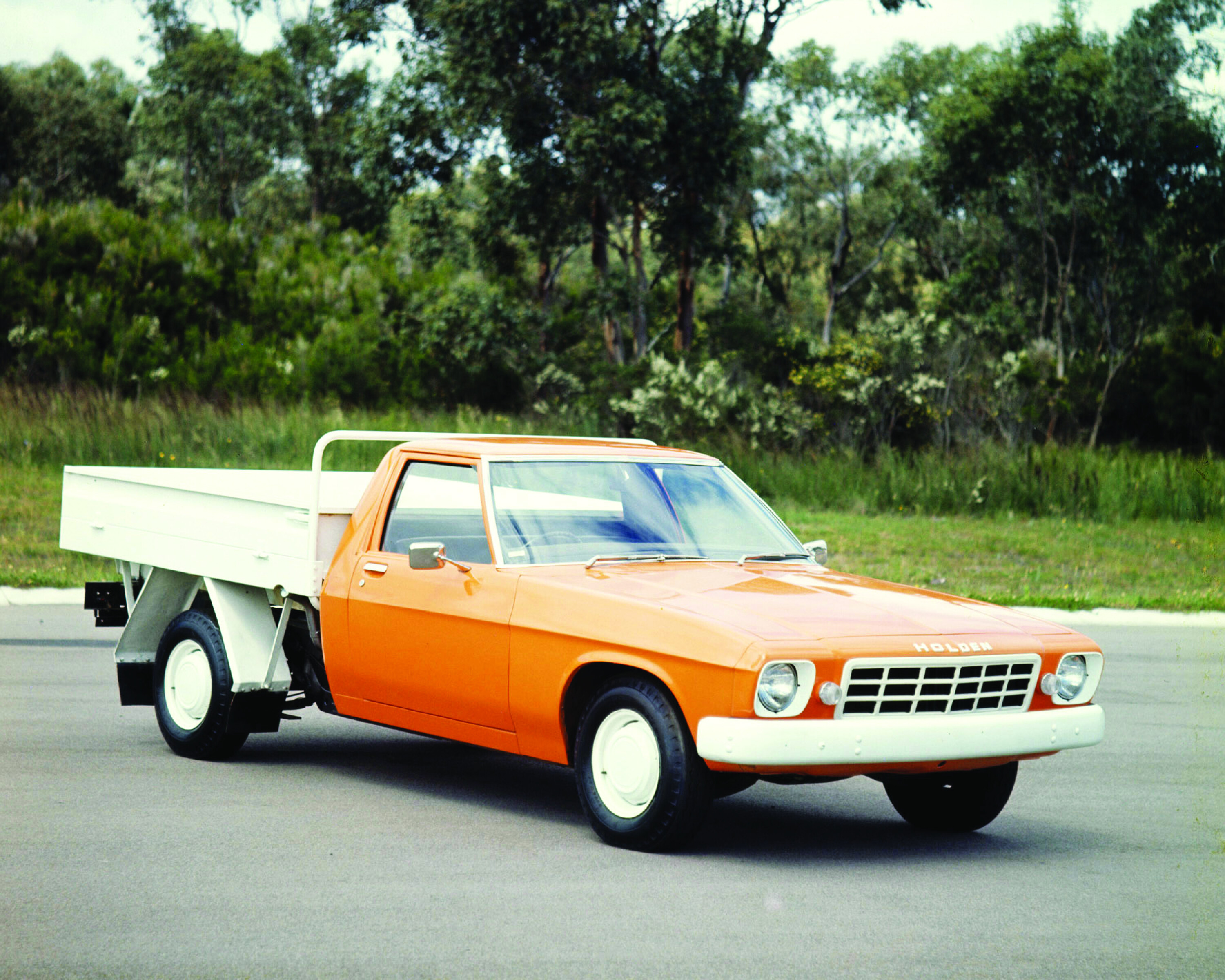
The HQ Tonner is a vehicle that has burrowed deep into the Australian psyche.
If you’re a Gen-Xer, it’s the vehicle your dad drove on the farm, the sound of the 308 firing up as evocative as that of a playing card pegged to the forks of your bike or your Nan sparking up another Winfield.
A ute you could own without sporting Southern Cross tats
NOT SO MUCH
No airbags in the rear hampered the family-friendly pretensions
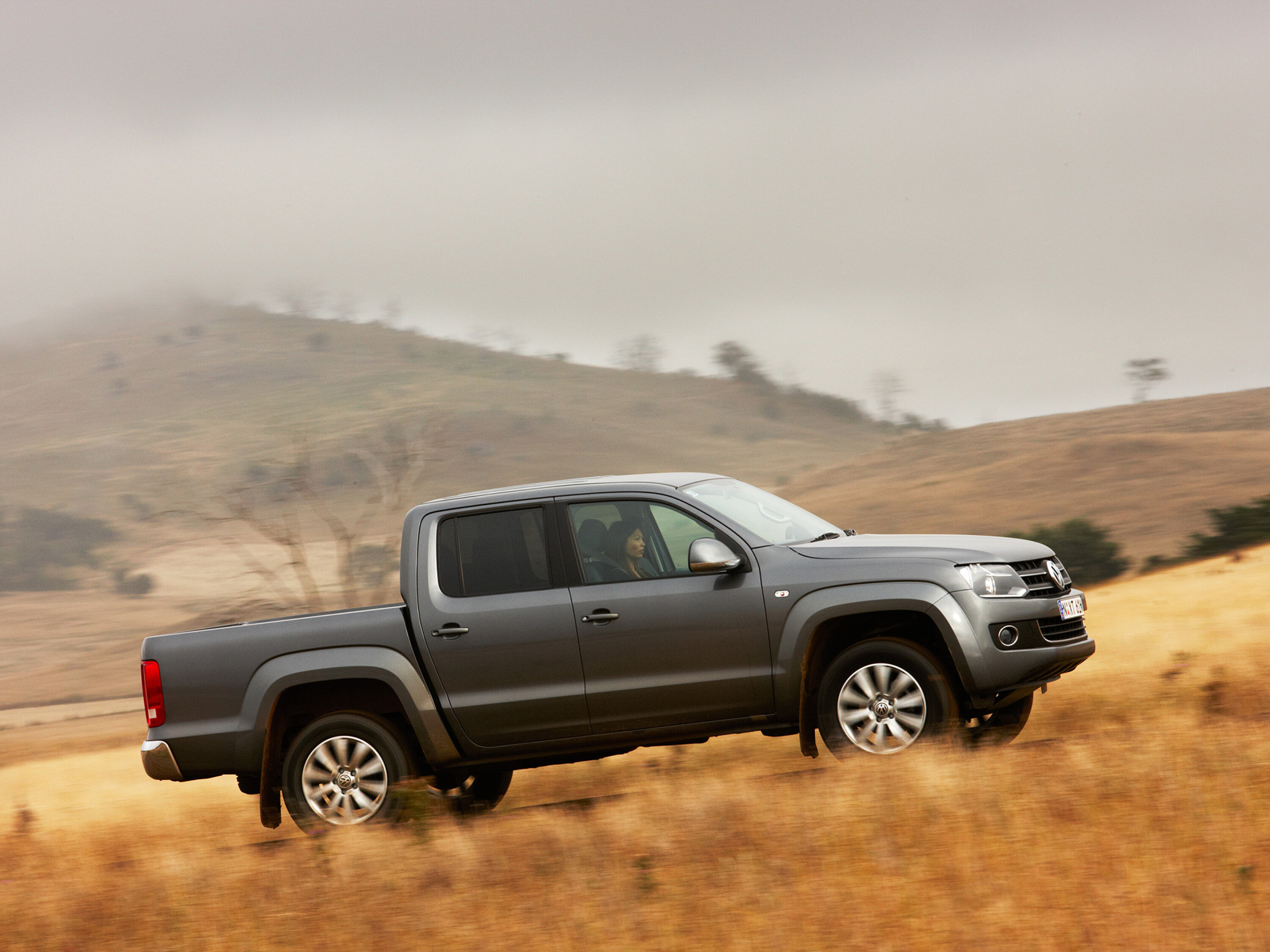
Gentrification doesn’t just happen to Footscray or Marrickville. It affects vehicle genres too, as evidenced by the Volkswagen Amarok, a ute with a collar with only the faintest tinge of blue.
Owners might call it Touch of Gentian. Created a trickle-down effect into its neighbouring vehicles, civilising dual cabs as a whole. The gutsy V6 also changed the market for the better.
Other drivers will assume you’re packing a gold-plated AK47 and give you a wide berth
NOT SO MUCH
Understeer is the new oversteer
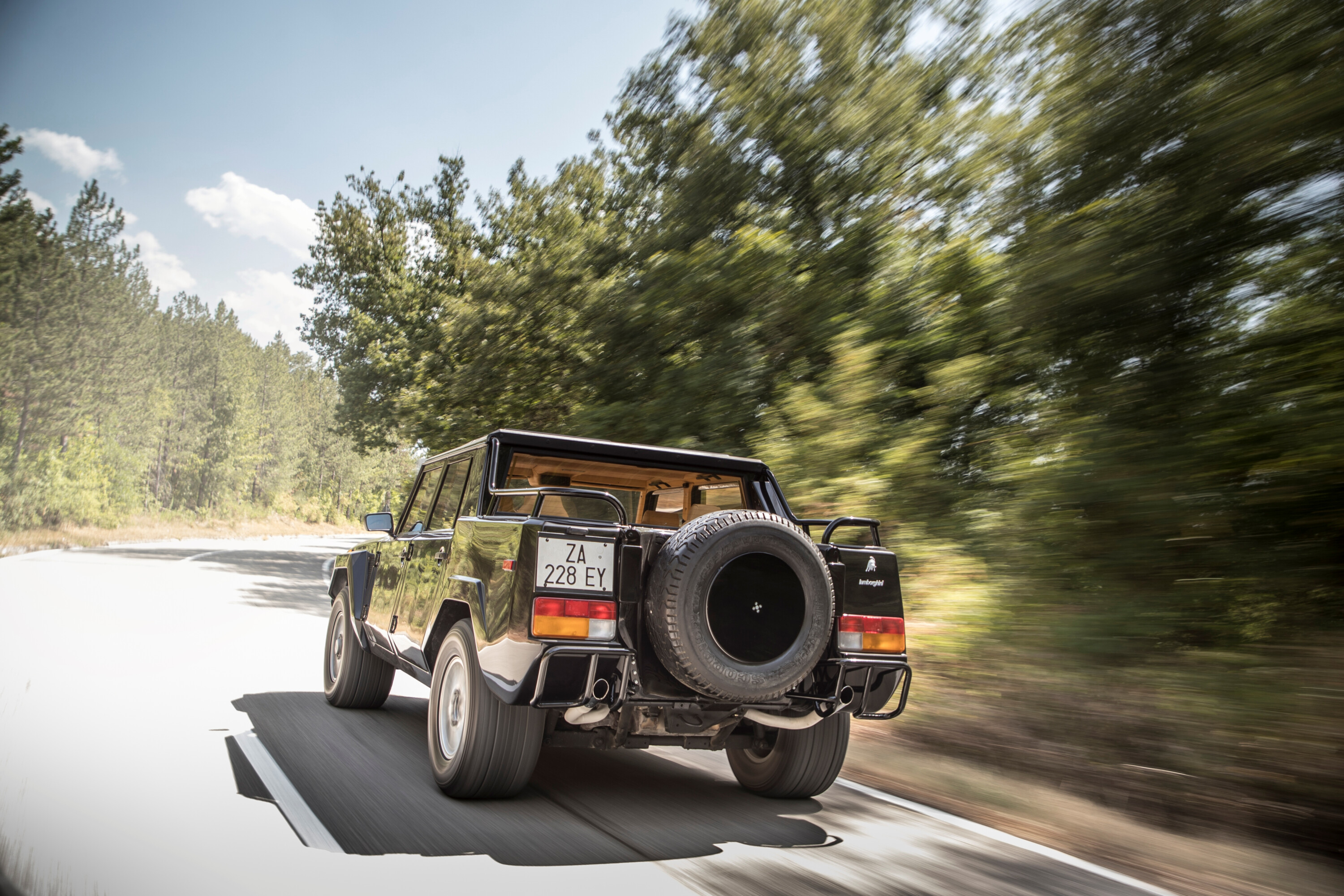
Other vehicles measure their carrying capacity in kilos or cubic litres, the Lamborghini LM002 uses Siberian Tigers as its nominated metric.
You’ll require a borderline personality disorder to own one, but you’re making the world a more colourful place because what’s not deranged about a V12 that drinks 47L/100km and powers you to 100 slower than a base Civic?
A 14 second quarter was nothing to be sniffed at in 1970
NOT SO MUCH
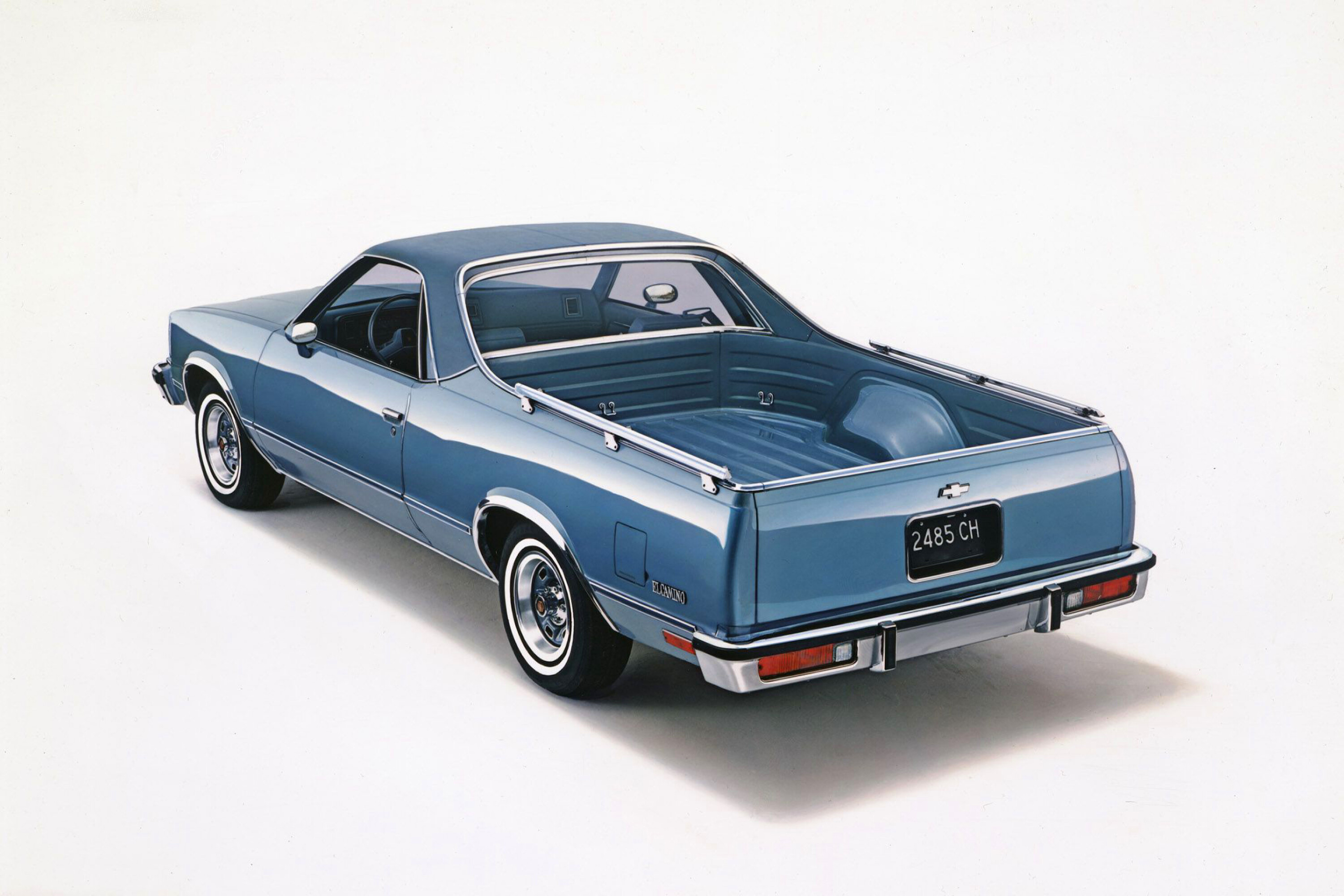
The South African market El Camino AQ was a Holden HQ 1-Tonner
Spanish for ‘The Camino’, Chevy’s big ute proved that there’s no substitute for either cubes or bilingualism.
While purists love the second-gen El Camino, a 1970 third-gen with the 454ci (8.4-litre) LS-6 V8 is a thing of utter magnificence. All the attitude of a Chevelle and it even had a nefarious “smuggler’s compartment” in the back of the cabin.
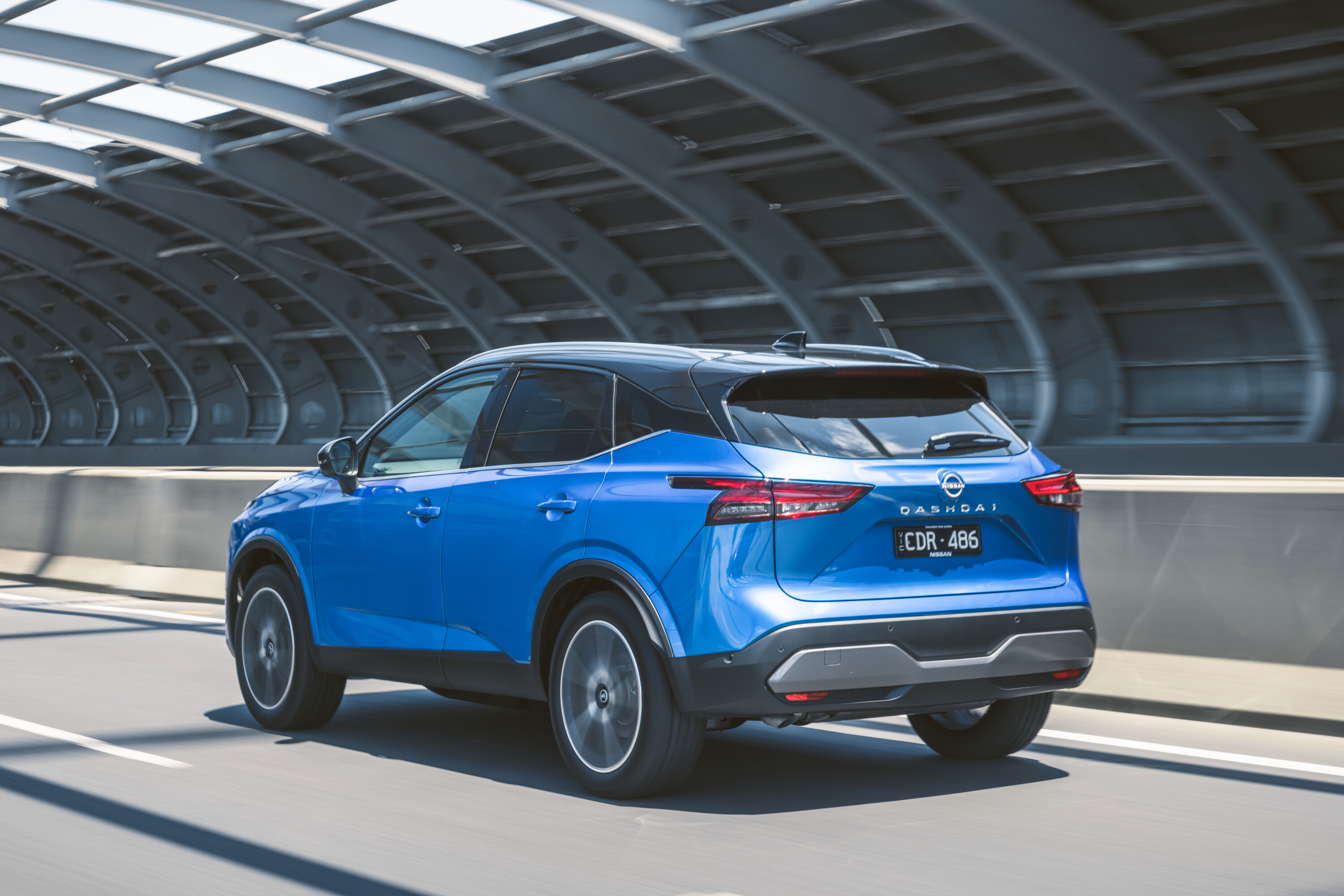
In February, Nissan Australia confirmed its electrified small SUV would touch down in the second half of 2023, after it was initially destined for late 2022 and then earlier this year.
An exact date is still yet to be confirmed, but Wheels understands it will arrive closer to the end of the year, nearly 12 months after the third-generation Qashqai arrived in local showrooms.
“We’re looking forward to launching the [E-Power] powertrain in Qashqai later this calendar year and we expect the demand to be strong,” said Nissan Australia managing director, Adam Paterson.
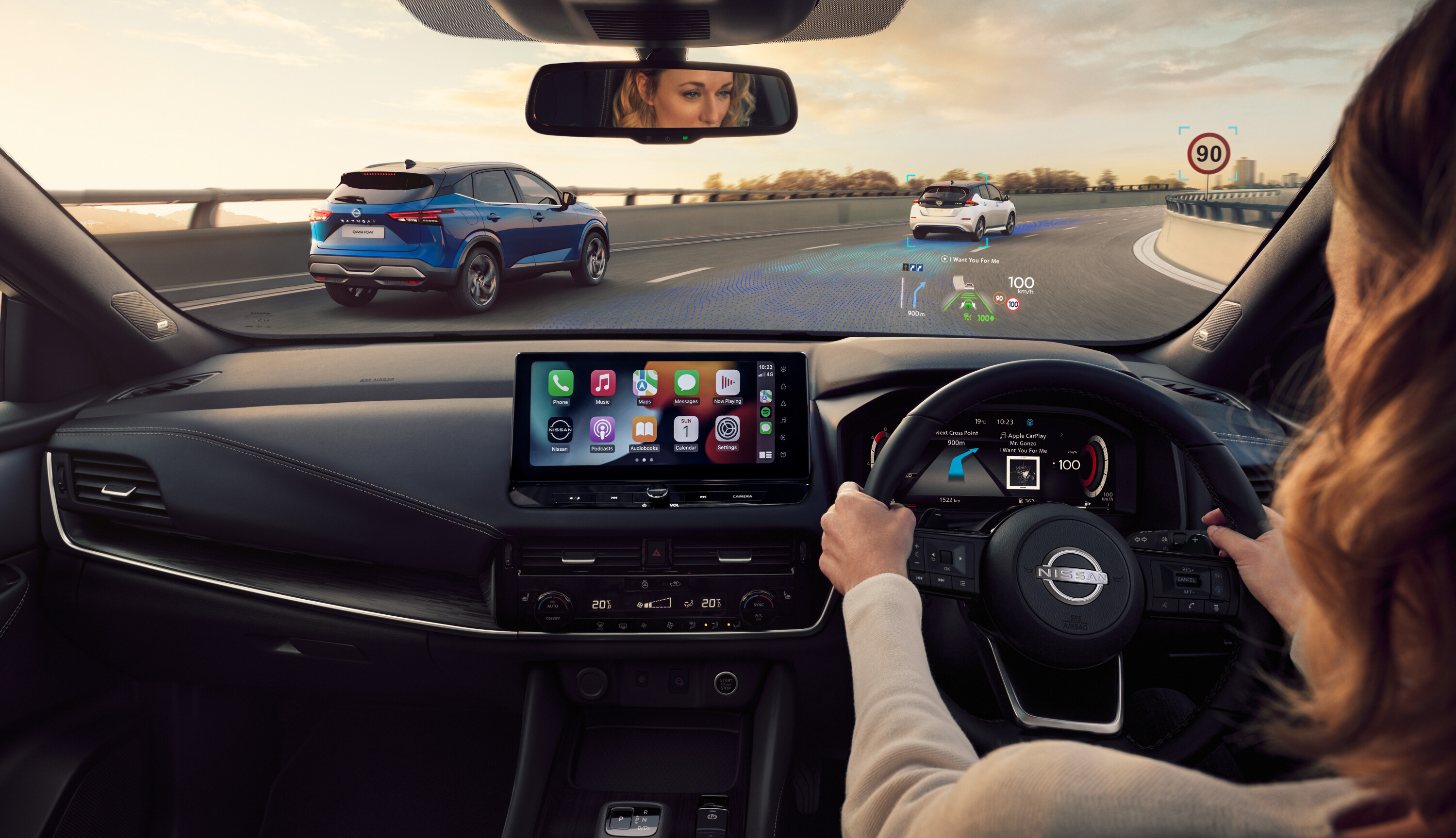
The Toyota Corolla Cross and GWM Haval Jolion rival features Nissan’s E-Power ‘series’ hybrid system, meaning the front wheels are solely powered by electric motors, with the petrol engine acting as generator to keep the battery topped up.
It has a 140kW and 330Nm total system output, up from 110kW/250Nm in the petrol Qashqai. Combined fuel economy is rated at 5.3L/100km on the stricter WLTP testing cycle.
1
… a smaller premium over its combustion-powered sibling is likely, at around $3000 extra…
Like the larger X-Trail E-Power, expect only the upper-trim Qashqai ST-L and Ti to be available with the hybrid powertrain, with prices ranging from around $45,000 before on-road costs for the entry variant to more than $50,000 for the flagship model.
However, as the Qashqai E-Power remains front-wheel drive, a smaller premium over its combustion-powered sibling is likely, at around $3000 extra – compared to around $4200 more for the all-wheel-drive X-Trail E-Power.
The 2023 Nissan Qashqai E-Power hybrid will arrive in Australia later this year. Final details, including pricing, will be announced closer to its launch.
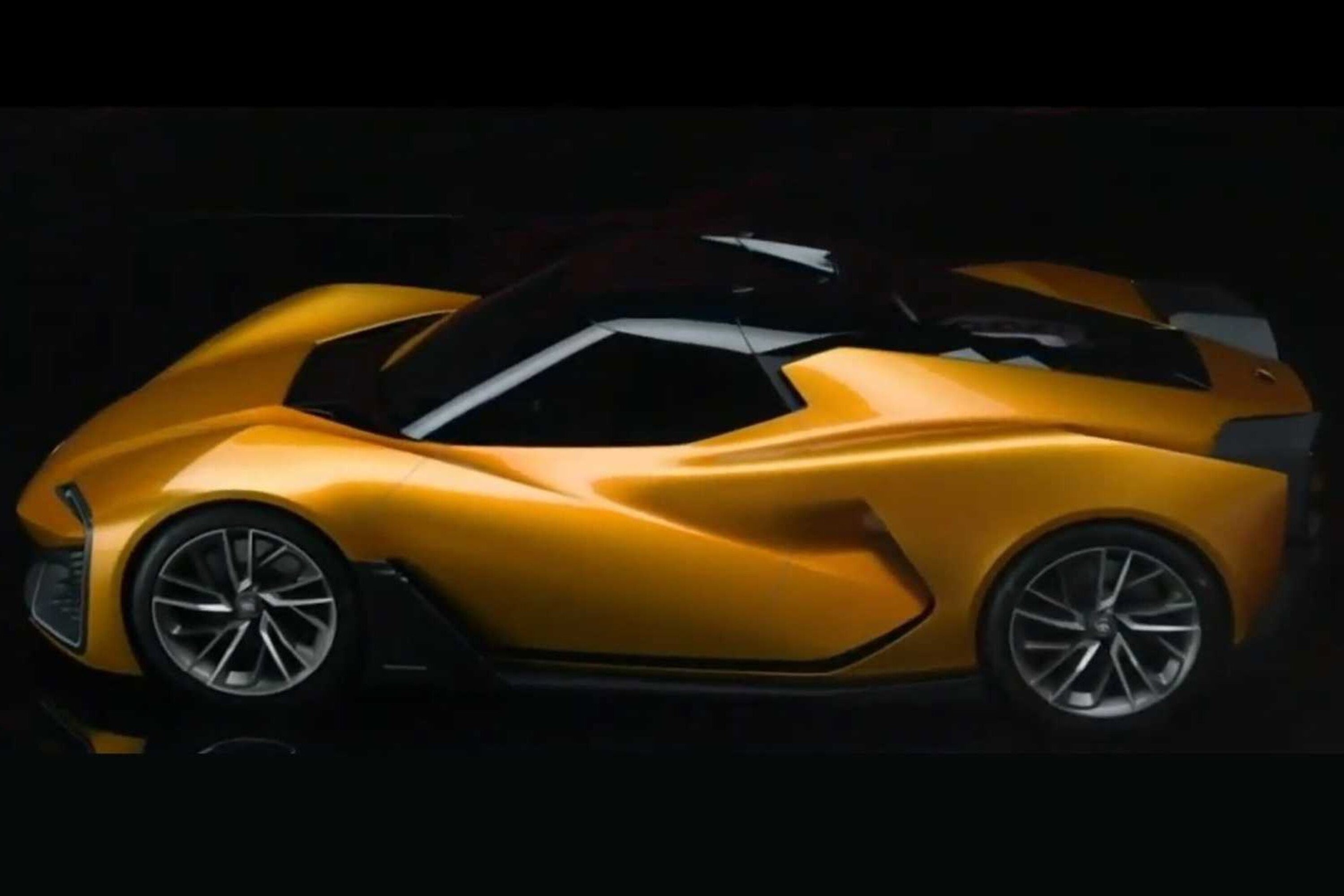
Toyota’s chairman and former chief Akio Toyoda has confirmed he’s ‘personally involved’ in developing the first Gazoo Racing (GR) electric sports car.
Snapshot
Toyoda confirms electric GR in testing
Uses simulated engine noises, manual transmission
Unsure if it will come to market
Speaking to Autocar [↗], Toyoda said the Japanese carmaker’s performance division is working on a ‘fun to drive’ high-performance electric GR, but it is uncertain if it will come to fruition.
“The biggest difference to other BEVs [battery-electric vehicles] we are developing is that, when you are in the GR BEV, you can actually hear the engine noises, even if you can’t smell gasoline,” Toyoda said.
“There is also a manual transmission and also a clutch. If you put someone in the car and asked them to drive it and guess the powertrain, they probably wouldn’t be able to tell you.”
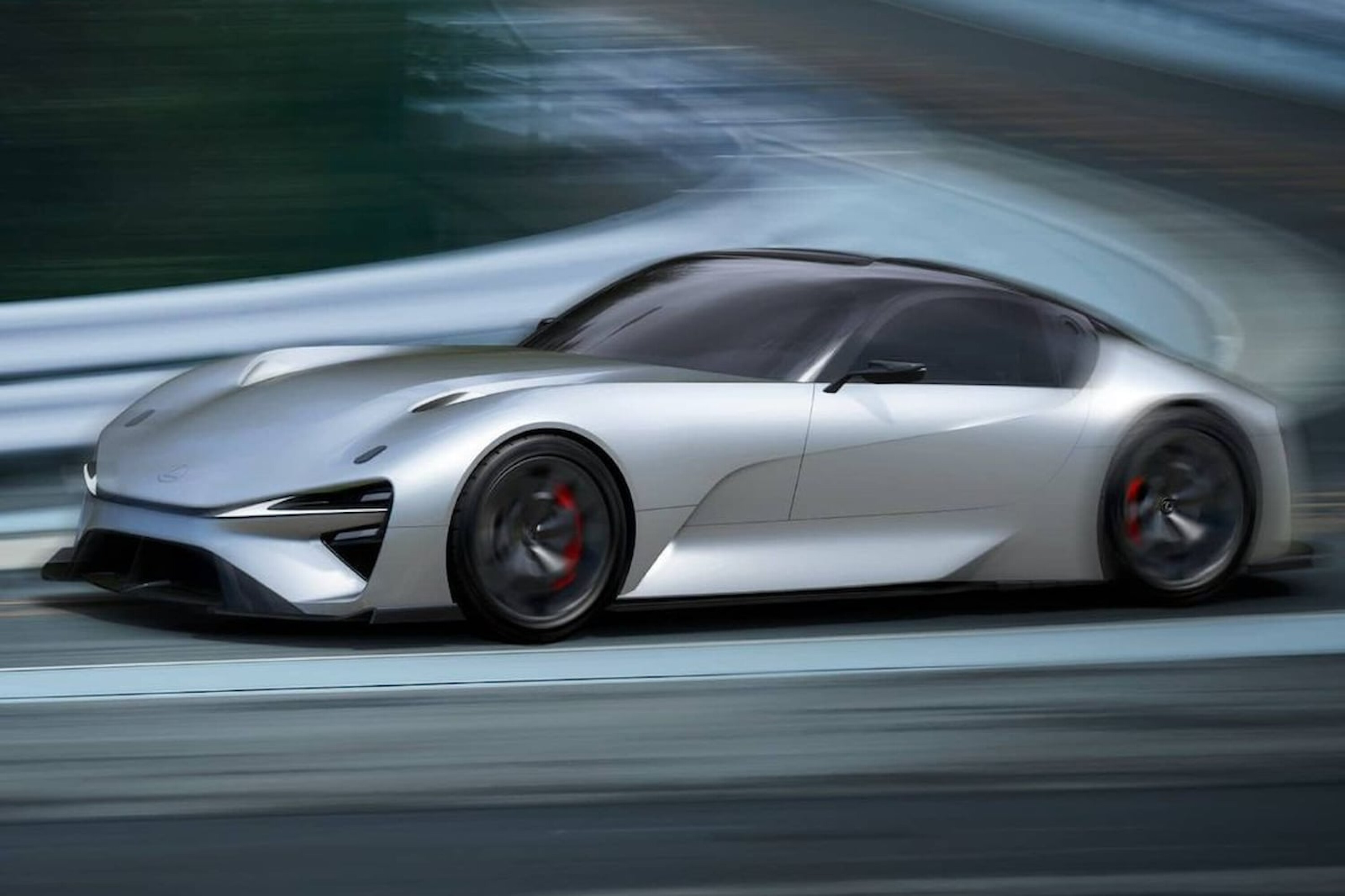
This suggests the high-performance Toyota GR EV could be co-developed with its counterpart Lexus, given the luxury brand has teased that it’s working on a simulated manual transmission for EVs.
1
It is confirmed to debut in the electric Lexus LFA coupe successor.
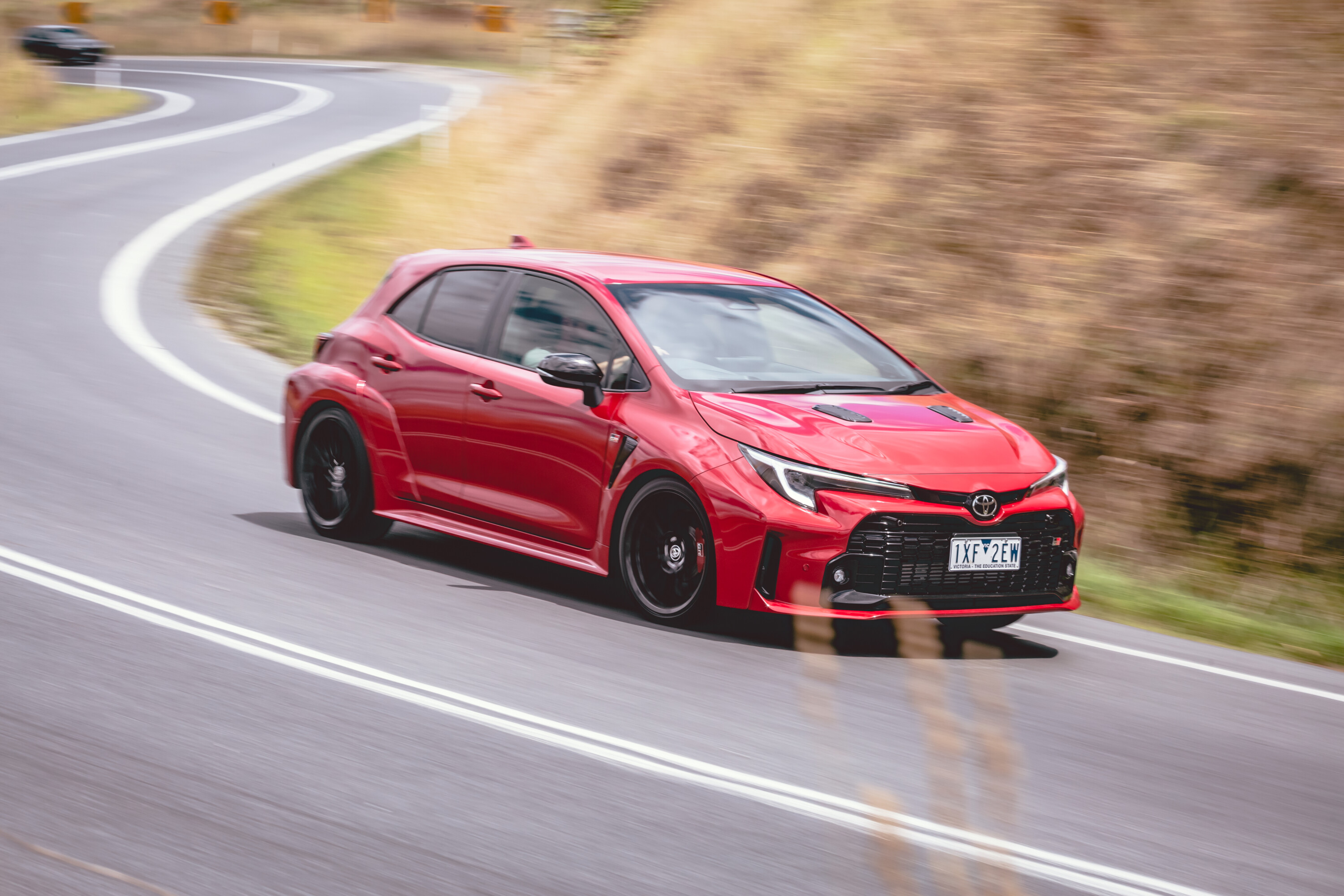
Toyoda also suggested that it may not be a bespoke model if it comes to market, as suggested by its GR Sports Concept in 2021. Current GR models are mostly based on regular Toyota vehicles, as per the GR Yaris and GR Corolla.
1
A change of tune
Toyota and its former CEO, Akio Toyoda, have long been criticised for lobbying policymakers for weaker emissions standards and delaying the development of battery-electric vehicles.
Toyoda is the grandson of the carmaker’s founder and GR has been heralded as his passion project, as a participant in racing rallies himself, to bring more sporty combustion-engined vehicles amid growing emissions and noise regulations.
1
However, Toyota’s new CEO Kōji Satō, who assumed the role in April after leading the Lexus and GR division, has committed to prioritising battery-electric vehicles while maintaining a diverse powertrain offering strategy.
A new-generation dedicated EV platform is expected in 2026, led by Lexus.
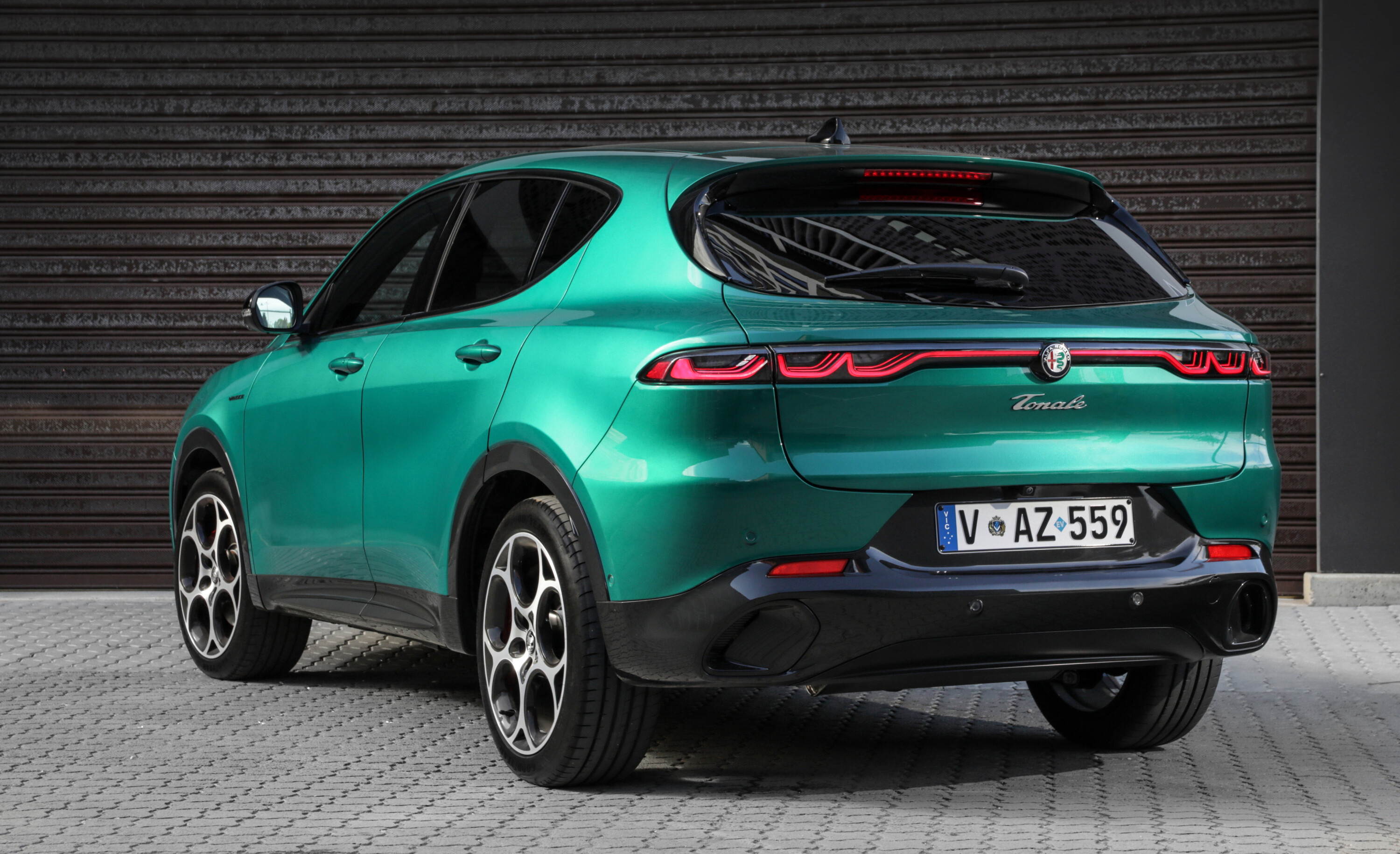
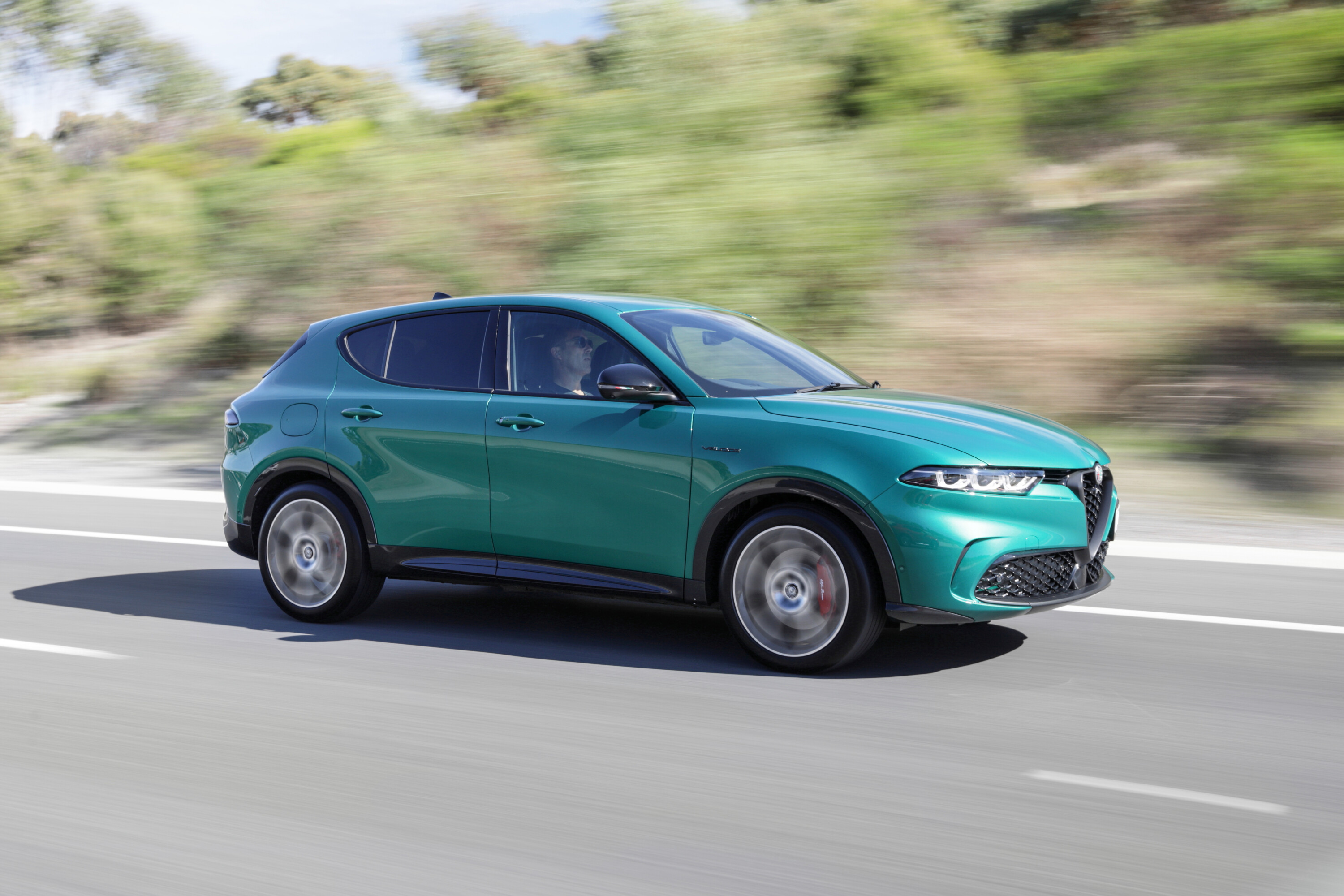
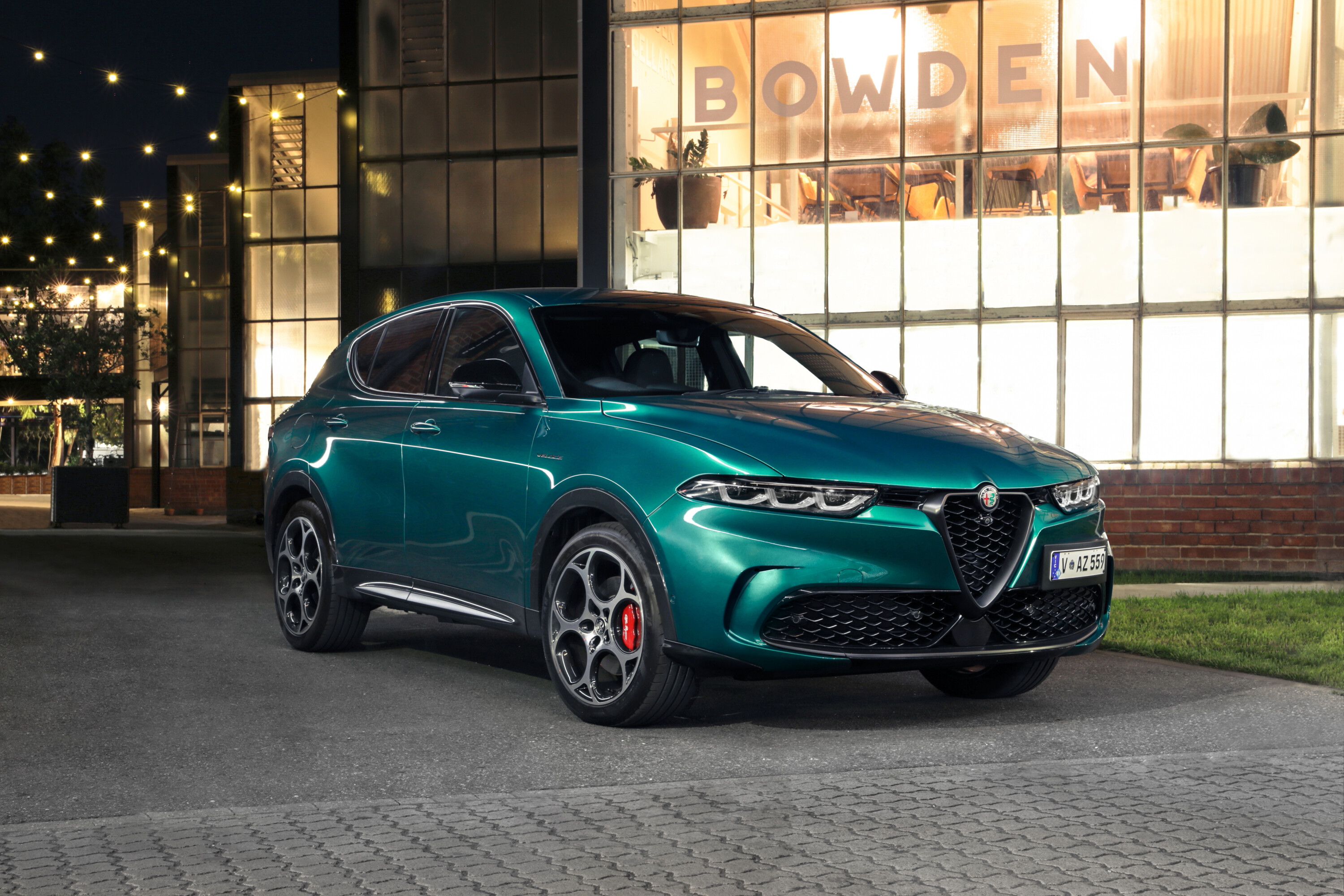
After several attempts at reviving Alfa Romeo’s global sales in recent years – namely via the new-generation Giulia sedan (2016) and the brand’s first SUV, the Stelvio (2017) – that monumental task has now been handed to Alfa’s new premium small SUV, the Tonale.
Intended to compete with the Audi Q3, BMW X1/X2, Mercedes-Benz GLA and Volvo XC40, the Tonale debuts in Australia with a single mild-hybrid turbo-petrol drivetrain in two front-wheel-drive variants – the Tonale Ti ($49,900 before on-road costs) and Tonale Veloce ($56,400 before on-road costs). Later in 2023, these will be joined by an all-wheel drive plug-in hybrid version.
1
Alfa Romeo is hoping that the Tonale Hybrid will be the panacea for its dismal Australian sales in recent years and is relying heavily on its ‘hybrid’ efficiency and detail design to attract the image-conscious buyers that populate the premium small SUV segment.
But does it also have enough brio to fulfil the expectations of the Alfa Romeo faithful, as well as anyone who might consider an Alfa Romeo product?
As revealed last October, two Tonale variants will be available from launch – the $49,900 Tonale Ti and $56,400 Tonale Veloce, each with a mild-hybrid turbo-petrol drivetrain, seven-speed dual-clutch transmission and front-wheel drive.
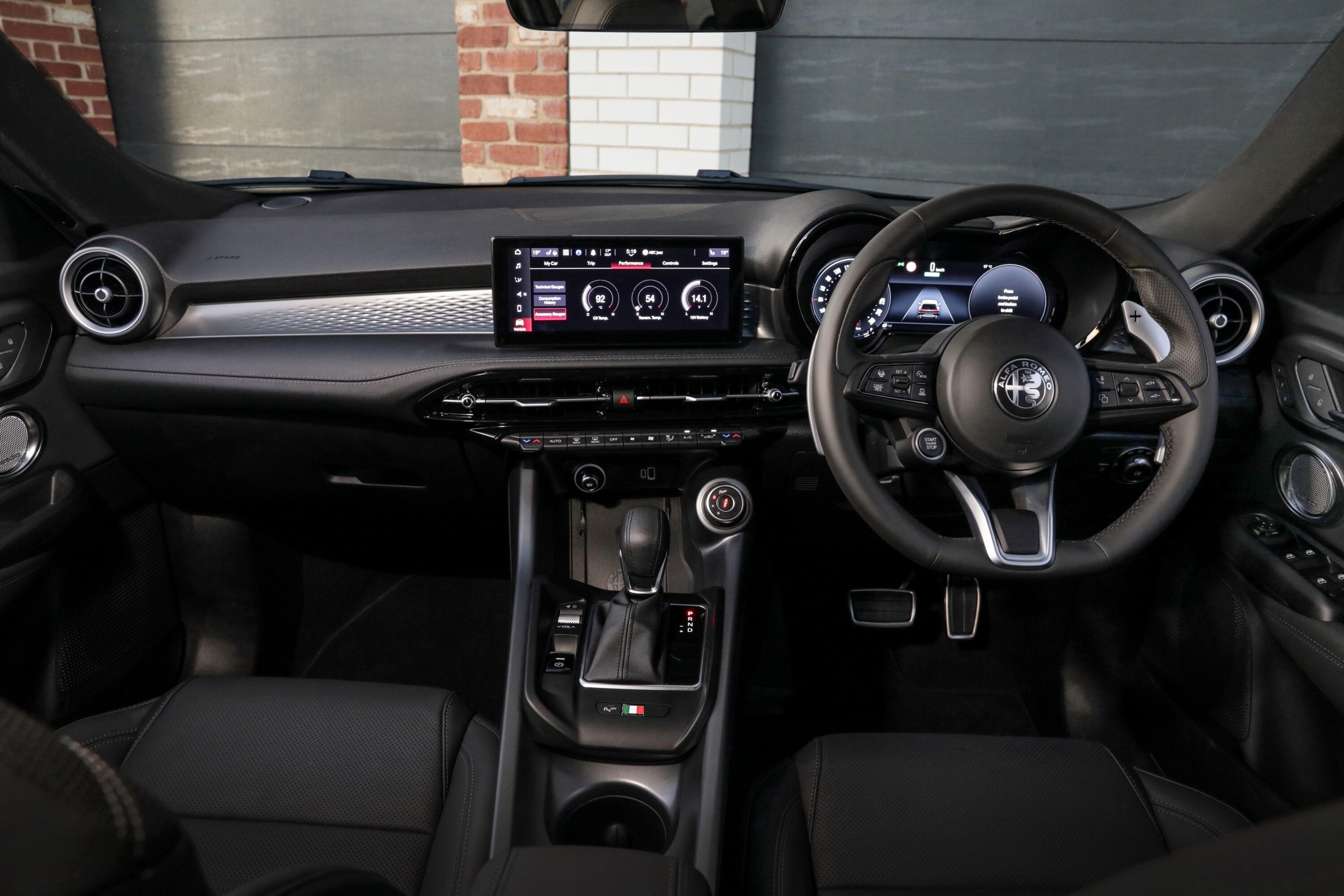
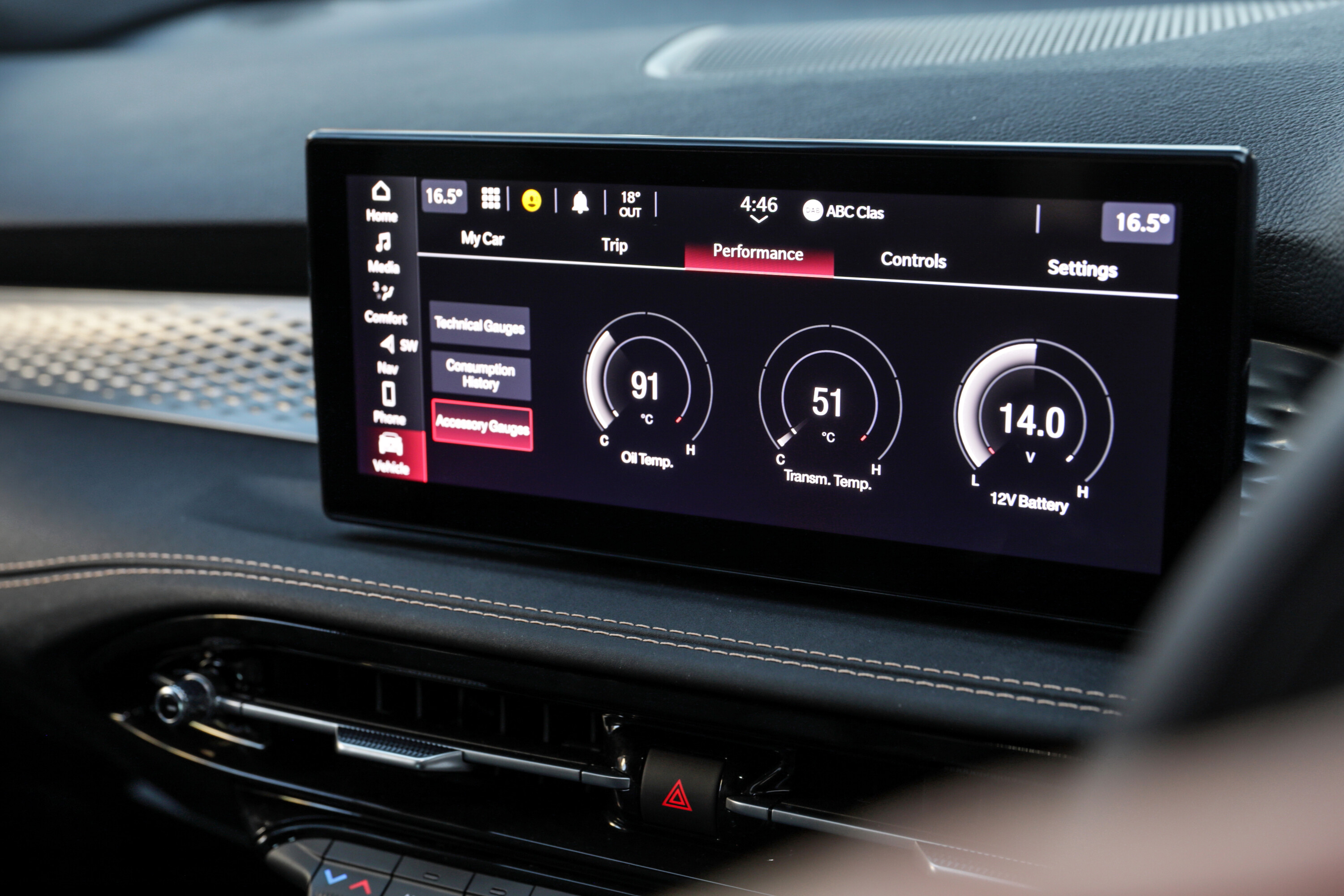
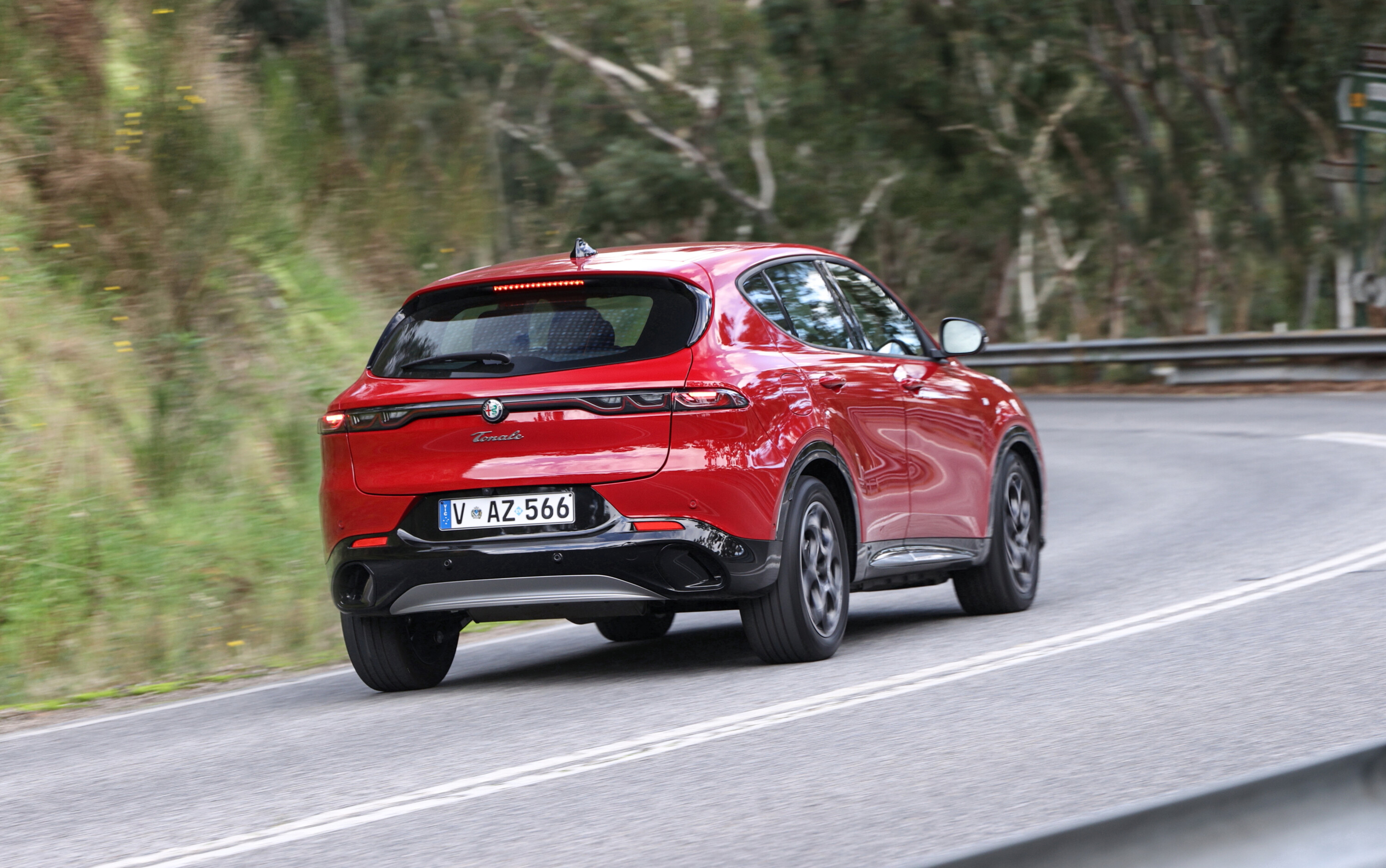
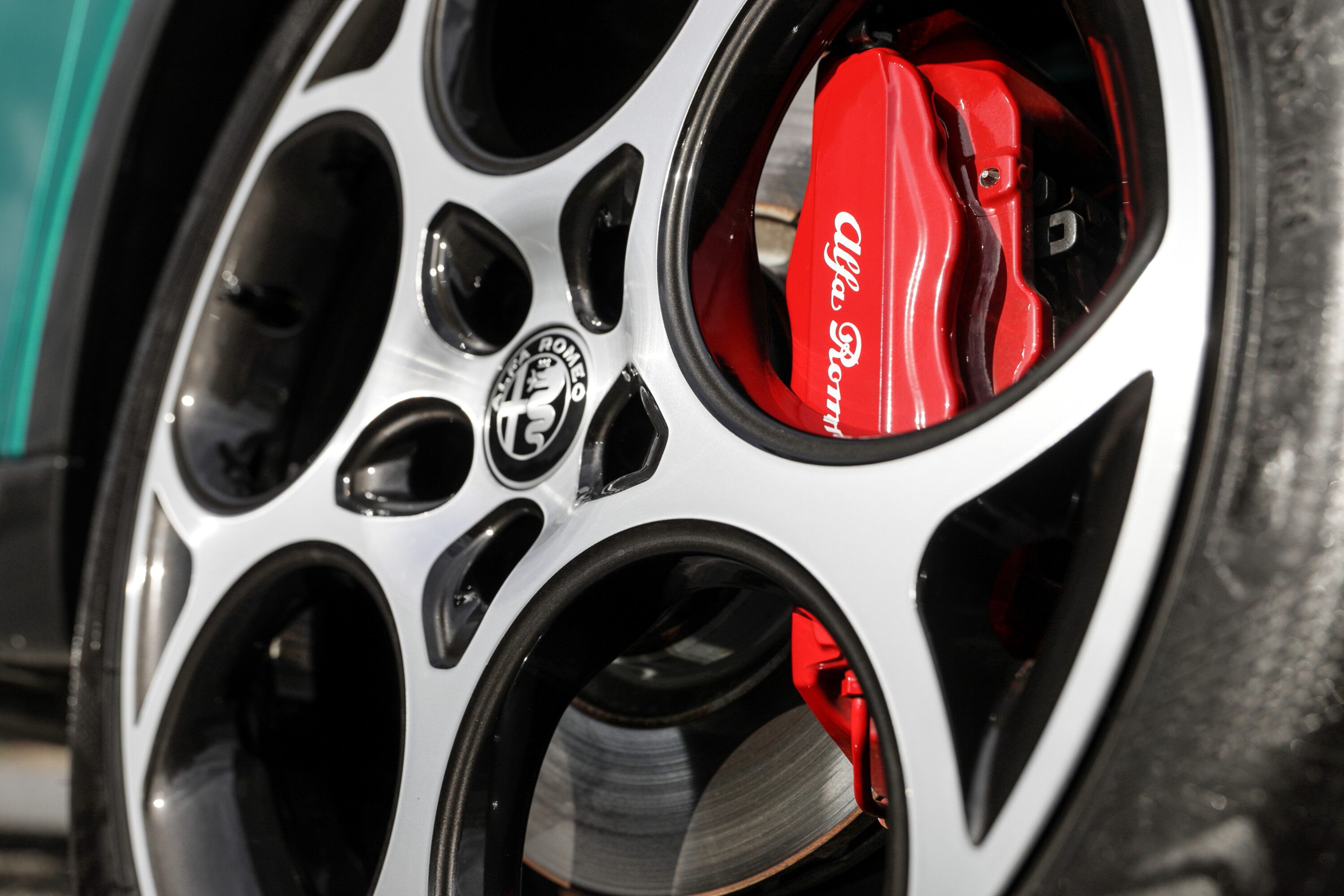
Notable equipment highlights include adaptive matrix LED headlights with sequential indicators, full-width LED tail-lights, ‘telephone-dial’ alloy wheels (18s on Ti, 19s on Veloce), a 10.25-inch infotainment screen with navigation, wireless Apple CarPlay/Android Auto, wireless phone charging, a 12.3-inch configurable TFT instrument cluster and ‘Alfa Connect’ services with Amazon Alexa compatibility.
1
To gain the full safety equipment suite, the Tonale Ti requires an optional $2500 Technology Pack…
The up-spec Veloce gains adaptive damping, red four-piston Brembo front brake calipers, rear privacy glass, perforated Alcantara/leatherette seating (instead of cloth/leatherette) with red stitching, aluminium shift paddles and sill plates, adaptive cruise control with traffic jam assist, lane-keep assist, blind-spot monitoring, rear cross-traffic alert, side parking sensors and a 360-degree camera with dynamic lines.
In order to gain the latter safety equipment, the Tonale Ti requires an optional $2500 Technology Pack, while both Tonale variants can be optioned with a $4500 Lusso pack that includes heated/ventilated front seats with eight-way electric adjustment and driver’s side position memory, heated steering wheel, heated windscreen washers, perforated leather upholstery with grey double stitching, and a 14-speaker Harman Kardon stereo (replacing the stock six-speaker set-up).
Other options include metallic paint ($1600), sunroof ($2500) and, exclusively on the Veloce, tri-coat paint ($2500) and 20-inch alloys ($1500).
Sharing its ‘Small Wide’ platform and 2636mm wheelbase with the current Jeep Compass, the Tonale neatly straddles the global small and medium SUV categories, to the benefit of passenger space.
And while some premium small rivals out-measure the Tonale from axle to axle – namely the Audi Q3 (2680mm), BMW X1 (2692mm), Volvo XC40 (2702mm) and Mercedes GLA (2729mm) – no rival can match the Tonale for overall length. At 4528mm long, it’s easily the biggest SUV in its class, and even manages to out-stretch the Volkswagen Tiguan!
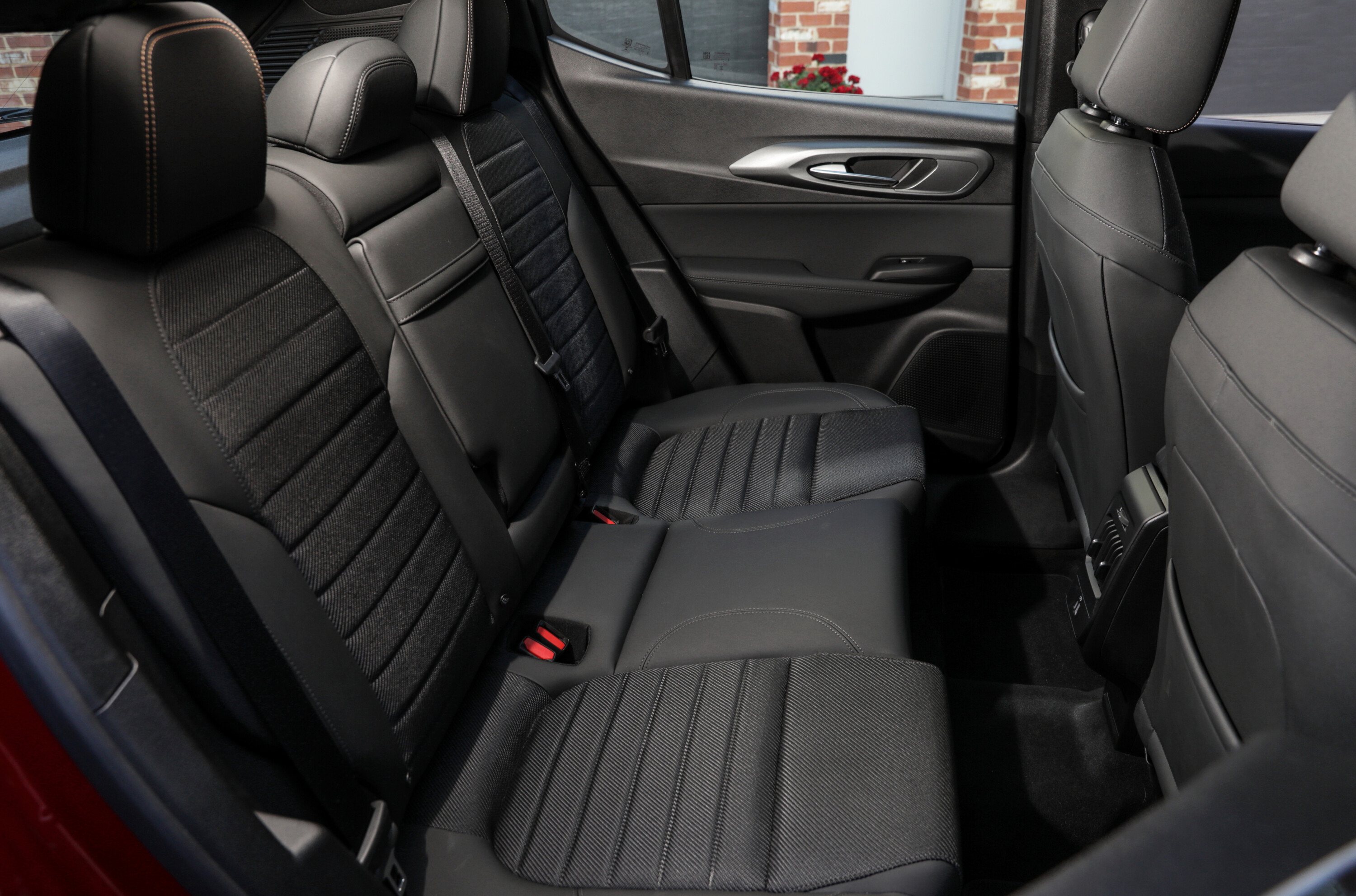
Inside, that results in generous overall space with decent rear legroom, toe space and headroom, backed by a supportive – if fairly upright and non-adjustable – rear bench that provides good under-thigh support in the outer two positions, combined with rear air vents and USB outlets (of both A and C varieties).
On the downside, there are no grab handles in the back and occupants must make do with lower-grade plastics than are found up front.
1
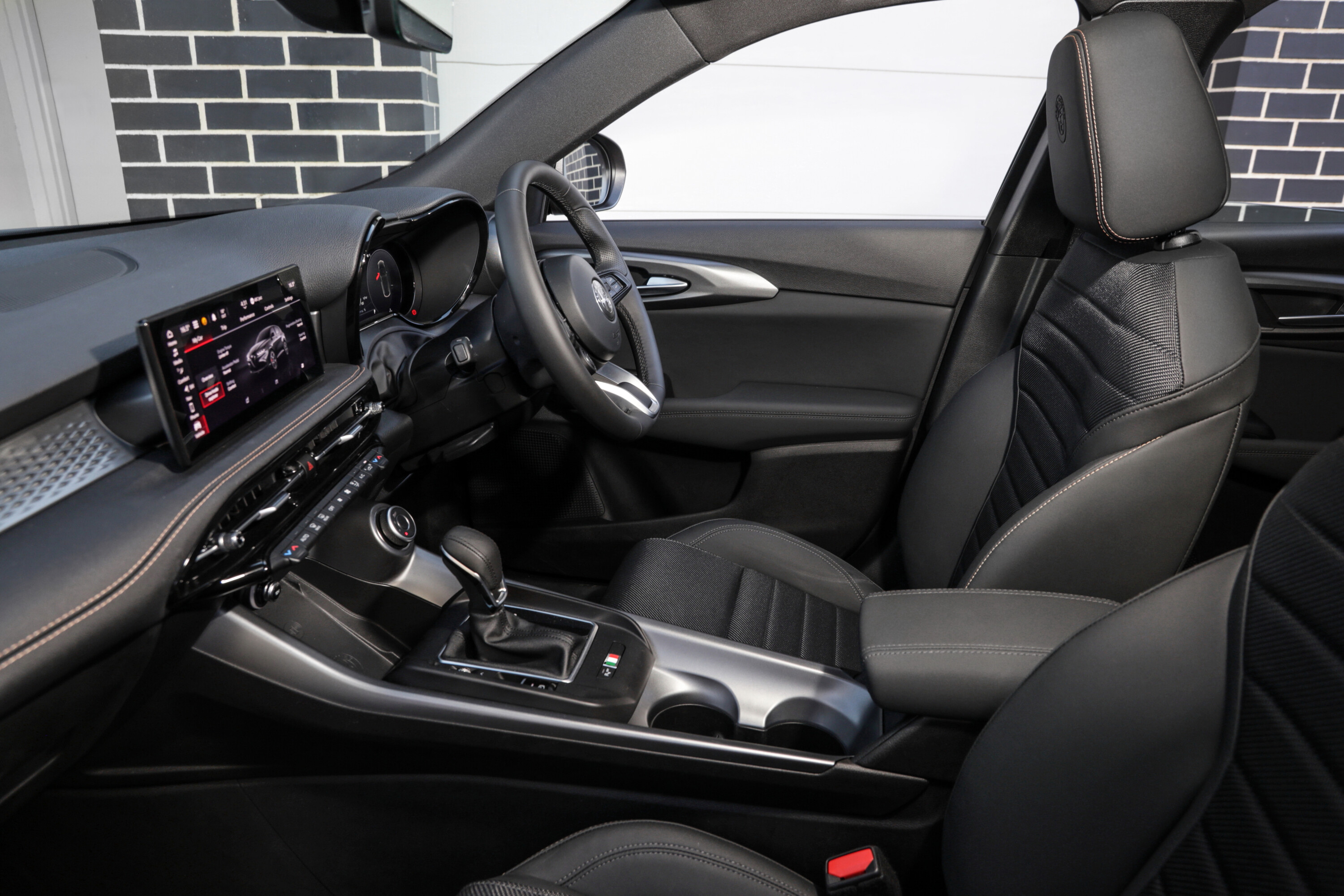
As standard, the Tonale’s front buckets offer crank-handle height adjustment and lever backrest adjustment, plus cloth (Ti) or Alcantara (Veloce) trim centres with leatherette bolsters.
Comfort is impressive and the driving position is suitably ergonomic, with Alfa’s brilliant three-spoke steering wheel and switchgear that’s easy to navigate.
Pity the lower plastics are all hard to touch and appear inexpensive – especially the centre-console edges that press into the driver’s shins.
As for the in-cabin tech that Alfa Romeo is so proud of, it’s all up to par. The 10.25-inch central infotainment touchscreen combines with wireless Apple CarPlay/Android Auto for seamless operation, and the 12.3-inch TFT instrument screen offers several classy view options – especially the ‘heritage’ setting with flat-faced digital dials that beautifully mimic the huge analogue gauges of Alfa’s late-’60s heyday.
1
The top-spec stereo – a crisp 14-speaker Harman Kardon set-up – is part of an optional Lusso pack that also brings charcoal perforated leather and eight-way electric adjustment for both front seats, which improves overall comfort though does make the interior look very dark.
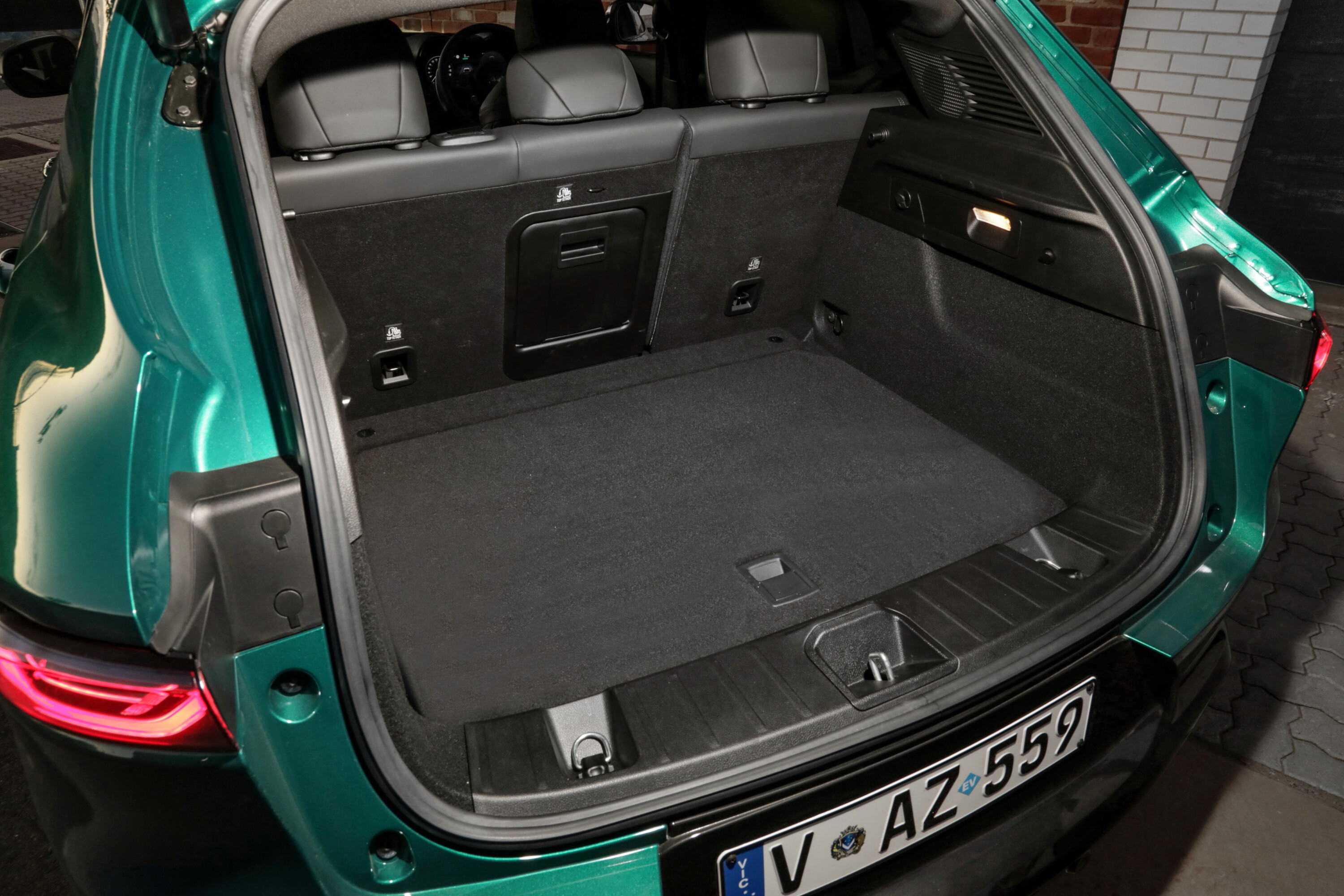
As for boot space, Alfa quotes 500 litres with the 60:40 rear backrest erect, though that doesn’t account for the 17-inch space-saver spare housed beneath the floor in Australian-spec Tonales. Either way, the boot is nicely trimmed and is accessed via a standard electric tailgate on both variants.
Even though the Tonale shares its core platform architecture with the Jeep Compass, Alfa claims its suspension and overall set-up is unique, meaning a strut front end, an independent strut rear end with three links per side, dynamic torque vectoring and two damping types – Koni frequency-selective dampers in the Ti and adaptive units in the Veloce.
Both set-ups work well, with the Tonale Ti on 235/50R18 Continental tyres offering a firm but well-damped ride, sound body control and an easygoing gait, though a fair amount of tyre rumble on coarse surfaces.
The 235/45R19 Goodyear-tyred Veloce adds a degree of sophistication to the above and can even be driven in Dynamic mode on Australian country roads without any impact on harshness.
1
Alfa claims the Tonale’s drivetrain operates much like a series-parallel hybrid
Uniquely, Veloce’s ‘DNA’ drive mode set-up also offers a Ferrari-style softer damper setting when in Dynamic – meaning you can enjoy the benefits of much-improved steering weighting and a more responsive drivetrain combined with the ‘Natural’ suspension tune – though even firmer weighting doesn’t imbue the steering with genuine feel. It turns in keenly, with 2.3 turns lock to lock, but always reminds you that it’s electric.
Speaking of which, the Tonale is the first Alfa Romeo to offer any kind of electrification, though calling it a ‘hybrid’ is perhaps stretching things a touch far. It’s essentially a 48-volt mild-hybrid system with a gear-driven 15kW/55Nm e-motor linked directly to the seven-speed dual-clutch transmission and a lithium-ion battery mounted in the centre of the car that can store 0.8kWh and deliver a peak output of 20kW.
Because of the e-motor’s direct connection, Alfa claims the Tonale’s drivetrain operates much like a series-parallel hybrid – providing silent start-up and take-off, and electric motoring at speeds up to 15km/h.
1
Beyond that, a new 1469cc turbo-petrol four-cylinder takes over, offering 118kW at 5750rpm and 240Nm from an impressively low 1500rpm, with an intriguing overlay of turbo whistle around 2000rpm from the variable-geometry turbocharger, though little else in the way of character.
It pulls strongly, performs briskly – Alfa claims 0-100km/h in 8.8 seconds on the way to a top speed of 212km/h – and effortlessly extends to around 6000rpm before upshifting. But it lacks any kind of induction fizz or flavour associated with Alfa petrol engines and feels like it would be better suited to another car.
1
It also can be frustratingly laggy when asked for everything in Natural drive mode – particularly when the throttle is stomped during rolling acceleration – and the combination of the Tonale’s idle-stop system with its dual-clutch transmission is nowhere near as slick and crisp as it should be after Alfa Romeo’s decade of experience with this kind of set-up.
Fuel consumption wise, the Tonale Hybrid’s official combined figure is 5.6L/100km, though we averaged 7.0L/100km driving a Ti briskly on flowing country roads, and 11.2L/100km in a Veloce asked for everything it had to offer when snaking through the Adelaide Hills.
So does the nicely detailed Tonale deliver on the sporting promise of its individual design cues and Alfa Romeo heritage? Not quite.
From a driver’s perspective, its capable chassis, quick steering, well-resolved ride and strong brakes mostly fulfil the brief – aside from a lack of true steering feel. And from a packaging perspective, its generous space, comfortable seating and impressive in-cabin tech make it a solid option for anyone considering a Tonale as a general-duties premium small SUV.
1
But its drivetrain seems at odds with the Italian passion it’s trying so hard to evoke.
And even with additional calibration to eradicate its handful of driveability flaws, you’re still left with a competent, efficient engine that might serve a Jeep Compass well, but seems rather uninspiring in the otherwise promising Tonale.
It’s nothing a 2.0-litre turbo-petrol couldn’t fix … but then the Tonale Hybrid wouldn’t be able to hang its hat on being the only hybrid-esque premium small SUV on the market. And therein lies the conundrum.
Australian Motoring Services’ affiliates will soon impose charges on NRMA electric vehicle chargers, while Chargefox starts trialling overstay fees.
Snapshot
NRMA to cease free EV charging after five years
Chargefox to initiate trials of charging overstay penalties
WA Electric Vehicle Highway expanding to 49 locations
NRMA will conclude its five-year project of providing free-of-charge fast EV charging stations across its network, which connects metro and regional New South Wales and the borders.
NRMA Energy and Infrastructure Chief, Carly Irving-Dolan, confirmed to The Driven [↗] that they expect to launch a trial for payments around October or November this year, through a new NRMA smartphone application.
Exact fees have yet to be announced, but Irving-Dolan said they would be “very competitive” and hinted at discounts for club members and fleet operators.
For reference, Chargefox and Evie Networks’ standard rate for 50kW DC fast chargers currently stands at $0.45 per kWh, with the Chargefox-powered Queensland Electric Super Highway (QESH) network costing just $0.30 per kWh.
Irving-Dolan also stated that earlier, first-generation Brisbane-made Tritium stations are gradually being replaced with newer models to improve reliability, as the network expands nationally using a mix of Kempower and ABB-made models.
“‘Free charging’ was part of preparing and aiding people with the transition. Also, we didn’t want to charge for things that weren’t reliable,” Irving-Dolan told The Driven [↗].
“And we’re now reaching that point where reliability is really increasing.”
1
Chargefox Trials Overstay Fees
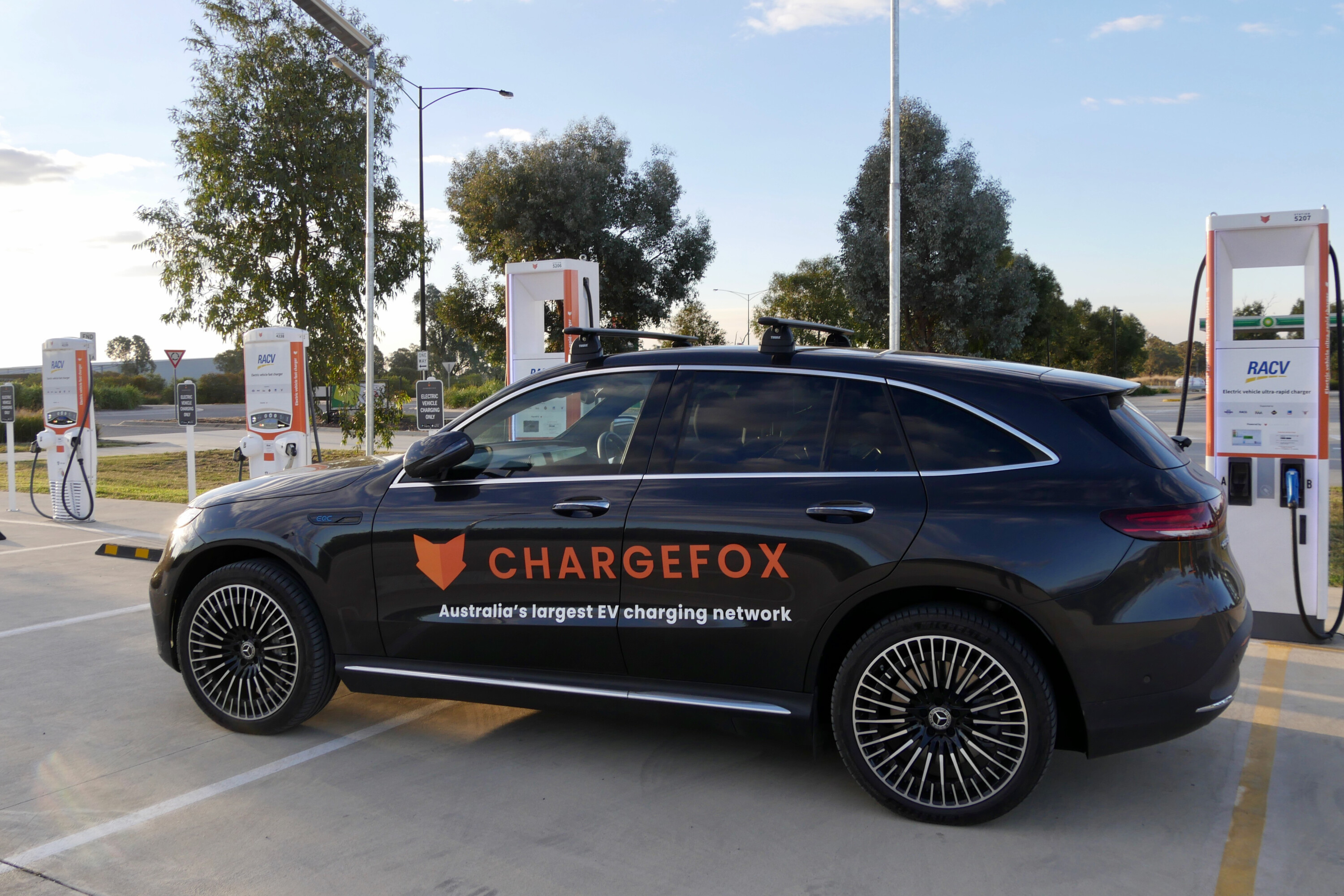
Australia’s largest public EV charging network, Chargefox, will soon begin penalising EV owners by the minute if they overstay at a station and remain plugged in after the car has completed charging.
The trial will start next month at select locations in Western Australia – aiming to prevent charging queues and foster public EV charging etiquette.
Chargefox will provide a grace period to allow drivers to return to their vehicle “within a reasonable time period”.
1
While the exact idle fees haven’t been detailed yet, the company asserts that any collected funds will be reinvested in expanding its charging infrastructure.
This approach is similar to Tesla Superchargers, which charge owners for keeping their electric cars plugged in and not charging – depending on station demand.
After a five-minute grace period, Tesla’s idle fee is $0.50 per minute when the site is 50 per cent occupied, but it doubles to $1.00 per minute when the charging hub is at 100 per cent capacity.
1
WA Electric Vehicle Highway Expansion
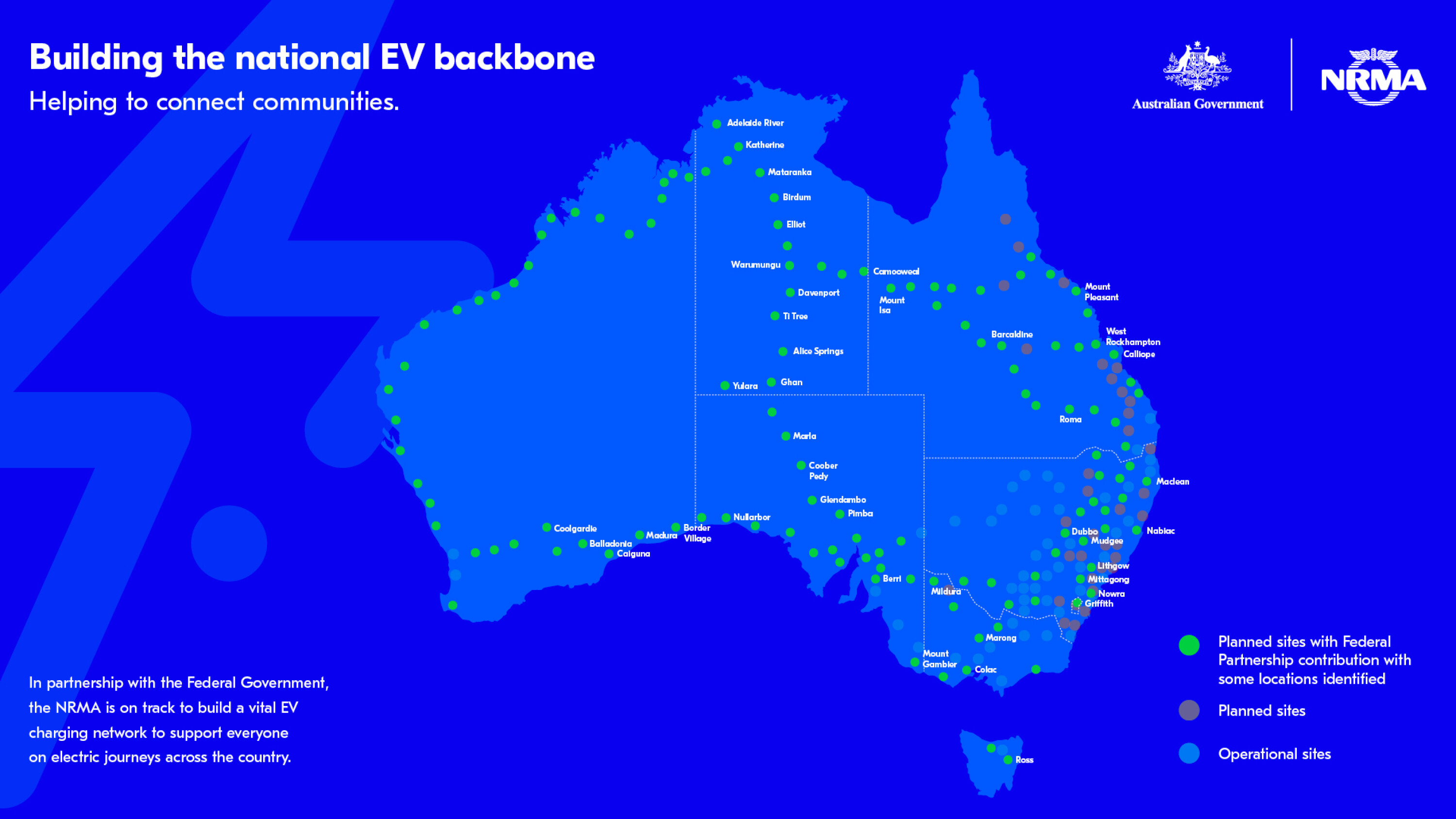
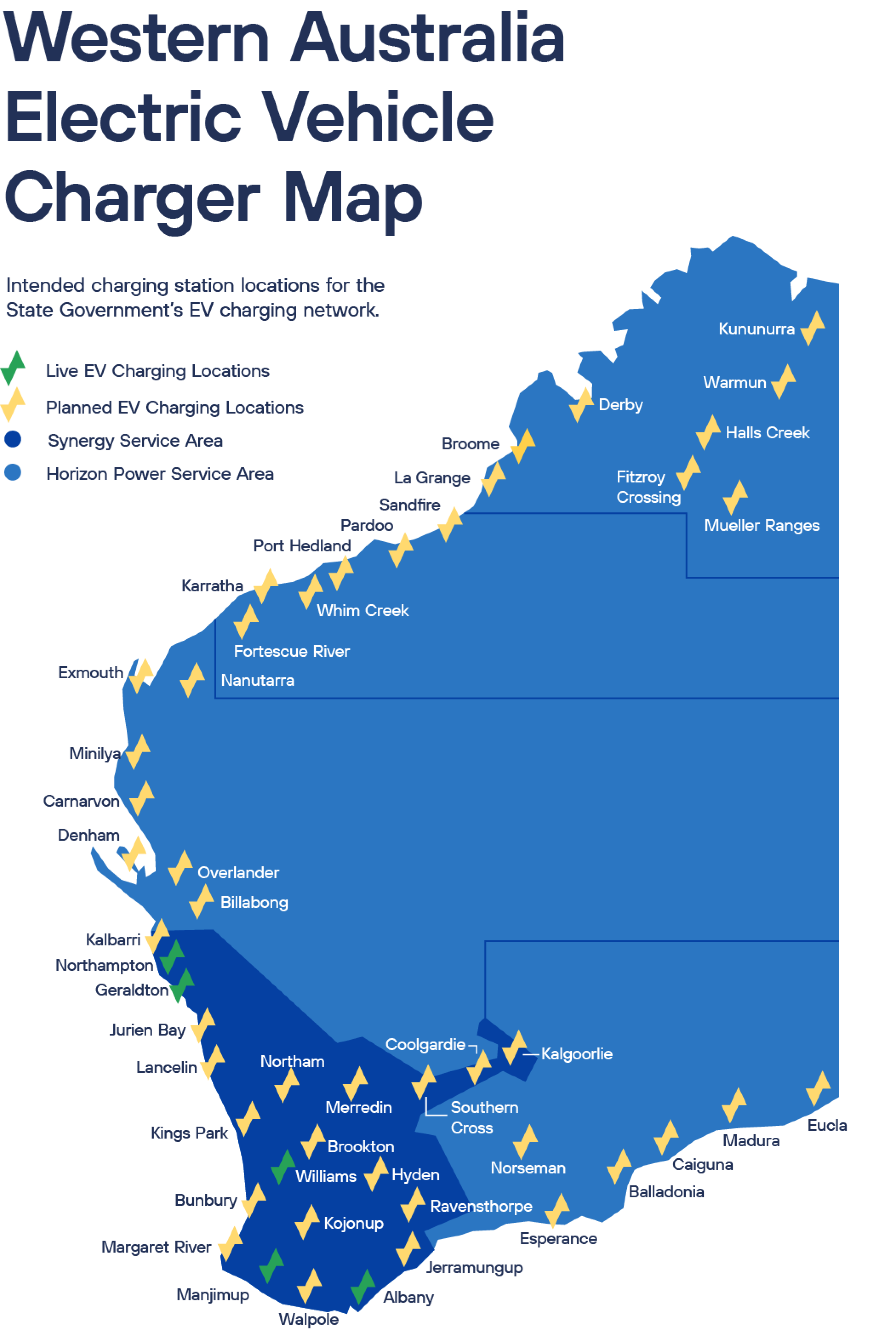
Chargefox also announced an additional 98 fast EV chargers planned for 49 locations to establish the Western Australia Electric Vehicle Highway – extending from Eucla, to Exmouth and Kununurra.
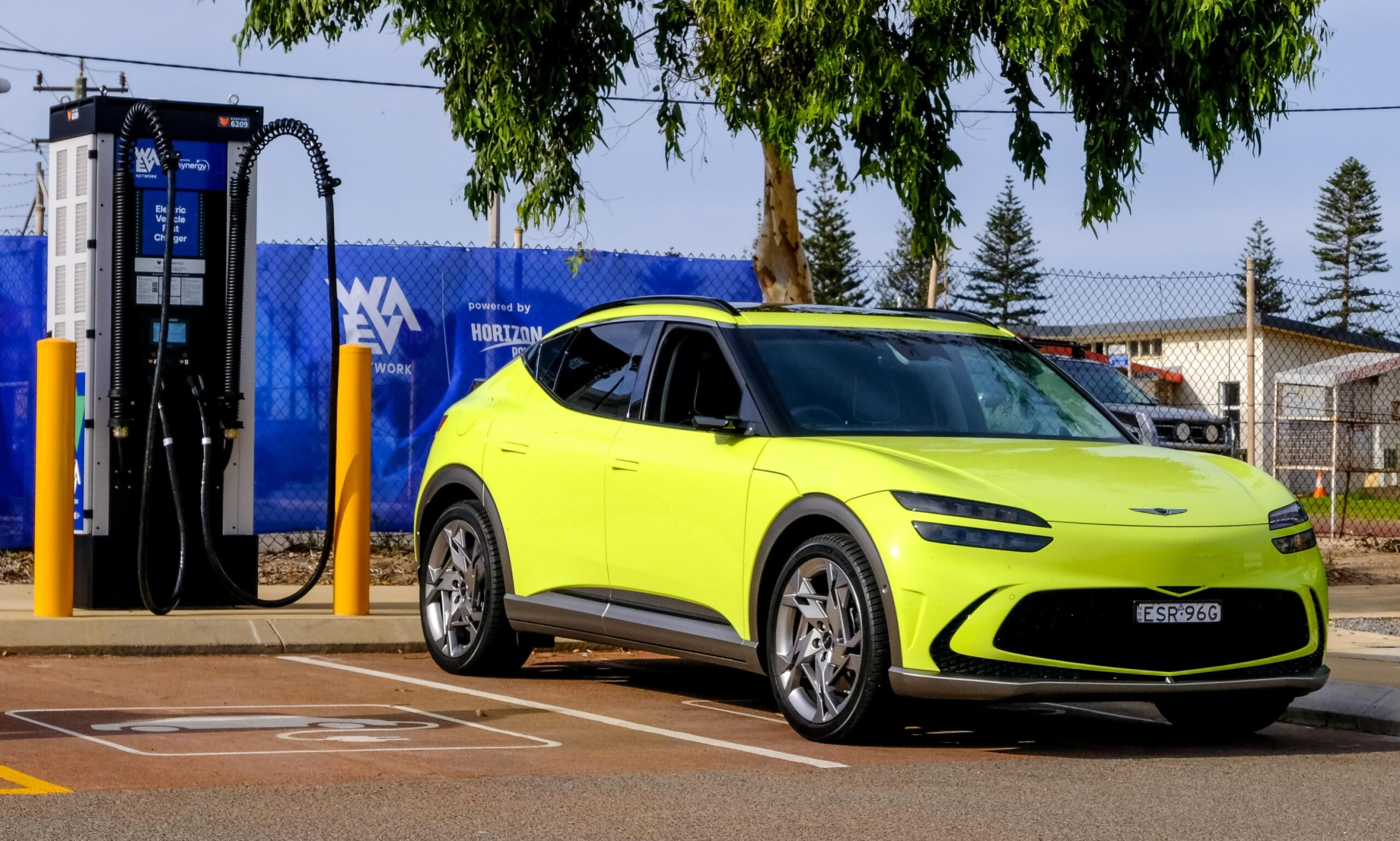
This project is a collaboration between Synergy, Horizon Power, and the state government, with sites including Geraldton, Northampton, Williams, Manjimup, and Albany already live using 150kW DC capable charging stations from Nordic manufacturer Kempower.
This initiative will enhance the federal government’s project to fill EV charging blackspots in collaboration with the NRMA.”
Peugeot Australia confirms pricing and features for its plug-in hybrid crossover, though its arrival has been delayed
STORY CONTINUES: New 408 driven
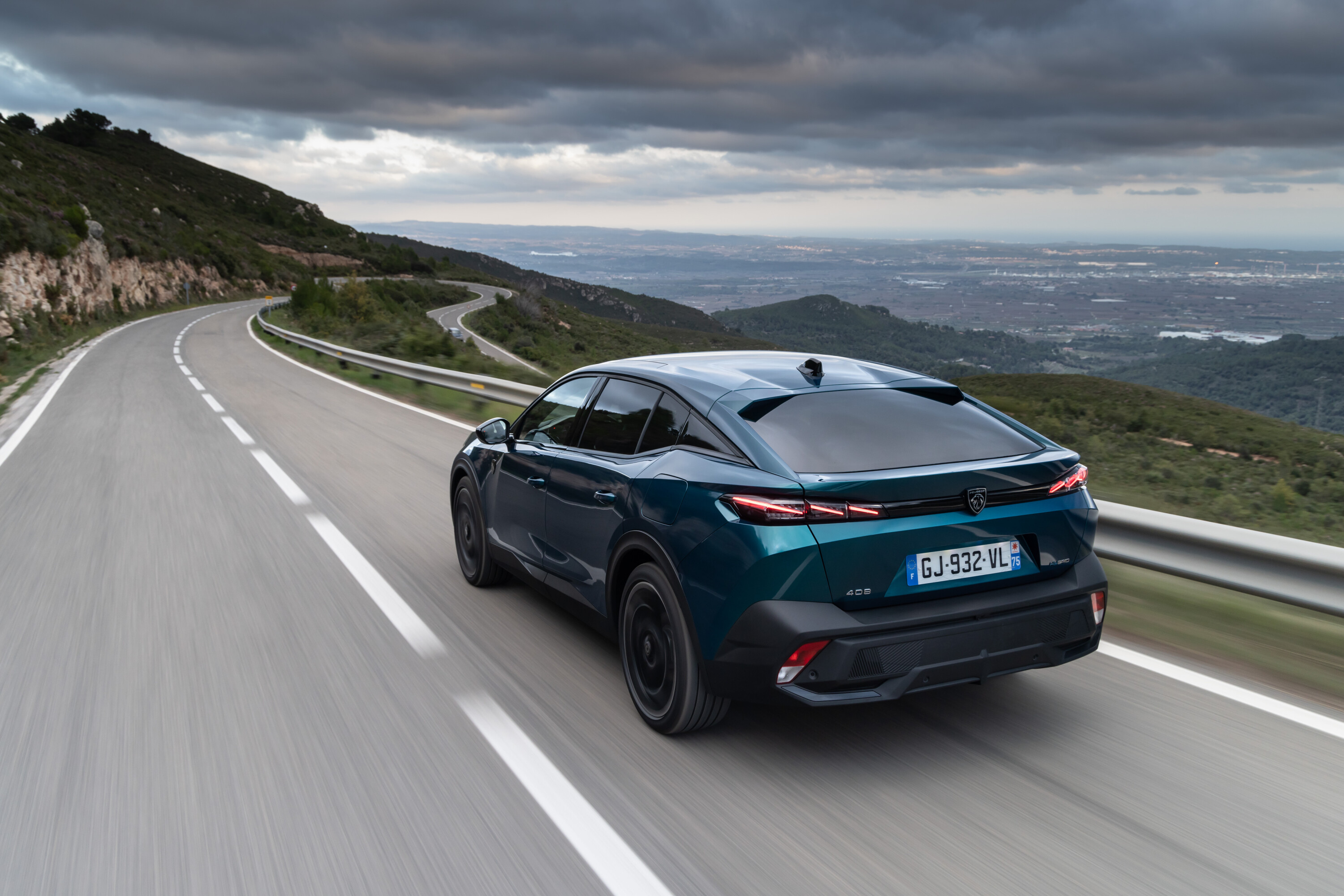
Peugeot’s renaissance continues with a crossover unlike any other.
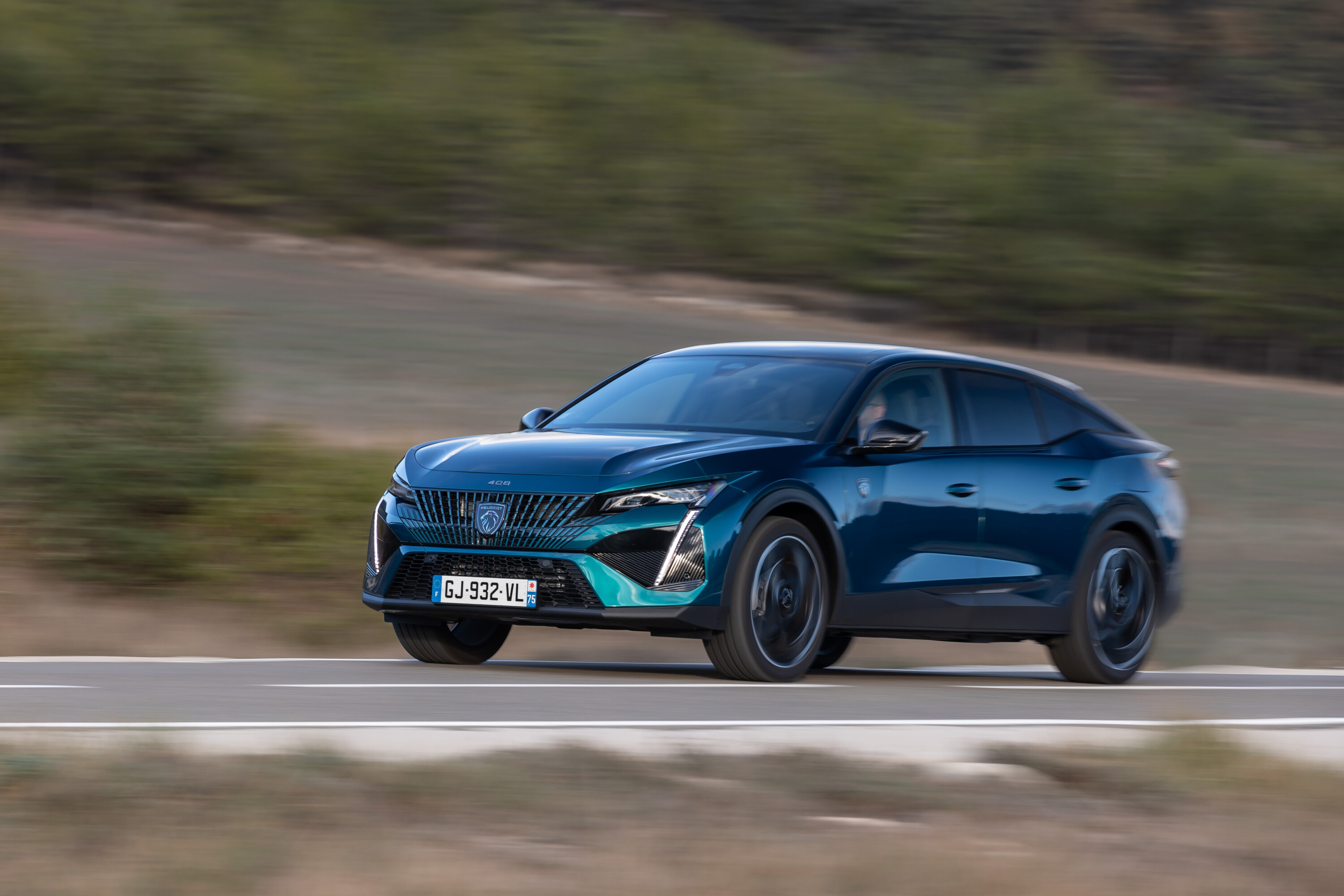
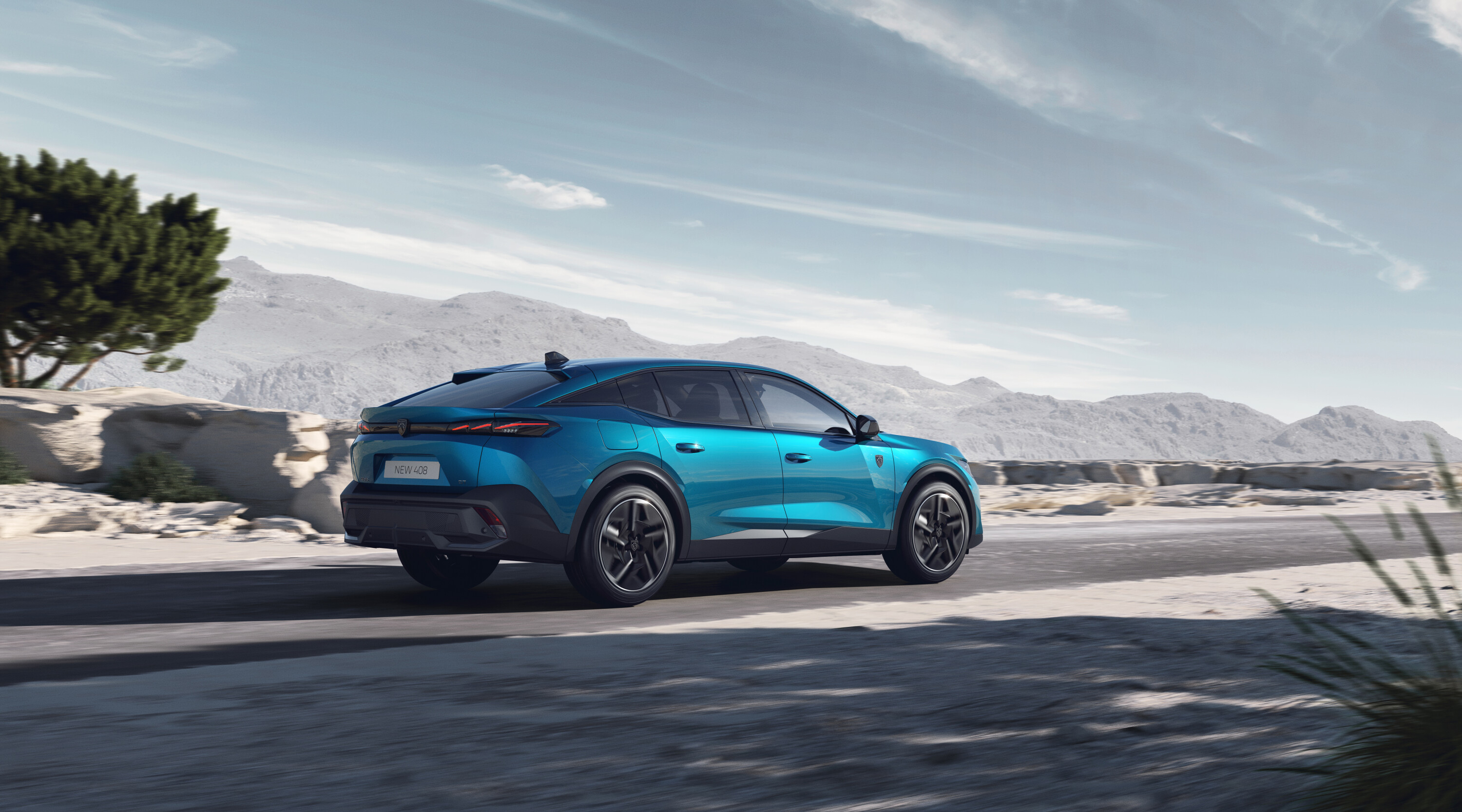
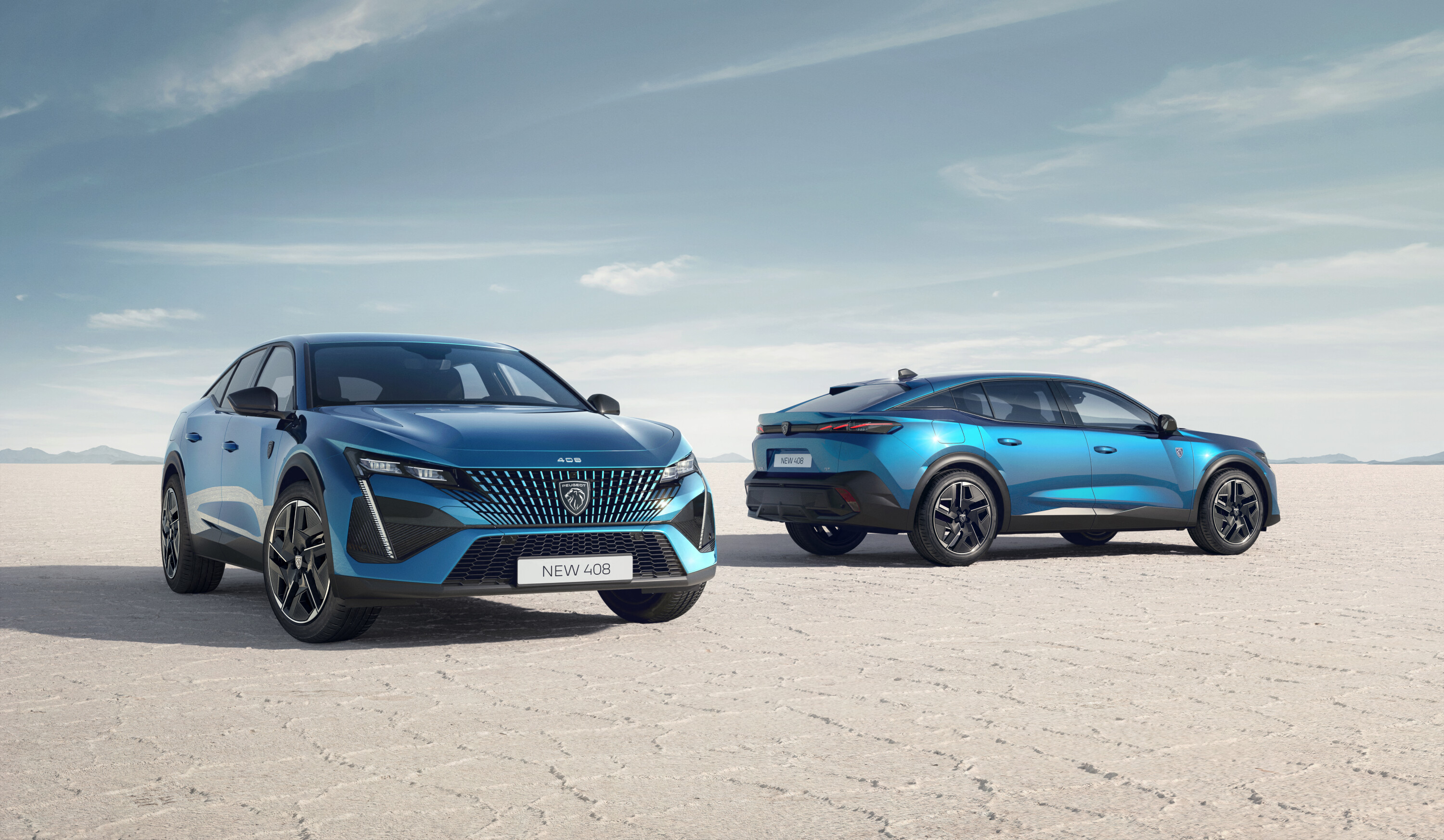
Its maker calls it a ‘dynamic fastback’ – we call it a curious mash-up between the world of sedans and SUVs. A car that’s in danger of alienating both markets but which, with a pinch of bravery from its buyers, might unexpectedly unite them.
It serves the chunky, rugged look most family buyers are going gaga for while actually sitting around 150mm lower – little higher than a 308 hatch or wagon, in fact – while offering a traditional hatchback boot of generous proportions.
1
We’re delighted it exists, that Peugeot has such design swagger and is feeling so emboldened right now. You can at least partially thank its parent company Stellantis and its vast platform- and powertrain-sharing philosophy.
The lower cost of making a diverse bunch of cars from a similar toolkit is allowing oddballs like the 408 and its Citroen C5 X relative to thrive. And we couldn’t be happier.
2
When is the Peugeot 408 due in Australia?
While the Peugeot 308 offers a mixture of petrol and hybrid power, only its range-topping plug-in option will migrate to the 408’s price list when it lands on Aussie shores at the end of 2023.
Which is no shame, really, as sampling petrol and hybrid 408s in Europe reveals the 165kW petrol-electric option in question to be the prime choice. It combines a 1.6-litre turbo-petrol with an 81kW electric motor and 12.4kWh battery pack for 0-100km/h in 7.8 seconds and 64km of electric-only range.
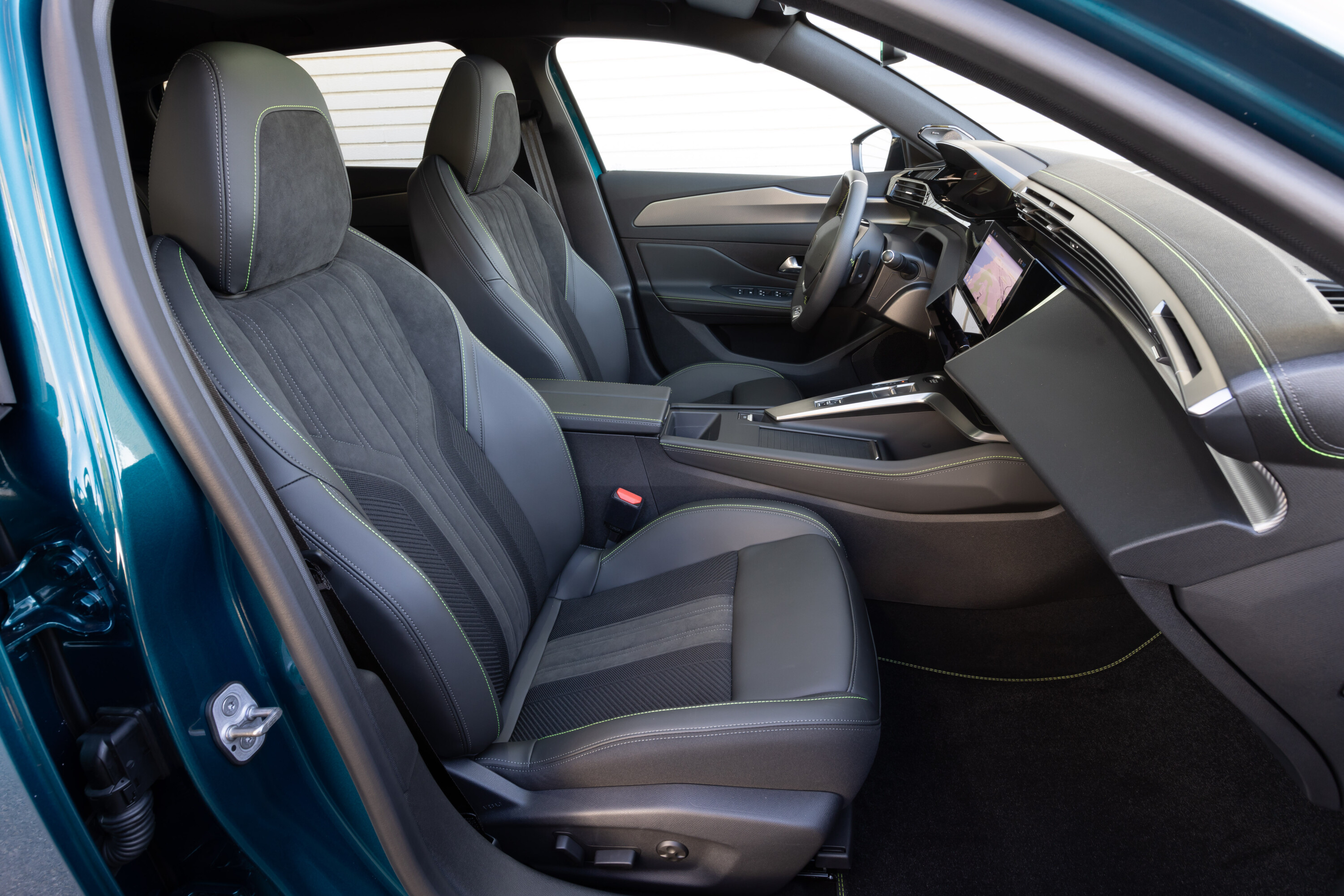
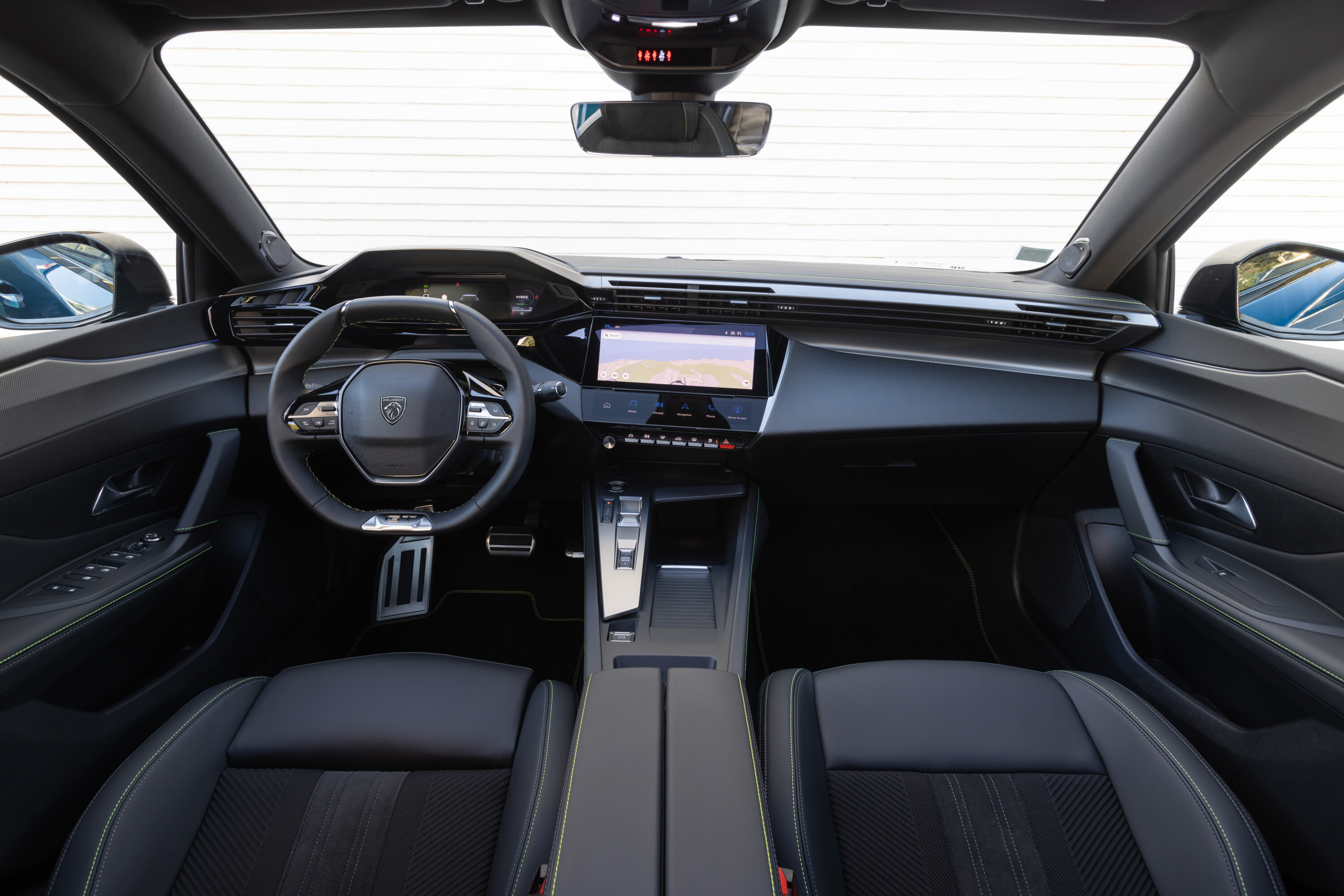
A price tag is yet to be confirmed, but it’s safe to expect a bit of a premium for going so bold. An estimate based on its 308 sibling suggests it’ll start north of $70,000, although Peugeot goes hard on standard equipment these days and the 408’s interior will drop your jaw with its design while feeling immaculately put together.
This is a premium player and a far cry from outdated French car cliches.
1
What’s it like to drive?
Weighing a chunky 1706kg, the 408 hybrid was never going to feel truly light on its feet. And yet it’s sharper than just about every crossover it’s looking to nick customers from.
Though not an outright entertainer, it works its axles evenly in quick cornering and feels far better balanced than a car sending 360Nm purely through its front wheels ought to. Allied to the small wheel and darty steering we’ve become accustomed to in modern Peugeots, it’s refreshingly keen to drive for its sector.
And on a long, settled cruise the 408 is a remarkably plush and cossetting car, the engine dipping in and out of business with little fuss, the speed readout of its natty holographic dials turning blue when the engine is resting. You could cover long distances in this with nary a concern beyond its small fuel tank (a typical PHEV quirk).
1
While it rides more firmly than its C5 X cousin, it still offers plenty of comfort, and anyone under 180cm in height should feel perfectly ensconced in the back.
The powertrain works well with smooth inputs, though asking for a sudden surge of acceleration can get it a little flustered. The plucky 1.6-litre engine is always game, bringing its verve and appetite for revs from the dinkier hot hatches it’s shared with.
Getting engine, electric motor and eight-speed automatic transmission to all work seamlessly together during more committed driving isn’t always a simple task, however.
Even some of Porsche’s plug-in hybrids haven’t evaded such qualms; very few PHEVs feel anything other than a stepping stone to fully electric motoring – something the 408 range is likely to offer in the not-too-distant future.
1
Is it worth waiting for the Peugeot 408?
Has your family reached a stalemate arguing the merits of a traditional hatch or sedan versus a ubiquitous SUV? Well, Peugeot might have just carved out a curious middle ground.
By mashing up several genres and power sources, the 408 can’t help but end up imperfect. However, therein lies its appeal as a much-needed oddball in an often samey corner of the car market.
There’s even a bright and varied colour palette to really underline the point this car hopes to make. That its driving experience can back up its styling says all you need to know.
No, the 408 won’t be for everyone, but those who get the idea are likely to really get the car.