
Always a controversial topic. It’s linked above, but if you need a refresher on how we define eligibility and our testing criteria, the What’s new for 2023? story is where you need to be.
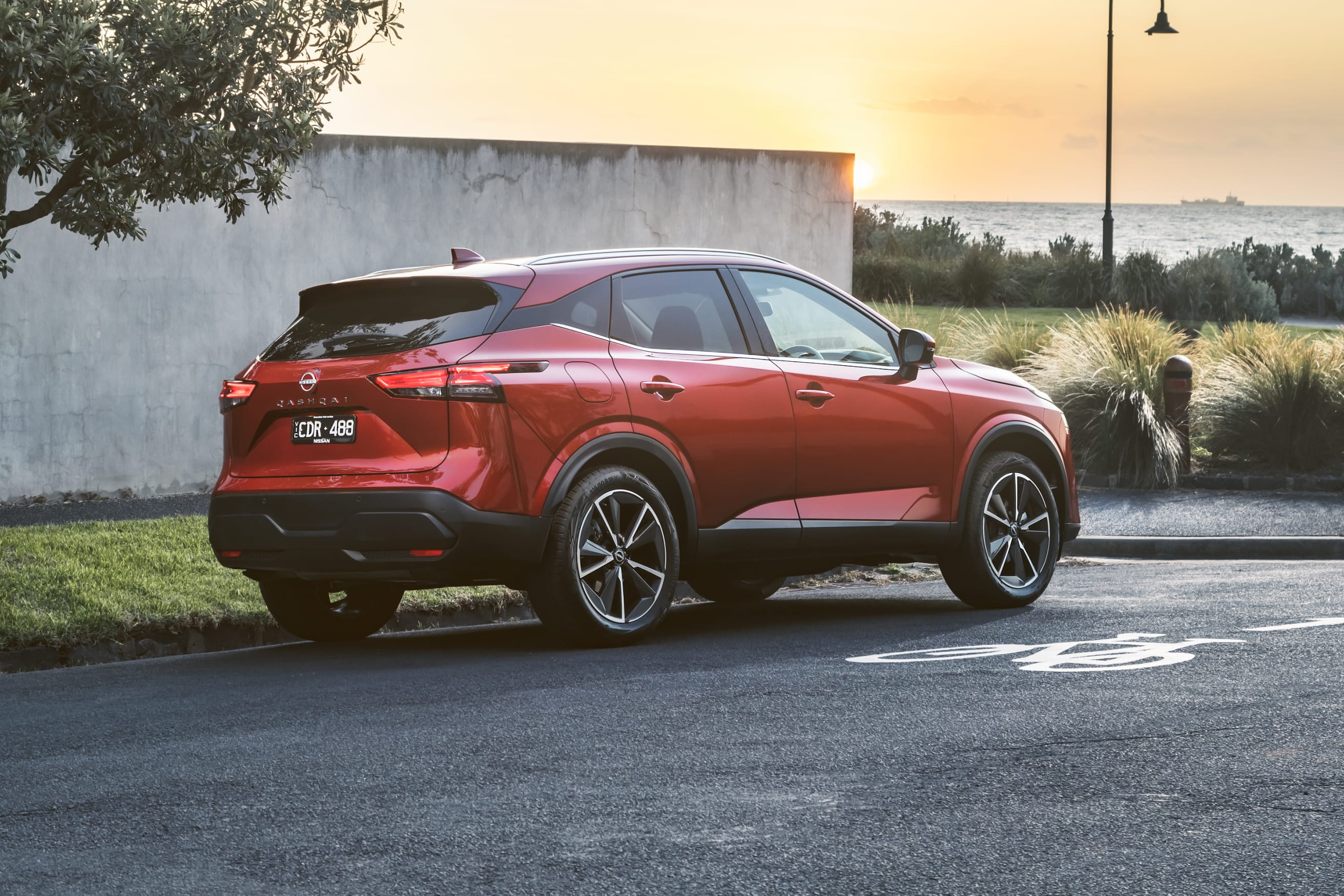
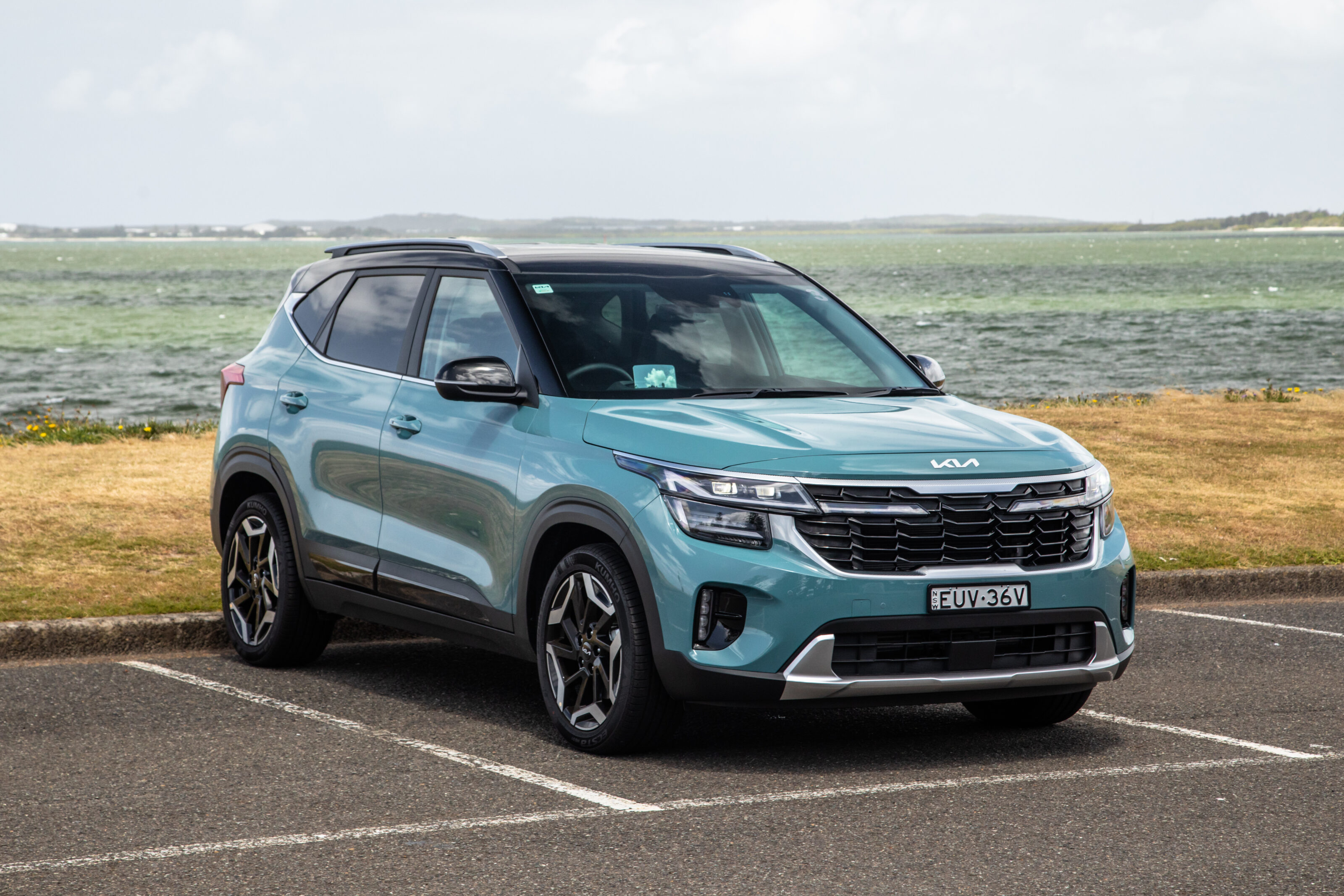
The 2023 Nissan Qashqai finally arrived in Australia in late 2022 following much anticipation – and 15 years after the first-generation model, badged Dualis, landed here. It forms part of the Japanese car-maker’s refreshed line-up that brings popular nameplates into the modern era.
Complete with more tech, a new turbo-petrol engine, bigger proportions and sleeker looks, the third-generation Qashqai is targeting a healthy slice of Australia’s hotly-contested small SUV segment.
Pricing, however, is up by between $3300 and $8300 depending on the variant.
The ST-L variant we’re testing here, which sits exactly in the middle of the five-grade range, costs $7590 more than the model it replaces.
1
JUMP AHEAD
- How much is it, and what do you get?
- How do rivals compare on value?
- Interior comfort, space and storage
- What is it like to drive?
- How is it on fuel?
- How safe is it?
- Warranty and running costs
- VERDICT
- Specifications
How much is it, and what do you get?
| 2023 Nissan Qashqai ST-L features | |
|---|---|
| 19-inch alloy wheels | LED headlights with adaptive beam |
| 7.0-inch digital cluster | 12.3-inch touchscreen |
| Dual-zone climate control | Wireless Apple CarPlay |
| Heated front seats | Wireless phone charger |
| Front and rear parking sensors | Privacy glass for second row and rear |
1
The new Qashqai line-up comes in four grades, with hybrid e-Power variants expected to follow later this year.
It starts with the ST costing from $33,890, followed by the ST+ for $37,890, the ST-L (as we had on test here) for $42,190, and finishes up with the top-grade Ti for $47,390. All prices are before on-road costs.
The Qashqai is available in five colours: Magnetic Blue, Fuji Sunset Red, Ceramic Grey, Ivory Pearl and Super Black. The only option is a contrasting roof colour for an extra $500.
1
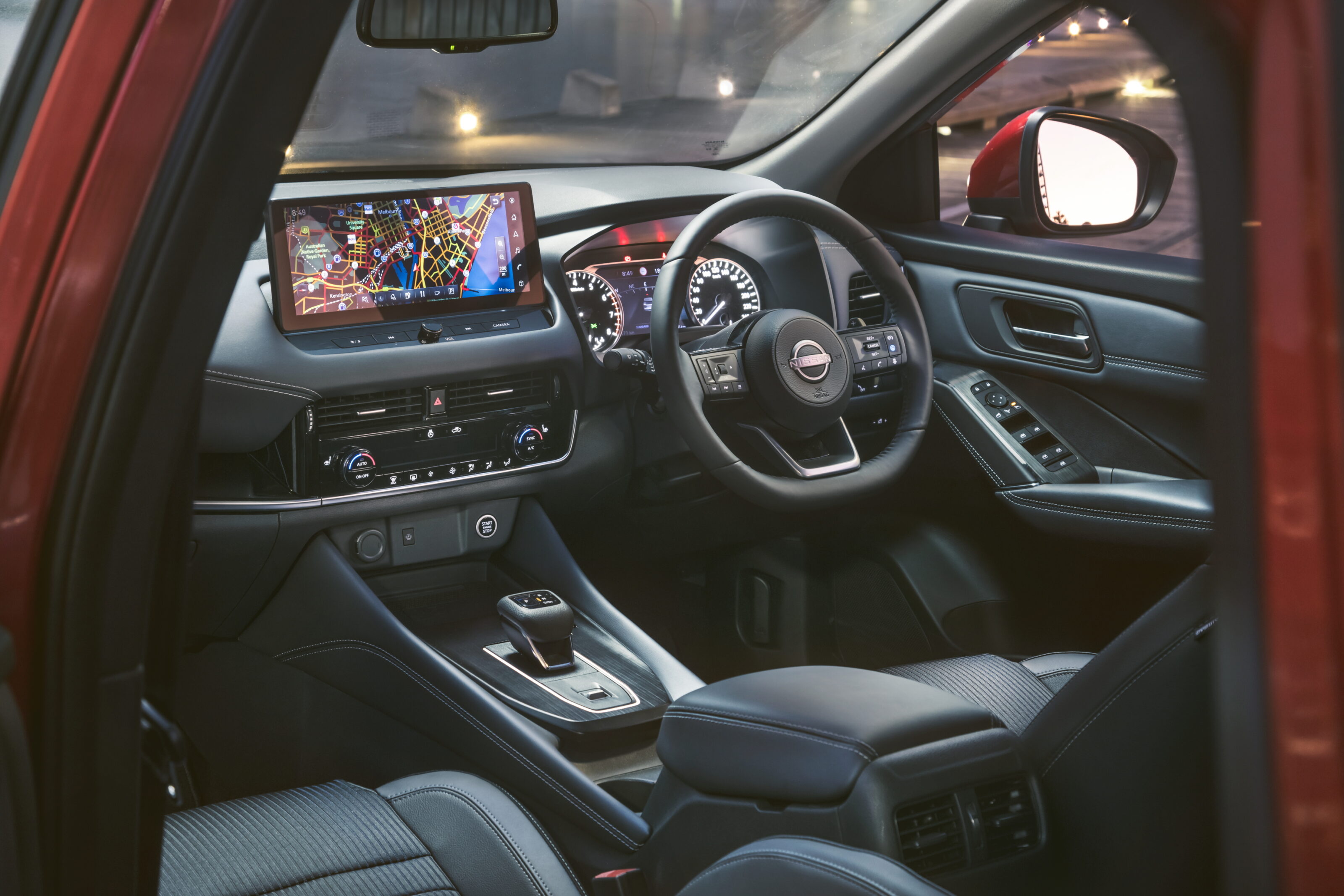
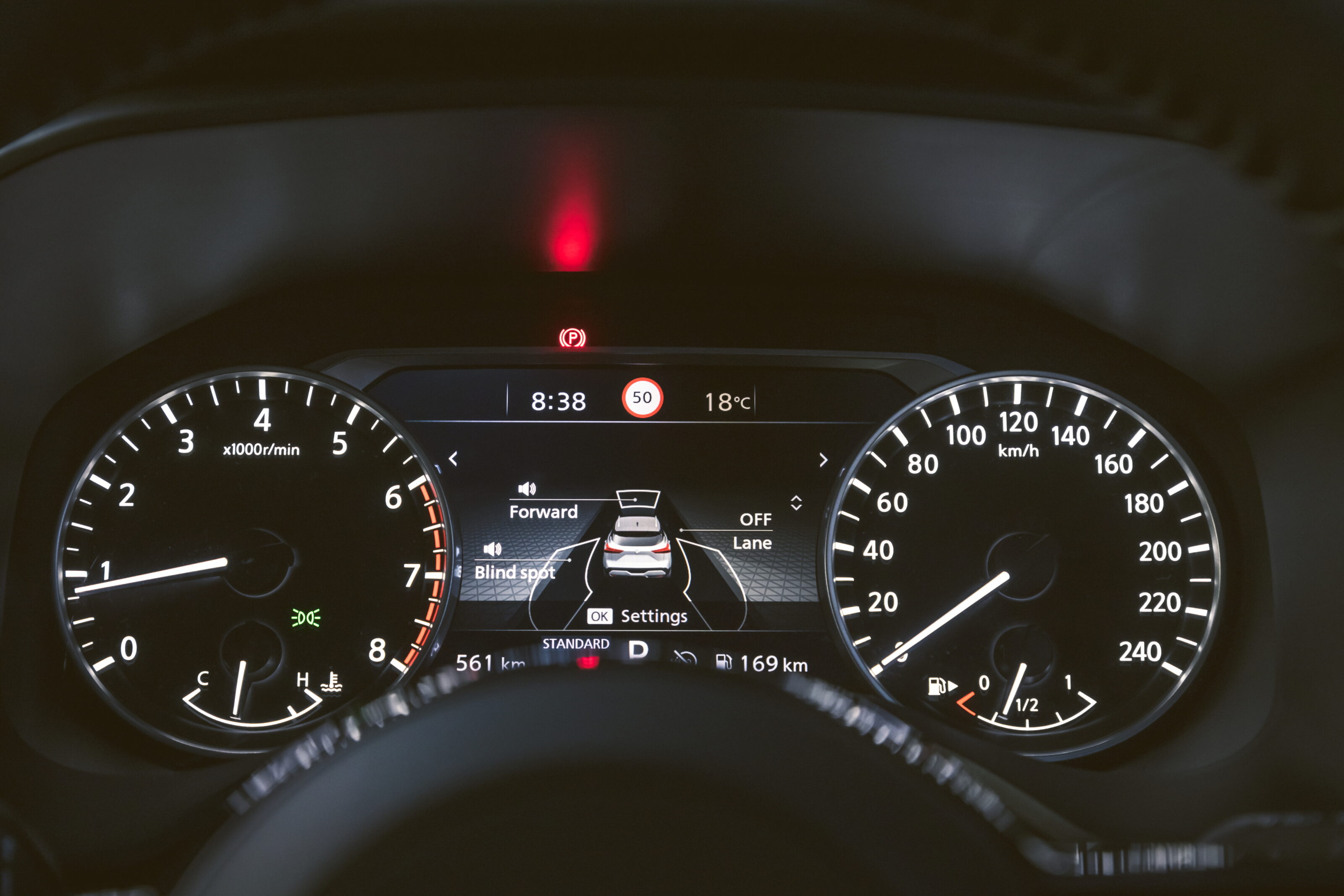
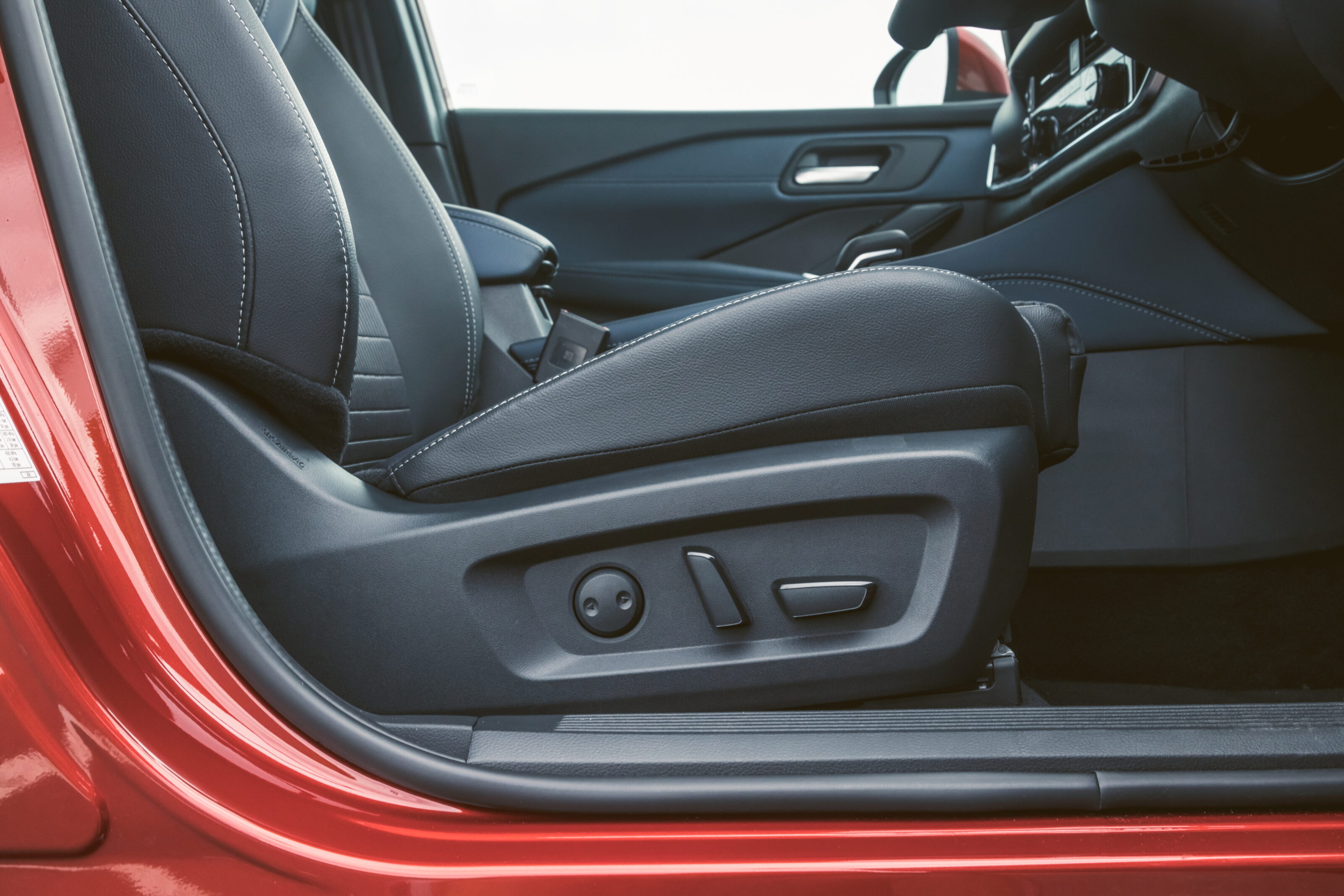
As standard, the ST-L grade gets a 12.3-inch infotainment screen (compared to the ST’s 8.0-inch unit) 19-inch alloy wheels (up from the 17s on the ST and 18s on the ST+), LED headlights with adaptive driving beam, a wireless phone charger, dual-zone climate control, a heated leather-accented steering wheel and heated front seats, privacy glass, front parking sensors and an eight-way electrically adjustable driver’s seat.
It loses out on a few luxuries found in the top-spec Ti, such as a panoramic sunroof, front massage seats, a 10-speaker Bose audio system and ambient door lighting. Nothing you’d miss too much then.
Only features such as the hands-free powered tailgate and head-up display would make daily driving in the Ti a bit easier than the ST-L.
1
How do rivals compare on value?
Compared to some of its competitors, the new Qashqai’s mid-spec ST-L variant gets a lot of tech – including heated seats and steering wheel – but it comes at a higher price.
The Toyota Corolla Cross GXL, for example, which starts from $36,750 before on-road costs, also features a 7.0-inch digital display, has wireless Android Auto/Apple CarPlay and a leather-accented steering wheel – but it misses out on a wireless phone charger and puts up with a smaller 10.5-inch infotainment unit.
The $43,550 Corolla Cross Atmos petrol that’s a direct rival to the ST-L is only slightly pricier but has standard features such as JBL audio, panoramic roof, electric front seats, and auto tailgate that aren’t available in the Qashqai unless you step into the flagship Ti (from $47,490).
Some rivals also offer all-wheel drive for similar money to the Qashqai ST-L where the Nissan is front-drive only.

1
Similarly, the Mazda CX-30 G25 Touring ($38,190 before on-road costs) has its pros and cons, gaining a real leather steering wheel and keeping the 7.0-inch display, but losing wireless Android Auto/Apple CarPlay and utilising an even smaller 8.8-inch rotary dial-controlled infotainment system.
Like the Corolla Cross, it also has a bigger engine, a 2.5-litre petrol in this case, but only comes with front-wheel drive at this grade.
Meanwhile, the Kia Seltos Sport+ AWD ($41,990 drive-away) has neither wireless charging nor wireless Android Auto/Apple CarPlay, and comes with a 10.25-inch touchscreen.
Look inside the Nissan stable and you can even have the larger – and equally fresh – X-Trail medium SUV for just $1000 over the Qashqai. The X-Trail ST-L misses out on some features but gains in other equipment areas and offers even more interior space.
1
Interior comfort, space and storage
The interior of the new Qashqai is a big step up from the previous generation, with a much cleaner, more premium and less busy appearance than its predecessor.
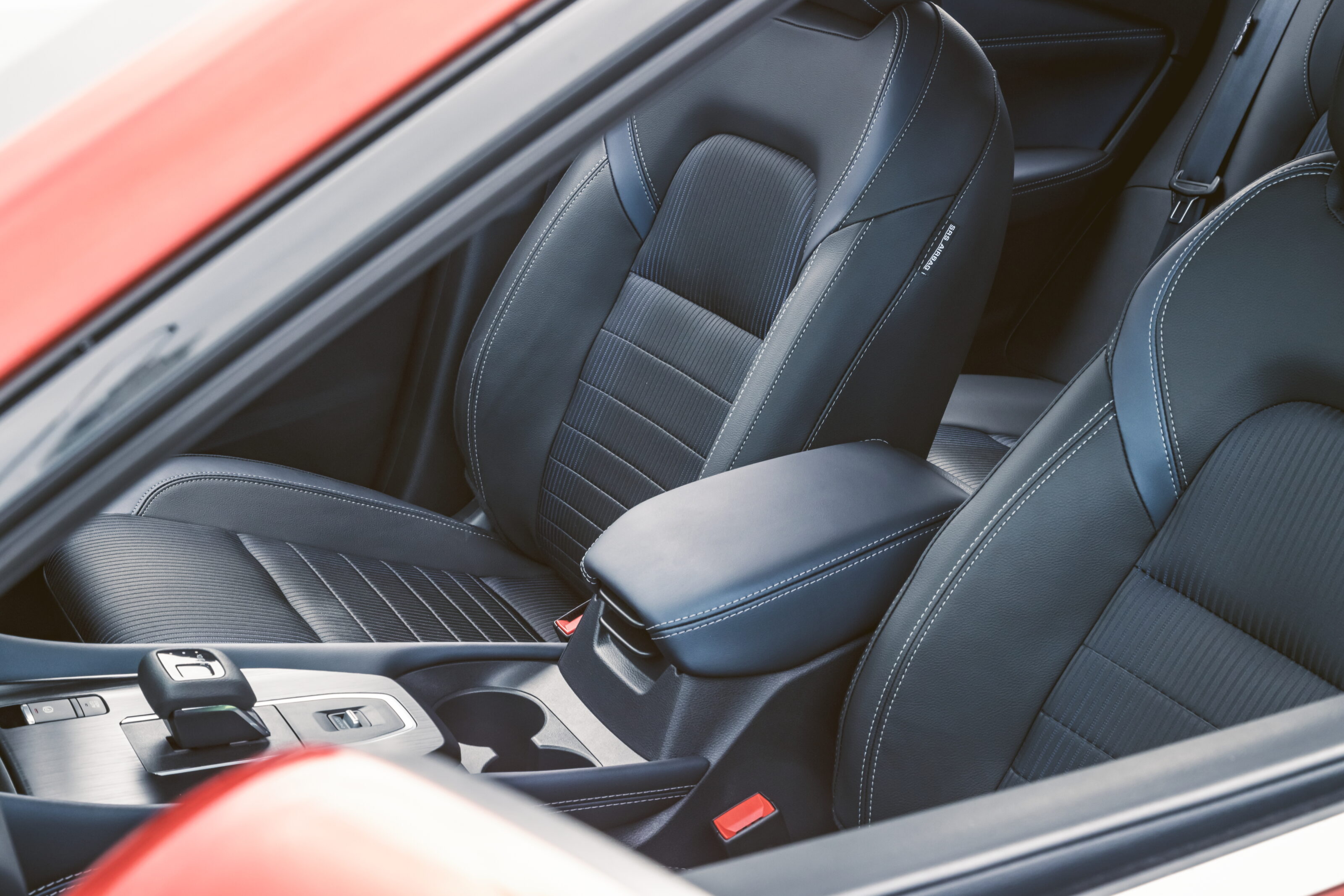
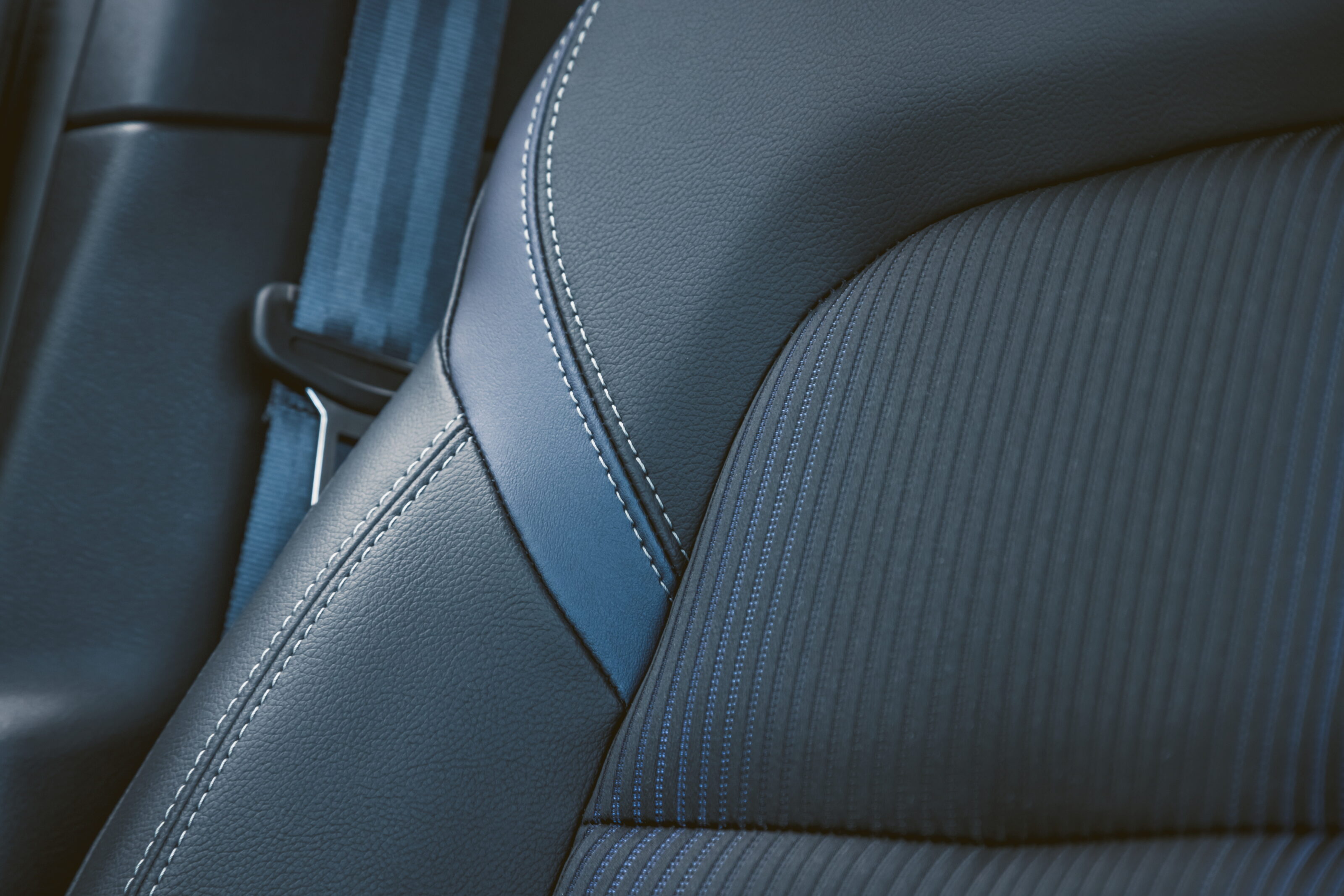
Seat upholstery is a combination of leather and fabric (the latter of which is a little scratchy), with the dark blue leather contrasting the black plastic on the door cards and dash for a more distinctive look.
The seats are suitably comfortable for long or short journeys, with power adjustment on the driver’s side helping to find that perfect position. It’s a pleasant place to be. The only exception to this is the position of the brake pedal, which we found was high and forced our right foot to adopt an awkward angle.
1
A sliding gear selector, as opposed to the traditional gearstick, and the larger infotainment unit being set up on the dash, rather than embedded in piano black plastic, provide a sleeker finish than before too.
However, while the 12.3-inch unit looks impressive due to its increased size and thin tablet-esque style when switched off, we weren’t blown away by the on-screen appearance, which felt a tad dated and at times it proved glitchy.
Changing between Apple CarPlay profiles (if one was wireless and the other connected via cable) proved tricky at times, the volume controls would sometimes not work for no apparent reason, and calls appeared to stay connected on the digital cluster screen (when made via wired CarPlay) even when they had ended.
1
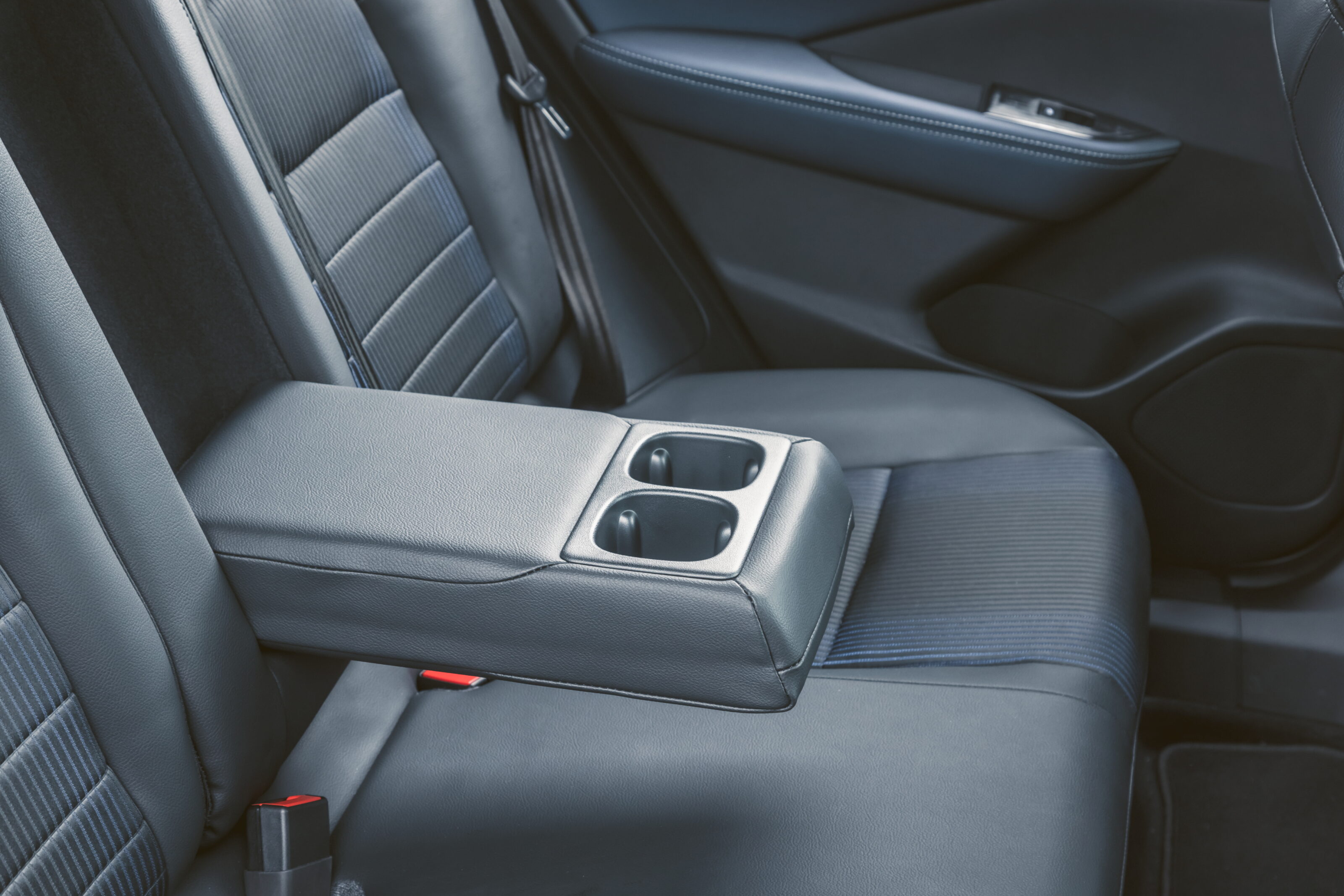
When it comes to space, for a small SUV the Qashqai is surprisingly roomy, with good legroom front and rear, a decent-sized bin in the centre console, two cup holders for the front and two for the back, and enough room in each door for a bottle too, if not much else.
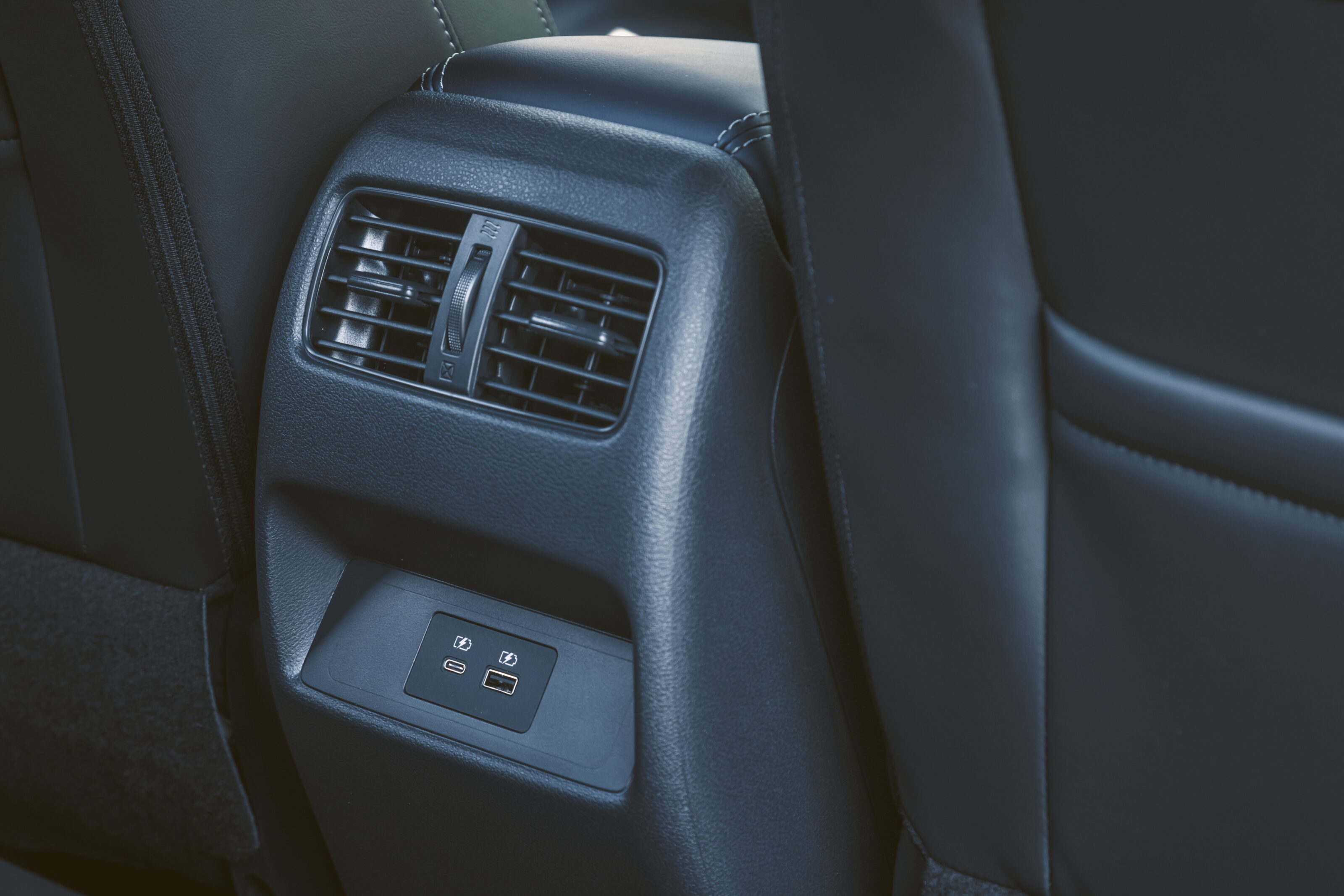
Rear occupants can also make use of two map pockets, as well as charge devices via either USB-A or USB-C ports because there’s one of each.
And for young families, installing a child seat is relatively simple, with easily-found access points for the ISOFIX anchors (although they are covered by those annoying little clips that will get lost the second you take them off) and even the presence of a hard plastic parcel shelf doesn’t impede the hooking up of the top tether too much either.
One major plus is the width of the rear door openings though for getting little ones in and out. The doors open to 85 degrees, so almost a complete right angle, and hold themselves there – a rarity but a godsend for parents.
1
Boot space
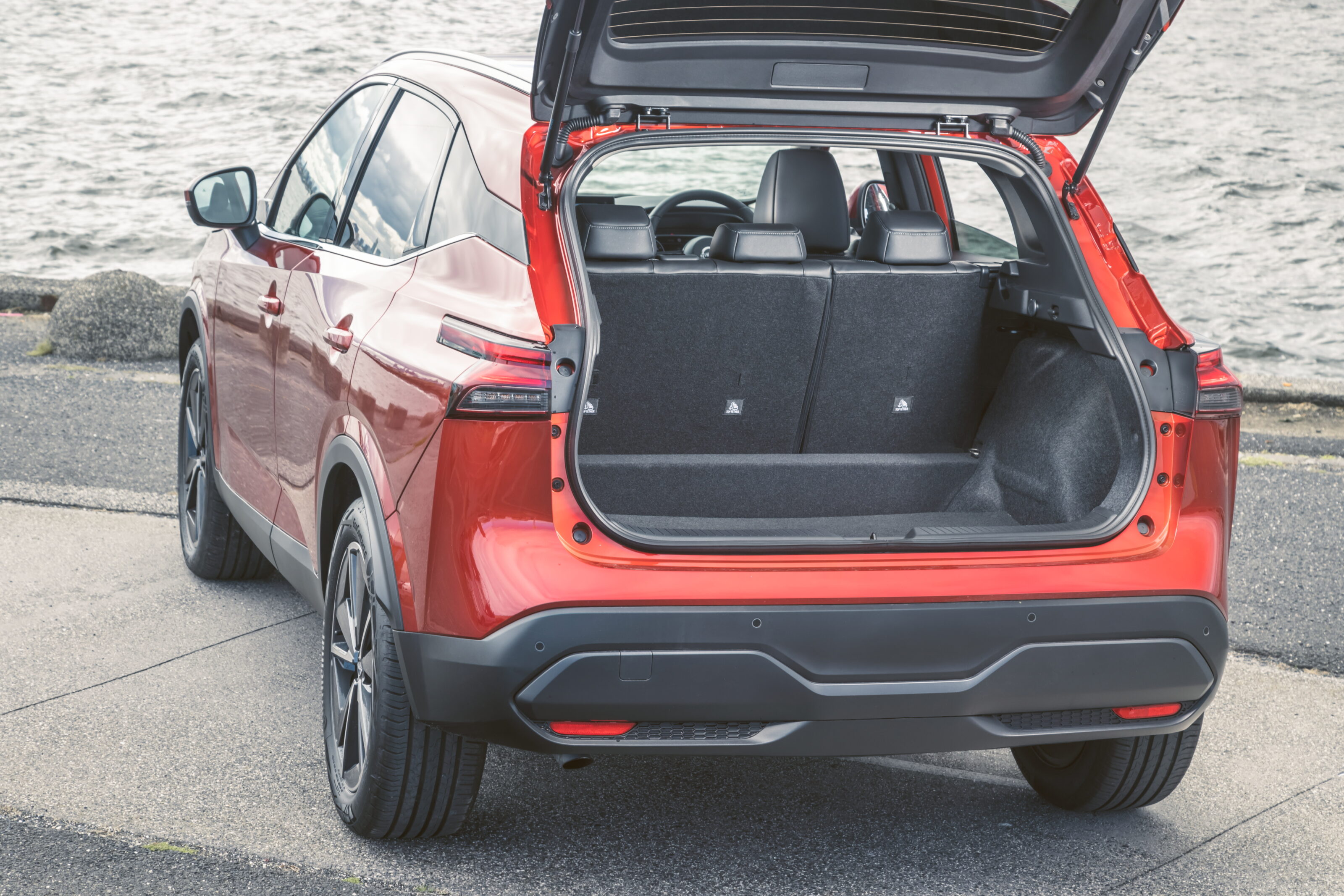
The boot of the Qashqai is ample for an SUV of its size and easily competes with its nearest rival, the Toyota Corolla Cross, only falling short by a mere seven litres at 429L with all the seats up.
With the rear row folded, that number rises to 1524L, and it can be split 60:40, with the larger section on the front passenger’s side.
It’s not cavernous, and it has no side cubbies or spaces to put little items, but the boot is more than capable of accommodating a week’s worth of groceries, a pram plus associated baby/child gear, or all the bits and bobs needed for a day out at the pool or beach. There’s a full-size spare wheel, so the floor doesn’t have the option to drop any further.
Mini matchup: Boot space
| Model | Wheelbase | Boot capacity |
|---|---|---|
| Nissan Qashqai | 2665mm | 429L |
| Toyota Corolla Cross | 2640mm | 436L |
| Mazda CX-30 | 2655mm | 317L |
1
What is it like to drive?
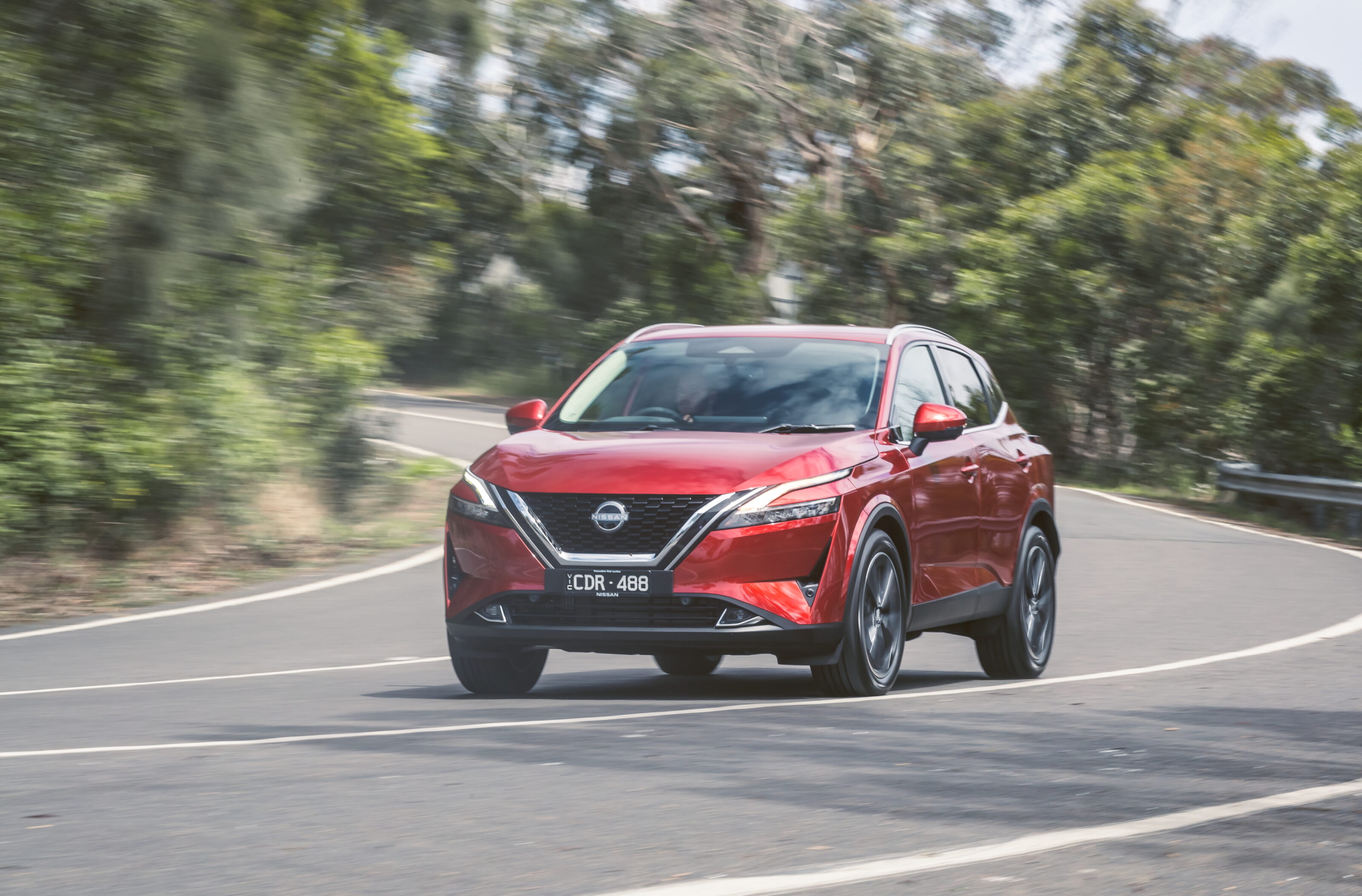
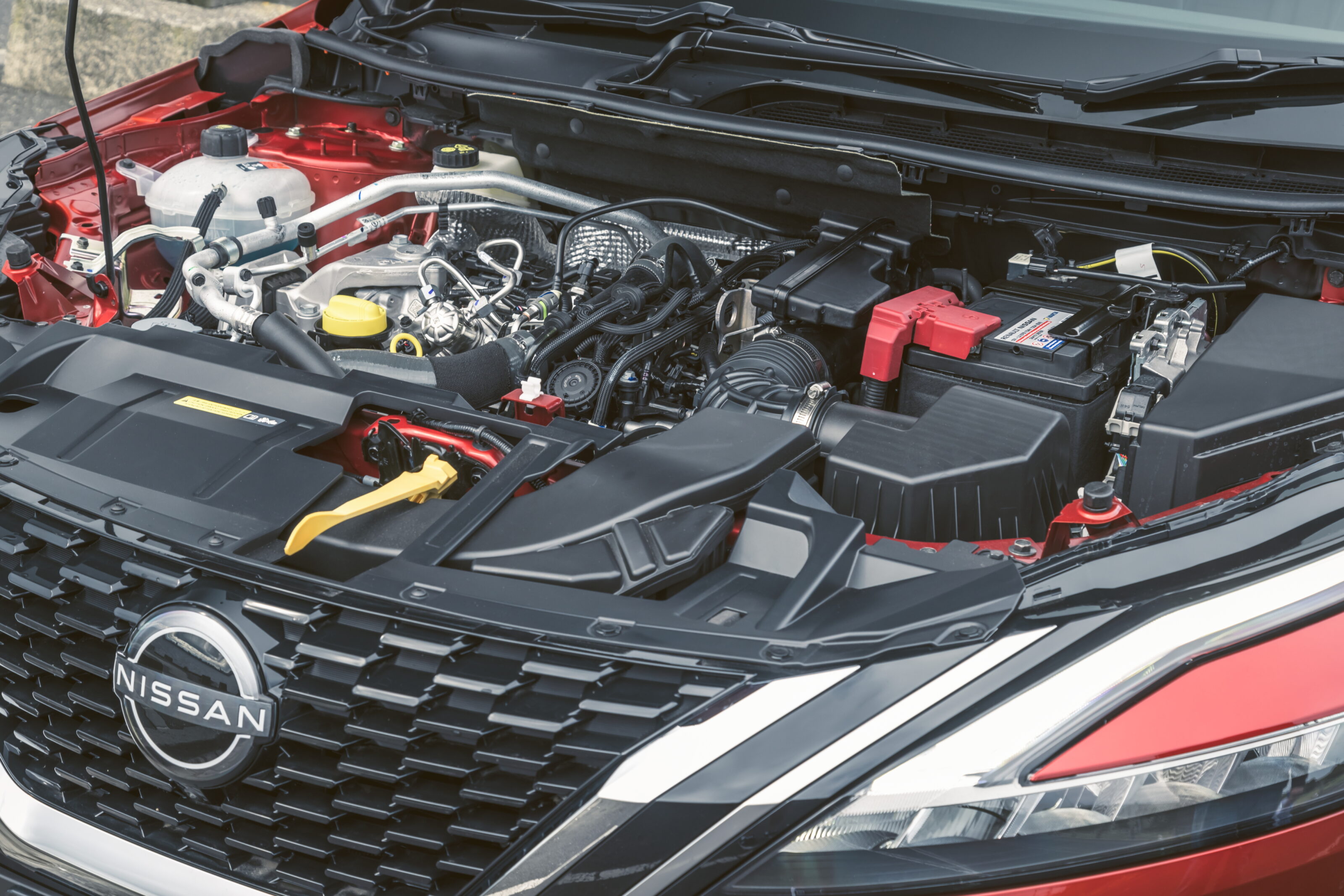
The 1.3-litre turbo petrol engine is a welcome step-up over the previous Qashqai’s 2.0-litre naturally aspirated unit.
The turbo helps deliver a noticeably stronger mid-range and the engine overall is quite refined.
Continuously variable (CVT) autos can spoil throttle response and refinement but Nissan maintains its reputation for one of the better interpretations of the stepless transmission.
1
Overall noise, vibration and harshness are relatively subdued, though wind rush is definitely noticeable at speed on the freeway.
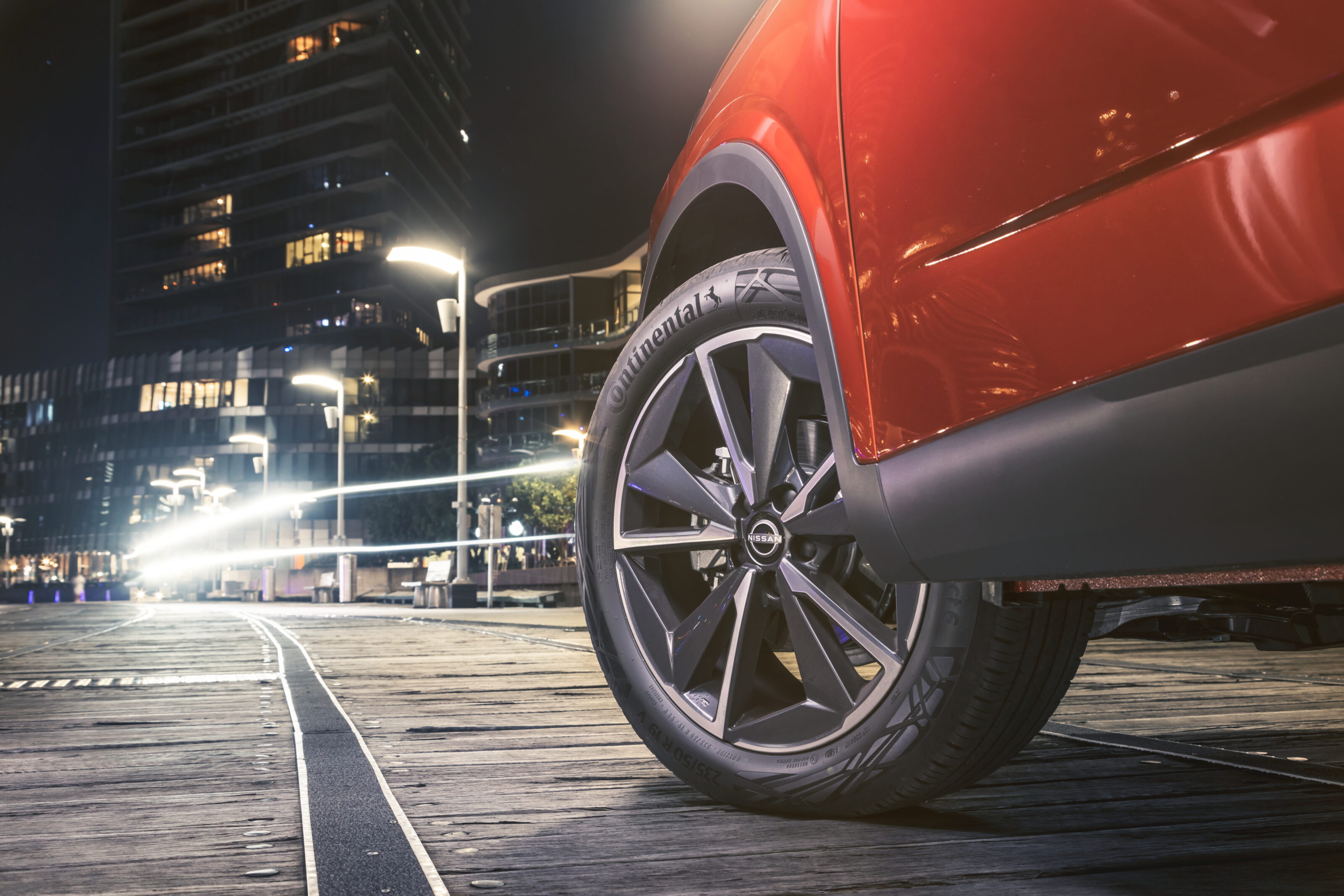
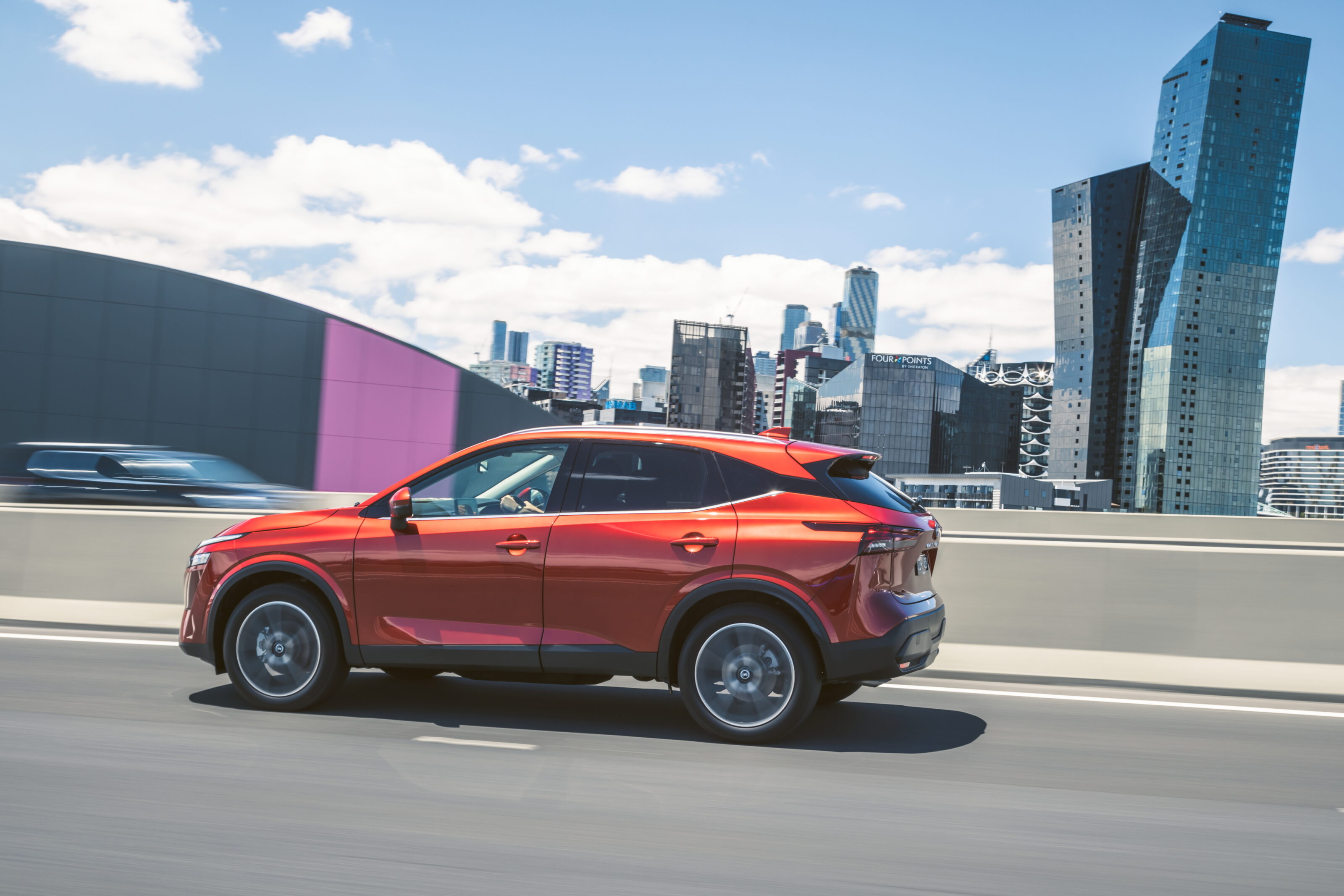
The ride is firmer compared with the previous Qashqai as well as some key rivals such as the Mazda CX-30 and Toyota Corolla Cross. The bumpier the road, the more noticeable it is.
There’s an upside for handling, though. Whether driving along twisty roads or through roundabouts, the Qashqai has a reassuringly planted feel.
The Nissan’s steering isn’t quite a match for its aforementioned rivals but is well weighted (read light) for urban motoring. A Sport mode adds some extra weight but could do with more.
1
How is it on fuel?
Unlike many of its rivals, the Qashqai requires a minimum of 95 RON at the bowser.
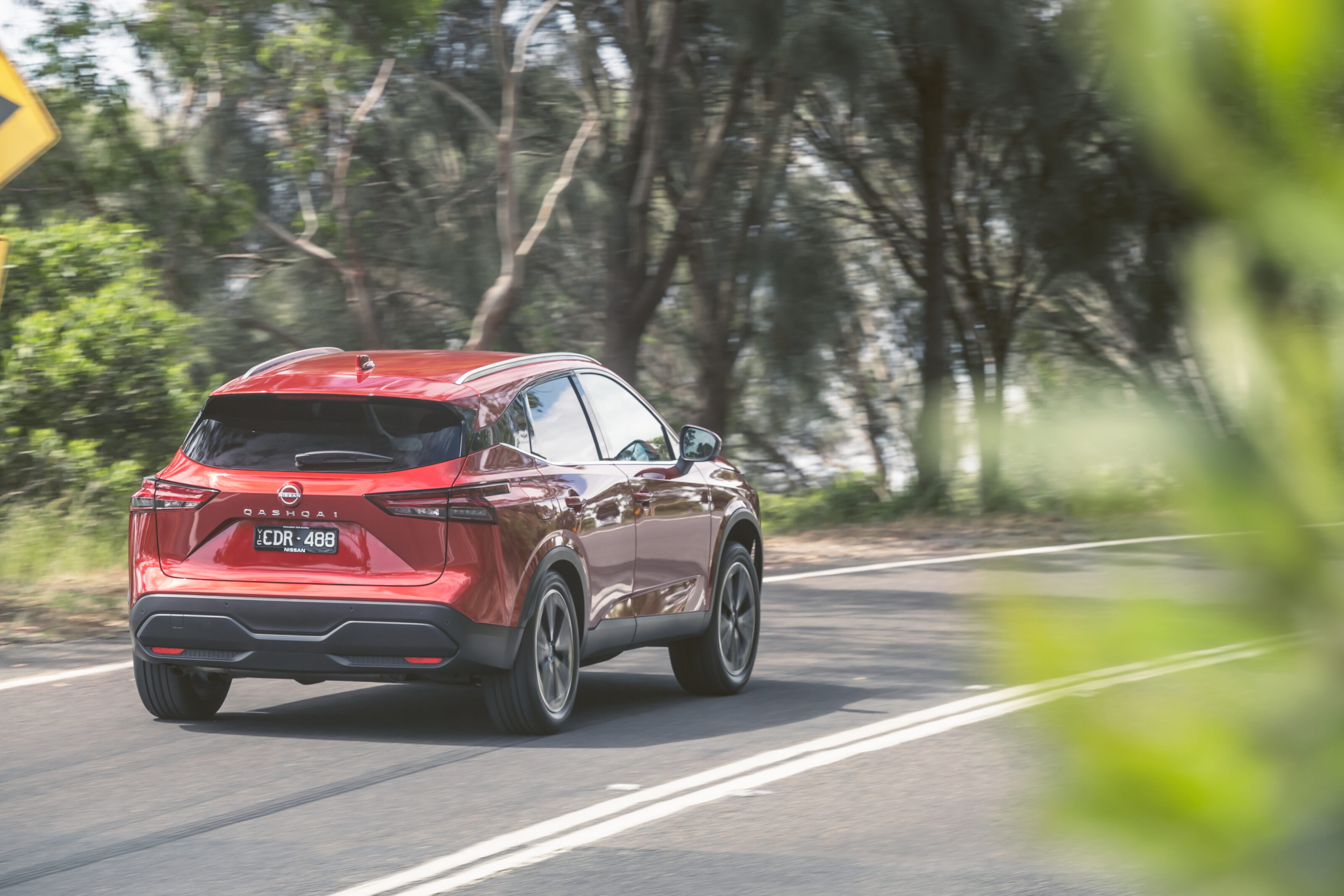
Its official combined-cycle fuel economy rating of 6.1L is down from the old car’s 6.9L and our best result was a nifty 4.8L/100km gained from a combination of longer 30-60 minute journeys through either highways or hills, and short journeys around town.
For greater fuel efficiency, the e-Power hybrid arriving later this year has a quoted 5.3L/100km on the combined cycle – though that’s still higher than the 4.4L/100km of a (larger) RAV4 Hybrid.
| Model | Minimum RON | Fuel consumption (ADR combined) |
|---|---|---|
| Nissan Qashqai | 95 RON | 6.1L/100km |
| Toyota Corolla Cross | 91 RON | 6.0/100km |
| Mazda CX-30 | 91 RON | 6.8L/100km |
1
How safe is it?
The 2023 Nissan Qashqai was awarded a five-star ANCAP rating according to the testing authority’s 2022 protocols.
All variants get safety features such as a reversing camera and rear parking sensors, intelligent blind-spot intervention and blind-spot warning, rear cross-traffic alert, traffic sign recognition, forward auto emergency braking (AEB) with car, pedestrian, cyclist and junction detection as well as reverse AEB, intelligent lane intervention and lane departure warning.
The ST+ adds a 360-degree camera system with moving object detection, while the ST-L and Ti gain front parking sensors as well as Nissan’s ‘ProPilot’ semi-autonomous driving suite.
1
One extremely annoying safety feature, however, is the rear seat warning. Rather than just a light bong or notice on the digital instrument cluster to remind you to check the back seats for kids and pets you may have unwittingly forgotten about, the car emits four loud startling horn blasts – enough to wake your neighbours or make you look like some dullard in the supermarket car park who can’t figure out how to lock their car.
There also doesn’t seem to be any rhyme or reason as to why it does it sometimes and not others. The key can be in the vehicle, or not, it can be locked, or not. Fortunately, this can be turned off, but every few days it will ask you again just to be sure you really meant it.
Our understanding, based on information from Nissan at the vehicle’s recent launch, is that this is a tweak designed to make it comply with new ANCAP protocols on child safety.
1
Warranty and running costs
Nissan offers the Qashqai with an industry-standard five-year, unlimited-kilometre warranty.
Servicing intervals are every 12 months or 15,000km, whichever comes first. It also comes with five years of free roadside assistance.
However, servicing isn’t cheap. For the first five years or 75,000km, it will cost a total of $2916 to service with Nissan, or on average $583.20 each year. The fourth and sixth visits cost more than $1000.
The rival Toyota Corolla Cross, for one example, costs $230 per visit for the five years for a total over that period of $1150.
1
VERDICT
The new Qashqai is more than just a pretty face
The Qashqai has come a long way from the second generation, now offering a more premium experience and with a stronger powertrain to match.
We’re also impressed with the mid-range ST-L that has plenty to please buyers – such as the big screen, electrically adjustable driver’s seat and heated front-row chairs – without forcing them to go top of the range.
Although the price is getting a little high, the quality is there to justify it. The only real letdowns are a fidgety ride on uneven surfaces and those pricey servicing costs.
MORE
Everything Nissan
Specifications
| 2023 Nissan Qashqai ST-L | ||
|---|---|---|
| Engine | 1.3-litre turbo-petrol in-line 4-cylinder, 16-valve, direct injection | |
| Power @rpm | 110kW @ 5500rpm | |
| Torque @rpm | 250Nm @ 1600-3750rpm | |
| Transmission | continuously variable | |
| Body | 5-door, 5-seat small SUV | |
| L/W/H | 4425/1835/1625mm | |
| Wheelbase | 2665mm | |
| Boot space | 429-1524L | |
| Weight | 1482kg | |
| Fuel / tank | 95 RON / 55 litres | |
| Fuel use L/100km | 6.1L/100km (claimed) | 4.8L/100km (on test) |
| Suspension (front) | struts, coil springs, anti-roll bar | |
| Suspension (rear) | multi-link independent, coil springs, anti-roll bar | |
| Steering | electric rack-and-pinion; 11.5m turning circle | |
| Brakes | ventilated discs front and rear | |
| Wheels | 19-inch diameter / 255mm width | |
| Tyres | Continental Eco Contact 6 | |
| Tyre size & spare | 235/50 R19, space-saver spare | |
Ford’s upcoming electric crossover for Europe will be revealed on March 21, 2023.
Based on the Volkswagen Group’s MEB electric vehicle architecture, the vehicle was teased by the head of Ford’s passenger electric vehicles in Europe, Martin Sander, on social media.
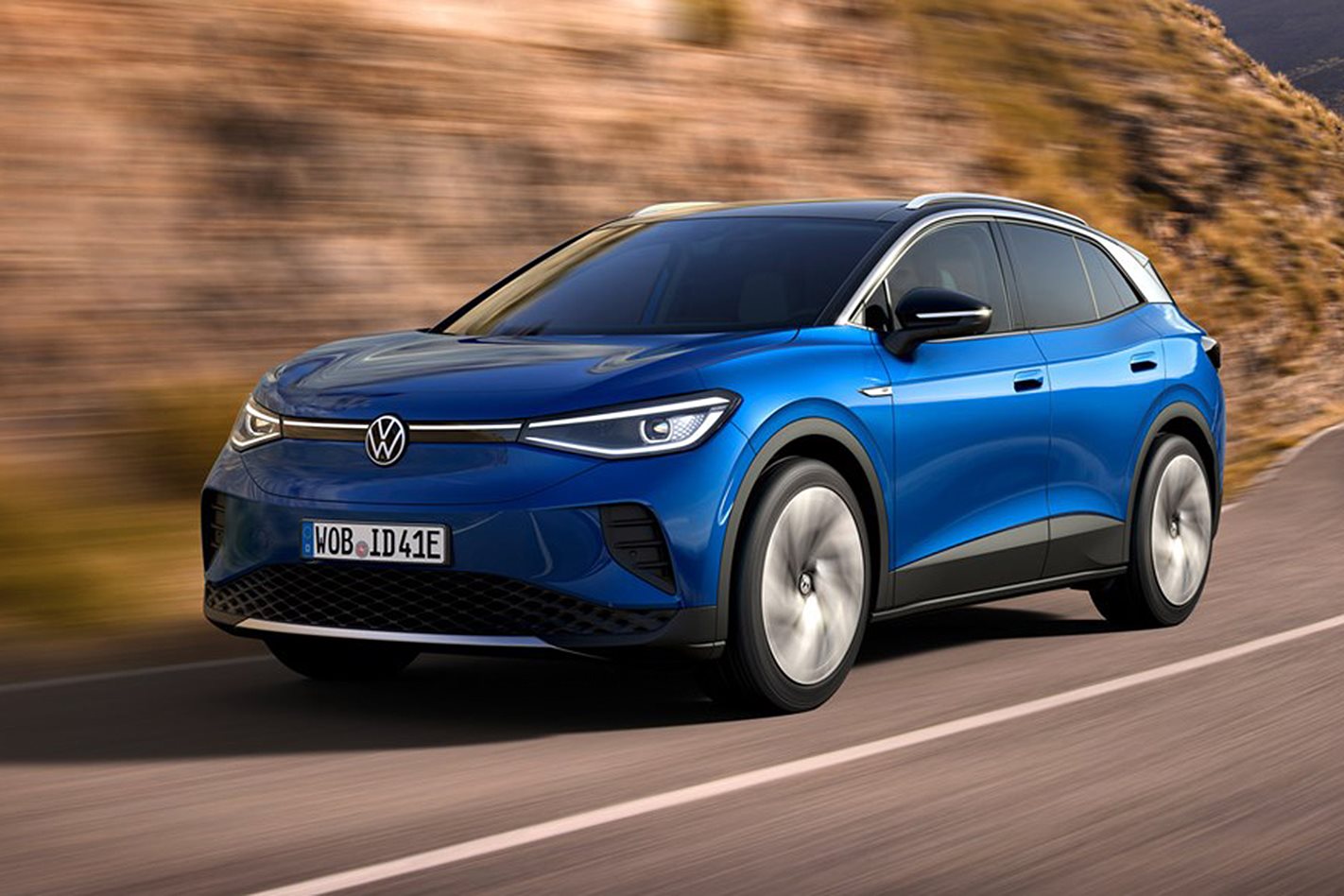
It will be closely related to the electric Volkswagen ID.4 medium SUV. A coupe-styled ‘sport crossover’ derivative based on the Volkswagen ID.5 will follow in the coming months.
“With our brand-new Ford Motor Company EV from Europe being revealed next month, it’s now time we start getting excited,” said Sander.
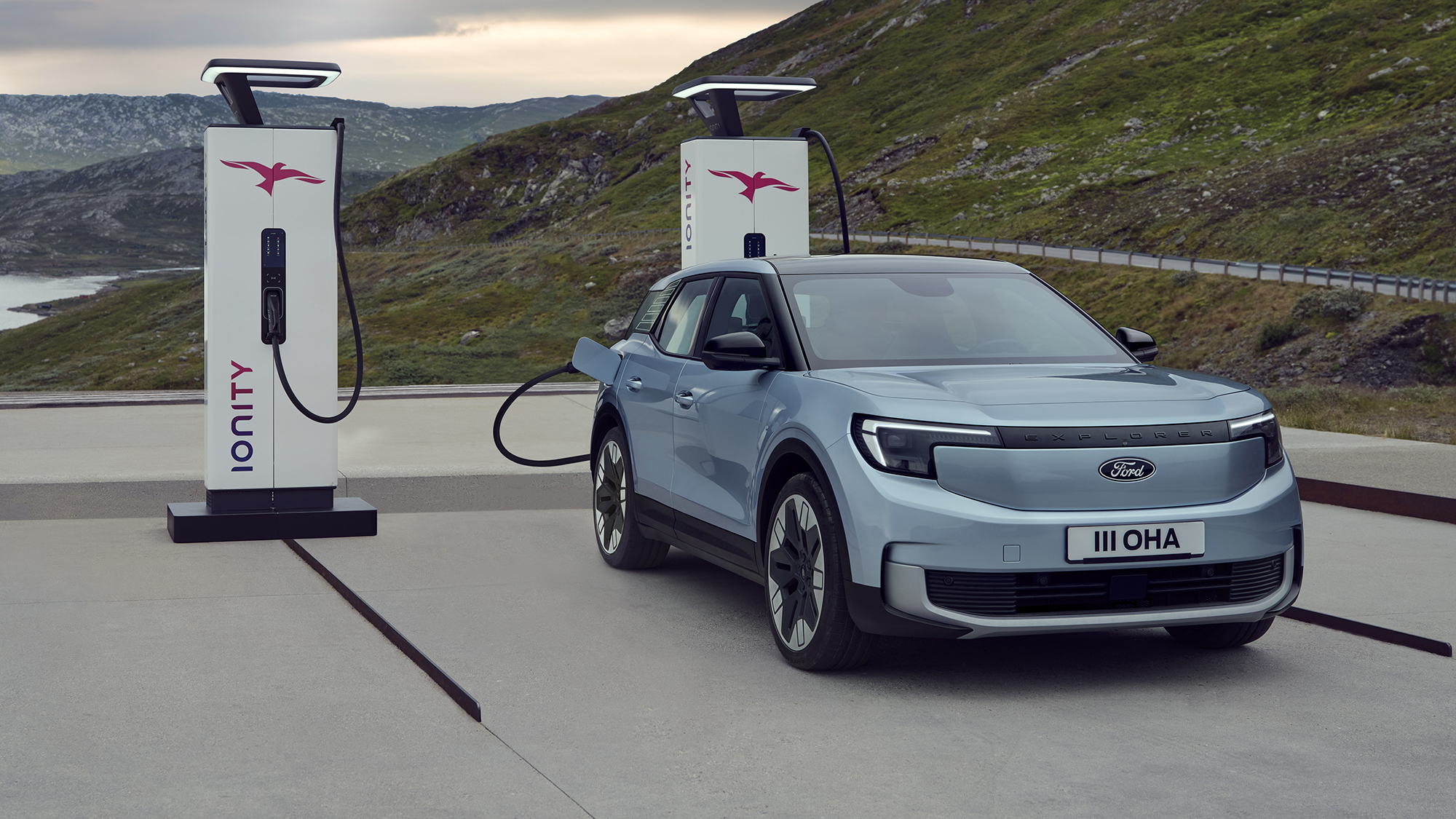
UPDATE, March 22: Explorer EV unveiled
The new 2024 Ford Explorer EV has been revealed. Get the full story at the link below.
1
Story continues
While the Ford Ranger and Volkswagen Amarok share the same frame, the ID.4-based electric SUV is expected to adopt a unique, more-rugged design.
However, the two vehicles will be similar under the skin, with the ID.4’s electric motors and battery packs – ranging from 109kW and 55kWh to 225kW and 82kWh – likely to be offered.
The electric SUV will slot between the forthcoming Puma EV – based on an updated version of the current internal-combustion model – and the Mustang Mach-E.
Set to be manufactured at Ford’s factory in Cologne, Germany, it will be built on the same production line as the Fiesta hatchback, which will end production mid-year after 47 years.
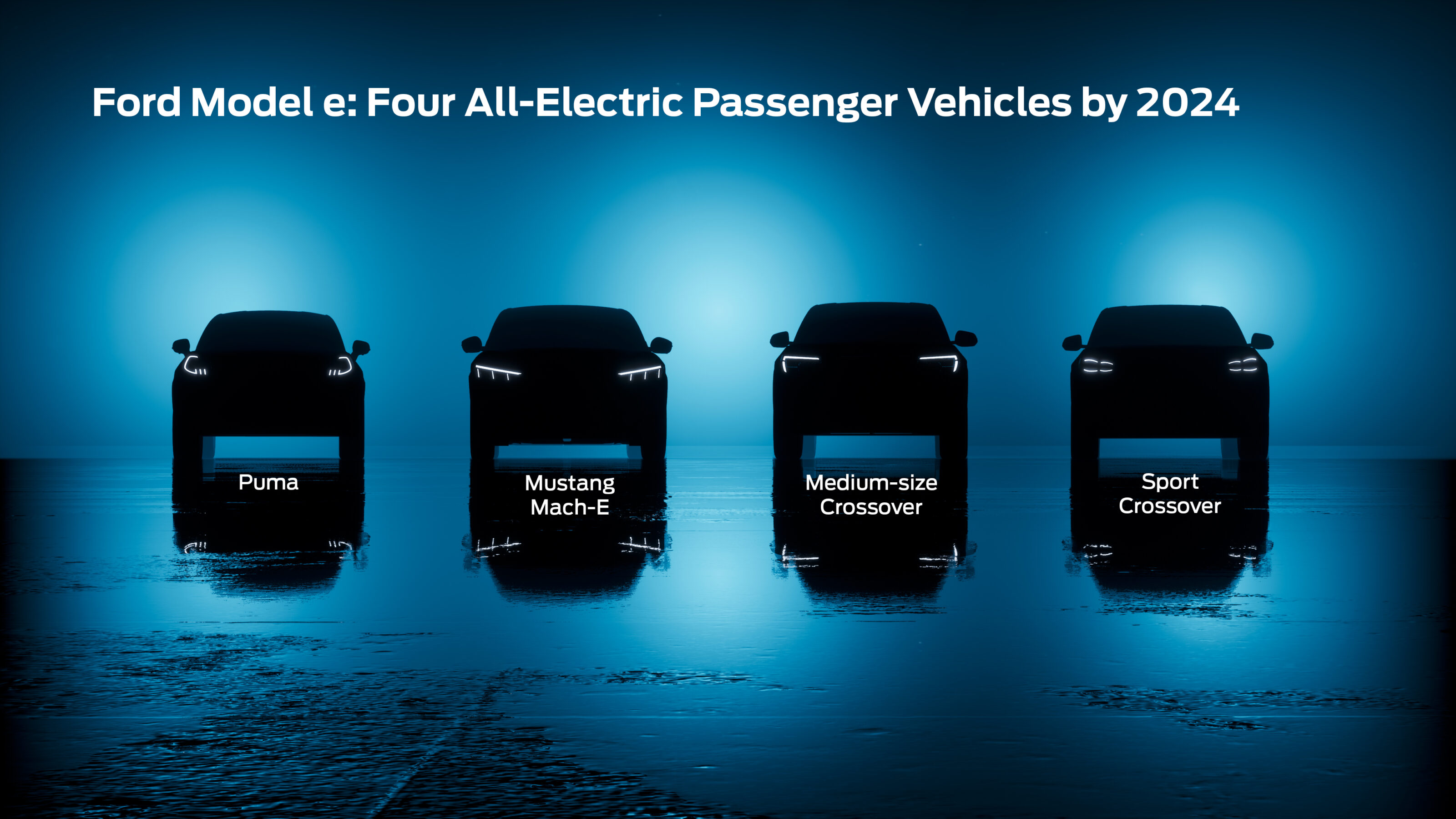
1
Ford Europe has confirmed it will shift to an electric-only passenger vehicle lineup by 2030, with commercial vehicles to follow later.
The company has already discontinued the Mondeo, while the once-popular Focus hatch and wagon will be axed in Europe at the end of its current lifecycle, which is currently set for 2025.
Following delays, Ford Australia’s first electric vehicle, the E-Transit large van, is expected in March. The mid-size E-Transit Custom will follow in 2024.
So far, the brand’s local arm has provided no word on the Mustang Mach-E, but Wheels understands it will arrive in Australia once strong global demand for the electric SUV softens.
MORE
Everything Ford
MORE
Electric Cars
Electric vehicle fast charging network provider Evie has opened its first site in the Northern Territory today.
The new site, located at Marrara Red Rooster, is now open and home to two 50kW DC chargers – making it the fastest public site in the state.
In total Evie – second-largest EV charging provider in the country behind Chargefox – now has 104 locations across Australia in every state and territory.
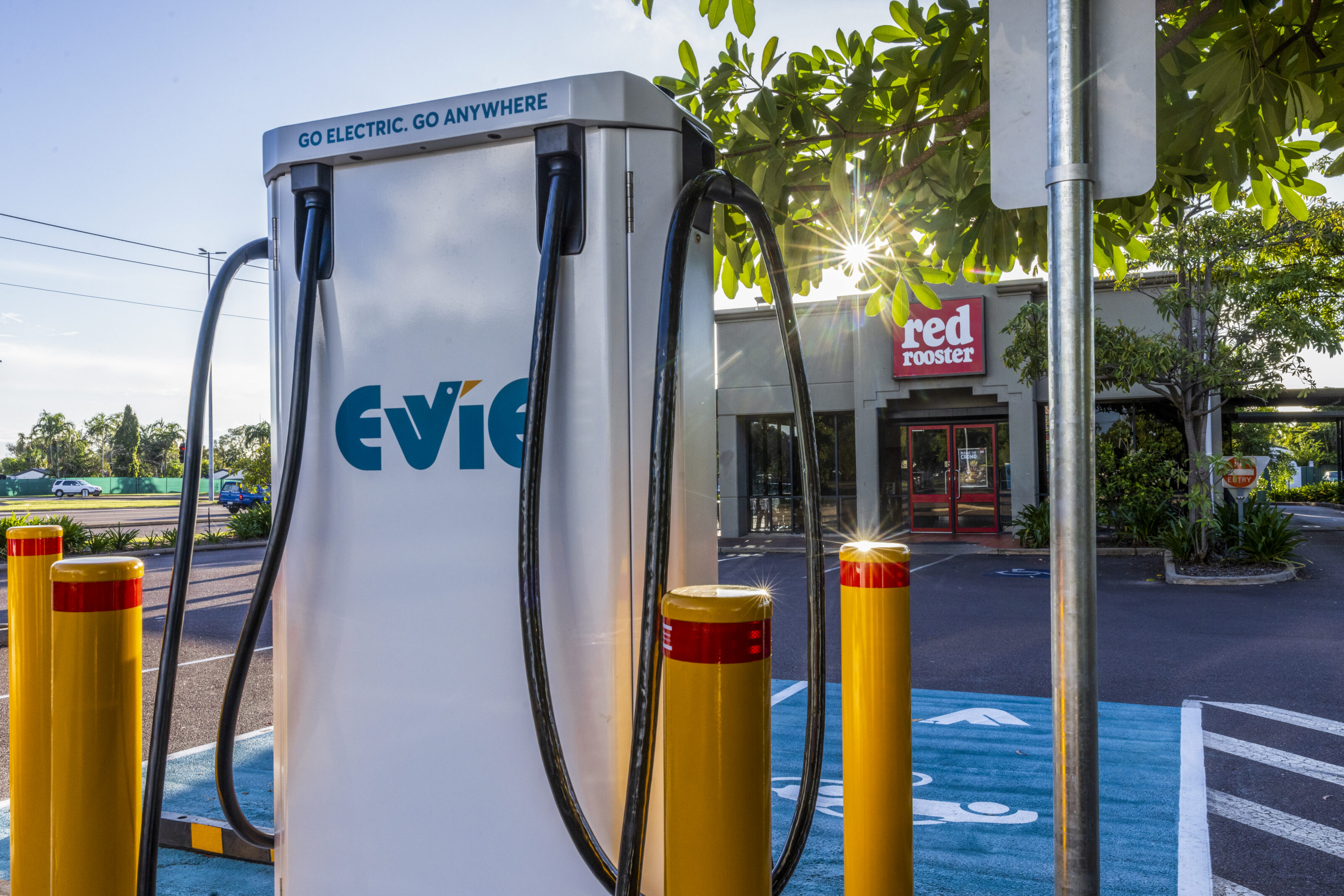
1
“The partnership with Red Rooster was formed due to a shared focus on the local community, quality customer experience, and recognising how we can both make a sustainable difference, said Chris Mills, CEO of Evie Networks.
“We are committed to delivering accessible, everyday charging solutions to our customers.”
To thank drivers for their support, Red Rooster Marrara will give free regular chips to customers between today (February 27) and March 1, 2023, who show proof of charge at the Marrara site.
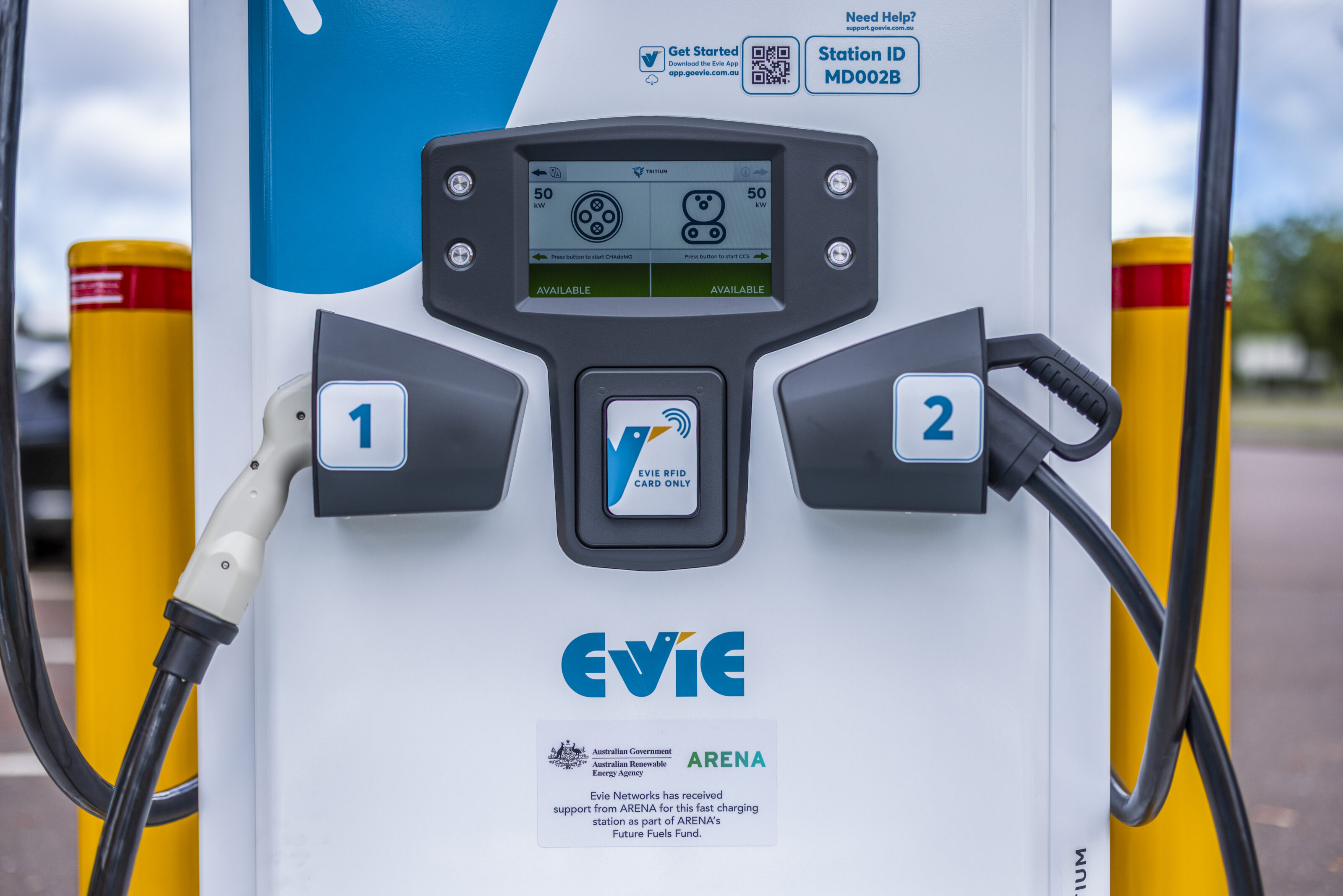
1
Back in December, Evie launched its 100th electric vehicle charging site in just three-years.
The milestone was marked by activating two 350kW DC ultra rapid stations at Toowoomba NorthPoint Shopping Centre, west of Brisbane.
The Australian company is aiming to triple its network size by deploying 200 new charging hubs in 2023.
WHEELS CAR OF THE YEAR 2023
It’s award season at Wheels HQ, which means it’s time for us to don our road-testing jackets and crunch the numbers to crown the 2023 Car of the Year.
As ever, our award is open to every new car that went on sale in the previous 12 months, but only the models that have impressed us the most make it to the starting grid.
This time around the field comprises 17 different models, but once you factor in the different variants and trim levels available to test, we actually have 26 individual cars to assess.
Some key factoids? For 2023 we have five EVs, three hatchbacks, two sports cars, six SUVs and one dual-cab ute providing you avoid double-ups (an EV that’s also an SUV, for example). It’s also one of our most attainable fields ever when it comes to price, with every contender – bar four outliers – costing less than $100,000.
So who is in contention? Read on to find out why our group of 17 contenders are deserving of their place. And be sure to stay tuned for our winner announcement, which is planned for March 7.
MORE READING
As the 2023 COTY story evolves, the list of stories below will grow. Keep an eye on this page for more, or find it all at our COTY page.
A NOTE ON CRITERIA
THE CONTENDERS
Introducing the Wheels Car of the Year 2023 contenders.
With the list below, you can click ahead to the models that most pique your interest, or simply scroll from here to read them all in the order presented.
- Audi A3
- Audi e-tron GT
- BYD Atto 3
- Cupra Formentor
- Ford Everest
- Ford Ranger
- Genesis GV60
- Nissan Qashqai
- Nissan X-Trail
- Nissan Z
- Peugeot 308
- Skoda Fabia
- Range Rover
- Tesla Model Y
- Toyota Corolla Cross
- Toyota 86
- Volvo C40

1
Audi A3
Took its sweet time in getting to Australia, but Audi’s new-gen small car impressed us with its svelte exterior styling and tidy handling.
Vast range of sedans and hatchbacks is represented by two COTY starters: a 35 TFSI sedan and the hardcore (and much improved) RS3 Sportback – which packs half a V10 under its bonnet.
MORE
Everything Audi
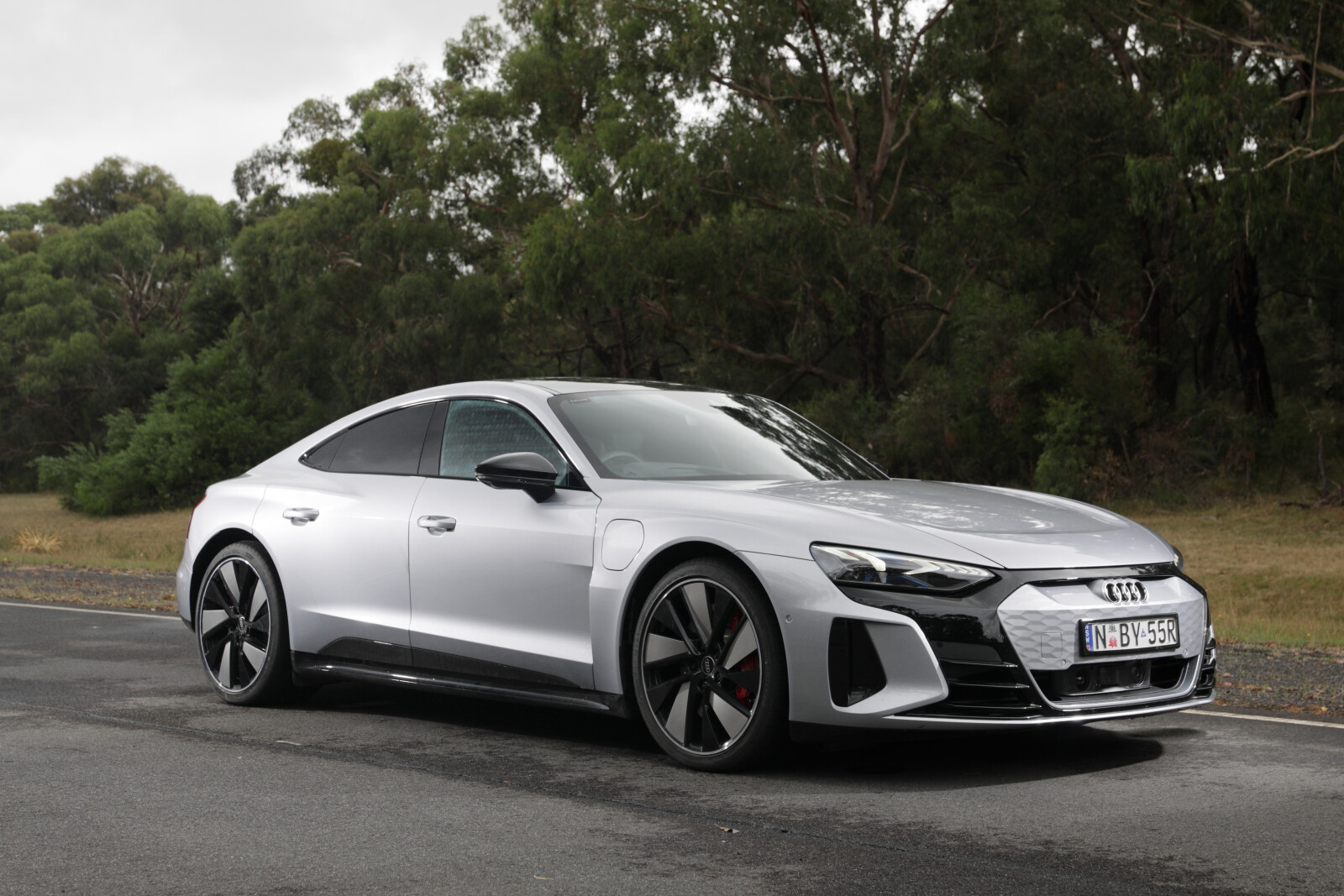
1
Audi E-Tron GT
It’s easy to think of Audi’s fresh electric flagship as a Porsche Taycan wearing a sharp, tailored suit, but that sells it short.
Despite using most of the same ingredients as Taycan, the E-Tron GT carves out its own identity with softer suspension and a heavier grand tourer focus. Can be had in two versions: entry-level E-Tron GT or a more hardcore RS E-Tron GT. We’ve gone for the harder, faster version.
1
BYD Atto 3
Controversial EV newcomer sent shockwaves through the industry last year with its sharp price, brave cabin and unique sales/aftercare approach.
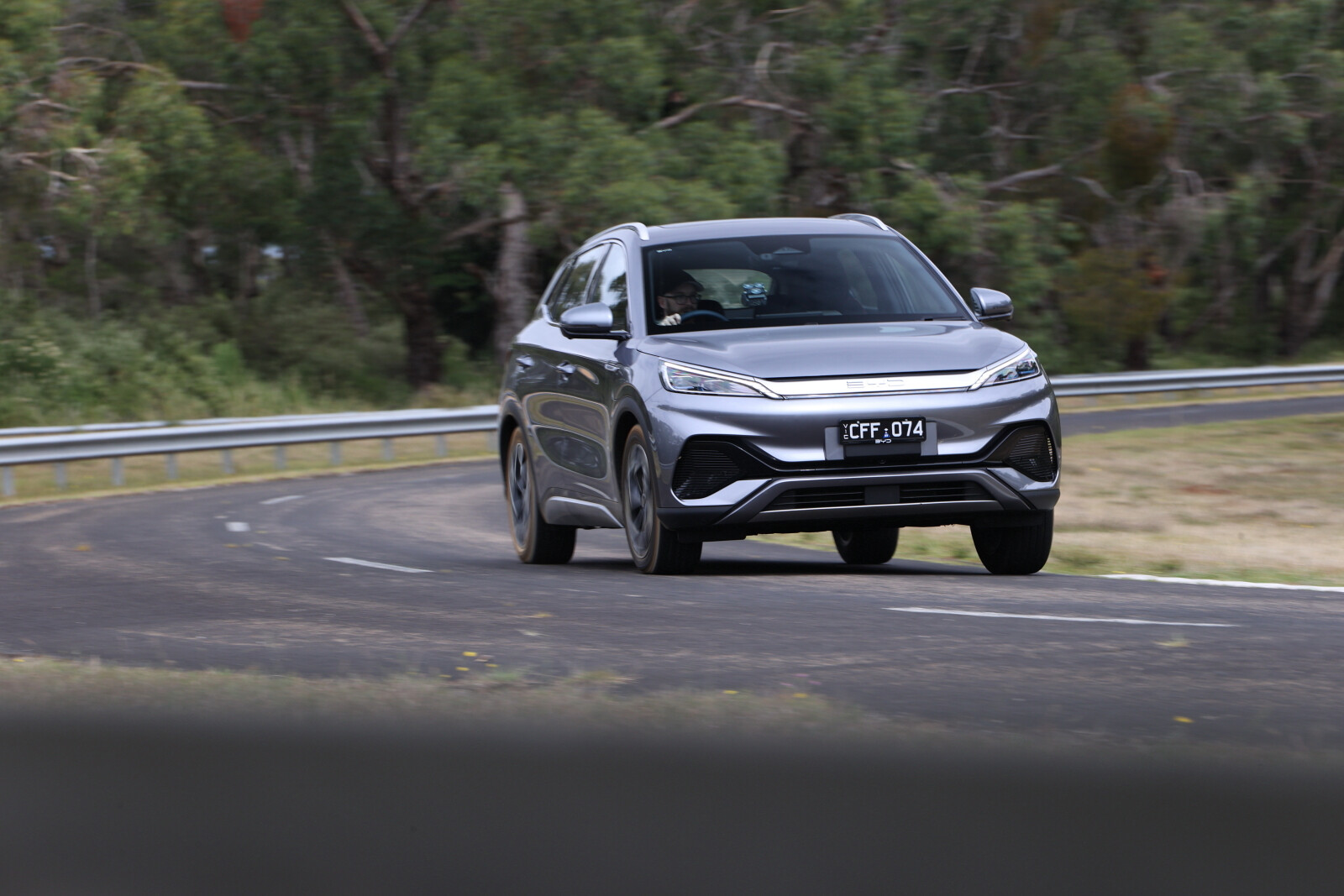
It trounced its closest rival, the MG ZS EV, in a Wheels comparison test and thus earned its place on our starting grid. Genuinely decent, affordable EVs are still thin on the ground, but is the BYD Atto 3 a COTY? We’re testing the 150kW/310Nm Long Range variant to find out.
MORE
Everything BYD
1
Cupra Formentor VZ
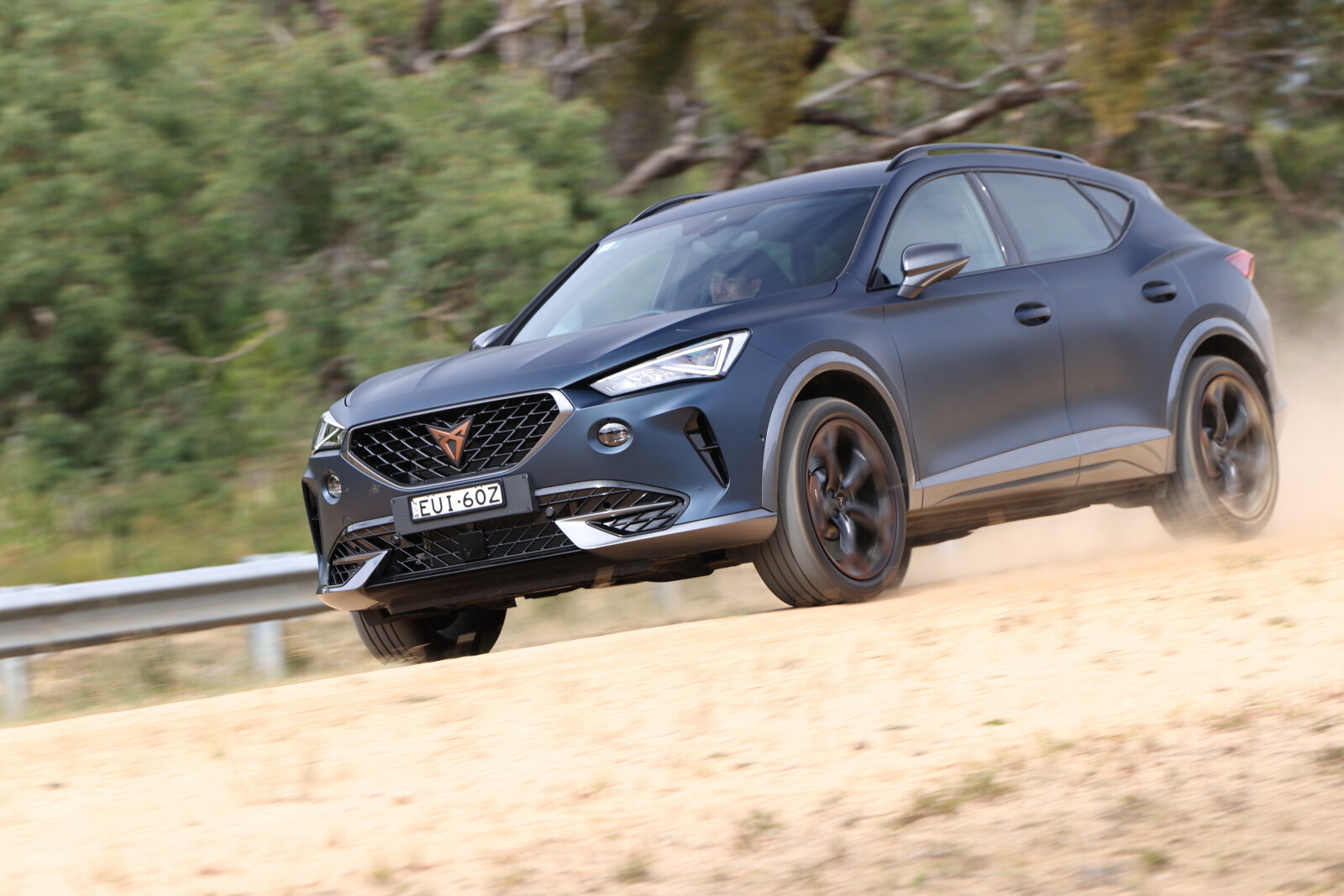
Spain’s take on the VW-derived crossover looks sharp and offers pleasing levels of powertrain punch and dynamic cohesion.
It’s more than just a Golf GTI or T-Roc R in a different skin, though; Formentor has a personality all of its own. We’re testing three at COTY: the front-drive VZ, VZe plug-in hybrid and flagship, all-wheel drive VZx.
MORE
Everything Cupra
1
Ford Everest
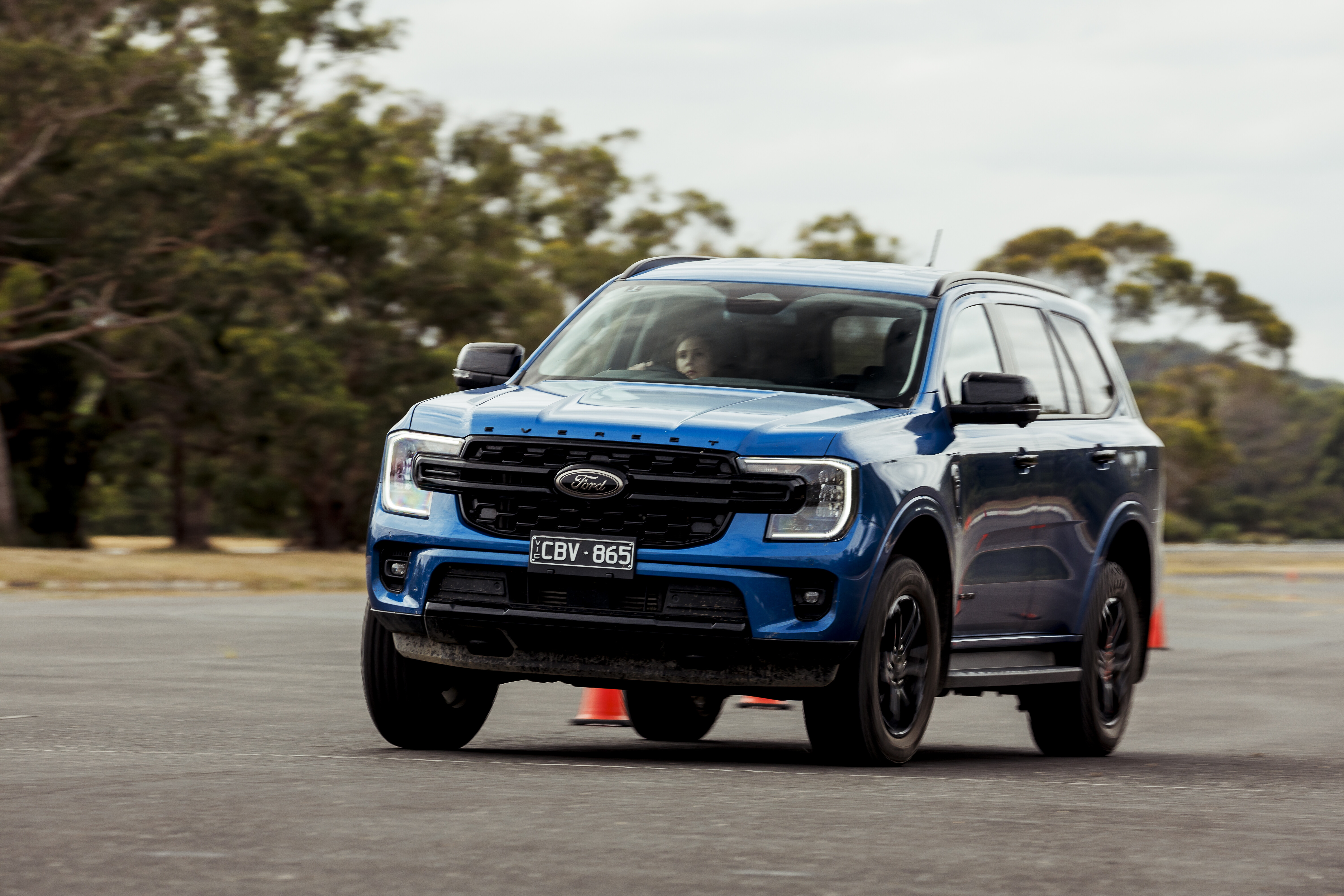
Hang on, a large ladder-frame off-roader at Wheels COTY? That’s right.
Separate-chassis vehicles and dual-cab utes weren’t eligible for our gong previously, but we’ve tweaked things this year to reflect their huge relevance and popularity with Aussie buyers and also their vast dynamic and safety improvements.
New Everest is case in point. It’s head and shoulders above its rivals in every metric and, given it was largely designed and engineered in Australia, it’s the closest thing we have in the field to a homegrown hero. Represented by two variants: Trend 2.0 bi-turbo and Sport V6.
MORE
Everything Ford

1
Ford Ranger
The first ever dual-cab ute to have a tilt at WCOTY.
Like the Everest, new Ranger is miles ahead in its segment and sets new benchmarks for on-road dynamics and cabin presentation and refinement. Represented by two variants: the ever popular XLT V6 and the new, hardcore Ranger Raptor, which is the GT3 RS of the dual-cab world. Still doubting its inclusion? When a contender is this good and this popular, it’s hard to say no…
MORE
Everything Ford
JUMP AROUND
- Audi A3
- Audi e-tron GT
- BYD Atto 3
- Cupra Formentor
- Ford Everest
- Ford Ranger
- Genesis GV60
- Nissan Qashqai
- Nissan X-Trail
- Nissan Z
- Peugeot 308
- Skoda Fabia
- Range Rover
- Tesla Model Y
- Toyota Corolla Cross
- Toyota 86
- Volvo C40
1
Genesis GV60
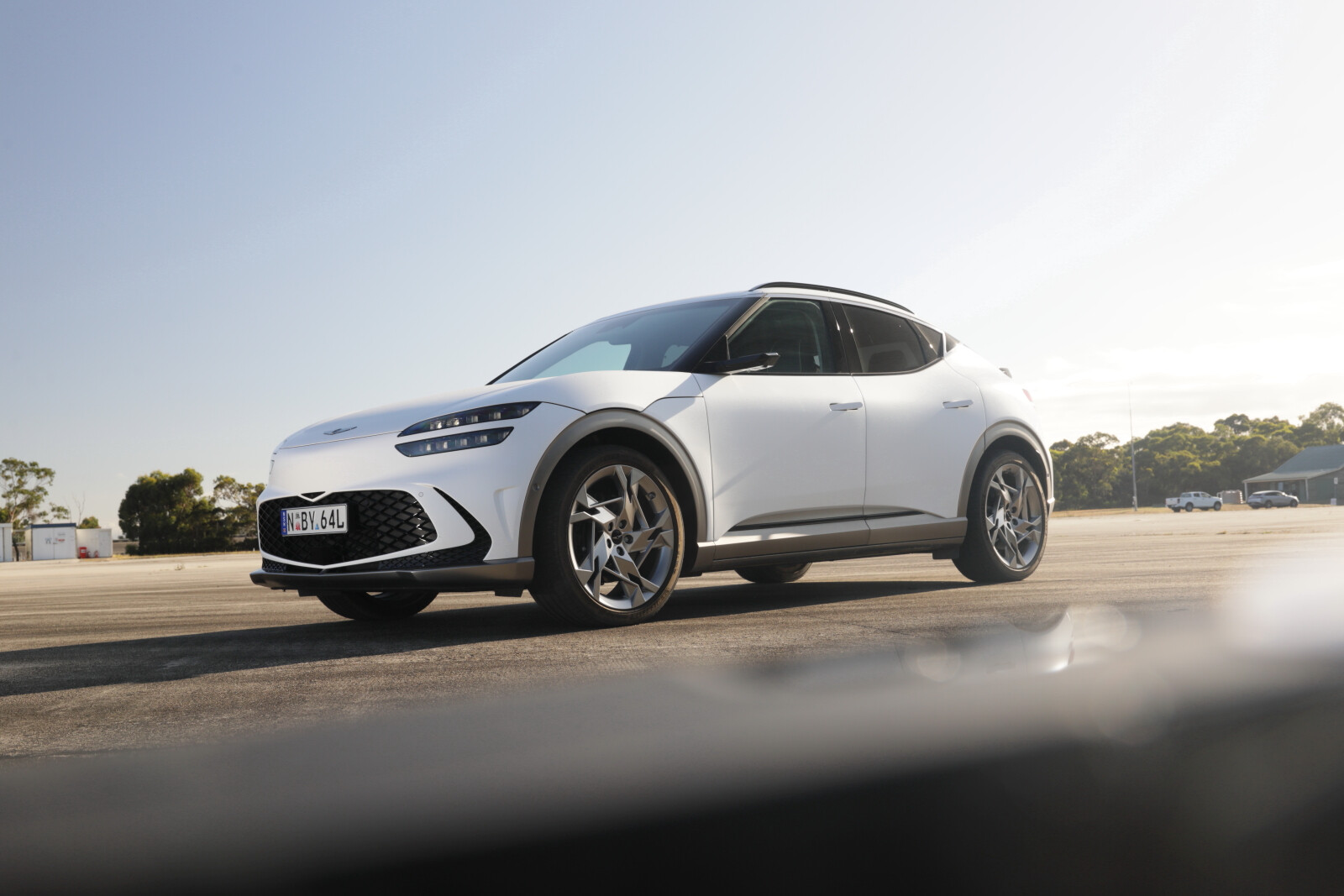
Classy Korean EV rolls up to COTY in top-spec Performance guise so it packs serious pace.
Shares much of its underpinnings with Hyundai Ioniq 5 and last year’s winner, the Kia EV6, so the ingredients are there for a strong showing. High-ish price could count against it, though.
MORE
Everything Genesis
1
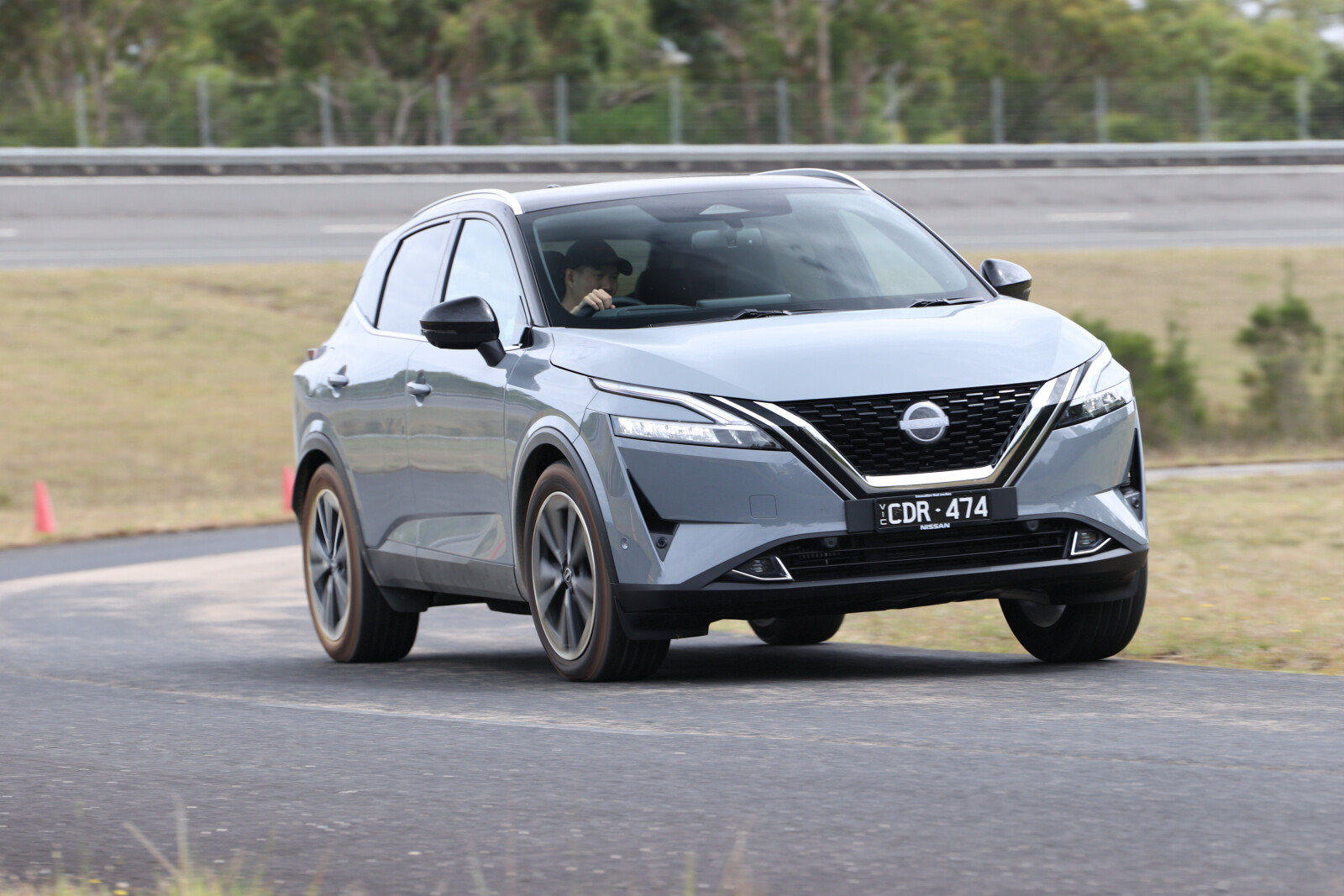
Nissan Qashqai
Nissan’s fresh small SUV is roomier and smarter than ever and packs a beautifully-designed cabin.
Top-spec Ti is properly posh too, and every Qashqai is a surprisingly decent handler down a twisty backroad. Represented at COTY in two trim levels: ST+ and Ti.
1
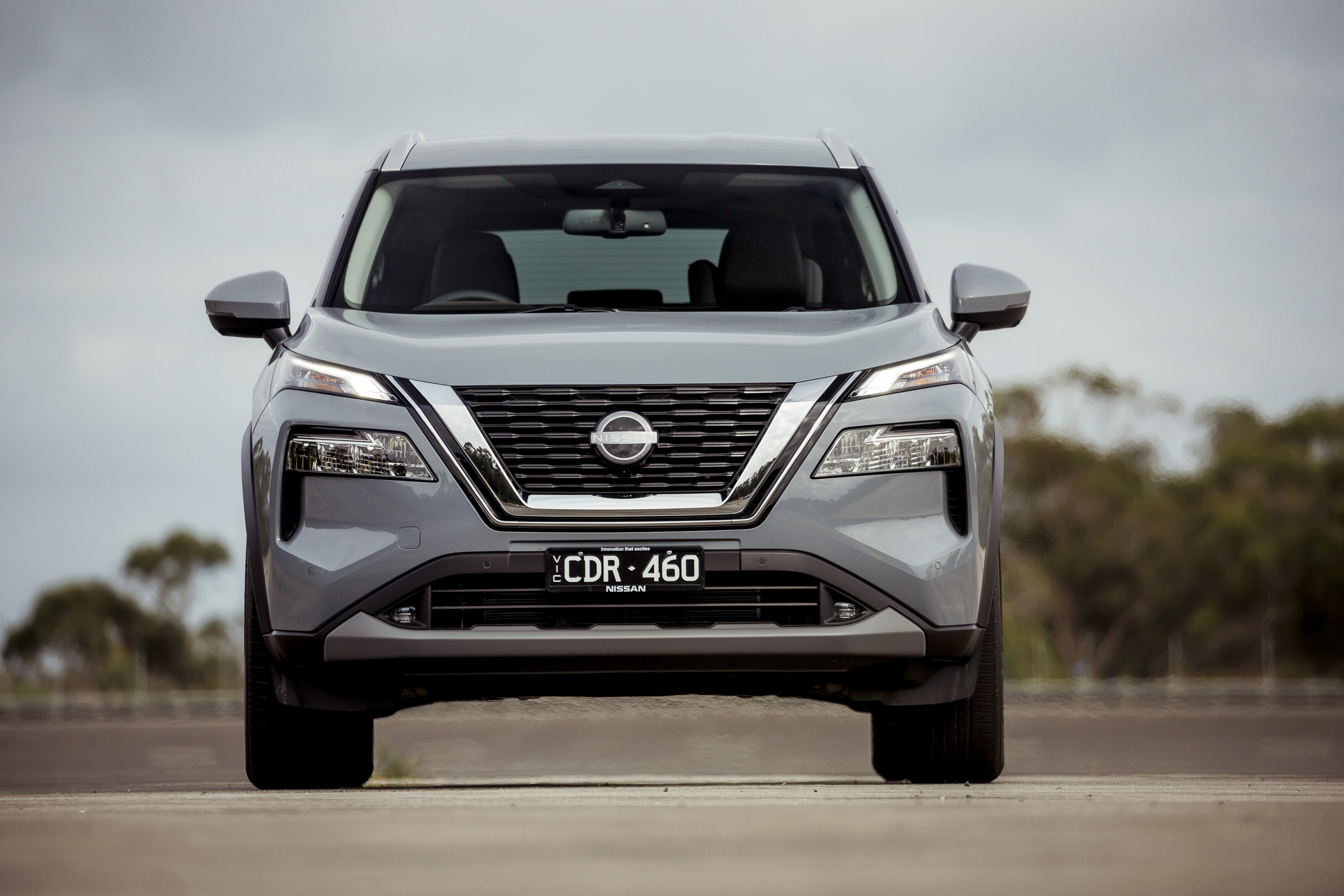
Nissan X-Trail
Another SUV that took its sweet time in getting to Australia, but one that was certainly worth the wait.
Currently our favourite mid-size SUV after winning our $50K mega test, the new X-Trail offers more room, seven seats and an intriguing new hybrid powertrain. We’re testing two at COTY: the ST-L and flagship Ti-L E-Power.
1
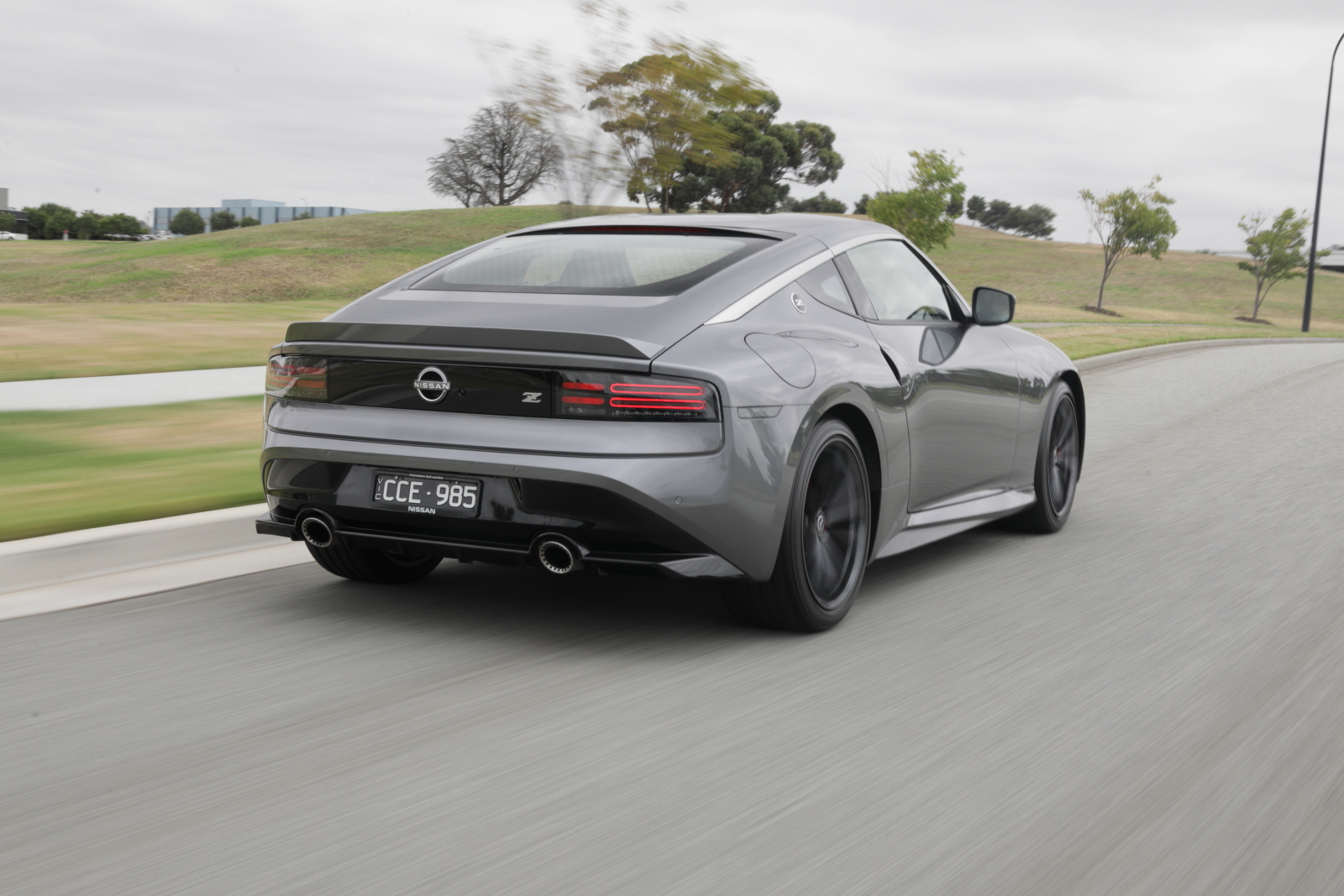
Nissan Z
One of the few dedicated sports coupes left on the market, new Z takes the bones of its predecessor and cloaks them in a fresh, retro-inspired body and more upmarket cabin.
Power takes a decent step forward too, thanks to a new twin-turbo V6.
MORE
Everything Nissan
1
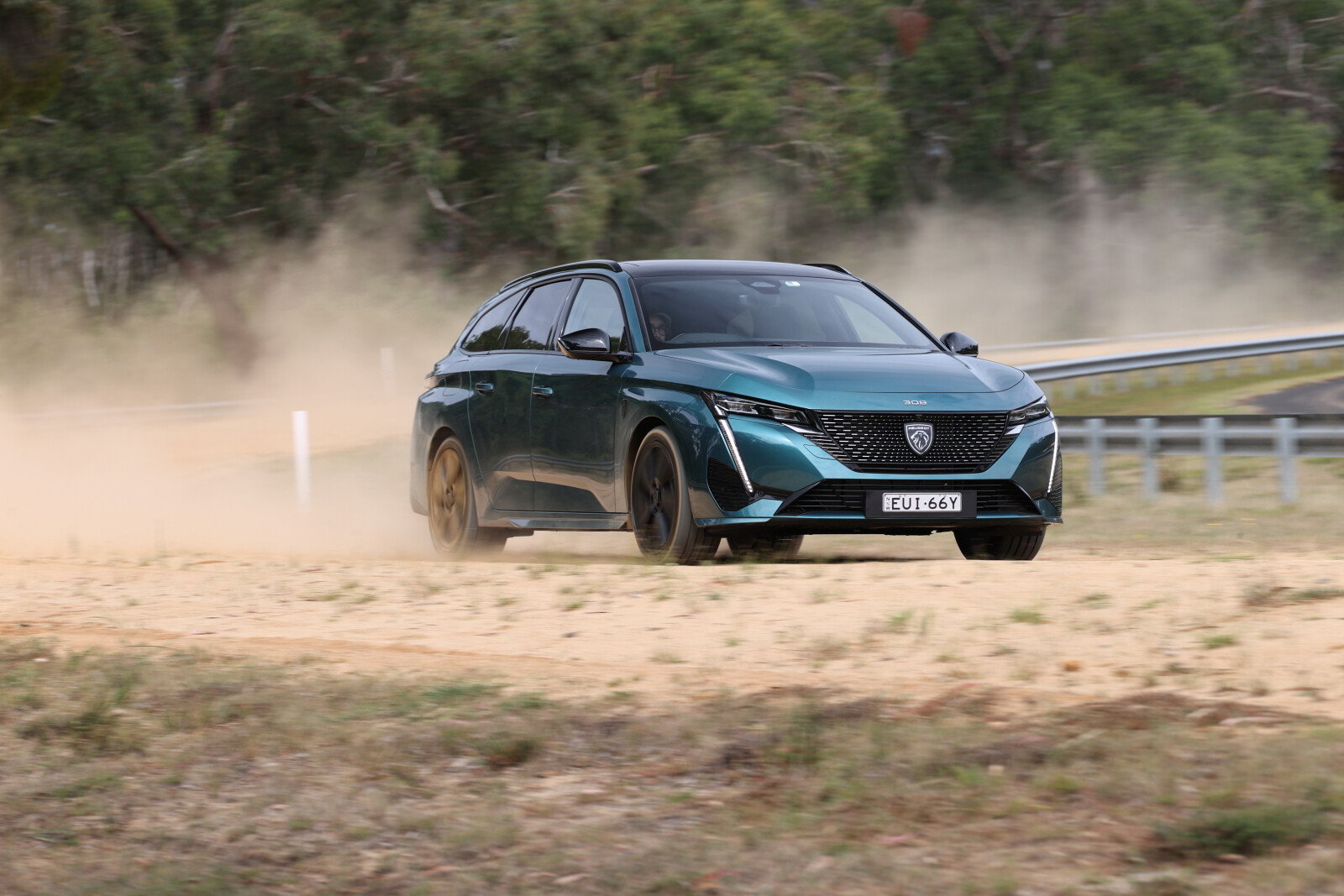
Peugeot 308
The previous 308 almost won our award back in 2014, so a fresh version with sharper styling and a slick cabin is a tasty proposition.
We’re testing two versions this time around: the GT hatch and the GT wagon.
MORE
Everything Peugeot
1
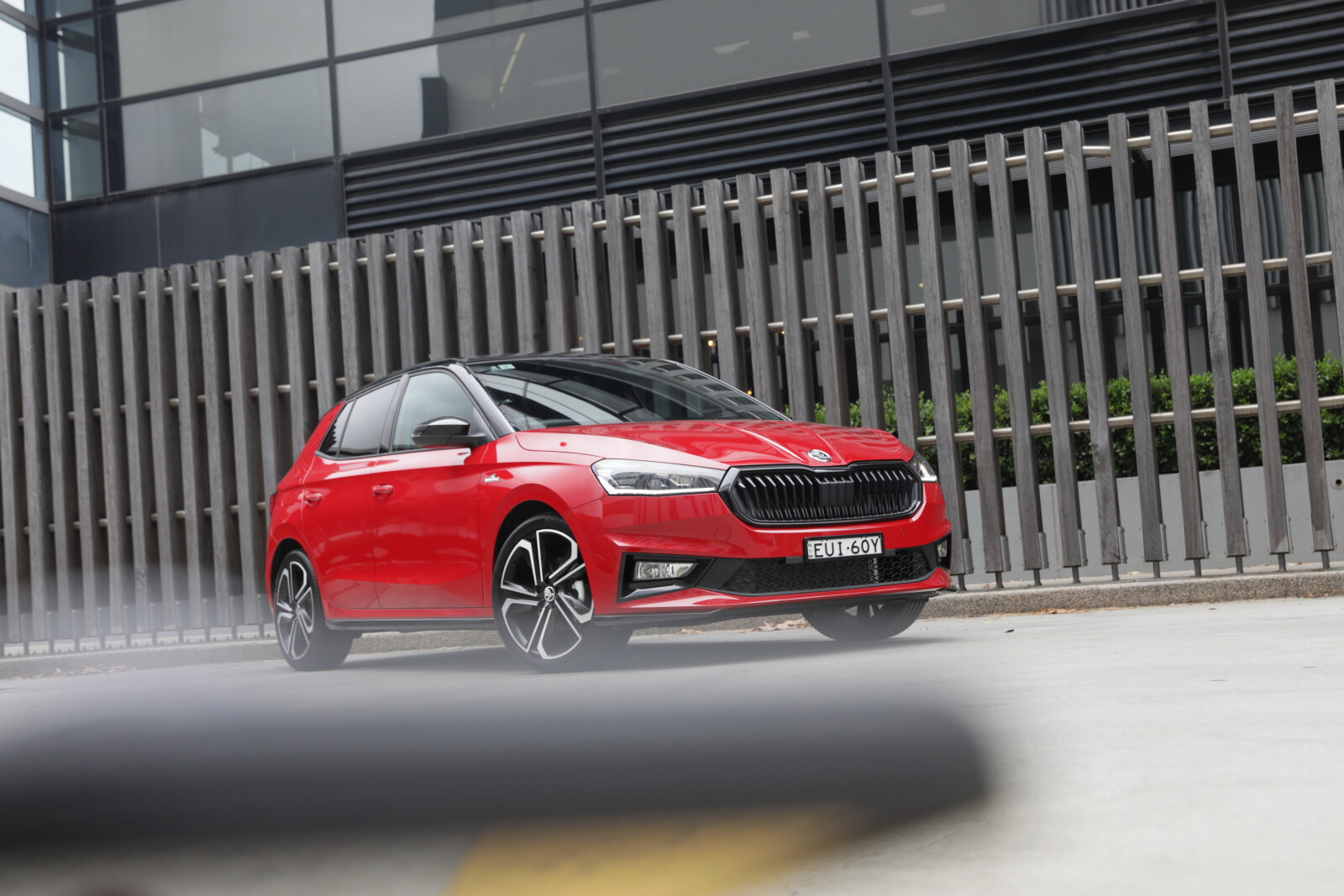
Skoda Fabia
Sporty small car that brings fun, punchy performance and lots of thoughtful touches.
Looks chic, too, and has one of the best-equipped boots of the entire field thanks to decent volume, bag hooks galore and more nets than a fishing trawler.
MORE
Everything Skoda
JUMP AROUND
- Audi A3
- Audi e-tron GT
- BYD Atto 3
- Cupra Formentor
- Ford Everest
- Ford Ranger
- Genesis GV60
- Nissan Qashqai
- Nissan X-Trail
- Nissan Z
- Peugeot 308
- Skoda Fabia
- Range Rover
- Tesla Model Y
- Toyota Corolla Cross
- Toyota 86
- Volvo C40
1
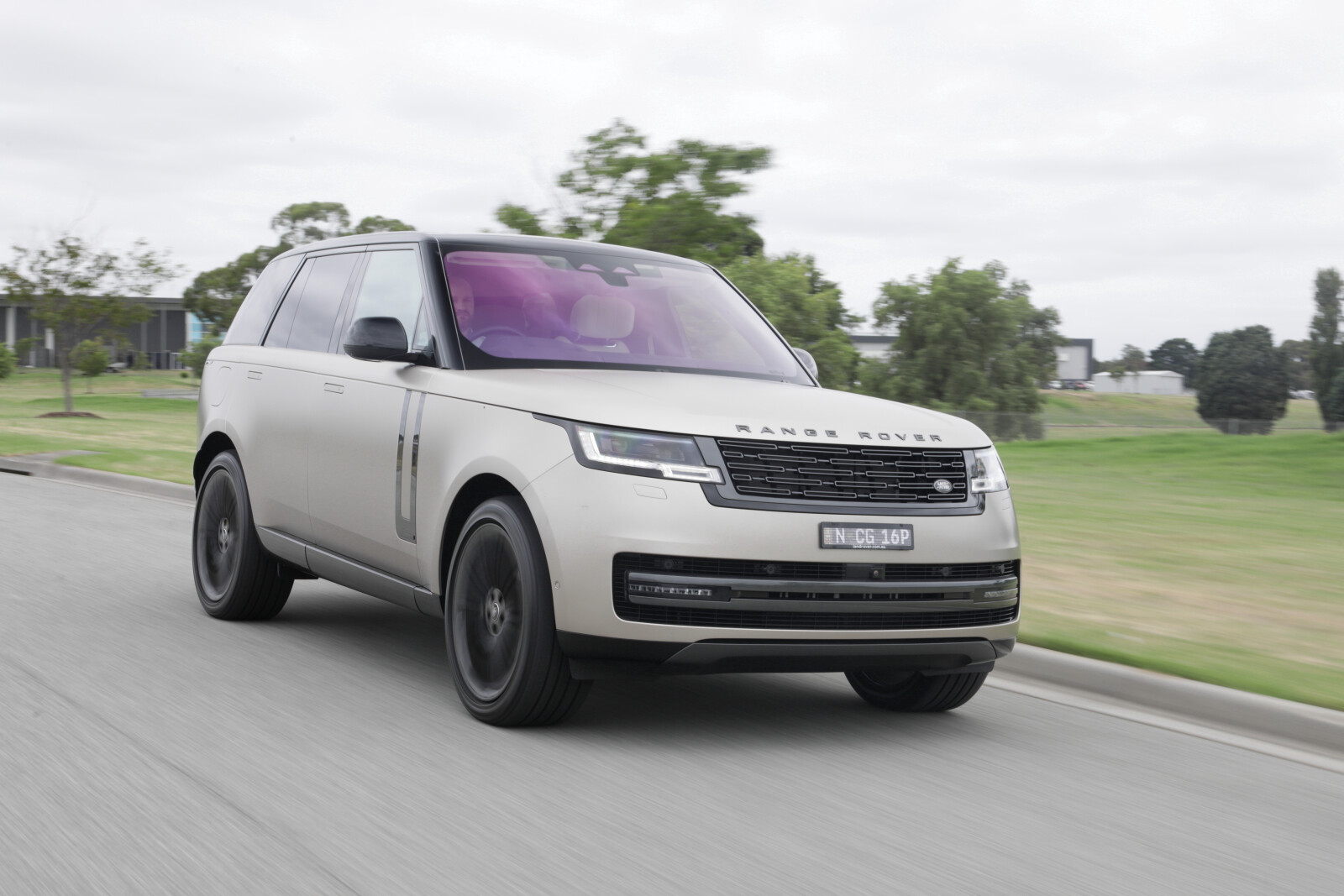
Range Rover
Fifth generation of a 4X4 icon is a mighty thing to behold, both for its sheer size and price tag.
We’re testing one variant at COTY: the P530 First Edition, which packs a 4.4-litre V8 and costs $321,875, making it easily the most expensive car in the field.

1
Tesla Model Y
Earns its place on the starting grid purely through virtue of being one of Australia’s most popular electric cars.
That it also offers a seriously persuasive combination of performance, room, equipment and driving range only sweetens the deal. Could this be the car that finally seals Elon an elusive first COTY? We’re testing the Standard Range variant.
MORE
Everything Tesla

1
Toyota Corolla Cross
Virtually guaranteed to be a huge seller (Toyota + SUV + hybrid option = enormous popularity), but Corolla Cross also offers plenty of space, surprisingly good ride compliance and a welcome infotainment upgrade.
Concerns linger over whether it’s a return to Toyota’s old/boring recipe, but TNGA underpinnings offer loads of promise.

1
Toyota 86
Famously won our award back in 2012 thanks to its brilliant combo of affordable rear-drive thrills.
New version advances the original with more grunt and a nicer cabin. Lack of active safety gear on manual versions is a bummer, though. Still… slidey shots, anyone?
MORE
Everything Toyota
1
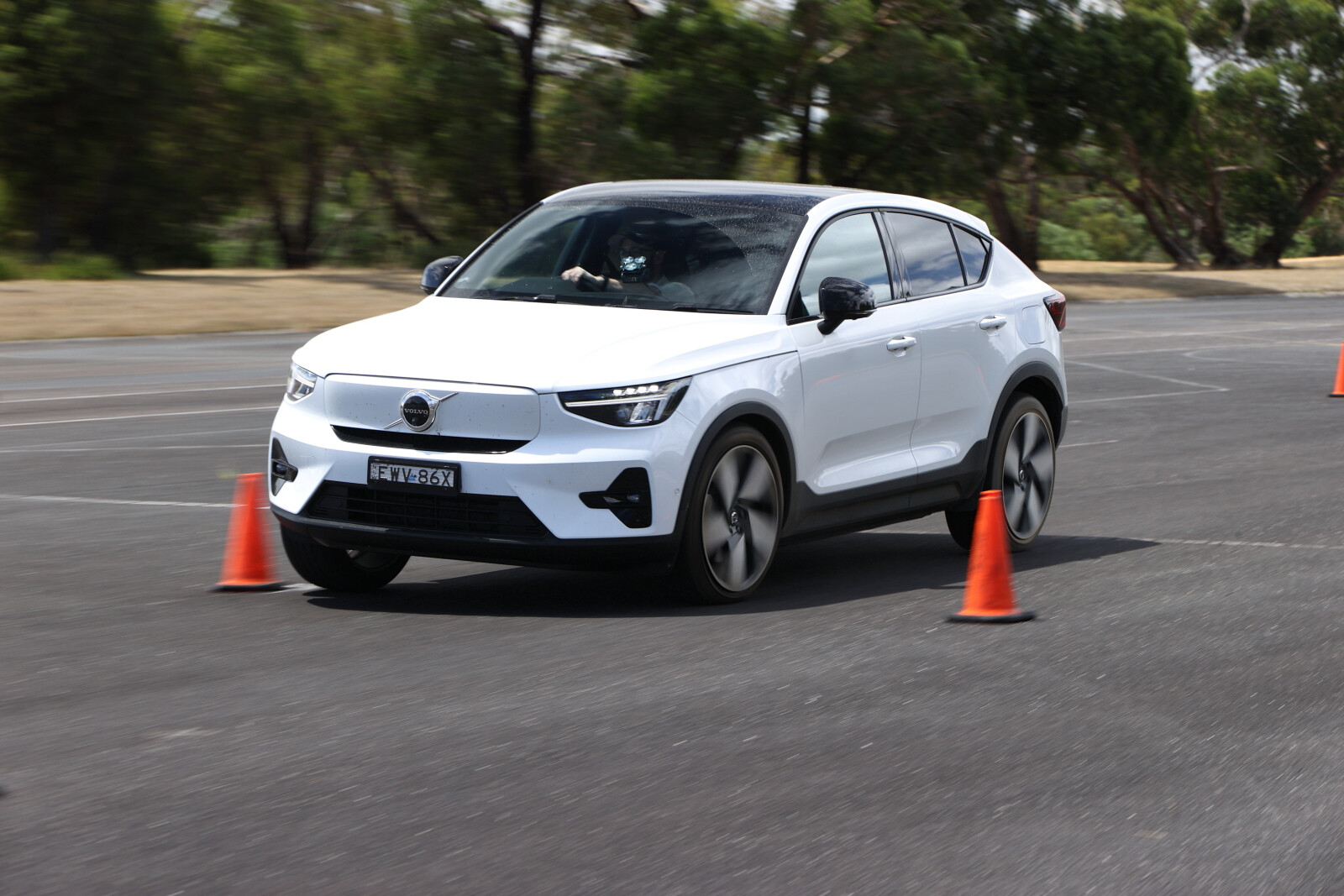
Volvo C40
Another relation to a previous COTY winner, the C40 is like an XC40 that’s packing loads more grunt and an even more stylish bum.
Getting pricey, though, especially in the Twin Motor guise we’re testing.
MORE
Everything Volvo
MORE
Electric Car Reviews
MORE
SUV Buyers Guide
UPDATE: Facelifted Volkswagen ID.3 headlights revealed
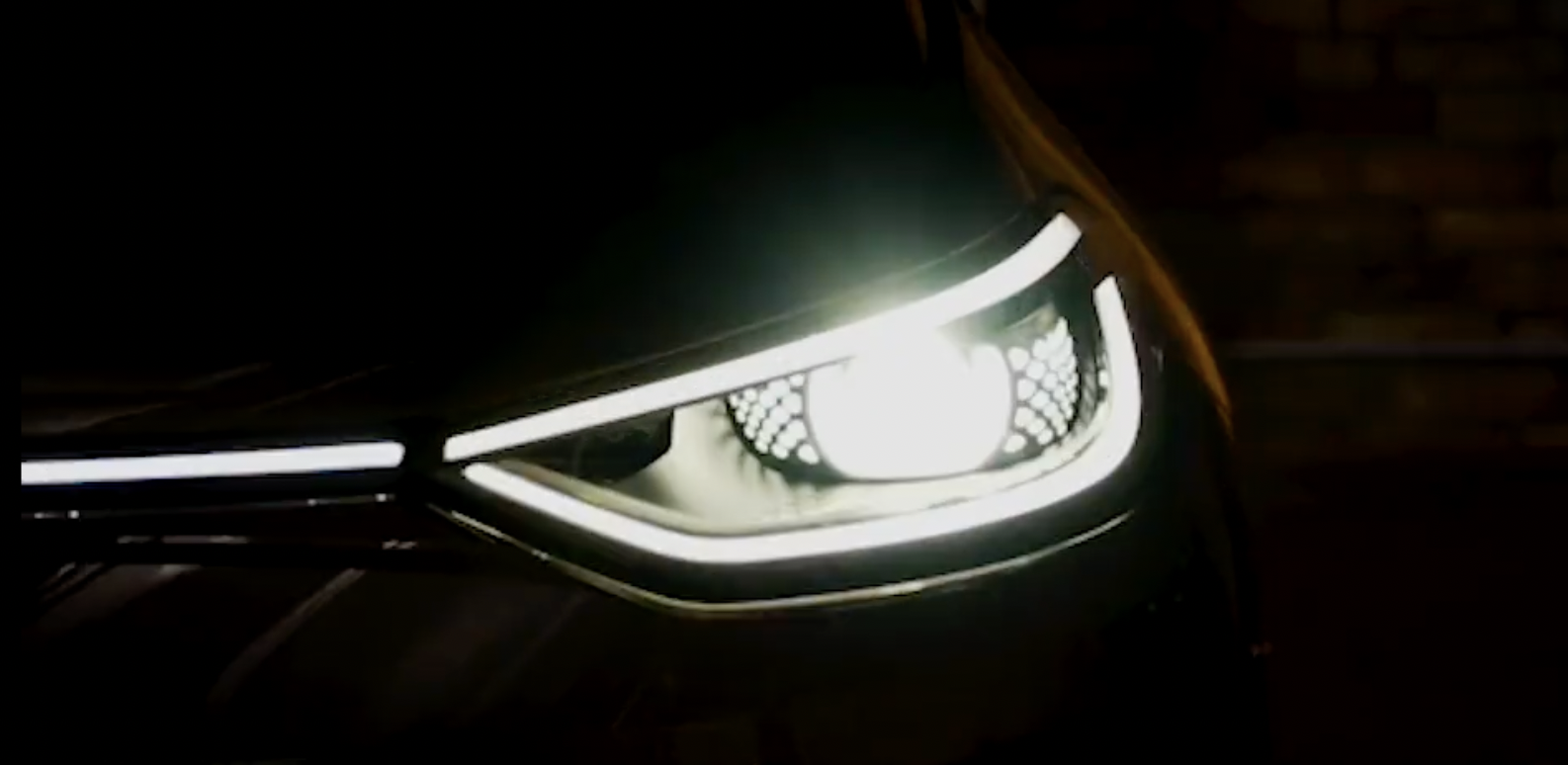
Volkswagen has teased the headlights of its facelifted ID.3 electric vehicle in a video on Twitter ahead of its March 1 release. An Australian release is still expected in early 2024 following ID.4 and ID.5 later this year.
The short video doesn’t give a huge amount away, but it does showcase slightly different headlights. The items are narrower and appear more aggressive, while inside the lamps continue with the honeycomb mesh around the main beams.
3
It appears as though there are more LEDs in each unit, potentially improving the spread and accuracy of ID.3’s optional adaptive matrix beam headlights.
Volkswagen has also maintained the same indicator location and LED strip that links the headlights through the centrally-located badge.
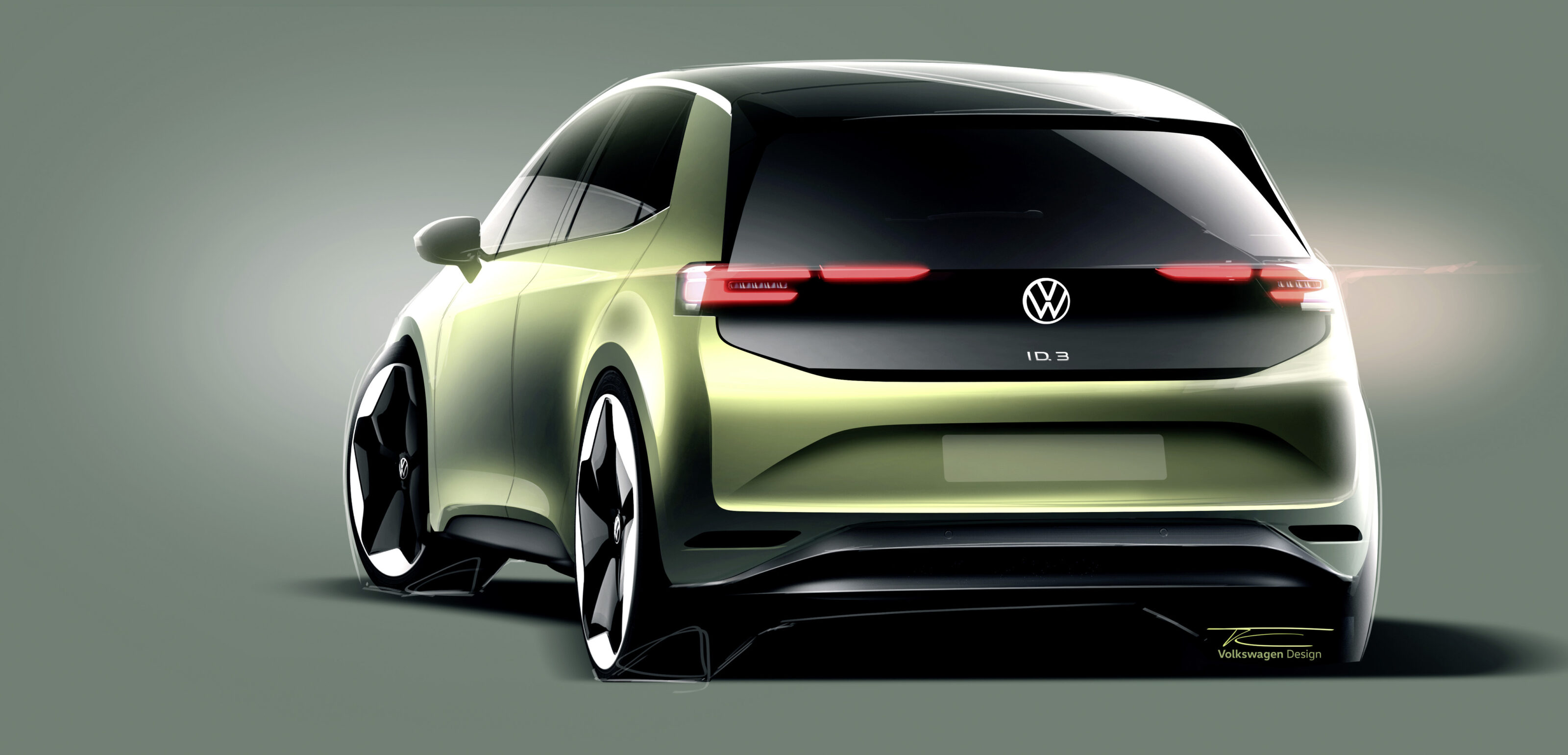
The video also seems to confirm that a new army green hue (as seen in the below preview sketches), will become the ID.3’s hero colour. We expect the front bumper to ditch its honeycomb motif too, with a cleaner look featuring air curtains on the outer edges.
Our original story, below, continues unchanged
The story to here
December 2, 2022: 2024 Volkswagen ID.3 teased
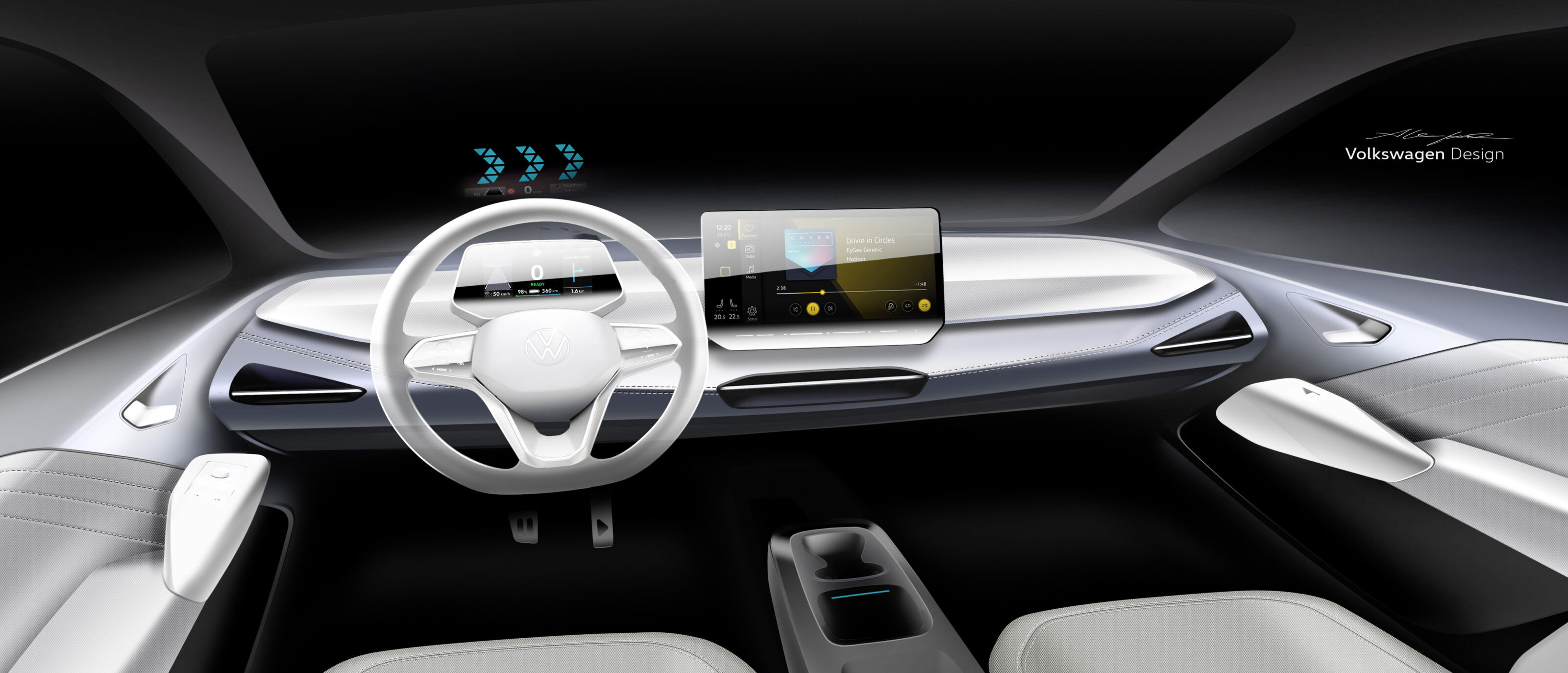
Just days after brand boss Thomas Schäfer spoke openly about buyer feedback on the disappointing functionality of the carmaker’s latest infotainment systems and controls, official new teaser sketches for the updated 2024 Volkswagen ID.3 EV have been released.
And, as local VW product chief Michelle Rowney told Wheels in November when asked why the ID.3 had not yet been given an Australian launch date: “the reason we were waiting for it is that it’s substantially upgraded. It’s about as re-invented as a midlife reinvention could be.”
It now seems a 2024 launch in Australia is all but confirmed. (Even European buyers will not see delivery of most variants, thanks again to semiconductor shortages, until late 2023.)
1
As for what the updated ID.3 will bring, the brand says, again with surprising openness: “Volkswagen has listened to its customers and implemented many of their suggestions”.
Among those changes is a boost in interior material quality, seemingly restoring the ID.3 to the sort of production budget enjoyed by Volkswagen before it was forced to pour more than $50 billion ↗ into Dieselgate penalties and its pivot to an electric focus.
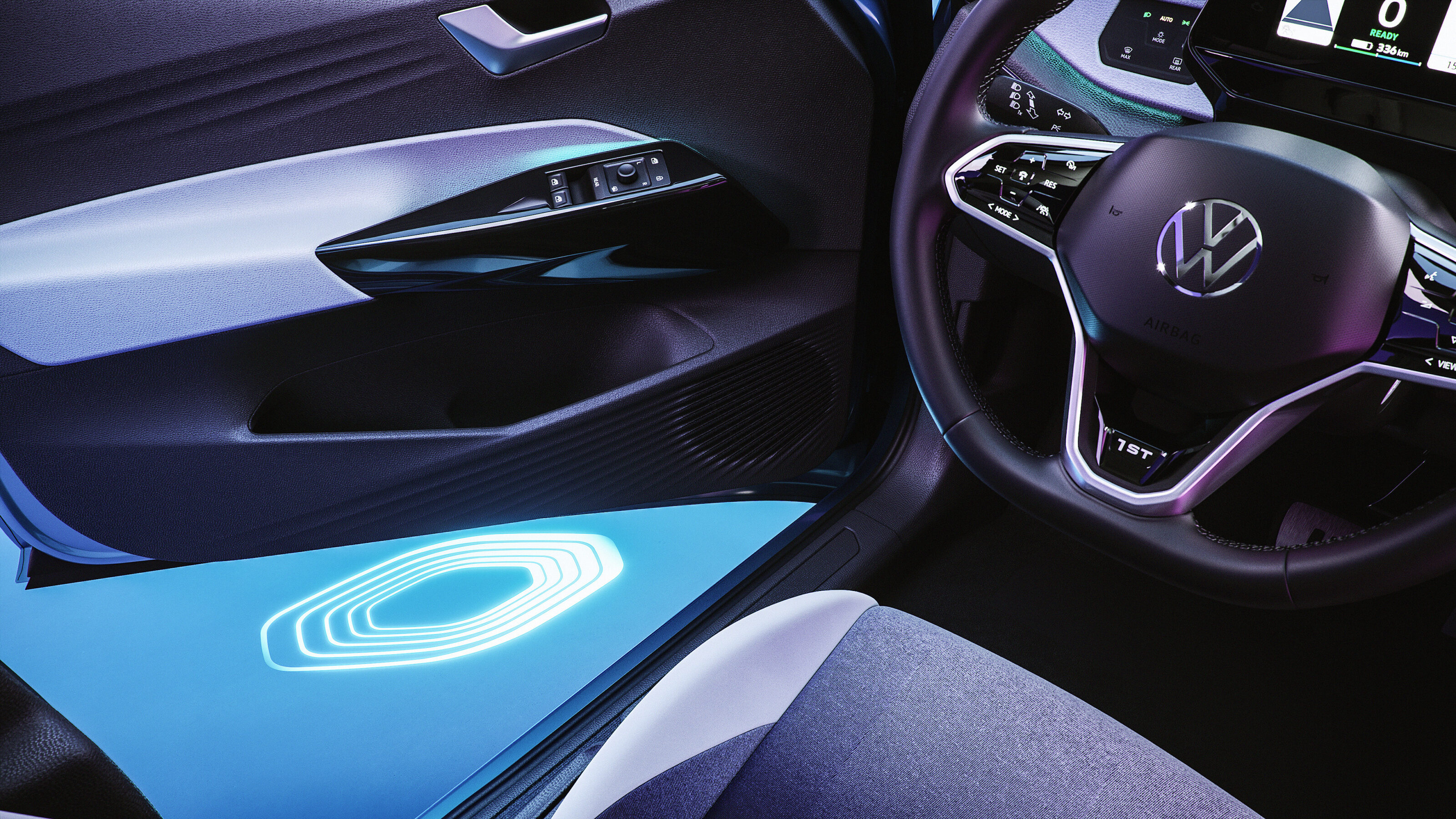
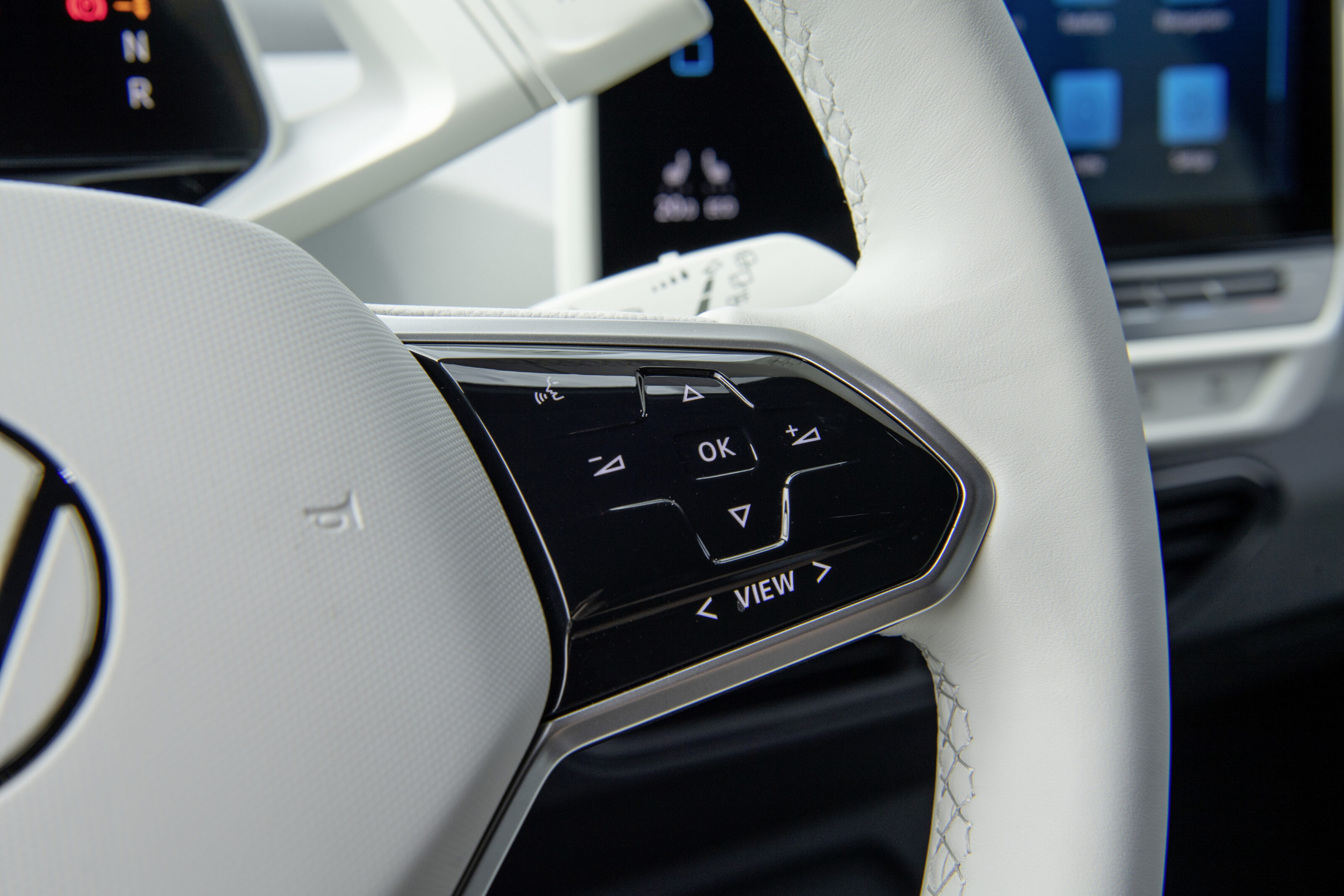
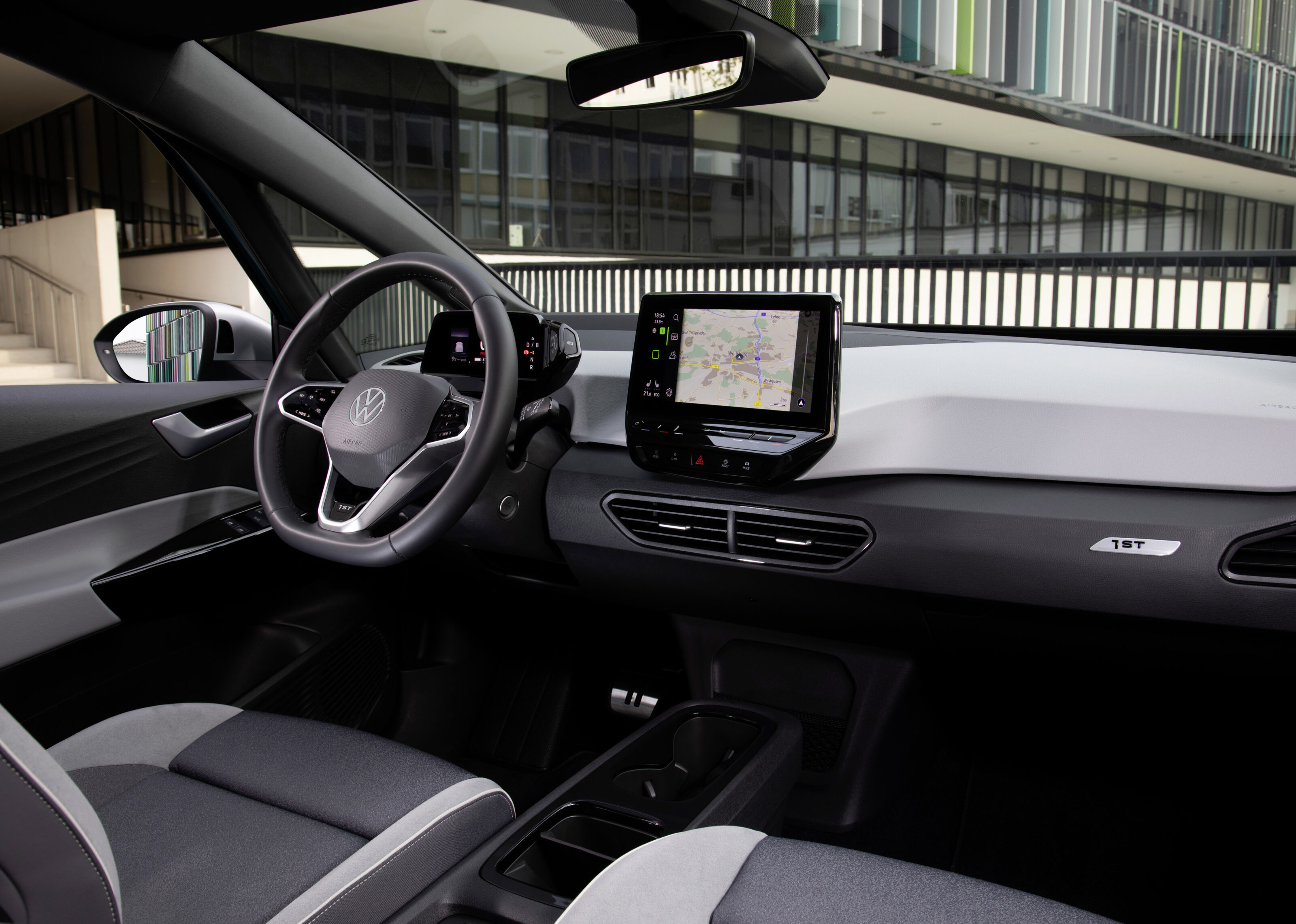
At this point, it’s not expected that buyers will see any changes to physical controls, particularly as the one actual photograph released today shows the same single-piece indented steering wheel controls used in the current model. As Schäfer previously commented, new physical switches won’t appear until the next Tiguan SUV arrives.
Likewise, controlling all four windows remains a job of toggling the two switches between front and rear – via a button just below the toggle used to control the left and right powered door mirrors.
1
The sketches do hint at a more premium dash finish, however, with what appears to be a new soft-touch surface with the stitched seams that have come to symbolise quality over the past decade-or-so. (Indeed, we’ve more than once seen fake stitched seams moulded into the hard and soft plastic dashes of cheaper models.)
And, unless Volkswagen is toying with us, the sketches also hint at illuminated capacitive sliders at the bottom of the centre display panel, addressing a major complaint among owners and media alike. One confirmed detail, at least, is an upgrade to the display’s dimensions, growing from 10 to 12 inches – matching that of the bigger ID.4 SUV.
On the outside, it appears we can expect a new front bumper design, with the rest of the ID.3’s exterior styling otherwise unchanged for the new model year. Not quite “about as re-invented as a midlife reinvention could be,” but it’s a start.
Watch for more details as the updated ID.3 makes its official debut next year.
1
The story to here
November 28: VW boss talks quality at LA auto show
Volkswagen CEO Thomas Schäfer has spoken candidly this past week at the Los Angeles Auto Show, telling the UK’s Car magazine that the business is well aware of the media and market feedback on the infotainment experience in some of its more recent models.
“We know what we need to do,” Schäfer told Car. “We’ve got feedback from customers, we’ve feedback from clinics and from journalists… They say, ‘You know this is not good. You’ve got to improve this’.”
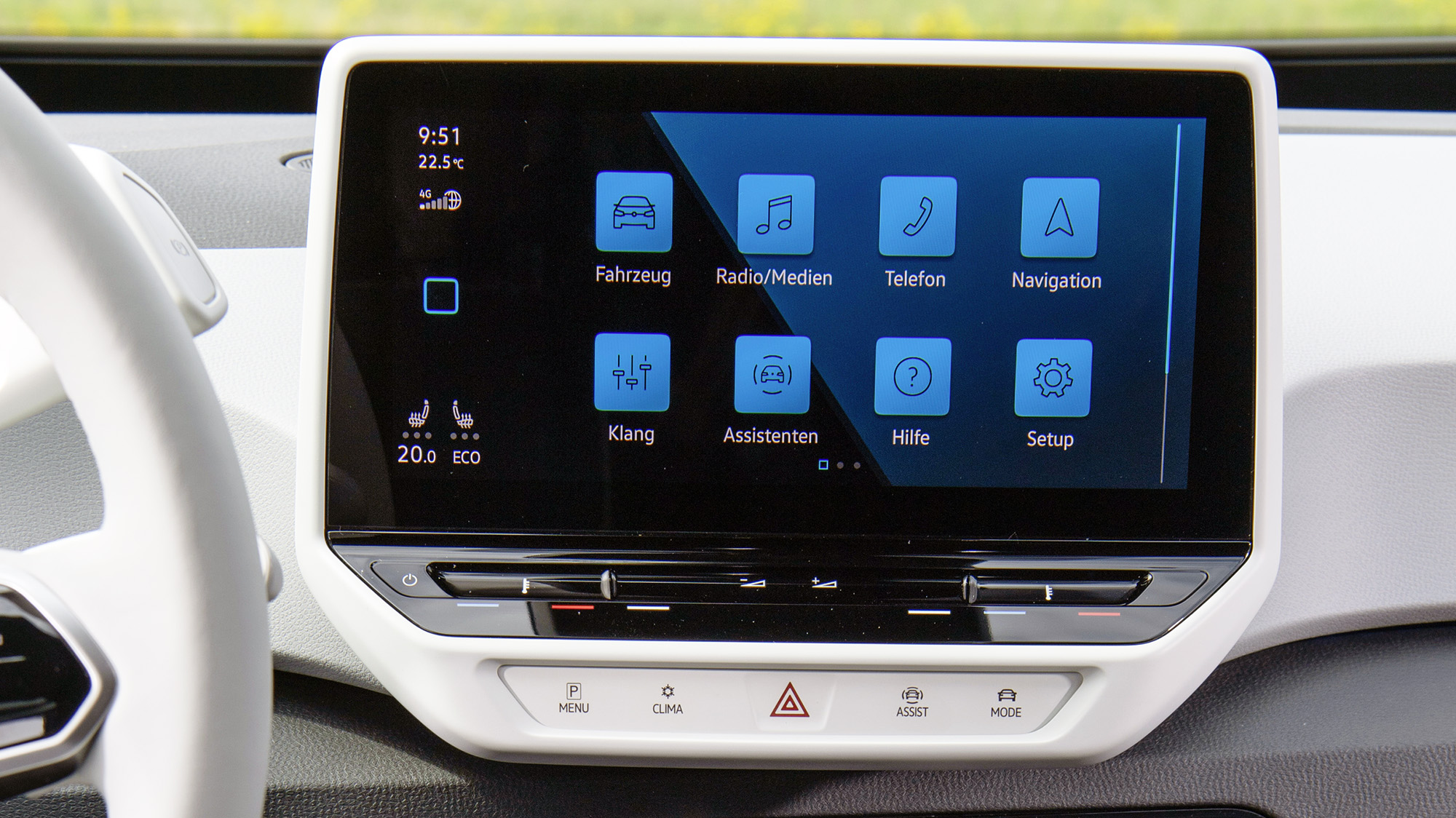
Schäfer said improvements will come to the infotainment software in existing models already on the market by the end of 2022, while updated hardware –including faster processors and physical buttons to replace the glossy single-piece capacitive buttons and sliders of the steering wheels and dash controls – will come with refreshed and brand-new models from next year.
1
As Car notes, the change can be considered similar to what tech giant Apple has done with its MacBooks, dropping the derided ‘touch bar’ to return to physical keys for the function row across the top of the keyboard.
In particular, Schäfer said one of the most common complaints for its infotainment controls centred on the capacitive slider beneath the display, which was not illuminated and thus difficult to work at night. This too has been corrected for MY23 vehicles.
1
Schäfer admitted that the feedback from market – and likely also from senior executives within the group, once they’d experienced the issue in their own company pool cars – has been so loud that the board now convenes monthly with the responsible teams to tinker directly with mockups produced for their approval.
More user clinics have also been put together. “We use random people. If you asked our own employees all the time, they’ll say that it’s great. But they’re biased! You need to take people from all walks of life, including ages,” Schäfer said.
It’s a remarkably frank interview, so be sure to read it in full at CarMagazine.co.uk.
Comparisons
Best Electric Cars Under $65k: Affordable EVs Rated
Welcome to part one of three price-based EV buying guides, this one focused on the most affordable electric cars available in Australia today
UPDATE: Australian VW comments on ID.3, ID.4 and ID.Buzz
Speaking with Wheels Media at a recent drive event in Sydney, communications chief Paul Pottinger and product boss Michelle Rowney touched on the ideas behind the launch schedule for its incoming new electric models.
Asked about the order of its electric model launches, Mr Pottinger said: “Someone was asking me: ‘Why not launch ID.3 [before ID.4], it’s cheaper?’ That’s like saying Golf is cheaper than Tiguan – but everyone wants a Tiguan.”
Ms Rowney added: “We want to deliver what our customers really want [and ID.4] is what Volkswagen customers want.”
Now that we know the ID.3 is set for a big quality overhaul (outlined in our original story below), the local execs are prepared to talk more on its Australian launch timing.
“And, the reason we were waiting for it is that it’s substantially upgraded. It’s about as re-invented as a midlife reinvention could be”, she said.
“[So] we’ll get it earlier. It was always following ID.4 and ID.5, so it will come the following year, 2024, and [the facelift being pulled forwards] means we’ll get it earlier.”
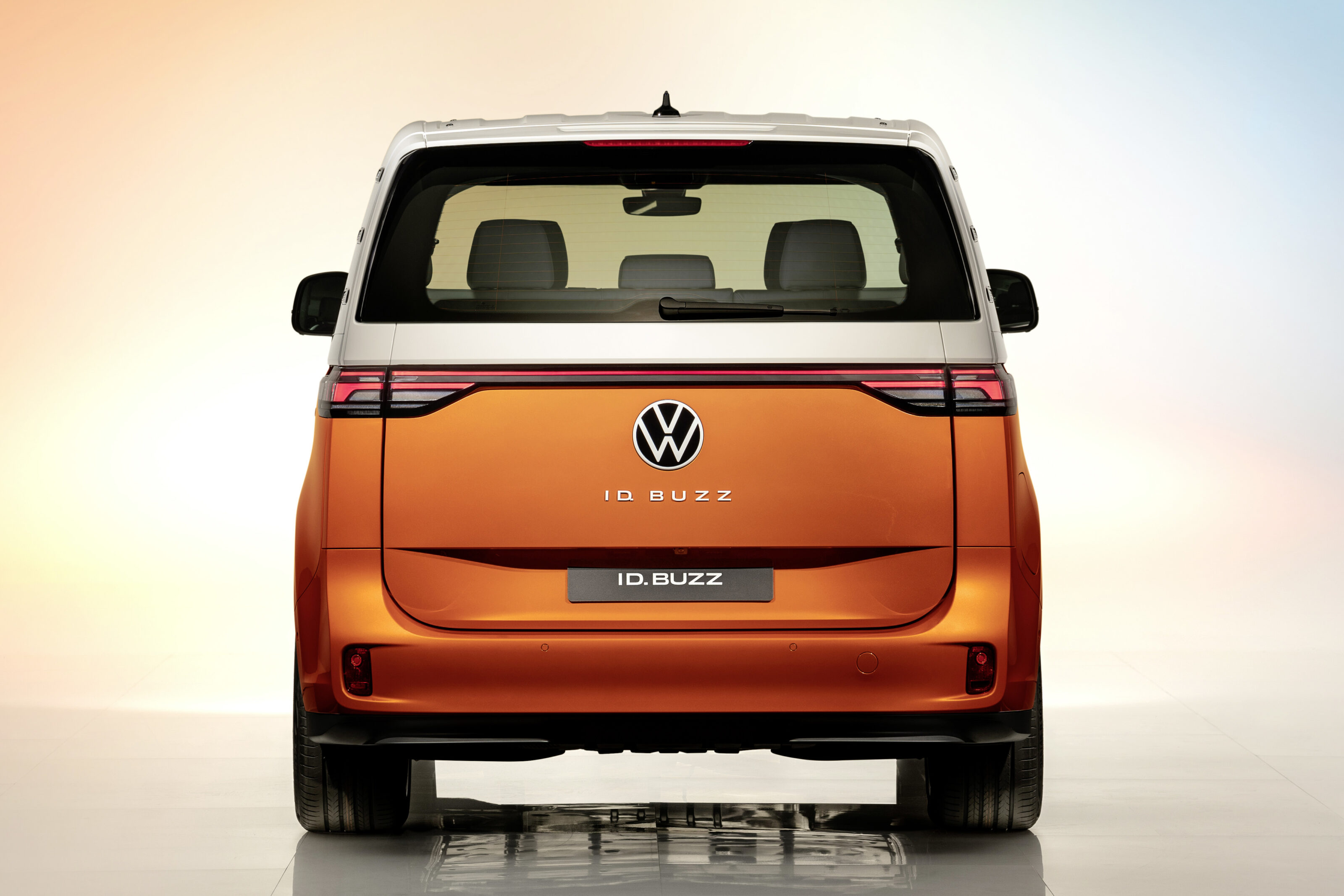
The chat also brought further confirmation that the ID.Buzz will come to Australia, albeit not until after the ID.3.
15
October 29: ID.3 facelift to overhaul quality, small electric SUV coming
“The new 2023 Volkswagen ID.3 is taking a significant and noticeable leap forward in terms of quality, materials and system stability. [It’s] a car that delivers what the Volkswagen brand promises.”
Snapshot
- ID.3 facelift rushing to market with big quality boost
- ID.3 to get a small electric SUV companion
- VW boss plans to re-establish brand as a benchmark
The rush for legacy car makers to introduce new electric models continues apace, with Volkswagen’s top brass revealing two key details this week:
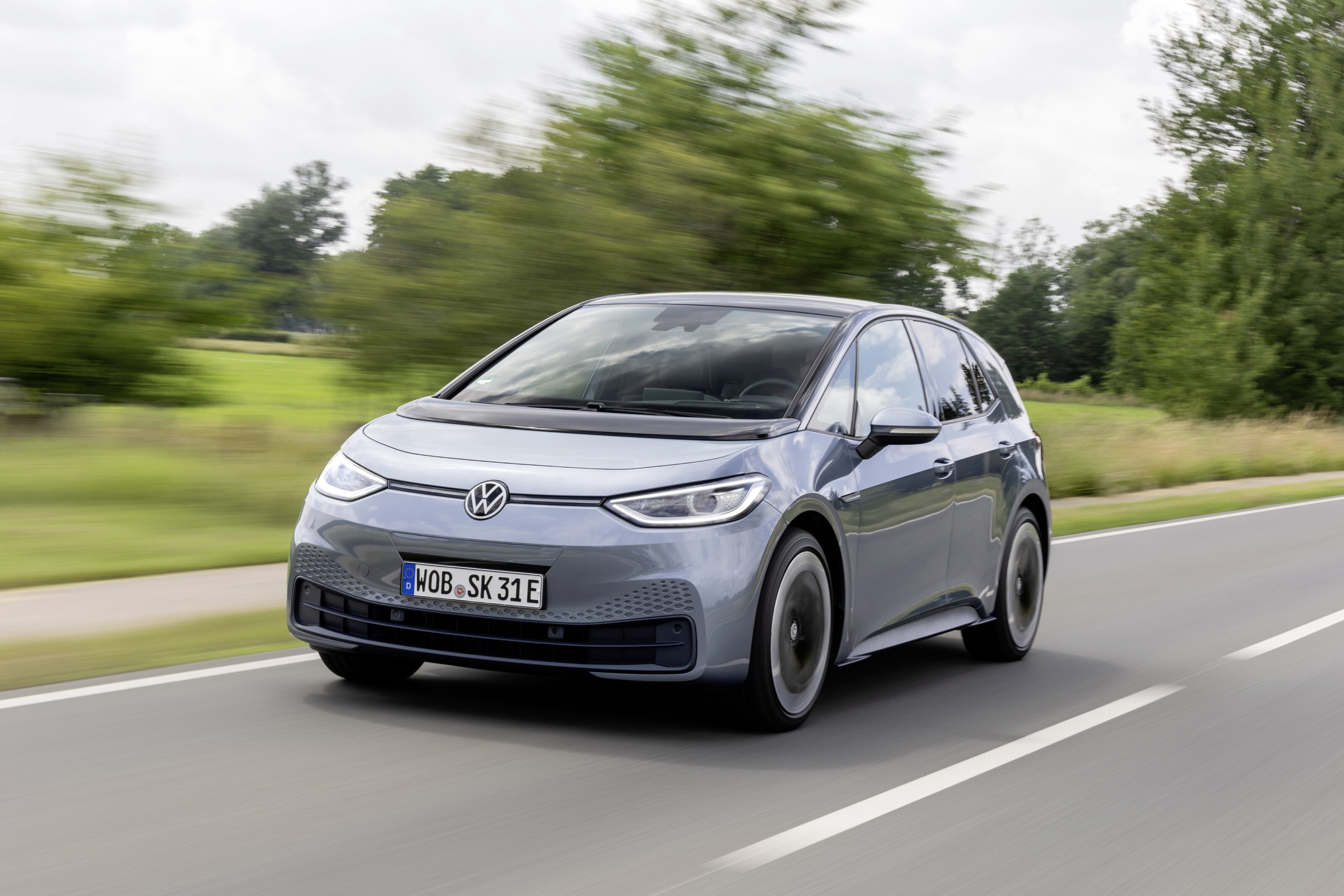
An ID.3 electric SUV is in the works, and a significant update is imminent for the existing ID.3 electric hatch.
2
Speaking with the UK’s Autocar on the topic of the ID.3 hatch, VW group boss Thomas Schäfer said, “We’ve listened very carefully to the ID.3 community, and we’re bringing forward the facelift of our first MEB [platform] model to 2023.”
Schäfer expanded on his expectations for the electric hatch, adding:
“The new Volkswagen ID.3 is taking a significant and noticeable leap forward in terms of quality, materials and system stability. [It’s] a car that delivers what the Volkswagen brand promises.”
In his interview with Autocar, Schäfer said the Volkswagen group he leads has rediscovered an obsession with setting the standard for the market, “with product substance, top design, quality and handling of our cars”.
Advice
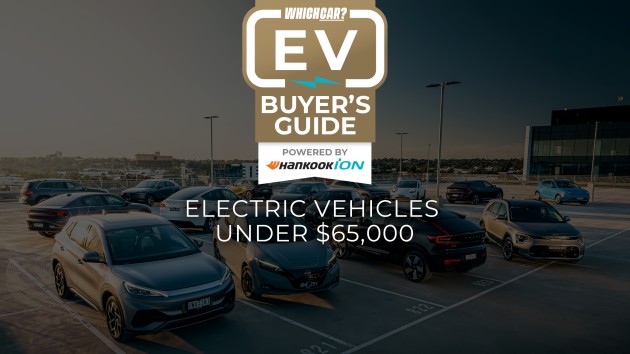
EV Buyer’s Guide: Electric Vehicles Under $65K Ranked – The Best and The Rest
Welcome to part one of three price-based EV buying guides, this one focused on the most affordable electric cars available in Australia today
This news follows reports of troubles with the ID.3’s infotainment – a bugbear that some suggested was the cause for departure of previous CEO Herbert Diess.
A key upgrade in the cabin is expected to be the return of physical controls, a result of feedback from a new Customer Focus Board Committee, established to “discuss specific customer wishes, and quickly implement them”.
Schäfer’s acceleration of the updated ID.3’s launch reveals a renewed focus the new CEO is bringing to the German brand, particularly on its introductory EV models, ahead of looming regulatory deadlines.
1
Volkswagen ID.3-based electric SUV coming
While Europe’s 2035 ban on the sale of internal combustion engined vehicles is still over a decade away, VW is accelerating development in order to have a solid variety of electric vehicles ready.
Having a diverse range of EVs in dealerships would help cater to all the various tastes of the market, with the new CEO revealing plans for an ID.3-based crossover vehicle as well.
“[VW is] working hard to develop an additional compact SUV based on the ID 3 so that we can also launch a Volkswagen product in this fast-growing vehicle segment.” Schäfer said.
1
Details of the new model are still to come, but buyers can likely expect to see a model with unique styling but a similar footprint – similar to the relationship between the existing Volkswagen Golf hatch and T-Roc SUV.
It will be a critical model for Volkswagen, because the ID.4 is currently the brand’s smallest electric SUV. A smaller Golf-sized SUV would significantly improve affordability and likely boost sales, given the popularity of the small-SUV segment globally.
The new model, along with the updated ID.3 hatch, will be among 10 new and updated EVs to launch in the Volkswagen ID range by 2026.
“From the entry-level e-car with a target price of under €25,000 (AU$39,000) to the Volkswagen ID Buzz and the new flagship Volkswagen ID Aero, we will have the right offer in every segment,” Schäfer told Autocar.
When will the ID.3 finally come to Australia, and what about this new SUV model?
While the ID.3 has been confirmed for Australia, it’s unlikely to hit our showrooms until 2024.
But, given the popularity of high-riding models in Australia, the SUV version of the ID.3 is likely to be a sure thing for our market.
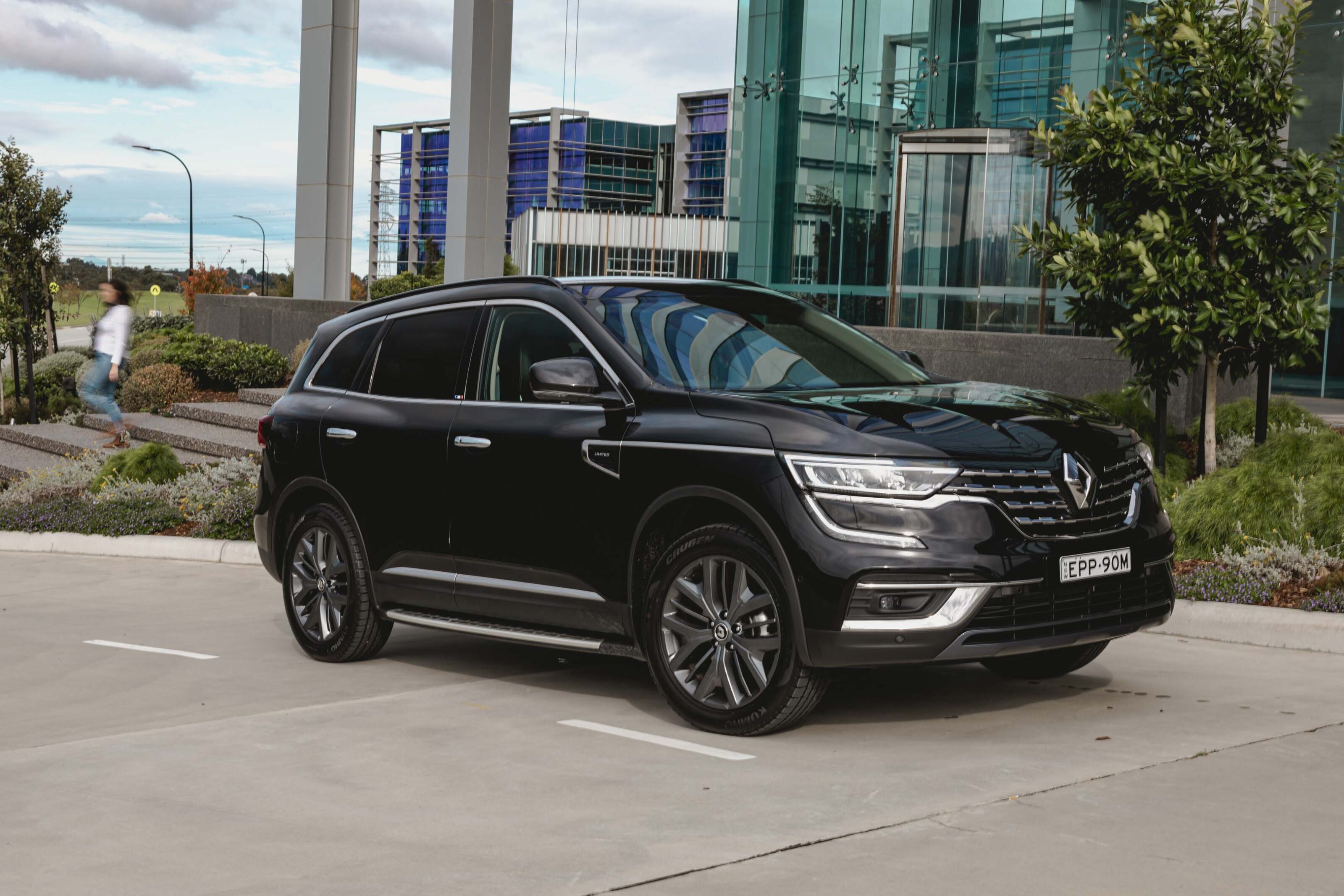
After confirming that the Megane E-Tech will go on sale in the fourth quarter of this year, Renault Australia general manager, Glen Sealey, promised that the Koleos medium SUV will stick around in its current form.
Snapshot
- Current Koleos to continue until end of 2024
- Next-gen Koleos may not be an EV
- Platform sharing with Nissan X-Trail in doubt
“[Koleos] continues as is for the moment. We know production will run through this year, through next year. And after that, we don’t know”, Sealey said.
Renault has not yet announced plans for a Koleos follow-up, but Sealey re-iterated that the brand isn’t abandoning combustion-engined cars just yet.
“If you look at what Renault has done, [it’s] separated the company into a number of pillars, one is ‘Power’. That’s the nickname for development of internal-combustion engines… the fact Renault is still investing in internal-combustion engine shows that [it] has an international focus beyond Europe”, said Sealey.
MORE
Midsize SUVs
1
Key developing markets outside of Europe are still demanding large volumes of petrol- and diesel-powered cars, including those in South America, Africa, Asia, and Australia.
It would be easy for Renault to lean on its Alliance siblings, both of which have very successful (and electrified) medium SUVs already in the form of the Nissan X-Trail and Mitsubishi Outlander.
After all, the Austral small SUV shares its CMF-C platform with the new Nissan Qashqai. But Sealey said a simple X-Trail twin may not be the answer for the next Koleos. Intriguing – all will be revealed in time.
Sealey was also keen to point out that, if a Koleos replacement does come along in 2025, it will be of great interest to Australia.
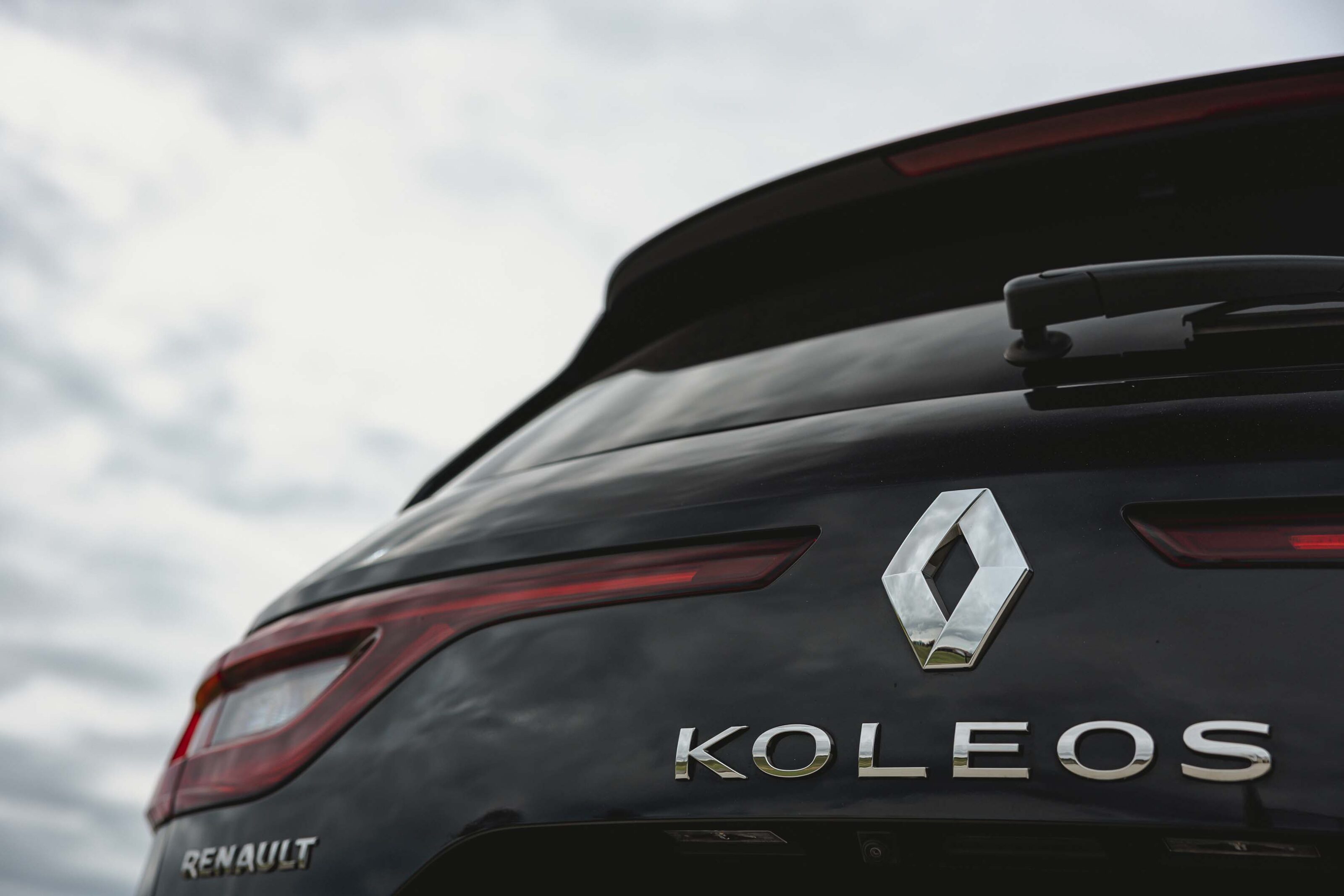
1
The Koleos is Renault’s best-selling vehicle here, recording 2552 sales in 2022, and racking up a further 320 so far in 2023, accounting for two per cent of medium SUV sales.
The current car hit Australian dealers in 2018 and is in its second generation. It’s powered by a 2.5-litre four-cylinder petrol engine and uses a continuously variable transmission. Renault offers three trim levels, with pricing from $37,000-47,700 before on-road costs.
MORE
Everything Renault
UPDATE: Renault’s Australian distributor Ateco is itching to get a hold of the brand’s electric 4 small SUV and 5 hatchback when they’re released – likely in 2025.
“For [Renault Australia], it’s particularly the 5. The 5 spearheaded the ‘Renaulution’ program and it’s a terrific take on a retro vehicle. I think it could work well”, general manager, Glen Sealey, told Wheels.
“If Renault makes [the 5] in right-hand-drive, we’ll put our hand up. It’s then a case of: will Renault make the additional investment to engineer a car to ADRs for Australia?
“The reality of corporate life is, say it cost €3 million to engineer the car for Australia. Renault could spend that same [money] and get another feature in a car for Europe that will give it a better return… it’s just allocation of resources”, Sealey added.
Our original story, below, continues unchanged
1
The story to here
October 2022: Renault’s Chief Engineer has outlined the brand’s plans for bringing its upcoming electric vehicles to Australia.
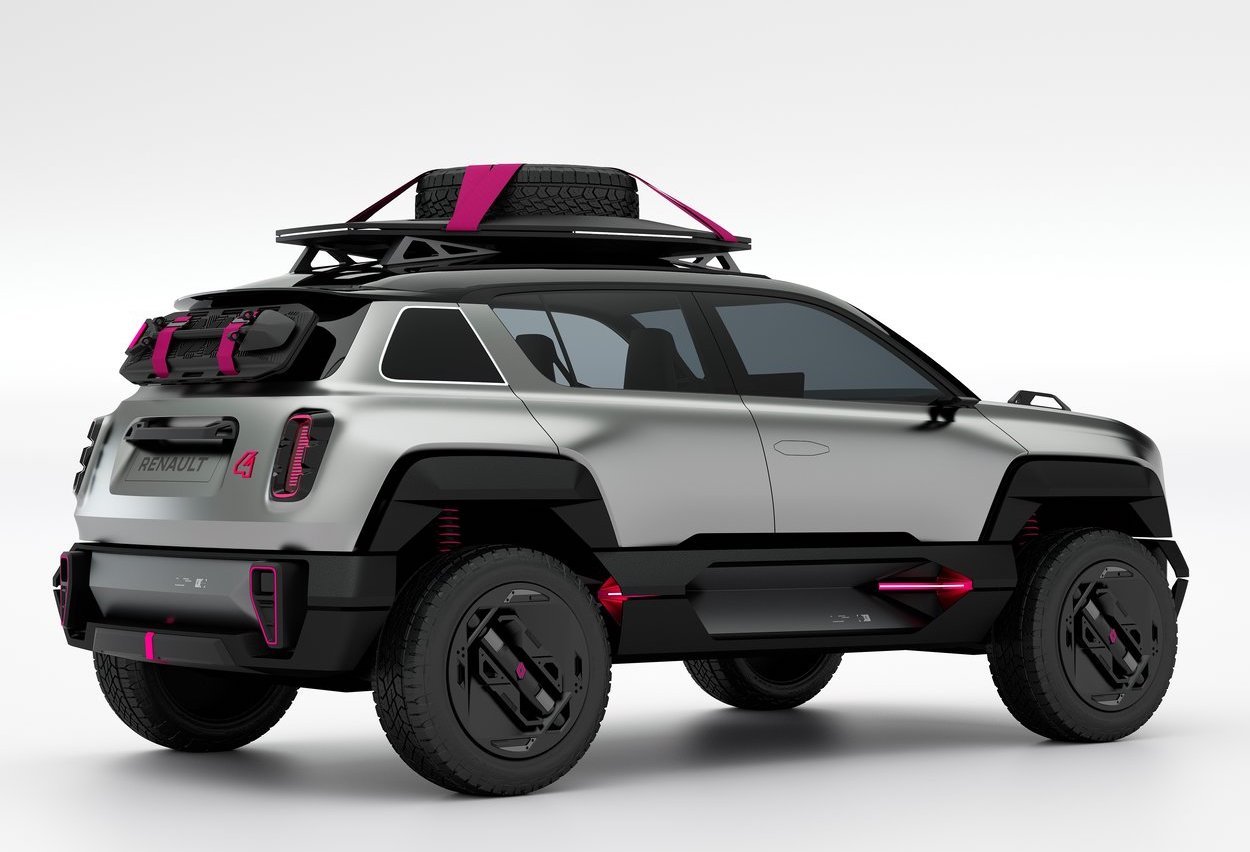
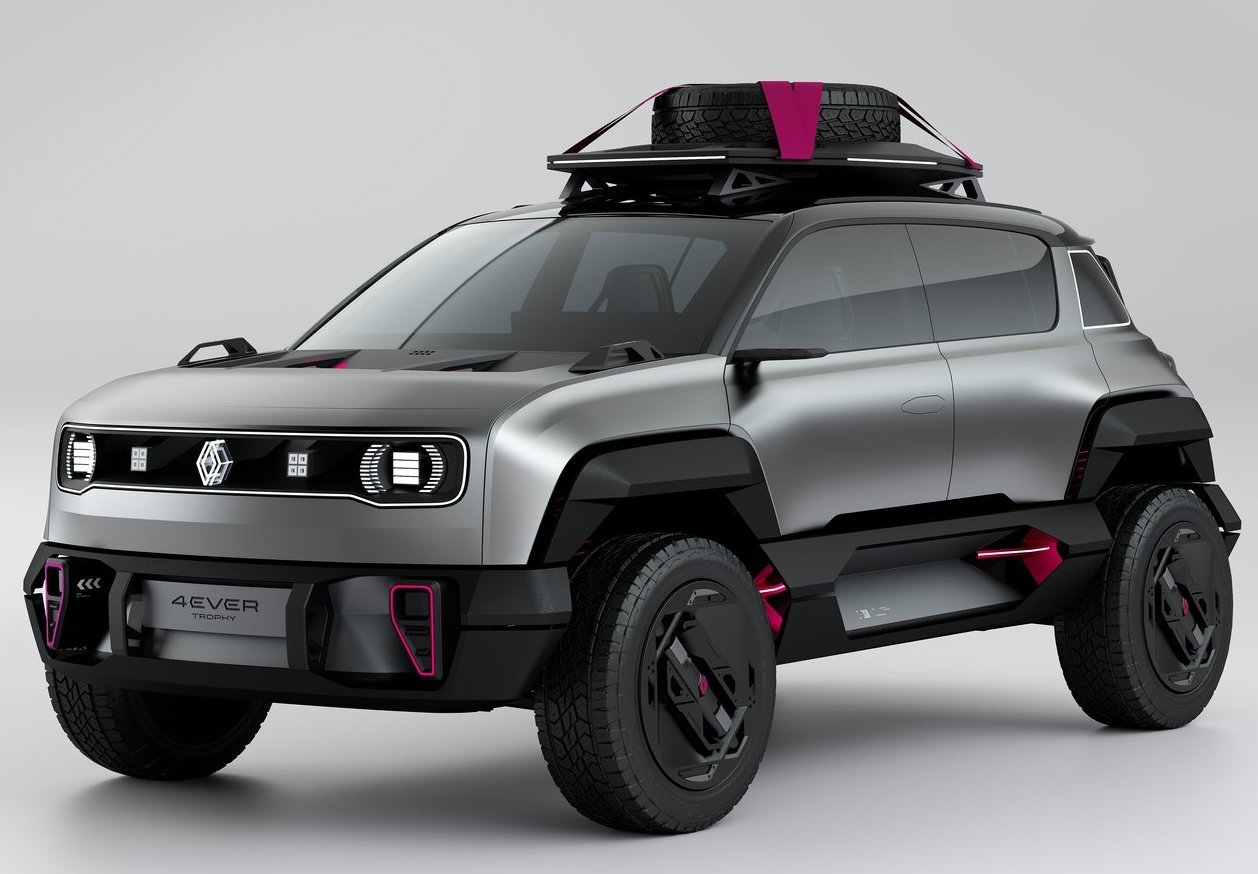
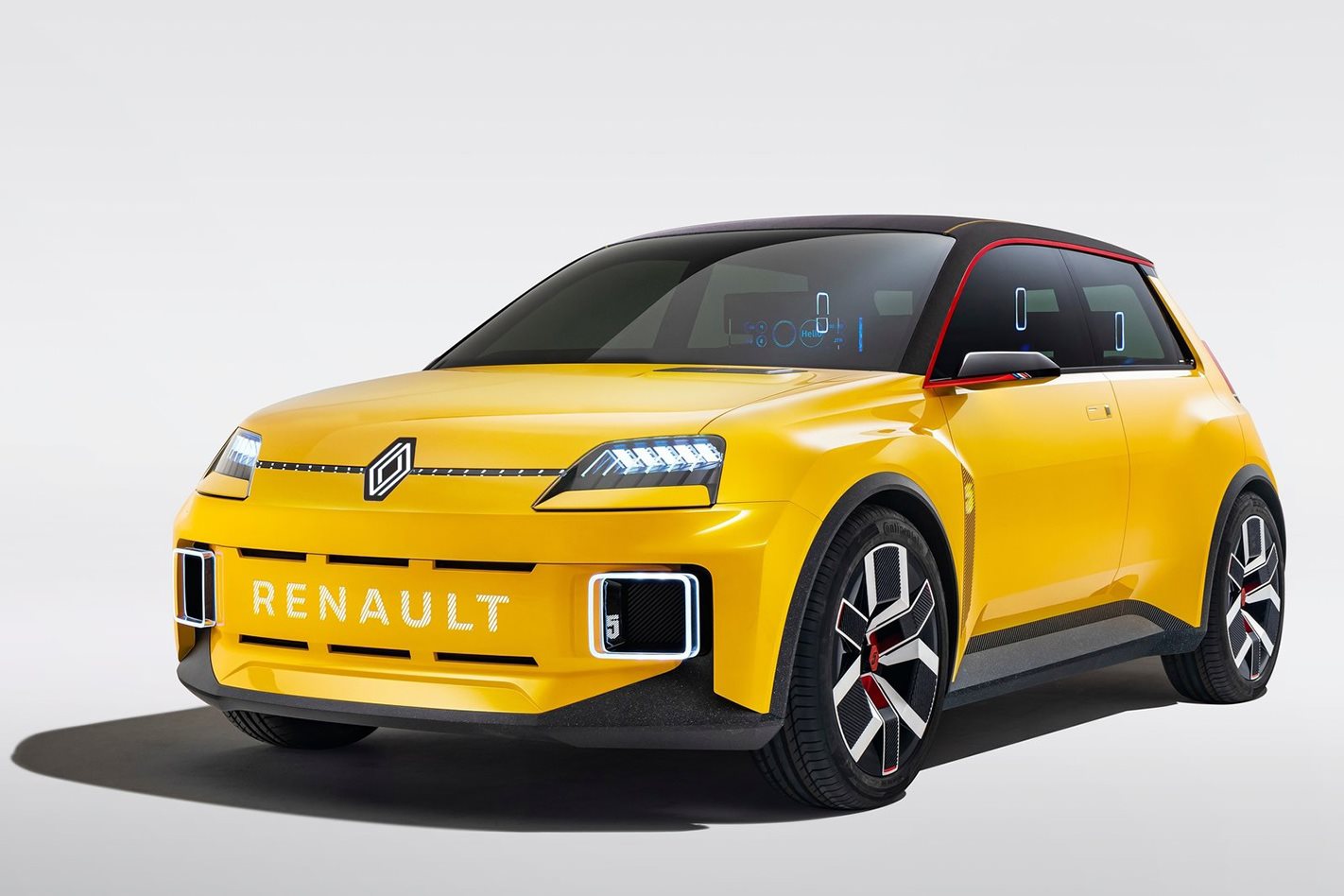
Strip away the outdoorsy add-ons of the 4Ever Trophy concept revealed at the recent Paris motor show and you’re looking at a small SUV EV due in 2025. And the 5 Prototype shown last year at the IAA Munich mobility expo previews a 2024 small hatch EV.
“Styling is still the first reason to buy,” Gilles Le Borgne told Wheels. “You know Renault brand is a pop brand, a popular brand, and we need to make mobility affordable. That’s really our role.”
But it’s cost, not cuteness, that Le Borgne is tasked with delivering.
In Europe prices of the 4 and 5 will open in the €20,000 to €25,000 range, roughly equivalent to $30,000 to $40,000 in Australia. And Le Borgne cheerfully reveals how Renault aims to hit its price targets.
1
Both small EVs will use the Renault Nissan Mitsubishi Alliance’s CMF-B EV architecture. Unlike CMF-EV developed for larger Alliance EVs, like the Megane E-Tech and Nissan Ariya, CMF-B EV isn’t a clean-sheet, no-compromise EV design.
It will share many components with internal-combustion engine (ICE)-powered models that use other versions of CMF-B. The platform’s simple multi-link rear axle will come from the Dacia Duster, Le Borgne says. The HVAC system, seat frames, front axle, even the wiper system, will be borrowed from “the Clio, Captur, Sandero and so forth”.
As well as the two Renault EVs, CMF-B EV will also serve as the basis for the next Nissan Micra. This means manufacturing economies of scale will also help contain costs.
“The third (cost reduction) lever is really that we have developed, with Nissan, a very affordable chemistry that we are now industrialising in our Douai plant, north of France,” Le Borgne goes on. “So it’s low-cost chemistry, almost no logistics costs, because it’s close to the factory where we’ll produce the cars.
1
“Put it all together – family approach, carry-over components, plus affordable batteries – CMF-B EV I would say is the tool, or the weapon, to do affordable cars.”
Renault’s small EVs – the 4 will be a little over four metres long – will not lack driving range. Battery packs of 40kWh and 52kWh will give them up to more than 300 kilometres to over 400km of driving between recharges, Le Borgne promises. Another senior Renault exec also confirms they’re both global models, meaning right-hand-drive production is guaranteed.
“We have our hand up for all new products from Renault made available in right-hand-drive,” says Glen Sealey, Renault Australia’s general manager with local distributor Ateco. “We see potential for both concepts in Australia.”
Comparisons
Best Electric Cars Under $65k: Affordable EVs Rated
Welcome to part one of three price-based EV buying guides, this one focused on the most affordable electric cars available in Australia today
Renault’s small EVs
Renault 4
1
For Oz? Very likely, 2025 or later
The 4Ever Trophy concept is not just a “retro-futuristic” reboot of the ’60s Renault 4L, says design chief Gilles Vidal. “Put this back to the floor, with normal wheels and less extreme cladding,” and you’re looking at the small SUV EV Renault will produce from 2025. “It’s not just a little bit close; it is actually production.”
Renault 5
1
For Oz? Likely, 2024 or later
Renault’s 5 EV draws inspiration from the past, too, in this case the ’70s. Vidal promises the 2021 5 Prototype concept seen here is a “95 per cent” accurate indication of the small electric hatch due in 2024. “It’s only a matter of a few centimetres.”
MORE
Everything Renault
MORE
Electric Vehicles
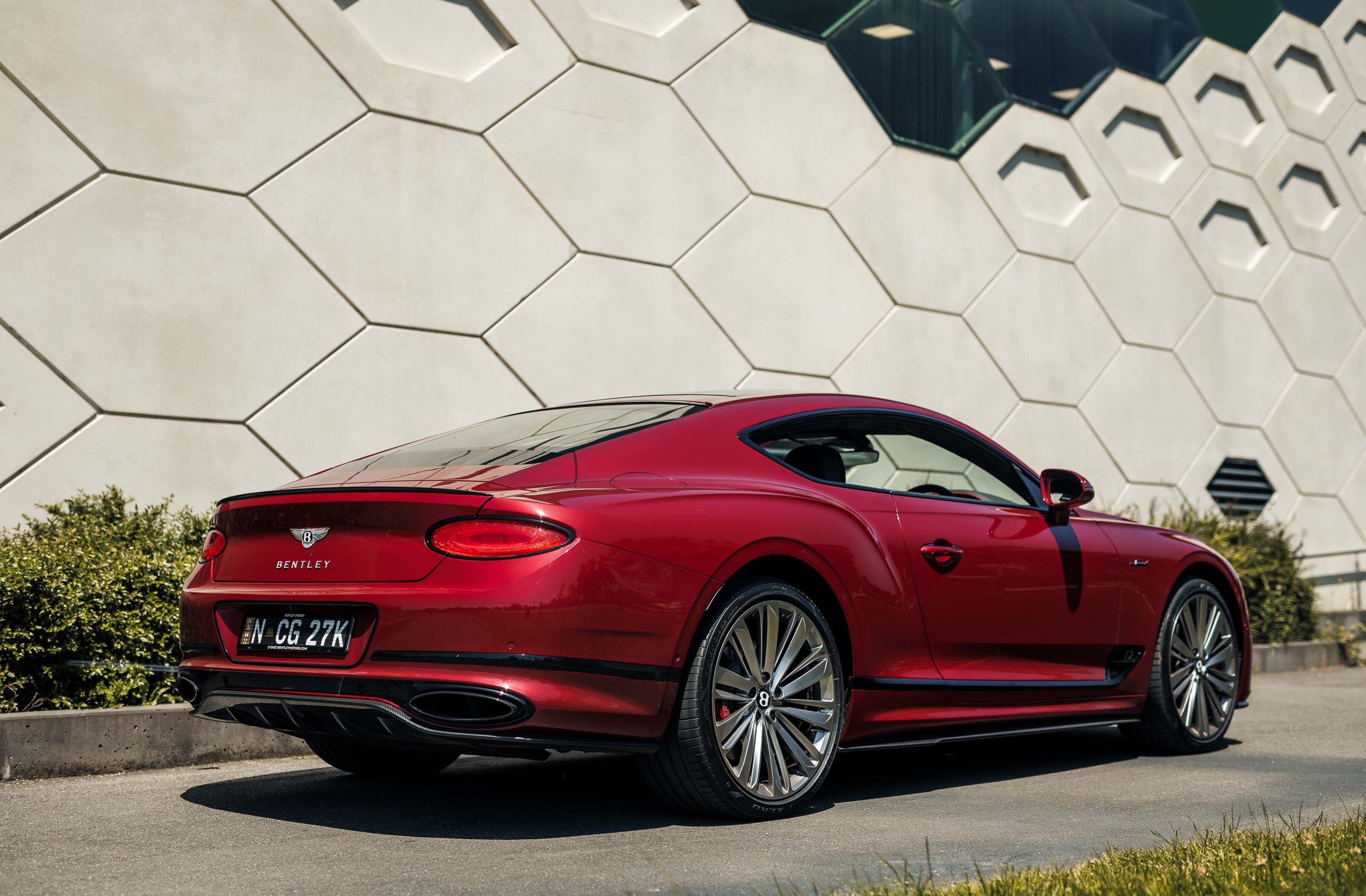
When Bentley launched the original Continental GT an almost unbelievable 20 years ago, its relatively new parent Volkswagen was adamant that their new halo coupe was very much a Bentley – despite the VW underpinnings.
A couple of decades later and the third-generation model has more in common with a Porsche than anything else, and yet the message is still very much the same – this is a Bentley all of its own rather than a reskinned Panamera.
Exploring if this claim stands up is the focus of a few days behind the wheel of the new GT Speed performance hero, but the new Continental also promises to be the most dynamically rewarding and driver-focused in all of Bentley’s 104 years. Let’s find out.
1
JUMP AHEAD
- How much is it, and what do you get?
- How do rivals compare on value?
- Interior comfort, space and storage
- What is it like to drive?
- How is it on fuel?
- How safe is it?
- VERDICT
- Specifications
How much is it and what do you get?
Aside from its soft-topped sibling, the Continental GT Speed is the most expensive model in Bentley’s line-up.
Usurping the Bentayga SUV and Flying Spur limo, and with a price of $543,400 before on-road costs, you might be expecting the ‘Conti’ GT Speed to include a lot for the cash. Well, it does.
When evaluated for sheer quantity, there is a lot of stuff in the Speed. For a start, as many manufacturers downsize engines or transition away from displacement, the Continental’s 6.0-litre W12 engine is one of the top-five biggest in the current passenger car market.
It also weighs 2273kg, measures nearly five metres in length, is more than two metres wide and an entire herd of cows made the ultimate sacrifice for its interior. In terms of mass, volume and acreage, there’s a lot to the GT.
1
But there are also similarly generous levels of mechanical technology too. All-wheel drive and all-wheel steering are standard, along with a new limited-slip differential, revised steering with a faster ratio and tweaks to the eight-speed automatic transmission.
Then there’s the three-chamber air suspension in all corners, working in unison with a 48-volt body roll reduction system.
All that serious engineering accounts for a good chunk of the Bentley’s asking price and is mostly aimed at taming the model’s significant heft to offer a balance of typical grace but more driving enjoyment than ever before – more about that later.
1
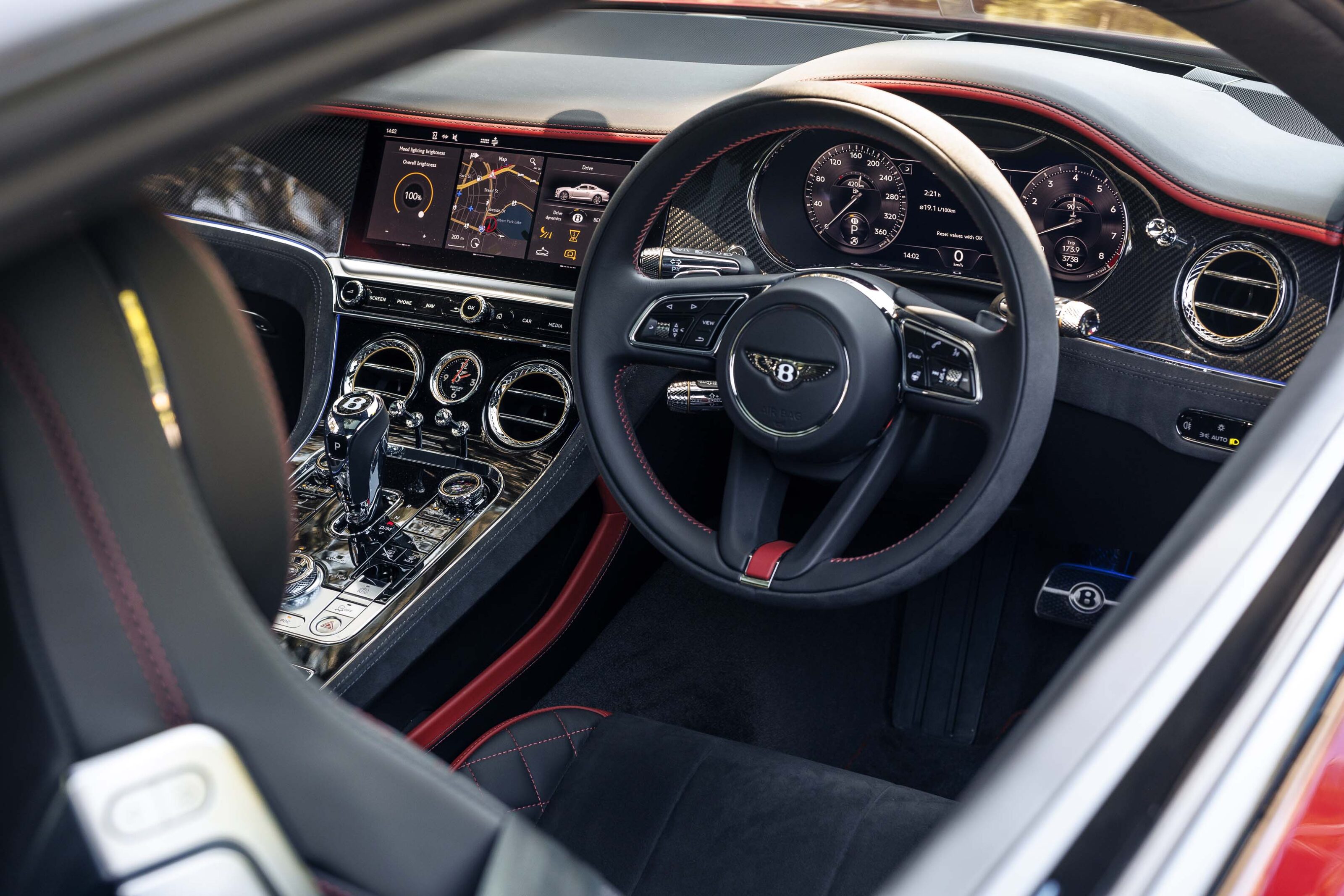
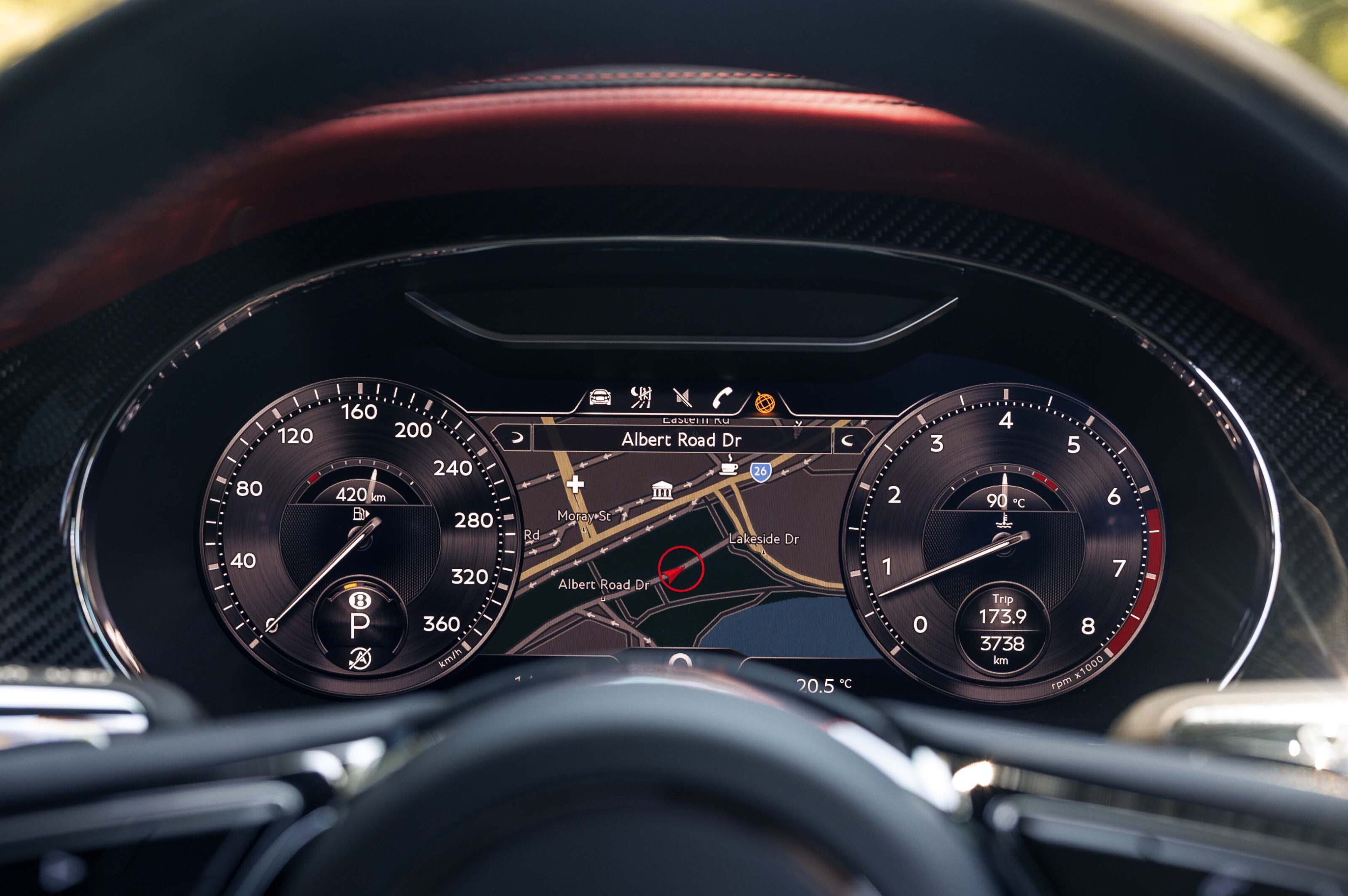
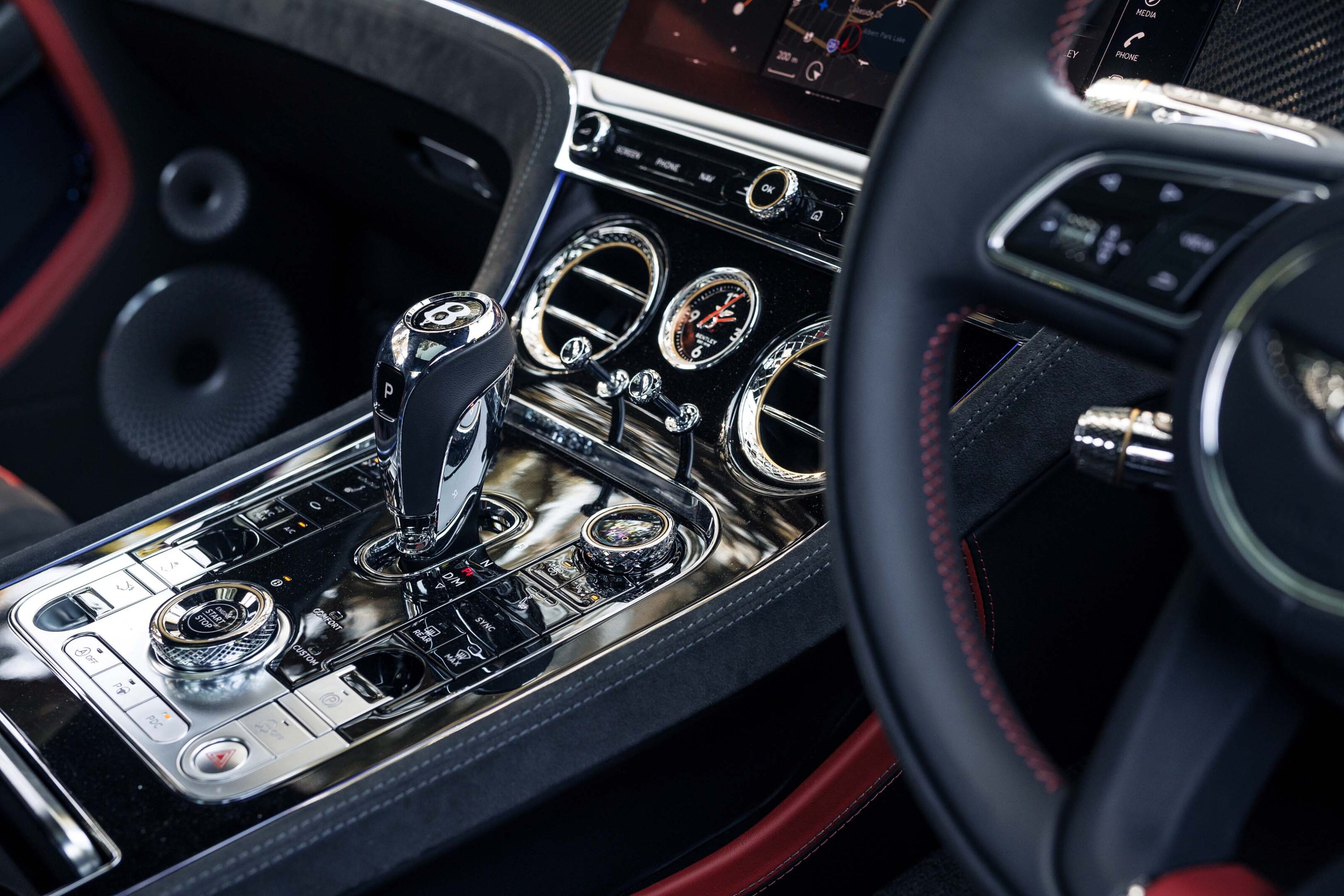
In terms of more information-based technology, the Bentley has a decent offering here too from the completely digital display systems, a particularly cool central digital display that can flip between three positions, stunning interior mood lighting, electric seat adjustment to keep even the strangest physique comfortable, a vast head-up display and even a night vision camera.
Rounding out the somewhat price-justifying list of equipment is a choice of 15 different fine leather cabin finishes, more opulent choices of decorative surface materials and a sea of chrome-effect touchpoints and controls.
1
How do rivals compare on value?
Until recently, the Continental GT had only one direct rival if a British ultra-luxury big coupe was the order of the day, but since the Rolls-Royce Wraith is no longer available it’s necessary to cast the net a little wider.
As the Mercedes S-Class coupe has also gone the way of the Wraith, BMW’s M8 Competition coupe offers an alternative large high-performance coupe with similar street presence, but with a V8 versus the Bentley’s W12, it can’t compete on power or torque. That said, at 1885kg it is lighter, with a 0-100km/h acceleration of 3.2 seconds it’s quicker and, at $362,900 before on-road costs, it’s significantly cheaper too.
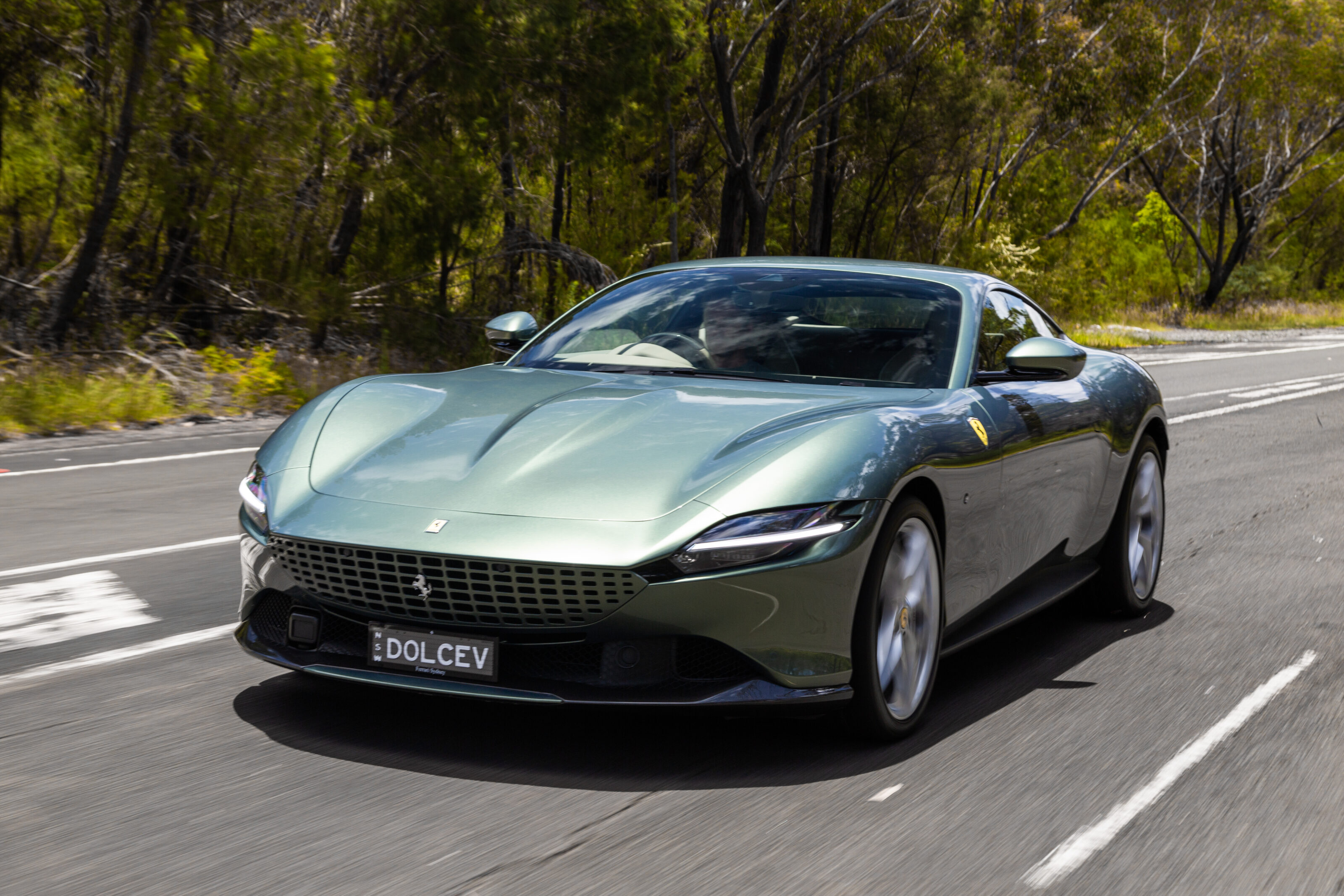
Getting on the list for a Ferrari Portofino will also secure a jaw-dropping coupe convertible with performance to match the Bentley albeit from a smaller, lighter car. That said, it probably makes more sense to spend less cash and opt for the more dynamically impressive $410,000 Roma even if both Ferraris are smaller and perhaps less comfort-focused than the Continental.
1
Interior comfort, space and storage
The initial impact made by the Continental GT’s interior is something that would take a long time to get used to and the twinkle of its various chrome-look controls, incredibly detailed fine finishes and top-quality materials throughout demonstrates that a finely crafted cabin can be a daily joy rather than a novelty that tarnishes quickly.
After-dark ambient lighting – which we set to Cherenkov blue – is utterly immersive and the special rotating central head unit is a delightfully unique feature that can display a choice of contemporary 13-inch touchscreen, three traditional gauges or simply a slab of carbon fibre.
Unlike some other manufacturers that throw around the term ‘piano black’ when what they are actually describing is shiny black plastic, Bentley’s finish is the real deal and has a deep, quality lustre. Unfortunately, just like the cheap charlatan version, it is also quickly spoiled by finger marks and, along with the chrome finishes, can be incredibly glary on sunny days. Not a problem in its native UK.
1
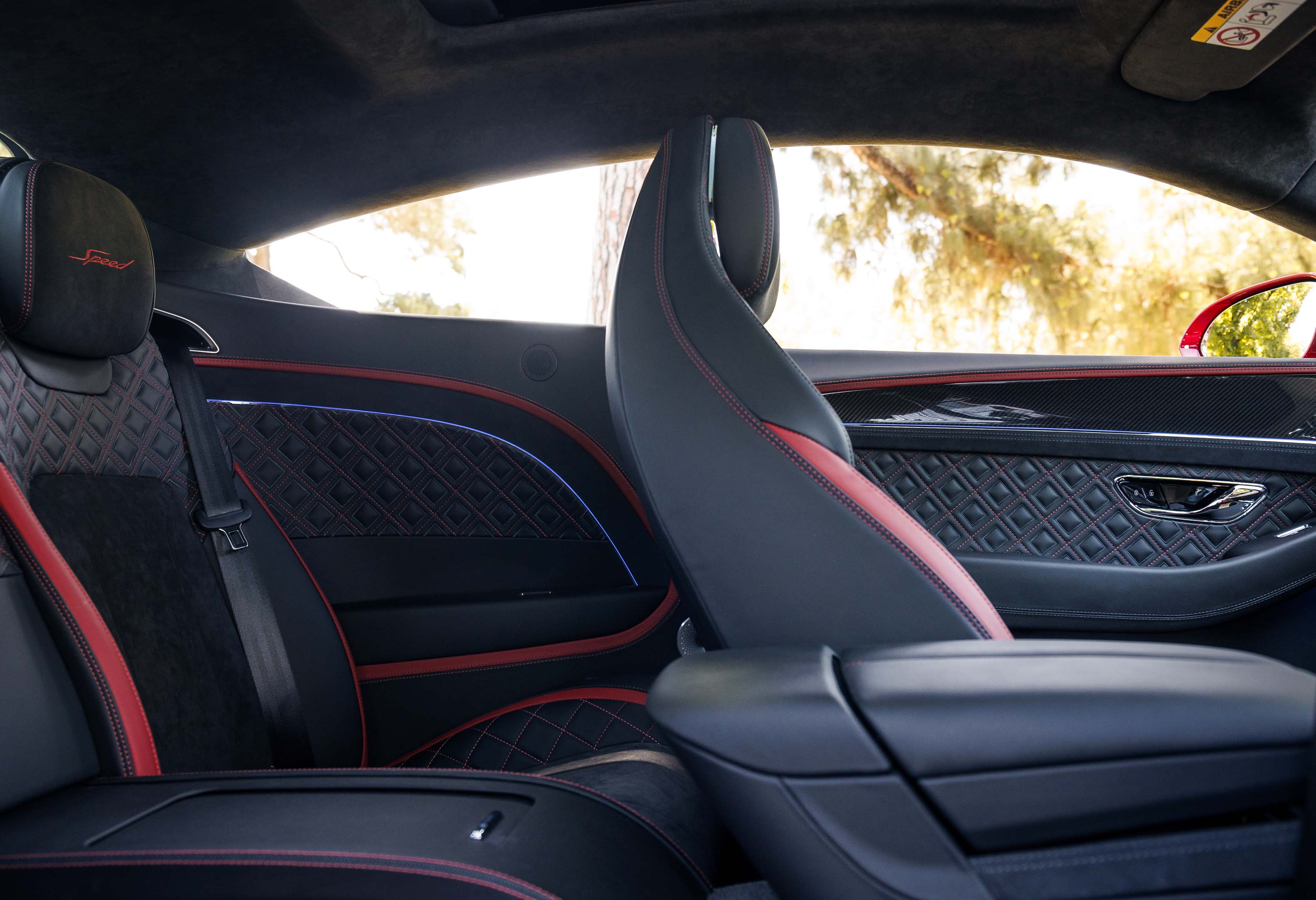
Perhaps our only other criticism of the interior regards the use of space. Legroom in the second row is virtually nonexistent with the front seats set for tall adults (a Mercedes E-Class coupe proves that this doesn’t have to be the two-door trend), while the boot volume of 358 litres is also more typical of a small sedan than a car of the Continental’s dimensions.
There’s also no option to fold and load through the rear seats except for a small ski hatch, which is strangely key-locked.
Some practical shortcomings aside, the Bentley’s interior is a truly magical place to spend time. You get some of the best front seats on the market for striking a balance of support and comfort, combined with an aesthetic and tactile experience that has long-lasting magnetic attraction.
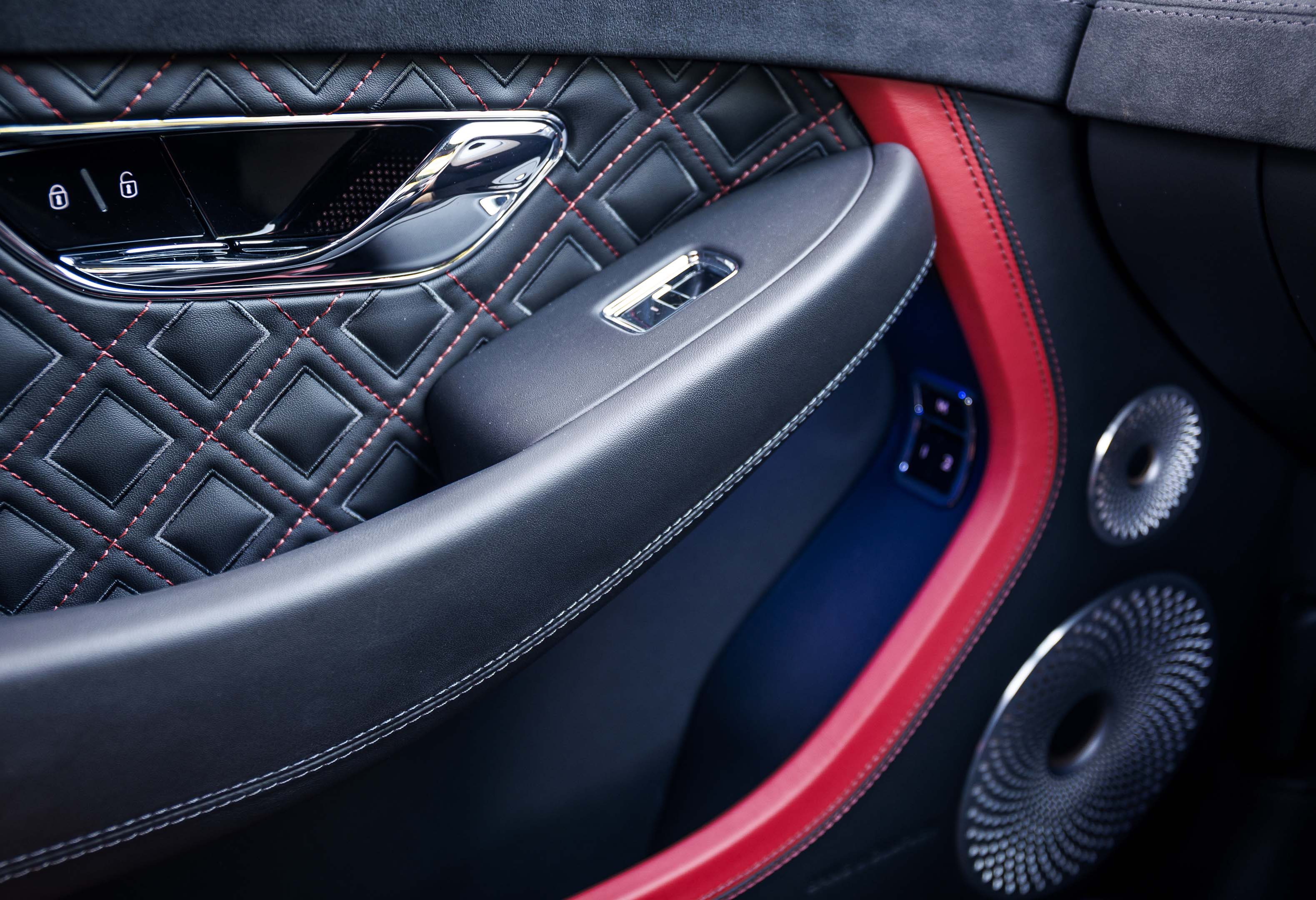
1
What’s it like to drive?
Automotive history is littered with deceptively named models such as the Skoda Rapid that wasn’t, and the Honda City Life that made you want to shorten your own. The Bentley Continental GT Speed, however, is very fast.
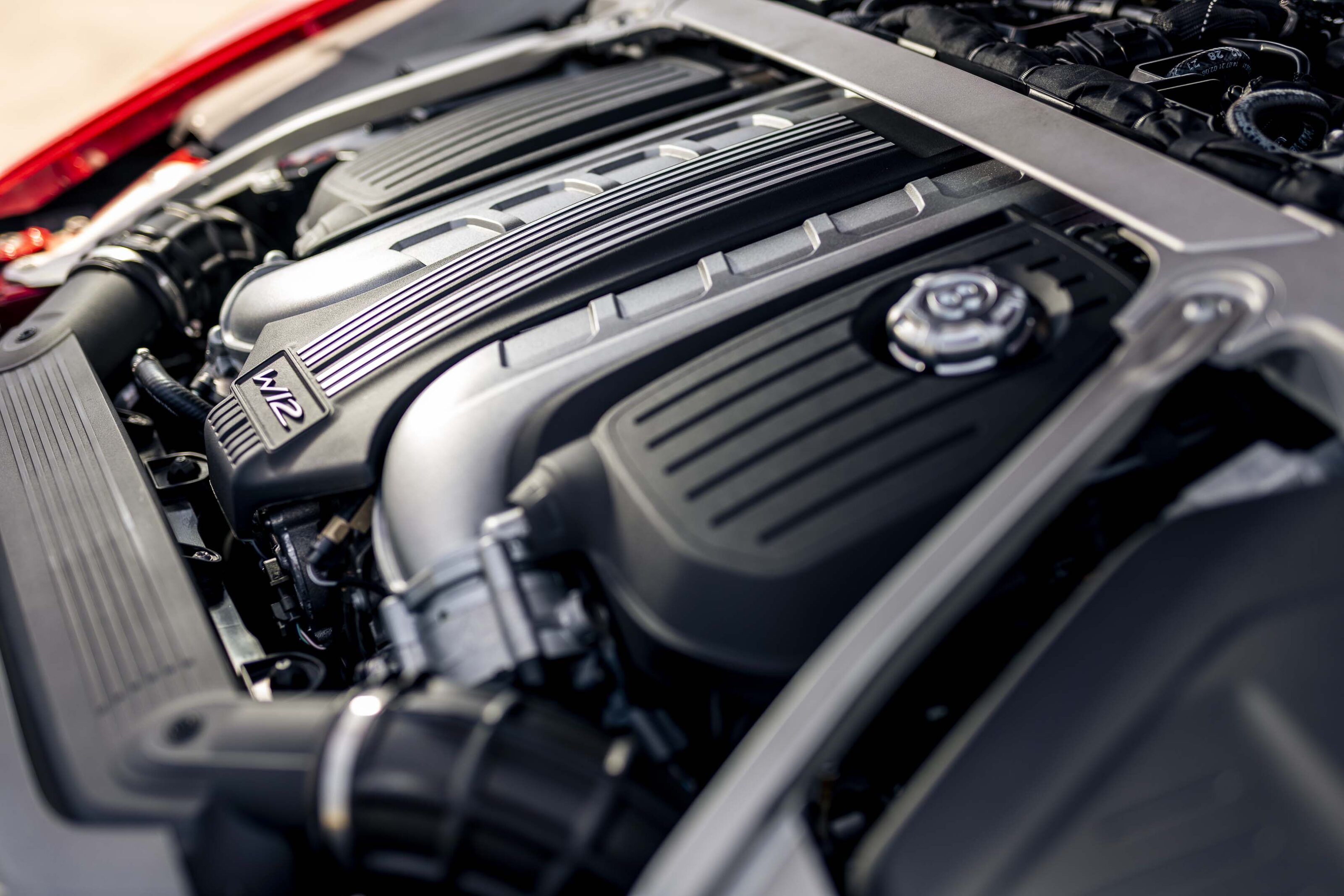
The weirdly wonderful 6.0-litre twin-turbo W12 is likely to have its swansong if this isn’t already it under the bonnet of the GT, and Bentley is sending it out with a bang (hopefully a series of controlled bangs rather than one big one).
With power up to 485kW and torque swelling to a massive 900Nm, this mighty engine does a very good job of hiding the hefty kerb weight with monstrous acceleration in a straight line.
The all-wheel-drive system is very obviously rear-biased and allows a little squat and squirm off the mark, followed by confident and muscular pace.
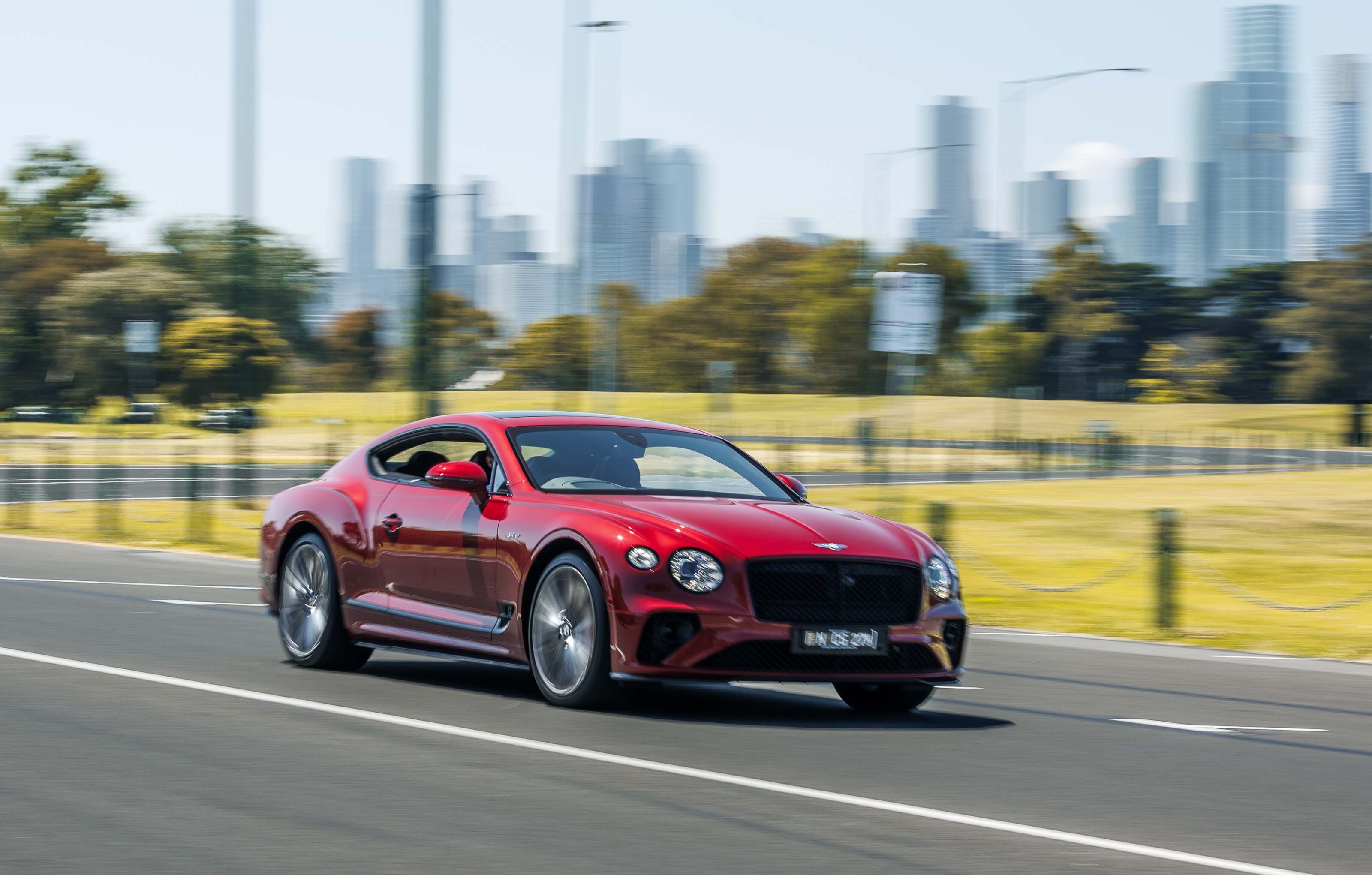
1
Enhancements to the eight-speed auto make it even more aggressive at hurling the mountain of available torque at the road and can be as rapid at swapping cogs as a DCT.
With lighter applications of power and while already rolling, the prodigious grunt of the W12 occasionally creates the immediacy and eagerness of an electric drivetrain, although a little lag from standing starts reveals its combustion nature.
There’s also no mistaking this car for an EV from its sound. The unorthodox W12 arrangement can’t produce the howl of more traditional V12s but its report is an incredibly smooth continuous hum rather than an obnoxious bark.
Switch to Sport mode, however, and Bentley has added charisma in the form of hilariously antisocial cracks and rifle shots on overrun.
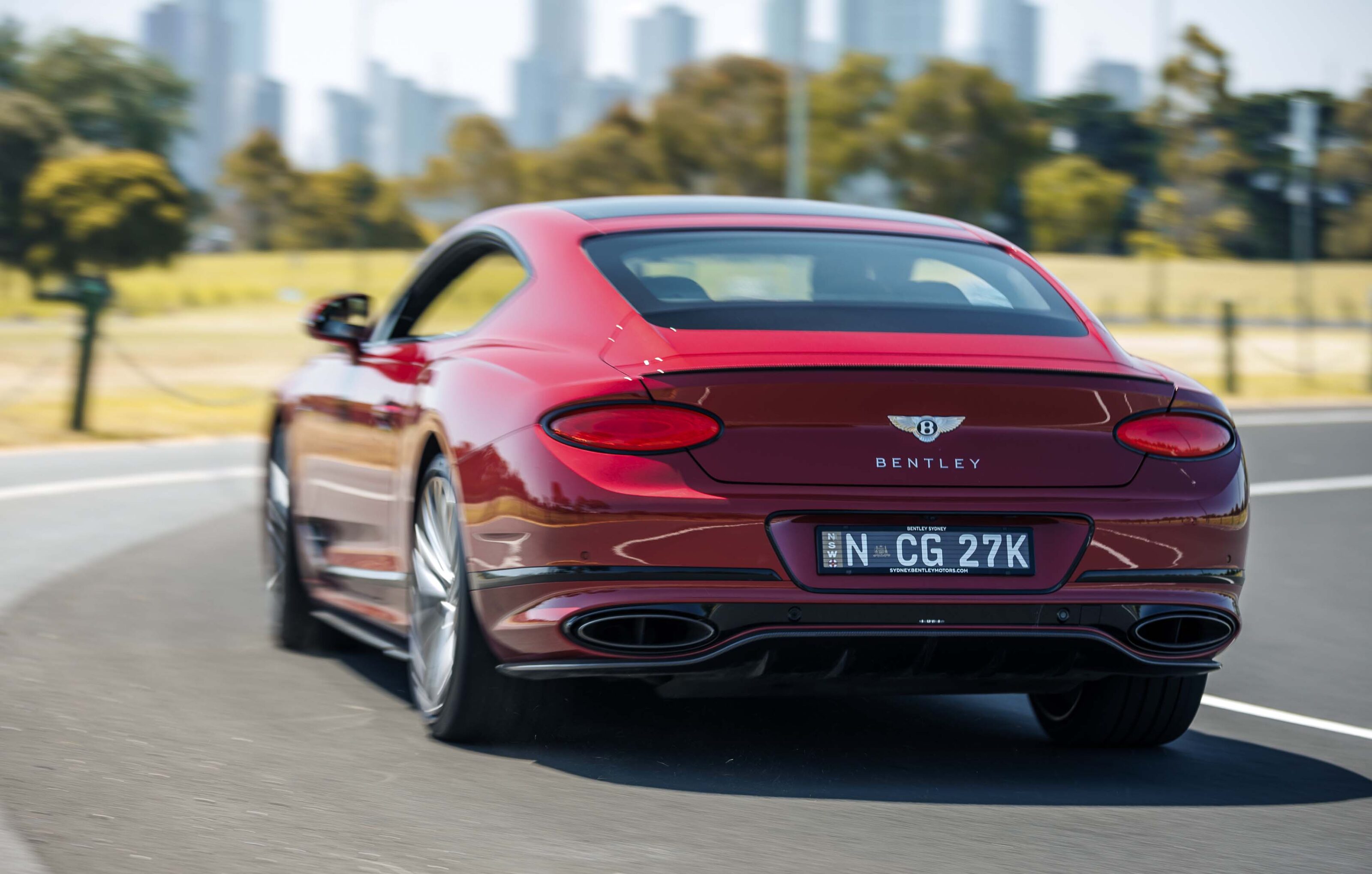
1
With some impressive powertrain figures, pace in a straight line perhaps should come as no surprise, but where the Speed really ups the game is with its corner negotiating manner. A revised steering system allows the long nose to turn in with an obedience that defies the massive engine it hides.
The various air suspension and anti-roll systems work incisively to keep the Bentley pointing where the driver wants it, and it’s not often that the Continental behaves like a car that weighs 2.2 tonnes.
Its impressive electronic and mechanical efforts to hide mass do occasionally lapse, though, and there’s no disguising the laws of nature that frequently attempt to take over. But, as an exercise in engineering over physics, the GT Speed is hugely accomplished.
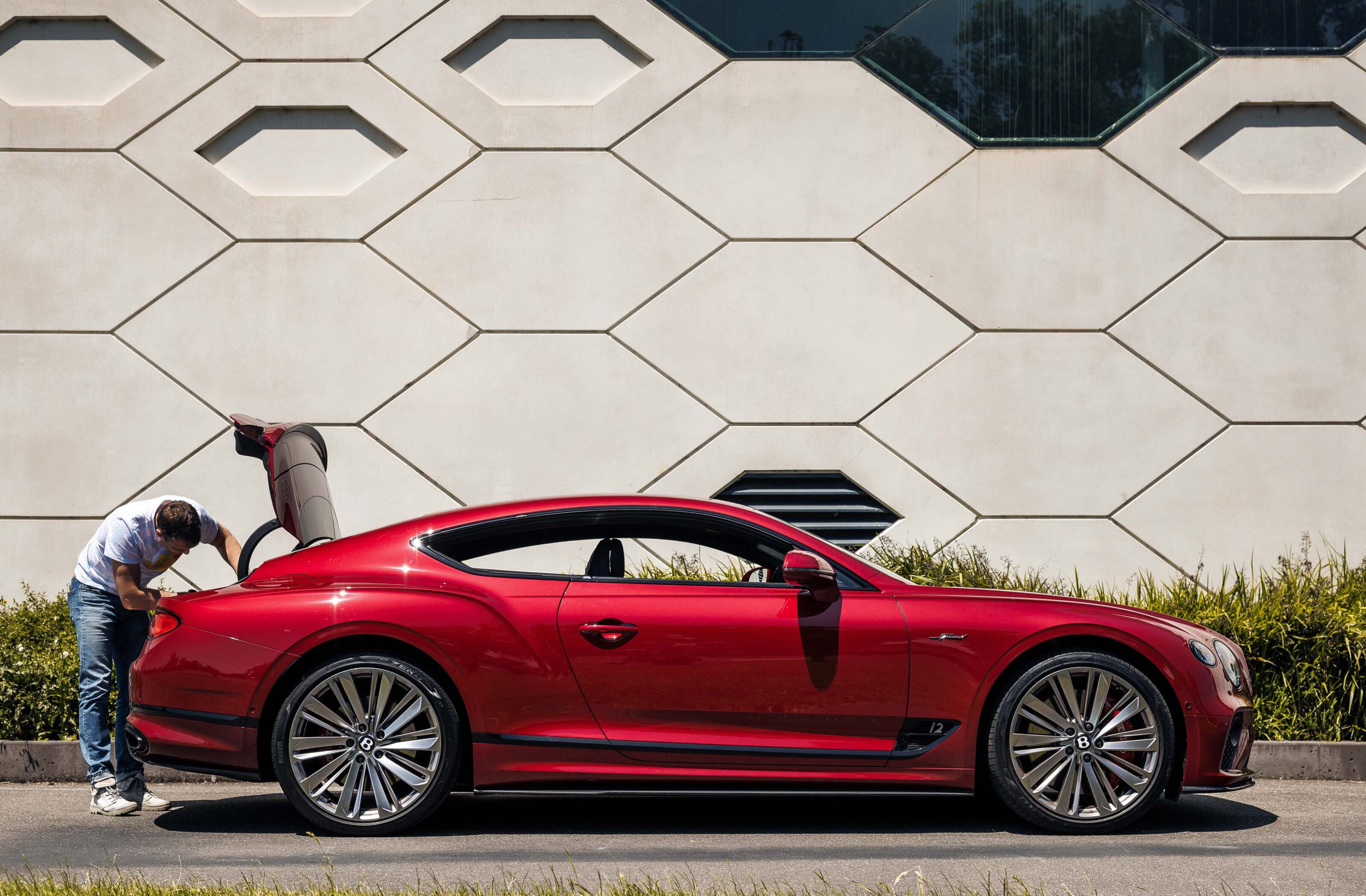
1
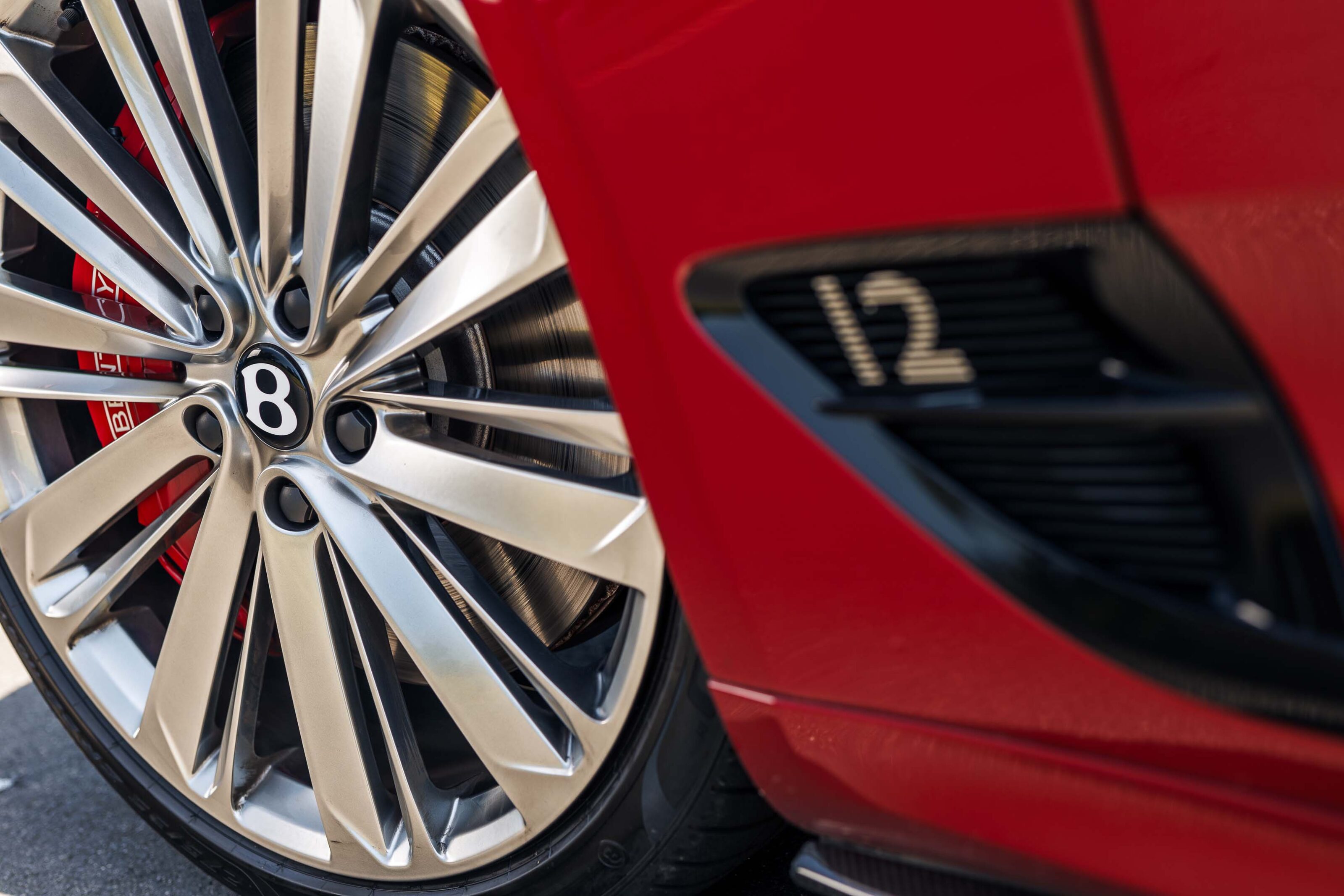
Less surprising is the more GT nature of the, er, GT. Over long cruising miles, the Speed settles into a graceful gait and is magnificently relaxing. The suspension feels as though it has been tuned specifically to the 22-inch alloy wheels wrapped in Pirelli P Zero rubber, which measure up to 315/30 R22 on the rear axle.
Noise levels are spookily low inside the cabin and although there’s a little slap from the wide tyres over tricky surfaces, there’s little roar or hiss otherwise. However, it turns out that the very best way to enjoy the GT Speed is with the outdoors inside.
Even with the cabin opened up fully and at freeway speeds, there’s minimal wind intrusion and there’s absolutely no question that the coupe’s stunning looks are best enhanced with all four windows down and an unforgettable pillarless profile.
2
How is it on fuel?
Ha! Oh wait, you’re serious?
The Bentley Continental GT Speed weighs the same as two Mini Coopers and is fed by a 6.0-litre W12 petrol engine with a pair of turbos, so it’s unlikely to be winning any hypermiling competitions.
Officially, Bentley claims its GT Speed can return a figure of 14.0 litres per 100km but during our time with it, we managed a figure of 15.8L/100km. We’re confident that it can be provoked to use a lot more.
If you’re in the market for a Continental GT or are already an owner, you’ll have skipped over this section.
1
How safe is it?
For reasons that probably don’t need to be explained, the Australasian New Car Assessment Program (ANCAP) has not crash-tested a Continental GT and therefore has not rated its safety. Neither has the European equivalent.
However, as it shares the platform and much of the safety technology of the Porsche Cayenne and Panamera, it is heavily equipped with driver assistance and active safety systems.
Adaptive cruise control with auto emergency braking and pedestrian/cyclist recognition is standard, along with lane-keep assist, blind-spot monitoring with warning, speed sign recognition, LED matrix headlights, and a night vision camera.
1
VERDICT
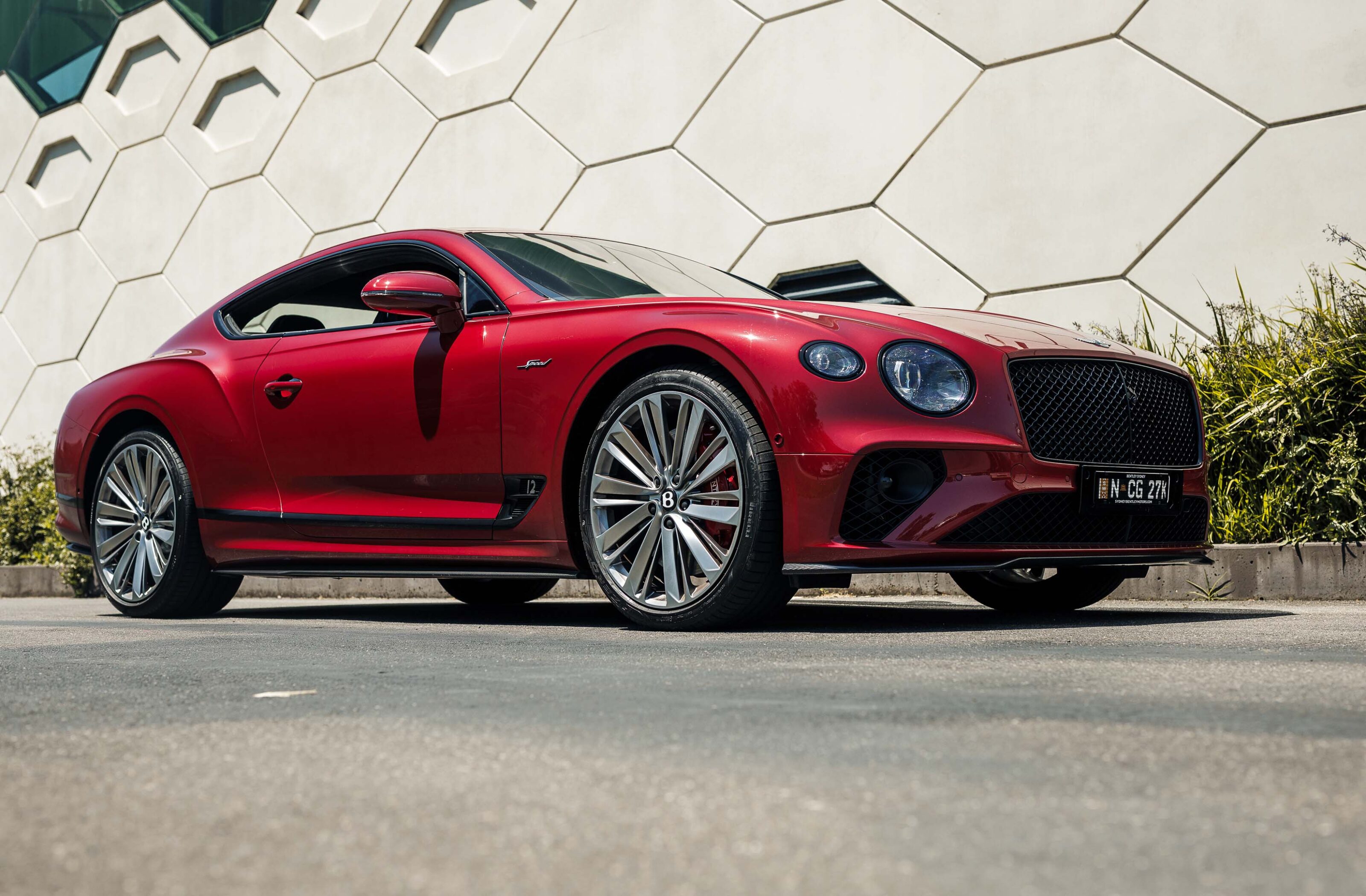
With the bones of a Porsche but a British heart, the Continental GT Speed manages to be the most dynamically capable and driver-focused Bentley to date, but is also exquisitely crafted and quintessentially English.
That, in some regards, makes this the best Bentley ever produced.
Unless of course, carving corners is not what the flying B is all about. There’s something slightly desperate about a Bentley being driven in too spirited a manner and such pursuits somewhat go against everything that the brand represents.
So the GT Speed is either a huge success or possibly the worst Bentley ever.
1
We would absolutely have to agree that the more affordable, not-exactly-slow, and still utterly jaw-dropping V8 version is probably where the smart money is in the Continental GT range, except that’s the final twist in this story about a Bentley that likes the twisty stuff.
If you’re really looking after the pennies then the V8 is absolutely the pick, but no one ever walked into a Bentley showroom looking for a bargain or hoping to save a few bucks from the bottom line.
For those who are utterly enchanted by the looks of Bentley’s flagship, the mighty swansong W12 is the perfect match.
Opulence is included in the price.
MORE
Everything Bentley
| Bentley Continental GT Speed coupe specifications | |
|---|---|
| Engine | 5950cc W12, 48v, twin-turbo petrol |
| Max power | 485kW @ 5000-6000rpm |
| Max torque | 900Nm @ 1500-5000rpm |
| Transmission | 8-speed auto |
| Economy | 14.0L/100km (claimed) |
| Weight | 2198kg |
| L/W/H/W-B | 4850/2187/1405/2851mm |
| 0-100km/h | 3.6sec (claimed) |
| Price | from $543,400 + on-road costs |
| On sale | now |
After a new Nissan, but not sure how long you’ll have to wait?
Issues such as semiconductor chip shortages, shipping problems and sickness and isolation have affected the ability of manufacturers like Nissan to keep their production lines going over the last three years.
As such, all of the brand’s models are currently experiencing some delays.
However, some models are in greater supply than others, with flexibility around powertrains, specification and vehicle colour likely to see a vehicle in your driveway sooner.
Overall, according to Price My Car, the average wait time for a Nissan is now 129 days – compared to 123 days in January 2022.
The brand’s local arm has just finalised a major product onslaught, with new generations of the Qashqai, X-Trail and Pathfinder now available in Australia.
Interested buyers should speak to their local dealer for information on orders and approximate wait times. This article will be updated when further information becomes available in the coming months.
Meanwhile, the Navara ute and Patrol upper-large SUV face an average wait time of 181 days and 161 days, respectively.
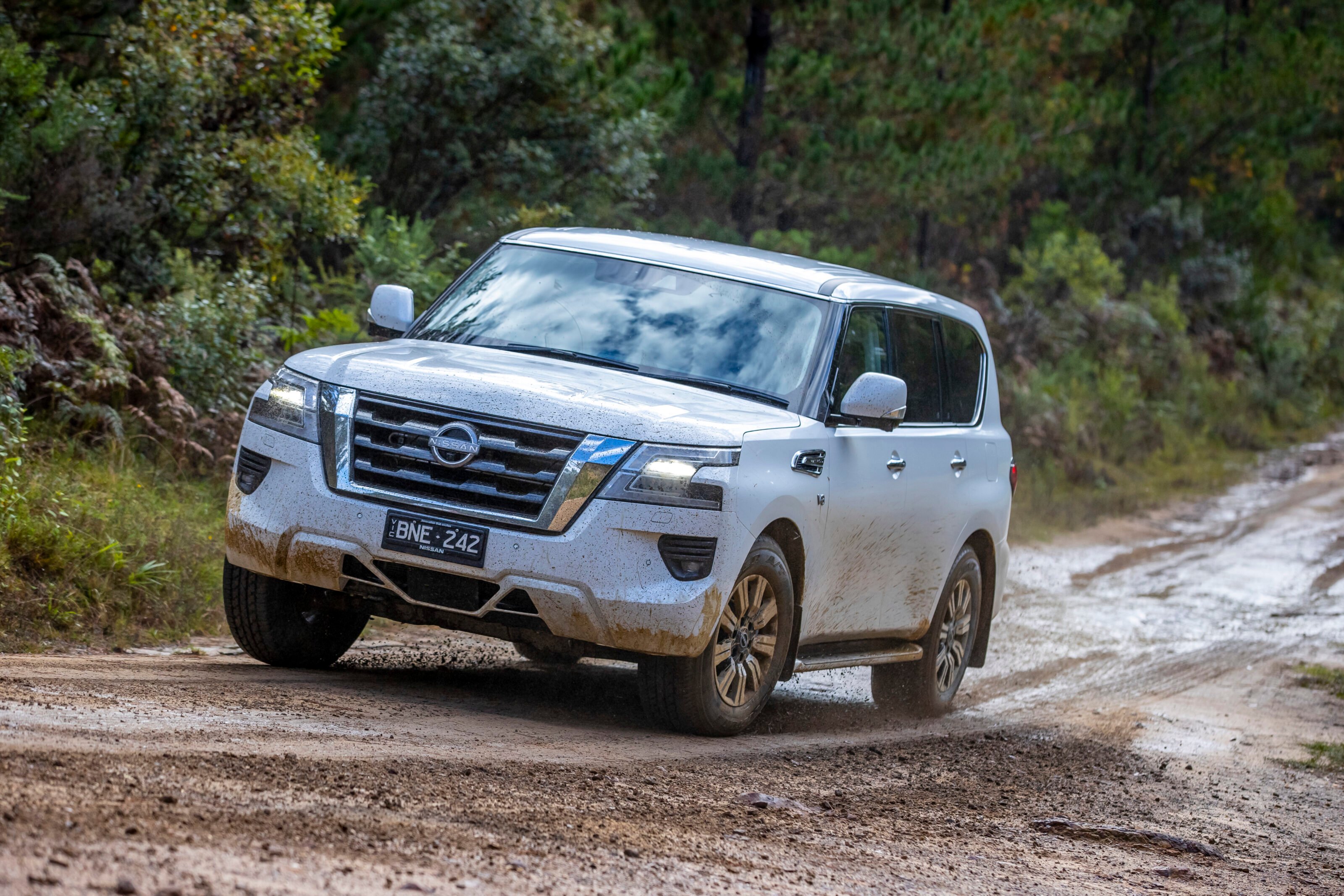
1
Nissan average model wait times 2023
NOTE: This information is current as of February 26, 2023. This article will be reviewed and amended as new details come to light.
A spokesperson for Nissan Australia said it has available stock of all models, except Patrol, but that wait times depend on factors such as variant and location.
“The all-new X-Trail, Qashqai and Pathfinder vehicles are currently arriving at dealerships around the country along with Navara, Juke and Leaf.”
“There is up to a 4-6 month wait for delivery of a new Nissan Patrol. The wait time is dependent upon the model specification, delivery location and of course support from our global production plants and suppliers.”
Like other brands, it encourages customers to contact dealers for more information.
“Wait times are a result of a number of factors including specification, variant and location. We would encourage all customers to speak with their nearest dealer for an estimate of exact arrival times for their vehicle.”
A more accessible version of the Navara Warrior, based on the SL grade, has launched in Australia, with fewer components required compared to the range-topping PRO-4X Warrior.
With all of the above in mind, it is important to consider this article a guide only.
MORE
Everything Nissan
Snapshot
- Some top-20 models are missing spec
- Delays vary from a few months to a year
- Check to see what the impact is on the car you’re after
When the COVID-19 pandemic was really just starting to pick up speed around the world, many could not have predicted how far-reaching its impact would be on buying new cars.
Semiconductor chip shortages, shipping problems, sickness and isolation issues have affected manufacturers’ ability to keep their production lines going – you name it, it’s happened.
So with all that going on, how do you get your hands on a new car, and if you want one of Australia’s top 20 best-selling vehicles, what do you need to know about the lengthy wait times and lost features occurring across many models?
Let’s take a look.
NOTE: This information is correct as of February 25, 2023. This article will be regularly reviewed and amended as new details come to light.Top 20 models
Toyota
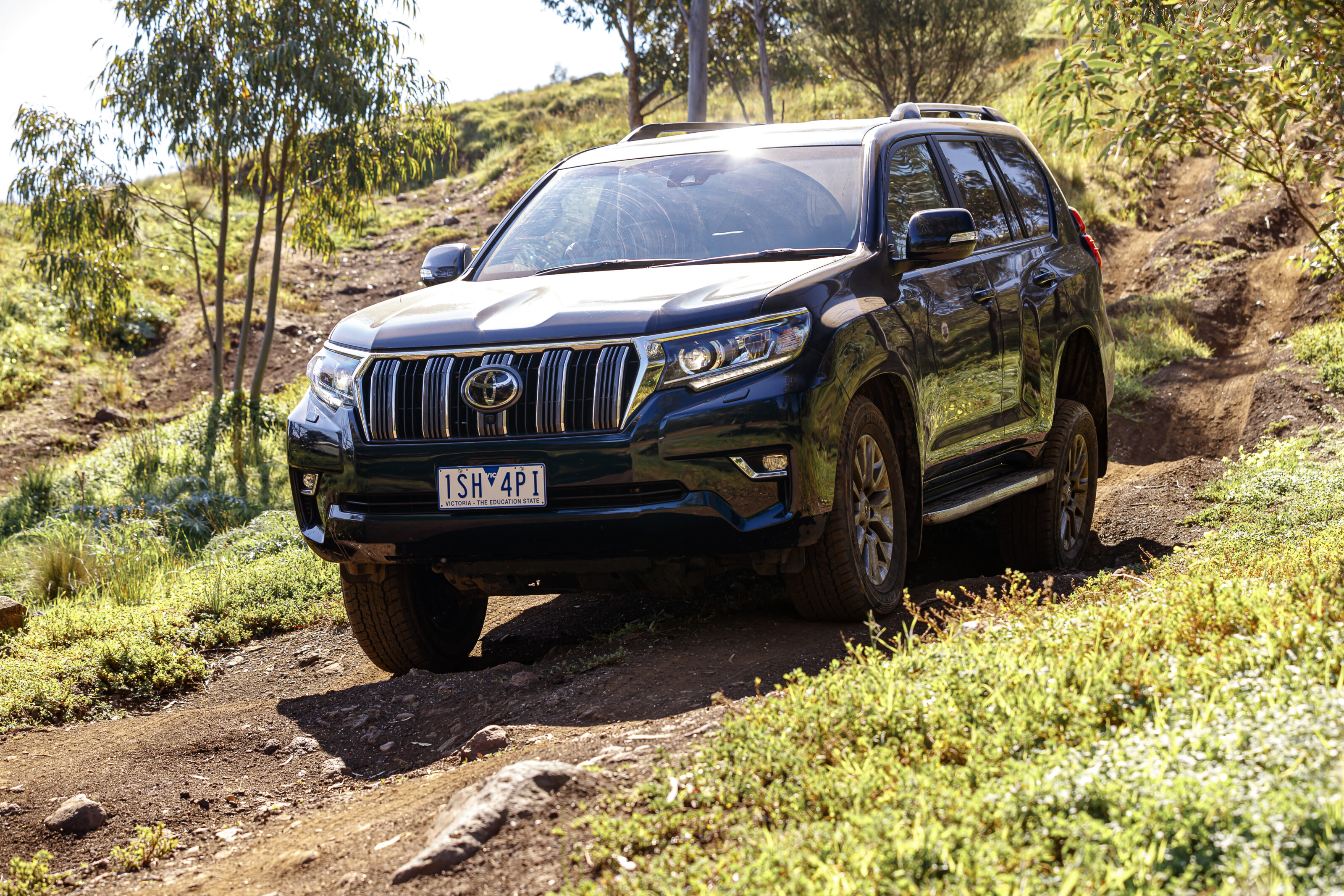
Toyota has had six cars consistently in the top 20 sold in Australia in the last 12 months; its popular HiLux ute, mid-size RAV4 SUV, Corolla small car, and the LandCruiser Prado and Kluger large SUVs.
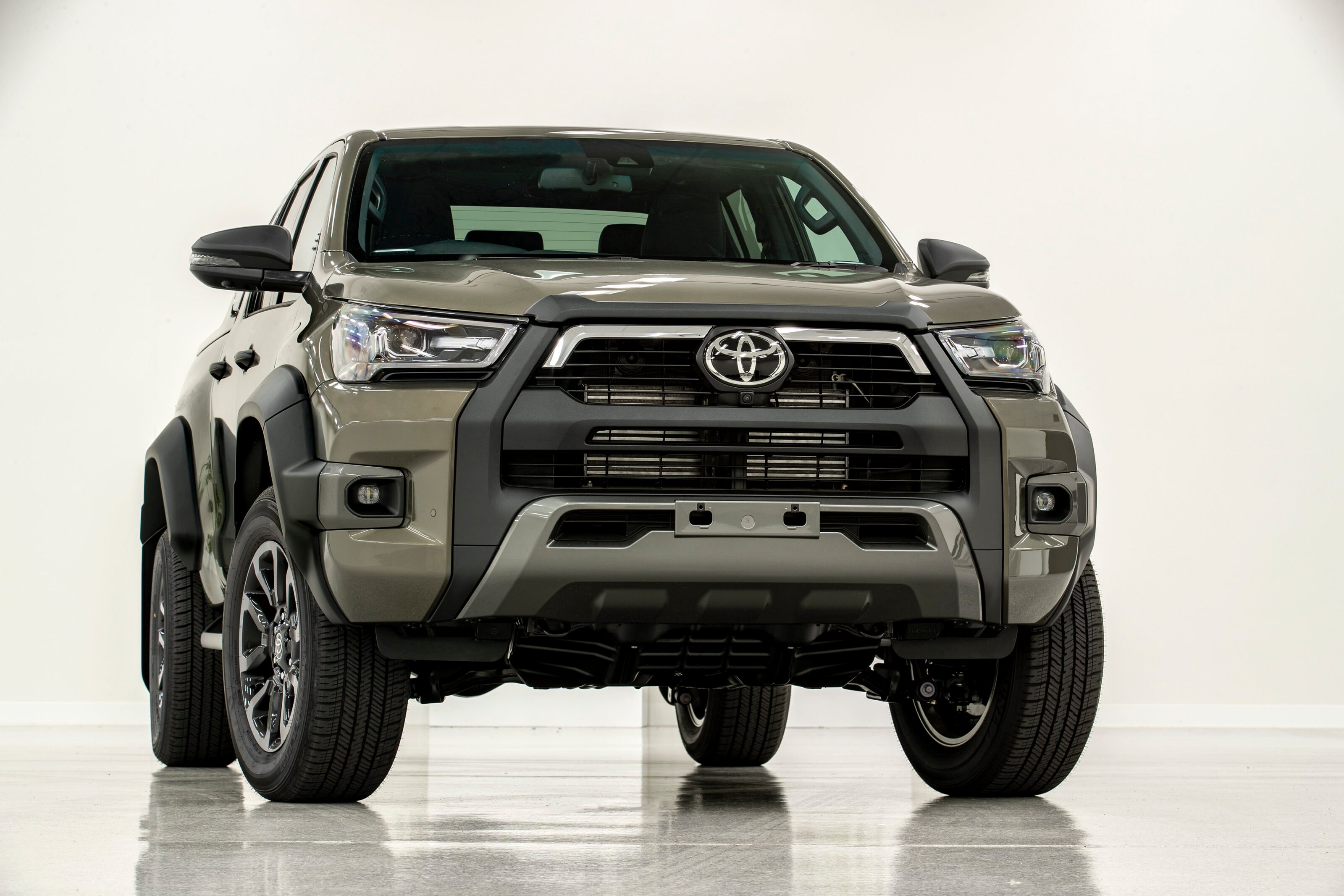
1
According to Price My Car, the average wait time in January for a Toyota was 242 days – compared to 172 days in January 2022.
The quickest to get hold of is the Corolla at 202 days, followed by the Camry with an average 211-day wait time
The worst affected are the HiLux, Kluger and RAV4 and Corolla, with buyers required to wait, on average, 228, 232 and 352 days, respectively – or longer.
A spokesperson for the Japanese marque said the brand has been experiencing longer wait times than usual for new-vehicle deliveries across its range due to “global supply challenges”.
1
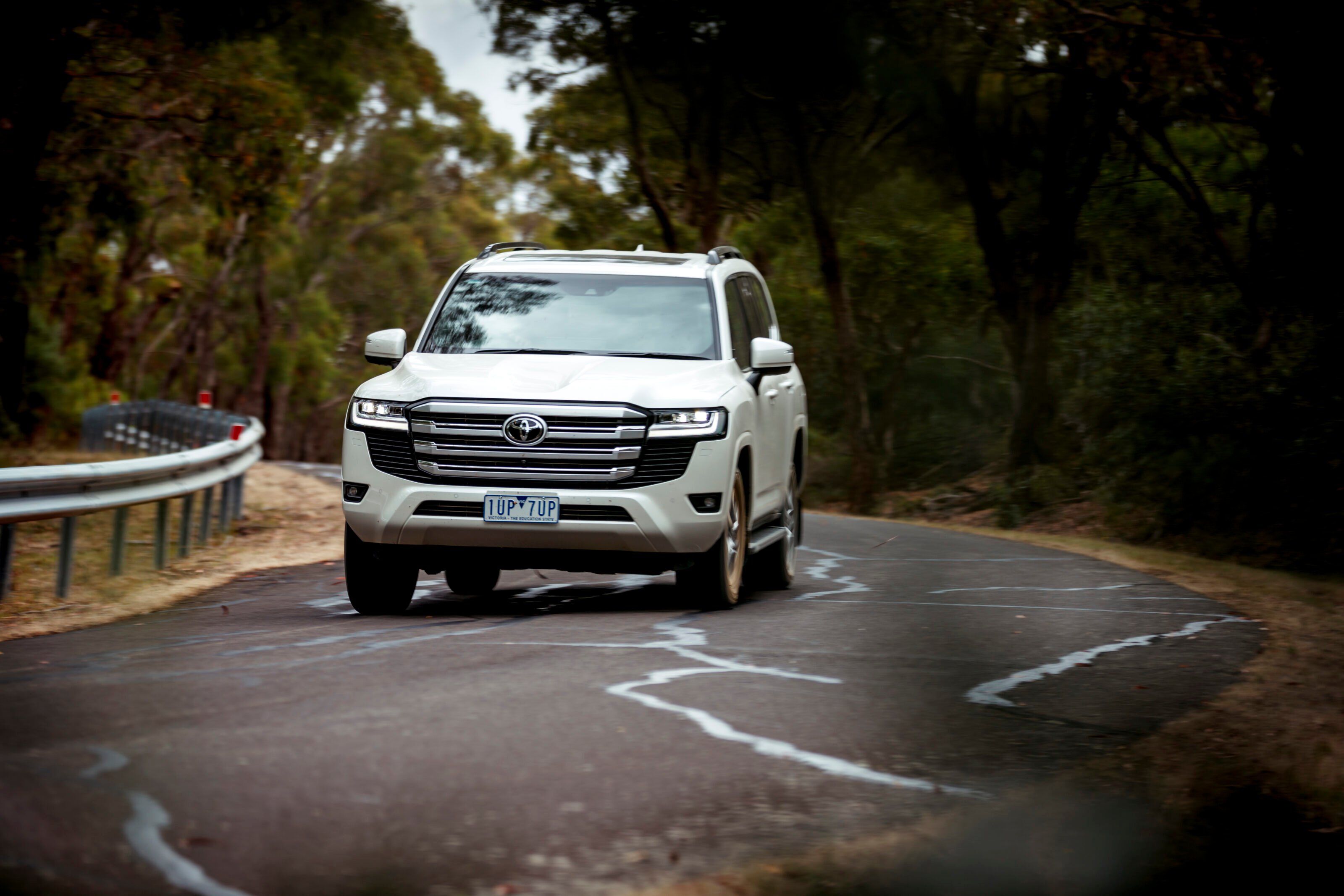
For most models, there is an average wait time of six months or less. But four models do have longer leads: the LandCruiser 300 Series has an extended delay averaging nine months, and the RAV4 Hybrid has an average wait time of 12 months or longer.
Toyota Australia has suspended orders for the LandCruiser 70 due to ongoing supply constraints.
“We’ve paused that car. It’s part of the transparency for the customers. I wouldn’t see that car coming off [pause] for the next six months at least, and maybe beyond that”, said vice president of sales, marketing and franchise operations, Sean Hanley, in October 2022.
LandCruiser 70 Series orders have yet to resume.
“If we can improve [70 Series] production then certainly, but until we clear the current order bank, we can’t do that.”
1
Toyota said it had not de-specced any of its models for the Australian market and “has no plans to do so” to cut wait times down.
“Demand for new vehicles is at unprecedented levels. In Australia, to support the strong demand, Toyota Australia been working closely with our global production teams to secure as many vehicles for our market as possible,” a spokesperson told Wheels.
“Due to the ever-evolving nature of this situation, Toyota dealers are best placed to continue to provide updates to our customers on delivery timeframes for individual orders.”

1
Ford
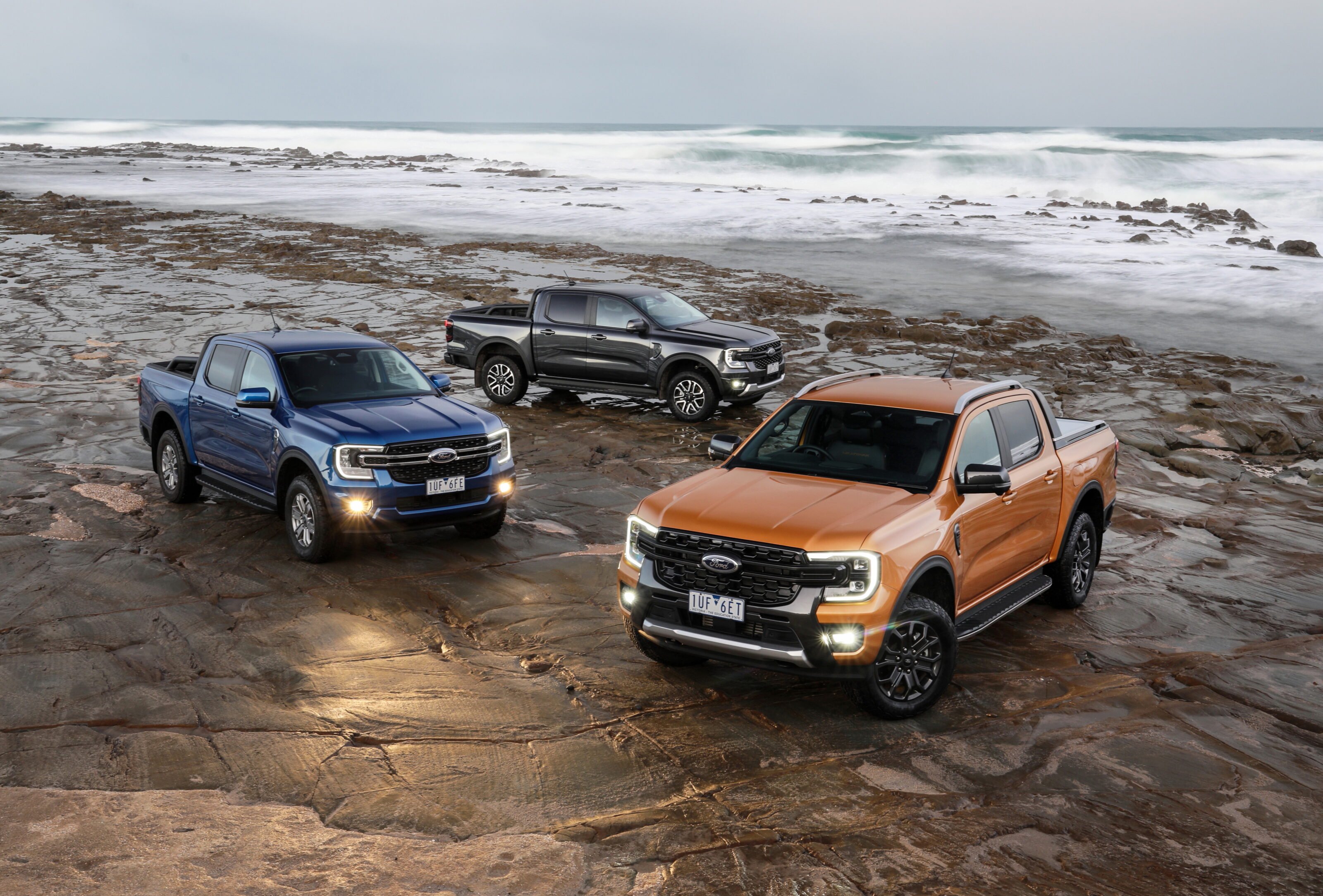
In comparison with Toyota, Ford has two models in the top 20 – the Ranger ute and related Everest large SUV.
The next-generation 2023 Ford Ranger has launched in Australia with strong demand, meaning newly-placed orders are likely to see an extended wait time
“We’ve worked with our team to do everything possible to get as many Rangers, Ranger Raptors and Everests as we can to customers as soon as we can,” said a spokesperson for Ford Australia.
1
According to Price My Car, the average wait time in January for a Ford was 186 days – compared to 94 days one year ago.
The quickest arrivals are four-cylinder examples of the Ranger and Everest.
In fact, Ford Australia claims it has unallocated supply of the four-cylinder Ranger and Everest – and less availability of the flagship six-cylinder models.
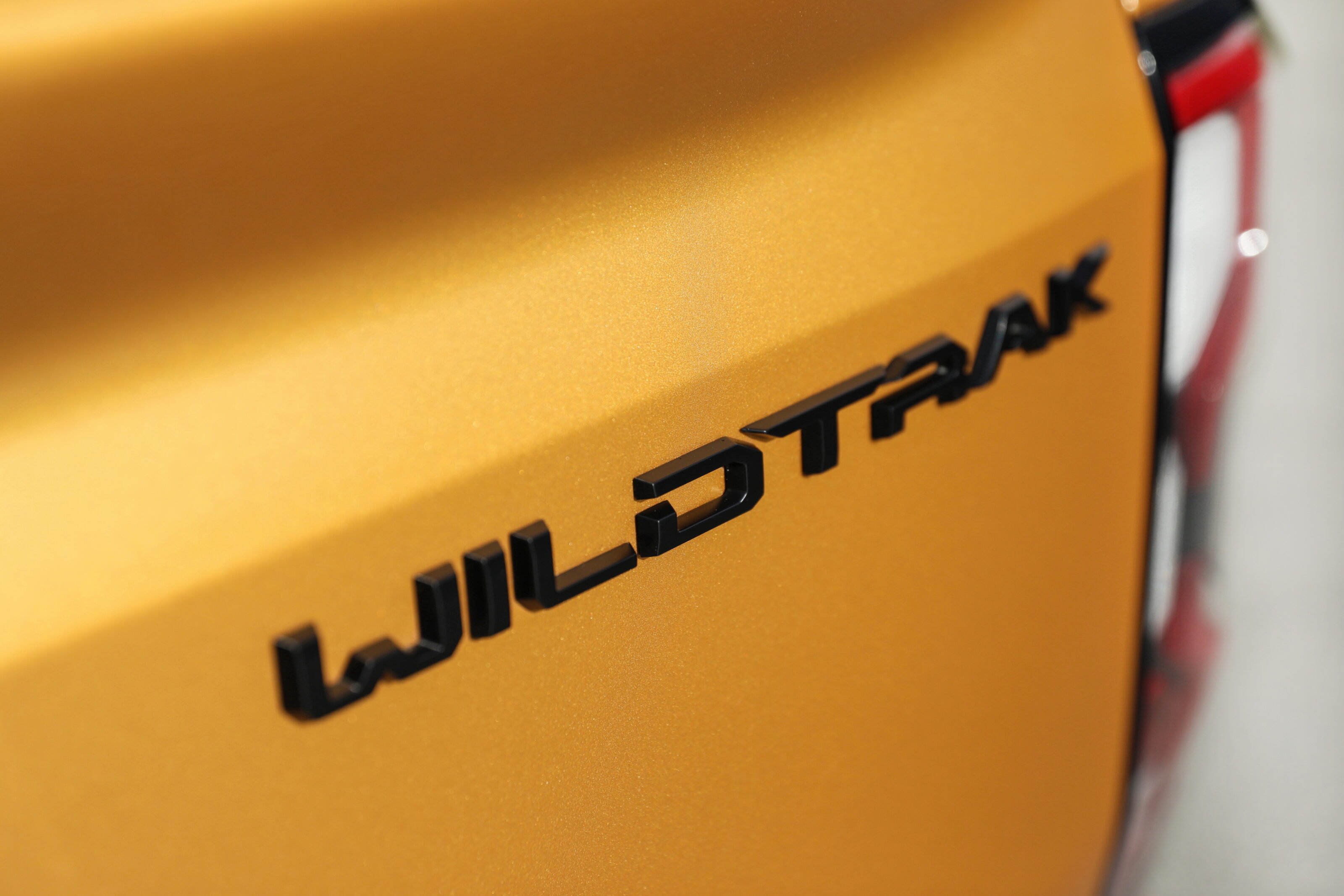
Due to strong customer demand for the 3.0-litre V6 engine, Ford Australia secured additional volume of the six-cylinder diesel Sport and Wildtrak, and more examples of the Wildtrak with the Premium Pack, in late 2022.
Ford has seen “very strong demand for the optional Premium Pack on the Next-Gen Ranger Wildtrak, which will take some time to work through. If customers choose to remove the Premium Pack from their order, they will be able to take delivery of their Ranger sooner.”
1
Single-cab, space-cab, and dual cab-chassis variants are now available, with supply initially focused on bi-turbo and V6 dual-cab pick-up variants.
In addition, Ford Australia has launched a webpage outlining up-to-date delivery information across its entire vehicle line-up.
“We apologise to any customers who are facing longer than anticipated wait times for their new vehicles,” a Ford spokesperson said earlier this year.
“We are working hard to get as many vehicles to Australia as possible, and reiterate that as the supply situation continues to evolve, we encourage customers to reach out to their local dealer, who is best placed to advise on local availability and wait times.”
Mitsubishi
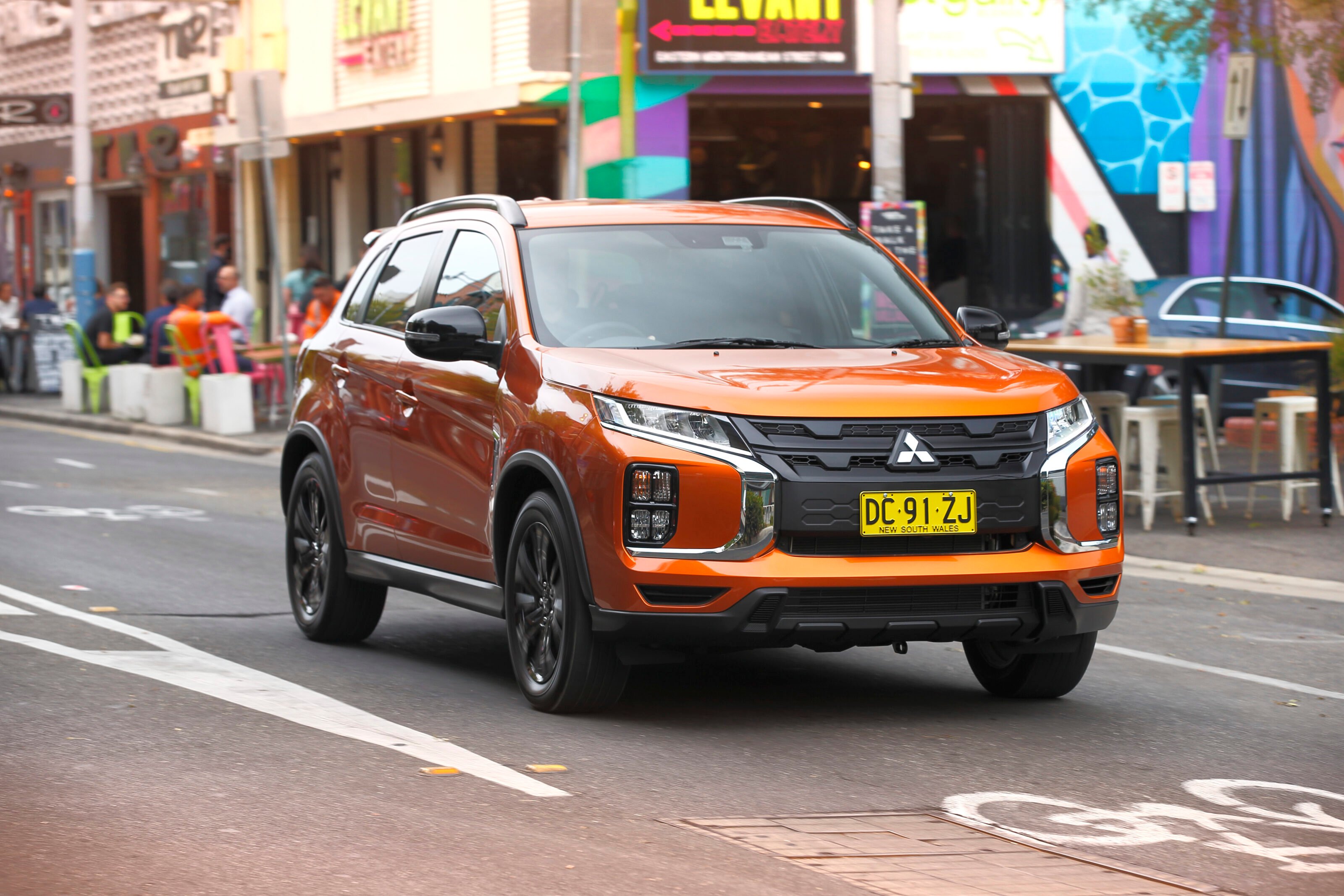
Japanese carmaker Mitsubishi has three players making regular appearances in the top 20.
This includes the Triton ute and Outlander and ASX SUVs, while the Triton-based Pajero Sport has also appeared recently.
According to Price My Car, the average wait time in January for a Mitsubishi was 128 days – compared to 95 days one year ago.
The quickest arrival is the Eclipse Cross small SUV, with an average wait of just 26 days, followed by the Triton at 122 days.
Meanwhile, the worst-affected models in Mitsubishi’s lineup are the Outlander medium SUV and ASX small SUV, with a wait time of 137 days and 145 days, respectively.
According to the company’s local arm, supply has improved for the Outlander, while the Eclipse Cross, Pajero Sport, Triton and ASX will improve in the first quarter of 2023.
1
Regarding the Outlander, specification has already been revised to reduce wait times, and the company says it will provide updates if further changes need to be made.
“The stock situation is constantly evolving and that information we provide is general in nature and not specific to individual orders, who may have a longer or shorter wait time depending on their chosen colour or accessory choices, for example,” a spokesperson told us.
“We’d encourage individuals to communicate with their Mitsubishi dealer for their specific needs.”
Mazda
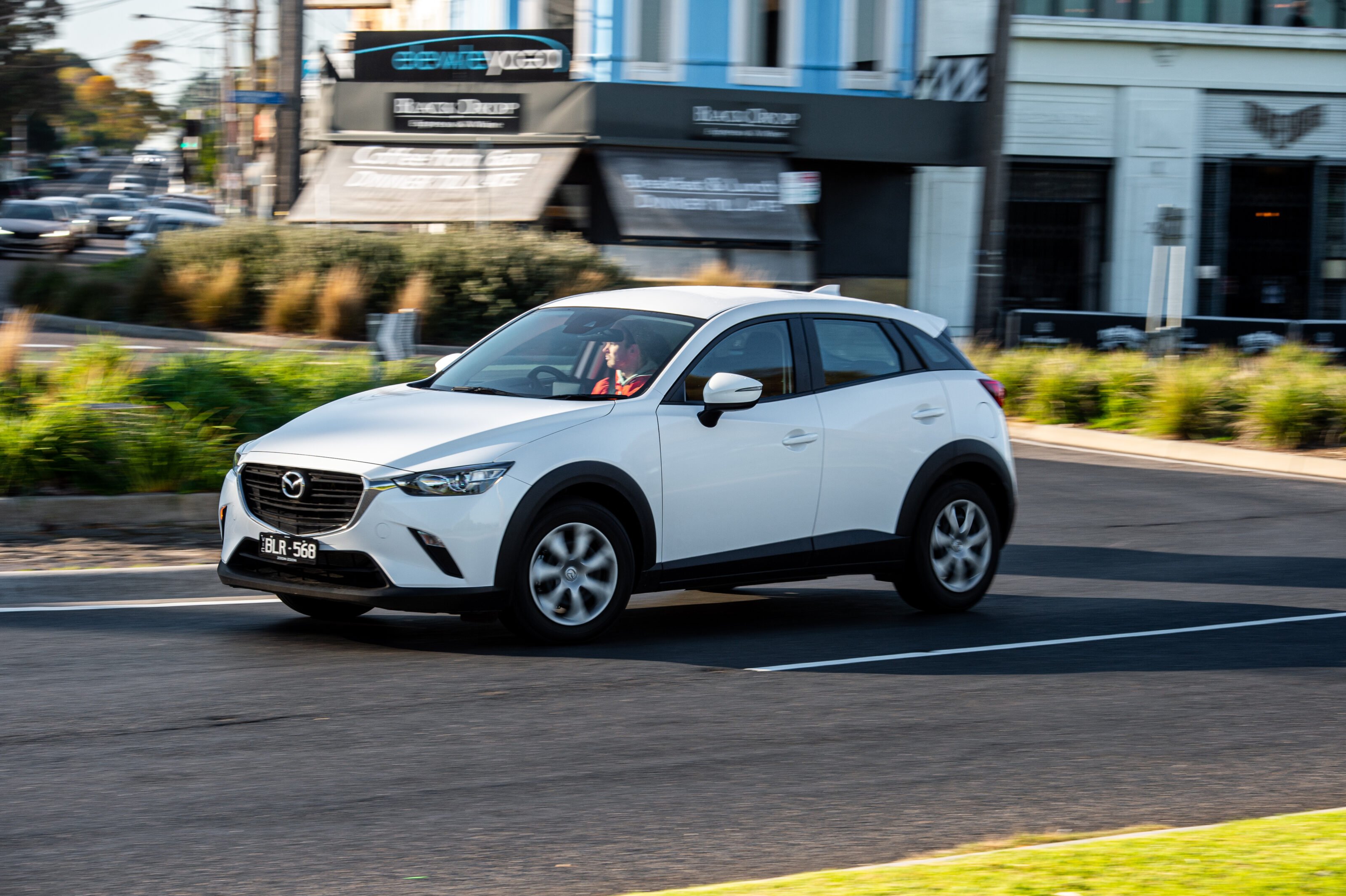
The average wait time for a Mazda, according to Price My Car, is now 73 days – compared to 71 days at the start of last year.
The quickest to get hold of is the popular CX-3 light SUV at 44 days, followed by the top-selling CX-5 medium SUV at 58 days.
The worst affected are the BT-50 ute and CX-9 large SUV, which have an average wait of 71 and 82 days, respectively.
1
While this data is given on estimated wait times for the CX-3 and CX-5 in the table below, Mazda Australia said dealers are best placed to answer customer questions about delivery updates and all model lines are currently well-stocked.
Mazda’s own information is at odds with the Price My Car figures, with the company telling us “stock levels have improved considerably, and are back to pre-COVID levels of availability across almost the entire Mazda range”.
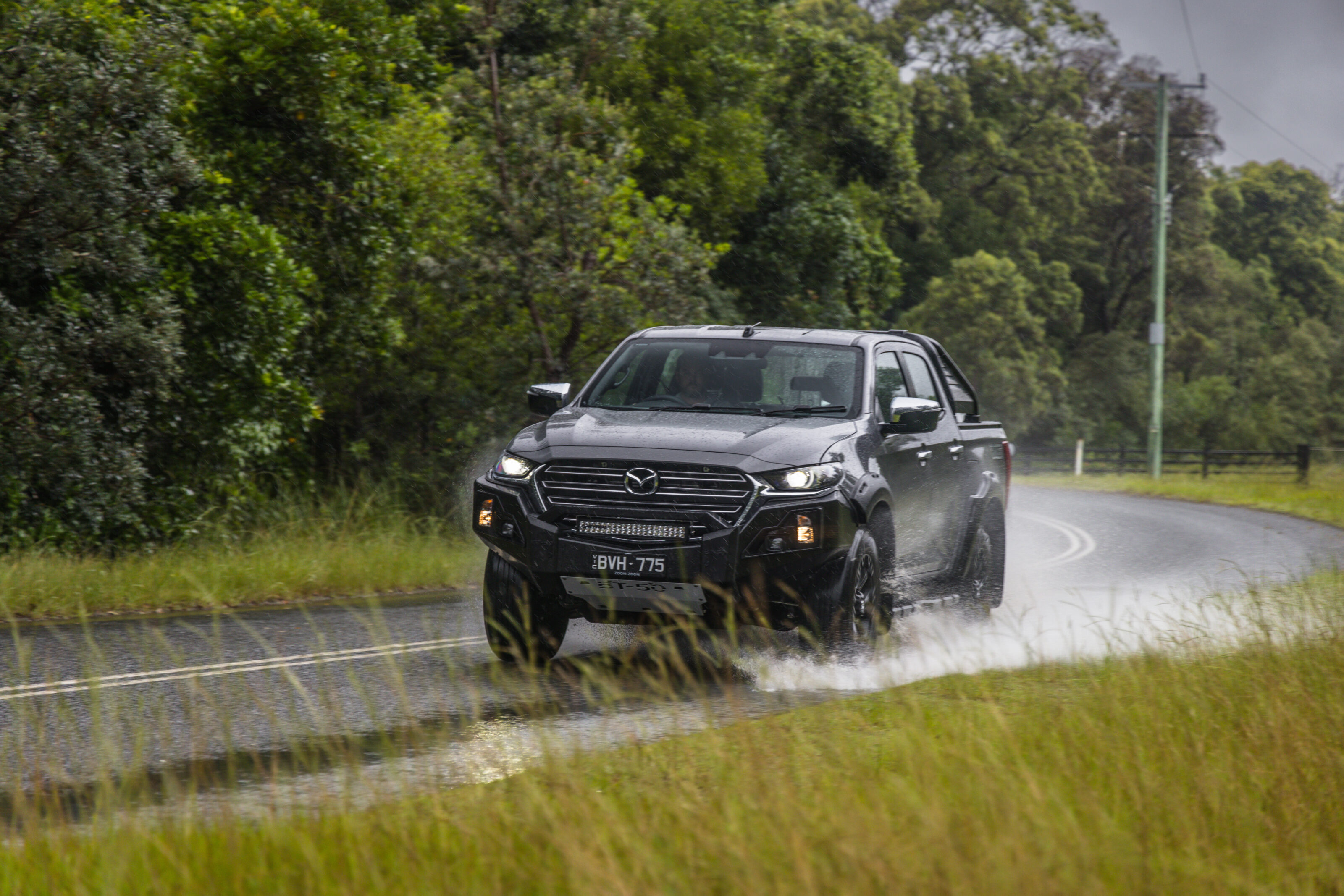
1
“BT-50, CX-3, CX-5, CX-8 and CX-9 models, in particular, are all available in our dealerships right now, and more arrivals are due in the first quarter of 2023,” a spokesperson for the brand said.
A spokesperson for the brand reiterated its stance of encouraging customers to speak directly with a dealer to confirm more specific information based on their choice of model, variant and trim etc.
Isuzu Ute
Isuzu Ute Australia’s (IUA) top 20 offering is its D-Max ute, although the MU-X body-on-frame SUV also occasionally appears.
According to Price My Car, the average wait time in January for an Isuzu was 183 days – compared to 169 days in January 2022.
The quickest to get hold of is the D-Max ute, but even that’s not a short wait at 175 days. To take delivery of the MU-X SUV, expect an average delay of 185 days.
“Wait time on the Isuzu D-Max and MU-X depends on vehicle specification, colour and accessories ordered,” a spokesperson told Wheels.
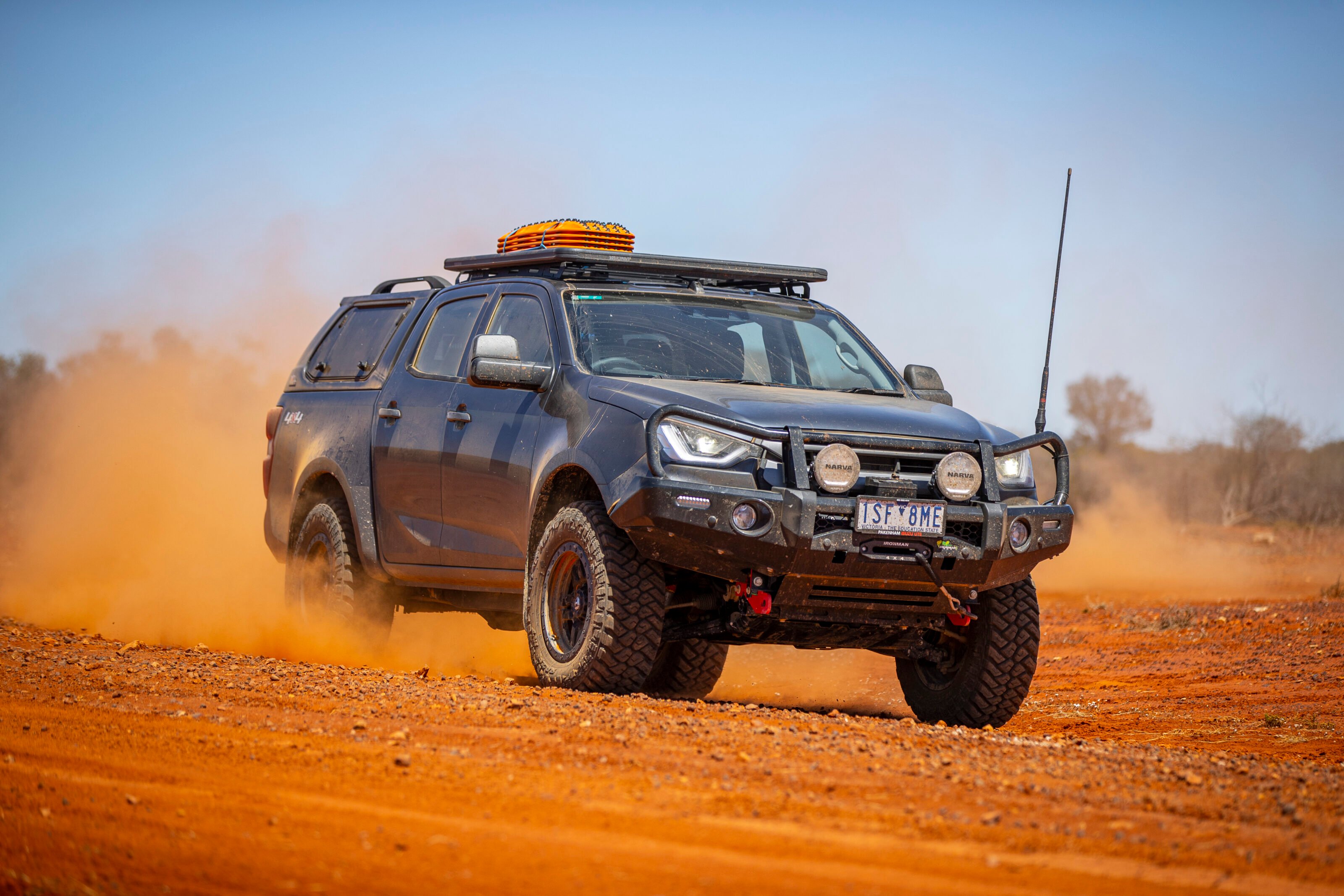
1
“Some models are available and in stock currently, while there continue to be ongoing supply delays, especially on certain higher-grade models.
“The supply delays are mainly due to the unprecedented levels of demand and vehicle component supply delays caused by the global semiconductor shortage and ongoing COVID-19 pandemic.
“IUA and all related parties continue to follow up this matter, and we remain committed to keeping dealers informed on their vehicle orders, so they can pass this information onto their customers as quickly as possible.”
Hyundai
Hyundai has two consistent top 20 models; the i30 sedan/hatch and Tucson medium SUV.
Though the Korean marque says it has a good and continuous supply of cars coming into the country, around 20,000 in a two-month period either arriving, in transit, in production or scheduled, it also has a large backlog of orders to fill.
According to Price My Car, the average wait time in January for a Hyundai was 124 days – compared to 108 days in January 2022.
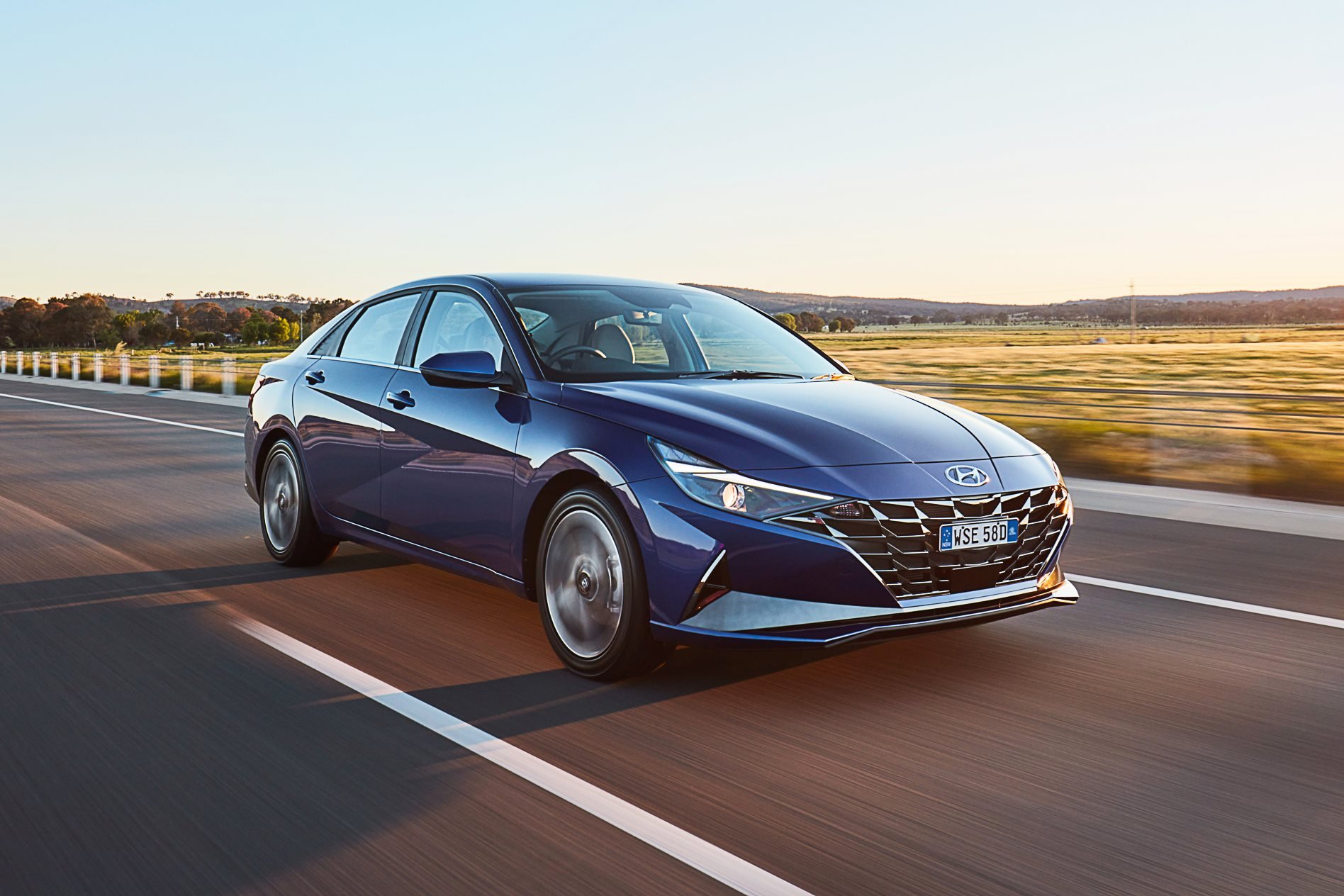
1
The worst affected is the brand’s European-sourced i30 N hot hatch, with new orders paused due to overwhelming demand. This also applies to the smaller i20 N hot hatch.
A spokesperson for Hyundai Australia said none of its models are being altered due to the chip shortage, but supply of some is better than others and availability will depend on the model and variant being sought (including trim or colour).
It added that the logistics team is “actively prioritising vehicle allocation to existing customer orders (ensuring we limit customer wait times as much as possible)”.
For an indicative wait time for a newly-placed Hyundai order, click on the read-more link below:
MG
The MG ZS small SUV – available in both petrol and all-electric form – has been climbing up the sales charts in Australia, joined by the small MG 3 hatchback.
According to MG, it is working amongst challenging market conditions when it comes to supply, particularly on the logistics side – but it has managed to land almost 4000 cars a month in Australia for the last year.
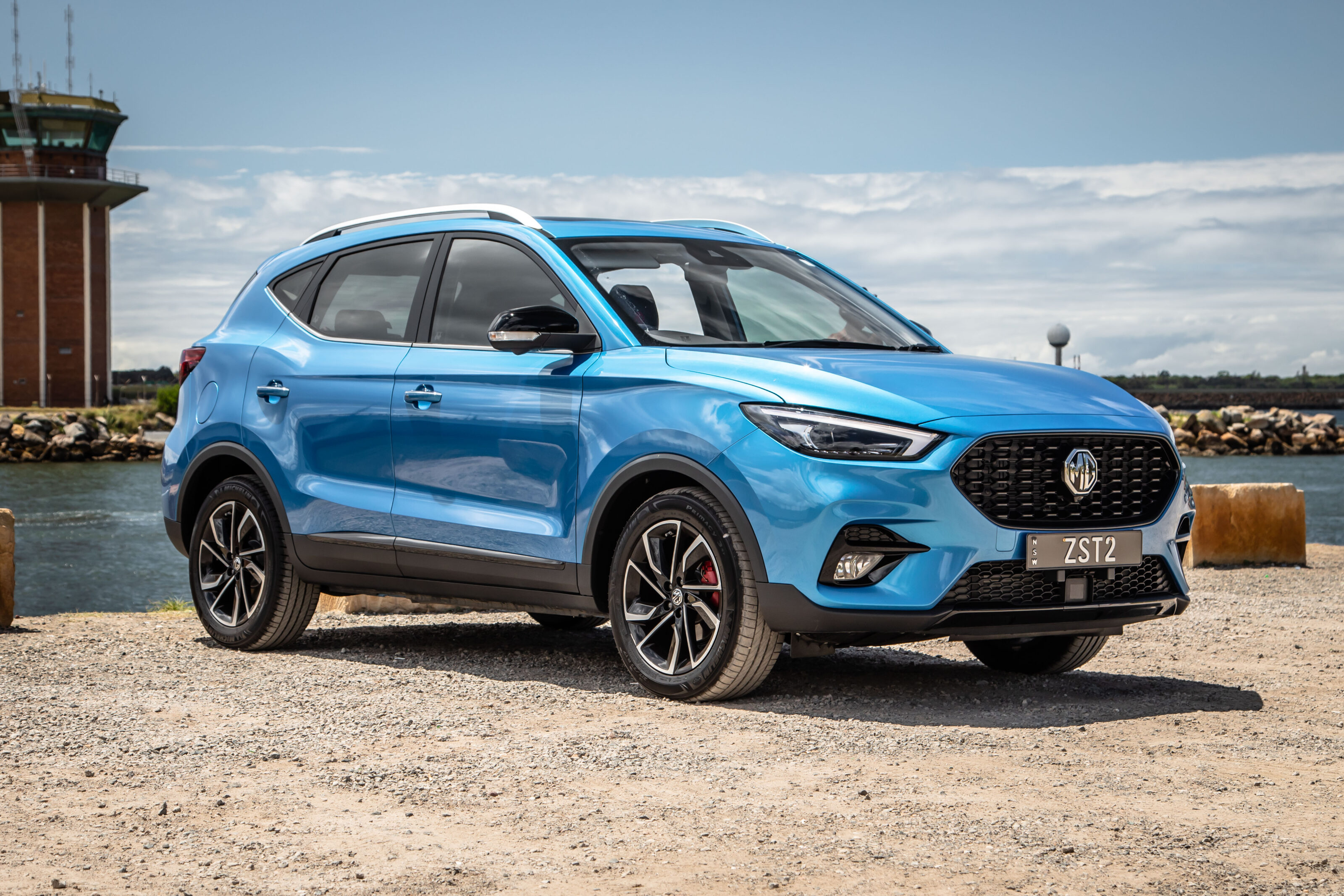
1
It has no plans to modify the specifications of any MG vehicles.
“We are working closely with our supply chain to resolve any bottlenecks and minimise the impact of any delays on customer orders wherever possible,” a spokesperson told us.
According to Price My Car, the average wait time in January for an MG was 54 days – compared to 56 days in January 2022.
The quickest arrival is the MG 3 with an average wait of 47 days.
Meanwhile, the worst affected in MG’s non-electrified lineup is the ZST, with a wait time of 57 days.
Kia
Although not always in the best-sellers’ list each month, Kia’s most popular offerings are the Sportage medium SUV and Cerato sedan/hatch.
A spokesperson for Kia Australia said the company is “in constant dialogue with head office to access additional stock to positively impact wait times”.
“Estimating wait times isn’t straight forward as the situation is so fluid and there are many variables to take into consideration such as model, specification, colour and production scheduling,” they added.

1
Due to the ongoing supply challenges, new orders for top-spec variants, including the Sportage and Cerato, are experiencing longer-than-expected delays
Kia Australia said there were no plans to remove any features from its range in response to the semi-conductor chip shortage.
According to Price My Car, the average wait time in January for a Kia was 151 days – compared to 181 days in January 2022.
Other popular vehicles
Tesla Model 3 and Model Y
For the thousands of Australians seeking to purchase an electric vehicle – often their first – a Tesla is the most popular option.
As such, the Model 3 sedan has stormed up the sales chart in recent months, with the newly-launched Model Y also proving popular in late 2022.
In January 2023, the Model 3 outsold popular SUVs, including the Toyota RAV4 and Mazda CX-5 following a large shipment of vehicles in late 2022.
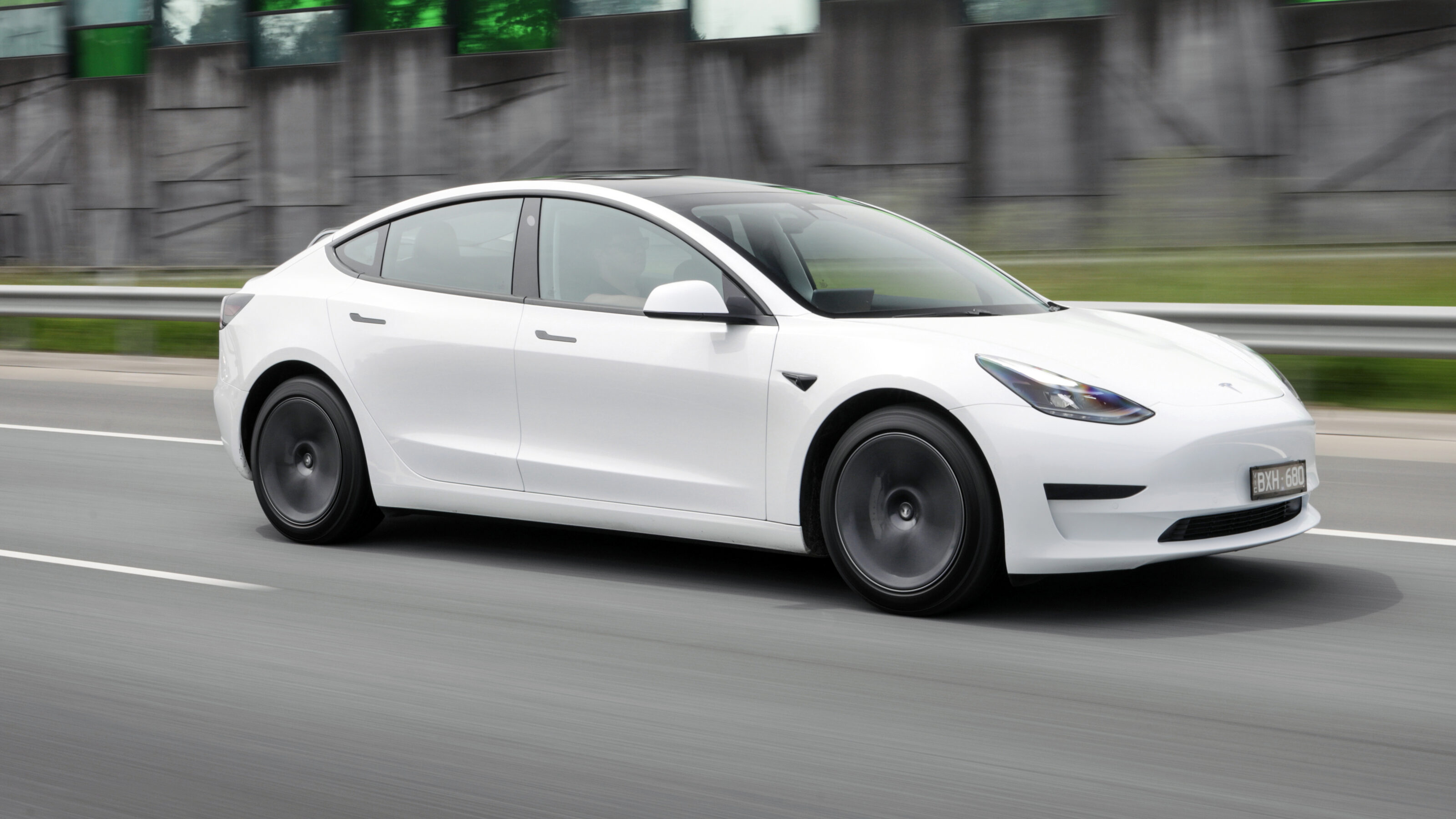
1
According to Tesla’s online configurator, the current expected delivery time for a new Model 3 is between a few weeks and three months, with some unallocated stock available.
As for the Model Y, there’s a slightly longer wait, with deliveries expected between April and June 2023.
Nissan Navara
A regular among the list of Australia’s favourite new cars each month is the Nissan Navara ute.
Nissan Australia said it has stock of the Navara available across its dealer network, with more continuing to arrive.
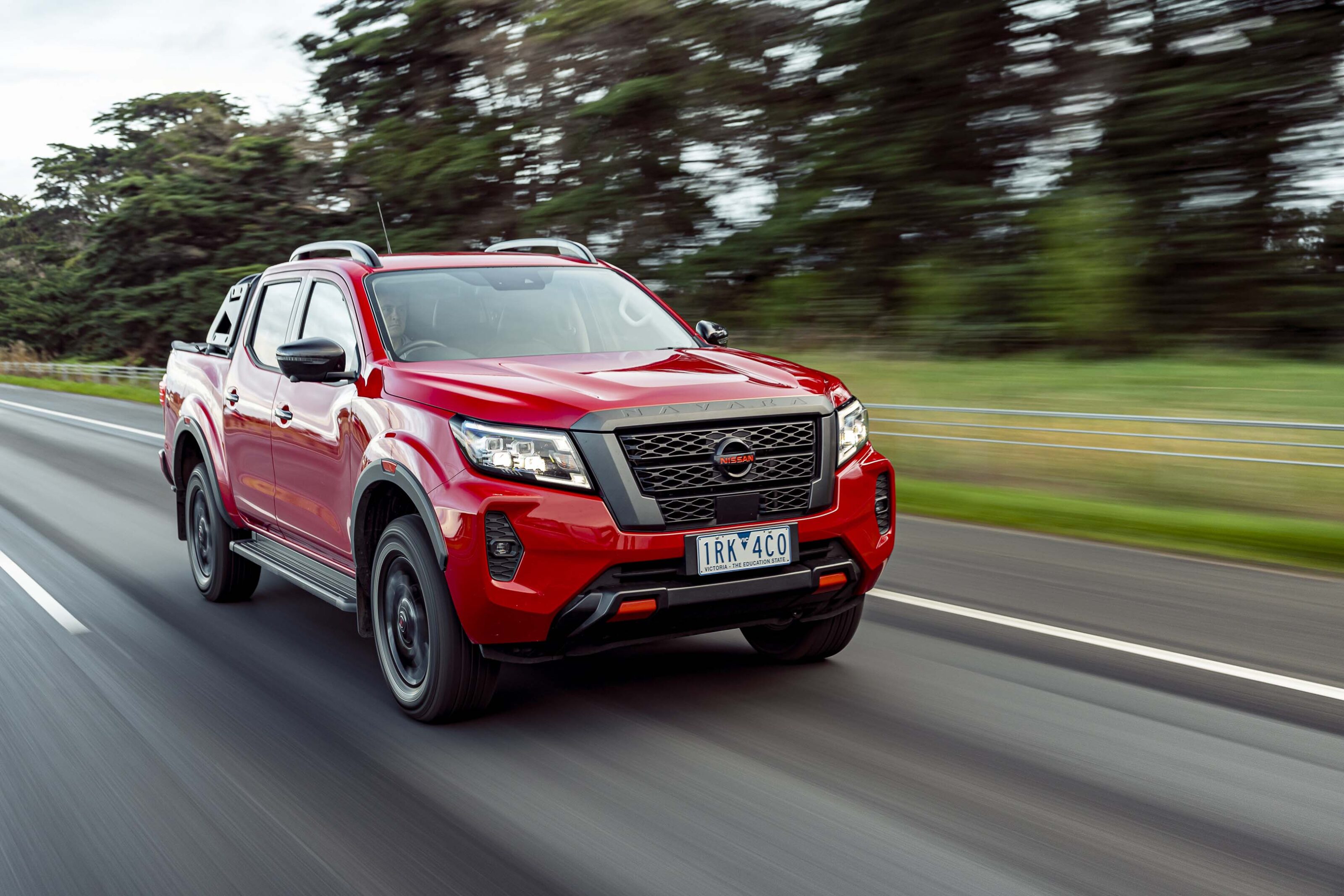
1
A spokesperson said wait times depend on factors such as variant and location.
Like other brands, it encourages customers to contact dealers for more information.
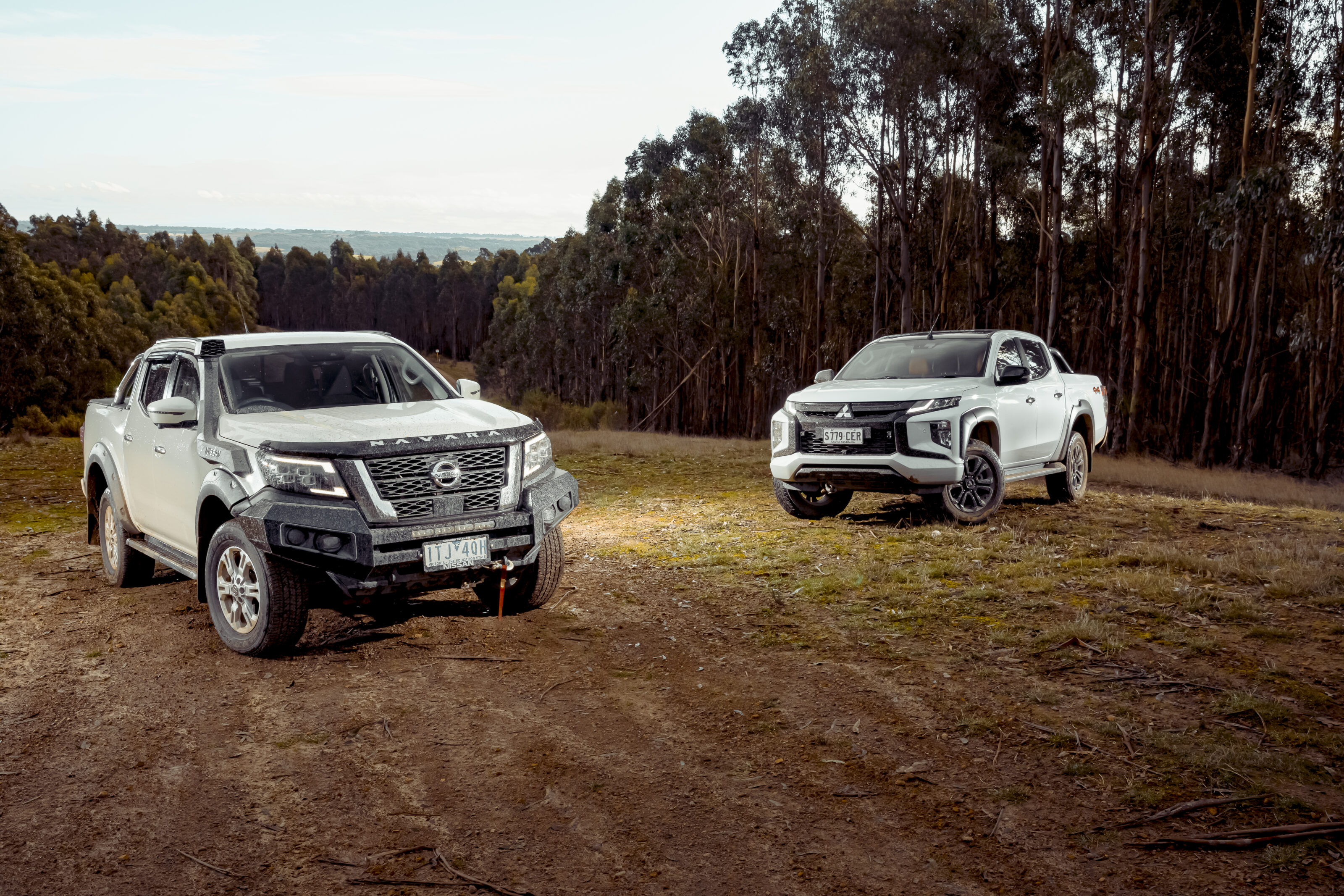
A more accessible version of the Navara Warrior, based on the SL grade, has launched in Australia, with fewer components required compared to the range-topping Pro-4X Warrior.
According to Price My Car, the average wait time in January for a Nissan was 129 days – compared to 123 days in January 2022.
Subaru Forester
Though not always in the top hit list every month, the Subaru Forester mid-sized SUV remains popular.
According to Price My Car, the average wait time for a Forester is 86 days – compared to 79 days in January 2022.
Overall, the average wait time for a Subaru is currently 92 days.

1
Late last year, a spokesperson for Subaru told us: “Subaru Australia continues to work closely with Subaru Corporation to deliver vehicles to customers as soon as possible.
“Delivery timeframes for customer orders can vary for a variety of reasons (including model, colour and variant preferences).
“As always, customers are encouraged to speak with their local Subaru Retailer who are best placed to advise delivery timeframes for specific orders.”
Top 20 models – sales

1
Top 20 models – wait times
1
