
Let’s deal first with the driving itself. Even before this current conflict broke out we’re regularly asked if there’s any way you can reduce fuel consumption with your driving behaviour. And, while the reduction won’t be dramatic, there’s certainly gains to be made.
Driving behaviour
The first is the way you drive, and you can easily make changes there. Don’t nail the throttle when you take off, don’t work the engine up and down the rev range unnecessarily, try to be as smooth as possible with your inputs, and don’t slam the brakes on at the last minute. If you think and act smoothly, you’ll be as efficient as you can possibly be. Accelerating up and down – as so many drivers do – is silly, too. Get to the speed limit, and stay there as smoothly as you possibly can.

Mechanics tell me all the time that we’ve lost the art of allowing our cars to warm up, and it’s a fair point. Start car, select Drive, and take off. It’s what nearly all of us do. But, the most efficient way for an engine to work is within its optimum parameters, and that normally occurs once it’s warmed up. Mechanics tell me you might think you’re burning fuel in the short term, but you’re potentially saving it in the long run.
Tyres
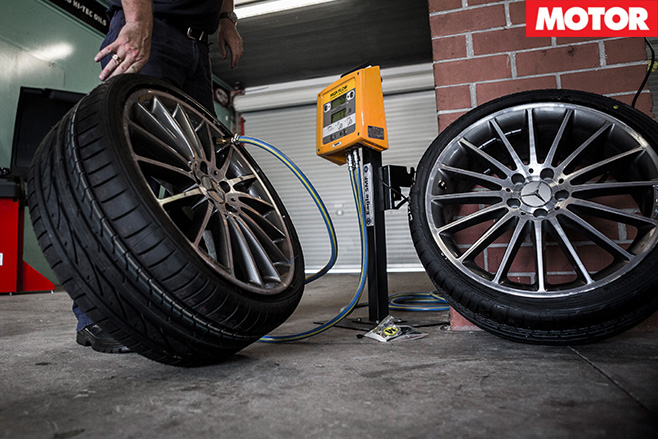
The other factor we neglect, which is as much a safety issue as it is an efficiency one, is tyres. Under inflated or worn tyres, have the potential to force your car to use more fuel than it needs to. Ensure your tyres are in good condition, not more than five years old, and inflated to the required placard recommendation. And, make sure your serving and maintenance is up to date, too.
Weight
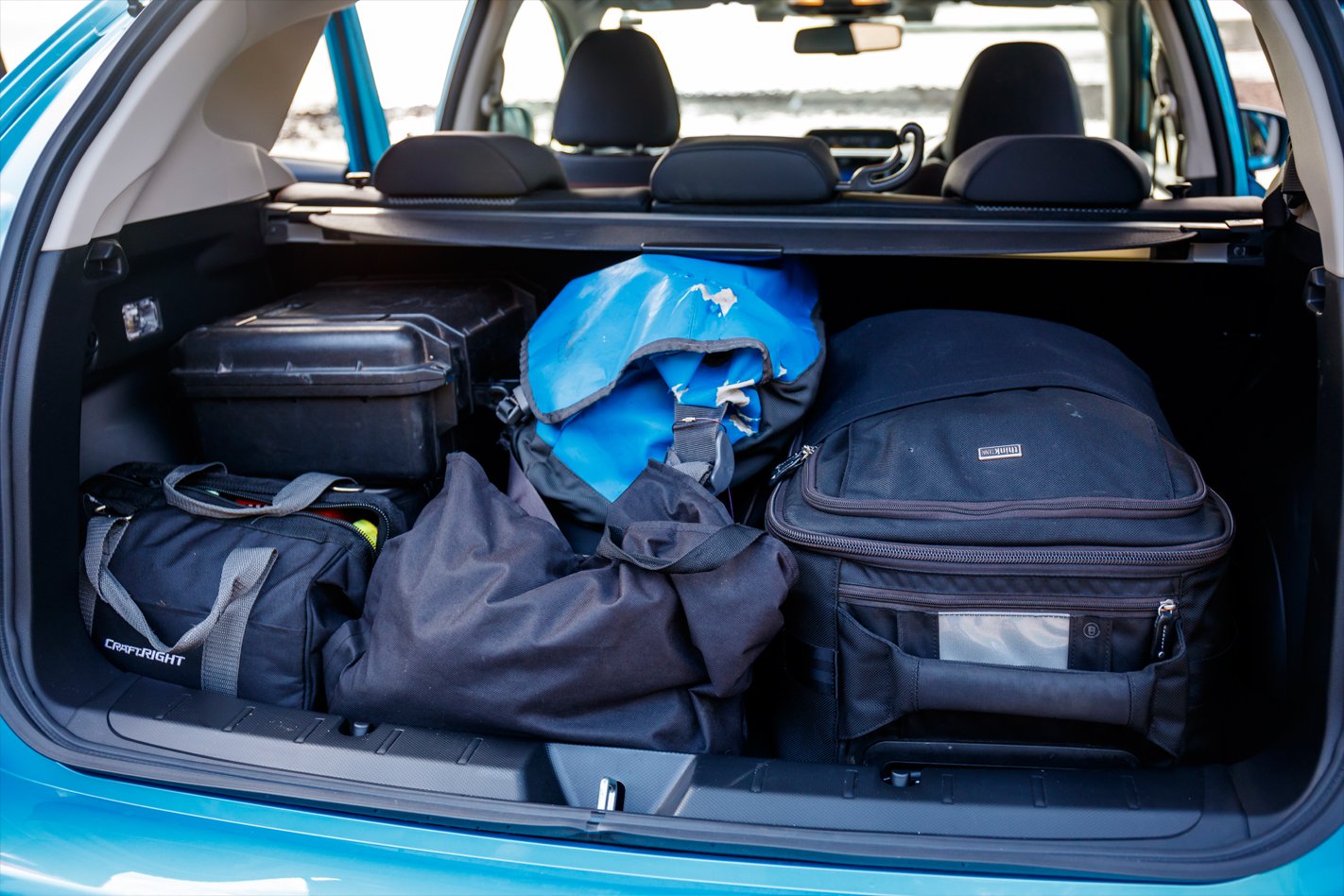
The final easy change you can make to your daily driving habit, is to rid your vehicle of anything you don’t need. Extra weight means extra fuel use. Unload the boot, don’t use your vehicle for storage, and yes 4WDers, that means the roof top tent, and all the heavy camping gear you use once a month. Take that out of your vehicle, and you’ll almost certainly use less fuel.
Car pooling
One of the most sensible changes that politicians have suggested, among the numerous stupid ideas, was the concept of car pooling. Look around you on the roads and you’ll see how many cars have one person in them. Often the result of necessity rather than choice, those of us who can car pool should consider it, especially if it works in with your daily routine.
Driving alternatives
The other – obvious – change you can make is don’t drive if you don’t need to. Walk if you can, catch the bus or train if you can, don’t head up the road for a drive unless you really need to. We’re all guilty of driving somewhere we could walk to, or driving when we know we could use public transport. These suggestions fall under the banner of ‘doing your bit’, but added up, they make a big difference.
Back when fuel was on overage $2.10 per litre, RACQ data showed that an average car using 11.1L/100km could consume $1200 less fuel in a year, by driving 100km less each week. With fuel costs climbing, that saving gets even more consequential.

A study by Youi Insurance is concerning though, with the results showing just how quickly surveyed Aussie households thought they would struggle if fuel access because constricted. Around 45 per cent of households said they could conduct their regular daily activities for a week or less, nine per cent said they could last only one to two days, while 17 per cent said they could last three to five days. What the results show, is just how heavily we rely on the ability to get around on a whim, in our cars.
While numerous scenarios have been touched on by government, the broad advice is clear. Drive as little as you’re able, and be as smooth as you can when you do it. Matthew Burke, a former transport researcher based in Brisbane told the ABC recently that Australians could make material changes.
“For most Australians, you can actually get rid of about one-fifth of your motoring pretty easily,” he said. “A lot of Australians in the cities do actually have a public transport option that can replace one or two journeys a week. It does mean sacrificing certain things or reorganising your life in little ways but none of these are dramatic, huge changes to your lifestyle.”
The Chevrolet Corvette Grand Sport nameplate is back, and it arrives with more muscle, more technology and a sharper focus on performance than ever before.
A familiar badge in Corvette history since the C2 era, the Grand Sport has long represented a sweet spot between everyday usability and track-ready capability. Now, on the latest mid-engined C8 platform, it returns with a significant mechanical upgrade headlined by a new, larger-capacity V8.
At the heart of the new Grand Sport is a 6.7-litre naturally aspirated V8 producing 399kW and 705Nm – making it the most torque-rich non-electrified Corvette engine to date. Replacing the outgoing 6.2-litre unit, the new engine benefits from a range of upgrades including forged internals, a revised intake system, a larger throttle body and a higher compression ratio.
Power is delivered to the rear wheels via an eight-speed dual-clutch automatic transmission, with performance expected to improve on the Stingray’s already brisk 0–100km/h sprint of around 3.5 seconds. A centrally mounted quad-exit exhaust system, visually reminiscent of the ZR1, promises a suitably aggressive soundtrack.
Alongside the standard Grand Sport, Chevrolet has also introduced a new electrified variant: the Grand Sport X. Borrowing technology from the Corvette E-Ray, it adds a front-mounted electric motor delivering all-wheel drive. Combined with the new 6.7-litre V8, total system output climbs to an impressive 538kW – making it one of the most potent Corvettes ever produced.
Chassis technology has also been enhanced, with the latest fourth-generation Magnetic Ride Control system adjusting suspension damping in milliseconds to suit road conditions. For those seeking greater track capability, optional performance packages add upgrades including Michelin Pilot Sport 4S tyres, Z06-derived braking hardware and, at the extreme end, carbon-ceramic brakes and Cup 2R tyres.
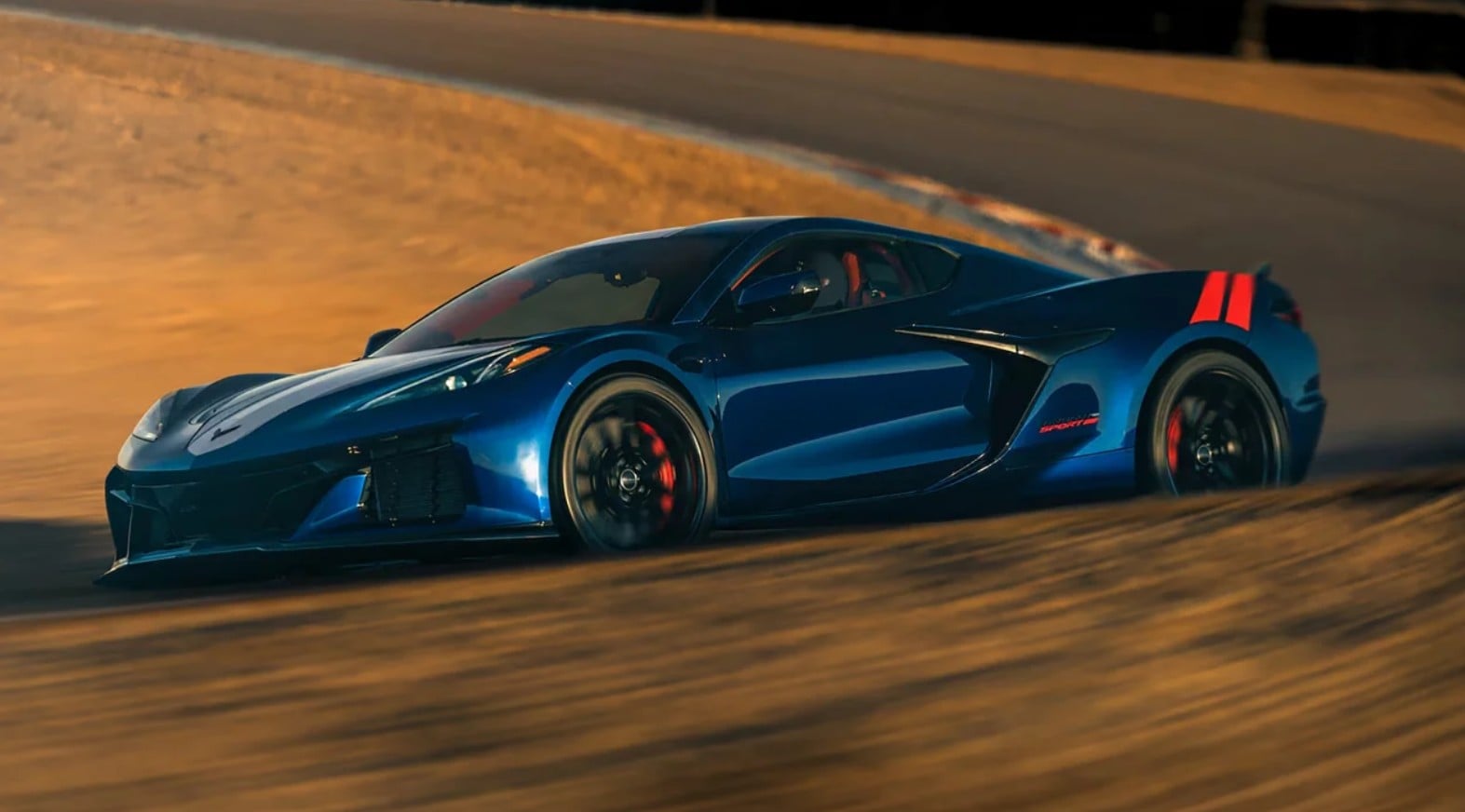
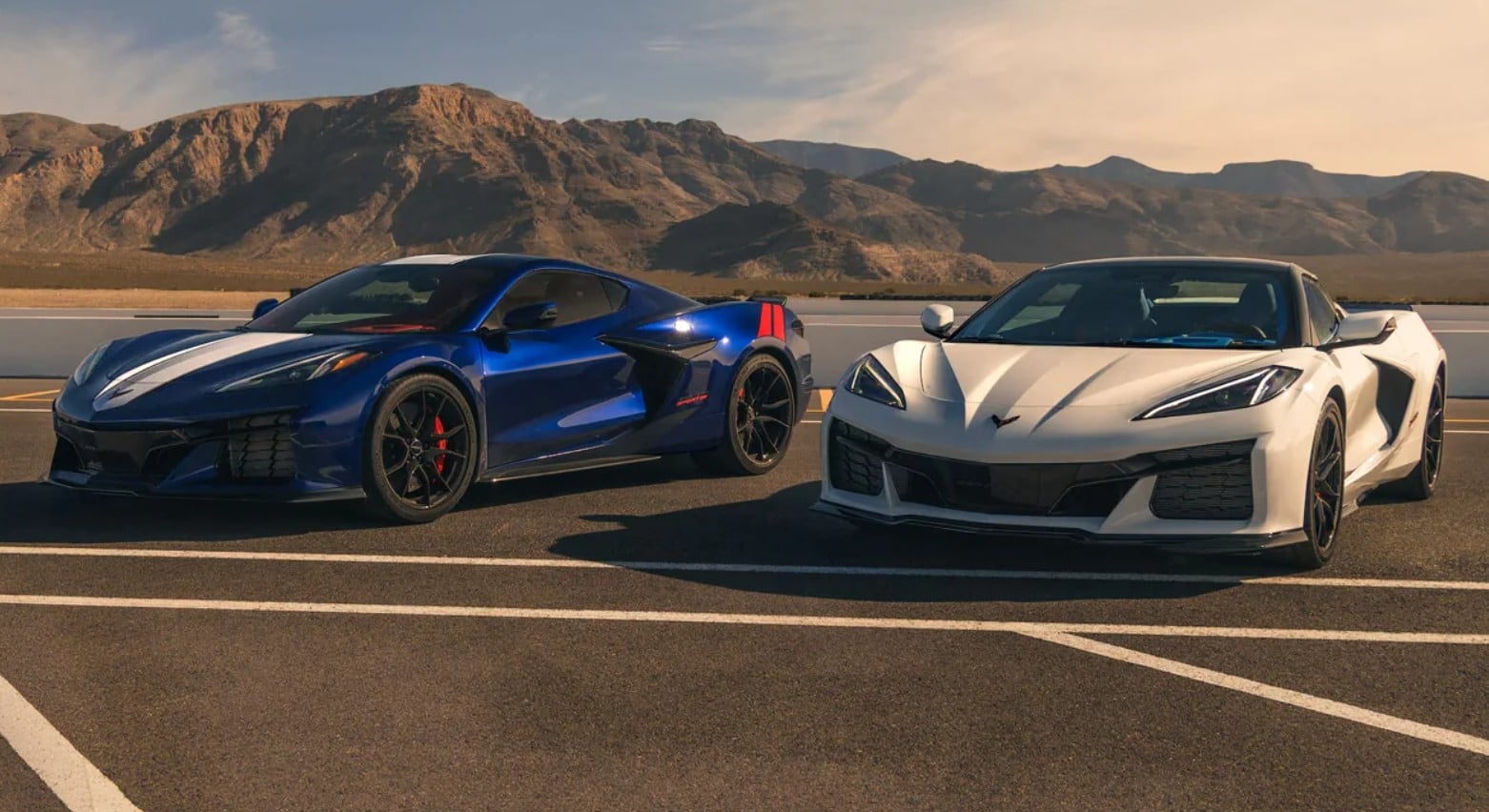
Visually, the Grand Sport retains its iconic cues, including the classic blue paint with white stripes and red accents, alongside new badging and forged alloy wheels measuring 20 inches at the front and 21 inches at the rear. Inside, a bold Santorini Blue interior adds a distinctive finishing touch.
Pricing has yet to be confirmed for Australia, though the Grand Sport is expected to sit above the Stingray – and potentially rival the electrified E-Ray – should it arrive locally.
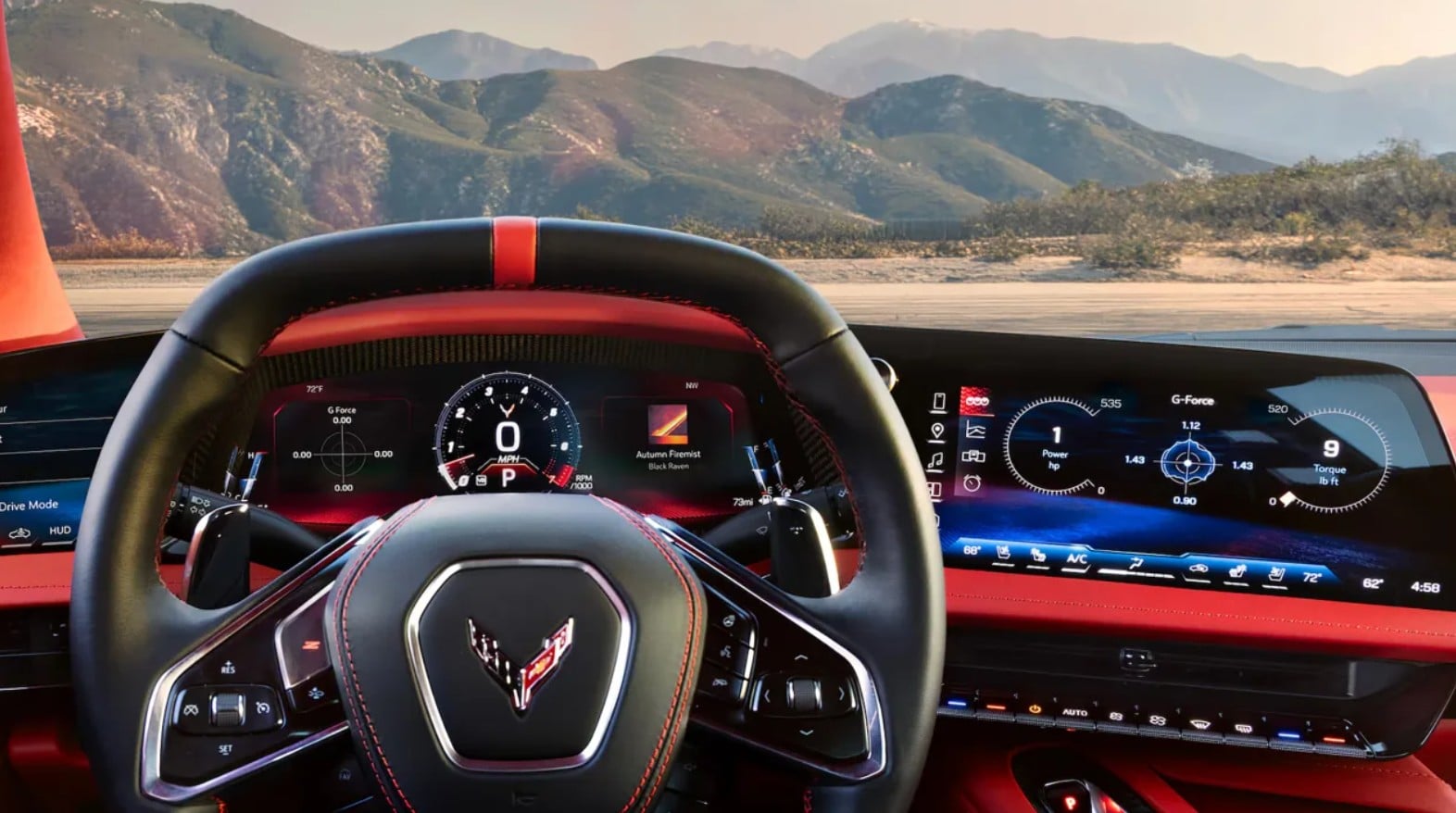
Australia’s independent safety test body recently announced it would turn its testing sights on the full-size US trucks and other heavy vehicles that have become increasingly popular on Australian roads.
“We didn’t really know what the safety pedigree is like on these big utes,” ANCAP chief executive Carla Hoorweg told news.com.au. “They’re pretty new into the market.”
Hoorweg was referring to the revised testing protocols – to come into play in 2029 – which will test more closely the aspect of blind spots and what safety experts refer to as ‘direct vision’. That specifically looks at what the driver can see physically through the windows rather than what cameras and digital mirrors project.
The new rules will be developed in concert with Euro NCAP’s revised testing protocols, no surprise given the work ANCAP and Euro NCAP already do together, with the two bodies agreeing that improved visibility around a vehicle is key in reducing the likelihood of a serious crash.
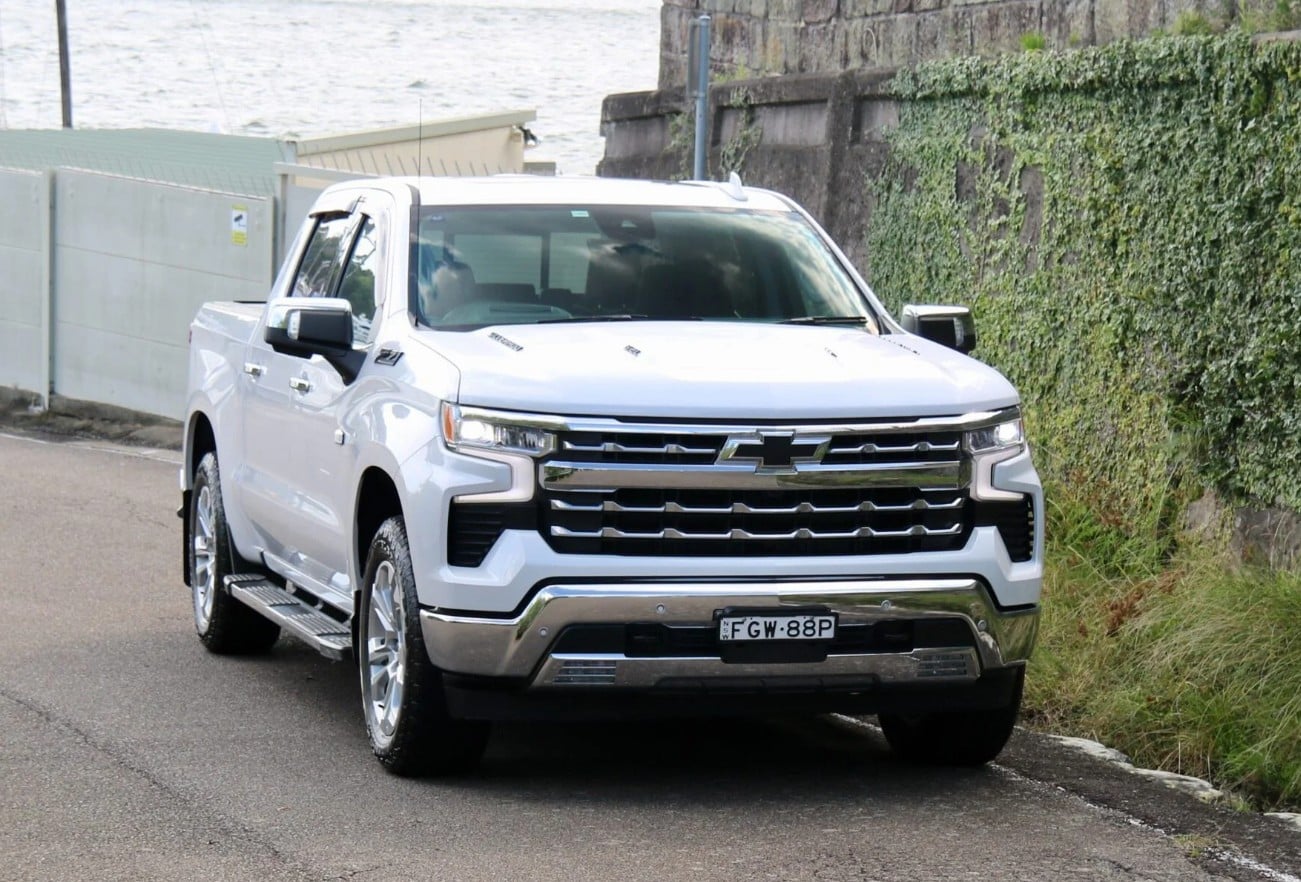
Where the new testing gets interesting is that factors like thick A pillars, massive rear-view mirrors mounted up into the top of the windscreen or thick B and C pillars will also be penalised – something that isn’t just the malaise of full-size trucks. Plenty of smaller, compact vehicles, in all popular segments could do with improved visibility.
On one hand, the continued popularity of full-size trucks ensured that ANCAP would take a closer look at them and their standard features. It’s now a legitimate segment comprising RAM 1500, Chevrolet Silverado 1500, Ford F150 and Toyota Tundra, with RAM and Chevrolet also offering 2500 heavy-duty variants.
On the other hand, trucks of this size are an easy target and the narrative that they are ‘monster sized’ or ‘taking over the streets’ is patently untrue. RAM ticked past 30,000 sales in July 2025, a decade after it created the remanufactured to RHD segment in Australia, and even when you factor in the new entrants, and our 1.1 million or so vehicles sold every year over the past decade, the percentage of that total that are US trucks is small.
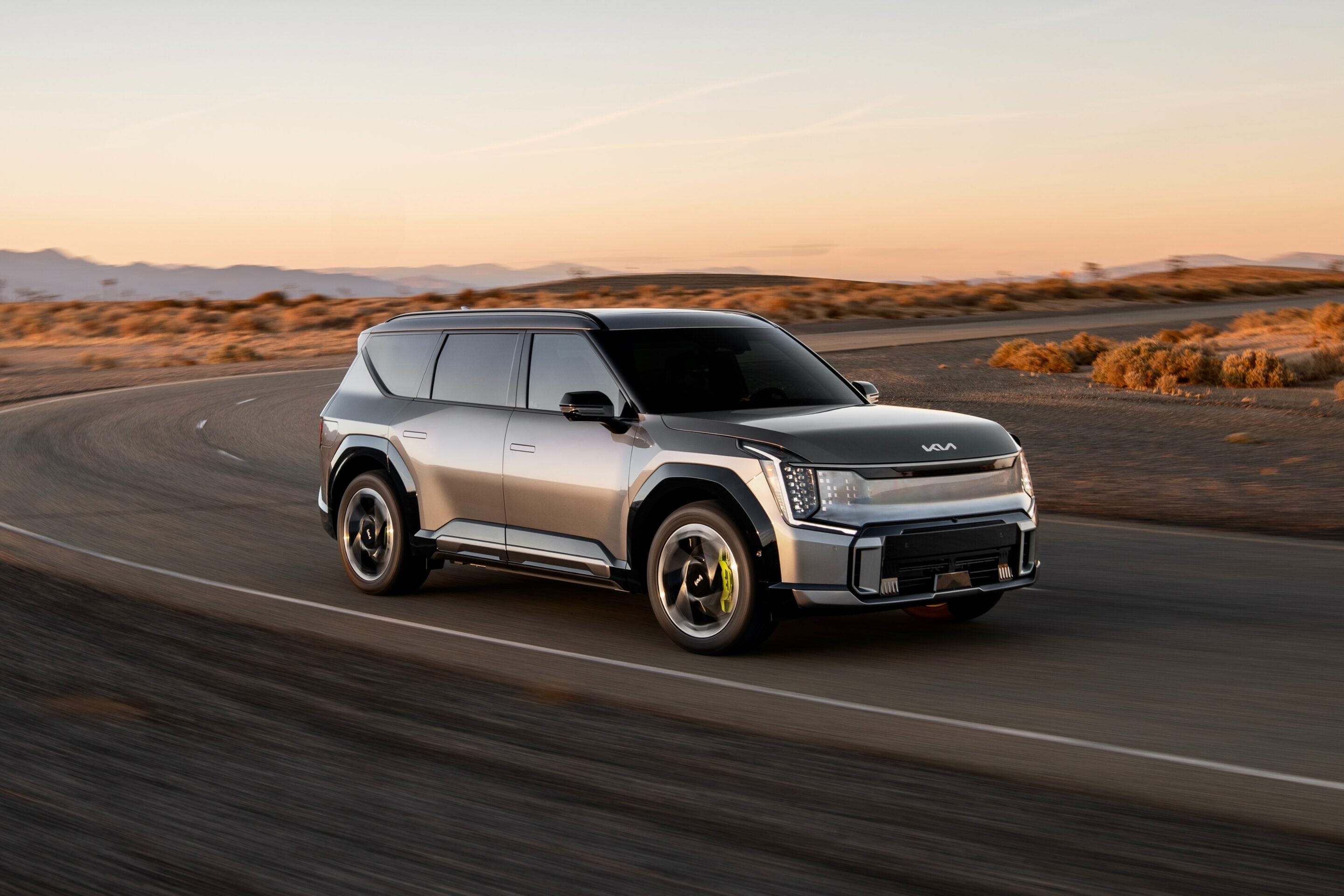
The ‘monster-sized’ argument overlooks the bloating of just about every other segment in the new-car market, of course, with electric vehicles like the Kia EV9 (below) weighing almost as much as a Ford F150. Would a pedestrian fare better being hit by a 1990 model small hatch? Or a 2026 model of the same segment?
Cars are obviously significantly safer now than they were, but it’s worth remembering the anti-US sentiment revolves around pedestrian safety. Further, the primary job of any new car is to keep the occupants within it safe, first and foremost.
Further, what passes as a ‘regular’ dual cab is now significantly larger than it was a decade ago,
and the likes of Nissan Patrol, Land Rover Defender, Range Rover, Toyota LandCruiser 300
Series, and even newcomers like the Denza B8 take up some serious real estate on the road.
Just because they are more visible, doesn’t necessarily justify the hysteria that’s often directed at
them. There’s little doubt we all want safer cars, but more safer features doesn’t always mean
safer either, which is why it’s incumbent upon the testing bodies to ensure the systems work, rather
than just being present.
Like their smaller dual-cab siblings, US truck popularity shows little sign of slowing down in this
market, but let’s park the hysteria and deal in the facts. It will be interesting to see how ANCAP’s
revised testing pans out in a few years.
First published in the November 1970 issue of Wheels magazine, Australia’s best car mag since 1953. Subscribe here and gain access to 12 issues for $109 plus online access to every Wheels issue since 1953.
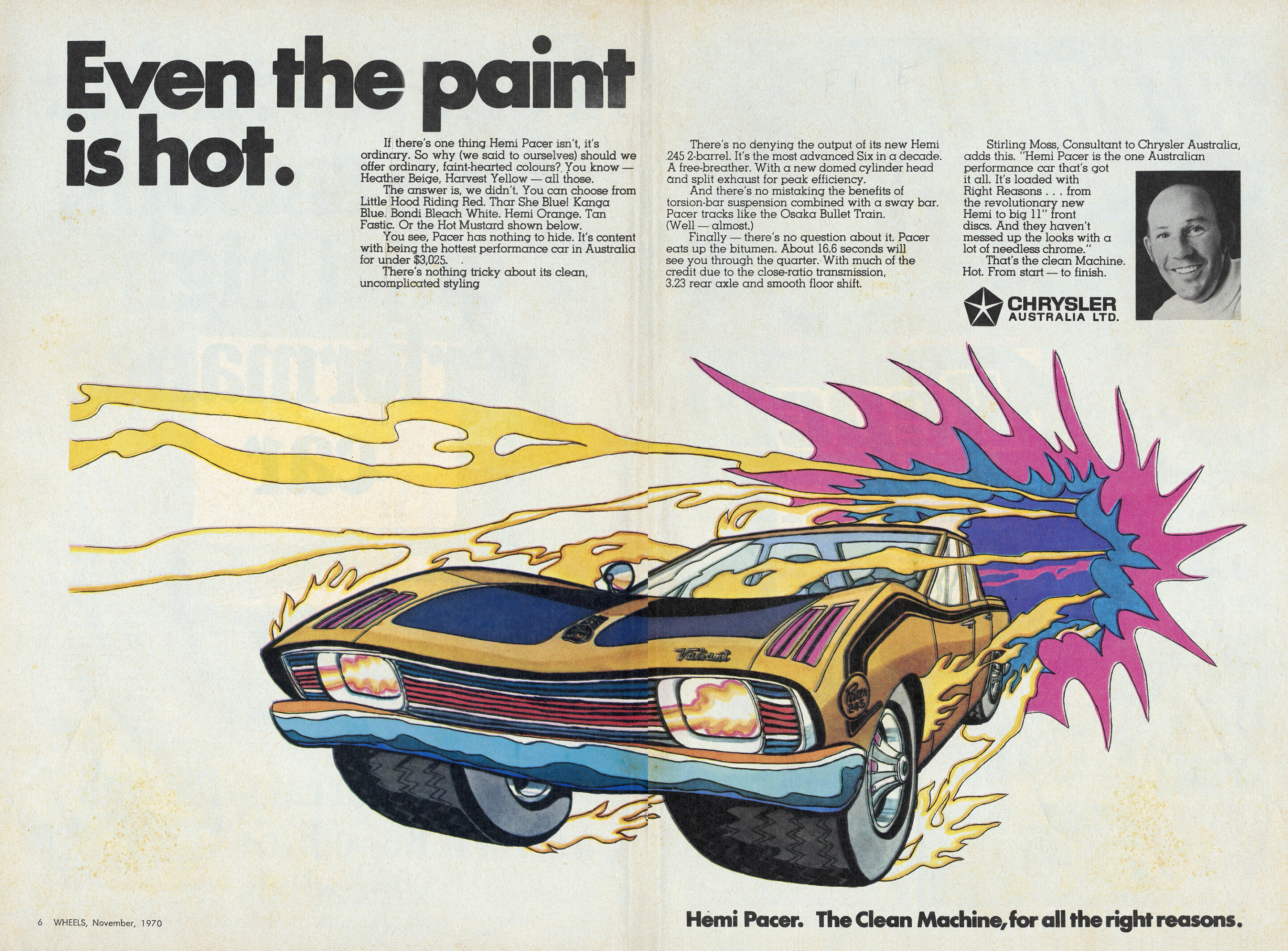
The Tonsley Park engineering alchemists brewed up a Jekyll and Hyde personality for this test-tube groove-gadget that makes it a race-track winner as well as a fine family holiday coupe.
Chrysler scored with its Hardtop because it chose to build the beast on the VIP wheelbase – offering a different style, prestige and size alternative to the Monaro. Any reason for lack of expansive sales success must be sourced back at the variety in the range – and Chrysler’s Hardtop lacked options in the most important category of all – performance. You’ll recall GM bombed the market with Monaros for everyone from boy-racer to short-sighted, slow-witted retired businessmen. It cost them plenty in organisation and production line difficulty, but it paid pretty well down at the showroom end.
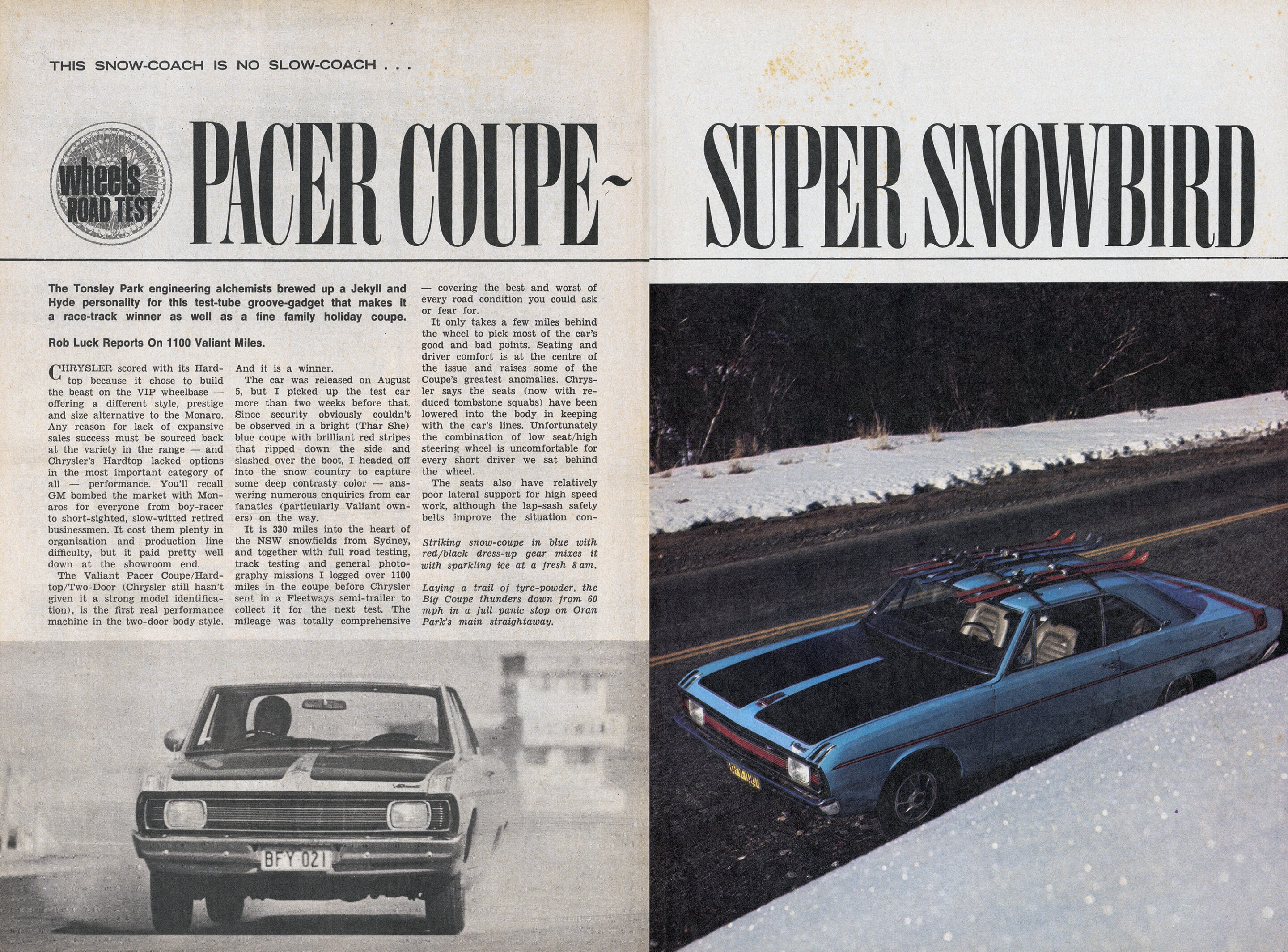
The Valiant Pacer Coupe/Hardtop/Two-Door (Chrysler still hasn’t given it a strong model identification), is the first real performance machine in the two-door body style. And it is a winner.
The car was released on August 5, but I picked up the test car more than two weeks before that. Since security obviously couldn’t be observed in a bright (Thar She) blue coupe with brilliant red stripes that ripped down the side and slashed over the boot, I headed off into the snow country to capture some deep contrasty colour – answering numerous enquiries from car fanatics (particularly Valiant owners) on the way.
It is 330 miles into the heart of the NSW snowfields from Sydney, and together with full road testing, track testing and general photography missions I logged over 1100 miles in the coupe before Chrysler sent in a Fleetways semi-trailer to collect it for the next test. The mileage was totally comprehensive covering the best and worst of every road condition you could ask or fear for.
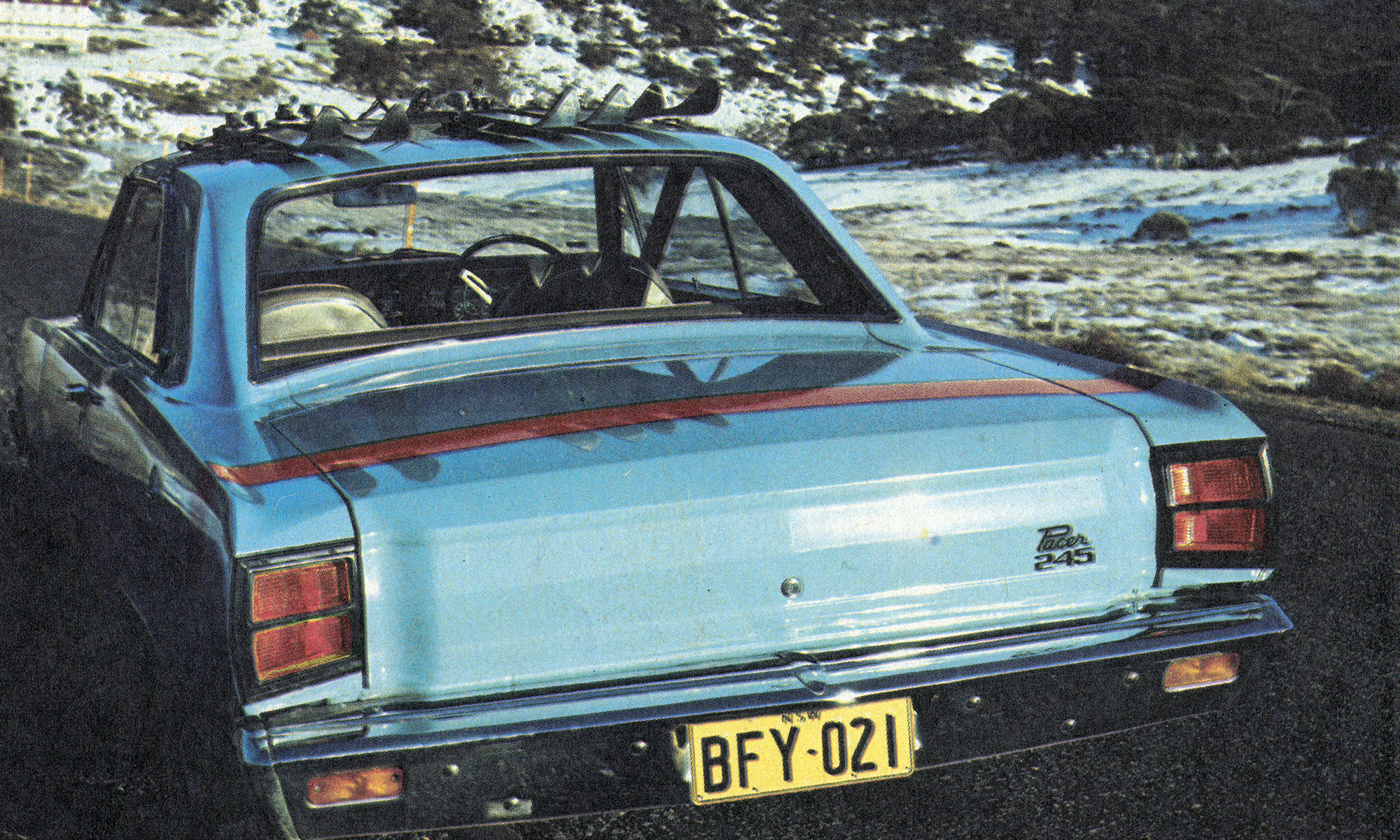
It only takes a few miles behind the wheel to pick most of the car’s good and bad points. Seating and driver comfort is at the centre of the issue and raises some of the Coupe’s greatest anomalies. Chrysler says the seats (now with reduced tombstone squabs) have been lowered into the body in keeping with the car’s lines. Unfortunately the combination of low seat/high steering wheel is uncomfortable for every short driver we sat behind the wheel.
The seats also have relatively poor lateral support for high speed work, although the lap-sash safety belts improve the situation considerably. On the test car, they were regrettably the magnetic buckle type, which I don’t like because of their impositive locking system. However, the seats are firm and comfortable and don’t leave you with aches and pains over long distances. They are also well harmonised to the car’s spring rates and don’t set up body pitch that multiplies the suspension movement.
The instrumentation is aesthetically pleasing, but as Wheels has previously noted, functionally inadequate. Speedo and tacho are readily confused even after 1500 miles, and a simple dial colour identification, or red-band area for the tacho would silence criticism. The finicky half-circle horn ring operates a fine open road blaster that shifts stragglers and wanderers from yards off. Clutch position is a little disappointing because of its height (again for small drivers), but it is smooth and light. A pleasing note is the matt black treatment of dash areas and windscreen wipers as well as the optional bonnet panels.
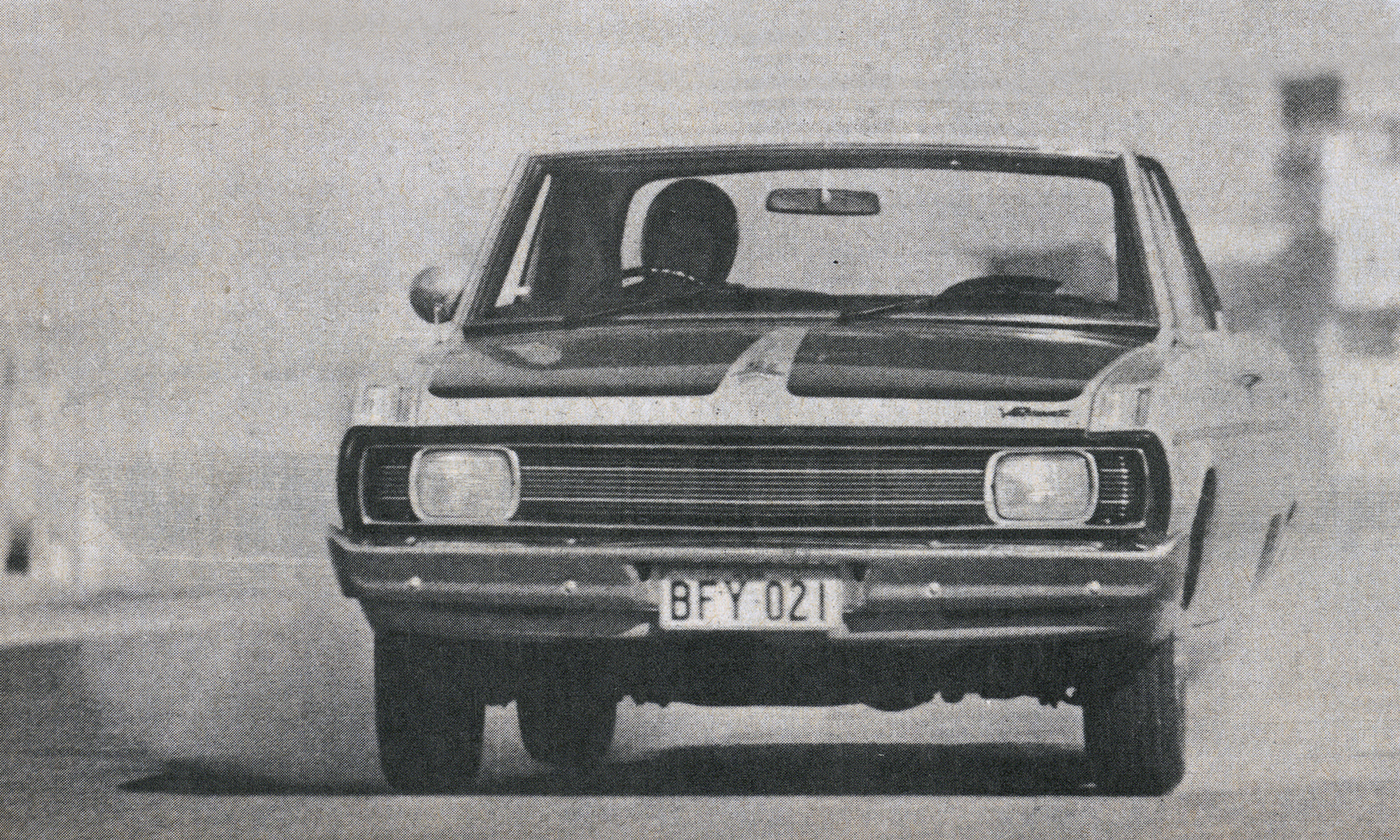
The car is light to steer and the controls are easy to reach and operate. The dipswitch on the floor is still an iffy installation for high speed nightwork, but it controls an excellent pair of square headlamps. Windscreen washers are still the most efficient of the Big Three main-line product range.
With more time and faster mileage you rapidly discover the Valiant Coupe’s real pleasures. For a big car it handles remarkably well (ours had no Track Pack performance option) and can be pointed hard around the tightest corners with no tyre squeal. Apart from race track lapping, I found it virtually impossible to provoke any sort of protest from the rubber (Olympic GT radial, although I later tried a second car on Michelin XAS with identical results).
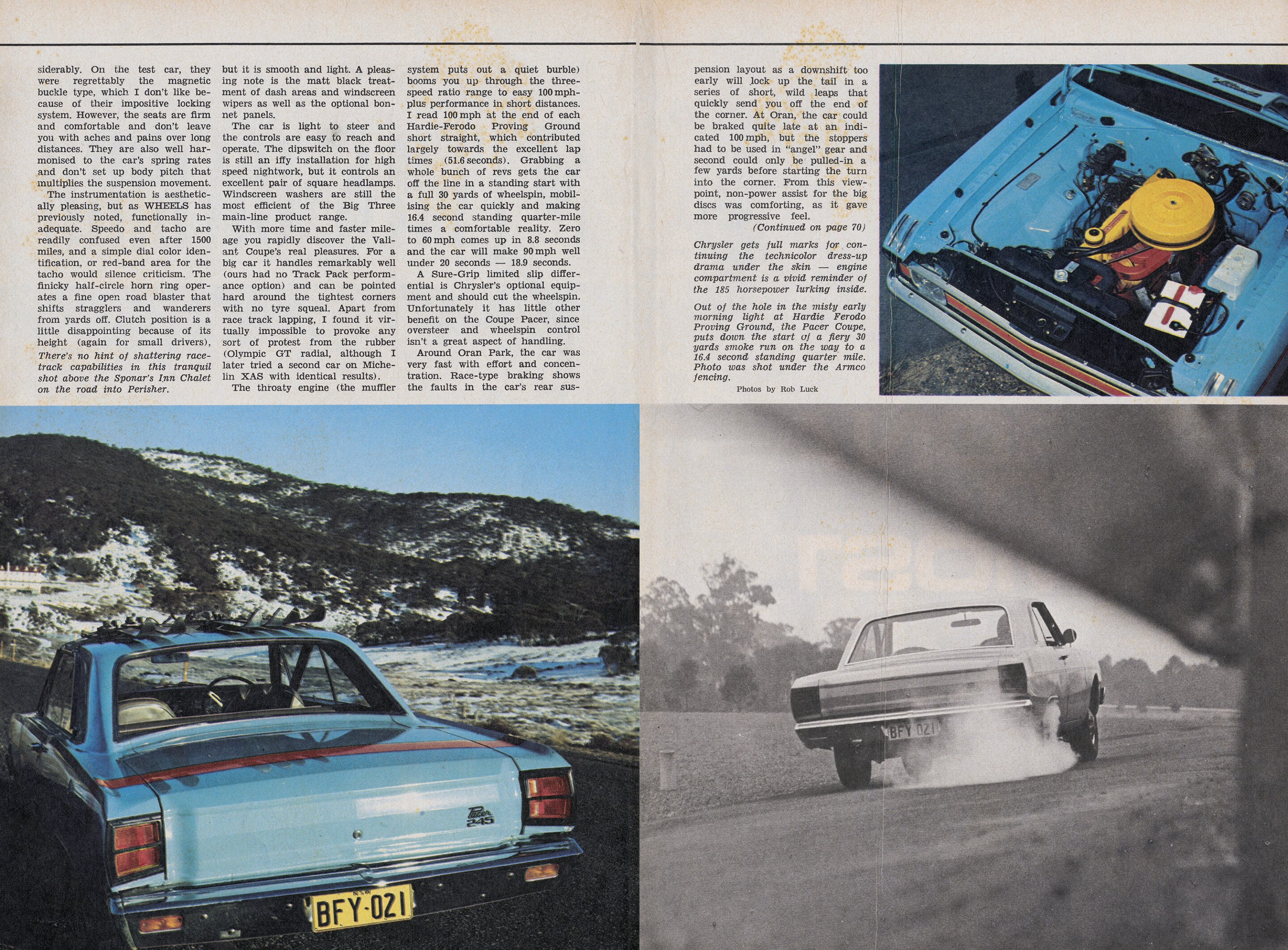
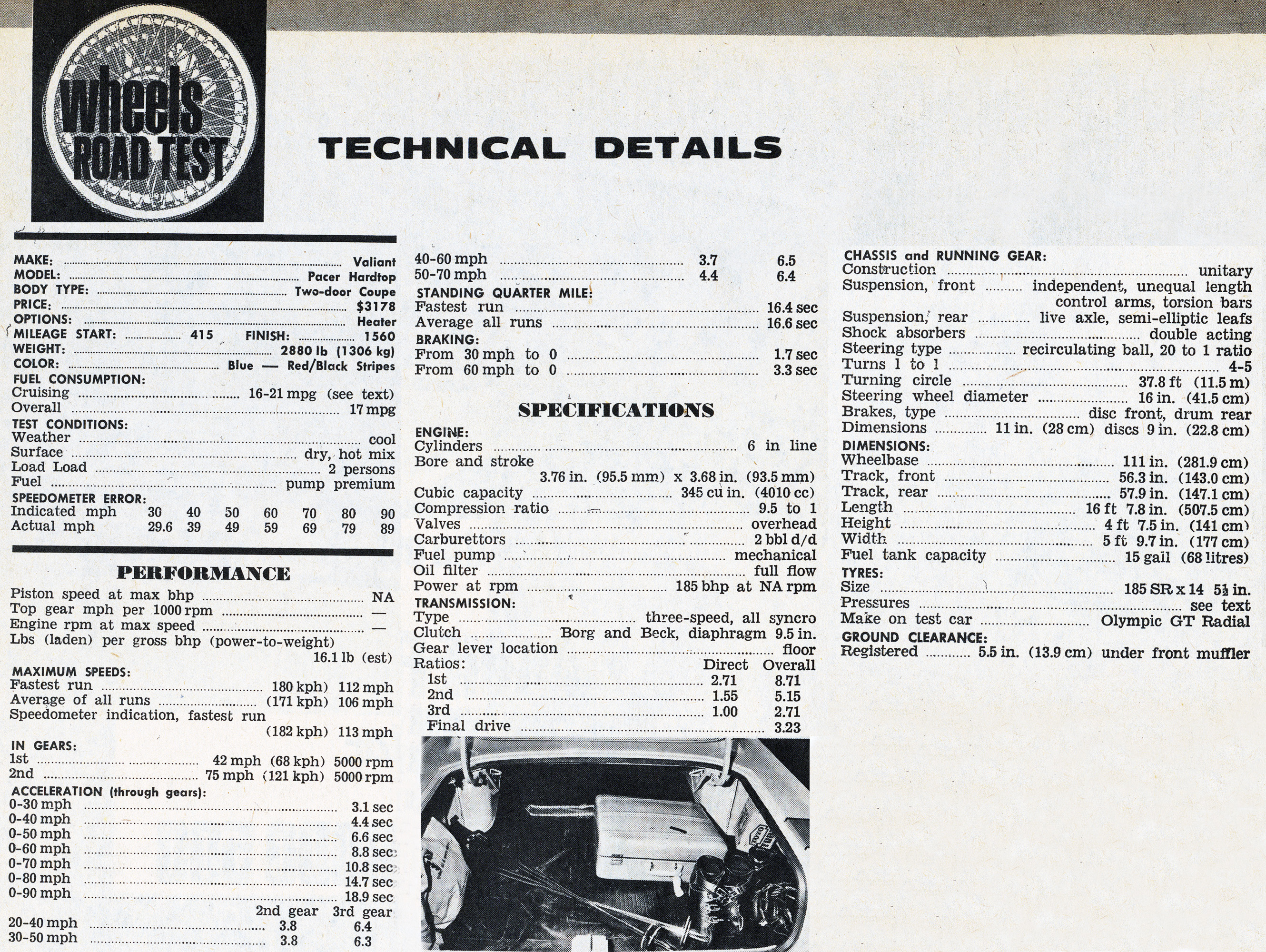
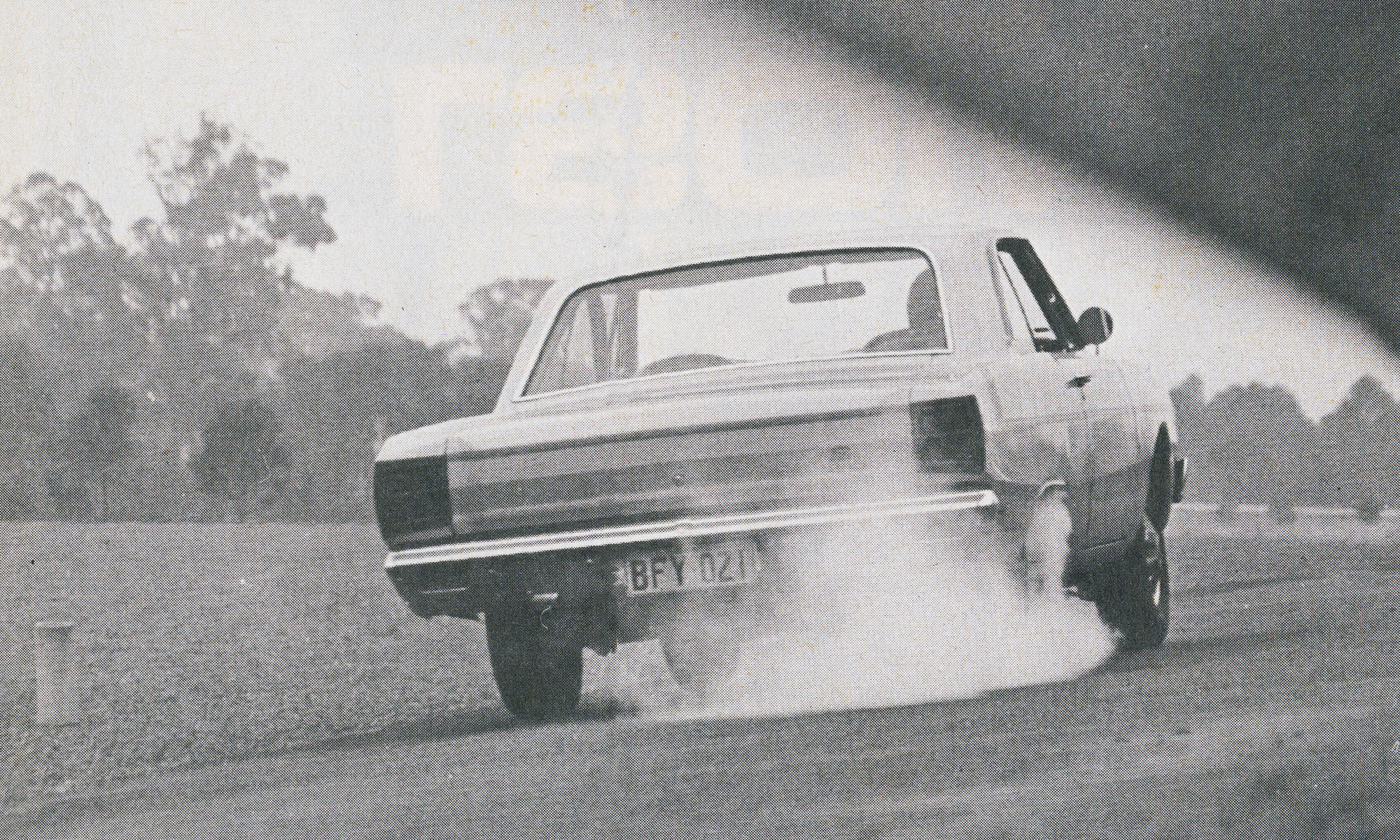
The throaty engine (the muffler system puts out a quiet burble) booms you up through the threespeed ratio range to easy 100mph-plus performance in short distances. I read 100 mph at the end of each Hardie-Ferodo Proving Ground short straight, which contributed largely towards the excellent lap times (51.6 seconds). Grabbing a whole bunch of revs gets the car off the line in a standing start with a full 30 yards of wheelspin, mobilising the car quickly and making 16.4 second standing quarter-mile times a comfortable reality. Zero to 60 mph comes up in 8.8 seconds and the car will make 90 mph well under 20 seconds – 18.9 seconds.
A Sure-Grip limited slip differential is Chrysler’s optional equipment and should cut the wheelspin. Unfortunately it has little other benefit on the Coupe Pacer, since oversteer and wheelspin control isn’t a great aspect of handling.
Around Oran Park, the car was very fast with effort and concentration. Race-type braking shows the faults in the car’s rear suspension layout as a downshift too early will Jock up the tail in a series of short, wild leaps that quickly send you off the end of the corner. At Oran, the car could be braked quite late at an indicated 100 mph, but the stoppers had to be used in ‘angel’ gear and second could only be pulled-in a few yards before starting the turn into the corner. From this viewpoint, non-power assist for the big discs was comforting, as it gave more progressive feel.
Power is optional, and women will probably need it, but the car still pulls up with relatively light pedal effort.
To break 60 seconds at Oran (59.5) I found a late-braking oversteer entry to the three major corners (CC, Robin Orlando and Energol) was essential. Aimed at the corner in oversteer the nose couldn’t be kept tight with lots of power loading the tail and keeping it floaty. Once the nose took over and the dreaded understeer set in, the car could only be got around by backing off and tightening up. Tyre pressures for successful fast lapping dropped from 45 all round to 45-38 (front/rear) without making the car a beast to handle. And the times are impressive – remember Falcon GT HOs and Monaro 350s up to 1969 vintage couldn’t break the minute in road test trim.
But most drivers will only want to explore the car’s road potential and they’ll mostly come back happy. The car was a delightful tourer and with the layback seats made an ideal sleeper for the co-pilot, keeping one team member always refreshed and ready for a driving stint during our long-distance
hikes. For summer conditions, the all-windows-down cockpit air conditioner is a marvellous exhilarant, and in winter and cold, the seals are tight enough to be draught and whistle-free.
Rear seat legroom is poor, and passengers there get uncomfortable on big mileages without breaks. The problem is a fairly steep rake to the roofline, and an enormous boot which encroaches forward into the passenger compartment.
Although striping generally tends to make a classy car look a bit ritzy, the Chrysler effort on the Pacer Coupe is acceptable to most tastes. It enhances the long lines of the car, emphasising the Dodge Charger-style sweeping panels and underlining most people’s impression of the car as a good looker. And don’t knock those stripes as being gaudy American – they’re basically a variation of the new Gordini stripes on the Renault 12.
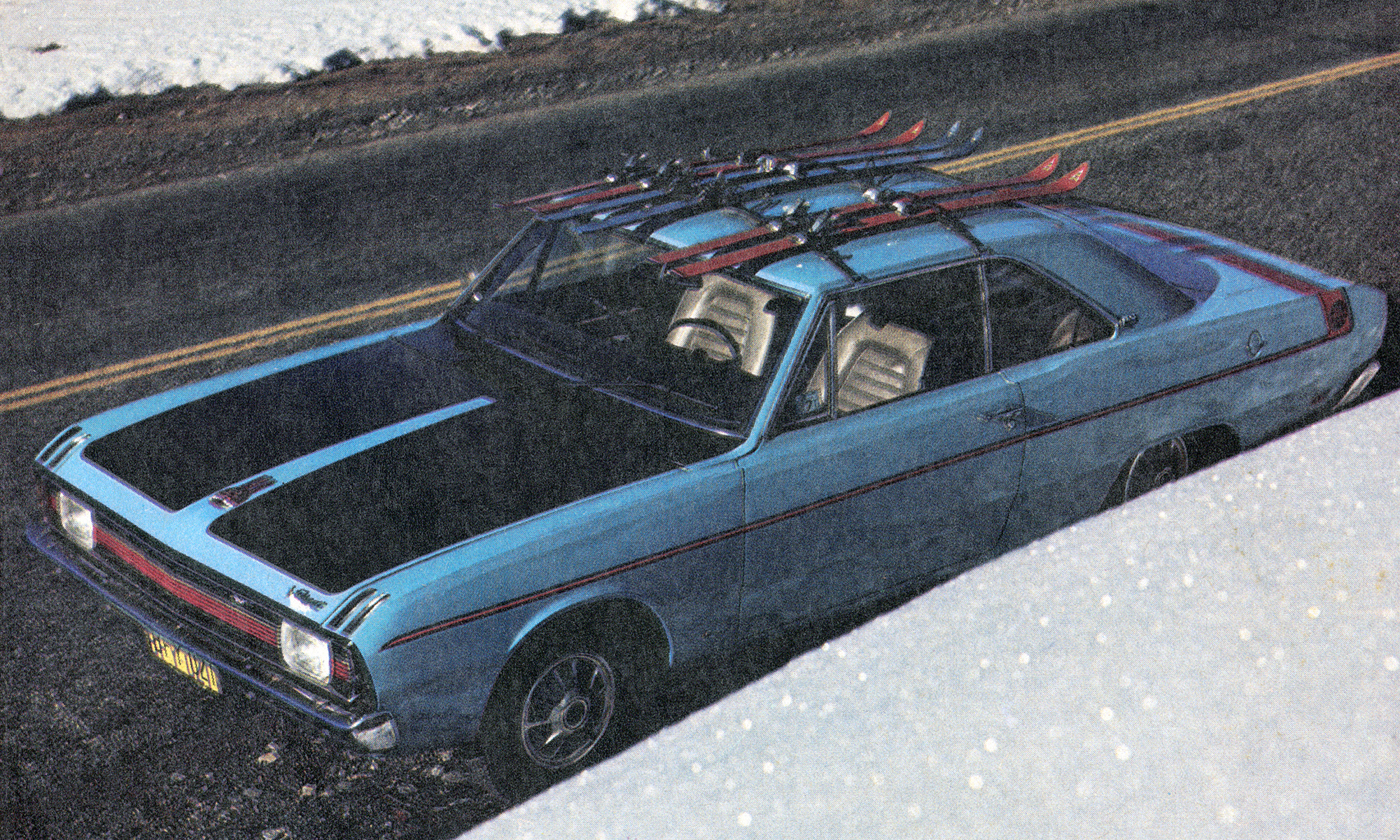
I was rather disappointed to note Chrysler didn’t produce a special version of the Coupe for one of its two Bathurst class contenders, as the Coupe certainly looks far more impressive on the track and would have been popular with race fans. Although it weighs-in 80 or 90 lb heavier than the sedan in basic form a bit of simple lightweighting for the Bathurst cars could have eliminated the difference.
And that big Bathurst tank would have given the Coupe a far more acceptable cruising range – at our worst 16 mpg touring figure, the tank lasts only 240 miles, which isn’t good enough for Australian country motoring. At 19 mpg which is possible with lower top speeds and a gentle foot, the range looks a lot better.
Around town, using either first and third or second and third, you can bump fuel economy to better than 24 mpg and still keep ahead of the traffic. Using all three gears produces economy ranging from 16 mpg to a maximum 22 mpg.
The engine is willing and torquey – and isn’t visibly troubled by the slightly heavier Coupe body, recording identical acceleration times to the sedan. Unfortunately Chrysler still doesn’t officially quote horsepower figures, but the regular Pacer sedan and Pacer Coupe produce pretty close to the 185 bhp mark. The Coupe retails for $3178, making probably the best value in the range.
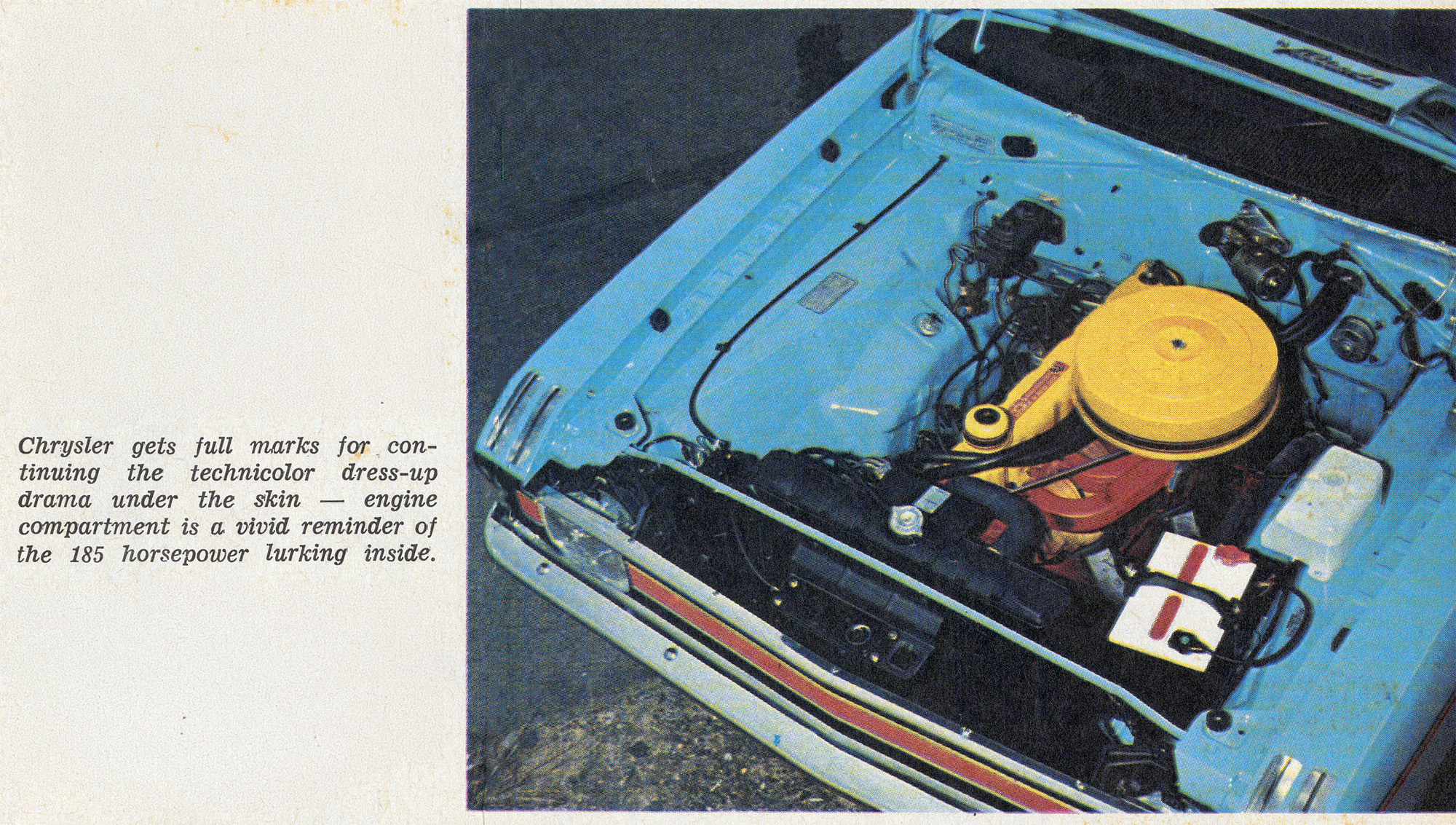
Moving up the scale, the special edition Pacer sedan produced for Class C with 200 bhp from a modified camshaft and better manifolding, sells for the same as the Coupe – $3178. The Class D car rates 50 bhp above the standard car for about 235 bhp – and you’ll buy it at $3358. The 245 four barrel (400 cfm Carter) is beefed from the crankshaft (including special vibration damper) to the top end (ram-type alloy inlet manifold, low-restriction air cleaner). It has shot-peened con rods. A twin-disc diaphragm spring clutch and 35 gallon fuel tank also identifies the Bathurst cars.
Under highly favourable conditions which slanted the watches in the Valiant’s favor (slight downhill, tailwind) the four barrel rattled off 15.6 second quarters with minimal startline wheelspin – that’s well down on the Coupe’s best of 16.4.
But the Coupe puts down its respectable times with litte apparent effort, and this is the most significant feature of the car’s open road behavior. Our snow country marathon was logged in well under 24 hours from departure to return, without straining the crew. For those who’d like to exploit the last few weeks of a great snow season left after this issue hits the bookstalls, here are some basic guidelines…
For new-boys, hire gear is the wisest move. It gives you the opportunity to find out whether you’ll enjoy skiing, without paying heavily for the privilege.
There are numerous top ski shops around, and many – like the Kosciusko Centre – have hire centres in both Sydney and the snowfields. We got our gear from Ski Sports Australia in the Strand Arcade, Sydney, because owner (Dave Roebuck) and manager (John Tuxford) are old motor racing men and have special deals for motoring enthusiasts. They’ll hire you everything from ski pants and parkas to skis and boots, although you’ll have to buy a few small items – gloves (from $1.80 pair), goggles (from $1.50 pair), balaclava (if you need it), ski wax and so on. Hire fees are nominal and put you in good equipment. Ideally you’ll bolt your skis on top with Pirelli racks, which you can buy or hire, and a set of chains to stow in the boot for emergencies is essential (any hire shop – Kennards in Sydney).
Sydney snow enthusiasts can head into the slopes through Canberra, Cooma and Jindabyne. Ideal starting place is the Perisher Valley (you can drive in for the day, or park below the snowline at Sawpit Creek for longer periods). You can get instruction on the spot, and the bottom of the main T-bars is a bare few minutes from the roadway. The car also needs anti-freeze (two quarts for the Pacer) which lasts 12 months if your radiator doesn’t use water. Alternatively, you can drain the engine and fill up to restart.
The Pacer Coupe handled ice-covered roads without chains provided it was driven sensibly. We drove up many of the access roads to chalets for photography and didn’t once stop the car. A simple rule is to keep the car moving gently, don’t brake – just use the gears – and try to stop the car where a downhill start is possible. With chains you can afford to be more daring, but it’s best to keep to real roads or hard packed snow-cat tracks.
For those who think Australian cars mightn’t be too well suited to cold conditions, the Pacer Coupe has all the answers. It fired at the first hint of the starter motor catching and provided heater warmth in a few minutes. Brakes worked instantly (never pull the handbrake on – you can freeze the linings to the drum) and the car could be driven out on evening ice at moderate speed without drama.
Having proved the Pacer Coupe out as a fully fledged snow-bird I’d rate it as a very versatile six cylinder prestige sporting wagon. After all, there aren’t too many $3000 cars that will give you class wins in Series Production racing one weekend, and top pose value in the snowfields the next.
Subaru Australia has confirmed that it will sell its third electric vehicle locally from mid-2026 with the new Uncharted small SUV. While pricing is yet to be announced, Subaru has confirmed that it will only sell the 252kW dual-motor version at launch, one of the company’s quickest-ever production cars. Twinned with the new Toyota C-HR+, the Uncharted will beat its twin to the Australian market by around 12 months.
Dubbed ‘SEV’ or ‘sport electric vehicle’, the Subaru Uncharted will arrive in Australia only in 252kW dual-motor all-wheel drive form at least initially, gifting it the ability to sprint to 100km/h in just 5.0 seconds. Subaru’s ‘symmetrical’ all-wheel drive system will be standard equipment, while its ground clearance is 211mm so it will have reasonable off-road ability like the ICE-powered Crosstrek already on sale.
A 74.7kWh CATL battery will be standard, giving the Uncharted a WLTP-rated range of 522km. It can charge at up to 150kW, with a 10 to 80 per cent DC fast charge time of around 30 minutes, but it can also be charged at up to 22kW on an AC charger.
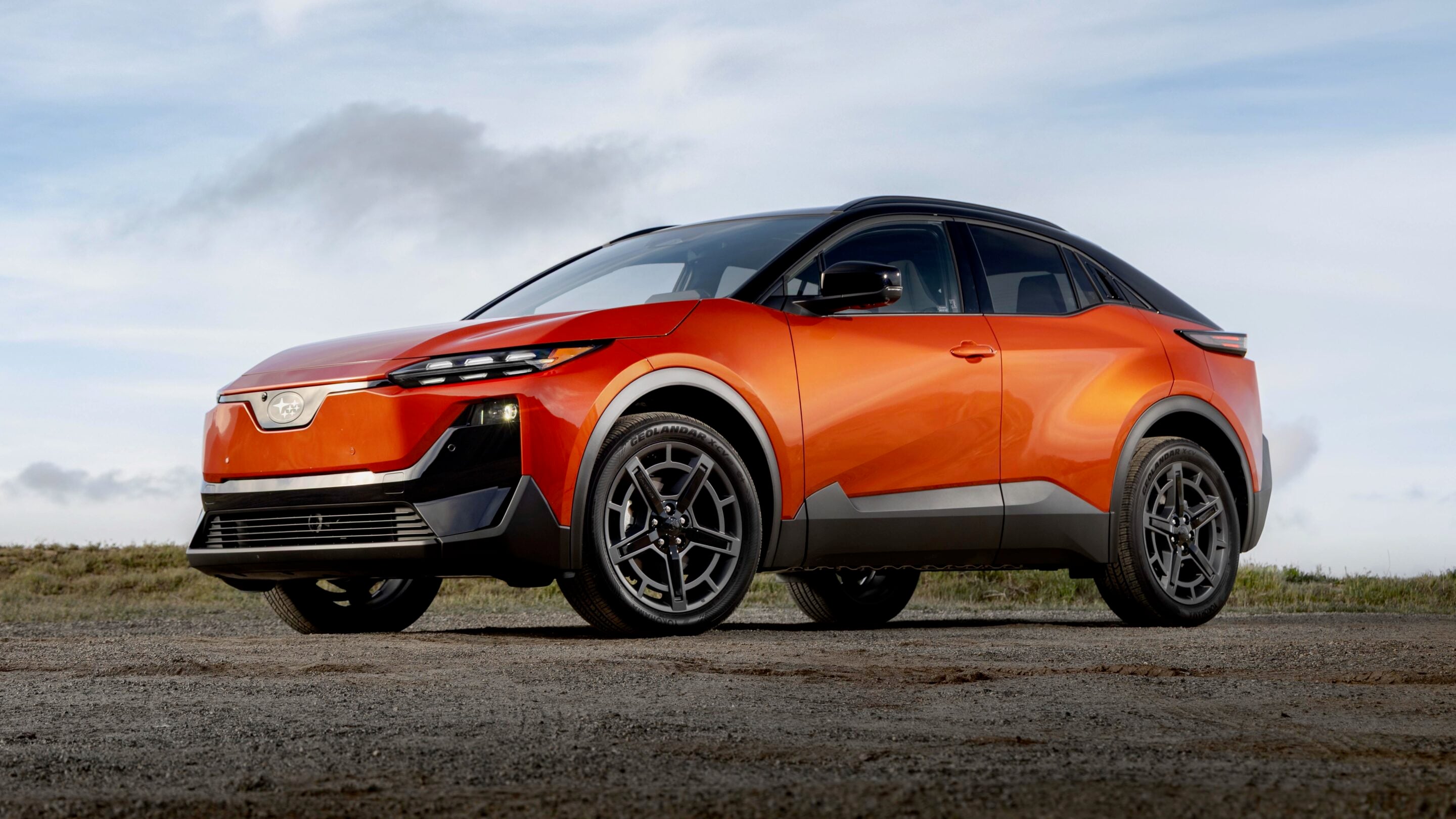
The Uncharted will feature 1500W vehicle-to-load (V2L) functionality as well, allowing devices to be powered from the vehicle.
Full standard features are yet to be confirmed, but Subaru has announced available features such as 20-inch alloy wheels, LED exterior lighting, a 14-inch touchscreen with wireless Apple CarPlay and Android Auto, dual wireless phone chargers and Subaru’s full suite of active safety features like adaptive cruise control, blind-spot monitoring, driver attention monitoring and 360-degree camera.
Subaru Australia will confirm local pricing and specifications for the new Uncharted ahead of its mid-2026 local launch.
Those of you reading this who are bang up to date with the technical workings of your PHEV might find this hard to believe, but WhichCar by Wheels is still regularly asked how the different hybrid systems work, what they actually mean, and whether a PHEV is, in fact, an electric vehicle at all. If you own a PHEV and you charge it every day, you’re already well aware of the benefits, but if you have just bought a PHEV – or are considering buying one – understanding how they work is important.
Firstly, PHEVs have shifted subtly and it’s something that was always going to happen as the
technology was refined. The first iterations had very short electric driving ranges, sometimes as low as 30km, and once the battery was drained, that’s it, you were driving and ICE vehicle once more. Your vehicle reverted to regular petrol power, often using more than an equivalent non-PHEV version.

However, two things have changed with the advancement of technology. One is the distance you can travel on electric power, and the other is what the system does when the battery starts to discharge. In the case of the wildly popular dual-cab segment, the BYD Shark 6 and GWM Cannon Alpha PHEV claim 100km and 120km pure electric range respectively. In the real world, that equates to 85km-90km for the Shark 6 and 100km-110km for the Cannon Alpha.
The second big change we’ve seen from the likes of Chery is what the system does with the battery. Rather than run it dead and then revert to petrol power, Chery’s Super Hybrid system will run the battery down to 25 per cent and then keep that in reserve, with the petrol engine acting as a generator and the powertrain still delivering the benefits of an electric vehicle.
Combine those two factors, and there’s no surprise as to why PHEVs are now as popular as they are. Data still claims that the average Aussie covers comfortably less than 50km each day commuting, meaning you’ll have more than enough charge on board to get to and from work without using a drop of petrol.
But charging remains the key. And the October 2025 study by the ABC is as alarming as it is surprising. Because if you own a PHEV and you’re not charging it whenever you can, you’re simply not making the most of it. Thanks to the smaller battery pack, compared to a full-EV, you don’t even need any expensive charging infrastructure, either. A PHEV can be charged overnight at home via a regular wall socket.
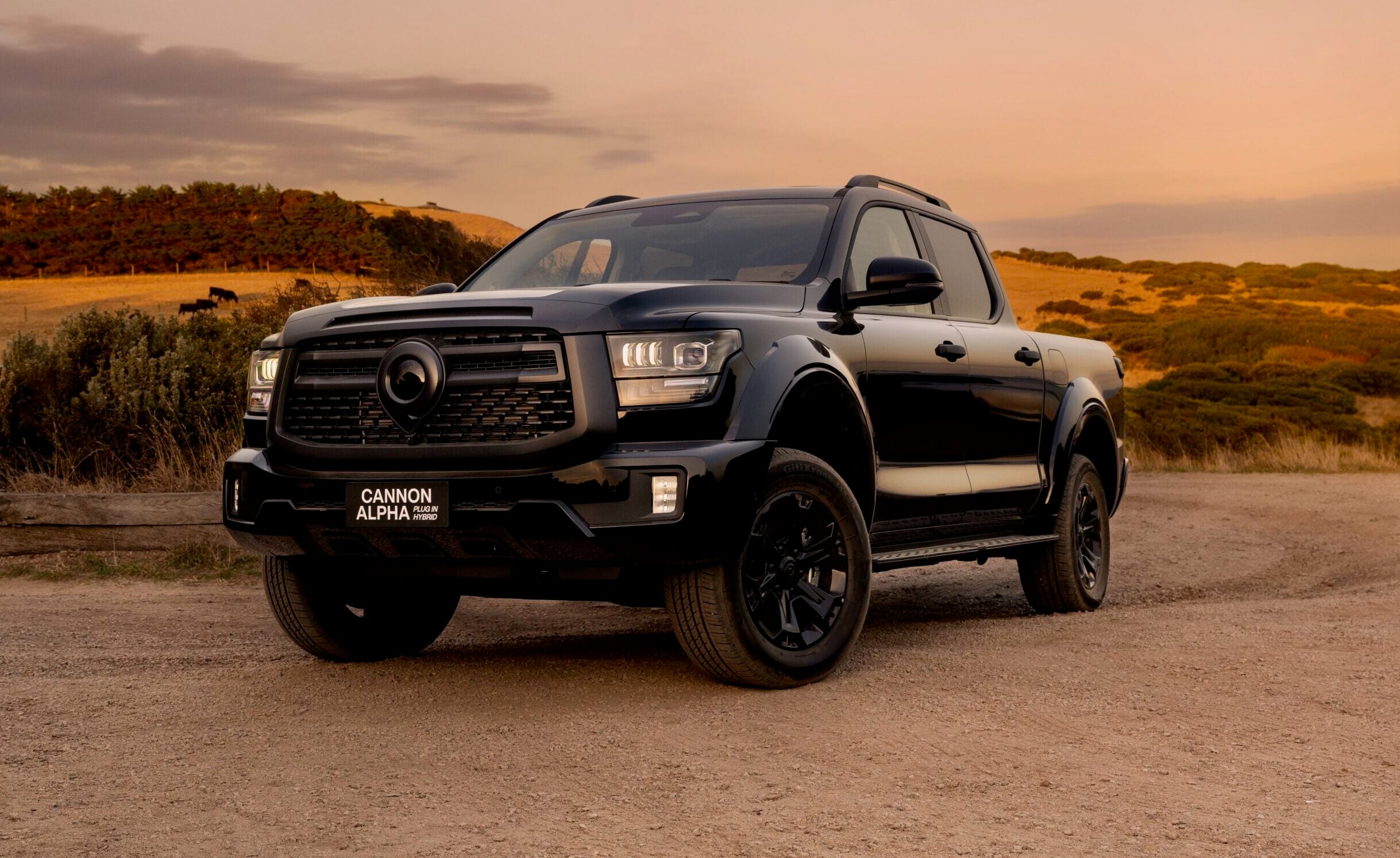
The exclusive data given to the ABC (out of Europe) showed just how low charging rates are for PHEVs, with employees driving company-provided PHEVs the least likely to recharge. Many of them use EV-mode as little as 20 percent of the time. Sure, they aren’t paying for the fuel, but I’d still be wanting to use as little as I could, if I had the option.
The EV Council of Australia told the ABC that Australians are, in the main, more likely to charge their PHEV more often than their European counterparts. “Australians predominantly drive their PHEVs in EV mode and charge them regularly,” EV Council CEO Julie Delvecchio told the ABC.
The EV Council’s online survey of 625 private PHEV owners found most plugged in every night, and on average, drove in EV-mode for about 65 per cent of the trip.
BYD told the ABC, though, that odometer data obtained through servicing showed that PHEVs were driven in EV mode about 50 percent of the time. Australians – broadly speaking – have better and easier access to charging at home than those in Europe, which could go part of the way to explaining why we charge more often. The counter though, is significantly more extensive public charging infrastructure in Europe.
A close mate of mine owns a GWM Cannon Alpha PHEV and does a lot of long-distance work in it. Thankfully, he’s also pretty good at keeping records. Since he bought his PHEV, he’s just ticked past 21,000km, with 4500km in electric mode. Given the amount of long distance driving he does into off-road areas, that’s not a bad return. But – and this is the kicker – he charges it whenever he can, wherever he can.
The message, then, is clear. If you own a PHEV, you already own an EV. And, you don’t need expensive fast chargers or public charging infrastructure to top it up. So, make sure you plug it in at home overnight, and if you cover the type of distance most of us do, you’ll breeze through any petrol shortage.
MG Motor Australia has announced local pricing and initial specifications for the new MG4 EV Urban, which goes on sale on April 1. Priced from just $31,990 driveaway for the entry-level model, the MG4 EV Urban is the second-cheapest electric vehicle in Australia – above the $23,990 plus on-road costs price of the BYD Atto 1, but cheaper than BYD’s larger Dolphin sibling once on-road costs are included.
Differentiated from the other MG4 that’s been on the market since 2023 thanks to its roomier cabin and comfort focus, the MG4 EV Urban will offered with two battery sizes (43kWh or 54kWh). The claimed driving range for the lower-spec MG4 EV Urban Essence 43 is 316km, with the larger battery of the Essence 54 offering 405km. A 150kW DC fast charging ability gives a 10-80 per cent charge in a claimed 30 minutes, according to MG.
The Essence 43 uses a 110kW/250Nm front-mounted electric motor, with the 54 using a slightly more powerful 118kW motor instead. The 43 weighs 1460kg and the 54 1520km (both tare mass) and measures 4395mm long, 1842mm wide, 1549mm tall and rides on a 2750mm long wheelbase. The Urban’s boot measures 382 litres with the rear seats up and 1266 litres with them folded, plus a 98 litre under-floor storage area.
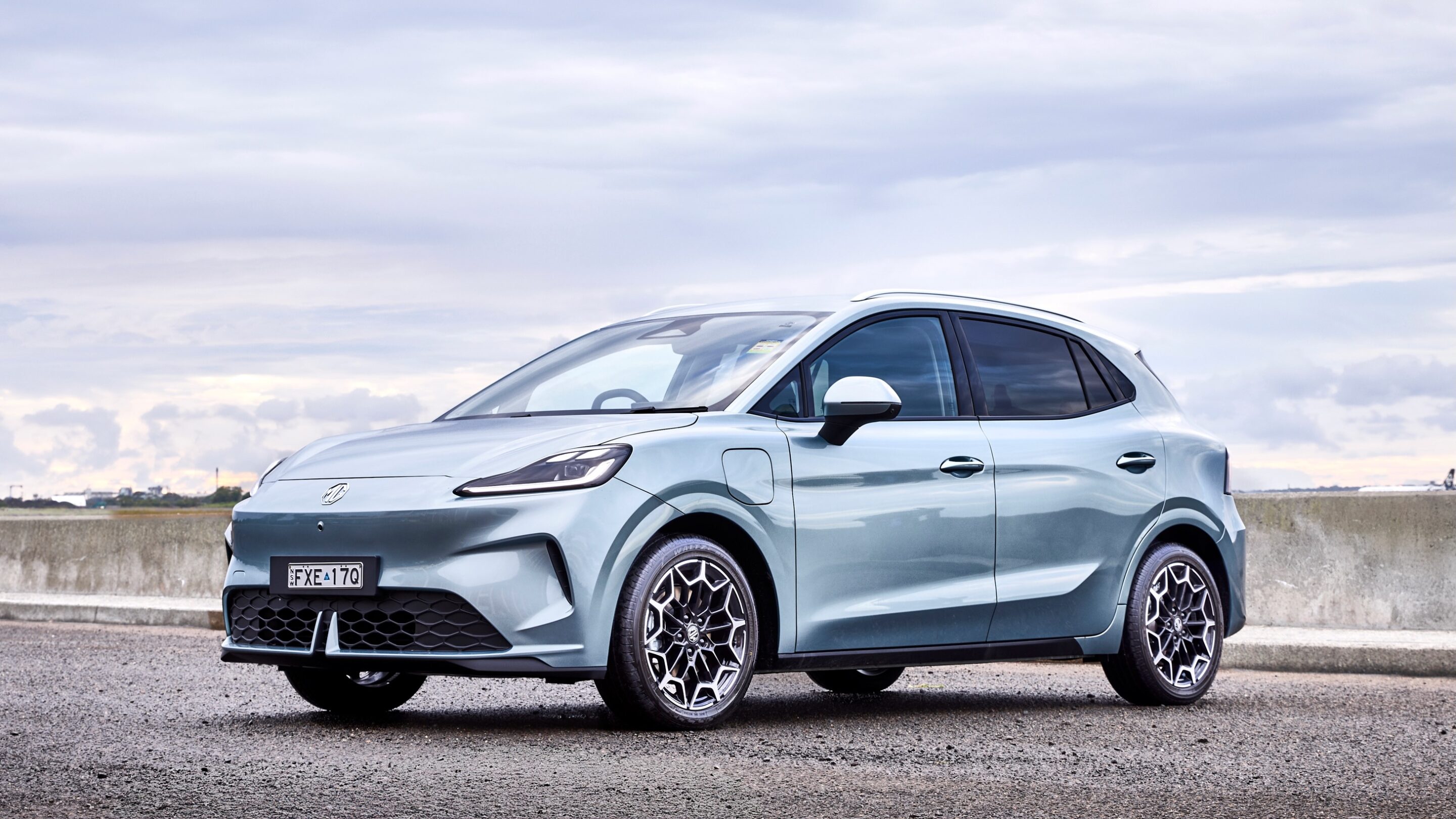
There’s no word just yet if the new semi-solid-state battery that will be available in European-spec MG4 EV Urbans later in 2026 will make it to Australia.
The MG4 EV Urban features MG’s new “6‑in‑1” electric drive system, which is a new front wheel drive architecture that brings together multiple components into a single compact unit. According to MG, the design reduces overall system weight and increases passenger and luggage space by 20 per cent compared with the regular MG4.
Standard features for the MG4 EV Urban Essence 43 include 17-inch alloy wheels, roof rails, dusk-sensing automatic LED exterior lighting, heated/auto-folding mirrors, keyless entry and start, synthetic leather upholstery, heated front seats, single-zone automatic climate control with rear air vents, a 12.8-inch touchscreen with live services, wireless Apple CarPlay and Android Auto, three USB-C charging ports and safety features like seven airbags, autonomous emergency braking, adaptive cruise control, lane keeping assistance, driver attention monitoring, blind-spot monitoring, rear cross-traffic alert, auto high beam and a 360-degree camera.
The MG4 EV Urban will be available to test drive and order from MG dealerships from April 1, and will also be showcased at the upcoming Melbourne Motor Show from April 10-12.
The GWM Ora range is set to expand in Australia, with the Chinese brand’s electric Ora 5 small SUV already all-but confirmed to join the local line-up in the middle of this year.
But that could be bolstered further if GWM’s local arm decides to bring in the new Ora 5 hybrid (HEV) which made its debut at the Bangkok motor show in Thailand earlier this week.
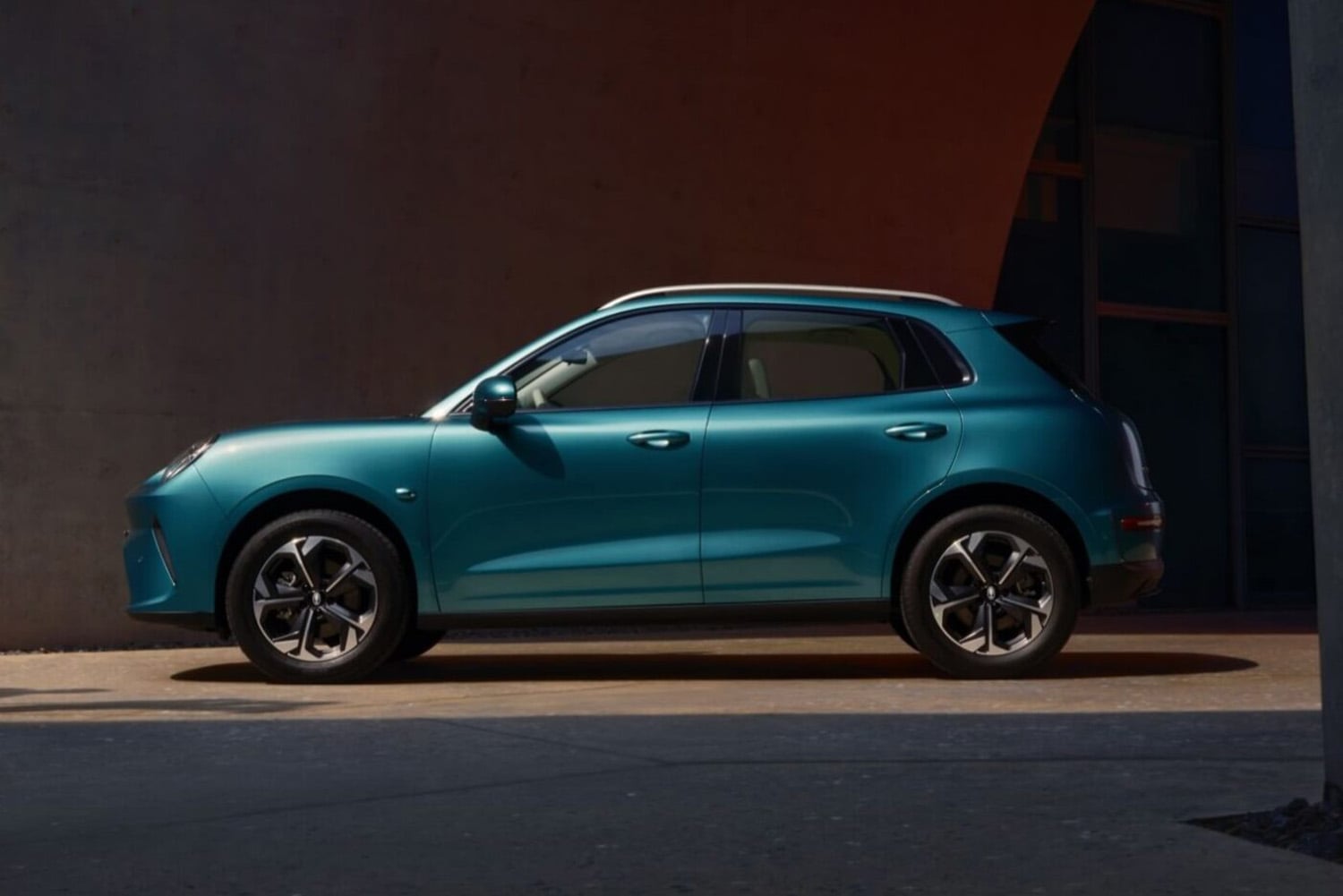
While there has been no confirmation the hybrid variants will make its way to Australia, any such move would make sense, given the current demand in Australia for HEVs of all shapes and sizes.
A small SUV, the GWM Ora 5 HEV would go toe-to-toe with hybrid variants of Toyota Corolla Cross, Chery Tiggo 4 and fellow GWM stablemate, Haval Jolion.
Powering the Ora 5 HEV is a 1.5-litre turbo-petrol paired with a single electric motor producing a combined 164kW and a healthy 476Nm. GWM claims a fuel consumption figure of around 4.3L/100km.
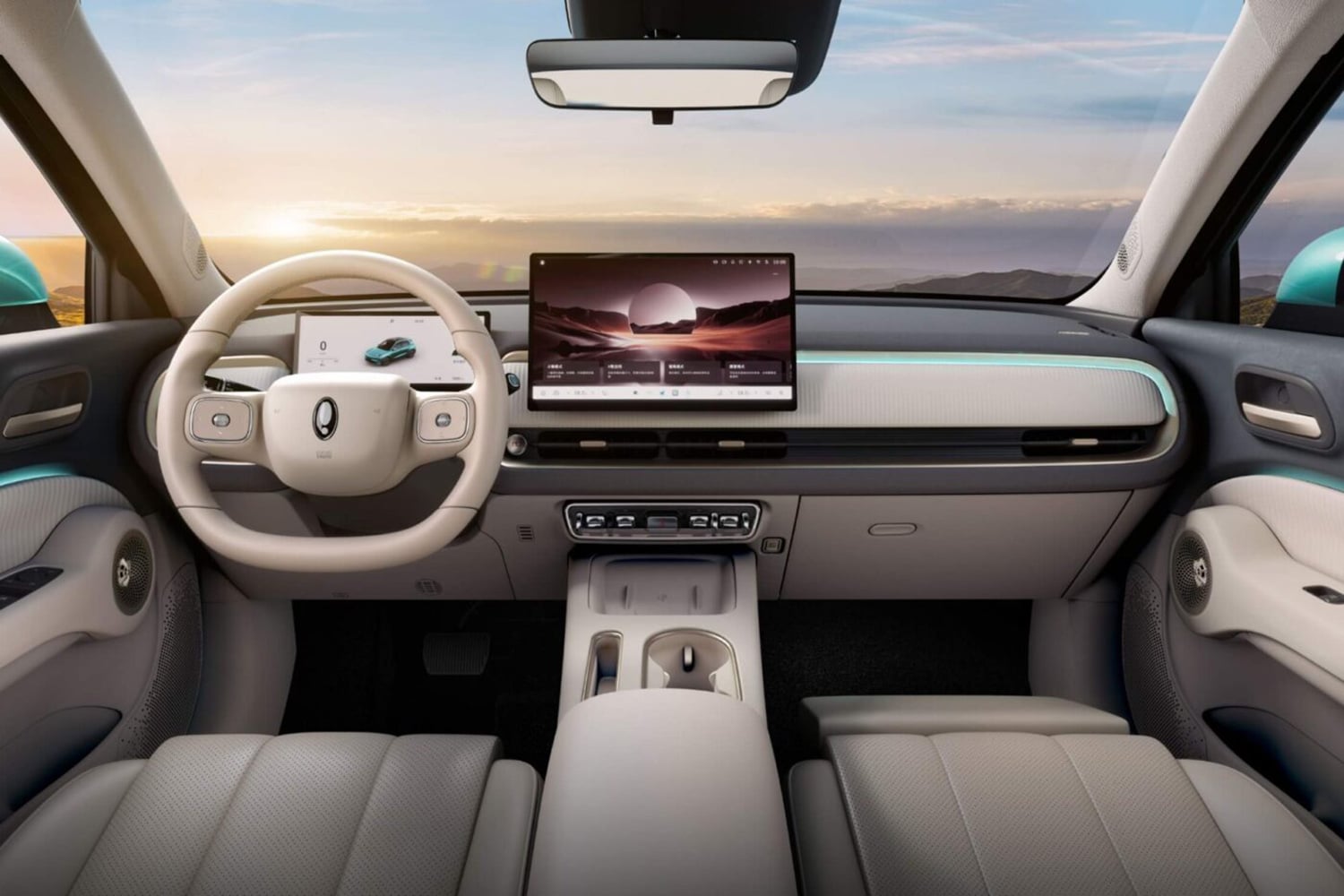
The battery-electric Ora 5 is powered by a single electric motor driving the front wheels good for 150kW and 260Nm. A 58.3kWh lithium-ion battery pack provides a claimed 520km of range, based on the more lenient NEDC laboratory testing cycle.
Pricing is yet to be confirmed by the Australian arm of GWM, however it’s likely to cost more than the GWM Ora electric hatchback which is currently priced from $35,990 drive-away.
The GWM Ora 5 EV will trade sales blows with BYD Atto 2, Chery E5 and Leapmotor B10. All are priced under $40,000.
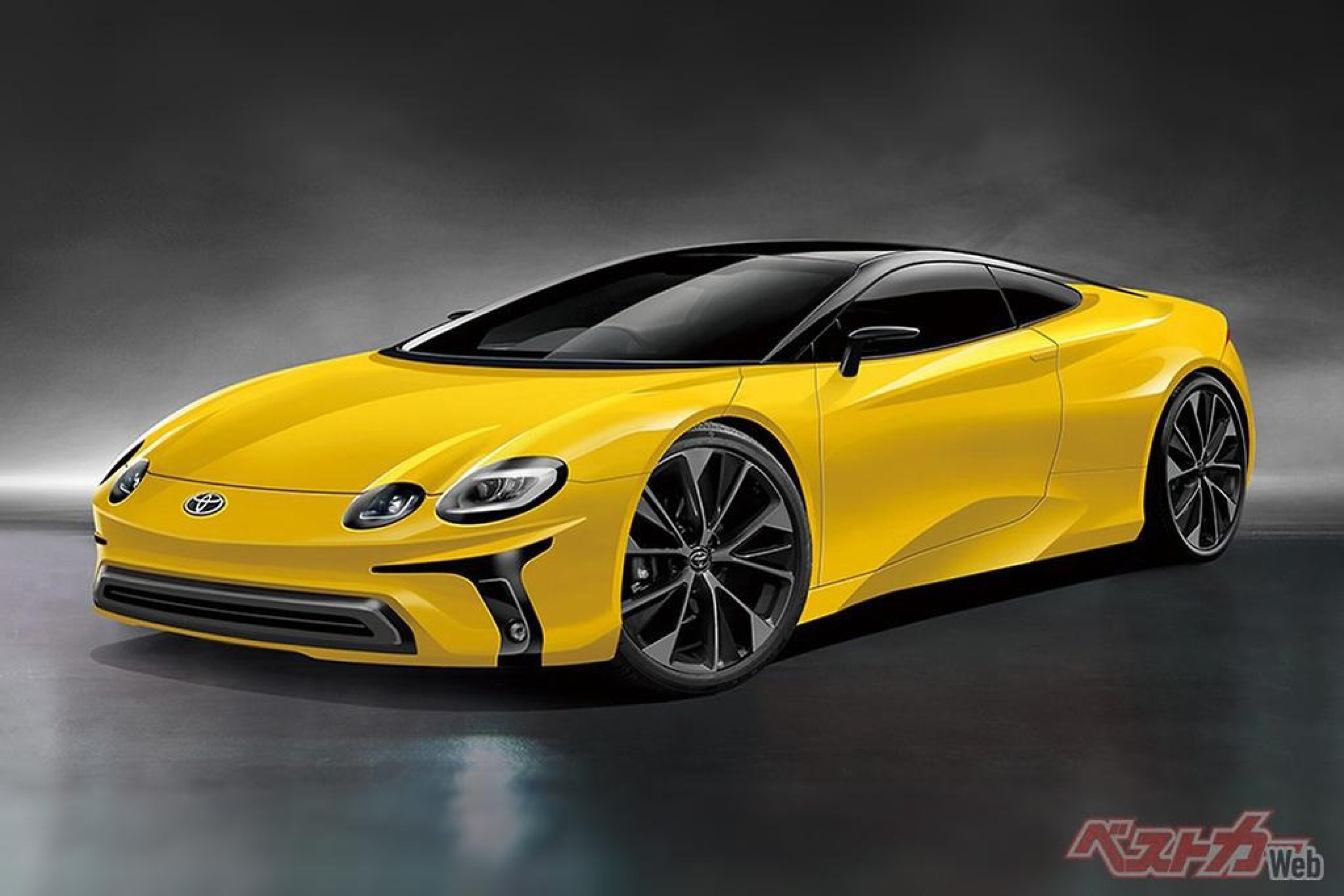
Toyota chairman Akio Toyoda has told journalists more than once in the last few years that he wanted a return of what he calls the manufacturer’s ‘three brothers’ – Supra (main), Celica and MR2. Now we know that the Celica is ready to make a comeback.
Autocar has now reported that Toyota will consider a 2.0-litre hybrid powertrain for it’s highly anticipated Celica reboot, with the British outlet also reporting it is likely to be called Celica Sport. Whichcar by Wheels first reported the return of the Celica nameplate in November 2024, when Toyoda told journalists at Rally Japan, “I’m not sure if it’s ok to say this in a public forum, but we’re doing the Celica!”
Earlier in March 2026 what appeared to be the new sports coupe was spotted in shakedown testing in Portugal ahead of the 2027 World Rally Championship. Now Autocar has been told of the likely naming convention, while Toyota has confirmed that it will be AWD.
Gazoo Racing marketing manager Mikio Hayashi told the outlet that the powertrain is taking shape.
“The displacement of 1.6 litres, used in the GR Yaris, for example, cannot meet emission regulations,” he said. “So we have to consider the possibility of a 2.0-litre.”
More detail on the engine wasn’t offered, more the timeframe it is likely to follow. “We are thinking about various sizes, but we are not at a stage where we can tell you exactly what size it is. Nothing has been decided yet about whether it will be a standard hybrid or a plug-in hybrid,” Hayashi said. “We are continuing to develop that (the drivetrain), and we have high expectations,” he said. “We cannot point to a timeline, but we can say we are making steady progress.”
Previous reports have suggested that Toyota would have to move to a new hybrid powertrain for GR models in order to allow them to sell in markets with increasingly strict emissions regulations.
That is likely to take the form of a new, turbocharged four-cylinder engine, with hybrid technology, that could also find it’s way into the GR Yaris or Corolla, in order to make those two cars feasible in markets where the current powertrain doesn’t meet emissions.
At the recent unveiling of two significantly important models for the brand – the new CX-5 and CX-6e – Mazda Australia Managing Director, Vinesh Bhindi, conceded he would have loved to be launching a hybrid CX-5 to go head-to-head with the segment heavyweights, but any hybrid version of Mazda’s popular medium-SUV must remain faithful to brand DNA.
“Look, we would love to have a hybrid today, and to talk to you about it,” Bhindi told Wheels. “But what was on the table as an option, and I think for Australia (and many other markets), we felt like Mazda needs to create a Mazda hybrid system that will deliver the Mazda feeling.”
Given the choice, Bhindi told Wheels, there was no deliberation. “That’s what we chose,” he said. “A lot of people feel and have said that (a hybrid system for Mazda) could be plug-and-play, that you buy it off someone who’s got one and hope for the best; just do whatever you can in terms of tuning it right.”
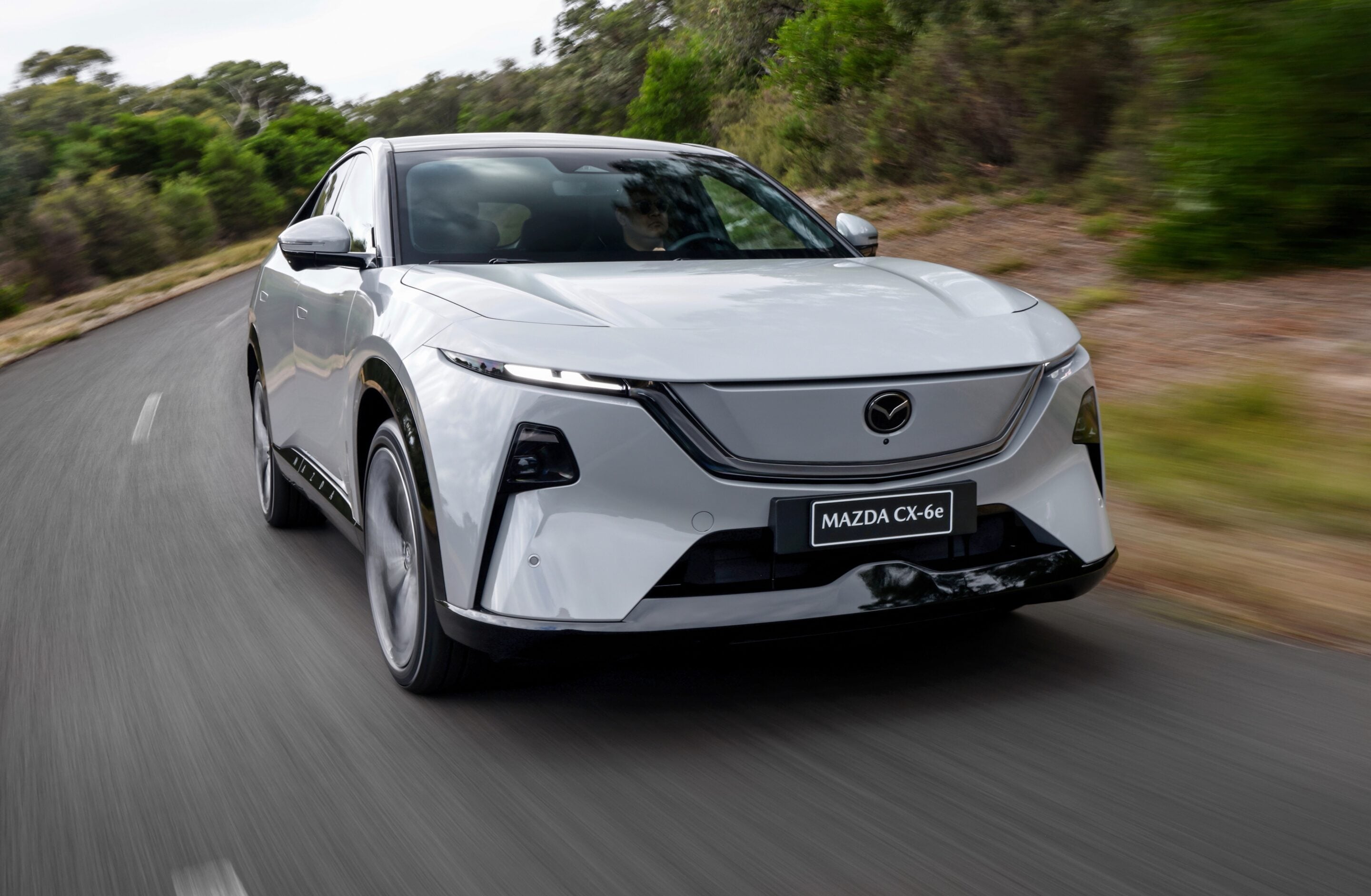
The Japanese manufacturer isn’t opposed to platform-sharing, evidenced by its upcoming 6e electric sedan and CX-6e electric SUV (above), both sourced from partner manufacturers in China. However, Mazda has decided to go it alone, in regard to a hybridised version of its CX-5.
“What our engineers said, what they said they can do with it, and how they could dial it in, that delivers the unique Mazda driving feel,” Bhindi said. “And I’ve driven the prototype. They are onto something special, and with the car we are talking about, the CX-5, that’s the right car to have that technology.
“In the meantime, we’ve still got all of these other hybrid technologies on offer, for that same customer. It may not be in a CX-5 today, but it’s in a similar size, price and value packaging, when it comes to our inline six and our plug-in hybrids and now CX-6e.”
