
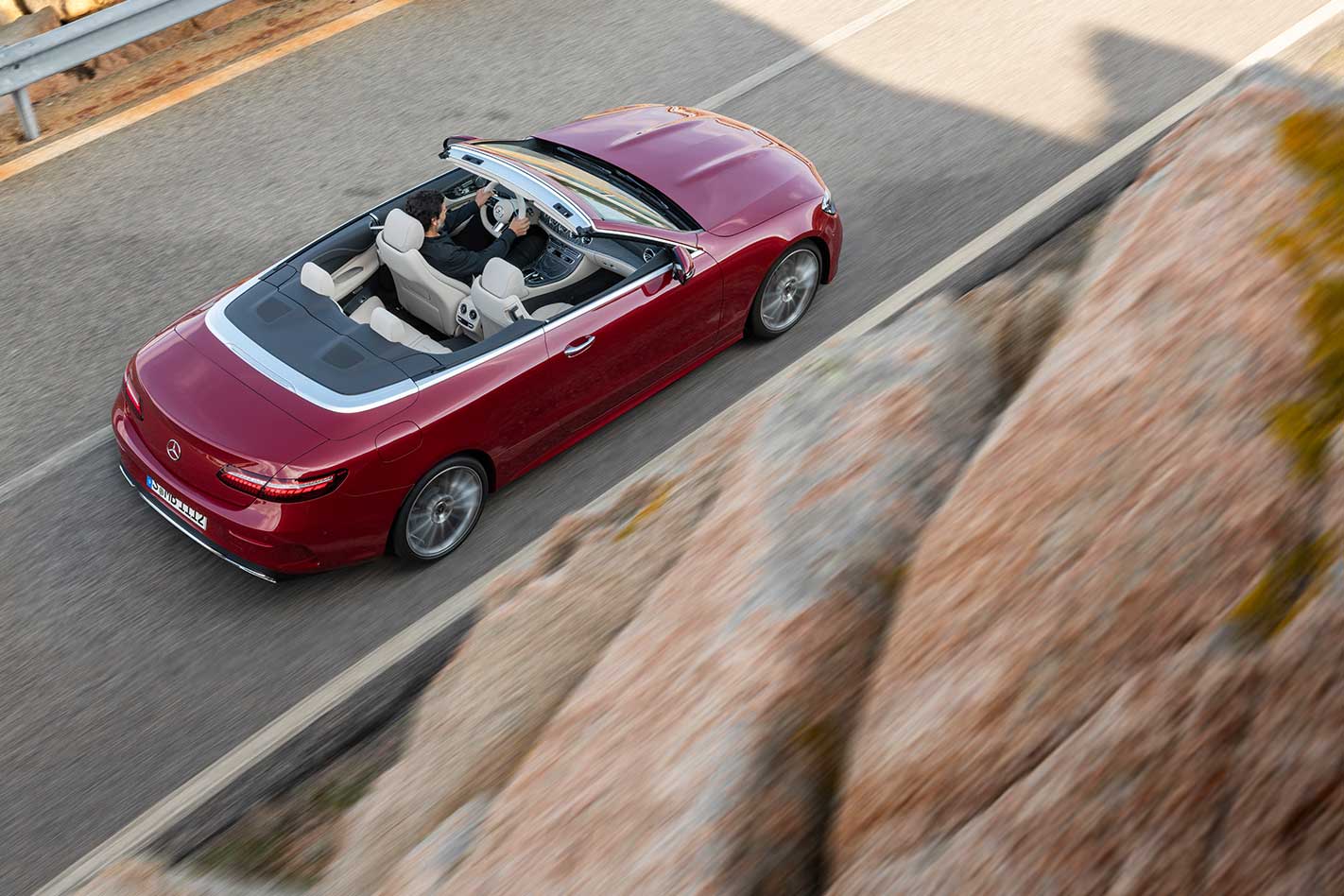
The Mercedes-Benz E-class family has grown after welcoming a new mild-hybrid E350 variant in sedan, coupe and cabriolet forms. It effectively bridges the gap to the E-class AMG range.
Priced before on-road costs at $127,100 for the E350 sedan, $128,200 for the E350 coupe and $141,300 for the E350 Cabriolet, they represent $9200, $10,800 and $10,400 increases on their respective E300 siblings.
Alternatively, the E350 is $35,200 cheaper than the Mercedes-AMG E53 in sedan form.
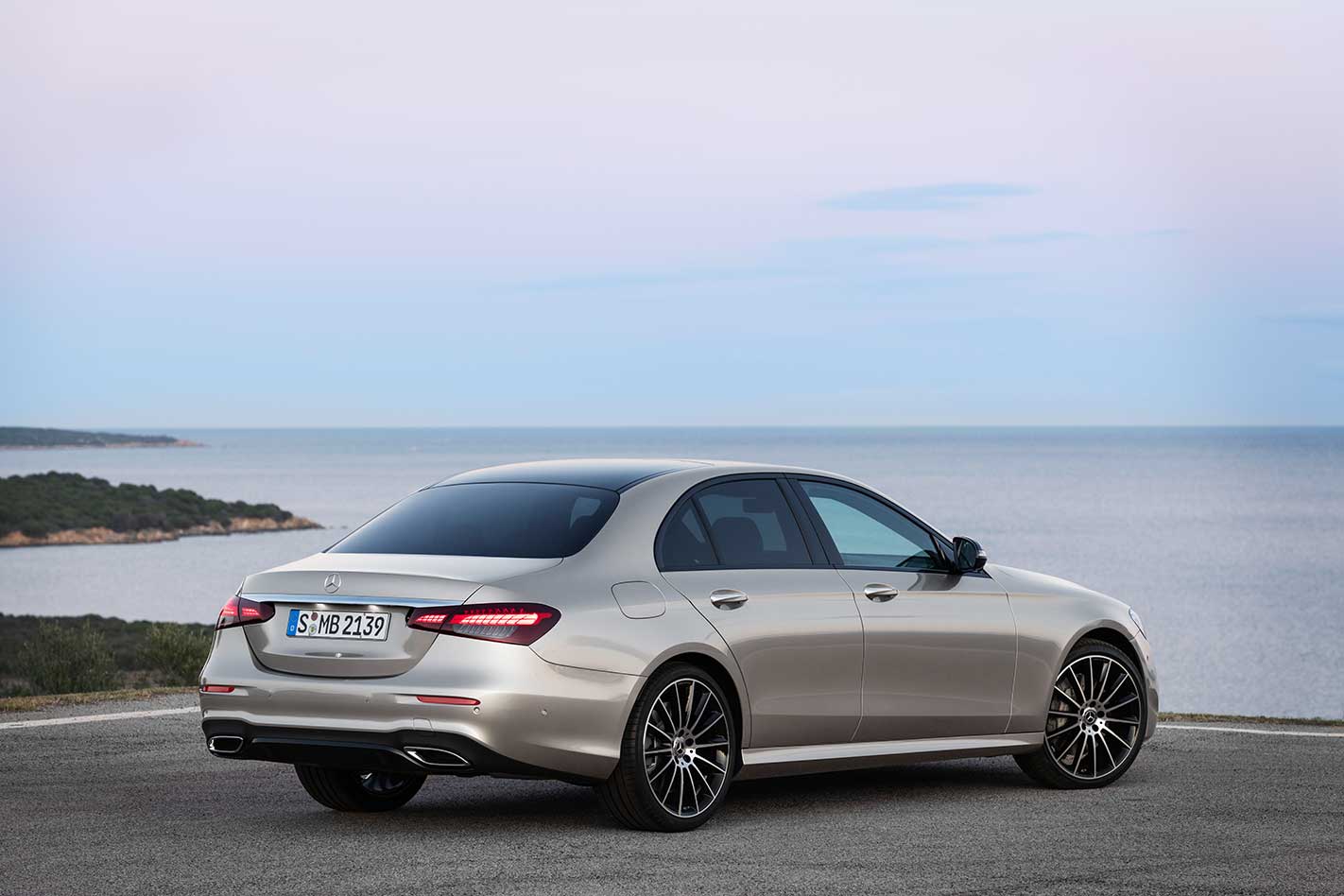
Power grows uniformly across the board over the lesser E300, with the E350 relying on a battery-assisted electric motor that supplements the 2.0-litre turbocharged four-cylinder engine via belt drive.
Dubbed EQ boost technology, and designed around a 48-volt electrical system that charges itself, it adds as much as 10kW and 150Nm in short bursts to the 220kW and 400Nm rated petrol engine to aid acceleration and allow emission-free driving in certain situations.
Coupled with a nine-speed automatic transmission, the Mercedes-Benz E350 can hit 100km/h from rest in 5.9 seconds, unless you’re in the heavier Cabriolet that achieves the same feat in 6.1 seconds.
For E350 sedan and coupe, that’s a half-second improvement on the E300 which takes 6.4 seconds to reach 100km/h.

However, that extra speed doesn’t come with a cost at the bowser, with fuel consumption claimed to stand at 7.7L/100km (7.8L/100km for cabriolets) on a combined cycle – 0.3 litres less than the E300’s 8.0L/100km sedan claim.
All body styles feature air suspension, leather upholstery, adaptive Multibeam LED headlights, metallic paint and 20-inch alloy wheels as standard equipment, shared with E300s.
Interior technology includes dual 12.3-inch screens loaded with MBUX infotainment technology, smart phone mirroring, wireless charging, active parking assist, touch-sensitive panels on the steering wheel, as well as heated memory power seats.
Active safety includes lane-, blind spot-, brake- and cruise-control assist, low speed traffic assist, traffic sign recognition and airbag preparation systems.
Like all E-Class variants, the E350 will come with a five-year unlimited kilometre warranty.
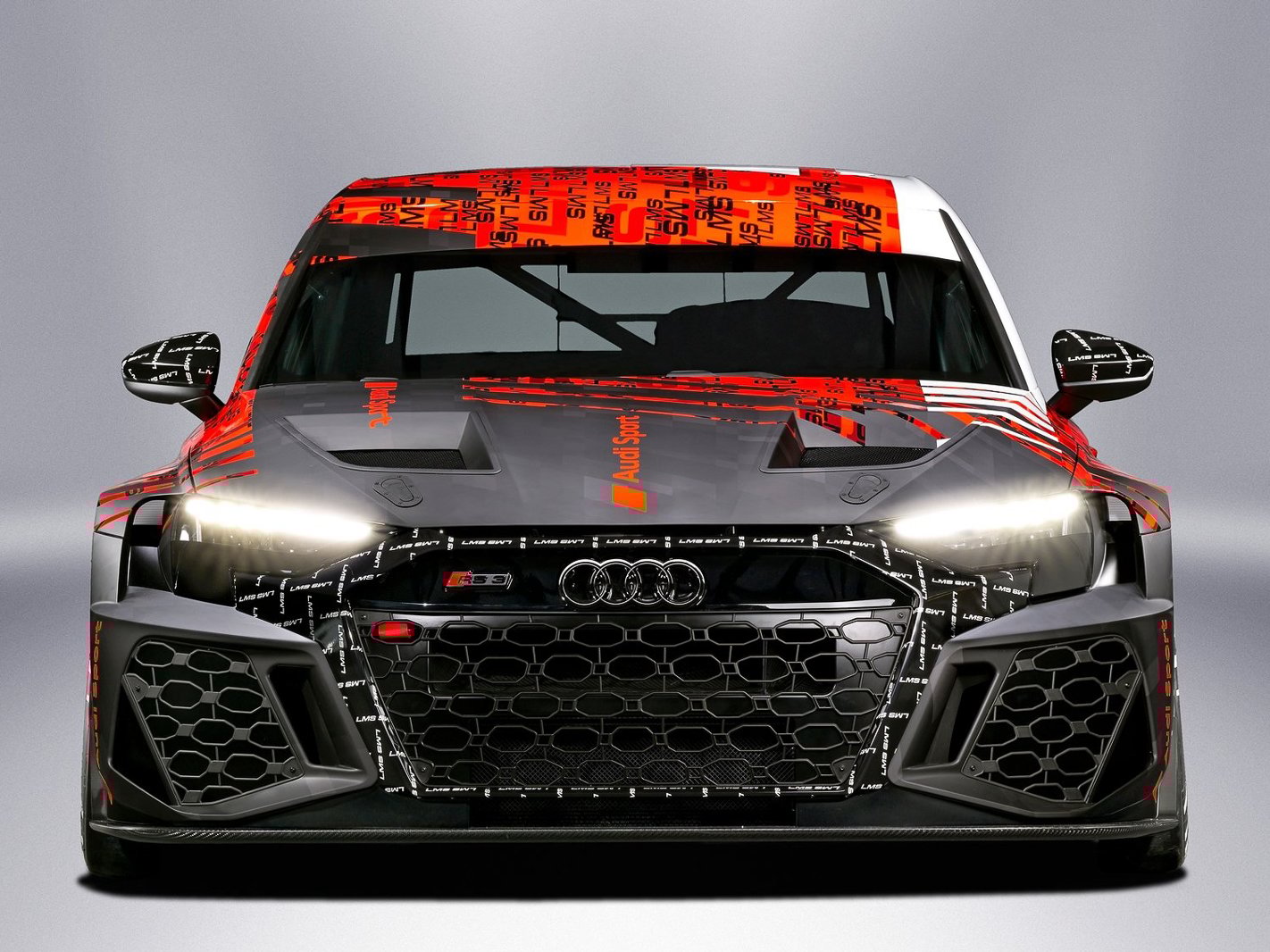
Audi has shown off its new RS3 LMS, revealing a fresh contender for global TCR racing categories with a number of mechanical, technological and safety upgrades.
The 2021 Audi RS3 LMS – that will take on rivals such as the Hyundai i30 N TCR, Renault Megane RS TCR and Honda Civic Type R TCR – also gives us our first glimpse at the new RS3 road car.
JULY 20, 2021: The new RS3 has finally been revealed. See our RS3 page here.
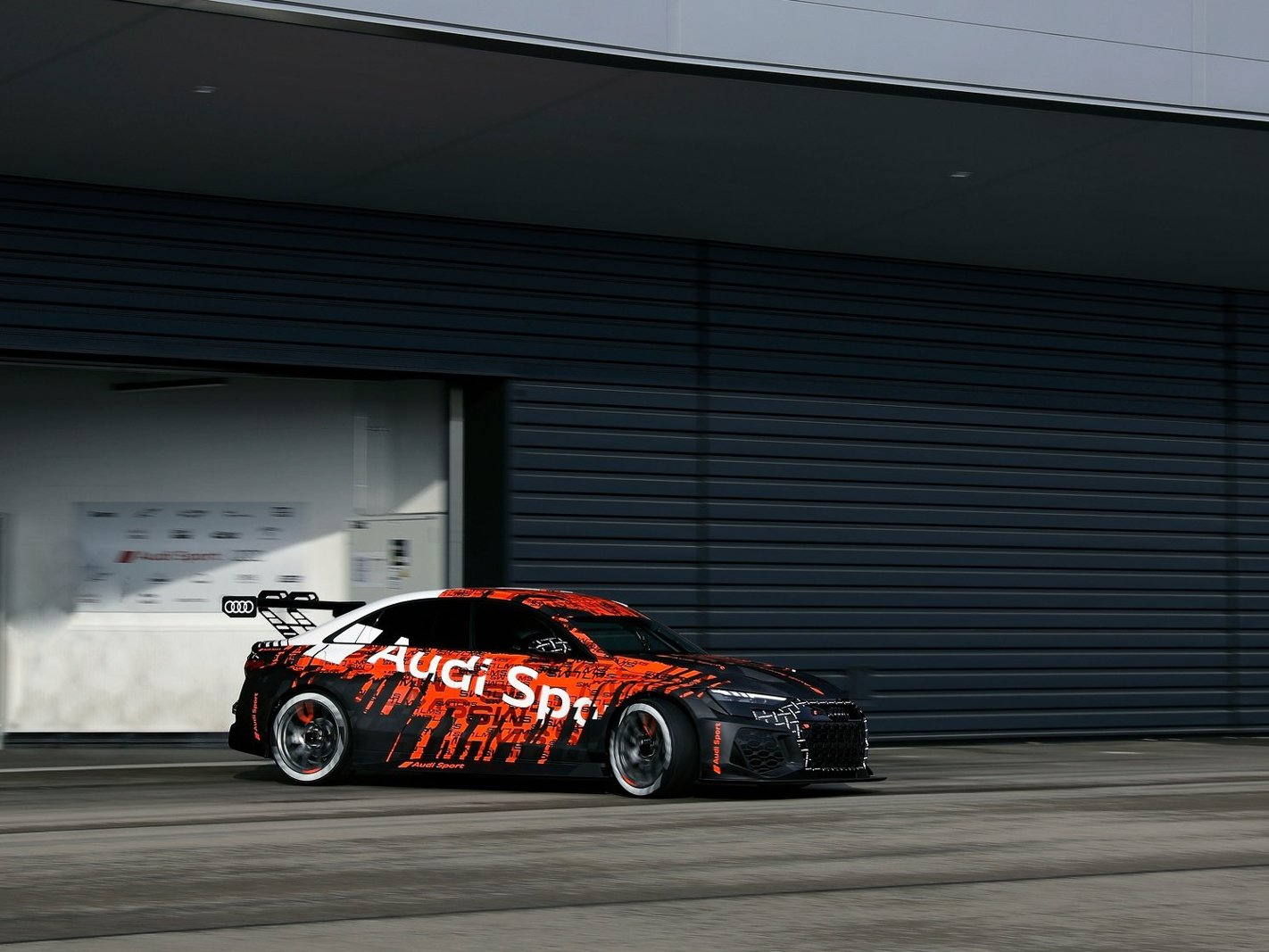
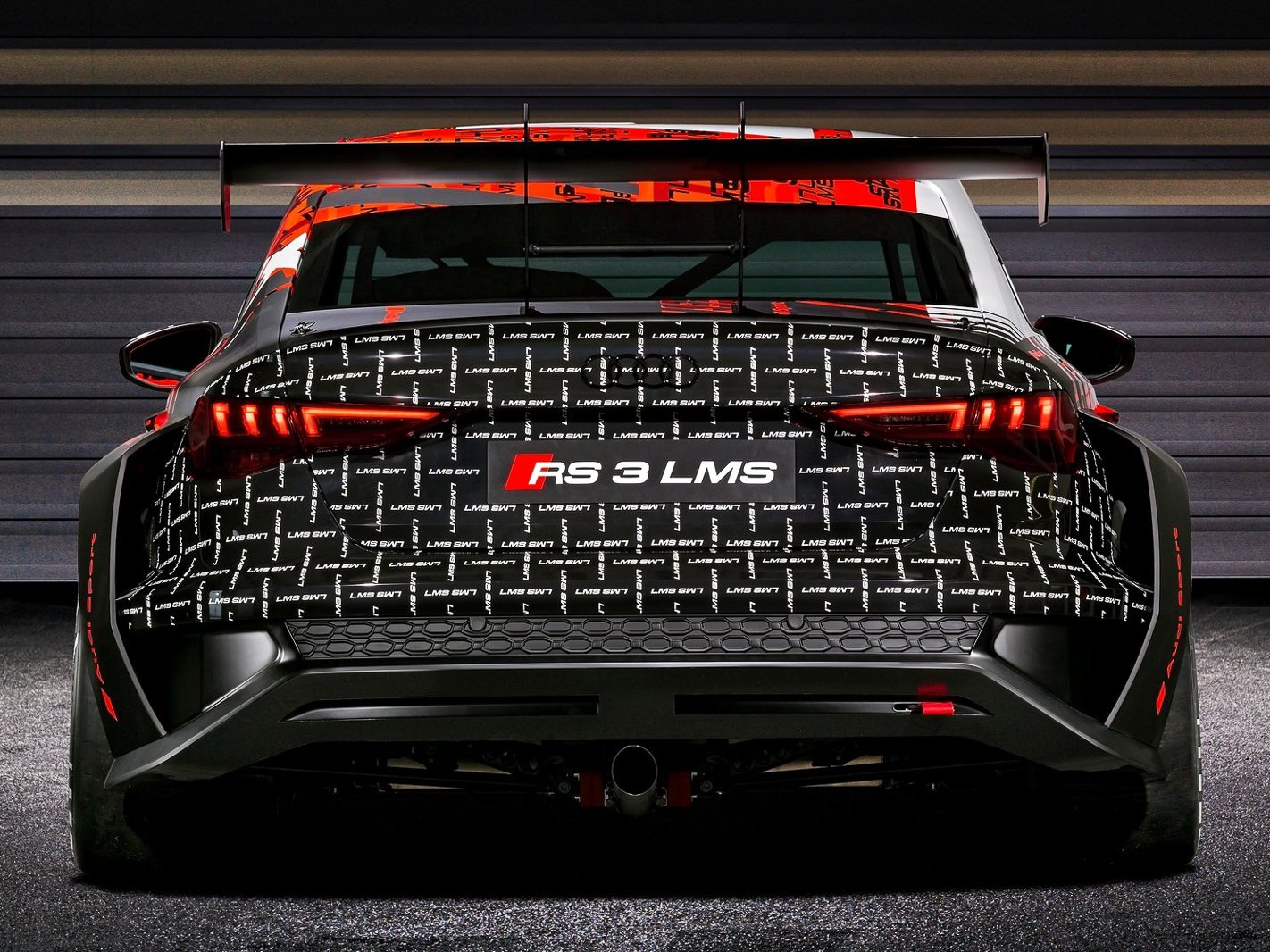
Design has taken a dramatic step forward as well, featuring a gigantic front valance with a wide front grille, pumped-out wheel guards, a deep-vented bonnet and a central-exit exhaust under a big rear wing.
It might be hard to see the forthcoming road car within its aggressive shape, however, its angular lights, a toned-down wide grille and accentuated rear end should feature on the new-generation A3’s RS variant.
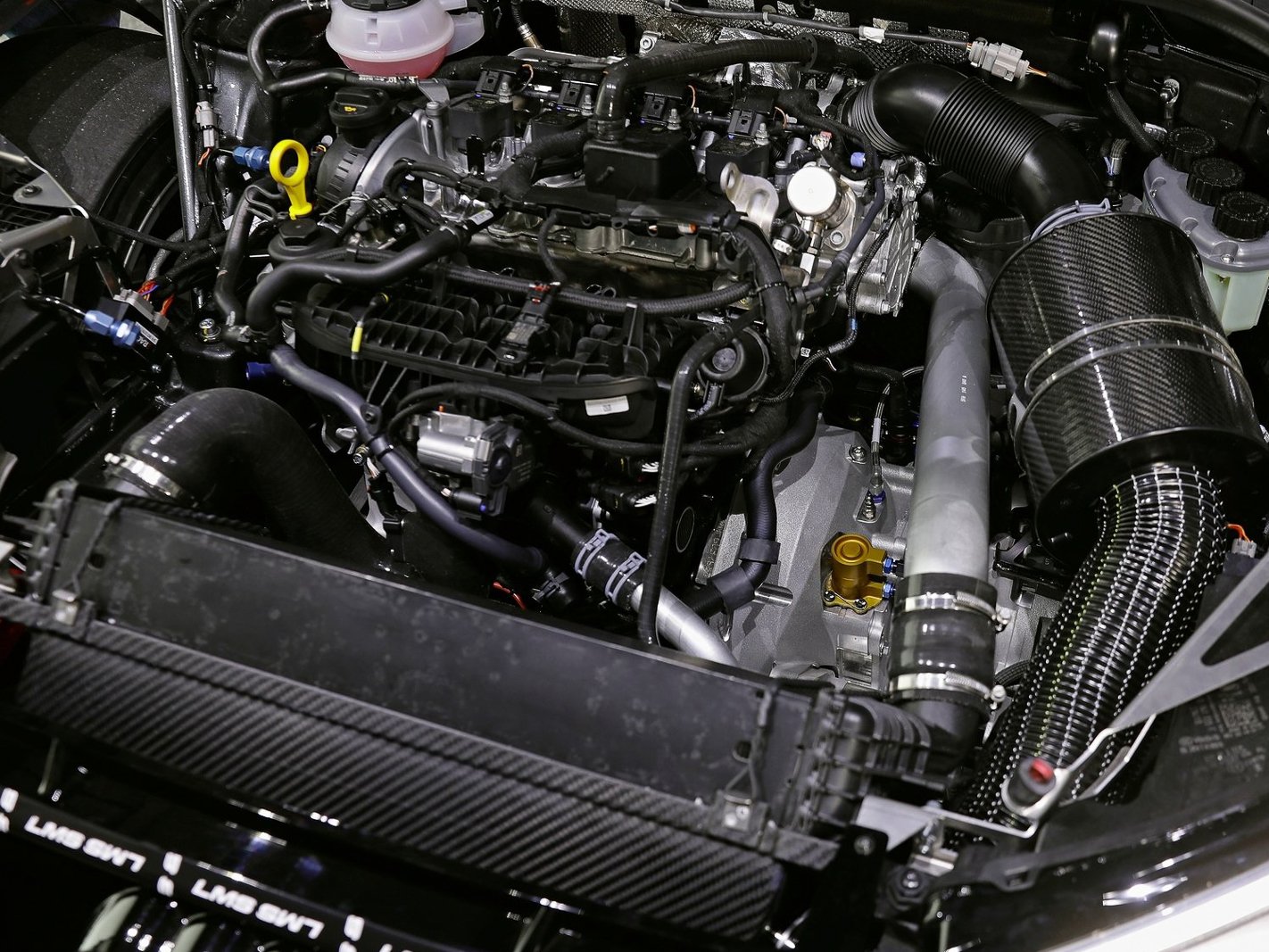
Like before the RS3 LMS retains an EA888 2.0-litre four-cylinder turbocharged engine under the bonnet.
It’s packing more than your garden-variety Golf GTI, though, given this version delivers 250kW/420Nm to the front wheels through an updated six-speed sequential racing transmission (with steering wheel paddle shifters).
Race engineers are able to adjust the newly developed multi-disc locking differential quickly from the outside.
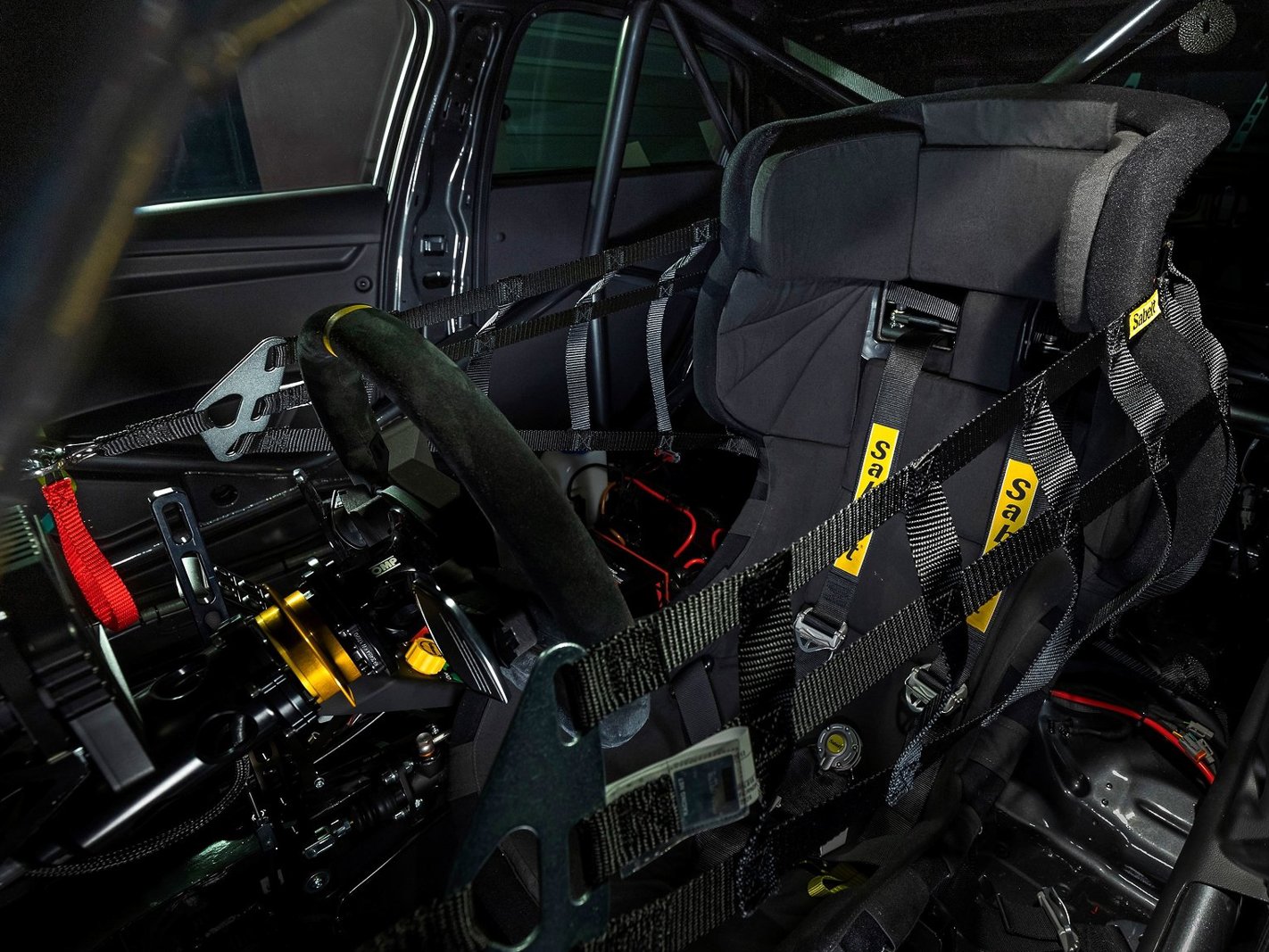
Audi has also pointed out the new RS3 LMS is one of the safest race cars in the segment.
“No other TCR touring car offers as many optional safety components as are on board as standard in the Audi RS3 LMS,” Audi says.
These safety additions include a steel-tube roll cage, a six-point harness system, an exit hatch through the roof, strong polycarbonate rear window, strategically-placed racing bucket seats and a fire-extinguishing system.
Seat-wrapping safety nets are optionally available.
Head of Audi Sport customer racing Chris Reinke praised the success of its predecessor and expects the new car to be available in the second half of 2021.
“[The previous RS3 LMS] has been one of the best sellers of Audi Sport Customer Racing. One hundred and eighty cars have been built and they won many TCR races and titles all over the world,” said Reinke.
“The 2021 model is now ready to undergo an intensive testing programme and hopefully it will be available for our customer teams in the second half of the year.”
Melbourne Performance Centre runs three Audi RS3 LMS racers in the TCR Australia series locally.
For now, Chaz Mostert and Luke King drive the cars and currently place third and fourth in the category, respectively.
The next round of TCR Australia kicks off at Phillip Island from February 19.
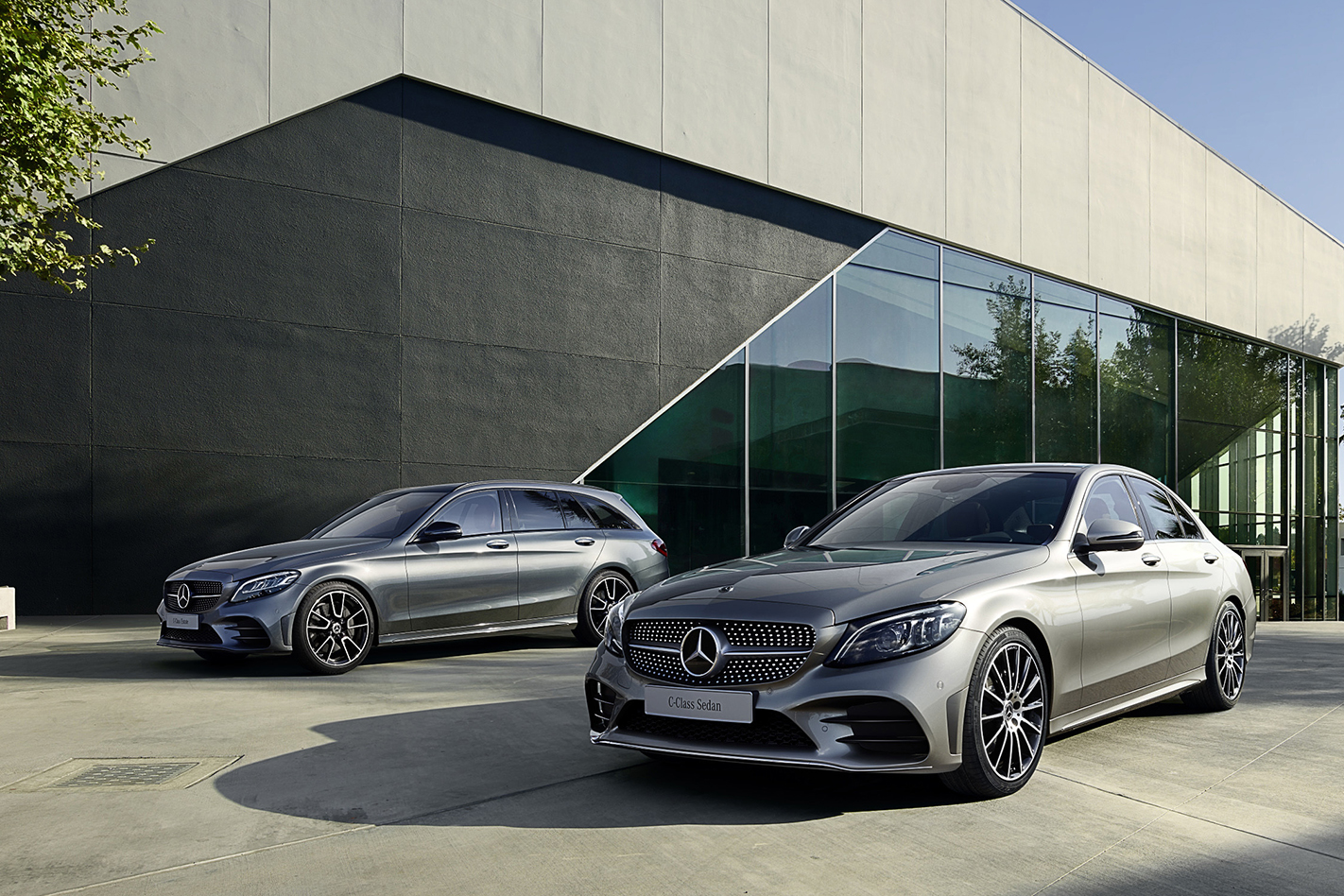
The next-generation 2022 Mercedes-Benz C-Class will reportedly makes its debut sooner than anticipated, with the German carmaker expected to whip the covers off later this month.
The new model has surfaced in camouflage a number of times in recent months, and the speculative rendering above – produced for Russian website Kolesa – offers a glimpse of how its final styling could look.
According to AutoBild Spain, the all-new mid-size premium sedan will be shown on February 23 in a digital presentation. The upcoming 2022 C-Class is the fifth-generation since the model line was renamed in the early 1990s and will wear the model designation ‘W206’.
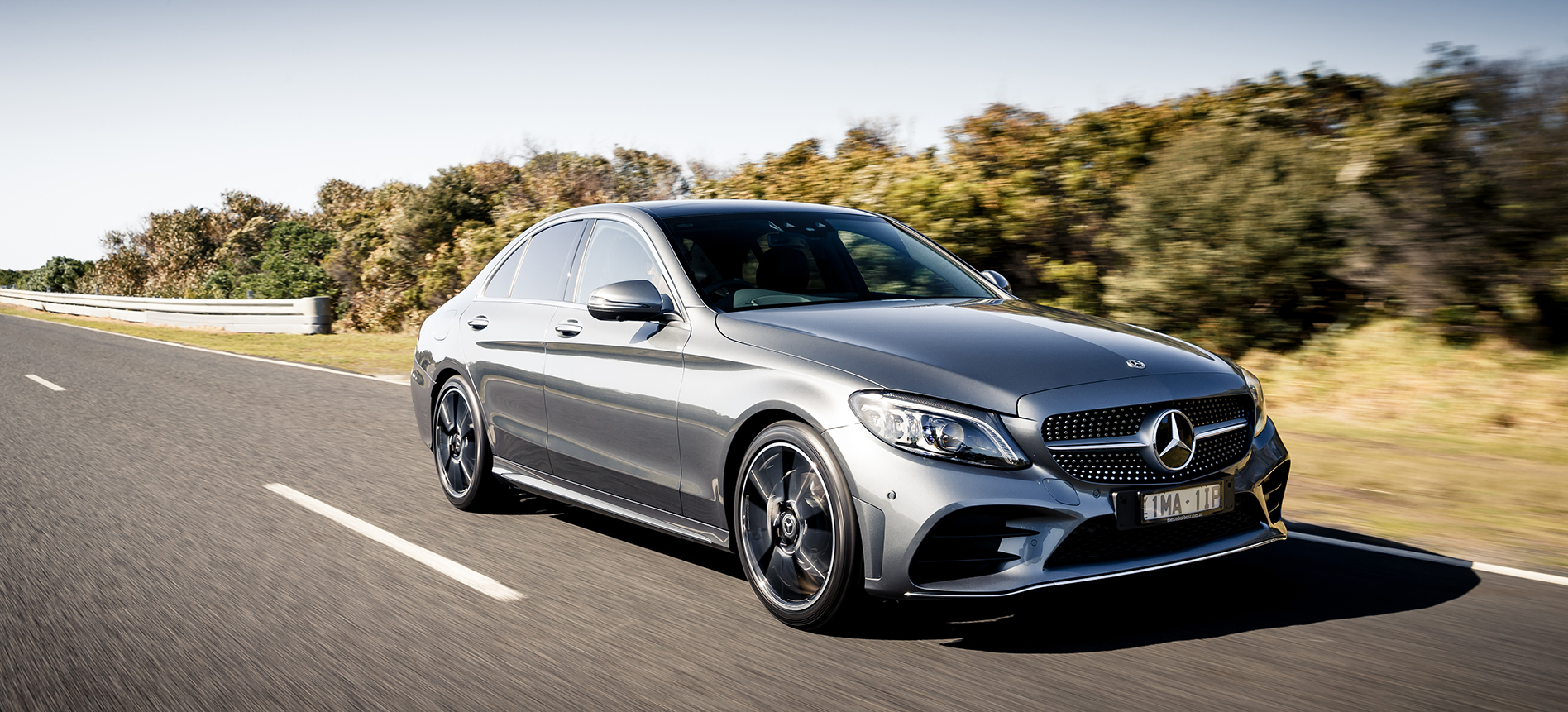
Sedan and wagon body styles will be shown first while coupe and convertible shapes will be reserved until later this year, according to the report. From recent spy photos, we can glean that the styling will emulate that of the newly-introduced Mercedes-Benz S-Class and E-Class facelift, though in a smaller format.
In practice, that’ll likely mean a set of slimmer headlights (with updated lighting technology), an enlarged grille design and some slimmer, horizontal-mount tail lights at the rear.
Inside, touchscreens are expected to replace traditional buttons by way of a large portrait-oriented display mounted on the centre console.
The current-generation C-Class is one of the German manufacturer’s oldest models on sale without the new MBUX infotainment system, so you can expect that to feature on the W206, too.
A brace of mild hybrid, full hybrid, and plug-in hybrid four-cylinders will comprise the engine line-up. A four-cylinder engine is even suggested to replace the 4.0-litre V8 in the forthcoming Mercedes-AMG C63 sports sedan.
The new C-Class is sure to be a welcome debut for Mercedes-Benz. The previous generation sold more than five million units worldwide and did particularly well in Australia until its GLC high-riding SUV sibling arrived to steal its thunder.
The W206 C-Class will continue to compete in the premium sedan segment against the Audi A4, BMW 3 Series, Lexus IS and Jaguar XE.
Stay tuned for more details about the all-new 2022 Mercedes-Benz C-Class as they’re released.
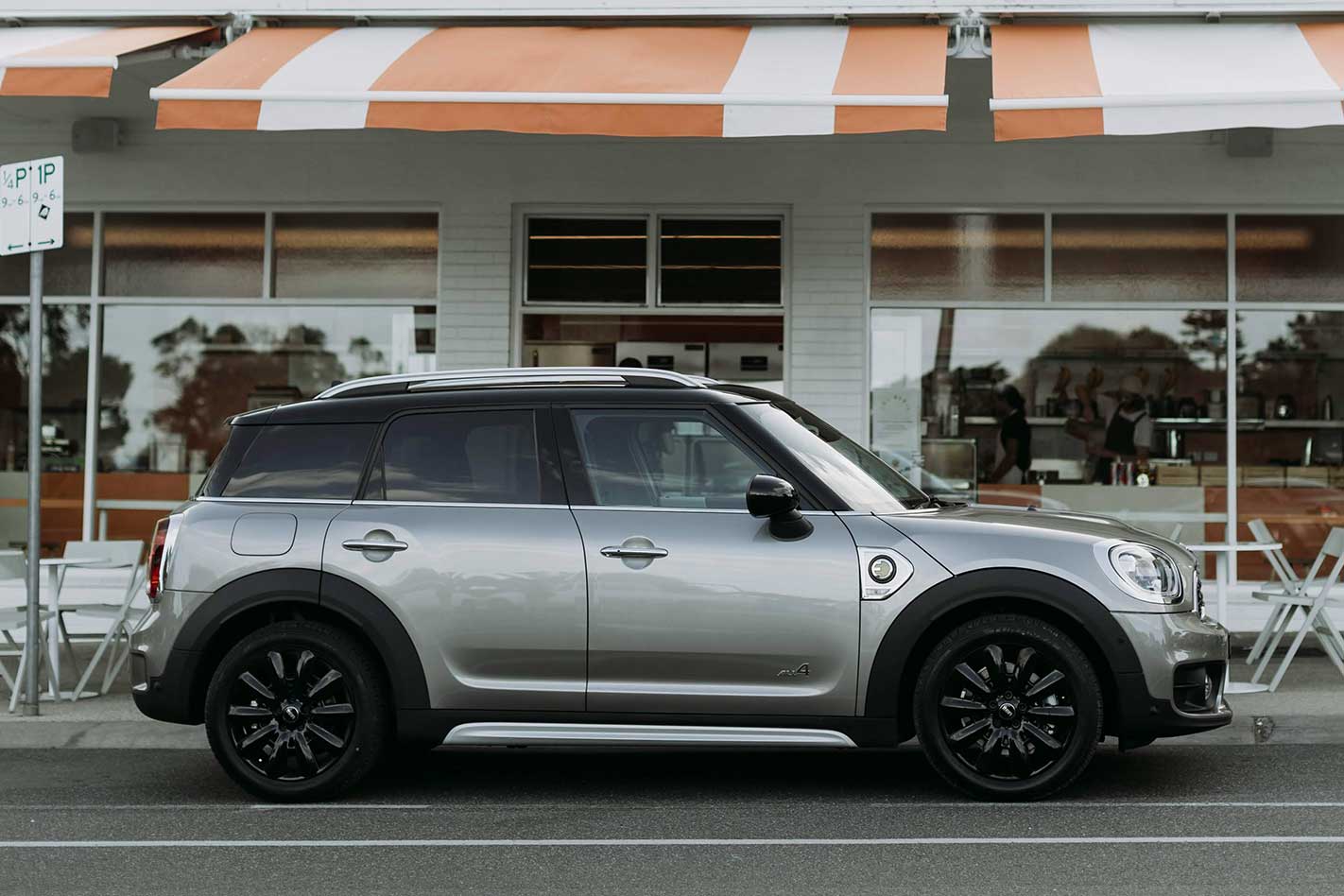
BMW has recalled a small batch of 2020 hybrid vehicles in the Mini Countryman, X5, 7 Series, 5 Series and 3 Series model ranges due to a battery fault.
The Australian Consumer Competition Commission’s statement on Product Safety Australia says the battery cells could have been exposed to foreign particles.
The ACCC recall notice reports that 61 vehicles sold between January 29 and September 18 in 2020 are affected, publishing a spreadsheet of their Vehicle Identification Numbers here. (See our article here for guidance on finding your VIN.)
This follows another recently issued recall for 2020 BMW X5, X6 and X7 variants, due to an improperly welded front axle seam.
An incomplete weld could lead to steering failures if the right-hand-side tension strut completely separates.
This affects a smaller batch of 14 vehicles across the X5, X6 and X7 model ranges, sold between May 1 and October 31 in 2020.
UPDATE, 9/02/21: BMW informed us all affected owners were contacted prior to the recall and the corresponding repairs have been completed.
“As the safety of our customers and all other members of the public is of the utmost importance,” it said, “BMW Group Australia proactively contacted customers prior to consultation with the ACCC to action the recall process.”
“It also provided loan vehicles for customers while affected vehicles were repaired.”
Tesla CEO and currently the world’s richest man, Elon Musk, has admitted that not all Teslas are created equal when it comes to quality.
In a candid interview hosted by engineering and tear-down expert Sandy Munro on Youtube, one of the first questions asked of Musk is about panel gaps on Munro’s own Tesla Model 3.
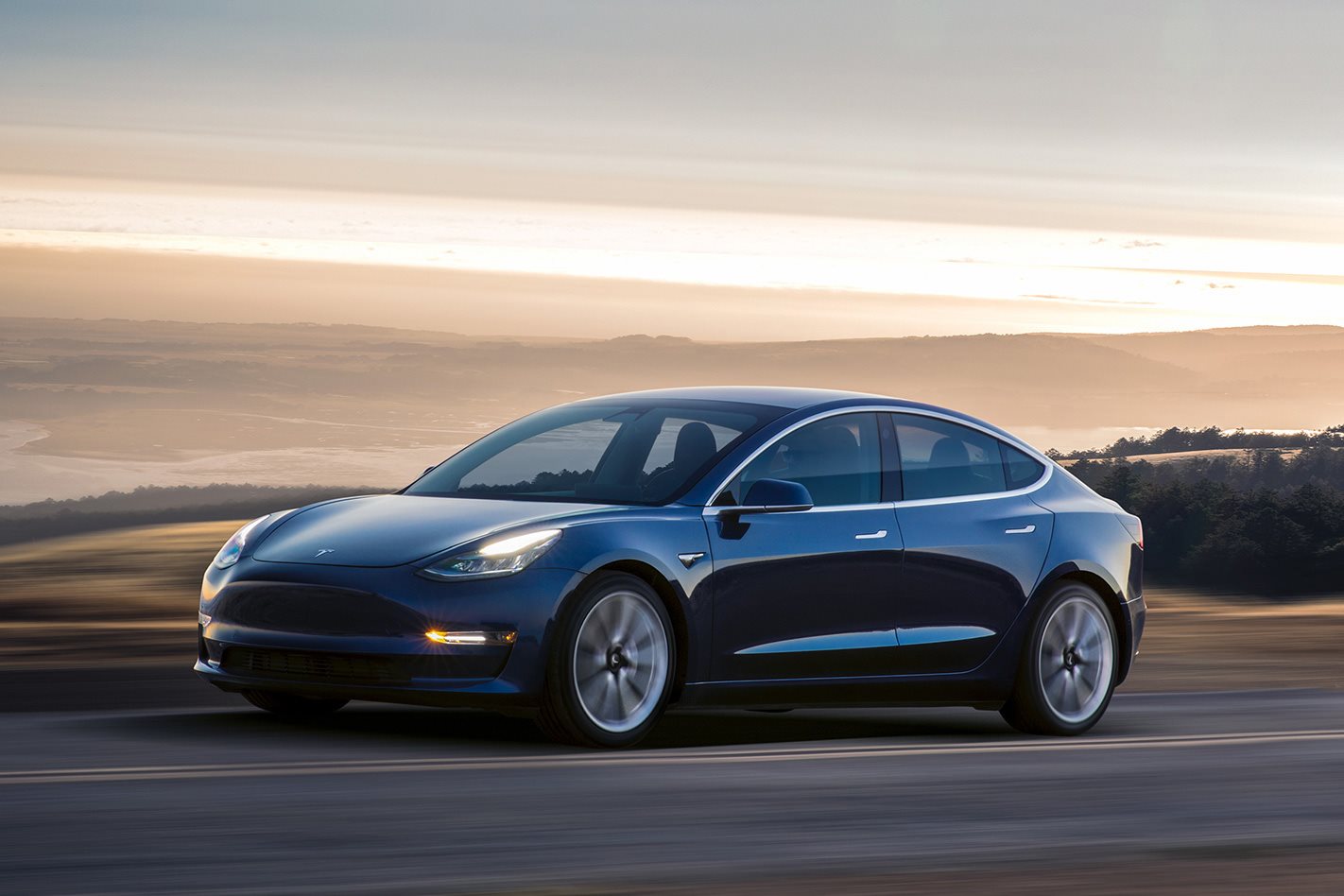
“I’ve had criticisms in the past… when I did my reports [on Model 3 build quality]” begins Munro.
“On the Model 3 we have, I wanted to show you the panel gaps on one side but not on the other. I don’t understand how that can happen,” he continues.
“I thought your criticisms were accurate,” agrees Musk.
Musk admits that early Tesla Model 3s in particular were plagued with build quality issues, expressing that it is best to buy a Tesla once production levels reach a “steady state”.
“It took us a while to iron out the production process, especially during production ramp-up.
“When friends ask me ‘when should I buy a Tesla?’ I say you should either buy it right at the beginning or when production reaches a steady state.
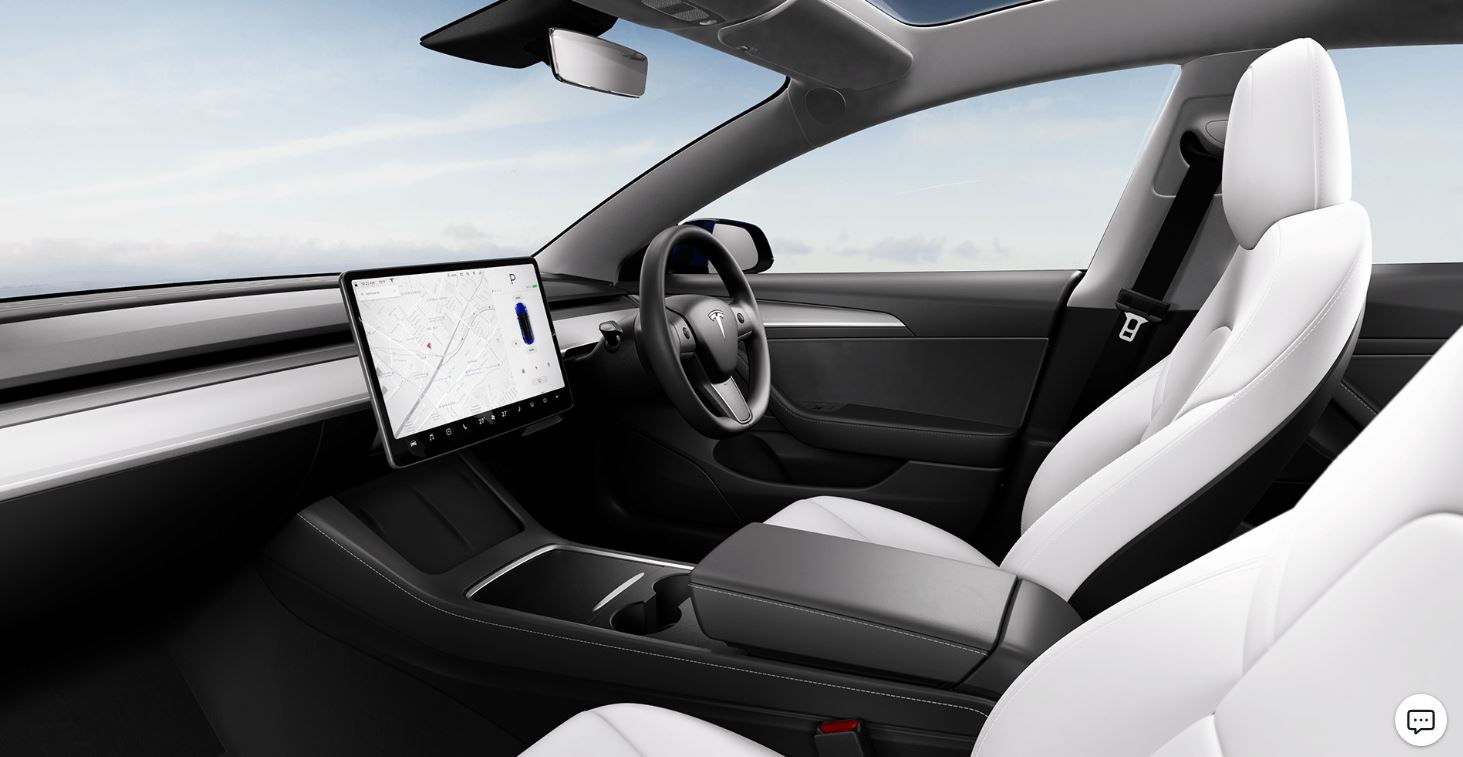
“During that production ramp-up, it’s super-hard to be in vertical climb mode and get everything right on all the little details. So if you really want things to be dialled, it’s either very early cars or once production has levelled off. That’s when things are going to be best.”
Tesla customers have frequently taken to social media to complain about build quality issues in recent years. Common issues include varying sizes of panel gaps, trim pieces falling off, water-resistance and paint imperfections.
Explaining one example of the issues, Musk said that paint was not being given enough time to dry before a car moved along the production line to the next station.
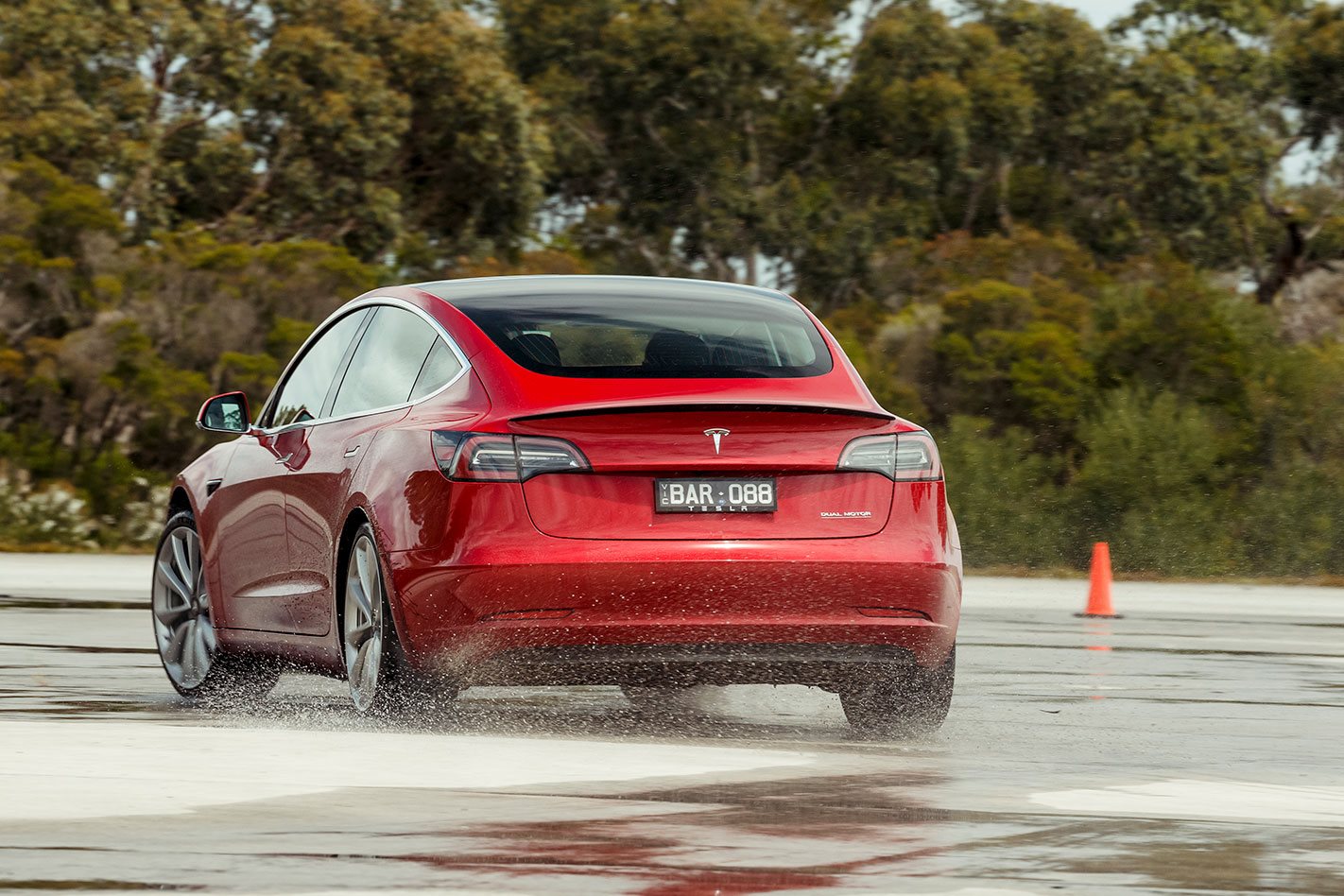
Musk said that improvements were made in late-2020, especially in December when, he says, paint quality improve by “a great deal”.
“Production is hell. Of any American start-up car company, I think Tesla is the first to achieve volume production in 100 years. I think Chrysler was the last one,” Musk said.
In comparison with presenting prototype cars that are “relatively easy and fun“, Musk says that reaching volume production with a reliable product at an affordable price is “excruciatingly difficult”.
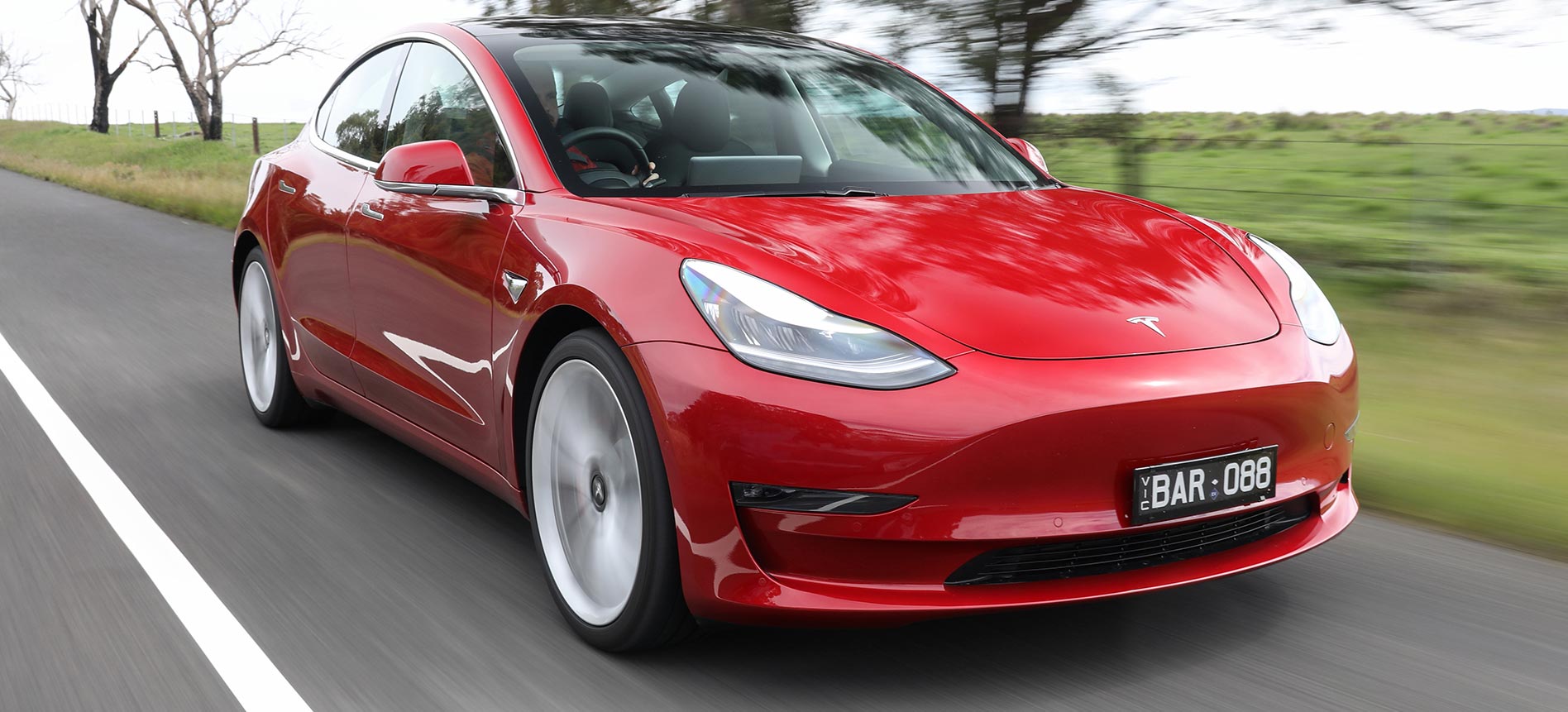
A number of other topics are discussed throughout the interview, including the latest version of Tesla’s Autopilot self-driving system, mega-castings used by Tesla, and Musk’s goal of creating structural battery packs which integrate the battery with the chassis.
Australian Tesla Model 3 production is about to move from California to the Shanghai Gigafactory in China later in 2021.
What is the Jeep Grand Cherokee S-Limited?
If the Jeep Grand Cherokee were one of your kids, you’d be buying a Year Six uniform for it and arguing about social media use after 7pm.
It’s been around in its current guise since 2011, and while a replacement has finally been revealed, it won’t lob here until late-2021.
The large five-door, five-seat SUV is also one of the last places to buy a naturally aspirated V8. Does it still hold relevance in 2021?
Price and value
At $72,950, the S-Limited sits $9000 clear of the Limited upon which it’s loosely based.
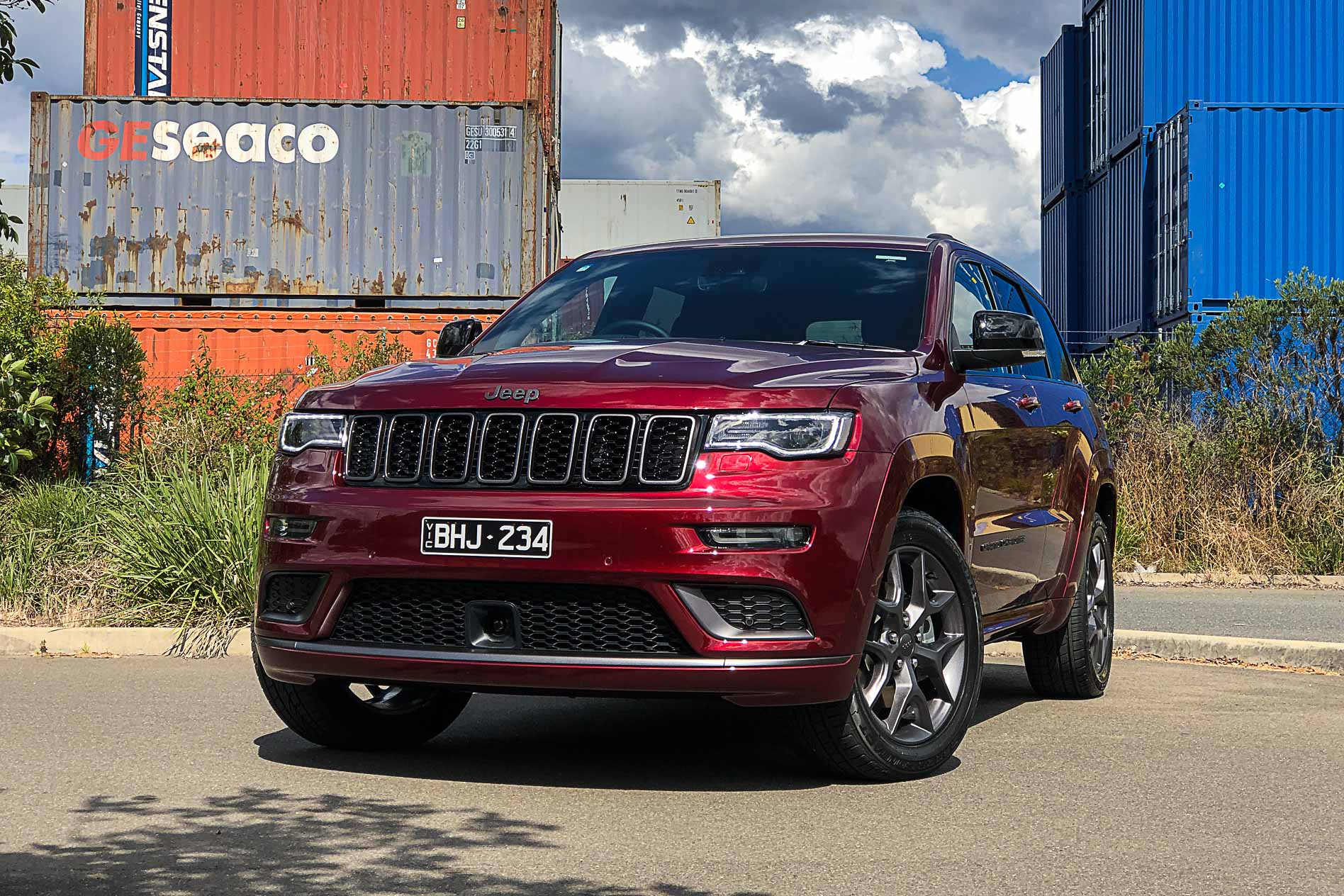
That sounds like a power of cash for an ageing SUV, but there’s a lot of spec on the sheet to consider alongside that HEMI.
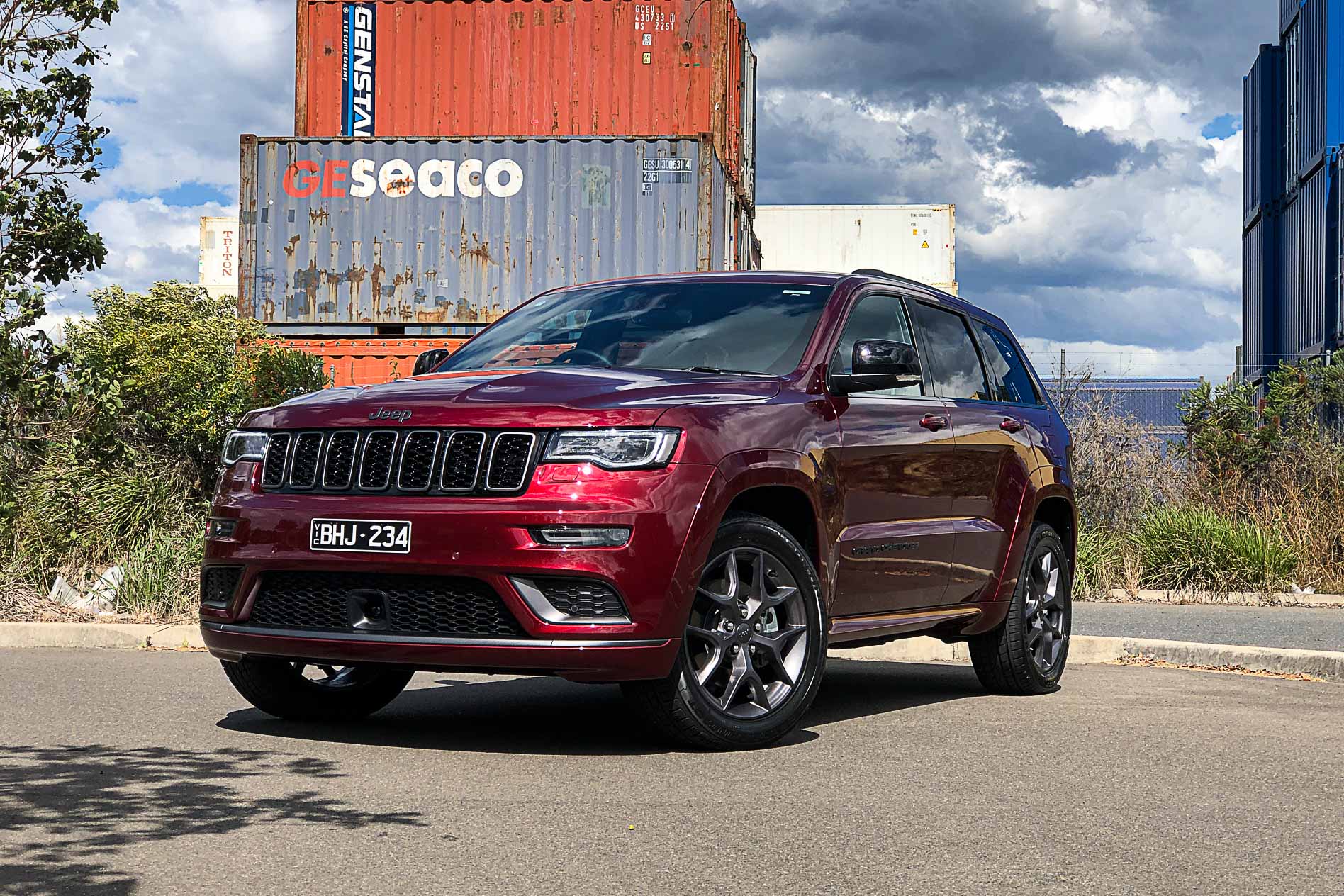
On the outside, there’s bi-xenon headlights and LED taillights, 20-inch rims, black and grey accents, blacked-out exhausts, tinted glass, a bonnet and body trim bits plucked from the SRT and an $895 paint finish called Velvet Red, bringing the total tested price to $73,845 before on-road costs.
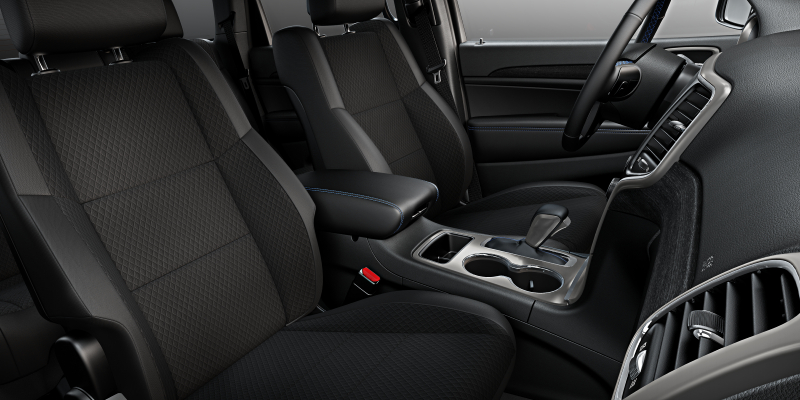
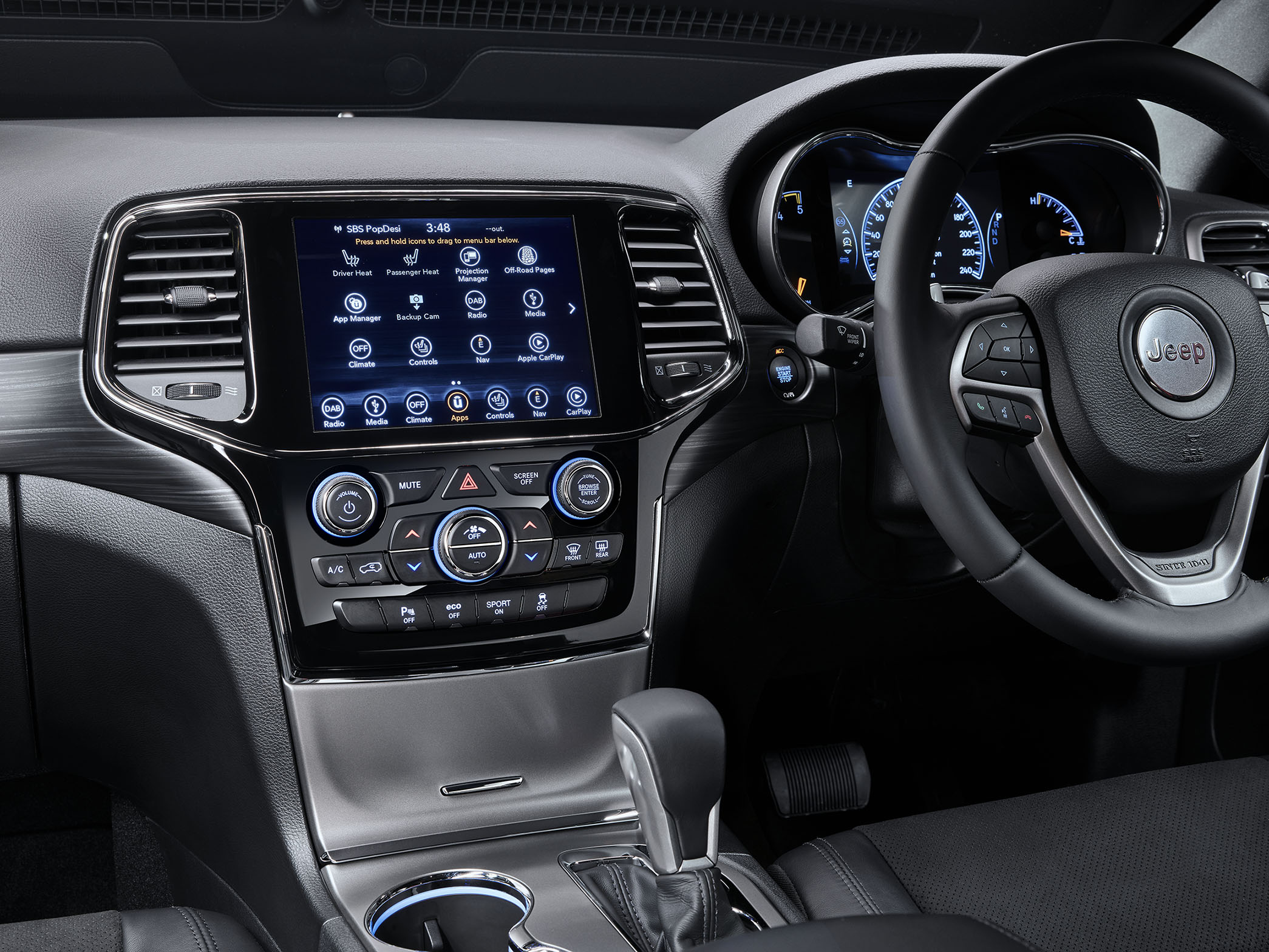
Inside, it’s black leather from floor to ceiling, with a sizeable 8.4-inch multimedia screen dominating the centre console and complementing the digital dashboard.
The front seats are powered, ventilated and heated, there’s twin-zone air-con, auto lights and wipers, keyless entry and push-button start and Apple CarPlay and Android Auto ability.
It’s possible to flip quickly between on- and off-road modes with the Select-Trac system, too.
Stick it up next to the $77,760 Patrol and there’s not much to pick between the two if you’re hankering for V8 petrol-powered wagon goodness. I’d give the Jeep the nod for its more modern interior, though, to be fair.
Living with the Jeep Grand Cherokee S-Limited
I’ve always had a bit of a soft spot for the old Grand Cherokee – the diesel versions are amazing for towing, the original SRT V8 was a riot and the Trackhawk is just one of those things you have to try before you shuffle off this mortal coil.
Ridiculous? Sure. Hilarious? Absolutely.
The S-Limited falls somewhere in the midst of all of these rigs for performance, but for practicality, they are all line-ball.
Up front, the seats are generously proportioned and well shaped for long-haul work. Managing the car’s systems can be confusing – do I press a button or use a screen? – but the clear-as-crystal dashboard and well-behaved Uconnect system took care of the basics.
For its size, though, the Grand Cherokee has always felt a little claustrophobic in the rear, especially when you start adding child seats and the like; knee room is gobbled up pretty quickly, for example, and a taller driver could potentially struggle with a rear-facing baby seat clicked into the ISOFIX mounts behind them.
There are plenty of vents and USB chargers front and rear; it’s something that many of its competitors are only now just catching up with, actually.
Jeep claims 782 litres of boot space behind the rear seats, measured to the roof. Drop the seats with the handy levers and space increases to a similarly measured 1554 litres of area in which to shove large things.
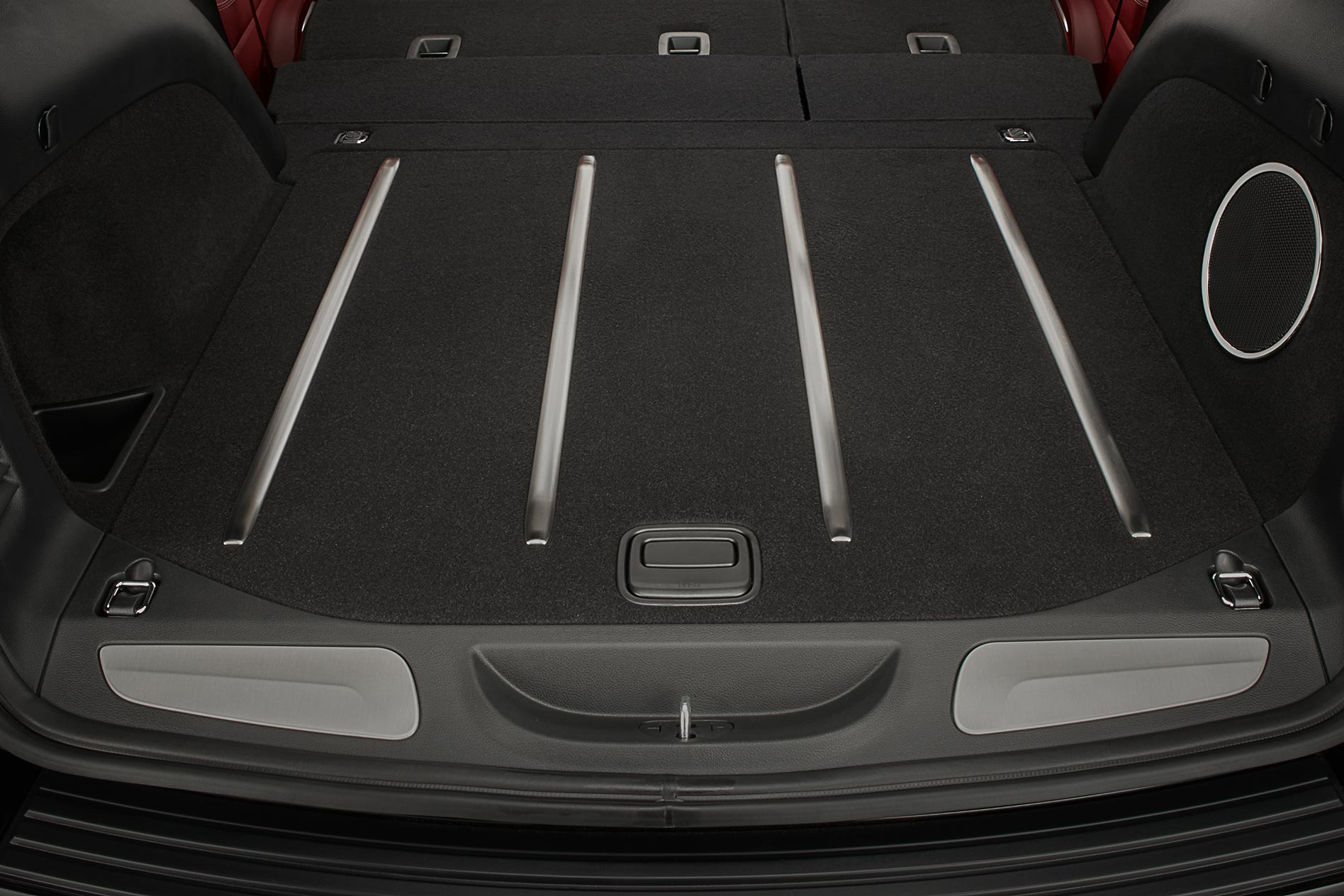
The boot floor sits a little high for those, erm, compromised of height, but it’s a big car, after all.
It’s good for 3500kg of braked trailer, too with a generous downball rating of 350kg. This covers off all but the biggest caravans and boats, and it towed our 1800kg race car/rental trailer combo with ease.
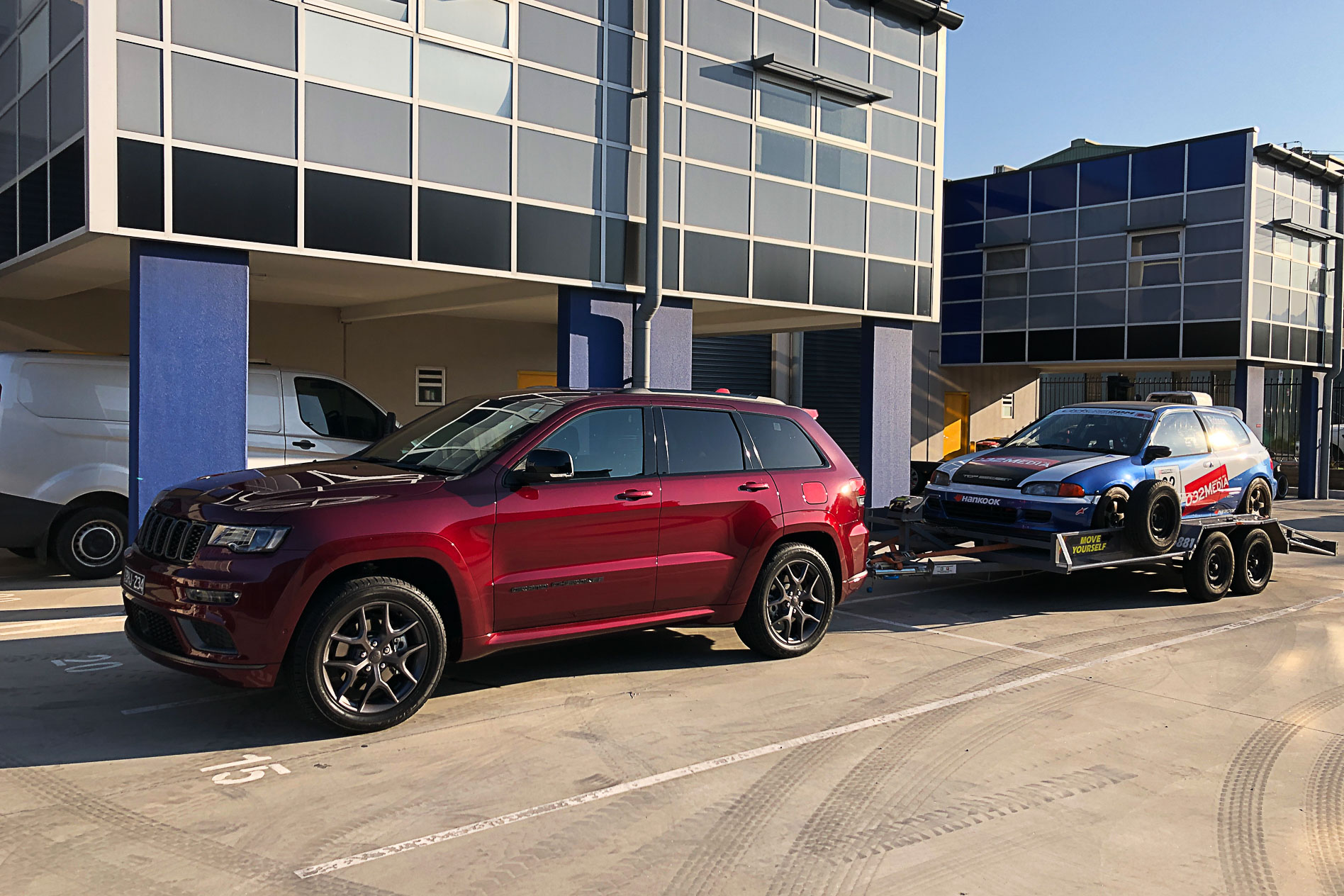
Towing is also made simpler by the comprehensive, high-res rear-view camera display that makes lining up the ball and backing a trailer up a lot easier.
Engine, transmission and drivetrain
It’s a V8, Jim, but it’s not supercharged. The long-serving 5.7-litre pushrod HEMI V8 makes 259kW and 520Nm in this tune, backed up by an eight-speed automatic feeding into Jeep’s Quadra-Trac II 4×4 system.
It sounds like a healthy dose of oomph, but don’t forget that it has to haul around a 2300kg tare figure.
The S-Limited comes with multiple terrain mode programs and hill descent control to go with its dual-range capability, though the 20-inch road-biased tyres will be the limiting factor should you want to bash the bush in your $70k-plus wagon.
Driving the Jeep Grand Cherokee S-Limited
Part of my fondness for the Grand Cherokee comes from the fact that it’s a doddle to drive.
With excellent visibility, logical controls – foot-operated park brake notwithstanding – and comfortable seats, the Grand Cherokee is a mile-muncher par excellence.
The naturally aspirated V8 feels more adequate than athletic in this application, though… perhaps I’ve been spoiled by Jeep’s supercharged specials.
It’s surprisingly quiet and refined and gets up to pace sufficiently well, but it does lack the fire and vim that the S-Limited’s looks might suggest are present.
Its coil-sprung suspension rides the road well, even with the huge 265/50 R20 Continentals sprayed onto the rims, while cornering prowess is par for the course for a large SUV.
There’s a surprising amount of feel in the electrically-assisted steering, though, which is always welcome. Twin-pot brakes up front do the job sufficiently, as well.
Safety of the Jeep Grand Cherokee S-Limited
Despite its age, the Grand Cherokee s keeping up with the Joneses in the safety stacks – just.
Seven airbags are complemented by AEB, adaptive cruise control, lane departure control, blind-spot monitoring and rear-cross traffic alert.
However, the next iteration of the Grand Cherokee will need to include elements like junction assist and the ability to pass the more stringent front occupant collision rules now in place.
It still warrants a five-star ANCAP rating, though.
How much does it cost to run the Jeep Grand Cherokee S-Limited?
You buy a V8, you know what to expect… with a claimed combined fuel economy score of 13L/100km and a 97-litre fuel tank, you’re not only sinking a good $120-130 into the S-Limited at a fill, but you’re only going to get about 750km from a tank at best.
Still, it’s how you use the right foot that matters… over 350km, I returned 13.9L/100km, and that included 200km of towing. I even impressed myself with that return!
However, what you spend in fuel, you save back in servicing.
Jeep has fixed the price of the first five services on the V8 S-Limited at $399 (the diesel is $599 by way of comparison).
The service interval of 12 months/12,000km is a little on the low side, as is the five-year/100,000km warranty period. Jeep does offer five year’s worth of free roadside assistance and will add an extra year on top every time you service the Grand Cherokee at a dealership
Verdict – the 2021 Jeep Grand Cherokee S-Limited
On the surface, the Jeep Grand Cherokee S-Limited is a fundamentally decent thing for those who like the notion of a petrol V8, who like to tow and those who don’t need three rows of seats (to wit: most of us).
It drives perfectly well, has all the right bells and whistles and looks inoffensively handsome to boot.
The elephant in the garage with the Jeep brand is its perceived attitude to quality and service, but the company is working hard on improving its game in these areas.
With the new Stellantis name over the door, Jeep’s future is assured, so it’s in the company’s best interest to look after its customers – and even though five years of warranty looks to be two years shy of the average these days, it should be enough to soothe the nerves of a reluctant buyer.
Rating 3.5/5
What you will like
Handsome, all the right specs, great for towing
What you won’t
Not a spring chicken any more
Specifications
Price: From $72.950 (6AT)
Engine/Transmission: 5.7-litre 8cyl petrol
Fuel consumption/CO2/Tank size: 13/100km, 304g/km, 93L
Safety: 5 stars
Seats: 5
Warranty / Service Interval: five years/100,000km, 12,000km/12 months
Spare Wheel (type): full size
Weight: 2300kg
There’s always something tantalising about a new RS-badged Audi. It’s not so much the usual appeal to novelty, more the fact that you just don’t know what you’re going to get. It’s almost as if there’s an RS yin and yang, quattro GmbH feeling that having delivered, for example, the wonderful B7 RS4, it was then obliged to restore balance with the woeful B8 RS5 Cabriolet.
So where did the old RS7 Sportback fit into that realm? It was a bit of a quiet achiever, that one, hugely competent in most areas but never really having the spark of personality or attitude to markedly distinguish it from its rival set. In short, it seemed the answer to a question few would conceivably ask.
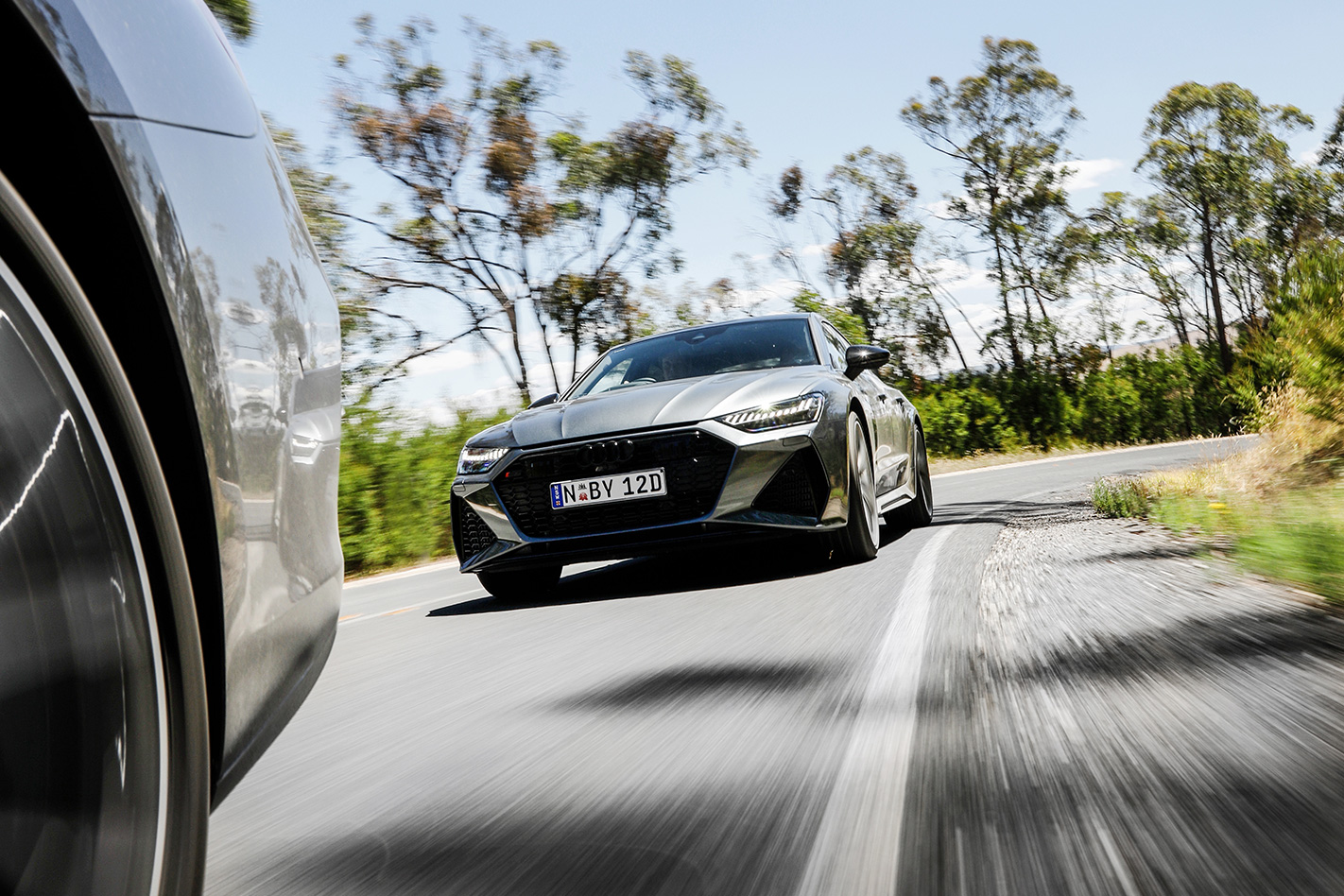
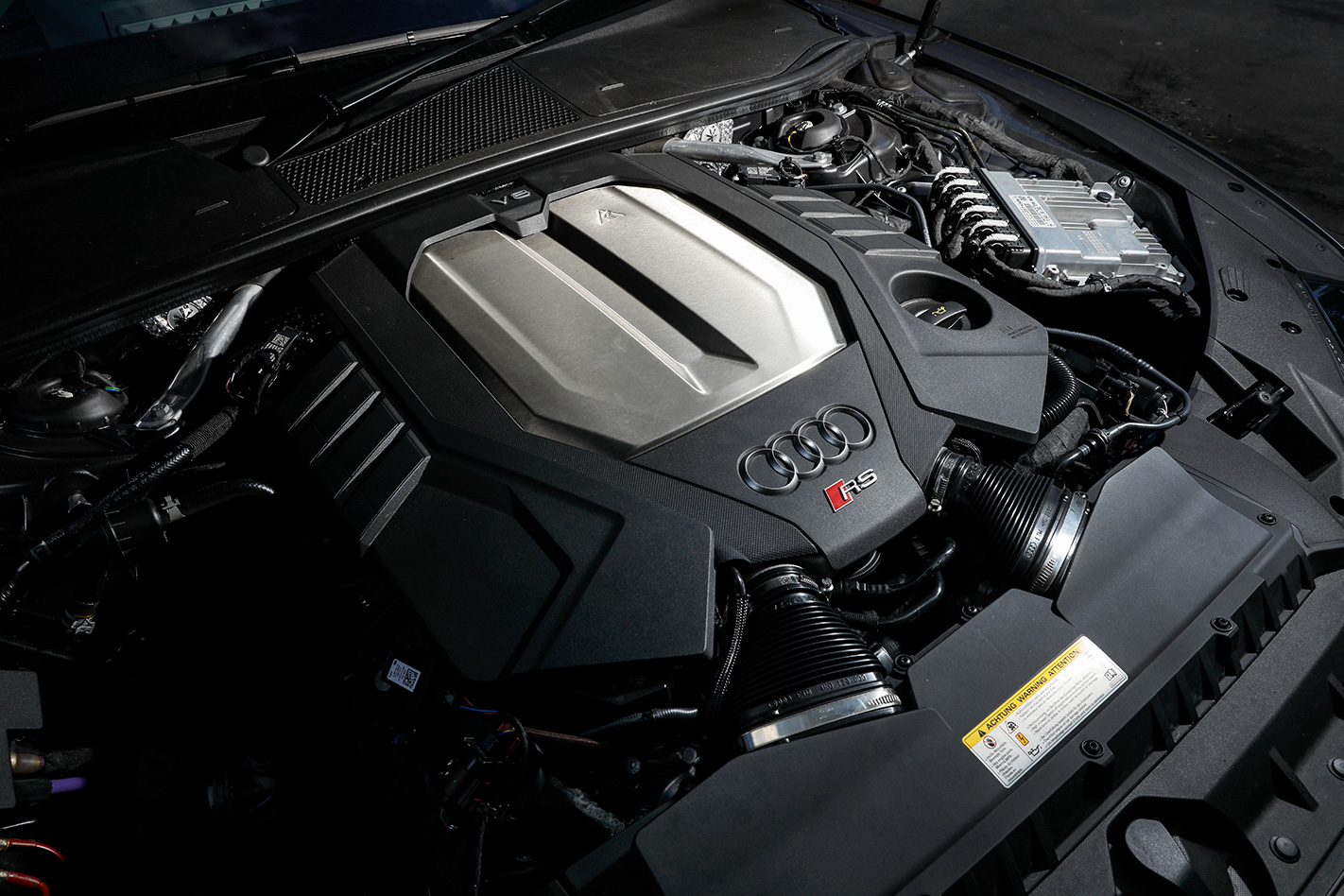
To that end, Audi retained the fundamentals with this new version of the RS7; a 4.0-litre V8 driving all four wheels through an eight-speed automatic transmission draped in a chiselled liftback body. As ever though, the details make or break it. Like its sibling, the Audi RS6 Avant, the latest RS7 no longer hides its light under a big ol’ bushel. The front end is sharper, it appears to sit lower on its wheels and the haunches are as plumped and swollen as the front end of a MAFS bride.
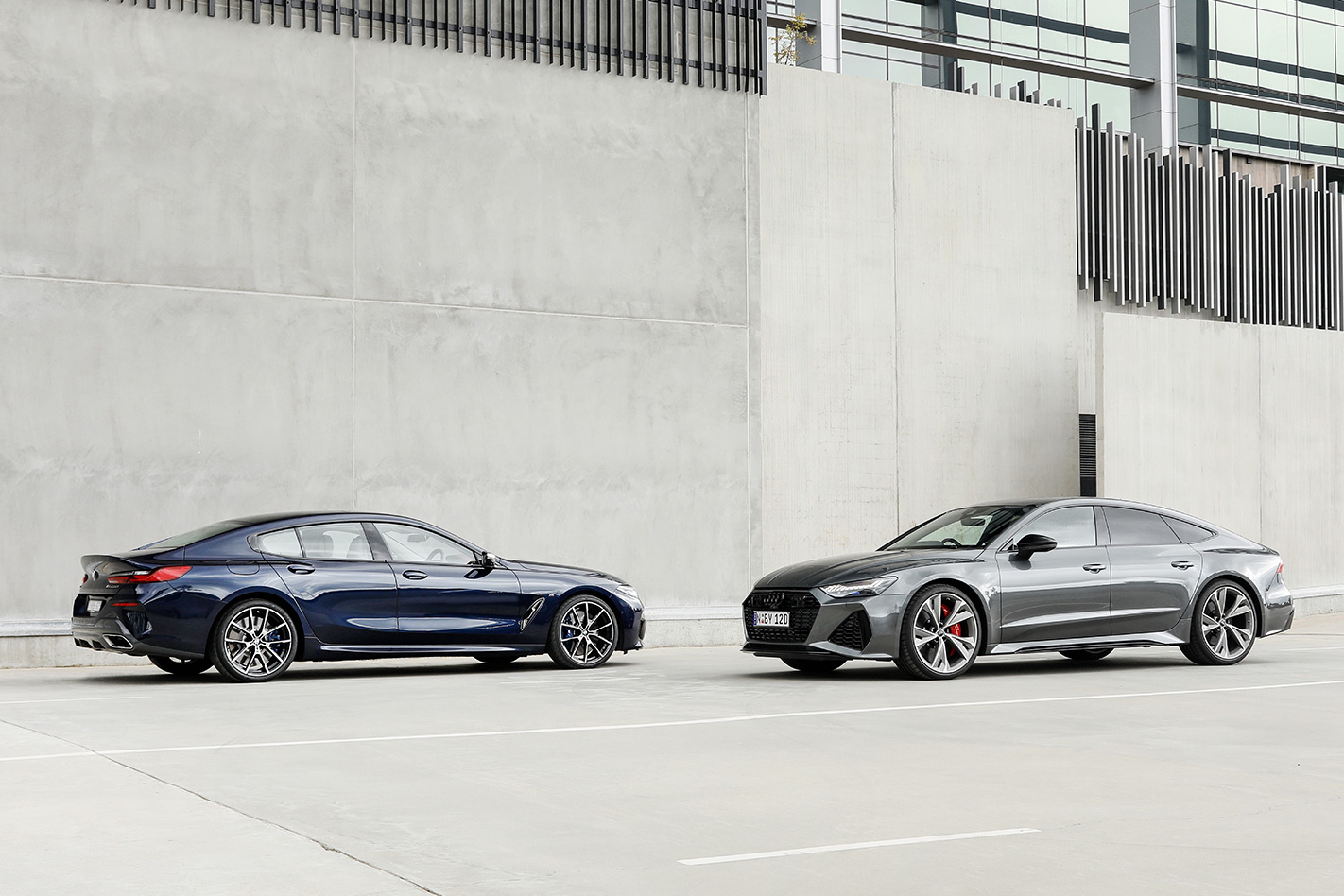
The pugnacious, foursquare stance of the Audi delivers in terms of road presence, especially in contrast to the lower-key BMW M850i xDrive Gran Coupe. Sitting on a wheelbase of 3023mm versus the Audi’s 2934mm, the Munich express is a long, low and lithe thing, its bulk disguised by some svelte detailing. Whereas there’s an element of rightness about the RS7’s shape that rests easily on the eye, the 8 Series Gran Coupe is a more complex, challenging shape, with some interesting details, such as the reinterpretation of the Hofmeister kink in the rearmost side window that looks almost Stinger-like.
At this point you’re probably asking why we’ve lined up the very pinnacle of the Audi A7 range with the penultimate driving machine in the 8 Series Gran Coupe walk-up. Fair question. It’s basically because the big Eight is so much more expensive than the equivalent Audi. As it stands, without taking options into account, the Audi RS Sportback retails at $224,000. The M850i xDrive Gran Coupe carries a price tag of $277,900, a not insignificant premium of $53,900. Were we to have brought the M8 Competition Gran Coupe out to play, that would have been $354,900 worth of jingle-jangle or, to put it another way, only a couple of option choices off the prices of an RS7 and a TT RS combined.
In a gallant effort to level the playing field, Audi has thrown a few extras at this particular car. As well as 22” V-spoke alloy wheels and black-keyed Audi badging, this example gets the $2850 RS Sports suspension plus, ditching the standard air suspension in lieu of coil springs and the three-way adaptive damping of Audi’s Dynamic Ride Control. It also gets the RS Dynamic package plus, which includes monster carbon-ceramic brakes and a faintly academic lift in the top speed to 305km/h. There’s also the Sensory package, which features better quality trim materials inside, heated rear seats, sunshades and a Bang and Olufsen 3D stereo. Price as tested: $258,050.
BMW has stuck a little closer to the list price, the importers adding just a couple of options to the test car. Piano black interior finish adds $200 while the garish Merino leather interior and ivory white, tartufo and black with an Alcantara headliner is a hefty $9400 ask, the final bill coming to $287,500.
On a strict bang for your buck basis, the RS7 Sportback appears the more convincing case. With 441kW and 800Nm, it’s within a sniff of a $409,500 Porsche Panamera Turbo S (463kW/820Nm). Had Mercedes-AMG made an E63 Coupe with the 450kW/850Nm V8, that would have been comparable but as it stands, the pinnacle of that range is the $179,335 six-pot 320kW/520Nm E53 AMG which would have been massacred by the RS7.
Despite its 4.4-litre engine boasting another 401cc of swept capacity over the RS7, the BMW can’t match the Audi’s outputs. Nevertheless, 390kW and 750Nm is nothing to be sneezed at. Of course, these are the exact same outputs of another elegant five-seat notchback in BMW’s range, the M550i xDrive sedan, a car which retails at $125,000 less (or $140,000 for the marginally more austere Pure version) and carries 80kg less timber up the strip, but that’s an argument for another day. Still, the BMW is lighter than the Audi, despite the latter’s much-vaunted aluminium componentry, the M850i tipping the scales at 1995kg before options and the Audi 2065kg.
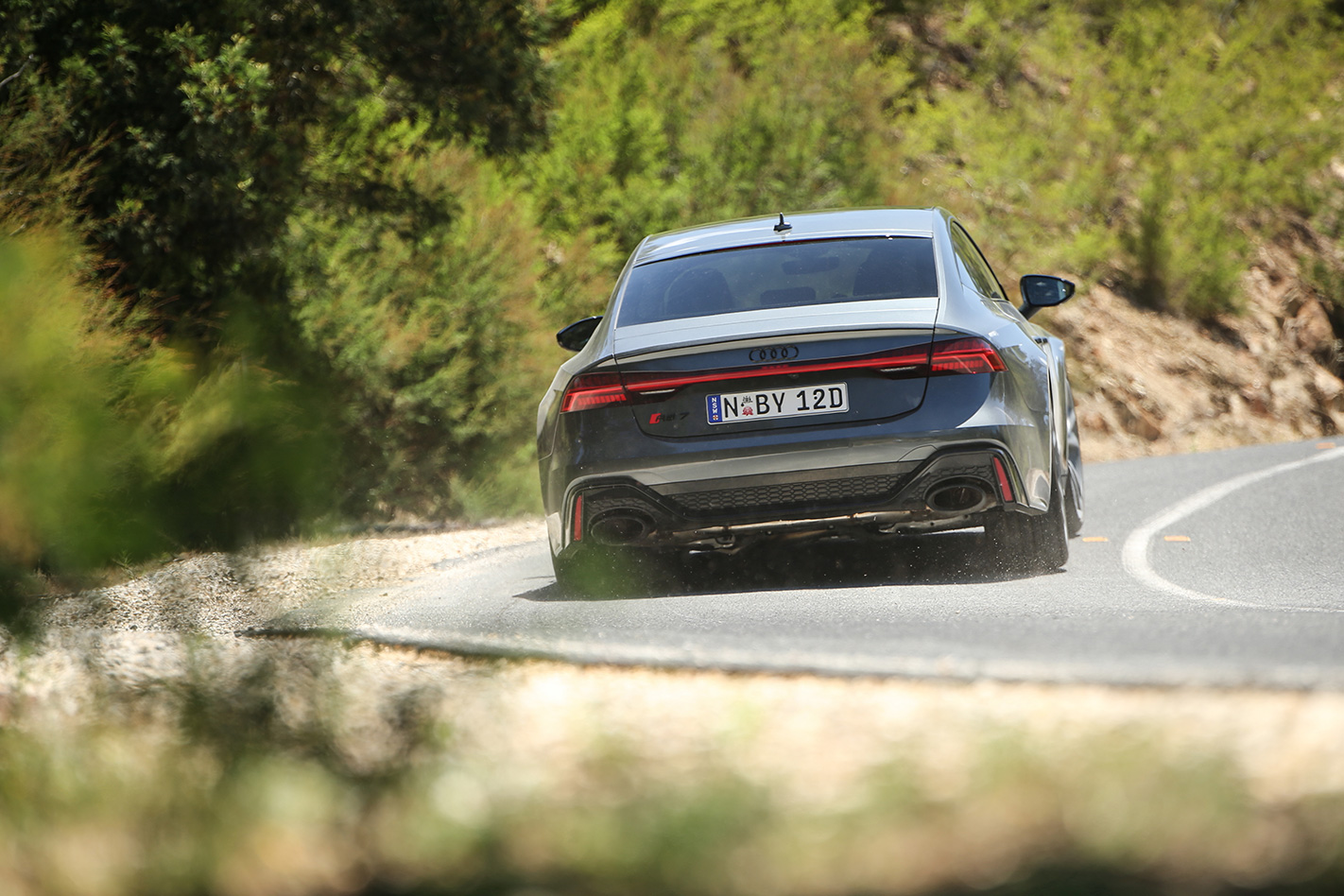
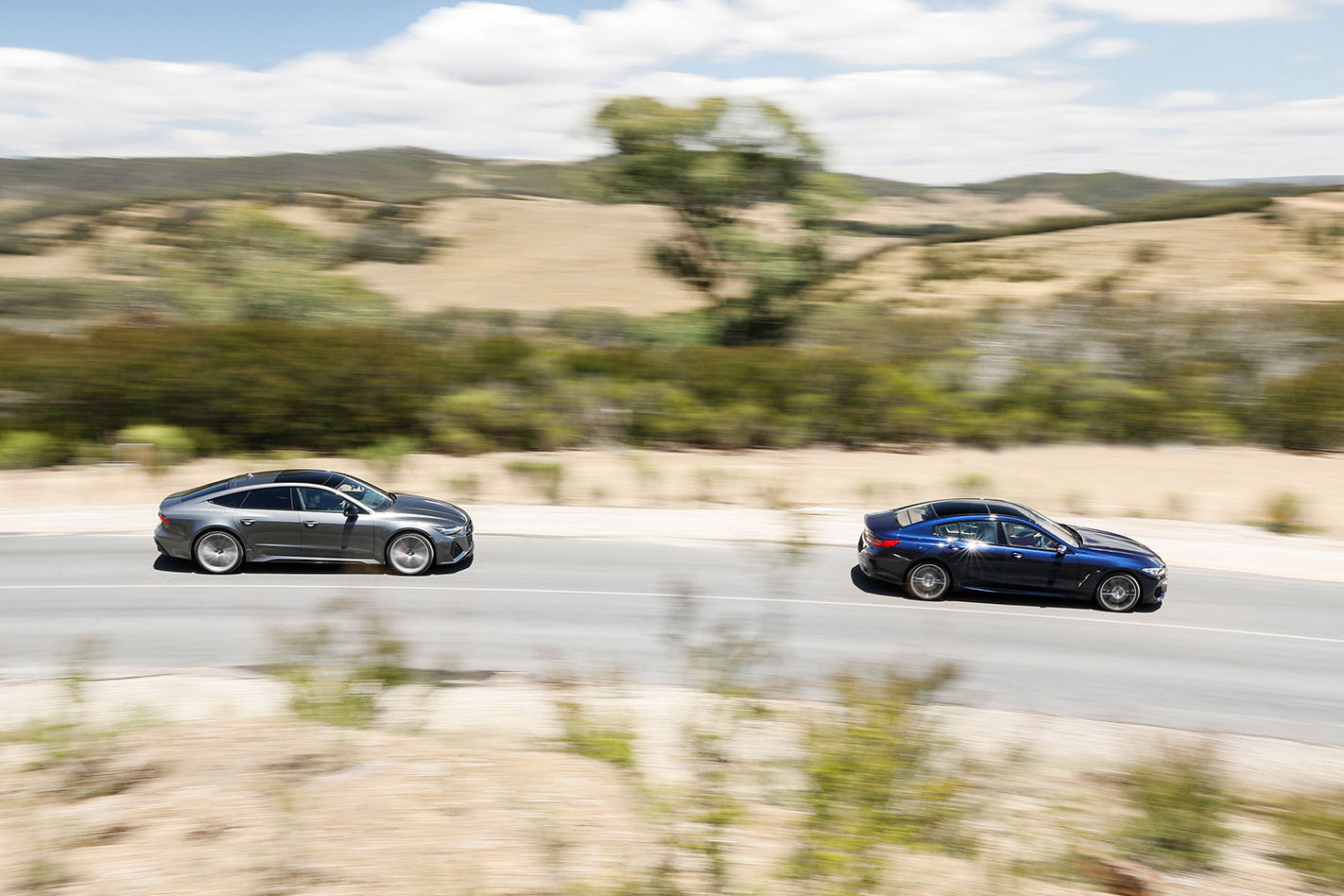
Yet having swapped into the RS7 for our test route, it’s clear within the first few metres that it feels lighter and more alert. Much of that is down to the steering, which feeds more back through its thinner rim than the rather taciturn 8 Series, and which also dives quickly for the apex thanks to four-wheel steer. The overall effect is to trick you into thinking that the Ingolstadter is carrying about 250 kegs less. Like most of these sensory sleights of hand, however, the illusion is transitory, so when driven hard the two cars begin to show their raw talent is a more unfiltered manner.
The route chosen was one that would certainly punt both vehicles a long way outside anything that could be described as their natural comfort zone. The rugged mountain twisties of Reefton Spur are about as far from the micron-burnished hotmix of this pair’s autobahn homes but act as the perfect laboratory to pare things back to handling fundamentals.
The Audi feels quicker. You can brake later, it’s sharper to the apex and more communicative in turn in. What it never does is settle cleanly into the corner. Even with its clever suspension, there’s a constant and slightly tiresome bob and patter to the front end, not wholly unlike a 964-gen Porsche 911. There’s also the temptation to utilise the agility of the four-wheel steering by turning late and hard, but this only introduces understeer, not helped by the Audi’s standard Hankook Ventus S1 Evo tyres; rubber we’d put in the good, not great category.
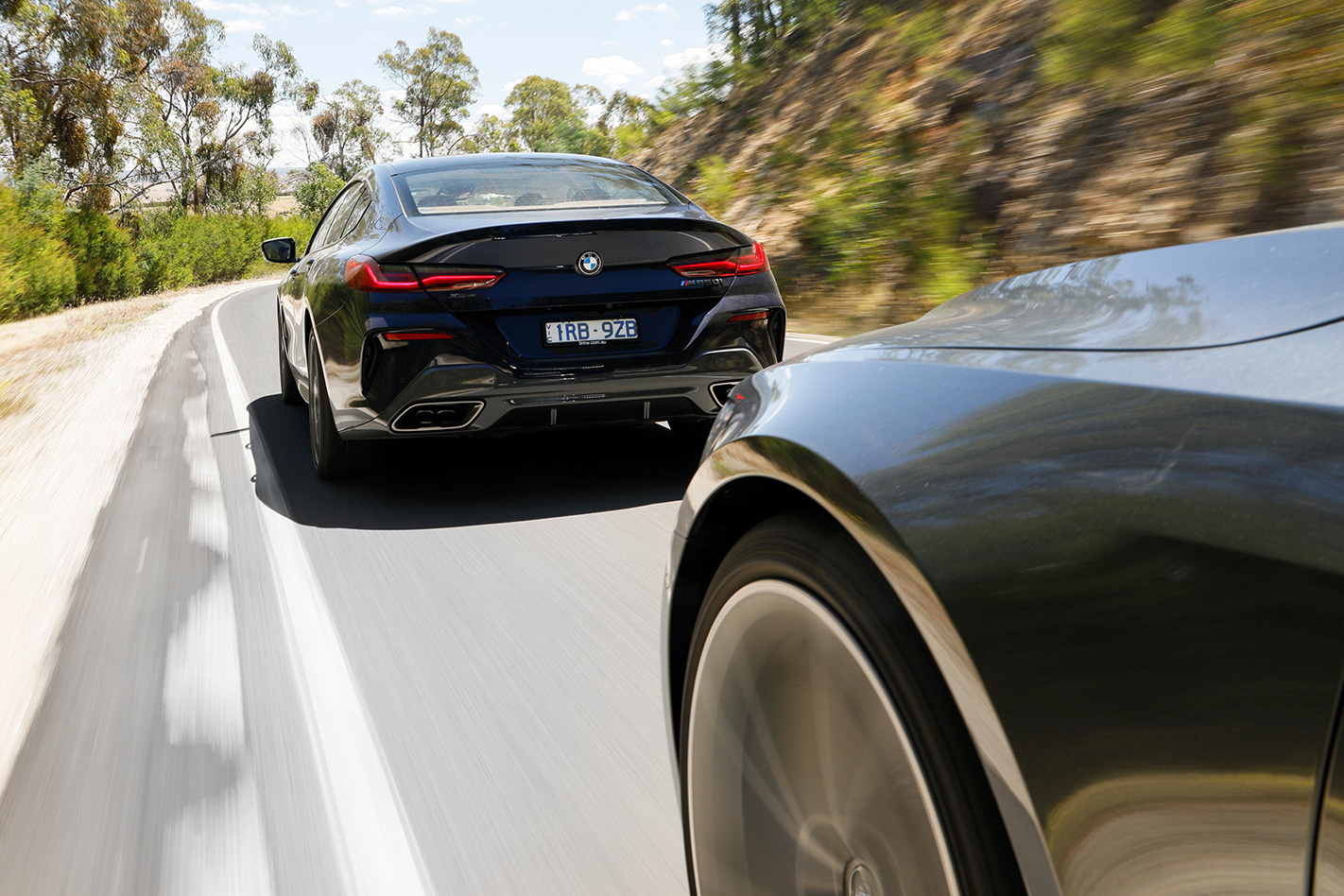
Measure your inputs a little more deliberately and the RS7 feels a smarter thing, allowing you to turn in gently and trail brake modestly, the car just offering an impression of rotation and neutrality. It’s rewarding in a kind of esoteric, chin-stroking manner, if not hugely entertaining. The locking sport differential on the rear axle helps here, and although the usual torque split is 40:60 front-to-rear, the centre diff can send up to 70 per cent of drive to the front hoops or 85 per cent to the rear. While that may make the RS7 Sportback sound like an unreconstructed rear-driver, it never really feels that way.
There are impediments to really enjoying everything that the RS7 could theoretically deliver, too. Ultimate lateral grip of the tyres, despite measuring a chunky 285/30 ZR22 all round, could be better for a range-topper, and then there’s the gearbox logic which, not to put too fine a point on it, is not fit for purpose for spirited driving. Time and again, when left to its own devices, even in the most aggressive RS drive modes, the ’box upshifts to the point where the engine’s spinning at a lethargic 2000rpm, whereupon the throttle has the response of a darted sloth. Take over paddle flapping duties yourself on the tiny silvery tabs and the software will frequently deny downchanges, even when there’s the headroom available to make them. The RS7 really needs around 5000rpm on the dial for meaningful go, which leaves 1750rpm to exploit to the redline.
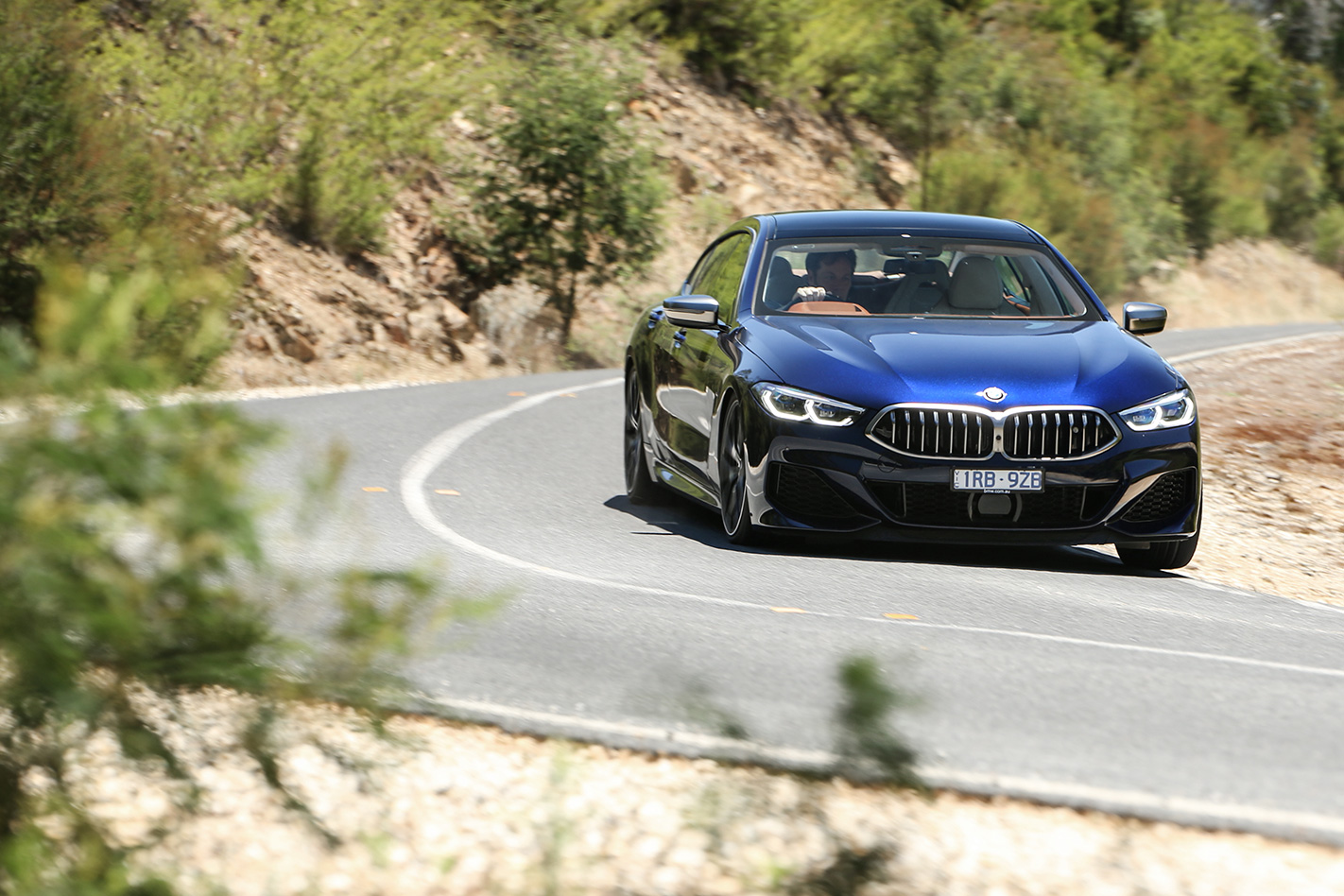
Climb into the BMW and while it can’t hold station with the Audi in terms of straight-line grunt, it’s clear that this one’s a grower. The initial impression is that the suspension feels far better resolved. In fact, the ride in the M850i is better in its most focused Sport Plus mode than the RS7’s is in Comfort. This planted, settled feel inspires confidence into the braking zone, knowing that the BMW’s superior rebound damping is giving the narrower Bridgestone Potenza S007 tyres (245/35 R20 up front and 275/30 R20 at the back) every opportunity to sniff out grip. There’s no getting away from the fact that, on these test vehicles, the BMW is working with a front tyre contact patch only 85 per cent as big as that of the Audi.
The steering is almost entirely mute when it comes to communicating the granularity of the road surface, but there’s a more natural feel to its slower initial gearing than the RS7 which, combined with the longer travel brake pedal, helps to smooth inputs en route to the apex. Neither car pitches nor rolls excessively for two-tonne monsters, with the BMW cornering a little flatter but the Audi being better resistant to squat on the way out again.
Clicked into Sport Plus mode, the BMW certainly sounds more aggressive, with a real throatiness to the exhaust that’s accompanied by almost AMG-like fusillades from the exhaust. If you want a V8 to really sound a little more typically cross-plane macho, the BMW will certainly appeal. By contrast, the Audi offers either sporty or balanced sound modes for the exhaust, but neither are quite as testosterone-steeped as Munich’s acoustics. The 4.4-litre N63 engine feels gutsy despite making its peak power between 5500-6000rpm at which point it runs into the buffers of the redline.
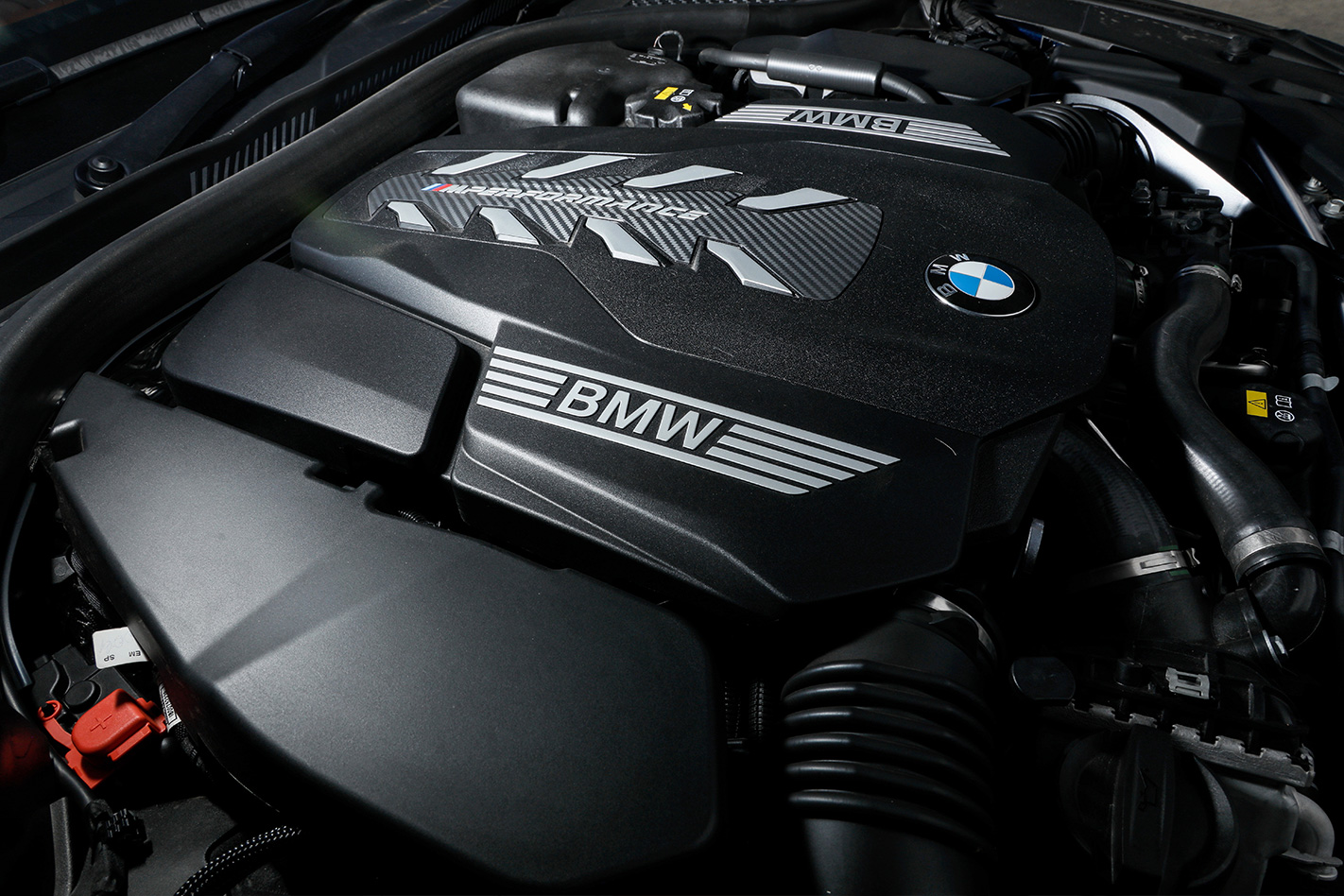
The reason it feels so sinewy is because the BMW’s torque, whilst not quite reaching the peaks of the Audi’s 4.0-litre, is spread wider, arriving at its 750Nm peak some 250rpm lower and extending another 600rpm higher. Peak power also arrives earlier in the M850i, the Audi only making its 441kW headline figure on a vertiginous summit between 6000 and 6250rpm. The net effect of this is that the BMW feels more muscular and easier to flow on a fast road, despite its on-paper torque and power deficits.
We park at the top of the test route and let the cars tap and ping cool among the stringybarks. The Audi’s implacable carbon brakes, with their red calipers and monster 440mm front discs and 370mm rear rotors have shrugged off the worst we could throw at them. The BMW’s steel rotors smell a little toastier, the torque vectoring by braking system giving the single-piston rears in particular a bit of a workout.
The Audi’s cabin is undoubtedly a lovely place to be, sitting inside double-glazed, acoustically optimised glass, on rich, buttery RS leather seats. There are the technical trim fillets in the dash and doors that aren’t cheesy carbon but gives the impression of it, the tactile perforated leather wrap for the steering wheel and gear shifter and the considered ergonomics that make operating even some of the more complex controls intuitive. It’s worth remembering that this car has 11 grand’s worth of Sensory package, which extends the Alcantara and leather trim.
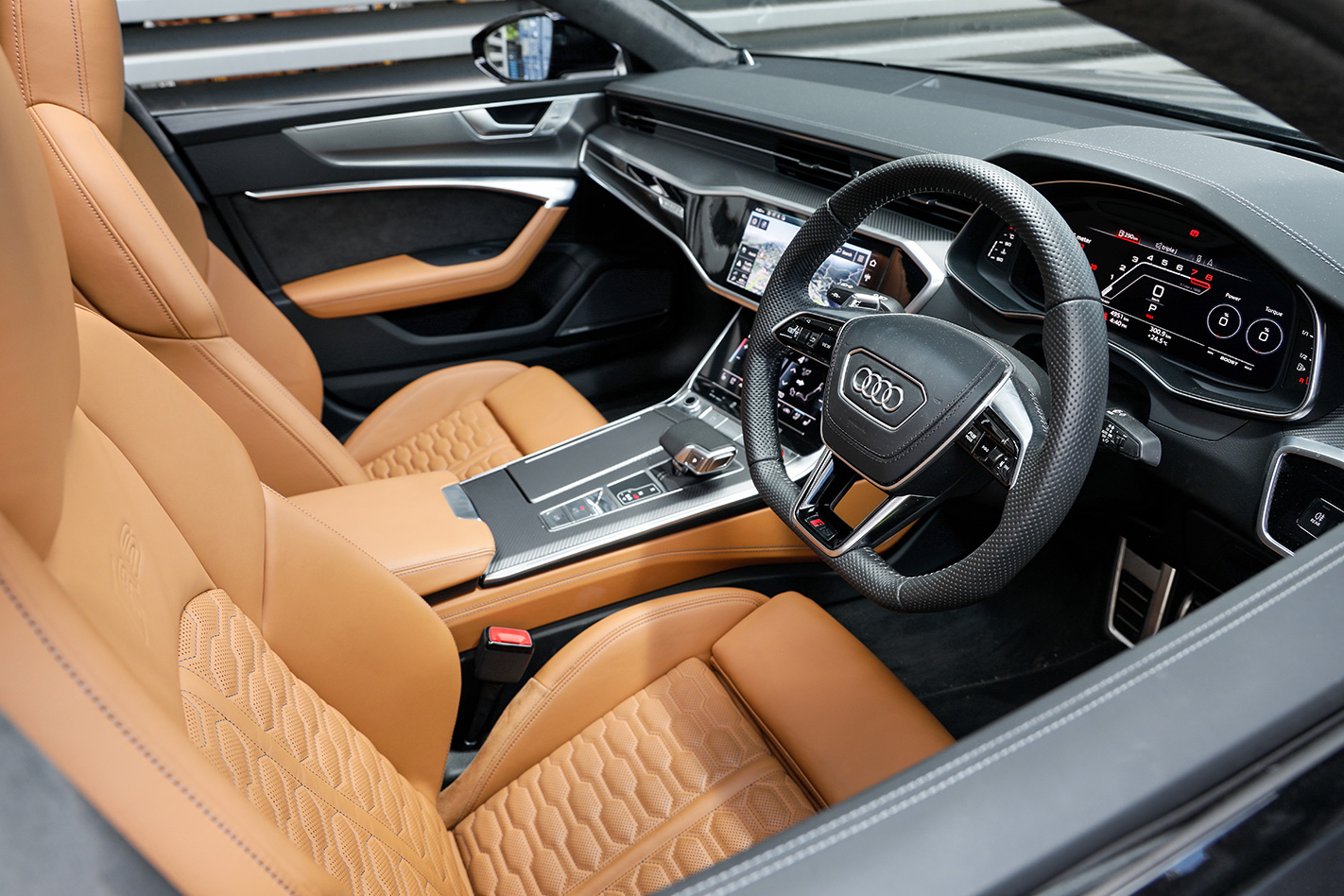
The big twin touch-screen setup means that physical buttons are at a premium, which won’t appeal to all, and if you’re at all phobic about fingerprints on screens, you’re going to have a bit of a moment or two with the RS7. There’s also decent rear accommodation for adults and a practical hatchback body, although there’s no spare of any sort under the boot floor.
The BMW’s driving position is better, with the seat motoring all the way down to the point where it feels as if your fundament could be terminally ruined by a poorly-fitted cat’s eye when changing lanes. The interior colour combo of this particular car is best summarised by ‘other palette choices are available’ and the dial pack is nowhere near as cohesive and smart as the Audi.
Likewise some of the interior touchpoints feel a little underbaked. The plastic gear shifter is creaky and cheap-feeling, with a nasty unfinished joint at exactly the point on its anterior face where your fingertips grasp it. Likewise, the rotary controller feels plasticky rather than the cool metal you’d hope for.
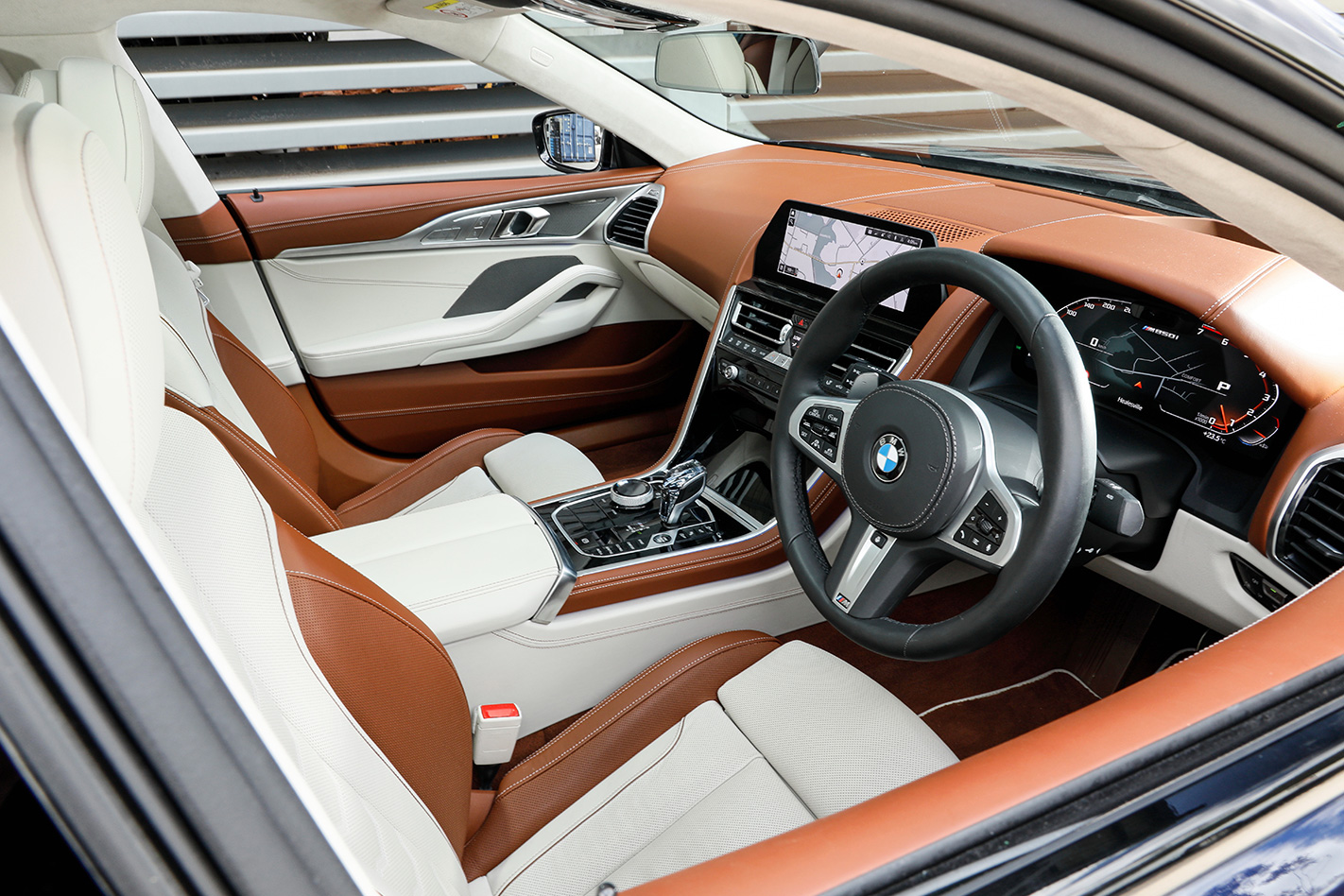
The rear isn’t as practical as the Audi either, with the raked roofline and dual-pane sunroofs robbing headroom. There’s actually more legroom, but such is the pinch overhead that it’s not really possible to exploit it. Then there’s the fact that there are three seatbelts fitted across the rear bench but a huge wide centre console that runs all the way to the seat which means that anyone drawing the short straw and getting the middle berth has to sit splay-legged.
Despite this run of negatives, strangely, the BMW feels the more bespoke product, almost as if it’s the car with more specialist bones rather than a dressed-up cheaper platform. Perhaps it’s the extrovert immediacy of the RS7 that instantly displays its key attributes and then has nothing left to give, whereas the M850i feels a little coyer in revealing its talents. Either way, the Munich car feels more tasteful, more old-money and less anxious to please and there’s something endearing about that.
Ultimately, one of these cars is quicker, more powerful, more practical, easier to operate and a whole lot cheaper than the other. That the RS7 was also markedly more economical, returning 15.7L/100km versus the BMW’s 17.8L/100km also counts in its favour. That’s a hefty 12 per cent more frugal, thanks in part to its 48v electrical architecture which reduces alternator drag and the cylinder on demand tech which shuts down cylinders 2, 3, 5 and 8 when under low to medium load. That also feeds into the issue of range, the Audi’s 73-litre tank giving it a nominal on-test range of 465km while the BMW, in the same test conditions, would have seen its 68-litre tank depleted in just 382km.
Normally, the RS7’s tally of attributes would make a test like this something of a slam dunk, but the BMW’s superior ride quality, greater bandwidth in its drive modes, more charismatic powerplant and cleverer transmission means that it claws its way back into contention. Does it do enough to scalp an against-the-odds win? Not quite. The Audi RS7 Sportback is just too multi-talented for that.
Had there been greater parity between the prices of the M850i and the RS7, we could have made a broader case for a horses for courses verdict, positioning the BMW as the superior GT car for two, and the RS7 as the more practical, yet dynamically livewire entertainer. That $54K price advantage in the Audi’s favour buys it all sorts of credit though. Buys it a win here as well. Ingolstadt has delivered a very good RS model. We await Audi Sport’s consequent counter-clogger.
Technical Specs
Audi RS7
Body: 5-door, 5-seat liftback Drive: All-wheel Engine: 3996cc V8, DOHC, 32v, twin-turbo Bore x stroke: 86.0 x 86.0mm Compression: 10.0:1 Power: 441kW @ 6000-6250rpm Torque: 800Nm @ 2050-4000rpm Power/Weight: 214kW/tonne Transmission: 8-speed automatic Weight: 2065kg Suspension: multi-links, coil springs, adaptive dampers, anti-roll bar (f), multi-links, coil springs, adaptive dampers, anti-roll bar (r) L/W/H: 5009/1950/1424mm Wheelbase: 2930mm Tracks: 1668/1650mm Steering: Electrically assisted rack-and-pinion Brakes: 440mm ventilated discs, ten-piston fixed calipers (f), 370mm ventilated discs, single piston floating calipers (r) Wheels: 22 x 10.5-inch (f/r) Tyres: 285/30 ZR22 (f/r) Hankook Ventus S1 evo Price: $224,000 Pros: Immediacy of response, intuitive controls; pace; value for money Cons: Tyre wouldn’t be our first choice; nervy ride quality; sheer size Rating: 4.0/5
BMW M850i
Body: 4-door, 5-seat sedan Drive: All-wheel Engine: 4395cc V8, DOHC, 32v, twin-turbo Bore x stroke: 89.0 x 88.3mm Compression: 10.0:1 Power: 390kW @ 5500-6000rpm Torque: 750Nm @ 1800-4600rpm Power/Weight: 195kW/tonne Transmission: 8-speed automatic Weight: 1995kg Suspension: double A-arm, coil-springs, anti-roll bar (f), multi-links, coil springs, anti-roll bar (r) L/W/H: 4851/1902/1346mm Wheelbase: 2822mm Tracks: 1627/1642mm Steering: Electrically assisted rack-and-pinion Brakes: 395mm ventilated discs, four-piston fixed calipers (f), 380mm ventilated discs, single piston floating calipers (r) Wheels: 20 x 8.0-inch (f), 20 x 9.0-inch (r) Tyres: 245/35 R20 (f), 275/30 R20 (r) Bridgestone Potenza S007 Price: $277,900 Pros: Sumptuous ride; beefy powerplant; sense of occasion Cons: Compromised rear space; fussy dials; modest range Rating: 4.0/5
UPDATE: The E-Tron GT has now been officially unveiled. See our full story here.
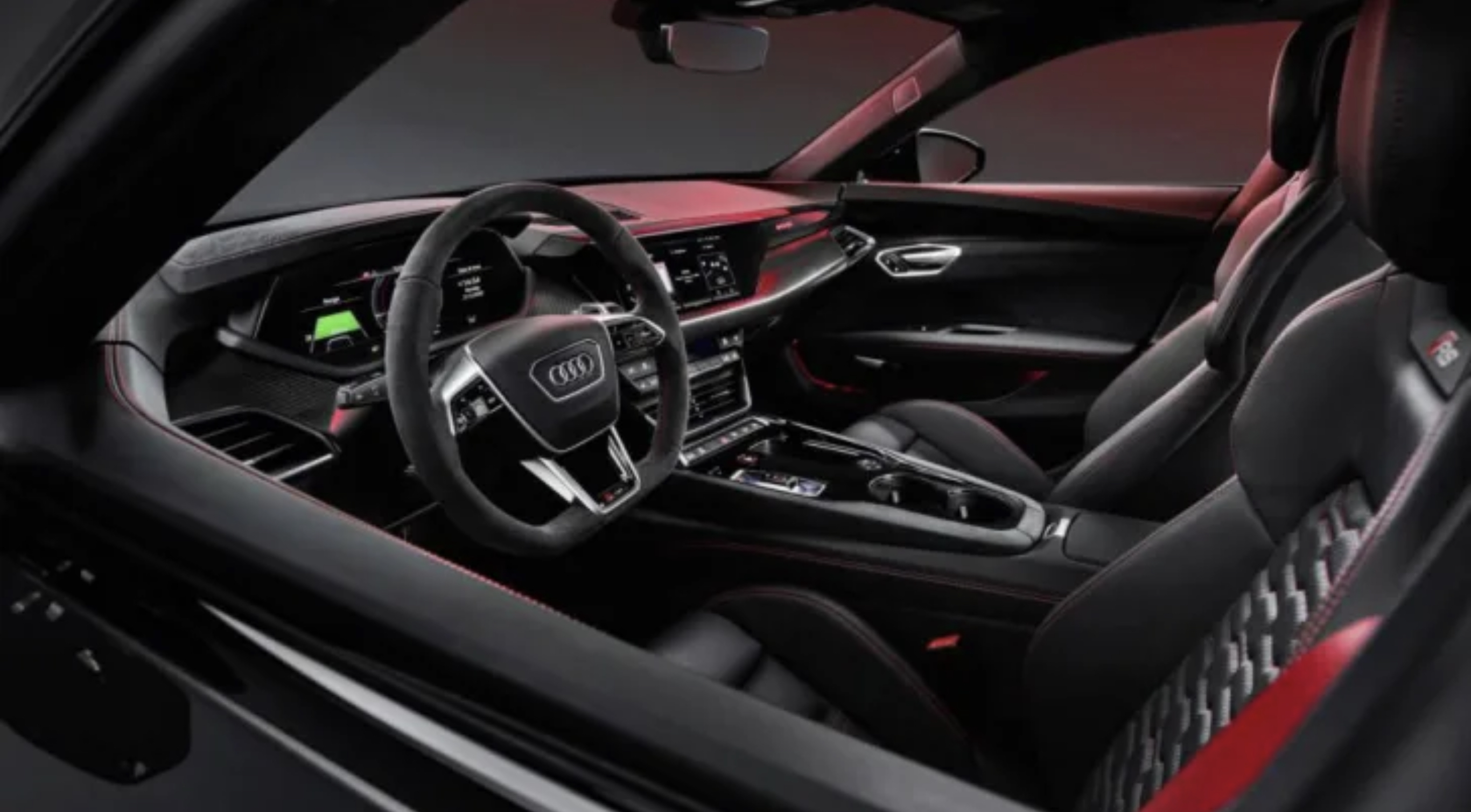
February 6, 2021: The upcoming Audi E-Tron GT electric sedan has surfaced on social media this week, ahead of a debut set for 11pm (AEDT) on February 9.
These images, first published on Spanish car enthusiast community Cochespias, reveal our first proper look at the showroom-ready E-Tron GT since it appeared as a concept in 2018.
A number of teasers and technical details have been offered in the time since its show-car debut, including confirmation that the top-shelf RS model will be powered by a 440kW/830Nm electric system that will power the hero variant to 100km/h in less than 3.5 seconds – thanks to a 475kW output in overboost mode. (Read our RS E-Tron GT review here.)
This pales in comparison to the new ‘Plaid’ variants in the most recently updated Tesla Model S range, however, which promise 0-100km/h times from 3.2 seconds and right down to “less than 2.0 seconds”.

Still, it remains to be seen where Audi will price the RS E-Tron GT, although we’re expecting a number around $180,000 before on-road costs.
By comparison, the cheapest Model S Plaid is priced at around $215,815 drive-away, with the Plaid+ at around $237,970 drive-away (both prices based on registration in Victoria).
We could also see Audi affix its familiar Performance badge on an even more powerful version of the RS – if it feels compelled at all to compete with Tesla on acceleration.
Driving range for the E-Tron – at least in RS form – is expected to come in at around 400 kilometres on the tough WLTP test cycle, thanks to an 83.7kWh (93kWh gross) battery pack.
Australian timing for the E-Tron GT is still to be made official, but a late 2021 market debut is expected.
For more on the E-Tron models, see our showroom page links below, and read our RS E-Tron GT review here.
MORE: All E-Tron GT stories MORE: Audi news and reviews
Let’s be honest. The last couple of runnings of the 24 Hours of Le Mans haven’t been the greatest in the endurance classic’s nearly 100-year history. Toyota, the sole factory LMP1 team since 2018 has romped home to win with ease, having no serious competition. It’s like dynamiting fish in a barrel.
In just a few short years that will change, with the most prestigious endurance race in the global motorsport calendar entering a new golden era thanks to a new prototype known as LMDh.
Standing for Le Mans Daytona hybrid, the new set of regulations has been created by IMSA, which is responsible for sports car racing in North America. This change has already lured the two most successful manufacturers in Le Mans history, Porsche and Audi, to return to La Sarthe in 2023.
IMSA is owned by the France family – the same empire that built NASCAR – as well as its blue-chip flagship races such as the Daytona 24 Hour, Twelve Hours of Sebring, and Petit Le Mans (a 10-hour event at Road Atlanta). From 2022 the FIA will allow LMDh cars to compete at Le Mans and other World Endurance Championship (WEC) races, alongside its own ‘Hypercar’ or LMH rules that are being introduced in 2021.
The newly finalised LMDh rules allow manufacturers to supply their own engines capable of up to 470kW, which will be paired with a ‘spec’ 50kW electric motor supplied by Bosch for a combined total hybrid system output of 500kW.
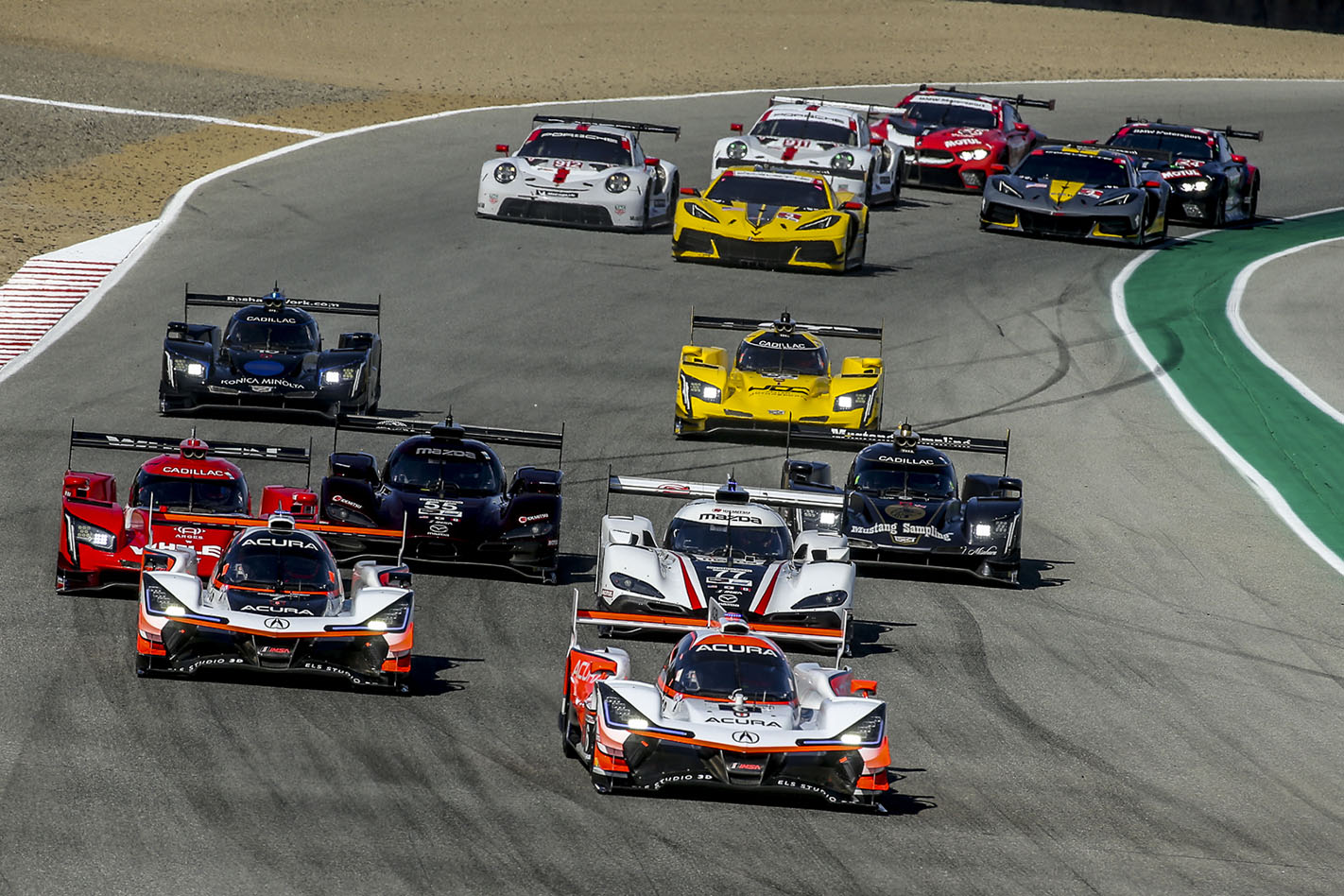
There are four constructors licenced to build an LMDh chassis: ORECA, Ligier, Multimatic, and Dallara. Manufacturers can purchase an LMP2-based chassis from one of these four companies and drape their own road car-inspired bodywork over the top, similar to what Cadillac, Acura, and Mazda do with the current IMSA DPi regulations (pictured). Not only is this cheaper than designing a car from scratch, it allows brands to race a vehicle with a design language, if not a silhouette, that reflects what’s sold in dealerships.
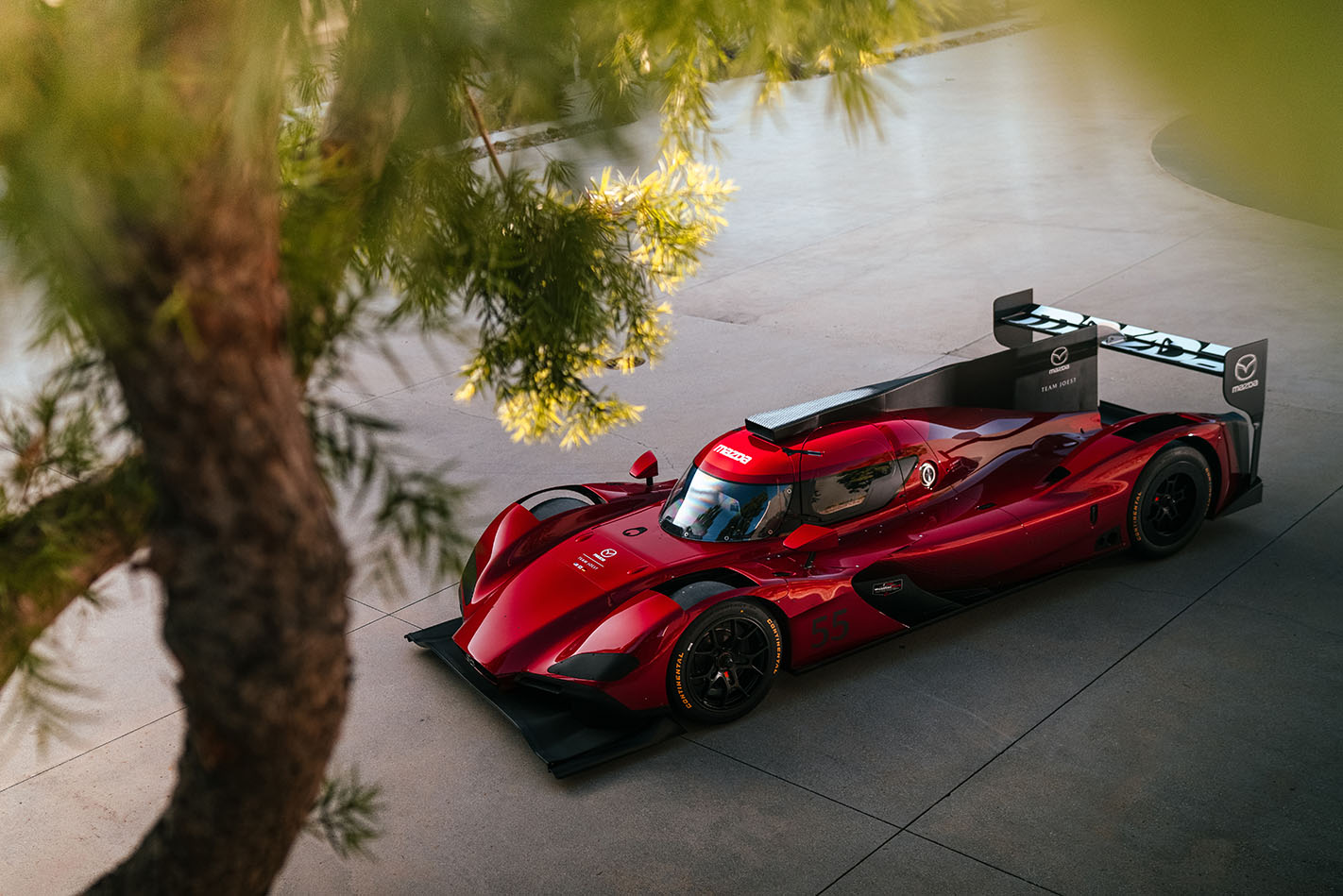
IMSA has worked hard to ensure its LMDh rules are affordable, capping the price of the entire hybrid powertrain supplied by Williams Advanced Engineering at US$350,000, and the chassis (sans XTrac-supplied gearbox) at US$409,000.
It is estimated the total cost to build an LMDh car without an engine will be roughly $1.55 million. That’s a bargain when you compare it to Porsche’s 919 LMP1 program, which at the end of its life was estimated to cost as much as $197 million a year to run. At the same time, F1 is on the path to its new mandated budget cap of, wait for it, $190 million. Winning one of the biggest races in motorsport for a fraction of that cost makes joining the LMDh ranks a no-brainer.
Porsche and Audi aren’t the only ones interested in the American prototype class. Honda’s American arm, Acura, as well as Mazda and McLaren have all signalled their intent to build suitable cars for the regulations. Lexus, which currently fields a GT3-spec RC F in IMSA’s GTD class, has openly stated its interest in the LMDh rules, particularly now a convergence with LMH has been confirmed.
“If there comes a point in time wherein we could take a car from the [Daytona 24] and run it at Le Mans, that would be a game-changer,” Toyota Racing Development president David Wilson said last year.
Unlike the FIA’s LMH ruleset, IMSA’s LMDh regulations don’t require manufacturers to develop roadgoing versions of their race cars. While that means we won’t get million-dollar homologation specials, it does shore up long-term investment from teams and signals a stronger future for the category. Which would you prefer?
Pairing LMH and LMDh regulations using a Balance of Performance system (like that found in GT3) is a masterstroke by organisers. Just think, the 2022 Le Mans field is already confirmed to have, Audi, Porsche, Toyota, Peugeot and Scuderia Cameron Glickenhouse battling for outright victory, with the likes of Mazda, McLaren, Acura, and Lexus also poised to join the fray.
A new dawn is set to shine on La Sarthe, and end one of the event’s dullest periods.
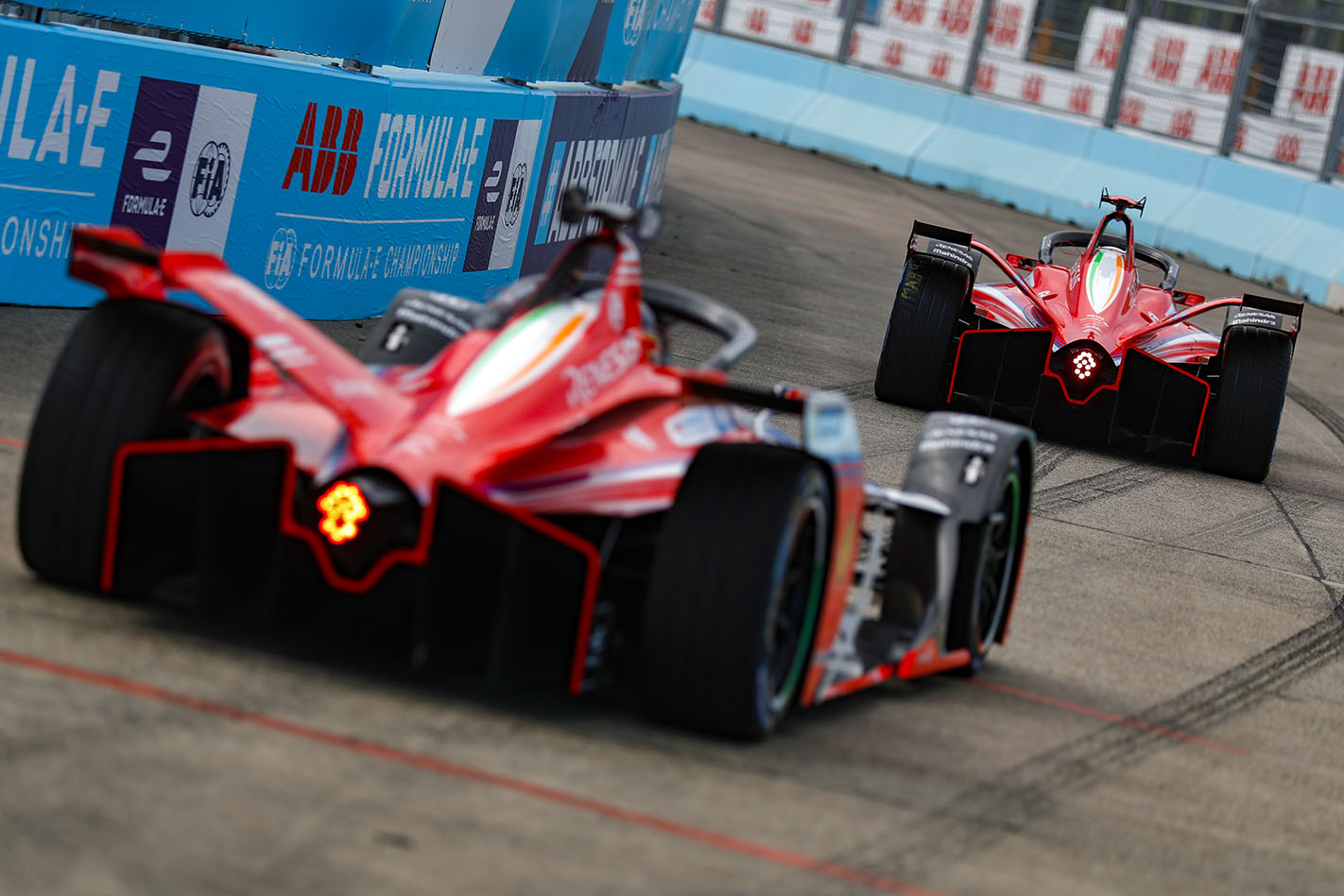
Has Formula E run out of juice?
While LMDh is attracting some of the biggest names in racing, Formula E, is beginning to lose its shine.
Audi’s commitment to LMDh comes at the expense of its factory-backed Formula E program, which has netted a pair of championships (one teams’ and one drivers’) from six seasons. In the wake of Audi announcing its departure, BMW followed suit, letting slip in a press release the core issue that now haunts Formula E.
“When it comes to the development of e-drivetrains, BMW Group has essentially exhausted the opportunities for this form of technology transfer in the competitive environment of Formula E,” BMW said.
In plainer terms, the benefit of racing in Formula E is no longer greater than the cost. That is particularly worrying for the category, given how cheap it is to compete in. As an example, Jaguar spent less than $15 million to run its two-car Formula E team in the 2018/19 season. To make the sport more appealing, Formula E wants to see annual budgets drop to around $4.3 million a year, plus the cost of building the car. For context, a top-flight Supercars team is spending $8-10 million a season, while even midfield crews need budgets of around $5 million.
Established manufacturers are beginning an exodus, but new ones are yet to put their hand up to fill the vacancies.
The head of Australia’s peak electric vehicle lobby has described the Federal Government’s latest EV strategy as “yet another flaccid, do-nothing document that will prevent Australians getting access to the world’s best electric vehicles”.
The Morrison Government has ruled out offering taxpayer-funded subsidies to encourage EV uptake, with Energy Minister Angus Taylor in favour of a ‘fleet first’ strategy that would encourage Australian businesses to in invest in battery electric vehicles (BEV) and plug-in hybrids (PHEV).
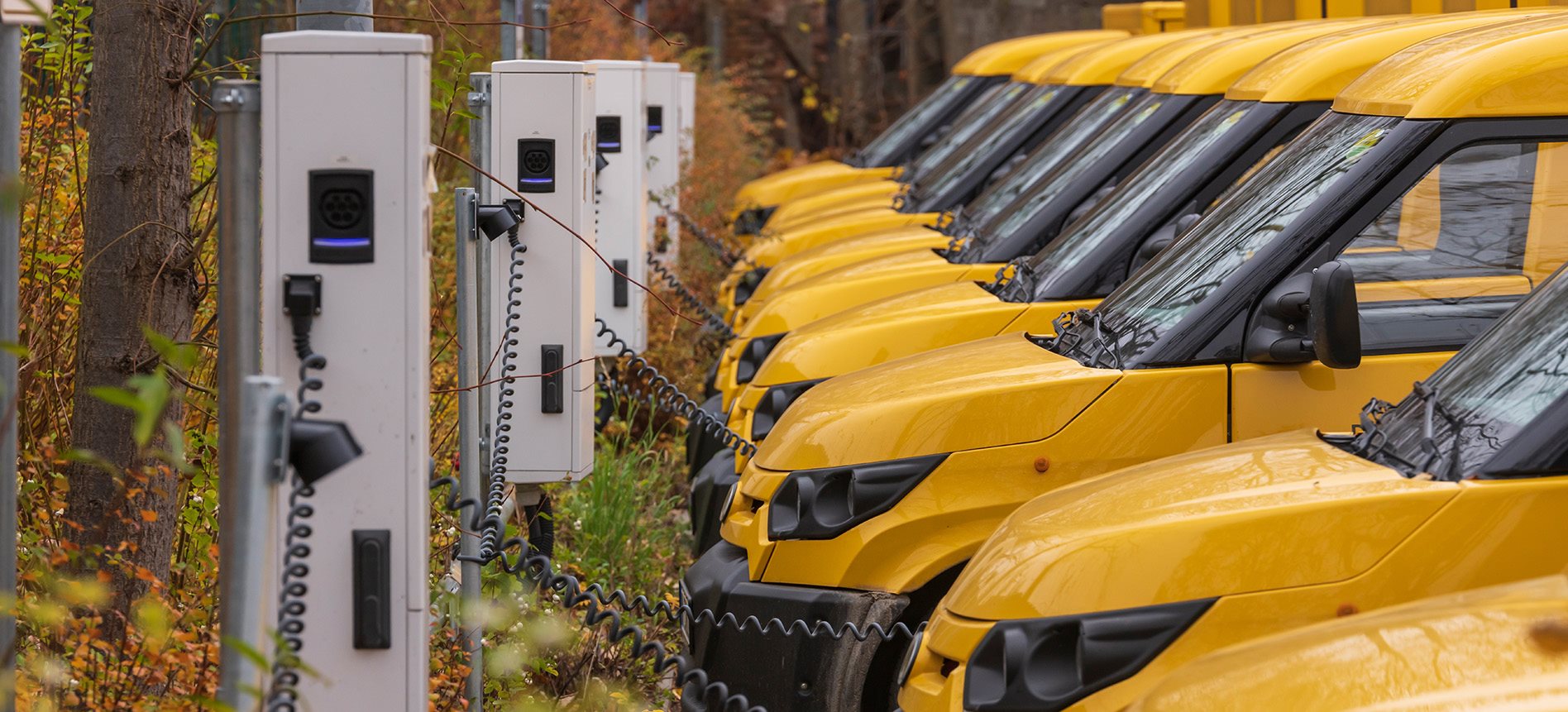
According to the Minister, this would eventually benefit private buyers because it would lead to a dramatic increase of more affordable used EVs on the market.
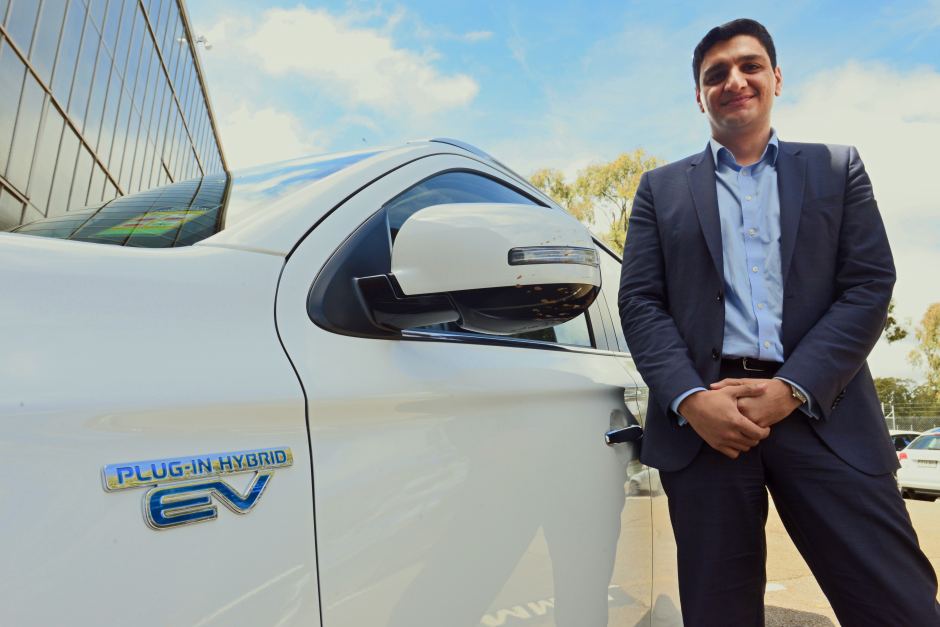
However, Electric Vehicle Council chief executive Behyad Jafari, who agrees that electrifying corporate and government vehicles should be part of a comprehensive EV strategy, said the discussion paper was acutely disappointing and ignores the need to rapidly reduce vehicle emissions and air pollution.
“A rapid transition to electric vehicles would clean our city air, drastically reduce our carbon emissions, and free us from our insecure dependence on foreign oil imports,” Jafari said.
“Global leaders from Biden to Boris are rushing to accelerate their transition to electric vehicles, but Angus Taylor reckons he knows something they don’t.
“The Prime Minister should have put Mr Taylor on the line to Joe Biden this week. He could have told the President why his electric vehicle plan is misguided. Mr Taylor might have clarified why his modelling shows the top recommendation of the International Energy Agency should be rejected.”
Taylor said Australians were already making the choice to switch to new vehicle technologies where it made economic sense and implied that this will result in the market driving prices down.
“We are optimistic about how quickly the technology cost will reduce for other electric vehicles compared to traditional cars, making it an easier choice for consumers,” he said.
But Jafari said continued Federal Government stonewalling on EV subsidies is delaying the kind of competitive EV pricing that has occurred in Europe.
“Australia’s inertia on EVs has been noticed by the global auto sector, which now withholds the best and most affordable electric vehicles from our market.
“Many of the most popular electric vehicles in the US and UK are unavailable to Australian consumers and that trend will rapidly accelerate under Taylor’s do-nothing plan.”
