
It was one of those moments when a beer and a song brought a fleeting moment of clarity that I almost didn’t want to acknowledge may be true. I was in a bar nursing a cold pint while waiting for a friend, and ‘57 Channels’ by Bruce Springsteen began to waft down from the audio system.
The lyrics tell the story of a man in a state of perpetual discontentment, his mood captured by the euphemism of flicking endlessly around a TV dial and finding ‘57 channels but nothin’ on.’
It made me realise: I am that man, and the entire Databank section of Wheels is like my TV, where there are thousands of models from which to chose, but, for me at least, nothin’ on.
Just to be clear, of course there are loads of cars available in this richly over-saturated Aussie market I’d love to own. But once I start to apply some boring real-world filters of affordability, packaging practicalities, and suitability to the mundanities of daily motoring, well, I really struggle to find that elusive car that nails the brief. Yep, 57 Channels and nothin’ on…
By the end of that beer, my thoughts had started to drift towards The Simpsons. If you ever watched this family documentary series back in its early days, you may recall an episode from the second season where Homer is given free reign to design a car for a Detroit automaker run by his half-brother.
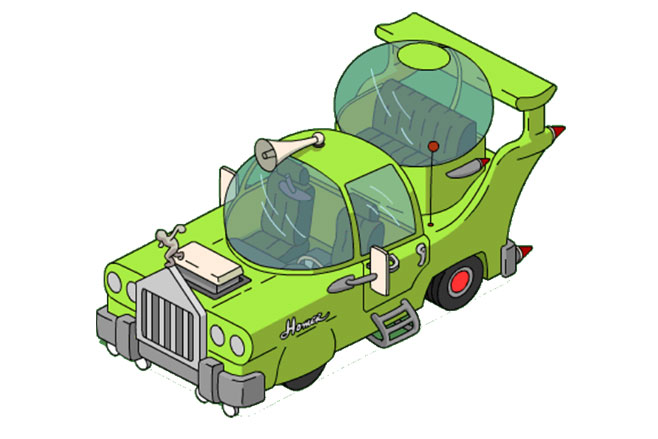
Now, I’m not nearly as bright as Homer Simpson, so it’s way above my abilities to commit a design to paper. But it did make me think that modern car design is largely inherently conservative, and if the shackles could be made a little loser, maybe my ideal car could come to fruition.
To start with packaging: ever since I once sat in a McLaren F1 back in the ’90s, I’ve been obsessed with the notion of a three-seater. But that arrowhead layout would never work for me in a daily driver; every time I’d attempt to get in or out would make onlookers think of a beached minke whale trying to roll itself back into the ocean.
No, the genius of my three-seater would be a side-facing jump seat. Mostly its flat-fold design would mean a large, level cargo bay, but when that third person needed a ride, it would clip down to provide width-of-the-car legroom. Think of the jump seats you see airline cabin crew using for take-off and landing, but without all that awkward eye contact you’ve got to deal with if you’re seated in the exit row.
As for a powertrain, all the four-pot turbo options can get in the bin; the next car I buy will unquestionably be an EV. Not for any kind of enviro-weeny credit, but purely for the instant torque, negligible NVH, and mechanical simplicity. A single rear-axle motor would be ample, fed by a 45kWh battery big enough for a real-world range of around 300km.
Now, if you’re starting to splutter that it’s sacrilegious to not want to revel in an exhaust note from a piston engine spinning at big revs, the simple fact is, if I can’t have something that sounds like a Jaguar F-Type SVO or the old Merc-AMG 6.2-litre V8, then I’d actually prefer no note at all.
And the more I drive good EVs, the more I realise that even a well-sorted automatic transmission is just a complex box of cogs that largely gets between you, the throttle pedal, and the corner entry for which you’re aiming. I’ve come to have borderline X-rated fantasies about snuggling up to a sexy single-speed reduction gear.
Inside, the emphasis would be on visibility, with a low scuttle and gently upward sloping dash designed around the placement of the audio speakers, not the other way around. And underneath, it would roll on lightweight, unfashionably small wheels, the outcome of a vicious thumb-wrestle between the chassis chief and design director, where good defeated evil.
So, if any car company would like to have a crack at building a three-seater, rear-drive liftback EV, (which definitely won’t be called the Westerman Torpedo) I’ll happily volunteer to front the late-night infomercials to market it. Actually, I’m pretty sure Bruce Springsteen is still taking my calls; maybe he could write the theme music?
If you haven’t driven the FK8 Honda Civic Type R you’re missing out of the best handling front-wheel-drive car on the market, and one of the most memorable high-performance car experiences of all.
Many have tried to knock this unapologetic performance stalwart from its pedestal since it arrived in Australia in 2017, including the Hyundai i30 N, which arguably offers a better all-round package.
But the Type R remains the sharpest hot hatch hero of the moment.
Despite its presence in the market for nearly four years, its performance is still katana-sharp and needs no enhancement to remain relevant.
Nonetheless, its maker has introduced a light update for the 2021 model year at no extra cash and it’s well worth a look.
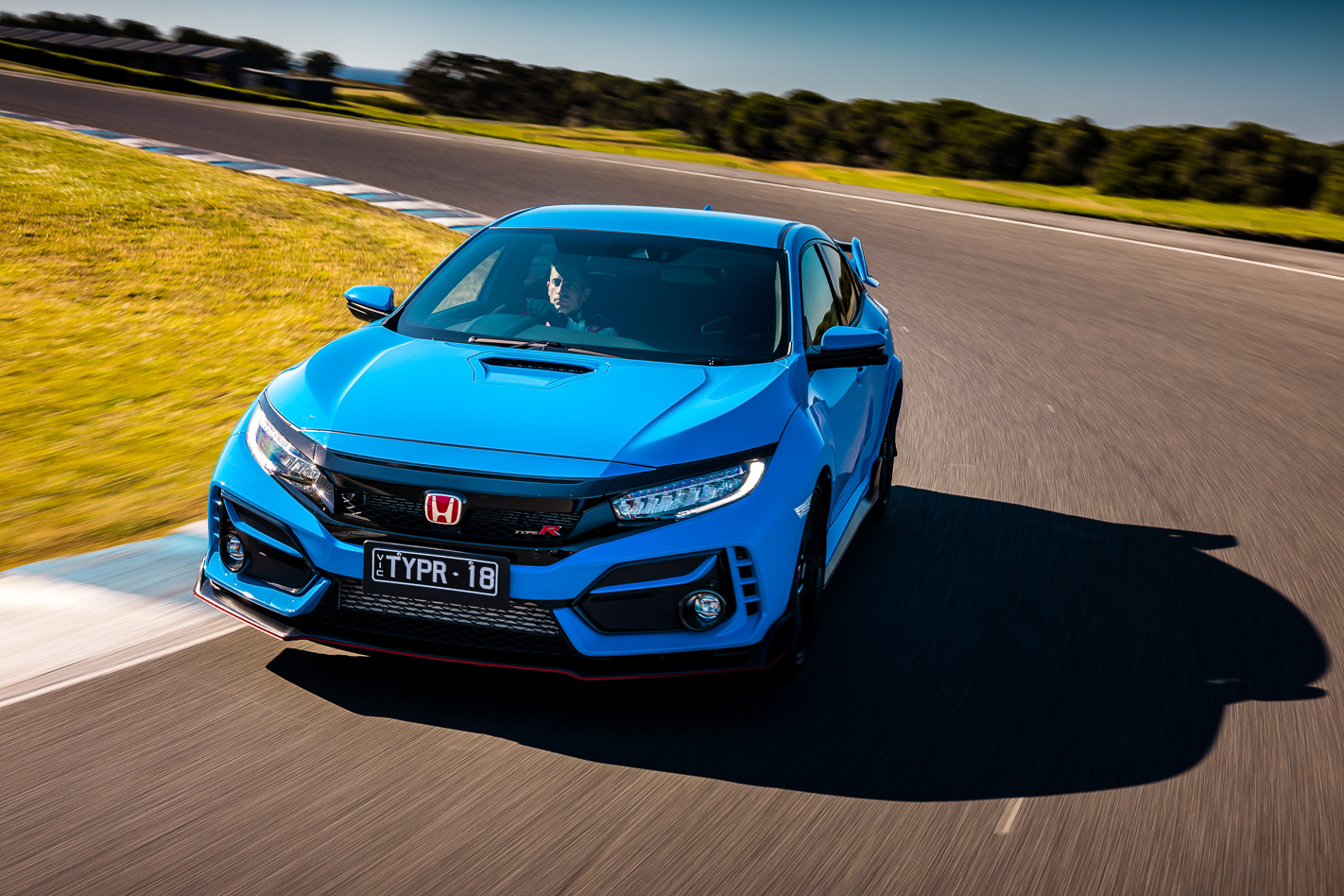
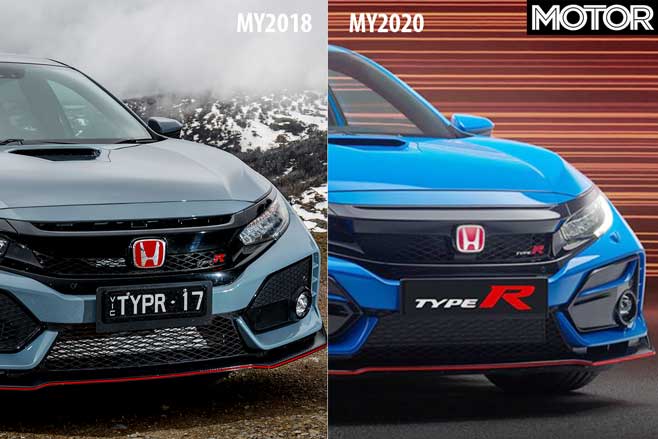
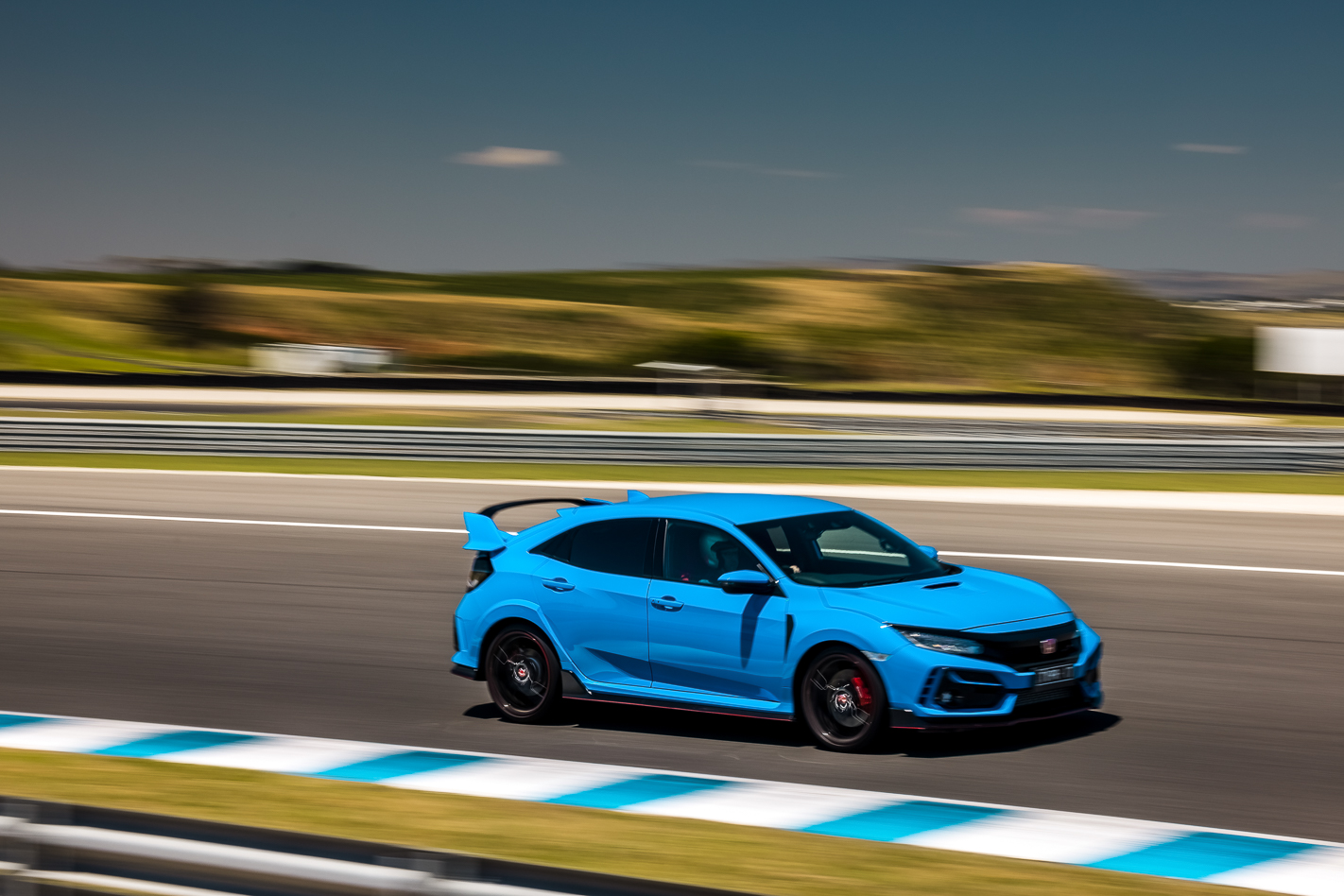
Aesthetically, little has changed. A small colour-coded blade-like fin now breaks up the previously expansive front brake-cooling grilles, there’s a similar version in the same spot at the rear, and a new Racing Blue hero colour has been introduced alongside the previous red, black and white.
Less obvious is a porting of the radiator grille which has increased airflow and can reduce the coolant temperature by up to 10 degrees depending on the weather and track conditions, says Honda.
On the inside, the steering wheel is now Alcantara covered, as is the gear gaiter, while the solid aluminium gear knob has been resculpted from spherical to a more teardrop shape.
Happily, hard buttons and a volume control knob have also been added to the central touchscreen, doing away with the frustrating tap-tap-tap controls.
But it’s the mechanical changes that warrant a visit to Phillip Island’s iconic Grand Prix track to sample if the light refresh has been worth it.
A warm 28-degree C day was a welcome reception for our visit and in stark contrast to the conditions PI is all too well known for throwing at unsuspecting drivers.
That sent track temperatures soaring though and the boosted cooling efficiency would get a good work out.
As did another of the Civic’s upgrades with a new brake rotor design.
Dimensionally the front discs are unchanged, but instead of single-piece ventilated and cross-drilled rotors, the 2021 car has a two-piece compound version without the holes.
The change saves a significant 2.3kg which mightn’t sound like a lot in overall vehicle mass but the reduction is in critical unsprung mass, which has the potential to significantly improve handling – especially over more inconsistent surfaces.
No such problem at Phillip Island’s beautiful asphalt. The brake update also accompanies a 15mm reduction in brake pedal travel – another welcome enhancement when it comes to hitting the picks at the end of the circuit’s fast straights.
A little less brake travel has numerous advantages including increasing the pedal feel and progressive nature, as well as maintaining a better pedal level for heel-toe gear changes – remember, the Type R is strictly a six-speed manual proposition only.
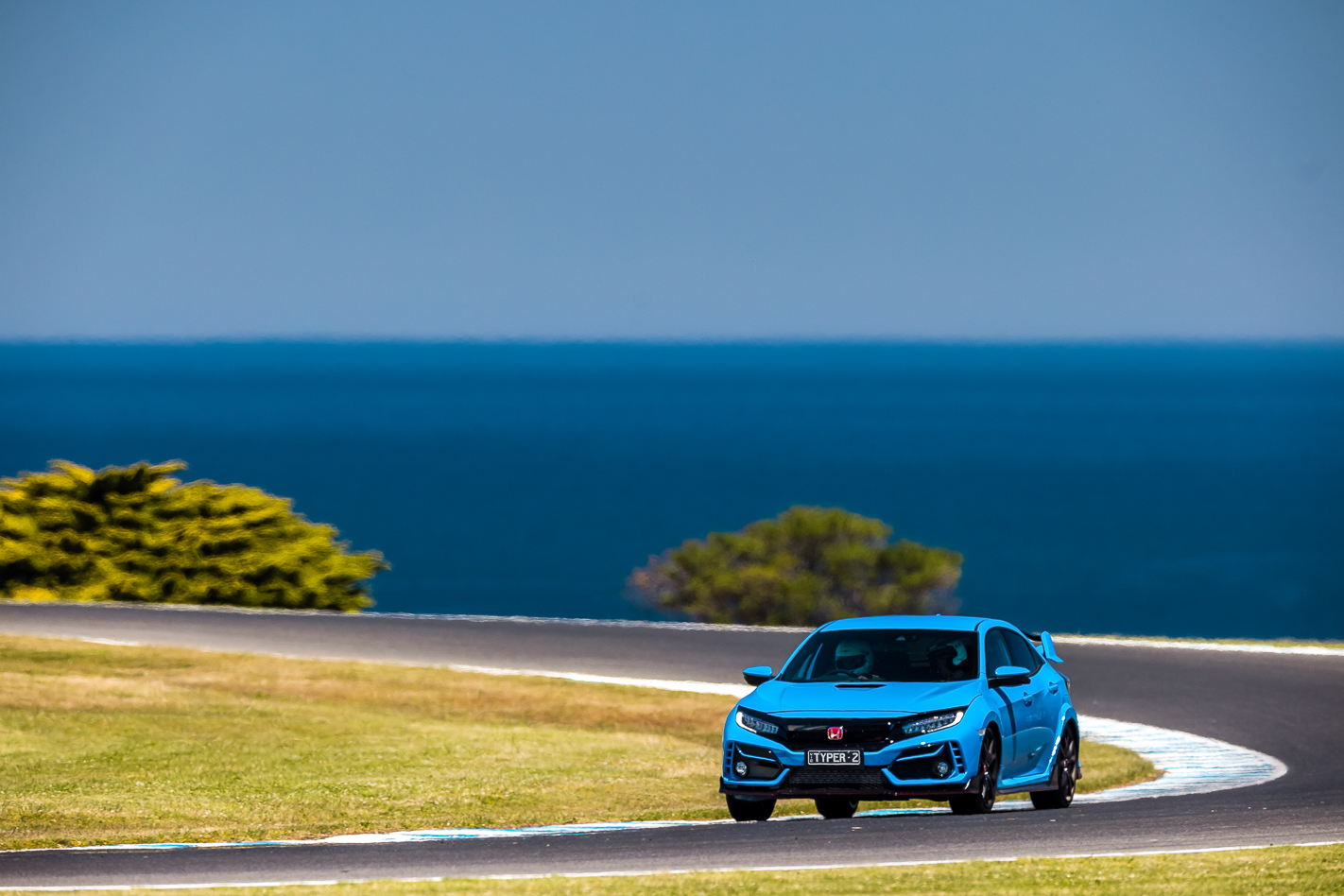
Even with the warm blacktop, the Type R’s four-piston caliper and new disc combination was faultless.
There certainly seems to be no reduction in cooling ability with the removal of the cross-drilling although a wet lap or two may highlight reduced surface water clearing performance.
The Civic’s adaptive damper system also falls into the update with a revised management system that allows the suspension to react ten times faster. The effect is a comfort setting that feels more compliant, but a Plus R setting that appears more aggressive.
Hard to believe the Type R’s handling and road-holding could get any more confidence-inspiring, but it has. There’s masses of feedback at all corner points, a beautifully weighted steering and seemingly endless grip.
Keep turning in and the Honda keeps delivering rotation and grip. Magic.
Some acoustic modification has also been carried out to the exhaust system but it’s hard to identify.
No great concern as the best part of the unchanged 2.0-litre turbo four-cylinder’s noise comes from under the bonnet and its strong mechanical shout like a proper race-tuned inline four.
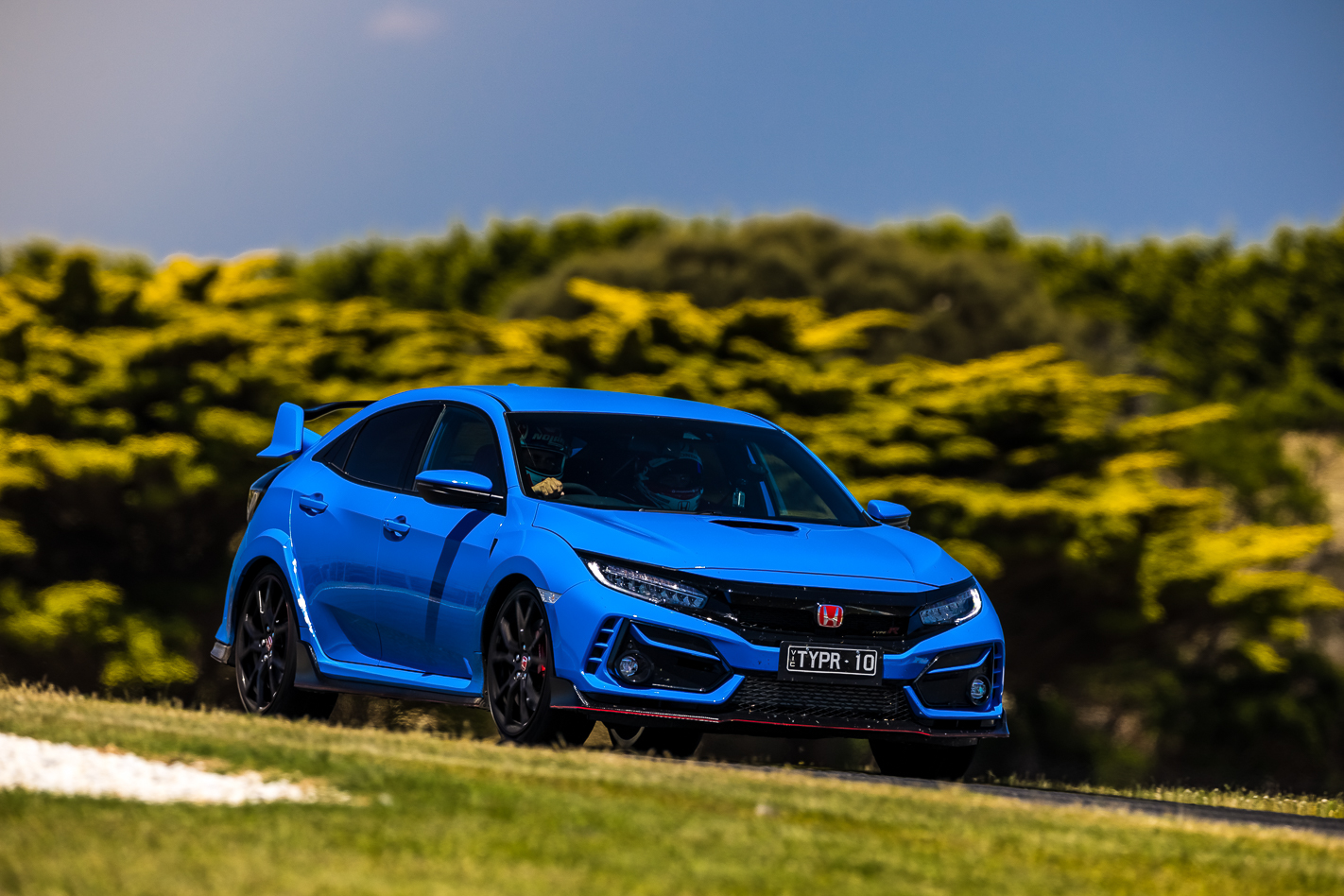
And its delivery of 228kW/400Nm is still brilliant. Masses of turbo torque paired with an uncharacteristic desire to rev all the way to the 7000 rpm redline. It’s still a pearl of a powerplant.
Icing the Civic cake is access to a new LogR application which allows users to tap into the Civic’s sensors and electronics and closely analyse their driving habits – both good and bad.
The neat application displays an in-car performance monitor with information such as lap times and a G-meter, but also stores driving data.
Disappointingly, my braking technique that I would have sworn was fairly good at the Island had some room for improvement.
But that’s the point of the application, and by the end of the afternoon, my poor habit was a thing of the past … hopefully.
VERDICT
It’s always a little concerning when a manufacturer ‘enhances’ a model that was already close to perfection in the performance stakes but especially so when the model in question happens to be one of your favourite driver’s cars.
Honda Australia confirms 2021 Civic Type R specs and pricing
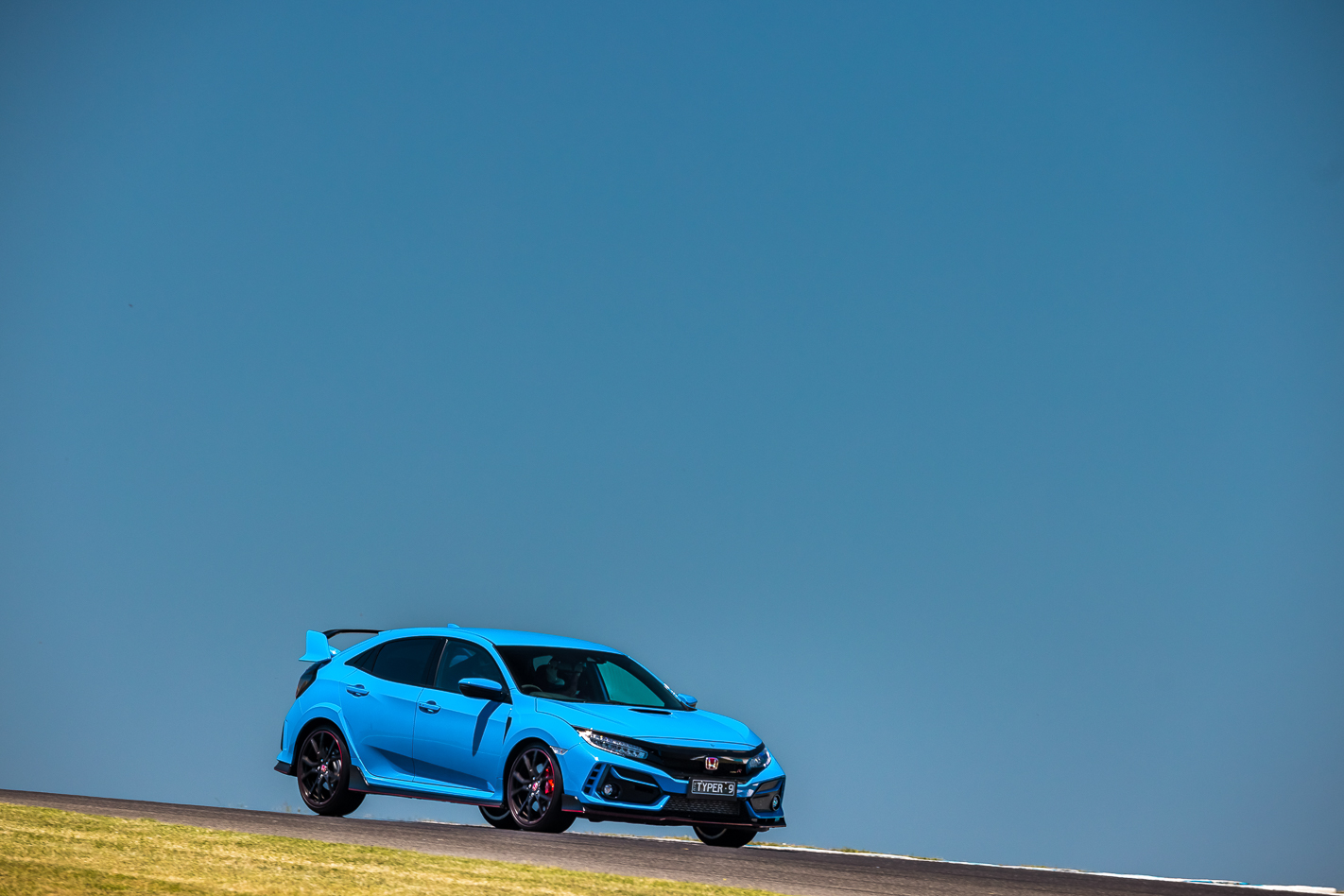
In the case of the 2021 Honda Civic Type R however, that nervousness is not warranted.
The only point of contention remains its styling. If you love the look of its outlandishly ostentatious fins, spoilers, vents and nacelles, you will also love the gorgeous new blue, which accentuates it all.
For everyone else, stick to the detail-moderating Crystal Black.
Otherwise, the update has deftly sharpened the brilliant package in a way it honestly didn’t need – but we’re glad it has.
4.5/5Likes Never gets old, this thingDislikes Styling is still a two-edged sword
Specifications
Model Honda Civic Type R Engine 1996cc 4cyl, dohc, 16v, turbo Max power 228kW @ 6500rpm Max torque 400Nm @ 2500-4500rpm Transmission six-speed manual Weight 1393kg 0-100km/h 5.8sec (tested) Economy 8.8L/100km Price $54,990 On sale Now
The new BMW 4 Series range will gain three soft-top variants in Australia with powertrains and specs mirroring their coupe counterparts.
Starting from $89,900, the 420i, 430i and M440i convertibles will also share the 4 Series Coupe’s striking and somewhat divisive design language. The new 4 Series Convertible features a low-slung silhouette that, at 4768 millimetres in length, is 128mm longer than its predecessor.
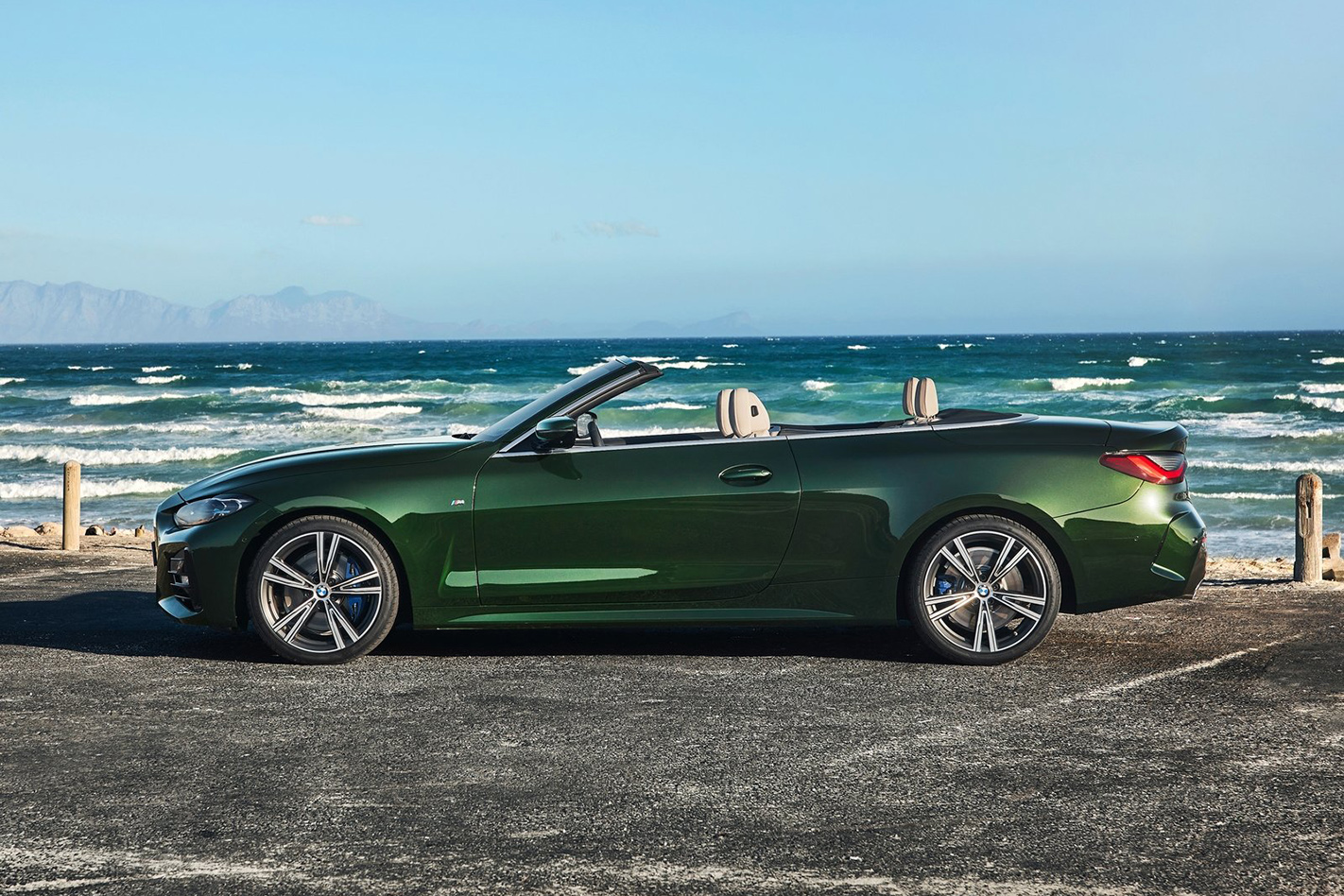
The wheelbase is also 41mm longer and, like the coupe, the front and rear tracks are 28mm and 18mm wider.
Traditional soft-top
The second-generation 4 Series Convertible features a new ‘panel bow’ soft-top that BMW says brings the strengths of a retractable hardtop and the classic appeal of a fabric roof.
It incorporates a flush-fitting glass rear window and contains several insulation layers bringing greater acoustic and thermal properties than other conventional soft-top designs, BMW says.
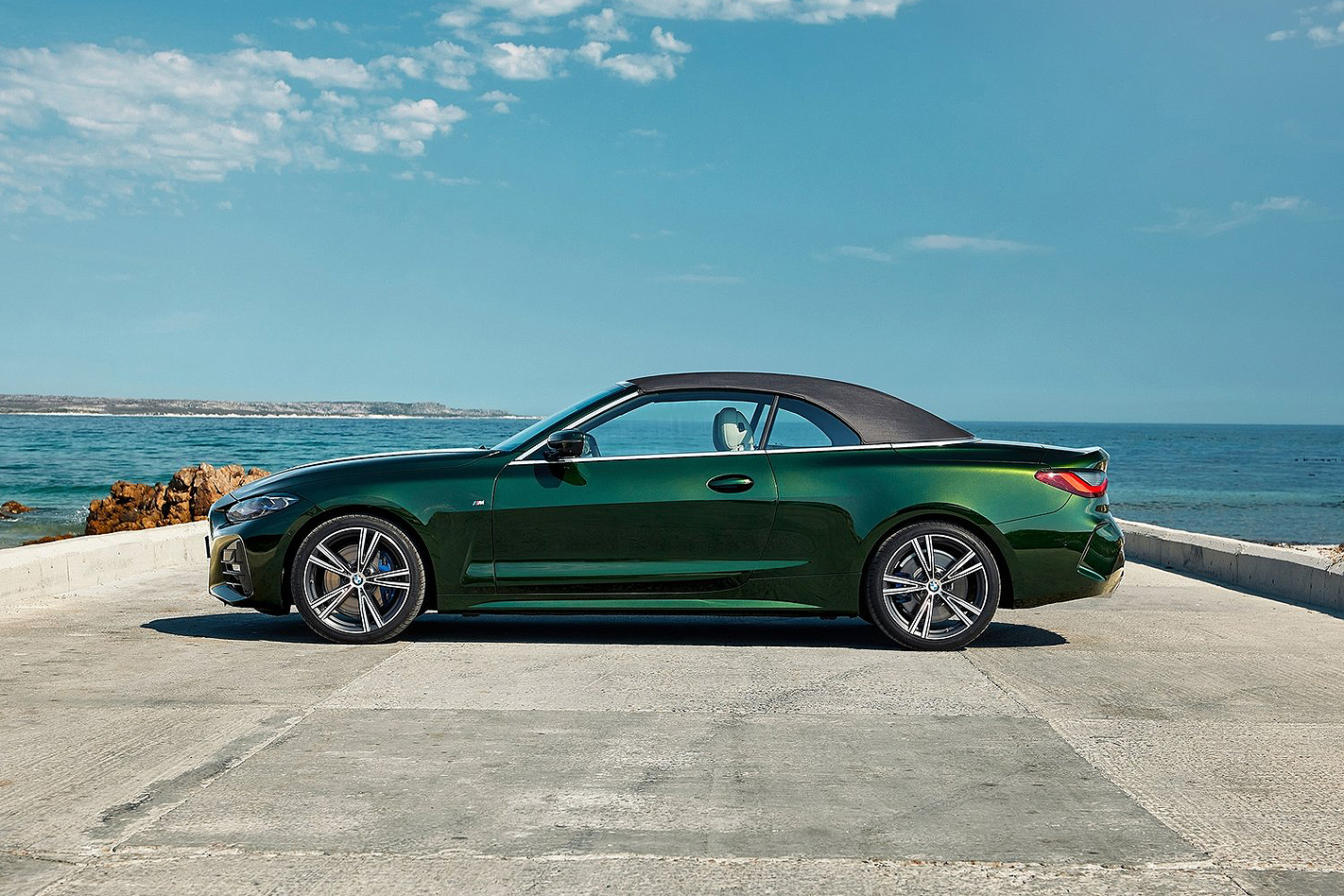
It is also 40 per cent lighter than the outgoing model’s retractable hardtop and allows for luggage capacity to grow from 300 to 385 litres when the roof is closed.
The power-operated roof can open or close in 18 seconds and can be operated on the move at speeds up to 50km/h.
For open-top driving, the 4 Series Convertible comes with a removable wind deflector that directs airflow away from the cabin. If you enjoy open-top driving in winter, ‘Air Collar’ neck warmers installed in the front headrests are also available as standard in the M440i or as optional extras in the 420i and 430i.
Like the 4 Series coupe, the convertible comes with a choice of three turbocharged engines starting with the 135kW/300Nm and 190kW/400Nm 2.0-litre four-cylinder petrols in the 420i and 430i and the M440i xDrive’s 285kW/500Nm inline-six.
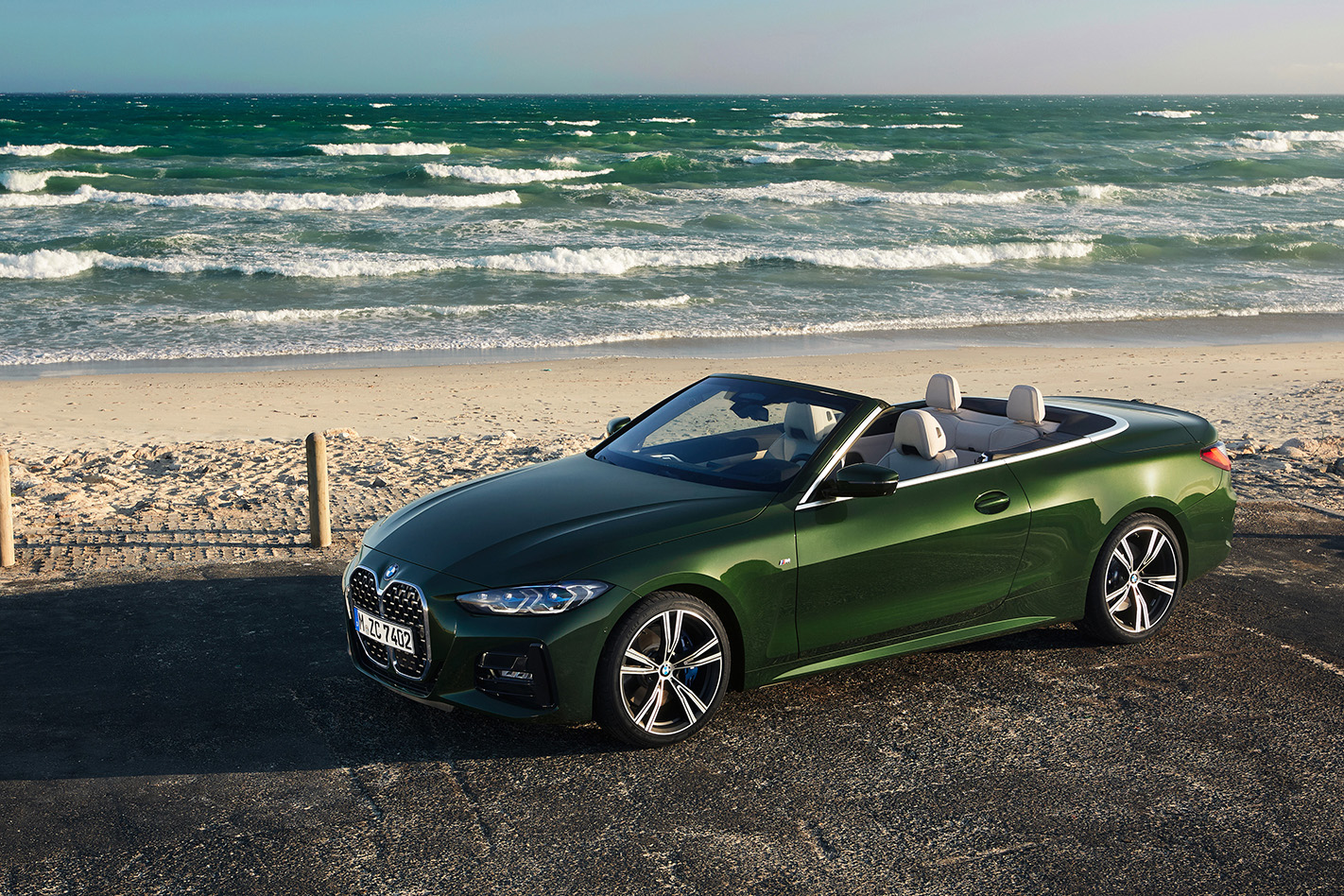
All three engines are matched with an eight-speed automatic transmission that can be controlled via paddle shifters.
The standard M Sport suspension incorporates specially-tuned lift-related dampers, while the 430i and M440i xDrive models feature Adaptive M suspension with electronically controlled dampers.
The M440i xDrive has quick 4.9-second 0-100km acceleration, 0.4 seconds slower than the M440i Coupe.
All versions ride on 19-inch M Light Alloy wheels, while M Sport brakes, which are standard on the 430i and M440i xDrive, are available with a choice of either blue or red brake calipers.
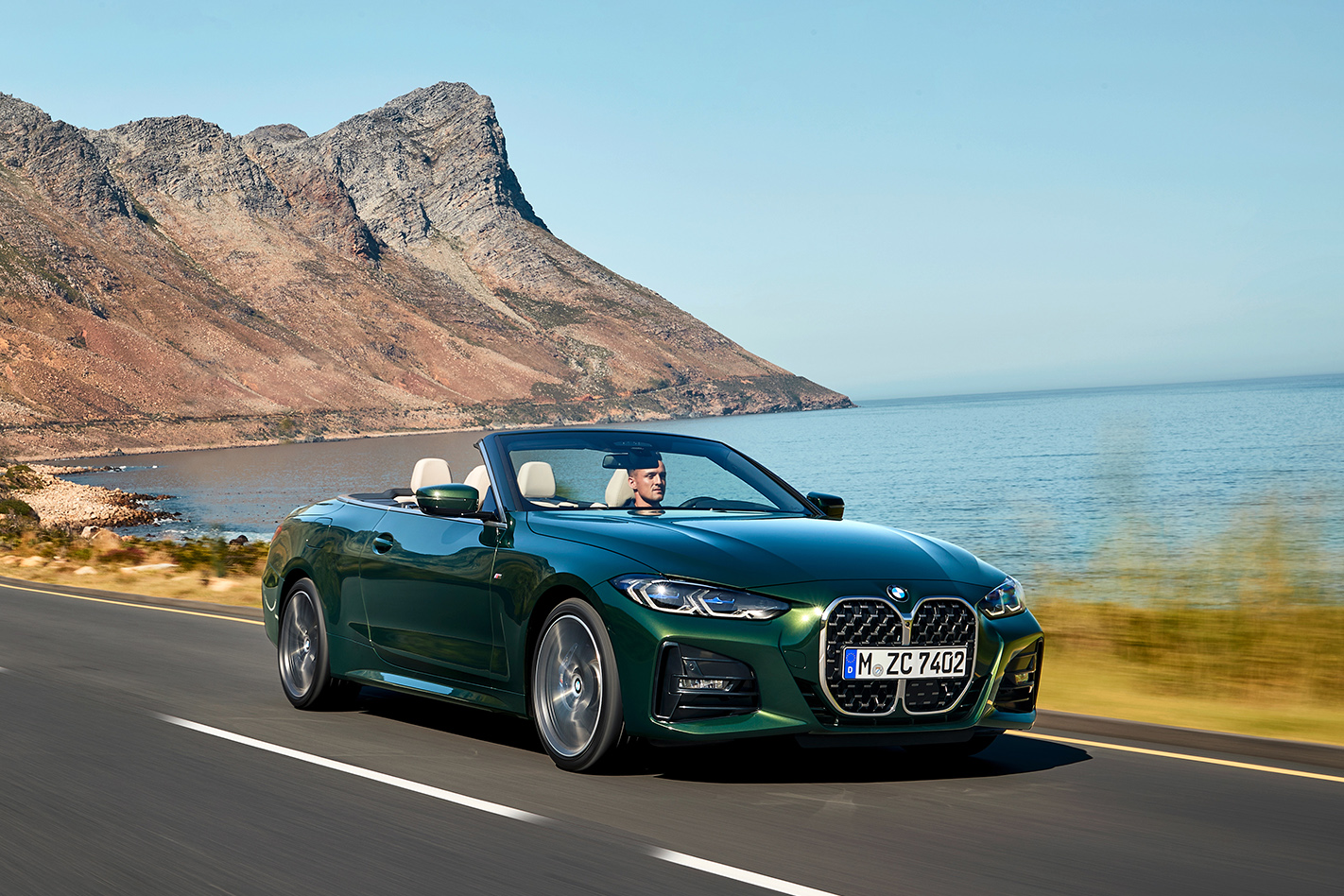
Also standard across the range is the M Sport Package, which brings broader front air intakes, sculpted rear apron, sport seats upholstered in ‘Vernasca’ leather trim, knee pads on the centre console and a dynamic engine soundtrack in the cabin via the premium hi-fi speaker system.
The 4 Series Convertible brings all the technology found in the Coupe including the BMW Intelligent Personal Assistant voice command with added functions such as the ability to change driving modes and open the windows.
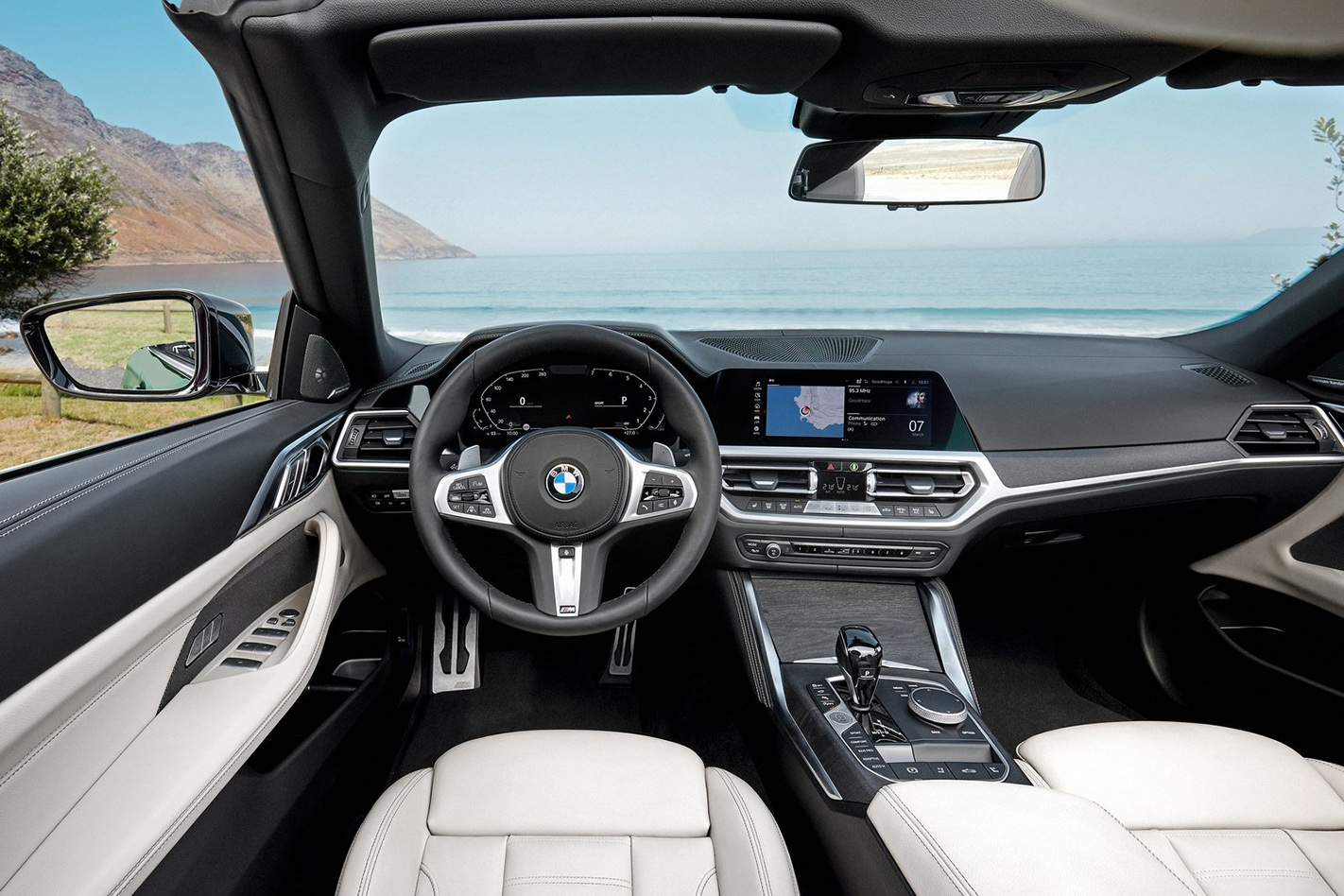
Wireless Apple CarPlay and Android Auto technology is standard and all three versions equip BMW Live Cockpit Professional with a 12.3-inch digital instrument cluster and a 10.25-inch infotainment screen.
The soft-top 4 Series Convertible is scheduled to arrive in Australia during the first quarter of 2021 with a hefty premium of over the Coupe versions from $18,000 to $19,000, depending on variant. Recommended retail pricing, which includes GST and luxury car tax but excludes on-road costs is as follows.
2021 BMW 4 Series Convertible Australian pricing
- 420i Convertible – $89,900
- 430i Convertible – $107,900
- M440i xDrive Convertible – $135,000
Let’s not even talk about where the Hyundai brand was in the eyes of the Australian consumer a few years ago.
That’s because any previous animosity toward the brand – once synonymous with cheap and cheerful driveaway bargains – has been justifiably forgotten.
And after 35 years in Australia, Hyundai has become a formidable force that is not just worrying rival brands in more accessible markets but is progressively rolling out threats to almost every segment.
? You’re reading about an older model, here’s something newer
STORY CONTINUES
Milestones include its Genesis family, which proved it could do luxury motoring like a Lexus, its i30 N which served a big helping of humble pie to everything in the hot hatch arena, and the Nexo hydrogen-powered SUV, which is barrelling into an alternative energy future quite literally without any competition.
But it’s a big day for the big H with a new flagship joining its Australian range and… it’s big.
The Palisade and Palisade Highlander will land in local Hyundai showrooms like a rugby forward in a sharp suit – large and imposing but with substance and panache.
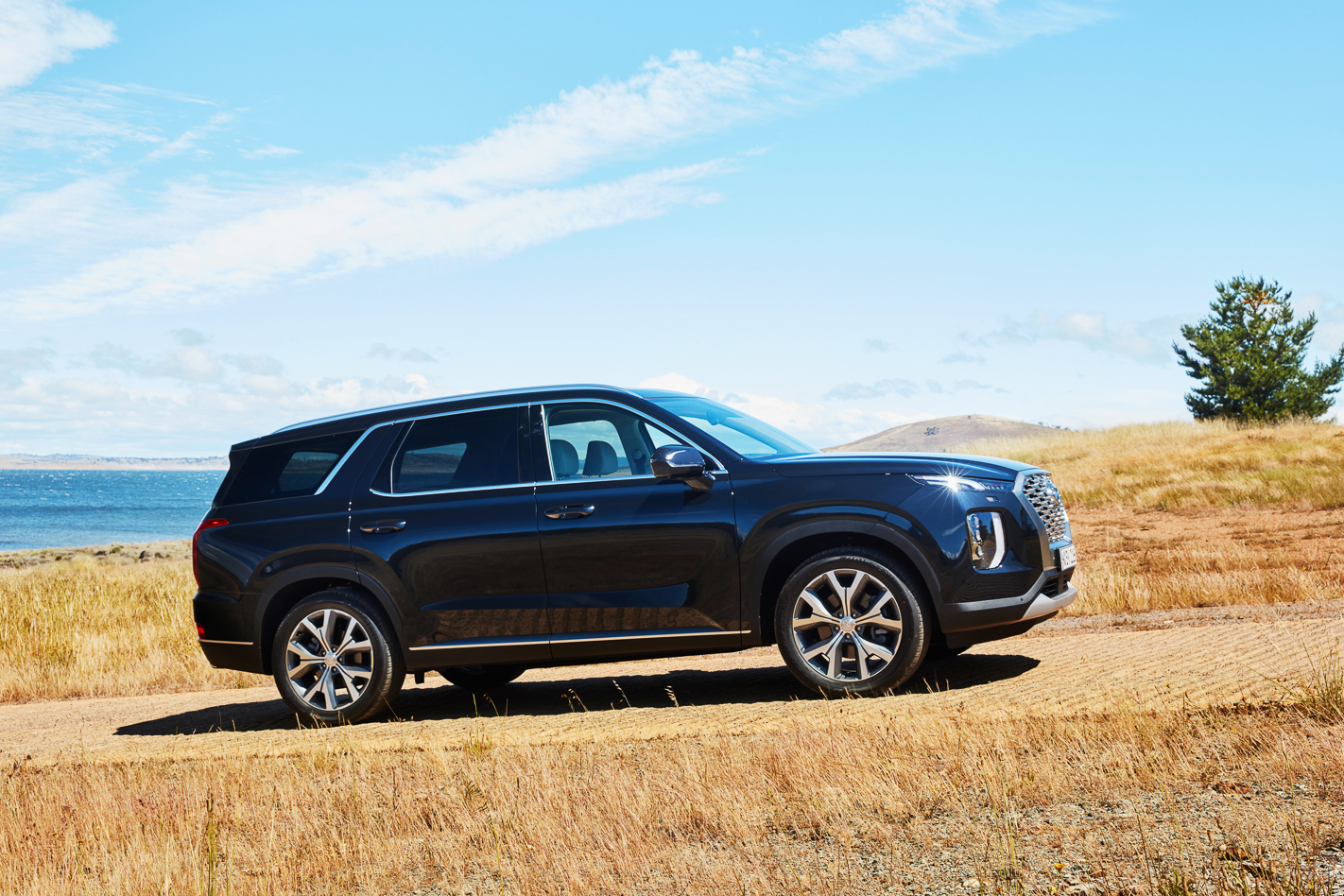
Where models such as the Infiniti QX80 failed miserably to make large proportions work aesthetically, Hyundai’s ‘big’ design execution is much more successful.
Some big SUVs make you want to jump in quickly so you don’t have to look at them anymore, but the Palisade causes you to pause for a moment to take it all in.
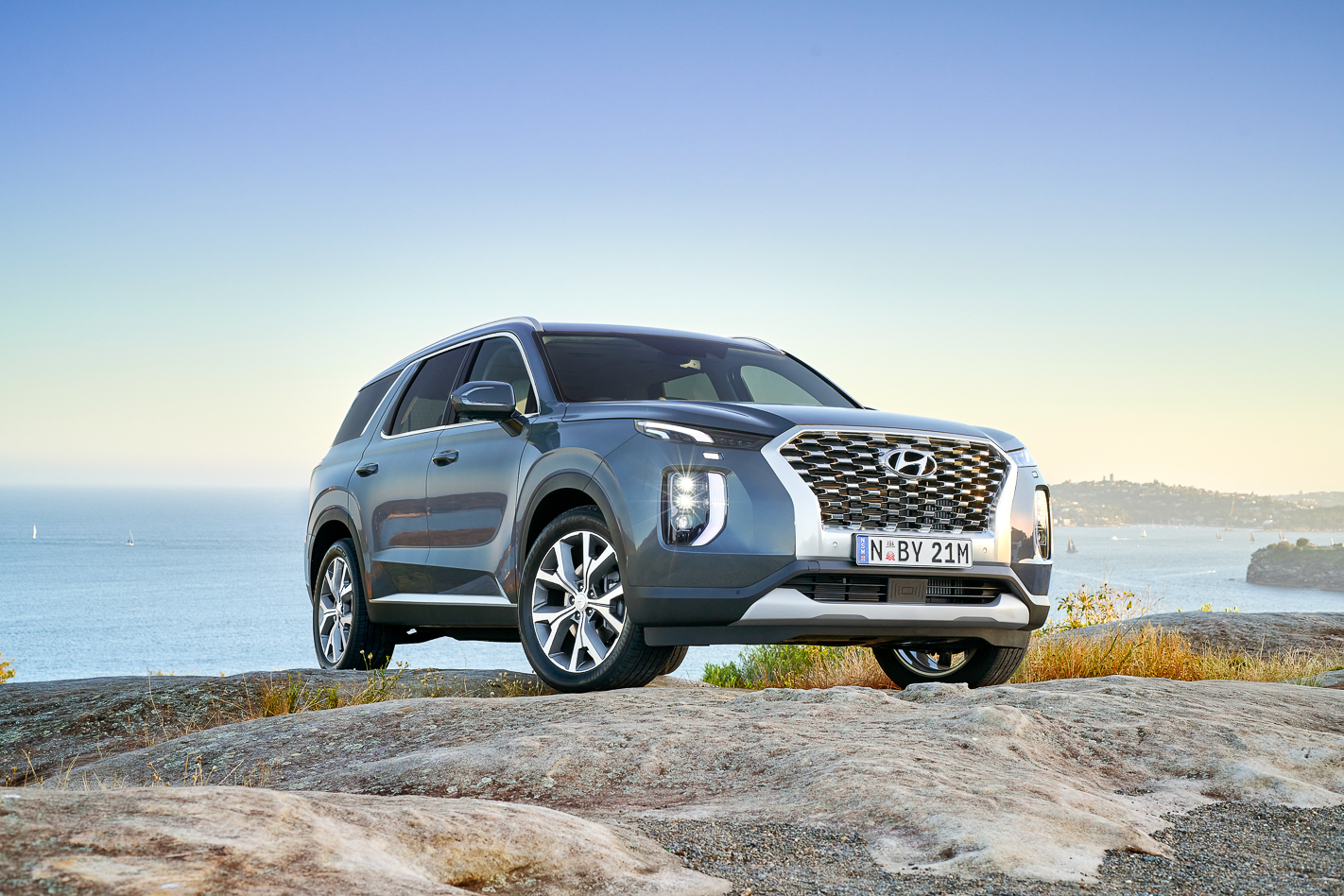
And there’s a lot to take in. And it wasn’t just us that loved the incredibly bold LED light accents that stand vertically on the Palisade’s nose and tail; lots of craned necks from passersby confirmed that.
Or perhaps it was simply the sheer size of this plus-size SUV and the dominating silhouette it plonks on any road that commanded all the attention.
Either way, this Hyundai lets you know it has arrived.
Take or leave the huge cascading grille at the front and the unashamedly big features of the tail end, but the profile is where the Palisade is most handsome.
Price and spec
The entry-level Palisade gets front-wheel drive and a petrol V6 engine from $60,000 but we focused on the range-topping Palisade Highlander fitted with the 2.2-litre turbo diesel and all-wheel drive, priced from $75,000.
If a 75-grand Hyundai makes you wince a little, stop it. The Palisade’s kit list is as mighty as its presence.
Check out our pricing and features story for the full list of inclusions on both levels of specification but the standout is certainly space.
As you might expect for a car that measures about 5.0 metres in length and 2.0m wide, the Palisade is available as a seven-seater but more unusually, it also offers eight seats.
And we’re not talking some gesture of a third row that could only accommodate dolls or the most flexible of passengers. At 6’2” I fit.
With cup holders, USB charging sockets, air vents and seat adjustment, the Palisade’s third row is more comfortable than most compact hatchback’s second rows.
It’s also worth noting that with full-length curtain airbags, the third row doesn’t compromise on safety – a big tick for families wanting to use the three ISOFIX child seat anchors provided in the third row (one out back and two in the second row).
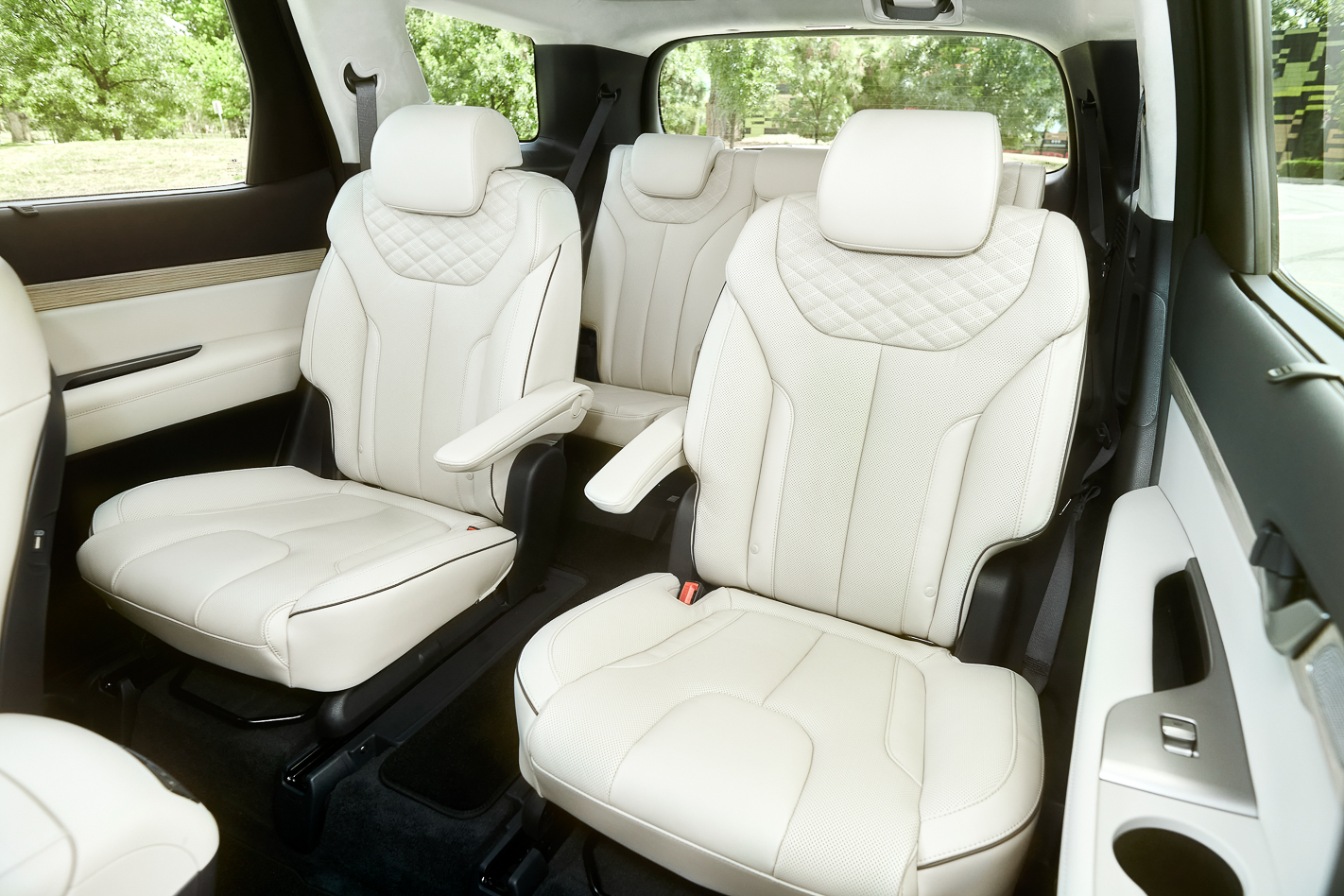
To put its cavernous space into easily digestible figures, the Palisade has a 704-litre boot, but even with the third row of seats in use it still offers a boot bigger than a Corolla’s at 311 litres!
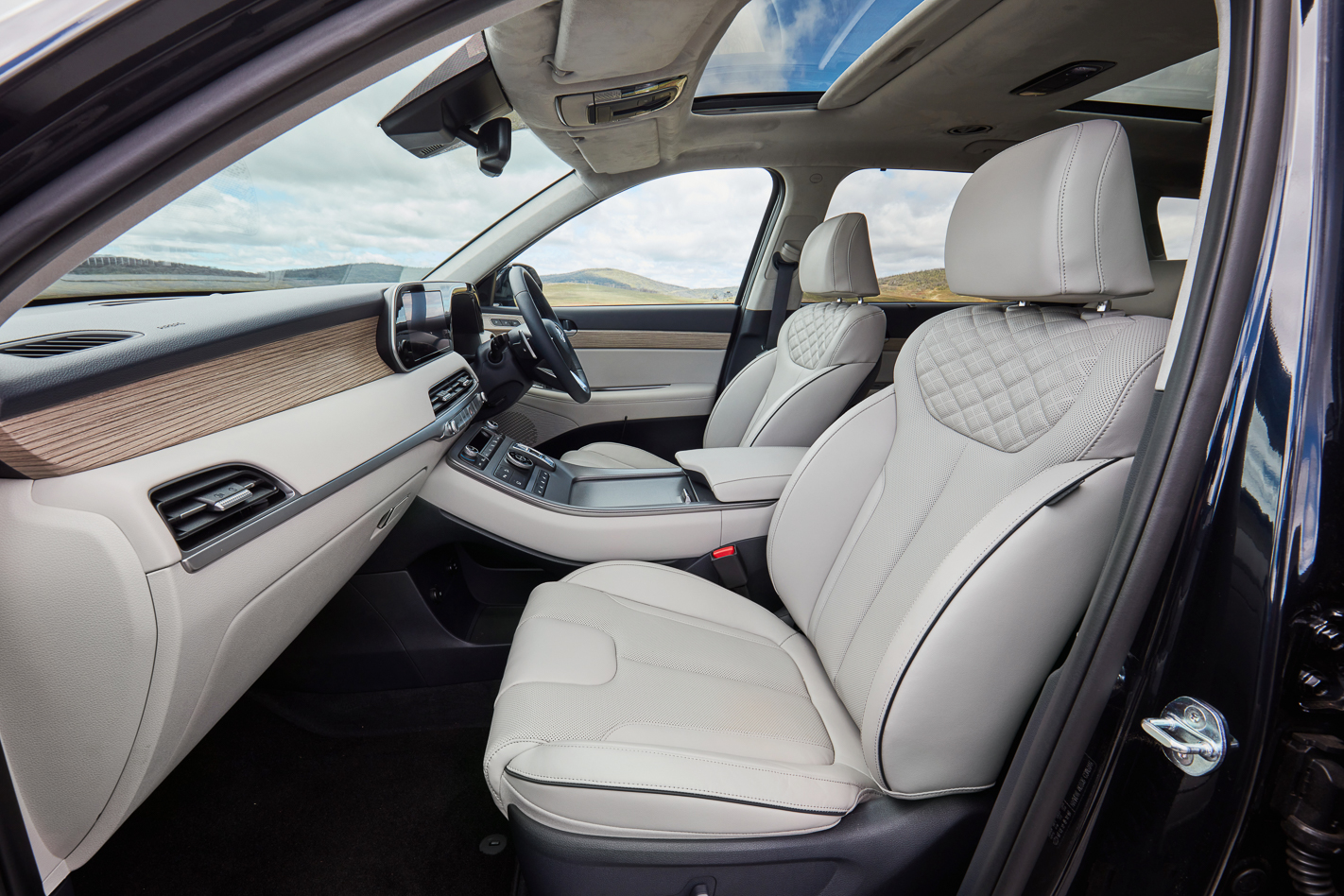
The second row is just as above-par especially if you go for the seven-seater, which ditches the three-seat bench in favour of two ‘captain’s’ chairs with their own arm-rests, heating and cooling and more adjustments than Trump’s tax return.
It’s the same story up front where you’ll find acres of room and loads of features.
The Highlander we tested sported beautiful Nappa leather in a combination of light grey and a weirdly likeable dark slate blue colour, complemented by a delicious suede-effect roof liner.
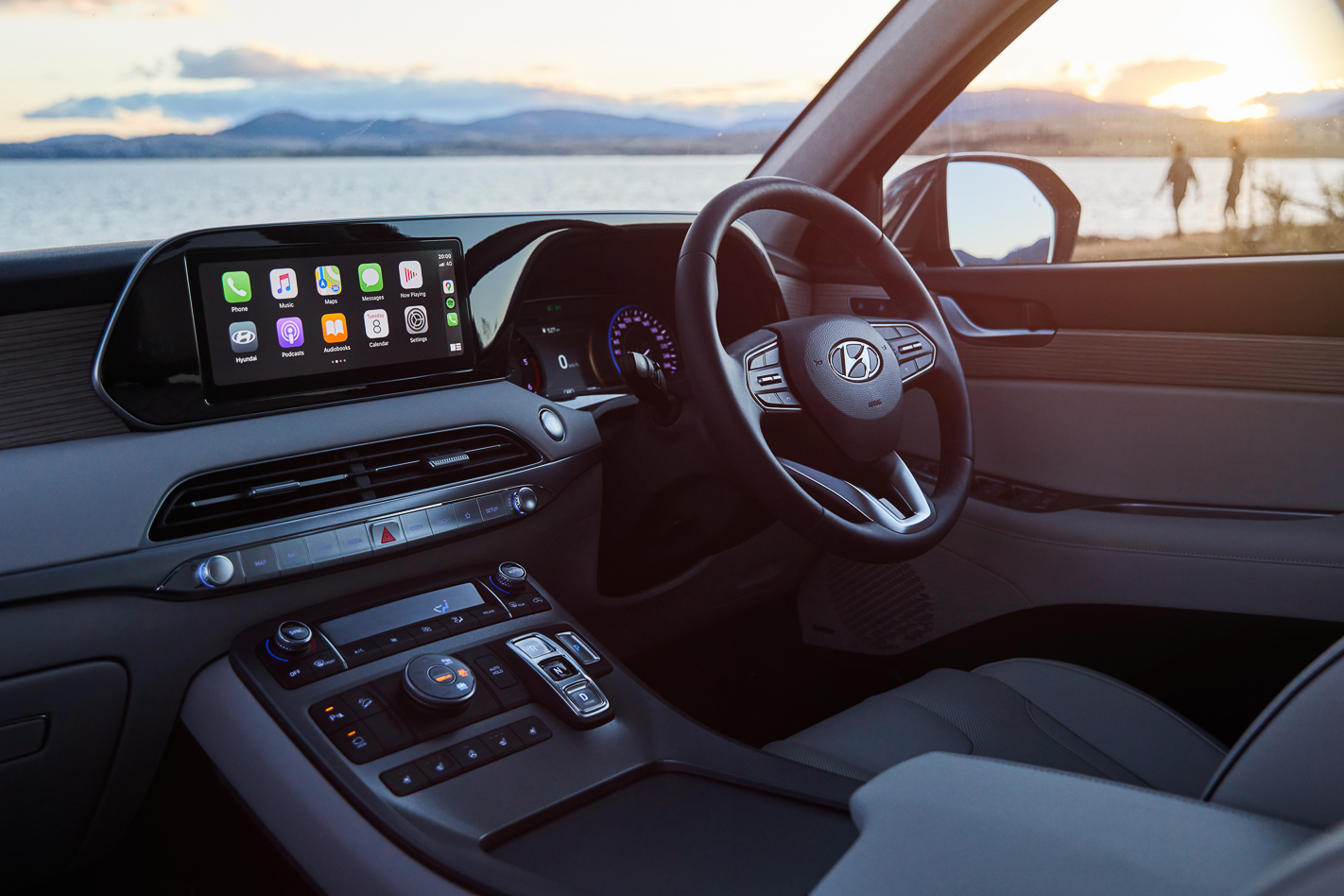
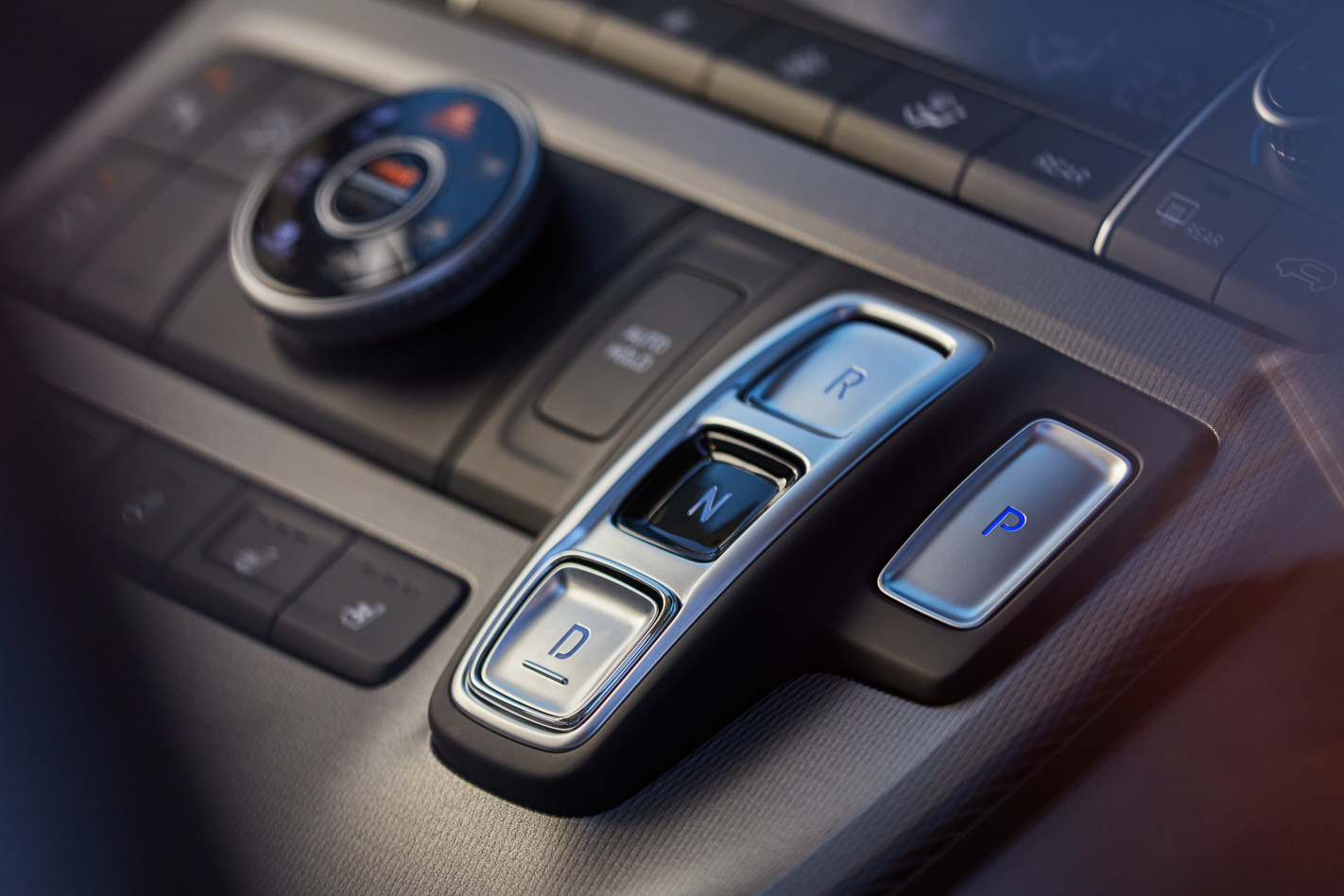
It also gets the flying-buttress style centre console which places a dominating slab of switches and gear high up in the cabin for easy access but offers storage underneath to avoid wasting space.
Another highlight is the generous 10.3-inch central touchscreen which feels bigger due to its cinematic proportions and offers up slick graphics and intuitive operation.
Ten cool cars that should come to Australia
Another (7.0-inch) display nestles between the driver’s gauges and transforms into a blind-spot eliminating camera display when an indicator is flicked.
There’s no full digital instrument cluster akin to the Palisade’s smaller Santa Fe sibling but a head-up display makes it easy to forgive that.
The Palisade easily nails the comfort and equipment formula, and the grand appeal continues on the road.
Driving the Hyundai Palisade
The 2.2-litre turbocharged diesel unit is the same as you’ll find under the bonnet of the updated Santa Fe which might seem a little breathless for such a large application but performance is surprisingly good.
Power is an adequate 147kW but the important load-lugging torque figure is a more impressive 440Nm.
That means prompt off-the-mark acceleration and decent performance for overtaking and cruising without gasping every time you click off the fuel bowser.
Speaking of, the generous 71-litre tank and a claimed range of 7.3L/100km on the combined fuel economy cycle means the Palisade will almost cover the Sydney-to-Melbourne run on a single tank.
It’s only at higher speeds that the Palisade’s large frontal area and resulting drag start to bog down the diesel’s muscle.

An eight-speed automatic is not the same snappy unit offered by the new Santa Fe diesel, but it’s a good pairing for the grunty four-cylinder.
18 models in 18 months as Hyundai overhauls its fleet
Standing out from all the other pleasing road manners, however, is the Palisade’s ride. Front MacPherson strut and rear multi-link arrangements have been deftly tuned for local roads and use the big SUVs weight and size to its advantage.
Not only is the ride quality sublime, but it’s also accentuated by a cabin that’s as quiet as Melbourne airport’s international baggage claim hall.
The Palisade’s handling is far in excess of expectations; it’s reassuring and it defies the size of this machine.
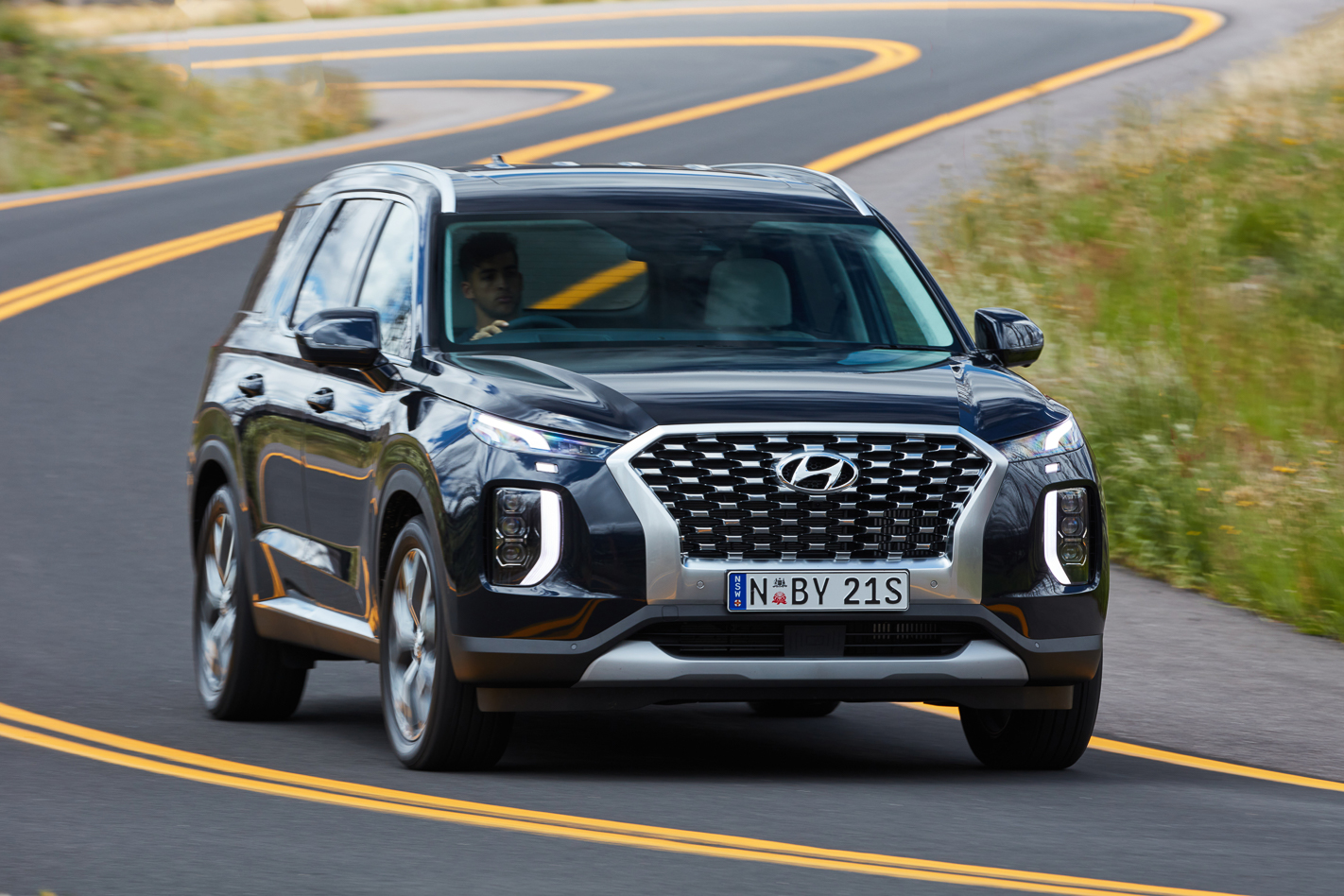
But the Palisade’s scale does not limit it to the freeway or out of town cruising.
Huge areas of glazing and considerate roof pillar design and placement offer excellent visibility.
And for the less confident driver or parker, a host of driver assistance features shrink this behemoth in town.
Opt for the diesel version and you’ll get Hyundai’s H-TRAC all-wheel-drive system for what promises to bring some genuine off-road capability.
With it comes a number of driving modes for different surfaces and, combined with more than 200mm of ground clearance, the Palisade is a convincing dirt tracker (if not rock crawler).
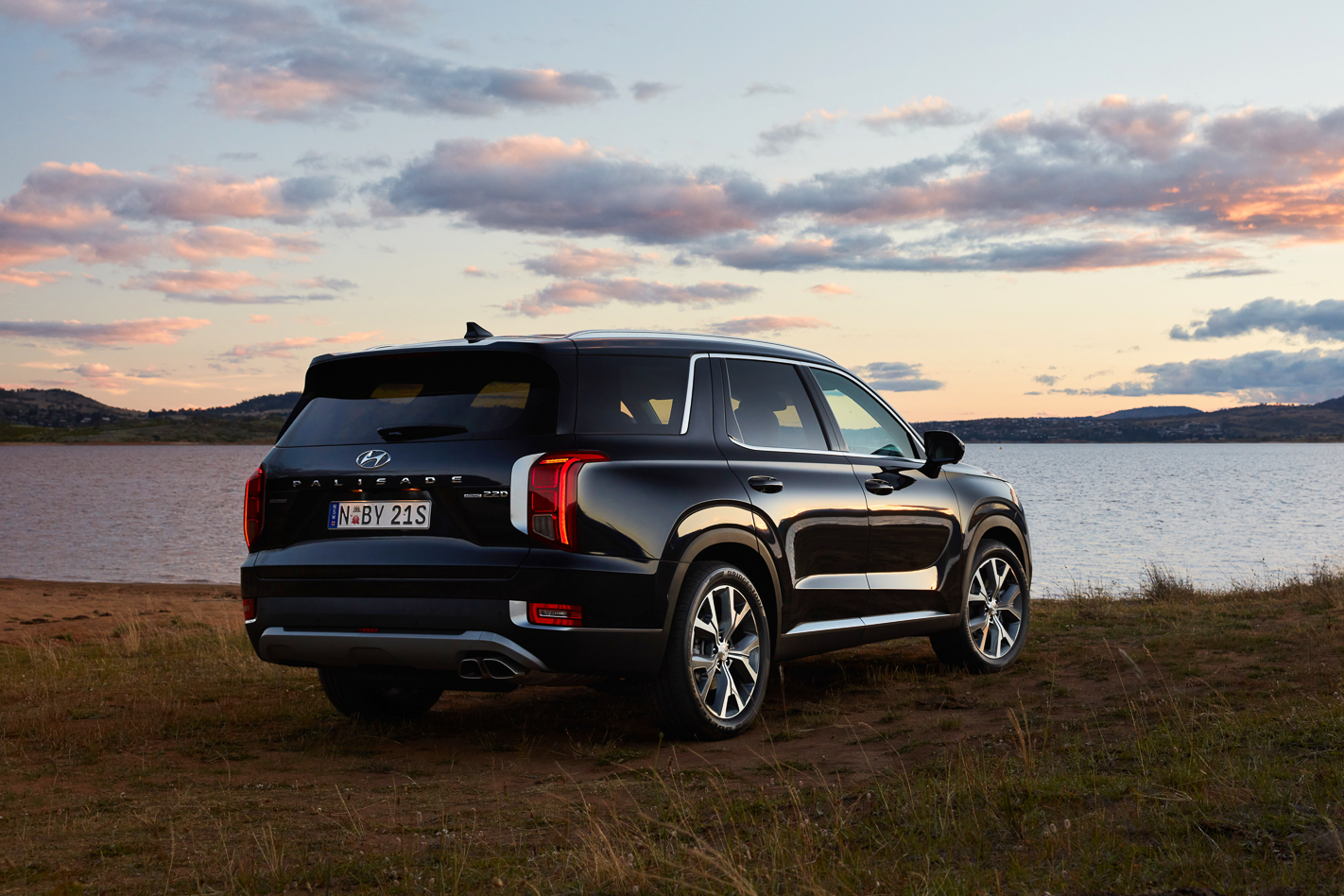
It’s hard, in fact, to place a black mark on the Palisades score sheet.
A hybrid version might appease the growing alternative energy audience, and a more efficient petrol engine option would probably better suit a competitive market.
Its relatively low tow rating of 2200kg might surprise and disappoint some, while a relatively sparse Gross Vehicle Mass figure of 2680kg against the Palisade eight-seater’s 2059kg heft means that six adults on board will take up most of the payload figure before luggage is factored in.
VERDICT
Viewed objectively, the Palisade is quite simply without rival. Virtually any other eight-seat option in the market is either a repurposed van or a people mover devoid of any SUV qualities.
Add to that a quality and equipment list that puts the model into some premium territory and you have a seriously compelling package.
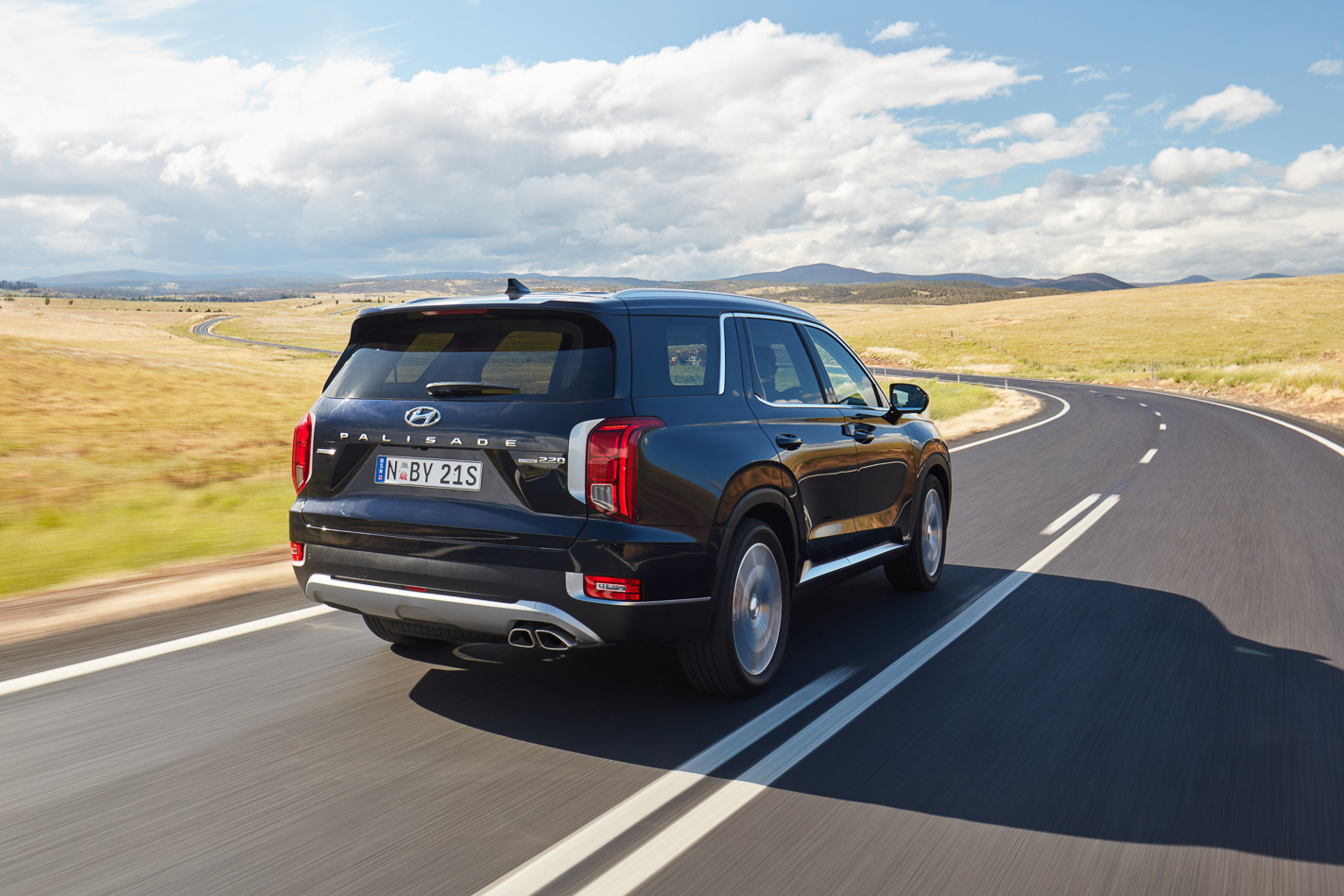
In fact, slot in the Genesis GV80’s gorgeous six-cylinder diesel and the Palisade could easily wear the same badge with pride.
If you’re after something that can brag the same set of attributes for less than $100,000, you’ll be looking for quite a long time.
Hyundai Palisade specs
Model Hyundai Palisade Highlander
Engine 2.2l 4cyl turbo diesel, dohc
Max power 147kW @ 3800rpm
Max torque 440Nm @ 1750-2,750rpm
Transmission 8spd auto
Weight 2069kg (AWD, 8-seat)
Economy 7.3L/100km
Price $75,000
On sale Now
There are some cars that are alarmingly fast. The McLaren 720S is one; for very different reasons, the Volkswagen Amarok 580 is another.
You can now add the Mercedes-AMG GLS 63 to that list, for this new mega SUV is absurd. It also provides Australia’s first exposure to AMG’s new mild-hybrid V8.
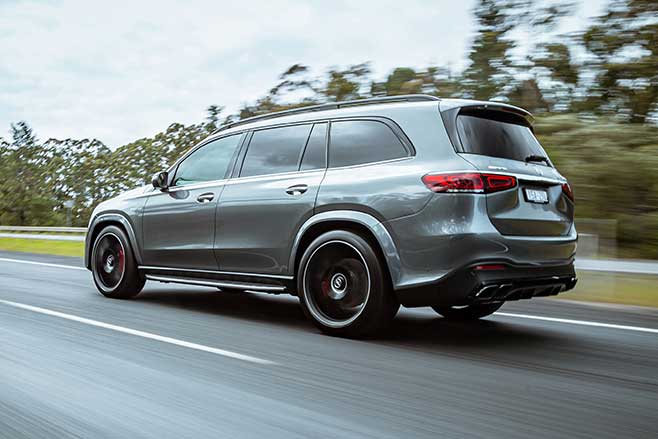
It uses the now-familiar 4.0-litre twin-turbo unit that does service in everything from the C63 to the S63 but adds Mercedes’s EQ Boost, a 48-volt electrical system that can provide up to 16kW/250Nm in short bursts, while also helping with energy recuperation and restarting the engine in stop/start driving.
Like the similarly-equipped 3.0-litre inline-six in AMG’s 53-designated models, this electrical assistance smooths out the power delivery and provides astonishing response.
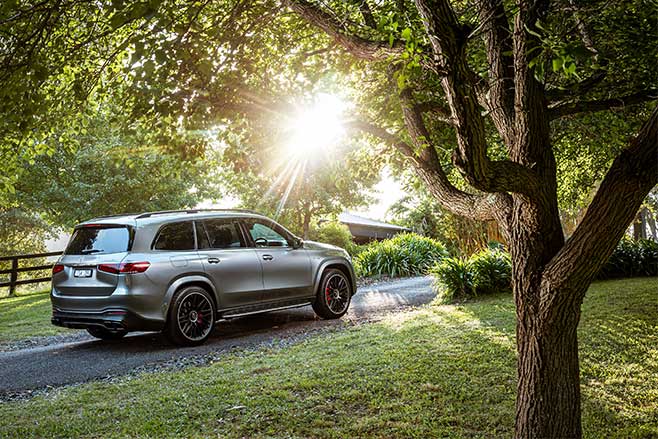
The GLS 63 weighs 2555kg, but this seven-seat leviathan can accelerate from 0-100km/h in a claimed 4.2 seconds and onto an electronically limited top speed of 280km/h.
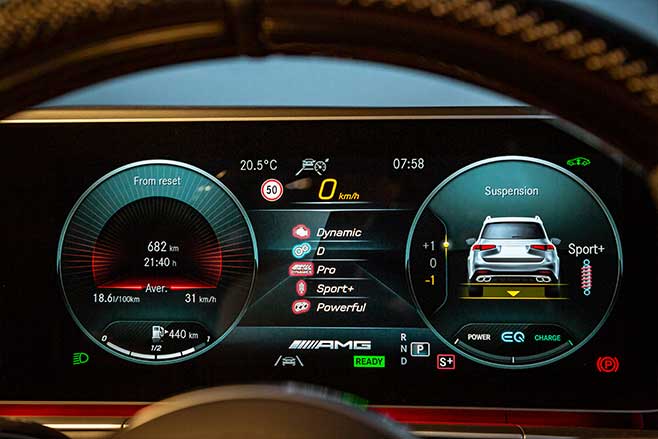
AMG’s M177 V8 has never lacked mid-range wallop but has struggled to maintain that ferocity at the top end.
While peak power is still developed at 5750rpm in this application, there’s a greater enthusiasm to rev, the grunt only starting to disappear beyond 6500rpm.
No one will ever step out of a GLS63 and think “not bad, but it could use a bit more shove”.It sounds suitably potent, too, though with a smoother note than some of its lower, sportier siblings, which feels appropriate for a $255,700 family car.
Making the most of the grunt is the close-ratio, nine-speed wet-clutch automatic, which is swift in its shifts at speed.
Our test route, however, didn’t allow for any examination of its stop-start behaviour.
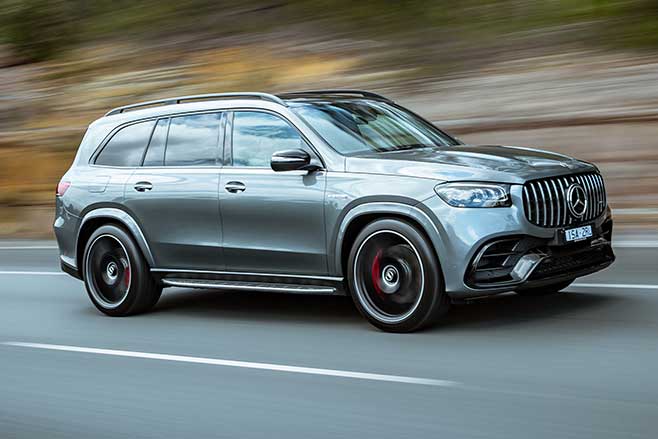
Every number associated with the GLS 63 is improbably large. Our test car sat on 23-inch rims wearing tyres measuring 285/40 at the front and 325/35 at the rear.
Behind the whopping wheels are equally monstrous brakes: 400mm front discs with six-piston calipers and 370mm rear discs with single-piston floating units.It’s 5243mm long and 2030mm wide with a 3135mm wheelbase; as a frame of reference, a Landcruiser 200-Series (hardly a micro city car) measures 4950mm, 1970mm and 2850mm for the same dimensions.
This thing is b-i-g.
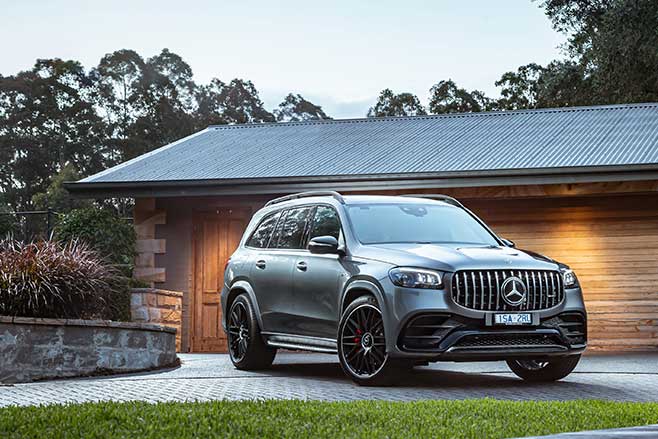
Make no mistake, the GLS 63 can be hustled harder and faster than you would ever believe (or any owner will probably ever attempt) but while the driver is responsible for guiding this monster you’re not particularly involved in the process.
Nor would you expect to be, I suppose, and the latest active roll systems do feel slightly more natural than earlier attempts.The upside of the mega Merc’s substantial acreage is the ability to carry six adults in comfort ( there are seven seats, but the centre occupant of the middle row lucks out somewhat).
Even the rear-most row has cup holders, leather armrests and four USB charge points and the experience becomes progressively more luxurious as you work your way forward.
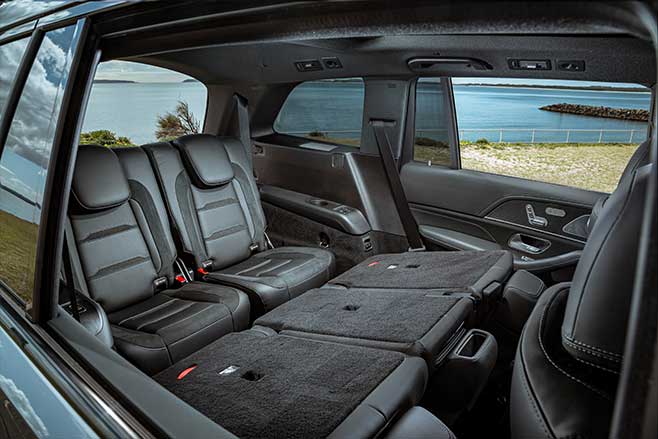
The middle row has heated outer seats and armrests, its own climate controls (thanks to the five-zone climate control), and a pair of USB charge points.
And if you tick a couple of options boxes, a pair of 11.6-inch screens with a TV receiver, two wireless headsets, a separate MBUX control tablet, wireless mobile charging and a temperature-controlled cup holder are yours, as well.
Drop the rear pair of rows and you end up with a truly cavernous 2400 litres of luggage space, which will be handy if you want to buy an entire Bunnings store at once. Like, actually take the store itself home.
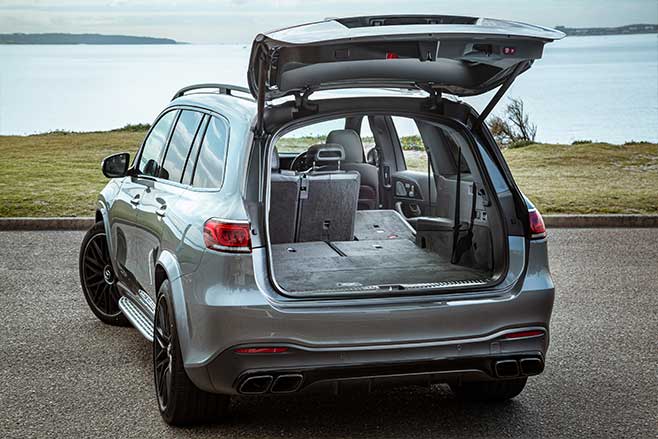
It’s a cross between a rolling palace and a spaceship. Even the windscreen washers are heated.
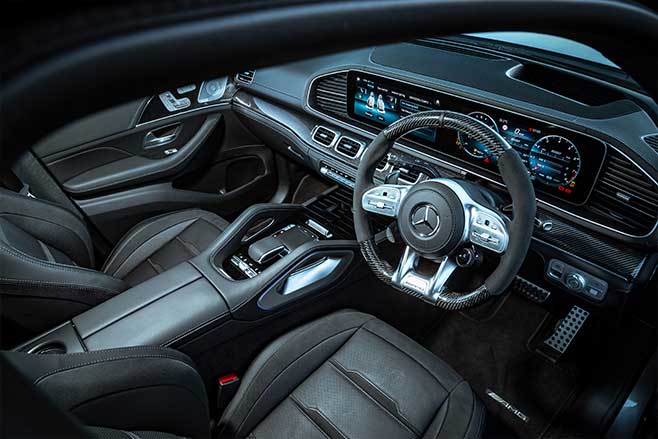
Nevertheless, the GLS 63 is an enigma. What it can do when driven enthusiastically is remarkable, but in engineering it to do so AMG has had to sacrifice the one quality you’d really want from a car like this – a super absorbent, magic carpet ride.
It’s very good, but not amazing.It won’t matter, though, as the 63 provides the image that buyers will want, but personally I’d choose one of the lesser-engined variants – either the 270kW/500Nm GLS 450 3.0-litre petrol or 243kW/700Nm GLS 400d 2.9-litre diesel – and spend the $100,000+ saved (yes, really) on every luxurious option I could tick, happily trading alarmingly fast for beatifically calm.
3.5/5
Likes Amazing engine; incredible tech; interior space
Dislikes No deft handler; price premium; tough to justifySpecifications Engine 3982cc V8, DOHC, 32v, twin-turbo Power 450kW @ 5750rpm Torque 850Nm @ 2250-5000rpm EQ Boost 16kW/250Nm Weight 2555kg 0-100km/h 4.2sec (claimed) Fuel consumption 11.9L/100km (combined/claimed) Price $255,700
Overall Rating
4/5 stars
Plus & Minus
Minus Big shift in character, soft suspension tune won’t suit everyone
WHAT IS THE LEXUS IS 300h?
Lexus would like you to think it’s a new IS, but while the body is fresh, the same platform and engine remain for 2021. That’s not necessarily a bad thing, though.
WHY WE’RE TESTING IT
On the face of it, the Lexus IS is kind of lucky to still be here. After all, it’s a passenger car, and it’s a passenger car that doesn’t sell all that well.
Those two factors alone have ensured the downfall of cars that, by rights, had more claim to showroom space than Lexus’s mid-sized four-door sedan.
But here we are, and here it is.
THE LEXUS IS 300h SERIES COUPE REVIEW
Born in 2013, the third-generation IS survives largely intact from its 2016 update – under the skin, at least.
Sitting on the same Toyota N platform that it carried over from the second-gen car, the latest IS still uses double-wishbone front and multilink rear suspension, though it’s been caressed and finessed for 2021.
For example, the coil springs themselves are some 60g lighter each, and the topmost mounts front and rear are now made from alloy, not steel.
The rear swaybar, too, is lighter, while the front wheels now bolt directly into the hub, shaving grams and adding rigidity.
Wider rims and tyres help increase the front and rear track numbers, too; it’s now 45mm wider across the front and 50mm across the back end.
Our IS 300h’s optional 19-inch rims use 235mm wide tyres front and rear; it’s the first time 19s have been specced on the IS.
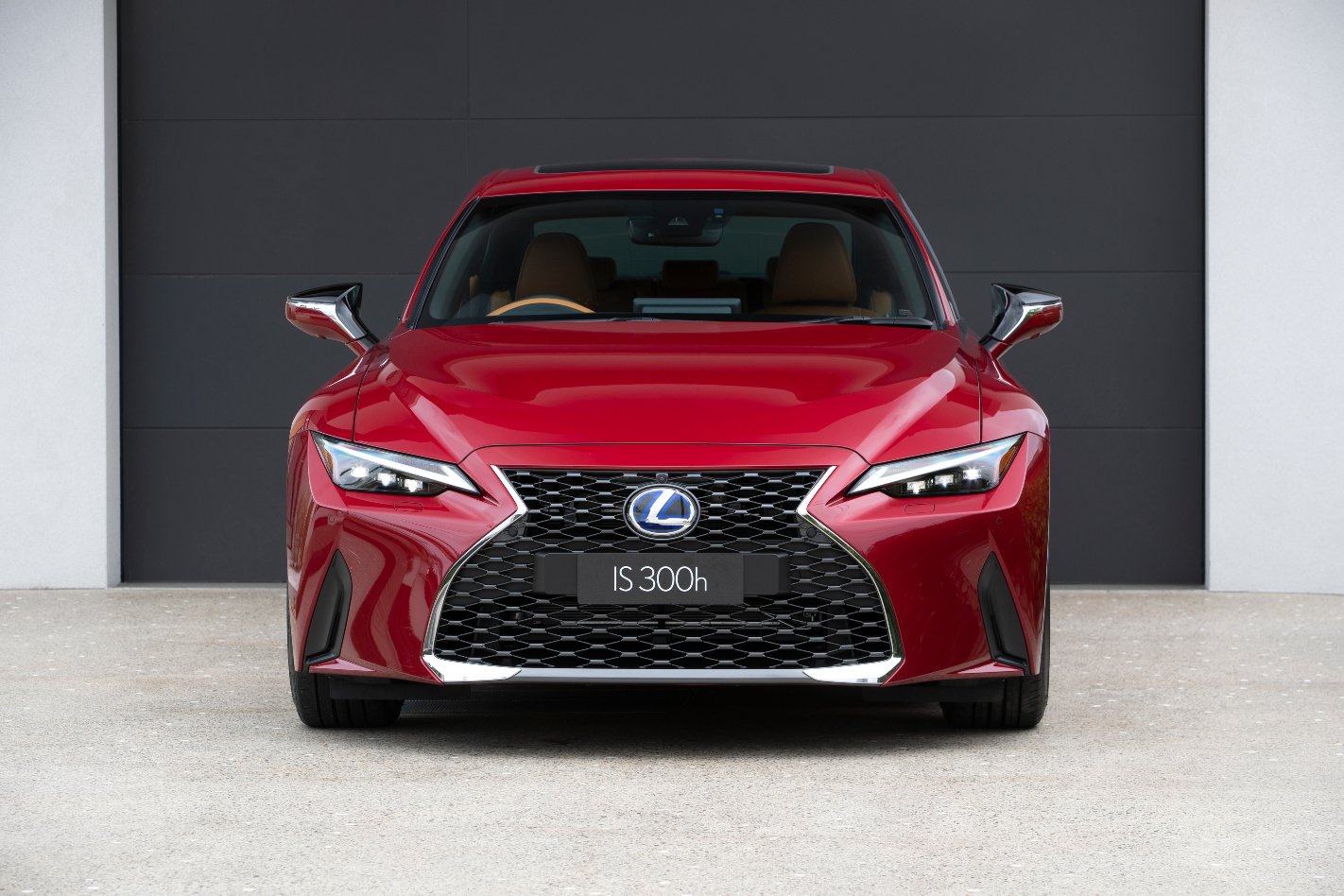
Those wider tracks are needed to push the wheels out into the plumped mudguards which, along with a 15mm lower rear roofline and 31mm lower bootlid, take the IS’s former frumpiness and kicks it clear into the undergrowth.
The body width is only 30mm greater than before, but it all works.
From the rear, in particular, the IS’s new clothes are to die for, and the design team should be acknowledged for the way they’ve integrated the outlandishly large grille so eloquently.
Akio Toyoda is renowned for giving the Lexus designers a hard time about making their cars stand out, and despite the constraints of an older platform, he’s gotten his wish.
Inside, there’s a lot of familiarity; the big-spoked wheel, the analogue clock, the sliding temperature adjusters and the damn touchpad are known touchpoints.
A floating 12.3-inch touchscreen is an oddly tacked-on nod to the modern era, with wired Apple CarPlay and Android Auto sidestepping the need to use the goofy touchpad.
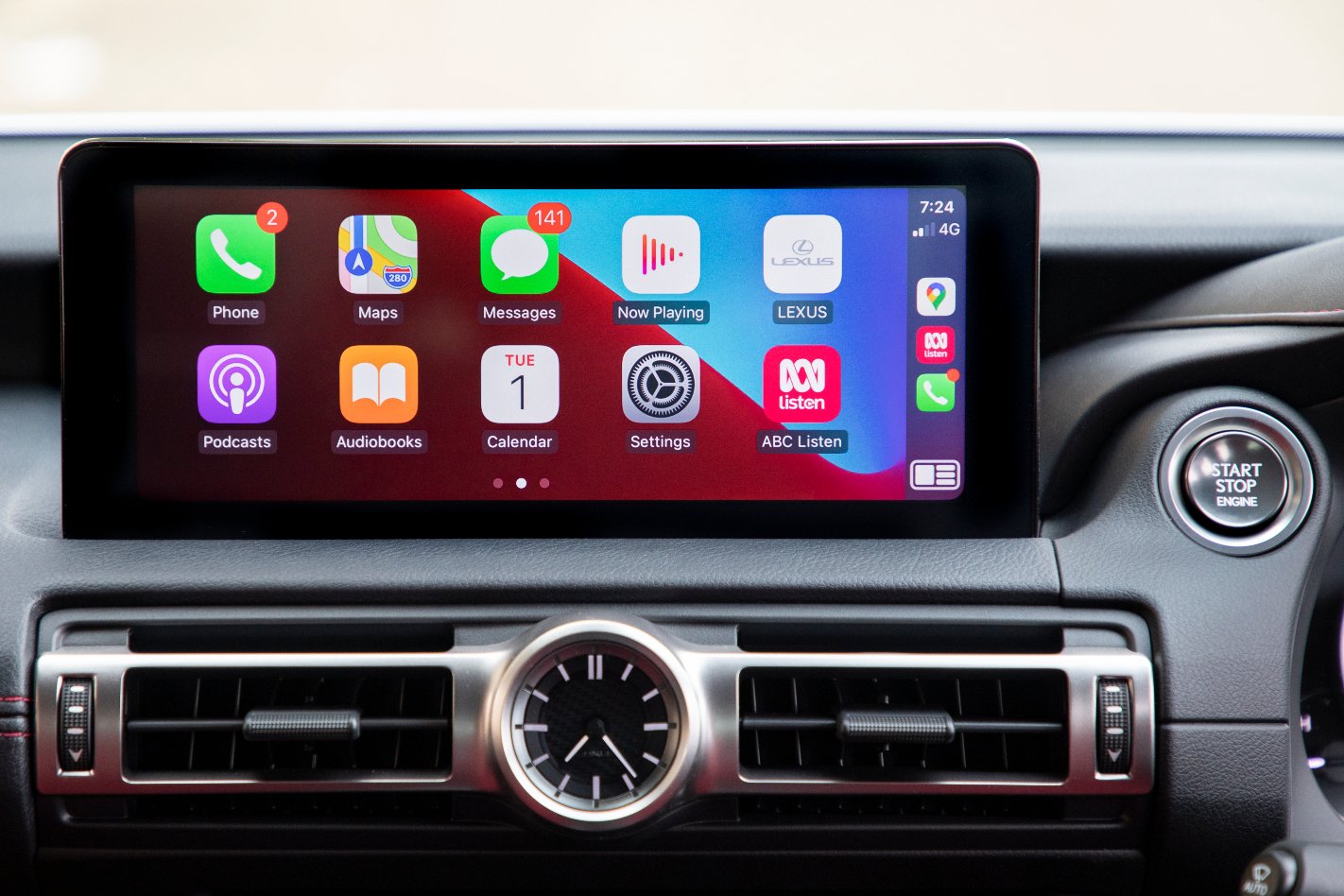
There are some redone elements to the interior trim, including a two-tone upper dash trim and circular outboard air vents, but the IS 300h is a familiar, welcoming and comfortable space in which to work.
It’s made more comfortable, too, by the long-overdue deletion of the foot-operated park brake, replaced by an electric unit.
On the powertrain front, there’s little to relay; the 300h’s 2.5-litre naturally aspirated four-cylinder engine still churns out 133kW at 6000rpm, rising to a total of 164kW with the addition of electricity.
Petrol-persuaded torque comes in at 221Nm, with 300Nm from the electric motor as the situation demands.
Backed by a CVT, the 1735kg IS 300h is more sedate than swift, building speed and covering kilometres with minimal fuss or theatre.
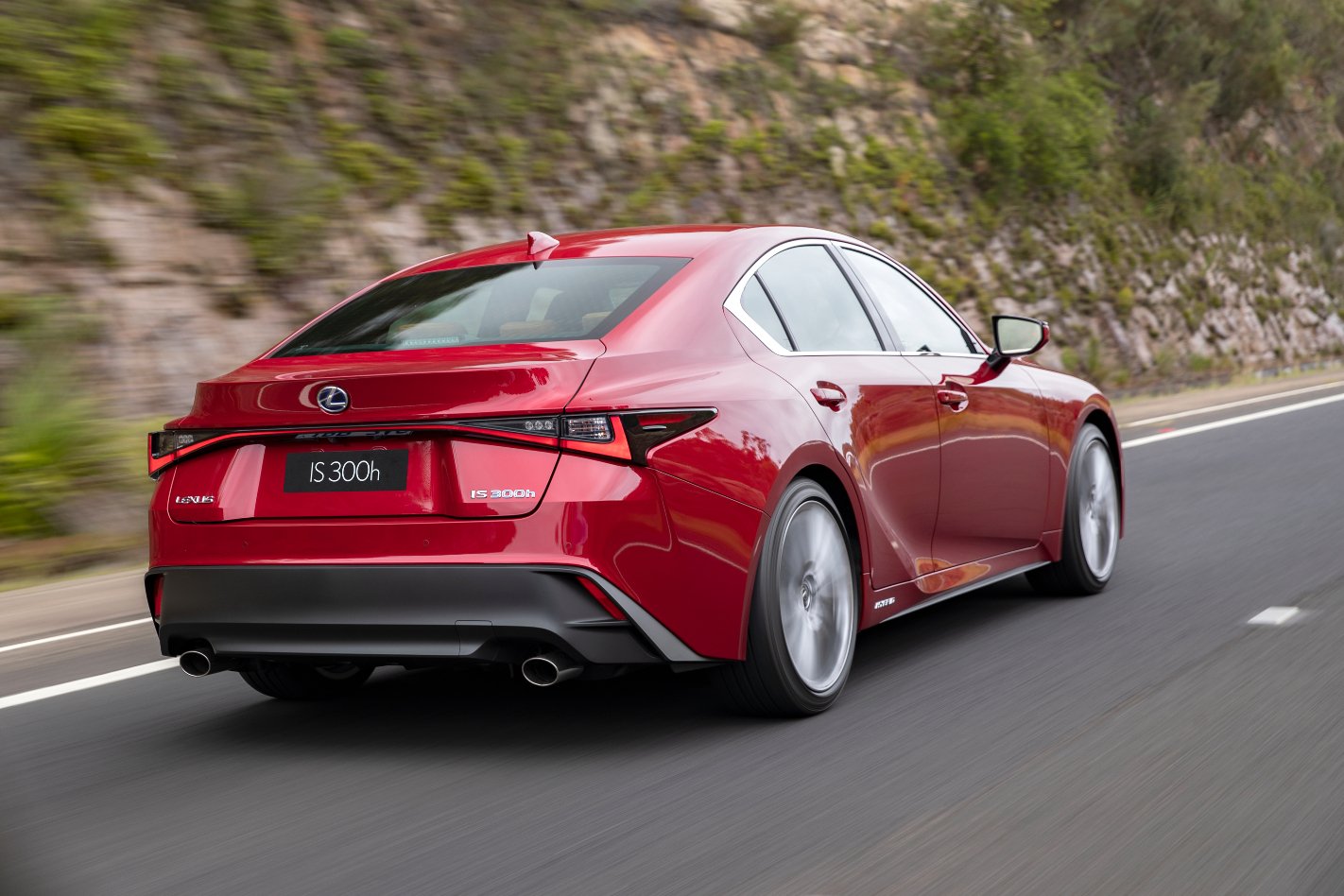
The revised damper tune has pushed the IS more towards the comfort side of the spectrum; a bit of a shame, really, when you cast your mind back to that gloriously ridiculous V8-powered IS F of the second generation.
It feels like a seven-tenths car at most now, though; because the suspension’s overall tune verges on plush, it gives away ride control at crucial moments, especially with a bit of lateral load in it.
The F-Sport version of the IS comes with adaptive dampers, though a quick burn in that car doesn’t change my opinion that the IS is now more orientated towards comfort than speed.
Steering feel is faithful, brake modulation is A1 and the disconnect between electrons and combustion cycles is as transparent as ever, though, giving the IS 300h a serenity of form that belies its tough new visage.
That well-polished mix of motivators pays dividends if you don’t like visiting petrol stations. Over 400-plus kilometres of country and city driving, my indicted range never hovered higher than seven litres per 100km.
The electric system’s battery retains enough charge to waft you around, say, a city carpark or to the end of your (shortish) street before the Atkinson-cycle engine kicks in with an all-but seamless intervention punctuated only by the noise.
What you lose in outright pace, you gain in civility – and being a little more green with your motoring comes with exactly no compromises – well, other than price.
VERDICT
For a car that shouldn’t even exist any more, the Lexus IS 300h is a nicely executed sports sedan with a plush, benign manner that perhaps reveals its advancing years more than its sharply designed visage lets on.
LEXUS IS 300h rivals
The BMW 3-Series, Audi A4, Mercedes-Benz’s C-Class and the new Genesis G70 are natural predators of the IS.
LEXUS IS 300h specs
Model Lexus IS 300h
Engine 2494cc 4cyl, dohc, 16v/650v electric motor
Max power 133kW @ 6000rpm (164kW combined)
Max torque 221Nm @ 4200-5400rpm (300Nm electric)
Transmission CVT
Weight 1735kg
0-100km/h 8.5sec (claimed)
Economy 5.1L/100km
Price $64,500 ($70,000 as tested)
On sale Now
UPDATE, Oct 2022: CX-9 updated pricing and features
Australian pricing and features for the updated 2022 Mazda CX-9 have been released. Get all the details at the link below.
The story to here
December 2020: Mazda details the 2021 CX-9
Mazda has ejected the middle seat from the range-topping CX-9’s middle row, after announcing a new Azami LE grade will return to the model’s revised 2021 range.
All other 2021 CX-9 variants remain seven-seaters, with only the Azami LE gaining a pair of captain’s chairs behind the front seats, added along with the Azami’s new 20-inch wheel design and larger tailpipes.
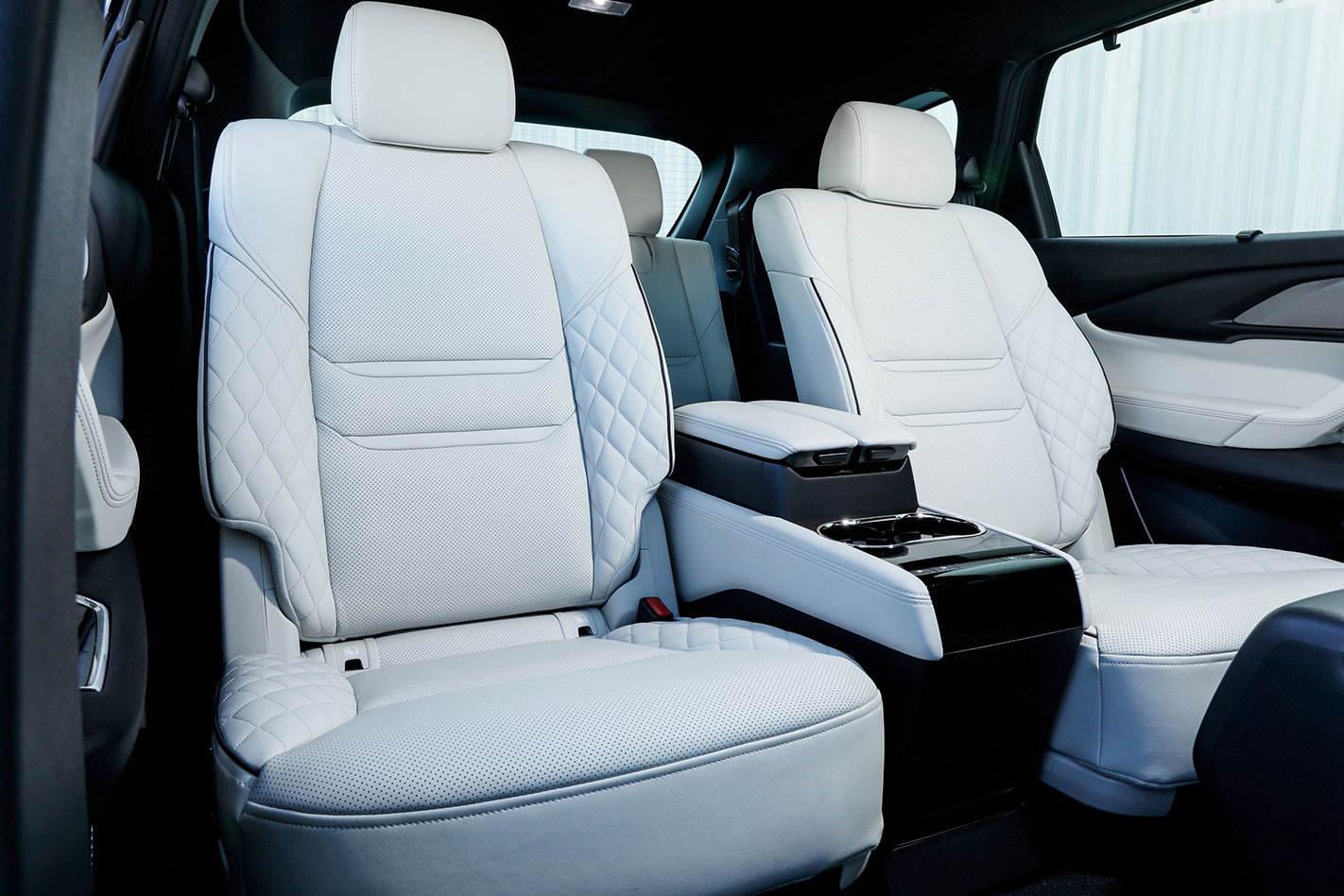
These upgraded seats feature all of the luxuries you’d expect in the front row of lesser cars, with power adjustment, ventilated/heating functions and the Azami variant’s new Nappa leather finish.
And because a centre-console with cup holders separates them, they can be folded away automatically with a one-touch button.
But that’s not all that’s changed within the CX-9, a model Mazda reaffirms as its flagship.
The CX-9’s 10.25-inch multimedia screen has been upgraded with the latest Mazda Connect system, which is claimed to boot-up quicker and offer crisper image and sound quality.
Wireless phone charging technology is also introduced across the range, which now starts at $45,990 for the front-wheel-drive Sport trim – only $70 more than before.
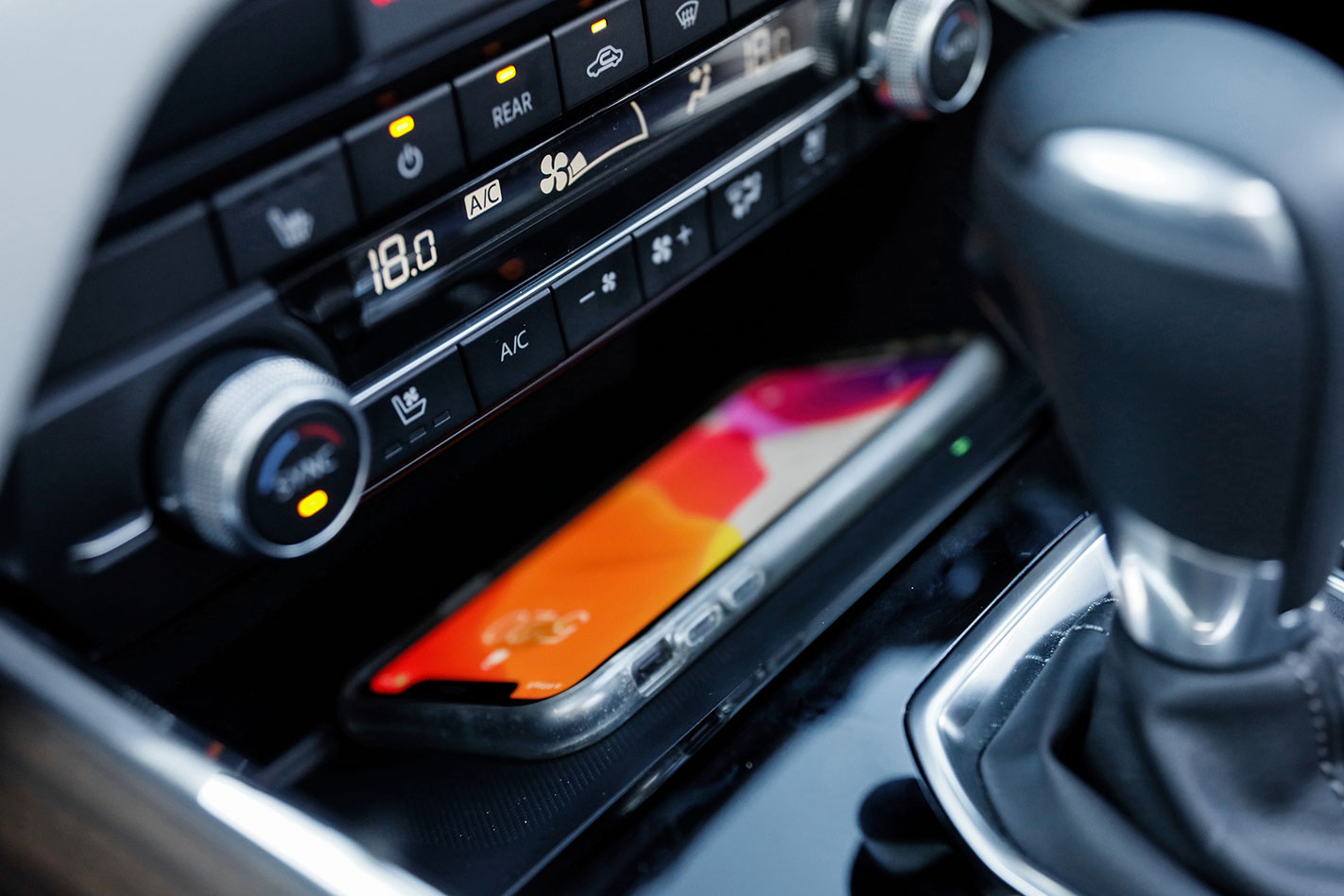
Other sweeping changes include the addition of Polymetal Grey paint to the CX-9’s palette.
All CX-9s except the Sport variant also score new paddle shifters to control the six-speed auto transmission.
The new Azami LE grade sits above the rest of the revised line-up, which comprises the Sport, Touring, GT and Azami variants.
The CX-9 GT can now be optioned with an SP grade, adding a gunmetal grille, black mirror caps and black 20-inch alloys for a menacing look.
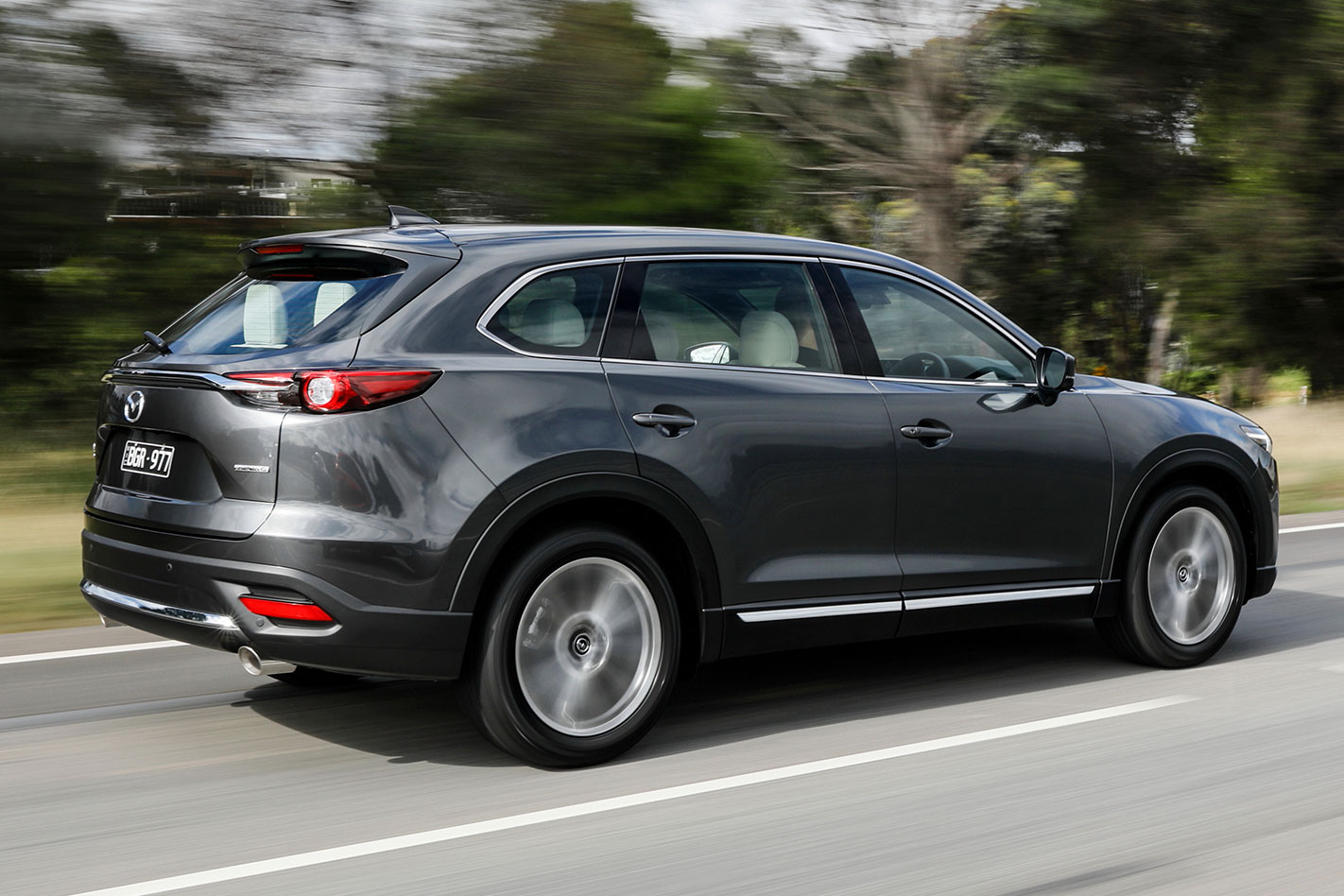
This is complemented with red stitching inside, as well as black decoration panels and Burgundy leather.
To further celebrate Mazda’s milestone year, the CX-9 introduces a 100th Anniversary Special Edition, limited to 110 units and packing Burgundy Nappa leather to offset their Snowflake White Pearl Mica paint.
They also feature a special logo on front fenders, wheel caps, the key fob, headrests and floor mats to match badging.
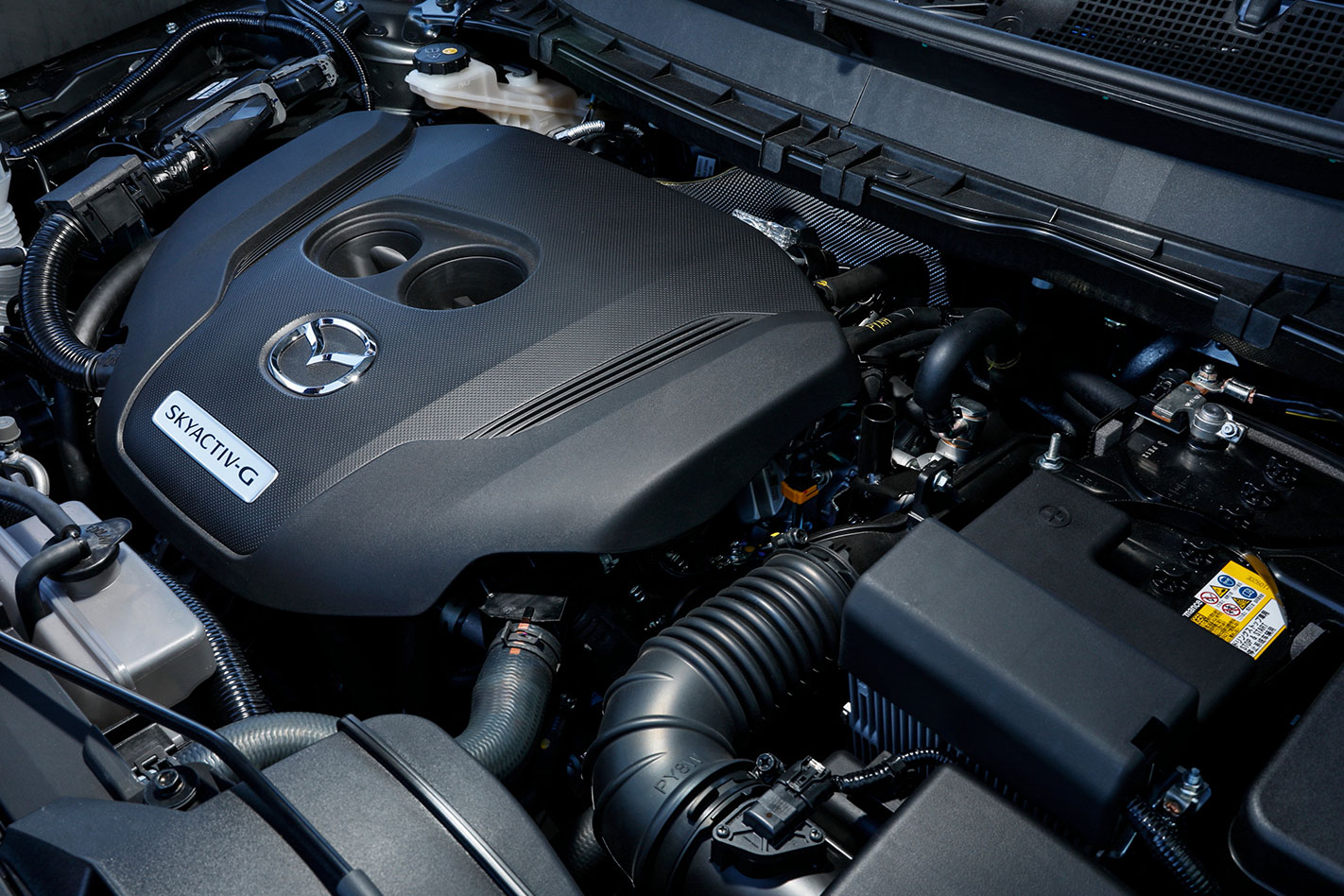
Mazda retains the 2.5-litre turbocharged four-cylinder that already serves across the range, with no mechanical changes.
It’s rated at 170kW/420Nm and returns 8.4L/100km in front-wheel-drive variants, or 9.0L/100km for all-wheel drive cars.
2021 MAZDA CX-9 AUSTRALIAN PRICING
| Model | RRP (excluding on-roads) |
| CX-9 Sport | $45,990 |
| CX-9 Sport AWD | $49,990 |
| CX-9 Touring | u00a0$53,490 |
| CX-9 Touring AWD | $57,490 |
| CX-9 GT | $62,990 |
| CX-9 GT AWD | $66,990 |
| CX-9 GT SP | $63,490 |
| CX-9 GT SP AWD | $67,490 |
| CX-9 Azami | $66,190 |
| CX-9 Azami AWD | $70,625 |
| CX-9 Azami LE AWD | $73,875 |
| CX-9 100th Anniversary Special Edition | $72,575 |
It sounds superficial, but a car’s colour and its appearance are two of the most important selling points of new cars.
It’s something the car colour nerds at Axalta know, too, which is why they pay close attention to the changing trends of car colours the world over.
Axalta has just released the 2020 Colour Popularity Report, detailing the fact that new car buyers have very restrained tastes when it comes to picking paint colours for our new cars.
A mere one-fifth of new cars sold in 2020 were shipped wearing a colourful paint job, whereas the remaining 81 per cent we finished in shades of white, grey, black or silver.
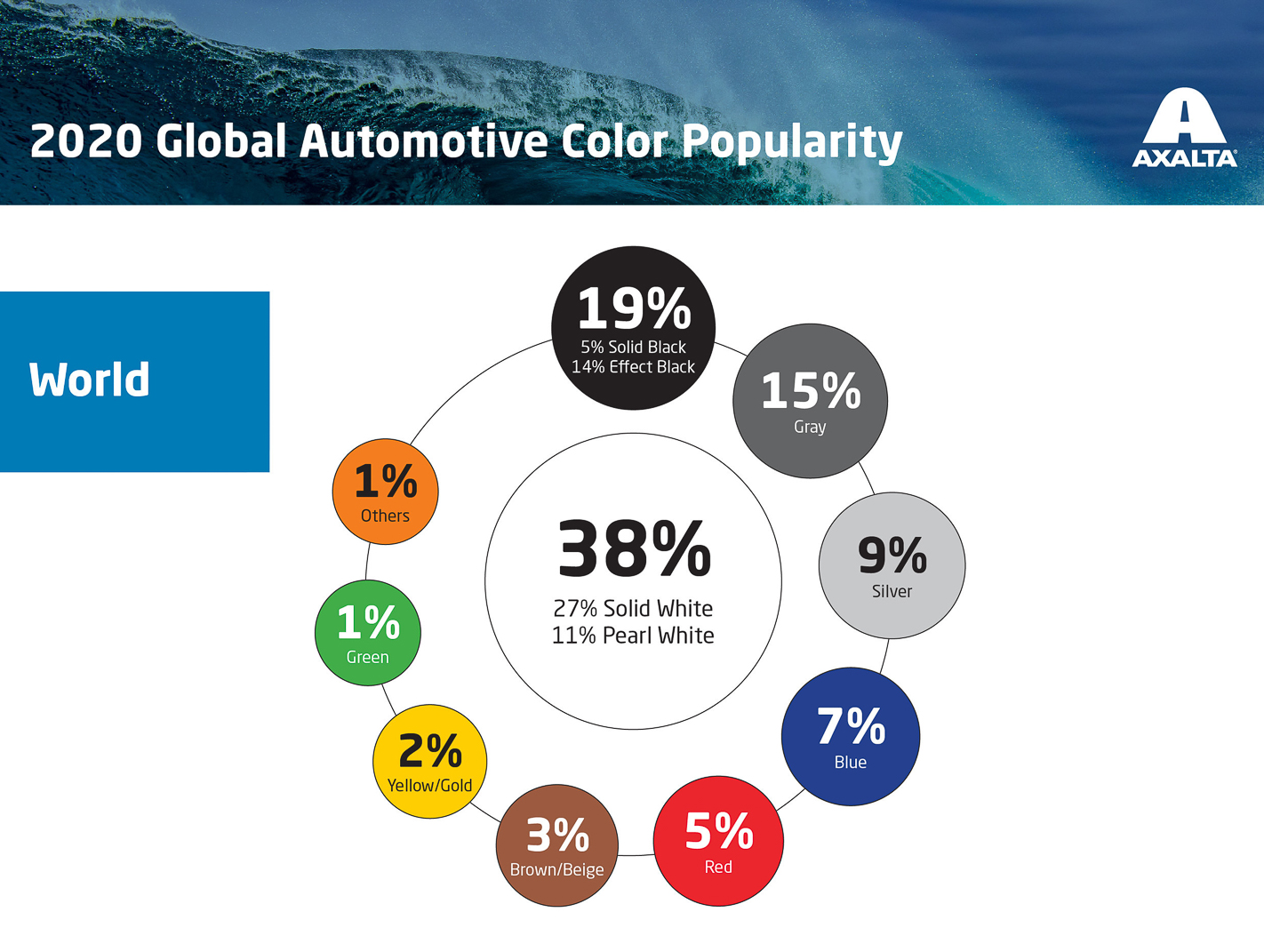
Topping the charts for the tenth consecutive year was white, which covered 38 per cent of cars, followed by 19 per cent in black, 15 per cent in grey, nine per cent in silver, seven per cent in blue, five per cent in red and three per cent in brown.
Of particular note was the mirroring between the latest home, fashion and product colour trends and automotive shades, including an interest in green-blue and green-yellow palettes.
Grey is also a colour on the rise, particularly through the use of fine flakes effects that bring the shade to life.

Axalta is a prominent automotive paint supplier and conducts the Colour Popularity Report annually to observe car colour trends across the world and in particular markets.
Data is gathered from countries where cars are produced and the report informs manufacturers on what’s most popular in what region.
If you’ve noticed an increase of white vans on the road, you’re not wrong – the rise of home delivery during COVID-19 restrictions has driven up commercial van numbers.
Now, though, a renewed focus on safety in commercial vans has seen the top-selling models put under the ANCAP microscope.
ANCAP rounded up 15 light and medium/heavy commercial vans to evaluate their collision avoidance, or ADAS, capability.
ANCAP introduced the assessment of active (collision avoidance) safety systems including low and high-speed autonomous emergency braking (AEB), lane support systems (LSS), speed assistance systems (SAS) and occupant detection systems three years ago, alongside its alignment with Euro NCAP testing protocols.
While 69 vehicles have been tested in that period, no vans up to a gross vehicle mass figure of 3.5 tonnes have been included in those stats, thanks in part to the tendency for such vehicles to have a much longer lifespan than a regular passenger vehicle.
“COVID-related lockdowns across Australia and New Zealand have created a surge in demand for delivery services, and as a result, many areas have seen a rise in the number of commercial vans on the road.”
Vans are considered a more “aggressive” participant in a crash, given the higher likelihood of injury to occupants, as well as the heightened risk to other road users because of their size.
“With the increasing number of van movements, the risk to other road users – in other vehicles, pedestrians and cyclists – increases, so it is important fleets and van operators are aware of the heightened risk these vehicles pose to others,” said Robson.
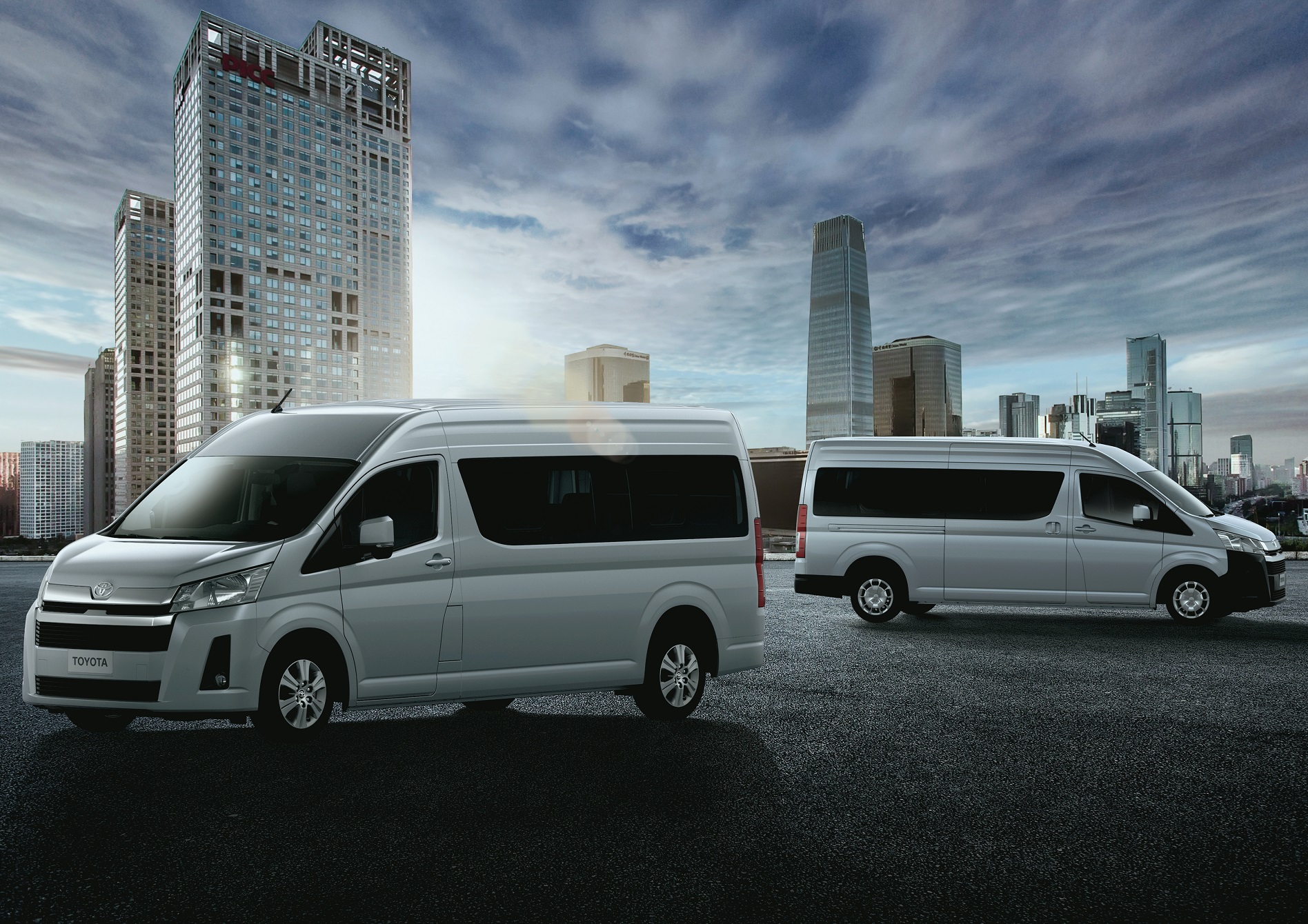
Just two of the 15 vehicles tested earned a gold overall collision avoidance rating – the Toyota HiAce and the Ford Transit, both of which have been renewed in recent years.
Five scored a silver rating, while three claimed a bronze.
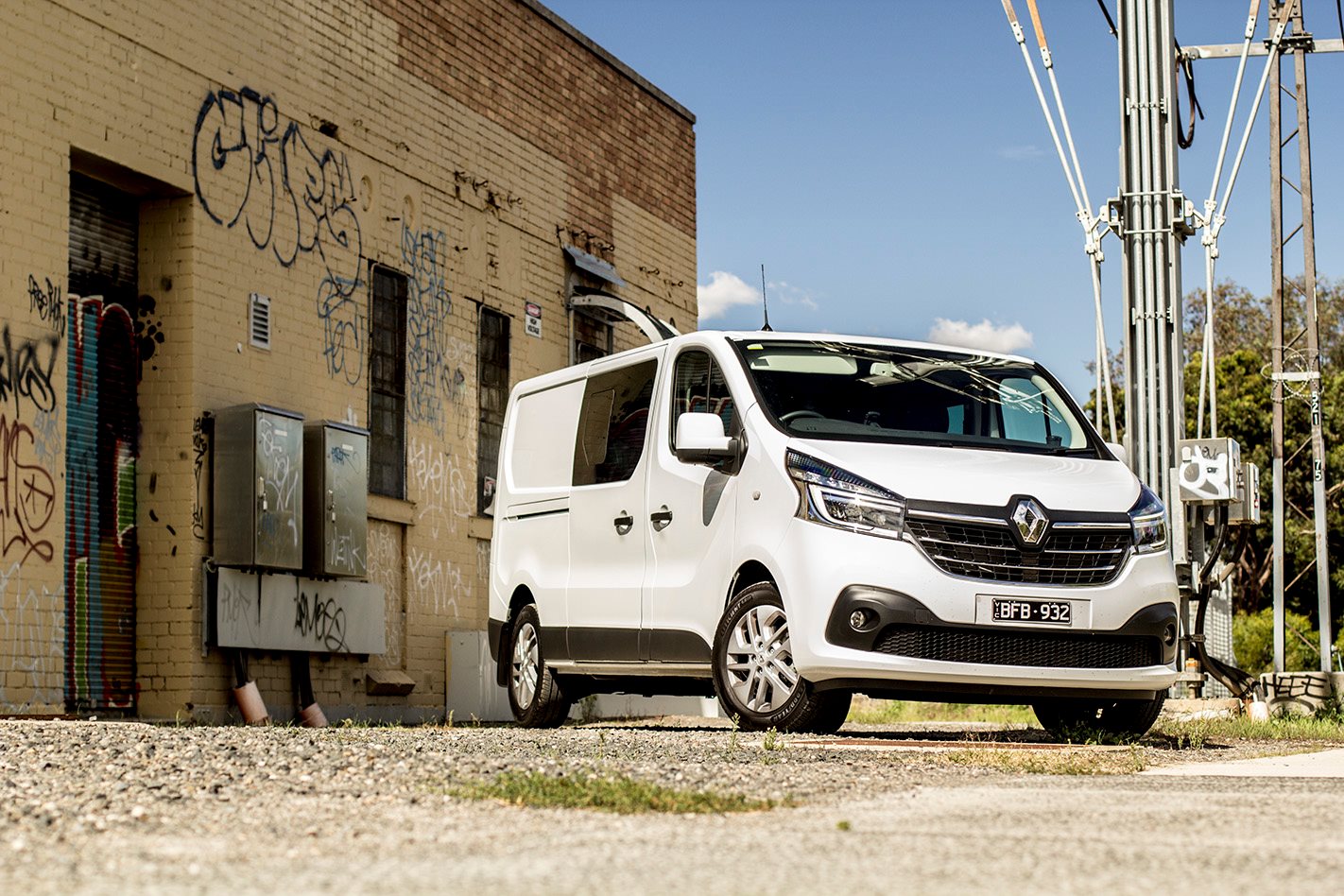
The Hyundai iLoad, Renault Trafic, the related Mitsubishi Express, Renault Master and Iveco Daily were not recommended, according to ANCAP, due to their poor active safety specification.
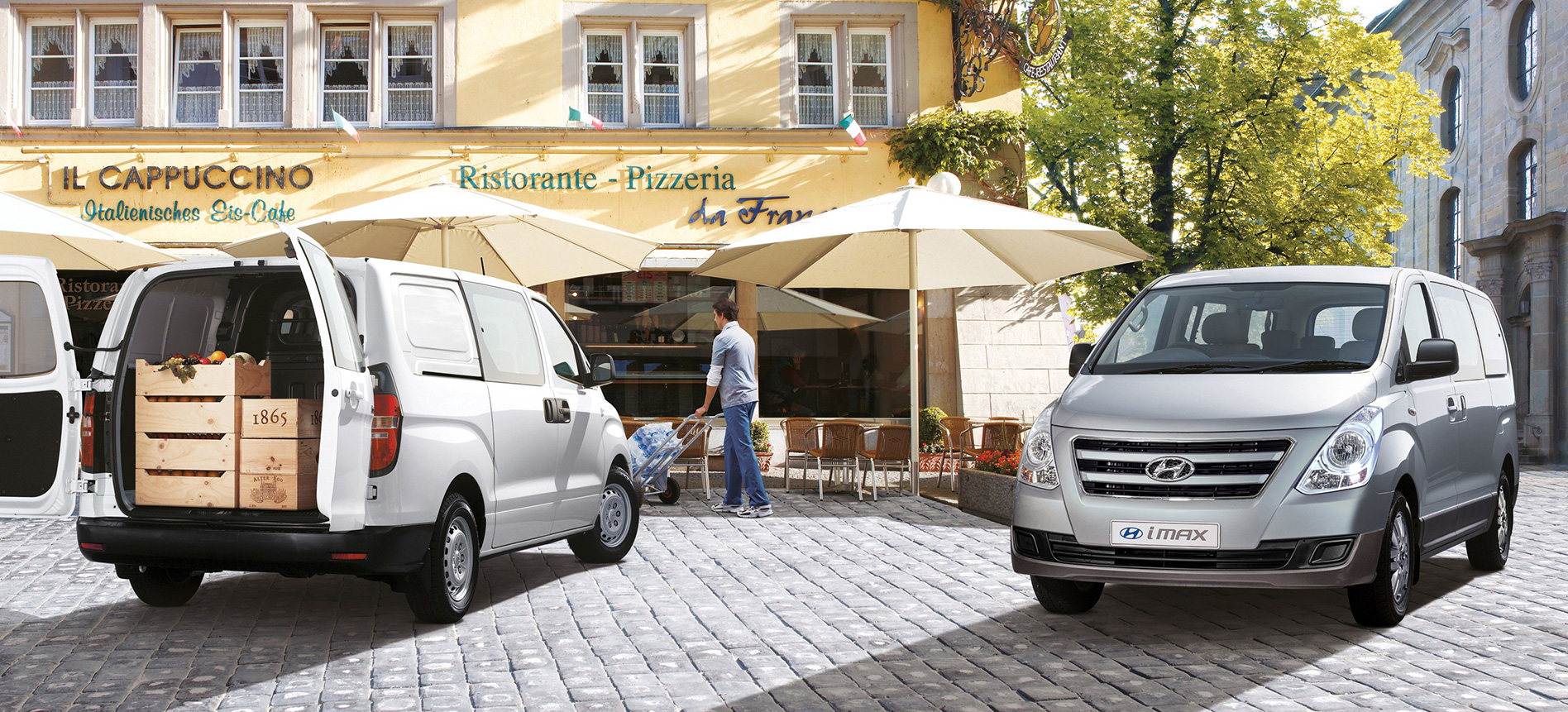
Some of the vans in question, including the iLoad, have updated versions in the wings, with Hyundai’s popular cargo hauler potentially revealed as soon as next week overseas.
The current vehicle dates back to 2011 and carries a four-star ANCAP rating from its initial testing.
“Commercial vans generally operate with higher levels of exposure and hold a much longer economic life-span due to their primary commercial-use and goods-carrying function, and this makes their active safety capability arguably even more critical than that of passenger cars,” said Robson.
“ANCAP’s influence over the passenger vehicle and SUV segments has seen a marked improvement in safety specification over the years – with great gains made with the fitting of active collision avoidance systems, and this analysis will now place a spotlight on the previously peripheral segment of the market which has noticeably lagged.
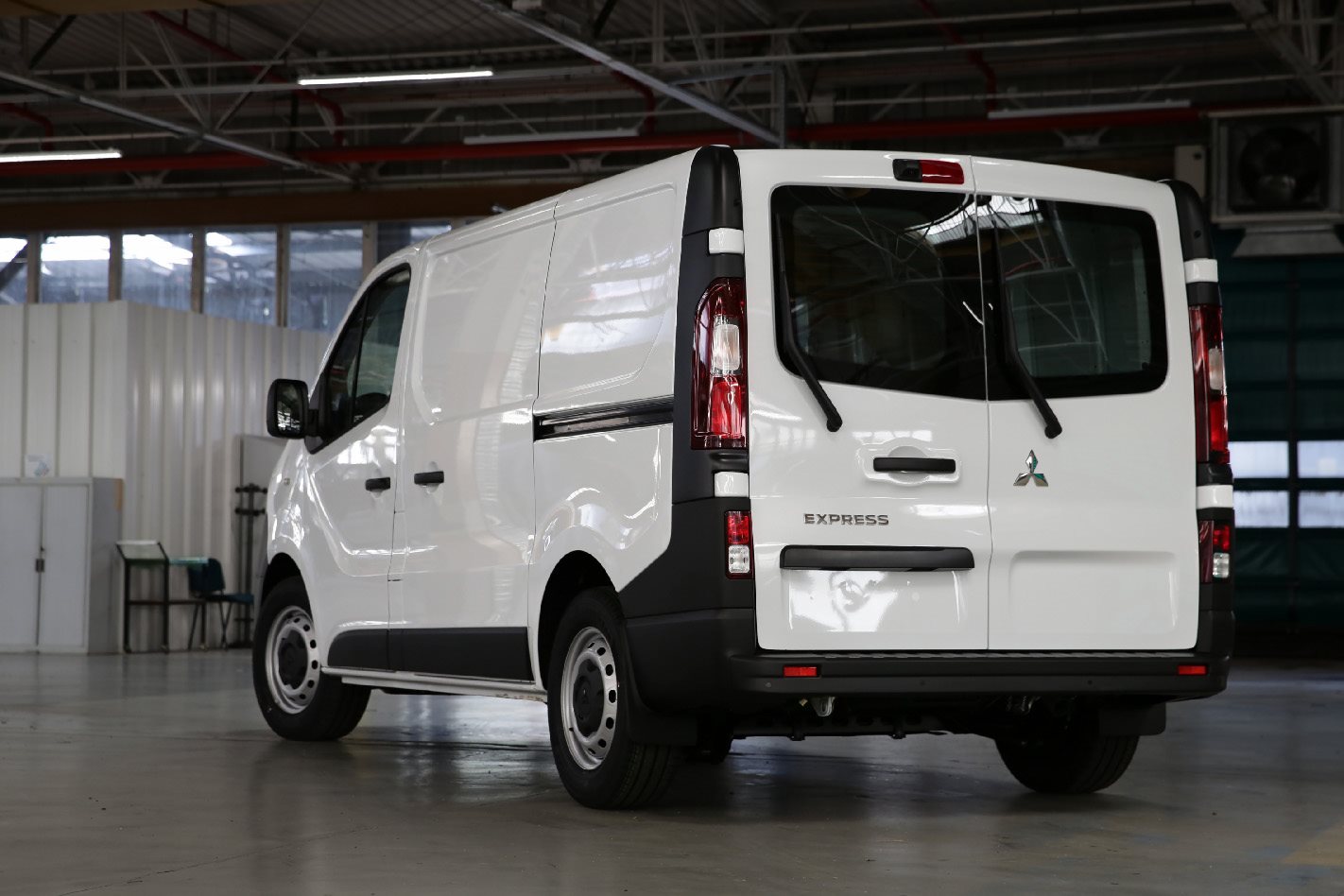
President and CEO of Ford Australia and New Zealand, Andrew Birkic, welcomed the latest Euro NCAP results.
“We’re pleased to have been recognised as having two of the top-performing vans for active safety,” he said. “We know in Australia that our Transit customers place significant importance on the standard Driver Assist Technology available in Transit Custom and Transit.”
Subaru has formally confirmed that it – like Toyota – will roll out a battery-electric EV in Europe before 2025.
The mid-sized SUV will be built atop the same electric-only platform that will ride under the recently previewed Toyota BZ electric SUV.
Like the program that produces the 86 and the BRZ, the two cars are likely to share almost everything from powertrain specs to interior to body styling.
Subaru trademarked the Evoltis name in the US in 2018, though there’s no confirmation from Subaru about whether or not that badge will grace the Subaru’s rump.
Subaru says the new BEV SUV will be similar in size to the brand’s Forester SUV, while Toyota has likened its BZ to the RAV4 in terms of dimensions.
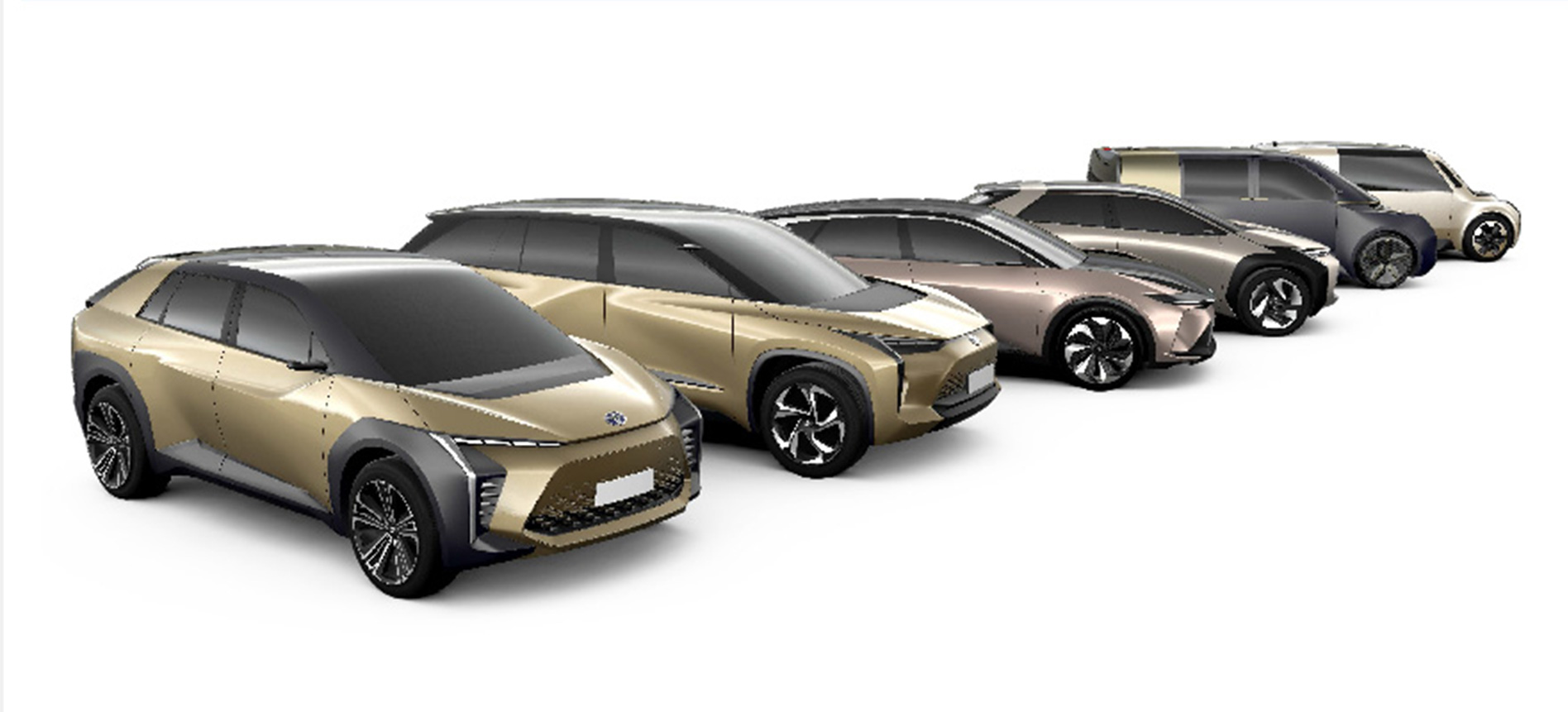
Toyota’s projected EV line-up
The e-TNGA platform is modular and can be tweaked to underpin both small and large cars. In base form, it will be front-wheel-drive, but it’s possible to add a rear motor to create an all-wheel-drive vehicle.
Batteries are laid out on the floor of the platform, and the number of cell packs can be increased from a minimum of two to a maximum of five.
Slated for a European launch first, the Evoltis will likely roll out into other markets like the US and Japan soon after.
“The news underlines Subaru’s efforts to reduce its environmental footprint in Europe and satisfy a growing demand for alternative powertrains,” read a statement.
“It also signals the brand’s second electrification step in Europe after it recently launched mild-hybrid variants of three core models in the region, where the Impreza e-BOXER, Subaru XV e-BOXER and Forester e-BOXER models today represents 60 percent of the sales volume.”
Those volume figures so far aren’t reflected in local sales of Subaru’s hybrid products, the XV and Forester, which have launched to a somewhat lukewarm reception here in Australia.
The Forester is inching up towards 7.5 percent of sales after a COVID-plagued year of delayed production, while the XV looks set to gain a second hybrid variant to mirror its boxier brother in 2021.
No word yet on when we’ll see a Subaru EV in Australia, though.
“We’re always excited to see new developments from Subaru in Japan. At this stage, we understand there are no plans for this vehicle to be launched outside European markets,” Subaru’s communication head David Rowley told WhichCar.
“However, we are always talking to the factory about future options, though there is no definite timeline in this instance.”
