
NOTE: This story, first published in January with equipment details only, has been updated with newly released pricing.
Snapshot
- Urban-focused EV: Compact SUV designed for city driving, launching in 2026
- Range Options: Expect 300-440km range with two battery choices (LFP and NMC)
- FWD Standard: Likely single-motor, front-wheel-drive configuration.
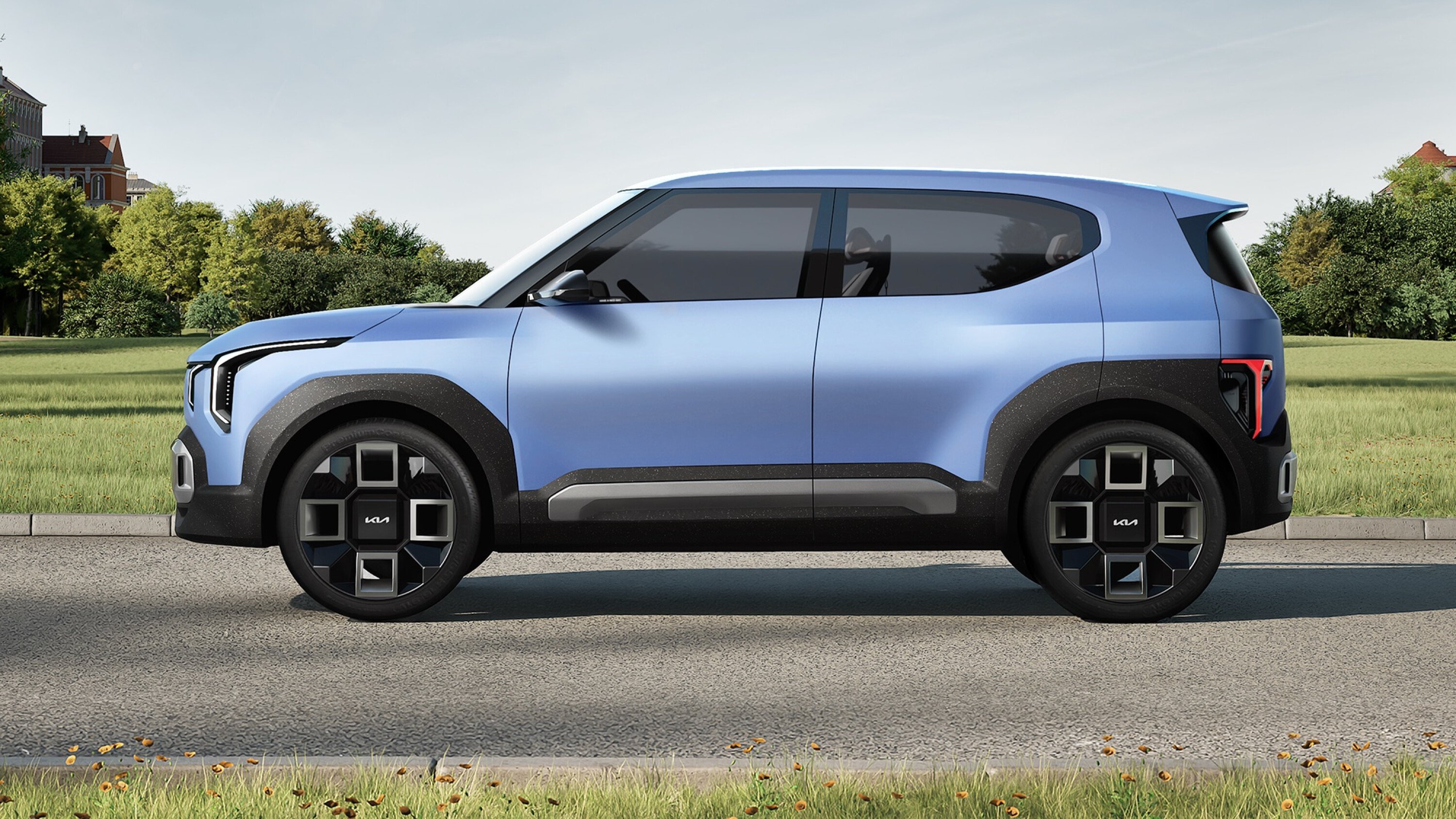
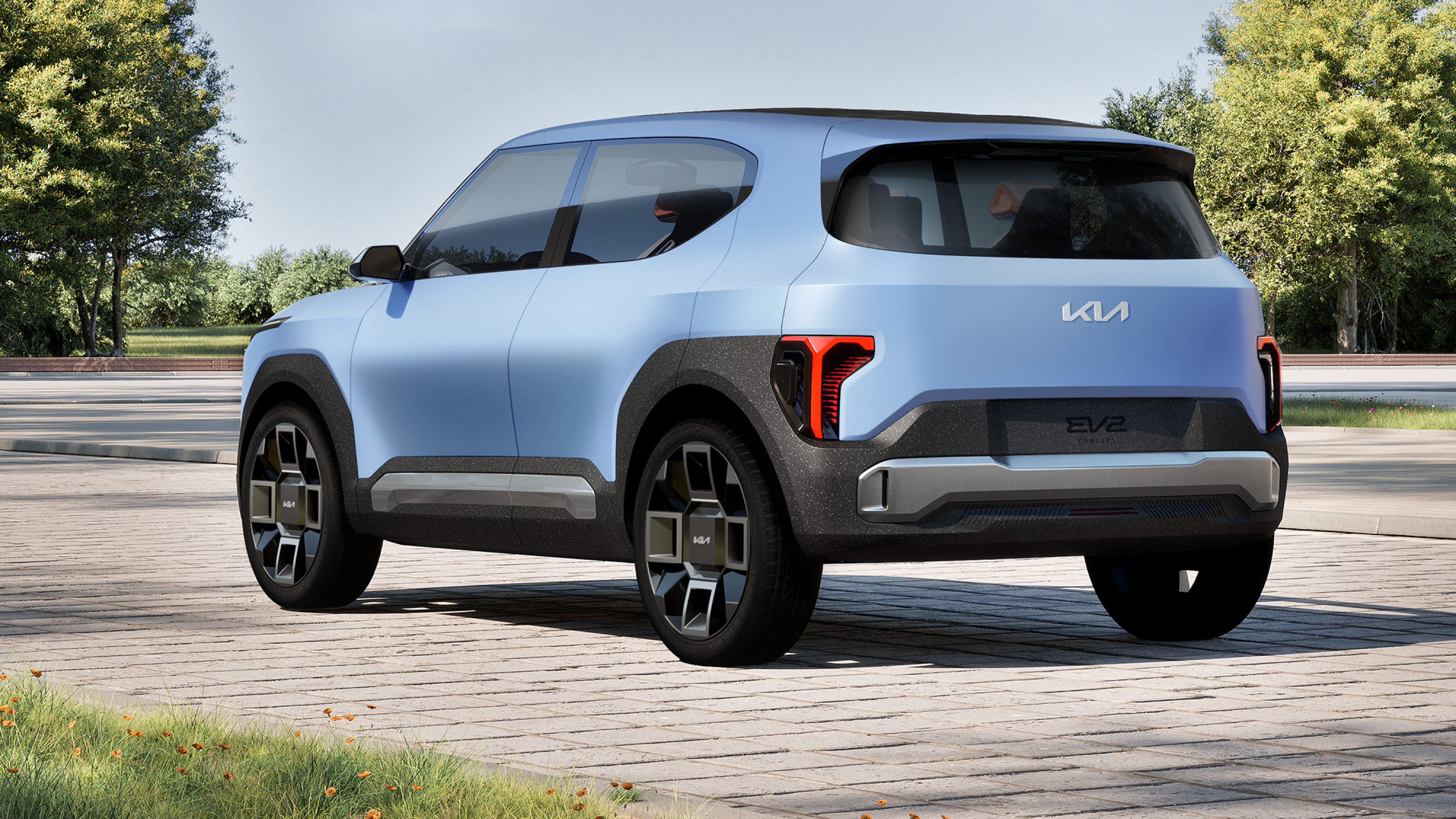
Kia’s expanding EV range is about to grow further with another new addition: the EV2, a compact electric SUV built in and aimed primarily at the European market.
But, as Wheels reported way back in 2023, the EV2’s Euro sourcing and diminutive proportions make it unlikely for Australia. “Highly unlikely”, in fact. That’s the word from Kia’s Australian office.
“We would like to offer EV2, however, production out of Slovakia does present some hurdles when it comes to logistics and cost, so it is highly unlikely,” a Kia Australia spokesperson told Wheels this week.
This won’t be a revelation to keen watchers, of course.
1
The smaller the car, the tighter the profit margins – and while Australian motorists haven’t dismissed compact SUVs as quickly as they did light hatches, it seems only the Chinese brands with their various advantages have any appetite for offering their littlest models in Australia.
Hyundai, to its credit, will soon have a crack with its tiny Inster EV – but being built in Korea is likely the factor that got it over the line. Were it built in Europe, as the newer Kia EV2 will be, a business case would be harder to build.
6
What’s driving the EV2?
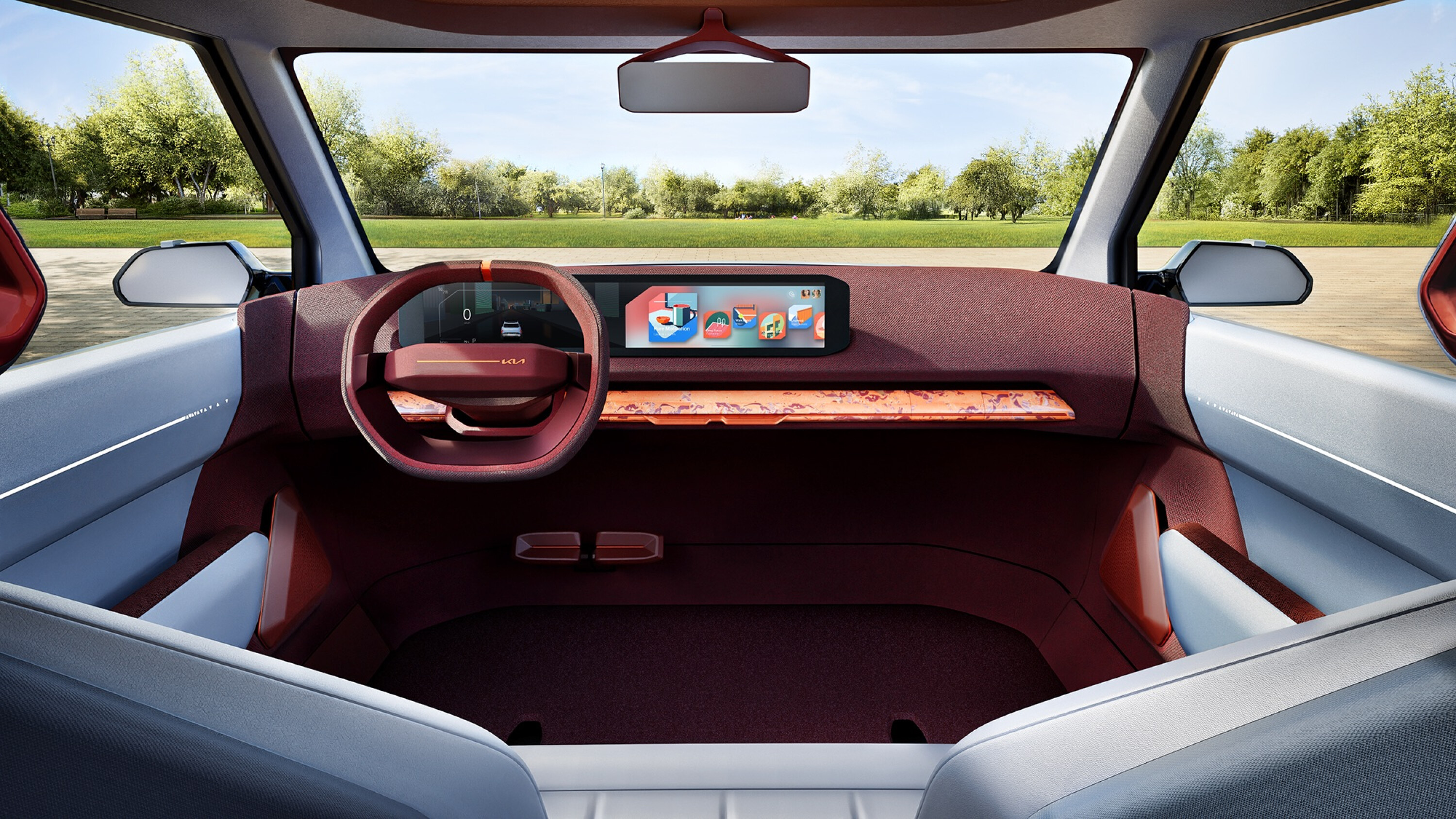
Kia has yet to reveal any technical details about the EV2 although reports suggest it will measure around 4000mm long – making it appropriately shorter than the brand-new EV3 (4300mm) and a touch shorter than the petrol-powered 4140mm Kia Stonic.
The Inster is even shorter at 3800mm, but the EV2 will ride on a newer, simplified version of Hyundai-Kia’s E-GMP platform – so the similarities between these two will be few.
6
For battery and driving range, the EV2 is expected to feature a 42kWh lithium-iron phosphate (LFP) battery in base models and a 62kWh nickel-manganese-cobalt (NMC) battery in higher-spec variants.
With those power sources, expect a driving range of 300 to 440 kilometres.
A single-motor, front-wheel-drive configuration is expected across the range, with charging speeds limited somewhat by the platform’s 400V electrical architecture.
Watch for more on the EV2 to come with its official, production-ready unveiling in the months ahead.
MORE
Everything Kia
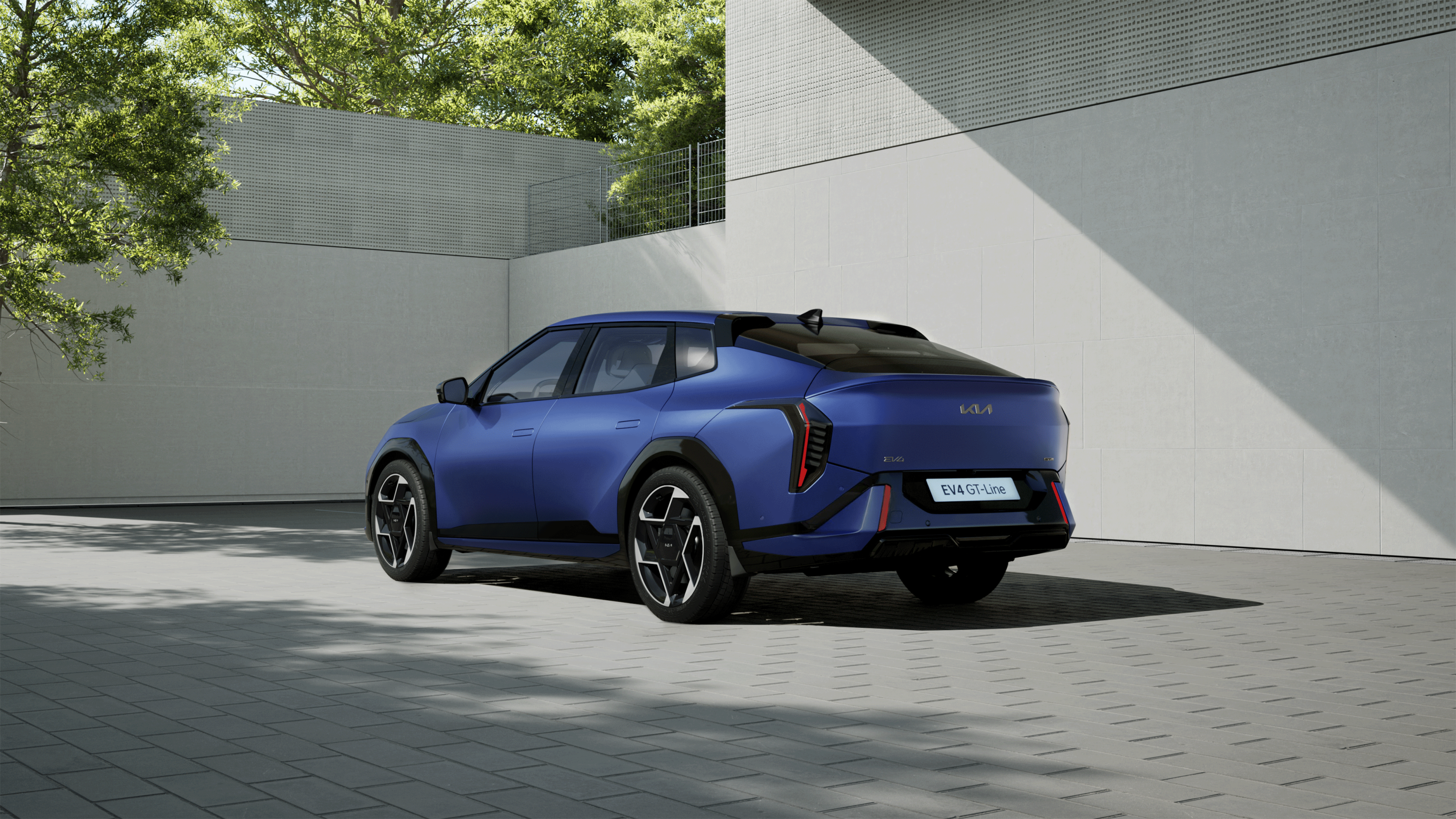
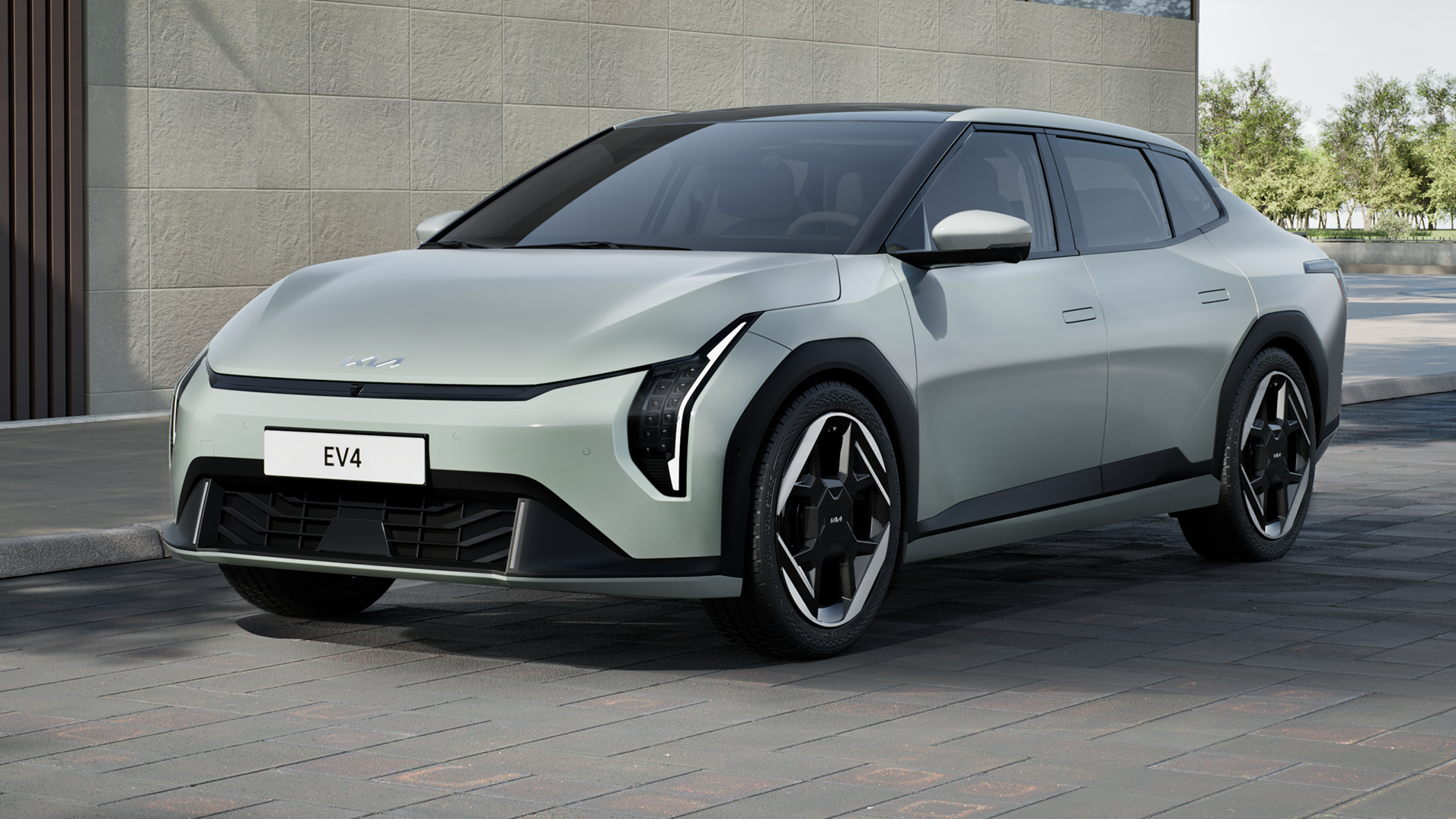
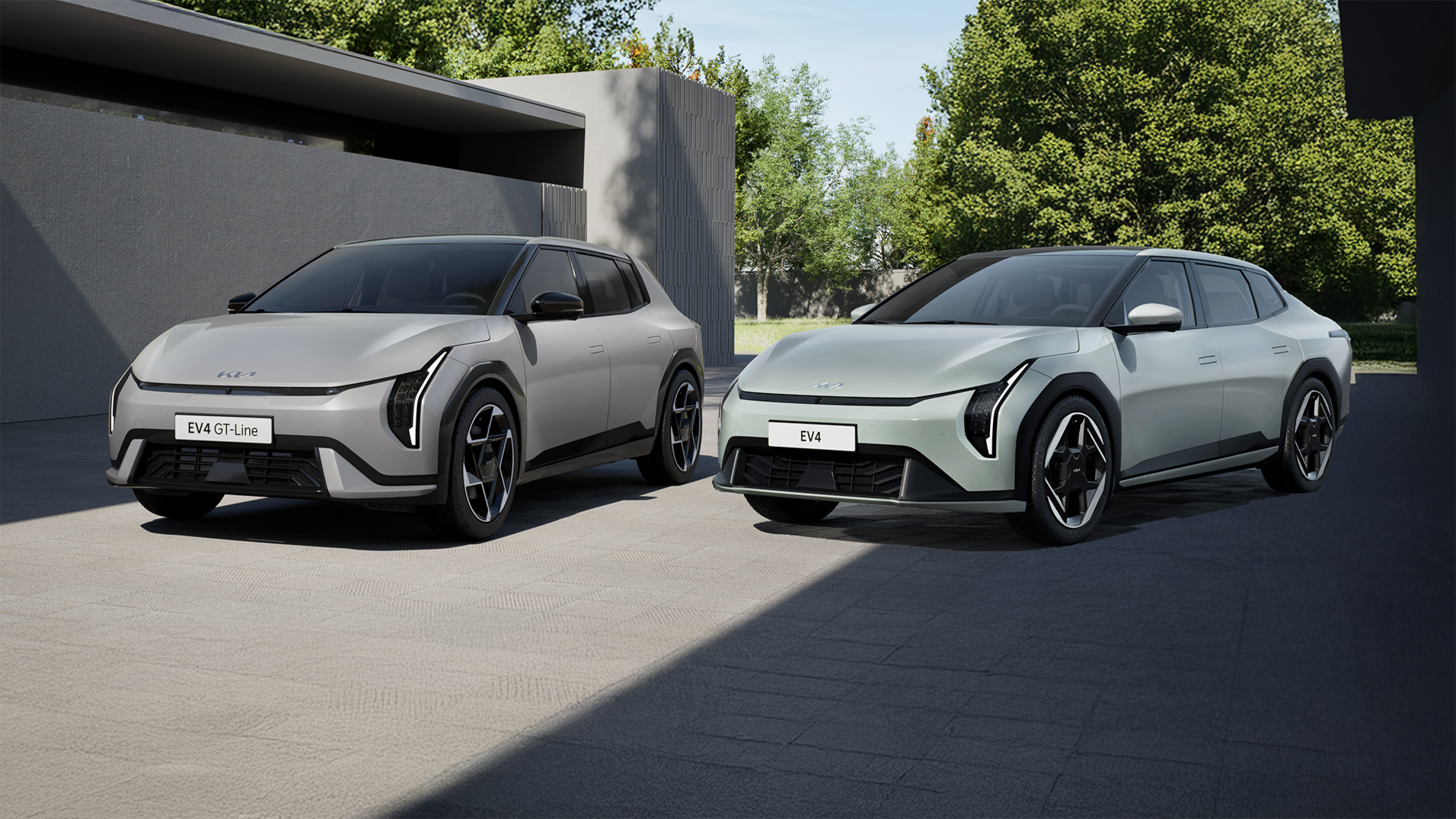
The upcoming new 2026 Kia EV4 sedan and hatch electric cars have been unveiled properly today, following last week’s initial first look.
Today’s reveal also brings the first official confirmation of an Australian launch, although final local details and pricing are still to be announced, coming “in due course”.
One detail not yet confirmed is that we might only get the Korea-built sedan, as the hatch will be built in Slovakia – and Kia Australia’s product boss Roland Rivero has commented in the past on the difficulties in securing a good price and shipping program for models out of that factory.
3
Slotting between the EV3 and the EV5 in the electric Kia line-up, the EV4 will enter as a direct rival to popular models like the Tesla Model 3, Polestar 2 and MG 4.
Along with the EV3 and EV5, the EV4 will count the bigger EV6 and EV9 SUVs among its stablemates.
3
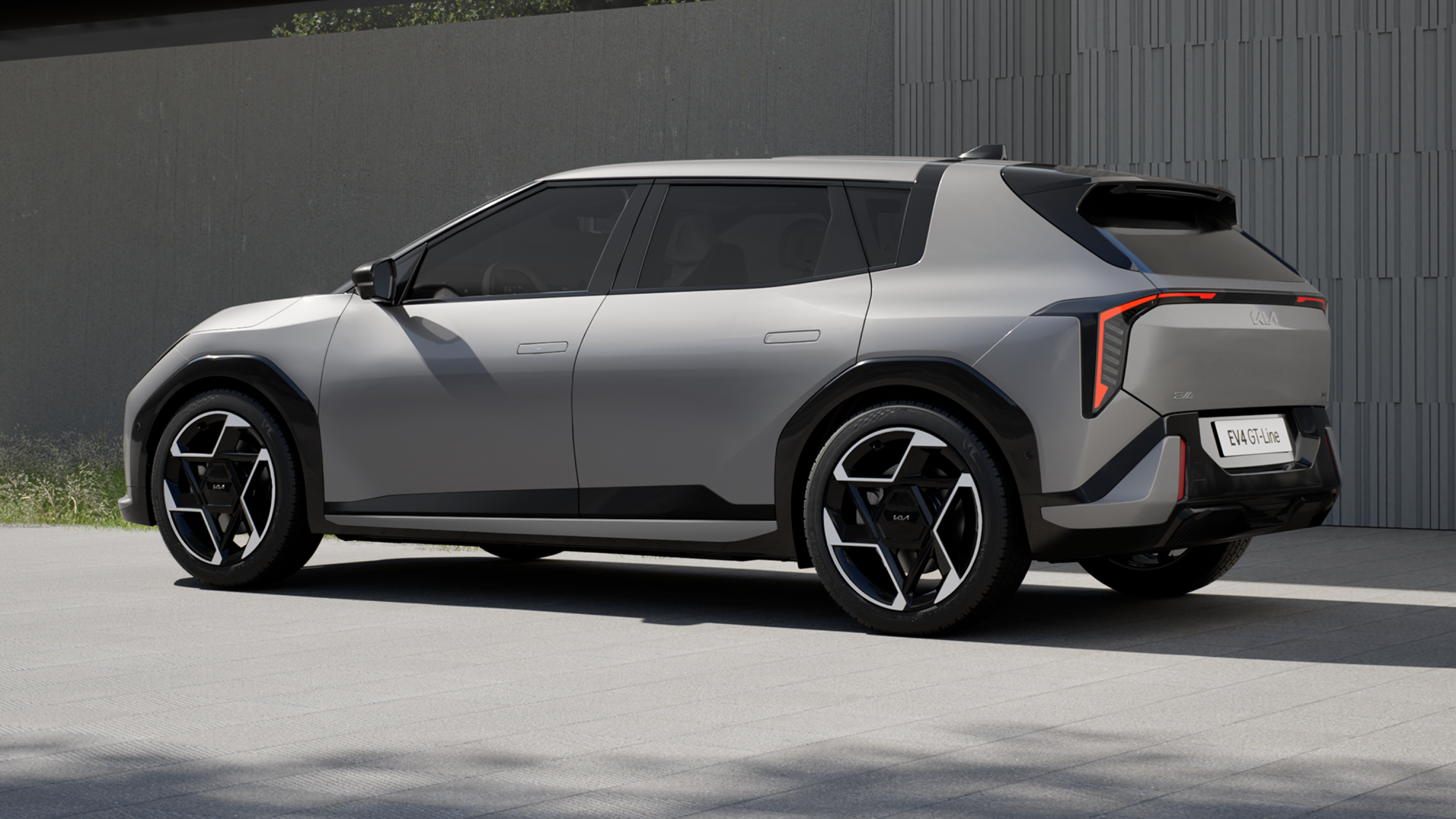
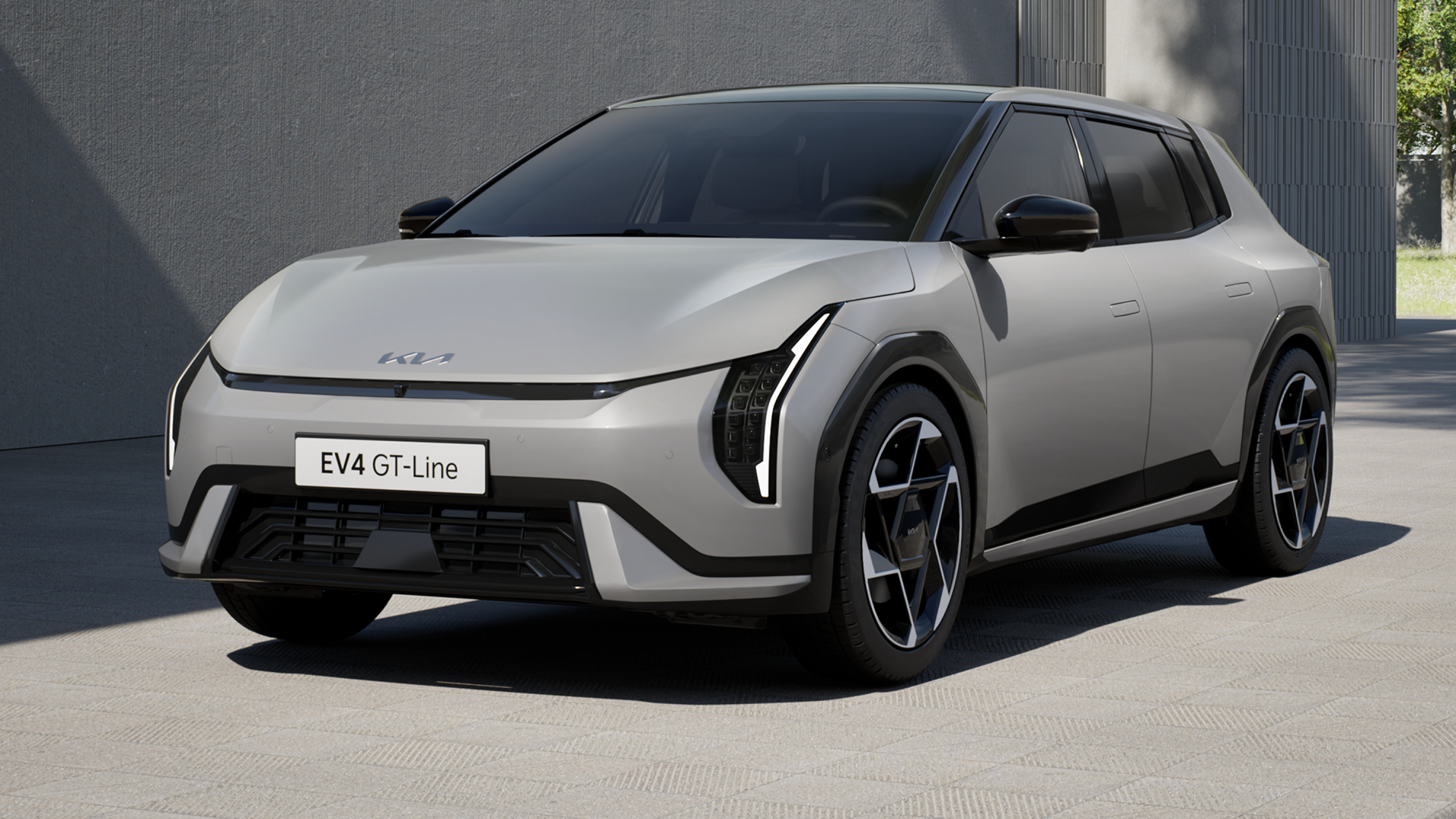
The EV4’s styling, like its siblings, is sharp and futuristic, and features the brand’s latest ‘EV Tiger Face’ design theme.
The vertical lighting units speak more to the brand’s new styling identity, while the heavily raked roofline is decidedly coupe-like.
The hatchback is boxier for more practicality and features an upright D-pillar that’s similar to the new petrol-powered K4 small car with which the EV4 will share showroom space.
6
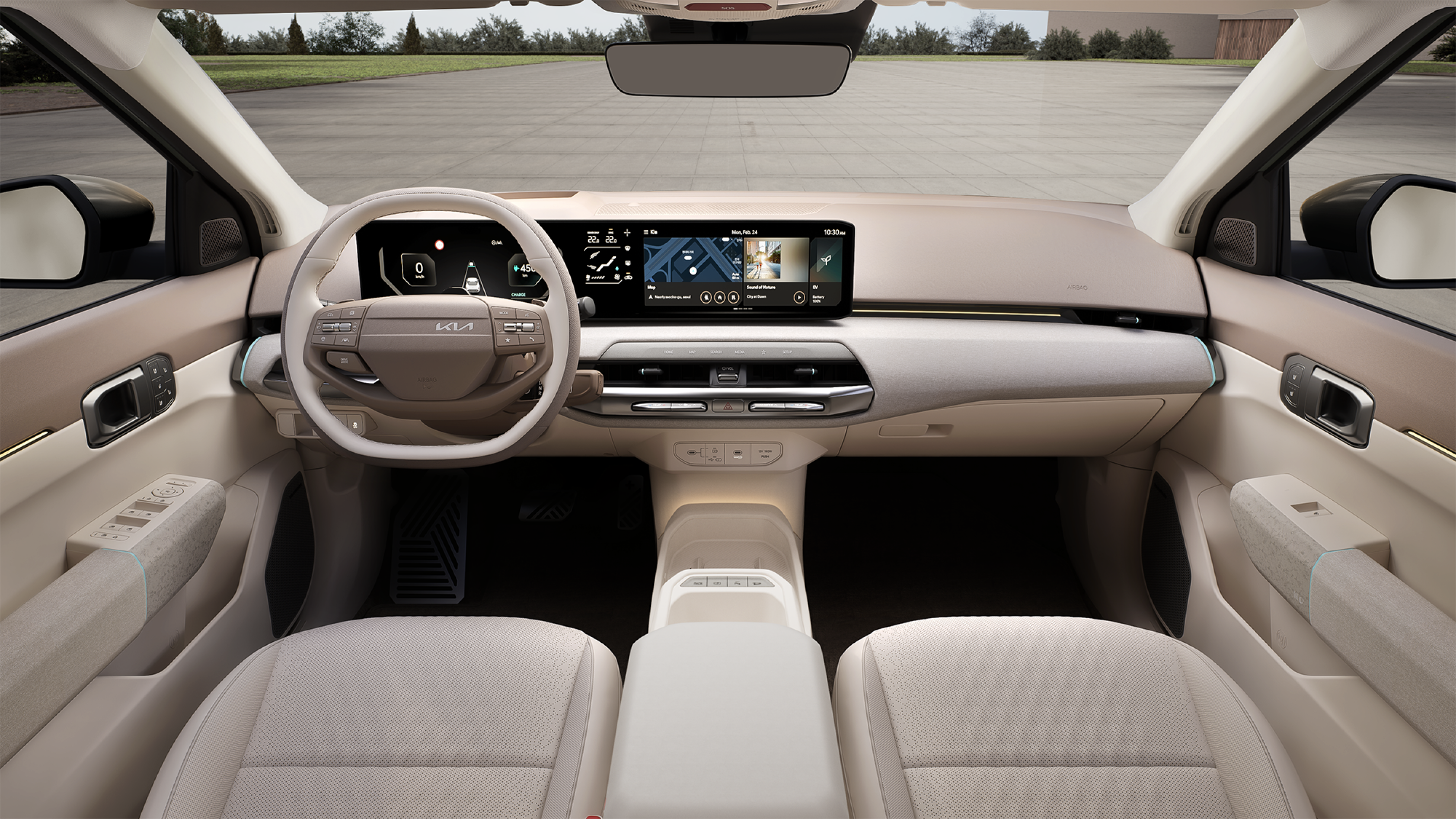
Another new detail in today’s announcement is our first look at the EV4’s interior, and it’s clear that Kia feels beige is back – although the official name might be something trendier like tan or sand… (Update: the official name is Nougat Brown.)
The EV4 isn’t Kia’s first new model with this tan/sand/beige interior finish, of course, as the EV5 has already embraced the ’90s Windows PC colour of choice.
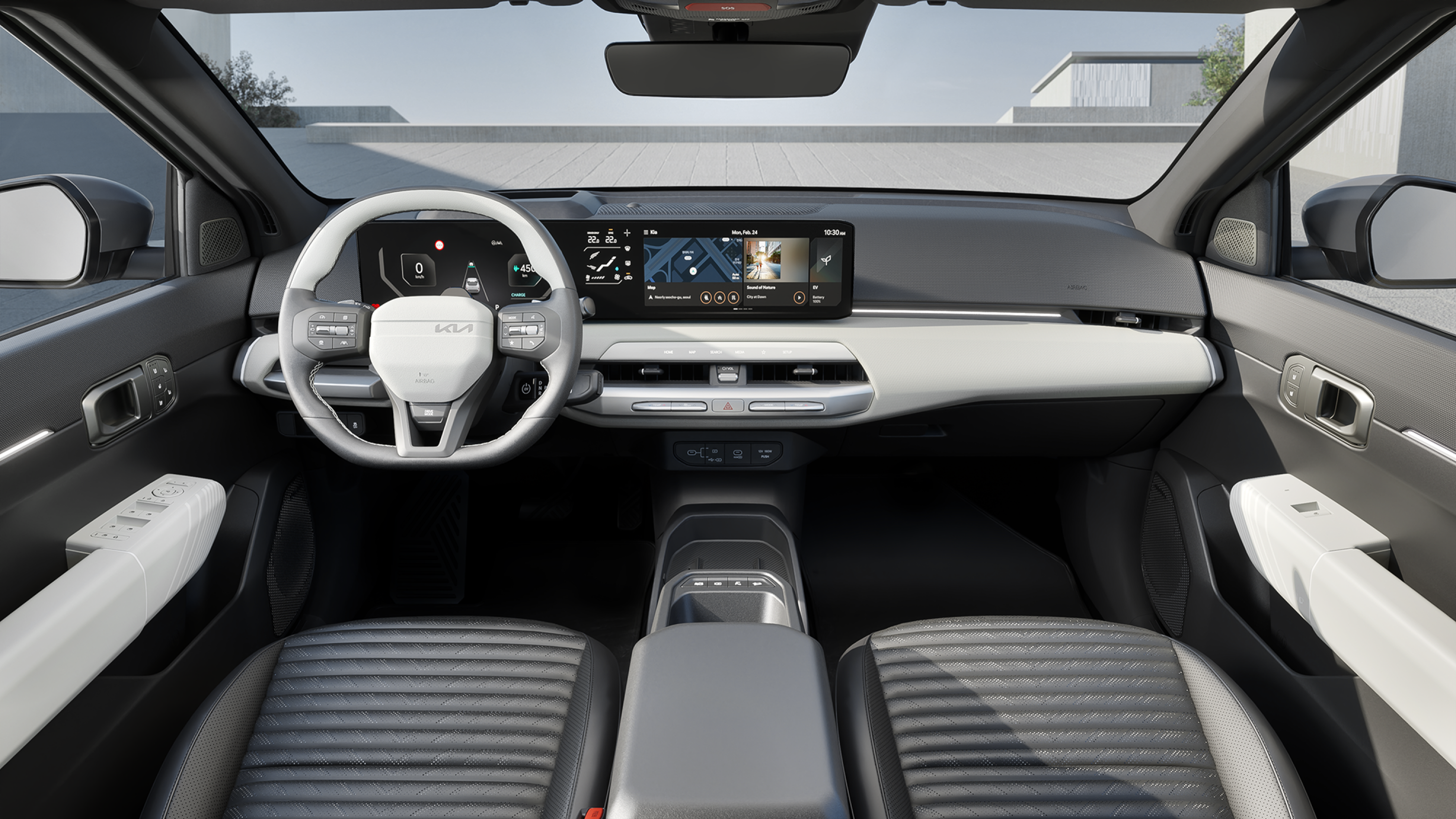
Opt for the sporty GT-Line models and you’ll be welcomed by a two-tone grey trim, shown below, along with a cool ‘crushed carbon’ or stone look to the centre console’s cover tray.
Practicality: Boot space
Kia claims a seats-up 490 litres of boot space in the sedan, and 435 litres in the hatch – the latter being based on loading to the window sill only.
Seats-down figures have not been released, and there are no images of the cargo area either.
4
Kia EV4: Motor, batteries, charging and range
The EV4 is built on the newly simplified (more affordable) 400V version of Hyundai and Kia’s Electric Global Modular Platform (E-GMP).
Two battery options are offered: a standard 58.3 kWh battery and a long-range 81.4 kWh battery.
Both battery configurations power a front-mounted 150kW motor, and Kia claims a 0-100km/h time of 7.4 seconds with the smaller battery and 7.7 seconds with the bigger, heavier long-range battery pack.
Kia says the EV4 sedan achieves a WLTP-confirmed driving range of 430km with the standard battery, and 630km with the long-range battery.
1
Opt for the hatch instead, and you’ll be promised WLTP ranges of 410km and 590km respectively.
DC fast charging is featured, allowing for a 10-80% charge in 31 minutes for the long-range model – this is slower than the likes of the sleek EV6, and that comes down to the power and cooling differences between their 400 and 800V electrical systems.
The EV4 also features an 11 kW on-board charger compatible with single-phase and three-phase inputs. Additionally, the EV4 offers 3.6 kVA Vehicle-to-Load (V2L) functionality and 10 kVA Vehicle-to-Grid (V2G) functionality.
1
Like the impressive EV6 before it, Kia says the EV4’s suspension setup is designed to provide a comfortable and engaging driving experience.
An EV-specialised MacPherson strut front suspension is equipped up front, while the rear gets a multi-link rear suspension tuned for the EV4’s weight and proportions.
Supporting that setup is Kia’s third-gen ‘SFD3’ frequency-responsive suspension dampers and Hydro G suspension bushings. We’ll have to wait until we drive it before we can confirm its potential, but Kia says these systems will work together to reduce noise and vibration, improve ride comfort, and enhance cornering stability and responsiveness.
1
When will the EV4 reach Australia?
For now, Kia has only confirmed a March 2025 launch for Korea and ‘second half 2025’ for Europe.
A late 2025 or early 2026 launch might then be likely for Australia.
Watch for more details to come in the months ahead.
MORE
Everything Kia
MORE
Electric Cars
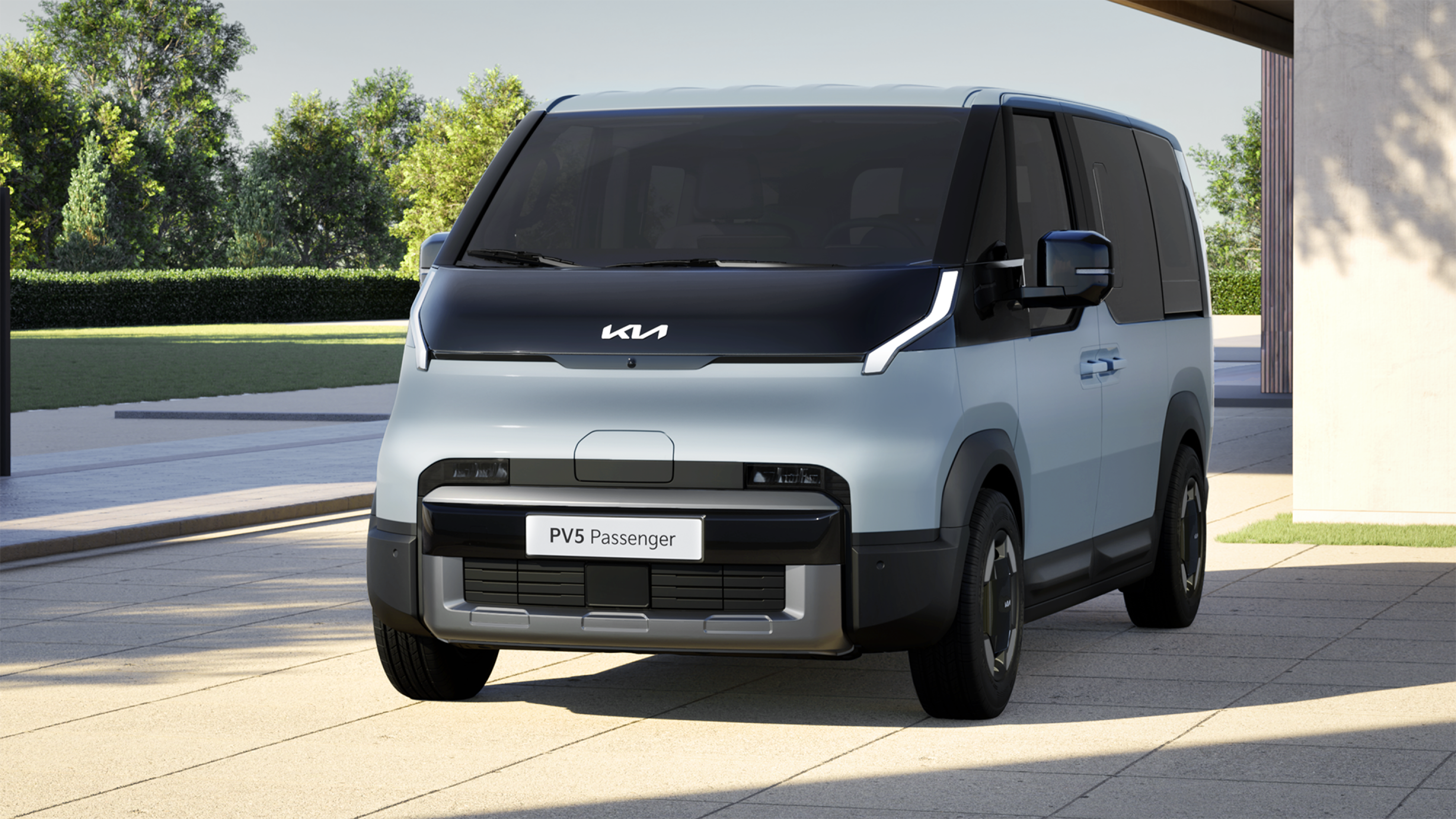
Kia has finally revealed its upcoming PV5 electric vans inside and out, with today’s release showing the full interior design and configuration for the first time.
This latest issue also delivers the first key details of the PV5’s electrical package, including battery specs, driving range, power and more.
The PV5’s initial appearance as a concept at the Consumer Electronics Show in January 2024 saw it showcased alongside the larger PV7 and the smaller PV1, all revealed as part of Kia’s long overdue return to the commercial vehicle market.
1
Kia says the PV5 will be available in multiple forms, starting at basic people-mover and cargo van bodies. The latter is shown here in full cargo and half-cargo Crew variants.
Beyond the passenger and cargo variants, Kia plans to introduce specialised conversion options – including a Wheelchair Accessible Vehicle and cab-chassis forms.
Kia already has a people mover in the form of the popular Carnival, but where that model is car-based and petrol/diesel-powered family offering, the PV5 will veer closer to Hyundai’s Staria and Staria Load twins – but with electric power.
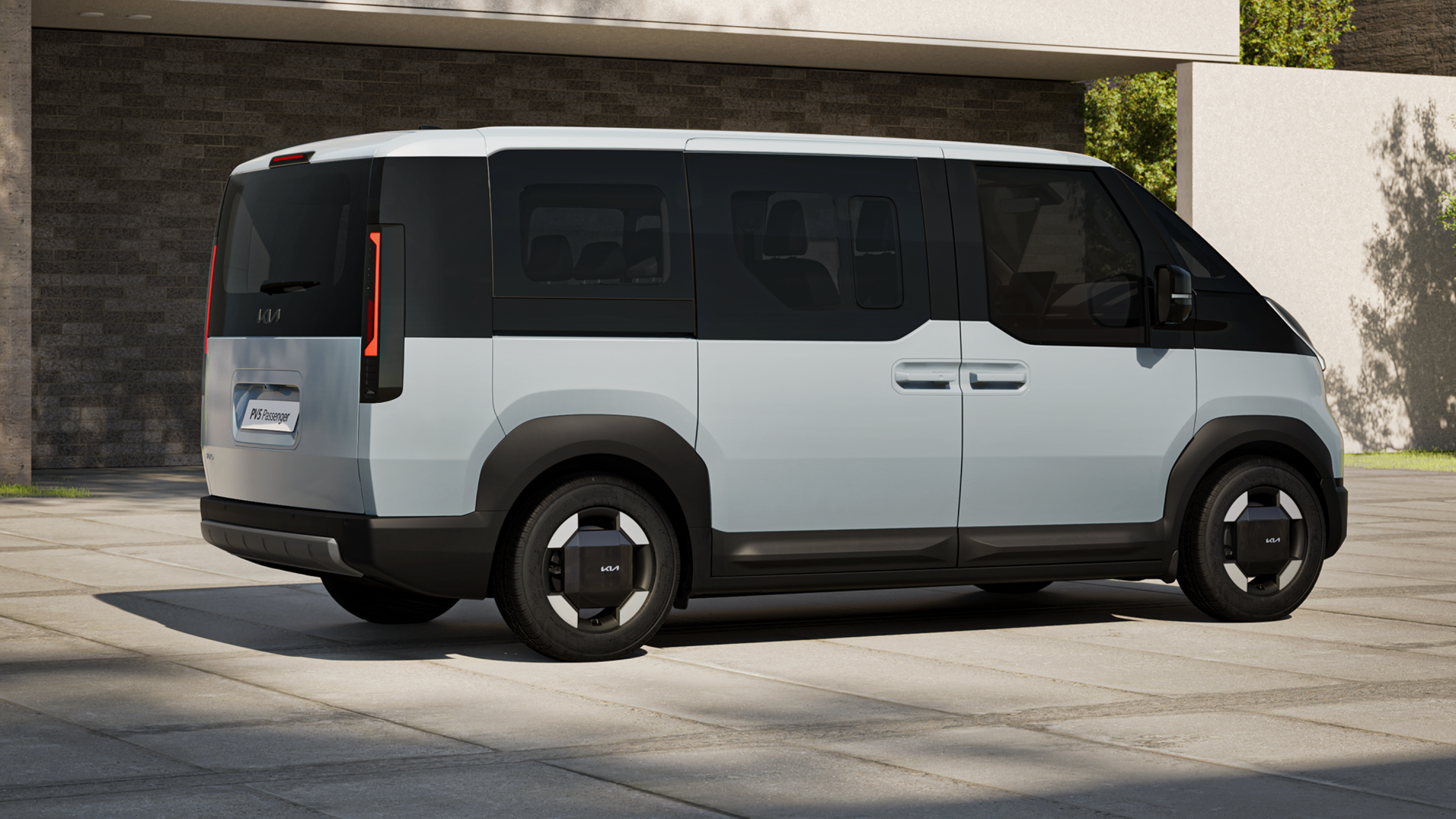
PV5 Passenger features
- Three-row seat configuration with flexible layouts (2-3-0, 1-2-3)
- Fold-and-dive seating options
- Open-source platform for accessory installation
- Kia AddGear modular interior customisation
1
According to Kia design boss Karim Habib, the PV5’s look adheres to Kia’s ‘Opposites United’ design philosophy.
The goal, he says, is for each ‘PV’ model to project a solid, futuristic, and capable character.
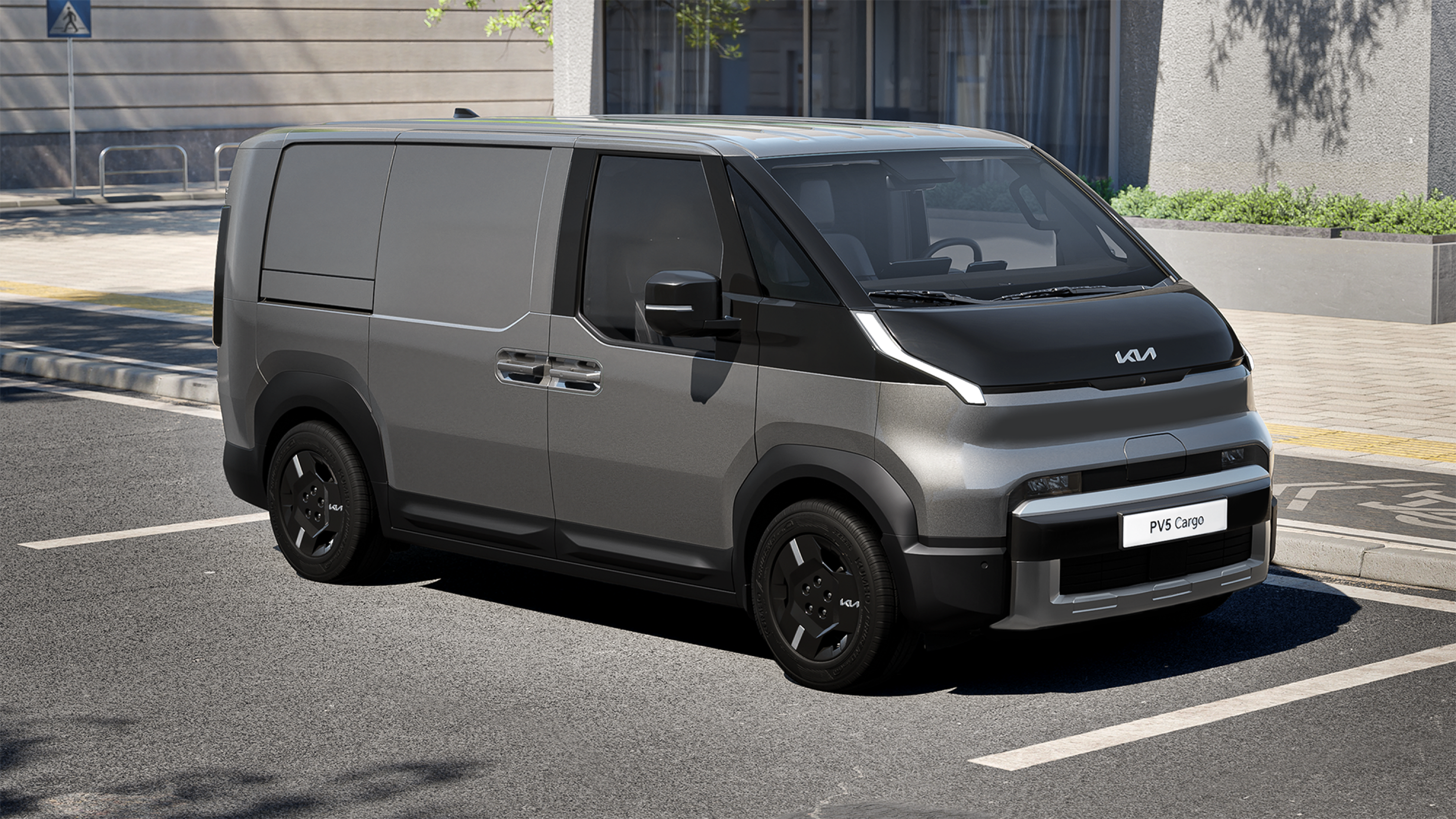
The PV5 Cargo model shares the geometric design language of the passenger model but incorporates a boxier profile to maximise internal space.
1
PV5 Cargo features
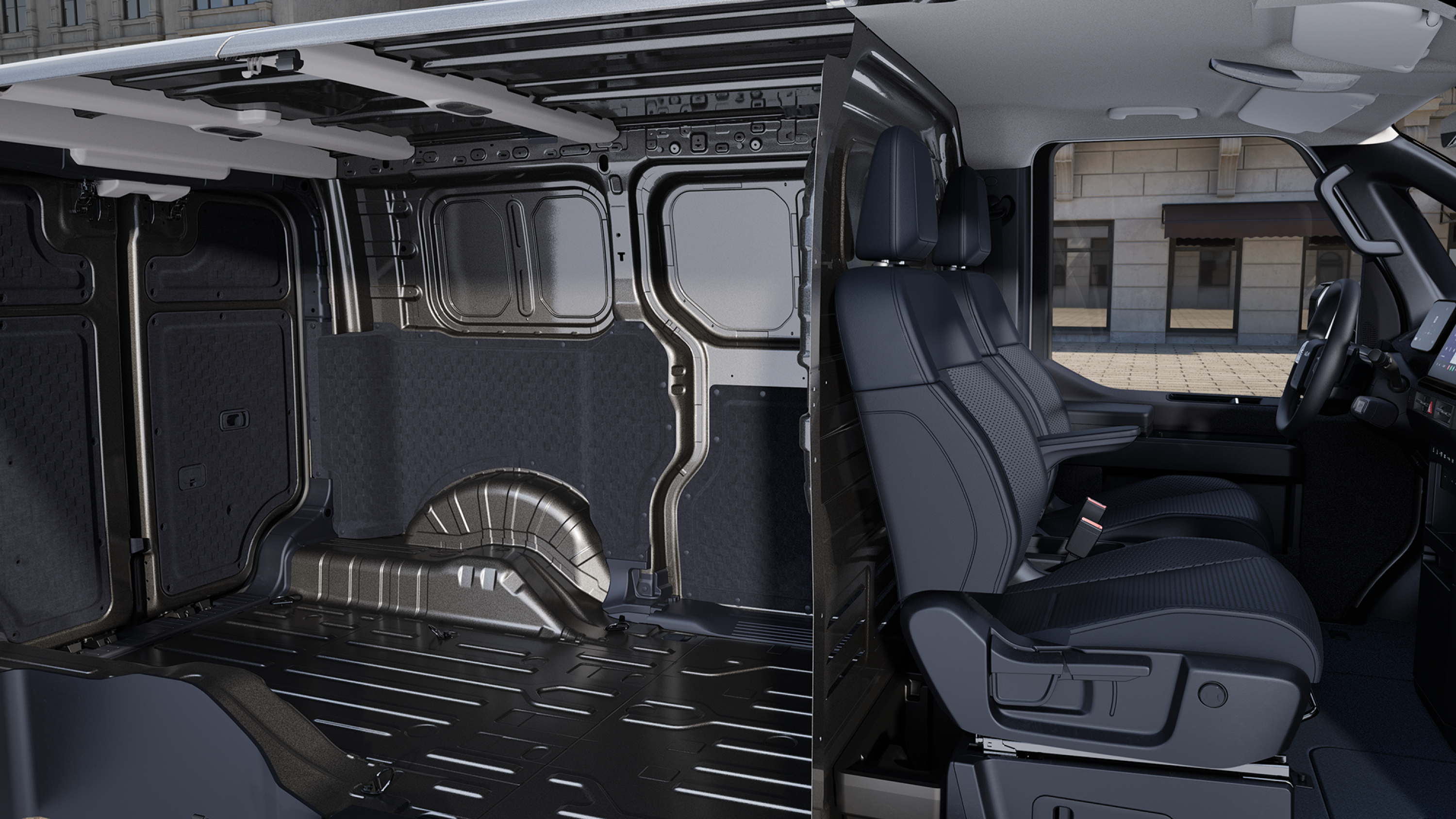
- Cargo capacity up to 5.1 mu00b3 (High Roof)
- Low cargo room step height of 419mm
- Optional L-track mounting system for flexible cargo securing
- V2L (Vehicle-to-Load) functionality in the cargo area
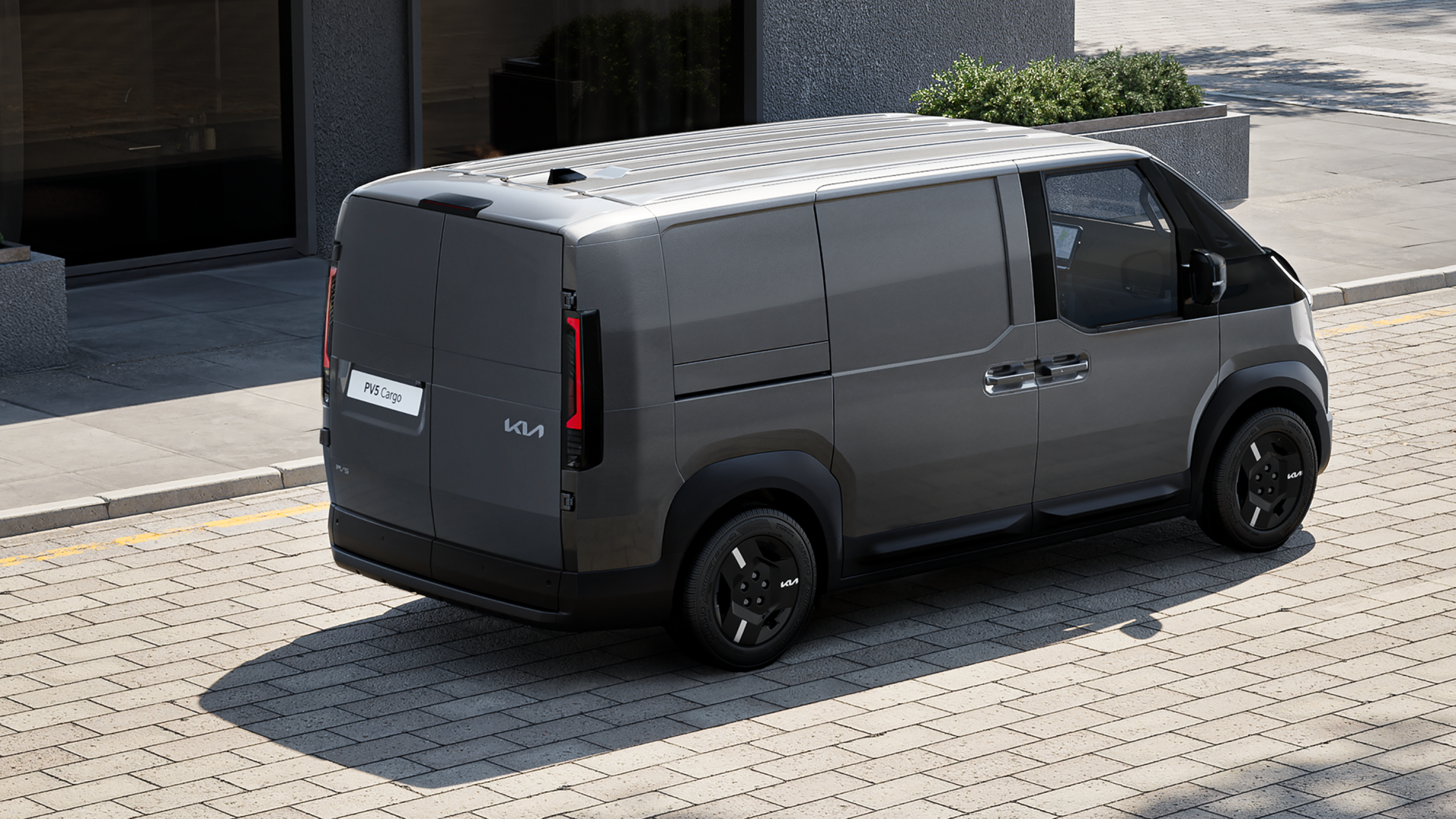
A key feature of the Cargo variant is its twin side-opening tailgate doors, designed to improve loading and unloading practicality.
The rear design is intended to complement the side lines, creating a solid and modern look, and contributing to the vehicle’s overall load capacity.
1
Kia PV5: Electric motor, battery, charging and driving range
Powering the PV5 range is a choice of two Nickel Cobalt Manganese (NCM) battery packs: a 51.5 kWh option for those needing a daily commuter, and a larger 71.2 kWh pack for extended range.
For the cargo version, which is likely to run specific short city routes between regular charging sessions, a 43.3 kWh Lithium Iron Phosphate (LFP) battery is also available.

9
All models are driven by a 120kW/250Nm front-mounted motor, powering the front wheels only. A dual-motor, all-wheel-drive version could debut later, but Kia is yet to confirm plans.
Kia claims a driving range of 400 kilometres on a single charge when the PV5 Passenger is fitted with the 71.2kWh battery. A driving range for the smaller battery is still to be released, and it’s unclear for now what sort of passenger and cargo load is factored into that 400km range.
WIth a 400V electrical system, the PV5 claims a 10-80% charge time of 30 minutes.
6
Technology and Connectivity
- 7-inch instrument cluster and 12.9-inch navigation screen.
- Android Automotive OS-based infotainment system and app market.
- Over-the-air (OTA) updates.
- Digital Key 2.0 technology (NFC+BLE+UWB).
- Smartthings pro IOT integration.
Watch for more on the PV5’s Australian range to be announced in the months ahead.
MORE
Everything Kia
The refreshed ‘Mark 8.5’ Volkswagen Golf, unveiled in January 2024, is due in Australian showrooms this April.
Snapshot
- Line-up begins from $38,690 before on-road costs
- Life, Style, and R-Line get 110kW/250Nm 1.4L turbo-petrol engine with an 8spd auto; Style and R-Line gain feature upgrades
- GTI boosted to 195kW/370Nm, gains handling tweaks & 19-inch alloys
- R flagship gets a power bump to 245kW
Australia’s Golf range will again kick off with the entry Life, followed by the Style, R-Line, GTI and the performance flagship, the Golf R.
The 2025 Volkswagen Golf Life, Style, and R-Line variants retain the 110kW/250Nm 1.4-litre turbocharged four-cylinder petrol engine previously offered, coupled to an eight-speed automatic transmission.
As ever with the Golf range – and despite growing interest in the option among other brands – Australia will continue to go without the hybrid and plug-in hybrid options available in Europe.
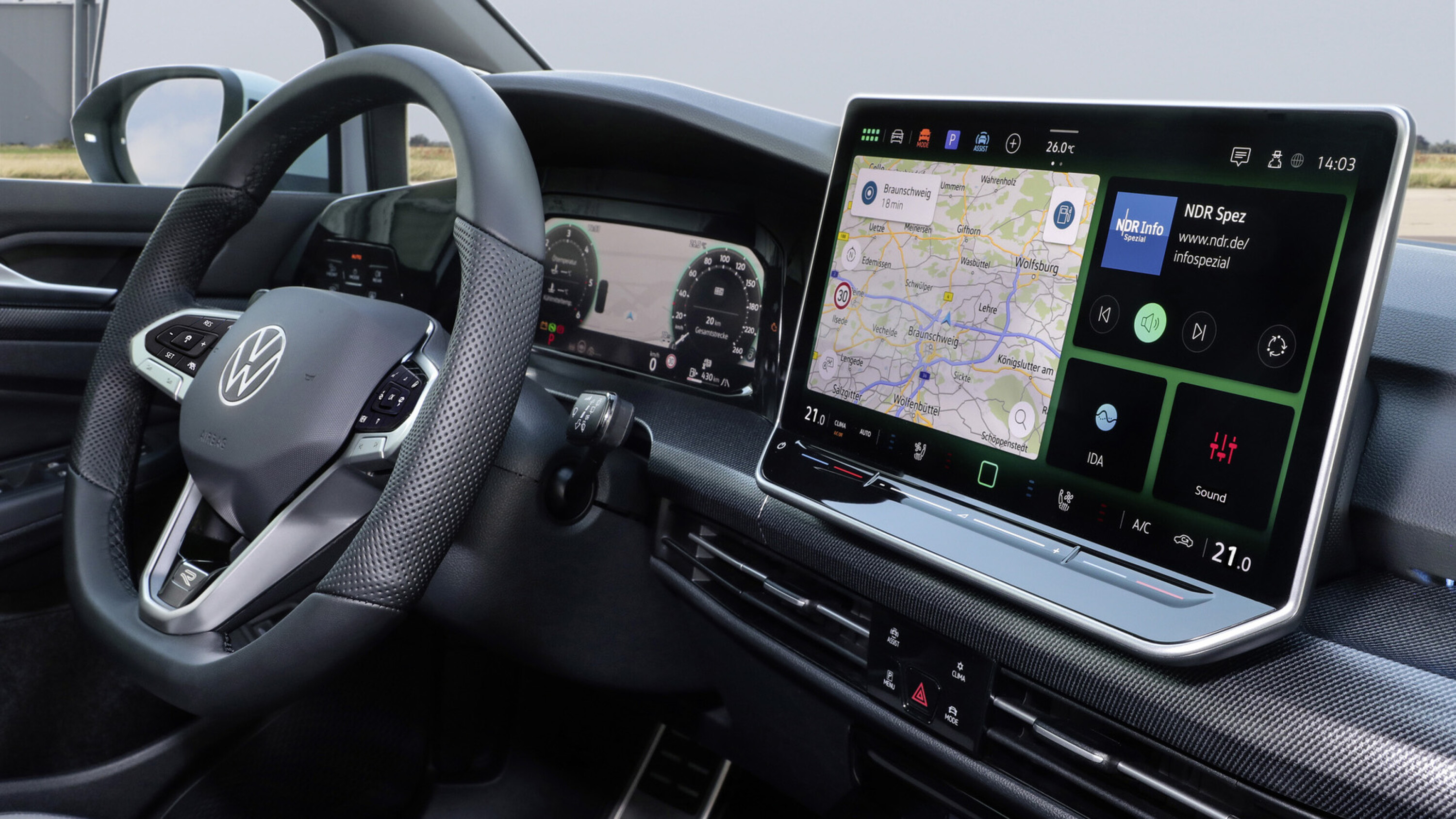
Some will also be pleased to note the capacitive steering wheel of GTI and R models has been replaced with the same version fitted to standard Golf variants, which sees a return to physical controls – in line with VW’s shift away from touch-sensitive buttons to address customer ‘frustration’.
1
2025 Volkswagen Golf equipment
Golf Life
| Model | Outputs | Price |
|---|---|---|
| Golf Life | 110kW/250Nm | $38,690 + on-road costs |
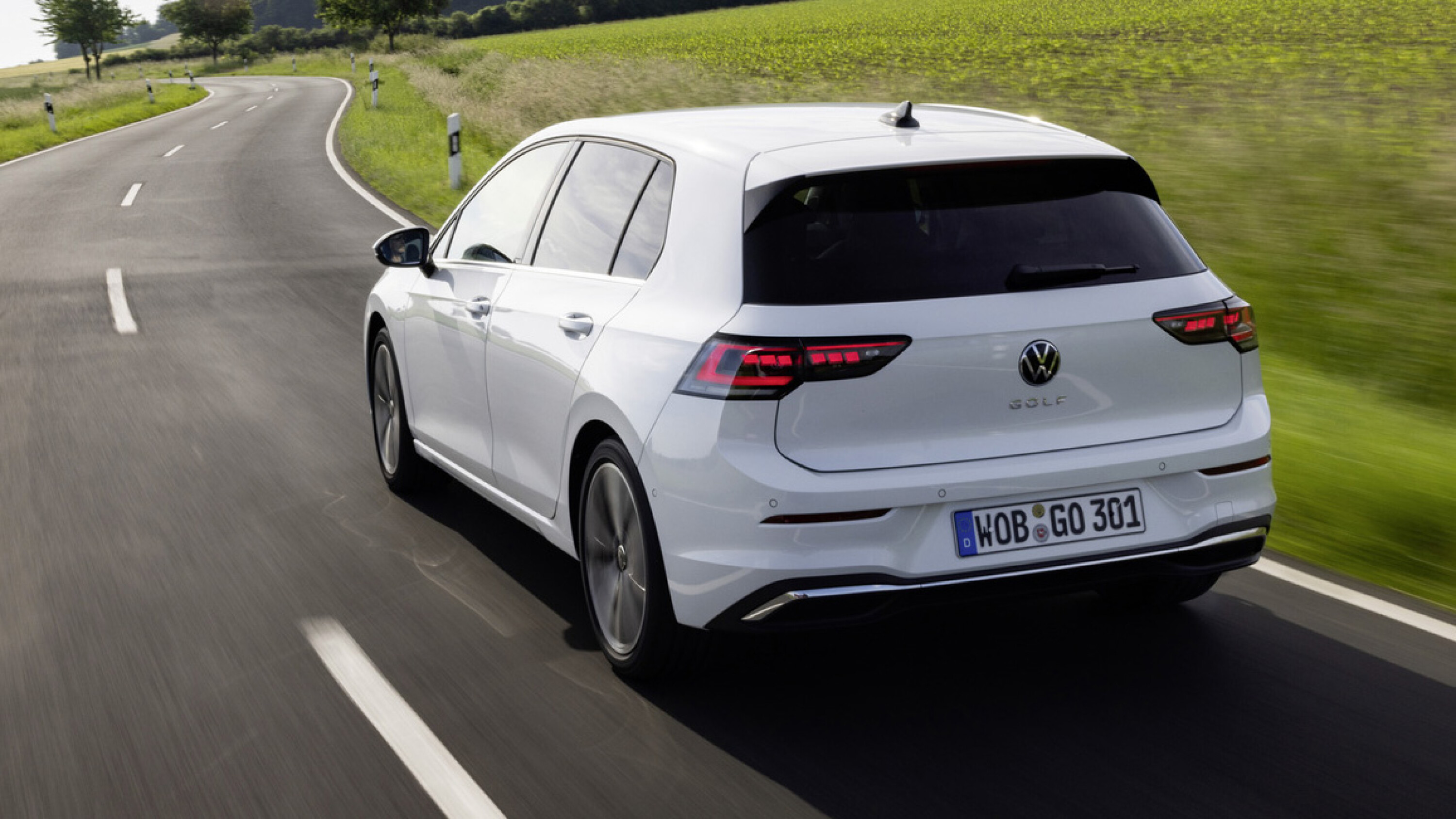
The Life is still a couple grand more expensive than where the Golf kicked off from only two years ago, but it’s also better equipped than ever before.
Standard kit includes 17-inch alloy wheels, front and rear parking sensors, Park Assist, a rear-view camera, LED headlights with Light Assist, keyless entry and alarm, surround lighting, a leather-wrapped steering wheel, single-zone climate control, a 10.3-inch infotainment display, DAB+ digital radio, a ventilated wireless smartphone charger, and wireless App-Connect.
Interior niceties are rounded out with carpeted door pockets, a multi-tier adjustable centre armrest, vanity mirror lights, and rear air vents – all elements that Volkswagen’s local arm describes as “long ignored” by “several other competitors”.
Standard safety features in the Golf Life include Travel Assist (combining adaptive cruise control and Lane Assist), Front Assist with pedestrian and cyclist detection, and Side Assist with rear cross-traffic alert.
1
Golf Style
| Model | Outputs | Price |
|---|---|---|
| Golf Style | 110kW/250Nm | $43,690 |
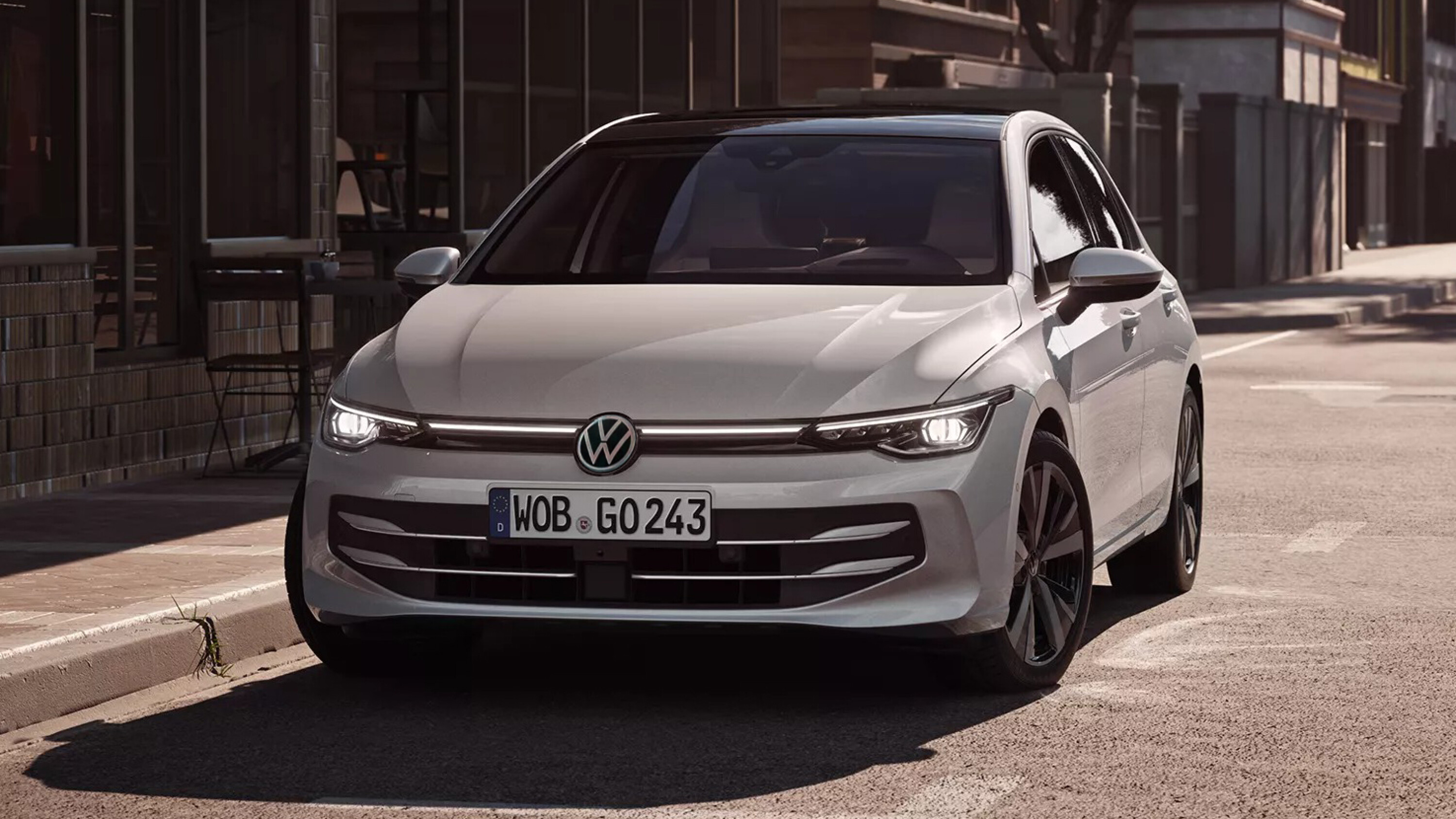
The Golf Style grade boosts the premium appointments with 18-inch alloy wheels with chrome exterior highlights, dark-tinted privacy glass, and LED Plus headlights.
The cabin gets a larger 12.9-inch infotainment screen with integrated navigation and IDA voice assistance.
Thirty-colour ambient lighting is also standard, along with an ErgoActive driver’s seat with 14-way electric adjustment and memory, and ArtVelours microfleece upholstery throughout the five-person cabin.
Golf Style buyers can also option a panoramic sunroof and a ‘Sound & Vision’ package, adding Harman/Kardon audio, a head-up display and a 360-degree camera system – the latter being a first for the Golf.
1
Golf R-Line
| Model | Outputs | Price |
|---|---|---|
| Golf R-Line | 110kW/250Nm | $47,990 |
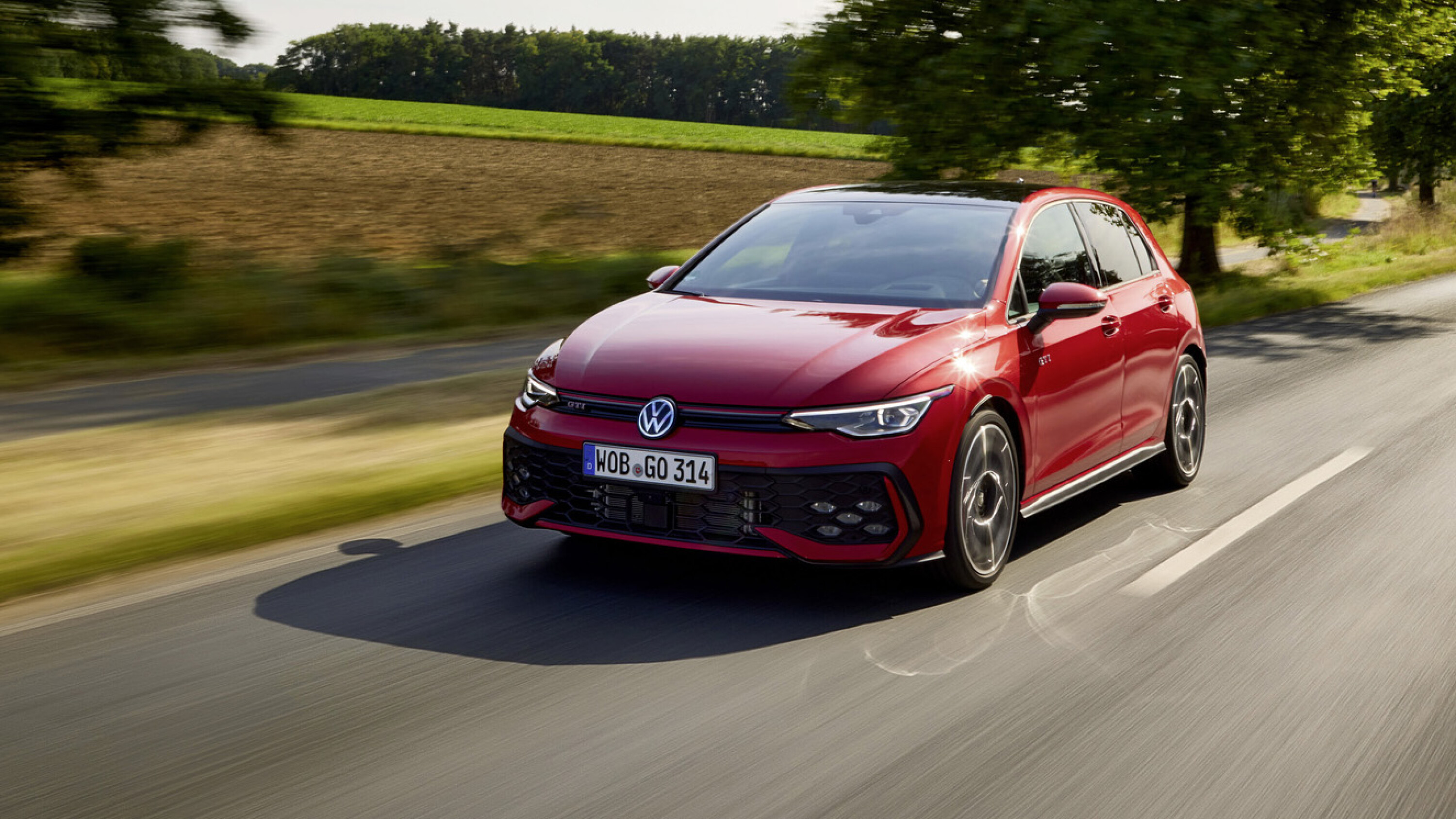
The R-Line tops the ‘regular’ part of the Golf range, adding a sports focus while retaining the 1.4-litre 110kW/250Nm engine.
Standard features for the R-Line 18-inch alloy wheels, driving profile selection (including Sport mode), progressive steering for sharper responses, R-Line specific exterior and interior styling including front sport seats, and now, standard Vienna leather-appointed upholstery, heated and ventilated front seats, plus electric driver’s seat with memory function.
The R-Line is also available with the optional sunroof and Sound & Vision package.
1
Golf GTI
| Model | Outputs | Price |
|---|---|---|
| Golf GTI | 195kW/370kW | $58,990 |
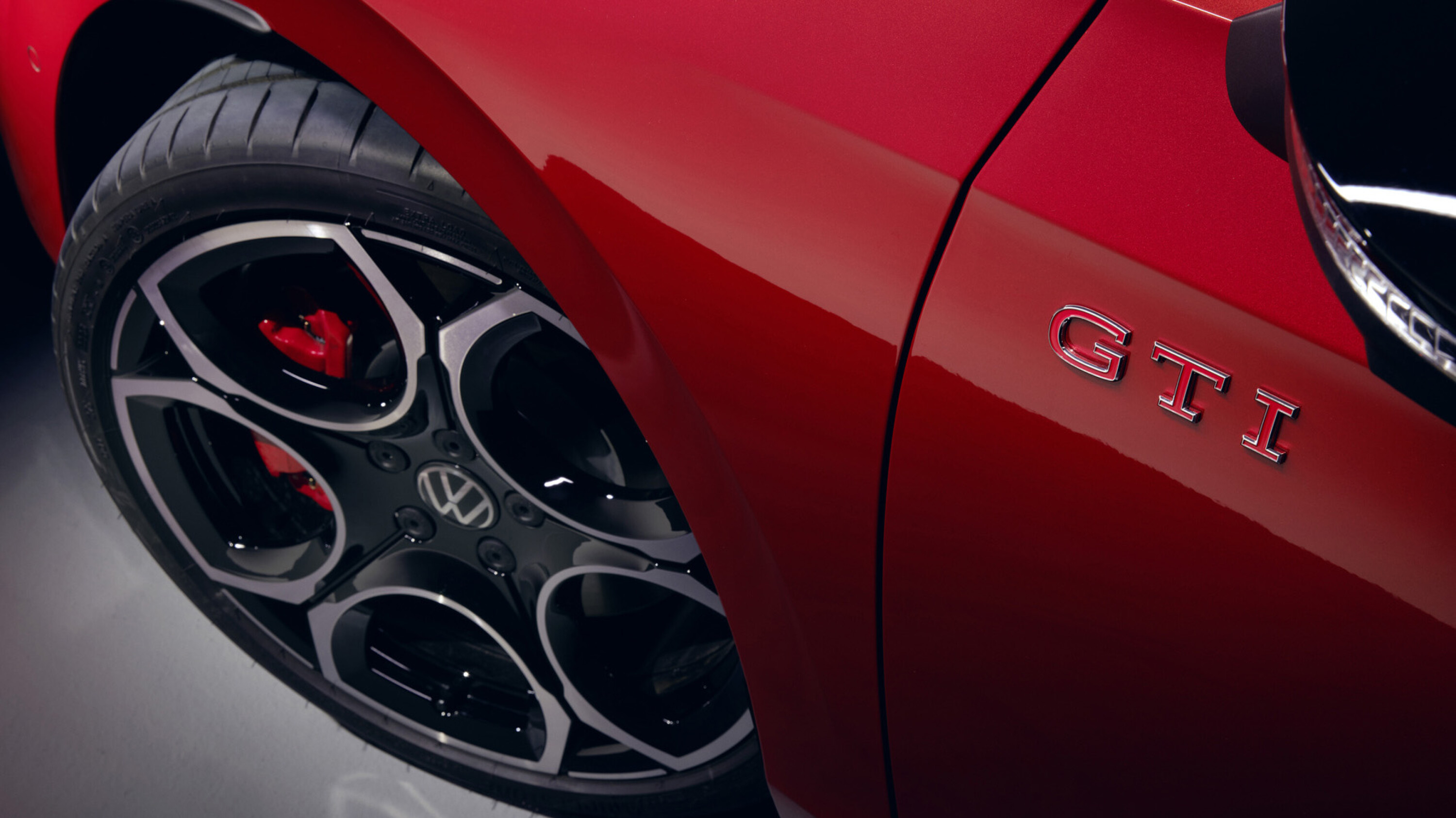
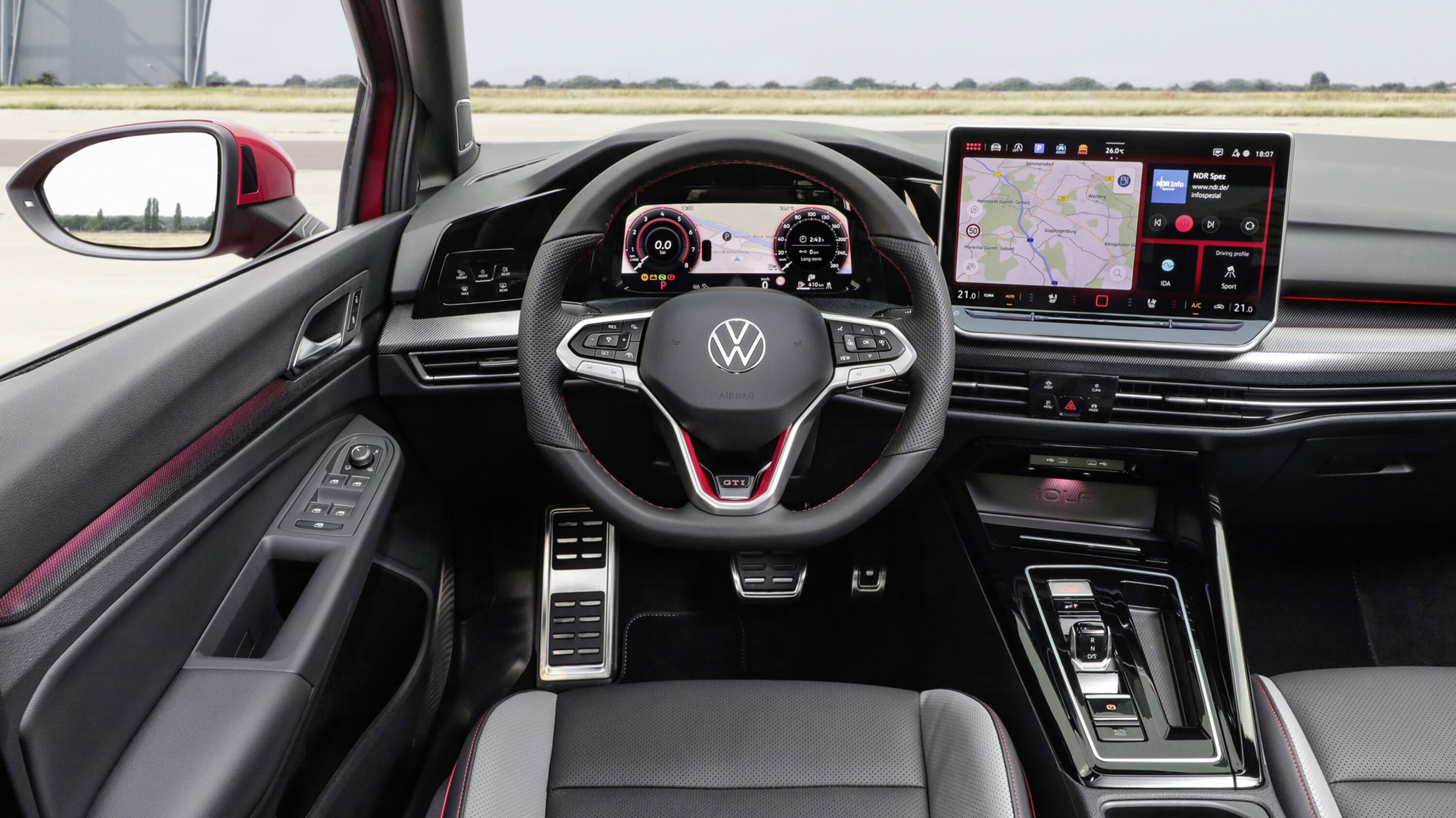
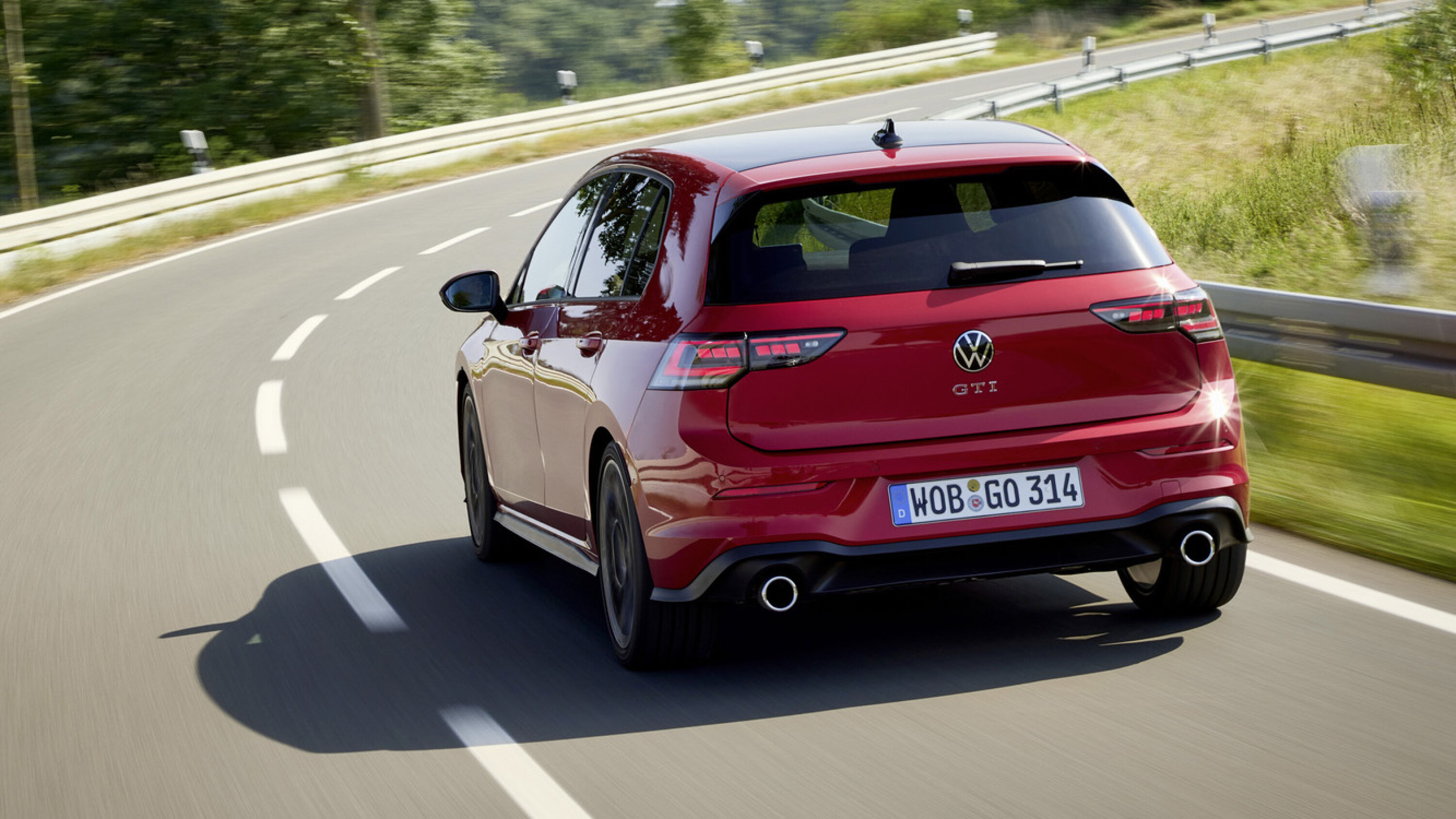
VW’s sports icon, the Golf GTI, gains a handful of updates for the 2025 model year.
Under the bonnet, the GTI’s long-serving EA888 2.0-litre turbo petrol four-cylinder takes a handy power boost, mirroring the European market’s leap from 180 to 195kW.
This isn’t the first time we’ve seen a 195kW Golf GTI in Australia, but it’s the first time the regular model has had the treatment. Torque is unchanged at 370kW, and that’s plenty for this front-wheel-drive hot hatch.
The transmission on offer remains an auto-only affair, but this time it’s not just Australia – where the manual was dropped in 2018 – but also for Europe. Flags at half-mast, folks.
1
2
Other performance-focused updates to the Golf 8.5 GTI include revised steering and DCC Pro adaptive chassis control as standard, and new 19-inch alloy wheels – up from 18, when 19s were a box to tick.
The rubber package hasn’t been detailed, but the previous GTI’s optional 19s were wrapped in Hankook Ventus S1 Evo3 or Bridgestone Potenza S005 tyres.
Other standard features include a 12.9-inch main display, metallic paint, fog lights, the new Park Assist Plus, tri-zone climate control, LED Plus headlights, and 30-colour ambient lighting.
1
The panoramic sunroof is now available as a standalone option on the GTI, separate from the previous Luxury Package. Uniquely, this change means buyers can choose the classic tartan cloth trim with the sunroof for the first time.
A new Leather Package is also available, offering Vienna leather trim, along with an electric driver’s seat and heated/ventilated front seats, without the need to include the sunroof.
The Sound & Vision package for the GTI adds a 360-degree camera (Area View), a Harman/Kardon audio system, and a head-up display.
2
Golf R
| Model | Outputs | Price |
|---|---|---|
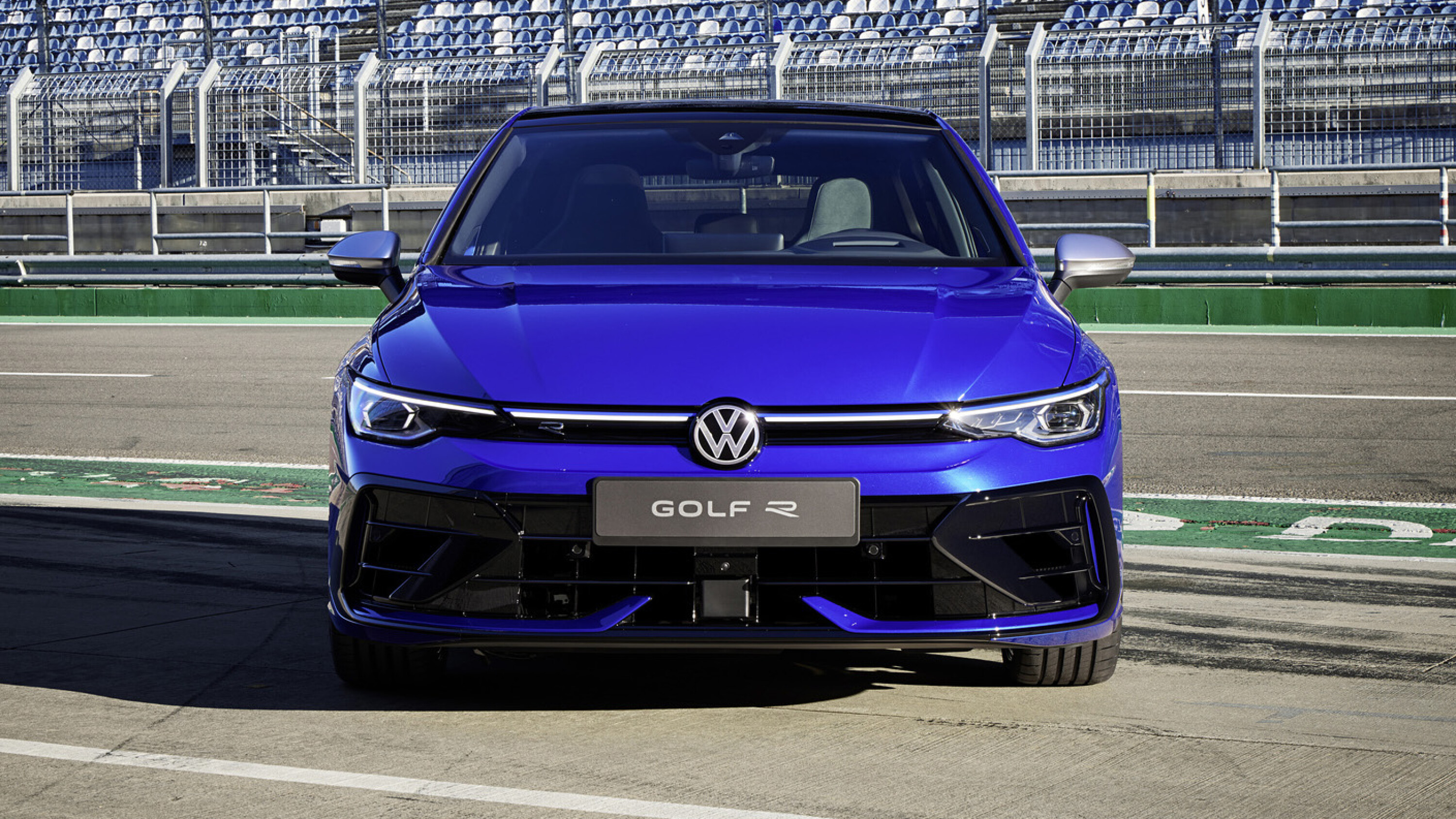
| Golf R | 245kW/420Nm | $70,990 |
The flagship Golf R also gets a power bump, now producing 245kW as standard – a 10kW increase over the outgoing series production model.
Standard kit for the 2025 Golf 8.5 R includes LED Matrix headlights, premium LED tail-lights, Nappa leather upholstery, an electric driver’s seat with memory, heated and ventilated front seats, Harman/Kardon audio, Area View, and 19-inch alloys.
For 2025, the Golf R gains a torque-vectoring rear axle, joining Sport ESC and Special modes, including Nurburgring (usable on road and track) and Drift (track only) modes.
1
Golf R Black Edition
| Model | Outputs | Price |
|---|---|---|
| Golf R Black Ed. | 245kW/420Nm | $72,490 |
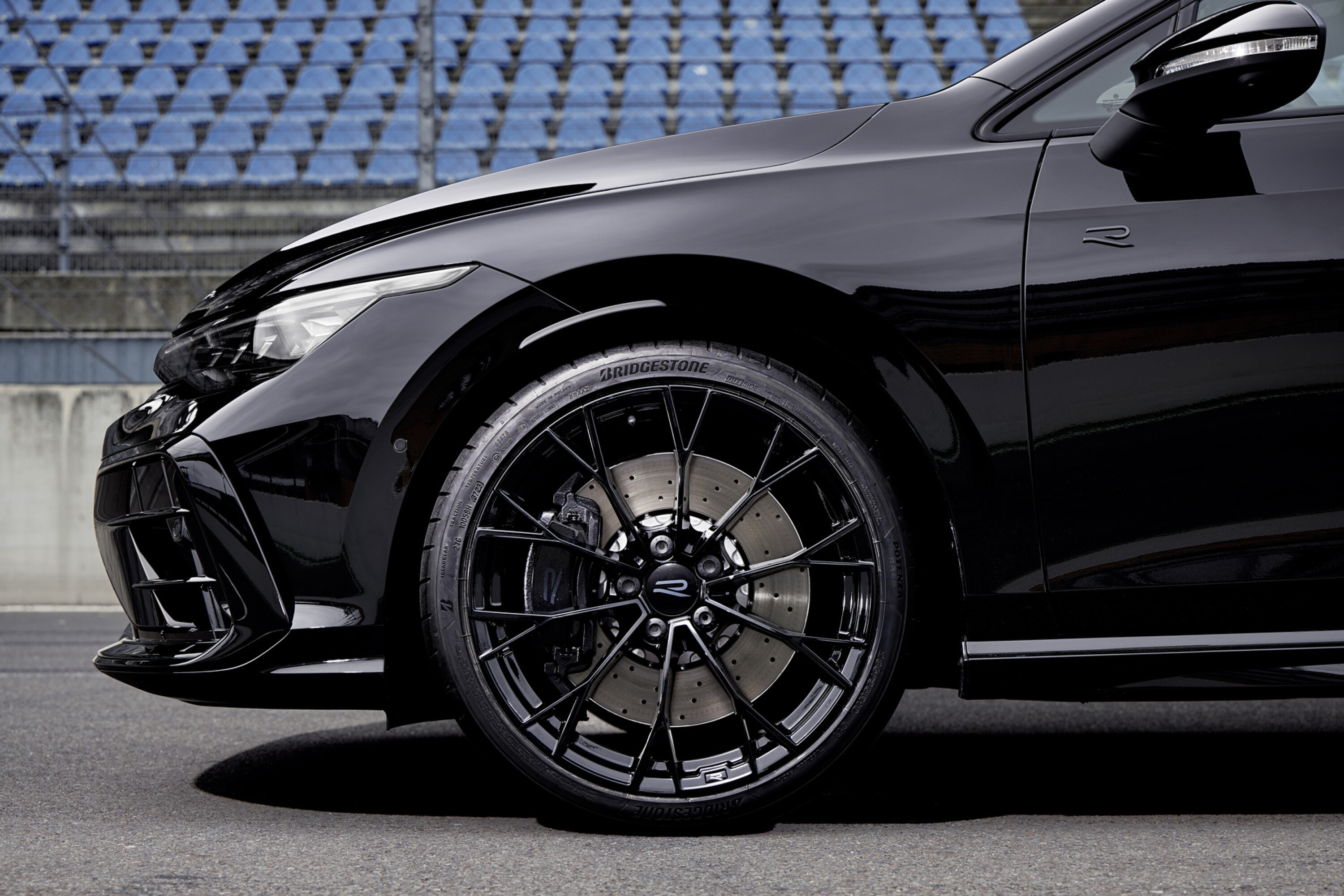
A Golf R Black Edition will also be offered, featuring brooding dark accents throughout.
Both R models list a 0-100km/h of 4.6 seconds.
And, if you missed the news, the Golf R wagon was dumped back in 2023. Fans looking for a quick wagon in the VGA stable can, at least, turn to the newly updated Octavia RS.
| 2025 Volkswagen Golf pricing | ||
|---|---|---|
| Golf Life | 110kW/250Nm | $38,690 |
| Golf Style | 110kW/250Nm | $43,690 |
| Golf R-Line | 110kW/250Nm | $47,990 |
| Golf GTI | 195kW/370kW | $58,990 |
| Golf R | 245kW/420Nm | $70,990 |
| Golf R Black Ed. | 245kW/420Nm | $72,490 |
| Prices exclude on-road costs | ||
OPTIONS
| 2025 Volkswagen Golf options | ||
|---|---|---|
| Metallic Paint | Life, Style, R-Line u2013 std. GTI/R | $800 |
| Premium Paint | R-Line u2013 std. GTI | $300 |
| Premium Metallic Paint | GTI u2013 std. R | $300 |
| Panoramic Electric Glass Sunroof | Style, R-Line, GTI, R | $1,900 |
| Sound & Vision Package | Style, R-Line, GTI u2013 std. R | $2,000 |
| Vienna Leather Package | GTI | $3,900 |
Well known American tuner John Hennessey has revealed a new addition to his company’s line up, a beast called the Super Venom. Based on the Ford Mustang V8, the Super Venom boasts outputs of 633kW of power and 881Nm of torque – and is covered by a factory Ford warranty as well.
Commemorating the company’s 1991 founding date, just 91 examples will be available – all of which, unfortunately, are in the USA.
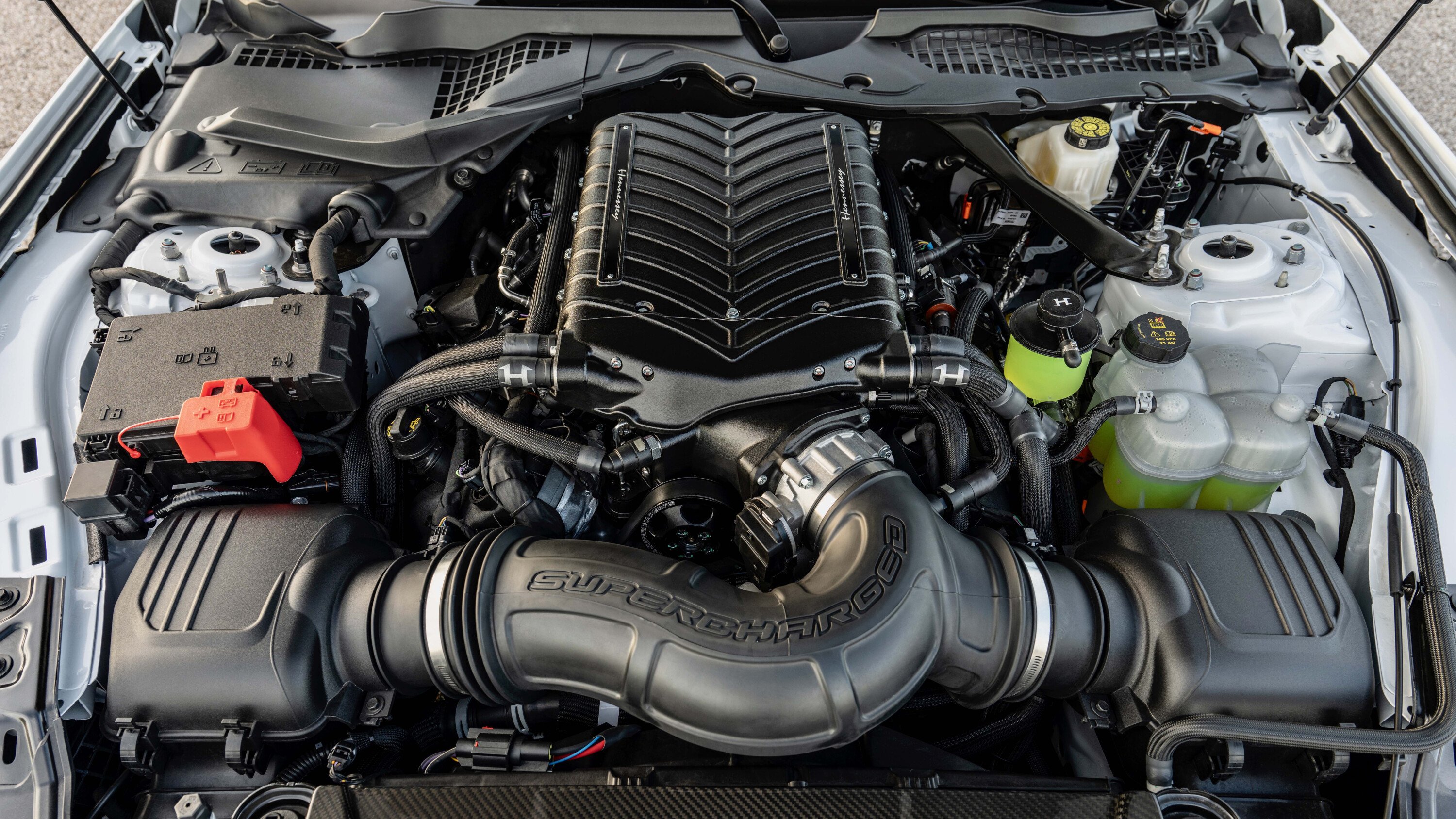
To achieve the 260kW gain over the US-spec Mustang Dark Horse, Hennessey added a high-flow air induction system, high-performance supercharger, upgraded fuel injectors and fuel pump, and a new engine management system. As with the standard Mustang, buyers can choose between a six-speed manual or 10-speed automatic transmission.
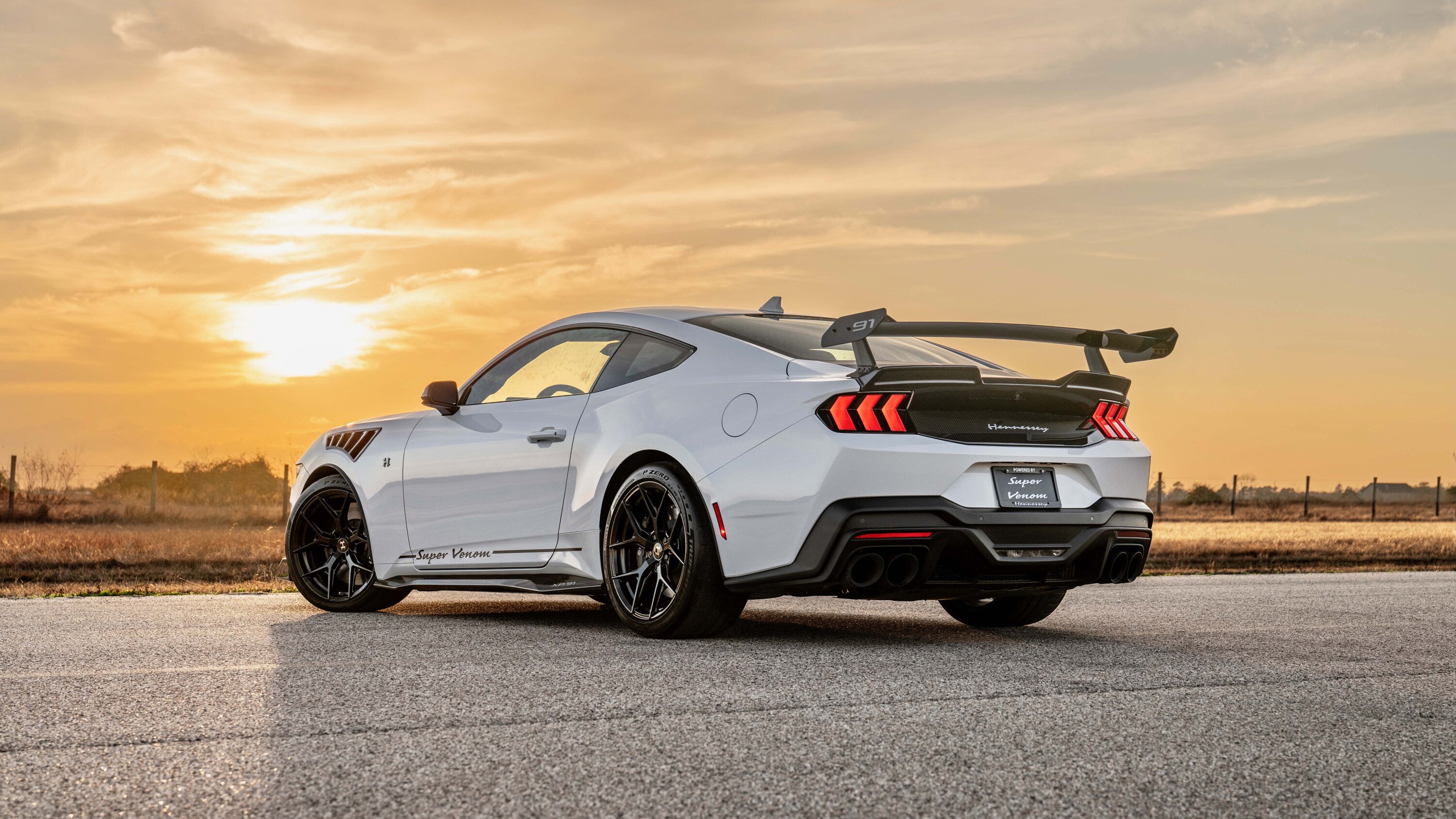
1
According to Hennessey, the automatic Dark Venom sprints to 97km/h (60mph) in 3.2 seconds, which is 0.5 seconds faster than the US-spec Mustang Dark Horse automatic. The Super Venom also covers the quarter mile sprint in just 10.9 seconds at 214km/h – 1.1 seconds quicker than the Dark Horse.
The company has also fitted the Super Venom with a carbon fibre ‘VenomAero’ kit with a more aggressive front splitter, a functional front hood vent, side skirts, functional front fender louvres, a rear deck lid with an integrated duck bill, and a fixed rear track wing.
Twenty-inch lightweight wheels also feature, as do more carbon fibre trim pieces under the bonnet.
1
Inside the Super Venom are bespoke leather and suede seats in blue or black colouring, a re-trimmed centre console and a plaque detailing each Super Venom’s individual serial number.
Customers can opt for three bespoke liveries for the Super Venom – available in black, silver and red – to pair with a factory paint colour.
Priced from US$163,950 – or around AU$260,000 – the Super Venom includes the full Ford factory warranty, plus an additional three-year/36,000-mile Hennessey warranty.
20
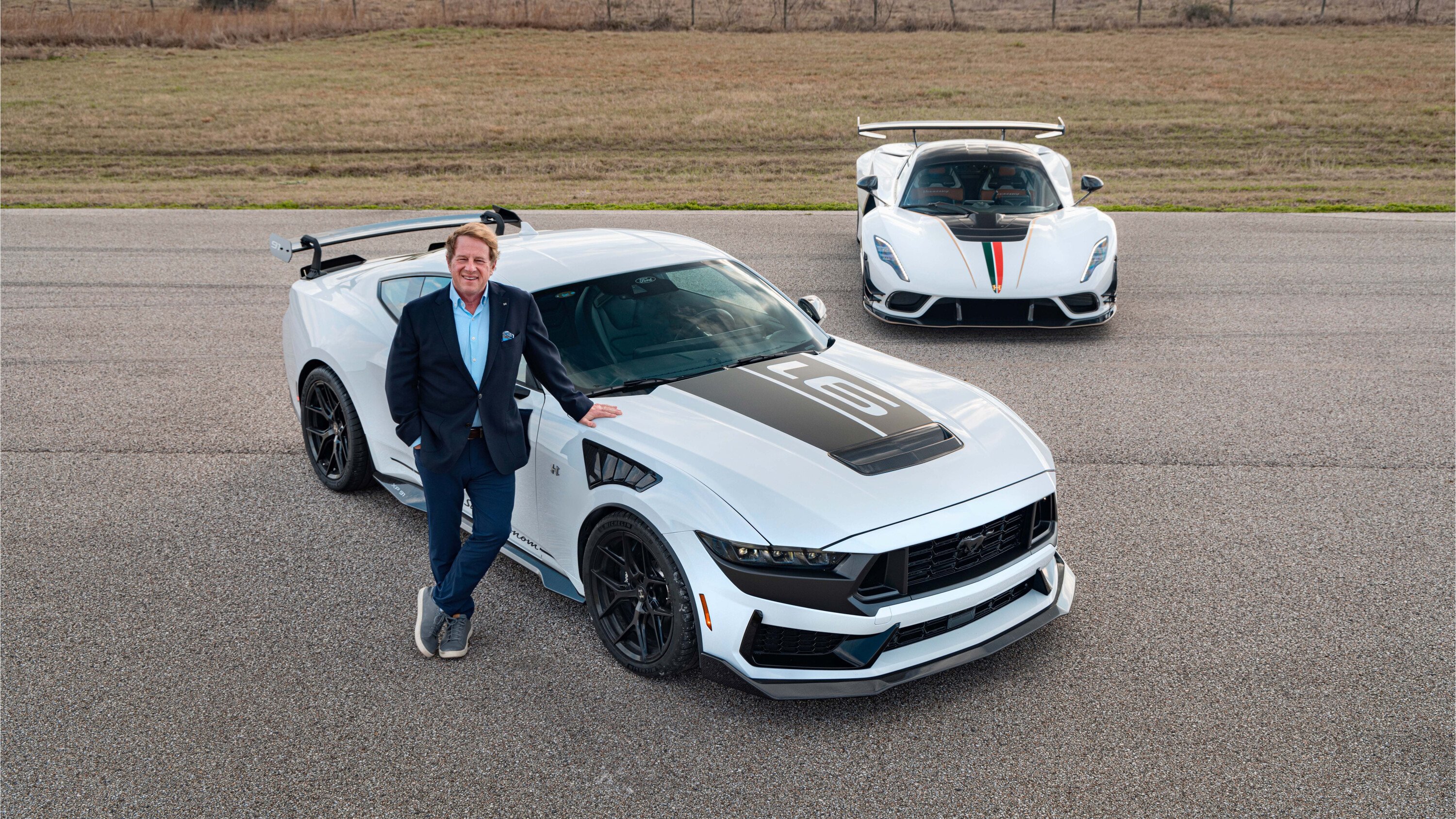
Hennessey was founded in 1991 and since then, has modified cars from various North American car brands. In 2010, it revealed the Venom GT, which was based on the Lotus Exige but fitted with a 928kW twin-turbocharged V8 engine, which hit a top speed of 435km/h. That gave it the title of the world’s fastest car at the time.
John Hennessey, company Founder, and CEO said: “Over the years we have only branded our most potent cars with our ‘Venom’ trademark: Venom Vipers, Venom GT and most recently our Venom F5. We are excited to unveil our Super Venom Mustang as it offers supercar performance and can now be ordered directly from Ford dealers with a full warranty! Further, we are excited to commemorate our company’s founding in 1991 by offering only 91 units and a unique ’91 Icon’ livery.”
The Hennessey Super Venom is available now directly through Hennessey or through authorised Hennessey Ford dealerships in the US.
MORE
Everything Ford
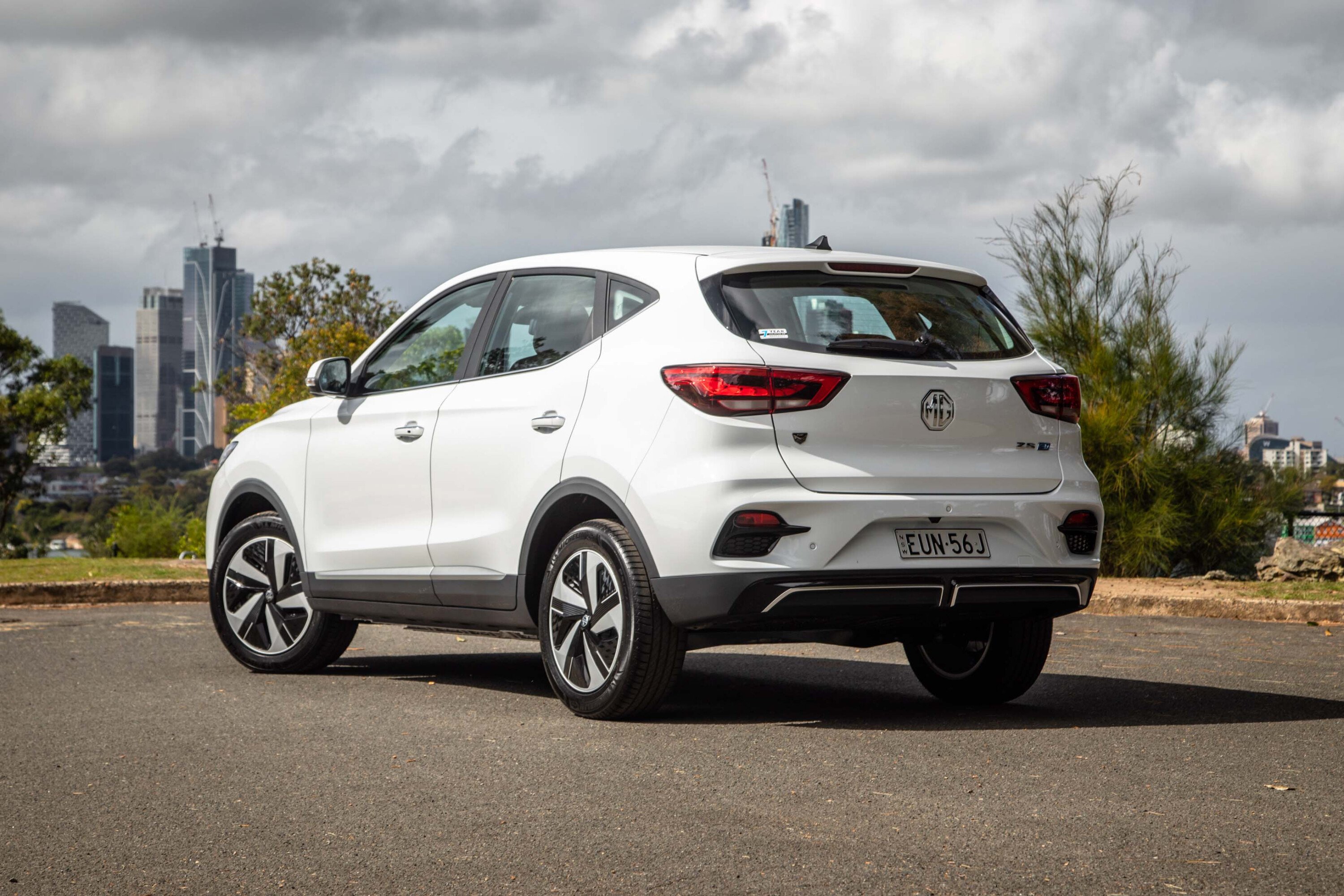
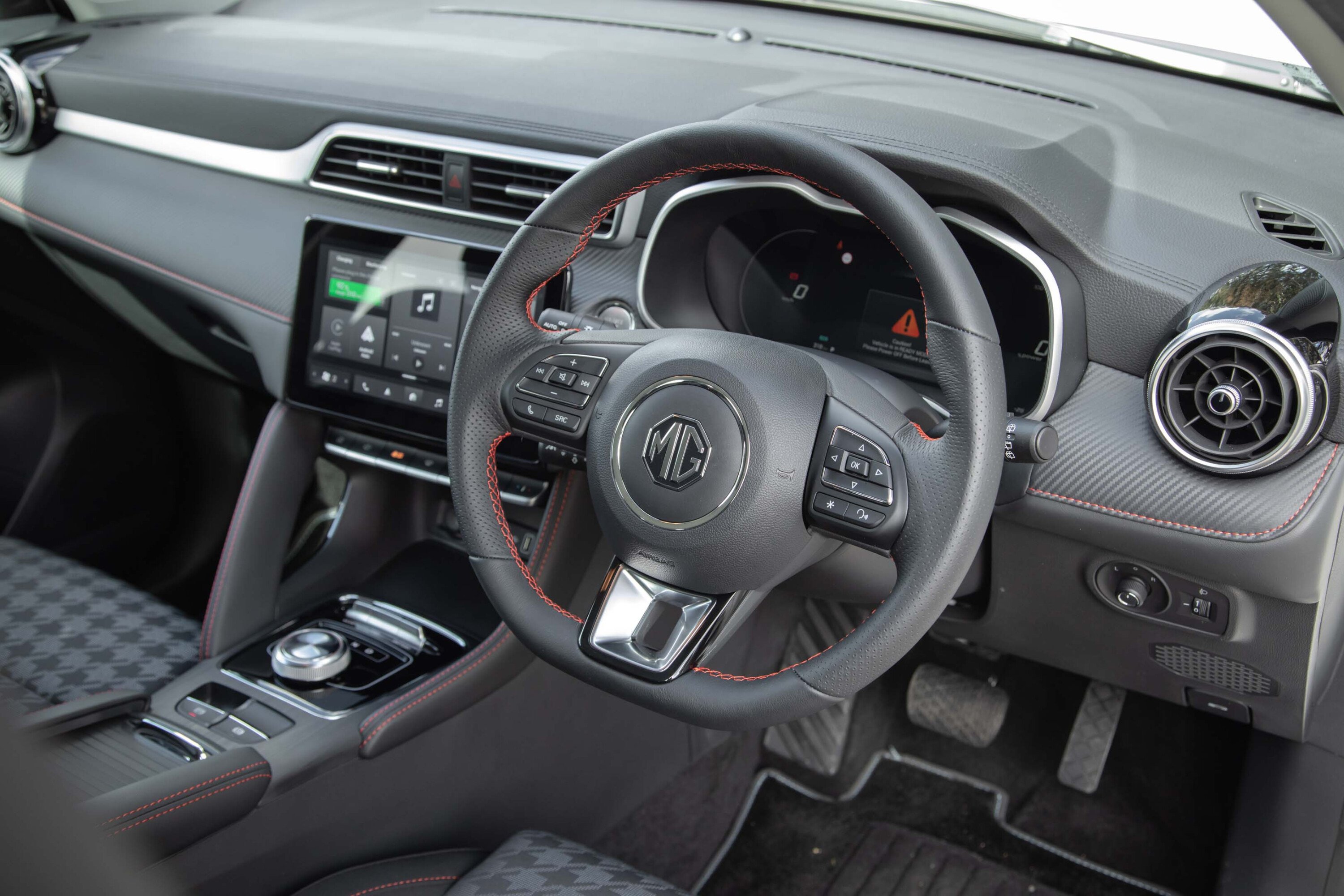
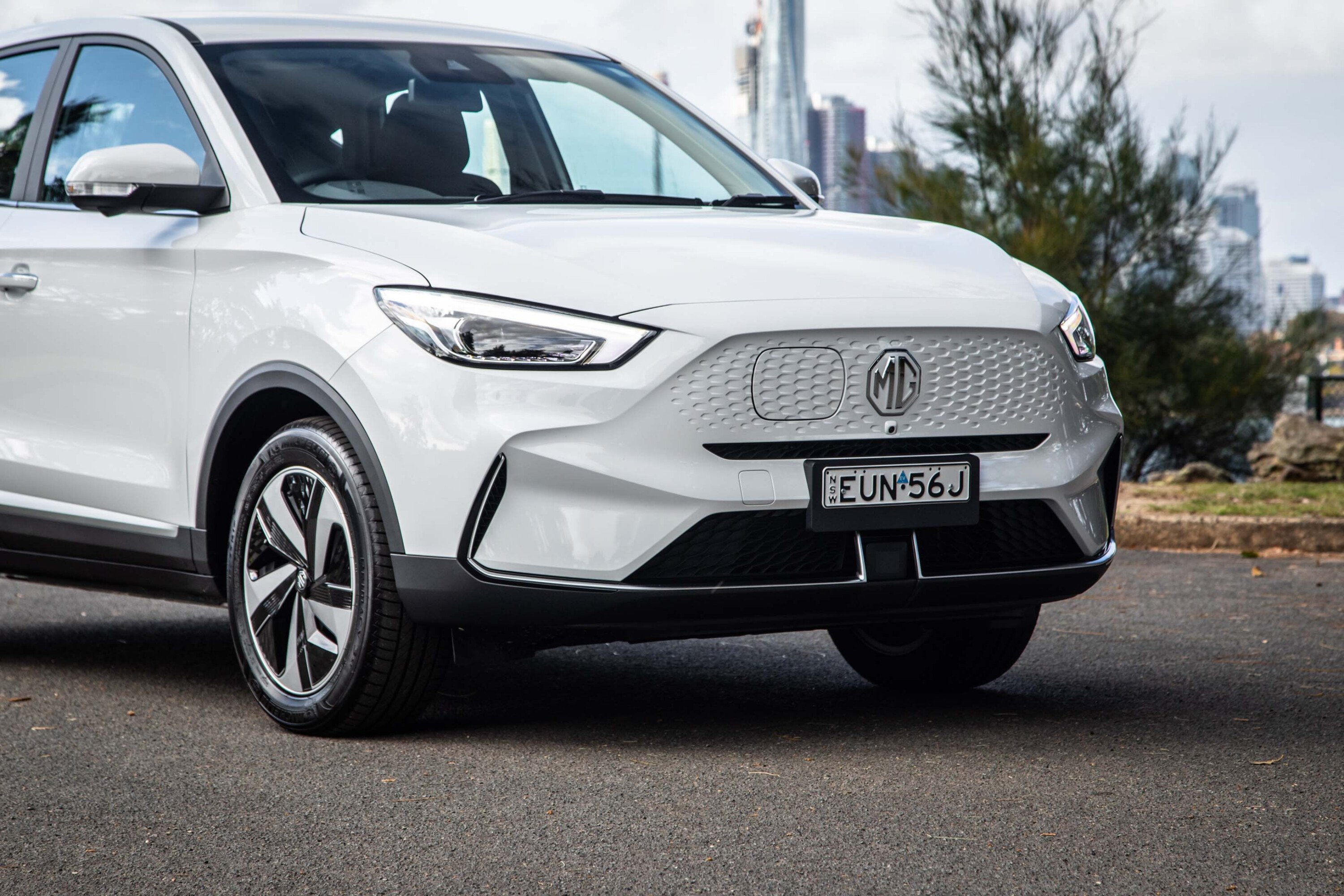
MG Motor Australia has announced that the ZS EV electric small SUV is now available from just $36,888 driveaway as part of a run-out special deal ahead of a new model.
Two variants remain available in the ZS EV line up after the entry-level Excite sold out: the Essence and Long Range. And in a win for buyers, both are priced at $36,888 driveaway despite the Long Range using a larger battery.
1
That saves buyers of the Long Range over $6,100 on its previous retail pricing.
The Essence uses a 51.1kWh battery for a claimed 320km of range (WLTP) and can be DC fast charged from 10 to 80 per cent in 54 minutes. The Long Range boosts battery capacity to 72.6kWh for a claimed 440km of range and a 63-minute 10 to 80 per cent DC fast-charge time.
Both ZS EV variants use a front-mounted electric motor, with the Essence making 130kW/280Nm and the Long Range 115kW/280Nm. The Essence hits 100km/h in 8.2 seconds – 0.3 less than the Long Range.
MG Motor Australia’s Chief Commercial Officer, Giles Belcher, commented, “Thousands of Australians already love their ZS EV, enjoying the practicality an SUV offers everyday combined with the value of EV motoring.
“Now in run out, we’re excited to introduce customer access to fleet pricing for the ZS EV. The Excite has already sold out and we’re confident buyers will need to act fast to driveaway with a great value deal while stocks last.”
1
MG ZS EV sale pricing (drive away):
- Essence: $36,888
- Long Range: $36,888
ZS EV Essence standard equipment:
- 17-inch alloy wheels
- Eco, sport and normal driving modes
- Three regenerative braking modes
- Dusk-sensing automatic LED headlights
- Rain-sensing automatic wipers
- Roof rails
- Panoramic sunroof
- Heated and auto-folding mirrors
- Keyless entry with push button start
- Electric control air-conditioning
- Leather-wrapped steering wheel
- Synthetic leather upholstery
- Heated front seats with driver’s six-way electric adjustment
- 10.1-inch touchscreen
- Wired Apple CarPlay and Android Auto
- Wireless phone charger
- Six-speaker sound system
- 5x USB ports
ZS EV Essence safety kit:
- Six airbags
- Autonomous emergency braking (AEB)
- Adaptive cruise control with traffic jam assist
- Lane keeping assistance with lane departure warning
- Blind-spot monitoring
- Rear cross-traffic alert
- Rear parking sensors
- 360-degree camera
- Auto high beam
- Traffic sign recognition
- Intelligent speed limit assist
1
ZS Long Range model adds:
- Larger battery for 440km of range (WLTP)
- Rear privacy glass
ZS EV colour range:
- Dover White
- Pebble Black
- Sloane Silver Metallic (+$700)
- Brighton Blue Metallic (+$700)
- Diamond Red Metallic (+$700)
MORE
Everything MG
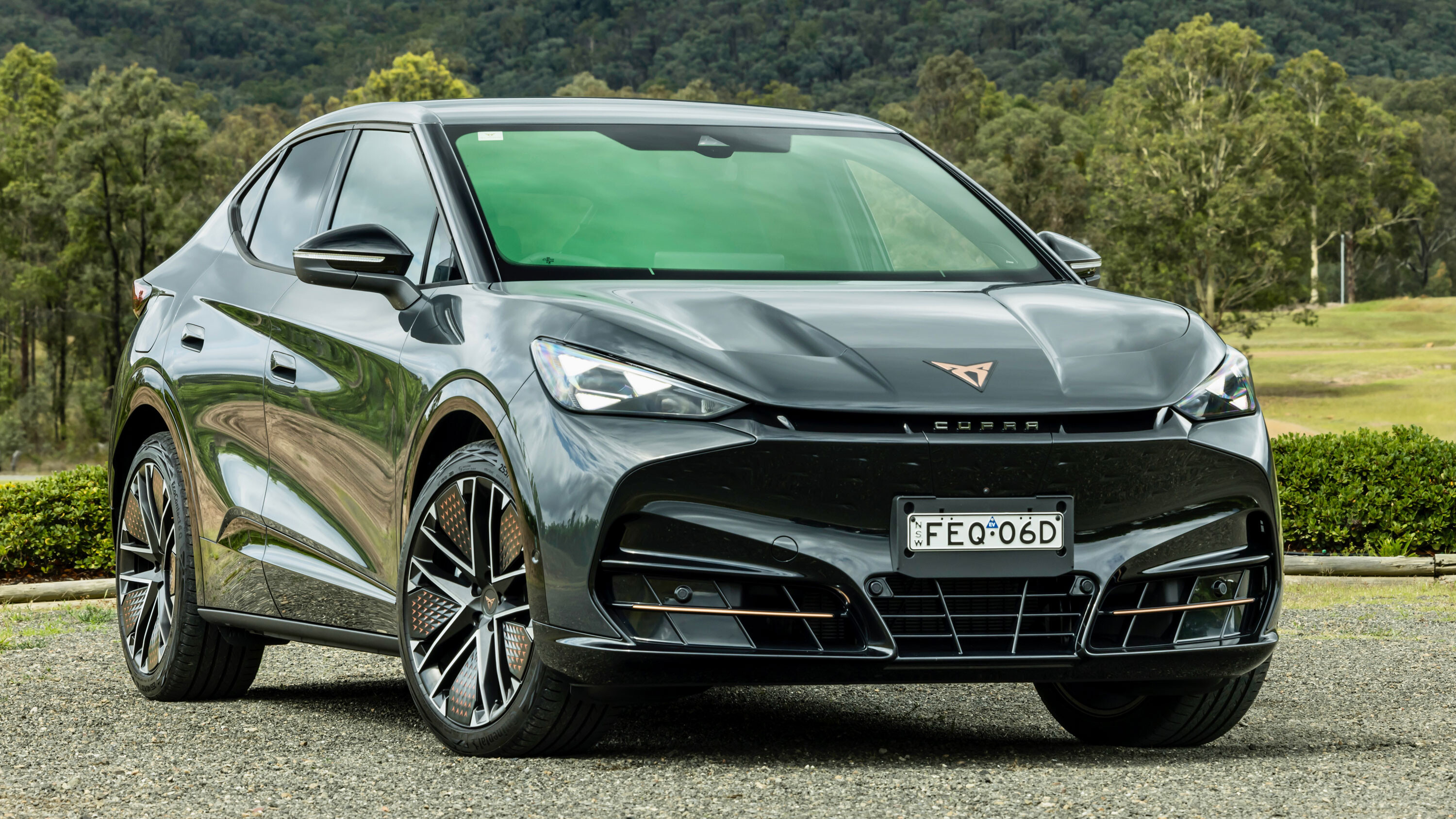
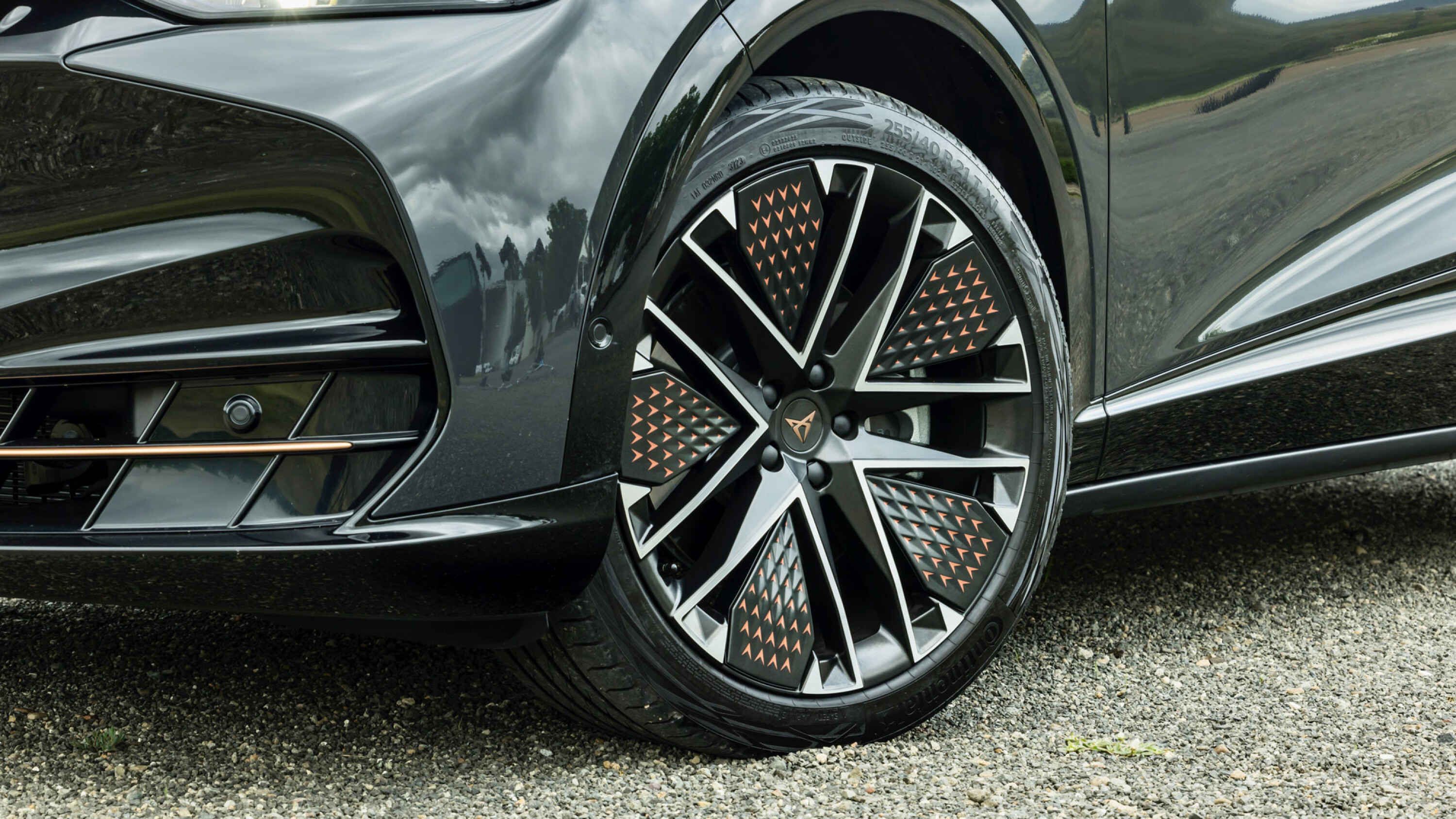
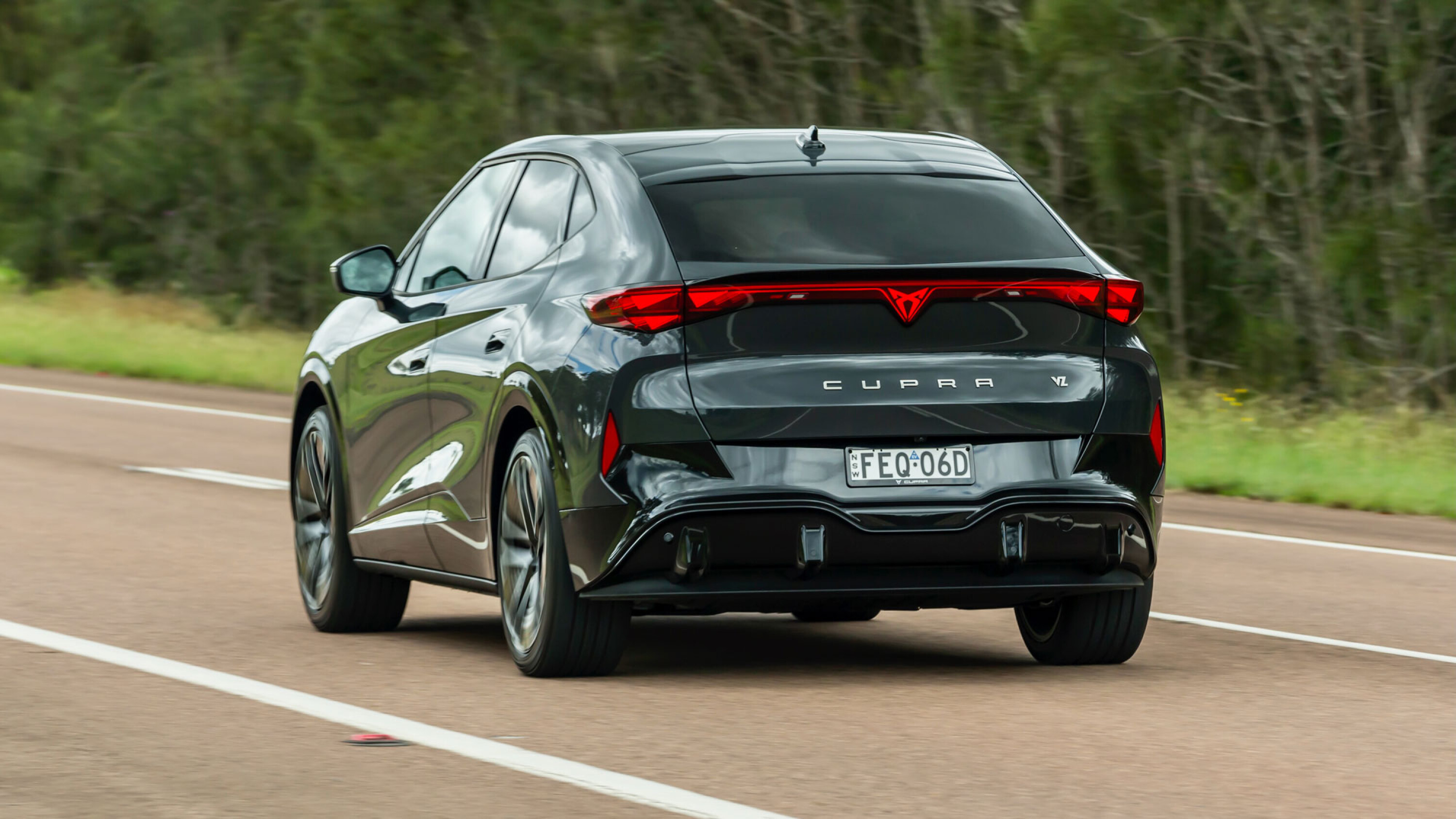
Cupra has announced Australian pricing for the new Tavascan electric mid-size SUV, which is due to arrive here in April. Priced from $60,990 plus on-road costs, it undercuts the updated Tesla Model Y.
Sitting on the same platform as cars like the Volkswagen ID.4, Skoda Enyaq and Elroq, Audi Q4 e-tron and its Born sibling, the Cupra Tavascan will be available with two models in Australia: the single motor rear-wheel drive Endurance and dual-motor all-wheel drive VZ.
1
Both models use a 77kWh lithium-ion battery, with the Endurance sending power to a 210kW/545Nm rear-mounted motor. The VZ adds a front motor for a 250kW combined output, though this reduces range from the 534km rating (WLTP) of the Endurance to 499km.
Both models can be DC fast charged at up to 135kW or AC at 11kW, for a 10 to 80 per cent charge in as little as “under 30 minutes”.
The claimed 0-100km/h sprint time for the Endurance is 6.8 seconds, with the VZ lessening that to 5.5 seconds.
Interestingly, the Tavascan is the first Volkswagen Group product since the early 2000s Polo Classic sedan to be assembled in Anhui, China.
1
2025 Cupra Tavascan pricing (plus on-road costs):
- Endurance: $60,990
- VZ: $74,490
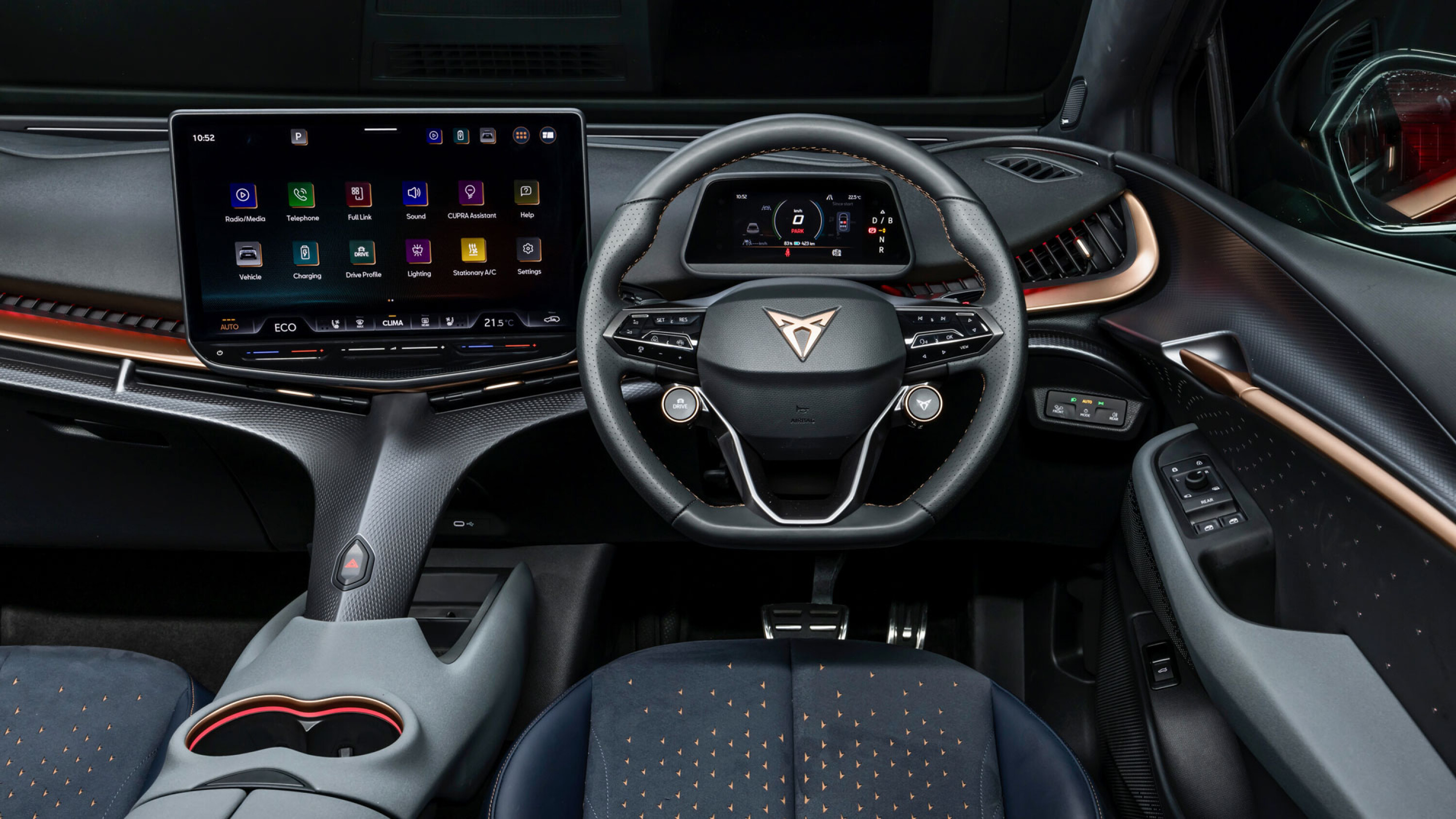
Cupra Tavascan Endurance standard equipment:
- 19-inch alloy wheels
- Dusk- and rain-sensing automatic all-LED exterior lighting
- Rain-sensing automatic wipers
- Keyless entry with ‘sit-to-start’ functionality
- Hands-free electric tailgate
- Illuminated front and rear Cupra badging
- Black fabric and leather-look upholstery
- Manual front sports seats
- Tri-zone automatic climate control
- Heated leather steering wheel with paddles for regenerative braking
- 5.3-inch digital driver’s display
- 15-inch touchscreen
- Wireless Apple CarPlay and Android Auto
- Wireless phone charger
- Selectable driving modes
- Cabin ambient lighting
1
Tavascan safety equipment:
- Seven airbags
- Autonomous emergency braking (AEB) with vehicle, pedestrian, cyclist and intersection assistance
- Adaptive cruise control with traffic jam assist
- Lane keeping assistance with adaptive lane guidance
- Blind-spot monitoring
- Front and rear cross-traffic alerts
- Auto high beam
- Front and rear parking sensors
- Reversing camera
Tavascan VZ model adds to Endurance:
- Dual-motor all-wheel drive drivetrain
- 21-inch alloy wheels
- Matrix adaptive high beam
- Panoramic roof with sun blind
- Dark blue suede upholstery
- Heated and electrically adjustable front seats with memory
- 12-speaker Sennheiser sound system
- Upgraded interior ambient lighting
- Illuminated scuff plates
1
Tavascan package options:
- Interior Package (Endurance only) with 20-inch wheels, 360-degree camera, dark blue suede upholstery, power front seats with heating, 12-speaker Sennheiser sound system: $4,500
- Extreme Package (VZ only, available from mid-2025) with forged wheels with performance tyres, ventilated front bucket seats and grey Nappa leather upholstery: $8,000 (lowers range to 463km WLTP)
- White Silver or Atacama Desert paint: no-cost
- Tavascan Blue or Basalt Grey paint: $800
- Three-year/45,000km service plan: $990
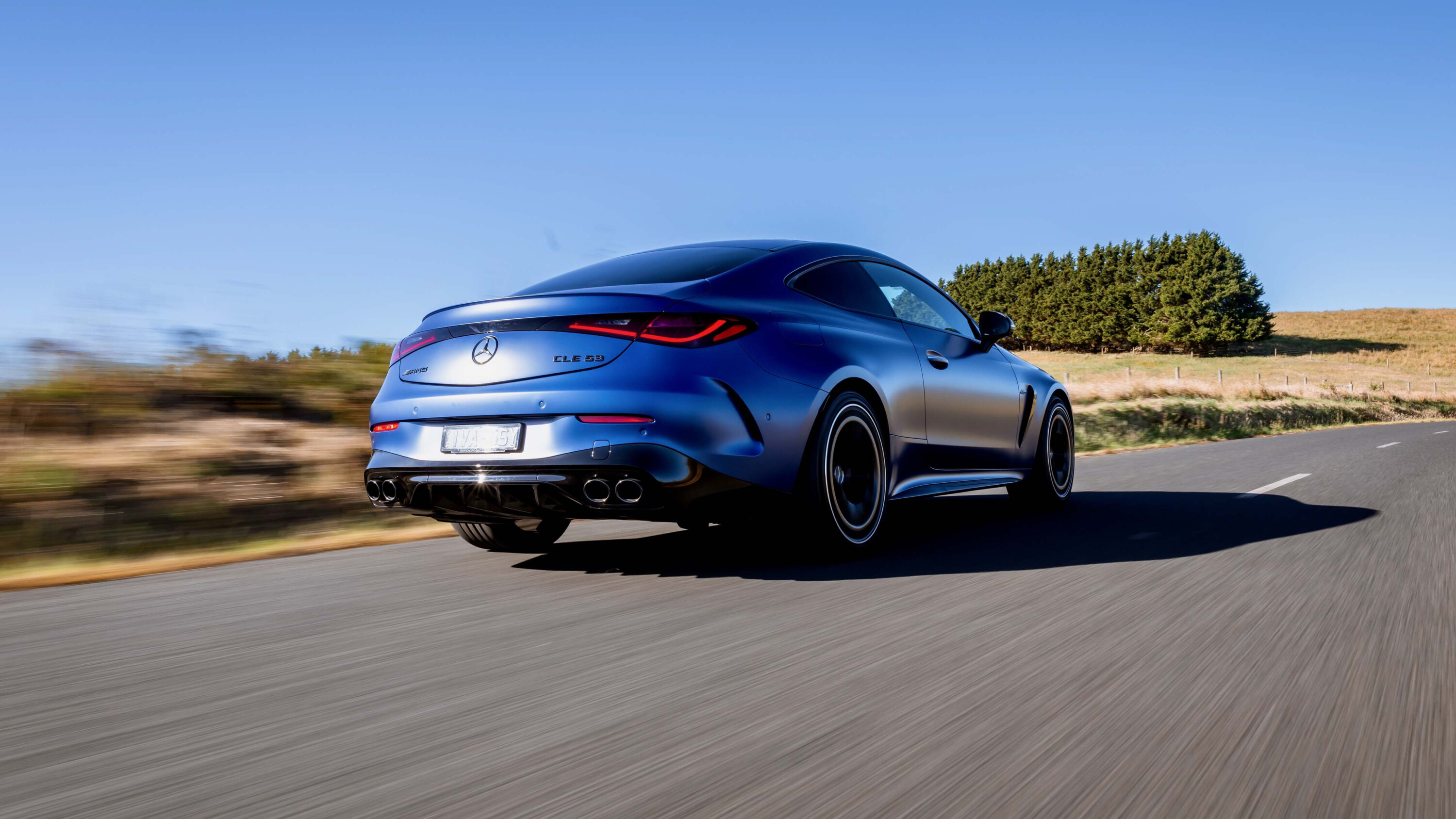
Mercedes-Benz has announced Australian pricing and specifications for its new Mercedes-AMG CLE 53 4MATIC+ Coupé, which is priced from $158,500 plus on-road costs and features a 330kW 48V hybridised inline six.
The central story of the CLE’s AMG transformation is its 3.0-litre twin-turbocharged inline six-cylinder engine, which is enhanced by an electric auxiliary compressor and a 48V mild-hybrid system to make 330kW of power and 560Nm of torque. But thanks to an overboost function, up to 600Nm of torque is available for up to 12-second bursts.
The CLE 53 uses a nine-speed automatic gearbox and sends power to all four wheels for a 0-100km/h sprint time of just 4.0 seconds, thanks to the AMG Dynamic Plus package standard on the coupé in Australia – and on to a top speed of 250km/h. Because of the mild-hybrid system, the claimed combined fuel consumption is just 9.6L/100km.
1
Part of the transformation to the CLE 53 includes widened front and rear tracks – by 58mm and 75mm respectively – for a more aggressive stance and more focused road holding.
The CLE 53 also includes rear-axle steering, which can turn the wheels by 2.5 degrees to enhance cornering ability, while the adaptive dampers and driving modes give owners the ability to further tailor the driving experience to their tastes. They can even adjust the torque flow for sharper cornering.
On the outside, AMG-specific details are seen in the radiator trim, front and rear bumpers, lip spoiler and the large 20-inch alloy wheels, which further enhance the CLE 53’s sporty nature.
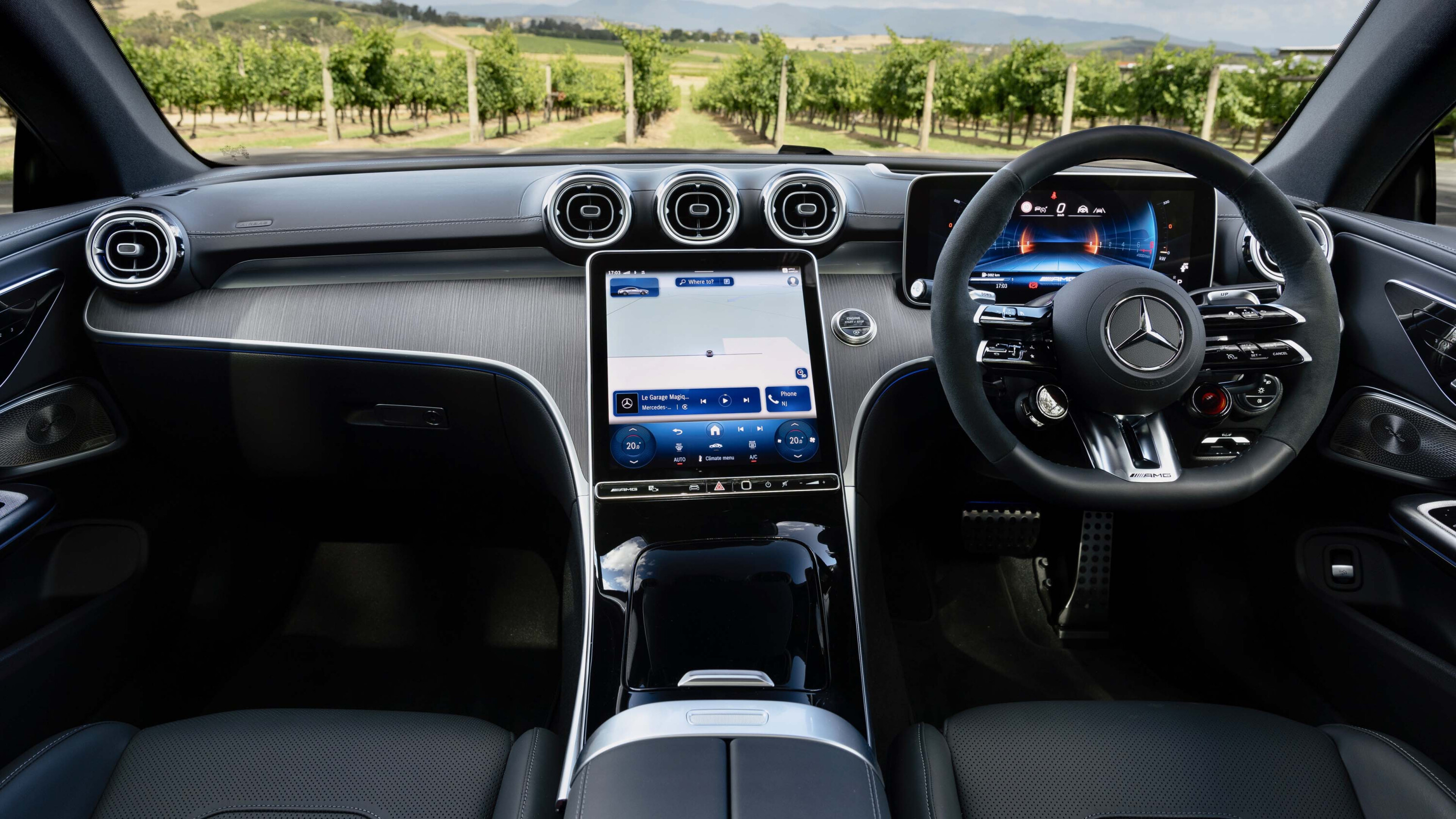
Inside the CLE 53, an AMG Performance steering wheel is trimmed in Nappa leather and suede, along with AMG Performance leather seats featuring embossed logos on the headrests.
1
| 2025 Mercedes-AMG CLE 53 4MATIC+ Coupu00e9 pricing (plus on-road costs): | |
|---|---|
| Mercedes-AMG CLE 53 4MATIC+ Coupu00e9 | $158,500 |
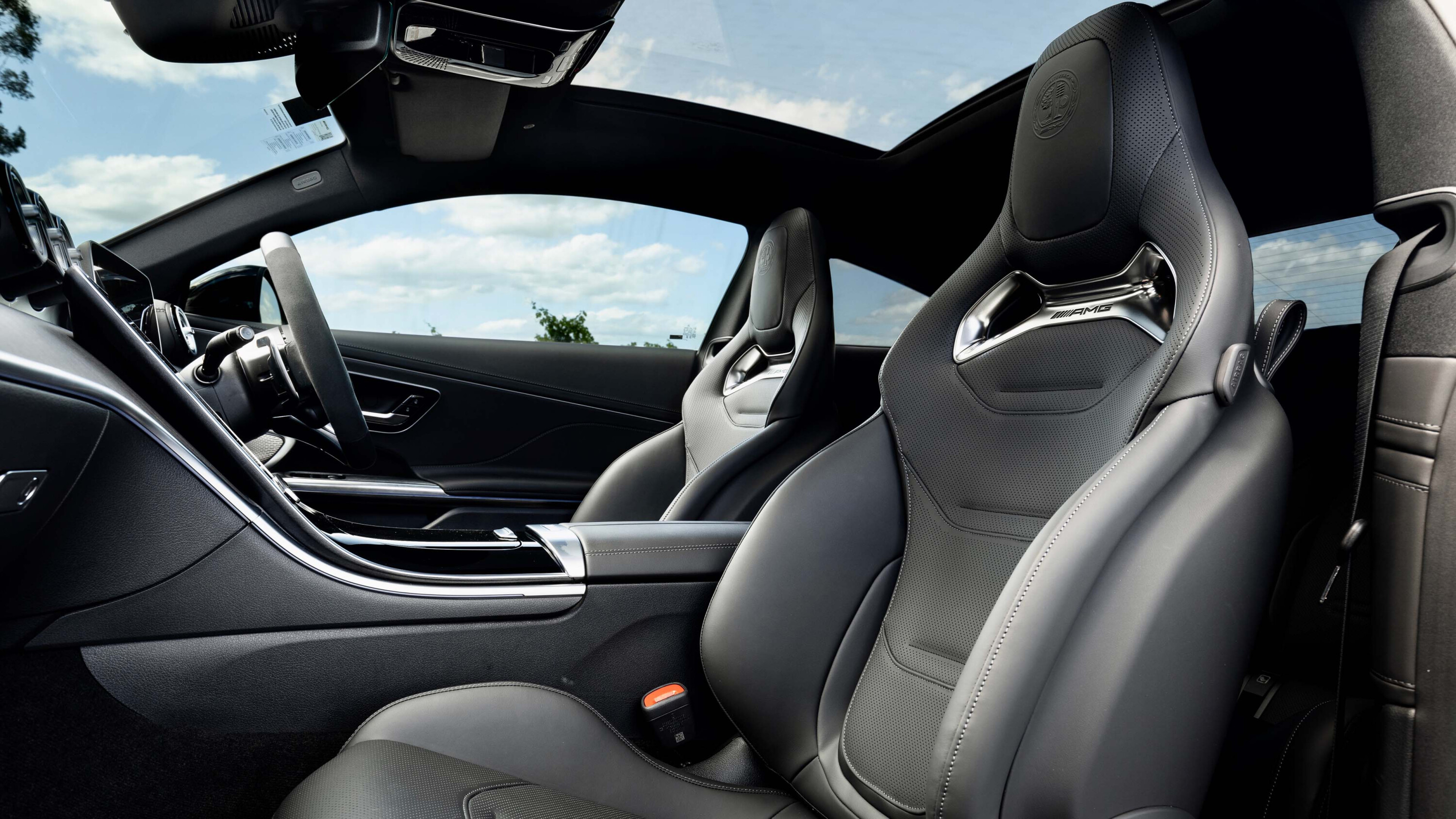
1
| 2025 Mercedes-AMG CLE 53 4MATIC+ Coupu00e9 standard equipment | |
|---|---|
| 20-inch alloy wheels | Leather upholstery with red stitching |
| Gloss black exterior trim elements | Heated and electrically adjustable front sports seats with memory |
| Dusk- and rain-sensing automatic LED exterior lighting with adaptive high beam | Glossy carbon trim |
| Rain-sensing automatic wipers | 12.3-inch digital driveru2019s display |
| Keyless entry with push button start | 11.9-inch touchscreen with u2018MBUXu2019 software |
| Heated, auto-folding and auto-dimming mirrors | Remote services (36-month subscription) including live navigation |
| Electric bootlid | Wired and wireless Apple CarPlay and Android Auto |
| Rear-axle steering | Augmented reality satellite navigation |
| Adaptive dampers | DAB+ digital radio |
| Driving modes including sport, sport+ and race | Burmester sound system |
| Dual-zone automatic climate control with rear air vents | Wireless phone charger |
| Panoramic sunroof | Head-up display |
| Rear privacy glass | 64-colour cabin ambient lighting |
| Nappa leather and suede AMG steering wheel with paddle shifters | |
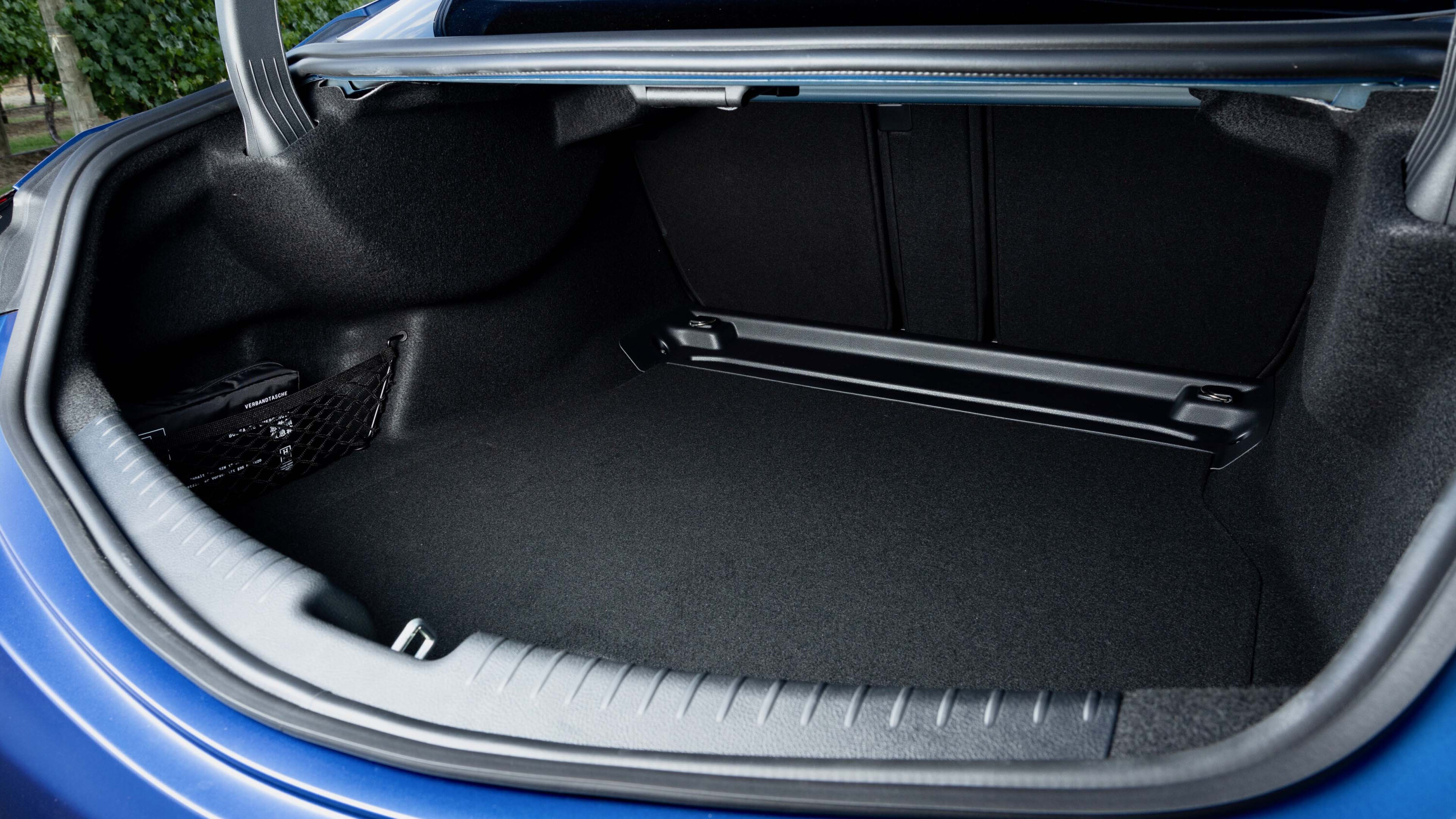
1
| 2025 Mercedes-AMG CLE 53 4MATIC+ Coupu00e9 options: | |
|---|---|
| Plus Package | $2100 |
| Carbon Package | $8900 |
| AMG Performance Seat Package | $5400 |
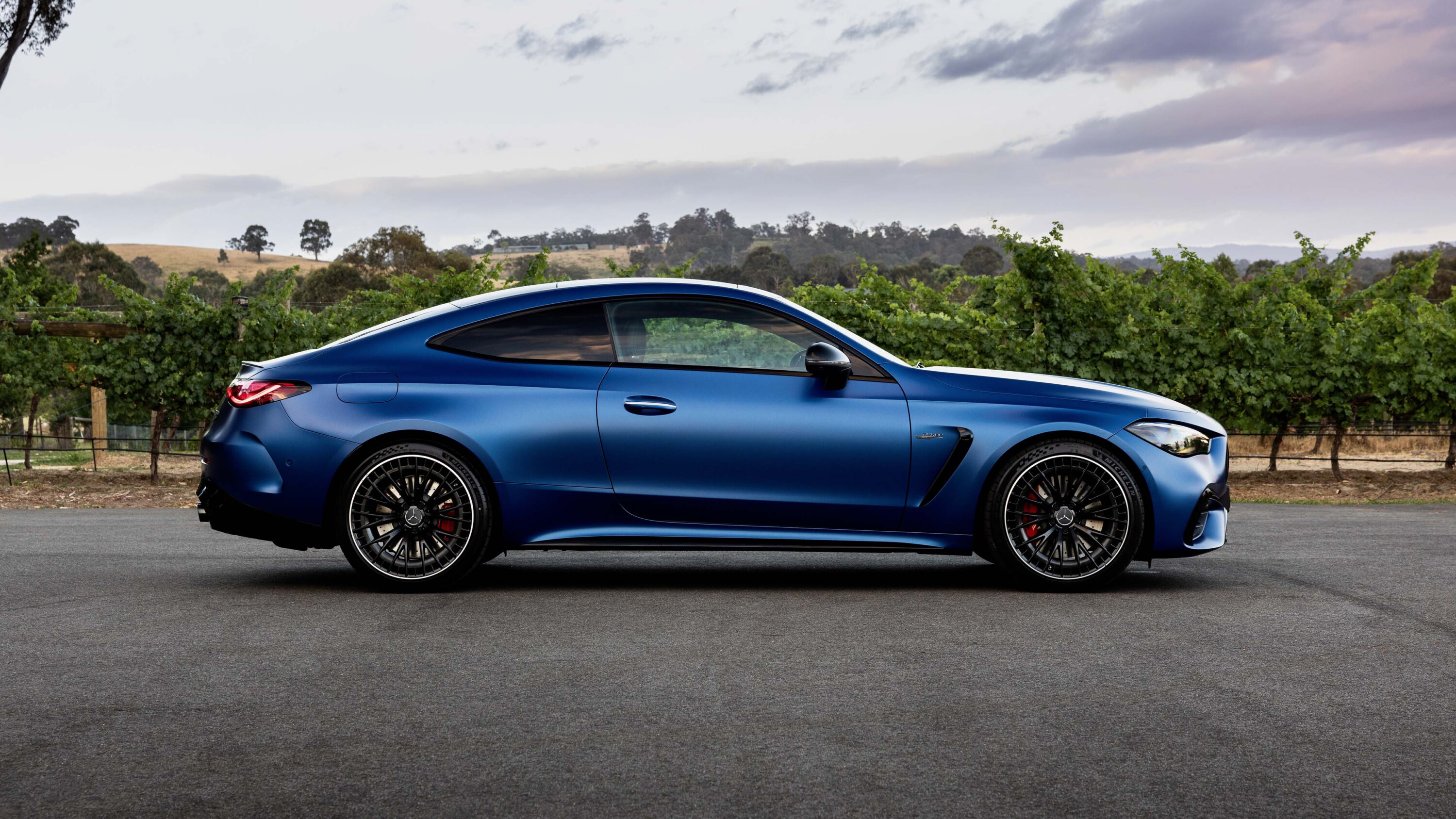
1
| 2025 Mercedes-AMG CLE 53 4MATIC+ Coupu00e9 safety features: | |
|---|---|
| 10 airbags | Pre-accident prediction |
| Autonomous emergency braking with pedestrian and cyclist detection and evasive manoeuvring | Driver attention monitoring |
| Adaptive cruise control | 360-degree camera |
| Blind-spot monitoring | Semi-autonomous parking with front, side and rear sensors |
| Lane keeping assistance | Alarm |
| Traffic sign recognition | |
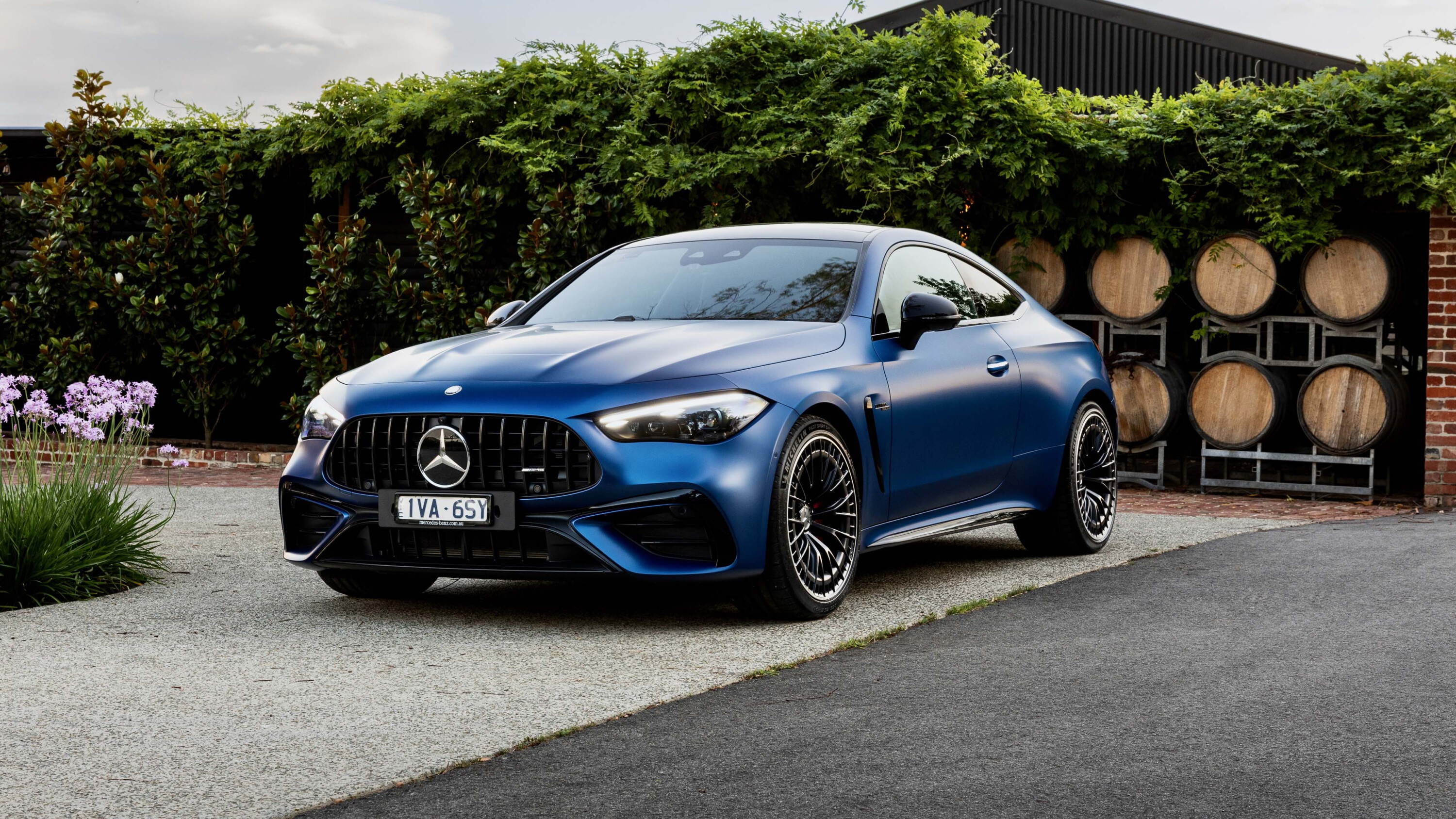
1
The Mercedes-AMG CLE 53 is now on sale in Australia, with the first deliveries due soon.
After 15 years, the Melbourne Motor Show will finally return on April 5-6 at the Melbourne Convention and Exhibition Centre with over 100 exhibitors, including 25 car brands.
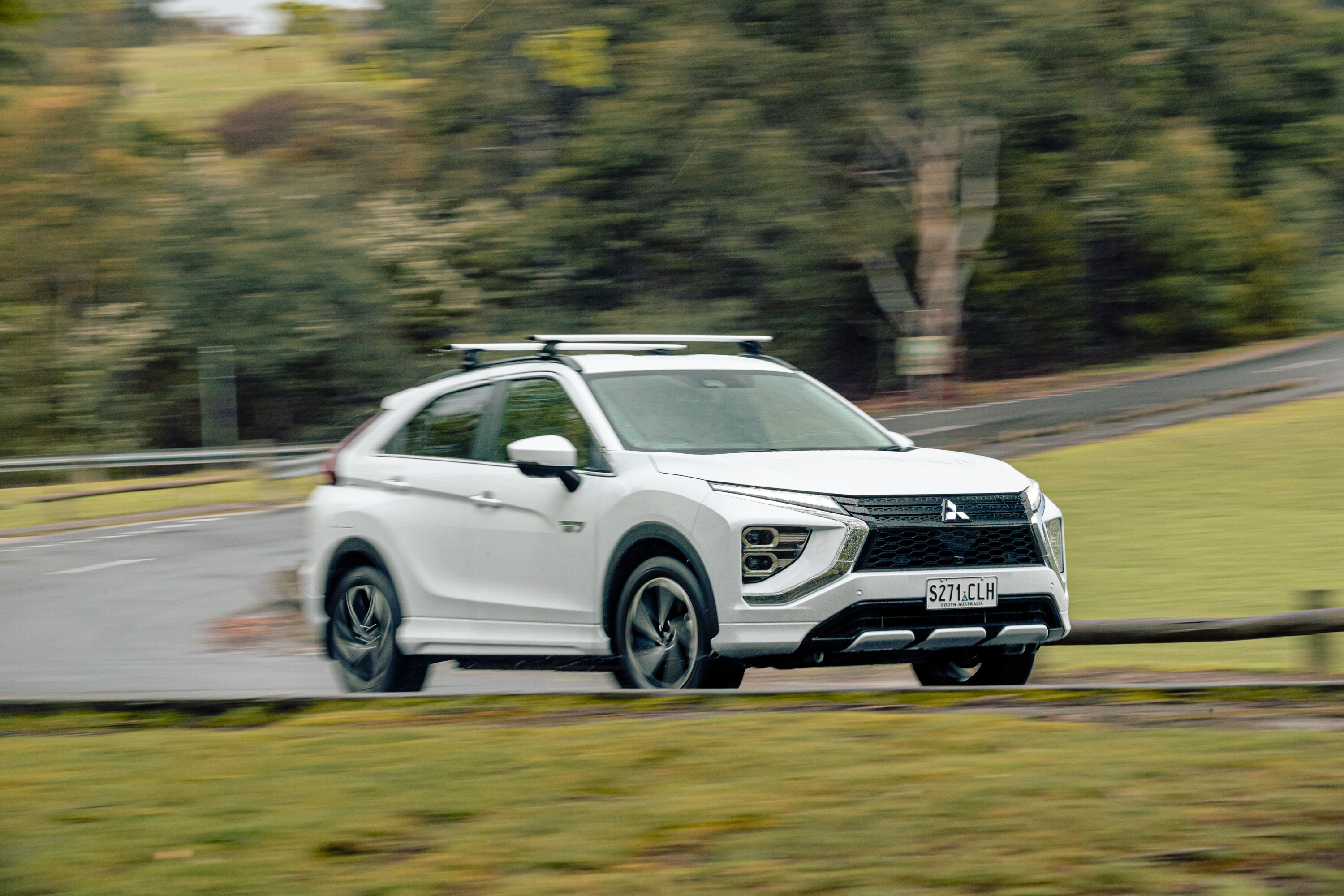
Manufacturers including Porsche, McLaren, MG, Mitsubishi, Mahindra and Kia, and brands from Inchcape like Subaru, Peugeot and JAC, will exhibit at this year’s show. According to show organisers, nine new models will make their local debut at the show.
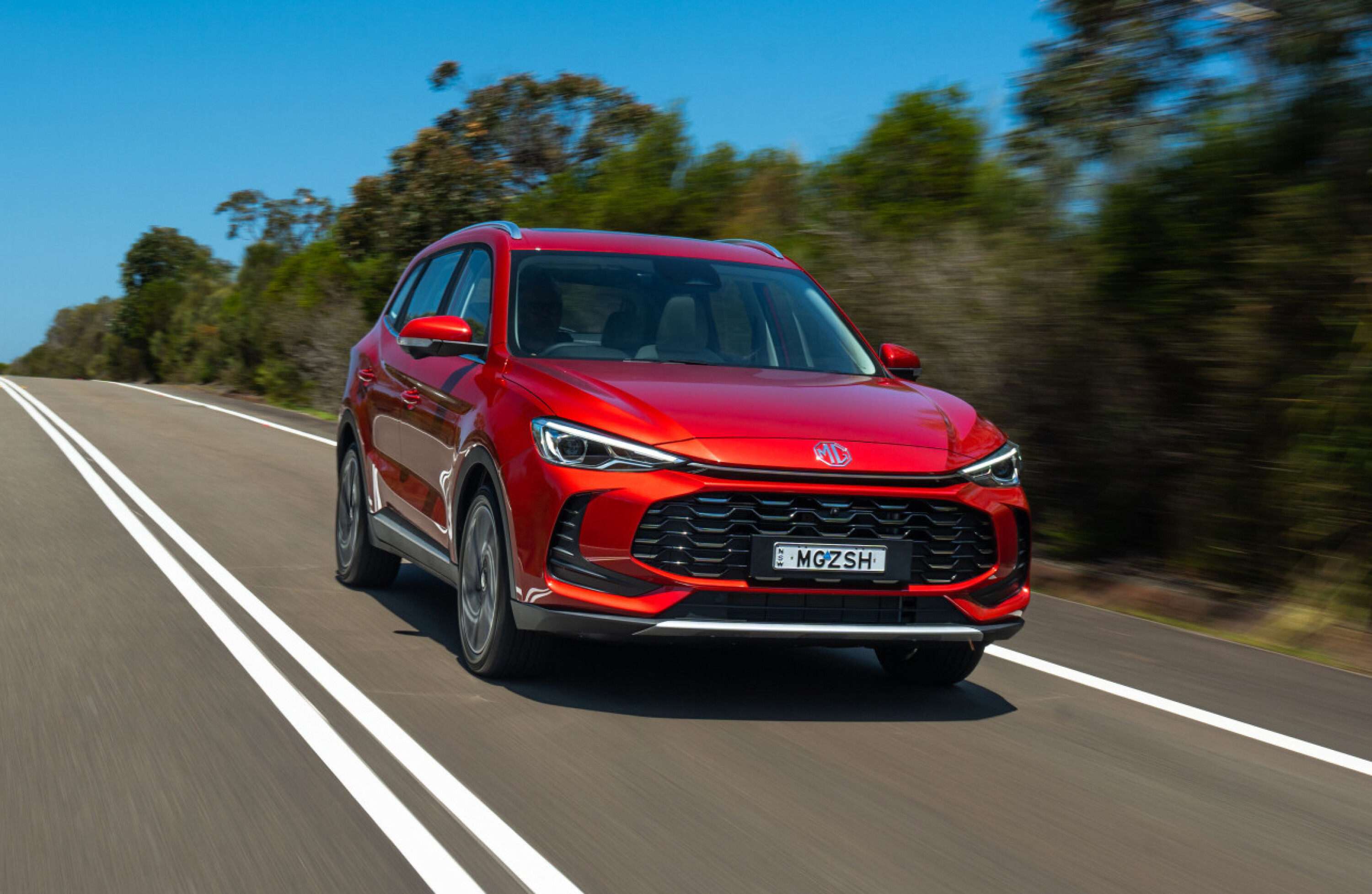
MG Motor Australia’s Chief Commercial Officer, Giles Belcher, recently told WhichCar a number of new models from the brand will make their debut at the show.
1
Organised by automotive collector and car storage-owner Craig Phinn, the show will also feature Hot Wheels collectibles with a mega racetrack built for kids and a Lego automotive zone showing iconic cars made with Lego bricks.
Running from 9:30am to 6pm on the Saturday and 9:30am to 4:30pm on the Sunday, other displays include the Victorian Emergency electric fire truck, ADF military vehicles, car test drives, motorsport and performance demonstrations and even a Red Bull car on display.
1
Exhibitors at the Melbourne Motor Show 2025:
- Porsche
- McLaren
- Mitsubishi
- Kia
- BYD
- Tesla
- Subaru
- Smart
- Isuzu Ute
- Leapmotor
- GWM
- Foton
- Zeekr
- Mahindra
- Deepal
- MG
- Peugeot
- Geely
- JAC
- Brabus
- XPeng
- Harley Davidson
- Shannons Insurance
- Garrett
- Phillips
- Koni
- Haltech
Subaru Australia has teased a new WRX variant called the tS spec.B with upgraded brakes and Recaro seats, which will sit atop the range locally.
Keen WRX fans will be already aware that the tS – or ‘tuned by STi’ – badge is already applied to the flagship WRX variant, however, that model is CVT-only. In recognising the demand for a top-spec manual, Subaru Australia has created the new tS spec.B.
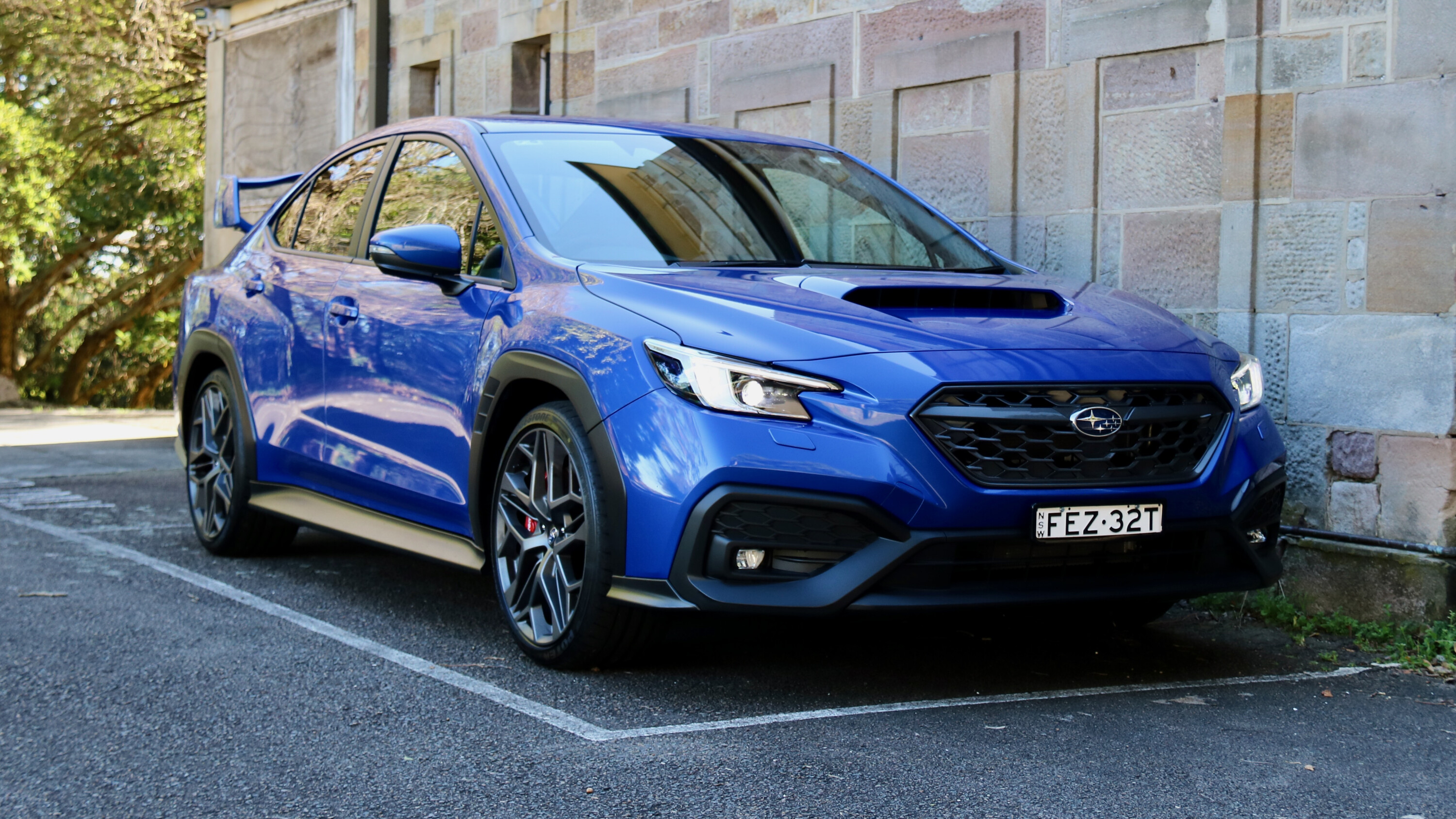
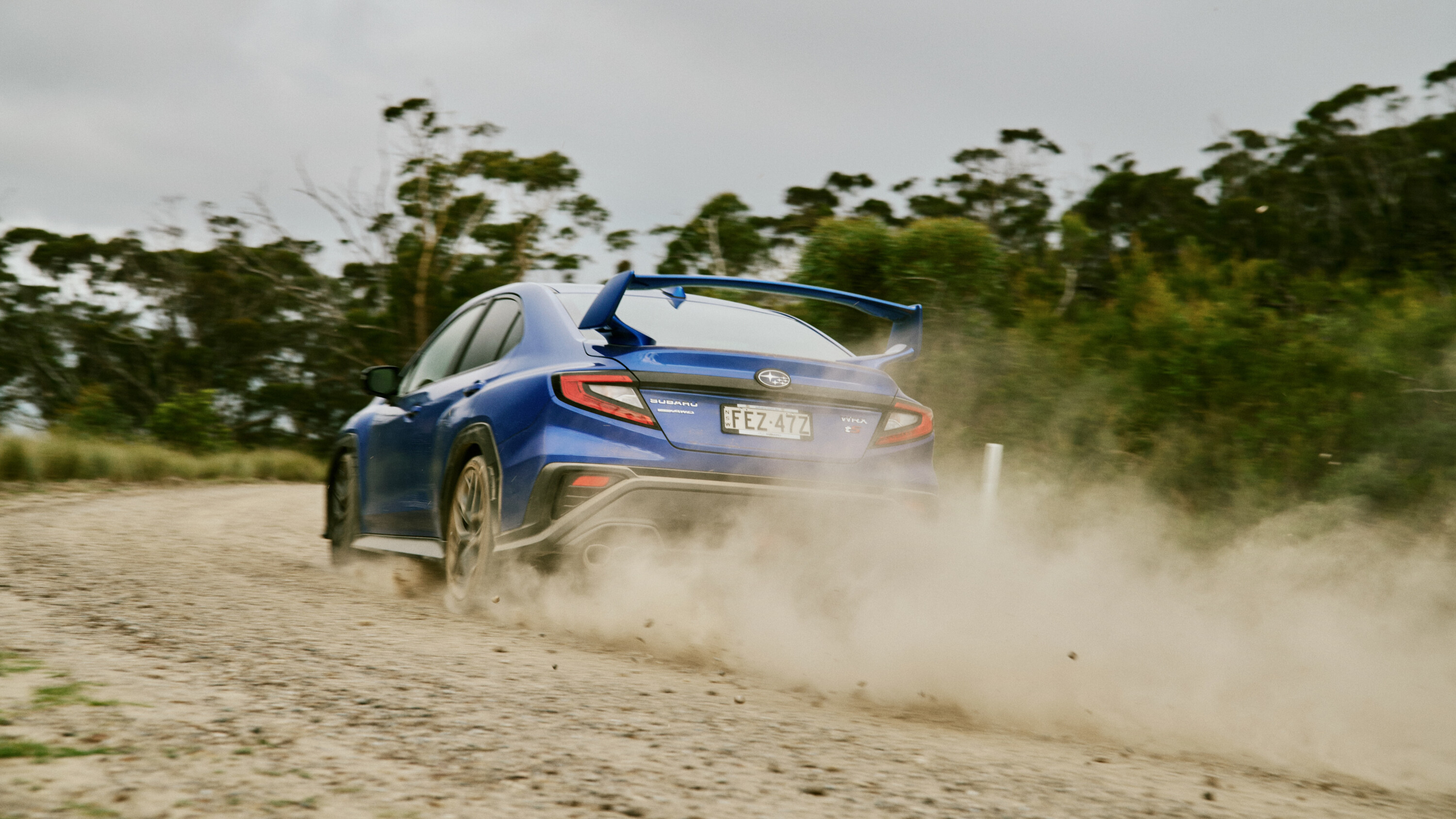
The WRX tS spec.B adds some new features to the tS, including matte grey 19-inch alloy wheels, a typically-WRX big rear wing, upgraded Brembo brakes with ventilated front brakes and Recaro front seats – all features that were seen on the recent limited edition WRX Club Sport.
1
Like the Club Spec, the WRX tS spec.B will only be available with a six-speed manual transmission – in contrast with the CVT auto-only tS.
But unlike the Club Sport, the tS spec.B will likely add more features from the mid-spec RS to match the regular tS like a sunroof, Harman Kardon sound system and heated seats.
Subaru has not announced any performance upgrades, likely meaning that the 202kW/350Nm 2.4-litre turbocharged four-cylinder ‘Boxer’ petrol engine will continue.
4
The tS spec.B isn’t the only new addition to the WRX globally – Japan’s new S210 added a whole host of STi features and more power, while the recently announced WRX tS for the US market features the same wheels and brakes as the Australian tS spec.B, as well as STi-tuned electronically adjustable dampers and a new 12.3-inch digital driver’s display.
The spec.B name hasn’t been used in the local Subaru range since the hot mid-size Liberty spec.B that ended production in 2008.
Subaru will reveal more details about the WRX tS spec.B soon, including full specifications and pricing.
MORE
Everything Subaru
