
Skoda Australia has admitted that the brand’s focus on value has been blurry in recent years, but the company is looking to address that with a range of new European-sourced affordable models.
The Czech brand has confirmed its hopes to offer a pair of new affordable electric vehicles in the coming years to help it cut-through to a new EV buyer demographic, while still asserting its intentions to have a number of sub-$40K petrol models available for customers to choose.
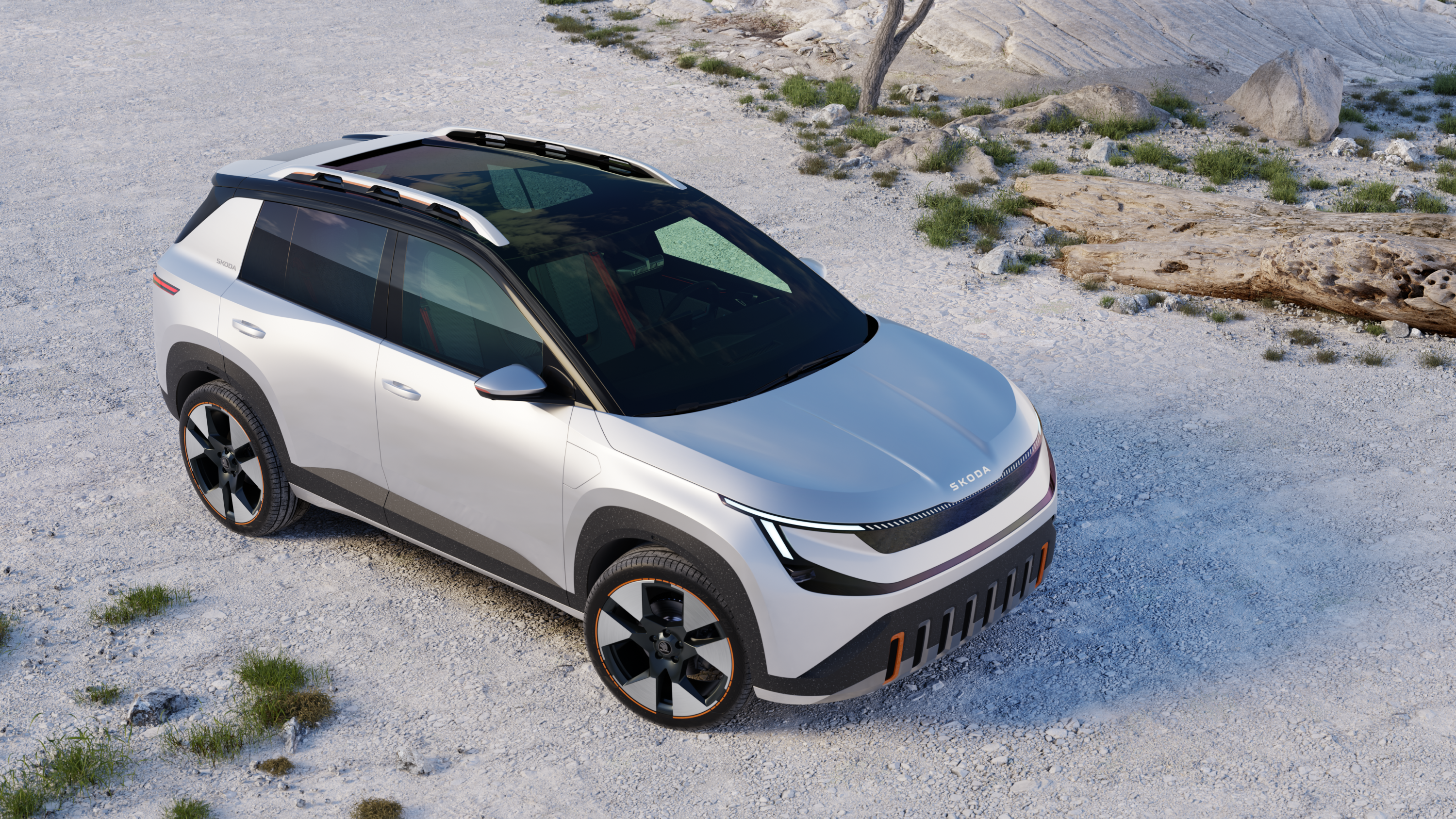
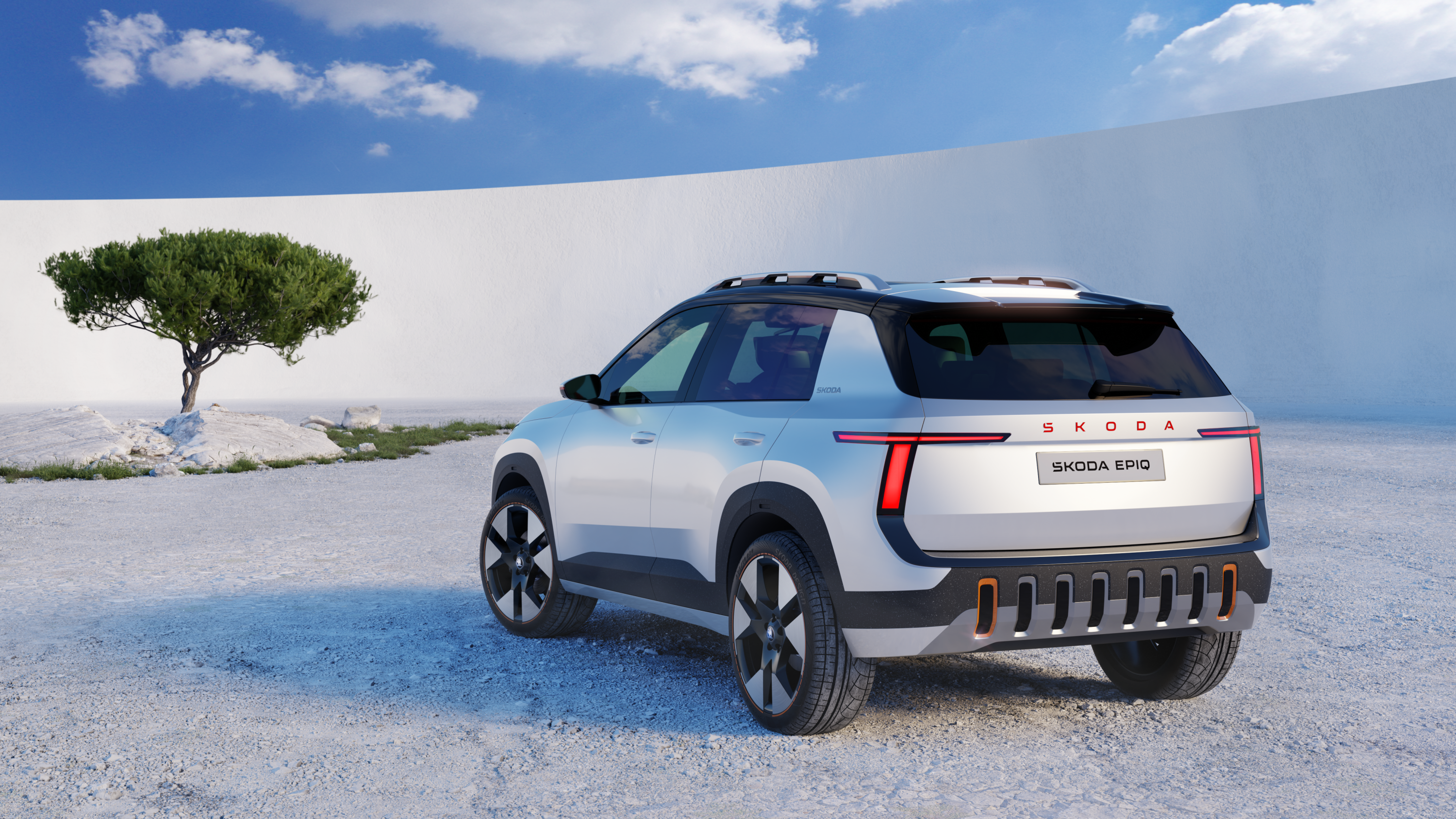
The EVs in the equation are the the still-to-be-revealed Elroq SUV, an electric replacement for the Karoq, and the recently-rendered Epiq compact SUV [↗️], which is set to be a cut-price offering in Europe, with a target price of €25,000 (AUD $41,450).
1
Mr Irmer was particularly enthused by the concept of the Epiq compact SUV
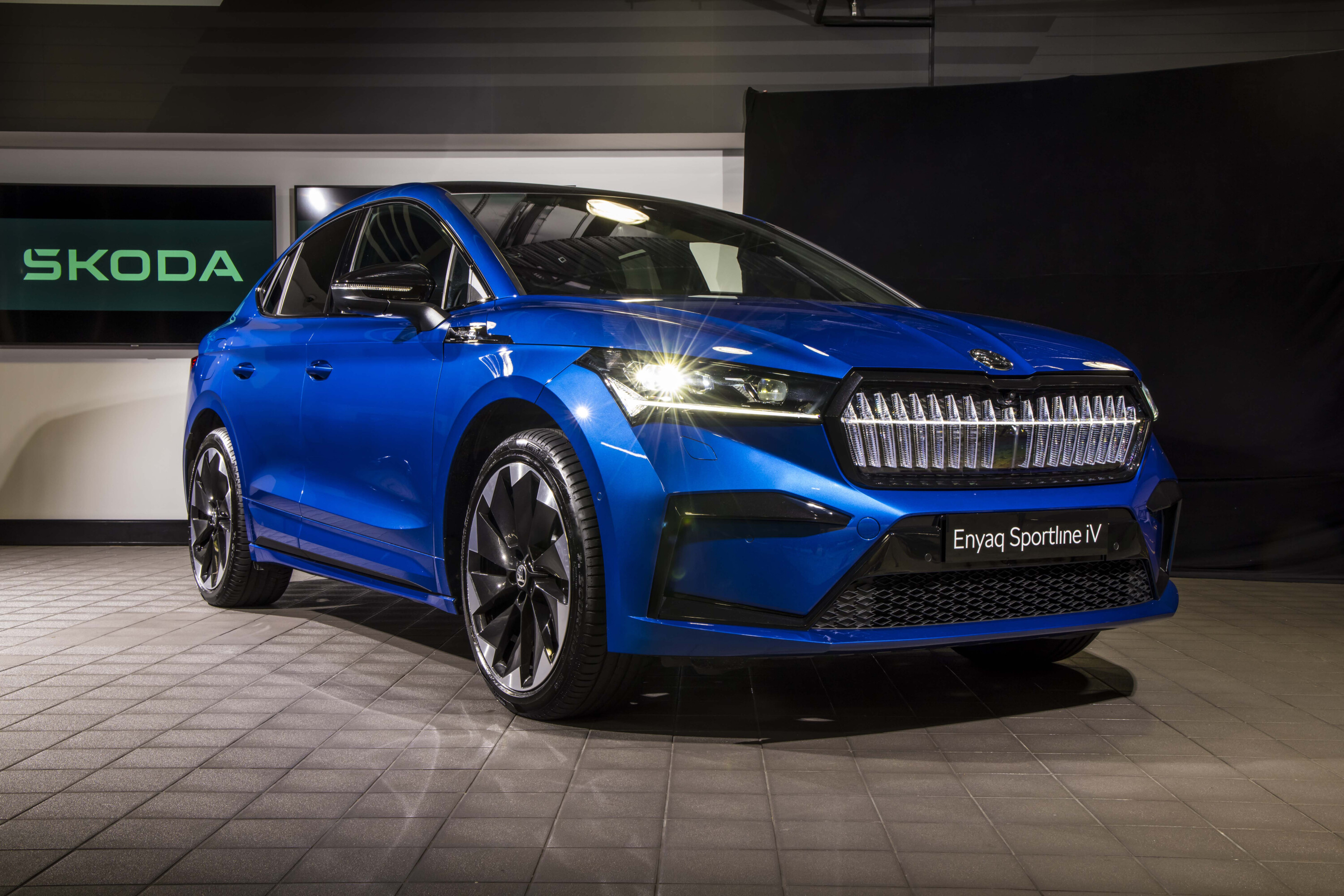
The first electric model from Skoda will launch this year – the Enyaq crossover SUV, and the RS version, arrive in October – and Skoda Australia managing director Michael Irmer told media at a recent event that the company is hopeful it will add the Epiq small SUV, Elroq midsize model, and a new electric seven-seater (presaged by the Vision 7S concept), as well as an electric wagon to its ranks in the coming years.
Mr Irmer was particularly enthused by the concept of the Epiq compact SUV, which is based on the new MEB Entry platform that will also underpin the VW ID.2, and which promises to put affordability at the forefront for EV customers when it’s launched in 2025.
1
“The Epiq is made to make e-mobility more accessible for the masses. For Europe, the car is contemplated to get a €25,000 starting price, but this is a lower specification than what we get.
“But we have the advantage in Australia that, given the competitive forces, our price level for a similar spec is actually quite a bit lower than in Europe,” he said, suggesting the $41,500 price point could be achievable.
“We can’t wait for this car to come, it’s going to be awesome. At the moment we’re working in the business case phase to confirm any release date,” he said.
“We’ll get the Elroq as well. It has not been shown in full… and the Elroq in size, will come as a medium, so between the Enyaq [large] and the Epiq [small],” Mr Irmer explained, before reinforcing there will also be the seven-seater large SUV that sits above the Elroq, and will sit alongside the new-generation Kodiaq model.
1
“And last but not least, what Skoda stands for, what the brand is strong for, it’s wagons. There were times we were the biggest wagon seller in the marketplace. But Skoda is synonymous with wagons, so it’s fitting for us to bring an electric wagon as well,” he said.
With new EV players entering the market on what feels like a monthly basis, Mr Irmer made it clear that the brand is conscious of the important role that affordable electric cars will play through this decade.
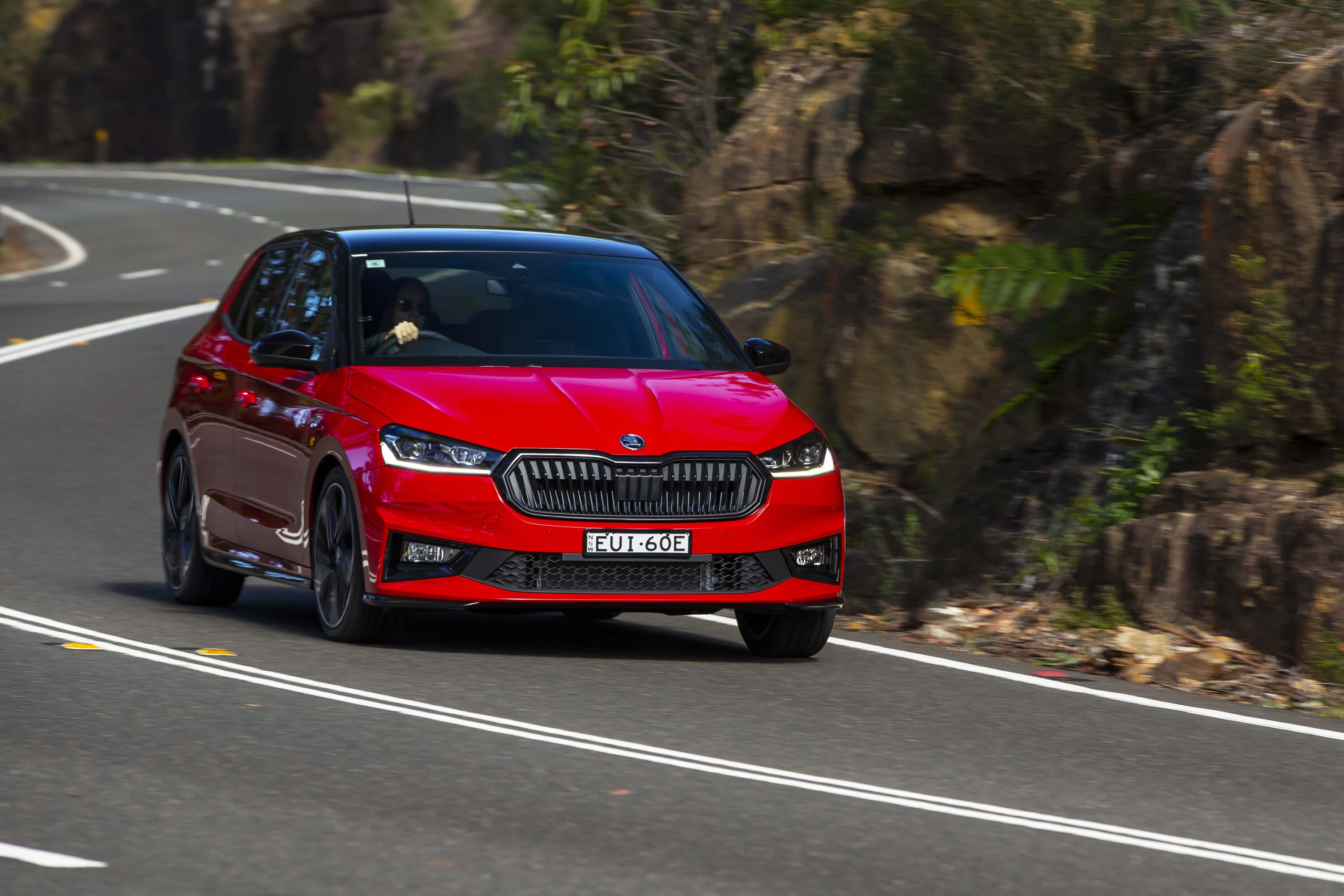
Skoda’s focus on affordable motoring also extends to internal combustion engine (ICE) models, with Skoda recently adding a base model Kamiq Run-Out for $32,990 drive-away, and the brand will soon have a more palatable-priced Fabia as well, given the current Monte Carlo spec stings with a $38,990 drive-away point.
1
Mr Irmer reaffirmed the brand’s intentions to have a cheaper Fabia, which has been slow to arrive in Australia, having launched in Europe in late 2021.
“It’s very difficult in this space, economically, as you would have seen – many other brands have really also struggled, Toyota was the first one, to keep it commercially viable,” he said “So we needed to get it right, and that took a little longer than expected, and now the car is coming, we’re happy to say.
“The ‘entry’ is a ‘mid-spec’, so it probably won’t be sub [$30K drive-away]. It’s really a challenging territory, and as you know, even some of the other players are getting up there as well,” he said of the new base Fabia, due here in July.
The brand also confirmed that the affordable base model versions of the Scala and Kamiq, with the three-cylinder 1.0-litre turbo 85TSI engine, will continue on when the facelifted versions of each of those models launch here in the middle of 2024.
MORE
Everything Skoda
Were you to start trying to pin down the greatest performance car ever built by a select group of countries, you’d end up with some genuine icons.
For Britain, you could choose the McLaren F1. For Germany, it could be the Porsche 911. The US has the Chevy Corvette, Italy has the Ferrari F40, and France the magnificent Bugatti Veyron.
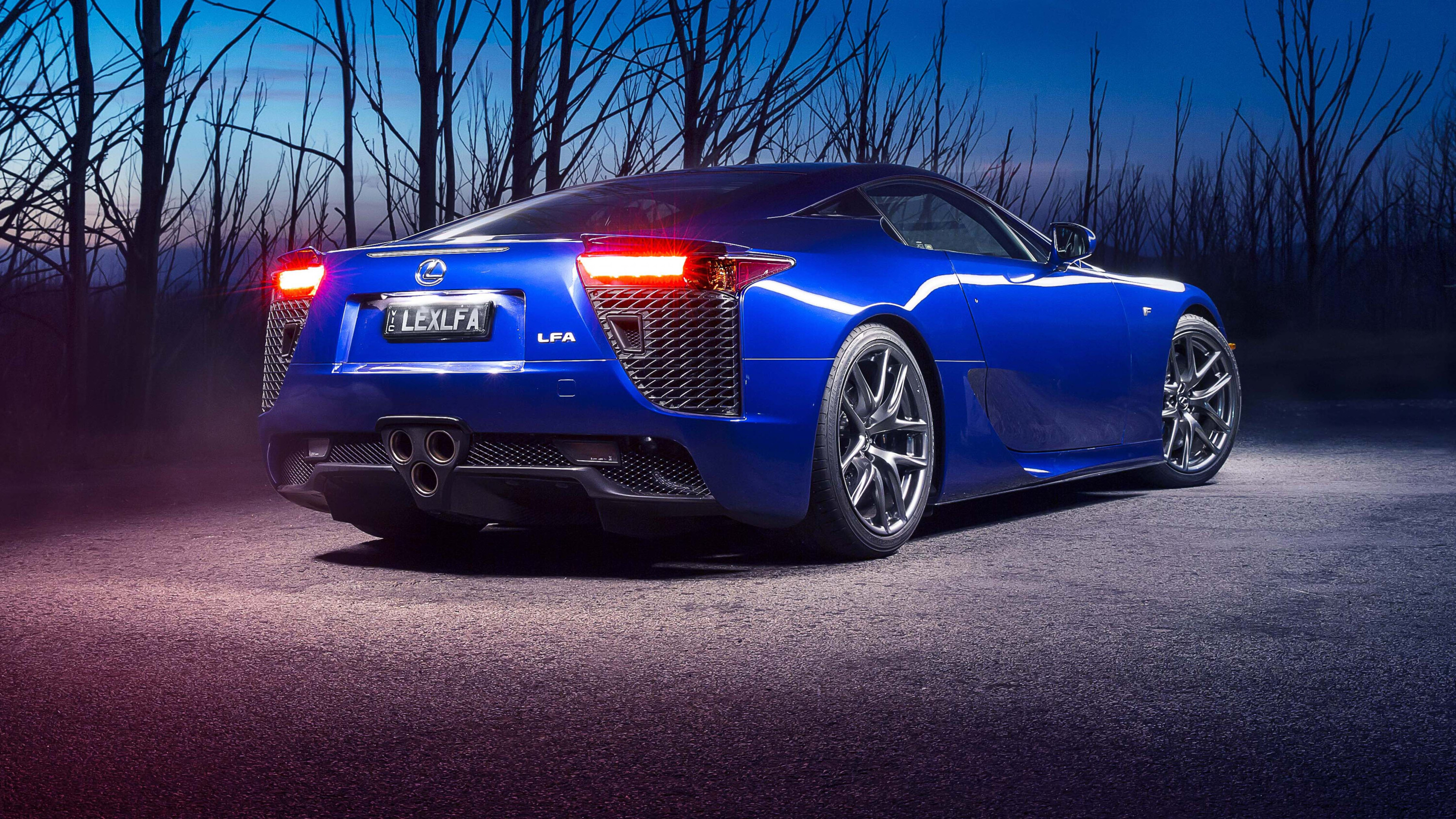
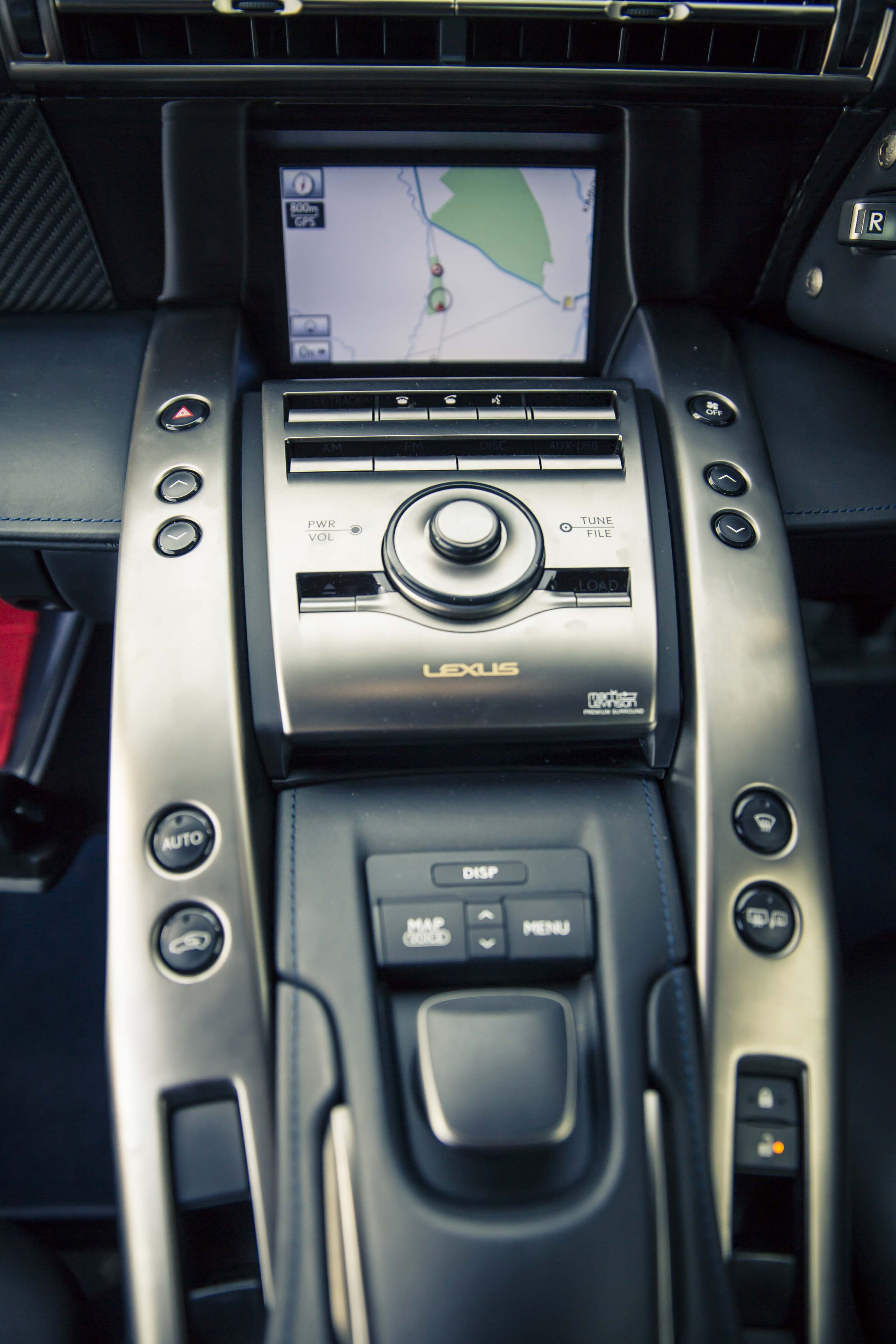
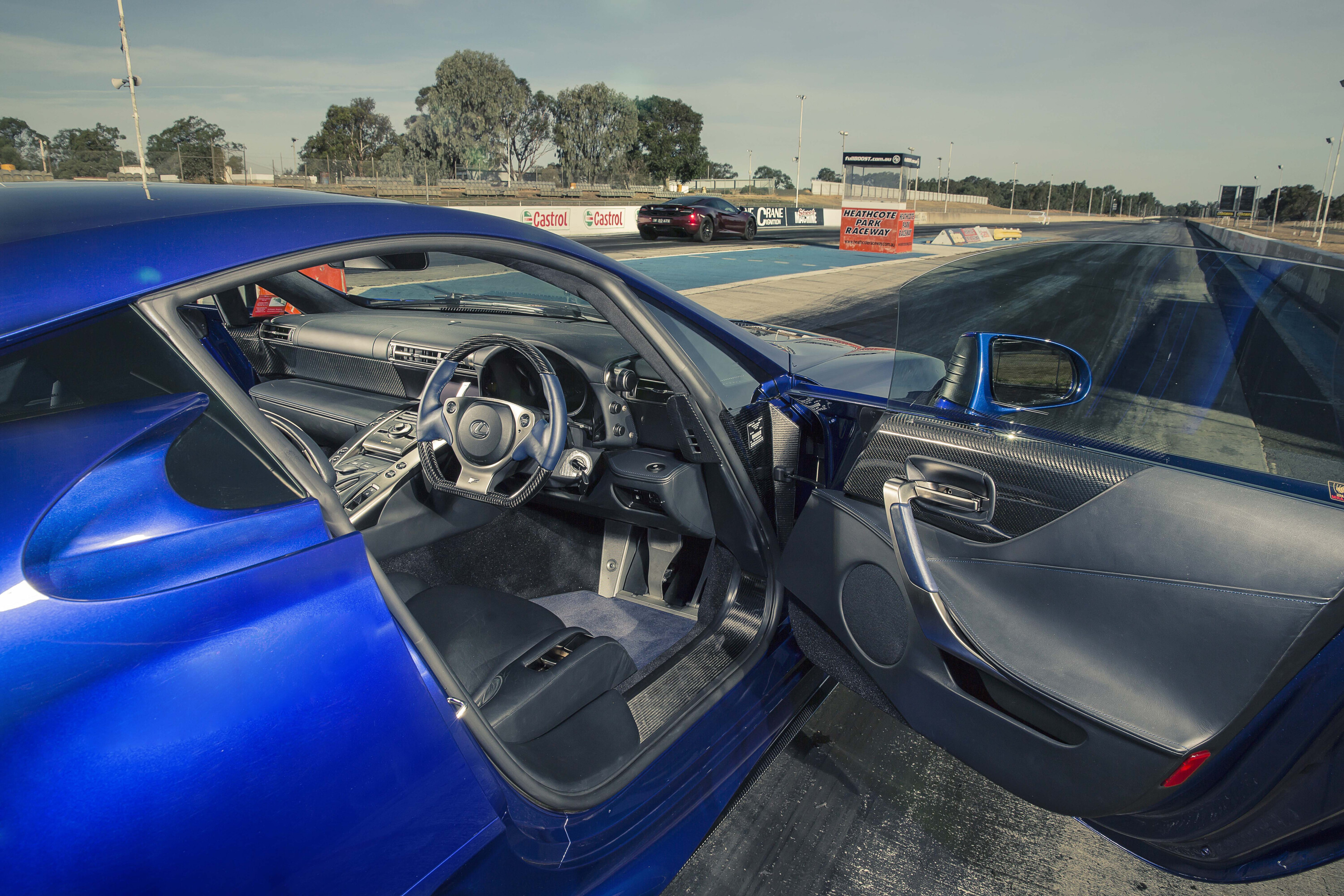
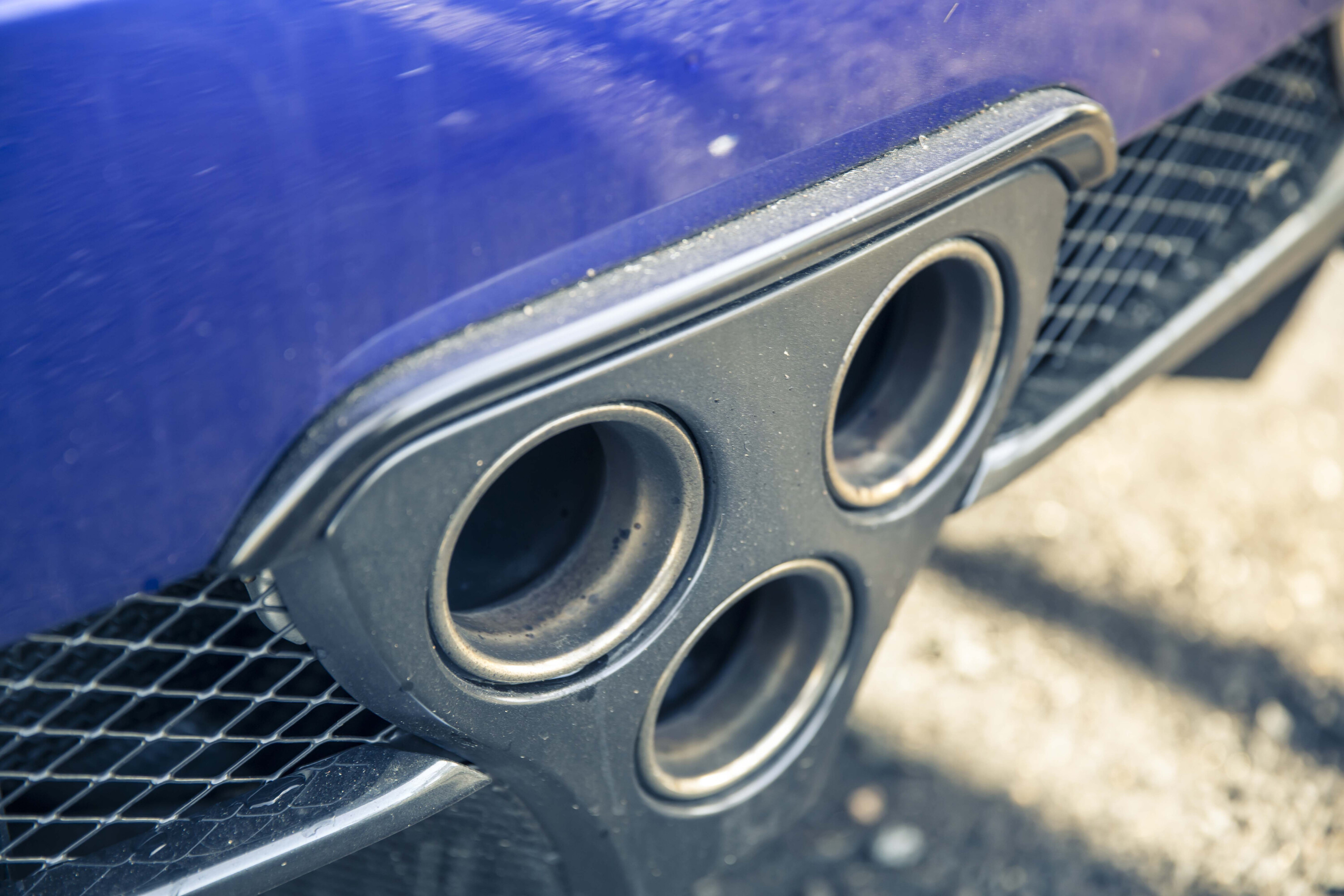
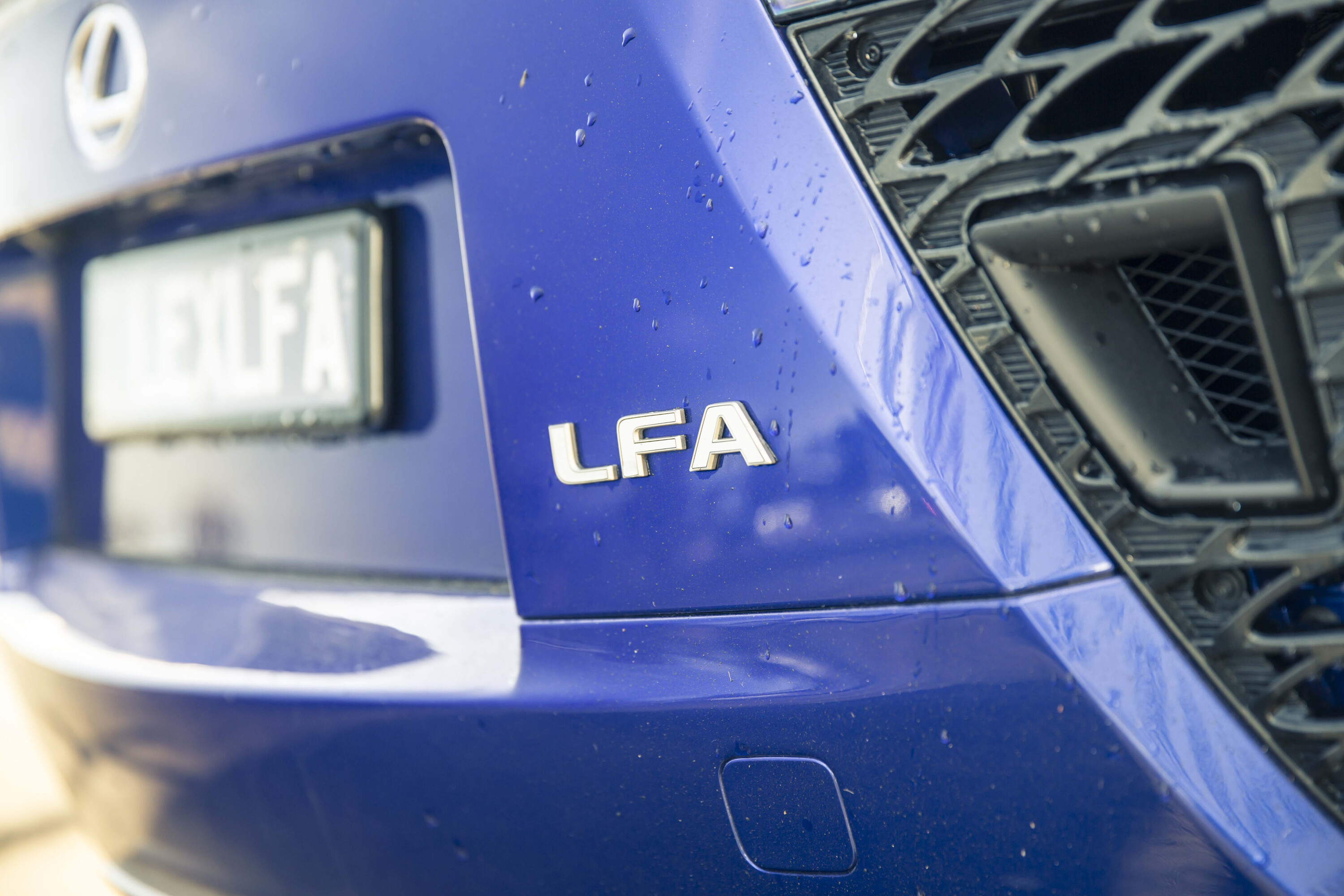
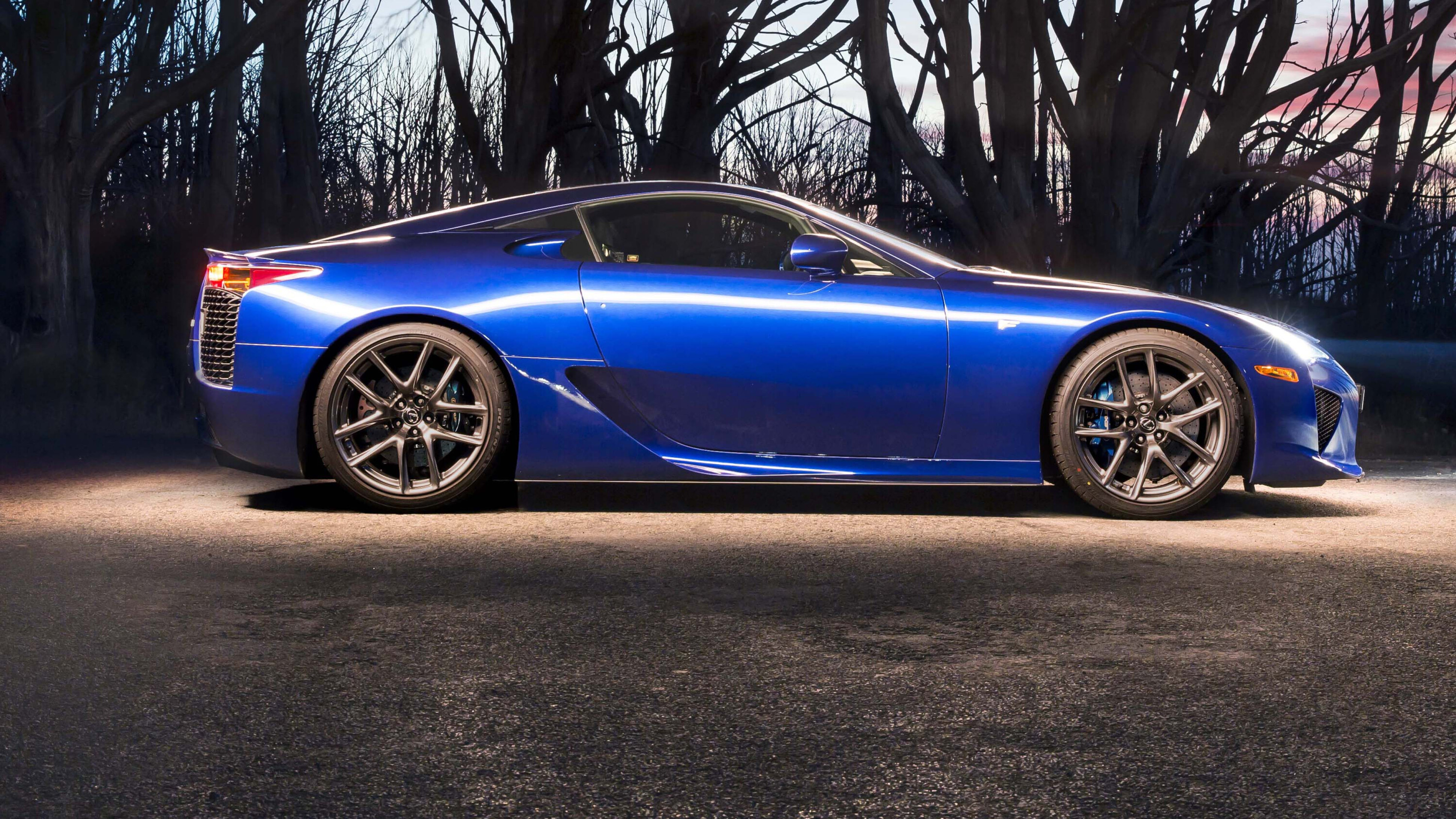
But Japan? You could make a case for the Nissan GT-R line, the Mazda MX-5 or the Honda NSX, but in truth, the answer is none of the above. It’s the astonishing Lexus LFA. And it may always and forever be the Lexus LFA.
1
A true, no-holds-barred statement of capability? That took a constellation of stars to align
What makes that fact even more astonishing is that the LFA is the only supercar that Lexus has ever built. Yes, we’ve had perfectly creditable offerings such as the LC and the IS F, but a true no-holds-barred statement of capability? That was an idea that required a constellation of stars to align.
Tracing the genesis of the LFA leads us to a bar in Hokkaido. Haruhiko Tanahashi, developer of the ST165 Celica GT-Four, realised that the nearby Shibetsu proving ground would be the perfect place to develop a supercar. Tanahashi managed to tentatively attract the interest of his boss, TMC’s top vehicle engineer Tetsuo Hattori.
Later that year, he’d recruited TMC’s chief test engineer Hiromu Naruse to the ‘Project 680’ and, after a bunch of rough napkin sketches, they formulated the idea for a front-engined, rear-driven coupe. The brief was simple: create a vehicle which showcased Lexus engineering and quality.
1
It had to thrill the enthusiastic amateur yet still deliver for the more capable driver.
As the pair exchanged ideas, one very clear and somewhat humbling truth emerged: neither Tanahashi nor Naruse had the organisational clout to drive this project off the back of the napkin.
Fortunately, they knew someone who did. In any other organisation you’d probably call Akio Toyoda the ultimate nepo baby, grandson of Kiichiro, who founded the company, and son of Shoichiro. That would be to underestimate the way Akio had envisioned and enacted his role.
1
Rather than follow the engineering foundations of his forefathers, Akio was a businessman first and foremost, with a keen understanding of brand equity.
There’s a certain irony about the most over-engineered car in the company’s history recruiting a man with no engineering training whatsoever, but then there’s skill in being able to delegate to the right people.
It was Shoichiro and his cousin Eiji who founded the idea of the Lexus luxury arm. That much is well documented. What’s not so widely appreciated is that Lexus was not a badge sold to the Japanese domestic market. In that regard, the LFA arrived at a serendipitous moment.
1
While Akio would eventually ascend to run the Toyota conglomerate, at the time that Tanahashi and Naruse were hatching their plans for the LFA, he was playing golf in the US.
What Akio did have going for him was his obvious family connections and sway with the board, as well as representing a voice in the business that looked to reintroduce dynamism and a certain desirability to the brand. But in 2000, as he was returning to take a place on the board, Akio had a clear hole in his skill set.
He was better at driving a golf ball than a car. “I don’t want to be preached to about cars by someone who doesn’t even know how to drive,” snorted Naruse.
1
Cue an intensive course in teaching the boss how to pedal. Naruse first taught Toyoda how to brake.
Then how to control a car on snow. How to escape from an overturned vehicle. The curriculum was, in typical Naruse fashion, dementedly thorough. The close-knit team sourced the world’s leading supercars and housed them at a facility within the Shibetsu proving ground, attempting to understand what gave each its individual appeal.
With no sporting heritage behind the brand, the LFA needed to speak for itself. Tanahashi’s diary for July 6th, 2000 reads: “Evaluation drive in Shibetsu. Director says ‘baby sports cars are bad.’ This will be a grown-up sports car.”
1
“The more I trained, the more I learned, and I began to understand where the vision could fit within Lexus,” Akio said.
The more he drove the competitor cars, the more Toyoda realised that instead of trying to graft the existing Lexus brand identity into the LFA, this project had the power to do something quite different. It could dictate a new set of values to the rest of the Lexus range.
“Perhaps it could be the secret sauce… the secret sauce that flavours every car,” he figured. That was the light bulb moment when he threw his full support behind the project and began lobbying for it to become an absolutely key part of Lexus’ plans. The plan bombed.
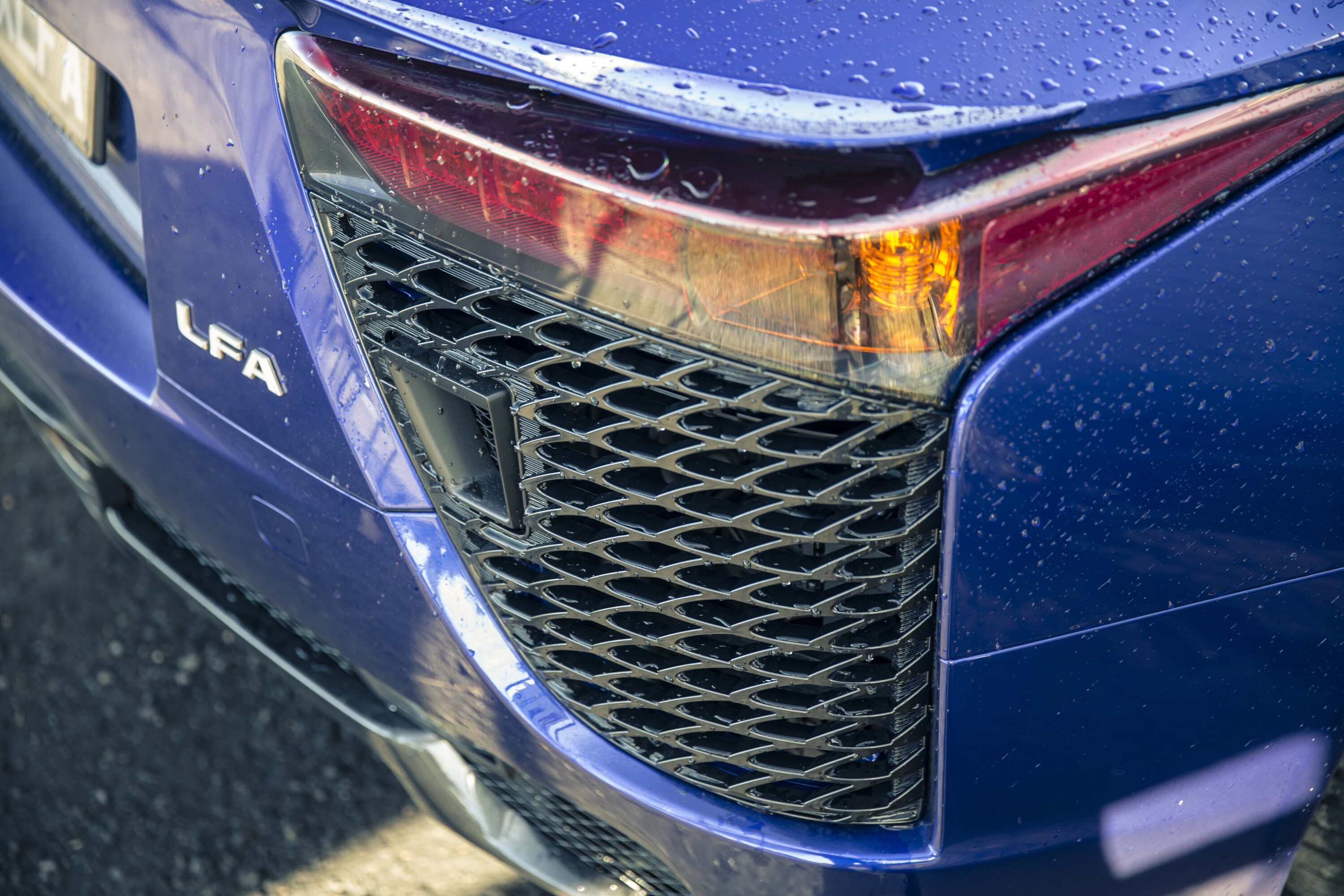
1
“At a meeting of top management, everyone argued against the LFA proposal. Even people in charge of research and development objected to it,” Akio noted.
A compelling Plan B was clearly required. Drawing on his commercial acumen, Toyoda seized upon the benefits of a halo model, and in order to do this he recruited TMC’s advertising and brand guru, Atsushi Takada.
Takada soon realised the scale of the task before him. “Even the engineers wanted to stop it because of the cost. It required huge resources – all of the components had to be developed uniquely and it would not be possible to repurpose the parts.”
1
The masterstroke that Takada was able to employ was to convince the board that an extraordinary project could not be judged by the ordinary metrics of ordinary cars.
The LFA was different and justified a more nuanced approach. The project was green lit by the Toyota board, but there was a significant caveat. Production would be capped at just 500 cars. A limited-run model it might be, but that didn’t stop Akio pushing for investment in order to create the halo effect.
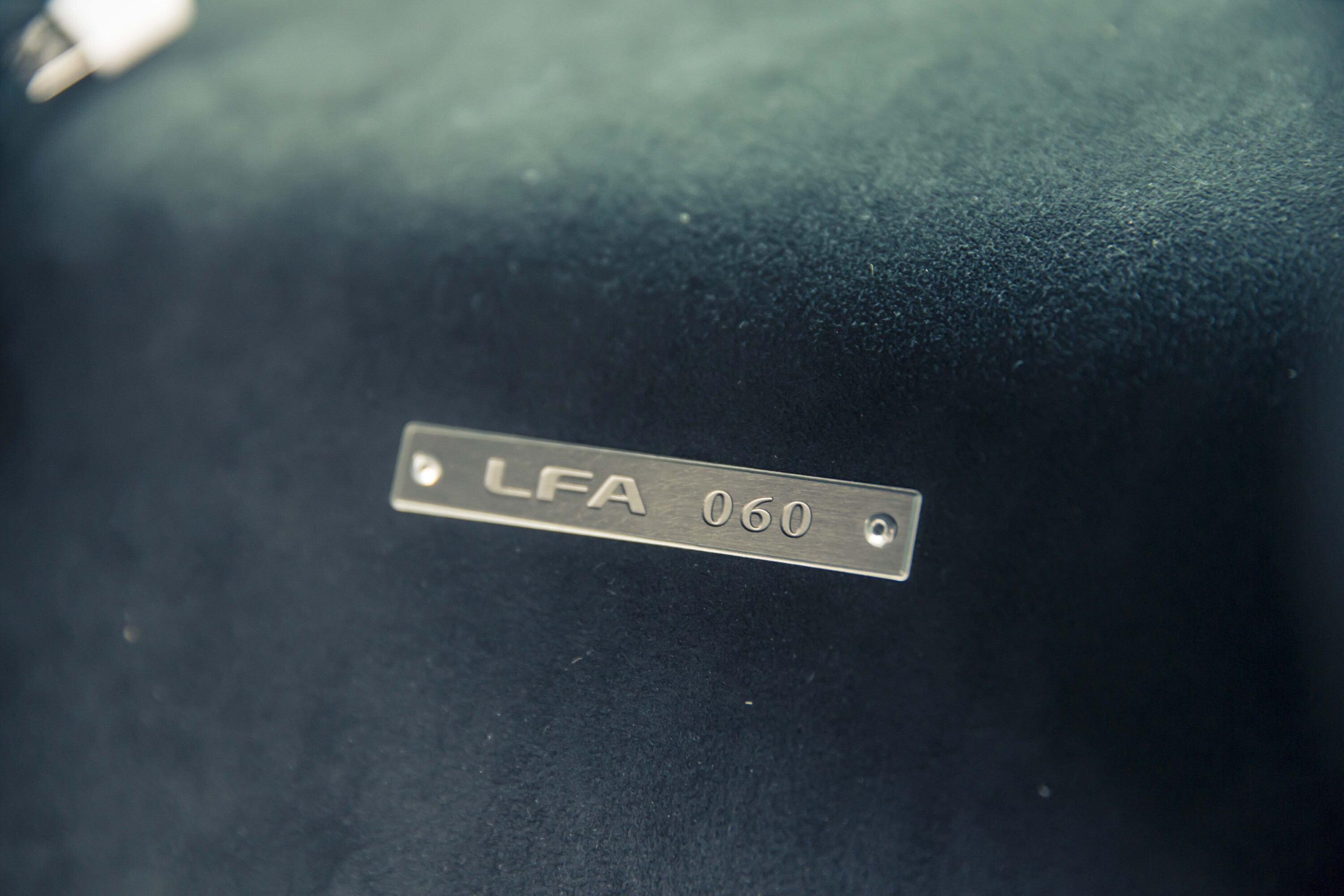
Much has been made of the fact that Lexus realised a loss on every LFA ever sold. The LFA’s exact budget was never revealed. Perhaps an element of sunk-cost fallacy began to take hold. Perhaps it was clear that Akio would, before too long, be running Toyota and it might be politically imprudent to slam the brakes on his pet project. But the LFA was engineered without compromise.
1
There was no carbonfibre expertise within the company at the time – something that pushed the team to initially go with aluminium for the chassis.
By 2003, it was clear the car needed to shed weight and Tanahashi was told to bring the carbonfibre expertise in-house. The Motomachi plant therefore invested in a vast carbonfibre weaving loom in order to create the hideously complex A-pillar and roof section of the car.
The initial LF-A prototypes, codenamed TXS, were built in June 2003. By this stage, Naruse had become the chief creative force behind the project. It was Naruse who insisted on the Kayaba dampers for the car and the painstaking partnership with Bridgestone to develop the perfect OE-fit tyre.
1
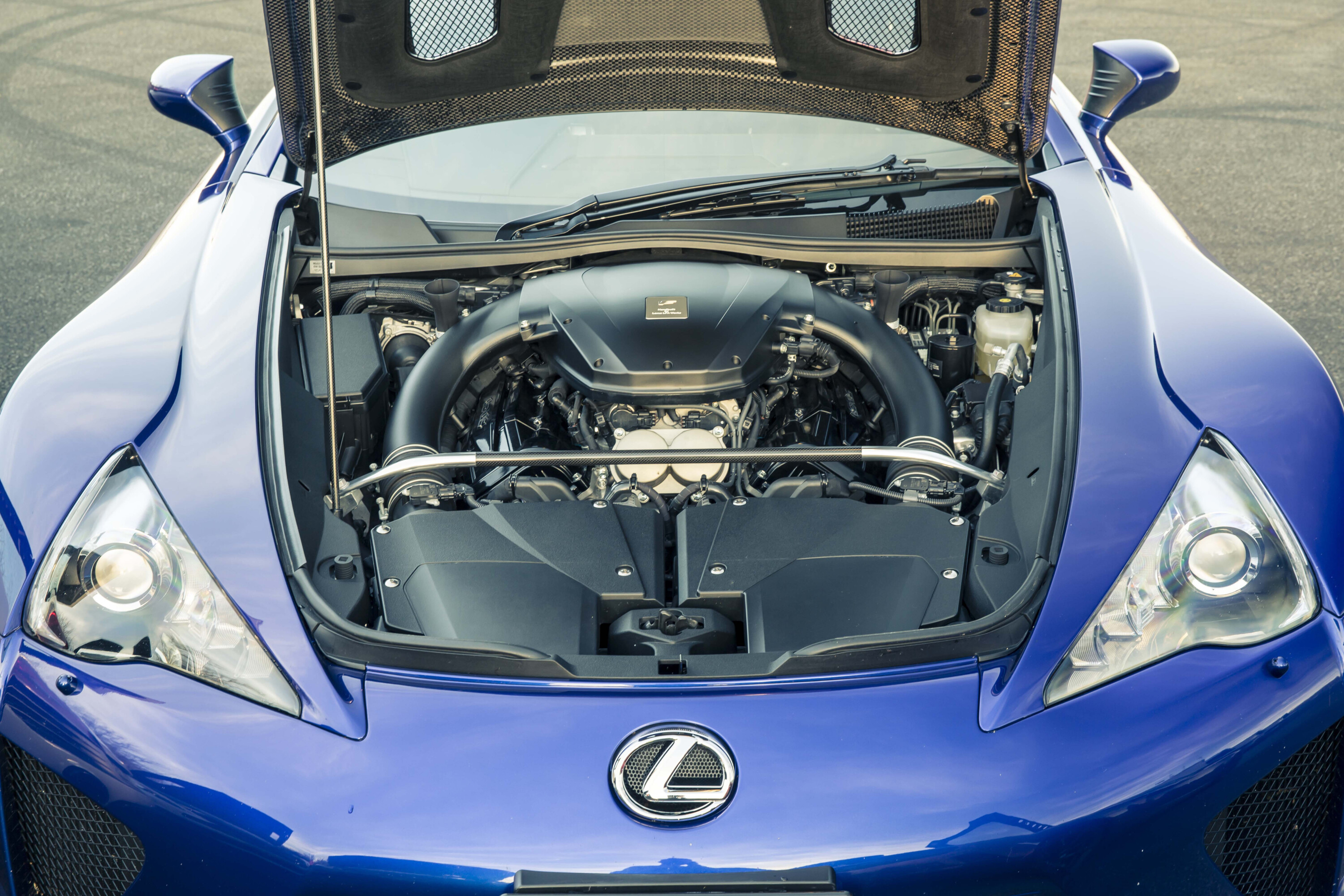
Yamaha famously co-developed the magnificent 4.8-litre V10 powerplant, but it was Naruse who consistently sent the company back to the drawing board to perfect something Yamaha knows a thing or two about: sound.
The first public showing of the LF-A Concept was at the 2005 Detroit Show. Billed as a design study with no production plans, the styling was a collaboration between Toyota and Italian designer Leonardo Fioravanti, most famous for his work with Pininfarina on Ferrari models such as the 308 GTB, 512 BB, 288 GTO and Testarossa.
By January 2007, a second LF-A concept had appeared. The dimensions were subtly different. It was 36mm wider and the wheelbase had eked out by 17mm. Most importantly, the aluminium chassis had been replaced by the hugely expensive carbonfibre tub.
1
This was clearly a significant step in productionising the car.
Naruse’s next project was to build a race team into which the LFA’s development could be fast-tracked. Cue the birth of Gazoo Racing. In 2007, the team entered a pair of Toyota Altezzas into the 24 Hours of Nürburgring.
The following year, a camo-clad LF-A rolled onto the grid, under the banner of ‘Team LF-A’. Naruse knew the track well, having first competed there as a 28-year-old in the 1970 6 Hours of Nürburgring in a Celica 1600GT.
1
“When I first drove at the Nürburgring, I instinctively felt both that I had come to an incredible place and that we could use this place for development,” he said.
“However, no one at Toyota recognised the importance of Nürburgring. I think the first Toyota model to be evaluated at the Nürburgring was the original MR2. On the wonderful surfaces of Japanese circuits, it was only possible to understand about one-tenth of the car; the Nürburgring enabled us to see everything. It made it impossible to deceive ourselves.”
The press were all over the LF-A. ‘Super Supra” headlines abounded and while the LFA finished a lowly 121st, much was learned from the endeavour. The following year, the car was raced under the Gazoo Racing banner with none other than Akio Toyoda part of the four-driver team.
1
Super GT champion Akira Iida fed back data on the LF-A’s limit handling under repeated stress. Toyota executives saw Akio Toyoda, racing under the pseudonym Morizo, risk everything to stamp his commitment to the project.
The rest is history. Toyoda was named president the following January and the production version of the LFA made its official debut at the Tokyo Motor Show in October 2009 (note the deletion of the hyphen for the production variant). But that wasn’t the end of the LFA’s story. Not by a long chalk. Naruse characteristically wanted more.
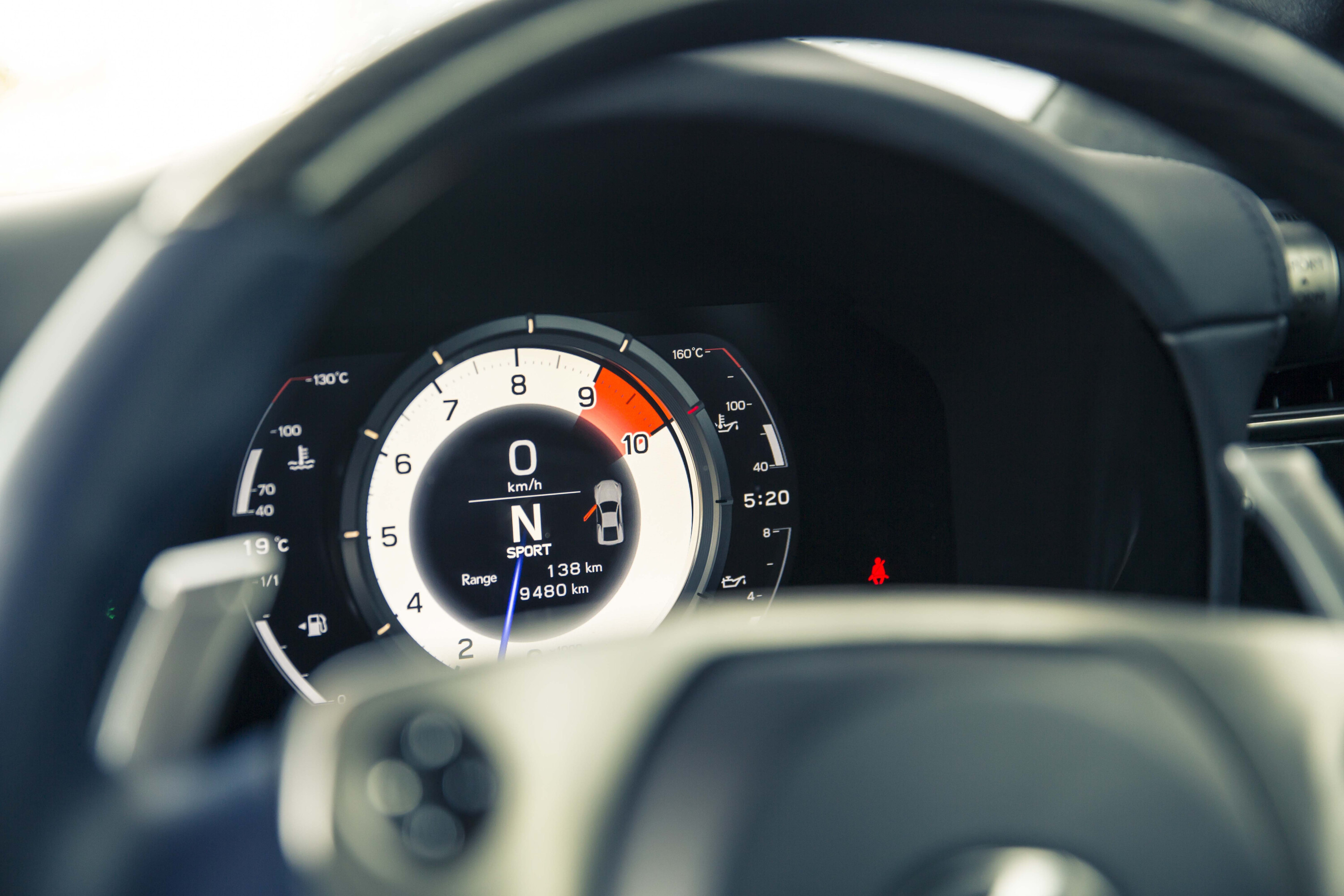
His demands were accommodated with the LFA Nürburgring Package – a series of 50 road-legal cars optimised for circuit use. This featured a 7kW power boost (lifting peak power to 420kW).
1
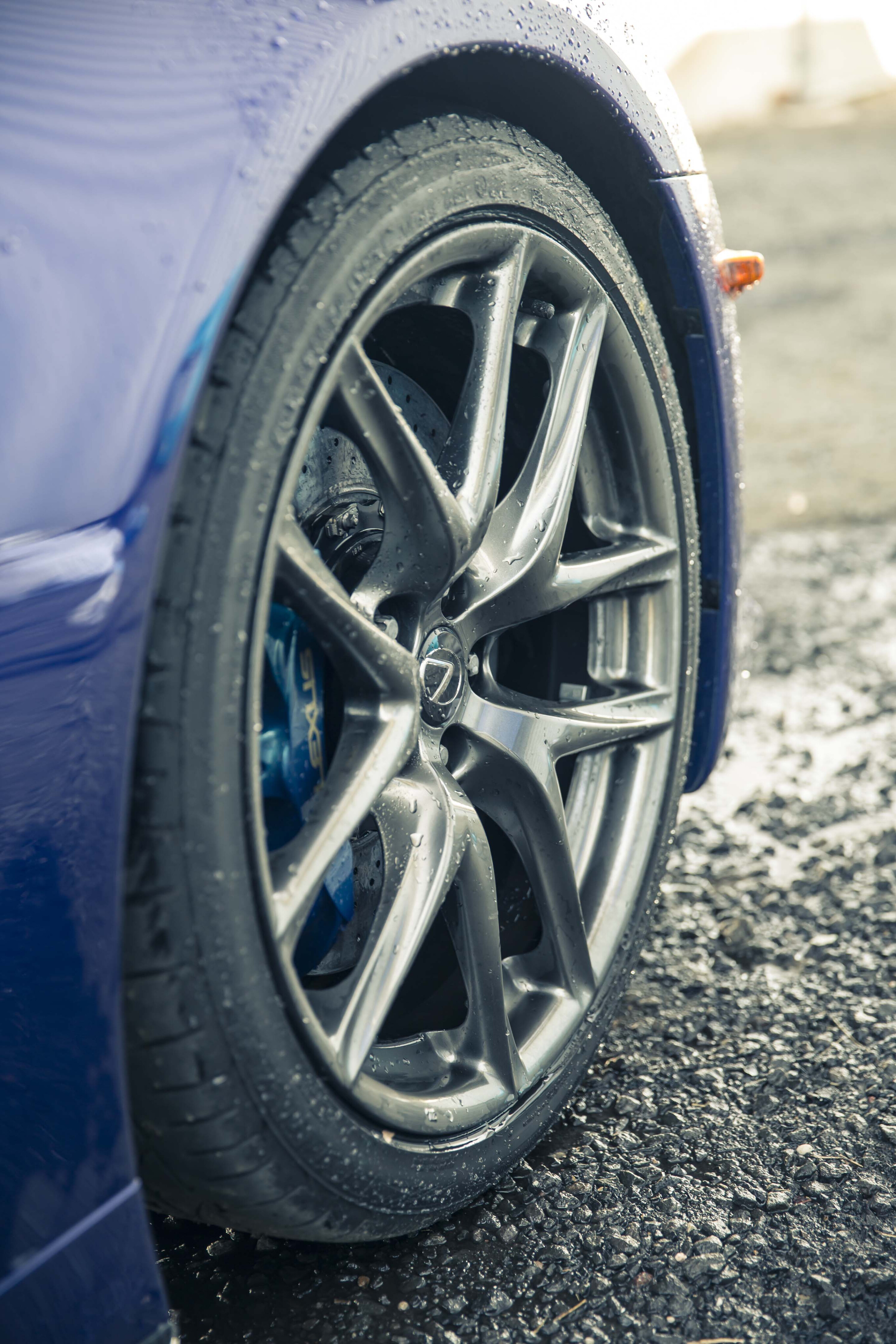
The transmission was recalibrated to deliver quicker shifts, weight was taken out of unsprung mass using magnesium BBS wheels, while a series of subtle aero modifications increased downforce by up to 33 percent over the standard LFA.
Naruse would never see his car reach customers. On 23 June 2010, Naruse took one of the LFA Nürburgring Package cars for a run on public roads near the Nordschleife, ran wide on an innocuous-looking sweeper and impacted a 3 Series head-on.
The two BMW employees were seriously injured but would stage a recovery. Naruse died immediately. The spot, near the small village of Boos, is today marked by a Japanese weeping cherry tree.
1
Toyoda was shattered at the loss of his mentor and there was a very real possibility that Gazoo Racing would be closed. Upon reflection, it was decided that Naruse would want the team to continue his work.
The LFA returned to the Nürburgring 24 Hours, finishing third in class in 2011 and taking a class win in 2012. The filthy, battle-scarred 2011 race car now sits proudly within the Toyota Kaikan Museum in Toyota City. A few feet away, in a glass cabinet, hangs a black Nomex racing suit with the “H. Naruse” monogram on the belt. Along with his helmet and gloves, and two Nürburgring trophies, it never leaves the race car.
The order bank for the LFA opened on 23 October 2009, with buyers carefully vetted in early 2010. Production began in December 2010, the configurator allowing a multitude of customisations to the extent that Lexus claimed 30 billion possible permutations.
1
The list price? $375,000 US dollars, or more than a Ferrari 599 at the time.
It’s therefore perhaps unsurprising that sales were hard to come by, with some cars staying on dealer floors for years before the market cottoned on to the intrinsic worth of these incredible supercars.
Production ended on 14 December 2012, with the last car finished in white and equipped with the Nürburgring package. There’s still appetite within Lexus to build another LFA but Akio Toyoda is no longer the president of Toyota, having stepped down in 2023.
1
If he had his way, another special car would be in the works. “In Japan there is the Ise Shrine,” Akio says.
“It is rebuilt every 20 years as part of the Shinto belief in the renewal of nature. The purpose of its rebuilding is to pass on skills to a new generation.
“In the 1960s we built the 2000GT sports car. In the 1980s we had the Supra. In 2000, the 20-year cycle should have continued but too many people at the time were interested in volume and sales, not in a special car. So we missed the turnover and now it has been 30 years. We will never catch up but in 20 years’ time we will come up with another new supercar. It will serve as a challenge for the next generation.” So never say never…
1
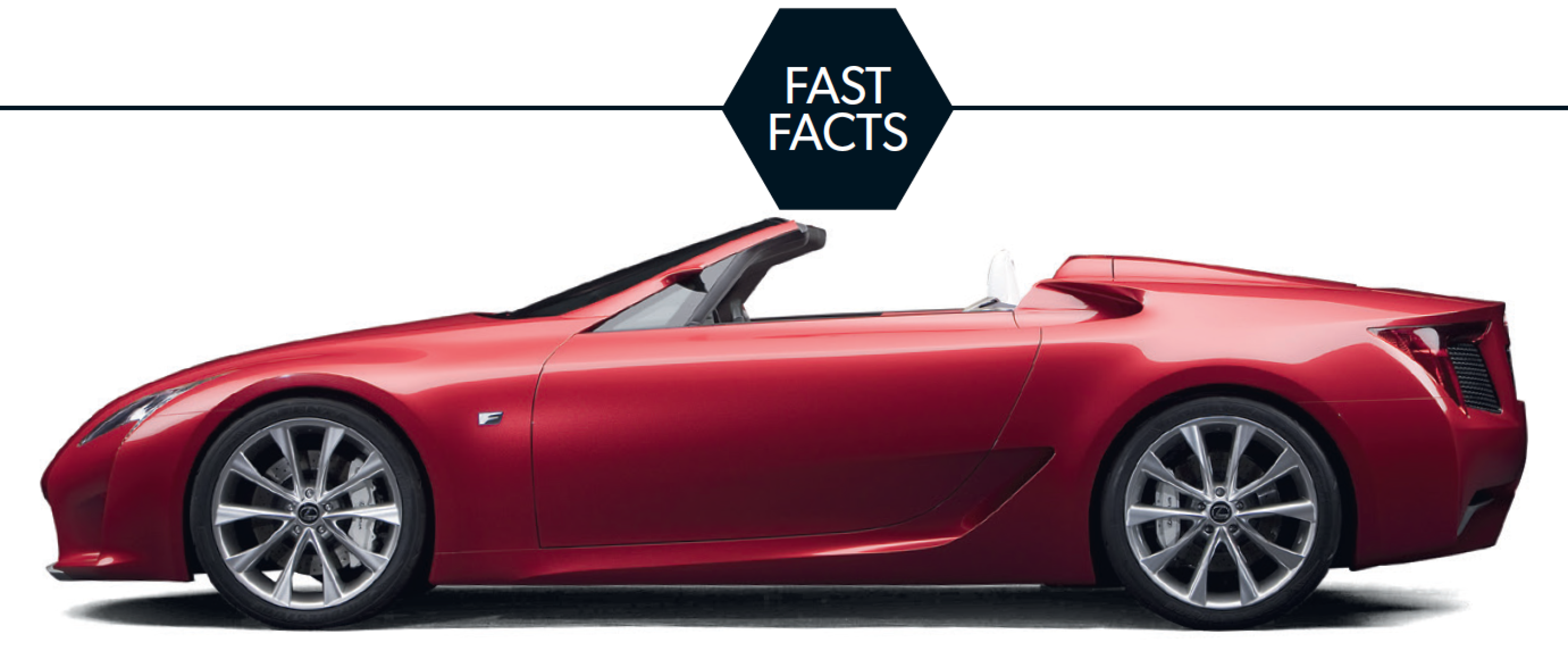
Wait, what? There was an LFA drop top? Yep. It appeared in January 2008 at the Detroit Show and had been papped by spy photographers on the Nordschleife in October 2005.
Originally designed to showcase the torsional stiffness of the carbonfibre body, it also appeared at the Geneva Show, the Pebble Beach Concours d’Elegance and the US Open golf tournament in 2008.
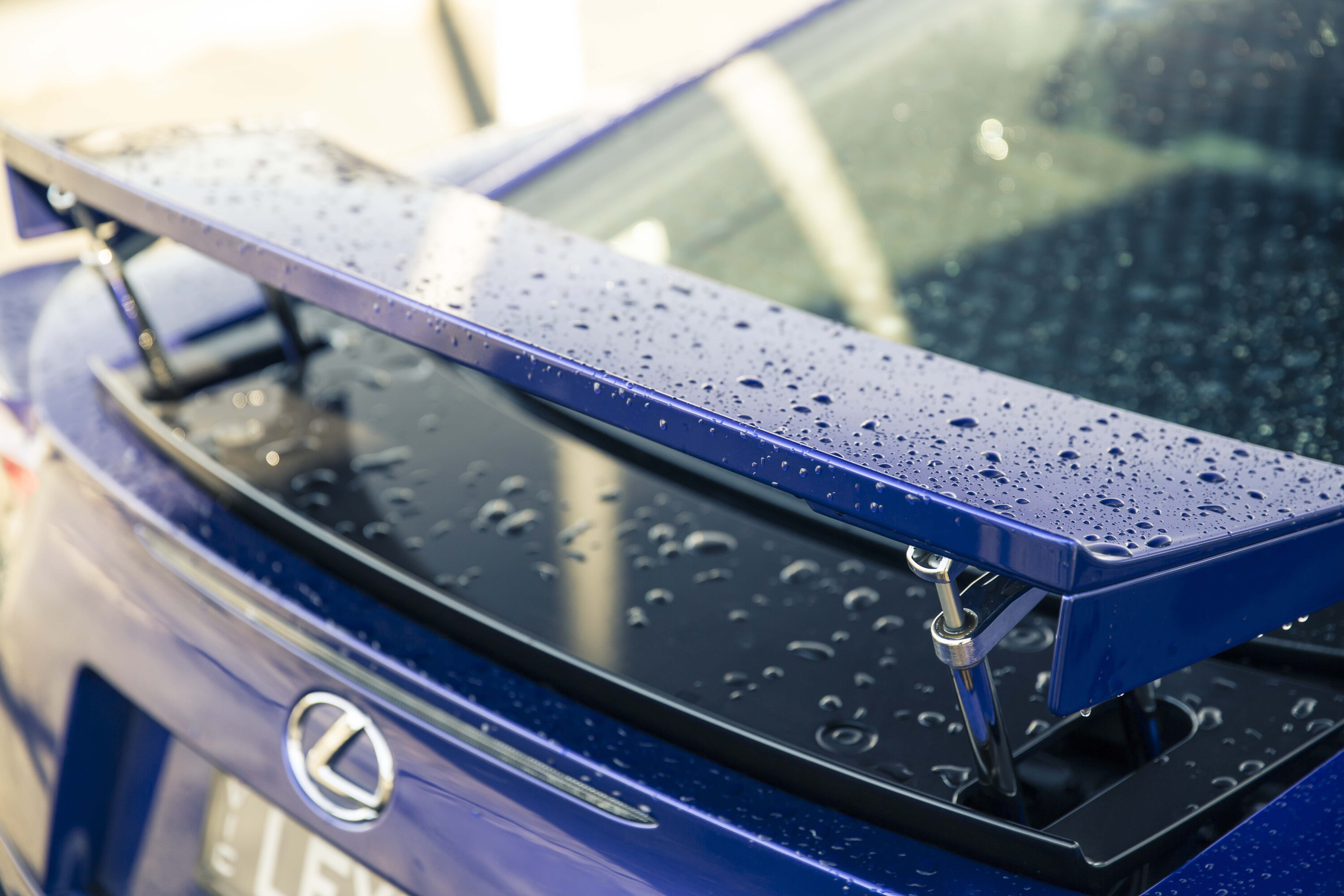
The one-off LFA Spyder even debuted the pop-up rear spoiler ahead of the production LFA coupe.
MORE
Everything Lexus
| Lexus LFA specifications | |
|---|---|
| Engine | 4805cc V10, dohc, 40v |
| Max power | 412kW @ 8700rpm |
| Max torque | 480Nm @ 7000rpm |
| Transmission | 6-speed automated manual |
| Weight | 1480kg |
| 0-100km/h | 3.7sec (claimed) |
| Price (now) | from AUD $1.8m |
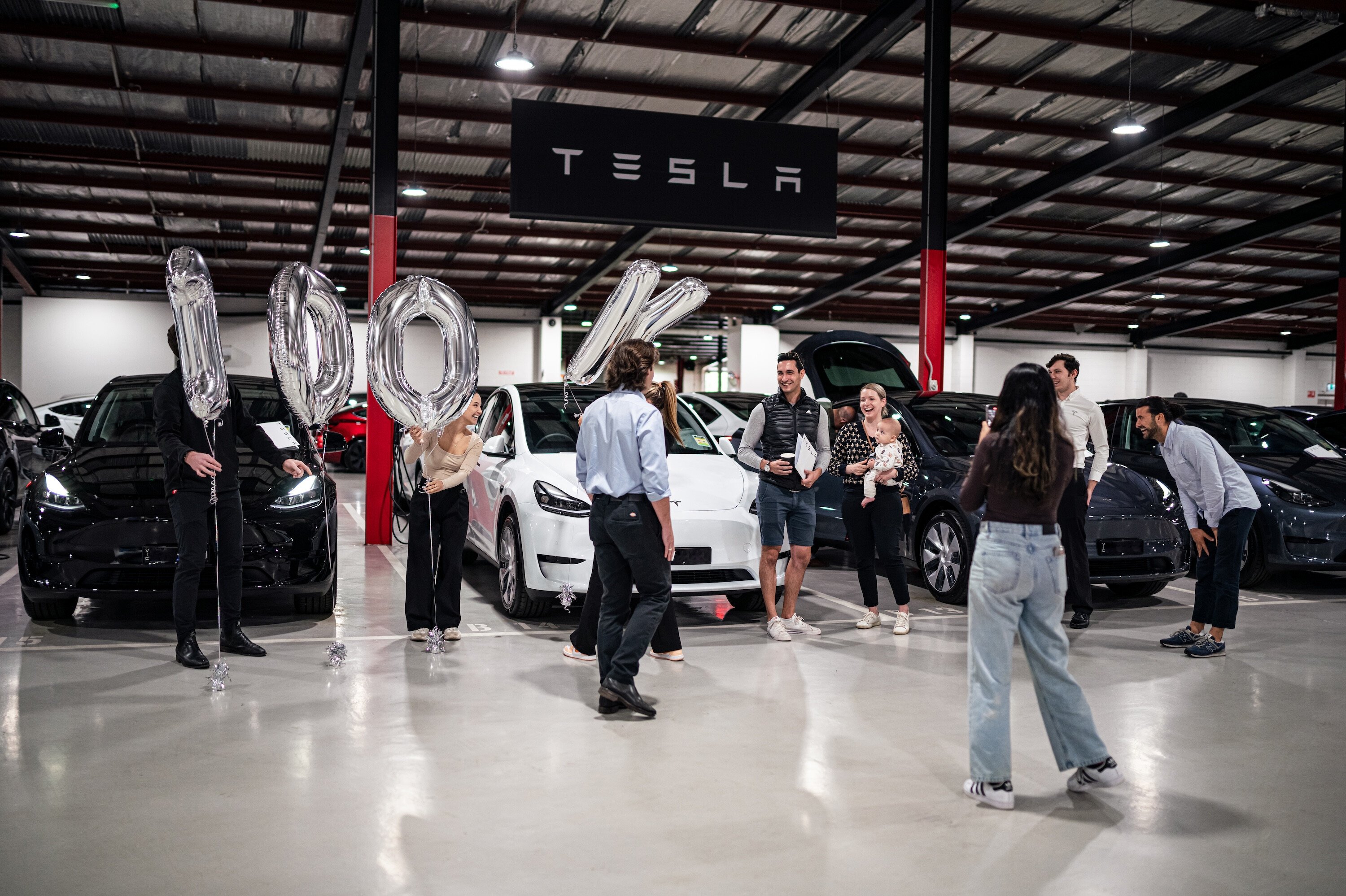
Tesla says it has reached 100,000 sales of its electric cars in Australia, a decade after launching its first ‘mainstream’ vehicle.
A family (pictured made and below) from Mulgrave, Victoria, purchased the milestone car – a white base Model Y RWD SUV that’s priced from $65,400.
The US tech company imported about 20 units of its first ever car, the $200,000-plus Lotus-based Roadster from 2011, though its local presence started officially with the introduction of the Model S large executive sedan in late 2024.
1
This was joined by the related Model X large SUV in 0216, before Tesla sales started to take off with the 2019 introduction of the significantly cheaper Model 3 midsized sedan that was priced below $60,000.
The Model S and Model X, which were both priced well above $100,000, were discontinued in 2020 though were due to be replaced by facelifted versions in 2023 before Tesla announced it was axing right-hand-drive production.
Local Tesla tracker Veda Prime reported the S and X accounted for fewer than 4300 units (2569 and 1724 sales, respectively).
1
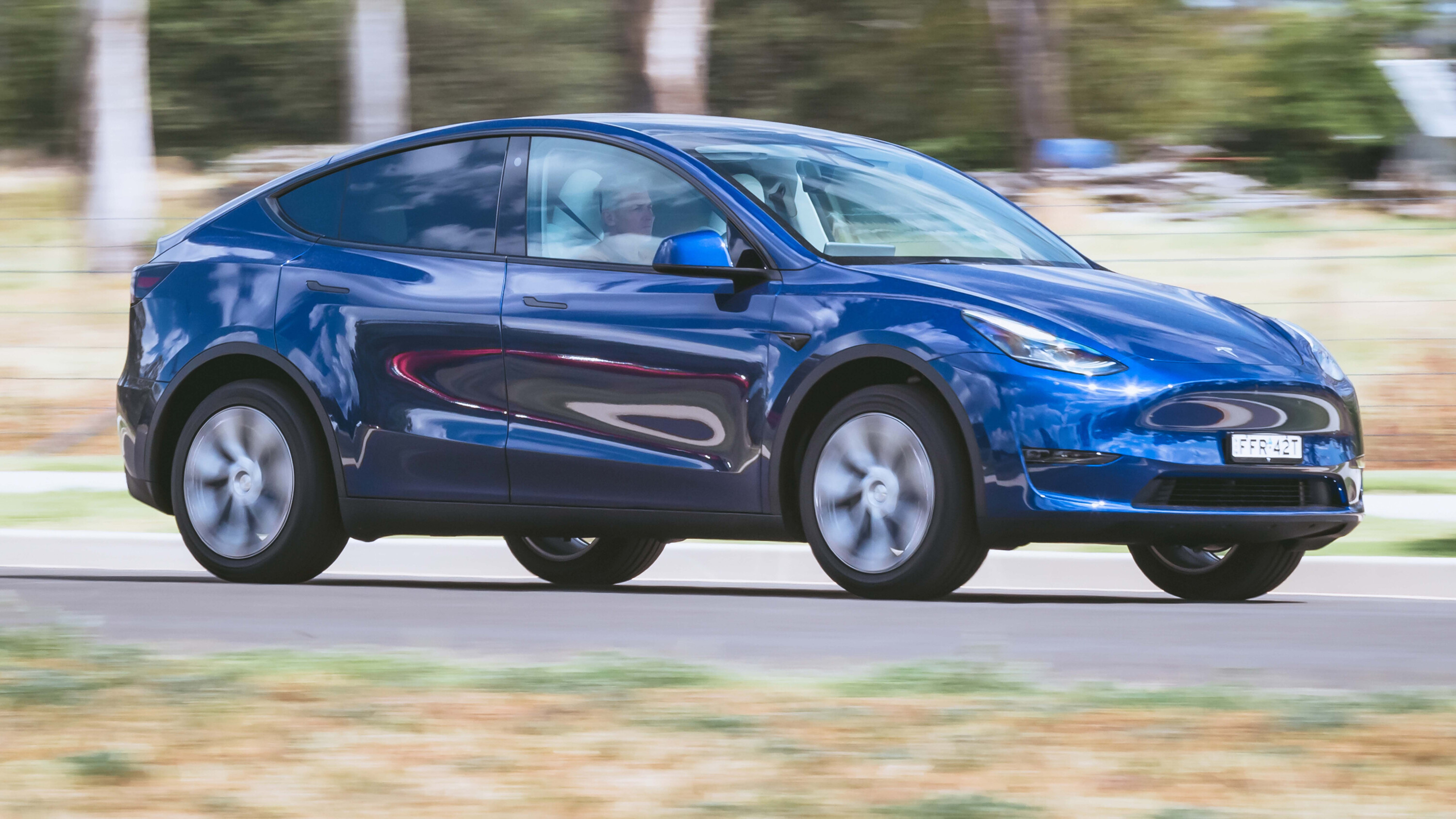
Tesla only joined official sales reporting via industry VFACTS data from Q1 2022, helping to demonstrate how registrations have surged since the Model 3’s SUV twin, the Model Y, joined it in 2022.
Two-thirds of Tesla’s 100,000 total sales are accounted for by the China-sourced Model 3 and Model Y.
After reporting 19,594 new-car registrations in 2022, Tesla achieved 46,116 in 2023 to reset its local record.
The Model Y was the third most popular vehicle in Australia, behind only the Ford Ranger and Toyota HiLux utes.
Toyota reached 100,000 petrol-electric hybrid sales in 2019 – 18 years after the debut of the Prius.
MORE
Everything Tesla
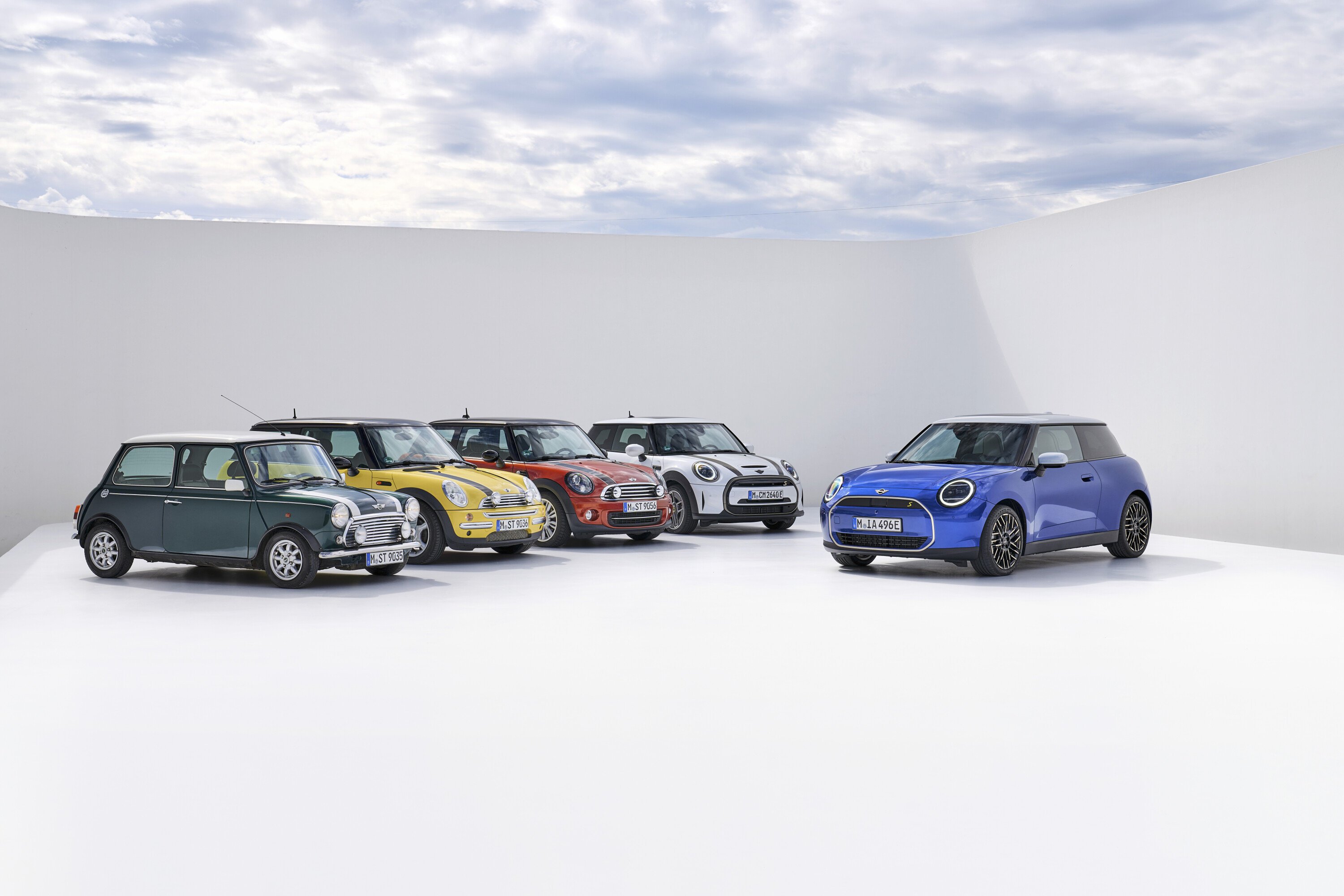
The 2024 MINI Cooper three-door hardtop range is on the way with a choice of petrol and electric powertrains across four variants, starting from $41,990 before on-road costs.
The Cooper S and Cooper C variants will serve as the swansong for the petrol-powered hatch before the iconic little car makes room for its electric future.
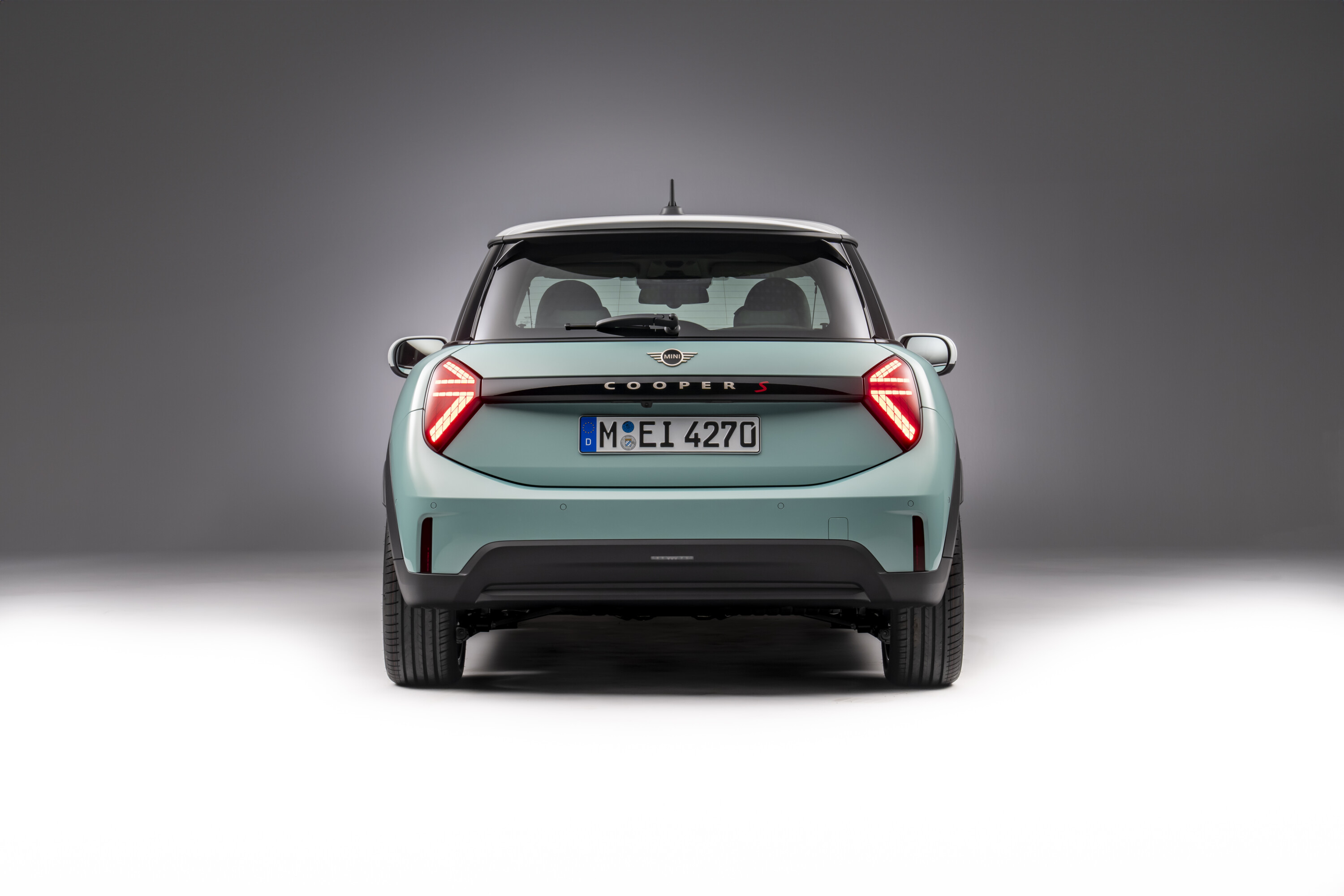
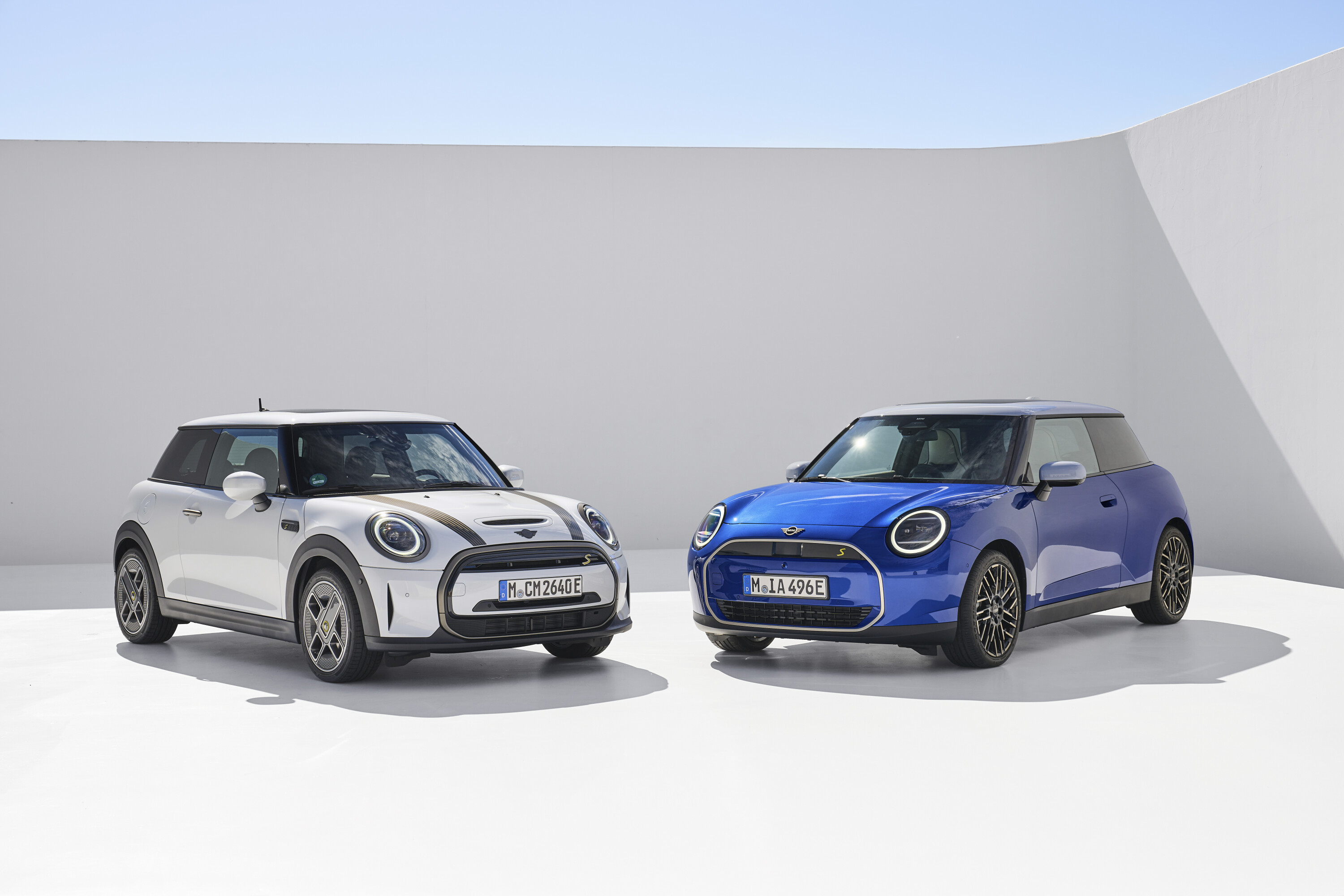
To align itself with the styling of the electric Cooper E, the exterior design has been tweaked accordingly to include the eight-sided grille and the usual rounded, spherical headlamps, along with the triangular tail lights recently seen on the Mini Cooper SE.
1
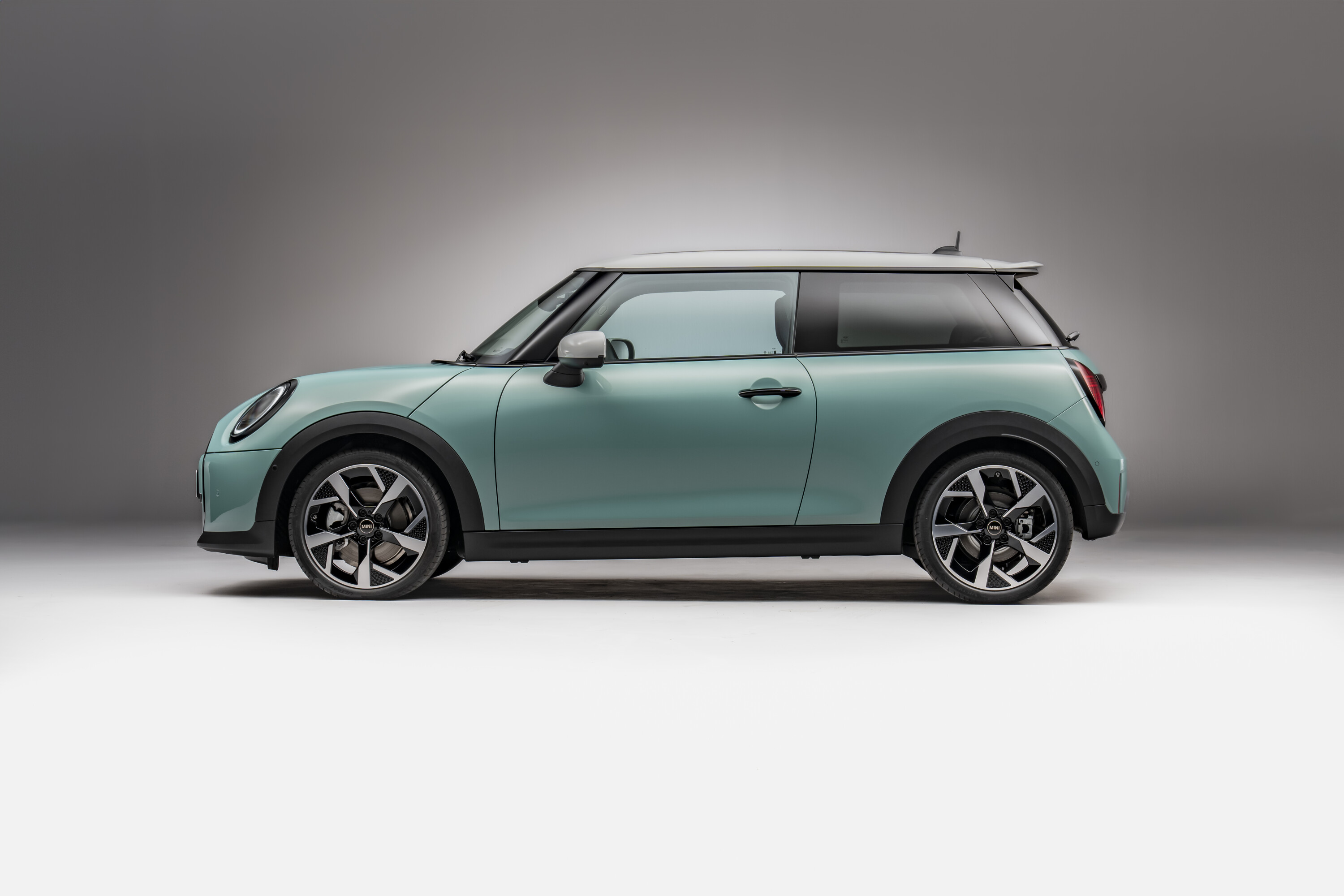
The Cooper retains much of the shape that has been so recognisable over the generations, highlighting the short overhangs with the wheels staying very close to the corners of the body that would contribute to its go-kart feel.
The 115kW/230Nm three-cylinder turbo petrol Cooper C claims a combined fuel consumption figure of 5.9 litres per 100 kilometres.
The more performance-focused Cooper S calls on its four-cylinder turbo petrol engine to provide 150kW/300Nm, up from the 141kW of the previous Cooper S.
Fuel economy for the Cooper S is claimed at 6.1L/100km, which is an improvement over the outgoing model’s 6.5L/100km. Not bad, considering the Cooper S will accelerate from 0 to 100km/h in 6.6 seconds – over a second quicker than the Cooper C’s 7.7 seconds.
Assuming a 44-litre fuel tank, the Mini would achieve around 700 kilometres on a full tank, compared with the claimed 400km range of the Cooper E.
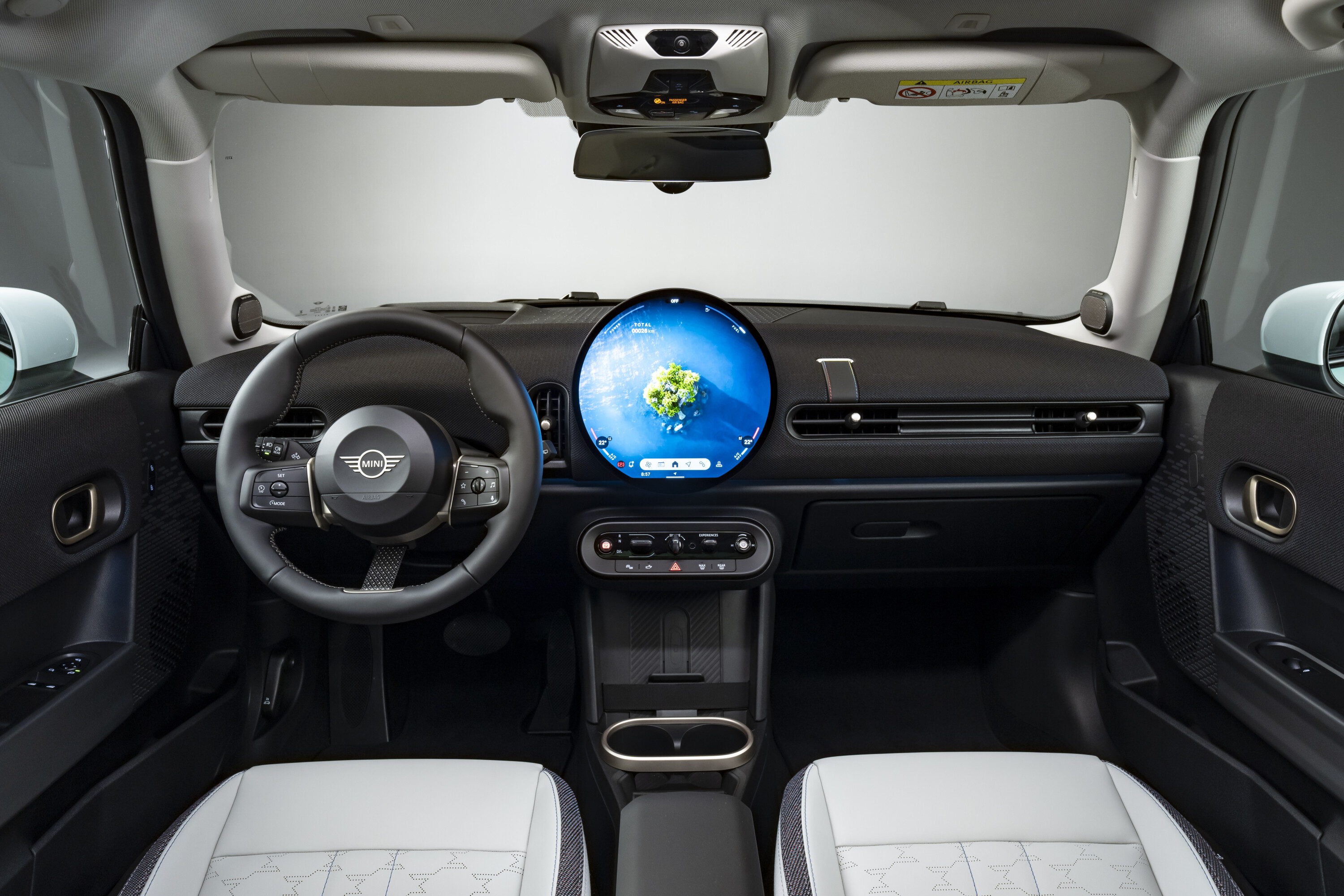
The most prominent area of change for the 2024 Cooper comes on the inside, maintaining a minimalist style while making a huge leap in the concept of infotainment.
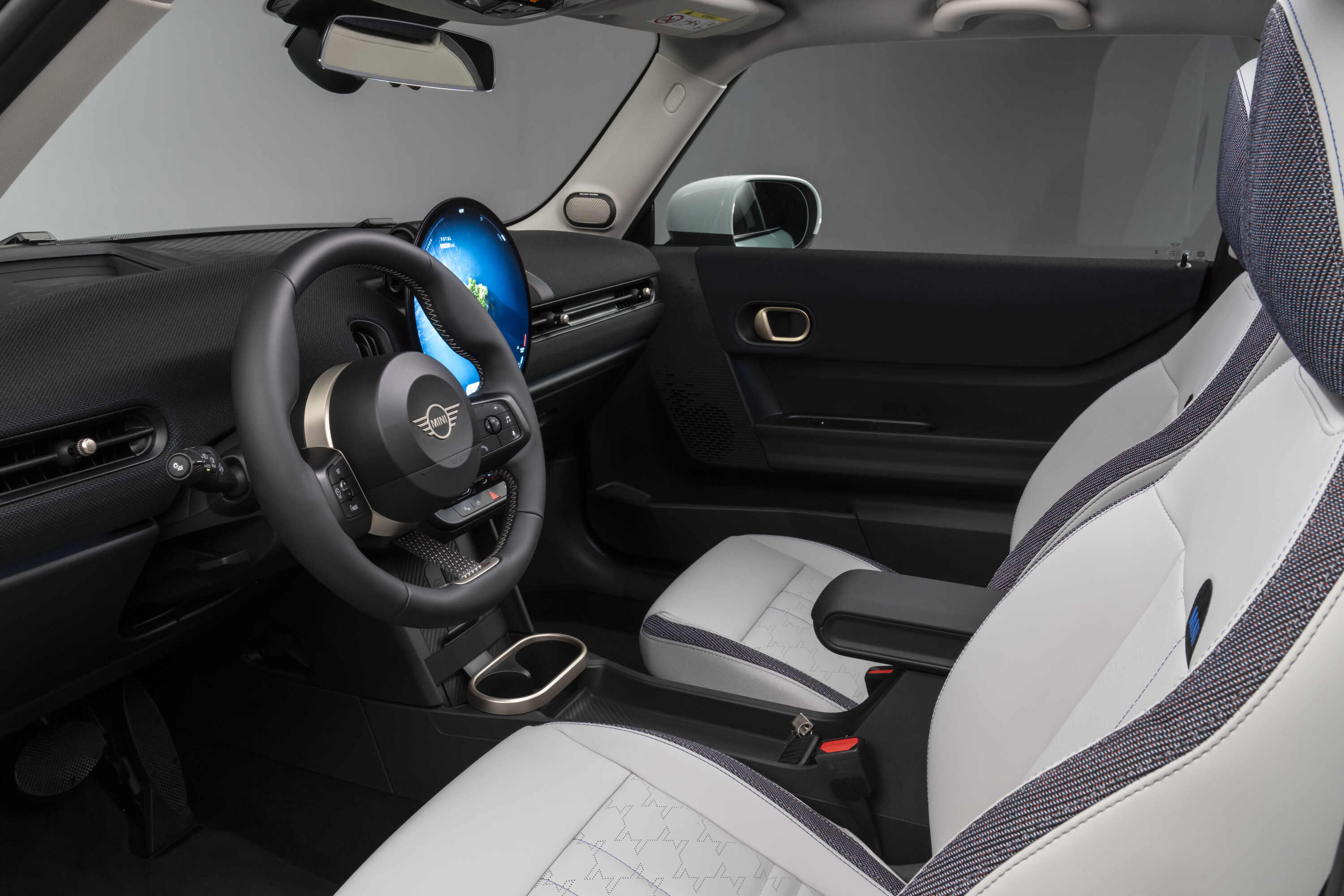
The round 240mm OLED touchscreen display of the infotainment has been moved closer to the driver, while the gear selector is located in the centre console to make room for Mini’s new Wireless Charging Shelf.
The large round display that has been such a hallmark of the Mini Cooper has been updated to include it’s new smartwatch-inspired Mini Operating System 9.
The 2024 Mini Cooper will be available in four variants, Core, Classic, Favoured and JCW, allowing owners to customise external and interior colours in two-tone hues to suit their tastes.
When will the new 2024 Mini Cooper petrol models come to Australia?
Both the C and S variants of the new petrol Mini are confirmed for Australia, with a launch date set for the third quarter of 2024 – alongside the electric models.
2
Pricing and features in detail
The 2024 Mini Cooper three-door hardtop range will offer a choice of petrol and electric powertrains across four variants, with prices starting from $41,990 to $58,990 before on-road costs.
Petrol
The Mini Cooper C kicks things off with a choice of Core, Classic and Favoured trim levels.
The Cooper C Core starts at $41,990 before on-roads, with 17-inch alloy wheels; cruise control; Parking Assistant with front sensors and rear camera as standard.
There’s also a 100W six-speaker audio system; sports seats and steering wheel; Wireless Apple CarPlay and Android Auto smartphone compatibility as well as wireless phone charging.
Seat fabric choices are Grey/Blue cloth or Black/Blue cloth. Four exterior colour choices are available; Nanuq White, Blazing Blue, Midnight Black II and Chilli Red II with mirror caps in body colour, Jet Black or Glazed White.
1
The step up to the Cooper C Classic – an additional $3000 – adds Adaptive Cruise Control, Parking Assist with Surround View; Automatic Speed Limit Assistant; Steering and Lane Control Assistant; interior camera; Mini Augmented Reality Navigation; heated front seats and a ‘Panorama’ glass roof.
The Classic adds Sunny Side Yellow, British Racing Green IV and Melting Silver III exterior colour choices.
A larger 18-inch wheel option is available on both Classic and Cooper Favoured models.
The $47,990 Cooper C Favoured adds a 365W Harman Kardon 12-speaker audio system; John Cooper Works seats with front memory function front seats and Active Seat functions for the driver.
There’s also a unique Favoured trim pattern – with a beige interior option – with silver highlights and Anthracite-coloured headlining as well as sun-protection glazed windows.
10
In addition to the seven colours offered on the Classic, the Cooper C Favoured can also be chosen on Ocean Wave Green.
The four-cylinder engined Cooper S starts with the Classic trim level at $49,990 before on-road costs, with the same features as the Cooper C Classic but adds a sports steering wheel and Mini Experience Modes.
The $52,990 Mini Cooper S Favoured adds the same equipment as the Cooper C Favoured.
The Cooper S JCW Sport adds a JCW exterior styling including black 17-inch ‘Sprint Spoke’ alloy wheels, JCW sport brakes, sport stripes as well as a red and black cabin colour scheme.
The Cooper S JCW also includes shift-paddles and adaptive suspension and is offered in all external colours as well as Legend Grey.
1
Electric
The Mini Cooper E is priced from $53,990 plus on-road costs and is offered only in Classic guise.
Standard equipment includes 18-inch alloy wheels, Adaptive Cruise Control, Speed Limit Assistant; interior camera; Mini Augmented Reality Navigation; a 100W six-speaker stereo; sports seats with heated front seats; and a ‘Panorama’ glass roof.
Seat fabric choices is Black/Blue cloth only, with Nanuq White, Blazing Blue, Midnight Black II and Chilli Red II with mirror caps in body colour, Jet Black or Glazed White available.
1
The Mini Cooper SE is listed at $58,990 and is also offered in Classic trim only.
Above the Cooper E, the SE adds Steering and Lane Control Assistant; John Cooper Works seats heated with heated front seats and active functions for the driver; sports steering wheel and Anthracite headlining.
The Cooper SE adds an additional exterior British Racing Green IV paintwork with the interior seating offered only in Nightshade Blue.
MORE
Everything Mini
The wraps have been pulled off the Cerato-replacing Kia K4 hatchback after the K4 fastback sedan was shown at the New York Auto Show.
Snapshot
- K4 hatchback follows fastback sedan unveiling
- Expected to offer more space than Hyundai i30 Hatchback twin
- Large digital display taken from Kia EV9
An official launch date hasn’t been set for the hatch, but it’s expected to follow the sedan’s release scheduled for Australian showrooms in early 2025.
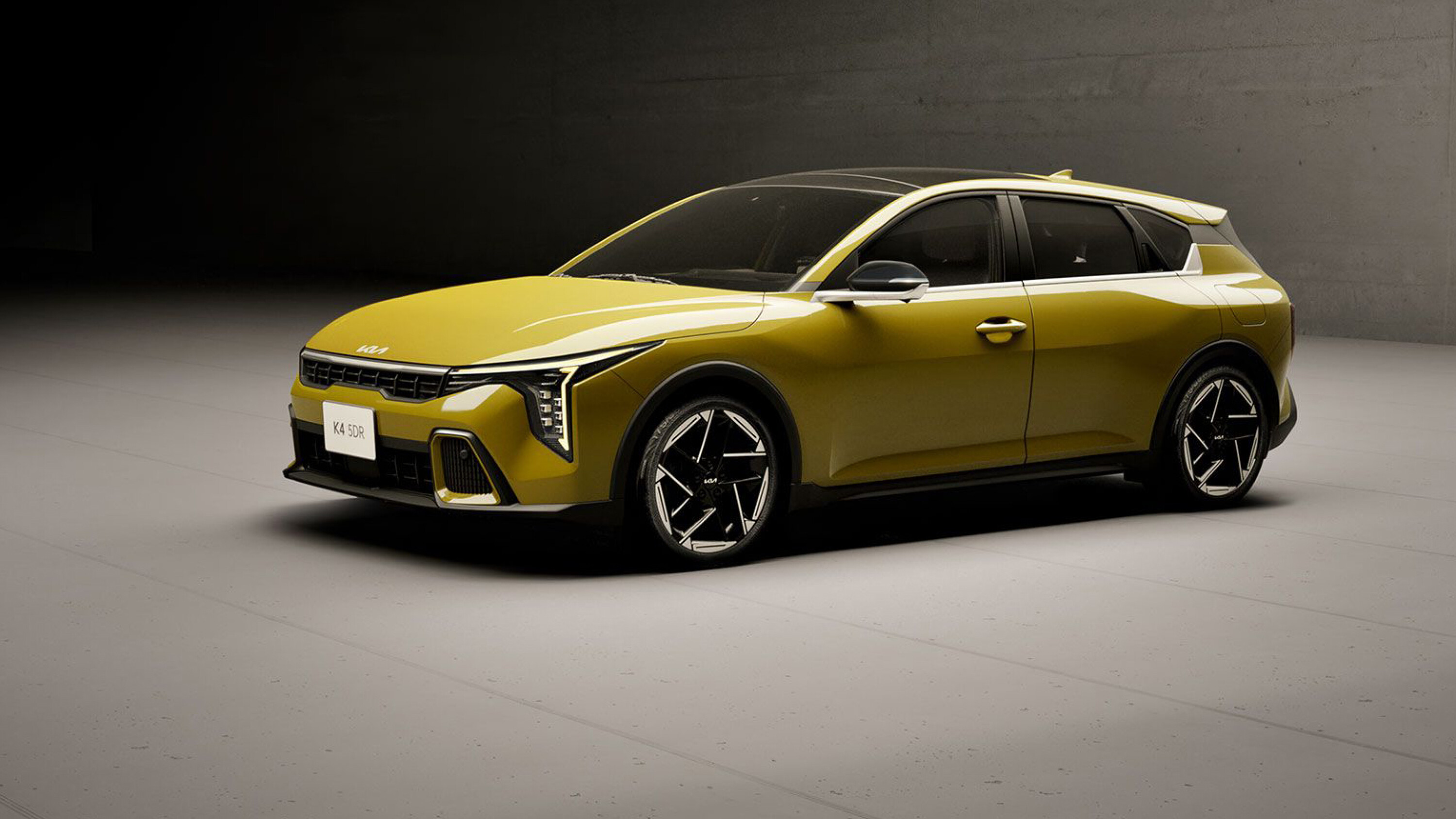
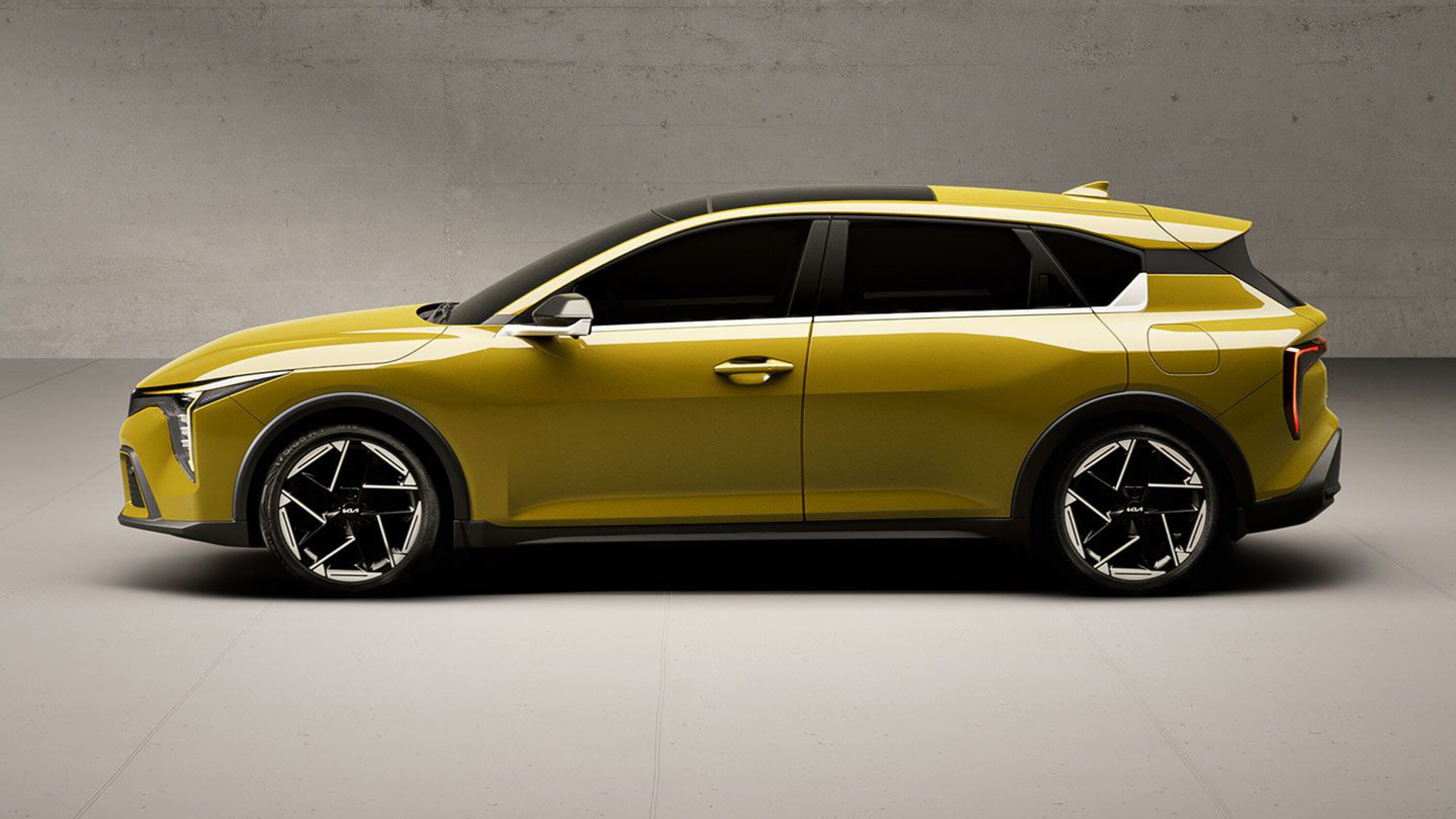
The K4 hatch features the same front-end styling as the sedan – inspired by the flagship EV9 electric sedan – but sees a fresh bodywork from the b-pillar and back.
The distinctive design uses the same gloss black detailing and 18-inch alloy wheels up front, but does away with the pseudo-coupe roofline used on the sedan.
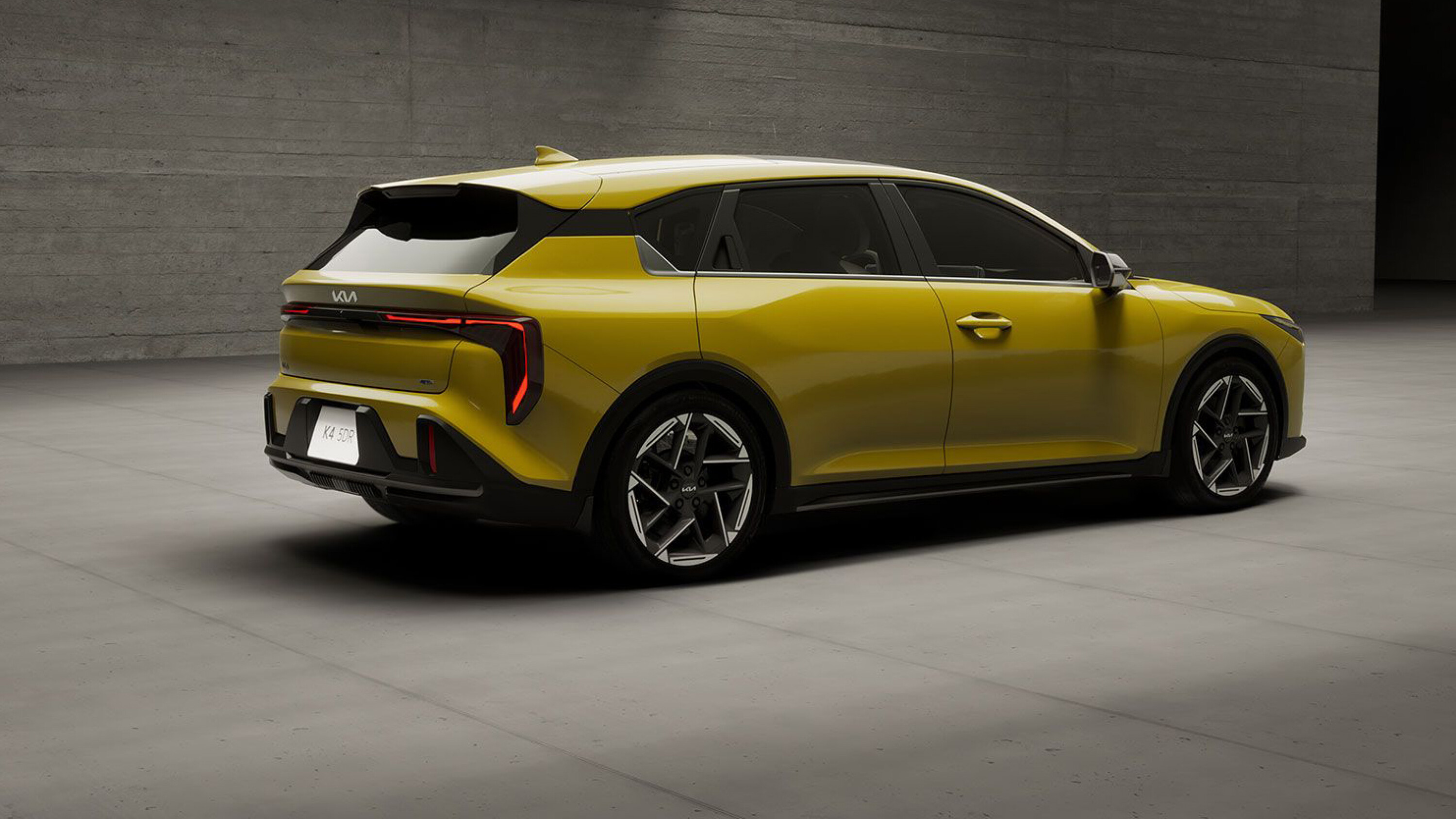
While using the extended glass roof, the hatch roofline leads into a blacked-out D-pillar for a ‘floating roof’ effect and more upright hatchback tailgate including an integrated roof-top spoiler.
The five-door hatch’s side glass appears largely the same – with minor revisions to accommodate the hatchback – while the same hidden rear passenger door handles and identical taillights carried across from the four-door.
1
1
The rear bumper, including the aggressive diffuser-style lower section and number plate provision, also appears the same as the K4 sedan’s.
Like the Cerato they replace, the K4 hatch and sedan are twinned with the Hyundai i30 Hatchback and Sedan, meaning similar dimensions and technology throughout.
Based on what we know of the i30, the K4 hatchback should offer greater space than the outgoing Cerato sedan, with the carmaker claiming class-leading rear legroom for the K4 Sedan, and potentially a larger boot area than the K4 sedan.
1
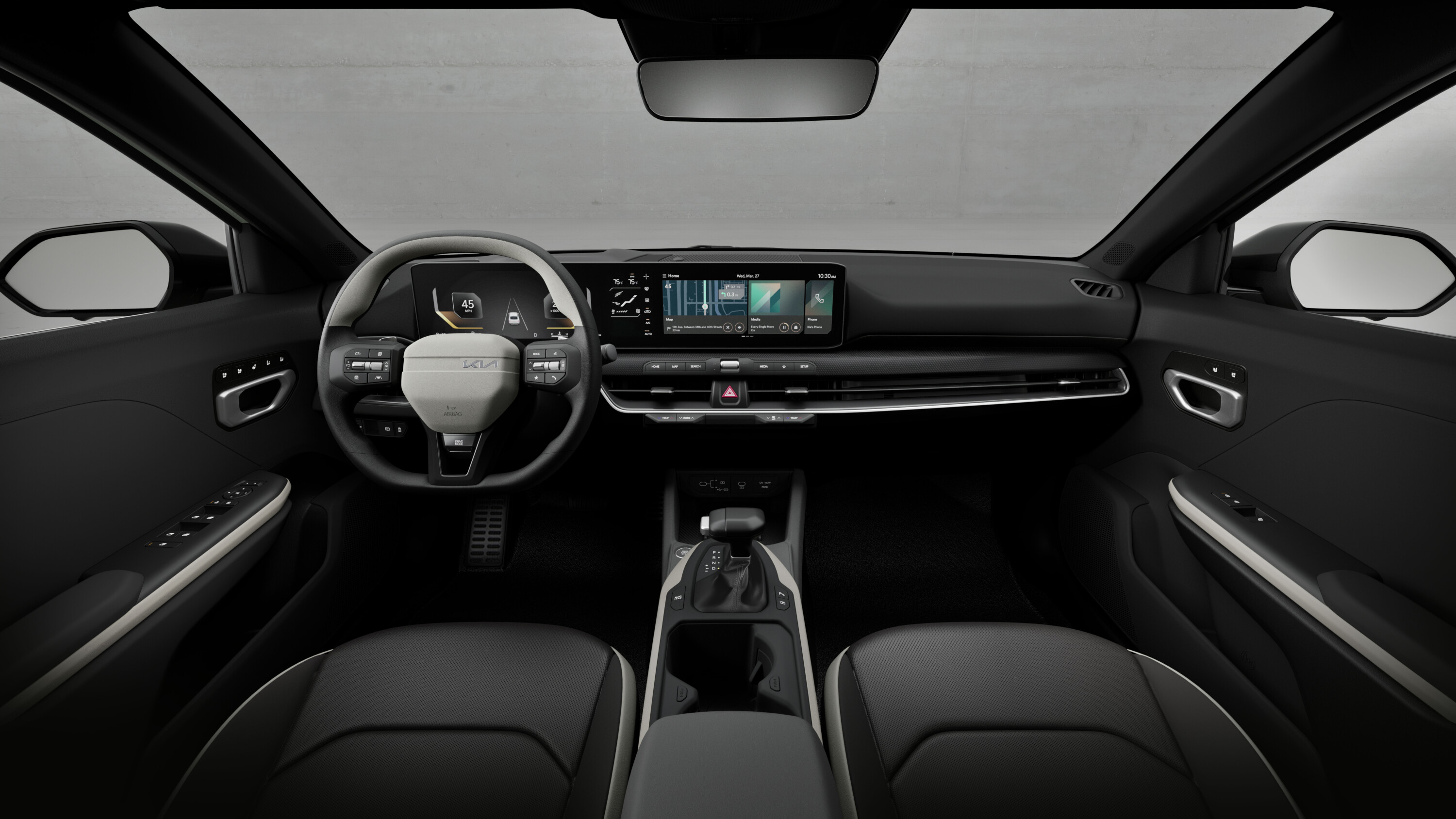
The US-spec sedan details confirmed that model will use the Kia EV9 panoramic triple display, including a 12.3-inch instrument cluster, 5.0-inch climate control area and another 12.3-inch infotainment screen.
Also on offer in the US-spec sedan is Harman Kardon audio and Digital Key 2.0 – a system enabling owners to lock/unlock and drive their K4 using a smartphone or via an NFC-enabled smart card.
The entry-level grade sedan will use torsion beam rear and a 110kW 2.0-litre petrol engine with CVT auto shared with the base i30 Sedan.
1
Higher-spec GT-Line and GT-Line Turbo models in the US are fitted with multi-link rear suspension.
The Turbo uses a 1.6-litre turbo petrol engine and eight-speed auto, expected to make the same 150kW/265Nm as it does in the Hyundai i30 Sedan N-Line already on sale in Australia.
Driver Assistance technology is expected to mirror the K4 fastback sedan’s, which includes adaptive cruise with stop-go functionality, haptic steering wheel alerts, intersection collision warning, blind-spot view monitor, and surround view camera.
MORE
Everything Kia
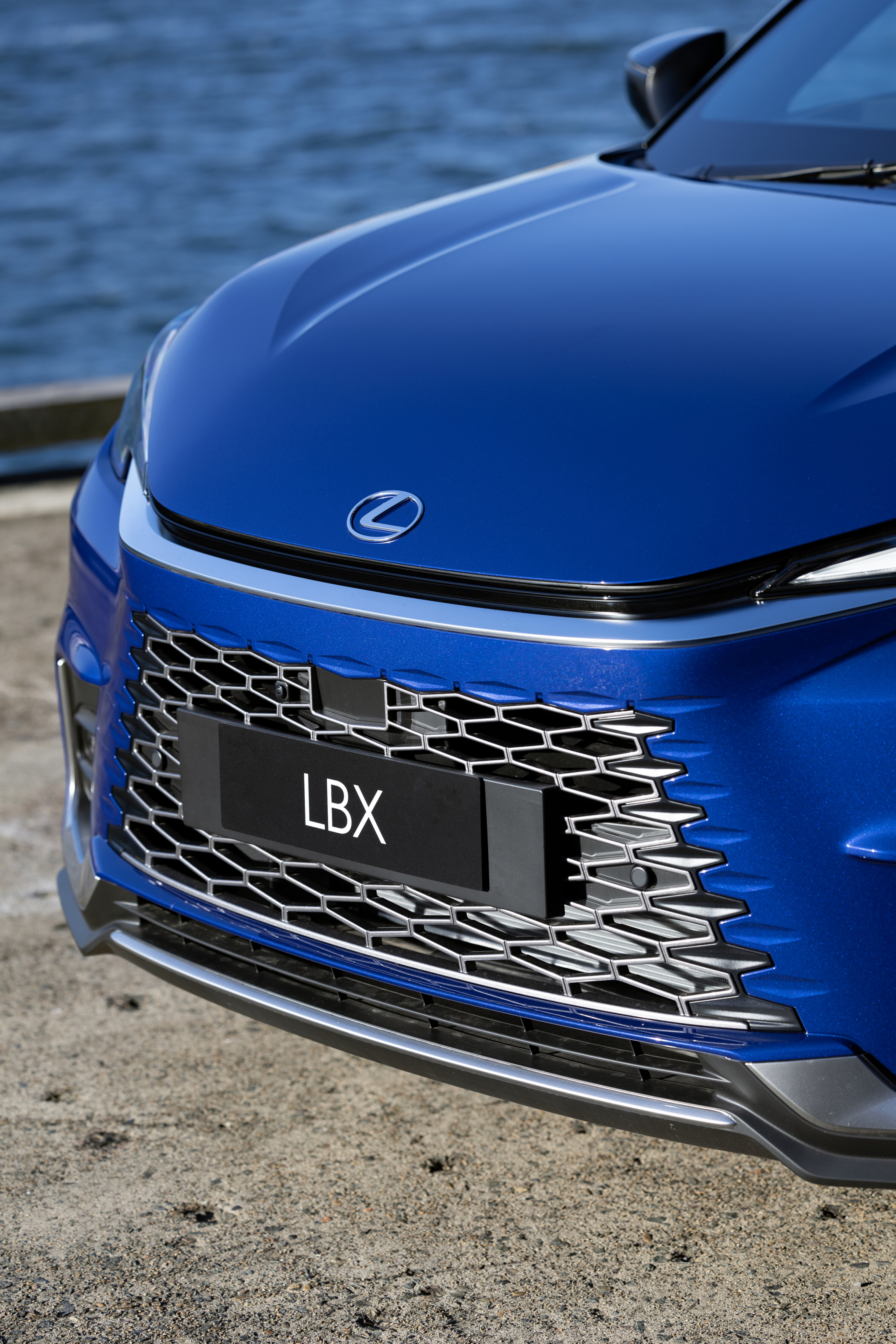
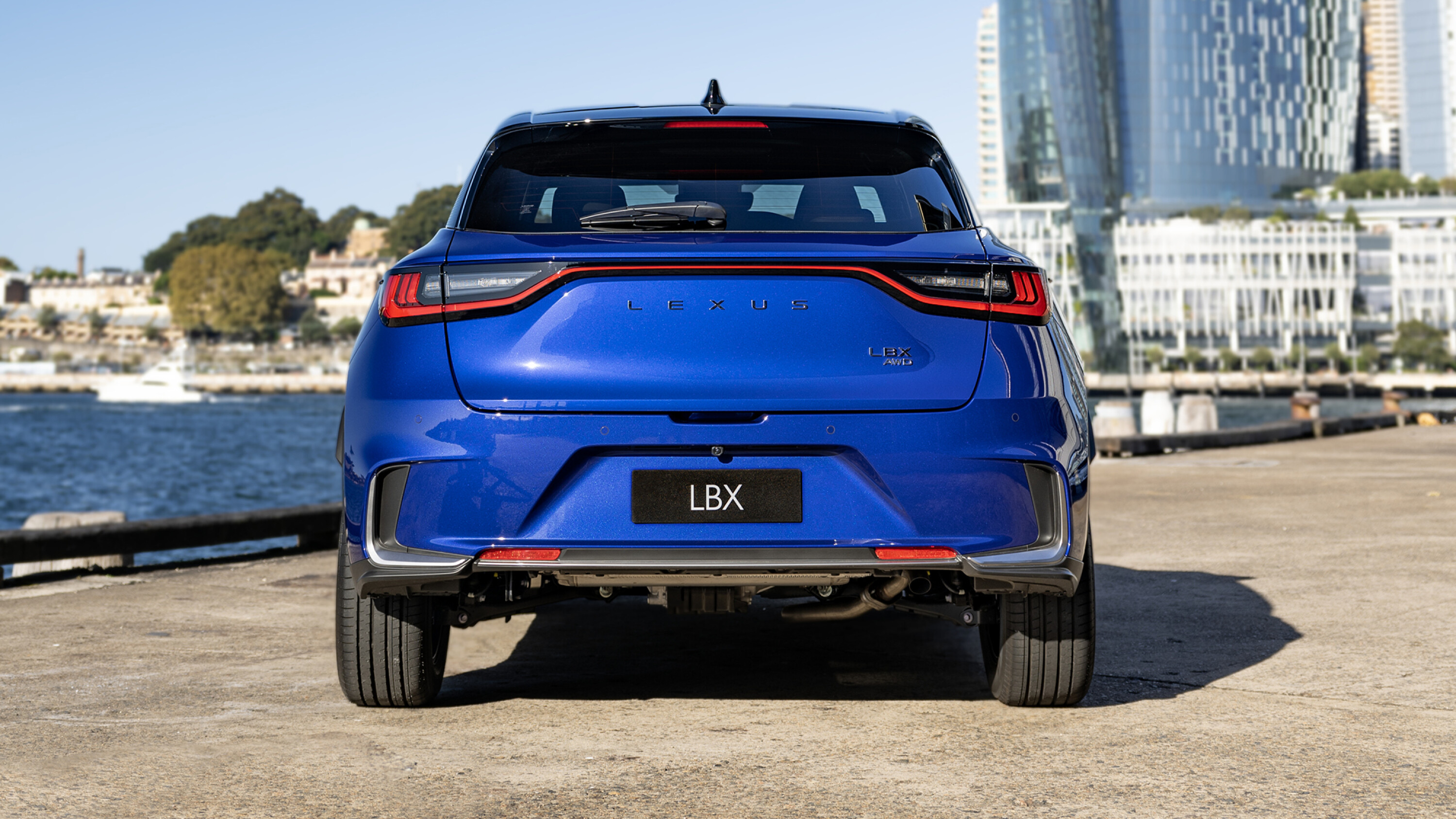
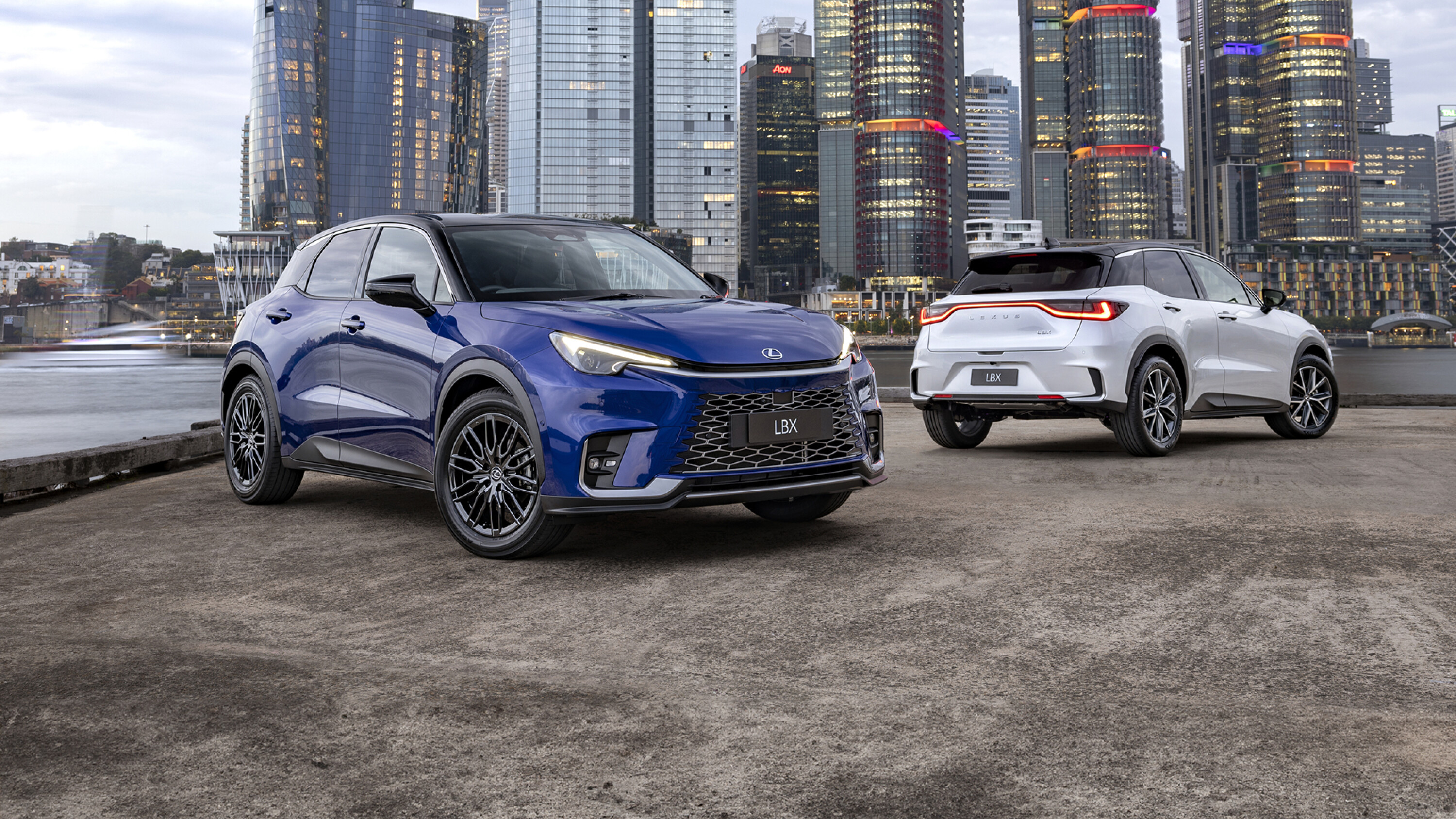
Lexus Breakthrough Crossover. That’s what the LBX badge on the back of this shapely new small SUV stands for. Coincidentally – following the LFA supercar – the 2024 LBX is only the second production Lexus to wear a three-letter badge.
Where the LFA supercar was a chest-beating demonstration of the best ideas Lexus engineers had to offer, the LBX is a ‘breakthrough’ in the sense it represents a new entry point for the Japanese luxury brand. It also happens to be Akio Toyoda’s current daily driver.
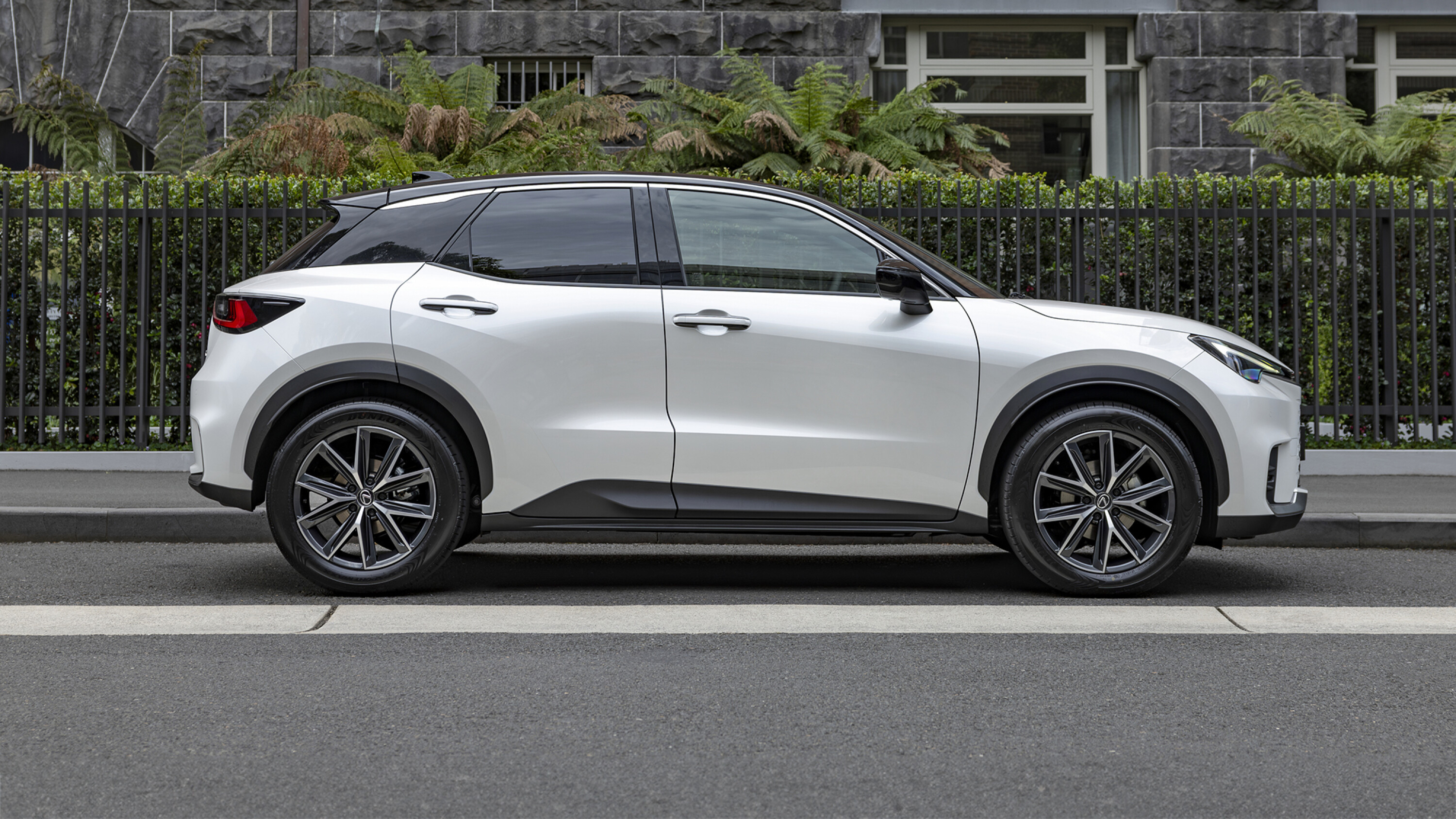
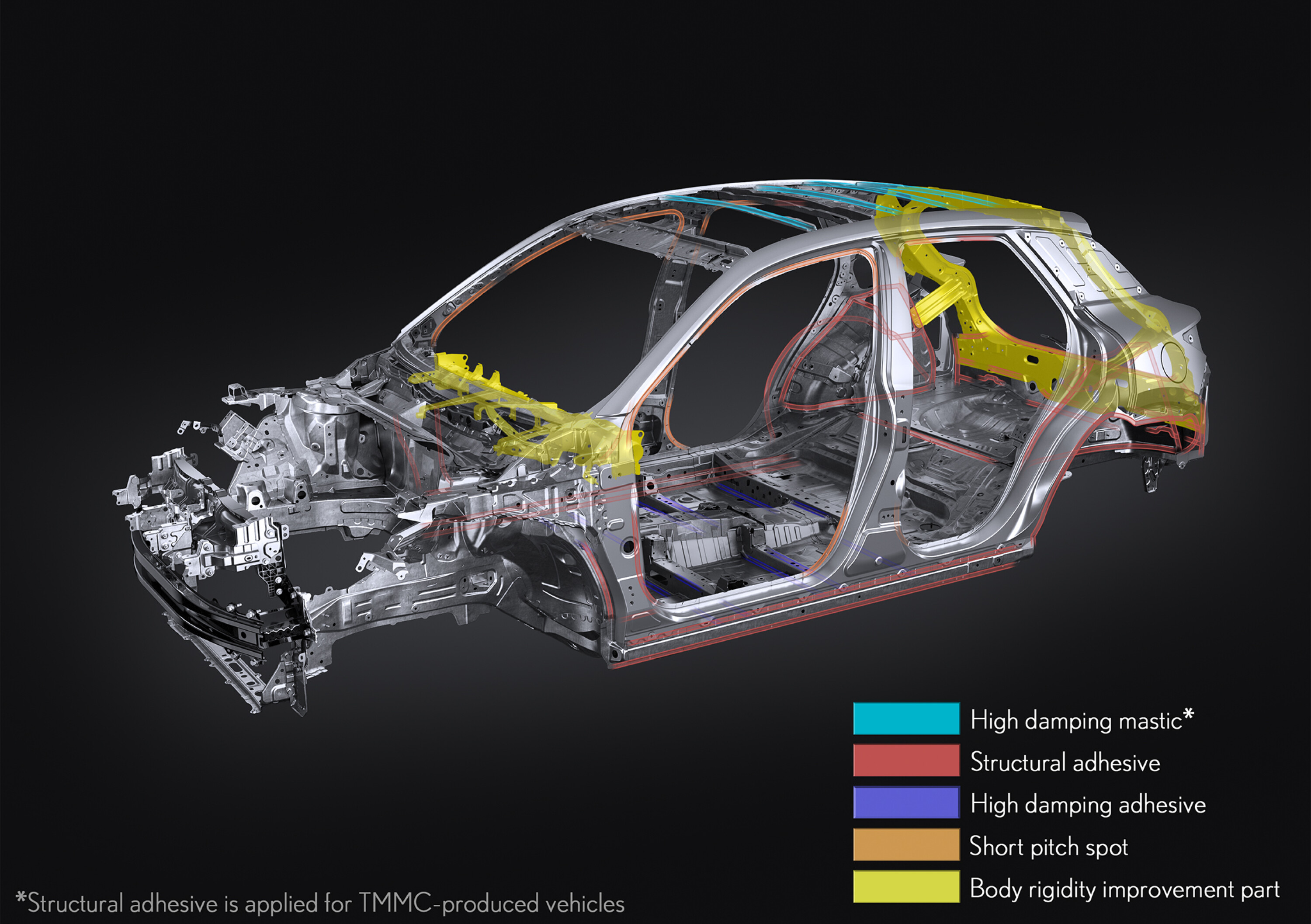
This hybrid-only SUV is based on a modified version of the Toyota Yaris Cross’s GA-B architecture, but that’s pretty much where the similarities end. The body panels are all new, with minimal overhangs and a sporty coupe-like stance (and just a hint of Mazda CX-3). It is handsome in the flesh and, like the LC Coupe, comes in a range of loud hues including Rich Ruby and Citrine Flair.
Lexus has worked over the three-cylinder hybrid powertrain with higher output batteries and motors as well as active sound deadening on the top trim to make a luxurious light SUV.
The brand promises the LBX is more than a leather-bound once-over of a Yaris Cross, and we’ve got a drive from Gosford back to Sydney’s CBD to assemble some impressions.
JUMP AHEAD
- How much is it, and what do you get?
- How do rivals compare on value?
- Interior comfort, space, storage
- What is it like to drive?
- How much fuel does it use?
- How safe is it?
- Warranty and running costs
- VERDICT
1
How much is the Lexus LBX, and what do you get?
This is the most affordable Lexus with an entry-level Luxury trim commanding $47,550 before on-road costs.
For that, you get a modified version of Toyota’s 1.5-litre hybrid powertrain developing 100kW and 185Nm – or 15kW more than it does in other applications. Front-wheel-drive versions are equipped with torsion beam suspension at the rear, while AWD models upgrade to an independent setup of trailing arms with dual-link wishbones.
It’s about the same size as a Volkswagen Golf outside, though sits slightly higher. Compared to the UX, the LBX is 305mm shorter, 15mm narrower, 25mm taller and unlike its larger sibling, there’s no electric version offered.
| 2024 Lexus LBX Luxury features | |
|---|---|
| 18-inch alloy wheels | Heated front seats |
| 9.8-inch multimedia touchscreenu00a0 | Driver’s seat memory |
| Wireless Apple CarPlay and wired Android Auto | Electric tailgate |
| 12.3-inch digital instrument cluster | Rain-sensing wipers |
| Artificial leather upholstery | 360-degree camera system |
| Power-adjustable front seats | Two-tone paint |
1
For a very big $5440 leap, Lexus will upgrade you to Sports Luxury specification with a few luxurious extras.
Even at that upper end, though, you miss out on a sunroof, seat ventilation, and full leather upholstery. The Sports Luxury variant is also available with a second electric motor and AWD for $56,990 before on-road-costs.
| LBX Sports Luxury in addition to Luxury | |
|---|---|
| 13-speaker Mark Levinson sound system | Automatic parking system |
| u2018Ultrasuede’ and leather-accented seats | Active noise cancellation |
1
How do rivals compare on value?
Audi’s Q2 35 TFSI may cut a more coupe-like silhouette but it’s much the same size and, starting at $49,400 before on-road costs, pretty close in cost.
Where Audi’s base Q2 feels like a de-contented vehicle, the entry-grade LBX Luxury has more kit thrown and materials that – at least above the belt line – feel more luxurious.
Other premium marques’ SUVs, such as the Mercedes-Benz GLA 200 ($68,900) and BMW X1 18i ($66,015, both before on-road costs) are both dearer and bigger propositions than the LBX.
Lexus wants the LBX to “attract affluent younger customers”, while also providing another option for existing Lexus loyalists to downsize or add a compact city-friendly luxury car to their fleets.
This may see the LBX steal business from the VW T-Cross Style loaded with accessory packs ($38,290) and Yaris Cross Urban AWD ($39,300, both before on-road costs) – especially given the quantum quality leap you experience in even the entry-grade LBX Luxury’s cabin.
Interior comfort, space and storage
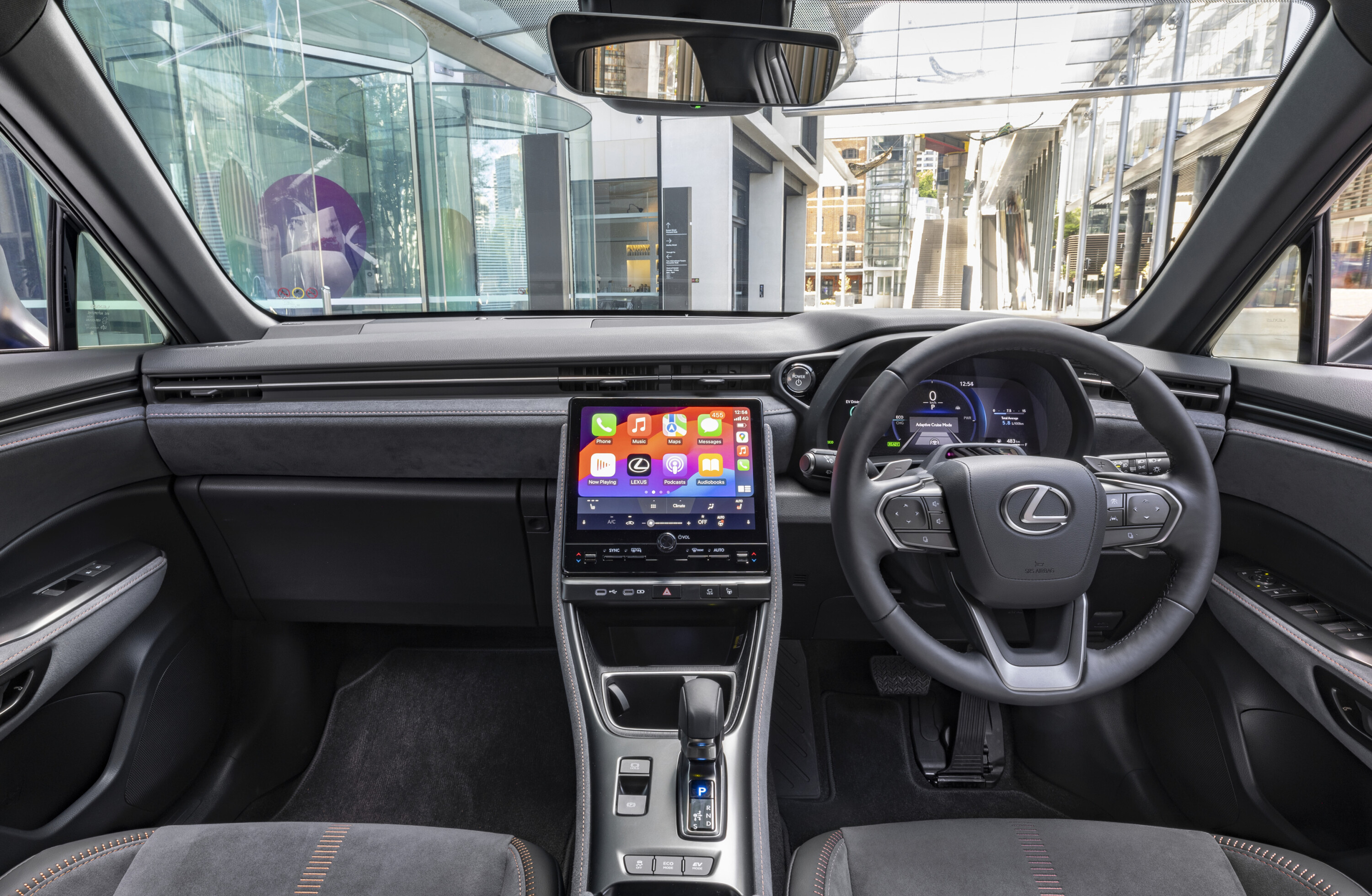
From the meaty ‘handles’ with their electric actuation to the sturdy doors and thoughtfully appointed high-traffic touch points, the LBX appears a convincingly Lexus product.
Inside, the layout is logical and conforms to Lexus’ ‘Tazuna’ philosophy, that of horse’s reins and rider, with all controls designed to keep your eyes on the road and hands on the wheel.
A deeper look unearths a few shortcomings, though, such as the coarse plastic below the belt line and Yaris Cross trim panel below and to the right of the steering wheel where the LBX’s three memory settings for the power driver’s seat are found and a similar material covering the shallow glovebox.
1
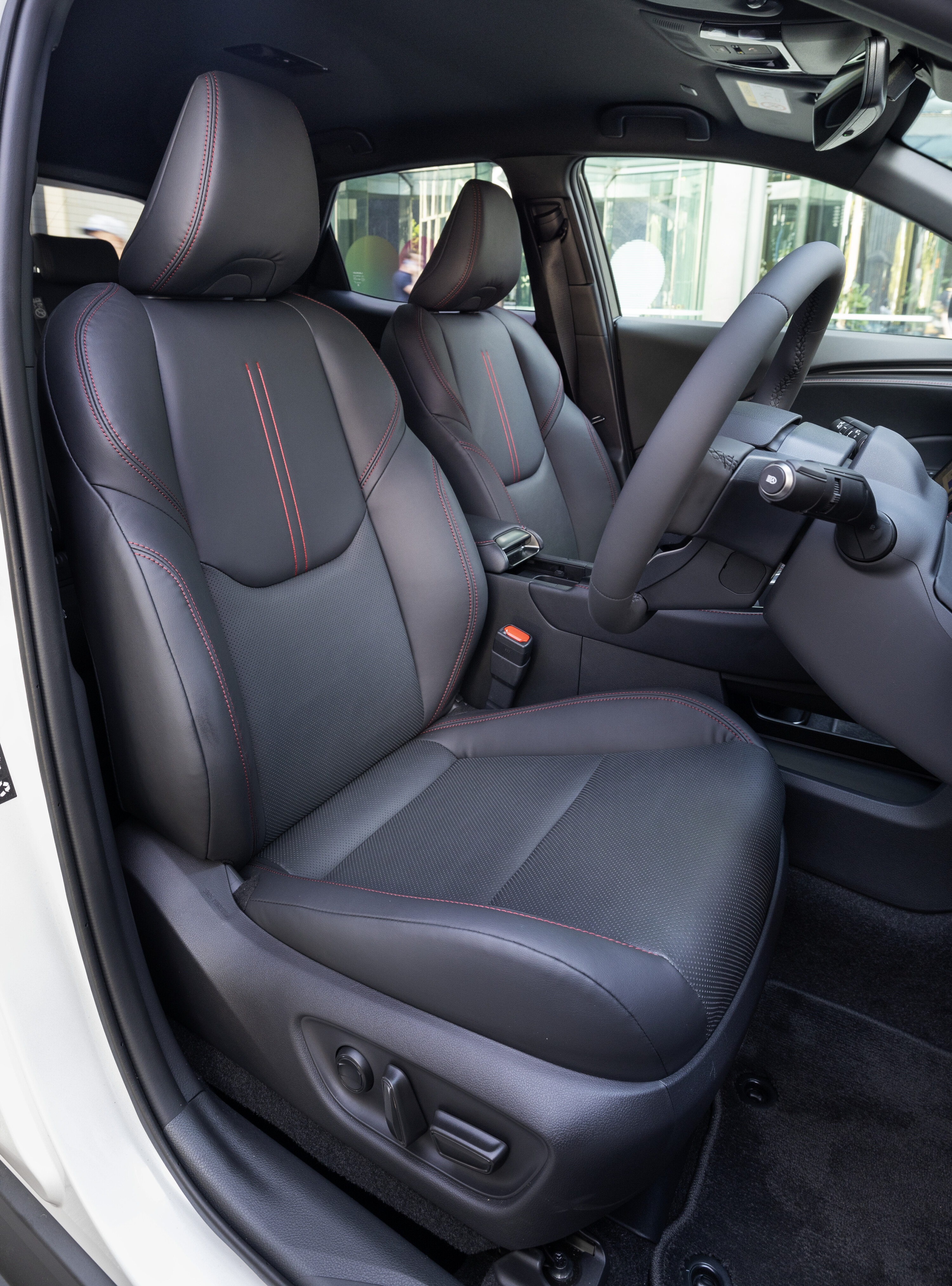
The front passenger’s seat is manual adjust only and the position is compromised by an intrusive floor panel. At least the pews themselves are comfortable and supportive, with the power driver’s seat also getting adjustable lumbar.
The Sports Luxury upgrades from ‘NuLux’ synthetic leather to a suede cloth centre and leather-accented combination teamed with bronze contrast stitching.
Both grades are equipped with seat and steering wheel heating, yet Lexus does not offer the option of a sunroof, seat ventilation, or any enhancement packs for the LBX.
Build quality is mostly predictably sturdy and we detected no squeaks or rattles.
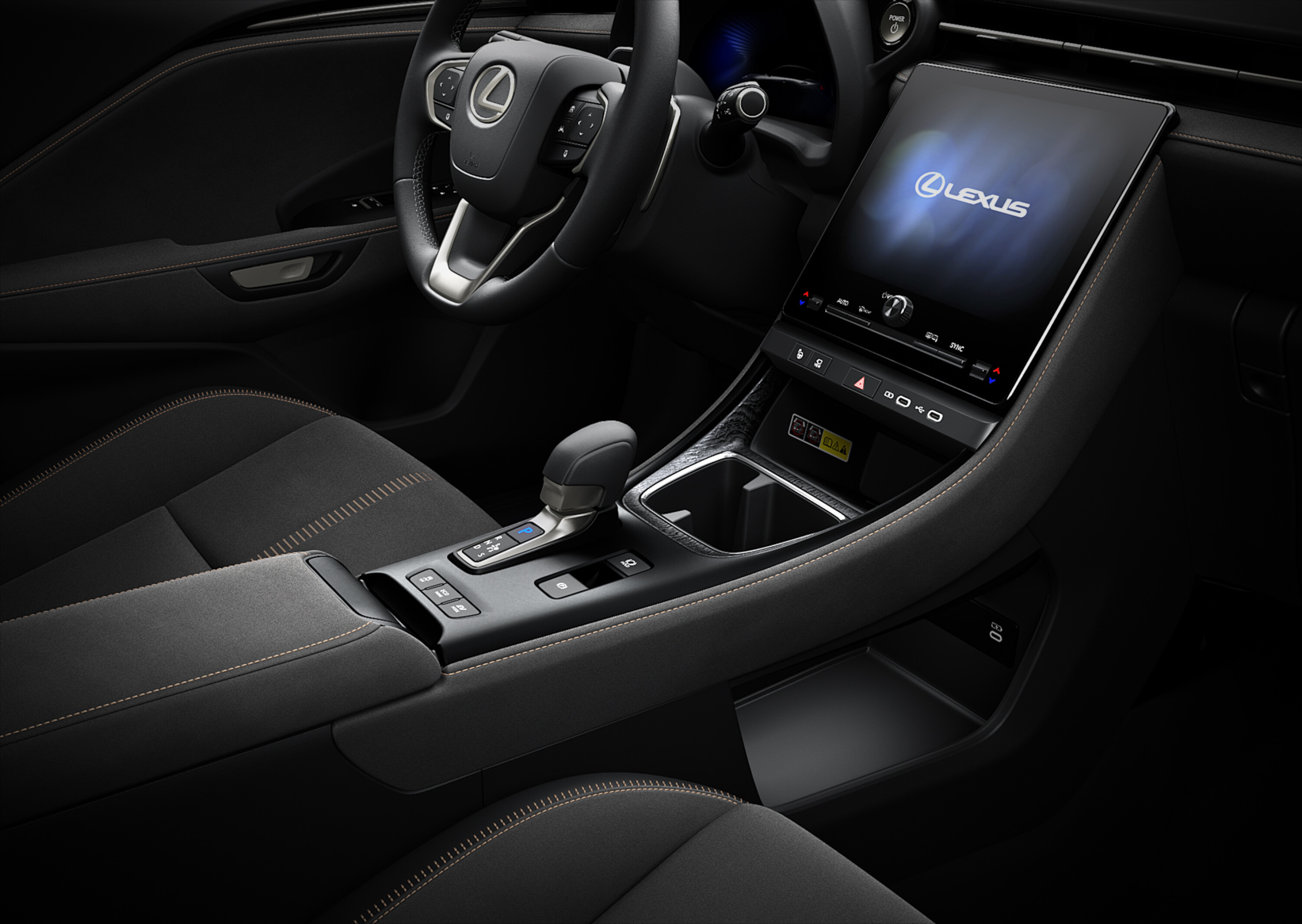
The centre console is narrow (it’s a skinny car, after all) though there’s still thoughtful storage with a tray beneath the touchscreen and two cupholders (the rearmost is under the flimsy slide-back central cubby cover, like a Polestar 2). The door bins snuggly fit 600mL bottles.
A flourish of interesting material is found on the centre console with what Lexus calls a ‘Tsuyasumi’ finish that involves multiple layers of film to create a charcoal-like effect. We wish there was a little more muttered around the cabin.
1
The LBX uses a 9.8-inch multimedia touchscreen that’s powered by now-familiar software. Without the old touchpad, it’s a hint less clunky, yet the low-contrast graphics don’t look high quality.
There are connected services and live navigation that, at this stage, are included in the package for life.
Apple CarPlay and Android Auto are wireless, and there are four USB-C charge points (two front, two back). The standard HiFi is a six-speaker system which is entirely acceptable. Moving up to the Sports Luxury’s 13-speaker Mark Levinson stereo adds surround sound and power yet we found its timbre a little bright.
Interior space is respectable for such a small vehicle and is honestly preferable to the larger UX thanks to more thoughtful packaging. The rear bench is upright and supportive but anyone over six feet will still feel pretty cramped. There’s no fold-down armrest, either.
1
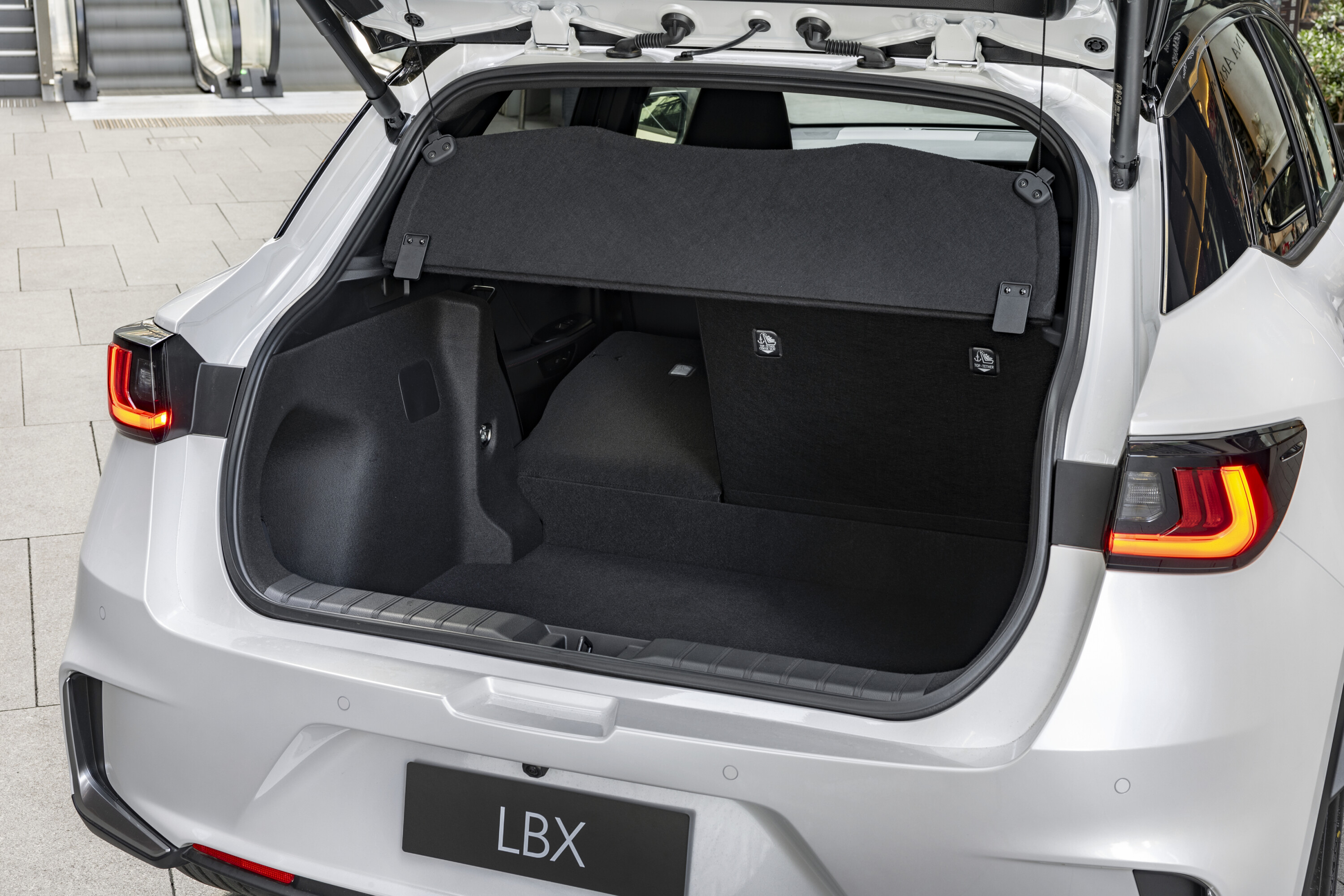
Lexus LBX boot space
The LBX’s boot is pretty stellar. Lexus lists capacity at 402L (VDA) for the front-wheel drive with the AWD at 315L.
Clever touches are few and far between and there’s no spare tyre but having a power tailgate is pretty spiffy.
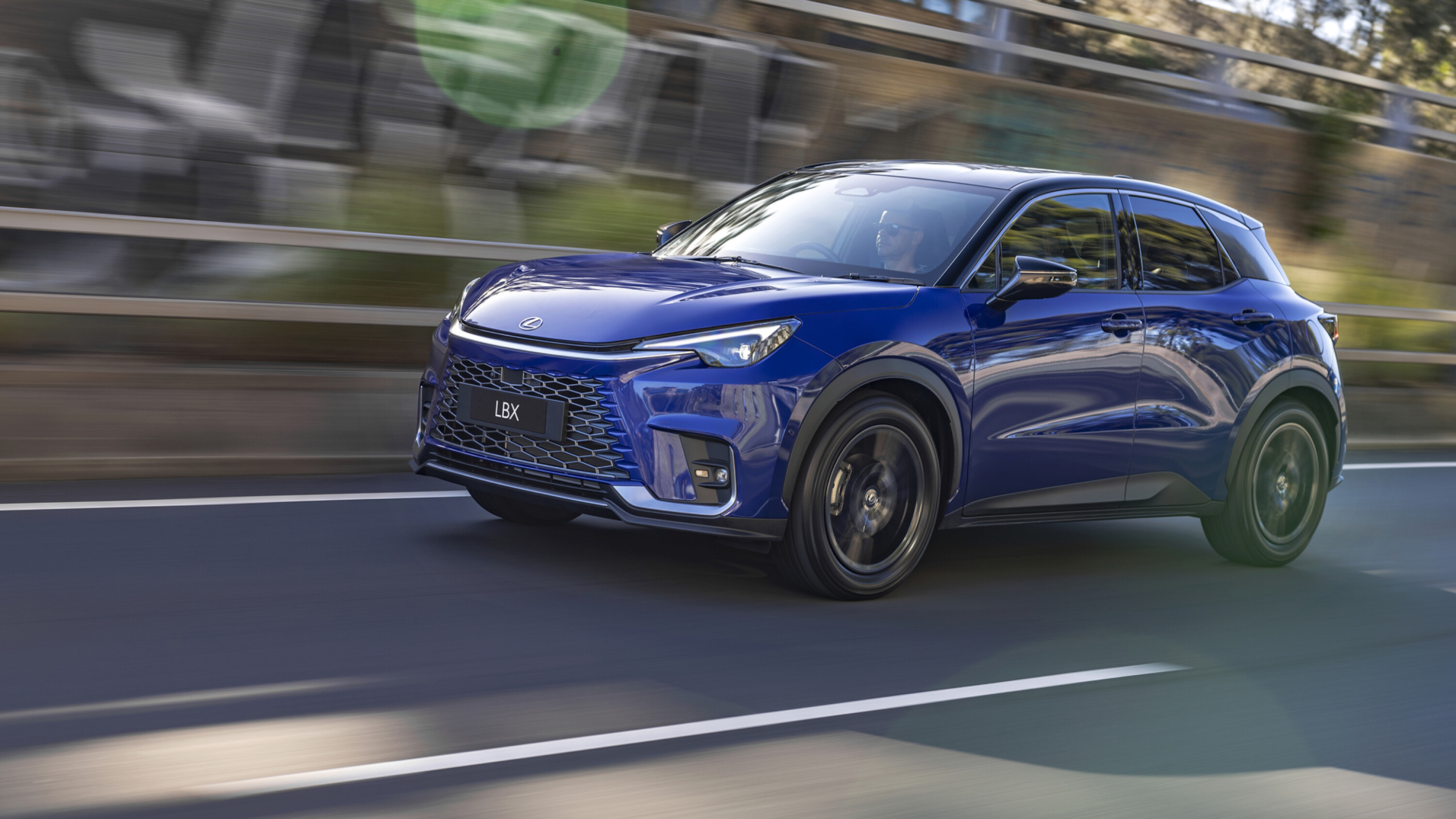
1
What is it like to drive?
Lexus is keen to emphasise the LBX’s sporty nature in the product presentation, despite there being no F-Sport trims on sale.
From experience in the soft and wafty UX small SUV, how flat and planted the LBX Luxury FWD felt came as a surprise. This suited the first part of the drive program – down the Old Pacific Highway just north of Sydney – very well indeed.
The quick, firm steering (2.73 turns lock-lock) inspires confidence in the front end straight away. Flowing through a set of corners, the LBX’s incisive turn-in invites you to push the chassis harder. It relished the challenge of an off-camber left hander with wonderful balance and throttle adjustability to trim the line when needed.
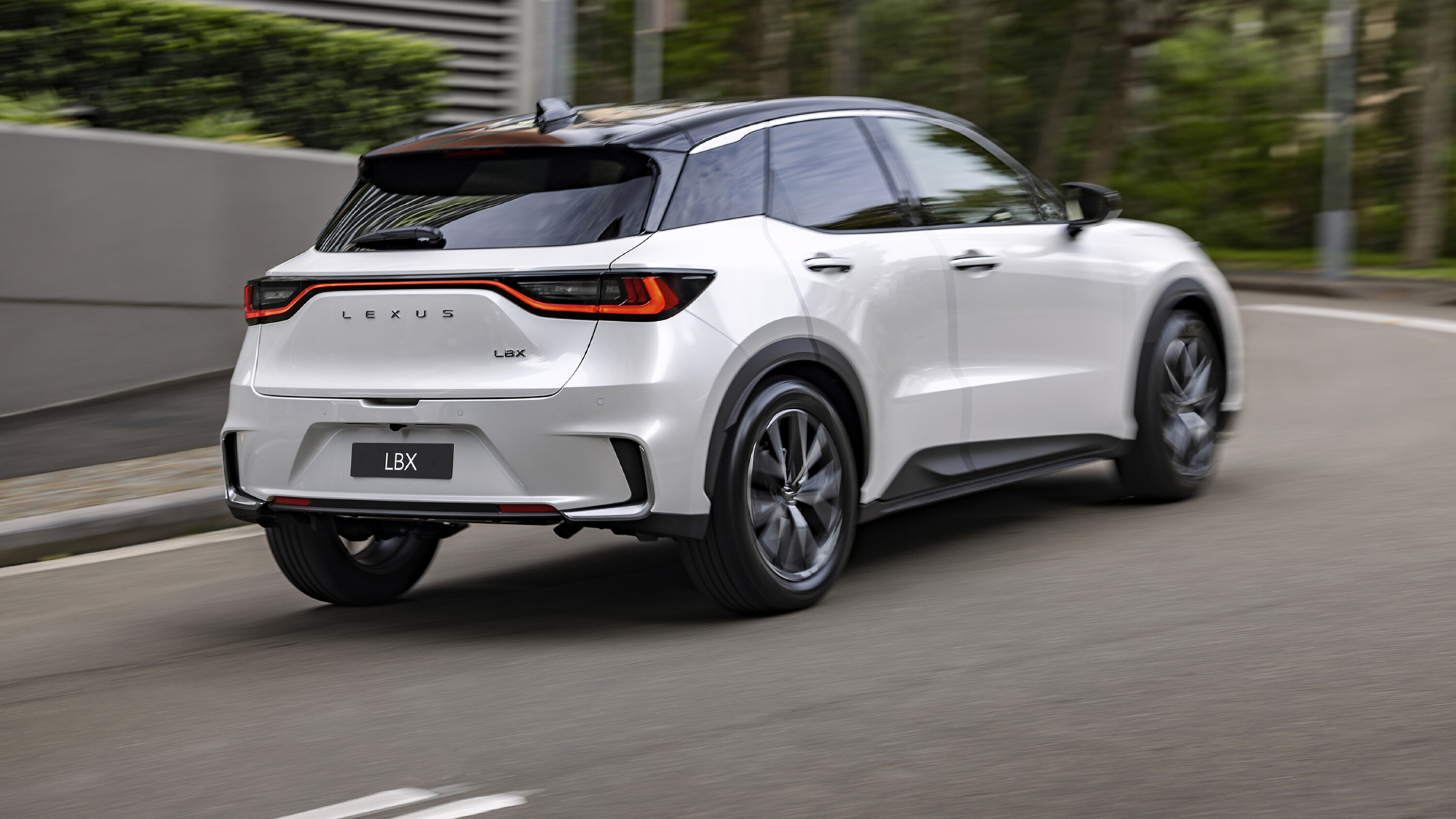
1
It’s helped by a natural brake feel (Lexus says the pedal ups assistance on-demand) that makes it a cinch to drive smoothly in town as well. There’s no kickback from the steering over bumps and grip levels are strong from the 225/55R18 Advan V61 tyres.
Beneath the LBX’s body, Lexus has made some very peformance-oriented moves with a new front strut design and low friction dampers that keep body roll to a minimum. Then there’s the track widths, at 1570mm its stance is not only 45mm wider than a base Yaris Cross but also broader than the GR Yaris (1535mm F/1565mm R).
Having this much fun on twisty roads isn’t a Lexus calling card – it feels very much like Mr Toyoda has been involved in this vehicle’s dynamics. An LBX F production version of the Morizo RR concept revealed at Tokyo Auto Salon can’t come soon enough.
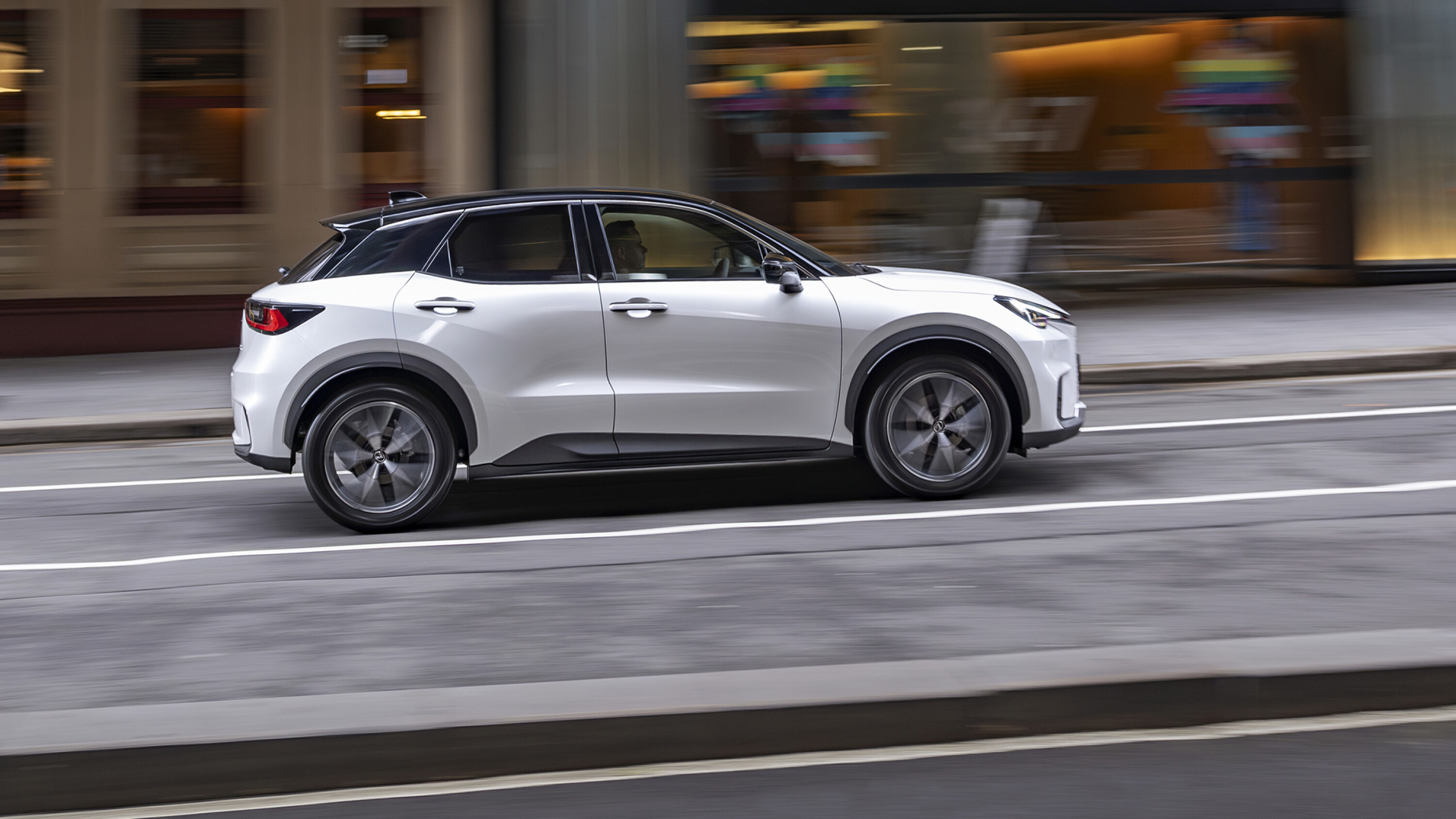
1
But we should get back to the Lexus-ness of this SUV because, although the base car rides admirably at speed on its torsion beam suspension, there’s detectable thump into the cabin over potholes. Tyre noise was pronounced on coarse chip surfaces even with the active noise cancellation engaged.
The Sport Luxury AWD with its independent rear suspension maintained better control of the back axle but didn’t noticeably improve the ride quality on Sydney’s scabby roads. Whichever grade you choose, beware that the urban ride quality is jiggly.
Most of the time, the powertrain is like a silent partner. The new BiPolar NiMh battery chemistry (first seen in the Japanese-market Toyota Aqua) gives more instant power flow than the Yaris Cross Li-Ion item making the LBX convincingly zippy in EV mode.
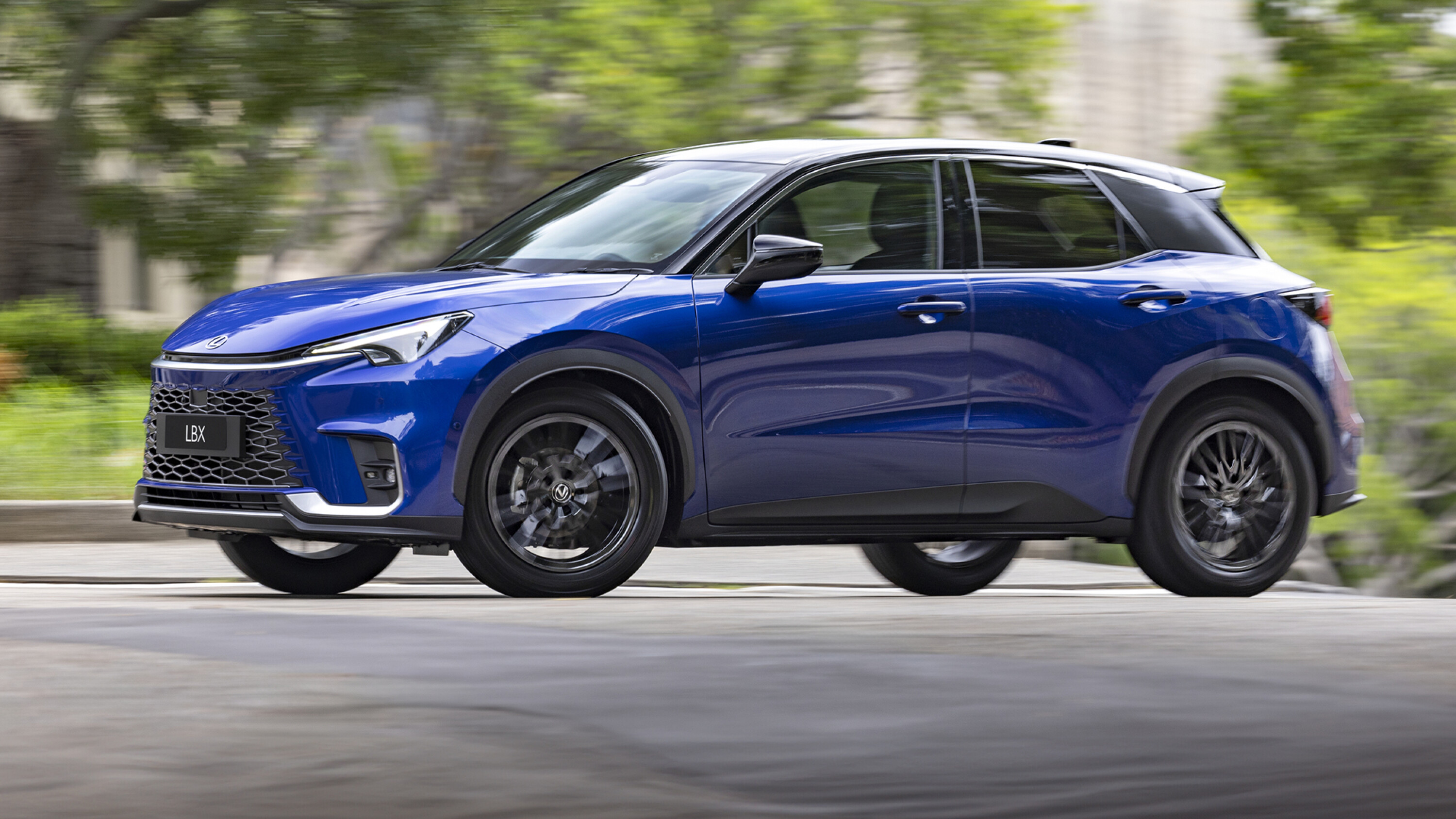
1
When you demand a little more grunt, the 1.5-litre ‘M15-FXE’ three-cylinder petrol takes a moment to kick in and drive the front wheels through a CVT automatic.
At around 70km/h up steep grades the off-beat grumble is pronounced and in no way is the LBX ‘fast’, 0-100km/h taking 9.2 or 9.6 seconds depending on whether you go for front- or all-wheel drive.
It’s no straight swap of the Yaris Cross powertrain, with further upgrades to the transaxle and electric motors to lower friction. The rear motor is a little 4.7kW/52Nm item, so any increase in outright pace is offset by the extra weight. It does add security on loose surfaces, though.
1
- What is a Powertrain or Drivetrain?
- Power vs torque
- Car suspension explained
- Automatic transmissions (‘gearboxes’) explained
- Chassis control systems explained
- Car vs Ute vs SUV: How the vehicle you buy should guide the way you drive
- What is the WLTP emissions and range test?
The Lexus LBX is yet to be evaluated by independent safety bodies such as ANCAP or Euro NCAP.
It is equipped with all the usual features, including forward collision warning, front AEB with pedestrian and cyclist detection, rear cross-traffic alert, lane-keep assist, blind-spot monitoring, and eight airbags.
The lane-keep and adaptive cruise control features showed promise in initial testing, as did the car’s progressive and helpful stability control tune.
How much fuel does it use?
The Lexus LBX’s ADR combined fuel consumption rating is 3.8L/100km and its 36-litre fuel tank requires 91 RON fuel.
During the test route, our AWD Sports Luxury trim was showing 4.7L/100km on the trip computer. We do not doubt that in more typical use cases, that will drop much closer to the ADR rating.
1
Warranty and running costs
The LBX is covered by a five-year unlimited-kilometre warranty.
The small SUV is the first Lexus to introduce capped-price servicing, at $595 for the first five services due at 12-month/15,000km intervals.
Lexus has also rolled out a full-service lease option for perspectives. With this, you don’t own the car but pay to use it for a set period of up to five years.
The monthly payment covers the car, servicing, insurance, registration, and optionally a fuel card. At time of writing, Lexus has not given indicative full service-lease pricing and it depends on many variables.
1
VERDICT
Lexus has succeeded in making the LBX more than just a Yaris Cross for yuppies.
There’s a depth to the chassis engineering that runs deeper – that gentleman race driver Akio Toyoda picked one of these as his daily driver over other Lexus models is probably all you need to know.
There’s little point spending more on the Sports Luxury when the base variant offers so much. Our pick is the front-wheel drive Luxury – equipped with plenty of lavish touches for a relatively reasonable price. Though the LBX does feel a little confused, it’s certainly a unique offering.
Its not for everyone, but the LBX’s definite slant towards youthful sportiness above Lexus’ traditional leather-bound luxury may ver well do the job of pulling new customers into the brand – for now, we’re waiting for Lexus to announce a hi-po LBX F.
MORE
Everything Lexus
JUMP AHEAD
Pricing and features
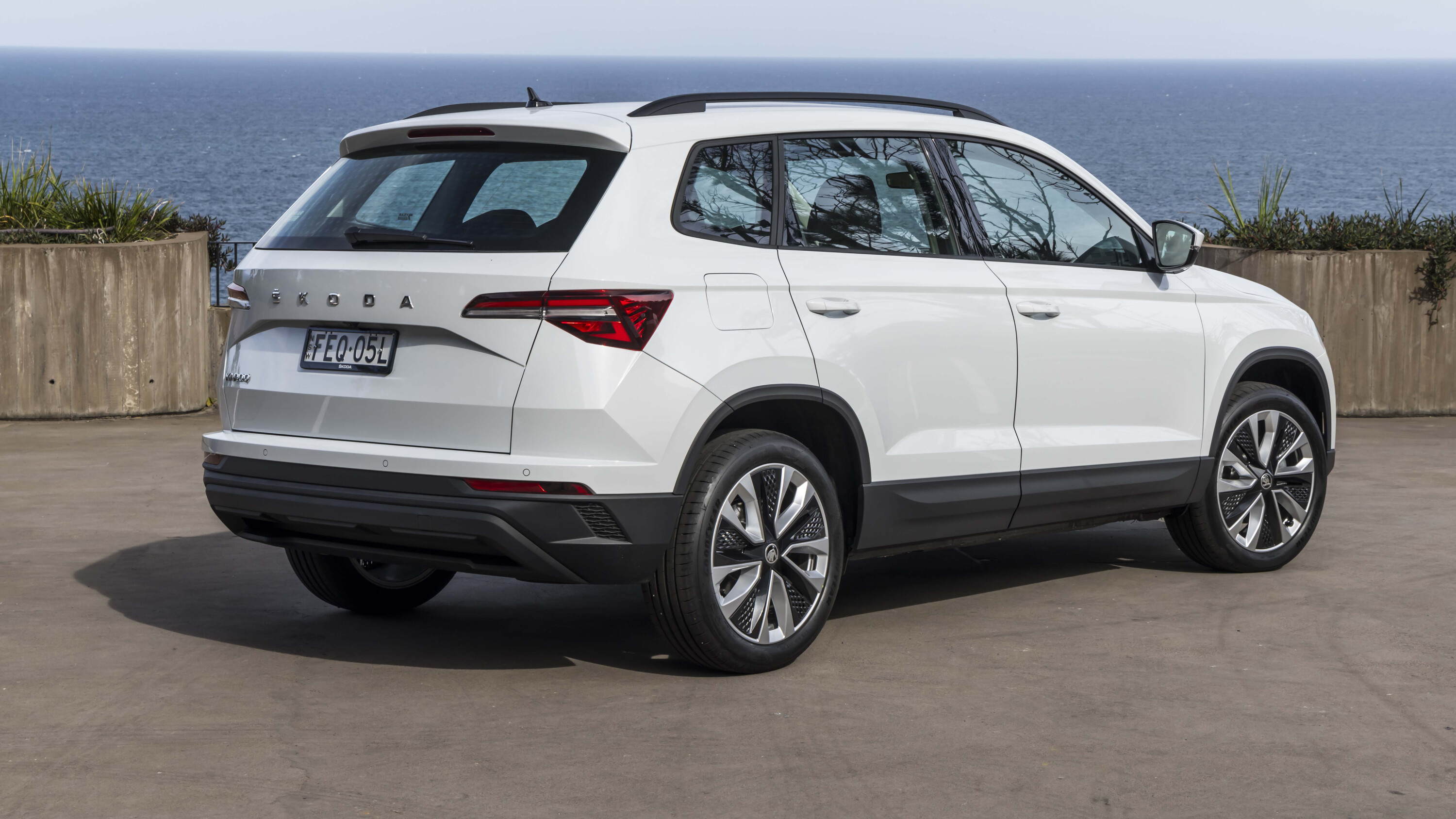
The Skoda range has crept up in price over recent years but the brand’s Australian boss says it hasn’t forgotten its roots. And that’s where cars like this new Karoq come in.
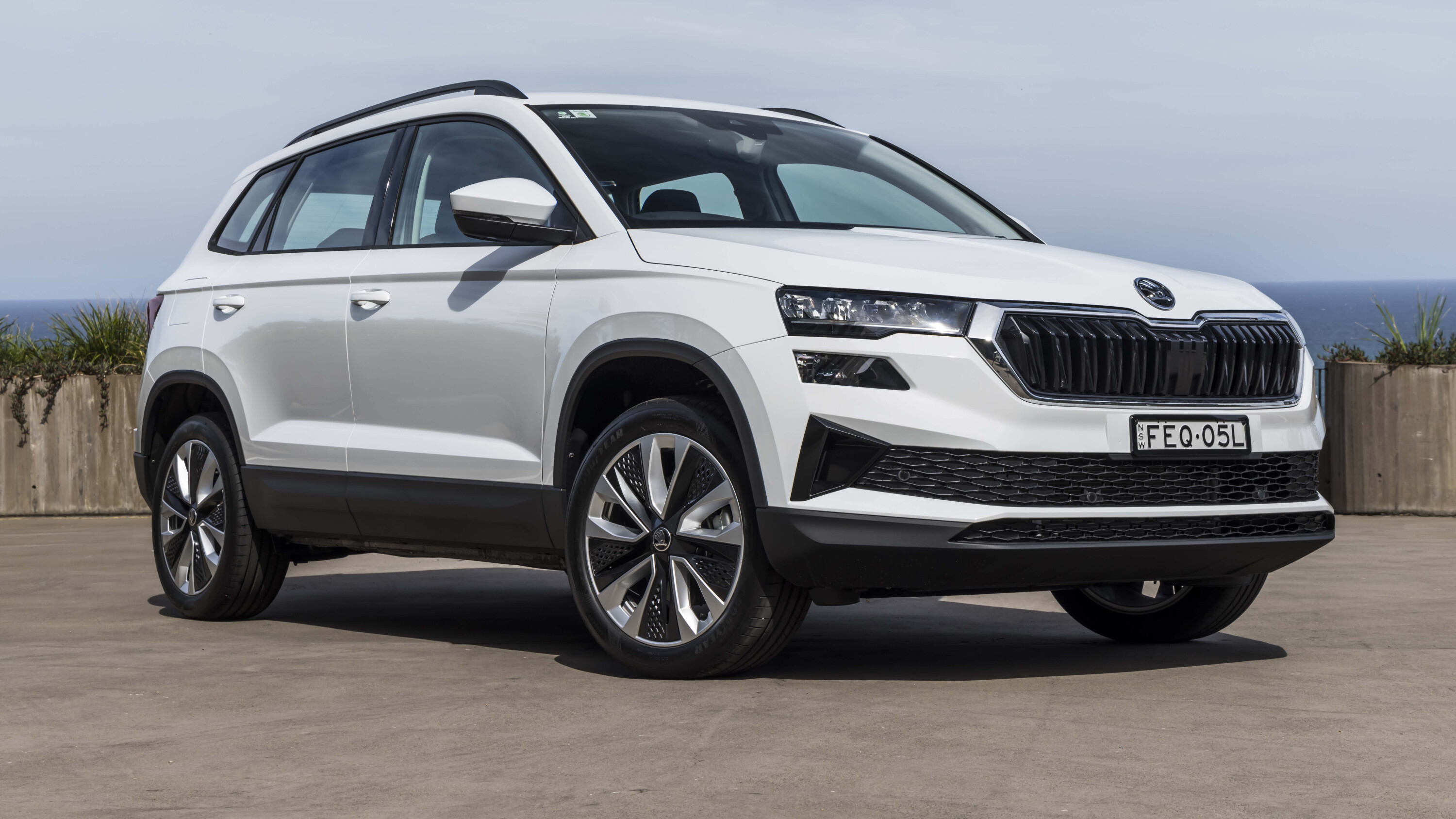
At $39,990 drive-away, it’s more than just a sharp starting price – there’s also a seven-year/unlimited-kilometre warranty plus the possibility to prepay (or bundle into your finance) the servicing costs – which are low for a Euro at $2750 for a seven-year plan – and that means if you move it on after five years, there’s like to be some resale benefit.
Skoda also offers a guaranteed future value, so if you want to take up finance for your purchase, you’ll know what the car is worth at the end (depending on your repayments and loan period).
1
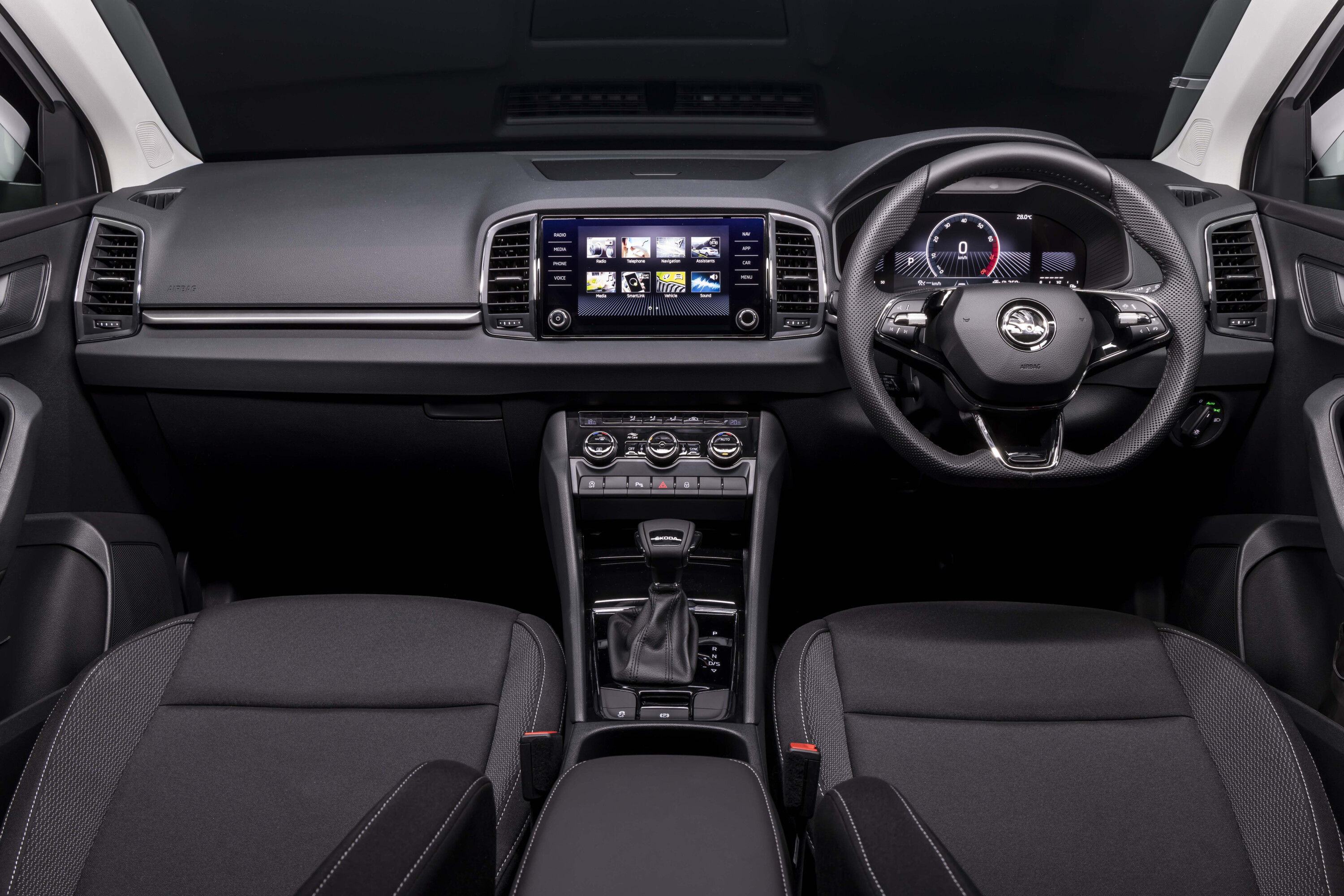
And when it comes to standard kit? It’s pretty well equipped if you’re okay with cloth seat trim and manual seat adjustment, or don’t mind missing out on the Skoda VarioFlex removable seats because they’re gone from this base model.
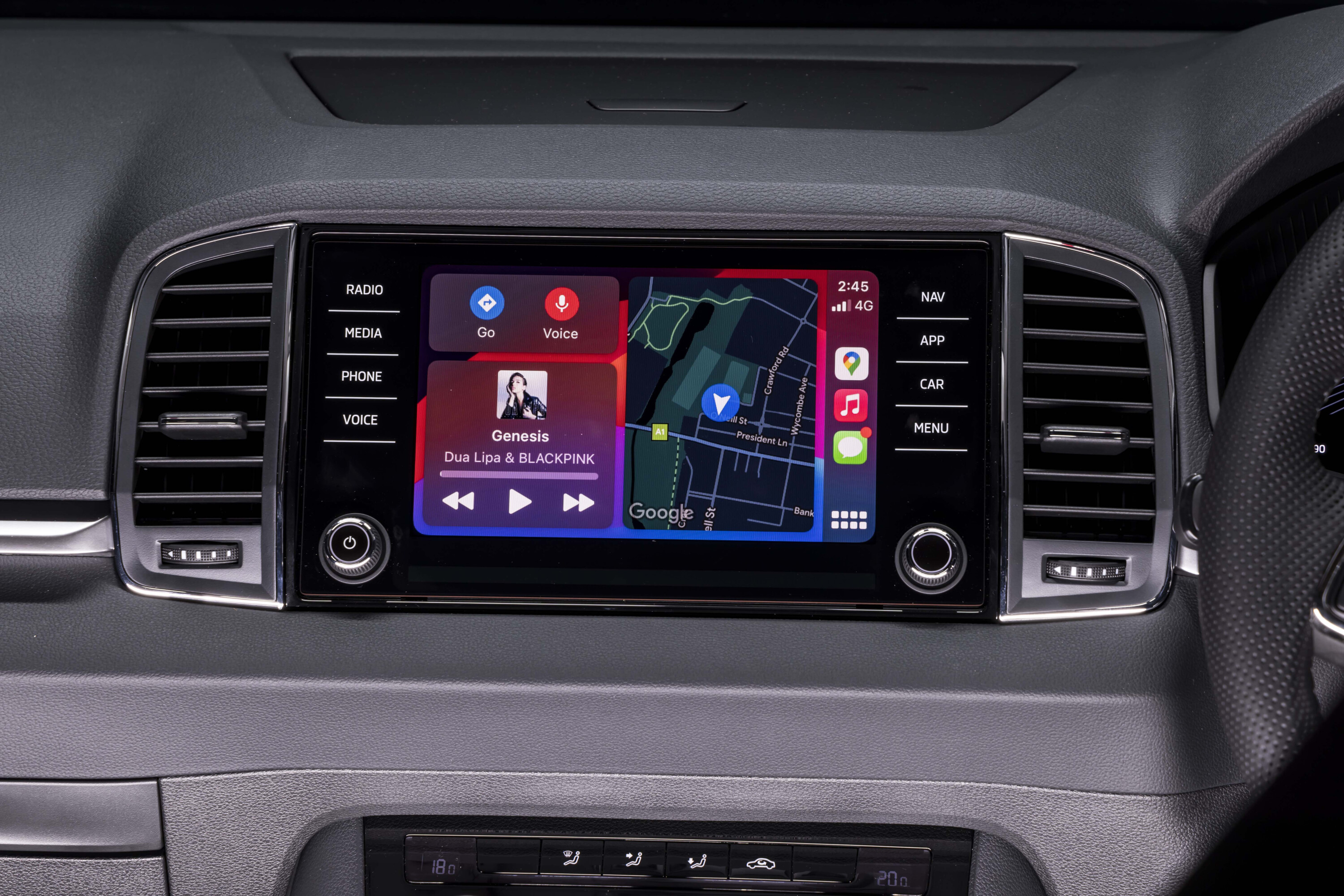
You still get nice interior features like an 8.0-inch touchscreen media system with Apple CarPlay and Android Auto, climate control air-con, an auto-dimming rearview mirror, keyless entry and push-button start.
There are also auto lights and wipers, LED daytime running lights, headlights and tail-lights with dynamic rear indicators, and 18-inch alloy wheels with a full-size steel spare.
1
Safety
There was an ANCAP rating for the Karoq, but it expired at the end of 2023.
Standard safety tech includes autonomous emergency braking with pedestrian detection, adaptive cruise control, lane-keep assist, blind-spot monitoring with rear cross-traffic alert, front and rear parking sensors, a reversing camera, and seven airbags. Impressive.
1
Interior
To understand how good the interior space is, you first must pay attention to the dimensions: A Karoq is only 4390mm long (on a 2638mm wheelbase), but its boxy body (1841mm wide, 1603mm tall) means it’s far more spacious inside than swoopy rivals.
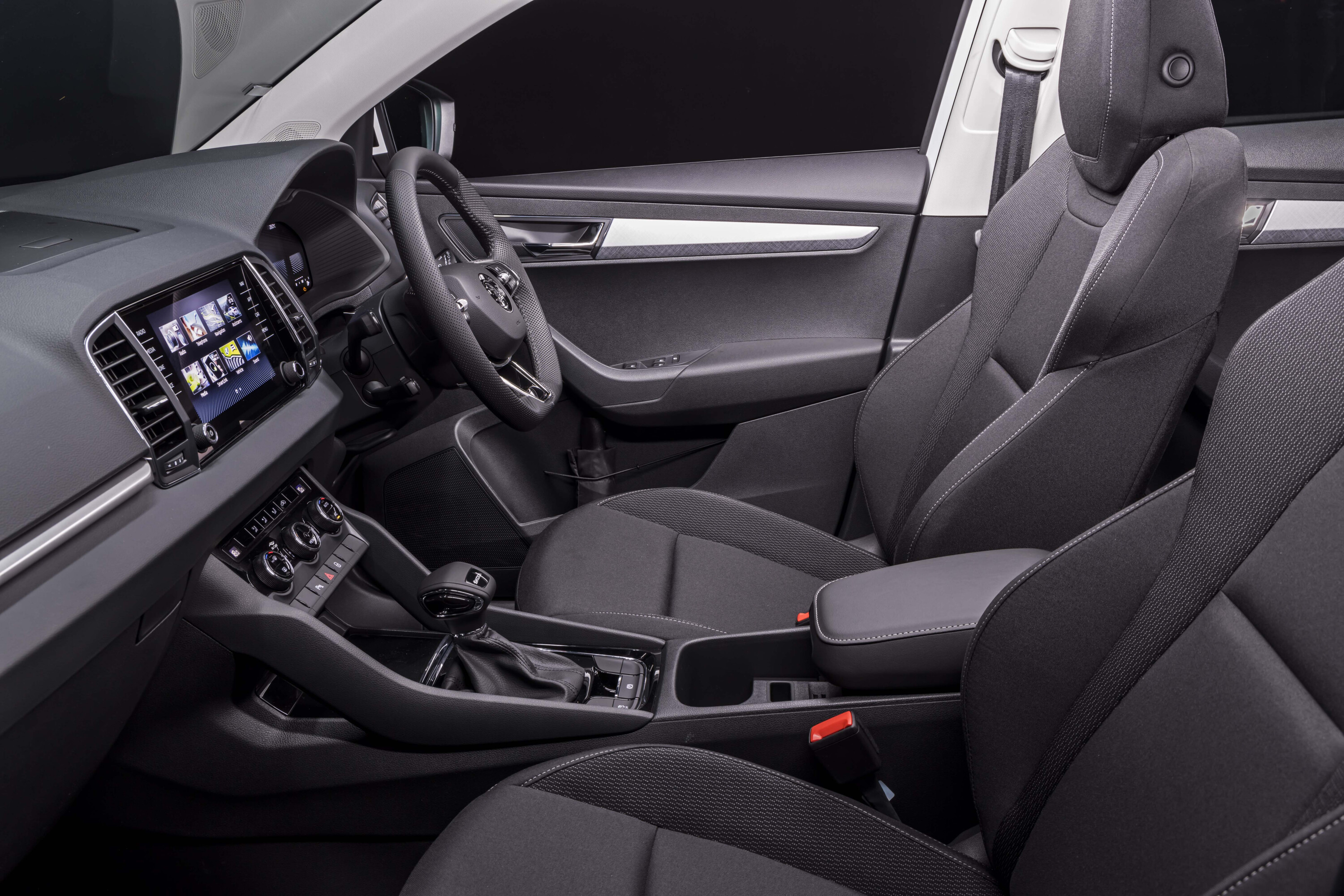
As a result, it has an airy feel to the cabin, with ample headroom in the first and second rows, and a tall glasshouse making it a good choice for those with carsick-prone kids.
The cockpit isn’t exactly special by today’s standards – this car launched in Europe in 2017 – but while it lacks a bit of pizzazz, it has pragmatism and ergonomics at its core. There is ample storage in the doors and dash, a cup holder section between the seats that can flip into a shelf, and yes, there’s an umbrella hidden in the driver’s door.
1
Neither the media system nor simple driver info display set any benchmarks, but they do the job admirably.
Backseat space is fine, but legroom is tight. The fact this variant has a fixed bench rather than the clever sliding/removable seats of higher-spec Karoqs could be a dealbreaker for some, but Skoda claims there’s a bit more on-road noise suppression in this spec.
There are rear vents and a 12-volt outlet, as well as bottle holders, map pockets, a flip-down armrest and even a ski port, but no rear USB ports.
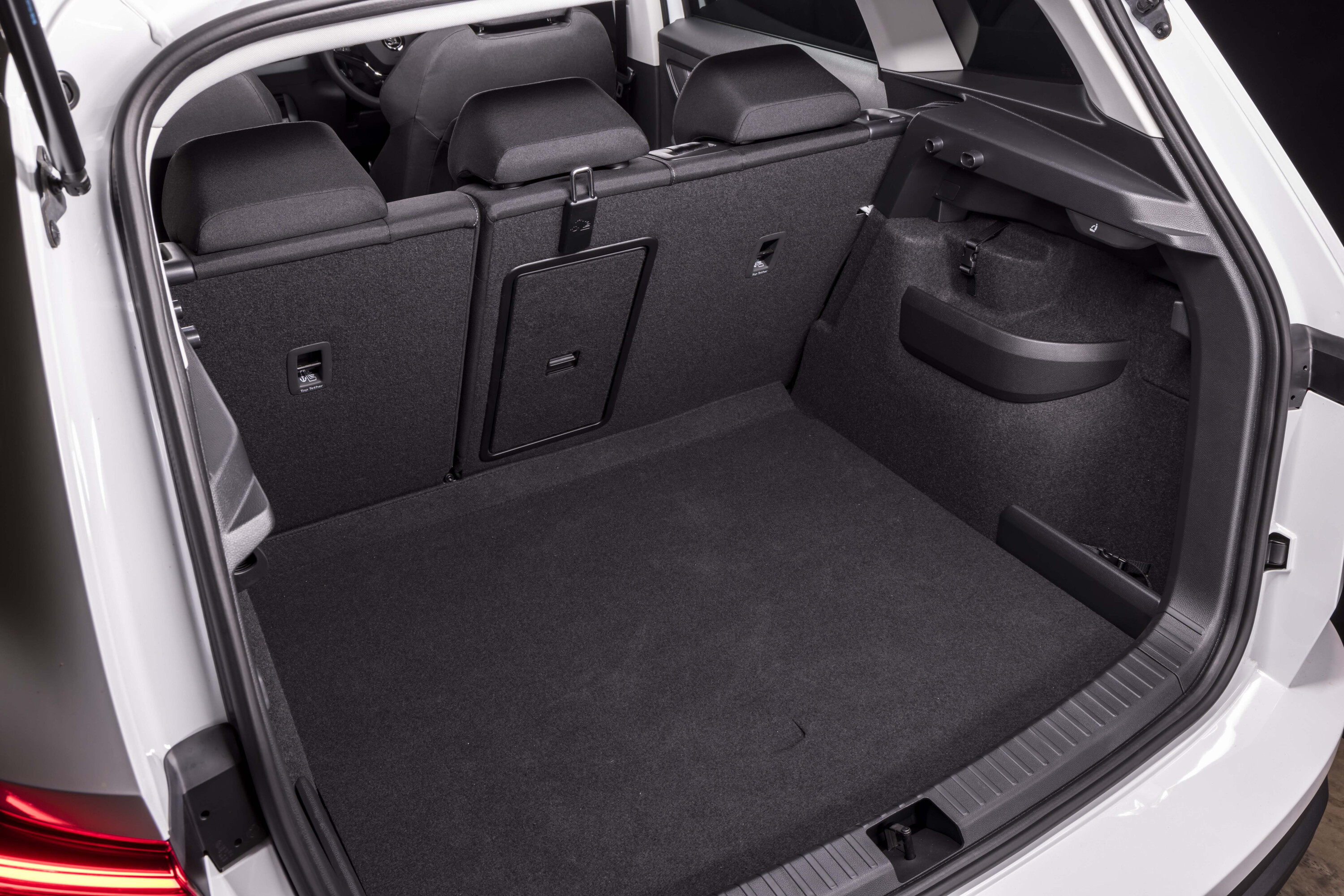
Boot space is excellent, with 521 litres of cargo capacity when the seats are up, and 1810L with the backrest folded down. Unlike some other Skodas, there’s no flippable cargo mat, and no nets either.
2
On the road
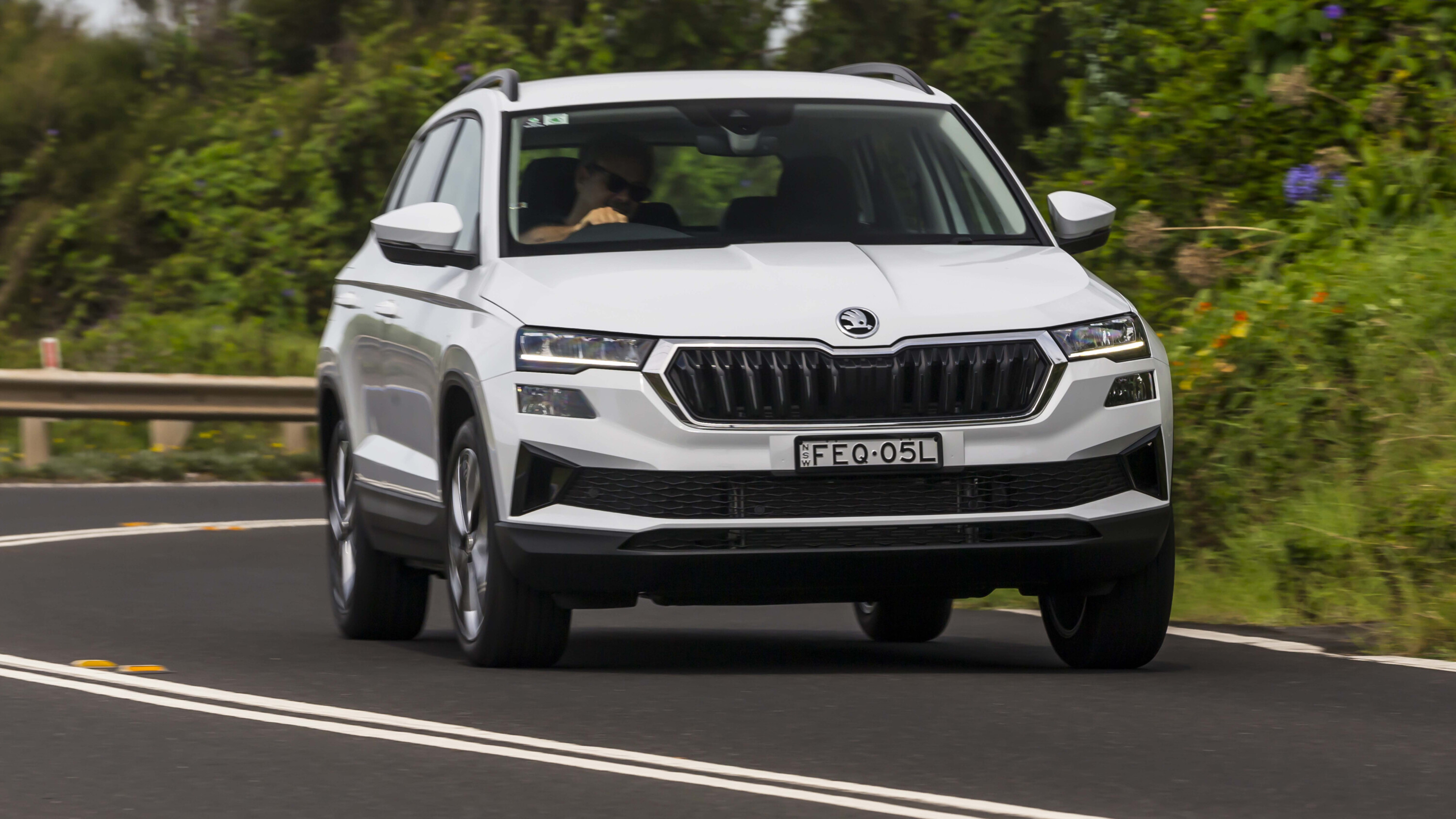
The 1.4-litre turbo-petrol engine in the Karoq is a familiar one, having been employed here and in VW products, too. It’s a good engine, with a refined character and easily enough punch for a small family SUV.
Skoda pairs it with an eight-speed auto – yes, it’s a standard torque converter transmission rather than a dual-clutch (DSG) unit – that isn’t quite as snappy as it could be. It does a decent job, and certainly removes the low-speed hesitation that blights some DSG Skodas, but it also flares a bit at times and can be busy jumping between gears in different situations, too.
I also noted a moment or two where the front tyres were somewhat overwhelmed by the torque while taking off from a standstill.
1
Whether you’re pushing through hairpins or negotiating parking spaces, it is very easy to judge what’s going to happen next
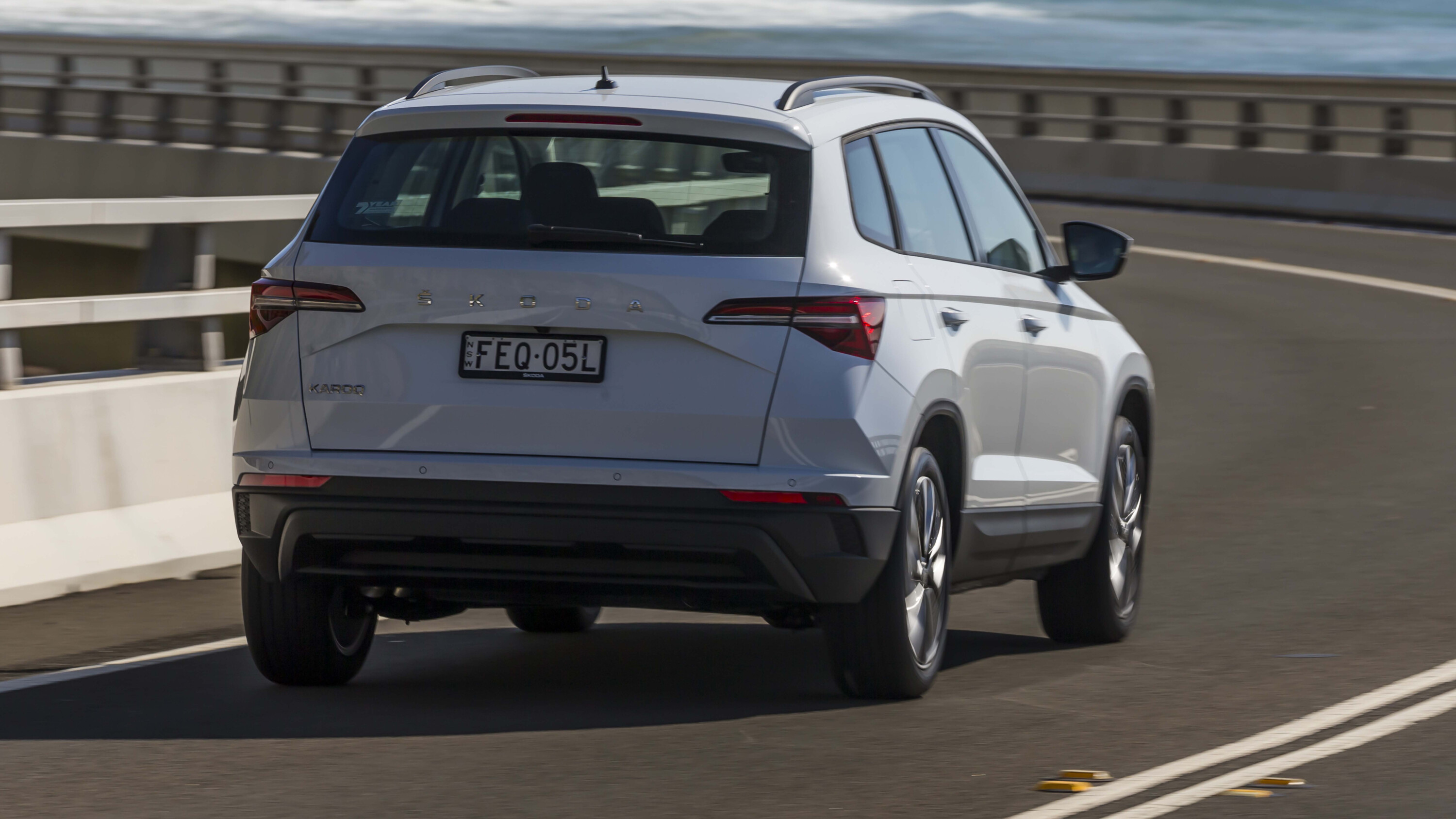
The Karoq generally drives nicely, being based on the MQB A1 platform, with a supple suspension tune that allows more comfort than some rival SUVs do, yet still with some deft handling to it in twisty situations that inspires confidence, even with the torsion-beam rear suspension of this front-wheel-drive model.
Likewise, the steering is accurate and enjoyable, and whether you’re pushing through hairpins or negotiating parking spaces, it is very easy to judge what’s going to happen next.
As with many products from the VW Group, there is a bit of road noise intrusion on rougher surfaces.
1
Key rivals
Spending $40K on a decent-sized SUV is more difficult than you’d think. But you should consider the Honda ZR-V (from $40,200 drive-away), because it’s a bit smaller outside, but still spacious.
Not sure if you’re sold on the whole SUV thing? Check out the Skoda Scala. It’s brilliant and starts at just $33,990 drive-away.
1
Should I put it on my shortlist?
For those prioritising practicality and a pinpoint price, the Skoda Karoq makes a very strong argument. Go drive one!
MORE
Everything Skoda
MORE
SUV Buyers Guide
| 2024 Skoda Karoq specifications | |
|---|---|
| Powertrain | 1.4L turbo-petrol 4-cyl |
| Max power | 110kW |
| Max torque | 250Nm |
| Drivetrain | Eight-speed auto, front-wheel drive |
| Fuel consumption | 6.5 litres per 100km |
| Price | from $39,990 drive-away |
March 28: K4 sedan and hatch revealed in New York
The new Cerato-replacing Kia K4 has now been unveiled to visitors at the New York motor show, in both sedan and hatch form. Which do you prefer?
Get the full details of the hatch at the linked story below, and keep reading here for more on the sedan.
STORY CONTINUES: Cerato sedan detailed
The Kia K4 will end the Cerato nameplate’s 20-year run when the fastback sedan arrives in early 2025.
Snapshot
- K4 here in Q1 2025
- Now more than 4.7 metres long – same as i30 Sedan twin – though wider again
- 30cm-wide triple digital display borrowed from EV9 large electric SUV
- GT-Line range-topper features most sophisticated suspension, includes option of turbo engine
Kia Australia confirmed the news in tandem with the K4’s full reveal at the New York motor show overnight.
The K4 name becomes the global name for the Korean brand’s small car, which has used various names including Forte, K3 and Cerato depending on country.
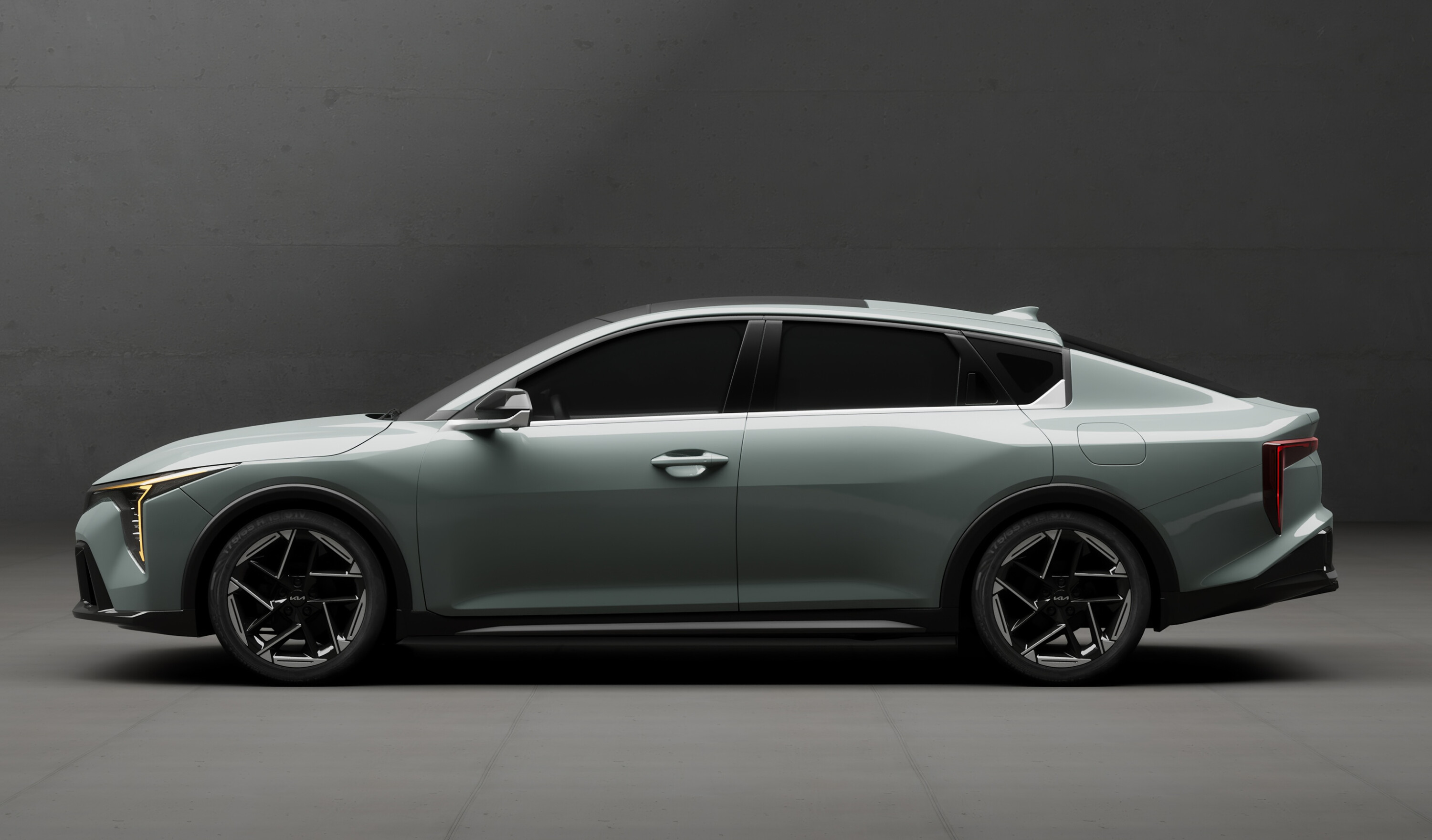
Kia unveiled the K4 in both sedan and hatchback forms.
1
The K4 is longer and wider than the Cerato, extending by 69mm to virtually match the length of its Hyundai i30 Sedan twin (4709 v 4710mm). An extra 49mm of width makes it wider than the Hyundai (1849 v 1825mm).
Kia hasn’t released the K4’s wheelbase but it would be expected to be virtually identical to the 2720mm of the i30 Sedan.
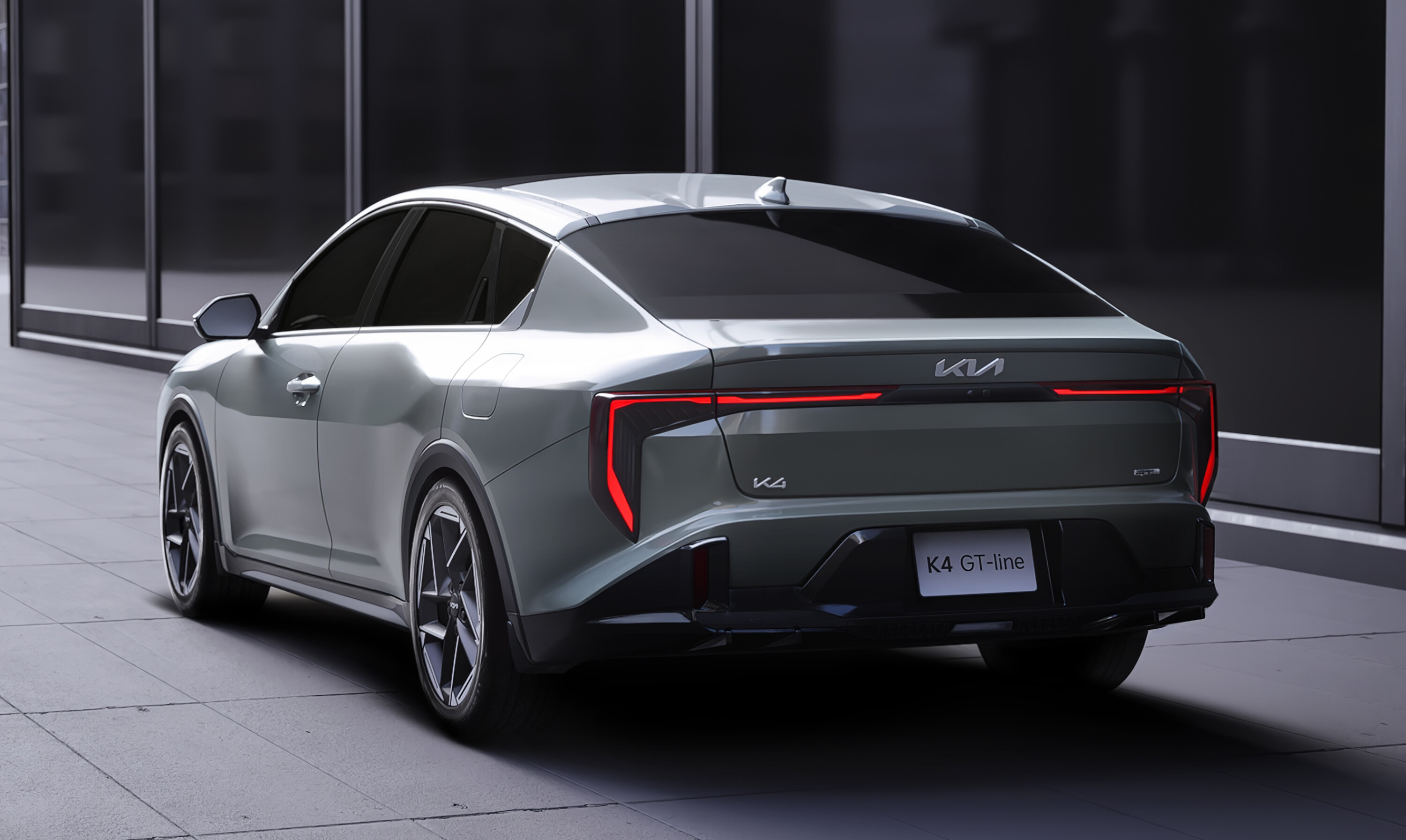
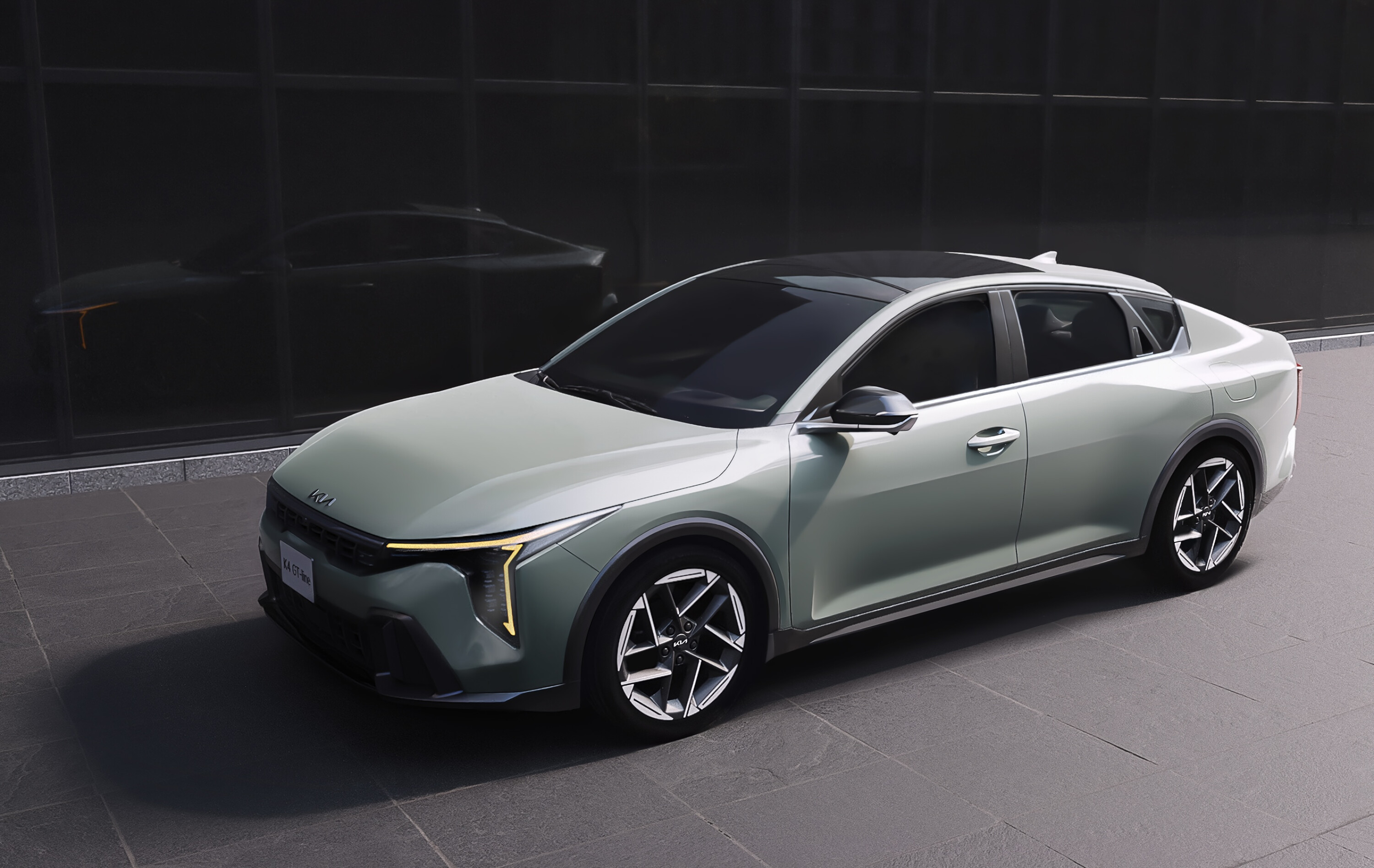
The K4’s fastback-style design is a dramatic departure from the conventional-looking four-door Cerato.
A pseudo-coupe look is created with hidden rear door handles, while the overall styling brings the midsized sedan into line with the design language successfully implemented in recent years across Kia’s range, including its electric EV models such as EV6, EV9 and upcoming EV5.
1
Kia says the K4’s vertical-style headlights and tail-lights are also inspired by those of the EV9 large electric SUV.
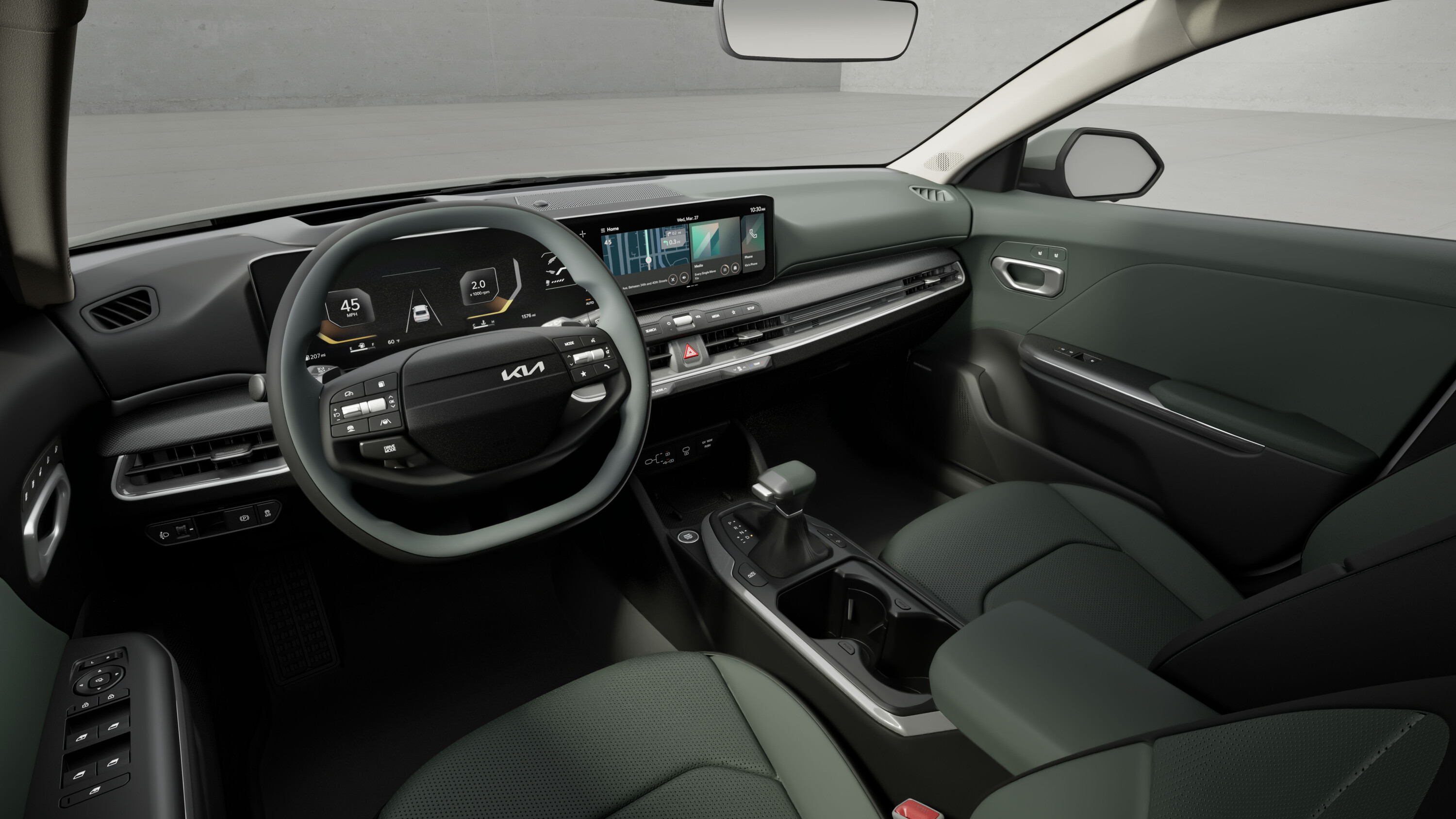
Inside, it borrows the EV9’s panoramic triple digital display, which spans nearly 30cm by comprising a 12.3-inch instrument panel, 5.0-inch climate control section, and 12.3-inch infotainment touchscreen.
The company is also claiming benchmark rear legroom and headroom, though this is essentially shared with the i30 Sedan – there’s just 1mm in it for the former and identical for the latter.
For the US, GT-Line models (featured in all images) feature gloss-black exterior elements, 18-inch alloy wheels, heated front seats and a three-spoke steering wheel design as standard, with ventilated seats an option.
1
Other interior options include a Harman Kardon audio, wide sunroof, and Digital Key 2.0 with Ultra Wideband that, as with a Tesla, allows owners to lock/unlock and drive their car using either a smartphone or NFC-enabled smart card.
Kia Connect options in the US include “Hey Kia” voice command assistance and a Digital Features and Services set-up for accessing over-the-air updates/features (for extra cost in some cases).
The US market will feature five K4 variants, with LX, LXS and EX grades utilising a more basic torsion-beam rear suspension and a simple 110kW 2.0-litre petrol engine with CVT auto as per the base i30 Sedan.
The GT-Line and GT-Line Turbo models mirror the i30 Sedan N-Line with a multi-link rear suspension, with the Turbo model swapping out the 2.0L for a 1.6-litre turbo petrol engine and eight-speed auto.
1
1
US specs quote 190hp (142kW) for the turbo engine, though it would be a surprise if the Australian K4 GT-Line Turbo didn’t match the 150kW/265Nm outputs of the i30 Sedan N-Line.
It’s unknown at this stage whether Kia Australia will get to offer the K4 with the 1.6-litre petrol-electric hybrid drivetrain that joined the i30 Sedan line-up in early 2024.
Kia could also theoretically retain the GT badge for the GT-Line Turbo that essentially uses the same drivetriain as the outgoing Cerato GT, though the company has also previously discussed reserving the sporty letters for proper high-performance models as with Hyundai’s N models.
Numerous driver aids for the K4 include adaptive cruise with stop-go functionality, haptic steering wheel alerts, intersection collision warning, blind-spot view monitor, and surround view, though not all features are standard in the US.
Kia Australia says it will reveal pricing and specification details “in due course”, sometime ahead of the K4’s local arrival in early 2025.
MORE
Everything Kia
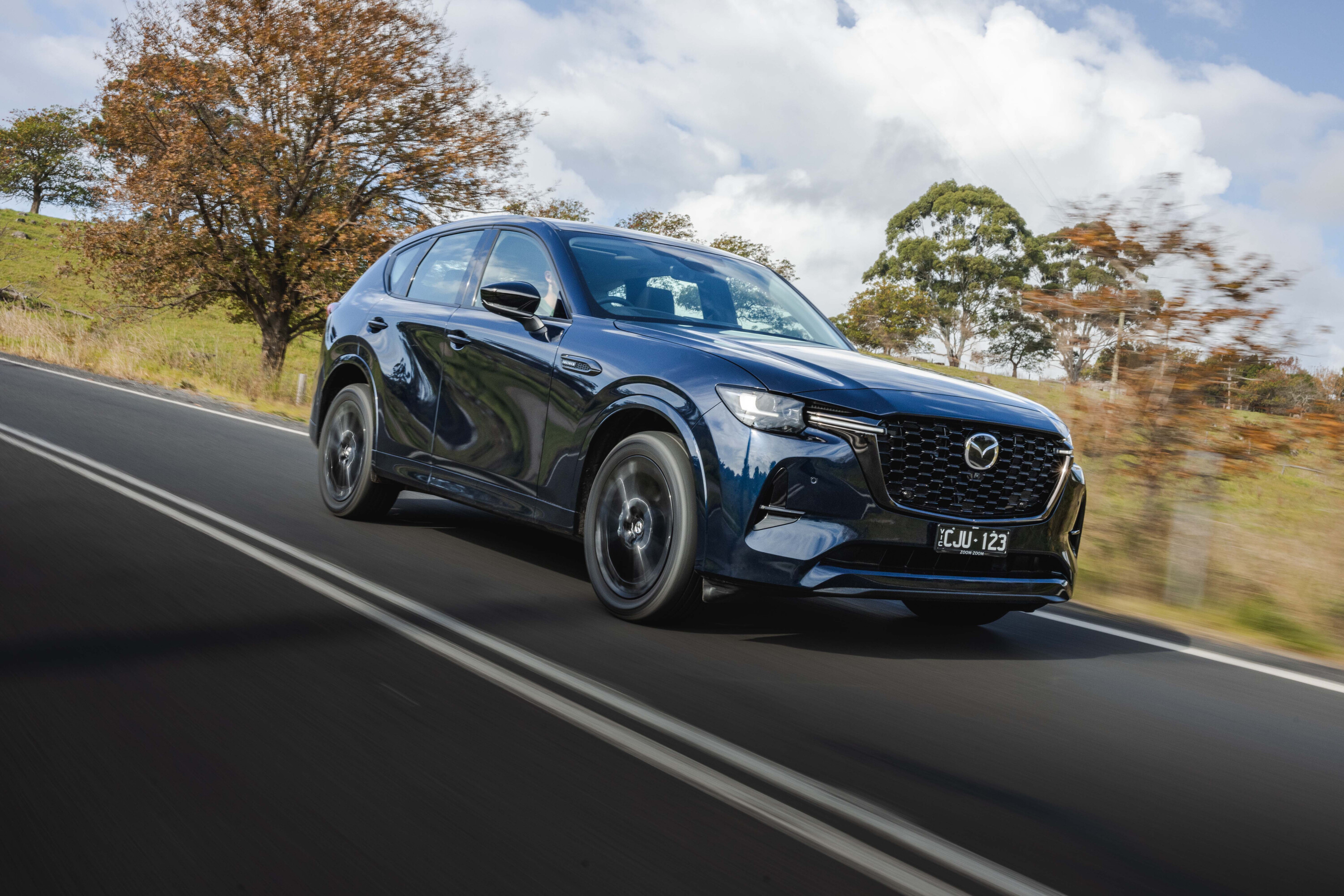
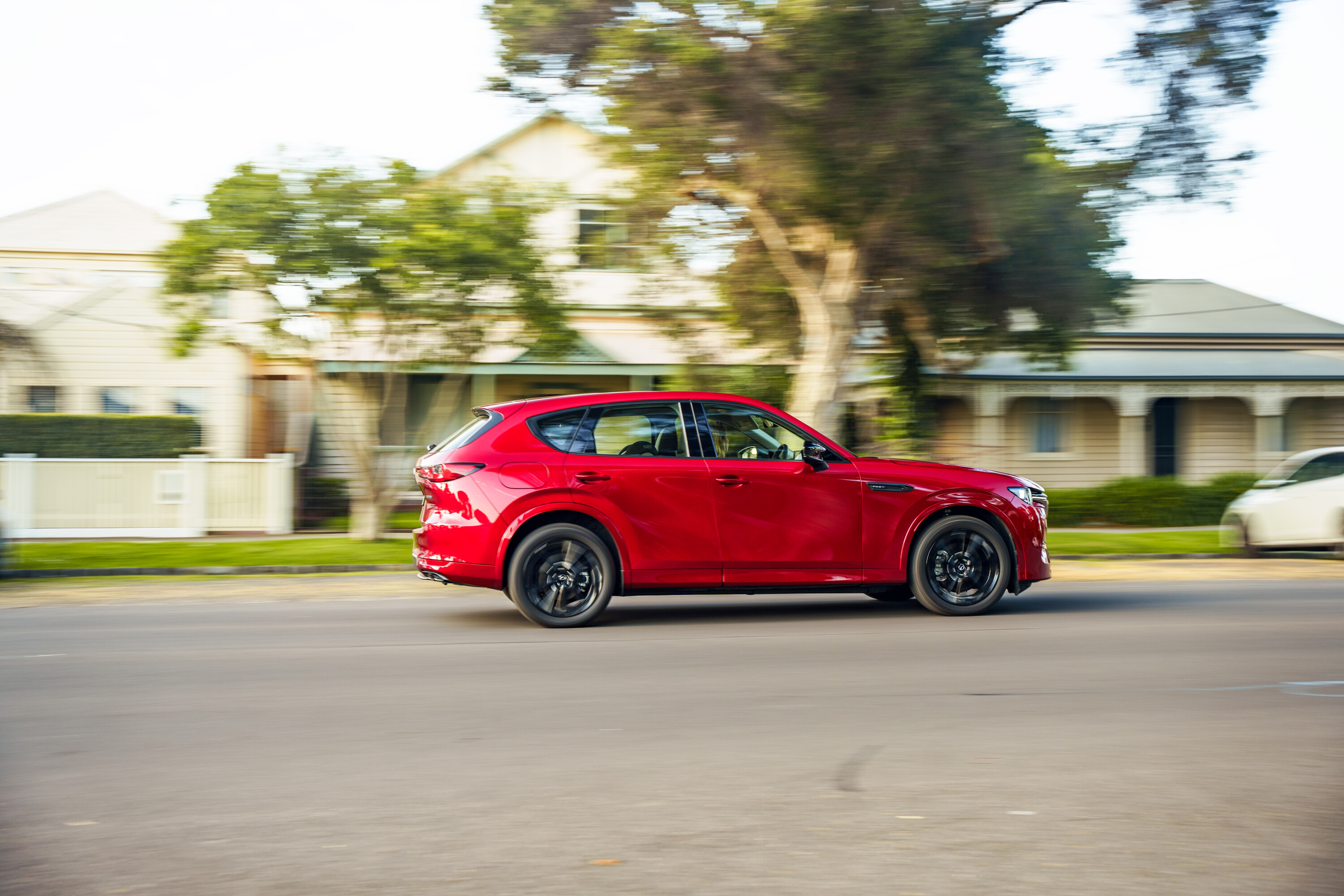
Early adopters of the Mazda CX-60 mid-size SUV will be eligible for a revised rear suspension design, the brand has confirmed.
A dealer technical service bulletin released on March 25, 2024, confirms owners of CX-60 vehicles built between March 28, 2023, and September 30, 2023, can return to their local Mazda dealership for revised rear shock absorbers and updated powertrain control module software at no cost.
It’s understood the updated rear shock absorbers have arrived in Australia, with some owners reporting their vehicles are booked in to receive the fix as soon as next week.
1
“This is a running change available to CX-60 owners allowing early customers to align their vehicle with the latest factory specification,” said a Mazda Australia spokesperson.
“This option includes a revised rear shock absorber fitted at no cost through the Mazda dealer network.
“As CX-60 makes its way into more markets, we continue to study the vehicle and review customer feedback.”
The option to install revised rear shock absorbers on select CX-60 examples follows ride quality concerns noticed by local and international media, as well as some customers.
1
It is unclear if further improvements are planned to address low-speed transmission niggles identified with the CX-60 and the related CX-90.
In Europe, Mazda has released a technical service bulletin for the CX-60’s eight-speed automatic transmission to address concerns it would “feel jerky when shifting gears and driving at low speeds”.
In January, Mazda Australia boss Vinesh Bhindi told Wheels the brand was aware of these comments about its Large Platform architecture vehicles – but no immediate product updates were planned.
“We’ve seen those comments not just from customers, but some of your [media] colleagues. And as always, we ensure every comment – plus or minus – does go back to the program team because they’re excited to hear about their product; the evaluations, especially from [the media]” he said.
“In the end, when we launched CX-60 and CX-90, we had the program manager for both of them here with us in Australia and their ambition and desire was sportiness and a firm ride, to deliver the jinba-ittai [‘horse and rider as one’] feeling, and they believe they’ve met all the targets they set for themselves.
“But like any other product, there’s a constant evolution, improvement, changes, tinkering, et cetera that goes on behind the scenes – and this will be no different. What that is and when that is, is something I really can’t comment on because I don’t have the knowledge.”
Mazda has indicated it could fit adaptive dampers – which alter the extent to which suspension resists movement – to the CX-60 and CX-90 in future to further address the firmer ride of both models.
MORE
Everything Mazda
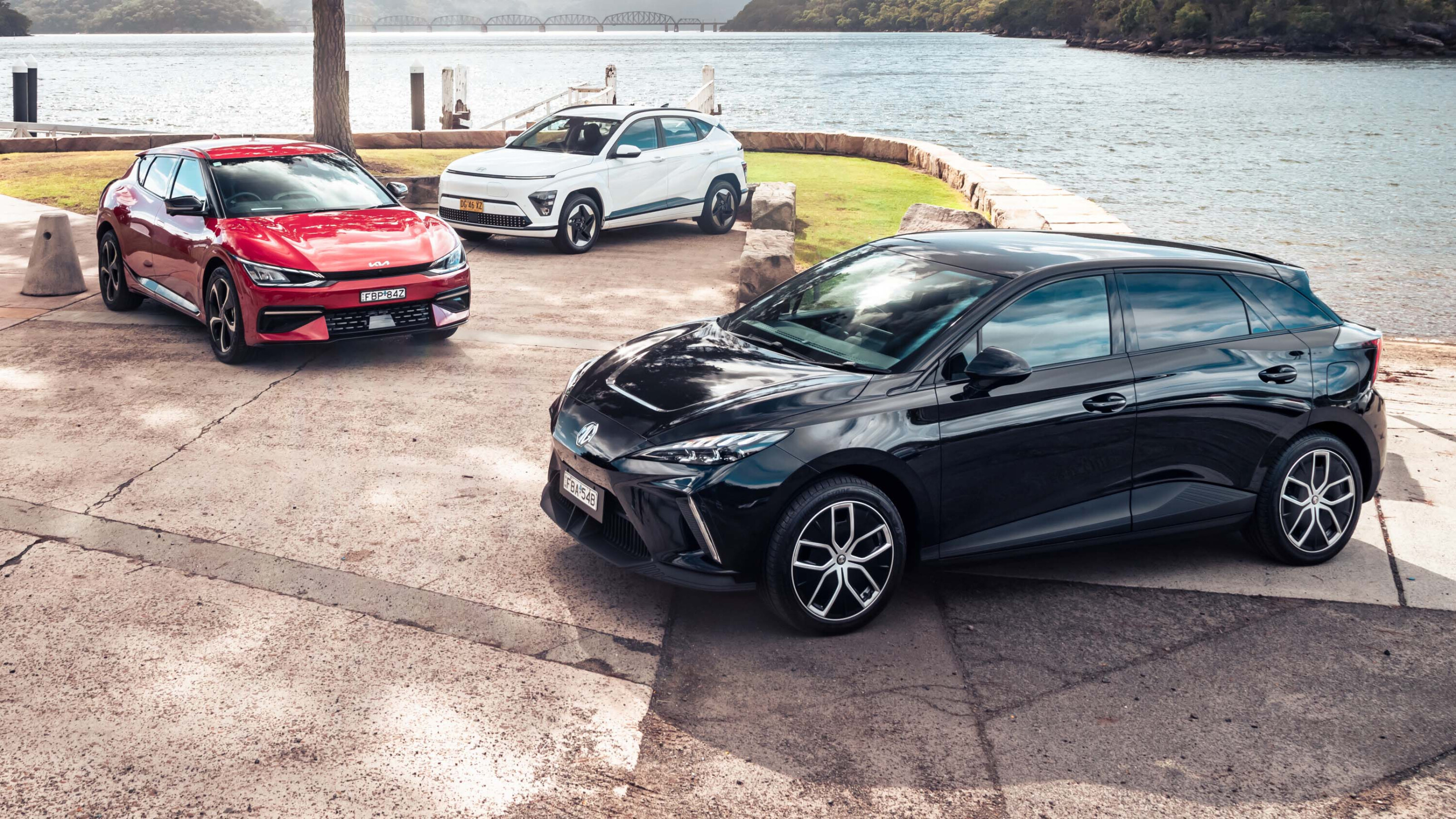
Three stand-out electric vehicles, one simple question: which is the best under $80,000? An outright comparison this is not – we’ve judged this trio as we would Car Of The Year entrants.
Performance of intended function and innovation are the two crucial criteria for these three after proving their mettle in value, comfort, and driving excellence against direct rivals.
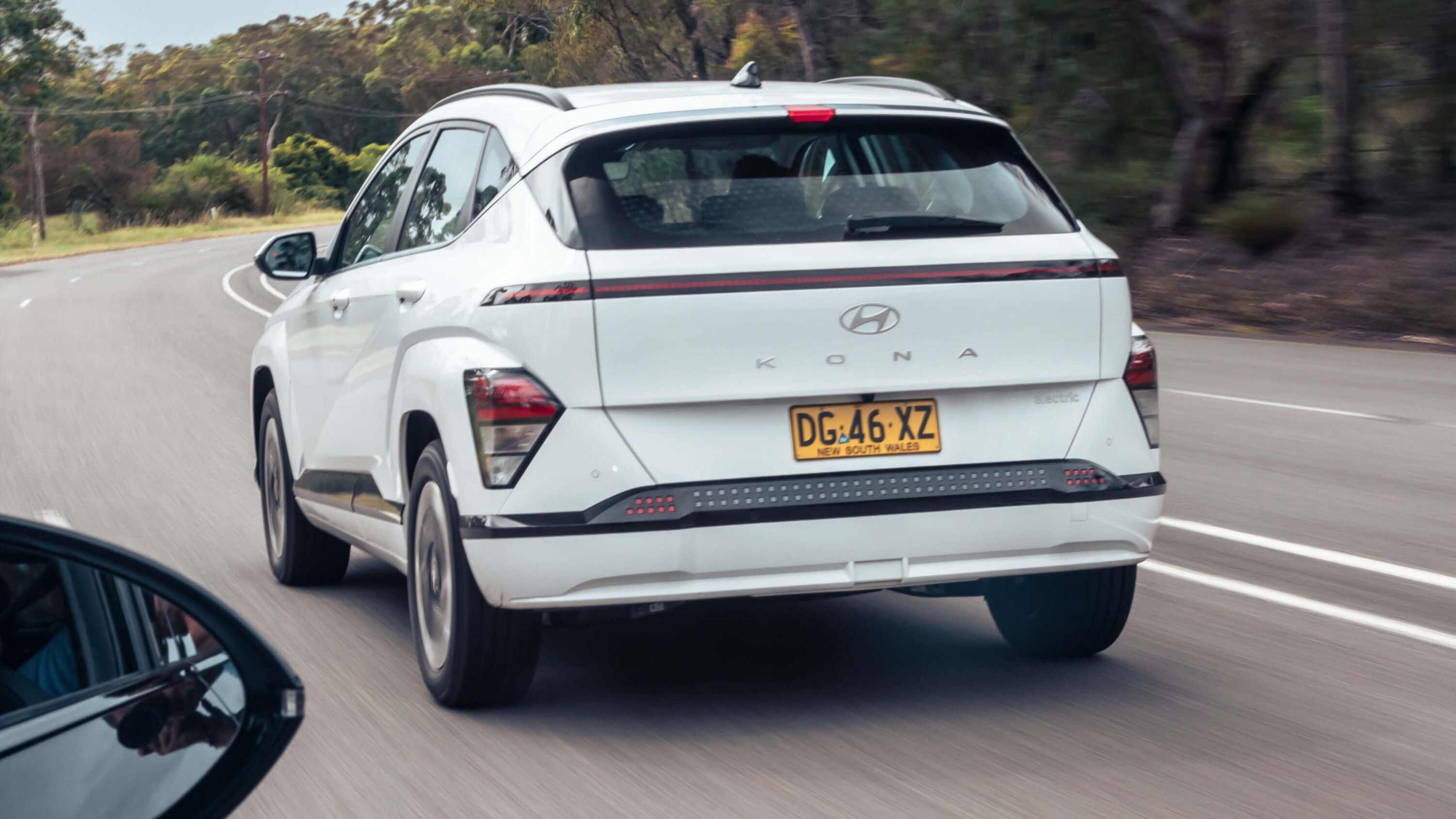
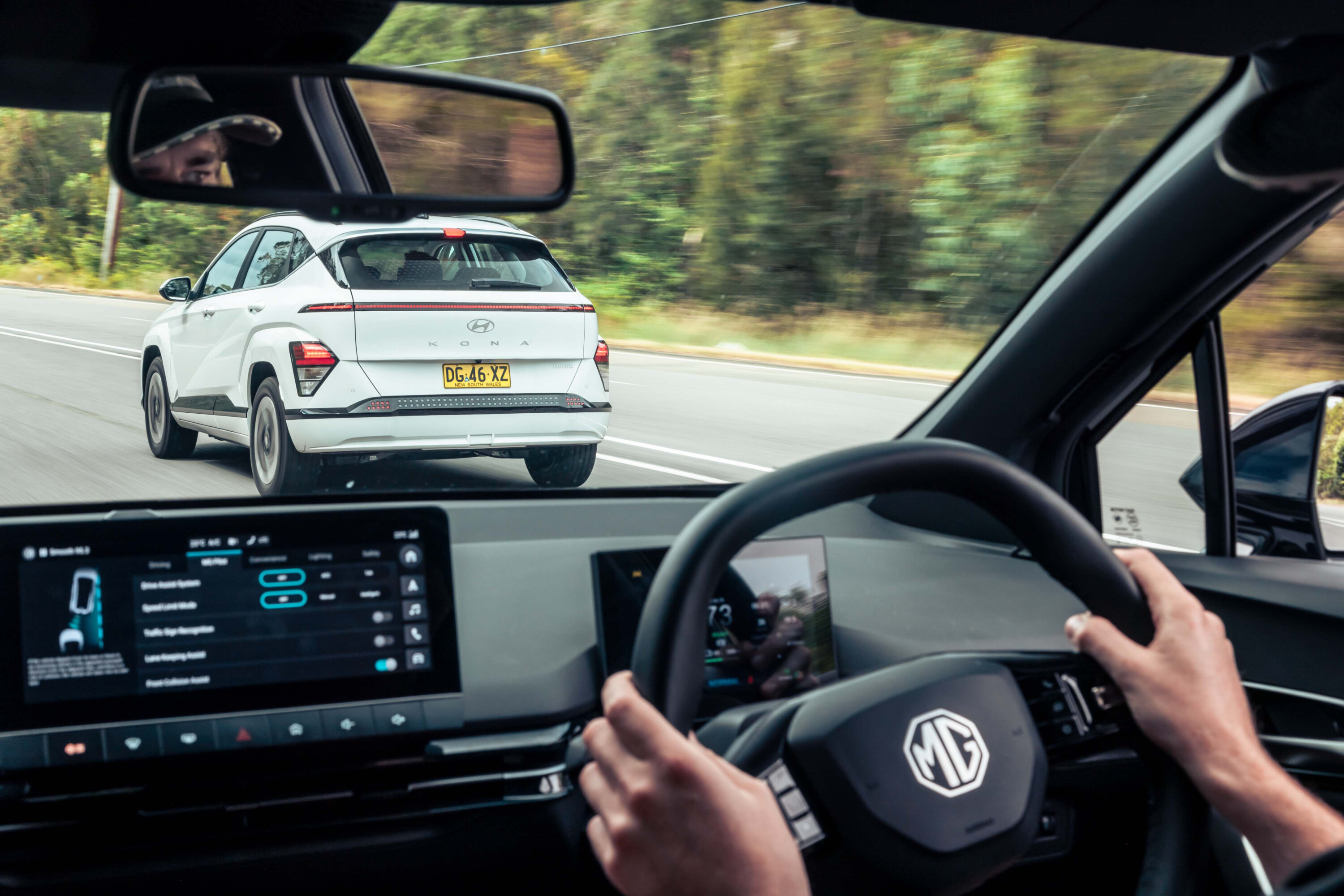
The second-gen Hyundai Kona has matured significantly and is now a family-sized vehicle that puts its EV foot first. The Kona earned its place here in top-spec Premium guise, but we chose the $10K cheaper Extended Range variant to sample a greater slice of the range.
1
Like the Kona Premium, the Kona Extended Range is well screwed together and boasts connected services, along with wireless Apple CarPlay and Android Auto.
Unlike the Premium, it has small 17-inch alloys that only aid how well the electric Kona steers; it’s engaging yet comfortable. The Kona is very much fit for purpose as a family SUV, legitimately big enough to compete with a Mazda CX-5 thanks to clever packaging, a big boot, and no transmission tunnel.
Inside, there are a few conspicuous missing features: heated seats and power adjust would’ve been nice, however, it’s the cheap scratchy upholstery and lack of padding on the armrest that confirm this Kona’s fleet intentions. You’d put up with these shortcomings in a base small SUV but a $58,000 pill is tougher to swallow.
1
It probably doesn’t help the car was supplied in parking inspector white with standard-issue NSW yellow plates. (Is there a less tasteful number plate hue in existence?)
If you bought an Extended range you’d covet thy neighbour’s Premium. Its charging capabilities aren’t particularly spectacular, and although it’s an easily-recommendable vehicle the Kona doesn’t push the genre of electric cars quite as much as the other two vehicles.
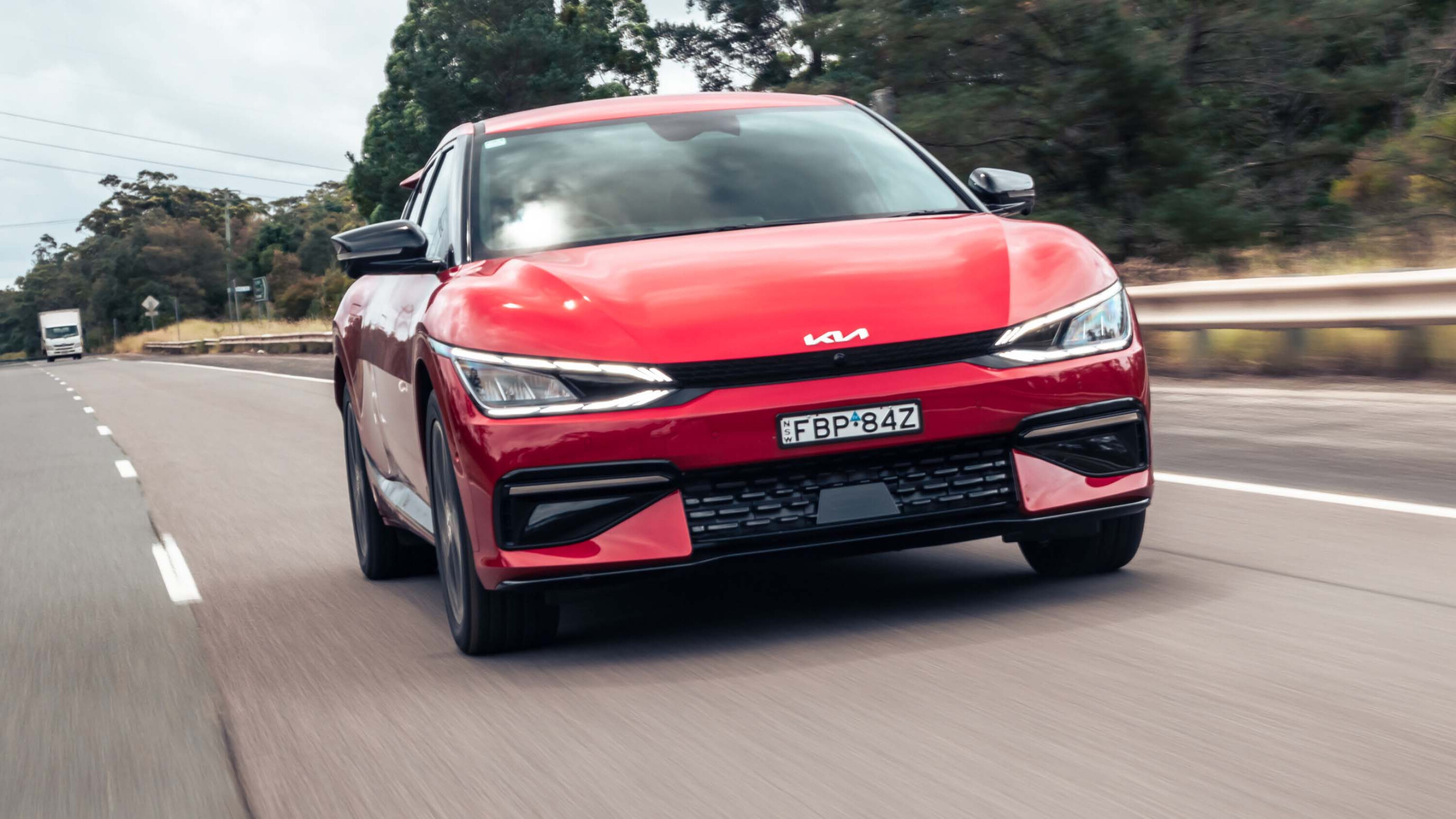
Things get trickier with the Kia EV6 and MG4, not least because they exist at disparate ends of the price spectrum. The MG4 is one of only three BEVs with an RRP below $40K, while Kia’s rear-wheel drive EV6 GT-Line just barely scrapes into our $80K ceiling with two variants above it. Yet if the Kia justifies its price here (as it did winning COTY 2022) then overall honours are on the table.
1
Initially, it looks like Kia’s excellent SUV might romp away from the MG with victory.
The MG4’s media system can be clunky, the cabin controls are unlabelled, and starting/stopping can be an awkward process. Although the turning circle is excellent and the finger-light steering is nice around town, it doesn’t faithfully load up to communicate grip as well as we’d like.
Then there’s the efficiency, which has been one of the MG4’s repeated shortcomings. It reported 17.7kWh/100km over our 300km test to the front-drive Kona’s more reasonable 15.2kWh/100km figure.
1
Returns diminish exponentially as you spend more on the MG4, too.
With its 77kWh battery pack on board, for example, the small car is heavier on the road and not priced so competitively. The contrived XPower isn’t worth consideration – even by driving enthusiasts.
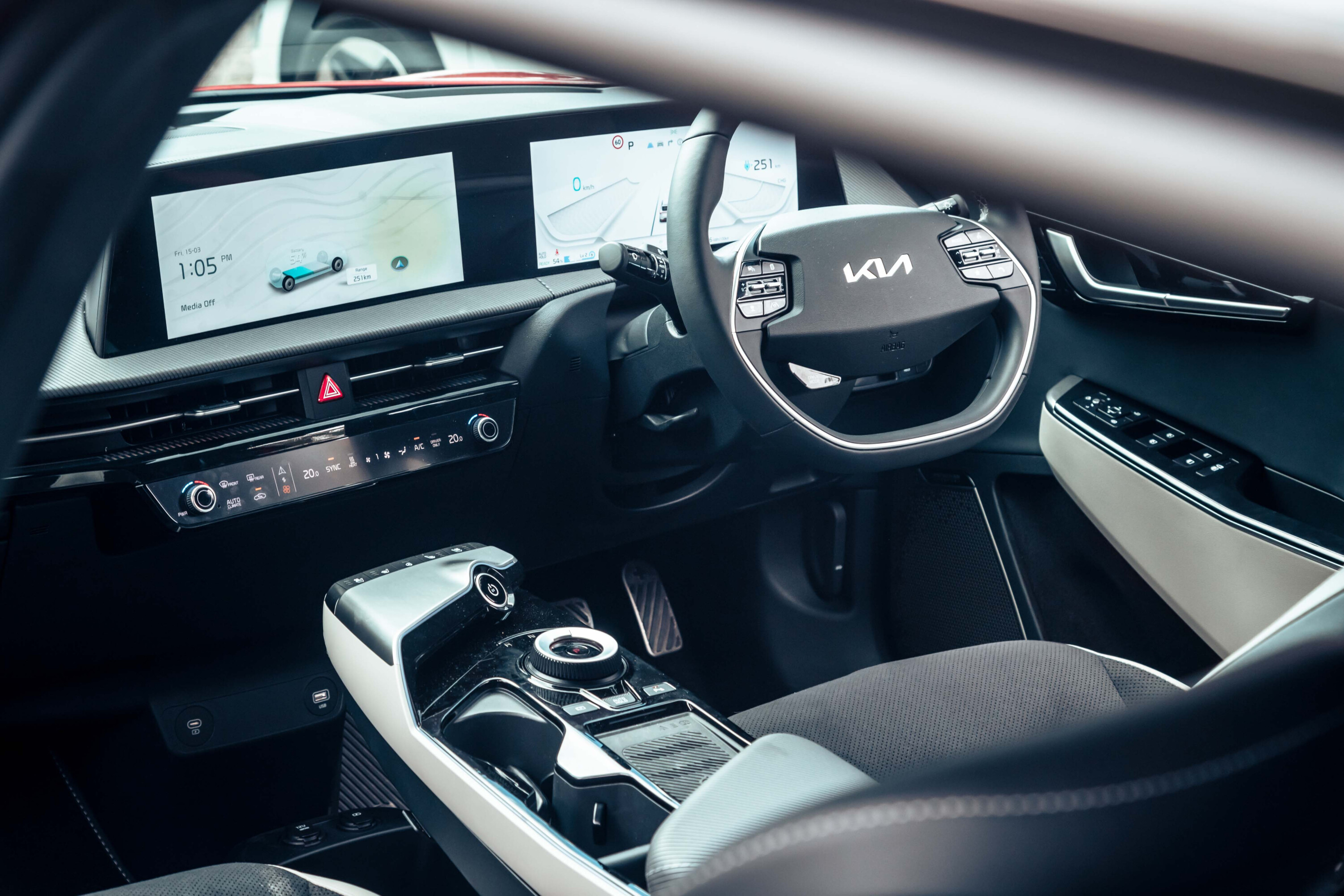
The EV6 doesn’t suffer from any of these issues. It’s as efficient as its rivals while charging incredibly rapidly and has a logical cabin layout with a traditional start procedure.
The EV6’s cabin is a little dark thanks to its coupe-inspired lines yet it never feels claustrophobic. Ponch described the trims as ‘gorgeous’ and there’s no doubting its heated and ventilated seats are brilliant.
1
The exterior no longer fits Kia’s EV design language and is due for a facelift next year. If it scores some of the EV9’s cabin detailing and attractive front mask, it’ll only get better.
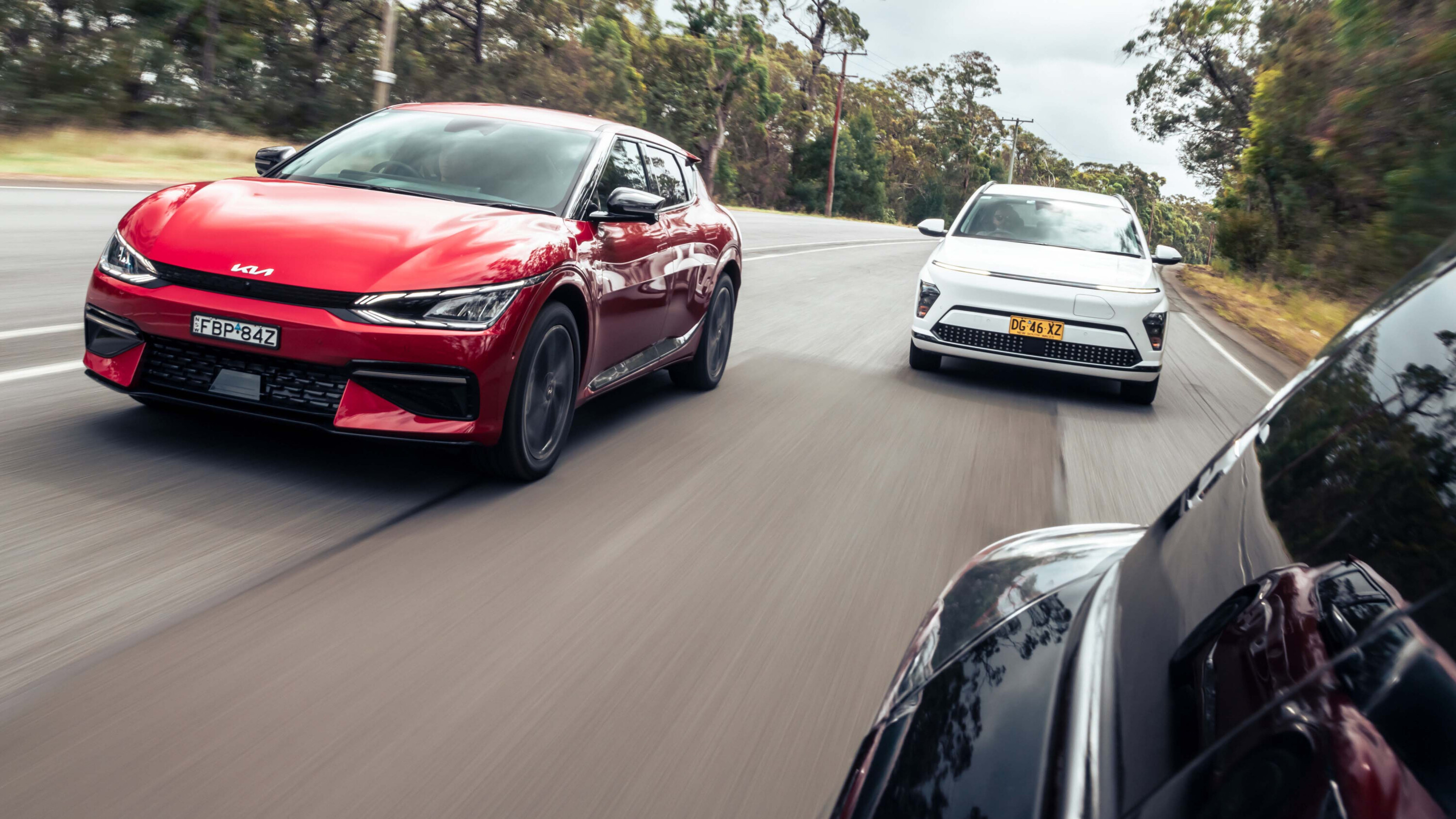
While the GT-Line RWD we included in testing is somewhat of a sweet spot – and very much worth the $7K premium over the Air – every grade in Kia’s line-up feels justified in existing and the more you spend the more you get. It’s a classically complete range.
Did we mention how good the EV6 is to drive? A stiff EV-only E-GMP platform with 800-volt electrical gubbins, rear-wheel drive, trick frequency-selective dampers, and a little bit of Australian know-how in the final chassis and steering tuning delivers a car that’s at once engaging for keen drivers, comfortable in town, and secure on the road.
1
More than just being the best electric SUV to drive, the EV6 is better than any other mainstream medium SUV.
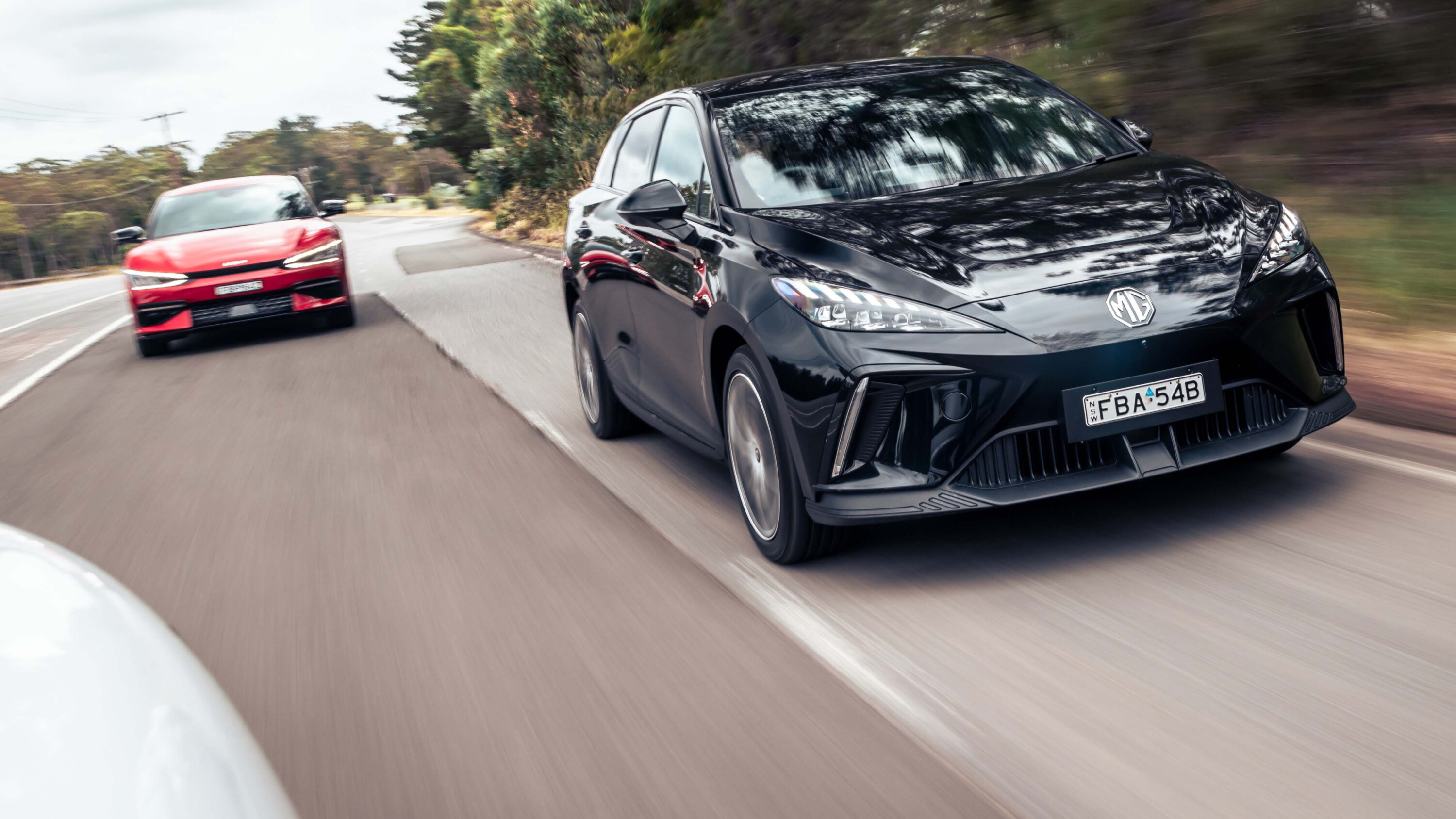
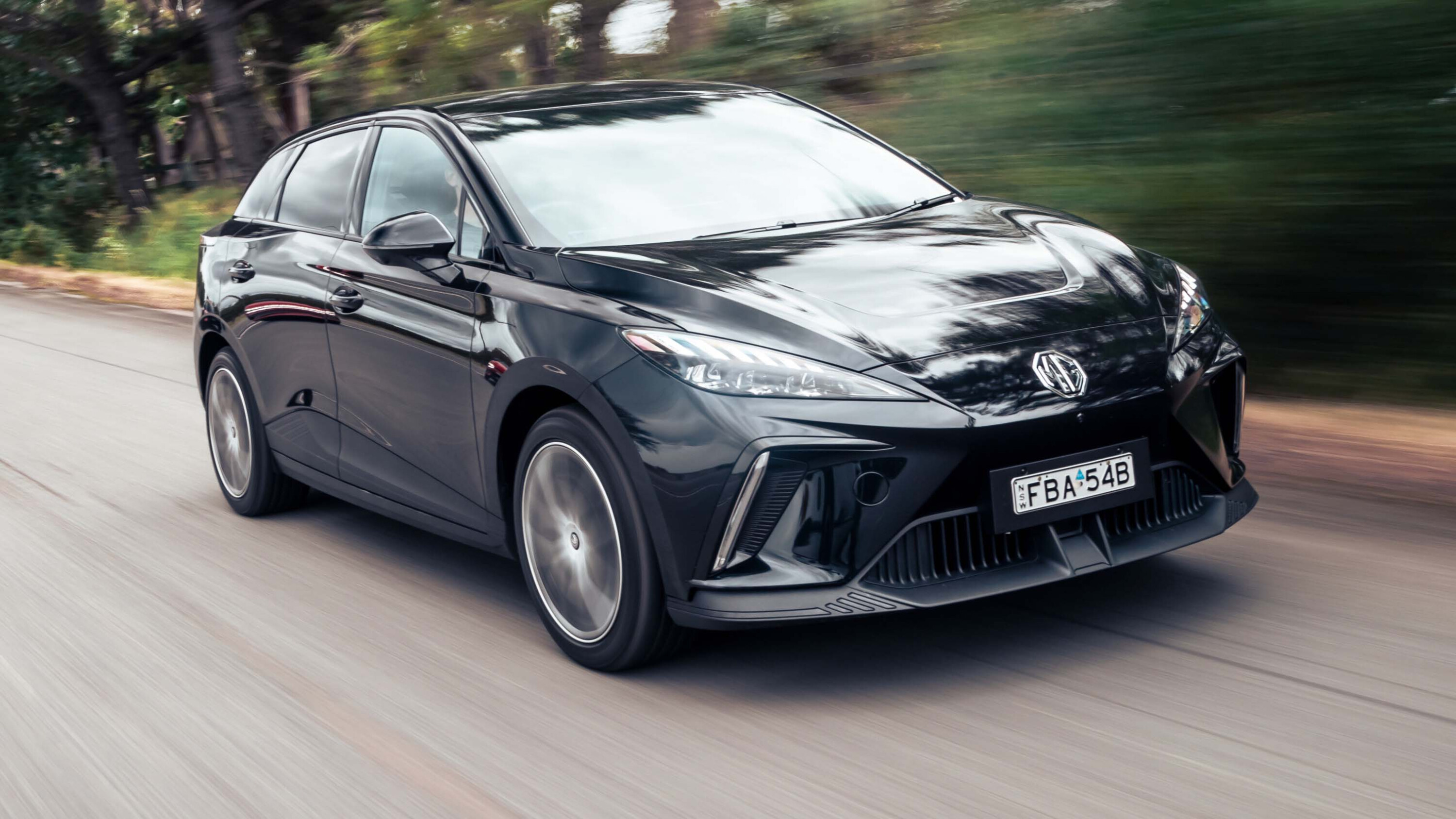
The MG4 is an excellent steer, too. Not quite as slick and consistent as a VW Golf or Cupra Born, MG’s rear-drive hatch is unique with a character all to its own.
You can feel the work of deeply talented engineers in the MG4’s chassis balance. It’s fun to punt, especially with the Excite’s 17-inch alloys and low-grip rubber. The natural throttle calibration, brake feel, and ability to adjust regeneration efficacy – including a one-pedal driving option – aren’t taken for granted.
1
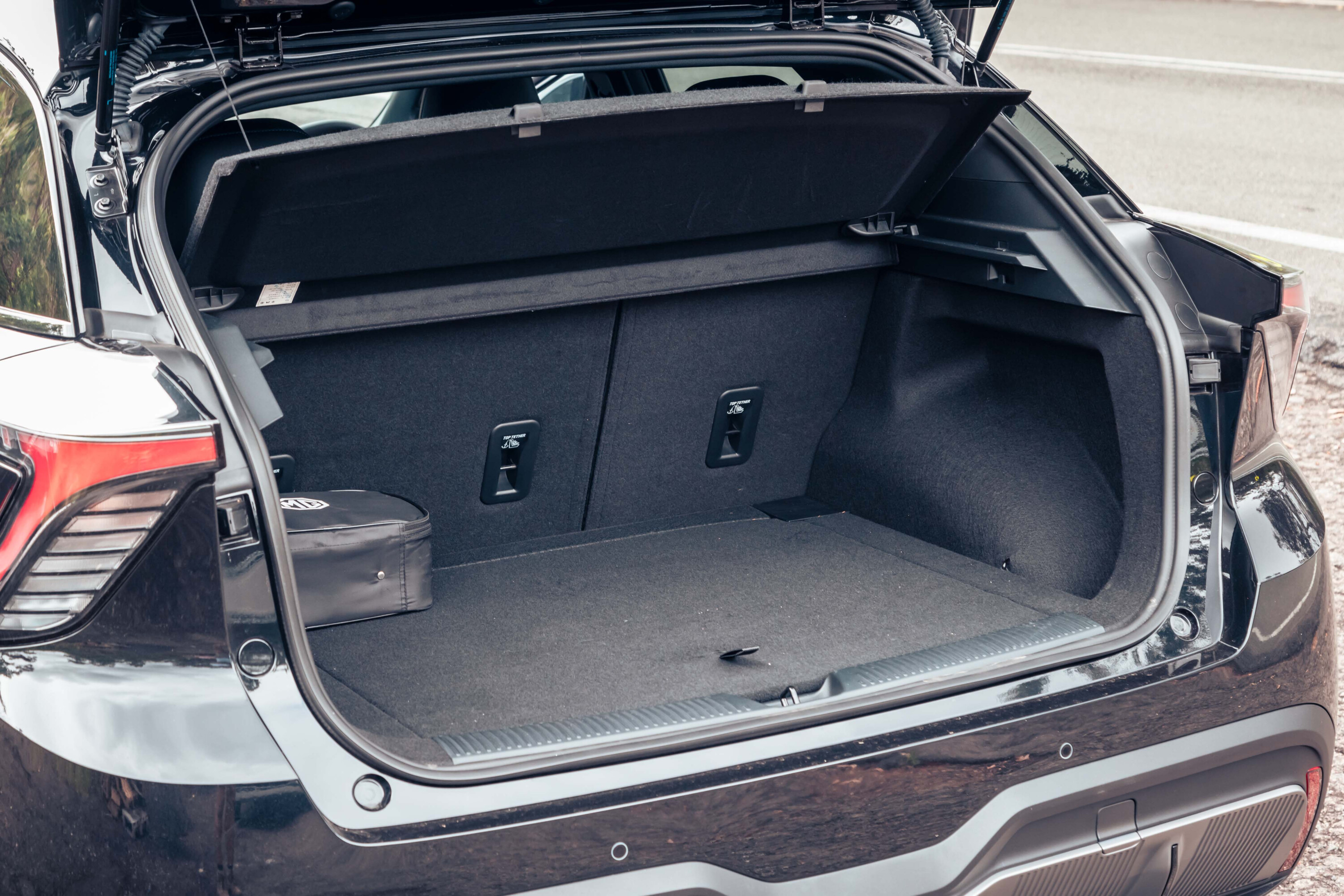
Inside, the MG4 is a genuinely spacious hatchback that could be used as family transport.
There may not be the whizz-bang electronics of BYD but it is comparable with a Golf and beyond the Mazda 3 or Toyota Corolla. Material quality is a shade below Mark 8 Golf standards, too.
Importantly, the MG4 annihilates its price-point rivals. The BYD Dolphin and GWM Ora don’t come close to the completeness of MG’s little hatch and we reckon it’ll be quite some time before European, Korean, or Japanese manufacturers even think about playing in the sub-$50K realm.
3
The Wheels team of testers has worked tirelessly to get to this point and preconceptions have been challenged.
It’s perhaps not a huge surprise the Kia EV6 made it to the top three, but with the raft of medium SUV launches, it could be taken as an upset. As for the MG4, its inclusion might come as a shock to someone who hadn’t spent time behind the wheel.
Both would make worthy winners, but there’s one key criterion that separates the top pair: which moves the game on? The EV6 already shifted EV expectations and rivals continue to fall short of its excellence. But the Kia doesn’t make electrification any more attainable. It’s not putting bums on seats in significantly greater numbers.
1
WINNER: MG4
Not only has MG constructed an engaging and rewarding hatchback that drives with the maturity of long-standing European nameplates, but also one that’s affordable to the masses.
It proves price parity with combustion cars is coming, and that’s enough to cement the MG4’s status as our best electric vehicle under $80,000.
⚡ 2024 Wheels Best EVs
Looking for an EV in a different size or price category? Visit our full Wheels Best EVs series at the links below.
? Wheels Best EVs
- Best Small Electric Car Under $40K
- Best Small Electric Car $40-50K
- Best Small Electric Car $50-60K
- Best Electric Small SUV
- Best Electric Midsize SUV
- Best Electric Midsize Sedan
? OVERALL WINNER: Best Electric Car Under $80K
COMING SOON
- Best Electric Large SUV
- Best Electric Small Luxury SUV
- Best Electric Midsize Luxury SUV
- Best Electric Luxury Sedan Under $100K
- Best Electric Luxury Sedan Over $100K
- Best Electric Performance Car
