
It’s become received wisdom that to achieve sales stardom in Australia in this day and age, you need a) a mid-size SUV and b) a ute… and if you don’t have either, you may as well not bother trying to sell cars here.
Hyundai has long been in the top 10-selling brands in the country, and that’s despite not offering a ute to local buyers. In North America, However, the company does in fact offer a ute: the Hyundai Santa Cruz.
Released in 2021, the Hyundai Santa Cruz uses the same unibody ‘N3’ platform as the Hyundai Tucson mid-size SUV – in fact, it shares a lot with its SUV sibling and in a lot of ways, feels like a Tucson ute. But unlike the Kia Tasman that Hyundai HQ may base its eventual ute for Australia on, the Santa Cruz competes with the Ford Maverick in the compact utility segment in North America.
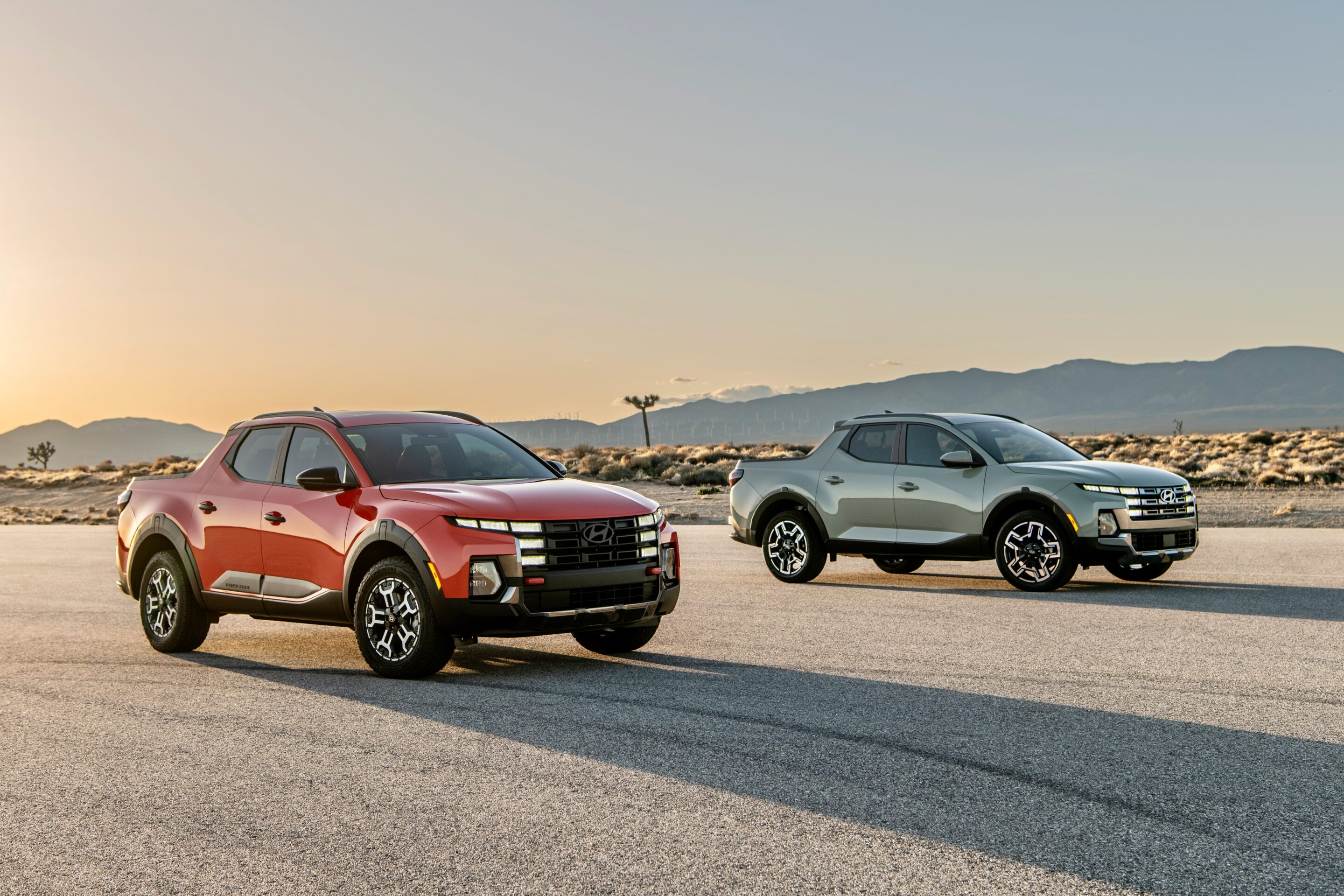
Because the Santa Cruz features independent rear suspension and not leaf springs like most other utes, it’s not a hardcore product built to tow 3500kg – instead, it’s more of a lifestyle vehicle for those who want SUV-like features combined with lighter duty ute capability.
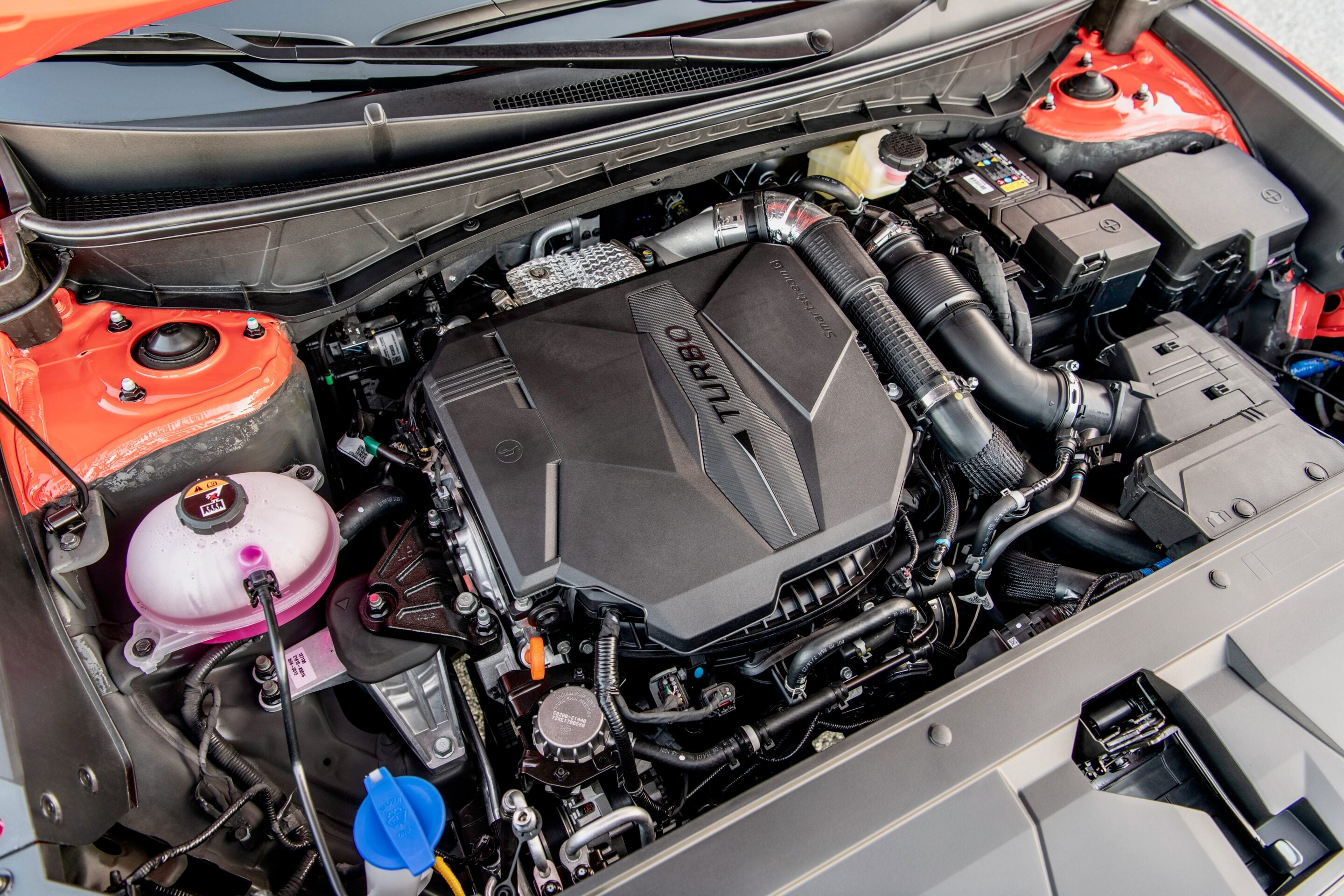
In North America, two petrol powertrains are offered: a naturally aspirated 142kW/245Nm 2.5-litre four-cylinder engine, or that engine but with a turbocharger added making 210kW/422Nm. Both use an eight-speed automatic transmission with either front- or all-wheel drive. Unlike its Ford Maverick arch rival, no hybrid drivetrain is yet available for the Santa Cruz.
Pricing for the Santa Cruz lineup in the USA starts at US$29,500 (A$45,300 based on current exchange rates) for the entry-level SE and rises to around US$43,500 for the top-spec Limited, with the off-roader XRT Pro priced from US$41,100.
Standard equipment across the Hyundai Santa Cruz range in the USA includes 18-inch wheels, a 12.3-inch touchscreen with wireless connectivity, automatic LED exterior lighting, self-levelling rear suspension, remote start and a full suite of active safety features such as eight airbags, auto emergency braking and blind-spot monitoring. Move to the top-spec Limited and you earn a Bose sound system, dual-zone climate control, leather upholstery, roof rails, a sunroof and a 360-degree camera.
No manufacturer yet sells a smaller ute in Australia, which we think is surprising given how well the Holden Commodore and Ford Falcon utes used to sell. The Santa Cruz will likely never be offered locally as it’s not produced in right-hand drive, it’s only produced in the USA and because Hyundai Australia’s ute shapes as a completely different product likely produced in South Korea.
Considering how large the appetite for dual-cabs in Australia is, and the need to sell more efficient ones for NVES compatibility, we think there’s more than enough of a market to justify its existence so hopefully we’ll receive the next generation Hyundai Santa Cruz. What do you reckon, Hyundai?
If you’re after a Porsche 911 resto-mod but want one with a more Antipodean flavour, then despite what the name suggests, the Wiedergeboren could be for you.
German for ‘reborn’, the Wiedergeboren is the brainchild of Canberran lawyer Jason Wenning, who found his 991 Carrera S too anaesthetised but had no guarantee he could get a Singer 911 locally so decided to forge his own path.
Limited to just 10 examples, Wiedergeborens can be built from any air-cooled 911, though unlike the 964-based Singers, classic 911s from 1974-89 are preferred for conversion.

At a price of A$1.15m plus GST and donor vehicle, everything is completely customisable with customers having the chance to collaborate with Jason on colours, materials and even the car’s mechanical makeup.
Wiedergeboren #1 picture here started life as a Hong Kong-delivered 1979 911 SC before becoming a Queensland race car, at which point it was purchased by Jason and the transformation began.
It now features an enlarged 3.8-litre naturally aspirated flat-six from a 964 with Motec fuel injection and a complete internal overhaul, matched to a strengthened five-speed manual with custom gearing and a limited-slip differential.

Upgraded torsion bars and custom-valved Koni shocks handle the suspension, controlling custom 18-inch wheels wrapped in Michelin Pilot Sport Cup 2 tyres, while modern braking performance is provided by Boxster-based calipers and 911 discs.
The exterior bodywork and interior are both handcrafted with the classic 911 driving replaced with improved ergonomics and modern electric heating and cooling is managed by a hand-built lightweight wiring loom.
Melbourne-based Young Timers Garage has been chosen as the global retail partner for the Wiedergeboren program.

Hoping to start a new revolution in cheap electric transport, the Renault Twingo E-Tech has been revealed with a starting price of just €20,000 (A$35,600) in Europe.
Using a 27.5kWh battery for a claimed 263km of WLTP range and a 60kW electric motor, the Twingo E-Tech is a small EV that Renault says is perfect for the city. It’s as yet unconfirmed for the Australian market.
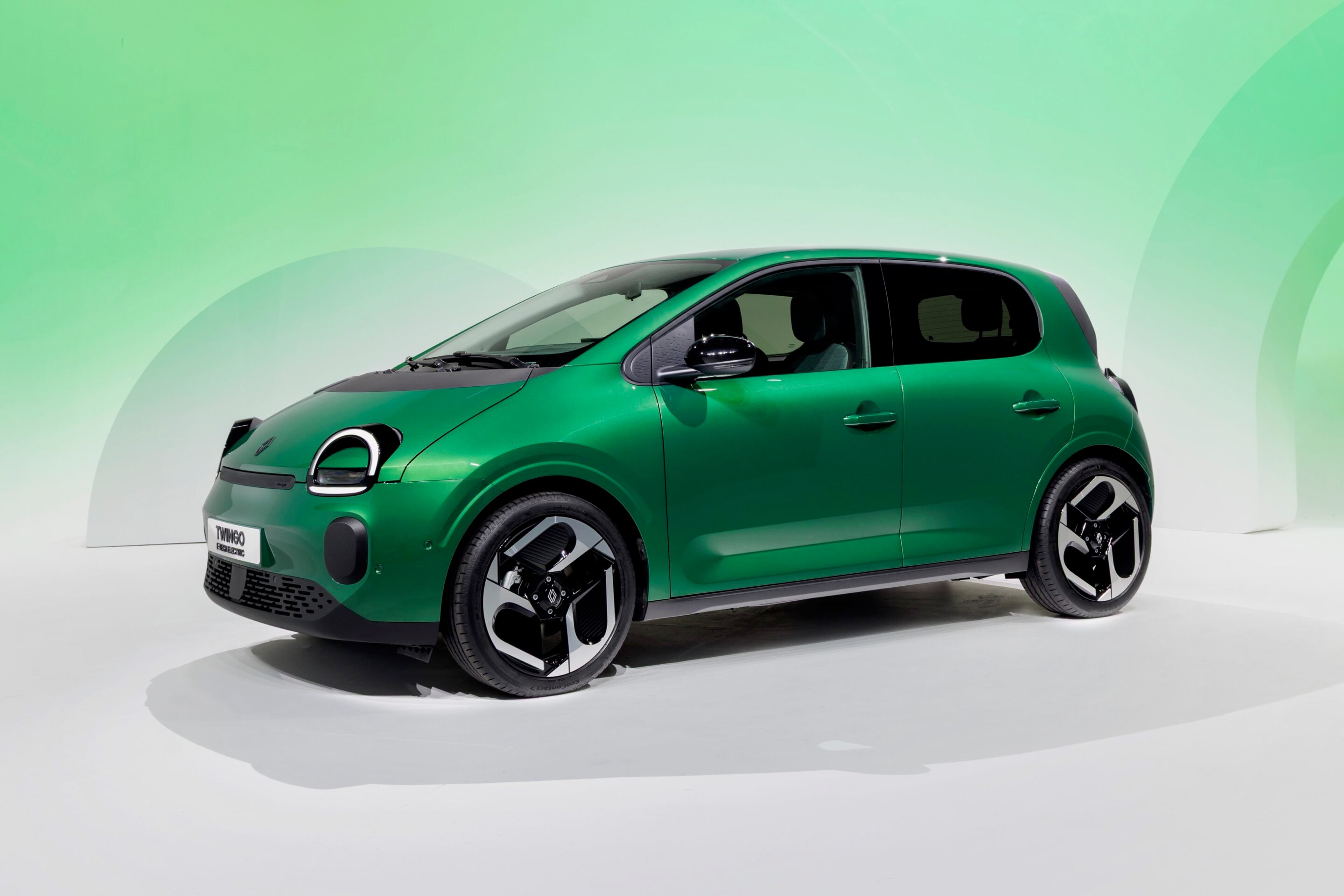
Closely resembling the original 1992 Twingo – which was never sold in Australia – the Renault Twingo E-Tech is cute and characterful to look at with its circular lighting units, wheels up to 18-inches in size and tiny overhangs. It uses the same ‘AmpR Small’ platform as the larger Renault 5 hatchback, though it’s lighter and more compact.
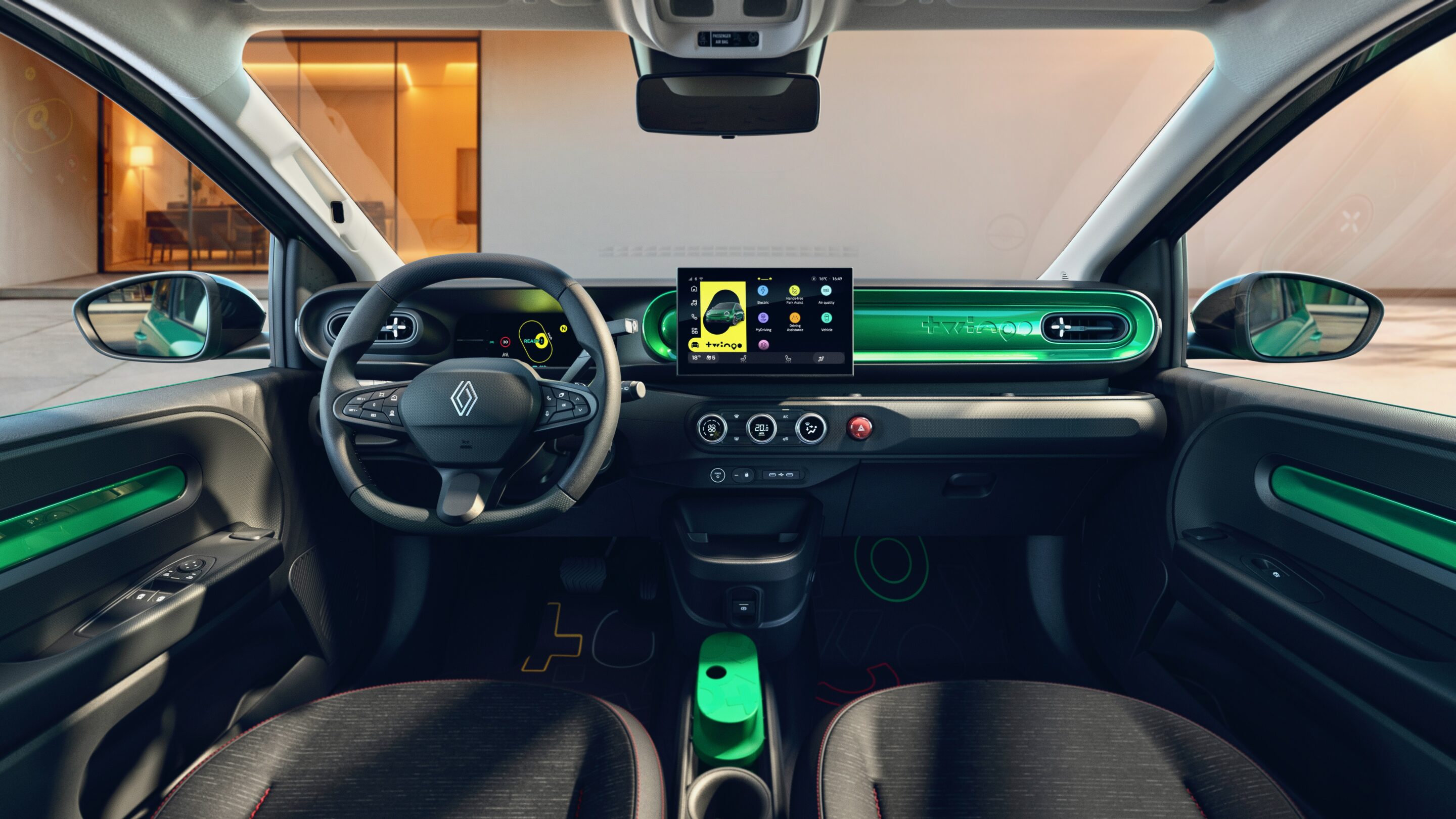
On the inside, the Twingo E-Tech features unique design elements such as the customisable lipstick gear selector, Twingo logo in the dashboard fascia and lashings of colour dotted around the cabin. A 10-inch touchscreen sits in the dashboard with inbuilt Google tech on top-spec models, while a 7.0-inch digital display sits in front of the driver.
Measuring just 3790mm long, 1720mm wide, 1491mm tall and riding on a long 2493mm long wheelbase, the Twingo E-Tech is only 195mm longer than a Kia Picanto, but its packaging is a highlight. The rear seat slides fore and aft by 170mm for extra bootspace or rear passenger legroom, and the boot can be as small as 205 litres or as large as 360 litres, which opens up to 1000 litres with the seats folded. There is also extra storage underneath the boot floor, and the front passenger seat folds flat to help fit longer items.
In a first for Renault, the Twingo E-Tech uses a lithium-iron-phosphate chemistry battery, which is less expensive to produce than the more common nickel-manganese-cobalt chemistry. The Twingo E-Tech’s battery is sourced from Chinese manufacturer CATL and totals 27.5kWh in capacity, which is enough to give the car 262km of range (WLTP). It can be AC charged up to 11kW or DC fast charged up to 50kW, with a claimed 10-80 per cent charge time of around 30 minutes.
The Twingo E-Tech puts energy to the road through a front-mounted electric motor making 60kW of power and 175Nm of torque, which is enough to send the 1200kg Twingo E-Tech to 60km/h in a quick 3.75 seconds, and on to 100km/h in 12.1 seconds.
Renault’s local arm has previously said that it will launch eight new or updated models in 2026. The Twingo E-Tech could be one of those eight.
Are you thinking about buying a new car? Firstly, congratulations! But secondly, there’s a lot to consider, including which car to buy, where to buy it, how much do you want to spend and where will you source the money to pay for it?
For many, getting a great deal is paramount to the new car buying experience. It needs to make sense for you as the buyer and may even change the car you end up buying. So when exactly is the best time to buy a new car in Australia?
End of the month
I worked in stock control and registrations in car dealerships for over five years and from experience can tell you that the end of month is the best time to buy a new car because dealerships are looking to boost numbers any way they can. The most common way is by registering new vehicle demonstrators, but if you time it correctly, a potential discount can be enhanced with a bonus from the manufacturer seeking to move more units. The best part? End of month happens 12 times per year, giving buyers plenty of chances to buy.

End of the financial year
The advice about end-of-month purchases also works again for the end of the financial year – and on a potentially larger scale, courtesy of a few factors. Firstly, business buyers are more keen to purchase during this period to claim the outlay on their tax. Secondly, manufacturers are even keener to grow numbers and boost their financial year sales results through discounts at dealer level, or bonuses such as cash back deals, servicing or accessories available on certain models. Because of that, historically, sales numbers often spike during this period.
End of the calendar year
The end of the year is a great period to buy a new car because the period between Christmas and New Years is typically quiet, so dealerships are keener for your business. It’s also advantage to the buyer because come next month, the dealership will be stuck with last year’s models and will want to get rid of them.
The new year
As above, last year’s models will still be on dealer lots, in storage or still in transit from the factory, giving extra motivation for dealerships to sell old stock to clear the way for new model year cars. Therefore, a plate clearance sale can be a great way for you to find a great deal on a new car.
Old model at new model release time
For new car buyers who don’t mind owning last year’s model, potential discounts are on offer when new models are arriving and dealerships price-cut older cars to get rid of them, leaving both parties satisfied. The success of this tactic, however, can depend on the car maker and model involved.
Extra tip: Buy a demo
In my experience, many car dealers register hundreds of new vehicle demonstrators per year just to boost their sales numbers, and that means that there are plenty in stock already registered and their warranties activated.
Therefore, demos are a great way to buy a discounted new model car – sure, they may have been previously driven, you may end up with a different model or colour than the one you were hoping for, and you might get less registration, but the potential discount you get on one could be well worth it.
Extra, extra tip: don’t go to the dealership on the weekend
From my time in dealerships, I’ve learned that Monday to Wednesdays are the best days to buy a new car because they’re typically very quiet after the weekend rush, or even on Thursdays or Fridays when they’re trying to meet targets without relying on the weekend. The weekend is typically the busiest time to buy, salespeople are harried and distracted, and may not give you their full attention.
With direct manufacturer-to-consumer online sales (Tesla) and agency models (Honda) now in place, plus a plethora of new brands that you’ve likely never heard of, the Australian new car market has changed massively over the past decade.
But despite the expansion of choice, there are plenty of good deals to be found when buying a new car. Above all else, make sure you do as much research as possible: about the models you’re interested in, finance, insurance, aftersales, running costs and where your closest dealership is. Knowing when to buy the car and get the best deal for you is a skill as well, but there are good deals to be had, especially at the above times. Good luck!
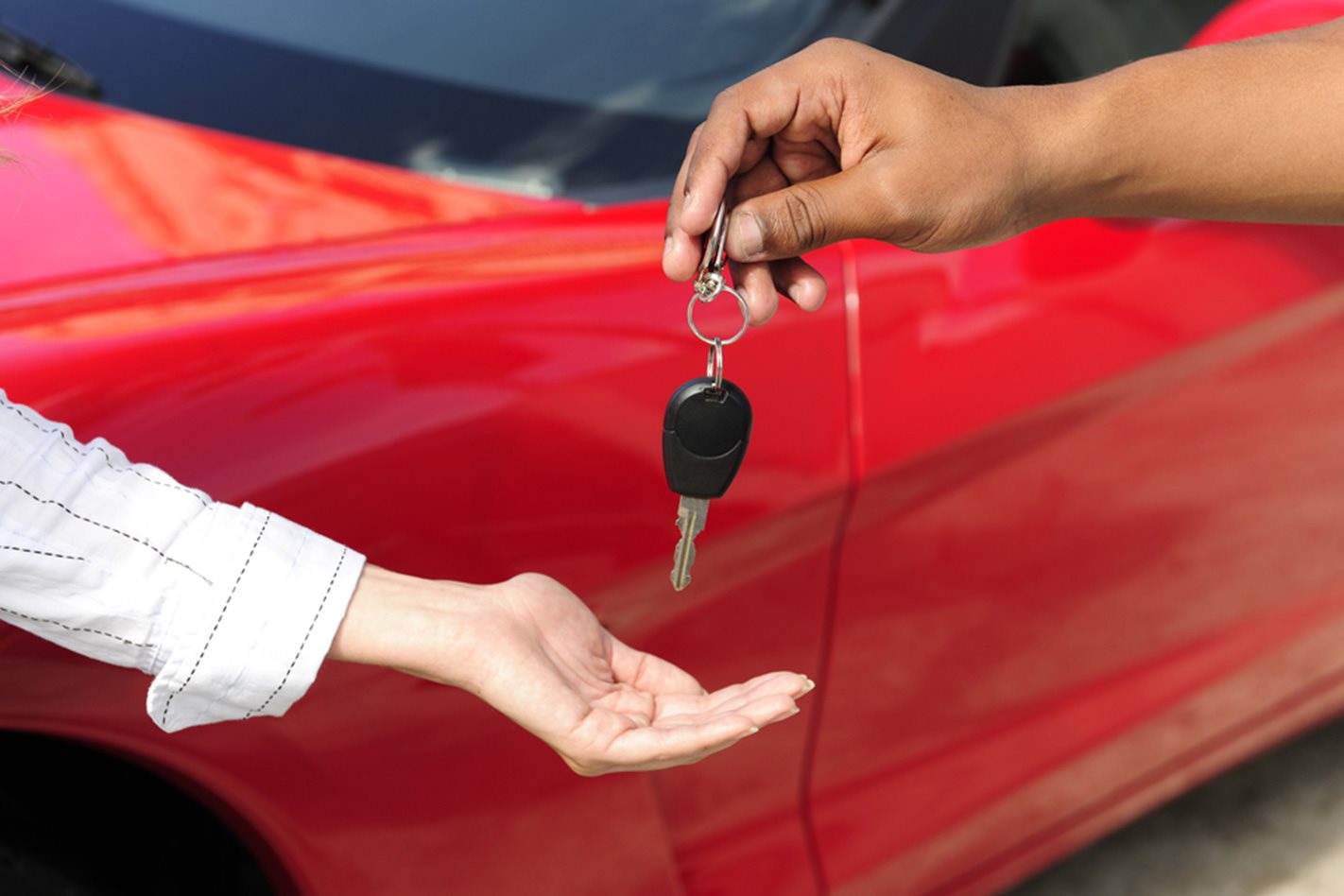
Ford Australia has announced big powertrain changes to future variants of the Ranger ute as well as its Everest seven-seat SUV sibling. The popular 2.0-litre bi-turbo diesel engine in many variants of both ranges will be shelved as the 3.0-litre V6 turbo-diesel becomes more widespread in both model line-ups. The 2.0-litre single-turbo diesel in the Ford Ranger will also be upgraded and will use the same 10-speed automatic transmission as other engines in the range.
According to Ford, the Ranger’s 2.0-litre turbo-diesel engine has been upgraded with a new fuel injection system and timing chain for improved durability and performance, giving customers a capable and affordable powertrain option.
Ford is yet to reveal more details such as performance and fuel consumption figures, nor which models will receive which powertrains, confirming that information will come in a future announcement.
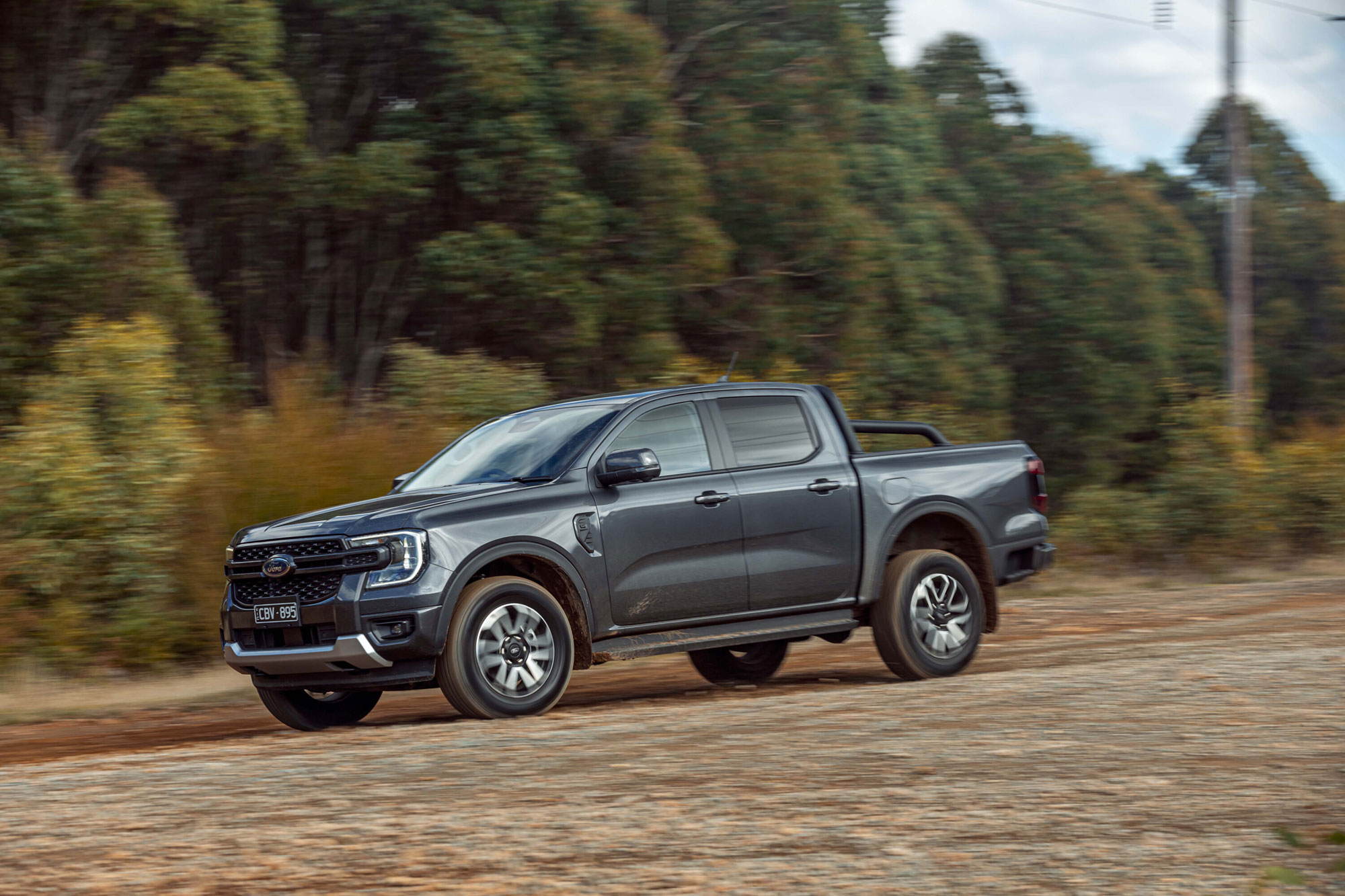
The single turbo engine currently makes 125kW/405Nm, with the bi-turbo making 154kW/500Nm and the V6, 184kW/600Nm.
Currently, the 2.0-litre single-turbo diesel is only available in the entry-level Ranger XL, with the bi-turbo motor offered in the XL, XLS, XLT, Sport and Wildtrak, and the V6 in XLT, Sport, Wildtrak and Platinum models.
In the Everest, the 2.0-litre bi-turbo is offered in the Ambiente and Trend, with the V6 exclusive to the Sport, Tremor, Wildtrak and Platinum. The single turbo 2.0-litre engine could be made available in the Everest for the first time.
“By focusing on the newly updated 2.0-litre turbo diesel and expanding the availability of our popular 3.0-litre V6, we’re giving customers more access to the power, torque, and refinement they love, whether they’re on the job site or heading out for a weekend adventure,” said Ambrose Henderson, Director of Marketing, Ford Australia.
There have been no changes to the 2.3-litre plug-in hybrid drivetrain, nor the 3.0-litre V6 turbo-petrol in the Ranger Raptor. More details will be announced closer to the updated engines launching in Australia.
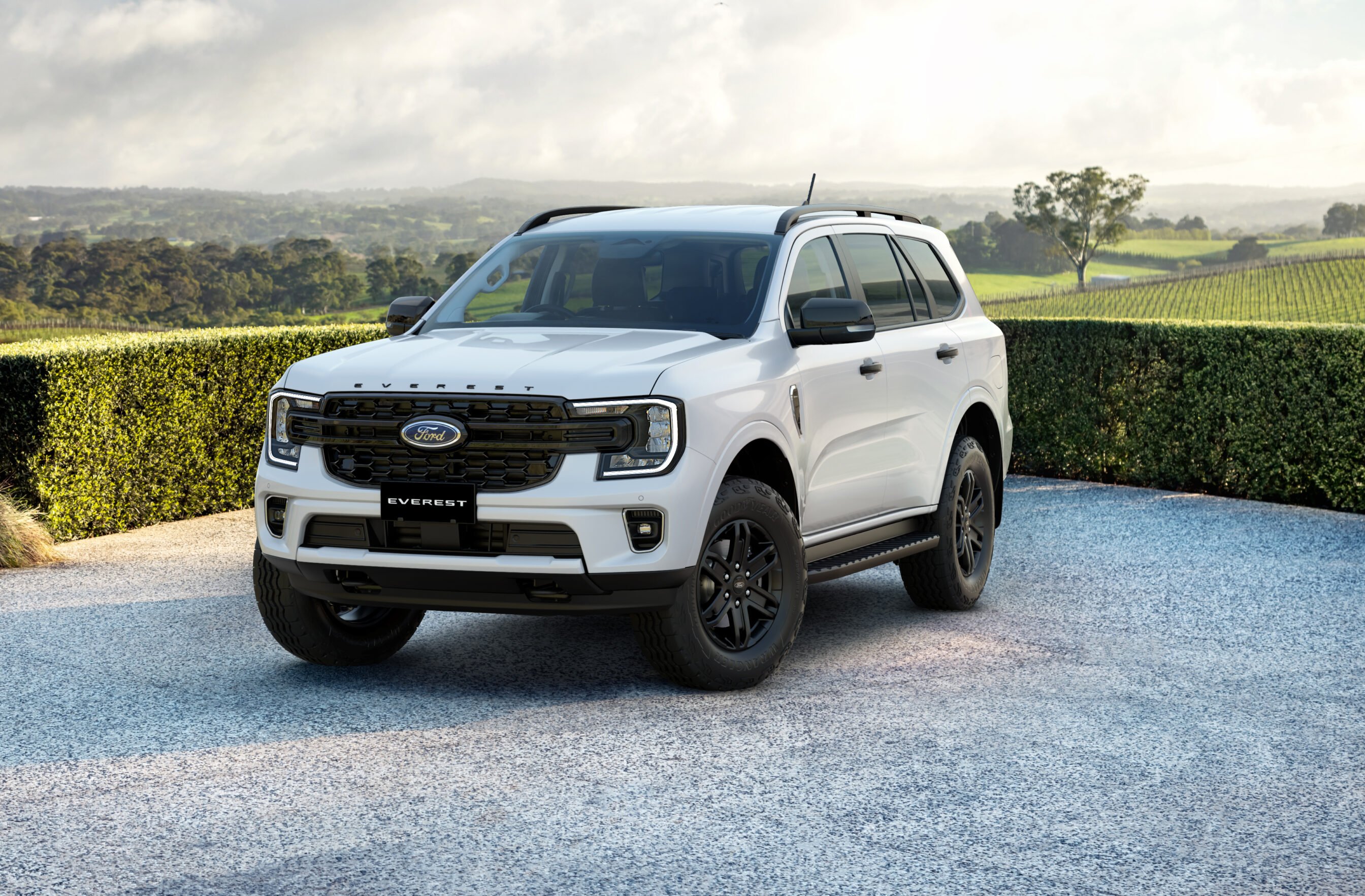
Despite economic uncertainty and impending emissions rules, dual-cab ute sales continue to increase in Australia. Year-to-date to the end of October 2025, 198,968 have been sold (combining both 4×2 and 4×4 categories), marking a 3.12 per cent increase on the same time as 2024.
If the same momentum continues, around 237,000 utes will be sold this calendar year in Australia. So which brands are currently finding most resonance with Aussies?
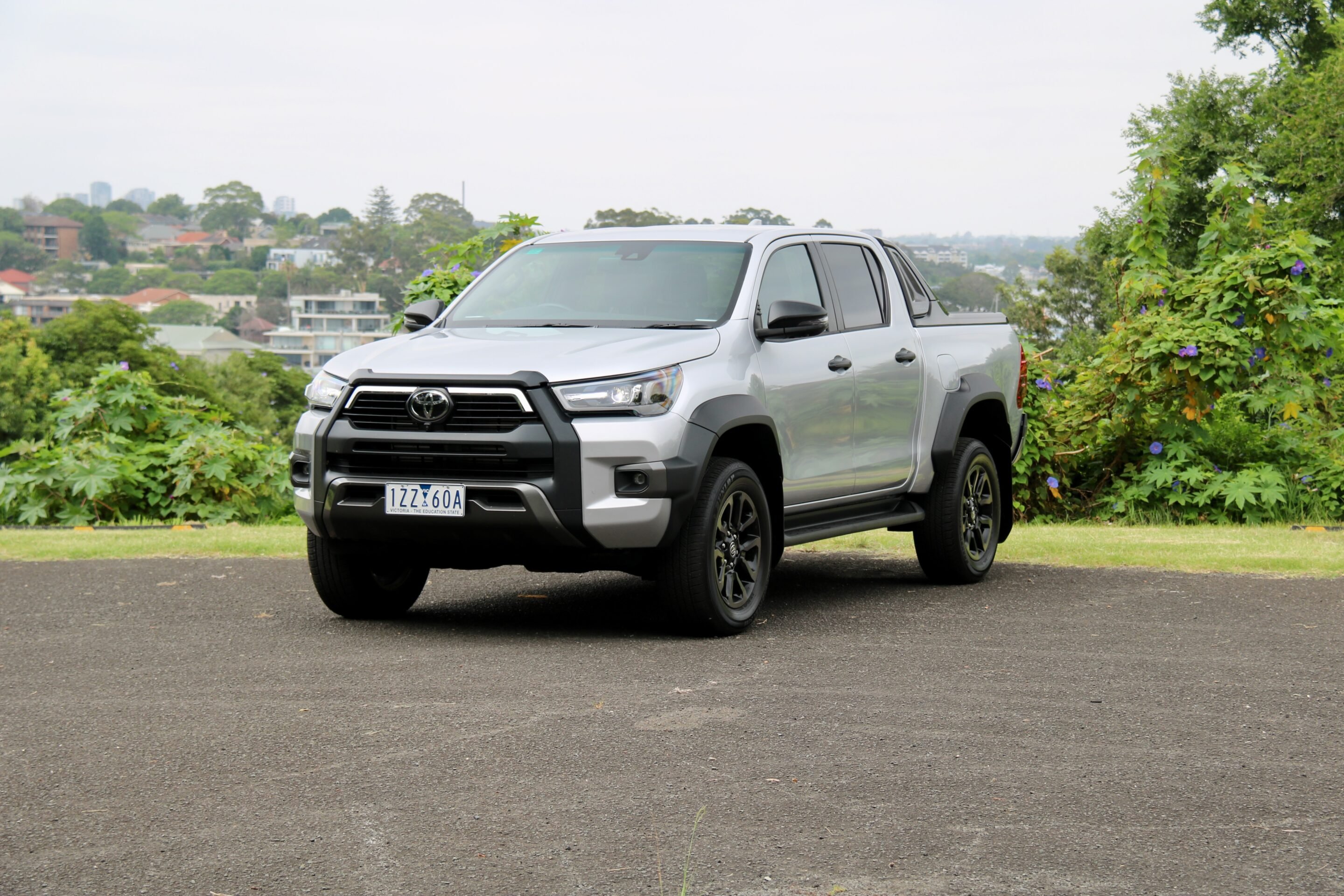
Toyota HiLux: 4444 units in October (45,257 YTD)
- Price: From $27,730 to $74,310 plus on-road costs
- Drivetrains: 2.4L and 2.8L turbo-diesels, 2.7L petrol
- Transmissions: 5/6-speed manual or 6-speed automatic
- Braked towing capacity: 2500-3500kg
Although release of the new model 2026 HiLux is imminent, there’s still plenty of appeal to the current-generation Toyota HiLux and its sales figures prove that. Toyota’s best-seller in Australia, the HiLux is available with both petrol and turbo-diesel power, depending on the variant, and there is a wide range of models from the entry WorkMate to the top-spec GR Sport.
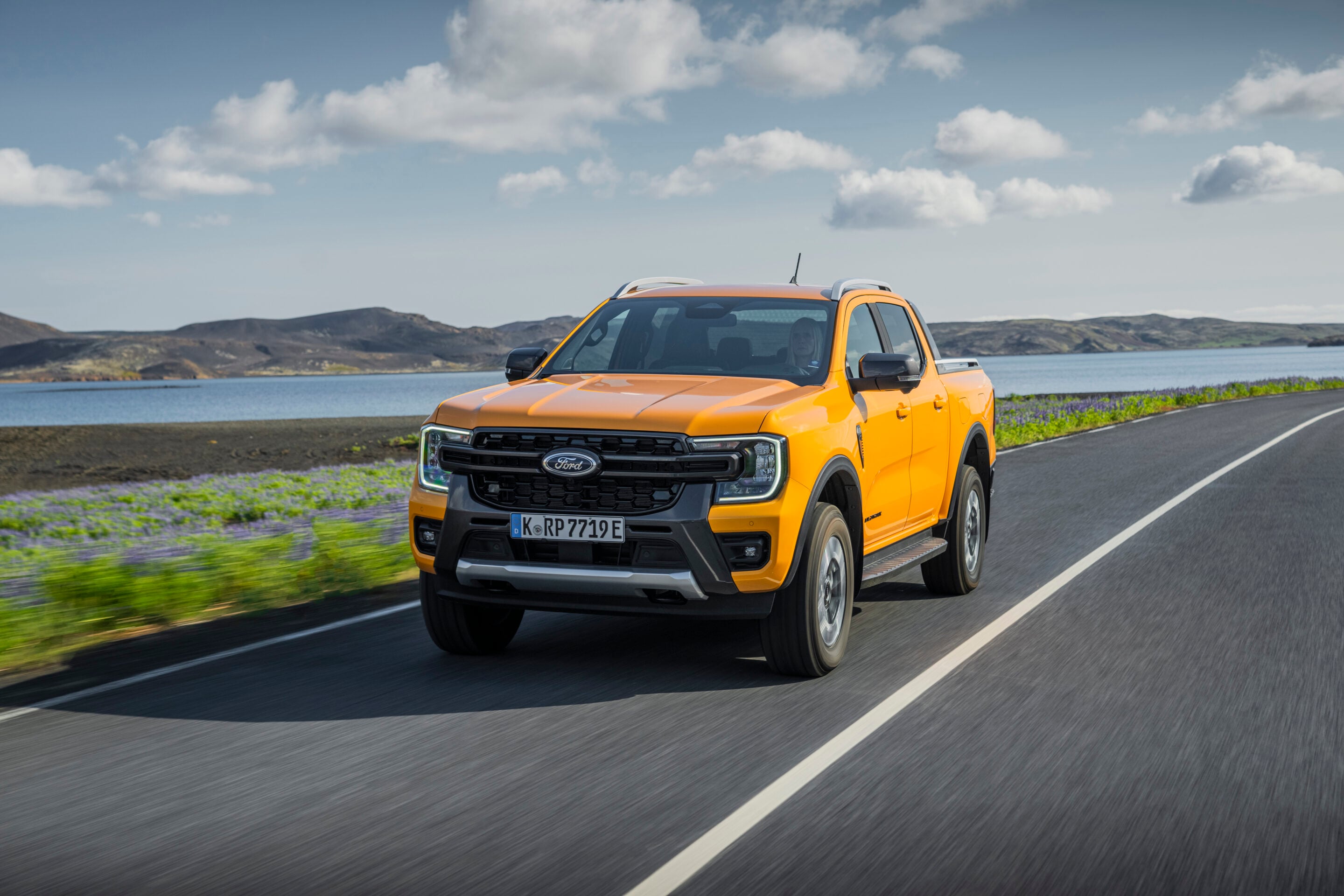
Ford Ranger: 4402 units in October (46,452 YTD)
- Price: From $37,130 to $90,960 plus on-road costs
- Drivetrains: 2.0L, 2.0L bi-turbo and 3.0L turbo-diesels, 2.3L turbo-petrol plug-in hybrid, 3.0L turbo-petrol
- Transmissions: 6 or 10-speed automatic
- Braked towing capacity: 3500kg
Although its HiLux arch-rival was the best-selling ute in October 2025, and sells more 4×2 variants too, the Ford Ranger has been the top-selling vehicle in Australia since 2023. So far in 2025, 46,452 units of the Ranger have been sold, outselling the HiLux by 1195 units. The locally-developed Ranger offers a wide variety of models and drivetrains, including the plug-in hybrid models and the high-performance Raptor with its 292kW 3.0-litre turbo-petrol V6.
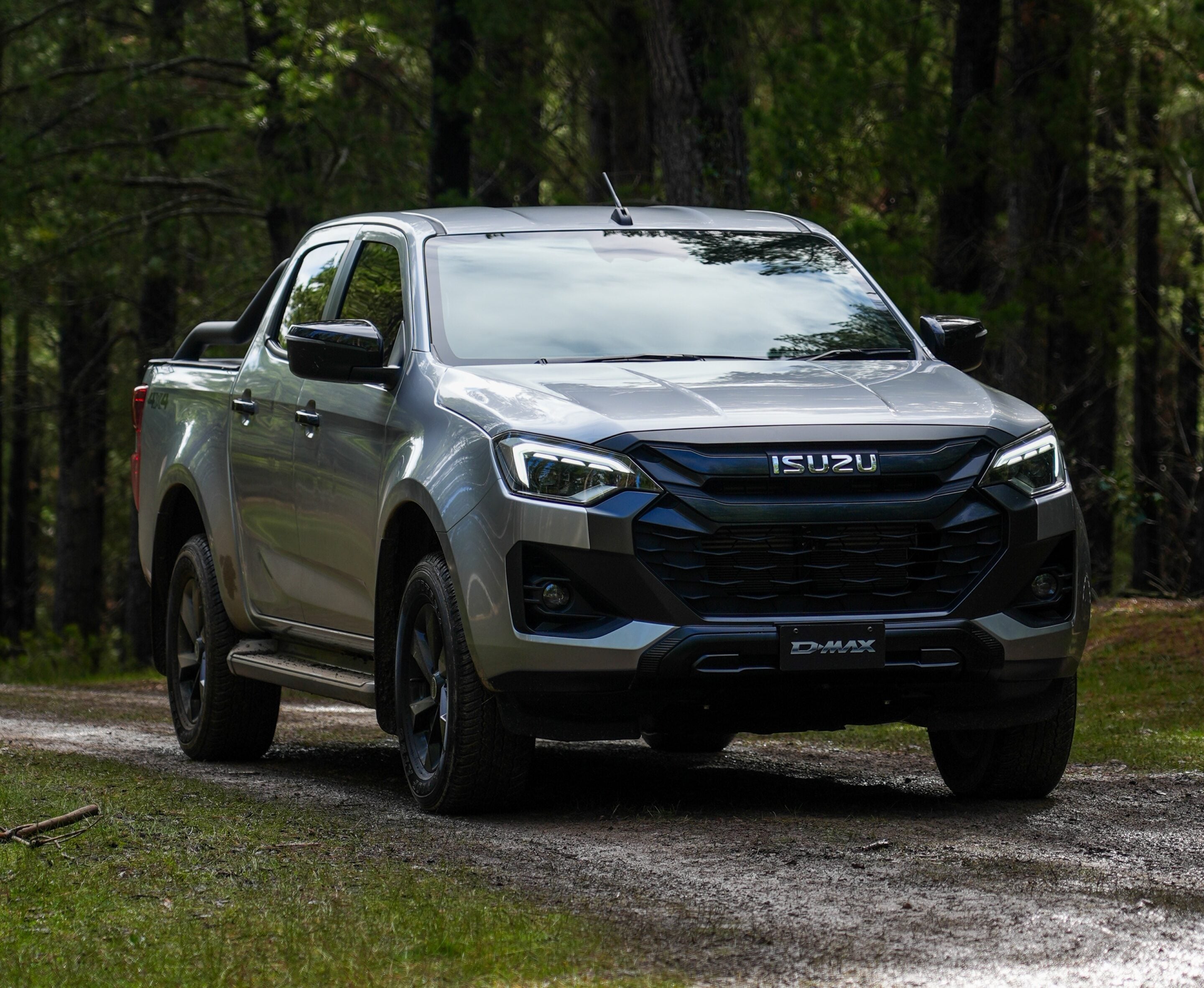
Isuzu D-Max: 1896 units in October (22,615 YTD)
- Price: From $36,200 to $80,900 plus on-road costs
- Drivetrains: 2.2L and 3.0L turbo-diesels
- Transmissions: 6 or 8-speed automatic
- Braked towing capacity: 3500kg
Among fans of the brand, if you want a ute for Aussie conditions, the Isuzu D-Max is the one to buy thanks to its reliability and good value for money. Offering single-, king- and dual-cab bodystyles, the D-Max is available with the legendary ‘4JJ3-TCX’ 3.0-litre turbo-diesel, though a new 2.2-litre turbo-diesel engine recently joined the range with improved drivability and fuel consumption.
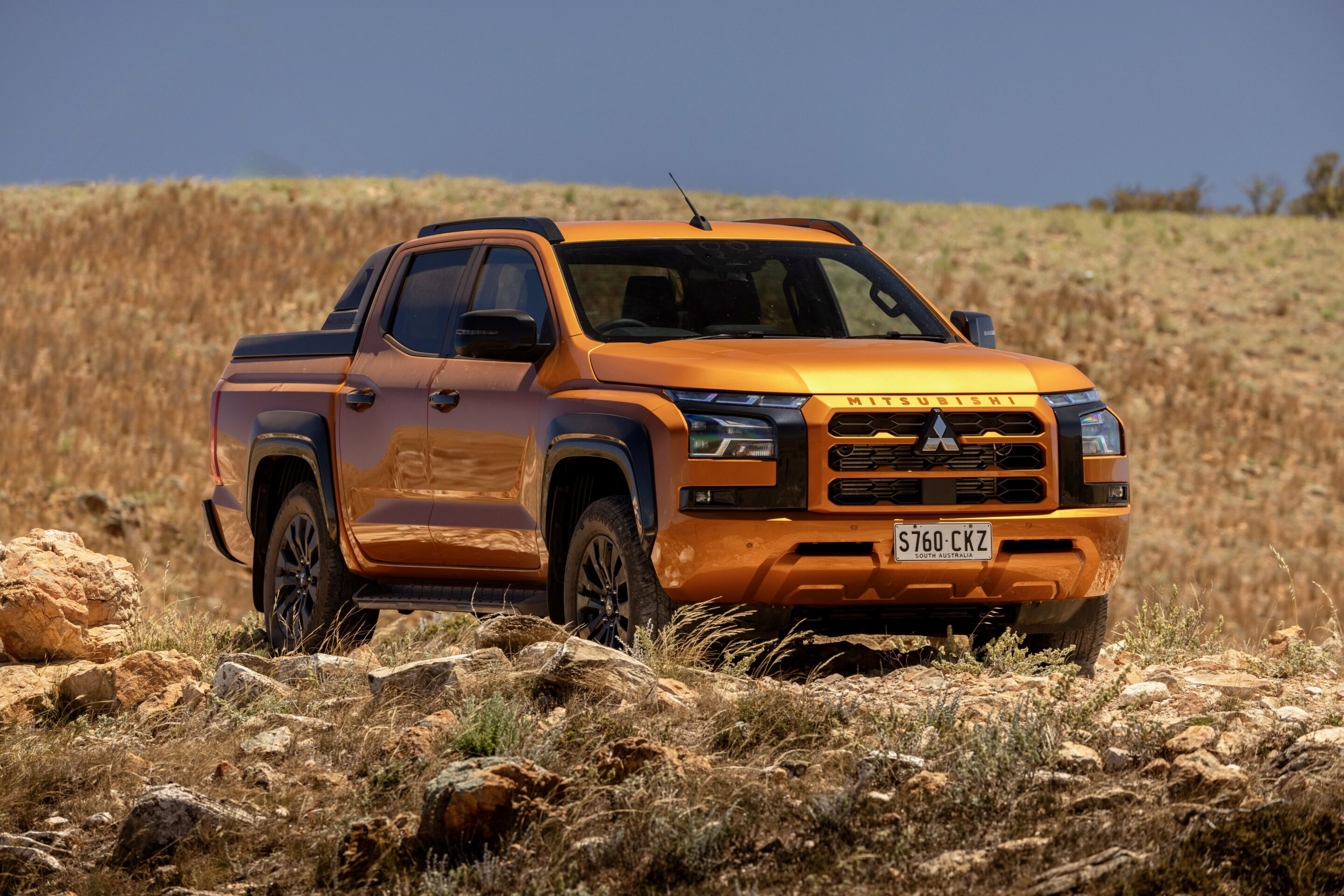
Mitsubishi Triton: 1770 units in October (15,795 YTD)
- Price: From $34,740 to $64,590 plus on-road costs
- Drivetrains: 2.4L twin-turbo diesel
- Transmissions: 6-speed manual/automatic
- Braked towing capacity: 3500kg
It doesn’t sell quite as well as it used to, but the Mitsubishi Triton is gaining momentum in the market after sharp deals were offered to buyers. Priced from $34,740 +ORC for the entry-level GLX single-cab to the top-spec GSR, the Triton range is well equipped and every model is fitted with a gutsy 150kW 2.4-litre twin-turbo diesel engine.
Mazda BT-50: 1207 units in October (12,410 YTD)
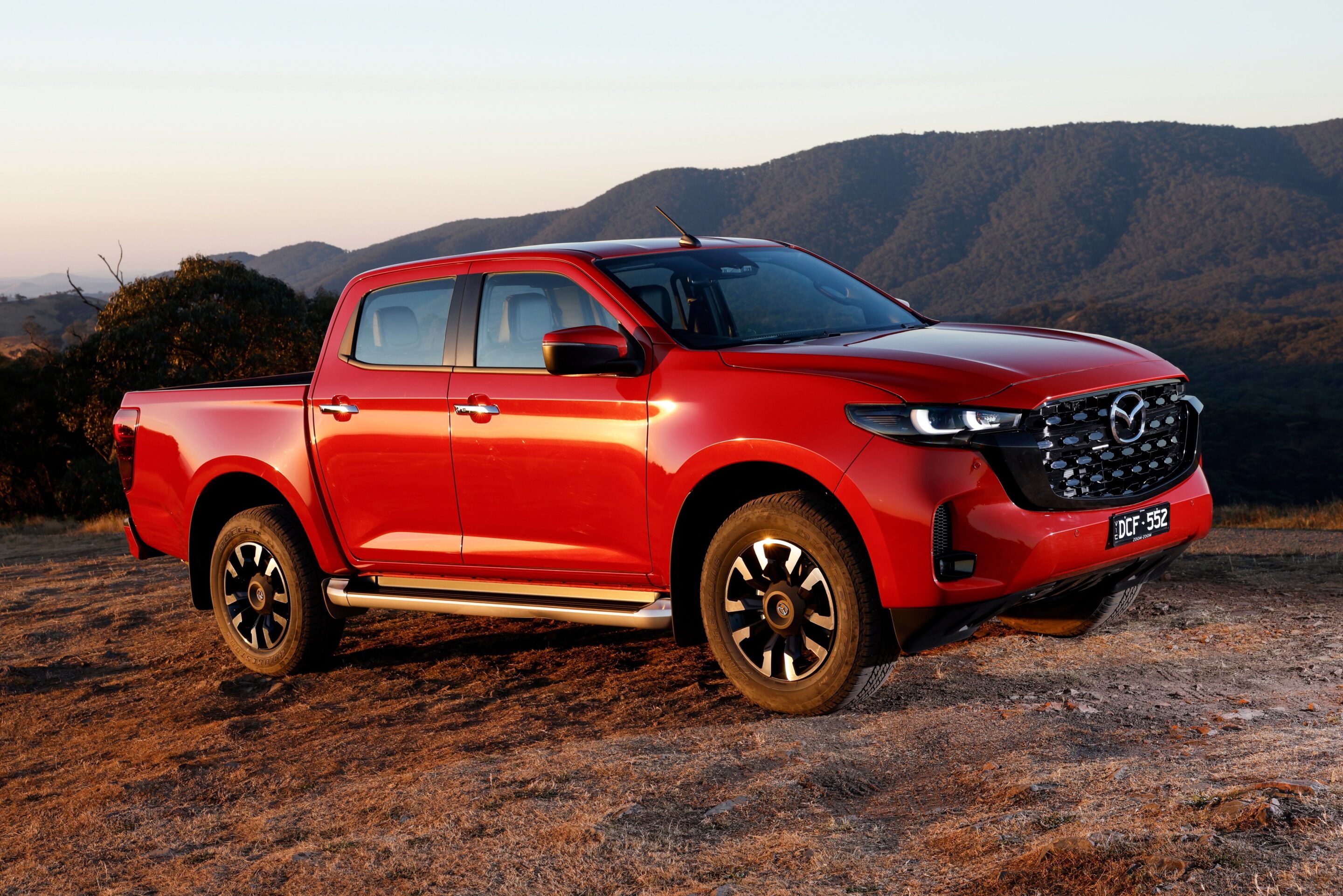
- Price: From $37,900 to $71,950 plus on-road costs
- Drivetrains: 2.2L and 3.0L turbo-diesels
- Transmissions: 6 or 8-speed automatic
- Braked towing capacity: 3500kg
While the previous BT-50 used the Ford Ranger as its base, the current shape – which was recently given a facelift – is a twin to the Isuzu D-Max and offers the same 2.2-litre and 3.0-litre turbo-diesel engines. The BT-50 differs from the D-Max with a unique front, rear styling and interior trim pieces, but they both drive well and are excellent tow vehicles.
BYD Shark 6: 1070 units in October (15,181 YTD)
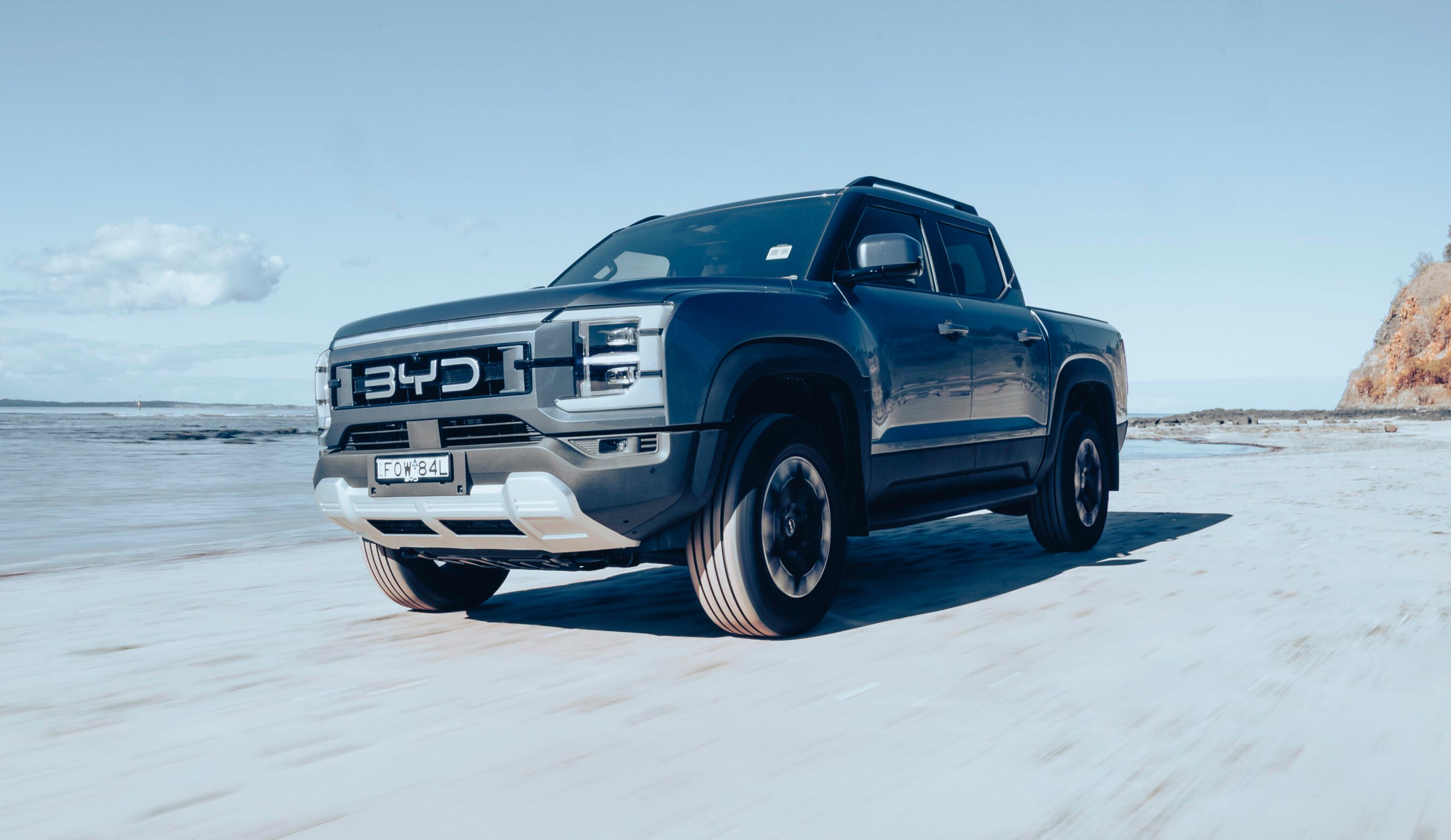
- Price: From $57,900 plus on-road costs
- Drivetrains: 1.5L turbo-petrol plug-in hybrid
- Transmission: 1-speed automatic
- Braked towing capacity: 2500kg
The BYD Shark 6 has taken the ute market by storm. Just over 12 months after it went on sale, the Shark 6 is already in the top 10 ute sales in 2025. Priced from $57,900 plus on-road costs, the Shark 6 isn’t the cheapest ute, but it is excellent value and features a powerful 321kW/650Nm 1.5-litre turbo-petrol plug-in hybrid drivetrain with a WLTP range of 80km.
Toyota LandCruiser Pick-Up/Cab Chassis: 952 units in October (8978 YTD)
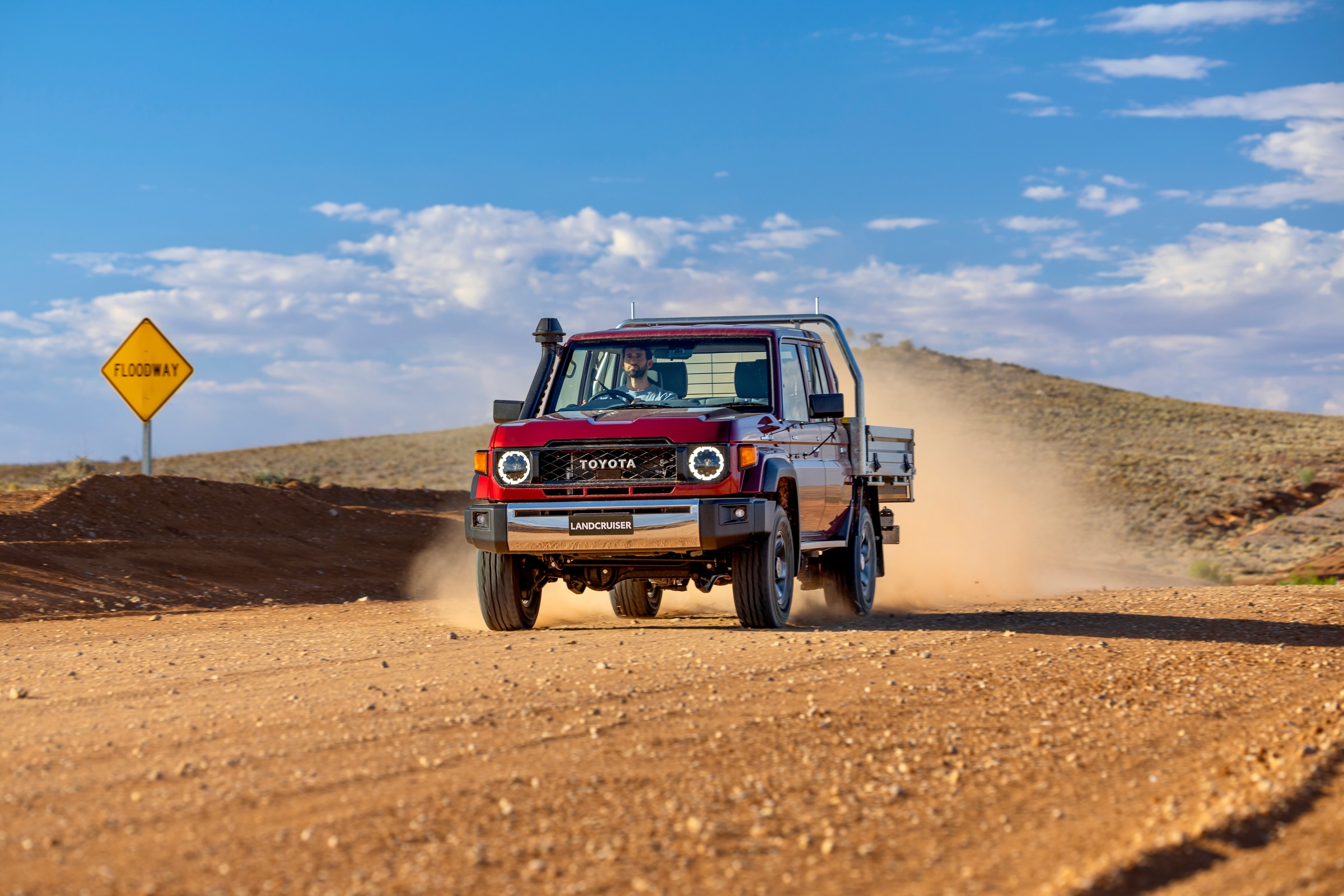
- Price: From $75,600 to $83,500 plus on-road costs
- Drivetrains: 2.8L turbo-diesel
- Transmissions: 5-speed manual or 6-speed automatic
- Braked towing capacity: 3500kg
Even though the legendary V8 diesel is no longer available to order, and sales are down by 13.3 per cent so far this year, the LandCruiser 70 Series is still selling quite well in Australia with 8978 sales to the end of October 2025. The 150kW 2.8-litre four-cylinder turbo-diesel from the HiLux is the only drivetrain now available, but it’s still quite capable with a 3500kg braked towing capacity and is available with an automatic transmission for the first time.
GWM Cannon: 761 units in October (6163 YTD)
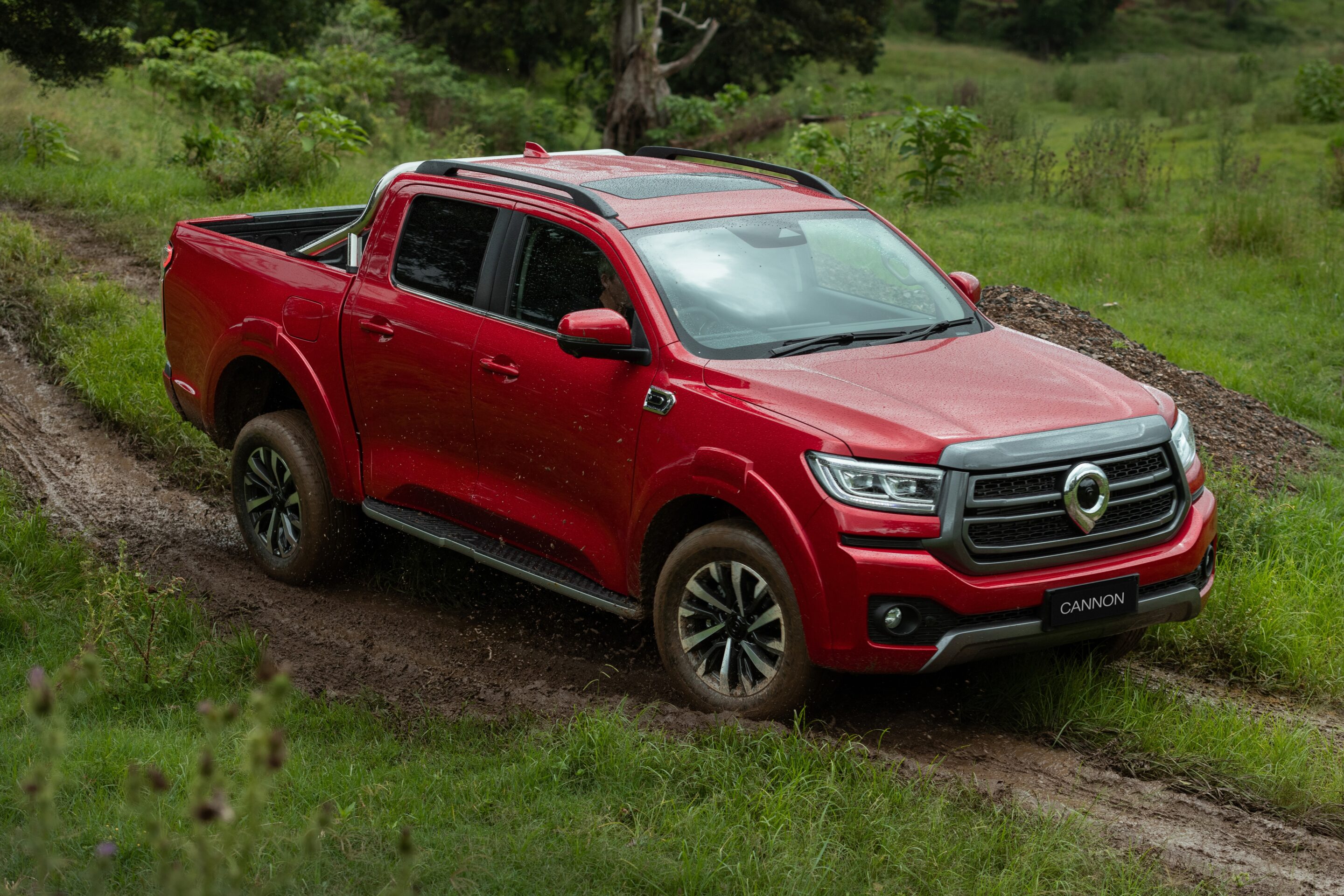
- Price: From $36,490 to $51,990 drive away
- Drivetrains: 2.0L and 2.4L turbo-diesels
- Transmissions: 8 or 9-speed automatic
- Braked towing capacity: 3200-3500kg
Undoubtedly the value pick of the segment, the GWM Cannon is performing solidly especially with the addition of the larger 2.4-litre turbo-diesel in early 2025. Priced from just $36,490 drive away, the Cannon is closer to how this segment used to be priced and offers a lot for value-focused buyers, including a wide range of variants and a lot of standard equipment across the range.
Kia Tasman: 610 units in October (3109 YTD)
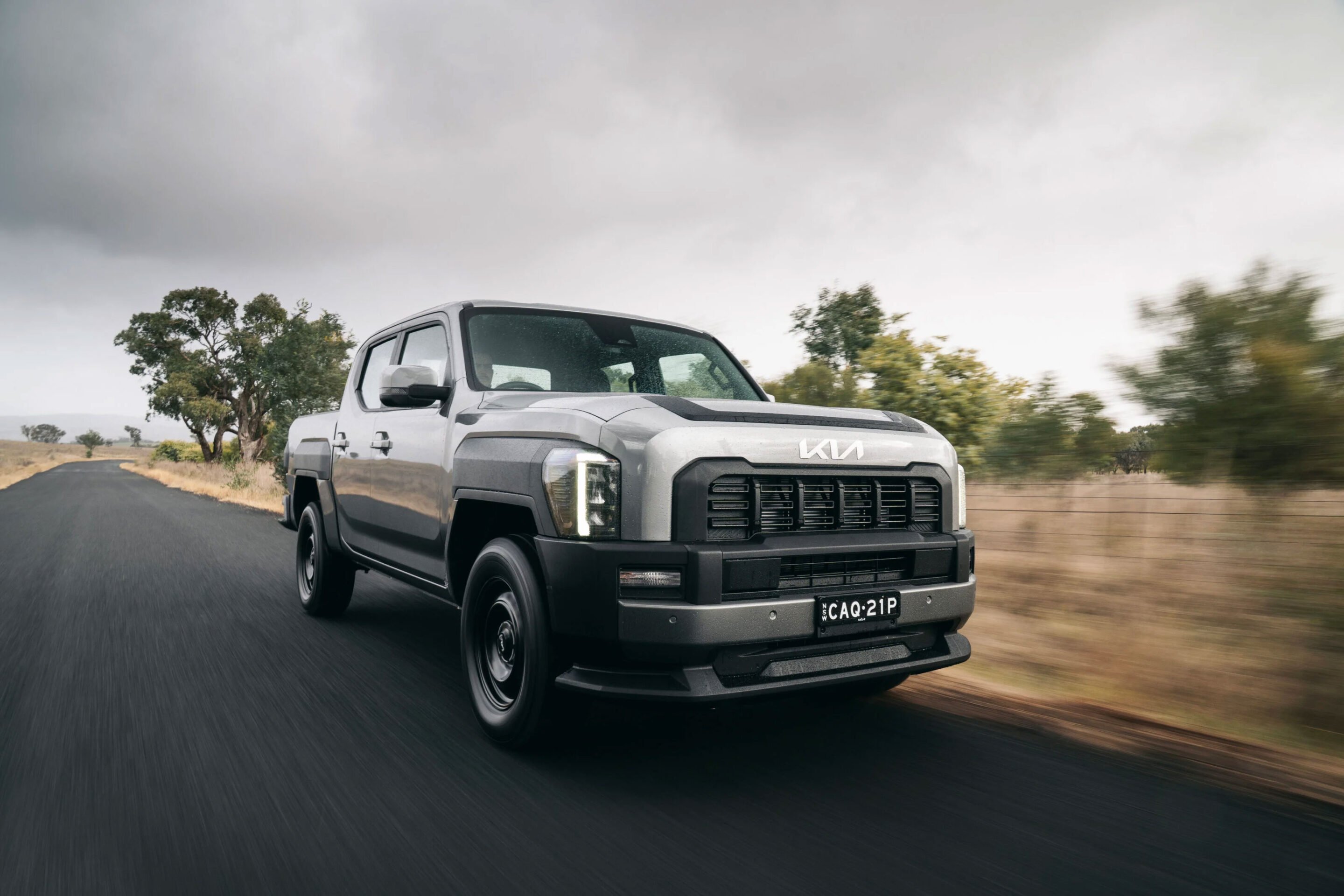
- Price: From $42,990 to $74,990 plus on-road costs
- Drivetrains: 2.2L turbo-diesel
- Transmission: 8-speed automatic
- Braked towing capacity: 3500kg
The Kia Tasman is the new kid on the block in the ute segment, and obviously has some big rivals with big head starts to take down. Although initial sales have been a bit of a slow burn, it’s now gaining momentum with 610 sold in October 2025. The Tasman’s strengths are its gutsy turbo-diesel engine, smooth eight-speed automatic transmission and the best cabin in the segment thanks to its tech, practicality and spaciousness.
Nissan Navara: 325 units in October (6539 YTD)
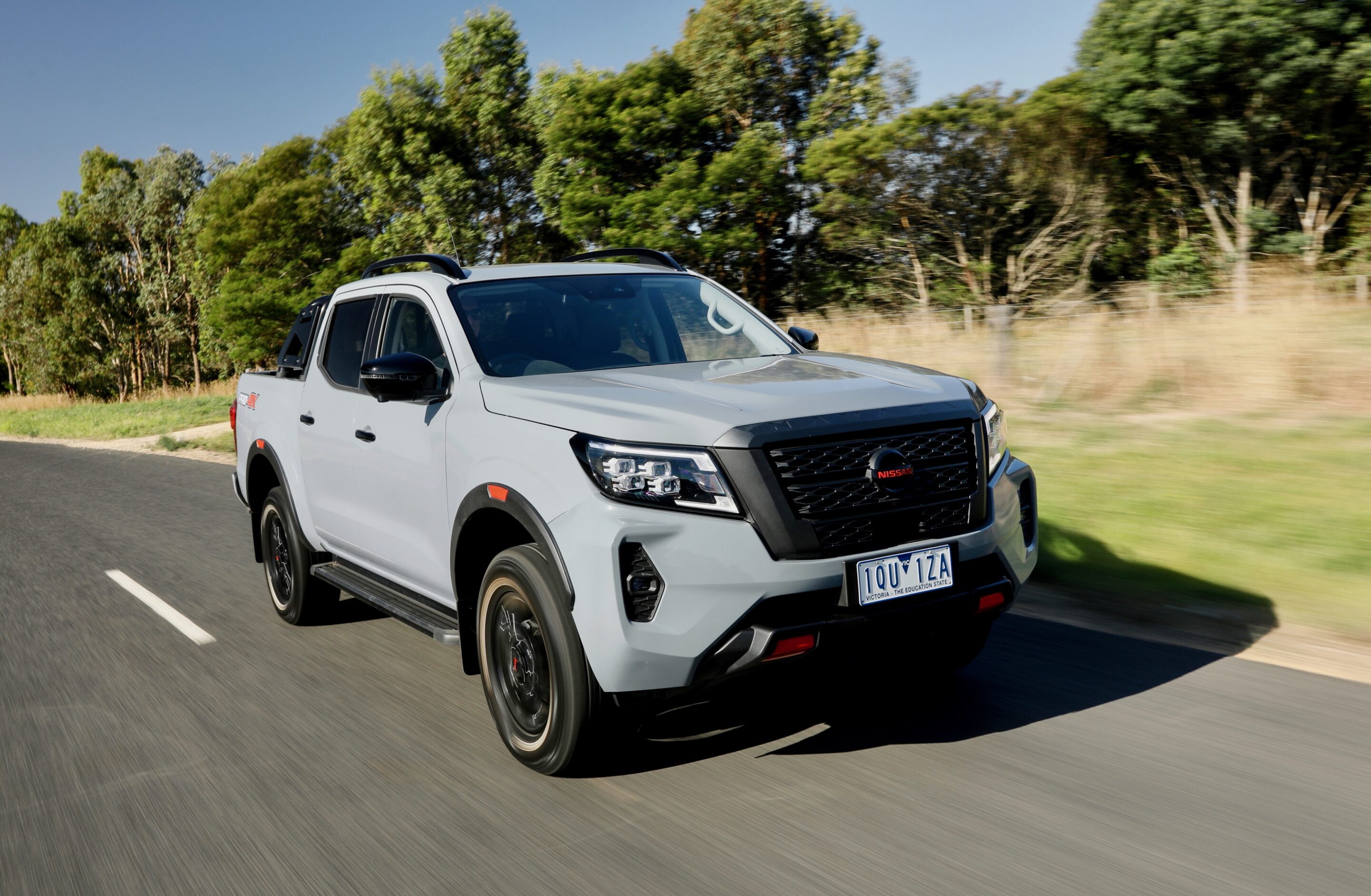
- Price: From $36,428 to $71,643 plus on-road costs
- Drivetrains: 2.3L and 3.0L turbo-diesels
- Transmissions: 6-speed manual or 7-speed automatic
- Braked towing capacity: 3500kg
A new-generation Navara is just about to be revealed, but the current model is good value for money and thanks to independent rear suspension on some models, quite comfortable. A gutsy 2.3-litre twin-turbo diesel is standard across the range, either with a six-speed manual or a seven-speed automatic. The highlight of the Navara range is the Warrior, which was developed by Aussie company Premcar and is one of the best off-roaders in the segment.
Subaru Australia has revealed local pricing and specifications for the updated 2026 Subaru Solterra. Armed with a larger battery for a longer range, more powerful motors and revised exterior styling, the updated Solterra has also been given a price cut of up to $7000 and the range now starts at $63,990 plus on-road costs.
Thanks to a new 74.4kWh (up from 71.4kWh) lithium-ion battery, the Solterra offers a big WLTP range increase to 566km (+152km) for the entry-level Solterra and up to 517km (+103km) for the upper-spec Touring. Peak AC charging speed has been increased to 22kW from 11kW, while DC fast charging remains at 150kW for a 10-80 per cent charge time of 30 minutes.
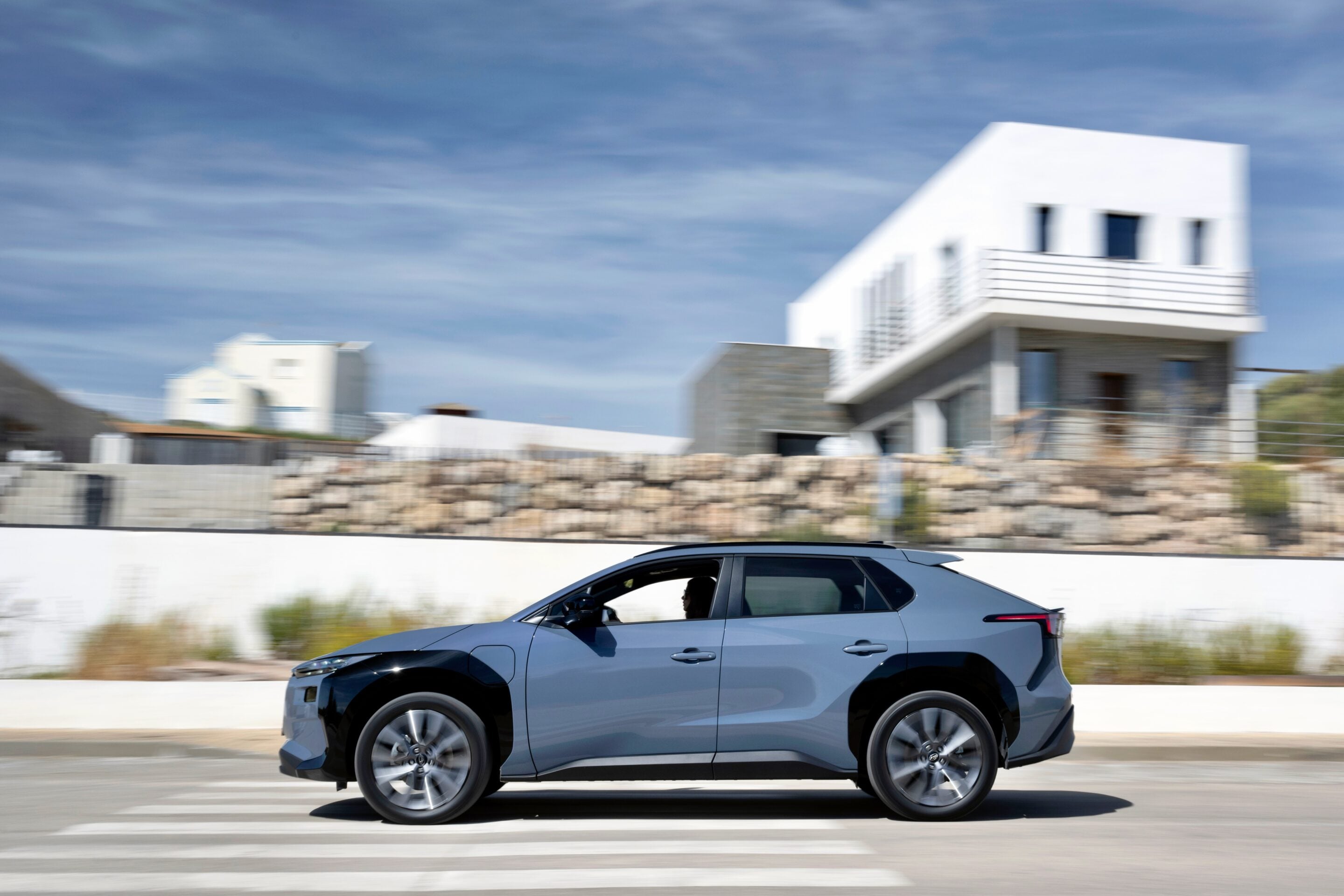
In addition to the extra range, Subaru has also made the Solterra more powerful and now produces 252kW of power and 437Nm of torque, making it the most powerful mainstream Subaru ever produced. The front motor now makes 167kW (+87kW) and the rear now 88kW (+8kW), and the extra power has doubled its braked towing capacity to 1500kg.
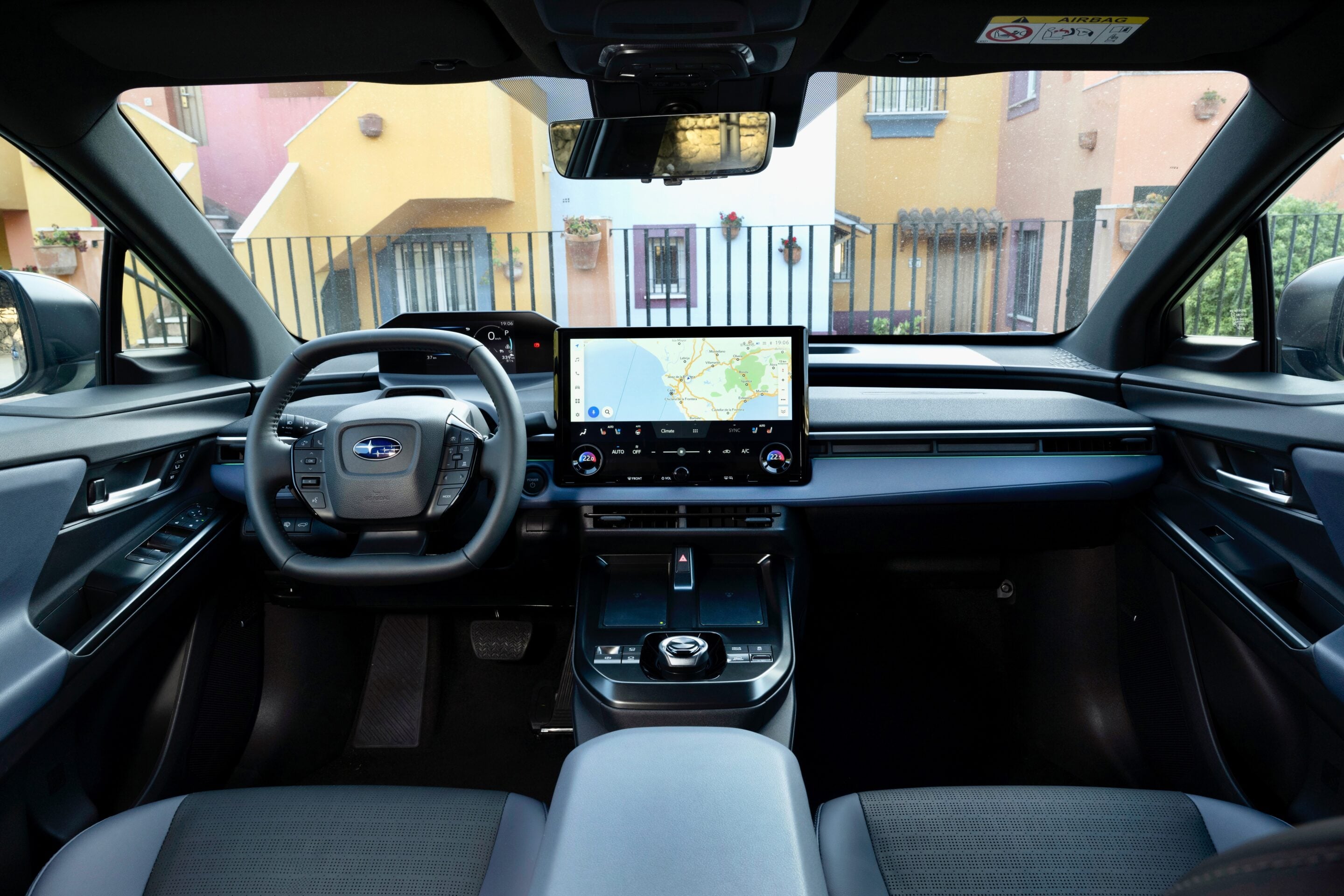
Other changes to the Solterra include revised exterior styling with a new front end, new 18- and 20-inch alloy wheels, new colour-adjustable ambient lighting, a new centre console with two 15W wireless phone chargers and a larger 14-inch touchscreen with new software.
2026 Subaru Solterra (plus on-road costs):
| Solterra | $63,990 |
|---|---|
| Solterra Touring | $66,990 |
| Premium paint | $660 |
Subaru Solterra standard features:
- 18-inch alloy wheels
- Automatic dusk-sensing LED exterior lighting
- Automatic rain-sensing wipers
- Keyless entry with push button start
- Auto-folding mirrors with puddle lamps
- Roof rails
- Synthetic leather upholstery
- Heated leather steering wheel
- 8-way electric front seats with driver’s lumbar
- Dual-zone automatic climate control with rear air vents
- Remote air-conditioning
- 14-inch touchscreen
- 7-inch digital driver’s display
- Satellite navigation
- FM/AM/DAB+ digital radio
- Wireless Apple CarPlay and Android Auto
- Dual wireless phone chargers
- Six-speaker sound system
Solterra safety features:
- 8x airbags
- Autonomous emergency braking (AEB)
- Adaptive cruise control
- Adaptive lane guidance
- Lane keeping assistance
- Blind-spot monitoring
- Rear cross-traffic alert
- 360-degree camera
- Front and rear parking sensors
- Driver attention monitoring
- Adaptive high beam
- Speed sign recognition
- Safe exit assist
- Automatic rear braking
Solterra Touring model adds to Solterra:
- 20-inch alloy wheels
- Auto-dipping mirrors in reverse
- Panoramic glass roof
- Driver’s memory for the mirrors
- Ventilated front seats
- Automatic parking
- 10-speaker Harman Kardon sound system
- Vehicle-to-load (V2L) 220V/1500W power outlet
The facelifted Subaru Solterra range is now available to order ahead of local deliveries commencing soon.
Thousands of Queensland motorists are being notified that their driver’s licences may be invalid due to a long-running technical glitch that bypassed mandatory medical certification requirements.
According to the Queensland government, the error affected around 17,000 drivers with declared health conditions, allowing them to renew their licences online without submitting up-to-date medical clearances. The problem is believed to have persisted since 2020, when online renewals were introduced as part of pandemic-era measures.
During the height of COVID-19 restrictions, the state government introduced a digital system to help people renew their licences without visiting service centres in person. The temporary change aimed to reduce in-person contact, especially for those with health vulnerabilities. However, the system failed to flag drivers whose renewals required medical checks, leaving some legally on the road without official confirmation they were fit to drive.
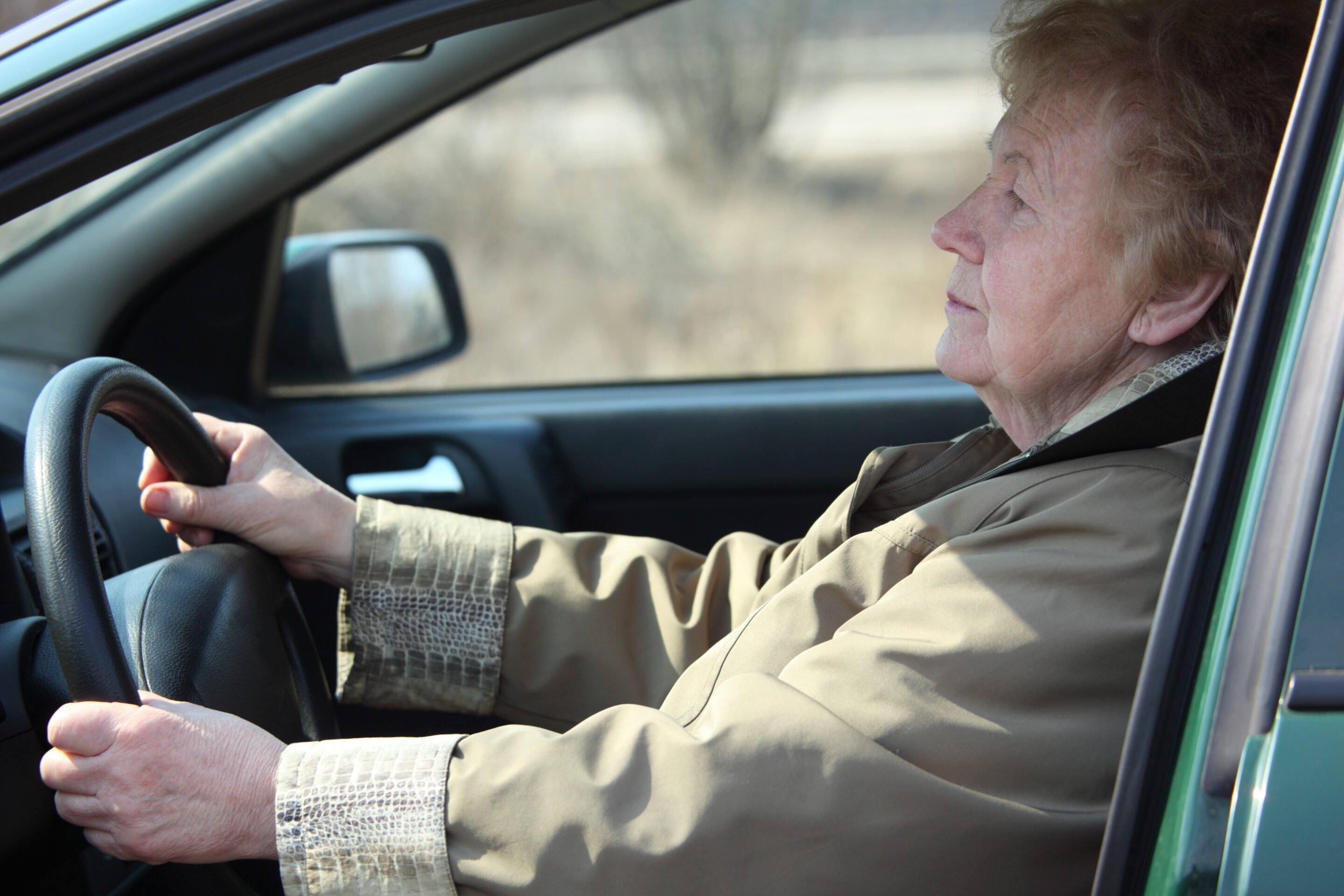
Queensland’s Minister for Customer Services and Open Data, Steve Minnikin, said affected motorists will receive emails in the coming days advising them to provide updated medical certificates.
“The first of the emails will be going out today,” Minnikin said at a media conference. “We’ll make sure it’s as easy as possible for people to update their medical certificates. The key thing is that now we’ve discovered the error, we need to fix it quickly.”
Those contacted will have one month to provide the necessary documentation confirming they are medically fit to drive.
The revelation has reignited debate about driver fitness and medical oversight across Australia, amid increasing calls for more consistent testing for older and medically at-risk drivers.
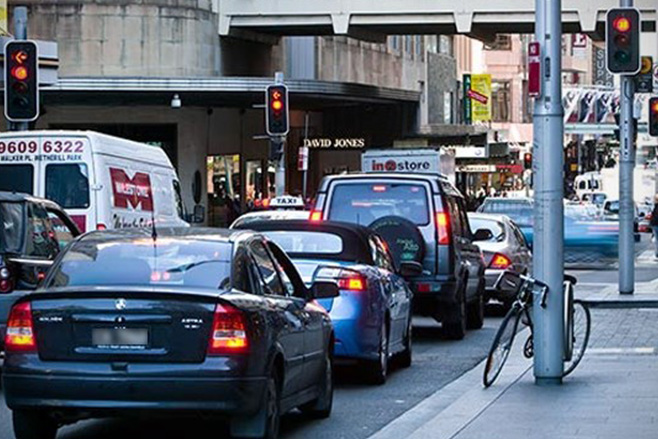
The issue comes after a 91-year-old driver in Melbourne lost control of her car and crashed into a playground, killing two people and injuring a young child. Following that incident, Victoria’s Roads Minister, Melissa Horne, ordered a review of licensing rules for elderly motorists.
Meanwhile, researchers at the University of the Sunshine Coast are studying how brain activity relates to driving ability, in hopes of helping doctors better assess a person’s cognitive fitness to drive.
“There’s a real need for reliable and standardised tools for health practitioners,” said Dr Kayla Stefanidis, a senior research fellow quoted by Yahoo News.
Authorities say the Queensland glitch will now be fully corrected, with systems reviewed to prevent similar lapses in the future.
Nissan Australia has confirmed that the updated MY26 X-Trail will arrive in local showrooms during the first quarter of 2026, introducing a series of design, technology, and interior updates to one of the country’s most popular mid-size SUVs.
While pricing will rise by around $1150 across the range, the update brings new features aimed at improving comfort, safety, and connectivity, while retaining the choice of petrol and e-POWER hybrid drivetrains.
Externally, the MY26 X-Trail adopts Nissan’s latest design language, with a reshaped front grille, redesigned bumpers, and new LED lighting signatures. Fresh paint options and wheel designs will also be available.
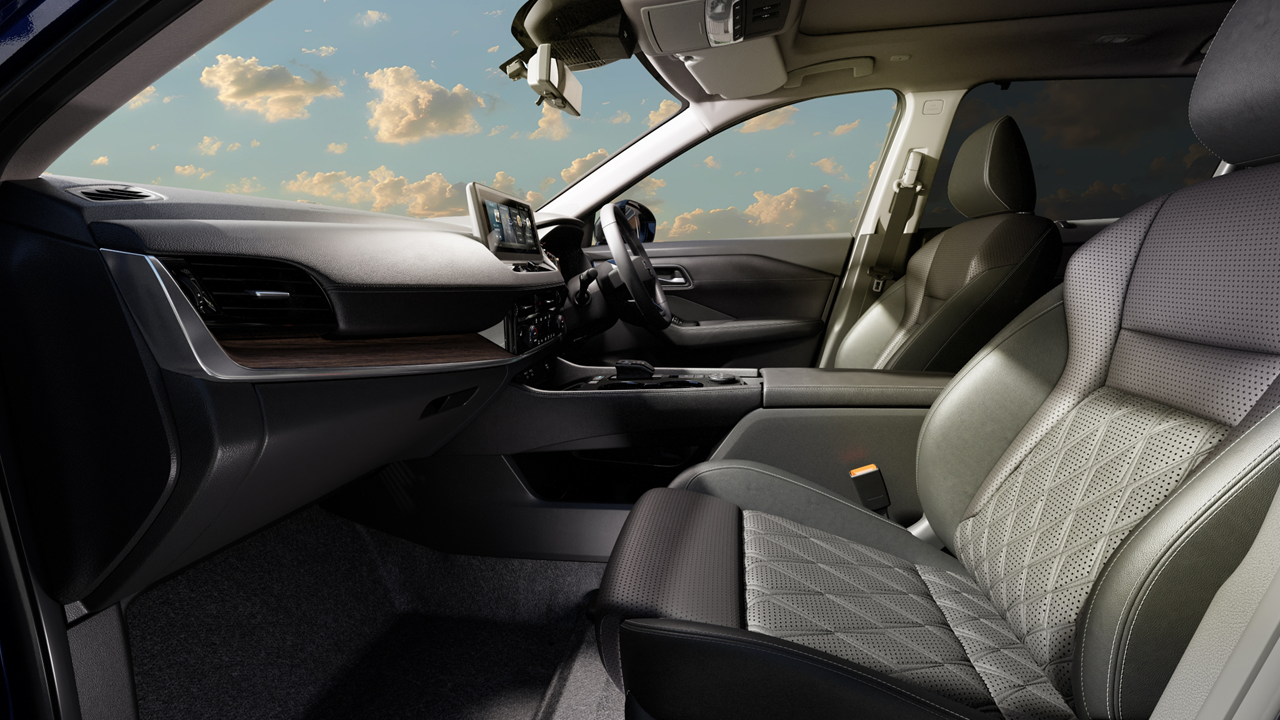
Inside, Nissan has focused on enhancing cabin quality, adding new seat materials, trim finishes, and colour combinations. The goal, Nissan says, is to give the SUV a more upmarket feel without compromising its practicality or space.
For the first time, all X-Trail grades will feature Nissan’s Connected Car Services (CCS 1.0), enabling owners to remotely monitor and control their vehicles through a smartphone app. The system includes remote engine start, vehicle health reports, theft alerts, and service reminders.
Higher-grade models (ST-L and above) gain an upgraded Around View Monitor, now featuring new camera angles such as Skeleton Hood view for tight streets and Multi-View support for improved visibility at intersections.
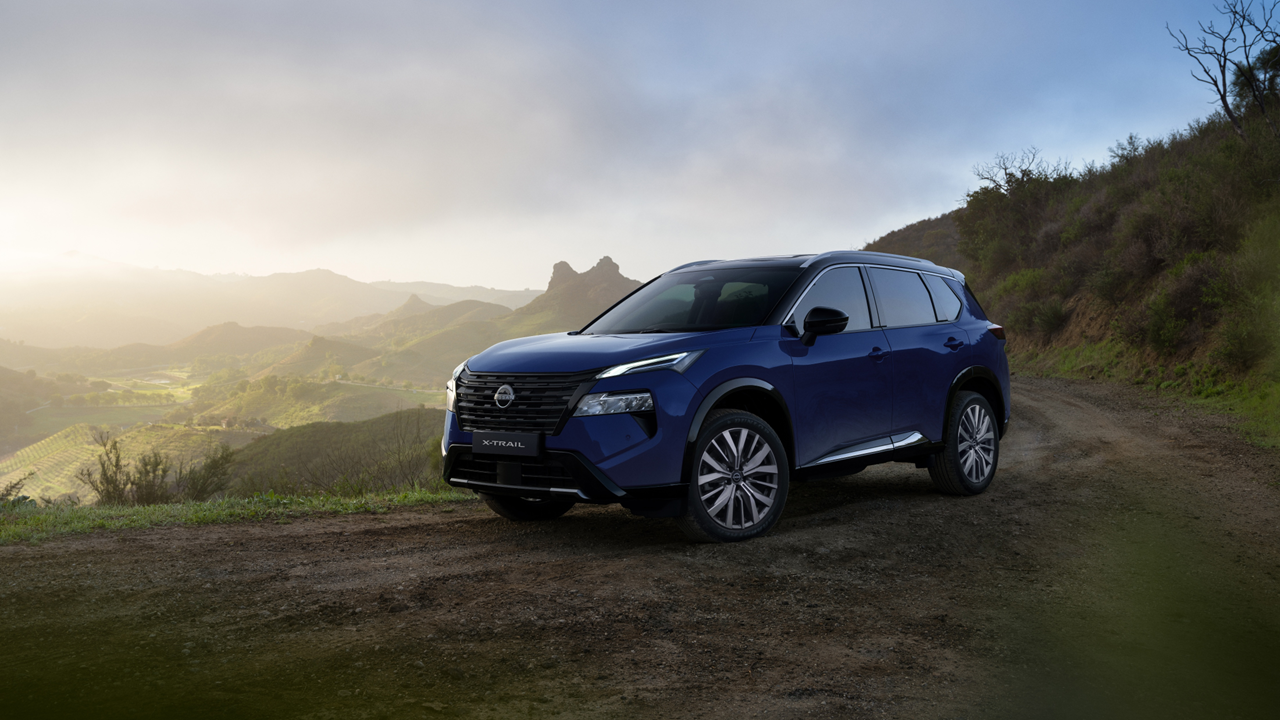
A 12.3-inch central display remains standard on ST and higher variants, with continued support for wireless Apple CarPlay and Android Auto.
Nissan’s e-POWER hybrid system, which drives the wheels solely via electric motors while using a petrol engine to charge the battery, carries over. The setup provides smooth acceleration and lower fuel use without requiring plug-in charging. Models equipped with e-4ORCE all-wheel drive continue to offer improved traction through electric torque distribution.
Safety features remain comprehensive, with Nissan Safety Shield 360 standard across the lineup. Upper grades add ProPilot with Lane Keep Assist, adaptive cruise control, and junction emergency braking.
The MY26 X-Trail will again be available in ST, ST-L, Ti, and Ti-L grades, offering five- and seven-seat configurations. All models are covered by Nissan’s 10-year/300,000km warranty and Roadside Assistance, with full specifications to be announced closer to launch.
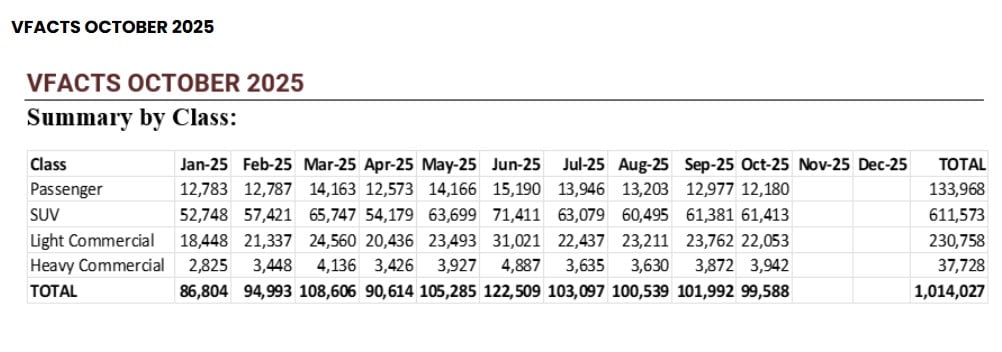
Australia’s new vehicle market held steady in October, with 99,588 cars sold – a modest 1.2 per cent increase on the same month last year. Despite the stable monthly result, year-to-date sales reached 1,014,027 vehicles, down slightly (1.1 per cent) compared to the same period in 2024.
The most notable development for the month was the rapid growth of hybrid and plug-in hybrid (PHEV) models, signalling a continued shift in buyer preferences toward electrified powertrains.
Hybrid vehicles accounted for 17.8 per cent of total sales, up 25 per cent from October 2024, while PHEVs rose 95 per cent to claim 4.7 per cent of the market. Battery electric vehicles (BEVs) made up 7.3 per cent, maintaining a stable share. Across the first ten months of 2025, hybrid sales are up 12 per cent, while PHEVs have surged 137 per cent.
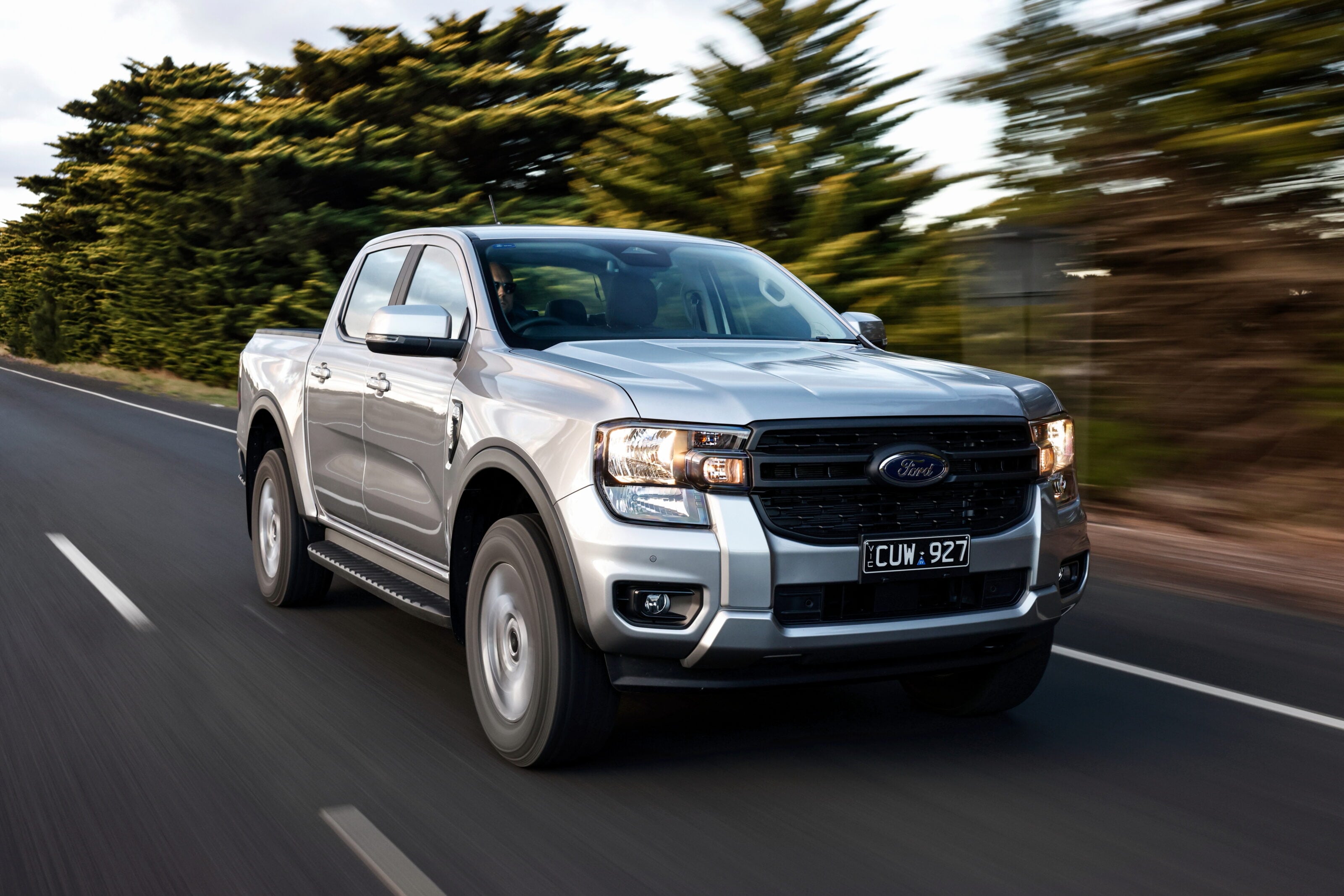
Federal Chamber of Automotive Industries (FCAI) chief executive Tony Weber said the data confirmed that Australian drivers are embracing electrified technology at an accelerating pace.
“The October results show Australians are increasingly choosing hybrid and plug-in hybrid models as a practical path towards lower emissions,” Mr Weber said. “Hybrids are delivering strong growth right across the market, while petrol-only vehicles continue to lose ground.”
SUVs again dominated buyer demand, making up 61.7 per cent of all vehicles sold. Medium SUVs –Australia’s favourite vehicle category – accounted for one in every four new cars delivered. Passenger vehicles, by contrast, represented only 12.2 per cent of the total market, underscoring the ongoing consumer preference for larger, more versatile vehicles.
Toyota maintained its commanding position at the top of the sales charts with 19,726 vehicles sold, ahead of Ford (7,570), Mazda (7,140), Kia (6,610), and Hyundai (6,403). The Toyota HiLux, Ford Ranger, and Toyota RAV4 were separated by only a handful of units, reinforcing their dominance as Australia’s favourite models.
Chinese-made vehicles (GWM Haval H7, main image) also continued their upward trajectory, with sales up 40 per cent year-on-year, solidifying China’s place as the third-largest source market. Four Chinese brands featured among October’s top ten.
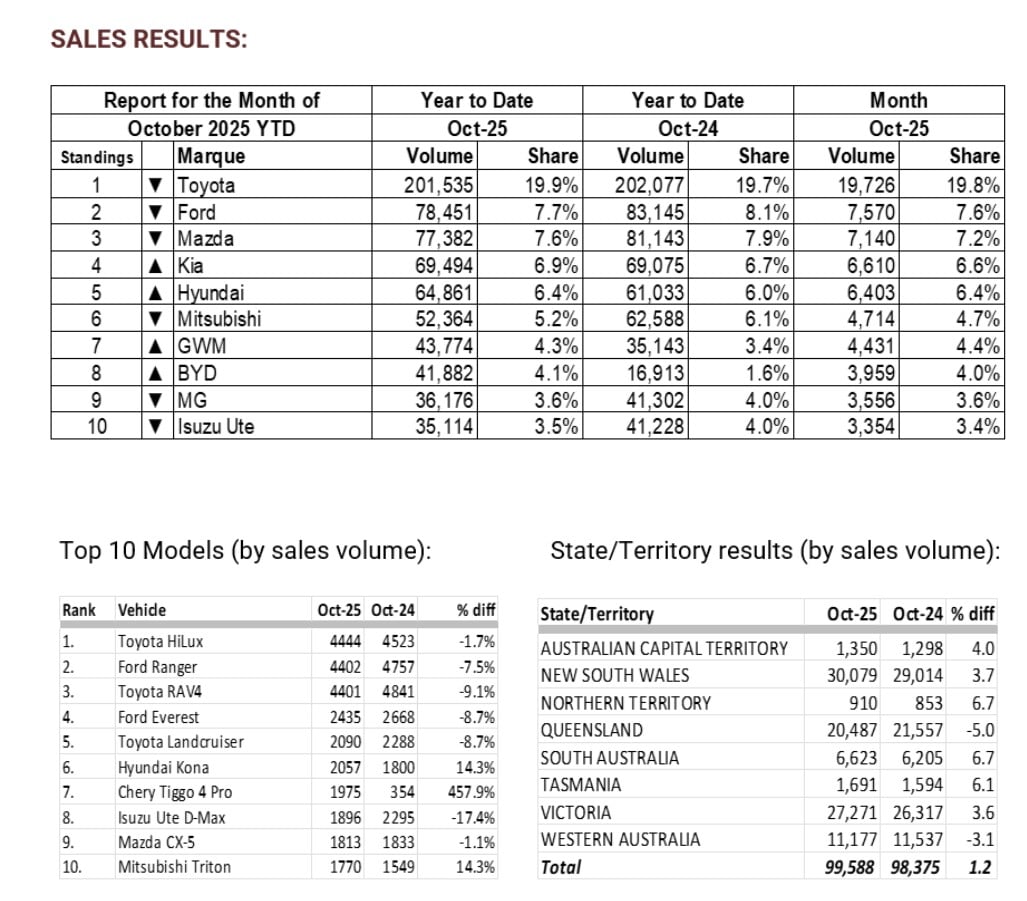
Across the states and territories, results were mixed. The ACT, South Australia, Tasmania, and Victoria all recorded solid growth, while Queensland and Western Australia posted modest declines.
Despite the small monthly lift, the latest figures highlight an industry in transition – one increasingly defined by electrification, SUV dominance, and changing consumer priorities.
