
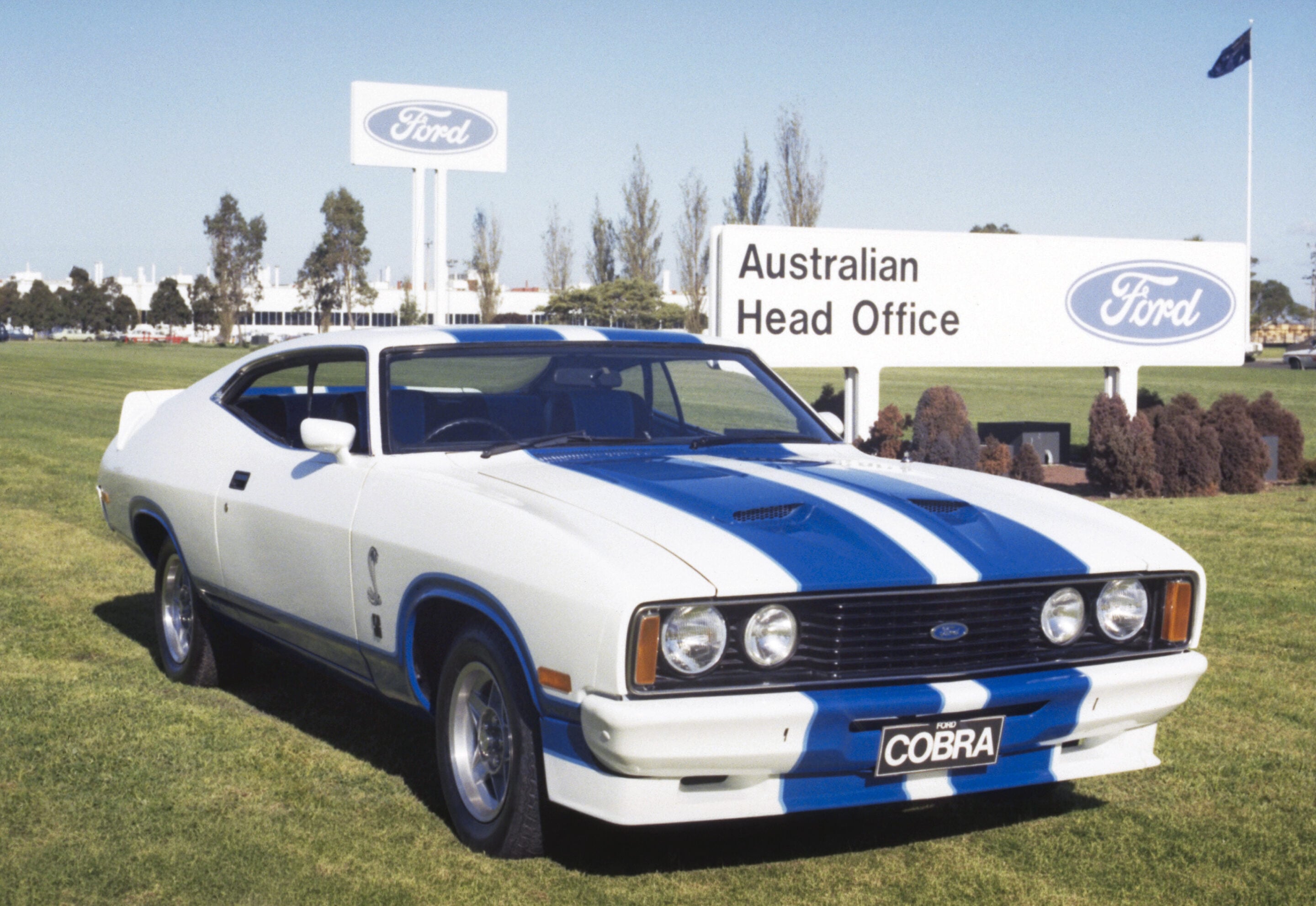
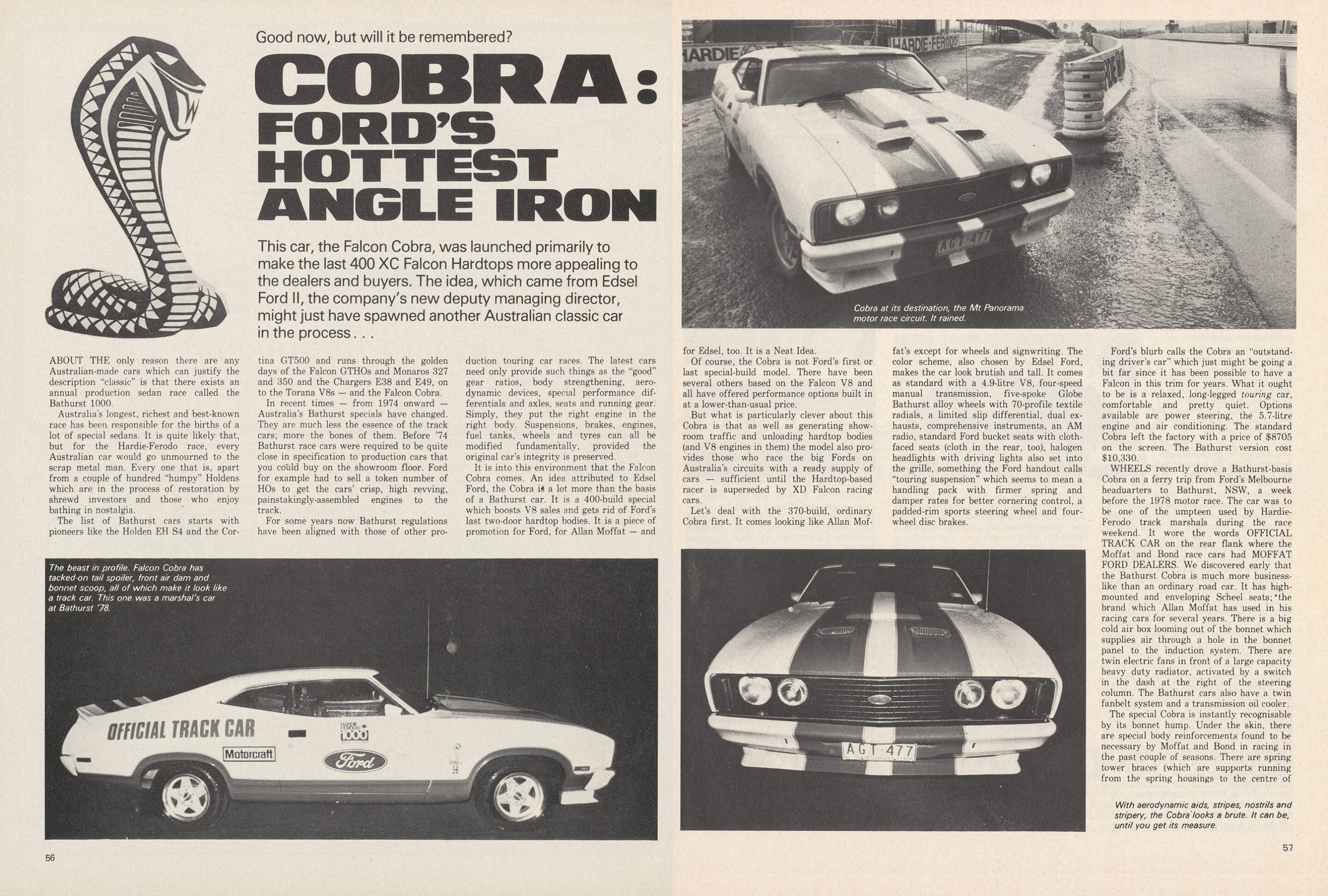
This car, the Falcon Cobra, was launched primarily to make the last XC Falcon Hardtops more appealing to the dealers and buyers. The idea, which came from Edsel Ford II, the company’s new deputy managing director, might just have spawned another Australian classic car in the process…
First published in the January 1979 issue of Wheels magazine, Australia’s best car mag since 1953. Subscribe here and gain access to 12 issues for $109 plus online access to every Wheels issue since 1953.
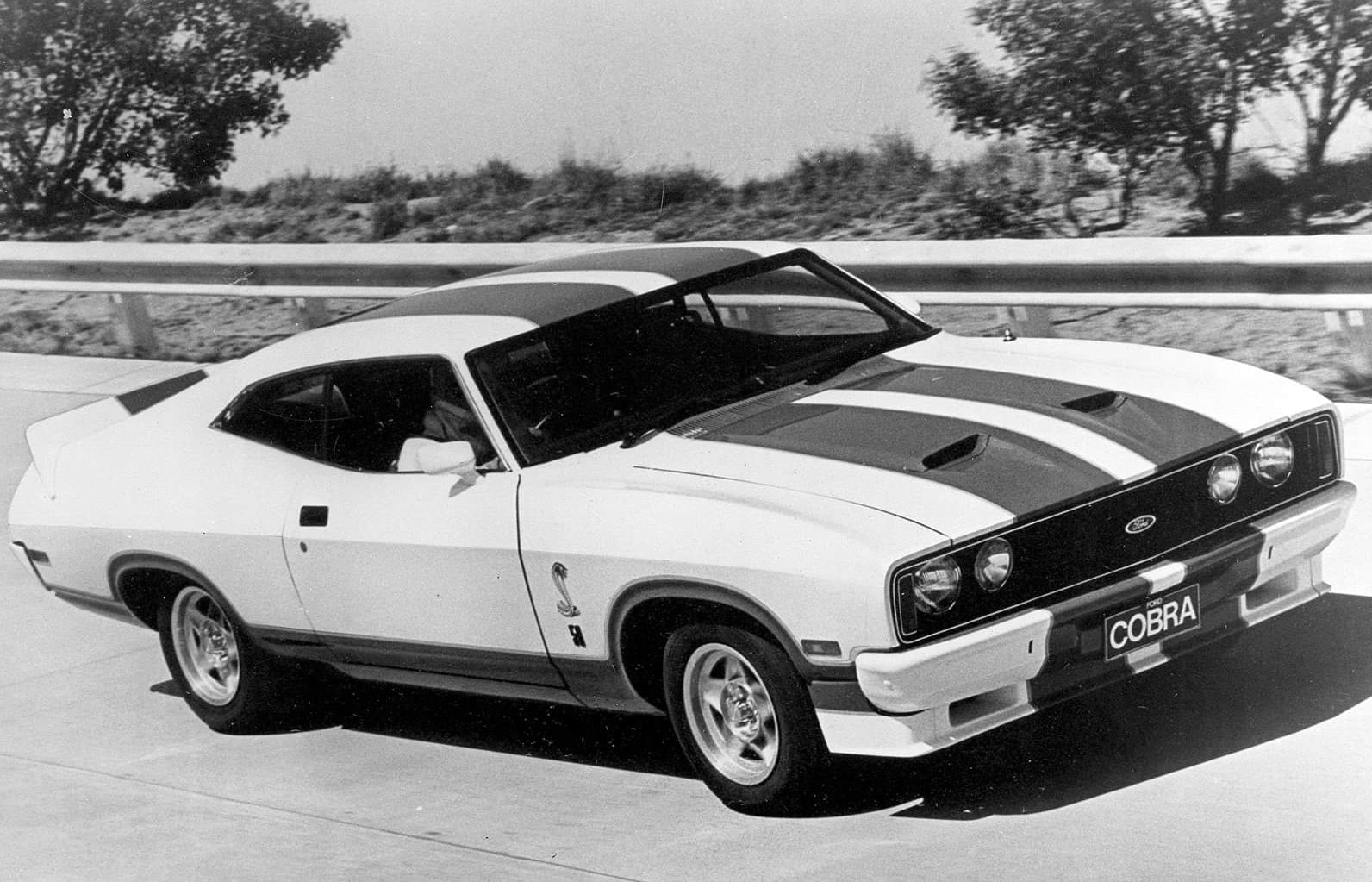
About the only reason there are any Australian-made cars which can justify the description “classic” is that there exists an annual production sedan race called the Bathurst 1000. Australia’s longest, richest and best-known race has been responsible for the births of a lot of special sedans. It is quite likely that, but for the Hardie-Ferodo race, every Australian car would go unmourned to the scrap metal man. Every one that is, apart from a couple of hundred “humpy” Holdens which are in the process of restoration by shrewd investors and those who enjoy bathing in nostalgia.
The list of Bathurst cars starts with pioneers like the Holden EH S4 and the Cortina GT500 and runs through the golden days of the Falcon GT-HOs and Monaros 327 and 350 and the Chargers E38 and E49, on to the Torana V8s – and the Falcon Cobra.
In recent times – from 1974 onward – Australia’s Bathurst specials have changed. They are much less the essence of the track cars; more the bones of them. Before ’74 Bathurst race cars were required to be quite close in specification to production cars that you could buy on the showroom floor. Ford for example had to sell a token number of HOs to get the cars’ crisp, high revving, painstakingly-assembled engines to the track.
For some years now Bathurst regulations have been aligned with those of other production touring car races. The latest cars need only provide such things as the ‘good’ gear ratios, body strengthening, aerodynamic devices, special performance differentials and axles, seats and running gear.
Simply, they put the right engine in the right body. Suspension , brakes, engines, fuel tanks, wheels and tyres can all be modified fundamentally, provided the original car’s integrity is preserved.
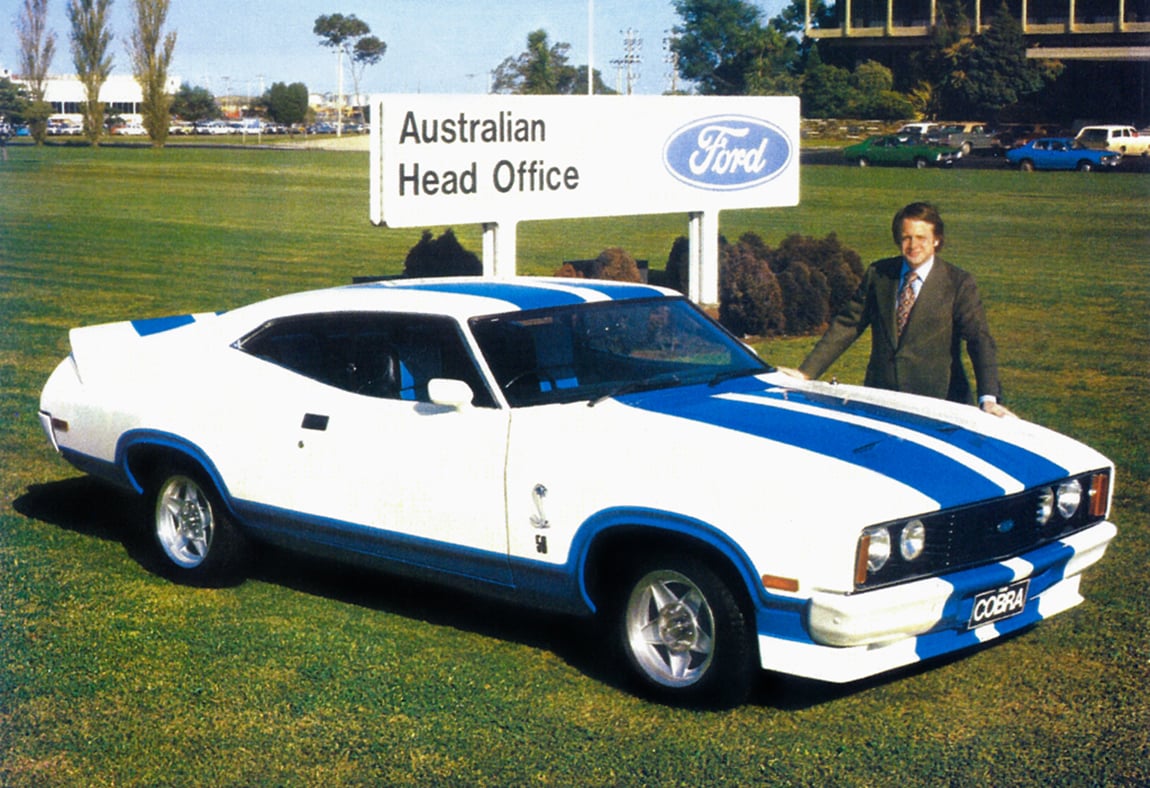
It is into this environment that the Falcon Cobra comes. An idea attributed to Edsel Ford (pictured, below), the Cobra is a lot more than the basis of a Bathurst car. It is a 400-build special which boosts V8 sales and gets rid of Ford’s last two-door hardtop bodies. It is a piece of promotion for Ford, for Allan Moffat – and for Edsel, too. It is a Neat Idea.
Of course, the Cobra is not Ford’s first or last special-build model. There have been several others based on the Falcon V8 and all have offered performance options built in at a lower-than-usual price. But what is particularly clever about this Cobra is that as well as generating showroom traffic and unloading hardtop bodies (and V8 engines in them) the model also provides those who race the big Fords on Australia’s circuits with a ready supply of cars – sufficient until the Hardtop-based racer is superseded by XD Falcon racing cars.
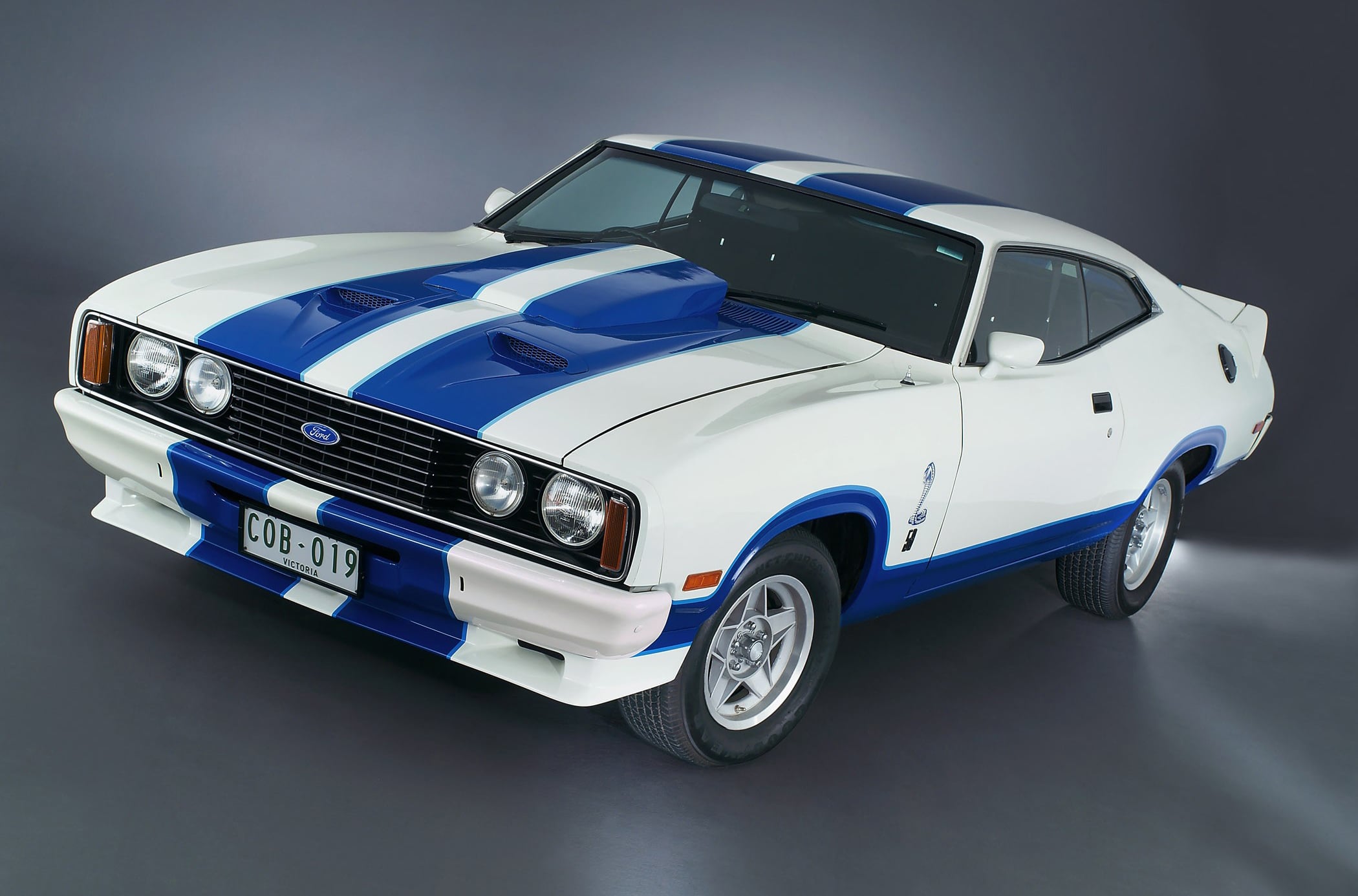
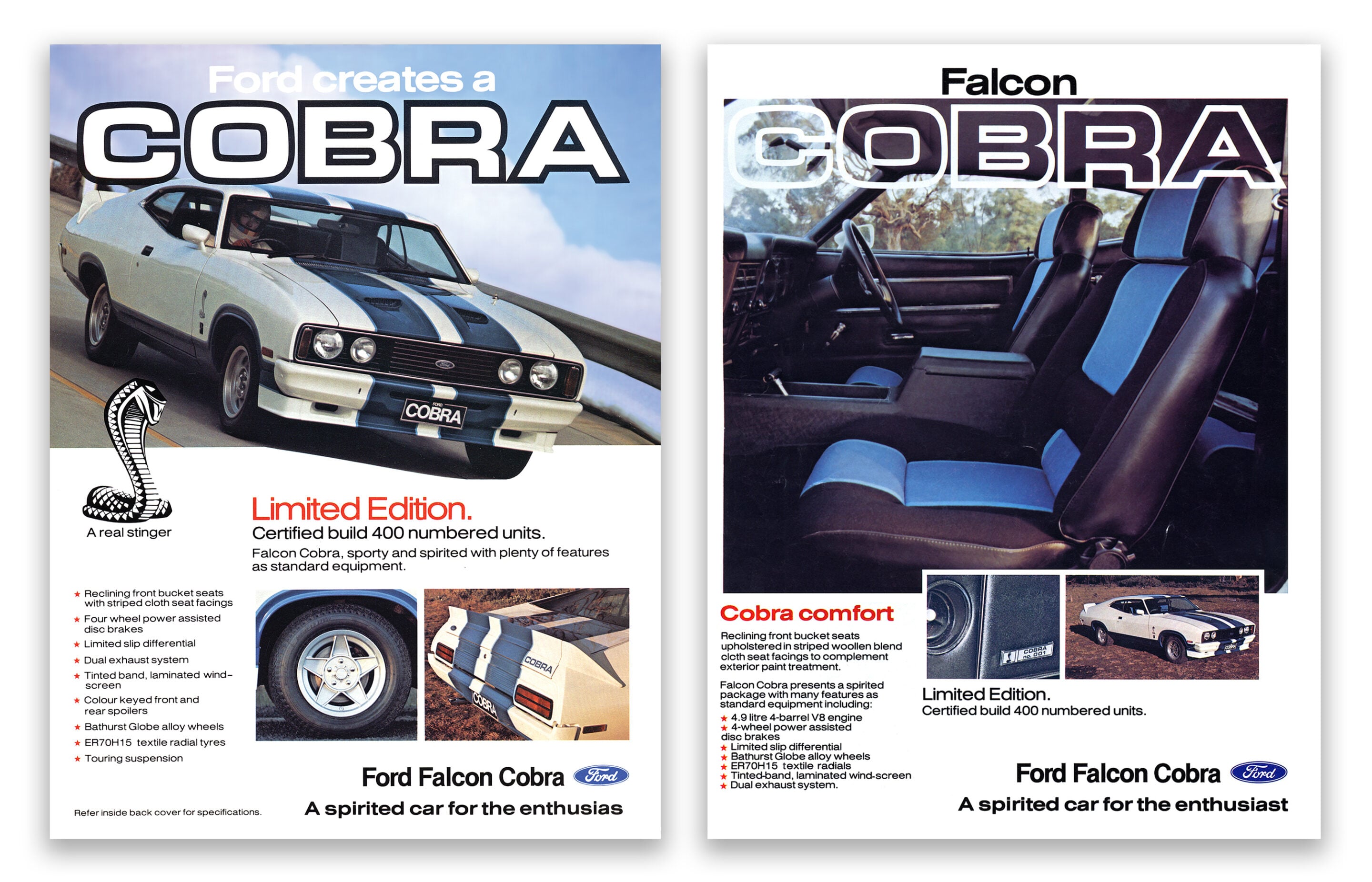
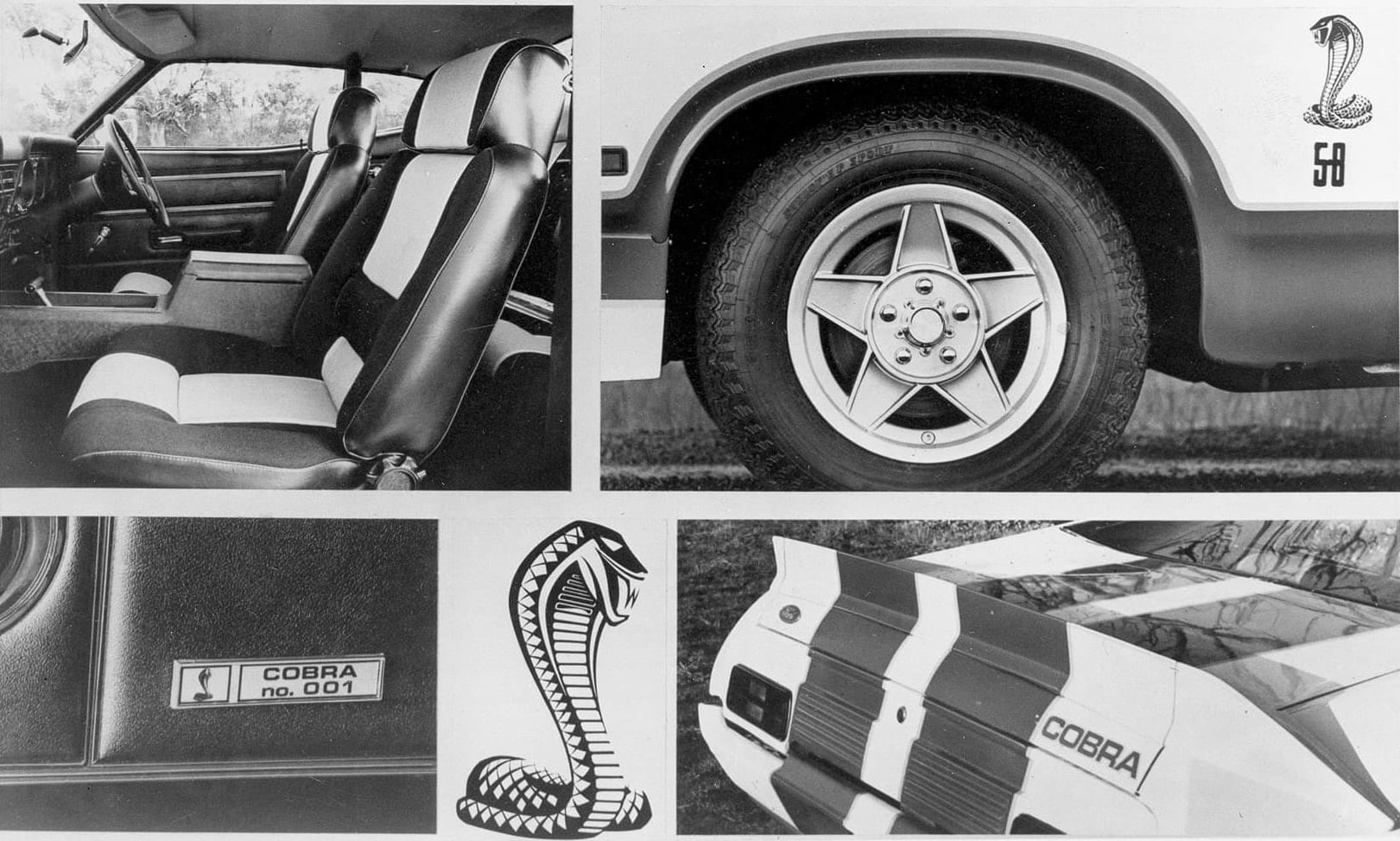
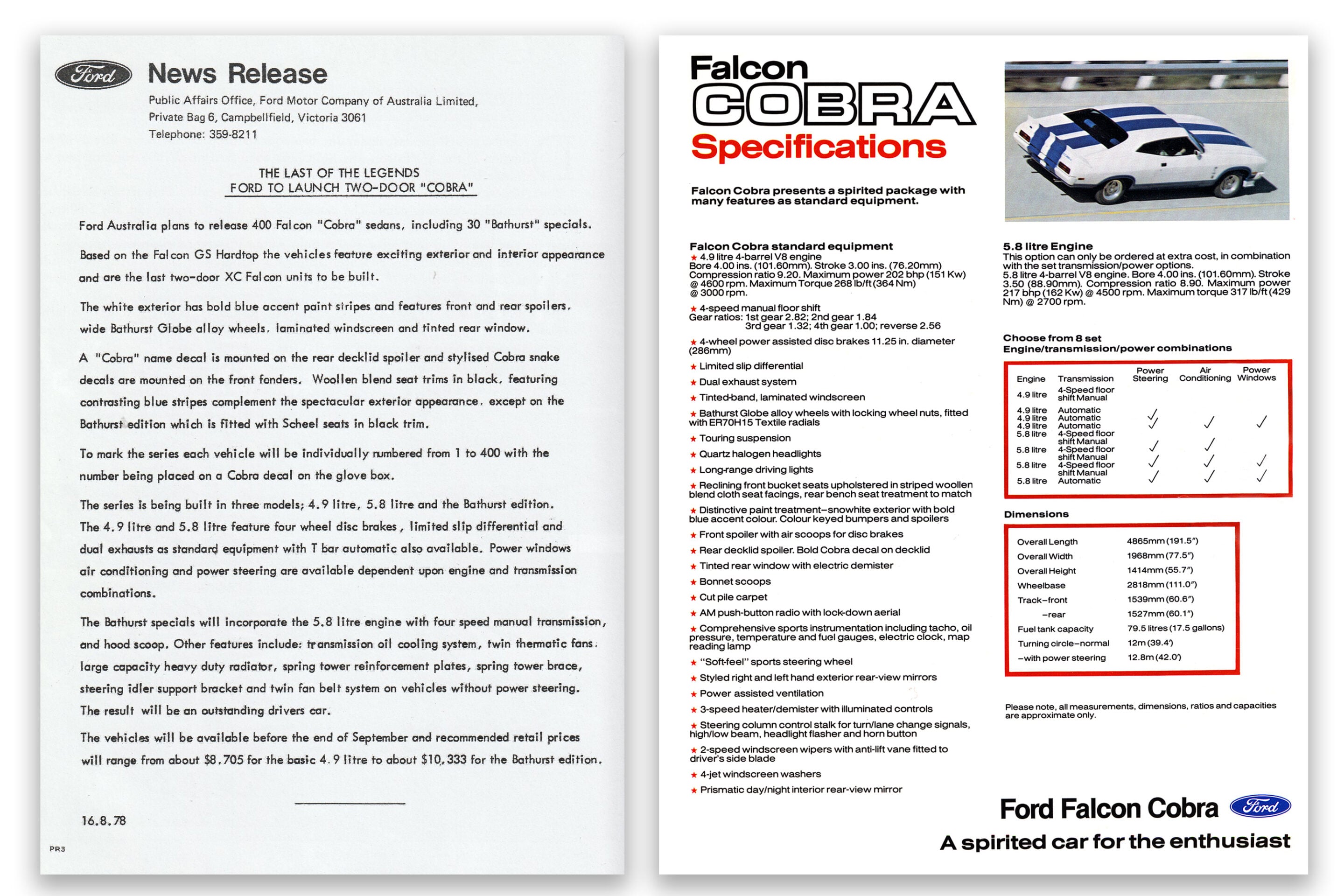
Let’s deal with the 370-build, ordinary Cobra first. It comes looking like Allan Moffat’s except for wheels and signwriting. The colour scheme, also chosen by Edsel Ford, makes the car look brutish and tall. It comes as standard with a 4.8-litre V8, four-speed manual transmission, five-spoke Globe Bathurst alloy wheels with 70-profile textile radials, a limited slip differential, dual exhausts, comprehensive instruments, an AM radio, standard Ford bucket seats with clothfaced seats (cloth in the rear, too), halogen headlights with driving lights also set into the grille, something the Ford handout calls ‘touring suspension’ which seems to mean a handling pack with firmer spring and damper rates for better cornering control, a padded-rim sports steering wheel and four-wheel disc brakes.
Ford’s blurb calls the Cobra an “outstanding driver’s car” which just might be going a bit far since it has been possible to have a Falcon in this trim for years. What it ought to be is a relaxed, long-legged touring car, comfortable and pretty quiet. Options available are power steering, the 5.7-litre engine and air conditioning. The standard Cobra left the factory with a price of $8705 on the screen. The Bathurst version cost $10,330.
Wheels recently drove a Bathurst-basis Cobra on a ferry trip from Ford’s Melbourne headquarters to Bathurst, NSW, a week before the 1978 motor race. The car was to be one of the umpteen used by Hardie Ferodo track marshals during the race weekend. It wore the words OFFICIAL TRACK CAR on the rear flank where the Moffat and Bond race cars had MOFFAT FORD DEALERS.
We discovered early that the Bathurst Cobra is much more businesslike than an ordinary road car. It has high-mounted and enveloping Scheel seats; the brand which Allan Moffat has used in his racing cars for several years. There is a big cold air box looming out of the bonnet which supplies air through a hole in the bonnet panel to the induction system. There are twin electric fans in front of a large capacity heavy duty radiator, activated by a switch in the dash at the right of the steering column. The Bathurst cars also have a twin fanbelt system and a transmission oil cooler.
The special Cobra is instantly recognisable by its bonnet hump. Under the skin, there are special body reinforcements found to be necessary by Moffat and Bond in racing in the past couple of seasons. There are spring tower braces (which are supports running from the spring housings to the centre of the firewall). The spring towers themselves have tower reinforcement plates and there is a strengthening brace on the steering idler arm support. Ford says the mods are not necessary for its road cars – in fact the tower braces tend to feed vibration and harshness into the car’s cockpit – but they make the body more rigid under the near 1G cornering forces generated by racing conditions, slicks and 10-inch wheels.
Luckily for the big Falc, the equipment, mods and considerable performance combine to make it a serious, business-like machine. To the casual observer, the Falcon hardtop has become an example of the things which 1978 car design should not be about – bulk, weight, bulbousness and poor space usage.
Nevertheless, the fast touring equipment and racing modifications make the Cobra into a serious fast car. But it is not easy to drive, even when tooling around town. The visibility is poor because of the low roof, high sides and rotten rear three-quarter vision. The car is bulky and the driver – even the person who has driven hardtops before – finds it hard to know where the car’s extremities are.
That plus the fact that the Falcon Hardtop has those infamous bulging rear wheel arches, makes town driving an enterprise fraught with uncertainties. But when you get the big beast out on the open road where you can waggle the wheel, bury the boot into the firewall and jump onto the brakes hard, and have enough space to cope with the consequences, the Falcon becomes a bulky but quick driver’s car.
The Cobra’s performance, we must tell you, is no better than that of other current 5.8-litre Ford. In fact it may be a whisker worse because the Hardtop model is a little heavier than the sedans and in the case of ‘the Bathurst 30’ there is the weight of body strengthening, oil cooler, large capacity radiator (and concepts), twin electric fans to haul.
The Bathurst Cobra’s engine, as bought, is a standard, production-line 5.8-litre (351 cube) Cleveland V8 engine. It gets no go faster gear. Far away are the old days when the output was quoted as either 275 or 300 bhp. Ford now says the engine produces 162kW (217 bhp) at 4500 rpm and maximum torque is 429Nm (317 lb/ft) at 2700 rpm. Part of the reason for the lower figures is that the method of rating engine power has. changed in the past few years, but there is no doubt that 351s of the early Seventies – even the ordinary ones, were crisper and more powerful than they are today. Ample evidence of that comes from the fact that the Cobra’s tacho red sector now starts at 4800rpm. In the old Falcon GT it began at 5500.
Incidentally, if there are tear stains on these pages, they have been shed by those who drove and like to remember the great days of the Falcon GT-HO Phase III which would do a GENUINE 140mph top speed and an engine rev-limiter which prevented you from giving the hot Cleveland mill more than 6150rpm.
Back in 1978, the Cobra goes well. Any car of its size with 5.8 litres and a manual gearbox ought to perform well. The car we drove was new and tight and didn’t really become properly smooth or free until the end of our 1000 kilometre drive, but we estimate that it could have got across the standing 400m course in 16.5 seconds, which is not bad considering the car’s tall gearing. In top it does about 42km/h (26mph) per 1000rpm. The Bathurst Cobra’s gearbox is a close-ratio one. Gear speeds are 85km/h, 113km/h, 158km/h and 204km/h. Flat in top, the tach needle just touches the 4800rpm red sector.
It was always a satisfying facet of the Falcon GT’s performance that it could indicate a ton in third gear and the Cobra shows that it still has performance by getting to 158km/h (99mph). There has always been something extremely satisfying about changing up at a ton.
The Falcon’s chassis is very good. The car has the brakes, steering and roadholding to cope very well with the engine power. It is nonsense to suggest that the car is highly manoeuvrable, however. It needs to be set up well before a corner and not disturbed on the way through it. Anyone who watched the Bathurst race on television should know that the race cars behaved the same way. They hung onto bends very well but very, very few are the times they were disturbed in mid-corner. It is a tribute to the abilities of Moffat and Bond that they were able to lap as consistently as they did in race traffic without the dart-and-duck of the Toranas available to them.
The Cobra corners in mild understeer and there really isn’t enough power available to generate big oversteer on bitumen, except on the tightest of bends. But the big car is very fast through bends because its weight, coupled with a taut and well-developed suspension gives it stability in bends.
The front end of the car feels as though the suspension mounts are rooted in granite. It is SO strong. On test, we ran it out over bitumen holes and ripples just to feel the strength, if you understand. The front end would stick like glue to the road even after the rear end – more resistant to spring wind-up than most – was dancing about. It was during these antics that we experienced some snap-oversteer. Bumps tended to throw the car’s rear out while the front end was still stuck on line.
All Falcon manual steering is heavy these days and the Cobra’s is perhaps the heaviest of all. It is not very direct – about four turns from lock to lock – and feels rather spongy at the straight ahead, but the car’s tendency to maintain its cornering line (except over savage bumps) means that great sensitivity is not missed. Smoothness and planning are the things that pay dividends in steering the Cobra.
The Cobra’s ride wouldn’t do for an-LTD, but it is pretty good anyway. The wide track and longish wheelbase ensure that there is no exaggerated pitching and the stiff springs and dampers, coupled with anti-roll bars at both ends, cut out lurches and body roll.
The Cobra suffers from a considerable amount of road noise – a lot of it fed in through the spring tower braces – but this tends to be noticeable only at low speeds. The level of wind noise, on the other hand, is quite low. Even at 180km/h we found the Cobra fairly quiet through the air, whereas the Hardtops we drove a year or so ago had their windows sucked outward until noisy air leaks were set up at no more than 130km/h.
Falcon four-wheel disc brakes are as fine on the Cobra as they are on other Ford models. They are progressive, very powerful and, after the pads have been sufficiently bedded-in, they resist fade very well. No complaints for road use.
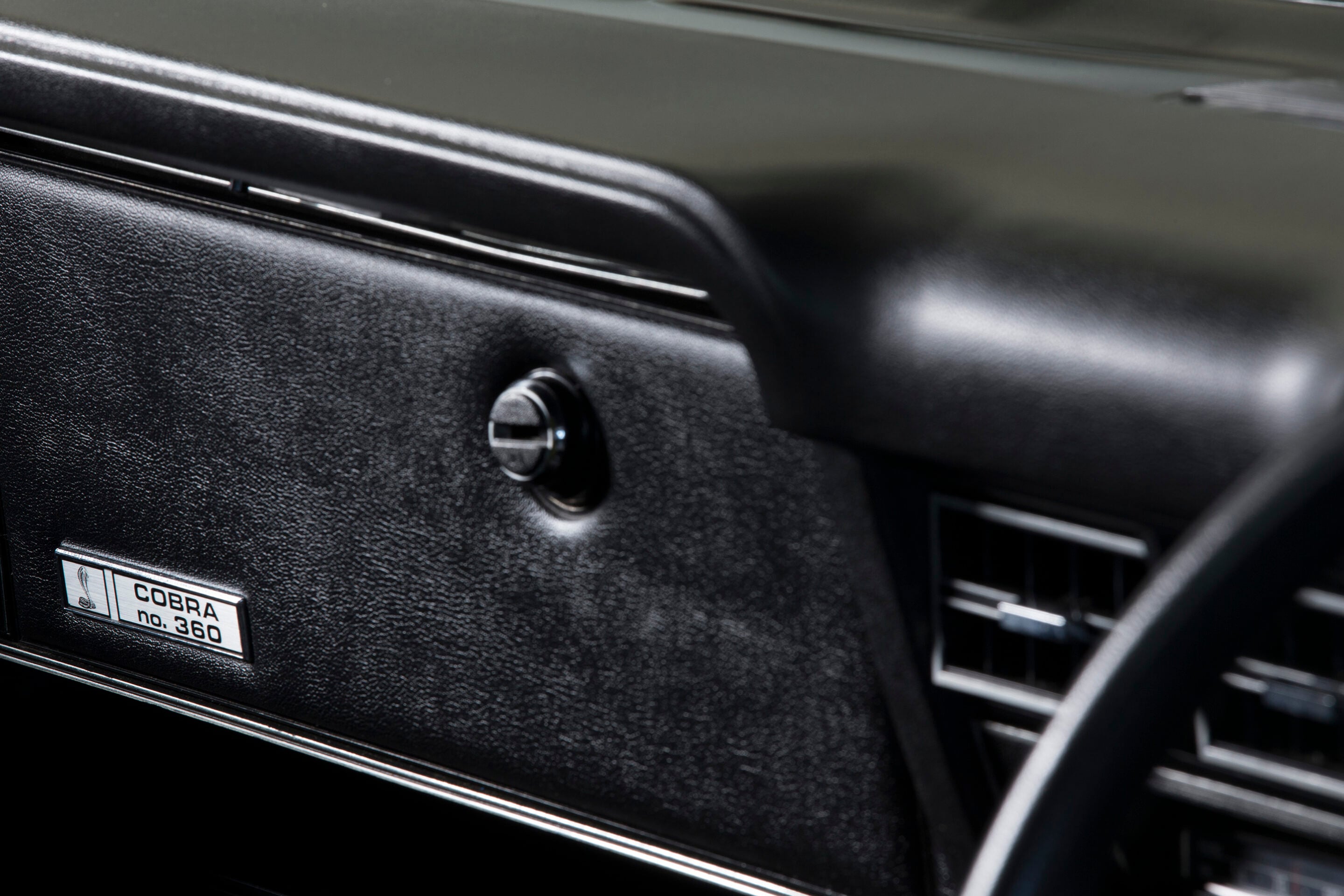
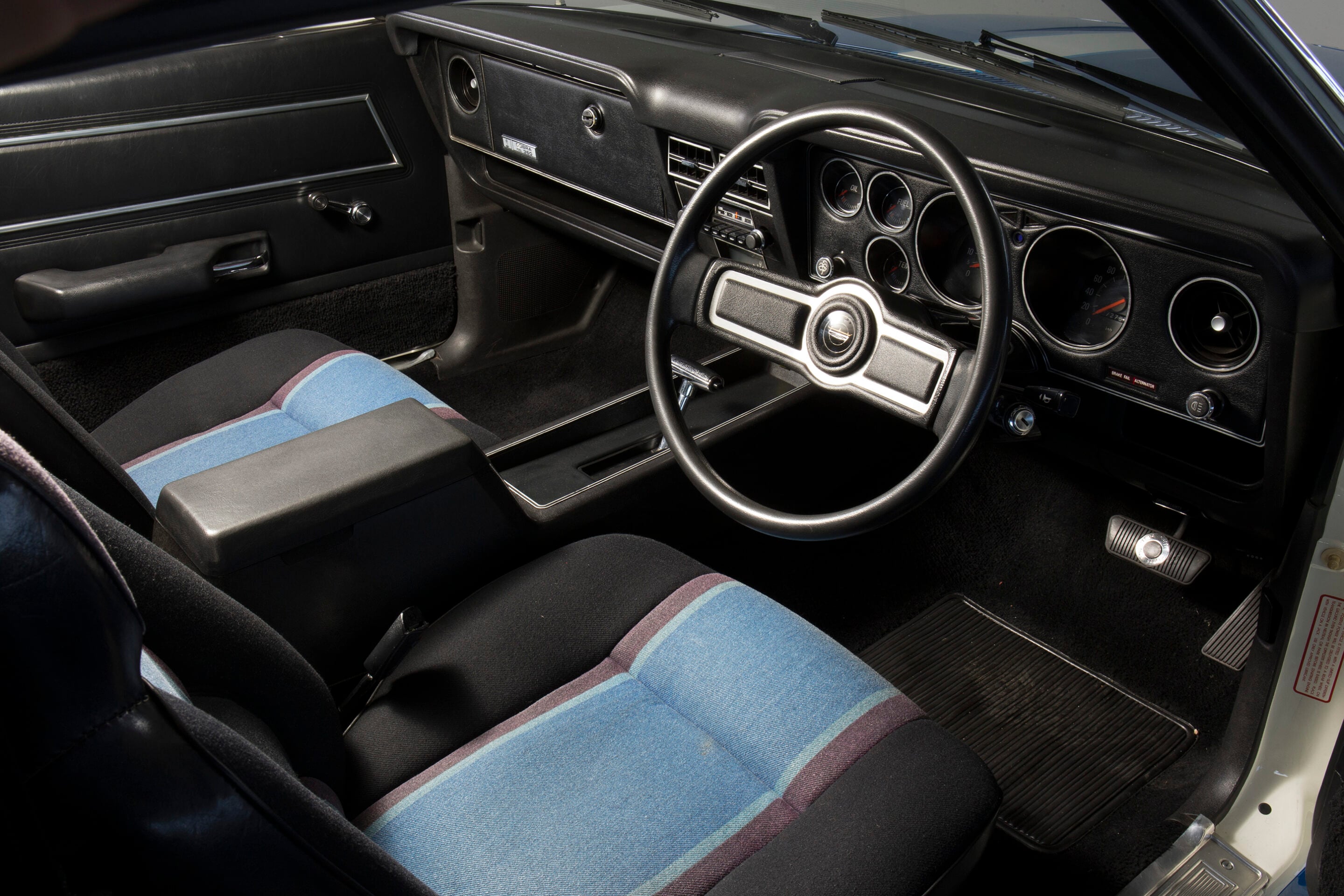
Inside, the Bathurst Cobra is routine Falcon except for the bonnet bulge, seen largely through the laminated windscreen, and a tacked-on switch low on the right of the dash to work the cooling fans. Oh yes, and there are Scheel seats in the 30 Bathurst Cobras. If you are six feet tall, you’ll find your head very close to the roof and you’ll need to increase the rake on the seat to increase clearance. Tall drivers need to adopt a reclined driving position in the Falc, but find it a comfortable one. It’s a ‘cocoon car’ like most of the large Australian Fords we can remember.
By now, people will already have bought Cobras believing them to be of the GT-HO/ L34/A9/X ilk; and that they will eventually become well-remembered and increasingly valuable classic Australian cars. But is it true?
In the case of the 370 ordinary Cobras, it probably is not. For evidence of that you only need to look at the way the first Falcon Superbird, the John Goss and the Allan Moffat specials have faded out of sight. They were no more than optioned Falcons offered at attractive prices. And so are the 370 ordinary Cobras.
The Bathurst Cobra is probably a better proposition, though in being linked with the lesser car by its appearance and name it may suffer. And after all, the Cobra was unsuccessful against the Toranas at Bathurst in ’78. We’d call the Cobra a good, if rather irrelevant, car and a marginal classic. We see it best as a car for the owner who wants to build, finally, the best and fastest road Falcon.
Toyota’s chairman has warned the brand ‘cannot survive’ if it maintains a ‘business-as-usual’ stances as the Japanese giant confirmed the next-generation of its iconic small car, the Corolla, will be offered with a battery-electric powertrain alongside hybrid, plug-in hybrid and petrol variants.
According to Electrek.co, which reported on an NHK documentary that aired in Japan last weekend, the next-generation Corolla is being developed at a confidential Toyota engineering facility as the company accelerates its response to rapidly changing global market conditions.
The 50-minute NHK program followed engineers working on the new Corolla, giving viewers a rare glimpse inside Toyota’s development process and revealing what the broadcaster described as a growing sense of urgency within the company.
The outlet reported Toyota chairman Akio Toyoda told NHK that the biggest threat facing the world’s largest carmaker wasn’t new technology or emerging competitors, but complacency.
“There seems to be a considerable sense of crisis within the company,” Toyoda told the doco-makers during a rare behind-the-scenes special at Toyota’s development site for the next-generation Corolla electric vehicle (EV). Toyoda framed complacency, not competition itself, as the existential threat: “If that happens, it’s over.”
The documentary also featured candid comments from Toyota engineers, with one reportedly admitting the company was falling behind Chinese manufacturers in some areas of vehicle development as brands such as BYD continue to shorten development cycles and expand their electric vehicle line-ups.
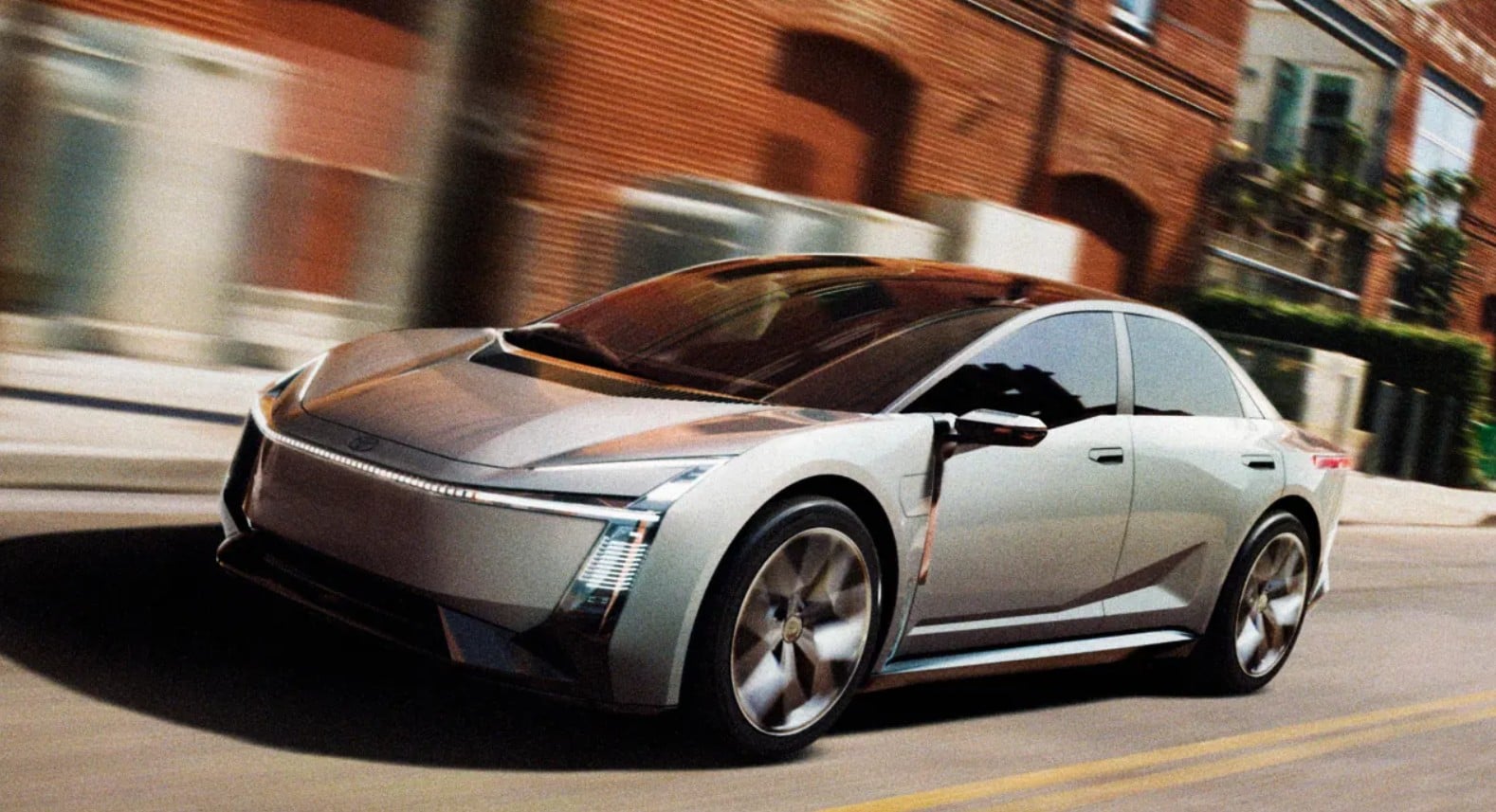
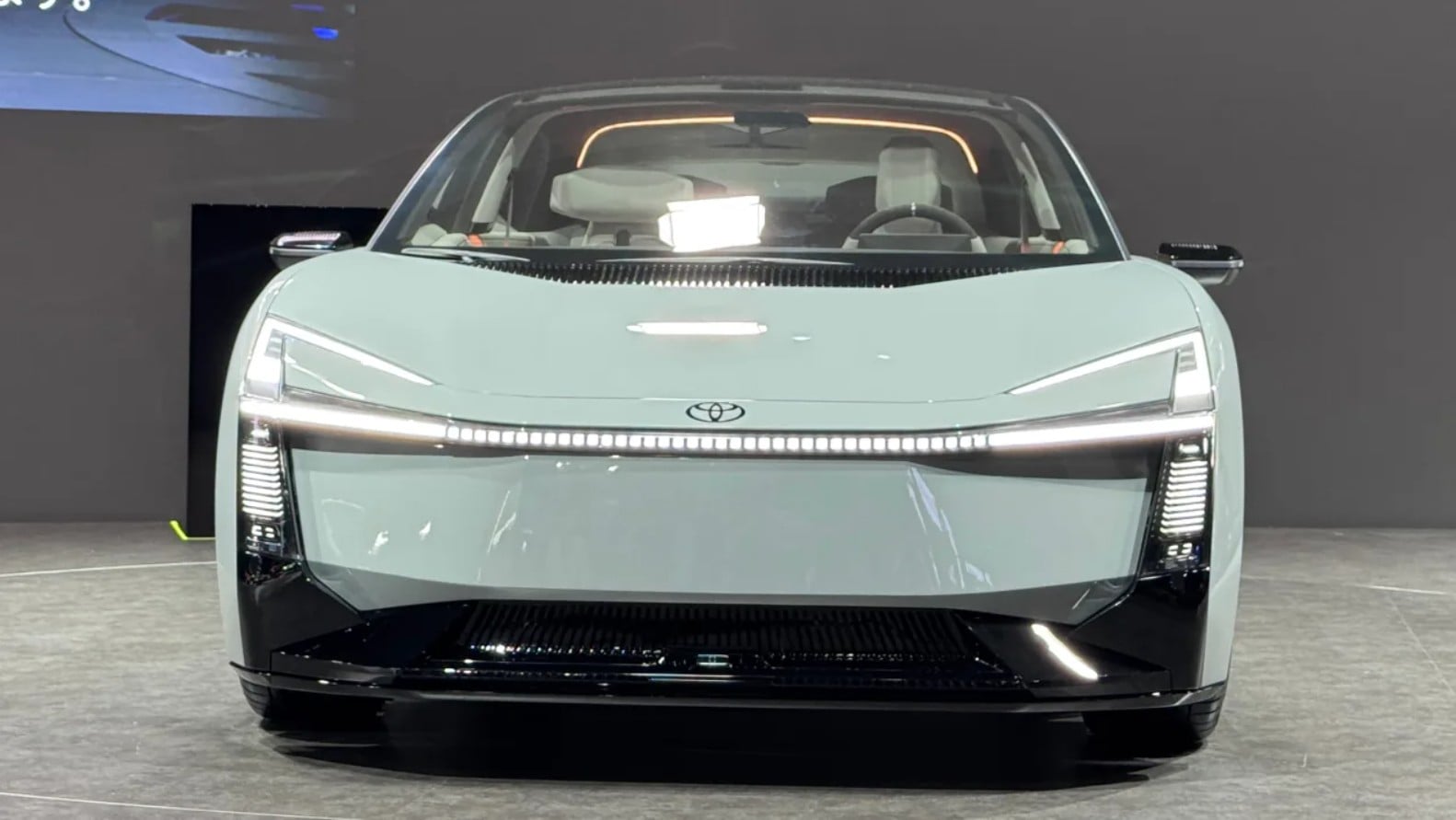
Prototype vehicles shown during the program closely resembled the Corolla Concept unveiled at the Japan Mobility Show, featuring a sleeker, lower-slung design than today’s model. A closed-off grille and visible charging port suggested an all-electric version is already well advanced.
Toyota has previously confirmed the next Corolla will ride on an all-new platform capable of supporting multiple powertrains, allowing battery-electric, plug-in hybrid, hybrid and conventional petrol models to be built from the same architecture. Several body styles, including sedan, hatchback, crossover and a GR performance model, were also reportedly shown in development during the documentary.
With more than 57 million Corollas sold since the model debuted in 1966, the arrival of an electric version would mark one of the most significant changes in the nameplate’s 60-year history, signalling Toyota’s determination to remain competitive as the global market increasingly shifts towards electrification.
Honda has confirmed a new-generation Ridgeline ute is on the way, with the third iteration of its mid-size pickup due to arrive within the next two years and bringing a more rugged design, fresh engineering and the prospect of hybrid power.
The Japanese carmaker released the first teaser image of the new Ridgeline this week, confirming the replacement for the current model is already in development. While the shadowy preview reveals little beyond its overall silhouette, Honda says the new ute will adopt a tougher appearance than its predecessor.
The next-generation Ridgeline is being styled at Honda’s design studio in Southern California, while engineering work is being carried out at the company’s Auto Development Center in Ohio. Production will once again take place at Honda’s manufacturing plant in Alabama after output of the current model is paused later this year to prepare for the changeover.
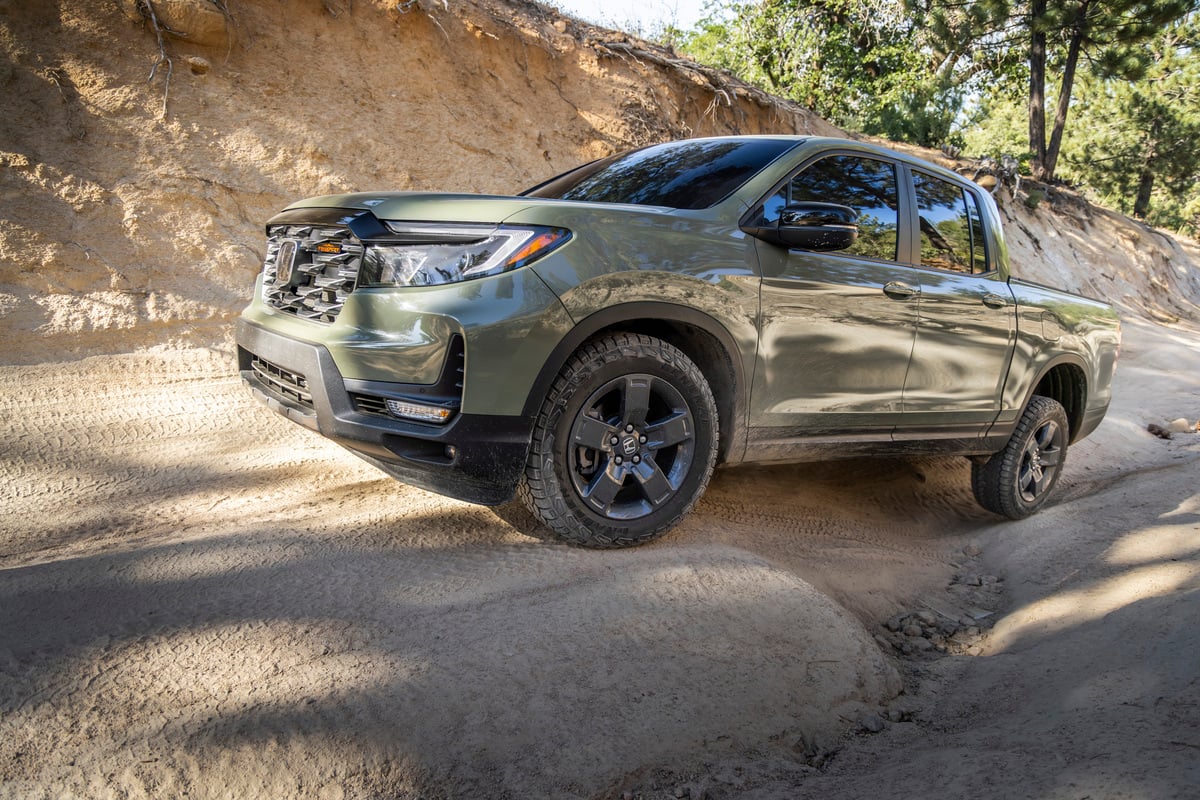
Although Honda has yet to reveal technical specifications, overseas reports suggest the new Ridgeline will remain a unibody vehicle rather than switching to the ladder-frame architecture used by rivals such as the Toyota Tacoma, Ford Ranger and Nissan Frontier.
Instead, it is expected to continue sharing much of its underpinnings with Honda’s large SUV range, while adopting styling cues inspired by the recently launched Passport, including a squarer, more off-road-focused exterior.
A new hybrid powertrain is also tipped to headline the range. Reports from the United States indicate Honda is developing a hybrid V6 system featuring up to three electric motors that could deliver more than 10 per cent better acceleration and improve fuel economy by more than 30 per cent compared with the outgoing petrol-powered Ridgeline.
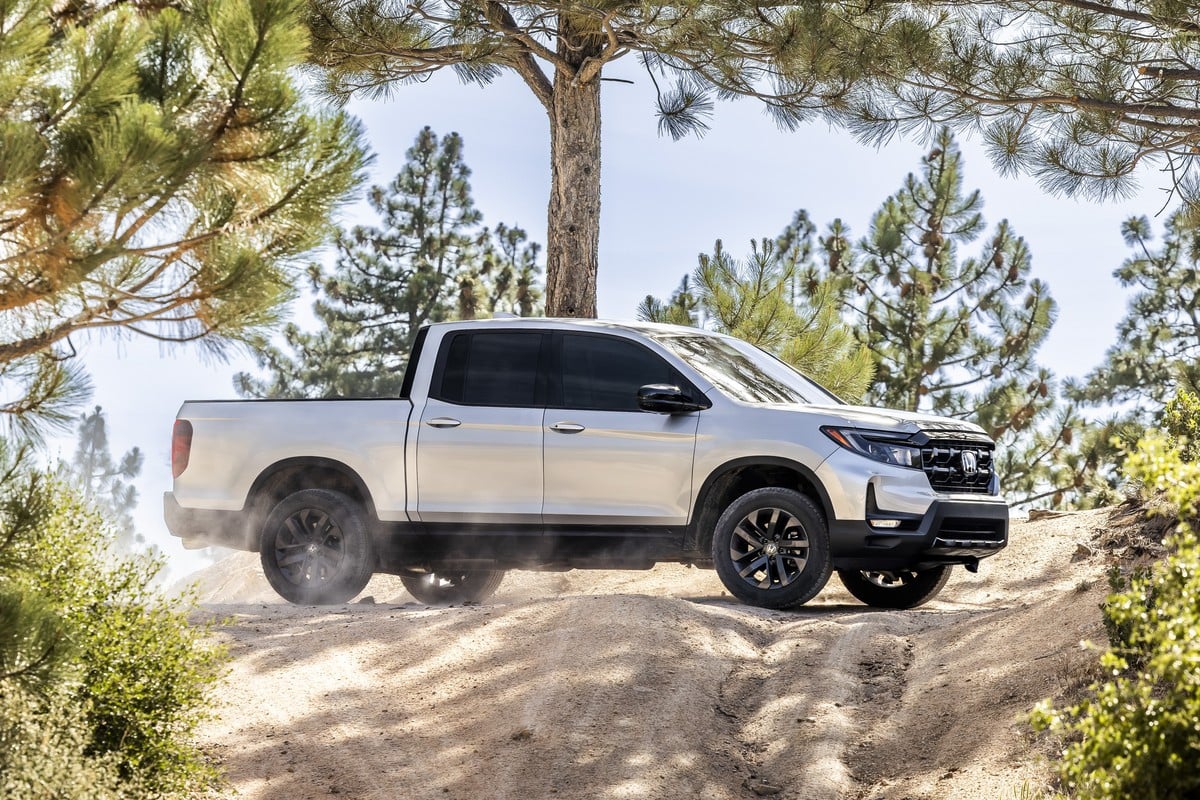
Whether the new Ridgeline will finally make it to Australia remains uncertain, but Honda Australia has previously indicated it would consider the model if a factory-built right-hand-drive version became available.
The local ute market continues to grow, with models including the Ford Ranger, Toyota HiLux, Isuzu D-Max and BYD Shark 6 dominating Australian sales. Honda currently has no entrant in the segment.
A right-hand-drive Ridgeline could give Honda a foothold in one of Australia’s most competitive vehicle categories, particularly if its hybrid drivetrain arrives at a time when demand for electrified utes is accelerating.
Honda says the new Ridgeline will go on sale in the United States within the next two years, with further details expected closer to its launch.
The Ford Mustang is once again becoming a familiar sight in police liveries across the United States, with a growing number of highway patrol agencies turning to the V8-powered coupe to catch speeding motorists.
After disappearing from frontline law enforcement duties more than 30 years ago, the Mustang GT has returned to service in at least eight US states, where it is being used primarily for high-speed highway enforcement rather than general patrol work.
According to Hemmings, the resurgence follows the end of production of the Dodge Charger Pursuit, which had become a staple of American police fleets. With fewer high-performance pursuit sedans available, several agencies have identified the Mustang as an effective alternative for interstate policing.
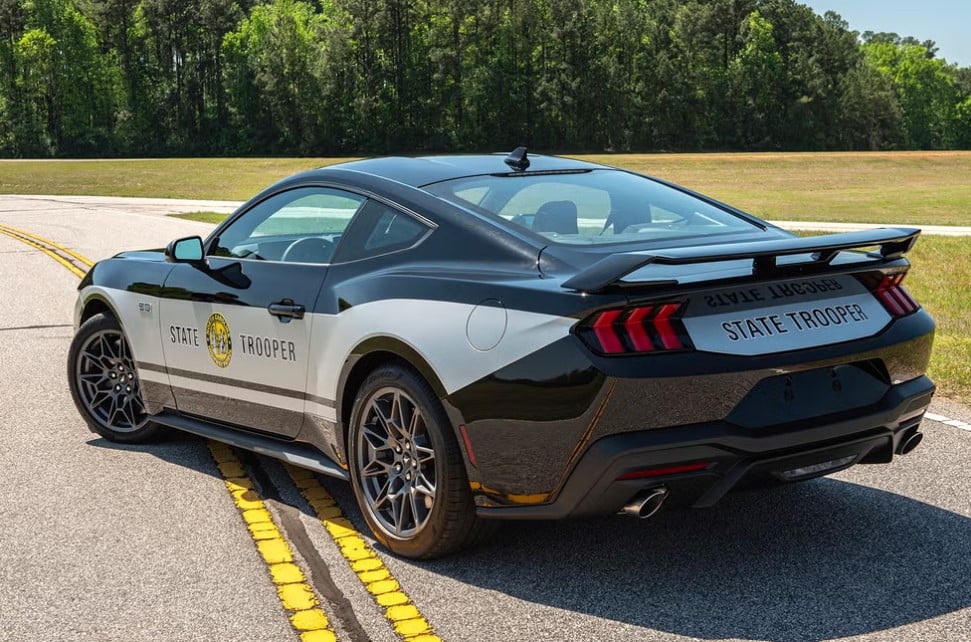
Among the first to adopt the coupe was the North Carolina State Highway Patrol, which introduced 25 Mustang GTs (above) in 2024. The agency has since confirmed it plans to expand the fleet by a further 50 cars.
Captain Zeb Stroup, who oversees the Patrol’s logistics unit, told Road&Track the Mustang’s rapid acceleration allows officers to intercept speeding vehicles more quickly than larger SUVs, reducing both pursuit times and the duration of dangerous driving incidents.
The New York State Police has also added 19 Mustang GTs to its fleet. Public information director Beau Duffy told Road&Track they would be deployed exclusively on highways, where their handling, performance and visual presence are expected to discourage excessive speeding and aggressive driving.
Unlike Ford’s purpose-built Police Interceptor SUVs, the Mustang isn’t available from the factory as a police package. Instead, agencies purchase standard GT models before fitting emergency lighting, communications equipment and other specialist hardware through aftermarket upfitters.
The Mustang previously served American police forces between 1982 and 1993 in the form of the Fox-body Mustang SSP (Special Service Package), developed specifically for law enforcement.
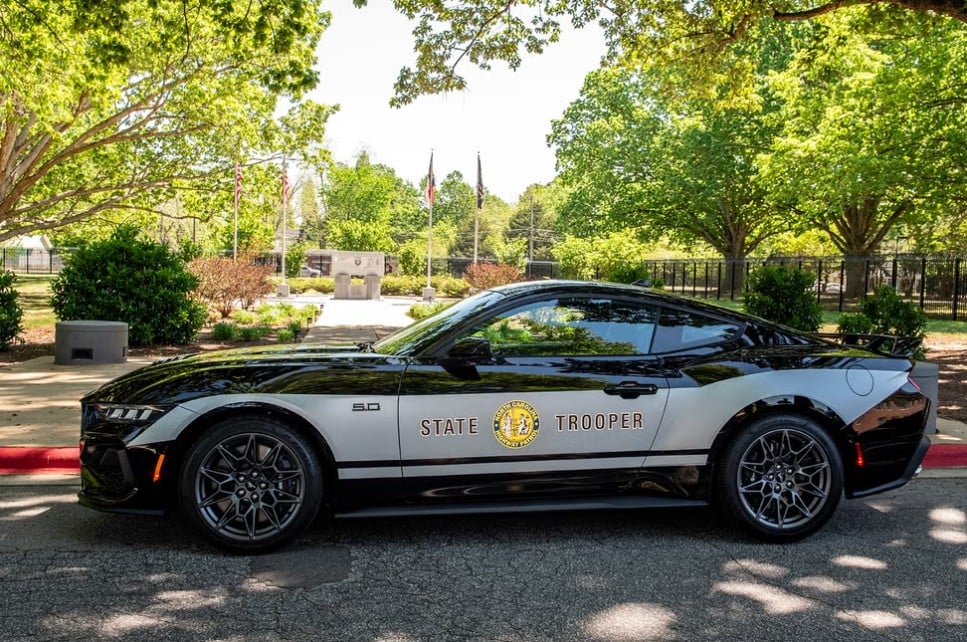
Australia has also experimented with high-performance police vehicles over the years, although mostly in small numbers.
One of the most famous was the 600kW FPV GT R-Spec (below), commissioned by NSW Police to mark the force’s 150th anniversary. Tuned by touring car legend Dick Johnson, it remains the most powerful police car ever built in Australia and was used primarily for public engagement and road safety campaigns rather than routine patrols.
NSW Police also operated a 430kW HSV GTS, which at the time was Australia’s fastest locally built production car. Powered by a supercharged 6.2-litre V8 capable of 0-100km/h in around 4.3 seconds, it joined a similarly high-profile Ford Falcon GT as part of the state’s road safety fleet, appearing at enthusiast events and community programs while also undertaking high-visibility patrol work.
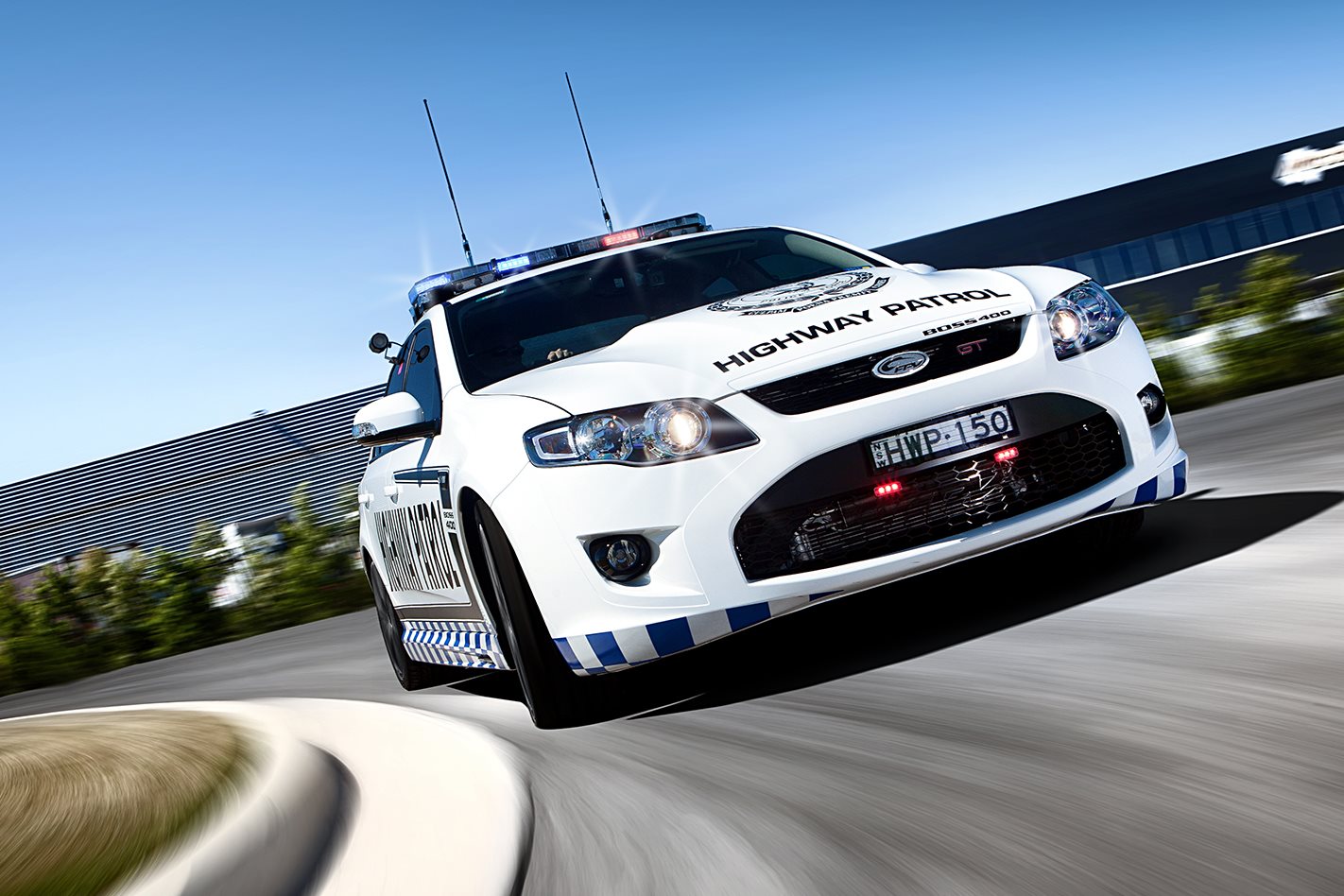
Following the end of local manufacturing, NSW Highway Patrol replaced many of its V8 Falcons and Commodores with Chrysler 300 SRT Core pursuit cars. Equipped with a 350kW 6.4-litre Hemi V8 producing 637Nm, the rear-drive sedans were capable of around 280km/h and were specially modified with upgraded braking, suspension, communications systems and automatic number plate recognition technology. BMW 530d highway patrol cars also joined the fleet at the same time.
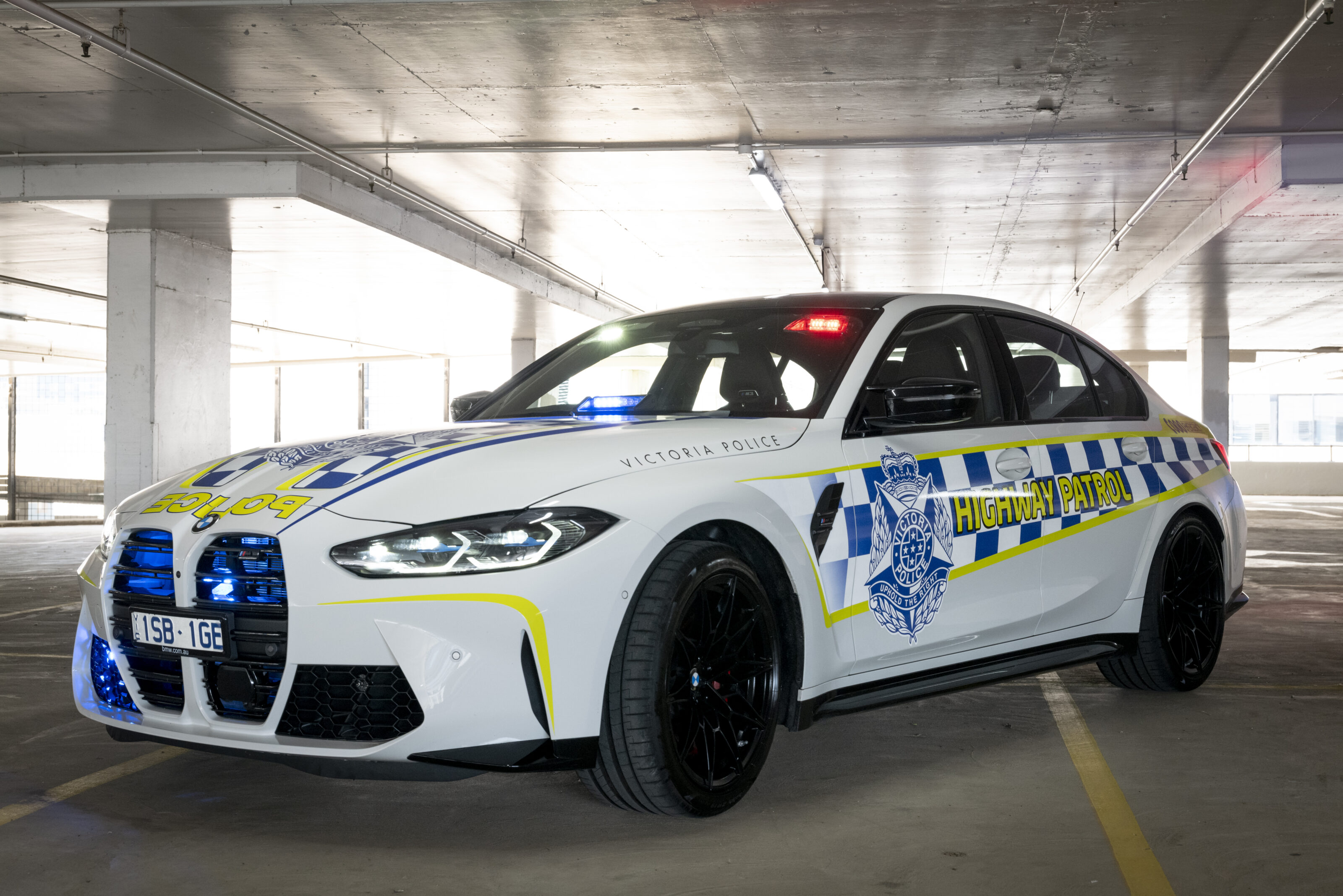
Victoria Police has also sampled some of BMW’s highest-performance road cars as part of its highway patrol evaluation program. In late 2021, BMW Australia loaned the force a BMW M3 Competition (below) for specialist assessment duties. Powered by a 3.0-litre twin-turbocharged inline six producing 375kW and 650Nm, the rear-wheel-drive sports sedan could sprint from 0-100km/h in 3.9 seconds and joined the force’s existing fleet of BMW 530d patrol cars. The M3 followed an even more potent BMW M5 Competition trialled in 2019, which, with 460kW and 750Nm, was the most powerful vehicle ever evaluated by Victoria Police. Both cars were supplied on a temporary basis as part of BMW Australia’s vehicle assessment program rather than purchased by the force.
In 2016 Victoria Police also with Mercedes-Benz to take delivery of a brand new 430kW/760Nm GLE63 S SUC Coupe (see gallery below), nicknamed the “Road Guardian”, as part of a campaign to raise awareness around vehicle safety.
Elsewhere, Queensland and Tasmania adopted the twin-turbo Kia Stinger 330S as a modern replacement for the discontinued Holden Commodore and Ford Falcon pursuit cars, while Western Australia recently attracted worldwide attention by unveiling a BMW M4 Competition xDrive Highway Patrol car. The 390kW/650Nm coupe was supplied by BMW Australia for community engagement and recruitment duties rather than high-speed pursuits, joining an earlier BMW M5 patrol vehicle used in Victoria.
Despite their impressive performance credentials, these specialist vehicles are typically reserved for highway patrol duties, where rapid acceleration, high-speed stability and overtaking performance are considered more valuable than the practicality offered by SUVs.
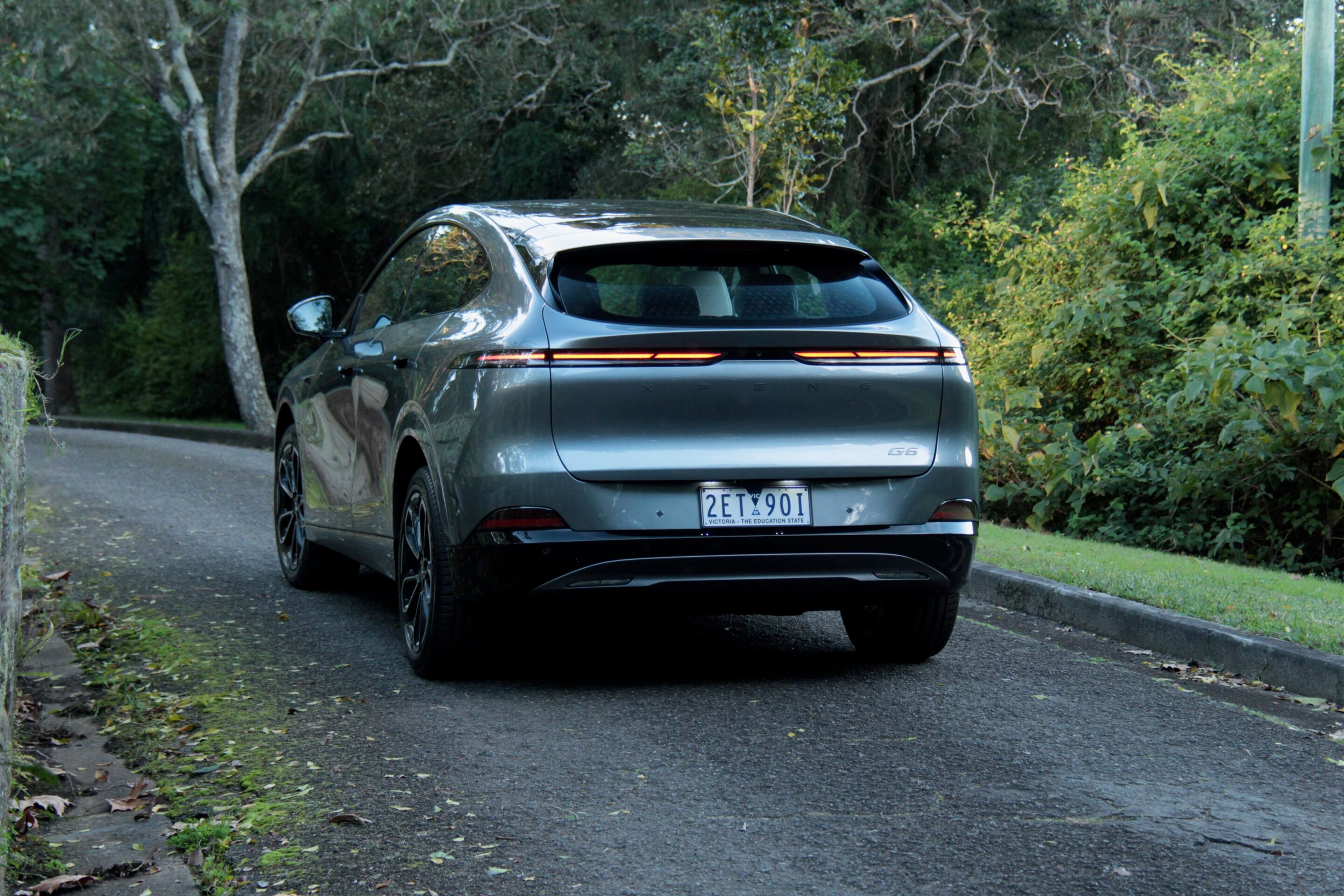
Chinese brand XPeng is entering a new chapter in Australia. With local operations now handled directly by itself rather than distributor True EV, the company is hoping to build stronger momentum locally, banking on an updated G6 to lead the charge.
Freshened with styling tweaks, a revised interior and a lot of technology upgrades, the updated electric medium SUV arrives at a time when competition has never been fiercer. But are the changes to the XPeng G6 enough to warrant serious consideration among Australia’s best-selling electric SUVs?
How much does the G6 cost to buy?
Pricing for the updated XPeng G6 range starts at $51,800 plus on-road costs, which is actually $3000 less than the pre-updated G6. We tested the mid-range G6 Long Range, which is priced from $56,800 +ORC and competes with cars such as the BYD Sealion 7 Premium ($54,990 +ORC), Kia EV5 Earth ($61,170 +ORC but currently on offer for $59,990 driveaway) and Tesla Model Y Premium ($58,900 +ORC), the latter of which has been Australia’s best-selling vehicle for the past two months.
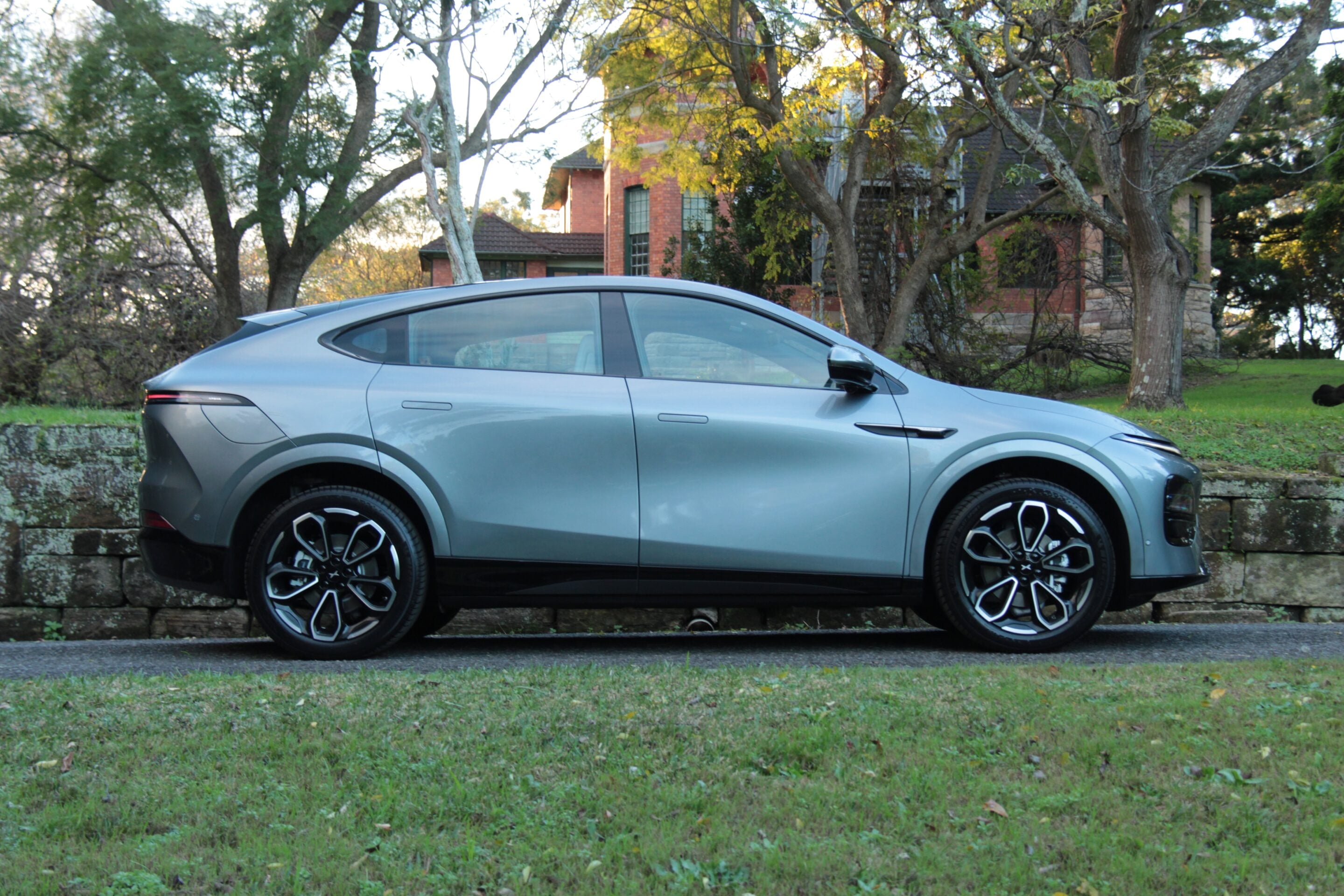
2026 XPeng G6 pricing (excluding on-road costs):
| RWD Standard Range | $51,800 |
|---|---|
| RWD Long Range | $56,800 (tested for this review) |
| AWD Performance | $63,800 |
| AWD Performance Black Edition | $66,800 |
A full list of standard features was not yet available at the time of testing, but highlights include a panoramic glass roof, 18-inch alloy wheels, a 10.25-inch digital driver’s display, a 15.6-inch touchscreen with wireless Apple CarPlay and Android Auto and live services, a 10.25-inch digital driver’s display, 18-speaker ‘XOPERA’ audio, dual wireless phone chargers, heated/ventilated/massaging front seats, a heat pump and vehicle-to-load (V2L) functionality at up to 6kW.
Moving up to the Long Range models such as our test car and features like 20-inch alloy wheels, nappa leather upholstery and a digital rear camera are added.
Safety kit include seven airbags, adaptive cruise control, adaptive lane guidance, autonomous emergency braking with forward collision warning, lane keeping assistance, blind-spot monitoring with rear cross-traffic alert, rear collision warning, door open warning, driver attention monitoring, traffic sign recognition and a 360-degree camera with a transparent chassis view.
Colour options include ‘Arctic White’, ‘Silver Frost’, ‘Midnight Black’, ‘Stellar Purple’ and the ‘Graphite Grey’ of our test car, plus there’s also the Black Edition model at the top of the range which paints everything on the outside in black. Any colour that’s not the white option adds a steep $1500 to the price, while the interior is available in either dark grey or the light grey of our test car.
How practical is the XPeng G6?
The updated G6 gets off to a flying start on the inside because it makes an excellent first impression when you open the – frameless! (how cool) – doors. Its cabin is clean and modern, and while it uses a very similar layout to many electric SUVs we’ve seen since the Model Y entered the chat – ya know, a huge central touchscreen packed with every feature and no physical buttons – its material quality is a definite step above its main rivals. Not only are there soft touch leather-like materials covering most of the cabin, but the stitching is tight, and the ambient lighting is subtle and not in your face. Impressive.
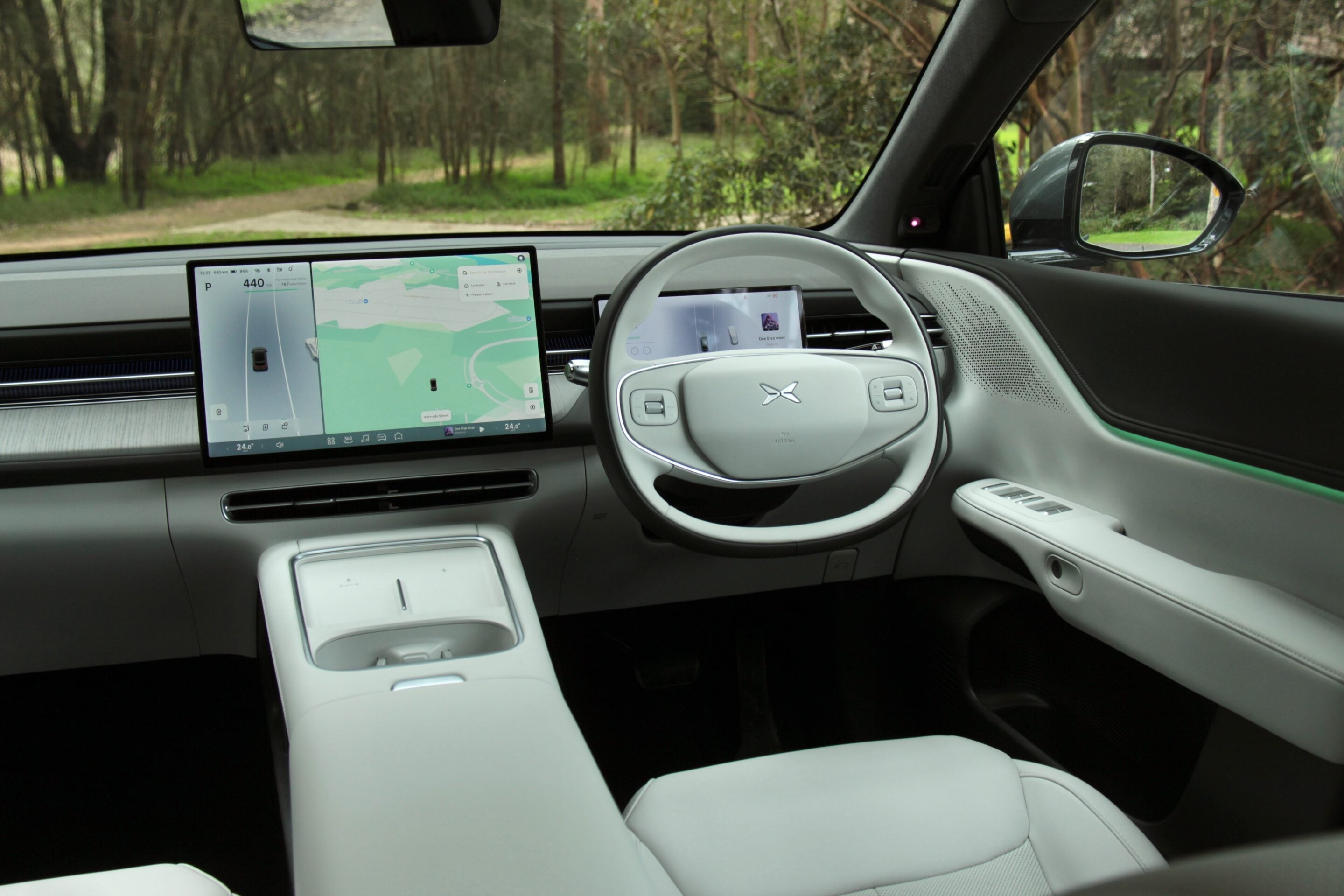
Seat comfort is less impressive, however, as there’s no under-thigh angle adjustment, robbing the driver of a crucial layer of comfort, and there’s a bit too much lumbar support. Otherwise, there is pretty good massaging functionality, while the heating and ventilation are quite effective. It’s just a shame that you must press the screen at least three times to access them, but more on that later.
Storage inside the G6 is positive, including deep bins underneath the centre console and arm rest, reasonable door pockets and effective cup holders, and dual wireless phone chargers on the centre console. But, for whatever reason, that panel you think is a glovebox is not actually a glovebox, and the car doesn’t feature one at all. Considering that the G6 is not a lightweight sports car like the Mazda MX-5 – which doesn’t offer a glovebox to apparently help save weight – it’s an odd oversight.
A 15.6-inch touchscreen dominates the dashboard design, and aside from the steering wheel buttons and overhead controls, is used to operate every function in the car. The display is very sharp and quite responsive, and while there are no physical controls for the heating and ventilation, the shortcut bar at the bottom of the screen is permanent for easier access. It’s also loaded with features, including wireless Apple CarPlay and Android Auto, DAB+ digital radio, sat-nav, live services, over-the-air updates and even access to an app store to download your favourite apps.
However, as is the case with many other modern vehicles, there’s simply too many features loaded into the screen and getting to many of them requires at least three touches of the screen. A good example is adjusting the heating and ventilation – yes, there’s a shortcut menu that expands when you press the temperature, but if you’re after specific tuning like the air zone, you must access the HVAC menu, meaning even more button presses. Also, both the mirror and headlights controls are buried in the screen. Annoying.
Some more obvious icons and fonts for important functions in the menus would also help, as much of the structure looks the same throughout, making it tedious and confusing to find certain functions. However, the 18-speaker ‘XOPERA’ audio system is effectively punchy, and is one of the best stereos we’ve heard from a Chinese manufacturer.
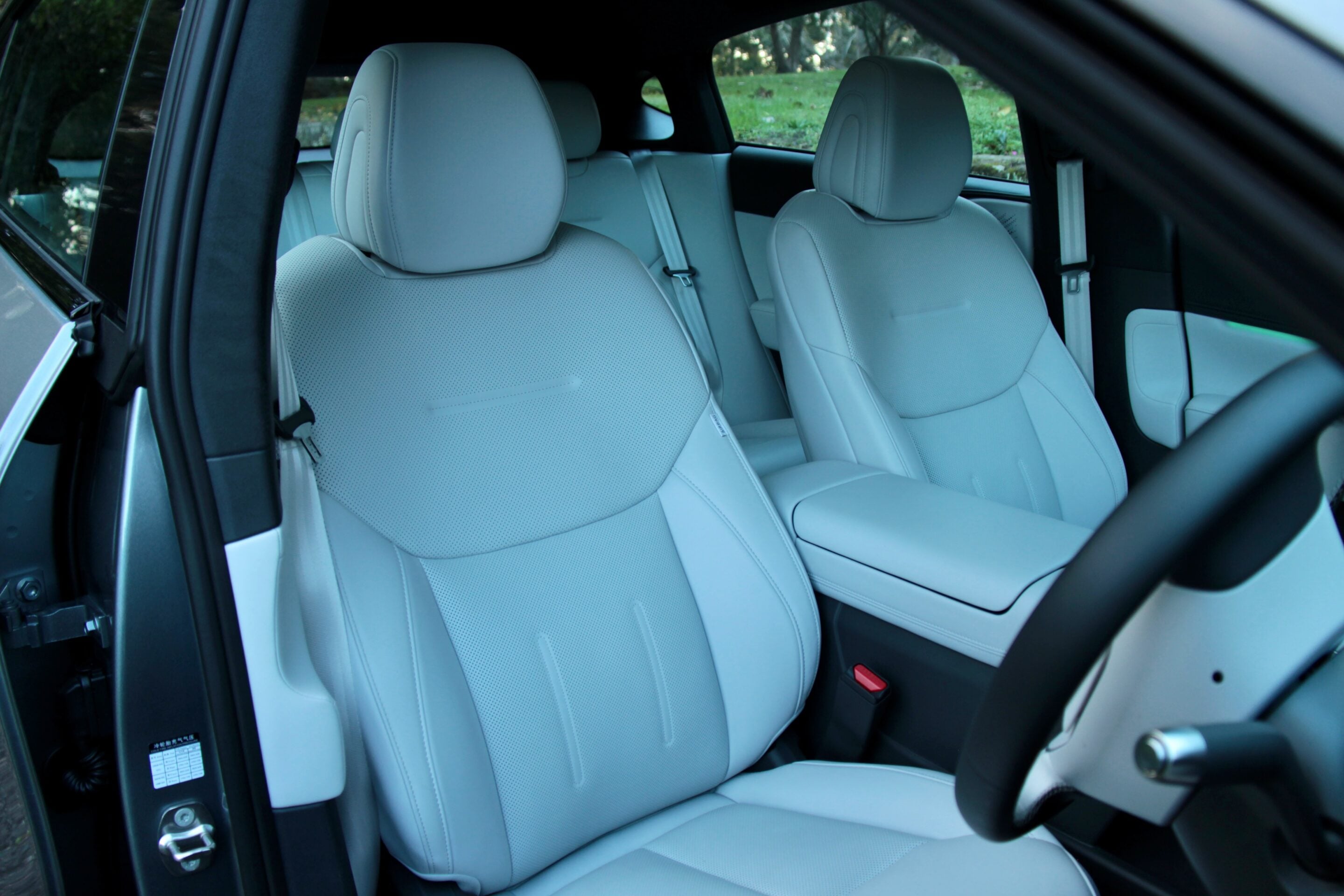
Because of the sloping coupe roofline, rear headroom for tall adults isn’t amazing, but leg- and foot room is good, and thanks to the standard glass roof – which will get hot in summer as there’s no sunshade and flat floor, it feels spacious. Amenities include air vents, heated outboard seats – which are controlled through the touchscreen in the front – and air vents, two USB-C charging points, door and map pockets and a central armrest with cup holders.
Behind the rear seats lies a healthy 571 litres of boot capacity, which opens up to 1374 litres with the rear seats folded. It’s not as large as the Model Y (938 litres seats up/2022 litres seats folded) back there, but the materials used are of good quality and there’s also a hidden compartment under the boot floor for extra storage, but no spare wheel and, surprisingly, no front boot either.
How quickly does the G6 charge?
Fun fact about the updated XPeng G6 is that it’s actually one of the fastest-charging electric cars currently on sale locally, as it’s capable of charging at up to 451kW. There’s actually no charger in Australia yet that can charge that quickly – a few are capable of 400kW, but not any higher – but when they are eventually available, the G6 will be able to be charged from 10 to 80 per cent in a claimed 12 minutes. AC charging hits an 11kW peak in the G6, which isn’t anywhere near as impressive, but it’s fine.
That’s slightly better than the very quick-charging Zeekr 7X, and more than twice as quick as something like the Toyota bZ4X, which was also just given a big update with improvements to its battery. Another upgrade for the updated G6 with its update is a switch from NMC (Nickel Manganese Cobalt) to LFP (Lithium Iron Phosphate) batteries, which are capable of charging to 100 per cent more regularly, plus they are safer and also cheaper to produce.
Is the G6 good to drive?
Let’s start with the positives about the driving experience for the XPeng G6. With 218kW and 440Nm outputs, it’s got more than enough grunt for most buyers. Its claimed 0-100km/h sprint time is 6.7 seconds, but the power delivery is also quite smooth as well, and it’s not an instant shove in the back like a lot of EVs. It’s also quite refined, with very little in the way of road noise and no wind noise either thanks to the noise insulating front glass and aerodynamic shape. Also, unlike the Model Y and Sealion 7, there’s a rear wiper!
However, we think there could be some final tweaks to make the driving experience of the G6 better. It’s not a sports car and isn’t marketed to be, and its ride and steering is improved compared to the pre-updated model, but ultimately needs more finessing. It’s not uncomfortable by any means and remains a fairly relaxing car to drive, but the ride quality on the 20-inch wheels of the Long Range model never settles properly in urban driving and you’re always feeling some sort of busyness.
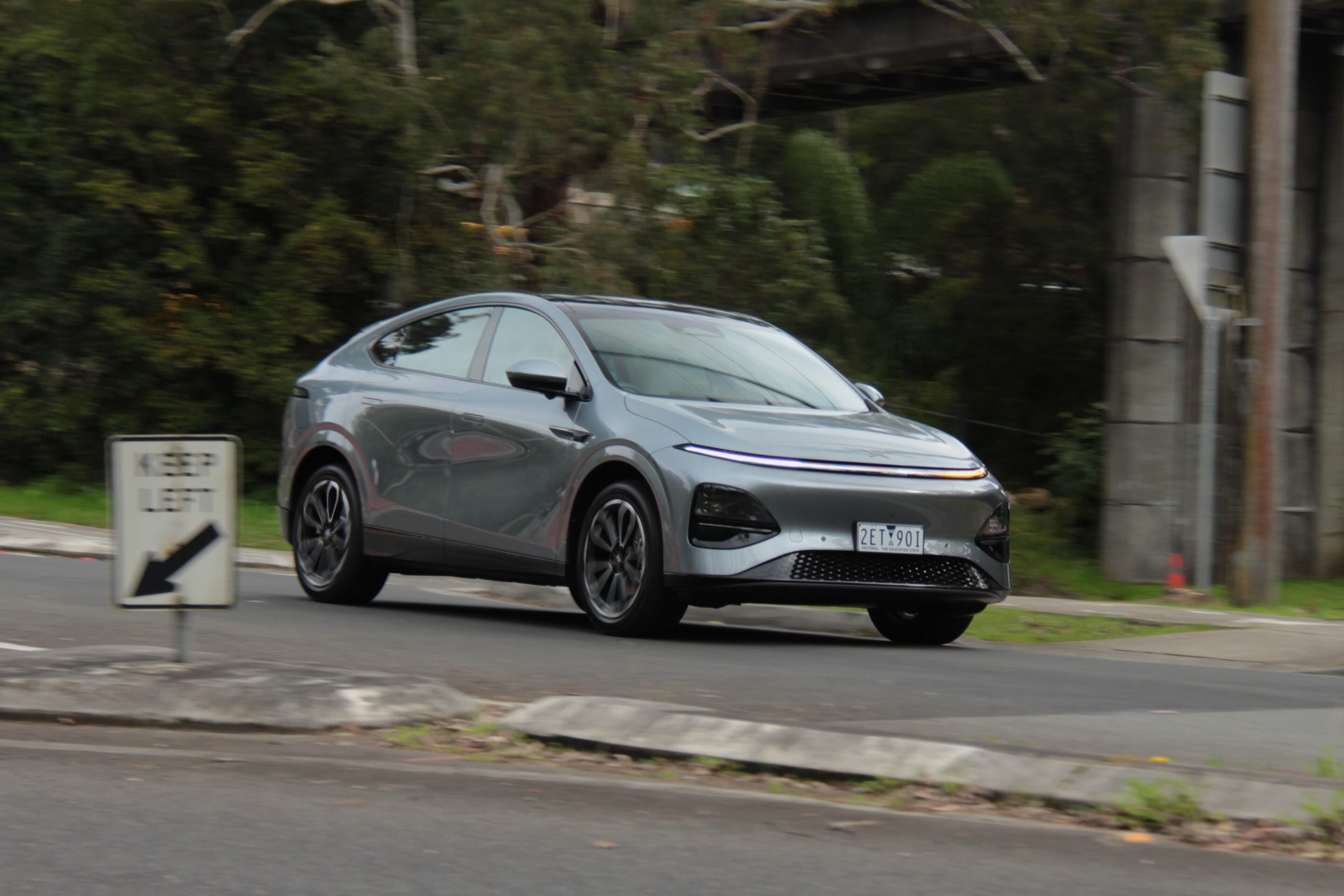
At higher speeds, it’s definitely better, but the body control needs firming up. The steering is also a mixed bag. In its standard mode it’s a bit lifeless and the large wheel doesn’t help with the G6 feeling heavy to drive, but switch it to sport mode and becomes too heavy. We think a local ride and handling tuning program, like GWM and Kia, would be a great idea.
Thankfully, its plethora of active safety tech is well tuned for the most part. Like a lot of Chinese cars, the adaptive cruise control is too sensitive and its active lane keeping assistance is a bit too overactive, but we like how you can adjust the sensitivity of its safety functions. There’s also a shortcut menu on the touchscreen to easily disable the speed alert, while the screen quality for the 360-degree camera is one of the best we’ve experienced. We also used the automatic parking functionality and it works quite well.
What warranty covers the G6?
One of the biggest benefits for customers in the switch to factory distribution for the XPeng brand is that the standard warranty has grown from five years/120,000km to seven years/unlimited km, which is longer than Tesla and BYD, and equals Kia.
The eight-year/160,000km battery warranty remains as before, while XPeng is yet to announce service pricing for the updated G6. We’ll update this review when it does.
Should I buy an XPeng G6?
Overall, the updated XPeng G6 presents an overall positive look at the future of the company in this part of the world. The G6 is the first model that the company has launched here but on this basis, future models will likely have more of a chance at success. The G6 is now more attractive to look at and also more attractively priced, while it ultra-fast charging ability is also very appealing.
What would make it even better are retuned suspension and steering, less sensitive safety features, an easier touchscreen menu structure and a front boot to boost practicality further. We also don’t know how much it costs to service yet. But overall, the XPeng G6 is a well equipped, relatively luxurious, practical and tech-filled electric medium SUV that we think is worth consideration over key rivals like the top-selling Tesla Model Y.
XPeng G6 Long Range specifications:
| Price | $56,800 plus on-road costs |
|---|---|
| Powertrain | Single electric motor, single-speed transmission, rear-wheel drive |
| Battery | 80.8kWh LFP |
| Power | 218kW |
| Torque | 440Nm |
| 0-100km/h (claimed) | 6.7 seconds |
| Range (claimed) | 525km (WLTP) |
| Max DC charging rate | 451kW (approx 10-80% in 12 minutes) |
| Max AC charging rate | 11kW |
| Tare mass | 2120kg |
| Dimensions (L/W/H/WB) | 4758/1920/1650/2890mm |
| Boot capacity | 571 litres (rear seats up)/1374 litres (rear seats folded) |
| On sale | Now |
There are hundreds of systems – some obvious, some running in the background – that make up a modern automobile. Over the years, engineers have worked long and hard to perfect technologies that make cars safer, smarter, or more luxurious.
As innovation evolves, it’s easy to forget that commonplace features found in cars today could be considered revolutionary, rare, or exclusive. Here are just a few examples of the starting point for tech we take for granted today.
Three-point seatbelts – Volvo PV544, 1959
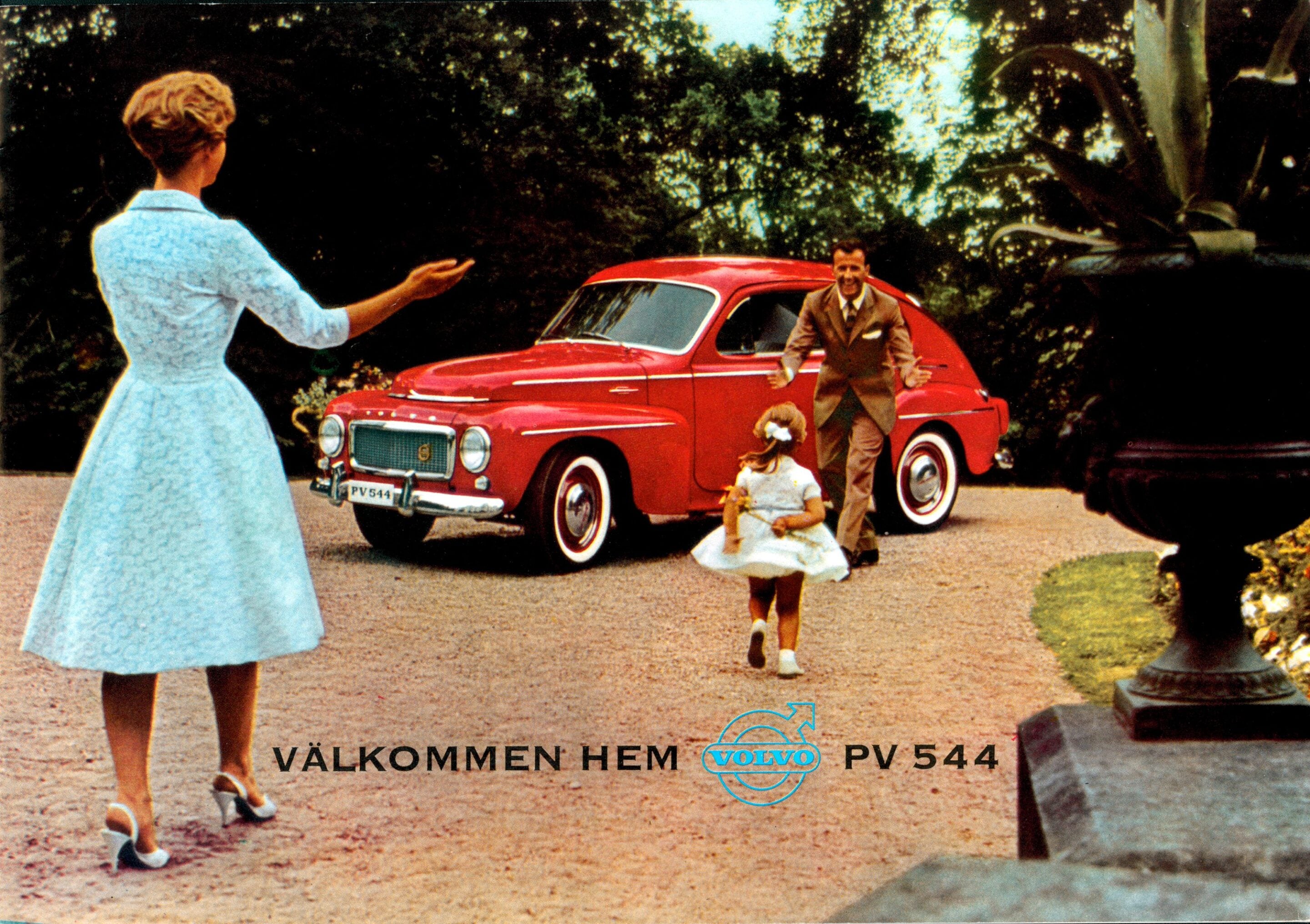
It’s almost second nature to reach for a seatbelt any time you get in a car, but the three-point design that’s widely used today owes its origins to Volvo in 1959. As with many early automobile innovations, the seatbelt’s safety benefits were recognised in aircraft, and adapted from there.
Lap-only belts were introduced on production cars in the late 1940s, but Volvo’s three-point system, spanning from hip-to-hip-to-shoulder, took a major leap forward by securing occupants upright in a collision, demonstrating a huge leap forward in protection.
Recognising how important the system could be, Volvo opened the patent to its design, allowing for adoption across the auto industry.
Power windows – Packard Custom Super Eight, 1941
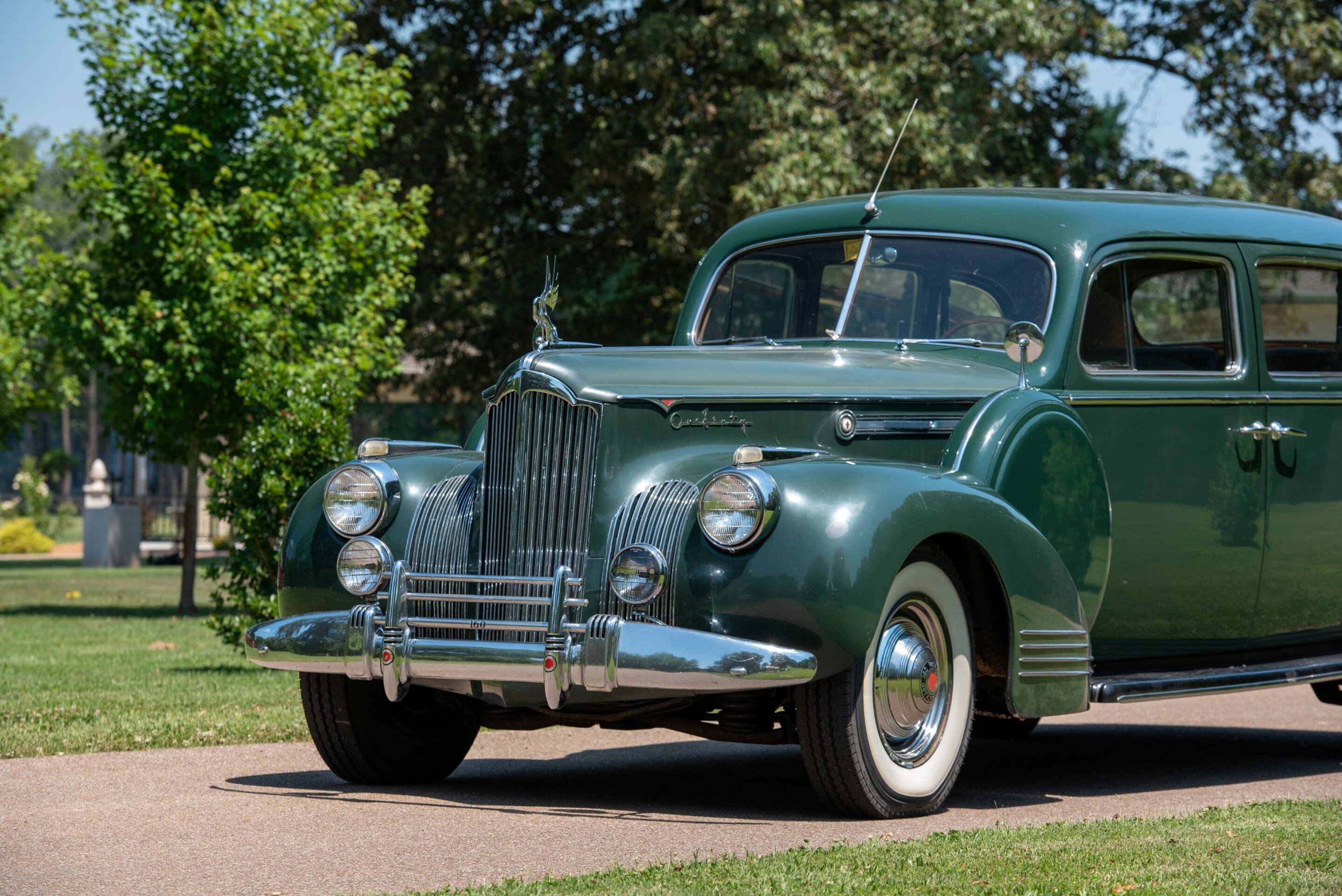
It’s rare to find a car without power-operated windows in 2026, but the pioneer of what we recognise today as the power-assisted raising and lowering function was first fitted to Packard’s luxurious Custom Super Eight line.
Back then, the system was hydraulically actuated by an electric pump and similar systems were used on early versions of power window systems. The result was effortless operation, but also a very real risk of injury with powerful hydraulics refusing to yield to any obstructions.
Today, electric motors with jam protection are commonplace, and even the cheapest new cars on the market come standard with power windows, although workhorse vehicles like the LandCruiser 70 still offer manual wind-up windows in some versions.
Airbags – Chevrolet Impala, 1973
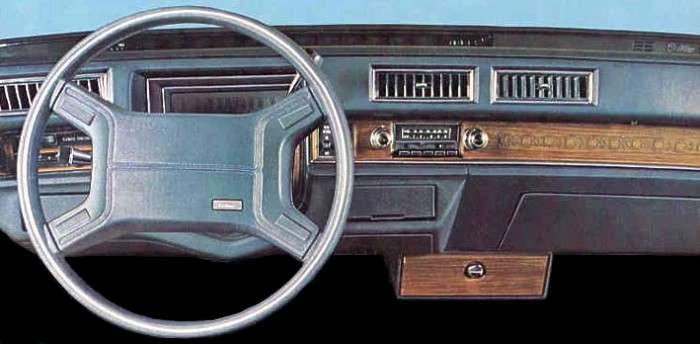
Competition for airbag development was fierce. Another aircraft technology adapted for use on the road, competing patents in the 1950s proposed protection via compressed air, before moving to faster-inflating chemical compounds that form the basis of today’s airbags.
General Motors was first to introduce the technology on a production car, fitting a driver’s airbag as optional equipment on the 1973 Chevrolet Impala aimed at fleet buyers and an optional driver and passenger airbag on the 1973 Oldsmobile Toronado.
Initially proposed as an alternative to seatbelts, airbags were eventually discovered to work more effectively in combination with seatbelts. In 1981, Mercedes-Benz introduced the first supplemental restraint system airbag, the system used today, which worked in conjunction with seatbelt pretensioners.
Front-wheel drive – Cord L-29, 1929
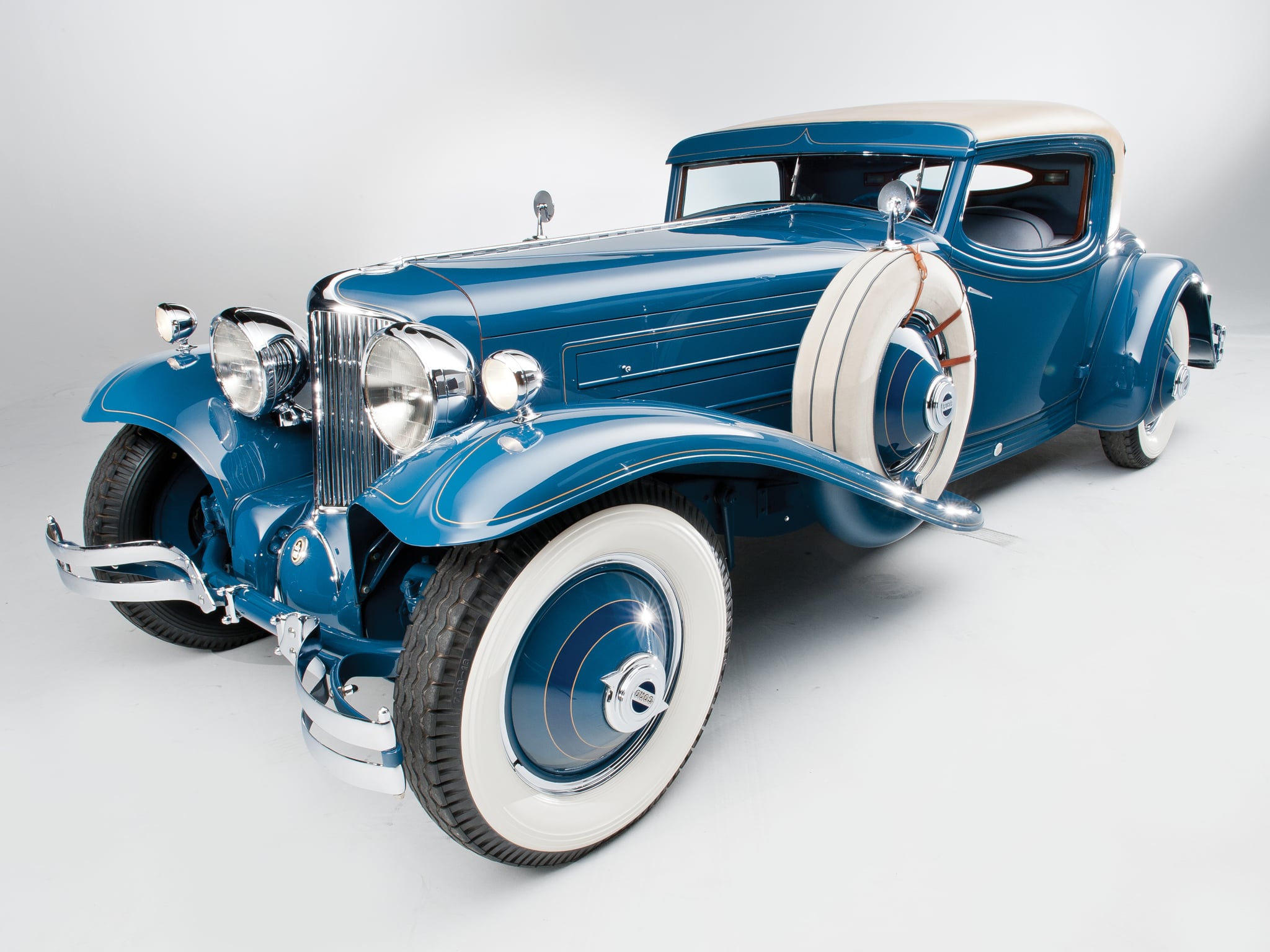
The definition of a ‘car’ as we know it today, and what constitutes a production car, makes this one a tough call. Some of the first self-propelled carriages drove their front wheels, and Australian inventor and engineer Henry Sutton is believed to have built the world’s first one-off front-wheel drive car, the Sutton Autocar, in 1899.
Though its production was limited, the Cord L-29 gave the world a front-wheel-drive powertrain that used constant velocity joints to smoothly transmit power to the front wheels while also allowing them to steer and ride out bumps. That mechanical format remains a mainstay of front-wheel drive cars today.
Shortly after, in 1931, German automaker DKW produced the first transverse-engined front-wheel-drive car, the DKW F1. Its transverse front-drive layout is now the most popular powertrain arrangement found in combustion-engine vehicles around the world.
Turbocharging – Oldsmobile F-85 Jetfire, 1962
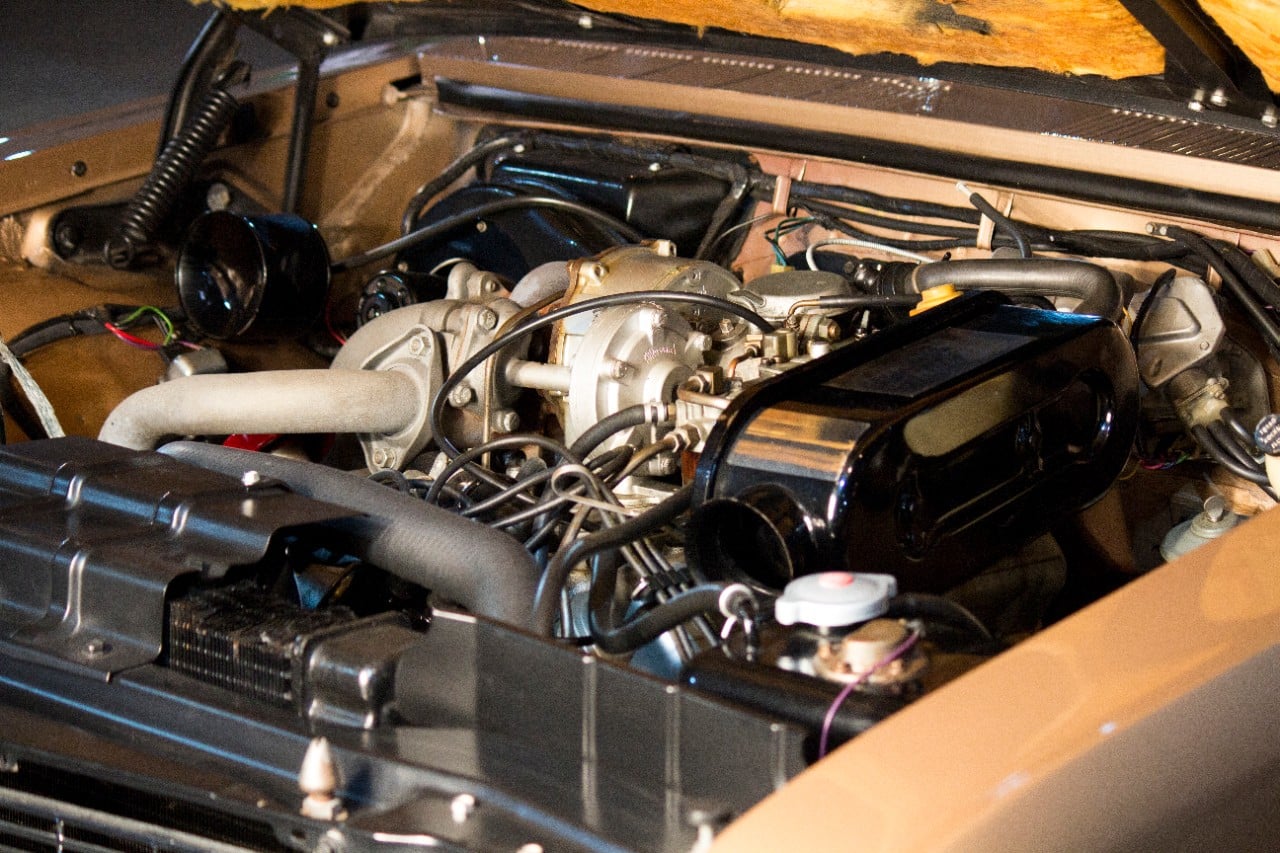
Originally conceived to compensate for power losses at high altitude in aircraft, the turbocharger provided a successful means of boosting the performance of ground-based vehicles too.
In 1962, GM equipped the Oldsmobile F-85 Jetfire with a turbocharged 3.5-litre V8, making it the first production car to be fitted with a turbo engine, and later that same year added a turbocharged version of the six-cylinder Chevrolet Corvair, though both were short-lived options.
Turbocharging persisted in motorsports applications, and advancements increased reliability and overcame turbo lag, with European manufacturers utilising the technology throughout the 1970s and ‘80s, and eventually using the performance boost as a means to downsize engines and stay ahead of emissions regulations for mainstream models.
Remote keyless entry – Renault Fuego, 1982
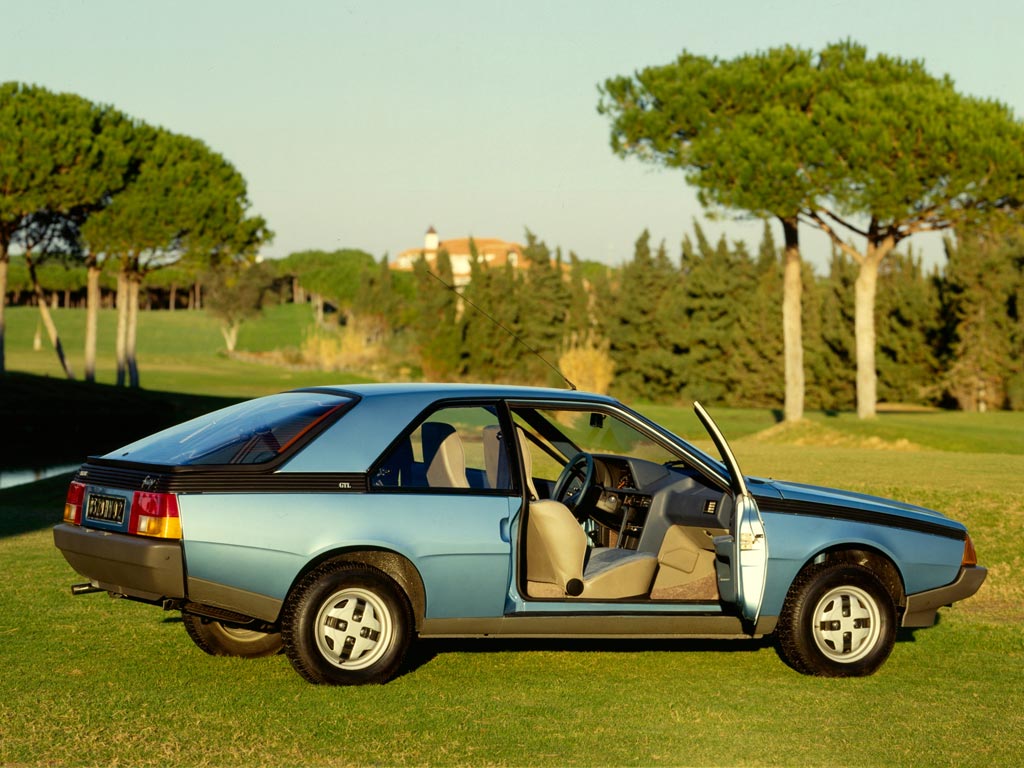
Much like power windows, the idea of keyless entry has become an assumed expectation on a modern car, but not too long ago it was a feature reserved for high-tech or luxury cars. Renault first introduced keyless entry on the Fuego coupe in 1982, and through its partnership with American Motors Corporation, the tech made its way Stateside by 1983.
Early systems, and still some today on lower-priced cars, required manual operation by pressing a button on the key fob. The first passive system, without the need to press the lock or unlock buttons, was introduced on the 1993 Chevrolet Corvette.
By 1998, Mercedes-Benz adapted the system further, adding Keyless-Go, which allowed vehicle entry and engine starting without the need to remove the key from your pocket or purse, as long as you had it with you.
Anti-lock brakes – Jensen FF, 1966
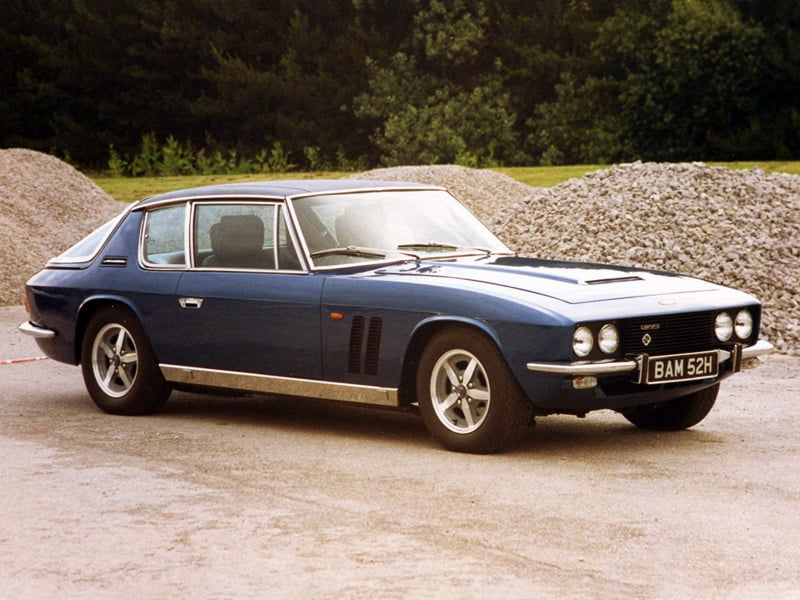
Systems to regulate brake pressure and prevent slipping first came from trains, but progressed with the advent of the aeroplane. In automobiles, the first mechanically-actuated anti-lock system saw use on the Jenson FF, albeit in a small production run from 1966.
Early ABS systems were developed in the late 1960s and early 1970s by Ford, GM, and Chrysler for their respective line-ups. In 1971, the Lincoln Continental and Toyota Crown introduced the first electronically controlled anti-lock braking systems, precursors to the multi-channel ABS fitted to every new car today.
Australian Design Rules mandated the fitment of ABS brakes to passenger cars from 2003, but the technology was already widespread by that stage and largely expected in most vehicle segments.
LED headlights – Lexus LS, 2006
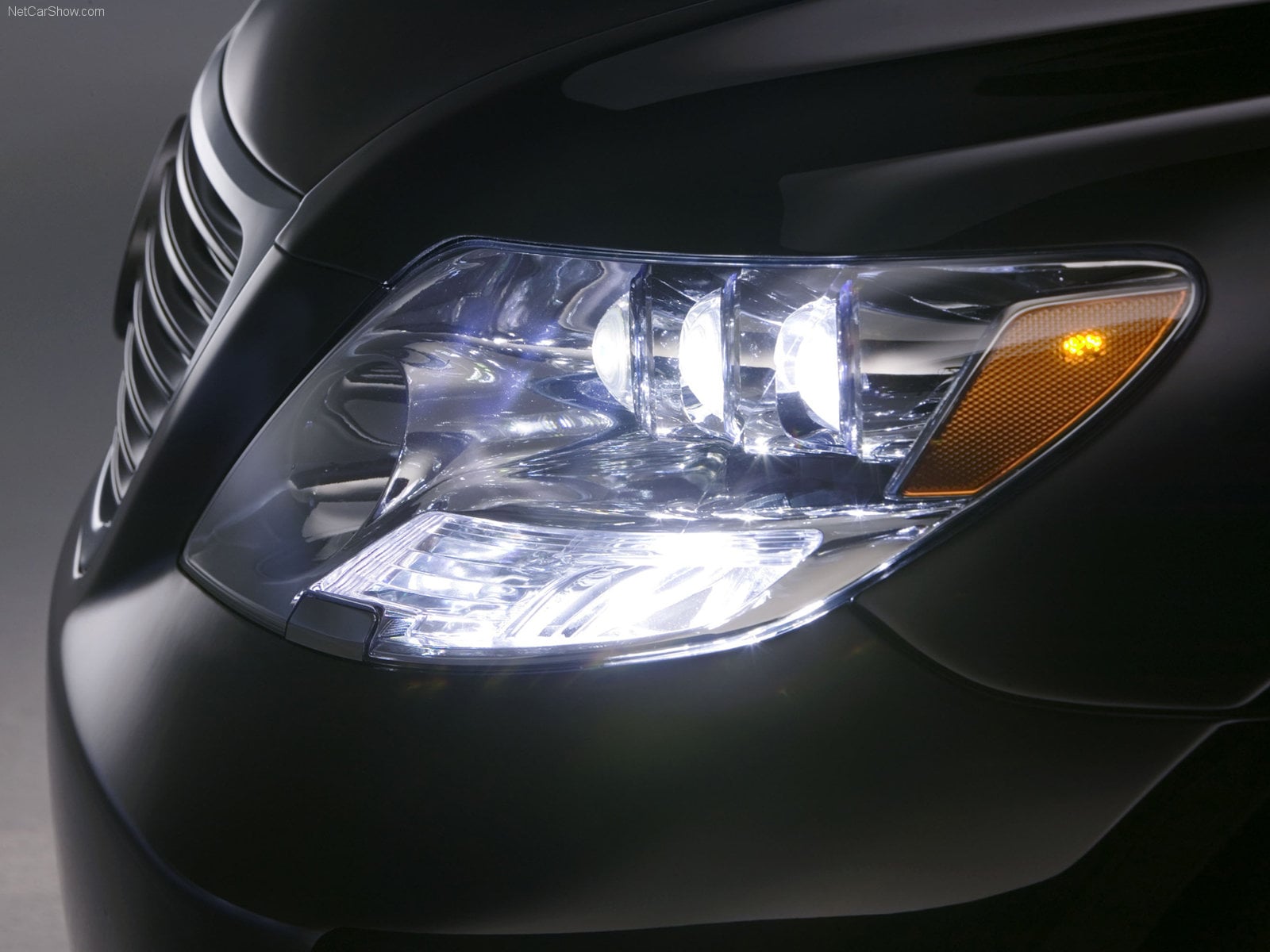
The electric headlight traces its origins back to 1898, first fitted on the Columbia Electric Car. Peerless made electric lighting standard in 2018, and Cadillac produced the first integrated electrical system in 1912. That latter system essentially underpinned headlights as we know them for almost a century.
Audi showcased LED lighting on the 2003 Nuvolari concept and introduced LED running lights in 2004. In 2006, Lexus introduced the first LED low-beam headlight on the LS600h luxury sedan. From there, adoption was fast-paced. Audi introduced all-LED illumination on the 2007 R8, and in 2011 Mercedes-Benz introduced the first adaptive LED lighting system on the CLS.
LED headlights are now expected equipment. Some lower-priced models have stuck with halogen headlights, but on everything from city-sized hatchbacks to luxury limos, rugged off-roaders to family SUVs, it’s commonplace to find LED headlights.
Cruise control – Chrysler Imperial, 1958
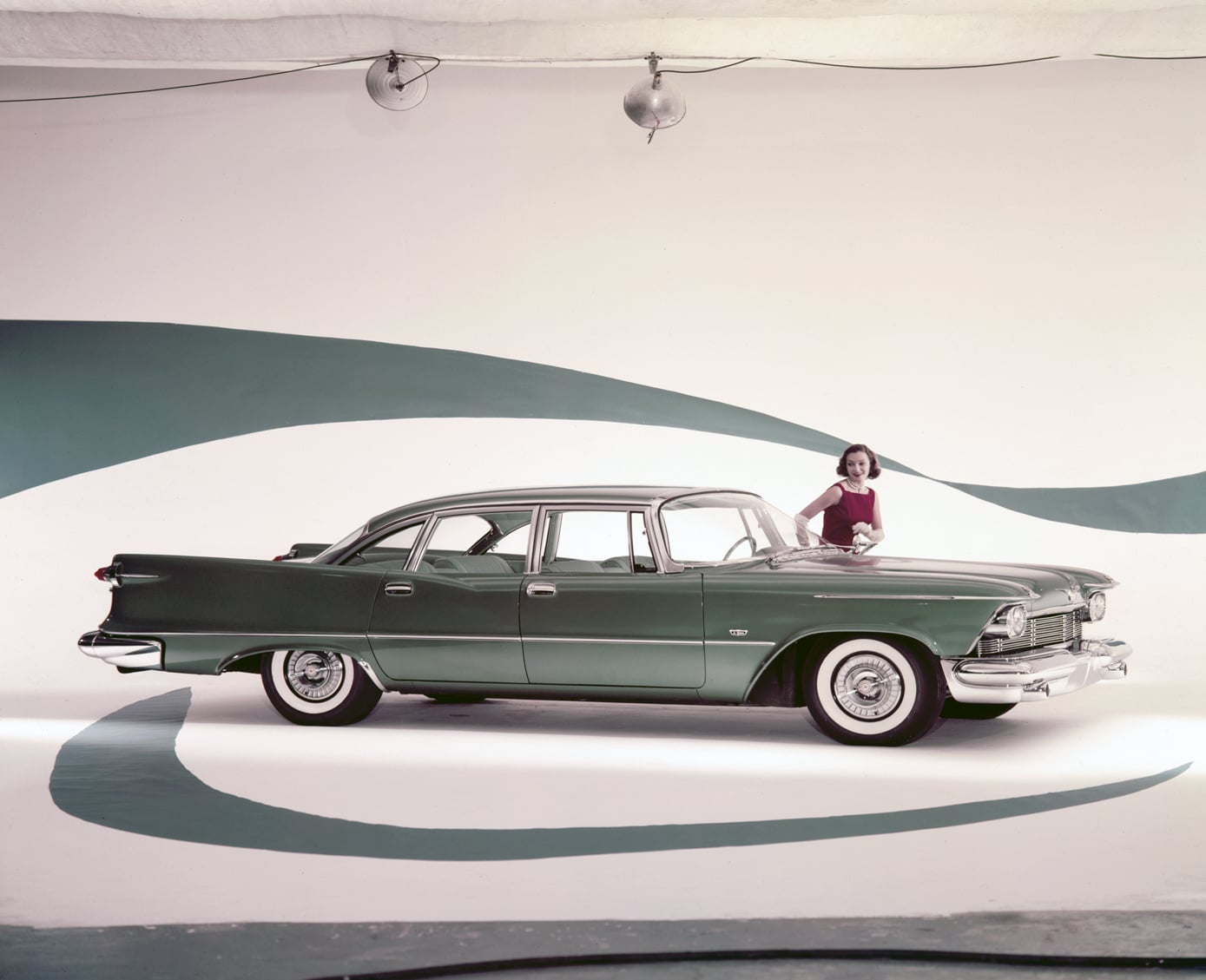
Cruise control, in some ways, actually predates the variable throttle. Early steam and combustion engines were often designed to operate at a set speed – albeit usually a very slow one – with various systems to compensate for varying load and maintain momentum.
So-called ‘modern’ cruise control, designed to maintain a set road speed, functioned a little differently to what we use today, operating more like a speed limiter function preventing overrun from a set speed, but allowing increased throttle input if the system detected a loss of speed.
The first car with the system was the 1958 Imperial, Chrysler’s luxury flagship brand, and the name for the system: Auto-Pilot. Cadillac adopted the system in 1960, renaming it Cruise Control – the name that has since stuck.
In 1995, the Mitsubishi Diamante added lidar-based distance-keeping functionality, and allowed engine braking via transmission downsifts, but not friction braking, to regulate speed and adjust to slower vehicles ahead. Mercedes-Benz later switched to a radar-guided system for the 1999 S-Class with the ability to apply the brakes and slow the vehicle when required.
Electronic stability control – Mercedes-Benz S-Class, 1995
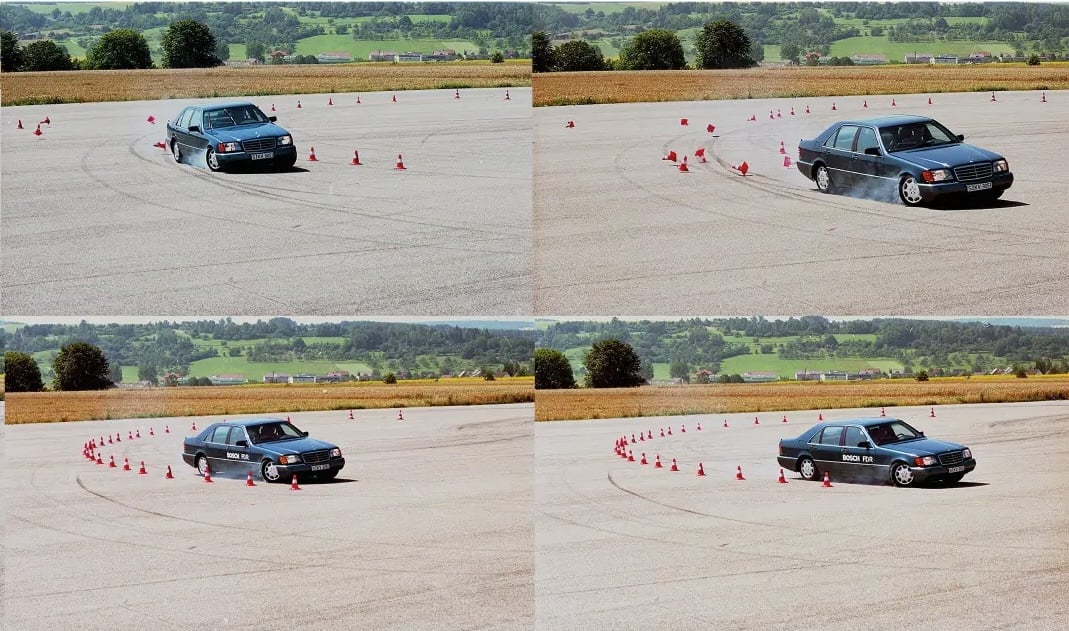
As with many new technologies of its era, electronic stability control was designed with flagship applications in mind. In 1995, it first featured on the Mercedes-Benz S-Class, manipulating the accelerator and brakes via traction control and ABS to reduce the likelihood of losing control.
Toyota was not far behind with its version, Vehicle Stability Control, appearing on the Crown Majesta in 1995, and GM rolled out StabiliTrack to Cadillac models in 1996.
The rollout of ESC to much cheaper cars may have taken much longer, if not for the poor performance of the then-new Mercedes-Benz A-Class in Sweden’s notoriously challenging ‘moose test’ in 1997. Stability control became the best fix for the issue, and Mercedes-Benz accelerated its development for use on cheaper models.
Like the three-point seatbelt, patents for the system were opened to rivals, and the result was much more affordable systems developed and rolled out to mainstream models incredibly quickly. The impact on single vehicle incidents was soon noted, and ESC became mandatory on all passenger cars in Australia by 2013.
A proposed US law designed to block Chinese-owned vehicle manufacturers from entering the American market could have an unintended consequence: preventing Mercedes-Benz from selling cars in the United States.
The proposal, approved this week by the US Senate Commerce Committee, would prohibit the sale of connected vehicles from manufacturers that are more than 15 per cent owned by Chinese entities. The legislation is aimed at strengthening restrictions on Chinese automotive companies and reducing potential national security risks linked to connected vehicle technology.
However, Mercedes-Benz could also fall within the scope of the bill because almost 20 per cent of the company is held by Chinese investors, including BAIC Group and Geely founder Li Shufu.
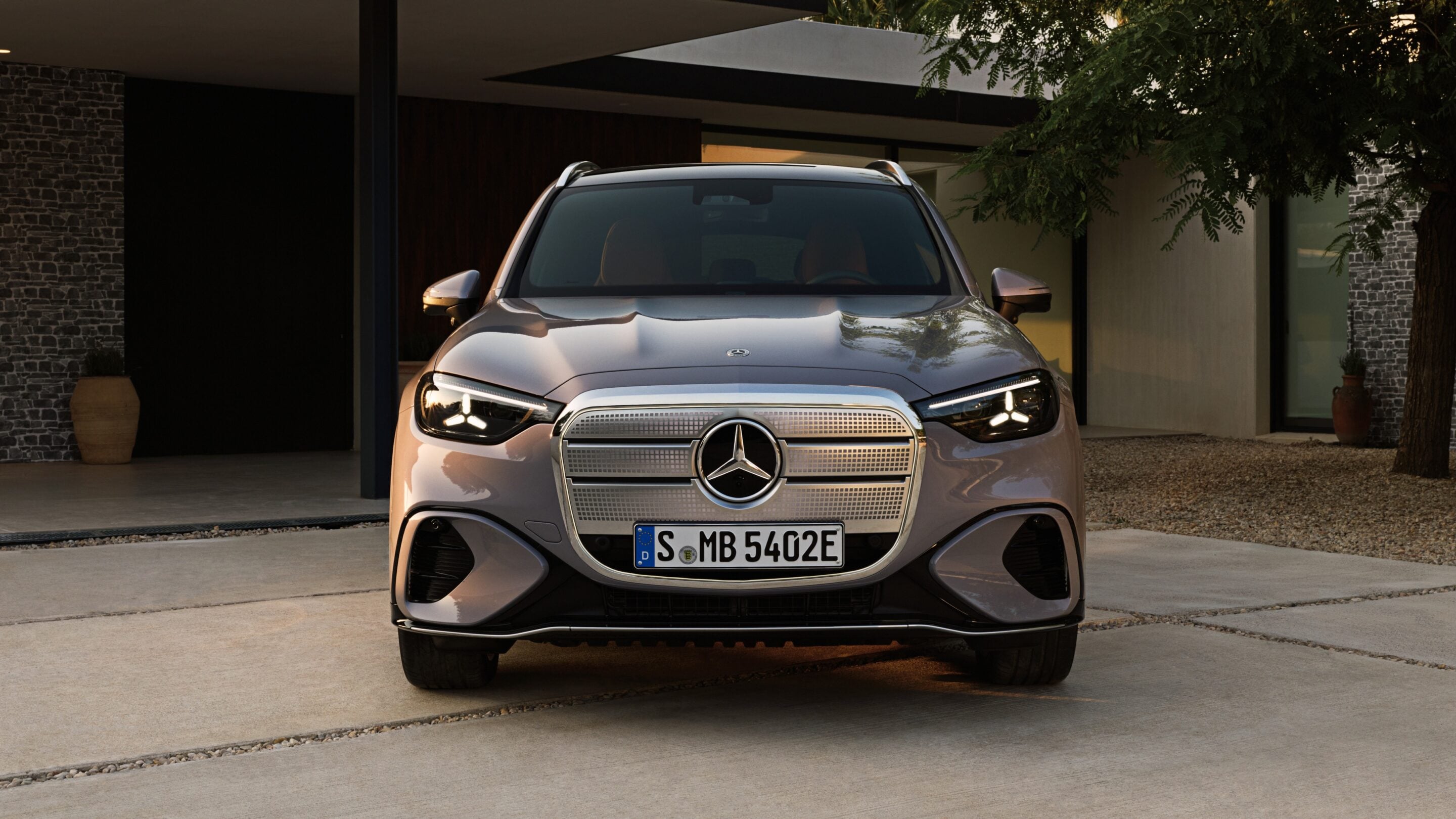
The bill still has a long legislative path ahead and is expected to undergo further amendments before it can become law. Senate Commerce Committee chairman Ted Cruz acknowledged the current wording would inadvertently capture Mercedes-Benz and said revisions were needed.
Ohio Republican Senator Bernie Moreno, one of the bill’s sponsors, said Mercedes-Benz would have until 2030 to comply with the ownership requirements and could seek a waiver from the US Department of Commerce if necessary.
The legislation builds on connected vehicle security rules introduced during the Biden administration that restrict Chinese-developed hardware and software in vehicles sold in the US. Those measures target technologies including wireless communications and connected vehicle systems that US officials believe could present espionage or cybersecurity risks.
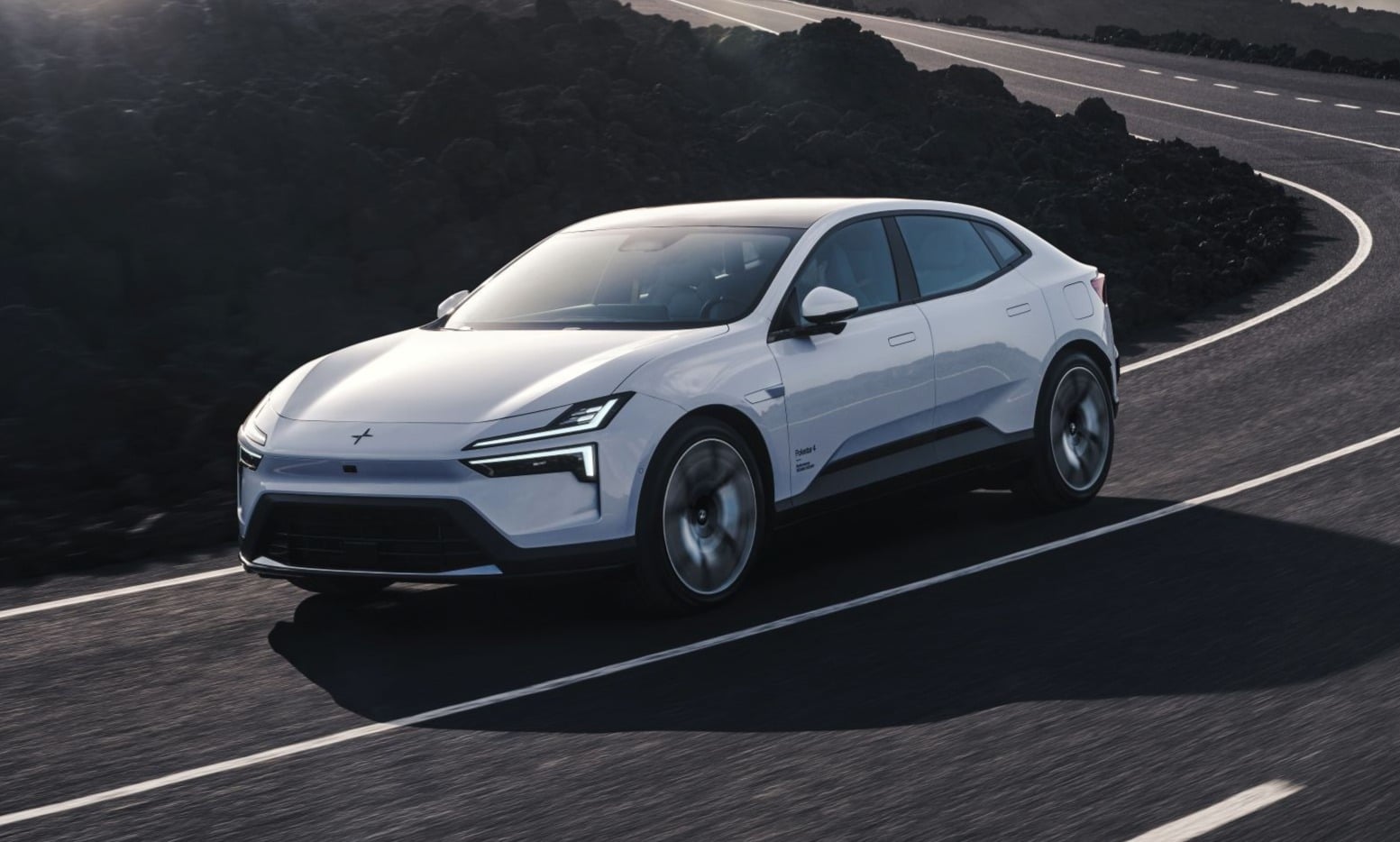
The issue has already affected other brands with Chinese links. Volvo previously secured an exemption allowing it to continue selling connected vehicles in the US, while Geely-owned Polestar (above) announced last month it would cease US sales from the 2027 model year after its application was rejected.
Mercedes-Benz said it supports legislation that protects US national security while emphasising its longstanding investment in the country. The company employs thousands of workers across its US operations, including vehicle manufacturing in Alabama, and says it supports around 160,000 jobs through its broader American business.
Neil Crompton could be heading back to television screens in a different role later this year, with the veteran Supercars commentator spotted filming what appears to be Repco’s latest Bringin’ the Bathurst television commercial.
The long-time voice of the Repco Supercars Championship was seen on set during production of the automotive retailer’s annual advertising campaign celebrating the lead-up to the Repco Bathurst 1000.
Details remain under wraps, but filming reportedly took place at an undisclosed circuit believed to resemble Melbourne’s Sandown Raceway, with a large production involving hundreds of crew members and multiple film trucks.
When asked about the apparent television appearance, Crompton gave little away.
“I haven’t been sitting around asking, ‘What about me?’,” he joked. “All I can say is everything is for sale.”
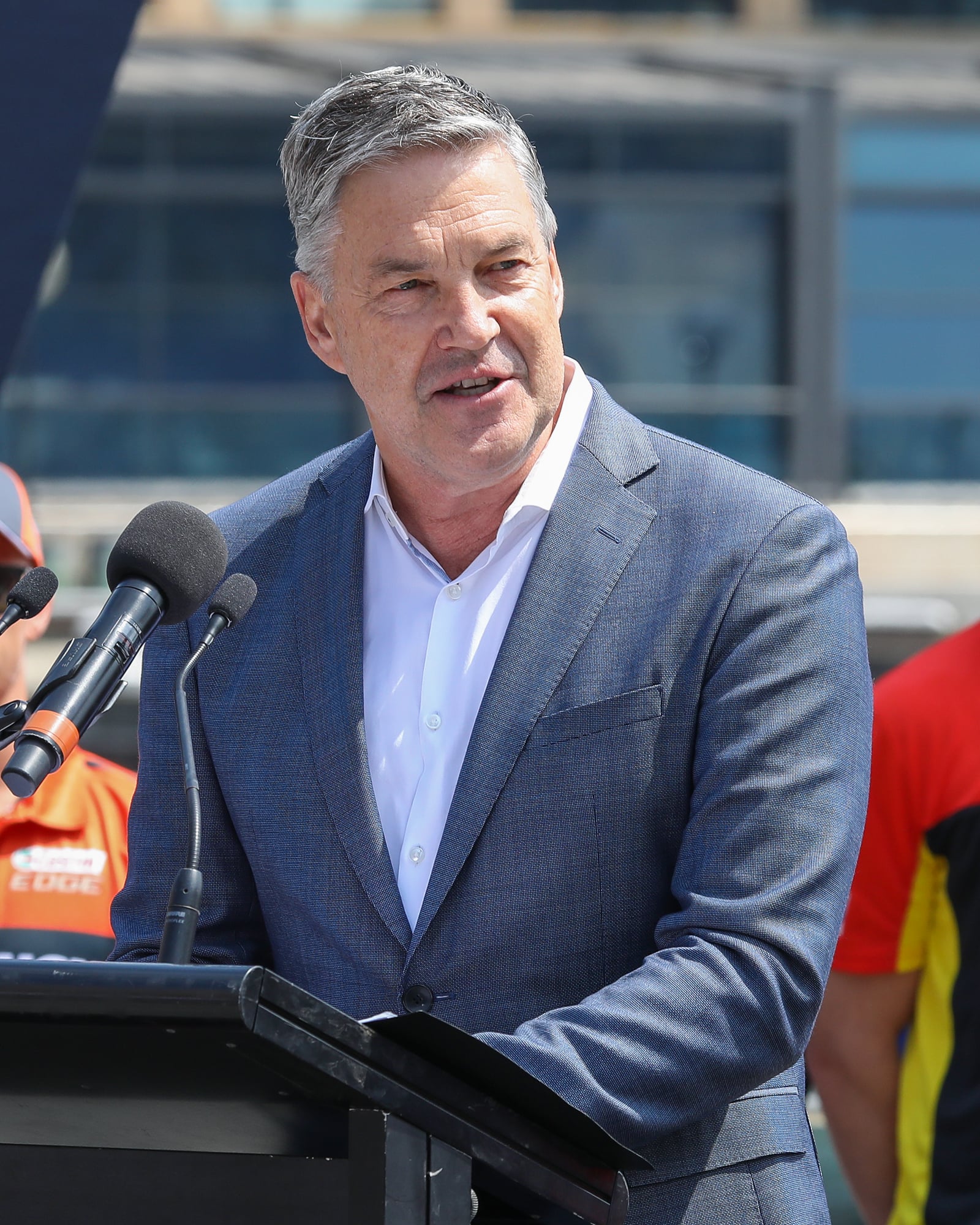
If confirmed, the commercial would mark Crompton’s second appearance in the Bringin’ the Bathurst series, which has become an annual fixture ahead of Australia’s most famous endurance race since launching in 2021.
The former Bathurst 1000 podium finisher and Supercars Hall of Fame inductee has been synonymous with Australian touring car racing for more than two decades, serving as the championship’s lead television commentator and becoming one of the sport’s most recognisable voices.
His previous appearance in the campaign was brief, lasting only a couple of seconds on screen, but the 2024 advertisement went on to receive the Most Innovative Marketing Award at the Australian Automotive Aftermarket Expo.
Repco has not confirmed Crompton’s involvement or released details of this year’s commercial, with further announcements expected closer to the October running of the Bathurst 1000.

The Bringin’ the Bathurst campaign has become known for bringing together prominent figures from Australian motorsport and car culture in humorous advertisements marking the countdown to the annual endurance classic at Mount Panorama.
Repco has served as the naming rights partner of the Bathurst 1000 since 2021 as part of its broader sponsorship of the Supercars Championship.
Automotive giants Ford and Geely have announced a new deal that’s set to save Ford’s manufacturing plant at Valencia in Spain (main) and see several new models produced there, including a new Ford SUV that will use Geely technology. Finally confirmed after months of speculation, the deal will see a new joint venture between the two companies created, with Ford holding a 66 per cent share and Geely 34 per cent.
Currently, only the Ford Kuga – which was last sold in Australia as the Escape – is produced at the plant for European markets. Around 100,000 were built in 2025, which is approximately 20 per cent of its 500,000 unit annual capacity. However, the new joint venture will see the plant produce not only new Ford multi-energy vehicles, but also two new electric Geely SUVs.
That makes this new joint venture significant in itself because Geely will become one of the first Chinese manufacturers to produce vehicles in Europe, dodging local tariffs for Chinese-built models that can reach up to 33.5 per cent. The first European-built Geely models will start production in 2028.
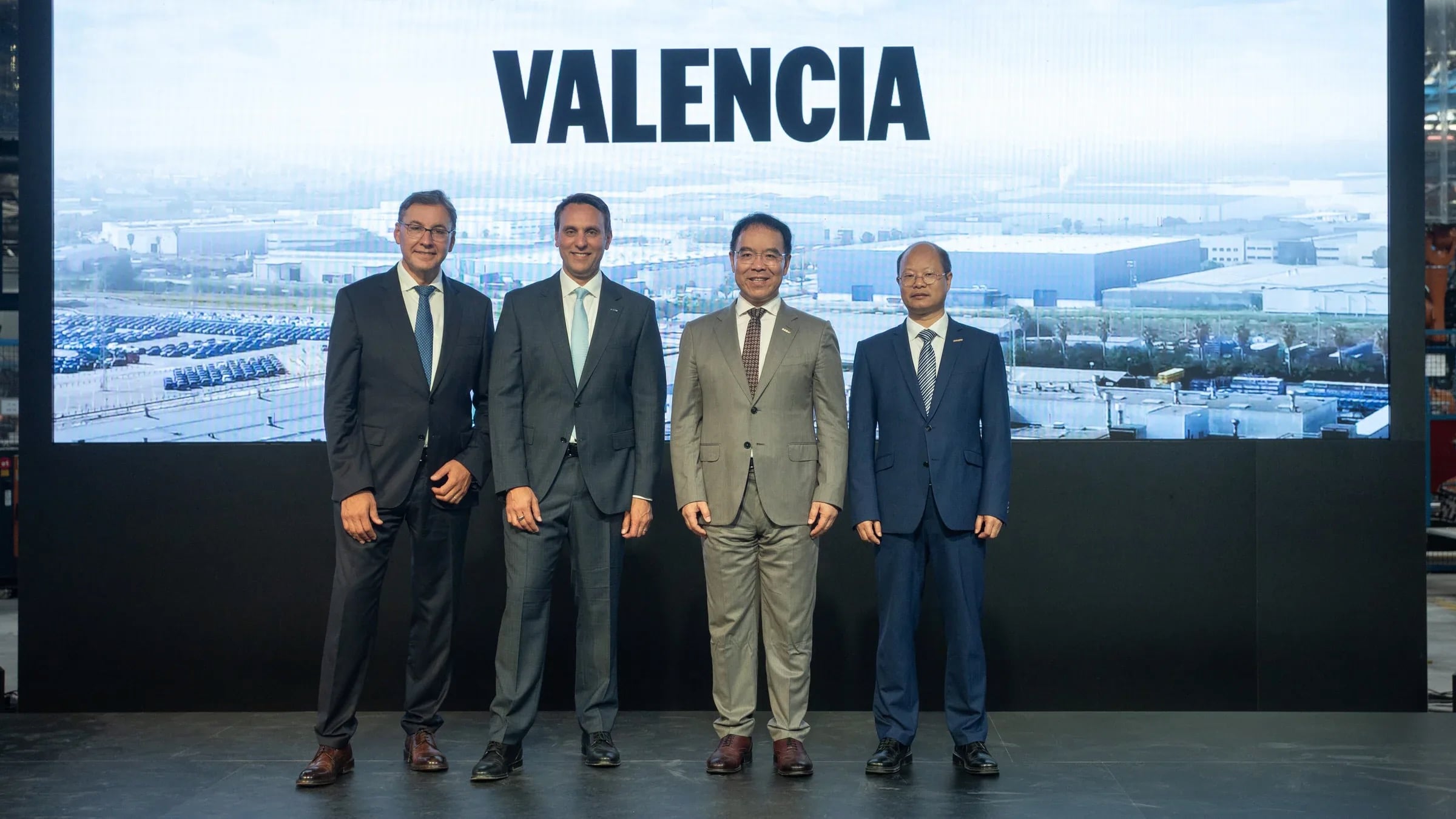
In addition to the sharing of the Valencia plant, Ford will launch a new SUV for European markets that will use a Geely platform. Not much is yet known about it, other than it will offer both electric and hybrid power, and be “engineered with Ford’s signature capabilities and driving dynamics”, “tailored for European drivers”.
The new Ford SUV will be one of five “rally-inspired” models that the company will launch in Europe by 2029, including a new variant of the Bronco family just for European customers, which will also be produced at the Valencia plant.
Ford will also launch two new small electric models twinned with current Renault products, though these will likely be produced by Renault in France. There will also be yet another multi-energy SUV, but nothing is known about it just yet, but we’re predicting that it will be a next-generation Kuga.
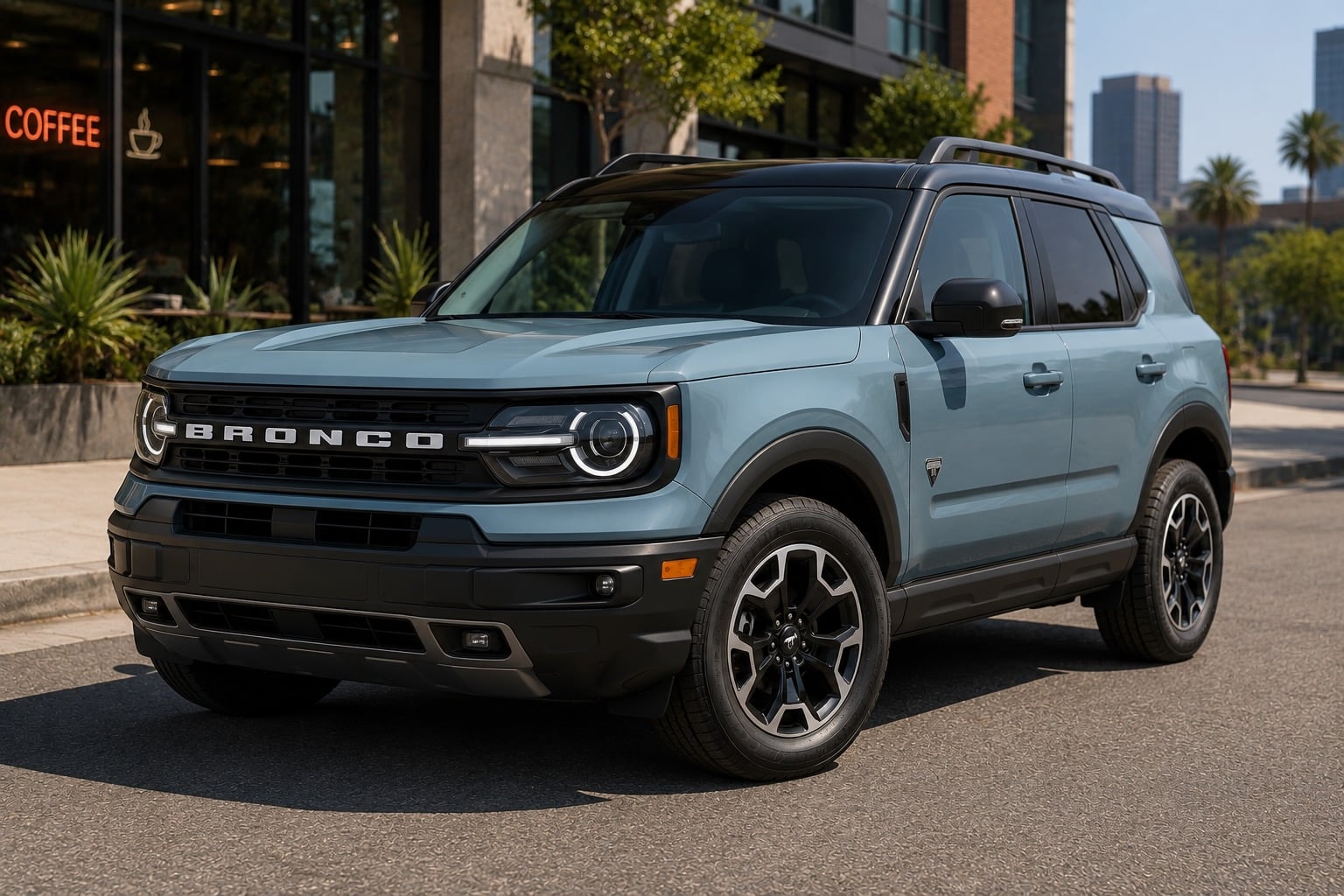
An AI rendering of what the new European Ford Bronco SUV could look like
Geely is yet to announce which of its models will be produced at the plant, though is aiming for a massive European expansion and plans for 40 per cent of its European range to be made in Spain.
Ford originally opened the Valencia plant in 1976, and since then, it’s produced some of its most popular European models such as the Fiesta, Mondeo, Focus and Transit Connect. European production of the first Geely models will commence in 2028, the same year as Ford’s new Geely-based SUV.
New cars sold from 2029 will require additional electronic safety assist features to be eligible for sale in Australia.
The regulatory change will see emergency lane-keeping systems required on all passenger cars and light goods vehicles in Australia from March 1, 2029.
The expansion of mandatory driver assist features will also see requirements for autonomous emergency braking (AEB) systems expanded to include cyclist detection, adding to the vehicle and pedestrian detection already required.
A staged rollout would see newly introduced models to the Australian market required to have the technology from March 1, 2028, with all vehicles – including those previously introduced – required to comply by March 1, 2029.
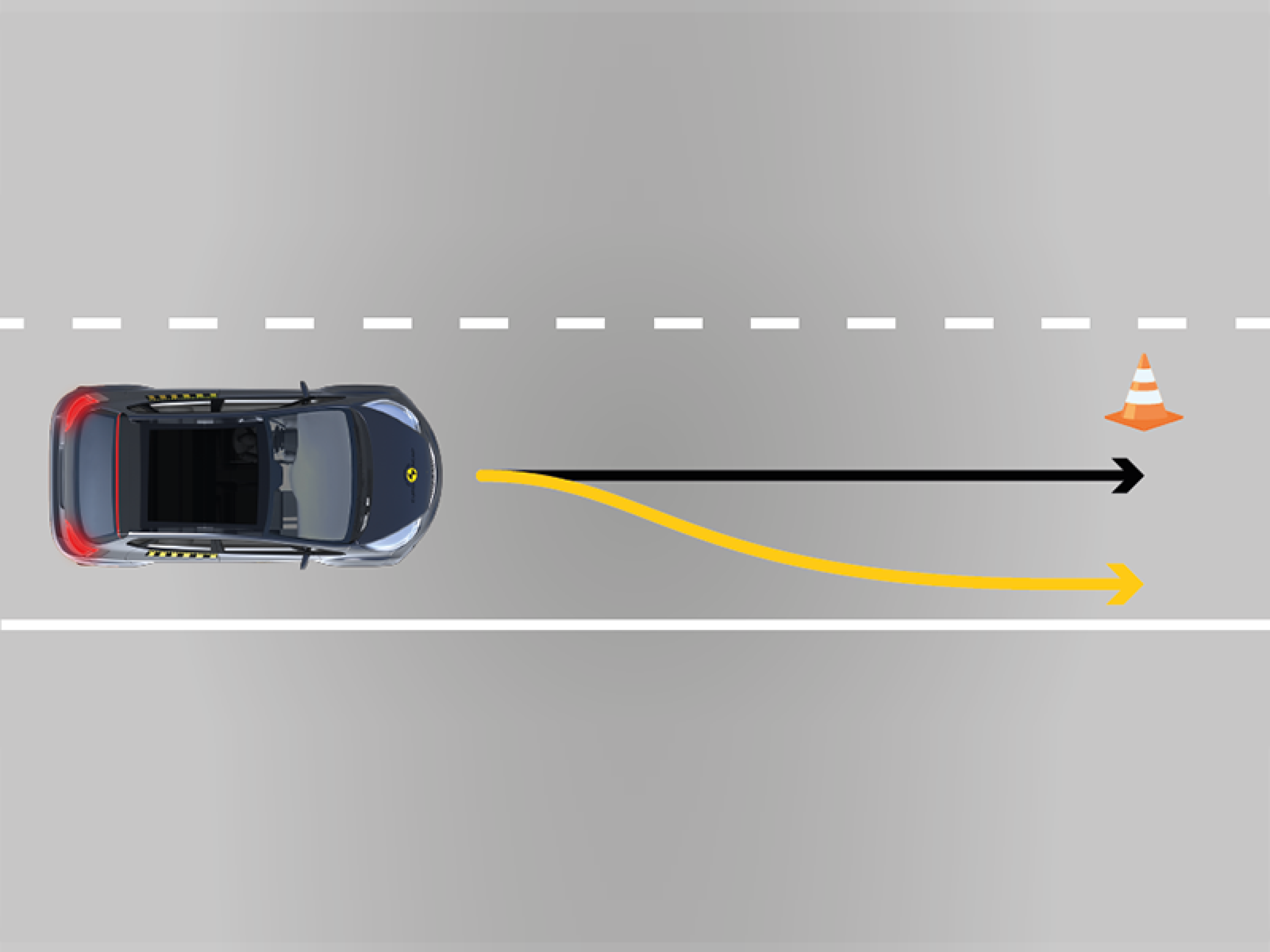
During the consultation phase for the proposal, the Federal Government cited data from the Monash University Accident Research Centre, which indicated 42 per cent of fatal crashes on Australian roads were the result of unintended lane departures.
The new Australian Design Rule requirement (ADR 107/00) has been aligned with similar international requirements and was developed in conjunction with United Nations Regulations, matching European Union and UN requirements for the operation and implementation of emergency lane keeping systems.
The requirement applies only to passenger cars, utes and vans with a Gross Vehicle Mass of under 3.5 tonnes, leaving ‘heavy commercial-class’ utes like the Toyota LandCruiser, Ineos Grenadier, and American pick-ups like the recently reclassified Chevrolet Silverado exempt.
Regulations for those vehicles, along with light trucks, still require AEB with vehicle detection and, from 2028, will need a lane-departure alert, but not the emergency-steering capability required on lighter vehicles.
Along with the requirement to have the new safety systems fitted, regulations also provide a framework for the operational parameters of the systems to achieve full compliance. The alignment of Australian regulations with those overseas should mean, in theory, fewer hurdles for automakers to achieve compliance.
AEB was first made mandatory on all new light cars in Australia from March 2025, and the requirement for pedestrian recognition was added from August 2026. Proposals to mandate lane assist technology started in 2021, initially planned for a 2024 introduction, but were held back to better align with international regulations.
