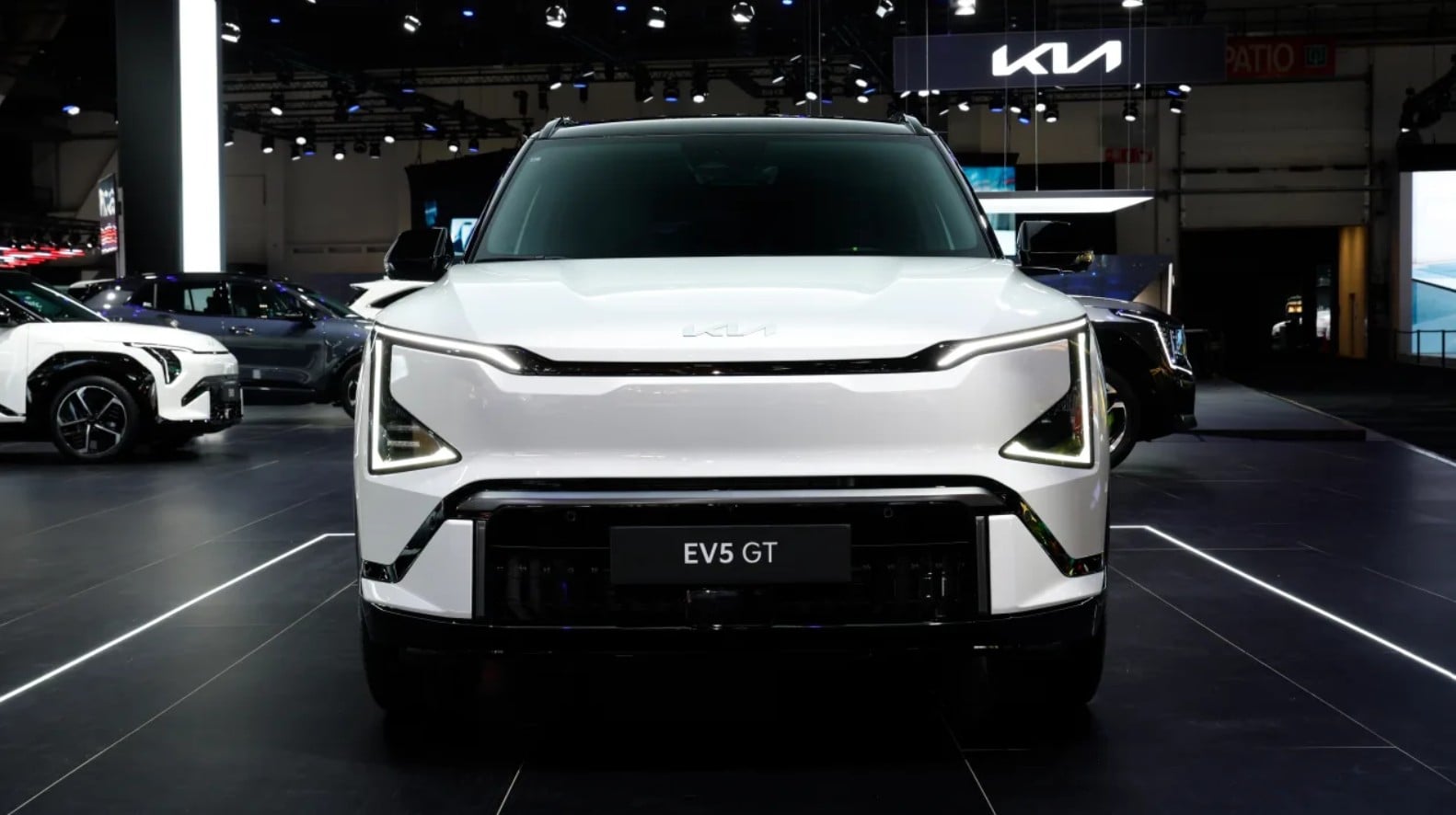
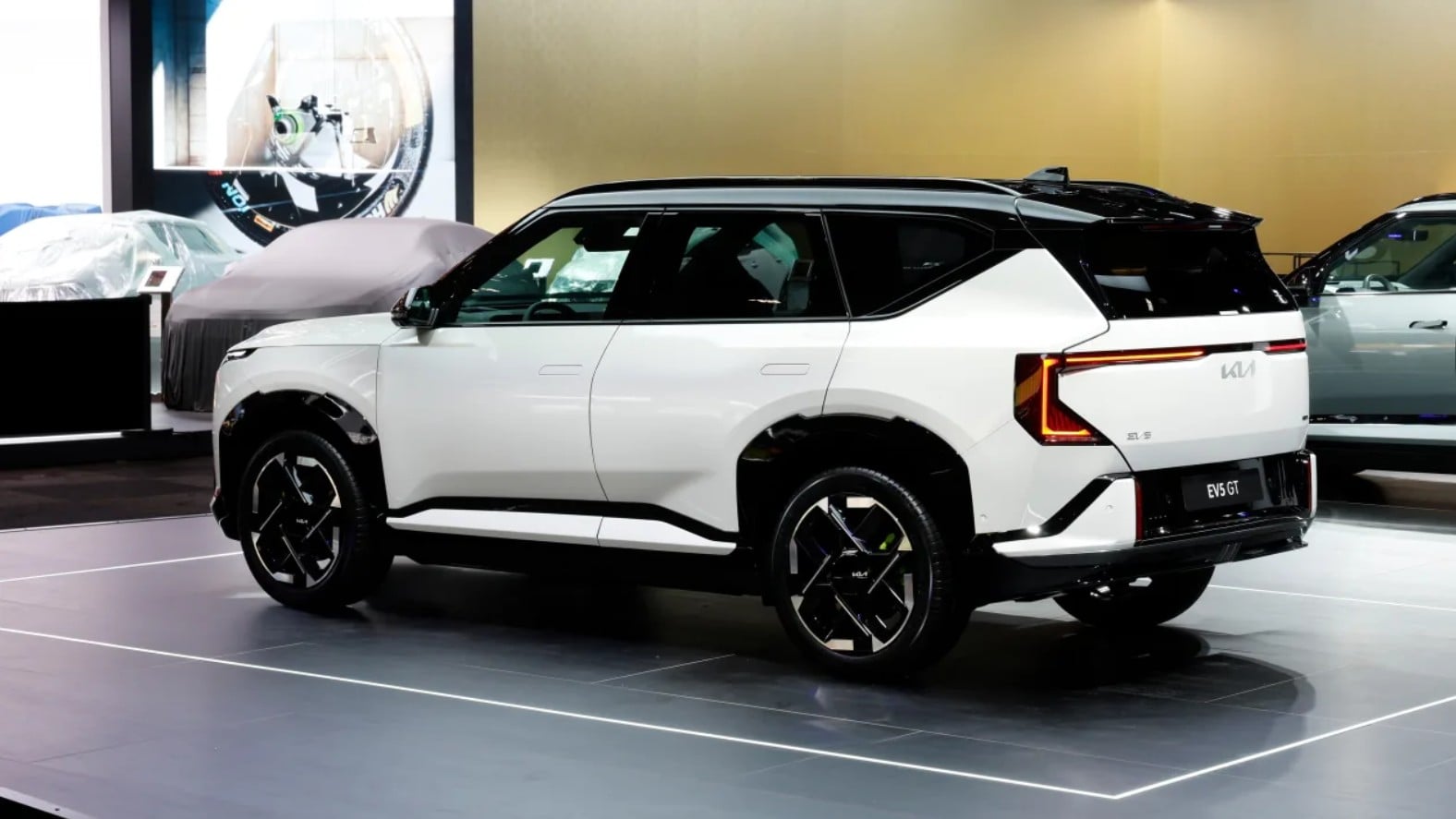
Kia has unveiled a new flagship version of its mid-size electric SUV, revealing the EV5 GT at the 2026 Brussels Motor Show. The new variant introduces all-wheel drive to the EV5 line-up for the first time, positioning it as a more premium and capable option rather than an outright performance-focused model.
The EV5 GT is one of three new GT-branded electric models Kia is rolling out in Europe, joining the smaller EV3 GT and EV4 GT. As with those models, the GT badge here signals a range-topping specification with added traction and features, rather than a full-blooded high-performance rival to dedicated performance EVs.
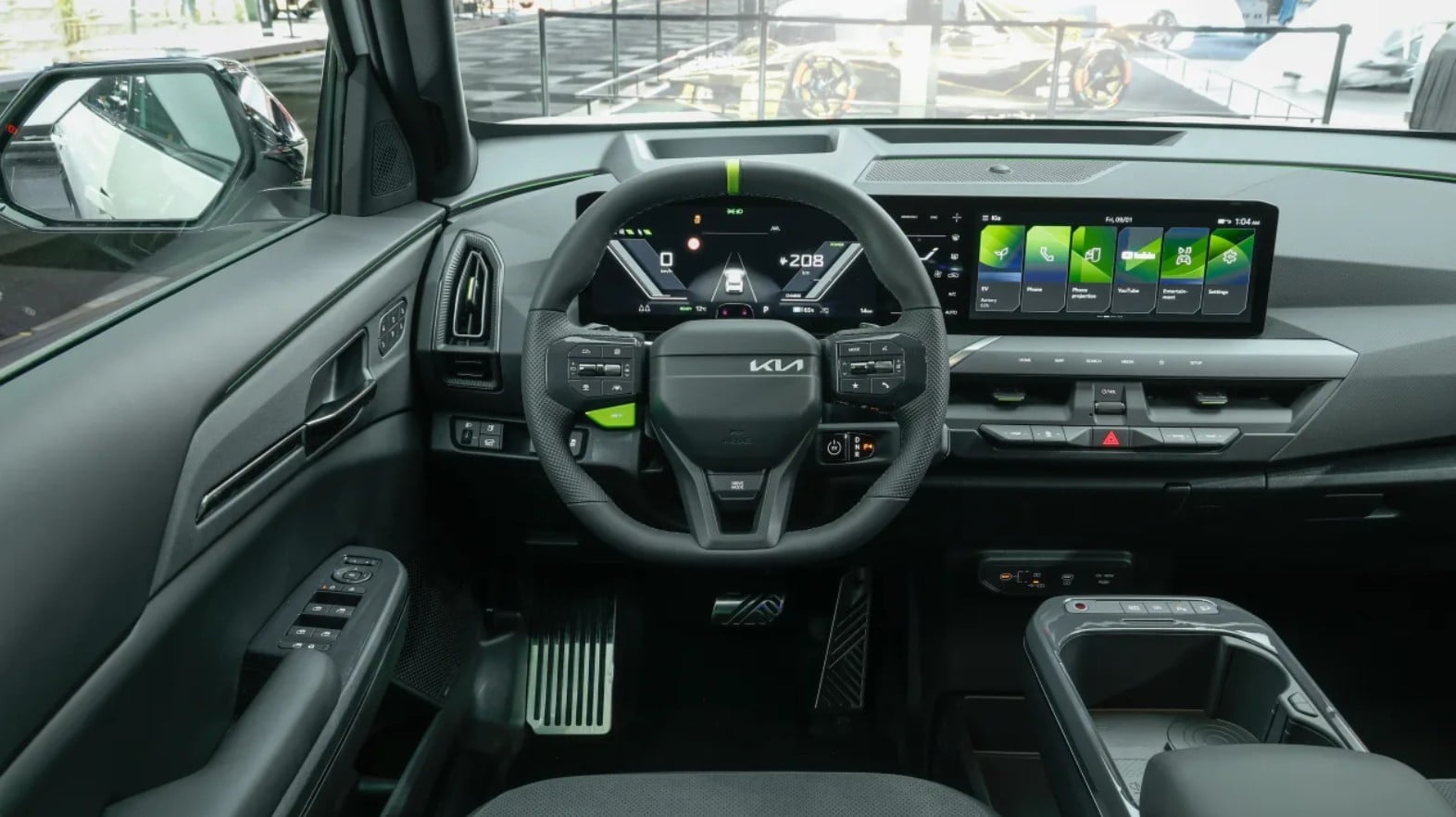
Power comes from a dual-motor all-wheel-drive setup producing around 225kW in total, roughly 65kW more than the standard single-motor EV5. While that output puts it broadly in line with rivals such as the Volkswagen ID.4 GTX, Skoda Enyaq vRS and Peugeot E-3008 Dual Motor, it trails more aggressive options like the Tesla Model Y Performance and twin-motor Volvo EX40.
The EV5 GT uses the same 81.4kWh battery pack as other EV5 variants, with Kia quoting a 0–100km/h sprint of approximately 6.2 seconds. While official range figures haven’t been released, expectations are for a driving range of around 480 kilometres, roughly 10 per cent less than the rear-wheel-drive version due to the added weight and power of the second motor.
One notable addition is Kia’s Virtual Gear Shift (VGS) system, which simulates stepped gear changes with corresponding throttle response and synthetic sound, giving drivers a more familiar, engaging feel behind the wheel. A dedicated GT drive mode has also been added, alongside adaptive suspension, larger 20-inch alloy wheels and performance-focused tyres.
Visually, changes are restrained. Subtle exterior tweaks, GT badging and revised wheel designs distinguish the flagship model, but the EV5 GT largely retains the clean, understated styling of the standard SUV.
Kia has yet to confirm pricing, but AutoExpress suggests it will sit only slightly above the current GT-Line S. Translated to Australian conditions, that would likely place the EV5 GT in the low-to-mid $80,000 range before on-road costs, should it be offered locally.
Australian availability has not been confirmed, but the EV5 GT signals Kia’s ongoing push to broaden its electric SUV portfolio with more choice at the upper end of the range.
Mazda has once again delayed the arrival of its first electric vehicle built on the brand’s all-new, in-house scalable EV architecture, with the long-awaited model now not expected to launch until at least 2028. According to reporting from AutoExpress, the new timeline pushes the project further back than originally planned, though Mazda insists the delay is deliberate rather than reactive.
The Japanese manufacturer is nevertheless pressing ahead with its electric push in the near term. The Mazda 6e sedan (below) and CX-6e mid-size SUV are both due to launch this year in key global markets, positioning them as rivals to vehicles such as the Tesla Model 3 and Model Y. However, both models are based on Changan’s EPA1 platform rather than Mazda-developed underpinnings, highlighting the brand’s reliance on partnerships during its EV transition.

Mazda first announced plans for its own dedicated EV platform – officially called the Mazda EV-scalable architecture – back in 2021. At the time, it said multiple models would be launched on the architecture between 2025 and 2030. That schedule was later revised to a 2027 debut, before being pushed back again to 2028, according to internal material seen by AutoExpress.
Deputy General Manager of R&D at Mazda Europe, Christian Schultze, said the rapidly evolving nature of EV technology has been a major factor behind the delays. “EV technology is not something stable,” he explained. “While you’re developing, things are changing and advancing.”
Schultze also pointed to resource and expertise constraints, particularly for a smaller independent manufacturer like Mazda that isn’t backed by a large automotive group. Using partner platforms in the short term, he said, gives Mazda “relief and the ability to do it right” when it comes to developing its own architecture.
While the Changan-based platform limits Mazda’s freedom in terms of vehicle size and layout, the company believes it delivers the right products for the current market. Mazda also noted that moving too quickly with EV platforms can backfire, citing examples of architectures from other manufacturers that proved too heavy, expensive or short-lived.

Mazda says its new scalable EV platform will eventually support a wide range of vehicle sizes, similar in philosophy to Volvo’s SPA architectures or Volkswagen Group’s MEB. The first model is expected to be an electric SUV, though not directly comparable in size to the CX-6e to avoid internal overlap.
Despite the delays, Mazda insists future EVs will remain true to the brand’s character, with product planners emphasising continuity for loyal customers while gradually expanding to new buyers.
Nissan has revealed a striking new performance concept that could soon make the jump from show stand to showroom, as the brand prepares to launch five new high-performance Nismo models. Known as the Aura Nismo RS Concept, the aggressive hatchback signals Nissan’s intent to push its motorsport-inspired sub-brand in bold new directions.
Based on the Nissan Note Aura – a compact hatch sold exclusively in Japan – the RS Concept takes an already warmed-up Nismo variant and turns the intensity dial sharply upward. While the standard Aura is unfamiliar outside Japan, the concept’s technology and intent are very much global, pointing to what could be a new wave of compact performance cars from Nissan.
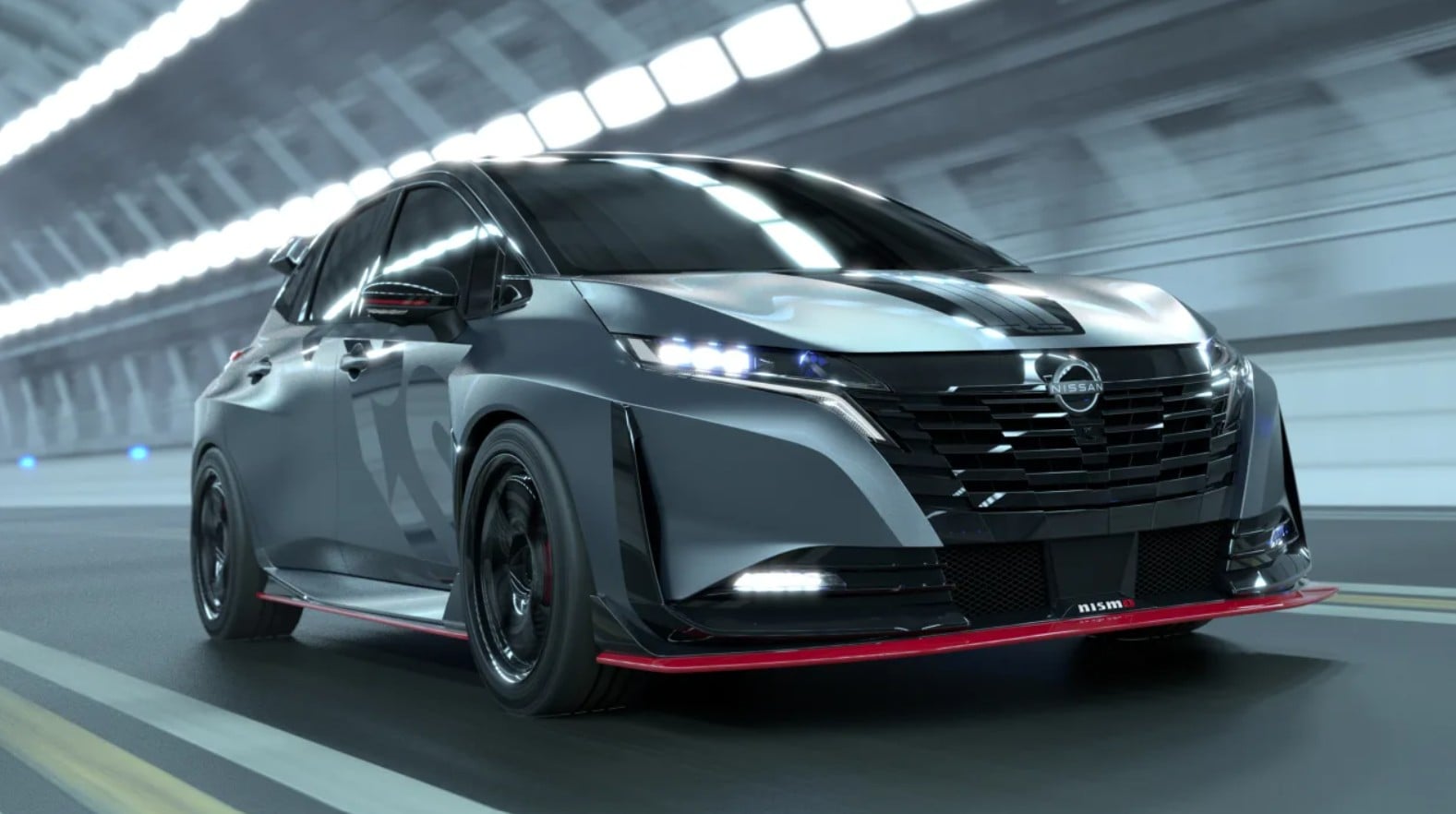
The biggest upgrade lies beneath the bodywork. Nissan has transplanted the all-wheel-drive hybrid system from the larger X-Trail Nismo, pairing a 1.5-litre three-cylinder petrol engine with two electric motors and a small 2.1kWh battery. As with Nissan’s e-POWER systems, the petrol engine acts primarily as a generator, while the electric motors drive the wheels.
Total system output is rated at around 150kW, but torque is the real headline figure, with up to 525Nm available. Combined with instant electric motor response and Nissan’s retuned e-4ORCE all-wheel-drive system, the Aura Nismo RS Concept promises explosive acceleration and exceptional traction, even if outright power doesn’t match larger hot hatches.
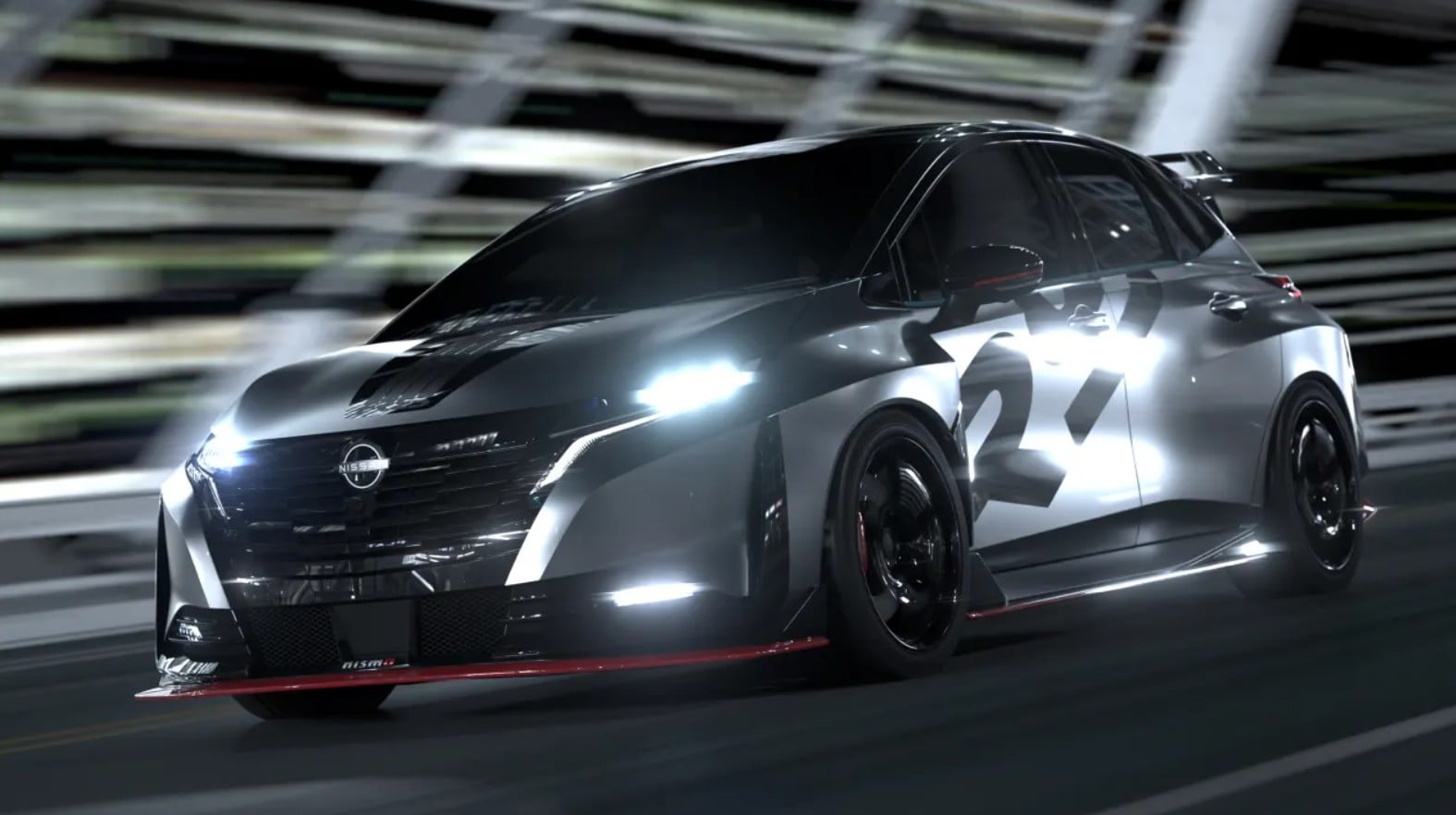
Chassis upgrades are extensive. The concept features uprated brakes with larger four-piston front and two-piston rear calipers, while grip comes courtesy of Michelin Pilot Sport 4 tyres. Nissan says suspension tuning and all-wheel-drive calibration have been sharpened to deliver higher cornering limits and improved balance.
Visually, the Aura Nismo RS Concept looks ready for the track. The wheelarches are widened by a dramatic 145mm compared with the standard car, while ride height has been lowered by 20mm to enhance stance and handling. Aggressive bodywork includes a deep front splitter, extended side skirts, a pronounced rear diffuser and Nismo’s signature red accents. The finishing touch is an oversized rear wing that leaves no doubt about the car’s performance intent.
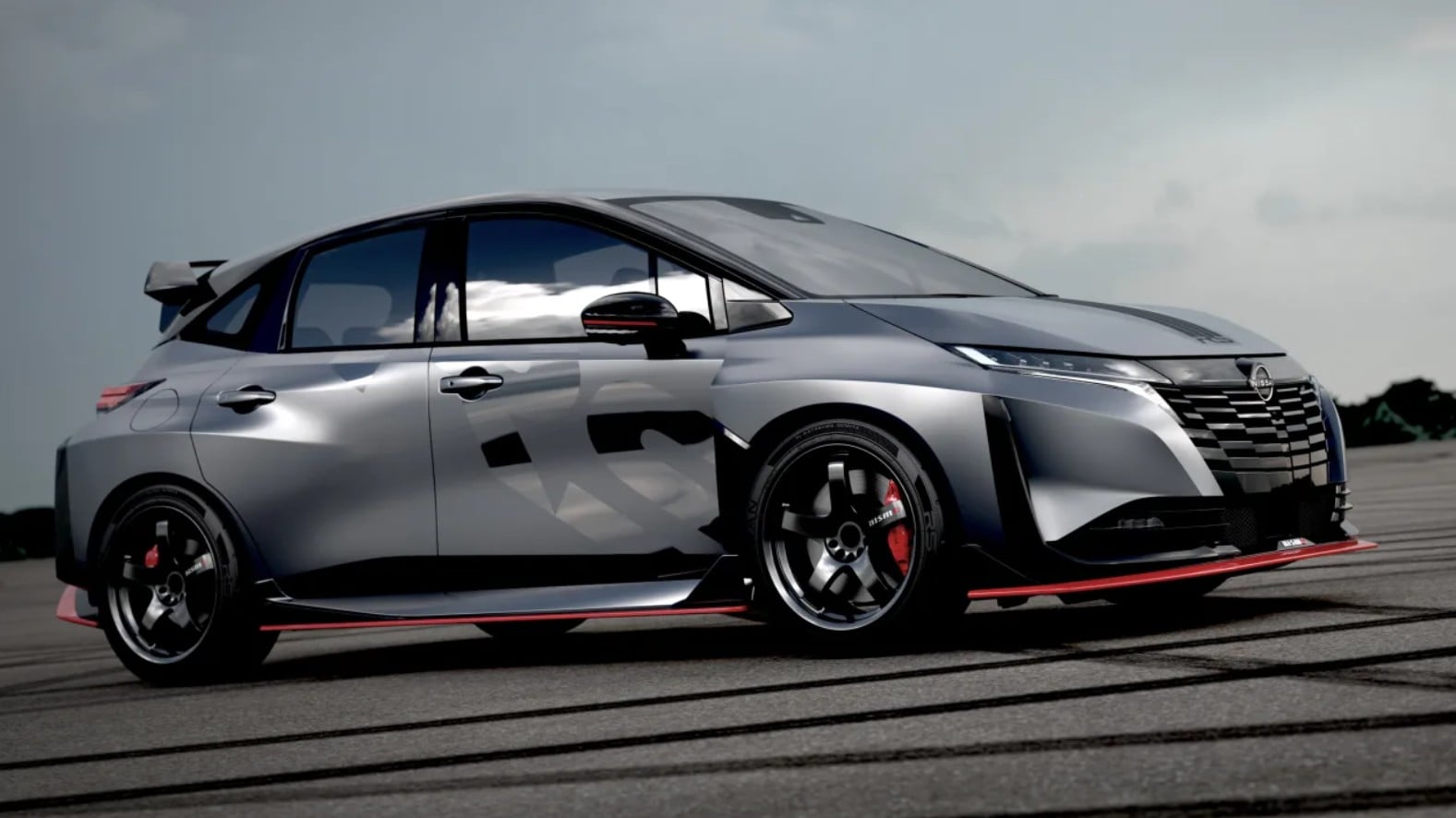
Nissan has not confirmed production approval, but it has stated it is actively considering bringing the Aura Nismo RS to market. If it does, the model could be joined by other new Nismo offerings, including a performance version of the next-generation Micra and, potentially, a future GT-R.
Together, the Aura Nismo RS Concept and Nissan’s broader Nismo plans suggest the brand is serious about rekindling excitement across multiple segments – not just at the top end.
Honda has lifted the curtain on a striking new Prelude HRC concept at the Tokyo Auto Salon, offering the clearest indication yet that the iconic nameplate could return in a far more performance-focused form. Developed with input from Honda Racing Corporation (HRC), the concept blends motorsport-inspired styling with hints of future high-performance hardware.
The Prelude HRC concept sits alongside a separate Prelude HRC GT race car, which has been confirmed for competition in Japan’s Super GT series. While the GT car is destined exclusively for the racetrack, the road-focused HRC concept is the one turning heads – and raising questions about Honda’s long-term plans for its performance line-up.
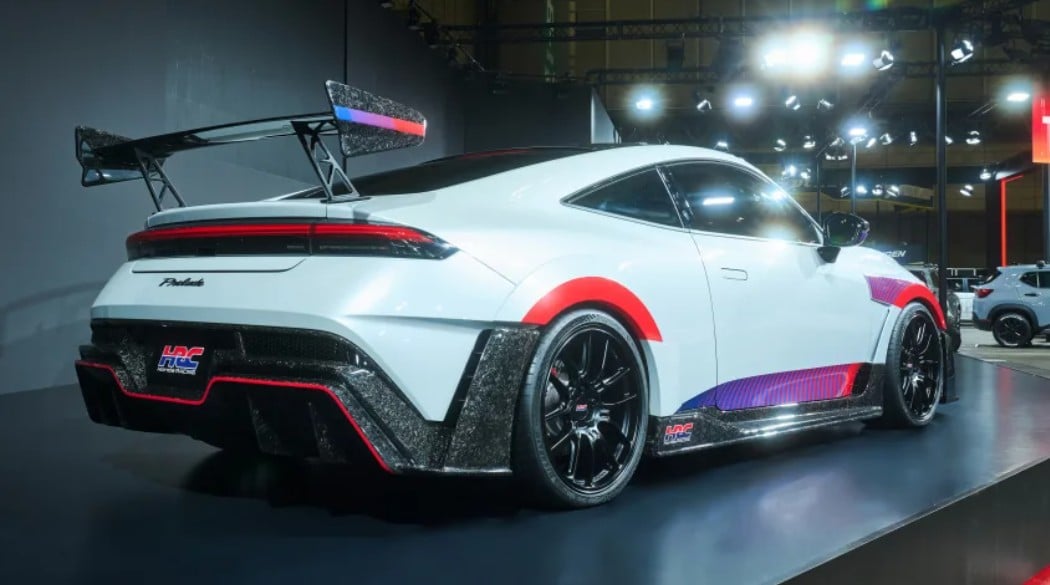
Honda has confirmed it is actively developing a range of “HRC Performance Parts” for the all-new Prelude, designed to enhance driving performance by drawing directly on technologies and expertise gained through racing. Significantly, the company says the HRC concept is equipped with these parts, suggesting they could eventually be offered to buyers as factory-approved upgrades or accessories.
Visually, the Prelude HRC concept looks every bit the part of a track-ready coupe. It features a far more aggressive front bumper, prominent side air intakes, flared wheelarches and extended side skirts. Lightweight HRC-branded wheels sit over what appear to be upgraded brakes, while a towering rear wing and large rear diffuser hint at a focus on aerodynamic downforce rather than subtlety.
While Honda has stopped short of confirming any production intent for the HRC concept, its arrival comes at a pivotal moment for the brand. With the Civic Type R recently exiting some global markets, speculation is growing that Honda could shift its flagship performance focus to a new-generation Prelude – potentially reviving the spirit of a Type R coupe.
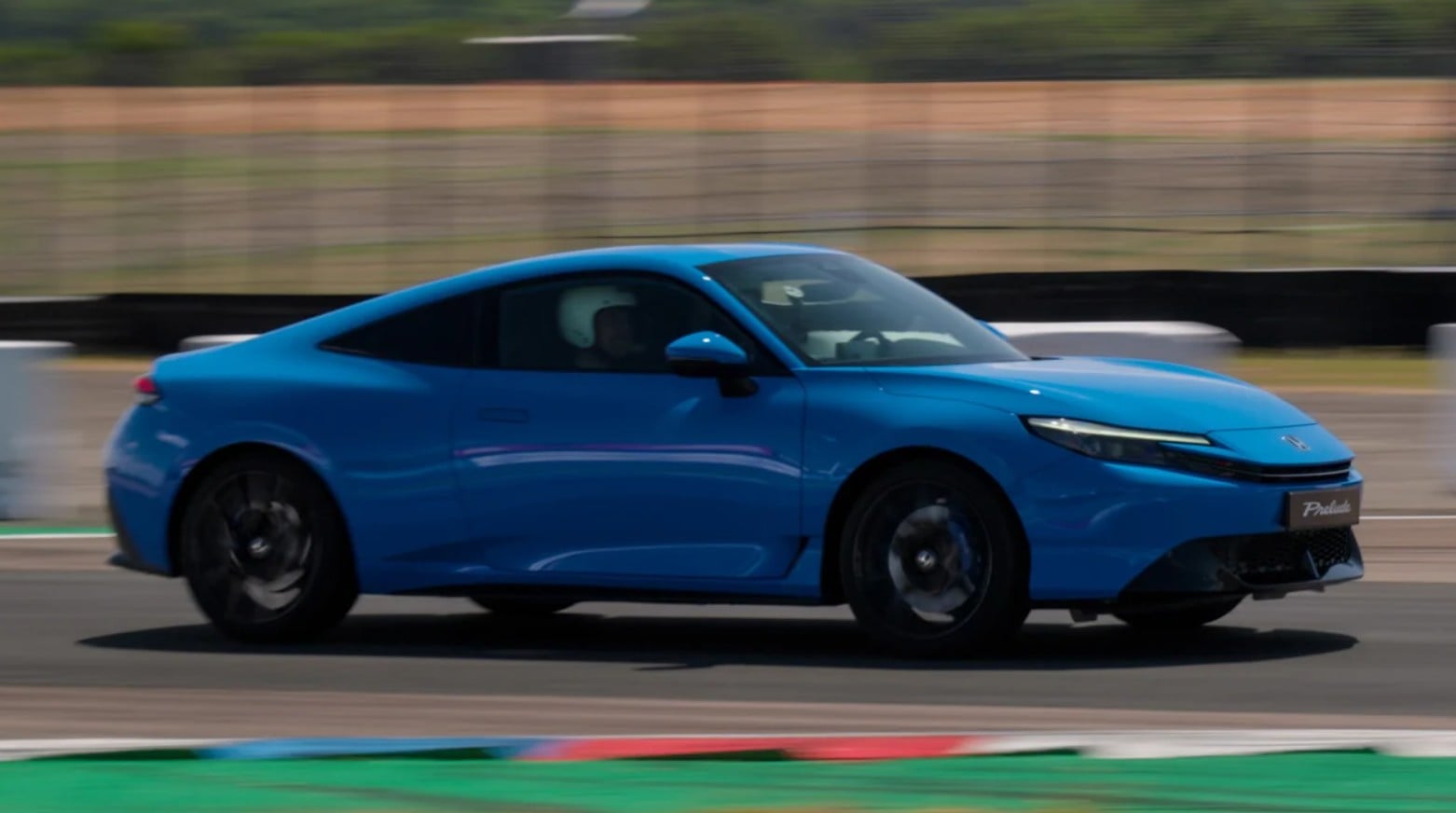
Honda has stated it plans to broaden its range of “exciting sport-type models” in the coming years, and the Prelude HRC concept appears to be a strong signal of that intent. Whether it leads directly to a production Prelude Type R or influences future performance variants, the concept demonstrates that Honda’s performance ambitions are far from over.
For enthusiasts, the message is clear: the Prelude name is back – and it may soon carry some serious racing DNA.
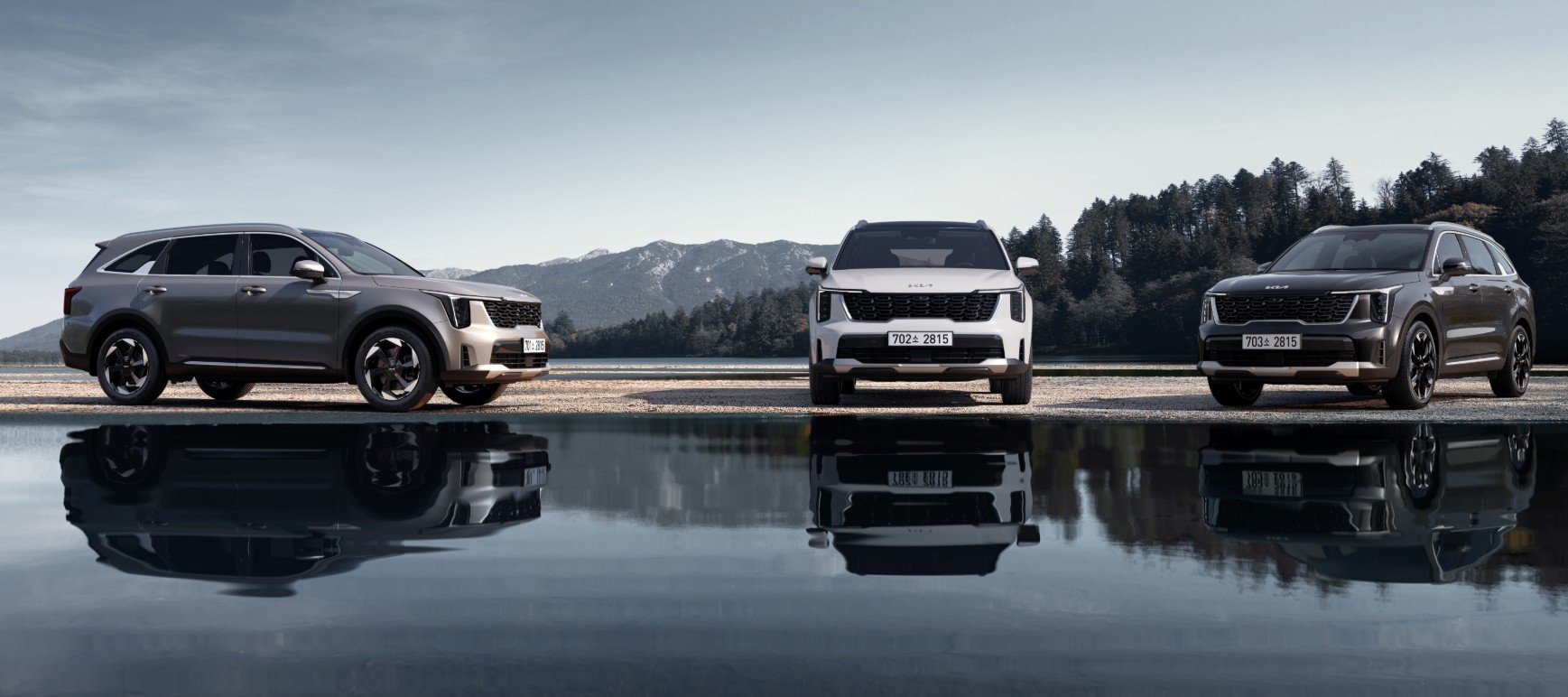
Korean carmaker Kia has axed V6 variants of its Sorento large SUV and Carnival people mover, citing Australia’s newly-enforced New Vehicle Efficiency Standard as, partially, the reason behind the range cull.
Kia’s Australian website states petrol [only] variants of Sorento and Carnival are being run out and “are now limited to dealer stock”.
Wheels reached out to Kia Australia where a spokesperson confirmed that “these variants will end sale in early 2026. Yes, this is due in part to NVES. Regarding existing stock, we anticipate V6 stock will be depleted within Q1 2026.”
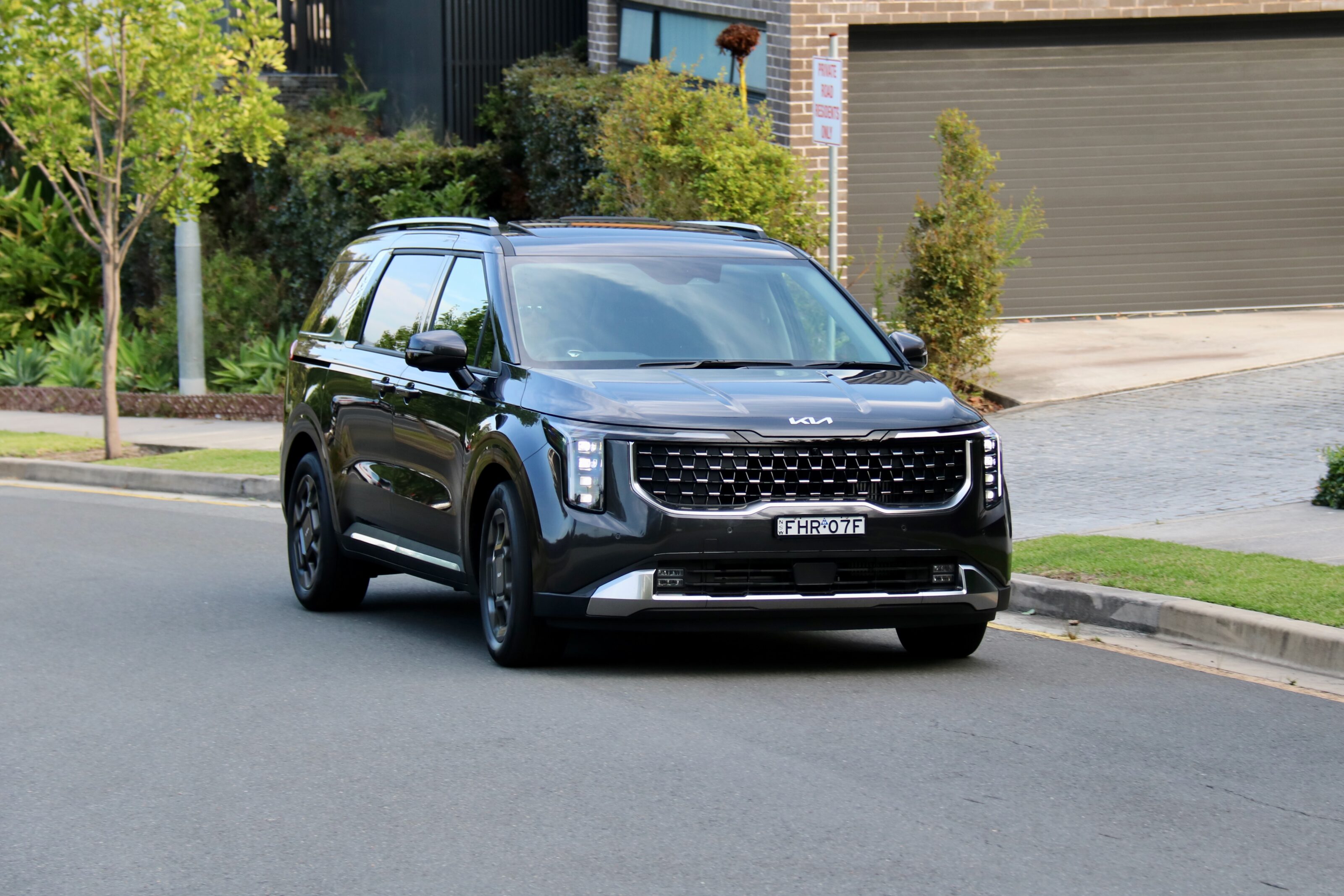
The move comes amid an expanding line-up of more efficient and lower-emitting hybrid variants across both ranges. Additionally, Sorento welcomed a plug-in hybrid variant to its local line-up in 2025.
The 3.5-litre V6 was the highest emitting engine in Kia’s Australian line-up, with claimed CO2 emissions of 222 grams per kilometre for the Sorento and 220g/km for Carnival. That’s far in excess of the 2.2-litre diesel option, which remains available across both ranges, rated at a claimed 170g/km for Carnival and 158g/km for Sorento.
The 1.6-litre petrol-hybrid engine, unsurprisingly, improves CO2 emissions even further with the Carnival claimed at 132g/km and Sorento at 158g/km. The Sorento PHEV claims an emissions rating of just 36g/km.
Under Australia’s NVES, which came into full effect on July 1, 2025, the CO2 emissions of Type 1 vehicles such as the Sorento and Carnival are measured against a government-mandated target of 117g/km.
However, while the stricter emissions rules are in now in force, and can potentially lead to penalties and fines levied at the manufacturer, car makers can offset the higher emissions of those vehicles that exceed the target (such as Sorento and Carnival) with sales of lower-emitting vehicles (such as PHEV and full battery-electric). Reducing the number of higher-emitting models (such as V6 Sorento and Carnival) in their line-ups, strengthens the ability of car makers to meet the government-enforced targets.
The Federal government is set to name and shame those manufacturers that have – and have not – met its newly-enforced emissions targets after the first reporting period, called the ‘interim emissions value’, ran from July 1 to December 31, 2025. The results will be released to the public in February.
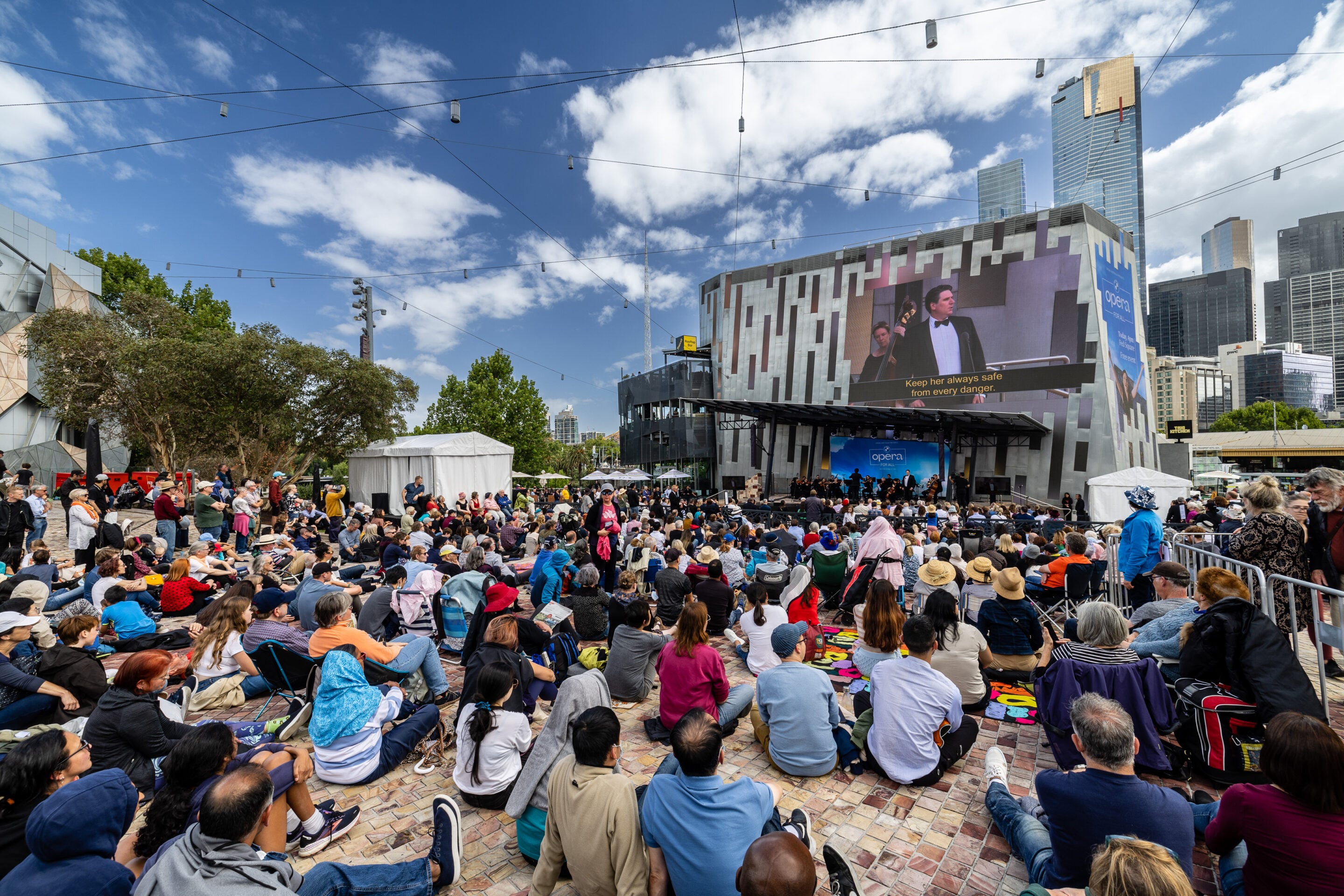
BMW Australia has confirmed the return of its popular BMW Opera for All concert to Melbourne’s Fed Square, teaming up once again with Opera Australia to deliver a free evening of world-class opera to the public. The 2026 event marks the fourth time the initiative has been staged in Melbourne and forms part of a global program presented in major cities such as Munich, Berlin and London.
The open-air concert will take place on Saturday, March 14, from 6:30pm to 8:00pm, transforming Fed Square into a grand outdoor opera house in the heart of the city. Admission is free, with audiences encouraged to arrive early to secure a spot for what has become a highlight of Melbourne’s cultural calendar.

This year’s performance will feature a completely new line-up of four acclaimed Australian opera singers, who will perform a selection of some of the most recognisable and beloved arias in the operatic repertoire. The evening will be hosted by Greta Bradman AM, an award-winning soprano, writer and ABC broadcaster, who will act as Master of Ceremonies throughout the event.
In a special addition to the program, First Nations opera singer Shauntai Abdul-Rahman will deliver a Welcome to Country, marking the significance of the land and setting the tone for the evening’s celebrations.
Musical direction will once again be led by renowned conductor Brian Castles-Onion, returning to the podium to guide the performance. The concert will be supported by 20 musicians from Orchestra Victoria, providing live accompaniment as the sun sets across Fed Square. The Australian Girls Choir will open proceedings with a 20-minute prelude, warming up the audience ahead of the main performance.
BMW Opera for All is part of BMW’s global commitment to Corporate Social Responsibility, with the initiative designed to make high-quality arts and culture accessible to broader audiences. By removing cost barriers, the program aims to create shared cultural experiences in public spaces.
BMW Group Australia CEO Vikram Pawah said the event reflects the company’s broader social responsibility. “Music is a powerful way to unite communities, spark joy and create shared experiences,” he said, adding that BMW Opera for All ensures world-class performances are available to everyone.
Opera Australia CEO Alex Budd said the partnership aligns with the organisation’s mission as it prepares to mark its 70th anniversary in 2026. “Whether it’s someone hearing their first aria or their fiftieth, our goal remains the same – to make opera vibrant, relevant and accessible to all,” he said.
Tesla has moved to strengthen its position in Australia’s increasingly competitive electric vehicle market by significantly upgrading its new-car warranty coverage. From January 1, 2026, customers taking delivery of a new Tesla Model 3 or Model Y will benefit from a five-year, unlimited-kilometre vehicle warranty – a notable improvement on the brand’s previous offering.
Until now, Tesla’s local warranty sat at four years or 80,000 kilometres, one of the shortest cover periods in the Australian new-car market. The revised policy brings Tesla into line with mainstream manufacturers such as BMW, Mercedes-Benz, Volkswagen, Volvo, Mazda and Polestar, all of which offer five-year coverage as standard.
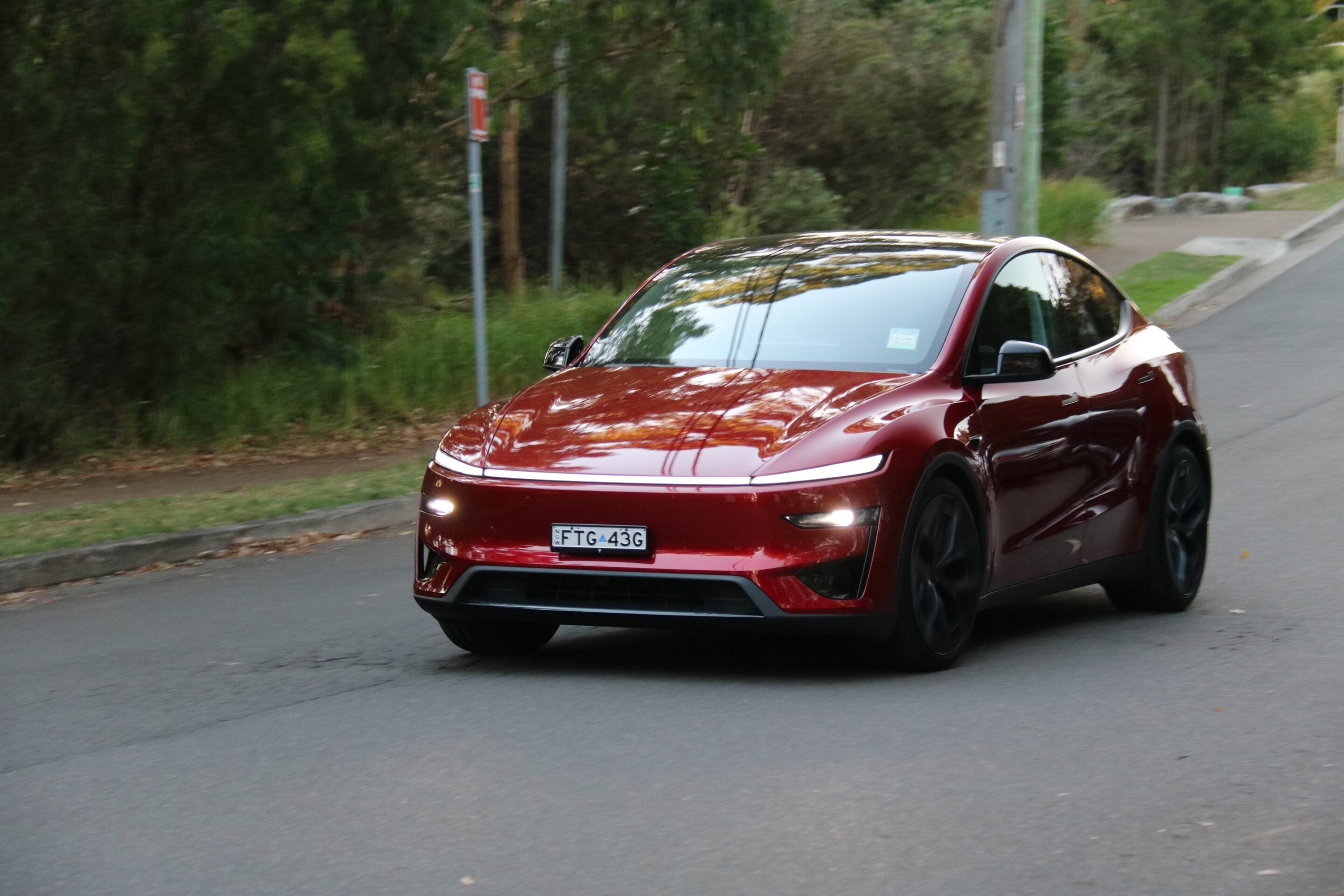
Tesla says the change represents a global first for the brand and reflects the need to better meet local customer expectations. For buyers using their vehicle for commercial purposes, coverage is capped at five years or 150,000 kilometres, whichever comes first.
“Tesla Australia and New Zealand is thrilled to pioneer global firsts that redefine the driving experience for our customers,” said Tesla Australia and New Zealand country director Thom Drew. “Introducing a five-year, unlimited-kilometre new vehicle warranty for 2026 aligns with local market expectations and instils lasting confidence in Tesla ownership.”
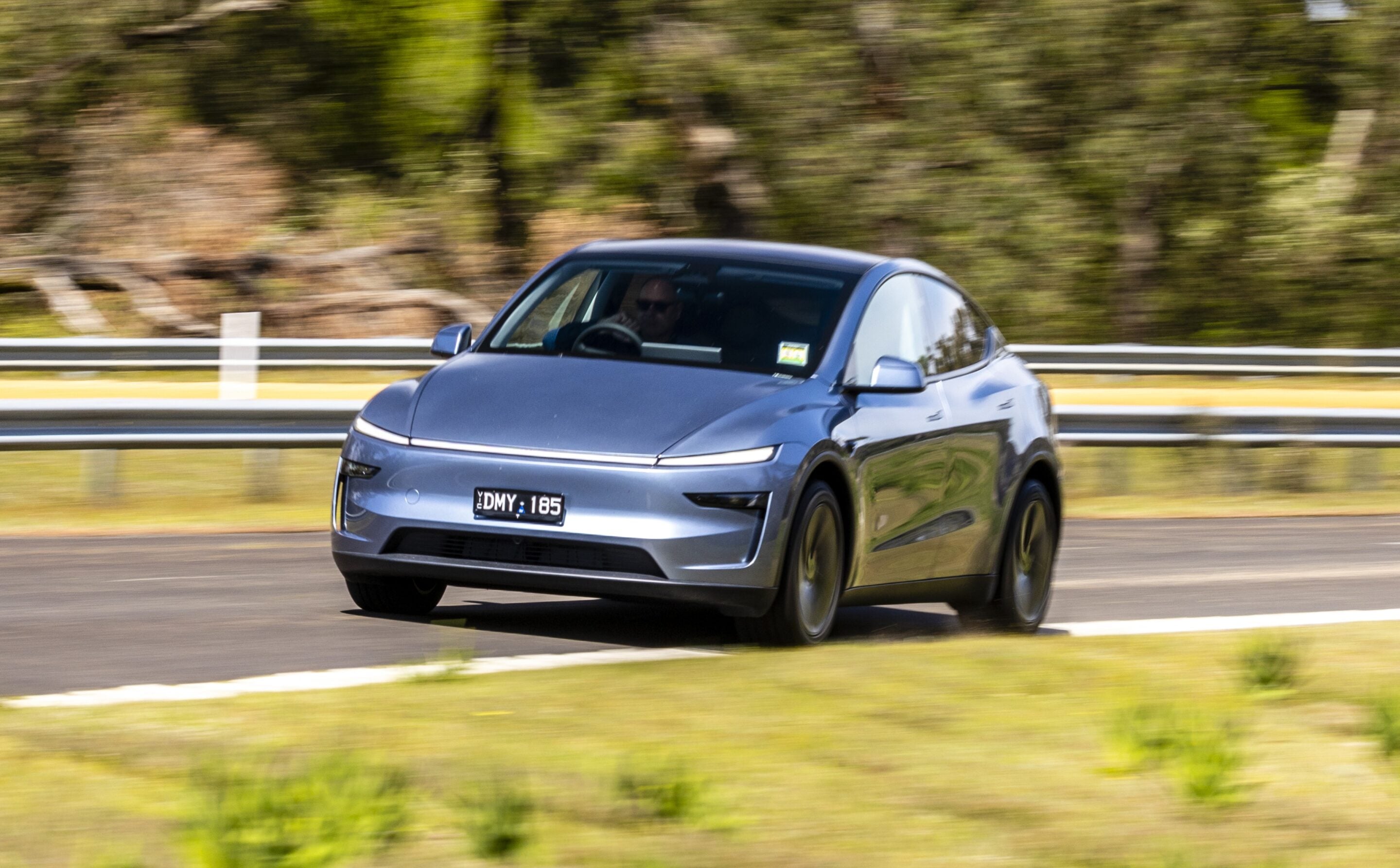
While the headline vehicle warranty has been extended, Tesla’s high-voltage battery and electric drive unit coverage remains unchanged. Rear-wheel-drive versions of the Model 3 and Model Y continue to be covered for eight years or 160,000 kilometres, while higher-spec variants receive eight years or 192,000 kilometres of coverage. In all cases, Tesla guarantees a minimum of 70 per cent battery capacity retention during the warranty period.
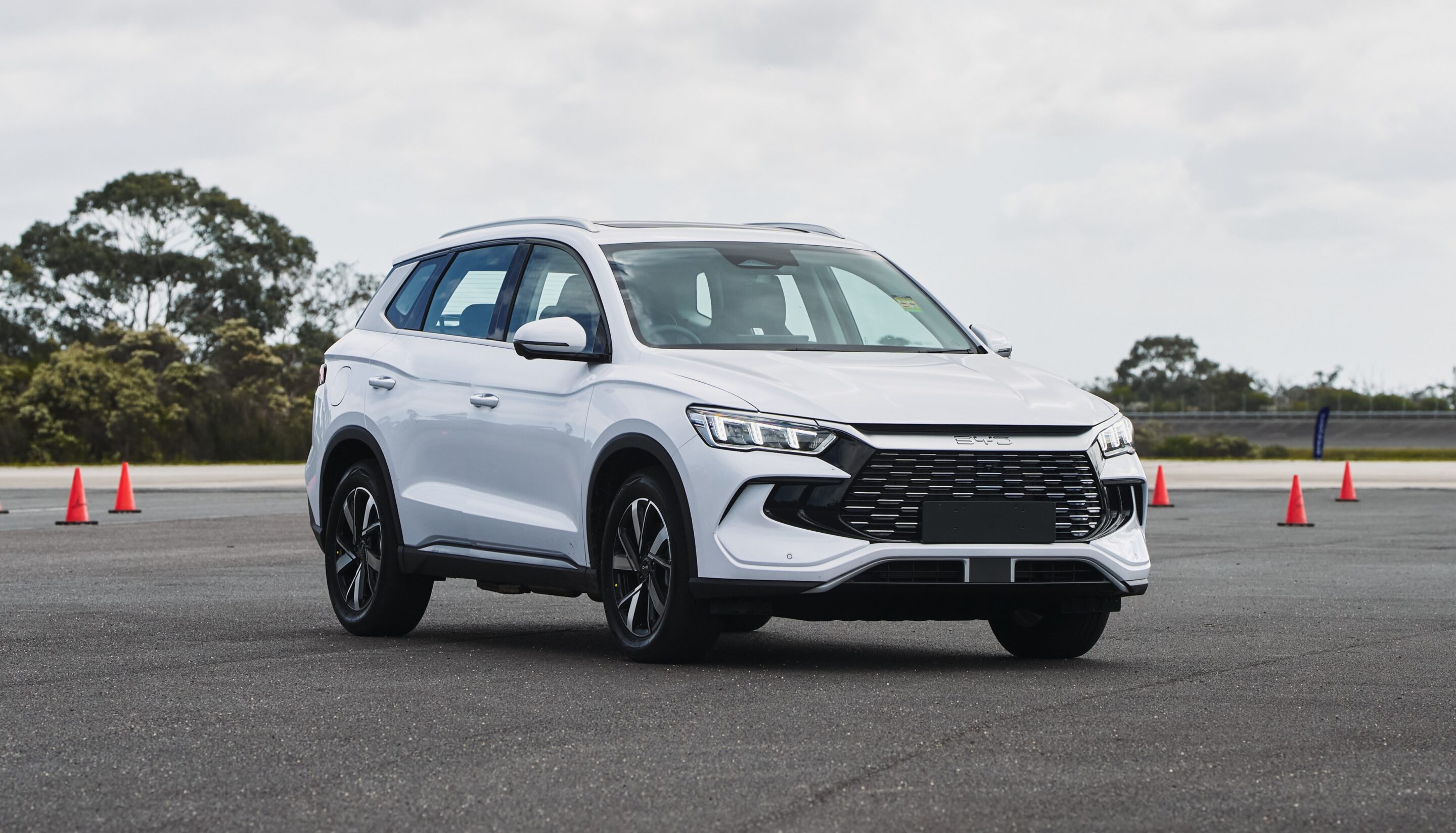
The move comes as competition from Chinese EV brands intensifies, particularly from BYD (below), which has gained traction in Australia with sharp pricing, expanding model ranges and generous warranty terms. Several newer brands now offer seven- or even 10-year warranties, increasing pressure on established players to respond.
Tesla’s decision to extend its warranty may also be aimed at reinforcing buyer confidence as the brand’s local sales face growing headwinds. While the Model Y remains Australia’s best-selling electric vehicle, sales of the older Model 3 have softened as buyers increasingly favour SUVs and new competitors enter the market.
Tesla first arrived in Australia in 2011 with the original Roadster, later adding the premium Model S and Model X. Today, its local line-up is focused solely on the more affordable Model 3 sedan and Model Y SUV, which now form the backbone of the brand’s Australian sales.
With improved warranty coverage now in place, Tesla is clearly signalling it intends to defend its market position by matching – and in some areas exceeding – mainstream ownership expectations, not just leading on technology and performance.
Volvo has released the first official details of its upcoming EX60 electric SUV, offering an early glimpse at a model that could redefine expectations in the mid-size luxury EV segment. Ahead of its full unveiling on January 21, the Swedish brand has confirmed the EX60 will deliver headline-grabbing driving range, rapid charging capability and a fresh evolution of Volvo’s electric design language.
According to Volvo, the EX60 will be capable of travelling up to 808 kilometres on a single charge in its most efficient configuration. If achieved, that figure would place the EX60 among the longest-range electric SUVs in its class, narrowly surpassing key rivals such as the next-generation BMW iX3 and the forthcoming Mercedes-Benz GLC with EQ Technology.
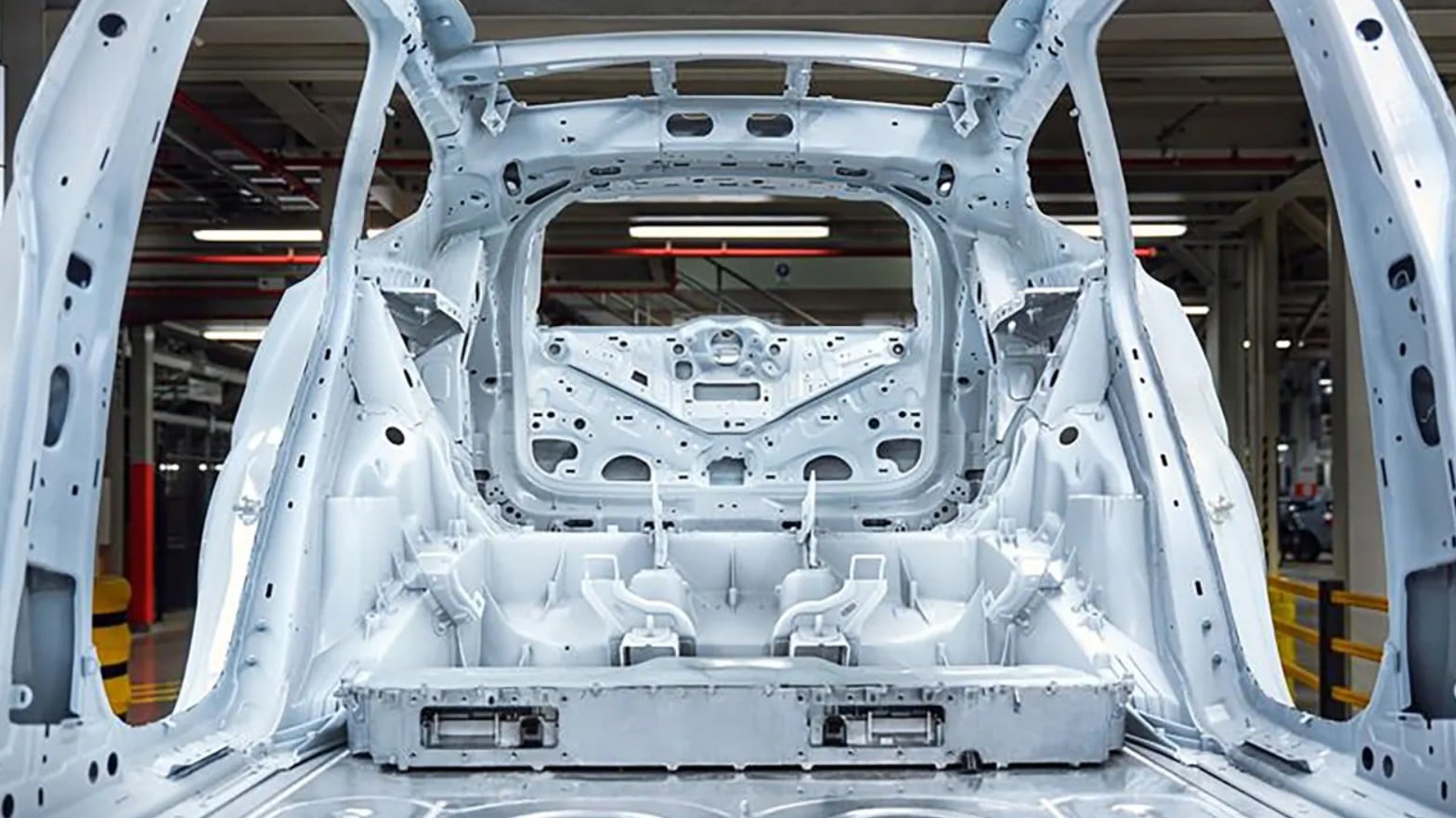
Underpinning the EX60 is Volvo’s all-new SPA3 platform, which represents a major step forward from the architecture used by the larger EX90. A key innovation is cell-to-body battery integration, where the battery pack is mounted directly into the vehicle’s structure rather than housed within a separate casing. Volvo says this reduces weight, improves rigidity and frees up additional interior space, while also contributing to the EX60’s impressive range potential.
While battery capacity has not yet been confirmed, Volvo has stated that the dual-motor, all-wheel-drive EX60 will be capable of achieving the full 808km range figure. Charging performance is also set to move the goalposts, with the EX60 supporting DC fast-charging speeds of up to 400kW. Under ideal conditions, Volvo claims this will allow up to 338 kilometres of driving range to be added in just 10 minutes.
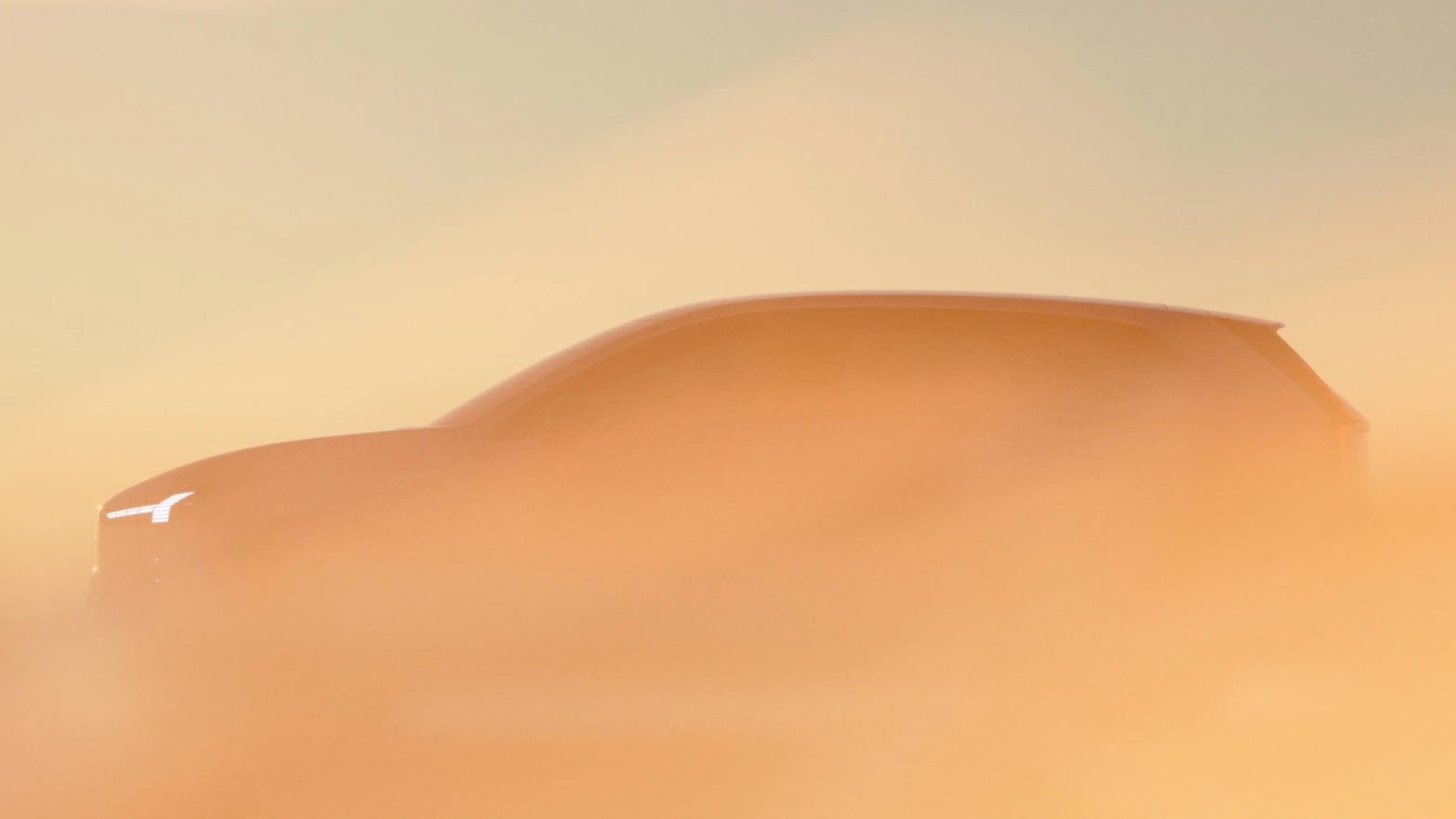
Design teasers released so far suggest the EX60 will closely align with Volvo’s established EV styling. At the front, slim headlights incorporate the brand’s signature ‘Thor’s Hammer’ daytime running light motif, while the overall proportions mirror those of the current XC60. This indicates the EX60 will remain firmly focused on family usability rather than radical design experimentation.
Volvo has also revealed details of the rear lighting, showing low-mounted tail-lamps integrated into muscular rear haunches, with slim light elements and subtle Volvo branding within the lenses. Larger Volvo lettering stretches across the tailgate, paired with smooth, minimalist surfacing consistent with the brand’s latest electric models.
Inside, while no official images have been released, the EX60 is expected to offer generous second-row space and a premium cabin environment. Unlike the larger EX90, third-row seating is unlikely, reinforcing the EX60’s role as a five-seat family SUV.
With its full reveal just weeks away, the EX60 is shaping up as one of Volvo’s most important electric launches yet. Pricing and detailed specifications are expected shortly after the January debut, as competition intensifies in the fast-growing mid-size luxury EV segment.
First published in the January 1981 issue of Wheels magazine, Australia’s best car mag since 1953. Subscribe here and gain access to 12 issues for $109 plus online access to every Wheels issue since 1953.
First off, here’s the answer to the question everyone has been asking. The manual five-litre HDT (“Brock”) Commodore runs a standing 400 metres in 15.5 seconds and has a top speed of 208km/h. That’s a whisker under 130 mph. That’s one pub argument settled.
It is certainly today the fastest Australian-built road car, for the 5.8-litre Falcon in its best option form runs over the quarter in 15.8 seconds and won’t match it in top speed. The inevitable disclaimer follows: The car Wheels tested was still nursing its bruises from the 11-car Commodore race at the Calder AGP meeting, and the edge had certainly gone off the tune (it had certainly gone from the excellent brakes) and in absolute prime-time trim would certainly have run, at our guess, a 215km/h top speed.
Wheels November reported briefly on a press day drive with an automatic version of one of the 500 custom cars that Brock’s Special Vehicles Division is turning out for Australian motorists who still want all the grunt of a big V8 with first-class ride, handling, comfort and interior quiet – in other words, an Aussie super touring car that does everything a BMW or a Mercedes can do without the price tag, and can haul big boats up slimy launching ramps as well.
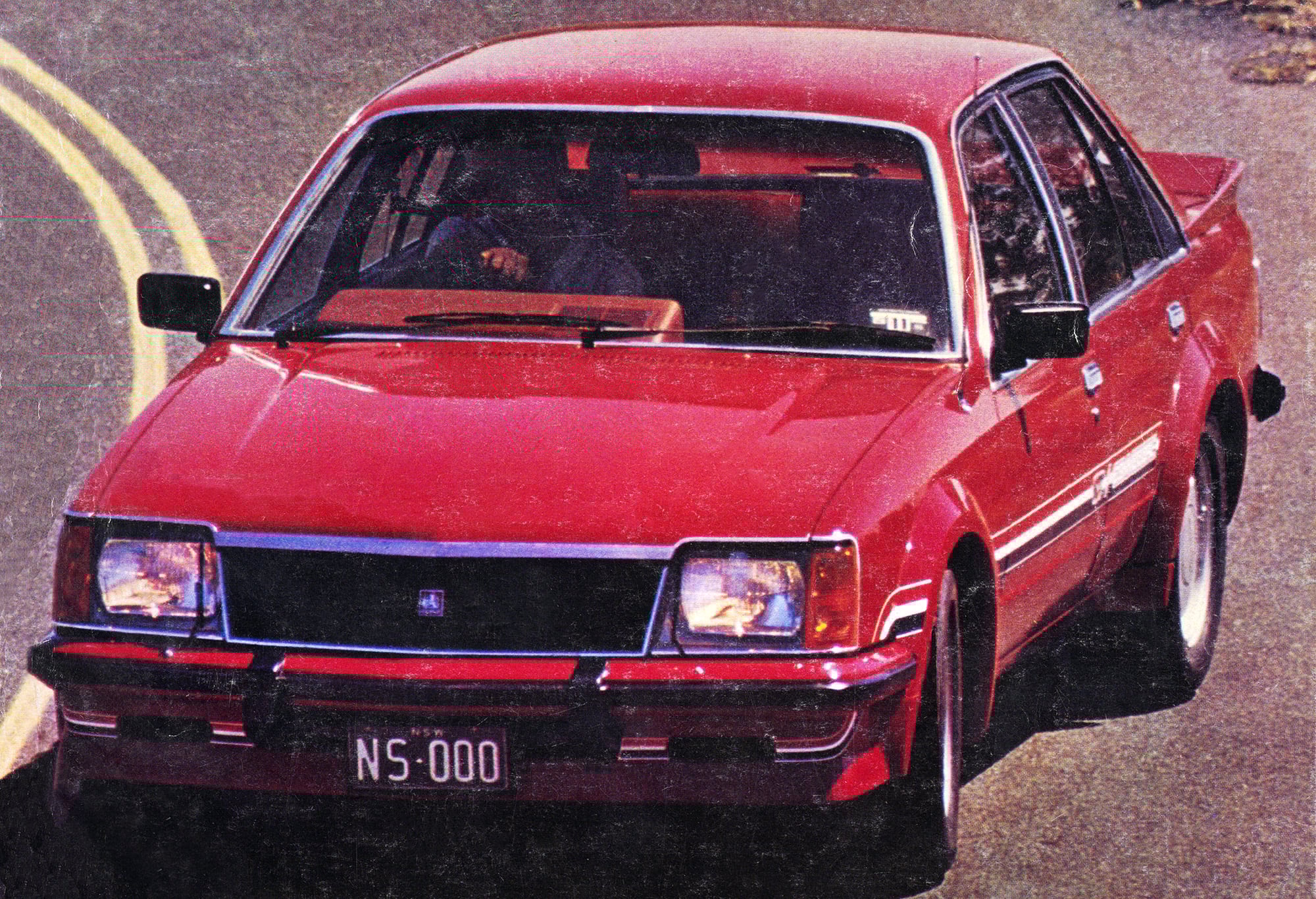
It has an automatic version that Editor Robinson drove (something like 70 per cent of the output will be autos, the last of the American Turbo-Hydramatics to be incorporated in a Commodore), but we have all been waiting for a crack at the manual.
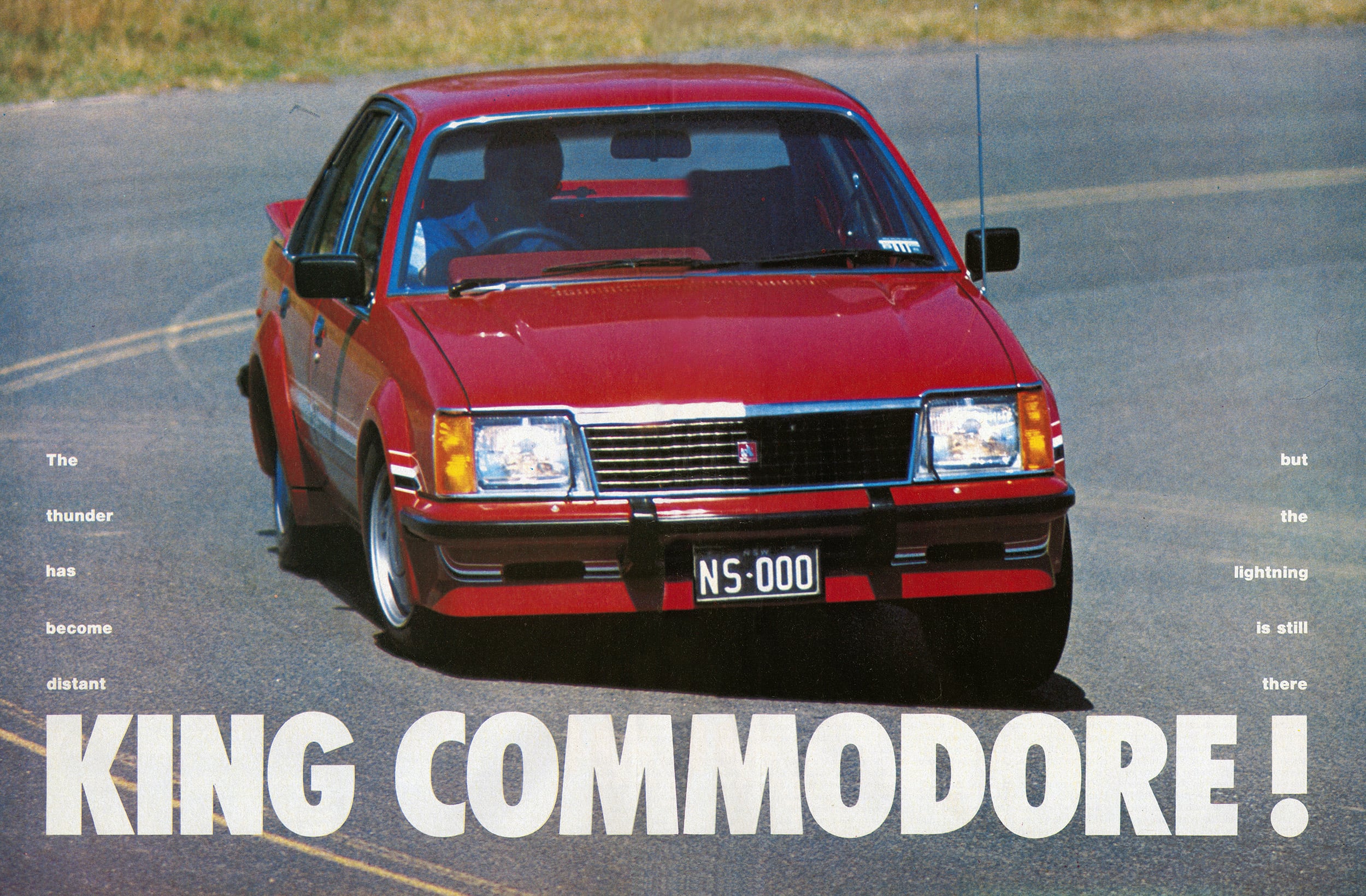
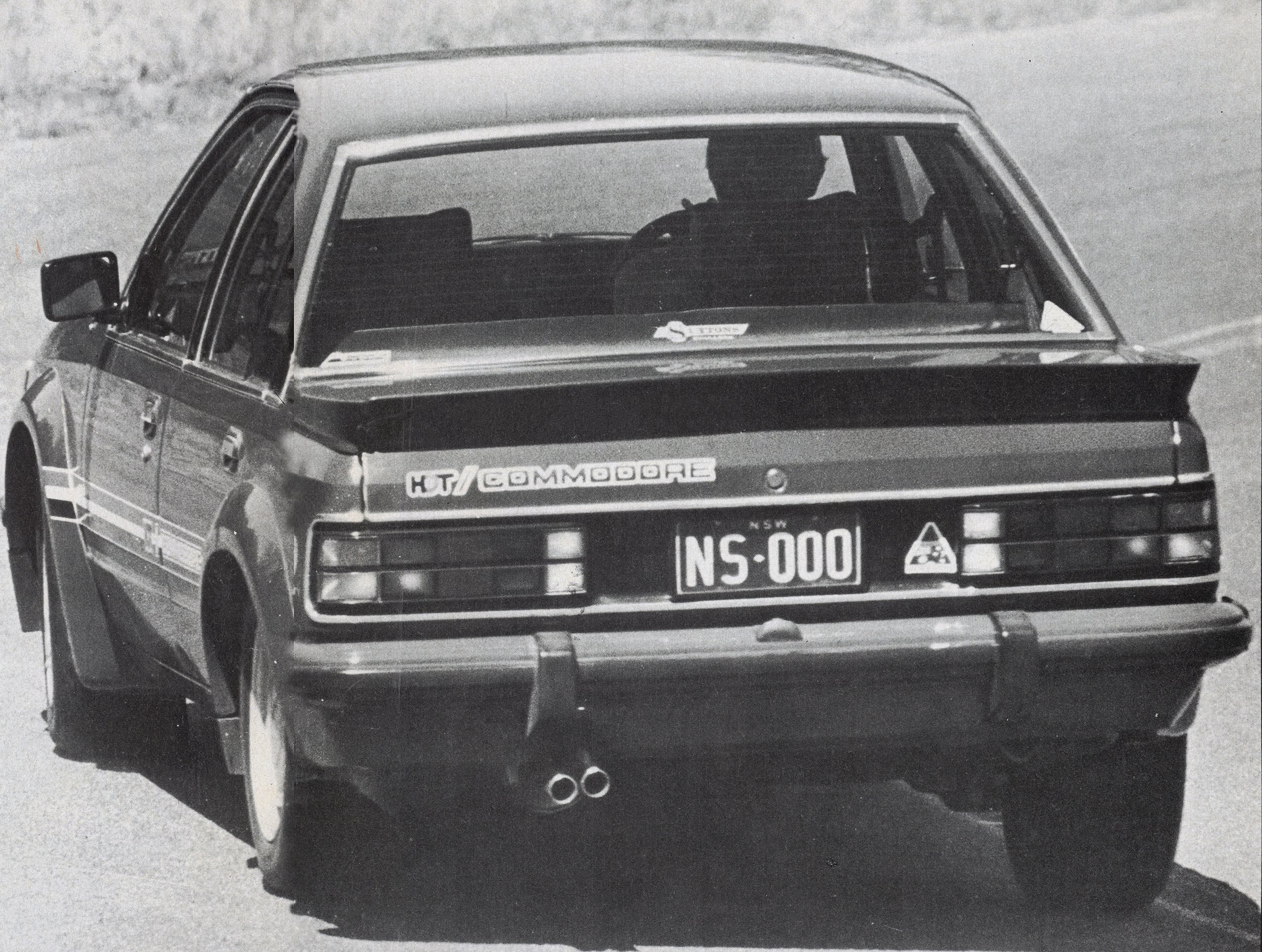
The car we got was the black mother (our photographic car is a Firethorn Red example courtesy of Suttons Motors) that Brock drove in those two heats of the Calder clash, winning the second heat but losing overall to John Bowe on aggregate.
It still had the pushed-in driver’s door, a packet of Marlboro Brock had left in the glovebox, and front discs that had obviously glazed themselves to the point of no return, even with less than 600km total on the odometer.
It was still in full racing livery, with “Brock” lettering and Big M decals and roll cage and fire extinguisher and full shoulder harness. The contrast of that with the total SL/E equipment of central locking, power windows, AM/FM stereo cassette player, aircon and velour trim put us in the position of the unwilling chauffeur out for the day in his boss’ hoon car.
The comparison between the HDT Commodore and the 1967-to-1972 “super cars” – the Holden Monaros and the GTHO Falcons – is irresistible to anyone who has driven both. First of all, they are roughly about as quick overall, although a memorable Wheels test put the Phase III HO top speed at 144 mph, which at 231km/h made it the fastest road car ever built in Australia.
The difference is that the Brock Commodore is not only much more refined, smoother, quieter and more docile, but it is in today’s terms a baby limo. The sixties super cars were rough, lumpy on idle, coarse in the gearbox, and heavy in the steering. The only difference between this Commodore and the standard full option SL/E is in the way it reacts when you bury the foot and the subtle, compliant expression of control from the Bilstein gas shocks.

Let’s recap on the specification of the car. Delivered to the Brock Special Vehicles operation in North Melbourne is a five-litre SL/E (no more are being built after the end of January) Commodore, with standard specs of aircon, power steering, velour trim, factory alloy 60 profile wheels, four-wheel disc brakes, automatic power antenna, AM/FM stereo radio cassette, laminated screen with tinted glass all round, heated rear window, remote boot release, rear compartment lights, front map lights, headlamp wash/wipe system, dual rear vision mirrors, dwell wipers, and height-adjustable driver’s seat.
Added to that is the so-called “333” pack, which includes dual exhausts, central locking, electric windows, and a few other small items. The fact that you can’t order the 333 pack with manual transmission (in fact, you probably can’t order a five-litre engine since last September or so) is incidental.
So then Brock’s team, headed-up by Bathurst team driver John Harvey – who defected to the Brock organisation from his job as trouble-shooter for the Ensign tyre retail chain in Victoria – descends on the car to make a multitude of changes.
The body gets a plastic air dam, rear deck spoiler and wheel arches. Side and rear striping (designed, we hear, by GMH’s Leo Pruneau) complement the three arbitrary colors – red, white, and black, coincidentally the colors of the Marlboro Holden Dealer Team. A rear fender badge commemorates the Brock racing Commodore win in the 1980 Australian Touring Car Championships.
To our mind the exterior effect is a bit boy-racer, if you’ll pardon the expression. The problem that confronts some would-be buyers of $19,000 worth of what is certainly one of the great touring cars of the world is that the exterior treatment tends to ask for a boot in the door or a key scraped along the side.

Inside, the cosmetics include a (smaller) four-spoke Momo steering wheel in black leather, numbered and signed by Brock, and a fake-wood gearshift knob. A small and very useful rest for the left foot is installed. All else inside is stock SL/E.
So much for the cosmetics. They are helped by Irmscher Tuning (German) alloy road wheels, with a wheel offset identical to the Australian Commodore, and an inch wider. The tyres are Uniroyal ER60-15s, and Brock, through his association with Uniroyal, had a real hand in their development.
Brock’s understanding of suspension design is, frankly, remarkable. We suspect that GMH’s engineers may have been consulted at some stage during the process of testing and developing the prototype car, but that takes nothing away from the sincere yet subtle changes that have been made. Brock says he started with a good-riding, good-handling car, and mainly wanted to improve high-speed touring control, particularly in crosswinds and over indifferent bitumen surfaces.
He put a lot of work in with the Bilstein distributors in Melbourne (who also worked with Ford on the ESP package) and re-worked spring rates, roll centres, front camber and castor, and front and rear stabiliser bars to improve straight line stability and reduce bump steer. The main consideration was to maintain a good ride, and this they have certainly done. For want of a better word, the car isn’t “clunky” over minor irregularities in the road; yet it will soak up ripples and bumps in corners without shaking its head.
A larger-capacity brake master cylinder goes in-a lesson, Brock says, from using it on the Repco Commodores. They also refill with Castro! GT (LMA) brake fluid. That does not go very far to explaining why the system produces a pedal with that marvellous progressive feel, through which (as this magazine has been saying for years is the measure) you can dial in exactly the retardation you want with your big toe, and get the exact result.
Engine: Obviously, this was Brock’s biggest problem. Five litres of relatively elderly American-cum-Australian V8 despite the improvements made to the current XT-5 series-does not exactly offer promise of the kind of fuel consumption your Mercedes or BMW driver would anticipate.
GMH – whom, we must stress, has made little contribution to the development of the car except for advice and consultation – agreed to run an early prototype through its emissions testing system at Lang Lang to ensure the car would pass the Australian Design Rules requirements. If you see that, as we do, as a courtesy to a man who has contributed so much to the reputation of GMH products, then we feel your viewpoint is correct.
Anyway, the engine passed with flying colours, and with quoted (not AS2077) figures of an overall average 9.3 km/I (26.1 mpg). We couldn’t verify this in our testing, because Melbourne’s amazing weather varied from heatwave to freezing downpour during our brief testing, and we were more concerned with getting those two important performance figures.
Nevertheless, Brock says loudly that the average driver will get up to 20 per cent better fuel consumption than the standard five-litre. We beg to question whether the man who could afford a Brock Commodore would care a damn about that, but we have agreed with Brock the right to disagree with him…
What was done to the engine really was to apply some basic tuning principles that have been used by performance engine builders since the early sixties. However, what is really interesting is that none of the work is hand-tool stuff; it is all done on automatic machines, which suggests that some of the ideas are capable of being reproduced in five-litre V8s inserted into future Statesman builds.
The cylinder heads have been machined for better gas flow; larger inlet and exhaust valves are fitted, and valve seats and porting have also been machined. In common terms, it’s a good “head job”, if you’ll pardon the expression.
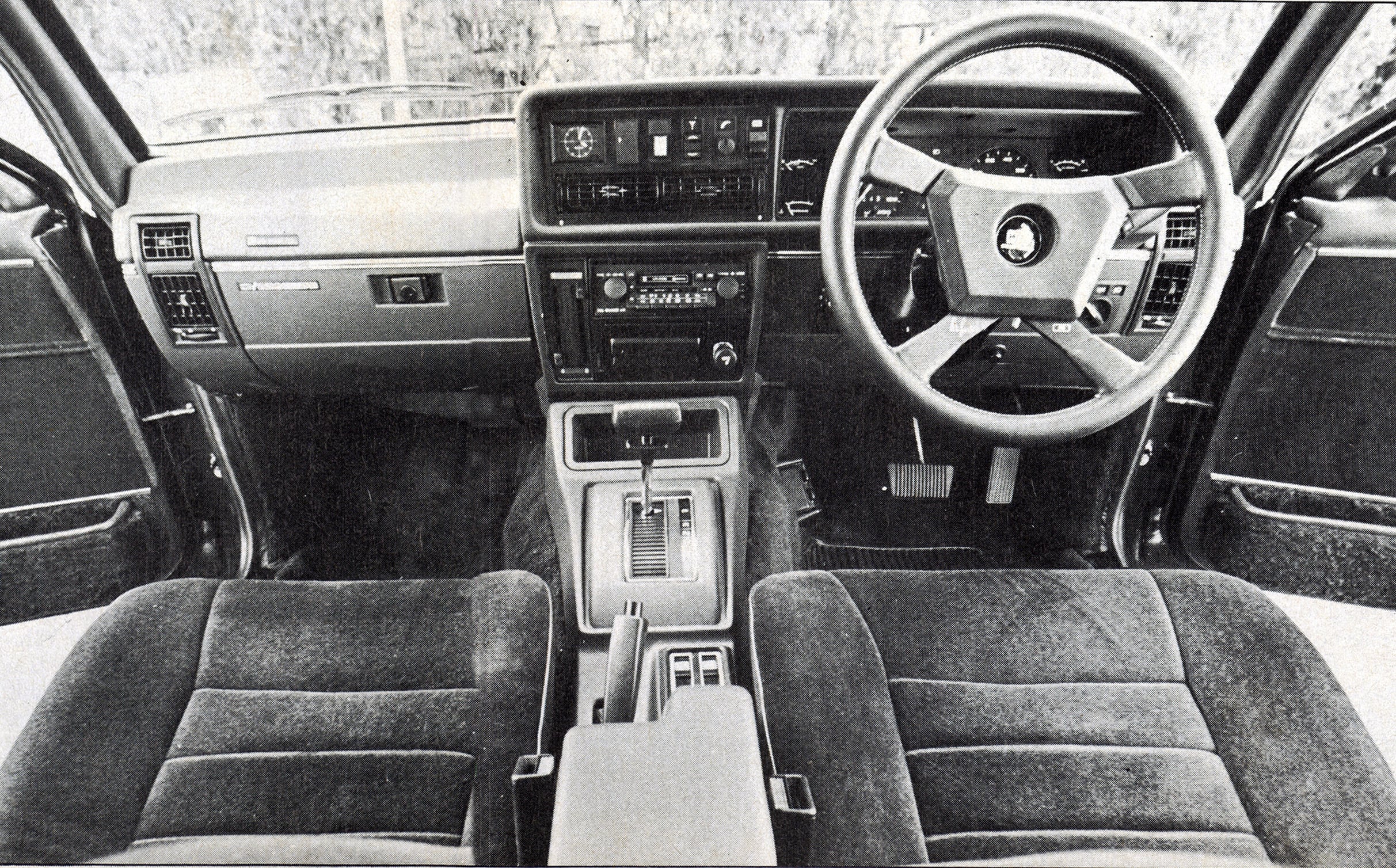
The inlet manifold is smoothed out as well; all this produces a lower compression of 8.9:1, allowing better NOx control and a little more ignition advance, and thus better part-throttle economy. A bigger (Chevrolet) air cleaner and a cold air box-racing experience again allow lower combustion chamber temperatures, and thus more efficient spark plugs to be used. Add a bigger fuel line to deliver petrol better, and a few other “tricky things” that Brock doesn’t talk about too freely, and you have an engine that idles at 600rpm in all conditions, spins like a top, and is super-smooth all through the range. Our guess is that a lot of racing experience has gone into the total car, particularly in engine, brakes and suspension.
Cold facts can’t convey all this. You do, in fact, get into this car, and say to yourself immediately that it works precisely as a great touring car should. This immediate impression wasn’t spoiled even by the caning the brand-new car had had over about 30 hard laps of Calder. The front brakes were stuffed, the rear discs squealed when you used the handbrake to stop (as we were doing in low-speed city traffic) and you still had to clear its throat by blipping the throttle in parking or traffic turns.
All that went away when you found a clear piece of road and depressed the foot, winding the big V8 out to 5800rpm, where it started to break down. The most impressive thing was the gearshift; current GMH Commodore manual shifts are not renowned for the knife-through-butter description, and we don’t know whether the shorter lever (as it felt) or the new fake-wood knob (ridiculous assumption) were responsible. All we can say is that the gearshift was marvellous.
Everything has come together in this car. Knowing that behind you is the heavy-duty 3.36 limited-slip differential, you could mash on the power and the thing would just steam away, up to 5800 in every gear like a turbine, back on to the brakes and back down on the shift, turn the wheel a quarter into the corner and bang down the grunt pedal and on it would go.
In the wet (as it mostly was) one quickly learned that the system didn’t change, because in adding the power on the exit you simply felt the suspension talk back a little louder and applied the required correction without lifting the foot.
For want of a better word, it was just… nice. It is a car that will never, ever, play a trick on you. That difficult achievement of imparting total driver confidence is carried to the ultimate in this car in a way that you seldom experience. It constantly reminds you of its racetrack breeding, but not in the harsh way that that phrase normally implies.
The standing quarter runs were almost monotonous. Load it up to around 3000 (or 3200 or 3600 – it didn’t really seem to make much difference) and the black kid would squeak a bit at the back, and squirm slightly, and then the bite would come in and you would then simply watch the tacho so you could pluck another gear at 5700 to beat the valve bounce (it wasn’t valve bounce really, more like a hydraulic lifter flutter) and then on again. There was no wind, and the quarter times varied by only 0.2 secs either way.
On the top speed runs, the end seemed to come not through valve bounce or breathing but through the lack of that last little edge of crispness. Over the years you get used to American V8s running out of puff in the top end (although we remember clearly that the 350-inch V8 used in the Monaro of 1969 was limited mainly by driver courage). But the black car just went a little flat; the last 20km/h took a long time coming up. We suspect the timing had slipped a little.
So where does all this leave us? Simply, that this HDT Commodore has no peer in Australia as a touring car for the kind of usage that a small percentage of Australians demand. It is very probably bullet-proof; it will certainly tow anything that the caravan or boat brigade care to hook on behind it; it will do an interstate trip as easily, with as little drama, and in as much comfort as a European car costing twice as much.
This is probably because it has now above and beyond the normal flagship Commodore, acquired the kind of keen edge that only a car modified by a racebred man can possibly have.
Our guess is that we have not seen the last of special vehicles from Brock. There will be in this country a solid, continuing, tiny market for this kind of car, that the enthusiast can recognise and love as something far removed from the correct, sensible and ecologically-proper mass produced vehicles that are with us now.
It is not as stupid as the surviving American customised convertibles and super long-wheelbase aberrations that have survived; it is not as deviate as the English limited-editions like the Panther. It probably says: Hey, here is a pretty good car that with the commonsense application of some years of experience in pointing vehicles along a piece of bitumen we can make into a fairly pleasurable piece of machinery that really owes no apologies to anything else built in the world.

And, accepting all that, accepting all the anti-social nature of what the HDT Commodore represents, you must say to yourself that this car is a repository of many of the things that made Wheels magazine what it is today. Isn’t that nice?
Australia’s new car market enjoyed a record year in 2025, with Aussies buying 1,241,037 new cars last year. That’s according to end-of-year data compiled by the Federal Chamber of Automotive Industries (FCAI) and Electric Vehicle Council (EVC). That 1.24 million eclipses the previous record of 1.237 million sales and registrations in 2024.
While those numbers are encouraging, pointing to a buoyant new car market, not every manufacturer can boast gains over the last 12 months.
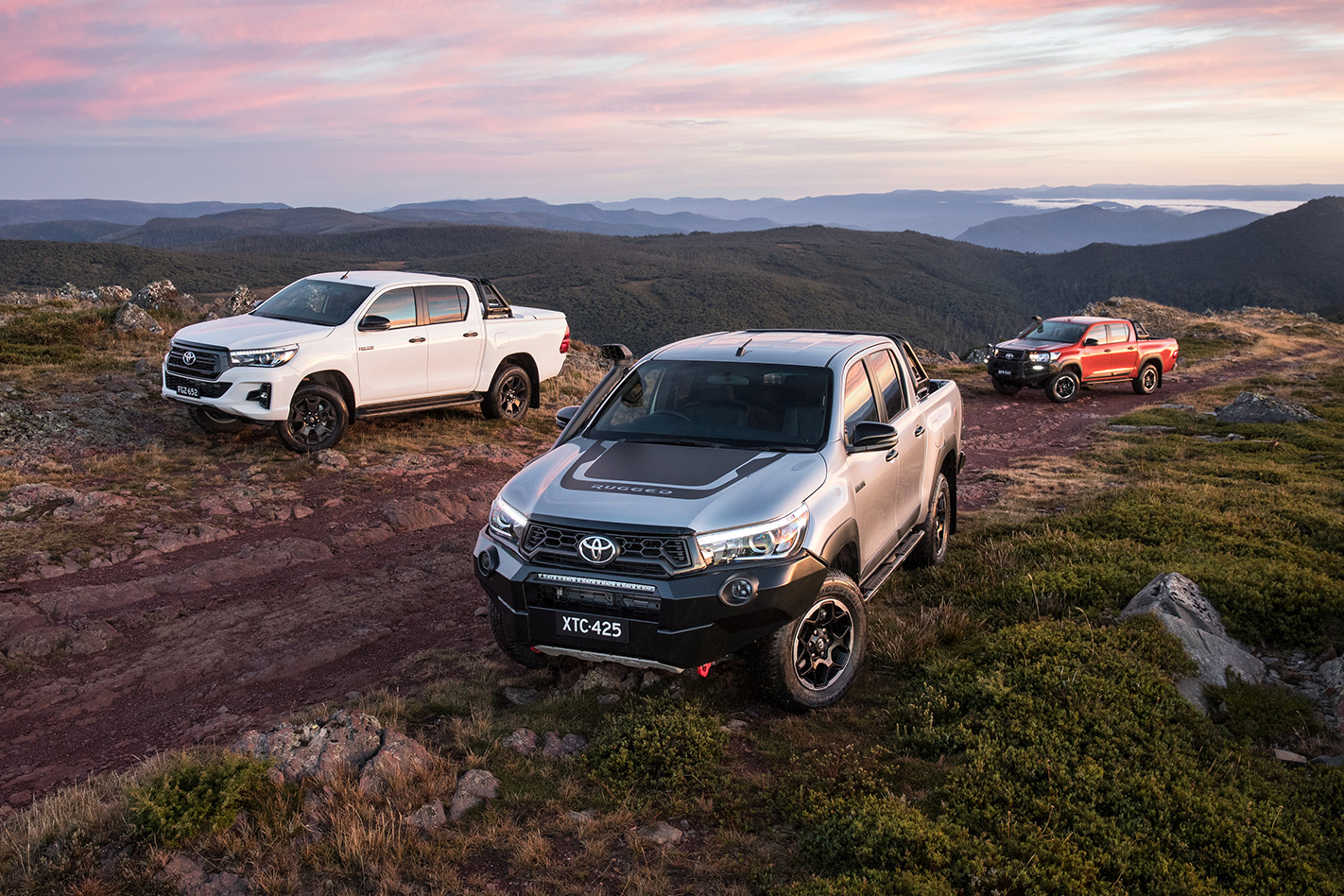
Analysing the numbers reinforces a trend that has been slowly emerging over the last two decades or so – buyers are deserting the once traditional passenger car in favour of SUVs and dual-cab utes.
But another trend is emerging, and it’s one legacy car makers are increasingly fearful of – China. Last year, cars made in China overhauled those produced in Thailand to claim second spot on the table of Country of Origin. Just over 252,000 of the new cars sold in 2025 hailed from China (source: FCAI and EVC), edging out Thailand’s 249,958 (where two of Australia’s most popular models – the Ford Ranger and Toyota HiLux – are built). Only Japan produces more cars for the Australian market, with 358,981 sales.
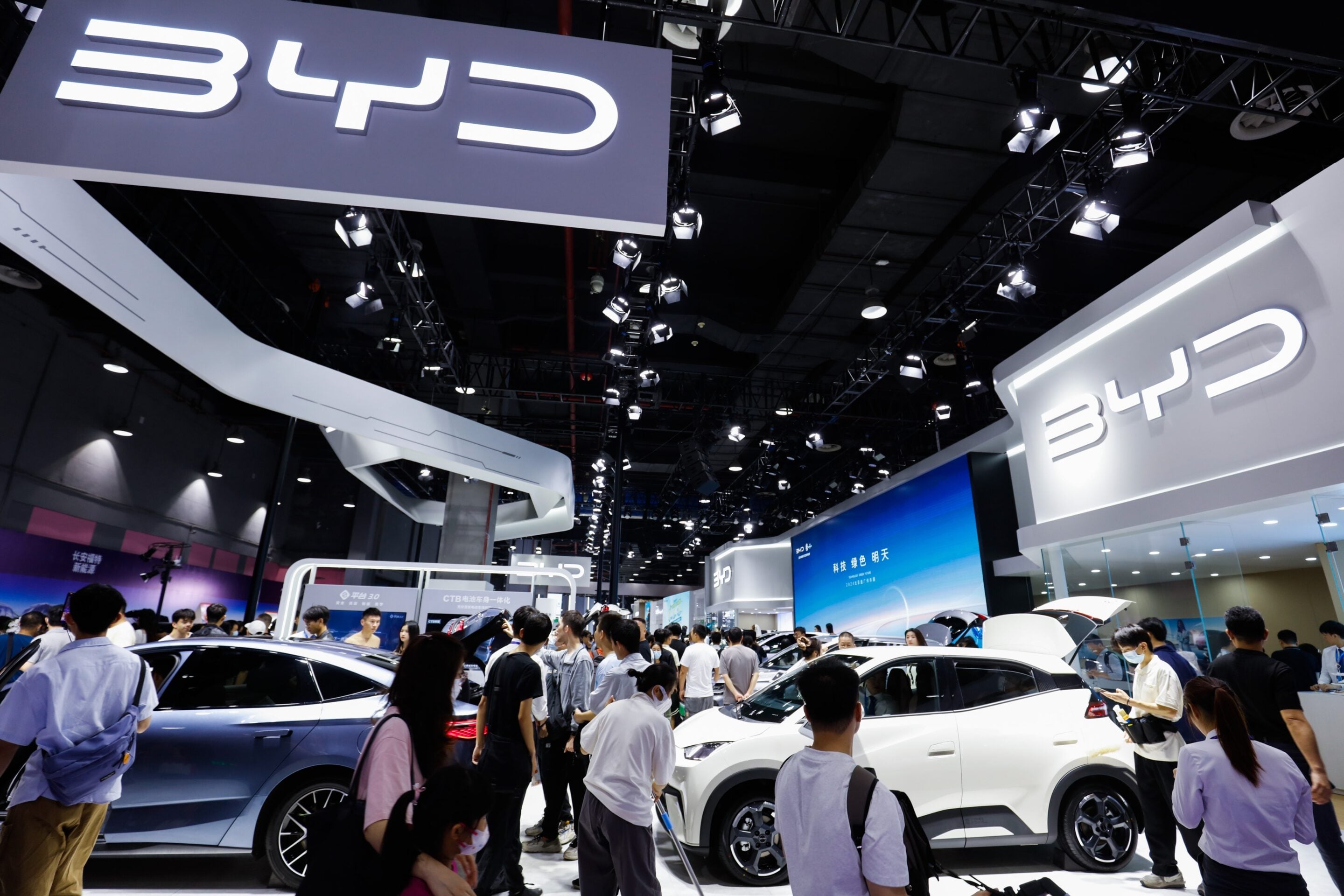
Unsurprisingly then that some Chinese car brands have enjoyed tremendous growth, a surge in sales that has come at a cost to legacy auto makers.
So who are the winners and losers of 2025? We’ve compiled the data from both the FCAI and EVC to find out.
The biggest winners
BYD up 156.2 per cent (52,415 against 20,458)
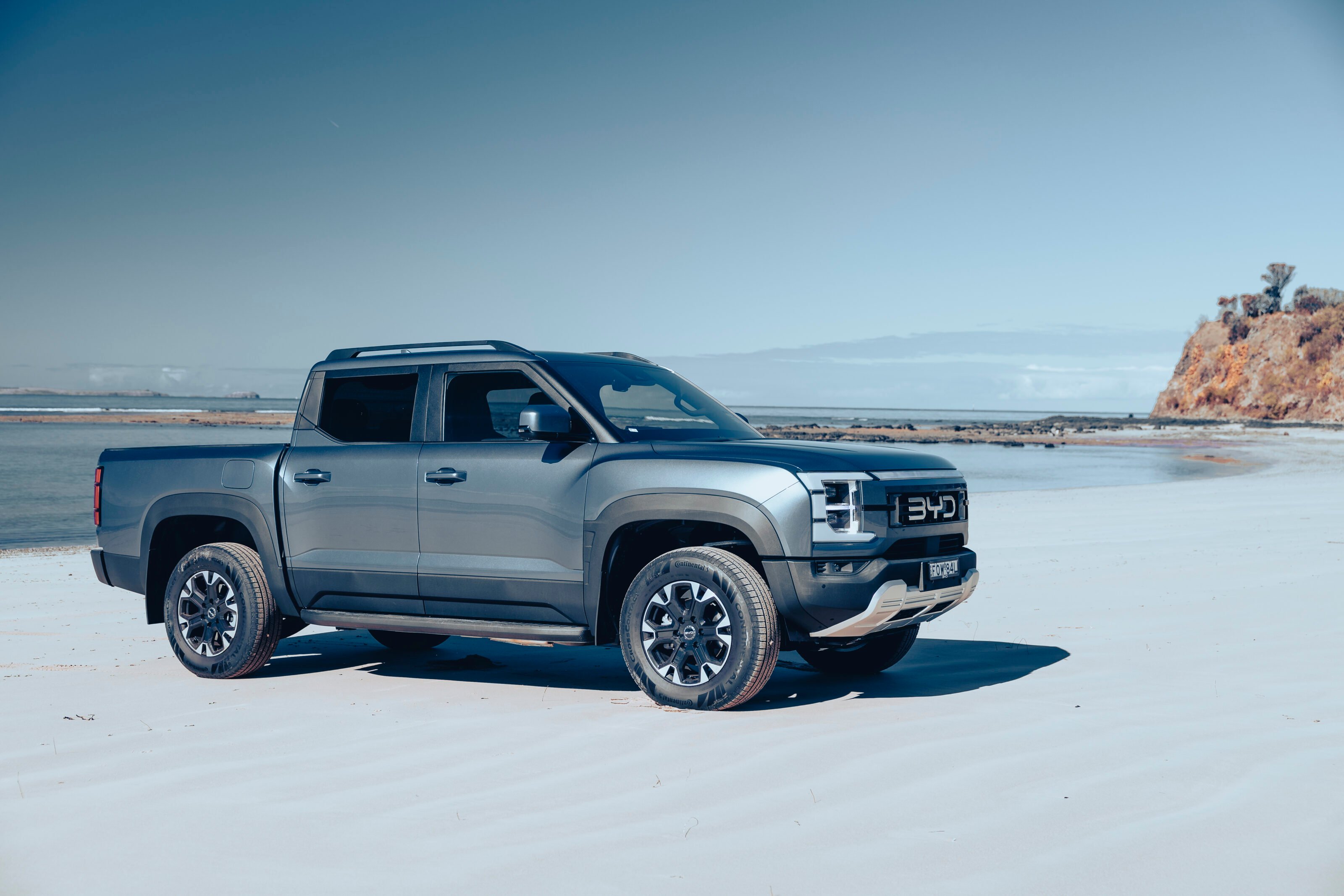
Over half of BYD’s 2025 sales came from two new models, the pioneering Shark 6 plug-in hybrid dual-cab ute and the Sealion 7, a Tesla Model Y rivalling electric SUV. The Sealion 6 SUV tapped into the plug-in hybrid zeitgeist to enjoy strong growth in 2025, up 46.1 per cent over the previous year.
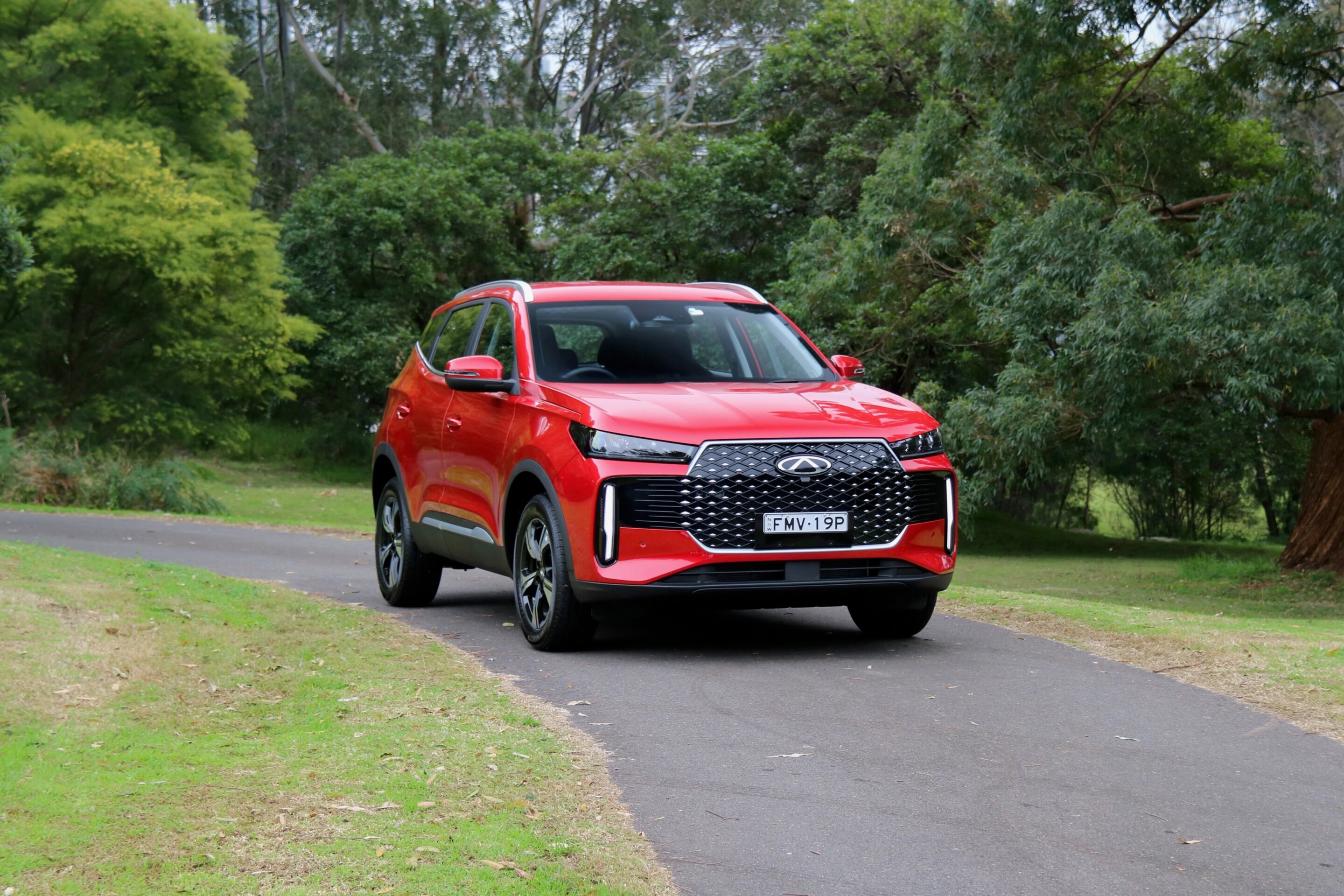
Chery up 176.8 per cent (34,889 against 12,603)
Chery witnessed growth across its range with the Tiggo 4 Pro doing the bulk of the heavy lifting, up an astonishing 950 per cent year-on-year (20,149 against 1918). Other winners included the Tiggo 7 Pro (up 107.8 per cent) and Tiggo 8 Pro (up 99.6 per cent).
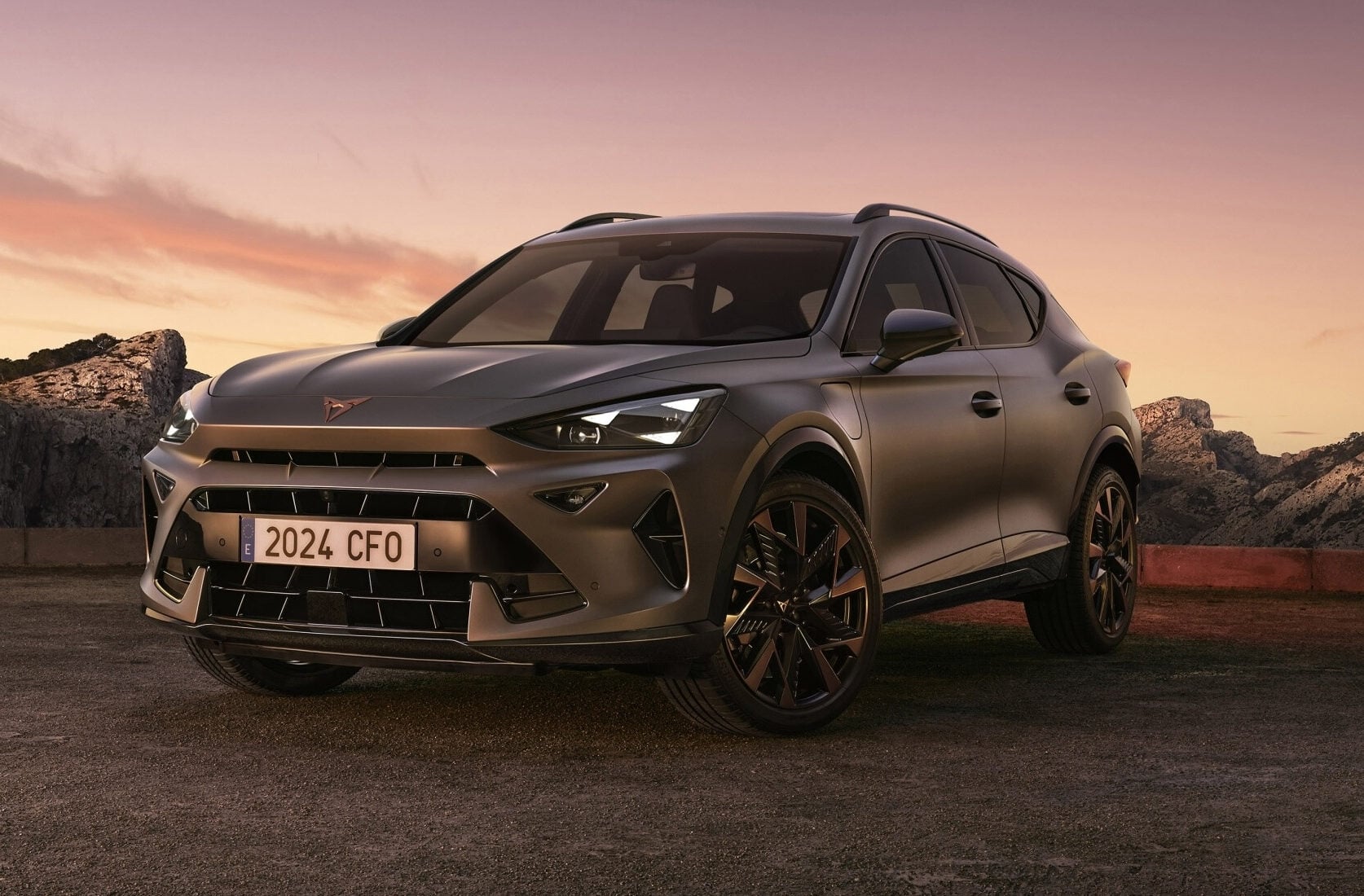
Cupra up 21 per cent (2830 against 2339)
While the overall numbers remain modest, they are pointing in the right direction for the Spanish off-shoot of the Volkswagen Group. And it’s the Formentor small SUV leading the way, sales of 1490 representing a 17.8 per cent increase. The addition of two new models last year – Tavascan and Terramar – further bolstered the bottom line.
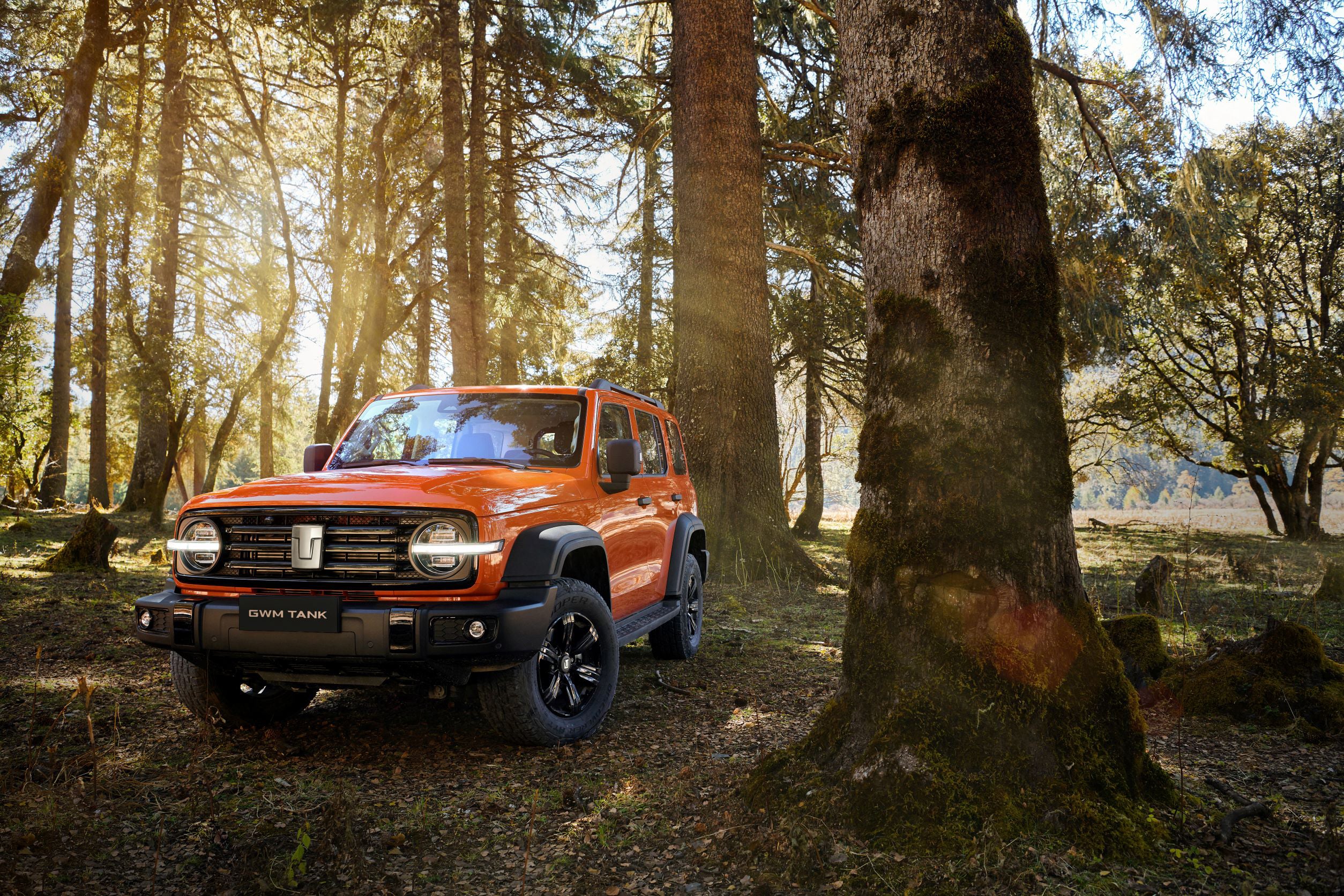
GWM up 23.4 per cent (52,809 against 42,783)
Massive growth, both in terms of percentage and raw numbers, helped along by the arrival of the Cannon dual-cab ute which added 7800 to the Chinese brand’s tally. Sales of Tank 300 and Haval Jolion also enjoyed double-digit increases, up 26.9 and 36.3 per cent respectively.
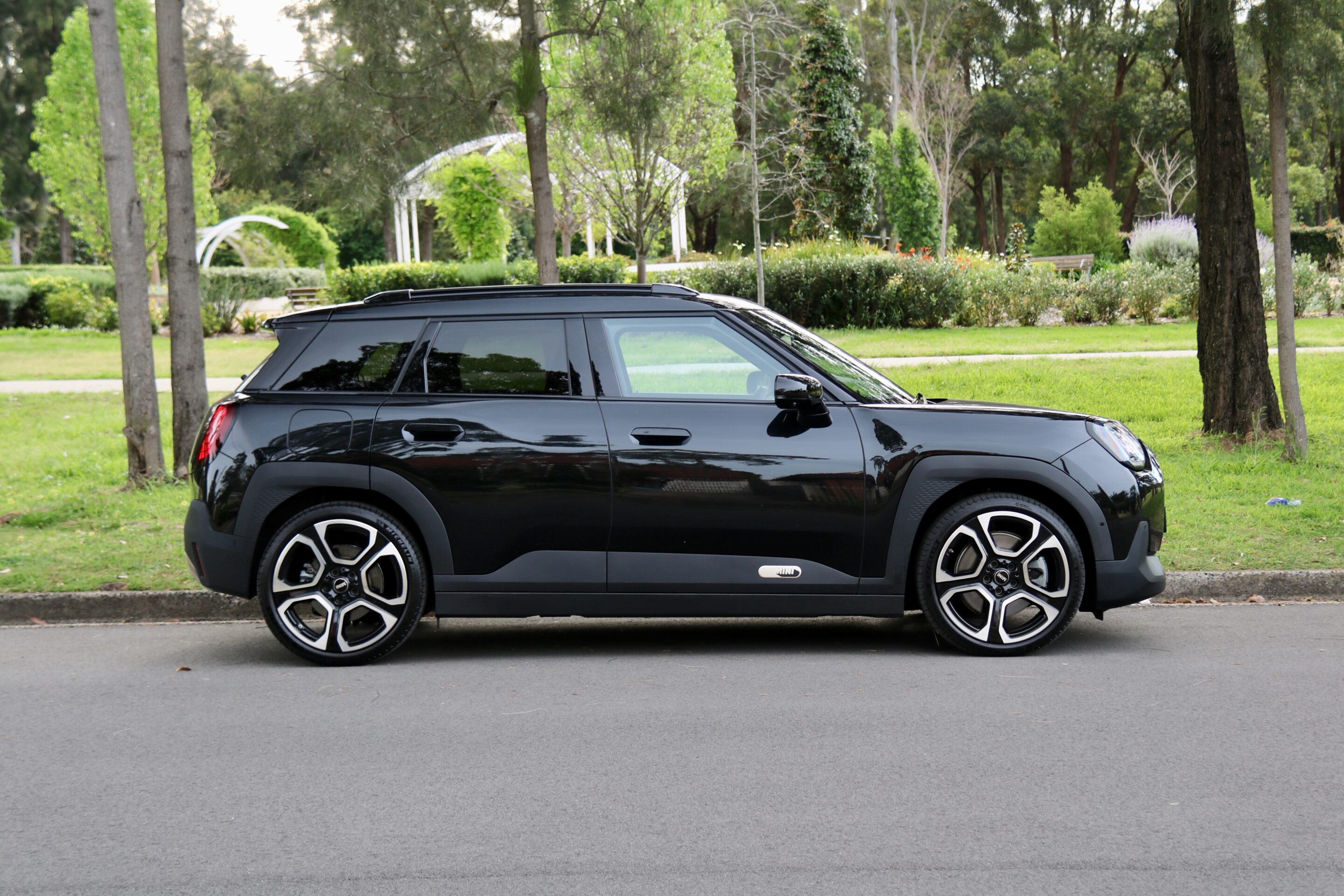
Mini up 37.7 per cent (5484 against 3982)
A refreshed model line up resulted in a sales surge for the BMW-owned ‘British’ icon. The top-seller race is a tight one, with Cooper (2263, up 45.2 per cent) just edging Countryman (2235, up 19 per cent) on Mini’s spreadsheet.
The biggest losers
Fiat down 22 per cent (411 against 527)
Sales of the 500, the only model in Fiat’s local line-up slipped, from 527 in 2024 to 411 last year. What’s next for the fun-and -funky Italian brand in Australia?
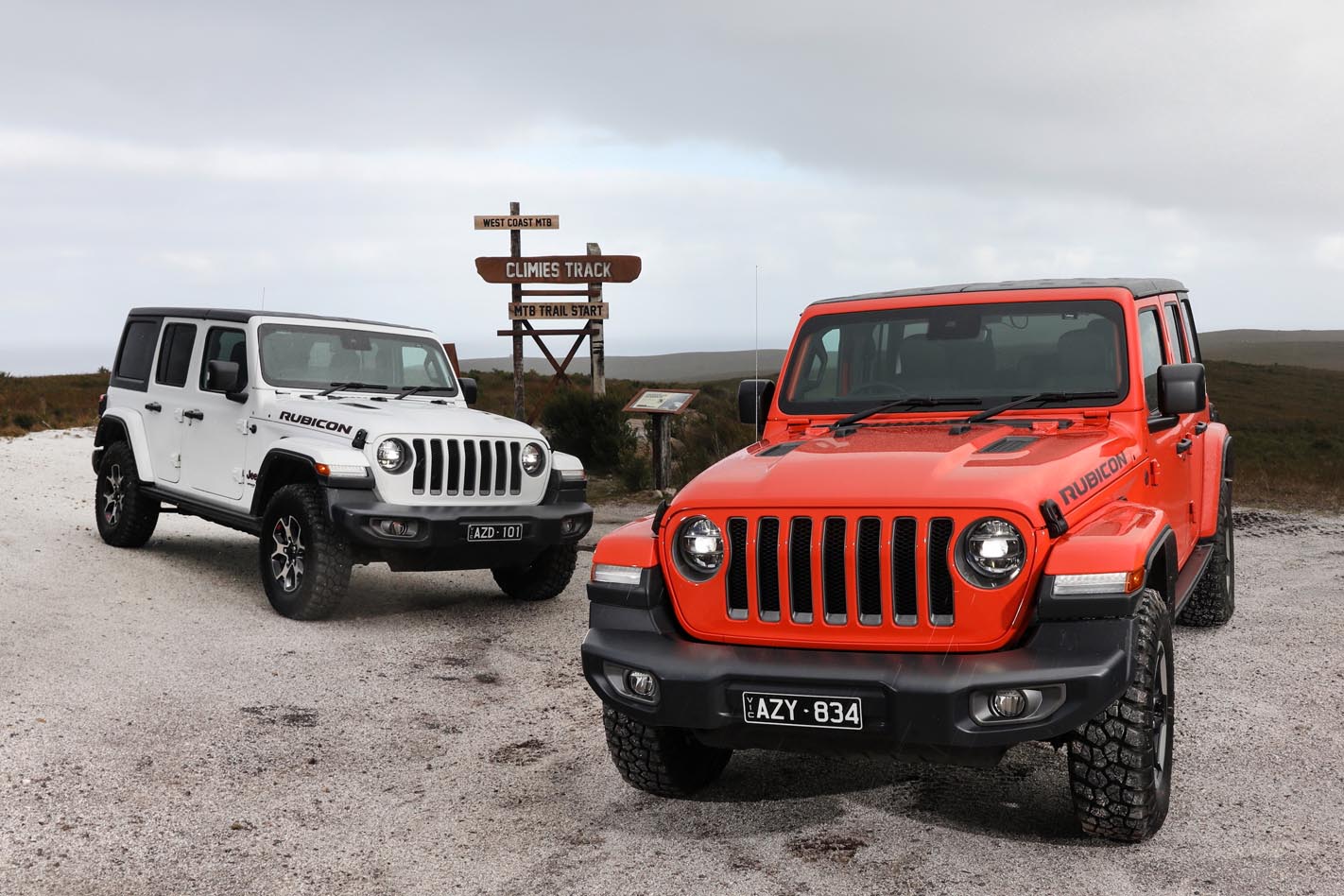
Jeep down 33.3 per cent (1585 against 2377)
Jeep’s four-model line-up accrued big losses in 2025, with only the flagship Grand Cherokee showing any resistance, up 4.3 per cent year-on-year, albeit with modest sales of 673. It remains the US brand’s best-seller in Australia.
KGM down 23.7 per cent (4116 against 5393)
Korea’s forgotten car brand struggled to replicate its 2024 success, sales down across the range, with only the relatively new Torres SUV showing some green shoots, its 288 sales in 2025 up 78.9 per cent over the previous year.
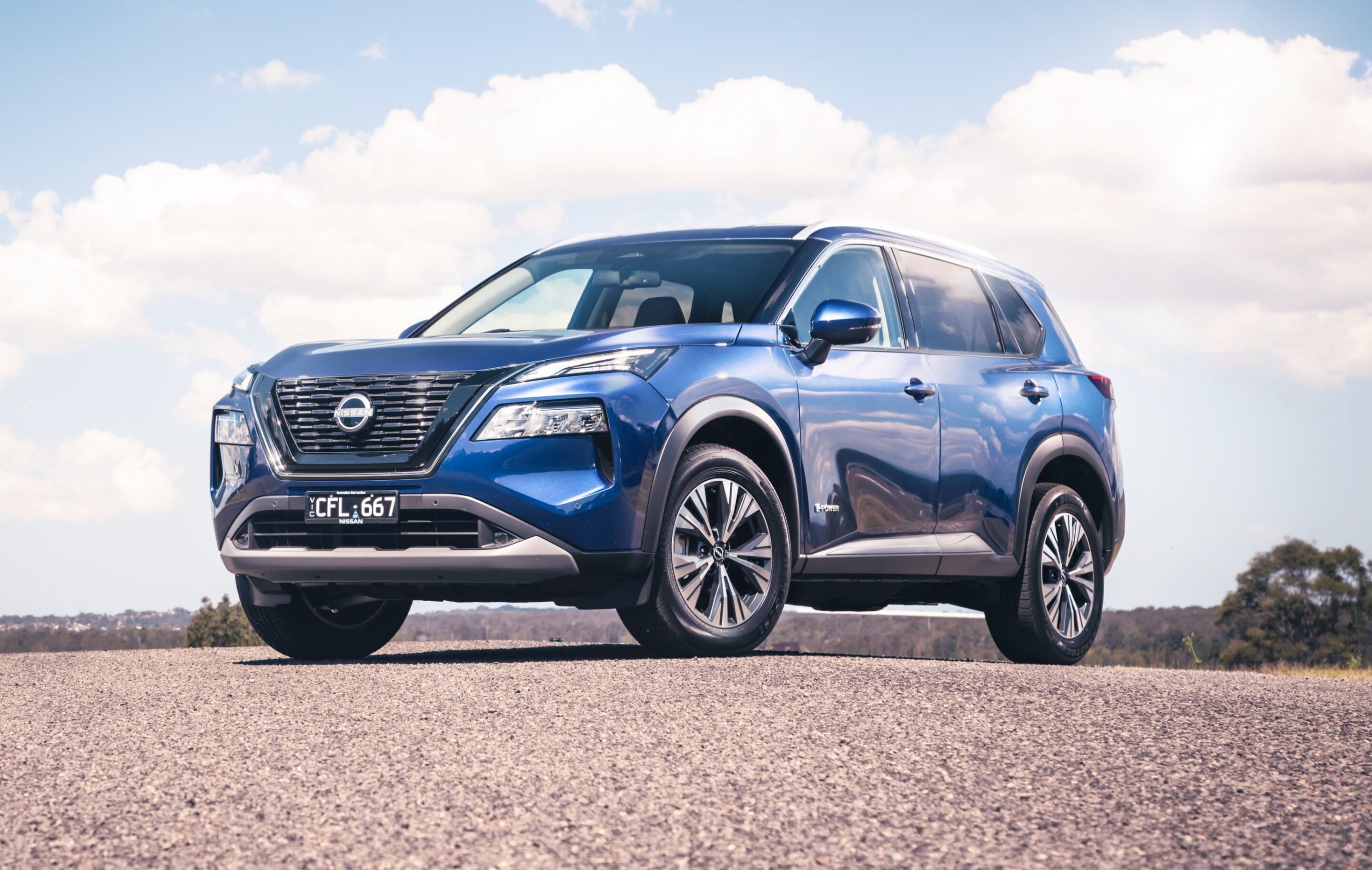
Nissan down 21.3 per cent (35,511 against 45,284)
The Japanese giant, a brand with such a rich heritage in this country, has seemingly lost its way in Australia, recording a 21.3 per cent drop in sales compared with 2024. Only the Pathfinder offered a glimmer of hope, up 40 per cent, although the raw numbers remain low, 732 sales in 2025. Nissan’s best-seller remains the X-Trail, 15,708 sold in 2025, a drop of 10.2 per cent over the previous year.
Peugeot down 28.8 per cent (1350 against 1896)
If you’re struggling to see new Peugeot passenger cars on our roads, you’re not alone, the French brand selling just 673 passenger cars in 2025, the balance of its 1350 sales total made up of light commercial vans.

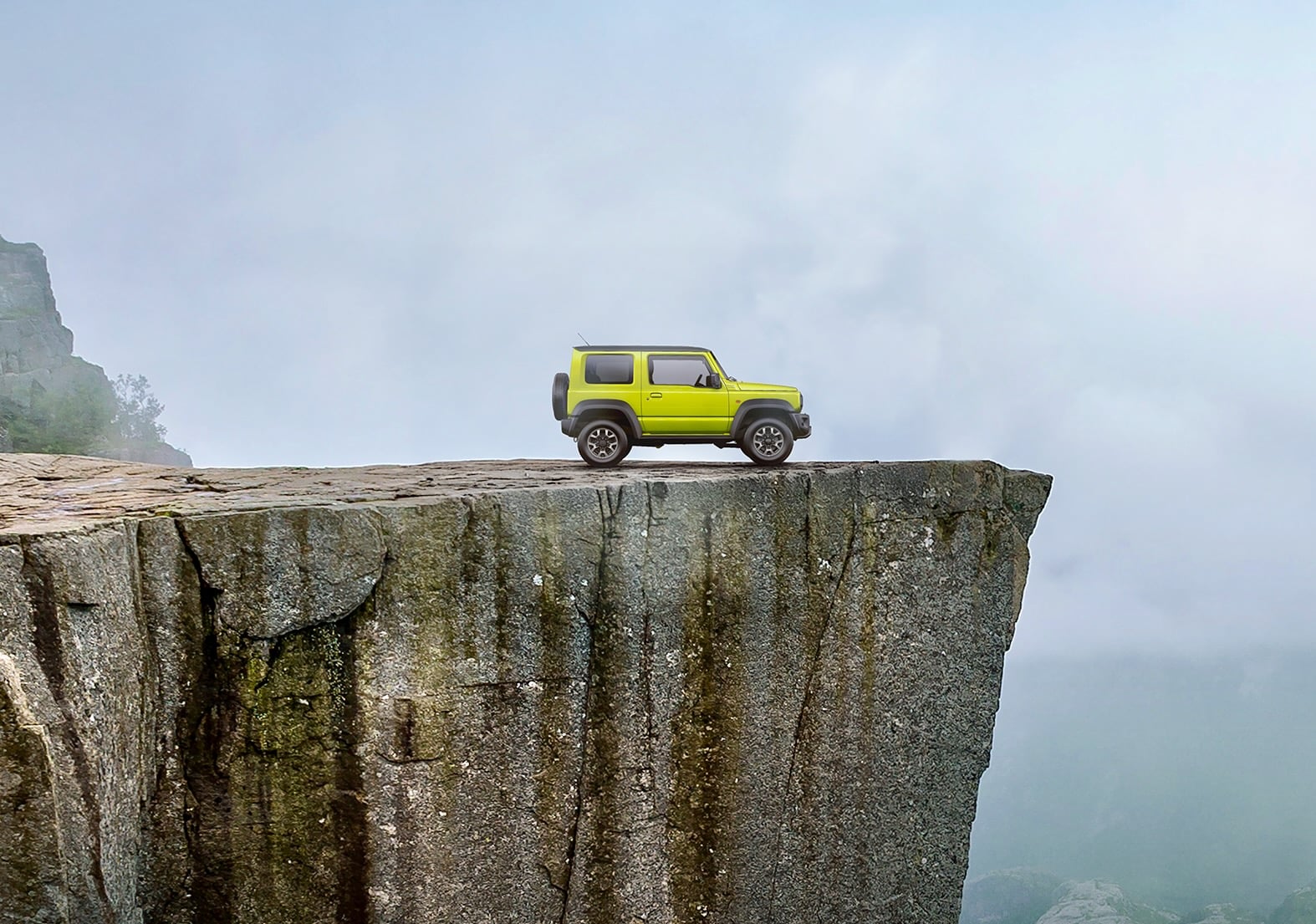
Suzuki down 27.7 per cent (15,378 against 21,278)
The addition of the Fronx compact SUV to Suzuki’s line up bolstered an otherwise gloomy year on the sales charts, the brand down 27.7 per cent overall against 2024’s numbers. The gloom continued in December with the Fronx awarded a one star safety rating following ANCAP crash testing which revealed poor occupant protection and a seatbelt failure. That prompted a major safety recall of affected vehicles, something that is bound to hurt 2026 sales.
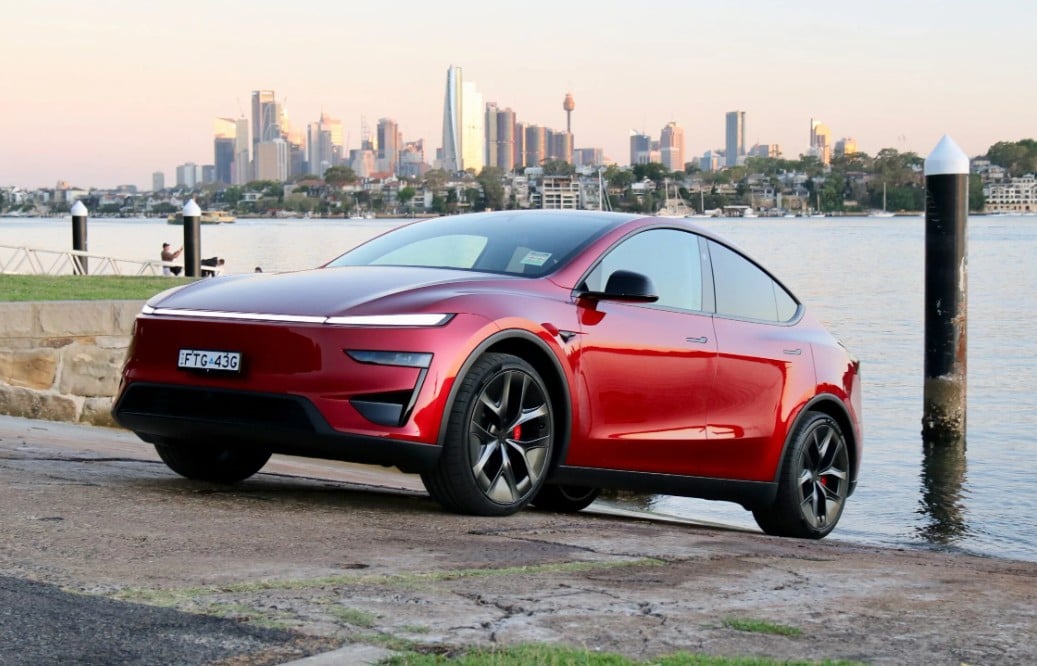
Tesla down 28.1 per cent (28,856 against 38,347)
Whether it’s the Musk factor or whether buyers were awaiting the arrival of refreshed Model 3 and Model Y, Tesla’s sales slipped by almost 10,000 vehicles compared against 2024. An influx of new electric cars, mostly from China, has also had an impact, with buyers increasingly spoilt for choice when making their EV purchasing decisions.
Volkswagen down 20.6 per cent (28,970 against 36,480)
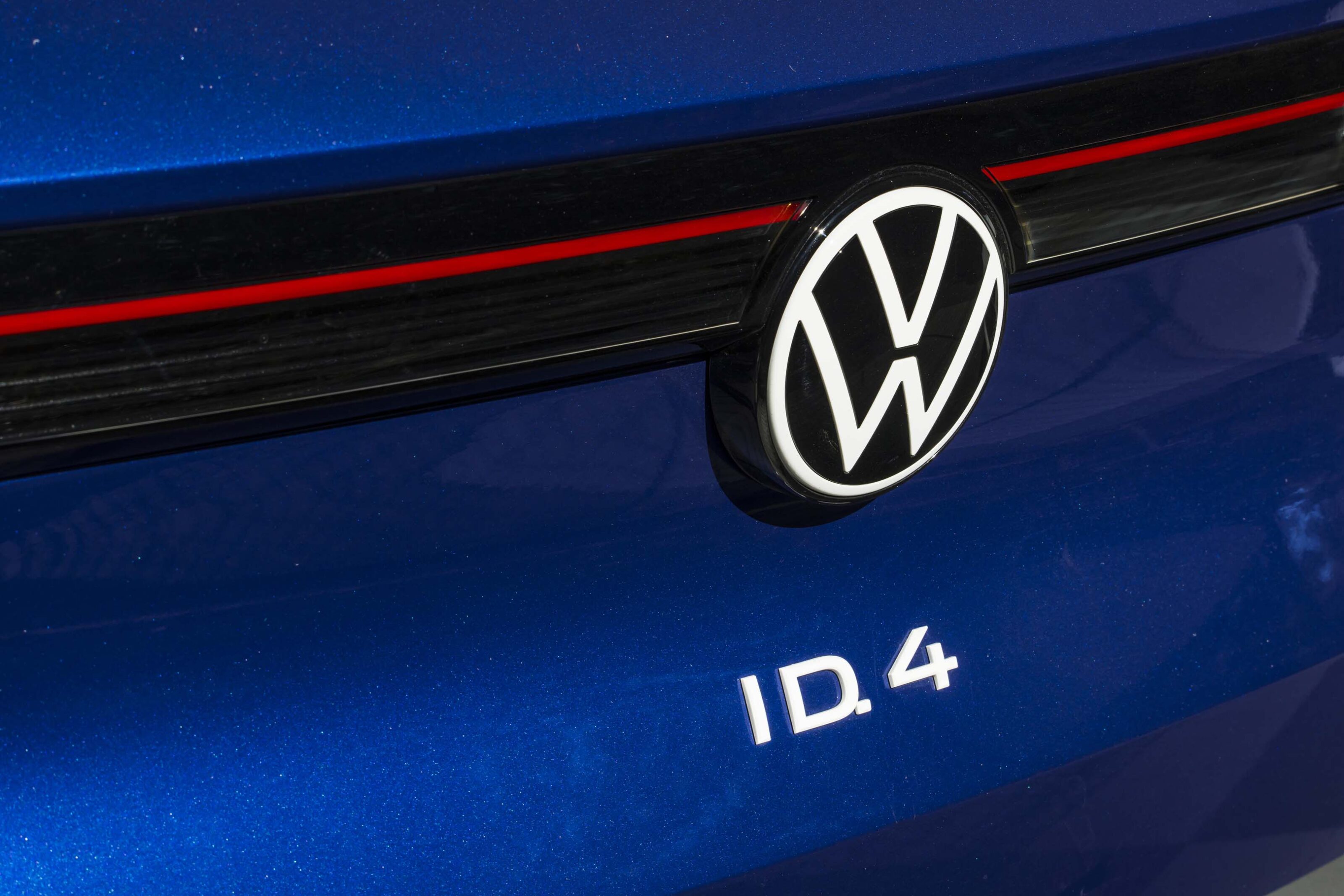
The German giant was down across its entire line-up with only Golf (up four per cent) and Caddy Cargo Van (up 18.6 per cent) bucking the downward trend. Of the new models, the ID.4 electric SUV fared best adding 1196 to Volkswagen’s tally in 2025. The brand’s best-seeler remains the Amarok dual-cab ute, with a total of 5392 sales across 2025, down 35.8 per cent over the previous year.
The top end of town
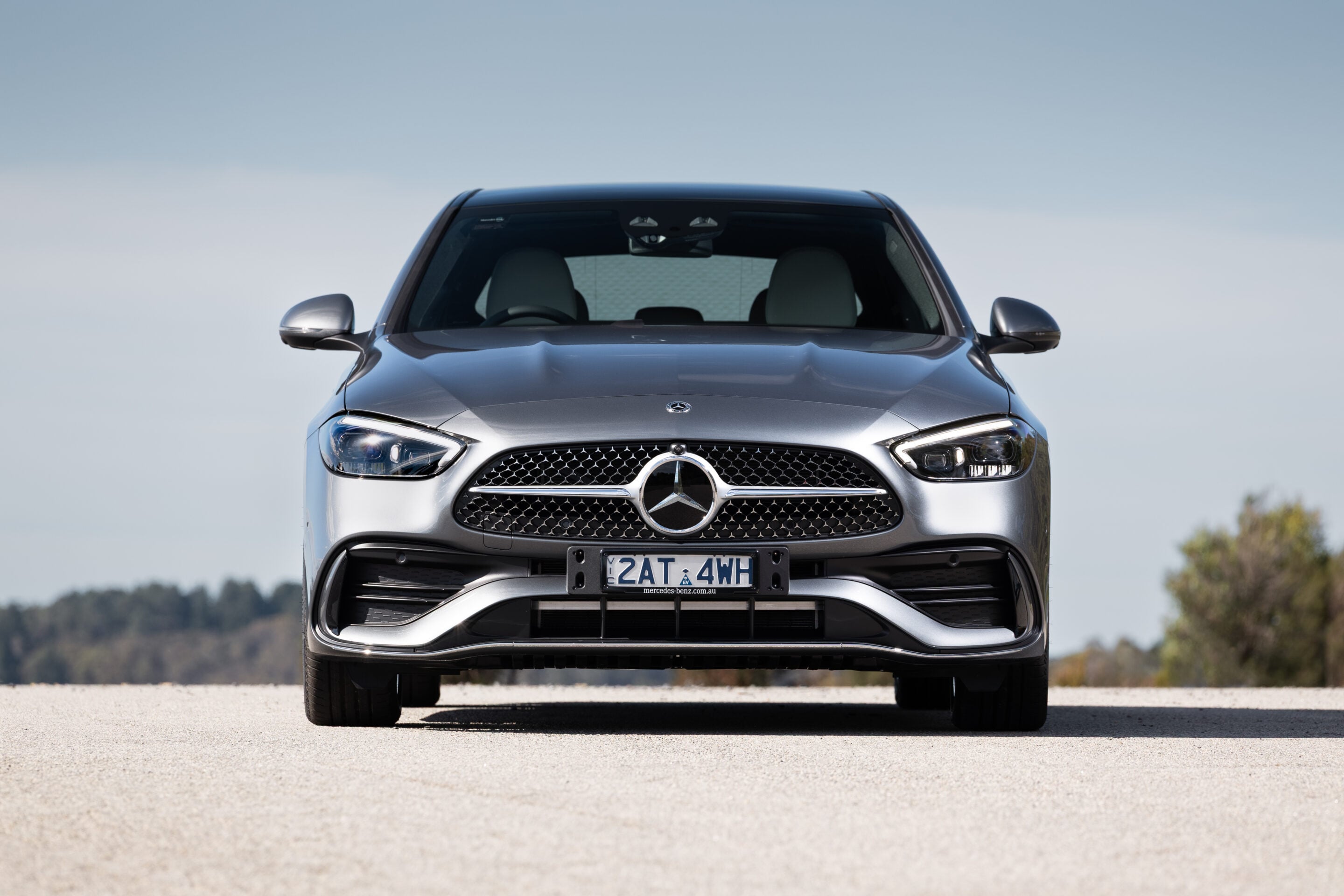
Luxury car makers enjoyed a mixed bag in 2025. Mercedes-Benz enjoyed 14.3 per cent growth year-on-year while BMW’s upswing proved more modest, a 1.9 per cent increase. Audi was up 4.4 per cent while Lexus enjoyed a 6.7 per cent gain over 2024.
Aston Martin up 20.1 per cent (185 against 154)
Jaguar down 30 per cent (520 against 743)
Lotus down 53.5 per cent (72 against 155)
Maserati down 30 per cent (264 against 377)
McLaren down 28.4 per cent (68 against 95)
Porsche down 27 per cent (5133 against 7029)
Rolls Royce up 24.1 per cent (67 against 54)
How the top 10 fared
Of the top 10 brands in Australia only four enjoyed an uptick in overall sales, the remainder recording modest decreases. Toyota held largely steady with a drop of just 0.6 per cent while Mitsubishi and MG endured the biggest losses, down 17.9 and 18.4 per cent respectively.
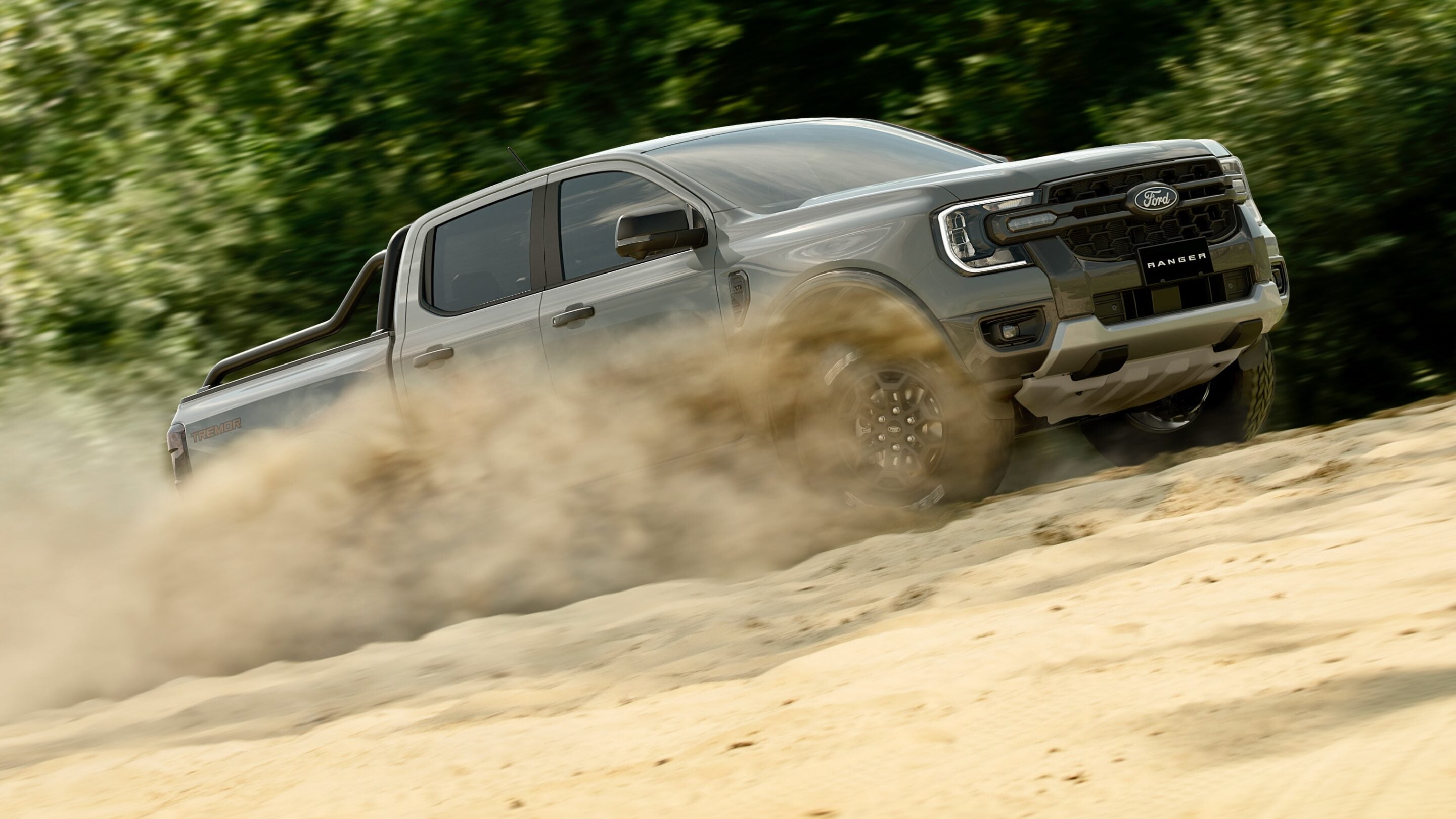
Toyota down 0.6 per cent (239,863 against 241,296)
Ford down 5.8 per cent (94,399 against 100,170)
Mazda down 4.2 per cent (91,923 against 95,987)
Kia down 0.4 per cent (82,105 against 81,787)
Hyundai up 7.7 per cent (77,208 against 71,664)
Mitsubishi down 17.9 per cent (61,198 against 74,547)
GWM up 23.4 per cent (52,809 against 42,782)
BYD up 156.2 per cent (52,415 against 20,458)
Isuzu Ute down 12.2 per cent (42,297 against 48,172)
MG down 18.4 per cent (41,298 against 50,592)
… and the segments
Passenger Cars
Micro up 19.3 per cent (7577 against 6349)
Light down 20.4 per cent (24,826 against 31,189)
Small down 22.3 per cent (72,222 against 92,964)
Medium down 49.8 per cent (23,175 against 46,146)
Large up 6.2 per cent (2285 against 2151)
Upper Large up 15.2 per cent (348 against 302)
People Movers up 9.2 per cent (14,907 against 13,654)
Sports up 14.3 per cent (12,144 against 10,629)
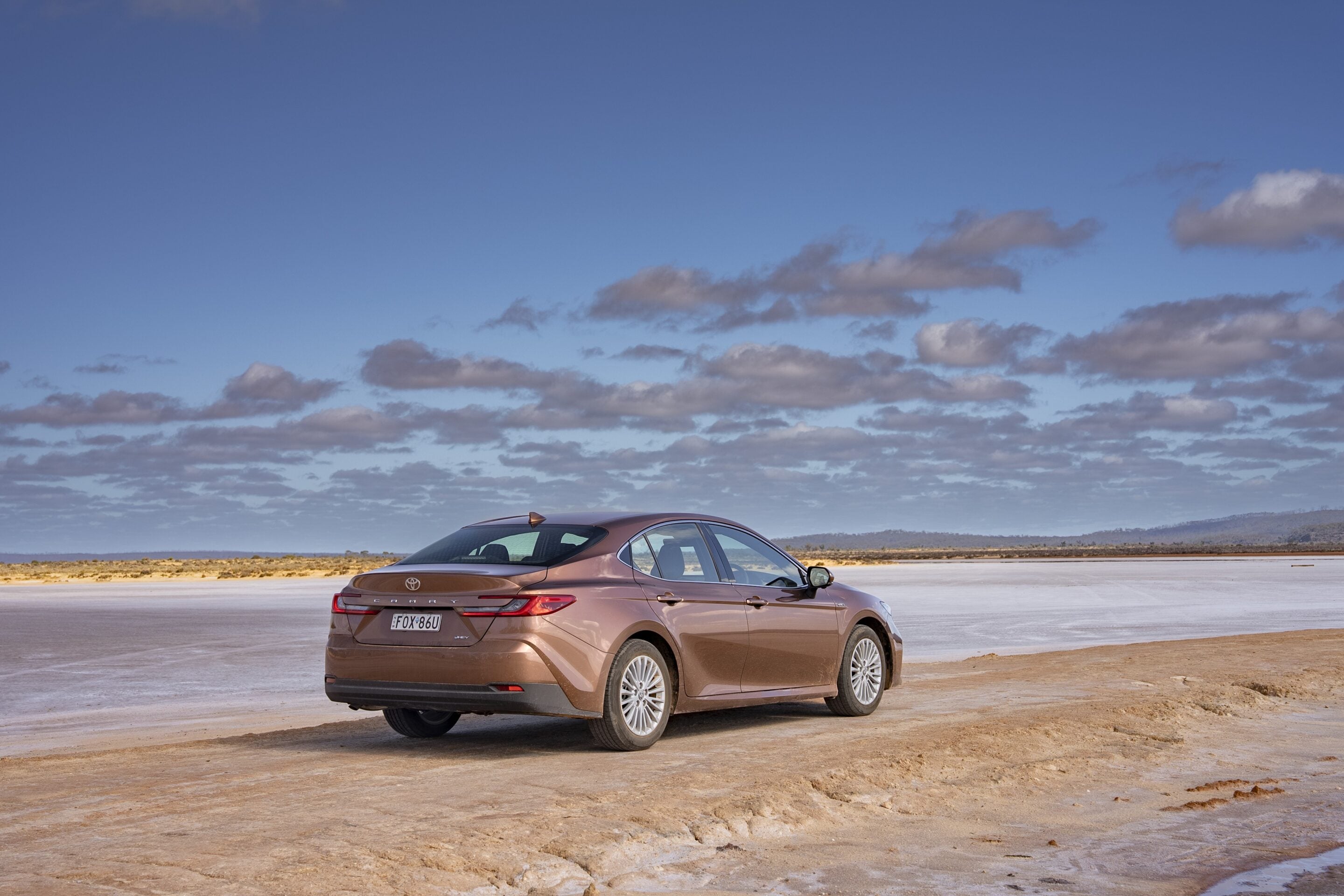
SUVs
Light SUV down 5.0 per cent (53,292 against 56,089)
Small SUV up 10.9 per cent (202,643 against 182,724)
Medium SUV up 4.2 per cent (288,875 against 277,190)
Large SUV up 9.4 per cent (164,226 against 150,178)
Upper Large SUV down 15.6 per cent (24,795 against 29,385)
Utes
Utes 4x2 down 12.1 per cent (23,101 against 26,269)
Utes 4×4 up 4.7 per cent (212,513 against 202,950)
Pick-up over $100k down 17.4 per cent (8763 against 10,611)