
Looking for something a little bigger, or much bigger? Check out our Medium SUV and Large SUV lists to see what’s coming for those segments in 2024.
A new study suggests electric vehicle (EV) batteries could last up to 40% longer than previously estimated when evaluated under real-world driving conditions.
Snapshot
- Researchers tested 92 lithium-ion batteries over two years using varied discharge profiles
- Real-world scenarios, such as stop-and-go traffic and rest periods, slowed battery degradation
- Findings suggest EV management software could optimise battery longevity in practical use
Conducted by Stanford University researchers, the findings indicate that current testing methods may underestimate battery longevity, which could reduce the frequency of costly battery replacements for EV owners.
The study, published in Nature Energy, examined how batteries perform in everyday driving scenarios, such as stop-and-go city traffic, highway travel, and periods of inactivity.
The researchers found these conditions allow batteries to degrade more slowly compared to the traditional constant discharge-and-recharge tests often conducted in laboratories.
How were the tests carried out?
Instead of relying on conventional testing, which discharges and recharges batteries at a constant rate, the team developed four discharge profiles to simulate varied driving behaviours.
Over two years, they tested 92 commercial lithium-ion batteries under these conditions. The results showed that dynamic discharge profiles mimicking real-world driving led to longer battery life expectancy.
The study highlighted specific findings, including a slower rate of battery degradation during sharp, short accelerations — contrary to the assumption that hard acceleration accelerates aging.
It also distinguished between degradation caused by repeated charge-discharge cycles, common in commercial EV fleets, and degradation due to natural aging over time, which is more relevant for private EV owners.
“For consumers using their EVs primarily for commuting and errands, time-related aging plays a greater role than cycling,” said Alexis Geslin, a co-lead author and PhD student in materials science and engineering at Stanford.
In contrast, commercial EVs such as buses and delivery vehicles experience more significant cycle-related degradation due to near-constant use or charging.
What do these results mean for EV owners, and brands?
The findings suggest EV manufacturers could improve battery management software to optimise longevity based on real-world usage patterns.
Researchers may need to revisit how battery chemistries and materials are tested and developed, focusing on conditions that reflect actual driving habits.
The study underscores the importance of refining battery testing and design to align with real-world demands, potentially reducing costs and extending the lifespan of one of the most expensive components in EVs.
Australia’s electric vehicle (EV) market is set for significant growth in 2025, as our Incoming EVs story makes clear.
Not all EVs are created equally, however, and that’s a topic we’ve covered exhaustively in a number of articles on our EVs page – particularly with the stories Best environmentally-friendly cars and this comprehensive piece on the true sustainability of electric cars.
Now, a new study offers a latest-and-greatest rundown on the most efficient EVs, built from factors that include their claimed energy efficiency, battery size, battery type, and how they rank with Europe’s Green New Car Assessment Program.
The greenest EVs for 2025: BYD Dolphin tops the index
The list evaluates EVs based on lifetime greenhouse gas emissions, powertrain efficiency, and the sustainability of their battery technologies.
1. BYD Dolphin – 8.23/10
The BYD Dolphin electric hatchback achieved the highest score in the index due to a combination of efficiency and sustainable design.
- Green NCAP rating: Scored 98% on average, reflecting its low lifetime emissions and efficient powertrain.
- Energy consumption: Claimed at 15.2kWh/100km on the combined Worldwide Harmonised Light Vehicle Test Procedure (WLTP) cycle.
- Battery specifications: Features a smaller 46kWh (gross) lithium-iron-phosphate (LFP) battery, which avoids using cobalt and nickel, making it more sustainable.
2. Tesla Model 3 – 7.60/10
The Tesla Model 3 rear-wheel drive (RWD) variant secured second place in the rankings.
- Green NCAP rating: Matched the BYD Dolphin with a 98% score for sustainability.
- Energy consumption: Claimed at just 13.2kWh/100km, the lowest among the 25 vehicles analysed.
- Battery specifications: Equipped with an estimated 60kWh (gross) LFP battery, offering a balance of energy density and sustainability.
1
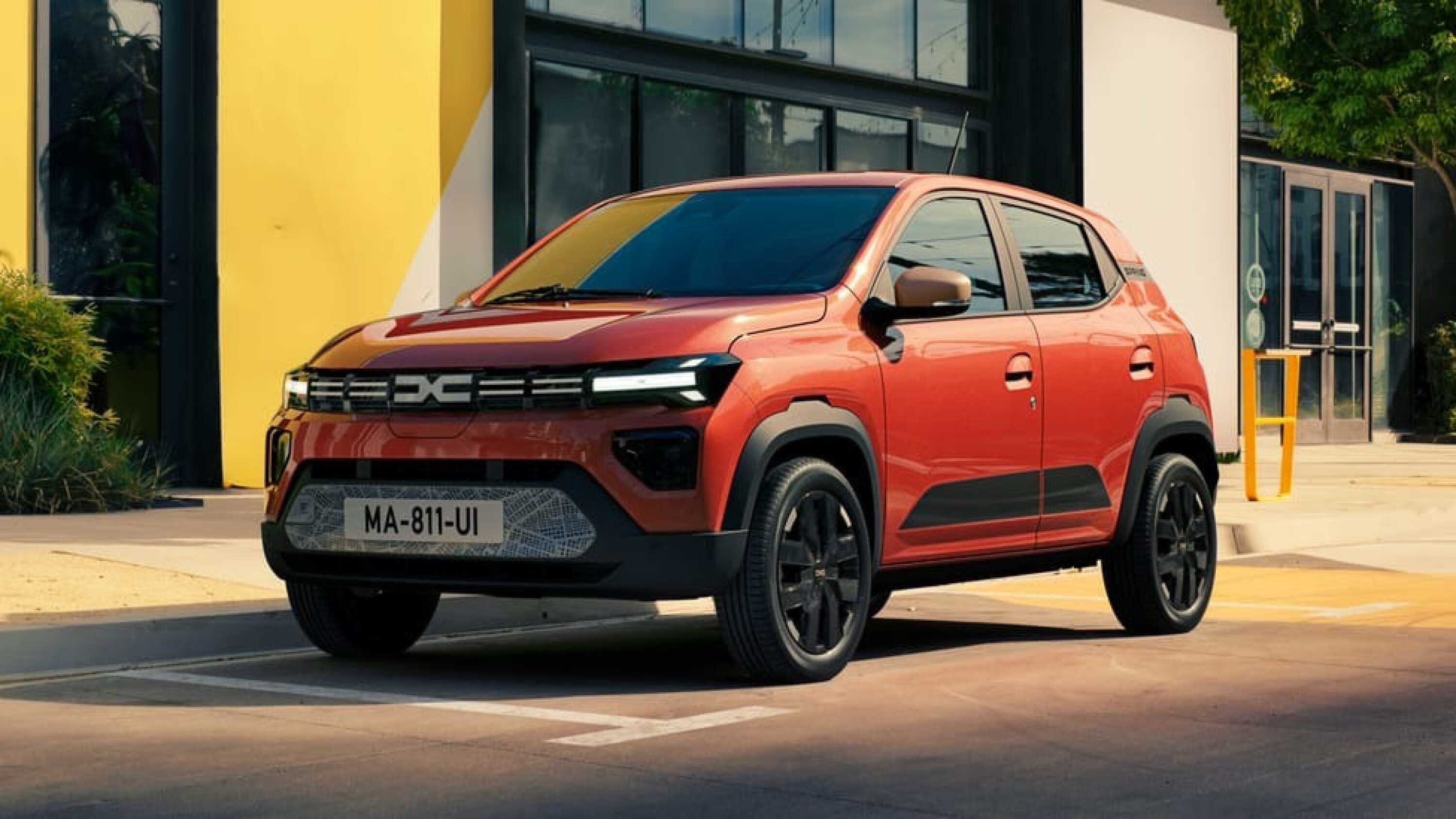
3. Dacia Spring – 7.29/10
Europe’s budget-friendly Dacia Spring rounded out the top three, combining compact design with strong efficiency.
Unfortunately for budget-focused Aussie buyers, the Spring is not among the Dacia models bound for Australia.
- Green NCAP rating: Scored a high 99%, highlighting its minimal environmental impact.
- Energy consumption: Claimed at 14.1kWh/100km, reflecting its urban-focused efficiency.
- Battery specifications: Features a 26kWh (gross) lithium-ion battery, which requires fewer raw materials due to its smaller size.
Full Top 10
All models below, bar the Dacia Spring, are available in Australia.
| Make & Model | Green NCAP Score | Claimed Energy Efficiency (combined cycle) | Minimum Battery Size (gross) | Battery Type (entry-level model) | Overall Index Score |
|---|---|---|---|---|---|
| BYD Dolphin | 98% | 15.2kWh/100km | 46kWh | LFP | 8.23 |
| Tesla Model 3 | 98% | 13.2kWh/100km | 60kWh | LFP | 7.6 |
| Dacia Spring | 99% | 14.1kWh/100km | 26kWh | Lithium-ion | 7.29 |
| BYD Atto 3 | 97% | 16.0kWh/100km | 50kWh | LFP | 6.88 |
| GWM Ora/Ora 03 | 97% | 16.7kWh/100km | 48kWh | LFP | 6.77 |
| Hyundai Ioniq 6 | 98% | 13.9kWh/100km | 53kWh | Lithium-ion | 6.04 |
| Renault Megane E-Tech | 96% | 15.8kWh/100km | 43kWh | Lithium-ion (NMC) | 5 |
| MG 4 | 95% | 17.0kWh/100km | 51kWh | LFP | 5 |
| Smart #3 | 95% | 17.2kWh/100km | 49kWh | LFP | 5 |
| Skoda Enyaq | 96% | 15.7kWh/100km | 55kWh | Lithium-ion (NMC) | 4.27 |
Source: Henry Man for Compare The Market
If you’re in the market for a small and mostly practical SUV, this is your go-to rundown of all the new options coming to Australia in the remaining weeks of 2024 and into 2025.
Of course, if you just can’t wait, you can check out our Best Small SUVs awards right now. See the linked story below, and keep reading for what’s to come in the year ahead!
JUMP AHEAD
- Aion V
- Alfa Romeo Junior
- BMW iX1 eDrive20 (new variant)
- BYD Atto 3 Up (Yuan Up)
- Chery Omoda 5 EV (electric)
- Cupra Formentor (facelift)
- Fiat 600e
- Ford Puma EV (electric)
- Genesis GV60 (facelift)
- Genesis GV60 Magma
- Honda HR-V update
- Hyundai Inster
- Jeep Avenger (electric)
- Jeep Compass (next gen)
- Kia EV3
- Leapmotor B10
- Lexus LBX
- MG ES5 (ZS EV replacement)
- MG ZS (new gen)
- Mini Countryman
- Nissan Juke
- Nissan Qashqai E-Power
- Nissan Qashqai facelift
- Peugeot 2008/E-2008 (facelift)
- Renault Captur (facelift)
- Renault Megane E-Tech (electric)
- Skoda Elroq
- Skoda Kamiq (update)
- Skoda Karoq
- Smart #1 and #3
- Suzuki Fronx
- Toyota C-HR
- Toyota Yaris Cross
- VW T-Cross (facelift)
- Volvo EC40 & EX40
- Volvo EX30 (electric)
- Zeekr X
Aion V
3
Chinese automaker GAC is preparing to enter the Australian market in mid-2025 under its Aion brand, with two models confirmed for local introduction: the Aion V electric SUV and the newly unveiled Aion UT electric hatchback.
The Aion V is a compact SUV built on GAC’s AEP 3.0 platform, featuring a 150kW motor and a lithium-ion battery providing a range of up to 750km on the China Light-Duty Vehicle Test Cycle (CLTC).
GAC promises a spacious interior, a three-tier storage system in the boot, and support for fast charging, enabling a 15-minute charge to add approximately 370km of range.
Alfa Romeo Junior
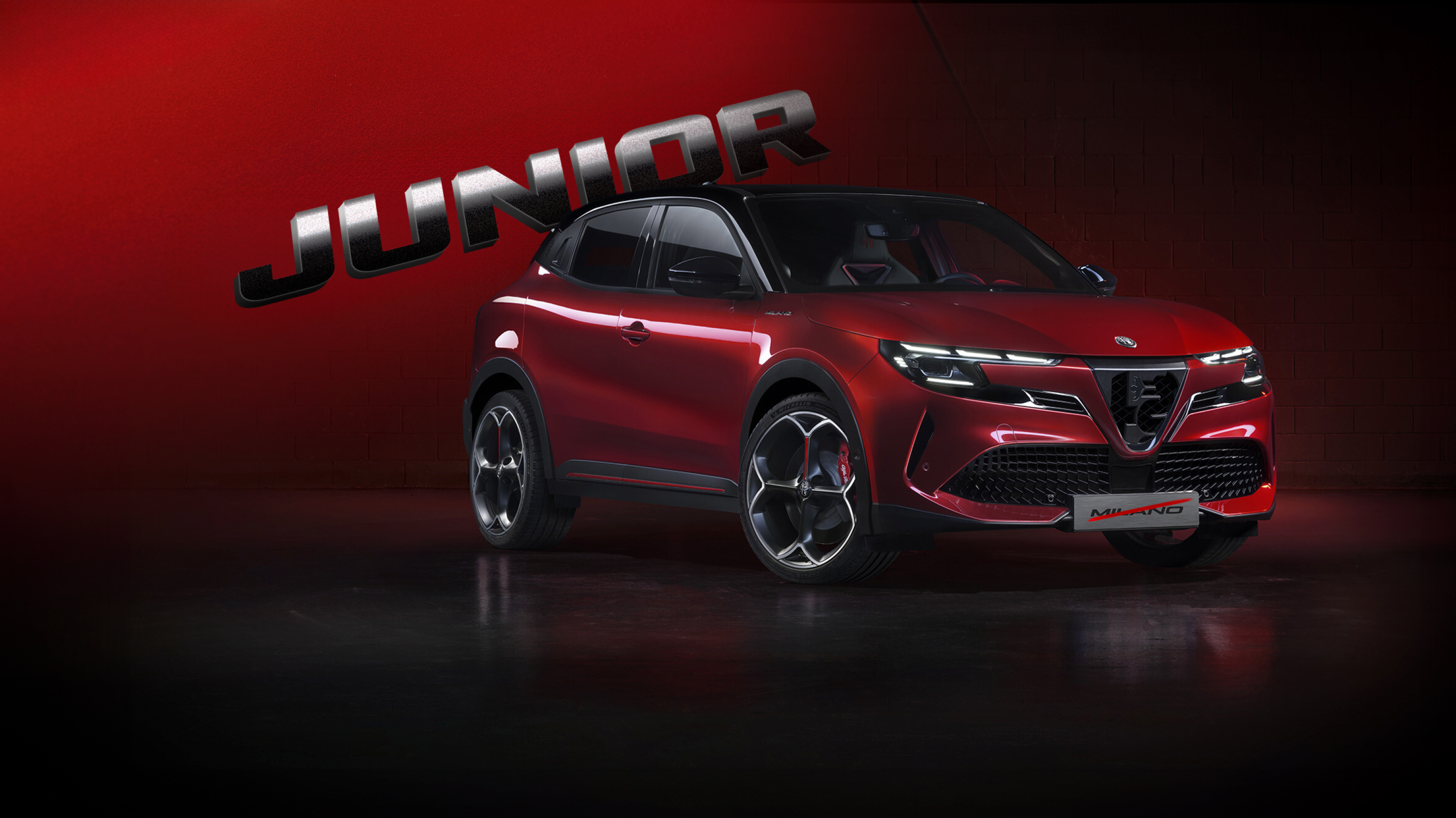
Alfa Romeo revealed its first fully electric compact SUV, the Junior, in April – but its late 2025 Australian launch is still a long way off.
Built on Stellantis’s E-CMP platform, the Junior offers a modern design and electric-only powertrain options after an initial name change from Milano due to legal restrictions.
Two variants are confirmed: a 112kW base model and a 177kW Veloce, both powered by a 54kWh battery with up to 410km range. Charging to 80% on a 100kW charger takes under 30 minutes, with urban driving potentially extending the range to 590km.
Australian pricing and full specifications will be announced closer to launch, with estimates starting around $60,000. Availability of the petrol-powered hybrid model remains uncertain, as Alfa Romeo plans to go fully electric by 2027.
BMW iX1 eDrive20
The iX1 eDrive20 arrived in August as BMW’s most affordable EV, starting at $78,900 before on-road costs.
The front-wheel-drive eDrive20 features a single motor producing 150kW and 247Nm, matched to a 64.7kWh battery. The iX1 eDrive20 claims a WLTP-rated driving range of up to 430km, making it a practical choice for urban and suburban use.
Charging options include AC charging at up to 11kW, taking approximately 6.5 hours for a full charge, and DC fast charging at up to 130kW, achieving 10-80% in around 29 minutes. These options cater well to various charging scenarios, from home setups to public fast chargers.
Inside, the iX1 eDrive20 is equipped with BMW’s latest iDrive 8 operating system, combining a 10.25-inch digital instrument cluster with a 10.7-inch central touchscreen. Wireless Apple CarPlay, Android Auto, and safety features such as adaptive cruise control and lane-keeping assist are also featured.
ON SALE NOW: New BMW X2 & iX2 (pricing) (X2 review) (iX2 review)
MORE
Everything BMW
BYD Atto 3 Up (Yuan Up)
Originally an unlikely starter for Australia, BYD’s compact electric SUV could now be on the cards.
Indeed, it’s looking likely, with news that BYD has filed a trademark in Australia for the name Atto 3 Up. Although far from confirmed, there’s a decent chance this model is the Yuan Up, given the Atto 3 is known in China as the Yuan Plus.
The Yuan Up measures 4310mm long, 1830mm wide, and 1675mm high, with a 2620mm wheelbase. It offers two battery options, providing ranges of 301km and 401km under the CLTC standard.
Powertrain options include 70kW or 130kW motors, with acceleration times ranging from 12.9 to 7.9 seconds. Charging supports up to 65kW for faster recharging.
MORE
Everything BYD
Chery Omoda 5 EV
The all-electric Omoda E5 SUV arrived in September, with the entry-level BX variant starting at $42,990 and the top-spec EX at $45,990.
The BX comes equipped with dual 12.3-inch screens, 18-inch alloy wheels, wireless Apple CarPlay and Android Auto, a wireless phone charger, and a full-size spare wheel. 
For an additional $3000, the EX variant enhances the offering by adding two extra speakers, synthetic leather seats with heating, a powered sunroof, and a 360-degree camera.
Both models are powered by a front-wheel-drive single electric motor producing 150kW and 340Nm, offering a range of up to 430km. Charging from 30% to 80% can be achieved in less than 30 minutes using a DC fast charger. 
MORE
Everything Chery
Cupra Formentor facelift
Cupra unveiled the refreshed Formentor in April 2024, but it won’t reach Australia until around the same time in 2025.
The redesign showcases significant updates to its exterior and interior, along with changes to its powertrains.
The exterior features a refreshed look with new triangular LED daytime running lights and redesigned front bumpers, aligning its aesthetic with newer models like the Tavascan and Terramar. Inside, the cabin has been modernized to enhance the user experience, though specific details on the interior changes have not been fully disclosed. 
Fiat 600e
Fiat revealed the 600e in February, debuting as a larger, more practical alternative to the 500e hatchback.
Built on Stellantis’s eCMP2 platform, it features a 54kWh battery offering a WLTP range of up to 409 kilometers. The front-mounted electric motor delivers 115kW of power and 260Nm of torque, achieving 0-100 km/h in 9.0 seconds. 
The 600e provides a 360-liter boot and 15 liters of cabin storage, with a ground clearance of 199mm. Charging supports up to 11kW AC and 100kW DC, enabling a 10-80% charge in under 30 minutes. A petrol-electric hybrid variant is expected in mid-2024. 
While the 600e is confirmed for European markets, its availability in Australia remains uncertain. Fiat has not announced plans to release the model locally. 
MORE
Everything Fiat
Ford Puma Gen-E – CANCELLED
Confirmed for Australia back in early 2023, the Puma Gen-E has now been scratched from the company’s local plans.
Full story linked above.
Genesis GV60
6
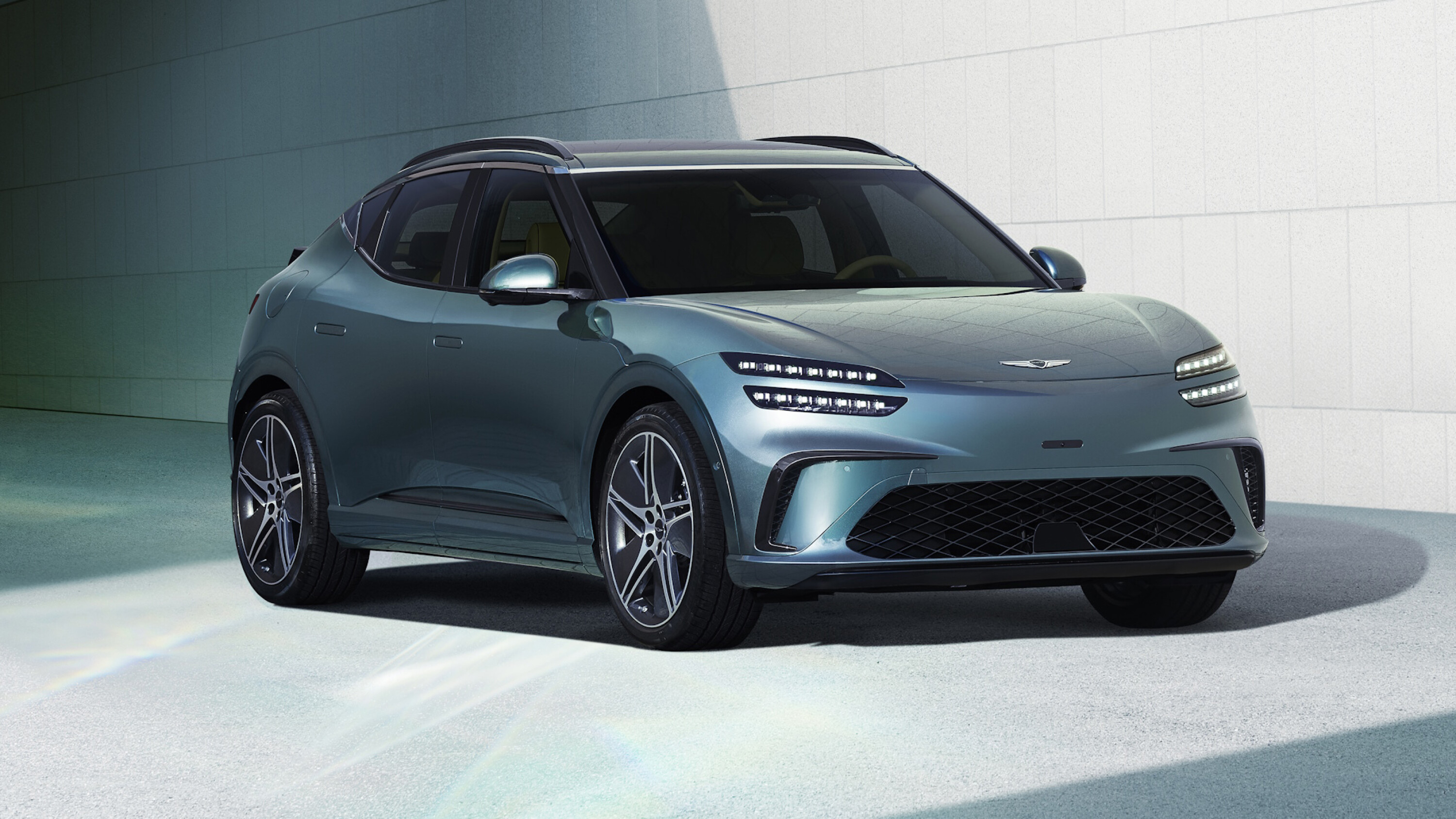
Hyundai’s luxury arm Genesis has introduced a styling and tech update to its first dedicated EV, the GV60.
For its midlife update, the GV60 gets a subtly refreshed exterior design, along with a bigger interior display and a new steering wheel. Technical details are yet to be revealed, however, with more to come to come in the next few months.
The updated GV60 will reach Australia in the third quarter of 2025.
Genesis GV60 Magma
Hyundai’s luxury arm Genesis unveiled the Magma name as a performance sub-brand in March, debuting with the GV60 Magma, a high-performance version of its electric SUV featuring a sportier design and advanced motor and battery upgrades.
The GV60 Magma is expected to deliver power outputs similar to the Hyundai Ioniq 5 N, with a premium interior featuring leather bucket seats and signature orange stitching.
Production begins in 2025, with plans to expand Magma models across the Genesis range, including potential availability in Australia.
1
Honda HR-V facelift
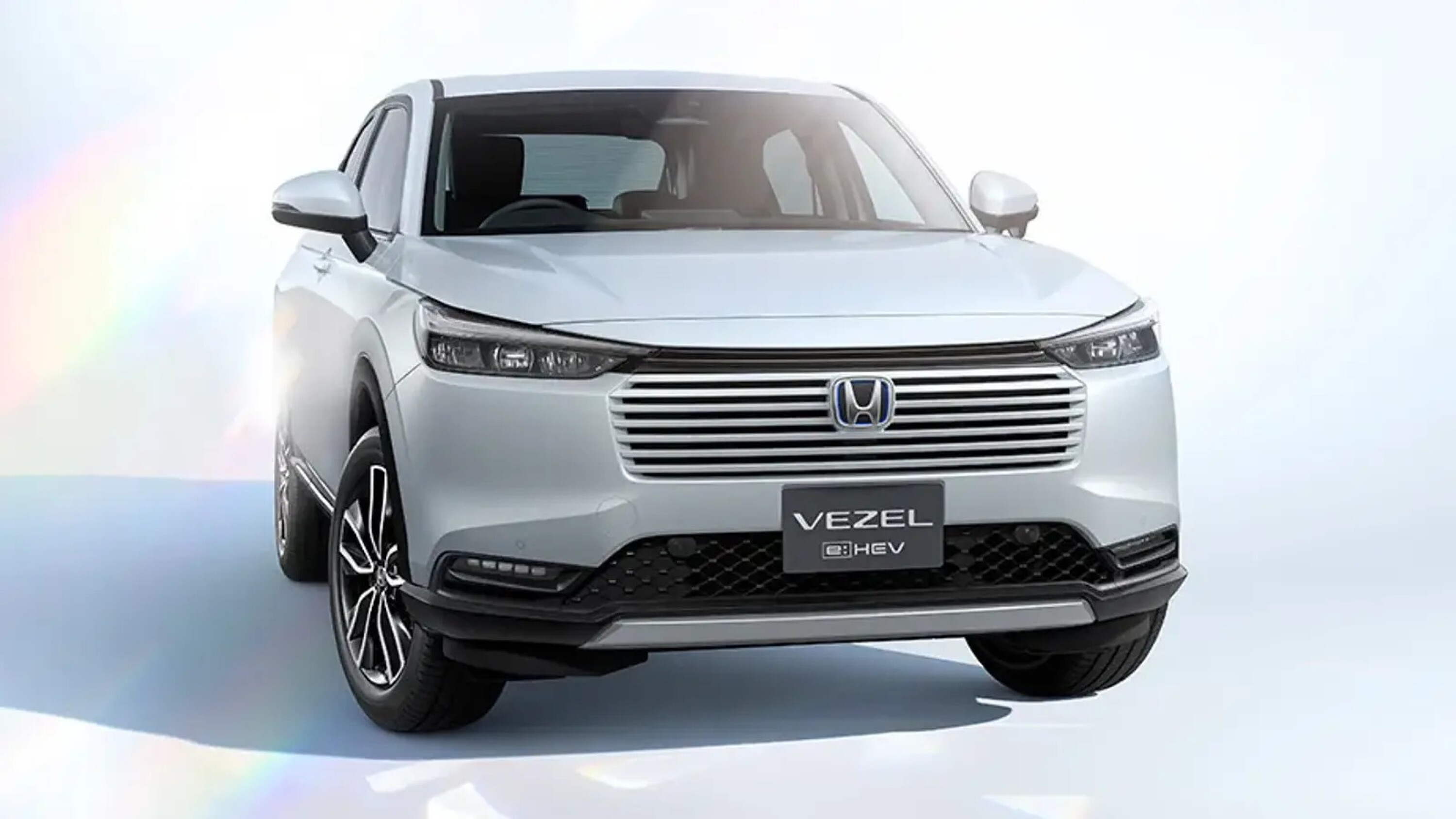
Honda Australia launch the updated HR-V in October, starting from $34,900 drive-away.
The range includes three variants: Vi X petrol, e:HEV X hybrid, and e:HEV L hybrid, with the hybrids priced at $39,900 and $42,900 respectively. Two new exterior colours, Slate Grey and Botanical Green, are exclusive to hybrid models.
The e:HEV hybrids feature refined powertrain software for smoother transitions between EV and hybrid modes, with enhanced ride control and cabin soundproofing for improved refinement. Standard across all grades are advanced safety technologies like Honda SENSING, which now includes Traffic Jam Assist and Adaptive Driving Beam for hybrid variants.
Interior updates include a redesigned centre console for better accessibility and dual USB ports. The HR-V balances efficiency with practicality, offering a hybrid system in the e:HEV variants and a 1.5-litre petrol engine in the Vi X, ensuring versatile performance for urban and highway driving.
Hyundai Casper Inster EV
This baby Hyundai already existed as a three-cylinder petrol city car known as Casper, but this year brought the debut of an electric companion: the Inster.
Hyundai’s smallest and most affordable new EV will reach Australia in early 2025, and while pricing is still to be confirmed, leaked details suggest a drive-away price in the low $40K range.
The Inster will be available in two configurations, with a driving range beyond 300km in base form and over 355km in top-spec form.
It’s a properly little thing, too. The Inster measures 3825mm in length, 1610mm in width, and 1575mm in height, with a wheelbase of 2580mm. This positions it as a compact SUV, smaller than the already small Hyundai Venue, yet offering a longer wheelbase.
MORE
Everything Hyundai
Jaecoo J5
Chery’s sub-brand Jaecoo will launch the compact J5 SUV in Australia next year, following the debut of the midsize J7.
The Jaecoo J5 spans 4380mm in length, 1860mm in width, and 1650mm in height, with a 2620mm wheelbase, making it comparable in size to a Hyundai Kona.
The J5 is expected to include a 13.2-inch touchscreen, a panoramic sunroof, and comprehensive safety technologies.
Australian specifications and pricing for the J5 will be confirmed closer to its release, expected in 2025.
Jeep Avenger
The Jeep Avenger was detailed earlier this year, but September saw a $4000 price reduction applied ahead of its coming debut.
The entry-level Longitude variant is now priced at $49,990, positioning it competitively against rivals such as the Mini Aceman, Renault Megane E-Tech, Kia Niro Electric, and Hyundai Kona Electric.
MORE
Everything Jeep
Jeep Compass
1
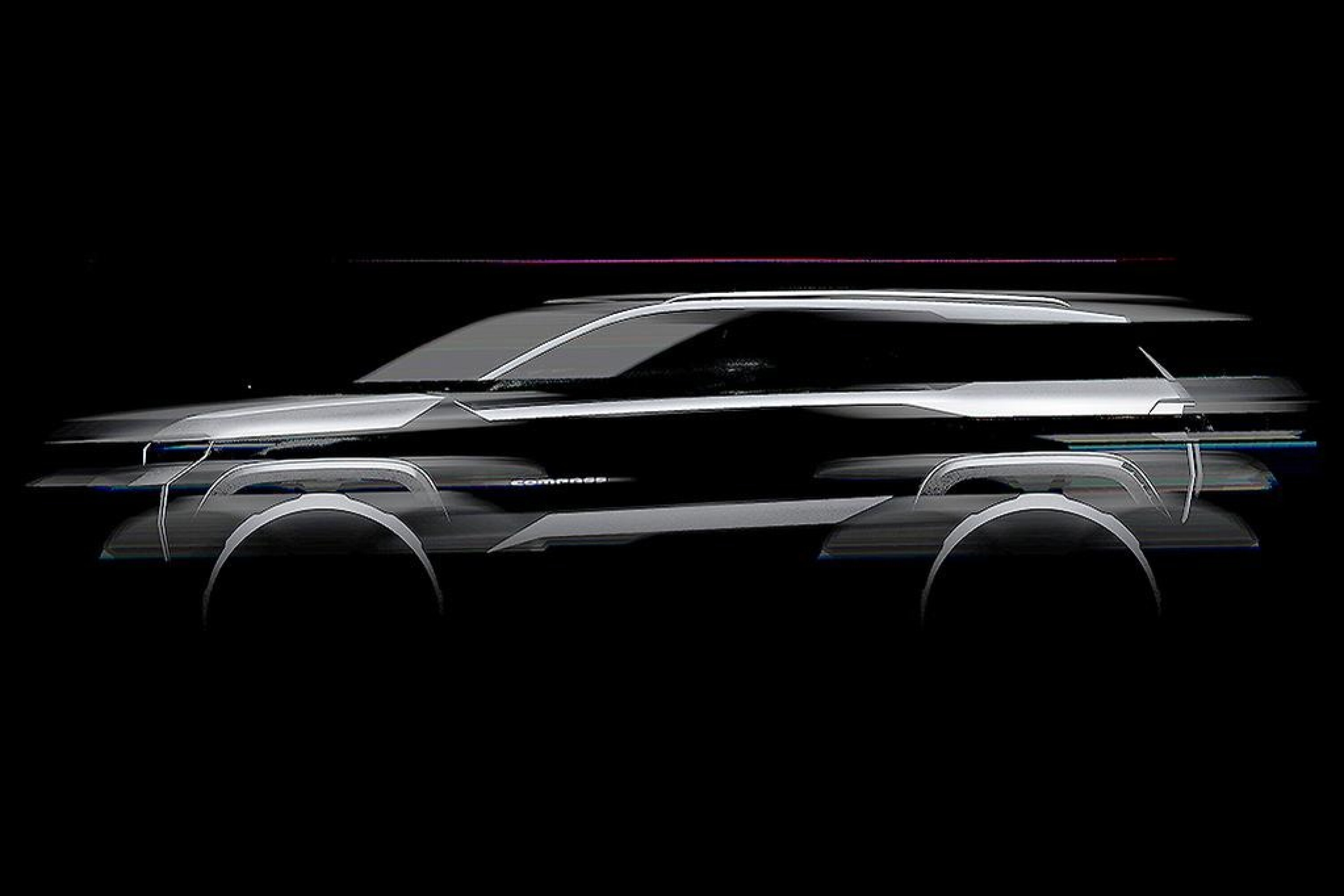
Jeep released a teaser sketch of the next Compass back in October, confirming it will offer petrol, hybrid, and fully electric powertrains.
Built on Stellantis’s STLA Medium platform, shared with the Peugeot 3008 and 5008, the new Compass is likely to showcase a more rugged look to suit its brand origins.
If Peugeot’s existing range is any indication, the hybrid model is likely to pair a 100kW 1.2-litre turbocharged three-cylinder petrol engine with a 21kW electric motor, managed by a six-speed dual-clutch automatic transmission.
Electric variants may include a base 160kW single motor version, a 230kW mid-range option, and a top-tier 240kW dual-motor setup, with the mid-range model potentially offering up to 700km range from a 98kWh battery.
European deliveries are slated for 2025, which could mean an Australian debut is as far off as early 2026.
MORE
Everything Jeep
Kia EV3
Kia’s electric SUV rival to the Hyundai Kona, Volvo EX30 and BYD Atto 3 has been unveiled with a 600-kilometre WLTP-rated driving range.
The EV3 will arrive in local showrooms during the first quarter of 2025, joining the EV6, EV9, and the forthcoming EV5.
In the UK, the EV3 is offered in three trim levels with two battery options. Pricing starts at £32,995 ($65K) for the base model and reaches £42,835 ($85K) for the top-spec GT-Line S with Heat Pump.
While direct currency conversions suggest higher prices, the EV3’s positioning relative to other models indicates a potential starting price around $50,000 in Australia. This would place it competitively against models like the BYD Atto 3 and MG 4.
Leapmotor B10
Leapmotor unveiled the B10 at the Paris motor show in October, debuting as a compact electric SUV that will follow the larger C10 to Australia next year.
The B10 features a design and technology similar to the C10 but in a smaller form factor. This positions it to compete with models like the Kia EV3 and Hyundai Kona EV.
While specific pricing details for the B10 are yet to be announced, it is anticipated to be more affordable than its competitors, potentially making it one of Australia’s most cost-effective electric SUVs.
Lexus LBX – On sale now
The Lexus LBX (‘Lexus Breakthrough Crossover’) gives the brand a more affordable, smaller hybrid for Australian customers starting at $46k.
Using a modified version of the Toyota Yaris Cross GA-B architecture, the LBX is shorter, narrower but marginally taller than the larger Lexus UX. It uses the Yaris’ 1.5-litre three-cylinder petrol engine, teamed with a more powerful electric motor and nickel-metal hydride battery for a total output of 100kW/185Nm.
Lexus claims that despite the Toyota parts sharing, it will be true to the luxury brand, as shown by the largest digital display in any of its cars to-date, sitting prominently in its ‘Tazuna’ themed interior.
MORE
Everything Lexus
MG ES5
MG revealed its ZS EV-replacing ES5 in November, introducing a larger electric SUV that bridges the small and medium segments.
The ES5 measures 4476mm in length, 1849mm in width, and 1621mm in height, with a 2730mm wheelbase – dimensions that surpass the ZS EV by 153mm in length, 40mm in width, and 145mm in wheelbase, while being 4mm lower.
Built on the same rear-wheel-drive architecture as the MG4, the ES5 is expected to offer improved driving dynamics and efficiency. While specific powertrain details are yet to be disclosed, the platform suggests potential for various battery and motor configurations.
The ES5 is set to launch in Australia within the next six months, with pricing and detailed specifications to be announced closer to its release.
MG ZS
The 2025 MG ZS is on sale now in Hybrid+ form, combining a 1.5-litre four-cylinder engine with a 100kW/250Nm electric motor for a total output of 158kW. This setup delivers a combined fuel consumption of 4.7L/100km.
The ZS Hybrid+ is available in two trims: the Excite, starting at $33,990, and the Essence, priced at $36,990. Standard features include keyless entry, LED lighting, a 12.3-inch touchscreen with smartphone integration, and a 7.0-inch digital instrument display.
Mini Countryman – On sale now
The new Countryman is available now, in both petrol and electric variants.
The line-up includes the Cooper Classic, Cooper S Classic, and the high-performance John Cooper Works (JCW) All4, with prices starting from $44,100 for the base model.
The electric Countryman SE All4 features a twin-motor setup producing 230kW, powered by a 66.4kWh battery, delivering an estimated range of 433 kilometers. The JCW variant boasts a 221kW petrol engine, offering a 0-100 km/h time of 5.4 seconds.
Nissan Juke
Nissan updated the Juke in October, introducing enhanced technology and interior features, along with a new N-Sport variant, all while maintaining previous pricing levels.
The new N-Sport model tops the range, featuring unique styling elements and two-tone options. Standard across the lineup are a 12.3-inch touchscreen display with wireless Apple CarPlay and Android Auto, and advanced safety features like Intelligent Cruise Control and Blind Spot Intervention.
Pricing starts at $28,890 for the base ST model, with the N-Sport variant priced at $38,390. Optional extras include a two-tone roof for $500 and premium paint for $750.
Nissan Qashqai E-Power – On sale now
Nissan added the Qashqai e-Power Ti hybrid to its Australian line-up in March, priced from $51,590.
The Qashqai E-Power features a 1.5-litre petrol engine generating electricity for a 140kW/330Nm electric motor, with fuel use listed at 5.2L/100km.
Key features include 19-inch wheels, quilted leather, a panoramic roof, a 12.3-inch infotainment screen, and Nissan’s ProPilot safety suite. A Bose sound system and head-up display are also included.
The E-Power hybrid system in the Qashqai uses only its 140kW/330Nm electric motor to power its wheels.
The 116kW 1.5-litre three cylinder operates as a generator to keep the vehicle charged, aided by regenerative braking – meaning owners only need to fill the Qashqai with petrol.
Nissan Qashqai facelift
Nissan unveiled the facelifted 2025 Qashqai in April, featuring a redesigned front end with a new grille and updated lighting elements, aligning its appearance with the Ariya electric SUV. 
Interior enhancements include upgraded materials and the integration of Google Built-In technology, offering improved connectivity and access to Google services. 
Officially, the MY25 Qashqai is scheduled to launch in Australia before the end of 2024. With that window now closing, we’ve asked Nissan for comment and will update this story when we know more.
Peugeot 2008 and E-2008
Australian Peugeot showrooms will catch up with Europe after pre-orders for the facelifted 2008 opened last April – with the first customers here taking delivery of the pre-facelift model.
That changes in 2024. The update takes the French SUV’s already sharp front-end a step further, with new headlight clusters, detailed grille with updated Peugeot logo and additional vertical stakes for a more striking look.
The 2008 Hybrid was also detailed in November, with prices starting from $42,490.
As for the E-2008, Peugeot revealed a facelifted version in early 2023. It was due here sometime in 2025, but has gone missing from the brand’s local website.
MORE
Everything Peugeot
Renault Megane E-Tech (electric) – On sale now
The 2024 Renault Megane E-Tech is available now, in a single Techno EV60 specification with a 60kWh battery pack from $64,990 before on-road costs.
Megane E-Tech deliveries started earlier this year for what Renault calls an SUV despite dimensions closer to hatchback – although the smartly styled electric Megane shares its CMF-EV underpinnings with the Nissan Ariya SUV and Renault Scenic van.
It also uses a single electric motor delivering 160kW/300Nm with a 60kWh battery pack for a WLTP range of 450km, and 0-100km/h claim of 7.4 seconds.
Its 130kW DC charging can add 350km of range in 30 minutes, while cabin features include 12.3-inch digital drivers display, heated steering wheel and 440L (VDA) boot area.
MORE
Everything Renault
Renault Captur
Renault unveiled the 2025 Captur in April, featuring a refreshed front design with new LED headlights, grille, and bumper, while the rear remains largely unchanged.
The interior sees enhancements in materials and technology, including an updated infotainment system.
In the UK, the Captur is offered with a new hybrid powertrain option. However, Renault Australia has yet to confirm whether this hybrid variant will be available locally.
The updated Captur is expected to arrive in Australia in early 2025. Pricing and specifications for the Australian market will be announced closer to its launch.
1
Skoda Kamiq
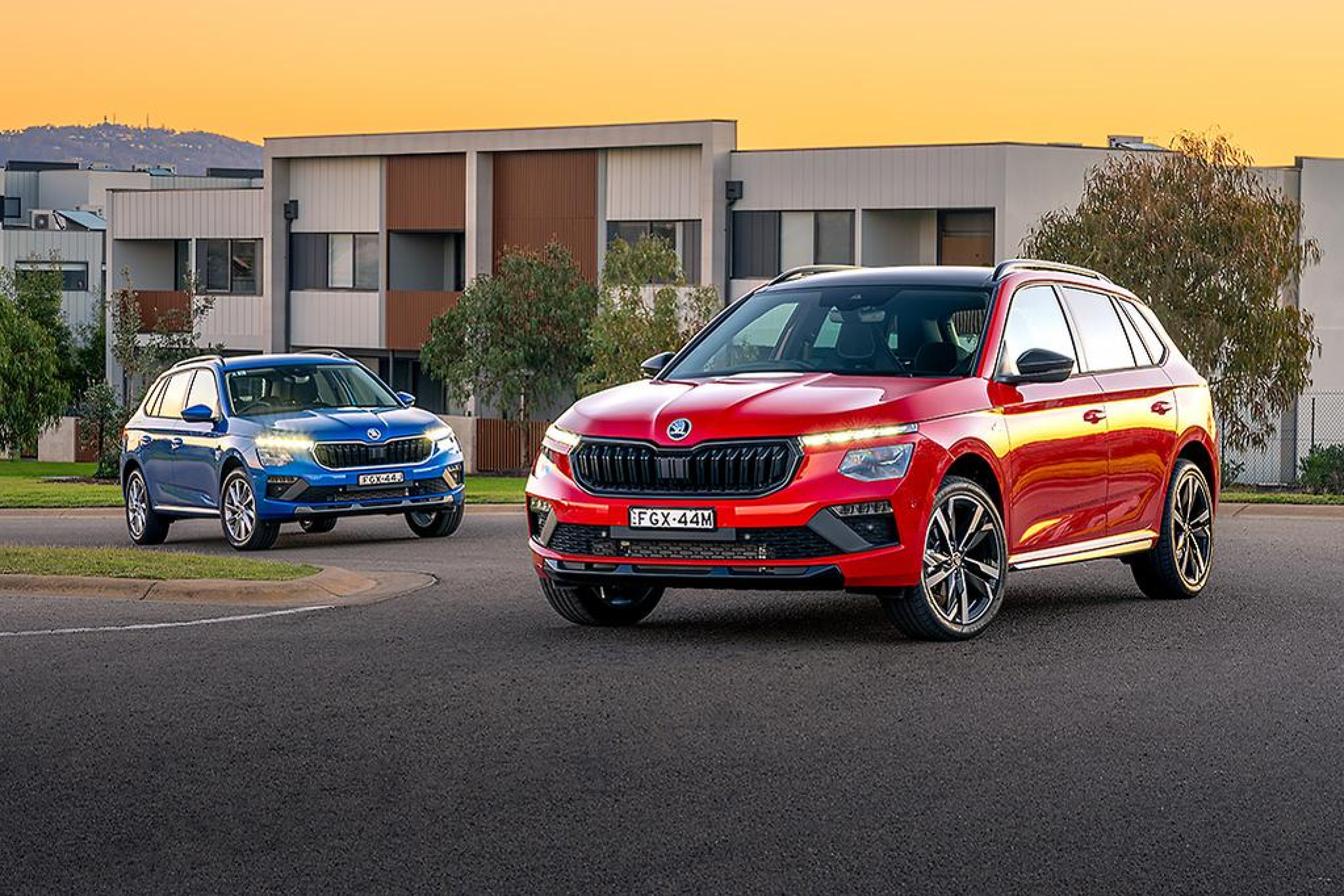
The 2025 Skoda Kamiq reached Australia in August with two variants: the entry-level Select, priced from $33,990, and the sportier Monte Carlo from $44,990.
The Select model comes equipped with features such as an 8.0-inch digital instrument cluster, dual-zone climate control, and wireless smartphone mirroring. The Monte Carlo variant adds enhancements like a 9.2-inch infotainment system with satellite navigation, heated sport front seats, and advanced Matrix LED headlights.
Both models retain their existing powertrains: the Select utilizes an 85kW/200Nm 1.0-litre turbo-petrol engine, while the Monte Carlo is powered by a 110kW/250Nm 1.5-litre turbo-petrol engine, both paired with a seven-speed dual-clutch automatic transmission.
MORE
Everything Skoda
Skoda Karoq
1
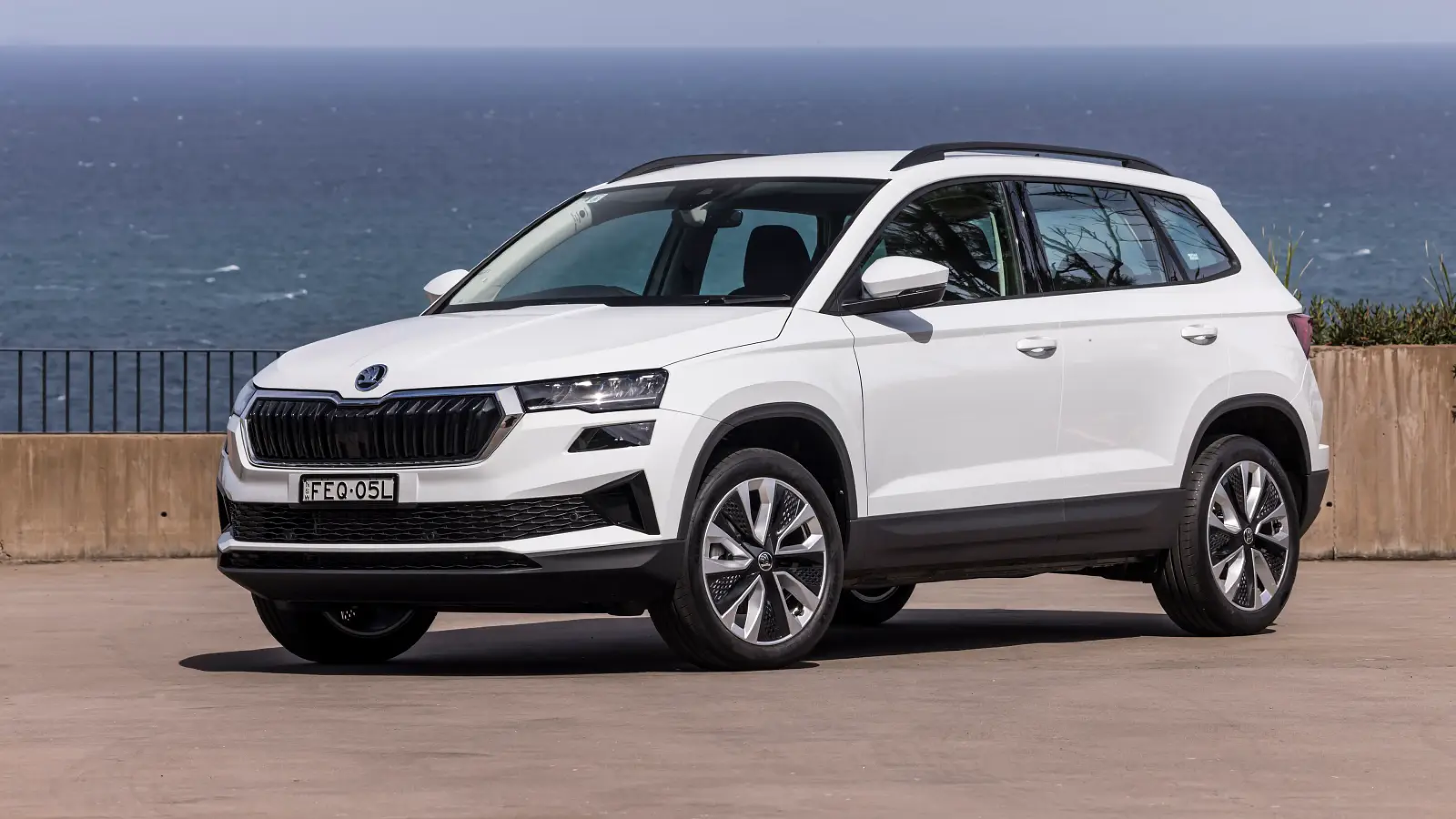
Skoda launched the updated the 2025 Karoq in August with two variants: the base Style from $42,990 and the Sportline from $49,990.
Both models are powered by a 1.4-litre turbocharged four-cylinder engine producing 110kW and 250Nm, paired with an eight-speed automatic transmission driving the front wheels.
Standard features across the range include an 8.0-inch touchscreen with wireless Apple CarPlay and Android Auto, dual-zone climate control, and advanced safety systems like autonomous emergency braking and lane-keeping assist. The Sportline variant adds a 10.25-inch digital instrument cluster, sportier exterior styling, and 19-inch alloy wheels.
The 2025 Karoq is available now, with Skoda Australia offering a seven-year, unlimited-kilometre warranty for vehicles purchased before December 31, 2024.
Skoda Elroq
13
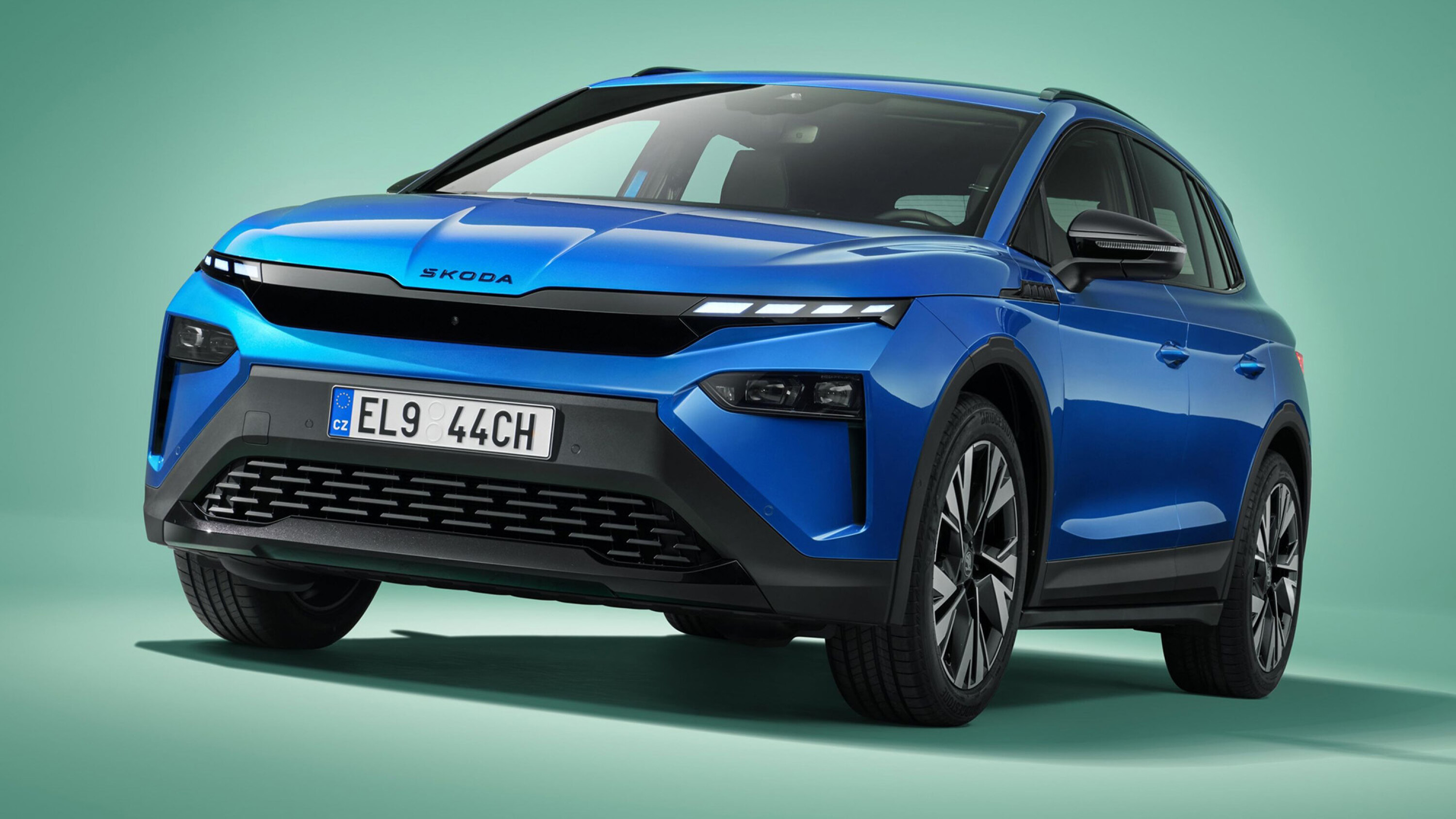
In October, Skoda unveiled the Elroq, an all-electric SUV set to replace the petrol-powered Karoq – hence, the similar naming.
Scheduled for an Australian release in July 2025, the Elroq will be Skoda’s second electric vehicle in the local market, following the Enyaq’s arrival in December.
The Elroq introduces Skoda’s ‘Modern Solid’ design language, featuring a slimmer grille adorned with S-K-O-D-A lettering and connected LED headlights.
Built on the Volkswagen Group’s MEB platform, the Elroq will be available in multiple drivetrain configurations. The base model, Elroq 50, features a 125kW rear-wheel-drive setup, while the Elroq 85x offers a 210kW all-wheel-drive system. Boot capacity stands at 470 litres with the rear seats up and expands to 1580 litres when folded. 
Smart #1 and #3
Smart returned to Australia in September, debuting with the new #1 and #3 electric SUVs.
Both models are available in three variants: Pro+, Premium, and Brabus. The #1 Pro+ is priced at $54,900 before on-road costs, the Premium at $58,900, and the Brabus at $67,900. The #3 Pro+ starts at $57,900, the Premium at $61,900, and the Brabus at $70,900. 
Despite the #3 being slightly larger than the #1—measuring 4.4 metres in length compared to the #1’s 4.27 metres—both models share electric drivetrains and platforms with the Volvo EX30.
The Pro+ and Premium variants feature a single electric motor producing 200kW and 343Nm, with rear-wheel drive. The Brabus variants add a second motor for all-wheel drive, increasing output to 315kW and 543Nm. Battery capacity across all variants is 66kWh, with driving ranges varying between 400km and 455km on the WLTP cycle, depending on the model and variant. 
Standard features on the Pro+ variants include 19-inch wheels, LED headlights, a panoramic roof, a 12.8-inch infotainment screen with wireless Apple CarPlay and Android Auto, a powered tailgate, and Smart Pilot Assist.
The Premium variants add matrix LED headlights, leather upholstery, a Beats 640W sound system, a heat pump, automatic parking assist, a 10-inch head-up display, 22kW AC charging, and 150kW DC charging. The Brabus variants gain unique exterior design elements, sports seats with microfibre suede upholstery, and a Brabus drive mode. 
Suzuki Fronx – Timing to be confirmed
The sub-4.0-metre Suzuki Fronx (‘Frontier Next’) will enter the light SUV segment in 2024 and debut the Japanese car maker’s mild-hybrid technology.
While Australian specs are yet to be confirmed for what is effectively a Baleno replacement, two drivetrains have been announced for the Indian market, where the Fronx is built.
That sees a standard 1.2-litre petrol engine and a more advanced 1.0-litre mild-hybrid turbo petrol with direct fuel injection and electric assistance.
While there’s tech inside the budget SUV, including wireless smartphone charging, the Fronx appears to lack Autonomous Emergency Braking (AEB) in India – mandatory for new models sold in Australia since March 2023.
MORE
Everything Suzuki
Toyota C-HR – First quarter
Toyota launched its new 2024 C-HR earlier this year, with the entry-level GXL Hybrid starting at $42,990 before on-road costs, marking a significant increase over the previous model.
The new C-HR is exclusively available with hybrid powertrains, featuring Toyota’s fifth-generation hybrid technology. Standard equipment includes a 12.3-inch central touchscreen, a digital driver’s display, and advanced safety features.
The 2024 C-HR is 35mm wider and 30mm shorter than its predecessor, maintaining the same wheelbase, and showcases updated exterior styling with crisp LED lighting.
Toyota Yaris Cross
Toyota refreshed the Yaris Cross in March, introducing a larger 8.0-inch touchscreen with wireless Apple CarPlay and Android Auto, and a new 7.0-inch digital instrument cluster across all variants.
The GXL trim and above now feature connected satellite navigation and additional safety technologies, including low-speed reverse autonomous emergency braking and safe exit assist. 
The Yaris Cross is now exclusively available with hybrid powertrains, following the discontinuation of petrol-only models due to high demand for electrified options. Pricing has increased by $880 to $950 across the range, with the entry-level GX starting at $30,900 before on-road costs. 
VW T-Cross
Volkswagen updated the T-Cross for Australia in August, introducing a new R-Line variant and enhancing standard features across the line-up.
The range now includes the Life, Style, and R-Line models, with prices starting at $33,990 before on-road costs for the Life, $37,490 for the Style, and $40,990 for the R-Line.
All variants are powered by a 1.0-litre turbocharged three-cylinder engine producing 85kW and 200Nm, paired with a seven-speed dual-clutch automatic transmission driving the front wheels. Standard features include an 8.0-inch touchscreen with wireless Apple CarPlay and Android Auto, while the R-Line adds sportier styling and 18-inch alloy wheels.
The updated T-Cross is available now, with Volkswagen Australia offering nationwide drive-away pricing: $34,990 for the Life, $39,990 for the Style, and $43,990 for the R-Line.
Volvo EC40 & EX40
1
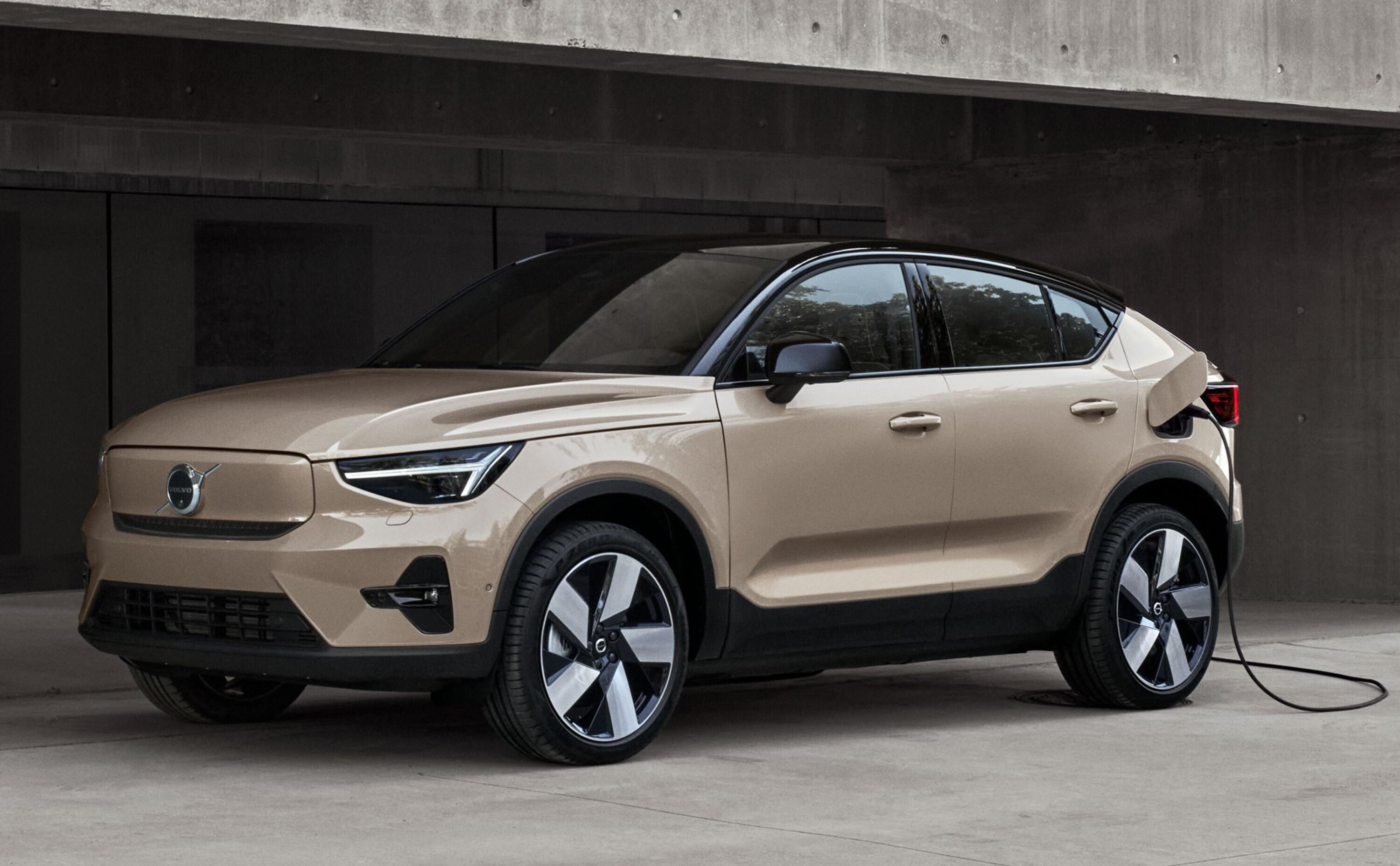
Volvo has renamed its XC40 Recharge and C40 electric SUV twins to EX40 and EC40, respectively, matching the EX30, EX90 and EM90.
The EX40 is available right now, in two variants: the Single Motor Extended Range, priced at $79,990 before on-road costs, and the Twin Motor Performance, starting at $89,990.
The Single Motor Extended Range variant features a rear-mounted electric motor producing 175kW and 420Nm, enabling a 0-100 km/h acceleration in 6.9 seconds. It is equipped with a 69kWh battery, offering a WLTP range of up to 460km. The Twin Motor Performance variant adds a front motor for all-wheel drive, increasing output to 300kW and 660Nm, with a 0-100 km/h time of 4.9 seconds and a range of up to 420km.
Both models support up to 150kW DC fast charging, allowing a 10-80% charge in approximately 28 minutes. Standard features include a 9-inch central touchscreen with Google built-in services, a 12.3-inch digital instrument cluster, and a suite of advanced driver assistance systems. The EX40 measures 4425mm in length, 1863mm in width, and 1651mm in height, with a wheelbase of 2702mm, providing a cargo capacity of 419 litres with the rear seats up.
The EC40 will reach Australia in the first half of 2025.
Volvo EX30 (electric)
The quickest vehicle in the Swedish brand’s 97-year history, the Volvo EX30 baby SUV is also its smallest, most affordable electric vehicle.
The China-built EX30 brings a three-model range starting from $60,000 – a tad more than the petrol powered, slightly larger Volvo XC40, but $14,000 less than an electric XC40.
The EX30 will be offered two guises: the Single Motor RWD Extended Plus and range-topping Twin Motor Performance AWD Ultra version. It’s the hero EX30’s 0-100km/h claim of 3.6 seconds that sets a new performance benchmark for the car maker, but the Single Motor Extended Plus is also a strong performer.
Zeekr X
Zeekr launched the X here in November, offering two variants: the rear-wheel-drive (RWD) model priced at $56,900 and the all-wheel-drive (AWD) version at $64,900, both excluding on-road costs. 
The RWD variant is equipped with a 66kWh lithium-ion battery, delivering 200kW of power and 343Nm of torque, enabling acceleration from 0 to 100 km/h in 5.6 seconds. It offers a WLTP driving range of 446km. The AWD model increases output to 315kW and 543Nm, achieving 0 to 100 km/h in 3.8 seconds, with a WLTP range of 425km. 
Both models support DC fast charging, allowing a 10-80% charge in approximately 30 minutes using a 150kW charger.
And remember…
if you just can’t wait for these incoming options, you can check out our 2023 Best Small SUVs awards right now.
December: BYD Atto 3 Up name trademarked
Could the Yuan Up now be on the radar for Australia?
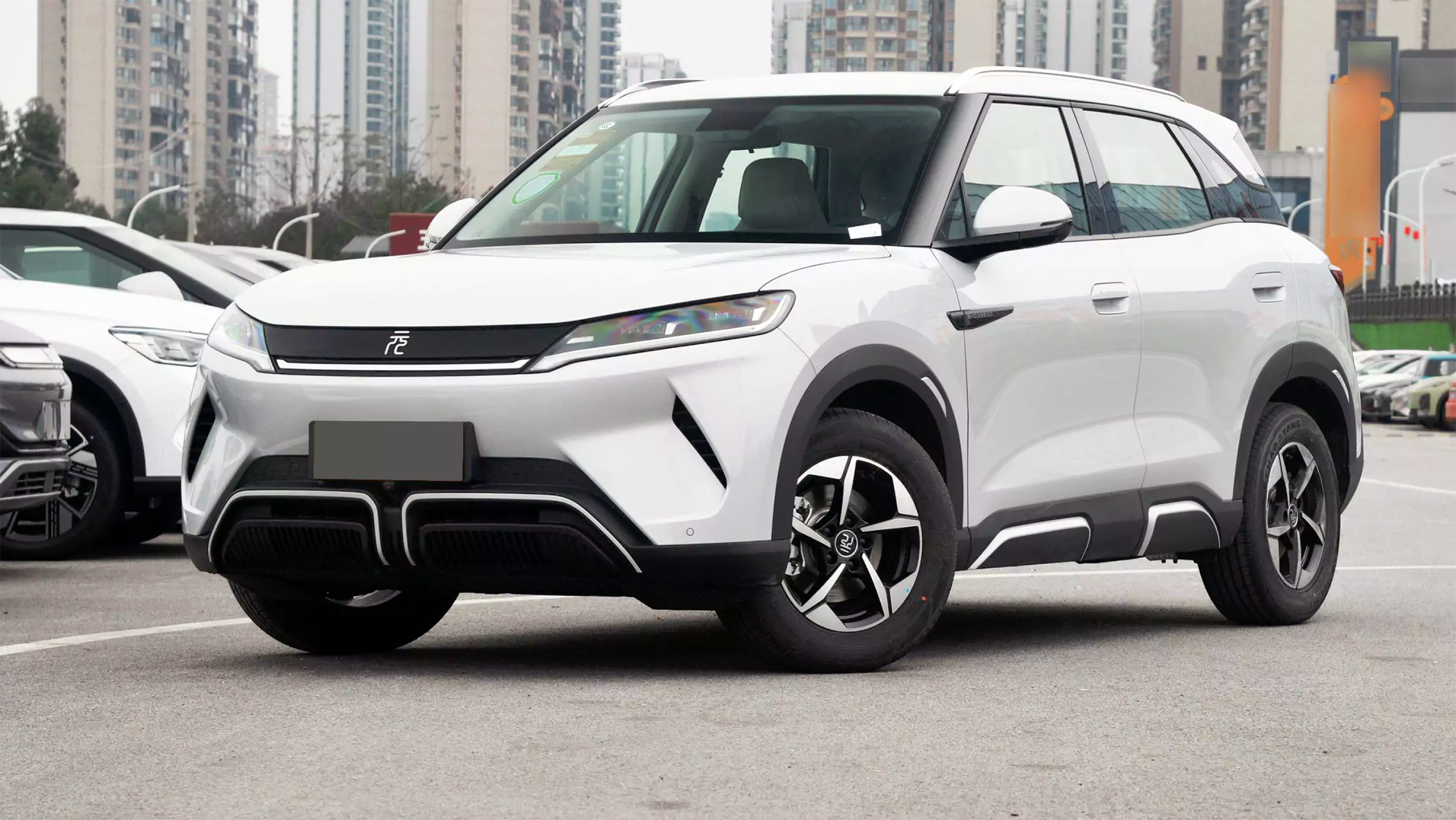
It’s looking likely, with news this week that BYD has filed a trademark in Australia for the name Atto 3 Up.
Although far from confirmed, there’s a decent chance this model is the Yuan Up, given the Atto 3 is known in China as the Yuan Plus.
We had previously speculated (below) that the Yuan Up might come here as the Atto 2 – an obvious choice – but it now seems clear that won’t be the case.
BYD’s local office has previously confirmed interest in the new model, but it has so far offered no comment on any official plans.
Continue reading our coverage below for more on the Yuan Up’s size, specs, and how it might fit into the menu of BYD’s Australian pricing.
1
February: BYD’s little electric SUV goes official
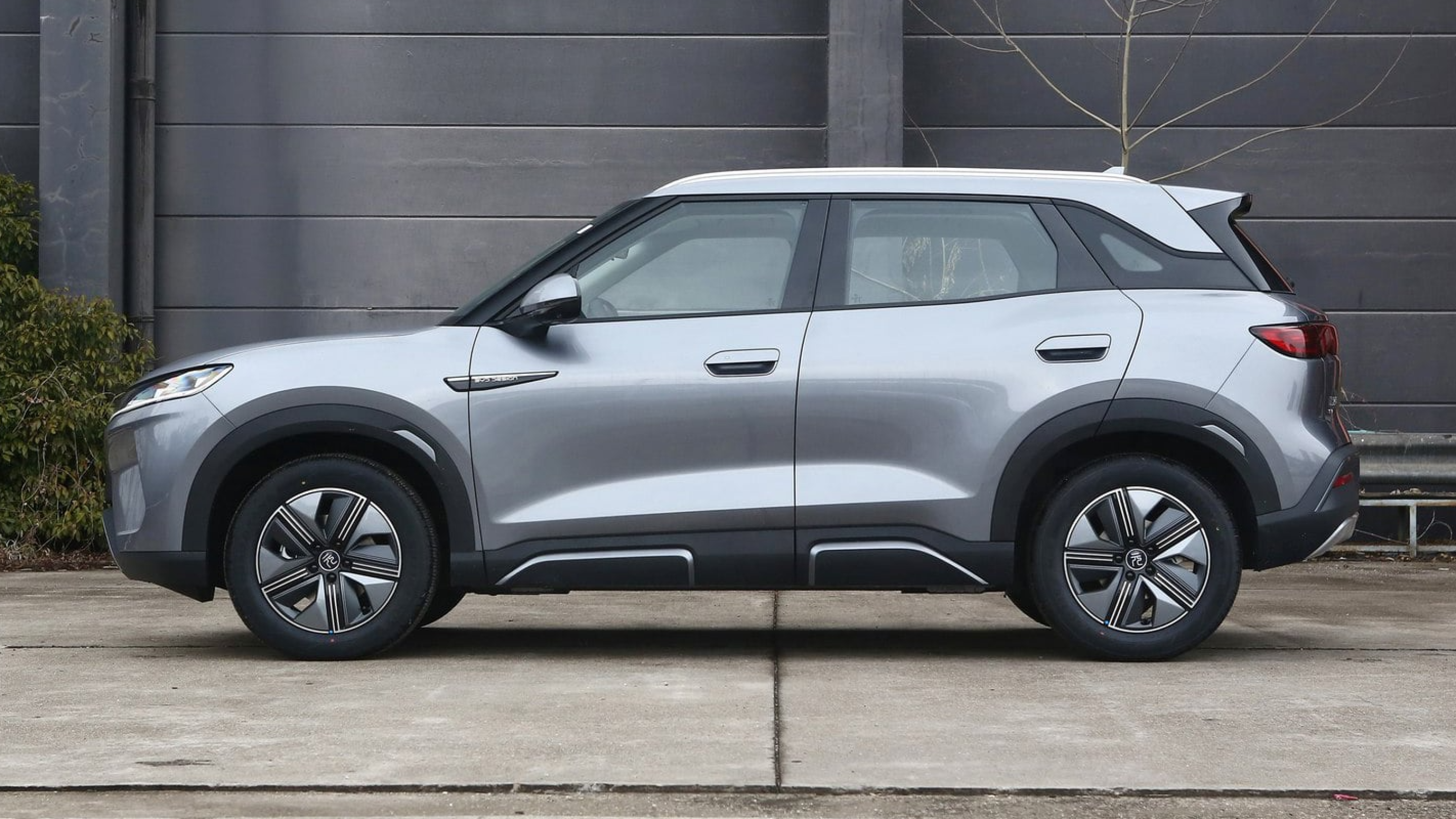
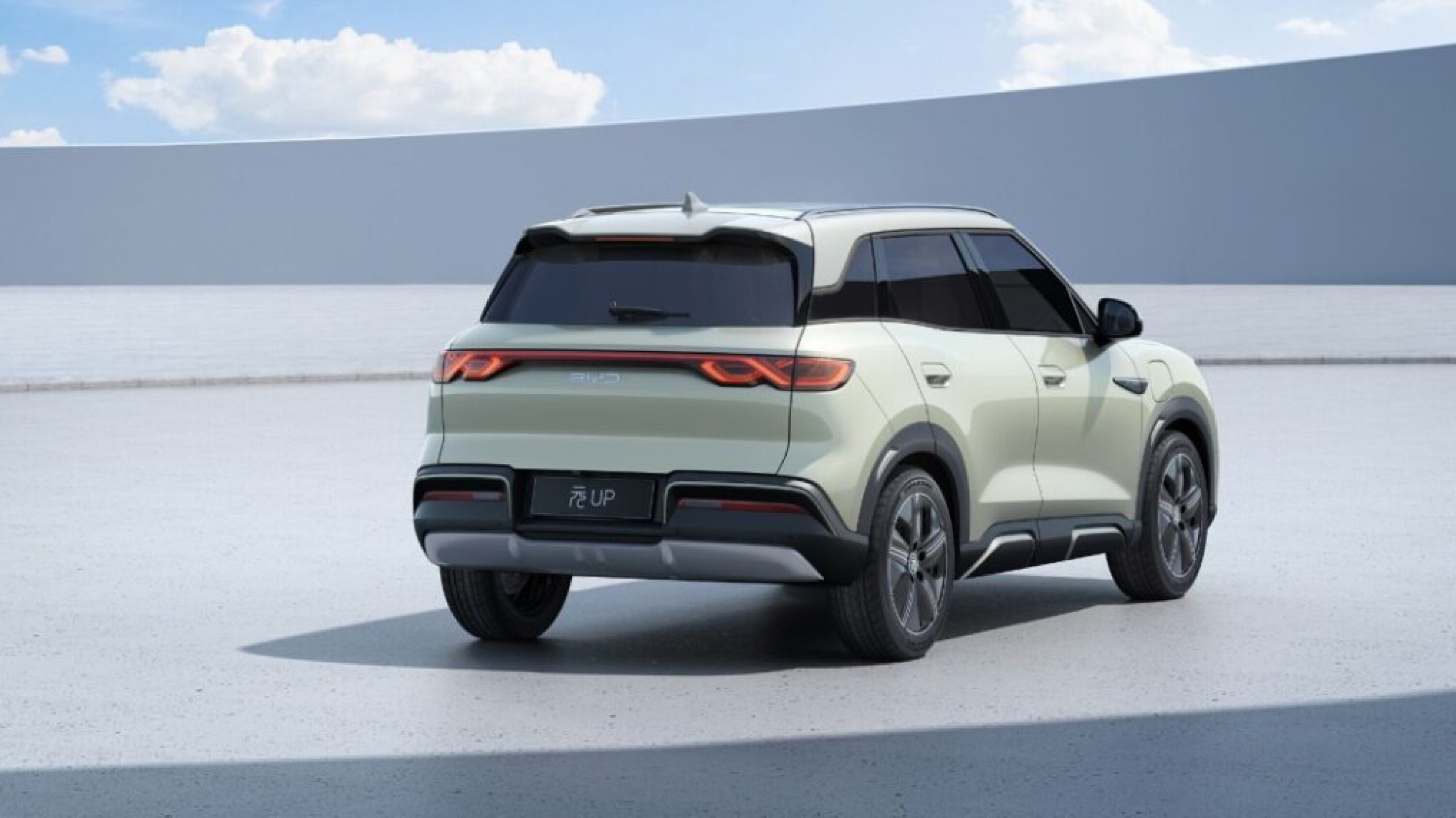
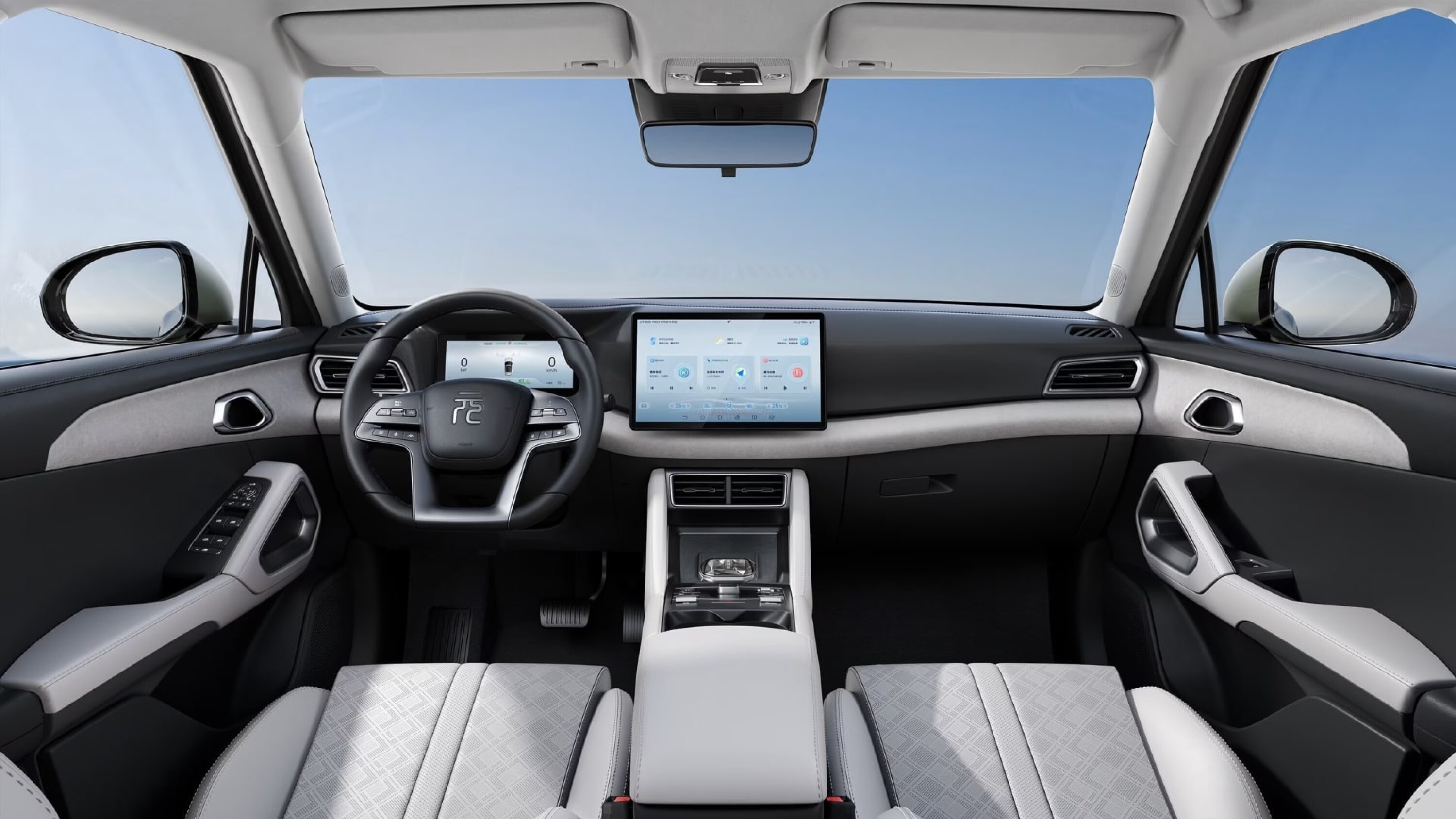
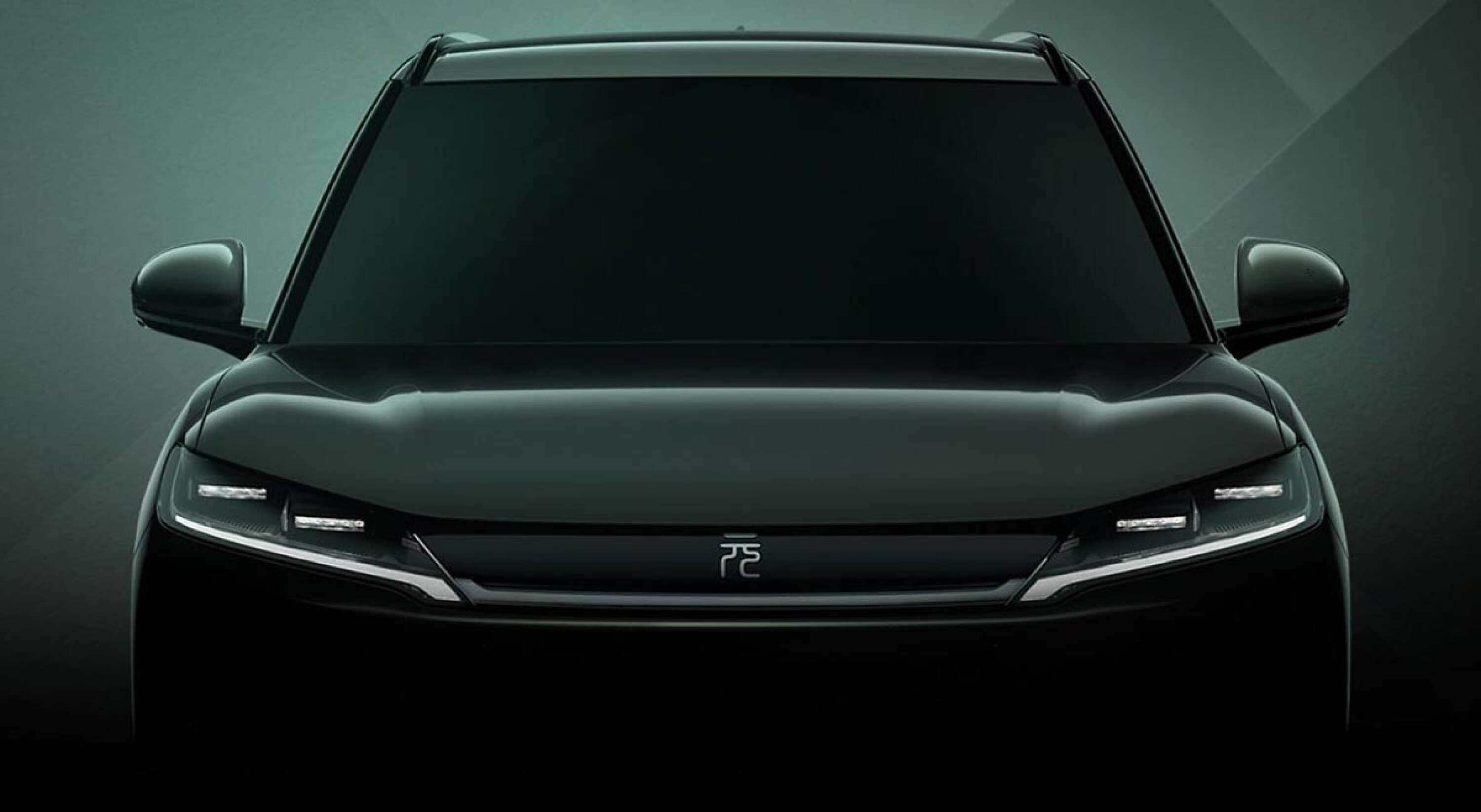
The compact BYD Yuan Up, coined ‘BYD Atto 2’ in western media, has made its official debut today. Visually, at least.
This reveal follows the surfacing of trademark filings in January that offered a first clear look at the Yuan Up’s final design.
1
Full details are still to come, but today’s release of official marketing images – published by BYD to China’s Weibo social network – is likely a response to those earlier, grainy images that did little to showcase the new EV’s styling.
As those earlier filings showed, the Yuan Up takes its styling cues from the larger Atto 3 already sold in Australia, again making the local BYD Dolphin hatch something of an outlier in its older-looking front-end design – although neither look quite as fresh as the Seal sedan or Seal U SUV.
1
Will the BYD Yuan Up come to Australia as the BYD Atto 2?
For now, it seems unlikely, or at least not this year.
As we reported in January, BYD’s local distributor EVDirect has made clear it will launch two models in 2024 – and those are already expected to be the BYD plug-in hybrid ute and a larger SUV, likely the Seal U.
5
Still, even if the Yuan Up were confirmed for Australia, an early 2025 launch would be the most likely window on the strength of its production schedule alone.
China is a massive market – the car maker will want to spend 2024 ensuring the Yuan Up’s production plan is tickety-boo before launching into a global schedule.
Continue reading our January report below for more details, including powertrain and a size comparison with equivalent models already available in Australia.
January: BYD Yuan Up surfaces online ahead of debut
Is this the long anticipated BYD Atto 2? If it is, it’s likely still at least a year away.
It was previously suspected that the model we now know as the BYD Dolphin might reach Australia as the Atto 2, slotting in beneath the very popular Atto 3 medium SUV.
That speculation was put away when the Dolphin made its official Australian debut, but a new small electric SUV will be unveiled in March as the Yuan Up. No surprise, it’s now the latest contender for an ‘Atto 2’ badge in Australia.
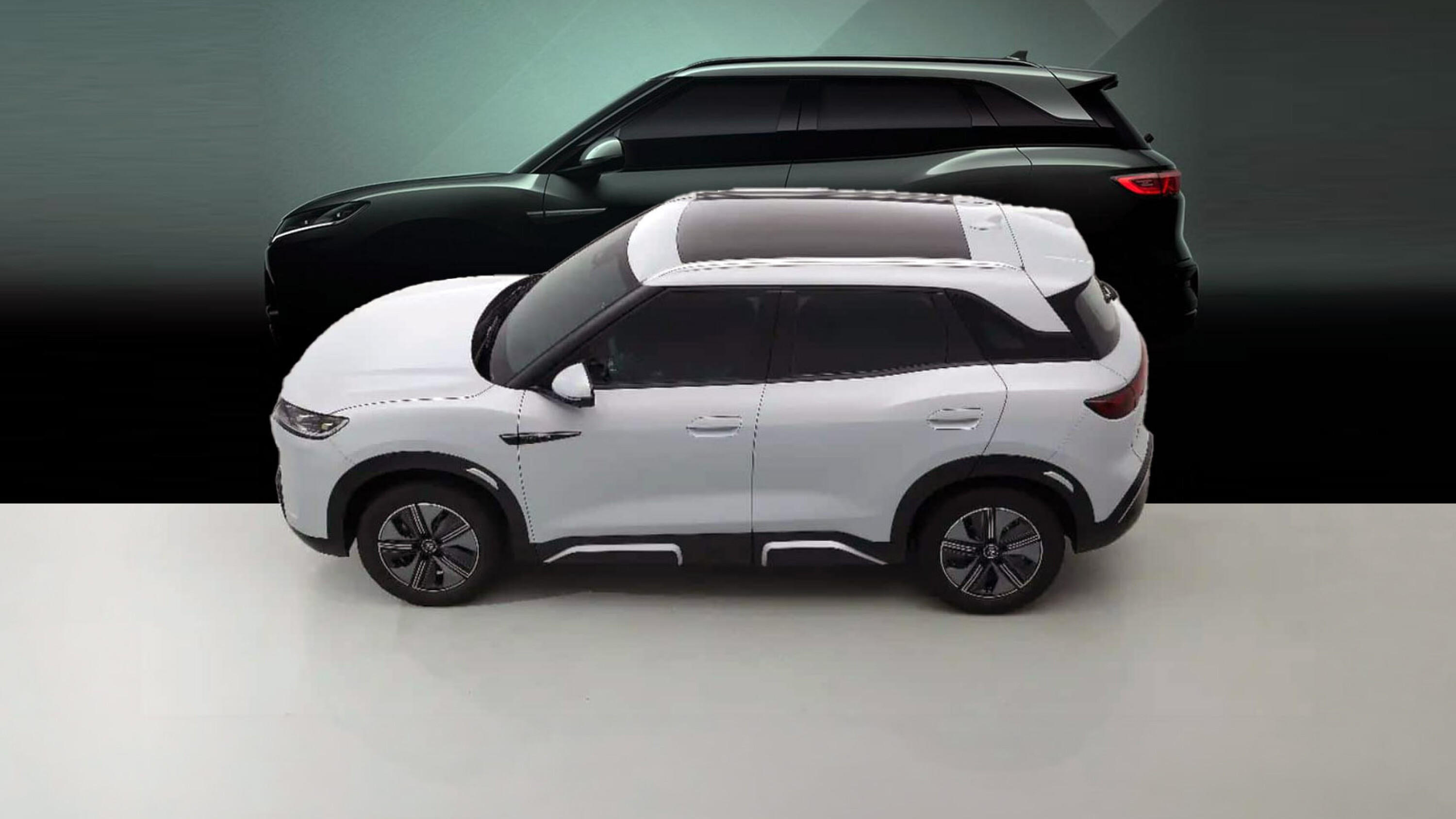
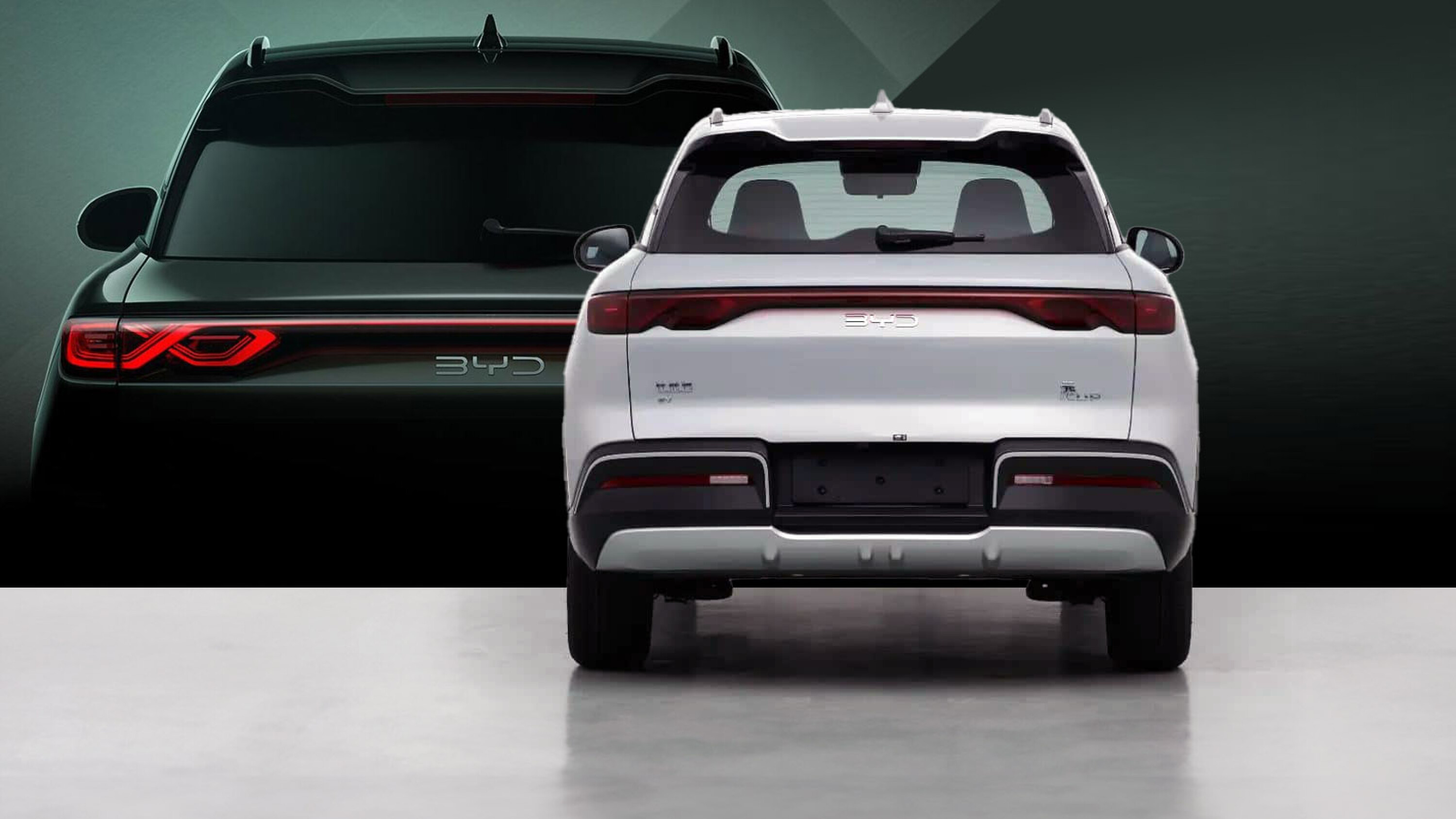
The Yuan Up has been teased a couple of times ahead of its anticipated March debut, but design patent images out of China have also shown the would-be Atto 2 completely undisguised – if a little unglamourously.
2
What would the Atto 2 cost in Australia?
- Somewhere around $45k seems likely
- Atto 3 could get more expensive to fit Atto 2 into line-up
If it comes to Australia, the ‘Atto 2’ would enter the BYD range between the Dolphin and the Atto 3 (sold in China as the Yuan Plus).
It’s a tight gap to fill in terms of pricing, however, with the Dolphin starting from around $39k and the Atto 3 currently kicking off from just over $48,000. Don’t be surprised, however, if BYD finds some more savings in the Dolphin’s sticker so that it can continue to dominate the entry end of the EV market.
2
The new small electric SUV is understood to be built on BYD’s newest architecture, known as E-Platform 3.0, which would be new to Australia if the Atto 2 comes here.
According to the UK’s Autocar, the Yuan Up / Atto 2 will reach the European market in left- and right-hand-drive forms sometime in 2025, which could see an Australian debut occur around the same time – if not sooner. For now, though, there’s no official word from BYD on timing or intentions.
1
BYD Atto 2: How big is it?
Key Points
- Atto 2 longer than Dolphin but with a shorter wheelbase
- Longer than the MG 4, too, but shorter than Kona Electric
The patent application reveals that the new model measures 4310mm long, making it nearly 300mm longer than the small BYD Dolphin hatch and 145mm shorter than the Atto 3.
Despite its extra length, the Atto 2’s 2620mm wheelbase is a full 80mm shorter than the Dolphin. Expect that to translate to slightly less legroom and more boot space – important given the Dolphin’s small-for-a-family 345L cargo space.
The Yuan Up / Atto 2 is also longer than the MG 4 (4287mm, $39,990) while effectively matching the outgoing MG ZS EV (4314mm). The new Hyundai Kona electric ($54,000) is a touch longer at 4350mm.
Mini match-up
| MODEL | WHEELBASE | LENGTH | WIDTH | HEIGHT |
|---|---|---|---|---|
| Hyundai Casper | 2400mm | 3595mm | 1595mm | 1575mm |
| Hyundai Kona | 2660mm | 4350mm | 1825mm | 1575mm |
| MG ZS EV | 2585mm | 4314mm | 1809mm | 1611mm |
| MG 4 | 2705mm | 4287mm | 1836mm | 1504mm |
| BYD Atto 3 | 2720mm | 4455mm | 1865mm | 1615mm |
| BYD Dolphin | 2700mm | 4070mm | 1770mm | 1570mm |
| BYD Yuan Up / Atto 2 | 2620mm | 4310mm | 1830mm | 1675mm |
BYD Atto 2 battery and driving range
Key Points
- Battery packs: 32kWh and 45.1kWh options
- Driving range: 300km and 400km depending on battery choice
As with BYD’s other models, the exclusively front-wheel-drive Atto 2 will use the company’s own lithium-iron-phosphate (LFP) Blade battery design, with capacities of 32kWh and 45.1kWh for 300km and 400km driving ranges.
Kerb weight is listed between 1430kg and 1540kg, depending on the specification. For context, Australia’s once beloved VE Commodore large sedan weighed 1690kg in its standard form.
No other details have been released at this time, but with an unveiling expected to occur in March, we’ll know more soon. Watch this space.
MORE
Everything BYD
Mazda’s MX-5 has become a global icon since its launch in 1989, celebrated for its lightweight design, rear-wheel-drive layout, and pure driving focus.
Over 35 years, it has remained the world’s best-selling roadster, embodying simplicity and the joy of open-top motoring. With over a million units sold worldwide, the MX-5 has cemented its legacy as a symbol of driving pleasure.
Marking this milestone, Mazda has unveiled the 35th Anniversary Edition, a tribute to the car’s enduring appeal and the philosophy of “Jinba Ittai” – the harmony between car and driver.
Not bad for a “hairdresser’s car”.
Scheduled to go on sale in January, the special edition celebrates the model’s enduring success over the decades.
Snapshot
- MX-5 35th Anniversary Edition limited to 50 units in Australia, featuring exclusive red paint and bespoke interior details
- Wider range: Enhanced trims, upholstery, and entry-level changes for RF models
- Range starts at $43,020, with the special edition priced at $52,020
1
Design and features
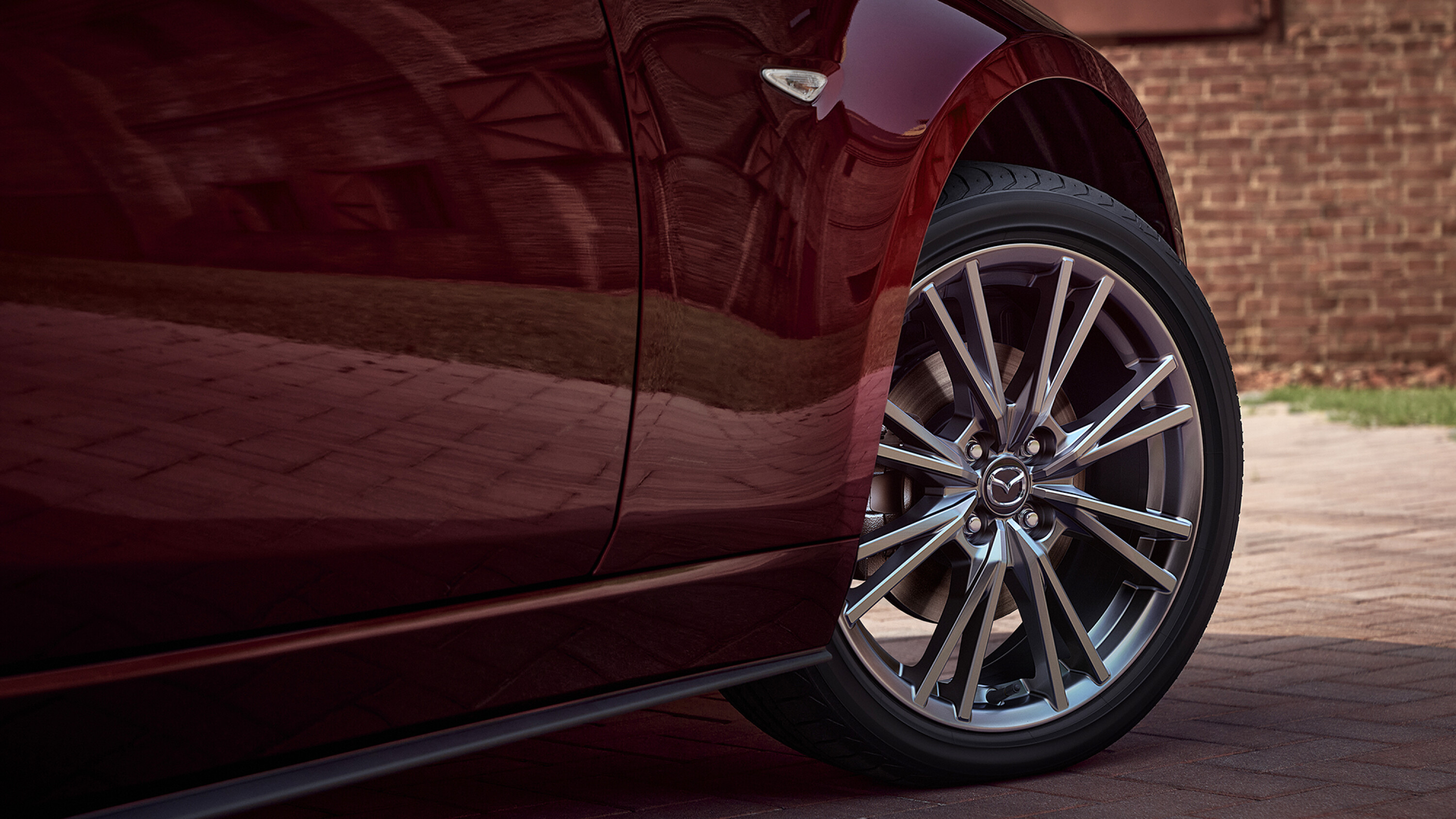
The MX-5 35th Anniversary Edition is based on the G20 Roadster GT variant and is finished in Takuminuri Artisan Red premium metallic paint.
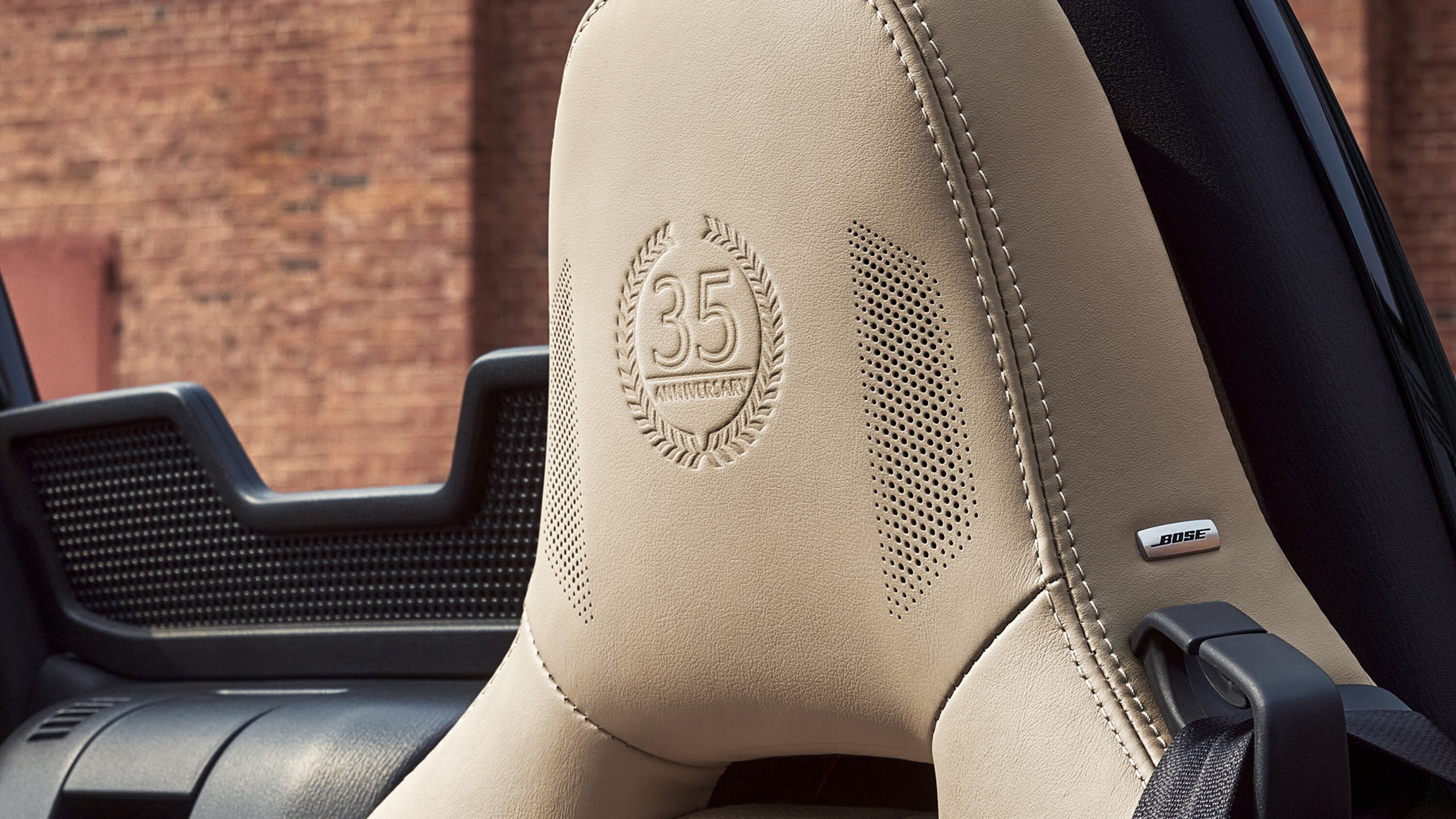
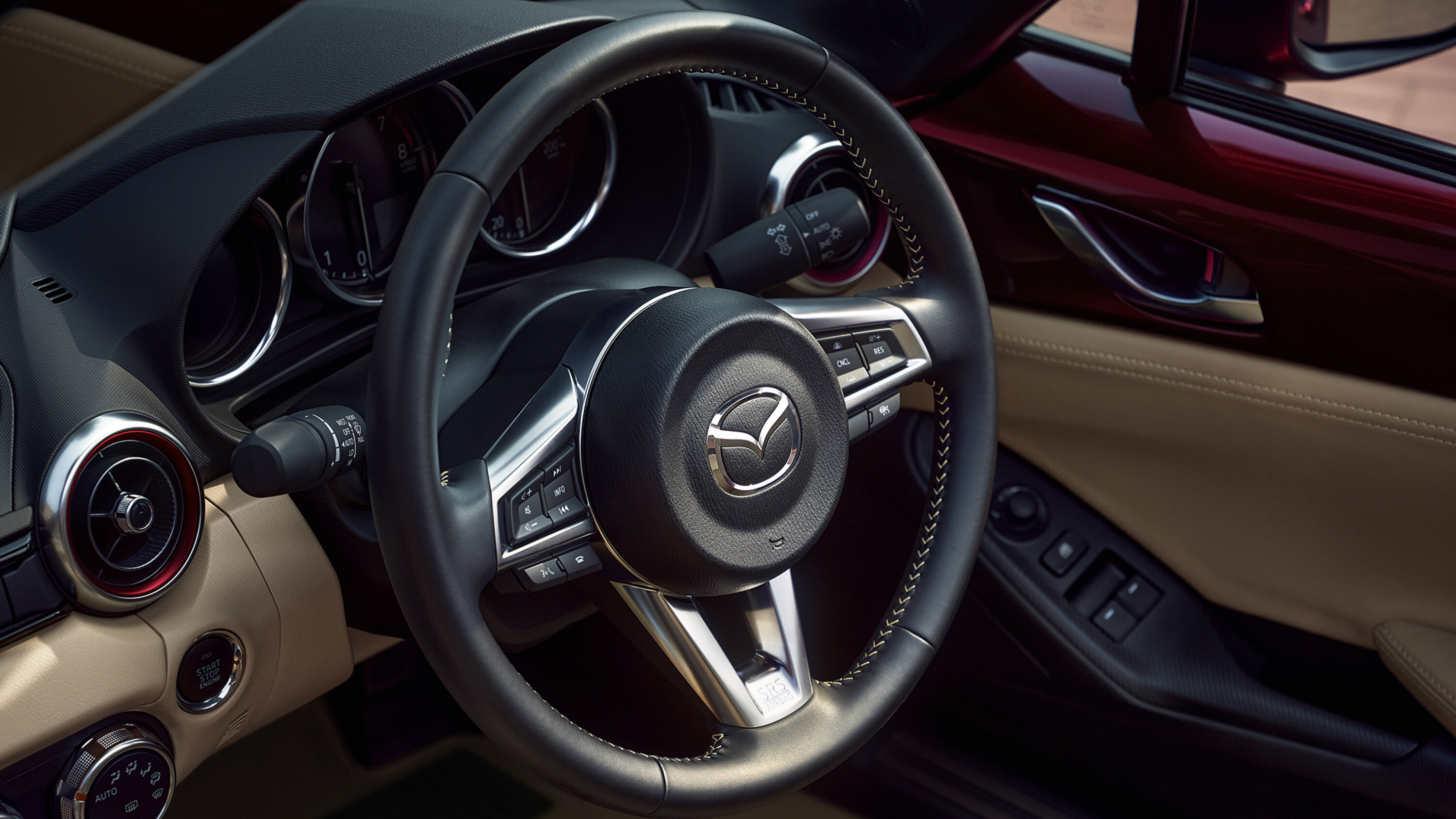
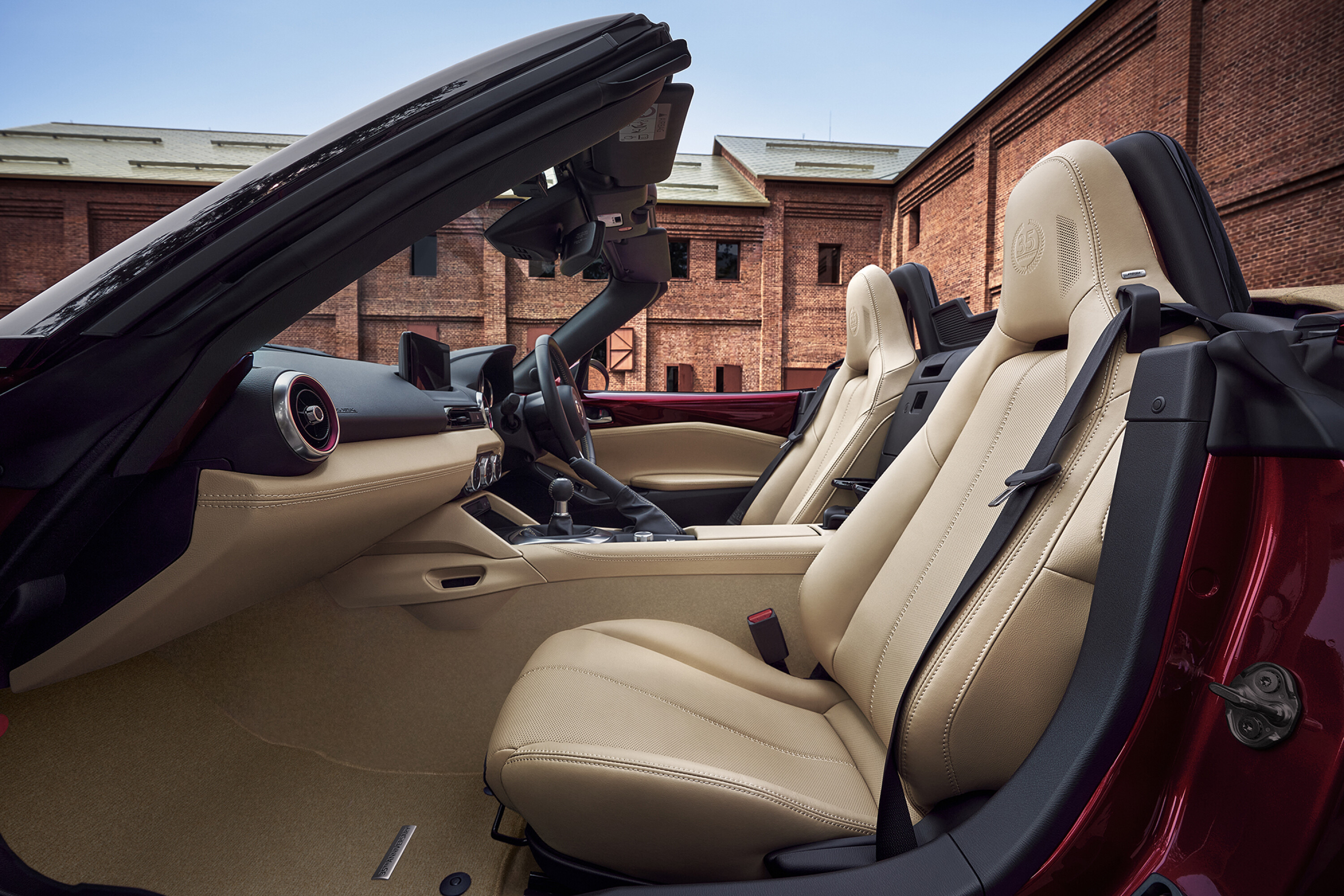
This is paired with a beige soft top and 17-inch alloy wheels exclusive to the model. Inside, the car features Tan Nappa leather upholstery, beige carpets and floor mats, and headrests with “35th Anniversary” logos.
1
Powertrain and dynamics
There are no upgrades to the MX-5’s outputs for this special edition, and no true MX-5 fan would expect any.
Under the bonnet, the car is again powered by Mazda’s 2.0-litre Skyactiv-G petrol engine, producing 135kW and 205Nm, matched exclusively to a six-speed manual transmission.
It also includes Mazda’s DSC-TRACK mode, a stability control system that allows for greater driver control by lowering intervention thresholds.
1
Broader 2025 updates
The wider 2025 MX-5 range sees minor but welcome updates across its line-up.
G20 Roadster variants now include a mix of cloth and suede upholstery, soft-touch Maztex trim on the centre console and armrests, and body-coloured door panels.
The retractable fastback (RF) range now begins with the GT grade, while the rest of the line-up remains unchanged.
Paint options
Colour options for 2025 include the Artisan Red exclusive to the 35th Anniversary Edition, alongside Soul Red Crystal Metallic, Machine Grey Metallic, Snowflake White Pearl, Deep Crystal Blue Metallic, Aero Grey Metallic, and Jet Black Mica.
4
2025 Mazda MX-5 pricing for Australia
The updated MX-5 line-up will be available from January 2025.
| MX-5 Model | Transmission | Engine | MLP |
|---|---|---|---|
| G20 Roadster | M/T | Skyactiv-G 2.0L Petrol | $43,020 |
| G20 Roadster GT | M/T | Skyactiv-G 2.0L Petrol | $49,720 |
| A/T | Skyactiv-G 2.0L Petrol | $51,220 | |
| G20 Roadster 35th Anniversary | M/T | Skyactiv-G 2.0L Petrol | $52,020 |
| G20 Roadster GT RS | M/T | Skyactiv-G 2.0L Petrol | $52,720 |
| G20 RF GT | M/T | Skyactiv-G 2.0L Petrol | $54,220 |
| A/T | Skyactiv-G 2.0L Petrol | $55,720 | |
| G20 RF GT Black Roof | A/T | Skyactiv-G 2.0L Petrol | $56,720 |
| G20 RF GT RS | M/T | Skyactiv-G 2.0L Petrol | $57,220 |
| Prices exclude on-road costs | |||
MORE
Everything Mazda
MORE: Timeless MX-5 stories
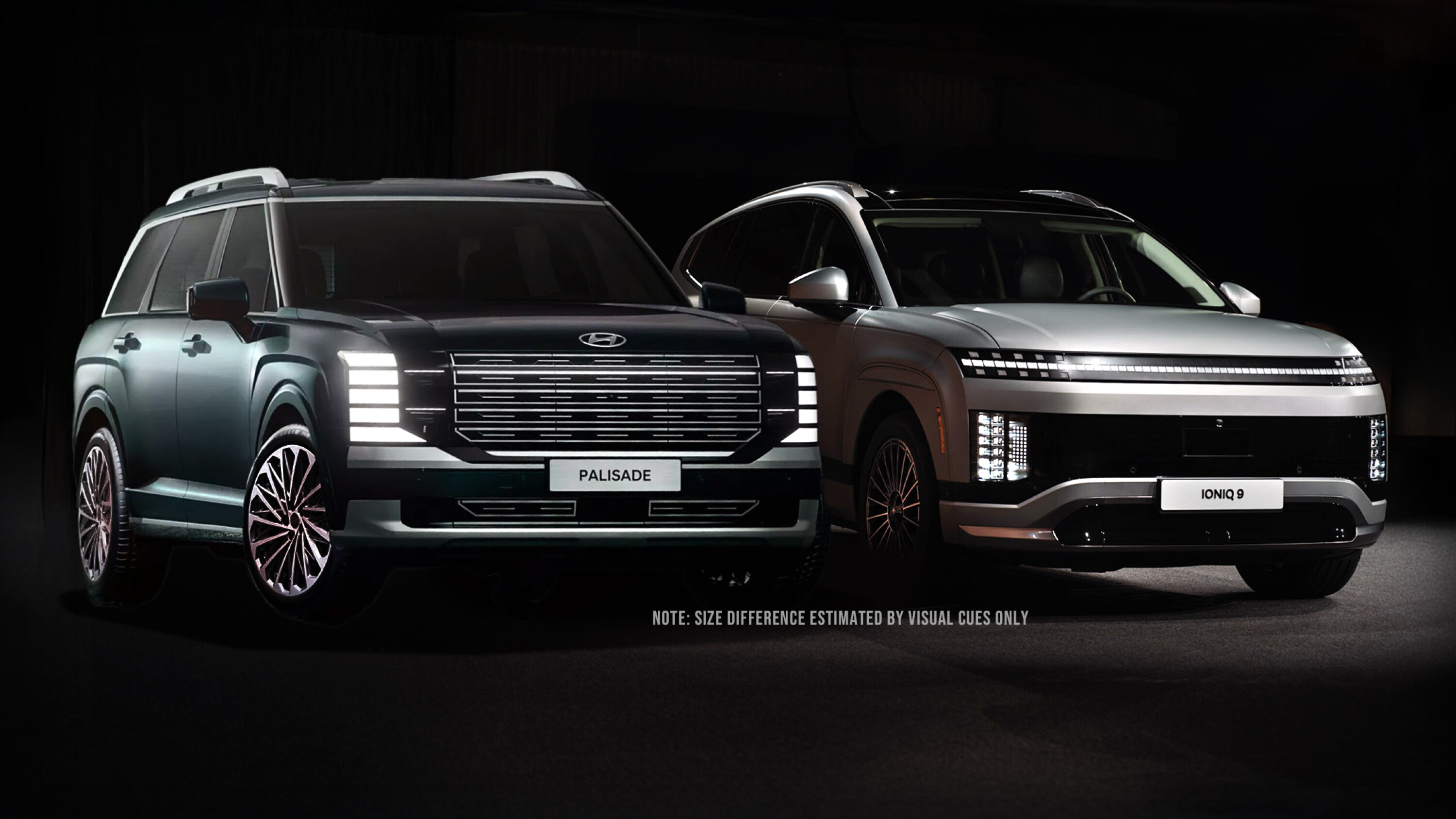
Giving its new Ioniq 9 EV barely two weeks in the spotlight, Hyundai has unveiled the next-generation Palisade SUV in Korea this week.
As expected, the new Palisade follows the smaller Santa Fe into embracing a look that appears inspired by the likes of Range Rover and Cadillac.
Joining the recently revealed, all-electric Ioniq 9, the new Palisade will be positioned again as the brand’s largest internal combustion engine (ICE)-powered SUV.
1
Design
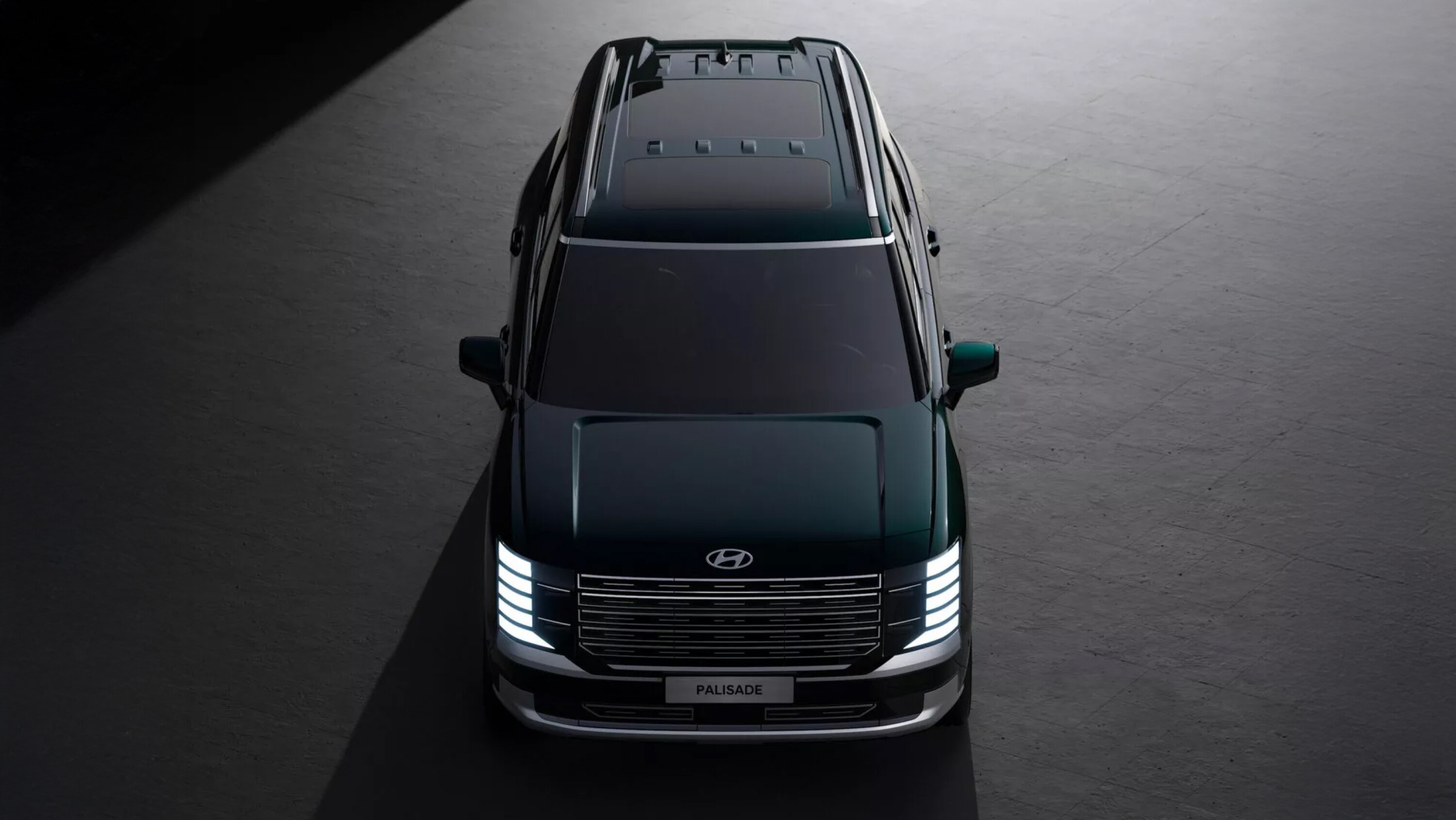
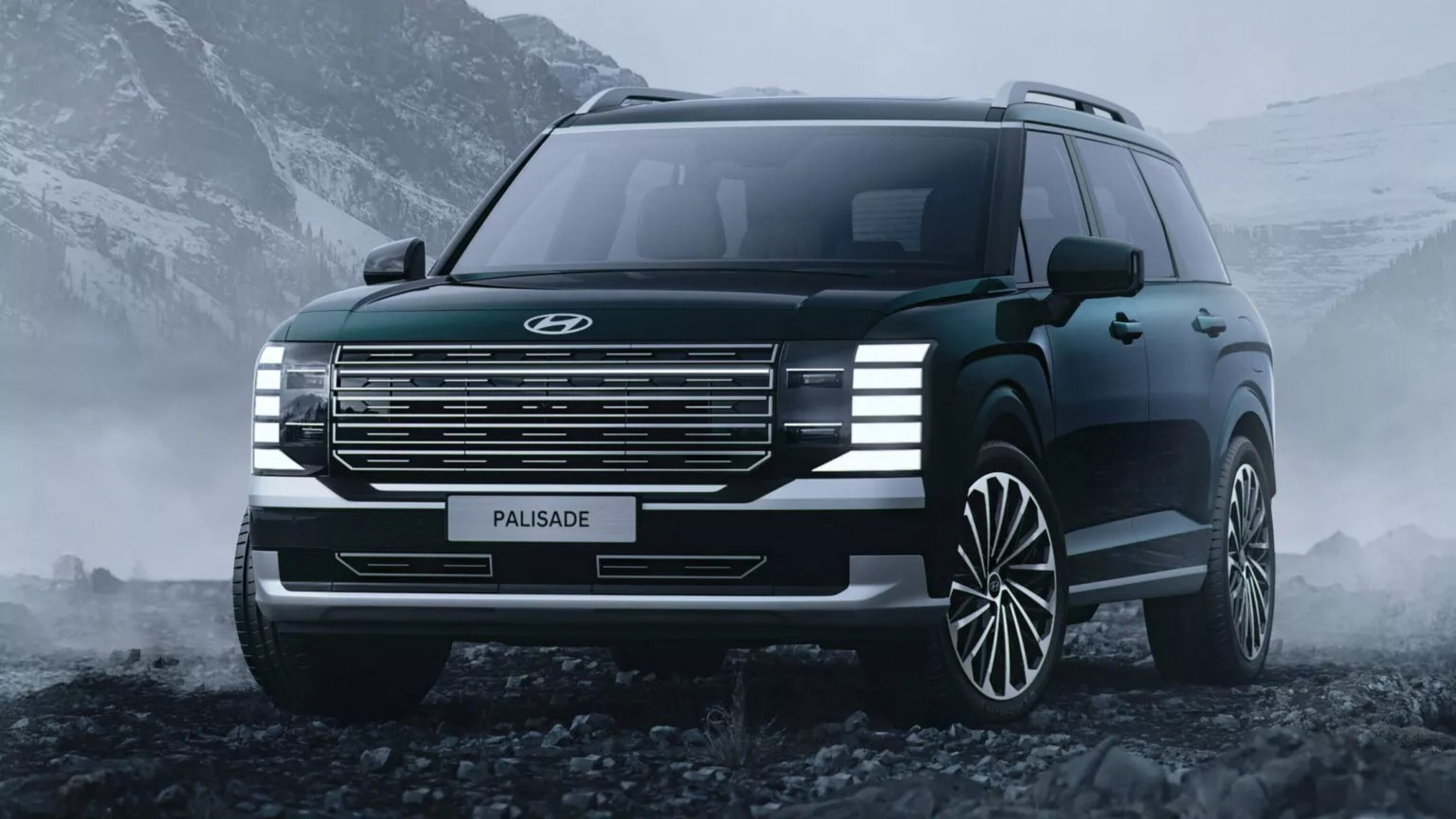
The 2025 Palisade adopts an even more angular design, with stacked vertical LED lighting at the front paired with an upright grille.
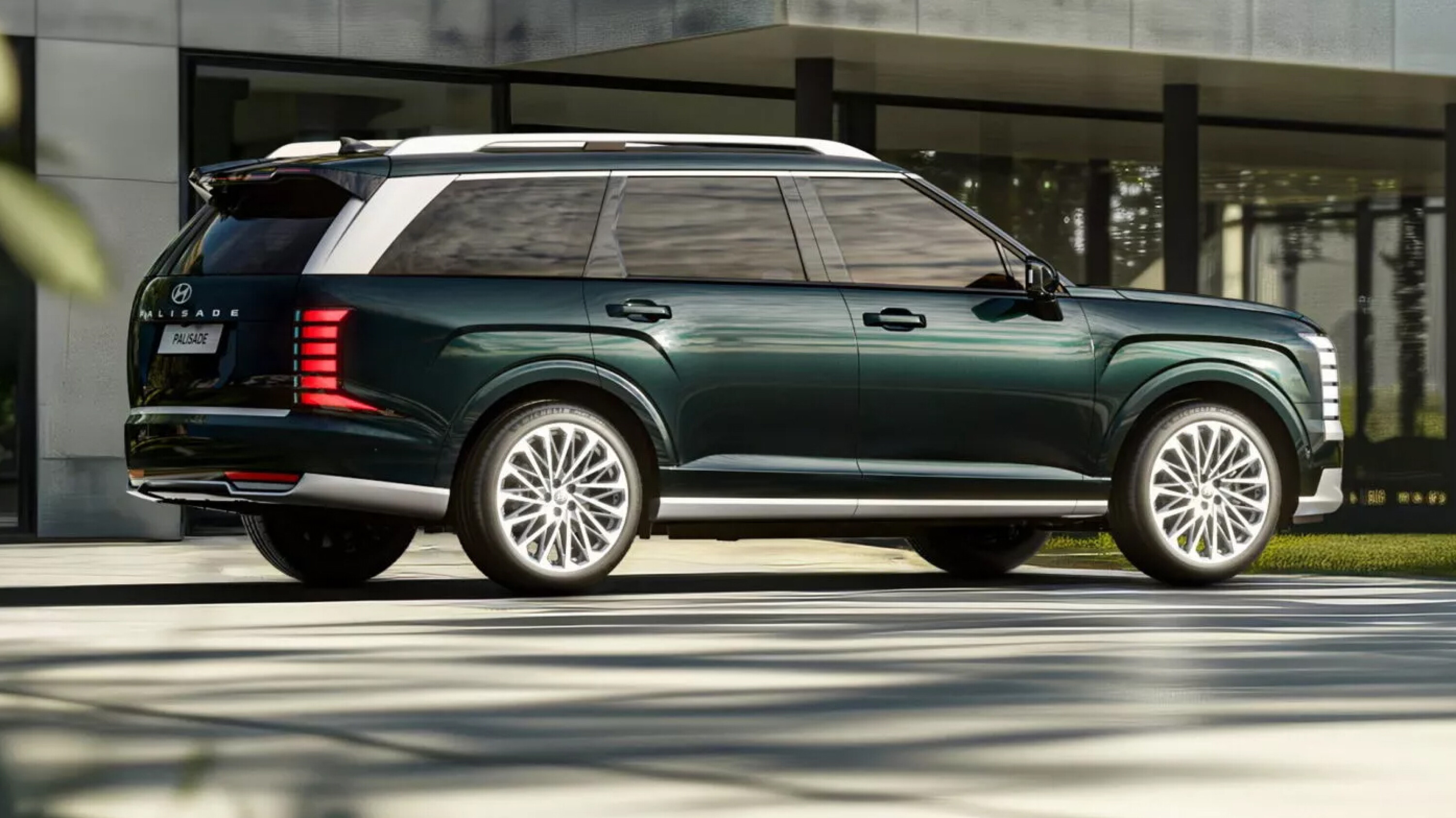
At the rear, the same slatted LED signature is matched to bold satin-silver pillars and a flat beltline for a boxy but premium look in that iconic Range Rover way.
1
Visual proportions have evolved to at least the appearance of a longer wheelbase and shorter front overhang, contributing to a more balanced stance.
Specific dimensions are yet to be confirmed, but the Palisade is expected to exceed five metres in length, aligning it closely with Hyundai’s fully electric Ioniq 9 SUV (5060mm).
In its current form, the Palisade measures 4995mm long on a 2900mm wheelbase.
1
On the inside
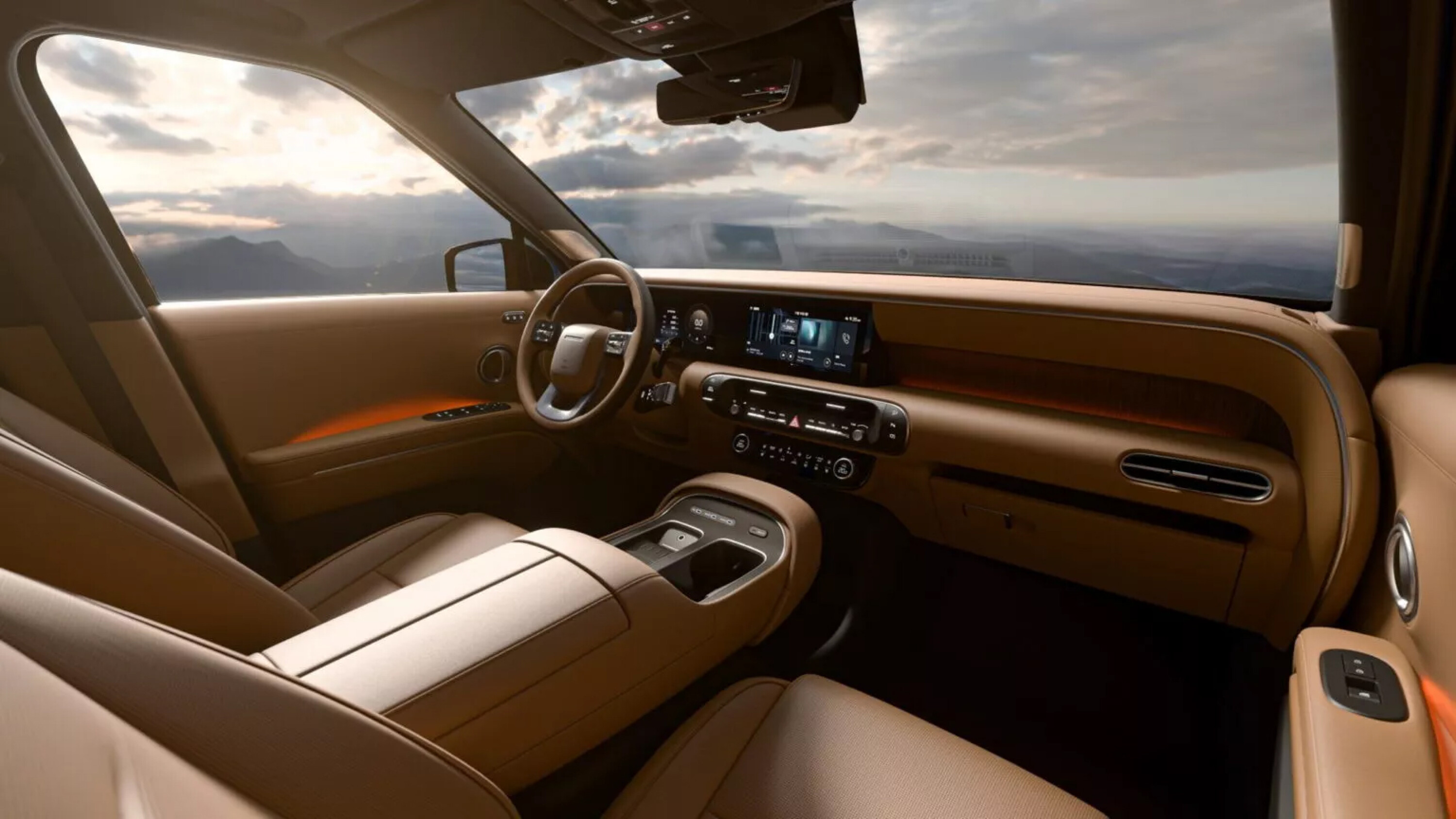
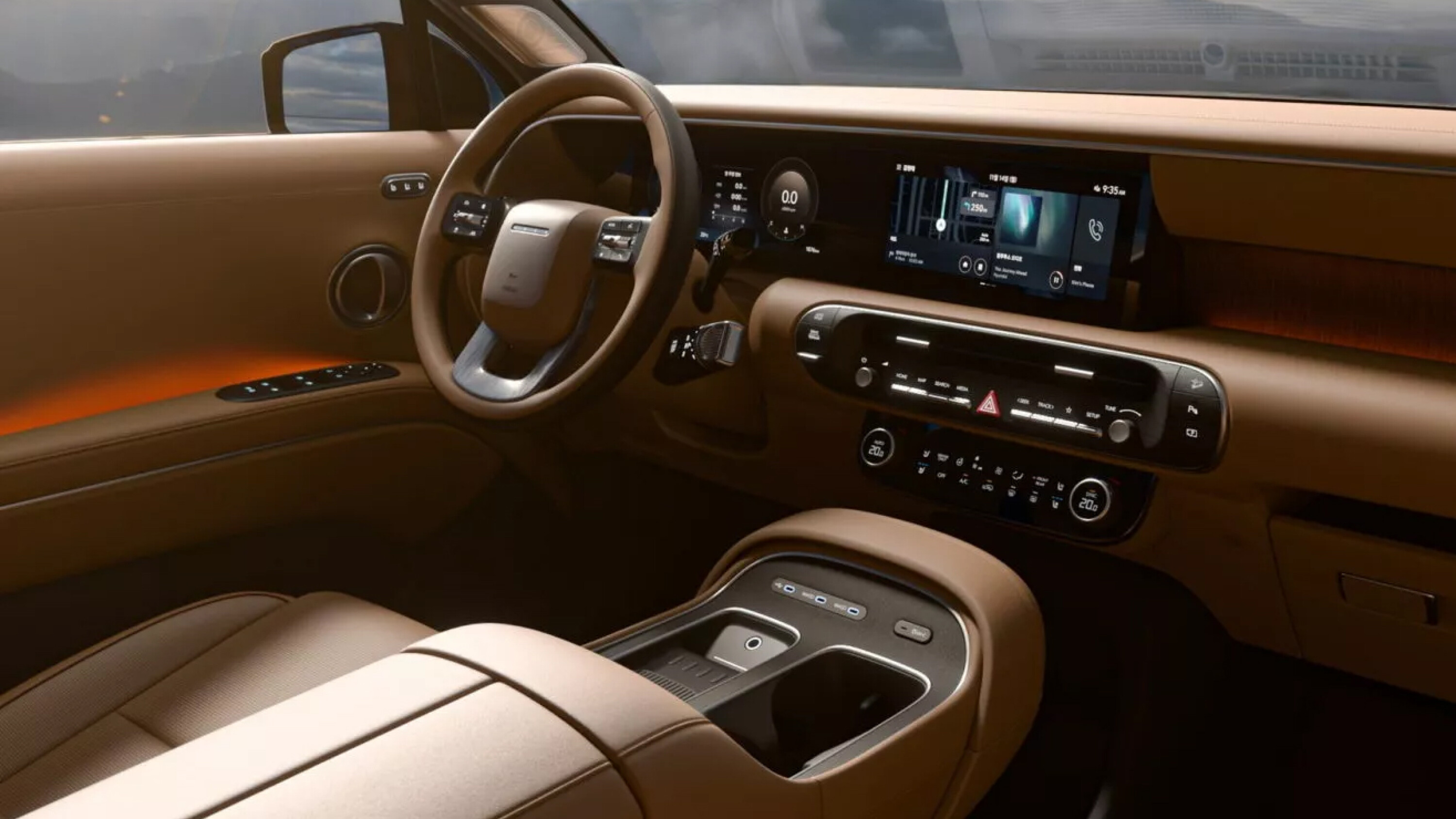
As with just about every large car on the planet right now, the new Palisade’s interior is dominated by dual 12.3-inch digital displays integrated into a curved dashboard panel.
But, unlike many new cars, the second-generation Palisade retains practical controls for climate and essential functions as physical knobs and buttons. Bless you, Hyundai.
The Palisade’s gear selector has also been relocated to the steering column, as it is in the new Santa Fe and the Ioniq models, freeing up space on the centre console.
1
Key design elements include pill-shaped air vents, round door handles, and wood inserts.
The interior layout introduces a nine-seat configuration, including a centre console that can convert into a middle seat for the front row.
Specific details on market availability for this feature remain unconfirmed.
1
Powertrain options
Hyundai hasn’t handed down any detailed technical specifications for the Palisade yet, but reports reports suggest a hybrid variant may be offered, combining a 2.5-litre four-cylinder engine with electric assistance.
A turbocharged 3.5-litre V6 is also expected to be available, depending on the market.
For Australia, a hybrid powertrain would be most likely, given the coming requirements of the New Vehicle Emissions Standard.
1
Will the new Palisade come to Australia?
For now, we know only that the new Hyundai Palisade will initially launch in South Korea, with other regions to follow.
Australia has not yet been announced, but given the Palisade’s popularity here, a local debut sometime in 2025 is likely.
MORE
Everything Hyundai
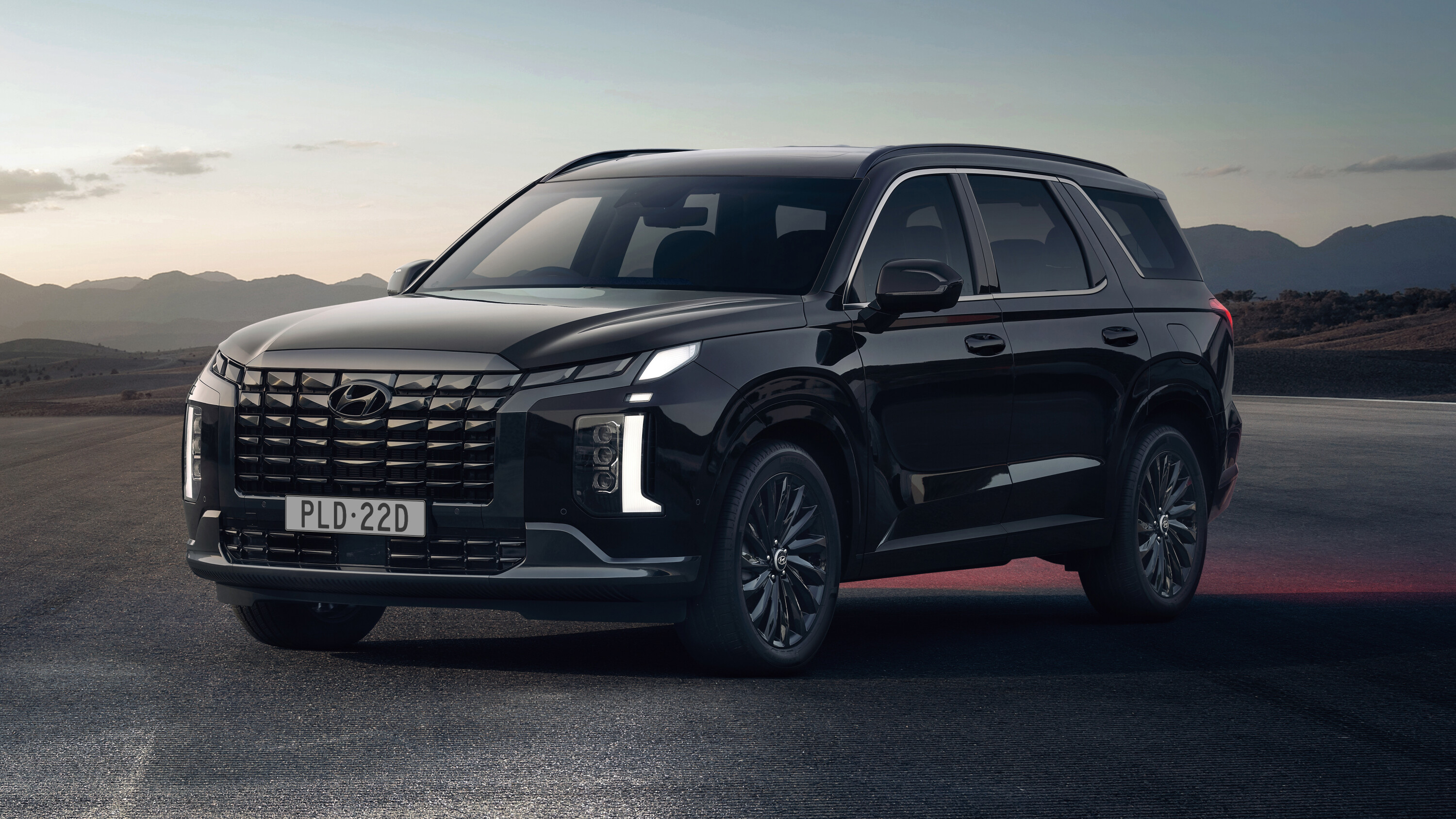
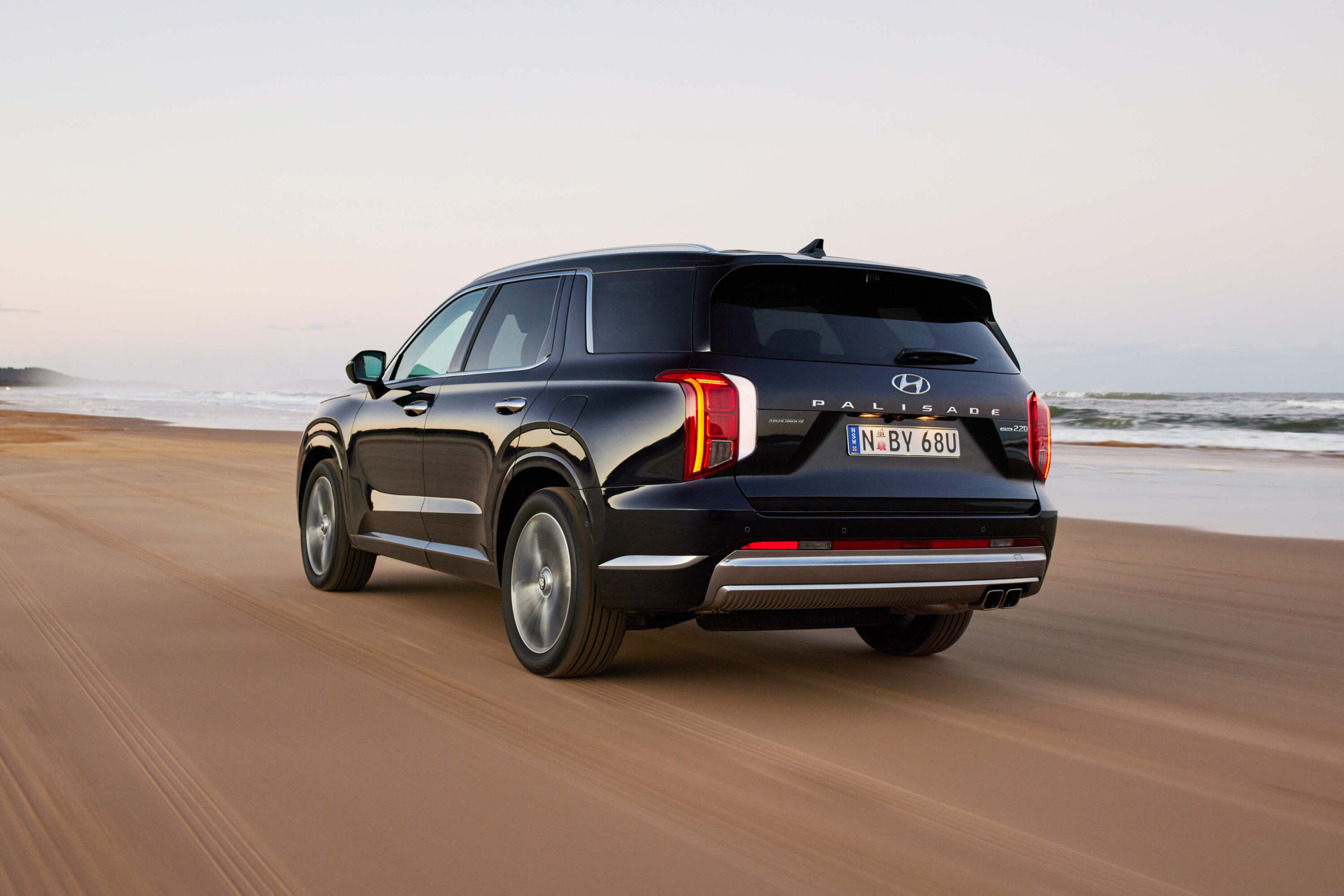
Below: the current facelifted Palisade
1
1
Honda’s Freed, a roomier version of the compact Jazz no longer offered in Australia, is Japan’s car of the year.
Snapshot
- Honda Freed has won Japan Car of the Year, beating the Mazda CX-80
- Mini Cooper was named Import Car of the Year; Mitsubishi Triton won the Design Award
- Honda CR-V e:FCEV earned the Technology Award for hydrogen fuel cell advancements
It’s interesting what passes for a ‘best in market’ car in different regions, given the requirements and tastes of the world’s various cultures.
The 2024 World Car of the Year was the massive, all-electric Kia EV9, while last year’s Wheels Car of the Year was the brilliant Ford Everest – similarly large, but entirely combustion-oriented under the lid. (As for this year’s Wheels Car of the Year… stay tuned!)
1
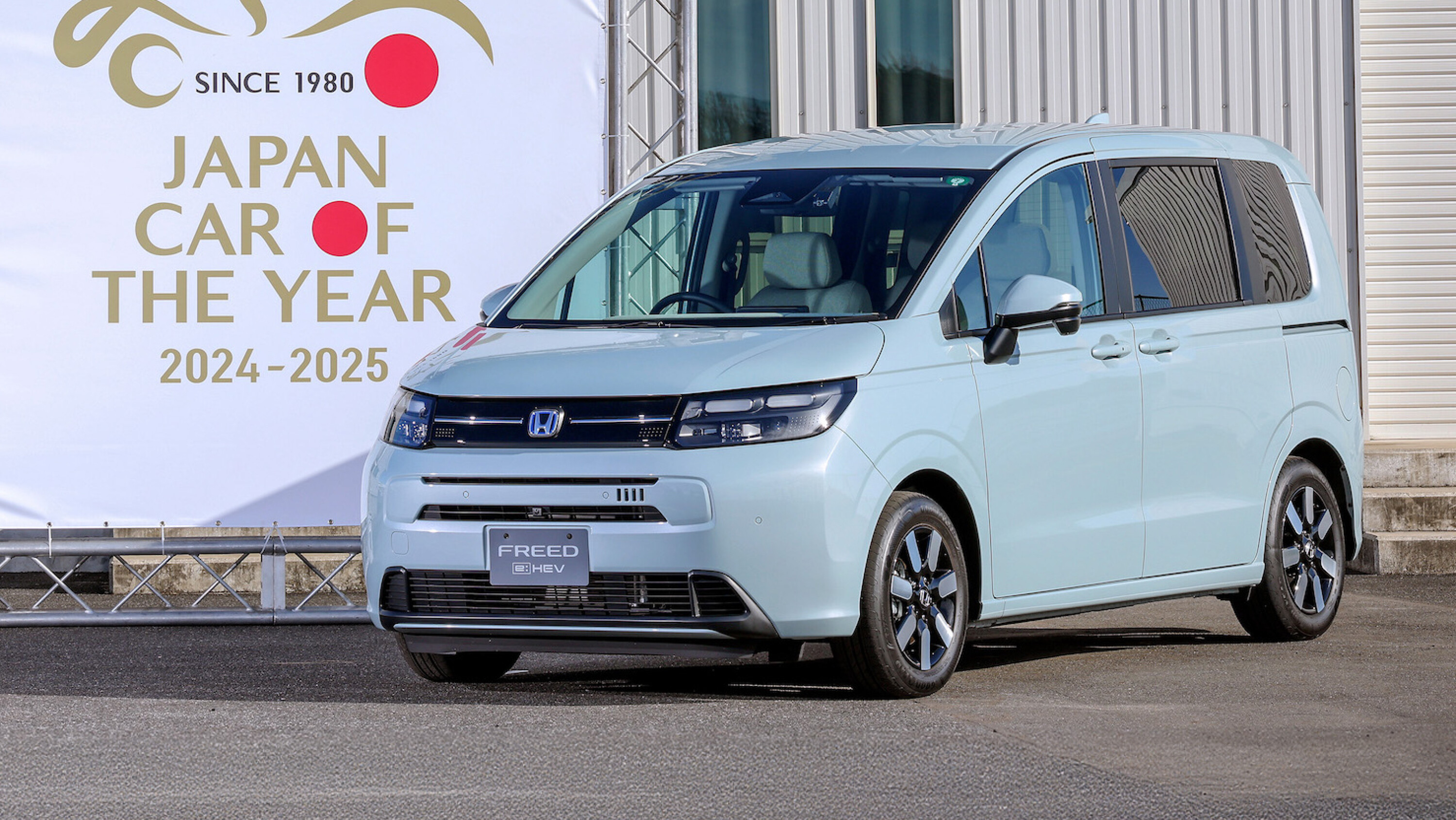
This week, the Japan Car of the Year organisation gave its top prize to the Honda Freed.
It’s a whole lot smaller than the EV9, which is no surprise given Japan’s needs and incentives around compact cars. It’s also a petrol car, which is also no surprise, given Japan’s overall lag in embracing EVs.
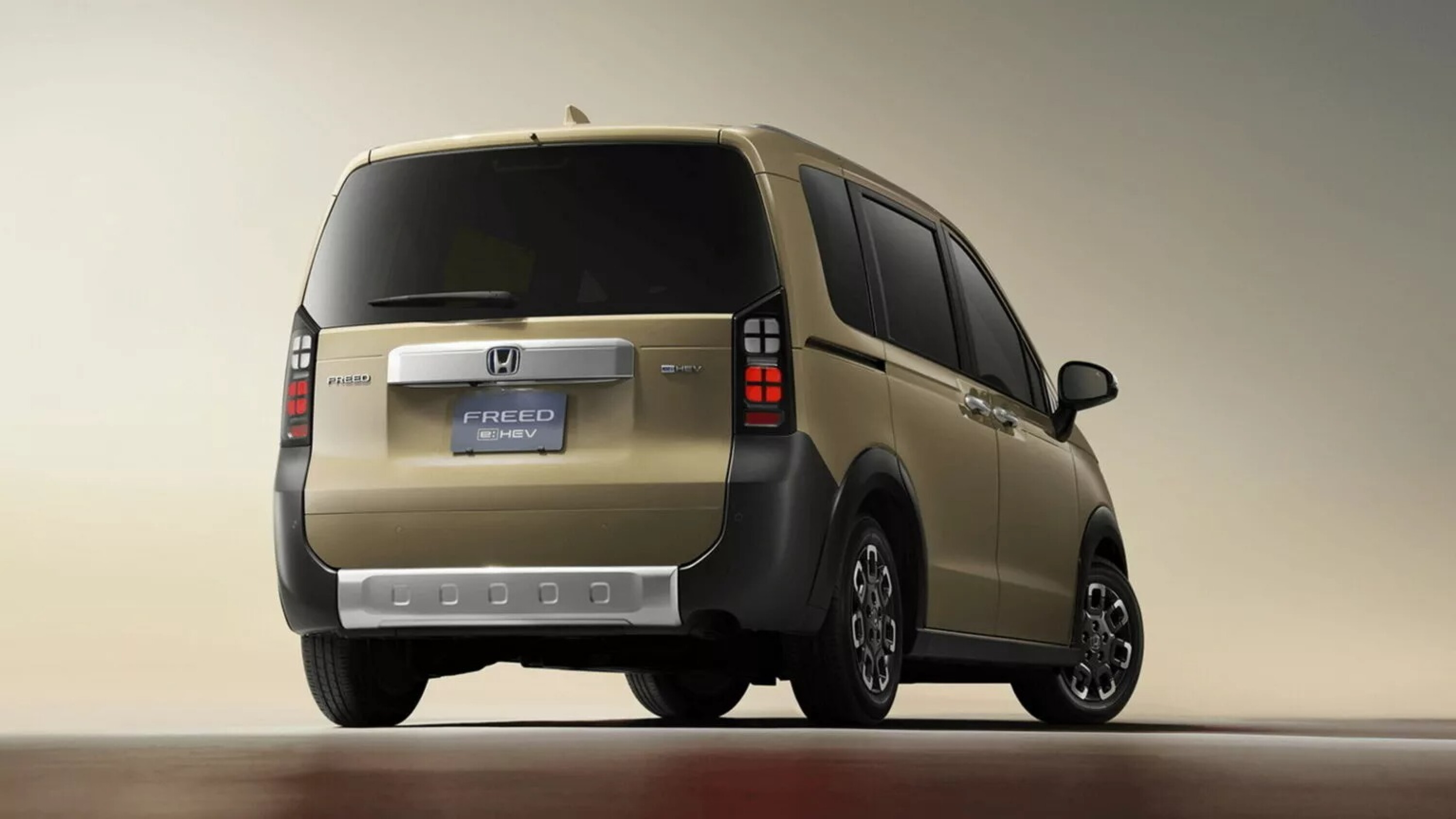
The Freed is considered a minivan, with seating for up to seven, depending on the chosen configuration. It’s larger than a kei car (Japan’s smallest offerings), and shares its platform with the Fit – known in Australia as the well-regarded Jazz hatch, although the local arm binned it back in 2021.
2
In taking out Japan Car of the Year, the Freed secured 220 votes to outpace the Mazda CX-80 SUV, which finished as the runner-up with 196 votes.
In accepting the award, Honda Freed chief engineer Satoru Azumi remarked on the team’s approach to the minivan’s development, stating the design prioritised comfort, functionality, and affordability.
1
Other awards and finalists
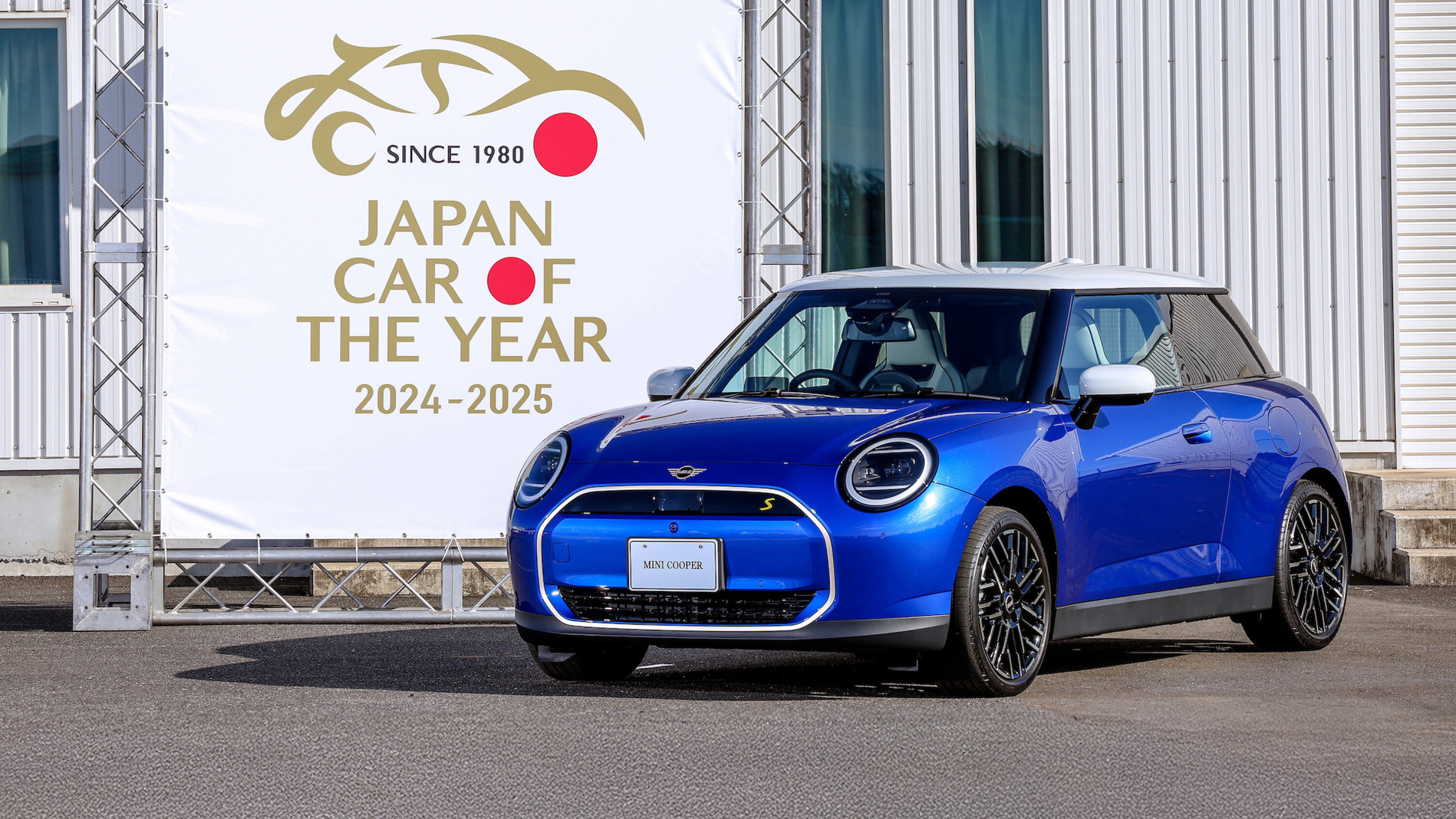
The Mini Cooper earned the Japan Import Car of the Year title with 172 votes, continuing BMW’s strong performance in the category.
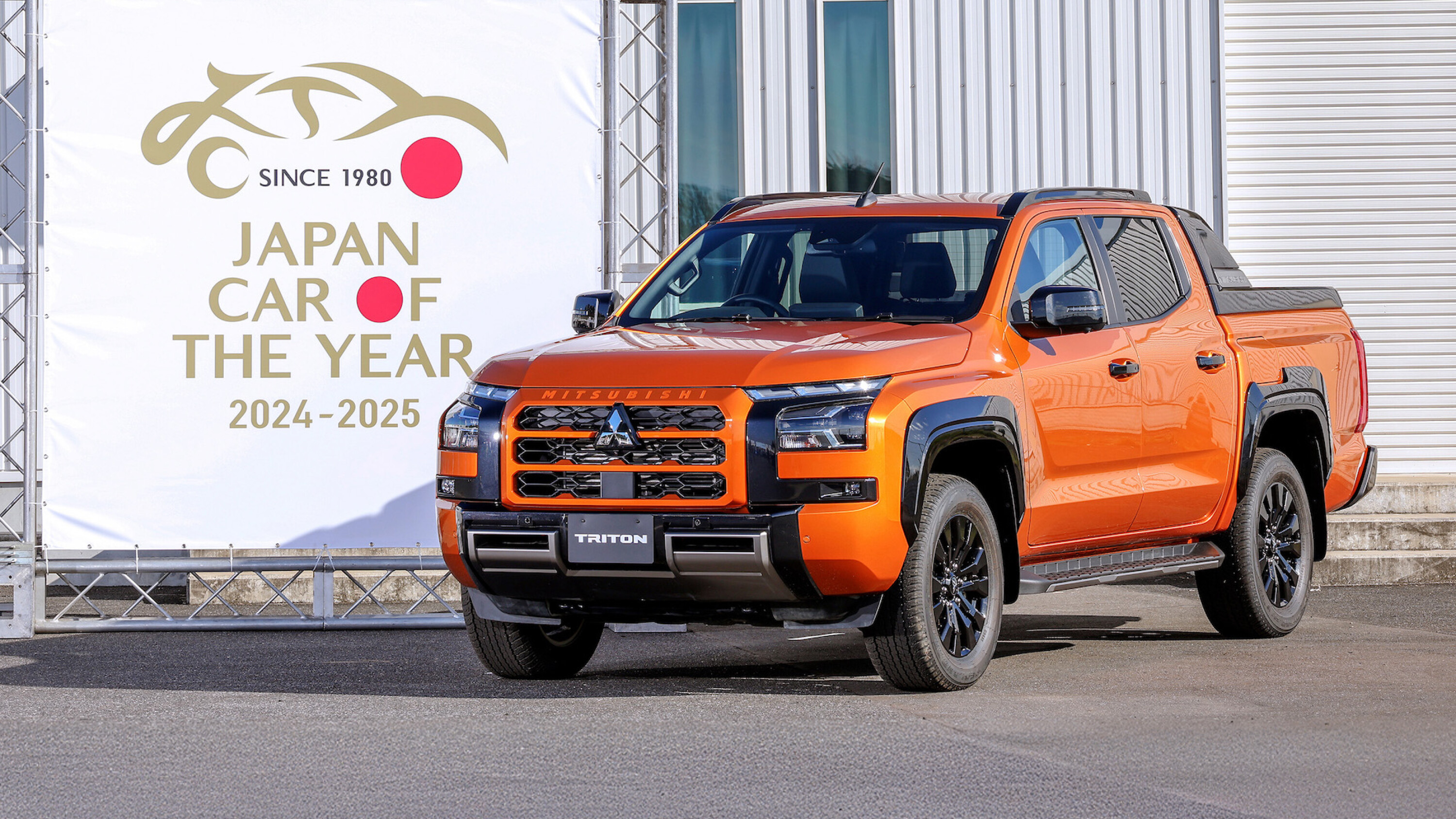
Mitsubishi’s Triton ute received the Design Award with 11 votes, edging out the BYD Seal electric sedan by one vote.
The Honda CR-V e:FCEV won the Technology Award for advancements in hydrogen fuel cell technology, and Mazda’s e-Skyactiv R-EV rotary engine technology was recognised with a Special Award.
1
This year’s awards marked the 45th anniversary of the Japan Car of the Year organisation.
The judging panel included 59 jurors representing 41 automotive and lifestyle publications. The Freed’s victory highlights its focus on practicality, family-oriented design, and the availability of Honda’s hybrid system.
Final standings
The top ten cars of 2024-2025, as determined by the Japan Car of the Year organisation, are listed below:
| Rank | Model | Votes |
|---|---|---|
| 1 | Honda Freed | 220 |
| 2 | Mazda CX-80 | 196 |
| 3 | Mini Cooper | 172 |
| 4 | Suzuki Front | 110 |
| 5 | Lexus LBX | 70 |
| 6 | Hyundai IONIQ 5 N | 52 |
| 7 | Toyota Land Cruiser | 44 |
| 8 | BYD Seal | 32 |
| 9 | Volvo EX30 | 30 |
| 10 | Mitsubishi Triton | 18 |
Will the Honda Freed come to Australia?
It’s unlikely, given Australia’s general shift towards larger cars and overall preference for SUVs, but we’ve asked. We’ll update this story when we know more.
MORE
Everything Honda
December: 2025 Kia Sportage will offer diesel for Australia
Its fate in other markets may be less clear, but this much we know:
Contrary to our earlier reporting, below, Australian buyers of the 2025 Sportage will retain the option of Kia’s familiar 2.0-litre turbo diesel.
In a simple message delivered this morning, a spokesperson for Kia’s Australian office said: “We’re not punting the diesel anytime soon”.
The updated Sportage will reach Australia in the first half of 2025.
November: New-look Sportage revealed
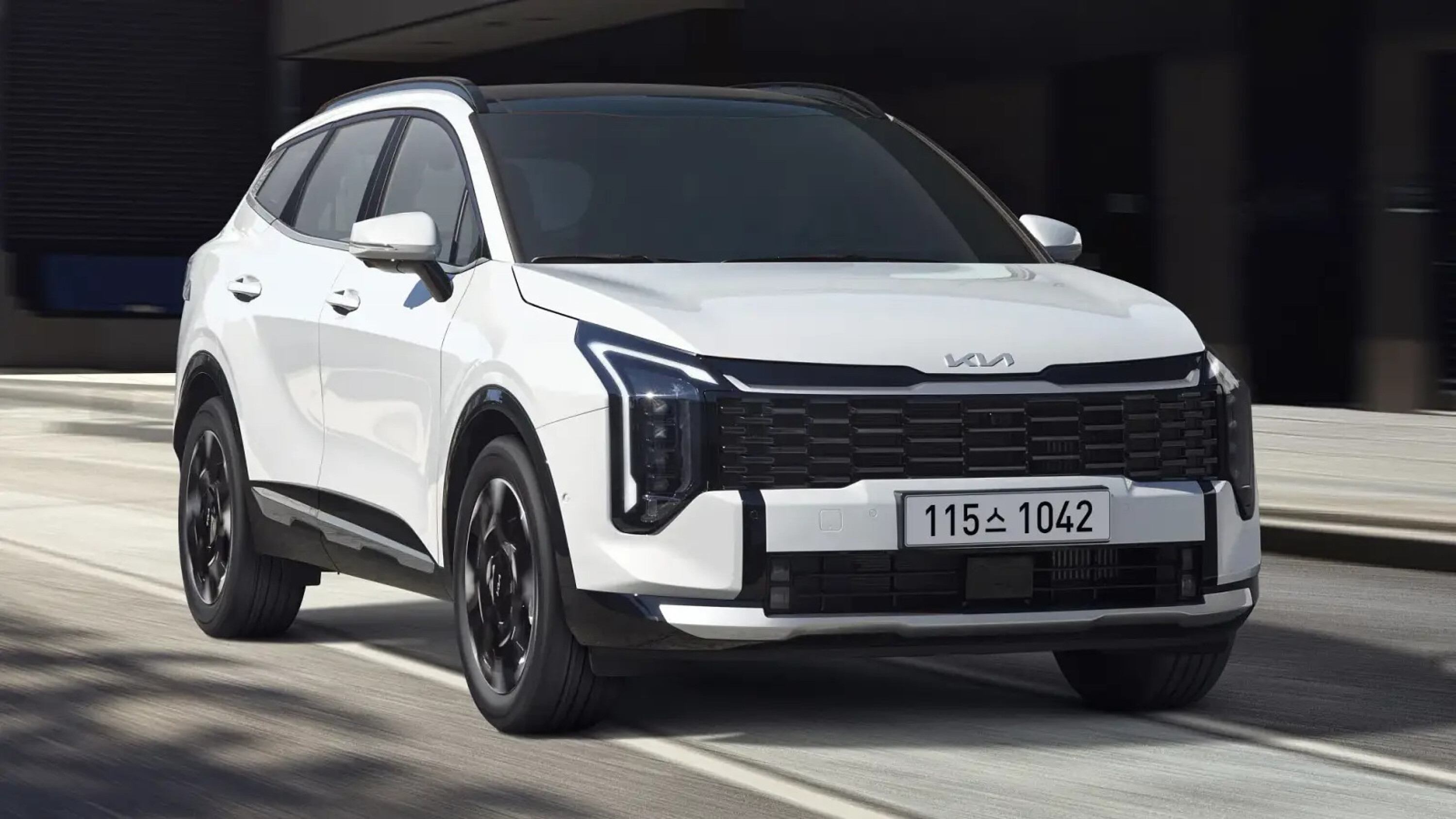
Kia has officially unveiled the 2025 Sportage facelift with design, interior, and mechanical updates across the mid-sized SUV range.
Snapshot
- New-look Sportage gets refreshed styling, digital cockpit with a 12.3-inch touchscreen, and upgraded sound insulation
- Retains the 1.6 T-GDi petrol engine with an 8-speed automatic; hybrid and plug-in hybrid options offer up to 265PS, with an electric-only range of 70km (13.8kWh battery)
- Australian launch expected early 2025, pricing and details TBC
| 2025 Kia Sportage: What’s changed? | |
|---|---|
| EXTERIOR | New alloy wheel designs and additional exterior colour options. |
| Redesigned headlights, updated front bumper and grille, revised LED taillight graphics. | |
| INTERIOR | Digital cockpit with 12.3-inch integrated touchscreen infotainment and digital instrument cluster. |
| New two-spoke steering wheel. | |
| Redesigned air-conditioning vents. | |
| Additional sound-absorbing materials for reduced cabin noise. | |
| MECHANICAL | Hybrid and plug-in hybrid options available, PHEV features a 13.8kWh battery and up to 70km range. |
| Suspension upgrades with improved front-axle dampers for smoother ride quality. | |
| 7-speed dual-clutch automatic replaced with 8-speed automatic transmission for 1.6 T-GDi engine. | |
1
1
Design changes bring Sportage in line with latest Kia themes
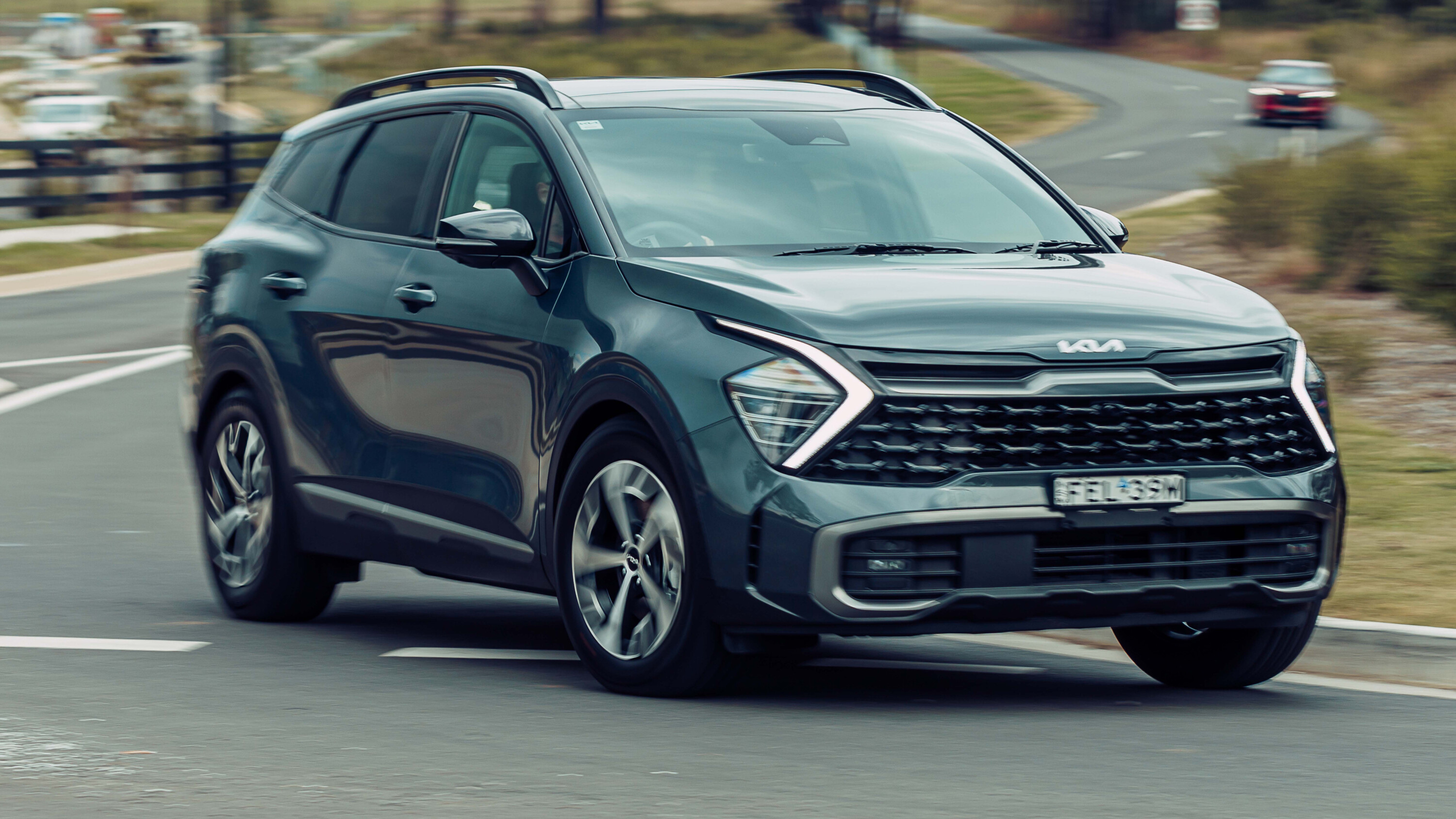
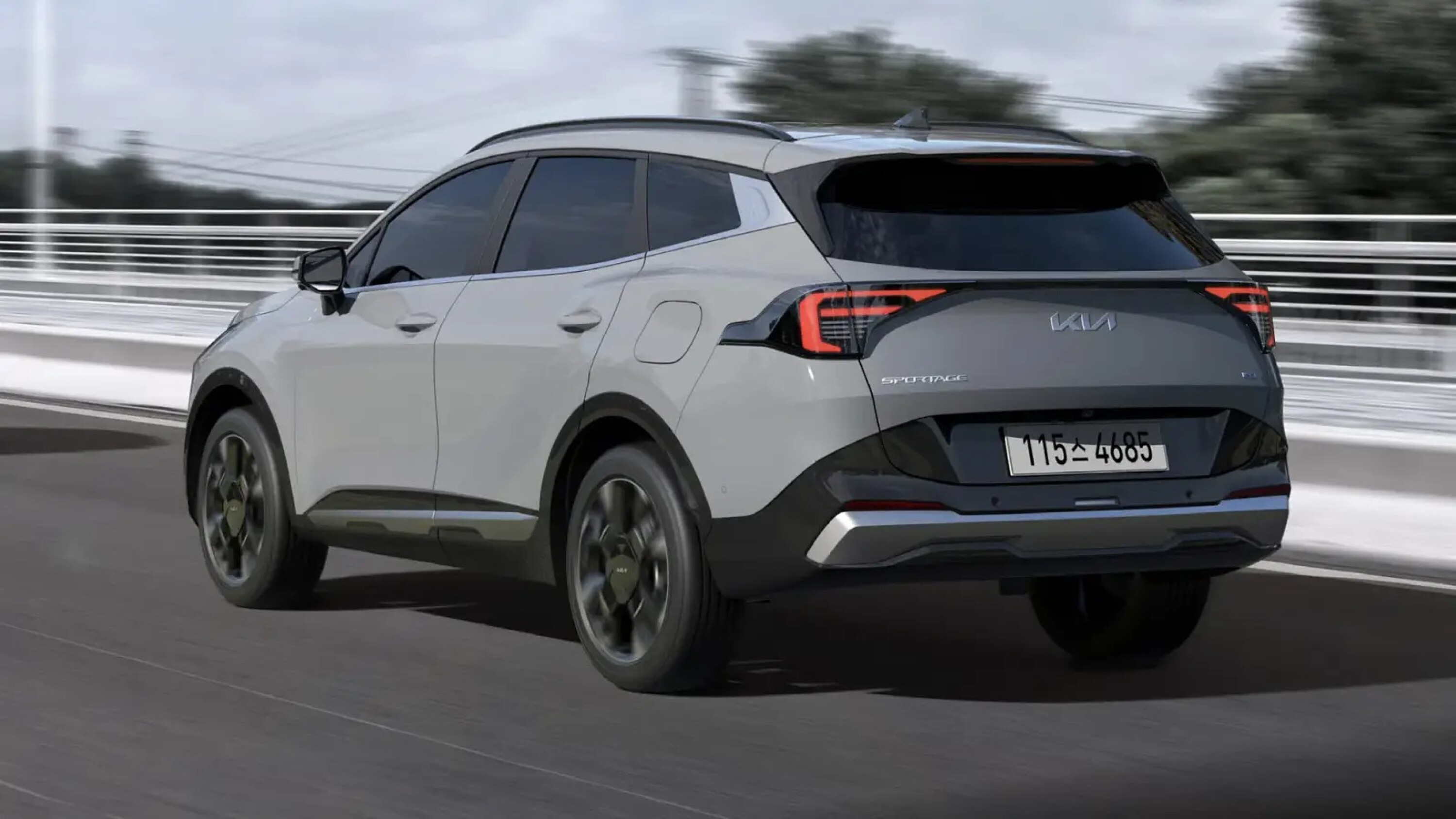
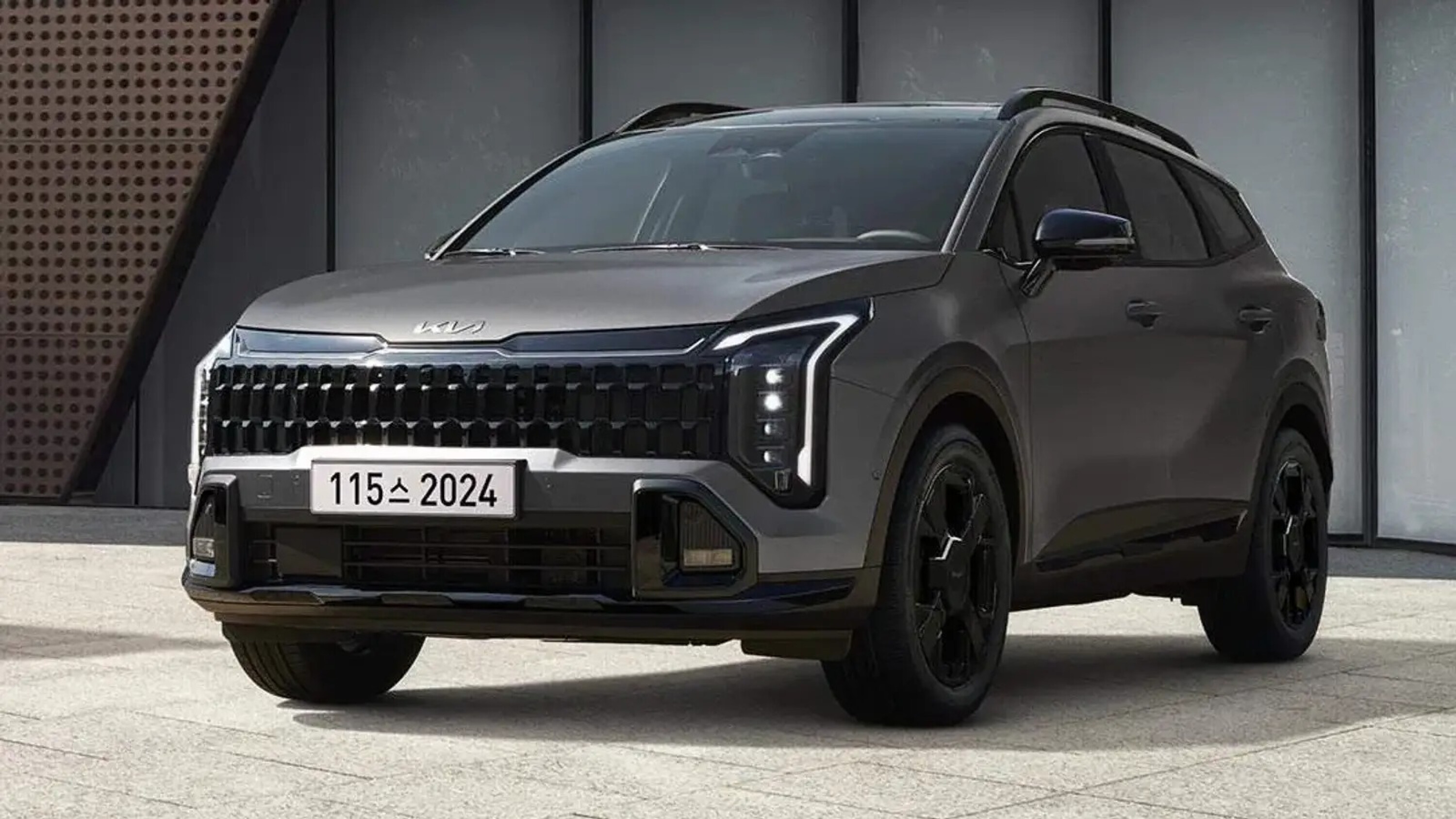
The 2025 Sportage features a refreshed front-end design with redesigned headlights, a revised bumper, and an updated grille.
At the rear, the LED taillights now incorporate revised graphics. Kia has also expanded the exterior palette with new colour options and introduced fresh alloy wheel designs across the range.
What do you think of the new styling? Tell us in the comments below!
1
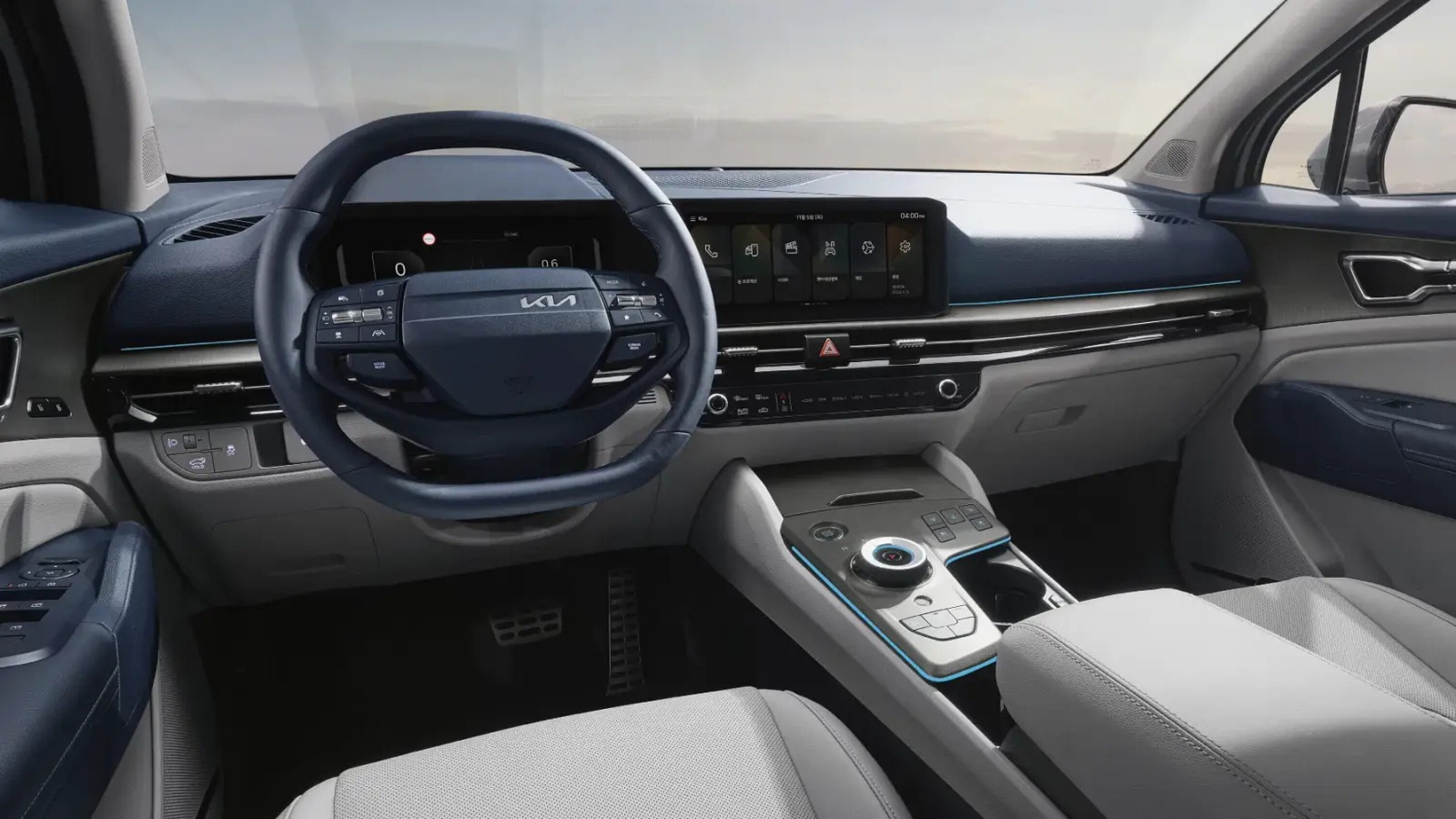
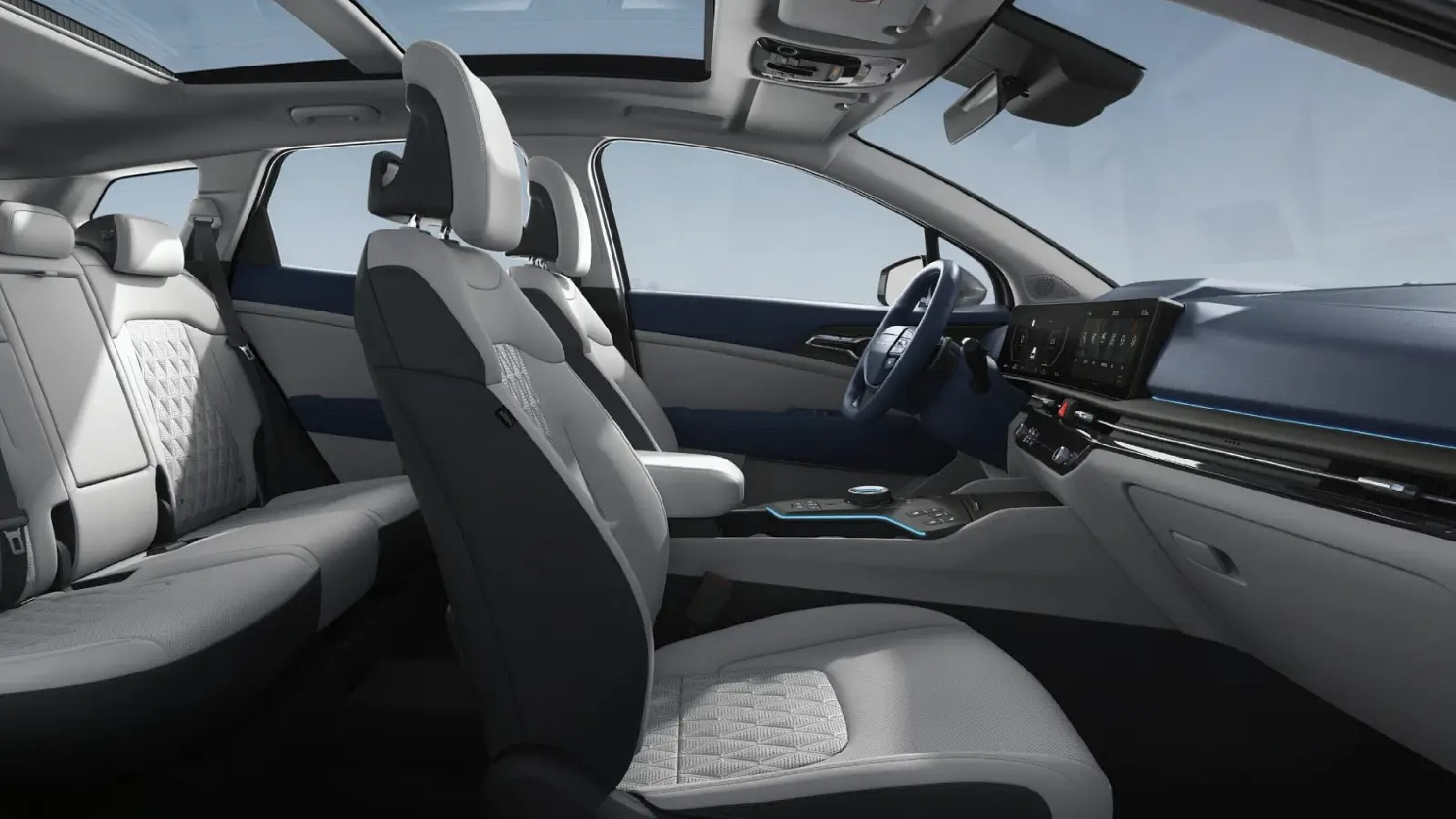
Inside, the 2025 Sportage debuts a new two-spoke steering wheel and a digital cockpit that integrates a 12.3-inch digital instrument cluster with a central touchscreen infotainment system.
Redesigned air-conditioning vents align with the updated dashboard layout.
Kia has not detailed specific changes to interior materials or features unique to particular trims but has noted improvements to sound insulation within the cabin.
1
Mechanical updates
Mechanically, Kia has introduced several updates aimed at improving ride quality and cabin refinement:
- Front suspension system now features enhanced dampers for improved ride comfort.
- Additional sound-absorbing materials have been installed to reduce road noise and improve cabin quietness.
- A key drivetrain update includes the replacement of the 7-speed dual-clutch automatic transmission with a conventional 8-speed automatic, paired with the unchanged 132kW/265Nm 1.6-litre turbocharged petrol engine.
1
Hybrid boost
The hybrid model‘s electric motor gets a power boost from 44.2kW to a new 47.7kW rating. Combined output for the updated hybrid hasn’t been confirmed, but if the new electric number transfers directly, overall power could be boosted to 172kW – up from 169kW in the current model.
Kia hasn’t confirmed any changes to fuel efficiency, but the current model claims an excellent 4.9L/100km figure.
Binned Diesel
The popular 2.0-litre diesel of the current Sportage has been removed from most markets, including Australia, following a similar move made for the related Hyundai Tucson.
December update: Forget what you’ve read, the diesel Sportage will continue.
1
When will the 2025 Kia Sportage go on sale in Australia?
The updated Sportage is expected to arrive locally in early 2025, with further details to be confirmed closer to the launch date.
MORE
Everything Kia
December: ANCAP 5-star safety rating confirmed
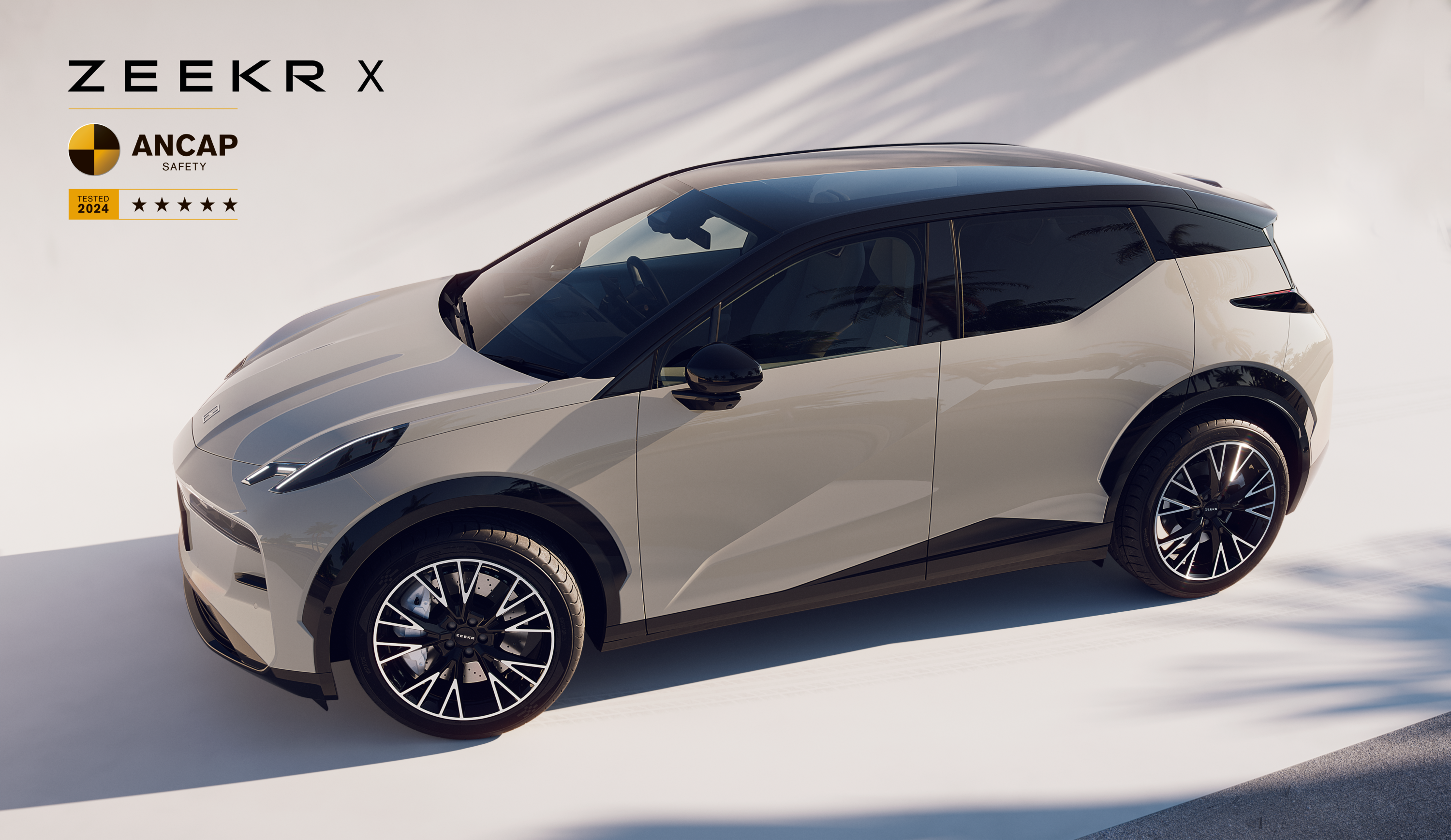
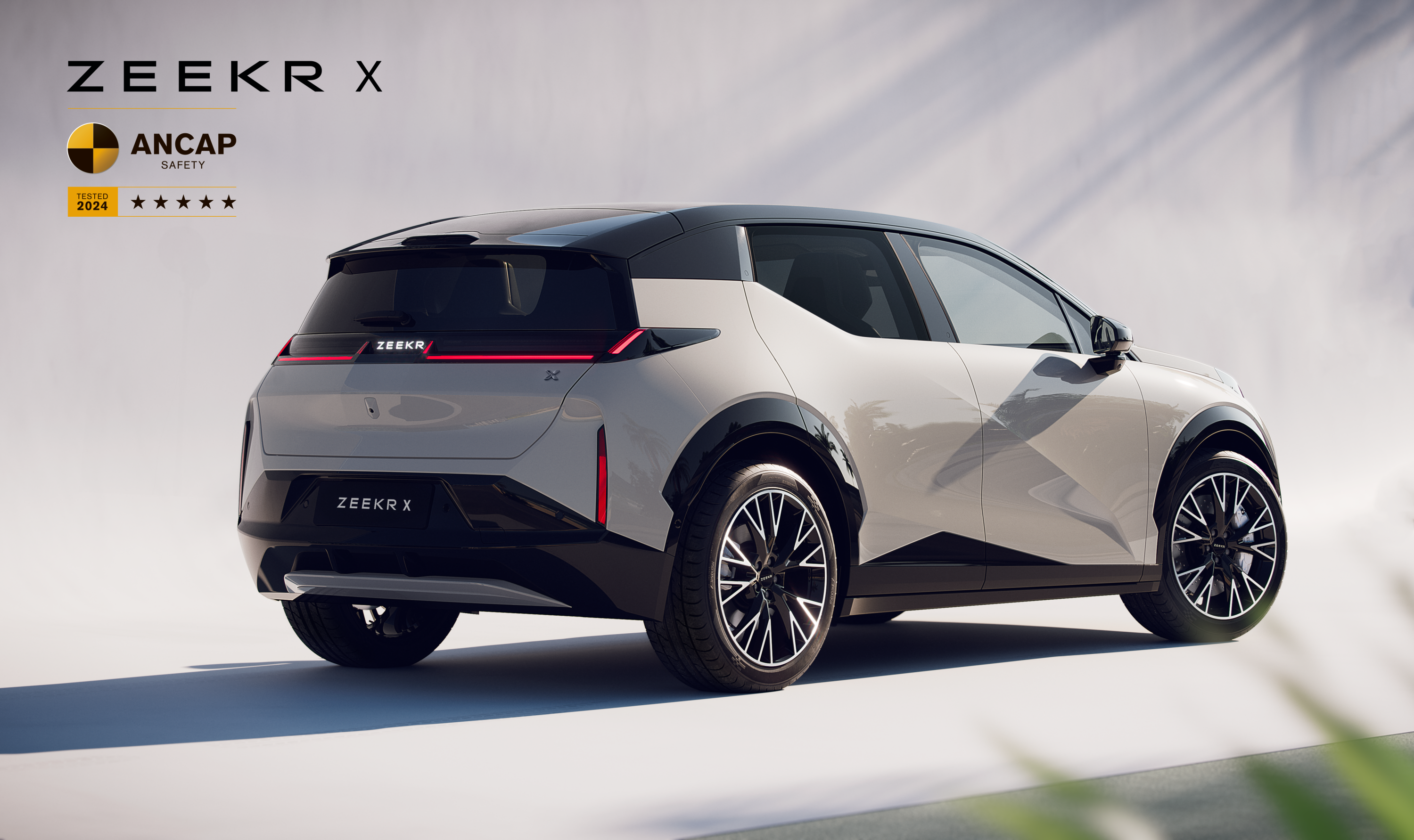
The Zeekr X has landed in Australia with a bang, of the appropriate sort: a newly awarded five-star safety rating from the Australasian New Car Assessment Program (ANCAP).
Announced today, the Zeekr X achieved the following scores in its crash test session.
- 91% Adult occupant protection
- 87% Child occupant protection
- 84% Vulnerable Road user protection
- 84% safety assist
1
As outlined in our full pricing story below, safety in the Zeekr X includes adaptive cruise control, blind-spot monitoring, forward collision warning, lane departure warning, and lane-keeping assist.
A seven-airbag system is also featured, including a front centre airbag, plus ISOFIX anchors and top tether points for child seats.
Other safety features include traffic sign recognition, tyre pressure monitoring, 360-degree visual park assist, low-speed pedestrian warning sound, and rear collision warning.
1
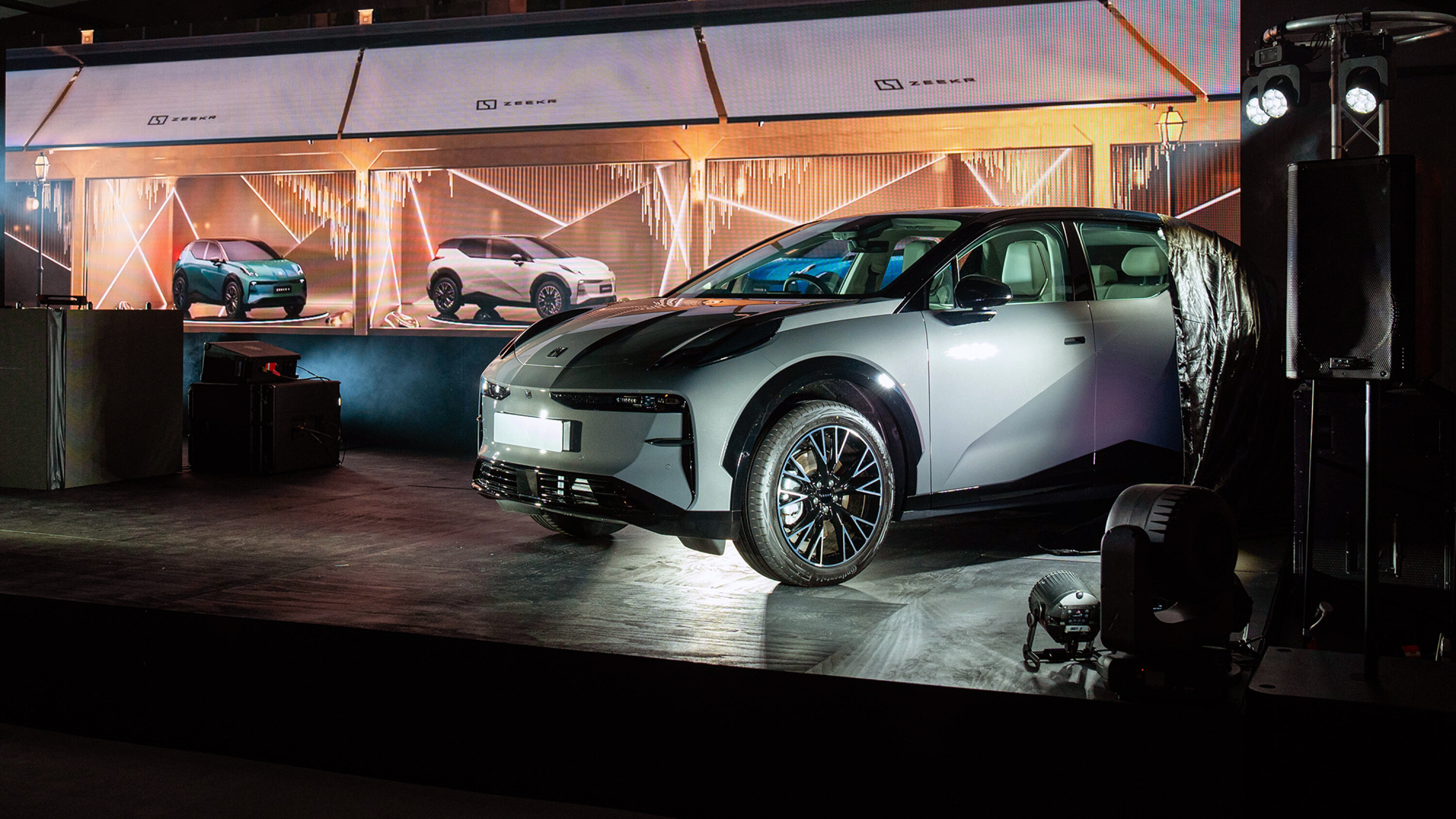
November: New Zeekr X photos
The Zeekr X made its public debut at the SXSW Sydney tech and media show, and we now have photos from that event.
Hit the image below to see those new shots.
7
September: Zeekr X Australian pricing
The first Australia-bound model from Geely’s Zeekr brand, the Zeekr X electric SUV, is now available for pre-order.
Snapshot
- Available in RWD and AWD, starting from $57K; deliveries expected early next year
- 66kWh battery, up to 540km (RWD) and 470km (AWD) based on NEDC protocol
- 5-year warranty, support for over-the-air updates and V2L capability
The Chinese-built battery electric vehicle (BEV) starts at $56,900 before on-road costs (ORC), and early buyers will also get an additional pre-launch package included – detailed further below.
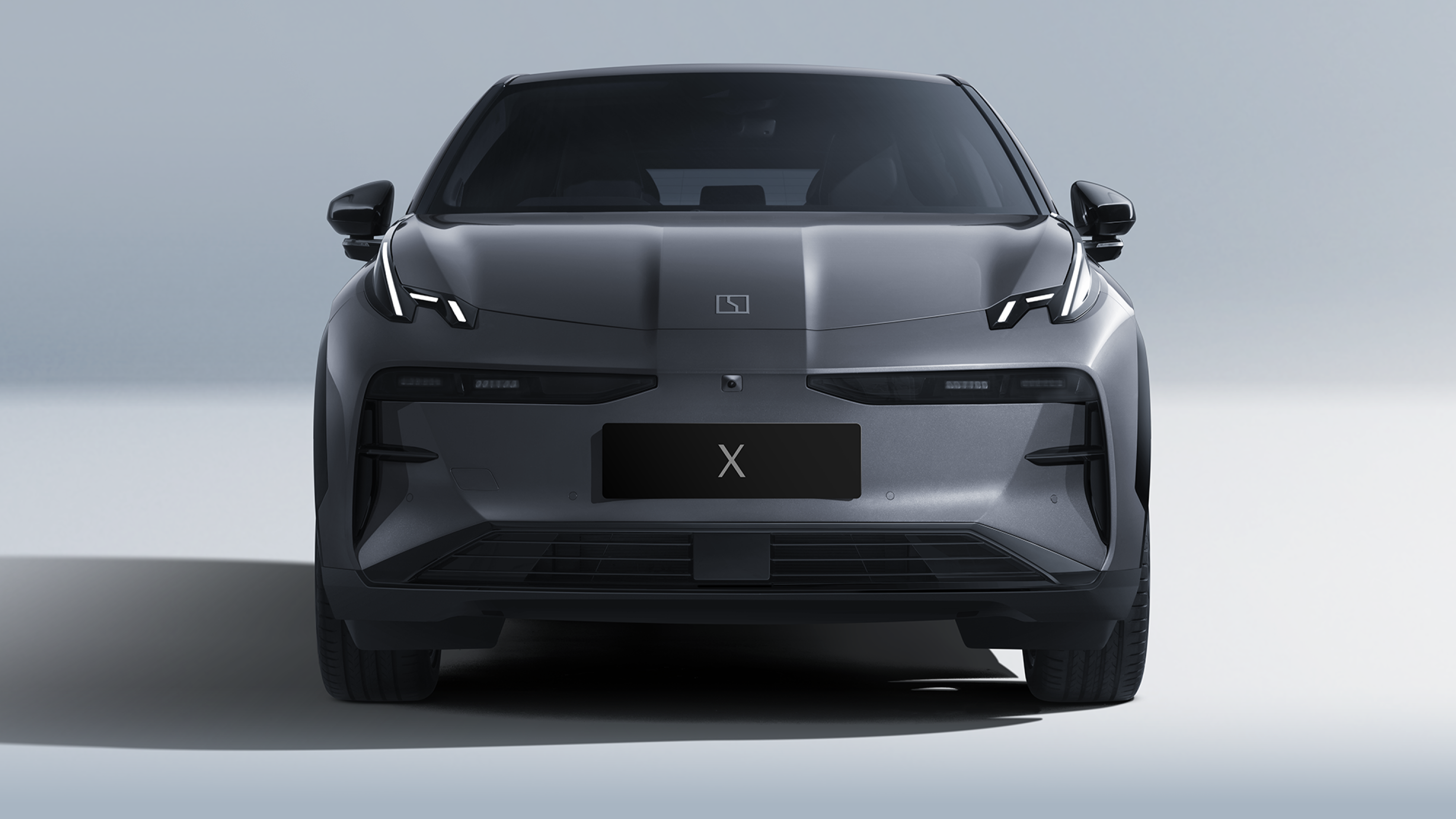
The Zeekr X shares its platform with the related Volvo EX30, but boasts a longer wheelbase and an overall greater length, which could make the X more compelling for those requiring more space in the second row.
| MINI match-up | Zeekr X | Volvo EX30 | BYD Atto 3 |
|---|---|---|---|
| Length | 4450mm | 4233mm | 4455mm |
| Wheelbase | 2750mm | 2650mm | 2720mm |
| Width | 1836mm | 1836mm | 1875mm |
| Height | 1572mm | 1550mm | 1615mm |
| Boot space | 362/1182L | 318/904L | 440/1340L |
| Starting price | $56,990 | $59,990 | $44,499 |
1
Two-model range for Australia
The Zeekr X is offered in two variants locally, built around rear-wheel-drive (RWD) and an all-wheel-drive (AWD) options. Both models are five-seaters.
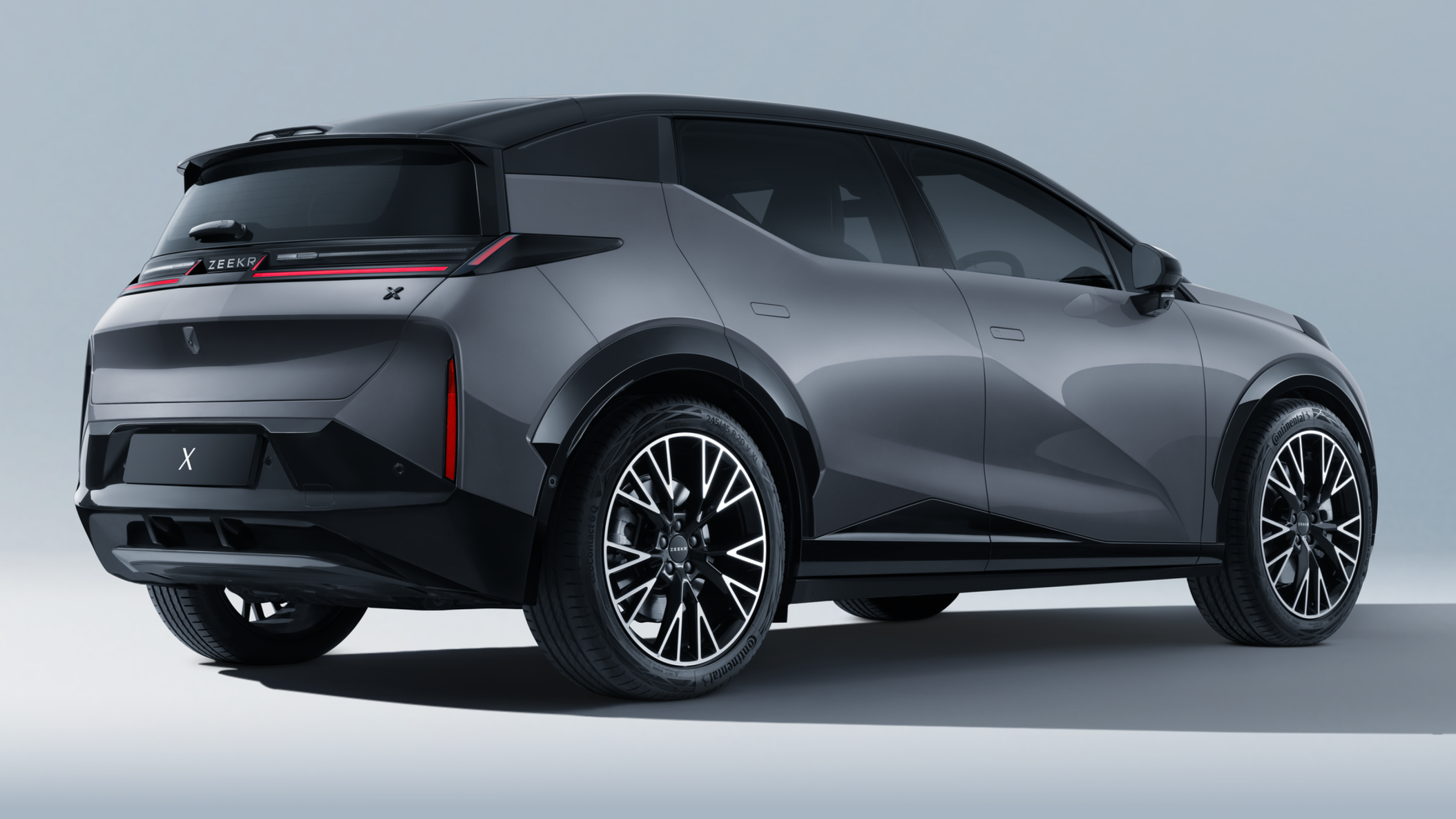
The 2025 Zeekr X RWD is priced from $56,900 + ORC, while the AWD model starts at $64,900 + ORC. Both share the same 66kWh lithium-ion (NCM) battery pack, but differ in power outputs and range.
The RWD version offers 200kW of power and 343Nm of torque from its single rear-mounted electric motor, claiming a 0-100km/h time of 5.6 seconds. The AWD model, with its dual-motor setup, increases outputs to 315kW and 543Nm, boasting a 0-100km/h sprint of just 3.8 seconds.
1
Driving range and charging capabilities
Zeekr claims a driving range of 540km for the RWD model and 470km for the AWD, based on Australian NEDC testing standards.
European WLTP figures, not officially offered here by Zeekr, list the RWD model at 446km and the AWD at 425km.
Note: The WLTP formula, designed to be more realistic than NEDC/ADR, usually results in less flattering numbers (and isn’t officially supported in Australia), although more and more brands are choosing to promote these figures over the ADR formula.
1
1
Both variants use a 400V electrical system and support DC fast charging, achieving a 10-80% charge in around 30 minutes with 150kW DC power.
Home charging takes longer, with the RWD needing up to 11.5 hours on a 7kW home charger, while the AWD can recharge fully in 7.5 hours using a three-phase 11kW setup.
1
Interior and cargo space
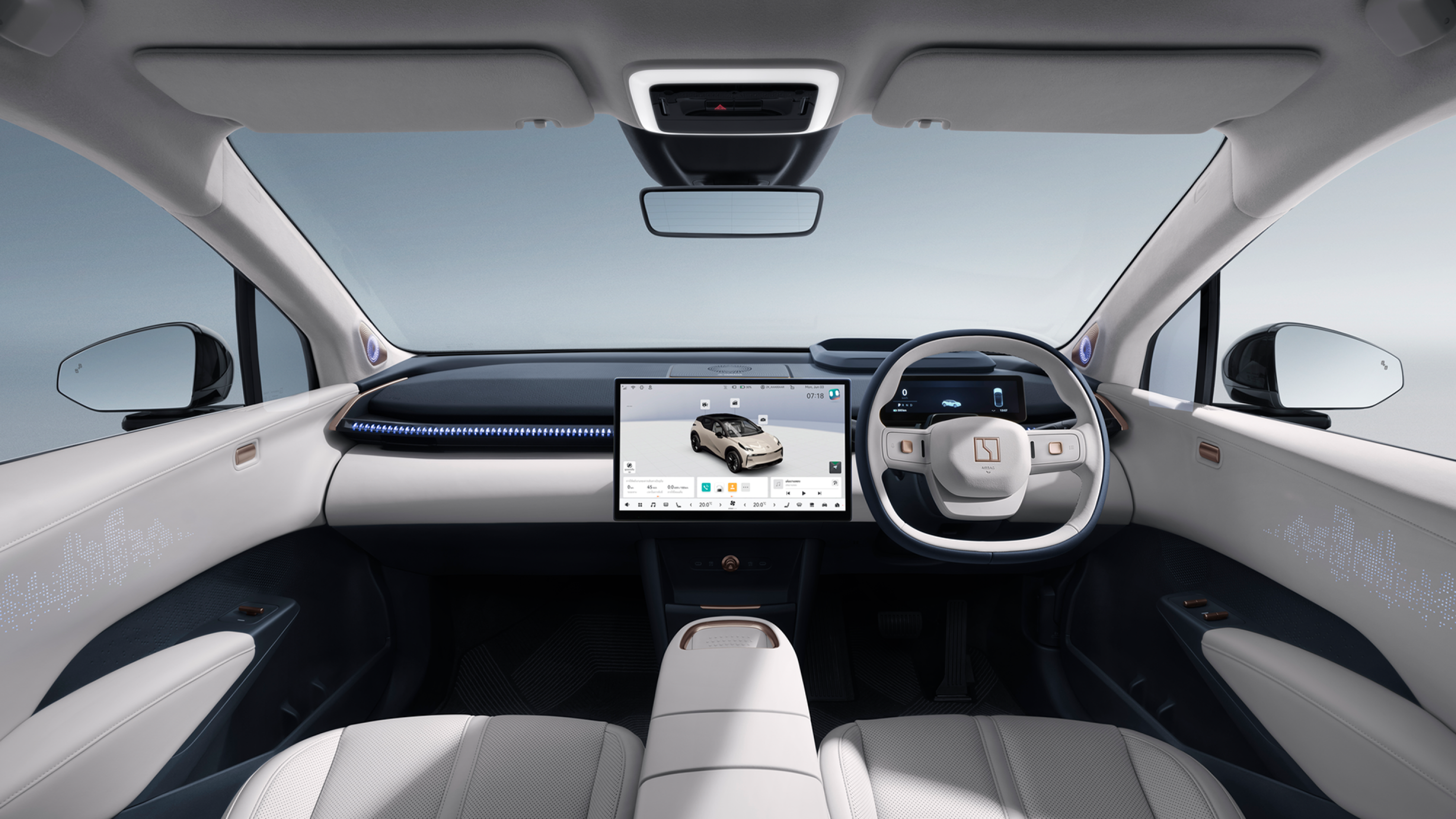
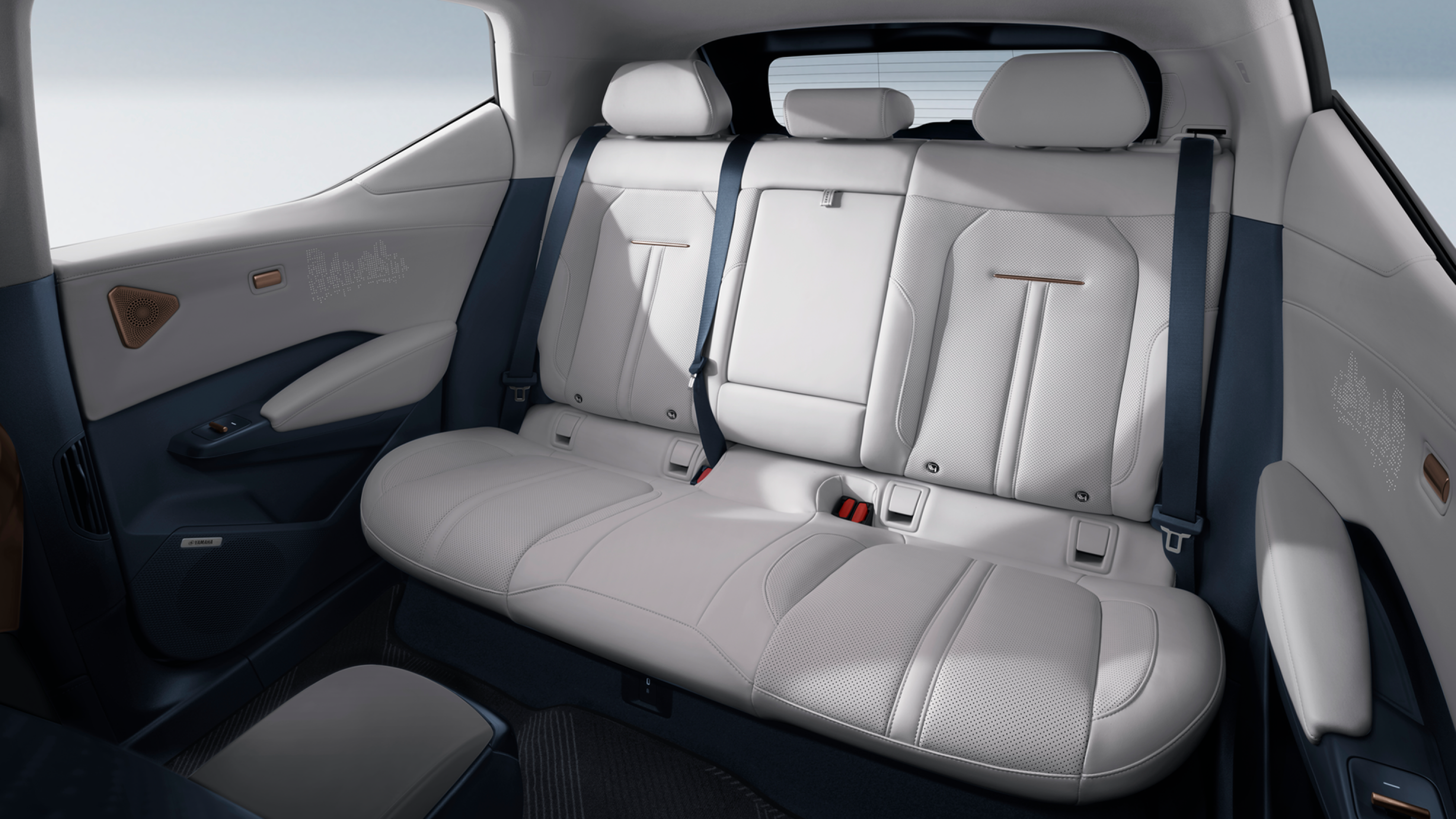
The Zeekr X is offered in a five-seat configuration in Australia, despite a more lifestyle-oriented four-seat option available in other markets.
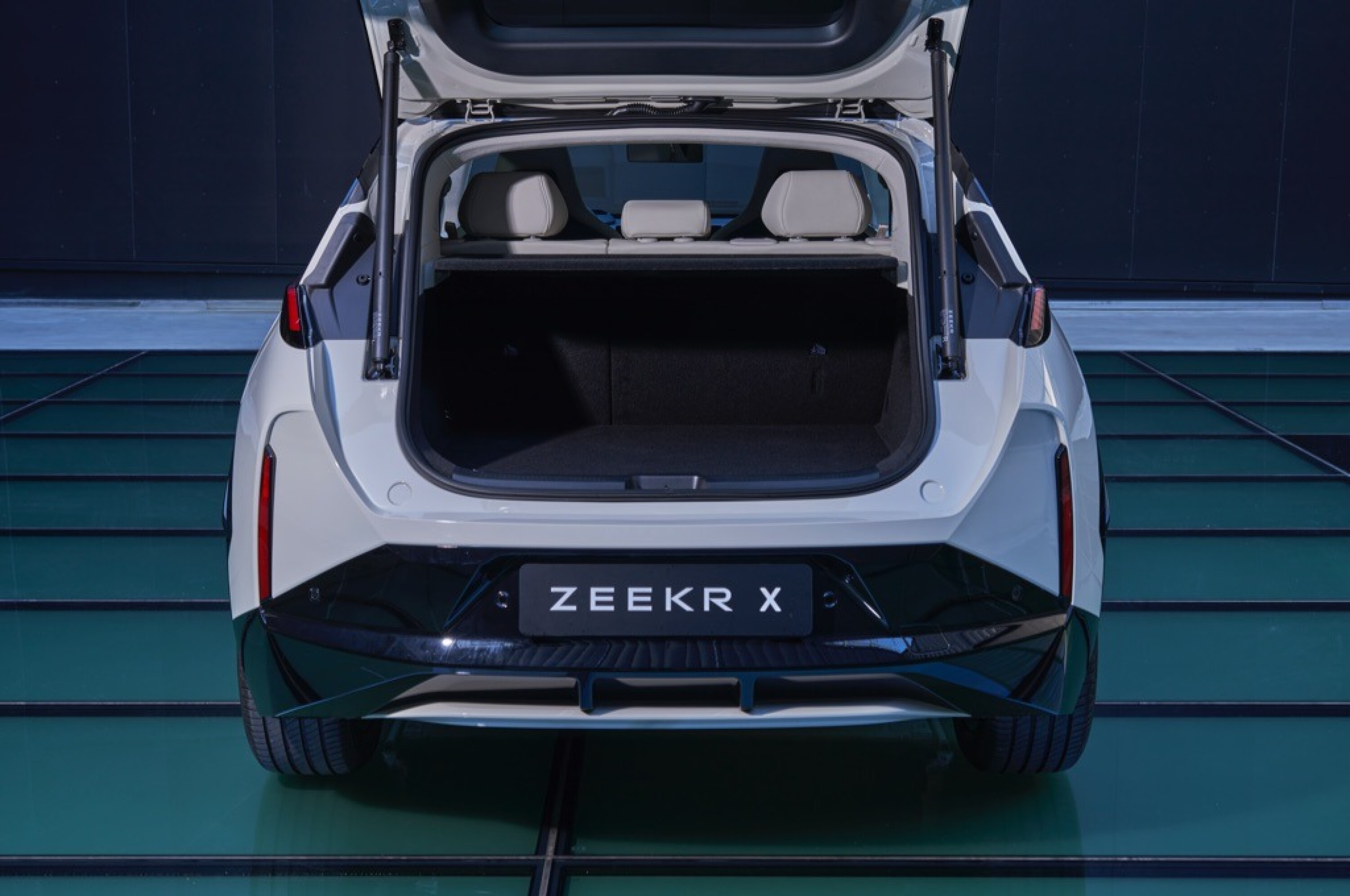
Cargo capacity is listed at 362 litres with the rear seats up, expanding to 1182 litres when folded.
| MINI match-up | Boot Space (Seats Up) | Boot Space (Seats Folded) |
|---|---|---|
| Zeekr X | 362 litres | 1182 litres |
| Volvo EX30 | 318 litres | 904 litres |
| Tesla Model Y | 854 litres | 2158 litres |
| BYD Atto 3 | 440 litres | 1340 litres |
1
Equipment highlights
Zeekr X RWD
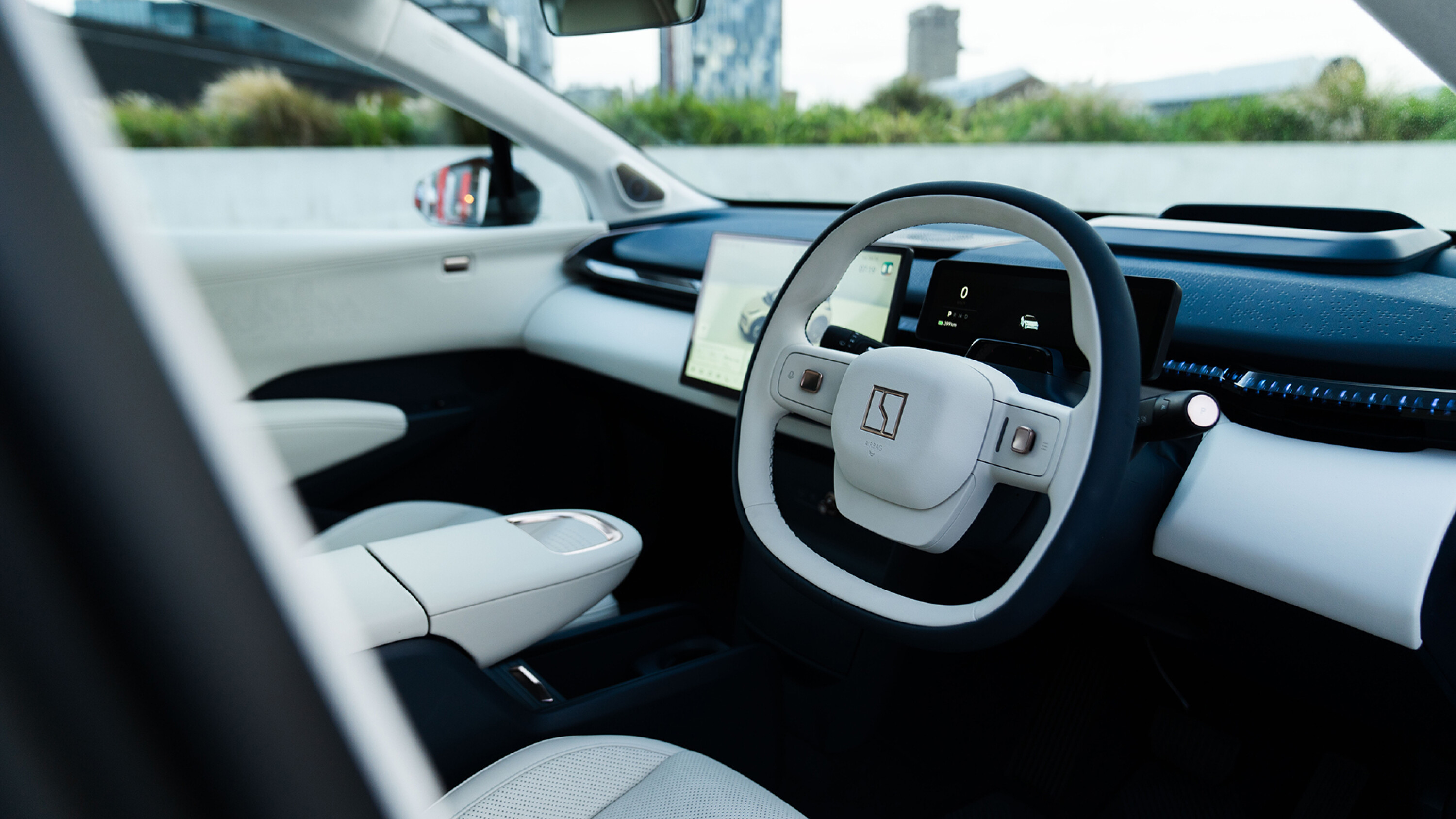
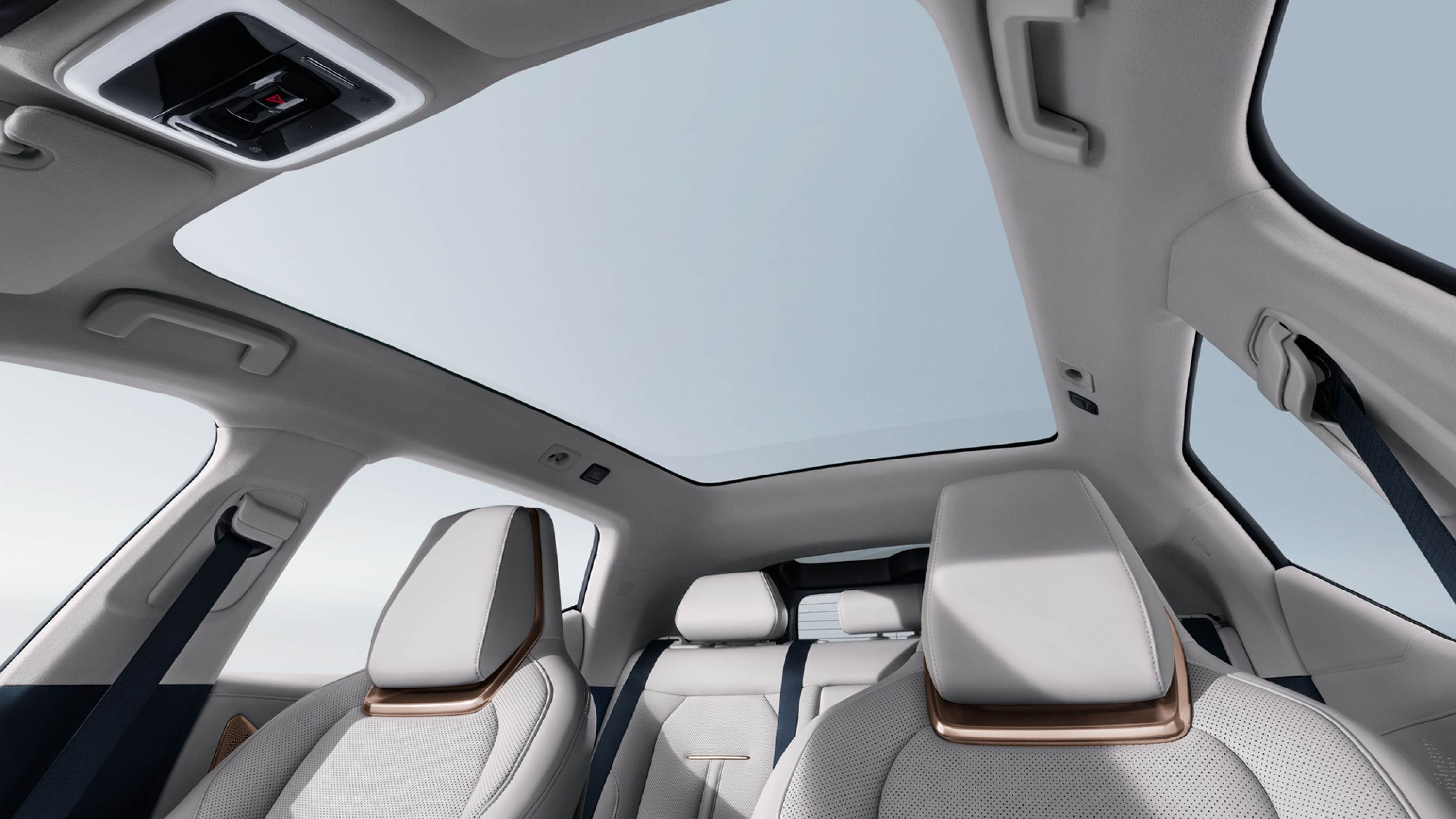
Standard features for the Zeekr X RWD include a panoramic glass roof, a six-way powered driver’s seat, dual-zone climate control, rear air vents in the B pillars, rain-sensing wipers, and a frameless auto-dimming rear-view mirror.
Heated, power-folding exterior mirrors with reverse tilt are also included.
Infotainment is through a 14.6-inch central touchscreen and an 8.8-inch driver display. For those who prefer to BYO infotainment, wireless Apple CarPlay and Android Auto are standard, along with over-the-air updates through 5G and WiFi hotspot connectivity.
Zeekr X AWD
Stepping up to the AWD variant adds a 24.3-inch augmented reality (AR) head-up display, a Yamaha 13-speaker audio system, heated and ventilated front seats, a heated steering wheel, and an ‘Intelligent B Pillar Display’ that enables entry via facial recognition or a PIN code.
1
Safety
Safety in the Zeekr X includes adaptive cruise control, blind-spot monitoring, forward collision warning, lane departure warning, and lane-keeping assist.
A seven-airbag system is also featured, including a front centre airbag, plus ISOFIX anchors and top tether points for child seats.
Other safety features include traffic sign recognition, tyre pressure monitoring, 360-degree visual park assist, low-speed pedestrian warning sound, and rear collision warning.
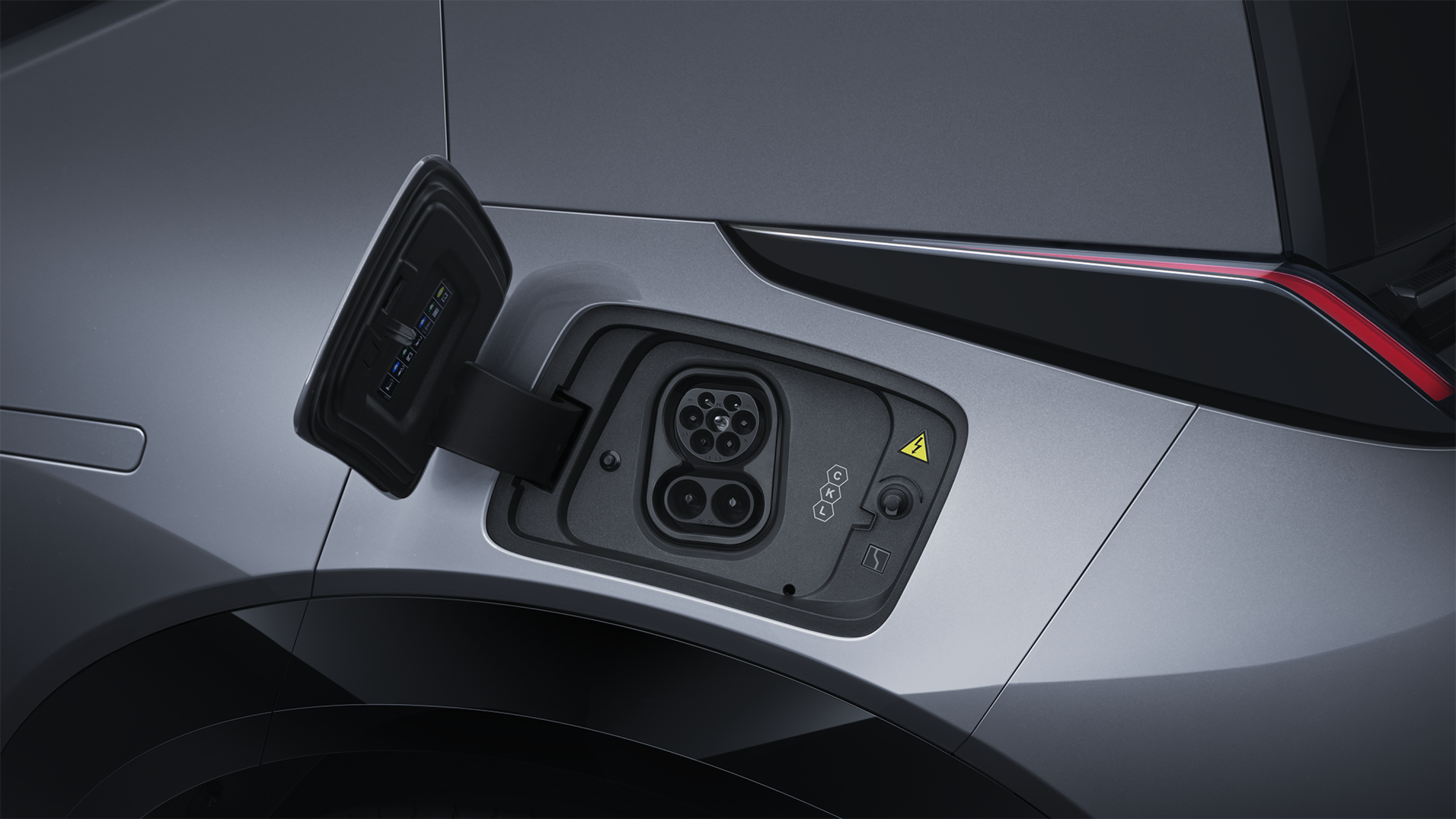
1
Warranty
The vehicle comes with a five-year and unlimited-kilometre warranty, with a reduced three-year / 120,000km warranty for commercial users.
The battery pack is covered for eight years / 160,000km, whichever comes first. Zeekr includes five years of roadside assistance and connected services.
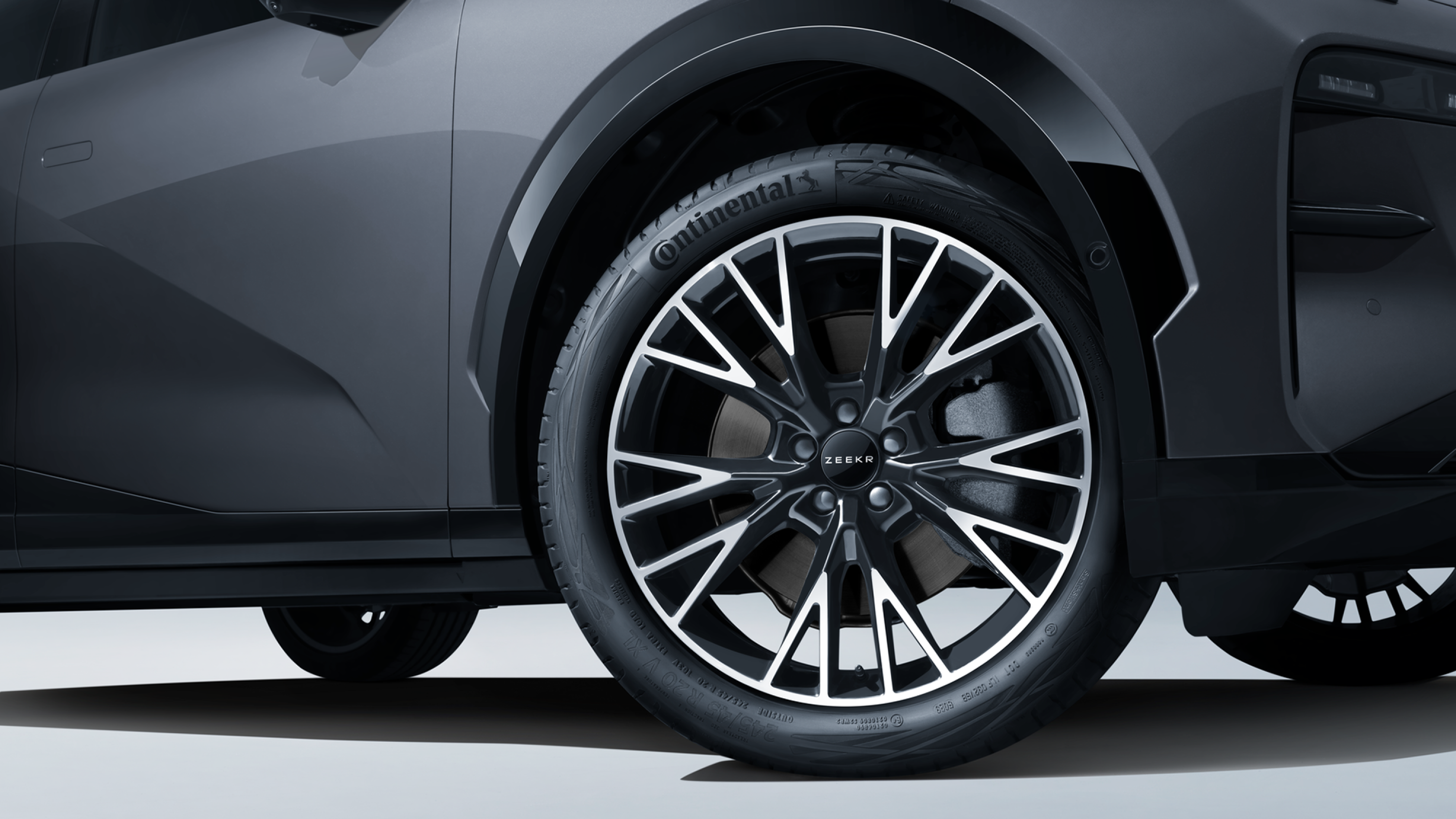
1
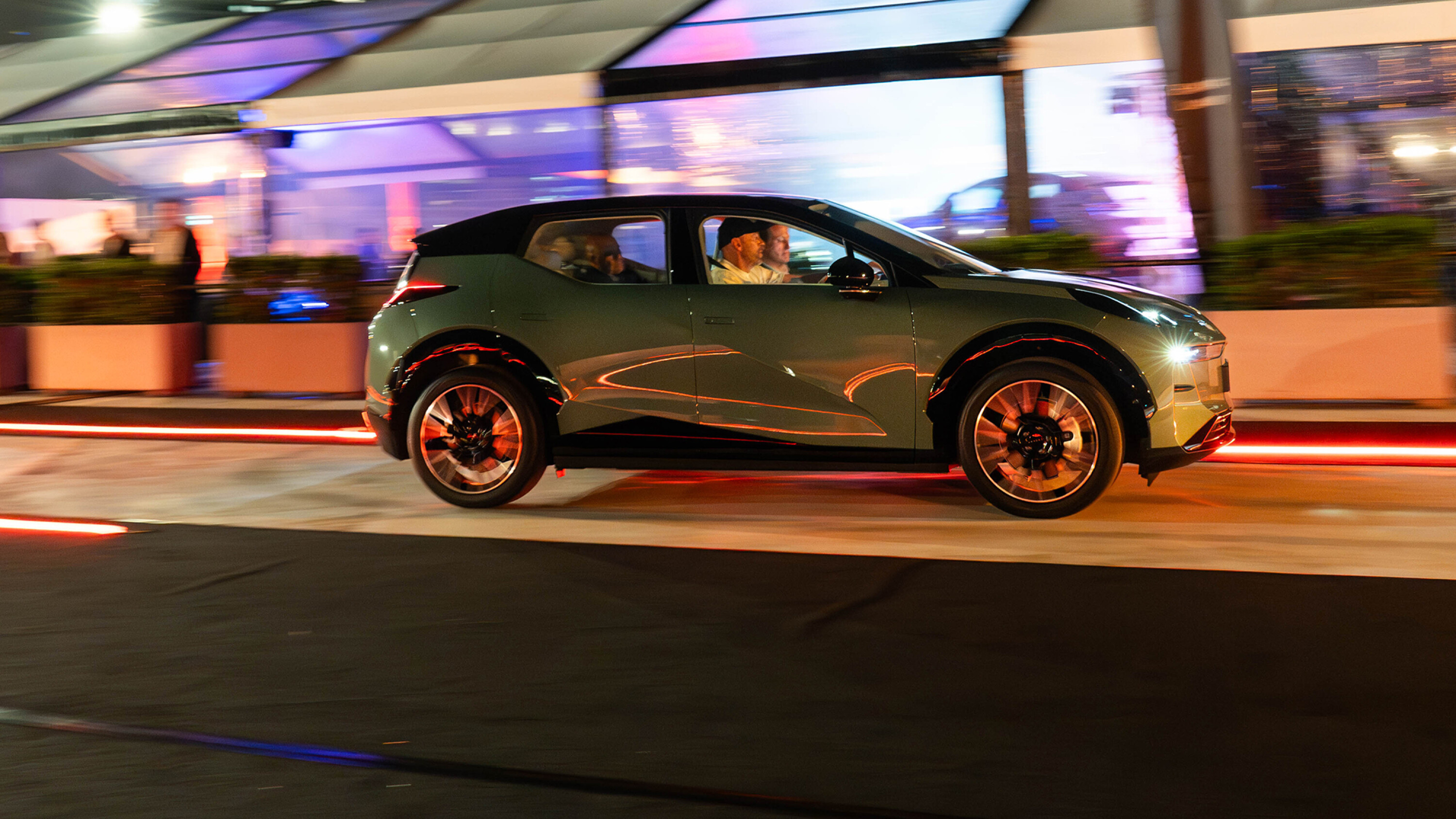
1
Options
The RWD model offers an optional $4000 Convenience Pack, adding many of the AWD’s features except for the AR head-up display and Intelligent B Pillar Display.
Both models come with vehicle-to-load (V2L) capability, providing power outlets for external devices inside and outside the vehicle.
Wheel options include 19-inch alloys with 235/50 R19 tyres for the RWD, and 20-inch alloys with 245/45 R20 tyres for the AWD.
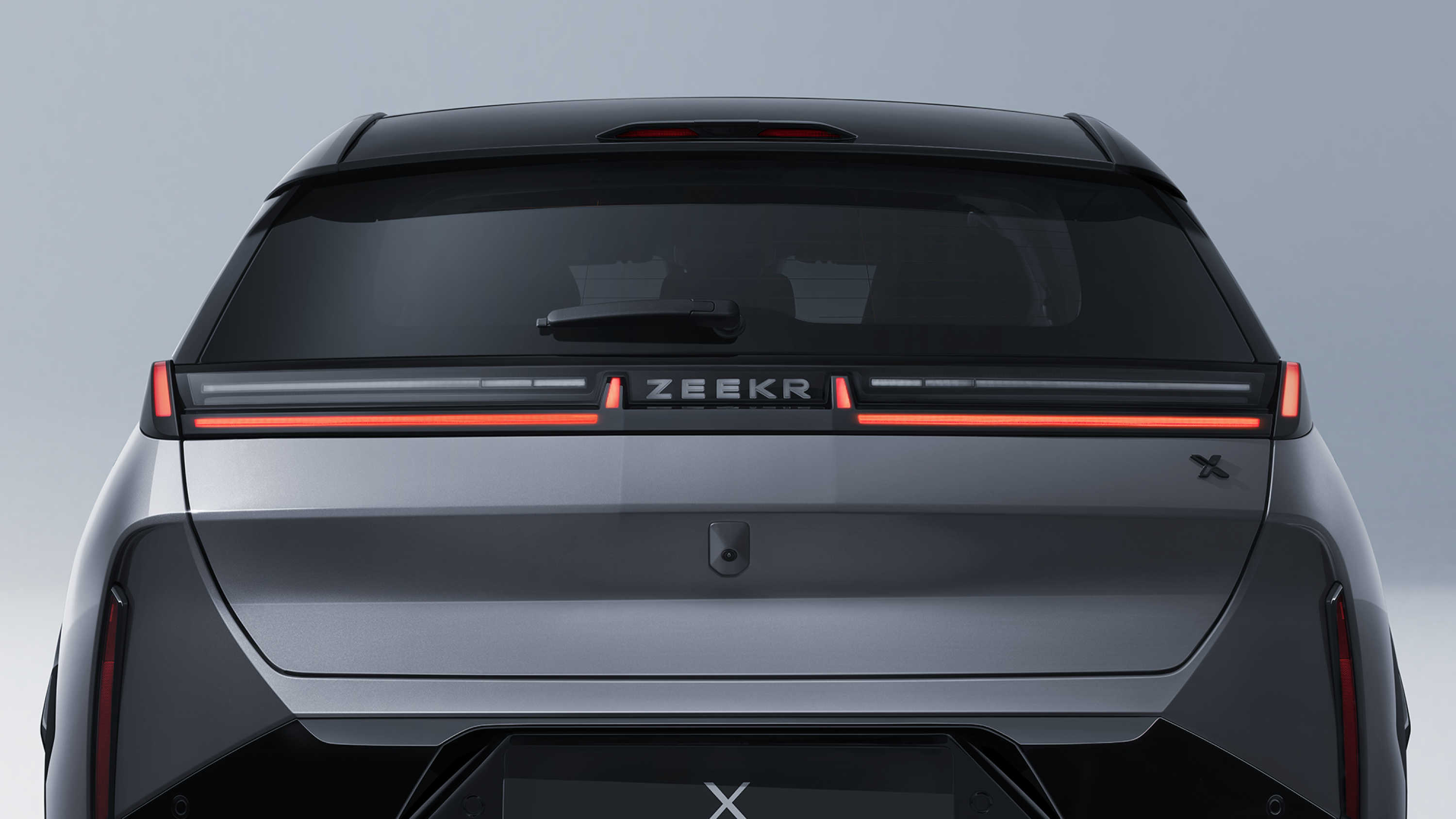
1
Colour choices
Exterior paint options include a standard Crystal White finish, with no-cost options like Palace Beige, Mist Grey, Grid Grey, and Pine Green.
Interior trims start with a Charcoal Black & Stone Grey theme, while Midnight Blue & Polar White or Mulberry & Rose are available for an extra $500.
2025 Zeekr X pricing for Australia
- Zeekr X RWD – $56,900
- Zeekr X AWD – $64,900
- NOTE: Pricing excludes on-road costs
| 2025 Zeekr X specs | |
|---|---|
| Variants | RWD, AWD |
| Battery capacity | 66kWh lithium-ion (NCM) |
| Power (RWD/AWD) | 200kW / 315kW |
| Torque (RWD/AWD) | 343Nm / 543Nm |
| 0-100 km/h time (RWD/AWD) | 5.6s / 3.8s |
| Driving range (RWD/AWD, NEDC) | 540km / 470km |
| Driving range (RWD/AWD, WLTP) | 446km / 425km |
| Charging time (10-80% on DC fast charging) | 30 minutes with 150kW DC fast charger |
| Home charging time (RWD/AWD) | 11.5h (RWD on 7kW), 7.5h (AWD on 11kW three-phase) |
| Vehicle-to-load (V2L) | Interior and exterior outlets |
| Wheel size (RWD/AWD) | 19-inch (RWD), 20-inch (AWD) |
| Seating configuration | Five seats |
| Cargo capacity | 362L (seats up), 1182L (seats folded) |
| Safety features | Seven airbags, adaptive cruise control, blind-spot monitoring, lane-keeping assist, forward collision mitigation |
| Warranty | Five years (unlimited km), battery: eight years or 160,000km |
| Price (before on-road costs) | RWD: $56,900, AWD: $64,900 |
Future plans and dealership rollout
Zeekr aims to establish nine franchised dealerships across Australia by the end of 2024, with locations yet to be confirmed.
Following the Zeekr X, the brand plans to launch the larger Zeekr 009 electric people mover before the year’s end, followed by the medium-sized Zeekr 7X SUV in 2025.
Following its initial announcement in July, the refreshed 1 Series has landed in Australia.
Snapshot
- Two variants are available: the 118 and the M135 xDrive
- The 118 starts at $56,500 before on-road costs
- Available now
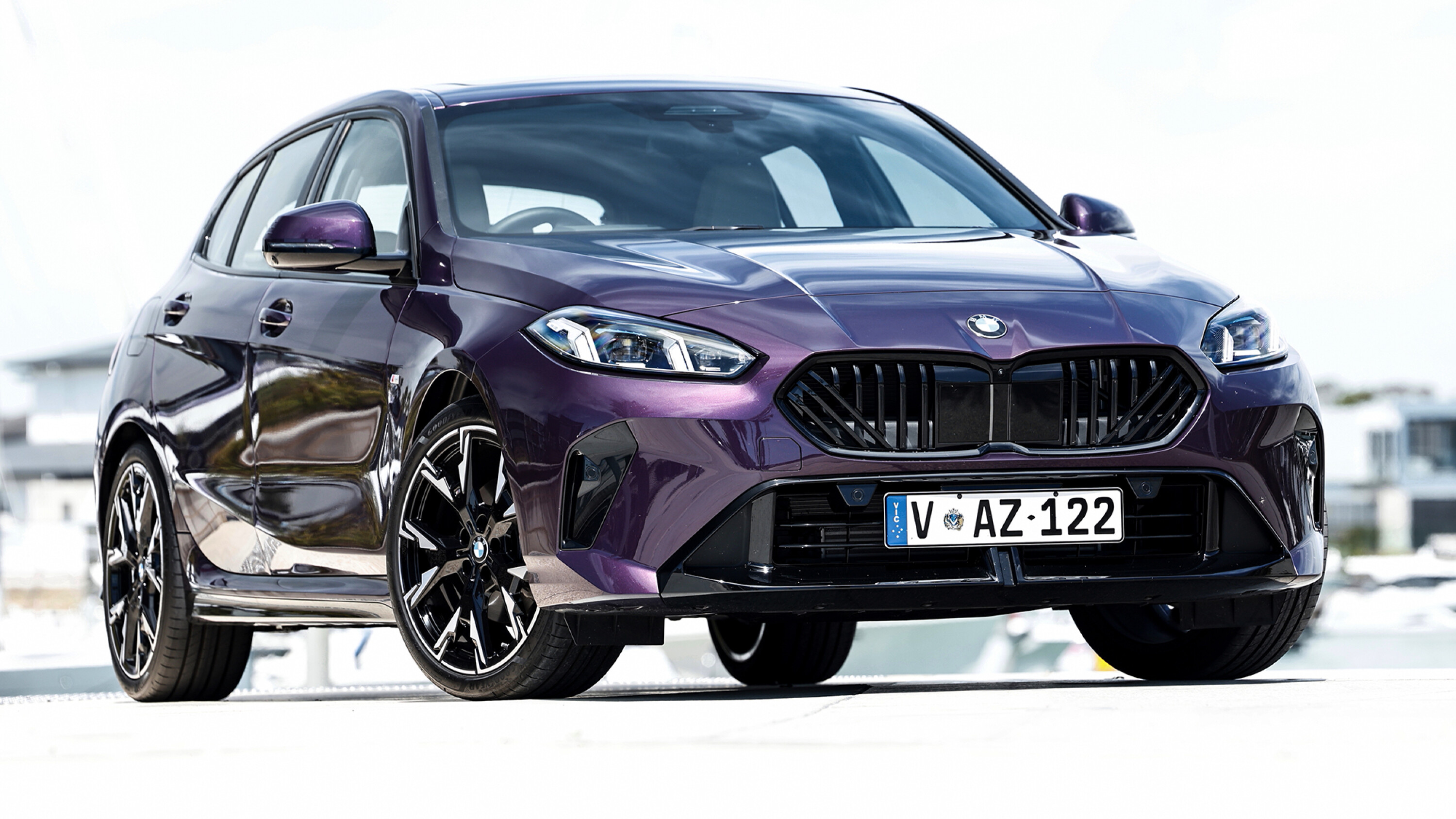
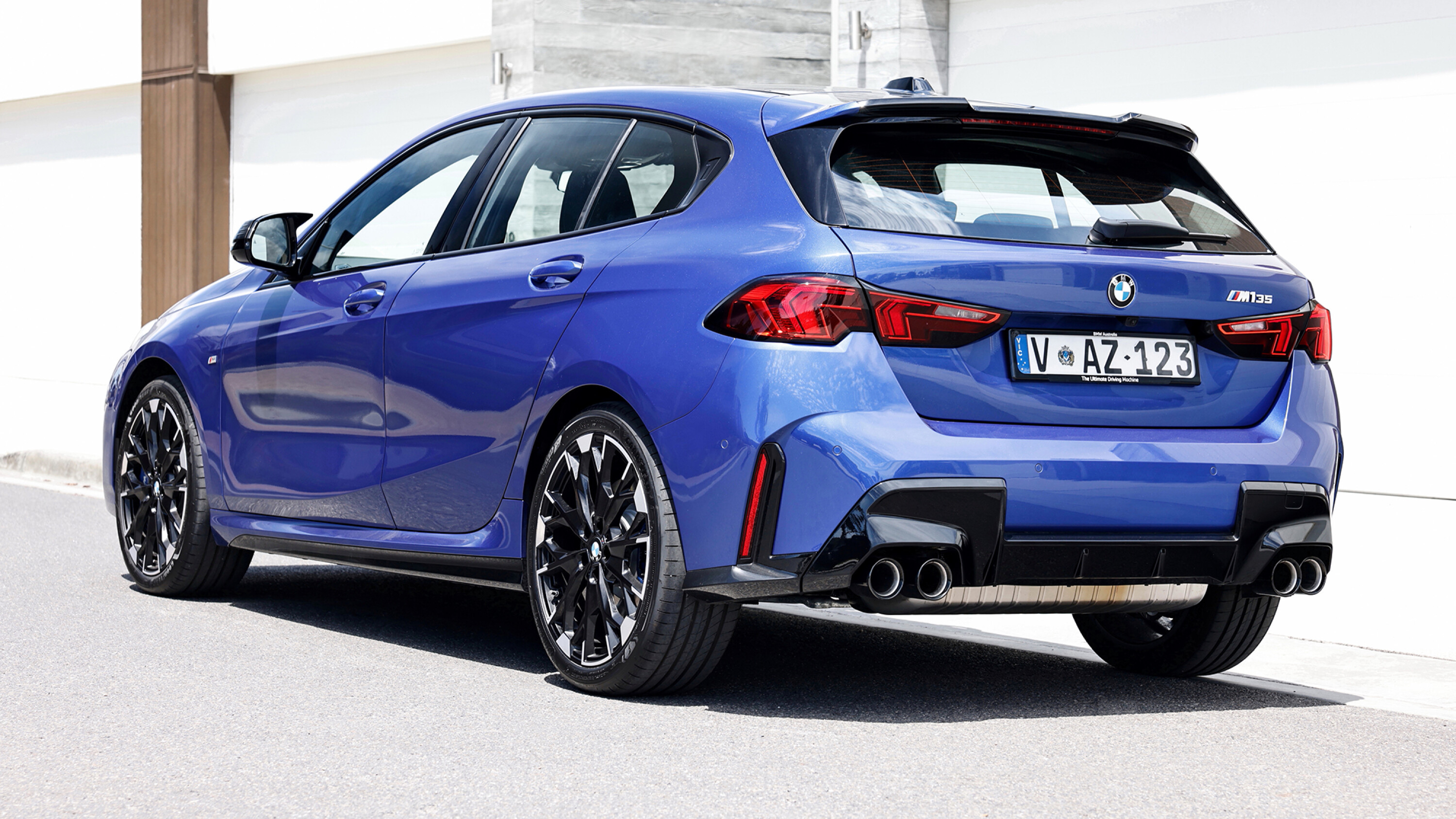
The facelifted BMW 1 Series hatch – which BMW is calling the fourth-generation F70 1 Series rather than a continuation of the F40 code assigned at launch in 2019 – is now on sale.
It’s no surprise BMW wants this 2025 1 Series thought of as a new generation: as far as facelifts go, this one is an almost complete makeover. Spotting the few carryover styling pieces will be a job for trainspotters, at the least.
1
For the new model year, the F70 BMW 1 Series introduces an updated design, powertrains, advanced automated driving functions, and an expanded standard specification list.
BMW Australia’s launch line-up for the new 1 Series starts with the 118 entry variant and the flagship M135 xDrive – both models notably using the almost iconic i – that letter now being reserved for the BMW i electric vehicle range.
1
Power
| Model | Outputs | Engine | Transmission | Drive |
|---|---|---|---|---|
| 2025 BMW 118 | 115kW/230Nm | 1.5L 3-cylinder turbo petrol | 7-speed dual-clutch auto | FWD |
| 2025 BMW M135 xDrive | 233kW/400Nm | 2.0L 4-cylinder turbo petrol | 7-speed dual-clutch auto | AWD |
The 118 variant is powered by a 1.5-litre three-cylinder turbo petrol engine, delivering 115kW and 230Nm, paired with a seven-speed Steptronic dual-clutch transmission driving the front wheels. This update marks a 12kW and 10Nm increase over its predecessor.
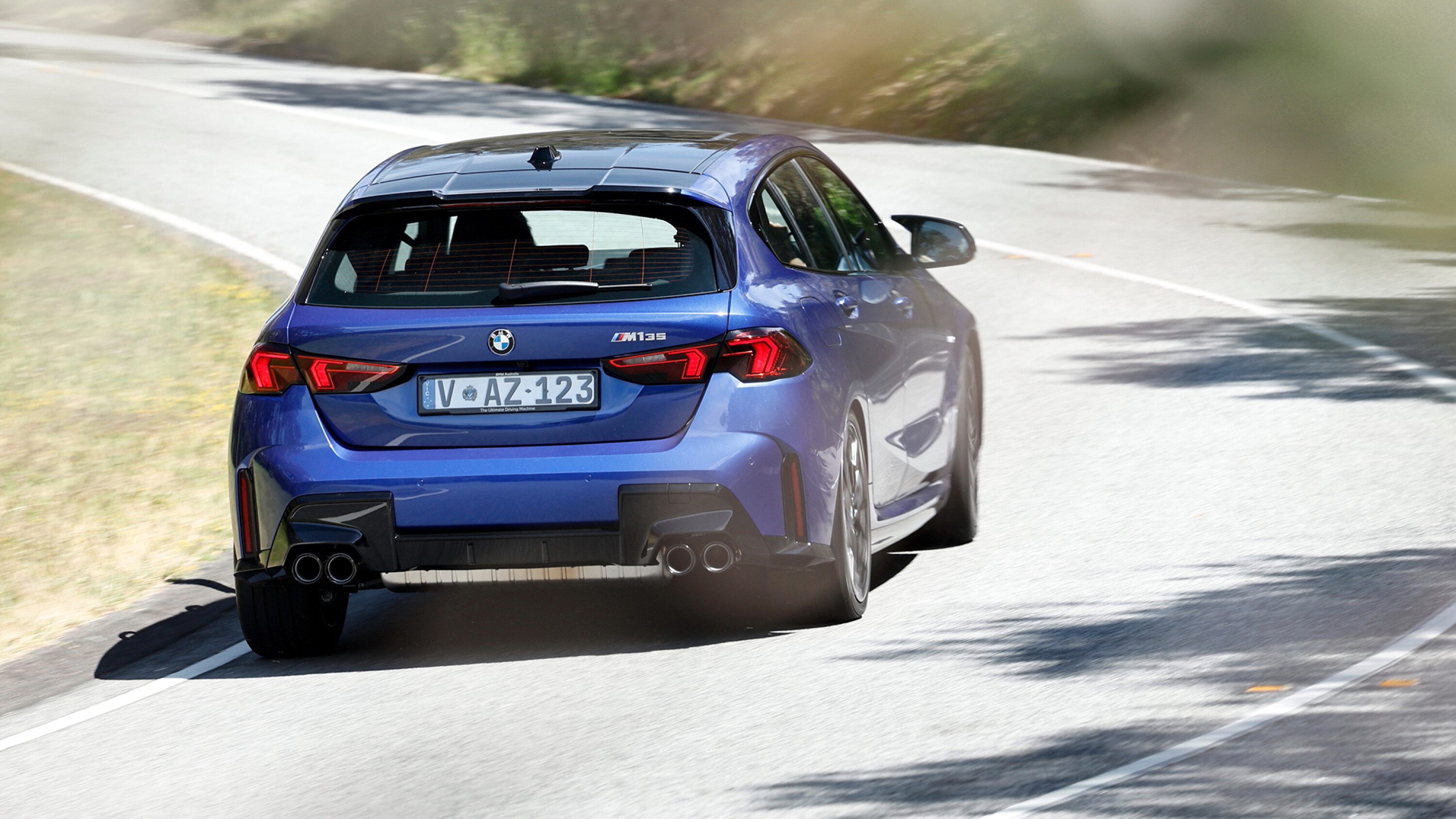
The M135 xDrive calls on the same 2.0-litre four-cylinder turbo petrol engine as before, producing 233kW and 400Nm and claiming a 0-100km/h time of just 4.9 seconds.
The hero hatch offers all-wheel drive through the xDrive system and a new seven-speed Steptronic dual-clutch transmission, replacing the previous eight-speed Sport Steptronic.
1
Styling and features
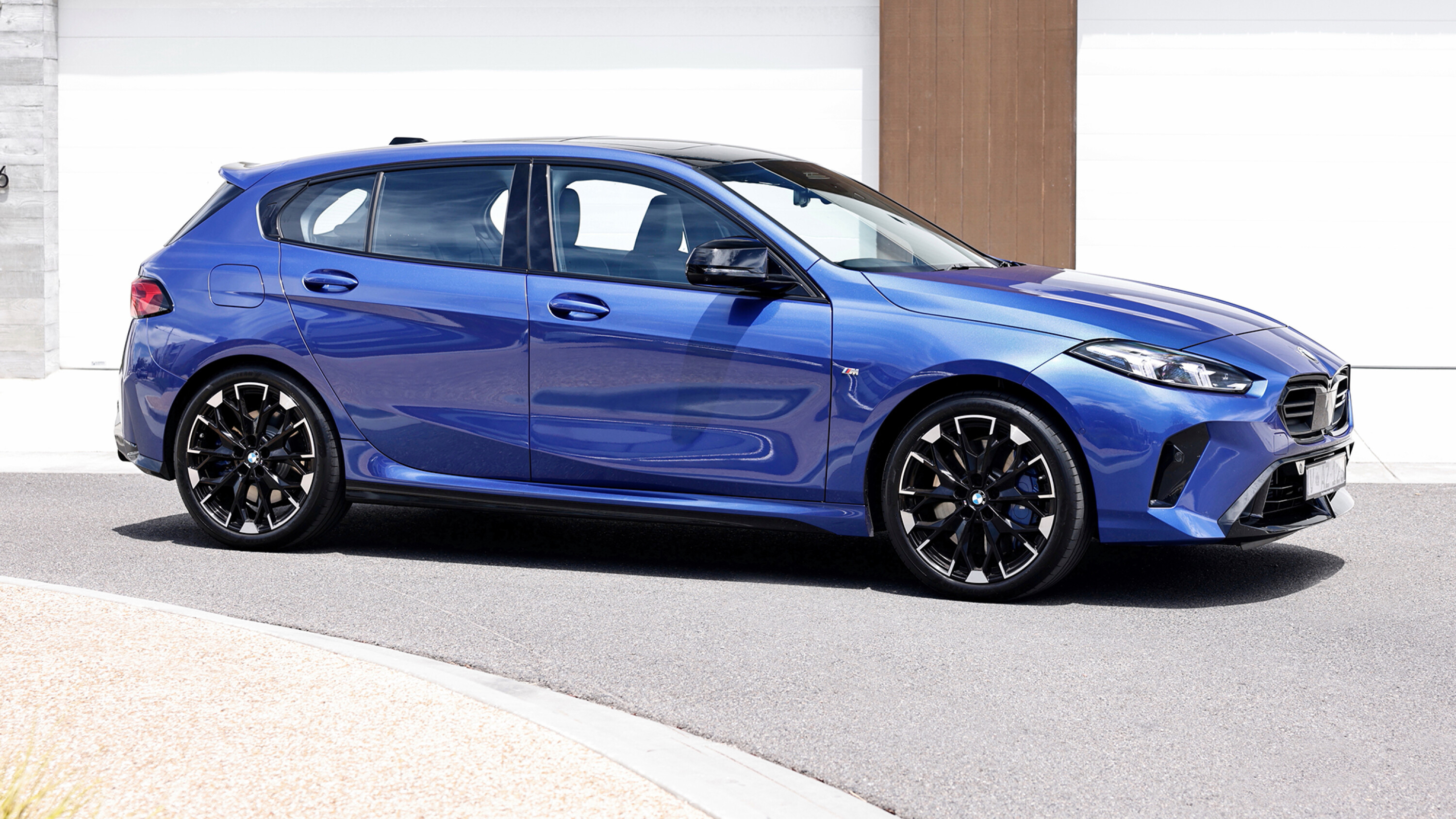
Despite riding on the same UKL2 platform as before, the 2025 F70 BMW 1 Series has been designed to give the appearance of a longer bonnet and more set-back glasshouse, a more dynamic roofline, and a meaner rear.
Its wheelbase is unchanged, but overall dimensions have increased slightly with an exterior length of 4,361mm and a height of 1,459mm – up 42mm and 25mm respectively.
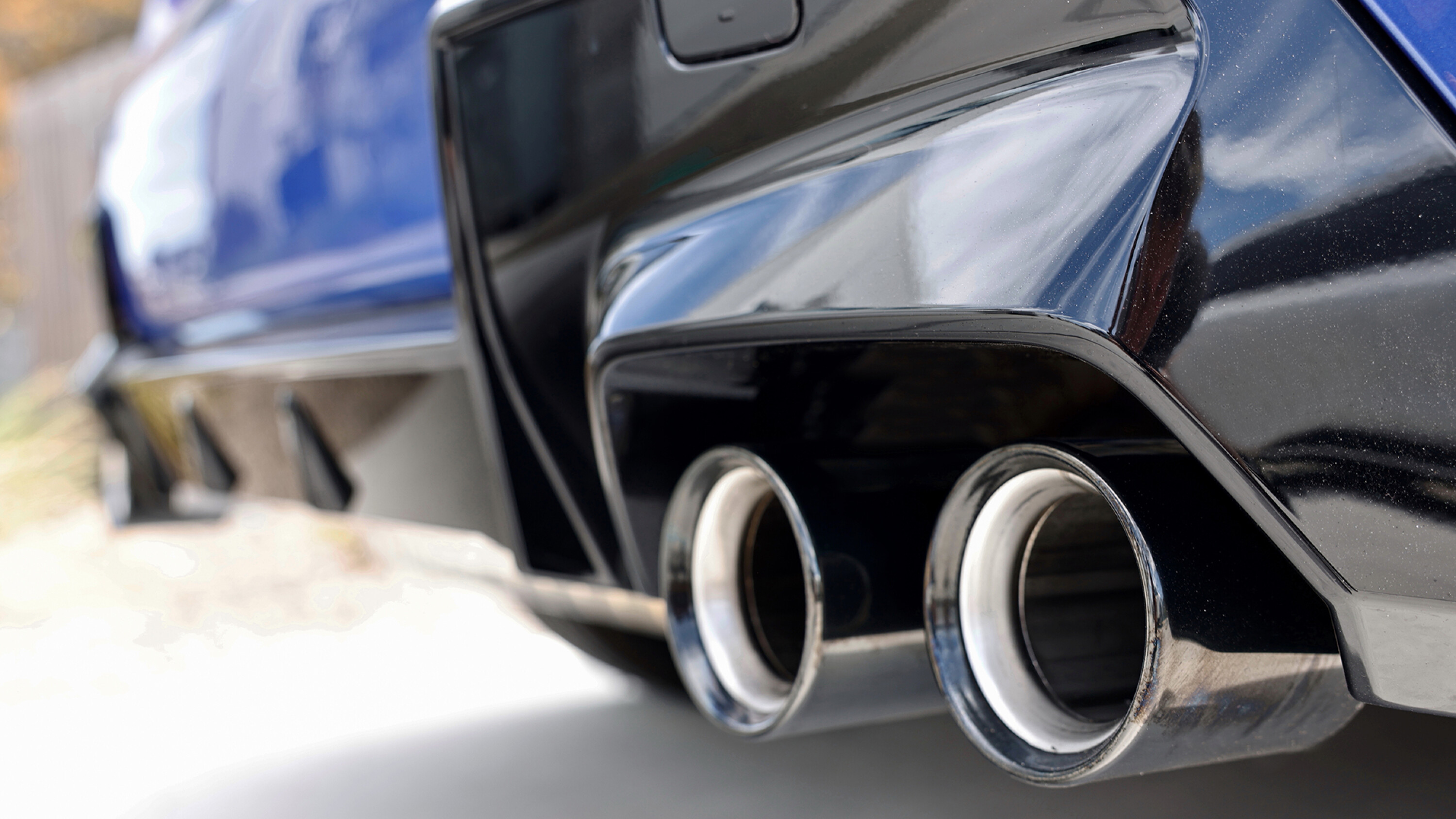
The M135 xDrive’s exterior includes an M-specific grille, M mirror caps, and quad exhaust tailpipes.
1
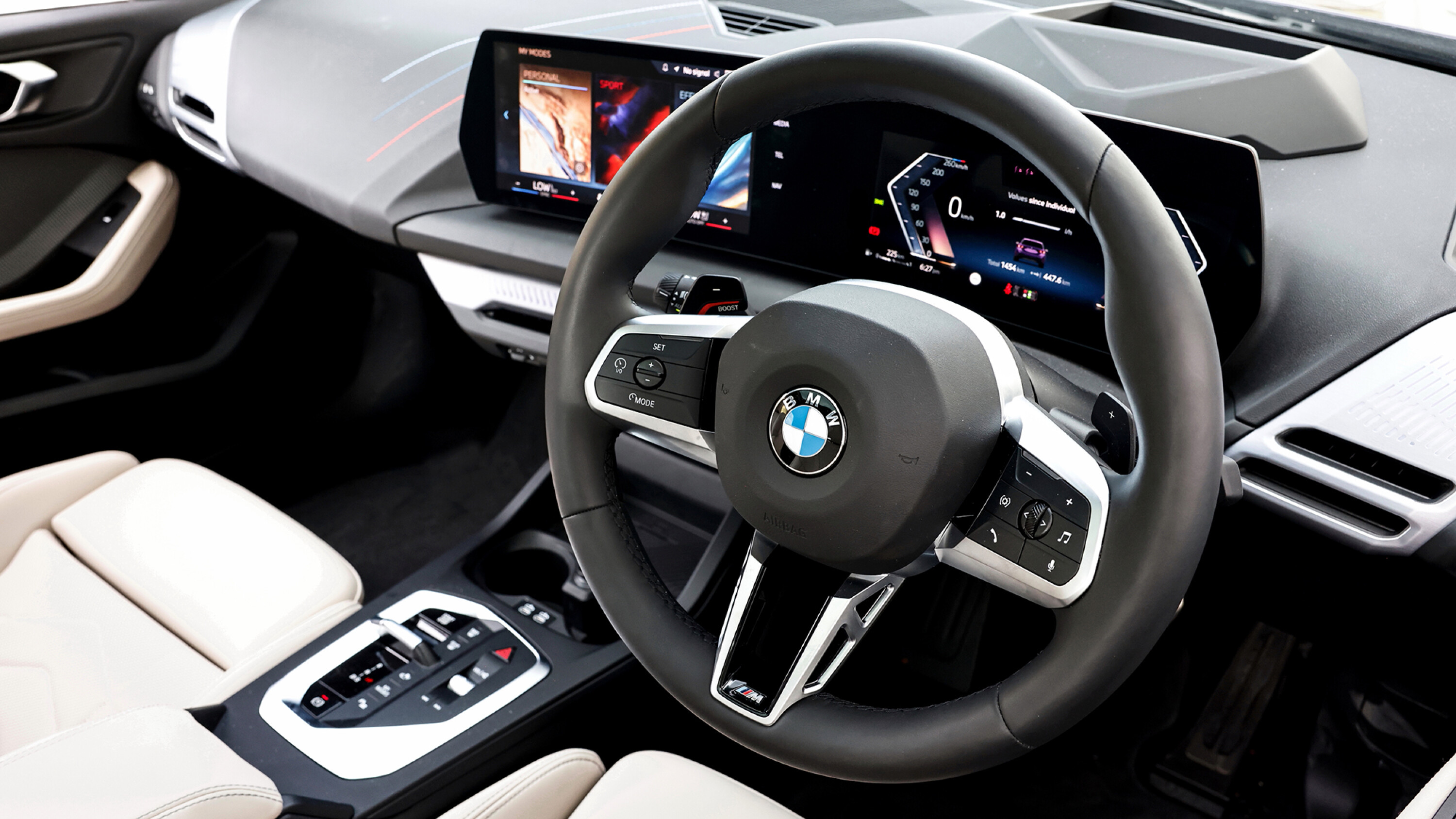
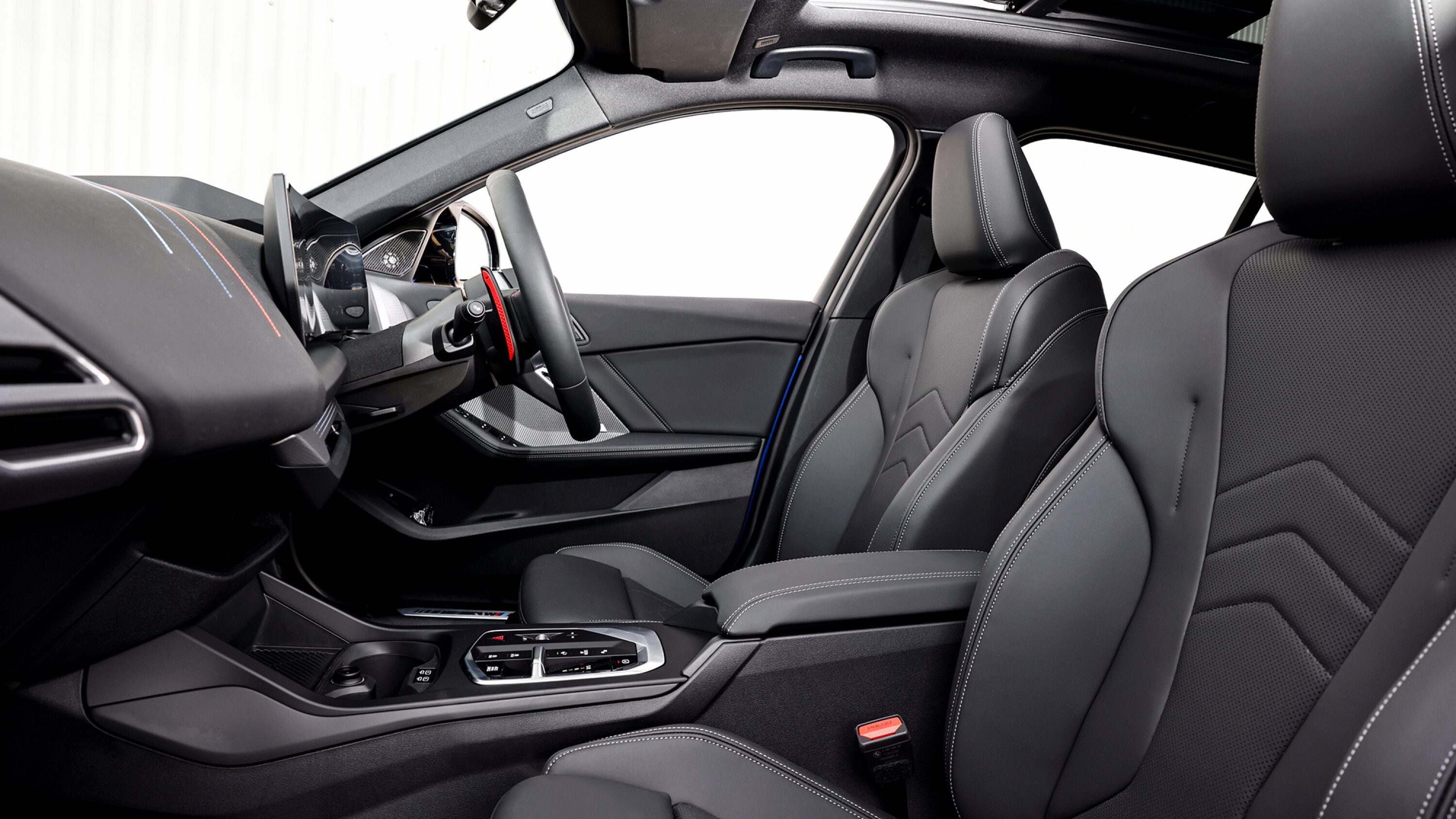
Inside, the new 1 Series offers a premium, leather-free interior with seating for five.
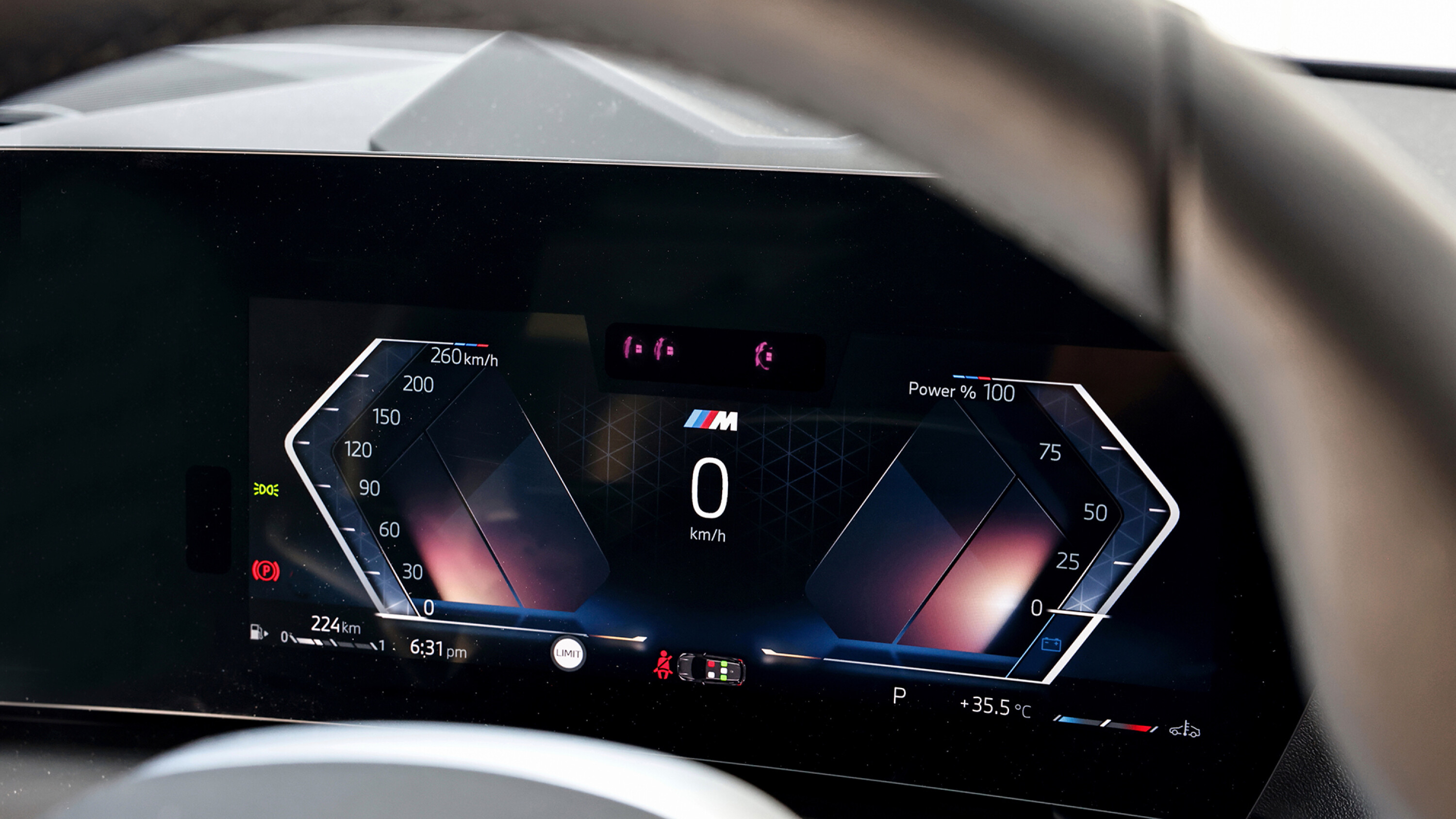
The cabin features newly designed seats, a new steering wheel, a redesigned gear selector, and the BMW Curved Display, integrating a 10.25-inch Information Display and a 10.7-inch Control Display.
The interior also incorporates BMW’s latest iDrive system with Operating System 9 and QuickSelect for intuitive function control.
5
Chassis upgrades
BMW claims newly enhanced body rigidity and chassis developments contribute to improved agility, steering precision and cornering dynamics.
Chassis updates include optimised kinematics, preloaded anti-roll bar mounts, and new shock absorber technology.
The 2025 BMW 1 Series also gets an integrated braking system and directly controlled wheel slip limitation.
1
Features
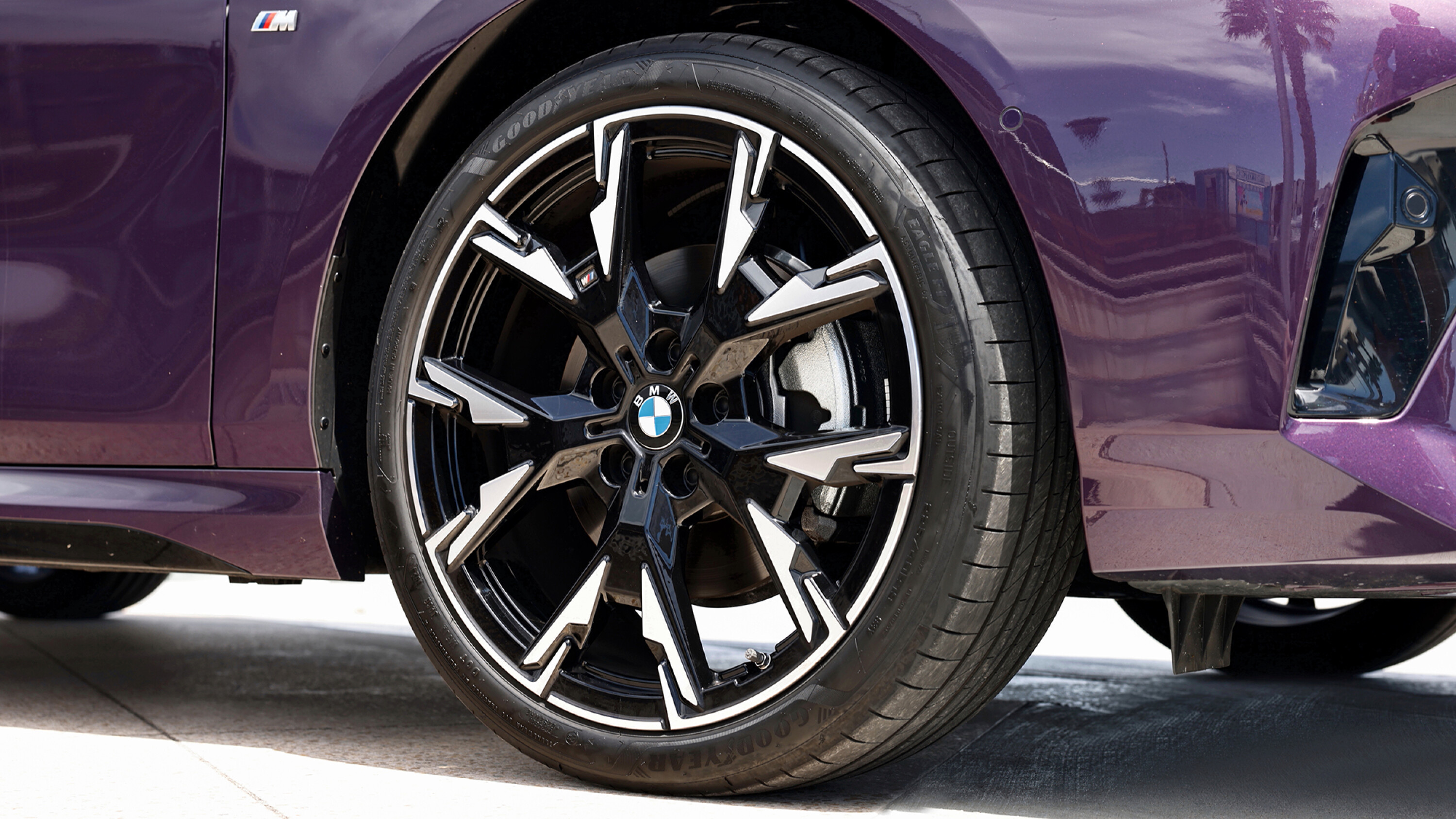
The 118 variant, priced from $56,500, comes standard with 18” M light alloy wheels, adaptive LED headlights, adaptive M suspension, BMW Head-Up Display, and a range of driver assistance systems.
The $82,500 M135 xDrive adds 19” M light alloy wheels, lumbar support, Driving Assistant Professional, a HiFi loudspeaker system by harman/kardon, and other exclusive features.
The new BMW 1 Series is set to reach Australian showrooms by the end of 2024.
1
Equipment breakdown
2025 BMW 118i
| BMW TwinPower Turbo 1.5L 3-cylinder petrol engine | Electric seat adjustment for driver and front passenger, incl. memory function for driver |
| M Sport Package | Interior and exterior mirror package |
| 18u201d M light alloy wheels | M Headliner Anthracite |
| 7-speed Steptronic transmission with gearshift paddles | M high-gloss Shadowline with extended contents |
| Adaptive LED headlights with High-beam assistant | Parking Assistant Plus |
| Adaptive M suspension | Active PDC |
| High beam assistant | BMW Drive Recorder |
| Automatic operation of tailgate | Surround view camera system |
| BMW Head-Up Display | Park Assist |
| BMW Live Cockpit Professional with 10.25u201d instrument display, 10.7u201d Control Display with BMW Operating System 9 | Reverse Assistant |
| Comfort Access system | Personal eSIM, onboard 5G connectivity |
| DAB+ digital radio | Seat heating for driver and front passenger |
| Driving Assistant and Driving Assistant Plus | Speed Limit Info |
| Front collision warning with brake intervention | Sport seats for driver and front passenger |
| Lane Change Warning | Through-loading system with 40:20:40 split |
| Lane Departure Warning | Tyre pressure monitoring system |
| Active Cruise Control with Stop&Go | Tyre repair kit |
| Rear cross traffic warning | Veganza upholstery |
| Exit warning | Wireless charging tray |
| Speed limit information | ufeff |
1
2025 BMW M135 xDrive
In addition to the equipment on the BMW 118:
| 19u201d M light alloy wheels | Front Collision Warning with brake intervention |
| Active seat for driver and front passenger | Evasion Assistant |
| Lumbar support | Crossroads warning |
| Massage function | HiFi loudspeaker system harman/kardon |
| Driving Assistant Professional | M rear spoiler |
| Steering and Lane Control Assistant | M Sport brake, dark blue metallic |
| Active Cruise Control with Stop&Go | Panorama glass roof |
| Lane keeping Assistant with active side collision prevention | Roof in Black |
| Cross traffic warning front and rear | Steering wheel heating |
1
OPTIONS
| Enhancement Package | 118 |
|---|---|
| Metallic paintwork | u00a0u00a0u00a0u00a0$6,500 |
| 19u201d M light alloy wheels | |
| Steering wheel heating | |
| Panorama glass sunroof | |
| Active Seat for driver and front passengerLumbar SupportMassage function | |
| Driving Assistant Professional | |
| HiFi loudspeaker system harmon/kardon |
| M Sport Package Pro | ||
|---|---|---|
| Model | 118 | M135 xDrive |
| Price | $3,200 | $2,700 |
| Roof in black | Optional | Standard |
| M Sport Brakes, Red | u2713 | u2713 |
| M Lights Shadowline | u2713 | u2713 |
| M seat belts | u2713 | u2713 |
| M Sport seats for driver and front passenger | u2713 | |
| M rear spoiler, black high gloss | u2713 | Standard |
Exterior finishes
Non-metallic
- Alpine White – standard
Metallic ($1,700)
- Black Sapphire
- M Portimao Blue
- Skyscraper Grey
- Thundernight metallic
BMW Individual
- Storm Bay metallic: $3,500
- Frozen Pure Grey metallic: $5,000
- Frozen Portimao Blue: $5,000
Alloy wheel program
- 18” M light alloy wheels Y-spoke style 975 M Bicolour – standard on 118
- 19” M light alloy wheels Y-spoke style 976 M Bicolour – optional on 118
- 19” M light alloy wheels multi-spoke style 977 M Bicolour – standard on M135 xDrive
- 19” M light alloy wheels Y-spoke style 976 M Bicolour – optional on M135 xDrive
Seat upholstery
- M Alcantara/Veganza combination Black/contrast stitching Blue – standard
- Veganza perforated Oyster – no cost option; only with Sport seats
- Veganza perforated Coral Red/Black – no cost option; only with Sport seats
- Veganza perforated Black – no cost option; only with Sport seats
Interior trims
- M illuminated Aluminium hexacube – standard
- Illuminated Aluminium graphite – No cost option
2025 BMW 1 Series pricing
- 2025 BMW 118: 115kW/230Nm 1.5L 3Cyl, FWD – $56,500
- 2025 BMW M135 xDrive: 233kW/400Nm 2.0L 4Cyl, AWD – $82,500
