
Note: This story previously stated that the Model 3 RWD develops 208kW, this is according to EVDatabase and government compliance documents. However, other sources claim different figures. For clarity, the output has now been removed.
Snapshot
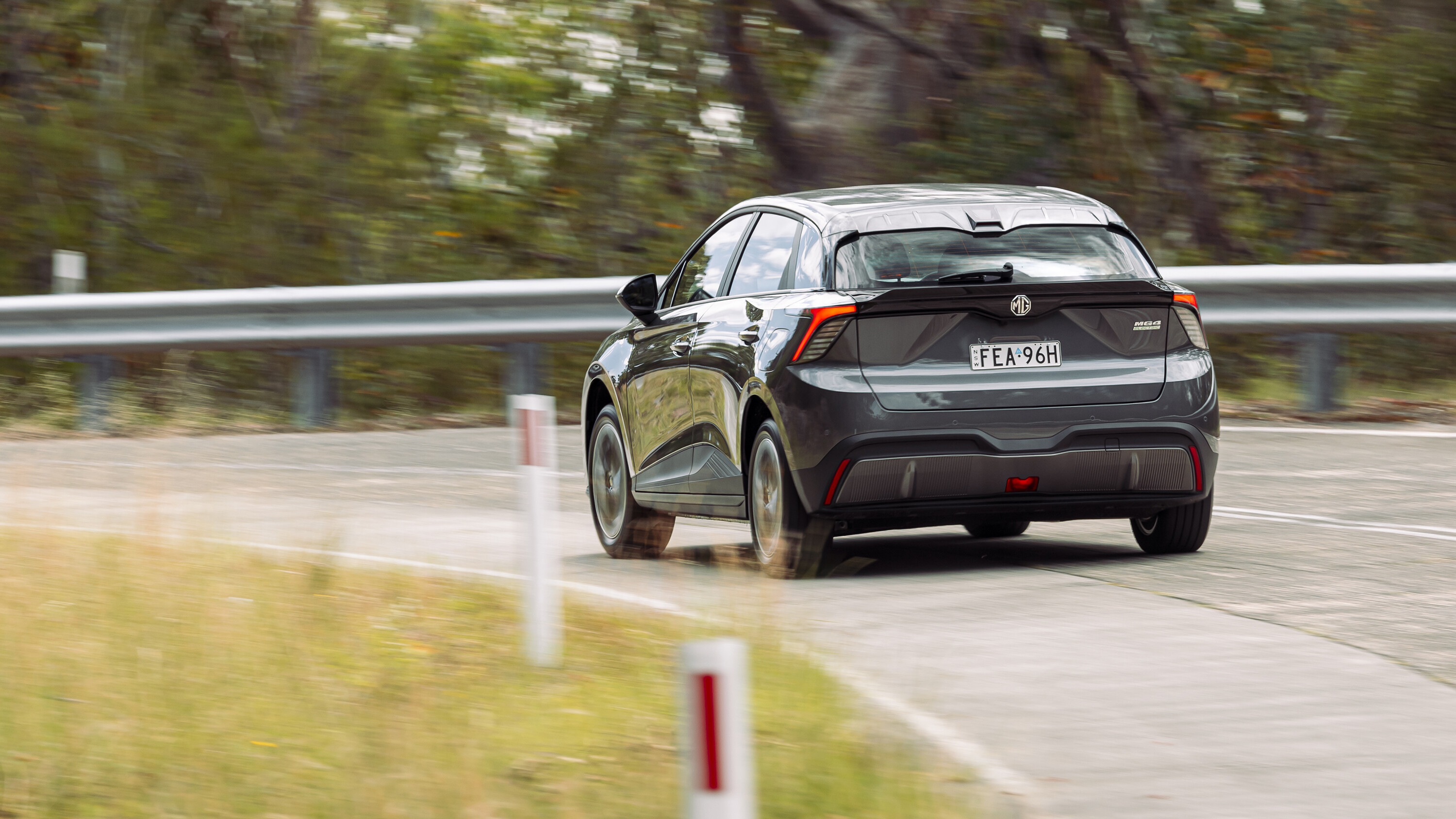
- 2024 MG 4: Full Australian details
- Electric small hatch priced from $39,990 plus on-roads
- Available in four powertrains, up to 530km driving range
January 2024: MG 4 price increases for sub-$40k model
The most-affordable 2024 MG 4 electric hatch has received a price rise for the new year.
Pricing for the MG 4 Excite 51 has risen $1000 from $38,990 to $39,990 before on-road costs.
The price rise, applicable from January 1, is “a result of different external factors such as a rise in raw material costs, shipping costs and currency fluctuations,” according to MG Australia.
All other MG 4 variants remain unchanged. This story has been updated to reflect the updated pricing.
The MG 4 hatch arrived in Australia in August 2023 as one of the nation’s cheapest electric vehicles.
Here’s everything you need to know about the BYD Dolphin, GWM Ora and Cupra Born rival.
Priced from $39,990 before on-road costs, it is one of the cheapest battery-powered passenger cars sold in Australia to date – but it is undercut by the entry-level Dolphin, which remains priced from $38,890 plus on-roads.
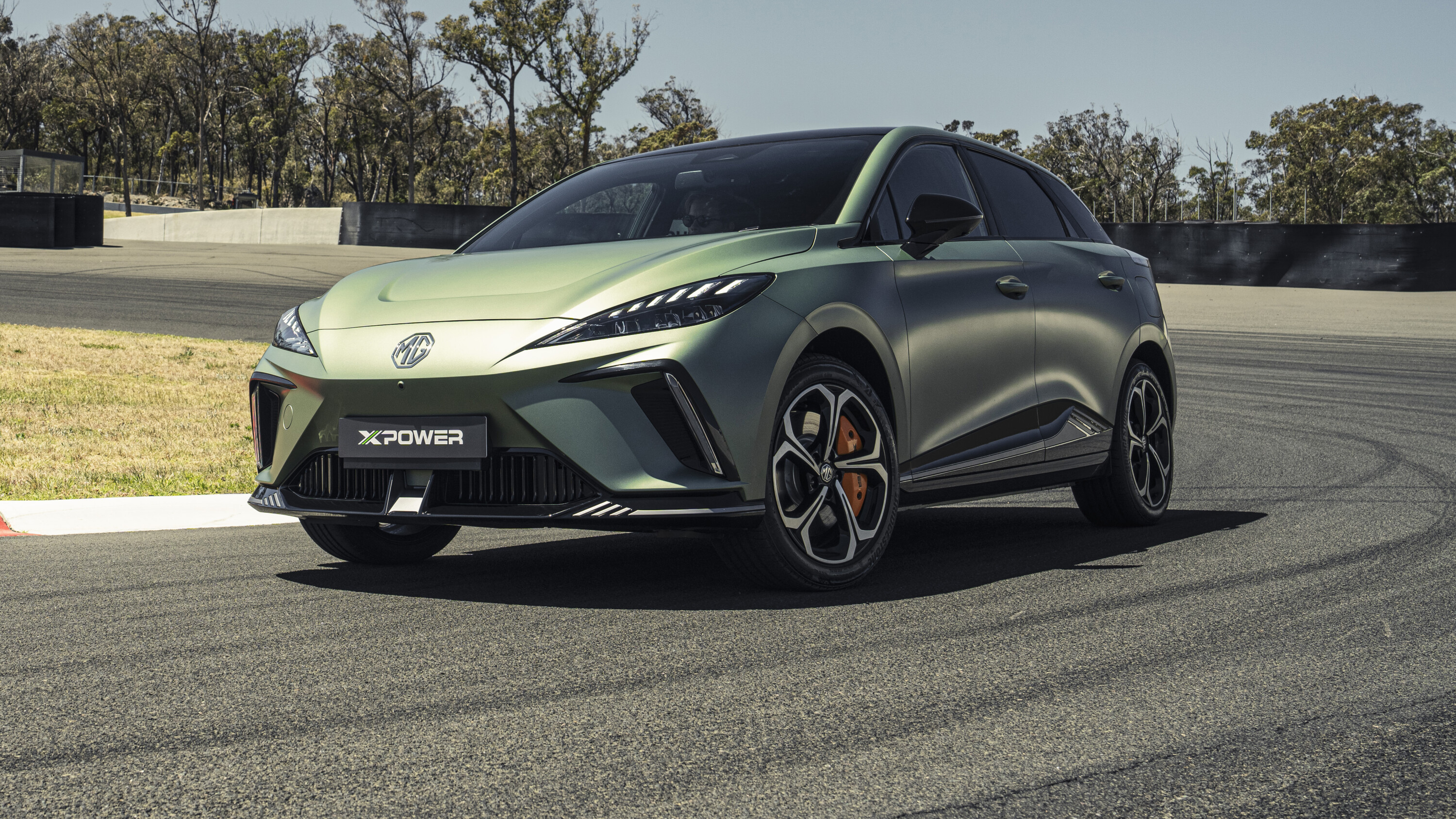
It is available in five grades: Excite 51, Excite 64, Essence 64, Long Range 77 and XPower. The latter variant tops out the MG 4 line-up at $59,990 before on-roads, offering hot hatch-like straight-line performance with a 3.8-second 0-100km/h sprint time and a 320kW/600Nm total system output.
The mid-spec 64kWh battery is available in Excite and Essence variants, while the Long Range variant with a 77kWh battery tops out the non-performance line-up at $55,990 plus on-roads.
Under the skin, the MG 4 is based on MG’s modular scalable platform (MSP), with support for 150kW DC fast charging for 64kWh and 77kWh models, allowing for a 10 to 80 per cent top-up in 28 minutes.
Most variants are rear-wheel drive – matching the Tesla Model 3 and Cupra Born – with a claimed 50:50 weight distribution. The flagship MG 4 XPower offers a dual-motor all-wheel-drive setup.
JUMP AHEAD
- 2024 MG 4 pricing
- 2024 MG 4 features
- Colours
- Powertrains, charging, and driving range
- Safety
- Dimensions
- Warranty and servicing
- Availability
2024 MG 4 pricing
Price excludes on-road costs.
| Model | Pricing | Change |
|---|---|---|
| MG 4 Excite 51 | $39,990 | up $1000 |
| MG 4 Excite 64 | $44,990 | u2013 |
| MG 4 Essence | $47,990 | u2013 |
| MG 4 Essence Long Range | $55,990 | u2013 |
| MG 4 XPower AWD | $59,990 | u2013 |
1
2024 MG 4 features
| 2024 MG 4 Excite features | |
|---|---|
| 17-inch alloy wheels with aero cover | 7-inch digital instrument cluster |
| 10.25-inch infotainment system | Rotary gear selector |
| Wired Apple CarPlay and Android Auto | Cloth upholstery |
| Four-speaker audio system | u2018iSmartu2019 connected-car service |
| LED headlights, tail-lights, and DRLs | Vehicle-to-load functionality |
| Heated side mirrors | Rear parking sensors |
2024 MG 4 Essence/Long Range features
| In addition to Excite | |
|---|---|
| 18-inch alloy wheels with aero cover | Synthetic leather/cloth upholstery |
| Blind-spot alert | Door open warning |
| Rear cross-traffic alert | Voice control |
| Lane change assist | Six-speaker audio system |
| Satellite navigation | 360-degree camera system |
| Height-adjustable load floor | Wireless phone charging |
| Auto-dimming rear-view mirror | Two-tone roof |
| Roof spoiler | Heated front seats |
| Six-way power-adjustable driveru2019s seat | Heated steering wheel |
2024 MG 4 XPower features
| In addition to Essence | |
|---|---|
| All-wheel drive | Track mode app |
| 18-inch five-spoke alloy wheels | XPower-branded orange-painted brake caliper covers |
| Launch control | Sports pedals |
1
Colours
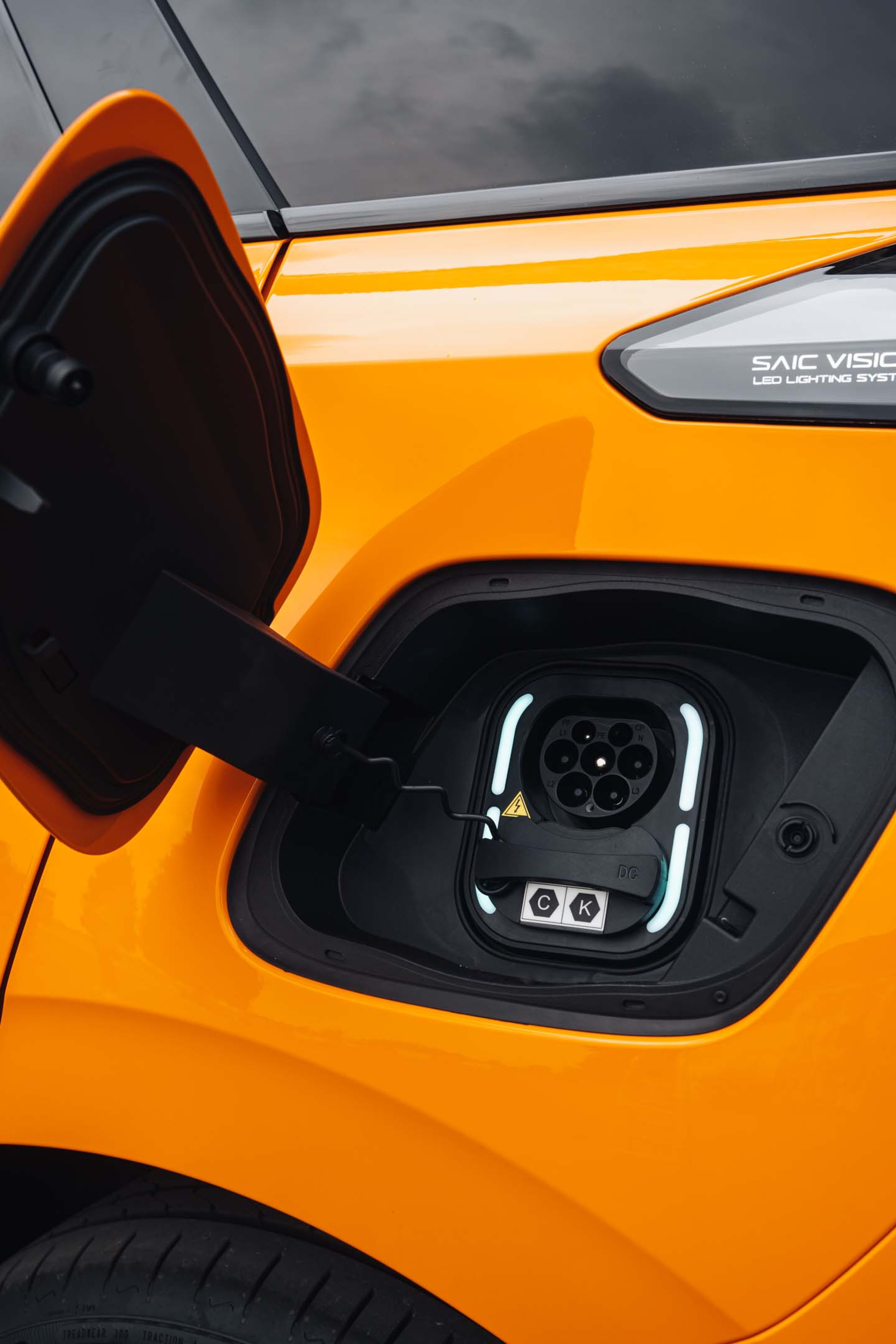
| 2024 MG 4 colours | |
|---|---|
| Dover white | Brixton blue* |
| Black pearl* | Camden grey* |
| Dynamic red* | Volcano orange* |
| Sterling silver* | Hunter green# (XPower only) |
| * Metallic paint, $700 | # Premium paint, $1000 |
1
Powertrains, charging, and driving range
The MG 4 Excite 51 is fitted with a 51kWh lithium-ion battery pack and a single 125kW/250Nm electric motor powering the rear axle, for an estimated WLTP-rated 351-kilometre driving range.
The addition of the 64kWh lithium-ion battery pack brings a WLTP-rated 450-kilometre driving range and also a more-powerful150kW/250Nm electric motor for the Excite 64.
The mid-spec Essence 64 has a reduced WLTP-rated 435-kilometre driving range. Both variants have a claimed 7.9-second 0-100km/h sprint time.
Stepping up to the long-range Long Range 77 brings a larger 77kWh lithium-ion battery pack and a more-potent 180kW electric motor, for a WLTP-rated 530-kilometre driving range.
1
In the MG 4 XPower, the front and rear electric motors produce 320kW and 600Nm in total, with a launch control system aiding a claimed 0-100km/h acceleration time of 3.8 seconds.
It also adds stiffened suspension with firmer dampers, springs, and anti-roll bars, along with a locking differential for its rear-biased twin-motor setup
In the MG 4, public fast-charging reaches 150kW DC for a 10-80 per cent top-up in 28 minutes for 64kWh and 77kWh models, while AC charging is capped at 7.4kW for a seven-hour and 15-minute 0-100 per cent charge.
The MG 4 with a 51kWh battery is limited to an 88kW DC fast-charge speed, allowing for a 10-80 per cent top-up in around 40 minutes.
| 2024 MG 4 driving range (WLTP) | ||
|---|---|---|
| Excite 51 | 351km | 18.4kWh/100km |
| Excite 64 | 450km | 13kWh/100km |
| Essence 64 | 435km | 13.8kWh/100km |
| Long Range 77 | 530km | 14kWh/100km |
| XPower 64 | 400km | N/A |
MINI MATCH-UP: MG 4 v rivals*
| Model | MG 4 | BYD Dolphin | GWM Ora | Cupra Bornu00a0 | MG ZS EV | BYD Atto 3 | Hyundai Kona Electric | Tesla Model 3 |
|---|---|---|---|---|---|---|---|---|
| Price (+ ORCs) | $39,990 u2013 $59,990 | $38,890 u2013 $49,990 | $39,990 u2013 $51,990 | $59,990 | $40,990 u2013 $49,990 | $48,011u2013 $51,011 | $54,000 u2013 $68,000 | $61,900 u2013 $71,900 |
| Power | 125kW u2013 320kW | 70kW u2013 150kW | 126kW | 170kW | 115kW | 150kW | 99kW u2013 150kW | 208kW u2013 366kW (est.) |
| Torque | 250Nm u2013 600Nm | 180Nm u2013 250Nm | 250Nm | 310Nm | 280Nm | 310Nm | 250Nm | 420Nm u2013 493Nm (est.) |
| Battery size | 51kWh u2013 77kWh | 45kWh u2013 60.48kWh | 45.4kWh u2013 59kWh | 82kWh | 50.3kWh u2013 72.6kWh | 49.9kWh u2013 60.48kWh | 48.6kWh u2013 64.8kWh | 60kWhu00a0u2013 78kWh (est.) |
| WLTP range | 351km u2013 530km | 340km u2013 427km | 310km u2013 420km | 511km | 320km u2013 440km | 345km u2013 420km | 370km u2013 505km | 513km u2013 629km |
| DC charge speed | 88kW u2013 150kW | 60kW u2013 80kW | 80kW | 170kW | 75kW u2013 94kW | 70kW u2013 80kW | 100kW | 170kW |
| * as of January 2024 | ||||||||
1
Safety
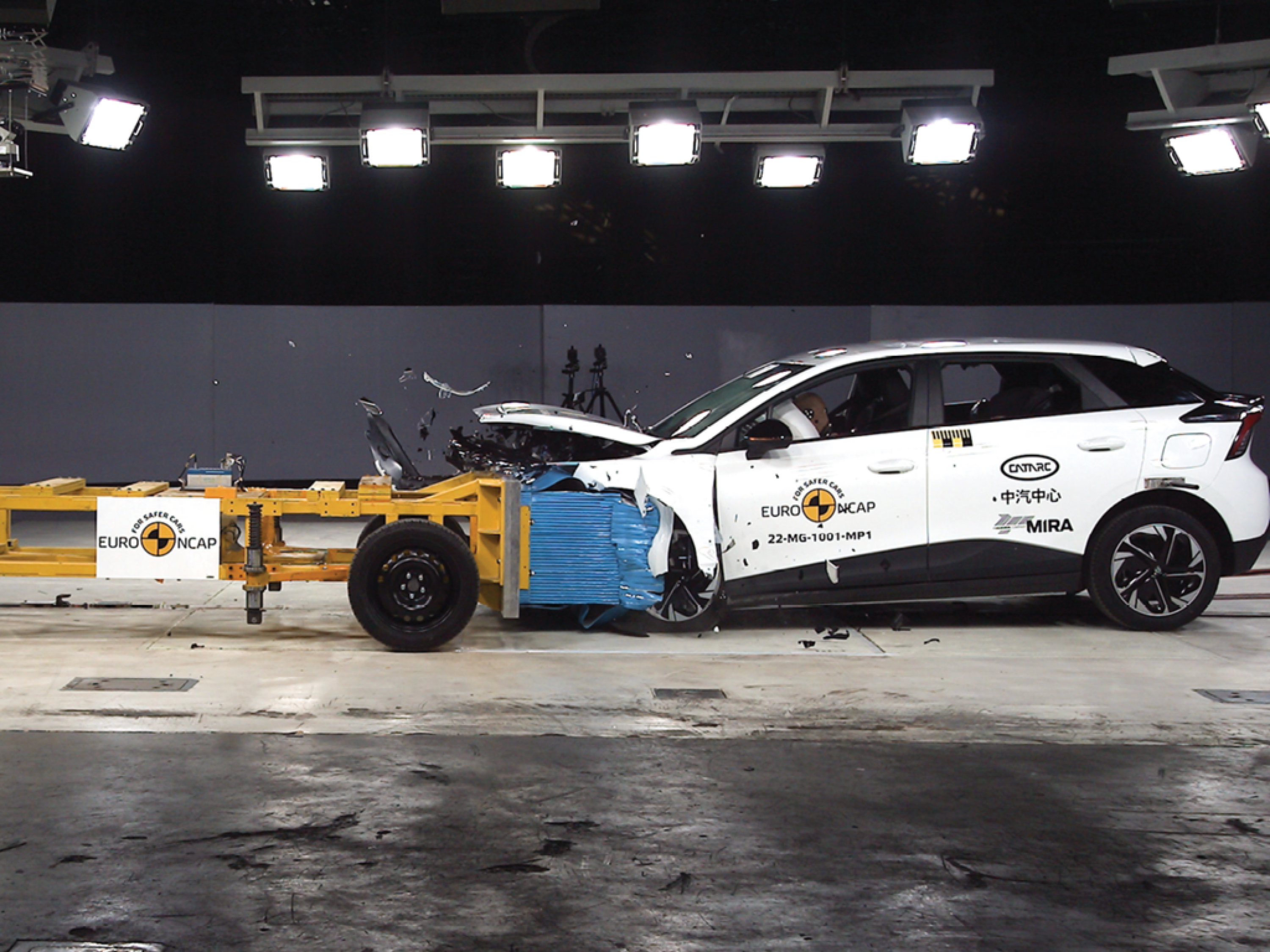
The MG 4 has a five-star ANCAP safety rating, based on testing conducted in Europe in 2022.
It scored 83 per cent for adult occupant protection, 86 per cent for child occupant protection, 75 per cent for vulnerable road user protection, and 81 per cent for safety assistance.
For the full report, click here.
Six airbags (dual front, side and curtain) are fitted as standard.
| 2024 MG 4 active safety features | |
|---|---|
| Autonomous emergency braking (vehicle, pedestrian, cyclist, junction) | Auto high-beam |
| Lane-keep assist | Adaptive cruise control |
| Lane departure warning | Traffic jam assist |
| Driver attention alert | |
Blind-spot and rear cross-traffic alerts are not fitted to entry-level Excite variants.
1
Dimensions
The 2024 MG 4 measures 4287 millimetres long, 1836mm wide and 1504mm tall, with a 2705mm wheelbase. This is similar to a Volkswagen Golf.
2023 MG 4 boot space
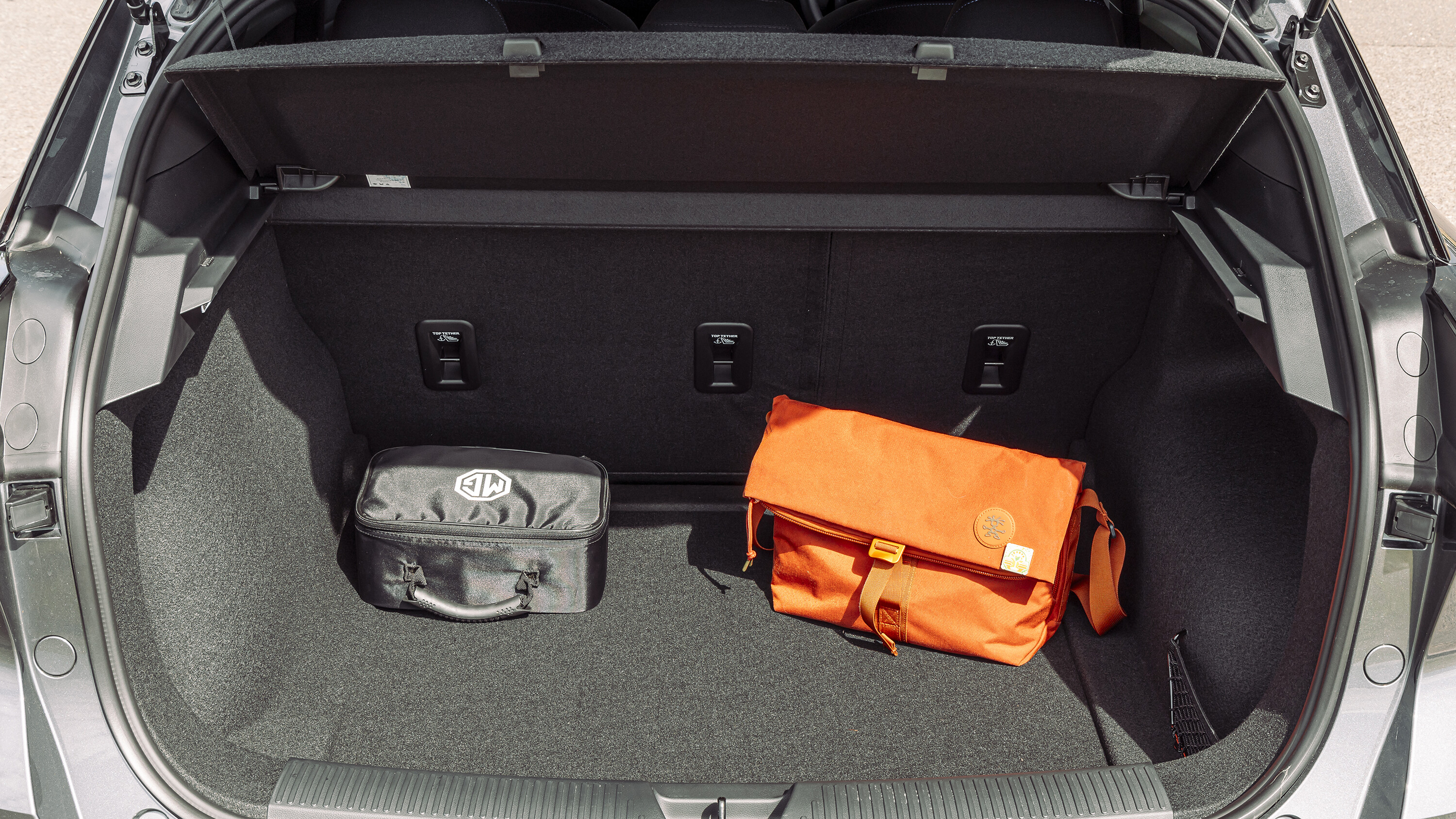
The MG 4 has a 363-litre boot capacity, expanding to 1177 litres with the second-row folded. It does not have a front boot (frunk).
1
Warranty and servicing
The MG 4 is covered by the brand’s seven-year/unlimited-kilometre warranty – including the high-voltage battery.
It has a complimentary 12-month roadside assistance program, which renews with annual servicing at a dealership during the vehicle’s warranty period.
Maintenance is required every 24 months or 40,000 kilometres, whichever occurs first.
| Service interval | Dealer capped-price service cost |
|---|---|
| 24-month/40,000km | $296 |
| 48-month/80,000km | $907 |
| 72-month/120,000km | $296 |
| 96-month/160,000km | $907 |
| 120-month/200,000km | $296 |
| 144-month/240,000km | $907 |
| 168-month/280,000km | $296 |
MORE
Everything MG
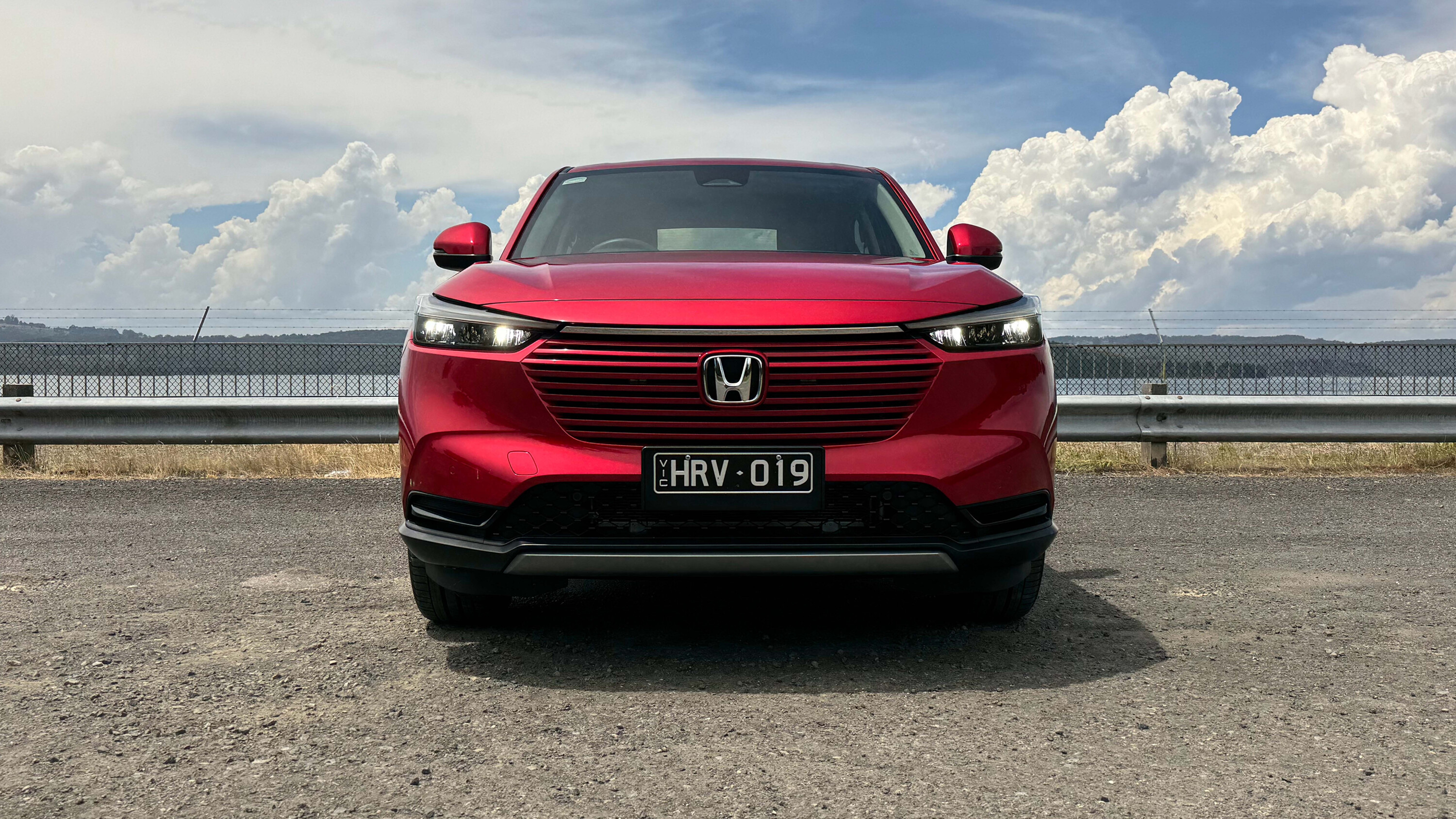
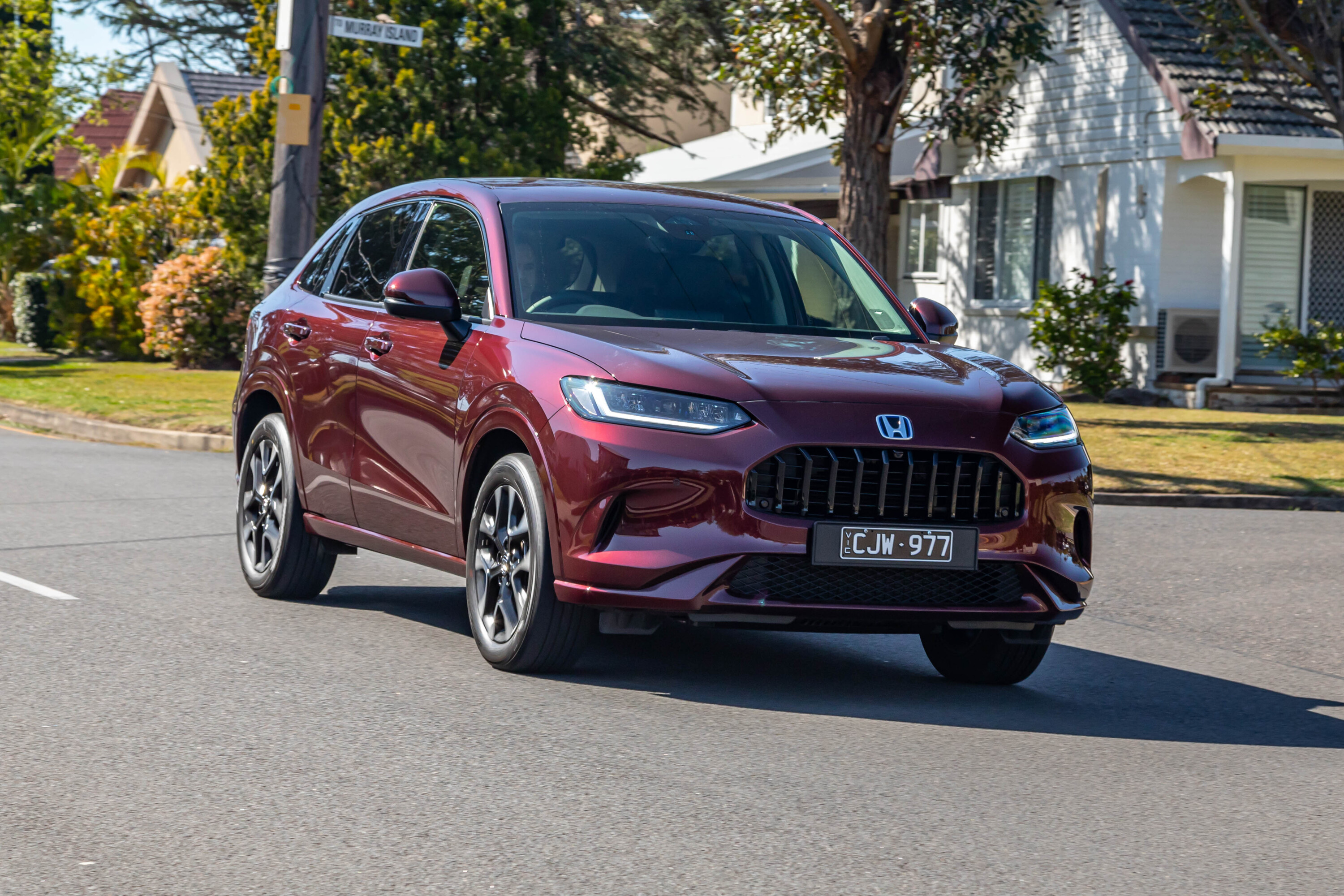
Honda Australia has announced it will offer a seven-year/unlimited-kilometre warranty for select vehicles until March 31.
All HR-V, ZR-V and all-new MY24 CR-V SUV models purchased from January 16, 2024, will be covered by the promotional warranty, which is up from the brand’s standard five-year/unlimited-kilometre offering.
The Japanese marque is also offering seven years of complimentary roadside assistance, up from five years.
Civic and Accord models are not included in the promotion. MY23 CR-V run-out models have been covered by a seven-year warranty since August 1, 2023, while stocks last.
1
The extended warranty and roadside assistance coverage were already being offered for the HR-V E:HEV model from November 1, 2023, to January 31, 2024.
Honda is also offering discounts for the slow-selling HR-V small SUV, with the base Vi X available for $34,900 drive-away – down from $36,700 drive-away – until January 31.
The HR-V E:HEV is available for $45,200 drive-away – down from $47,000 drive-away – until March 31.
While Mitsubishi Australia offers an industry-leading 10-year/200,000-kilometre warranty, this is dependent on the vehicle being serviced within the Mitsubishi dealer network.
1
Mitsubishi vehicles serviced by independent workshops automatically fall to an industry-standard five-year coverage, with a 100,000km cap.
Chery, GWM-Haval, Kia, MG, Skoda and Ssangyong offer permanent seven-year/unlimited-kilometre coverage, while LDV has a seven-year/200,000-kilometre warranty for its non-EV models.
Honda’s warranty-matching seven-year roadside assistance without the need to service at the dealer joins Isuzu Ute, LDV and Ssangyong.
While other manufacturers have experimented with temporary warranty extensions before shifting to a permanent arrangement, Honda says it has no plans to switch to a seven-year warranty across its range after March 31.
“Honda Australia does not have any plans to extend this offer past the cut-off date of 31st March, and our standard 5-year warranty, 5-year [roadside assist] and 5 low-price services will continue as a great value add as part of our standard offer,” said a spokesperson.
The latest promotions offered by Honda follow the brand’s sharp sales decline since 2018. It posted its lowest sales on record in 2023 after a shift to a controversial fixed-price ‘agency’ sales model in July 2021.
In 2023, Honda sold 13,734 vehicles in Australia, down from 14,215 in 2022, 17,562 in 2021, and 29,040 in 2020.
However, local executives have defended the agency model switch – and reaffirmed Honda’s commitment to Australia “for the next 50 years”.
“That was a strategic move, for us to be here for the next 50 years… And I hope it demonstrates to you that we’re not going anywhere. We’re here to stay,” said Honda Australia director Carolyn McMahon in May 2023.
McMahon added that Honda is “happy” with how the agency sales model has been rolled out and blamed poor supply – not a lack of demand for Honda product – as the key reason behind the low sales figures.
Honda sales in Australia
| 2023 | 13,734 |
|---|---|
| 2022 | 14,215 |
| 2021 | 17,562 |
| 2020 | 29,040 |
| 2019 | 43,176 |
| 2018 | 51,525 |
| 2017 | 46,783 |
| 2016 | 40,838 |
| 2015 | 40,100 |
| 2014 | 32,998 |
| 2013 | 39,258 |
MORE
Everything Honda
Has there ever been such a turbulent time for new cars?
Apart from the invention of the motor car in the late 19th century (and perhaps the oil crises in the ’70s) the landscape has never been as fast-moving or diverse as it is today.
Battery-electric vehicles are making a mark (the Tesla Model Y was Australia’s third best-selling SUV last year) but it’s the proliferation of Chinese automakers that’s changing everything.
BYD – or Build Your Dreams – may be new to Australia, however its EV sales surpassed Tesla to take number one globally in the fourth quarter of last year.
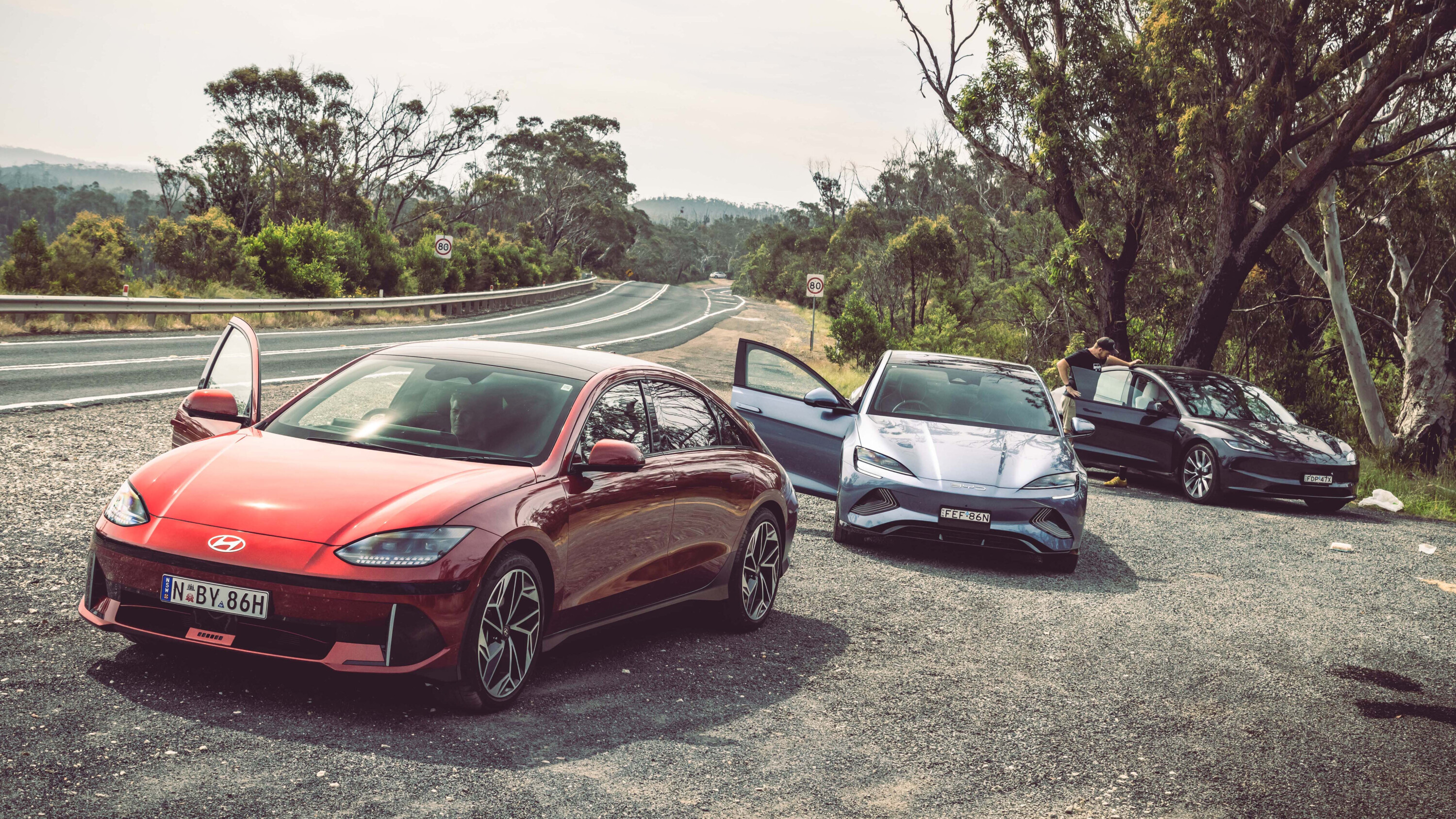
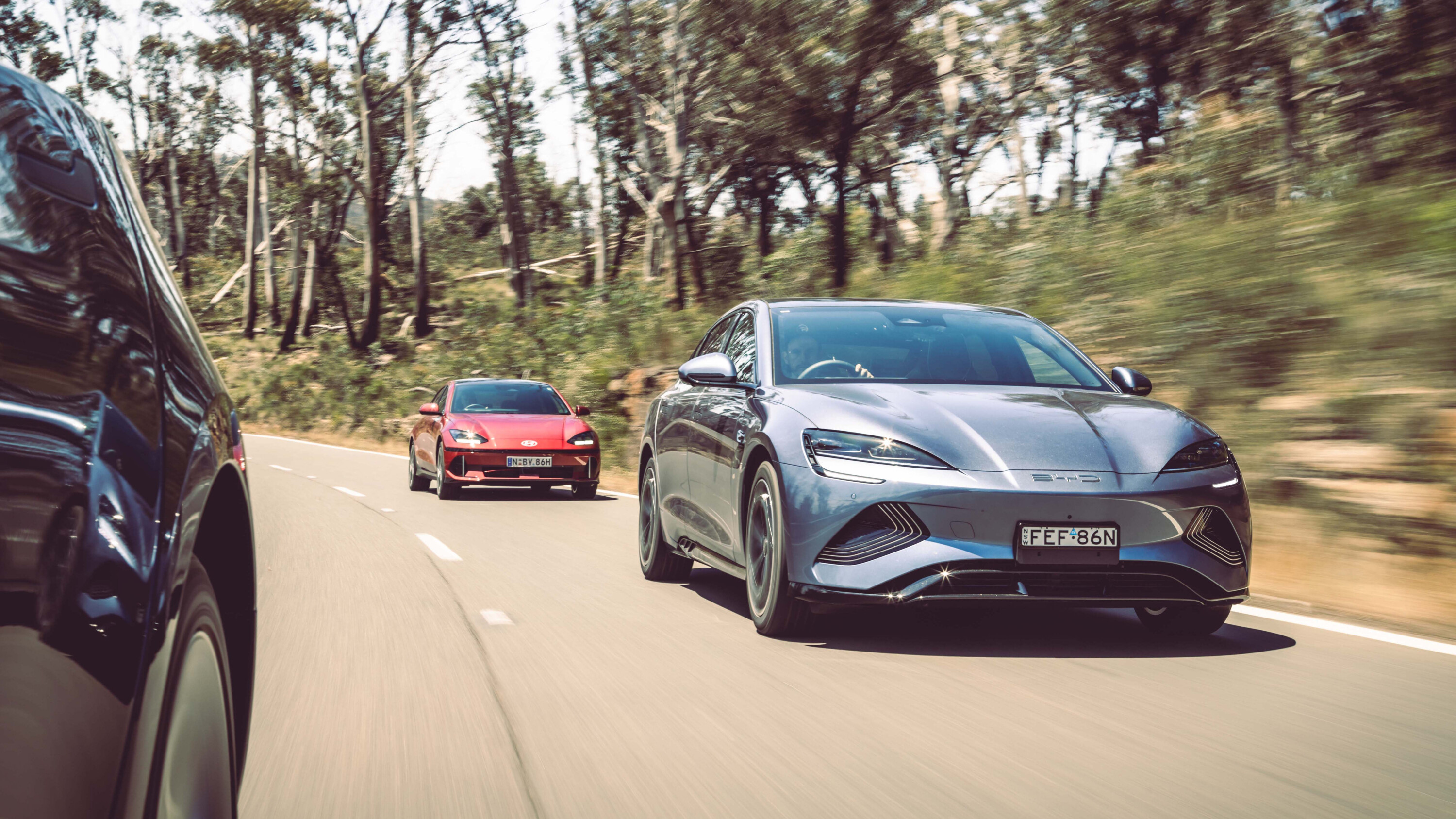
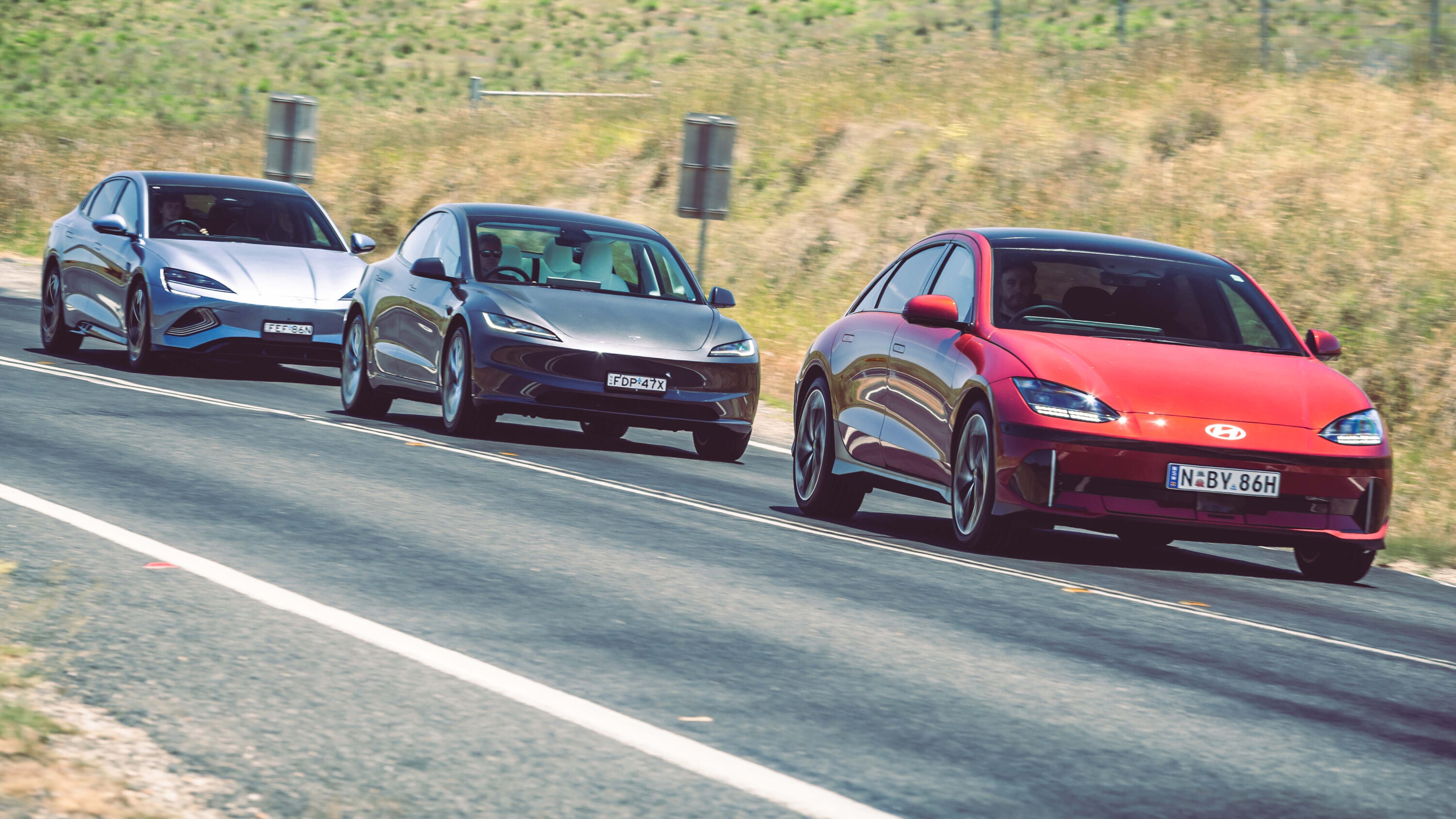
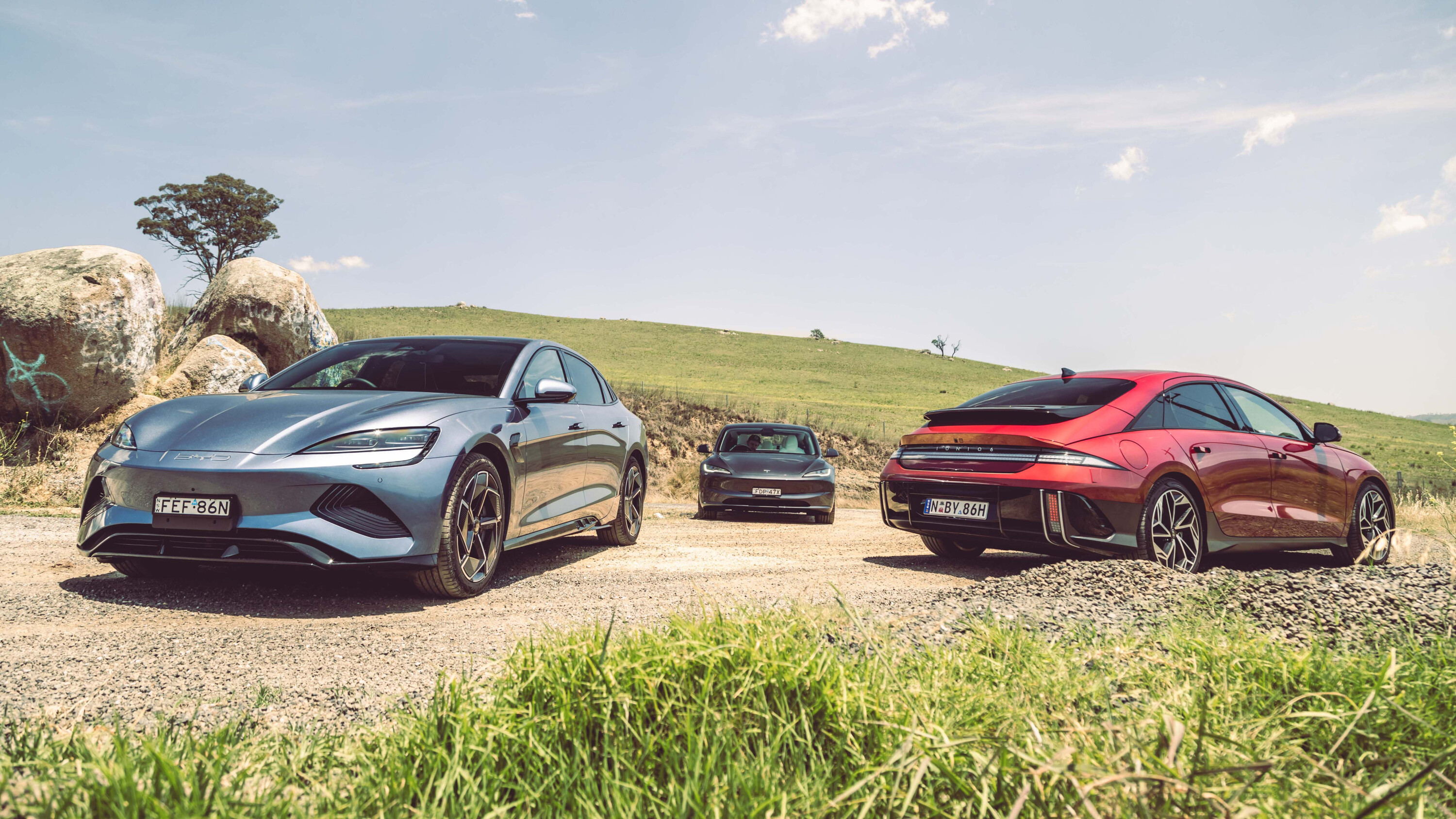
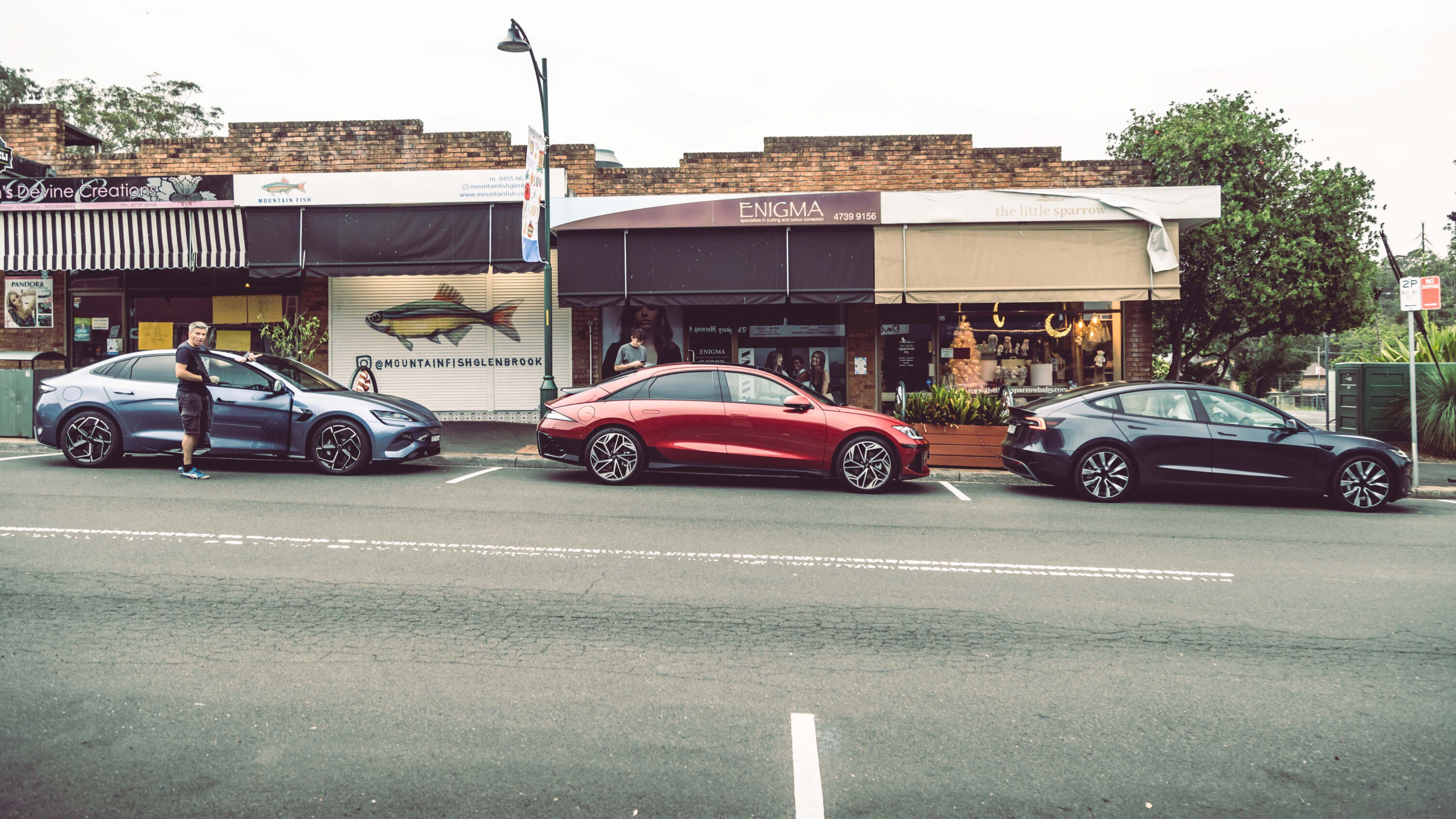
The 2024 Seal is its latest entrant, and it’ll do battle with Australia’s second favourite EV, the Tesla Model 3. Here, we’ve lined the pair up against our ride and handling benchmark in this class, the Hyundai IONIQ 6, to see which is best.
1
JUMP AHEAD
- What are they and how much do they cost?
- Interior comfort, space and storage: which is the best family car?
- Which has the best boot?
- How good is the technology?
- Range, charging and efficiency
- What are they like to drive?
- Warranty and servicing
- How safe are they?
- VERDICT
- SCORING
- Specifications
What are they and how much do they cost?
The Seal’s arrival kicked this test into gear because, on paper, it’s staggeringly enticing.
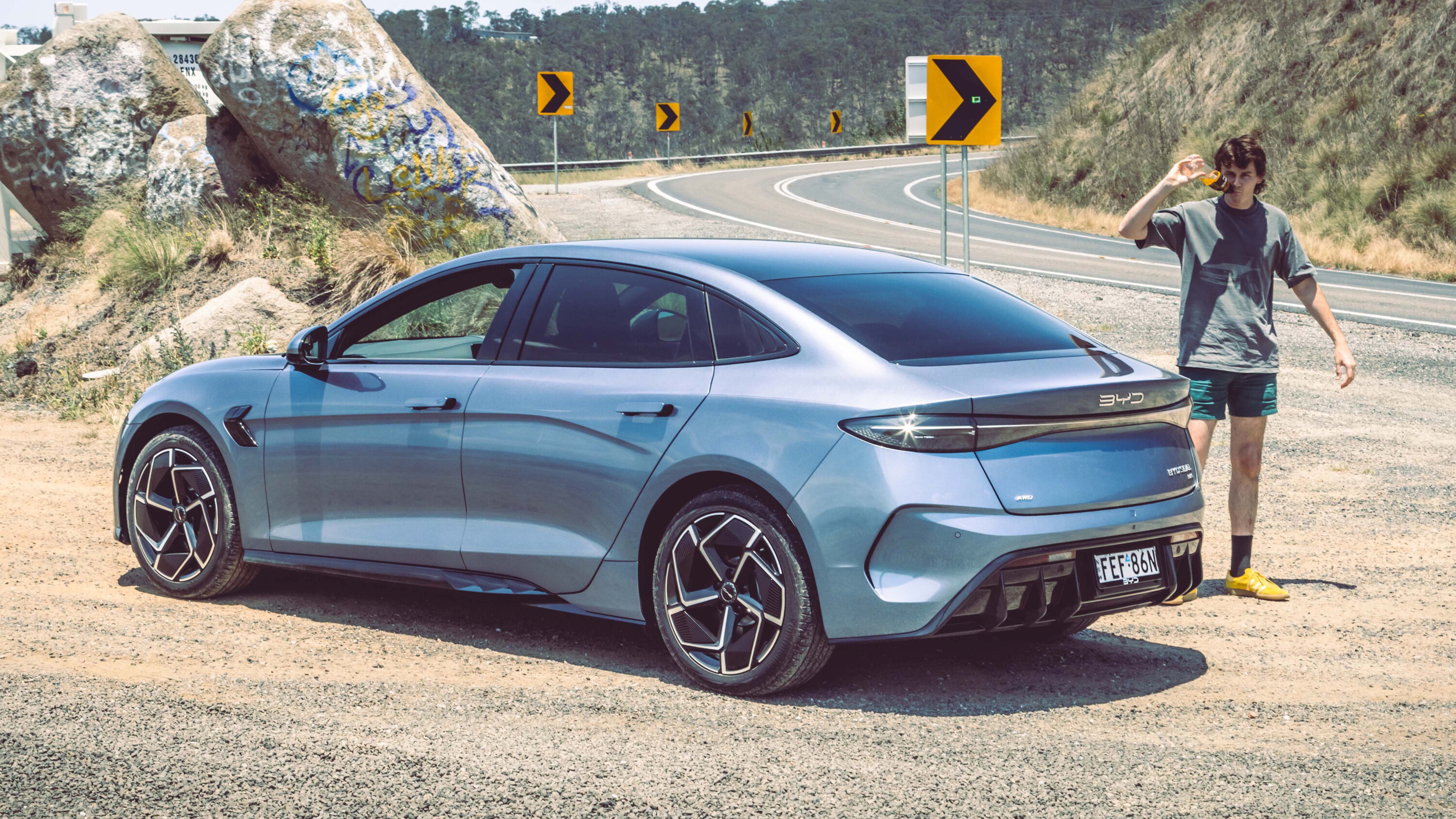
It’s a midsized four-door electric car with a five-star ANCAP safety rating, and a base price of $49,888 (before on-road costs) for the Dynamic RWD with 460km WLTP driving range.
Spec on test
For this test, BYD supplied the flagship Performance trim ($68,798). That’s the one with a WLTP driving range of 520km, all-wheel drive, 390kW & 670Nm, and a 3.8-second 0-100km/h sprint.
And you’re right, those stats would have it see off a $205K Porsche Taycan 4S in a game of top trumps (well, except for price tag).
1
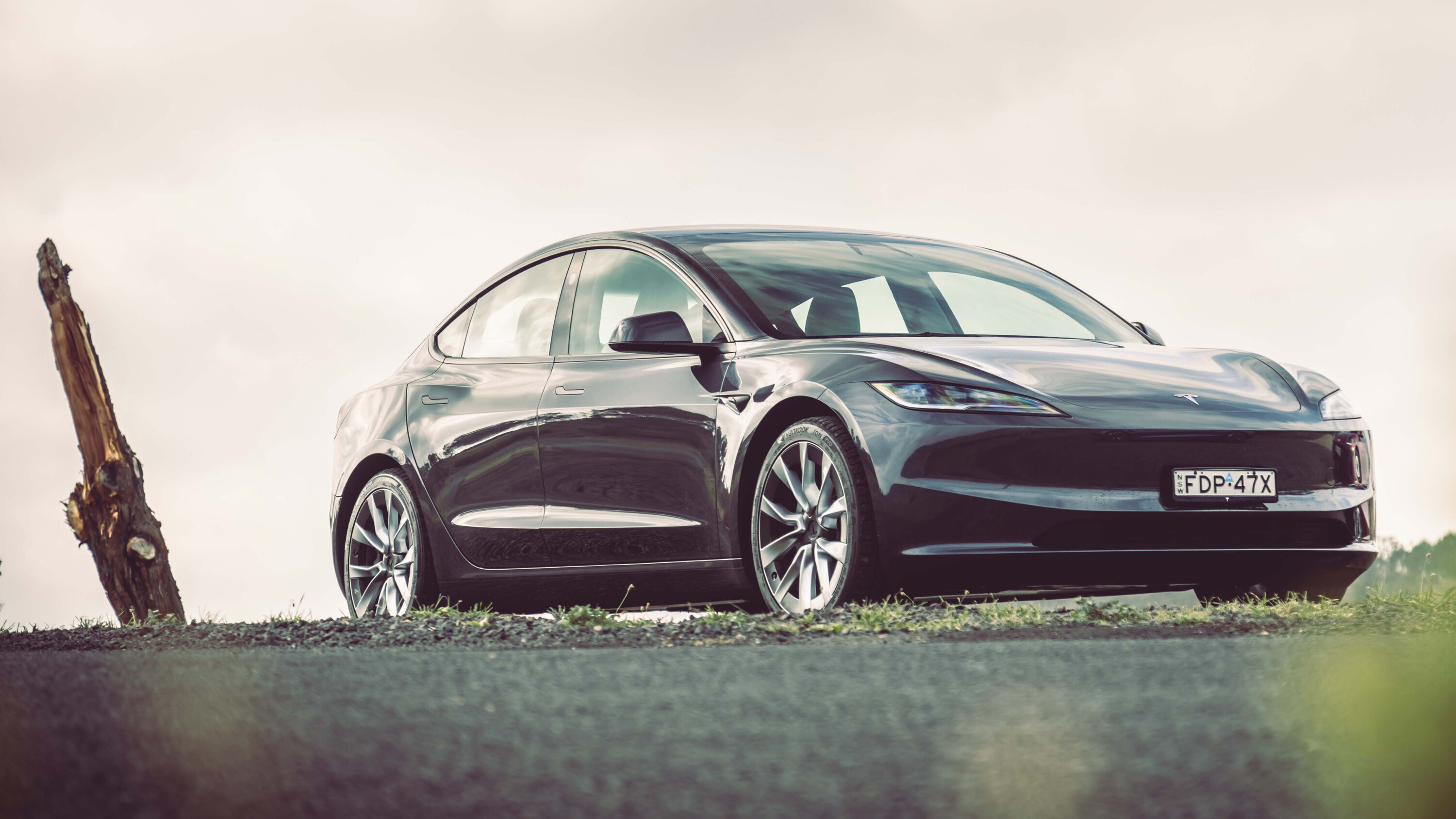
It might seem unfair, but because the Seal is so sharply priced, we decided to line it up against the Tesla Model 3 RWD.
Though a Long Range AWD ($71,900) is closer before options, this base Tesla ($61,900 before on-road costs) tester has been specced up with a white interior ($1500), ‘Nova’ 19-inch alloy wheels ($1800), and Stealth Grey paint ($2300) bringing its list price up to $67,590.
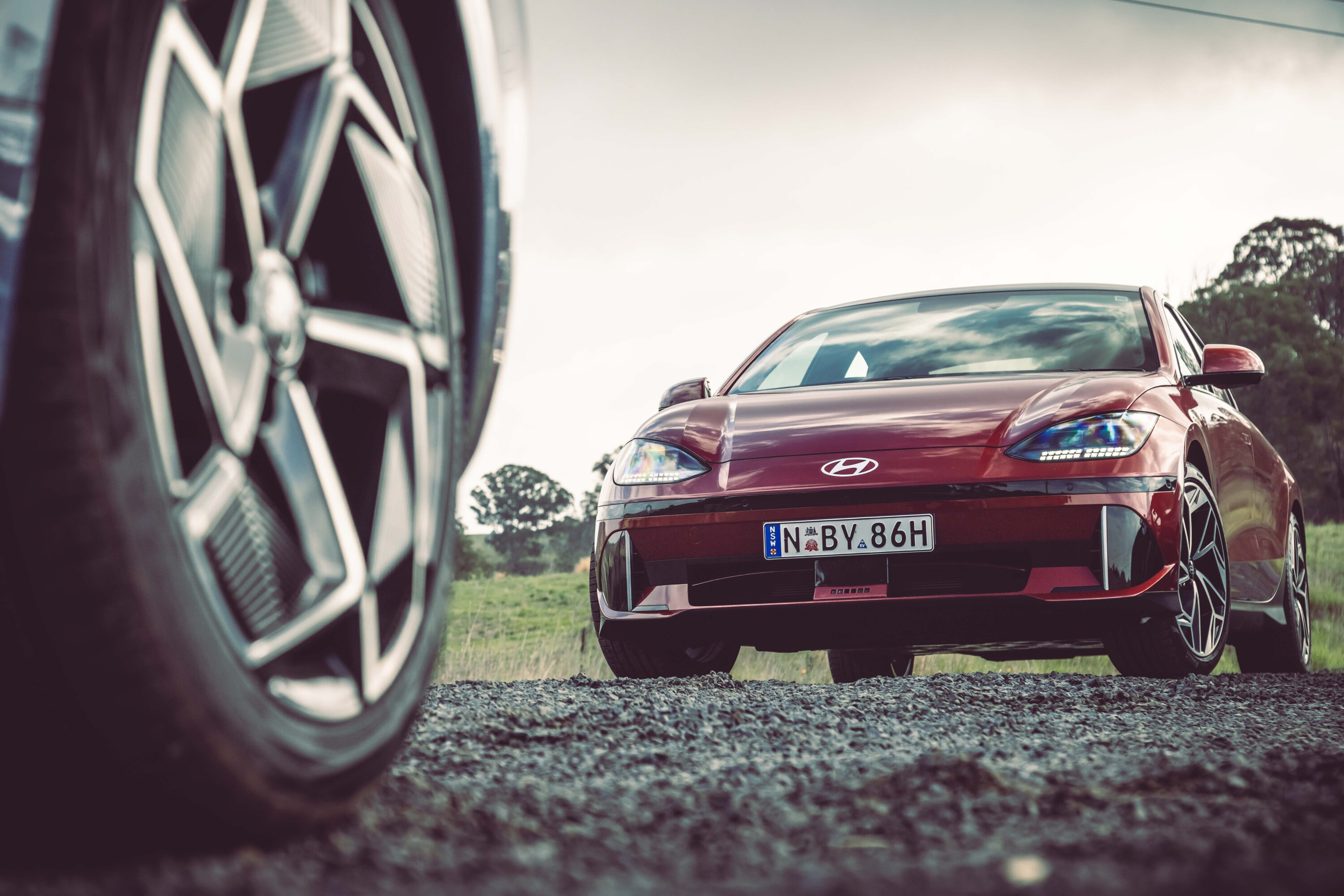
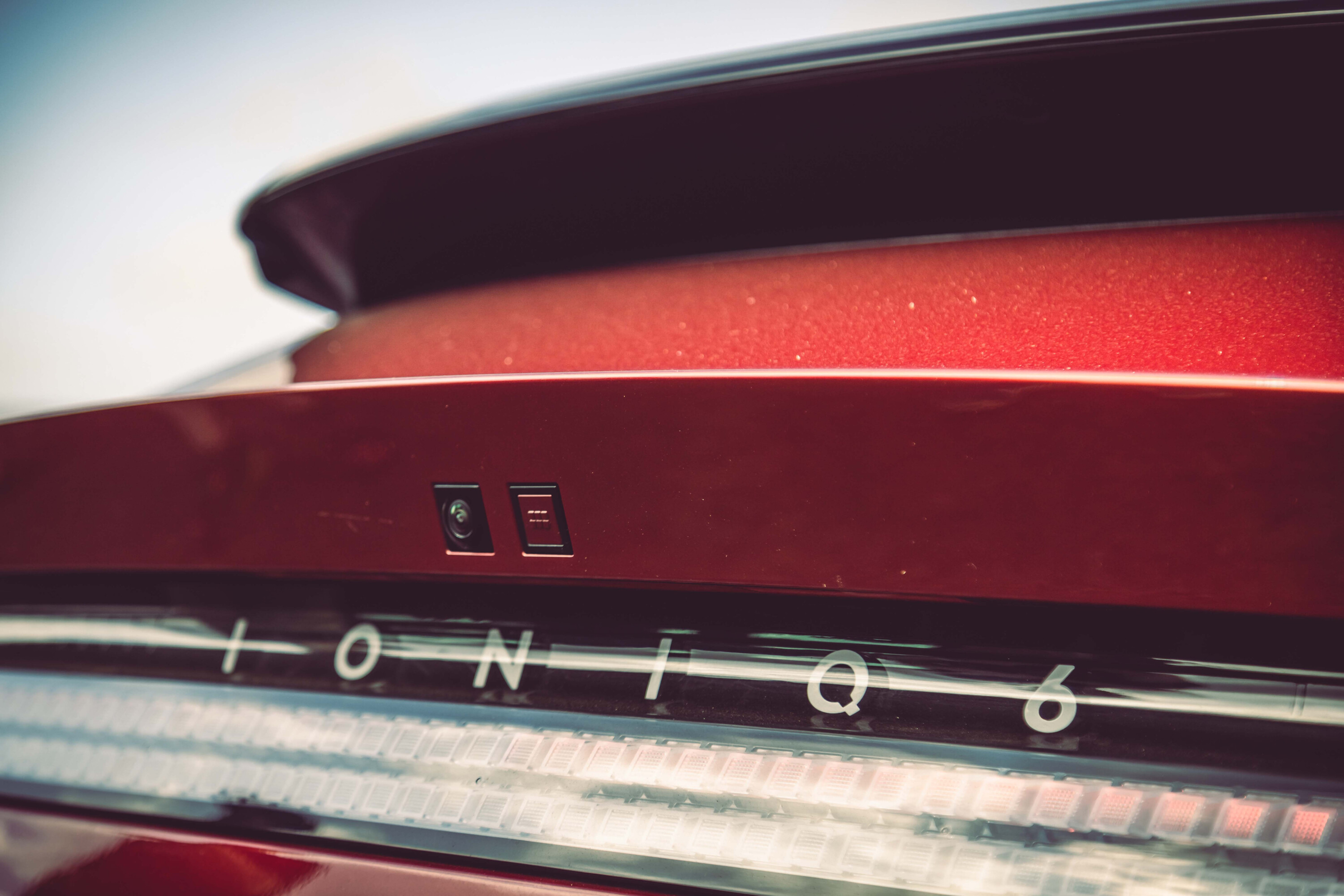
At the other end of the price spectrum is Hyundai’s IONIQ 6, included as our ride and handling benchmark after the sleek ‘streamliner’ defeated the pre-update Model 3 in a recent comparison (Wheels July 2023).
1
Unfortunately, we weren’t able to source an MY24 Polestar 2 for the comparison. Nor was there a price-competitive IONIQ 6 available for testing.
Instead, we have the $83,500 Techniq AWD with 239kW and 605Nm, which has been replaced by the Epiq AWD ($85,500) for 2024. While it may be around $15K more than the others, it’s the closest the IONIQ 6 gets in spec to the Seal and Model 3.
1
Interior comfort, space and storage: which is the best family car?
Beyond the value equations, each member of this trio offers a vastly different interior design, yet none does so at the cost of practicality.
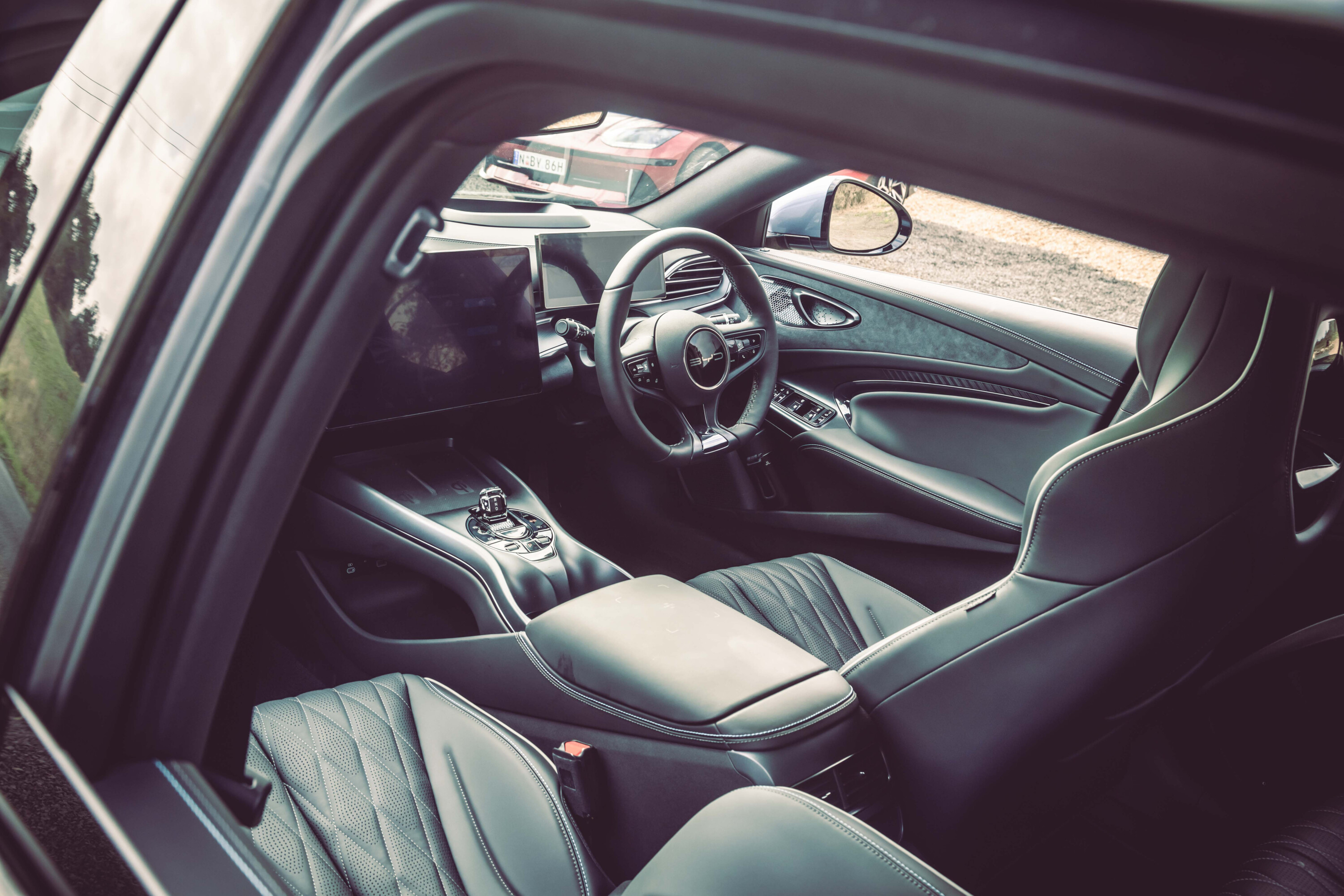
The Seal’s cabin is sporty and modern, and size-wise it sits in the middle of the other two for exterior dimensions (at 4800mm long) translating to good cabin space.
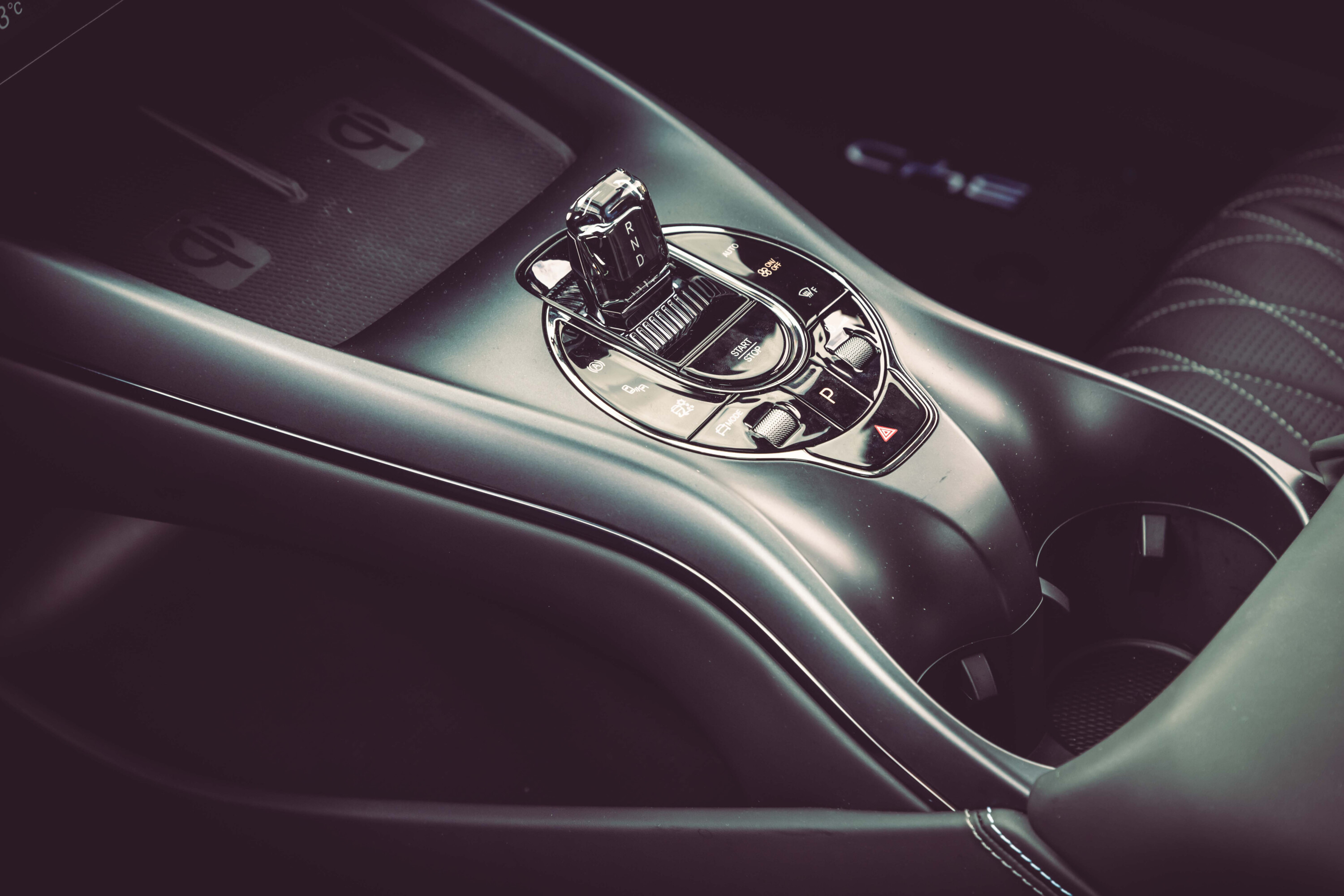
Aside from the kooky rotating touchscreen, the touch points are remarkably nice with quilted leatherette upholstery and colourful highlights to catch the eye. The heated and ventilated seats are agreeable if lacking under-thigh support, and the twin wireless charging pad is excellent.
1
Storage spaces in the Seal are good, with a space under the floating console where USB charge points are found and you could store a small bag or tissue box, though the space under the armrest isn’t huge and nor are the door bins.
Thanks to the unique Blade battery, the Seal’s floor is low, aiding toe and headroom in the rear seat even if, like the others, it’s still a little tight for six-footers. The bench’s width is generous and three kids would fit across the back.
There are two adjustable vents, a pair of USB charge ports, and a fold-down armrest to boot.
The Hyundai IONIQ 6 is 55mm longer than the BYD and this translates directly into legroom. Yet due to the E-GMP platform’s skateboard construction, the IONIQ 6’s floor is higher – crimping toe and head space for taller passengers.
1
Amenities are identical between the Seal and the IONIQ 6, which makes the Hyundai no more usable for adults in the back.
For kids, it’s a different story. Without a full-length glass roof, the IONIQ 6 stays much cooler in the sun. It also has dark tints on the rear windows and a high beltline that should help lull little ones to sleep.
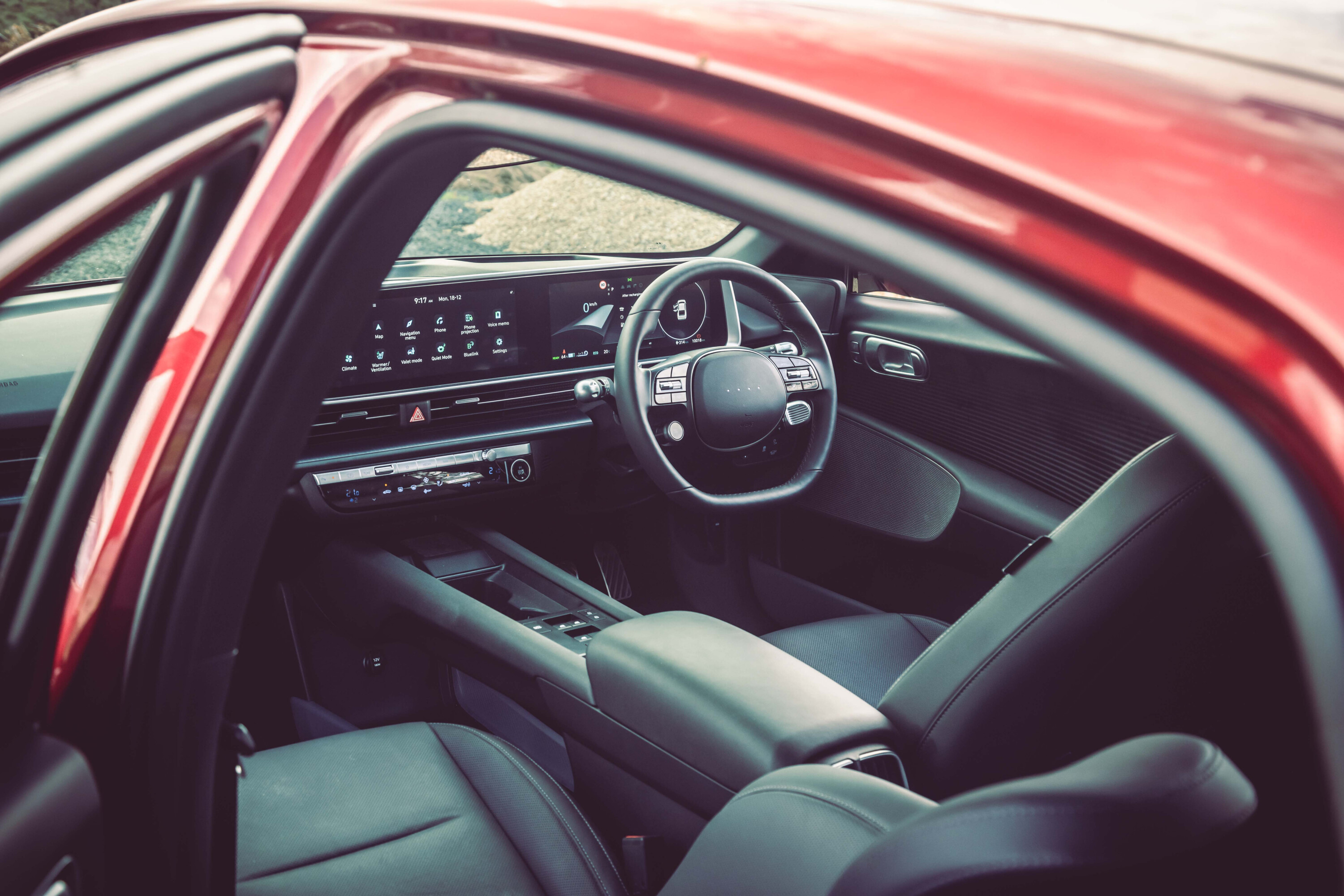
In the front, the IONIQ’s funky cabin and tactile materials are very pleasing. The seats sit a little high, and offer ventilation only in top-spec models, but they are comparable and offer good adjustment.
Cabin storage is great, too, with a mezzanine console that leaves a big space for handbags, a decent, covered centre bin, and doorbins that accept a one-litre bottle. There is a wireless charging pad, two USB ports (one regular and the other type C), and a 12-volt socket.
1
Build quality is also better in the IONIQ 6 – not only inside, with no rattles evident, but outside as well. Interestingly, the BYD’s rear bumper displays a detectably different tone of Arctic Blue to the rest of the car’s body.
Get underneath and you’ll see haphazardly painted components and jagged edges left behind at the BYD factory. Does this affect performance? No, but it indicates a lack of attention to detail.
That’s something Tesla has been improving on with the Model 3. This example felt well screwed together and the updated materials are a cut above old 3s, although there was still a rattle from the passenger side B-Pillar with only 500km on the odometer.
1
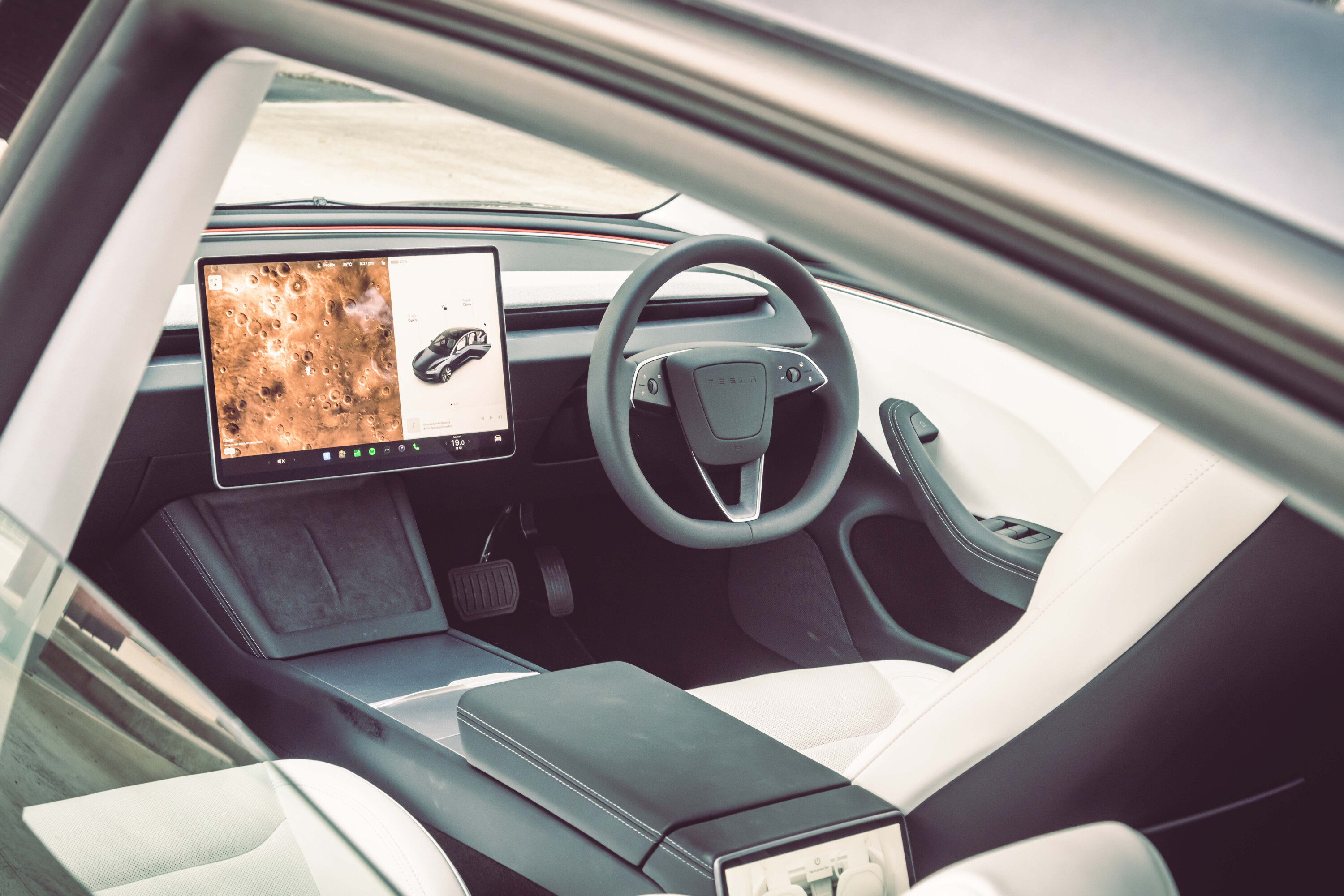
The Model 3’s design was once cutting edge but now feels sparse and clinical.
Basic amenities are excellent, with twin wireless charging pads, a deep cubby, twin cup holders, good door bins, and comfortable chairs with heating and ventilation standard.
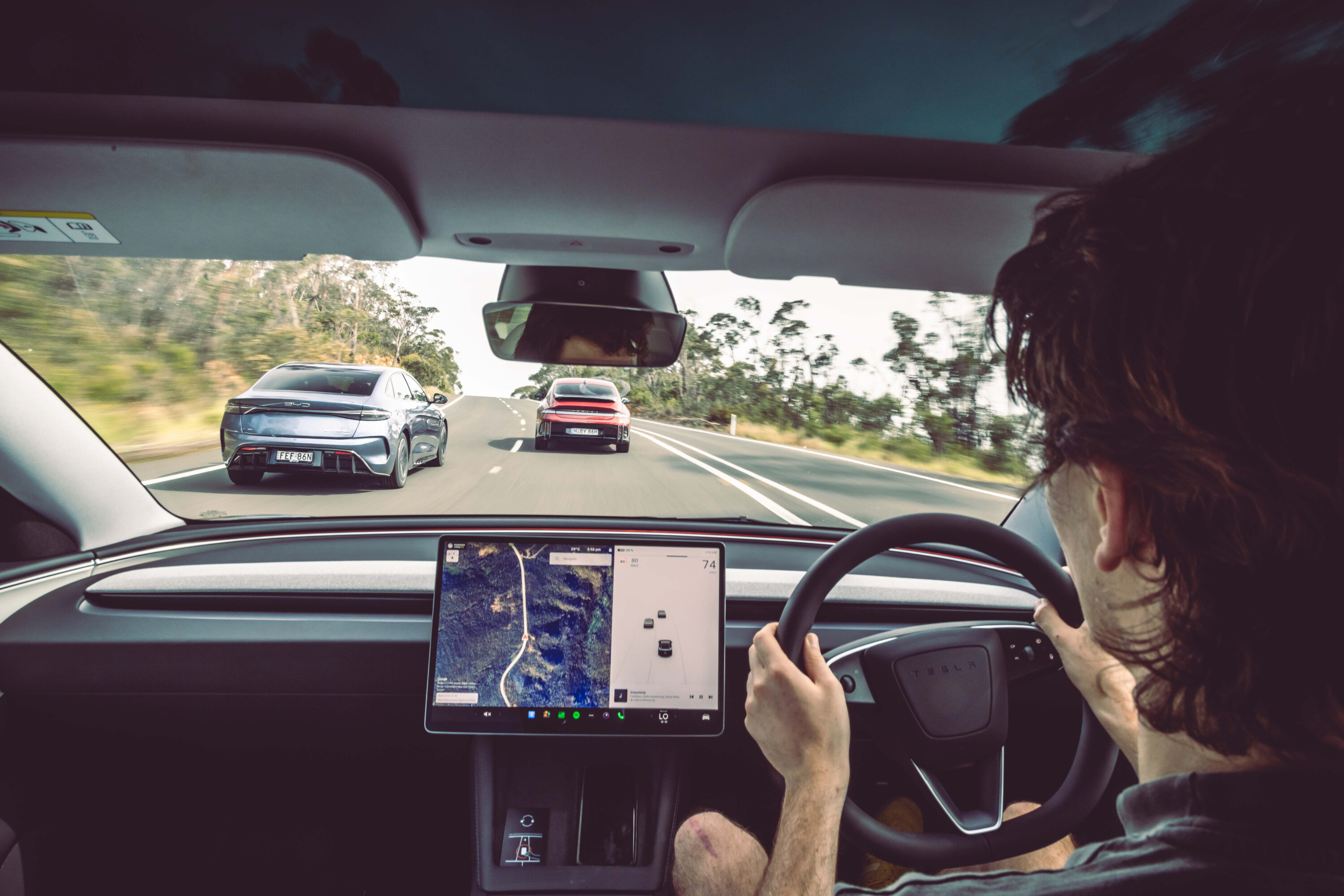
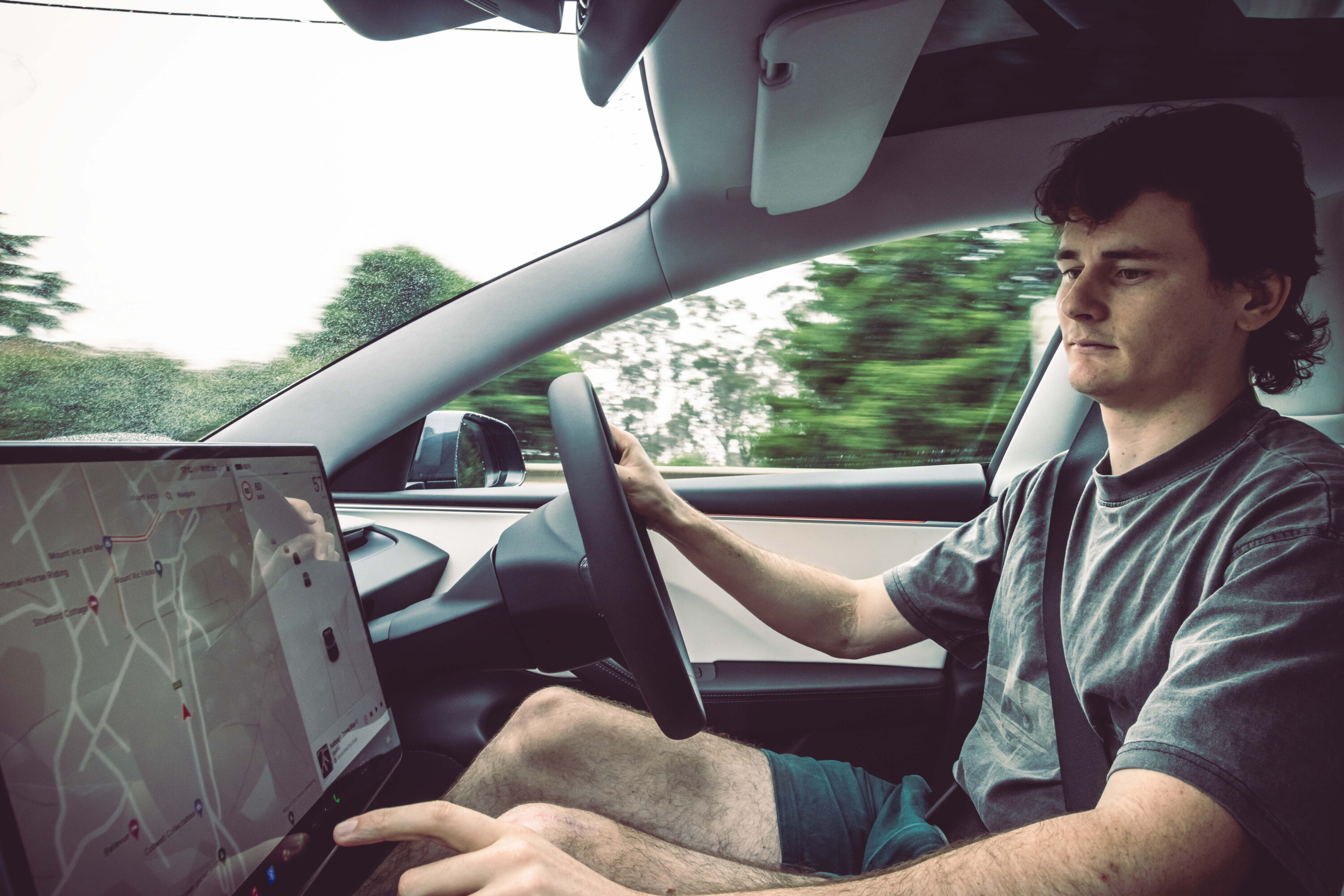
Usability is questionable; to streamline construction Tesla has ditched indicator, wiper, and gear selector stalks. The controls are now buttons on the wheel with the indicators grouped unintuitively on the left side. We found the touchscreen gear select to work quite well in practice, but not the automatic wiper setting that entirely failed to detect light rain.
Rear seating issues have been addressed with a shapely rear bench with much-improved under-thigh support in the back. Headroom is still compromised by a high-set floor, and you don’t want to touch the underside of the glass roof on a hot day.
There are vents and two USB-C charge points accessible to rear seat passengers, as well as a fold-down armrest (the same as the other two).
1
The Model 3 has a silver bullet for road trips, though: an 8.0-inch touchscreen mounted above the air vents that’s connected to the internet, meaning rear-seat passengers can enjoy Netflix, YouTube, games and more – using individual headphones.
One snag that (at time of writing) is yet to play out is the Model 3’s lack of accessible top tether for the middle seat. This means you can’t fit a child seat in the centre, and may mean a stop-sale or recall for the vehicle.
1
Which has the best storage?
The Seal has the smallest boot (by a measly litre, mind, at 400L) and the loading aperture is narrow. There are also no pull-tabs in the boot to fold the 40:60 backrest.
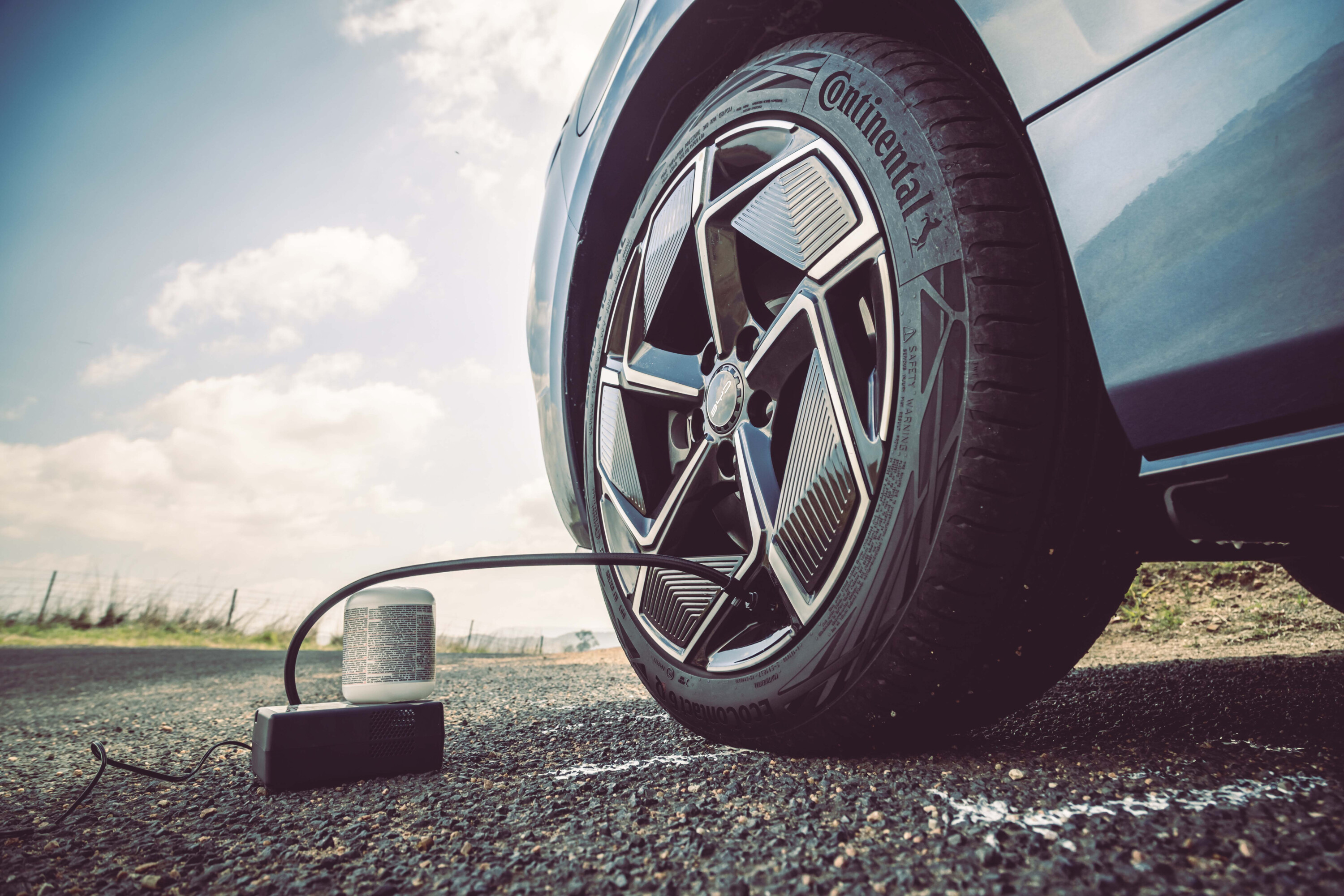
The lid is power-operated, but there are precious few clever touches and, as we found out on the day, no spare tyre; though this is a common issue across the trio (and at least it has a standard tyre repair kit, unlike the Model 3).
Although it’s much larger outside, the IONIQ 6’s boot is only a litre bigger than the Seal’s – although it does have a wider aperture. There are pull tabs to fold the back seats down, though they feel cheap and are fiddly to use – you still need to go and push the second row flat with some force.
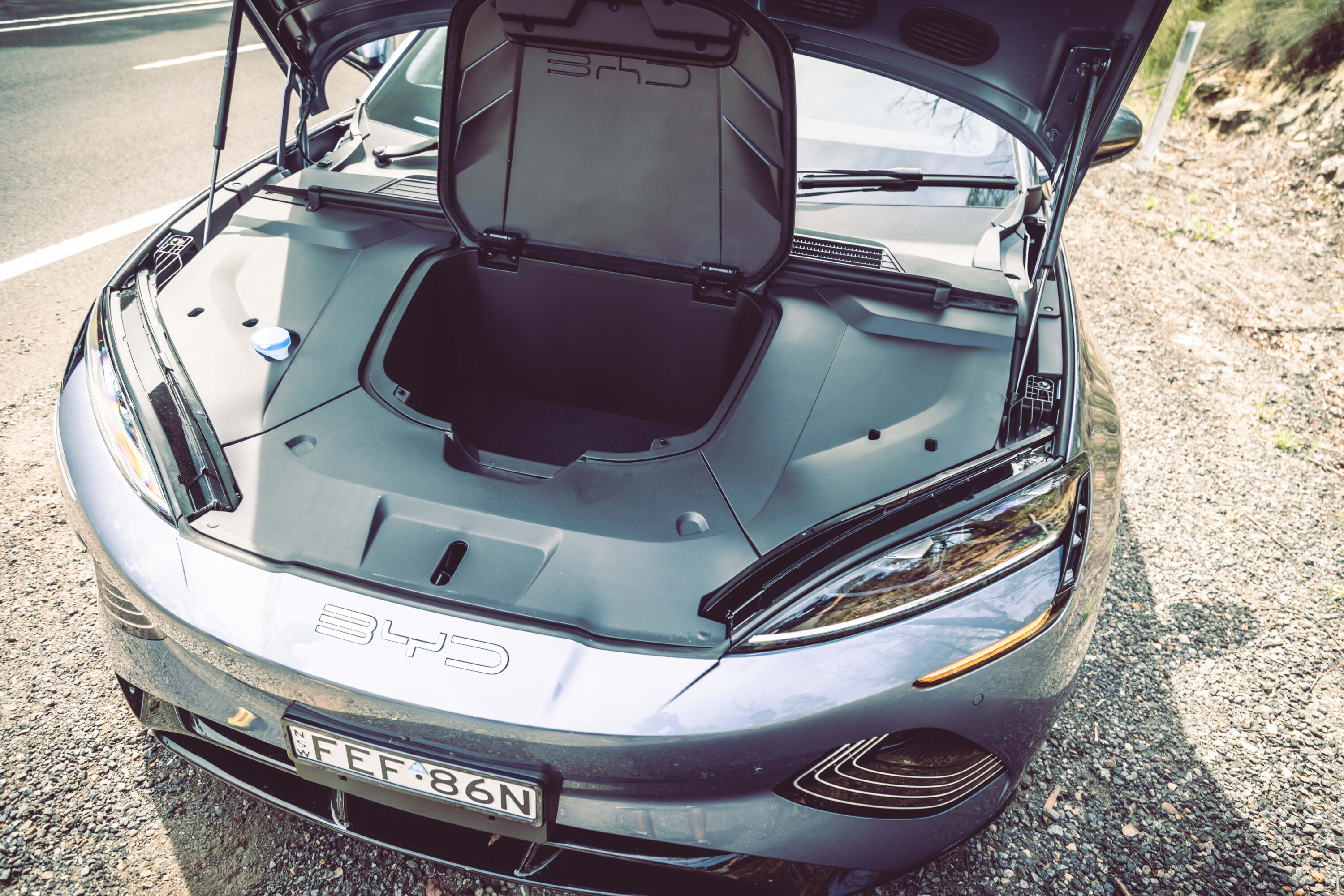
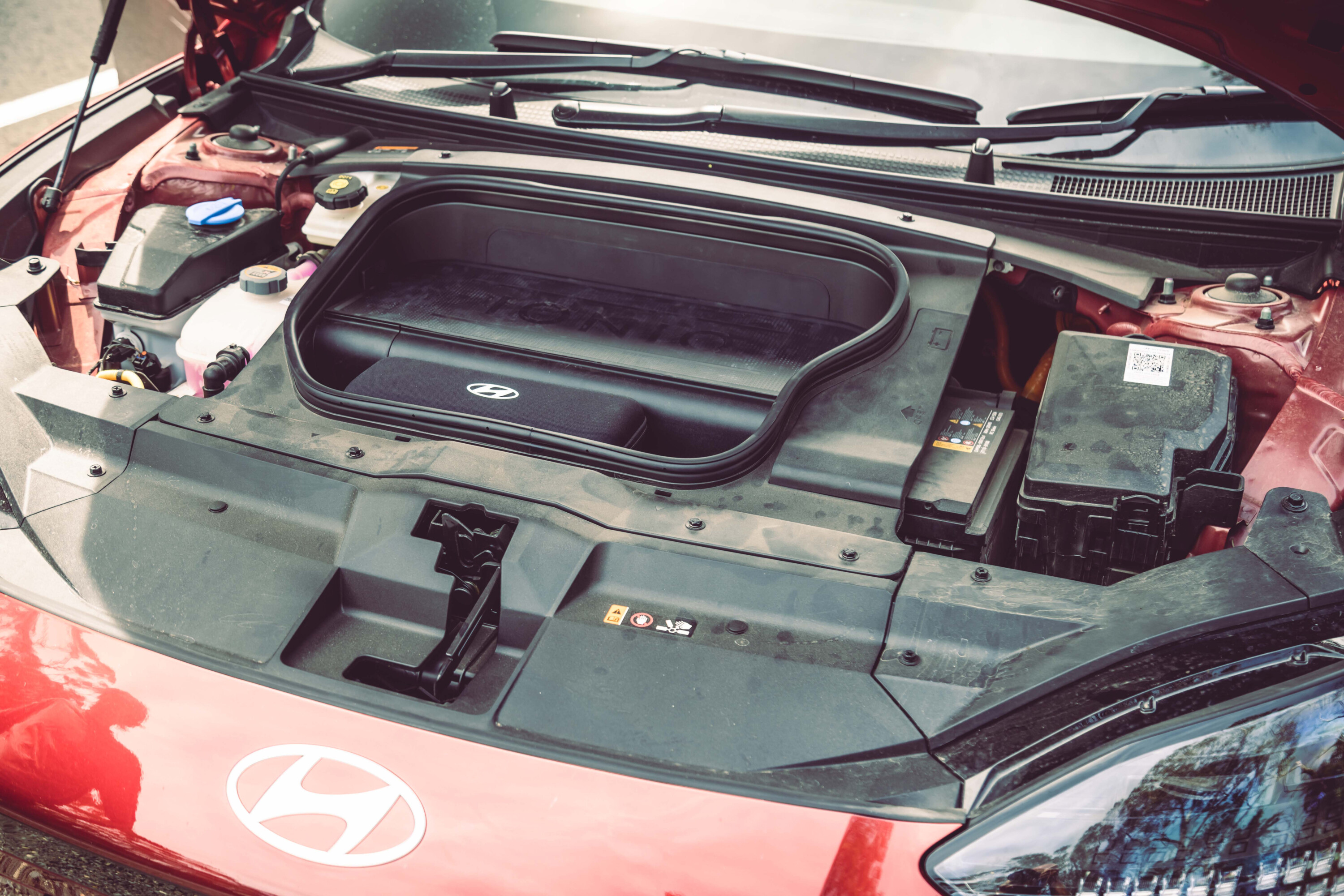
The Hyundai’s 14.5L ‘frunk’ isn’t good for much more than a few bags of emergency Haribo; the BYD’s 50L storage box is more useful for cables.
1
Despite being the shortest vehicle, the Model 3 comfortably has the most luggage space, proving the brand’s capacity for showing that a hundred years of experience can still be outclassed by a newcomer.
In the Model 3, there’s a 561L space (including a large under-floor cubby) beneath the large pseudo-liftback boot lid that gives the broadest loading aperture of the three.
Add to that a generous 85L under-bonnet storage area and the Model 3 wins the storage space segment.
2
How good is the technology?
The Hyundai’s system is the most conventional, with a pair of 12.3-inch displays dealing with driving information and infotainment.
Wired Apple CarPlay remains in the IONIQ 6, though with over-the-air software updates this may be added in the future. Hyundai’s menus are logically structured and the system has approachable graphics. The navigation features live traffic, though the maps look rudimentary next to rivals.
With Hyundai’s Bluelink system, owners are able to control functions such as lock and unlock, pre-heating or cooling, and the ability to send navigation destinations from phone to car. However, the phone does not function as a digital key.
1
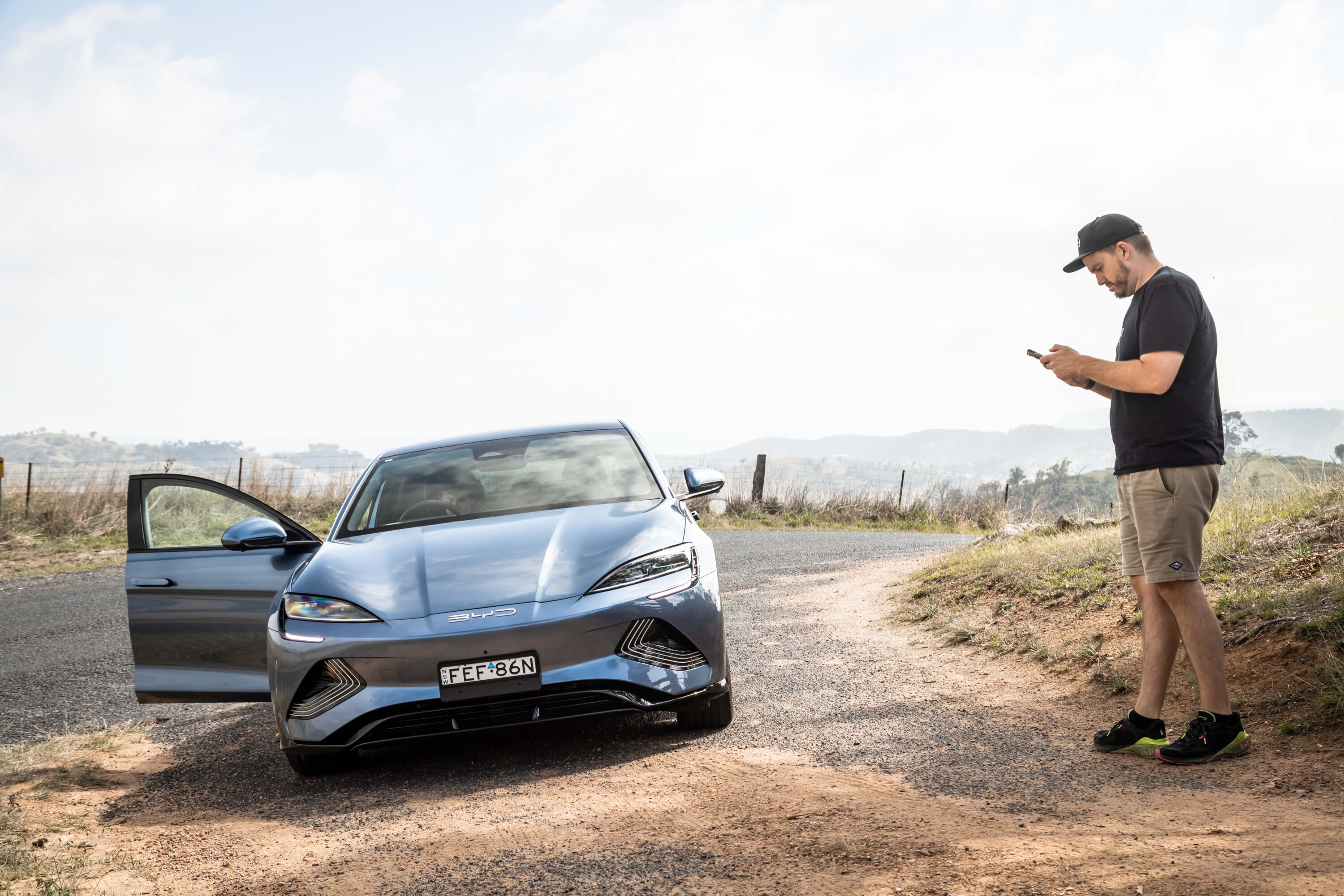
BYD offers similar control with its app, and no ability to start and drive away in the car. The Seal also ships with an NFC card (and dorky white square on the armrest to prove it) as well as a key fob.
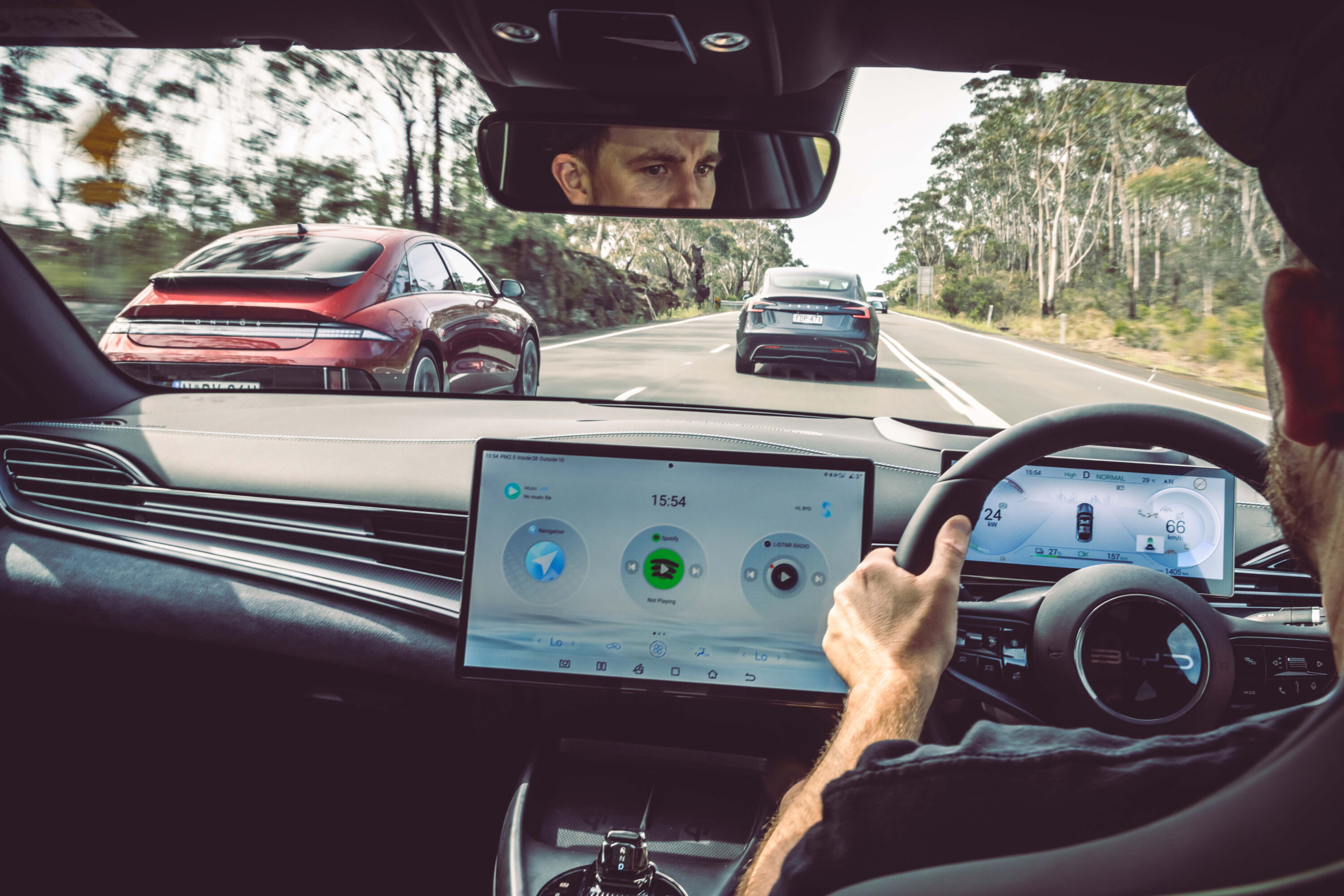
The Android-based operating system runs on a 15.6-inch tablet touchscreen that can be set in portrait or landscape orientation (yeah, we’re still not entirely sure, either) is responsive to the touch, but can be confusing at first with an odd menu layout.
Wireless Android Auto is supported, though CarPlay is cabled. There is one regular USB and one USB-C port in the front as well as a 12-volt socket, and the 12-speaker Dynaudio sound system is perfectly adequate.
All bar fan on/off, defrost and auto settings for the climate control are found in the touchscreen, including vent direction. Annoying enough in a Taycan, in the Seal adjusting where you want cool air is not in the least bit intuitive.
1
The Seal’s digital driver display is small and not very highly featured, yet it gives all the basics such as speed, consumption, range, tyre pressures and outside temperature.
Tesla, of course, does without any sort of digital driver’s or head-up display, meaning you need to glance over at the central tablet to see your speed and road sign information.
But the rest of the package remains class-leading, even nearly five years on from launch. For the 2024 update the screen has become thinner with more powerful processors to run the same basic software with over-the-air updates.
1
The Model 3’s navigation is second to none, with Google Maps-like clarity for the streets, brilliant live-traffic setting and – most importantly – clever online routing that takes into account charge levels and distance to destination which can be invaluable on longer drives.
Like the IONIQ 6 and BYD, you can send locations to the Model 3’s screen from your phone. (Though it’s tough luck for drivers who like to use Waze.)
The phone also works as a fully digital key, allowing control over charging, ventilation, lighting, Sentry mode, and giving the ability to unlock and drive off without the standard-issue swipe card.
1
Range, charging and efficiency
Despite having the smallest battery (57.5kWh) the Model 3 RWD has a similar WLTP range (513km) to the Seal Performance (520km) with its much larger 87.5kWh pack.
The Tesla and BYD’s LFP batteries are more welcoming of 100% than the IONIQ 6’s nickel and cobalt-rich pack, though the Hyundai’s 77.5kWh pack gives it a longer 545km WLTP driving range.
On test, the rear-drive Tesla was the clear winner for efficiency with its trip computer reading 14.1kWh/100km, giving it a real-world roving distance of about 400-410km but you’d expect that from a rear-drive vehicle.
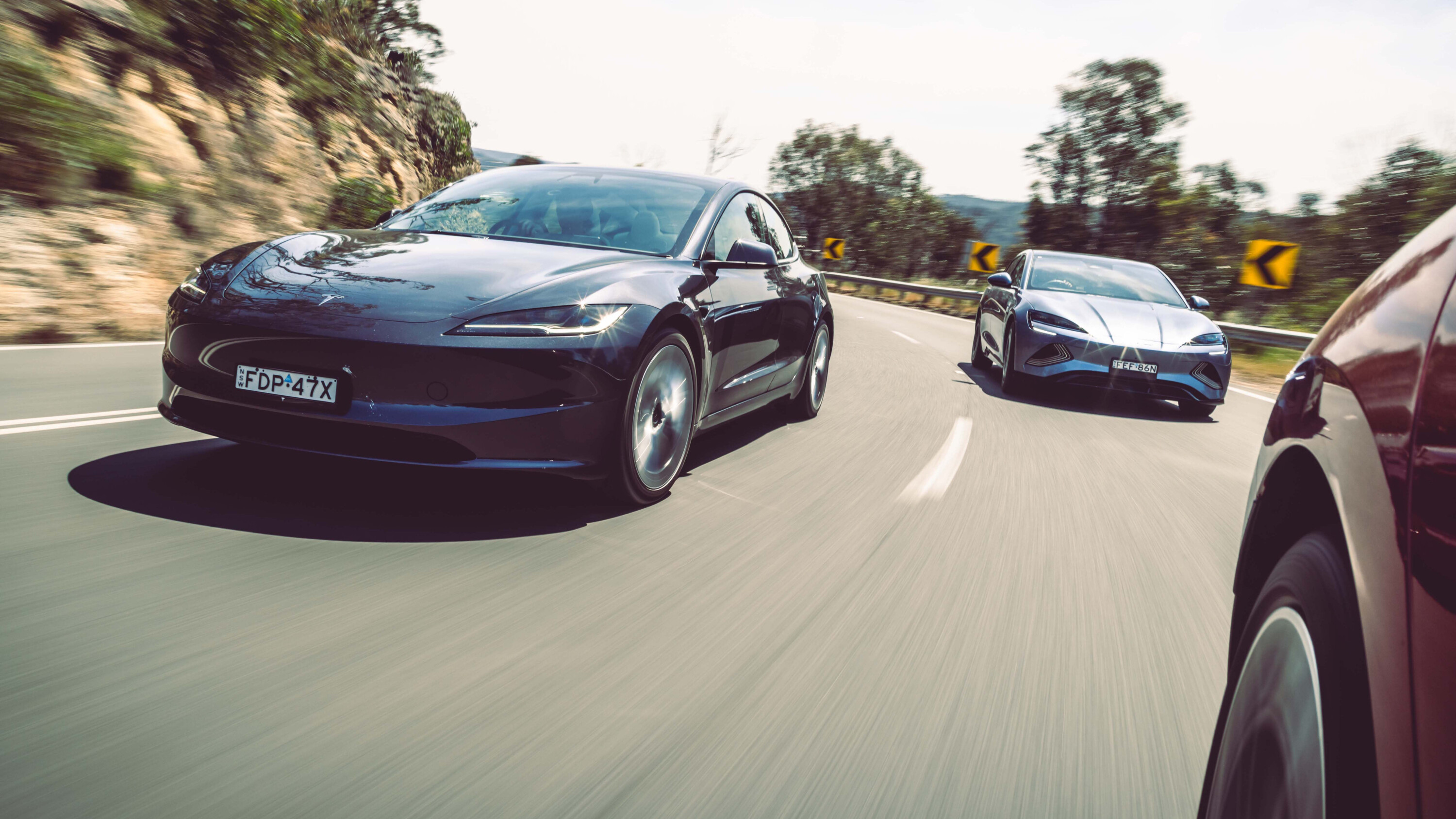
1
The IONIQ 6’s bigger battery (77.5kWh) meant it would get 450km before running flat (at 17.2kWh/100km) and the BYD’s 17.5kWh/100km consumption figure would carry you 471km – closest to its WLTP rating.
It’s worth noting that this comparison involved this trio being driven for photography and over hilly and twisty terrain; expect everyday driving to produce better efficiency results than what you see here.
At the public charger, it’s the IONIQ 6 that’ll get you on your way fastest –replenishing 10-80 per cent in a mere 18 minutes compared to 25 minutes in the Model 3, and a glacial 37 minutes in the Seal.
Both the IONIQ 6 (7h 10m) and Model 3 (6h 30m) will also accept 11kW AC for dramatically faster 0-100 per cent charging at home than the 7kW Seal (11h 45m).
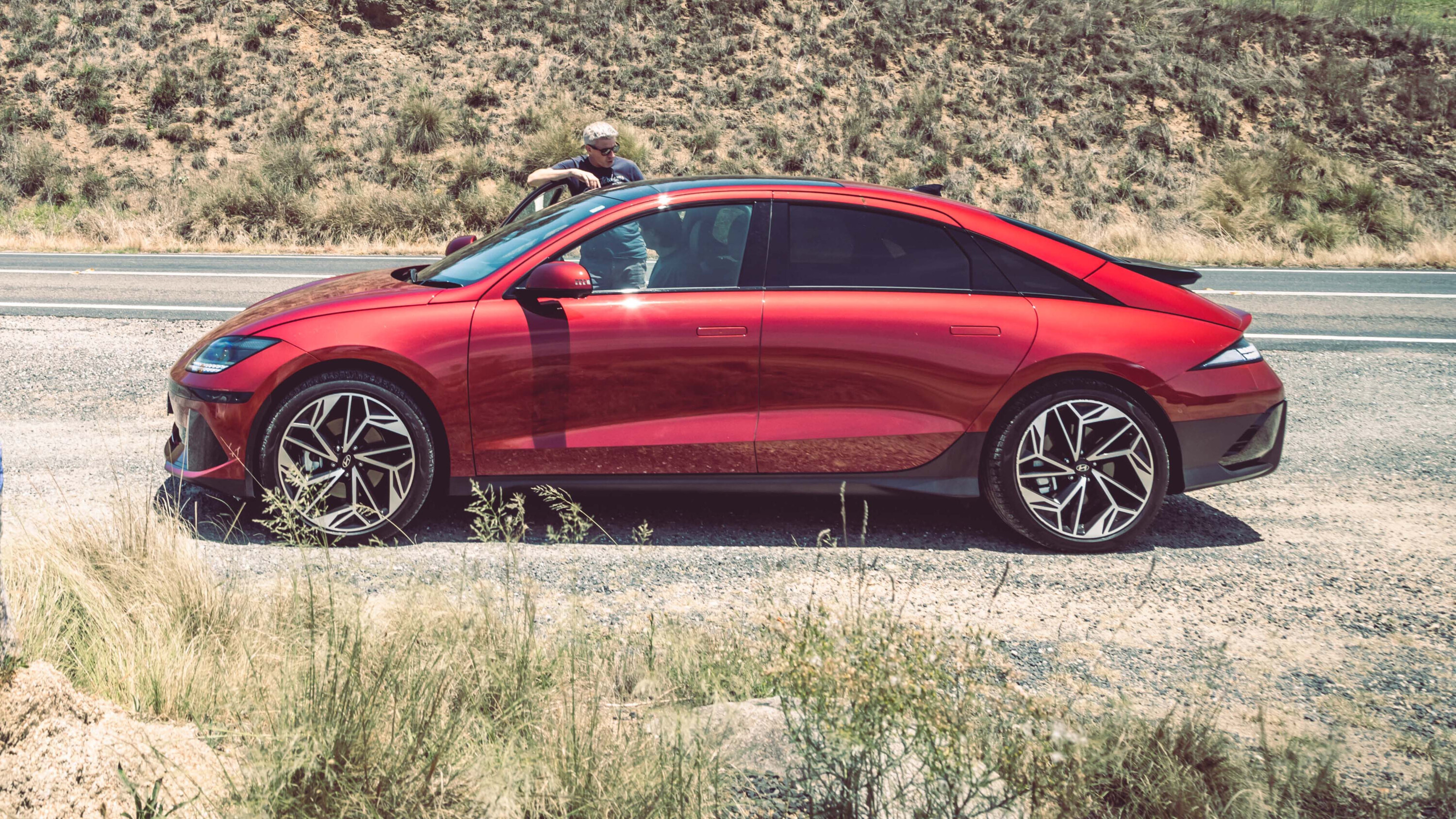
1
What are they like to drive?
Partially because of how sparse the cabin is, and also owing to the Model 3’s smaller size, it’s meaningfully lighter than its rivals (1836kg); 242kg less than the Hyundai and a huge 349kg chunk off the BYD Seal.
The updated Tesla still isn’t perfect, though. It’s softer in spring and more compliant in damper than before (with new suspension knuckles and bushings) but there doesn’t seem to have been a major kinematic overhaul.
Where its firm ride previously jiggled occupants around but resisted body roll and bottoming out quite well, the less fidgety MY24 model isn’t as dynamic and is more eager to find its bump stops through big compressions. The suspension also remains noisy in its operation.
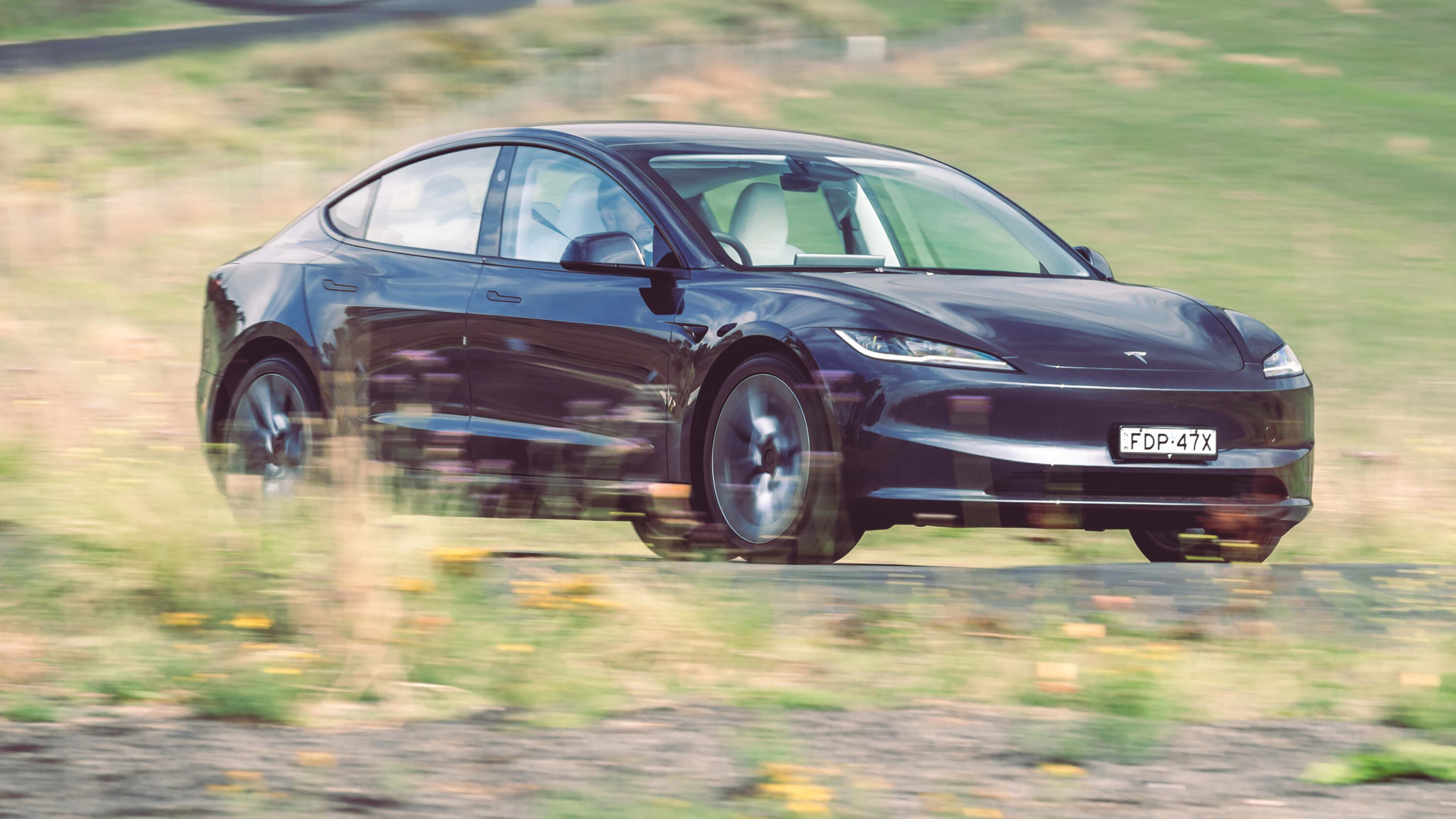
1
It is an overall improvement, aided by the new eco-focused Hankook Ion Evo 235/40R19 tyres that have less grip than the sporty Michelins used previously but are quieter and more compliant.
The Model 3 still doesn’t have the sophistication to shrug off mid-corner bumps but it is a natural and calm companion on a twisty road with a reassuringly proactive stability control system.
It only takes a few stops to acclimatise to the throttle calibration and strong regen, from which point driving with one pedal is a joy. It’s nippy, too, able to hit 100km/h in 6.1 seconds.
Following from Hyundai’s lead, Tesla has also implemented blind-spot cameras that flash a picture onto the centre screen while indicating. This helps identify vulnerable road users such as motorcyclists when turning.
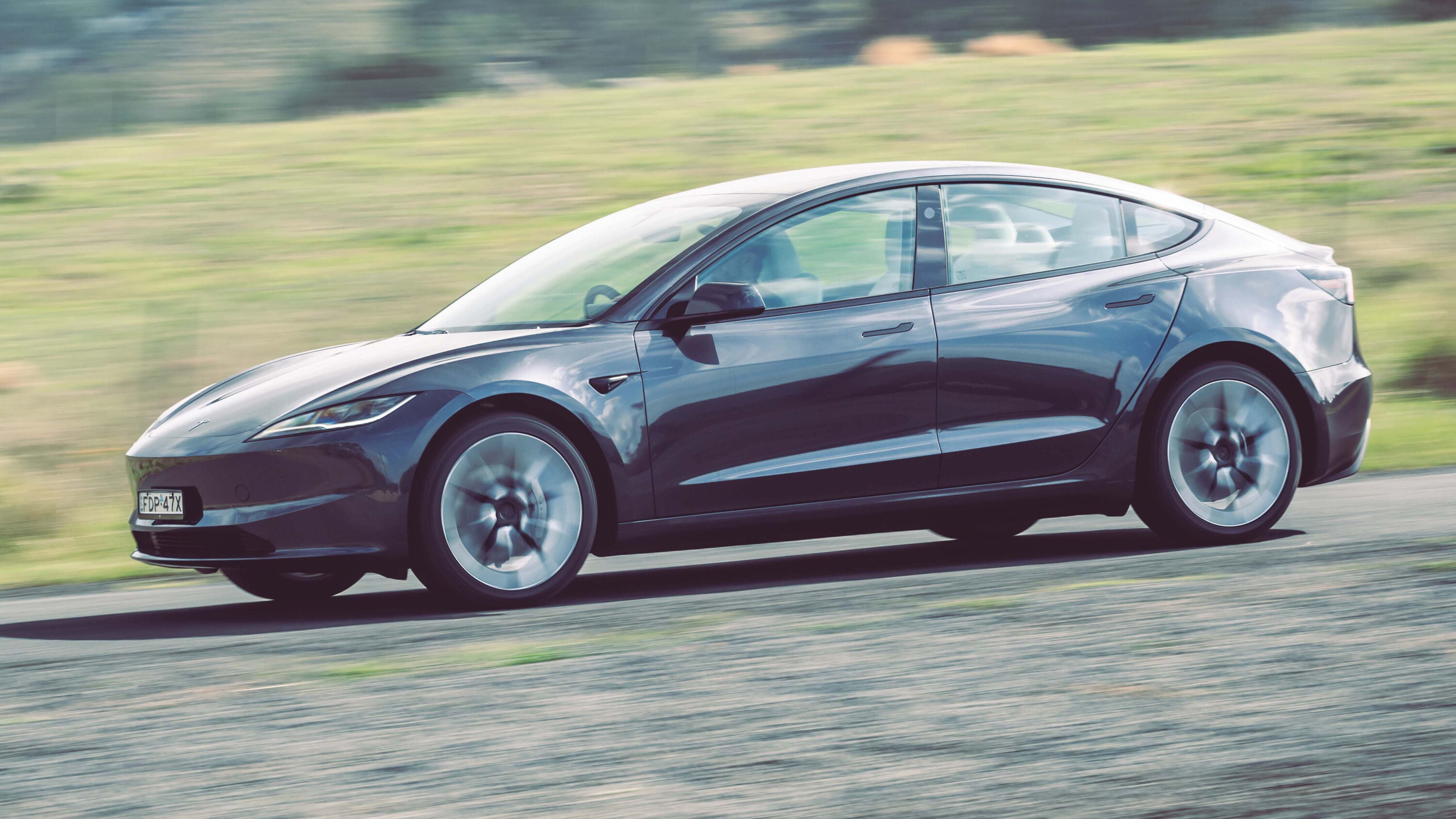
1
Aside from poor rear visibility and obtrusive A-Pillar, the Model 3 is a perfectly fine vehicle around town with a quick 2.1-turn lock-to-lock steering system that’s light and easy (though not the last word in feel).
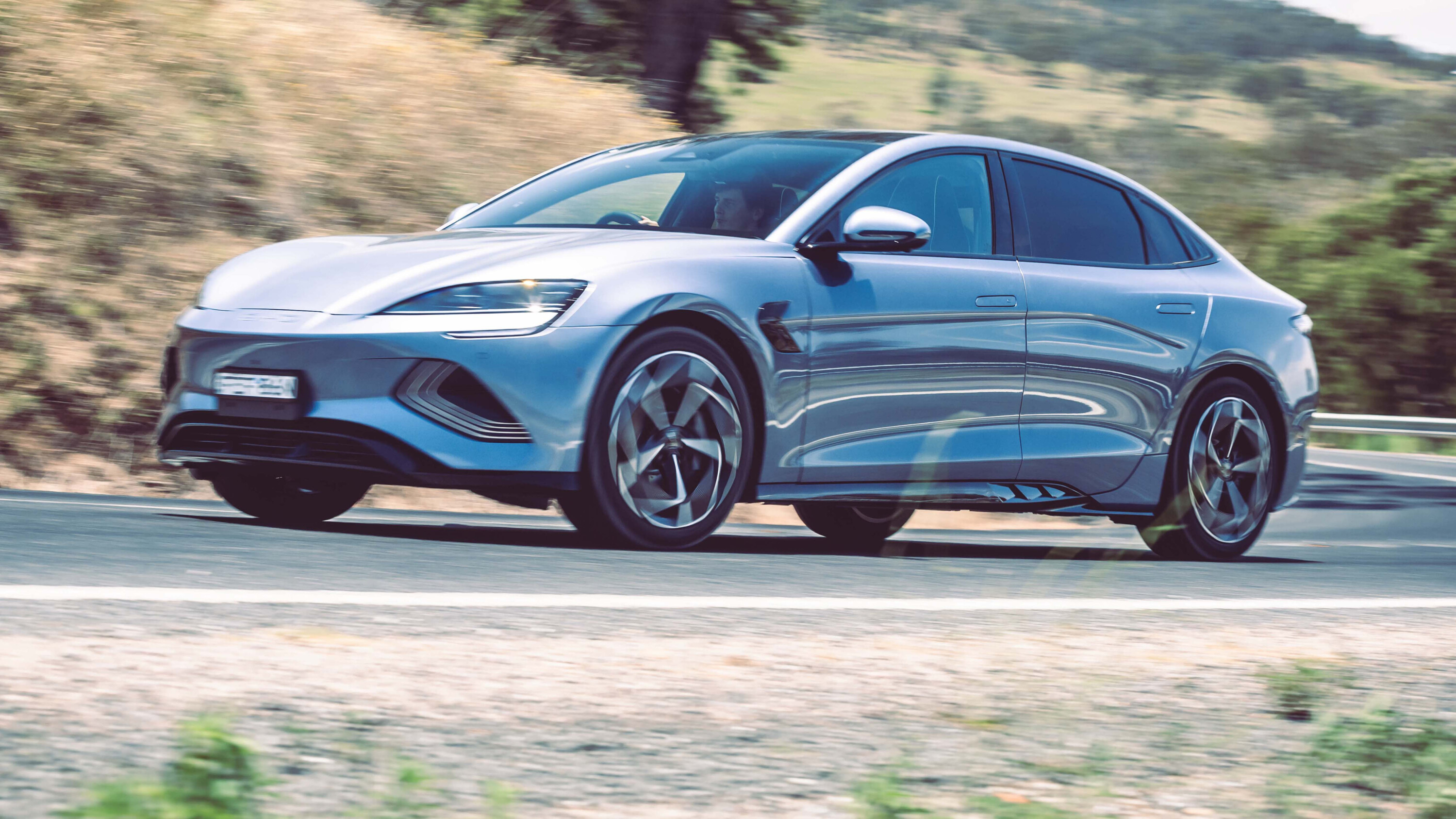
Tesla steering, however, is by far and a way more pleasant than the BYD Seal’s. In Sport mode, the Seal’s steering is stodgy and heavy in a straight line, yet when you add more lock it lightens, offering no resistance to convey how you’re loading the front tyres. Normal and Eco are no better, either.
The BYD’s four-piston front brakes look serious and provide decent stopping power, though the pedal response is spongey and difficult to modulate compared to the Tesla’s. Using the brakes also pitches the weight forward dramatically, making the Seal feel unsettled in corners.
1
An underdamped rear end fails to control the Seal’s considerable mass and leaves the poorly calibrated ESC tune struggling to save the day.
The Seal’s throttle response is also delayed (and there’s no one-pedal mode available), making it tricky to meter out that huge 390kW/670Nm lump of grunt without overstepping the grip of the Continental EcoContact tyres.
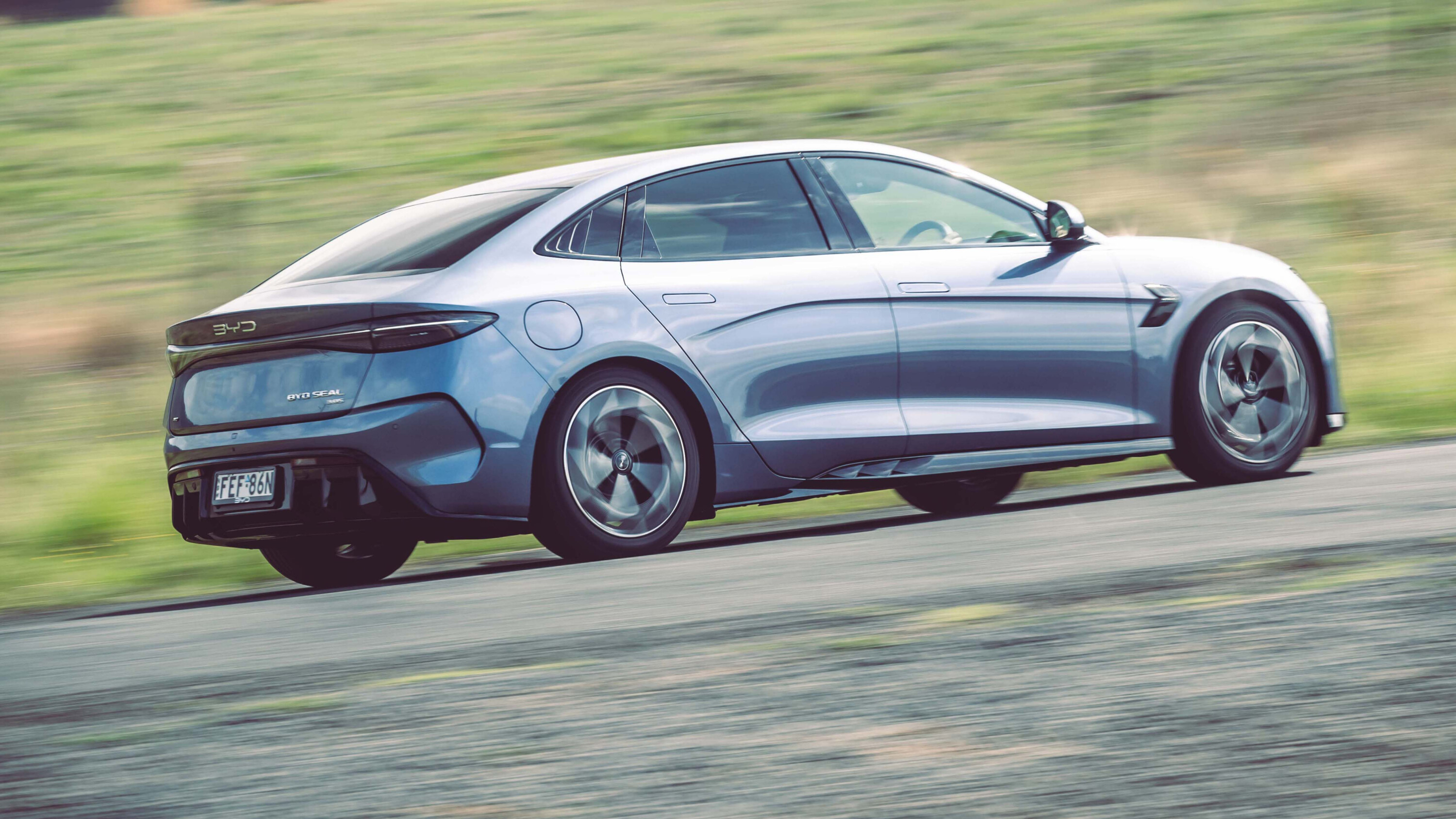
That said, we don’t doubt the claimed acceleration claim – the Seal Performance is organ-rearrangingly quick off the mark. Without any type of locking differentials (beyond torque vectoring by braking), though, it’s a fast car that feels scrappy and vague.
Throttling back to normal speeds and the Seal experience is not a whole lot better. Soft suspension moves a lot over large compressions and occasionally floats in the rebound phase, yet small stutter bumps make the body fidget. It’s inconsistent, and a significant re-tune of the Seal’s trick frequency selective dampers is needed to iron out these issues.
1
BYD has made a big song and dance about the Seal’s Blade battery being structurally integrated.
It promises to make a stiffer body and lower the battery’s stack height, though the Seal had the most pronounced cabin shake over rough roads, suggesting it lacks rigidity where it counts.
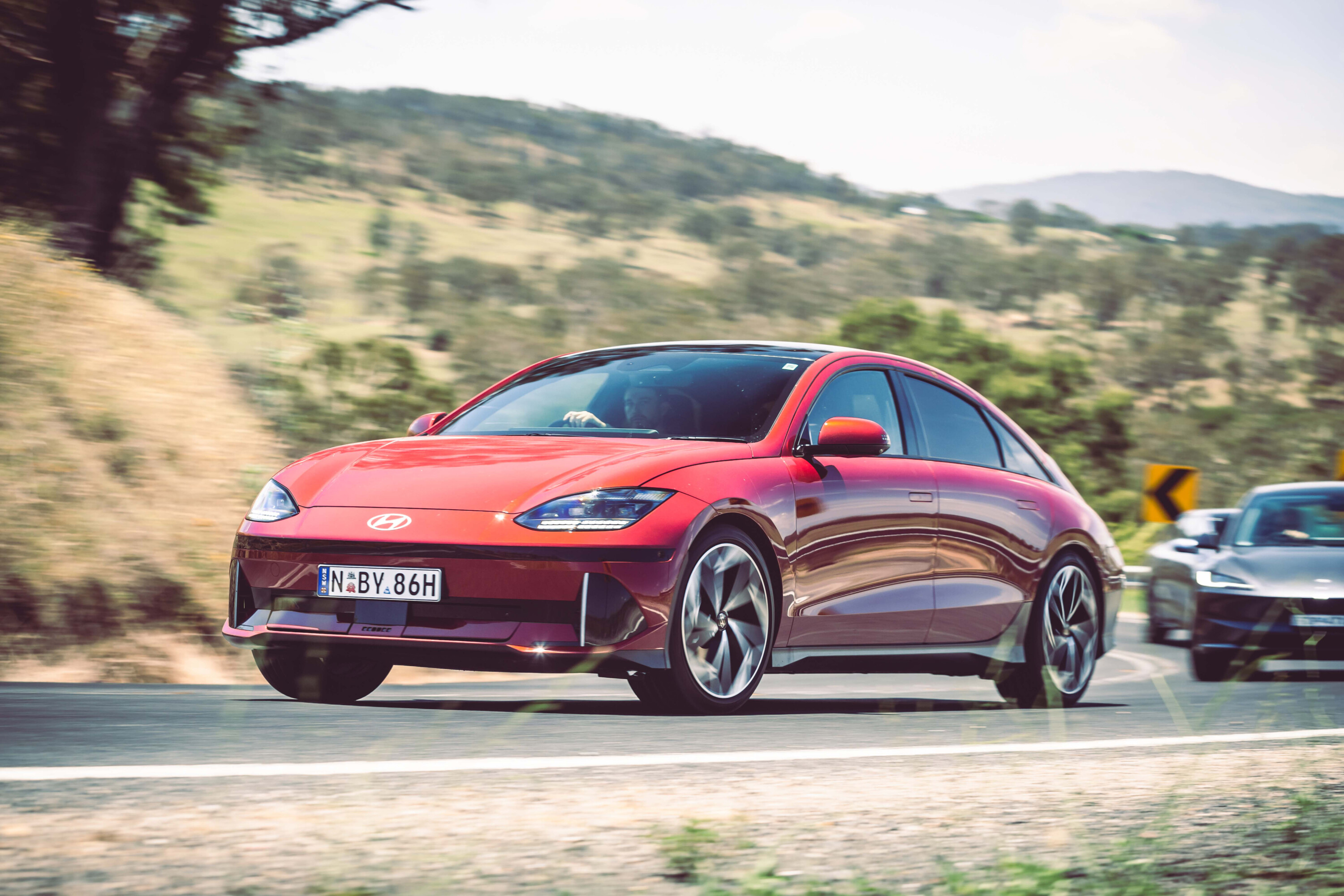
Hopping into the IONIQ 6’s high-set driver’s seat justifies its inclusion. It may be nearly $15K dearer but you can immediately see where that money’s gone. The steering builds weight naturally to communicate how hard the 245/40R20 Pirelli P Zeroes are working, which is not only good for driving enjoyment but also confidence and safety in inclement weather.
1
The IONIQ 6’s weight remains balanced between front and rear axles giving a secure, steadfast feeling on the road and its natural brake pedal is connected to powerful stoppers.
Drivers also can adjust regenerative braking power from light to full one-pedal mode – and the calibration is right up there with Tesla’s.
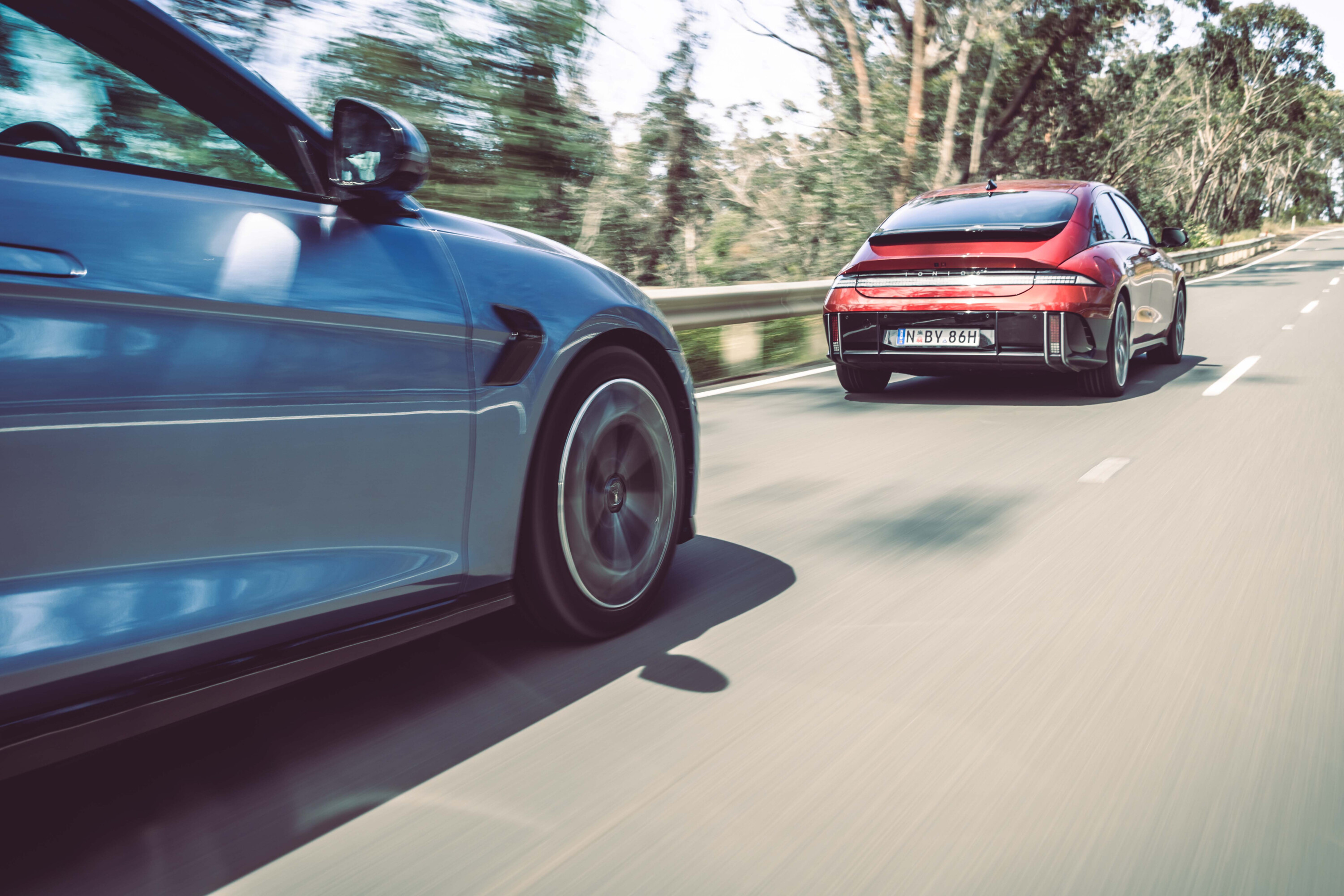
Outputs are rated between the other two, with this twin-motor example developing 239kW and 605Nm for a very respectable 0-100km/h sprint time of 5.1 seconds. Unlike the Seal, this AWD EV never feels ragged under full power.
1
The Hyundai’s drive modes are easily accessible on the two-spoke tiller and make a real difference.
Eco is genuinely useful around town, dulling throttle response for Driving Miss Daisy. Normal suits everyday antics and Sport (which brings with it red cabin lighting from the Cyberpunk square LEDs) amps throttle response and adds weight to the steering – it’s properly engineered and developed.
Hyundai’s quirky cockroach shape surprisingly offers the best vision of this trio as well, meaning that although you get a 360-degree camera standard, turning out of junctions and reversing out of unsighted parking spots is most pleasant in the IONIQ.
If any of the terms in this section have left you scratching your head, these articles will help bring you up to speed!
1
- What is a Powertrain or Drivetrain?
- Power vs torque
- Car suspension explained
- Automatic transmissions (‘gearboxes’) explained
- Chassis control systems explained
- Car vs Ute vs SUV: How the vehicle you buy should guide the way you drive
- What is the WLTP emissions and range test?
Warranty and servicing
If you value a traditional dealership experience with transparent warranty and servicing standards – as well as an excellently built car with none of the rattles of the BYD and Model 3 despite having an extra 10,000km on the clock – then the IONIQ 6 is worth the extra money.
When it comes to purchasing and servicing, the Hyundai’s traditional dealer experience (online ordering is available) and capped-price servicing plan is easy.
Tesla and BYD offer more digital experiences, though retain larger ‘experience centres’ in urban areas.
Servicing for Model 3 has to be carried out at selected Tesla repair centres, while BYD is a little more open. Like the buying, metropolitan service centres are appearing, but BYD has also inked a deal with MyCar centres to provide broader coverage for Seal owners.
1
The only snag is that Seal maintenance is due annually, while the IONIQ 6 and Model 3 will go for two years between trips to a mechanic.
Hyundai and Tesla’s warranties are pretty simple – one set period covers everything.
For the IONIQ 6, that’s five-years/unlimited kilometres (or 130,000km if you’re using it as a ride-share vehicle) and the Model 3 it’s a blanket four-year/80,000km.
1
The Tesla’s warranty is on the shorter side, but easy to understand. Things are a little cloudier at BYD.
Where the other two only lean on manufacturers for the tyre and low-voltage battery (both usually a year), the Seal’s six-year/160,000km is longer than that of the infotainment and wheel bearings (three years/60,000km) and lights, suspension ball joints, and the tyre pressure monitoring system (four years/100,000km).
All vehicles are backed by an eight-year/160,000km high-voltage electrics warranty that guarantees the battery will retain at least 70 per cent of its capacity over that period.
1
How safe are they?
All vehicles have been rated five stars by ANCAP with the Seal’s test under the latest 2023 protocols – so it should, theoretically, be the safest.
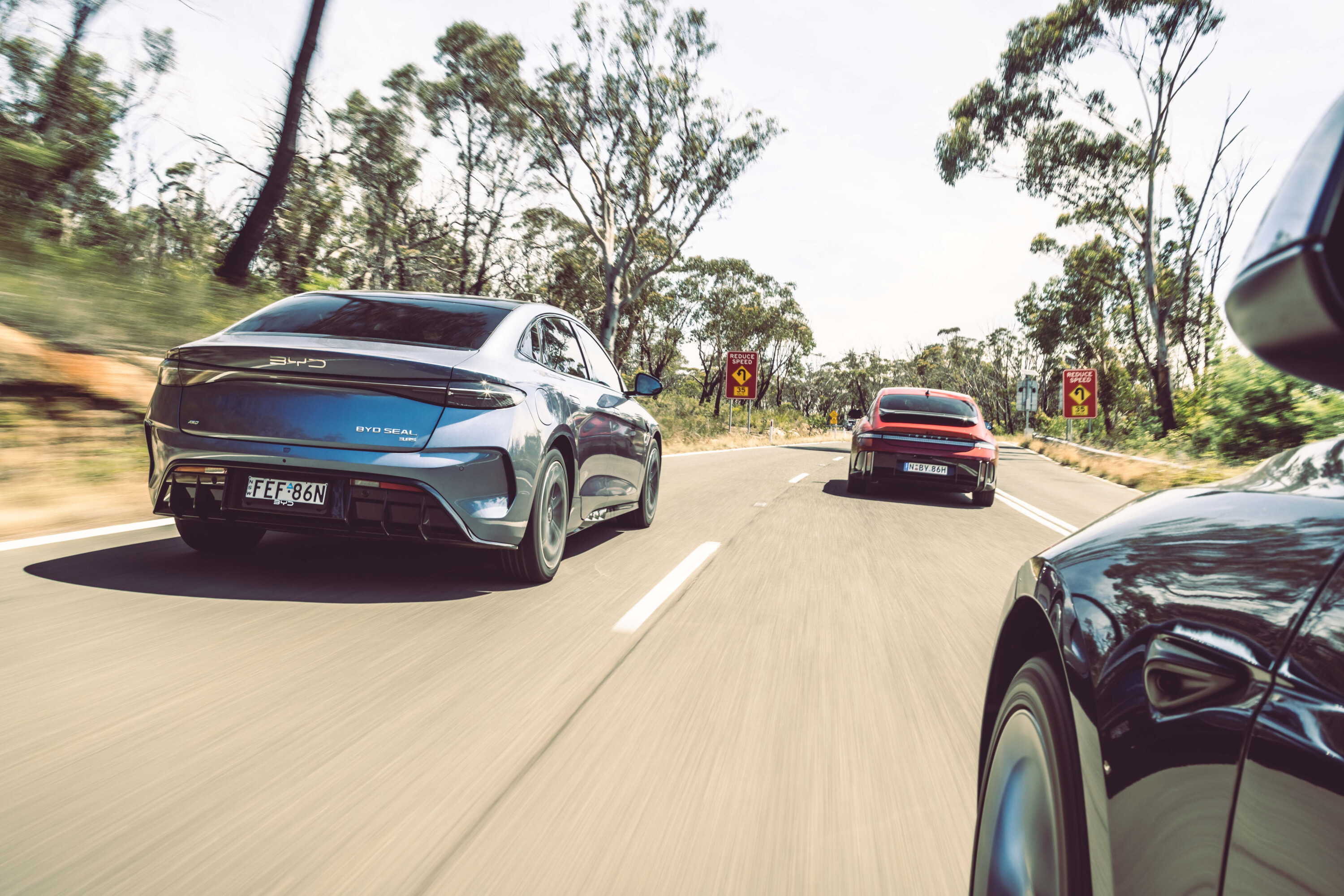
The Seal certainly has all the aids thrown in and, while the non-intrusive ones (front and rear cross-traffic alert, AEB) stayed out of the way during testing, the lane-keep assist and driver-attention monitoring need a thorough re-think for Australian conditions.
Several times the assistant beeped and in a couple of instances “violently yanked” (as fellow tester Jez put it) the wheel. On more than one occasion, these were phantom responses to the fuzzy lane markings and grassy road edges common on our backroads, and could have instigated a head-on collision.
1
Hyundai’s ANCAP date stamp is for 2022 and it also has all the aids you’d expect.
The speed-limit assist is immensely frustrating and you have to disable the audible warning every time you start the vehicle – it’s lane-keep assist is thankfully better than the BYD’s.
However, when it comes to user-friendly integration, it’s the Model 3. You can turn the ones off you don’t like and they’ll stay that way; the speed limit assist is genuinely helpful (it doesn’t beep!); and there’s Joe mode to hush the alerts for a more serene experience.
1
Only this particular car’s horrendous auto wiper programming (we’ve had differing experiences in each Tesla example we’ve sampled) that failed to notice any drizzle on our test day, is worth complaining about.
Tesla continues to offer add-ons for its camera-driven driver assist systems. For $5500 you can navigate and change lanes with Autopilot, while Full Self Driving ($10,100) will allegedly stop at traffic lights and stop signs. Tesla has yet to give Wheels a chance to sample these extras in Australia so for the moment we wouldn’t recommend the extra spend.
Like the others, the Model 3 was rated five stars by ANCAP though its date stamp in 2019, and the updated vehicle is now considered unrated.
1
VERDICT
The outright winner is…
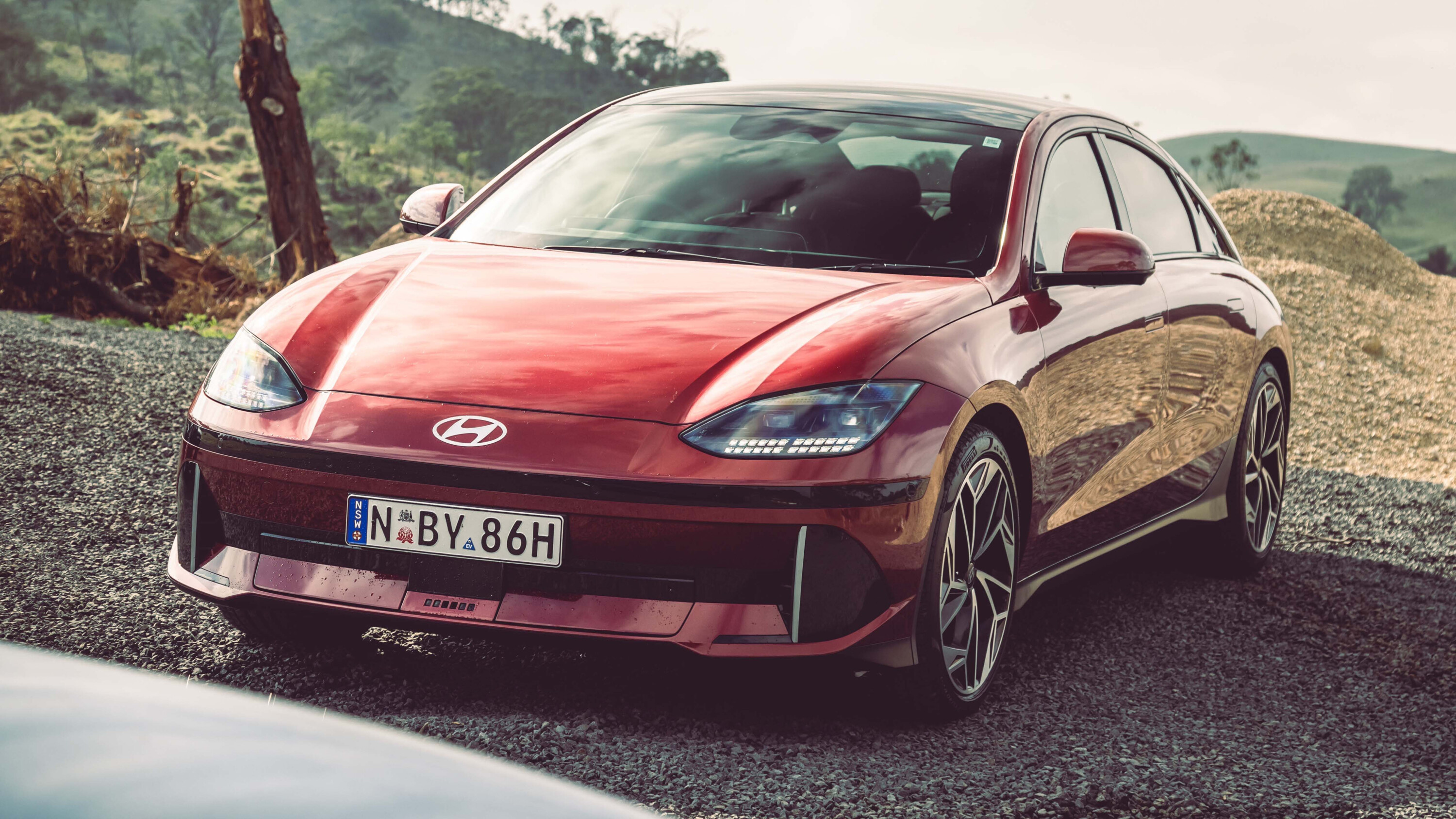
It may well be hard to overlook the near $15K premium, but when you drive the Ioniq 6 you can feel where the extra money has gone.
Tech heads may be less convinced by the Ioniq 6’s more conventional infotainment (though it still chats to your phone and recommends charging stations). However, the Hyundai’s steering, ride, handling and ESC tuning are head-and-shoulders beyond the Tesla and BYD.
1
The value pick
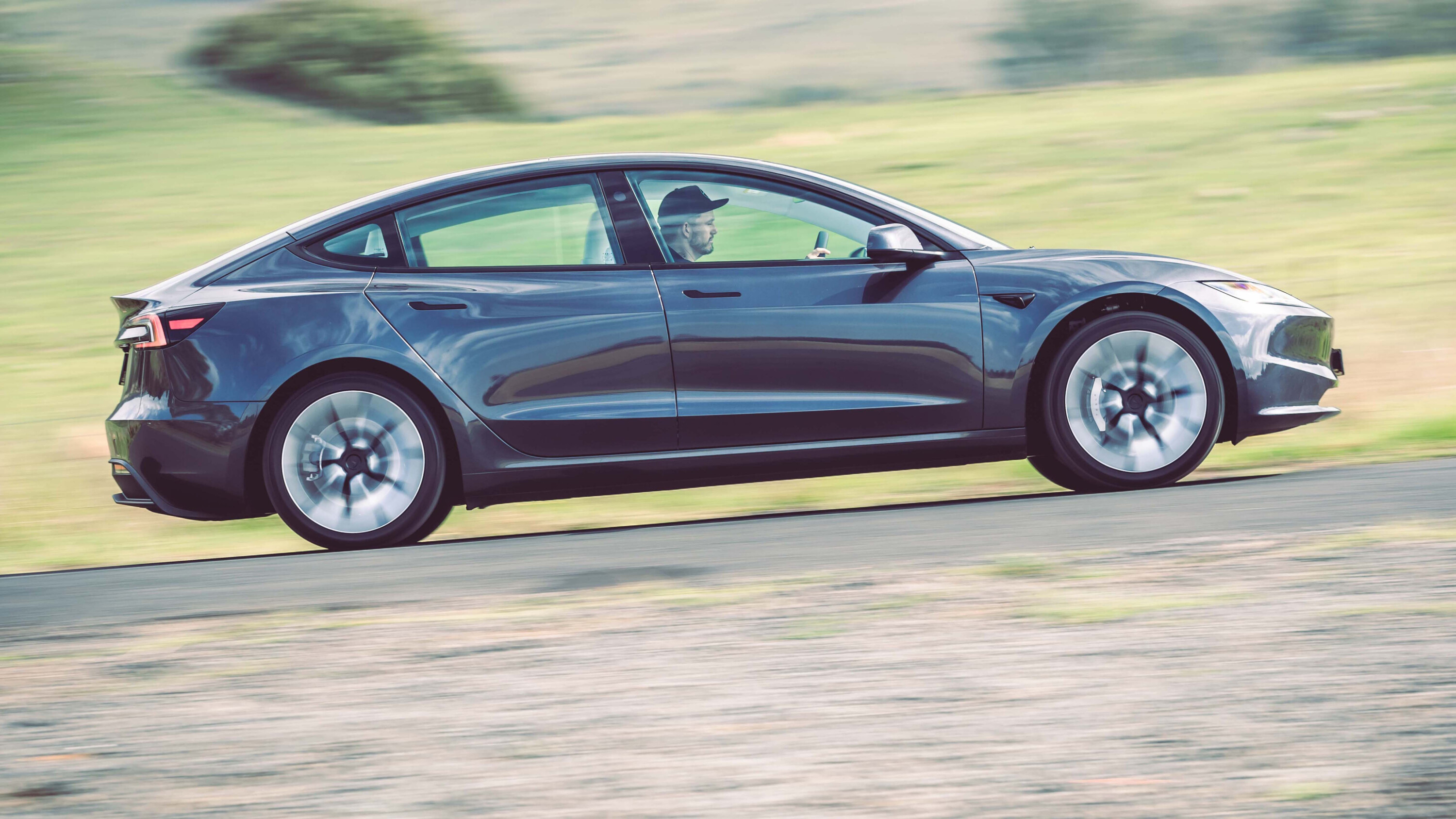
The Tesla Model 3, in affordable base guise or mid-spec Long Range, remains the value king in this segment with mid-life updates only making the package more agreeable.
Its connected technology is also a standout, despite being fitted to the Tesla (in some form) since its 2019 release – and the Model 3 is also the most efficient in the real world while offering more-than-adequate dynamics.
Both the Model 3 and IONIQ 6 are more than worthy of consideration, so a test drive and a few hours on the calculator will be the best way to determine which suits you.
1
If you want the most for the least…
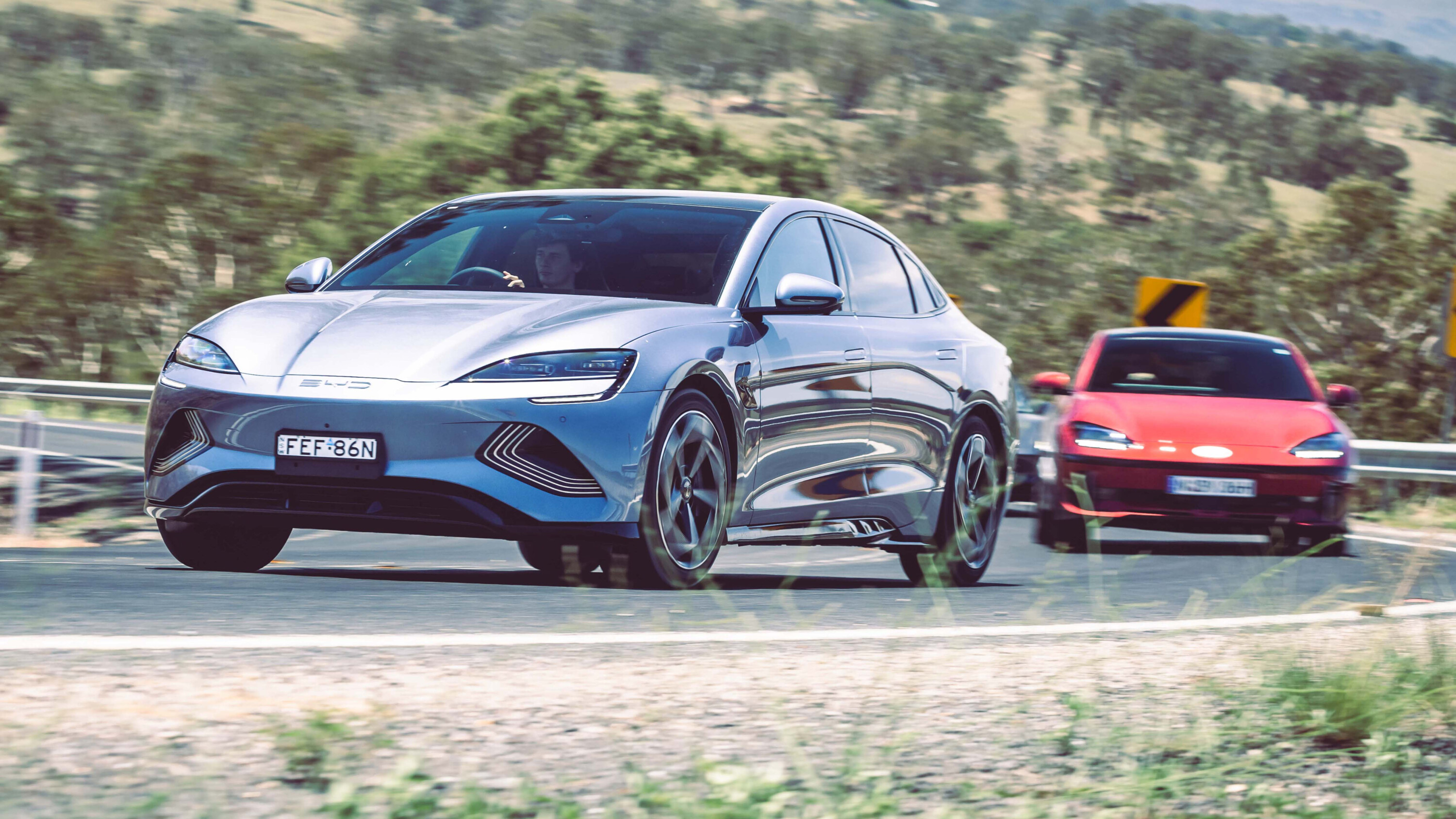
With a comfortable and spacious cabin and good levels of equipment, the BYD Seal promises plenty for not much cash. If that’s all you’re worried about (not resale, on-road performance, charging speed, and affordable ownership/servicing), then it’s the pick.
Unfortunately, the Seal Performance feels mismatched and scrappy when it comes to powertrain and chassis ability; we suspect the lower-power Dynamic or Premium trims (yet to be offered for testing) will be better choices.
1
SCORING
BYD Seal score: 6.5/10
What we liked
- Dollar-to-kilowatt king
- Handsome exterior
- Interior packaging
Not so much…
- Chassis needs an overhaul
- Unpleasant brake pedal
- Hidden warranty snags
MORE
Everything BYD
Hyundai IONIQ 6 score: 8.5/10
Things we like
- Best ride of the group
- Spacious and interesting cabin
- Real-world fast-charging speed
Not so much…
- Most expensive
- Lacks Teslau2019s advanced connectivity
MORE
Everything Hyundai
Tesla Model 3 score: 8.5/10
Things we like
- Still the leader of connected tech; ;
- much-improved interior comfort
- unbeatable efficiency
Not so much…
- Cabin feels sparse
- Ride is still not resolved
- Silly indicators
MORE
Everything Tesla
Specifications
| BYD Seal Performance | Hyundai IONIQ 6 Techniq AWD | Tesla Model 3 RWD | |
|---|---|---|---|
| Price (before on-road costs) | $68,798 | $83,500 | $61,900 ($67,590 as tested) |
| Drive | AWD Twin motor | AWD Twin motor | RWD single motor |
| Power | 390kW | 239kW | 208kW* |
| Torque | 670Nm | 605Nm | 420Nm* |
| 0-100km/h | 3.8 seconds | 5.1 seconds | 6.1 seconds |
| Range (WLTP) | 520km | 545km | 513km |
| Battery size | 82.5kWh | 77.4kWh | 57.5kWh (LFP) |
| Peak charge DC / 10-80% | 150kW / 37m | 250kW / 18m | 170kW / 25 min |
| Peak charge AC / 0-100% | 7kW / 11h 47m | 11kW / 7h 10m | 11kW / 6h 30m |
| W/L/H | 4800/1875/1460mm | 4855/1880/1495mm | 4720/1933/1441mm |
| WB | 2920mm | 2950mm | 2875mm |
| Weight | 2185kg | 2078kg | 1836kg |
| Boot (under-bonnet storage) | 400L (50L) | 401L (14.5L) | 561L (88L) |
| ANCAP | 5 star (2023) | 5 star (2022) | 5 star (2019) |
| *figures are estimates provided by EV database |
MORE
Electric Cars
If you walk into a Porsche dealership today holding a duffle bag full of notes that add up to $220,000, there’s a very slim chance you’ll be heading home in a brand-new 718 Cayman GTS.
The Stuttgart sports car specialist is all sold out for the next 18 months and salespeople are reluctant to take orders (because there’s a new electrified version on the way in 2025). So what’s a sports car fan to do, if not wait patiently for a Porsche?
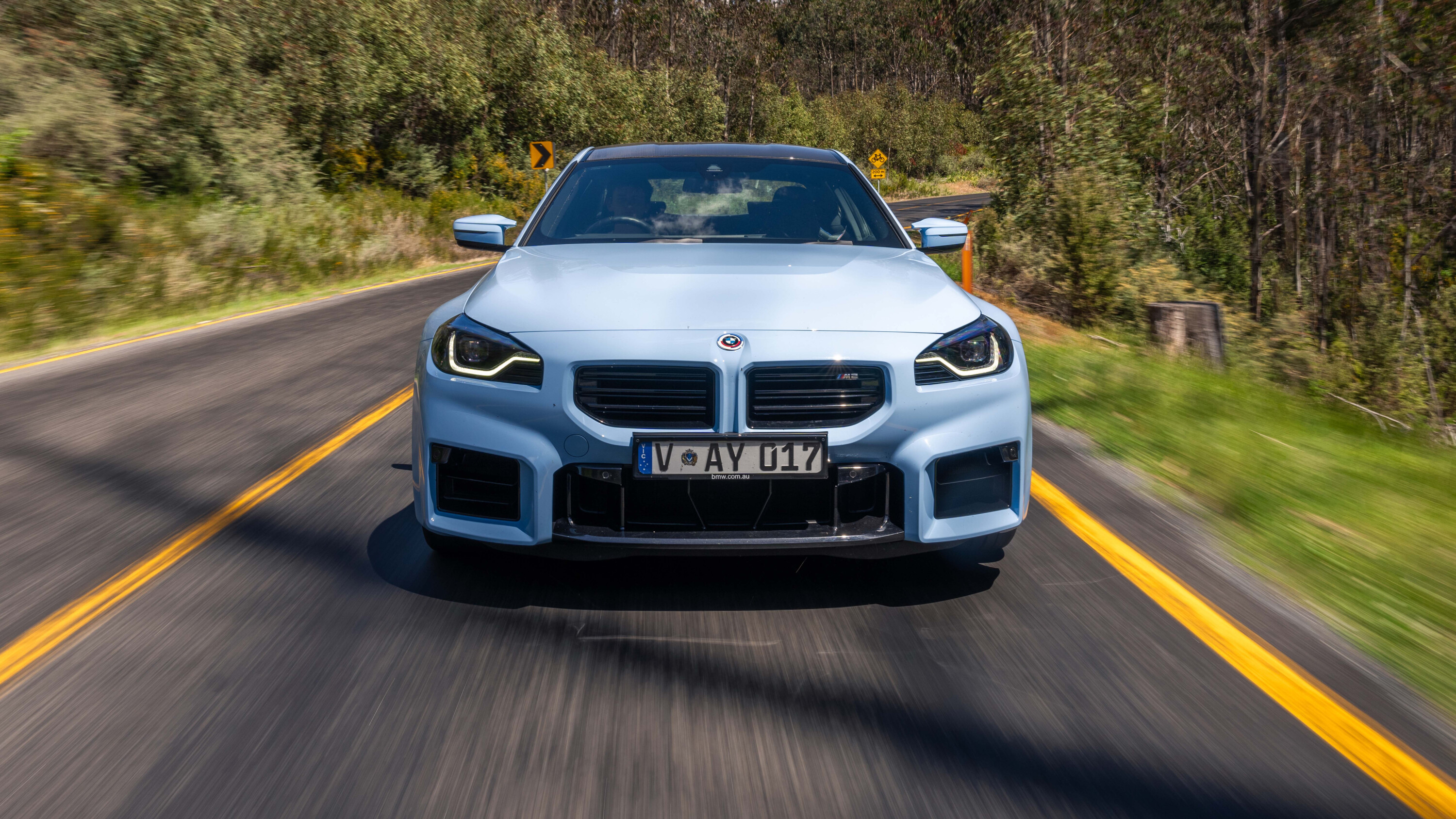
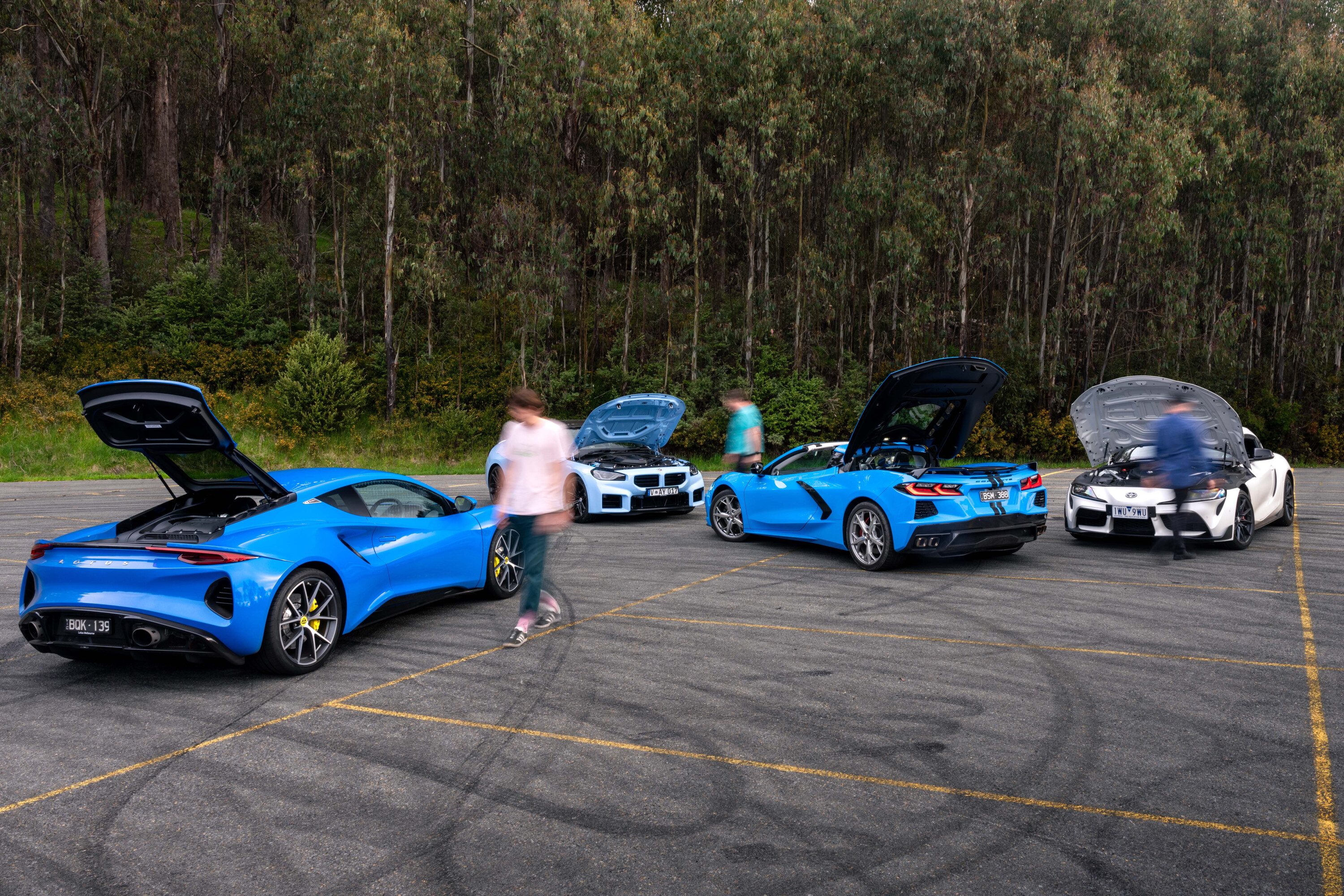
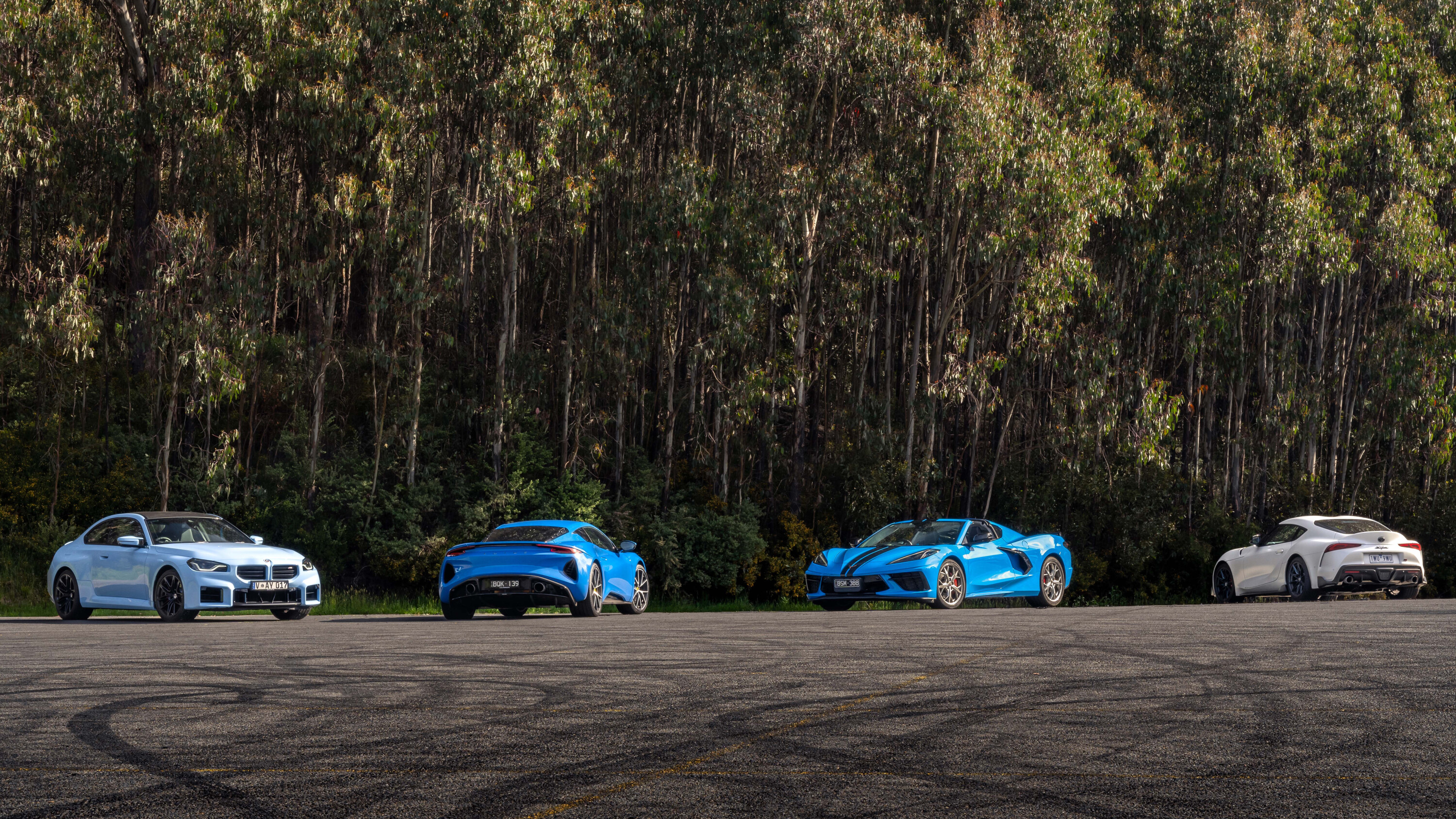
As we’re entering the last hurrahs of combustion-engined sports cars, that might not be so wise. Enter four left-of-field options: Lotus’s Emira – the Evora replacement – with its bonded aluminium chassis and mid-mounted 3.5-litre supercharged V6 for $199,990, the brash mid-ship C8 Corvette 3LT (from $205,000), BMW’s new M2 manual ($136,200 as you see it here), and the cheapest of the lot, the Toyota GR Supra GTS manual ($99,880 with Matte White paint).
1
Where a Cayman is 18 months or never, these three are comparatively available.
The Corvette is ready to order at GMSV dealers in whatever flavour you like, and this year the brand will launch a hardcore Z06 with more grunt and a sharper chassis; an electric E-Ray version is coming, too. For the M2, it’s around a six-month wait for a new order with some dealer stock around, and a similar story for the Supra.
In the Emira’s case, cancelled First Edition orders mean a few of the year’s 200-strong supply are available in dealers. Orders for V6 and four-pot versions will be met with glee (and roughly a six-month wait time) by one of Australia’s five Lotus dealers. Speaking of dealers, that’s where this story begins following a 6:00 am flight to Melbourne.
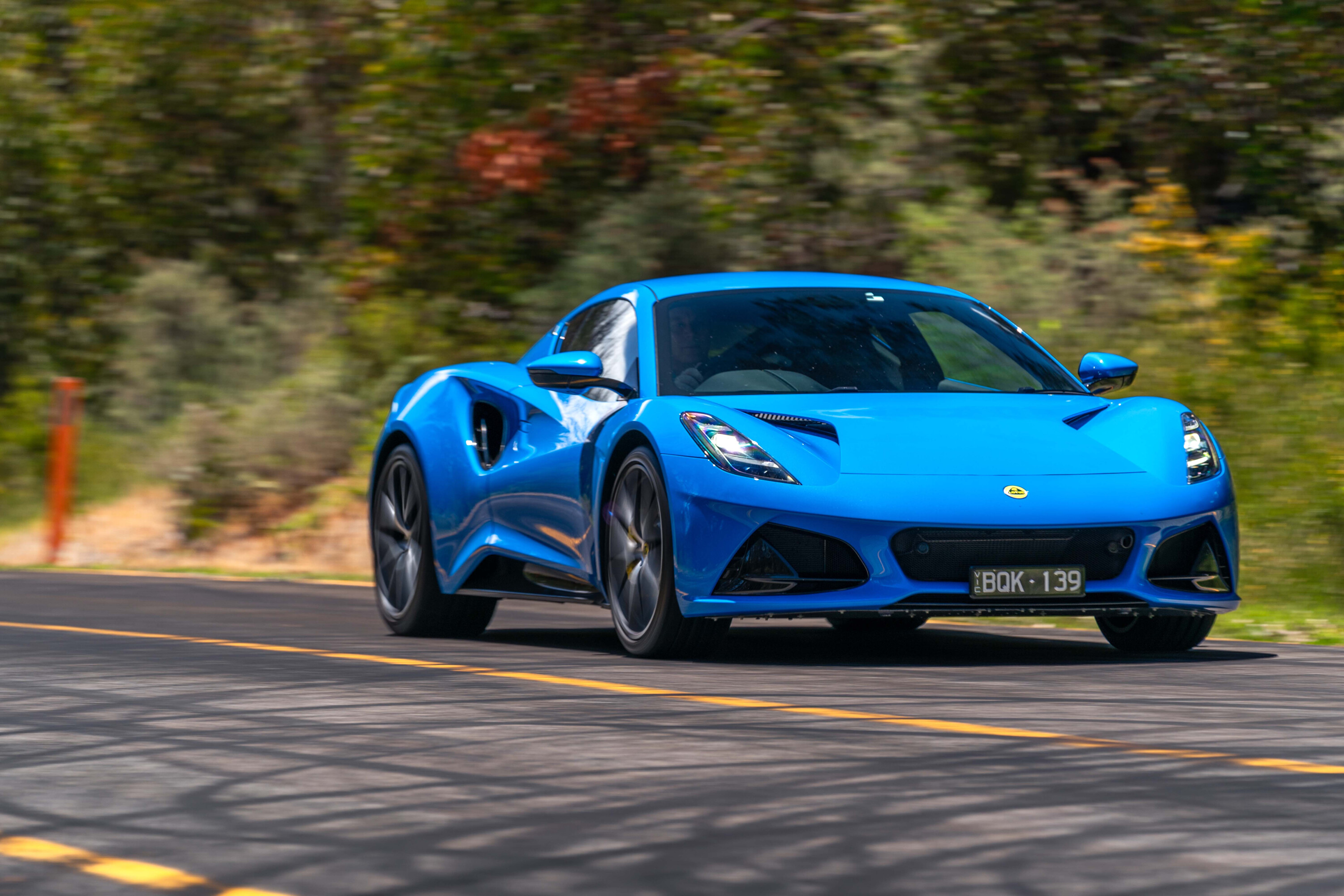
The Lotus transforms Lake Mountain into a tarmac rally stage
1
The compact Simply Sports Cars location in South Melbourne is currently packed with new Emira First Editions in every hue imaginable, from ‘our’ Seneca Blue communications colour example to understated but gorgeous Nimbus Grey.
After a quick nose around, it’s time to enter the Emira, a task much easier than getting into an Elise or Evora thanks to unobtrusive door sills.
Once inside it’s the seats that are a little peculiar. They nip in around the thighs and aren’t set as low as expected, likely amplified by the extremely low scuttle that gives excellent forward visibility.
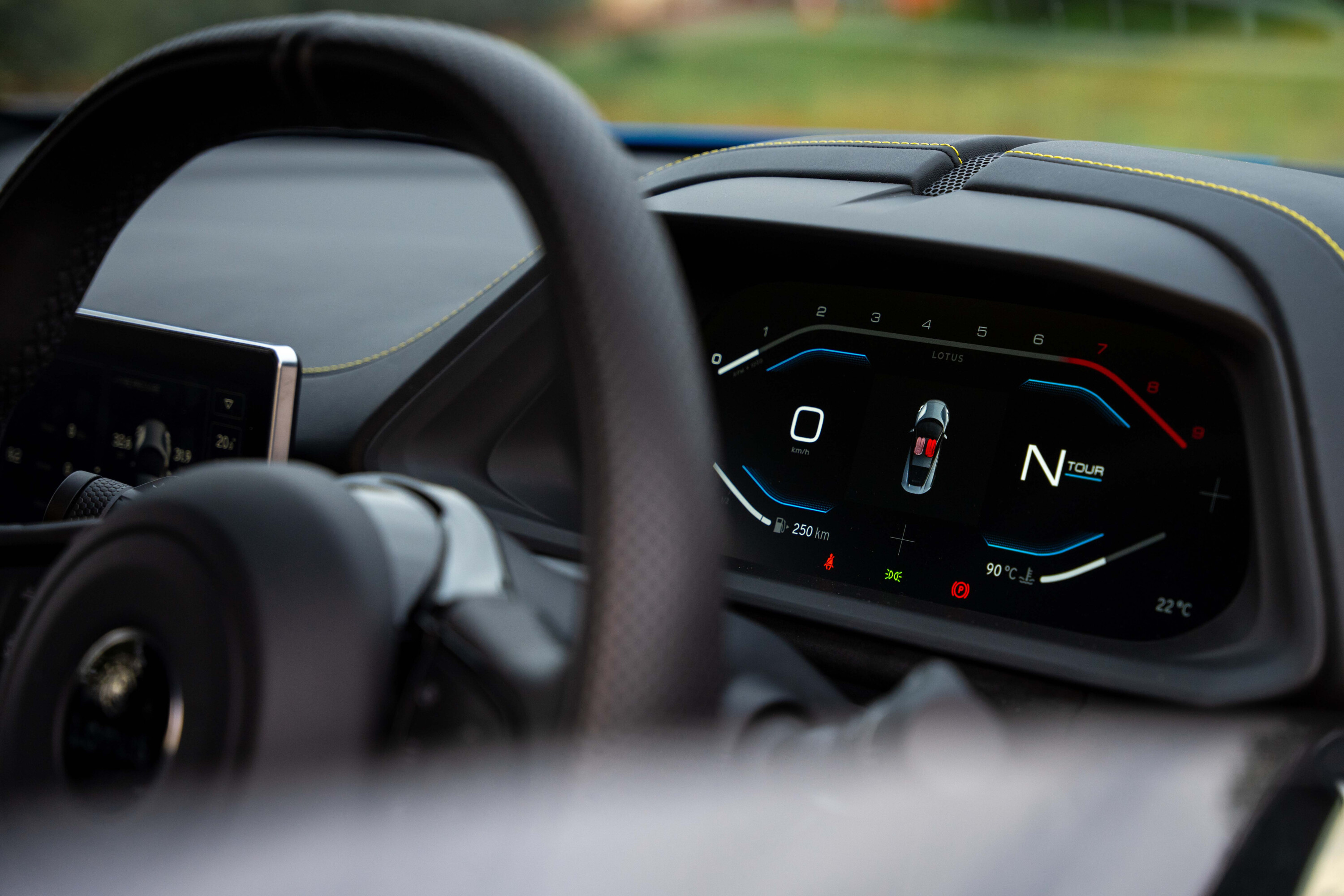
The new infotainment system is slick, with enough personality in the fonts and graphics to be Lotus, rather than unbranded weirdness. Wireless Apple CarPlay and Android Auto are standard as are a wireless charging pad, USB-A and USB-C plugs.
1
A slice of familiarity can be found in the Volvo indicator stalks (thanks Geely) but parts-bin bits are nothing new to Lotus owners, and my-oh-my is this better put together than an Evora. There are no rattles!
There are, however, tells that the Emira was handmade in Hethel; our car’s passenger door was hung a little wrong, and the unopenable front bonnet was wonky but compared to what’s come before, the Emira’s good.
Any worries that Geely has sanitised Lotus fall away pretty fast – the Emira is no limousine. The KEF sound system with 10 speakers and a subwoofer is good up to about 80km/h, but at higher speeds it can’t overcome the tyre roar.
1
There’s a distinct feeling that the Emira needs warming up, too, unlike so many modern sports cars that are ready and raring to go from the minute you thumb the start button.
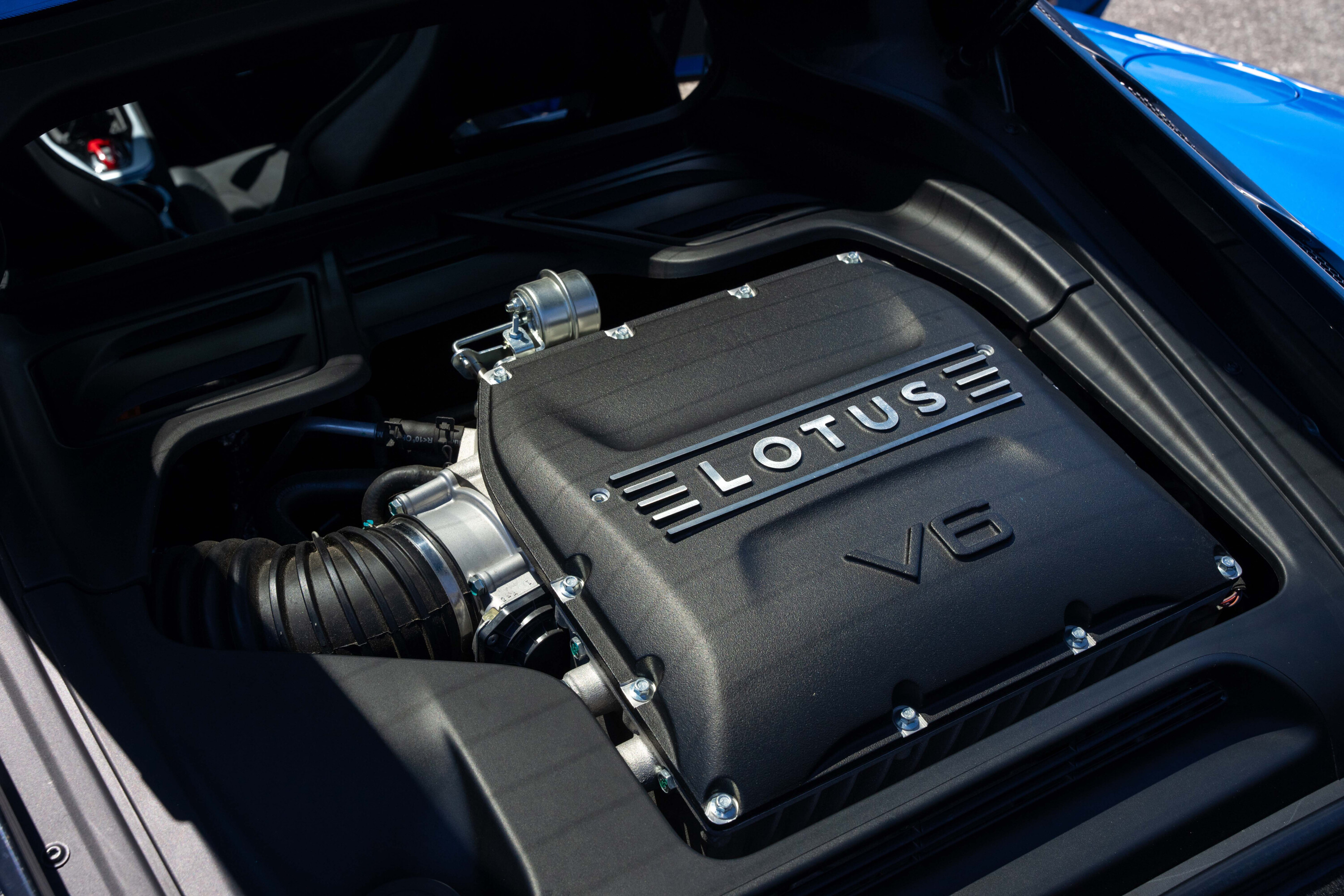
The sexy exposed gear linkage opens up as the fluids get warm, though at low speeds it’s still clumsy and knuckly and that Toyota-sourced 2GR-FE V6 mounted behind your head isn’t inspiring below 4000rpm.
Once hot you won’t want to put eggs or milk in the rear storage compartment because, although it’s pretty spacious, your cargo will get heat-soaked. Fast. Then there’s that silly horizontal fuel filler that lets between 50-200mL of 98RON unleaded dribble down a channel onto the floor.
1
The legacy of Lotus remains well and truly intact, then. Luckily, it applies to the hydraulically-assisted steering which remains in constant dialogue, nibbling and chatting away on the motorway out to meet the rest of the team.
Day one lends time for a brief sample of each car’s attributes which proves a good test for user-friendliness and ease of familiarisation. The M2’s optional buckets are delightfully snug to sit in (yet if you’re over 75kg, a pain to clamber into) and form part of a $14,500 pack that includes ‘Merino’ leather upholstery, increased top speed (280km/h), and M advanced driver training courses.
The M2 is my steed for the run home in the dark, its clever adaptive high beams illuminating the twists of a post-sunset Lake Mountain road. Andy’s behind me in the Corvette and I’m hurriedly trying to find my ultimate settings combination from 10 parameters each with between two and 10 discrete settings, all while tackling an unfamiliar road.
1
Not ideal, though I settled on Sport brake, Sport suspension (Sport Plus is too firm), Sport Plus engine response and M Dynamic mode for the ESC. It’s a hooligan, this little coupe, obliging mini oversteer moments on the cool evening tarmac.
As the speed drops, the conventional – by these four’s standards – cabin feels indulgent. The 14.9-inch curved touchscreen, wireless phone mirroring, powerful 16-speaker Harman Kardon sound system, three-stage seat heating, ample door pockets and centre bin storage are just like a regular 2 Series.
Of all the vehicles here, this is the only one with two jump seats in the back as well. Best used for dogs or luggage, you can squeeze full-sized humans back there if needed.
1
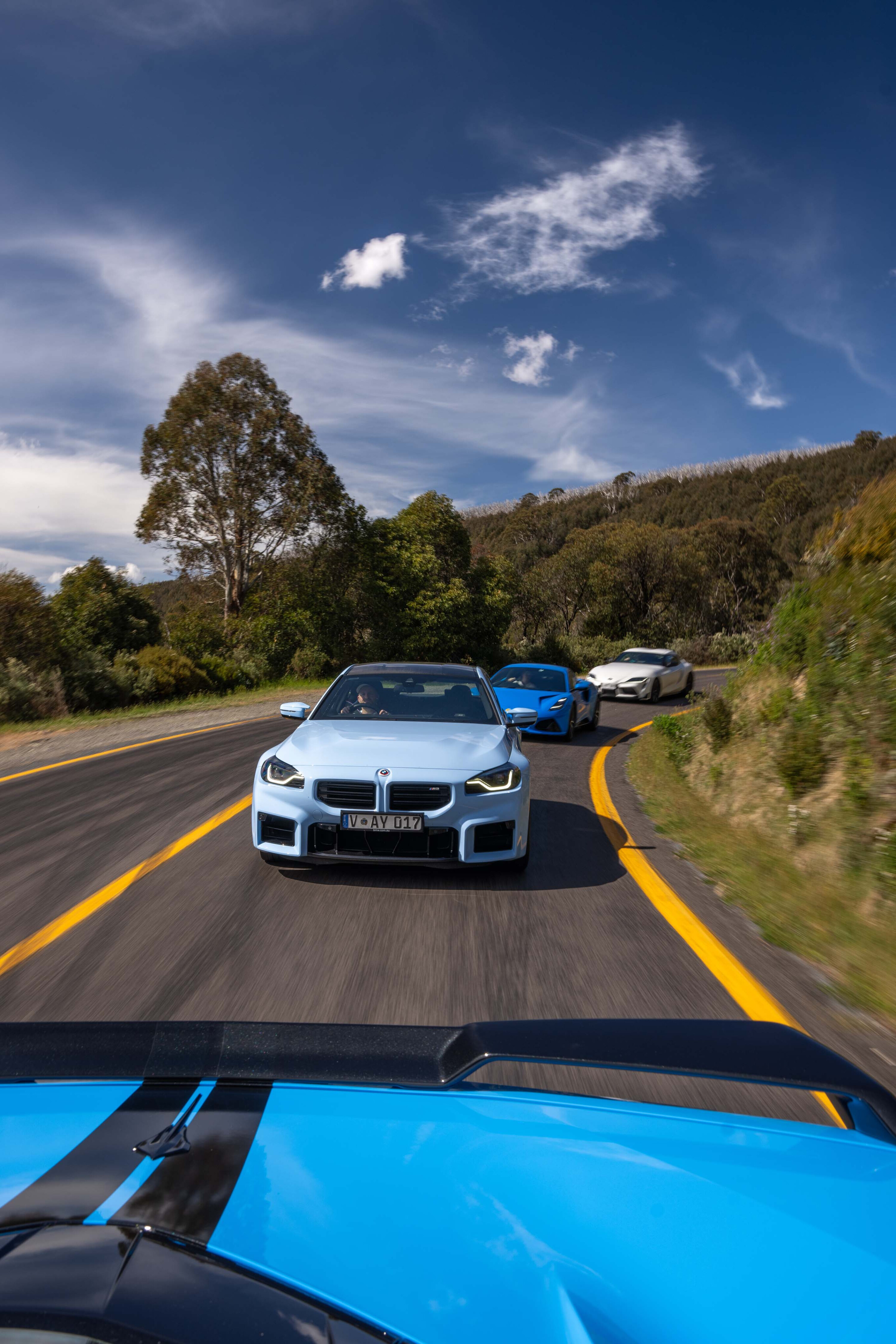
The M2 was my last experience on day one and the first cab on the second, and the chat over coffee immediately turned to its looks.
As someone who’s spent plenty of time around the muscular original M2, I’m not a fan; it looks like a model from Grand Theft Auto that’s pretending to be an M car. Andy promises he’s trying to like M2 in the flesh, but its Zandvoort Blue paintwork isn’t helping. Dylan, on the other hand, really likes the new G87 M2 so your mileage may vary.
BMW may have made a polarising-looking coupe but we’re all on the same page with the drive – especially of the six-speed manual. The DIY-shifter accounts for a quarter of sales and slows the 0-100km/h sprint by two-tenths.
1
It may not have the slick, short throw of the best manuals (like the Civic Type R’s) but it still adds involvement, matching the 3.0-litre S58’s 338kW/550Nm outputs perfectly.
There’s torque everywhere above 2500rpm, yet thanks to that second turbo it’s still worth chasing the 7200rpm redline. The sound is great, too, partially synthesised but with an honest metallic shriek above 5000rpm reminiscent of the E46 M3’s ‘S54’ six-pot.
Brake-by-wire is a technology that will take off, but after the Evora’s firm confident hydraulic feel, the M2’s middle pedal is limp. Bite and stopping power is no problem, but modulation is less satisfying. There’s not much clarity in the front end either, the thick steering wheel robs any granularity even though the rack is wonderfully accurate and well-weighted.
1
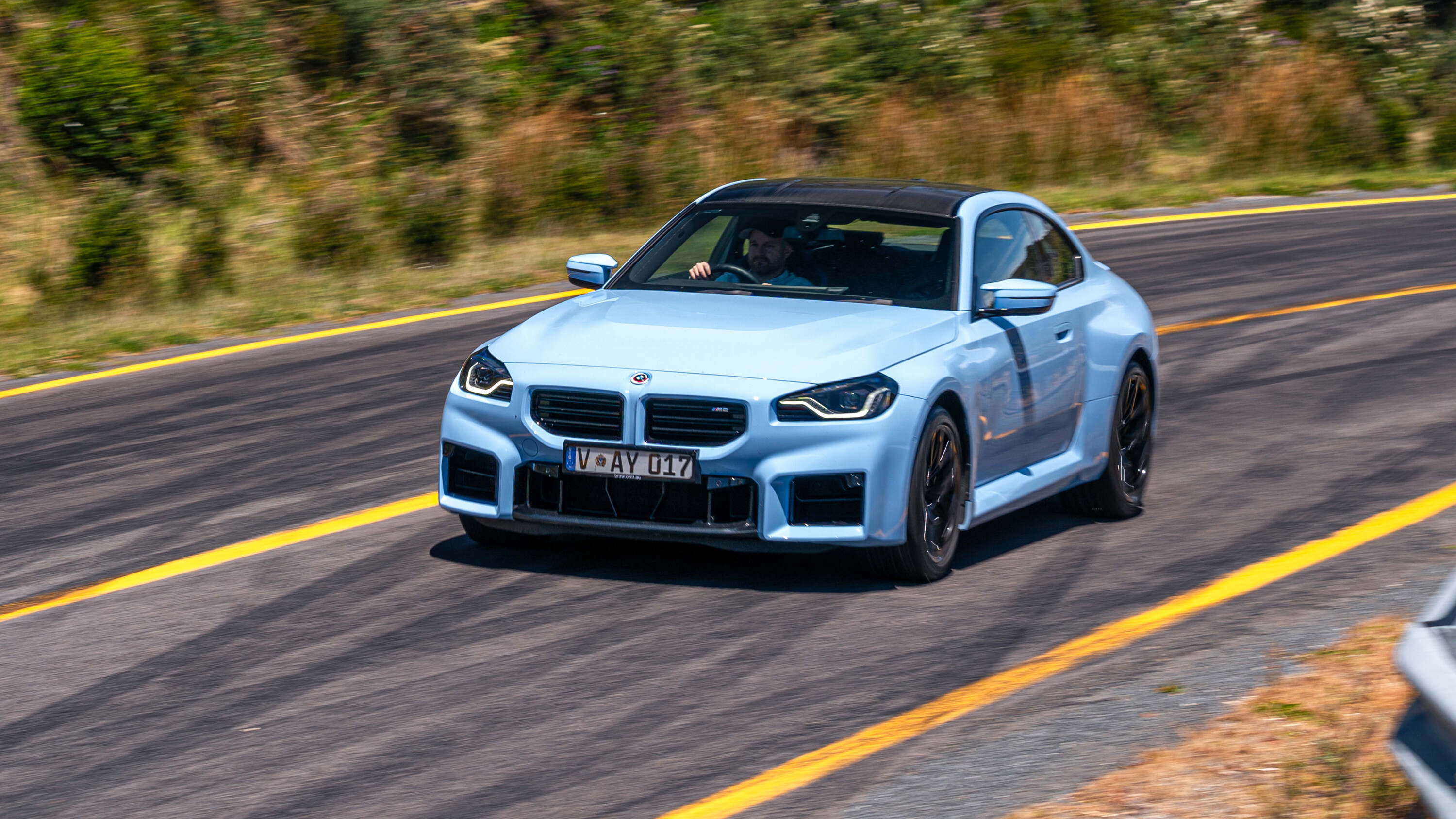
The lack of front-end feel is hard to criticise, though, because the M2’s turn-in grip is mega.
With the least pronounced stagger here – just 10mm difference between its front and rear Michelin’s widths – the high-set two-door attacks apices ferociously. It’s a total hooligan, egging you onto the throttle ever earlier to play with its gorgeous balance and the perfect amount of safety net in Dynamic mode.
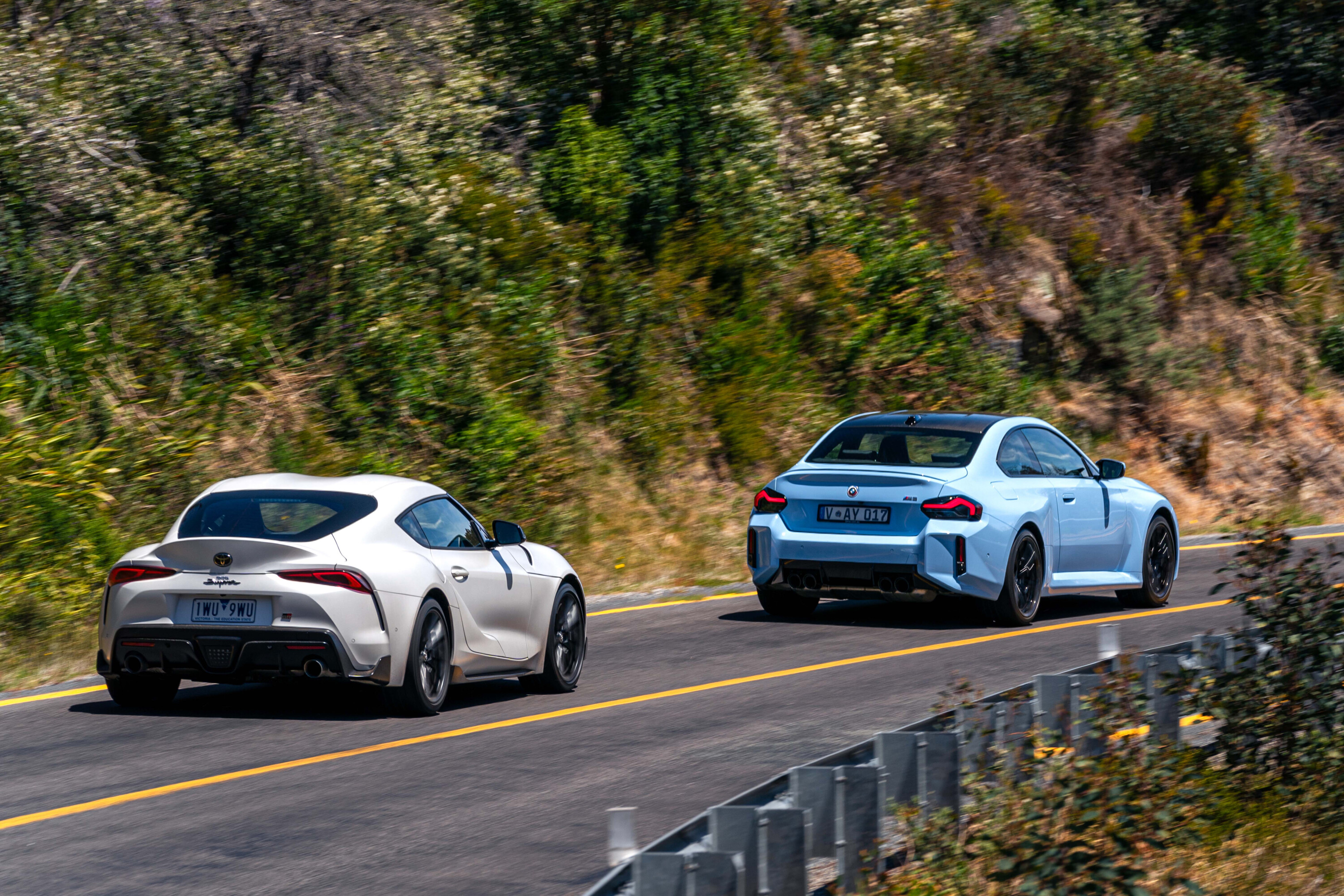
That it weighs nearly 1.8-tonnes with driver seems entirely implausible given how capable, malleable and enjoyable the M2 manual is. Its excellence is emphasised after sampling it back-to-back with the Supra. Both cars use BMW parts, boast 50:50 weight distribution, and have two doors but that’s where similarities end.
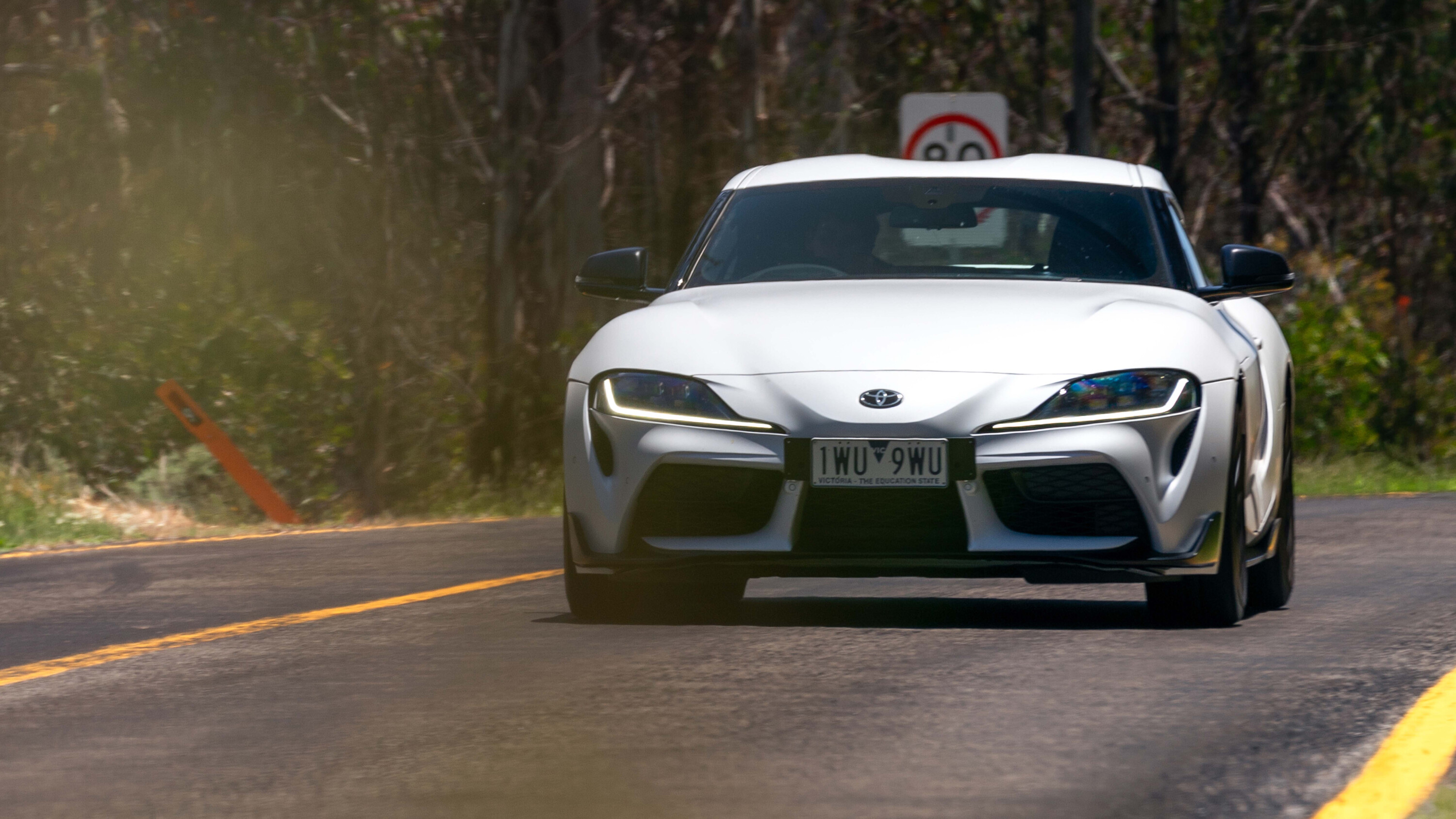
Where you sit in the Supra is everything. That long bonnet juts way into each bend, so much so that you need to recalibrate your turn-in point (a mental exertion not aided by rubbery steering).
1
Being right over a rear axle that could use some more rebound control – even in Sport mode – is off-putting initially, too.
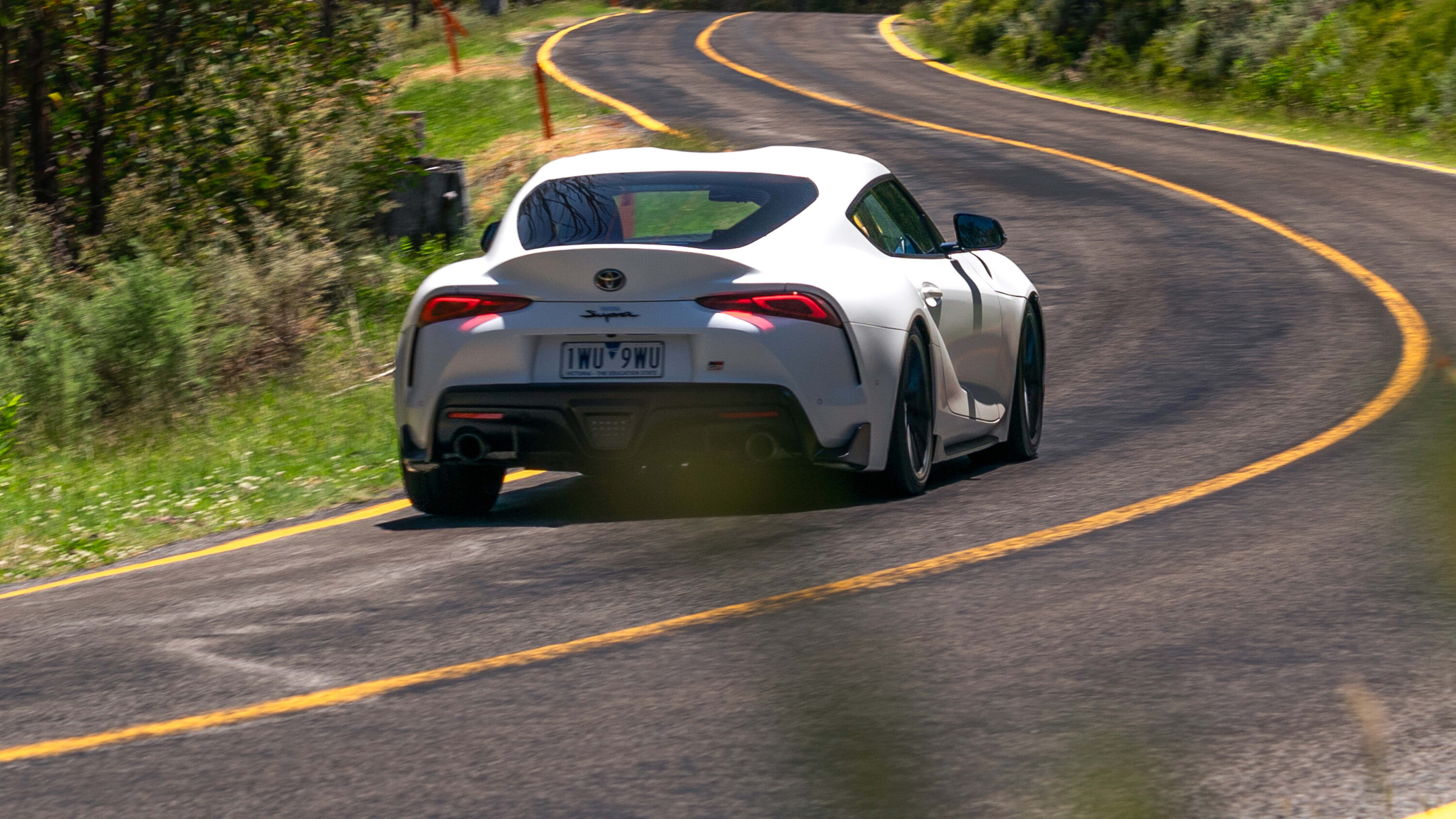
The Supra demands concentration and a unique approach. Its manual shift is tighter than the M2’s and smoother than the Evora’s making it the best here and, once you tune into the rear axle’s information overload and get a bit more aggressive on turn-in and braking, the Supra GTS comes alive. This old-school sports car doesn’t compromise for the driver, you compromise for it.
“What does the criteria for success look like for Supra?” Andy remarked as he emerged from the coupe, “Were they just driving around a race track at 10/10ths?” Andy’s right, the Supra comes alive at the limit, which is where the problem lies.
1
The chassis is fighter-jet responsive but thanks to the soft bushes and rear suspension, it can be hard to trust on the road. This becomes especially pronounced in the wet.
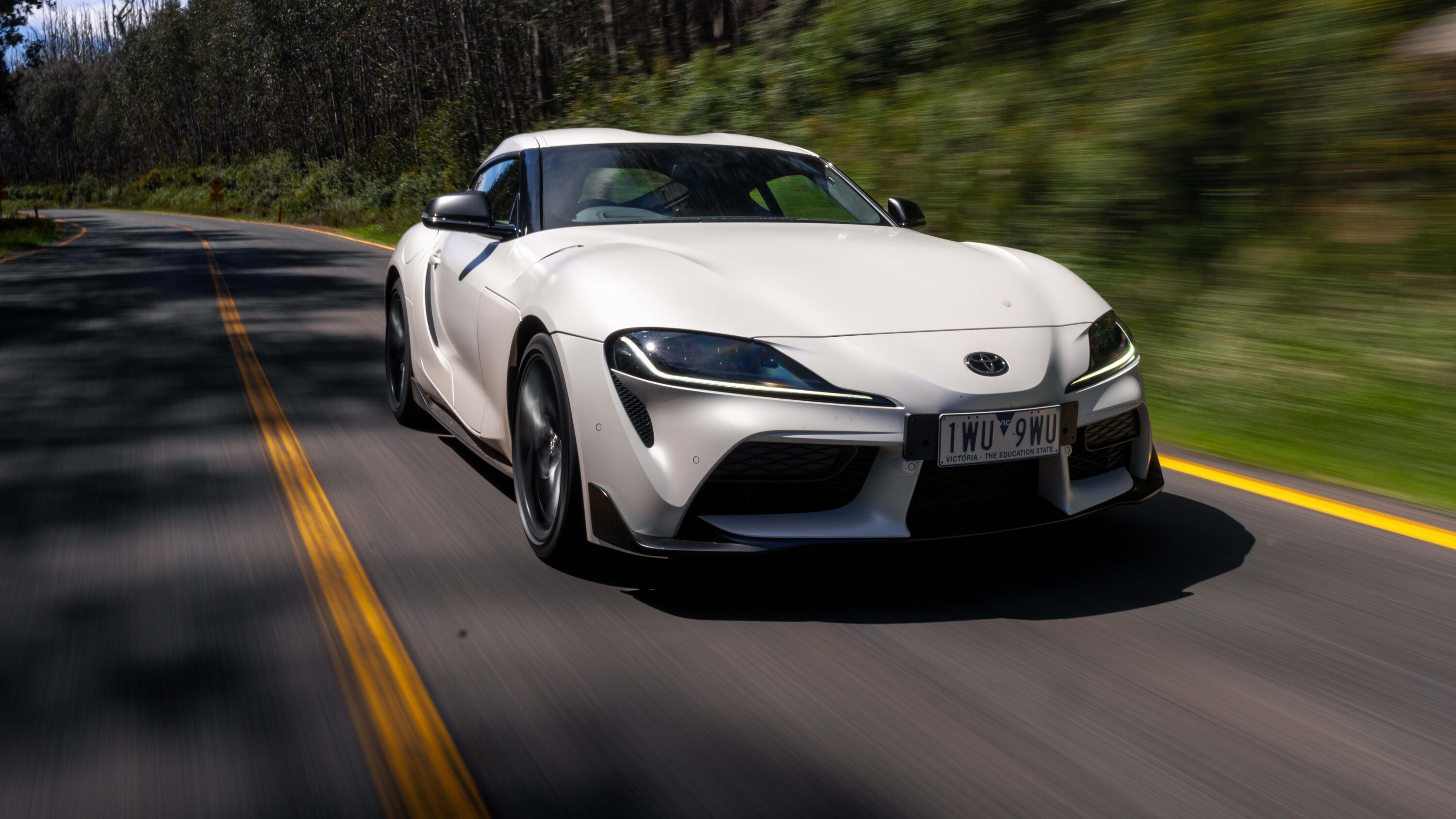
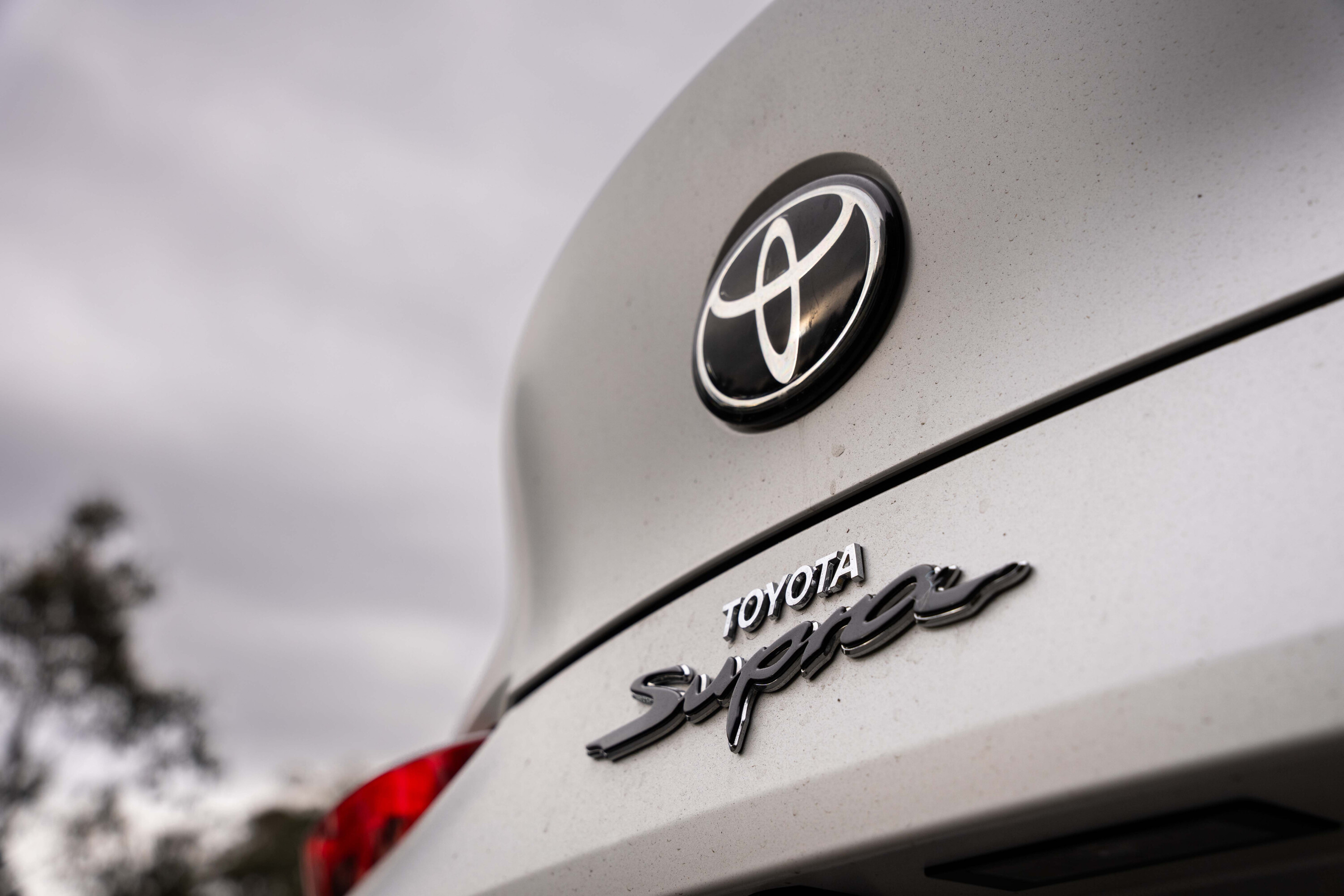
In Matte White ($1800), the Supra is also right up there with the Corvette for visual drama. Kids, teens and young adults obsessed with car culture know exactly what this car is and love to see it on the road. For those less aware of the Supra nameplate’s underground fame, the cab-rear proportions akin to a 70s sneaker are also a draw. It’s far more exotic than the BMW.
That does impact its usability. The cupholders, for example, are in a daft spot in automatic Supras and even worse place in the manual, rendering them entirely useless for anything but keys or a wallet. The door cards are tiny, too, and the boot has the least usable shape here.
1
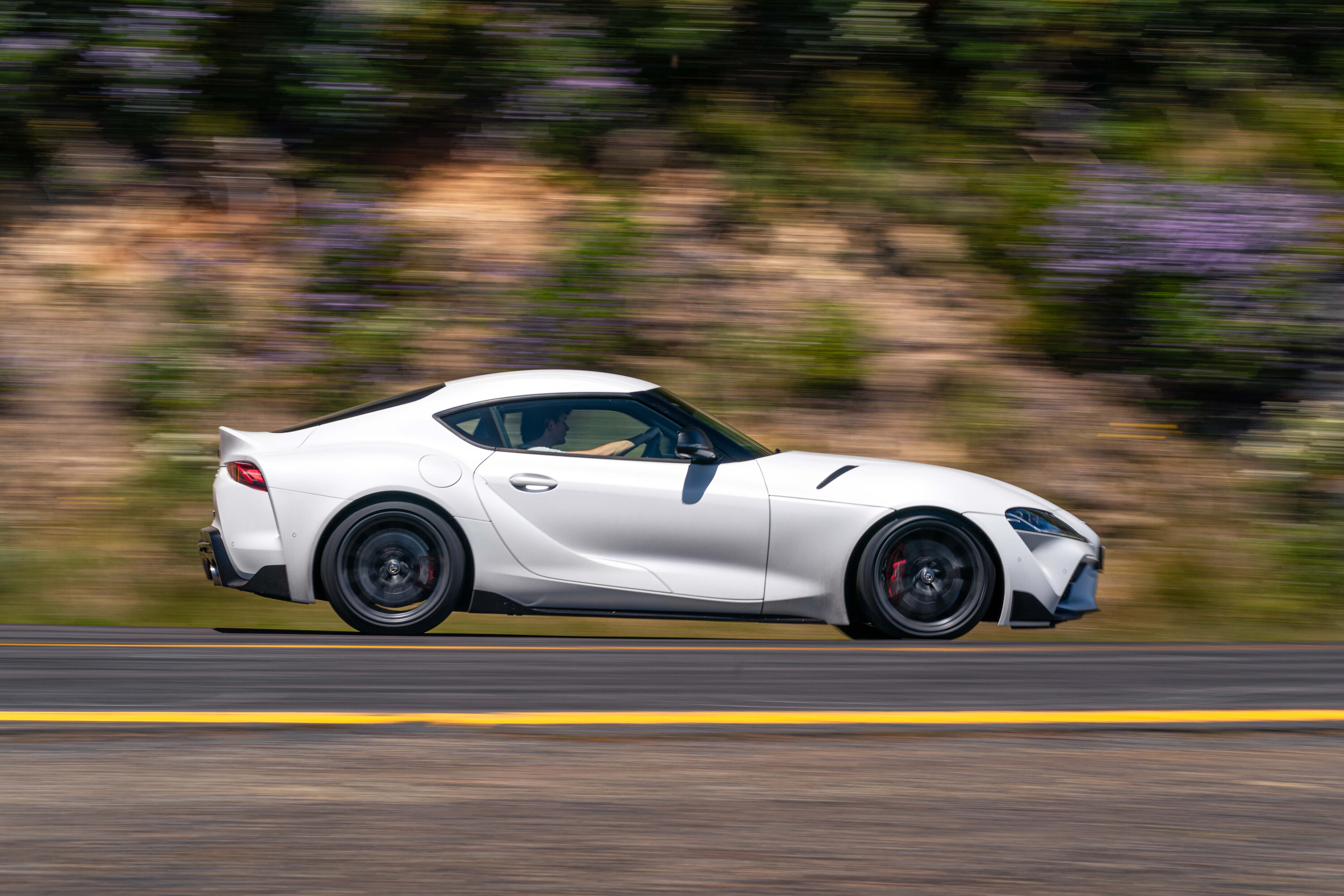
This is frustrating because owing to the vibration refinement – after the Emira it feels like someone’s drizzled honey over the Supra’s mechanical parts – it would probably be the best grand tourer here.
That under-stressed 285kW/500Nm 3.0-litre straight six has so much linear grunt overtaking is no chore, even if there’s little point pushing beyond 6000rpm.
The Supra experience is a little inconsistent, then. With the manual, there’s engagement and wow-factor when cruising and it’s a hoot to drive at the limit – at least when you have space at your disposal. Unfortunately, the Toyota can be clumsy at typical road speeds where the Emira and BMW impress and delight at all times.
1
Gazoo Racing will be able to take Supra to another level of focus with firmer bushings, a sharper engine (it’s got to be the M2’s S58) and some snug bucket seats.
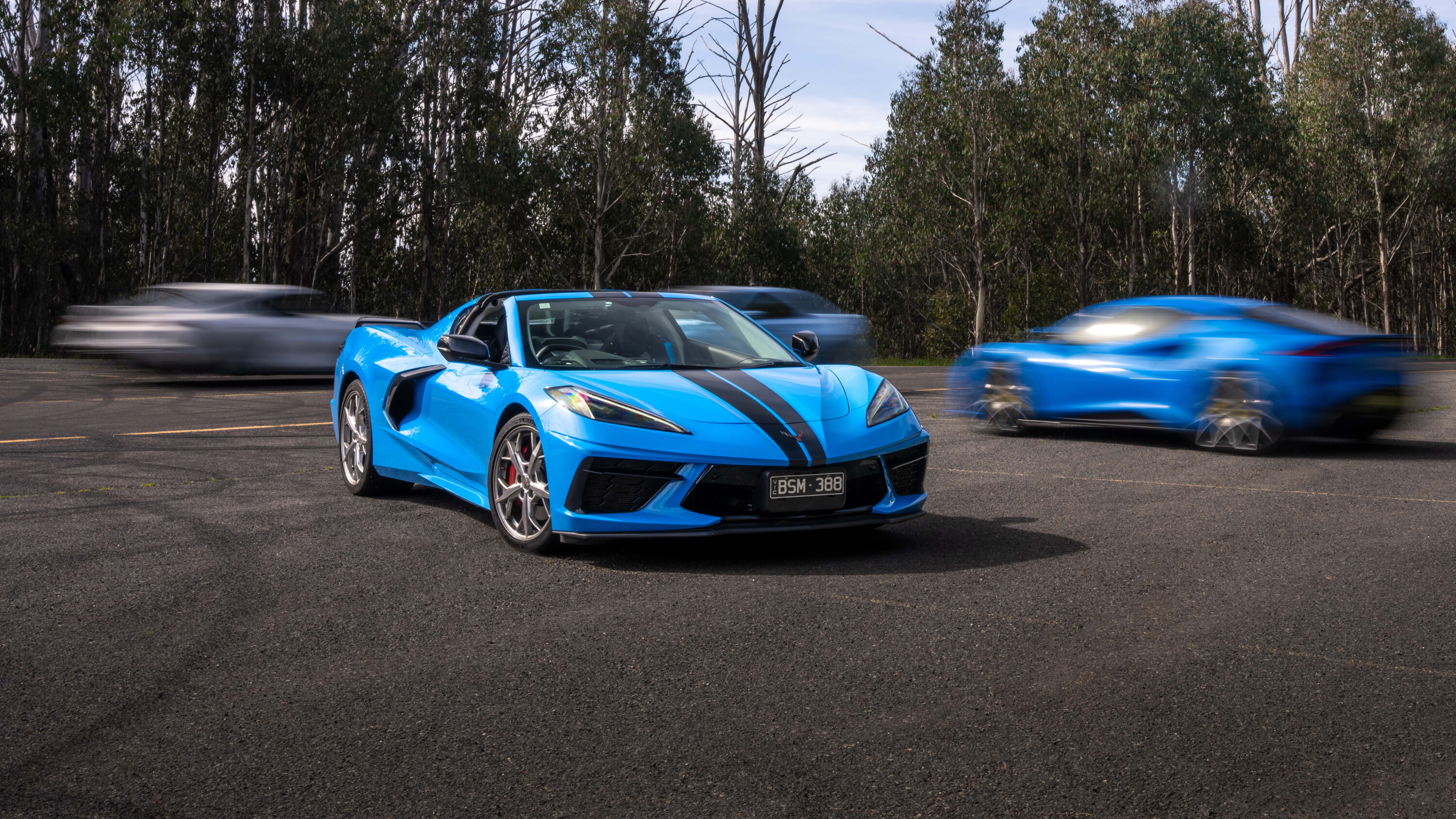
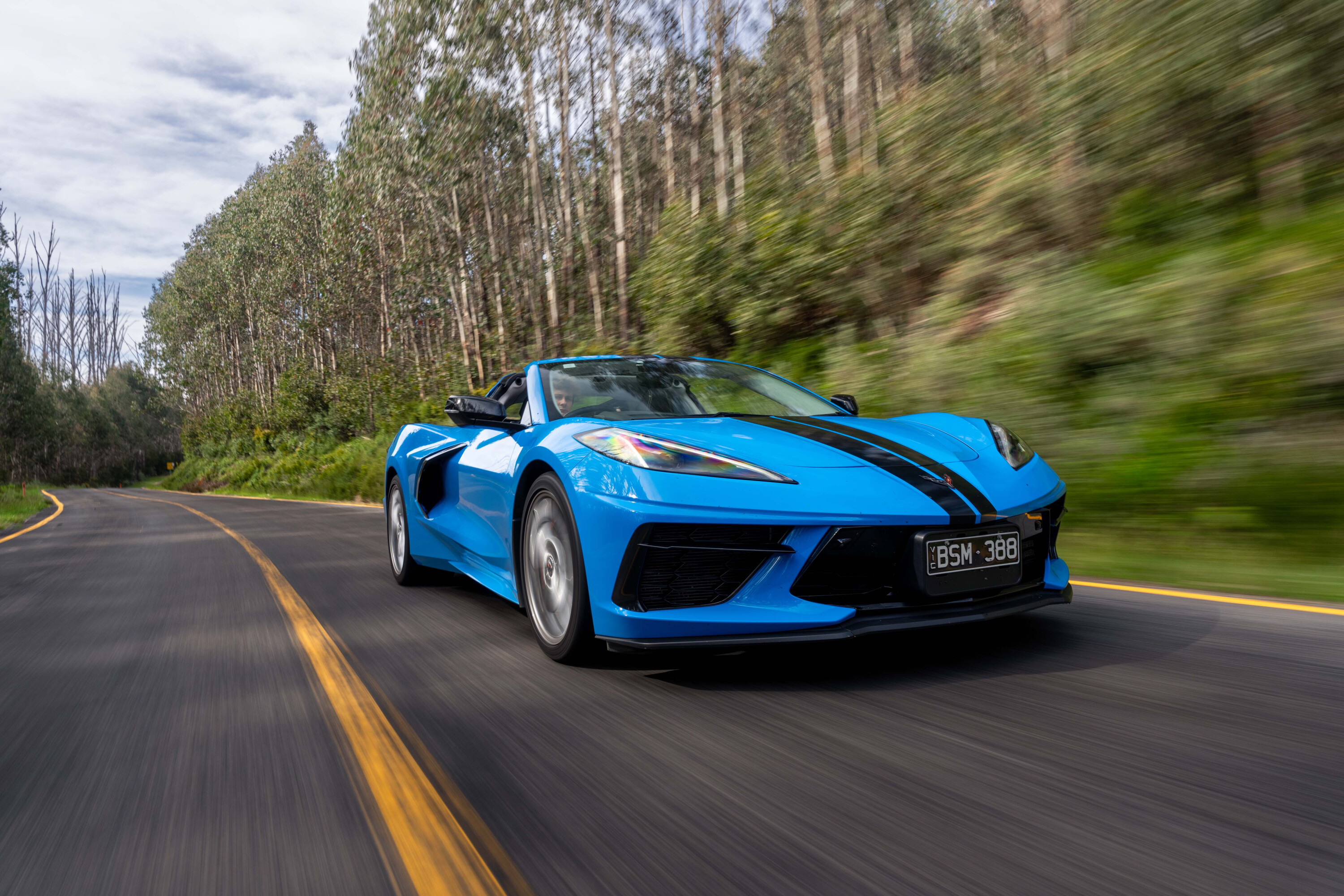
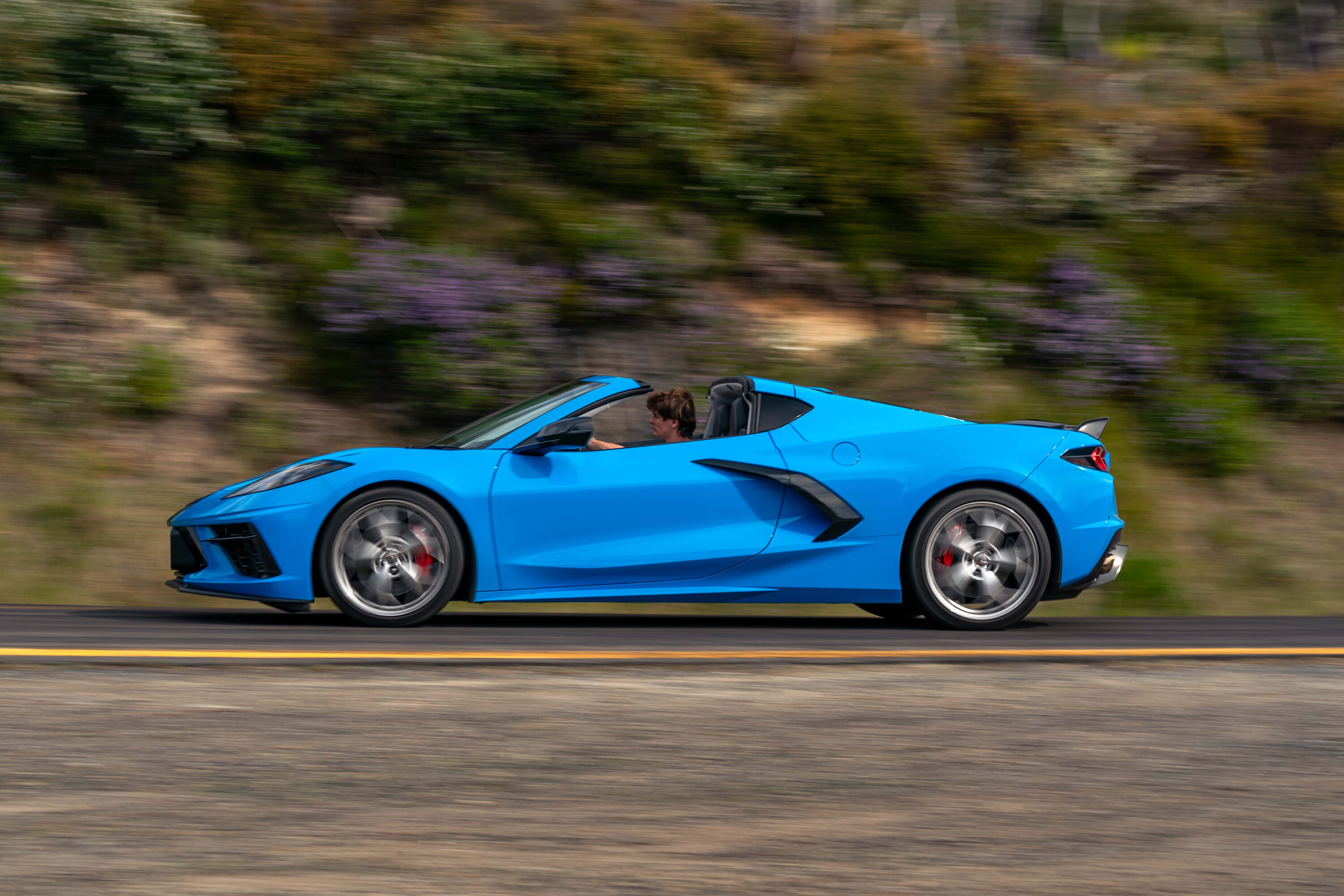
If the Supra garners attention from those in the know then the Corvette is the car to buy to impress the average onlooker. In Rapid Blue with racing strips, the C8 3LT demands eyeballs. The baritone bellow of that dry-sumped 6.2-litre ‘LT2’ alloy-block V8, however, commands all the driver’s attention – even next to the Mountain Dew-motivated cabin design.
This global ’Vette is Chevy’s first attempt at playing the Euros at their own game with a mid-mounted engine (yes it still uses pushrods but that’s easy to ignore at wide-open throttle) and clever multi-mode Magneride dampers.
1
On the road, it’s amazingly comfortable and composed, which aren’t two things traditionally associated with Corvettes.
Amp the 3LT by swapping from Tour to Sport or Track and the chassis becomes stiff and limits body roll. Despite looking by far the largest here, the C8’s 1601kg kerb weight is relatively spry, certainly next to the flabby M2.
And yet the way it drives is heavy and lumpen. Mid-corner bumps are pummelled into submission, rather than deftly danced over as they are in the Lotus and BMW. For safety, the Corvette’s been set up to gently understeer through corners which is no bad thing on the road.
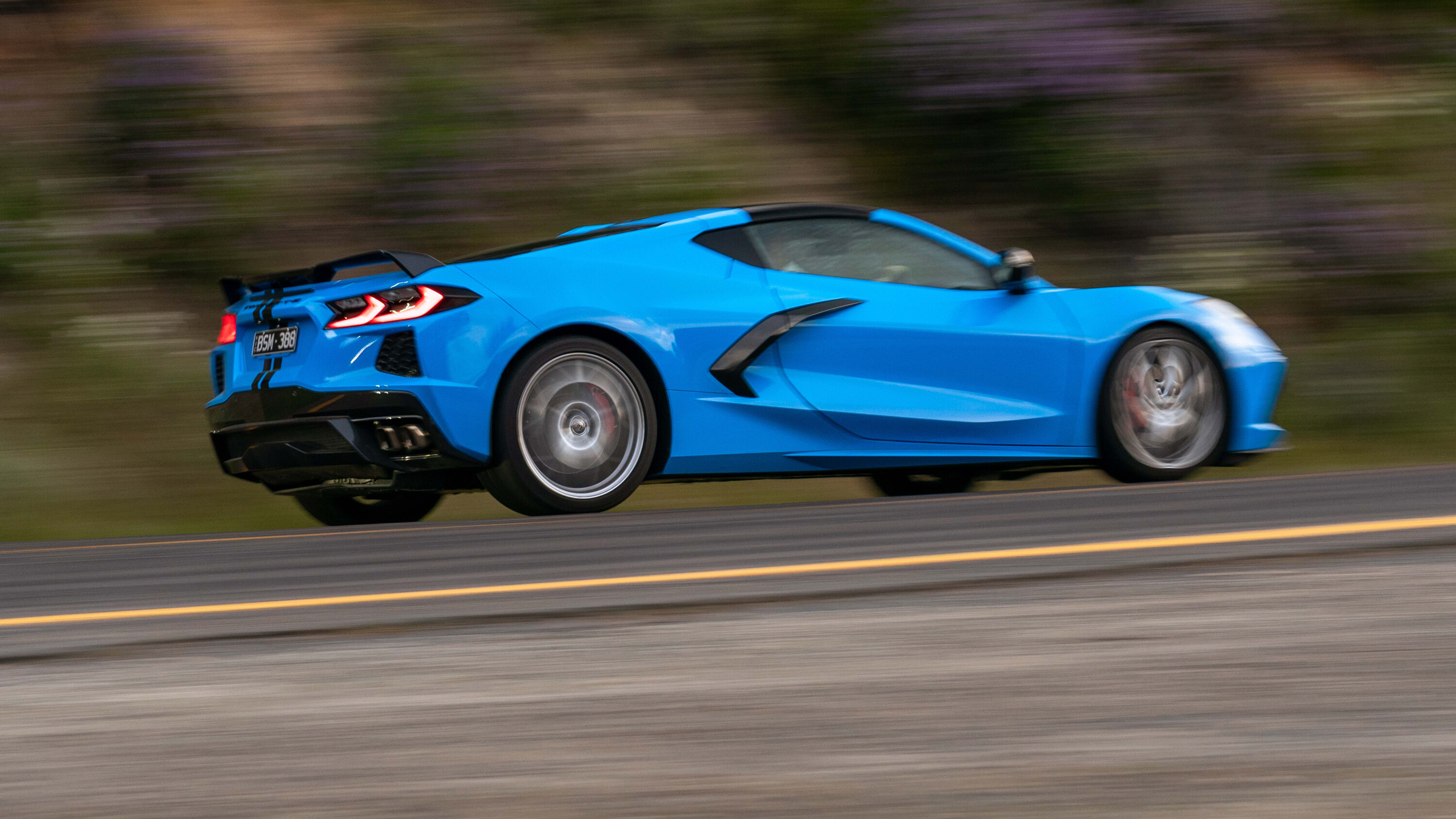
1
Yet after the other cars here, we found its steering and chassis didn’t communicate grip levels very well.
It feels spiky in slower corners with damp patches causing surprise oversteer for two testers – perhaps the cab-forward design that leaves so much wheelbase behind is to blame as it’s something other Wheels testers have found over the years.
Moving to more open roads is a good call in the Corvette, as it allows you to extend the gem that is the LT2. It roars through the revs, each slick upshift and crisp downshift of the eight-speed dual-clutch automatic a chance to delight in a sound that won’t be around forever. Removing the roof panel (and storing it in its tailor-made spot) allows you to bask in open-air excellence.
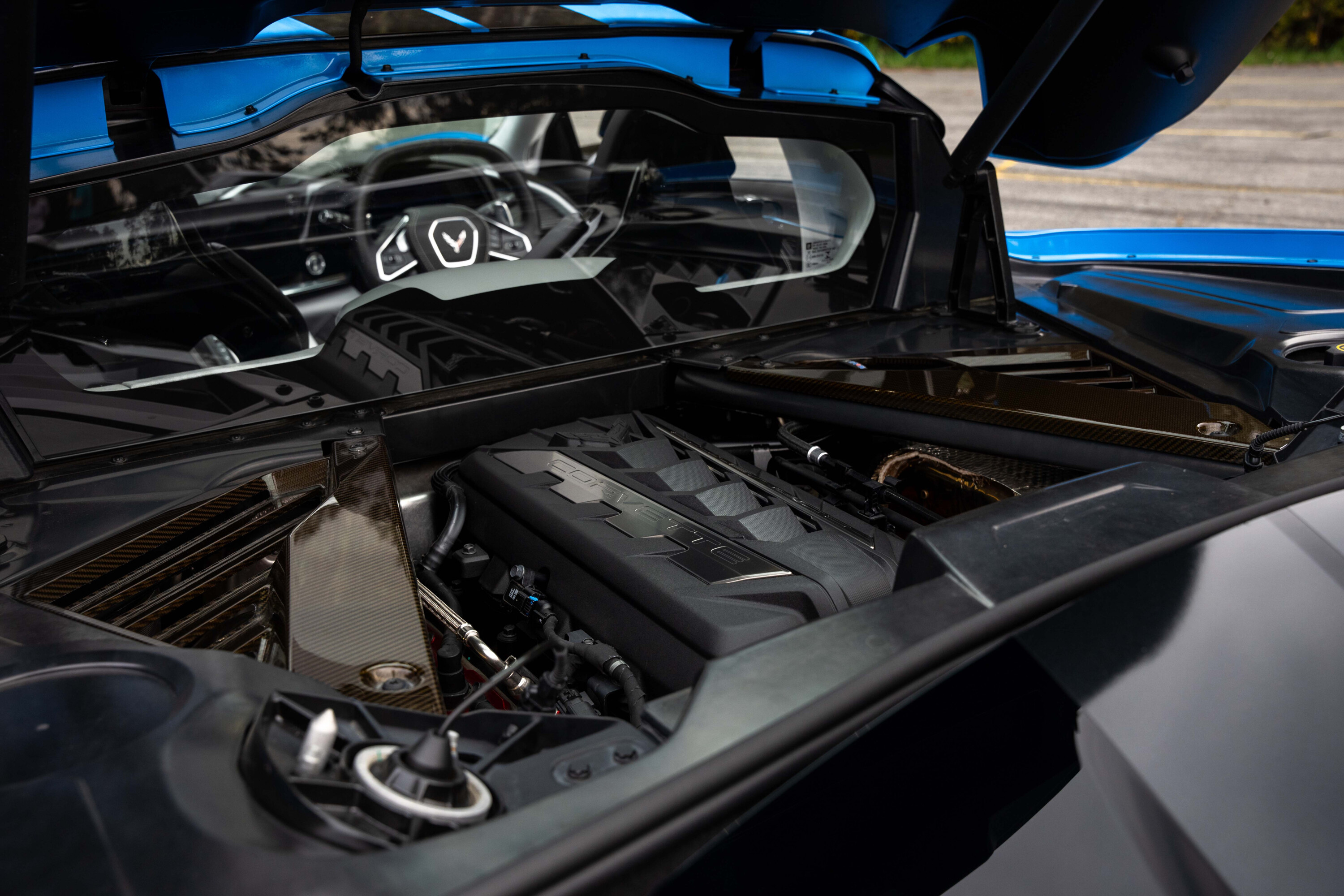
1
The Corvette should be the quickest here, too, with the most power (369kW) and torque (637Nm) but Chevy’s 2.8-second 0-60mph claim is unrealistic.
This very car attended Motor’s Performance Car of the Year where it was timed at 3.63 seconds to 100km/h; seven-tenths faster than the other cars here but not sub-three fast even for the American measure.
The Corvette has a lot of luggage space, with front and rear boots it’s able to carry two sets of golf clubs (it’s at this point Andy points out that the Corvette looks like a ute with its fibreglass rear hatch up). And here lies the C8’s main issue. In regular Stingray guise without the coming Z06 package, it’s a car for everyone – a car by committee.
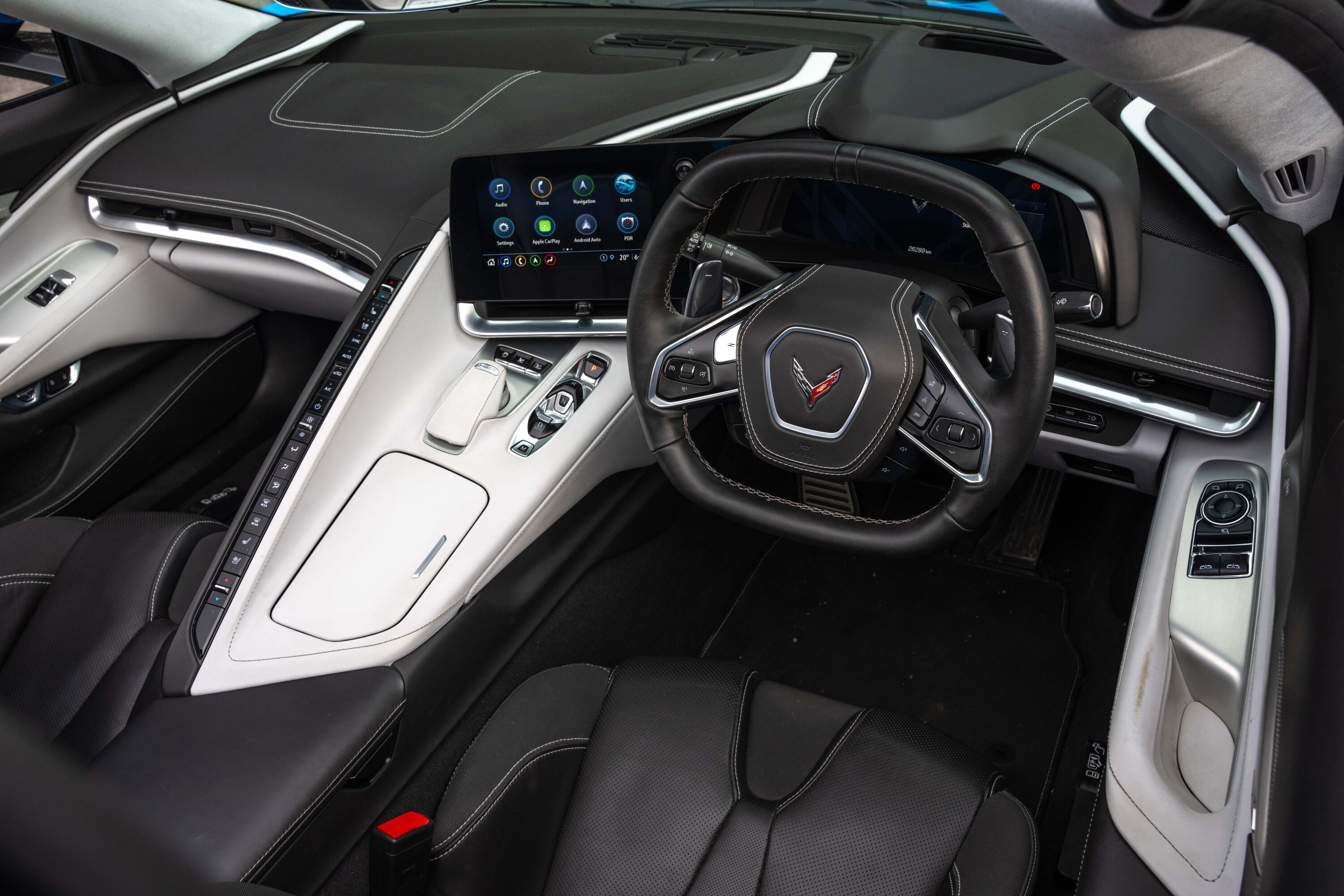
1
Take the interior, its touchscreen is responsive and graphics handsome, but it’s like an executive wasn’t pleased with having to adjust HVAC settings using it, hence the row of switches awkwardly running up the cabin’s central ‘spine’.
The cup holders feel like an afterthought, too. It’s the same with the door ‘handles’, the ones inside are sleek, hidden electronic items ruined by the United States’ mandates for emergency pull-tab releases to avoid potential lawsuits.
That excess complication is potentially the source of the C8’s rattly cabin – and the white leather hasn’t stood up so well to the test of time. There’s a purity in the Corvette’s design that we hope the Z06 will help to unlock.
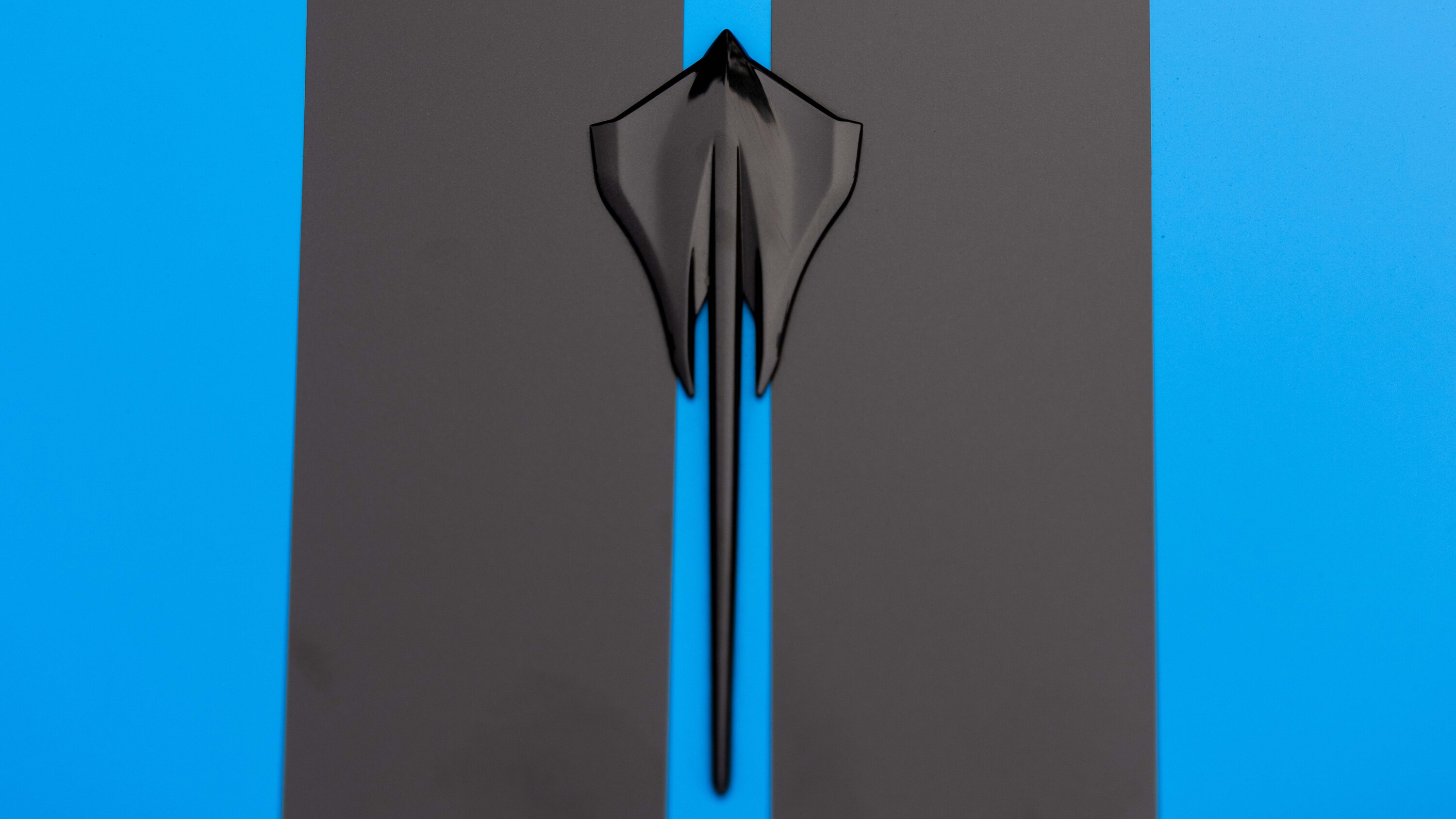
1
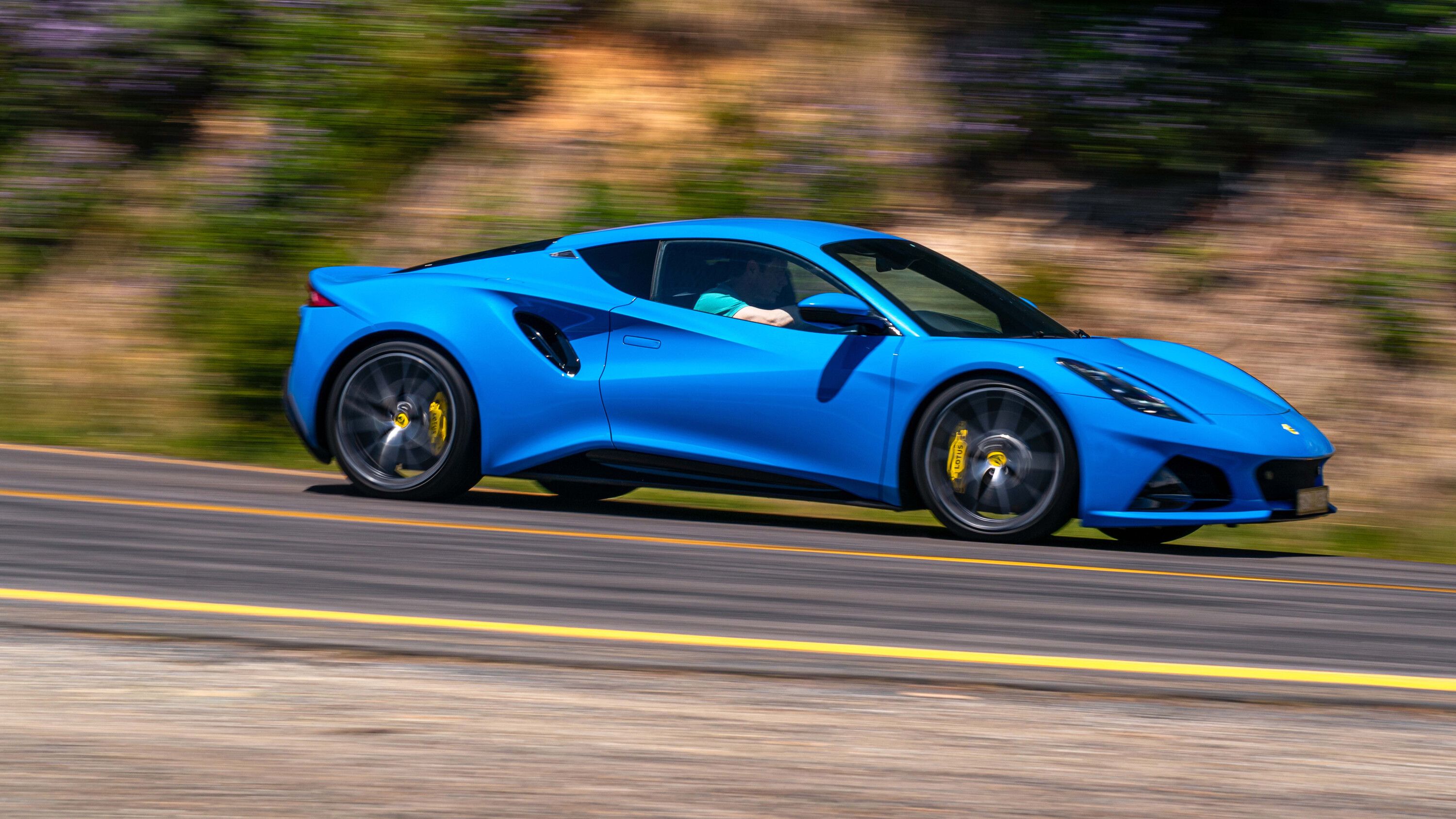
Heading up our chosen length of tarmac for the last time I switch the Emira into Track (the most intense of four) and relish the fixed-rate dampers.
There are no additional settings for brake feel, traction control or driver aids to futz with – “no drive mode FOMO”, as Dylan says. It’s fabulously freeing.
For the next five kilometres, the Lotus transforms Lake Mountain into a tarmac rally stage and me into Jean Ragnotti.
Its eager V6 shrieks towards the 6800rpm redline in its tall second gear, then it’s time to muscle the metal knob through the gate into third and quickly release the clutch for a delightfully crisp motorsport-esque change. What feels clumsy and knuckly in traffic rewards and delights in equal measure when hustling, funny that.
1
The Emira’s Edelbrock-supercharged V6 produces 298kW at redline and 420Nm at 3500rpm which makes it the slowest here on paper but there’s no lack of urgency in the powertrain.
It revs up amazingly quickly – as though it has a lightweight flywheel – and delivers grunt in a delightfully linear way. Andy’s a little nonplussed though at the engine’s torque plateau.
“It might almost have been an electric car. ”Engine tech has virtually overmatched the requirements of the gearbox. I just hear a zizzing whine and I didn’t need to change gear once through four kilometres of twisties.”
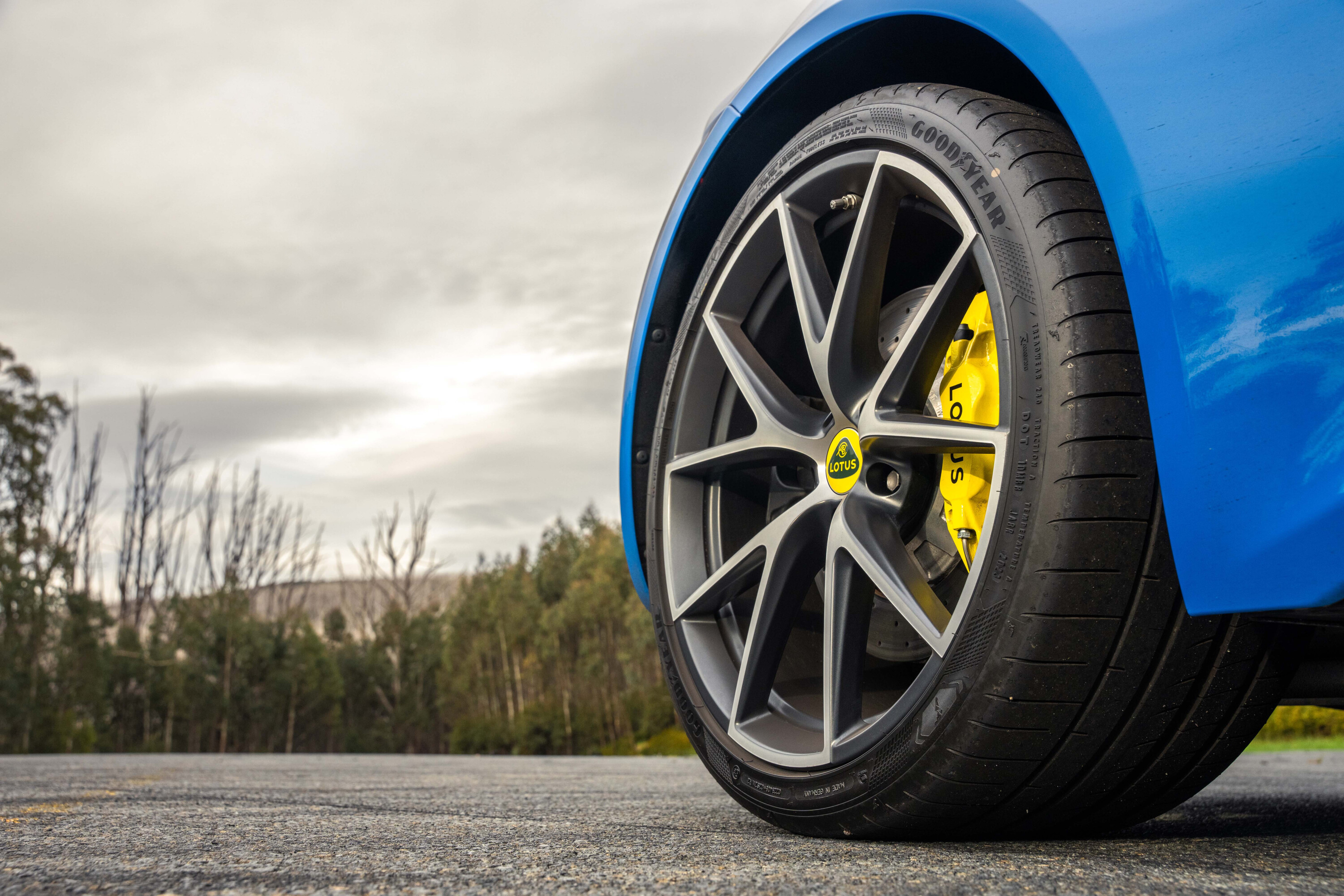
Our car is fitted with the ‘Sport’ chassis, with stiffer springs, dampers, and more aggressive alignment than the ‘Tour’ option. Uniquely, this blue car combines this chassis with the less tacky Goodyear Eagle F1 tyres instead of Michelin Cup 2s. This seems to be a perfect match, there’s plenty of compliance in the chassis with lots of front-end grip and just enough power to bring the rear into play.
You end up using the Emira’s confident brake pedal to develop attitude on the way into a corner, the way you might in a Porsche 911.
1
No coincidence here, the 1486kg Emira’s weight distribution of 39:61 is closer to a rear-engined 911 than a midship Cayman (44:56). To extract the best of the Emira you need to be deliberate but delicate at the same time, which is immensely rewarding.
It’s the steering and chassis feel that endears the Emira to the driver, though. The way that wheel writhes and wriggles over cracks and surface changes yet is still accurate and fast in ratio is delightful.
Dylan remarks that the steering reminds him of a Ferrari’s and that if this sexy sports car was wearing a Prancing Horse badge and painted red it would make a great new-world 246 Dino. An interesting thought.
1
Even more interesting is deciding a winner between these four. Where’s the Cayman when you need one?
A GTS 4.0 would’ve made this decision easier but as Andy noted, where a Cayman is at ease, the imperfect Emira is fizzing with feel. As for the M2, it has a unique character all to its own, dripping with hooligan charm. The old-school Supra makes you feel alive, while the new-school Corvette is the pick for boulevard posing though it’ll still boogie and thrill in correct conditions.
There has to be a winner and, despite their charms, it isn’t going to be the Supra or the Corvette. In both cases, more focused versions – the coming GRMN and Z06 respectively – will give these chassis the extra focus and crispness they need.
1
The Supra deserves extra praise for offering such a special package for under $100K before on-road costs.
That means first spot is a battle between the M2 and Emira, a tricky pair to split because they’re so different. The M2 has layers, it Dr Jekylls and Mr Hydes with equal measures of excellence, only rarely sacrificing ultimate thrills to the Emira.
The gearshift could be better and the optional bucket seats are a fail, but thanks to an amazing engine, daily comfort, exciting chassis, and $80,000 lower starting price it’s very hard to overlook the M2 – especially if it’s going to do double-duty as a regular ride.
1
But it’s no Cayman analogue. As fun as it may be, the M2 doesn’t have the poise, composure or grip of the Porsche.
There were times the Emira was draining. The wireless Apple CarPlay made my phone malfunction, the sound system couldn’t overcome the road noise roar on the freeway, it wasn’t glamorous to take phone calls in and the Toyota V6 – although great at high rpms – is workmanlike and chuntery around town; an issue common with the Cayman GTS.
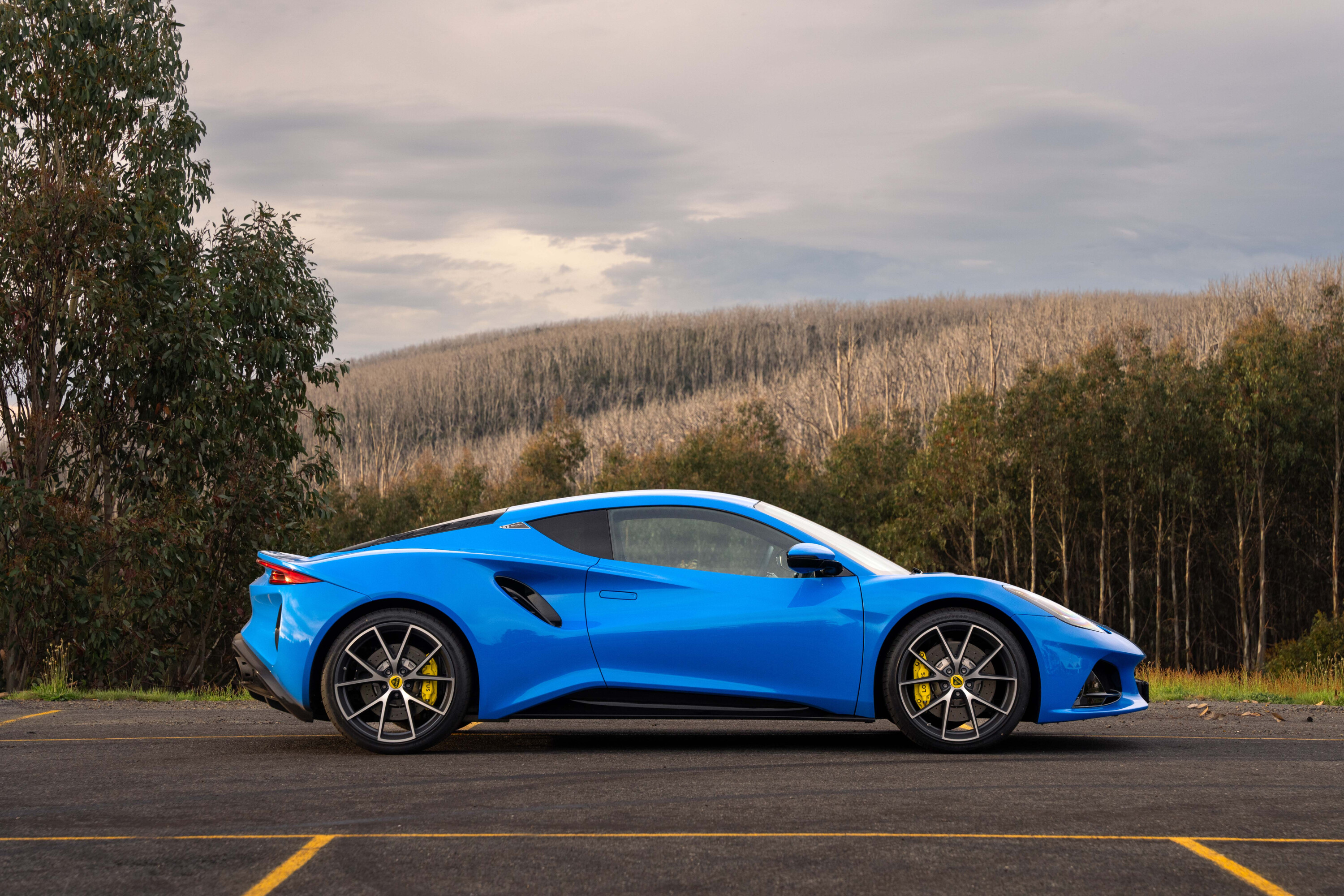
Yet the Emira has higher highs: that pure steering, the shrill bark of the V6, and sheer poise made it a personal favourite over two days of testing. We all laughed, sweated, and whooped with joy behind the wheel of the Emira, and after all, is that not the point of a sports car?
The aim of this test was to find the best Cayman alternative and that’s the Lotus. It truly would have given the Porsche a run for its money, but that rematch will have to wait until the new-gen 718 arrives in 2025.
1
Cabins
BMW M2
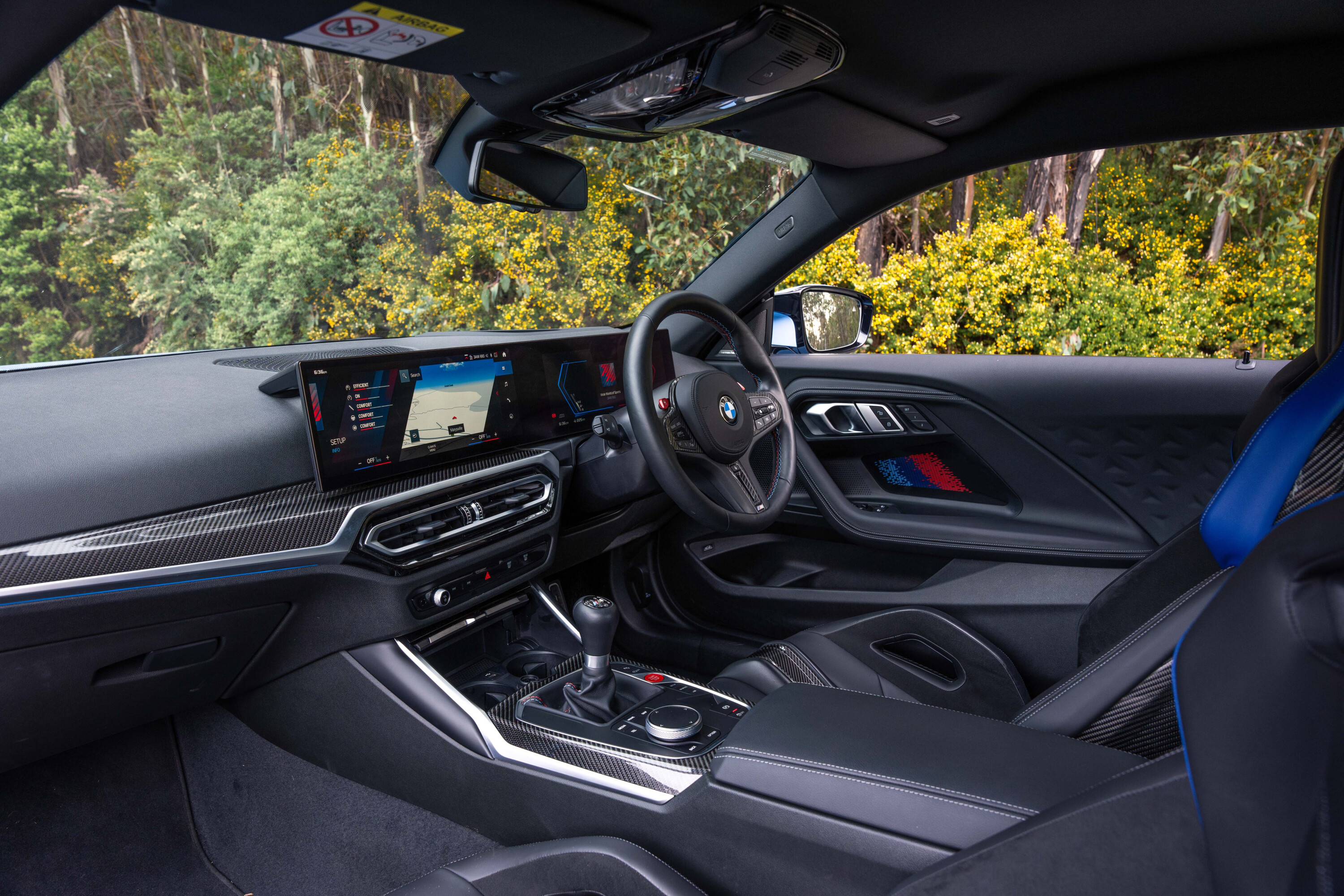
The most conventional here. A nicely laid-out dash with some sporty carbon fibre.
Lots of tech in the centre screen that works brilliantly, but the driver’s display is over-designed – there are too many choices! Choice extends to the optional buckets that are great with the auto but the ‘nutcracker’ between the knees doesn’t work with the M2 manual’s offset pedals.
1
Chevrolet Corvette
Designed by an aircraft-obsessed teenager after one too many Mountain Dews?
Maybe, whatever the cause the C8’s cabin is decidedly different. Usability is okay, although the touchscreen is dimwitted and storage is limited given the ’Vette’s size. Sheer wow factor and customisability is the Chevy’s strength, and the seats are pretty comfy, too.
1
Lotus Emira
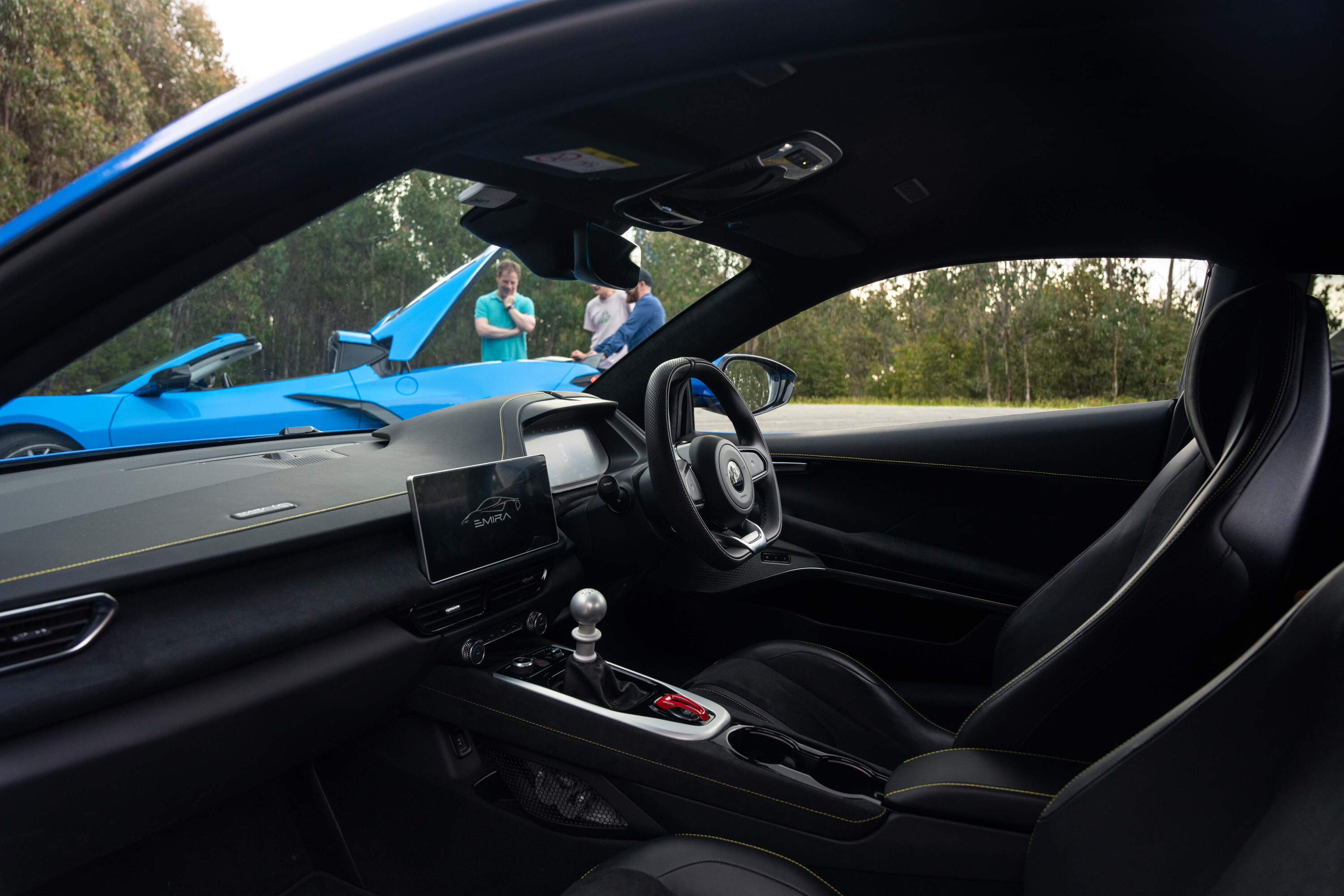
Perfect expression of Lotus DNA for the future.
The designers have fought to keep gem-like features such as the gorgeous exposed shifter, though it’s melded with an up-to-date responsive touchscreen from the Geely arsenal. Volvo indicators would be a negative but they’re a lot nicer than the original Elise’s Vauxhall-sourced items.
1
Toyota Supra
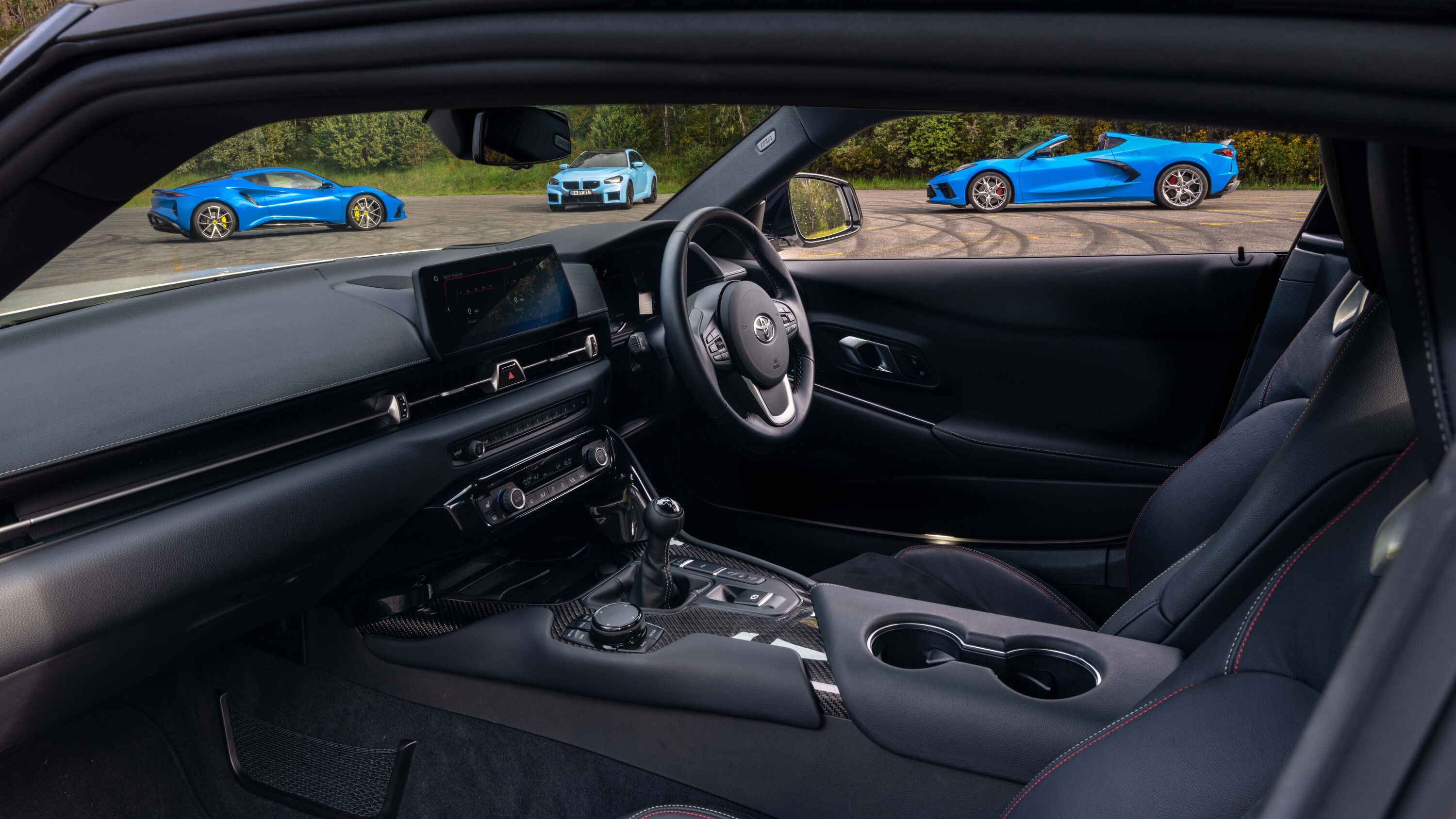
At a glance, the Supra is pleasingly different, though the switchgear all comes from a previous-gen 3 Series.
A bespoke digital driver’s display is the only Toyota-designed feature, otherwise, it’s ‘just’ a BMW. Careful with your head on the way out, too, though the Supra does have an excellent driving position, comfy chairs and a unique view out.
1
Style and substance
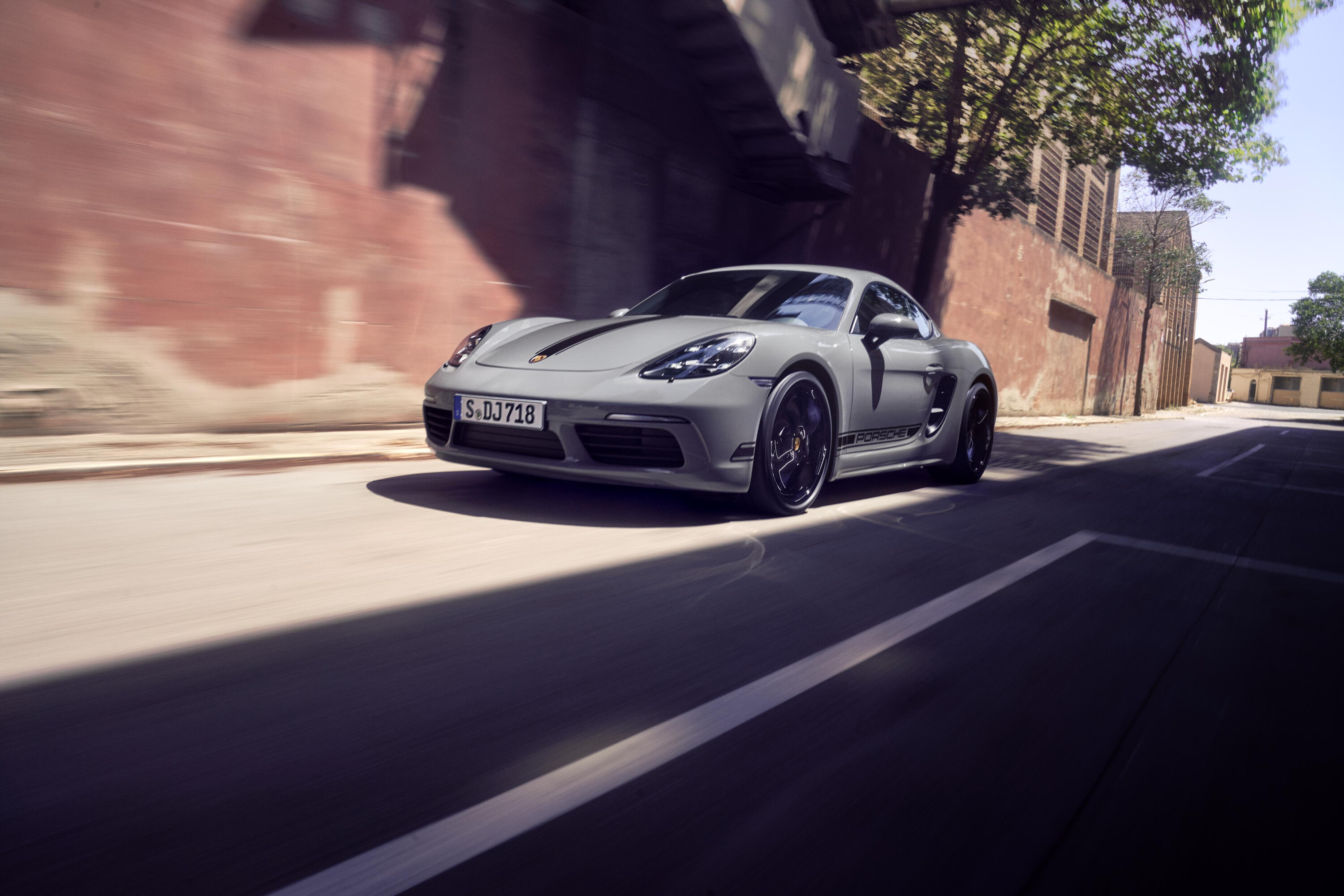
If you’re hell-bent on getting a Cayman, Porsche has 718 Style Editions in stock.
Based on the standard Cayman, it comes with stickers, a 220kW/380Nm turbo-petrol, flat-four, Xenon headlights, with PDLS active high beams and the same 7.0-inch touchscreen for $138,325.
With adaptive suspension, the 718 Style Edition is capable and balanced, yet it misses out on the steering feel of the Lotus with its electric power steering rack. It’s still a great vehicle, but for those chasing the sort of thrill a Cayman GTS will dish out, the might leave you a little underwhelmed.
1
Overmoded
Customisation is king, or is it? The M2 has 10 adjustable parameters with between two and 10 different settings for everything including brake feel.
The brake-by-wire Corvette comes close with four set modes adjusting sound to Suspension from Tour to Track with two fully customisable configurations: My and Z modes.
Comparatively, the Supra is simple with Normal and customisable Sport button that adjusts throttle, damper, steering, and aural behaviour. The Emira is less complex again, only adjusting the tri-modal exhaust, stability control and throttle response over its three progams. In a world where you can adjust almost every parameter, the Emira’s simplicity is refreshing.
BMW M2 score: 8.5/10
Things we like
- Sheer front-end grip
- Responsive and useful HMI
- Powerful and characterful engine
- A total hooligan
Not so much…
- Spongey brake pedal
- Polarising appearance
- Seats make entry/exit a chore
MORE
Everything BMW
Chevrolet Corvette score: 8/10
Things we like
- Bellowing, powerful V8
- Visual drama everywhere
- Comfortable ride
Not so much…
- Compromised by committee
- Interior fit and finish
- Inconsistent handling
Lotus Emira score: 8.5/10
Things we like
- Real steering feel
- Interior nothing like old Lotus
- Amazing blend of body control and ride comfort
- Itu2019s truly unique
Not so much…
- Toyota V6 vibey at low revs
- No front boot
- Gearshift unpleasant when pottering
Toyota Supra score: 8/10
Things we like
- Best gearshift here
- Smooth, responsive engine
- Old-school dynamics
- Attention-grabbing appearance
Not so much…
- Spiky chassis
- More aural drama would be good
- Lacks body control
Specifications
| 2023 BMW M2 Manual | 2023 Chevrolet Corvette 3LT | 2023 Lotus Emira First Edition | 2023 Toyota GR Supra | |
|---|---|---|---|---|
| Body | Two-door, four-seat coupe | Two-door, two-seat targa | Two-door, two-seat coupe | Two-door, two-seat coupe |
| Drive | Front engine rear-wheel drive | Mid-engine rear-wheel drive | Mid-engine rear-wheel drive | Front engine rear-wheel drive |
| Engine | 3.0-litre straight six, twin-turbocharged | 6.2-litre V8, pushrod with VVT | 3.5-litre V6, supercharged | 3.0-litre straight six, turbocharged |
| Compression | 9.3:1 | 11.5:1 | 10.1:1 | 10.2:1 |
| Bore/stroke | 84.0 / 90.0mm | 103.3 x 92.0mm | 94 x 83mm | 82 u00d7 94.6 mm |
| Power | 338kW @ 6250rpm | 369kW @ 6450rpm | 298kW @ 6800rpm | 285kW @ 5800-6500rpm |
| Torque | 550Nm @ 2650-5870rpm | 637Nm @ 5150rpm | 420Nm @ 3500rpm | 500Nm @ 1800-5000rpm |
| 0-100km/h | 4.3 seconds (claimed) | 3.63 seconds (tested) | 4.3 seconds (claimed) | 4.4 seconds |
| Transmission | 6-speed manual | 8-speed dual-clutch | 6-speed manual | 6-speed manual |
| Weight | 1700kg | 1601kg | 1486kg* | 1471kg |
| Fuel consumption | 10.2L/100km (combined) | 13.5L/100km (combined) | 11.3L/100km | 8.9L/100km |
| L/W/H | 4580 / 1887 / 1403mm | 4634 / 1934 / 1235mm | 4413 / 1896 / 1235mm | 4379 / 1854 / 1294mm |
| Wheelbase | 2747mm | 2722mm | 2570mm | 2470mm |
| Tyres | 273/35ZR19 / 285/30ZR20 Michelin Pilot Sport 4 S | 245/35 ZR19 / 305/30 ZR20 Michelin Pilot Sport 4S | 245/35 ZR20 / 295/30 ZR20 Goodyea Eagle F1 SuperSport | 255/35 ZR19 / 275/35 ZR19 Michelin Pilot Siuper Sport * |
| Wheels | 19 / 20-inch alloy | 19 / 20-inch alloy | 20-inch forged alloy | 19-inch forged alloy |
| Price | $136,200 (inc. carbon experience pack) | $205,000 | $199,900 | $99,880 (inc. matte white paint) |
A new version of the 2024 GWM Haval H9 has been revealed online, ahead of a possible Aussie launch later in 2024.
Snapshot
- An all-new second-gen GWM Haval H9 has been revealed online
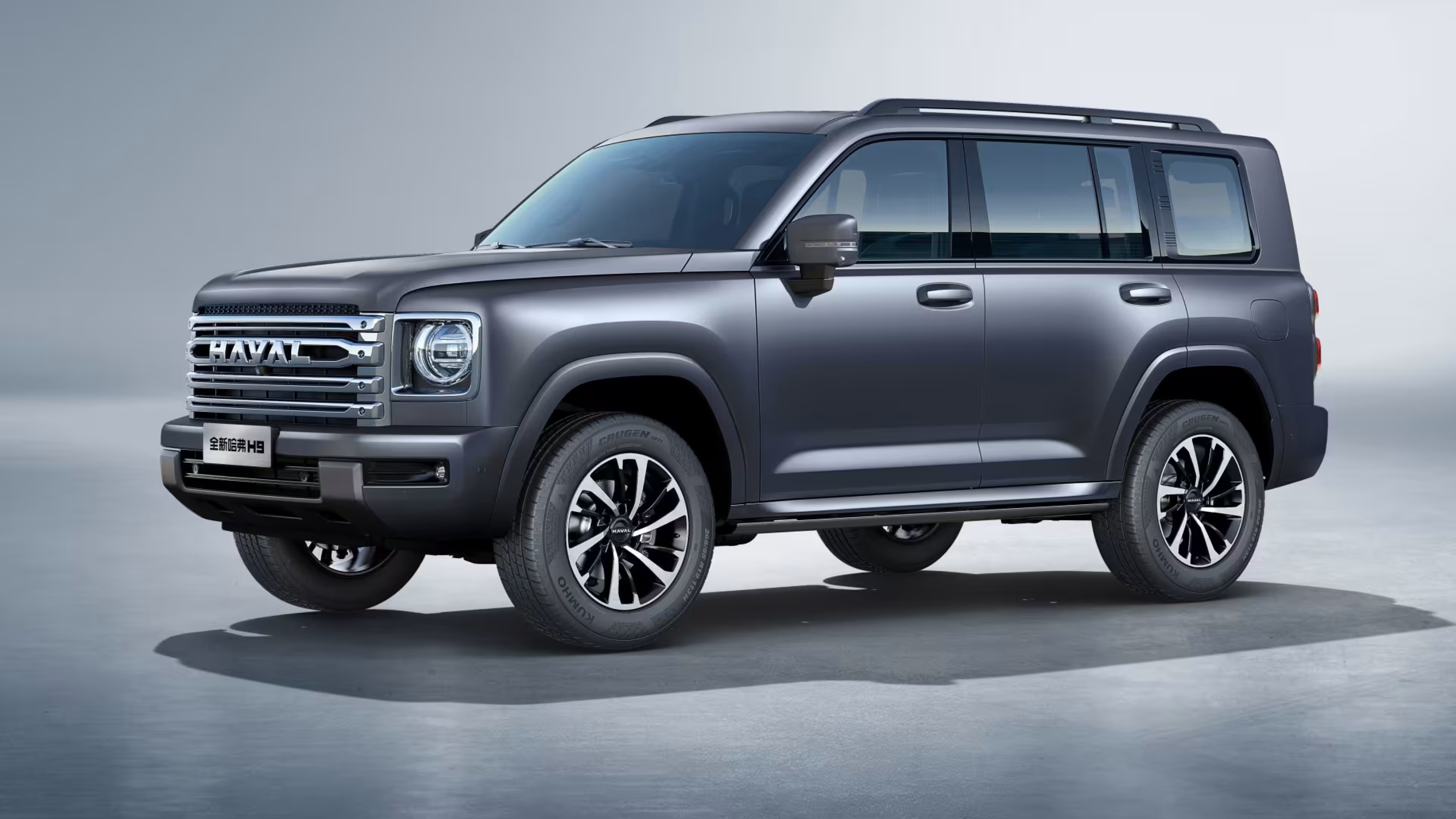
- Images show a boxier new look and tougher exterior styling
- An Aussie launch in late 2024 or early u201925 is possible
- The H9 was last sold in 2021 from $41,990 drive-away
A rival for the popular Toyota Prado and Ford Everest, the first-generation Haval H9 was last sold in Australia between 2015 and 2021 where it gained traction with budget-focused buyers thanks to drive-away pricing that started at $41,990.
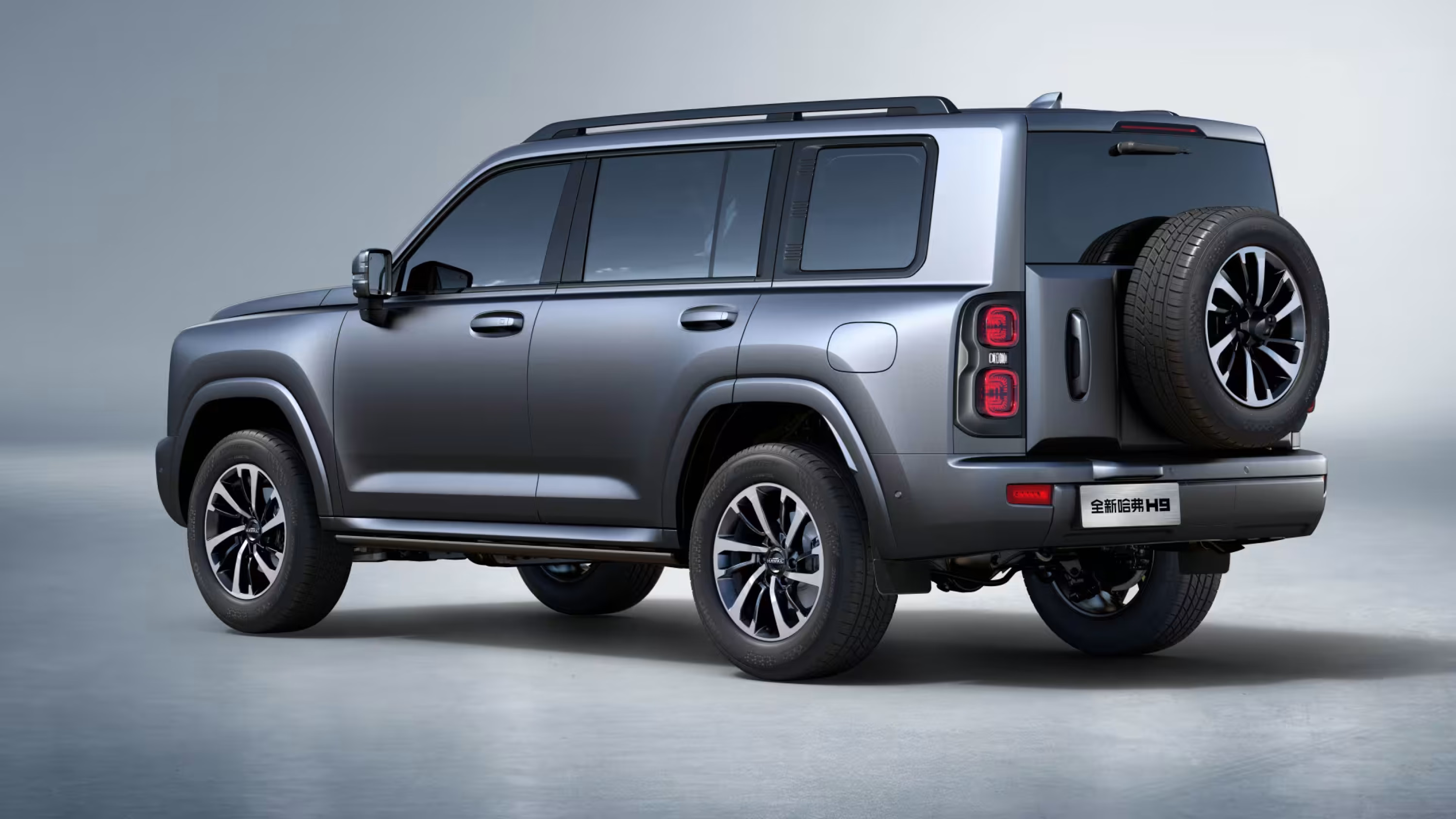
Now in its second-generation, the new H9 debuts a boxier exterior and has been extensively reengineered underneath thanks to an updated ladder-frame chassis and improved crash safety tech.
GWM published images of the new H9 to social media but is yet to share any official details around the off-roader’s specifications or engines.
1
It’s also unconfirmed if the new H9 will make its way to Australia, with a local spokesperson telling Wheels:
“H9 is certainly on our radar but not confirmed for Australia at this stage. We have a number of exciting new GWM products on the horizon and we’re currently working with our head office colleagues to finalise our local SUV strategy for 2024 and beyond.”
Haval currently sells two SUV models in Australia in the form of the mid-size H6 and smaller Jolion so adding a larger, seven-seat model to the local line-up could make sense.
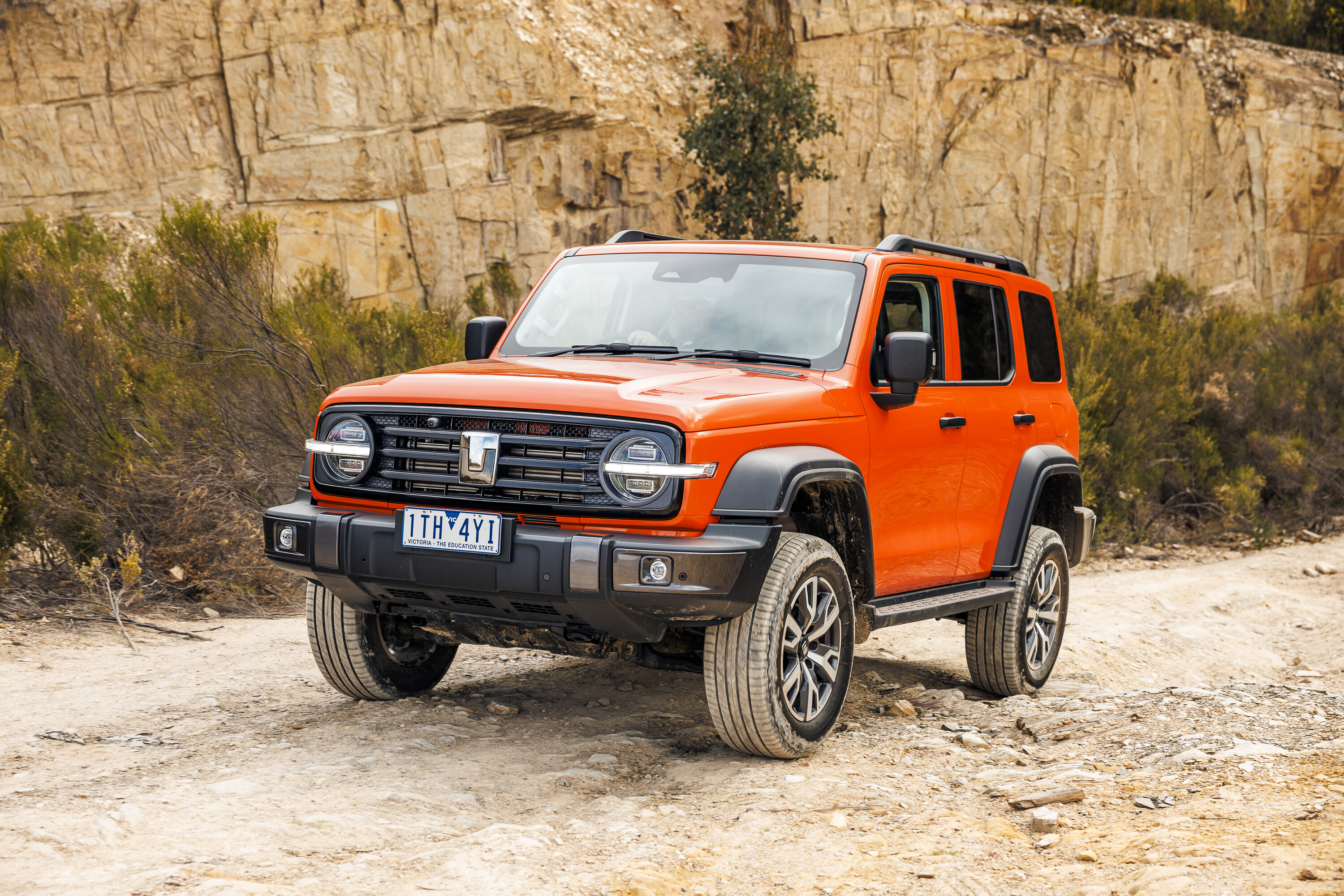
Conversely, GWM’s local arm might not want to tread on the toes of its fledgling Tank brand which currently spearheads the Chinese car maker’s offering in the off-road SUV segment with the Tank 300 and soon-to-arrive Tank 500.
1
It’s likely the new H9 will be sold with two engines in China — a 2.0-litre four-cylinder turbo petrol that produces 167kW and a 2.4-litre turbo diesel with 137kW — and it promises improved off-road capability thanks to an overhauled ladder-frame chassis and a boost in structural rigidity.
Differential locks and low-range gearing are also expected, as is a “second-generation off-road drive controller” that has up to six modes, to help make the H9 a genuine alternative to accomplished off-road rivals like the Toyota Prado, Ford Everest and Isuzu MU-X.
1
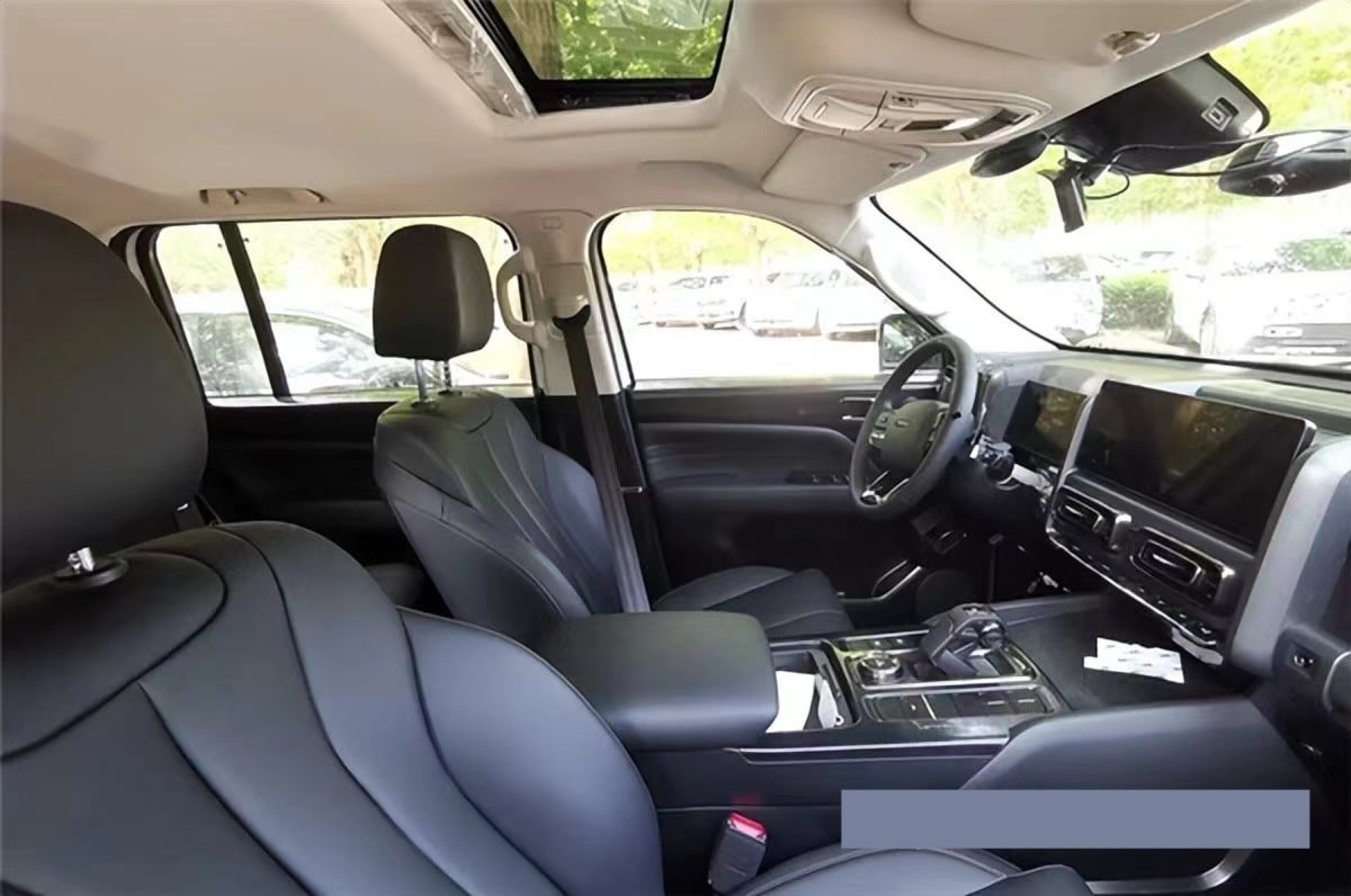
GWM is yet to reveal official images of the H9’s fresh interior but spy shots show an all-new design with a pair of large touch-screens likely to include Apple CarPlay and Android Auto connectivity.
Production of the new-gen Haval H9 is scheduled to begin in China in May 2024, meaning an Aussie launch is unlikely before late 2024 or early 2025.
Until then, what do you think of the boxy exterior styling? Would you consider the Haval H9 over the fresh Toyota Prado? Jump into the comments and let us know.
1
MORE
Everything Haval
Update: The MG 3 will be unveiled in full at this year’s Geneva Motor Show.
MG has locked in a reveal date for the new MG 3, with a teaser image accompanying the announcement revealing the 3’s crisp new headlights and modernised front bumper design, but nothing more.
Hybrid power is expected on the new small car, as well as enhanced safety technology, refreshed petrol engines, and a new tech-oriented interior.
Luckily, we have a pretty good idea of the MG 3’s looks thanks to leaks and patent images – read on to find out more about the marque’s new most affordable model.
https://www.instagram.com/p/C2H2KyhpgEZ/
Our original story, below, continues unchanged
January 2024: MG 3 revealed without camouflage
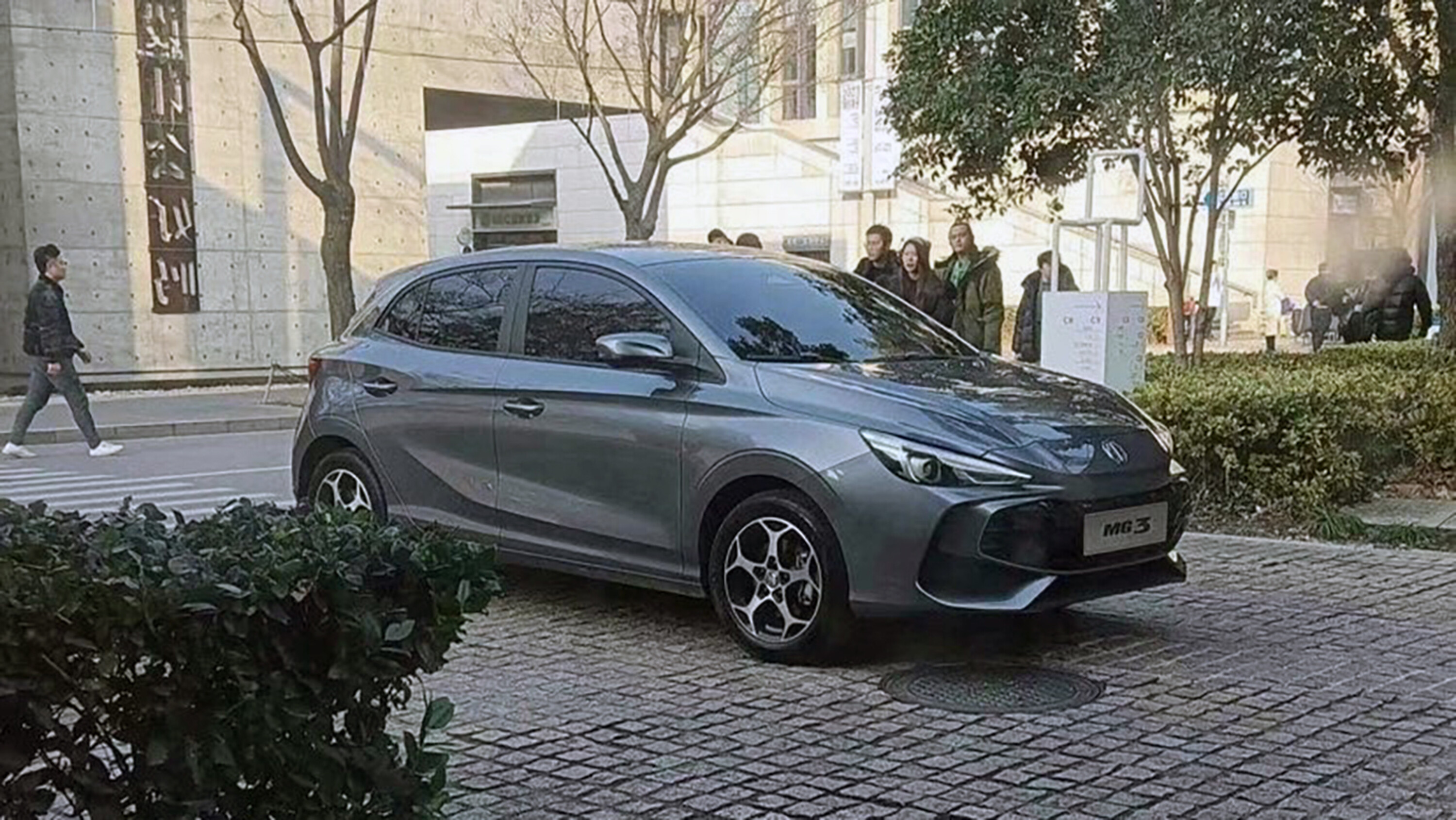
Forget the patent application images and our (very accurate) speculative renderings – here’s the new MG 3, revealed at last.
This image comes thanks to a member of the Spanish online community Cochespias, although it’s unclear from where the photo was sourced.
As expected, the new MG 3 will walk the line between ZS and MG 4 styling, albeit without the completely new-look design of the latter.
What do you think of the look? Continue reading below for more details.
1
December: new-gen MG 3 to offer petrol and hybrid power
Australia’s cheapest car, the MG 3, will add a hybrid powertrain to its model range when the new generation arrives next year.
The news, confirmed by MG Australia, means the MG 3 will become the second vehicle in the budget-focused, city-car segment to include the option of a fuel-saving hybrid engine. Currently only the Toyota Yaris is available as a hybrid.
The arrival of the MG 3 hybrid will coincide with the introduction of a new-generation model which will usher in a fresh look, updated safety and infotainment tech, and roll on a new “scalable platform”.
It’s hoped the updated safety suite, which includes autonomous emergency braking, will improve the new model’s crash rating – though whether it achieves a five star ANCAP score remains to be seen.
The new model is also likely to usher in price rises that will push the MG 3 into the $20,000 bracket. Currently the MG 3 is Australia’s cheapest new car thanks to drive-away price of $19,990.
Camouflaged test mules of the new-gen MG 3 have recently been photographed in Sydney, suggesting a launch can’t be that far away.
Details around what hybrid powertrain the new MG 3 will use are yet to be confirmed, though it’s possible the new model will combine a 70kW/200Nm electric motor and 2.1kWh lithium-ion battery with an updated version of MG’s 1.5L four-cylinder petrol engine.
1
September: Our exclusive renders show the new MG 3’s final design
Here it is.
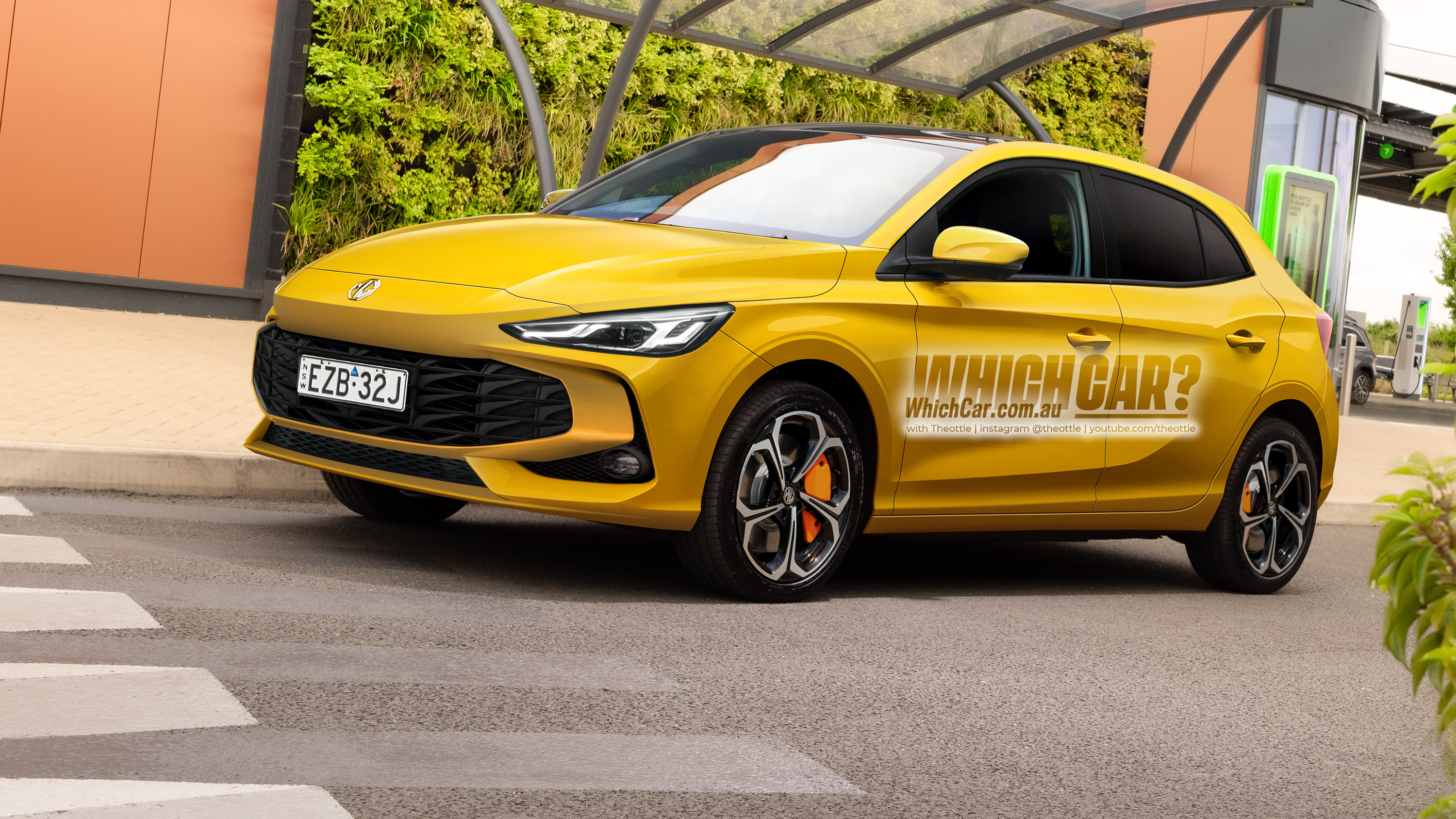
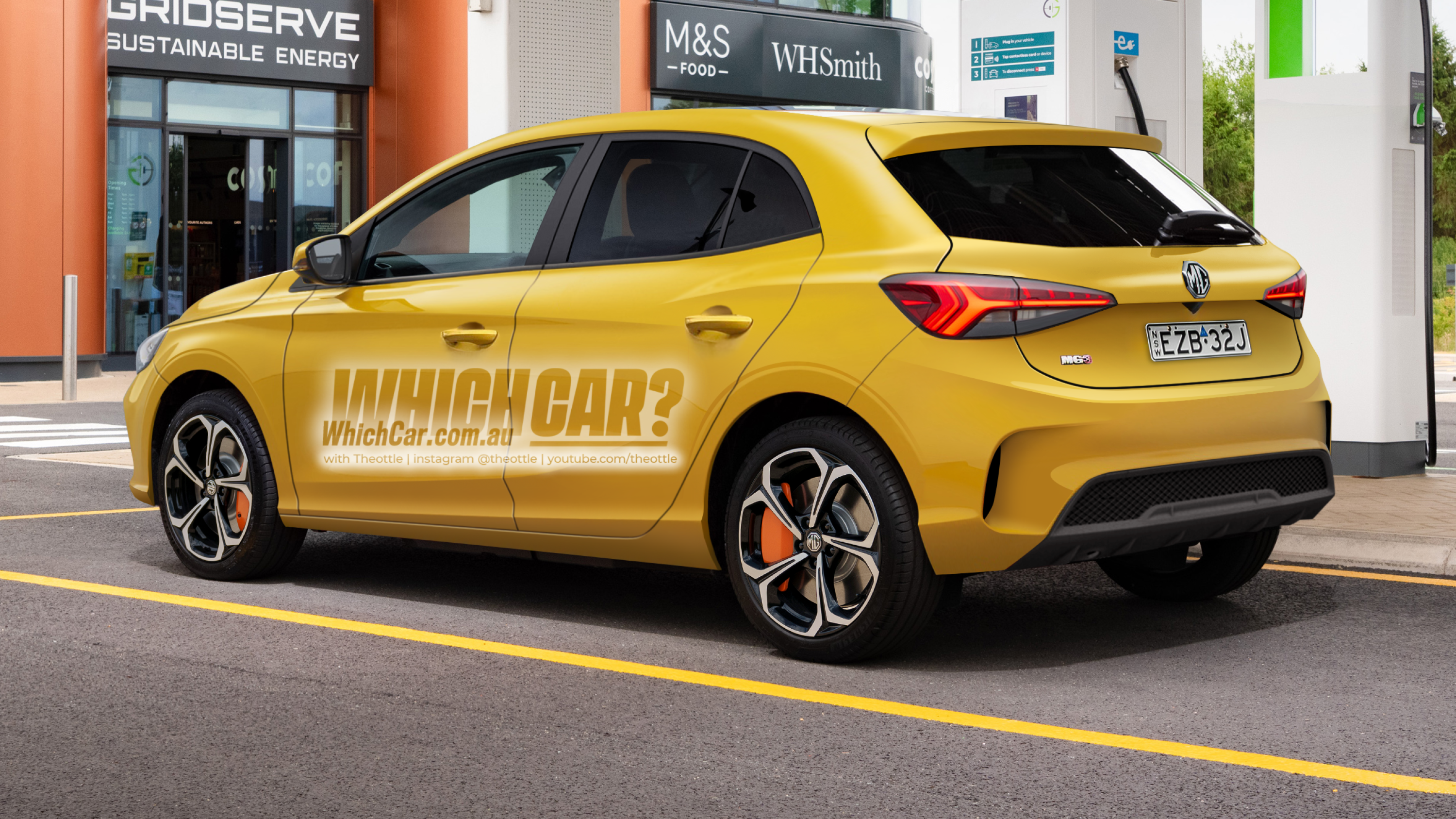
Thanks to the detailed patent images published in early August, our mate Theo has crafted what should be a near pixel-perfect look at the new 2024 MG 3 hatch in its showroom form.
What do you think of the look? Tell us in the comments, and catch up on the story below.
1
August 8: New MG3 revealed in patent images
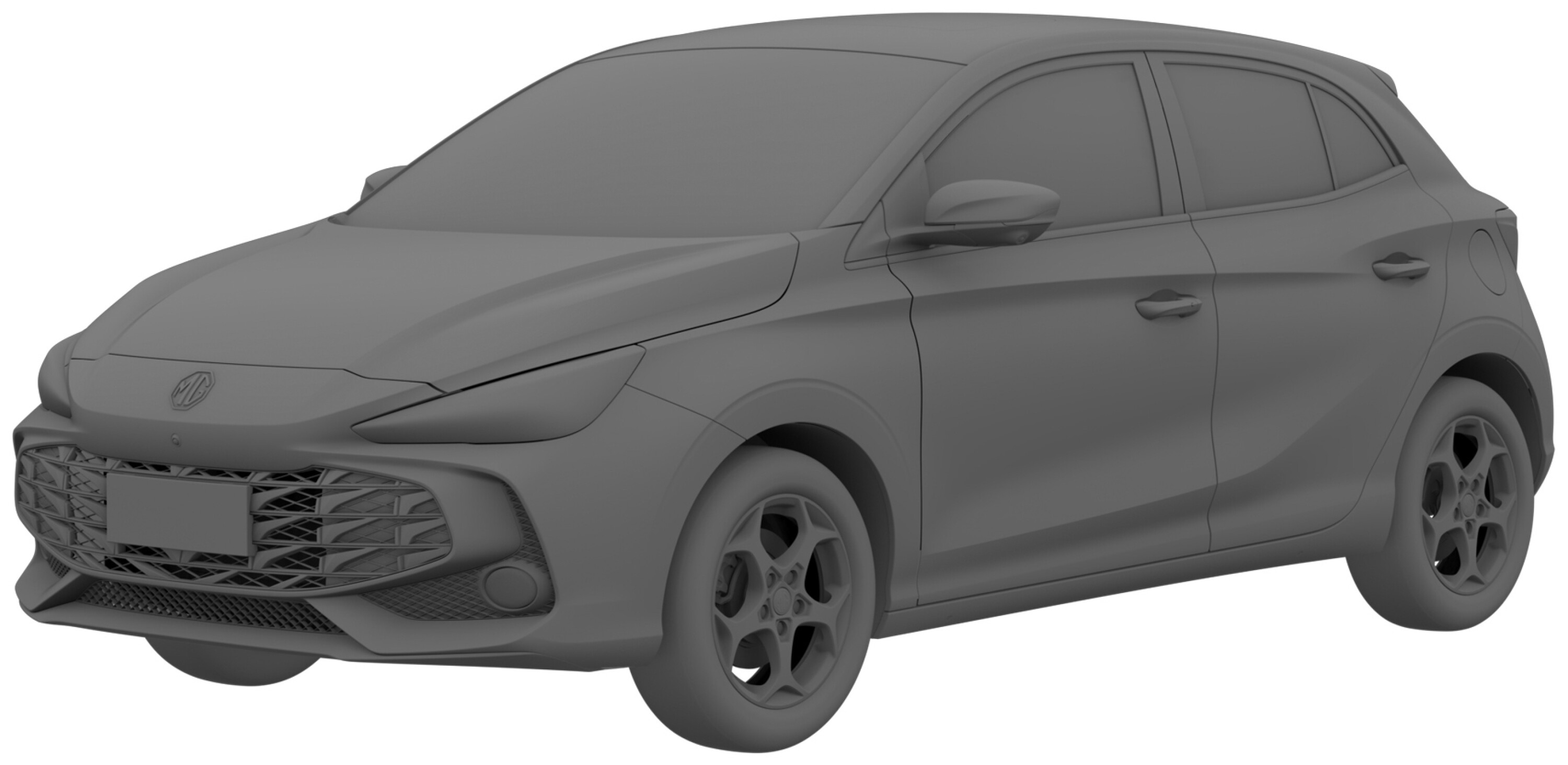
A replacement for the popular MG 3 light hatch appears closer than ever, with new patent images revealing what is believed to be the new model.
Snapshot
- 2024 MG 3 hatch revealed in patent images
- Modernised design, with added safety and more tech likely
- Expected in Australia next year
1
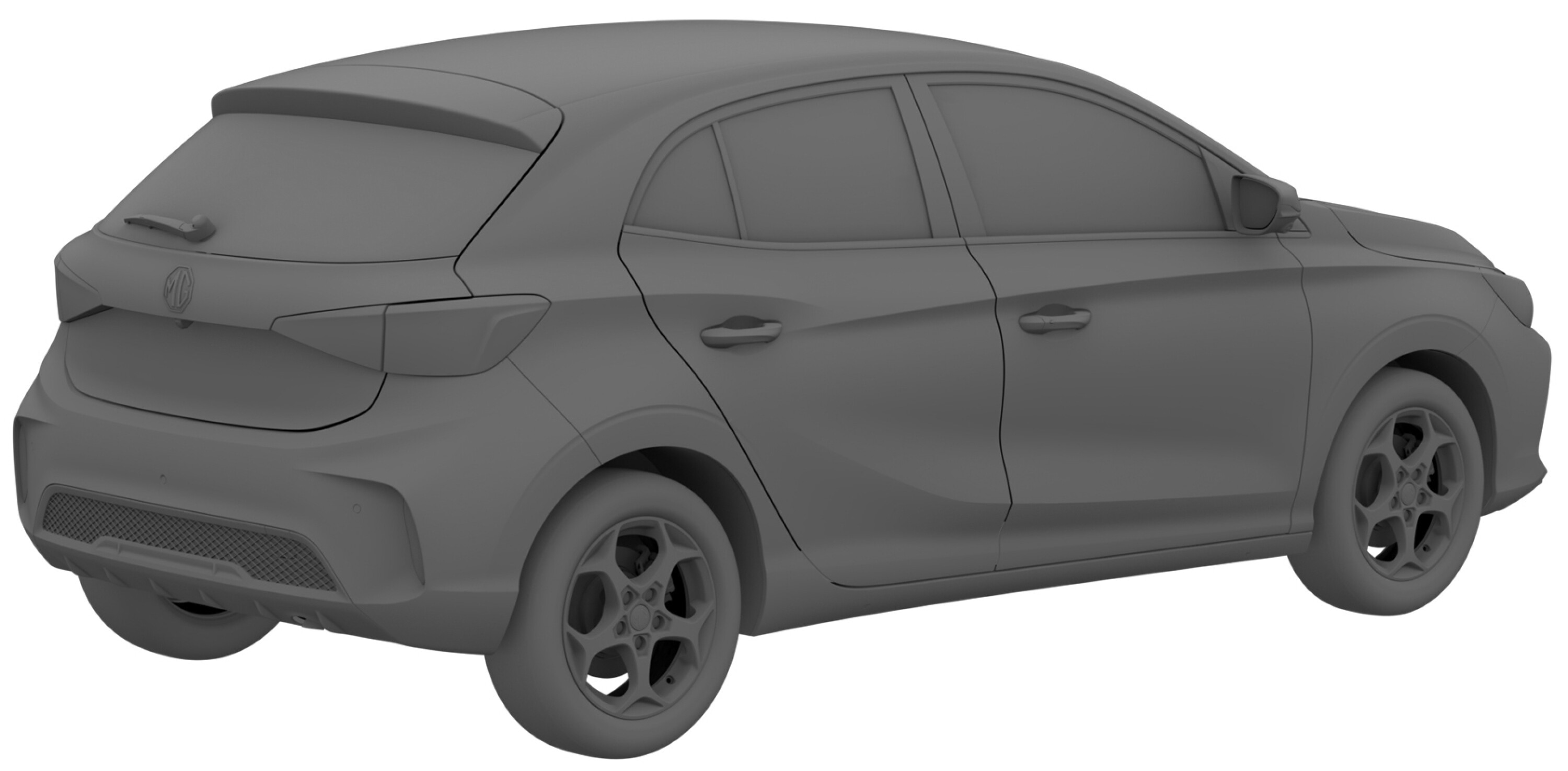
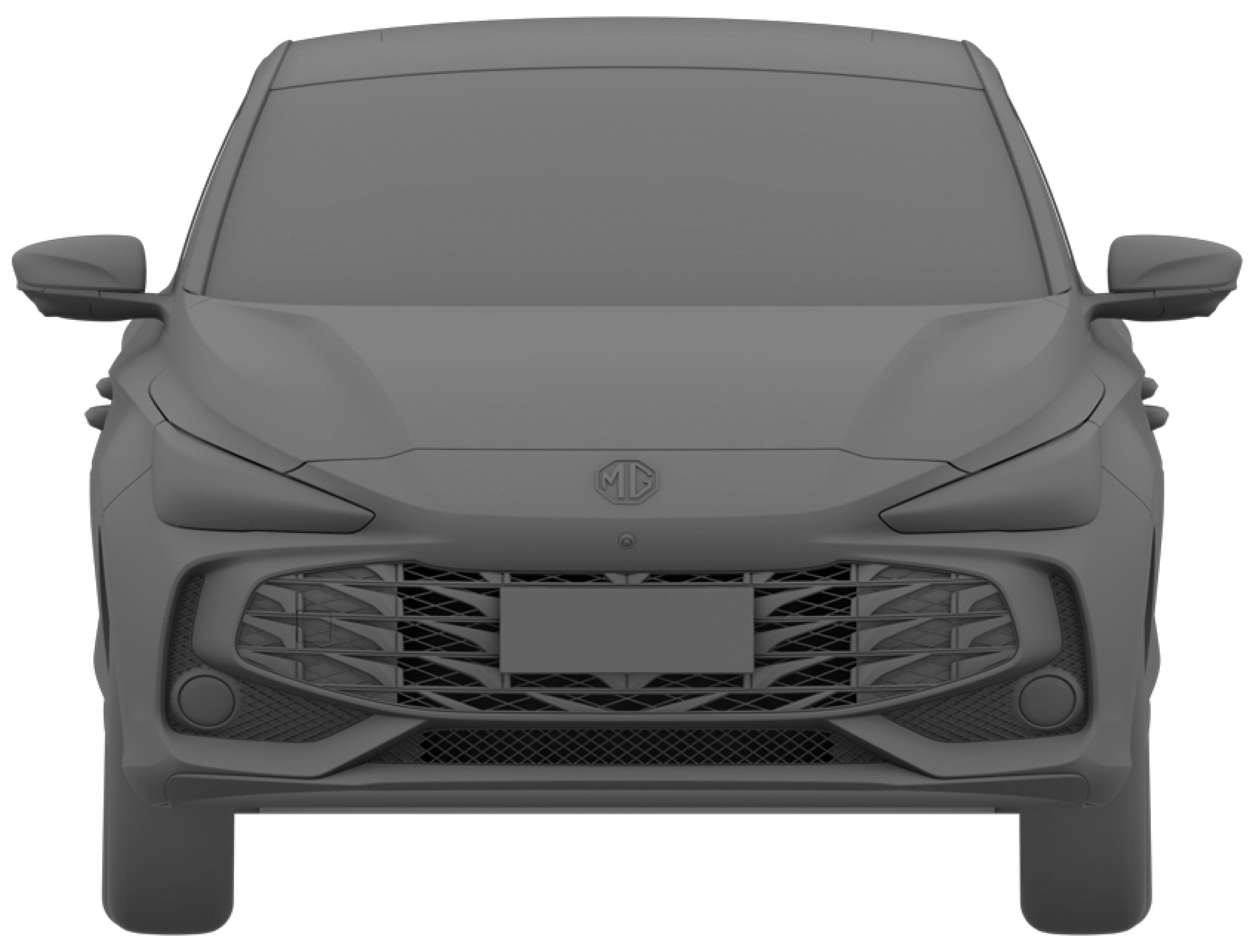
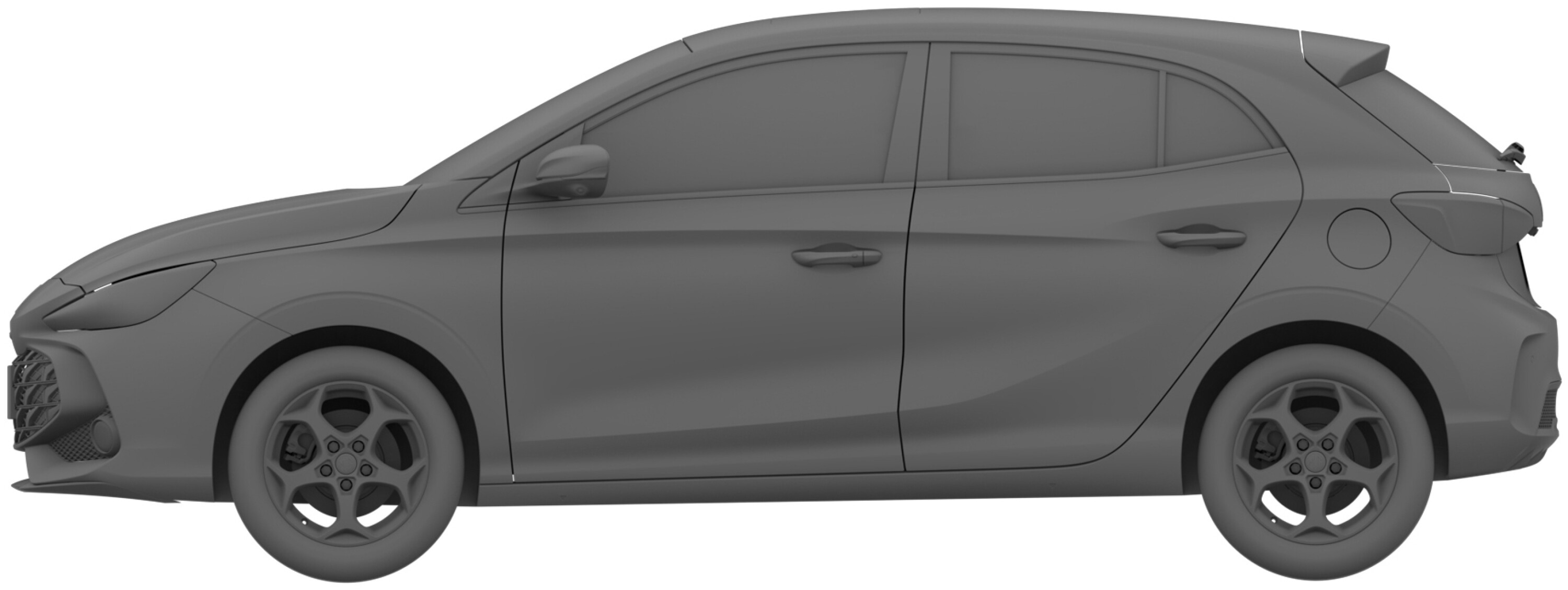
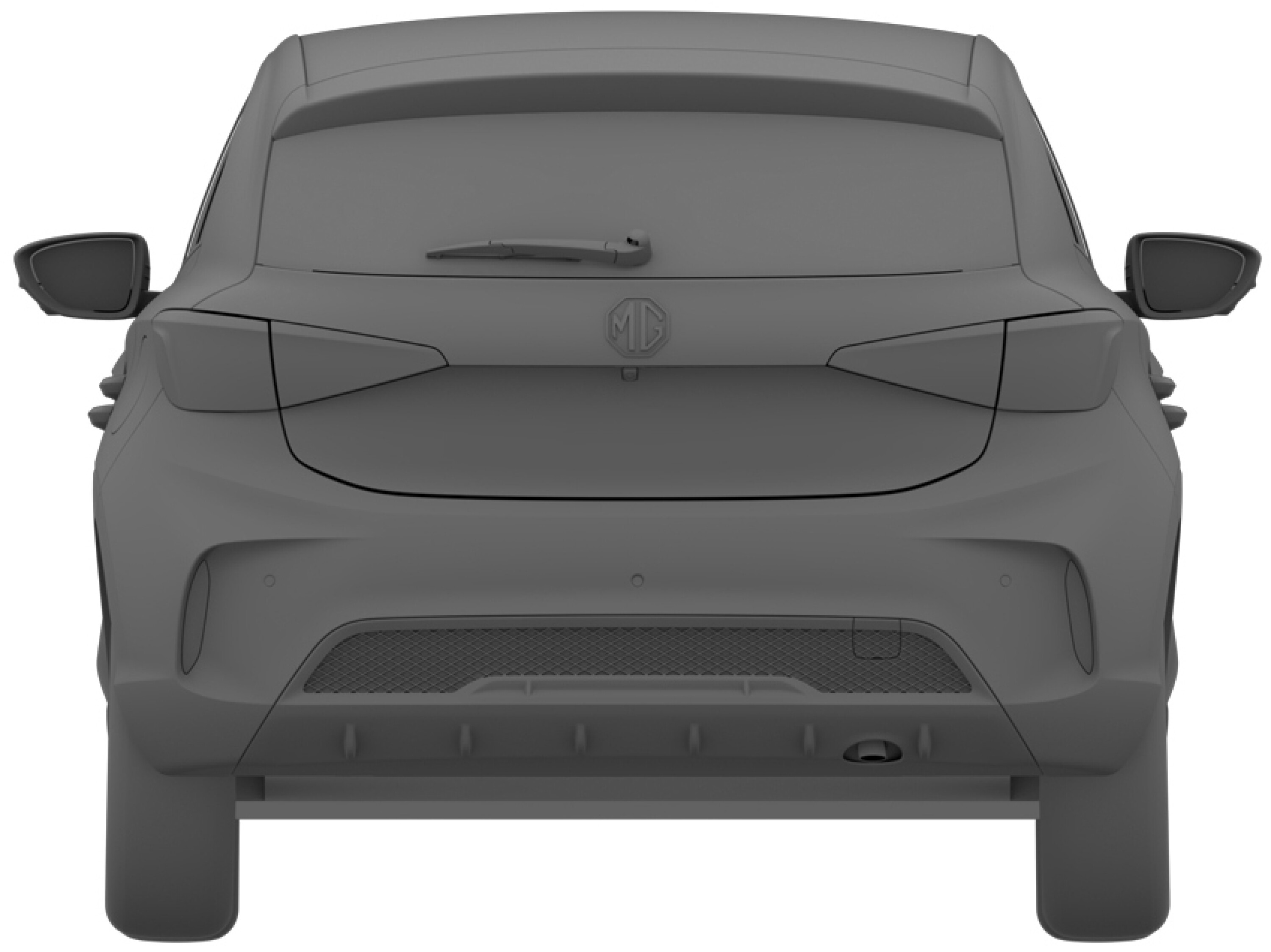
The next-generation 2024 MG 3 will sport a modern design similar to the MG 4, MG 5 and updated HS if design patents submitted to the European Union Intellectual Property Office prove accurate.
However, a recent report suggests it won’t be called ‘MG 3’, at least overseas.
“MG 3 will effectively be the first [new product]. That’s long overdue a replacement, that will happen springtime [autumn for Australia] next year,” said MG UK product planning boss David Allison in an interview with Auto Express in June.
“MG 3 will continue for another 12 to 18 months, before it’s replaced. But we won’t call it MG 3,” he added.
To keep it affordable, the new model is unlikely to feature any form of electrification.
It is believed the new model is around the corner, with its development said to have commenced more than three years ago using a “scalable platform” seen on current MG vehicles.
1
A local launch is expected later in 2024 to replace the current MG 3, Australia’s top-selling light car.
Speaking to Wheels from parent company SAIC’s global headquarters in Shanghai, MG global chief designer, Oleg Son, said: “This car [the new MG 3]… will be launched next year.”
“I came to this company in 2020 and this car was already well on its way. It’s a different platform [to MG 4], but we have a scalable platform, so we choose the platform depending on the cost. Not every platform is suitable for every car.”
1
The new MG 3 has a lower front grille and slimmer headlights reminiscent of the MG 5, while it features horizontal tail-lights similar to the ZS small SUV – with LED technology likely on flagship variants – rather than the current vertical units.
A larger front overhang would likely assist in meeting more-stringent safety testing, with the current MG 3 untested by ANCAP – but it received a now-expired three-star Euro NCAP rating in 2014.
A five-stud wheel pattern suggests it will be underpinned by a new platform, potentially sharing components with the one-size-up MG 5 small sedan.
Expect autonomous emergency braking – required for all vehicles introduced in Australia after March 1, 2023 – and other active safety tech to become available.
1
However, while autonomous emergency braking is almost certain, other safety features could be absent in Australia.
For instance, local examples of the MG 5 lack lane-keep assist, lane departure warning, blind-spot and rear cross-traffic alerts, and speed recognition or driver monitoring systems, and the entry-level variant is not fitted with rear seatbelt reminders.
ANCAP assesses active safety equipment in its ‘safety assist’ and ‘vulnerable road user’ categories, with minimum scores of 70 per cent required to achieve a five-star rating or 60 per cent for a four-star rating.
1
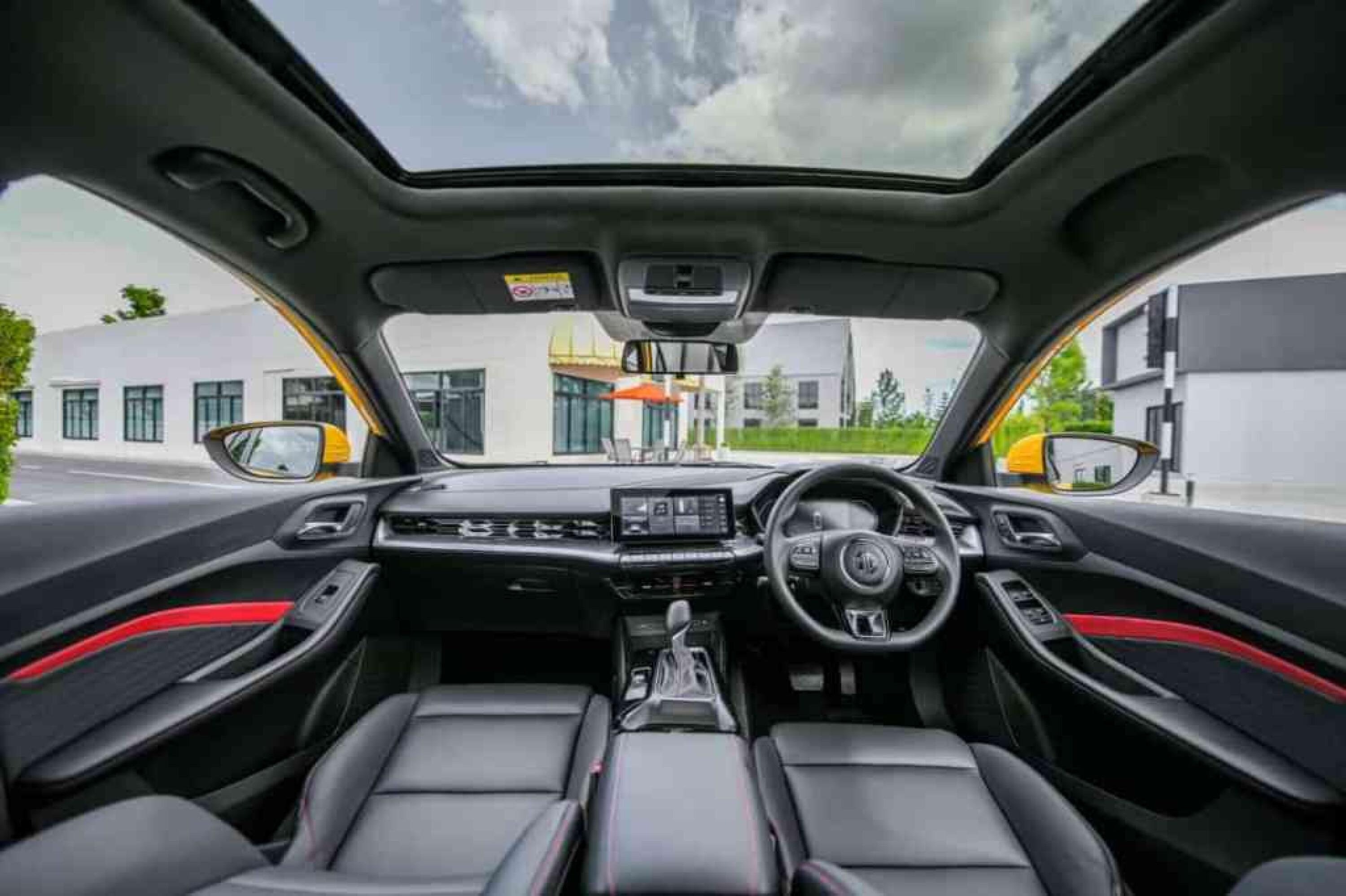
The interior of the new hatch has not been revealed, but recent MG products suggest a modernised look with a larger, floating infotainment system, a semi-digital instrument cluster, and an electronic handbrake.
Under the bonnet, a familiar 1.5-litre naturally-aspirated four-cylinder petrol engine is likely, with circa-85kW and 150Nm and efficiency improvements.
It could switch to a continuously variable automatic transmission (CVT), replacing the current four-speed torque-converter unit, in line with the MG 5.
The current MG 3 hatch dates back to 2011, with a facelift and automatic introduced in mid-2018.
1
It is now priced from $19,990 drive-away – one of two new cars below $20,000 – up from $15,990 when the automatic version launched in 2018.
With other light hatch rivals such as the Mazda 2, Toyota Yaris and Suzuki Swift dearer than ever, and the recent discontinuation of the Kia Rio, the MG 3 faces little competition at the bottom end of the Australian new-car market – apart from the one-size-smaller Kia Picanto micro hatch.
But price rises are still likely, with the new MG 3 likely to rise to around $22,000 drive-away – compared to $23,990 drive-away for the base ZS small SUV and $24,990 drive-away for the MG 5 petrol sedan.
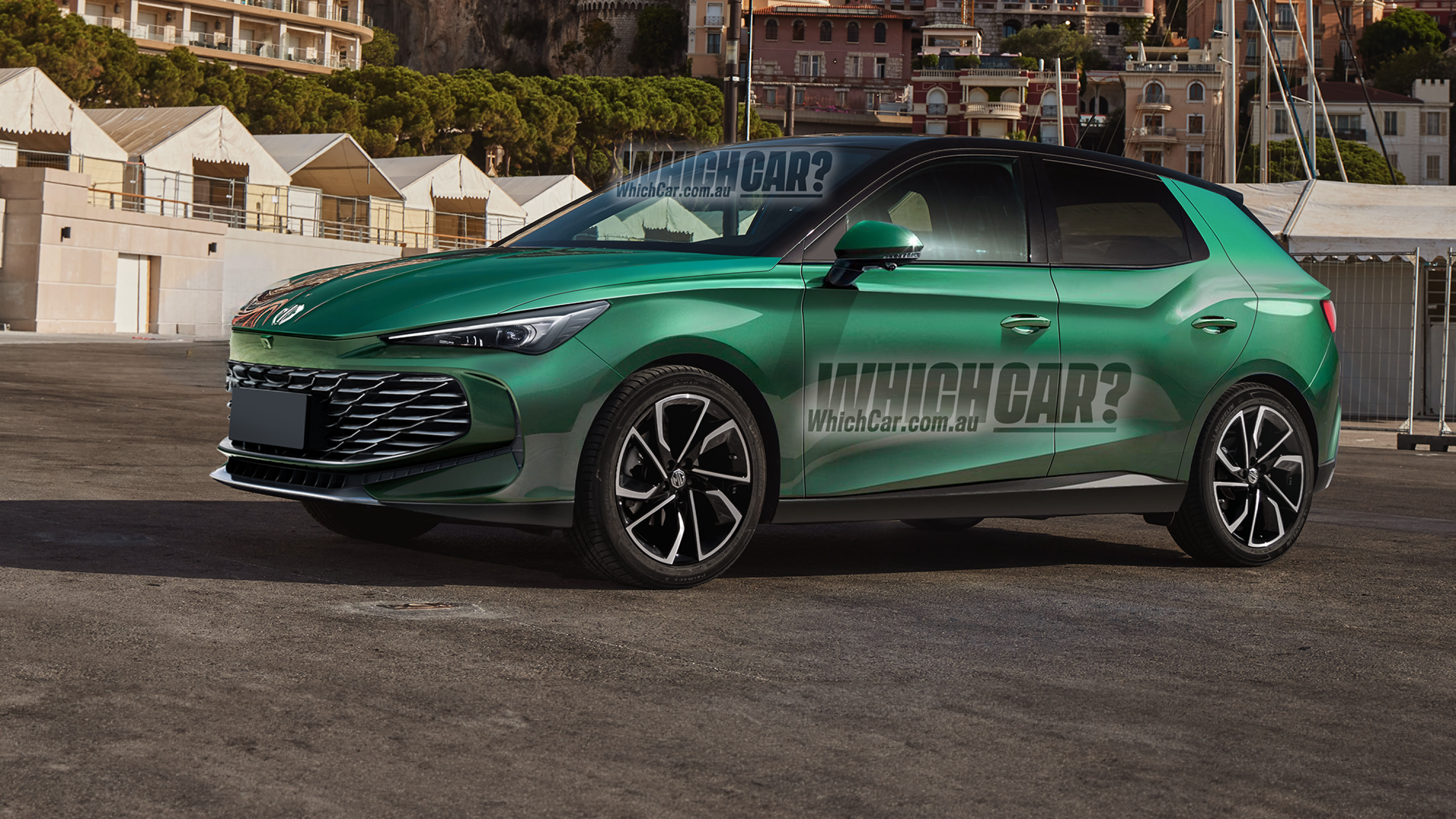
Earlier, we imagined the new MG 3 might look a little like this…
1
1
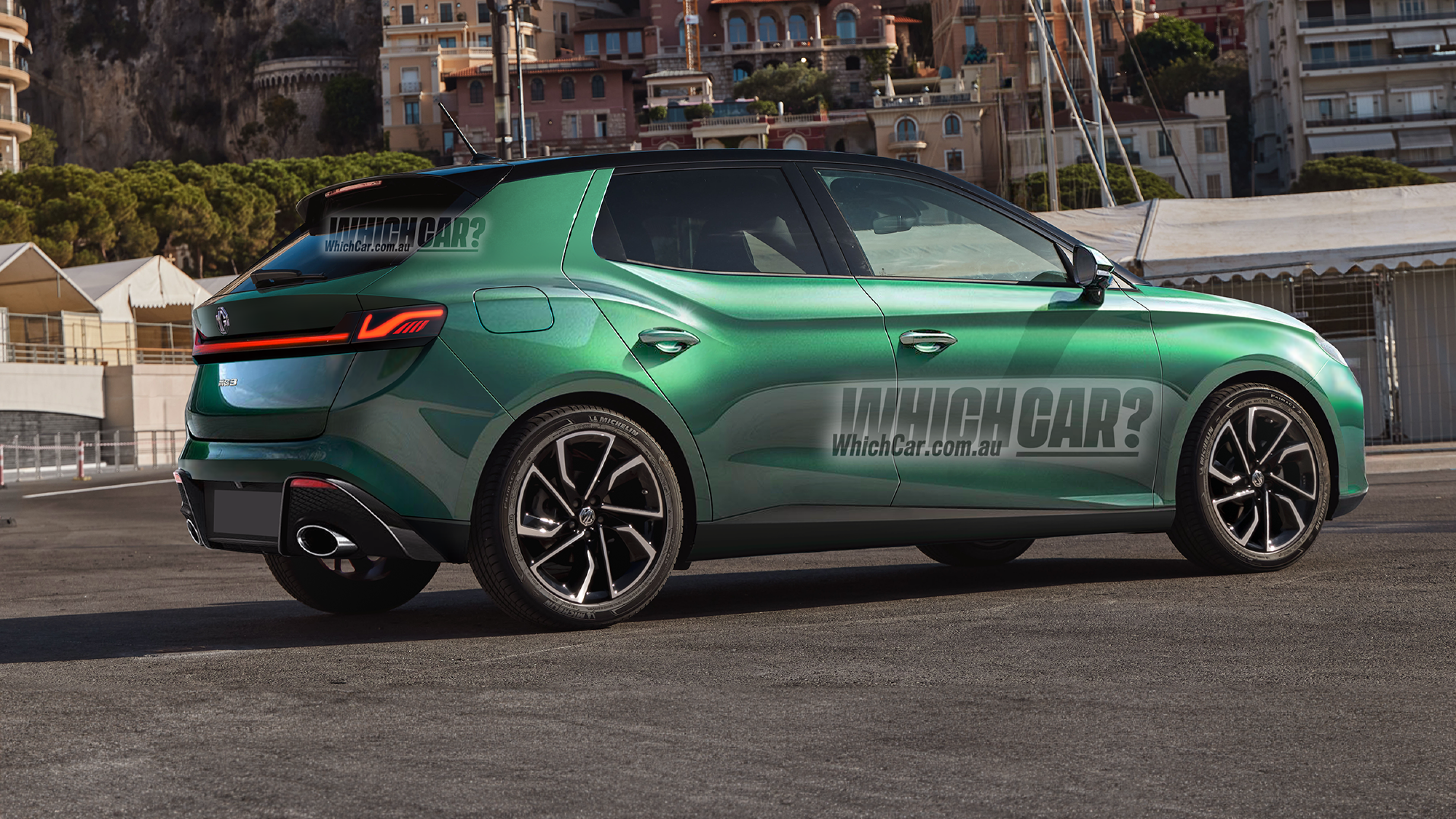
Speculative renderings, above – commissioned by Wheels Media prior to the emergence of the patent images – show a similar, but more upmarket, design for the next-generation MG 3.
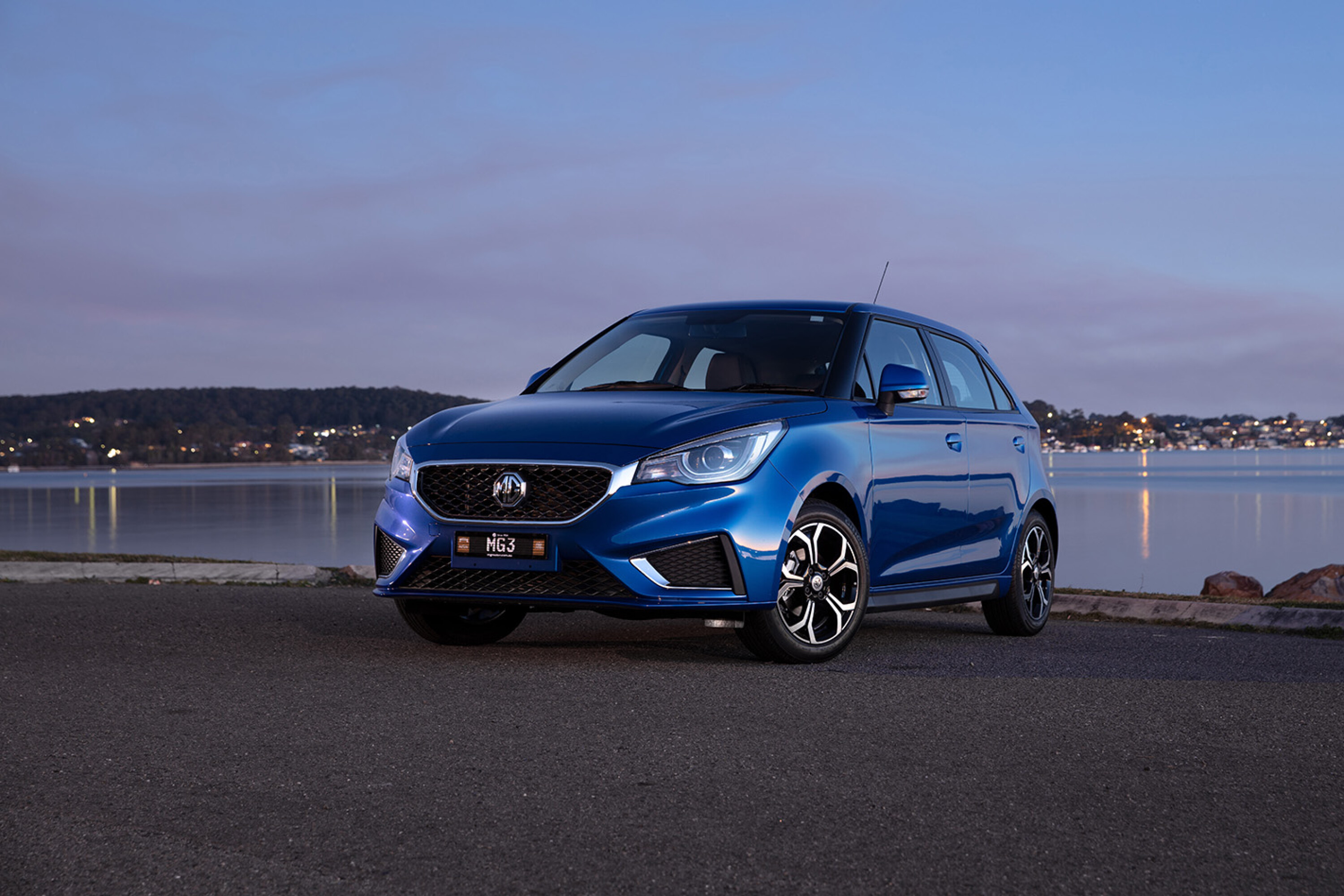
Below: The current 2023 MG 3 hatch
1
MORE
Everything MG
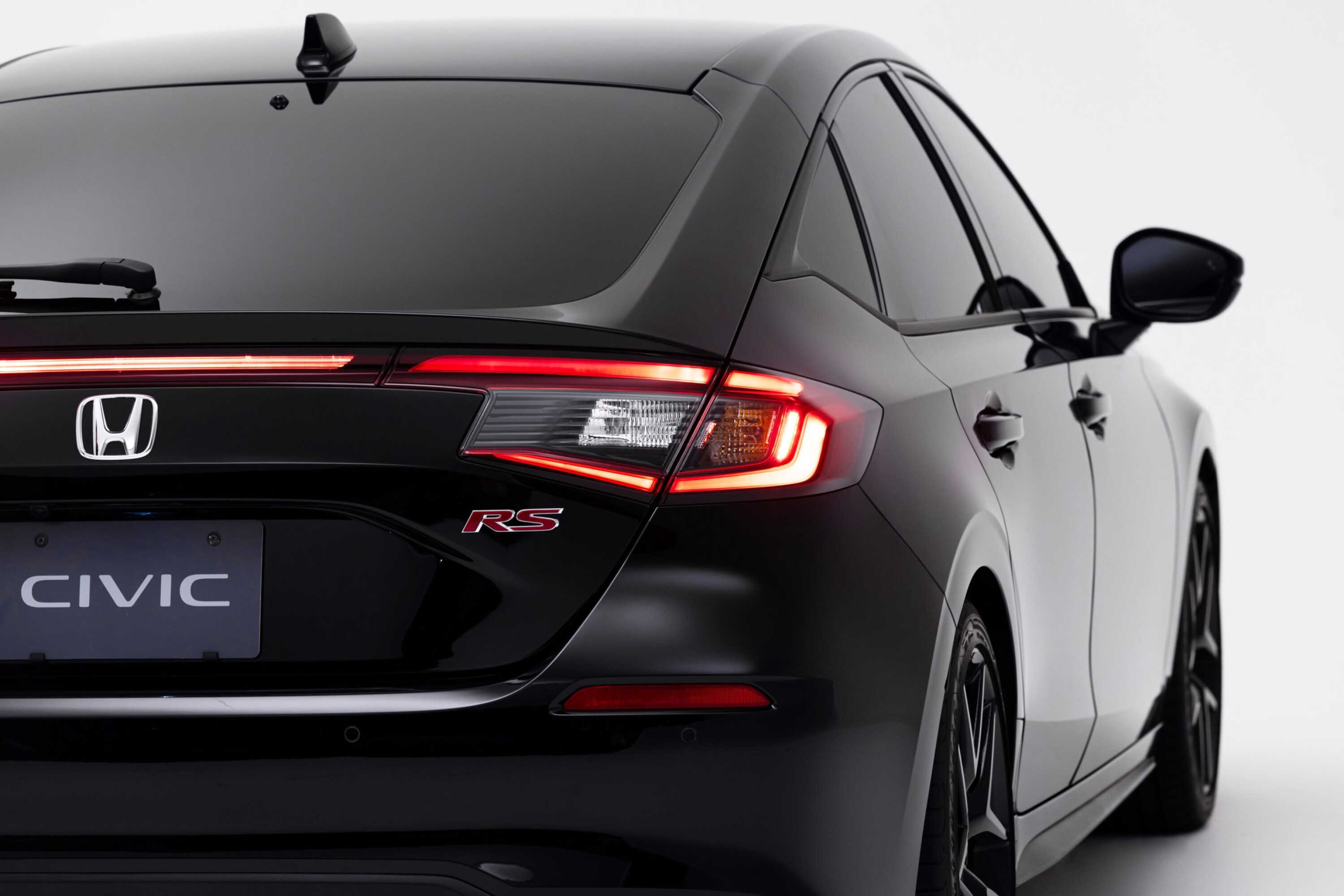
At Tokyo Auto Salon 2024, Honda unveiled a sporty-looking RS variant of the Civic hatch with a six-speed manual transmission.
Not unlike the US-market Si, the variant will be known as the RS and is a Japanese exclusive… at least for now. Unlike the Type R, it’ll use the regular Civic’s 1.5-litre turbo-petrol four-cylinder for propulsion.
When asked, Honda’s Australian arm said it does “not have any current plans to bring the new Civic RS to the Australian market at this time”.
1
Details on the new variant remain scarce beyond it keeping the same basic engine paired with a slick six-speed manual transmission, and that the brand has made “further refinements to the joy of driving.”.
The US-market Civic Si sedan can guide us slightly. In a perfect world, the RS would be equipped with the same front limited-slip differential, stiffer anti-roll bars, lower springs, firmer dampers, and 18kW power lift (to 149kW) as the North American vehicle.
The RS would then effectively bridge the gap between the regular Civic hatch with its sweet chassis but undergunned engined and the hardcore 235kW mega-hatch that is the Type R.
1
However, as with the previous-gen RS, it may be that this variant is a simple styling makeover – think a jazzier cabin treatment with red or orange stitching.
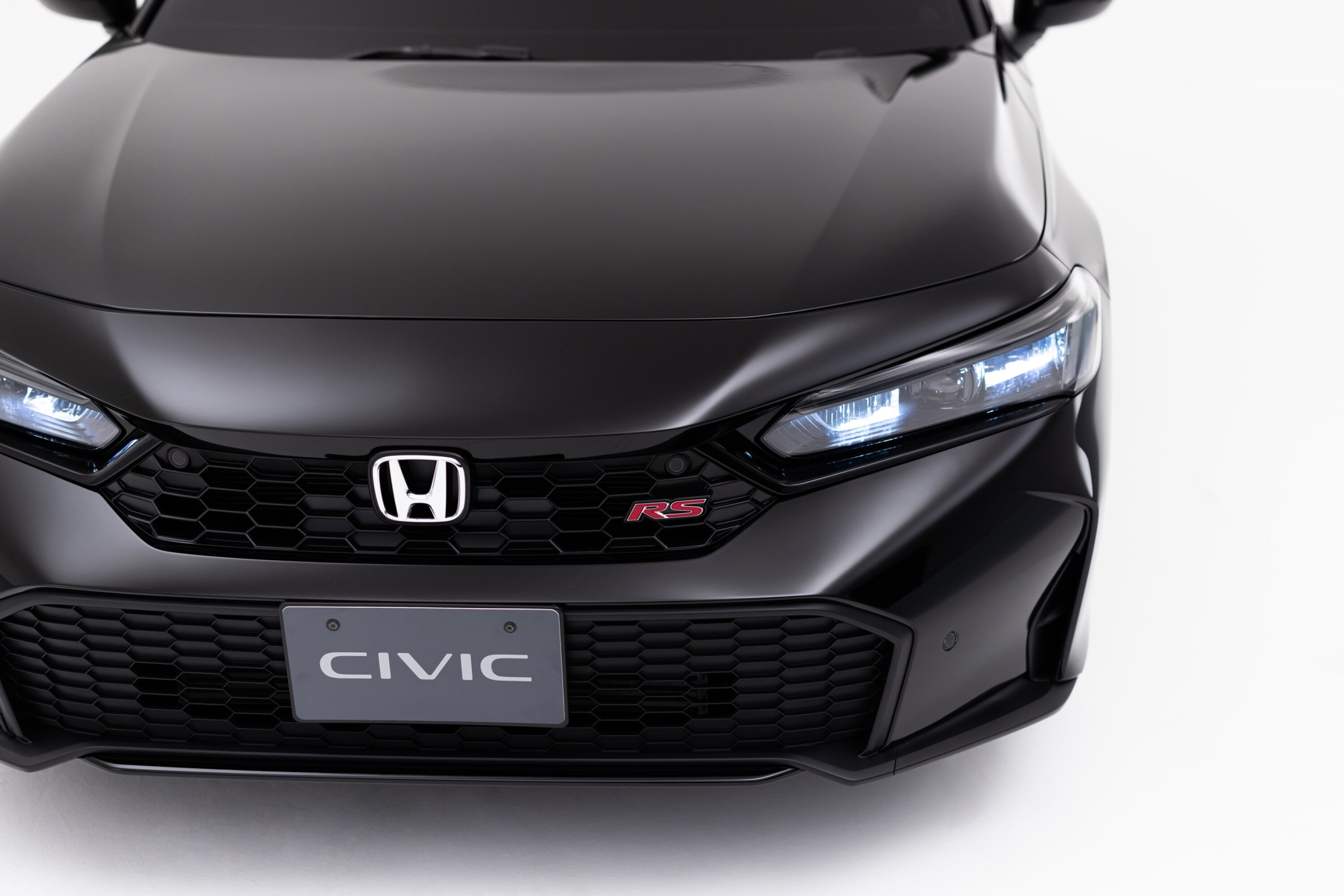
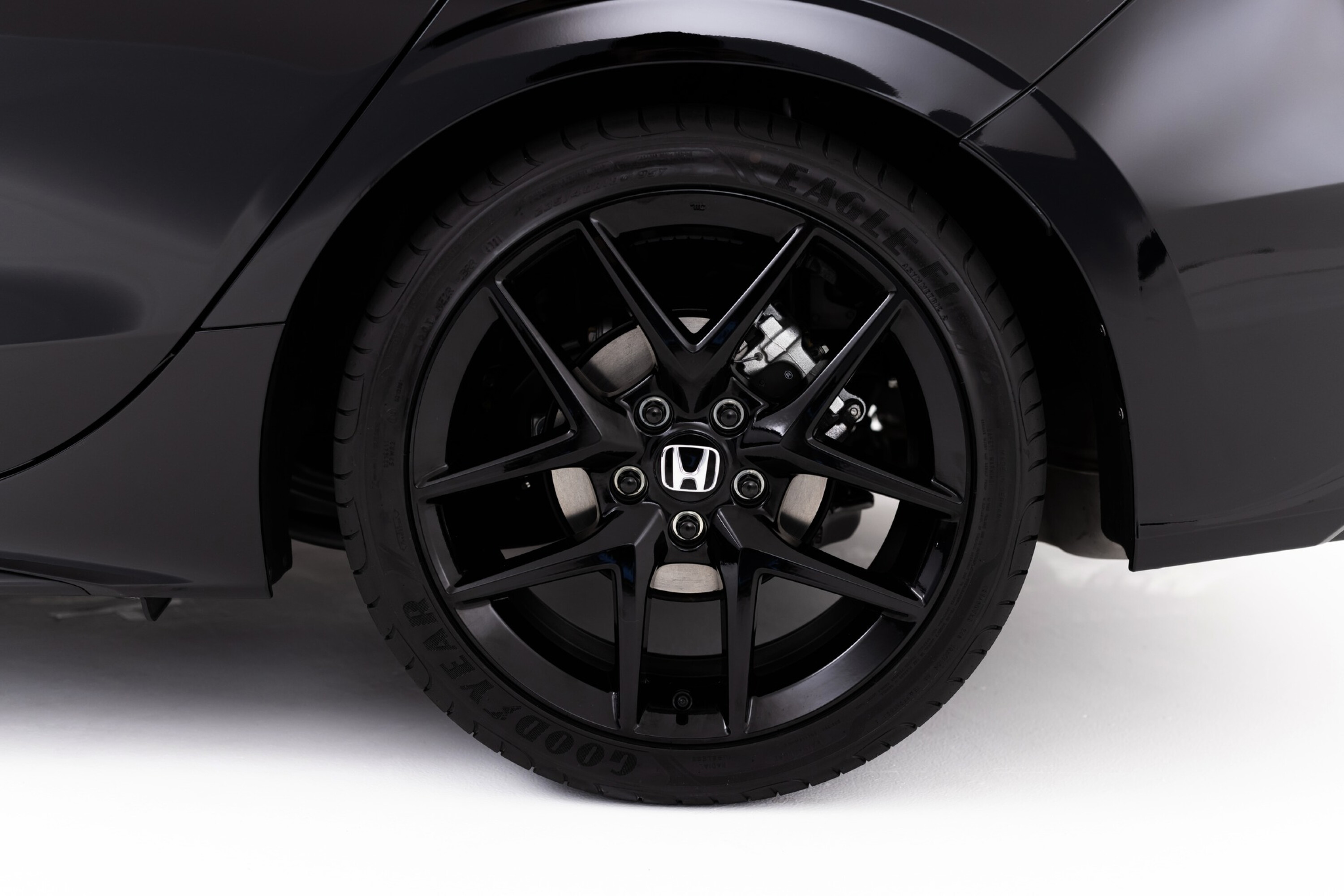
Outside, the concept gets black wheels (not the Type R’s ‘reverse rim’ alloys), a blacked-out grille, an enlarged lower air dam, and red RS badging.
1
In North America, the RS’s Si equivalent has a fewer interior features meaning it drops under the top-spec Touring sedan – roughly equivalent to our VTi LX ($47,200 drive-away) – so we’d expect the sporty variant to command around $45K locally.
Further details will be confirmed closer to the Japanese Autumn (Australian spring-time) debut of the Civic RS.
MORE
Everything Honda
The 2024 Mitsubishi ASX stands as a wallet-friendly small SUV option, starting from $24,490, exclusive of on-road costs for the entry level GS option.
Within the ASX lineup, the MR sits smack bang in the middle of a seven-version line-up. The ASX has remained a consistent offering for more than a decade, consistently delivering an attractive value proposition.
Amidst an already bustling segment, let’s now explore the features and offerings that the mid-level ASX variant provides.
Pricing & Features
The middle MR model is available as an automatic only, and comes in at $29,740 before on-roads are added.
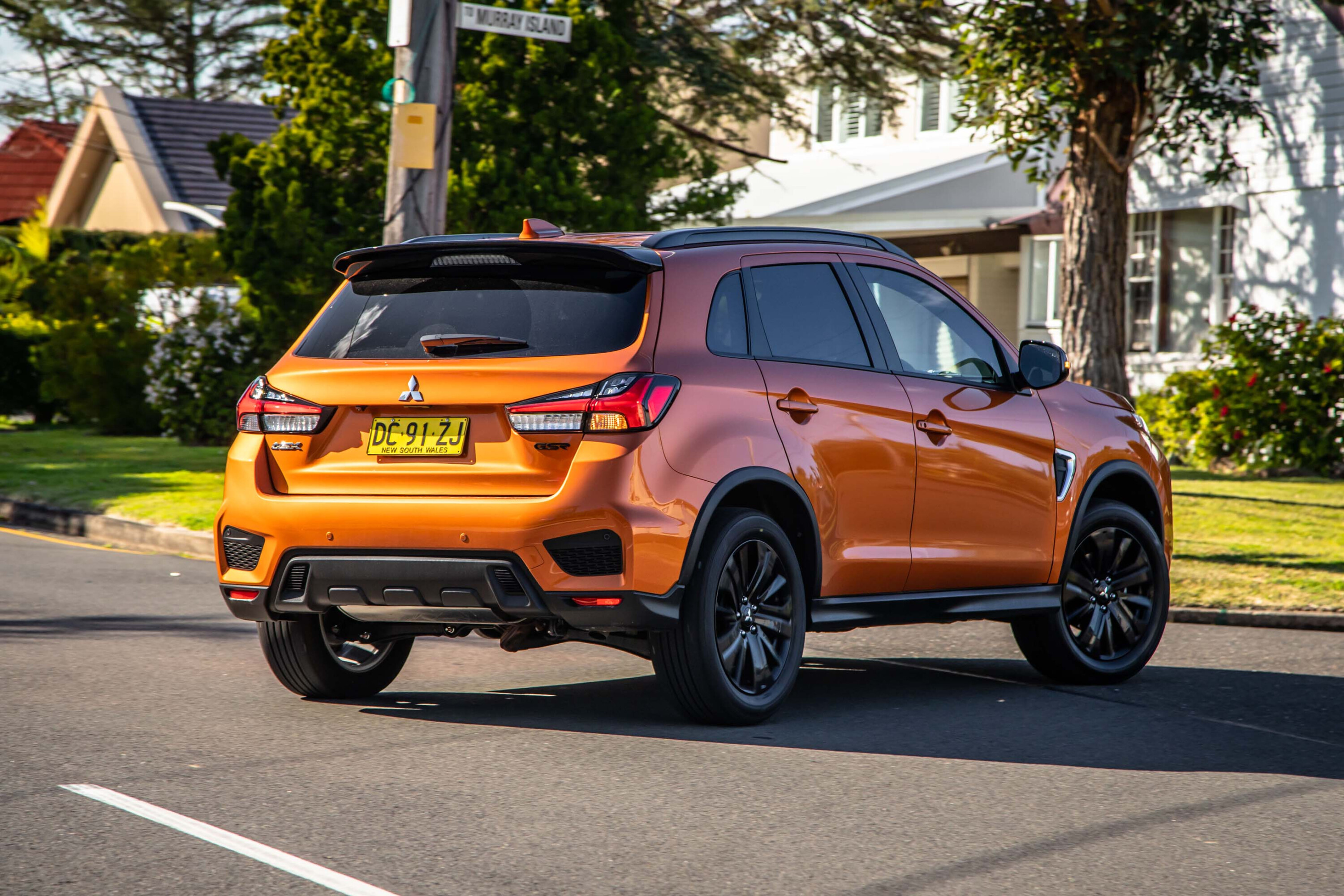
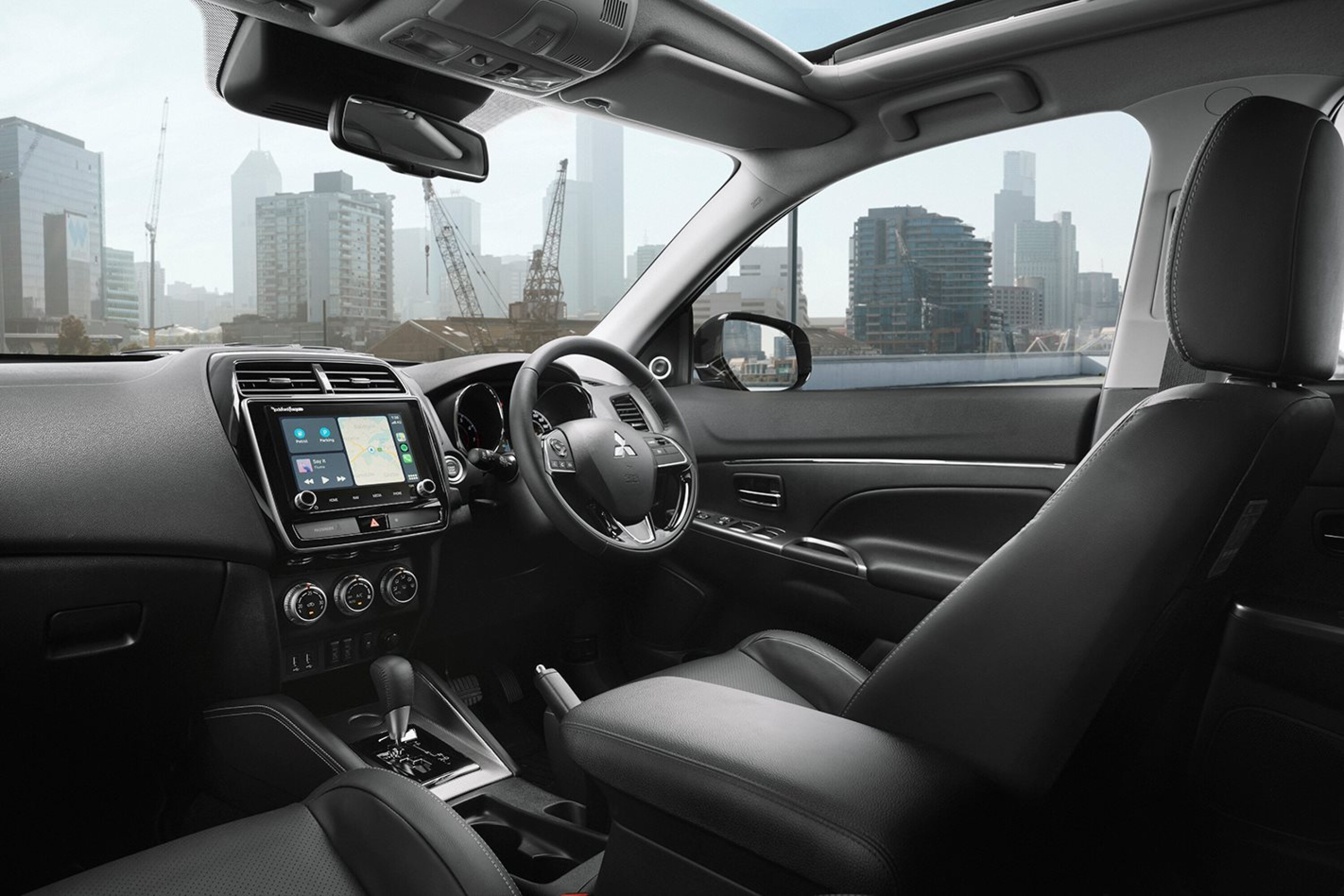
Standard specs include 18-inch alloy wheels, an 8.0-inch touchscreen infotainment system with Bluetooth and voice control and wired Apple CarPlay and Android Auto.
Design wise you’ll get some sportyy looking black accents such as door mirrors and radiator grille, an on the inside red stitching on the leather steering wheel, gear shift and park brake.
1
Other key specs include rear parking sensors, rain-sensing wipers, automatic headlights and climate control with rear air-vents.
All colours besides the standard white carry a $740 premium, other than White Diamond which adds $940.
Safety
At present the ASX lacks a safety rating from the ANCAP crash-test organisation. The most recent evaluation for this model was conducted back in 2014, exceeding the newly implemented six-year validity period for vehicle assessments. Previously, the ASX did have a five-star safety rating.
The Mitsubishi ASX MR is fitted with an array of standard safety features, including forward collision mitigation, automatic high beam, and hill start assist.
If you’re looking for additional safety such as blind spot monitoring, lane change assist and rear cross traffic alert, you’l need to jump up one variant to the LS model for about $750 more.
1
Key Rivals
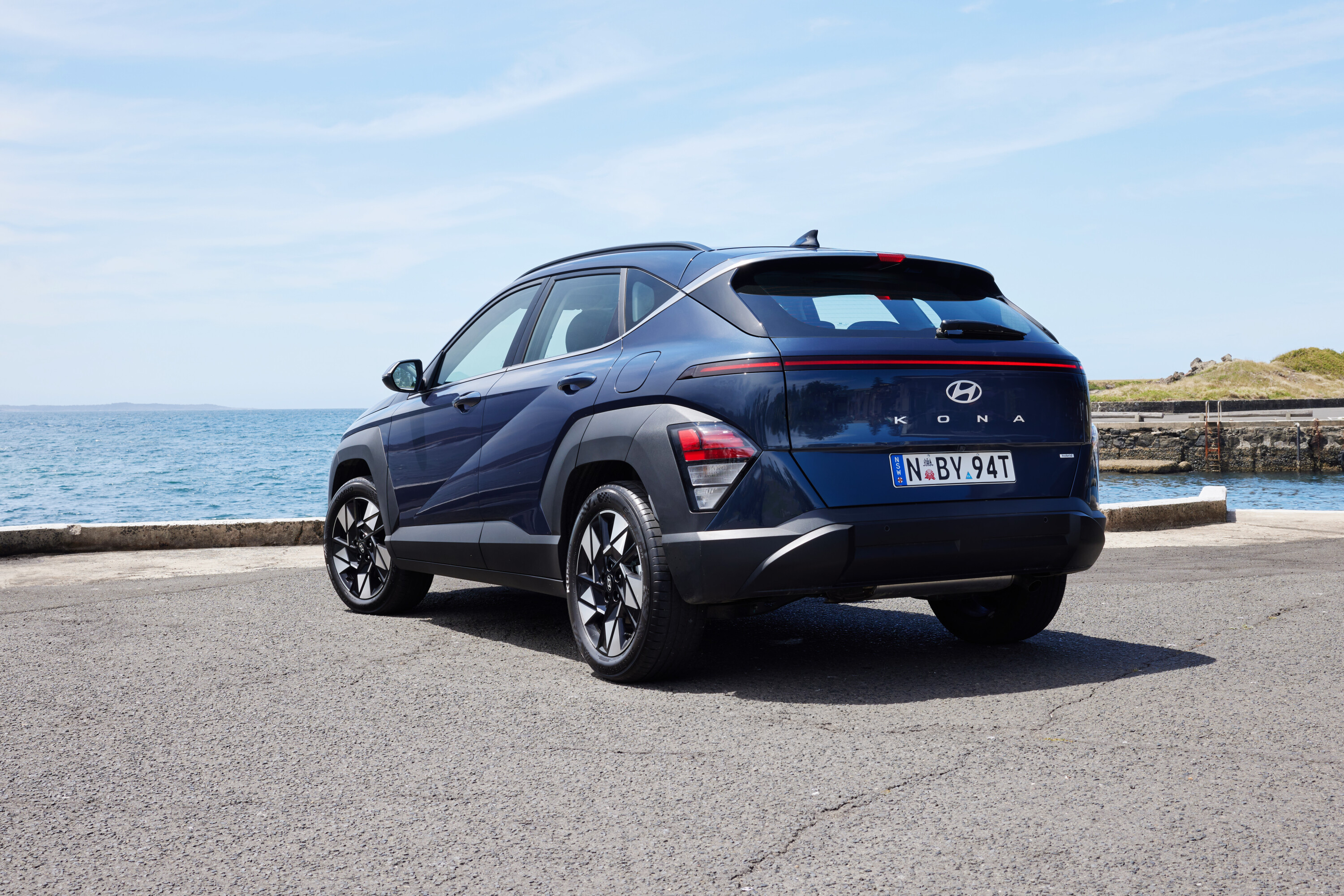
The ASX offers great value through competitive pricing, but still is challenged buy some popular competitors, including:
1
Should I put it on my shortlist?
In a fiercely competitive segment, the ASX consistently delivers excellent value, especially with the MR variant priced below $30k.
Despite its classification as a compact SUV, it provides remarkable spaciousness and size, making it one of the larger options within this category.
While the vehicle has been in existence for over 13 years, signs of aging are noticeable in the interior, but the exterior design continues to captivate many potential buyers.
Mitsubishi’s comprehensive warranty and capped price servicing program spanning a decade are substantial offerings that may align perfectly with your requirements for an affordable compact SUV.
It seems plenty of people loved the look of the GR Yaris when it launched back in 2020, or at least cared more about what it could do than how it looked.
Whether it’s the massive openings that suggest the GR Yaris could swallow every car it roars up on from behind, matched to hugely flared arches made all the more obvious by the squared-off rear that looks like a hammer in reverse, the GR Yaris has captured a lot of interest since its launch in 2020.
Indeed, it feels like only yesterday that the GR Yaris signalled Toyota’s return to affordable-ish performance – and now, the mid-life facelift is upon us.
1
Which do you prefer the look of; the original 2020 design or the tweaked 2024 look?
If it’s not obvious, the exterior changes are mostly down to a new front bar, a new light signature and subtly revised lower bar at the rear – and no Toyota badge on the bum! That’s bold, but the Big T obviously feels that when it comes to the GR Yaris… IYKYK.
1
Then there’s the updated interior. The less said there, the better…
Jump into our poll below to vote!
1
1
Toyota has treated the GR Yaris to a heavy update with more power, a sharper chassis and an optional auto. Is it now the pick over the bigger GR Corolla?
JUMP AHEAD
If you felt your pulse quicken slightly at the news that Toyota is building an updated version of the GR Yaris, trust us, you aren’t alone.
The rally-bred Yaris has been one of our favourite hot hatches since it launched back in 2020, so the prospect of a facelifted model with more power, a sharper chassis and the addition of an optional eight-speed automatic is quite enticing.
You can read all of the nerdy details around what’s changed for the 2024 GR Yaris here but the upshot is this is no ordinary facelift.
There’s more power, of course, thanks to meaningful increases to both power and torque (+24kW/30Nm) that take total outputs to a Honda Civic Type R-rivalling 224kW/400Nm. The 1.6-litre three-cylinder engine benefits from a host of internal changes, too, like new, lightweight pistons, a revised valve train and an increase in fuel pressure.
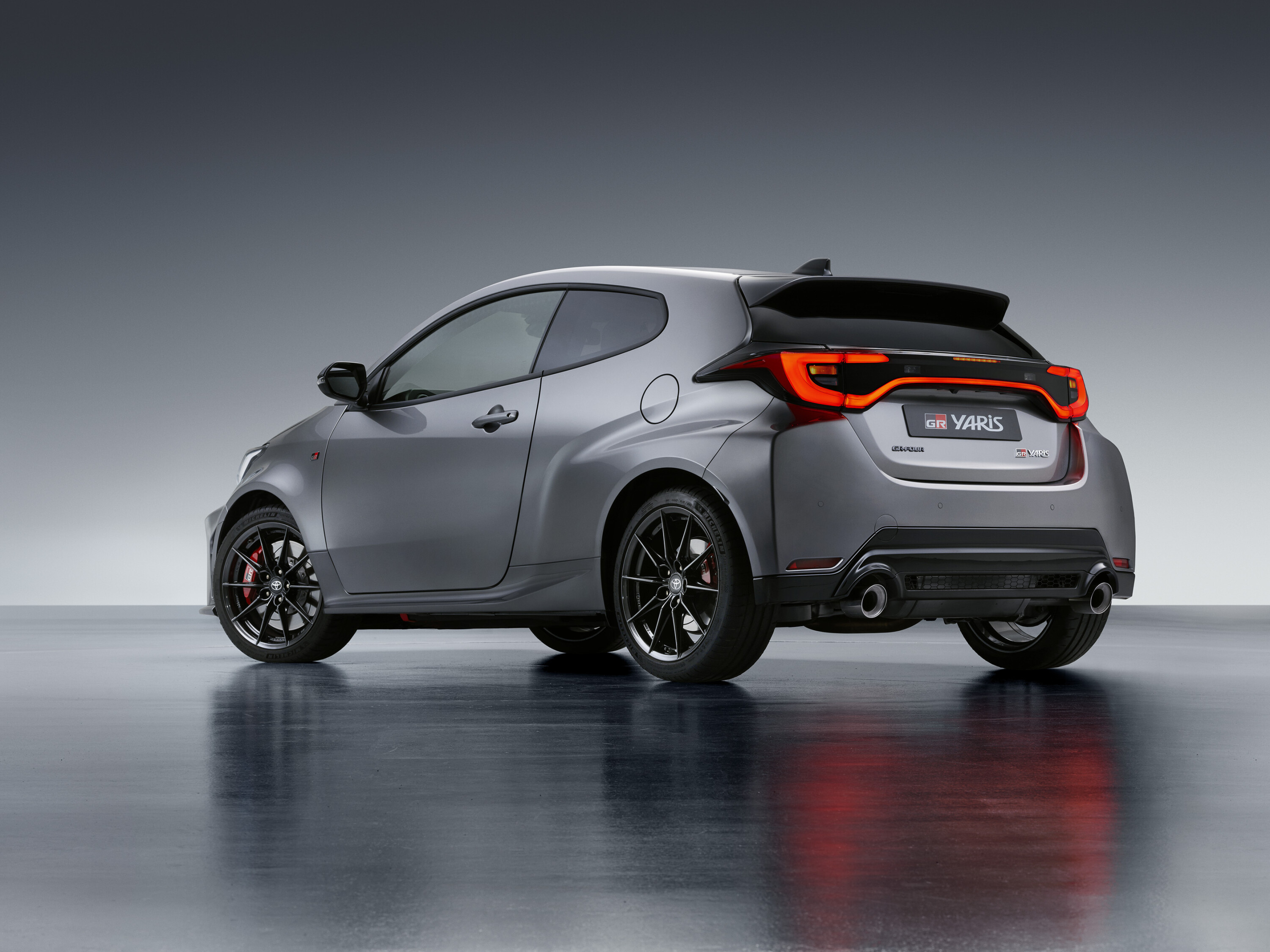
1
And then there’s the addition of a freshly developed eight-speed torque converter auto that won’t only broaden the GR Yaris’s appeal (and resulting sales volumes) but includes a manual-control function that shifts the right way: forwards for downshifts and backwards for upshifts.
Think automatics in performance cars are lame? Toyota says the auto isn’t only quicker to 100km/h but is also faster around a circuit when compared with the pre-facelift manual car.
The chassis has copped some heavy revisions as well, including a stiffer body, revised spring and damper rates and new mounting points for the suspension.
Perhaps the biggest change, however, is the new cabin which features an all new (and controversial) dash design, improved ergonomics and a seating position that’s 25mm lower.
1
It’s all good stuff and crucially Toyota says many of the changes are a direct result of feedback from customers and car reviewers. A car company that actually listens to criticism? Notch that up as a win.
In fact, the changes sound so promising that the updated GR Yaris is now an even more tantalising alternative to its bigger brother, the GR Corolla.
So if you’re in the market for a Toyota hot hatch in 2024 which way should you jump: the faster and more powerful GR Yaris Rallye or the bigger and roomier GR Corolla GTS? Let’s see how they stack-up for performance, cabin space and value.
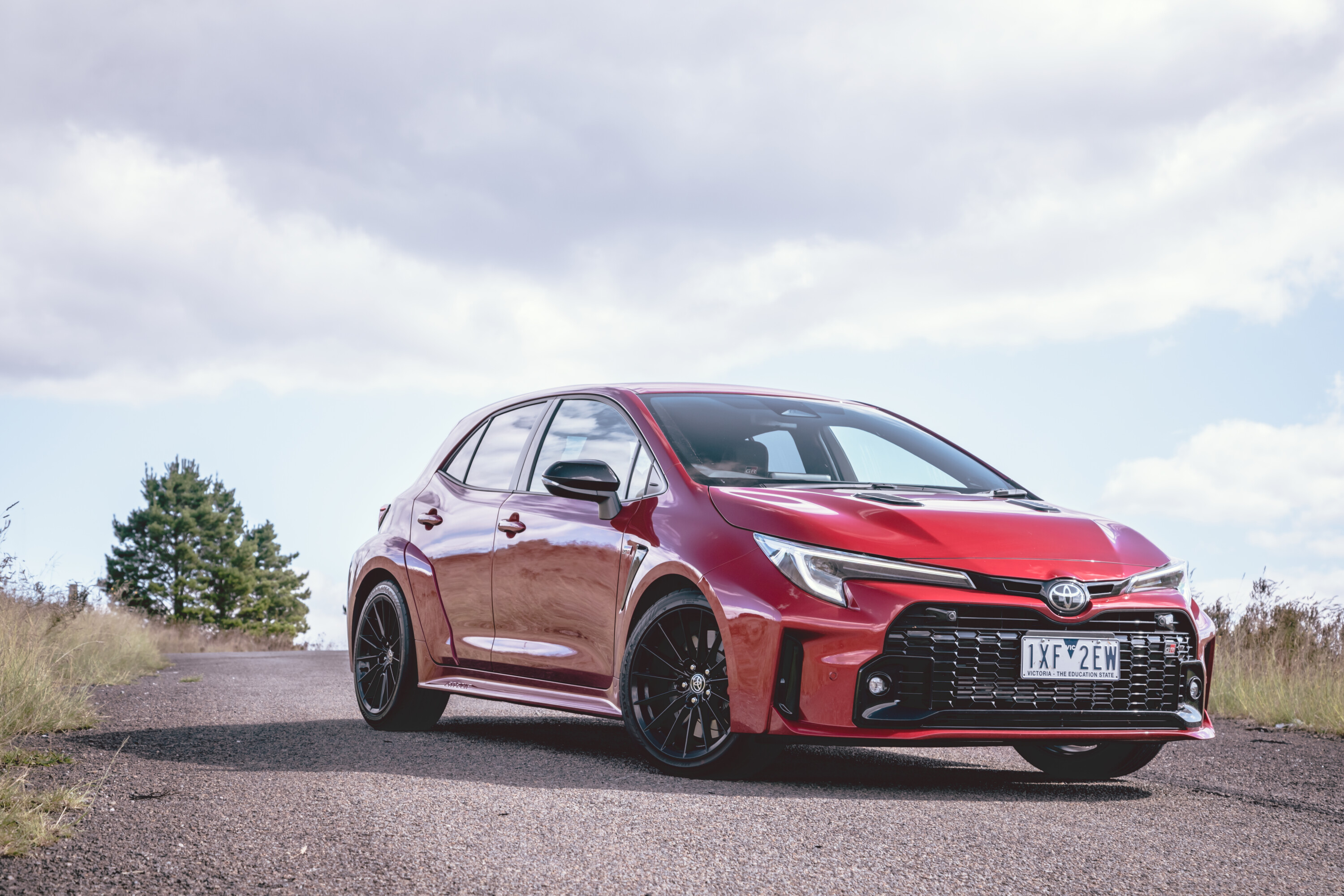
1
POWER & PERFORMANCE
Before we dive into their differences, let’s address what these two cars have in common because there’s significant crossover. Both are all-wheel drive, for example, and they both share the same gutsy 1.6-litre three-cylinder turbo engine, codenamed G16E-GTS. They also use the same torque-splitting all-wheel-drive hardware, which can send up to 70 percent of the available torque to the rear axle.
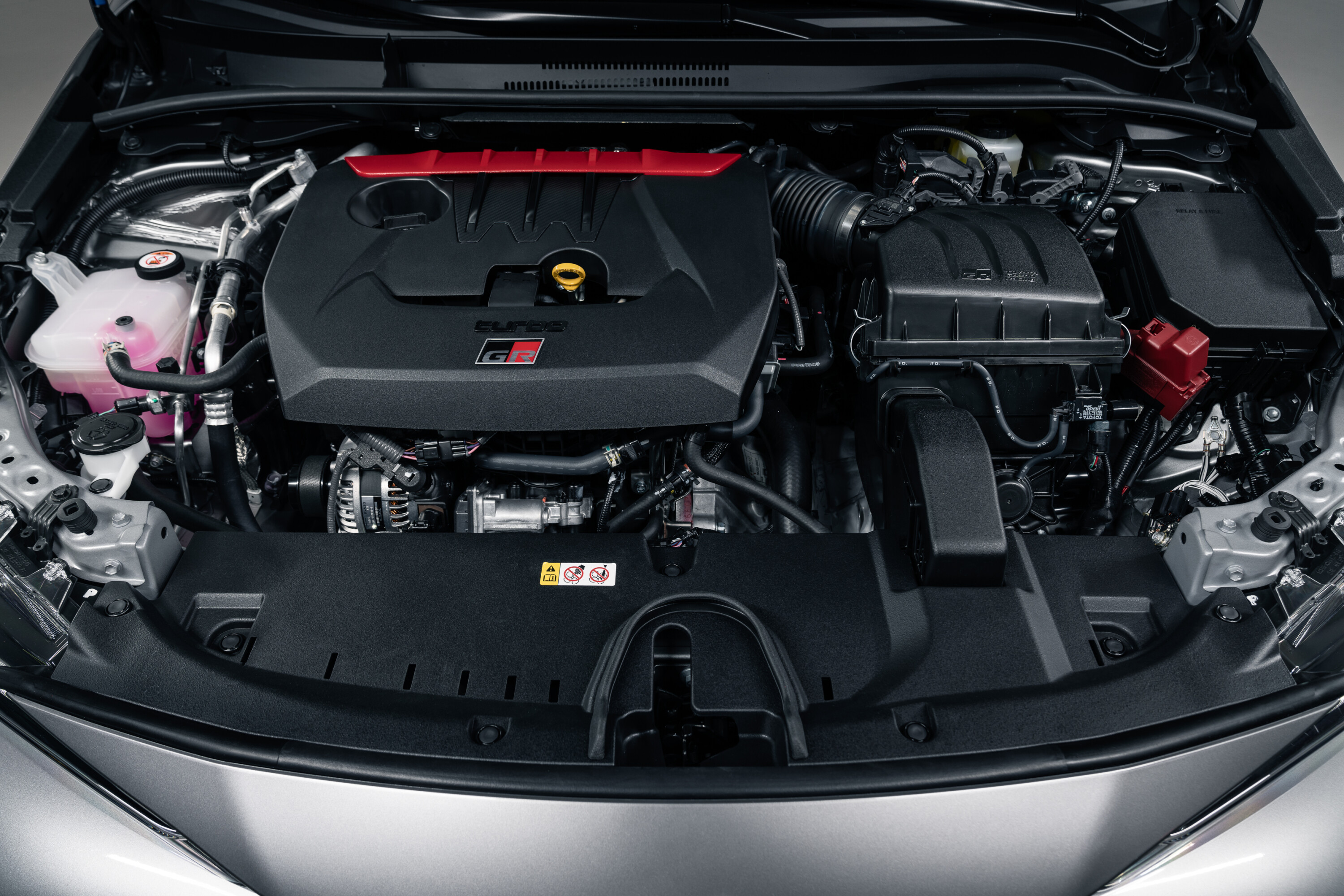
1
It’s the updated GR Yaris that holds the outright performance advantage, however. With 224kW and 400Nm on tap, the facelifted Yaris outguns the GR Corolla GTS by 3kW/30Nm. The Yaris is also smaller and lighter, which gives it the upper hand when it comes to the all-important power-to-weight ratio.
With an official kerb weight of 1280kg for the manual, the GR Yaris is a whopping 205kg lighter than the GR Corolla, which carries a kerb weight figure of 1485kg. Opting for the automatic version of the Yaris brings a 20kg penalty but it’s still a much lighter car than the manual-only GR Corolla.
| 2023 GR Yaris Rallye (pre-facelift) | 2024 GR Yaris Rallye | 2023 GR Corolla GTS | |
|---|---|---|---|
| Power | 200kW @ 6500rpm | 224kW @ 6500rpm | 221kW @ 6500rpm |
| Torque | 370Nm 3000-4600rpm | 400Nm @ 3250-4600rpm | 370Nm @ 3000-5550rpm |
| Power-to-weight | 156kW/tonne | 175kW/tonne | 149kW/tonne |
Being lighter and more powerful should also give the 2024 GR Yaris a useful advantage in straight-line performance. Toyota is yet to release official 0-100km/h figures for the facelifted car, however we can make some educated guesses.
The existing GR Yaris has a 0-100km/h claim of 5.2 seconds, which is fractionally quicker than the GR Corolla’s 5.29sec official claim. Logic dictates the updated GR Yaris will be quicker again — could a figure in the high 4.0sec bracket be possible?
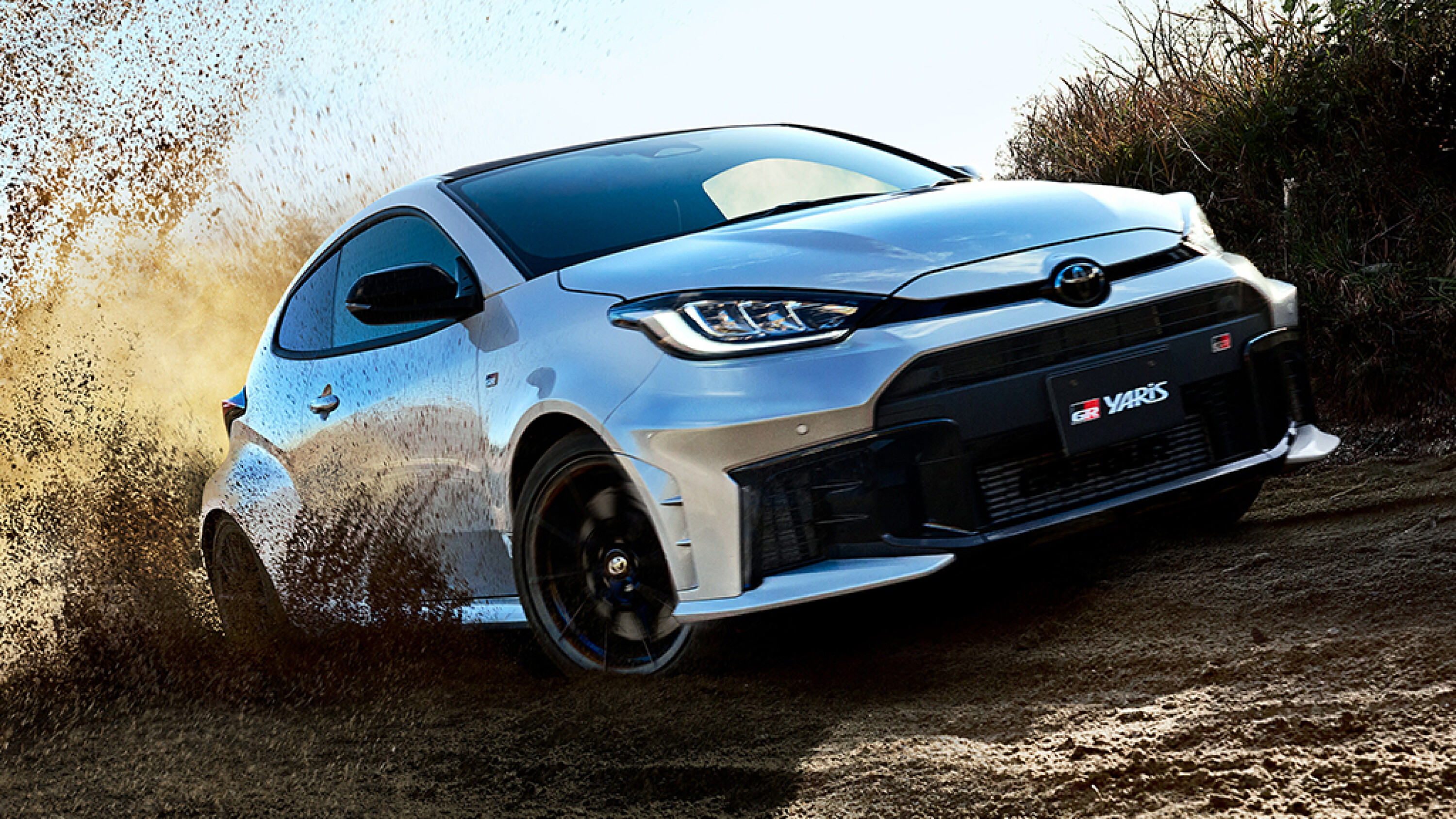
1
For reference CarWow recently compared the pre-facelifted GR Yaris against the new version and found the updated car to be substantially quicker. In CarWow’s hands, the pre-facelift GR Yaris hit 0-100km/h in 6.3sec, while the new car managed 5.7sec for the six-speed manual and 5.4sec for the eight-speed automatic.
Our testing of the pre-facelift Yaris saw us hit 0-100km/h in 5.2sec, so you can expect the new car to better that time and possibly dip into the fours.
RIDE & HANDLING
It’s trickier to split the GR Yaris and GR Corolla when it comes to outright dynamics and driver involvement. Both cars offer precise, well-weighted steering, superb brakes and a handling balance that’s fun and adjustable, especially in Sport mode which splits the torque 30:70 front-to-rear.
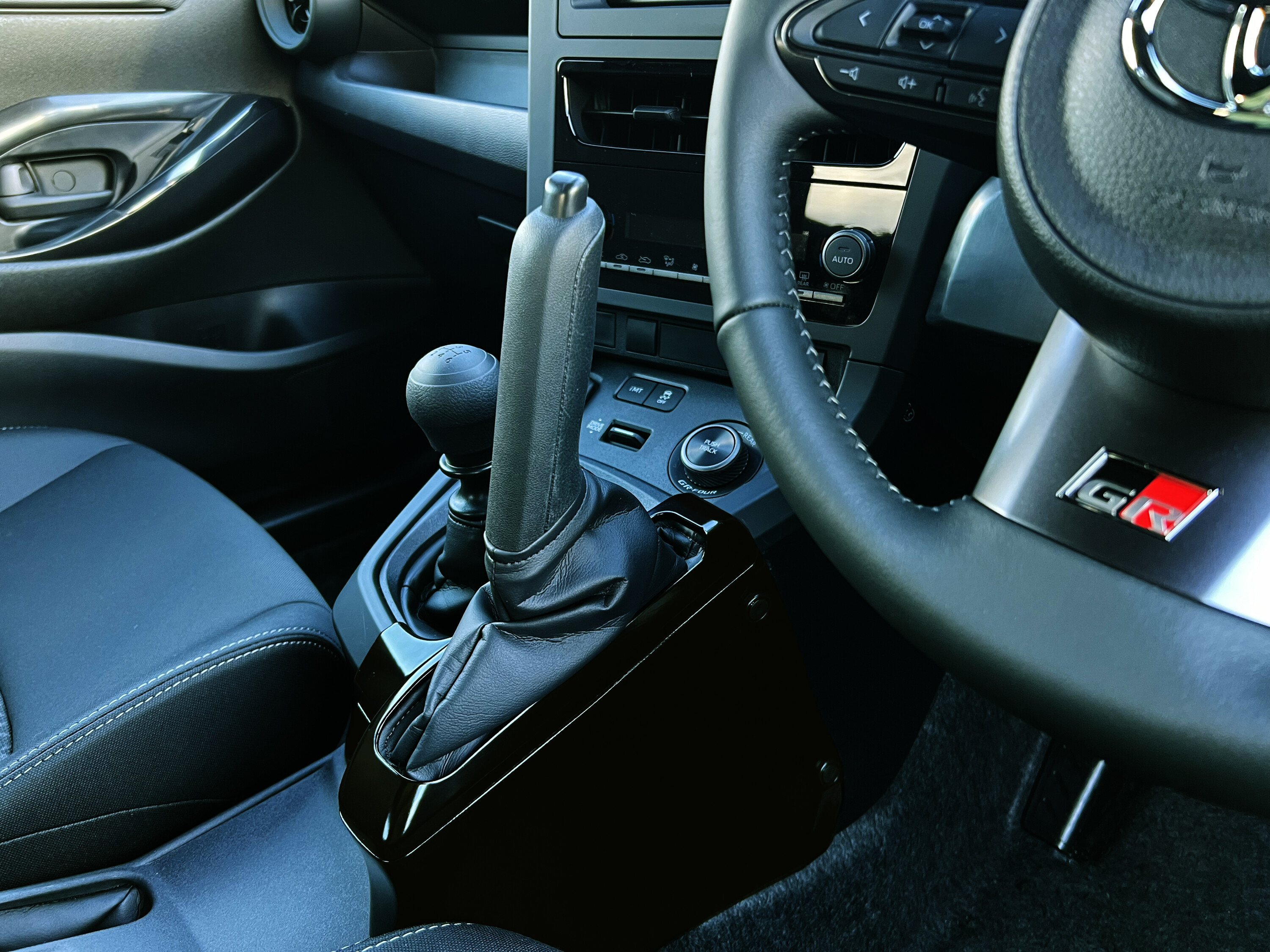
1
They do have distinct personalities, however. The GR Corolla is bigger and rolls on a longer wheelbase which makes it feel more stable and confidence inspiring on the limit. It also has a lower driving position than the pre-facelift GR Yaris which locates the driver in a more familiar position and aids with outward visibility.
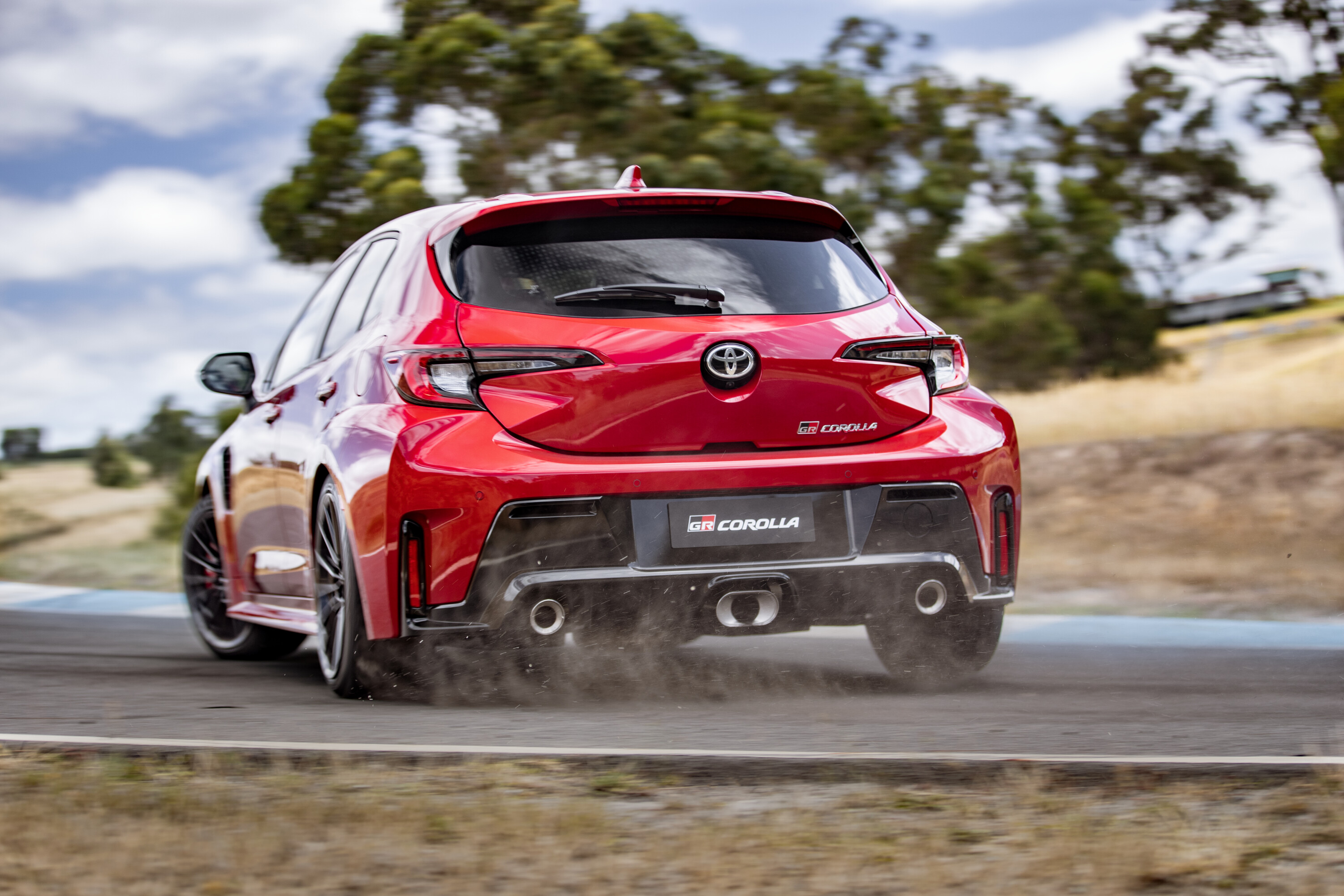
1
By contrast, the GR Yaris has always been trickier to operate thanks to a seating position that was way too high and outward visibility that was overly compromised. Yet it was also more exciting on the limit thanks to its shorter, more ‘four square’ wheelbase and greater throttle adjustability.
As for which was ‘better’? There really wasn’t a winner between the two; just different flavours.
That could change with the facelifted GR Yaris, however. It now boasts a seating position that’s 25mm lower than before, which should go a long way to addressing our chief criticism of the original car. Toyota has also worked to improve outward visibility by lowering the height of the centre touchscreen by 50mm and changing the position of the rear-view mirror.
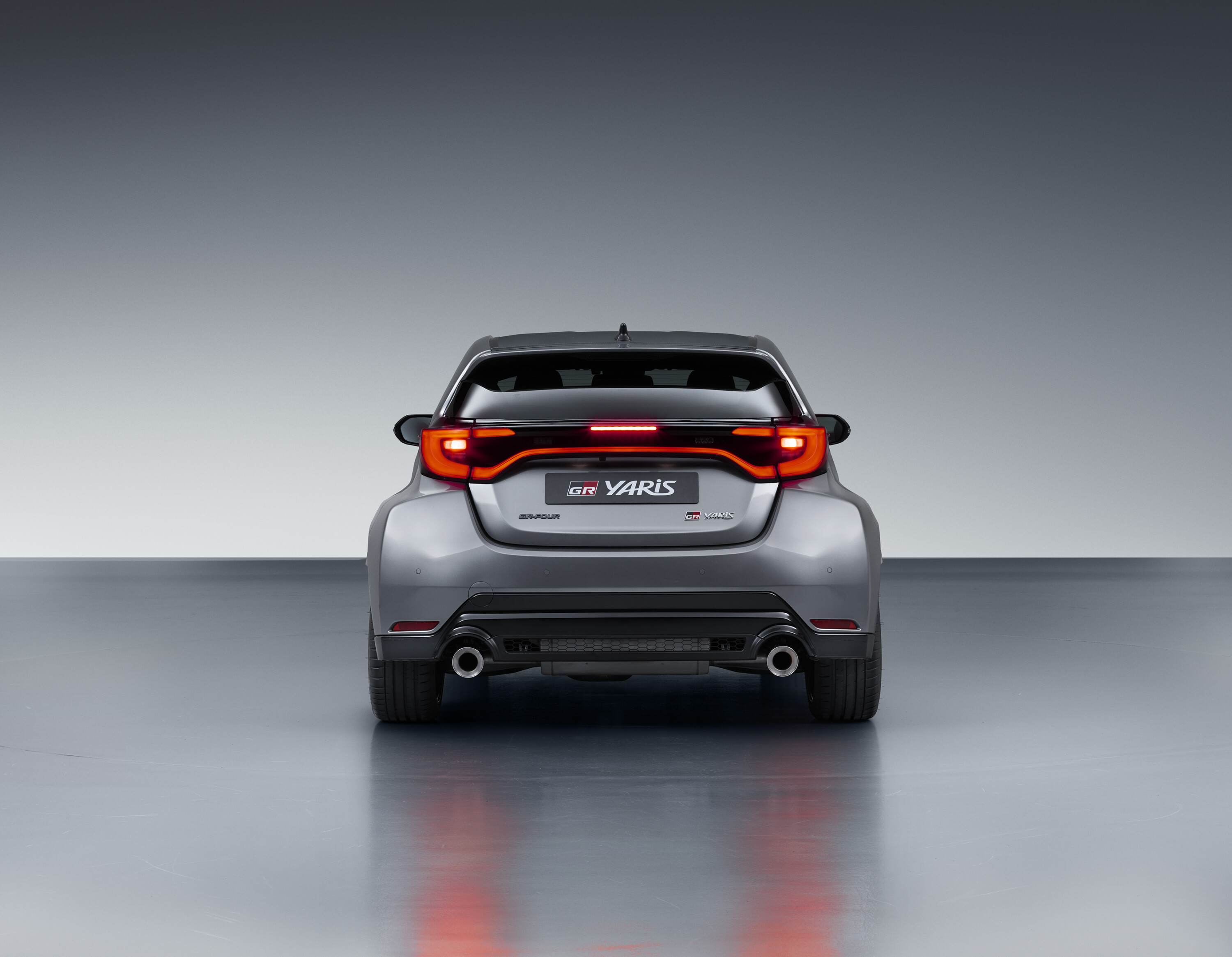
1
Structural rigidity is also improved and the spring rates for the suspension (MacPherson struts up front, double A-arms out back) have been tweaked, meaning the facelifted GR Yaris should feel more direct and engaging to drive hard than before.
And like the GR Corolla, the GR Yaris can now adjust its drive modes separately to the torque split for the all-wheel-drive system. So you can have the torque split set toTrack, for example, but have the engine, steering and throttle response in Sport.
We won’t know for sure which of this pair has the dynamic upper hand until we test them back-to-back, of course, but the on-paper changes are encouraging for the new Yaris.
INTERIOR DESIGN & SPACE
For all its strengths, the cabin of the original GR Yaris was a bit of a letdown. The seating position was too high, the ergonomics were awful, it was difficult to heel-and-toe in, and it was difficult to see out of.
The new car promises to be a huge improvement. The dash design is all new and while its chunky design has proven to be polarising online, it’s clear it will be a much easier car to use.
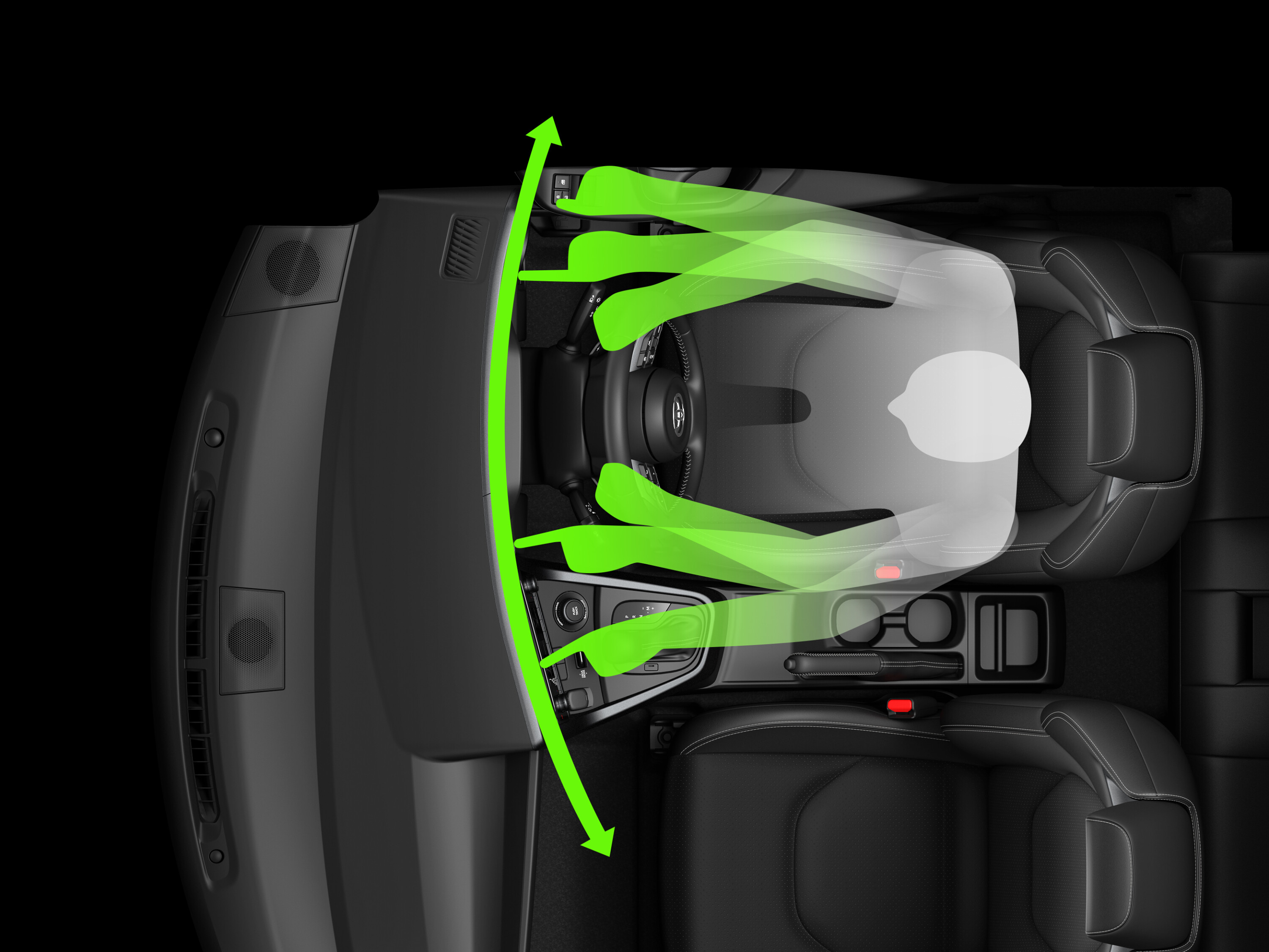
1
Most of the key buttons are now closer to the driver, meaning they’re easier to reach while strapped in at a track day, and visibility is much improved thanks to the lower centre screen and relocated rear-view mirror. Connectivity has been improved, too, courtesy of USB-C outlets than replace the old car’s USB-A ports and a new digital driver display.
Despite the Yaris’s improvements, however, this is one area where the GR Corolla holds an indisputable advantage. It’s a larger car, so the cabin feels roomier and unlike the Yaris, the GR Corolla pretty much nailed its interior ergonomics the first time round. The driving position is bang on, outward visibility is decent and all of the key touchpoints are trimmed in leather.
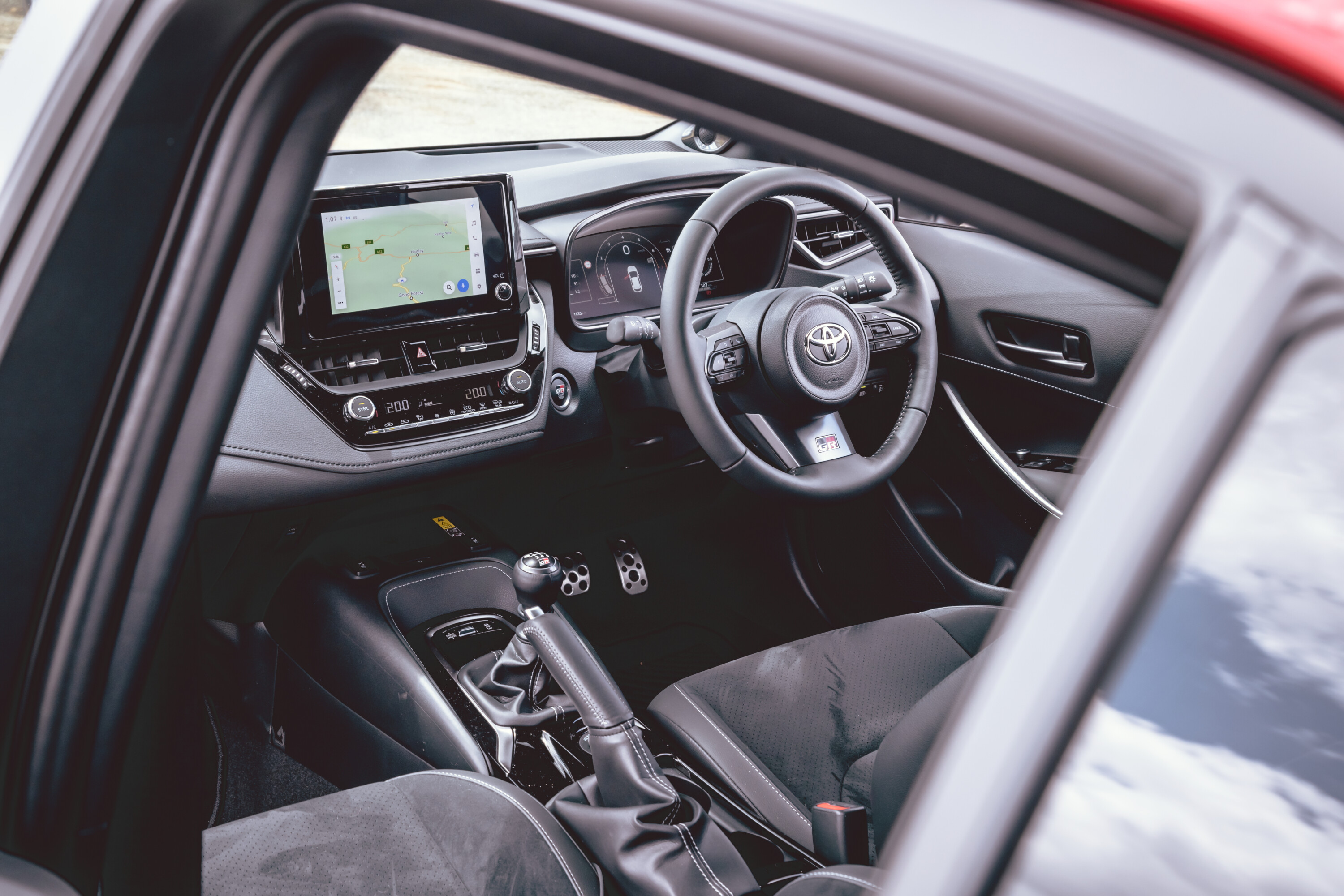
1
And unlike the backseat in the GR Yaris, which only has seats for two adults and is short on head-room and knee-room, the GR Corolla can carry five in relative comfort. The Corolla’s boot is also much larger at 213L versus the Yaris’s 141L, although both are disappointingly small.
IS THE GR YARIS OR GR COROLLA BETTER VALUE?
Toyota is yet to announce pricing for the 2024 GR Yaris, however it should be less than the current asking price of the GR Corolla when it arrives in Australia towards the end of the year.
The current, pre-facelift GR Yaris costs $61,189 drive-away while the GR Corolla carries drive-away pricing of $69,379.
It’d be fair to assume the 2024 GR Yaris will sit in the middle of those two prices, suggesting a starting price around the $65K drive-away mark.
VERDICT
There’s always been an easy way to decide between the GR Yaris and GR Corolla: if we need a usable backseat and a bigger boot, opt for the Corolla. That logic still applies, however there’s a new convenience feature that could swing things back in favour of the Yaris: it’s now available as an automatic.
The GR Corolla is only offered with a six-speed manual, so if you or your significant other prefer the ease of an automatic — especially in the grind of daily traffic — that could seal the deal. It’s likely Toyota will soon introduce many of the Yaris’s updates in the GR Corolla come facelift time, but for now, it’s a key way to distinguish between this pair.
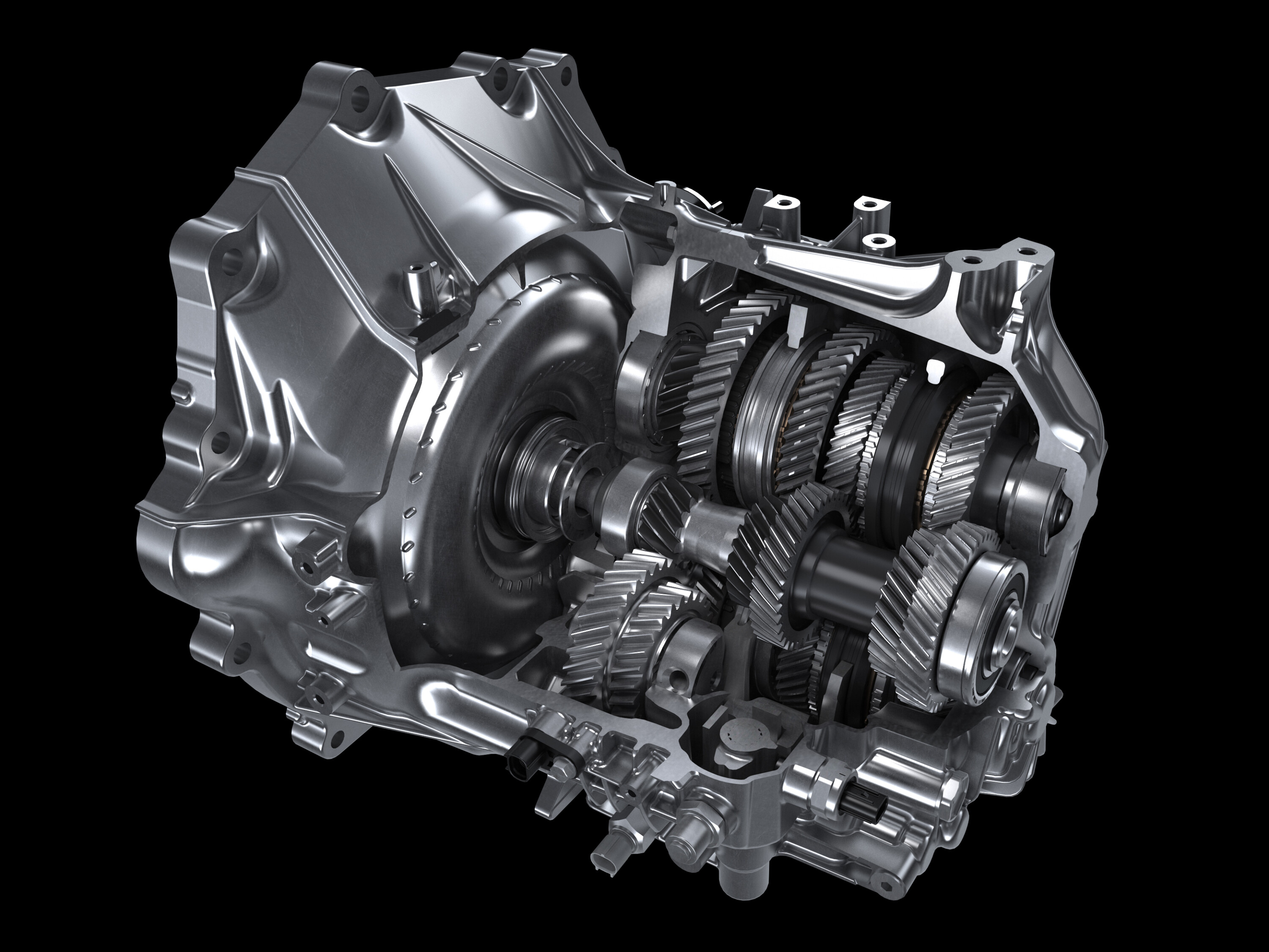
1
As for which wins when it comes to outright performance, we’d wager the facelifted Yaris currently has its nose in front. It has a stronger engine, a better power-to-weight ratio, is quicker in a straight line and promises sharper dynamics thanks to its stiffer body and revised suspension.
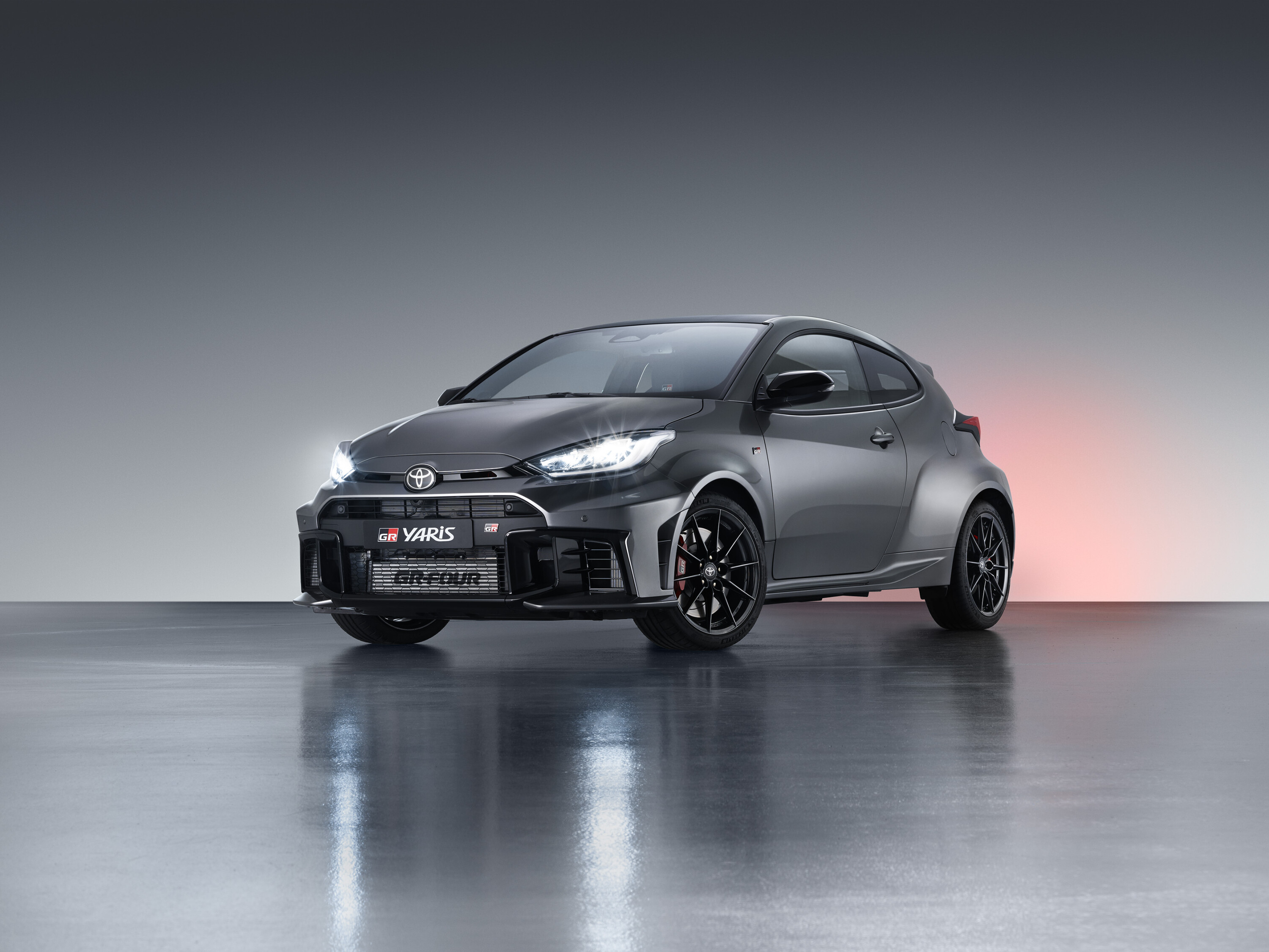
1
Of course, a definitive verdict on whether the GR Yaris can deliver on its on-paper promise remains to be seen. We can’t wait to drive this pair back-to-back later this year.
| 2023 GR Yaris Rallye (pre-facelift) | 2024 GR Yaris | 2023 GR Corolla GTS | |
|---|---|---|---|
| Body | Three-door, four-seat hatch | Three-door, four-seat hatch | Five-door, five-seat hatch |
| Drive | All-wheel drive | All-wheel drive | All-wheel drive |
| Engine | 1.6-litre 3cyl turbo | 1.6-litre 3cyl turbo | 1.6-litre 3cyl turbo |
| Power @rpm | 200kW @ 6500rpm | 224kW @ 6500rpm | 221kW @ 6500rpm |
| Torque @rpm | 370Nm 3000-4600rpm | 400Nm @ 3250-4600rpm | 370Nm @ 3000-5550rpm |
| Transmission | 6-speed manual | 6-speed manual or 8-speed automatic | 6-speed manual |
| 0-100km/h | 5.2sec (claimed) | TBC | 5.29sec (claimed) |
| Top speed | 230km/h | TBC | 230km/h |
| L/W/H | 3995/1805/1455mm | 3995/1805/1455mm | 4407/1851/1479mm |
| Wheelbase | 2560mm | 2560mm | 2640mm |
| Track width | 1535/1565mm | 1535/1565mm | 1589/1624mm |
| Boot space | 141L | 141L | 213L |
| Weight | 1280kg | 1280kg/1300kg (man/auto) | 1485kg |
| Economy | 7.6L/100km | TBC | 8.4L/100km |
| Brakes | 356mm ventilated discs, 4-piston calipers (f); 297mm ventilated discs, 2-piston calipers | 356mm ventilated discs, 4-piston calipers (f); 297mm ventilated discs, 2-piston calipers | 356mm ventilated discs, 4-piston calipers (f); 297mm ventilated discs, 2-piston calipers |
| Wheels | 18-inch forged BBS alloy | 18-inch forged BBS alloy | 18-inch Enkei alloy |
| Tyres | 225/40 R18 Michelin Pilot Sport 4S | 225/40 R18 Michelin Pilot Sport 4S | 235/40R18 Yokohama ADVAN Apexu00ae5u00a0V601 |
| Price | $61,189 (drive-away) | TBC | $69,379 (drive-away) |
