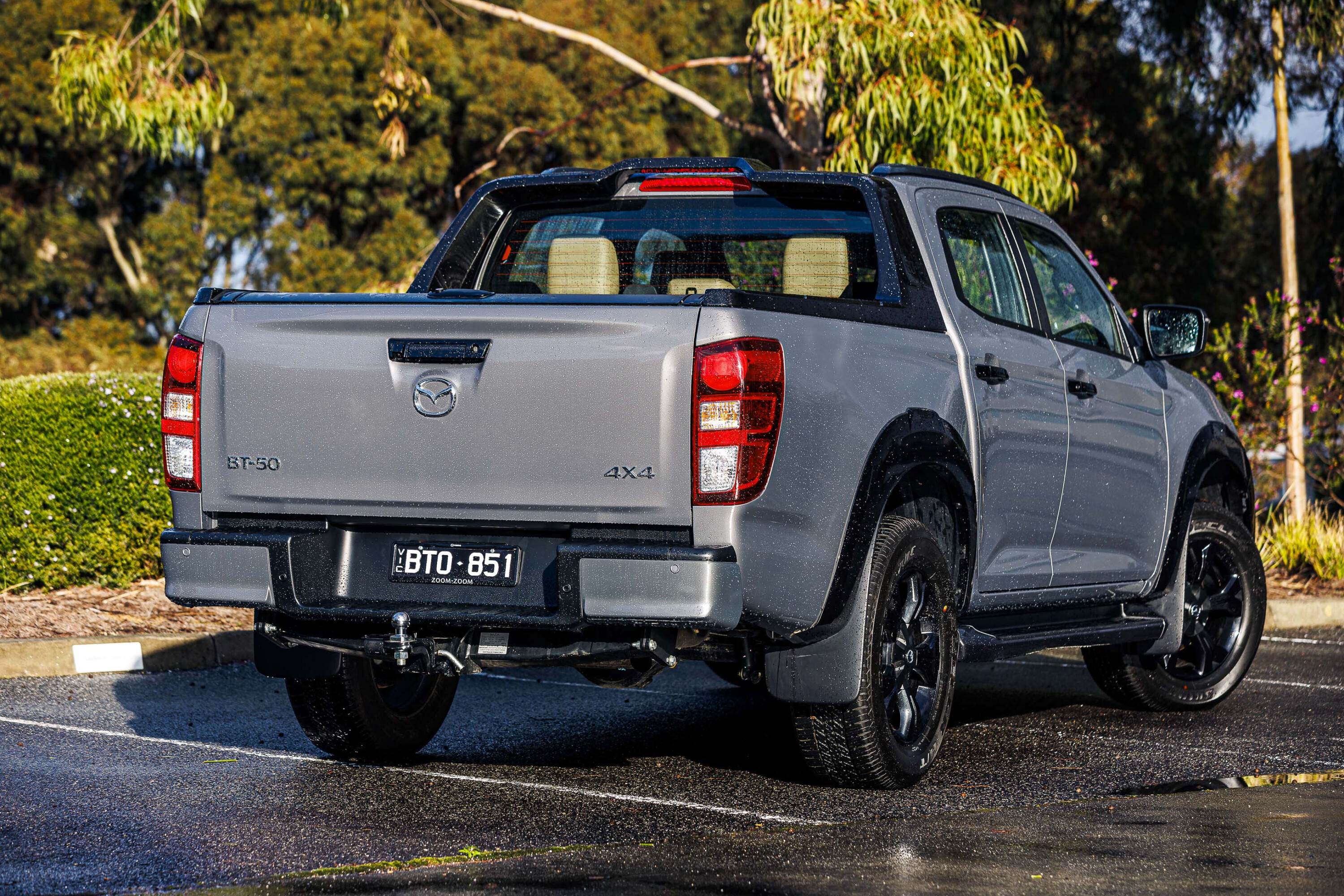
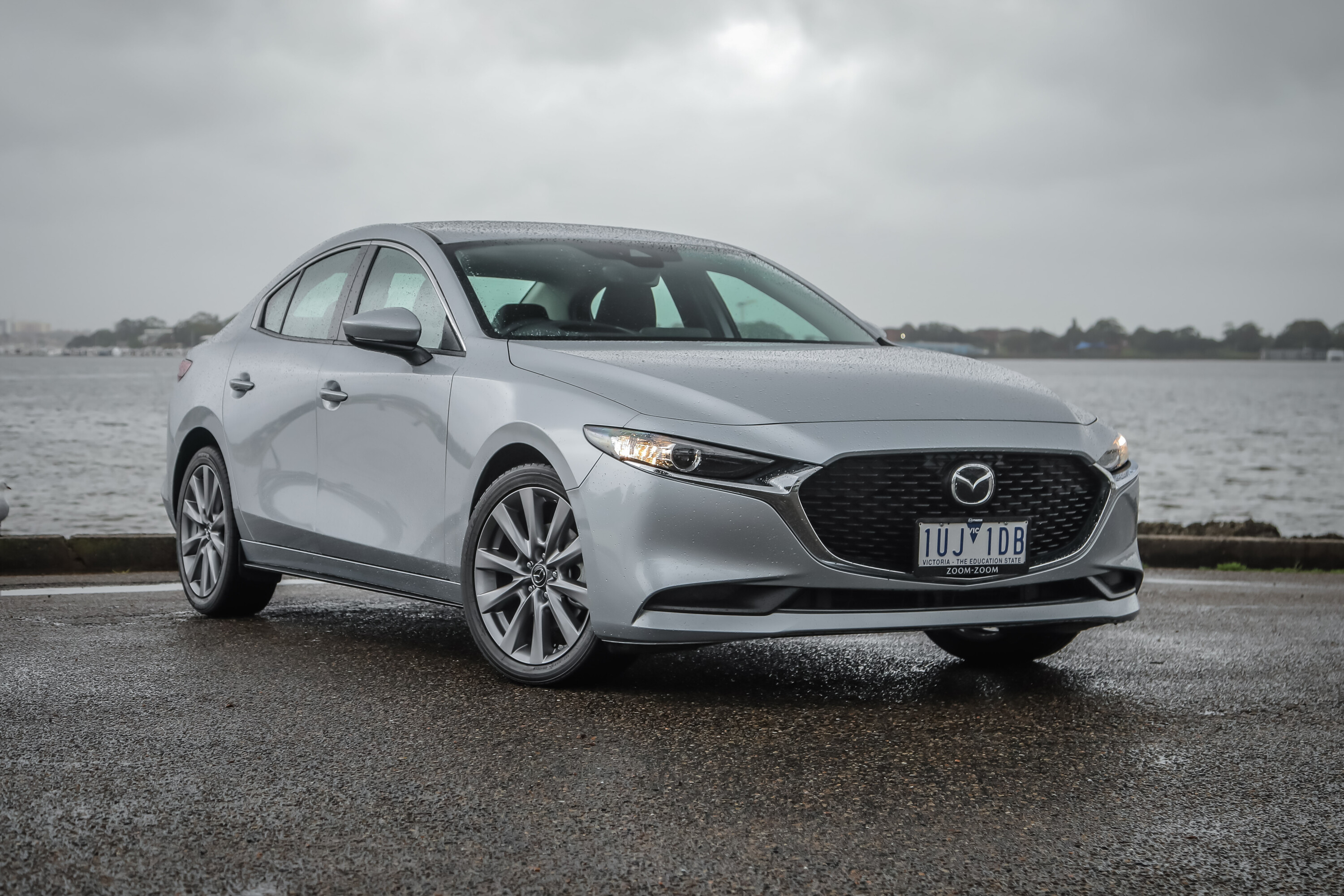
Due to a manufacturing issue, the fuel hose may chafe against the engine oil level bracket and become damaged. If this occurs, fuel may leak in the presence of an external ignition source resulting in a vehicle fire.
What are the hazards?
A vehicle fire could increase the risk of injury or death to vehicle occupants, other road users or bystanders and/or damage to property.
What should consumers do?
When parts are available, Mazda Australia will contact affected customers to advise them to present their vehicle to their preferred Mazda Dealer to have the fuel hose replaced at no charge. Consumers who require further information should contact Mazda Customer Support on 1800 034 411.
Supplier details
MAZDA AUSTRALIA PTY. LIMITED
Who should owners/operators contact for more information?
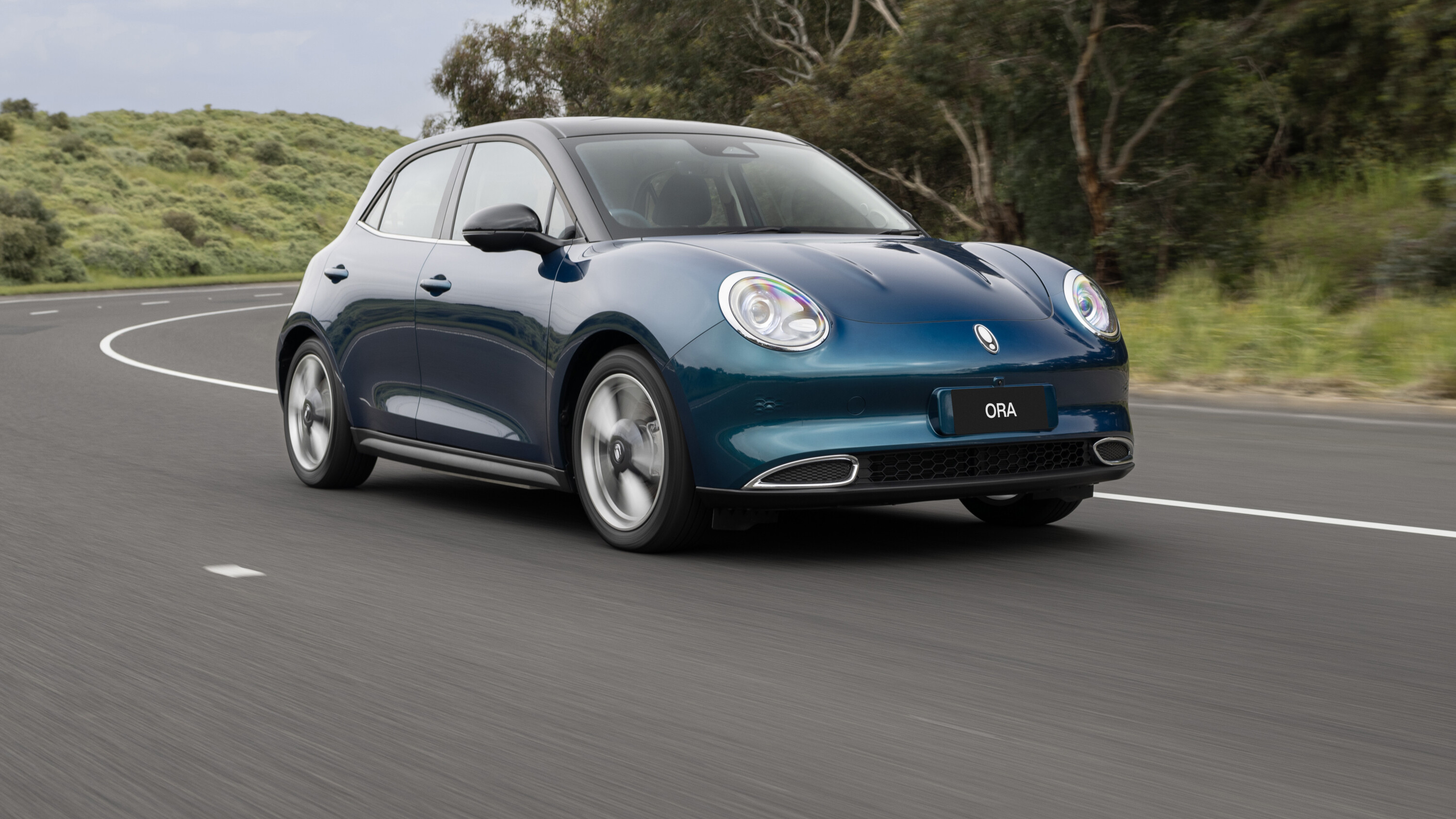
Due to a programming issue, if the operator removes the charging cable without cancelling the charge, an electrical arc between the charging plug and the vehicle may occur.
What are the hazards?
If an electrical arc comes into contact with the operator or bystanders it will increase the risk of serious injury or death.
What should consumers do?
GWM will contact affected owners in writing, requesting they make an appointment at their preferred GWM Dealer who will update the vehicle software, free of charge.
For further information, consumers can contact GWM Customer Service Helpline on 1800 038 100 or contact customer service via https://www.gwmanz.com/au/contact-us [↗].
Supplier details
Great Wall Motor Company Limited
Who should owners/operators contact for more information?
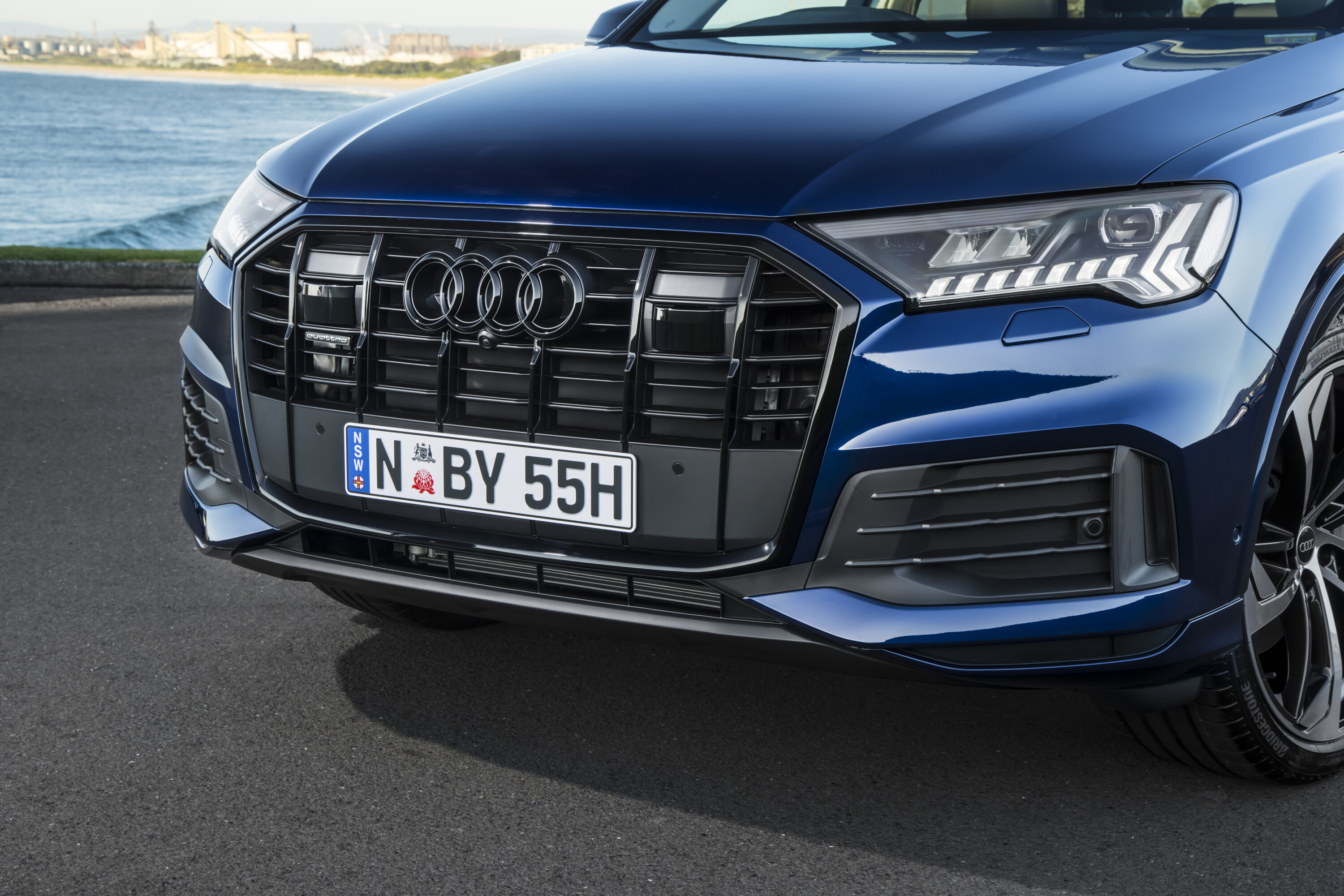
Due to a manufacturing defect, the outer backrest frame of the front seats may have been incorrectly welded. As a result, the seat frame could fracture.
What are the hazards?
In the event of an accident, a fractured seat frame could increase the risk of serious injury or death to vehicle occupants.
What should consumers do?
Owners of affected vehicles will be contacted by Audi Australia Pty Ltd in writing and are asked to arrange with their nearest authorised Audi dealership to have rectification work carried out, free of charge.
Supplier details
Audi Australia Pty Ltd
Who should owners/operators contact for more information?
The first official trailer for the upcoming Grand Theft Auto VI is finally here, published by Rockstar Games hours before its planned release in response to a cheeky early leak.
“Grand Theft Auto VI heads to the state of Leonida, home to the neon-soaked streets of Vice City and beyond in the biggest, most immersive evolution of the Grand Theft Auto series yet,” Rockstar says.
As expected, thanks in large part to details that have surfaced online over the past few years, the Florida-inspired of Vice City is once again the setting for the world’s most popular car-chase game.
This return to the neon-lit party town comes after its first appearance in the 2002 release of the eponymous GTA Vice City, which was followed by Liberty City (NYC) in GTA 4 and the most recent chapter, GTA 5 in San Andreas (Los Angeles).
We’ve still got a mighty long wait for GTA 6, however, with the trailer confirming a 2025 release on the PlayStation 5 and XBOX Series X and S. GTA 6 has already been a 10-year wait, although fans have been kept busy with the open-world, online version of Grand Theft Auto V (5).
1
The new GTA instalment is clearly set in the present day, with the trailer showing a fictional TikTok-like live-streamed scene, although it’s unclear if this will form part of a mission or any other required gameplay element.
If you’re anything like me, you’re probably looking forward to skipping the missions and exploring (or reacquainting yourself with) Vice City with the latest range of knockoff cars, bikes, boats, choppers, jets and all the rest.
I’m personally hoping 2025 will also bring a powered-up Nintendo Switch 2 with GTA 6 on the roster of launch titles… wishful thinking, no doubt!
Watch for more details and footage of GTA 6 to come over the next… year and more. Eesh.
The Australian new car market continues to break records, posting its best November result ever with sales records broken for the fifth month running, as supply continues to catch up with demand.
According to official new-car sales results from the Federal Chamber of Automobile Industries (FCAI), 112,141 vehicles were registered in November – up 18% from 2022, when 95,060 cars were sold.
The previous highest November result was in 2017 when 101,365 vehicles were reported as sold.
1
Top-selling brand Toyota sold 21,002 vehicles, followed by Mazda (8707) and Ford (8165) in second and third place.
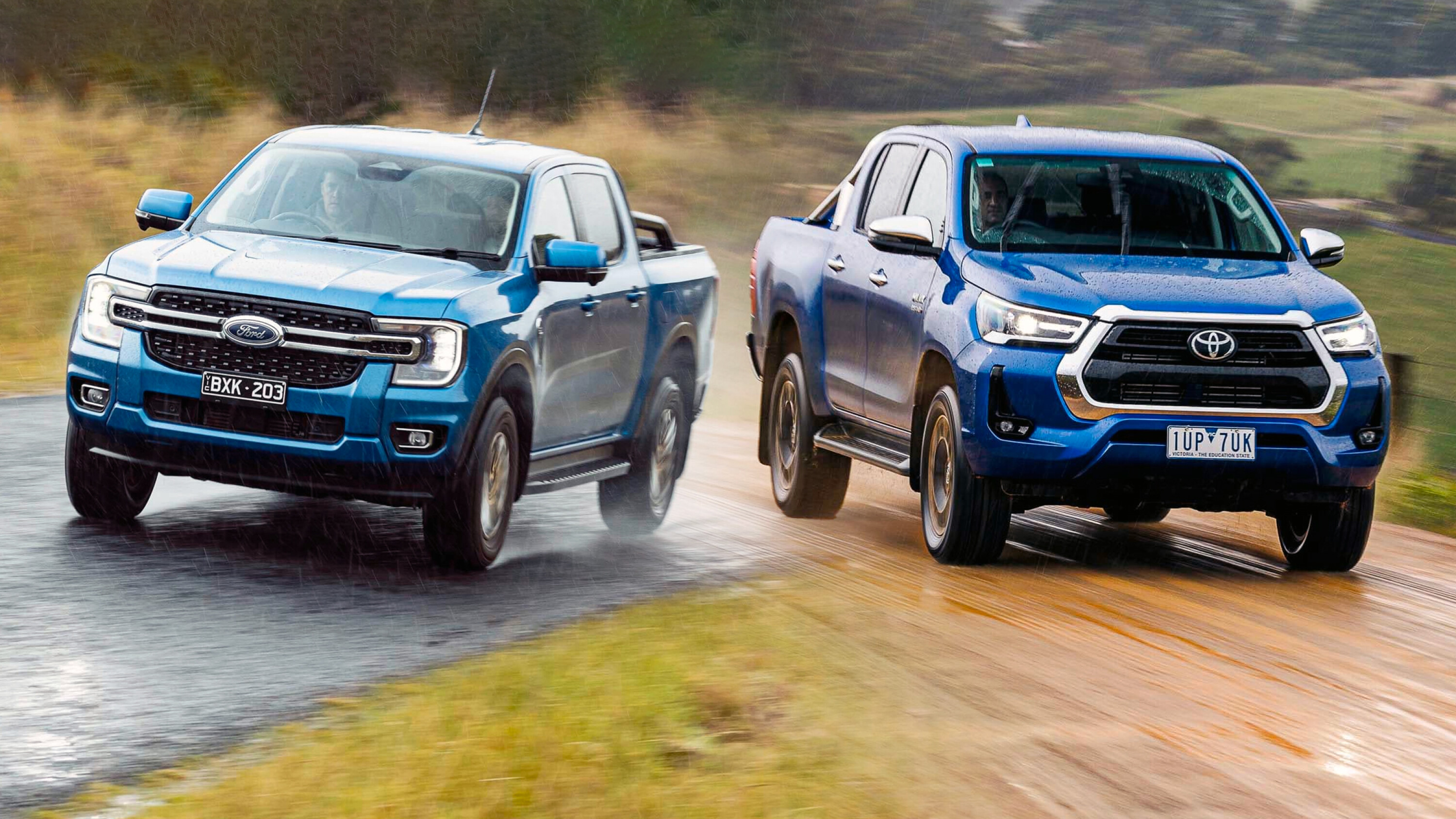
The Ford Ranger took first place with 6301 units – 400 units ahead of the Toyota HiLux (5901).
Year-to-date, 55,968 examples of the Toyota HiLux have been sold in Australia, compared to 55,589 Ford Rangers – narrowing the HiLux’s lead to less than 500 units in the final month of 2023.
1
New South Wales registered the most vehicles with 34,728 sales, ahead of Victoria and Queensland with 29,618 and 24,264 sales, respectively.
Western Australia (11,679), South Australia (7281), Tasmania (2022), the ACT (1628), and the Northern Territory (921) followed.
The Federal Chamber of Automotive Industries said the latest record-breaking month is an “extraordinary” result in what is expected to become a record-breaking year for new-car sales, ahead of a “more challenging” forecast for 2024.
1
“This is an extraordinary result in what is now likely to be an extraordinary recordbreaking year. Another record-breaking month underscores the dynamic and competitive nature of Australia’s automotive landscape, showcasing the wide array of choices available to consumers,” said FCAI chief executive Tony Weber.
“As the challenges of the past year’s supply chain disruptions recede, consumers have greater access to a broad range of choices and increased accessibility in the market.
“The automotive sector remains a testament to the resilience and adaptability of both industry players and consumers alike. However, as cost-of-living pressures hit we may see a market cooling in the coming months, and we anticipate a more challenging 2024.”
Toyota recorded 21,022 sales (▲ from 20,107 in October 2022). Year-to-date, the Japanese brand’s sales are down 9% at 195,959, representing 17.5% of the market.
Mazda finished second with 8707 sales (▲from 7549), while Ford trailed closely behind with 8165 sales (▲ from 7165) due to strong Ranger and Everest demand.
Hyundai, in fourth, recorded 6718 sales in October (▲ from 5519), while Mitsubishi placed fifth with 6238 sales (▲ from 6238). Kia placed sixth with 5767 sales (▼ from 6120).
1
Year-to-date, Kia remains narrowly ahead of its Hyundai parent, with 70,537 sales compared to 70,296.
MG followed in seventh with 5603 sales (▲ from 5497), while Isuzu Uteplaced eigth with 4853 sales (▲ from 2798) and Nissan, in ninth, recorded 4268 sales (▲ from 1715). Volkswagen, in tenth, sold 4004 vehicles (▲ from 3045).
Starting from modest roots in the late 1970s, the Mazda 3 has built a strong reputation as a beloved small car in Australia.
Initially introduced as the 323, the Mazda 3 has undergone several generational transformations. It achieved significant popularity in the late 2000s, becoming Australia’s top-selling car during that period.
However like many other small cars in the segment moving into more premium territory– both in look and price– it’s a tough challenge to keep strong sales volume.
To maintain its fresh appeal, the Mazda 3 like the CX-3, has received a mid-life update, now without a manual transmission or mild hybrid choice.
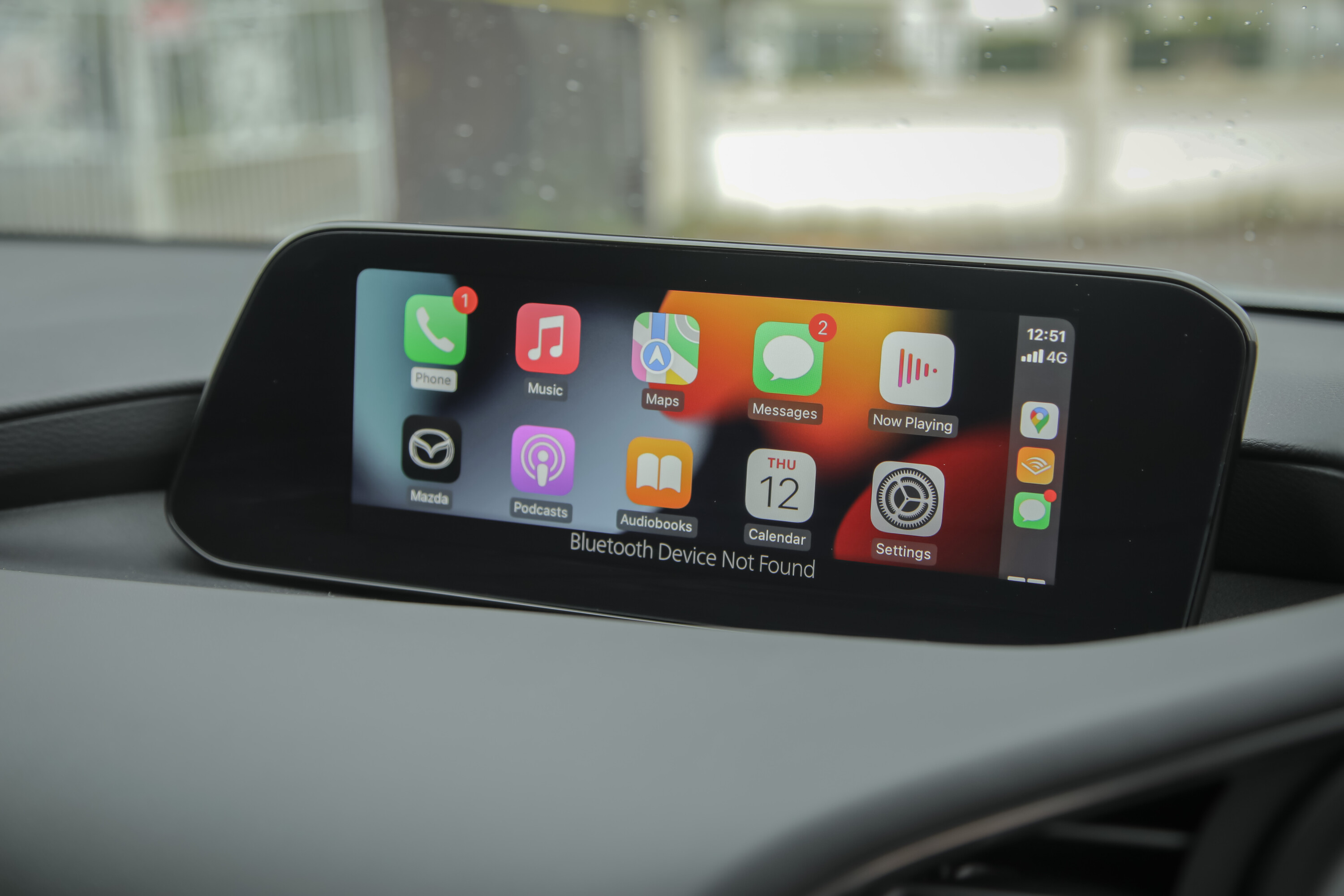
Instead, the more economical 2.0-litre petrol engine receives and upgrade and new tech has been sprinkled throughout the higher variants in the range such as Wireless CarPlay and a 10.25-inch infotainment screen.
1
Pricing and Features
The Mazda 3 is available as a five-door hatchback and four-door sedan, both priced at $30,470 for the entry-level Pure variant, before on-road costs.
Both are available with the 2.0-litre petrol engine, paired to a 6-speed automatic transmission. Outputs for the engine are 114kW of power and 200Nm of torque, using 5.9L/100km on a combined fuel cycle.
1
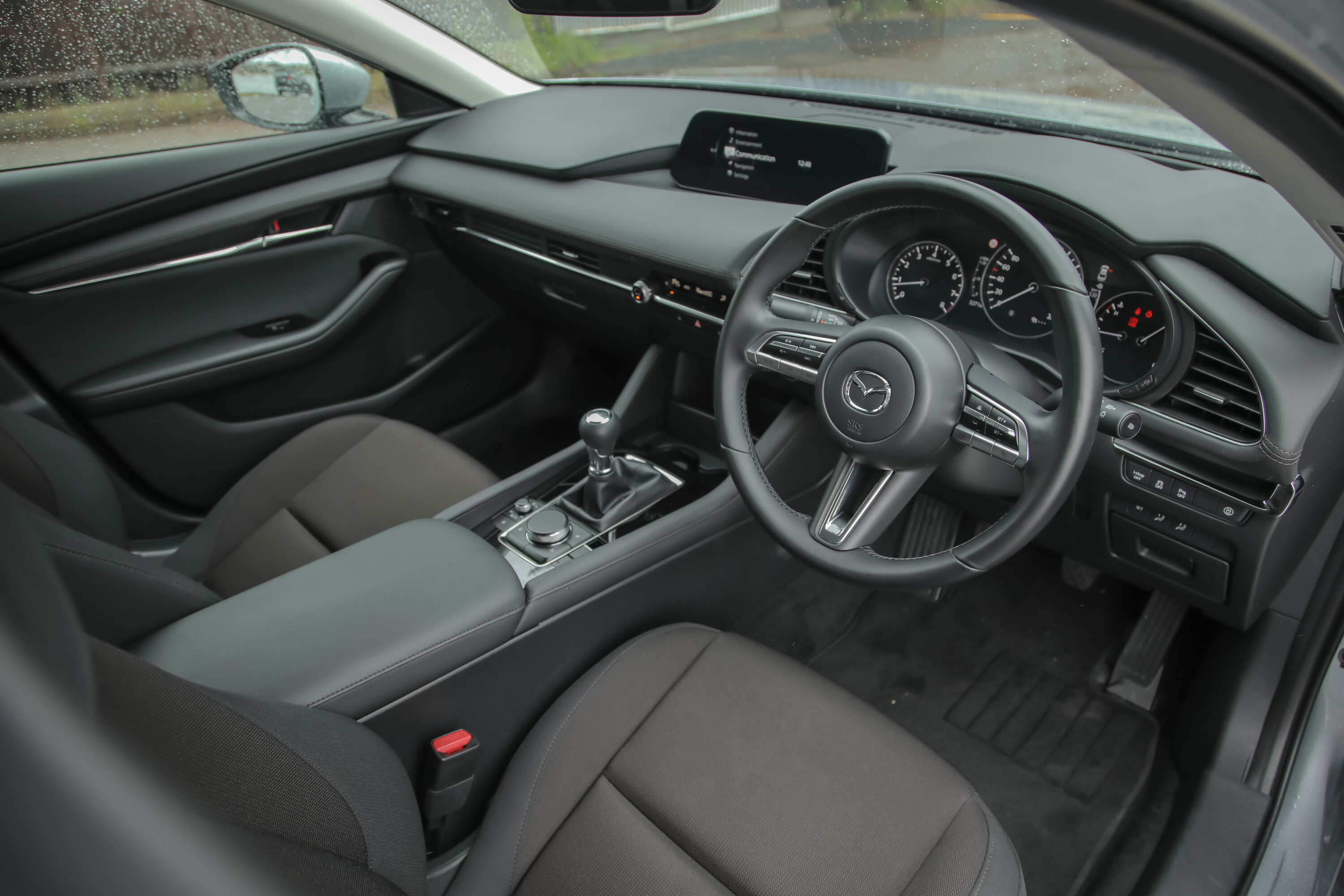
Inside, the Mazda 3 impresses with a level of interior quality that feels a cut above its competitors with simple, sophisticated styling.
The cabin is well-designed and features thin and sleek steering wheel, a user-friendly infotainment system with an 8.8-inch display, and essential connectivity options like Apple CarPlay and Android Auto. The focus on driver engagement is evident in the ergonomics and overall layout.
The lower seating position creates a sporty feel , distinguishing you from the larger cars in the range like the CX-30.
2024 Mazda 3 Pure features
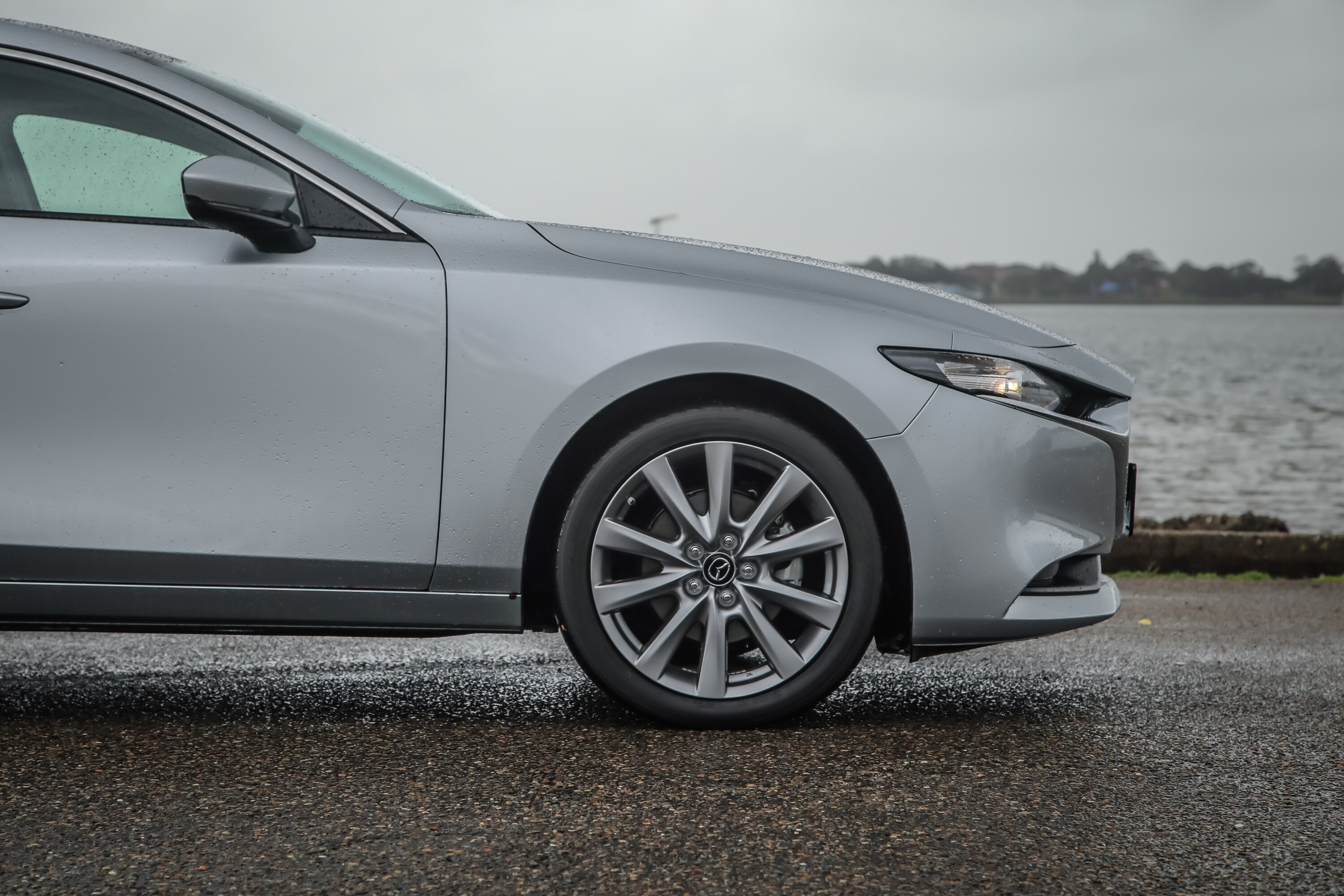
16-inch alloy wheels
Halogen daytime running lamps
7-inch semi-digital instrument cluster
Head-up display
8 speaker audio system
Leather-wrapped steering wheel and gear shifter
8.8-inch infotainment screen
LED headlights and tail lights
Adaptive cruise control
Manual air conditioning
Apple CarPlay and Android Auto (wired)
Power-folding door mirrors
Autonomous emergency braking
Push-button start
Blind-spot monitoring
Rain-sensing wipers
Cloth seats
Reversing camera
DAB+ digital radio
Satellite navigation
Driver attention alert
Tyre pressure monitoring system
1
For an extra $2000 you can add a Vision Technology option package which includes :
Driver Monitoring
360° view monitor
Front Cross Traffic Alert (FCTA)
Cruising & Traffic Support (CTS)
Front Parking Sensors
10.25 inch widescreen colour display
These features are standard on the range-topping G25 Astina variant.
2024 Mazda 3 paint options
Snowflake White Pearl Mica
Standard
Platinum Quartz Metallic
Standard
Ceramic Metallic
Standard
Deep Crystal Blue Mica
Standard
Jet Black Mica
Standard
Machine Grey Metallic
$595
Polymetal Grey Metallic
$595
Soul Red Crystal Metallic
$595
Safety
All models of the Mazda 3 range hold a five-star ANCAP safety rating, as determined by tests in 2019.
The scores include 98% for adult occupant protection, 89% for child occupant protection, 81% for vulnerable road user protection, and 76% for safety assist features.
The range comes equipped with seven airbags, including dual front, side, curtain, and a driver’s knee airbag.
Standard active safety features are included in each variant:
The 2023 Mazda 3 Pure is a compelling choice for those who appreciate a car that’s as enjoyable to drive as it is to look at.
It offers a premium feel, both inside and out, but you’ll be paying for that luxury.
While it may not have the most spacious interior or the most powerful engine in its class, its overall balance of style, quality, and driving dynamics makes it a standout option.
If you’re in the market for a compact car that performs in design and driver satisfaction, the Mazda 3 Pure is worth adding to your list of test drives.
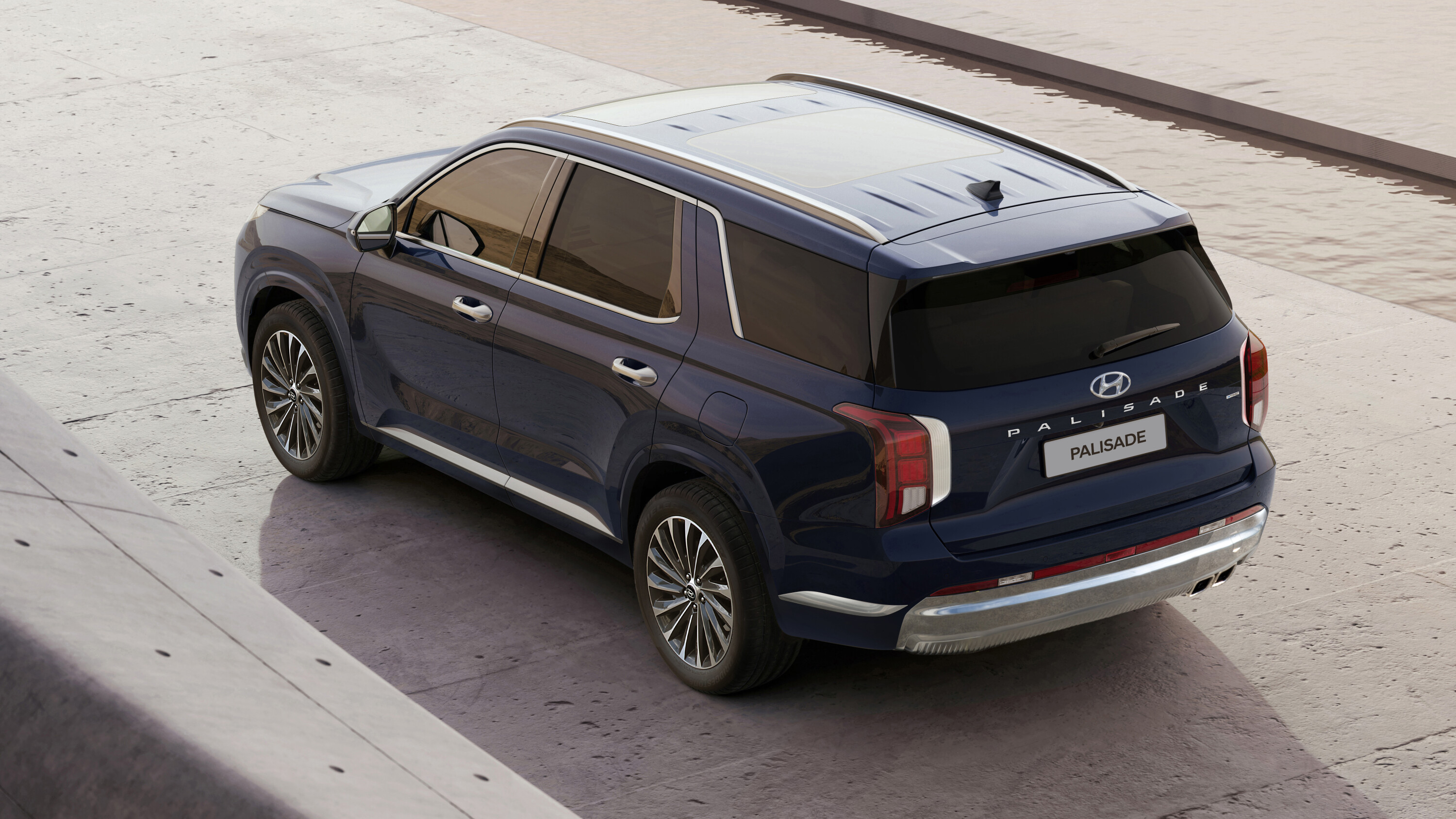
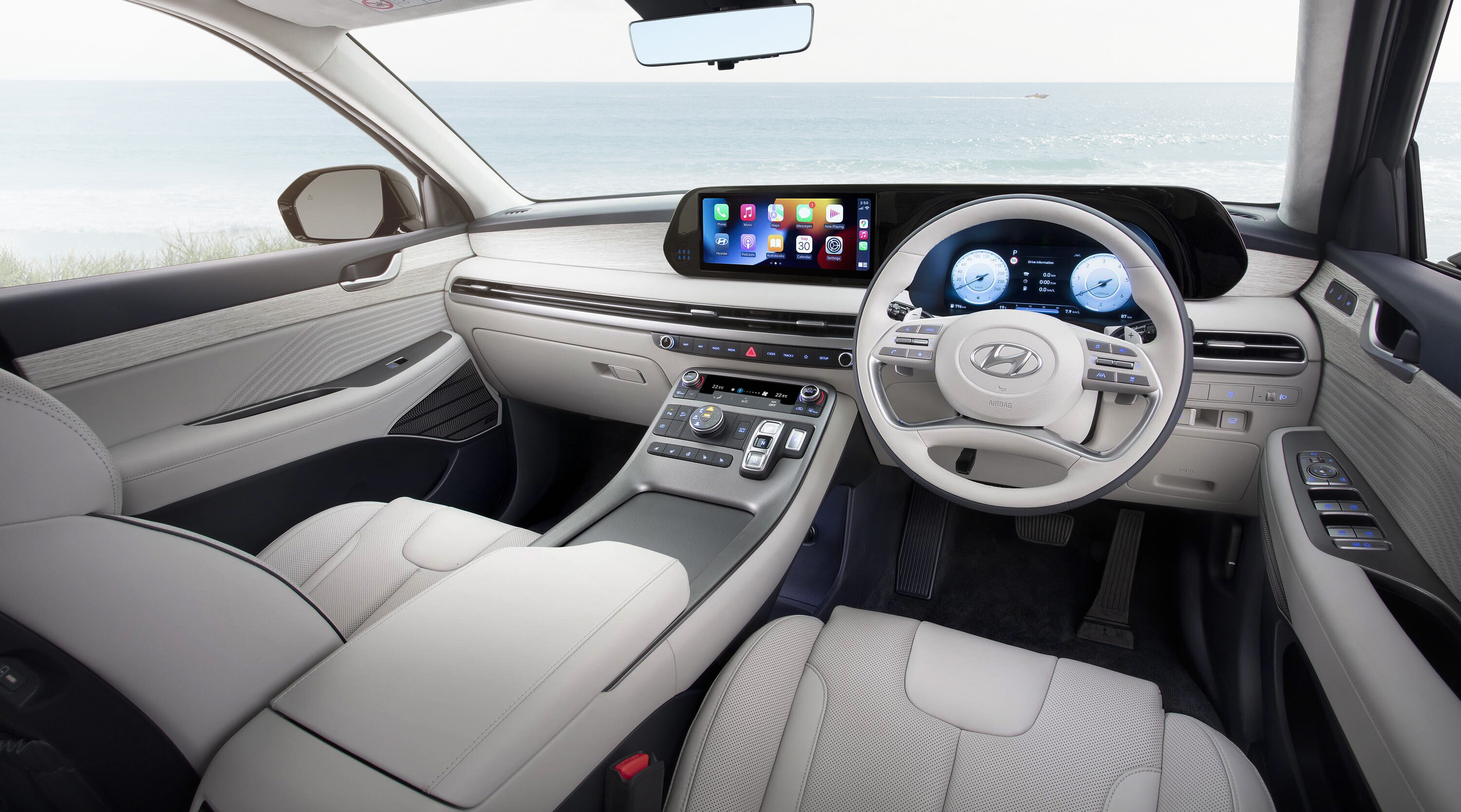
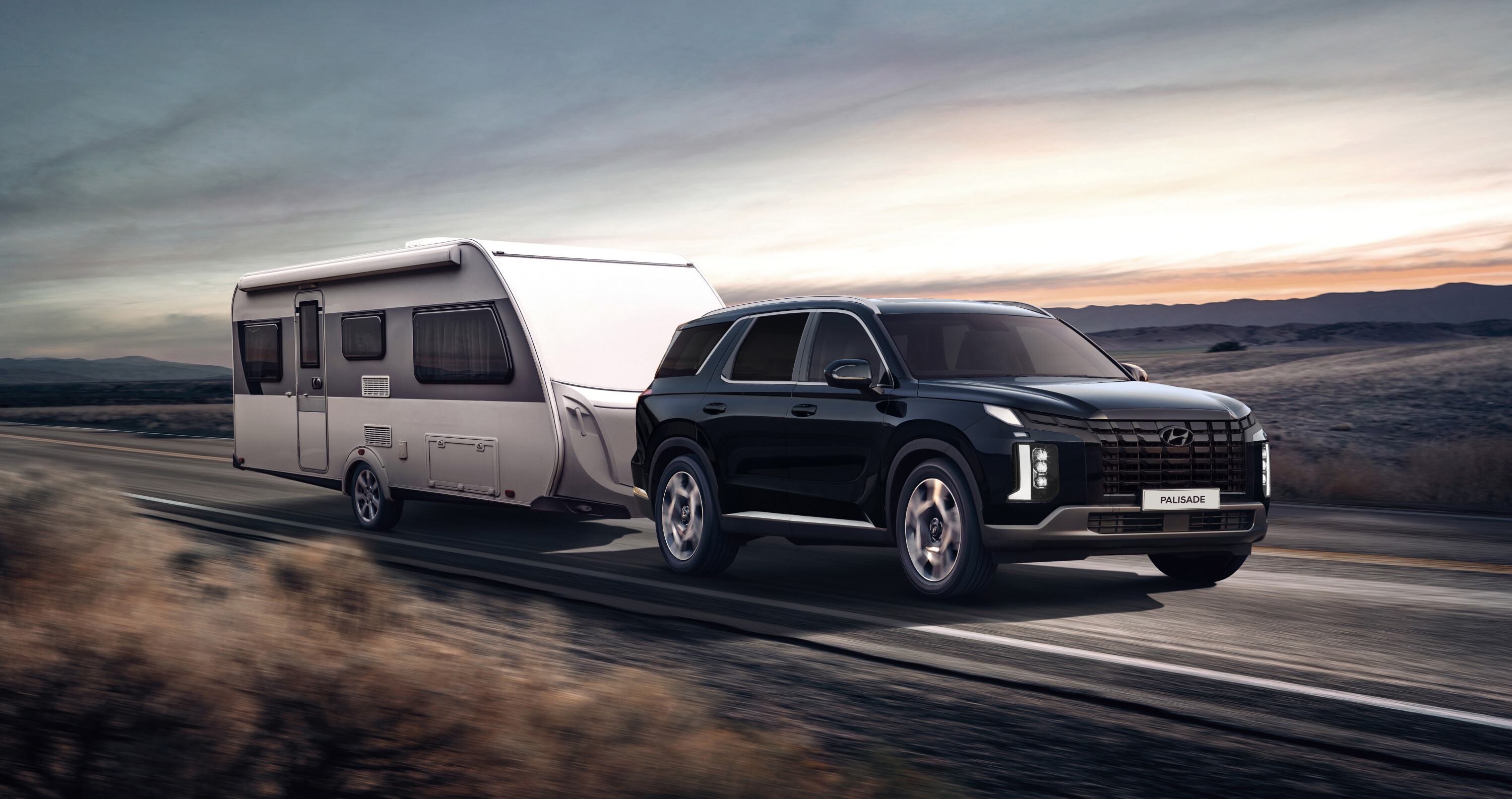
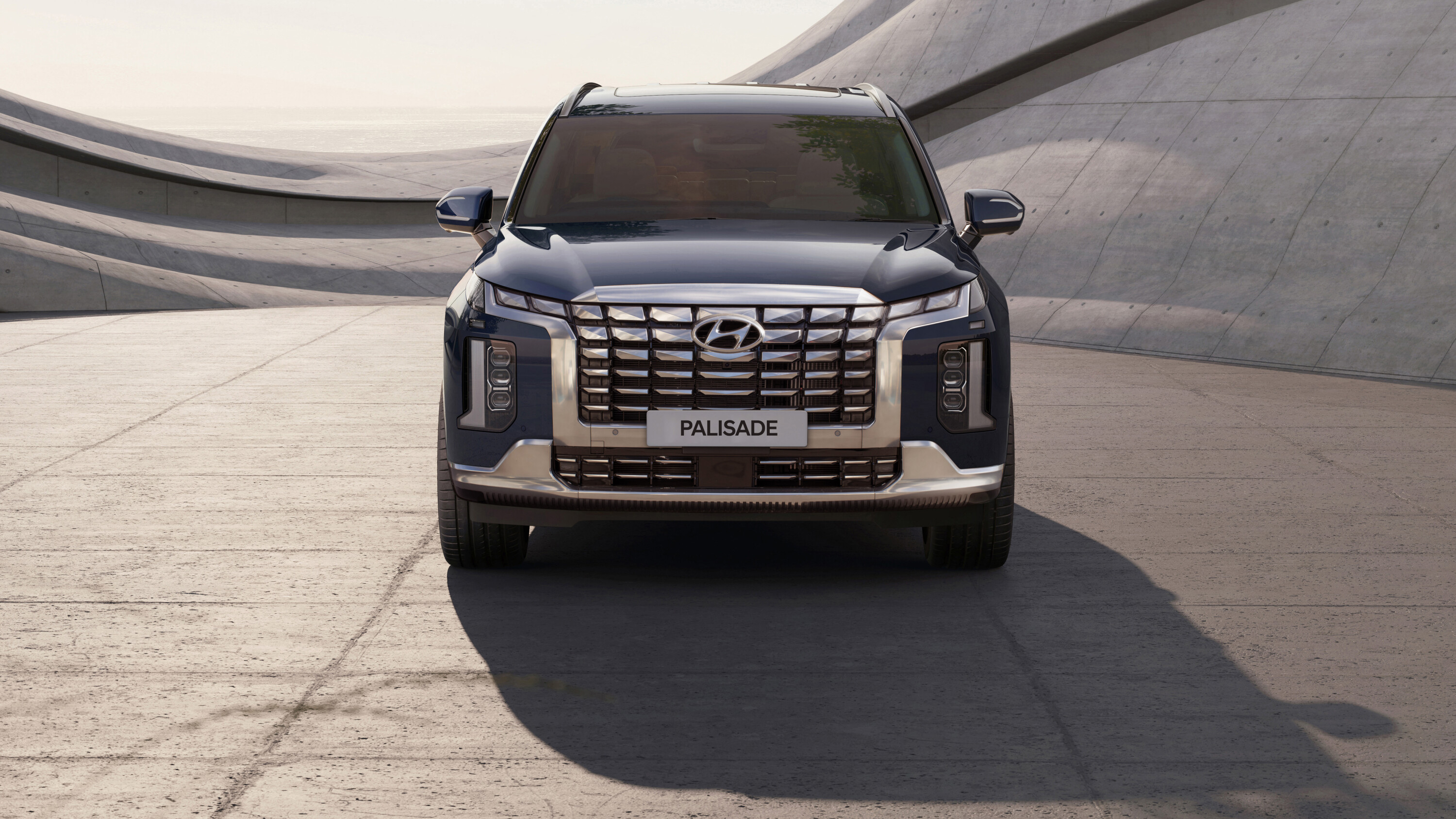
With pricing for this diesel all-wheel-drive SUV topping $80K, it’s a lot of money for a Hyundai – but it’s also a lot of Hyundai for the money, with the option of a slightly more affordable petrol 2WD, a choice of seven or eight seats, and a raft of luxurious features and inclusions.
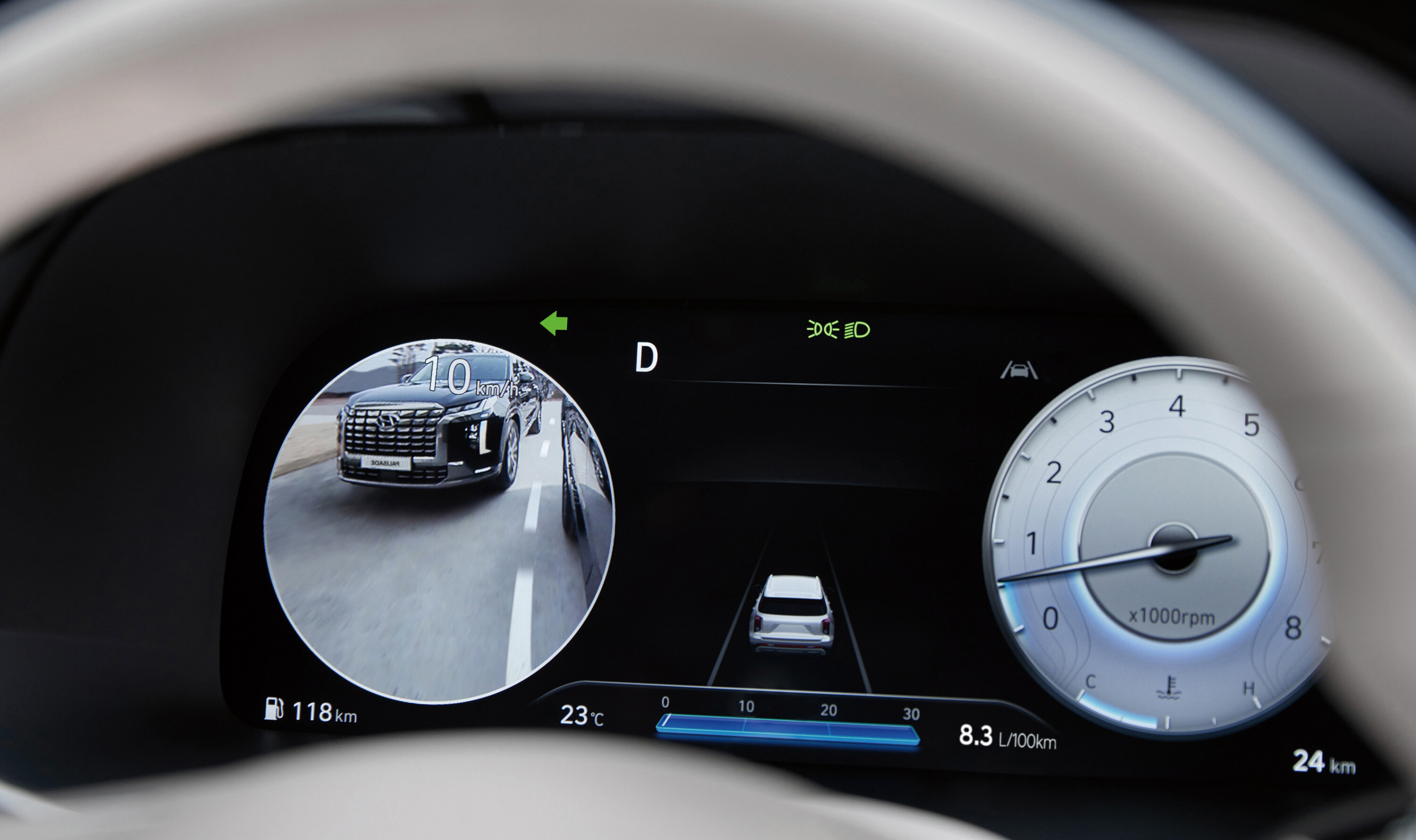
All grades have 20-inch wheels, LED lighting, a power tailgate, twin 12.3-inch screens, sat nav, leather, heated front seats and a heated steering wheel and more, while the Calligraphy further adds a dual sunroof setup, head-up display, digital rearview mirror, rear sunshades, ventilated front seats, cooled second-row window seats and memory settings for the driver.
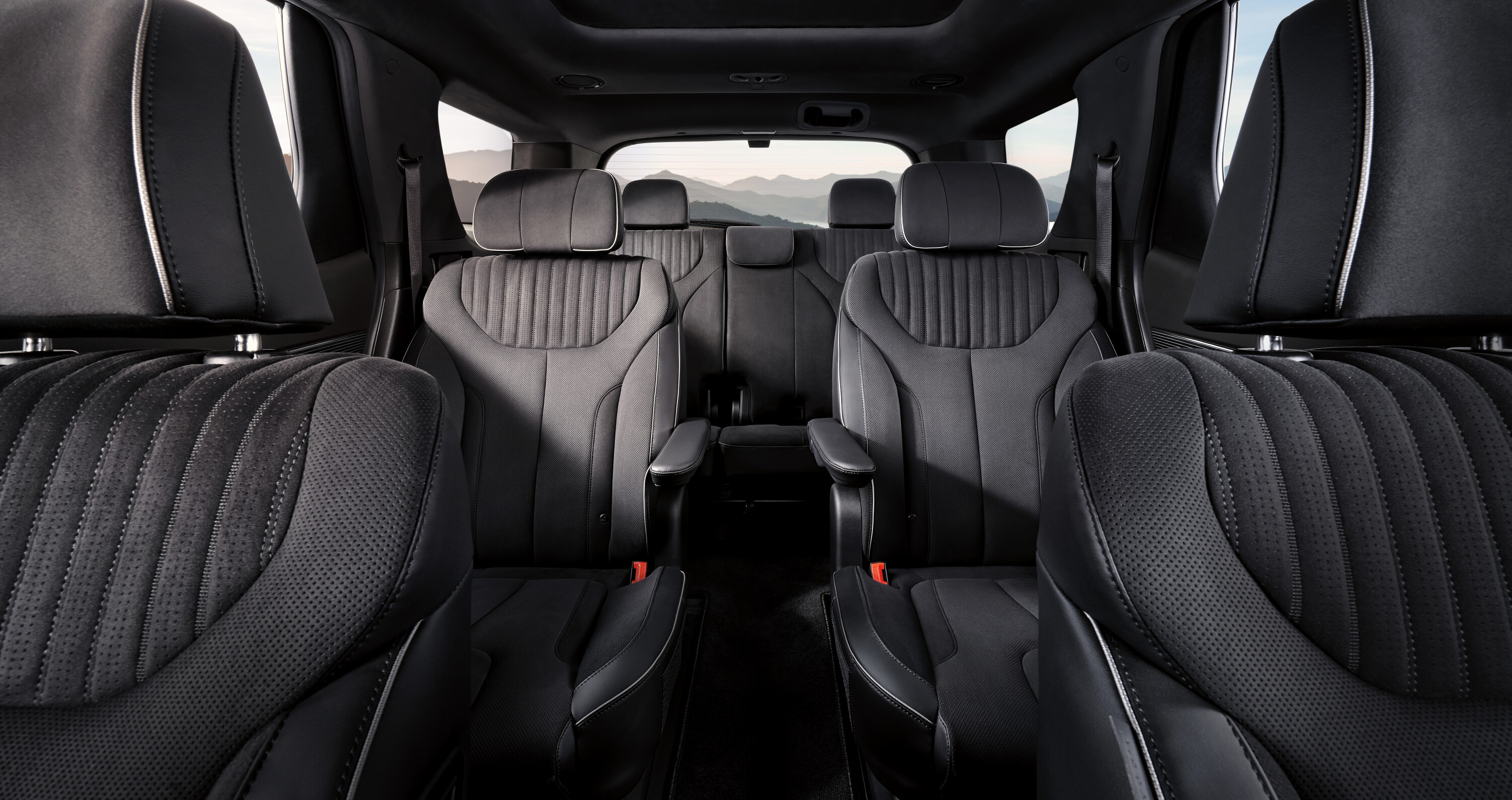
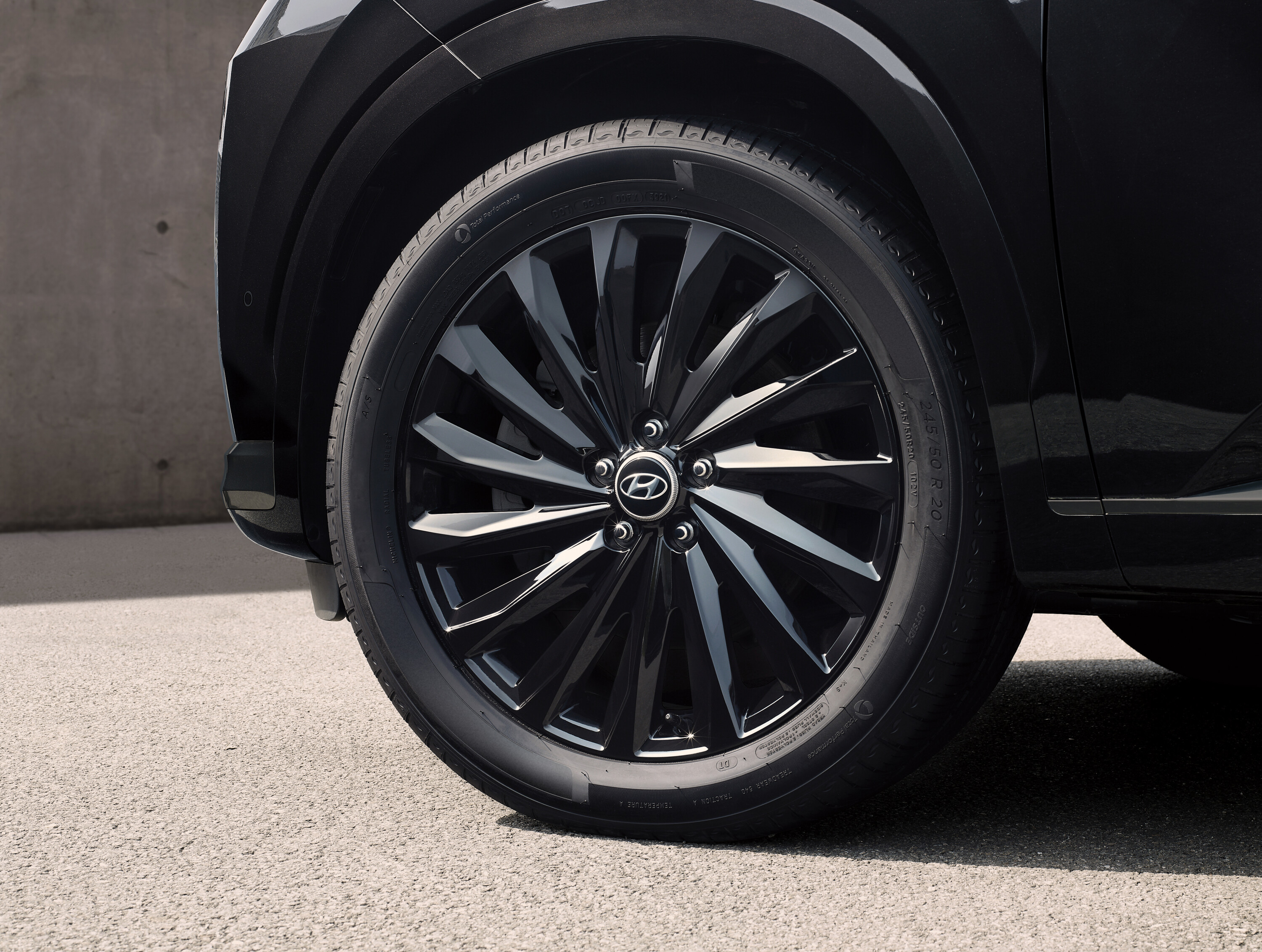
The flagship Black Ink adds a sumptuous suede-and-leather finish including a suede headliner, and adopts distinct 20-inch black rims and a blacked-out exterior appearance.
1
Priced from $78,900 for the petrol and $80,900 for the diesel, there’s nothing on the market that comes close. Not in the form of a mainstream large SUV with seven or eight seats, at least.
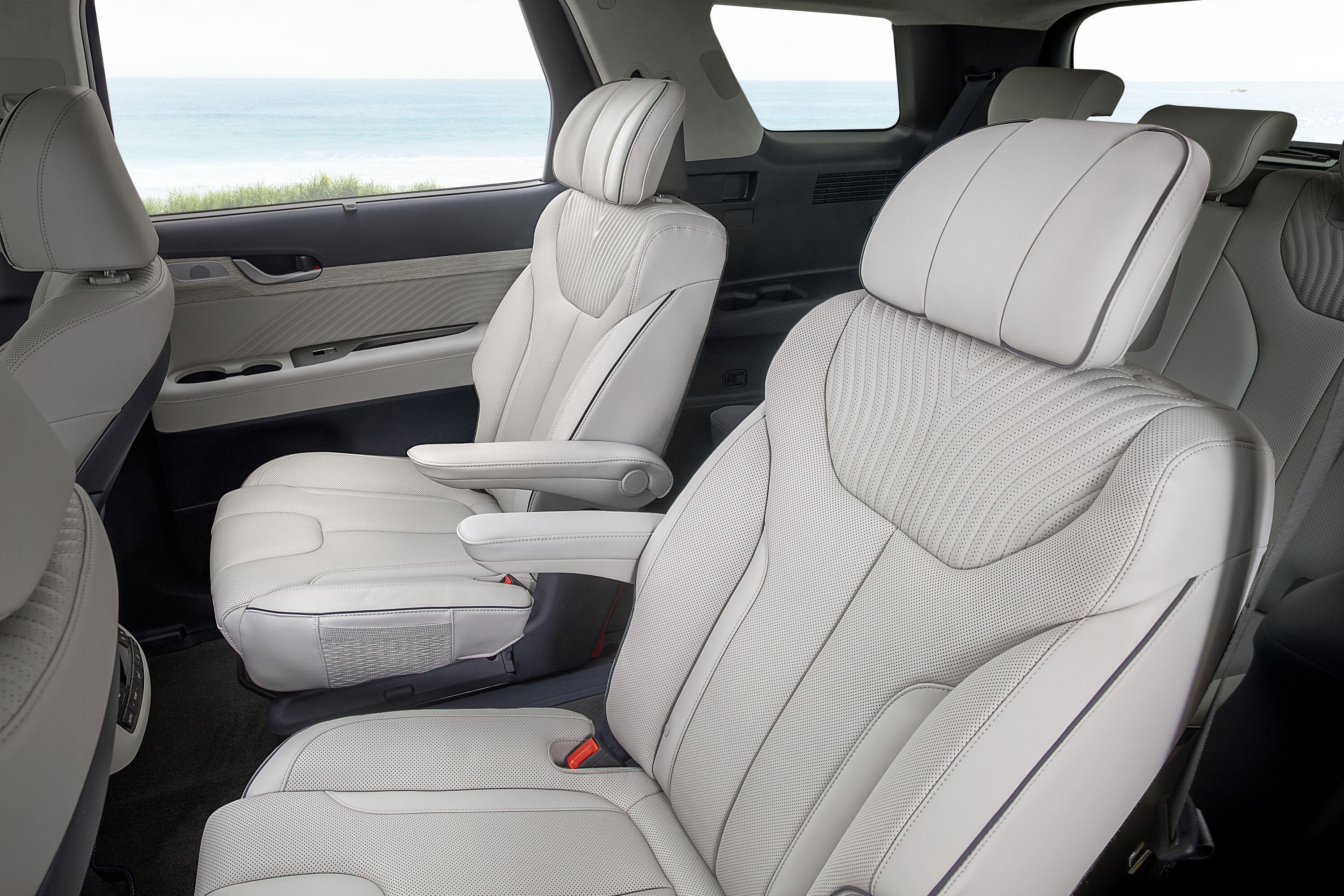
If you choose the seven-seater, you get second-row captain’s chairs, with three ISOFIX points (two in the second-row, one in the back) and four top-tethers (two and two).
If you opt for an eight-seater you get a second-row bench with tilt-slide section on the driver’s side – not ideal. Eight-seat models have three ISOFIX and five top-tether points – properly practical.
1
There’s the choice of a petrol V6 engine (217kW/355Nm) with an eight-speed auto and FWD, or the excellent 2.2-litre turbo-diesel four-cylinder (147kW/440Nm), also with an eight-speed auto but with all-wheel drive.
Petrol models have an official fuel use number of 10.7L/100km but you’ll be lucky to see that, while diesels claim 7.3L/100km. I saw 9.3L/100km across mixed driving.
Hyundai has a five-year / unlimited kilometre warranty, and there’s lifetime capped-price servicing with lifetime roadside assist if you maintain your car with the brand.
The range has autonomous emergency braking (AEB) with car, pedestrian, cyclist and junction detection, blind-spot monitoring, ear cross-traffic alert, driver attention warning, lane-keeping and lane following/centring assist, multi-collision braking (preventing further crashes), safe exit assist, rear occupant alert, adaptive cruise control with stop and go, a reversing camera and parking sensors.
1
There’s also ‘Intelligent speed limit assist’, intended to read speed signs and alert you if you’re over the limit, but it bings incessantly and often gets things wrong.
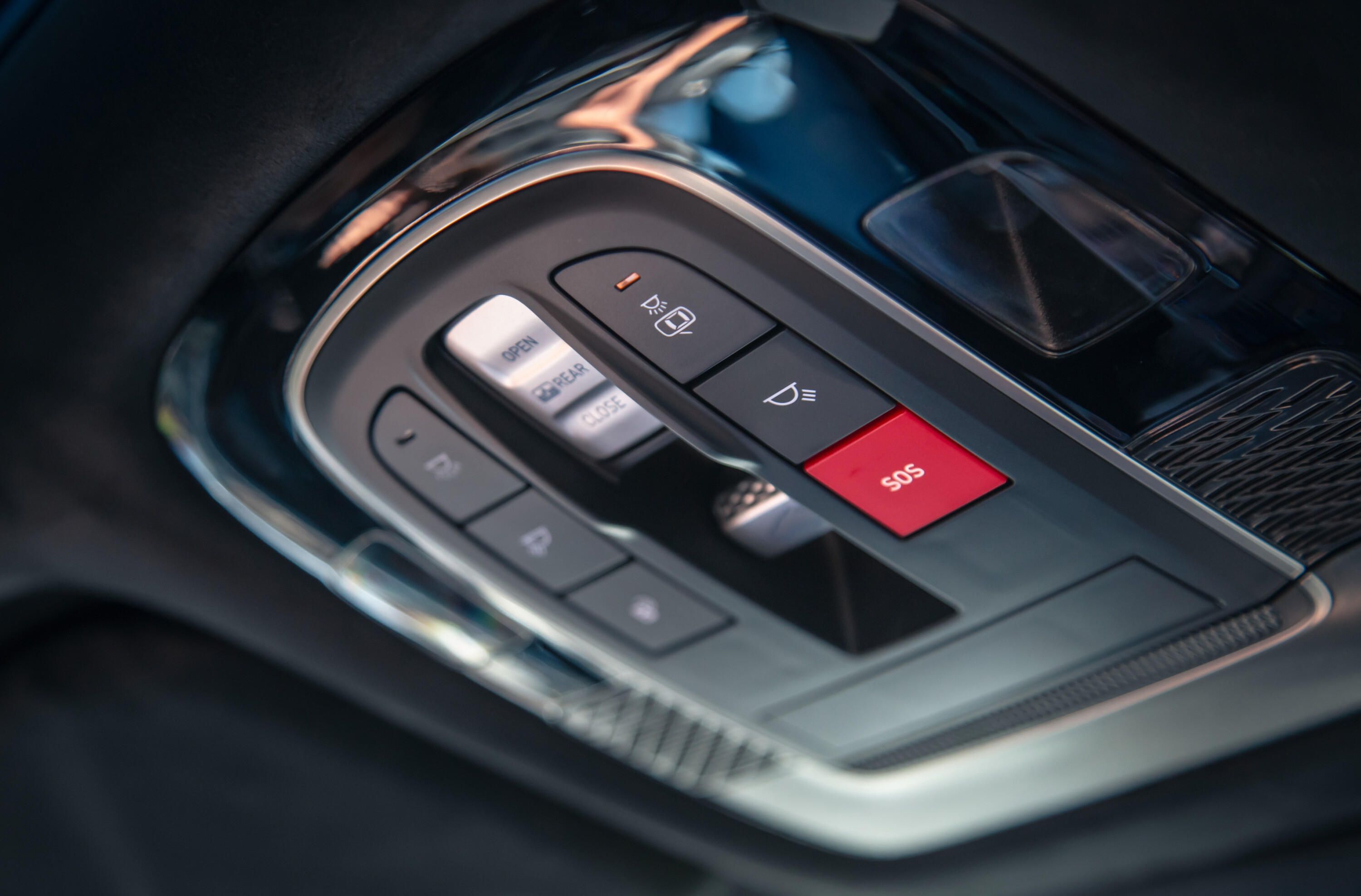
All grades also have BlueLink connected services including emergency services calling if airbags deploy, plus if you opt for a Calligraphy version you also get a few items that, for such a large SUV, should arguably be standard, such as: rear AEB, Blind Spot View Monitor (camera live view of the car’s surroundings when indicating), and a surround-view camera.
Calligraphy models also add backup guide lights and Remote Smart Park Assist.
The diesel is the pick, with a wealth of pulling power for overtaking moves and quick response on the move. The eight-speed auto is clever, shifting smoothly and allowing you to explore the engine’s urge, too.
It steers well, with a natural and responsive action, and never feels too large when parking, thankfully.
1
The all-wheel drive system offers better traction than the revvy petrol 2WD models, and if you plan to hit the snow or gravel tracks – or even live somewhere that rain is regular – then AWD is the go. But be aware, if you plan to only do urban driving, the diesel particulate filter will need the occasional longer drive at pace.
Ride comfort is agreeable, with a composure over bumps and lumps both at lower and higher speeds. It’s quiet and offers a more luxurious experience than some more expensive rivals.
It’s a decent thing with eight seats, but doesn’t quite feel as premium. Likewise, you could look at a Mazda CX-90, but only if seven seats works for you.
2023 Hyundai Palisade Calligraphy Black Ink diesel AWD specifications
Powertrain
2.2-litre turbo-diesel 4-cyl
Max power
147kW
Max torque
440Nm
Drivetrain
all-wheel drive
Fuel consumption
7.3 litres per 100km (combined)
Price
from $80,900 plus on-roads
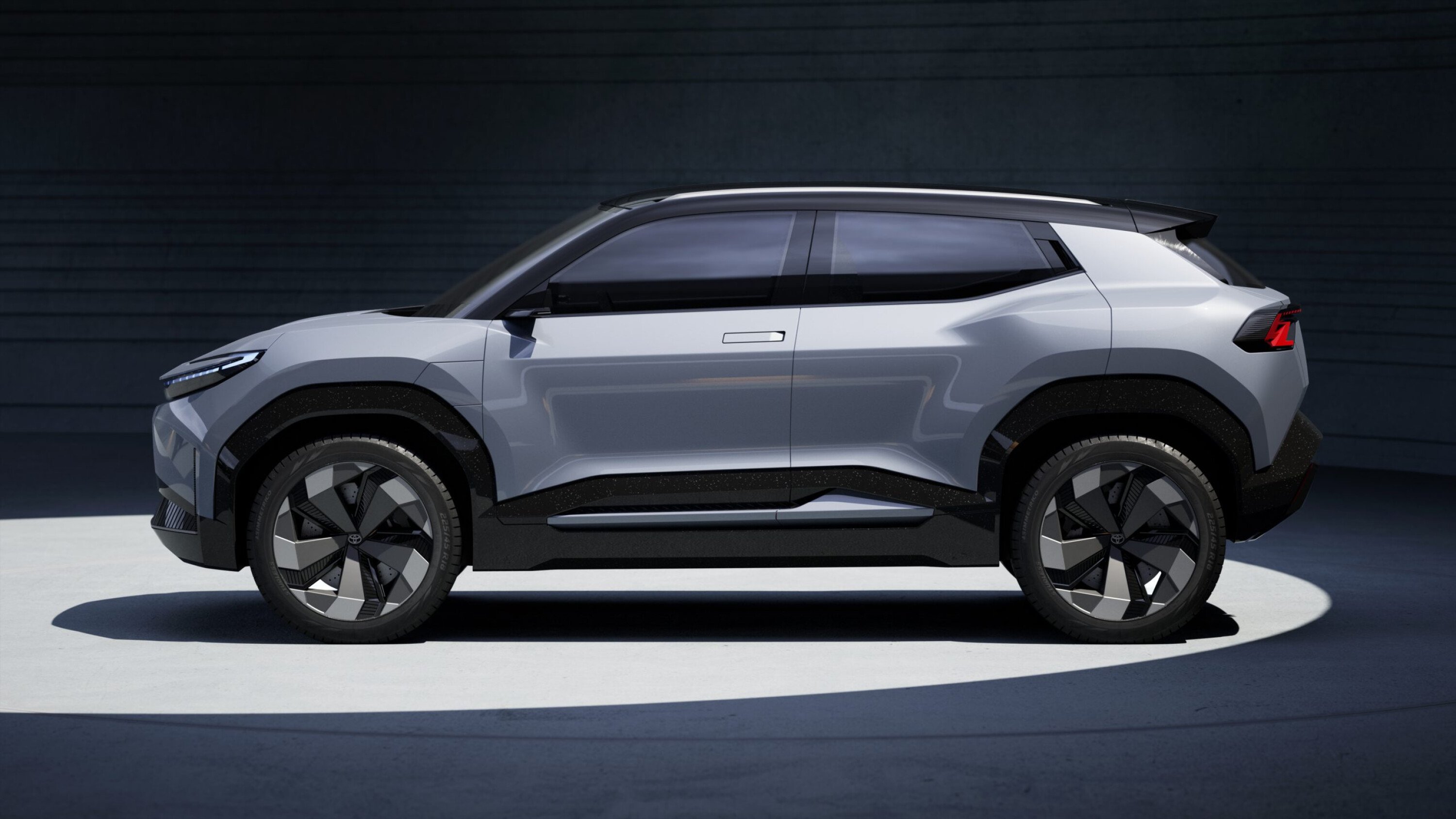
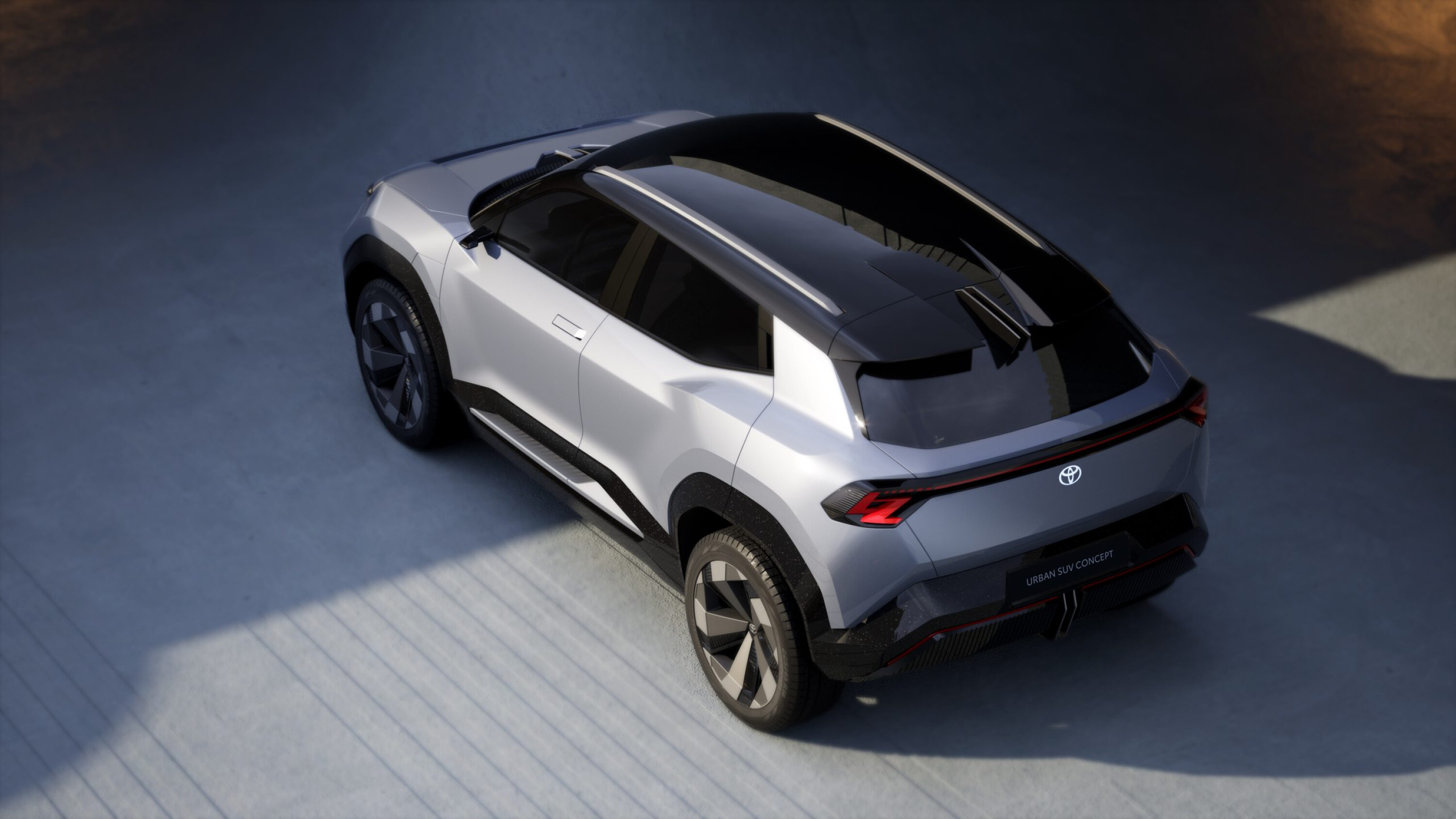
Toyota will enter the affordable EV space in 2024 with a production version of the Urban SUV concept unveiled in Europe today.
The baby battery electric vehicle (BEV) will be the smallest of six electric models that will be offered in Europe by 2026.
Reported dimensions of a 4.3-metre length, 1.8m width and 1.6m height place it between the company’s Yaris Cross and C-HR combustion small SUVS, and make it a natural rival for the Hyundai Kona Electric small SUV.
Toyota Australia has yet to confirm any plans to introduce the model that could adopt a nameplate such as BZ2 or BZ2x.
1
In Europe it will sit below the BZ4x, the midsize electric SUV that was the first model announced under the BZ (beyond zero) banner and is due here in early 2024.
Toyota says full details of the production SUV will be revealed in 2024. For now it is simply teasing that it will be available with two battery options with differing ranges, and the option of all-wheel drive instead of the standard front drive.
No interior images for the concept were provided, with Toyota saying only that “space is maximised in a flexible interior that can easily be adapted to prioritise passenger or load space as required”.
It’s understood the compact electric Toyota SUV is being co-developed with Suzuki as part of a continuing alliance. The Urban SUV concept shares some visual similarities with the Suzuki eVX concept unveiled earlier this year and due in 2025.
Electric car maker BYD will open 30 new locations over the next 18 months as it declares an ultimate ambition to replace Toyota as the most popular brand in Australia.
Key Points
BYD announces huge Australian expansion
Targeting top-5-brand position though wants to overtake Toyota
Petrol-electric hybrids to join local BYD range
BYD has sold nearly 10,000 cars in Australia in 2023 up to the end of October, with the vast majority of them its debut model, the Atto 3 midsize electric SUV.
That places it outside of the Top 20 best-selling car brands year to date, though BYD’s product offensive is only recently underway with a plan to have five models in market by the end of 2024.
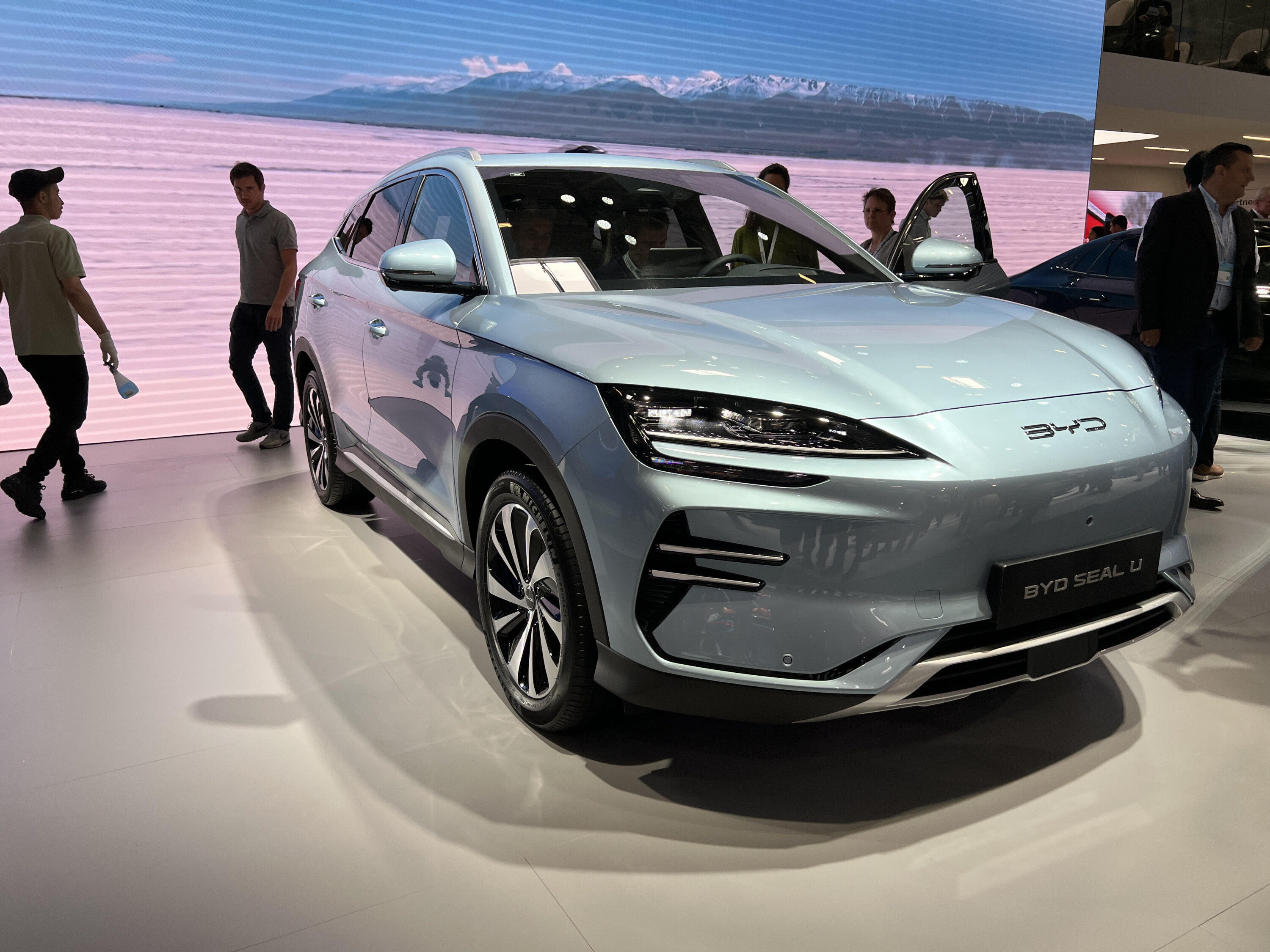
The Dolphin hatchback was released in November as the brand’s second model, to be followed soon by the Model 3-rivalling Seal sedan. A dual-cab ute has also been confirmed for 2024 and the Seal U SUV is also expected to arrive down-under next year.
“The expansion plans have been under discussion for many months and confirmed on the back of the recent successful launches of the BYD Dolphin and Seal,” said BYD distributor EV Direct in a statement.
“The expansion plans will underpin the lofty goals of BYD to be a top 5 brand in Australia with aspirations of reaching the number one spot.”
BYD’s bold plan could be aided by many of Australia’s existing top-selling brands not being expected to enter a price war with Chinese newcomers.
BYD and EV Direct still have some catching up to do on the dealership network front: compatriot brand MG now has around 80 dealers in Australia.
As part of this expansion, BYD – through its Australian partner EV Direct –says it is also committed to holding additional stock of electric vehicles (EVs) in Australia so that it can quickly fulfil orders rather than lose buyers looking for faster delivery.
EV Direct CEO Luke Todd said this growth plan will also enhance the supply chain, ensuring repairs can be carried out as quickly as possible.
The company has previously confirmed it will continue to build out its line-up in the years ahead.
It plans to have five models in market by 2024, but unlike its efforts to date, not all will be pure electric. Although not specified in terms of models, BYD says it will introduce models using its DM-I Electric Platform Hybrids, combining petrol and electric power to compete with the likes of Toyota, Hyundai and Kia.
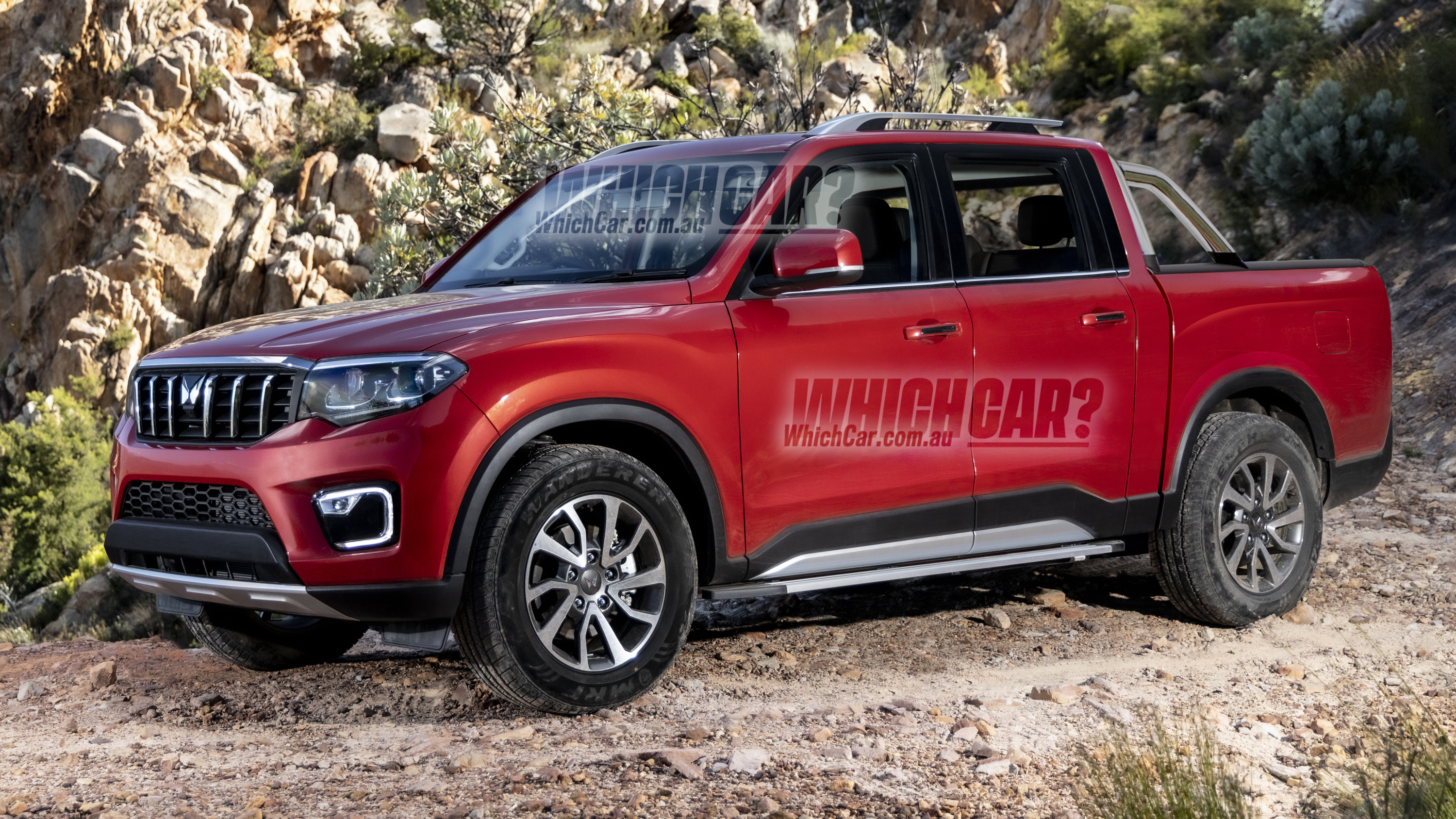
One of those is sure to be BYD’s anticipated ute, which has been revealed in recent weeks through design patent images and our own detailed renderings. See the linked story below.
5
BYD Mascot Service and Support Centre opened
Along with these expansion plans, BYD and EVDirect have also announced the opening of its BYD Service and Support Centre in Mascot, New South Wales.
Described as “the first of its kind for BYD in the Asia-Pacific region”, the new facility is equipped specifically for electric vehicles, including a high-volume eco-friendly car wash, a specialised EV panel repair shop, and a dedicated BYD service and training space.
The company says this new centre will also serve as a hub for EV training forums, focusing on upskilling motor services trades across Australia in EV technology.
Global pick-up model has big targets in its sights
Production model will be influenced by striking 2023 Global Pik-Up concept
Diesel power confirmed for launch
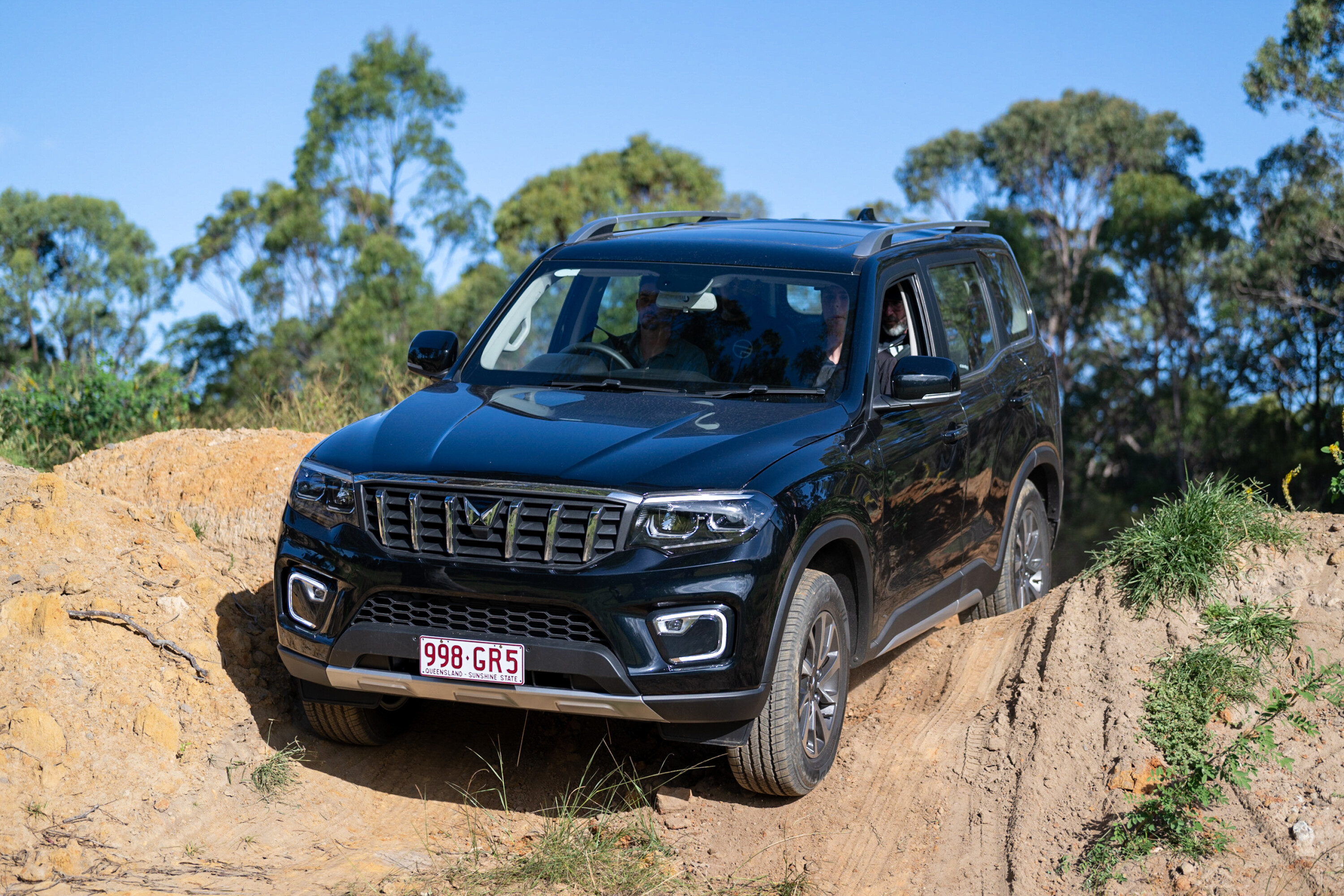
The new-generation Mahindra pick-up is targeting the biggest names in the dual-cab ute segment when it launches by mid-2026.
The yet-to-be-named, all-new body-on-frame model from the Indian maker has benchmark-level expectations, with executives at the brand stating the Toyota HiLux and Ford Ranger are among the models being cross-referenced in the development of the new double-cab 4×4 ute.
Mahindra unveiled the striking Global Pik-Up concept last August (main image). In a separate interview with Wheels, the company said it would “carry a lot of those [concept] visions into production”.
The new ute will come with petrol and diesel powertrains, with the latter expected for Australia.
1
Mahindra has stated unequivocally that the new model will be offered with the maximum braked towing capacity of 3.5 tonnes
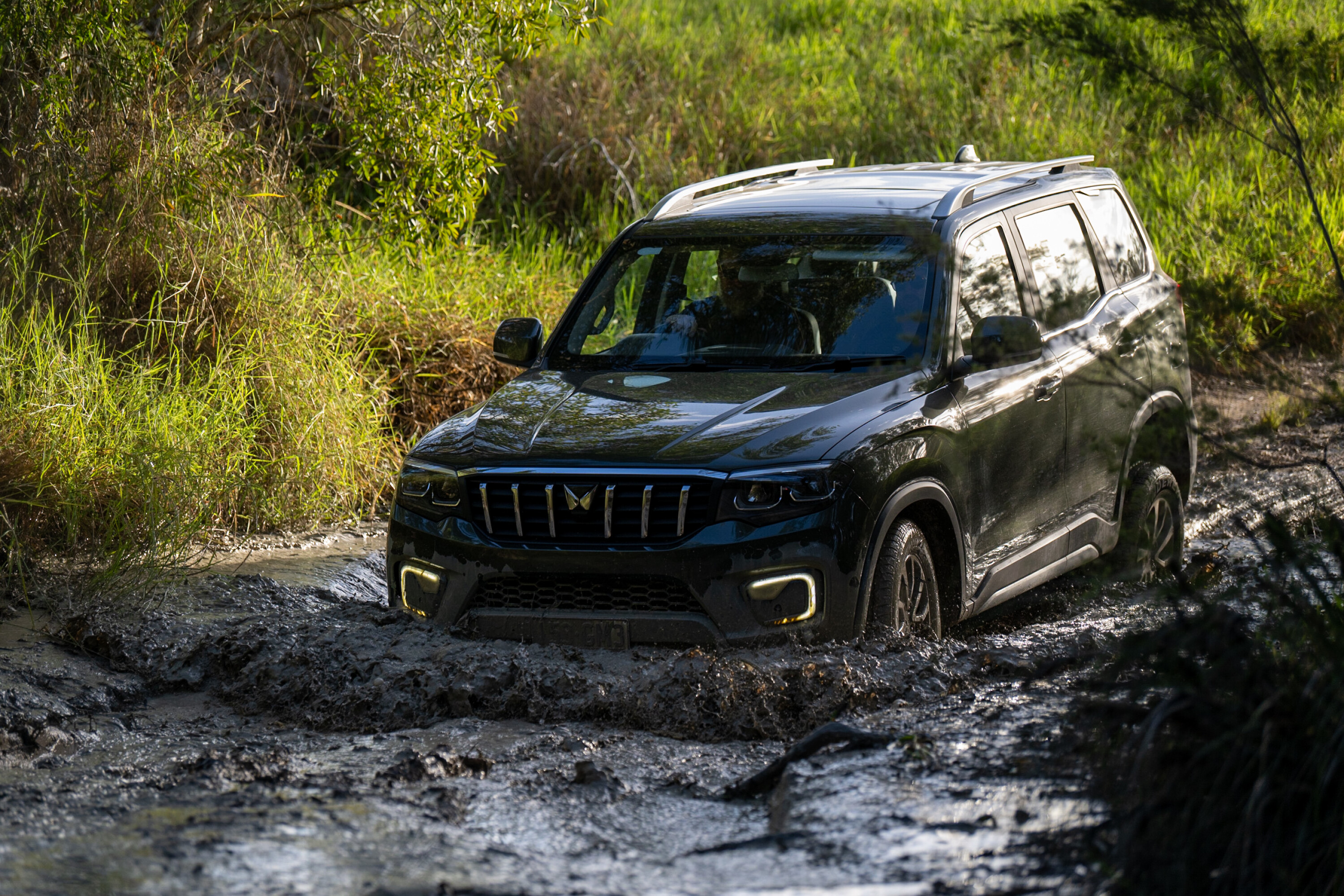
That engine is expected to be a take on the existing 2.2-litre mHawk four-cylinder used in the Scorpio off-road SUV, with expected outputs of around 140kW and 450Nm. It could come with a six-speed manual option, but a six-speed auto is expected to be the mainstay of the range.
As with the Scorpio, the new ute model will be built on a sturdy ladder-frame chassis with a longer wheelbase and different overhangs for the purpose of load-lugging. Expect leaf-spring rear suspension and a multi-link double-wishbone front setup.
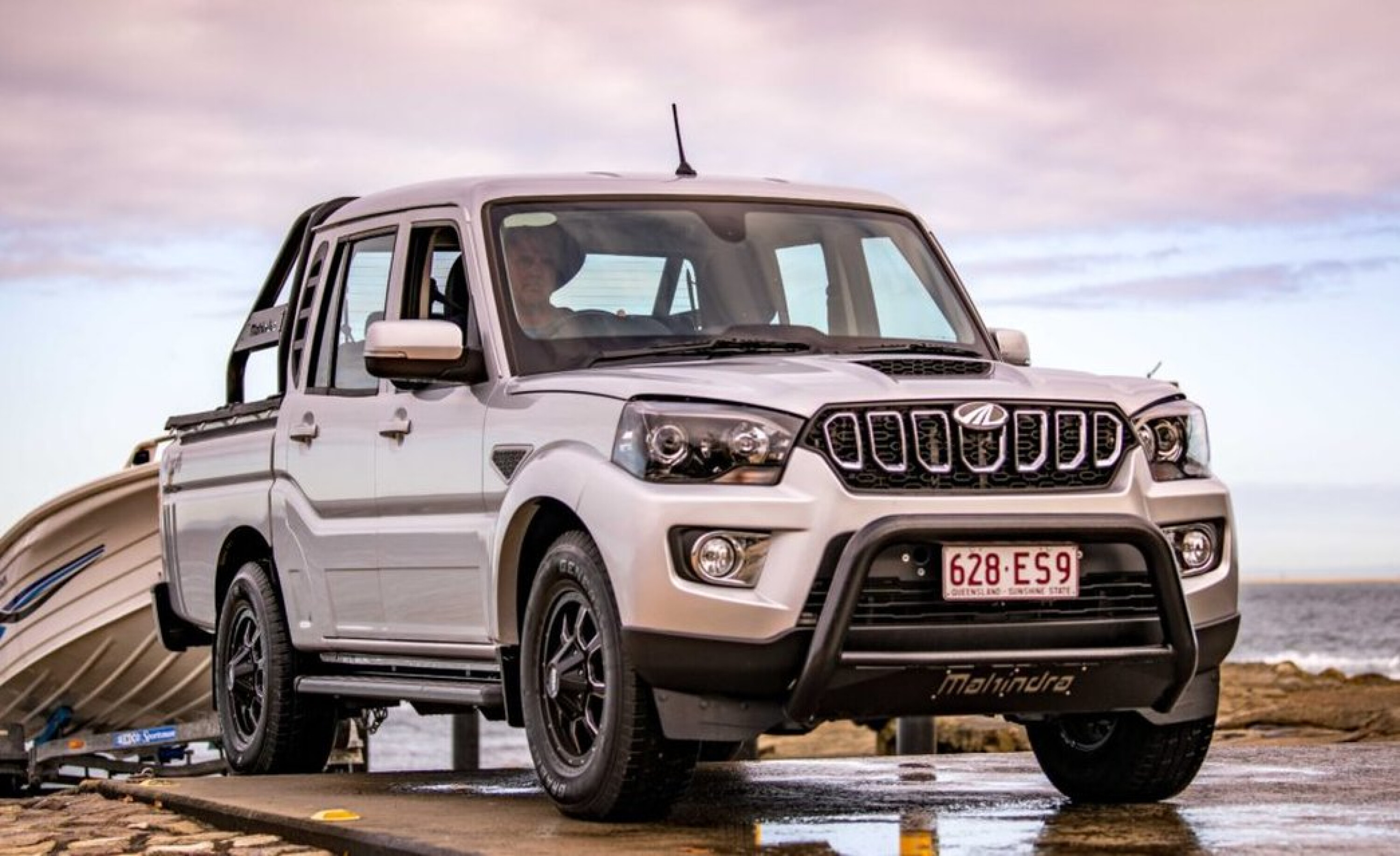
Mahindra has stated unequivocally that the new model will be offered with the maximum braked towing capacity of 3.5 tonnes (the Scorpio-N is rated at 2.5 tonnes). A number of body styles – including single-cab and dual-cab – are expected.
1
The Indian maker admits it needs to get it right from a safety-rating perspective, and is promising a five-star ANCAP rating.
Joydeep Moitra, head of APAC for Mahindra Auto, said the project has multiple key considerations that the brand considers to be non-negotiables.
“The global pick-up is planned with a diesel powertrain – alternate powertrains will be seen in future,” said Mr Moitra. “There will be a petrol for some of the petrol markets. But primarily for a ute, you’re expecting 3.5-tonne towing. You won’t get that with a petrol,” he said.
1
But expect the diesel models to be a bit pricier than the current Pik-Up. Moitra reckons diesels are about to take a step up in price due to new technologies needed for emissions offset targets.
Mr Moitra said the upcoming Euro 6d requirements (and Euro 7 thereafter) mean it will be more costly for powertrain development, leading to a flow-on effect in the showroom.
He said “the value proposition may be at risk at some stage” for diesel powertrains, but he sees diesel being vital for the brand’s success in markets like Australia.
“Intrinsically diesels are good as towing vehicles, and Australian consumers love to tow, they have these lovely boats and horse carriages and RVs that they need to tow. I can’t see them sacrificing their lifestyle, just because diesels became more expensive,” he said.
1
While the new model is “at least two years of solid work” from reality, Mr Moitra said the company will work closely with its Australian arm, and its local dealer network, to make sure the business case makes the best sense.
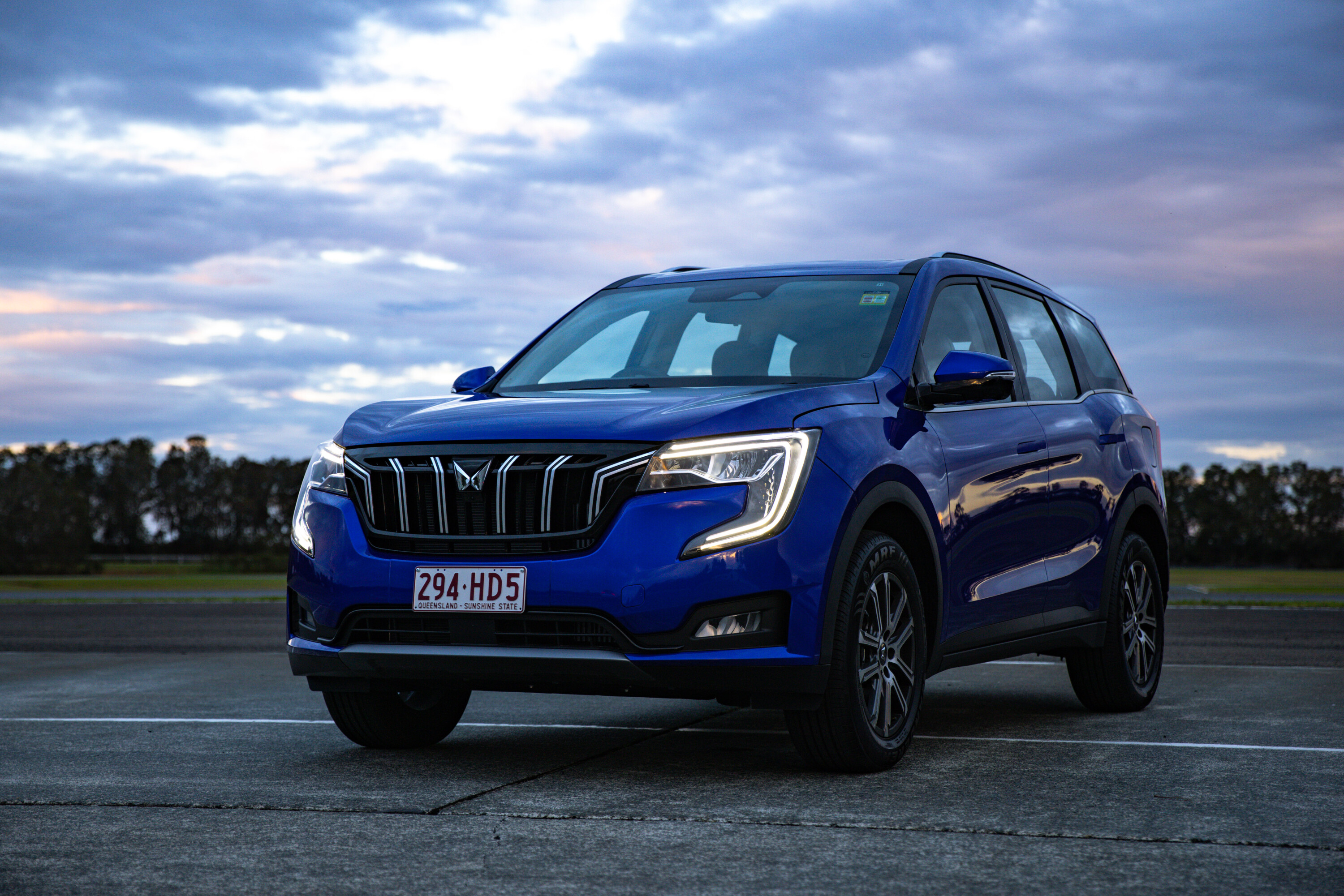
“Clearly there’s a huge amount of work that’s required in the design phase. And then the validation – it takes us about six to eight months of validation in Australia for each of the products,” he said of the recently-launched XUV700 seven-seater and Scorpio 4×4 SUV.
“They have gone through almost 100,000 kilometres of testing in Australia prior to the launch, and they were tested out by our dealer partners,” said Mr Moitra. “That takes time. So we will not short-circuit the timeframe that is required for doing all of this testing.
1
“We make sure that everything is done, tested, we are thorough and we are very clear about this, and then bring the product into the market,” he said.
“Yes, the global pick-up will be five-star, so whatever is required, whatever number of airbags is required to get it into five-star, will be there. It’s as simple as that,” he said. “Now, yes, we got into Australia [with XUV700 and Scorpio], we got these products in the market, but whatever new things are coming up [including the new ute and EV range] they are all built to that [five-star ANCAP] level.”
More news on the Mahindra new-generation pick-up is expected in 2024.
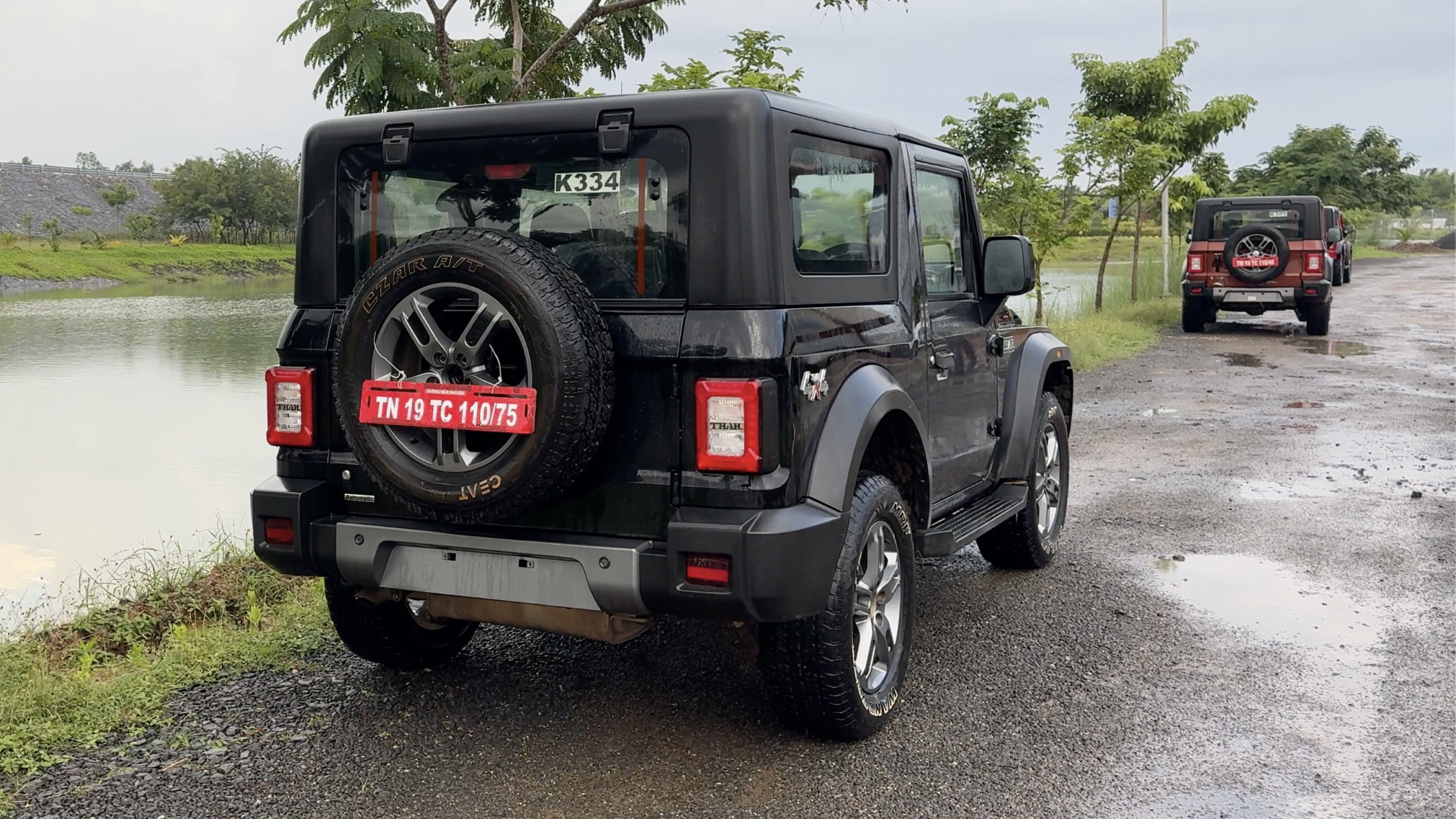
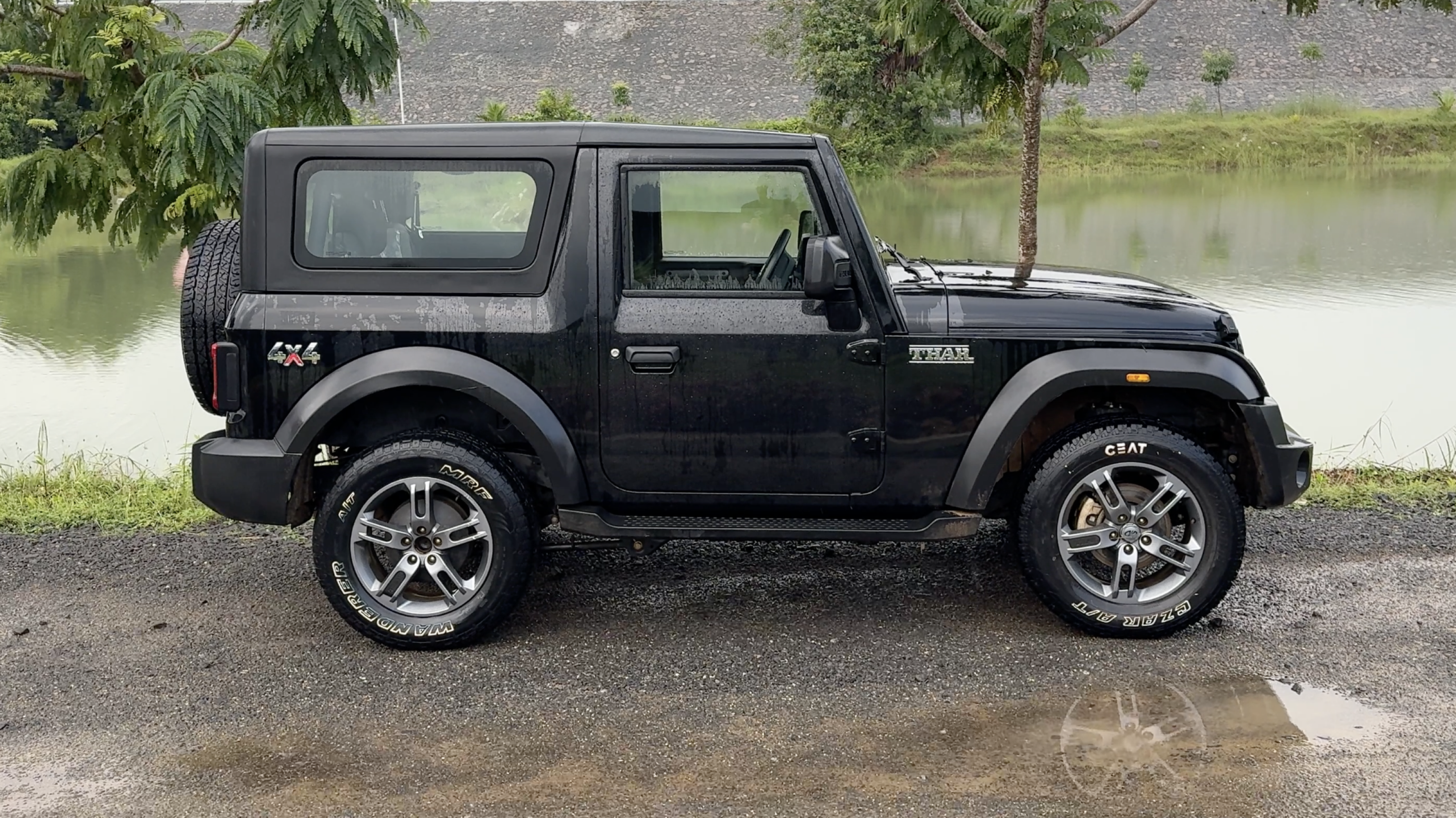
You will never see one of these on Australian roads. I mean, you might see 4x4s that look very similar… but sadly, the internal-combustion Mahindra Thar is not for Australia.
It might look… familiar… but there are indeed familial links between Mahindra and Willys that stretch back to 1949.
The Thar – named after the area also known as ‘The Great Indian Desert’ – first launched in 2010. The current, modern-day Thar (BS6) launched in 2020 as an affordable purpose-built 4×4 celebrating Mahindra’s 75th anniversary.
It’s a bargain, too – pricing starts at the equivalent of AUD $20,800 in its home market of India. There are 4×2 models, petrol or diesel choices, and manual or auto versions.
And if you thought the wait times for Toyotas were bad – some versions of the Thar are said to have a “60-month” delay. The brand is only building a few thousand per month.
The Thar is built on a body-on-frame chassis said to “handle absolutely any terrain without breaking a sweat”, with an independent double-wishbone front and a live-axle multi-link rear suspension layout.
Clearance is good at up to 226mm, while wading depth is 625mm (but Mahindra’s off-road course includes up to 900mm deep patches!). The approach (42°), break-over (27°) and departure (37°) angles are exceptional.
As for dimensions, the three-door Thar is the exact same length as the new Jimny XL five-door, at 3985mm, with a 2450mm wheelbase. It’s pretty broad-shouldered, at up to 1855mm wide (Jimny: 1645), and can stand as tall as 1920mm (Jimny: 1720).
1
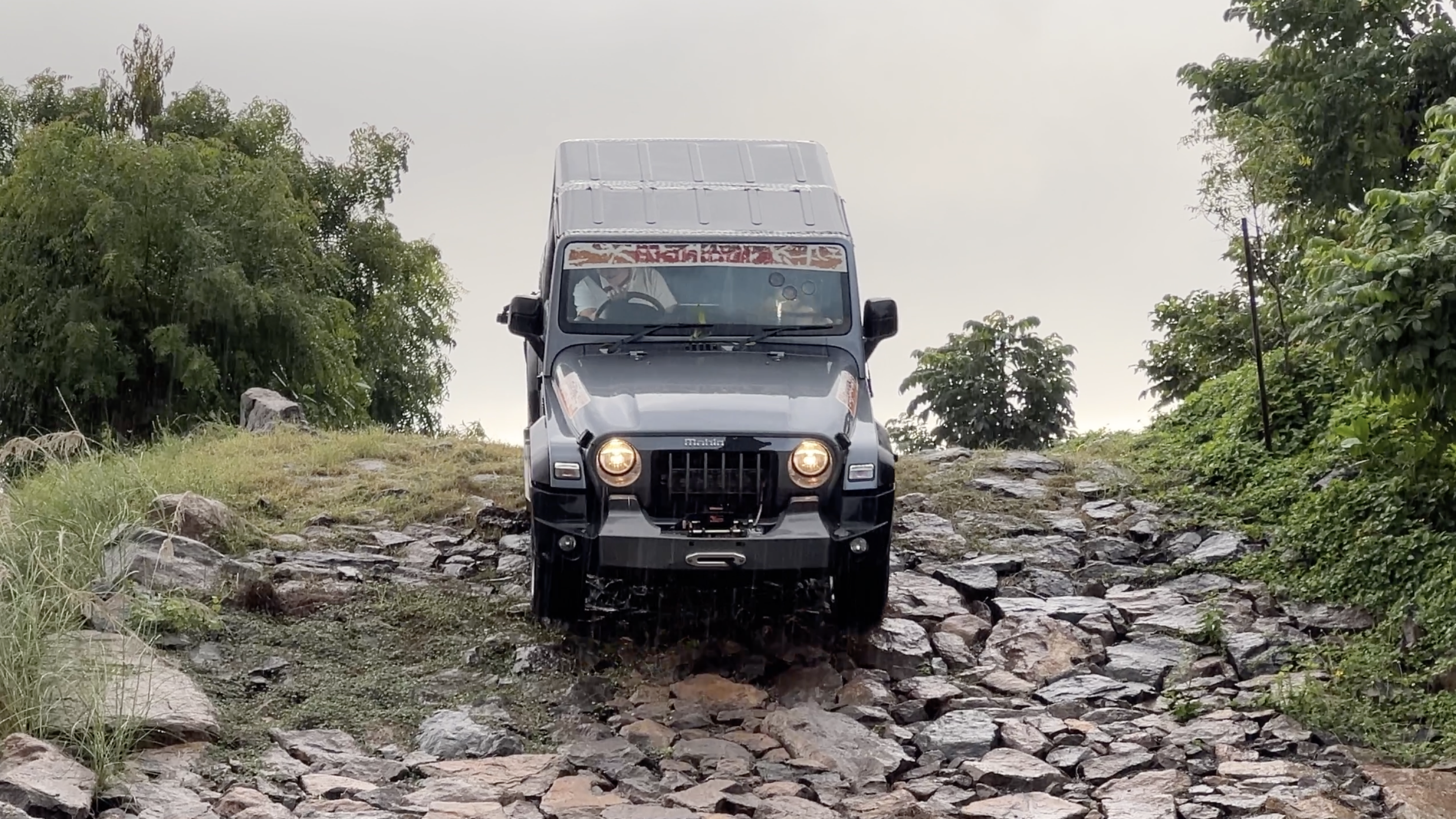
The hard-top, three-door pre-production model tested here was a petrol-turbo take on the theme, with a six-speed auto, four-wheel drive with a low-range transfer case, and a pair of electronic brake-locking differentials.
High-grade diesel versions are available with an optional mechanical locking diff, and all grades have hill-hold and hill-descent control.
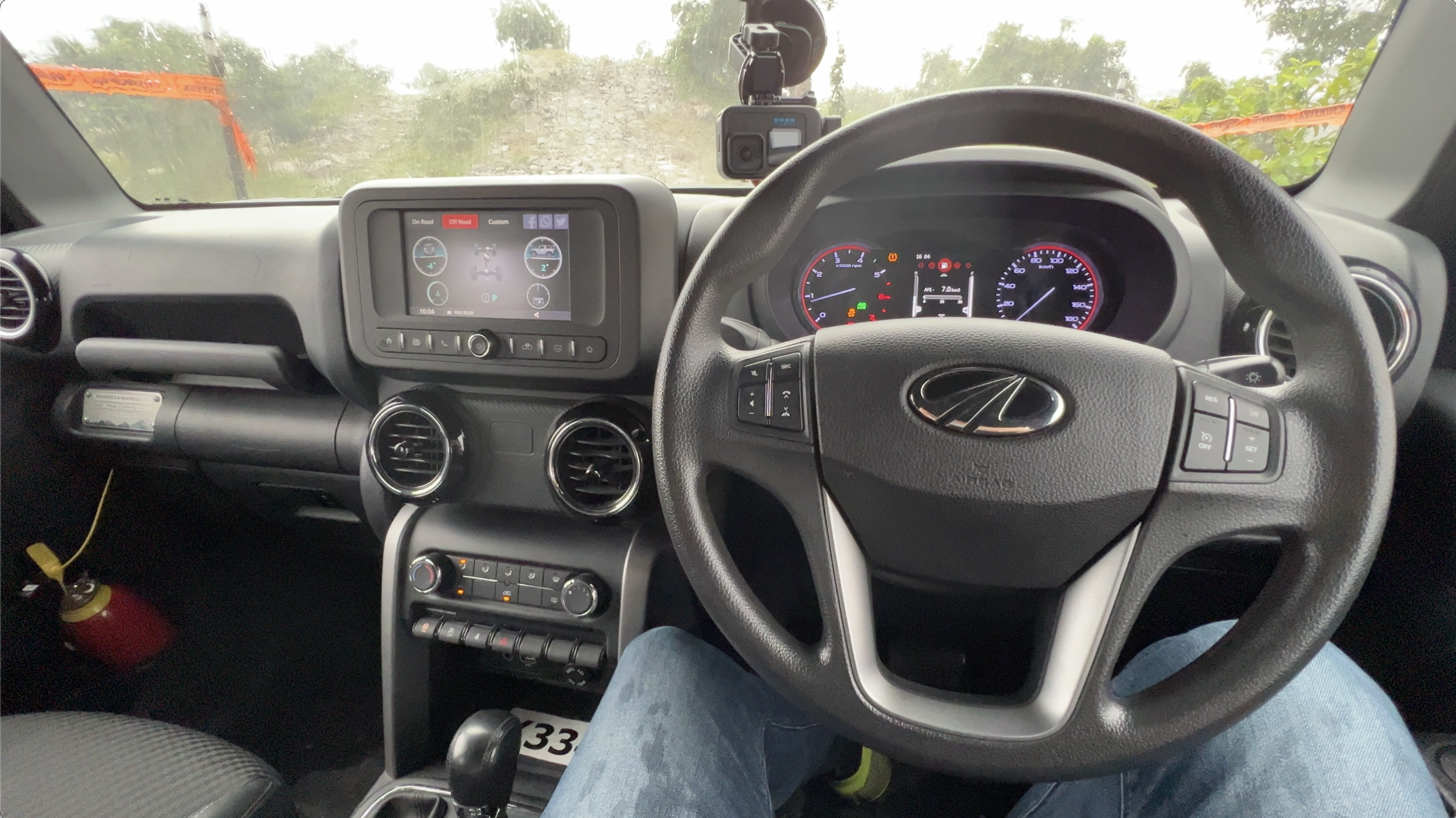
It’s not quiet, it’s not all that comfortable due to some compromised ergonomics, and while it’s certainly a big step up from older Mahindra models, the Thar is best described as basic.
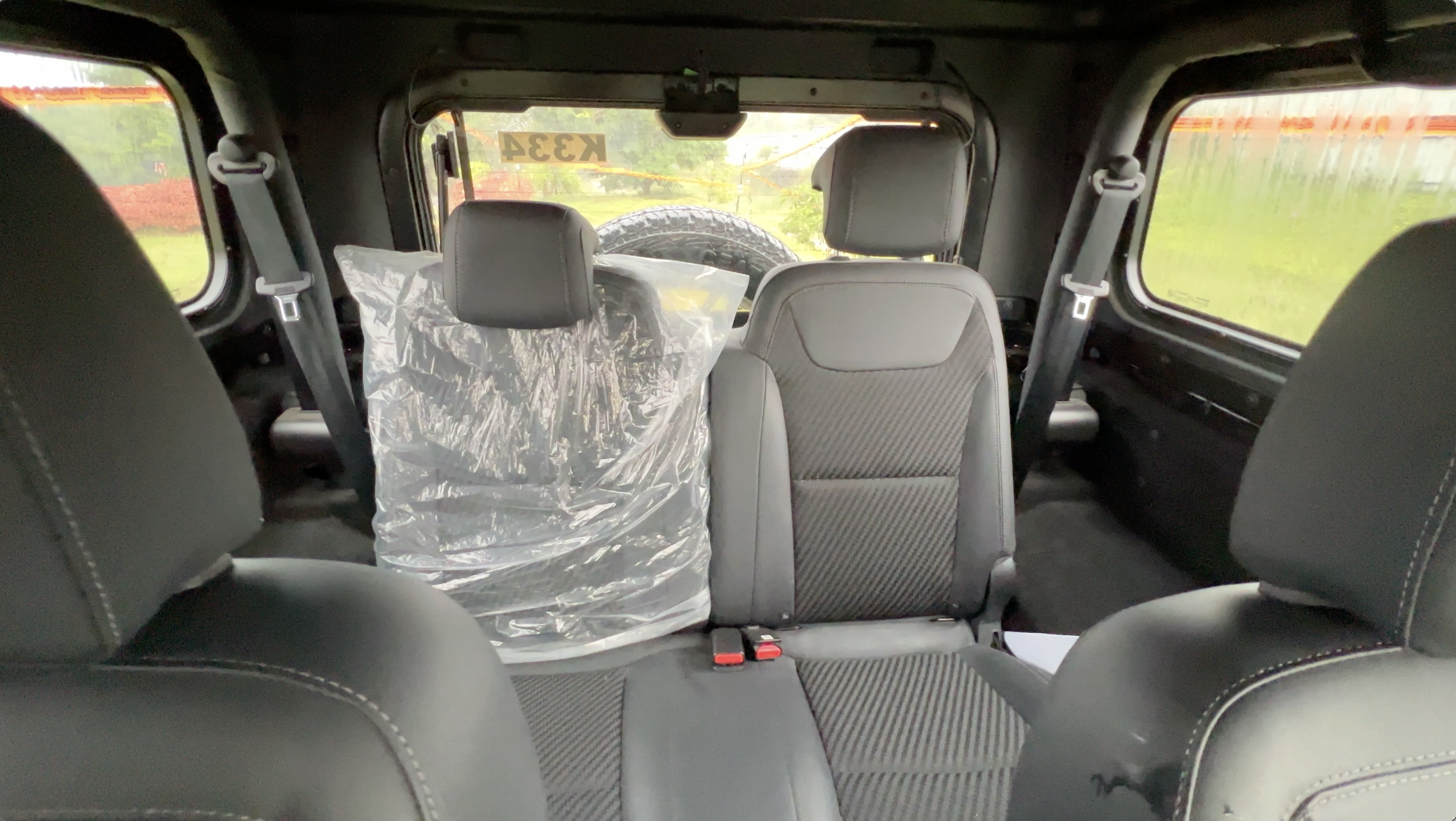
That’s completely fine, though, because the cabin treatments aren’t why you buy a vehicle like this. And hey, the seats look good and offer the sort of support you need when you’re being thrown around in the cabin.
The three-door model has four seats (including ISOFIX points in the back), overhead speakers so they don’t drown when you’re fording rivers, a touchscreen media system with an Adventure Statistics page to show your off-road angles, and tyre pressure monitoring is a spec-dependent inclusion.
The Thar has a four-star Global NCAP rating, but this is not equivalent to an ANCAP score. It may have dual airbags, but there are no side impact ‘bags, and stability control isn’t fitted to all grades.
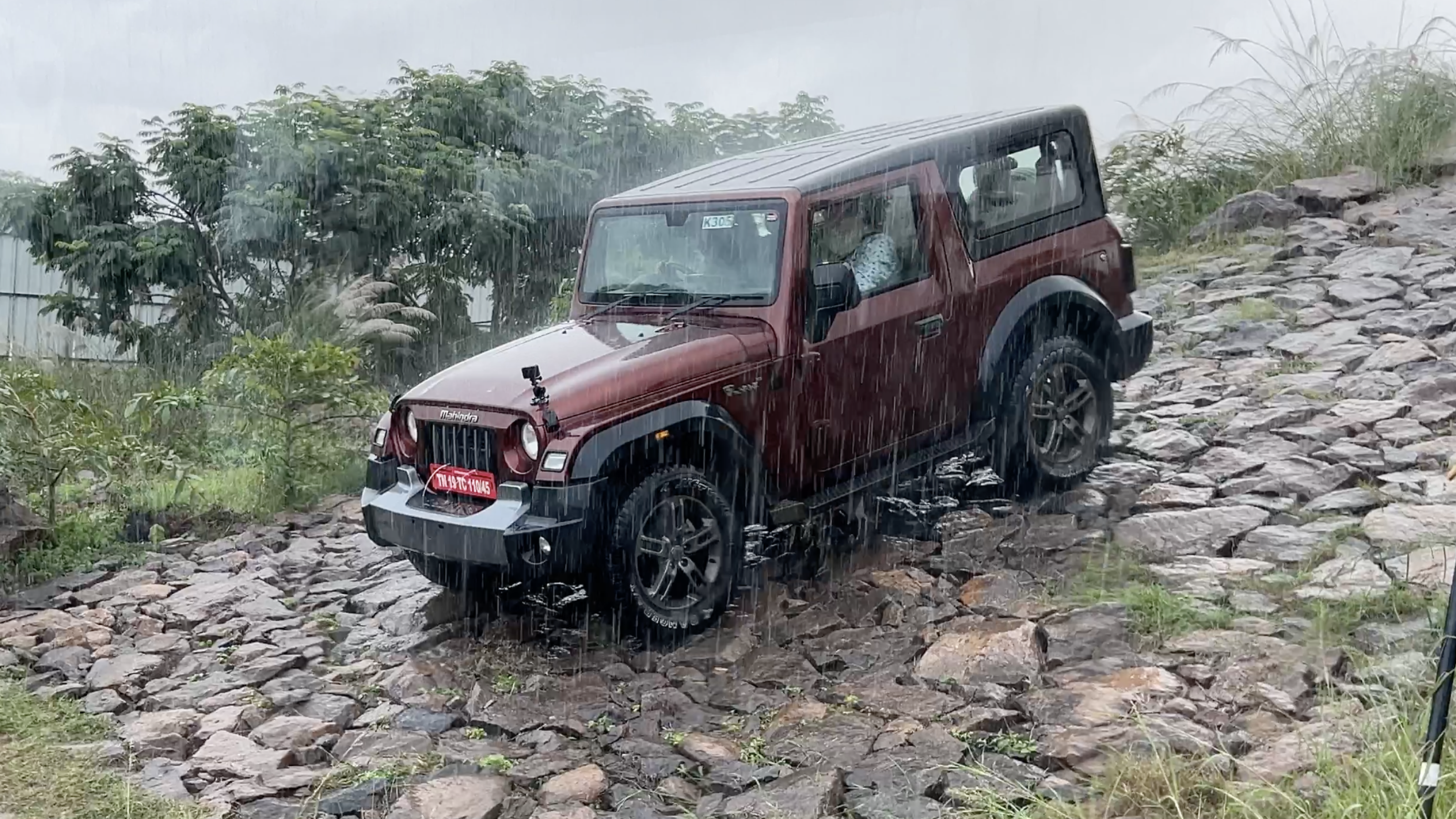
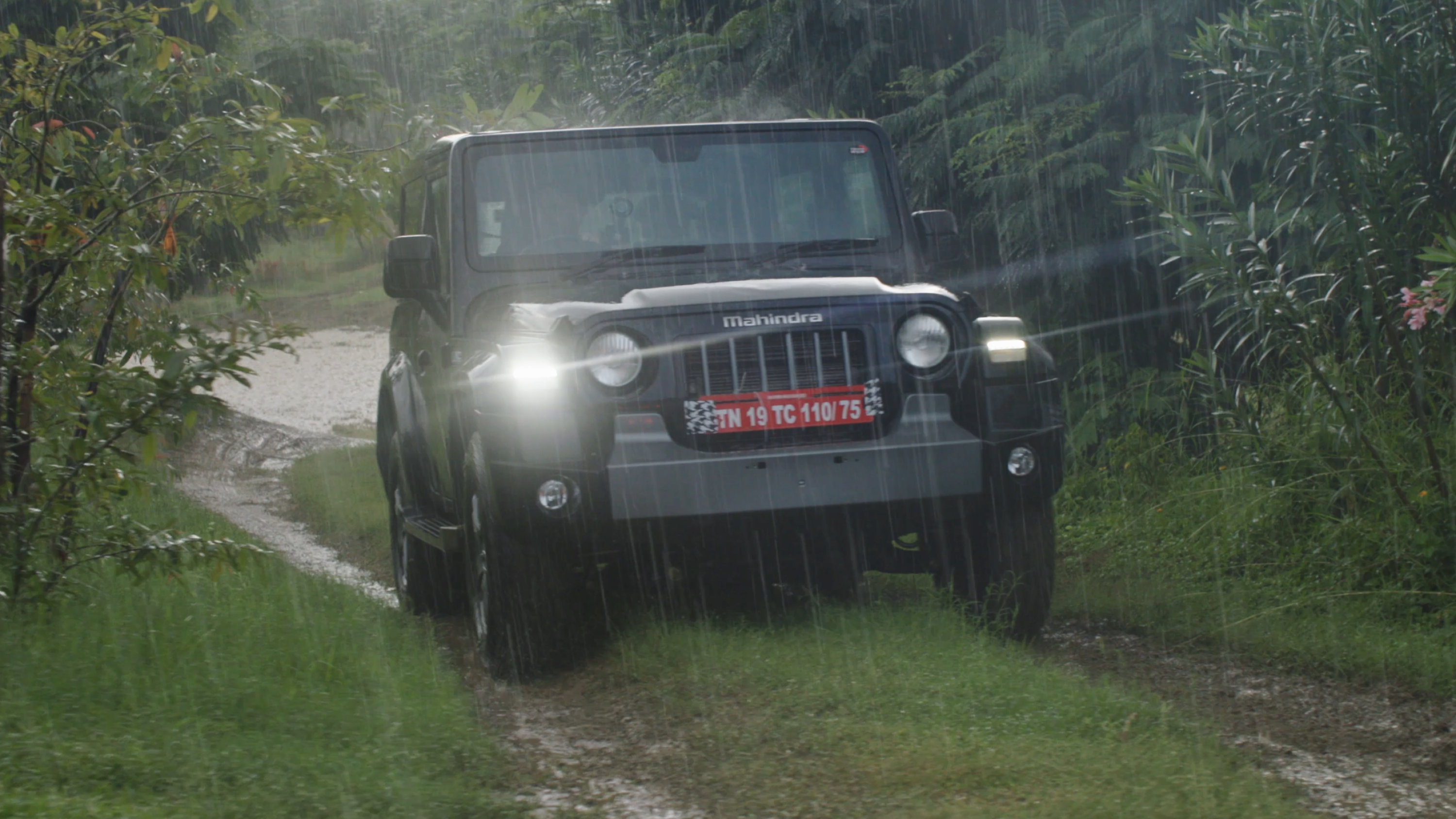
I’d already driven the impressive Scorpio (Scorpio-N) in dry conditions over the extensive mixed-terrain test tracks. Hours later, with less than an hour before we had to leave for our flight home, we finally got out on the trails – and the rain was Thar-rential. (Sorry.)
First off, the petrol wouldn’t be my pick for the Thar – not when you can get the far smoother diesel from the Scorpio-N. Mahindra markets the petrol mill as a “rev-happy” engine, and it is a peaky operator, making it hard to maintain the correct amount of throttle pressure in treacherous situations.
1
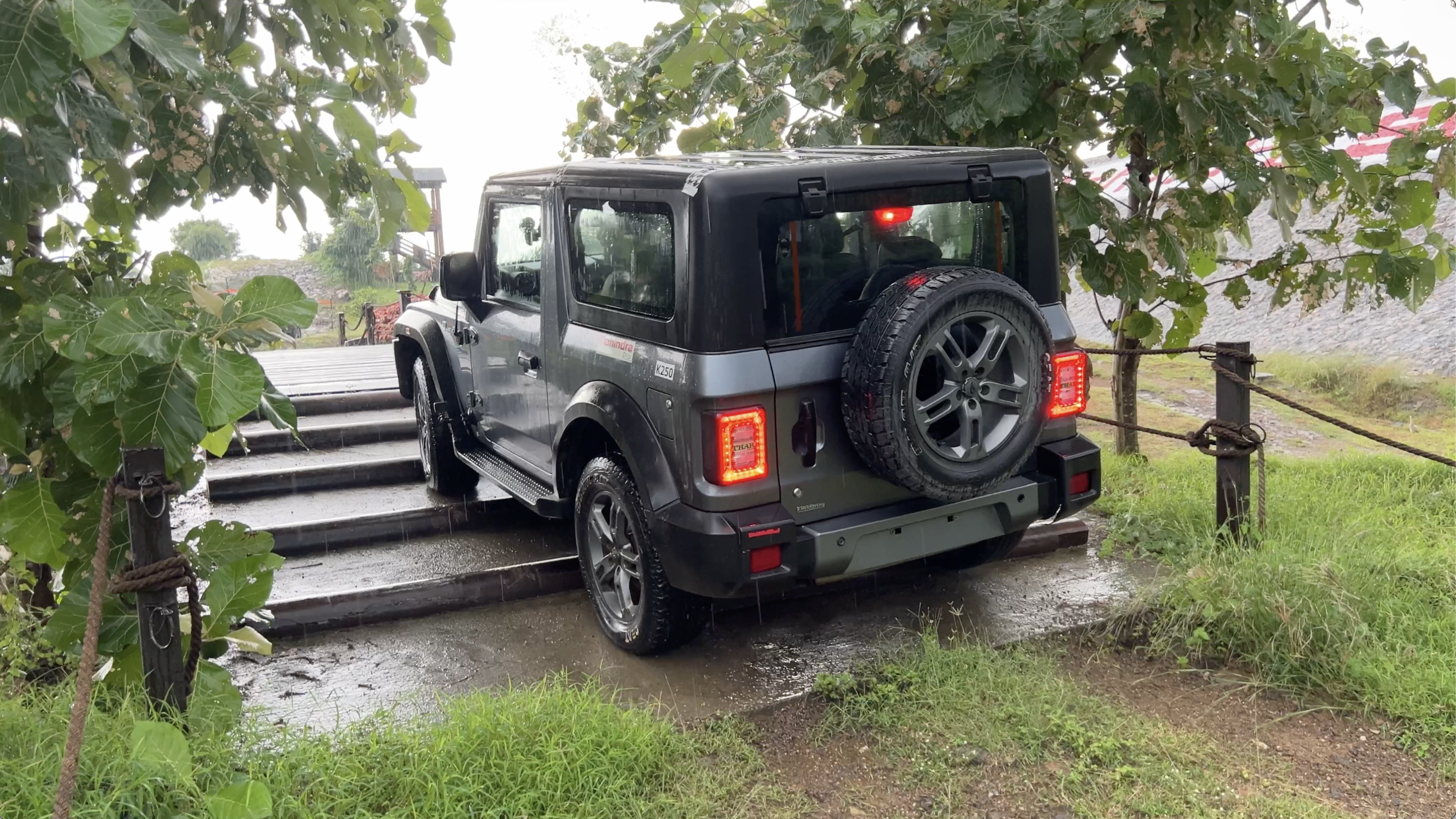
The pedal feel for the brakes is also on the airy side, which doesn’t inspire confidence when you’re sliding down a rocky hillside… as was part of the test track.
I also bumped down a series of stairs, too, and the brakes made things a bit more nerve-wracking.
Steering is a hydraulic system – you have more inherent feel as a result, but it takes a fair bit of arm-twirling in order to change directions at lower speeds.
1
The highlight here, though, is the suspension.
There’s excellent articulation here, and if you appreciate a connected feel to the surface below, this setup really helps you find your way by letting you know where you’re placing your tyres. It’s a pretty talkative chassis in that way. One thing that would make it an even more compelling option off-road, however, would be a ‘real’ diff lock system.
The Thar does have brake-locking e-diff setups, but at times you can find that they won’t lock until you’re already slipping beyond your comfort-zone.
You bet. This would be a fantastic alternative to a Jimny – or the other J badge – but it won’t come here.
Not as a petrol or diesel, anyway. But there is a five-door version on its way, and Mahindra has told us they’re monitoring our market for the introduction of a potential production version of the Thar.E electric five-door. Fingers crossed.
But, look a little deeper and not all models are that more expensive than traditional internal combustion engine (ICE) vehicles.
As new car prices – regardless of the powertrain – continue to climb with every generation, update or simply every year due to a combination of factors, how much more expensive are EVs today (if at all)?
Yes, while electric cars are generally more expensive to buy than a petrol- or diesel-powered car today, some EV models have already achieved ‘price parity’ with high-spec ICE vehicles.
For the price of the most popular vehicles in Australia – medium SUVs and utes – buyers can afford to buy an EV today, albeit often from a smaller body size segment.
Meanwhile, all new car prices have significantly increased in recent years due to a sharp rise in manufacturing and shipping costs, component supply challenges, more standard inclusions, and growing size with every new model generation.
Therefore, the EV price premium isn’t as wide anymore (if at all).
If owners are able to take advantage of solar panel energy, running costs can be slashed further for essentially free charging. ICE cars simply can’t offer this advantage.
With significantly fewer moving parts, EVs are theoretically more reliable and concerns of a short-lived battery have proven untrue from real-world data.
For employees and businesses, novated leasing an eligible EV could lower your tax bracket and there’s no fringe benefit tax (FBT) to pay thanks to the Australian Government’s EV incentive. But, it isn’t available to everyone and may not be financially wise, depending on your situation.
This all adds up over time to payback and surpass the initial EV purchase price premium (if applicable).
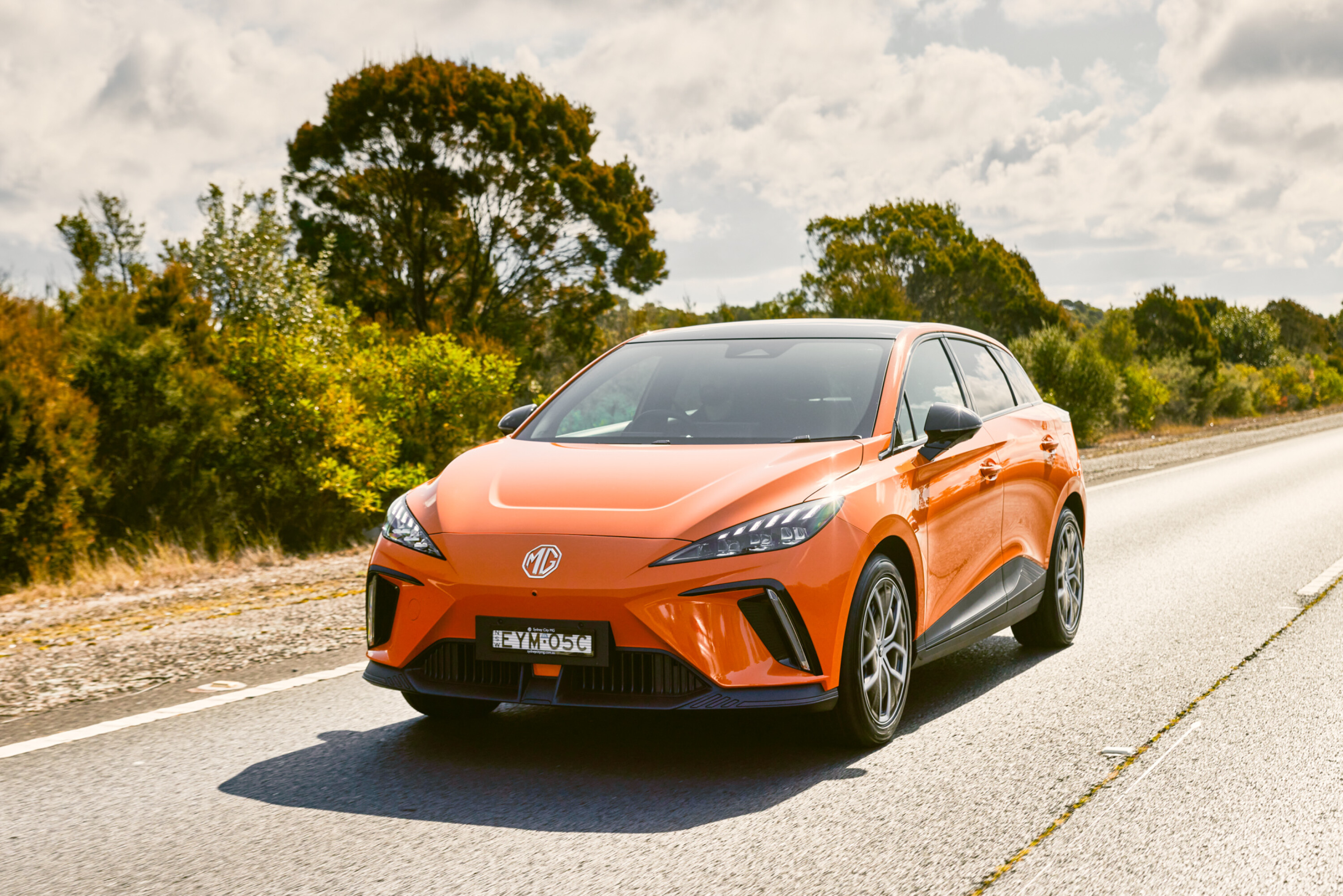
*Calculated according to MG 4 drive-away price ($49,736) in New South Wales as at the time of writing
Prices are accurate as at the time of publication. They exclude mandatory on-road costs and dealer delivery fees, which usually adds a couple of thousand dollars to the price.
The MG 4 is the Chinese automaker’s cheapest electric car, priced from $38,890 before on-road costs.
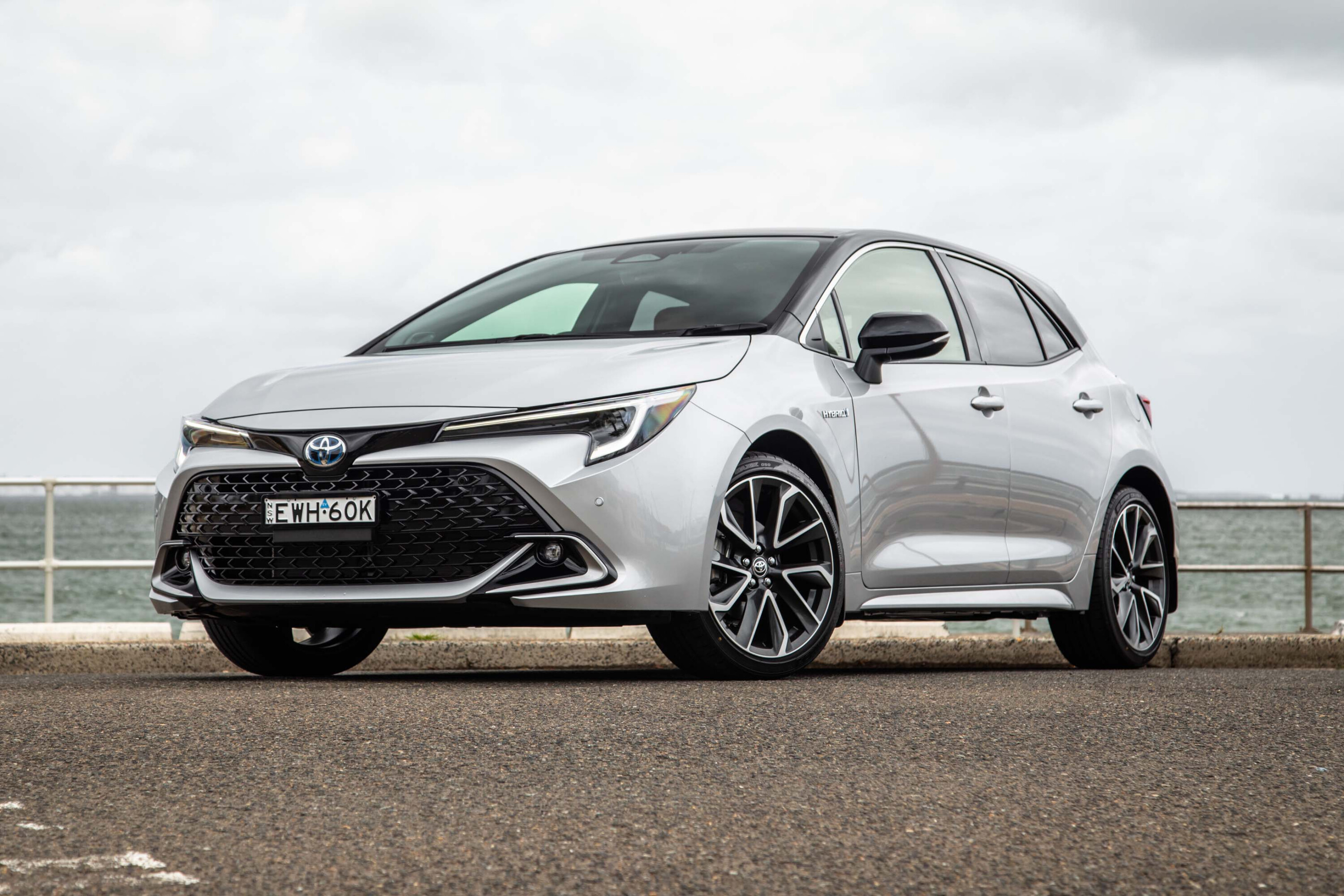
However, only the larger battery, high-spec Essence 64 can be compared to the flagship Toyota Corolla ZR Hybrid and Honda Civic VTi LX based on included features.
We should also note the BYD Dolphin electric hatch is priced similarly (from $38,890 to $44,990 before on-road costs).
It offers all features as standard on the base Dynamic variant to narrow the price gap with the Toyota Corolla ZR Hybrid – resulting in it being $210 pricier to buy than the electric hatch.
The base Dolphin has a less powerful drivetrain, though.
Prices are accurate as at the time of publication. They exclude mandatory on-road costs and dealer delivery fees, which usually adds a couple of thousand dollars to the price.
These small SUVs have all raised into the $40,000 to $50,000 bracket for a top-spec variant – some of which have also grown in size with a new generation model – to even be in line with some medium-sized SUVs.
The BYD Atto 3 includes every feature available as standard, but an Extended Range battery can be had for $3000 more.
Prices are accurate as at the time of publication. They exclude mandatory on-road costs and dealer delivery fees, which usually adds a couple of thousand dollars to the price.
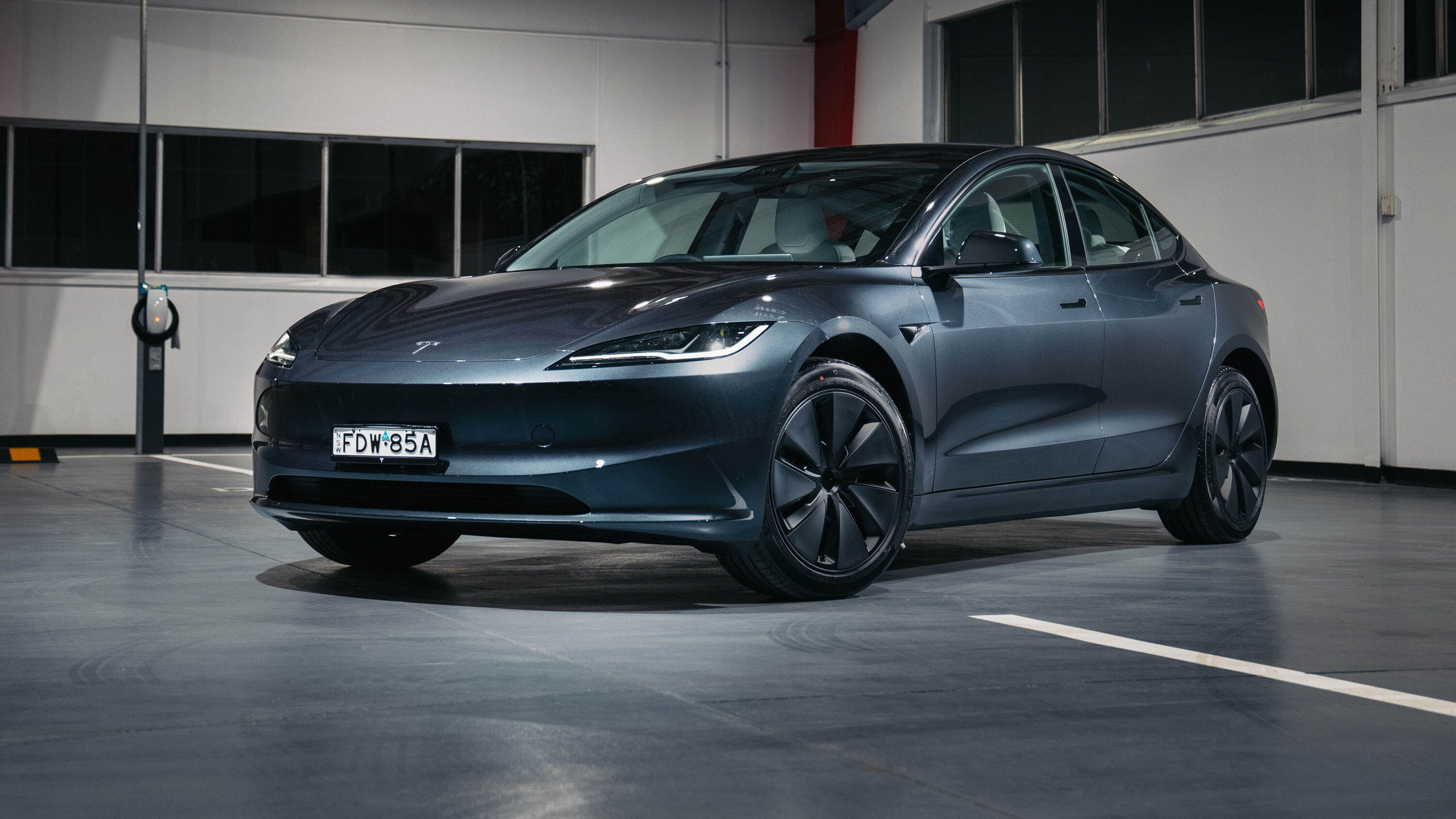
That’s because the latest fifth-generation W206 Mercedes-Benz C-Class is around $15,000 more expensive than its predecessor, while the BMW 3 Series sedan now costs about $5000 dearer after a 2022 facelift.
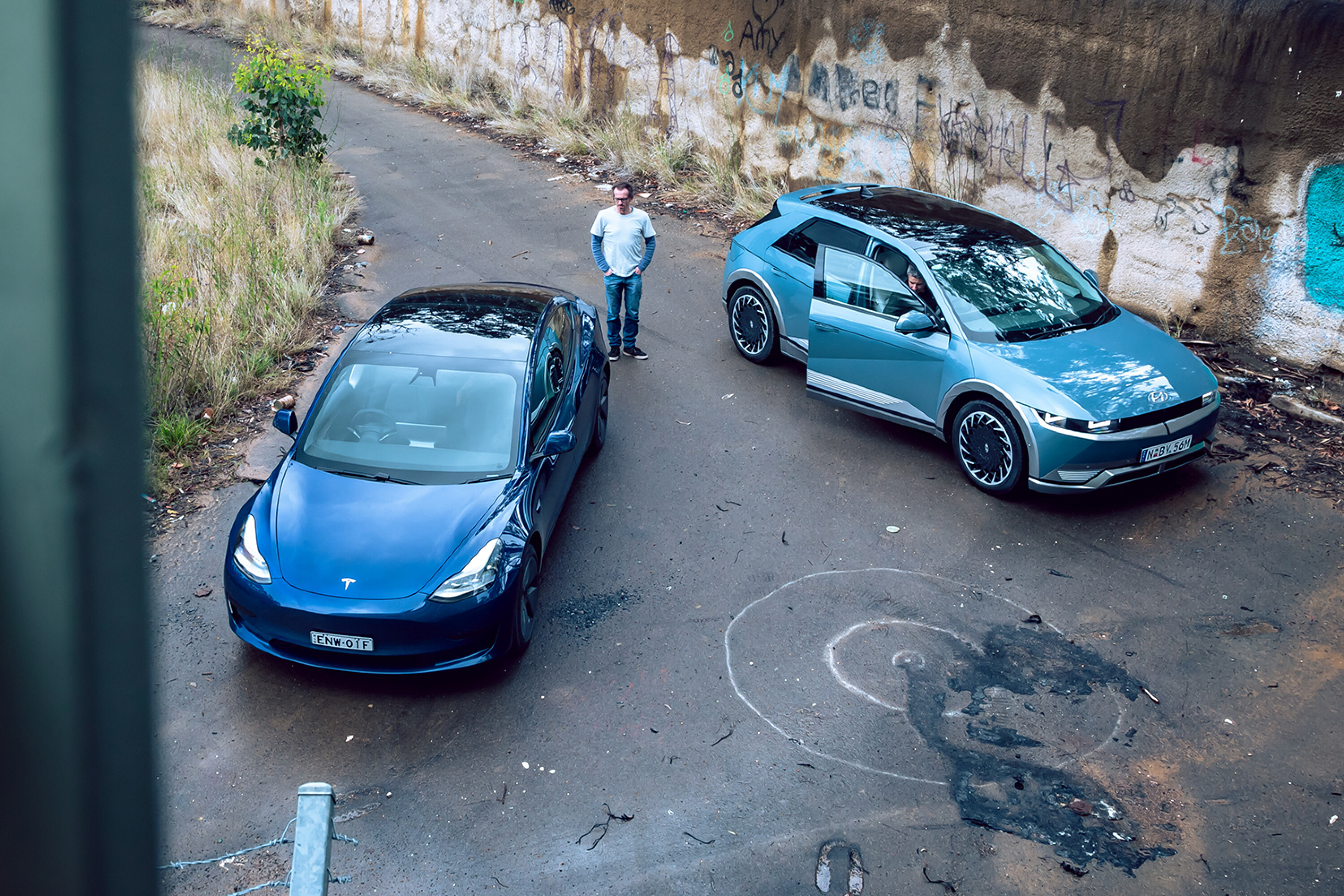
The reduced, albeit periodically fluctuating, Tesla prices and increased entry to buy a petrol-powered German luxury sedan has meant the price difference has dramatically widened in the past few years.
Prices are accurate as at the time of publication. They exclude mandatory on-road costs and dealer delivery fees, which usually adds a couple of thousand dollars to the price.
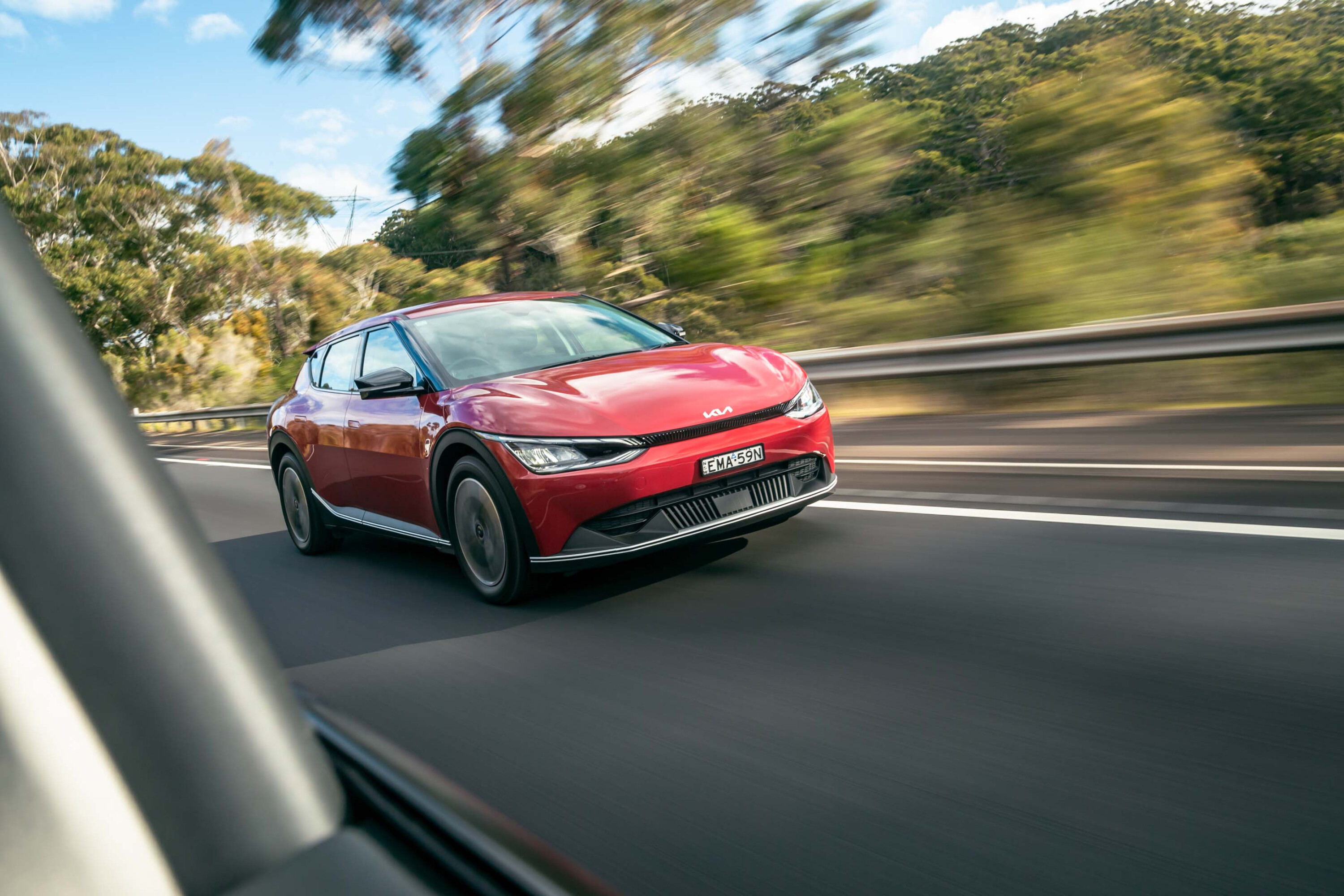
The Kia EV6 crossover highlights where the manufacturing costs and margins of electric vehicles begin to merge.
The base EV6 Air trim has the widest price gap compared to its petrol counterparts in this story, costing almost double the Kia Sportage SX+ with similar equipment levels.
Prices are accurate as at the time of publication. They exclude mandatory on-road costs and dealer delivery fees, which usually adds a couple of thousand dollars to the price.
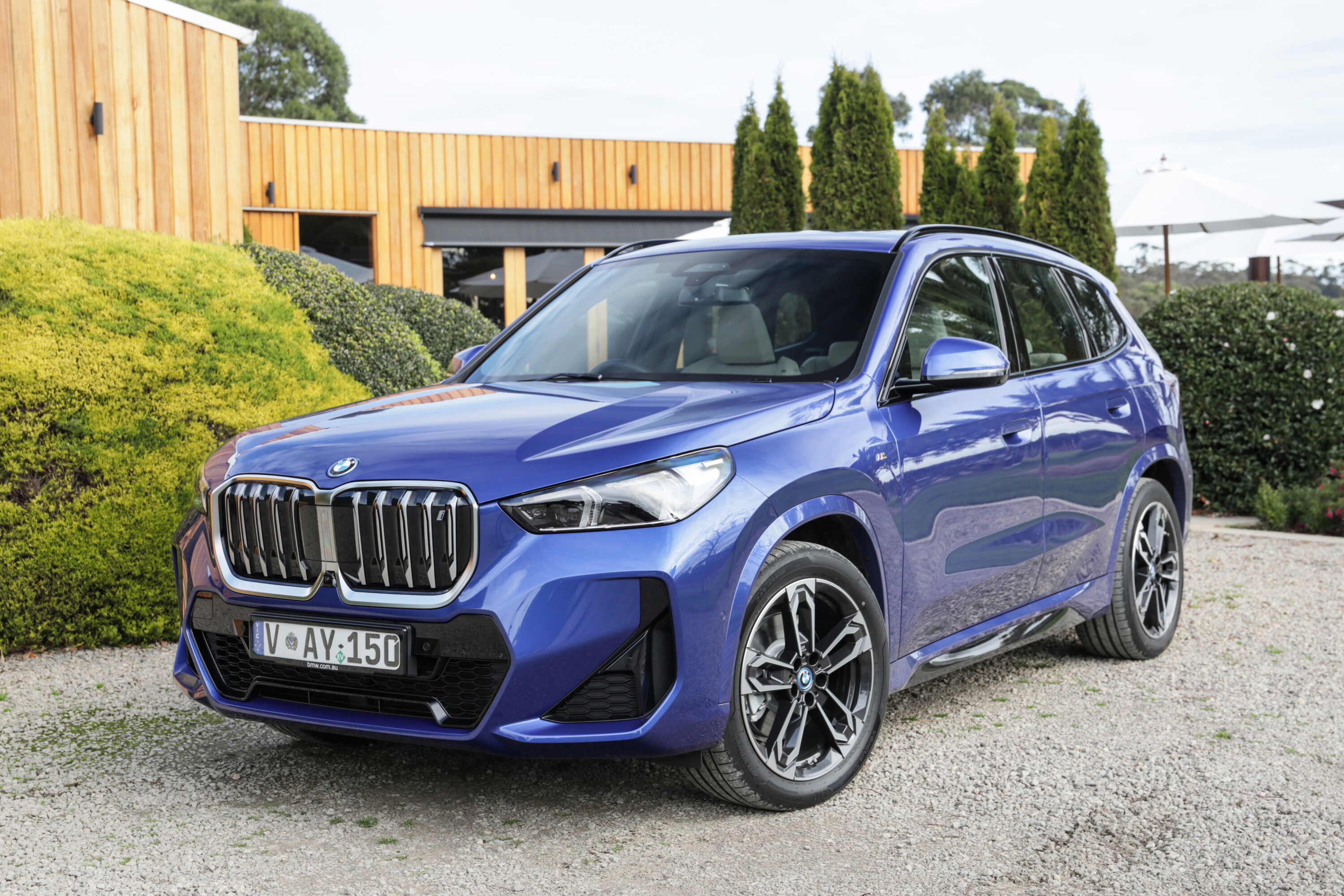
The BMW iX1 small premium SUV is the Barvarian brand’s entry-level electric offering, but costs around $20K more than its petrol-engined X1 twin and Volvo XC40.
The price gap is similar when compared to the base Mercedes-Benz GLA and second-cheapest Audi Q3 variant.
Also notable is the XC40 and GLA can be had in full-electric versions – called the XC40 Recharge and EQA respectively – both with similar starting prices to the iX1.
Yes, most EVs are still generally more expensive to buy depending on the model.
And, while the argument of electric cars being ‘unaffordable’ is often talked about, if you’re in a position to buy or lease a medium SUV or 4×4 ute, for example, you can afford to make the electric switch.
But the longer you own and the further you drive an EV, the quicker you’ll recoup the extra price to entry (if applicable). Then, the savings continue on…