
For all its upsides, one of the most depressing parts of car ownership is the fact that it doesn’t hold its price when you try to sell it on the other side.
Add to that, the fact that each car is different, in varying states of condition and some cars are in higher demand than others; they’re all factors that make determining the value of a car difficult when it comes time to sell.
This is part of the reason why many choose to trade-in their car to a dealer and take a hit on depreciation.
But there are ways that you can make the sale of your used car easier while getting as much as possible back from your initial purchase price.
Book value
People will often tell you to check the redbook.com.au value of a car which is an online database that reports on used car prices, containing most cars over the past half-century.
The problem with redbook.com.au, though, is that it might set you on the right path for a select few cars, but in reality, the divide between what redbook.com.au says a car’s value is and what they’re actually selling for is wide.
Do your homework
One of the best ways to determine your car’s value is to search classifieds for similar car listings to yours, noting the price, odometer, condition, service history, extras/options and aftermarket accessories.
From there, you can use your judgement to guide you towards a fair price for your used car. It’s not an exact science, but it does get you within the ballpark.
Classifieds websites tend to offer an instant, online valuing service if you want to get more tailored advice, but a better bet is to get an independent valuer to come and assess what you’ve got.

Know your market
You also need to ‘read’ the market and get an understanding of just how many similar cars are for sale, and whether yours is any different.
In a space where many other cars of the same type are available, you may need to adjust your expectations of the price you can ask.
Conversely, in situations where your car is unique and desirable, you may be allowed a little more freedom in pricing your car.
The often-heard remark of those refusing to budge on price: “I know what I’ve got”, if genuine, can be valid in certain circumstances.
Insider’s tip for selling your car
When it comes to selling your car, the best advice from our inside man is to care for your ride.
“The best advice is to look after your car. Keep it clean (inside too) and regularly serviced. The money spent in these areas will mean you can actually get top dollar when you trade it in,” says our former dealer snout.
I”t’s a spend versus reward situation. Give it a clean, sure, but don’t pay for it to be done.
“If the tyres are legal, go with it. Dealers will calculate tyres in the appraisal and most likely be able to buy a new set for less than what the average punter could.”
Pricing a used car is a balance between hard facts and instinct. If you can combine both by first researching what comparable cars are priced at, but then fine-tune those prices dependent on your car’s condition, model year and kilometres, you’ll be a lot closer to the true value of your used vehicle.
One would assume that sim racing is a pretty low-risk venture. After all, with accidents resulting in nothing more than dented pride and a hit of the reset button, the stakes are pretty low when it comes to racing virtual cars.
But maybe don’t tell that to Denny Hamlin. Hamlin, a NASCAR driver competing in the series’ eNASCAR iRacing Pro Invitational Series GEICO 70, finished last in the 39-car field because of a technical issue, but rather than it being a problem with his car, or the iRacing software he was racing with, it was a problem with his TV. A problem caused by his daughter, who switched it off mid-race.
In a video posted to Twitter, Hamlin can be seen in his home sim rig concentrating on the race, when his daughter walks in and asks if she can can “go play go karts”. In her hand is a TV remote. You can probably guess what happens next.
After being waved off by her dad, Hamlin’s daughter’s finger slips on the power button, turning off the centre screen in his triple-screen sim rig and leaving him blind. Hamlin sounds angry, his daughter says “uh oh” as she quickly slips away.
It could be staged (it seems all too convenient that someone’s filming all this on their phone), but Hamlin is a solid driver who won the first virtual NASCAR invitational, the Dixie Vodka 150 (below), back in March. He’s talented enough to not have to resort to cheap stunts to get attention.
Genuine or staged, the incident highlights that technical issues can rear their head just as much in online motorsport as in real life. The technology is different, but just as a failed engine can scuttle a team’s hopes for a race win out on an actual track, so can a dodgy internet connection, a power failure or, indeed, a wildcard kid wielding a remote.
Ken Block has a new car.
Well actually, he doesn’t quite yet. But we know what it’s going to look like thanks to designer Ash Thorp.
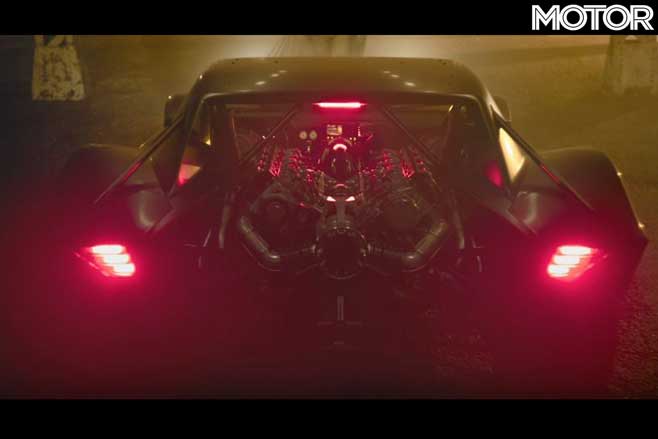
Block’s Escort Cosworth wore a livery designed by Thorp, and now the designer who worked on the new Batmobile has taken an underrated (according to this journo, anyway…) generation of the Ford Mustang and turned it into the Hoonifox.
Yes, Block’s next car will be a Ford Mustang Foxbody, named for the platform is was built on and not because it looks anything remotely like a fox.
The Hoonifox’s first official livery is not yet decided, but during the reveal video, conducted remotely over a video chat between Block, Thorp, and Hoonigan head honcho Brian Scotto, several potential liveries designed by Thorp were showcased.
The first is a recreation of the Hoonicorn livery from Block’s AWD Mustang, which has been transferred to the Foxbody. Next, Thorp shows off an all-carbon model of the Hoonifox “because who doesn’t want to see an all-carbon version, right?”
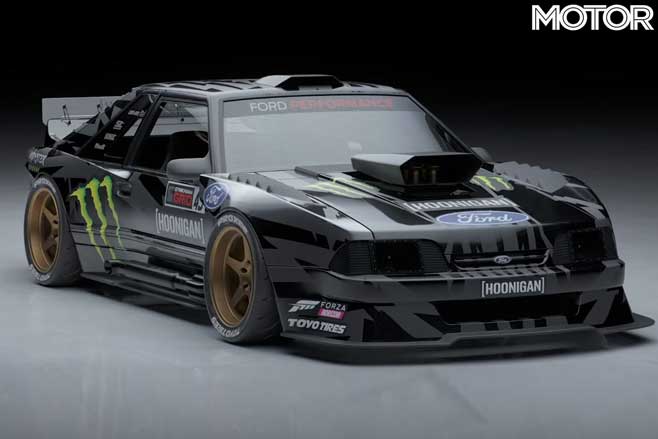
It’s worth keeping in mind all of this is digitally created, there are no photos.
Block then mentions “his dream” for the car, prompting Ash Thorp to reveal what he calls “Road Cocaine,” a completely white version with sponsor logos in very light grey, which Block requested due to his love of the 1980s and his desire to do a Miami Vice-style Gymkhana in the eponymous city.
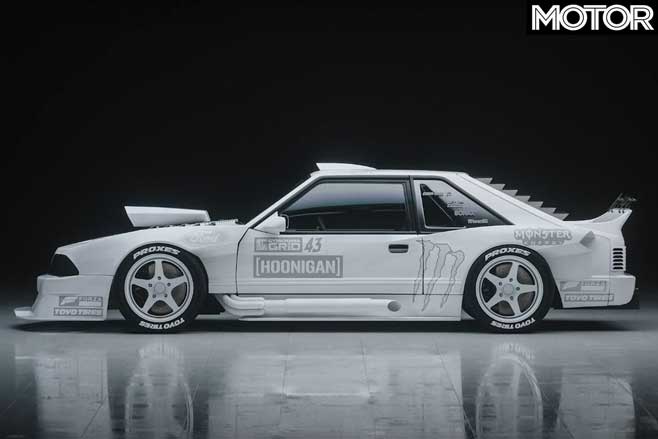
Thorp and Block feel the car is unlikely to be approved due to sponsors’ logos not being as highly visible, but there’s agreement that the car is what Block really wants to proceed with.
“This is the car,” Block says. “This is what I pictured when I pictured doing an ‘80s Gymkhana in Miami in a white-on-white car.”
Thorp also goes on to show a livery similar to the original Hoonicorn, but in greyscale, while the last to be displayed is one of his own making.
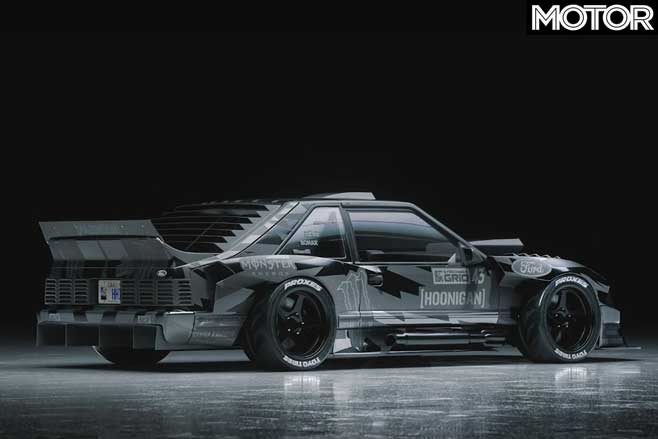
“I said ‘hey, Ash, I want you to give us a livery. What would your dream with this car and your own graphics be?’”
The result is a glitch-graphic livery with pastel colours and mismatched wheels that Scotto compares to a jet-ski he once rode, and Thorp says was ‘about the same’ as some shorts he wore as a kid.
Which of these liveries is your favourite? Let us know in the comments below!
What’s on WhichCar TV this week?
Happy birthday Nissan GT-R
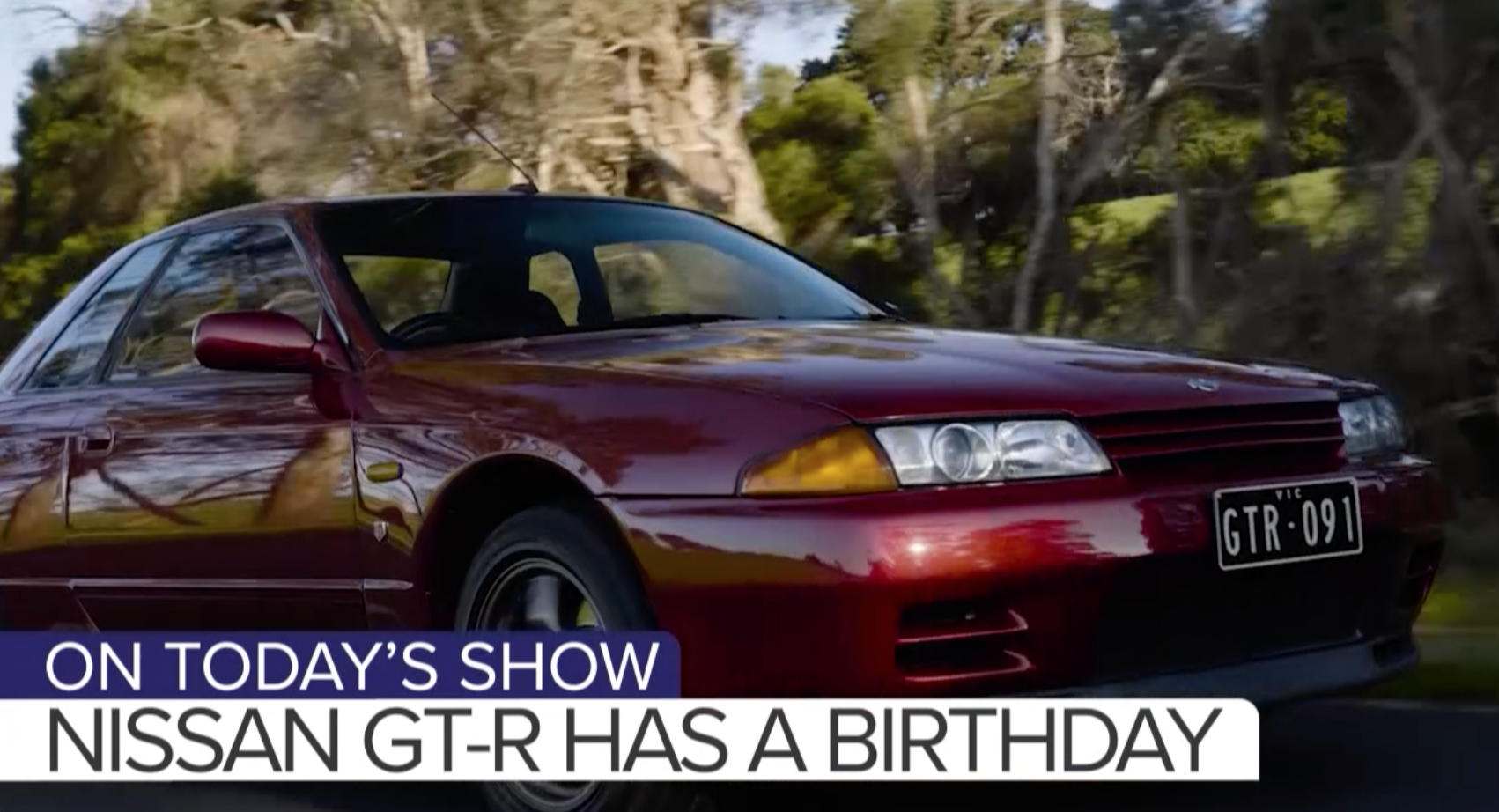
Motor magazine dep ed and ace steerer Scott Newman blows out the candles on one of the world’s most legendary cars, the Nissan GT-R.
Roving in a Defender
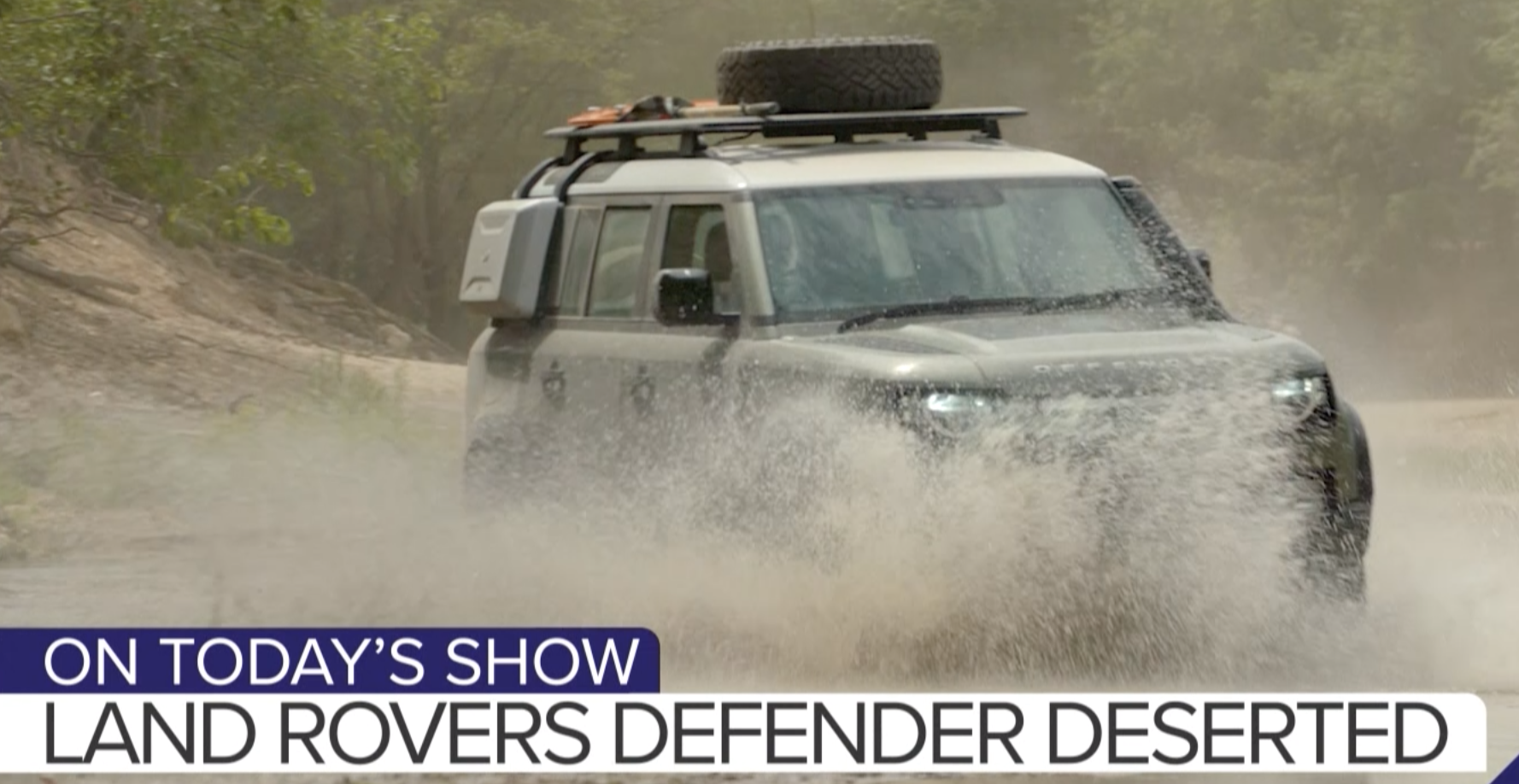
Editor of 4×4 Australia magazine Matt Raudonikis treks to Namibia to thrash the new-school Land Rover Defender.
Editor’s review – Subaru Forester
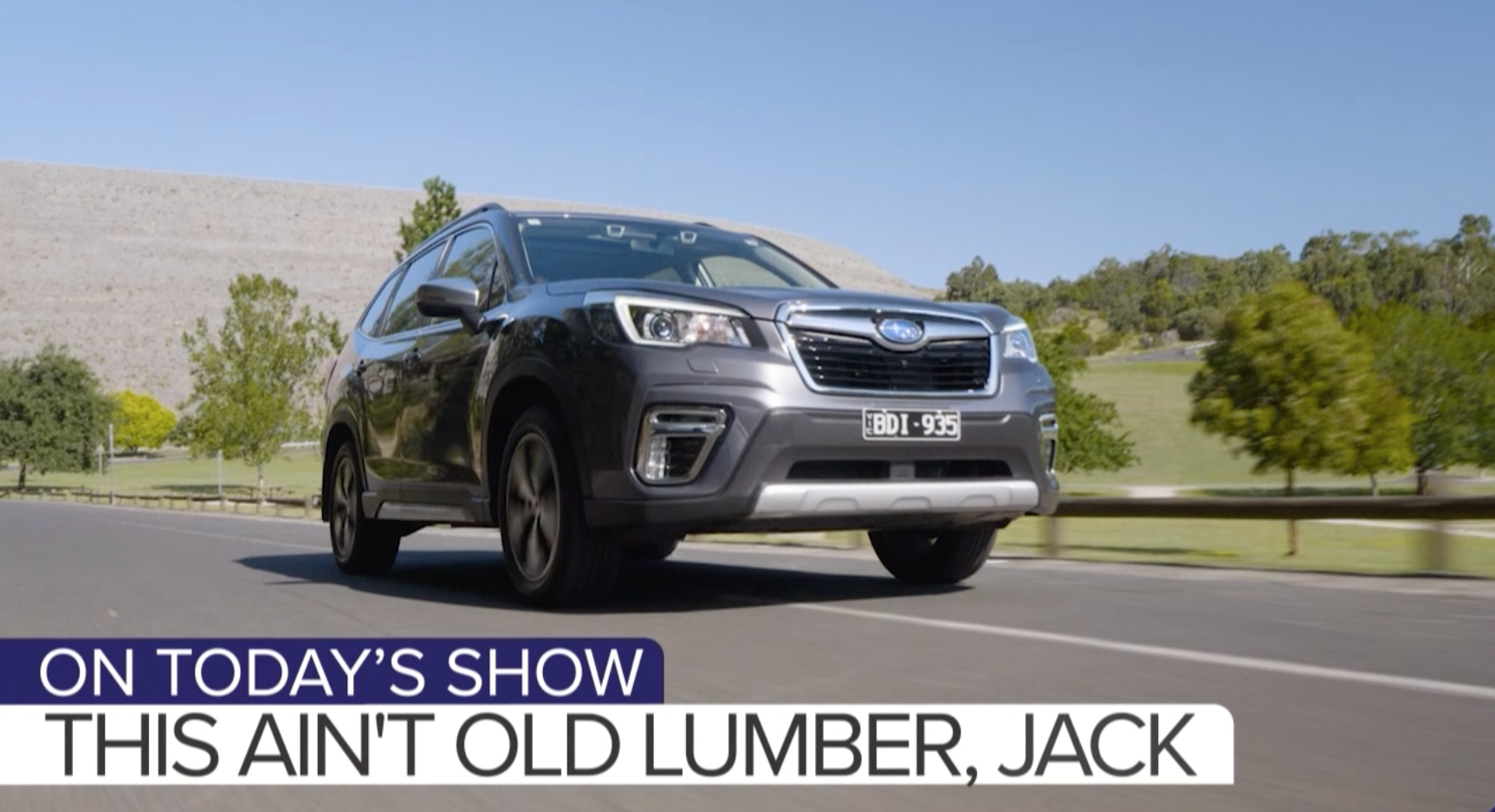
One of Subaru’s longest-serving wagons is also one of its best-ever – here’s the inside scoop on the Subaru Forester with Wheels editor Alex Inwood.
WIN A TRIP TO THE MALDIVES WITH WHICHCAR
For season two, we’re also offering an amazing prize for our viewers. How does a trip to the Maldives sound? Pretty awesome, right?
The competition is open NOW so make sure you tune into WhichCar TV on Channel Ten at 4pm Sunday AEDT.
And, if for some reason you can’t (and it had better be a good reason!) then there’s a host of ways to catch up on the show, check out behind-the-scenes stuff and find out more about the cars Aussies want to buy.
For example, our weekly podcast, our Facebook page and our YouTube channel are standing by 24/7.
WhichCar TV Season Two Episode 13
4:00pm Sunday May 3, Channel 10
FIND THE HOSTS ON INSTAGRAM
Scott Newman @addictedtosliding
Matt Raudonikis @matradventure
Alex Inwood @thealexinwood
MISSED THE SHOW? Catch up at Ten Play
THE HOUSTON Palace is a brand new apartment building on the smart eastern side of Monaco. It’s just one of the many concrete boxes which have sprung up in the Principality over the past 20 years to accommodate the wealthy new European classes – sportsmen, entertainers, arms dealers and such-like – who are willing to forget about flashy homes in their own countries in exchange for the virtual immunity from taxation which Prince Rainier can offer in his pocket handkerchief fiefdom.
Magnificent obsession first appeared in the November 1988 edition of Wheels magazine.
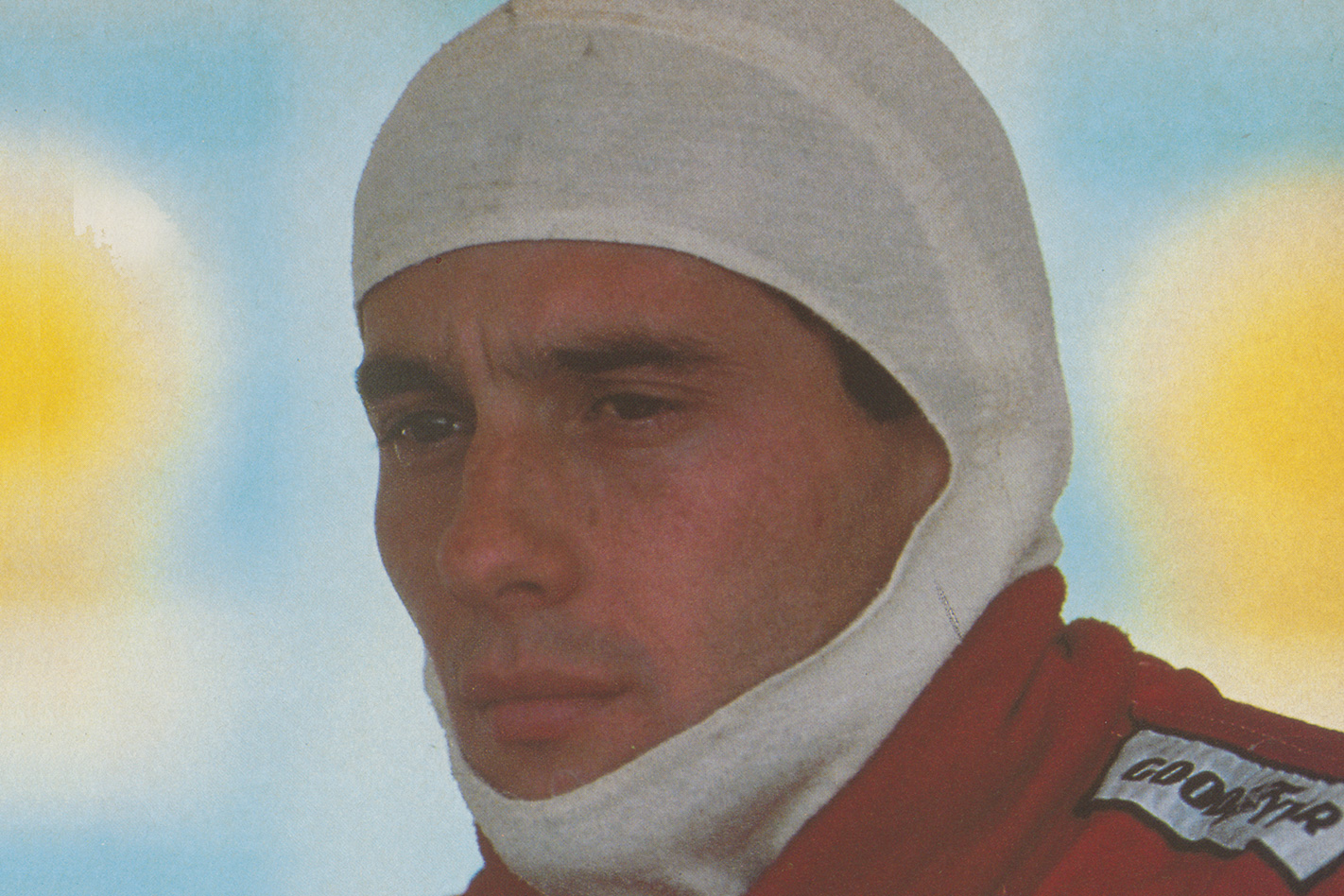
On a Sunday afternoon early in May this year, a 29-year-old Brazilian dressed in red fireproof coveralls strolled into the lobby of the Houston Palace, acknowledged the look of surprised recognition on the hall porter’s face, and stepped briskly into the lift. He pressed the button for the ninth floor and allowed himself a quiet curse. Moments earlier he had crashed out of the Monaco Grand Prix while leading by half a minute.
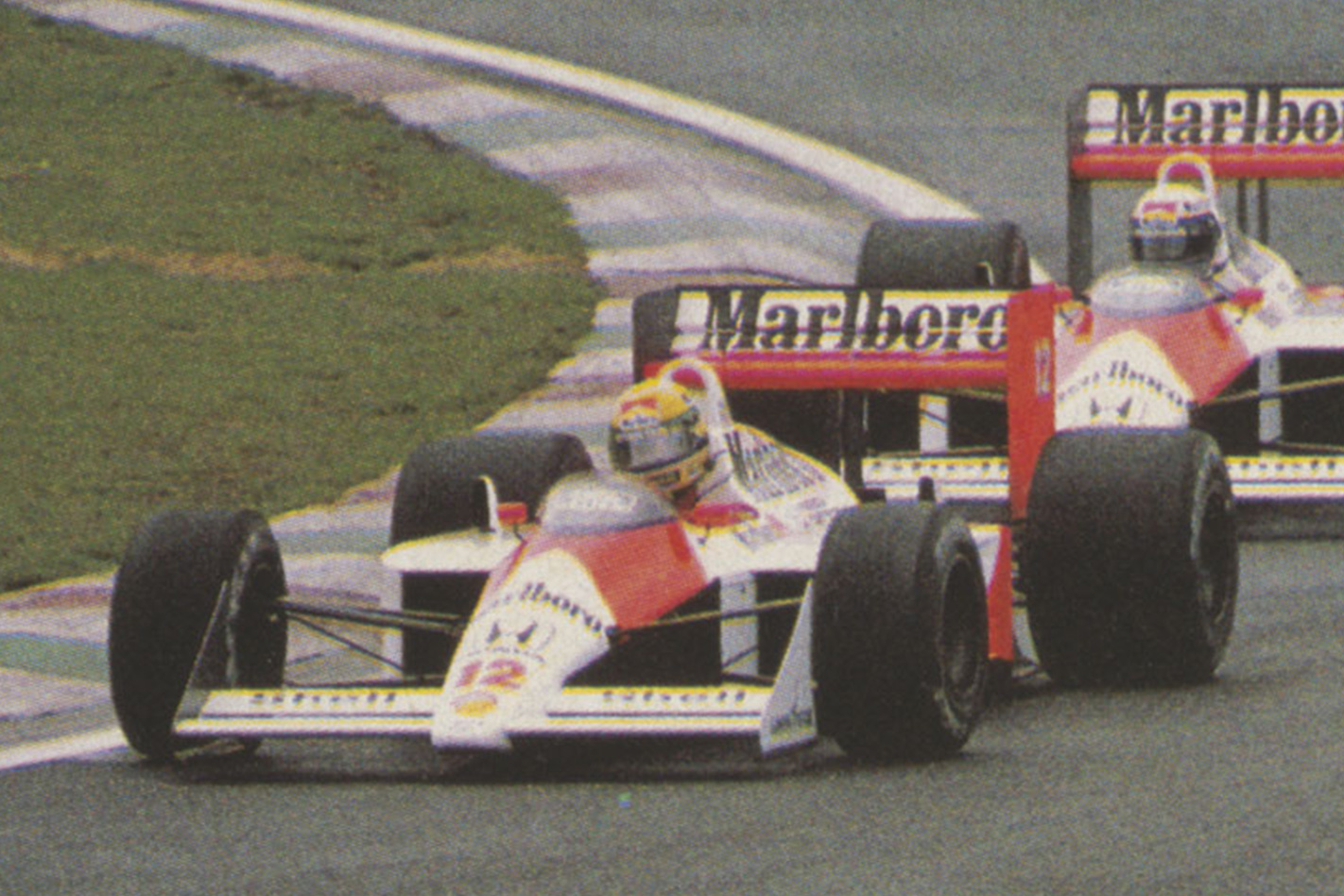
Ayrton Senna was home from work early. Only a few hundred yards away, Senna’s Mclaren-Honda was being dragged away from the steel barrier on the outside of Portier corner, just before the tunnel under Loew’s Hotel. Its left side suspension was broken and the carbonfibre of its monocoque shredded. Although the incident which caused the damage had occurred right under the lens of a TV camera, the impact had been missed by the operator. And now the crowd was cheering Alain Prost, en route to his fourth Monaco win in five years after it seemed that he was about to be beaten.
Two months later, in the Houston Palace, Senna leaned back on a sofa with a tape recorder held under his nose. It was the day after the French GP, in which he had been beaten by Prost (and a recalcitrant gearbox). Your correspondent, perched nervously on the same sofa, had the strong impression that his host would be much happier concentrating on the men’s final at Wimbledon, which an Italian station was showing live on the big TV in front of us.
The apartment is cool and spacious, with white marble floors and a splendid view across the harbour entrance. Like the family home in Sao Paulo, Brazil, Senna’s Monaco residence is immaculately tidy. So, too, is Senna’s English. Clipped and accurate, with long pauses for thought and an unerring vocabulary.
The Brazilian maid, crisply turned out in black and white uniform, brought us biscuits and cans of guarana, a Brazilian soft drink. Within a few minutes, thank goodness, Edberg had beaten Becker. We could now concentrate on the interview, and more specifically that controversial Monaco incident.
“I had slowed down because the pit had told me Alain was not going to push,” Senna recalled. “I was not concentrating and I just shaved the inside wall of that corner. As a consequence I lost the steering wheel from my hands, which then let the car go completely to the other side. The car had no damage on the right side, but I was too relaxed. And before I could catch the wheel I was maybe one metre from the barrier. It was gone.”
Television caught the moment when he got out and removed his balaclava. No emotion at all on that impassive, finely chiselled face. “There was nothing to gain and nothing to lose from going ape-shit,” he explained.
Senna didn’t even call up his pit crew on the radio. Just turned on his heel and headed for the Houston.
The atmosphere in the Mclaren pit was tense. What exactly had happened? It wasn’t just the press that wanted information. Mclaren boss Ron Dennis was anxious – parked in the harbour was the ocean-going liner he’d hired, with approximately $50 million worth of sponsors on board, all agog to know the fate of “their” car. Just how badly damaged was the MP4/4? At London airport, half a dozen mechanics were waiting to fly to Nice for a test planned at nearby Ricard next day. If the car was a write-off, their journey would be in vain.
It would be more than two hours before anyone could even raise the young master on the phone. There were rumours he had climbed into bed and gone to sleep. Were the stories true? “No,” he replies with genuine annoyance. “I finished watching the race on TV, of course! I had a shower. And then I went to sleep, ‘cos it was a tiring race, and I had done almost the whole of it.” Then, after a pregnant pause, he let go: “I don’t really see the point of the whole effing thing…”
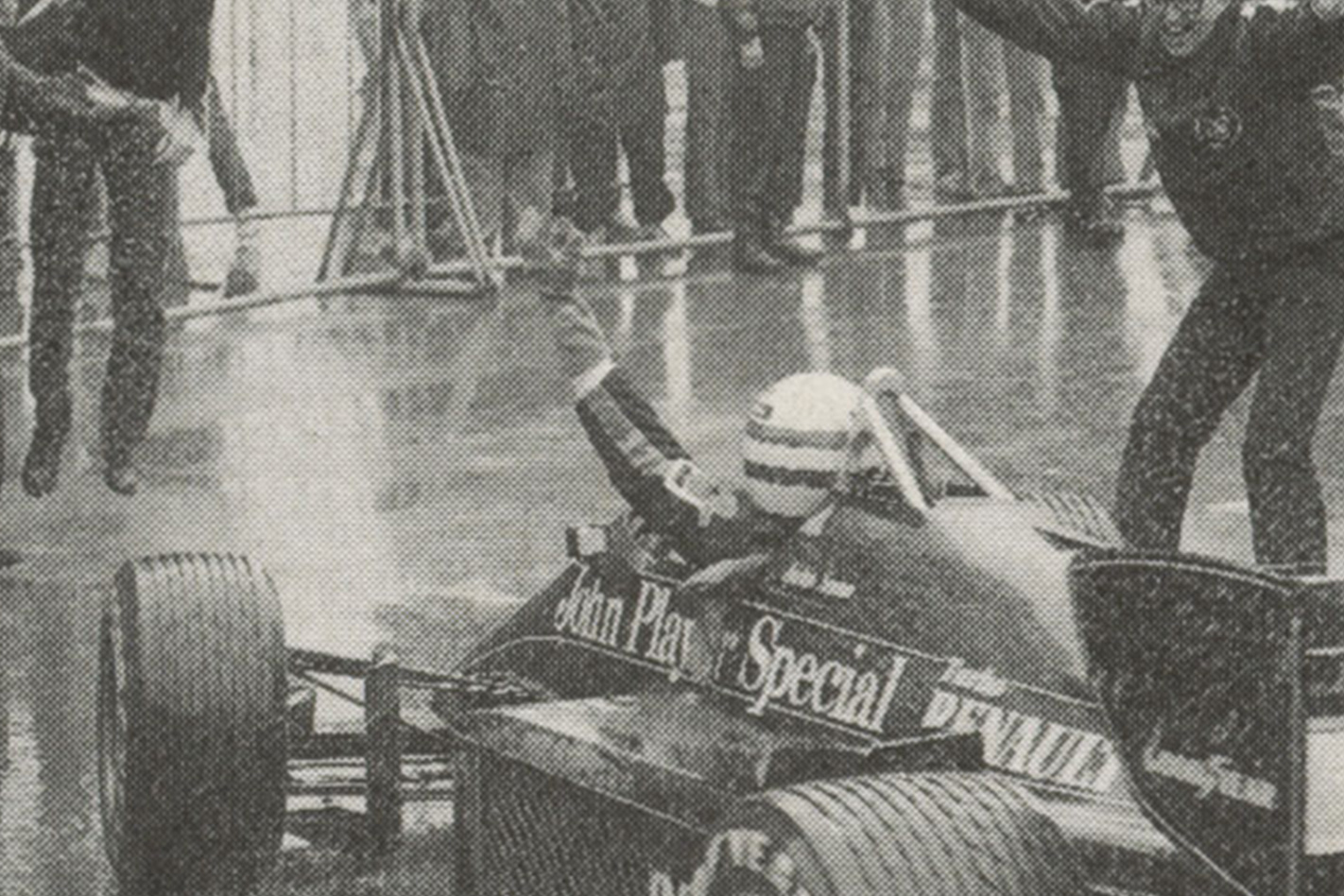
Aryton Senna da Silva had closed the subject. According to Senna, the most exalted moment of his life, so far, was the soaking wet afternoon in April 1985 when he won his first grand prix, in Portugal, for Lotus.
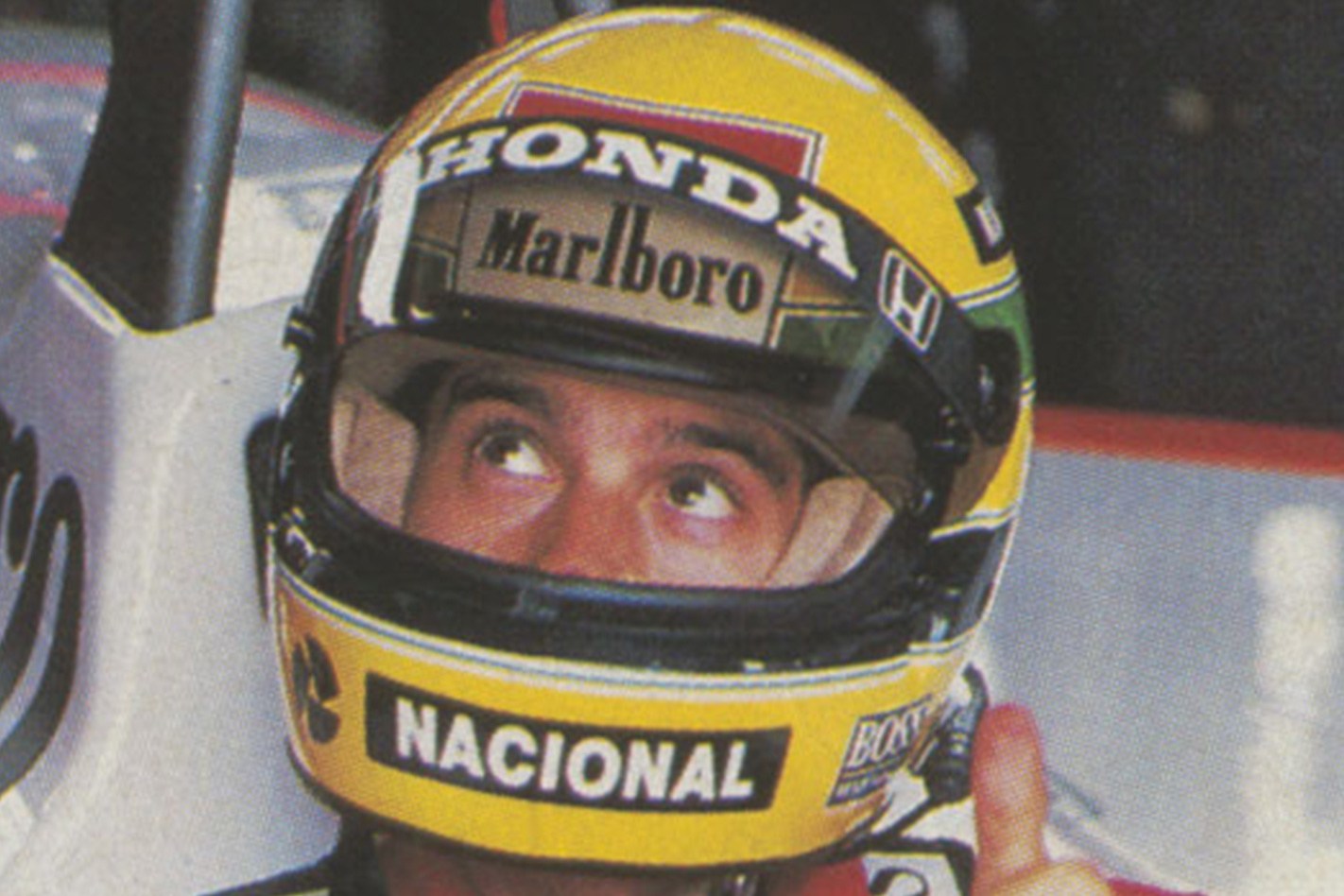
There have been some sublime moments since then, not least the string of victories with Mclaren this year which catapulted him into the lead of 1988 world championship. But nothing, so far, has come close to the thrill of that flag-to-flag victory in the rain at Estoril.
“I know now that I will never be as happy as I was then,” he said later, “it is my life-time dream. Ever since I was five years old I had thought about nothing else.”
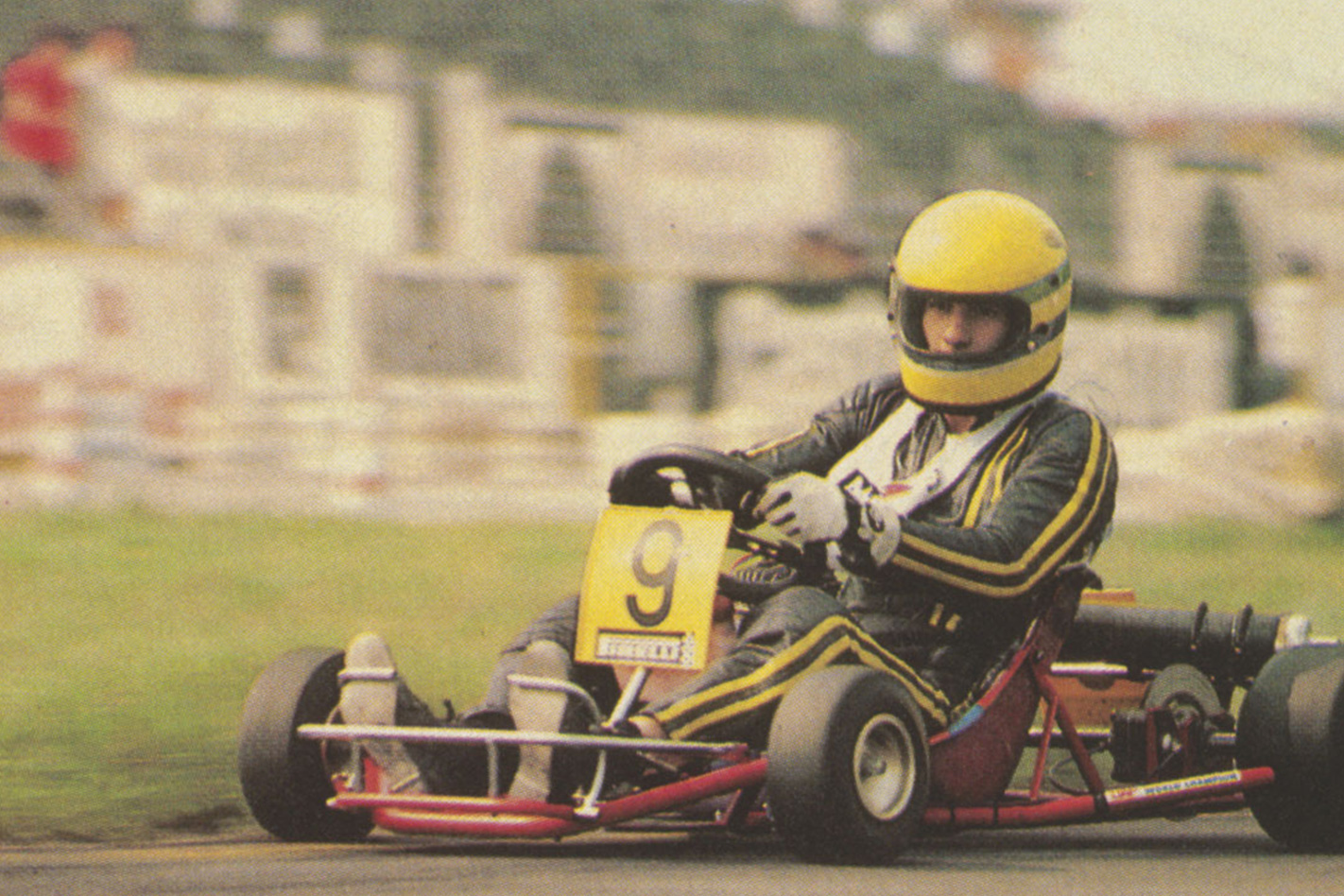
He must have been an insufferable kid. Rich family. Nice house. Daddy made him a kart when he was four years old. Trips to the kart track every Sunday. No worries.
Daddy imposed a strict rule. If the monthly school report was no good, it meant no karting. For a month. “It was unbearable,” he says. Nowadays, it’s Senna who’s getting unbearable. Never in the history of the world championship has there been a driver who was less approachable. Prost was bad enough in the days when he was driving for Renault, but that was his team’s fault.
This coolness, this indifference to what people think about him, is the side of Senna which has been prominent since he won that first grand prix with Lotus. This year he boycotted some of the post-qualifying press conferences, to such an extent that in mid-summer FISA had to introduce a rule making drivers’ attendance compulsory.
In any other sport, such inaccessibility would not be tolerated. There have been complaints from journalists to sponsors, and one incident when Senna walked out of the post-race press conference while he was being introduced. Although single-mindedly dedicated to his mission of winning the world championship and piling up his tally of pole positions and race victories, there are signs that Senna craves publicity.
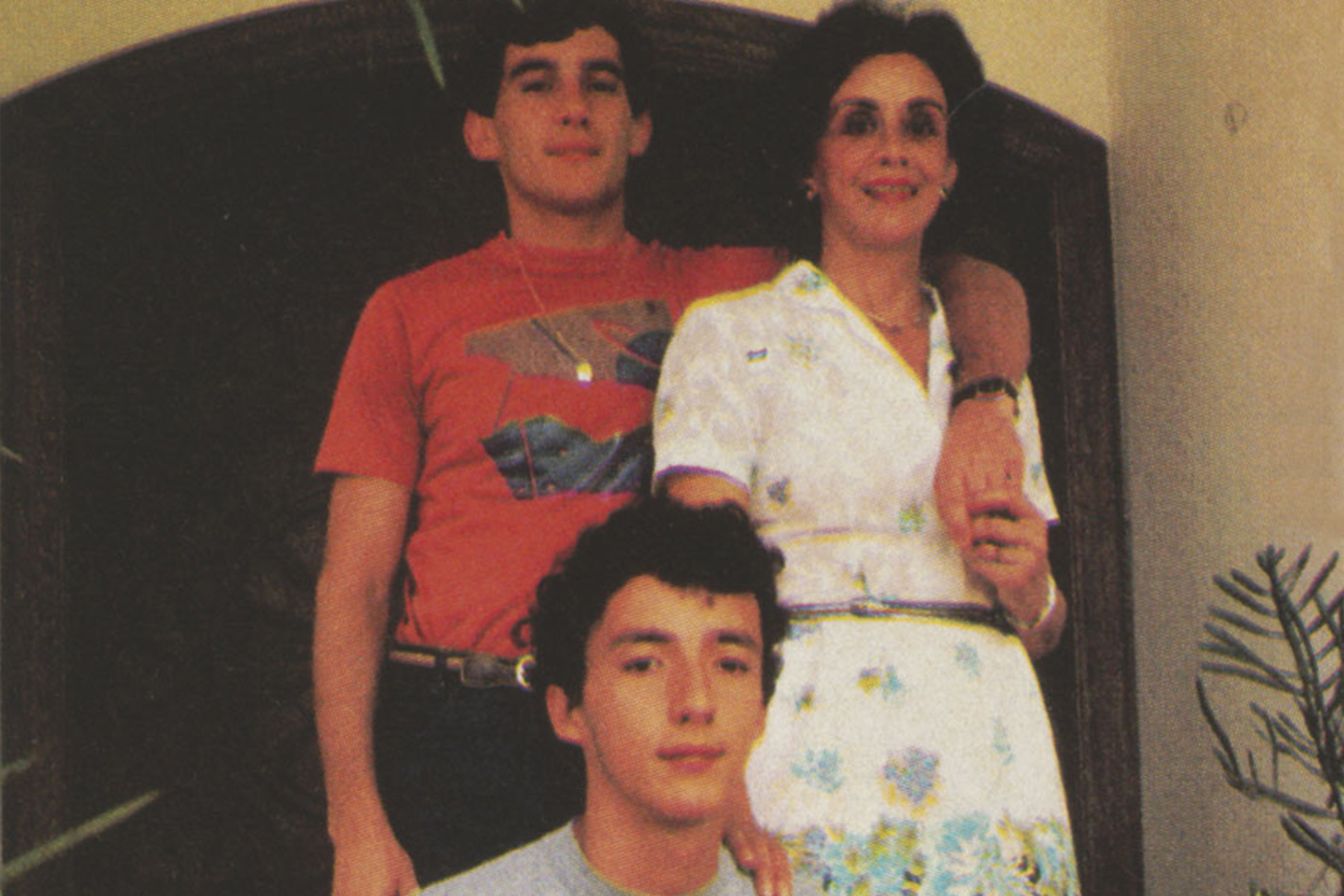
Provided, of course, it’s sympathetic. When he was racing in British Formula Ford events, for example, he arranged to have regular press releases mailed out about himself. And when a casual off-the-cuff remark by Nelson Piquet was published in Brazil earlier this year, Senna took offence, hired a heavyweight lawyer and started a legal fight which only ended when Dennis told him to cut it out.
In spite of what was headlined by the sleazy British and Australian papers, incidentally, Piquet said no more than that “Senna doesn’t like women”. That is manifestly untrue: He does like women’s company. Though he was divorced in 1981 after an unusually brief marriage, some very desirable women have been seen with him. His friends point out that he comes from a strict family.
Divorced or not, he professes the Roman Catholic faith and tends to be a bit old-fashioned. If one of the girls he turned down subsequently cosied-up to Piquet and told him a few stories about what Senna had (or hadn’t) done, you’re welcome to draw your own conclusions. Probably Senna happens to like rather fewer women than his countryman.
Senna’s best friend outside his family is Mauricio Gugelmin. They met when they were both racing karts in Brazil. Gugelmin had a truck with enough room to carry Senna’s karts, too. They buddied up and have never had a hard word. Needless to say they were racing in different categories.
Gugelmin, four years younger than Senna, followed his friend to England and had almost as much success. With Gugelmin’s pretty wife Stella they shared homes in Norfolk and Reading. Now they all live in the £600,000 house on an exclusive estate just around the corner which Senna’s first year at Lotus helped to buy. It’s a perfect arrangement, allowing a homey Brazilian atmosphere and the opportunity for each to bounce ideas and projects off the other.
Gugelmin holds Senna’s driving ability in an awe which is unknown between people who have to consider themselves the best. He tells of a Formula Ford 2000 race at Snetterton in 1982 when someone spun in front of his friend on the first lap. Senna was forced to drive over a kerb, which flattened a brake pipe. In spite of the total lack of brakes, he won the race, overtaking several good men on the way.
“When Ayrton came into the pits he was waving at me frantically to get out of the way because he couldn’t stop,” remembered Gugelmin. “I checked the front brake discs and they were completely cold. He really had no brakes…” Later, when Senna took up residence in Monaco, the friendship endured, although even Gugelmin finds it increasingly difficult to get close to him.
“Ayrton certainly is a difficult person,” he says, “but most of the people who don’t like him are involved in racing and have some reason not to like him. Seventy percent of them are jealous and half of them really admire him anyway.”
But why should he be so distant, so aloof? “It is because he is so determined about what he is going to do,” says Gugelmin. “Whatever it takes, he will do it. He’s got it all worked out in his head. Everything that he does will do him good in motor racing. He is working behind himself 24 hours a day…”
In contrast with an increasing distaste for the press is Senna’s obsession with being on the right side of the engineers and mechanics of his team. It started with Toleman in 1984, continued with Lotus, and can be seen now at Mclaren. There are the individual handshakes on arrival at the circuit, then again after the race.
He also chats a lot on the car-to-pit radio. Lotus technician Gerard Ducarouge, with whom Senna cultivated a particularly close working relationship, recounts the occasion in qualifying when his driver announced excitedly that he’d just taken pole position. Moments later, the Longines-Oiivetti time proved him right. “Sometimes when we have achieved something good, I try to give the people in the pits some of the feeling I have. After all the tension and seriousness and everything, it’s good to share a little bit of happiness and excitement.”
Not everyone at Mclaren feels comfortable with the Senna handshakes and his willingness to stay with the mechanics until dusk every night. Some of the mechanics feel that all the affability is a thinly disguised moral bribe to get better treatment. Perversely, they prefer Prost’s laid-back approach. “When Alain starts being friendly, you get the feeling that he’s only doing it because Ron told him to,” says one.
Steve Nichols, the American designer of the Mclaren MP4/4 chassis, says that Senna was so keenly aware of the affection in which Prost was held after four years with Mclaren that it made him palpably nervous. “It was as though he was looking over his shoulder all the time in case someone wanted to stab him in the back. I had to tell him, ‘Hey, we’re on your side, you know!’ Now he’s everything you’d want a driver to be – likable, honest, hardworking, full of fun, not at all like the journalists seem to think.”
These days Senna is appreciated by most of the drivers. Gerhard Berger says he is positively helpful, even in the heat of qualifying. “When you’re on a quick lap and he isn’t, he always sees you. He even manages to place his car to give you a tow.”
Yet there remains the lack of affability, the unwillingness to engage in eye contact, which makes one wonder dark thoughts. Does someone as secretive perhaps have something to hide?
Back in Sao Paulo, the Senna da Silva family home is located on a rather dowdy side of this typical South American city. A solidly-built bungalow, with cool gables and polished floors, it has a big garage, a large swimming pool and several servants. A rottweiler named Buck stands guard, ready to tear the legs off anyone stupid enough to come over the wall.
Ayrton is devoted to his family, describing his father, Milton da Silva as “my hero”. Senor da Silva, himself the son of a chauffeur, is a self-made businessman who sold his prosperous Sao Paulo engineering company some years ago to buy property. He now has a huge spread in the state of Goiania, deep in the interior, where he raises cattle. He has two light planes to help get around the place.
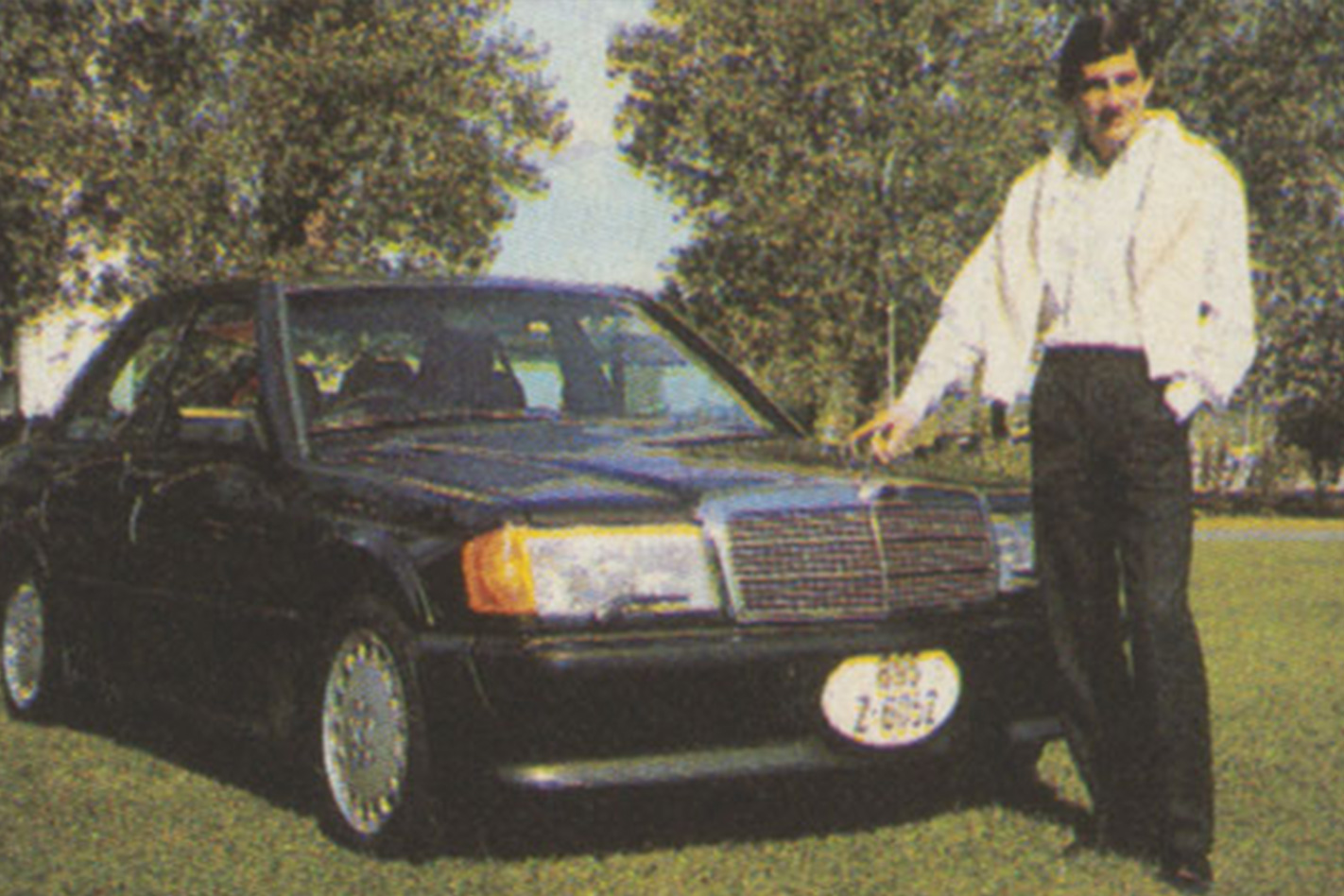
The matriarch is Neide, or “Dona Zaza”, a quiet, shy woman with sad eyes who obviously feels out of place when she comes to the races. In the South American style, it was her name that her son chose to use for racing. She recently told a Brazilian women’s magazine that her boy had promised to give up racing if he won the world championship. Nobody believed it. Though the family bond is unusually strong, Ayrton’s 1989 Mclaren-Honda contract is written in stone.
It is to this refuge that the world’s fastest racing driver escapes, even if he’s only got a week off – which isn’t often. When he invited me to stay with the family there four years ago, I knew immediately that it was a privilege. He had fallen behind with the exercise program set for him by the coach of the Brazilian volleyball team, and he spent a whole morning working out by the pool, not a spare ounce on the wiry, jockey-size body.
Only two years earlier, he had decided to abandon his second season of English Formula Ford racing to come home. If there is anything that Senna wants to hide, it surely relates to that period of his life. His marriage had broken up and he claimed that his father needed his help in the business. What changed his mind about racing then? What brought him back to chilly England?
“It was something stronger than my willingness to give it up. Racing had become something that, in a way, was part of my life, part of me. And I only understood this feeling, and realised what was happening to me, after four or five months of being away from racing cars.”
One theory, originating in Brazil, suggests that the secretiveness all dates back to this period, which coincides with the year that Senna had failed, after several very determined attempts, to win the world karting championship. Perhaps the combination of his karting frustration, coupled with the break-up of his marriage, had deeply scarred a man for whom perfection is the goal.
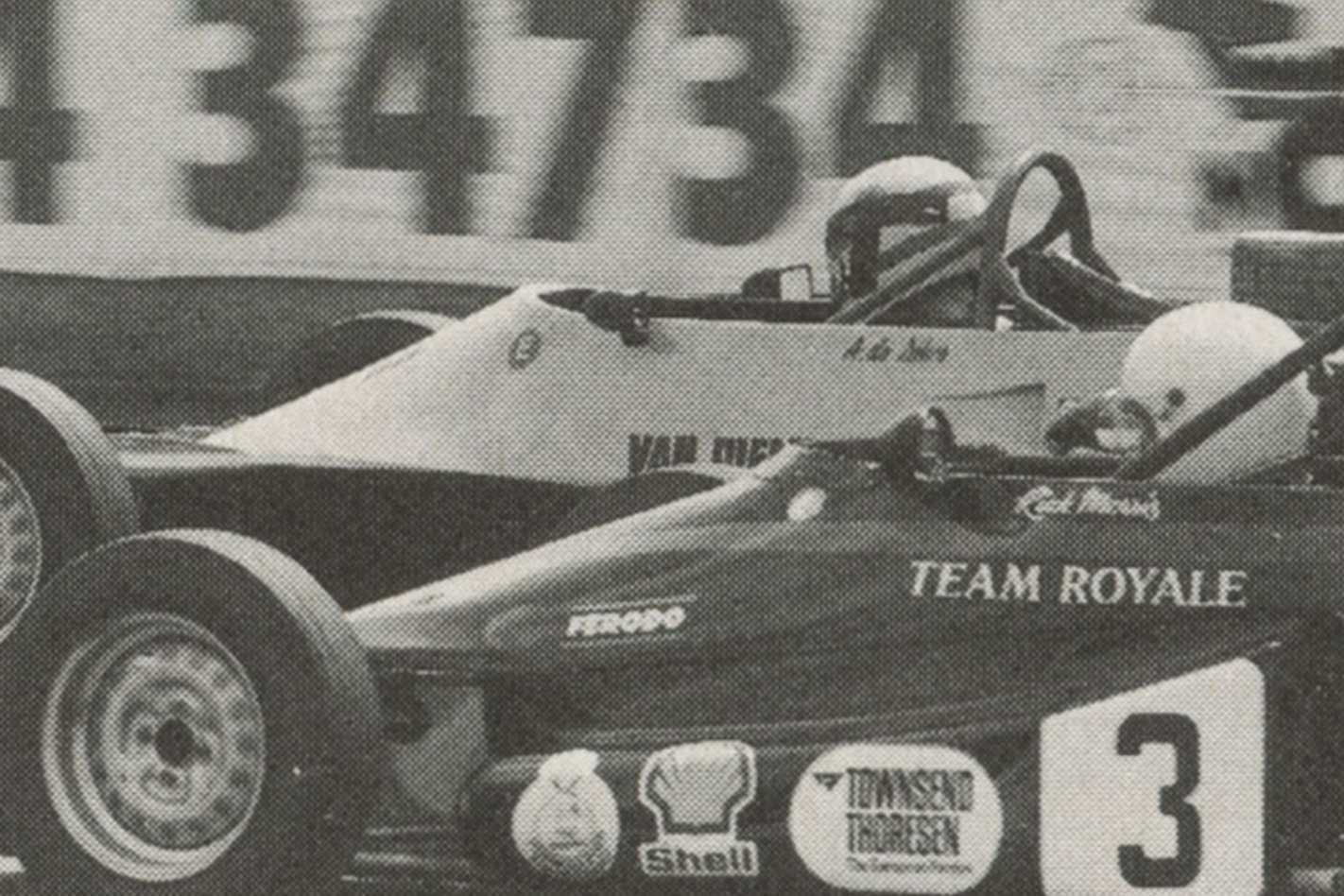
It would also account for the obsessive approach to F1, all the handshaking with the mechanics and the insistence on staying late at the circuit. It might even explain the secretiveness which many pressmen find so intriguing and annoying.
Perhaps the last word on the subject should remain with Ron Dennis, who chooses to hide his great perception under a blanket of weasel words. “It’s very important that a driver should have won one world championship,” said Dennis last year, in a remark aimed at Nigel Mansell, but equally true of Senna. “Until a driver gets a title into his system there’s always an element of frustration and desperation that creeps in at critical moments. When your goal is to win the world championship, then until you’ve actually achieved that, there’s something lacking in your makeup.”
What stands out?
The Picanto is an eye-catching city car with a comfortable ride and great steering. The tiniest Kia comes with cruise control, a reversing camera, and a big touchscreen that does a lot with your smartphone. Broadly effective autonomous emergency braking is also standard. The range now includes a turbocharged GT version.
What might bug me?
In an auto Picanto, wishing you had a bit more zip on steep hills – and more than four ratios.In a manual Picanto, how much care you need to take with the clutch on take-offs: it is hard to tell exactly when it will bite.In the GT Picanto, how the more powerful 1.0-litre turbocharged engine is let down by the gear ratios in the manual gearbox as you reach higher speeds.That your Picanto was awarded only a four-star rating (out of five) by safety authority ANCAP – even though it has autonomous emergency braking.
What body styles are there?
Five-door, five-seat, hatchback only.The Picanto drives its front wheels, and is classed as a micro car.
What features do all Picantos have?
Full instrumentation – a speedometer, tachometer (which tells you how fast the engine is spinning), petrol gauge, and trip computer.A sound system with an AM/FM radio, Bluetooth connectivity for phone and audio streaming, Aux and iPod compatible USB inputs, and four speakers.A 7.0-inch touchscreen for controlling cabin functions, with support for Apple CarPlay and Android Auto. You can plug in a compatible smartphone, display apps (including mapping) on the touchscreen, and control them from there.A USB port for charging mobile devices, and a 12-volt power outlet.Cruise control, and buttons on the steering wheel from which you can operate the cruise, the audio system, and your phone.Height adjustment for the steering wheel, driver’s seat and driver’s seatbelt. A driver’s footrest. Fabric-covered seats with height-adjustable headrests on all seating positions.Air-conditioning. Power-opening windows on all four doors (with driver’s auto up-down), and power-adjusting exterior mirrors.A reversing camera and rear parking sensors (which indicate how close your bumper is to obstacles).Headlights that switch on automatically when it’s dark.Steel wheels with plastic trim, and a space-saver spare wheel.Hill-start assistance, which helps you take off from rest on uphill slopes by controlling the brakes automatically.Autonomous emergency braking, which works at city and highway speeds. (On Picantos built after June 2017.)Six airbags. Electronic stability control, which helps you control the car if it skids. (For the placement of airbags, and more on Picanto safety features, please open the Safety section below).The Picanto is offered with a seven-year, unlimited distance warranty, and fixed-price servicing for that period.
Which engine uses least fuel, and why wouldn’t I choose it?
The 1.0-litre three-cylinder turbocharged petrol engine in the Picanto GT is the most powerful engine in the range, as well as the most economical. On the official test it consumes just 4.8 litres/100km.It’s a lively engine, but does struggle a little when you get to higher speeds – the manual gearbox could do with a sixth gear.One reason you wouldn’t want this engine is because you want an automatic transmission. The Picanto GT is only available with a five-speed manual gearbox.Another reason is want to pay less for your Picanto – the turbo GT is the most expensive version.The other engine available with the Picanto, is the 1.25-litre, twin-cam, four-cylinder petrol.This is a very mildly revised version of the engine in the previous, second-generation, Picanto. On the official test it consumes 5.8 litres/100km with the auto gearbox (city and country cycles combined), and just 5.0 litres/100km with the manual.The engine remains smooth but punchy, taking advantage of the Picanto’s low (995kg) weight to provide a fine balance between performance and fuel economy. In the real world, you could expect to average about 7.5 litres/100km in auto trim over a mix of city and country driving.(Power outputs and all other Kia Picanto specifications are available from the Cars Covered menu, under the main image on this page.)
What key features do I get if I spend more?
The Picanto S comes standard with the 1.25-litre engine and five-speed manual gearbox. Spend more and you can have the four-speed auto – and it might not be much more, given Kia’s drive-away offers.You also get standard cloth seats. 14-inch steel wheels, halogen daytime running lights.Paying more the Picanto GT-Line brings LED daytime running lights, front fog lights, premium leather-appointed seats, fancier steering wheel and gear shifter, body kit, power folding door mirrors, alloy foot pedals, height-adjustable front seatbelts, and bigger 16-inch wheels made from aluminium alloy, that look better and don’t need plastic hubcaps to look good.The Picanto X-Line is similarly but has a more rugged SUV-inspired look and slightly higher ground clearance.Spending more on the Picanto GT brings all he GT-Line’s kit, plus the zippier 1.0-litre turbocharged engine, and sports tuned suspension and tuning.The only other option for each version is the exterior colour, though alloy wheels can also be added to the Picanto S as a dealer-fit accessory. Otherwise, it’s an all or nothing proposition.
Does any upgrade have a down side?
Auto Picantos use a bit more fuel than the manuals.The most-expensive Picanto, the GT doesn’t have an automatic option.White paint is standard; any other colour is an extra-cost option.
How comfortable is the Picanto?
For such a compact car, the Picanto has plenty of room inside. There’s enough space between the front seats to ensure drivers won’t be rubbing shoulders with their passengers. Headroom and leg room in the front is better than in some cars a size bigger.Doors open wide to ease entry and exit. The front seats offer good support for backs and thighs, and you can adjust the driver’s seat for height. Outward vision is great, thanks to big windows.The only downside ergonomically is the absence of reach adjustment for the steering column. It’s a good driving position, but some will wish they could tailor it more finely.The infotainment system is easy to control from the Picanto’s 7.0-inch colour touchscreen, which is well-positioned high on the dashboard.Cabin materials and finish are better than you might expect for the price.Kia has worked to make the Picanto quieter than its predecessor, but at highway speeds on coarse asphalt the cabin is still a noisy place to spend time. There is a fair bit of tyre roar, and a buzz from the little engine – more so in the lower-geared automatic.The new Picanto is about the same size externally, and so it remains very easy to drive around town. Its turning circle is tight, and its light steering is more direct than before – you don’t need to turn the wheel as much for sharp corners. A standard reversing camera and rear parking sensors will help you create parking spaces where others see none.Comfortable suspension makes light work of urban obstacles such as manhole covers, potholes and speedhumps.
What about safety in a Kia Picanto?
The Picanto comes with stability control, six airbags, a reversing camera and rear parking sensors, auto-on headlights, daytime running lights, and seatbelt reminders on all seats. Picantos built from June 2017 also have autonomous emergency braking.That is a very comprehensive safety package for a car this size.The Picanto also has disc brakes on all four wheels (some city cars have inferior, but cheaper, drum brakes at the rear).The six airbags are in the usual places: two directly in front of the driver and front passenger; one outside each front seat to protect at chest level from side impacts; and curtain airbags extending down each side of the car at head level to protect front and rear passengers from side impacts.The Picanto’s auto braking relies on a radar-type sensor and is effective at city and highway speeds. The sensor scans the road ahead for other cars that have slowed suddenly or stopped. If the AEB system concludes a collision is likely, it will first warn you. If you ignore the warning, from speeds up to 160km/h it will automatically brake at part-pressure. At speeds under 80km/h it can follow the partial braking with an automated emergency stop, using maximum brake pressure.The Australasian New Car Assessment Program (ANCAP) rated the new Picanto at four stars, of a possible five, in September 2017. Its report praised the provision of auto braking. But it criticised (as Marginal, one step better than Poor) head and chest protection for rear passengers in a frontal crash, and chest protection for the driver in a frontal offset crash. Outcomes for the driver in frontal, side-impact and pole crashes were assessed as Acceptable or Good (the top two steps on the four-step scale). ANCAP also criticised protection for pedestrians.
I like driving – will I enjoy this car?
Absolutely. The new Picanto is satisfying to drive and rides well on Aussie roads. Kia did a good job of developing the suspension for local conditions.Cornering is assisted by brake torque vectoring, which automatically brakes gently the wheels on the inside of a turn (if you’re turning left, it’ll brake the left wheels).When you steer the Picanto into a bend, it goes just where you hoped it would go. You feel confident that you are the boss. And at high speeds, the car feels stable and secure.The only downside is the big steps between ratios in the Picanto’s four-speed automatic. For driving around town, each engine is more than adequate with this transmission. However, when you ask the engine to deliver its maximum, it is often operating outside its sweet spot.The five-speed manual is a better choice for keen drivers, although you need to get used to a spongy clutch pedal.
How is life in the rear seats?
Surprisingly good. Even with two adults in the back seat, it doesn’t feel as cramped as you might imagine. Outward vision is good, and the backrest reclines you more than in the previous Picanto, with the aim of improving comfort over long trips.This is a very narrow car, though, and so the centre position is only usable for allowing you to seat three small children across the rear bench.The outboard rear seats are equipped with integrated ISOFIX child seat anchorages.
How is it for carrying stuff?
The Picanto has a modest boot area that’s typical for something of its size. It is 55 litres bigger than its predecessor’s boot, however, accepting 255 litres of cargo.The loading lip is well above average knee height so you’ll need to lift cargo high to clear it, but the boot opening is wide for a micro car. The 60-40 split rear seatbacks fold down to increase cargo capacity, but don’t fold flush with the boot floor.
Where does Kia make the Picanto?
Every Kia Picanto is made in South Korea.
What might I miss that similar cars have?
More ratios in the auto gearbox, or a CVT auto – which could give the little engine an easier time of things. The Mitsubishi Mirage and Suzuki Ignis micro-SUV offer CVT autos, for example.Otherwise, the Picanto is very well-equipped and deserves to be the biggest seller in the smallest vehicle segment.Among other micro cars you might consider is the Fiat 500.
Are there plans to update the Picanto soon?
No. This Picanto replaced the second generation model in May 2017, and auto emergency braking was added to cars built from June 2017.The Picanto GT-Line arrived in June 2018 with a sportier look but no change to performance, followed by the X-Line and GT in January 2019.Kia does tend to bring in special-edition ‘AO’ versions each January to coincide with the brand’s sponsorship of the Australian Open Tennis,Don’t expect an all-new Picanto until at least 2022.
I like this car, but I can’t choose which version. Can you help?
The Picanto S automatic is the smart buy – especially when you factor in Kia’s drive-away price offer. You might wish for more than its four ratios in highway use or on steep hills, but it does the best job of negotiating city streets. If you like the idea of a manual you could be well-placed to haggle.That said, the extra features in the GT-Line, X-Line and GT don’t bring a huge price premium, and are still priced well below $20,000.
Ever wondered what it might be like if a few dozen car collectors amassed their automotive property into one giant collection? We suspect it might look a little like the Elkhart Collection.
This Leno-esque amalgamation of various motoring eras and genres is up for auction later this year, with hundreds of lots for sale. Most are cars, but there are plenty of motorcycles and other modes of transport included.
Described rather astutely as “at once broad but highly selective” by auctioneers RM Sotheby’s, the Elkhart collection is named not for its former owner, but for the city in which it’s located in Indiana.
Perhaps the rumours surrounding its former owner and alleged involvement in some shady dealings is related, but the man’s tastes in anything automotive are undeniable.
Across the span of years and marques represented from both on and off the racetrack, here are a couple of highlights.
Two Chevrolet Impala NASCAR race cars
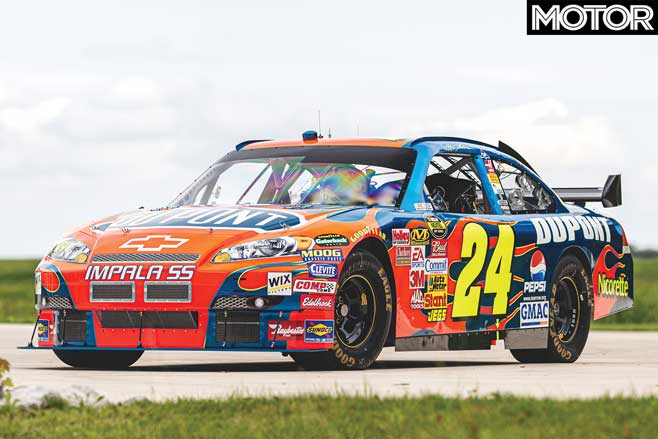
One driven by Dale Earnhardt Jr and the other by Jeff Gordon, these two oval-blasters are representative of two of the sport’s most recognisable names.
Dodge Challenger Demon
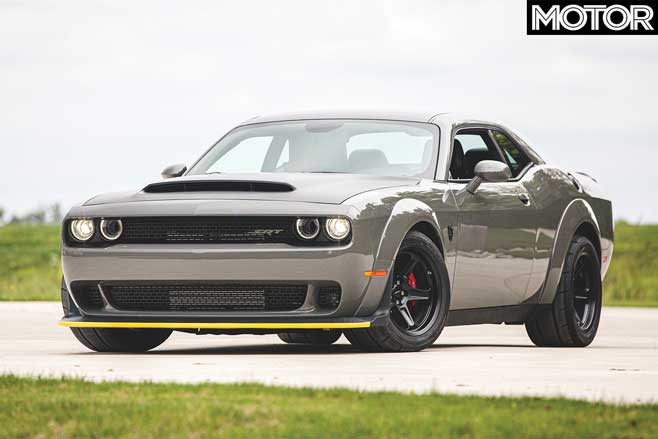
This epic supercharged beast is a little bit the odd one out in this collection. Variety is the spice of life.
A DMC DeLorean
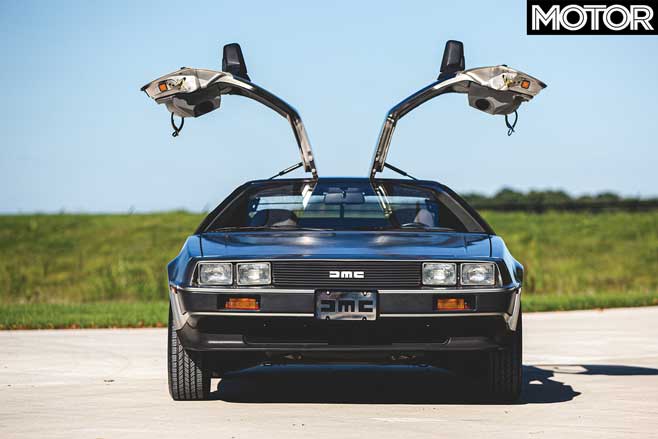
Obligatory mention. Not fast, or particularly good, but very cool.
Ferrari Testarossa
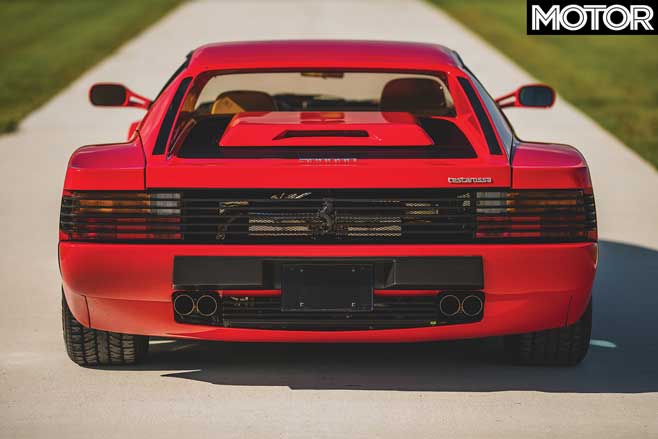
Icon of the 1980s, this one from 1991 with just 5240 miles on the clock.
A pair of Lotus Cortinas, one race and one rally
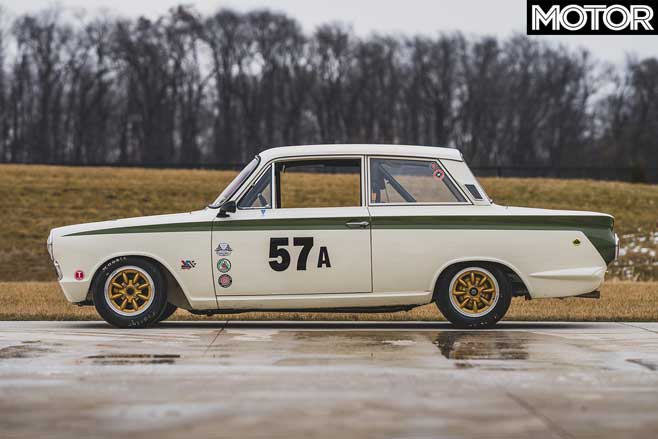
For when you can’t decide between circuit work or a jaunt on some gravel.
Alfa Romeo TZ3 Stradale Zagato
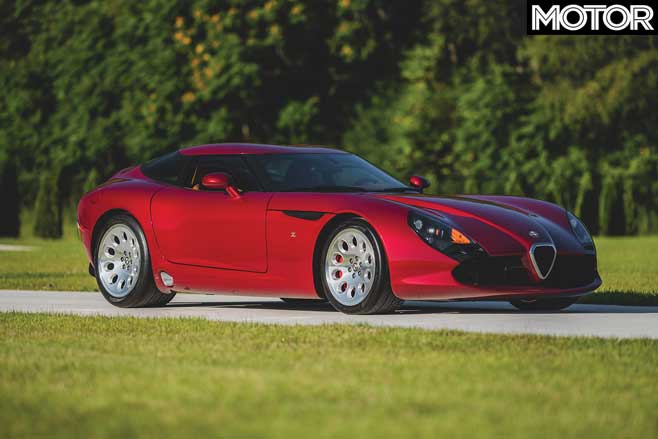
Honouring both Alfa’s 100th anniversary of building road cars and the Tubolare Zagato models of the 1960s, only nine of the TZ3 were produced. This is number 6.
Aston Martin DB5
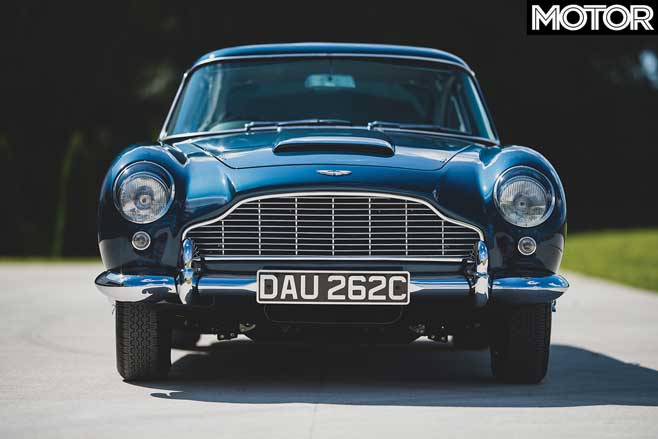
Painted in Sierra Blue, so while it’s not quite shaken, it has stirred our interest.
With car companies around the world burning through cash reserves at an incredible rate due to the COVID-19 pandemic, it was inevitable that some of the more borderline projects were going to be axed.
That appears to be the case for the right-hand-drive Chevrolet C8 Corvette, which is reported to be in stasis following an edict from General Motors’ executives. With that command, it appears the chances of the Corvette launching in Australia have been slashed.
The wording by GM executives when Holden’s closure was announced was carefully crafted, with a coy wink and nod to the C8 still being on the horizon for Australia – though, when pressed, executives became evasive.
This shouldn’t be entirely surprising. GM has a history of breaking product promises, and its departure from key right-hook markets, including Australia, would push a RHD C8 down the order of priorities.
Wheels did some digging, and after pressing our industry sources, it appears there are now just three scenarios left to play out for the right-hook C8.
A warning: for anyone who was excited for the C8’s Aussie arrival (like us), this won’t make for easy reading.
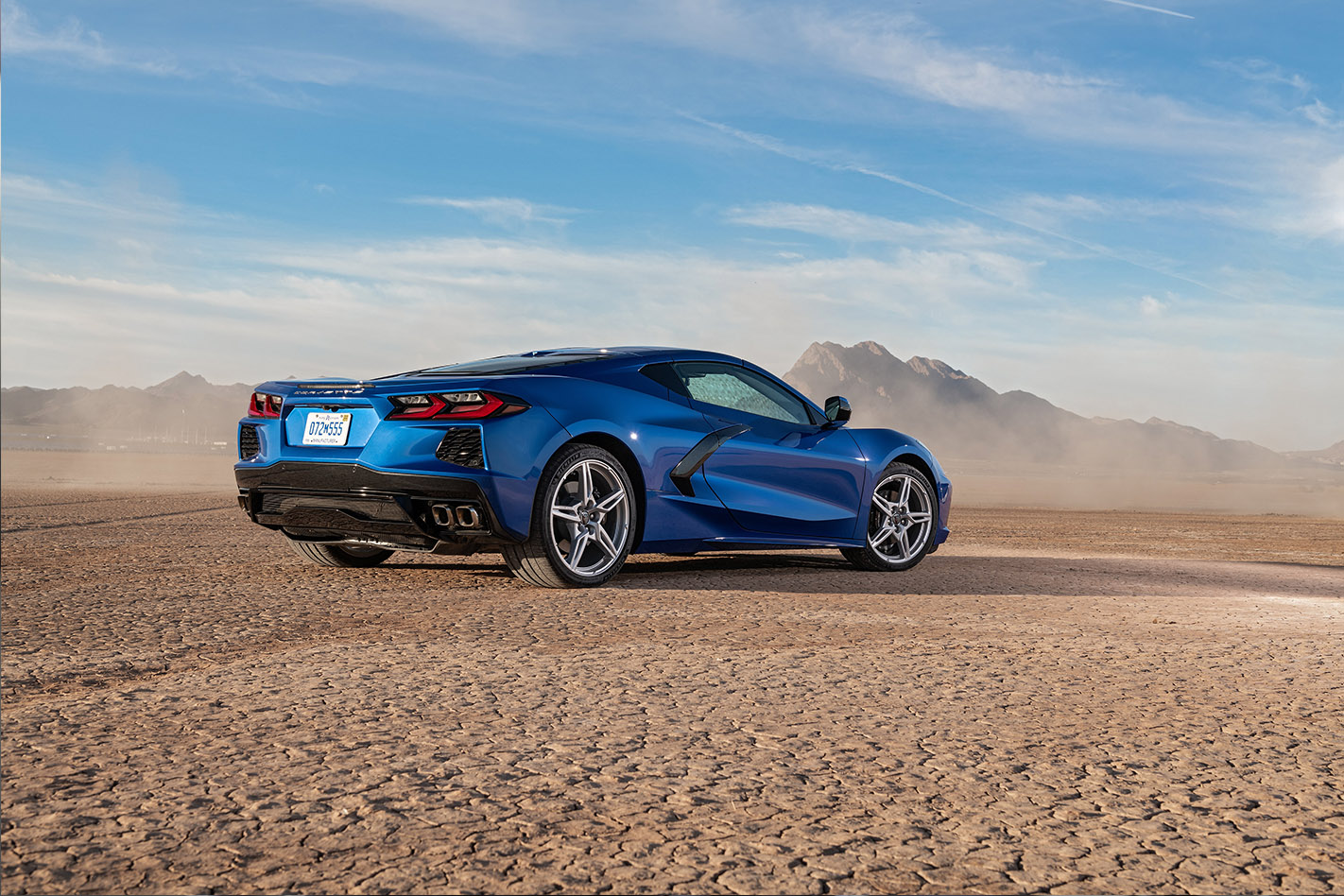
Scenario 1: The project is canned completely
Unfortunately, this scenario seems to be the most likely.
As reported by Hagerty, GM delivered an edict to its suppliers to hold fire as all future development plans were put on ice.
Now, while it was confirmed during the C8 Corvette’s launch that it would be built in right-hand drive, it seems that wasn’t entirely accurate.
Our sources have told us that a RHD Corvette was apparently never a guarantee, rather the C8 was ‘package protected’ during the R&D stage, with more development needed before being put into production.
Meaning, a stasis for all GM vehicle development would include the hypothetical right-hook C8 Corvette.
If the hold goes on for too long, we can wave goodbye to the mid-engined V8 sports car coming Down Under.
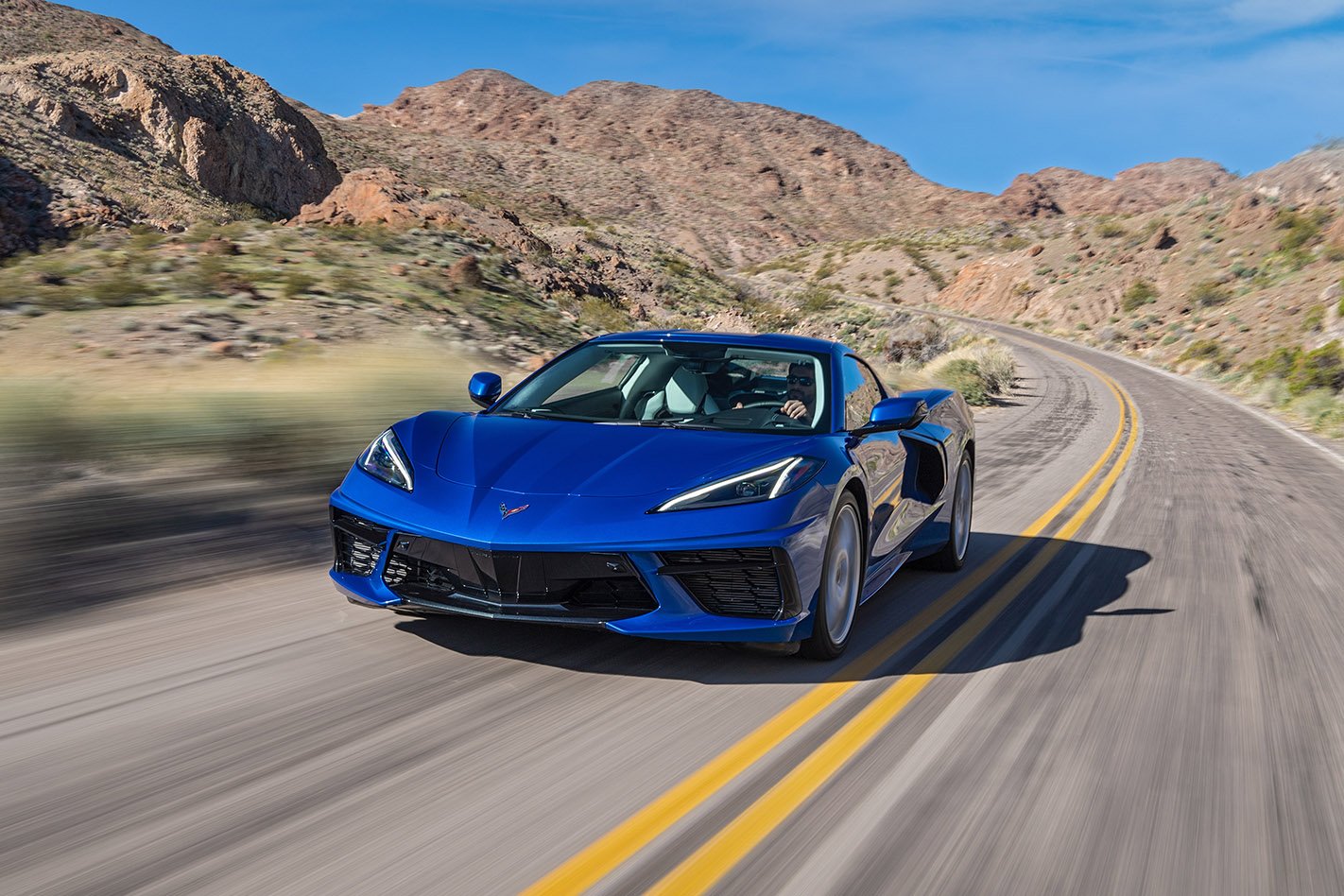
Scenario 2: Walkinshaw picks up the slack from GM
Following GM’s decision to axe development of a right-hand-drive Corvette, that torch could be picked up by the ultra-talented team at Walkinshaw.
HSV is in the middle of being transformed into GMSV to represent General Motors in Australia going forward. The Corvette would be a logical and aspirational halo model for the new face of GM locally.
The Clayton business has proven its ability to re-engineer left-hand-drive products into right-hook to a standard that matches or exceeds what rolls out of North American factories.
Wheels understands that even before COVID-19 put the RHD C8 on ice, HSV was prepared to convert the Corvette locally if need be.
The issue with this scenario is the same that plagued the Chevrolet Camaros offered by HSV – price.
If the C8 was delivered from the factory in RHD guise, it was expected to cost roughly $140,000. A local remanufacturing process would shove that number north of $200,000.
Not ideal, but at least we would get the Corvette locally for a few die-hard fans.
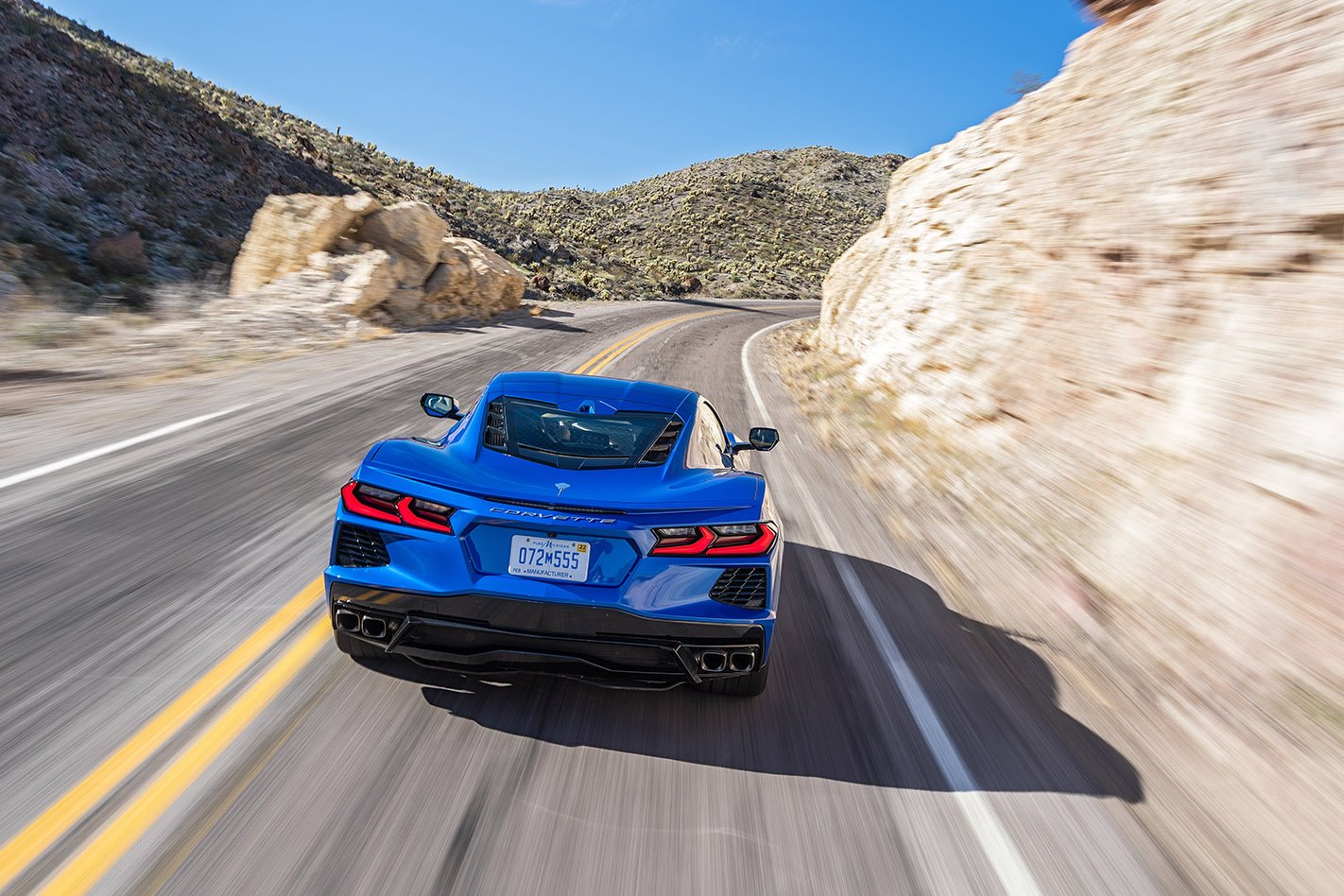
Scenario 3: Patience will be rewarded
Finally, a factory-delivered right-hand-drive C8 Corvette could still happen in Australia, just much later than first thought.
There are numerous, sizeable roadblocks in the way with this scenario, but it does remain on the table.
If GM simply waits out the pandemic and subsequent financial crunch, starting up the RHD Corvette program when cash flows return to normal, a 2023 launch in Australia could be possible.
The silver lining to this scenario is that the Corvette could arrive with its full model line-up, including high-performance models.
Leaked documents have shown that future Corvette variants expected to be built by 2023 include the 5.5-litre naturally aspirated V8-powered Z06, and 447kW 6.2-litre Grand Sport.
By 2024 a twin-turbo 5.5-litre ZR1 is due, followed by the big-daddy 745kW hybrid Zora in 2025.
%MCEPASTEBIN%
Trailblazer, grand tourer, supercar slayer. Over the last 46 years the Porsche 911 Turbo has been feared and revered by manufacturers and enthusiasts alike. We trace the evolution of Porsche’s performance icon through seven generations.
01 | ‘The 930’ (1974 – 1989)
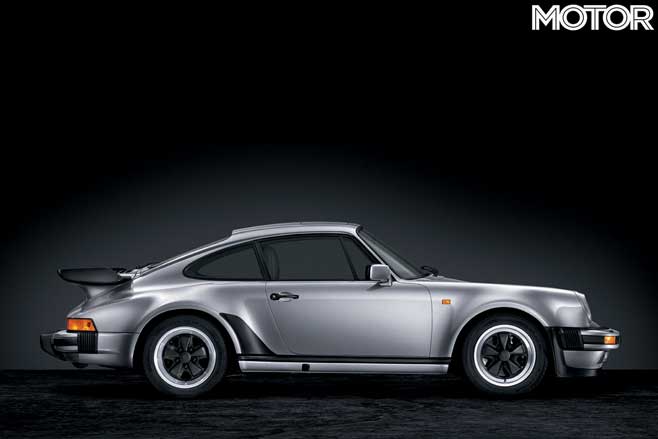
Put turbo technology to good use when such a thing was still a novelty. Its initial 3.0-litre air-cooled flat-six made 191kW thanks to 0.8bar (11.6psi) boost pressure, yet the ‘whale-tail’ earned a reputation for lag. And rear-engine oversteer.
02 | 964 911 Turbo (1990 – 1994)
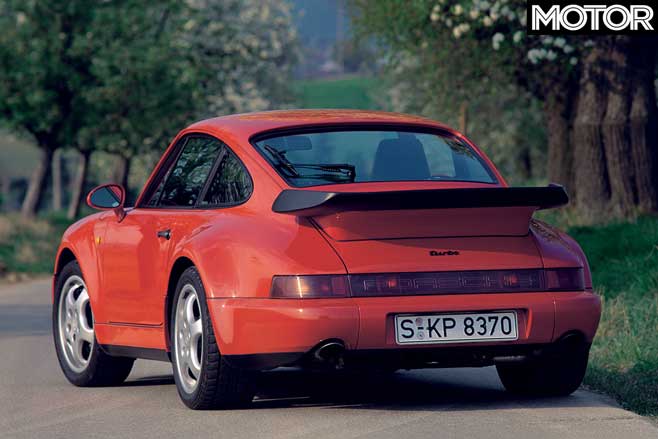
Cash-strapped Porsche re-used the later 3.3 from the 930 but re-engineered for less lag and now with 235kW (and power steering!). The widebody 964 Turbo was one of the fastest cars on the road of the day, later got the 3.6L with 265kW/520Nm.
03 | 993 911 Turbo (1995 – 1998)
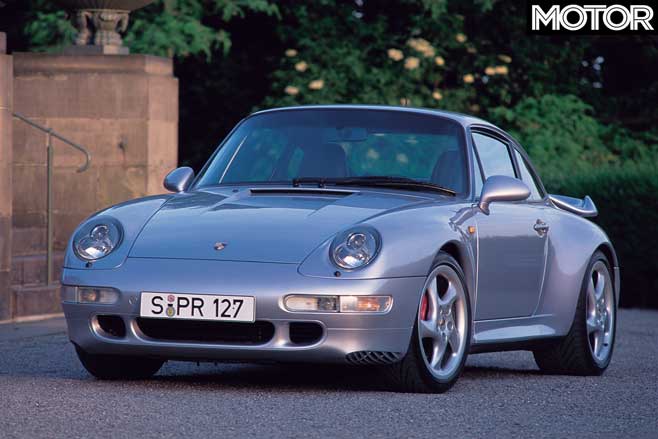
Bit of a monster, new twin-turbos pumped power from the 3.6-litre flat-six to 300kW. New AWD from the 959 and six-speed ’box meant 0-100km/h in 4.2sec. Quicker Turbo S appeared in 1997. Last of the air-cooled Turbos; very first MOTOR PCOTY winner.
04 | 996 911 Turbo (2000 – 2006)
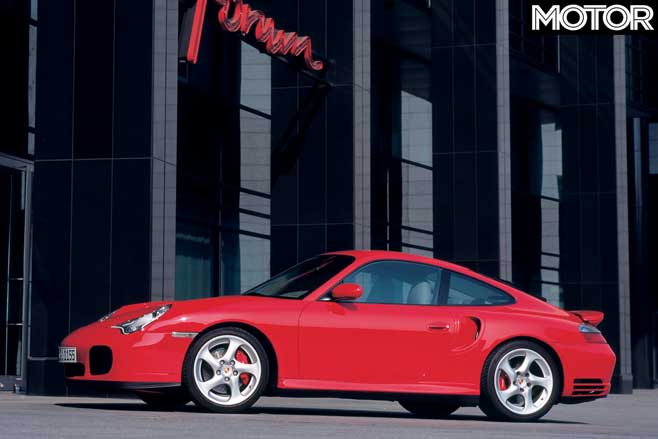
While the rest of the range got all-new engines, now liquid-cooled, the Turbo’s dry-sump 3.6-litre was based on that of the 1998 Le Mans-winning 911 GT1. Power rises to 309kW while 0-100km/h drops to 4.0sec, with a top speed of 307km/h.
05 | 997 911 Turbo (2006 – 2013)
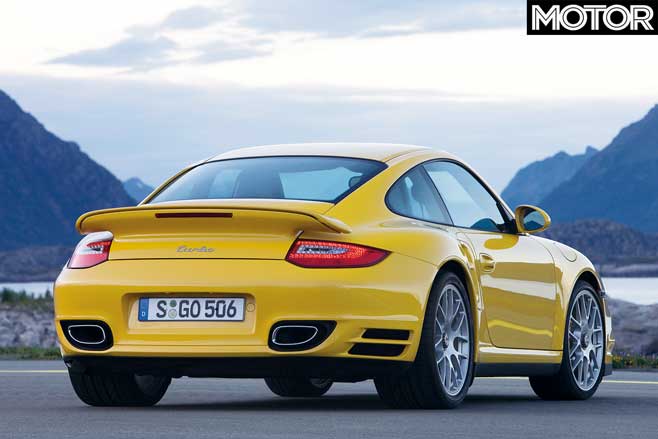
Brand new 3.8-litre debuted variable turbine geometry as outputs hit 353kW and 620Nm. Manual still an option, but Tiptronic auto the quicker transmission, 3.7sec versus 3.9. Later, a new PDK ’box and 390kW Turbo S would mean 3.3sec…
06 | 991 911 Turbo (2013 – 2019)
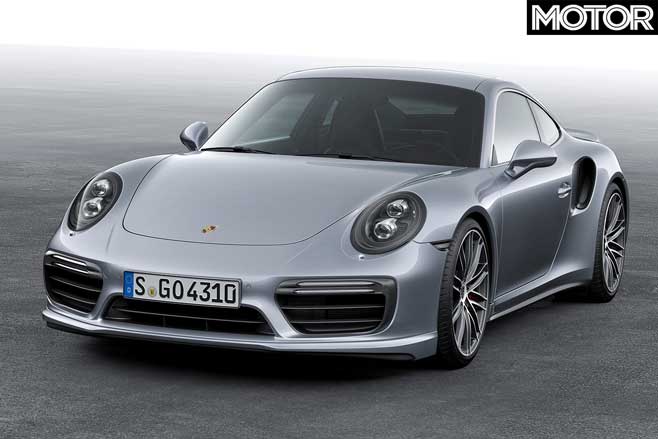
PDK now the only ’box but with new tech like rear-steering. Outputs from the 3.8 reach 382kW/412kW between Turbo and S as 0-100km/h times shorten again, now 3.0sec/2.9sec. Romps to PCOTY wins in 2014; and 2017 in updated 991.2.
07 | 992 911 Turbo (2020)
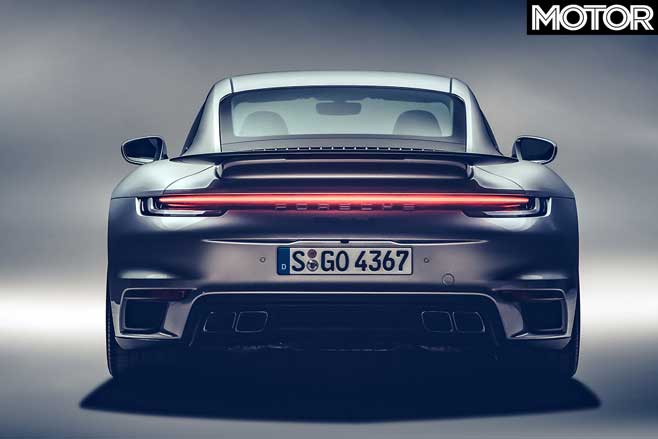
New eight-speed PDK and high-tech interior – but no expected hybrid yet. Power now twice that of 964, with 478kW, thanks to new EA9A2 3.8-litre flat-six. Zero to 100km/h a claimed 2.7sec – but could 2.5sec be possible? Stay tuned.
Two days ago Porsche announced that a manual-gearbox could now be ordered for all 911 Carrera S and 4S models in “European and related markets”. The news followed confirmation that the US would also be getting manual versions due to a Stateside spike in demand for three-pedal cars.
This pleased us greatly. Even though Porsche’s seven-speed manual has never been our favourite (it was first developed in 2012 but the GT division’s six-speeder has always been much sweeter), there’s just something right about a three-pedal 911.
What we didn’t know, until now, was when the manual gearbox would arrive Down Under. The news isn’t good, we’re afraid. Despite our hope that Australia would fall into the “and related markets” part of Porsche’s product planning, we’ve since been told that no manual Carreras will be coming our way.
“Porsche will not offer a manual transmission on 911 Carrera S models in Australia,” said Porsche Cars Australia head of public relations, Chris Jordan. “Traditionally, only a small number of owners select a manual transmission in these models.”
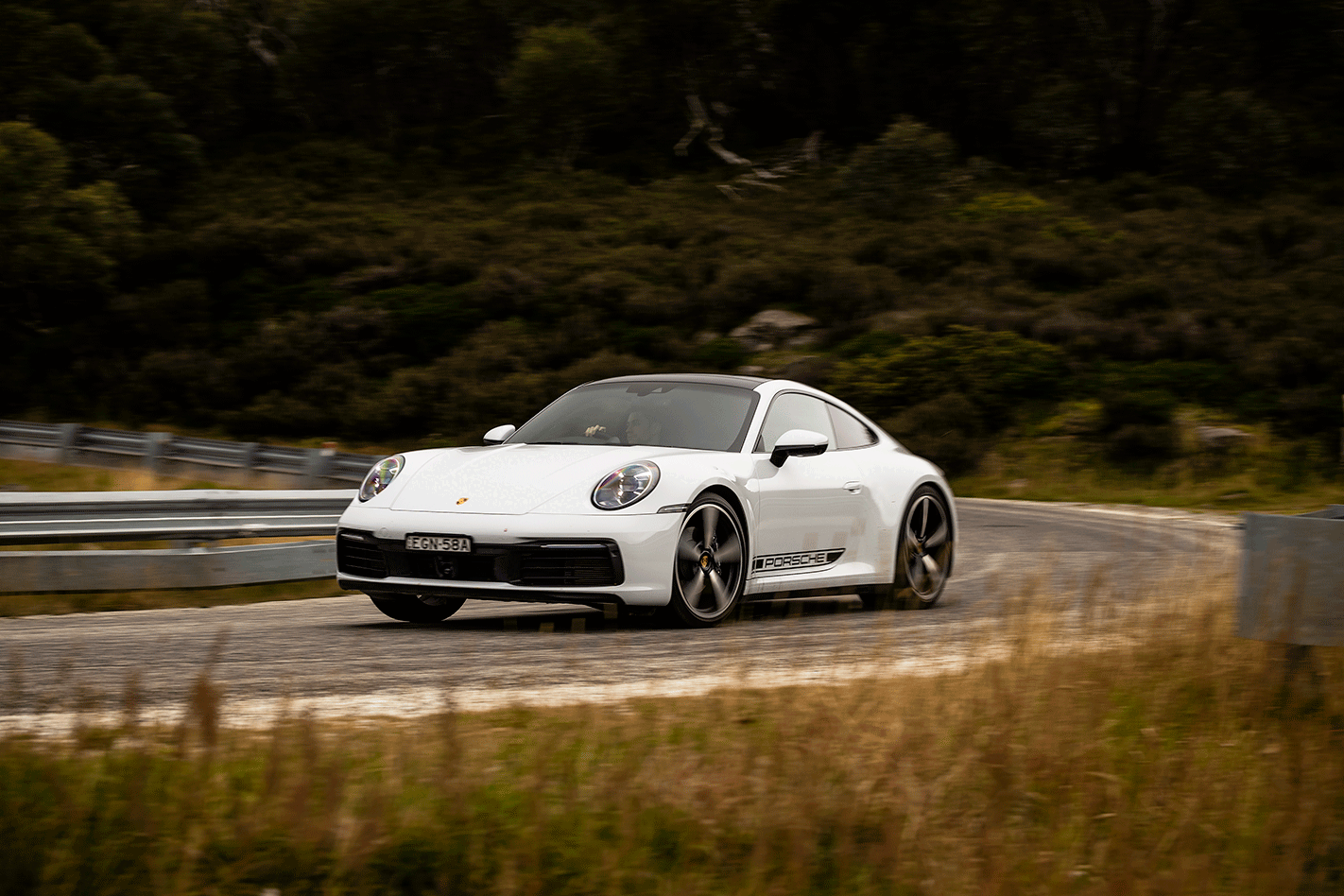
Wheels understands that the take-up of manual Carrera models was in the single digits percentage-wise, with the majority of owners opting for Porsche’s superb eight-speed dual-clutch.
Normally this would be cause for concern but in this instance, we can understand why. Porsche’s dual-clutch is arguably the best performance automatic on sale. And despite being around 35kg heavier, PDK-equipped cars are also more efficient and noticeably quicker. Where a manual Carrera S takes 4.2 seconds to hit 100km/h, the dual-clutch is half a second quicker.
But fans of the manual shouldn’t fret just yet. There’s a silver lining here.
“Porsche will continue to offer the manual transmission in Australia on several high-performance 911 models, where the manual option continues to prove popular,” added Jordan.
Porsche is yet to confirm exactly what those manual models will be, though we’d be sticking our money on the GTS and GT3. Plus, we shouldn’t forget the GT3 Touring is manual only.
