
Final Position: 2nd
Score: 8.5/10
5 0 5
Plus & Minus
Plus Value; size; styling; power; economy; multimedia
Minus Noisy; niggly ride; abrupt ESC on gravel
Though Kia was an early player on the fledgling small-SUV scene with the original Sportage of 1997, that was a crude, old (Mazda E-Series) van-based oddity that completely missed the mark. By the mid-2000s only the name carried through, onto a mid-sized SUV of much larger proportions. Thus, Kia was forced to idly sit by as small-SUV sales in Australia soared, unable to access suitable models offered elsewhere in the maker’s vast portfolio because no powertrain was large enough for Aussie tastes.
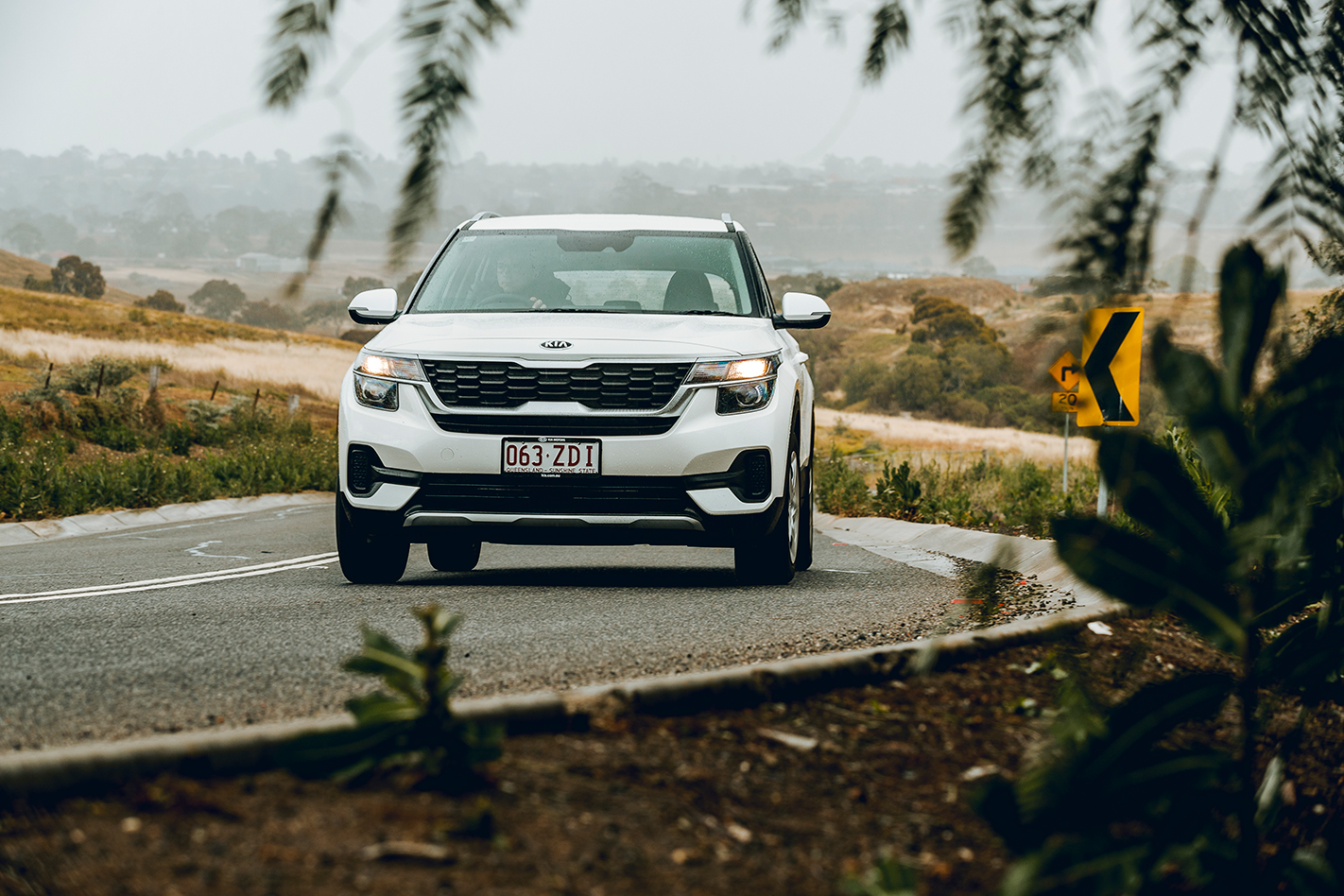
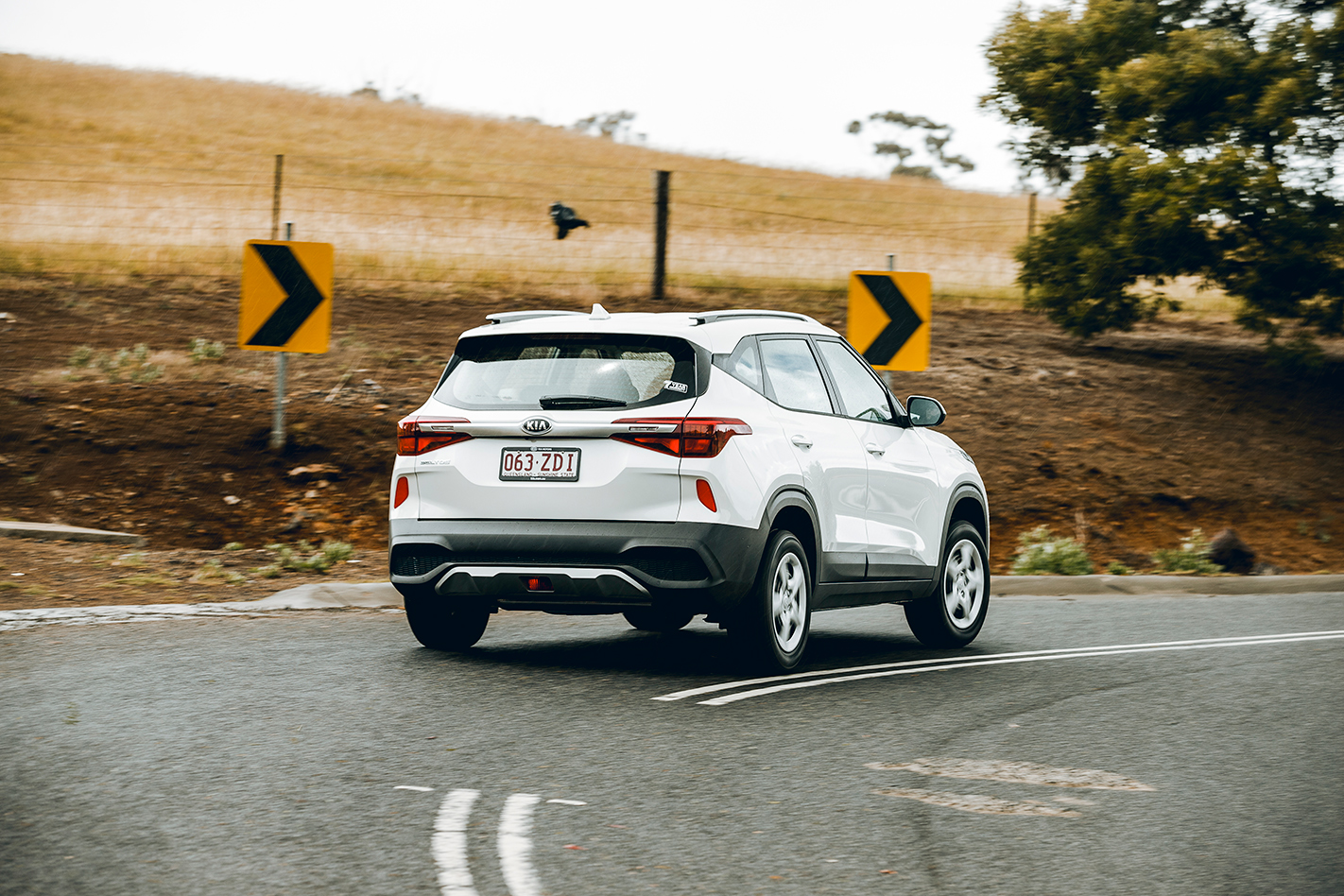
Until now. Welcome to the Seltos. Not an antacid or a men’s cheap cologne, but a big, boxy and imposing small SUV approaching Nissan’s Qashqai in size. Based on the compact Hyundai Kona, the Kia is bigger than its cousin and brings a longer wheelbase that affords occupants an abundance of room that’s magnified by the square styling and deep windows.
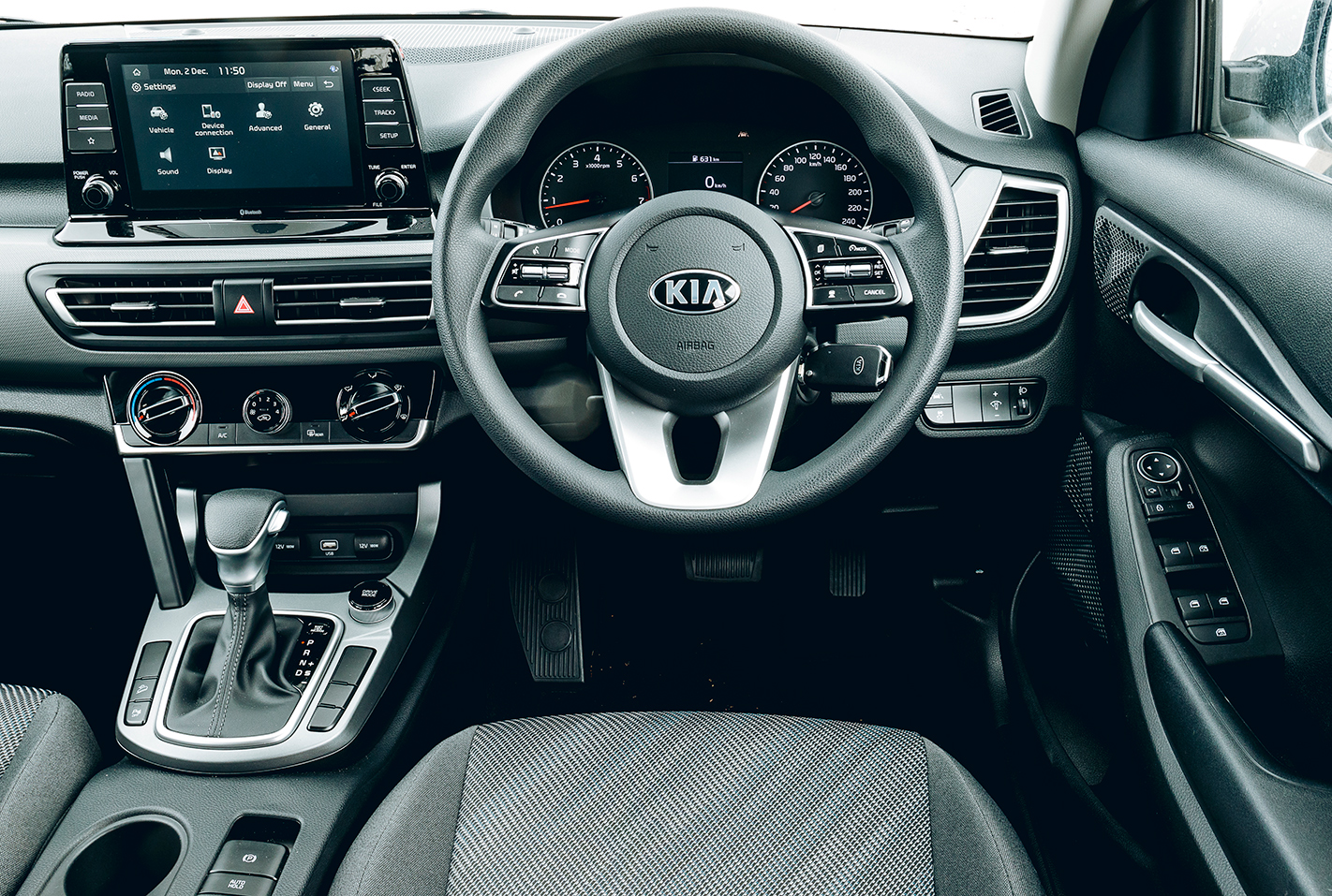
Even in base S trim, the Seltos’ dash must rank among Kia’s best yet, putting barely a foot wrong for ergonomics, instrumentation clarity, ventilation, storage, switchgear placement, touchscreen operation and material deployment. Lots of little details to appreciate, too, like the soft cloth fabrics, textured plastics and prominent speaker grilles. Seat comfort is up with the best, the rear backrests recline a little, vision out is commendable and there’s heaps of cargo room.
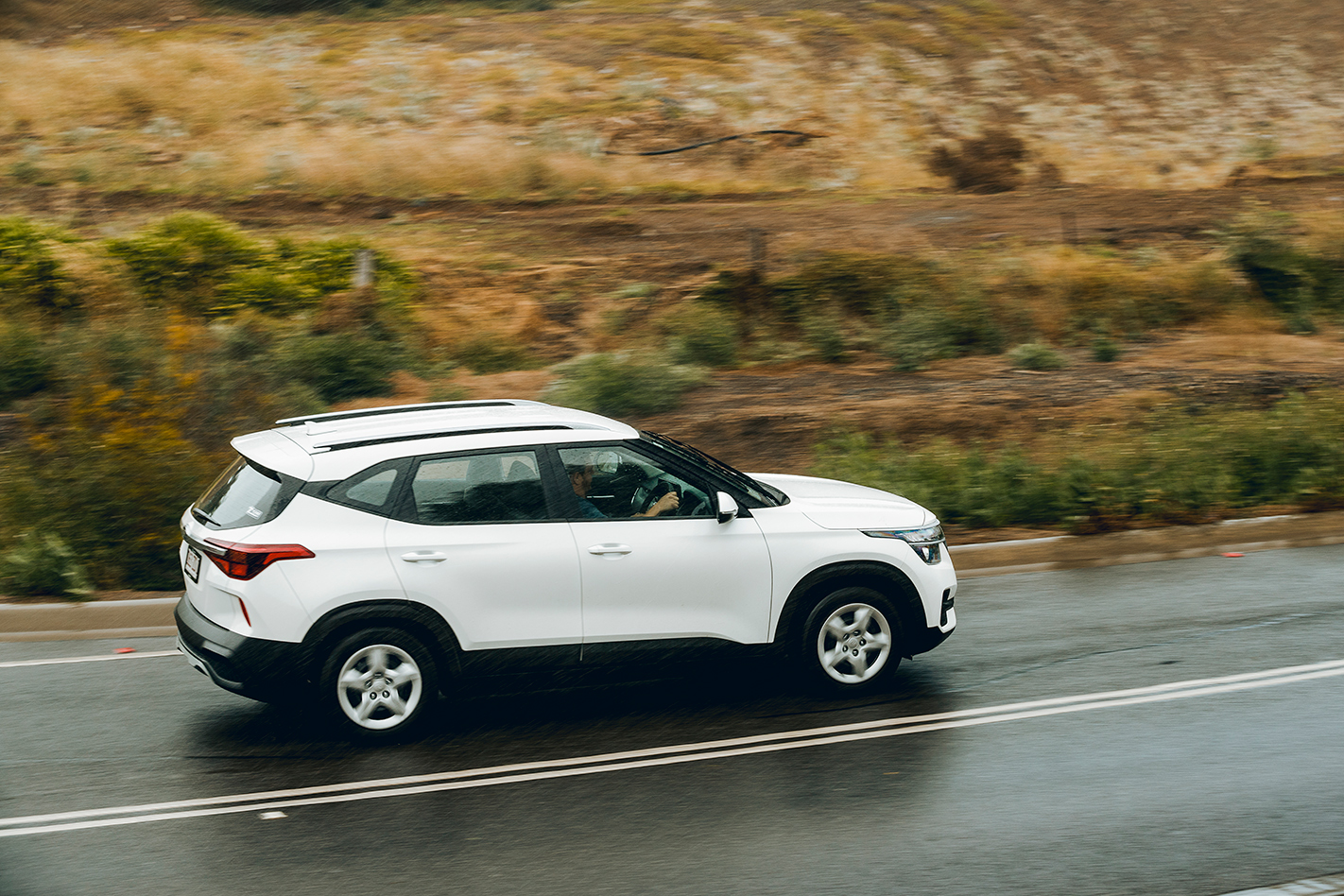
Performance wise, the Seltos piles on the power to the point where it can break the front wheels’ traction even in the heat. It blitzed the hard-charging Kona with the same Nu-series engine (but different auto), taking 8.7sec to 100km/h versus 9.3sec. The lively atmo 2.0-litre is certainly no wallflower.
Happily, the CVT might be the best we’ve experienced, behaving and sounding more like a smooth torque-converter auto in its stepped yet slick ratio delivery. That the Seltos also returned the lowest fuel consumption cemented our admiration for the transmission. 8.0L/100km? That’s excellent efficiency.
Keen drivers will to revel in steering that turns in crisply and for handling that feels confident and secure under most circumstances – though when pushed through tight corners, the Kia can seem a bit ponderous and top heavy.
Then there’s the suspension – struts up front and a torsion beam out back in the front-drive models – that’s a bit bumpy, bouncy and can even be crashy at times. Not as punishing as the Kona’s, but still adrift of the leaders. On gravel the ESC is a little loose and late reeling the car back in line, and will cut power abruptly once woken. And the big Kia is tiresomely loud, with the mouthy Kumho tyres keen to transmit all and sundry inside.
Perhaps stepping up to the Seltos Sport (from $29,490) might remedy that, since it introduces the parcel shelf absent in the S. The latter also lacks a secondary boot floor, sat-nav and alloys. Plus, while both include AEB, an extra $1000 is necessary for the full-fat version that brings pedestrian and cyclist detection. Adaptive cruise, driver attention alert, an electronic park brake, rear discs, auto folding mirrors and auto up/down driver’s window further justify the optional Safety Pack. Do it.
What we’re witnessing, then, is the Cerato-fication of the small-SUV segment. From nowhere, the Seltos shoots straight through to the upper ranks, casting all others aside for size, value, warranty, performance and efficiency.
However, while the Kia is the best buy, it isn’t the best, and that’s what we at Wheels always strive to ascertain. For that, we defer to the brand that’s enjoyed the greatest renaissance over the past decade…
Kia Seltos S specs
- Price: $25,990
- Engine: 1999cc 4cyl, dohc, 16v
- Power: 110kW @ 6200rpm
- Torque: 180Nm @ 4500rpm
- Transmission: CVT
- Dimensions: (L/W/H/W-B) 4370/1800/1615/2630mm
- Weight: 1355kg
- Cargo capacity: 433L
- Tyres: Kuhmo Ecsta 205/60R16
- Economy: 8.0L/100km (tested)
- 0-100km/h: 8.7sec (tested)
- 80-120km/h: 6.1sec (tested)
- 100-0km/h: 38.0m (tested)
- ANCAP rating: Not tested
2020 Small SUV Megatest
Results
MITSUBISHI ASX
Score 6/10
HOLDEN TRAX
Score 6.5/10
HYUNDAI KONA
Score 6.5/10
SUZUKI VITARA
Score 7/10
NISSAN QASHQAI
Score 7/10
HYUNDAI VENUE
Score 7.5/10
HONDA HR-V
Score 7.5/10
MAZDA CX-3
Score 7.5/10
TOYOTA C-HR
Score 8.5/10
Braking Data
Fuel Efficiency
Final Position: 1st
Score: 8.5/10
5 0 5
Plus & Minus
Plus Premium interior; polished dynamics; feeling of solidity
Minus Rear three-quarter vision; rear seats; price
The weight of expectation can be a heavy cross to bear. Heading into this megatest as a pre-combat favourite, the Toyota C-HR potentially had more to lose than gain. After all, it’s claimed the top gong in more than one Wheels comparison. However, as you can see by its number-one ranking, any question marks were unwarranted. Apologies for the spoiler.
Released in 2016, the C-HR proved somewhat of a revelation for being a very un-Toyota Toyota, introducing the Toyota New Global Architecture in SUVs to widespread acclaim. The ‘funky’ styling has an unashamedly youthful buyer in mind and it certainly turns heads. Nipped and tucked for the 2020 model year, Toyota’s blink-and-you’ll-miss-it update brings minor exterior design tweaks, a top-spec hybrid variant and the fitment of an 8.0-inch touchscreen with long overdue Apple CarPlay and Android Auto functionality.
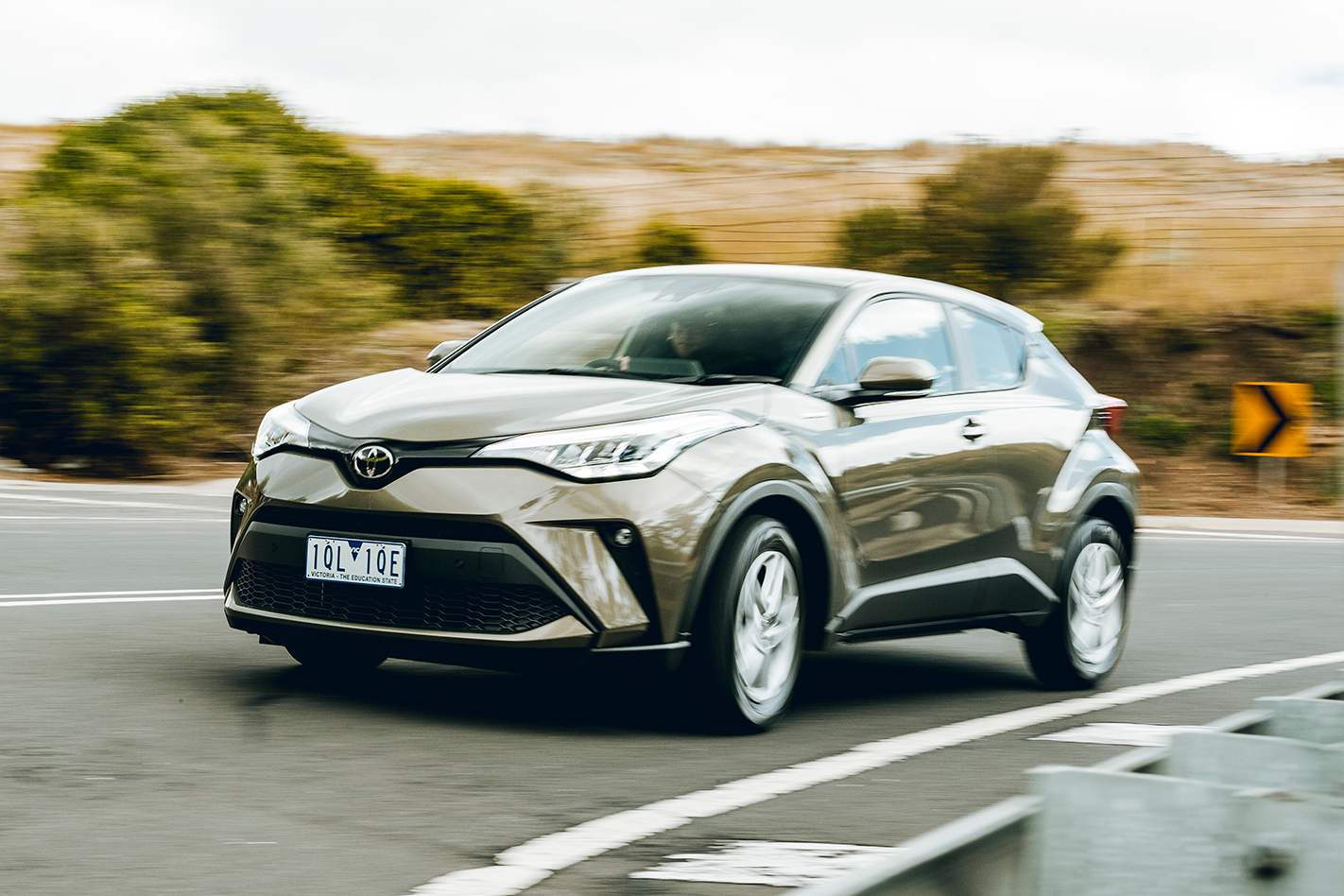
While the entry-level C-HR isn’t ostensibly cheap at $29,540, it still represents good value. It’s packed with Toyota’s Safety Sense technology, which includes items like AEB with pedestrian detection, active cruise control, and lane-departure alert with steering assistance, so there’s some heavy-hitting features.
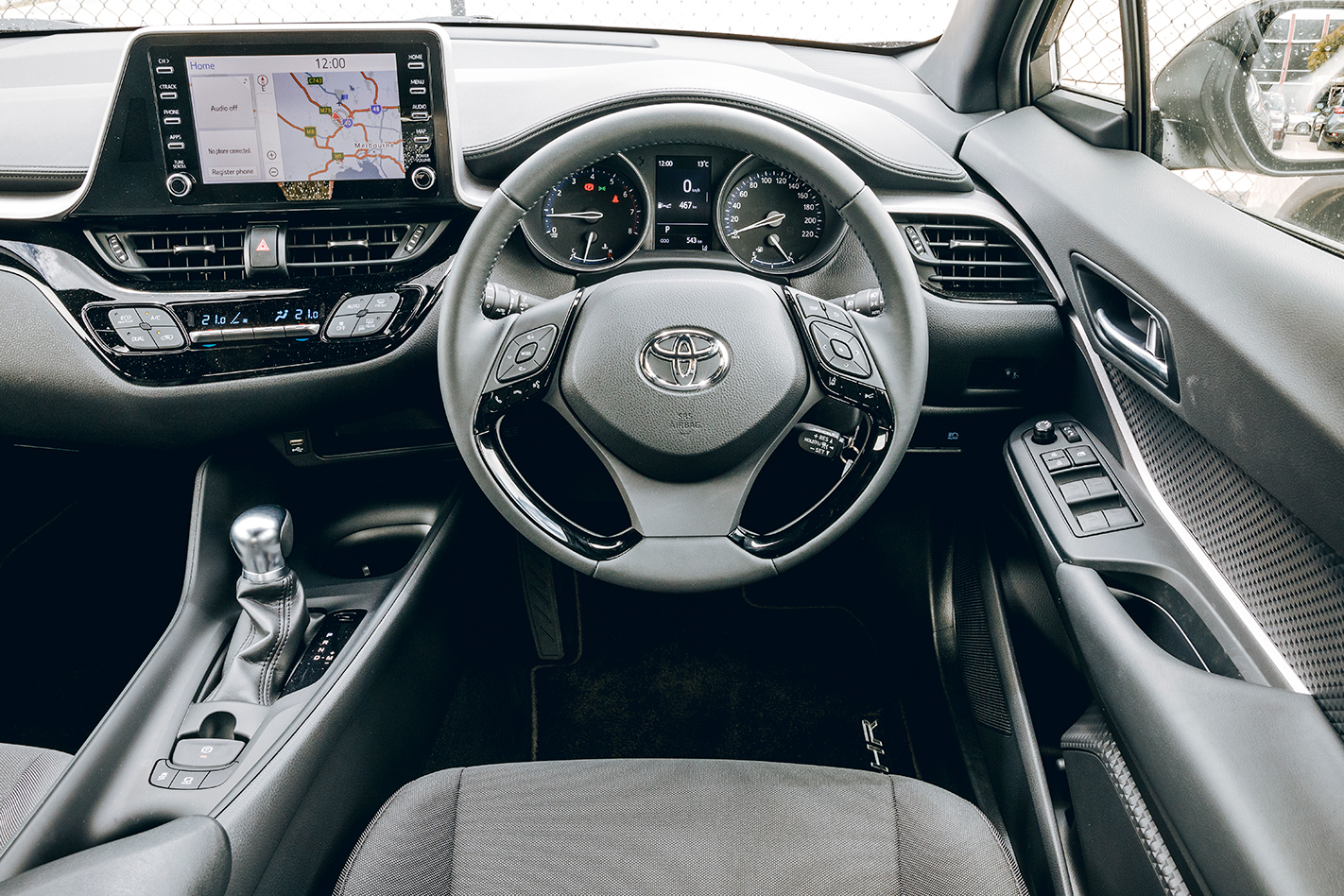
Inside, the ‘if it ain’t broke, don’t fix it’ mantra continues. However, apart from the infotainment screen, which now gains the aforementioned smartphone mirroring, little needed to change. So upmarket is the look and feel of the C-HR’s interior that it isn’t a stretch to say Toyota is verging on outclassing Lexus here, although the graphics are a bit gauche. Still, the climate controls are easy to use and there’s a logic and ergonomic simplicity to the cabin that juxtaposes the manic exterior.
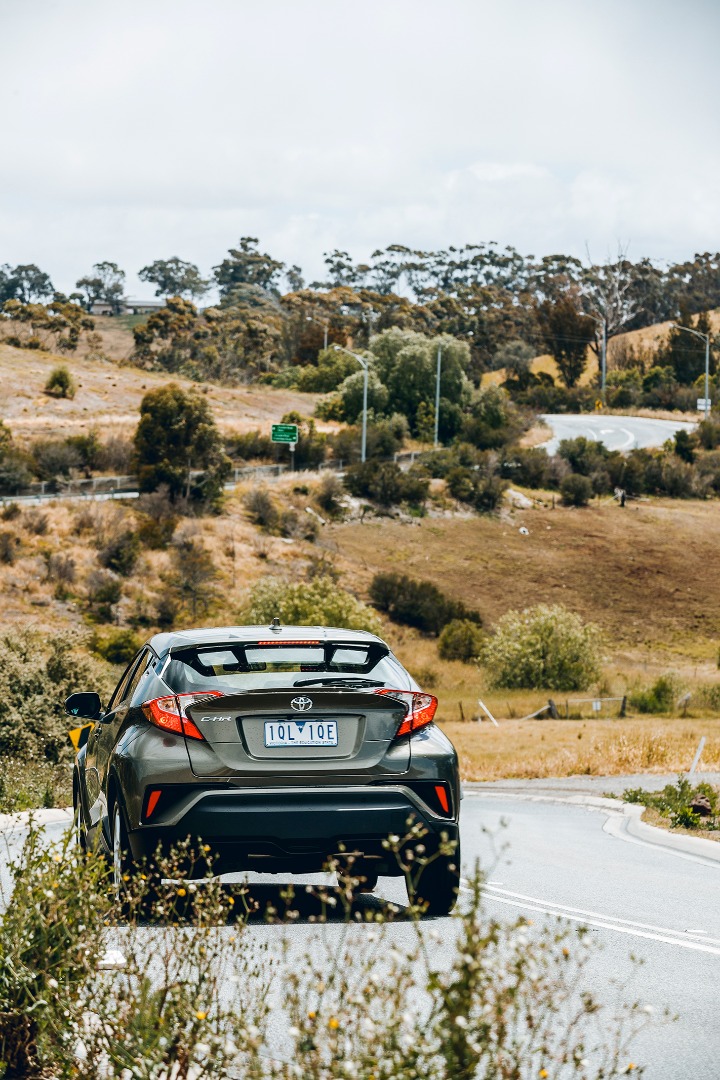
Chinks in the C-HR’s armour begin to unfurl in terms of packaging and practicality. It’s almost as if Toyota has blatantly decided to eschew rear vision. It’s form over function, and you could lose a truck in the rear three-quarter blindspot. Further impediments to vision are caused by the beltline rising higher than a pensioner’s trousers, while the rear windows are like peep holes out of a claustrophobic dark room. However, there is vastly more head and legroom than you expect, but clearly the focus here is on the front passengers, and perhaps new parents: the 377L boot is surprisingly roomy and the 60:40 rear seats fold flat to fit prams and strollers.
Mechanically the C-HR remains unchanged, with the diminutive 1.2-litre four-cylinder turbo offering up 85kW and 185Nm. A powerhouse? No, the front wheels certainly aren’t troubled. But this linear, silken engine belies its on-paper figures thanks to its meaty mid-range torque (peaking between 1500-4000rpm). With stepped ‘ratios’, the CVT works well, too, as it mimics a conventional torque converter without perching revs high under heavy acceleration. The boosted mill also averaged 8.4L/100km despite coming to us with just 590km on the clock, making it one of the most frugal on test.
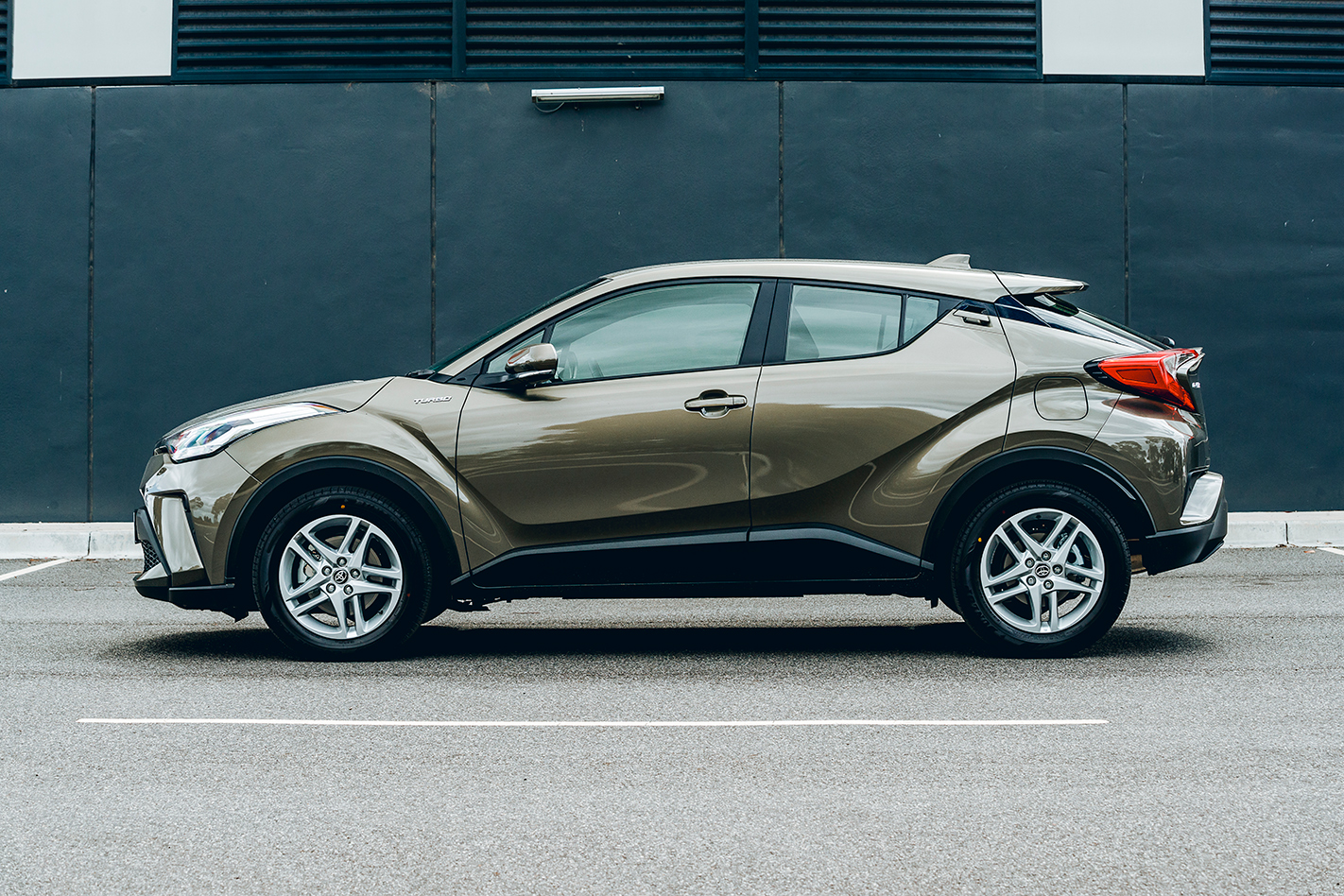
Behind the wheel the TNGA platform shows its promise – especially with urbane multi-link rear suspension. The C-HR is far from a mundane SUV and its well-tuned hatchback soul is easily accessible. The steering is well weighted (if not overtly tactile), the eco-focused Dunlops offer good grip, and body control is kept in check. While there is a degree of firmness to the ride, all surfaces are dealt with in a skilful manner and there is an ever-present veneer of sophistication and solidity. Road noise is one of the few blots on the copybook.
It’s hard not to be enamoured of the C-HR and its layers of dynamic talent that are refreshing and pleasing. It’s one of those rare Toyotas you buy with your heart just a little more than your head. While the Kia Seltos is the better monetary deal, the C-HR is the better ‘car’. The small SUV status quo remains intact.
Toyota C-HR Turbo specs
- Price: $29,540
- Engine: 1197cc 4cyl, dohc, 16v
- Power: 85kW @ 5200-5600rpm
- Torque: 185Nm @ 1500-4000rpm
- Transmission: CVT
- Dimensions (L/W/H/W-B): 4390/1795/1565/2640mm
- Weight: 1385kg
- Cargo capacity: 377L
- Tyres: Dunlop Enasave 215/60R17
- Economy: 8.4L/100km (tested)
- 0-100km/h: 10.3sec (tested)
- 80-120km/h: 7.9sec (tested)
- 100-0km/h: 37.2m (tested)
- ANCAP rating: 5 stars
2020 Small SUV Megatest
Results
MITSUBISHI ASX
Score 6/10
HOLDEN TRAX
Score 6.5/10
HYUNDAI KONA
Score 6.5/10
SUZUKI VITARA
Score 7/10
NISSAN QASHQAI
Score 7/10
HYUNDAI VENUE
Score 7.5/10
HONDA HR-V
Score 7.5/10
MAZDA CX-3
Score 7.5/10
KIA SELTOS
Score 8.5/10
Braking Data
Fuel Efficiency
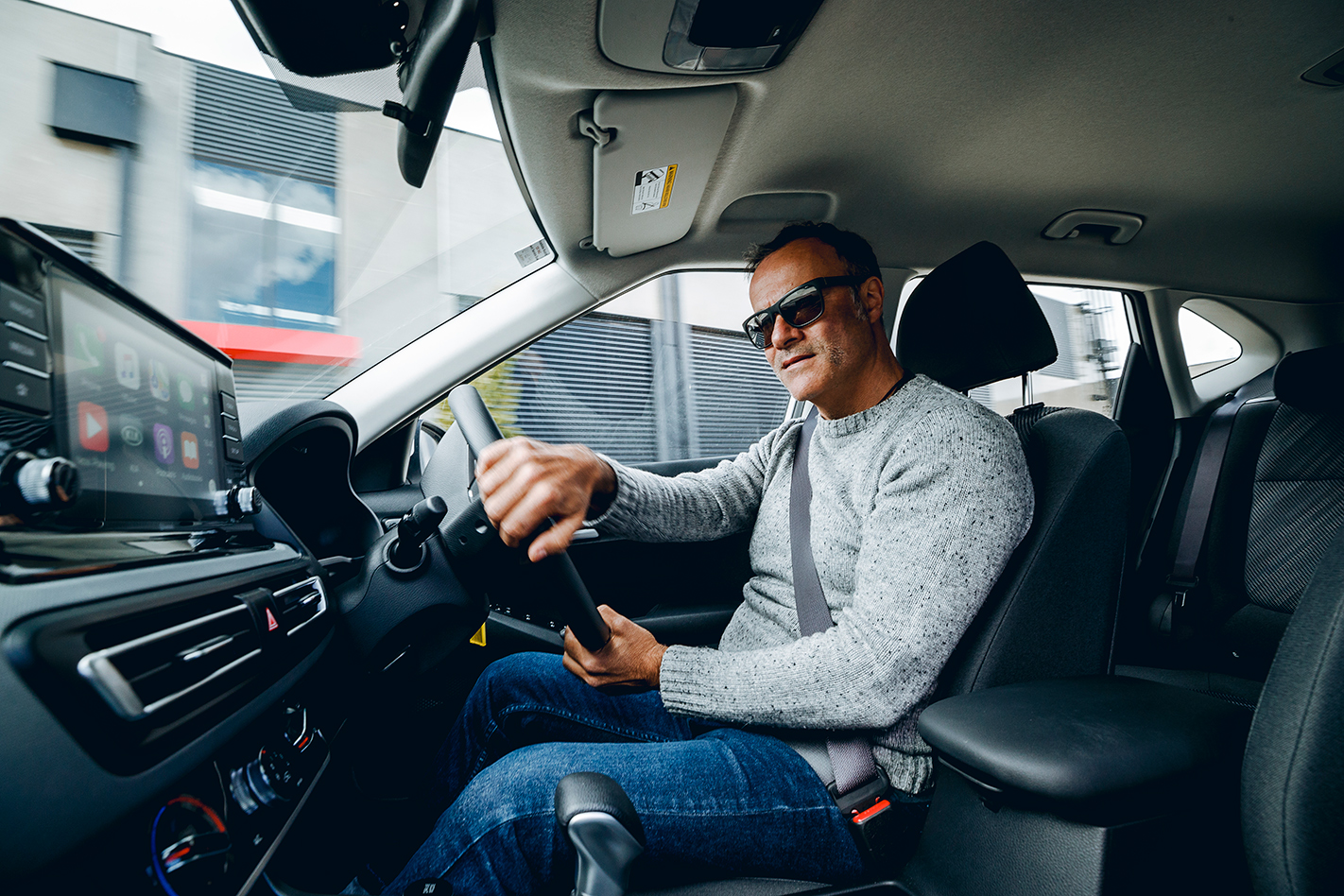
We all know it’s better to avoid an accident in the first place than try to mitigate the effects of one. Therefore, the braking performance of your vehicle, along with the performance of its stability control system, is one of the most critical aspects of active safety.
But while we are often bombarded with data on performance, fuel consumption and features, braking performance is something that’s generally not a standardised test, so manufacturers rarely spruik its importance.
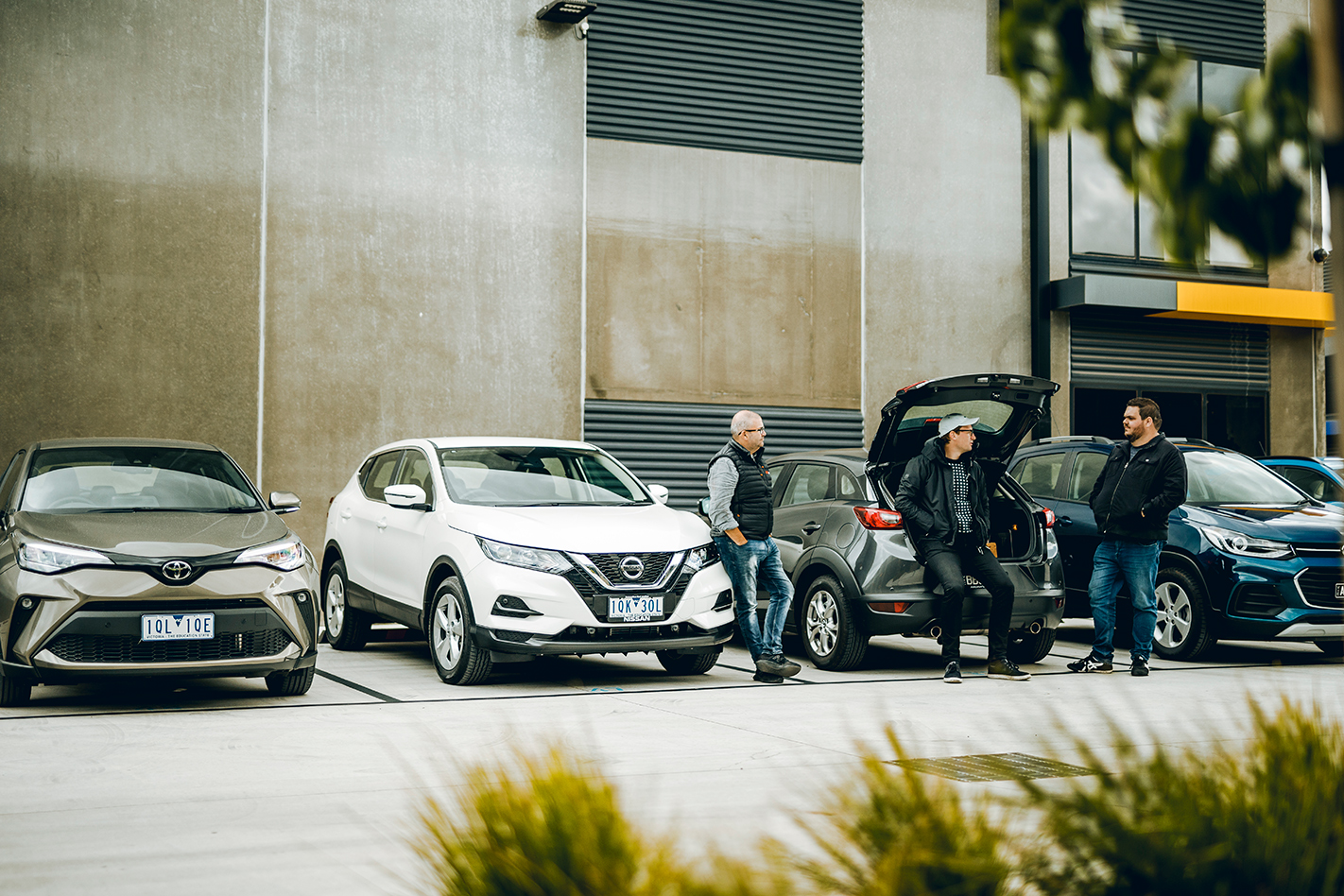
We gathered ten of the most popular small SUVs and ran them on a standardised braking test, from 100km/h down to a standstill, on the same piece of test track on the same day, in similar conditions. Each vehicle was given three attempts to gather a best figure in order to help level the playing field.
So, without any more preamble, here’s the list of which compact SUV did what, ranked in order of performance. We’ll get into the why in a bit.
DISTANCE TO STOP FROM 100KM/H (METRES)
- Hyundai Venue Elite: 36.9m
- Toyota C-HR Turbo: 37.2m
- Mazda CX-3 Maxx Sport: 37.7m
- Suzuki Vitara: 37.9m
- Hyundai Kona Active: 38.0m
- Kia Seltos S: 38.0m
- Holden Trax LS: 39.5m
- Honda HR-V VTi: 39.7m
- Nissan Qashqai ST: 39.8m
- Mitsubishi ASX ES: 41.3m
The difference between the best in test, the Hyundai Venue Elite, and the worst, the Mitsubishi ASX Elite, is 4.4 metres, which is more than the overall length of any of the vehicles included in this comparison.
In other words, if you pulled up in a hurry from 100km/h in your Hyundai Venue and there’s less than a car’s length to the vehicle in front of you, you would have been involved in an accident in the Mitsubishi ASX. I’m sure many of us can think of an occasion when that’s happened, so yes, good brakes matter.
We dug a little deeper into the data and were keen to see how significantly weight correlated with braking performance. It seems to make sense that the heavier your car, the harder it’ll be to bring it to a stop. Remarkably, with the data we had at hand in this test, tyre width was more than twice as strong a correlation (0.70) to good braking performance than vehicle kerb weight (0.34).
We’ll let you draw your own conclusions as to which of the cars listed above you’d choose to avoid, but the data speaks volumes. Hats off to Hyundai.
2020 Small SUV Megatest
Results
MITSUBISHI ASX
Score 6/10
HOLDEN TRAX
Score 6.5/10
HYUNDAI KONA
Score 6.5/10
SUZUKI VITARA
Score 7/10
NISSAN QASHQAI
Score 7/10
HYUNDAI VENUE
Score 7.5/10
HONDA HR-V
Score 7.5/10
MAZDA CX-3
Score 7.5/10
KIA SELTOS
Score 8.5/10
TOYOTA C-HR
Score 8.5/10
The Kia Seltos S not only delivers space, practicality and competent dynamics, it’s also frugal on petrol.
In our recent 10-car small SUV megatest, the Seltos S proved the most efficient out of the group, with its 110kW/180Nm 2.0-litre four-cylinder returning 8.0L/100km on test.
Despite the result being 1.2L/100km worse than the Korean manufacturer’s claim, our drive route included runs down a drag strip and ‘spirited driving’ on country roads. In other words, not all the tasks put in front of the SUV field were performed in a fuel-saving, sedate fashion.
However, the Seltos S still produced the quickest 0-100km/h time of 8.7sec, proving that its relative performance against its peers isn’t at the expensive of efficiency.
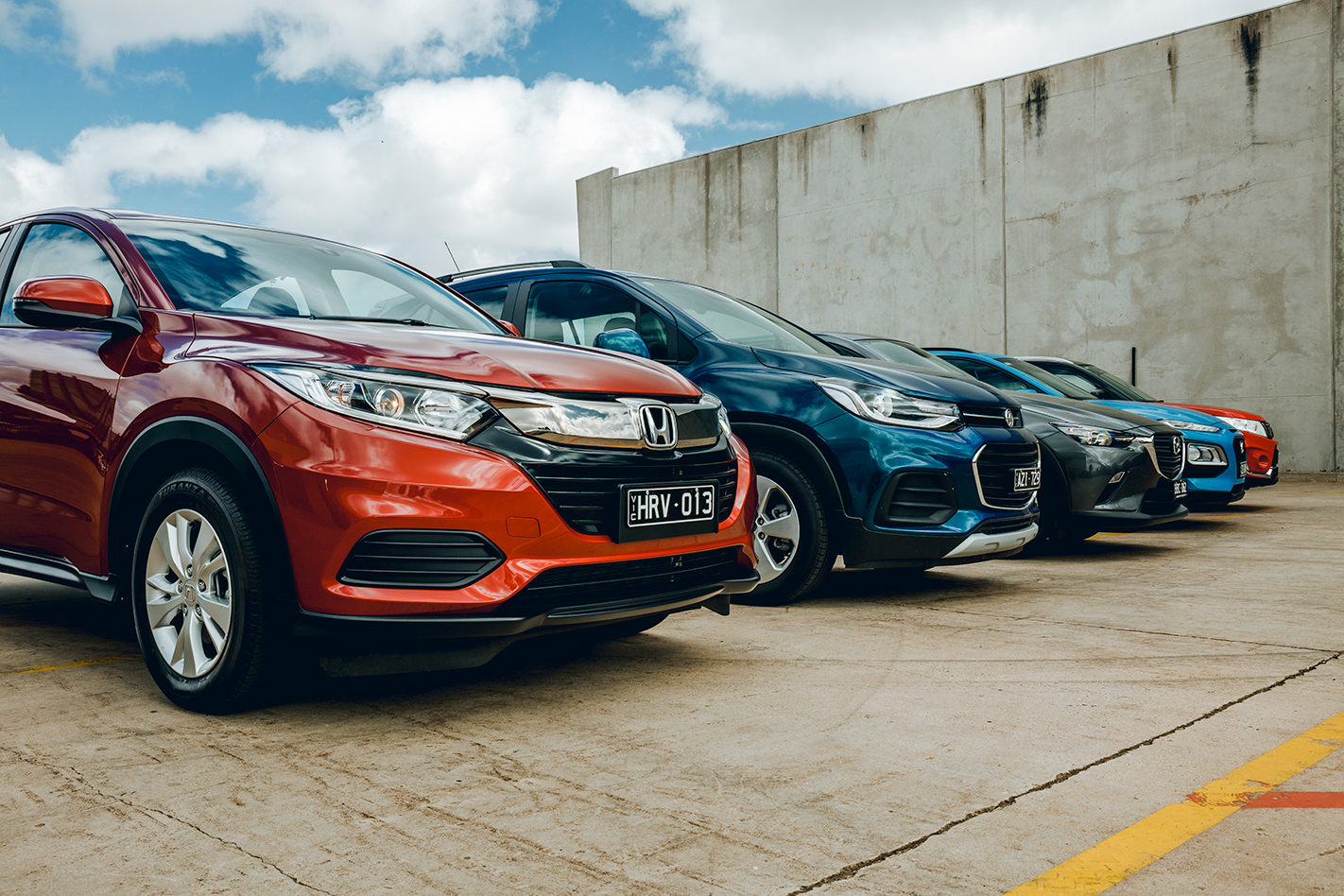
Claiming a close second place is the Honda HR-V, which like the Seltos uses a naturally aspirated four-cylinder and a CVT drivetrain, to return a fuel-consumption figure of 8.1L/100km.
Rounding out the podium is the diminutive 1.2-litre four-cylinder turbo in the Toyota C-HR. Its result is also impressive given our tester had a mere 360km on the odo, while everything else was well run-in.
The Nissan Qashqai’s 8.6L/100km result is noteworthy given its bigger, heavier body, while the rest of the mid-field was taken up by the Mazda CX-3 (8.7L/100km), Hyundai Kona (8.7L/100km) and the Suzuki Vitara (9.1L/100km).
Interestingly, the Hyundai Venue proves that a lithe kerb weight (1225kg) doesn’t always lead to better fuel economy. The atmo 1.6-litre four (90kW/151Nm) needs a strong accelerator prod, resulting in the Venue gulping 9.5L/100km.
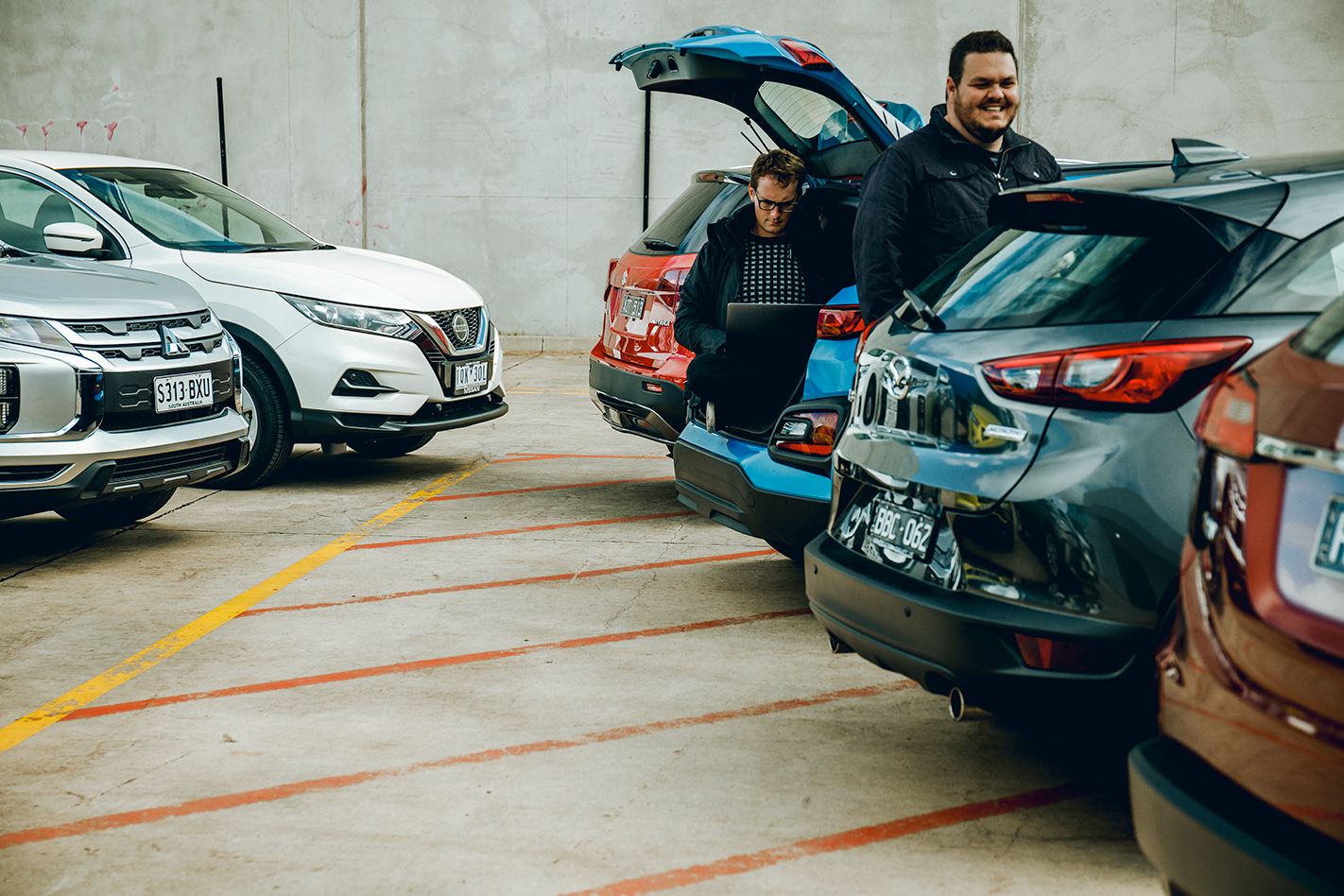
The ageing Holden Trax is still rather spritely with its 103kW/200Nm 1.4-litre four-cylinder turbo recording competitive performance times, but its 9.6L/100km is verging on double digits.
Gaining the wooden spoon is the Mitsubishi ASX with the thirstiest 10.4L/100km. The 110kW/197Nm 2.0-litre four-cylinder provides good mid-range punch, but by the numbers, it’s easily the most inefficient of this bunch – especially given a 7.7L/100km manufacturer claim.
While all 10 small SUVs drank more than their respective claims, each contender was driven in the same conditions over the same distance.
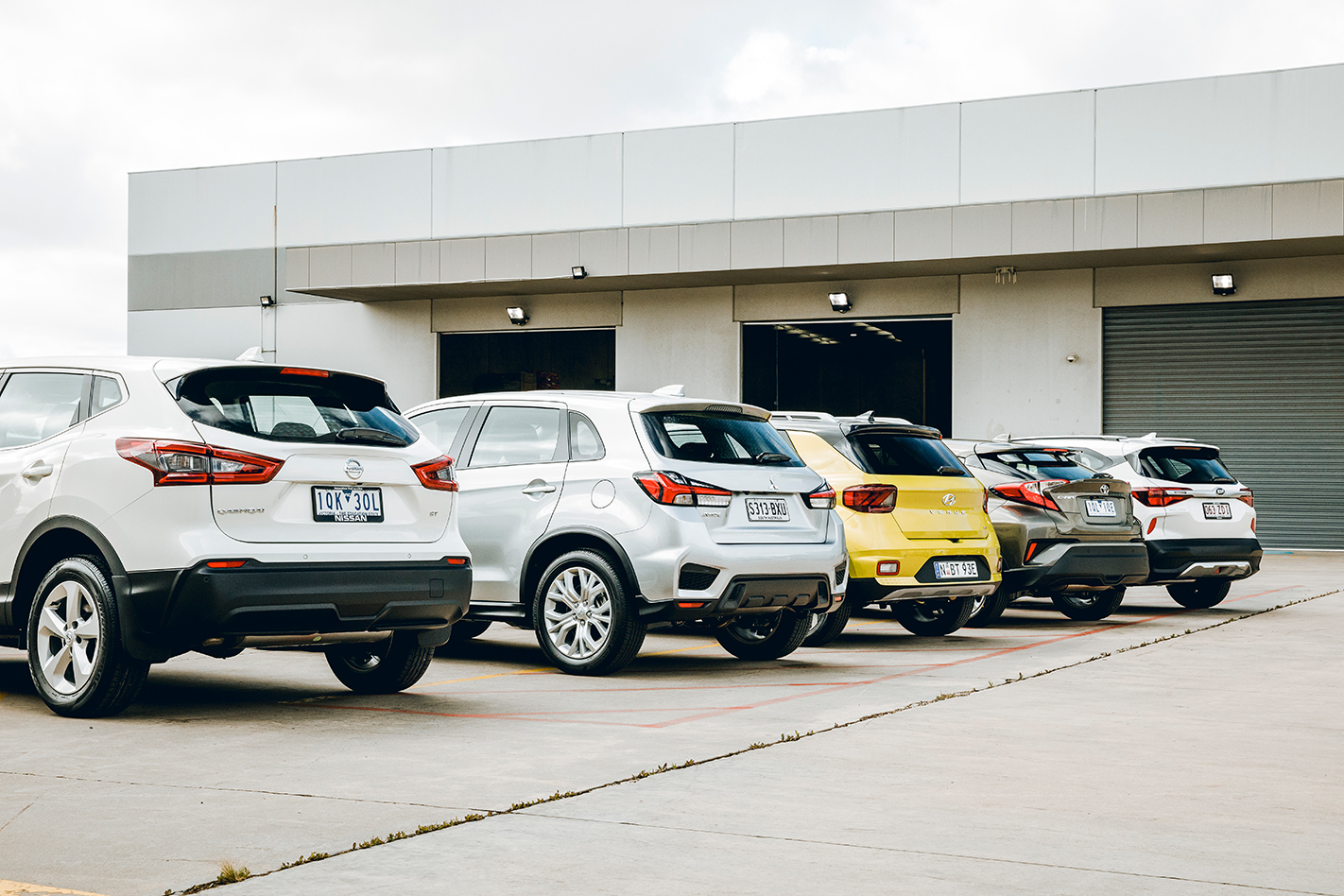
SMALL SUV REAL-WORLD FUEL EFFICIENCY FIGURES
- 1 Kia Seltos 8.0L/100km
- 2 Honda HR-V8.1L/100km
- 3 Toyota C-HR8.4L/100km
- 4 Nissan Qashqai8.6L/100km
- 5 Mazda CX-38.7L/100km
- 5 Hyundai Kona8.7L/100km
- 6 Suzuki Vitara9.1L/100km
- 7 Hyundai Venue9.5L/100km
- 8 Holden Trax9.6L/100km
- 9 Mitsubishi ASX10.4L/100km
2020 Small SUV Megatest
Results
MITSUBISHI ASX
Score 6/10
HOLDEN TRAX
Score 6.5/10
HYUNDAI KONA
Score 6.5/10
SUZUKI VITARA
Score 7/10
NISSAN QASHQAI
Score 7/10
HYUNDAI VENUE
Score 7.5/10
HONDA HR-V
Score 7.5/10
MAZDA CX-3
Score 7.5/10
KIA SELTOS
Score 8.5/10
TOYOTA C-HR
Score 8.5/10
Braking Data
The mighty Mopar collective has created some of the quickest muscle cars in the world with the Dodge Charger SRT Hellcat and the Challenger SRT Demon, both sure to rattle a few German cages.
This feature was originally published on December 2015
And Aussie cages too, as these Yankie behemoths aren’t being built with the steering wheel on the correct side.
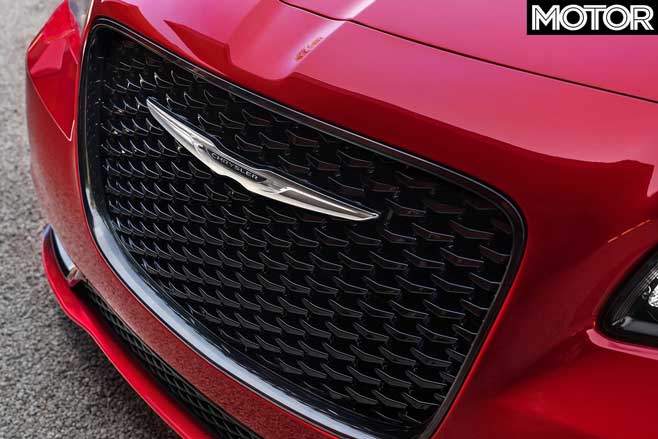
The solution? A large tub of lube, the mutha of all shoehorns and a heart transplant – plus all other key oily Hellcat addenda – into the right-hook Chrysler 300 SRT. As no-braininess gets, it’s Einstein approved.
SRT’s first-ever foray into blown V8s is backed by a choice of the ‘TorqueFlite’ eight-speed auto or six-speed manual – all of which neatly fits the Chrysler architecture. Meanwhile, Hellcat-spec six-piston, two-piece-rotor Brembos haul down two tonnes of Detroit’s finest from a Dodge-matching 328km/h V-max.
Tightening the 300’s handling talent is a three-mode adaptive suspension set-up and fat 275mm rubber. Mopar’s SRT Performance Pages system allows control over engine output, transmission, suspension and traction calibrations.
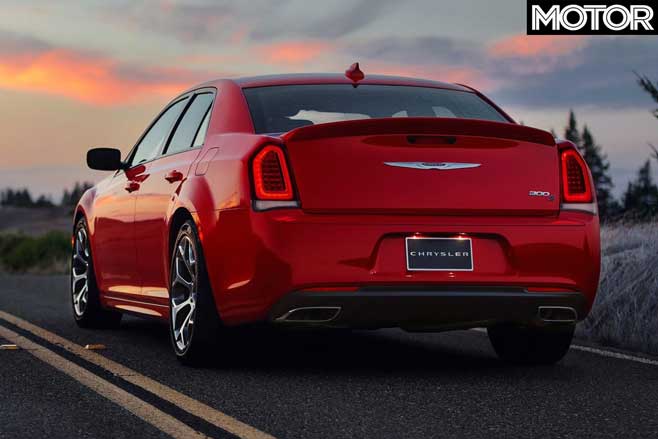
Unique Hellcat appearance tweaks (front and rear bars, bonnet, rims, et al) and interior treatment (Nappa leather and Alcantara trim) are fitting additions to the beast promising 11-flat 0-400m times and 100km/h in the “mid-threes”.
Price? If we were to go Hellcat-spec, $90K. But if it were to be a Demon-spec engine? You can’t get ‘em anymore, so let’s assume you’d need another rather large chunk of cash.
And for complete world-domination, we’d give our 300 an extra kilowatt or two above the US Dodge on the official specs list (nod, wink).
EXTERIOR
Today’s gen-two 300 looks tough enough, but the Hellcat makeover adds a more aggressive front and rear fascia treatment, a unique bonnet, subtle boot spoiler addenda and four-inch tailpipes. Any pimp chrome detailing is replaced by sinister black highlights.
INTERIOR
Inside, the 300 Hellcat gets lashings of Nappa leather and Alcantara, a bespoke flat-bottom wheel, enhanced TFT functionality and expanded Drive Mode preference settings, which vary from Red (527KW or 603kW in Demon guise), Black (reduced output) and Valet (4000rpm limit).
HANDLING
Unlike 300 Core’s single- and SRT’s dual-mode variable damping, the Hellcat gets an adaptive damper design that offers three different settings: the progressively firmer trio of Road, Sport and Track. Wider 275mm tyres allow more aggressive suspension tuning.
ENGINE
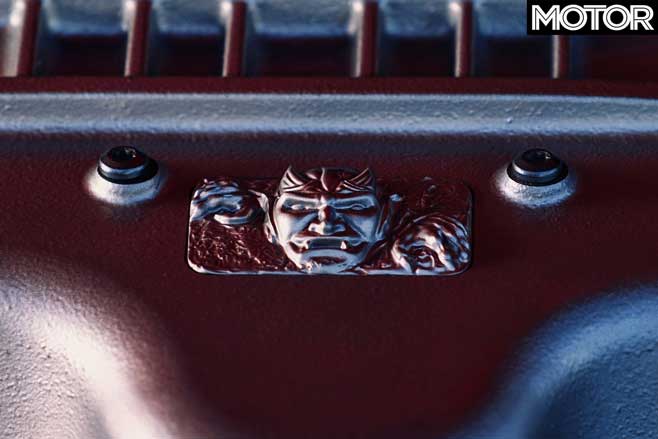
The most-powerful Chrysler production V8 yet is 90 per cent different to the regular SRT Hemi. It features bespoke forged pistons, a forged steel crank, powder-forged conrods and other revised bottom-end specs. The heads and block remain alloy and iron respectively.
DRIVELINES
Our 300 Hellcat yanks the Charger Hellcat’s rev-matching and paddle-shifting TorqueFlite 8HP90 eight-speed auto – which boasts 160-millisecond upshifts. A Schwarzenegger-spec six-speed manual could be revived from the days of the Viper… maybe? Please?
ROLLING STOCK
From the original Dodge Challenger Hellcat, our 300 gets massive 390mm two-piece rotors with six-piston Brembo calipers, along with 20 x 9.5-inch forged alloy rims in either black or Oh-So-Tokyo-Tuner dark bronze finish.
What stands out?
The fully-imported Camry takes off where the Aussie-built models left off as Australia’s best-selling medium car by far. You get a lot for the money, with plenty of space and the option of hybrid power. The Camry is also good to drive, with nice balance and, in hybrid form, a responsive drivetrain. All Camry models feature automatic emergency braking is standard.
What might bug me?
Friends who want you to drive something more exciting, even though the new imported Camry has shed the blandness of previous models.The sore neck you’ll get if you’re tall and decide to get a Camry with a sunroof, which significantly reduces headroom.Driving at no more than 80km/h on your space-saver spare tyre, until you can fix your full-sized flat. Only the cheapest Camry, the Ascent petrol. has a full-sized spare wheel.
What body styles are there?
Four-door sedan only.All Camrys are front-wheel drive. The Camry is classed as a medium-sized car, lower priced.
What features do all Toyota Camrys have?
Bluetooth connectivity for phones and audio streaming, and a 7.0-inch or bigger central touchscreen. An MP3-compatible sound system, with AM/FM radio and a CD player, and Apple CarPlay/Android Auto smartphone pairing.Cruise control, a reversing camera, and parking sensors front and rear.Automatic emergency braking, adaptive cruise control, lane departure warning and lane keeping assist, which helps steer the car within a lane via a sensor that detects the lines.Headlights, tail-lights and daytime running lamps illuminated by long-lived LEDs. Automatic high beam, which automatically dips when another vehicle is approaching.Wheels made from an alloy of aluminium (lighter and nicer looking than steel wheels).Height and reach adjustment for the steering wheel, and buttons on the wheel for controlling the sound system. Height adjustment for the driver’s seat. Air-conditioning that maintains a set temperature.Electronic stability control, which can help the driver recover from slides. All new cars must have this feature.Seven airbags: two directly in front of the driver and passenger, a side airbag for each front occupant, a curtain airbag on each side to protect the heads of front and rear occupants, and an airbag in front of the driver’s knees.All Camrys are covered by a five year/unlimited-kilometre warranty. (The batteries in hybrid models are warrantied for eight years and up to 160,000km.)
Which engine uses least fuel, and why wouldn’t I choose it?
The hybrid powertrain uses the least fuel, consuming just 4.5 litres/100km in the official test (urban and rural combined), which is less than smaller Prius V hybrid.Apart from the V6, this is the most powerful engine with lively acceleration, so the main reason not to purchase a hybrid Camry is the higher initial price over the standard four-cylinder models.A second reason might be that you intend to use the car mainly on long journeys. The hybrid drivetrain does its best work around town, where it can harvest energy usually wasted in braking. On the highway, it loses much of its efficiency advantage.Another reason might be that the hybrid Camrys are rated to tow only a much lighter trailer than the non-hybrid versions: 400kg total, compared with 1200kg for the four-cylinder models and 1600kg for the V6.Non-hybrid Camrys include a 2.5-litre four-cylinder petrol version with good mid-speed response, and fuel economy around 8.0 litres/100km.The hybrids use a retuned version of that petrol engine and add an electric motor to produce more power in different driving conditions.The most powerful Camry engine is the V6, which produces decent power, especially off the line, but the power soon flattens out. It falls short of having the performance you’d expect from a family tourer, such as the Holden Calais. The V6’s combined fuel economy is around 8.8 litres/100km.All Camrys are supplied with an automatic transmission: there is no manual transmission option. The four-cylinder Camrys use a conventional six-speed auto while the V6 has an eight-speed unit. Hybrids use a continuously variable transmission or CVT, which adjusts steplessly to the driving conditions.
What key features do I get if I spend more?
The least costly Camry, the Ascent, rolls on 17-inch wheels and has cloth trim on the seats.Spend more for the Accent Hybrid and, apart from the fuel efficient powertrain, you get smart key entry, which means doors can be unlocked without taking the key out of your pocket or handbag.It also has dual-zone air-conditioning, which lets the driver and front passenger set temperatures independently.The Ascent Sport has a larger 8.0-inch touchscreen with in-built satellite navigation, and a seven-inch multi-information display showing trip information and vehicle settings. It also features a premium steering wheel and gear shifter, stainless steel scuff plates inside in the door surrounds, and sports body kit with more aggressively styled front and rear bumpers and grille.The driver’s seat has power adjustments to slide, raise and recline.The SX, which comes with a choice of the four- or six-cylinder engines adds partial leather sports seats (they’re a mix of real and fake leather), LED headlamps with self-levelling technology, LED rear combination lamps and wireless phone charger (for compatible mobile phones).Sporty touches include paddle shifters on the steering wheel for hand-on gear shifting, firmer suspension, for more stable cornering, high-gloss sports grille, rear boot-lid spoiler and bigger, 19-inch wheels that are slightly wider and with lower-profile tyres.The SL shuns the SX’s sporty touches and instead ramps up the luxury features.The wheels revert to 18-inch alloys, for a slightly softer ride and both part-leather front seats are power-adjustable, with the driver’s seat equipped with memory settings. The steering wheel adjustment is also electric. Each front seat is ventilated to help your back remain cool in summer.The SL also has a 10-inch head-up display which shows driving information such as speed, adaptive cruise control settings and navigation info. The windscreen wipers operate automatically when it rains and the electro-chromatic rear-view mirror dims automatically to counter any bright lights.The SL also features ambient cabin lighting and sunroof.
Does any upgrade have a down side?
The lower profile tyres on the bigger wheels may ride more roughly and cost more to replace.White is the only standard colour, with the other seven hues costing extra.The cheapest Camry, the Ascent is the only one with a full size spare wheel, the others have space-saving temporary spares.Hybrid Camrys are rated to tow up to 400KG, compared to the cheaper four-cylinder petrol versions which can pull 1200kg.
How comfortable is the Toyota Camry?
It might officially be a mid-sized car, but the Camry is closer to a large car when it comes to interior space. It seats five adults in comfort, with plenty of legroom. Taller drivers and rear seat passengers, however, can find headroom pretty tight, especially in Camrys fitted with a sunroof.It’s much more comfortable inside than before, with soft-touch surfaces – either plastic or fake leather – covering almost every area that a hand or elbow falls.It’s quiet too. The cabin suppresses road noise well, and the Ascent’s 17-inch alloys and higher profile tyres are a relatively quiet combination. The SX gets a slightly firmer suspension setup to go with the sportier sales pitch. Combined with the lower profile tyres it will jiggle over small bumps more noticeably than the other models at lower speeds. The SL’s 18-inch wheels are also a little firm considering its luxury focus.The six-speaker audio system is good. Sound reproduction is better than you’d expect in such a relatively affordable sedan.
What about safety in a Camry?
This Camry’s big leap from the previous generation Australian-built model is the inclusion of driver aids across the range, including Pre-Collision Safety System, adaptive cruise control, lane departure warning and lane keeping assist, which helps steer the car within a lane via a sensor that detects the lines.The Pre-Collision Safety System offers Automatic emergency braking, which is designed to alert you to obstacles in front of the car – typically another vehicle that has slowed sharply – and apply the brakes if it believes a collision is imminent. The radar-based system works at city and highway speeds.It also features blind spot warning that alerts you when you indicate to change lanes, while rear cross-traffic alert helps you reverse safely out of driveways and parking spots by warning of vehicles crossing behind you.Seven airbags, the mandatory stability control, parking sensors and a standard reversing camera make for a good safety package. There are seatbelt reminders for all seats.The Australasian New Car Assessment Program (ANCAP) rated the Camry’s safety at five stars, its maximum, in November 2017.
I like driving – will I enjoy this car?
The Camry’s petrol four-cylinder and V6 petrol engines are all about getting the job done rather than doing it in an exciting way. The auto transmission sometimes takes too long to shift into a lower gear.Battery assistance improves things in a petrol-electric Hybrid Camry. The drivetrain feels sweetly muscular and most people would be surprised by how quickly it can accelerate.The steering feel is much improved over the previous version. The Australian-built Camry’s overly assisted steering was never a strong point, but in this version you feel more of a connection with the front wheels.The standard suspension tune works well on Australian roads. It rides and handles very well. The Camry is able to soak up all the imperfections of the road surface, and it’s even a bit of fun to tip into a corner.The SX model with its firmer suspension takes some of the unwanted leaning out of the equation, and benefits from 19-inch tyres with great grip. The steering is also slightly sharper, combining with the tyres to improve cornering accuracy.
How is life in the rear seats?
There is a refreshing breadth to the Camry cabin that makes getting three adults in the rear an easy task. Rear leg room is very generous, ensuring good comfort for tall people, while rear air-conditioning vents help cool the cabin quickly.The swept roof makes headroom a little tight back there, especially in Camrys equipped with a sunroof.The headrests in the rear seats are fixed rather than adjustable. It means they’re less likely offer taller passengers any active whiplash support that can minimise neck injuries in a rear-end collision.
How is it for carrying stuff?
Boot space is a capacious 524 litres in all Camrys except the Ascent petrol, which makes do with 493-litres because of the full-sized spare tyre.
Where does Toyota make the Camry?
All the Camry models featured in this review were made in Japan.
Are there any rivals that I should consider?
While there are no hybrid mid-sized or large sedan competitors, the Camry does have some conventionally-powered opposition including the Ford Mondeo, Hyundai Sonata, Mazda6, Peugeot 508, Subaru Liberty, Skoda Octavia and Superb, and Volkswagen Passat.
Are there plans to update the Camry?
The current model Camry arrived in November 2017, and replaced the Australian-built model which had been in production since 2015 – Click here to see a separate review of 2015-2017 Camry.This is an all-new Camry and is considered two generations ahead of the Aussie model because of its advanced chassis design and active safety across the range.Toyota extended the warranty period to five years and unlimited kilometres at the start of 2019. Android Auto and Apple CarPlay were added in November 2019. Current model Camry’s sold before then can have the system retrofitted for about $200.Don’t expect any updates until 2020.
I like this car, but I can’t choose which version. Can you help?
We recommend the Ascent Hybrid. For the money, it offers a nice blend of safety, comfort, city savings and open-road usability. Note the low towing limit, however.
If you want a sedan that can carry four adults, and also destroy most supercars at the traffic light grand prix, we’ve got three bahn burners for you.
Our German colleagues at Auto Zeitung decided to put the BMW M5 Competition, Tesla Model S Performance and Porsche Taycan Turbo S to the test to measure exactly how quick they are in a straight line.
The results will surprise many, with all four super sedans cracking the 100km/h barrier from a standstill in less than three seconds.
Of the trio, the Porsche is the quickest, with Auto Zeitung independently verifying a stonking 2.7 second sprint to 100km/h. That’s against a claim from Porsche of 2.8 seconds.
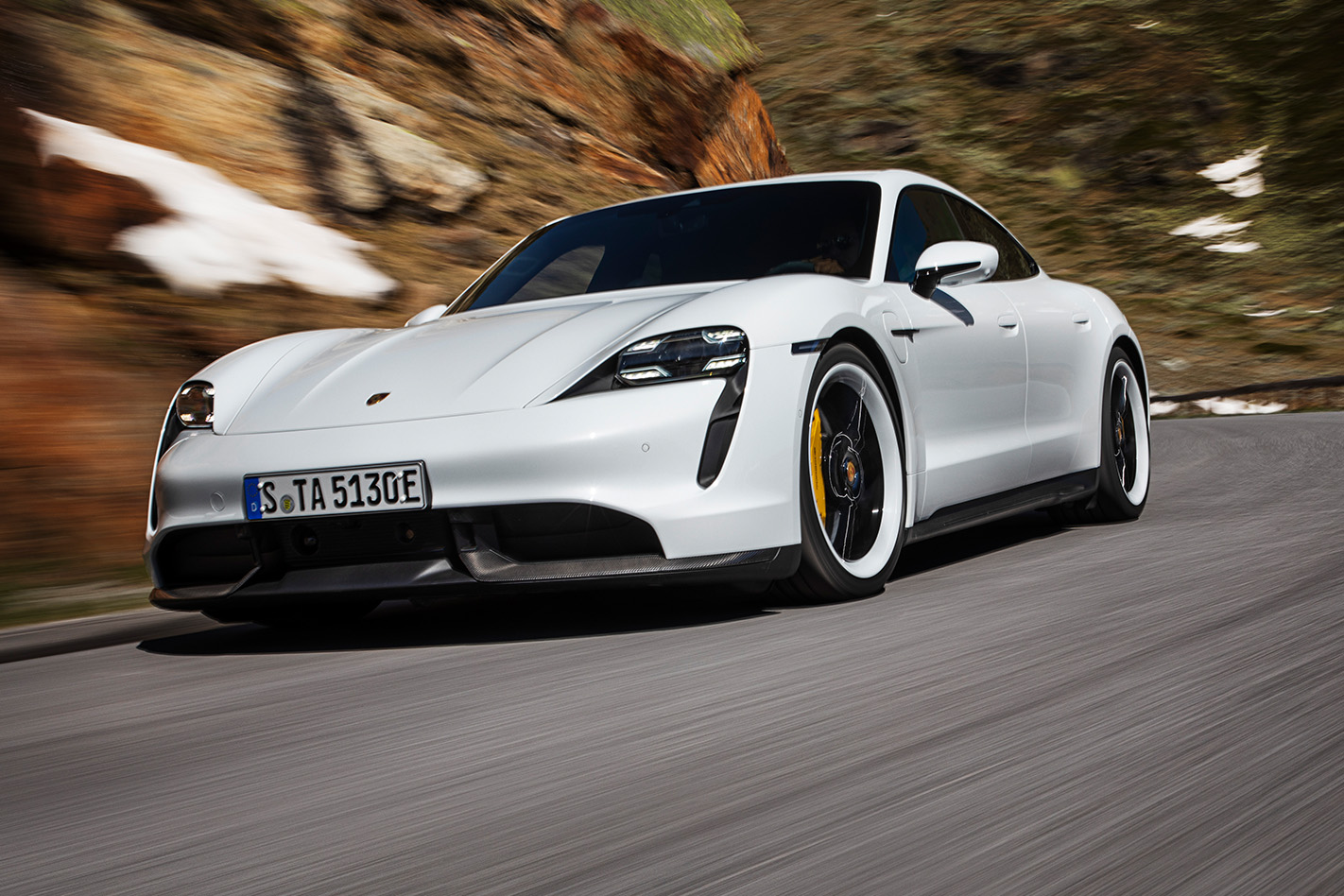
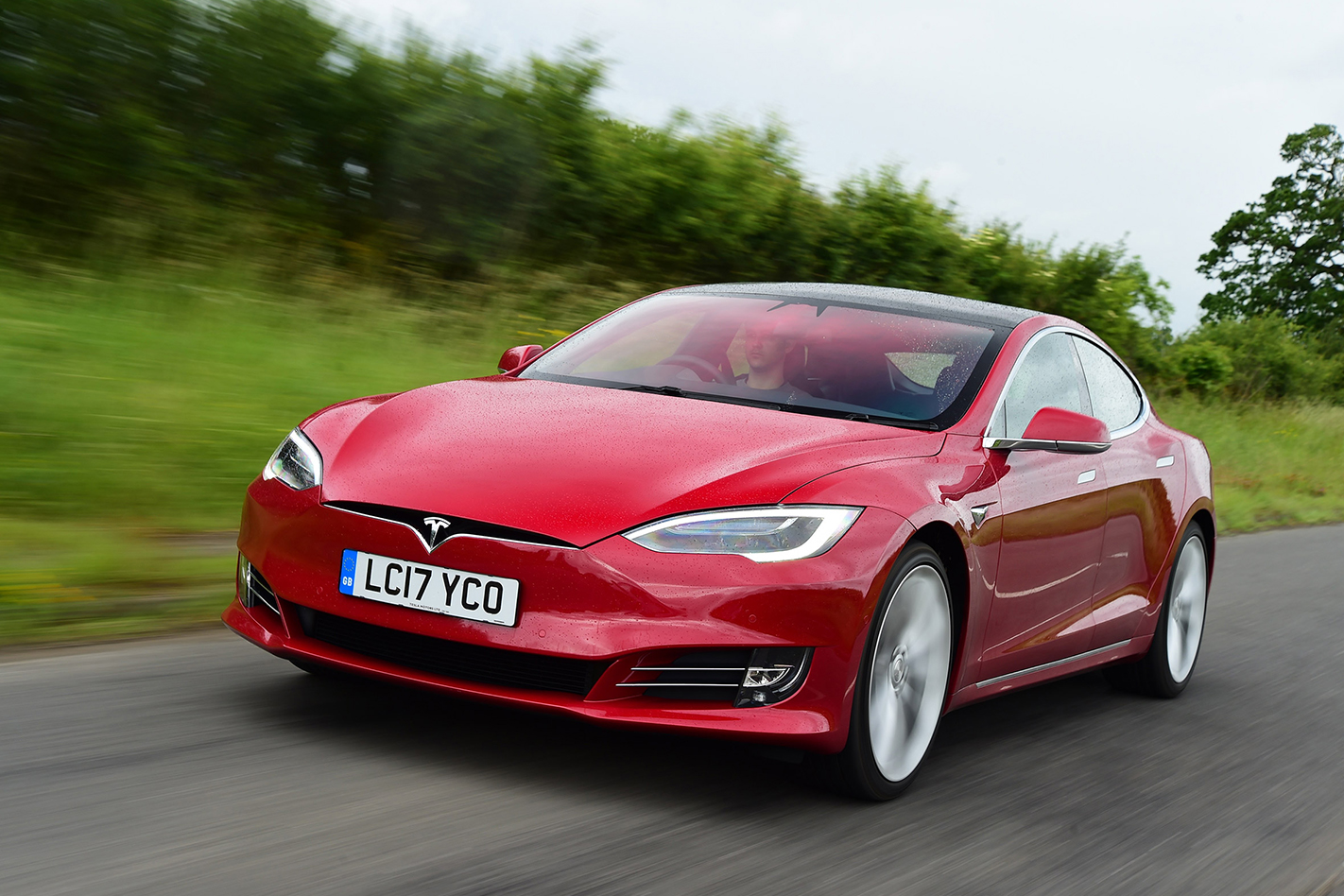
Two tenths slower to triple digits is the Tesla Model S Performance with Ludicrous, and the BMW M5 Competition.
Slower is a loose term here, with an honest-to-god sub-3.0 second 0-100km/h truly rarefied air. It’s all well and good claiming a car can crack the tonne in under three seconds in a brochure, but it’s rare for that kind of figure to be backed up with independent testing.
Performance data was recorded with a GPS-tracking VBOX, while Auto Zeitung’s testing procedure is to record all figures from a standstill (there is no ‘rollout’ like that permitted by the Yank outlets), with the car’s launch control engaged if possible.
Making the figures even more impressive is that they were achieved without the aid of a prepped drag surface – testing was conducted at a former military airport.
For the combustion-powered BMW to hold its own against the fully-electric Porsche and Tesla is impressive, especially considering the German manufacturer only claims its performance sedan can crack 100km/h in 3.1 seconds.
Start moving the speedometer past 100km/h and things get pretty interesting.
The Tesla and M5 are identical when sprinting to 100km/h, but the American electric sedan begins edging out an advantage of just a tenth by 150km/h, recording a 5.8 second time to the BMW’s 5.9.
Even at 150km/h the Porsche remains the quickest of the trio, with data reporting the two-tonne four-door will crack the figure in 5.4 seconds – quicker than many cars take to get to 100km/h.
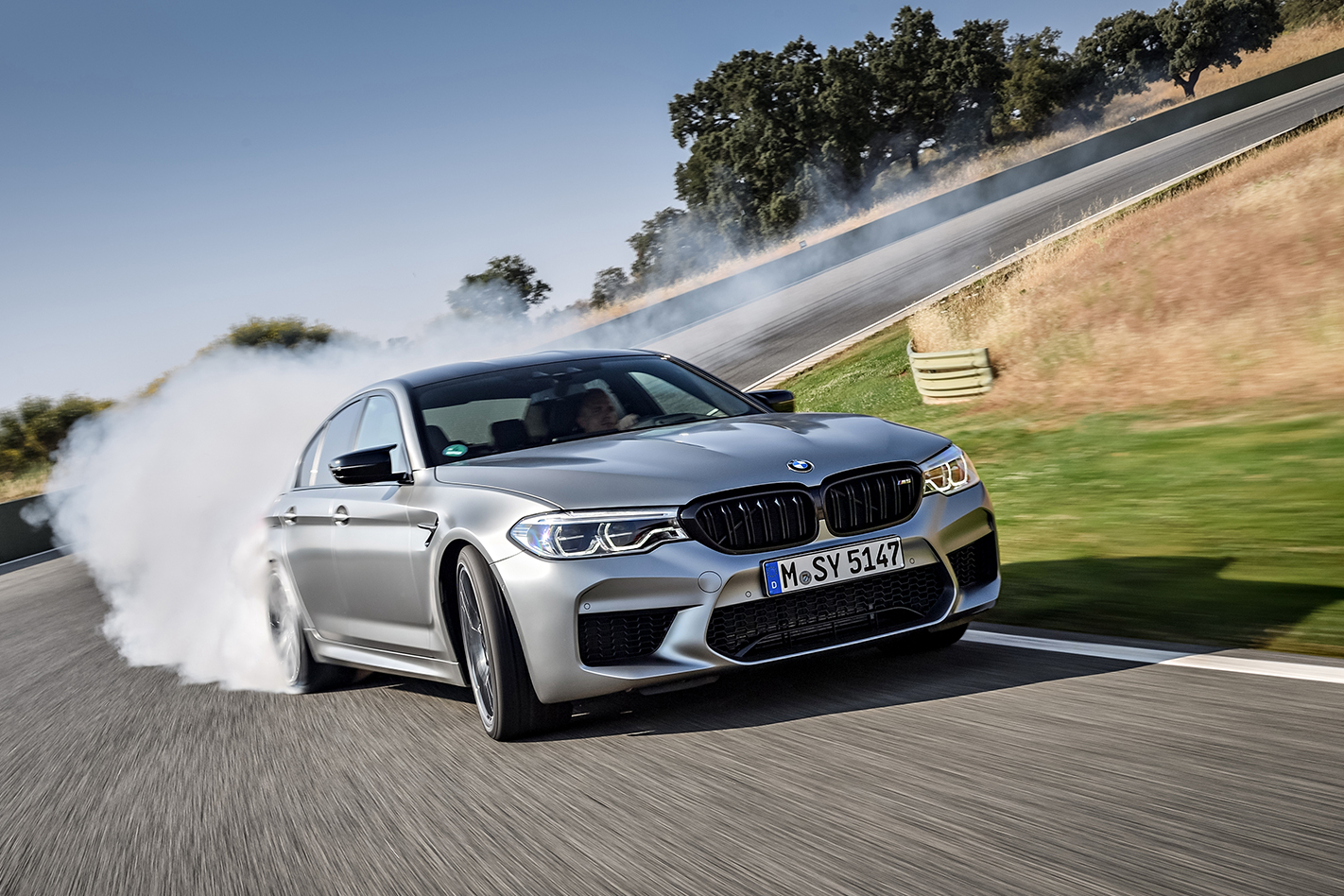
But at the top end of the track the M5 stomps home, its 4.4-litre twin-turbo V8 sucking in air and igniting fuel to blast past 200km/h in 9.3 seconds.
That’s three tenths quicker than Porsche’s Taycan (9.6), and a full 1.8 seconds ahead of the Tesla Model S (11.1).
All of the figures are truly staggering, and go to show just how incredibly fast modern cars are becoming. For reference, the M5’s run to 200km/h is a tenth quicker than the McLaren F1 was independently tested at. That’s remarkable. So where to from here?
Tested performance figures
Porsche Taycan Turbo S
- 0-100km/h: 2.7 seconds
- 0-150km/h: 5.4 seconds
- 0-200km/h: 9.6 seconds
- 0-100km/h: 2.9 seconds
- 0-150km/h: 5.8 seconds
- 0-200km/h: 11.1 seconds
- 0-100km/h: 2.9 seconds
- 0-150km/h: 5.9 seconds
- 0-200km/h: 9.3 seconds
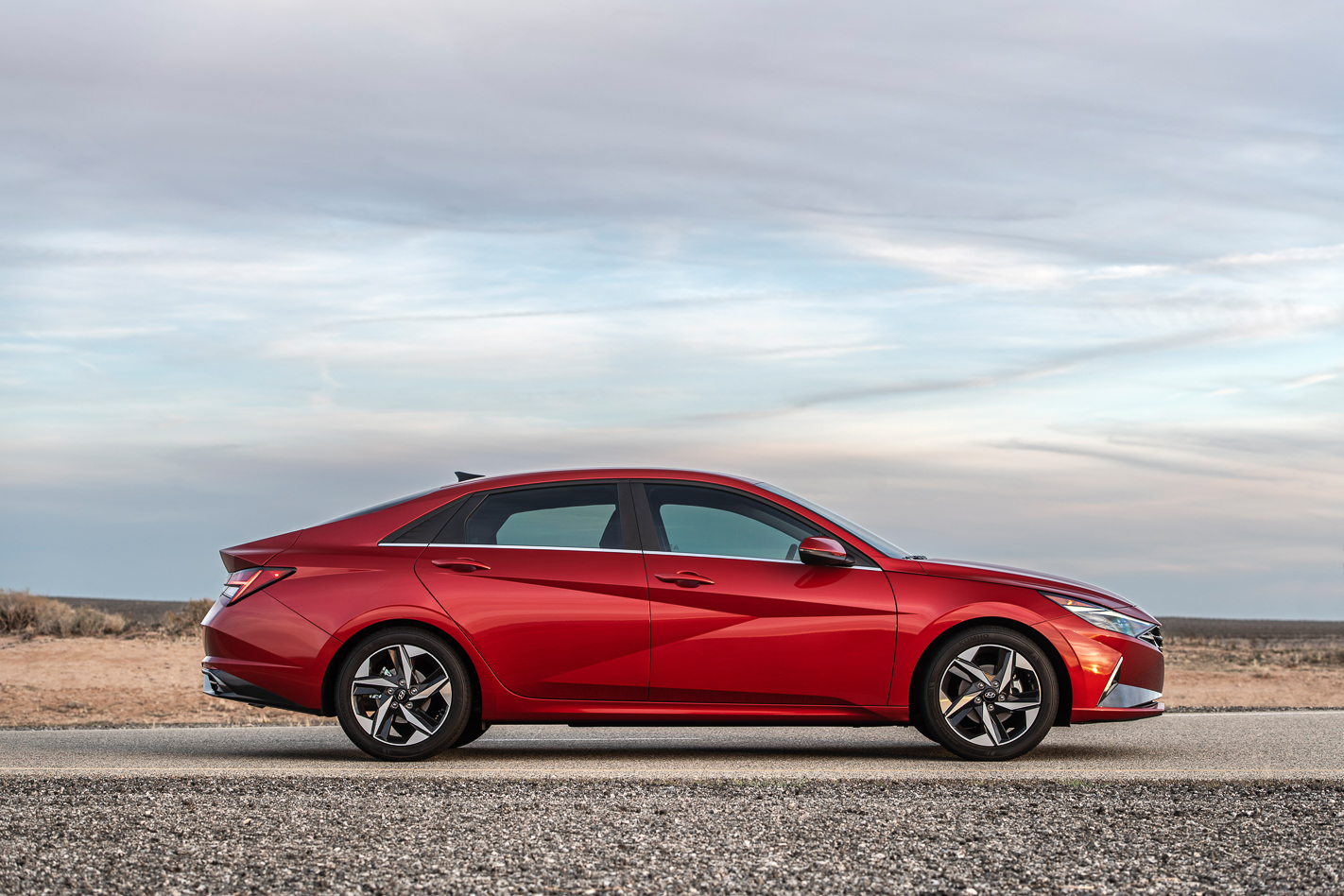
Hyundai has rolled out the red carpet for its 2020 i30 Sedan in a Hollywood debut that was livestreamed to the world.
The eyebrow-raising premiere marked the global reveal of the i30 Sedan, which is set to replace the beloved but ancient Elantra small sedan in Australia.
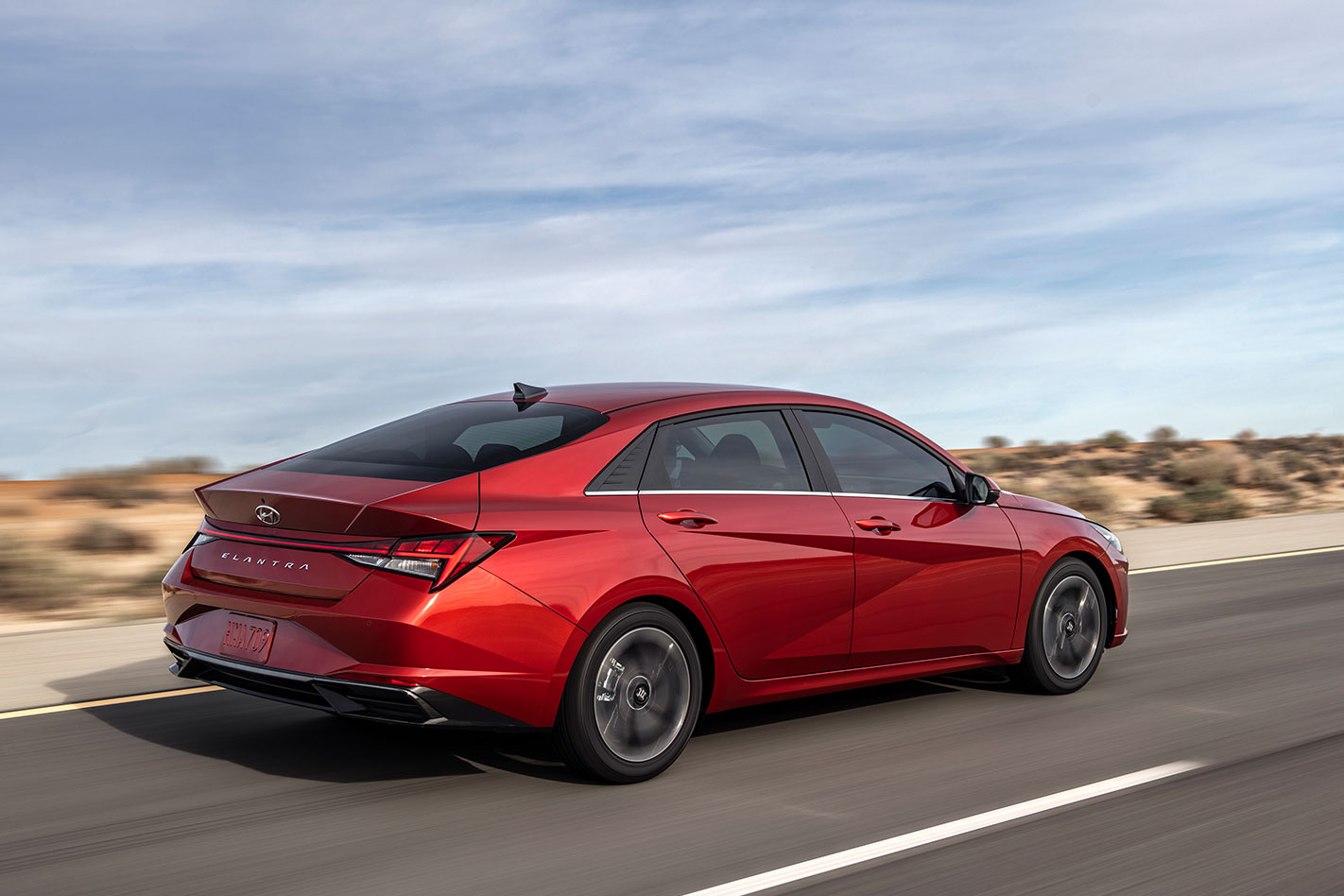
The i30 Sedan is underpinned by a new K3 platform which makes it lower, lighter and stronger compared to the outgoing Elantra, while its driving dynamics are also said to be improved thanks to a lower centre of gravity.
That platform also paves way for hybrid powertrains, and while Hyundai Australia says hybrid isn’t on the cards for Australia just yet, it’s left the door open for a possible mid-life introduction.
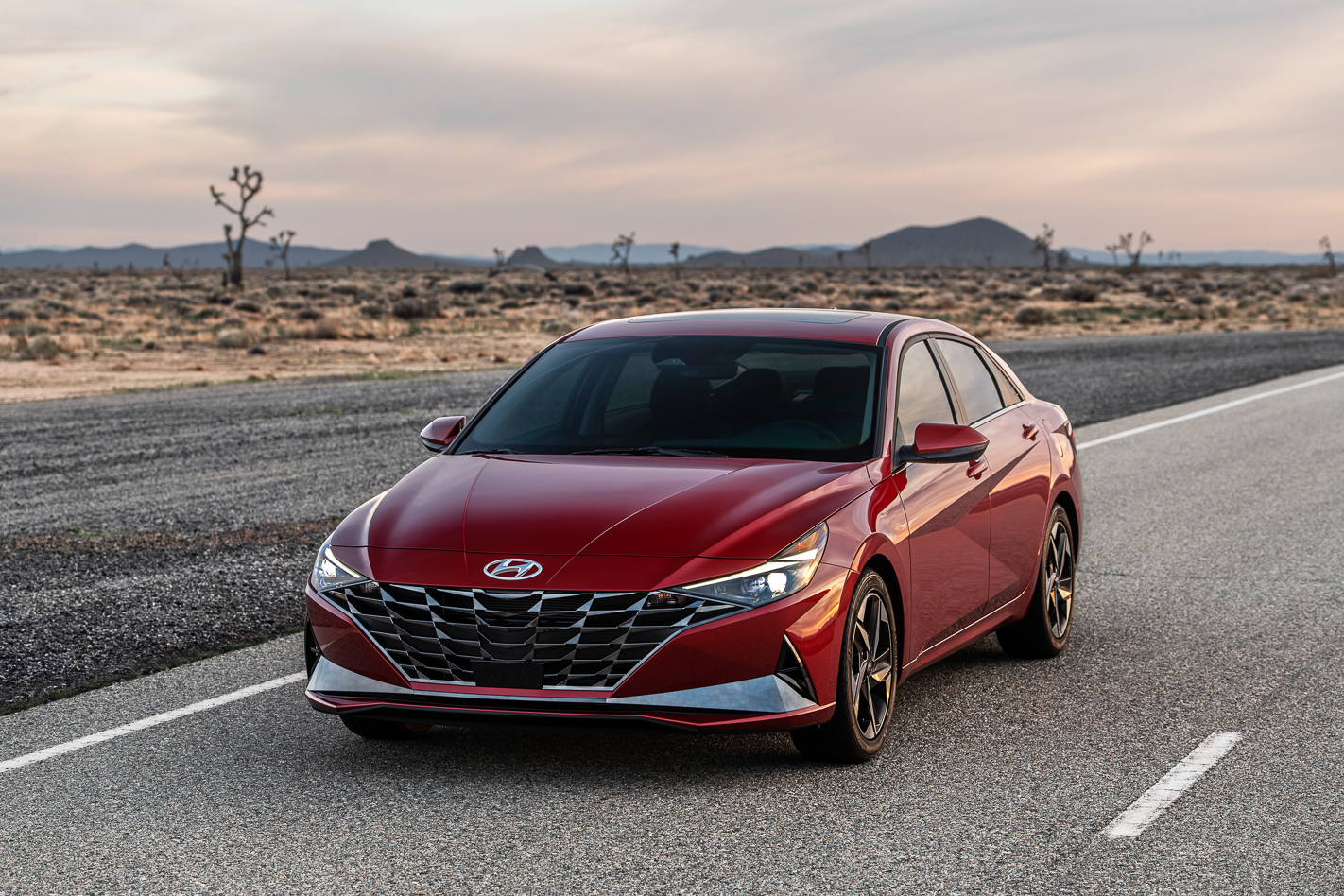
Due to arrive locally in the second half of the year, the i30 Sedan features a pointed front fascia that incorporates a gaping grille, sleek bodylines that Hyundai suggests render it closer to a coupe than a sedan and a tapered rear end that includes a full-width light bar that forms an ‘H’ shape.
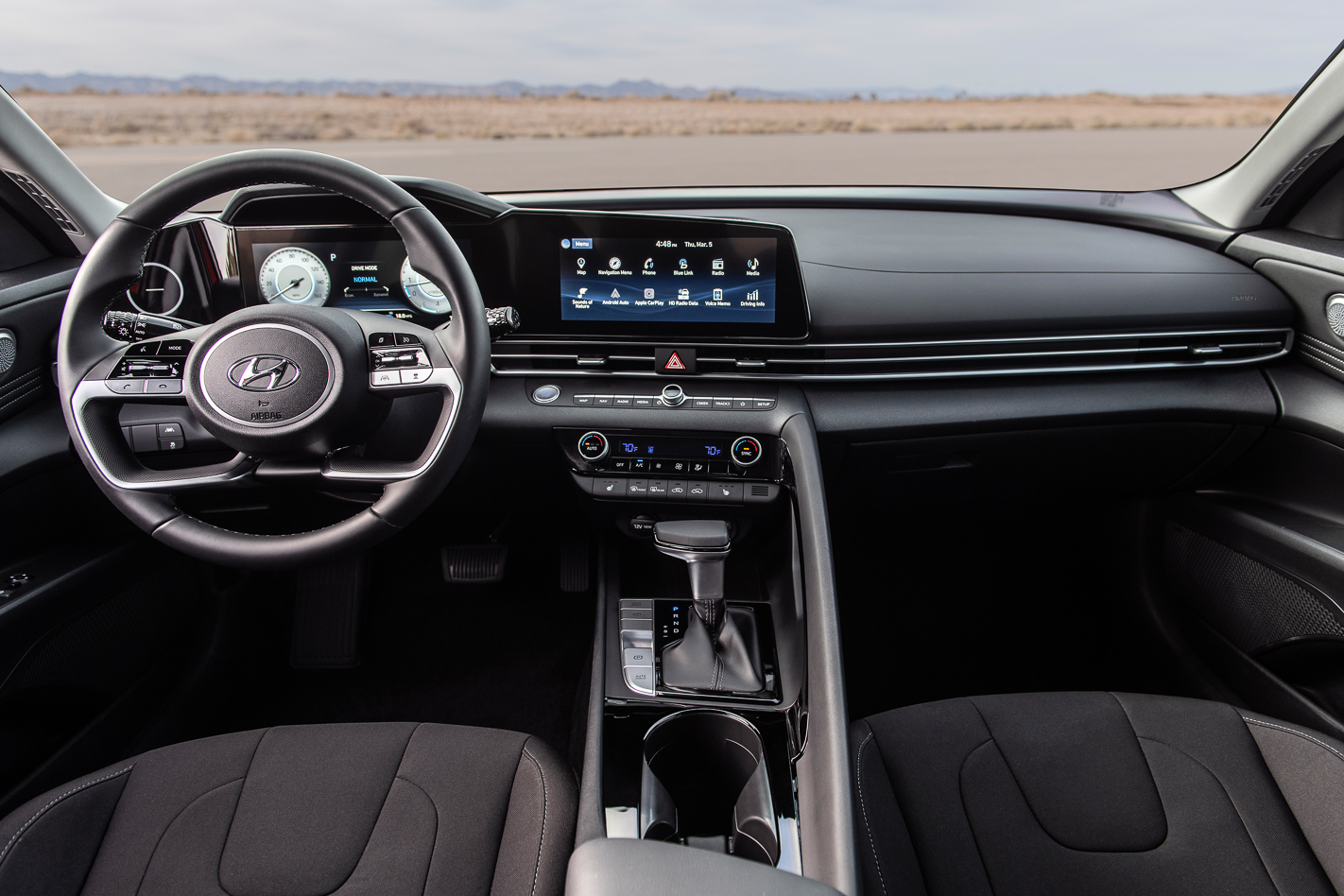
On the inside, the i30 Sedan receives a much-updated connectivity suite thanks to two side-by-side 10.25-inch screens that sit under a singular pane of glass, wireless Android Auto and Apple CarPlay smartphone connection and will incorporate a ‘digital key’ that doesn’t require the use of a traditional key, instead using a smartphone to lock, unlock and start the car.
Other highlights include the now driver-focused cabin, 64-colour customisable lighting and a unique four-spoke steering wheel.
The release comes at an interesting time when small sedan interest is tapering worldwide, with Hyundai Motor America CEO Brian Smith saying “while some manufacturers no longer see the value in the car side of the business, we’re doubling down by offering an all-new model with both petrol and hybrid powertrains.”
That aforementioned hybrid powertrain will take the form of a 1.6-litre GDI four-cylinder engine that pairs with a 1.32kWh lithium-ion battery to provide 130kW and 264Nm. The engine mates with Hyundai’s six-speed dual-clutch transmission much like other hybrids in the Hyundai range.
The standard powertrain that we’ll receive in Australia is a 2.0-litre MPI four-cylinder engine that can output 109kW and 179Nm, which will be paired with a new Intelligent (continuously) Variable Transmission that will simulate gear shifts like a conventional torque converter.
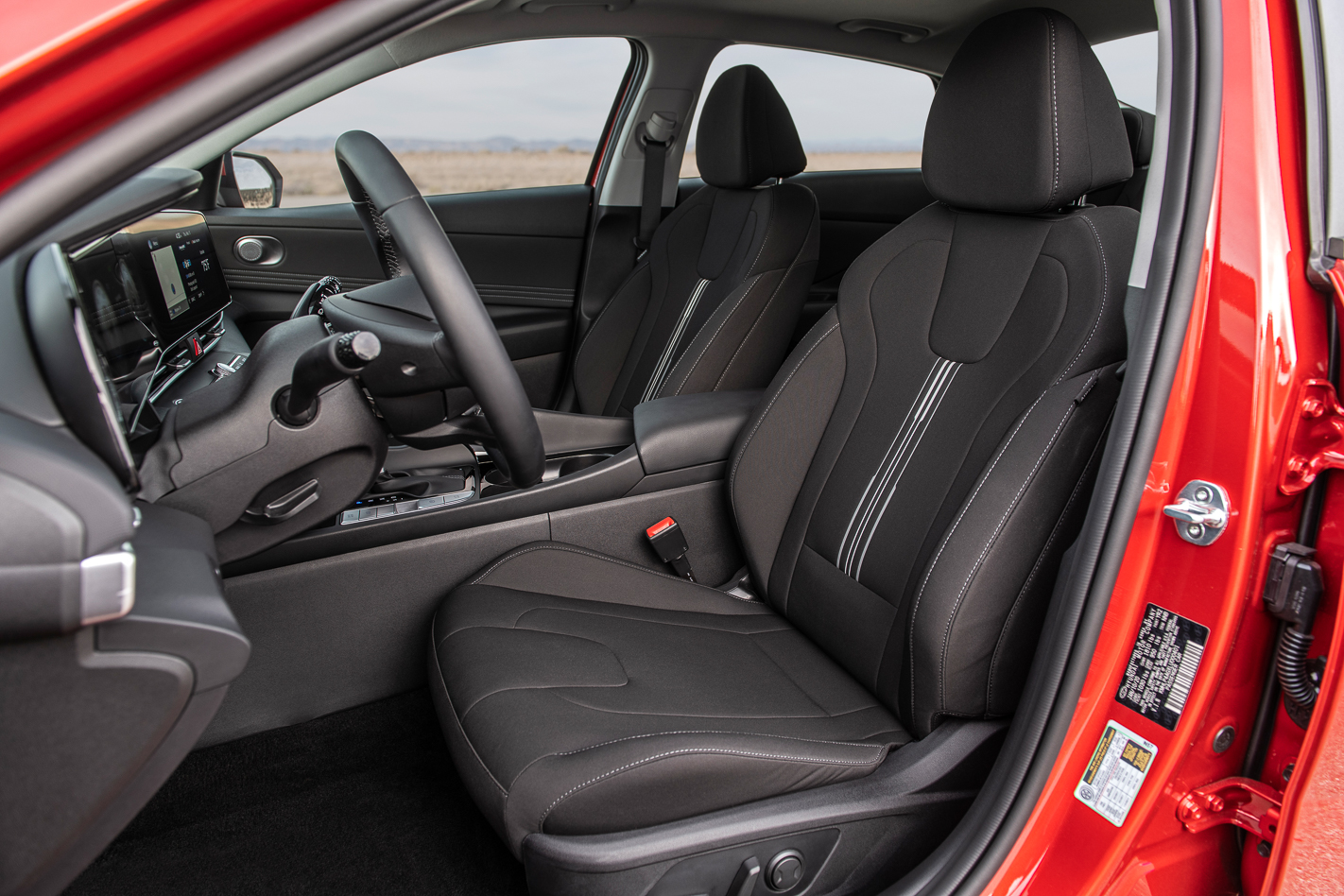
Hyundai has also detailed a number of SmartSense safety features that include forward collision-avoidance assist with pedestrian detection, lane-keep and lane-follow assist, driver attention warnings and a rear-view camera as standard.
Optional safety equipment such as radar cruise control and other active measures to avoid crashes such as blind-spot avoidance assist, highway driving assist, and reverse parking assist will be offered on higher grades.
Hyundai hasn’t finalised specifications for Australian offerings just yet, but it’s fair to suggest that the sedan line-up will mimic that of the i30 hatch.
That means Go, Active and Premium variants offering a varying array of good gear, while a Hyundai spokesperson confirmed that a warmed-over N-Line variant will join the range later in the year.
Could there be a Hyundai i30 Sedan N in the wings? We’d say no – the excellent i30 N Fastback will serve the company well in that regard.
The i30 sedan will battle the likes of the Mazda3 sedan and Toyota Corolla sedan when it arrives halfway through the year.
If there’s one thing guaranteed to split opinion on the internet, it’s turning a sports car into something it wasn’t originally meant to be.
But the idea of a shooting brake is one almost universally loved, at least by us here in the MOTOR office, so this Porsche 986 Boxster shooting brake built by a group of Dutch engineers is rather interesting.
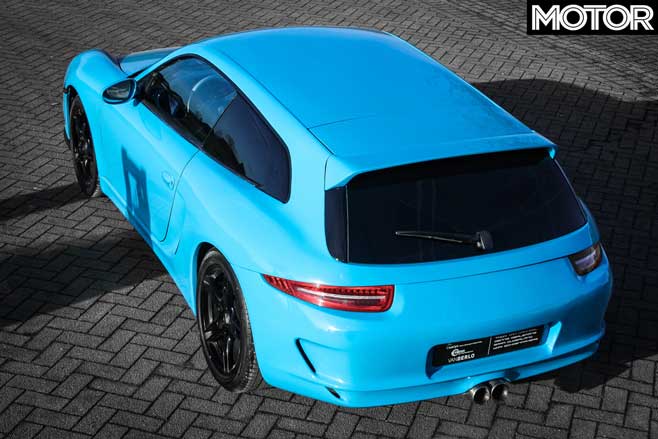
Van Thull Developments in The Netherlands announced the car with a blog post on its website, saying the project was initially designed as a challenge for a group of engineering students.
“The idea of the Porsche Boxster 986 Shooting Brake started when Erik Groenendijk de Laat from the Fontys Hogeschool Eindhoven came up with the challenge to create a Shooting Brake on a Porsche base, for their Minor Motorsport Engineering.
“We did already a lot of projects together with them. When Erik asked Arno and Angelo van Thull, they were enthusiastic about this idea, because they are always in for something new and outstanding.”
The students had no prior experience in the field, but had chosen the Boxster for a very sensible reason.
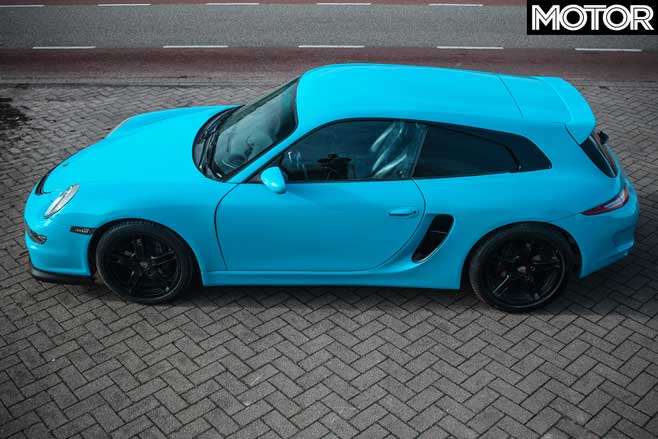
“The choice for a 986 series Porsche Boxster was quite easy. The Boxster is a very reliable and affordable Porsche.
“The mid-engine lay out would make it more usable, compared to a Porsche 996 for example, and it is well balanced.
“Because the Boxster is designed as a convertible, the stiffness of the car is very great and makes it a better base for conversion.”
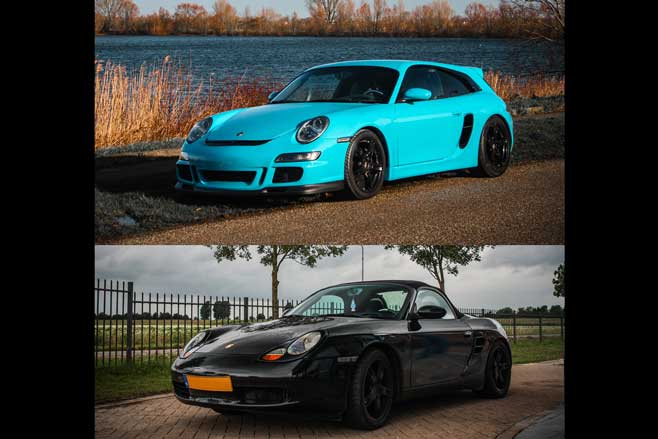
The goal of the build was to create something that could feasibly be a saleable car, so the team included more modern design features from the 996 (doors), 997 (most of the front end), and 991 (primarily trim) generations of Porsche 911.
Now, a year on, the team says it’s willing to offer the conversion to Boxster owners who’d like to have their own shooting brake, but it’s still got some more moulding to do for panels.
So, what do you think? Would you have a ‘Boxster’ shooting brake?
How much is style worth to you? That’s effectively the question the BMW 8 Series Gran Coupe poses. This isn’t to suggest it’s without substance – far from it, in fact – but, if you’re the pragmatic type, that substance is available for a much lower outlay.
For now the 8 Series Gran Coupe offerings consist of the $199,900 840i, rear-wheel drive and powered by a 250kW/500Nm 3.0-litre turbo six, and the $272,900 M850i, which adds two cylinders, a turbo and all-wheel drive, as well as 390kW/750Nm to play with. The big daddy M8 Competition, when its arrives in 2020, will top the range at 460kW/750Nm and priced at $349,900
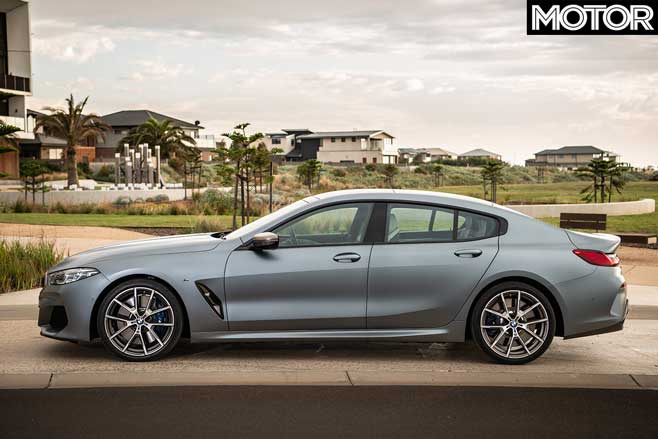
If you’re after purely the oily bits, the same drivetrains in the 5 Series will save you between $57,000 (540i) and $229,900 (M5 Competition), but in a more anonymous package. The 8 Series Gran Coupe is for those who want to make a statement, for those who want to be seen.
It undoubtedly accomplishes this goal; admiring glances and appreciative comments are a common occurrence when living with an 8 GC. BMW’s recent design efforts have been an acquired taste but this svelte four-door receives almost universal nods of approval. It’s a big beast, almost 5.1 metres long and more than 1.9 metres wide, 30mm wider and 223mm longer than the 8 Series two-door, with 201mm of that added into the wheelbase.
The upshot is excellent rear leg room, at a stroke turning the 8 Series from an extravagant two-door to a genuinely useable four-door. Headroom in the back is at a premium for anyone approaching six-foot or over and the rear centre pew is useless, but as a way to transport kids around in luxury the 8 GC takes some beating.
Up front the 8 Series shares bits with the more luxurious (and identically priced) 7 Series , including the glitzy Swarovski crystal gear shifter explain interior.

As is typical for BMW’s even-numbered models, the 8 Series adopts a sportier focus, trading the 7’s cosseting waftiness for sharper dynamics. Despite its size, the smaller engine and rear-drive layout keeps the weight of the 840i to a relatively lithe 1800kg and it displays impressive athleticism. It’s balanced and poised with just enough power for the throttle to help steer the car in tighter corners. Certainly, if you want to drive any harder a large luxury car probably isn’t what you’re after.
Switched to Sport the standard-fit adaptive dampers control the mass well but unfortunately in Comfort there’s a restlessness over poor surfaces that grates, reverberations feeding back to the driver as the wheels clatter over bumps. For some reason the M850i displays greater composure, presumably thanks to its active anti-roll bars which decouple when not required in the bends, improving ride comfort.
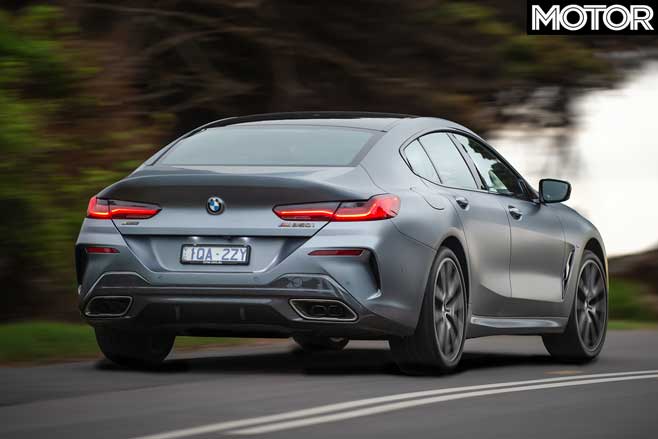
It’s also an even better steer with a very finely judged all-wheel drive system providing all the traction you could want but with a welcome rear-drive flourish on corner exit if you’ve the confidence and commitment. A hard-driven M850i is capable of moving at a fearsome rate, in no small part thanks to the monster engine. That awesome 4.4-litre twin-turbo V8 shifts the 1995kg M850i to 100km/h in 3.9sec and sounds fantastic, a proper V8 growl that M Division’s flat-plane crank iterations can’t match.
The 840i’s B58 is no slouch, the sweet six a plug-and-play pathway to engine excellence regardless of whether it’s in a Z4 or an X5 or an 8 Series. It’s all the engine you’d ever need – 0-100km/h taking a claimed 5.2sec – but it’s not all the engine you ever want. That’s the V8. It feels like the right engine for the 8 Series Gran Coupe; it’s an indulgent car, so why not an excess of power?
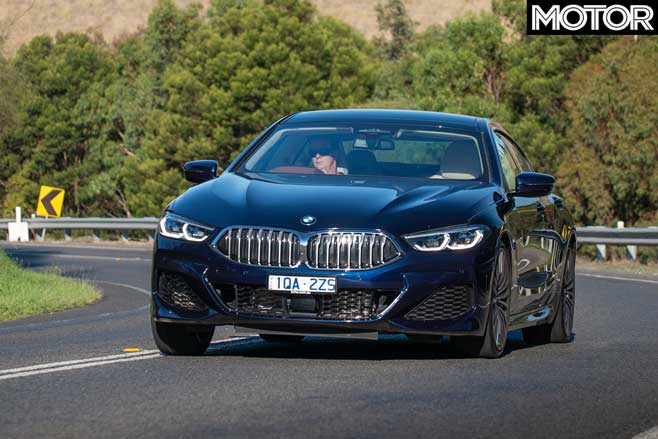
Most 8 GCs will be purchased for the way it looks and there’s nothing wrong with that. It’s hard to go wrong, as even the 840i is an impressive blend of, well, style and substance. But the M850i is truly excellent: wickedly fast, comfortable, luxurious and with massive presence. In fact, it’s so impressive, that M8 is going to have to be a serious piece of kit to better it.
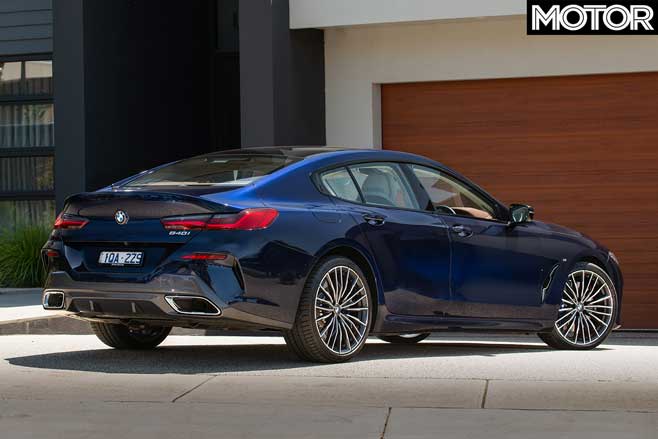
2020 BMW 840i GRAN COUPE SPECS Engine: 2998cc inline-6cyl, DOHC. 24v, turbocharger Power: 250kW @ 5000-6500rpm Torque: 500Nm @ 1600-4500rpm Weight: 1800kg 0-100km/h: 5.2sec (claimed) Price: $199,900
Likes: Beautiful engine; engaging handling; looks expensive Dislikes: Buying the cheapest version of an expensive car; jiggly ride at times
Rating: 4 out of 5 stars
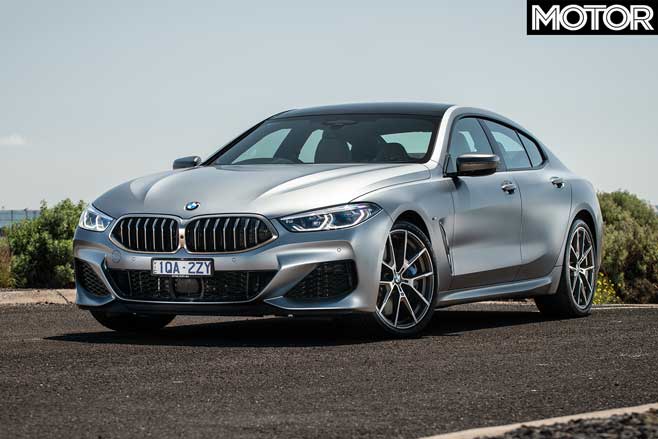
2020 BMW M850i GRAN COUPE SPECS Engine: 4395cc V8, DOHC, 32v, twin-turbo Power: 390kW @5500-6000rpm Torque: 750Nm @ 1800-4600rpm Weight: 1995kg 0-100km/h: 3.9sec (claimed) Price: $272,900
