
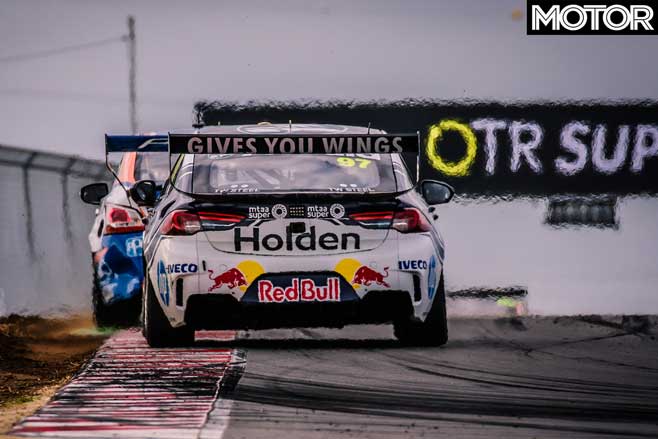
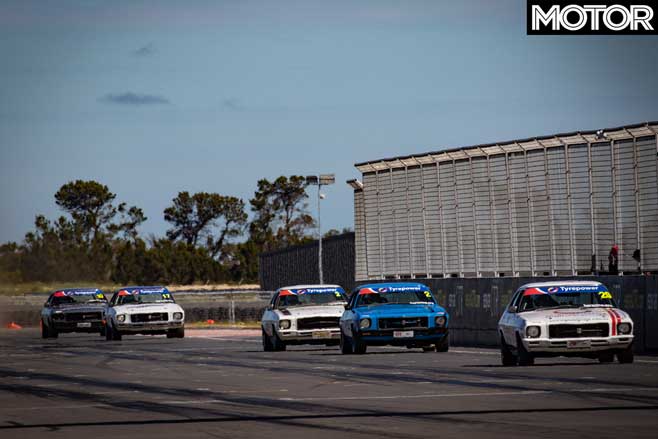
The Bend Motorsport Park is hoping to break the record for the largest convoy of Holdens set by the ‘Dream cruise’ which took place after the end of local manufacturing.
The Bend will make the attempt during the next running of the 2020 OTR The Bend 500, with cars set to drive from Adelaide to the track on Saturday the 19th of September.
More than 1000 Holdens participated in the officially sanctioned drive in late 2017, which means the even hosted by The Bend will see an incredible number of lion-badged cars show up on the day – even it doesn’t break the record.
“At this year’s OTR The Bend 500 we’re looking to celebrate Holden’s contribution to Australian culture,” a statement from The Bend says.
“We’re hoping to break the world record for the most privately owned Holdens in convoy, and maybe in one place.”
The Bend appears to be carefully not referring to it as a ‘Holden cruise.’
“What better place to pay tribute than in South Australia, their spiritual home, during their last factory backed race in the state.
“The tribute will incorporate a cruise to the OTR The Bend 500 plus a show and shine on the Saturday of the event.”
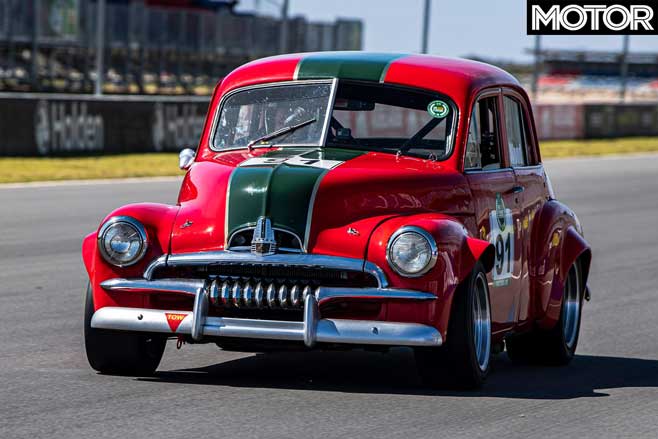
The Bend has created a section on its website for Holden owners to register their intent to attend, with “Holdens of all eras and models welcome,” which could mean a wider variety of overseas models badged as Holdens are present on the day.
Final details of the drive are to be announced to those who’ve registered closer to the date.
Barely a week goes by without someone pitching yet another flying car or taxi concept. In recent times we’ve seen Porsche join forces with aviation giant Boeing to announce a fully-electric flying taxi concept (above) that would see the German carmaker move “into the third dimension of travel”.
And not one to sit on the sidelines, Aston Martin last year announced it was toying with the idea of getting in on the flying car game with its Volante Vision Concept.
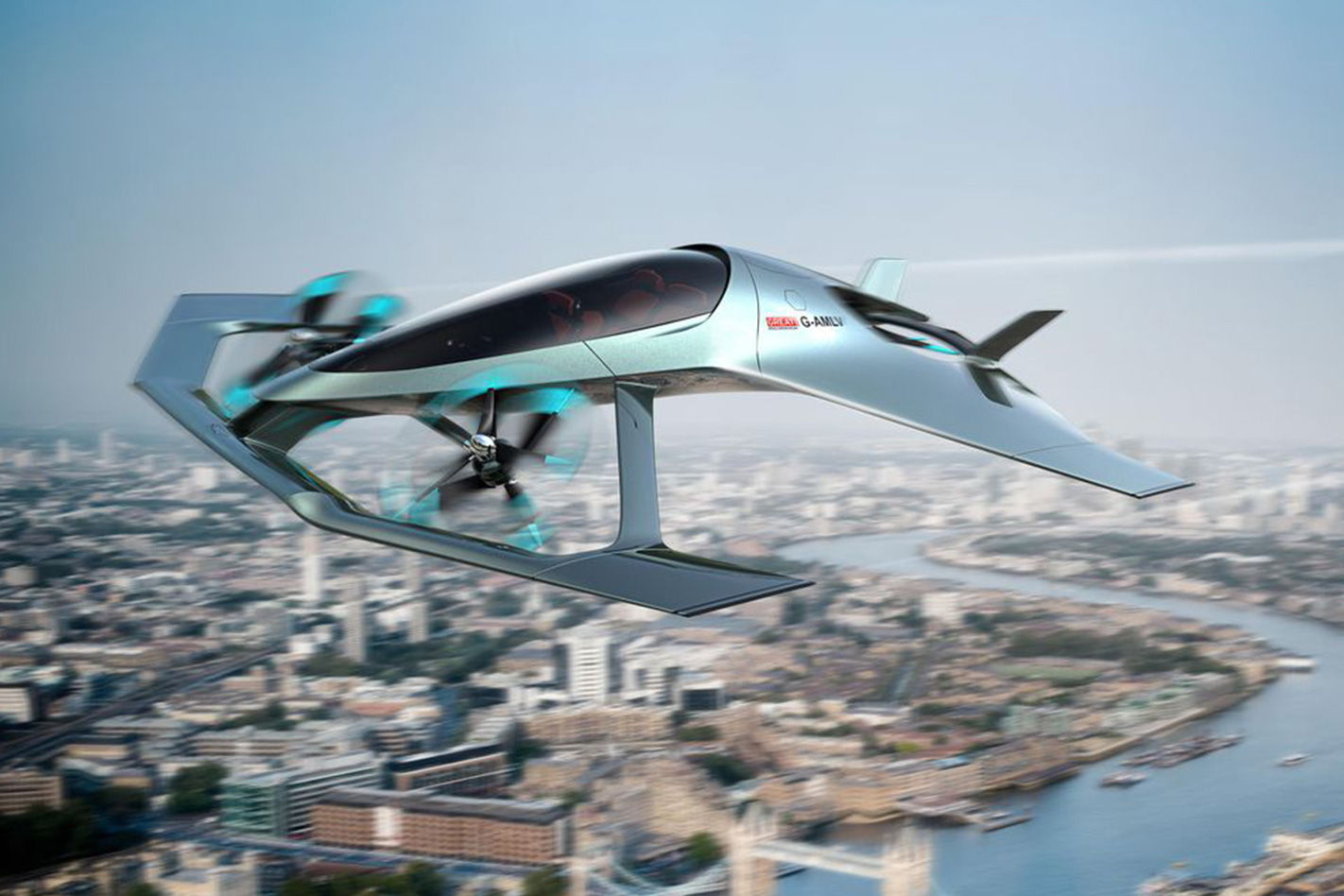
This is a subject WhichCar rarely touches because, despite the terminology, flying cars and flying taxis have as much to do with motoring as do cable cars in the Swiss Alps.
Just because ‘car’ happens to be part of the name, flying cars belong to a whole different genus. To date, most have been reimagined light aircraft or helicopters, and even if technology provides us with a relatively low-cost machine that’s simple to fly – or completely autonomous – and can get airborne from anywhere, the resulting vehicle will still have to overcome a massive hurdle before our cities begin to resemble an episode of the Jetsons – civil aviation regulations.
The pace of change in the world of aviation legislation makes glaciers look like Bathurst winners. They’re often introduced in response, rather than anticipation of, new technology, only to be bound in red tape for years.
Add politics to the equation and it can take at least a decade for relatively simple reforms to get the nod.
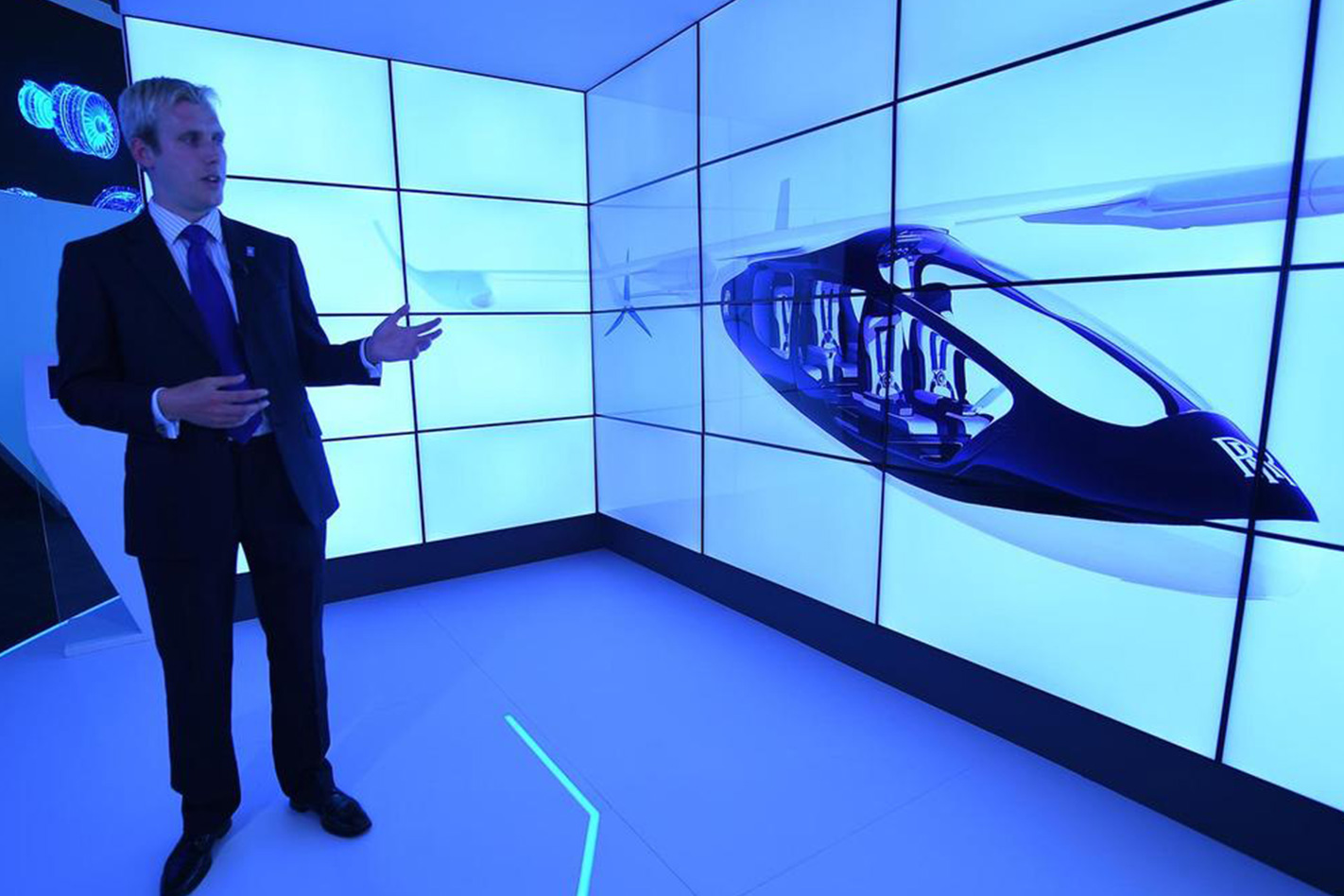
This is the case around the world, though Australia’s Civil Aviation Safety Authority (CASA) is up there as one of the more officious regulators.
A good example of this, of all things, is the humble GoPro camera. YouTube is brimming with panoramic footage shot with action cams suction-cupped to the outside of aircraft, and the bulk of them come from the USA thanks to the more liberal rules of that country’s Federal Aviation Administration (FAA).
CASA on the other hand regards externally-mounted cameras are an “airframe modification” and thus must be approved by a licenced aircraft mechanical engineer.

Terrafugia flying car
Of course, there’s a reason we have strict aviation regulations; laws are often written in blood. But if you still can’t strap an egg-sized camera to your Cessna after more than a decade, the notion that flying cars will make any meaningful headway as a transportation device is properly laughable.
Or is it? It turns out that there’s already dialogue taking place between Australia’s conservative aviation authority and Uber, which aims to introduce its Elevate flying taxi service to Melbourne as part of a three-city trial, that will also include Los Angeles and Dallas.
CASA spokesman Peter Gibson told WhichCar that Uber’s pitch to fly people from city centres to airports will be treated no different to current helicopter operations, with flights only taking place in clear weather, and only along very specific routes.
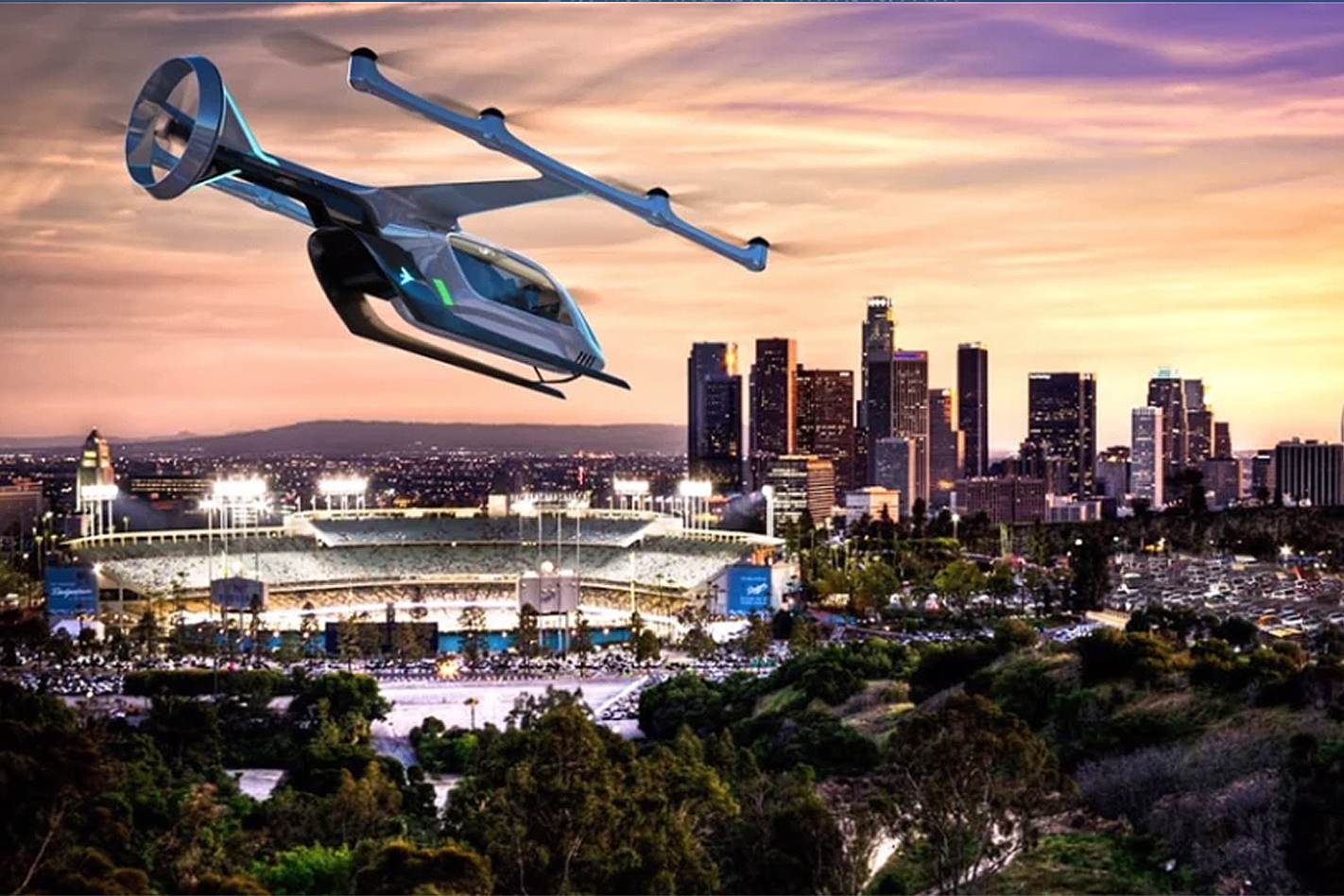
Gibson says such flying taxi services are feasible, but reckons the notion privately-owned flying cars being able to take off and land anywhere is highly unlikely.
If any such vehicles were to become available they’d be subject to the same regulations covering general and recreational aviation including pilot licencing. Suffice to say, acquiring a pilot’s licence is a more involved process than passing a driving test.
Uber’s pie in the sky
Uber ultimately wants autonomous air taxis so it doesn’t have to pay pilots. This would make its vehicles subject to laws covering drones that limits them to certain altitudes to avoid all other air traffic and restricts where they’ll be able to fly. They’ll also require their own traffic management system.
A guide to how they could operate can be found near Canberra where the Project Wing drone delivery service is being tested under CASA supervision. Project Wing uses an unmanned traffic management platform that’s designed to enable a high volume of drones to share the skies and fly safely over people, around terrain and buildings, and near airports.
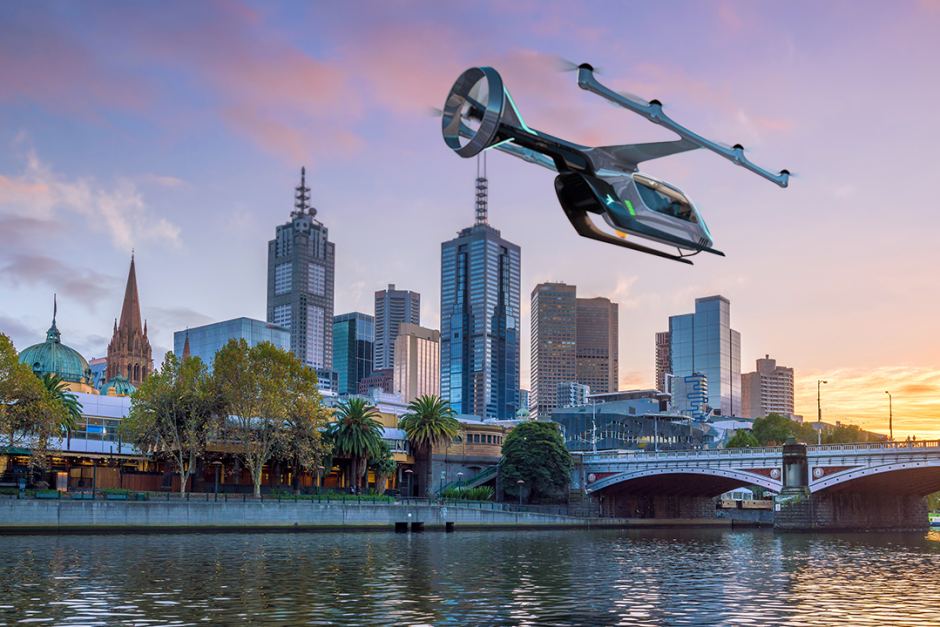
Audi collaborated with Airbus on this flying car project
Project Wing, owned by Google’s parent company Alphabet Inc, says it’s working with CASA to develop “federated, industry-led solutions to safely integrate and manage drones in low-altitude airspace below 500ft to avoid aeroplanes”.
But 5kg drones delivering cough syrup from Chemist Warehouse, or burritos from Guzman Y Gomez (which is participating in the Project Wing trial), to rural properties is one thing; car-sized autonomous people-carrying drones skimming suburban rooftops is another proposition entirely.
Even if flying taxis get the nod from the aviation regulator, they’ll still have to fight inevitable public protests and negotiate the regulatory minefield set by local authorities, which could dilute the number of landing areas available and rob such services of convenience and viability.
So yes, even CASA reckons flying taxis could be a goer here – but only as a more affordable way to fly across town than helicopters. That’s not necessarily a bad thing, just don’t bother turning your garage into a hangar.
Cars will continue to chew up roads and tyres for the rest of our lifetimes, even after steering wheels become a thing of the past – but that’s another story.
Nope, your eyes don’t deceive you. This is a rear-wheel-drive diesel Toyota Prius.
It’s pretty much the antithesis of what the tree-hugging eco-warrior original stands for – especially when the Frankenstein Prius is belching soot out the back of an oversize turbocharger and producing smoke from its rear tyres.
As you can see by the videos posted to Facebook, it’s the Australian Greens worst nightmare. Lucky this out-there creation resides in Wisconsin in the good ol’ United States of America, and not down under.
In a classic case of “why not?” Ben Schulz decided his silver Prius needed a new heart. So it was out with the petrol-electric hybrid powertrain and in with the 4BT Cummins engine.
Now, in its original state, the 3.9-litre unit generates, ahem, 40kW (2300rpm) – not exactly earth shattering stuff. The OHV, two valves per cylinder cast-iron unit also weighs between 338 and 355kg when full of oil.
However, given it’s primarily used in commercial and van applications, the 359Nm (from just 1600rpm) of torque makes a lot more sense.
Although, Schulz clearly hasn’t left the unique conversion standard, adding an intercooler (the 4BT Cummins doesn’t run one from factory) and a behemoth of an aftermarket turbo from Schwitzer for the extra boost.
Oh, and don’t forget this unlikely Prius has also been converted to rear-wheel drive. As the clips show, it doesn’t hesitate to spin its back treads either, despite copious amounts of black soot escaping straight out the back of the turbo via a ported vent ahead of the windscreen.
For a four-cylinder diesel, it makes some pretty serious sounds, too, with myriad whoosh, hisses and blow-off-valve theatrics. Schulz has even plonked it on a dyno.
While the videos were captured last year, a recent update on Schulz’s Facebook page suggests that there’s more to come in the near future from the one-of-a-kind Prius.
Schulz clearly acknowledges the car’s satirical nature, with number plates reading ‘HUG THIS’ and a sticker on the rear hatch stating ‘Green Power’.
What crazy engine swaps do you know about?
 Turbo Titans
Everything you’ve ever wanted to know about the humble turbocharger and its miraculous power-boosting abilities.
What is the Toyota Supra GT?
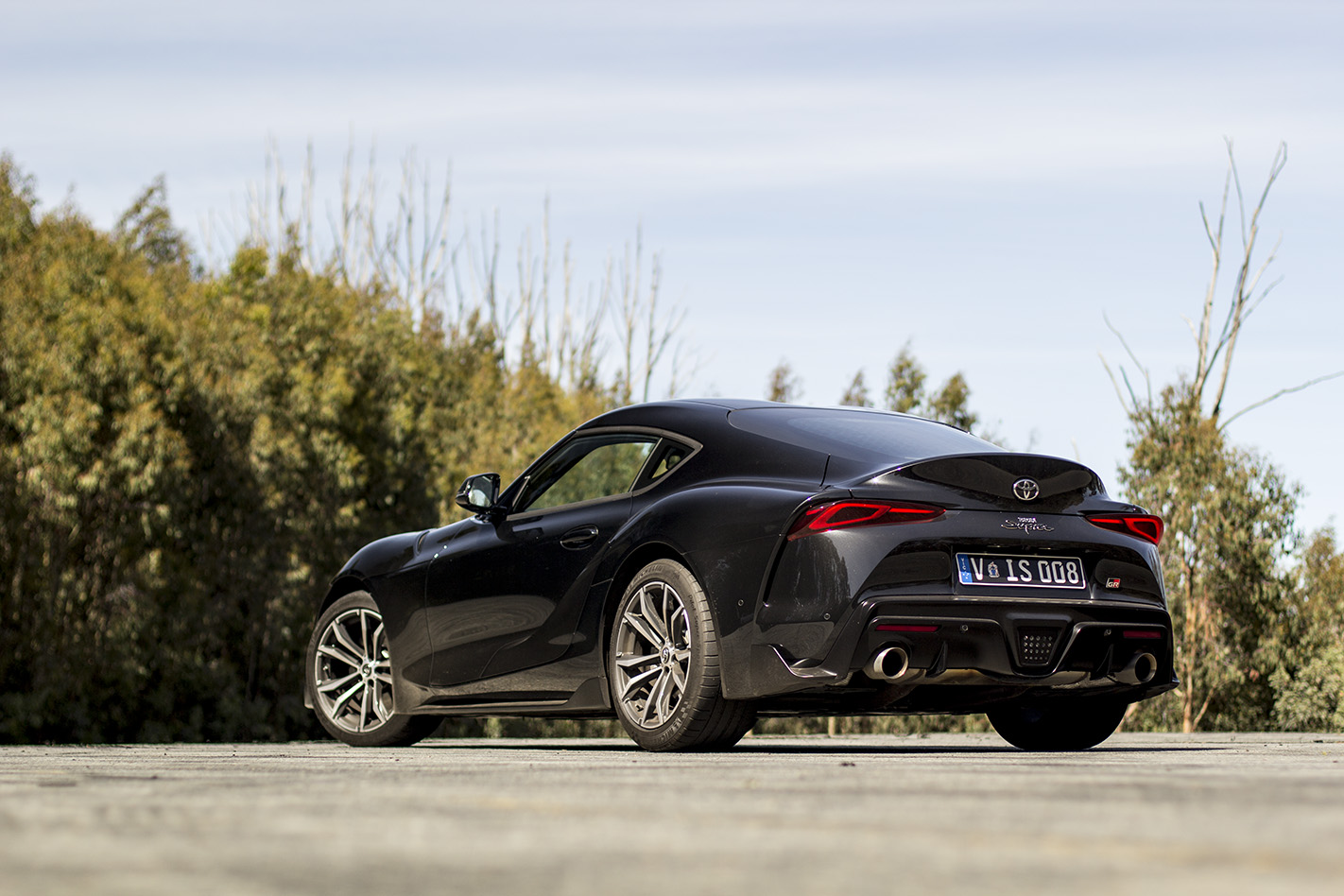
WhichCar has given the Toyota Supra plenty of attention since it launched last year. However, the bulk of our spotlight has been focused on the top-dollar Supra GTS. What we have here is the far more accessible Supra GT.
Priced from $84,900 before on-roads, it’s a cool ten grand cheaper than the Supra GTS and thus a closer match to other RWD coupe rivals like the Chevrolet Camaro 2SS, Ford Mustang Bullitt – and even premium hyper-hatches like the Audi RS3.
What’s the Toyota Supra GT like to drive?
Cars like the Supra are all about the drive – considerations like space, comfort, practicality rank a very distant second place. Good thing then that the Supra GT is a truly sublime driver’s machine.
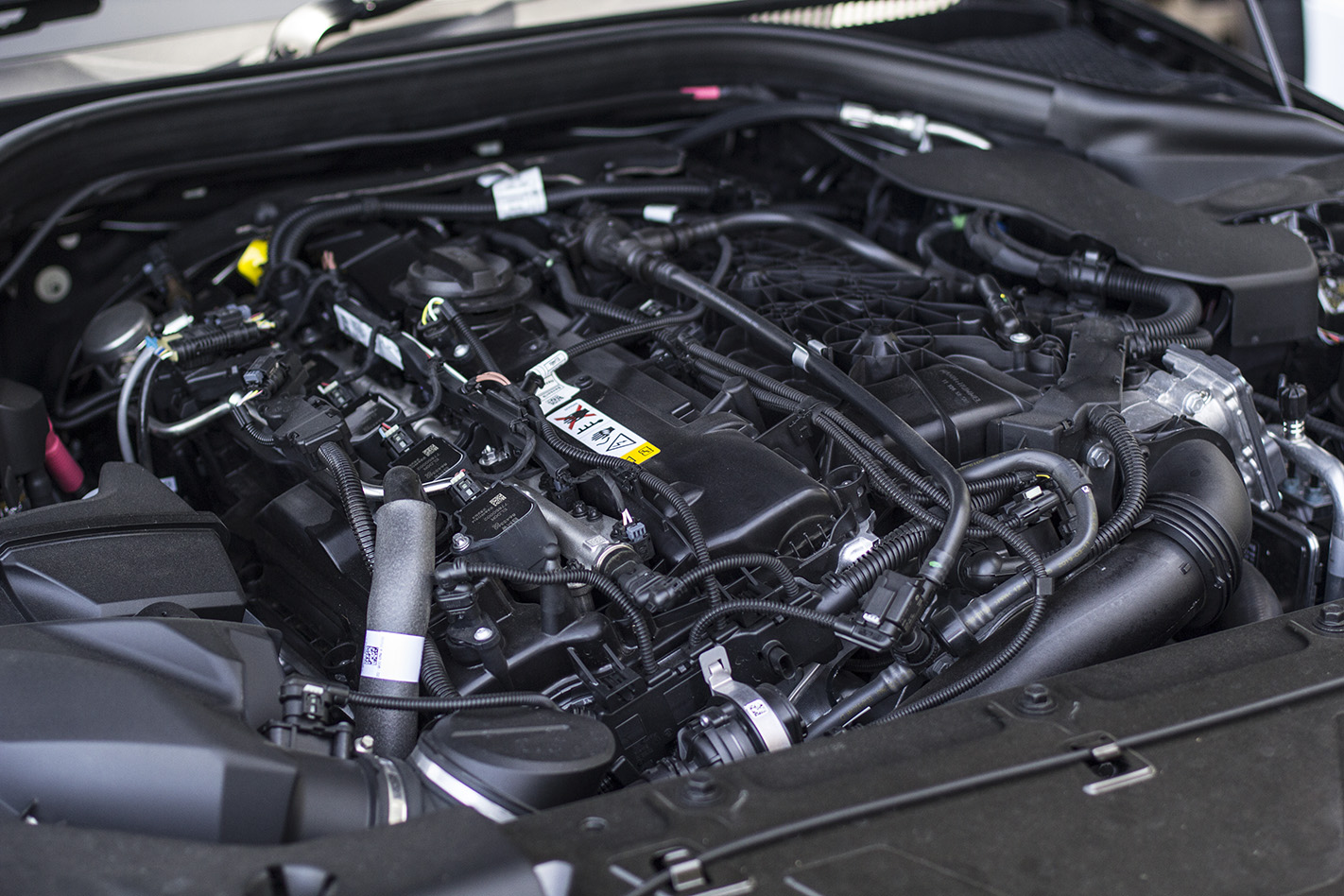
With a creamy-smooth inline six borrowed from BMW, finding enough thrust is never a problem. 250kW and 500Nm are the official numbers (and identical to the GTS), but it feels much stronger than that.
It’s also a powertrain that’s endowed with great flexibility – meaning you don’t need to wring its neck to extract its performance.
You have eight ratios to choose from the ZF-sourced automatic (alas, there’s no manual for the Supra), but whether you choose a low gear and high revs, or a high gear and low revs is entirely up to you – the engine’s thick torque band and yowling top-end power ensure either choice will result in swift progress.
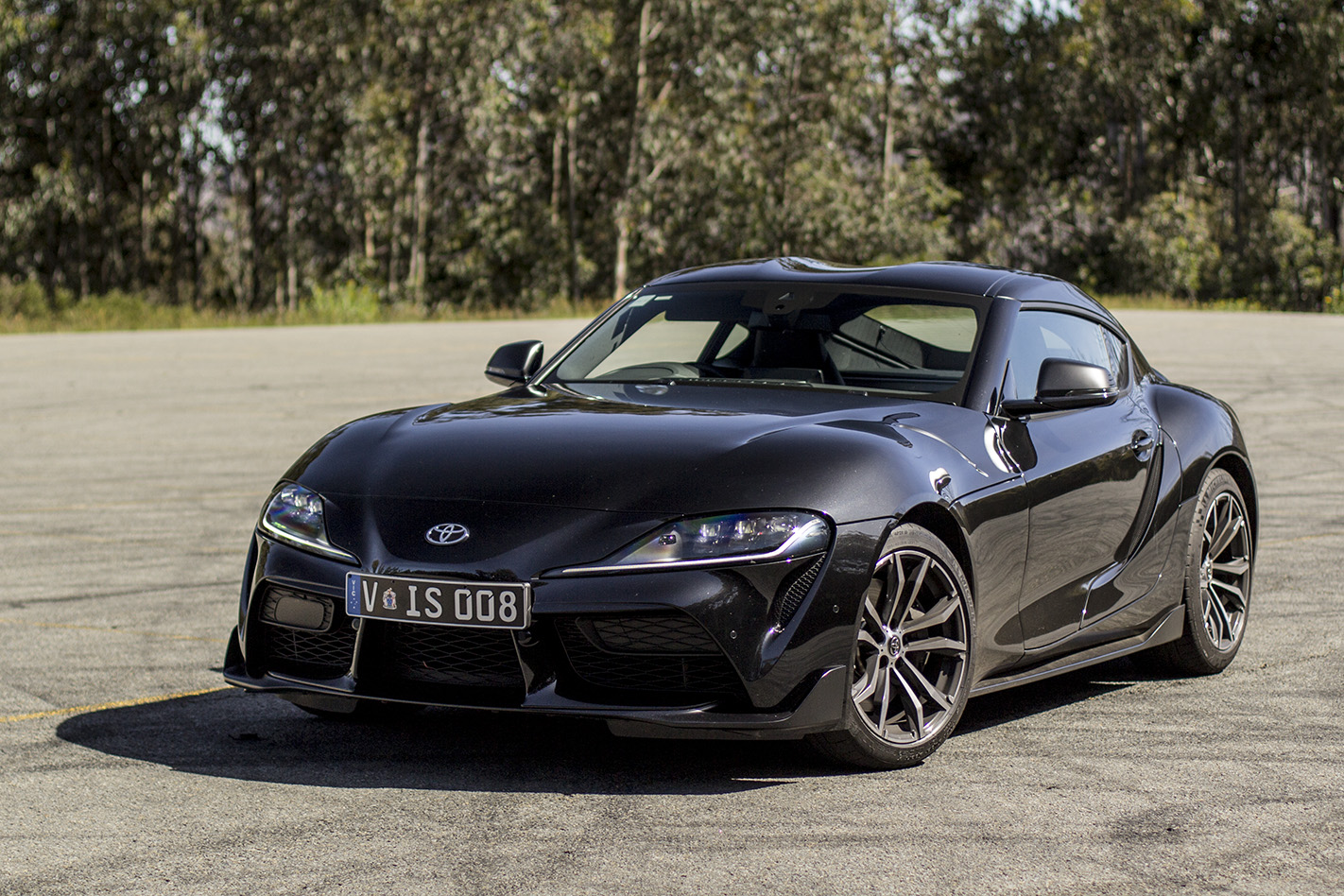
You can sharpen up the throttle response and gearchanges by selecting Sport mode, but leave the steering and suspension in their most comfort-oriented setting– your forearms and spinal column will thank you, especially if you’re not on a smooth racetrack.
Keeping the steering in its lightest setting also allows more information about the road surface to filter through to your fingertips, which is a must given the Supra doesn’t have the most communicative steering to begin with.
That’s at odds with the Supra’s stablemate, the ultra-talkative 86, and that stark difference is something of a surprise considering both cars share the same chief engineer: Toyota’s sports car specialist, Tetsuya Tada.
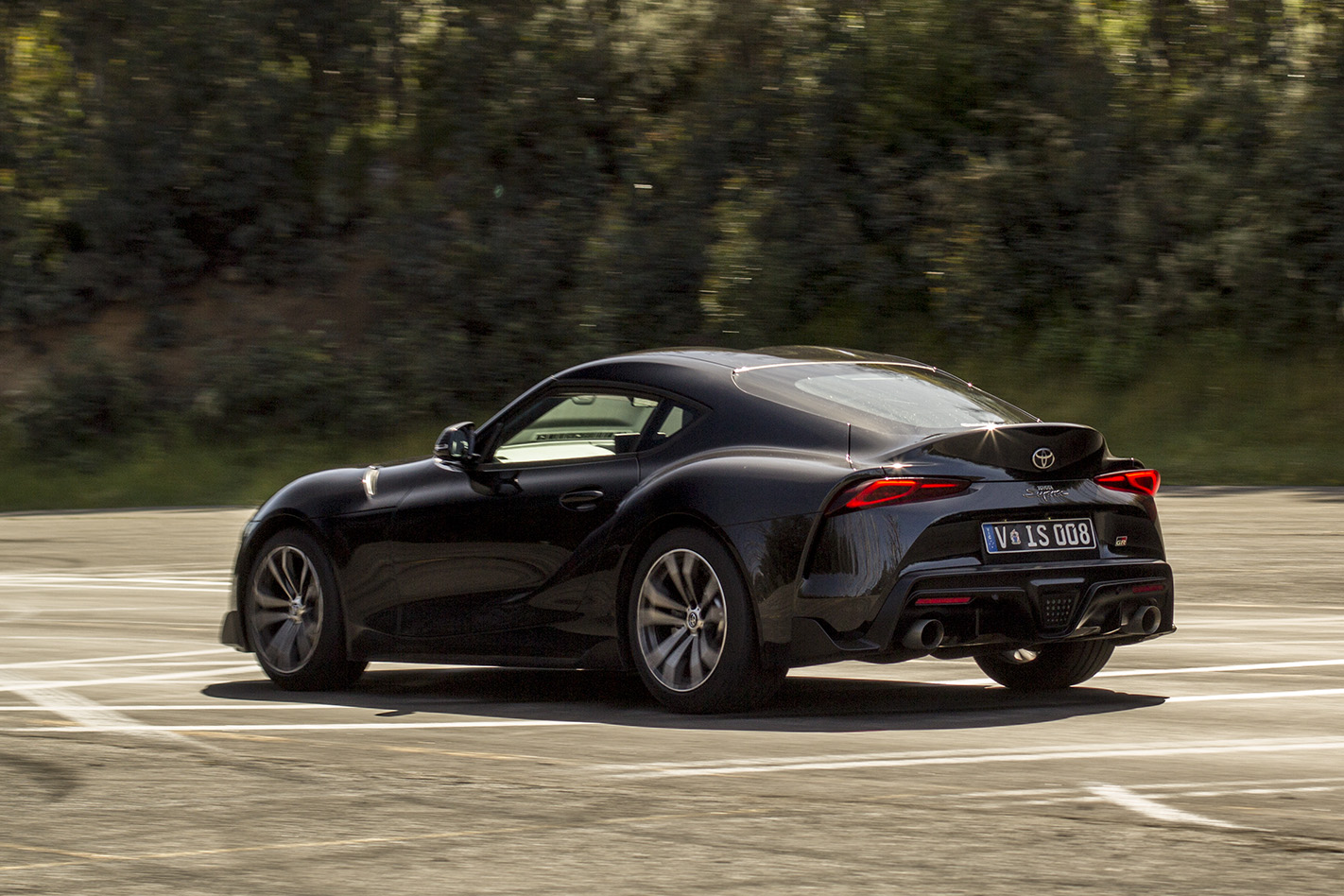
Even so, it makes for a corner-hunter. Find a quiet mountain road and revel in the Supra’s exceptional balance between acceleration, braking and cornering – it’s a supremely well-rounded sports car, and definitely not just a straight-line hero.
In fact, it turns sublimely, rotating eagerly under trail brake or under power without feeling as loose and drift-happy as the 86. The Supra boasts better sonics than even some BMW M cars too – surprising given the lineage – though at times we wished the volume of its overrun crackles and tasty straight-six harmony were turned up just a smidge.
Turn everything back to Comfort, and the Supra GT becomes quite friendly. If you’re looking for a sports car that can be daily-driven, the Supra certainly doesn’t baulk at that kind of driving.
With abundant torque, it’s quite amicable in traffic and its compact size makes it easy to thread down city streets.
The taller sidewalls of the GT’s tyres, which wrap 18-inch alloys rather than the GTS’s flashier 19s, don’t impart much of an advantage in ride comfort. We were expecting a different result, but to be fair to the Supra its urban ride isn’t especially brittle for a sports car, and it’s certainly tolerable.
What’s the Toyota Supra GT like to live with?
The Supra is a petite thing, more minuscule than you might expect. The fact that Toyota’s own 86, a sports coupe that sits a rung (or two) below the GR Supra on the performance scale actually packs in double the number of seats and a great deal more boot space speaks volumes.
But while the GT spec doesn’t lose out on performance compared to the GTS, it’s inside the cabin where the differences become obvious.
There’s no head-up display in the Supra GT, and that’s an impediment given how adept it is as piling on the speed. The digi-display in the instrument panel is precise, but just a bit too hard to keep an eye on when you’re moving swiftly.
There’s just plain black leather and rubber-faced pedals too, though the seats themselves are thankfully the same superbly-comfortable buckets as the GTS. The sound system also misses the punch of the GTS-specific 425-watt 12-speaker JBL hi-fi.
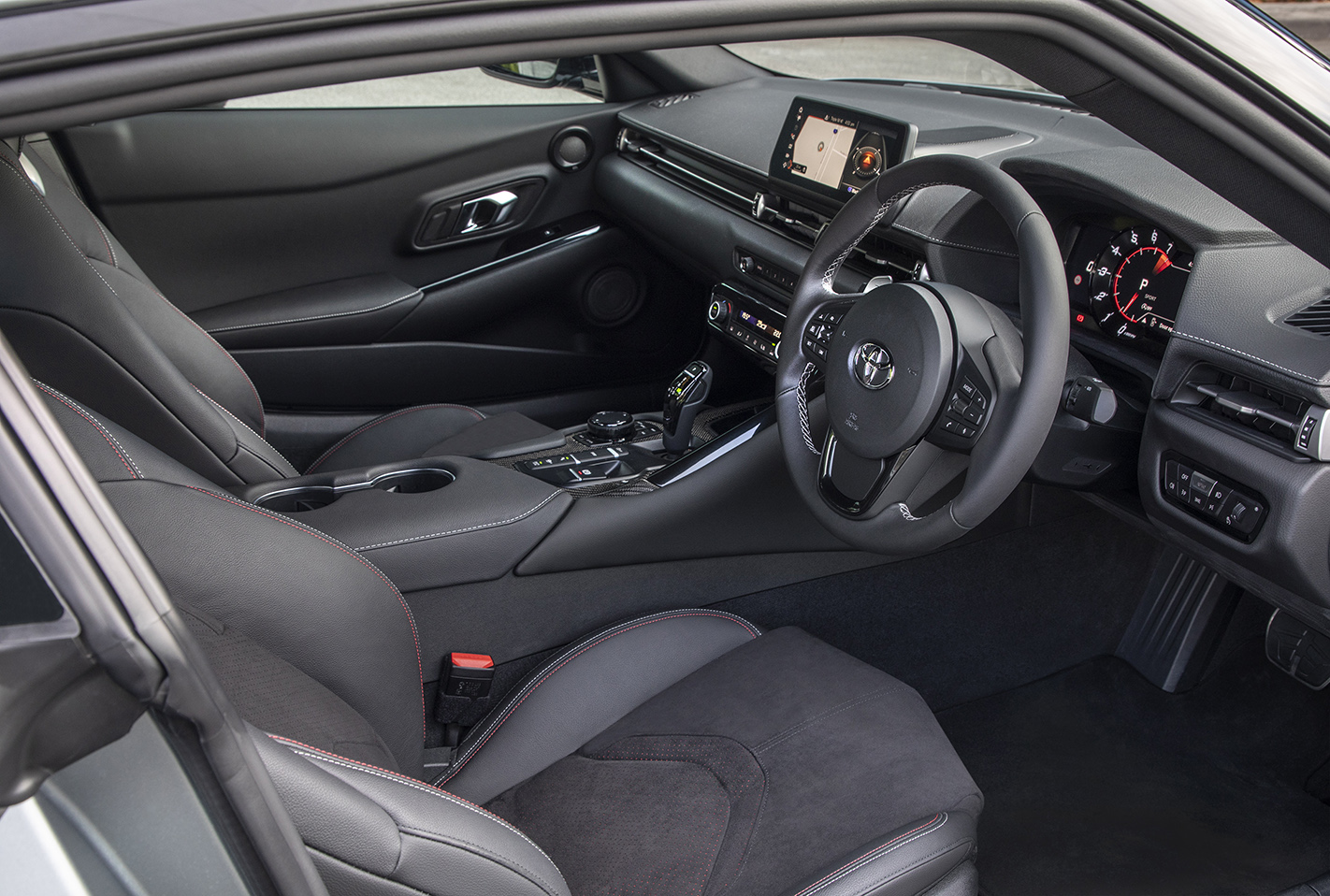
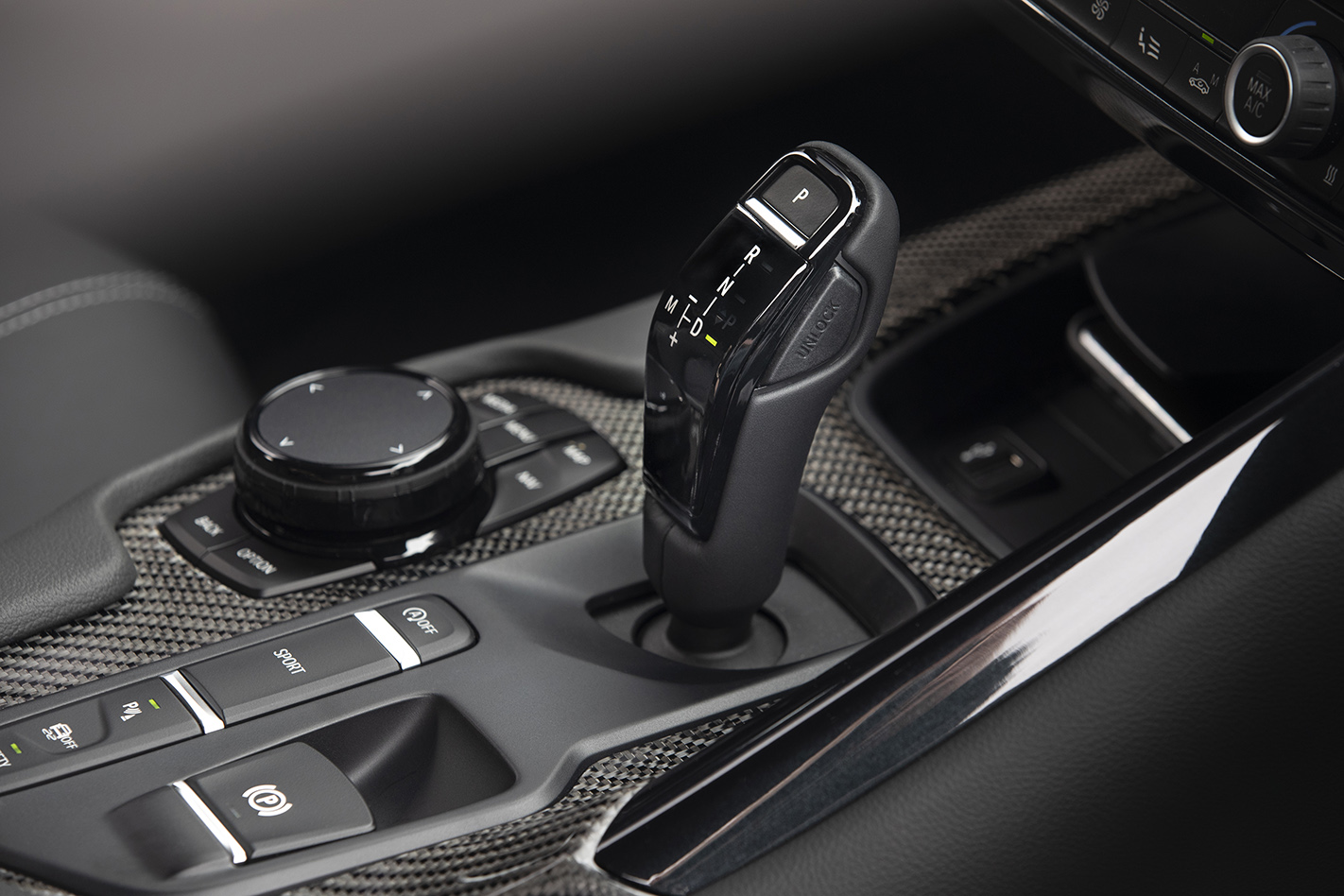
But to be honest, you’re still left with a well-equipped and premium-feeling cabin. Yes, besides that thin-rimmed steering wheel nearly all of the cabin furniture is cribbed from BMW’s parts catalogue (albeit arranged in a Toyota-specific layout), but to some that’s probably a desirable attribute.
One thing we don’t like is the weird holster that covers the wireless charge pad – surely there’s a better way of keeping a phone centred over an inductive loop?
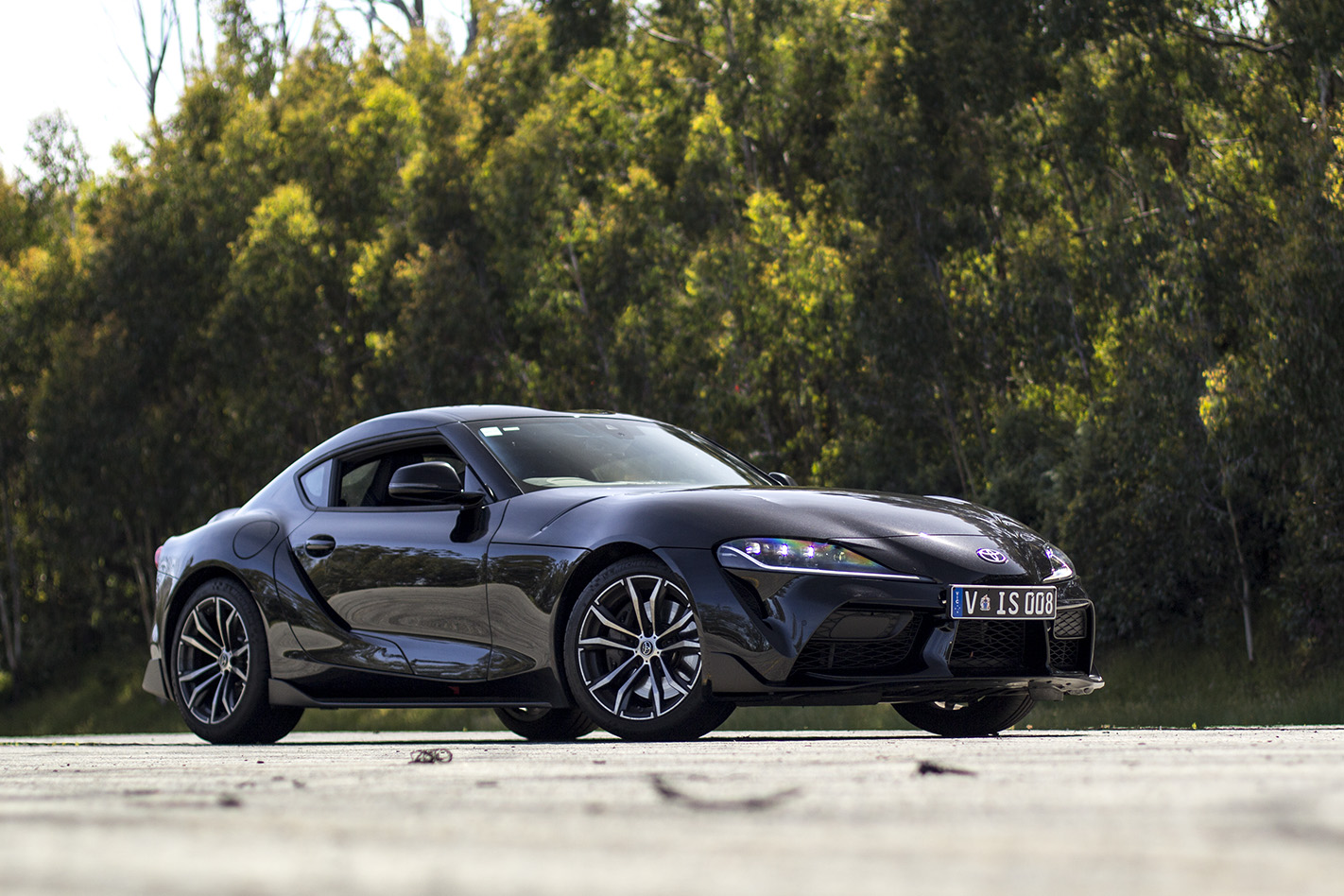
Other things we don’t like? That big, eardrum-thumping aerodynamic resonance that occurs when the windows are wound down would have to be at the top of the list, as it’s properly unbearable even at 70km/h.
The view out the back glass isn’t great either, but the standard-issue reversing camera compensates for that. Watch out for that low roof as you enter though, particularly if you’re on the tall side. Speaking of which, if you’re a big individual and a bit claustrophobic, you may not gel well with the Supra’s cockpit.
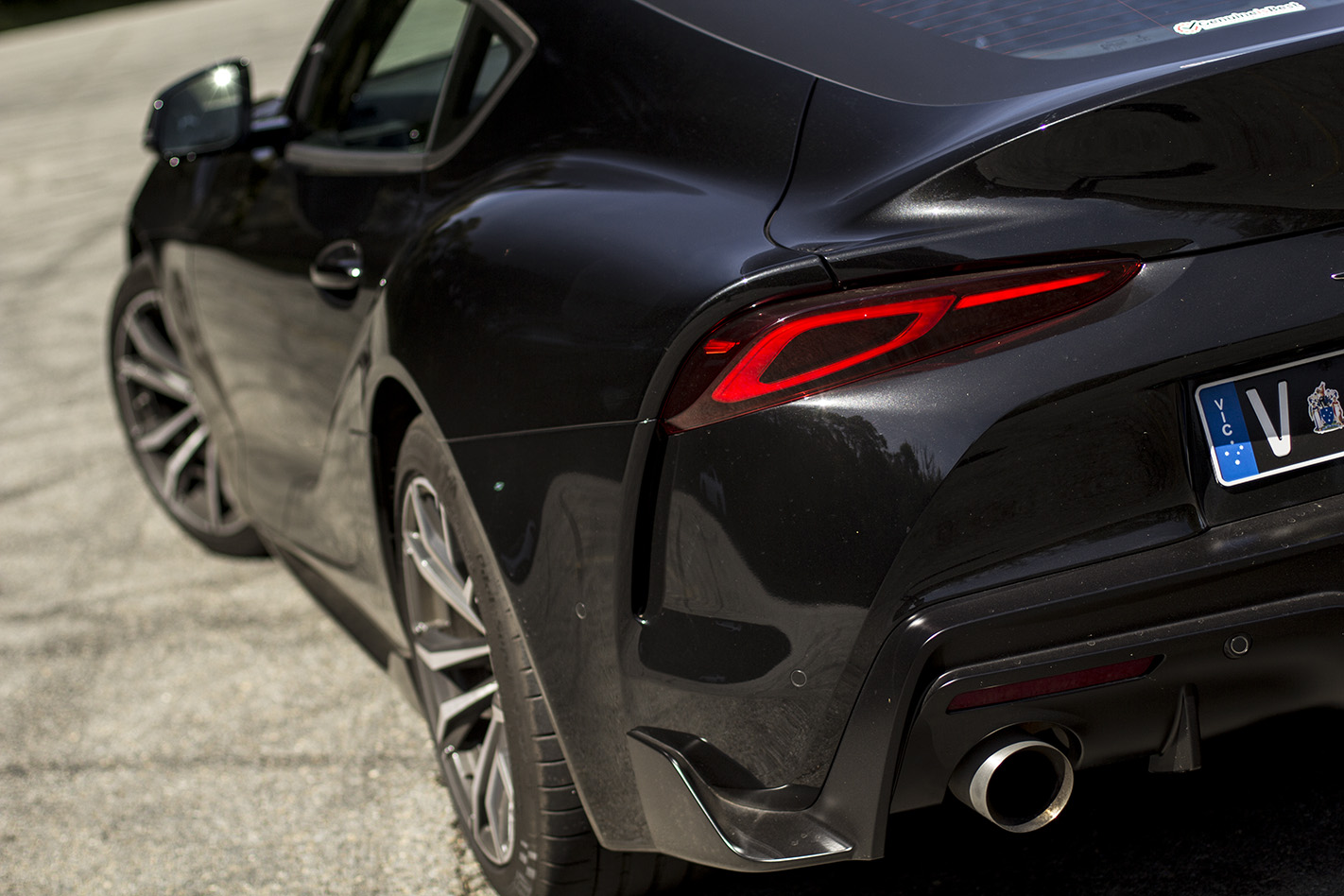
The boot? Besides having a weird aperture courtesy of that hourglass-shaped tailgate, it only gives you a very small 290 litres of cubic capacity. It’ll fit a set of golf clubs, but only just.
Is the Toyota Supra GT worth the money?
For some, this will be an easy question. For others, it’ll be a tougher equation to solve, and it all hinges on how you feel about the Supra nameplate.
If you were a Gran Turismo kid with a fondness for twin-turbo Toyota coupes you’ll probably already have your deposit down, but if you’re just looking for a long-bonnet two-door sports car and you’re brand-agnostic, then you might not see it in favourable terms against alternatives like the Ford Mustang GT or Nissan 370Z Nismo.
But one thing we can definitely say is that the Supra GT is arguably the Supra to get. You save a five-figure sum than if you sprung for the top-dog GTS, yet the car you receive is every bit as fast.
If you don’t mind missing out on a big-watt sound system, HUD and big wheels, then that decision should be a no-brainer.
Pros: Every bit as quick as the top-spec Supra, but for $10K less; performance is mega in its own right Cons: Horrendous window-down buffeting; cosy interior; engine sound could be louder
Rating:4.5/5
The Wheels Verdict: It’s getting on a bit, but Audi’s underplayed S4 Avant is still a smart if subtle choice
WHAT IS THE AUDI S4 AVANT?
The Audi S4 Avant is based on the B9 A4, which means an MLB chassis and all-wheel-drive as standard for the five-seat, five-door wagon. The S4 uses Audi’s six-cylinder turbocharged petrol engine that makes 260kW and 500Nm, backed by an eight-speed automatic.
WHY WE’RE TESTING IT
Audi gave its S line-up a bit of a value tickle late in 2019, so we thought we’d revisit the (relatively) old stager to see how it stacks up.
REVIEW
Honestly, if car companies made product decisions based on a straw poll of any motoring publication’s break room conversations, they would only sell two-door manual sports cars and moderately hot station wagons.
No one else, though, seems to take much notice of the innate desires of motor noters, and wagons have gone unheeded here for decades. The perplexing allegiance to SUVs in the Aussie market shows that buyers want cars with space, but unless they have obscene ride height, cars like the Audi S4 Avant are left to wither on the vine.
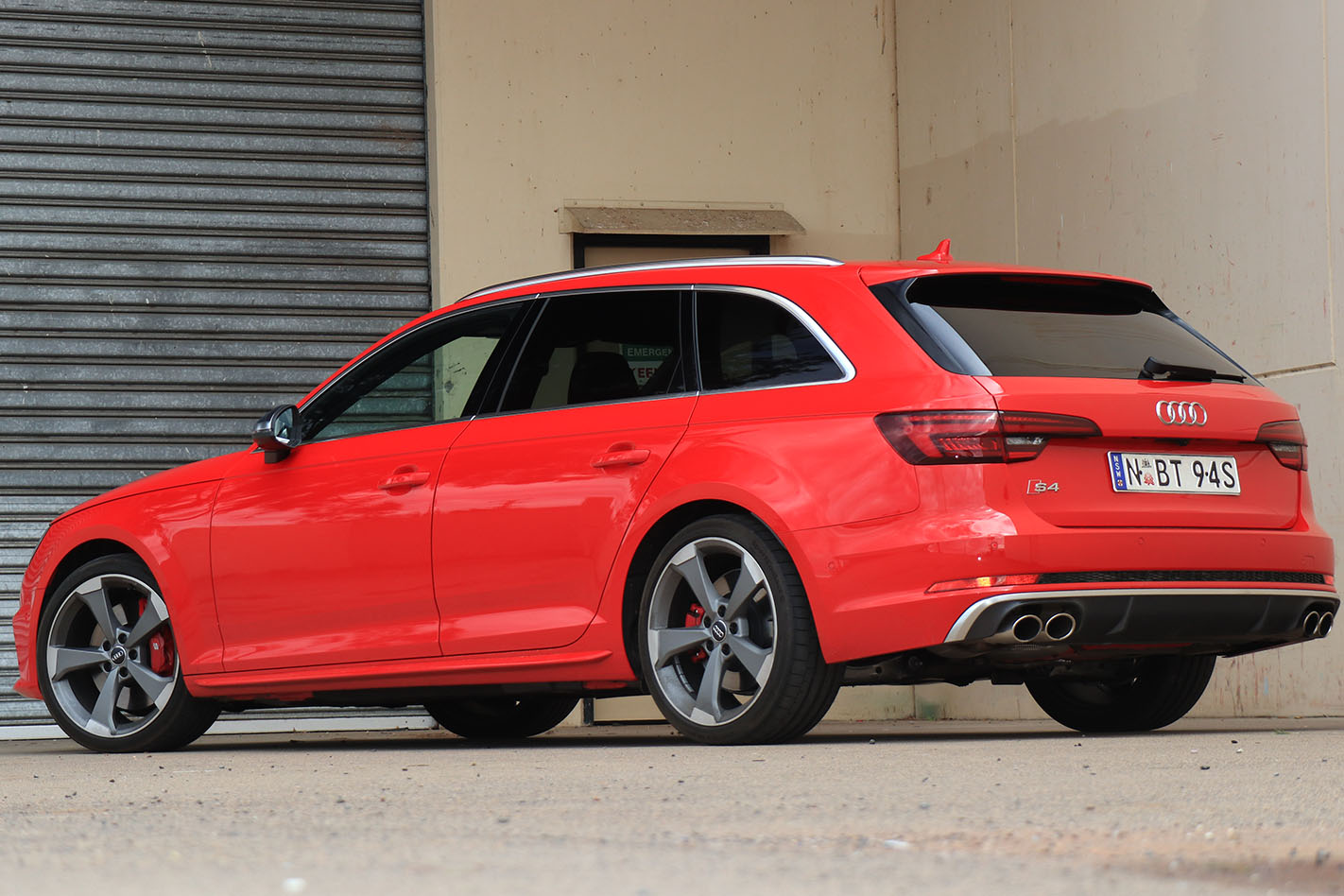
On sale since 2016, the B9 is widely lauded as a pretty good thing, even if the sales figures don’t reflect that. It still has at least another two years to run, though, so Audi’s been sprinkling its fleet with extra showroom floor goodness to keep metal moving.
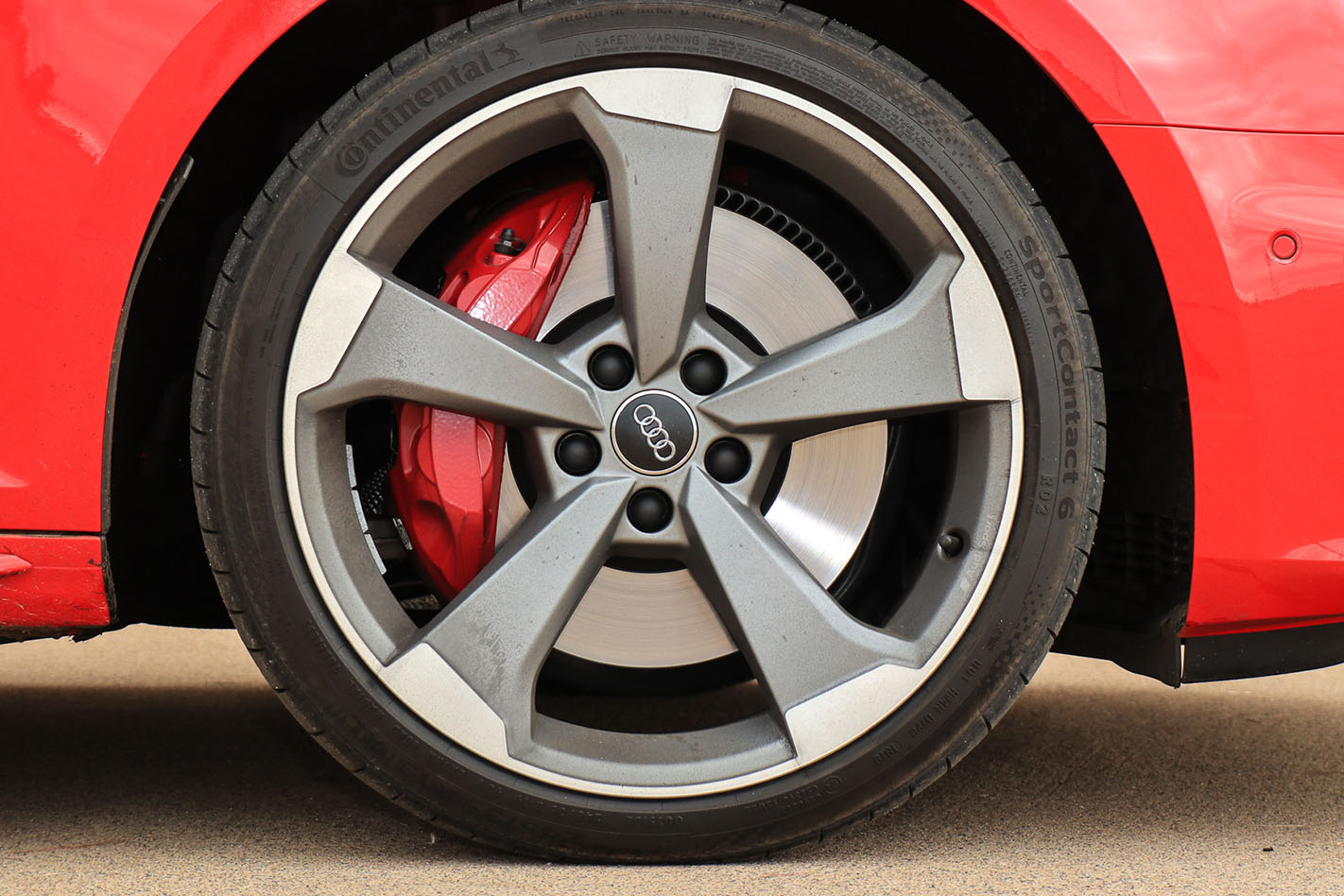
One such recipient is our S4 Avant, which now sells for $102,900 plus on-roads. Audi has added niceties like its S sports seating trimmed in Nappa leather, inductive phone charging, a Bang & Olufsen stereo upgrade and rear USB ports to the decent standard level of kit which includes a digital dash, S sport wheel, 19-inch rims and LED lights all ’round.
The S4 runs Audi’s 3.0-litre turbocharged petrol V6, sent to all four wheels via an eight-speed automatic transmission. It’s a tried-and-true powertrain that, in combination with the adaptive suspension-equipped MLB platform, has made for a pretty handy jigger every time we’ve driven it.
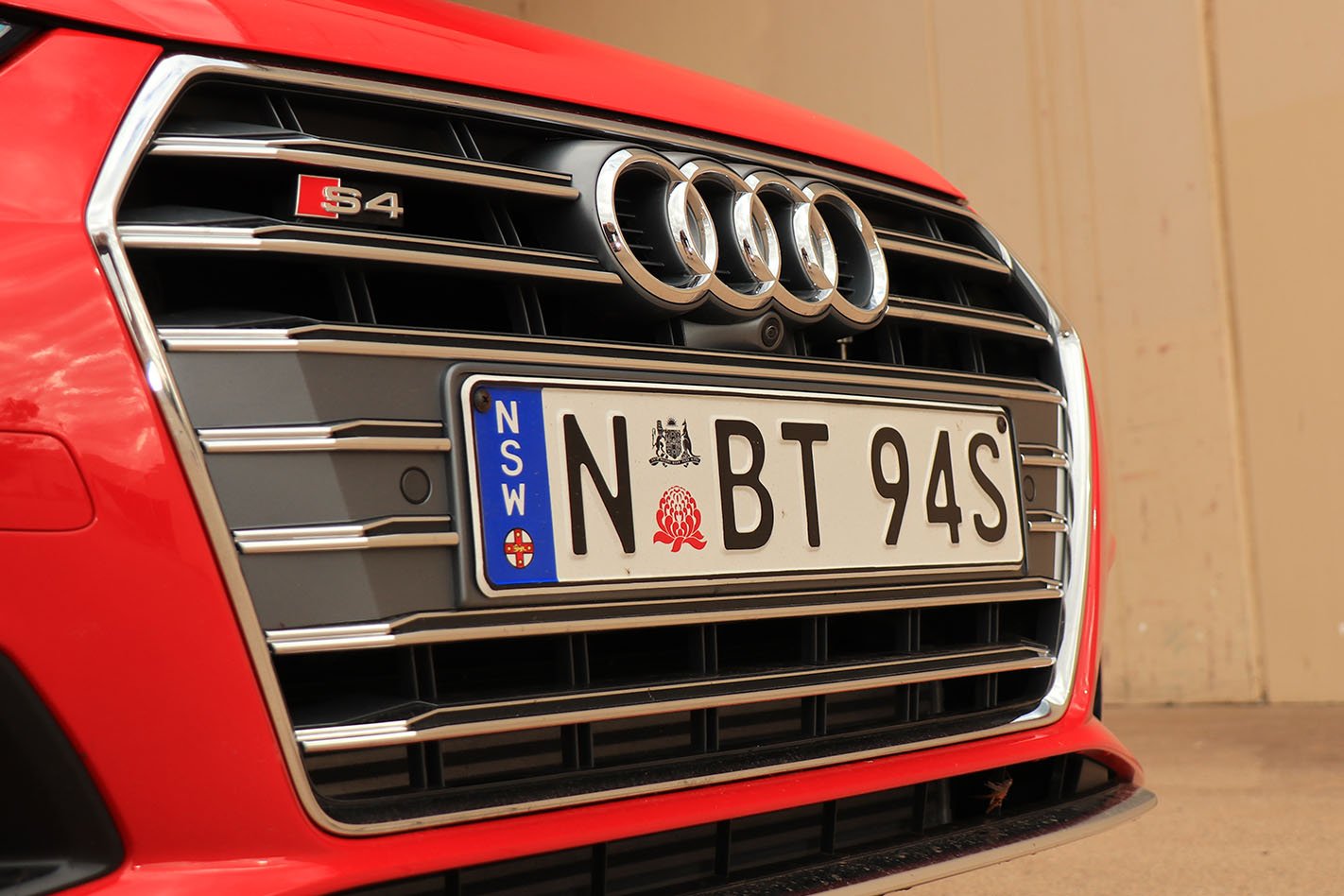
Over the course of a few days, adding 800km to the S4’s odo reacquaints me with the stable, sophisticated and sinuous car that Audi debuted back in 2016. Even four years on, the degree of lustre and polish in its decently weighted steering response, in the way the chassis disdainfully sniffs at sharp-edged bumps and the presentation of the interior is pretty remarkable.
As a package, the S4 occupies the territory between the stock A4 and the super RS4, and it rides that fine line pretty well. Take that drivetrain, for example. It’s a rarity to find a V6 petrol engine in anything these days, but while you’re never going to say no to a turbo, it feels like there’s a lot more to give. I occasionally forgot it was turbocharged, such is the engine’s linearity, and its smooth tractability under load is offset by a sufficiently sexy exhaust and induction note that reminds you what you’ve paid for.
The range of damping tune between comfort and dynamic modes is sufficiently different, and the S4 doesn’t stray into the RS4’s tied-down territory. There’s not a huge change between firmest and softest modes, which is noticeably comfortable, but at least the firm setting doesn’t rattle your teeth out.
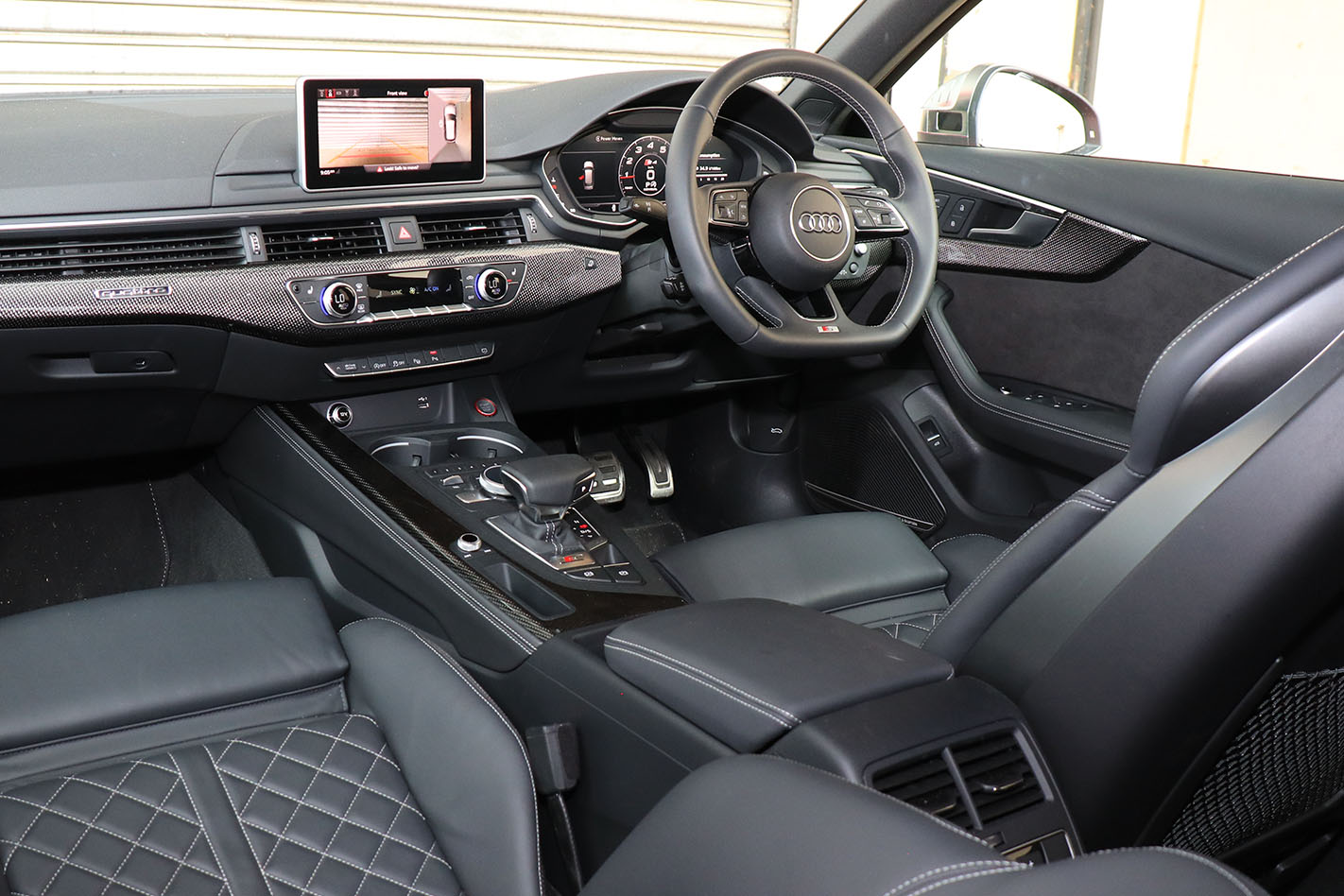
The interior of the S4, too, is a triumph of style and execution, with a little bit of ‘look at me’ thrown in. The digital dash is well integrated and the MMI multimedia is effective, although our tester misbehaved during the course of the test, throwing off our Apple CarPlay connection a couple of times for no apparent reason.
There are some niggles that are down to length of time in service; the S4’s lane departure assistance, for example, is really intrusive and not especially integrated with steering effort. When it wants to adjust your trajectory it does so in an unnatural way, which will lead to people turning the system off, which defeats the purpose of having it in the car.
Look past the beautifully detailed centre console, seats and dash, and you can spot elements of base A4; the way the seat buckle rattles against the hard plastic on the lower part of the b-pillar, for example, stands out like a bum note in a piano concerto.
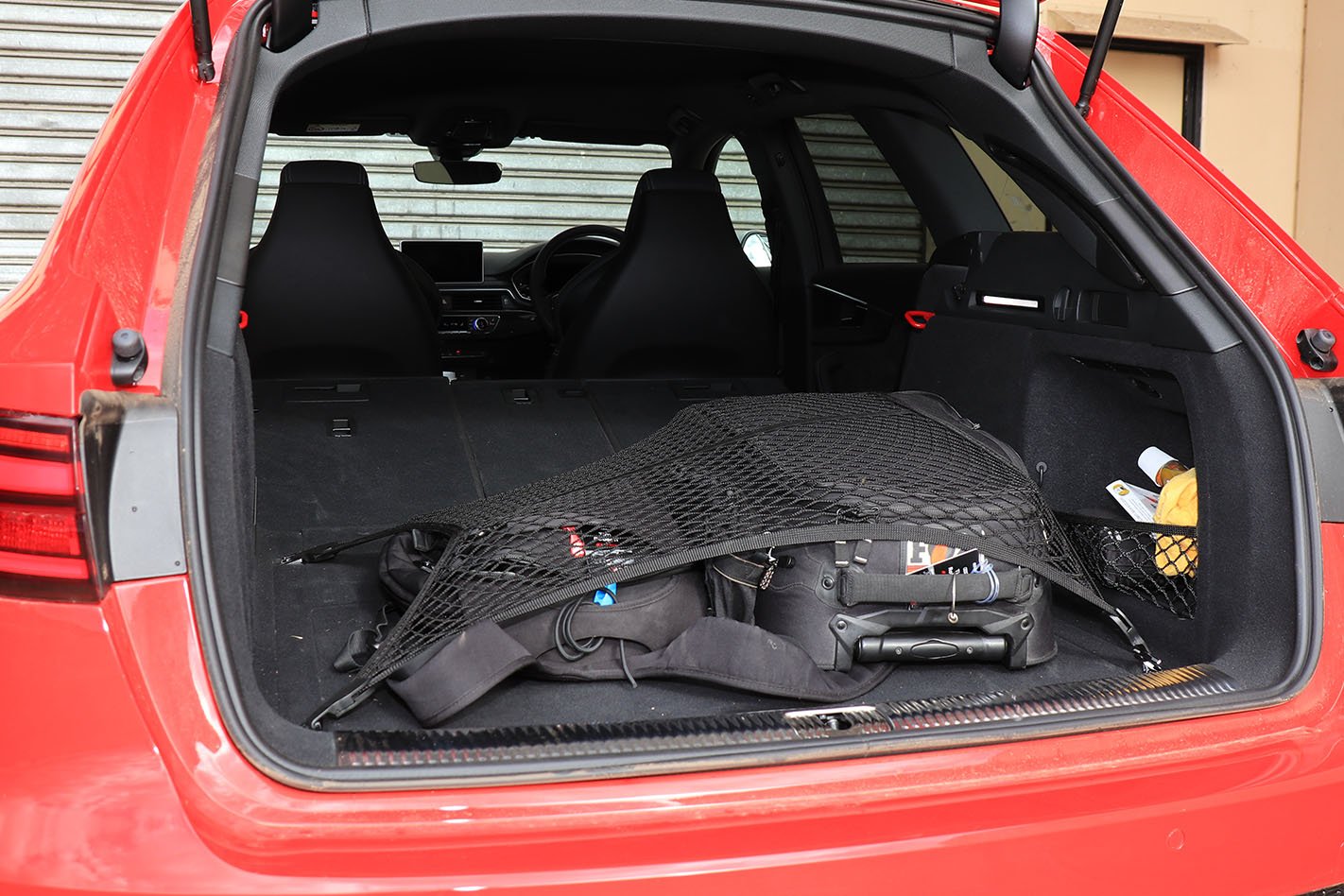
As well, does it look a little plain-Jane for its $102k ask? I gaze at the new A6, for example, which is more than $30,000 dearer again, and I think ‘that’s a pretty good deal’… and that’s simply down to its movie-star looks. The S4 Avant falls just on the wrong side of derivative, despite its enormous spindle grille and its twin-stripe DRLs that are a firm ‘up yours’ to your neighbour and his 2017 rig. It just misses that final veneer of cool that, say, a set of speccy 20-inch rims would provide.
Still, the S4 Avant takes the notion of a pacey wagon, mixes it with lashings of panache and driveway cache and serves it with a proven drivetrain that will bring a smile to the face of someone who knows what they like in a car.
RIVALS
BMW 330i Touring and 530i Touring are price-point rivals, as is the Jaguar XF Chequered Flag edition. At $114,900, though, Mercedes-AMG’s C43 Estate is probably the S4 Avant’s nearest foe.
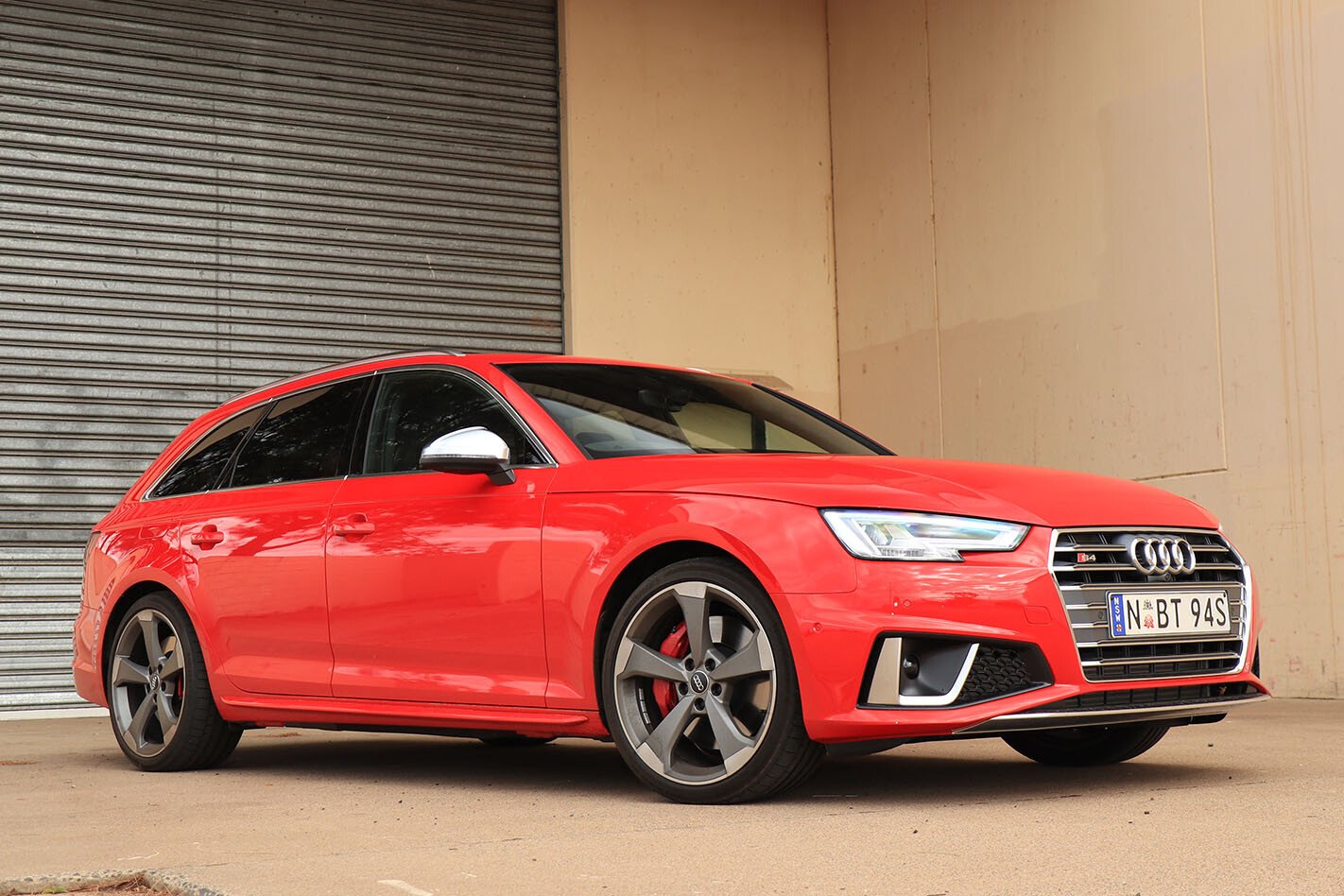
AUDI S4 AVANT PRICE AND SPECS
- Model: Audi S4 Avant
- Engine: 2995cc V6, dohc, 24v, turbo petrol
- Power: 260kW @ 5400-6400rpm
- Torque: 500Nm @ 1370-4500rpm
- Transmission: 8-speed automatic
- Weight: 1705kg
- 0-100km/h: 4.9sec
- Economy: 8.4L/100km (as tested)
- Price: $103,900
- On sale: Now
Is there a more brilliant con in the world today than the self-serve checkout? Supermarkets get you to spend more time queuing to scan your own items so they can spend less on staff, and then they tell you it’s for your own convenience. It’s like a mugger expecting you to tip him.
But don’t give supermarkets all the credit for their evil genius. It’s a trick they learned from petrol stations. Every other business in the world is focused on taking hassle and responsibility away from you, but supermarkets and petrol stations are the opposite. Buying groceries and buying petrol are the only businesses in the world where companies are heaping more and more of the grunt work onto the consumer.
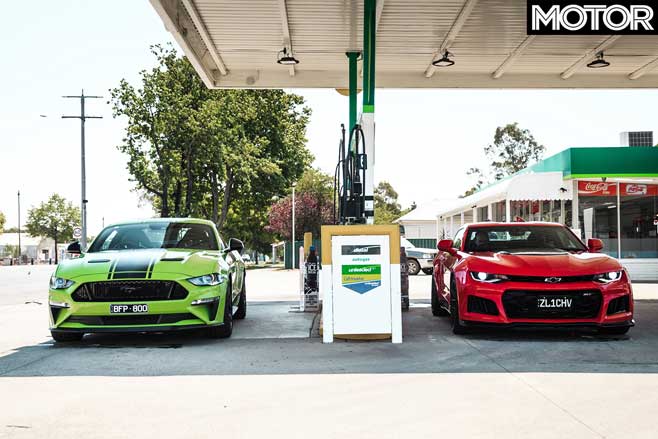
Once upon a time, you pulled into a petrol station and someone else filled your tank for you. (In a few places, they still do that; it’s an uncomfortable feeling, on par with having a stranger cut up your dinner and feed you.) But now petrol stations are pretty much all self-service, and the things they call “conveniences” are actually just the chance to do more chores yourself. It’s like an anti-service industry.
“Hey, since you’re here, why not clean your own windscreen, and make yourself a coffee, and heat yourself up a burrito, and then clean the microwave when you’re done? And after you’re done paying us for that, the back office needs a vacuum, and Tony at the check-out could use a neck massage. No need to thank us; it’s all part of the anti-service.”
Other places try to make your life easier: shopping centres now have valet parking, and car washes are now valet-service cafes. But the petrol station attendants just sit there, watching smugly while you do everything yourself. They’re only there to take your money, and then tell you that you’re not allowed to use the toilet, as it’s for employees only. Because they trust you to pump high-pressure flammable liquids on your own, but not to take a whiz.

The only “innovation” in the petrol station world is – yep – the mini-supermarket, which just creates other headaches for you. Like when you’re done pumping and paying, only to find another car waiting behind you, and the person at the pump in front of you is spending way too long inside trying to decide between white bread and multigrain. (Here’s a hint: never choose multigrain. Screw multigrain.) Supermarkets and petrol stations go together like Frankenstein and the Bride of Frankenstein.
After you’ve finished scanning your own groceries, you get one of those cheap petrol dockets, which you dutifully stuff in your centre console but never actually use, because who drives 15 minutes out of their way to save 60 cents on petrol? I know who. The same people who will wait 10 minutes for a space right outside a shop door to save a 30-second walk from the other side of the parking lot.
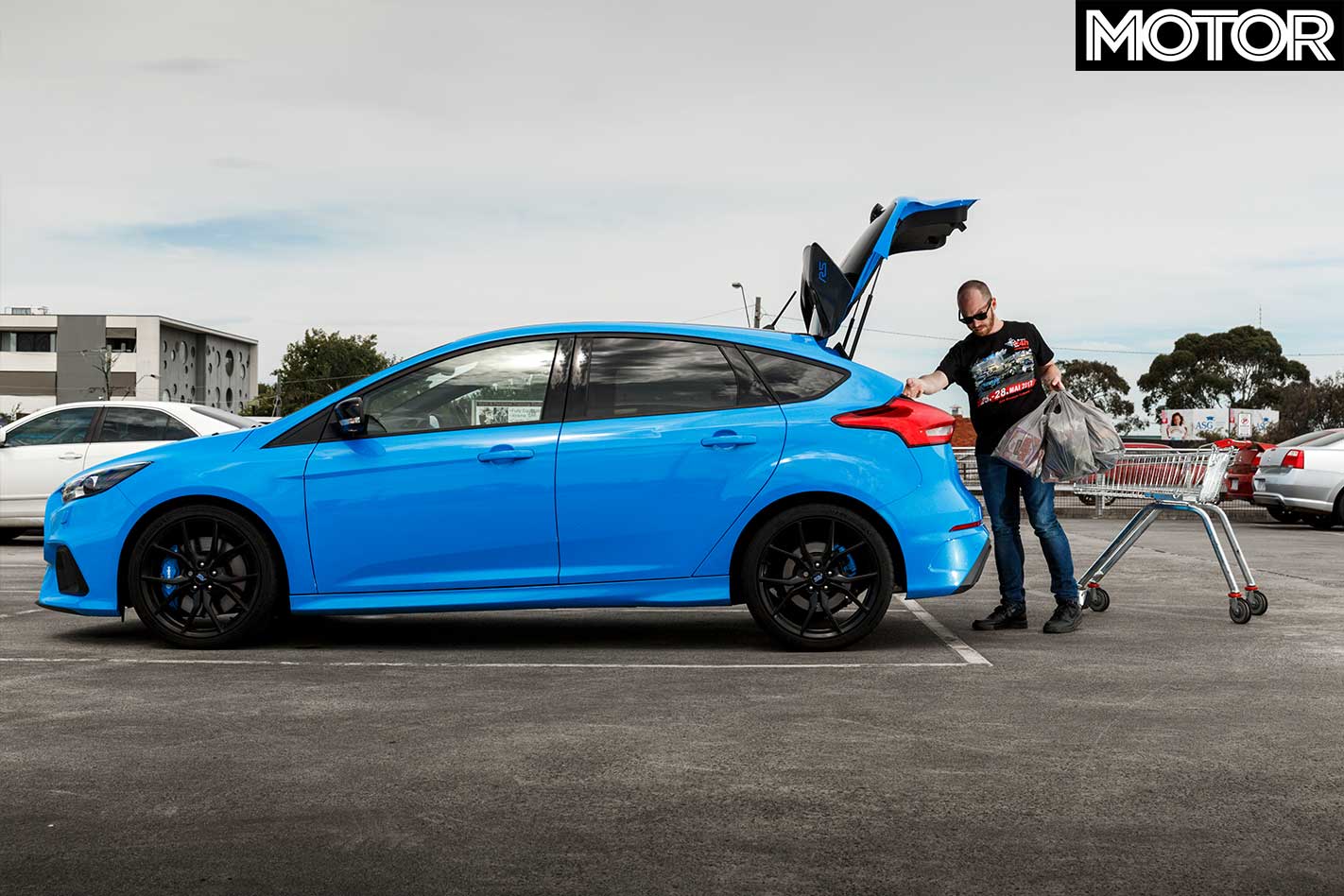
So to the marketing guy at Woolies or Coles or wherever, take an extra-long coffee break this morning, because I’ve done your job for you today. The next big innovation in the grocery-petrol continuum: petrol valets at supermarket carparks.
Instead of a little supermarket inside a petrol station, put a petrol pump inside a supermarket carpark, with petrol valets right by the front doors. Drop your car, go shop, and by the time you come out, the valet has gone and filled your tank for you.
This will be the ultimate in convenience, at least until Silicon Valley comes up with the Uber Fuel Tanker. It’s the next logical step after Uber Eats: you order a fuel pumper to swing by your driveway before you leave for work, while you’re inside waiting patiently for the petrol guy to ask if he can use your bathroom, so you can tell him no, it’s for customers only. Ah, sweet revenge.
The guest editor of Wheels’ Design Issue, Ian Callum, gives Ben Oliver a tour of his new digs and reveals the seven things they don’t teach you in design school

You might wait a decade to design your first car, then you won’t get the credit
I started at Ford. I did 10 years there. I worked on various bits of cars but the majority of my time was spent on steering wheels, bizarrely. I very seldom got a chance to work on a full-size clay model, which is what every young designer dreams of. It was frustrating. Eventually I ended up at Ghia, where I found myself working on full-size cars for the first time in my career. And when you do, it’s very competitive. You have maybe five or six designers putting their ideas forward, and only one of them will get to see that idea through. They’ll feel ownership of it. It’s not egotistical or political, necessarily. It’s just a creative thing. You just want to be the person creating that car.
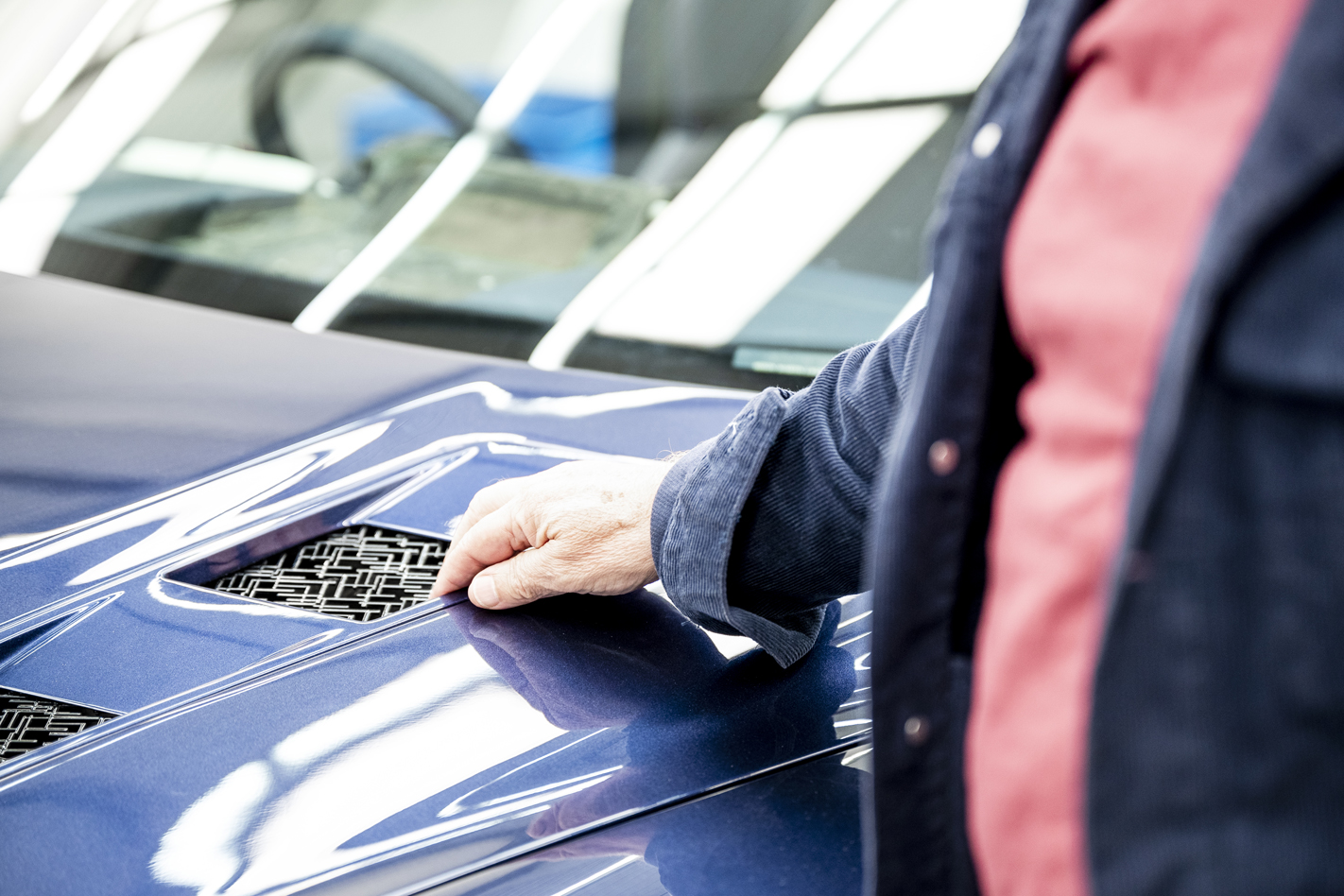
But you can’t often pin a design on one person. There’ll be somebody who starts it off, then others get involved, and then I’d get involved as Design Director, and I was always very much hands on. We have to be quite ruthless, with ourselves and with individuals. You’re dealing with some sensitive people in the creative world, and it’s tricky when you’re rejecting their designs. Julian Thompson [Jaguar’s former Creative Design Director, and Callum’s successor] would say to me, “Are you going to tell him it’s not his?” and I’d say, “I think you should tell him, Julian, he works for you.” We’d have this stand-off over who was going to let the poor chap know his design hadn’t won.
Even when the suits let you get on with it, you won’t always get it right
Pure concept cars are very rare, but at least they’re almost entirely the domain of the design team. In 20 years at Jaguar we only did three. Two came right at the beginning, because the X-Type had just come out and XJ was about to be launched, and it would be a while before we’d get a chance to show what we could do with production cars. We did the R Coupe to show the world that we’d arrived and to demonstrate how a Jaguar could evolve and break away from the traditional. The R-D6 was to demonstrate our new V6 diesel. And then of course the ultimate expression was the C-X75, which we created purely as a concept car to celebrate 75 years of Jaguar. Its packaging, size, everything was set by the design team. There was no production intent. We just wanted to do something purely from an artistic point of view, to show the world how beautiful a car could be in the modern idiom.
We did the C-XF to create a bit of a buzz, probably six months before the first XF came out. But we exaggerated it too much. We couldn’t help ourselves. We indulged in a lower roofline, bigger wheels and sliver lamps. And rather than the XF coming out with a great euphoric notion of newness, because it replaced the S-Type, it was overwhelmed by the radical proportions of the C-XF. You couldn’t get in the back of the concept, it was so low. It was hugely impractical. So I said to the team, “I’m never going to do that again. We will not over-promise.” So when you see a concept from Jaguar it tends to be very close to reality. That frustrates designers because they want to express themselves and to exaggerate. But it’s a discipline you have to hold to.
Break the box
When you’re replacing a car like XE or XF you know what the competition is, and your parameters are set by that. Your car has to fit in that box. Hundreds of attributes will be written for every new car, on dynamics, cost, dimensions, and everything else. That’s frustrating for a designer, because if you take the generic dimensions of the competitive set, you wind up with the same answer. So any good designer wants to break those rules. We challenge those numbers every time because if you take all your attributes off a 3 Series or a C-Class, you’re going to end up with the same shape.
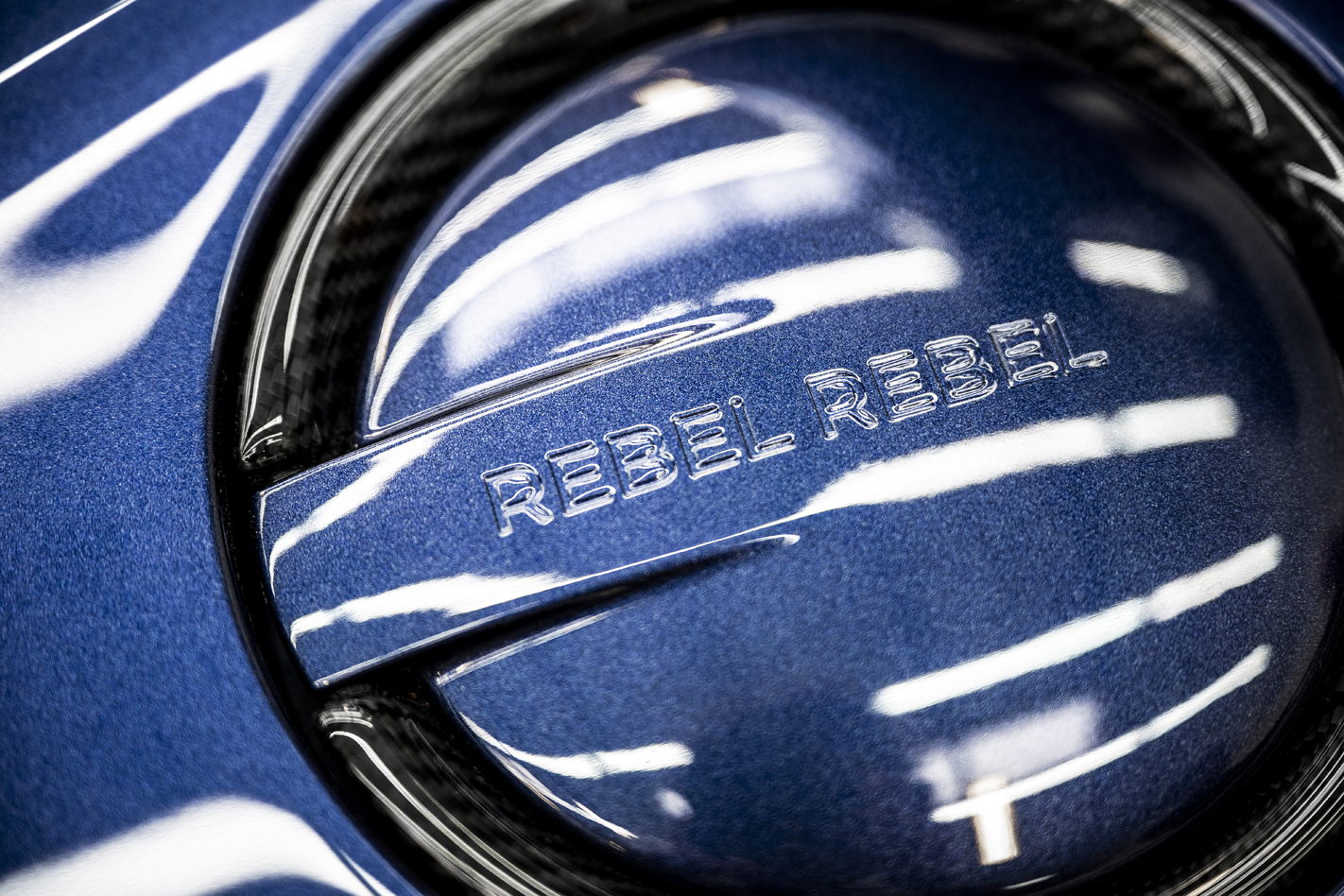
Somebody once asked me why, when they looked in the car park, all the deck lids are the same height. It’s because aero dictates that they should be there. And beyond that, you’ve got a boot capacity which you have to adhere to. At Jaguar, our remit was always to challenge that. That could cause some tension. But if you want the car to look beautiful, the ingress through the rear door, for example, might not be exactly the same as one of our competitive set.
As a designer you have to understand all these attributes, and challenge ones you’re prepared to lose on. But you play that game of losing a few battles to win the war.
Be a politician
XF was going to be the game changer for Jaguar design. It was replacing the S-Type. So we created 32 models of that car in various scales, all in clay, because our CAD in those days wasn’t as clever or as efficient as it is now – 32! The management knew we had to change the whole philosophy of Jaguar. We couldn’t go retro for much longer. And so they wanted to see all the alternatives. So that took us back to the old days: them saying, “You do the designs and we’ll choose the winner.”

Politically that was very difficult. I knew what the car should look like and I steered the discussions very carefully but gently towards the car that I wanted. That’s when I learned to explain why I was doing things. Designers can be arrogant and say, “It’s that way because that’s how I think it should be.” I learned very quickly that that approach was not going to work. I had to explain why the grille was that shape, for example. And that got me through a lot of political nonsense. In my latter years at Jaguar, those 32 models had fallen to probably only two or three because the upper management had the confidence in us to get it right at a very early stage.
It ain’t over until the production line rolls
So you choose the basic design, and over maybe two and a half years, the clay model evolves to include most of those attributes. Eventually you freeze the design. At that point it meets most of what we, collectively, want from the car. This is what some engineers call ‘getting the clay out of the studio’, because they think it’s going to be turned over to them. Except it never leaves the studio because it still needs to be changed. We wouldn’t change anything subjectively at this point. We’ve passed the point of no return. It’s only ever a response to feasibility issues which need to be resolved.
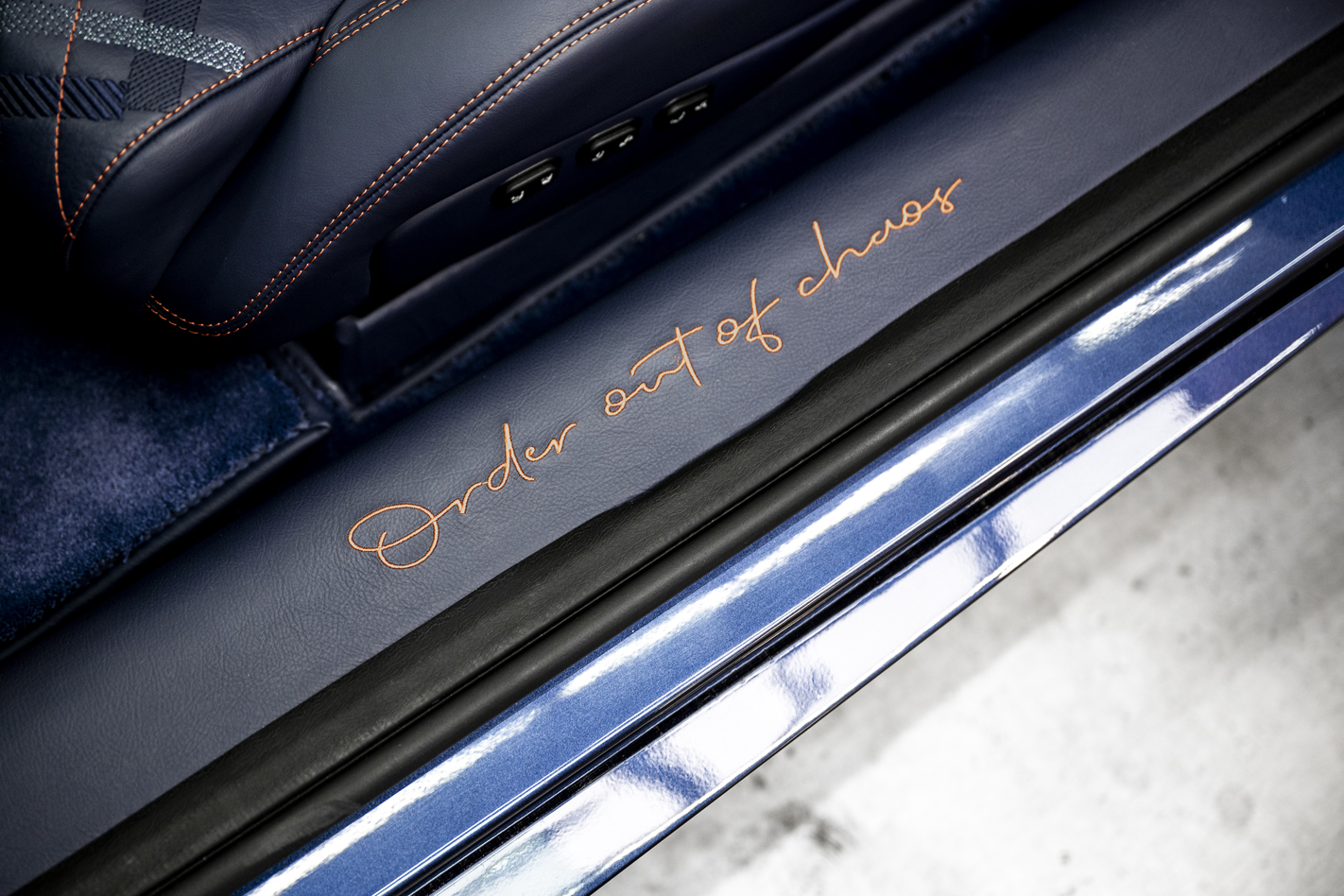
When we did F-Type we were changing the radii on the body at the 11th hour because of the tooling. Or suppliers come in and say, “We can’t make that door trim for that cost, so you have to revise it.” And if we change something, everybody else has to know, so that one reference clay is constantly being changed and scanned.
I struggled to understand that we’re only modifying to the needs of others, and these are not subjective design changes. You hear people asking to get the clay ‘out of the studio’ to stop these designers messing about. Well if we don’t fix it, who’s going to? Probably the designer’s most important job comes after the design is frozen, keeping the finished car looking like the dream they created.
The electric car won’t set you free
When we designed the I-Pace, it didn’t have an attribute box because it didn’t exist yet. That was the freest we’ve ever felt. We did it cab-forward because we could. We didn’t need a long bonnet. We shifted the occupants around in the car, and that set up the overall package.
And we took that decision in design because, to put it bluntly, nobody was looking. And we also had a lot of freedom through the skateboard platform. It’s literally a level playing field.
So we started off with this SUV type of vehicle, but as we were evolving it, we realised this looked like nothing else in SUV-land. But nobody challenged it because they didn’t know what it was meant to be. It was just an I-Pace. And it got through the system. Whereas with the e-tron, Audi clearly wanted to emulate an existing form that people understood to be an SUV.

But other things have come into play now. The amount of features is starting to grow. The safety factors are starting to grow. So the package requirements of these things grows too. We may have gained something with the simplicity of an EV, but it’s almost been overtaken by other aspects. The shape of the car is determined by the human beings inside it. We sit in the car, our eyes at the top and our feet at the bottom. Until you put people’s eyes on their feet, cars will stay mostly the shape they are. So I don’t think EV’s will be as radical as we hoped.
For me, the cowl height is the very fulcrum of the car. With the I-Pace, I wanted the cowl height much lower, but ironically it was a windscreen-wiper package designed for a combustion-engine car that stopped us doing that. But you can’t re-engineer every part, and now the emphasis is on using as many components as you can for as long as you can.
Don’t sweat what you can’t change
Some designers say that safety regulations are causing us too many challenges, and that we can’t make beautiful cars anymore. But you can’t take that point of view, because they’re there for a good reason.
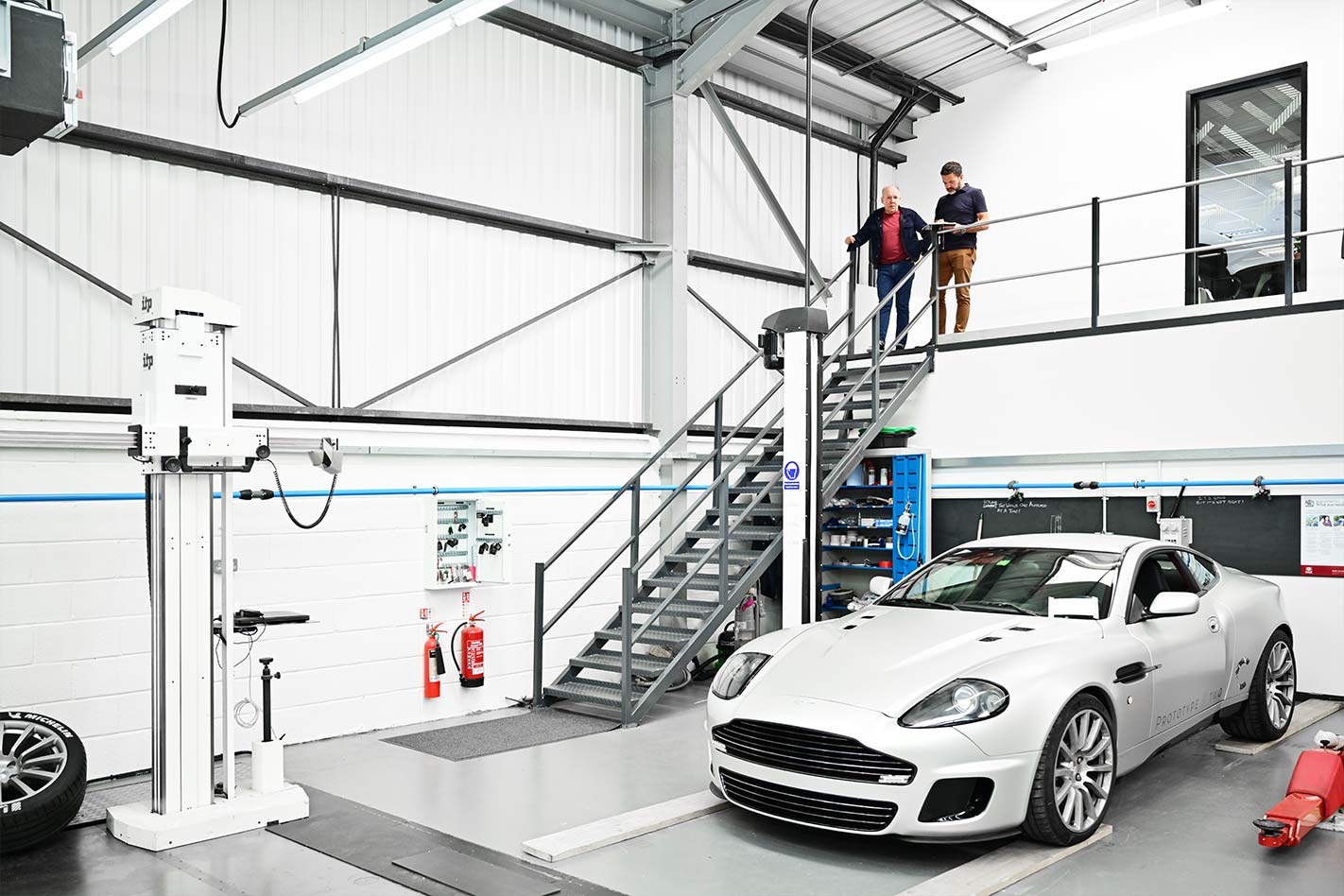
Nobody wants to go backwards. You may challenge whether they’re over the top, and sometimes you get into a conflict of regulations and attributes, like with stringent US rollover regulations which require a thicker A-pillar, which then might not meet visibility requirements.
Managing all this stuff is a huge, huge challenge. Some designers can’t accept that and have a hissy fit, until somebody explains that if they don’t just deal with it, there’s no car. Maybe I’m overly pragmatic, but I find pragmatism will get you to the right car with a lot less pain. Pragmatism can be beautiful.
Sign-up here to get the weekly Wheels highlights
There are plenty of similarities but also lots of differences between the two mainstream sub-$40,000 hybrid SUVs now on sale.
Joining the Toyota RAV4 Hybrid that arrived in 2019, the Subaru Forester Hybrid that’s just gone on sale also uses an existing body kitted out with an electric motor to reduce fuel use.
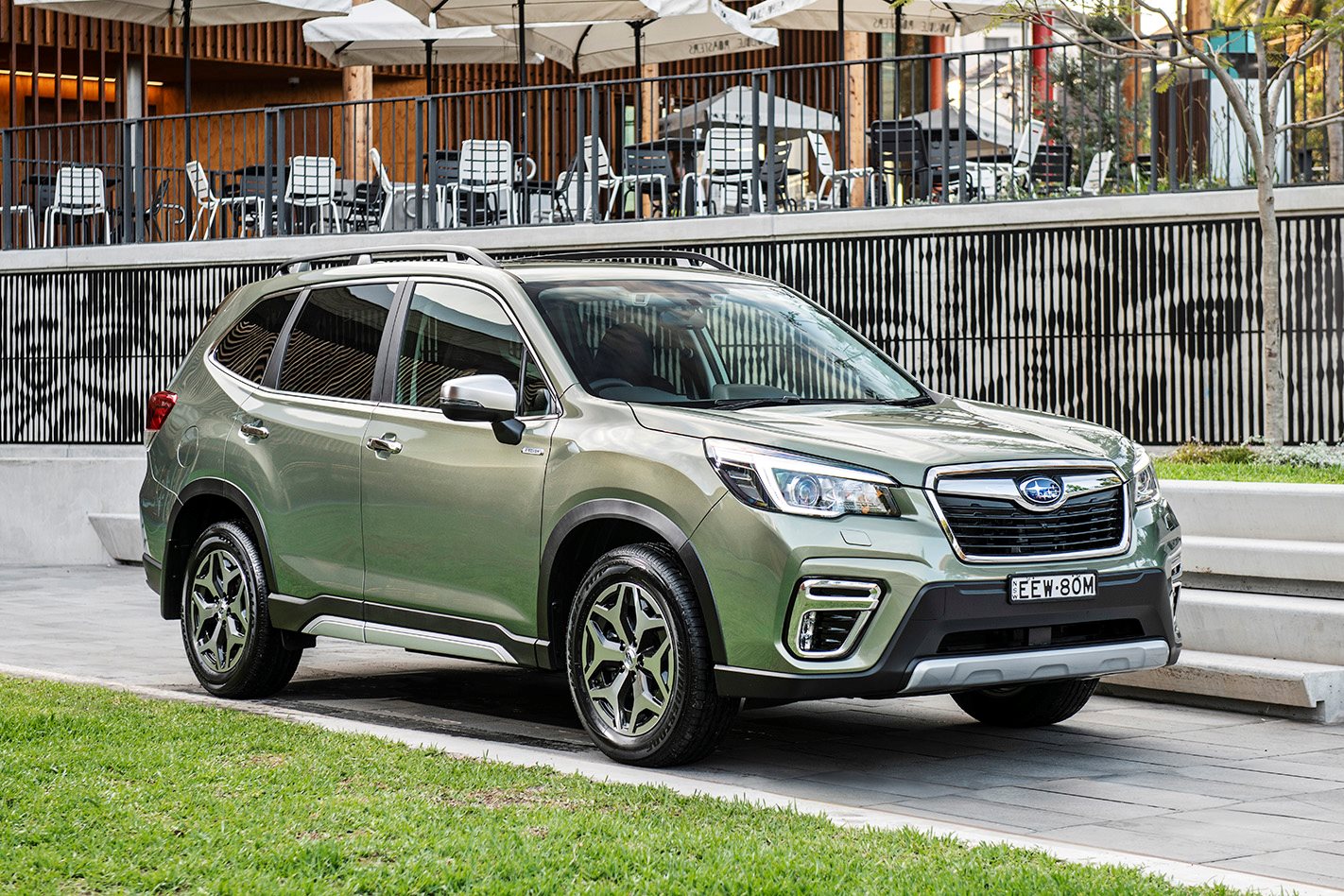
While we haven’t got behind the wheel of new Forester Hybrid yet, we’ve crunched the numbers for a detailed look at how it stacks up.
Priced from $39,990 it’s almost $5000 more than the most affordable RAV4 Hybrid.
However, that RAV doesn’t get a four-wheel drive system, something that adds $3000, significantly narrowing that gap.
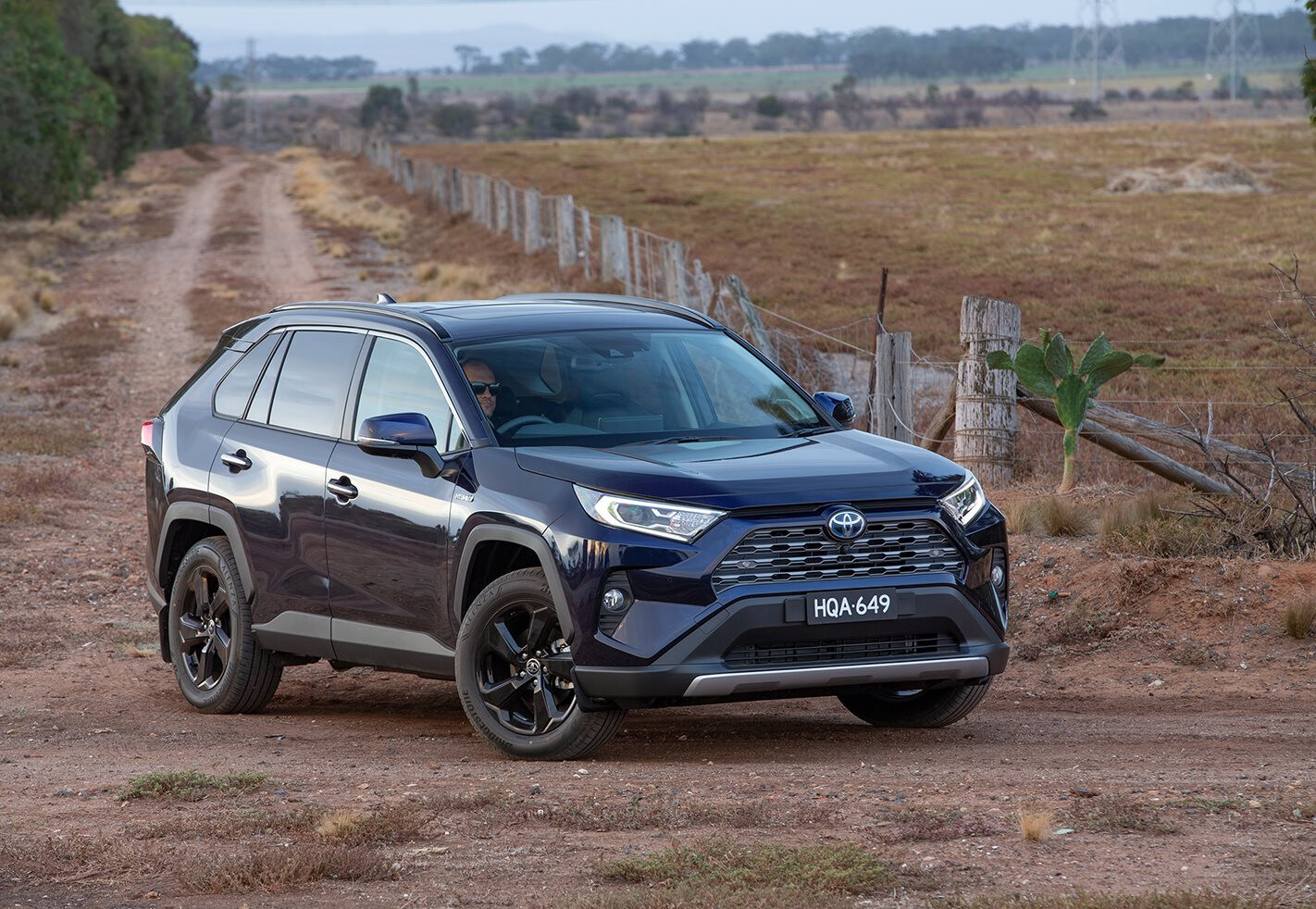
The Subaru needs to be serviced every 12 months or 12,500km and will cost $2433.02 for the first five years or 62,500km.
The Toyota can go slightly further between check-ups – 12 months and 15,000km – and is cheaper to service, costing $860 for the first four years or 60,000km.
While the RAV4 has wireless phone charging on some models and satellite-navigation across the range (it’s only on the more expensive Forester), it’s a rare win when comparing features.
The Forester fights back with tyre pressure monitors and a facial recognition system that can be used to set the seating position as well as monitor the driver’s alertness.
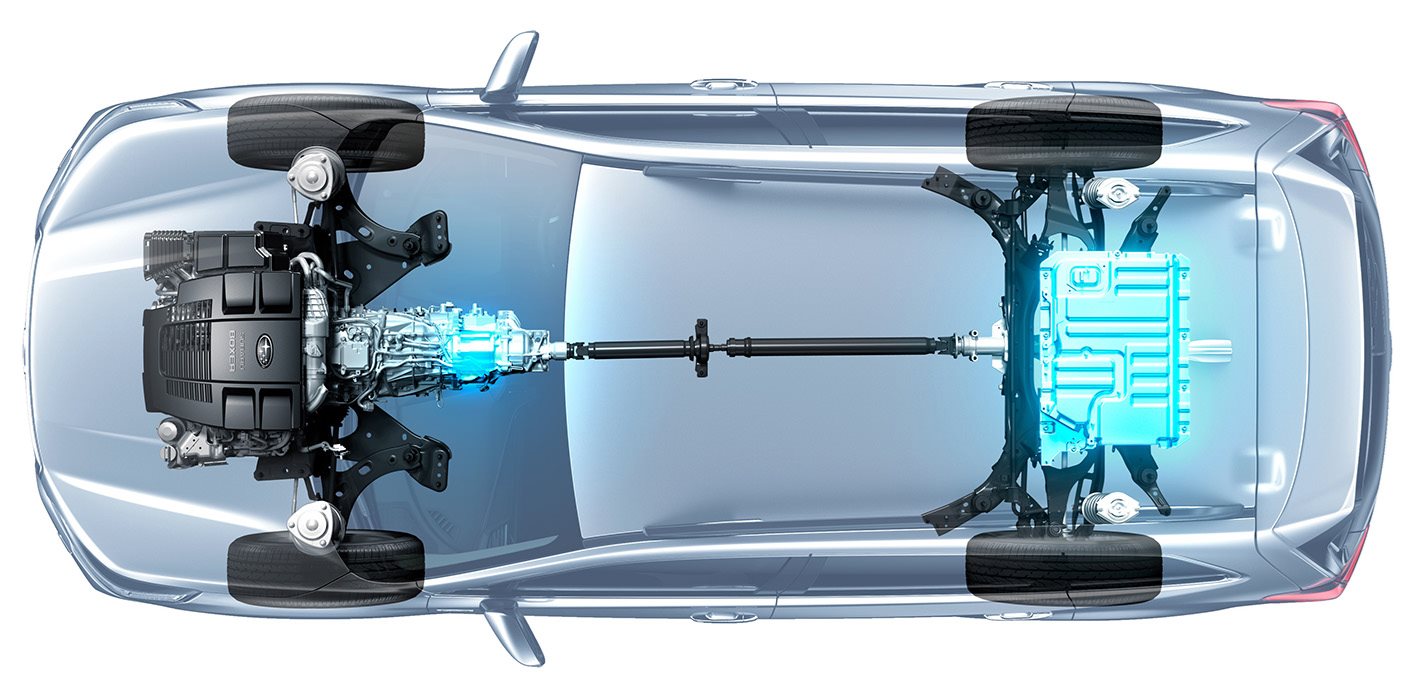
Looking at the hybrid system, the RAV4 also gets older nickel metal hydride battery tech, which is inferior to the lithium ion batteries fitted to the Subaru – and also used in all pure electric cars.
But the Toyota fights back with the size of its hybrid system.
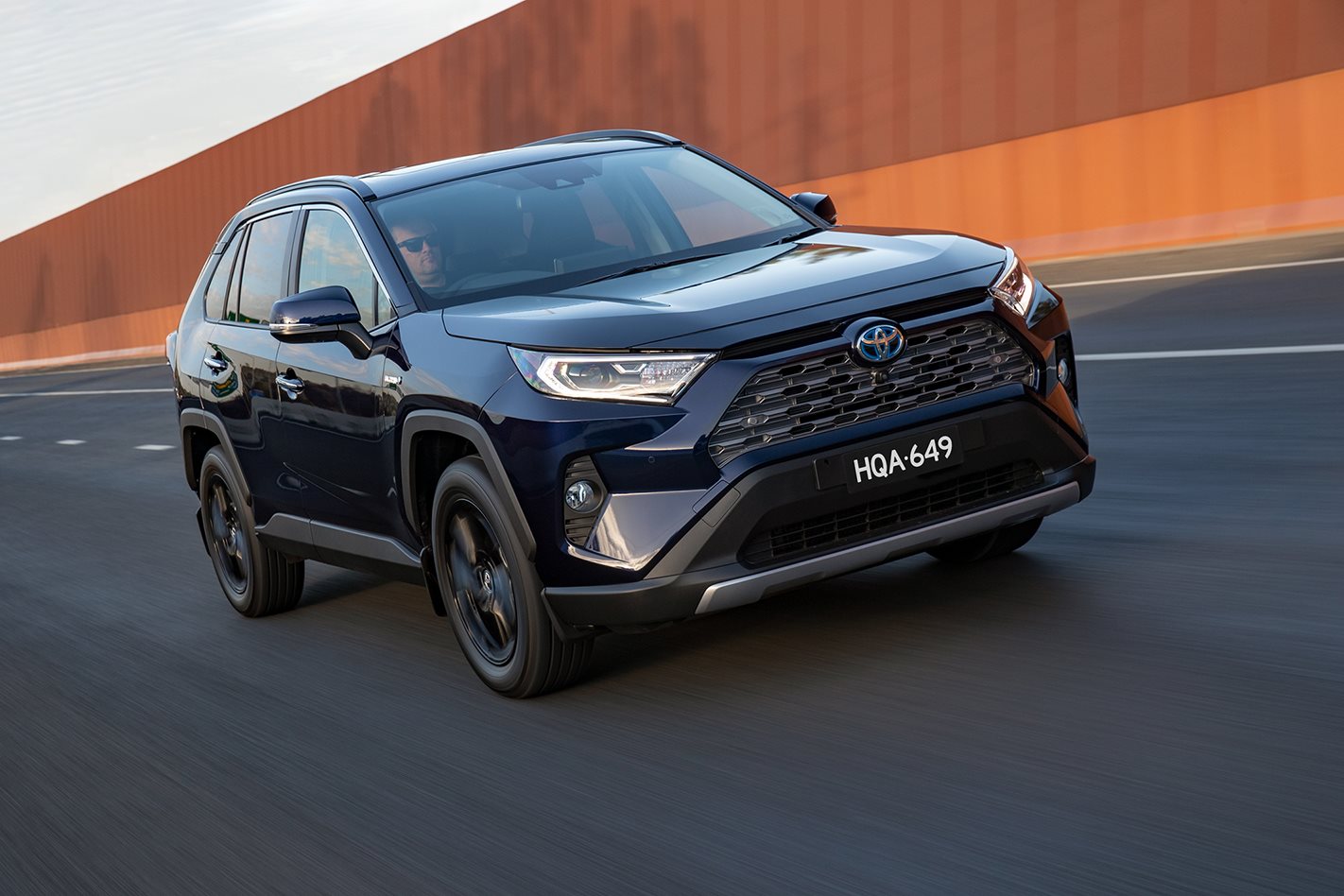
The electric motor that powers the front wheels makes 88kW and you can add a 40kW rear electric motor as part of the AWD system. The Toyota also gets a more powerful 131kW 2.5-litre four-cylinder engine. Combined output is 160kW.
In comparison the Subaru’s hybrid setup is a mild-hybrid with a modest 12kW electric motor. The petrol engine is also a 2.0-litre, so smaller than is fitted to the regular Foresters.
Subaru doesn’t quote a combined power output, but with 110kW from the petrol engine it clearly can’t match the Toyota.
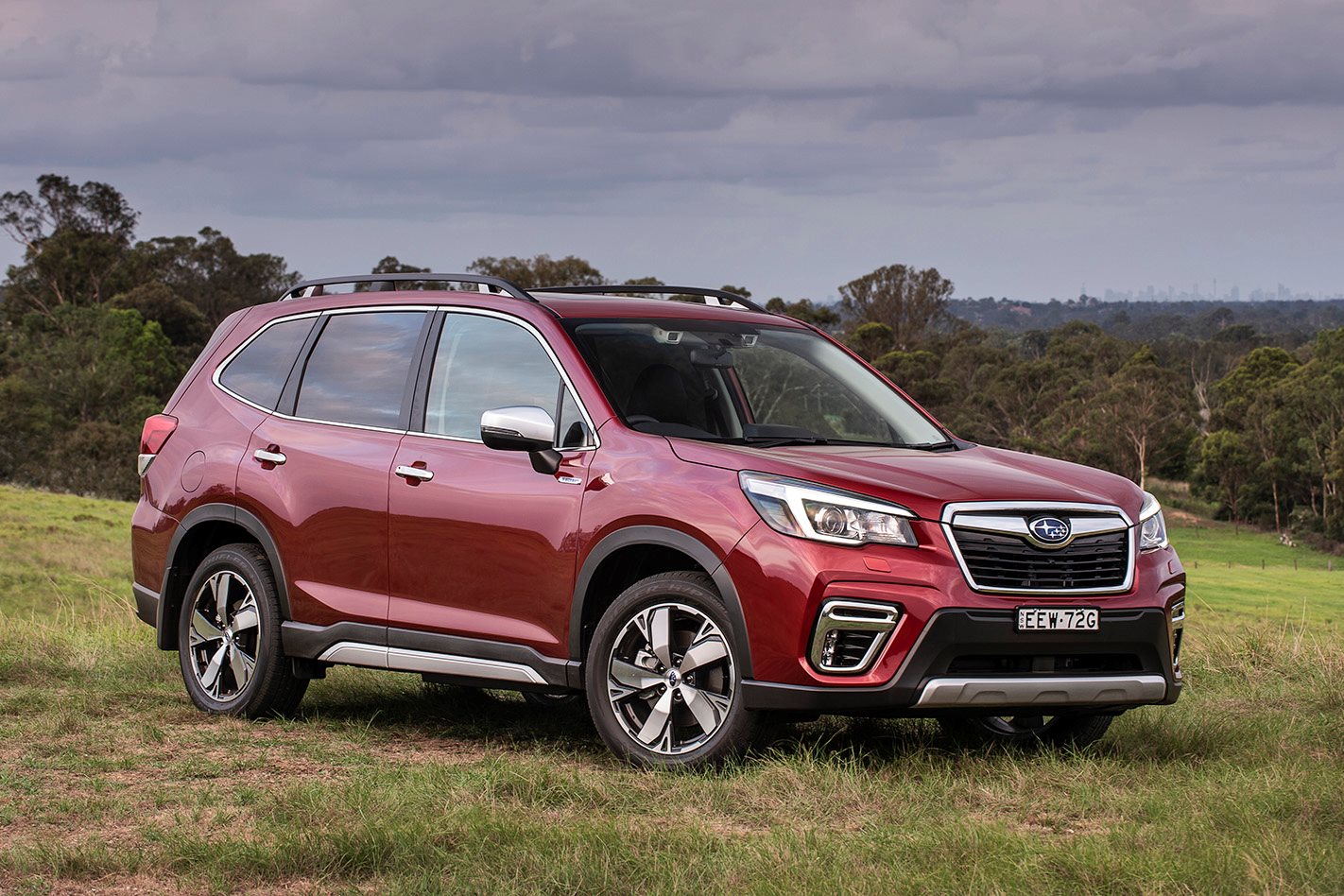
Looking at the official fuel numbers, the Subaru also loses out on claimed consumption.
According to the official fuel numbers the Forester Hybrid uses 6.7 litres per 100km, which is around 10 percent better than a regular Forester.
The RAV4 uses 4.7L/100km, or 4.8L/100km for the AWD model.
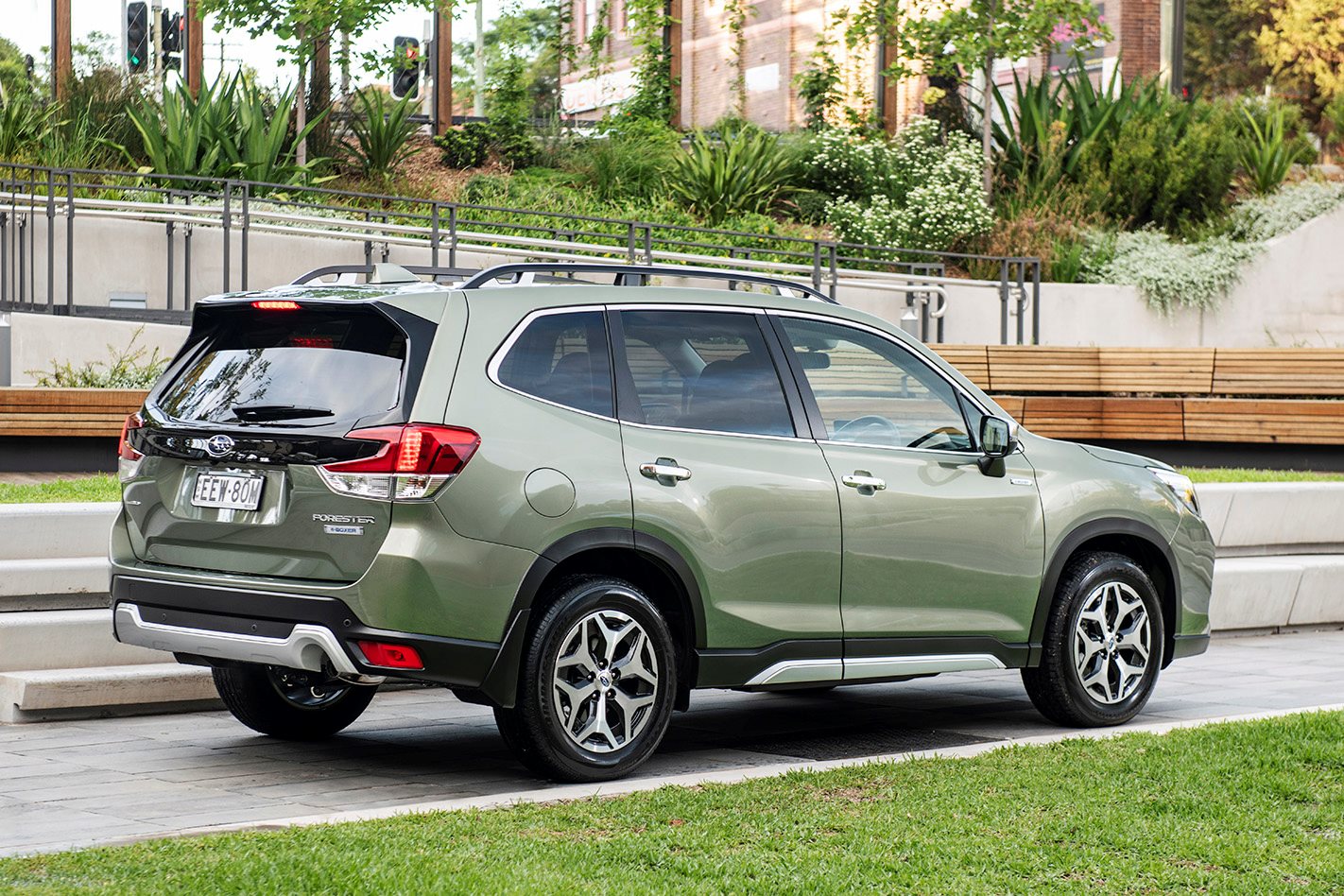
Subaru claims the fuel consumption benefits double if you confine the Forester Hybrid to city driving, with fuel use at 7.5L/100km.
But it’s still thirstier than the RAV4, which uses the same amount as it does in town as for its overall number.
But Subaru fights back with off-road ability. Subaru has long worked on ensuring the Forester is a leader in its class, with confident rock-hopping ability.
Subaru claims the Hybrid is more capable than a regular Forester, mainly because the electric motor better allows torque distribution on slippery surfaces.
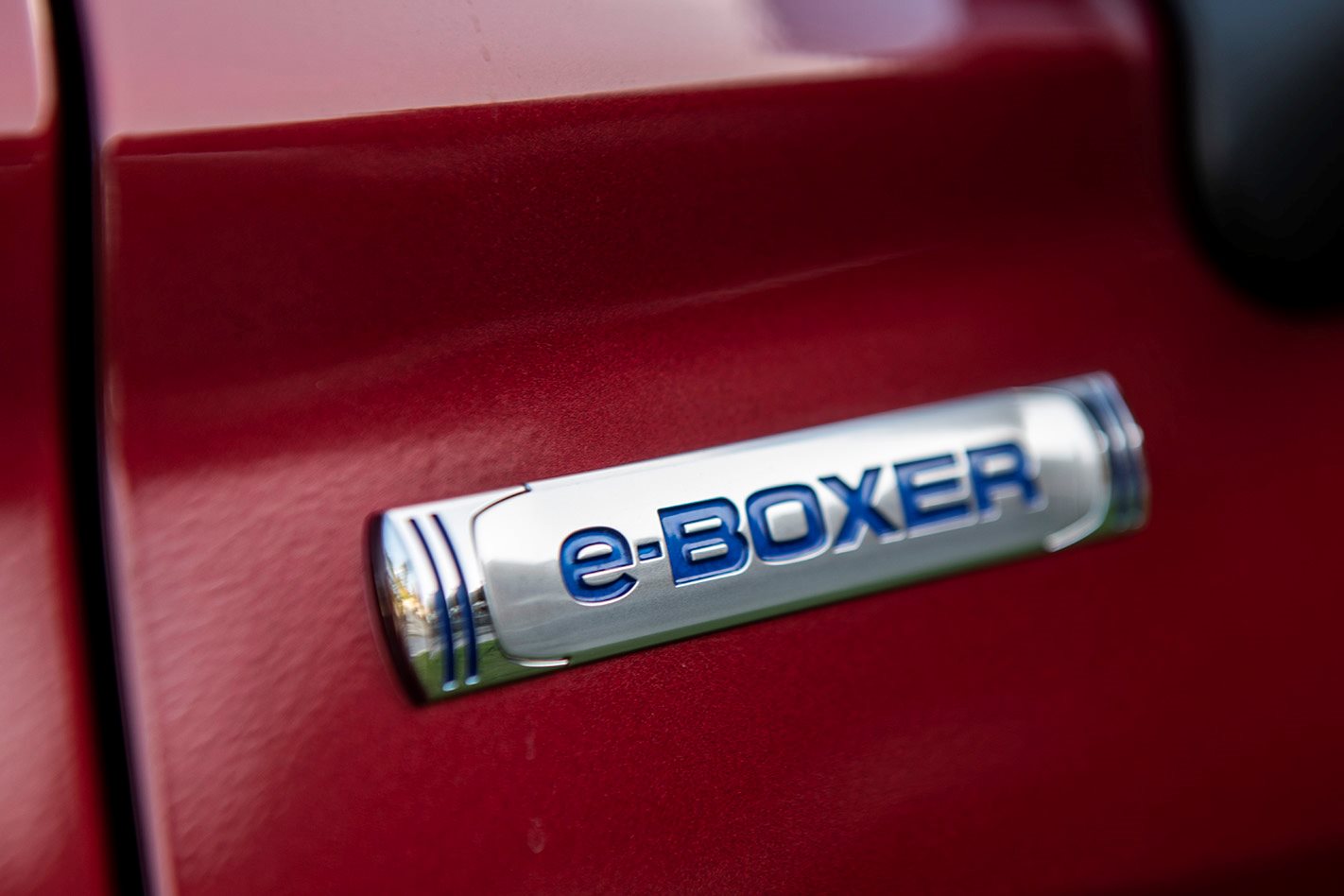
Its basic design better keeps components such as the front bumper out of the way and there’s a full 220mm of ground clearance, well up on the 190mm of the RAV4.
It’s that promise of better off-road performance that Subaru Australia boss Colin Christie believes will tempt adventurous buyers and those who may one day want to get the tyres dirty.
It’s a shame the Forester Hybrid doesn’t have a spare tyre, whereas the RAV4 at least gets a space saver.
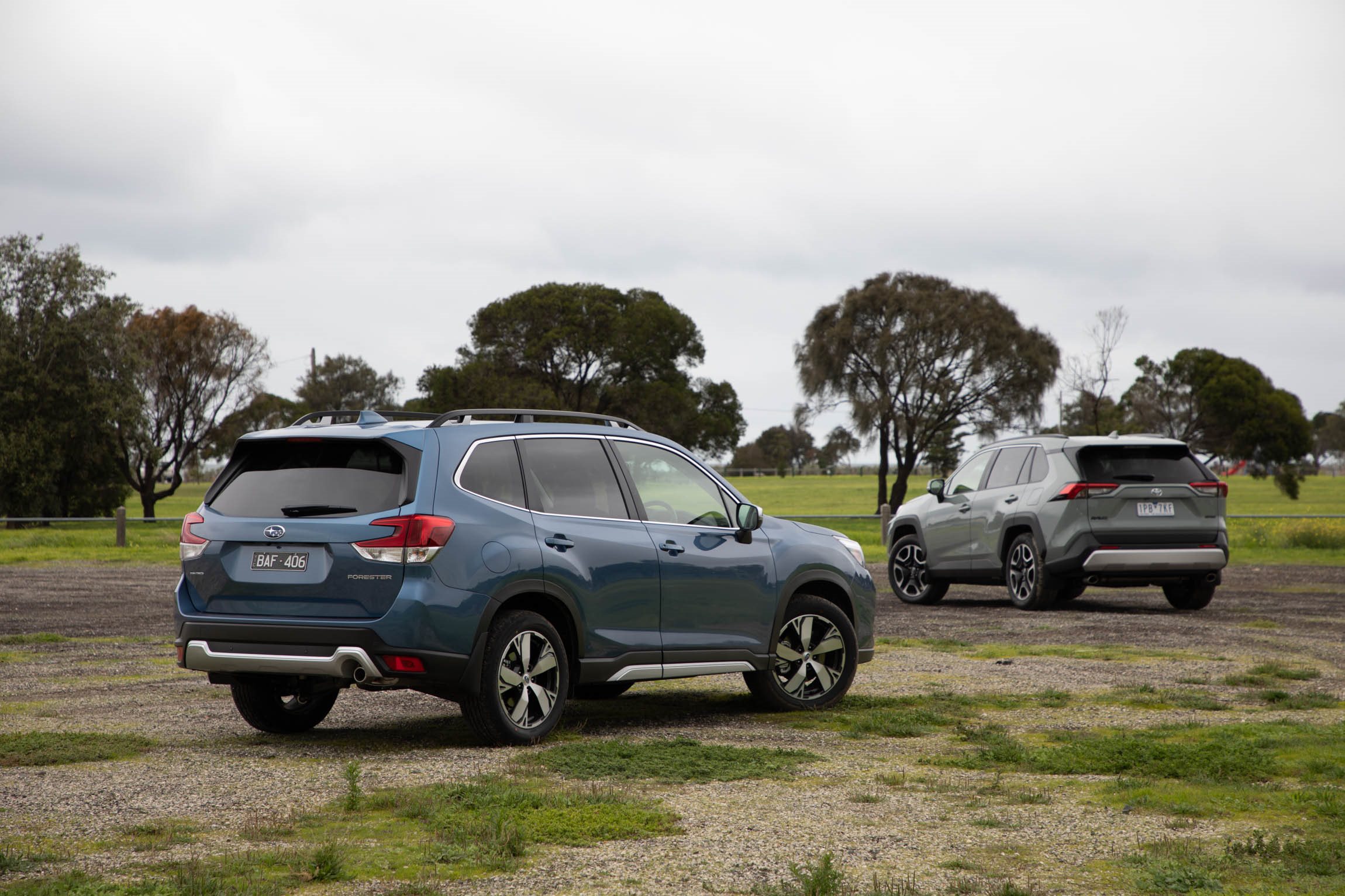
So, on paper (remember, we haven’t driven the Forester Hybrid yet) the RAV4 looks the better bet for family duties and around town, where its claimed lower fuel use will be appreciated.
But for those looking to explore or head off-road, the Forester could be the better bet.
u00a0 Price: AWD system: Engine: Power/torque: Main electric motor: Rear electric motor: Combined power: Transmission: Length/width/height: Wheelbase: Weight: Fuel type: Fuel use (average): Fuel use (city): Fuel use (country): Battery type: Battery capacity: Battery warranty: Servicing costs: Spare tyre: Boot capacity: Tow capacity: | Subaru Forester Hybrid From $39,990 Standard 2.0-litre 4-cyl boxer 110kW/196Nm 12kW/66Nm NA NA CVT auto 4625mm/1815mm/1730mm 2670mm 1603-1642kg Regular unleaded 6.7L/100km 7.5L/100km 6.2L/100km Lithium-ion 0.6kWh 8 years/160,000km $2433.02 (5 yrs, 62,500km) None 509L 1200kg | Toyota RAV4 Hybrid From $35,140 $3000 extra 2.5-litre inline 4-cyl 131kW/221Nm 88kW/202Nm 40kW/121Nm (AWD model) 160kW (2WD), 163kW (AWD) CVT auto 4600mm/1855mm/1685mm 2690mm 1650-1745kg Regular unleaded 4.7L/100km (2WD), 4.8L/100km (AWD) 4.8L/100km (2WD), 5.0L/100km (AWD) 4.7L/100km (2WD), 4.8L/100km (AWD) Nickel metal hydride 1.6kWh 10 year/unlimited km $860 (4 yrs, 60,000km) Space saver 542L 480kg (2WD), 1500kg (AWD) |
A former federal government minister who long championed the cause of local vehicle manufacturing has laid the blame for Holden’s closure squarely at the feet the Federal Coalition Government, accusing it of ignoring the company’s importance to the Australian economy.
Shortly after the shock announcement that General Motors was axing its Australian business effective almost immediately, Prime Minister Scott Morrison blamed the US carmaker for squandering billions of Australian taxpayer dollars and letting the Holden brand wither away.
“I think it’s disappointing,” the Prime Minister told reporters during a doorstop interview at Parliament House. “At the end of the day, it showed that throwing all that taxpayer money at them … they were never going to respect it at the end of the day.
“And I think that says everything you need to know about the [lack of] success of those sorts of policies.”
But Labor Senator Kim Carr, who held several portfolios under the Rudd-Gillard government between 2007 and 2013 – including Minister for Innovation, Industry, Science and Research – told Parliament last week that Holden’s closure wasn’t inevitable, but that it was simply a victim of politics.
“This government’s big problem is that it has no real connections with [Australian] industry,” he said. “It has no understanding of industry. It has no real relationships with Australian industry. Little does it surprise me that they can be put in this situation.”
Senator Carr, who has been a long-time advocate for the industry and directly lobbied General Motors and Ford executives in the US to secure the future of their Australian operations, said Holden’s ultimate demise was a direct result of then-prime minister Tony Abbott and senior Abbott-Government ministers Joe Hockey and Warren Truss goading the company to shut down its auto manufacturing in 2013.

Senator Kim Carr last week
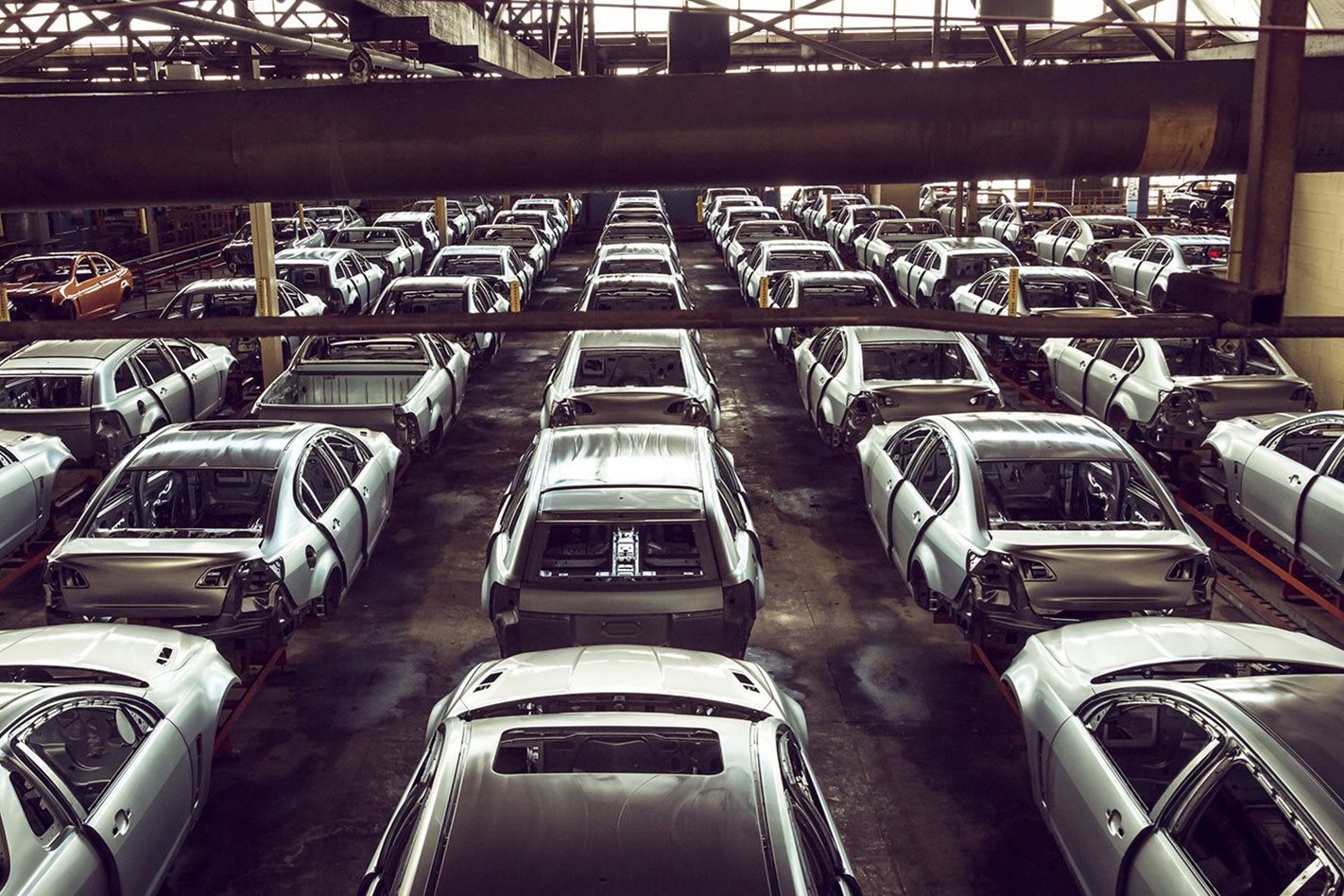
General Motors called their bluff and the last Australian-built Holden rolled off the production line in October 2017, and with it Holden’s future.
“General Motors decided that, without the business generated by local manufacturing, its other activities in Australia were not sustainable,” Senator Carr told the chamber.
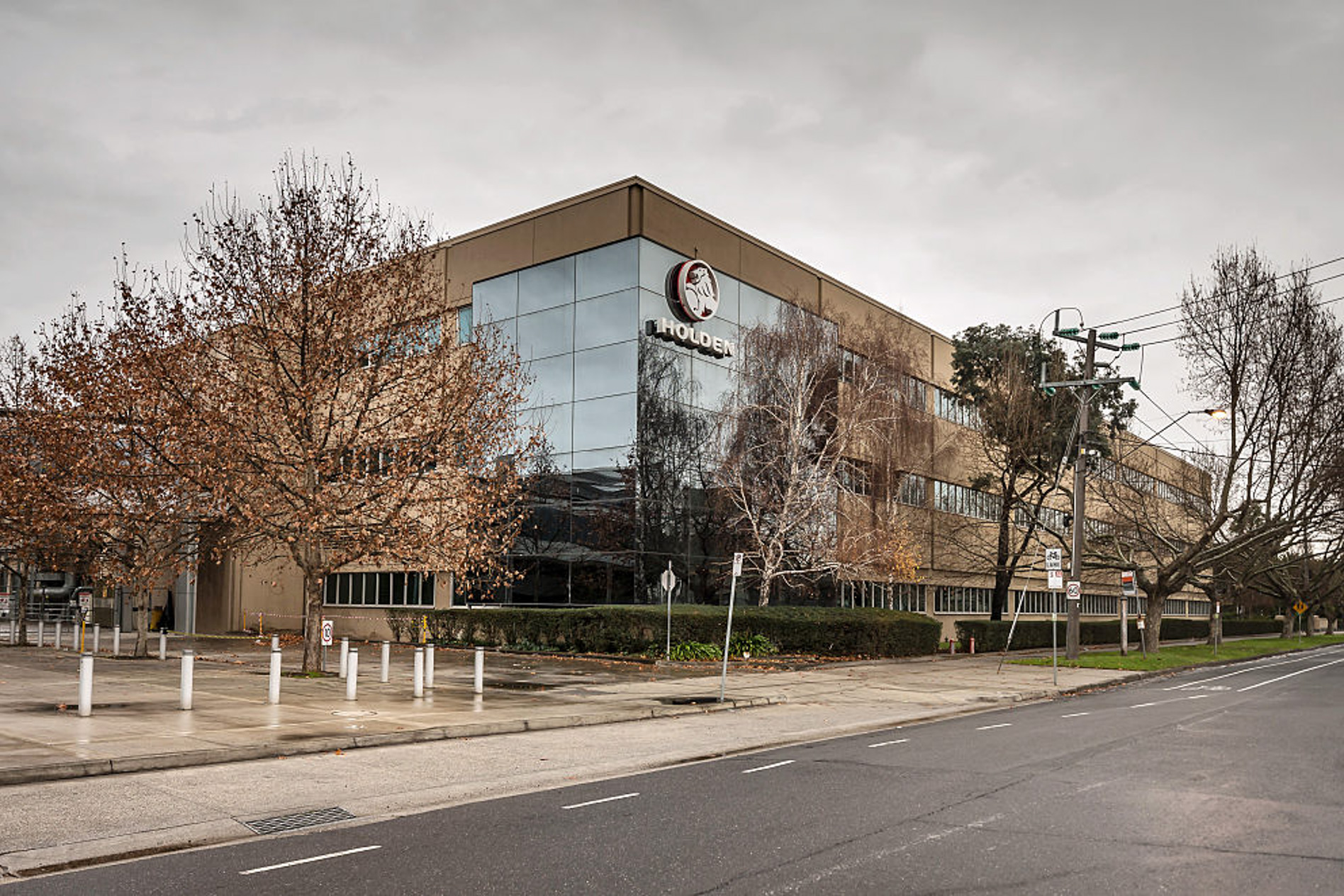
“That includes the world-class engineering and design centre at Fishermans Bend in Victoria. While the service centres and HSV will be maintained, the 185 Holden dealerships are now in the process of being transformed.”
“They are, of course, especially important in country towns, where they are major local employers. They help maintain the skills base of the economy through the apprenticeships they provide.
“So, after 160 years, the iconic Holden brand will disappear from the new car market.”
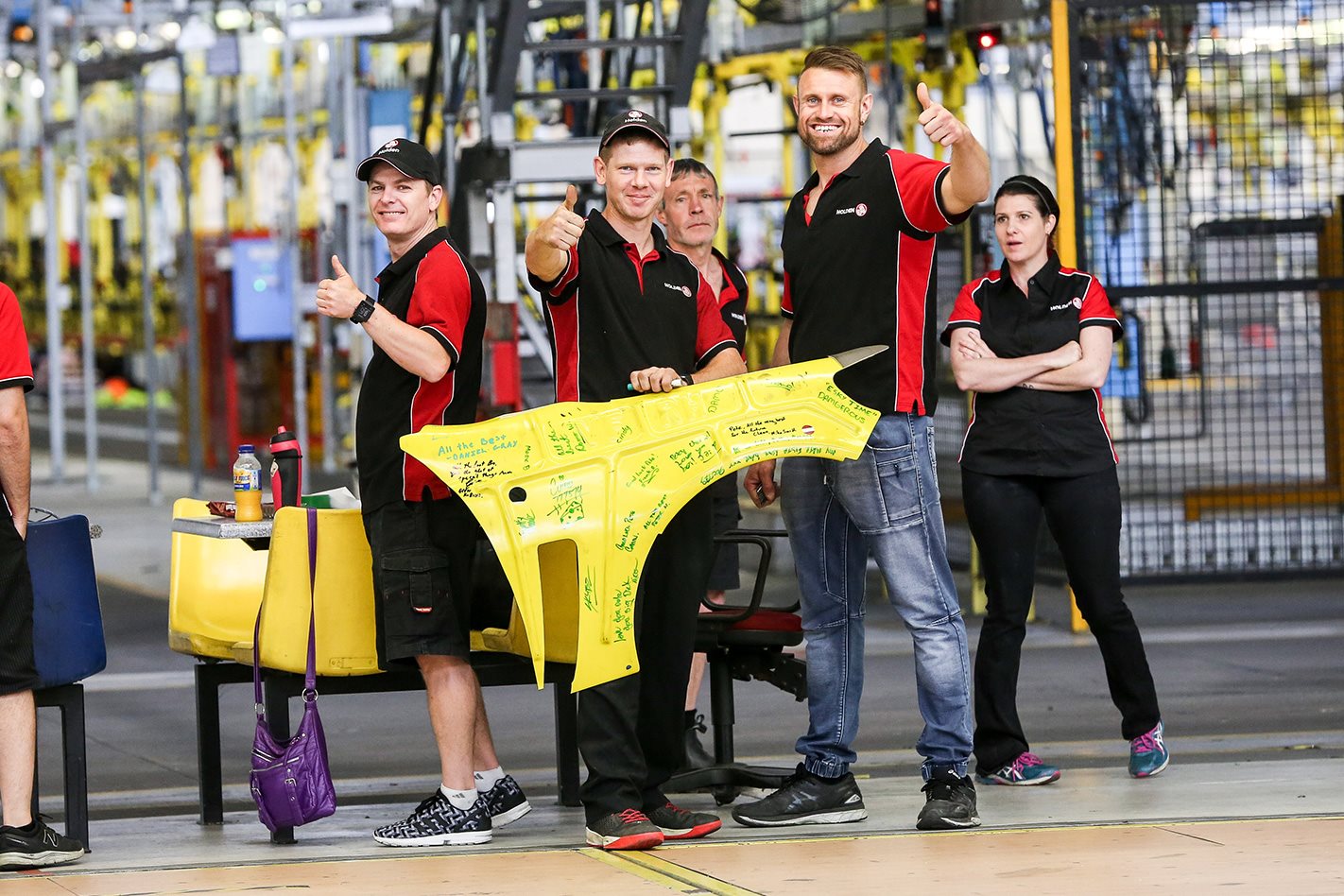
Holden workers sign a panel protector for the VF Commodore in October 2017
“The tragedy is that none of this was inevitable,” he added. “It was a direct result of a political decision by a government that has never understood the importance of manufacturing to the economy or the vital part that the automotive industry played within the wider manufacturing sector within this country.”
The automotive industry ripple effect
The Victorian Senator said other sectors have long recognised that the auto industry was the great driver of private-sector research and development (R&D), skills and mass production in Australia.
“For every dollar put in by the taxpayers, $19 was put back into the economy,” Senator Carr claimed.
“On a per-capita basis, [each Australian taxpayer was] contributing about $17.50 – less than the price of a footy ticket – to build an industry of global standards, providing employment right across the country, providing enormous contributions throughout manufacturing and providing enormous contributions in terms of R&D.
“By international standards, our support was extraordinarily modest.
“Of course, nothing has yet emerged to take its place, and this government’s inaction and lack of anything resembling a coherent industry policy suggest that nothing is likely to.”
Holden snub
Senator Carr said the Government attacked Holden’s decision to dodge blame for its role in the company’s demise.
“Just think about this for a moment. When the Abbott government came to power, the contract that General Motors-Holden had for armour-plated vehicles, for instance, was taken away from that company and given to BMW.”
“When [Holden] put $120 million into R&D – without any government support, I might add – and put another 150 people on the payroll just last year, they couldn’t, of course, get any support from this government. They couldn’t even get on the list of cars to replace Comcar in this country, despite the investment they were making in R&D.
“But what has the Prime Minister chosen to do? Go on the attack and blame Holden for what has happened.”
Out of touch
Senator Carr also took aim at Industry Minister Karen Andrews who expressed her anger about Holden’s failure to inform the government of its decision to close.
“To make an announcement of such significance, I think it would have shown a considerable amount of goodwill, as well as decency, in picking up the phone and talking to government beforehand,” Ms Andrews told journalists shortly after the Holden announcement.
Senator Carr said Holden’s failure to notify the government was entirely consistent with its obligations in terms of its reporting requirements to the stock exchange.
Not everyone in the Labor Opposition shared Senator Carr’s sympathy with General Motors, though. Fellow ALP Senator James McGrath this week criticised the company for selling its dealers short.
“General Motors, stop selling the Holden dealers a clunker and compensate them fairly … this is not how you should treat honest, hard-working Australians,”he said. “You should be ashamed of your shameful, rank, rancid, ethically deficient conduct. General Motors, be better,” he told a Senate inquiry.
READ MORE
- Holden’s factory closure statement
- Dealer’s new $6.5m Holden showroom that will never open
- What Holden’s axing means for customers
- Holden VE ute mule shown at Corvette launch
Amazing and haunting images have emerged from the 2020 Geneva Motor Show, where teams are busy dismantling an almost-complete auto show just four days ahead of its planned opening.
The 90th iteration of the Geneva Motor Show was cancelled after Swiss authorities outlawed public gatherings of more than 1000 people in the wake of the coronavirus outbreak, which has spread to Switzerland and northern Italy.
Click the above image to skip straight to our exclusive gallery
Geneva’s show is associated with prestige brands and wild concept cars, and this year – despite a lower-than-usual roster of brands – looked to be following suit.
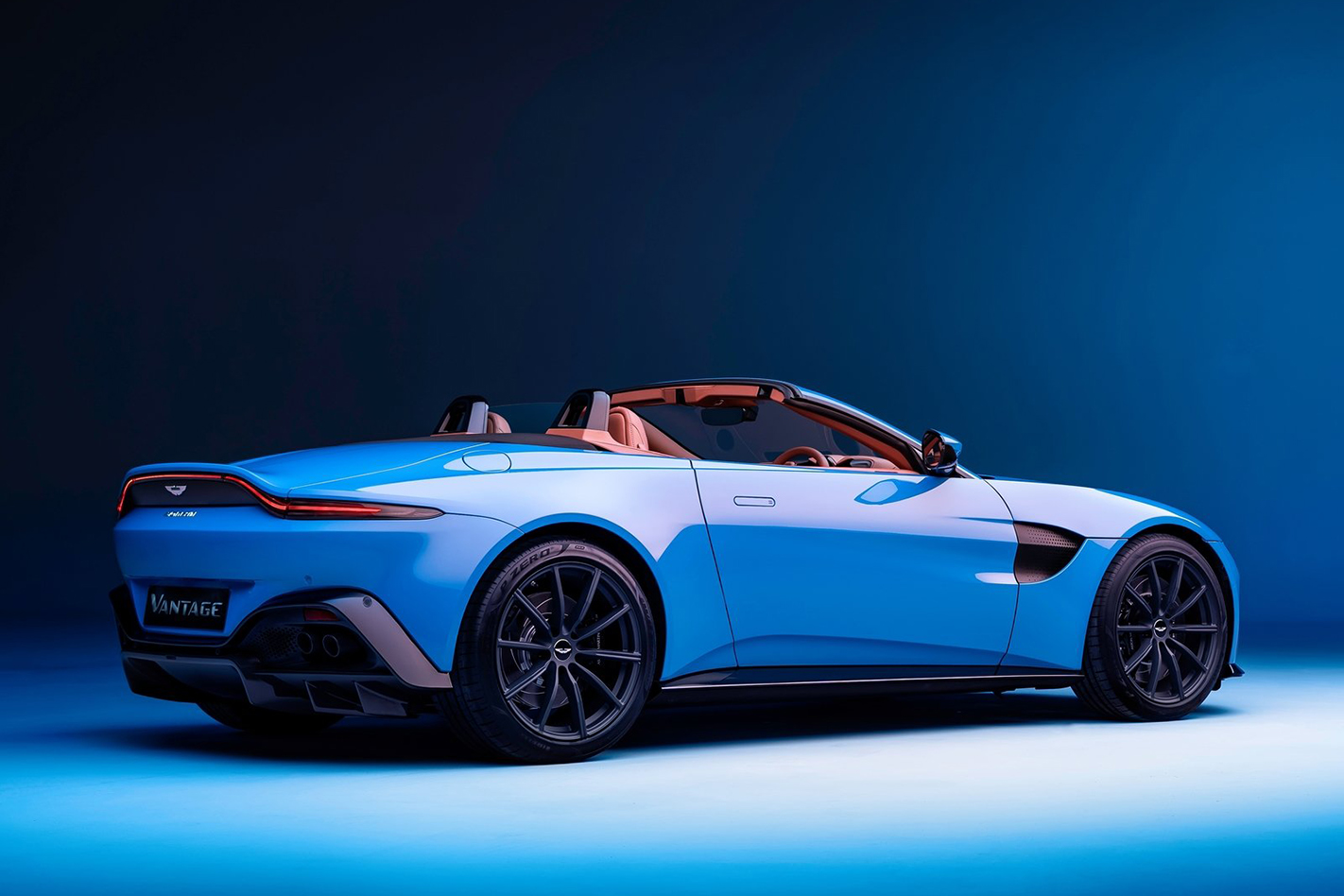
The stillborn motor show
The show was all but ready to go, with brands like Aston Martin (above), Audi, Bentley, Mercedes-Benz, Volkswagen and Ferrari pulling the covers off important new models.
Even more mainstream brands like Hyundai and Kia were attending the show, previewing vital new vehicles to their plans for 2020 and beyond.
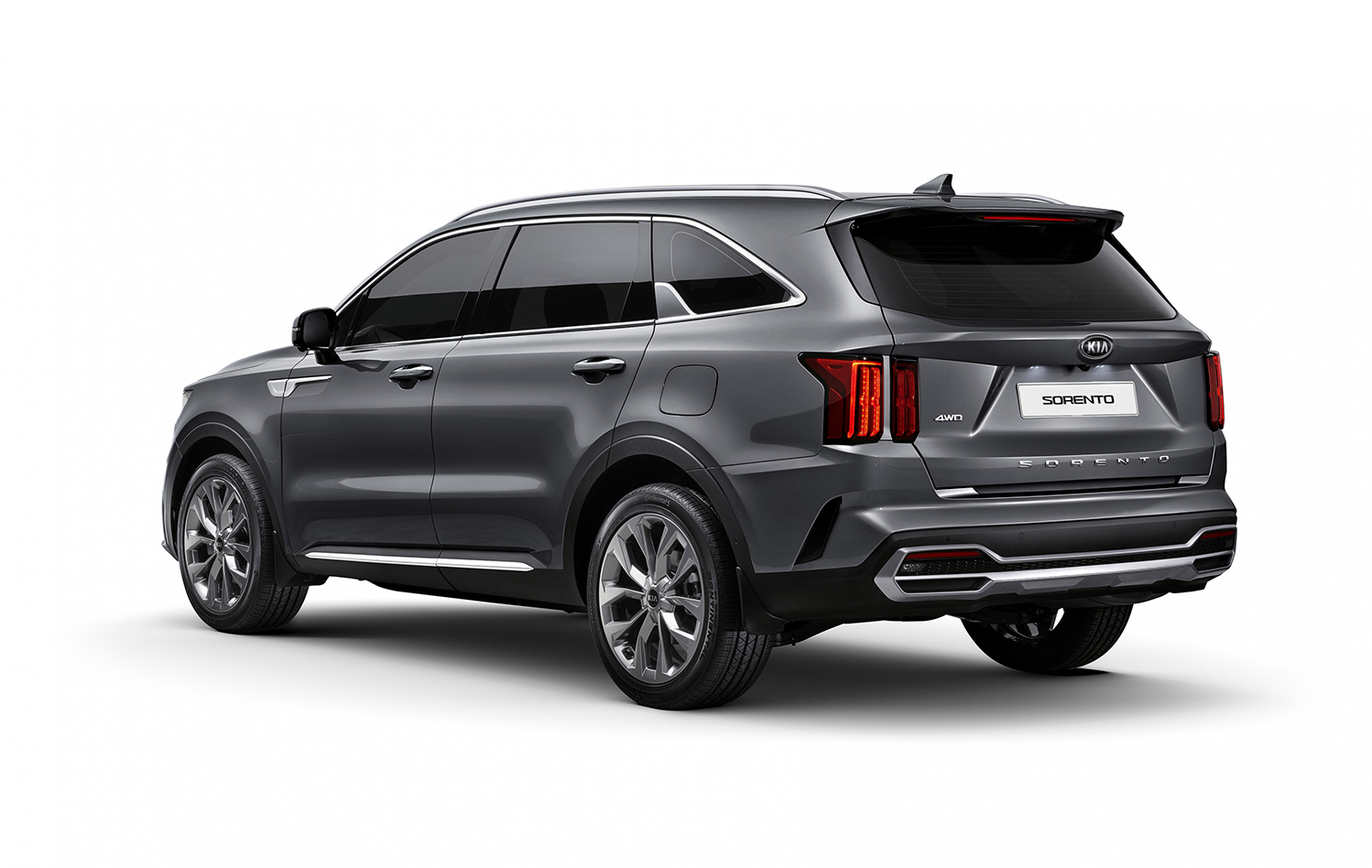
Kia Sorento
Organisers suggest that there is no way that the show can be rescheduled, which means that car companies have no option but to rip up the expansive – and expensive – stands created for the event.
The enormous cost of a show stand
A typical show stand for a large brand like Volkswagen will be created largely from scratch around a certain theme or model; in VW’s case, the Golf GTI.
UK photographer George William walked the halls after the announcement
It’s almost impossible to put a monetary figure on the cost of a typical stand. Not only is there the physical attributes like flooring, lighting, rotundas and static displays, but there is also the cost of elements like catering, staff wages for both VW employees and casual labour, the cost of marketing materials and campaigns, flights and accommodation for staff and guests, transportation of show vehicles and more.
Over the course of a two-week event, costs would comfortably exceed $10 million across VW’s various brands.
What the Geneva Show cancellation means
What does the cancellation of the Geneva Motor Show mean for the wider automotive industry? While attendees will look to insurance and to organisers to try and recover some of the costs incurred, it will be a blow to the hip pocket for many car brands questioning the viability of the current motor show format.
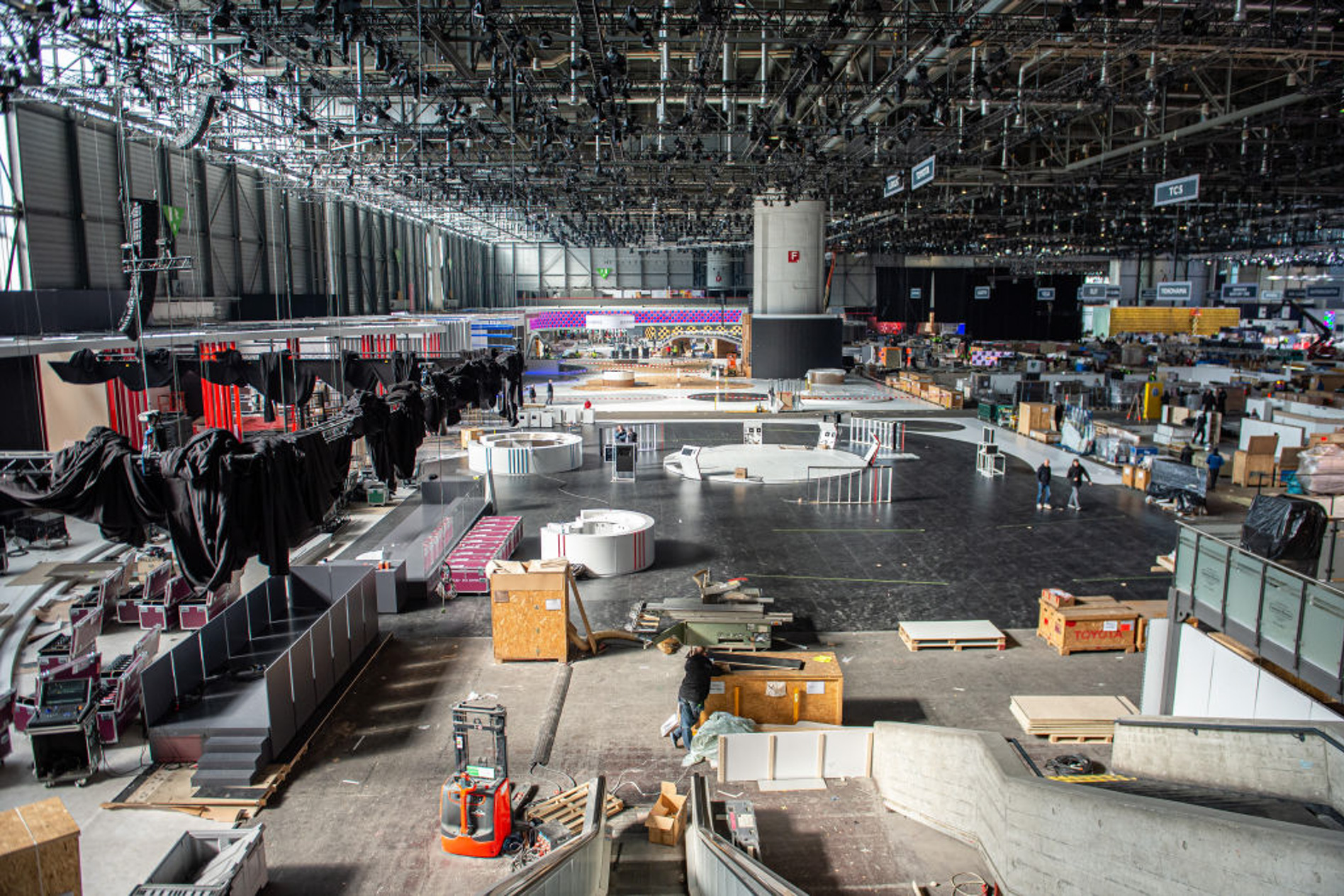
Of course, it all pales into insignificance if the coronavirus outbreak turns into something nastier. A global pandemic has the ability to severely dent the bottom line of car brands the world over through the loss of manufacturing ability – small part shipments from China, for example, are already crippling production lines around the world.
As well, car buyers need no more excuses to stay away from showrooms at present, with the industry recording flat or negative growth in almost every segment and market around the globe.
The press release from the organisers
The 90th edition of the GIMS, which was supposed to welcome the media from next Monday and the general public from 5 to 15 March 2020, will now finally not take place. This is an injunction decision of the Federal Council of 28 February 2020 that no events with more than 1,000 people are allowed to take place until 15 March 2020. The decision falls 3 days before the opening of the exhibition to the media.The organizers accept this decision: “We regret this situation, but the health of all participants is our and our exhibitors’ top priority. This is a case of force majeure and a tremendous loss for the manufacturers who have invested massively in their presence in Geneva. However, we are convinced that they will understand this decision,” said Maurice Turrettini, Chairman of the Foundation Board. We would like to warmly thank all those involved in the organisation of the 2020 edition of GIMS.A few days before the opening of the event, the construction of the stands was very nearly complete. A week ago, during the press conferences announcing the 2020 edition, there was nothing to suggest that such a measure was necessary. The situation changed with the appearance of the first confirmed coronavirus diseases in Switzerland and the injunction of the Federal Council on 28.02.2020. The event is cancelled due to this decision.In the meantime, the dismantling of the event will now have to be organised. The financial consequences for all those involved in the event are significant and will need to be assessed over the coming weeks. One thing is certain: tickets already purchased for the event will be refunded. The organisers will communicate about this as soon as possible, via their website.
