
US auction house Gooding & Company hosts an Amelia Island auction every year, and has done so since 2010, with some of its auction lots being the most drool-worthy classics and supercars you could imagine.
So it’s no surprise then that this year’s upcoming auction is made up of dozens of cars we’d happily stack the garage with. Check out some of the cars highlighted by Gooding (with estimates in USD), and a few we’ve chosen too.
2017 Lamborghini LP 770-4 Centenario
Estimate: USD$2,000,000 – $2,500,000
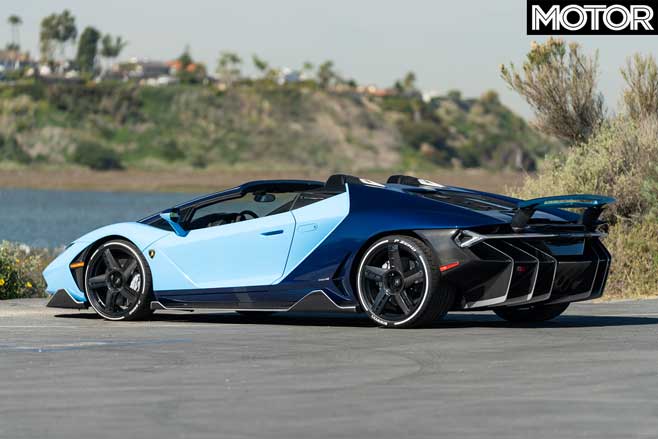
With just 665 miles (1070km) on the odometer of this 1-of-20 Lamborghini, it’s no wonder Gooding expects this car to sell for roughly the price of a Toorak manor.
With around AUD$3.8m in your pocket, you might be in with a chance to own this celebratory Aventador-based supercar.
2019 McLaren Senna
Estimate: USD$1,000,000 – $1,200,000
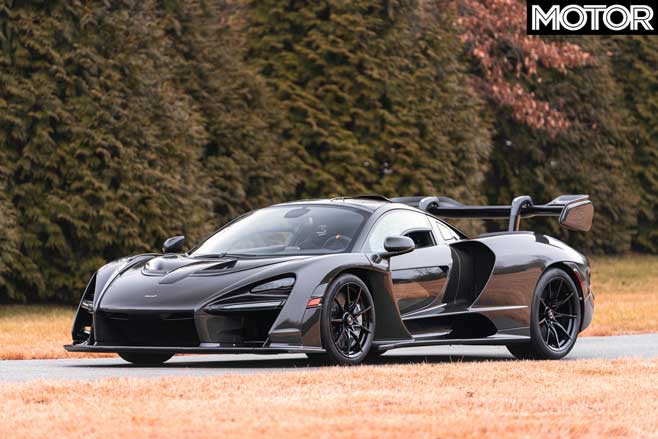
Sure, it’s not going to be cheap, but you could probably pick this Senna up for half the price of a Centenario if Gooding’s estimates are anything to go by.
It’s got 142km showing, so it’s essentially new, and as one of 500, it’s unlikely you’ll get this chance again. This one’s also rocking the Visual Carbon Fiber option pack – a rather pricey box to tick!
2009 RUF CTR3
Estimate: USD$800,000 – $1,000,000
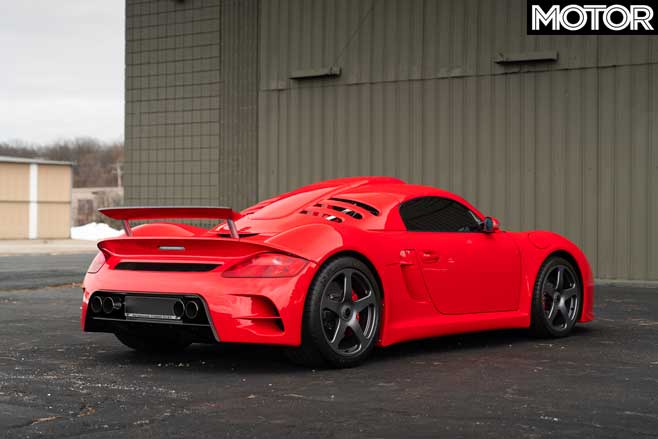
Only 30 CTR3s were built, and this Guards Red car with only 7400km on the odometer is a perfect example. One of only two finished in Guards Red, it’s essentially the third-gen ‘Yellowbird’. The 3.8-litre twin-turbo flat-six-powered beast could fetch more than AUD$1.5m!
2017 Ford GT
Estimate: USD$800,000 – $1,000,000
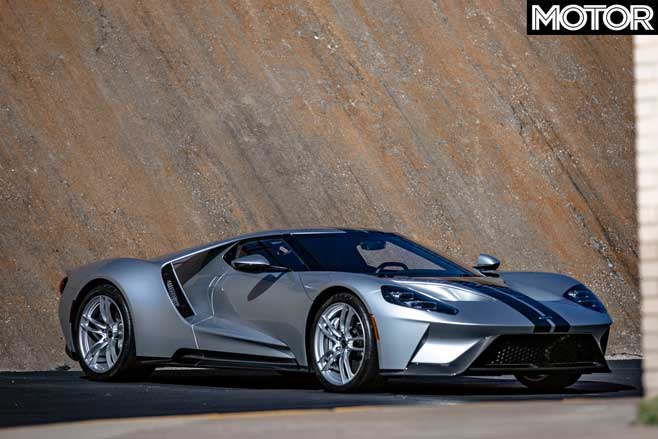
Now that Ford won’t kick up a fuss about private sales of the GT, you can expect to see a few hit the auction circuit.
Sure, paying seven figures for a near-new Ford sounds odd, but then this car has Le Mans winning heritage behind it!
2016 Ferrari F12tdf
Estimate: USD$750,000 – $800,000
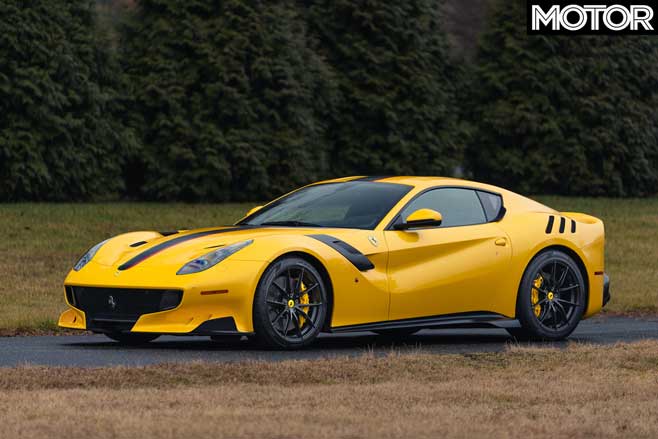
One of Ferrari’s most well-regarded cars of recent years, and in ‘Triple Layer Yellow’ this example is almost new with barely more than 1100km on the odo.
This V12 stallion also boasts a bespoke interior upholstery making its specification befitting of its price estimate.
2011 Porsche 997 GT3 RS 4.0
Estimate: USD$700,000 – $800,000 (No reserve)
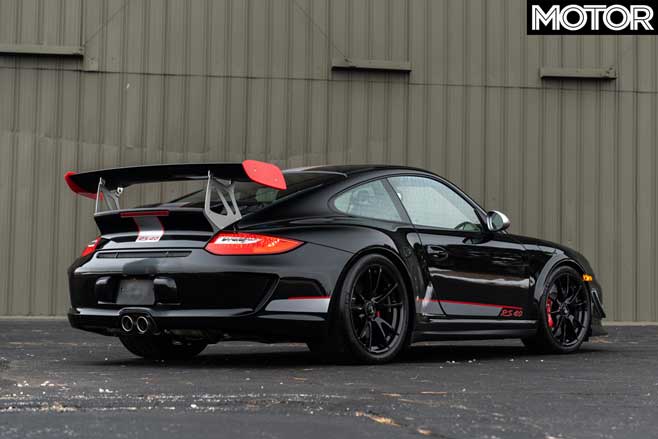
One of 600, and with delivery kilometres (under 160km) showing, it’s easy to see why this manual, naturally aspirated GT3 RS is so desirable. No reserve means it could end up going at a bargain price… but don’t bet on it.
1998 RUF Turbo R
Estimate: USD$575,000 – $725,000
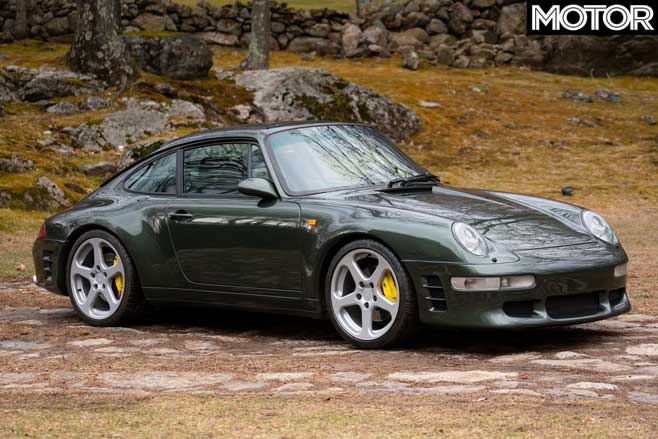
This specific car was originally built for Dr Ferdinand Porsche, Gooding says. Even without that fact, it’s still a 1-of-14 RUF, making it pretty much a ‘must’ for collectors of rare 911s. This is one of four built with AWD.
2007 RUF RT12
Estimate: USD$325,000 – $400,000
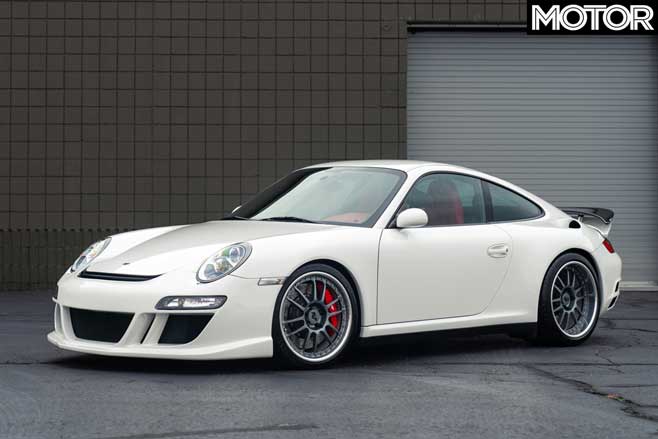
The twin-turbo 997-based RT12 looks 911 enough to keep the classic style, but has just enough RUF aggro to distinguish it. This one’s got just over 5100km, and is said to be “heavily optioned,” like there are RT12s that aren’t particularly unique.
2003 BMW Alpina V8
Estimate: USD$450,000 – $500,000
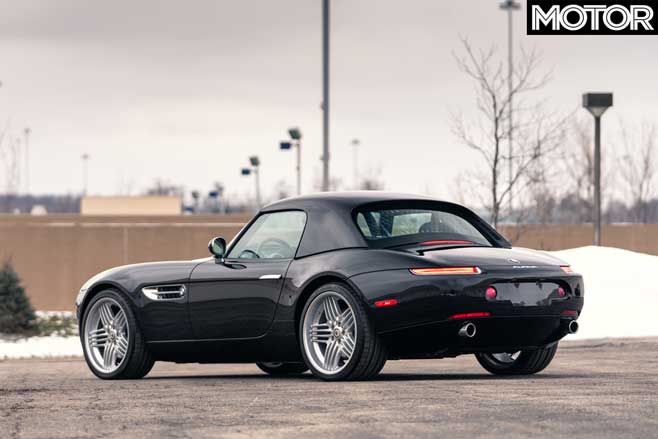
What happens when Alpina gets its hands on a BMW Z8? It becomes an even more plus, V8-powered grand tourer. This drop-top should be a sweet buy for its next owner… in fact, it’s got only 7 miles indicated on the odometer.
1969 Lamborghini Miura P400 S
Estimate: USD$1,400,000 – $1,800,000
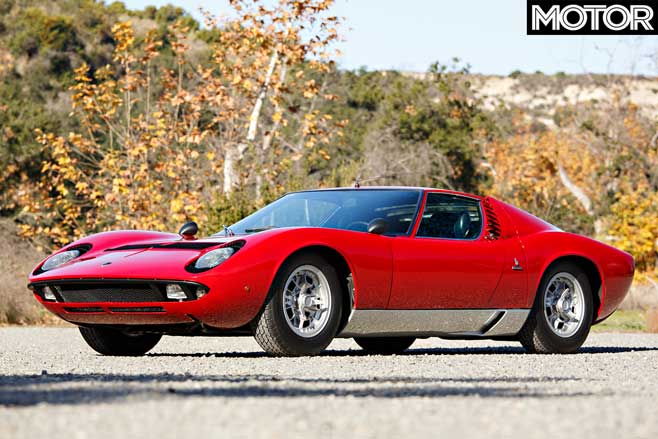
The Miura is said by many to be the first supercar, and also one of the most beautiful designs of all time. This P400 S is a prime example of the Miura, with fewer than 30,000km and a completely original presentation of engine and interior.
It’s one of only 142 for its model year, thus the waterfront home pricing.
1986 Audi Sport Quattro
Estimate: USD$550,000 – $700,000
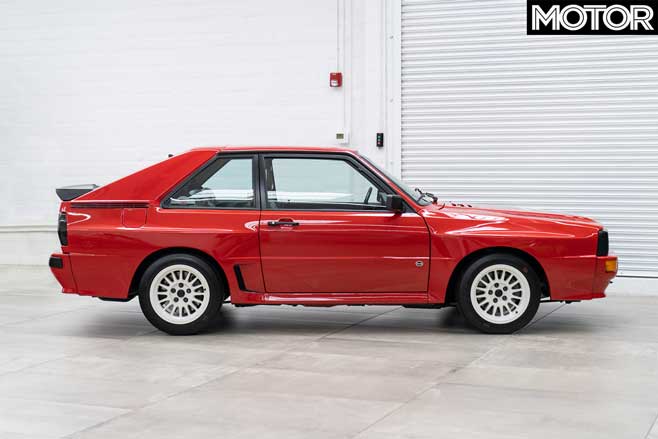
Fire up the bank account, the Quattro is becoming a big ticket item for fans of 1980s classics. This one’s one of an estimated 164 road-going models built.
1976 Porsche 934
Estimate: USD$1,250,000 – $1,600,000
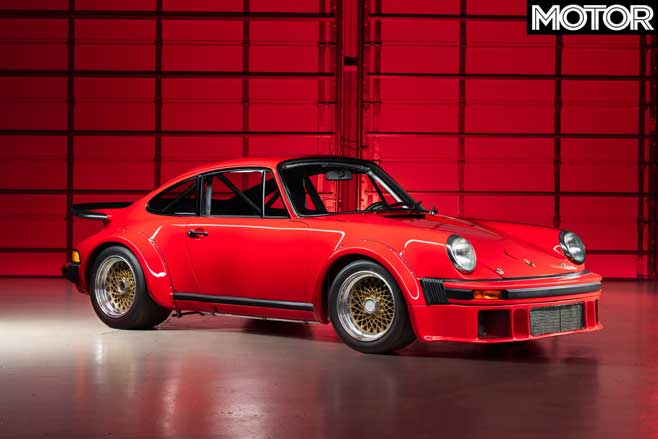
Last and certainly not least, the 934 is one of Porsche’s motorsport heroes, with this example being the first production model. Based on the 911, this aggro beast is one that’s seen plenty of attention being the car used for plenty of events both on track and off.
Federal government inquiry passed in parliament
All parties passed the motion unopposed
Holden refutes claims that compensation offers are insufficient
A parliamentary inquiry has been announced to investigate the decision by General Motors to close Holden’s doors in Australia.
Led by the Australian Labor Party Senator for Western Australia Louise Pratt, the Senate inquiry was passed unopposed by all parties when it was put to the vote in the upper house on Thursday.
Politicians furious with GM
“General Motors, stop selling the Holden dealers a clunker and compensate them fairly,” said ALP Senator for Queensland, James McGrath. “General Motors, this is not how you should treat honest, hard-working Australians. You should be ashamed of your shameful, rank, rancid, ethically deficient conduct. General Motors, be better.”
“Australians are angry and disappointed by General Motors’ decision to retire the Holden brand,” Liberal frontbencher Jonathon Duniam told the parliament.
“Holden’s shutdown should be a wake-up call to the Morrison government,” Greens senator Mehreen Faruqi said.
“We need to urgently deliver a coherent, forward-looking, clean and green industry with decent jobs that value workers.”
In formal terms, the Senate referred the inquiry into the announcement by General Motors to withdraw the Holden brand and operations from Australia to the Education and Employment References Committee for inquiry and report by the first sitting day in May 2020.
The inquiry will look at the impacts of GM’s decision on local Holden workers, dealers and owners, as well as the fate of Holden’s extensive research and development assets.
It will also look into the government’s proposed amendments to the franchise code, which will have an impact on policy settings in relation to dealerships. The deadline submission is March 20.
READ MORE
- Holden’s factory closure statement
- Dealer’s new $6.5m Holden showroom that will never open
- Holden’s lost heroes: the cars that could have saved the company
- What Holden’s axing means for customers
- Holden VE ute mule shown at Corvette launch
Automotive industry welcomes federal inquiry
The decision to form an inquiry has been welcomed by the head of the Australian Automotive Dealer Association’s CEO, James Voortman.
“This inquiry is crucial as the way in which Holden is allowed to exit Australia will set the benchmark for other offshore car manufacturers considering an exit from the country, a rationalisation of their network or a change in their distribution model,” Mr Voortman said in a statement.
“The decision of the Senate to review the impacts of GM’s decision is very welcome, particularly as it will also look at the broader context of the Franchising Code and its role in this mess.”
Mr Voortman said he attended the meeting held on Wednesday with Prime Minister Scott Morrison, industry minister Karen Andrews and a representative body of Holden dealers, who are upset with the allegedly insufficient amounts of compensation on offer.
Holden says it’s “disappointed” with the dealer group
Holden has denied these allegations, saying that is “disappointed” that a “small number” of dealers are making their grievances public.
“Holden is doing the right thing by its dealers during this difficult time. We believe the offer is fair,” said a Holden spokesperson.
“In most cases, Holden dealers will receive compensation a factor of four times the average Holden new car profit/unit of all dealerships over the 2017-2019 fiscal years. This number includes the sale of highly profitable domestically produced Commodore units in 2017/18.
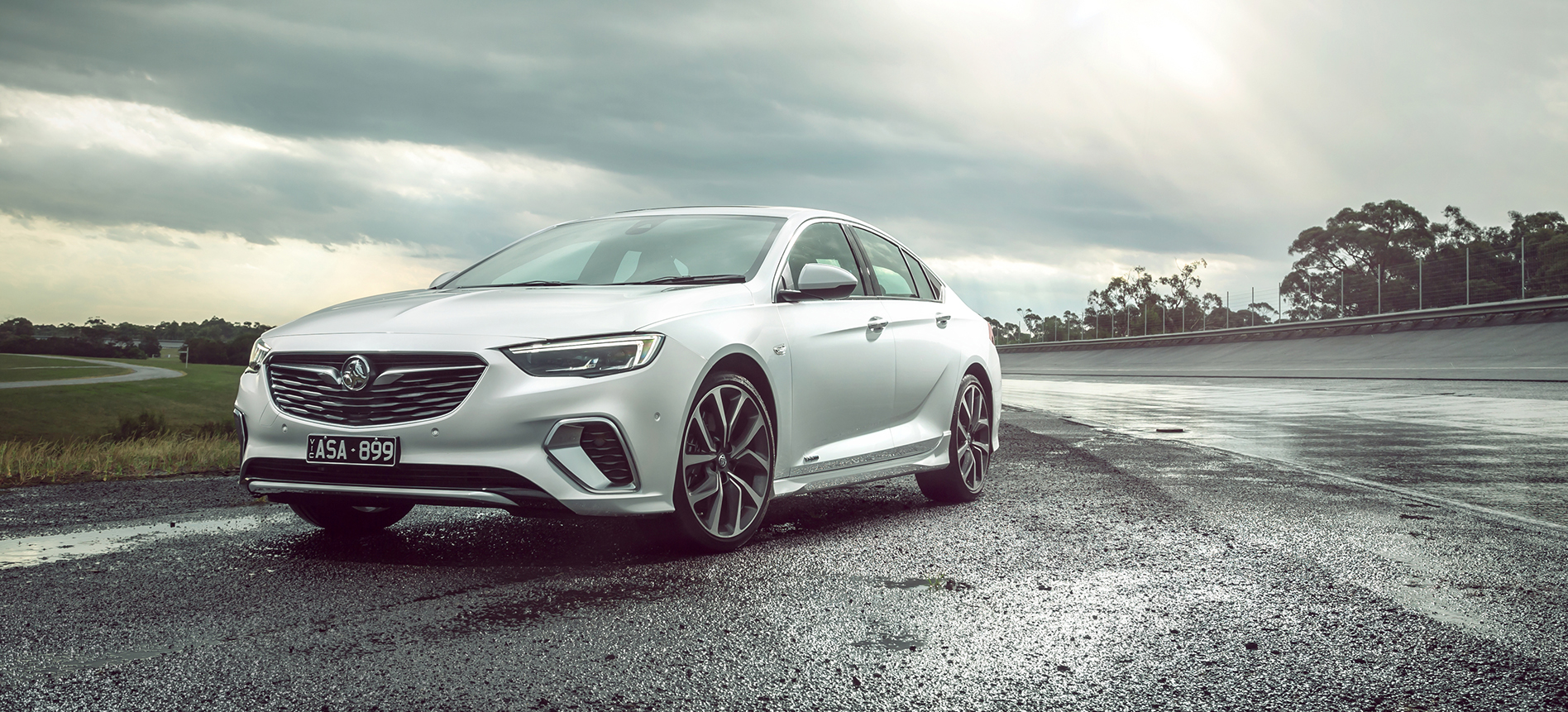
“The compensation formula Holden is using is applied consistently for all dealers and covers reasonable earning expectations from the New Holden sales department over the remaining portion of the Dealer Agreement.”
Holden has a case to answer, says dealer association
Mr Voortman, however, believes that Holden has a case to answer.
“The withdrawal of GM from the Australian market leaves around two hundred dealerships in the lurch, and up to nine thousand workers out of a job,” Mr Voortman said.
“Holden dealers invested significant capital in facilities, stock and equipment. Many signed up to long term leases. They employed people in their businesses and took on apprentices. All of these decisions were made in good faith based on commitments from Holden that they were in Australia for the long-haul.”
Holden refutes these claims.
“All dealers also have the opportunity to continue as Holden Authorised Service Outlets, maintaining their current service and repair client base. This is a consistently very profitable part of their businesses,” said the spokesperson.
“The proposed compensation also includes a provision to reimburse dealers for a portion of their unamortised [sic] investments in their new car showroom, as well as full reimbursement of unamortised investments in Holden dealer signage.”
What stands out?
The stylish Mazda CX-30 bridges the size-gap between the CX-3 crossover and CX-5 medium SUV. Based on the Mazda 3 it shares much of the hatchback’s features and technology and ticks the boxes for dynamics, ride comfort, cabin quality and style.
What might bug me?
How being one of the first to buy an all-new Mazda CX-30 meant missing out on the option to get the revolutionary new, highly efficient SkyActiv X petrol engine. This was meant to be available in Australia by the end of 2019 but has been delayed until about October 2020.Spending more on an Evolve, Touring or Astina version only to experience a harder ride than you’d get in the cheaper G20 Pure. The other three have bigger 18-inch wheels with lower-profile tyres that don’t absorb bumps as well.Complaints from the rear seats about the lack of legroom. Despite being bigger than the CX-3, the CX-30’s rear-seat space is just as tight.
What body styles are there?
Five-door wagon only.The CX-30 IS available with front- or all-wheel drive and is classed as a small SUV, lower priced.
What features do all CX-30 versions have?
A multimedia system built around an 8.8-inch colour screen and controlled by a dial on the centre console. The screen displays images from a reversing camera, satellite navigation, as well as settings for AM/FM/Digital radio, and Apple CarPlay and Android Auto smartphone mirroring.AUX, USB inputs and Bluetooth connectivity for mobile devices, and sound system.Autonomous emergency braking (Mazda calls it Smart City Brake Support) which uses a camera-based system that can detect an impending collision with a car, pedestrian or cyclist ahead and apply the brakes automatically, perhaps avoiding a crash. It also works in reverse, which helps prevent parking accidents. (For more on Mazda CX-3 safety systems, please open the Safety section below.)Head-up display, and traffic sign recognition.Auto-dimming rear-view mirror.Adaptive cruise control with stop and go, speed limiter, blind-spot monitoring, lane departure warning, and lane-keeping assist.LED headlights with auto on-off, and auto high-beam control.Keyless entry, and push-button start.Rear parking sensors, and electric folding mirrors.Height and reach adjustment for the steering wheel, and buttons on the wheel for operating the cruise control, audio system and your phone. Height adjustment for both front seats.Hill-launch assist, which controls the brakes automatically to help you start from rest on an uphill slope.Air-conditioning, electric parking brake, and rain-sensing windscreen wipers.Wheels made from aluminium alloy (which are lighter and nicer looking than steel wheels with plastic covers). A space-saver spare wheel, with a recommended maximum speed of 80km/h.G-Vectoring Control, a Mazda technology that makes the car respond more consistently to the steering wheel.Electronic stability control, which helps the driver recover from skids. (All new cars must have this feature.)Six airbags.The Mazda CX-30 is covered by a five-year warranty, with no limit on kilometres driven.
Which engine uses least fuel, and why wouldn’t I choose it?
The G20 and G25 prefix with each CX-30 version denotes their engine size. The G20 refers to the 2.0-litre four-cylinder petrol (G stands for gasoline) engine, which is the more fuel-efficient of the two, consuming as little as 6.5 litres/100km in the official test (city and country combined).
This is the only engine choice for the Pure and Evolve specs, and one of two engine options available in the more expensive Touring and Astina versions. This engine is the same one that is under the bonnet of the current and previous-model Mazda 3 and is an excellent unit.The sportier G25 Touring, G25 Astina models are available only with a bigger and more powerful 2.5-litre petrol that also carries over from the third-generation Mazda 3. It brings you about 25 per cent more thrust in most driving conditions, which is not necessary but brings swifter overtaking and, for some drivers, more fun, with only a slight increase in fuel consumption.The G25 versions are available with front- or all-wheel-drive, with the latter adding about $2000 to the price.Both engines have a stop-start system that cuts fuel use in city driving. It shuts down the engine whenever you stop, and starts it automatically when you take your foot off the brake pedal to drive away (or in manuals, depress the clutch pedal).There is no manual gearbox option with a Mazda CX-30, with all versions equipped with a six-speed automatic transmission.Later this year, Mazda will introduce the new SkyActiv X engine that will provide superior power and torque without additional fuel consumption. This is expected to be an extra cost option for the more powerful G25 variants.
What key features do I get if I spend more?
Step past the least costly model, the G20 Pure, and spend more for the G20 Evolve and you get a more welcoming feel in the cabin, with the steering wheel, gear lever and handbrake lever trimmed in leather, 16-inch alloy wheels and paddle shifters for manually controlling the automatic gearbox.The G20 Evolve also adds dual-zone climate control that lets the driver and front passenger set their own temperature and fan settings. It also gains a centre fold-down armrest on the back seat, rear air-vents, and bigger and sportier 18-inch alloy wheels with wider tyres that have shallower sidewalls (giving you more grip and sharper steering response).Spend more again for a G20 Touring and the cloth seat trim of the less costly versions are replaced with a mix of real and fake leather in black. The driver’s seat has 10-way power adjustment and two-position memory setting for the rear-view mirrors. You also get advanced keyless entry, auto-dimming driver’s side mirror, front parking sensors, illuminated vanity mirrors in the sun visors, and an overhead sunglass storage box.Spending around $2000 on the G25 Touring brings the same features but the more powerful 2.5-litre engine with front-wheel-drive. All-wheel-drive adds another $2000 to the price.The G20 and G25 Astina gain a sunroof, 12-speaker Bose audio system, adaptive LED headlights, and rear- and front-cross traffic alert. You can also specify your Astina with Pure White leather upholstery instead of the standard black leather trim for no extra cost.Each Astina version also gains a Vision Technology package that adds a 360-degree parking monitor, driver distraction/fatigue monitoring, and front-cross traffic alert, and more advanced adaptive cruise control technology which works more smoothly in slower traffic.The Vision Technology package is $1500 option for all other CX-30 versions. Adding it to the Pure and Evolve versions also brings front parking sensors.
Does any upgrade have a down side?
The 2.5-litre petrol engine uses about 5 per cent more fuel than the 2.0-litre petrol.The lower profile, wider tyres on all but the G20 Pure decrease ride comfort, because there is less air between the wheel and the road. These tyres may also cost more to replace.Of the eight available paint finishes, five come at no extra cost. The other three, Soul Crystal Red, Machine Grey Metallic and Polymetal Grey Metalic cost about $500 more.
How comfortable is the CX-30?
Mazda’s decision to give its cars a more upmarket feel has meant having to pay a bit more, but you do get your money’s worth with a luxurious and pleasing driving experience.The cabin is testament to excellent ergonomic design starting with the superb multi-function steering and comfortable seats with a low-slung driving position.Road noise and vibration levels are well suppressed, with only the occasional disturbance from the suspension over significant potholes. Still, drive the CX-30 as sedately as most owners will and it’s a very competent package.The uncluttered interior design that’s very similar to the Mazda 3 is another highlight. User-friendliness is evident in things like the easy-reach dual cup holders forward of the shifter, and the intuitive placement of buttons.The 8.8-inch multimedia screen is positioned far enough from the driver to reduce the eye-focussing time from the road ahead to the display, while the elegant rotary controller makes it easier to control functions with minimal distraction.The head-up display is one of the clearest in the business and provides eyes-ahead clarity for navigation and speed-sign recognition is excellent.
What about safety in a CX-30?
Six airbags, stability control, seatbelt reminders on all seats, and rear parking sensors, contribute to a well-rounded safety package on all Mazda CX-30s.In addition, every CX-30 comes with Smart City Brake Support Forward – a significantly enhanced version of the autonomous emergency braking system that also recognises pedestrians and cyclists.The addition of a radar sensor to the auto-braking system extends its operating range to 160km/h. And Lane Keep Assist acts to guide the car back into its lane if you have begun to drift distractedly across the roadway.All CX-30s have a reversing camera and rear parking sensors to help you check back there yourself. The Touring and Astina versions have front parking sensors.The Astina also benefits from a 360-degree camera display to help you see obstacles around the vehicle, front-cross traffic alert, driver fatigue alert and more advanced active cruise control that works better at lower speeds. All these features are available with the other CX-30 versions in an extra-cost Vision Technology pack that also brings front-parking sensors to the Pure and Evolve versions.All CX-30s have a blind-spot monitor that alerts you, when you indicate to change lanes, if it detects another car near your rear corner but out of view of your mirrors. And a rear cross-traffic alert helps you avoid trouble when reversing out of parking spaces or driveways, warning you if it detects a vehicle approaching from either side. Front-cross traffic alert does the same when forwarding.Another handy standard feature is Traffic Sign Recognition, which helps you keep track of speed limits. It reads roadside signs and shows the most recently detected limit on your head-up display.The Australasian New Car Assessment Program (ANCAP) awarded the Mazda CX-30 five stars, the highest rating, in February 2020. It scored high across each category including 99 percent for adult occupant protection.
I like driving – will I enjoy this car?
Yes. The CX-30 shares the Mazda 3 hatchback’s brilliantly responsive steering set-up that manages to balance slow speed manoeuvring with high-speed handling without the need for different steering modes.But it’s still a high-riding SUV and while it handles better than most of its rivals, the ride feels a little fussy with suspension is prone to jarring when encountering potholes. This is less pronounced in the cheapest CX-30, the G20 Pure who’s smaller, chubby-tyred 16-inch alloys absorb to a good job of absorbing road imperfections.The Skyactiv-G 2.0-litre engine in the G20 versions copes admirably with city life and has enough power for easy highway touring. It revs freely and mates well with the six-speed automatic gearbox.While this engine does not thrust as hard when you first press the accelerator as the turbo engines in some small-SUV alternatives, it is keen from there and it even sounds a bit rorty.The bigger, 2.5-litre petrol engine in the GP25s is also a good fit for the CX-30 and offers about 25 per cent more go than the 2.0-litre. With the added grunt the car feels deliciously responsive, and its driveability is abetted the automatic transmission’s immaculate gear changes.The Mazda CX-30 also benefits from Mazda’s G-Vectoring Control, whose operating principle is simpler than the name might suggest. It adjusts the engine when you turn the steering wheel, decelerating slightly so as to transfer load to the front tyres and help them bite (and reversing the process as you return to centre). You don’t notice it working but the car feels more planted while changing direction more fluidly.
How is life in the rear seats?
Despite its bigger frame, the CX-30 has about the same interior space as the smaller CX-30, meaning rear-seat knee and toe room is tighter than expected, while headroom can be described as adequate rather than abundant.If you’re sitting behind a taller driver it’s likely your knees will be touching the front seats. The good news is the seatbacks seem designed with this in mind and are quite soft so you’re not uncomfortable. As in all small SUVs, three full-sized adults across the rear is a squeeze.All CX-30s except for the G20 Pure have rear air vents and a centre armrest with cup holders, but none come with rear USB outlets which are becoming increasingly common in the back of rival models.Like the CX-3, the CX-30 has a high window line which limits side vision for children.
How is it for carrying stuff?
Opening the tailgate reveals a 317-litre boot space that’s a little tight for a small SUV, however extra storage under the boot floor extends capacity to 430 litres. The rear seats can split 60:40 to help you carry bigger stuff.All CX-30s have a handy 1200kg/600kg braked/unbraked towing capacity, which allows them to tow small trailers.
Where is the Mazda CX-30 made?
All Mazda CX-30 versions are made in Japan.
What might I miss that similar cars have?
Until the new Skyactiv-X engine appears later in 2020, a punchier turbocharged engine as found in a host of small-SUV rivals including Toyota C-HR, Kia Seltos, Citroen C3 Aircross, Hyundai Kona, Renault Kadjar, Skoda Karoq, and Volkswagen Tiguan.If you face a lot of city commuting, possibly a fuel-saving petrol-electric hybrid drivetrain as available in the Toyota C-HR hybrid.Other stylish small-SUV alternatives the CX-30’s smaller stablemate the CX-3, Subaru XV, Honda HR-V, and the Lexus UX whose starting price is about the same as the G25 Astina.And, if you really enjoy driving, it could be worth checking out the Mazda 3 hatch or sedan that apart from the lower ride height is virtually identical to the CX-30 when it comes to features and interior layout.
I like this car, but I can’t choose which version. Can you help?
The smart money seems to be on the GP20 Astina FWD that comes fully laden with features and leather trim at a mid-spec price. If most of your driving is around town you won’t really miss the extra power of the G25 version or the all-wheel-drive traction.If you’re on a budget the G20 Evolve looks also represents good value.
Are there plans to update this model soon?
Not really. The Mazda CX-30 arrived box fresh at the beginning of 2020. The only change on the horizon, before a slight update toward the end of 2021, is the introduction of the new, ultra-efficient, SkyActiv-X engine to the range about October 2020.
What stands out?
The new Mazda 3 manages to be a vast improvement over the popular third-gen model, and presents as a deeply impressive, ultra-well-rounded small car. Refinement takes the biggest leap forward, but the new 3 also comprehensively ticks the boxes for dynamics, ride comfort, cabin quality and style.
What might bug me?
Being one of the first to buy an all-new Mazda 3 meant missing out on option to get revolutionary new, highly efficient SkyActiv X petrol engine. This isn’t available in Australia until October 2020.How it takes up more garage space than previous model without offering additional interior space.Hearing complaints from the rear seats due to the lack of USB ports and air vents.
What body styles are there?
Five-door hatchback and four-door sedan.Both are front-wheel drive. The Mazda3 is classed as a small car, lower priced.
What features does every Mazda 3 have?
A multimedia system built around an 8.8-inch colour screen and controlled by a dial on the centre console. The screen displays images from a reversing camera, satellite navigation, as well as settings for AM/FM/Digital radio, and Apple CarPlay and Android Auto smartphone mirroring.AUX, USB inputs and Bluetooth connectivity for mobile devices, and sound system.Autonomous emergency braking (Mazda calls it Smart City Brake Support) which uses a camera-based system that can detect an impending collision with a car, pedestrian or cyclist ahead and apply the brakes automatically, perhaps avoiding a crash. It also works in reverse, which helps prevent parking accidents. (For more on Mazda3 safety systems, please open the Safety section below.)Semi-autonomous driving with lane-keeping assist, and adaptive (radar) cruise control with stop-and-go function that operates in slow traffic.Head-up display, and traffic sign recognition.Advanced driver assist features such as blind-spot monitoring, lane departure warning, and driver attention alert that senses if you’re veering within the lane, which could be a sign of fatigue.LED headlights with auto on-off, and auto high-beam control.Keyless entry, and push-button start.Rear parking sensors, and electric folding mirrors.Height and reach adjustment for the steering wheel, and buttons on the wheel for operating the cruise control, audio system and your phone. Height adjustment for both front seats.Hill-launch assist, which controls the brakes automatically to help you start from rest on an uphill slope.Air-conditoning, electric parking brake, and rain-sensing windscreen wipers.Wheels made from aluminium alloy (which are lighter and nicer looking than steel wheels with plastic covers). A space-saver spare wheel, with a recommended maximum speed of 80km/h.G-Vectoring Control, a Mazda technology that makes the car respond more consistently to the steering wheel.Electronic stability control, which helps the driver recover from skids. (All new cars must have this feature.)Six airbags.The Mazda3 is covered by a five-year unlimited kilometre warranty, and five-year Mazda roadside assistance.
Which engine uses least fuel, and why wouldn’t I choose it?
The 2.0-litre four-cylinder petrol is the more fuel-efficient of the two engines available in a Mazda 3, consuming as little as 6.2 litres/100km in the official test (city and country combined). This is the only engine choice for the Mazda3 G20 Pure, G20 Evolve and G20 Touring. This engine is the same one that was under the bonnet of the previous model, but is still an excellent unit.The sportier Mazda3 G25 Evolve, G25 GT and G25 Astina models are available only with a bigger and more powerful 2.5-litre petrol that also carries over from the third-generation 3. It brings you about 25 per cent more thrust in most driving conditions, which is not necessary but brings swifter overtaking and, for some drivers, more fun, with only slight increase in fuel consumption.Both engines have an auto stop-start system that cuts fuel use in city driving. It shuts down the engine whenever you stop, and starts it automatically when you take your foot off the brake pedal to drive away (or in manuals, depress the clutch pedal).All Mazda3s offer a choice between six-speed manual and six-speed automatic gearboxes.In October 2019, Mazda will introduce the new SkyActiv X engine that will provide superior power and torque with the economy of a smaller engine. This is expected to be an extra cost option to the more powerful G25 variants.
What key features do I get if I spend more?
Step past the least costly model, the G20 Pure, and spend more for the G20 Evolve and you get a more welcoming feel in the cabin, with the steering wheel, gear lever and handbrake lever trimmed in leather. On auto versions the wheel has paddle shifters for controlling the gearbox.The G20 Evolve also adds dual-zone climate control that lets the driver and front passenger set their own temperature and fan settings. It also gains a centre fold-down armrest on the back seat, and bigger and sportier 18-inch alloy wheels with wider tyres that have shallower sidewalls (giving you more grip and sharper steering response).Spend more again for a Mazda G20 Touring and the cloth seat trim of the less costly versions are replaced with a mix of real and fake leather in black. The driver’s seat has 10-way power adjustment and two-position memory setting for the rear-view mirrors. You also get advanced keyless entry, auto-dimming driver’s side mirror, illuminated vanity mirrors in the sun visors, and an overhead sunglass storage box.For not many more dollars than a G20 Touring you could have instead a Mazda3 GP25 Evolve, which is much the same as the G20 Evolve but gains the more powerful 2.5-litre engine plus advanced keyless entry and 10-way driver’s seat adjustment for the cloth seats.The GP25 GT returns the black leather trim and adds heating for the front seats. It also brings you the additional features found in the G20 Touring, plus a great Bose 12-speaker sound system over the standard eight speakers, and heated steering wheel.The most expensive Mazda3 is the G25 Astina, which adds a sunroof, 360-degree parking monitor, front parking sensors, adaptive LED headlights, front-cross traffic alert, and auto braking that works when reversing if another vehicle crosses your path. You can also opt for white leather in the Astina sedan, or burgundy in the hatch.The Astina’s 360-degree parking monitor, front-parking sensors, front-cross traffic alert are part of Vision Technology package that’s $1500 option for all other Mazda 3 versions.
Does any upgrade have a down side?
The 2.5 litre petrol engine uses about 5 per cent more fuel than the 2.0 Petrol.The lower profile, wider tyres on all but the GP20 Pure decrease ride comfort, because there is less air between the wheel and the road. These tyres may also cost more to replace.
How comfortable is the Mazda3?
In short, excellent. Mazda has put the way people sit, bend, see, and generally function while driving or riding in a car at the forefront of every design decision. The front seats are more comfortable than the previous model and even more supportive than those in the bigger Mazda 6.The driving position feels spot-on, with the steering column providing an extra 20mm (for a total of 70mm) of reach adjustment, allowing taller drivers to pull the wheel in closer.Mazda has also vastly improved road noise, through the use of a new production process that sees sound-damping ‘nodes’ sandwiched within the bodywork. Only the lack of ventilation for rear-seat passengers detracts from the 3’s overall scoring for comfort.Interior design is another highlight. The instrument panel, air-conditoning controls and centre console appear far less cluttered compared to the outgoing car, with greater practicality evident in things like the dual cup holders forward of the shifter, and a generous bin ahead of that for phone or sunglasses.The multimedia screen is larger – now 8.8 inches – and positioned slightly further away from the driver to reduce the eye-focussing time from the road ahead to the display. Mazda has also bucked the touch-screen trend, claiming it’s safer for drivers to navigate the improved system via the larger rotary controller.The improved head-up display ditches the pop-up plastic reflector for a more integrated and sophisticated projector system. Eyes-ahead clarity for navigation and speed-sign recognition is excellent.
What about safety in a Mazda3?
Six airbags, stability control, seatbelt reminders on all seats, and rear parking sensors, contribute to a well-rounded safety package on all Mazda 3s.In addition, every Mazda3 comes with Smart City Brake Support Forward – a significantly enhanced version of the autonomous emergency braking system that also recognises pedestrians and cyclists.The addition of a radar sensor to the auto-braking system extends its operating range to 160km/h. And Lane Keep Assist acts to guide the car back into its lane if you have begun to drift distractedly across the roadway.All fourth-generation Mazda 3s have a reversing camera and rear parking sensors to help you check back there yourself. The top-spec GP25 Astina also has front-parking sensors and 360-degree camera display to help you see obstacles around the vehicle.All versions have a blind-spot monitor that alerts you, when you indicate to change lanes, if it detects another car near your rear corner but out of view of your mirrors. And a rear cross-traffic alert helps you avoid trouble when reversing out of parking spaces or driveways, warning you if it detects a vehicle approaching from either side.A fatigue detector is also standard. This looks for changes in the way that you steer the car on the highway. If it detects evidence that you may be falling asleep, it warns you to take a break. The other is Traffic Sign Recognition, which helps you keep track of speed limits. It reads roadside signs, and shows the most recently detected limit on your head-up display.The Australasian New Car Assessment Program (ANCAP) awarded the Mazda 3 its maximum Five Star safety rating in May 2019. .
I like driving – will I enjoy this car?
Yes. The new Mazda 3 has a brilliantly responsive steering set-up that manages to balance slow speed manoeuvring with high-speed handling without the need for different steering modes. Keen drivers will lap up the precision with which you can place the nose when pushing into corners.The 2.0 litre engine copes admirably with city life and has enough power for easy highway touring. It revs freely and mates well with the six-speed auto gearbox that most buyers opt for.While this engine does not thrust as hard when you first press the accelerator as the turbo engines in some small-car alternatives, needing to spin past 4000rpm before it really performs, it is keen from there and it even sounds a bit rorty.The bigger, 2.5 litre petrol engine in the GP25 versions is also a good fit for the car, and offers about 25 per cent more go than the 2.0. With the added grunt the car feels deliciously responsive, and its driveability is abetted in auto form by immaculate gear changes.The Mazda 3 also benefits from Mazda’s G-Vectoring Control, whose operating principle is simpler than the name might suggest. It adjusts the engine when you turn the steering wheel, decelerating slightly so as to transfer load to the front tyres and help them bite (and reversing the process as you return to centre). You don’t notice it working but the car feels more planted, while changing direction more fluidly.
How is life in the rear seats?
Despite its bigger frame, the new Mazda 3 has about the same interior space as the previous model, meaning leg room is average for the class rather than generous. As in all small cars, three full-sized adults across the rear is a squeeze.All versions except the entry-level Pure have rear air-conditioning vents.
How is it for carrying stuff?
The boot in the hatch is relatively 295 litres, which is below average for a hatch and 13-litres smaller than the previous model. It’s helped by 60/40 split-folding seats and a broad tailgate opening. But it’s the sedan that has more space, at 444 litres (36 litres more than the previous model) albeit without the hatchback functionality.Both versions have a handy 1200kg towing capacity that allows them to tow small trailers.
Where is the Mazda 3 made?
All Mazda3 versions are made in Japan.
What might I miss that similar cars have?
Not much. Perhaps the greater all-weather security of all-wheel drive, standard on a Subaru Impreza.If you plan on doing a lot of country-road driving, maybe better fuel-efficiency from a diesel engine. The Hyundai i30 and Peugeot 308 offer diesels, for example.If you face a lot of city commuting, possibly a fuel-saving petrol-electric hybrid drivetrain. Toyota offers an excellent hybrid Corolla, and Hyundai with its Ioniq that’s also available with an all-electric version.Rear air vents for additional passenger comfort, as featured in cats like the i30, Impreza, Kia Cerato, Renault Megane and Volkswagen Golf.Other small-car alternatives include the Ford Focus, and Honda Civic.If you love the Mazda’s 3’s styling and features but need a bit more practicality, the Mazda CX-30 small-SUV has a virtually identical interior and performance.
I like this car, but I can’t choose which version. Can you help?
We’re still yet to drive all versions of the new Mazda 3, but the smart money seems to be on the GP20 Evolve auto (hatch or sedan). It brings everything you need plus paddle shifters, dual-zone climate control, centre fold-down armrest on the back seat, and bigger and sportier 18-inch alloy wheels. And the leather-bound steering wheel is a nice finishing touch. If you want more power you can have all that with the GP25 Evolve.
Are there any plans to update the Mazda 3?
Not really. The 2019 Mazda 3 replaced the hugely popular third-generation model when the hatchbacks arrived in April 2019 and the sedan versions the following month. The only change on the horizon, before a slight update sometime in 2021, is the introduction of the new SkyActiv-X engine to the range in October 2020.
What better way is there to celebrate the anniversary of a sports car icon than putting factory parts back into production for owners to keep their cars going?
That’s the plan for Honda, which has added a new Honda S2000 parts catalogue web page to its Japanese site.

For now the site serves as a placeholder with the message “2020.6 Expected”, presumably the targeted date for the final parts list. The list of S2000 parts that will be reproduced is now left up to the suggestion of the internet.
Honda isn’t going through customer focus groups or conducting marketing studies to determine what parts to put back into production but opening it up to netizens on Facebook and Twitter to put in their suggestions with the hashtag #s2000パーツカタログ or #S2000PartsCatalog.
According to the website, submissions can only state what genuine S2000 parts owners would like reproduced and parts that are troublesome to acquire if supplies were to dry up.
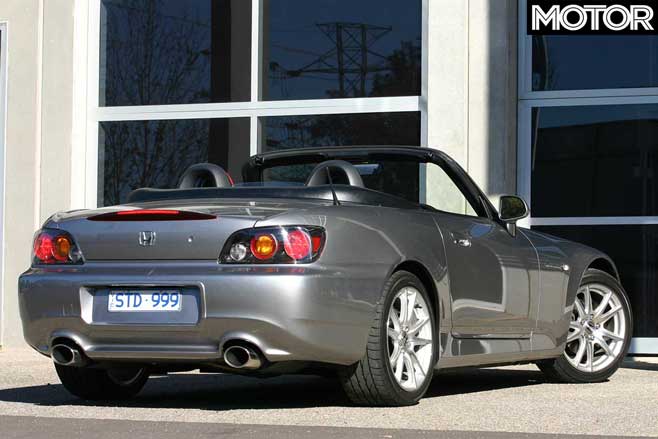
Honda will be open to suggestions that are posted with the aforementioned hashtag from February 20th to April 30th 2020.
The site states that it will “post a wonderful post on this homepage” on May 2020, according to our rudimentary Japanese translation from Google, which could be the announcement date of the finalised list of parts that would be approved for reproduction.
According to Honda Australia, the S2000 parts reproduction program is solely a Japan market initiative, and to the best of the company’s knowledge at the moment there are no plans to make it officially available in other markets. That being said, S2000 fans can always find means from the internet to source these parts from Japan.
BMW M Division’s latest high-riding offering is an absolute barn burner, with Wheels’ independent testing revealing it’s quicker than some of the hottest coupe and sedan metal you can buy.
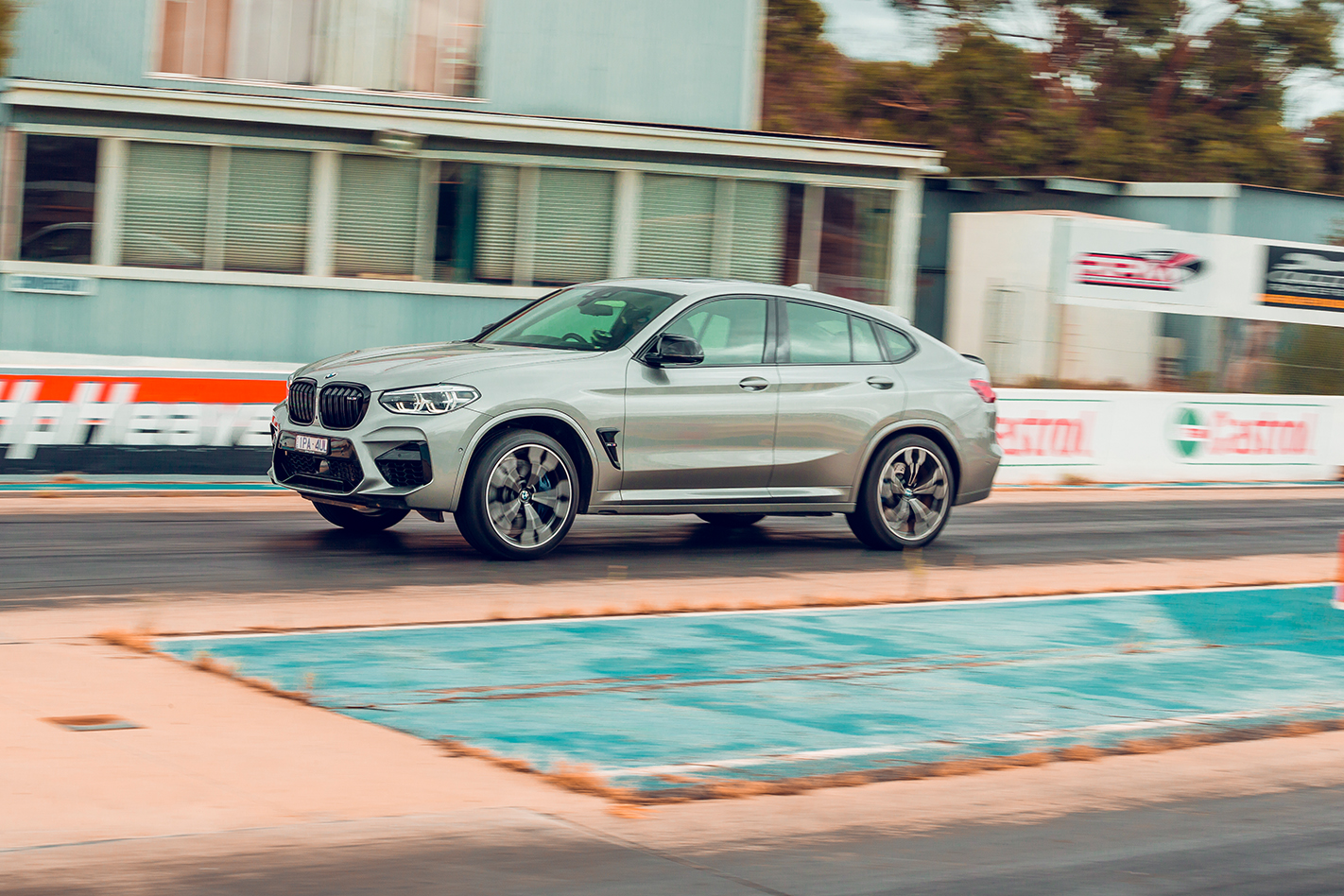
Officially BMW claim the 1970kg X4 M Competition (much like its X3 sibling) can crack 100km/h from a standstill in 4.1 seconds.
Turns out, that number was conservative at best. During independent testing, the X4 M stopped our VBox’s GPS recorder at 3.7 seconds for its 0-100km/h sprint.
Yup, it undercut the manufacturer claim by a full four tenths of a second – a difference of almost 10 percent.
There are a couple of contributing factors to this impressive time, not least the new S58 engine which shares just 10 percent of the parts with the preceding S55 unit. The 3.0-litre twin-turbo straight-six engine sends 375kW at 6250rpm, and 600Nm from 2600-5950rpm, to all four wheels via an eight-speed automatic gearbox.
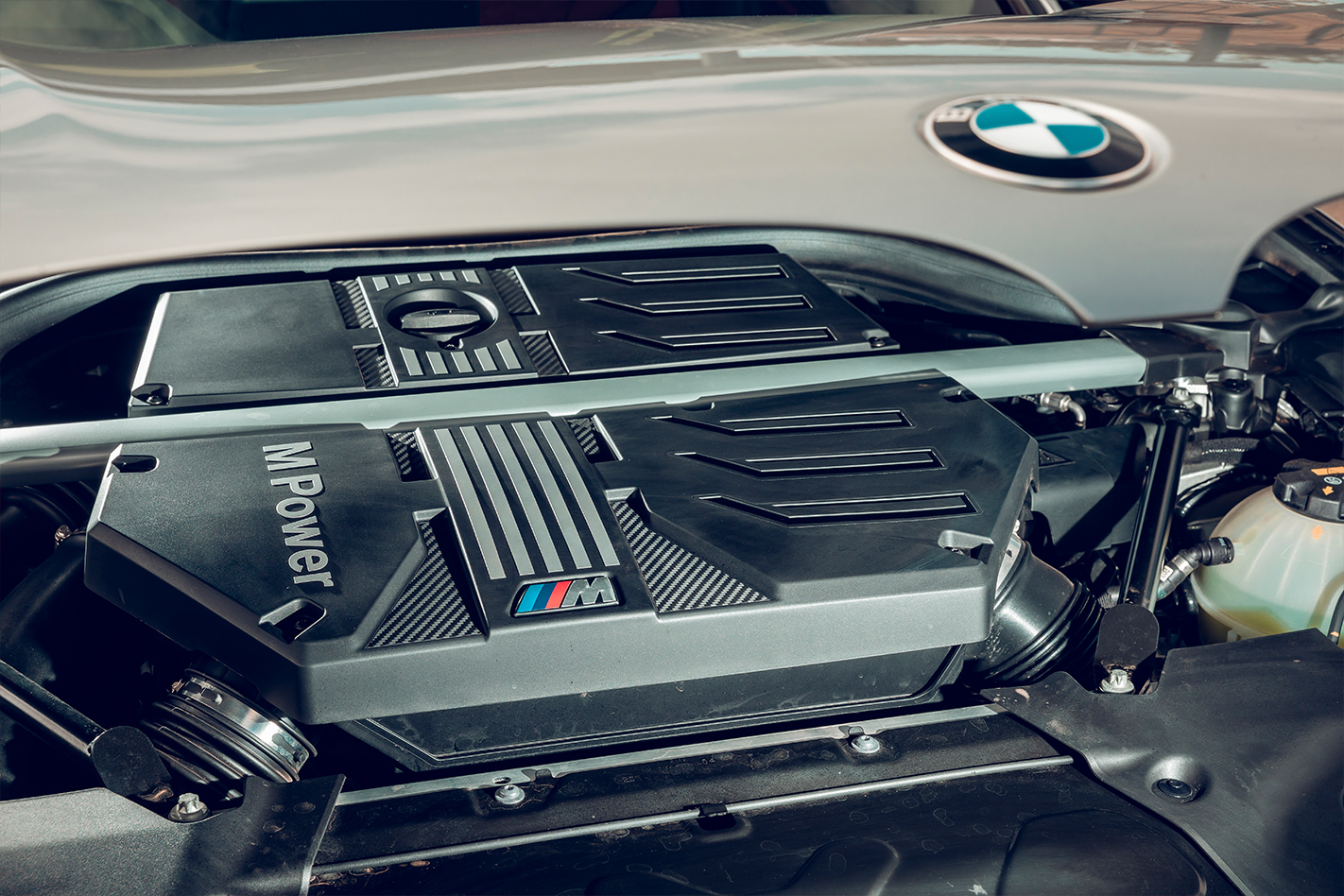
The task of grappling the tarmac is left to Continental SportContact6 tyres, measuring 255/40/21 at the front and 265/40/21 out back.
Testing was completed by deputy editor Andy Enright at Heathcote Raceway in cloudy conditions, with an ambient temperature of 19.5 degrees Celsius.
It also turns out that there is a bit of a trick to getting the most out of the BMW. Enright found the first attempt in the X4 a bit sluggish, with a 4.4 second time achieved using launch control – taking his foot off the brake when the revs seemed to plateau.
To cut the time down, Enright recommends keeping the right foot buried, and building the revs higher (which happens very slowly) before release the brake and rocketing toward the horizon.
A 3.7 second sprint to 100km/h makes the BMW X4 M Competition the quickest SUV that Wheels has tested, beating some seriously quick competition.
A Toyota Supra GTS is more than half a second slower to 100km/h, while Ford’s Mustang R-Spec was a full second slower than this super SUV.
A HSV GTS with a Walkinshaw W557 pack cracked the tonne in 3.81 seconds when helmed by our sister title Motor, while the best Wheels could manage from the HSV GTS-R W1 was a 4.5 seconds
Our performance-focused mates have also run numbers on an Audi RS4 Avant, which managed a best of 3.86 seconds. The X4 M’s coupe sibling the M4 CS was recorded at 4.05 seconds by Motor.
The only SUV that equals the X4 M Competition on acceleration is the Jeep Grand Cherokee Trackhawk, though it has a monstrous 522kW/868Nm 6.2-litre supercharged V8 under the bonnet.
When Motor took the American behemoth to the strip it returned a stout 3.7 second sprint to 100km/h.
During this year’s Performance Car of the Year Motor had an Alfa Romeo Stelvio Q in attendance, with their best 0-100km/h sprint in the Italian high-rider stopping the clocks at 3.79 seconds.
The age of the super SUV is well and truly here, so think twice next time you line up against a high-rider at the traffic light grand prix.
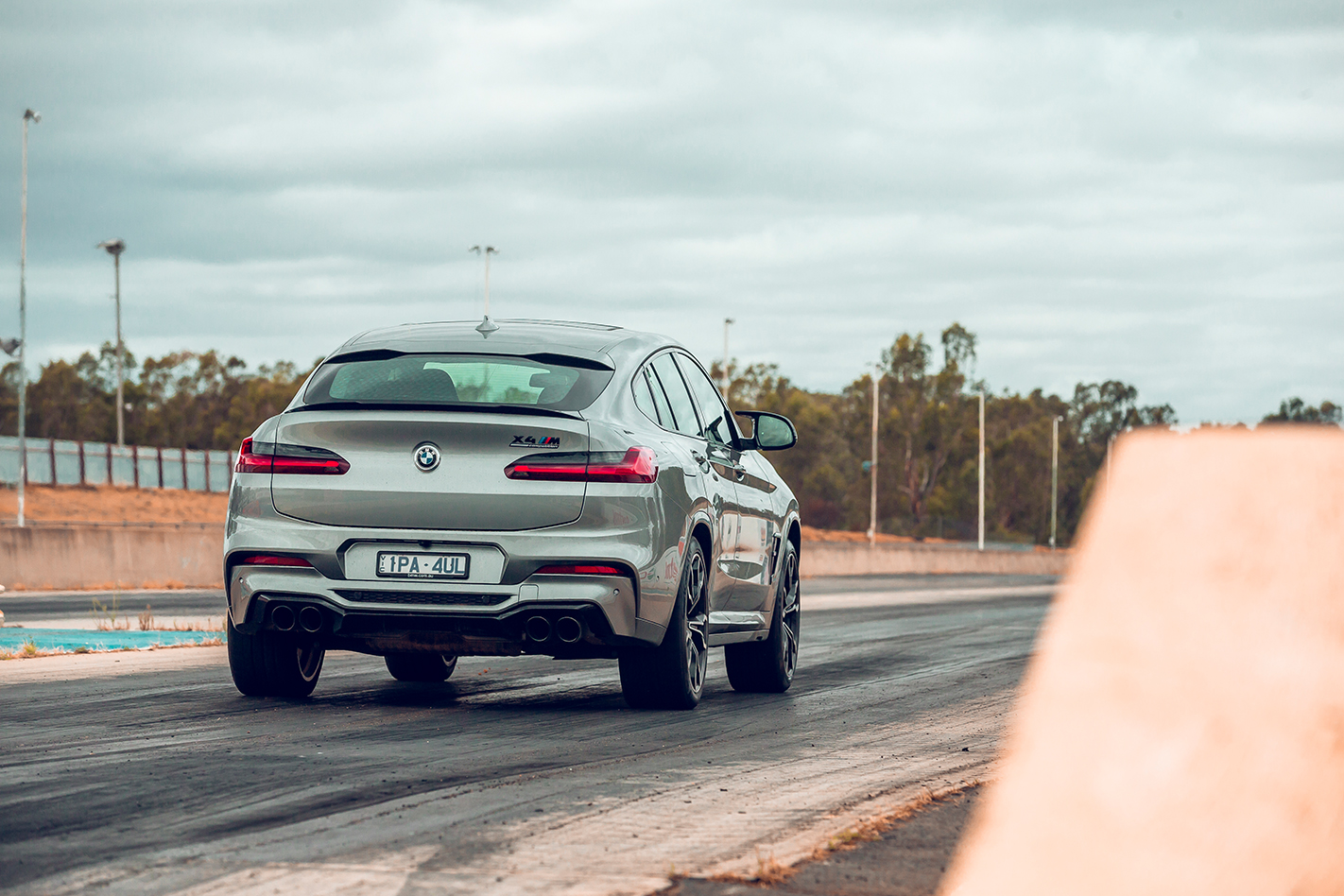
2020 BMW X4 M Competition performance figures
0-100km/h: 3.7 seconds
0-150km/h: 7.3 seconds
0-200km/h: 13.6 seconds
80-120km/h: 2.3 seconds
160-200km/h: 5.3 seconds
400 metres: 11.9 seconds @ 189.1km/h
One of the more memorable recurring features in this magazine’s long and illustrious history was the ‘King of the Hill’ series, started in the late 1970s, pitting a desirable-spec Holden against the Ford Falcon equivalent.
As made clear in editor Peter Robinson’s opening paragraph back in the January 1978 original, the comparison helped ascertain whose model range was better, down to the bread-and-butter HZ Kingswood SL and XC Falcon 500 that made up the bulk of Australia’s two top sellers’ volumes. The GTS and GXL V8s as tested representing them respectively were simply their makers’ best feet forward. Readers loved it. It also sold many magazines.
The world has changed unrecognisably since, of course, with big sedans all but dead and the local heroes gone, replaced in the hearts and minds of Aussie consumers with SUVs. The juggernaut started with the pioneering Toyota RAV4’s debut in 1994. Now everybody’s at it, and demand is showing no signs of letting up.
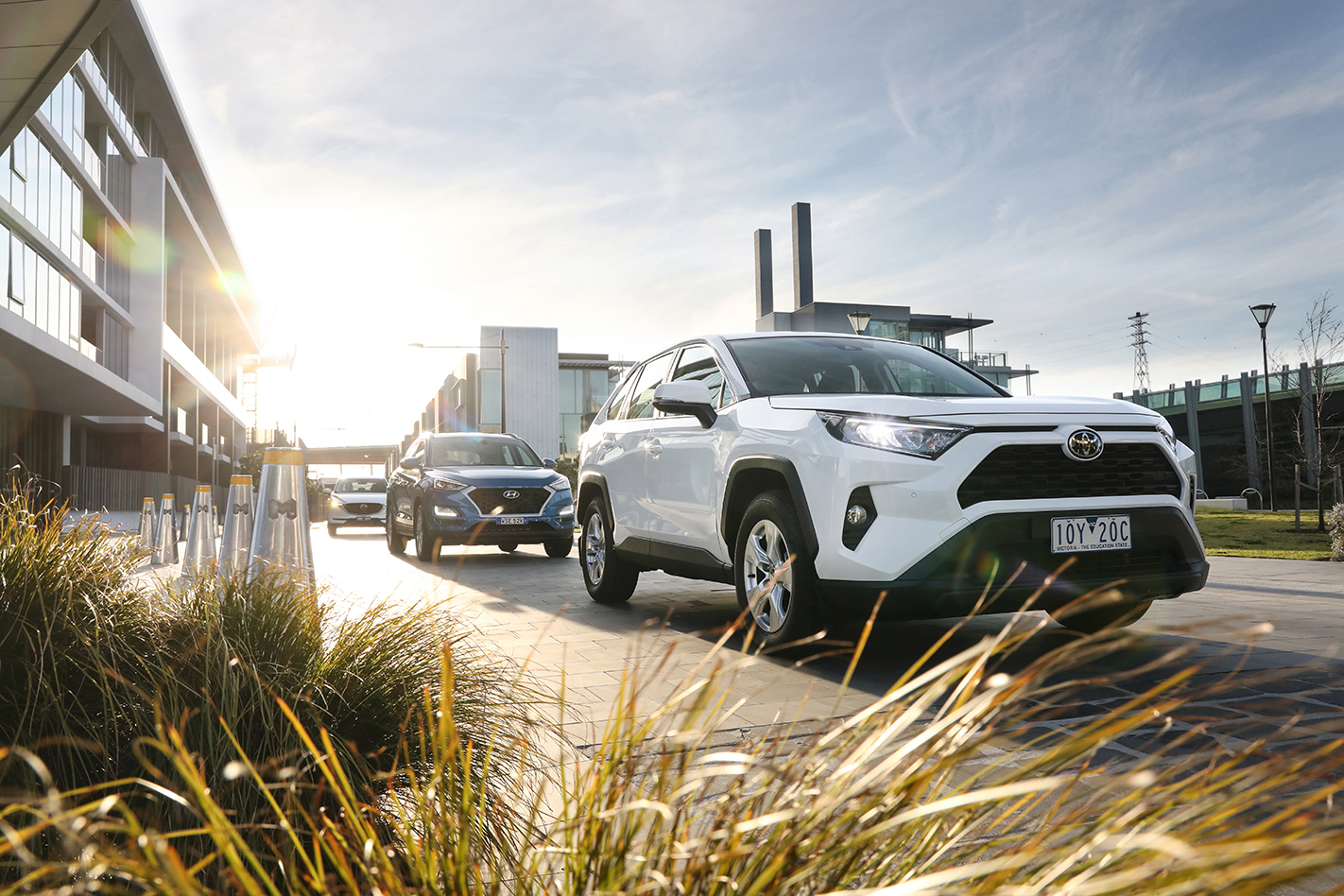
Welcome, then, to King of the Hills – or Heights, Vales, Meadows, Lakes, Creeks or whatever suburbia suffix applies. Instead of V8s, we’ve assembled a trio of family-friendly, lifestyle-enhancing medium SUVs, and in their most modest, affordable and relevant specification at that – base front-drive autos. Scoff all you will, traditionalists, because even with just two naturally aspirated litres and half the cylinder count, one managed an HZ GTS 5.0L-matching 400-metre time of 16.8s, while consuming only one-third of the fuel. But we’re getting ahead of ourselves…
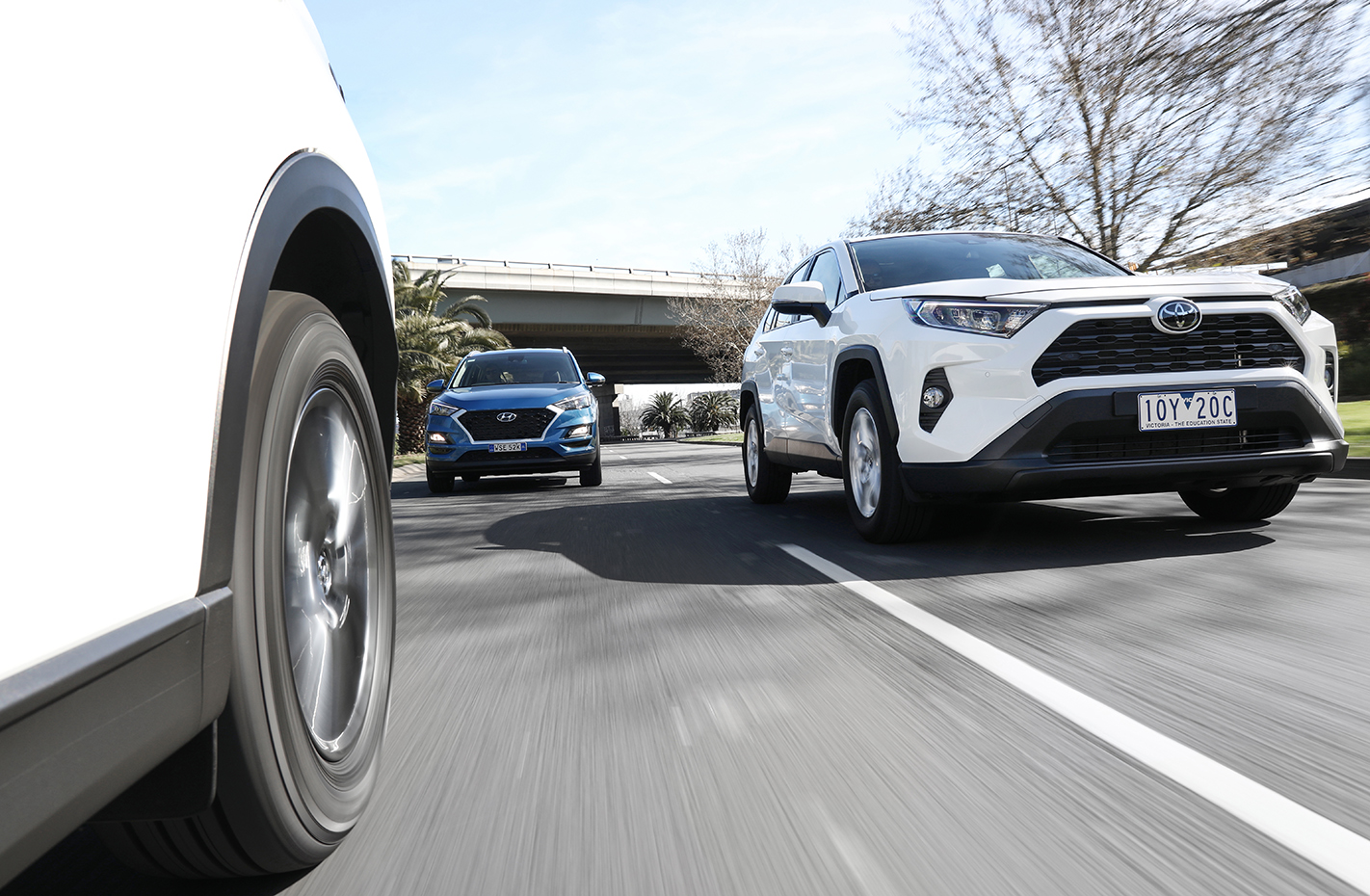
Newest, and therefore motivator, for this contest is the RAV4 – the fifth generation in a frankly unremarkable lineage given the earliest model’s significance. Launched in May, the all-new 50 series brandishes the company’s wider, lower and stronger TNGA platform, along with Jeep-like styling cues.
This is the second time we’ve run RAV4 through the comparison mill. Earlier this year, the flagship Cruiser Hybrid all-wheel drive edged out the Subaru Forester 2.5i-S, while showing its Mazda CX-5, Volkswagen Tiguan and Hyundai Tucson equivalents a clean set of tracks (Wheels, June 2019).
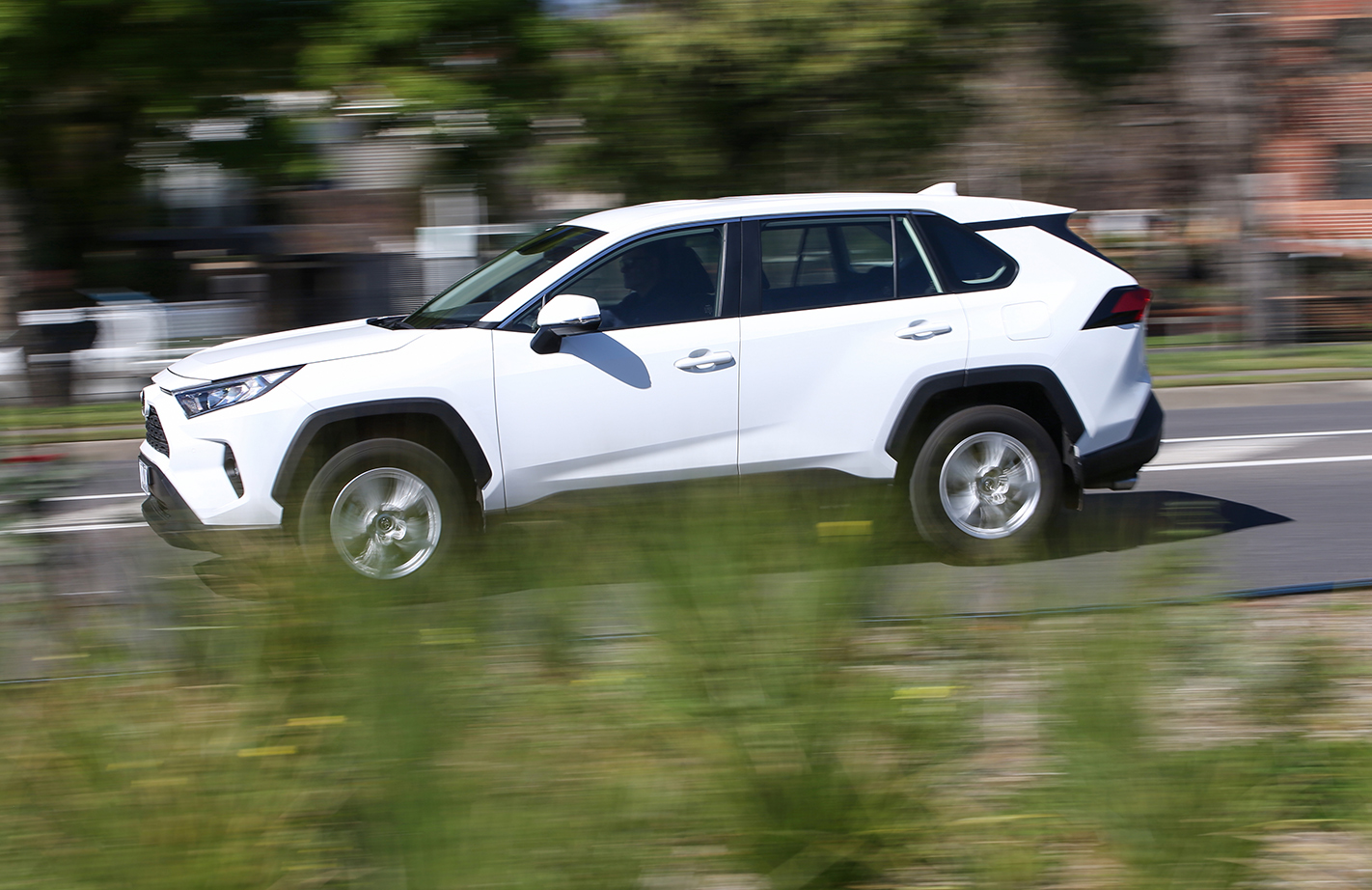
The thing is, in our experience, the less money spent on a medium SUV, the more mediocre it is. Bereft of sparking any joy, they’re like everyday reminders that you should have studied harder back at school. So, how does the cheapest RAV4 stack up? Our fridge-white GX 2WD auto arrived with zero options, which means $32,640 (before on-road costs), yet brings autonomous emergency braking (AEB), lane-keep assist, seven airbags (including for driver’s knee), reverse camera, rear sensors, auto headlights/wipers, Apple CarPlay/Android Auto (early-build models without it are eligible for a free dealer retrofit) and 17-inch alloys.
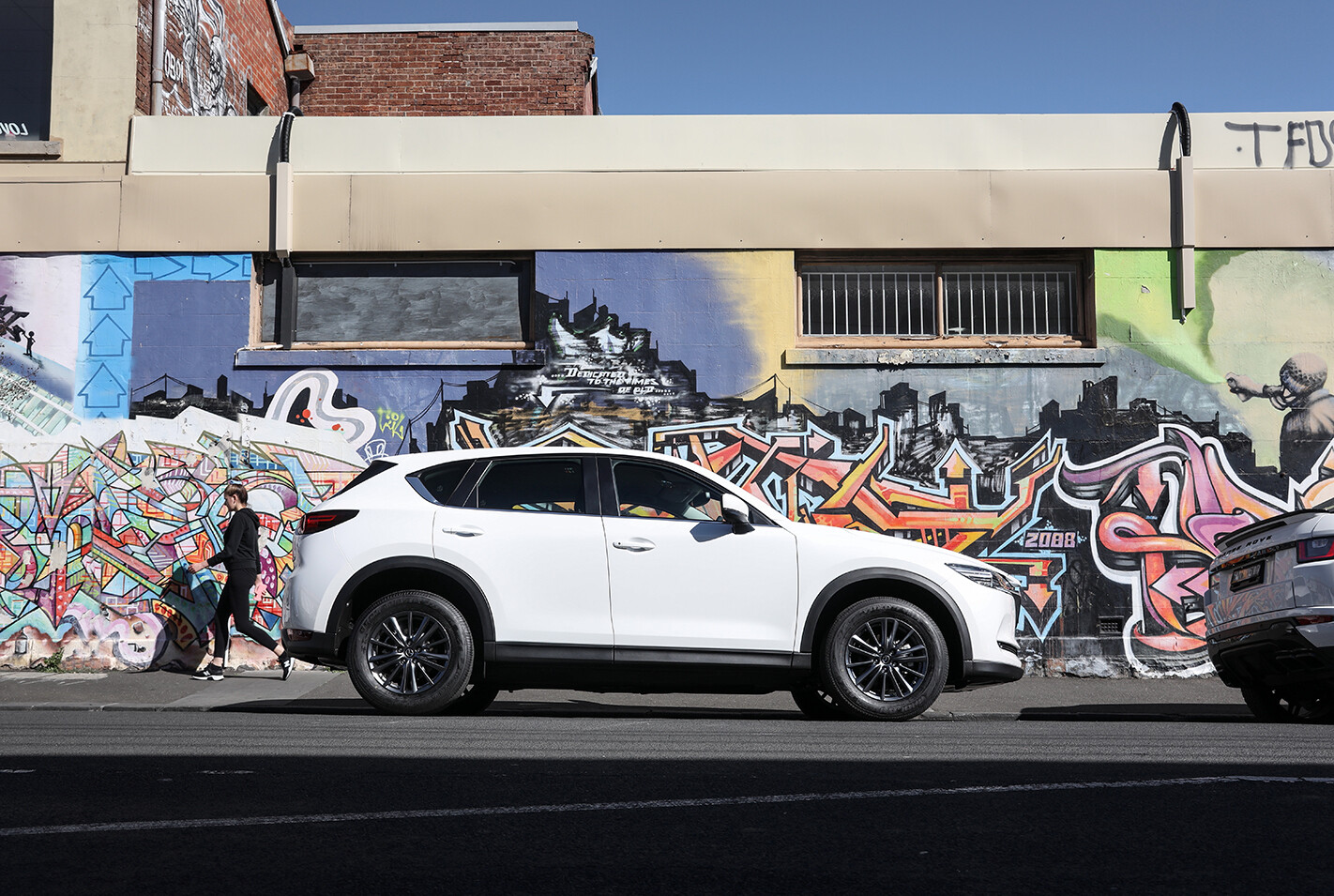
Just $240 more buys you entry into Australia’s best-selling SUV, the CX-5. Launched in early 2017, the second-gen KF redesign addresses most of the noise/vibration/harshness and rear-seat packaging issues of the hyper-popular 2012-original, without compromising the winning formula of athletic premium-economy family travel.
The $32,880 Maxx 2WD auto wasn’t available, leaving us with the $3210-dearer Maxx Sport upgrade you see here, so please ignore the latter’s climate control, rear-seat armrest and vents, sat-nav, remote rear-seat releases and darkened alloys because the Maxx misses out on these – along with the knee airbag, speed-sign recognition and front sensors found in the RAV4. Over the latter, however, the slickly styled CX-5 gains a leather wheel and is the sole SUV present with a front passenger-seat height adjuster, push-button start, 40/20/40 (instead of 60/40) split-fold backrests, reverse-gear AEB and fuel-saving/emissions-cutting stop/start at idle. Sophisticated stuff.
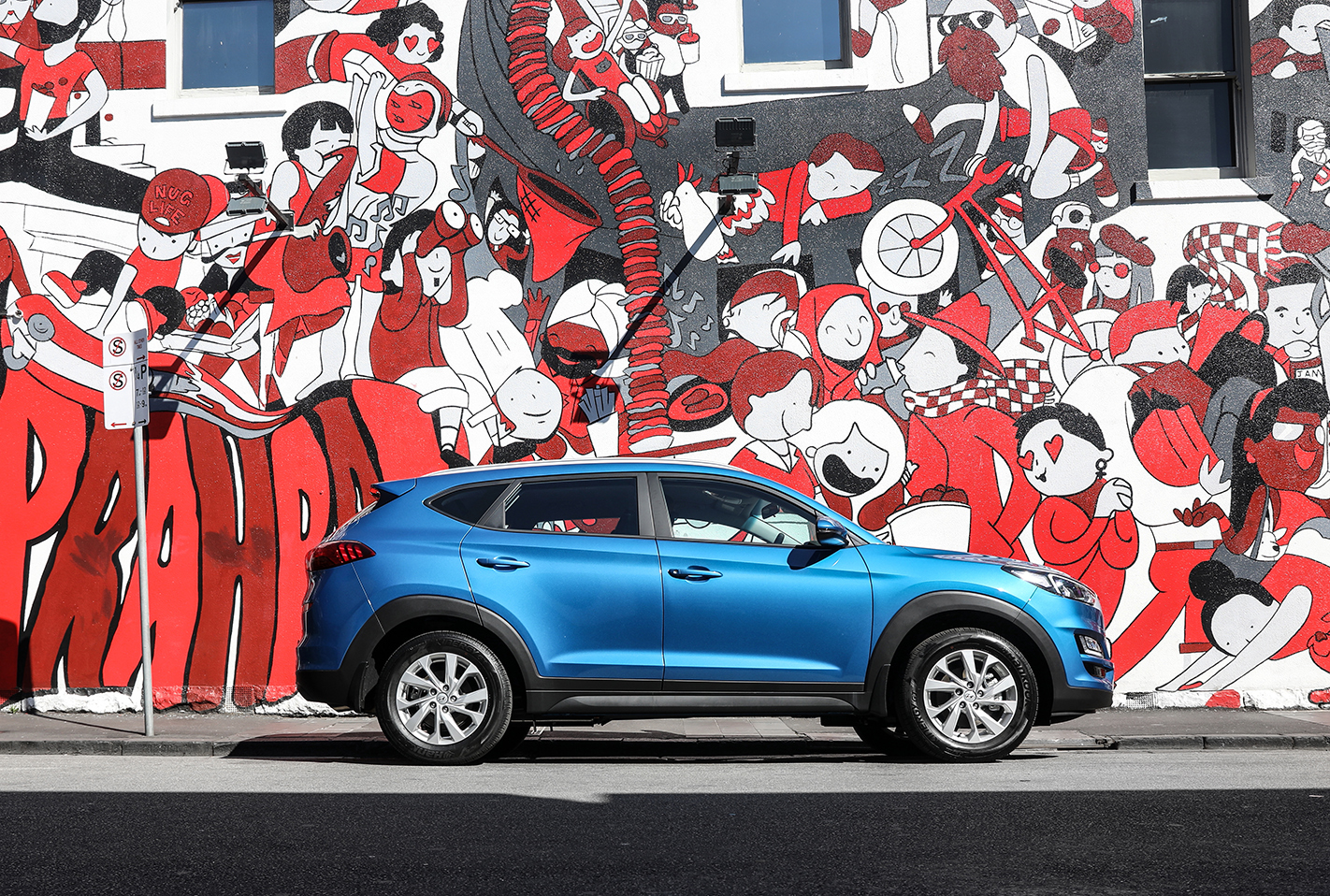
Last up is the TL Tucson, surfacing in 2015 and facelifted mid last year with a remodelled front, revised dash, uprated safety and – since July’s TL4 update – standardised driver-assist tech including AEB. The old Go’s gone, returning the Active as the range opener, from $31,790. Still a handsome design, the Hyundai basically aligns itself with the CX-5 Maxx spec-wise (though adds alloys and roof rails), but is alone here without the blindspot monitoring, rear cross-traffic alert, adaptive cruise control, auto high beam, digital radio, electric folding mirrors, tyre-pressure monitors and one-touch power window convenience the other pair proffer. In terms of standard kit, it’s an edge to Toyota.
The story is similar when assessing interior packaging, with clear space between the RAV4 and its rivals, and not just because of the former’s growth spurt over the narrow old version. For the record, the wheelbase isn’t even the longest of the trio. No, the big difference is down to getting the basics right – comfort, utility, quality and ease. From entry/egress, driving position, seat support, ventilation and vision to unexpectedly high equipment levels, the wide, airy GX pretty much lacks for nothing. Our only worry is the missing front passenger-seat height adjuster, which might see taller scalps scrape ceilings. Otherwise, it’s clear the RAV4 has been expertly engineered from the inside out.
In contrast, the other two are palpably less wagon-oid, so seem almost half a class more compact, with shallower glass resulting in a more hemmed-in feel for back-seat passengers, though neither is space deficient in actual terms.
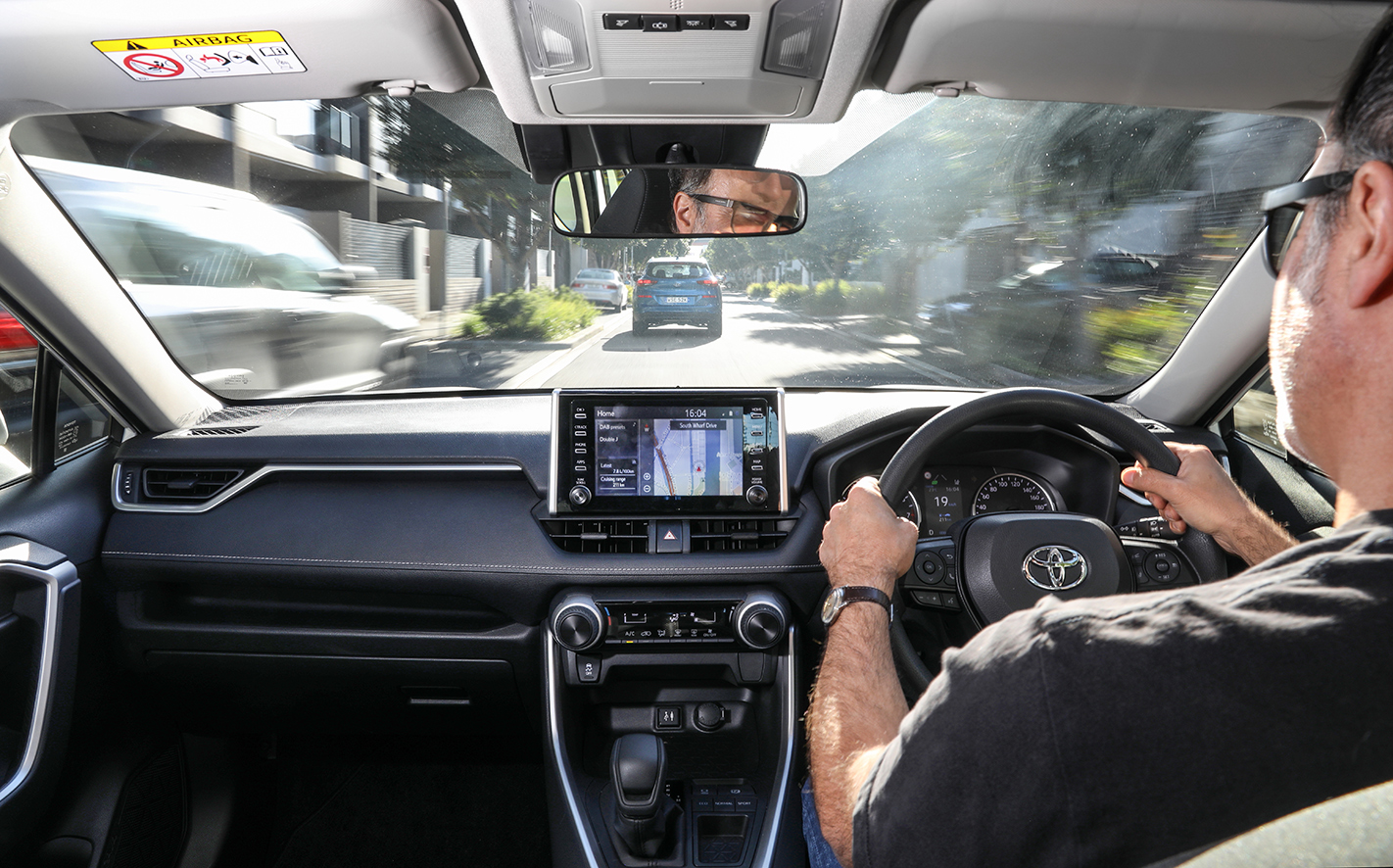
Going for a lower-slung and sportier vibe, the CX-5’s seating and dash are the most car-like, aided by an Audi-style wide central console bisecting the front occupants. Adding to that Euro feel is the group’s only ‘i-Drive’-style controller for the (small and dated) multimedia system, firmly comfy cushions and sufficient storage. But the bulky dash is now showing its age, rear vision trails the Toyota’s, the back cushion is flattest and there’s marginally less kneeroom. As with all three, the CX-5’s backrests recline, though only the Mazda’s is divided into three, not two, bringing unique versatility.
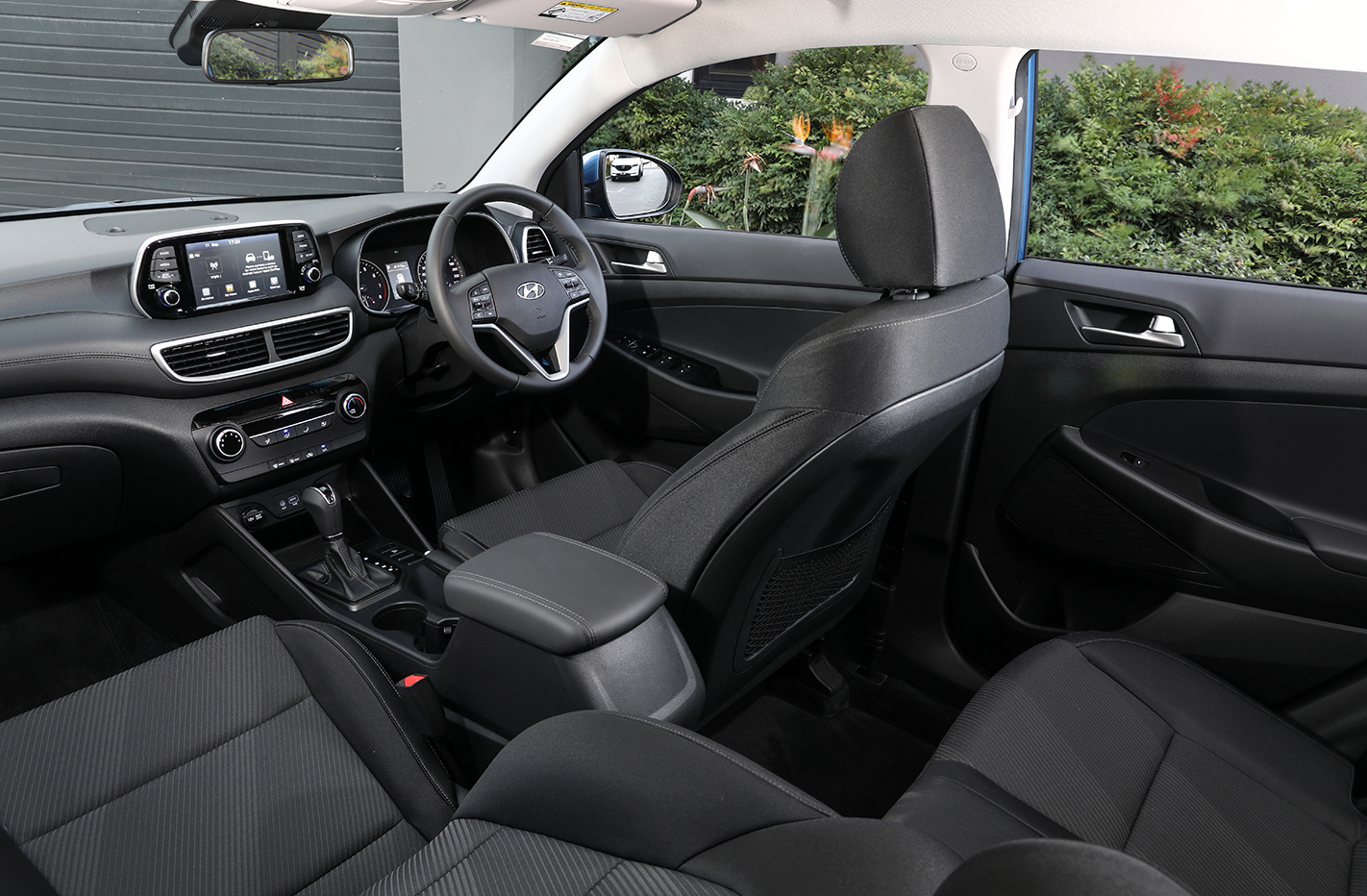
Almost as spacious as the RAV4 and offering cushy seating all-round, okay vision and heaps of places for odds and ends, the Tucson nonetheless is now looking tired, with a dating dash layout and the lowest-rent materials culminating in the most downmarket ambience on test. The Tucson is also the loudest for road noise, and like the base CX-5, forgoes rear air vents too. Boo.
While the Hyundai offers impressive rear legroom, it doesn’t come at the cost of cargo capacity, beating the Mazda by a small bit, though – again – most observers wouldn’t notice the difference. A RAV4 owner, however, would.
Speaking of boots, or more to the point, booting it, performance is one area where most base-model mid-sized SUVs have (literally) lagged behind their more salubrious larger-engined variants, and it’s easy to see why. Slotting a 2.0-litre atmo donk from a hatch into a larger, bulkier wagon means it has to work, drink and whine that much harder than a 2.5L.
That said, the CX-5’s 1998cc unit is one of the more pleasant of the breed, since it yearns to rev, isn’t strained visiting the 6700rpm cut-out and feels livelier and more reactive to driver inputs on the move than the numbers suggest. To that end, the chosen ratio can be held from bumping off the limiter in manual mode (with the preferred upshift-down/downshift-up motion), while selecting ‘Sport’ extends the revs in each gear before auto change-up for more oomph. So, it’s odd that the slowest SUV on test also seems the sportiest.
Against the stopwatch, while the 122kW/205Nm 2.0-litre/six-speed auto-equipped Hyundai is a hair’s breadth quicker than the Mazda, that’s still disappointing given the former’s loftier outputs and fewer kilos. In fact, the Active never seems as strong as the Maxx Sport behind the wheel, even though the 1999cc ‘Nu’ unit is noticeably noisier (and coarser) and thus more dramatic at higher revs than either of its Japanese rivals. Indeed, the only important increment where the CX-5 actually beats the Tucson is between 80 and 120km/h, and by only 0.1sec. Its greater urge is an illusion.
Clouding matters is the Hyundai’s indecisive transmission calibration, meaning it can hunt erratically between ratios at even a whiff of an incline or a touch of the throttle. At such times, when the CX-5 is crooning the Tucson is crowing. For powertrains so close on paper, their characters are very different out in the real world.
Personality is what we didn’t expect from the Toyota, not with a boring continuously variable transmission (CVT) that’s normally to excitement what Greta Thunberg is to climate-change deniers. However, the RAV4 shakes things up with a new torque-converter low-range gear. Combined with the so-called Dynamic Force 127kW/203Nm 1987cc heart, it turns CVT preconceptions and prejudices on their presumptuous heads.
Armed with 10 stepped ‘ratios’, the ‘Direct Shift’ CVT makes the most of the muscular, rev-happy 2.0L for comparatively strong, sustained thrust across a broad bandwidth of revs – especially above 4000rpm. The resulting kick sees the Toyota nearly a whole second quicker to 100 and 3.0sec ahead at 140. It’s as if a much beefier engine beats behind that bluff grille.
But here’s the rub. Factor in just 8.2L/100km against the others’ 10L/100km, and it’s obvious that the RAV4 no longer punishes the punter for choosing the least pricey option. Sure, its snarly engine note isn’t as melodic as the Mazda’s, and inevitably there’s still some CVT-related droning when stomping the pedal, but the GX’s sparkling, effervescent powertrain is nothing shy of revelatory.
The Dynamic Force label could also apply to the Toyota’s, er, dynamics too, though the GX’s steering isn’t quite as sharp or tactile as the Tucson’s terrifically linear tiller. Hyundai’s local engineering crew has helped bestow handling that’s more on the sportier spectrum than you might expect from a humdrum SUV, yet still with a high degree of predictability. Plus, keen drivers can turn the wick up for a little scrappy fun – without fear of overcooking things. Inevitably, the flipside is a firmer and regularly unsettled ride over rougher roads. And lots of road roar.
Considering the CX-5’s eager powertrain, its steering becomes too light and remote at speed. As noted in earlier comparos, when hoofing along, its front and rear ends seem out of sync, sometimes necessitating constant corrections through a corner, sapping driver confidence. Roadholding and grip levels do remain contained, though, while the Mazda’s suspension ushers in a suppler and more sophisticated ride quality across a wider arc of operating conditions than the Tucson’s. As we’re assessing family hacks here, calm comfort outweighs the Hyundai’s higher athletic thresholds.
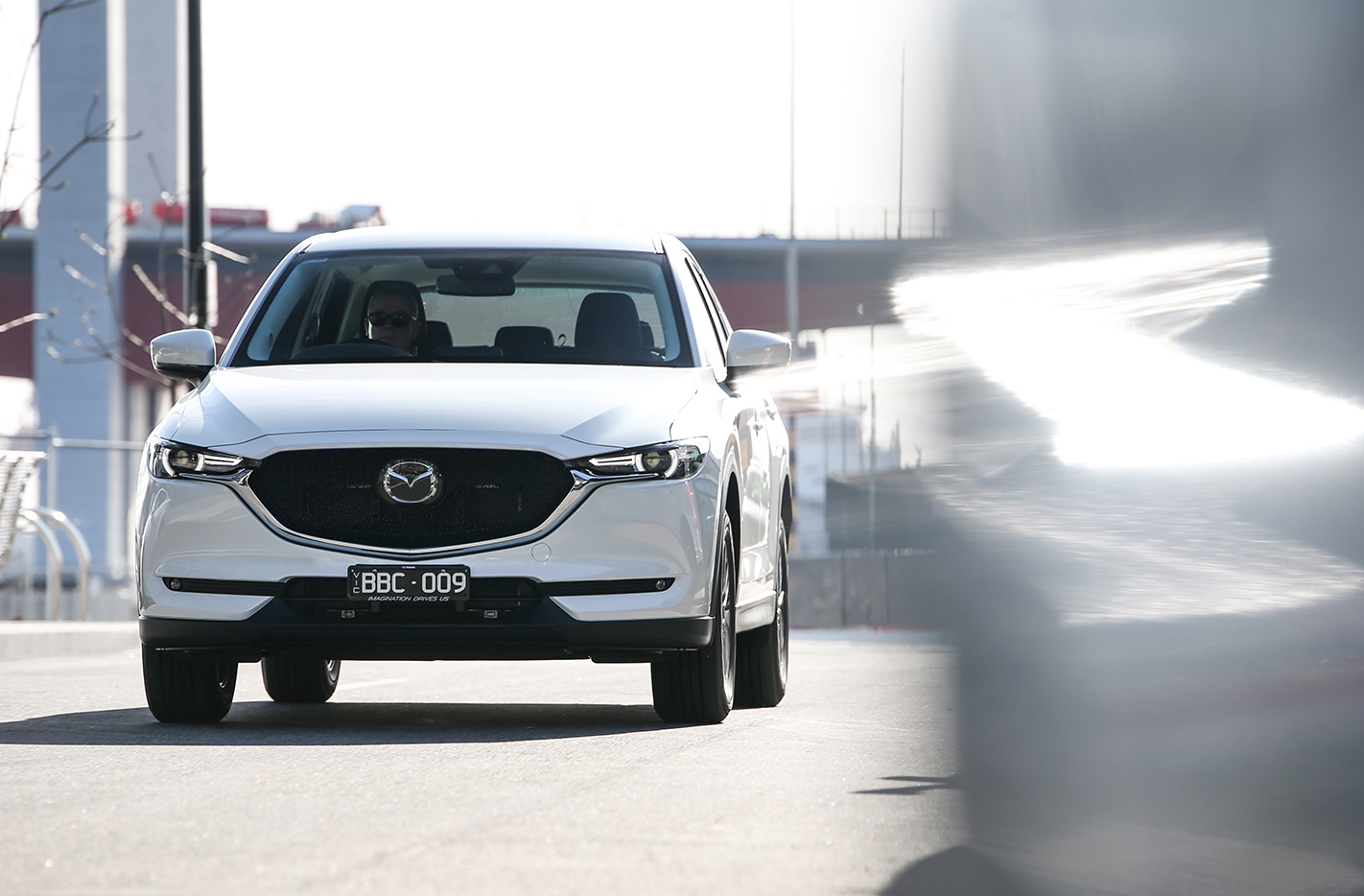
Does this mean a clean sweep for the Toyota? If you value fluid, cohesive handling, unflappable roadholding and a controlled absorbent ride, then yes, for the RAV4 balances all three with towering assurance. We found ourselves driving the same stretches of winding switchbacks at significantly higher speeds than in either of its rivals, thanks to a chassis that reacts and responds to the driver as well as the prevailing conditions safely and predictably. Alongside the Tucson, the GX’s steering is less feelsome and direct, but as an overall dynamic package, we can’t see how even the most enthusiastic driver wouldn’t come away satisfied. Mums and dads should love it.
After the cruddy old version, could we really be talking about a base RAV4? Consistent cohesion are the keys to the latest GX 2WD’s resounding victory, conquering in all departments with an ambition and scope hitherto foreign to any previous Toyota SUV. The Tucson remains an appealing if dated package, and the more polished CX-5 is better still overall, but the RAV4 easily reigns supreme.
Urban Australia, rejoice. To paraphrase Liza Minnelli, what was once top of the heaps is now king of the hills.
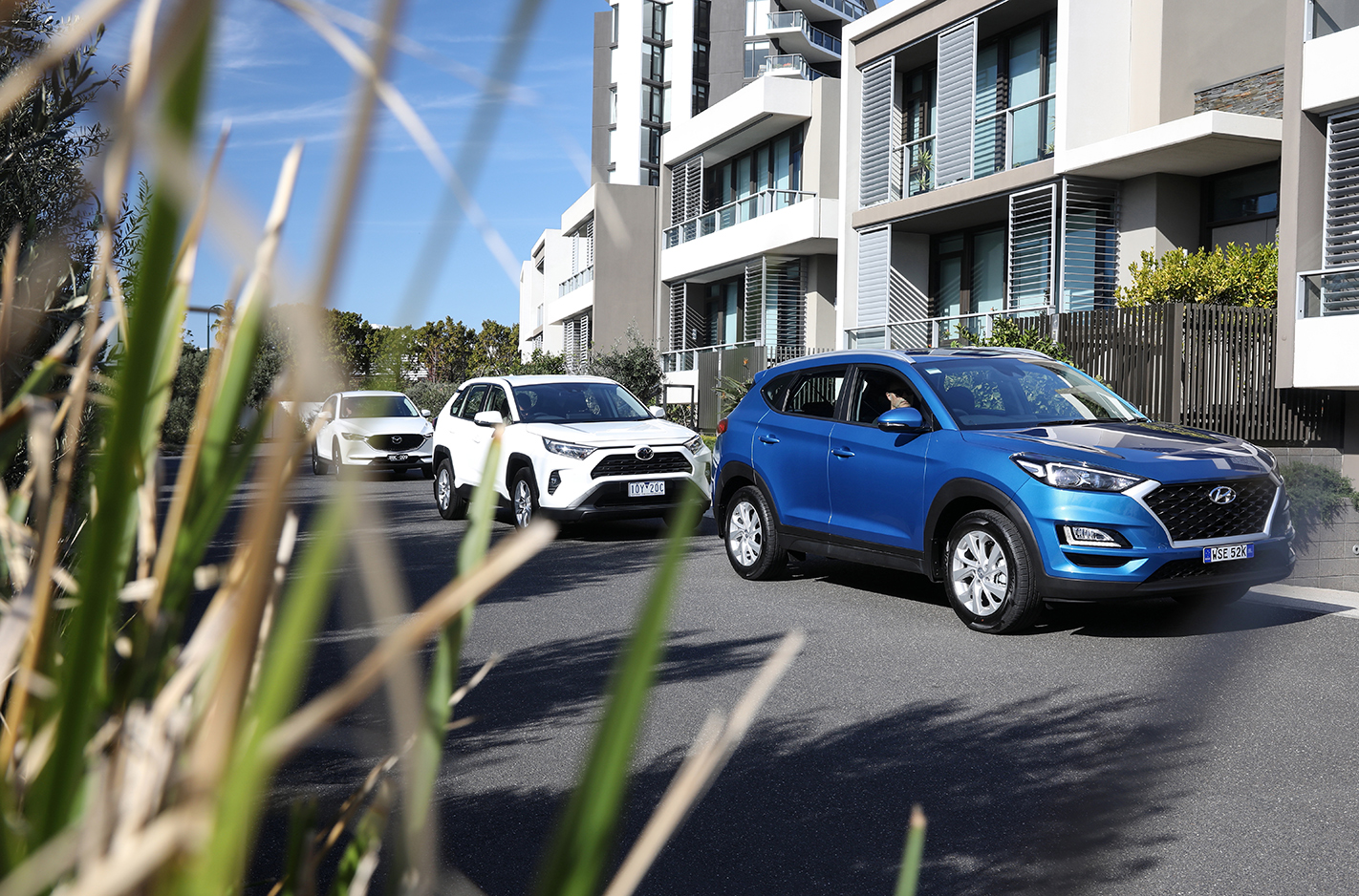
REST OF THE BEST (SELLERS)
As for the other top sellers in this segment, we decided against including the excellent Forester 2.5i for being AWD-only. The Mitsubishi Outlander ES, Nissan X-Trail ST and Kia Sportage S are ageing, and Honda’s CR-V VTi lags in safety (still no AEB); of our preferred Euros, Peugeot’s 3008 Active is too pricey, VW’s base Tiguan 110TSI remained unavailable due to WLTP delays at time of planning, and Ford’s Escape Ambiente is in runout ahead of 2020’s ground-up redesign.
CHANGING RATIOS
As with the related Corolla, Toyota’s innovative new CVT tech uses a fixed launch gear that emulates a regular torque-converter gearbox, for snappy responses, before seamlessly switching to the steel belt pulley system central to the CVT’s smooth efficiency between 10km/h and 60km/h. The low gear is re-engaged if you floor the throttle under 40km/h. There are also Eco, Normal and Sport modes – though the latter promises more than it delivers.
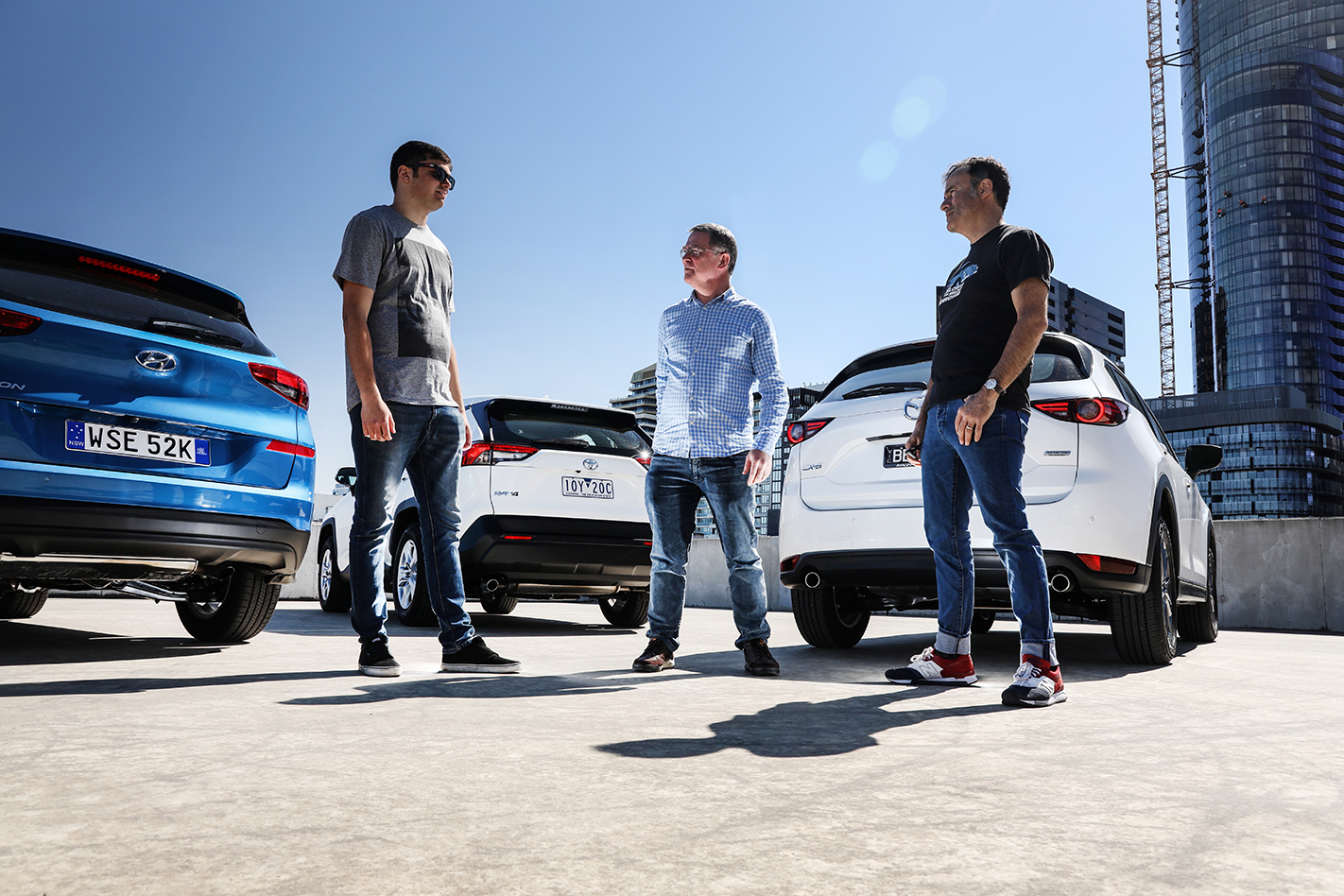
INTERIOR COMPARISON
Hyundai Tucson
Like a jumped-up i30, the updated Active’s dash is big on familiarity, simplicity, functionality and user friendliness. Cabin is spacious and comfy to boot, with the trio’s most reclinable rear backrest, though the ambience is the least inviting, and not helped by the lack of air vents and too much road noise. Group’s only manual handbrake underlines Tucson’s dynamic focus. Boot is a surprising 488L. The spare is full-sized. Ground clearance is 172mm.
Mazda CX-5
Low-slung, sporty and cosiest of the three, yet amply spacious, even the base Maxx seems the most upmarket inside (Maxx Sport pictured), with beautiful dials, racy wheel and most tactile trim. Seats impress, but dated multimedia and no digital speedo nor rear vents are oversights. Doors open wide for best entry/egress, with massive mirrors. Cargo blind is brilliantly effective, and cargo capacity is 442L. Space-saver spare. Ground clearance is 185mm.
Toyota RAV4
Airier RAV4 is thoughtfully designed around peoples’ needs, while sleek dash melds minimalism with ergonomic smarts. Sole SUV here with rear armrest and air vents, while equipment levels are the most generous. Space, storage, seating, vision and refinement also test best but wind noise, no front passenger-seat height adjuster, plastic wheel and vague heater indicator level may annoy. Spare is a space-saver, cargo capacity is 580L and ground clearance is 195mm.
SCORECARD
- Toyota RAV4 GX: 9.0/10
- Mazda CX-5 Maxx Sport: 7.5/10
- Hyundai Tucson Active: 6.5/10
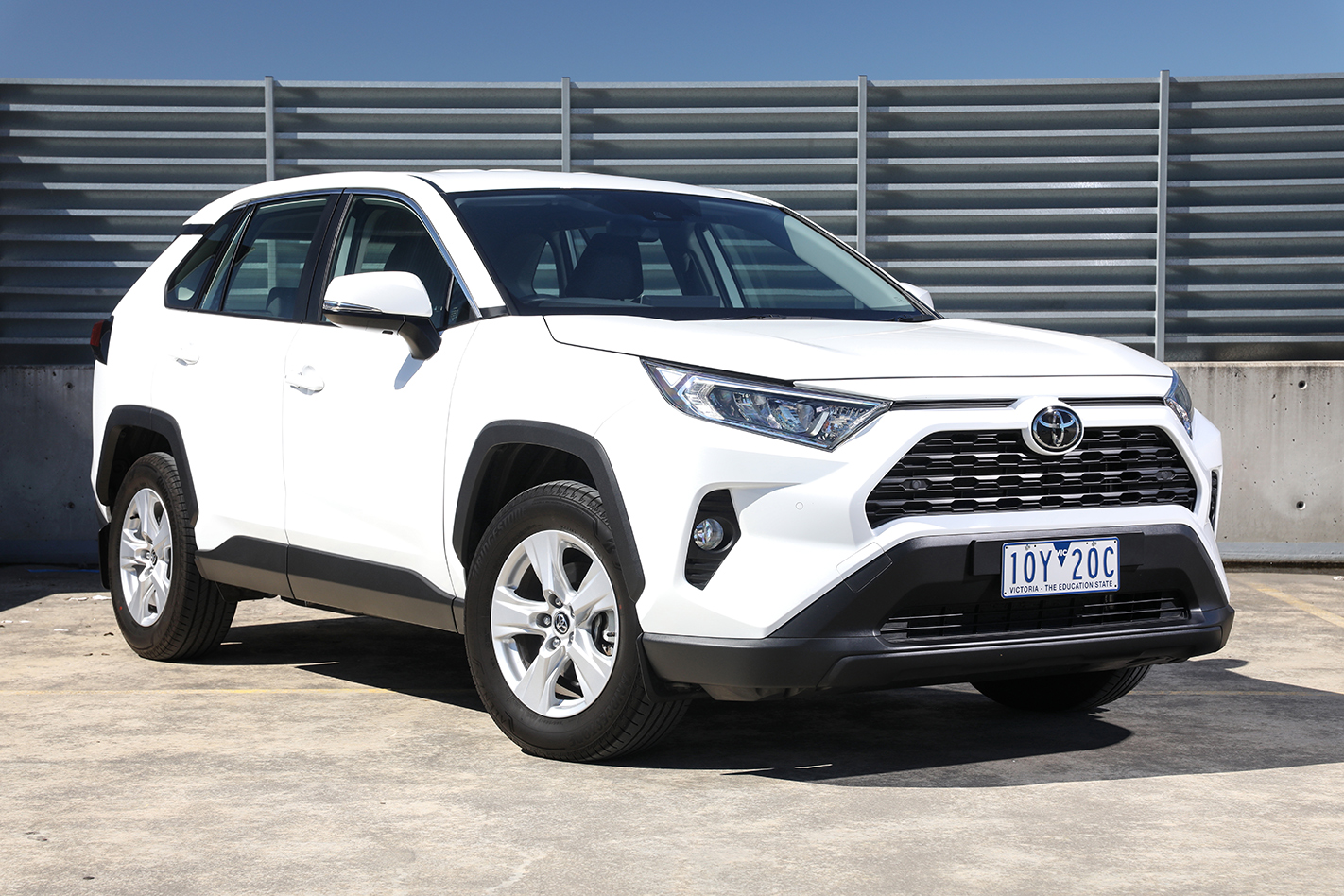
SPECS, PRICES, AND PERFORMANCE
| Car | Toyota RAV4 GX | Mazda CX-5 Maxx Sport | Hyundai Tucson Active |
| Price | $32,640 ($32,640 as tested) | $36,090 ($36,090 as tested) | $31,790 ($32,385 as tested) |
| Engine | In-line 4cyl, dohc, 16v | in-line 4cyl, dohc, 16v | in-line 4cyl, dohc, 16v |
| Layout | Front engine (east-west); front drive | Front engine (east-west); front drive | Front engine (east-west); front drive |
| Capacity | 1987cc | 1998cc | 1999cc |
| Power | 127kW @ 6600rpm | 115kW @ 6000rpm | 122kW @ 6200rpm |
| Torque | 203Nm @ 4800rpm | 200Nm @ 4000rpm | 205Nm @ 4000rpm |
| Transmission | CVT | 6-speed automatic | 6-speed automatic |
| Body | Steel, 5 doors, 5 seats | Steel, 5 doors, 5 seats | Steel, 5 doors, 5 seats |
| L/W/H/Wu2013B | 4600/1855/1685/2690mm | 4550/1840/1675/2700mm | 4480/1850/1665/2670mm |
| Track (F/R) | 1605/1625mm | 1595/1595mm | 1608/1620mm |
| Weight | 1550kg | 1559kg | 1490kg |
| Boot | 580 litres | 442 litres | 488 litres |
| Fuel/tank | 91 octane/55 litres | 91 octane/56 litres | 91 octane/62 litres |
| Economy | 8.2L/100km (test average) | 10.0L/100km (test average) | 10.0L/100km (test average) |
| Front suspension | Struts, coil springs, anti-roll bar | Struts, A-arms, anti-roll bar | Struts, A-arms, anti-roll bar |
| Rear suspension | Double A-arms, coil springs, anti-roll bar | Multi-link, coil springs, anti-roll baru00a0 | Multi-link, coil springs, anti-roll bar |
| Steering | electric rack and pinion | electric rack and pinion | electric rack and pinion |
| Turn circle | 11.0m (2.7 turns lock-to-lock) | 11.0m (2.7 turns lock-to-lock) | 11.0m (2.6 turns lock-to-lock) |
| Front brakes | ventilated discs (305mm) | ventilated discs (297mm) | ventilated discs (305mm) |
| Rear brakes | discs (281mm) | discs (303mm) | discs (302mm) |
| Tyres | Bridgestone Alenza 001 | Yokohama Geolander G98 | Hankook Kinergy GT |
| Tyre size | 225/65R17 102H | 225/65R17 102H | 225/60R17 99H |
| ANCAP rating | 5 Stars | 5 Stars | 5 Stars |
| Power-to-weight | 82kW per tonne | 74kW per tonne | 82kW per tonne |
| Redline/cut-out | 6700/6700rpm | 6500/6700rpm | 6500/6500rpm |
| Speed at indicated 100km/h | 98km/h | 98km/h | 96km/h |
| 0-20km/h | 1.1sec | 1.3sec | 1.2sec |
| 0-40km/h | 2.7sec | 2.8sec | 2.8sec |
| 0-60km/h | 4.4sec | 4.8sec | 4.6sec |
| 0-80km/h | 6.7sec | 7.2sec | 7.0sec |
| 0-100km/h | 9.4sec | 10.3sec | 10.2sec |
| 0-120km/h | 13.0sec | 14.2sec | 14.1sec |
| 0-140km/h | 17.7sec | 20.5sec | 19.7sec |
| 0-400m | 16.8sec @ 135.5km/h | 17.4sec @ 137.7km/h | 17.3sec @ 133.3km/h |
| 80-120km/h | 6.1sec | 7.0sec | 7.1sec |
| Braking distance 100km/h-0 | 35.9m | 36.4m | 35.9m |
Subaru is planning to command the rough-road high ground with its first hybrid models, which already have people queuing to own them.
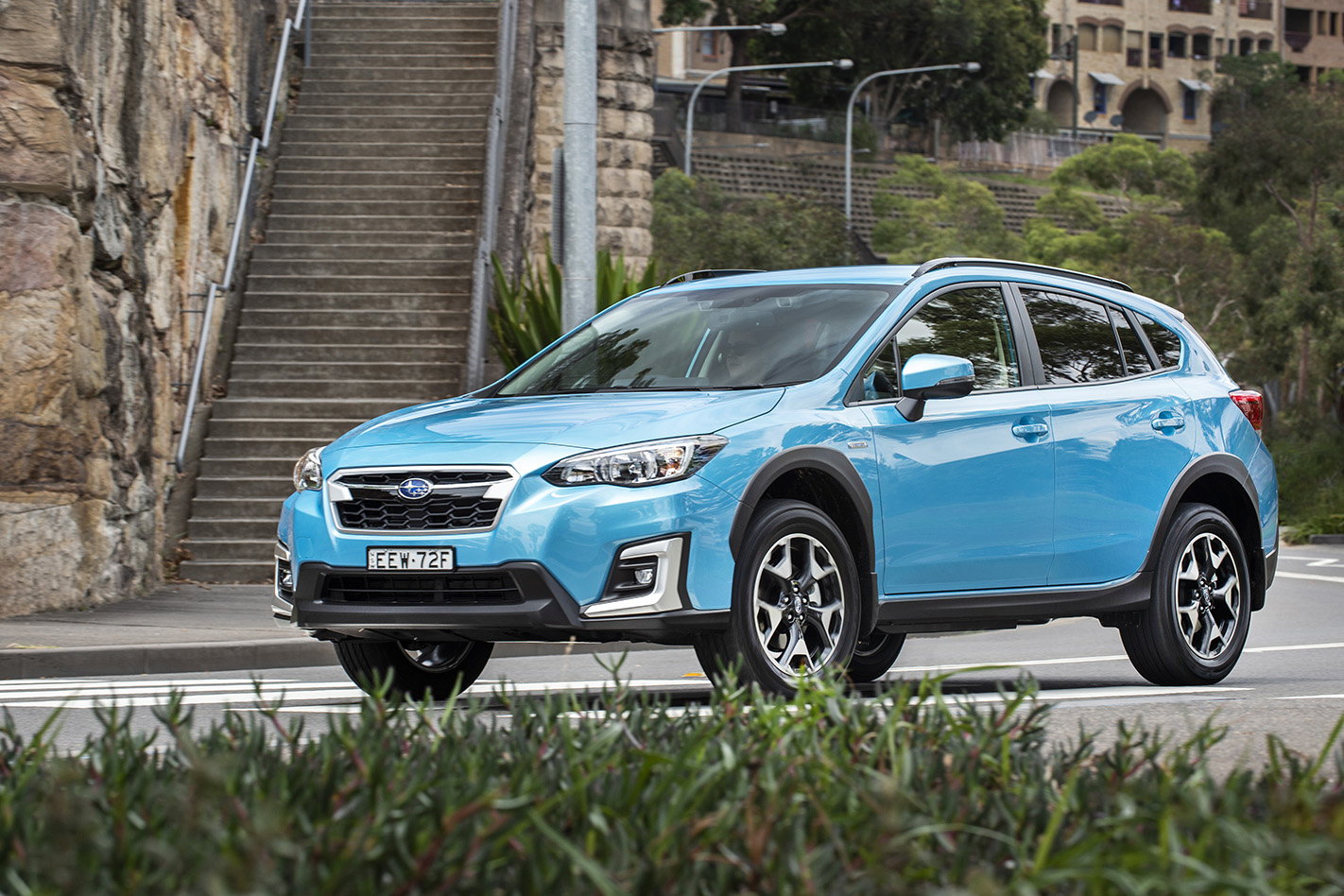
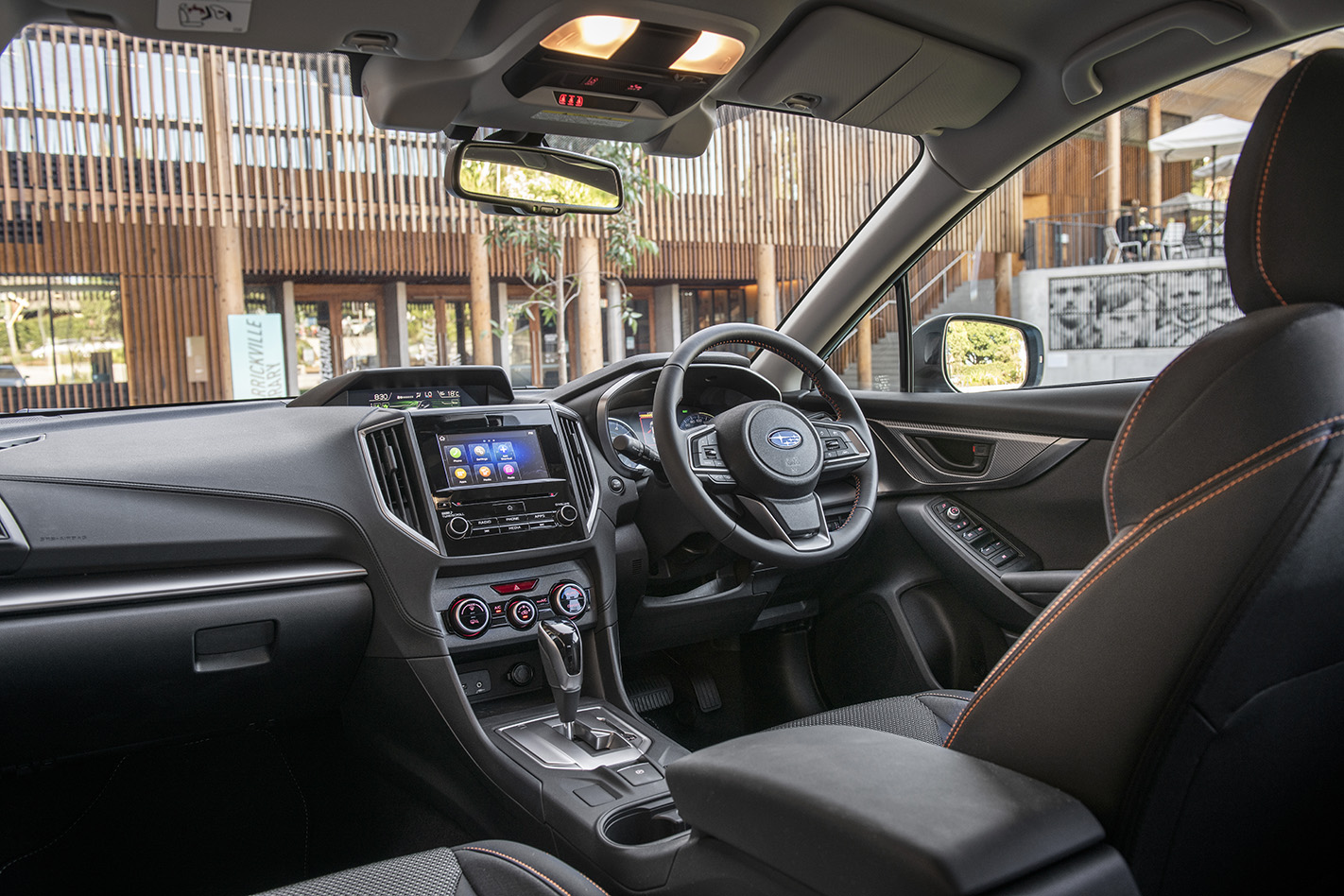
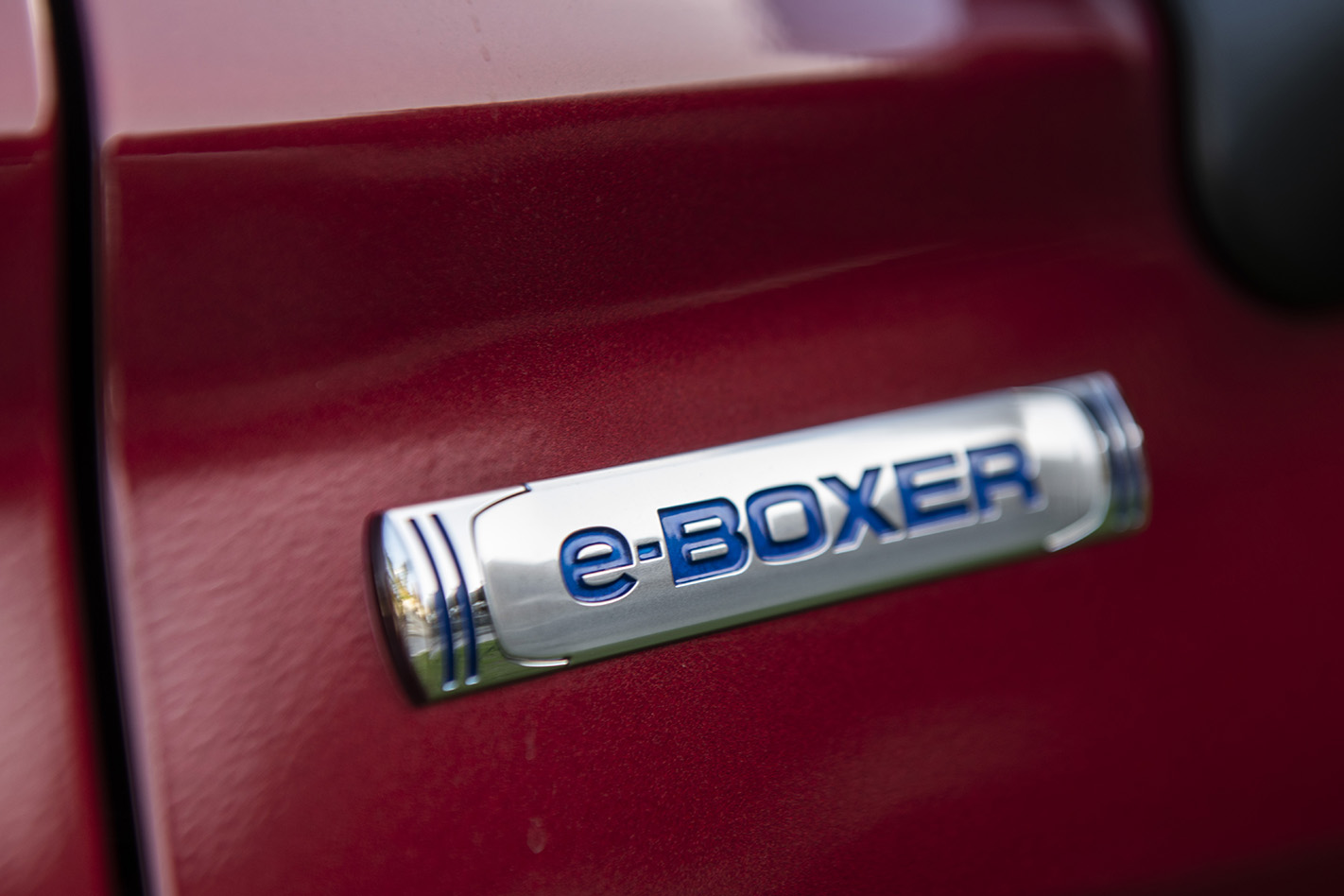
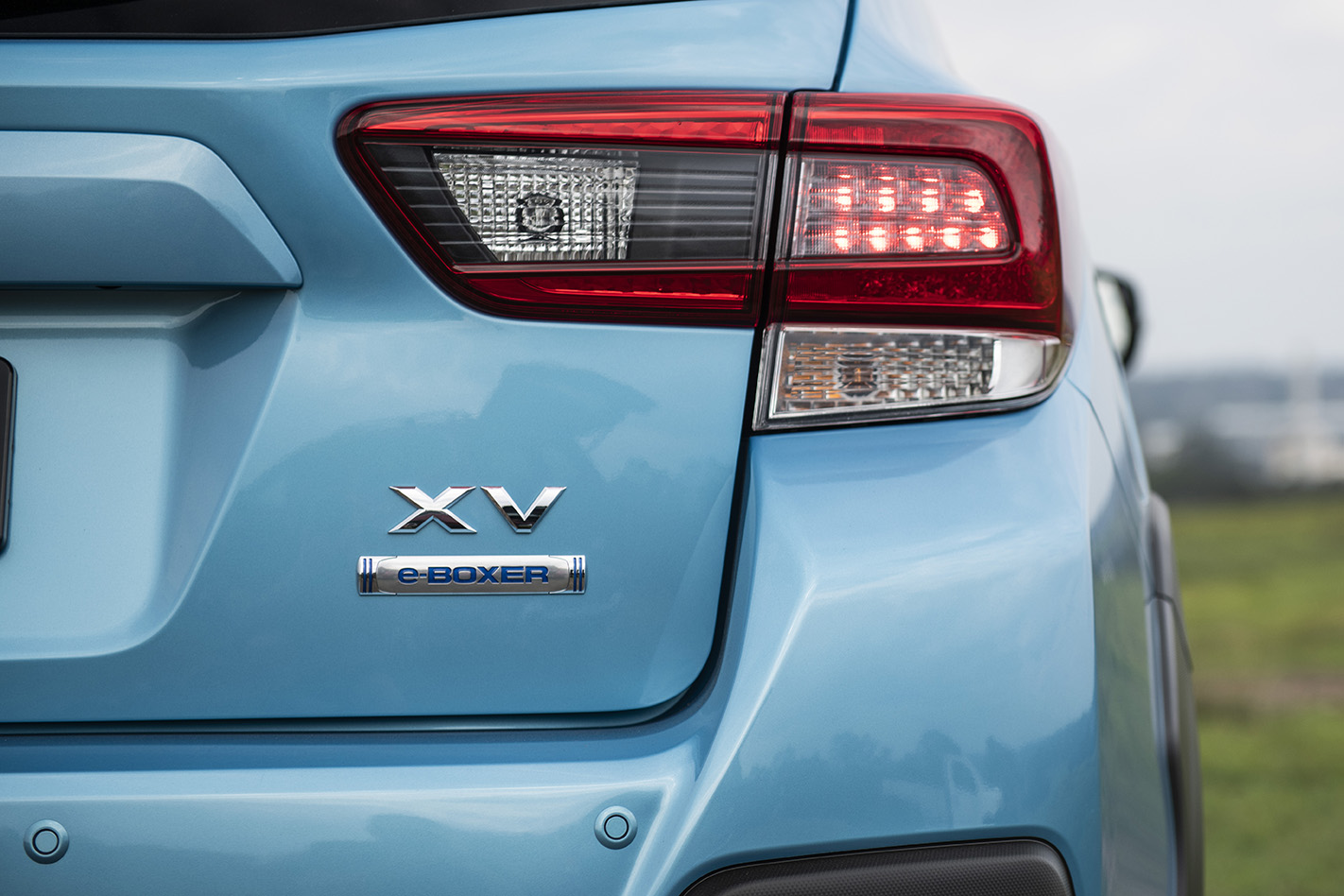
The Japanese car maker says the addition of a 12.3kW electric motor as part of a mild hybrid setup improves the off-road performance of the Forester and XV, something Subaru believes will tempt buyers.
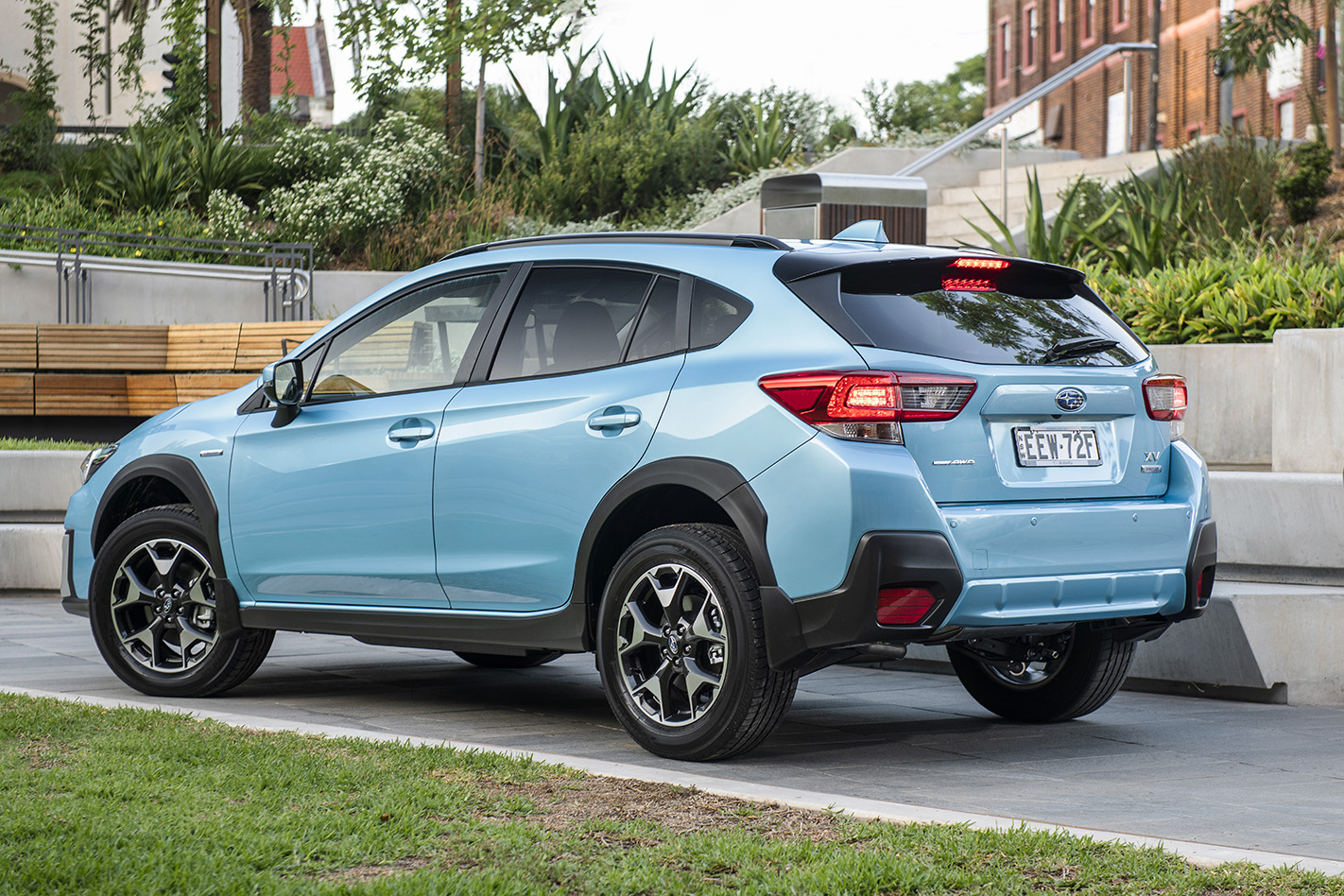
The Subaru XV Hybrid is sold as a single model grade with a high level of equipment for $35,990, plus on-road costs.
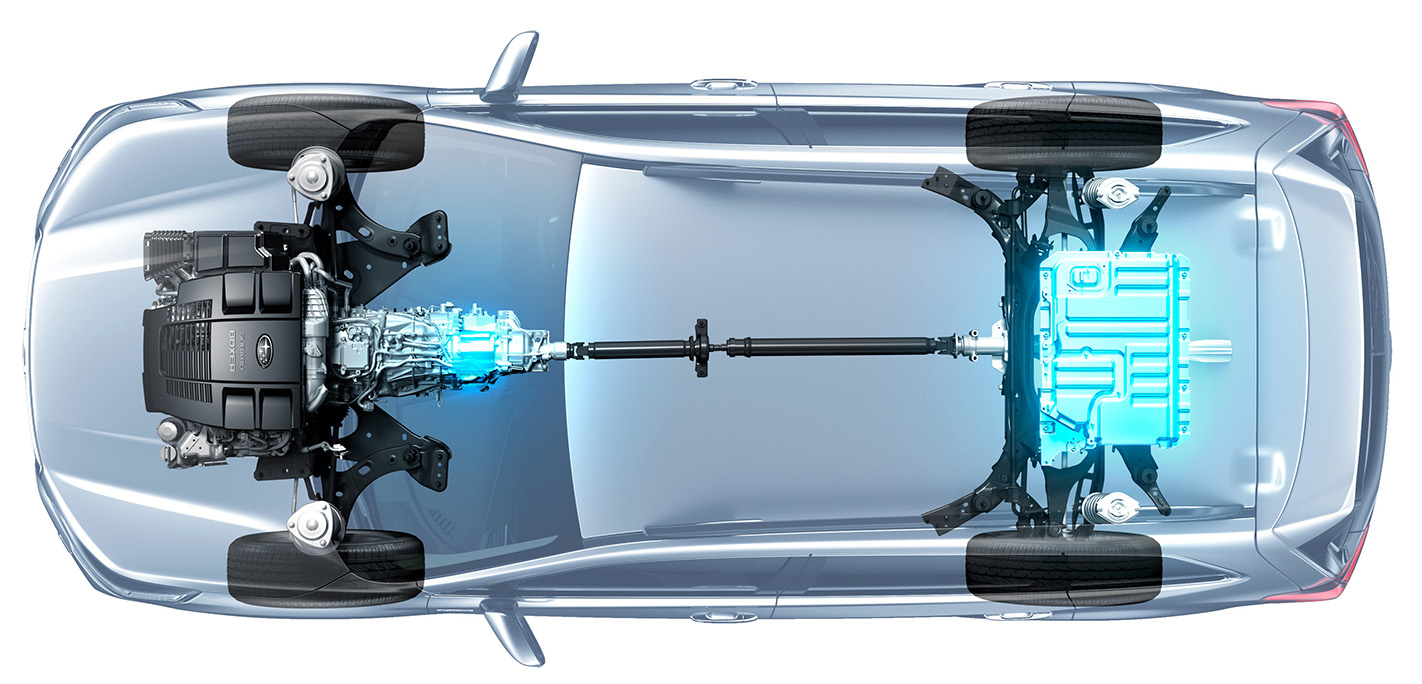
Its 2.0-litre petrol engine makes 110kW and 196Nm while the electric motor incorporated into the gearbox supplements it with 12kW and 66Nm (Subaru doesn’t quote a combined power output for the so-called e-boxer hybrid system).
The larger Forester Hybrid starts at $39,990, which is about $3000 more than the Forester L it shares its equipment with (including Apple CarPlay, Android Auto, dual-zone ventilation, a comprehensive suite of active safety gear and permanent all-wheel drive).
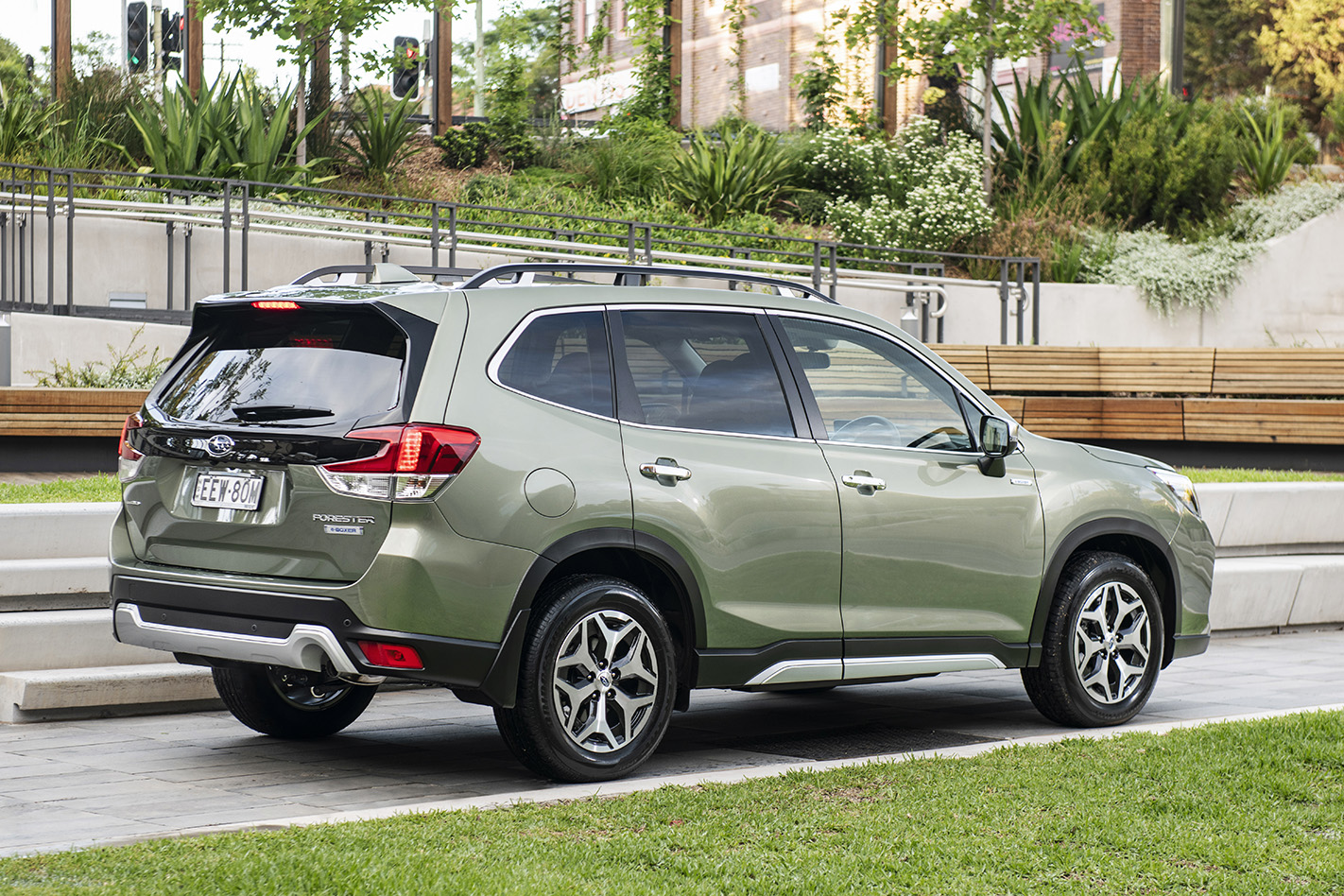
It gets the same 2.0-litre hybrid drivetrain as the Subaru XV, which means stepping down from the 136kW/239Nm 2.5-litre used in regular Foresters.
In both vehicles the battery is concealed beneath the boot floor where a spare tyre would otherwise be housed.
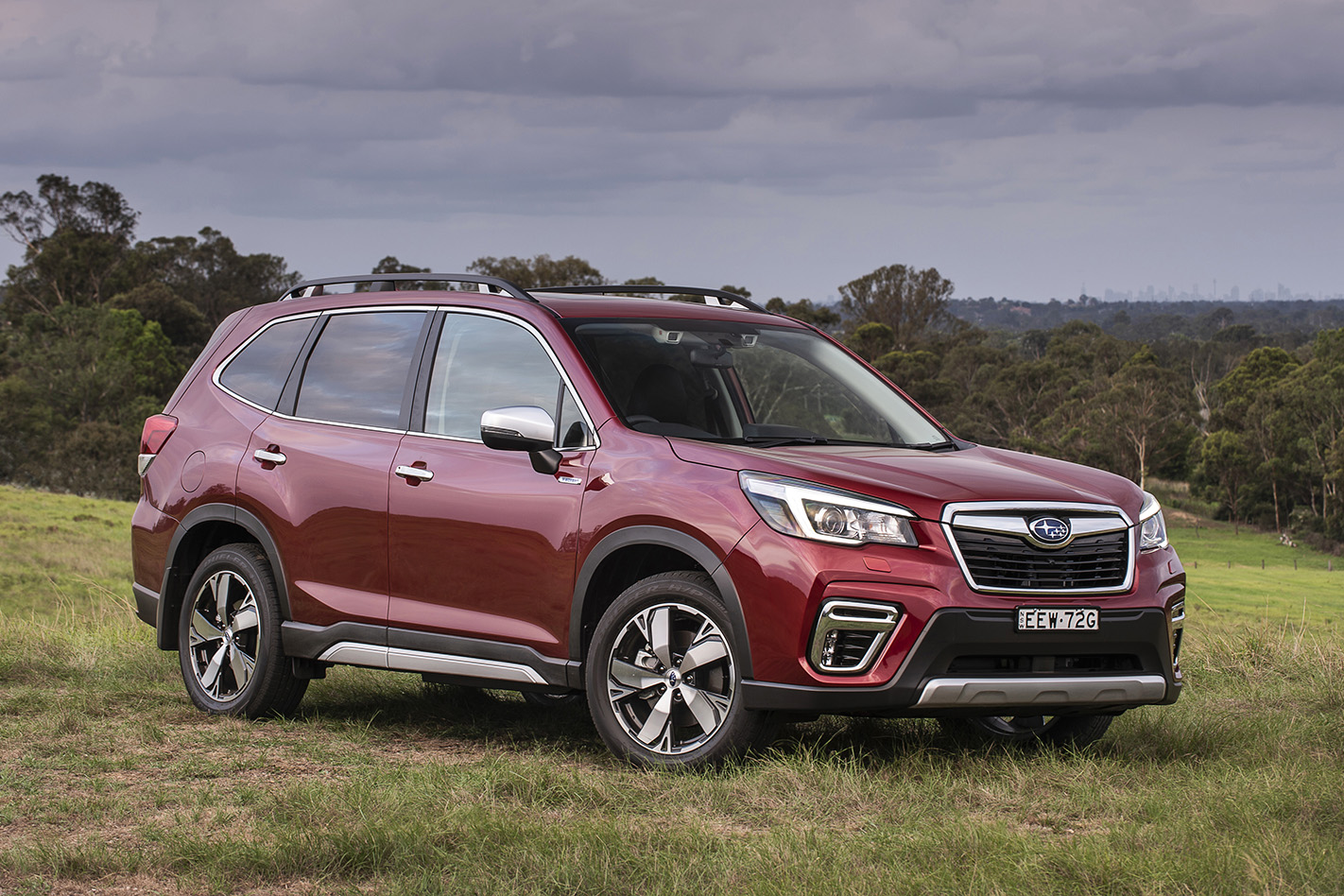
There’s also a better-equipped Forester Hybrid S for $45,990, which adds things such as leather, electric front seats, satellite-navigation, sunroof and a Harman Kardon sound system with a larger (8.0-inch versus 6.5-inch) infotainment screen. The alloy wheels also step up from 17 to 18 inches.
Subaru Australia general manager Colin Christie says the Hybrids are sold out until May, with almost 5000 expressions of interest.
But rather than an overwhelming rush of buyers the early queues are more due to a lack of supply.
Around 700 initial orders – most from fleet companies chasing the promised fuel efficiency benefits of a hybrid – have soaked up the limited supply of between 150 and 200 cars per month.
“We’re sold out until May,” said Christie at the launch of the hybrids. “I wouldn’t be surprised if we’re constantly in a three- to four-month waiting cycle.”
Christie says Subaru could sell more hybrids in Australia so he has asked the Japanese head office for more than the initial allocation but is unlikely to get any before late in 2020.
“[The mix of petrol to hybrid sales] could be a bigger percentage than it will be purely because we’re going to be limited for stock,” he says.
Not that the Subaru hybrids will set any new benchmarks for fuel efficiency.
The Forester’s claimed 6.7 litre per 100km fuel consumption represents a modest 9.5 percent improvement over the regular Forester.
At an average petrol price of $1.50 per litre and 20,000km travelled annually that means about 14 years to pay off the premium in fuel savings.
Even if you confine the Forester purely to suburban and city duties – at which point its claimed fuel use is 7.5L/100km, about 19 percent better than a petrol-only Subaru Forester – it’s still almost six years of driving to pay off the difference.
The Forester Hybrid also uses more than the rival Toyota RAV4 Hybrid, which has a fuel consumption claim as low as 4.7L/100km for the two-wheel drive model.
Some diesel variants from rival brands also use less fuel than the Forester Hybrid, although the Hybrid’s environmental credentials are typically better; CO2 emissions are generally lower, for example, and given the dirtier nature of diesel emissions the hybrid will be more appealing to many.
But rather than pure fuel savings it’s Subaru’s respected off-road ability Christie believes could tempt some buyers.
“They’re going to take them off-road, they’re going through the national parks, up into the mountains,” he says of some hybrid buyers.
He says the petrol-electric system improves traction and, therefore, the hybrids’ ability in challenging terrain.
“The hybrid even makes the car more capable because of the way the torque distribution kicks in [with the electric motor].”
The Foresters also get a new version of Subaru’s X Mode four-wheel drive system, which Christie says is smarter and more capable than that in regular Foresters.
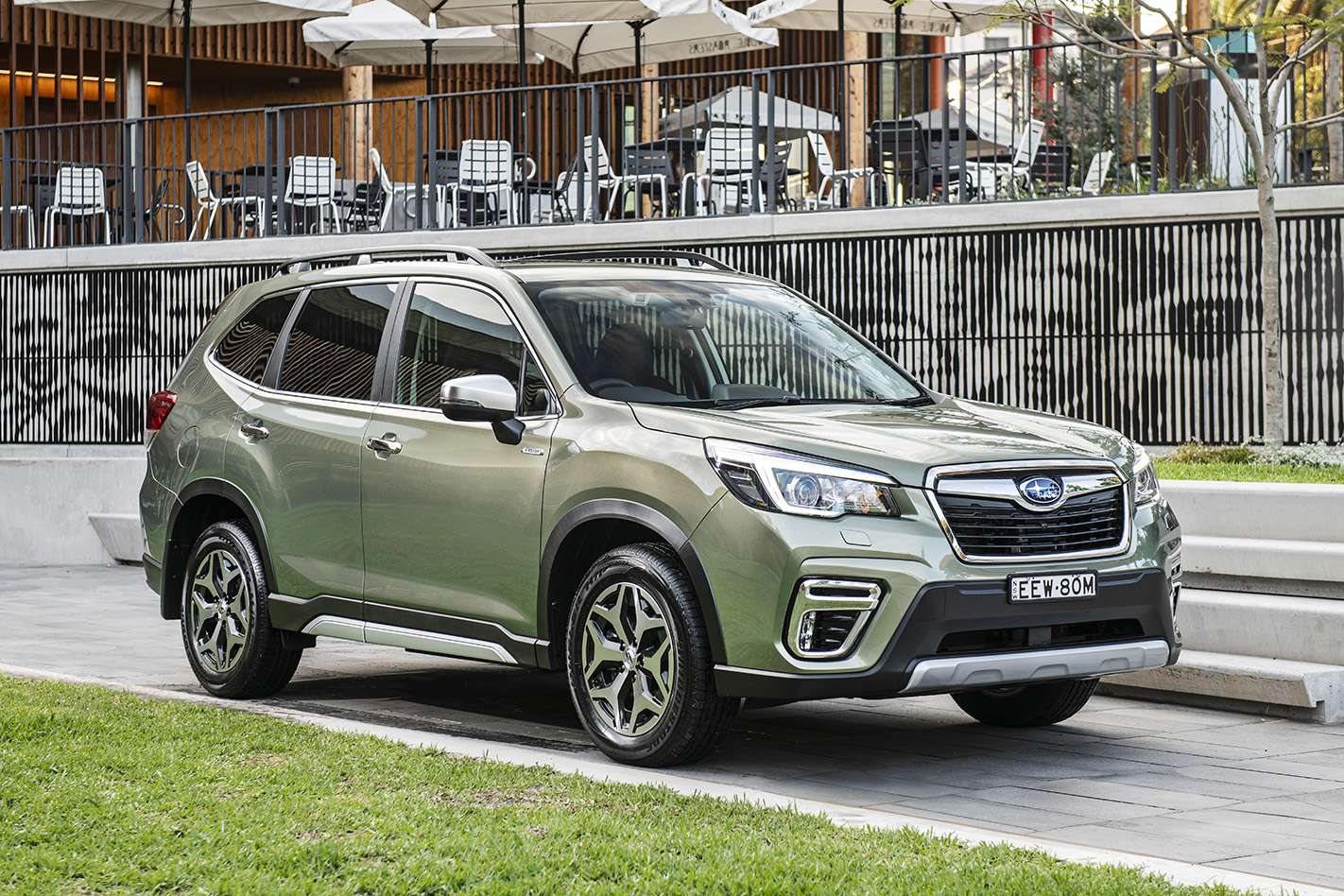
While Christie concedes the lack of a spare tyre on the hybrid models is not ideal – instead there’s a tyre repair kit – he says Subaru Australia is “working on options” for an optional spare tyre, albeit one that may compromise boot space. Already, the boot floors of the hybrid models are slightly lower than the petrol-only siblings making for fractionally more luggage space.
Servicing requirements for the hybrid models match those of the petrol-only variants, each needing a check-up after 12 months or 12,500km.
The XV Hybrid costs the same to service as regular XVs, while the Forester Hybrids cost about $4 more per service.
PRICING
- Subaru XV Hybrid – $35,990
- Subaru Forester Hybrid L – $39,990
- Subaru Forester Hybrid S – $45,990
Finally, the new 2020 Volkswagen Mk8 Golf GTI can be seen without camouflage ahead of the 2020 Geneva Auto Show.
Its global reveal shows off not only its design but confirms drivetrain specs and details which had previously been rumoured and leaked.
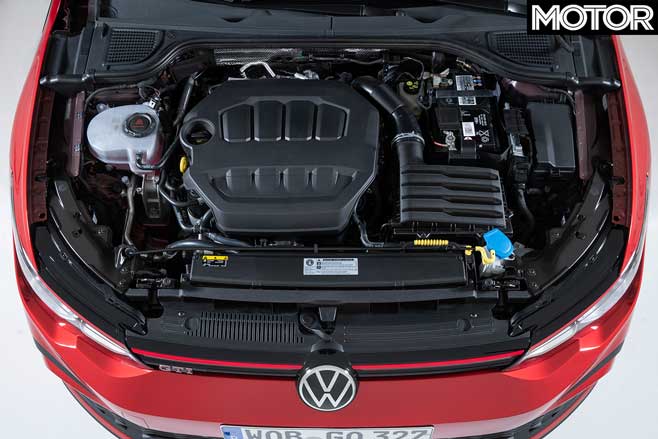
With the fourth evolution of VW’s EA888 turbo 2.0-litre four under the bonnet, the new GTI makes 180kW and 370Nm, mated to a 7-speed DSG. Or… a 6-speed manual ‘box. Rejoice!
Though the GTI chalks up no more power than the final update of the Mk7.5, Volkswagen says its DSG is now a sharper shift-by-wire unit that allows for quicker shifts.
Not much else in the way of mechanical detail is divulged, though suspension is a MacPherson strut setup at the front axle and a multi-link setup at the rear. VW also says the new GTI will debut a system called the Vehicle Dynamics Manager, which oversees the DDC adaptive chassis and the locking differential.
Primarily, the reveal by Volkswagen focuses on the design and features of the Mk8 GTI, sure to be major selling points for the ultimate all-rounder hot hatch – if it is to remain so.
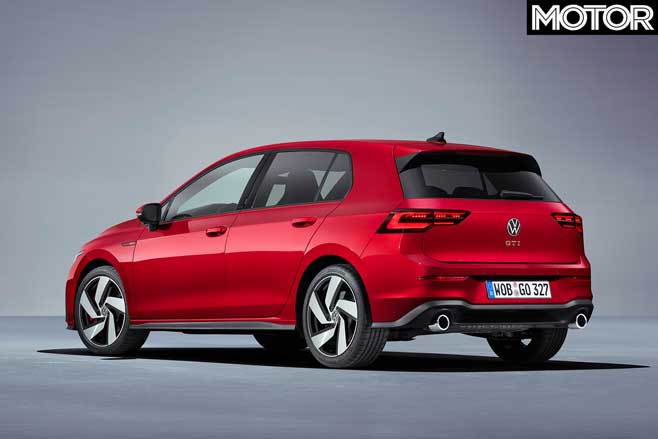
“A car becomes an icon when its design DNA and character remain recognisable for decades,” VW says.
“It is also important for an icon to provide fresh ideas in order to cope with the challenges of our time.
“Just like the Golf GTI. For 44 years, Volkswagen has been reinventing this icon of sporty, compact cars while retaining the original concept – generation after generation.”

The front end retains its recognisable Golf styling but loses a little bit of the sharp aggro nature of the Mk7.5.
It also now features a large lower grille, which incorporates a ‘chequered flag’ style set of fog lights, which VW calls an ‘X’ design.
Its headlights are also joined by a strip light across the front under the bonnet, which is split only by the new ‘slim’ VW logo adorning the upper grille.
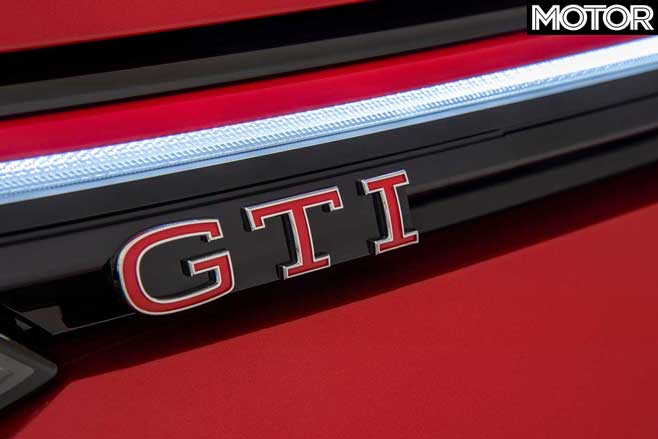
At the rear, the Mk8 features a relocated GTI badge, placed directly under the VW badge. That aside, the rear and side of the new GTI is largely recognisable as similar to the previous generation.
Inside, there’s good news for purists. The clark tartan remains a fixture on the upholstery. In terms of its other GTI fixture? No golf ball gear shift for the DSG, but it’s fair to guess the pattern might appear on a manual shifter, however.
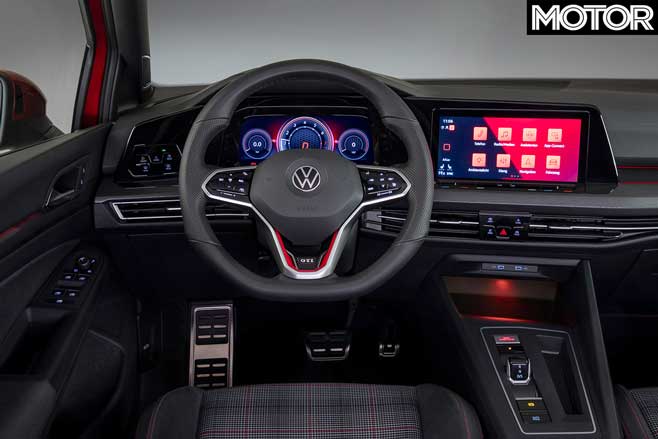
The new cockpit is however a huge step-up in terms of driver-focused layout, while keeping much of the same UX familiarity from the Mk7.5.
We’re expecting to see the Mk8 GTI land in Australia before the year’s up, with the VW Mk8 Golf R to follow in early 2021.
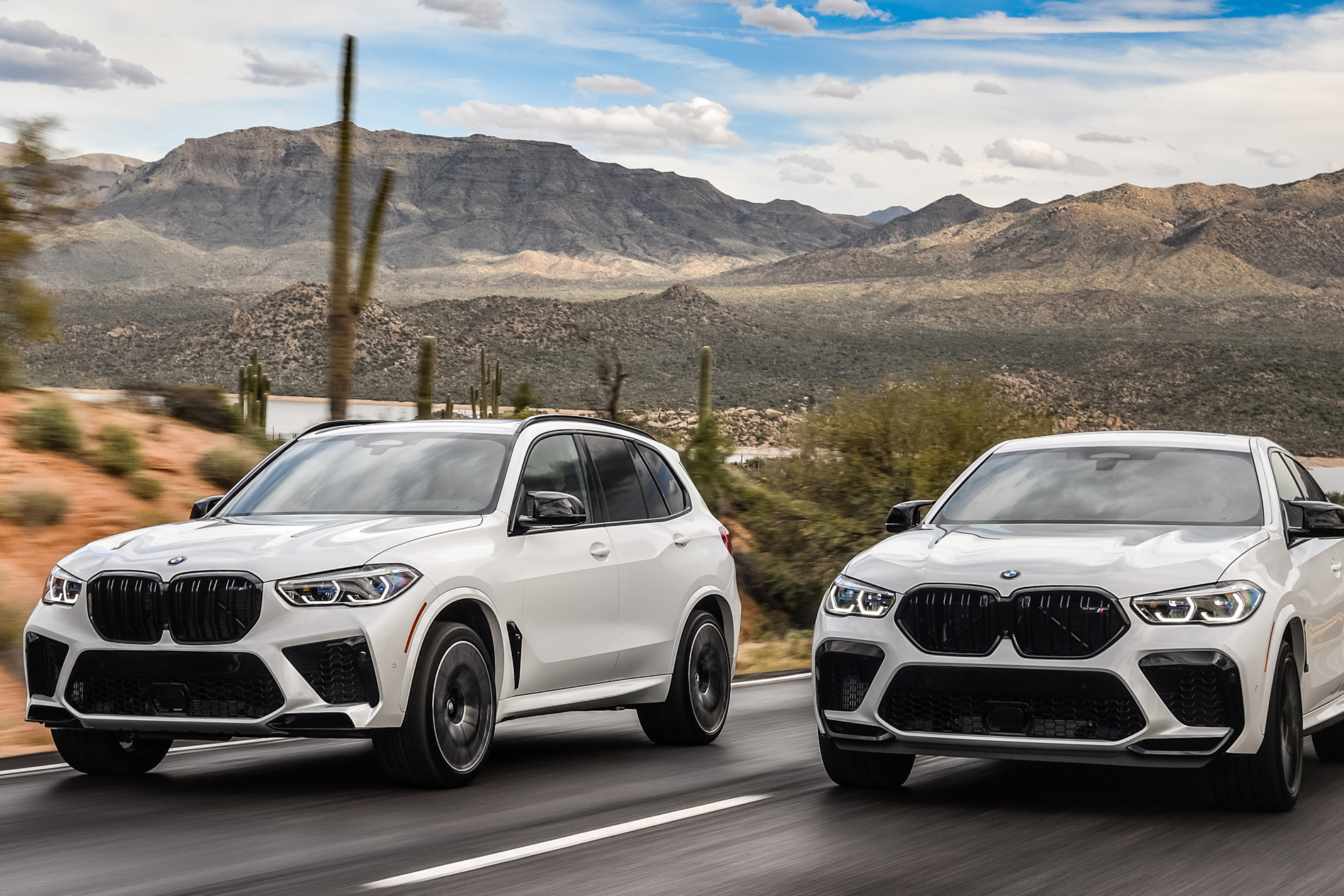
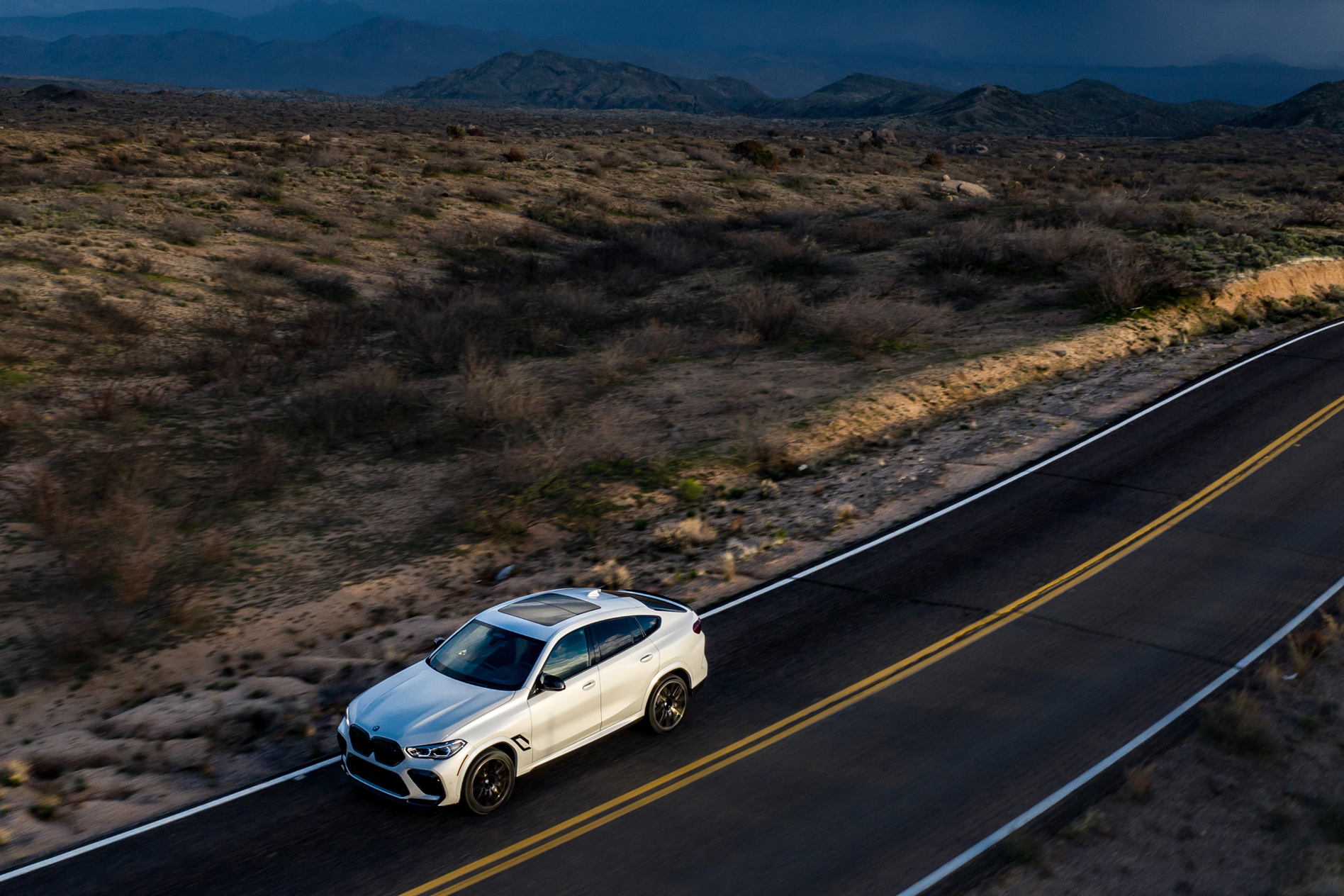
BMW’s new super-SUV fraternal twins, the X5M and X6M, share the same mighty twin-turbo V8 engine, and if BMW has its way, the eight-cylinder layout will continue – though not without its issues.
The S63 engine aboard the SUVs is a straight lift from the BMW M5 sedan and BMW M8 coupe, and the twin-turbo ‘hot vee’ engine is good for 460kW and 750Nm in Competition spec.
Built around a 90-degree vee angle and a sleeveless closed-deck crankcase, the 4.4-litre motor is a very sophisticated motor, with Valvetronic variable valve lift – the first time the system has been used in a BMW V8 application – and direct fuel injection, as well as a pair of high-flow twin-scroll turbochargers.
The engine revs to a generous 7200rpm, with gas and noise escaping via a sophisticated exhaust system.
However, despite this technology, the head of powertrain project management for the X5M and X6M, Axel Theiling, says that various emissions regulations are making life challenging for engineers who work on the V8 family.
“The V8 is not developed especially for this vehicle,” he told WhichCar. “We developed it for the M5 and M8 and brought it over to this vehicle. There are some small changes, like the exhaust system for example. The M5 and M8 prove that there is no need to change things.”
Giving each M product a unique sound is an important aspect, he said. “We have sound designers who think about what a car should sound like. In principle, it’s a similar exhaust – it’s a two-bank system with large cross-sections and you can design the sound with the middle silencer and the rear silencer.”
Theiling admitted there is a degree of amplified noise in the system, but it’s used mainly to mask sound elements that are produced as a result of noise emission regulation compliance.
“Mainly it’s mechanical sound but we have to add some electronic sound too, for example, to eliminate some characteristics which we get with emissions requirements and want to eliminate because it doesn’t fit, in our opinion, to a V8,” he said.
“Drive-by noise [regulation compliance] is “absolutely” an issue. In Europe, it’s very tough. After the ‘diesel discussions’ started, they started to look also on acoustic emissions, and it’s very tough for us to meet the requirements of our customers and meet all the regulations. We try to be as close to the allowed limits of the regulations.”
He agrees that tightening regulations will have a bearing on what powertrains are used for particular cars, but sees no impediment to the use of the V8, at least in the short term.
“I think it depends on the market,” Theiling said. “You can’t say in the future that there will be no market for V8, but we have to have a close look at what’s going on, and then we have to decide what’s the best fit for the vehicle.
“It’s very difficult. But we still meet every regulation requirement, no discussion.”
Theiling believes, though, that it’s the relatively small size of the BMW M group that gives them the best chance of tackling tightening regulations and still being able to produce cars like the thundering X5M and X6M.
“What BMW M is very good at is working together over all disciplines,” he said. “We are not fighting for who gets the best cooling or the best aerodynamics. We sit together and come up with the complete best concept.
“Maybe we have to come up with the second-best cooling concept to get better aerodynamics for example, and then the complete concept fits. This is special for BMW M. We are like a family.”
