
Holden has announced it will cease to exist later this year.
That will signal extremely enticing offers from dealers as they look to clear stock of nameplates like the Commodore, Astra, Colorado and Acadia. This is the end of the road for the brand, so dealers will have to clear stock no matter what – and in a hurry.
So does buying a soon-to-be-discontinued car leave buyers exposed to a vehicle that will no longer have parts available in the event of faults?
Despite ceasing Australian operations, General Motors’ – the parent company of Holden who are behind the closure – commitment to the long-term viability of Holden products is encouraging for prospective customers.
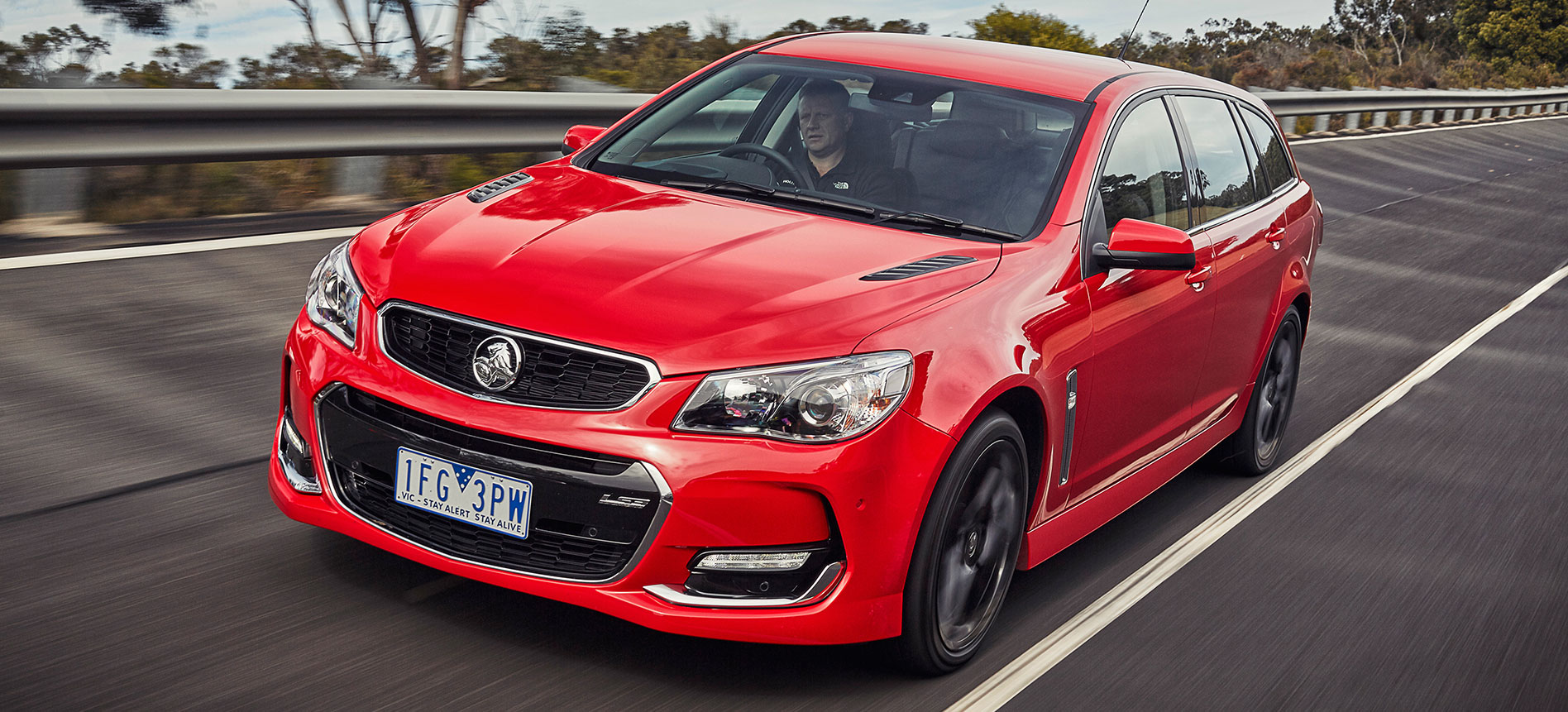
Australian consumer law requires that a brand supports its products for a “reasonable period” with no specific time frame mentioned. This isn’t much help but GM has stated that it will extend warranty and service support for 10 years.
Which car manufacturers offer the longest warranties?
It has insisted that 200 Holden staff will remain on the job to supply after-sales care for current owners of Holden products, but also those who are willing to buy a car from Holden now that the brand is gone.
For example, when Holden discontinued the Cruze, former Holden director of communications Sean Poppitt stated “Holden adheres to an industry best-practice 10-year commitment to stocking crucial parts and beyond that we have a long-term commitment all our customers.”
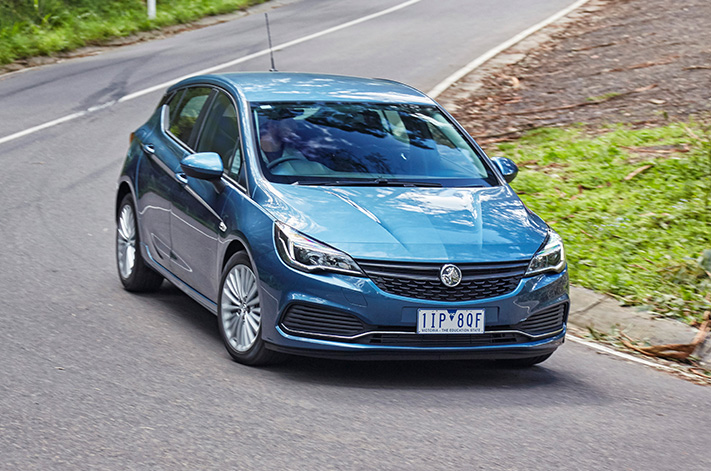
The story remains much the same now that the entire brand is being discontinued. “Holden will honour all existing warranties and guarantees, as well as all free scheduled servicing offers,” reads a statement in the wake of the closure.
What is unclear as yet is how this is all going to work. Holden’s decision comes as a shock to not only the Australian public, but also its own dealerships who Holden hasn’t organised a plan with yet. It is worth noting though that customers won’t have to service their cars at a Holden dealership to retain a warranty coverage.
For buyers unconcerned about owning a car that is no longer in production, or that has been replaced by a newer-generation model, there’s peace of mind to back those enticing run-out deals. This also applies with other brands as well as Holden.
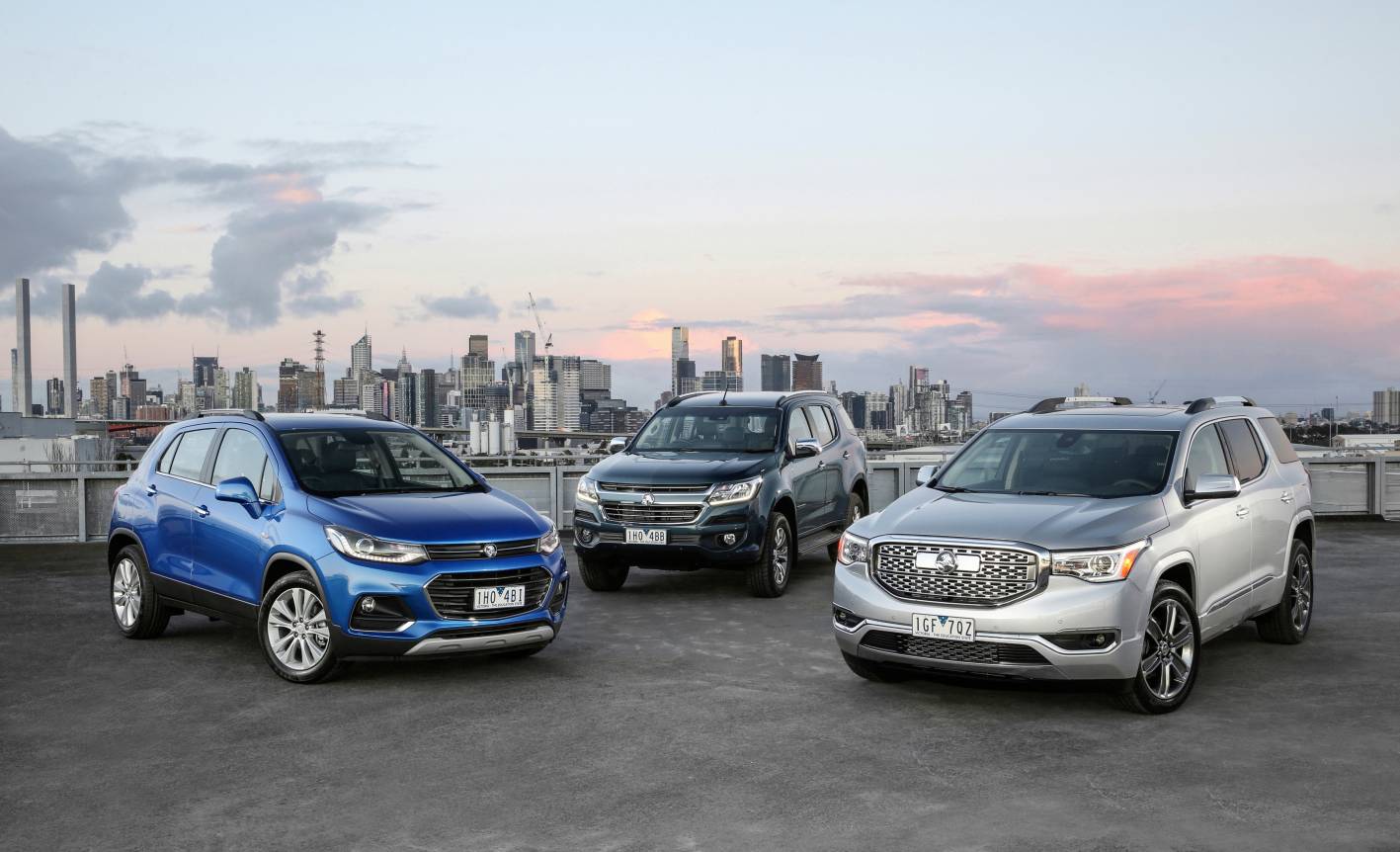
It’s important to get as good a deal as possible, though, to help compensate for almost immediate decreases in value. That point should be kept in mind when buying too, the fact that these cars are being discontinued means that resale will likely take a nosedive. So make sure you go into the purchase of a Holden with long-term ownership in mind in order to get the best value out of the deal.
“You probably get about a five to 10 percent drop once after they stop selling the model new,” says Nick Adamidis, marketing and sales manager for Glass’s Information Services – a leading used car price guide. “And that’s probably because you don’t get that flow-on effect of advertising for the vehicle, which automatically gives interest to new vehicle, keeps it front of mind among decision makers.”
On that, Holden will begin to pull its millions of dollars worth of advertising from digital, television and billboard marketing campaigns, with the brand fading into insignificance relatively quickly.
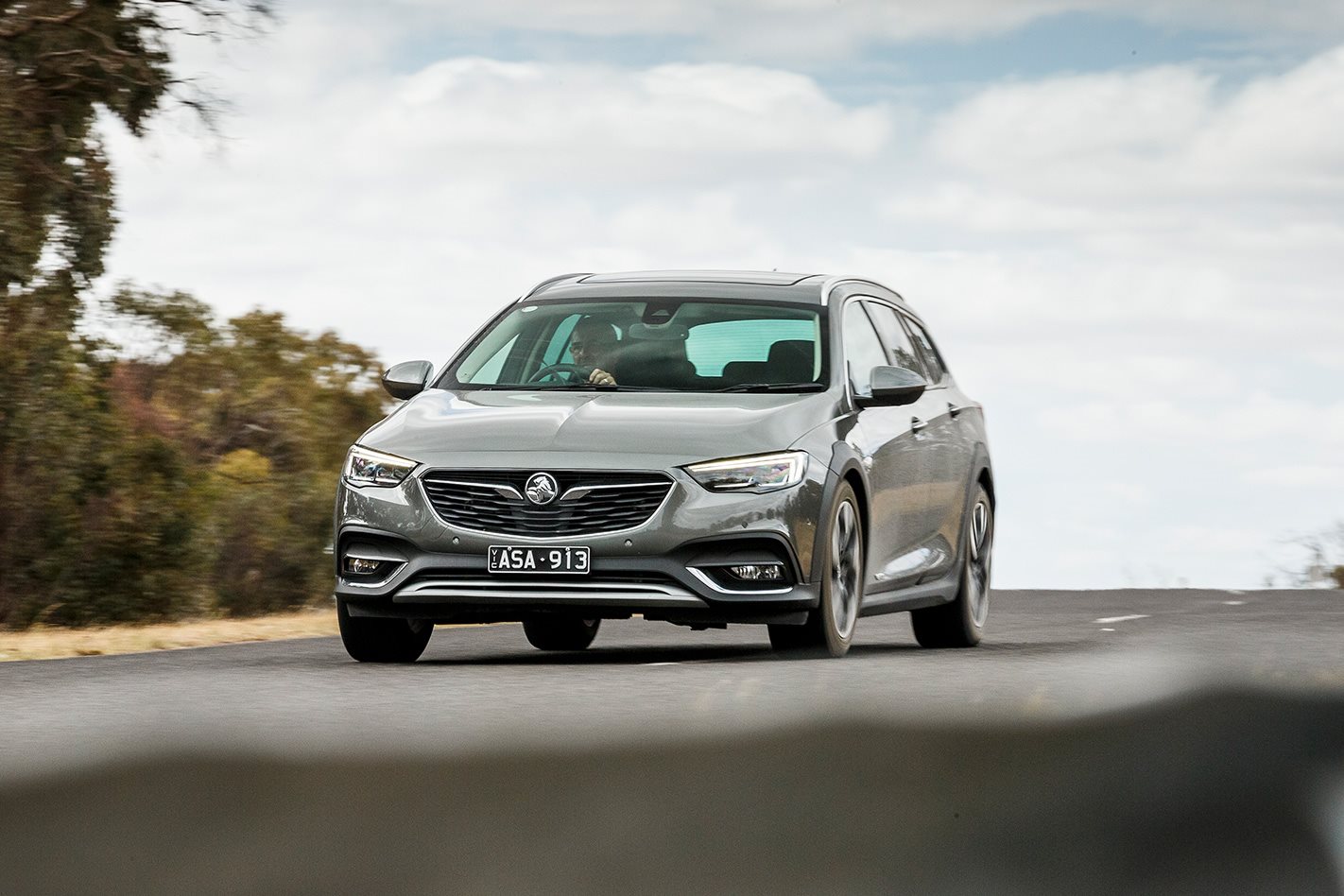
So for the time being, there will be great deals on Holden products until stocks run out – and rest assured you’ll be looked after with after-sales support. We’ll update this article when we get further information on how Holden will go about the servicing of its defunct models; whether they get another brand to take over their servicing or standalone service centres will step in to take on Holden owners.
MORE HOLDEN NEWS
Holden departure will cost $1.6 billion
Ford: we will miss you, Holden
What now for Corvette in Australia?
The Holden brand will be retired by 2021 in Australia and local design and engineering departments shuttered, General Motors has confirmed.In what is monumental news for the Australian automotive industry, Holden’s Melbourne design studio and Lang Lang proving ground are expected to shut with up to 600 of 800 local jobs lost.
GM President Mark Reuss said in a statement every effort had been made to retain the Holden brand.
“At the highest levels of our company we have the deepest respect for Holden’s heritage and contribution to our company and to the countries of Australia and New Zealand,” he said.
“After considering many possible options – and putting aside our personal desires to accommodate the people and the market – we came to the conclusion that we could not prioritize further investment over all other considerations we have in a rapidly changing global industry.
“We do believe we have an opportunity to profitably grow the specialty vehicle business and plan to work with our partner to do that.”
Listen to the WhichCar Weekly Holden special
Latest Holden Closure News
20/2
As we wind down the live chat, we’ll leave you with the notion that the luxury car tax is now more redundant than ever. This explainer piece reveals all.
We’ll continue to scour our archives for the best Holden content to add to the top of the site, and we welcome your input as well./TIm Robson
19/2
6.00PM One of Adelaide’s biggest Holden dealers, City Holden, was three months away from opening a $5.6m showroom, according to the company’s Facebook page. Groundwork pics taken in November (below) show a new dealership under construction for the 41-year-old dealership group, which is a stand-alone franchise.
“It has been an incredibly tough few days for us with the recent announcement that General Motors will be retiring the Holden brand in Australia and New Zealand,” said Julian Newton the owner and dealer principal of City Holden, in a statement.
“City Holden opened its doors in 1979, and for the past 41 years have been a proud supporter of this iconic Aussie brand.
“We will continue to support all our customers and are committed to ensuring that your vehicle will be looked after in every possible way.”
5.20PM Reports coming in of people phoning Holden dealers asking for $12,000 Astras, when a second-hand car is still worth $16,000. Our read is that while there will be discounts to be had, the biggest deductions will come from MY17-plated weirdly-painted high-km demonstrators that have sat on dealer lots for far too long. If you have scored a bargain, though, let us know in the comments!
4.00PM Data is beginning to emerge around what the closure will mean for Holden, after two days of silence from Fishermens Bend. Our dealer sources are suggesting that while there are substantial discounts potentially on the table for the remaining stocks of Holden cars, reports of $1k savings may be wide of the mark.
11.00AM News has emerged that GM’s Rayong plant – where the Holden Colorado and Trailblazer were made for Australia – will be sold to Chinese company Great Wall. The plant churned out some 60,000 cars a year – well under the widely accepted industry break-even point of 250,000 cars a year.
9.30AM So what now for Ford Australia, now that its archest enemy has bitten the dust? As we’ve reported previously, Ford is precariously exposed to market forces in similar ways to its former adversary, but its parent company will continue to sink money into the Australian operation.
We’ve also added a story to the front page about the pitfalls of buying a discontinued car.
Watch Dan Gardner talk about the closure on ABC TV here.
18/2 – the day after
6.00PM Speculation has emerged that transport magnate Lindsay Fox may finally be able to buy a property he’s had his eye on since 2013 – the Lang Lang proving ground currently owned by Holden. Fox already owns the Phillip Island circuit. The property was estimated to be worth $20 million seven years ago.
4.30PM Street Machine had this planned for weeks, apparently – a big reveal of the All Fords Day. 🙂
2.30PM And in a case of perfect timing, a private seller is auctioning off a prime piece of Brock memorabilia.
10.30AM The team at Wheels have dived a little deeper into the hard numbers around the General’s demise.
7.00AM Well… we can all catch our breath a little as we start to process and analyse the news from the last 36 hours. Our teams have rallied to produce a steady stream of amazing content, as well as more than 50 radio interviews and half a dozen TV appearances between them.
17/2 – The day Holden announced that GM was shutting Australian and Thai operations down
6.50PM – As the day draws to a close, many Holden customers are likely asking ‘what about me?’ We’ve broken down some of the most pertinent questions in terms of what the Holden announcement means to customers to answer the ‘whys’ and ‘hows’ of this new Holdenless Australia. We also answer the question for those thinking about buying a discontinued Holden – whether there’s value in it and if it’s a good move or not.
5.50PM – ‘Goodbye, mate,’ says Ford Australia as it farewells its old rival. The statement from the Blue Oval includes a thanks to the Lion for “keeping [Ford] on its toes and inspiring [Ford] to keep aiming higher.”
It finishes with, “we will miss you.”
5.35PM – The question of what happens to Holden’s warranties and servicing has come up a few times today, but Holden answered it with its initial press release. Here’s the summary. Holden will:
- Honour all existing warranties and guarantees
- Honour all free scheduled servicing offers
- Provide ongoing call centre support
- Provide servicing and spare parts for at least 10 years, through national aftersales networks in Australia and New Zealand
- Deal with recalls or safety-related issues if they arise
4.40PM – All is quiet on the frontlines. We’ve attempted to contact several Holden dealerships across the country and have heard the phrase ‘no comment’ or variations thereof many, many times.
Those dealerships which didn’t supply ‘no comment’ had no senior staff available to talk, as many were in meetings. We imagine there are plenty of Holden employees feeling hurt by the news today, and were hoping to bring their views on the issue to you.
Unfortunately, the closest we were able to get was a quick chat with one sales member who said everyone was ‘in a state of shock’ in the showroom he works at.
4.04PM – Federal minister for industry accuses Holden of ‘walking away from Australia’ as GM withdrawal comes as shock news to Aus government.
3.02PM – Where art thou Corvette? The withdrawal of GM from all RHD markets makes the C8 Corvette coming to Australia complex, but we boil down what we know.
2.45PM – What does the closure of Holden mean for the Colorado and Trailblazer? We unpack the harsh reality for two of Holden’s best-selling models.
2.26PM – GM has sold Rayong plant to Great Wall. The Australian Colorado was the primary product of that plant, however the plant as a whole has been severely under-utilised for years and thus a burden to GM – with no more Holden, the Thai factory has nowhere to send cars. The press conference concludes here.
Aquilina delivers a brutal forecast when asked if there will continue to be a GM presence in Australia post-Holden: “If there is an on-going presence, it will be a minimal one.”
2.18PM – Quizzed by a journalist on what impact the retirement of the Holden brand will have on its motorsport activities in Supercars, Aquilina says that “Holden has made a commitment for the 2020 season, as long as Holden vehicles are in dealers.” However, a 2021 future is murky… at best.
Asked to what extent GM will stay within the country, GM International Operations senior vice president Julian Blissett says there’s still potential. “We do see a future for GM in these [RHD] markets. It’s not firmed up, but our intent is to stay in the market with GM Speciality Vehicles – that is our intent.
“We’re in negotiations with our partners to make this happen.” We suspect “partners” is code for Walkinshaw/HSV, which has been doing good trade converting Chevrolet Camaros and Silverados to RHD since the departure of the Commodore in 2017
As for the local debut of the Chevrolet Corvette: “Corvette in right-hand drive will exist, but we’re still working out how we will deliver it. We’ve got to make some decisions on what we do with Corvette in Australia and New Zealand,” says Holden managing director Kristian Aquilina.
2.13PM – Someone asks how much it’ll cost General Motors to pull the shutters down on Holden. Blissett answers, “it’s an expensive undertaking, and an agonising decision for us”, before revealing the total bill to wind down General Motors operations in Australia and Thailand will be “north of a Billion dollars”. That’s US dollars.
However, no execs present are at liberty to discuss internal plans and scenario planning RE: dollar value of investment Holden sought from GM. The reality is that the costs ‘were significant’ and ROI wasn’t guaranteed. One can reasonably assume that the $1B cost of an outright shutdown was deemed the cheaper option.
2.10PM – Holden dealers have “several thousand [cars in inventory]. We need to see what we’ve got currently in dealer inventory and what’s in the pipeline coming toward them.”
Meanwhile, “we’re happy to take customer orders until the last Holden in sold.” Bargains could be around the corner for savvy buyers.
The execs confirm that there are 185 dealers in Australia and 31 in NZ. The impact of the shutdown will be deeply felt by all of them, in addition to the hundreds of people directly employed by Holden.
1.54PM, Holden press conference commences
Shutting down Holden was an “agonising decision for us,” and one that “will impact all functions except for aftersales.” Holden MD Kristian Aquilina confirmed that aftersales support for customers will continue for next 10 years.
“GM design Australia and GM engineering in Australia will be re-consolidated overseas,” and work at Holden’s Salmon St HQ and its local design studio will cease at the end of July 2020. The engineering centre at Lang Lang will operate until end of August 2020.
“More broadly, it was a question of scale. It’s hard to prioritise an operation that’s in just two markets.”
“It cannot be sustained for the future.”
READ MORE
- Clay modelling at Holden’s design studio (02 Jan 2020)
- Opinion: When was it time to retire the Holden brand? (18 Dec 2019)
- Why did Australia fall out of love with Holden? (12 Dec 2019)
- Two years on from Holden’s factory closure (18 Oct 2019)
- Holden halts production of Commodore and Equinox (17 Oct 2018)
- How Holden shaped a nation (25 Sep 2018)
- Opinion: ‘Quit Holden on’ (11 Apr 2018)
- The best performance Commodores (09 Nov 2017)
- The history of the SS (21 July 2017)
- Holden’s factory closure statement (11 Dec 2013)
OFFICIAL HOLDEN AUSTRALIA PRESS RELEASE
The Holden brand will be retired from sales in Australia and New Zealand and local design and engineering operations will wind down by 2021, General Motors (NYSE: GM) announced today. Maven and Holden Financial Services operations will also wind down in Australia.
GM International Operations Senior Vice President Julian Blissett said GM had taken the difficult decision after implementing and considering numerous options to maintain and turn around Holden operations.
“Through its proud 160-year history, Holden has not only made cars, it has been a powerful driver of the industrialization and advancement of Australia and New Zealand,” said Blissett.
“Over recent years, as the industry underwent significant change globally and locally, we implemented a number of alternative strategies to try to sustain and improve the business, together with the local team.”
GM undertook a detailed analysis of the investment required for Holden to be competitive beyond the current generation of products. Factors impacting the business case for further investment included the highly fragmented right-hand-drive markets, the economics to support growing the brand, and delivering an appropriate return on investment.
“After comprehensive assessment, we regret that we could not prioritize the investment required for Holden to be successful for the long term in Australia and New Zealand, over all other considerations we have globally,” said Blissett.
“This decision is based on global priorities and does not reflect the hard work, talent and professionalism of the Holden team.”
GM intends to focus its growth strategy in Australia and New Zealand on the specialty vehicles business and plans to immediately work with its partner on developing these plans.
GM Holden Interim Chairman and Managing Director Kristian Aquilina said that given the significance of Holden through its history, it was critical the company worked with all stakeholders to deliver a dignified and respectful wind-down.
“Holden will always have a special place in the development of our countries. As Australia and New Zealand grew, Holden was a part of the engine room fuelling that development,” said Aquilina.
“Today’s announcement will be felt deeply by the many people who love Holdens, drive Holdens and feel connected to our company which has been with us for 160 years and is almost ubiquitous in our lives.
“Unfortunately, all the hard work and talent of the Holden family, the support of our parent company GM and the passion of our loyal supporters have not been enough to overcome our challenges.
“We understand the impact of this decision on our people, our customers, our dealers and our partners – and will work closely with all stakeholders to deliver a dignified and respectful transition.”
Holden customers can be assured that the company will honour all warranties and servicing offers made at time of sale. Holden will provide servicing and spare parts for at least 10 years, through national aftersales networks in Australia and New Zealand. As required, Holden and its aftersales network will also continue to handle any recalls or safety-related issues if they arise, working with the appropriate governmental agencies.
Impacted Holden employees will be provided separation packages and employment transition support.
Holden will work with its dealer network on appropriate transition arrangements, including offering dealers the opportunity to continue as authorized service outlets to support Holden customers.
OFFICIAL GENERAL MOTORS PRESS RELEASE
GM Accelerates Transformation of International Markets
- GM to cease Holden sales, design and engineering operations by 2021, plans to focus on growth opportunities in specialty vehicle business
- GM and Great Wall Motors sign binding term sheet for sale of Thailand manufacturing plant
- Chevrolet to cease domestic sales in Thailand by end of 2020
GM announced today that it would wind down sales, design and engineering operations in Australia and New Zealand and retire the Holden brand by 2021. The company will focus its strategies for the market on the GM specialty vehicle business. The company also announced that it had signed a binding term sheet with Great Wall Motors to purchase GM’s Rayong vehicle manufacturing facility in Thailand; and would withdraw Chevrolet from the domestic market in Thailand by the end of 2020.
“I’ve often said that we will do the right thing, even when it’s hard, and this is one of those times,” said GM Chairman and CEO Mary Barra. “We are restructuring our international operations, focusing on markets where we have the right strategies to drive robust returns, and prioritizing global investments that will drive growth in the future of mobility, especially in the areas of EVs and AVs.
“While these actions support our global strategy, we understand that they impact people who have contributed so much to our company. We will support our people, our customers and our partners, to ensure an orderly and respectful transition in the impacted markets.”
GM President Mark Reuss said the company explored a range of options to continue Holden operations, but none could overcome the challenges of the investments needed for the highly fragmented right-hand-drive market, the economics to support growing the brand, and delivering an appropriate return on investment.
“At the highest levels of our company we have the deepest respect for Holden’s heritage and contribution to our company and to the countries of Australia and New Zealand,” said Reuss.
“After considering many possible options – and putting aside our personal desires to accommodate the people and the market – we came to the conclusion that we could not prioritize further investment over all other considerations we have in a rapidly changing global industry.
“We do believe we have an opportunity to profitably grow the specialty vehicle business and plan to work with our partner to do that,” he concluded.
GM also undertook a detailed analysis of the business case for future production at the Rayong manufacturing facility in Thailand. Low plant utilization and forecast volumes have made continued GM production at the site unsustainable. Without domestic manufacturing, Chevrolet is unable compete in Thailand’s new-vehicle market.
GM Senior Vice President and President GM International Steve Kiefer said these decisions built on the announcement in January that GM would sell its Talegaon manufacturing facility in India; significant restructuring actions implemented in Korea; and investment in and continued optimization of South American operations.
“These are difficult decisions, but they are necessary to support our goal to have the GM International region on the pathway to growth and profitability,” said Kiefer.
“GM is well positioned in our GM International core markets: South America, the Middle East and Korea.”
GM International Operations Senior Vice President Julian Blissett said that as well as implementing plans in international core markets, GM was continuing to optimize partnerships in markets like Uzbekistan, by transferring assets and building strong supply chains to reduce costs in growth markets.
“In markets where we don’t have significant scale, such as Japan, Russia and Europe, we are pursuing a niche presence by selling profitable, high-end imported vehicles – supported by a lean GM structure,” said Blissett.
“We will continue to implement these critical business strategies, while delivering a dignified and respectful transition in impacted markets.”
In Australia, New Zealand, Thailand and related export markets, customers can be assured that GM will honour all warranties and continue to provide servicing and spare parts. Local operations will also continue to handle all recall and any safety-related issues, working with the appropriate governmental agencies.
As a result of these actions in Australia, New Zealand and Thailand, the company expects to incur net cash charges of approximately $300 million. The company expects to record total cash and non-cash charges of $1.1 billion. These charges will primarily be incurred in the first quarter and continuing through the fourth quarter of 2020. These charges will be considered special for EBIT-adjusted, EPS diluted-adjusted and adjusted automotive free cash flow purposes.
What stands out?
The Holden Equinox is a mid-size SUV that Holden spent five years developing for Australian conditions. It’s well-equipped and spacious, and is available in four variants with two different petrol engines including a powerful 2.0-litre turbo. Front- and all-wheel-drive and automatic emergency braking is standard.The demise of Holden means you may be able to secure huge discounts on remaining models including the Equinox. For more details, read: Holden slashes prices as final fire sales begin.
What might bug me?
Wishing GM gave the Equinox more striking looks instead of going for the chintzy American rental car styling.Not being able to have a little hands-on fun with the 2.0-litre turbocharged engine. Holden has managed to make an SUV with some driver appeal, but sadly there is no practical way to take manual control over the gearbox. There are no paddle shifters and the ‘Range Finder’ buttons atop the shifter are not intuitive to use on the fly.Accidentally touching the brakes when you want to accelerate because the pedals are little too close together.Driving after a puncture. The space saver is narrower than the other tyres on the car – which limits the recommended top speed to 80km/h.And of course, how Holden’s demise could have an impact on resale values. The good news is there should be no negative impact on your rights as an owner when it comes to parts, servicing, warranties and recalls.For more details about how Holden’s closure will impact Acadia ownership, see the ‘Is it safe to buy a new or used Equinox with Holden shutting down?’ section below.
What body styles are there?
Five-door SUV-style wagon only, with five seats.The Equinox comes in front-wheel drive and all-wheel drive versions.It is classified as a medium SUV, lower priced.
What features do all Holden Equinox versions have?
An 8.0-inch Colour touchscreen, with connectivity for mobile devices via Bluetooth. Holden’s MyLink, with Apple CarPlay and Android Auto. Steering wheel and voice controls for your phone and the sound system.A reversing camera, and rear parking sensors, satellite navigation and four USB charge points (2x front, 2 x rear), two 12v charge point (1 x front, 1 x rear) and 230V universal power outlet.Automatic gearbox, and aluminium alloy wheels (they are lighter and more stylish than steel wheels), and a space-saver spare wheel.Autonomous emergency braking, via the Holden Eye forward facing camera system. This system also brings lane keep assist, lane departure warning, following distance indicator and forward collision alert.Blind spot alert, rear cross traffic alert and automatic high-beam assist, which dips the lights if a car is approaching.Cruise control, electric power steering, LED daytime running lights, and headlights that switch on automatically at night or in tunnels.Active noise cancellation, and dual-zone air-conditioning (which allows the driver and front passenger to set temperatures independently) and heated front seats add to comfort levels, while front parking sensors provide additional help when parking.Bright high intensity discharge (HID) headlights, one-touch 60/40 split-folding rear seats with rear cargo release.Smart key entry, which allows you to unlock the car by pressing a button on any door provided that the key is nearby (for example, in a pocket or bag).Six airbags. Anti-lock brakes, and electronic stability control – which can prevent or help control a skid. (For the placement of airbags, and more on Equinox safety features, please open the Safety section below.)The Equinox is covered by a five-year, unlimited-kilometre warranty.
Which engine uses least fuel, and why wouldn’t I choose it?
The 1.5-litre turbocharged petrol engine in the LT and Black Edition is currently the more of the petrol two engines, consuming as little as 6.9 litres/100km in official tests (urban and country combined) with a six- automatic transmission.The 1.5 is a hard working engine, and surprised the 2018 Wheels Car of the Year judges who described it as ‘punch and torquey’.The second petrol engine option is the 2.0-litre turbocharged petrol, which is one of the most powerful in any comparable medium SUV. It produces 188kW and 353Nm which gives it plenty of pulling power via a slick nine-speed automatic transmission. It’s a little thirsty though, drinking around 8.2 litres/100km in front-wheel-drive guise or 8.4 litres/100km in all-wheel-drive.The main reason you’d look past the more efficient 1.5-litre petrol because you want a more upper-spec LTZ and LTZ-V Equinox and all their extra features, which only come with 2.0-litre petrol engine.The 1.5 is also not an option if you want all-wheel-drive, which is only available with the LTZ-V.If you’re going to use the Equinox for family holidays, you may prefer the enhanced performance of the 2.0-litre petrol engine, which is better for long drives and has a higher towing capacity of 2000kg, compared to the 1.5-litre petrol’s 1500kg.(Power outputs and all other Holden Equinox specifications are available from the Cars Covered menu, under the main image on this page.)
What key features do I get if I spend more?
The Equinox LT has the 1.5-litre turbocharged petrol engine with six-speed automatic transmission, 18-inch alloy wheels and cloth seats.The sporty looking Equinox Black Edition draws on the LT spec but adds bigger 19-inch alloy wheels with lower-profile tyres for improved handling, sunroof, and roof rails and black exterior garnish.Spending more on the LTZ brings the more powerful 2.0-litre petrol engine with nine-speed automatic gearbox.Seats are leather appointed (part real and fake leather). The driver’s seat has power adjustments with lumbar support and memory settings and the front and rear seats are heated.Entertainment is enhanced with digital (DAB+) radio, which can be heard via a Bose premium audio system. And there’s wireless phone charging for compatible handsets.The tailgate is power operated with a handsfree function that works by swiping your foot under the bumper, and the windscreen wipers work automatically when it starts raining.The LTZ also has a surround-view parking camera, and advanced park assist that automatically manoeuvres your car into a suitable perpendicular or parallel parking spot, and comes with an all-wheel-drive option.The most expensive Equinox, the LTZ-V comes all-wheel-drive traction, plus additional luxuries including venitaled front seats, to keep your back cool on a hot day, heated steering wheel, panoramic sunroof and power front passenger seat with lumbar support.All-wheel-drive is also available.
Does any upgrade have a down side?
The ride on the LTZ and LTZ-V is slightly less comfortable than other models because of its big, low-profile tyres. Those tyres could also cost more to replace.Upgrading to LTZ and LTZ-V models brings the 2.0-litre engine which is less fuel efficient than the 1.5 in LT and Black Edition.White and red are the only standard colours, with all others costing extra.
How comfortable is the Holden Equinox?
The Equinox is spacious and comfortable with great driving position, seat comfort, and generous equipment levels.User friendly features include first-of-their-kind haptic seats, which vibrate bolsters in the cushion to alert the driver rather than barraging their ears with annoying chimes. Umbrella holders in the doors add a touch of Skoda thoughtfulness, and rear-seat leg-room is enormous.Cabin noise is reduced, thanks to with active noise cancellation. This emits a sound wave through the audio speakers that cancels out tyre and wind roar, much like noise-cancelling headphones.The equipment and comfort levels are let down by hard, thin plastics that comprise most of the Equinox’s interior. It’s not particularly nice to look at or touch. The centre console is too big and you have adopt a claw-handed position to change operate the gear shift. But if you can see past these design considerations you’ll find a lot of other things to like.Ride comfort is excellent. Holden’s engineers spent five years working on the development of this car to make sure the suspension and steering were up to scratch for Australian conditions. The ride suffers a little over bumps on bigger 19-inch wheels.
What about safety?
Anti-lock brakes, stability control, six airbags, 2 x ISOFIX child seat points, a reversing camera, auto-on headlights, and LED daytime running lights (which help other drivers see you), are part of the safety package on all Equinoxes.There are two airbags directly in front of the driver and front passenger; side airbags to protect the two front occupants at chest level from side crashes; and side-curtain airbags running alongside the front and middle-row seats, which protect heads from side impacts.The curtain airbags protecting the heads of front and rear passengers do not cover those in the third row of seats, however.All Equinox models have a range of active safety features active safety features including automatic emergency braking, via the Holden Eye forward facing camera system. This system also brings lane departure warning and lane keeping assist, which alert you if you’re venturing out of a lane and will help steer between the lines.Holden Eye also brings following distance indicator, which tells you how far you are from the car in front and how much (or little) time you’d have to react of it came to a sudden stop. It also features forward collision alert. This warns you if it senses a pending collision with a vehicle in front via an audible alarm and flashing light projected on to the windscreen..Other driver assistance features include side blind spot alert, which warns of any cars you may not see in your rear-view mirror, and rear cross traffic alert which senses and warns of any vehicles crossing your path when reversing out of a driveway or parking spot.The Australasian New Car Assessment Program (ANCAP) rated the Equinox’s safety at five stars, its maximum, in December 2017.
I like driving – will I enjoy the Equinox?
Yes, especially the 2.0-litre turbocharged petrol versions. GM’s excellent 2.0-litre engine produces a hefty 188kW of power, and 353Nm of torque, which are high numbers for this class of vehicle. In fact there is no mainstream mid-size SUV that makes more power. It is a fast car, and it appeals to keen drivers. The slick nine-speed gearbox included in the package works well, especially with the adaptive all-wheel-drive system.The 1.5-litre turbo in LT and Black Edition is also perky, and provides more than adequate performance.Unfortunately there is no practical way to take manual control over the automatic gearboxes. There are no paddle shifters, even as an option, and the ‘Range Finder’ buttons atop the shifter, which change gear ratios but are designed to assist with towing, are not intuitive to use whilst driving.Handling wise, the Equinox also excels. Holden spent five years working on the development of this car to make sure the suspension and electric power steering are up to scratch for Aussie conditions so it ‘drives like a Holden’.The work they have done has given Equinox a sporty feel that makes it fun to drive.
How is life in the rear seats?
The Equinox has class-beating rear seat space, with a fully flat floor, and bench that accommodates three adults. Leg room is generous as is shoulder and head space.The rear seats fold flat to accept to expand the vast cargo space, though it doesn’t slide meaning the boot layout is slightly less flexible than some rivals, such as the Nissan X-Trail.The LTZ and LTZ-V versions feature heated rear seats.
How is it for carrying stuff?
The boot space is cavernous, carrying up to 846 litres with the seats up and 1798 litres with the rear seats folded down.The Black Edition, LTZ and LTZ-V versions come with roof racks, while the LT has a provision to install roof racks.Towing capacity is 2000kg for the 2.0-litre models, while the 1.5-litre can tow up 1500kg.
Where is it the Equinox made?
The Holden Equinox is produced in Mexico.
Are there any rivals I should consider?
The Equinox replaced the inferior five-seat Captiva and is expected to be one of Holden’s biggest sellers. But it is in the highly competitive medium-SUV segment with no shortage of rivals including the Mazda CX-5, Toyota RAV4 and Hyundai Tucson, and a raft of others hot on their heels, such as the Volkswagen Tiguan, Honda CR-V, Kia Sportage, Subaru Forester, Mitsubishi Outlander and Ford Escape.
I like this car, but I can’t choose which version. Can you help?
The LTZ provides the sweet spot in terms of price, safety features and the nifty 2.0-litre turbo petrol engine.If you’re happy with a little less power, the LT and Black Edition variants also represent excellent value.
Is it safe to buy a new or used Equinox with Holden shutting down?
If you can get a good deal on an Equinox as part of the Holden fire sale, there is good reason to feel confident that parts will be available and that servicing and the warranty will be covered.Australian consumer law requires that a brand supports its products for at least seven years, while General Motors – the parent company of Holden who are behind the closure – have stated that it will extend warranty and service support for 10 years. The company says it will establish a national after sales network to support existing customers for at least the next 10 years. And remember, you don’t have to service your Equinox at a Holden dealership to guarantee warranty coverage.For more details, read: What does Holden’s axing mean for its customers
What stands out?
The Holden Trax is a good-looking small SUV that does a lot with your smartphone, handles sweetly, and goes quite hard – with turbo-petrol power. Every Trax has a reversing camera, and all but one has an auto transmission.The demise of Holden means you may be able to secure huge discounts on remaining models including the Trax. For more details, read: Holden slashes prices as final fire sales begin.
What might bug me?
The Sportec seat trim in the Trax LTZ: it is vinyl, and less appealing than the cloth found in the less costly Trax LS.Paying for premium petrol. The turbo engine that drives most Traxes needs 95 RON, which costs more than the regular 91.Getting to grips with the tyre-repair kit if you get a flat tyre – unless you have ordered the full-sized spare wheel, which is an extra-cost option.And of course, how Holden’s demise could have an impact on resale values. The good news is there should be no negative impact on your rights as an owner when it comes to parts, servicing, warranties and recalls.For more details about how Holden’s closure will impact Acadia ownership, see the ‘Is it safe to buy a new or used Trax with Holden shutting down?’ section below.
What body styles are there?
Five-door wagon only.The Holden Trax drives its front wheels, and it is classed as a small SUV, lower priced.
What features does every Holden Trax have?
The Holden brand’s MyLink infotainment system, with a 7.0-inch colour touchscreen interface. It has auxiliary and USB inputs, voice control, Bluetooth connectivity for voice and audio streaming, and six speakers.Support for smartphone mirroring via Apple CarPlay and Android Auto, which allows you to display some apps from compatible phones – for example, navigation – on the car’s touchscreen and control them from there.Cruise control. A leather-wrapped steering wheel with buttons for operating the cruise, the sound system and Bluetooth, and for triggering voice-control mode.A rear-view camera, and rear parking sensors, which tell you how close objects are to the bumper.Headlights that switch on automatically when it’s getting dark, and daytime running lights illuminated by very long-lived LEDs.Roof rails, which make it easier to fit rooftop luggage systems.Hill-start assist, which helps you start from rest on an uphill slope by controlling the brakes automatically.Heated exterior mirrors, and a 230-volt socket, for powering household electric appliances.Wheels made from aluminium alloy, which are lighter and often more attractive than steel wheels with plastic covers, and a tyre inflator kit. (A full-sized steel spare wheel is available as an option at extra cost.)A hill-descent control system aimed at light off-roading. It operates the brakes automatically to maintain a steady speed down inclines.Electronic stability control, which can help the driver to control a skidding car. All new cars must have this feature.Six airbags: two directly in front of the driver and front passenger; one alongside each front occupant to protect the upper body; and a curtain airbag on each side to protect the heads of front and rear occupants.Every Holden Trax carries a five-year, unlimited-kilometre warranty.
Which engine uses least fuel, and why wouldn’t I choose it?
The 1.4-litre turbocharged petrol four-cylinder, found in every Trax with a six-speed auto gearbox, is now the only engine available in a Trax since the 1.8-litre manual was deleted from the range.The 1.4 litre consumes 6.7 litres/100km in the official test (city and country combined).In the real world it is relatively thirsty, however, and especially if you do enjoy the acceleration available. A turbo-engined Trax LTZ averaged 11.1 Litres/100km in comparison testing conducted for the May 2015 edition of Wheels magazine, ranking as the most prodigal of five small SUVs reviewed. (An accompanying Mazda CX-3 petrol used 9.3 litres/100km.)
What key features do I get if I spend more?
The least costly Trax, the LS, has cloth seats, and 16-inch wheelsCoughing up for a Trax LT wins you a powered sunroof, and smart-key entry – which lets you unlock the car and drive away while leaving the key safe in a pocket or bag. The sound system has a receiver for digital radio. And the wheel diameter grows substantially to 18 inches, with tyres slightly wider and significantly lower in profile – an aesthetic change that also brings more dry-road grip.The most expensive Trax is the LTZ, and the big change here is the introduction of Sportec artificial leather trim to the cabin, which brings heated front seats. Taillights use very long-lived LEDs. Windscreen wipers switch themselves on if they sense it is raining. And there are two active driving aids, both aimed at keeping you in touch with life behind your taillights: a blind-spot alert warns if you are about to change lanes into a nearby car’s path, and a rear cross-traffic alert does the same if you are about to reverse into traffic.
Does any upgrade have a down side?
Around town, you will hear more thumps and bumps in a Trax LT or LTZ, with their 18-inch wheelrims, than in a Trax LS, which has 16s. (The bigger wheels mount lower-profile – read shallower – tyres, which can’t cushion you from the road as effectively.)The turbo engine in the Trax LTZ must be run on premium fuel (95 RON), rather than the cheaper regular fuel that other Traxes run on.The ‘Sportec’ seat trim in the Trax LTZ is vinyl, rather than leather, and is less appealing than the cloth trim in the LS.Prestige paint colours come at an additional cost of about $580. Only two of the eight available colours, Summit White and Absolute Red, are not prestige colours and attract no extra charge.
How comfortable is the Holden Trax?
Ride comfort in small SUVs ranges from cushy – the Citroen C3 Aircross, for example – to firm, which is where the Holden Trax sits.The well-controlled body makes the Trax comfortable in its own way, as well as making the handling more responsive. The taut suspension prevents the Trax from floating around on poorly surfaced roads. You do tend to feel everything that’s going on underneath, however.While the Trax offers a terrific view of the road ahead from its elevated front seats, those seats have too few dimensions of adjustment (lumbar support, for example) to guarantee ache-free comfort over long distances. You also hear more engine, suspension and wind noise than in the best alternatives.An exterior facelift about February 2017 brought a more moderate makeover inside, introducing a more pleasant, if also more conservative, dashboard treatment and clearer instruments. New too was an upgraded multimedia system with an improved version of Holden’s MyLink touchscreen operation, better sound, and full integration for Apple and Android smartphones.The classier dashboard finish and general tidy-up lifted the look and feel of the Trax, but the rest of the interior remained identical to the previous car’s.
What about safety in a Holden Trax?
Every Trax has a reversing camera, rear parking sensors, hill-start assist, dusk-sensing headlights, voice control multimedia, the mandatory stability control, and six airbags.LED daytime running lights on the Trax LT and LTZ make it easier for other drivers to see you.The LTZ adds two active safety aids that help you when changing lanes, and when reversing out of car parks and driveways.The former, which Holden calls Side Blind Zone Alert, in effect extends the range of your external mirrors, showing an image in the mirror when another car is out of view near your rear corner – and flashing the image if you indicate on that side.The latter, Rear Cross Traffic Alert, looks behind and to either side after you select reverse gear. It sounds a warning if another vehicle is about to cross behind you.No Trax offers autonomous emergency braking (which could brake the car automatically to prevent your distractedly rear-ending a car in front).The Australasian New Car Assessment Program (ANCAP) awarded the Trax its maximum five stars for safety, in August 2013. The lack of autonomous emergency braking means it would be unlikely to receive five stars if tested today.
I like driving – will I enjoy this car?
Provided you choose a Trax with the turbocharged engine, you will. Thus equipped, the Holden Trax is among the most responsive and enjoyable small SUVs you can buy.Steering is precise, and the Trax is cooperative and entertaining to guide through corners. You sit up high, which in many SUVs exaggerates the feeling of the body rolling. But the Trax, with its firm ride, sits quite flat in turns.The six-speed auto gearbox is well calibrated too, combining well with that engine.
How is life in the rear seats?
The Trax has a shorter wheelbase than most small SUVs – there is less space between the front and rear axles – and so its rear compartment is among the least roomy. Like the front part of the cabin, the back seat area is not luxuriously trimmed. However, rear seat comfort and support are good, as is the view from the back through the front and side windows. Head room is also excellent in the Trax, thanks to the tall body.
How is it for carrying stuff?
The Trax is about average among small SUVs for its cargo capacity. It can carry 356 litres behind the rear seats – similar to a Corolla-sized small car – or 785 litres with the 60/40 seatbacks folded into a flat luggage floor.
Where does Holden make the Trax?
The Holden Trax is manufactured in Korea.
What might I miss that similar cars have?
An all-wheel drive option, which is available with the Mazda CX-3, Hyundai Kona, Subaru XV and Suzuki Vitara, for example. This could be helpful if you want extra security for gravel or snowy roads, or other slippery surfaces.Autonomous emergency braking, which is available in the Citroen C3, CX-3, Kona, Mitsubishi ASX, Kia Seltos, and Toyota C-HR, for example.Perhaps a diesel engine, for lower fuel consumption in country driving and a longer range between refills. The CX-3, Vitara and Nissan Qashqai are available in diesel form, for example.Maybe more room inside. Among small SUVs, the Honda HR-V has the most space for cargo.Other similar small SUVs rivals you may want to consider include the Ford EcoSport, Jeep Renegade, MG ZS, and Peugeot 2008.
Is it safe to buy a new or used Trax with Holden shutting down?
If you can get a good deal on a Trax as part of the Holden fire sale, there is good reason to feel confident that parts will be available and that servicing and the warranty will be covered.Australian consumer law requires that a brand supports its products for at least seven years, while General Motors – the parent company of Holden who are behind the closure – have stated that it will extend warranty and service support for 10 years. The company says it will establish a national after sales network to support existing customers for at least the next 10 years. And remember, you don’t have to service your Trax at a Holden dealership to guarantee warranty coverage.For more details, read: What does Holden’s axing mean for its customers
I like this car, but I can’t choose which version. Can you help?
Sure. Unless you must have the sportier looking 18-inch wheels and a sunroof, the value sweet spot in a Trax is with the Trax LS . You get the turbo engine, disc rear brakes, and the great smartphone integration that every Trax has – and a ride around town that is smoother than if you paid more.
What stands out?
The much-improved Holden Colorado is a well equipped ute with an excellent diesel engine and the option of dual-range four-wheel drive. It carries and tows big loads well, and for a ute it is now quiet to ride in and it steers nicely. Inside, all Colorados have excellent smartphone integration via Apple CarPlay and Android Auto.The demise of Holden means you may be able to secure huge discounts on remaining models including the Colorado. For more details, read: Holden slashes prices as final fire sales begin.
What might bug me?
Not much that would not bug you in any other ute, such as the stiff ride when unladen. The significant update of September 2016 has resolved most complaints levelled at the Colorado before then.Getting comfortable in the driver’s seat may remain a challenge for some people. The steering wheel is adjustable for height but not reach – it can’t be slid in or out. And you might find the front seats flatter and less form-fitting than those in some alternatives.Friends with other utes might handle extreme off-road conditions more comfortably. While 4WD Colorados are generally capable in off-road driving, they are not among the best utes when the going gets very difficult – in part because they do not have lockable rear differentials.And of course, how Holden’s demise could have an impact on resale values. The good news is there should be no negative impact on your rights as an owner when it comes to parts, servicing, warranties and recalls.For more details about how Holden’s closure will impact Acadia ownership, see the ‘Is it safe to buy a new or used Colorado with Holden shutting down?’ section below.
What body styles are there?
Single Cab, Space Cab and Crew Cab, and in both cab-chassis and pick-up form.Space-Cab models have fold-down seats behind the front seats, accessed via rear-hinged doors that can open only when the front doors are open. Crew Cabs have a conventional four-door arrangement, with seating for five.Buyers of cab-chassis models fit trays of their choice at the rear, commonly tailor-made by aftermarket specialists. Pick-ups come with a factory-fitted tub at the back.All cab styles come in cab-chassis versions. Only Space Cabs and Crew Cabs come as pick-ups.The Colorado is available as a rear-wheel drive vehicle, or with dual-range four-wheel drive. The 4WD system is part-time – which means you have to use two-wheel drive on normal roads, but may manually select 4WD, or low-range 4WD, for extra grip when driving on loose surfaces. The Colorado is classified as a light commercial pick-up.
What features do all versions have?
A leather-wrapped steering wheel, with buttons for operating the cruise control, the sound system and your phone. Headlamps that switch on automatically when it’s getting dark.A 7.0-inch or larger central touchscreen that supports Apple CarPlay and Android Auto, which allows the screen to display and control apps (such as navigation) from compatible smartphones. Bluetooth phone connectivity, and auxiliary and USB ports for electronic devices. Digital radio tuning, which lets you receive dozens of additional channels in cities.On Colorado pick-ups, a reversing camera and rear parking sensors. (Cab-chassis variants have wiring that allows a camera to be connected easily when you fit the tray).Electronic stability control, which helps you control the vehicle in a skid. Trailer Sway Control, which helps settle a towing vehicle if its trailer is swaying from side-to-side. Hill-start assist, which controls the brakes automatically to make it easier for you to take off on uphill slopes.Electric power steering, and electronic traction control, which helps prevent wheelspin in slippery conditions and is a great help off-road.Seatbelt reminders for all seats, power operated door mirrors.Remote window activation, which lets you open the windows with your key fob so your Colorado cools down a little on a hot day.Full-size spare wheel.Seven airbags: two in front of the driver and front passenger; one alongside each front occupant to protect the chest from side-impacts; a knee airbag for the driver; and curtain airbags down each side to protect the heads of all occupants (front and rear) from side impacts.Holden’s standard five-year/unlimited kilometre warranty applies to the Colorado.
Which engine uses least fuel, and why wouldn’t I choose it?
The Colorado is available with only one engine, a 2.8-litre four-cylinder turbo diesel from Italian diesel specialist VM Motori, which is part of the Fiat group.This engine was re-engineered significantly for the update of September 2016 with the aim of making it smoother and quieter. The changes succeeded, and Colorados sold since then are much nicer to drive than their surprisingly rough-feeling predecessors. The engine is a relatively new design and delivers excellent power for a ute.On the official test the diesel consumes as little as 7.9 litres/100km (city and country combined) with a manual gearbox, and about 10 per cent more as an auto – figures varying slightly with cab style and equipment. That’s good but not outstandingly good.In the real world, expect a 4WD manual Crew Cab Colorado to average about 10 litres/100km, and an auto about 10.5 litres/100km.Any Colorado can be ordered with the six-speed manual gearbox or with the more expensive six-speed automatic.Holden says the engine supplied with the automatic has more power at low speeds, but on the road it feels much the same as in the manual.
What key features do I get if I spend more?
The least costly Colorado is the LS, which is aimed at tradespeople who want a simple but capable truck. It has cloth seats, basic-looking 16-inch steel wheels. The Single and Crew Cab versions have durable vinyl floor covering.Spend more for a Colorado LT and you get wheels an inch bigger in diameter made from lighter and more stylish aluminium alloy. Front fog lights project a wide beam low across the road for better vision when it is misty, and side steps make it easier to step into the vehicle. The floors are covered with carpet, the tailgate can be locked, and clear-sounding digital radio is added to the infotainment system.The LSX Crew Cab is based on the LT but gains more aggressive styling with 18-inch grey alloy wheels, gloss black grille, flared wheel arches, and a soft tonneau cover.Spend more again on a Colorado LTZ and you get a lot of extra stuff. The front seats are heated, the driver’s seat is power adjustable, and the touchscreen is bigger (at 8.0 inches) and has built-in satellite navigation. Windscreen wipers come on automatically when it rains, and climate-control ventilation maintains a set cabin temperature. Front parking sensors augment those at the rear.Tyre monitoring system lets you know if either of the 18-inch tyres are going flat (a useful safety feature which could also save you from damaging the tyre irreparably). Aesthetic extras include chrome door handles, chrome side mirrors and a sports bar (which looks like a rollover hoop but is fitted purely for the look).Finally, the LTZ brings you two active safety aids: forward collision alert and lane departure warning. (For more on these features, please open the Safety section below.) The LTZ+ has all that plus a towbar.The most expensive Colorado is the Z71, which adds leather trim seats to the equipment of the LTZ. It also gets roof rails (which make it easier to attach a rooftop luggage system), and a range of exterior styling tweaks that give it a sportier look all its own.Holden has created a broad range of accessories for the Colorado. They include bull bars and driving lights, fender flares (they make the wheel arches look bigger), bike carriers and even sheepskin seat inserts. Other accessories are aimed at those planning serious off-roading: snorkels, tougher bash plates (for better underbody protection), and “all-terrain” tyres with better puncture resistance.These can be added separately or as part of a range of extra-cost packages to enhance your Colorado – the Tradie Pack, The Black Pack, The Farmer Packs, The Rig Pack and The Xtreme Pack.
Does any upgrade have a down side?
The Z71 is only available in four colours – white, red, black and grey – whereas other models have as many as seven to choose from.White and red are the only standard colours, with the other five costing extra.
How comfortable is it?
For a ute, the Colorado is now pretty comfy – again thanks to model development for the update of September 2016.The new truck looks a lot better inside than the pre-update version, and the control layout is more cohesive. The touchscreen sits high on the dash where it is easily accessed and easily seen by the driver. The screen is easy to navigate, with menus and icons for selecting functions or radio stations.Cabin storage is good, with a deep centre console, cupholders and broad door pockets.Less impressive is the driving position. The seats in are relatively flat and so don’t have much lateral support, which is important for allowing you to relax around corners. Things do improve in the more expensive LTZ and Z71 versions, which have power-adjusted driver’s seat positions.And the steering wheel can be adjusted only up and down, and not in and out – although the Colorado is no orphan here. Some shapes and sizes, then, will find it difficult to find the ideal driving position.As in all utes, things get bumpy in a Colorado when only one or two people are on board. That’s because it is designed to carry the better part of a tonne in the tray, and needs rear suspension stiff enough to support a full load.The ride with a light load feels less bumpy once speeds rise above 60km/h. And it settles nicely with more weight on board.Work to quell the noise and engine roughness of the previous Colorado has done a great job in improving comfort. There’s still an associated growl when accelerating, but it’s on par with other utes. The engine has so much muscle that you can drive it gently and still get decent acceleration, further reducing unwanted noise.
What about safety?
The Colorado has a strong crash structure and a full complement of airbags, including head protection for rear passengers against side impacts. Electronic stability control helps you control a skid or slide by automatically applying brakes to one or more wheels. LED daytime running lights and auto-on headlights improve visibility on all Colorados, and seatbelt reminders operate on all seats.A reversing camera and rear parking sensors are standard on all Colorado pick-ups.LTZ and Z71 Colorados add a camera-based forward collision alert, which beeps and flashes a light if it detects a risk that you may collide with a slower vehicle in front. It is up to you to take action, however: the Colorado will not apply the brakes automatically.These more expensive Colorados also bring you a lane-departure warning, triggered if the camera recognises that you have begun to drift into an adjacent lane on the highway – perhaps through distraction or because you are falling asleep. Potentially this is a life-saver, although the beeps it makes might irritate you enough that you switch it off. Similar systems on some cars notify you more subtly, for example by vibrating the steering wheel.The Australasian New Car Assessment Program (ANCAP) awarded the Colorado five stars for safety, its maximum, in August 2016.
I like driving – will I enjoy this car?
Like all work utes, the Colorado is more about capability and load lugging than dexterity through tight bends.That said, extensive Australian engineering efforts have improved the Colorado to the point where it is now one of the more enjoyable of the breed to drive.Its strength is the muscular 2.8-litre engine. Especially when combined with the six-speed automatic, this engine feels very strong when climbing hills or overtaking – to the point where you can add a few hundred kilograms of cargo to the tray and barely notice the difference.In auto form, the Colorado is significantly quicker than a 3.2-litre Ford Ranger, for example, even if it also sounds noisier and more gravelly from inside the cabin.Manual Colorados received lower gearing in the update, which has made them more capable than their predecessors of sustaining top gear up long hills – and also improves their driveability when off-road.The Colorado comes with good tyres, able to withstand some punishment on gravel roads but also to grip impressively through corners.The update of September 2016 contributed a new steering system with electric rather than hydraulic assistance. This reduces fuel use but has also improved feel. The assistance varies with speed, so that steering effort is light when parking but gets pleasantly heavier at speed, for reassuring feedback on country roads.The Colorado has good ground clearance, and 4WD versions have dual-range gearing. That allows you to drive comfortably at very low speeds off-road, while scrabbling over rocks, through mud, and up steep, rough climbs.However while its off-road capabilities are generally good, the Colorado is not as able in extremely rough or slippery conditions as several alternative 4WD utes. It has less suspension travel than, for example, the Toyota HiLux, which means it is less capable of keeping all four wheels on the ground where they can drive you forward.And while the Colorado has electronic traction control – which limits wheelspin – it does not have a locking rear differential, which would ensure that both rear wheels were driven fully even if one wheel could find no grip at all. Several alternative utes supply a rear diff-lock, and some of these sustain traction control for the front wheels even with the rear lock engaged.
How is life in the rear seats?
Single Cab Colorados have no rear seats, while Space Cabs include small fold-down seats. They’re not very comfortable and are best left to temporary use.If you want to carry three or more people frequently, then a Crew Cab is the obvious choice.Getting in to the back is a decent climb up and there are no grab handles.Once inside, those in the rear have good head and leg room and the seats themselves are broad and comfortable. Unlike most dual-cab utes, the Colorado Crew Cabs feature air vents dedicated to rear passengers.
How is it for carrying stuff, and for towing?
Excellent, of course. It’s a ute! And the Colorado is also very good at towing.How much you can carry depends on which Colorado you get. Fewer seats in the cab means more length in the tray – and the longer trays accept more weight (because there’s less weight in the cab).Legally, a Colorado can carry about as much as any other ute and more than most. Even the Colorado with the least capacity – the Z71 Crew Cab – can carry 800kg in the tray (40 bags of cement) and a driver and passenger, and be legal.In practice, the Colorado feels stable with a big load on board, the robust chassis handling the greater mass quite easily. The powerful diesel engine also has no trouble coping with loads near the legal limit.All Colorados are rated to tow 3500kg, which again is as much any similar ute. You could haul a robust 20-foot tandem-axle off-road caravan, or a loaded three-horse float.The engine pulls a big trailer quite well, even if it has to work a little harder than the bigger five-cylinder diesels in some alternative utes.And the Colorado’s automatic gearbox is the best available in a ute for heavy towing, showing its class especially on long ascents and descents.Inside, Single Cab and Space Cab Colorados have a bit of room in the rear of the cabin for gear. The popular Crew Cabs have no space behind the rear seats, however, so for storing things out of sight it is the centre console, the glovebox or under the seats.In any ute, extreme care should be taken when carrying or towing big loads.
Where is it made?
All Colorados are made in Thailand.
What might I miss that similar cars have?
Reach adjustment for the steering wheel (the Colorado’s wheel adjusts for height only). The Triton, Amarok and Hilux offer this, for example.Perhaps a four-wheel drive system that you can also use on normal roads. Full-time 4WD comes with Volkswagen Amarok automatics and the more expensive of the Mitsubishi Tritons, for example. It is easier to operate and potentially safer than the Colorado’s part-time 4WD system.Possibly active cruise control – which slows you automatically to the speed of a slower car in front on the highway, when you have the cruise control engaged. This is optional on the Ford Ranger XLT and Wildtrak.If you plan to tackle very difficult tracks off-road, a rear differential lock that works in conjunction with traction control. The Ranger and auto-gearbox Amaroks have this, for example.
I like this car, but I can’t choose which version. Can you help?
For a do-everything family Colorado, the LTZ Crew Cab 4WD with an automatic transmission. It gets most of the features of the Z71 but costs less because it does without some of the visual bling.
Is it safe to buy a new or used Colorado with Holden shutting down?
If you can get a good deal on a Colorado as part of the Holden fire sale, there is good reason to feel confident that parts will be available and that servicing and the warranty will be covered.Australian consumer law requires that a brand supports its products for at least seven years, while General Motors – the parent company of Holden who are behind the closure – have stated that it will extend warranty and service support for 10 years. The company says it will establish a national after sales network to support existing customers for at least the next 10 years. And remember, you don’t have to service your Colorado at a Holden dealership to guarantee warranty coverage.For more details, read: What does Holden’s axing mean for its customers
One of Peter Brock’s last few race cars, a 2003 Holden Monaro 427C Nation’s Cup car, is set to go up for auction online.
Through GraysOnline’s QLD Classic Cars auction, the big V8-powered Monaro also driven by James Brock is expected to sell alongside the first-built Ford Mustang Dick Johnson Limited Edition.
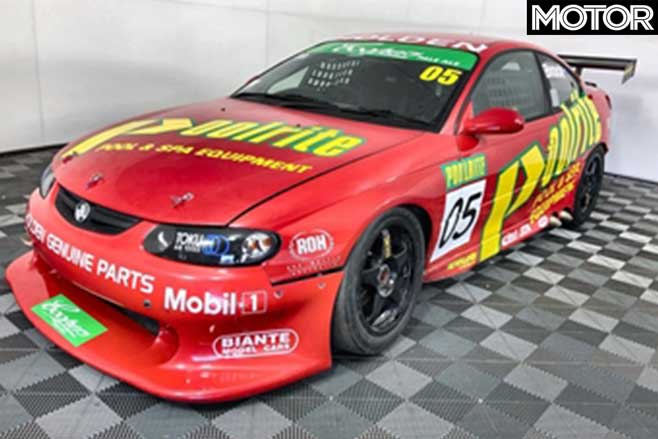
Driven in 2003 and 2004 during the short-lived Nation’s Cup series, which was run by Ross Palmer’s now-defunct ProCar, the car only saw one victory with James, not Peter, at the wheel.
Presented for sale in the Poolrite team livery, which it last raced in, the car also comes with its CAMS logbook.
While the Nations Cup cars were all required to run an engine the same as its road-going version, the Monaro 427C was given a pass by Palmer as he wanted to see an Australian car competing at the top of the pack. In another reality, its engine would’ve actually been based on a road-standard spec if the HSV HRT 247 project had gone ahead.
A 7.0-litre LS V8 lives under the bonnet, tweaked for racing by Garry Rogers Motorsport. GRM also designed and built the 427Cs, as well as those that raced in the Bathurst 24 Hours, where it was rather successful (though this car never saw action there).
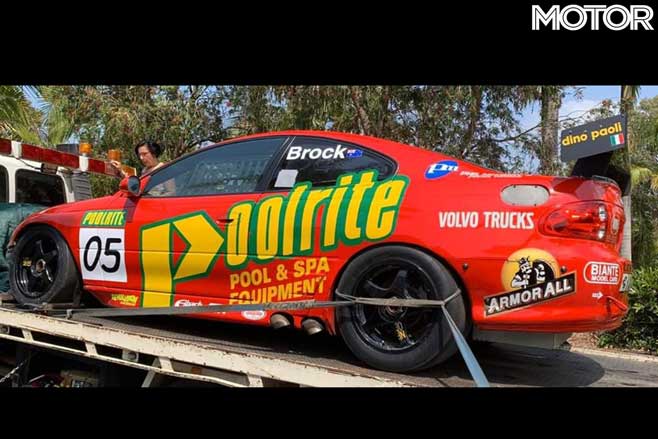
Its engine allowed the Monaro to hustle alongside the likes of V10 Dodge Vipers, V12 Lamborghini Diablos, and finely-honed Porsche 911 GT3 RSs.
In 2003 and 2004, a Monaro 427C even ended up on the podium overall, just not the one up for auction here.
An auction estimate hasn’t been predicted by Grays, and it’s hard to tell how much demand there is for a race car this specific, but if yesterday’s Holden news and the everlasting legacy left by the Brock name is anything to go by, we don’t reckon it’ll be cheap.
The auction begins on February 20 and wraps up 6 days later.
There are no two ways about it, the Alfa Romeo Brera is beautiful. The work of a bloke called Giorgetto Giugiaro (you might have heard of him), the Brera is sort of a coupe, sort of a hatchback, but entirely cool. You wouldn’t have expected the bloke who came up with the first VW Golf to have penned it. Then again, GG did the first Maserati Ghibli.
The concept first dropped at the 2002 Geneva Motor Show and, unlike some recent examples, the production car actually delivered on the show promise. Oh, except for the engine. The concept had a Maserati V8. That would have been a bit of fun.

In the end, you could have your Brera with four cylinders and front-wheel drive, but the one you want is the V6 with all-wheel drive. Its 3.2-litre V6 was branded an Alfa JTS but was in fact a derivation of Holden’s Alloytec. Yep, this gorgeous thing has an engine closely related to your Commodore’s 3.8.
The problem with the AWD system is that it made the Brera rather heavy. Like, 1630kg heavy. The four-pot was a 1470kg featherweight by comparison.
Aside from the fact you can feel its weight, the Brera is lovely to drive, and in top guise was available only with a slick 6-speed manual. Just try to avoid big bumps, as the ride isn’t perfect. It’s fine, but not silky.
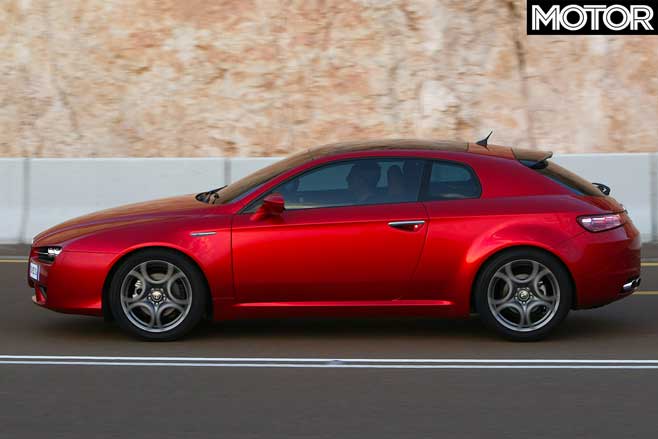
The interior is incredibly comfortable, and a huge glass roof (what was that about weight?) lets the sun in to show you how well its components are laid out, especially the various gauges lined up along the centre of the dash, which wraps around the driver nicely.
Now, thankfully, picking up a Brera is a little less painful than gathering up the near-$100K it cost new 15 years ago. Of course, while you pay less than a quarter of the new price, you’re probably going to have to set a little more aside to keep the thing on the road. Just ask an owner.
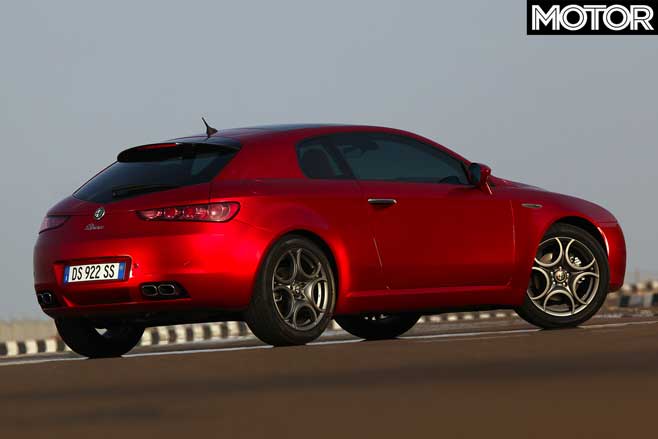
2005 ALFA ROMEO BRERA SPECS Engine: 3195cc V6, DOHC, 24v Power: 191kW @ 6200rpm Torque: 322Nm @ 4500rpm 0-100km/h: 6.8sec (claimed) Price: $95,950
The last couple of years have been rough for the once mighty Holden brand, as it endured some of the poorest monthly sales in its history.
Far from the production highs of the mid 2000s, Holden recorded one of its lowest volume sales month on record in November last year with just 2,668 cars sold, down from 5,125 in the same month in 2018.
In a shock twist following the sales slump, the decision was made to retire both the ZB Commodore and BK Astra from the 2020 Holden line-up. And now, the entire brand has been axed.
This marks the end of the road for the nearly 42 year old Commodore which has struggled with declining sales for a five year period.
To fully understand their demise, we must look at the stark decline in Holden’s automotive significance.

In the year ending 1996, 124,259 Holdens were sold for a 17.7 percent market share, second only to Ford.
Both sales numbers and market share made leaps in the run up to 2000, but ultimately lost out to Toyota in 2003 for the title of Australia’s most popular manufacturer.
From 2002-05, Holden enjoyed 4 consecutive years where sales steadily remained above 170,000 units, while the Commodore continued to lose support, with 12,376 fewer sold from 2004-05.
Then in 2006 Holden suffered its first heavy sales decrease, with 27,953 fewer cars sold and market share reducing to 15.2 percent.
The run since 2010 has been a steady downward slope.
As a result of reductions in government grants and tariffs in the auto industry, Holden’s losses grew, leading to the announcement in December of 2013 that local production would be ceased completely by the end of 2017.
In the year after local production ceased, Holden sold nearly 30,000 fewer cars, marking a more than 30 percent decline.
Much like the company as a whole, the Holden Commodore’s sales peaked in the late ‘90s and early ‘00s. The model’s best year on sale was 1998, with 94,642 registrations in 12 months, equal to 63.5 percent of total Holden sales.
A decade later that figure was 51,093 registrations for 39.2 percent of the brand’s sales. By 2018, less than 10,000 Commodores were sold in a single year.
Check out the full table below to track the decline yourself.
Holden and Commodore sales in numbers:
The 2020 Beijing Motor Show (Auto China 2020) is China’s latest major international motoring event to be shelved or cancelled, following the announcement that the Chinese Formula 1 Grand Prix in Shanghai has been postponed and will likely be cancelled.
The postponement of Auto China comes despite the resumption of vehicle production in the stricken country after the virus forced the extension of its Lunar New Year holiday.
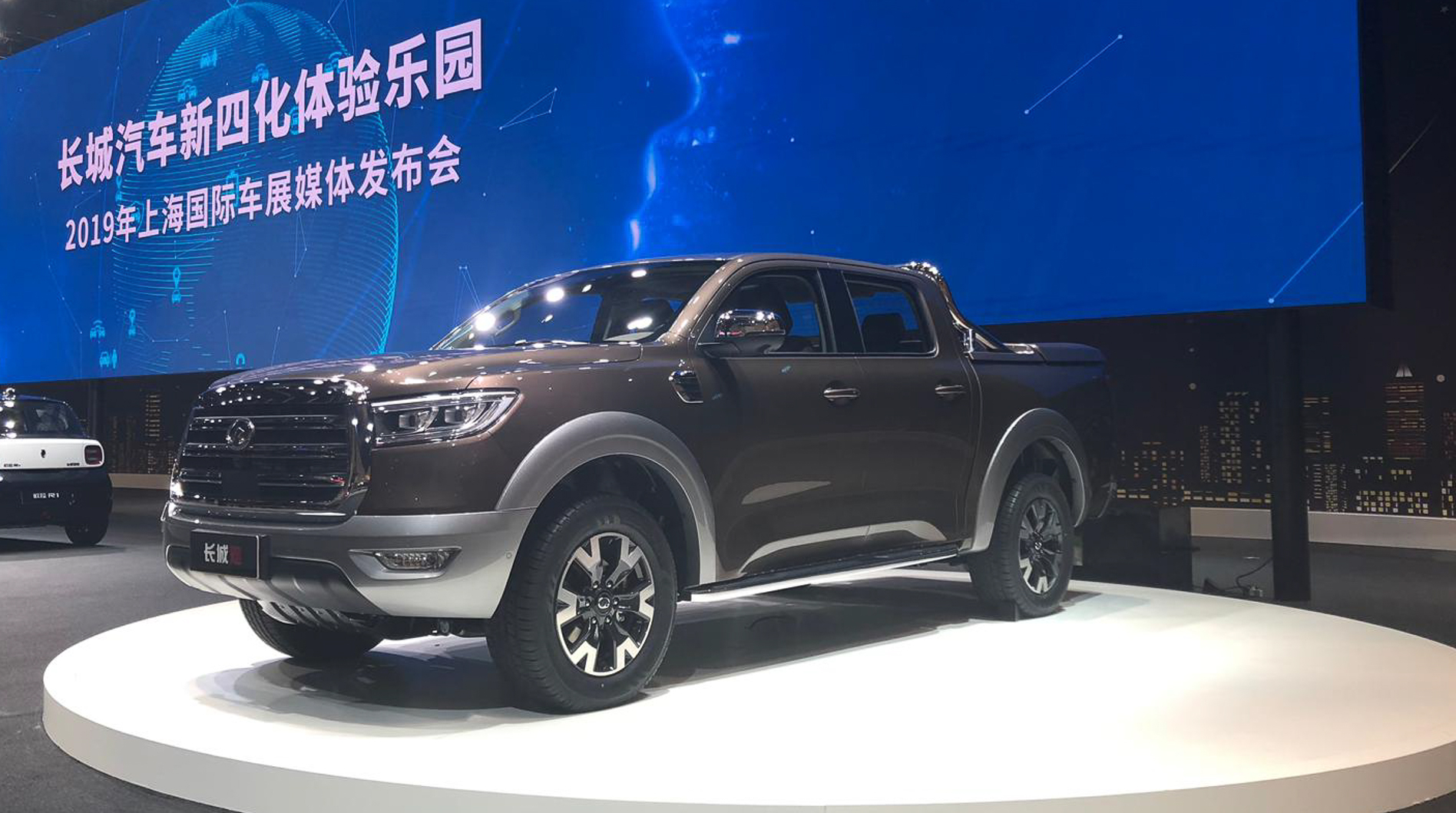
“To ensure the health and safety of exhibitors and participants, we, on behalf of the Organizing Committee of the 2020 (16th) Beijing International Automobile Exhibition, have decided to postpone the event which was initially scheduled at the new and old venues of China International Exhibition Center (CIEC) in Beijing from April 21 to 30 this year,” organisers said in a statement posted on the Show’s website. “The rescheduled date will be notified separately.”
As well as the health considerations, the delaying of such events was made necessary by travel bans and suspension of international flights to and from China from a number of countries.

Auto China, which alternates between Beijing and Shanghai each year, has become one of the world’s most significant motoring showcases attracting about 800,000 patrons each year, including roughly 6000 international visitors.
It postponement represents a significant blow to the world’s biggest new car market, which plummeted 18 percent in January due to the #COVID19 coronavirus epidemic that’s expected to see half-yearly sales fall by 10-percent.
The slump adds to two years of steady decline in China’s new car market, which had previously enjoyed two decades of sustained growth.
While #COVID19 is also expected to impact events in other countries, next month’s Geneva Motor Show is so far scheduled to go ahead as planned, with organisers saying they are monitoring the situation and in constant discussion with medical advisers. At this stage no exhibitors have pulled out of the event.
Meanwhile, there are doubts that the postponed Formula 1 race in Shanghai will not be able to be rescheduled into the hectic eight-month season.
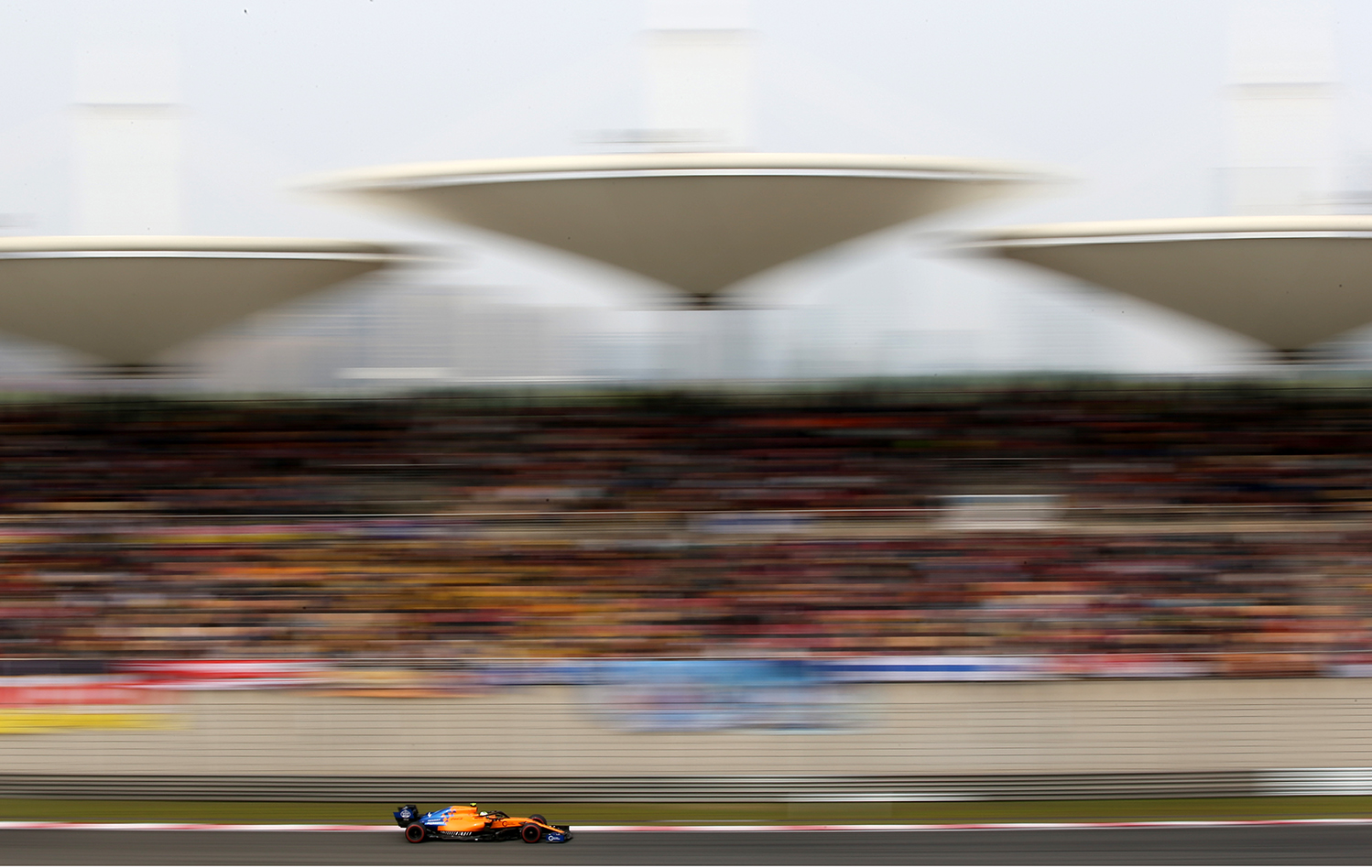
Like the Auto China 2020, the race was due to run in April but was postponed at the behest of the local event organiser the Juss Group as coronavirus cases continued to spread in the city.
F1 might miss out on a A$50 million cash injection if the race is cancelled due to an ‘act of God’ which includes an epidemic, absolving the Juss Group from its obligation to pay the licence fee.
The dust is still settling on the announcement that Holden will cease to exist by the end of the year so the WhichCar Weekly panel has called an early podcast to discuss.
Joining the panel for this special edition, Bauer Media’s resident Holden expert and Unique Cars magazine editor Guy Allen, who brings decades of experience and Holden ownership to the studio.
How is this the end of the Lion, why did Australia’s once favourite car brand fall from grace, what’s happens next, could it have been prevented, and does it signify larger troubles for General Motors on a global scale?
The boys also chat about General Motors’ presence in Australia after Holden’s passing and what impact will there be on the general Australian new car market.
Scott, Dan and Guy also take time to discuss the good times, their favourite Holdens and the reasons the iconic brand will always live on in the hearts of millions.
If you’re on the go, you can find WhichCar Weekly on all manner of podcast apps including iTunes and Podbean. Please rate, subscribe and leave a review! You can also follow the day-to-day happenings of the WhichCar team on Facebook, Twitter and Instagram @whichcarau.
Listened to the show? Help us out:
Leave a note in the comment section below.
