
What is the Ford Ranger Wildtrak X?
It’s taken Ford’s Ranger 4×4 dual-cab just five years to catch up to – and to occasionally beat – the formerly all-dominant Toyota HiLux in the minds and hip pockets of Australian buyers.
And on the back of news that Ford wants to add V8 power to the Australian-designed Ranger, and with a bold new look on the horizon, it’s certainly on a roll.
The Wildtrak previously topped the local Ranger line-up until the arrival of the racy Raptor, so Ford has upped the ante by building a limited-edition version which ostensibly adds more off-road chops to the 4WD dual-cab. But is it worth the extra coin?
What is the Ford Ranger Wildtrak X like to live with?
Ford updated the T6 Ranger in 2018, adding more safety gear, the industry’s only self-parking kit for a dual-cab ute and a 2.0-litre, twin-turbo diesel/ten-speed automatic transmission powertrain.
Our 3.2-litre five-cylinder tester is one of 1000 that Ford will sell, and it uses Ford’s tried and true six-speed auto to send drive to the 4×4 system… but if you want a manual version of the Wildtrak X, you’re out of luck.
Inside, the Ranger is, as has been our experience in the past, comfortable for four and capable of carrying five, though the transmission tunnel cramps rear-centre seat room. Our 187cm teen complained about the shaping of the rear seats not suiting his back, but he had plenty of toe and headroom.
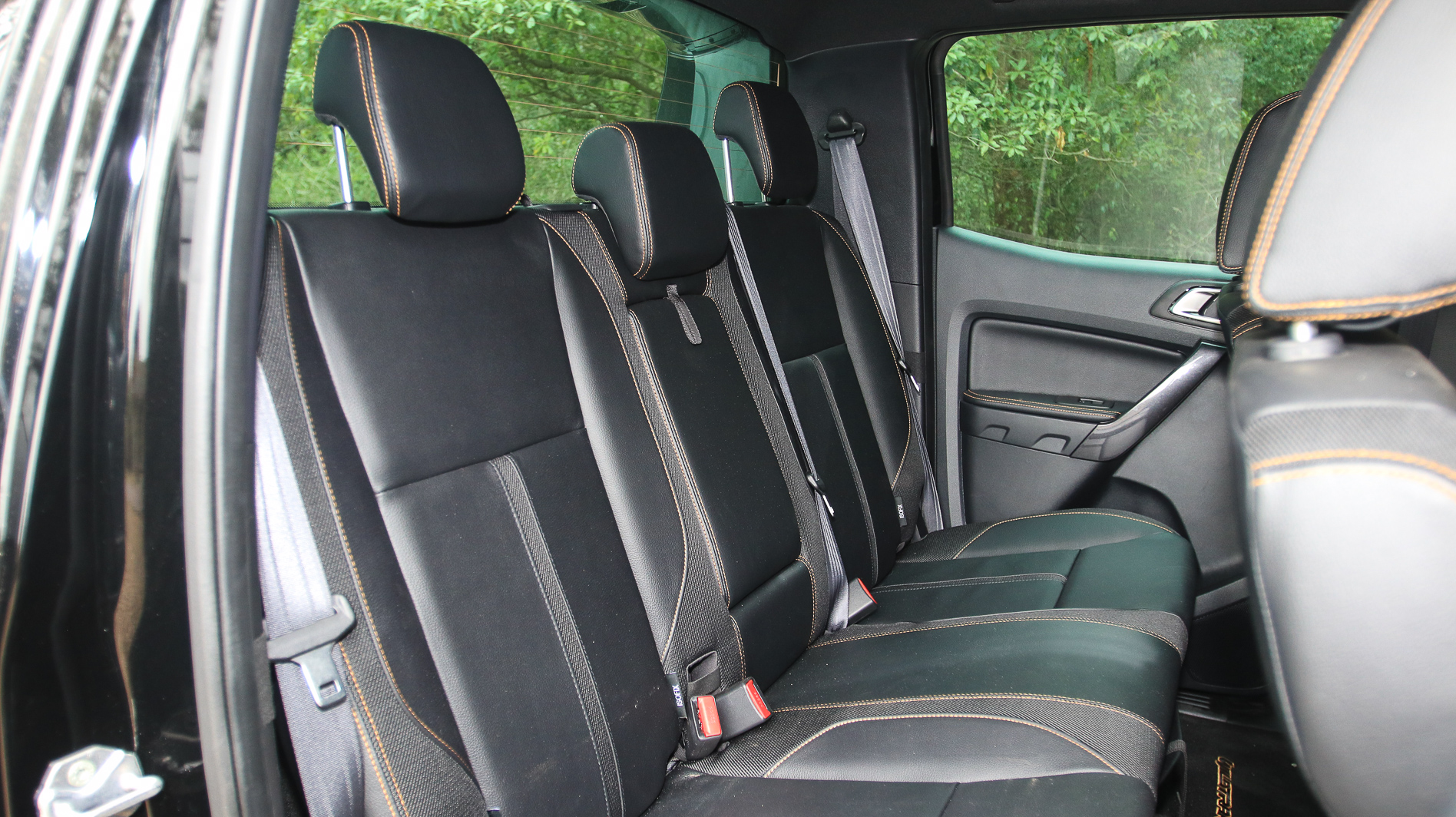
The huge side rails actually make ingress into the Ranger harder than it needs to be, though once aboard the Ranger, it’s a good place to work or play in. The Sync 3 multimedia system makes connecting a smartphone easy, while the Ranger will also detect a trailer when it is attached, modifying the on-screen graphics on the reversing screen to suit.
It also offers trailer sway control, which will nip up the brakes and kill spark to the engine if your trailer gets a bit of a shimmy on.
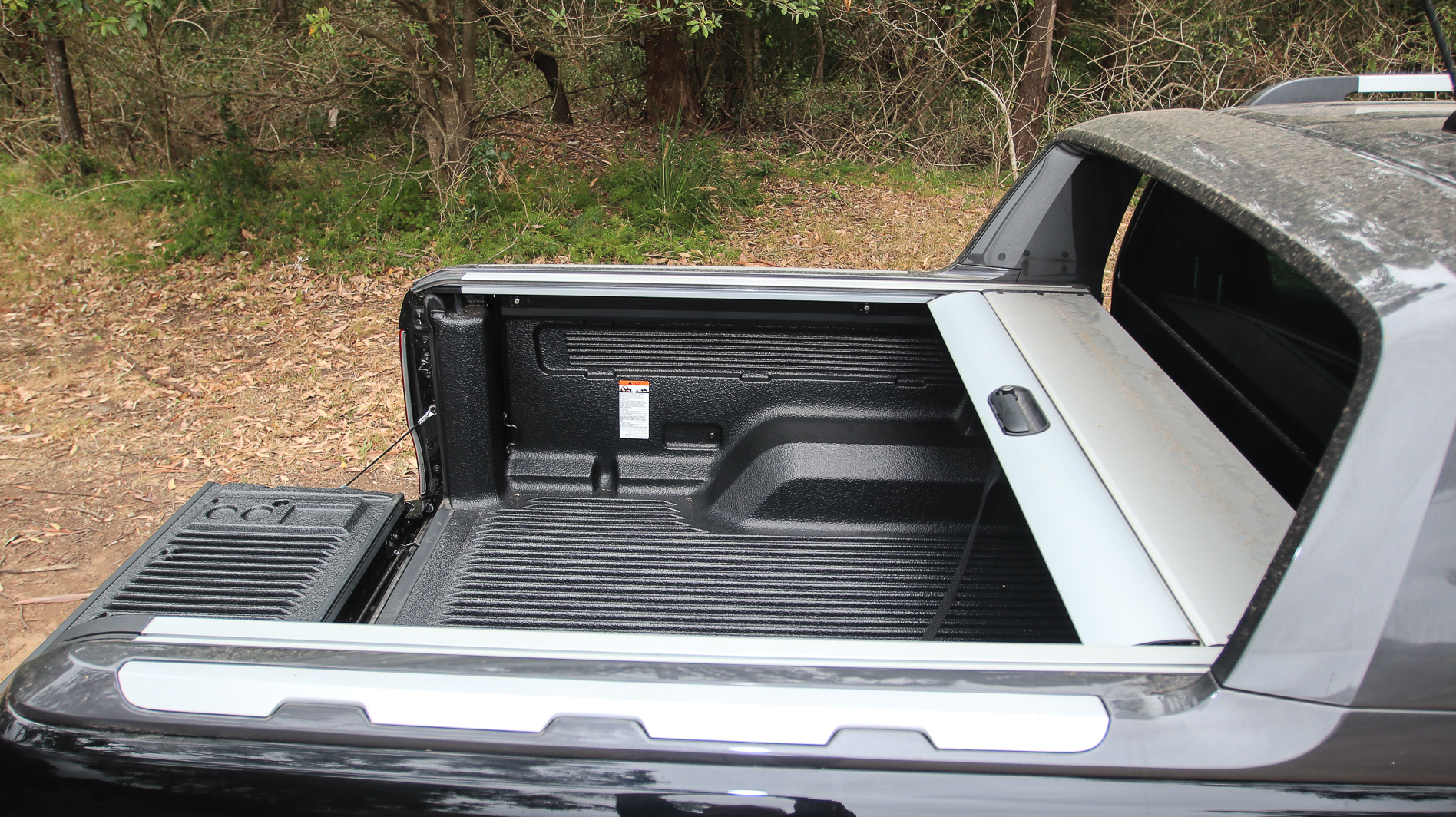
Marks off, though, for the roller shutter-style cargo cover (below). It’s both awkward and heavy to operate, while also stealing valuable length away from the 1549mm by 1560mm tray. A plastic tub liner is also added, but it too also reduces the internal dimensions of the tray by quite a few millimetres.
What’s the Ford Ranger Wildtrak X like to drive?
The Wildtrak X, unsurprisingly, drives exactly as the 2018 update does. Ford retuned the front coil and rear leaf spring-based suspension at the time for more around-town compliance, and it’s done a good job of it.
An unladen leaf-sprung ute’s rear end will skip and bounce and patter no matter how you tune the rear end, though, so even though it rides better than it used to, it’ll still feel harsh and unyielding over sharp-edged bumps.
The Ranger’s steering is light and reasonably communicative – again, for a dual-cab ute – but its 12.7m turning circle makes three-pointers a pain.
The relatively old 3.2-litre five-cylinder nail still chugs along with plenty of mid-range oomph thanks to its 470Nm torque output. The transmission can be a little laggy at lower speeds, but it can be manually overridden via the gear shifter when required.
It tows well, too; we lugged a 1800kg gross trailer and race car up and down a brace of mountain roads, and the 3500kg-capable Ranger didn’t miss a beat.
The LED light bar (below) doesn’t turn night into day, but it adds a useful punch of light into the centre of the headlight spread.
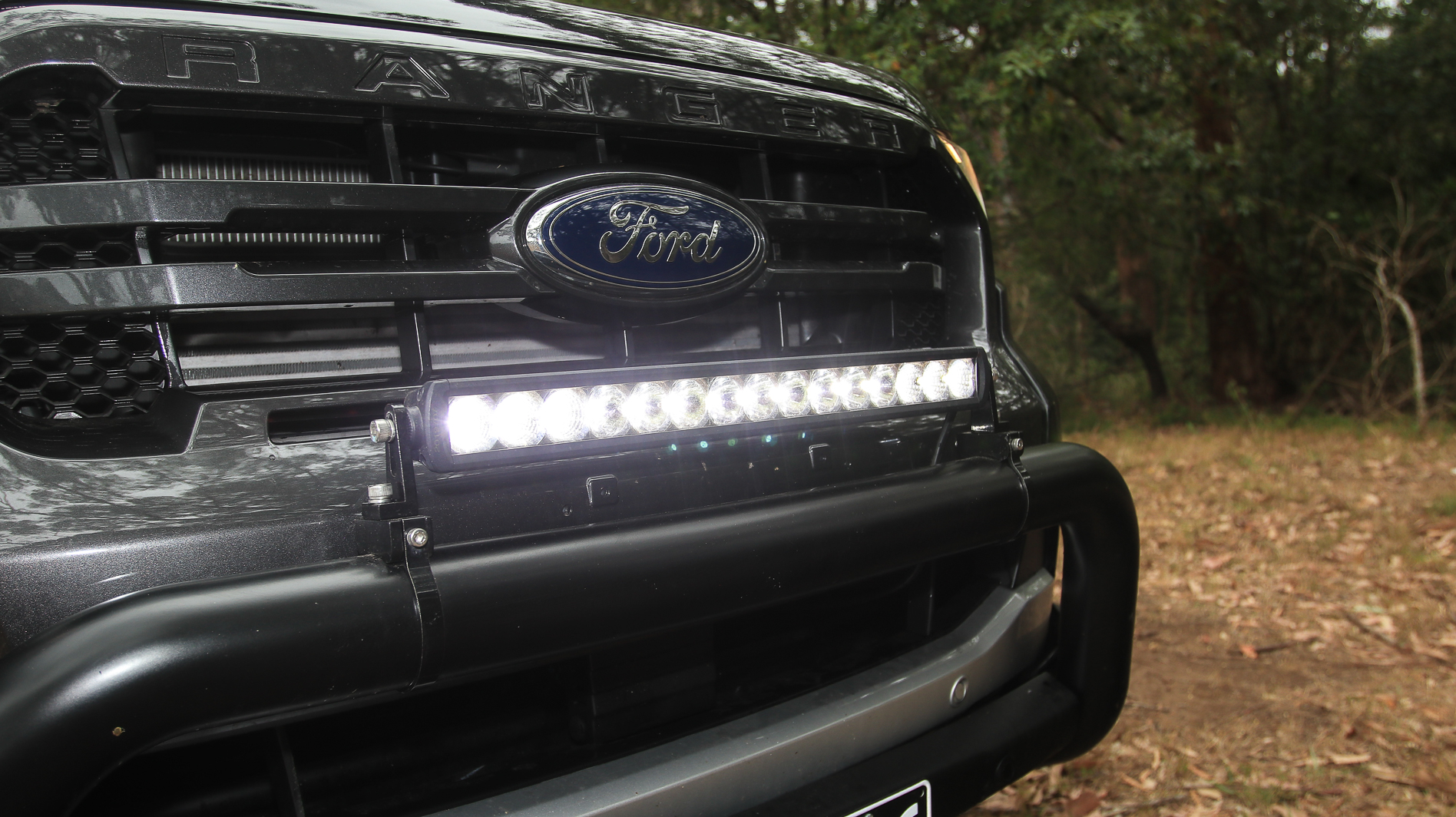
The front parking sensors are duplicated on the new nudge bar, and their sensitivity is quite irritating; even a slightly steep driveway will send them into a beeping frenzy. Fortunately, they can be turned off easily.
Is the Ford Ranger Wildtrak X worth the money?
If you’re looking for a well-equipped ute, the Wildtrak certainly fits the bill, with a full complement of active safety, automatic parking, LED headlights (but not high-beams), leather interior trim and Ford’s very good Sync 3 multimedia system with Apple CarPlay and Android Auto.
The ‘X’ in Wildtrak X means you score a handful of pre-installed Ford accessories, including a 20.5-inch wide, 15-lamp LED light bar attached to a black nudge bar that’s equipped with parking sensors, a set of grey-coloured fender flares and an engine snorkel.
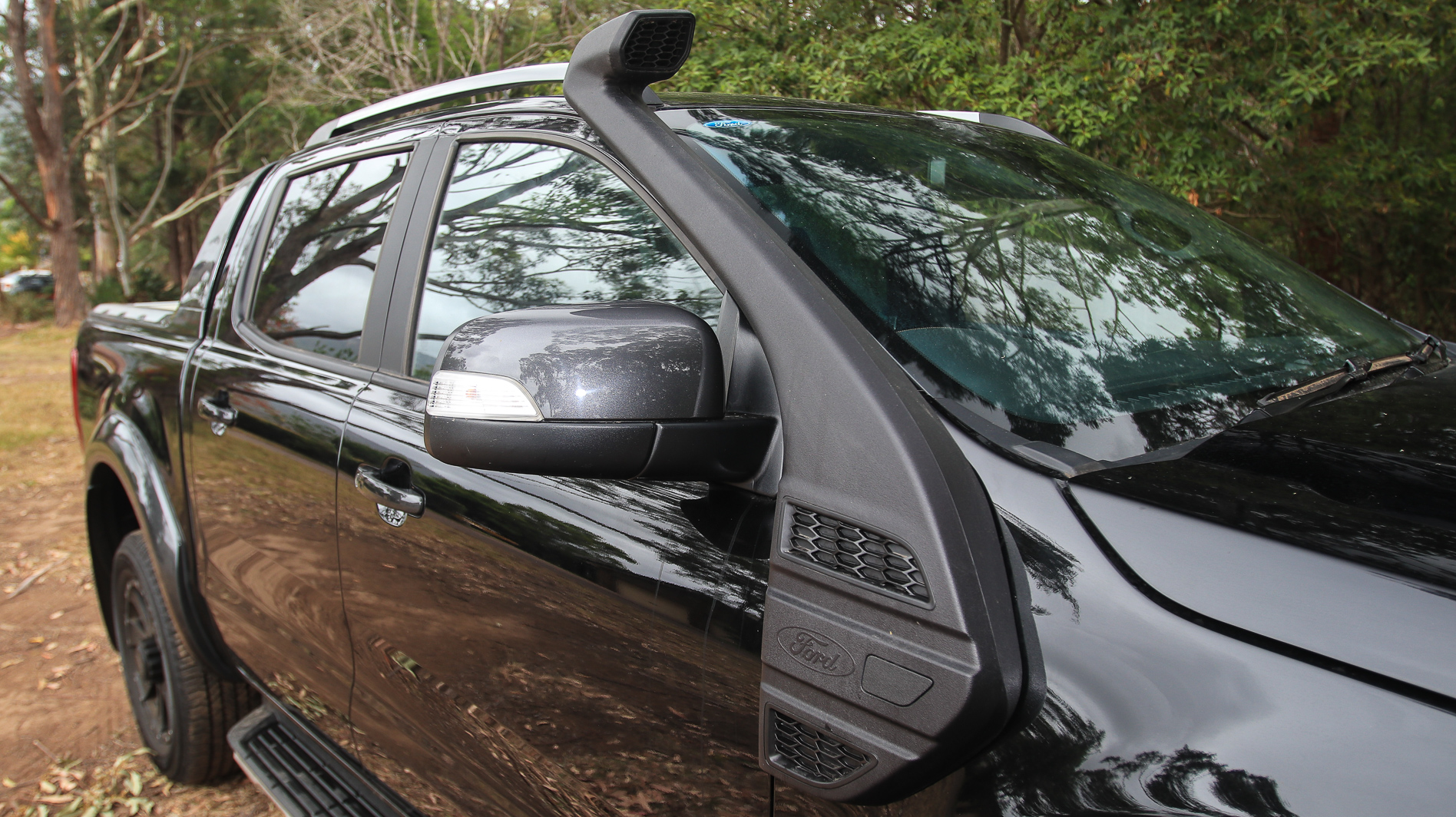
Along with bespoke decaling, Ford claims the extra kit is worth more than $6000 (my calculator tots the total up to about $5600 sans decals) but is only charging $2000 on top of the Wildtrak’s ticket price.
This means the 3.2-litre, five-cylinder diesel-equipped Wildtrak X costs $65,490 driveaway, while the 2.0-litre twin-turbo four-cylinder diesel costs $66,990 to put in your driveway.
The 18-inch wheelset on our tester comprised a set of more aggressive Raptor-style rims with a wider offset to suit the body flares, along with a set of Bridgestone Dueler tyres.
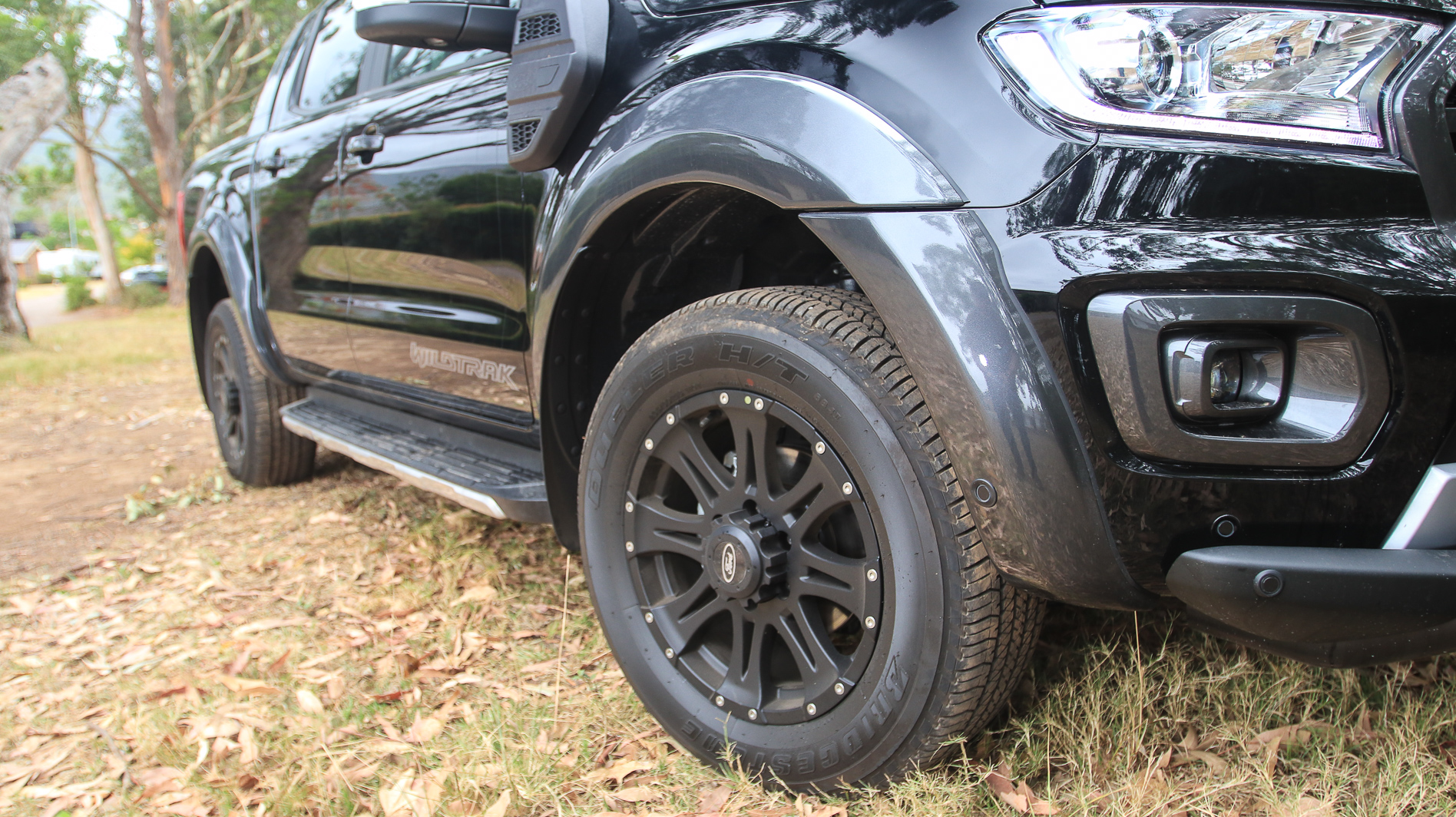
Despite their extra offset, the wheels – and the very road-oriented treads that adorn them – seemed to disappear inside the arches above), spoiling the muscular look Ford was aiming for.
The Wildtrak can be had in one of five colours, including the Shadow Black you see here, as well as white, silver, gold and grey.
Verdict
Ford has a brace of special-edition models in the market at the moment, and they all offer different things for different people. The Wildtrak X picks the eyes out of Ford’s most popular accessories, making for a package that, on paper, is pretty compelling.
If your Ranger use is largely urban, we’d suggest that forgoing the X kit will save you a few bucks on stuff you don’t really need, but if you make regular forays into areas where street lights don’t dominate and kangaroos abound, then it’s a good way to acquire some country driving niceties that are factory-fitted from the outset.
Pros Good price for decent accessories; Ranger is still a good car in the city and the country
Cons roller shutter on cargo area is a fail; large turning circle makes car parks a chore
Rating 4/5
What stands out?
The Suzuki Vitara Series II presents as a stylish small SUV at a modest price. It offers a well-equipped cabin and a choice of two engines, among them a strong naturally aspirated petrol, and a very zippy turbocharged petrol which also has an all-wheel-drive option.
What might bug me?
Not having the opportunity to make your base-spec Vitara safer. Autonomous emergency braking, which comes standard in the Vitara Turbo versions isn’t available in the lower-spec variants, even as an extra-cost option.Tyre noise, especially on coarse-chip bitumen and gravel.Complaints from the rear seats because there are no USB or 12-volt sockets for your kids to charge their phones or tablets. Driving at 80km/h on your space-saver spare until you can fix your full-sized flat tyre.In a Vitara Turbo AllGrip, getting blasted by the sun on a hot day. The large, transparent sunroof shields you only with a translucent screen: there is no opaque blind.Driving at 80km/h on your space-saver spare until you can fix your full-sized flat tyre.
What body styles are there?
A five-door SUV is the only body style. The Vitara comes in front-wheel drive and all-wheel drive versions.The Vitara is classed as a small SUV, lower priced.
What features do all Vitara versions have?
Bluetooth phone connectivity, an audio system with iPod and USB input, and cruise control. All can be operated from a steering wheel that adjusts for height and for reach.A reversing camera, and satellite navigation with its own maps, displayed on a 7.0-inch central colour touchscreen that supports Apple CarPlay. If you own a compatible iPhone, you can display some apps on the touchscreen and control them from there (or by voice).Keyless entry, and climate-control air-conditioning, which automatically maintains the temperature you set.Soft-touch dashboard, which replaced the rock hard surface on the Series I model, and leather trimmed steering wheel with paddle shifters.Centre console armrest.Daytime running lamps, which make the car more visible on overcast days.Roof rails, which make it easier to fit luggage systems.Alloy wheels (of 17-inch diameter), which are nicer looking and usually lighter than steel wheels with plastic covers. A space-saver spare wheel (with a recommended top speed of 80km/h).Electronic traction control, which inhibits wheelspin on slippery roads.Electronic stability control, which can help bring a skidding car back under control. All new cars must have this feature.Seven airbags: two directly in front of the driver and front-seat passenger; one alongside each front occupant to protect the upper body; a curtain airbag down each side of the car to protect heads from side impacts; and an airbag to protect the driver’s knees and legs.The Vitara comes with a five-year, unlimited kilometre warranty.
Which engine uses least fuel, and why wouldn’t I choose it?
The 1.4-litre ‘Boosterjet’ turbocharged petrol engine in the more expensive Vitara Turbo engines is nice and zippy to drive and quite fuel-efficient, with an official combined fuel consumption of 5.9-litres/100km. It is available with both front- and all-wheel-drive.One reason you may not want to choose this engine is you want to pay less for your Vitara, with the base spec versions coming with a non-turbocharged, 1.6-litre petrol engine, which consumes 6.2-litres/100km.Another is you want an manual gearbox, which is only available with the 1.6-litre engine, which is available with either a five-speed manual gearbox or a six-speed automatic. The Vitara S Turbo comes only with the six-speed automatic. The manual is actually rated at 5.8 litres/100km but it’s unlikely it will be more efficient than the turbo in real world driving.The Vitara used to be available with an efficient diesel engine, but this was dropped from the Series II update in February 2019.
What key features do I get if I spend more?
The base Vitara comes standard with a five-speed manual gearbox, with the six-speed automatic costing an additional $2000. The only additional options are premium paint, and a two-tone paint option.Step up to the Vitara Turbo and you get the more powerful engine described above, and the six-speed automatic gearbox.The Turbo also gains autonomous emergency braking and other advanced driver assist features including lane departure warning, weaving alert, adaptive cruise control, blind spot monitoring and rear cross traffic alert.The Turbo also has ‘premium suede’ upholstery, and an audio system with six rather than four speakers. A proximity key lets you unlock and start the car without removing the key from your pocket or bag.Self-levelling LED headlights switch on automatically when it gets dark, and windscreen wipers operate automatically when it rains. Front and rear parking sensors tell you how close you are to near obstacles.Aesthetically, the Turbo benefits from a different grille design and polished black alloy wheels.Spend more again for an Turbo AllGrip and you get the same appointments, but gain an all-wheel drive system that helps you in slippery conditions such as mud, snow and sand. The most expensive Vitara also comes with a panoramic sunroof.
Does any upgrade have a down side?
The transparent roof panels Turbo AllGrip are not covered by a solid blind. There is only a translucent screen, which might let in too much heat and light for you on very bright days.In the front-wheel-drive Vitara Turbo you may need to take special care when accelerating from low speeds in slippery conditions, to ensure smooth, spin-free, progress.White is the only standard colour: all other colours cost about $500 extra. Opting for a two-tone paint option will cost about $1250 more.
How comfortable is the Vitara?
The Vitara has a nicely finished and detailed cabin. The dashboard has a somewhat mixed look, with the antique-style black and white face of its big analogue clock sitting above a modern, multi-coloured touchscreen. Both work well, even if they look like they come from different centuries.The dashboard is covered with soft-touch material, which is a nice change from the previous model, though there are still hard plastics in the cabin including on the doors.With both tilt and reach adjustment for the steering wheel, and height adjustment for the driver’s seat, there is no problem getting comfortable. The cabin has good head and leg room for tall drivers and front-seat passengers.A high level of tyre noise on just about any surface detracts from comfort once you’re moving.The 1.6-litre petrol engine is smooth and responsive, and the manual gearbox has a precise and light action. Those who prefer the automatic will find it changes gear smoothly. Vitara Turbos, with their 1.4-litre turbocharged engines, are more responsive again.This steering is light and direct, which makes the Vitara feel nimble around town, but can feel a little disconnected when driving on loose surfaces such as gravel.
What about safety in a Suzuki Vitara?
Seven airbags, seat-belt reminders, electronic stability control and a reversing camera contribute to safety in any Vitaras. It is a package that prioritises protecting you in a crash, helping you control the car, and the safety of others when reversing.The Turbo versions gain an active safety suite that adds autonomous emergency braking, lane departure warning, weaving alert, adaptive cruise control, blind spot monitoring and rear cross traffic alert.The Turbos also benefit from automatic headlamps and wipers, and parking sensors front and rear.The Australasian New Car Assessment Program (ANCAP) awarded the Vitara five stars for safety, its maximum, in July 2016. The lack of available active safety in the base versions might see a different result if the Vitara was tested again today.
I like driving – will I enjoy this car?
Even the base-spec Vitara is fun to drive, especially when its 1.6 petrol engine is teamed with the manual gearbox. The auto also pleases however, as it shifts quickly and at just at the right time.If you plan to go touring in your Vitara, you’ll have even more fun in a Turbo or Turbo AllGrip.The Turbo exhibits very little turbo-lag (that dead feeling when you first press the accelerator with a turbocharged engine), instead bounding forward energetically with a gentle squeeze from the right foot.Keen drivers will the all-wheel drive Vitara as it steers more precisely. All could benefit from more steering feel at low speeds and on loose surfaces such as gravel.Thankfully, the steering feel improves the harder you push a Vitara through corners. And there’s good balance and grip on smooth roads – again, especially in AWD versions.On most surfaces, the ride is acceptably supple. However big bumps taken at speed sometimes unsettle the Vitara, requiring a steering correction.All-wheel drive helps the most expensive Vitara on unsealed roads, in the snow, on farm tracks and on easy fire trails. However, the relatively low-profile tyres are potentially damage prone. And you wouldn’t want to venture far from civilisation with only the standard, skinny, space-saver spare wheel.
How is life in the rear seats?
The back seat is wide enough for two adults and a child, although when sitting behind a tall driver or tall front-seat passenger the legroom is very restricted.Rear-seat passengers get nothing extra like air-vents, USB charging ports or centre armrest.The slightly tall-riding Vitara is a good height for getting small children in and out of child seats.The back seat has two ISOFIX child-seat restraints and three conventional child-seat tethers.
How is it for carrying stuff?
The Vitara is a small SUV but its cargo space betters many similar cars, due to its more traditionally box-shaped SUV-style body.Under the cargo area is a stowage compartment, and below that the space-saver spare. A luggage security blind is standard.Removing the space-saver spare requires the cargo area to be fully unpacked.The 60:40 split rear seat is a simple single-fold design, which means the cargo floor isn’t completely flat when the seat backs are folded down. As a result cargo area with the seats down is just 710 litres.
Where does Suzuki make the Vitara?
Suzuki makes the Vitara in Hungary.
What might I miss that similar cars have?
The main things you might miss if you have an entry-level Vitara are latest active safety features such as autonomous emergency braking, which are standard in the most affordable versions of cars such as the Mitsubishi ASX, Kia Seltos, Mazda CX-3, Holden Trax, Nissan Qashqai, and Toyota C-HR.The Vitara is no longer designed to be driven over rough ground off-road. Three small SUVs that are built to handle off-road driving are Suzuki’s own Jimny, and the Jeep Renegade Trailhawk. The Subaru XV also has some off-road capability.Among other small SUVs you might consider are the Honda HR-V, Peugeot 2008, and Renault Kaptur.
Are there plans to update the Vitara soon?
The current generation Vitara arrived in late 2015 in front-drive RT-S and all-wheel drive RT-X form, both using the 1.6-litre petrol engine.About May 2016 the petrol-engined RT-X was discontinued. At the same time Suzuki introduced the similarly equipped S Turbo, with its 1.4-litre turbo-petrol engine, in both front-drive and AWD form. Soon afterwards it added the RT-X Diesel.In February 2019 Suzuki introduced the Vitara Series II which brought a slightly revised exterior design and smaller range, with the RT-X Diesel deleted. The RT-S designation was dropped from the entry-level versions which are simply known as Vitara, while the Turbo S FWD and AWD versions were renamed Vitara Turbo, and Turbo AllGrip.In October 2019 Suzuki increased its warranty from three years to five across all its models, including Vitara.An all-new Vitara is not expected until 2021 at the earliest.
I like this car, but I can’t choose which version. Can you help?
The most affordable Vitara with the manual gearbox arguably represents the best value. But we like the Turbo AllGrip, which is very well equipped for the price including the advanced driver assist tech and boosts safety levels. The 1.4 litre turbo’s refined performance makes it a fast and effortless highway cruiser, and the AWD is handy for dirt and gravel roads.
An early glimpse of Genesis’ foray into the SUV category, the GV80, appears to suggest it’ll be even more stunning than the concept that previewed it three years ago.
The South Korean marque has released a handful of moody low-lit images that withhold nothing but the fine details – displaying enough to confirm the Genesis GV80 will be a handsome beast, and one that has continued to mature favourably in the transition from show car to showroom.
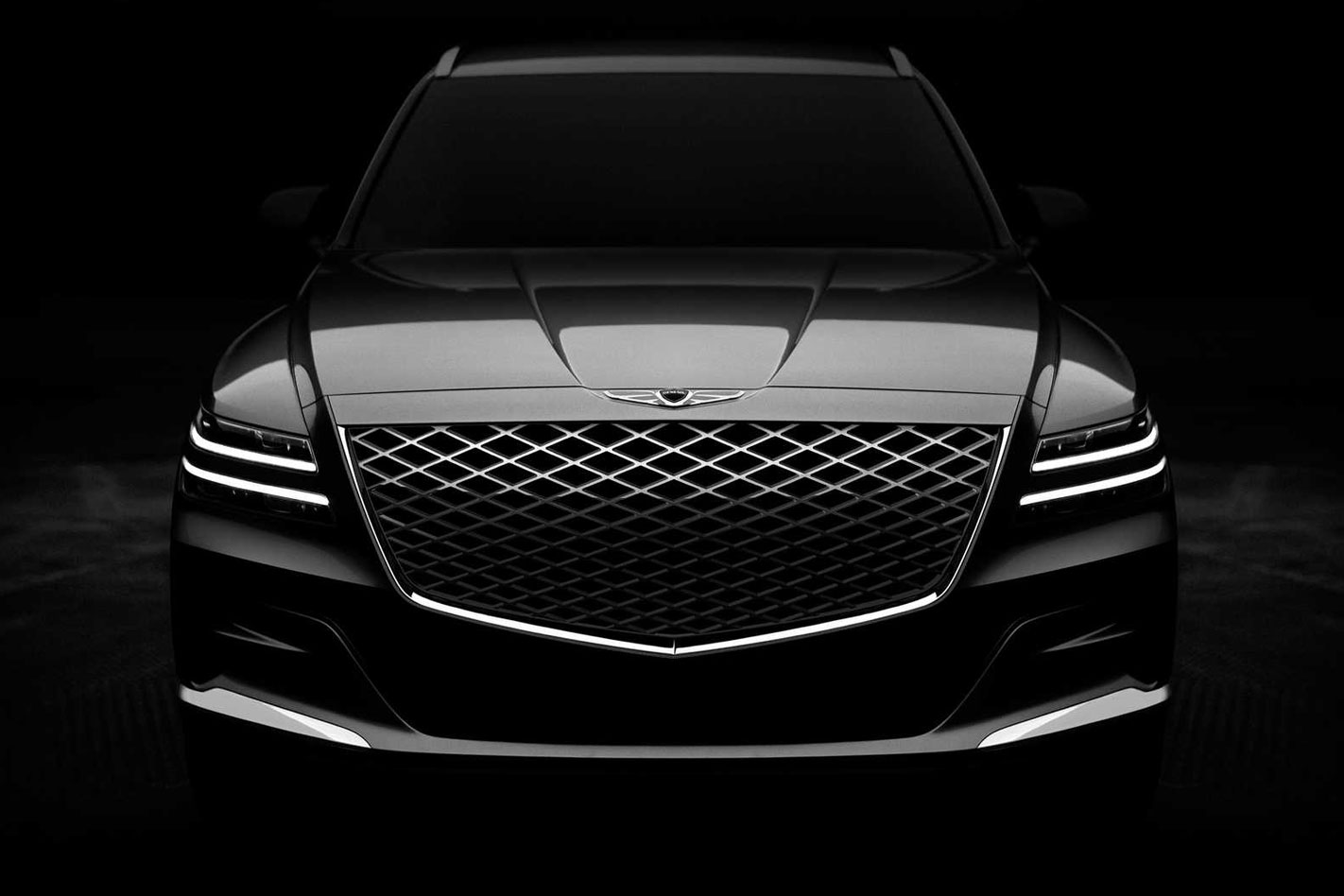
The final verdict will have to wait until the new model is revealed in the cold light of day and away from a dimly-lit studio, but the GV80 concept’sgoofy front end appears to have evolved into a more striking snout, along with satisfying proportions and design cues.
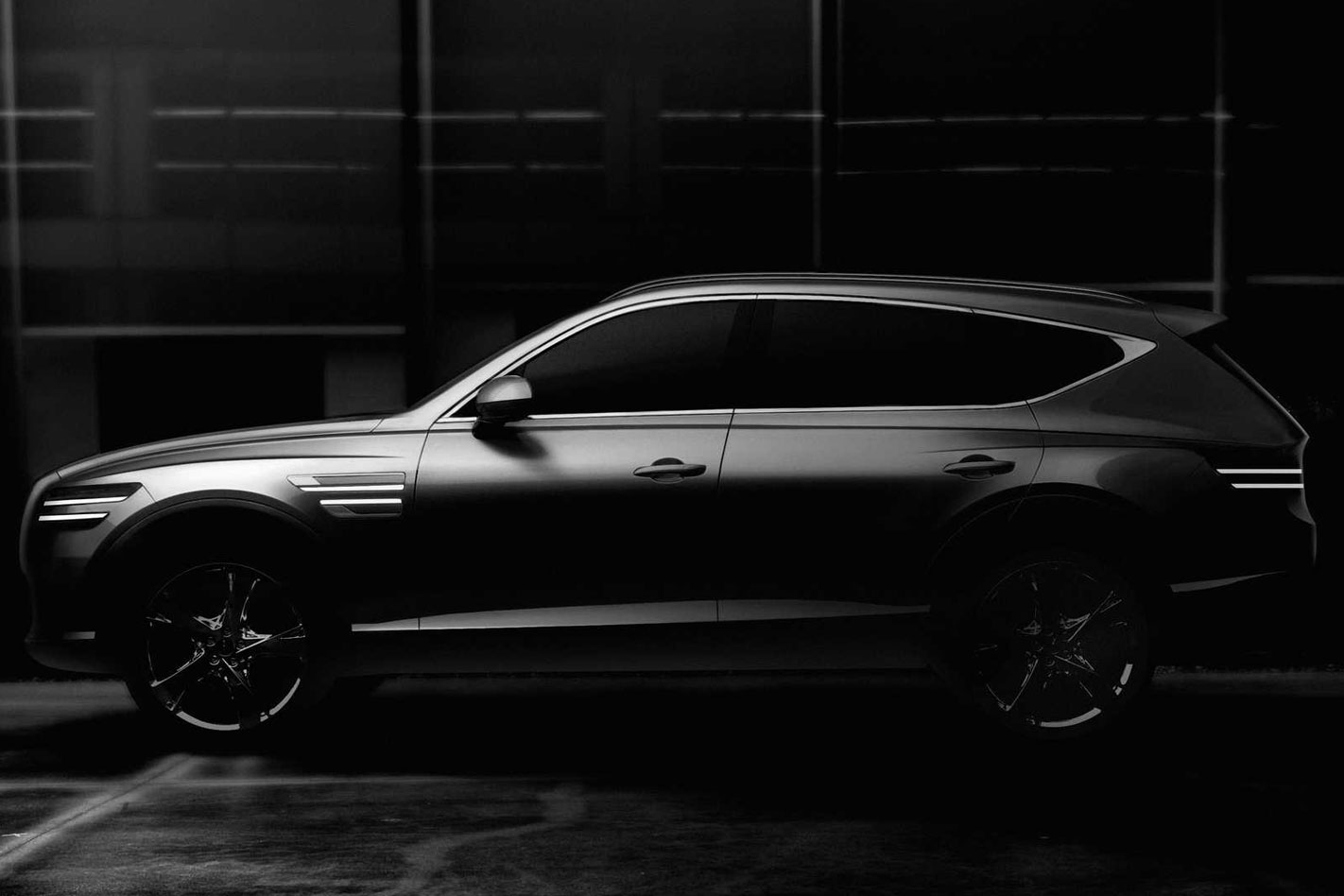
Hints of Volvo XC90, Toyota Landcruiser and Nissan Patrol combine for a look that’s sharp and imposing, as well as heavy in the brand’s emerging family DNA. The large angular grille adds a dash of Cadillac into the mix. No rear view has been offered as part of the final teaser campaign.
A glance through the cabin appears to suggest the journey from concept to production model has also been kind in the inside. Gone are the ungainly gear selector and two-plus-two-spoke steering wheel, nixed in favour of neater, more elegant units.
The skinny dash-top display has also made way for a more readable – and technologically feasible – central digital screen complete with minimalist switchgear.
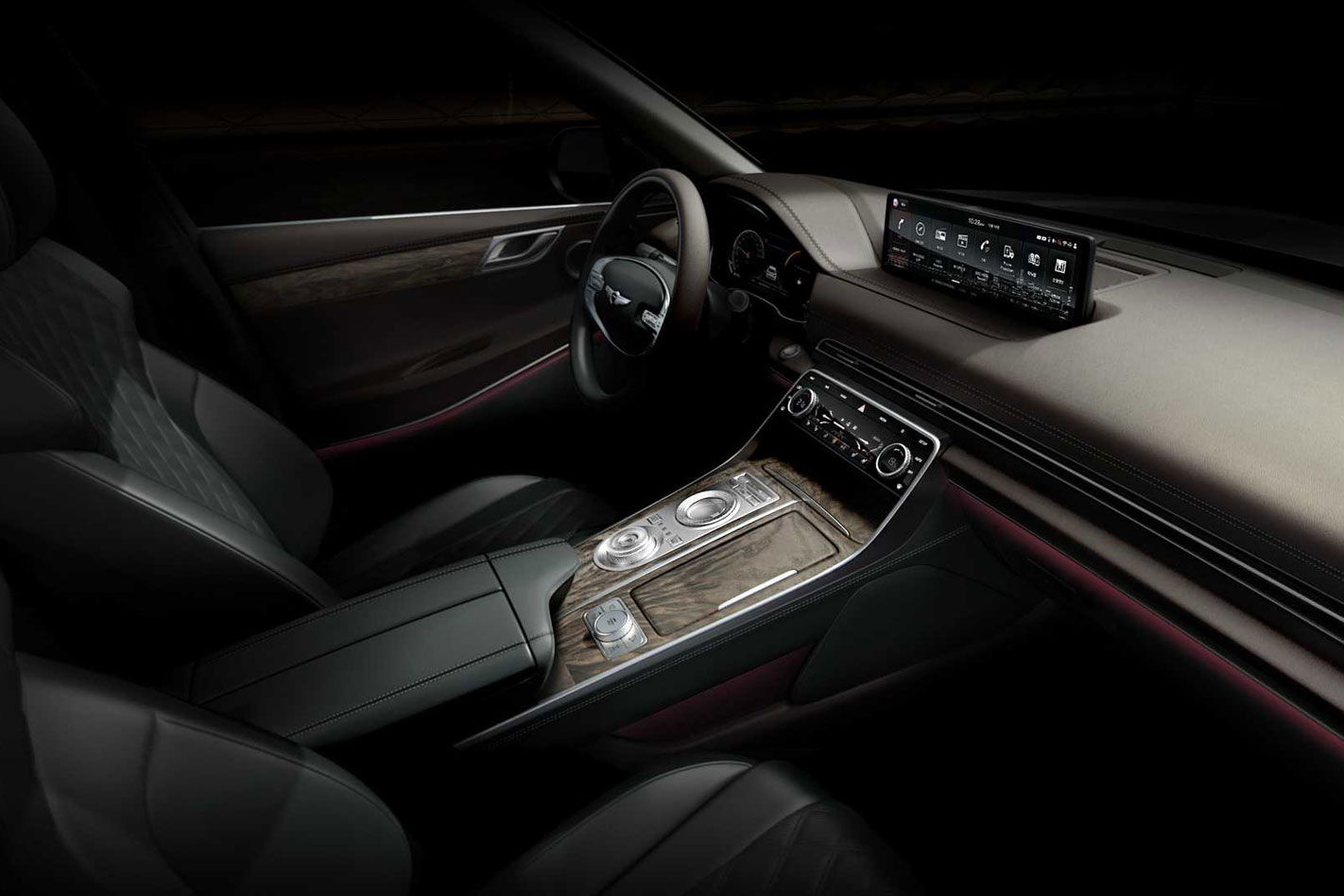
No technical detail accompanies the new images, but it’s unlikely the production model will be equipped with the self-driving capability or hydrogen powertrain showcased by the New York show concept. Expect a line-up of combustion and hybrid options instead, along with decent driver-assistance technology.
Unlike the company’s current models, its first SUV will not pinch platforms from sister Hyundai, instead rolling on a new architecture developed by Genesis. The decision to keep Genesis hardware for itself will distance the more mainstream brand from its performance and luxury focused line-up. Hyundai’s keeping detailed specs to itself for now, but confirms that like its sedan-shaped sibling, the G80, it’ll be offered as a rear-wheel drive base model with an all-wheel drive option.
An official launch in Australia is yet to be confirmed by the local Genesis team but it seems highly probable given Australia’s demand for large, high-end SUVs.
Adding more momentum to the cause was a chance meeting with a prototype GV80 under development in Victoria’s high country last year, along with its G80 counterpart.
The official full reveal is due later this month in the brand’s home country and the global roll-out will commence soon after.
It’s not often a dealership will be able to get away with revealing a brand’s plans before an official reveal, but rumours of a road-legal version of the McLaren Senna, dubbed ‘LM’ in line with tradition following the F1 and P1, have been confirmed through that exact situation.
McLaren Glasgow, self-proclaimed as Scotland’s only McLaren dealership, posted images of its McLaren Senna LM on Instagram during the Christmas and New Year break, promting questions from followers as to whether it’s legitimate.
https://www.instagram.com/p/B6d_eW5HsHc/?utm_source=ig_embed&utm_campaign=loading
But prior rumours, as well as the usual progression of McLaren’s top-tier cars, would suggest it is in fact the real thing. The dealership’s social media manager even responded to one comment with: “it’s real, I wish I was that good at Photoshop.”
Though concrete details of the LM are limited, it’s clear the progression from ‘base’ Ultimate Series model to GTR to LM is being followed, meaning the Senna LM will essentially be the wildest road-legal Mac around.
With the GTR hosting a 4.0-litre twin-turbo V8 good for 607kW, it’s safe to say the LM will live up to its motorsport-inspired (Le Mans) moniker, despite not being likely to weigh as little as the 1188kg (dry) GTR.
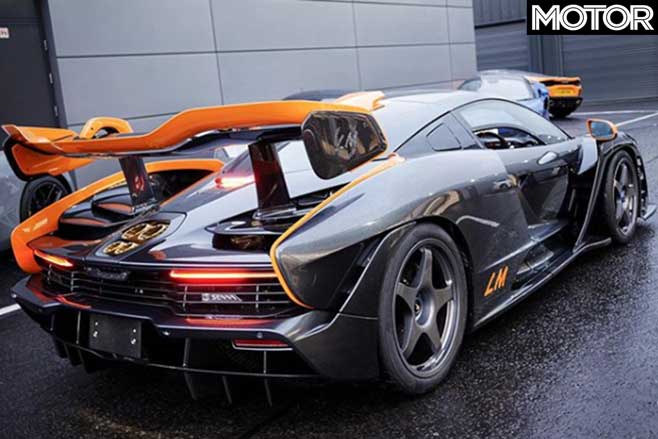
Rumours set the number of LMs to be available at 20, though McLaren Glasgow says only that it’s a “limited edition model.”
Differences visible on the car range from the obvious F1 LM tribute, five-spoke wheels to the altered exhaust and, of course, the ‘LM’ graphics on the body. There’s even an ‘LM’ with wreath cut into the wing plate.
This comes only a month after a McLaren dealer ordered by a retailer through McLaren Special Operations as ‘Can Am’ special editions, though they’re essentially GTRs and aren’t road-legal.
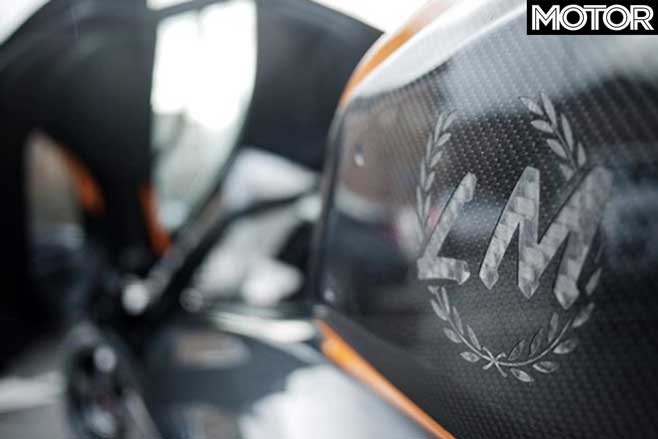
We’ll bring more updates as more information on the LM comes to hand.
If it ain’t broke, don’t fix it. That’s been the mantra behind Wheels Car of the Year for some time. The award process did a good job of sieving a diverse bunch of contenders down to one excellent vehicle, so why change things? Because cars are changing, the way buyers shortlist cars has changed, and because it’s COTY’s responsibility to help drive change, not merely react to it.
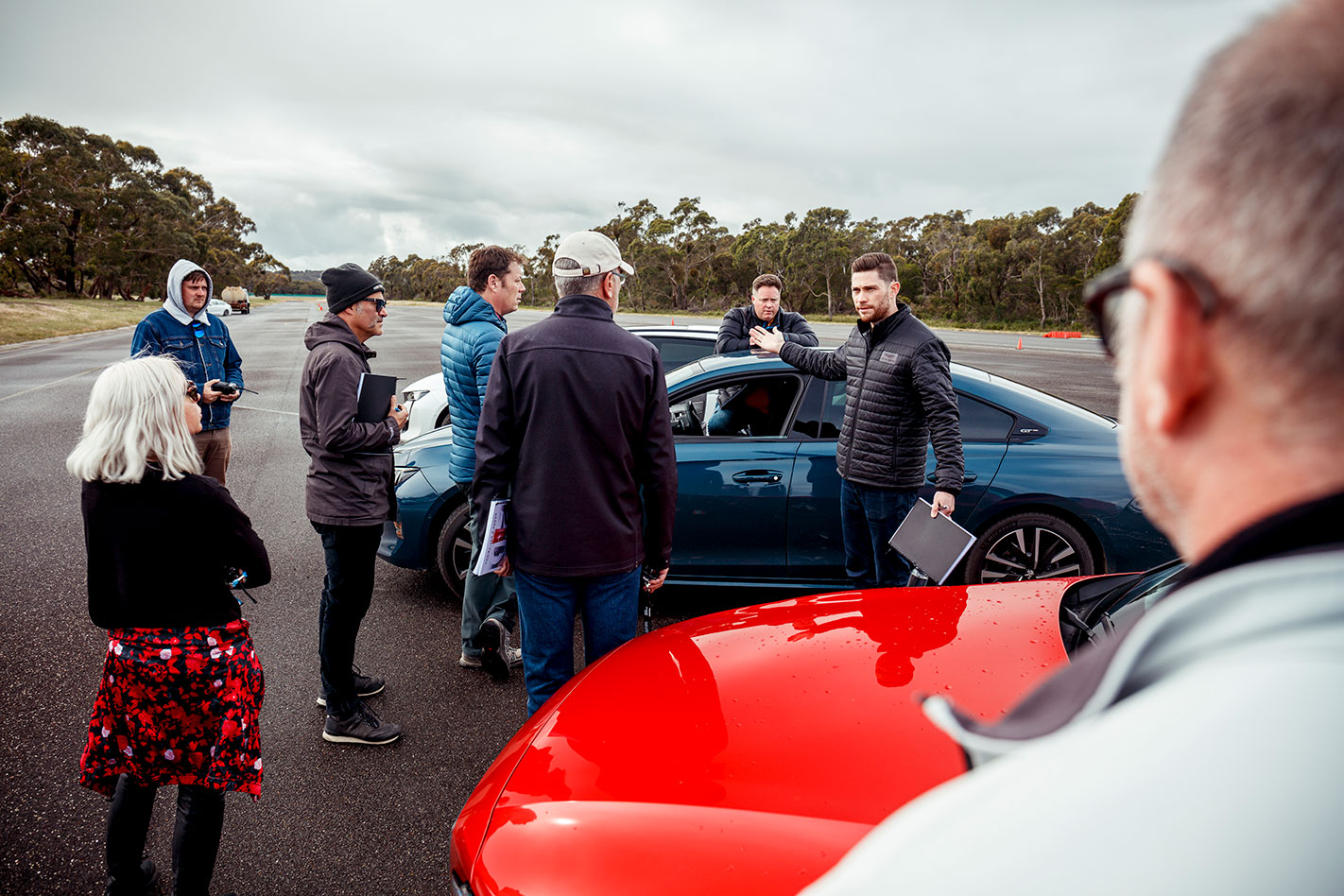
So what’s different for 2020? A big one is the transparency of the judging process. We reiterate the five criteria that the cars are judged against every year. Function, Technology, Value, Safety and Efficiency become a mantra for every juror. What we haven’t done to date is publish the scores that each car achieves against those five pillars. That changes this year. Every judge’s decision is going to be open to scrutiny, helping you to better understand how a vehicle progresses – or otherwise – through the entire competition.
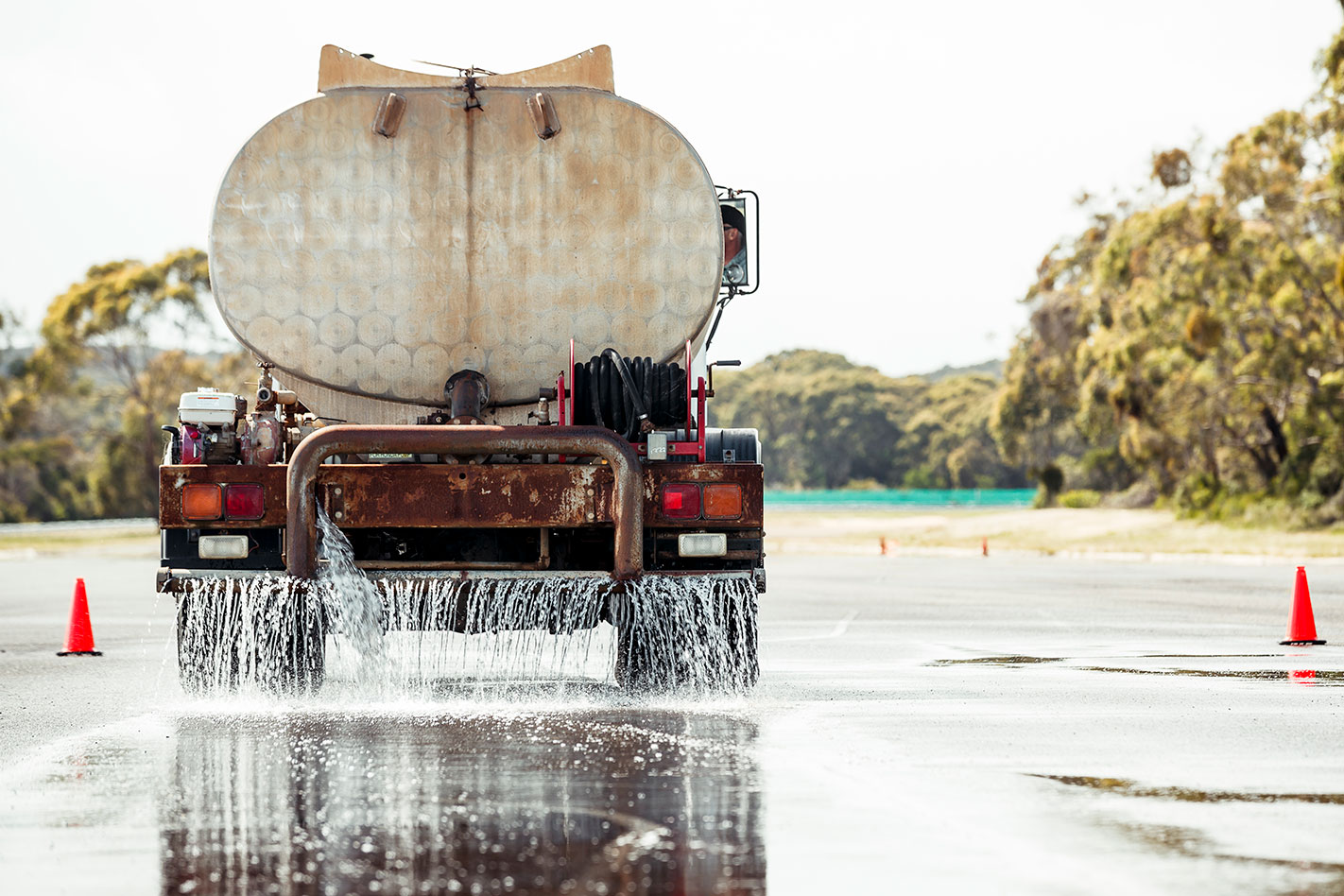
In order to make that process ever more objective, data gathering will play an even bigger part. We are collecting more information on the cars this year than any other to improve our decision making and further boost the award’s reputation for objectivity. Each car will be independently tested for wet/dry braking, 0-100km/h performance, and cabin noise at 80km/h.
Connectivity is increasingly becoming a key buying criterion. This year we’ll run each vehicle’s infotainment system through a standardised test during the judging walk-arounds, scoring them on factors such as functionality, design and quality.
In previous years, the push has been for inclusivity. This year breaks that tradition. A bigger competition isn’t necessarily a better one if it compromises on quality. Therefore, only cars with a genuine shot of winning the trophy have been invited. This has meant that cars that have performed poorly in comparison tests get the chop, helping reduce the number of cars from 60 to 35. More time spent with a more select crop of cars results in a better verdict for you.
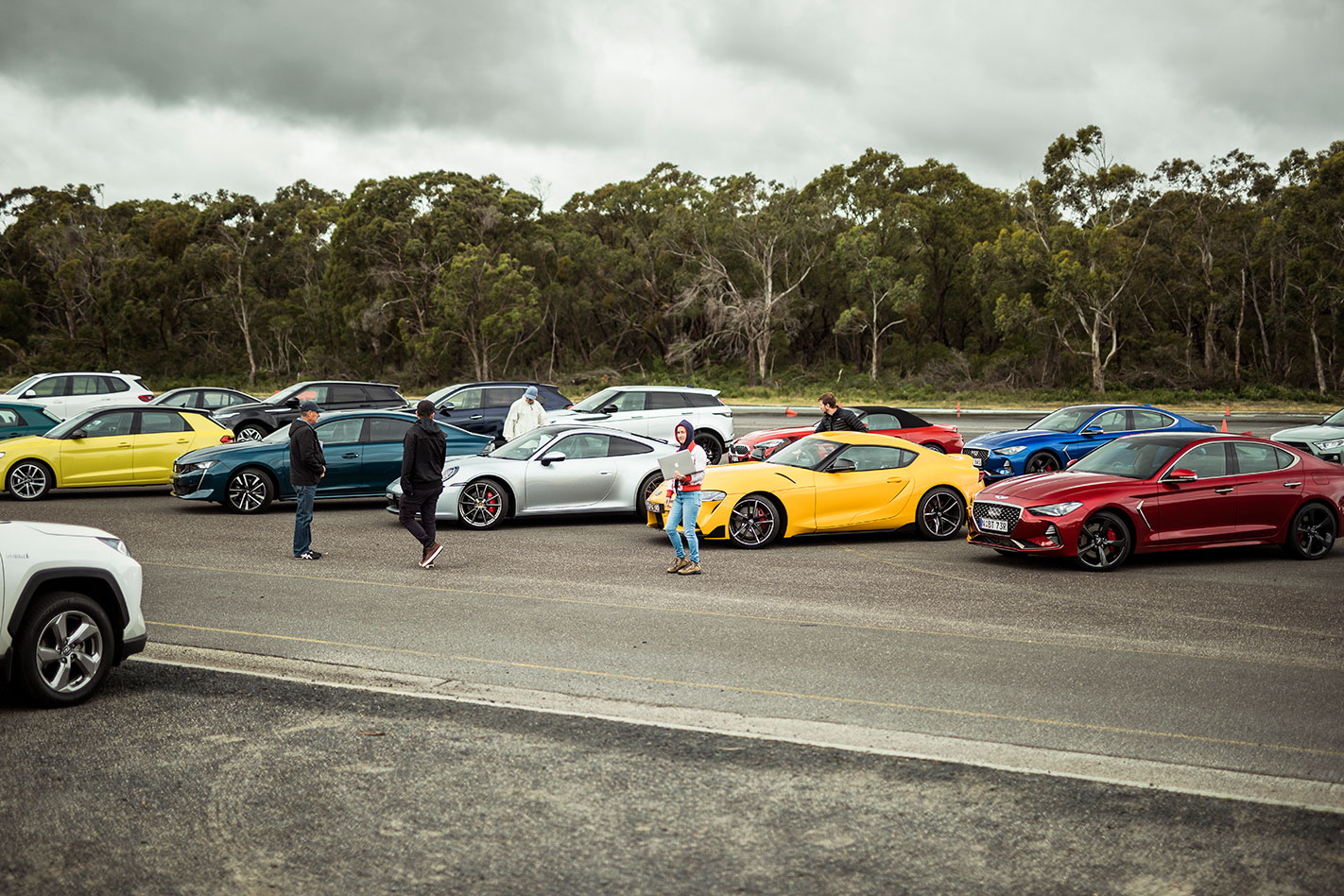
As well as making the judging process less opaque, we’re also moving to make it fairer, especially where value is concerned. In a bid to maintain a certain attainability and relevance, the value criterion was primarily concerned with affordability. Many excellent cars were thus excluded merely on the basis that they carried a larger price tag. That’s no longer the case. From now on, a broader judgment on whether the price reflects the vehicle’s qualities will help inform the value decision. That doesn’t mean that COTY becomes a luxury-car shootout. We’ll still score the cars on metrics such as warranty and servicing, resale and running costs.
The process ought to reward genuinely special cars and not just default to a bland level of competence across the board. That’s why we’ve also added an ‘X-factor’ rating in the functionality category, to recognise those cars that are elevated above their peers in terms of ownership experience.
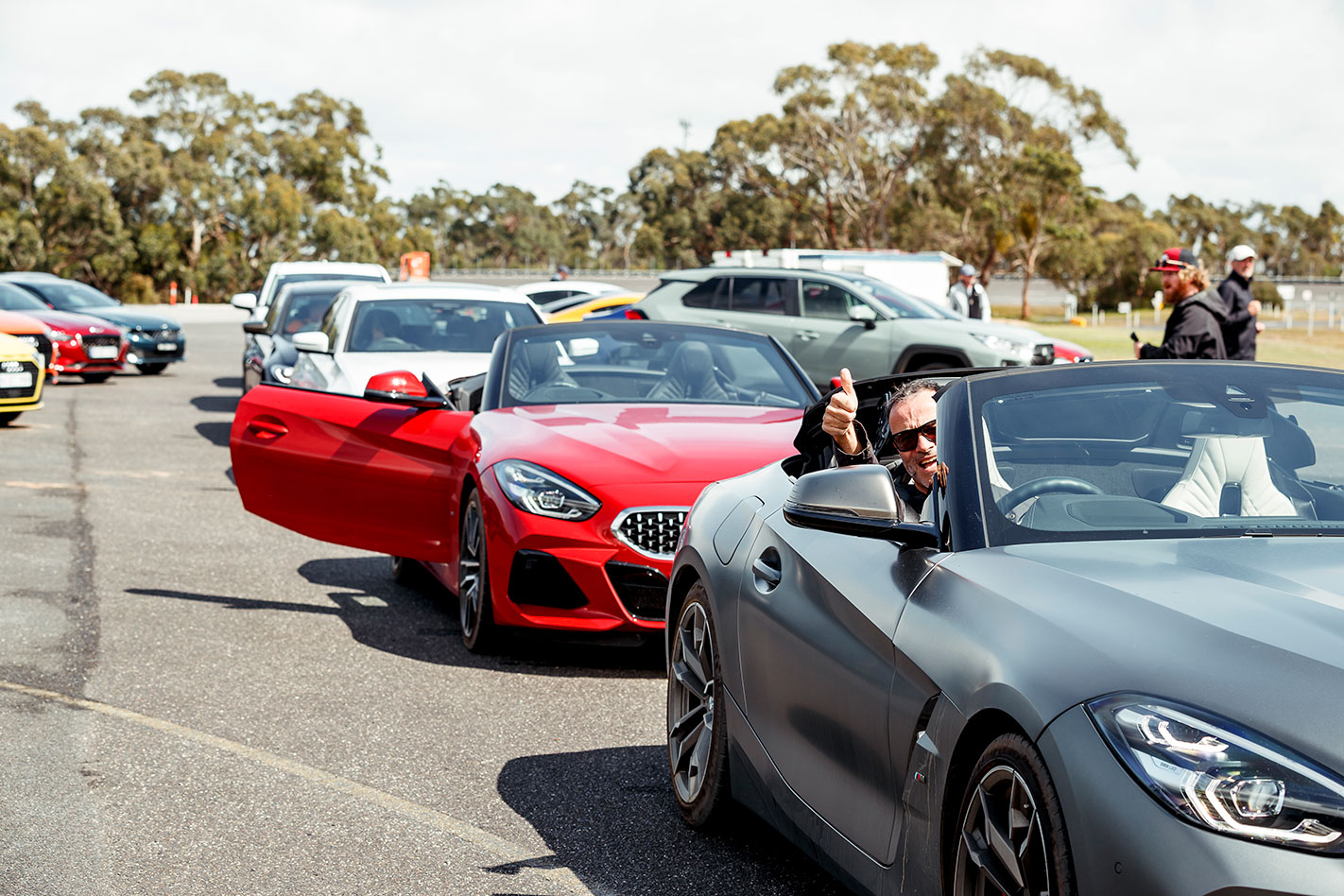
Car of the Year is a process that’s been refined over more than half a century. But refined is the word. It needs to constantly evolve to retain its pre-eminence. A light tune-up for 2020 feels about right.
Equipment and value
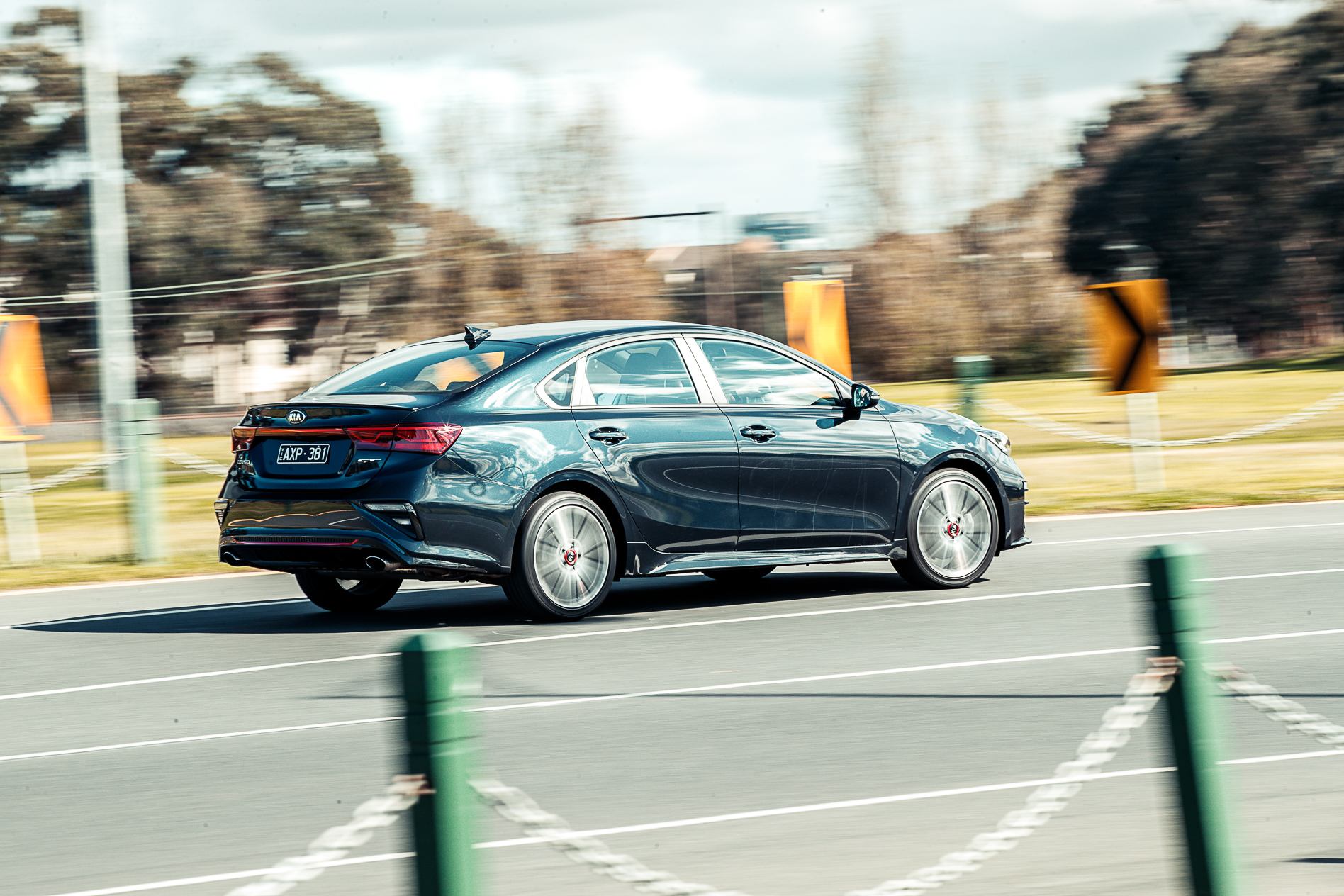
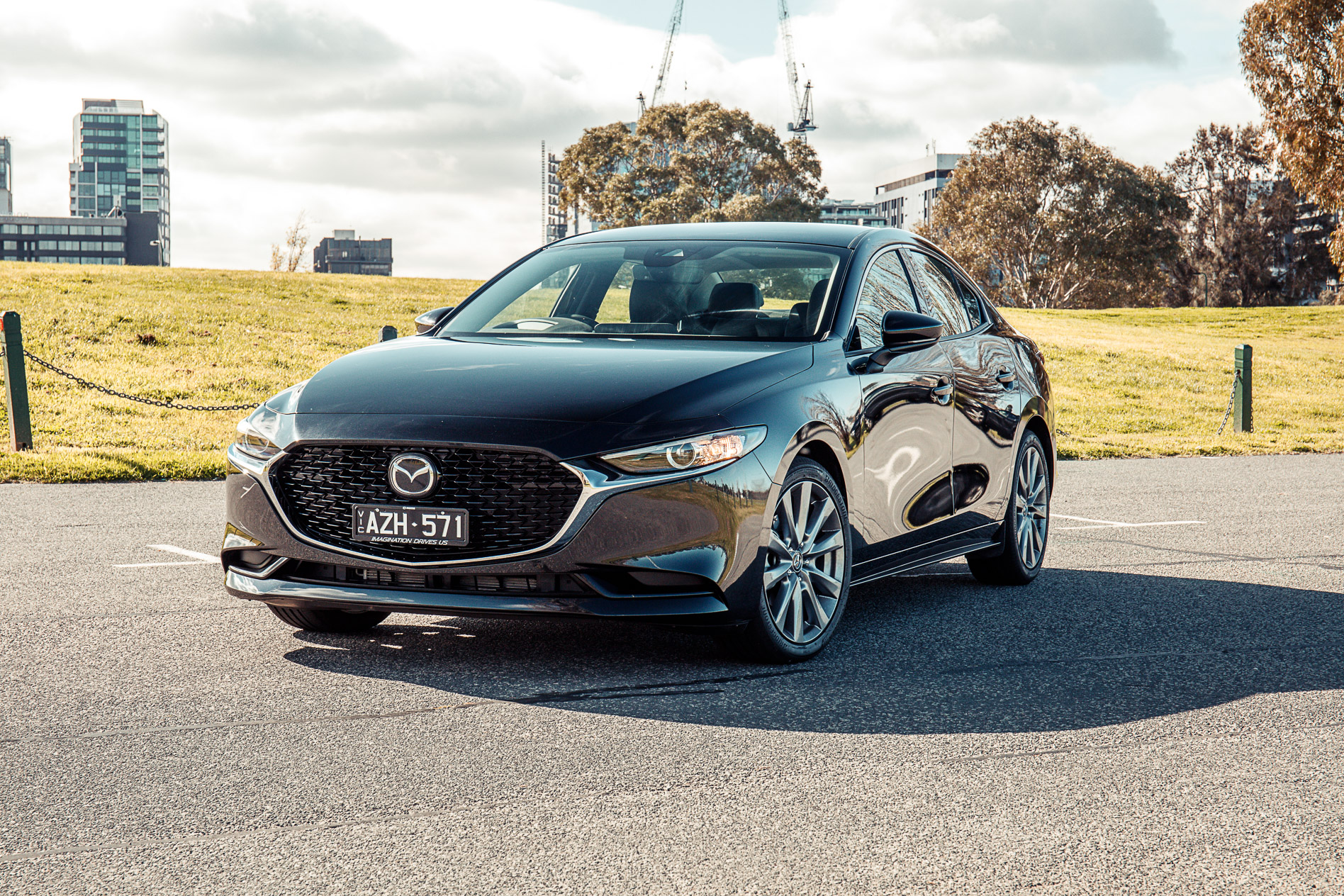
The G25 GT is stacked with kit. It scores i-Activsense, which includes AEB, lane keeping, lane-departure warning, traffic-sign recognition and forward-collision warning. The 8.8-inch display, while not touch-enabled, supports Apple CarPlay and Android Auto, and the GT gains heated seats/steering wheel, leather, head-up display and a 12-speaker Bose sound system.
Mazda’s five-year, unlimited-km warranty is two years short of Kia’s, and the 3’s price is higher at $34,490.
Score: 19/25
Space and comfort
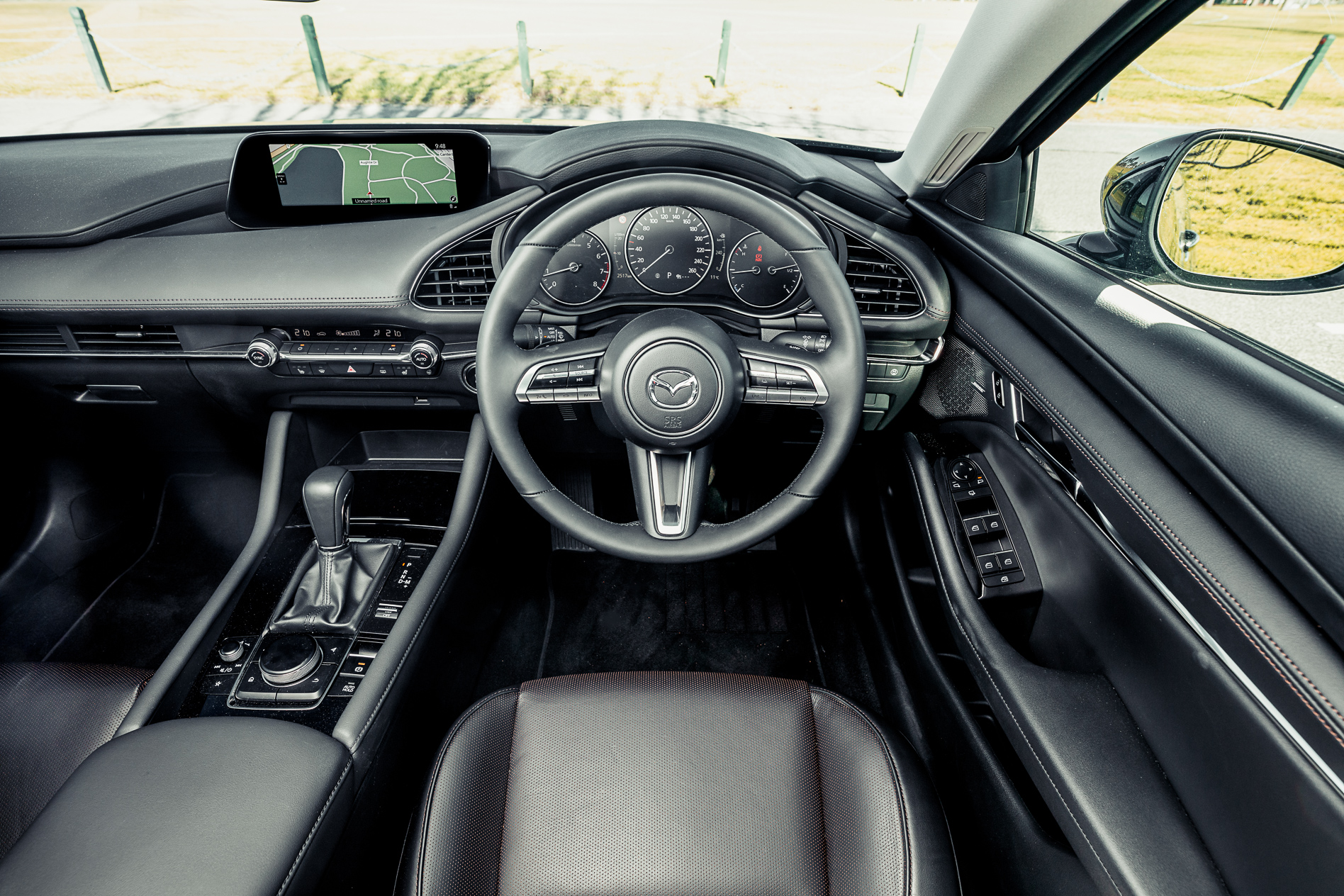
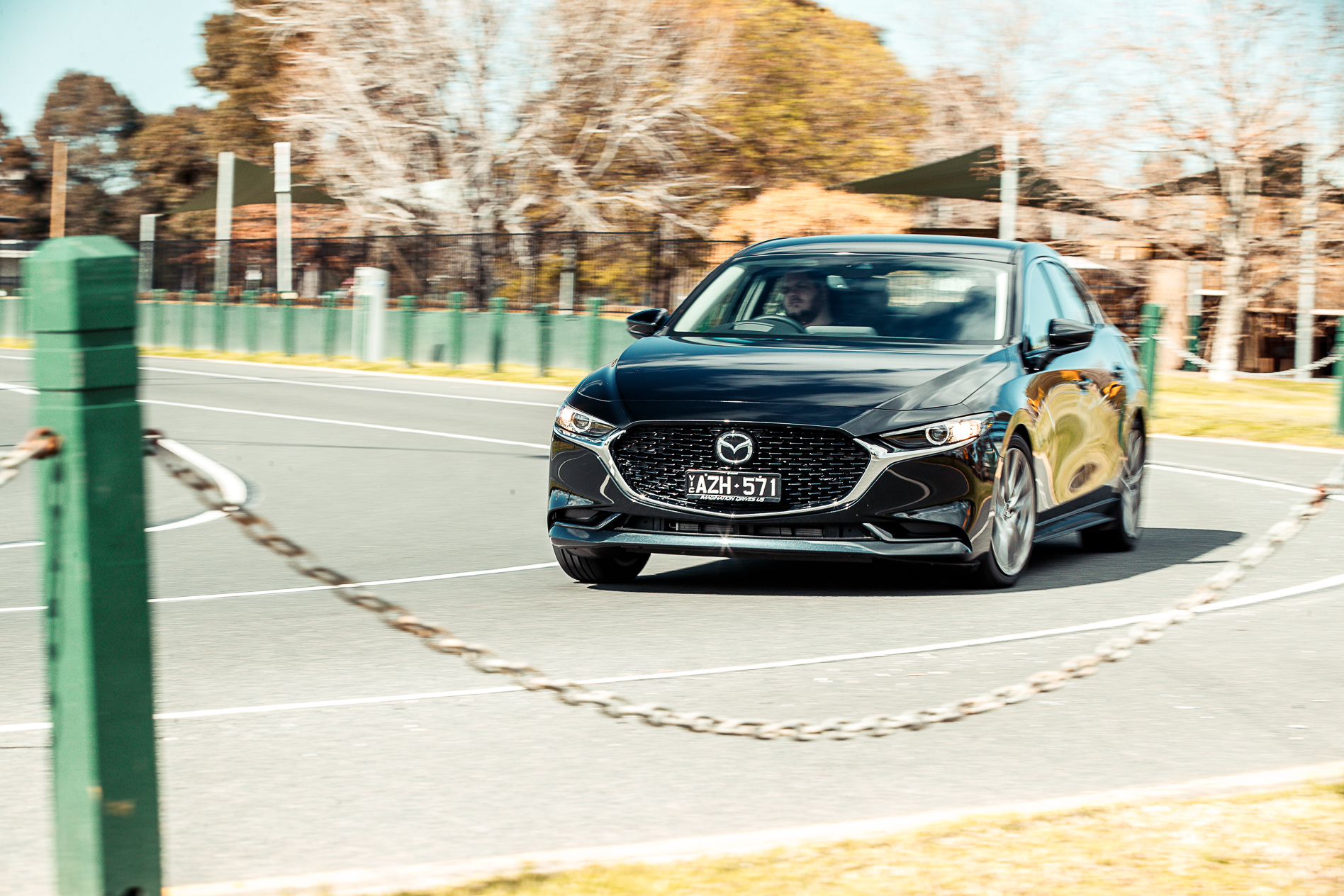
Slide inside and an upmarket philosophy is apparent. The G25 GT is bang-on in terms of quality and design. The soft-touch dash, handsome screens and tactile controls combine to create a premium ambience.
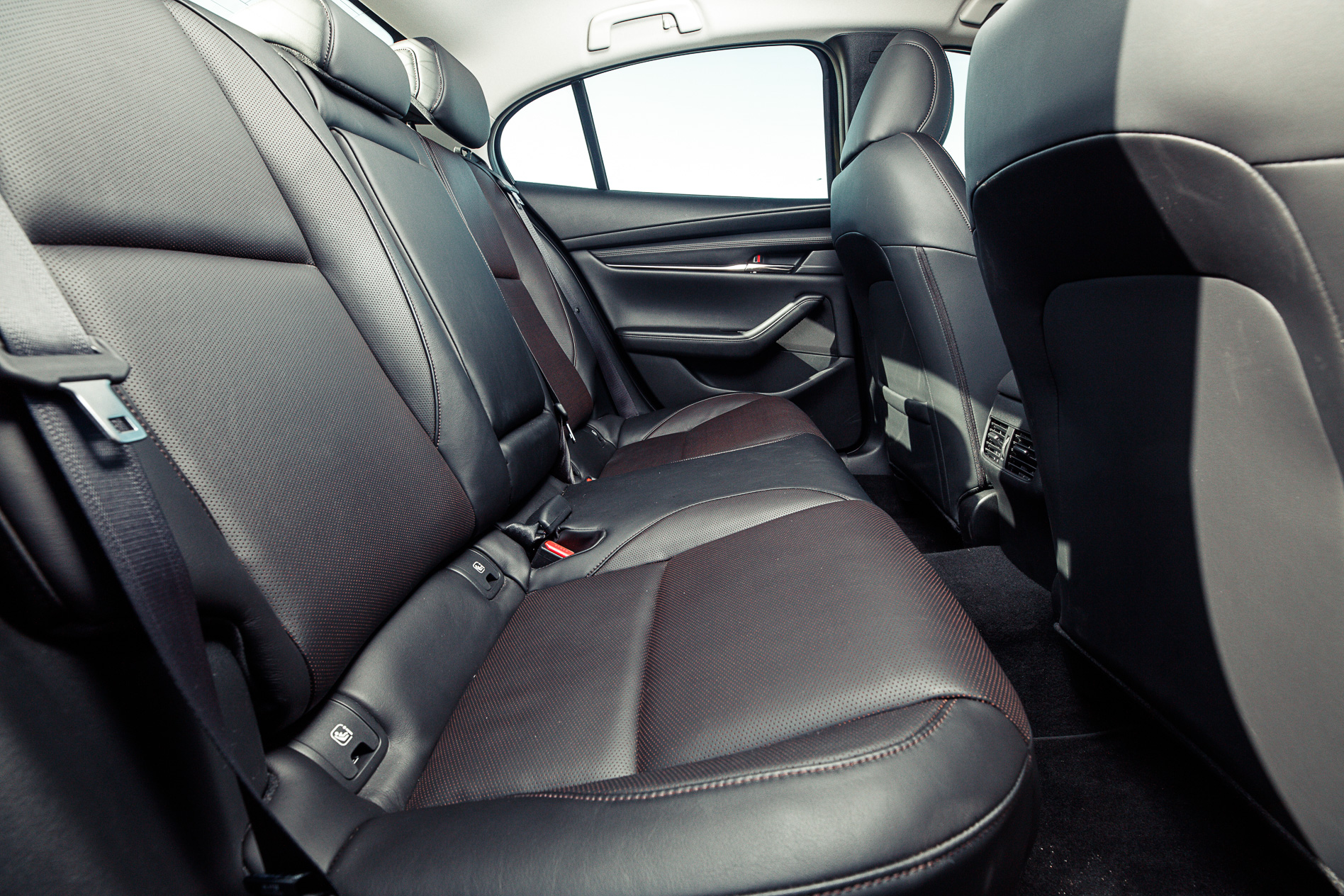
NVH levels are dramatically improved over previous 3 offerings. The sedan is 200mm longer than the hatch, affording a useful 444-litre boot. However, entry and egress is hampered (for some drivers) by the B-pillar’s position.
Score: 23/25
Ride and Handling
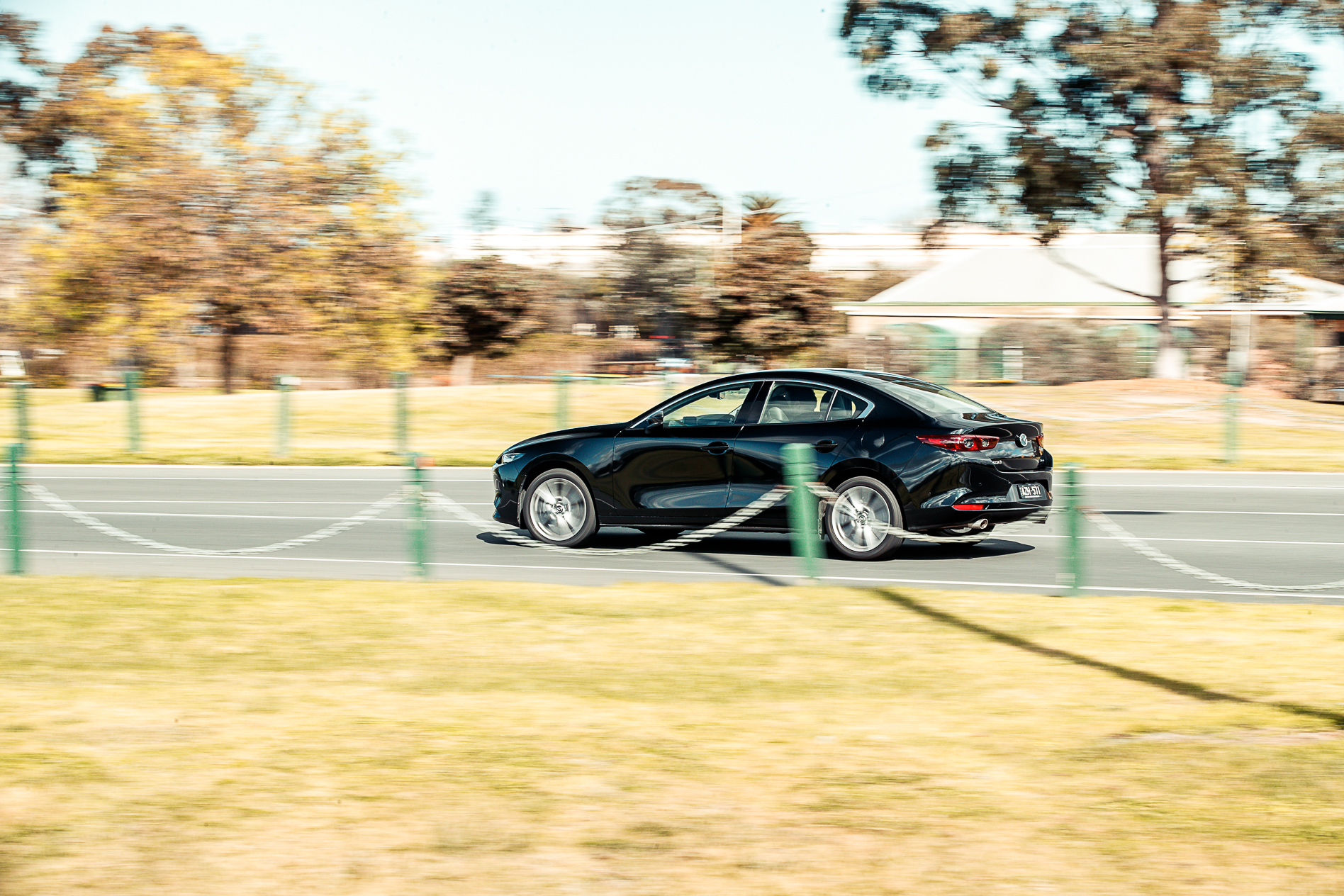
Despite the torsion-beam rear, the G25 GT shines dynamically. The open road reveals a fluidity, lightness and capability that rivals warm hatches. At speed the steering feels connected, the powertrain is responsive and there’s genuine engagement at the car’s limits.
The trade-off is a ride quality that, when confined to city limits, verges on firm – sharp imperfections can transfer into the cabin. Still, the 3 retains its traditional keen handling prowess.
Score: 20/25
Performance and Economy
Powering the G25 GT is an atmo 139kW/252Nm SkyActiv-G unit. At 2.5-litres it’s not a small four-cylinder, and the extra torque is appreciated. The performance is respectable, if not sparkling, but the ratios of the six-speed auto (six-speed manual is $1000 cheaper) are well judged.
Idle-stop helps achieve the combined consumption figure of 6.5L/100km, but sadly there’s still a wait for the much-vaunted SkyActiv-X compression-ignition engine.
Score: 18/25
Total: 80/100
Equipment and value
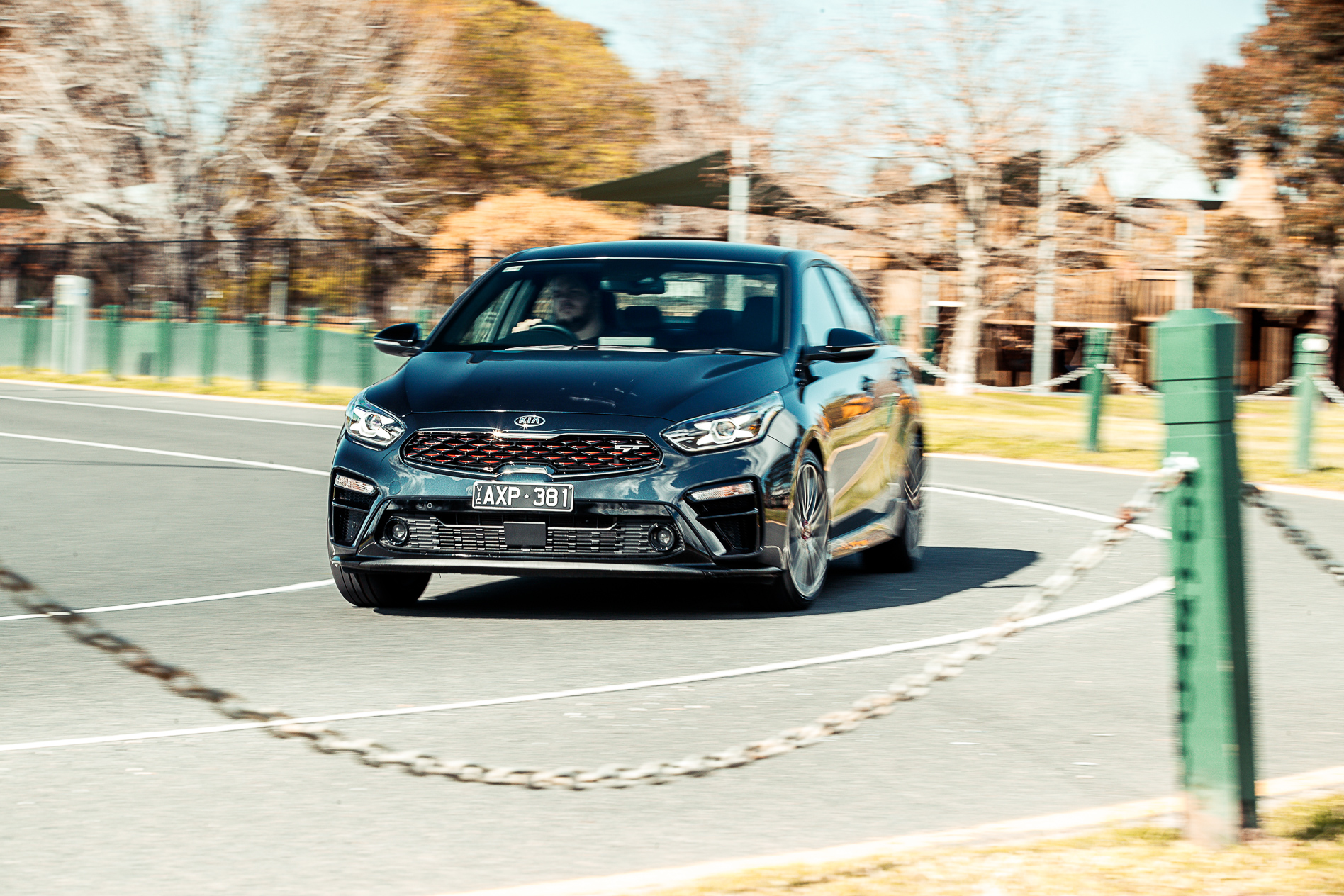
The range-topping Cerato GT largely mirrors the Mazda’s safety kit. Other spec highlights include front and rear parking sensors, dual-zone climate, heated/ventilated seats, eight-speaker JBL sound system and an 8.0-inch touch display supporting Apple CarPlay and Android Auto.
The Cerato lacks the 3’s rain-sensing wipers and head-up display, but its industry-leading seven-year, unlimited-km warranty and $31,990 price add to its appeal.
Score: 21/25
Space and comfort
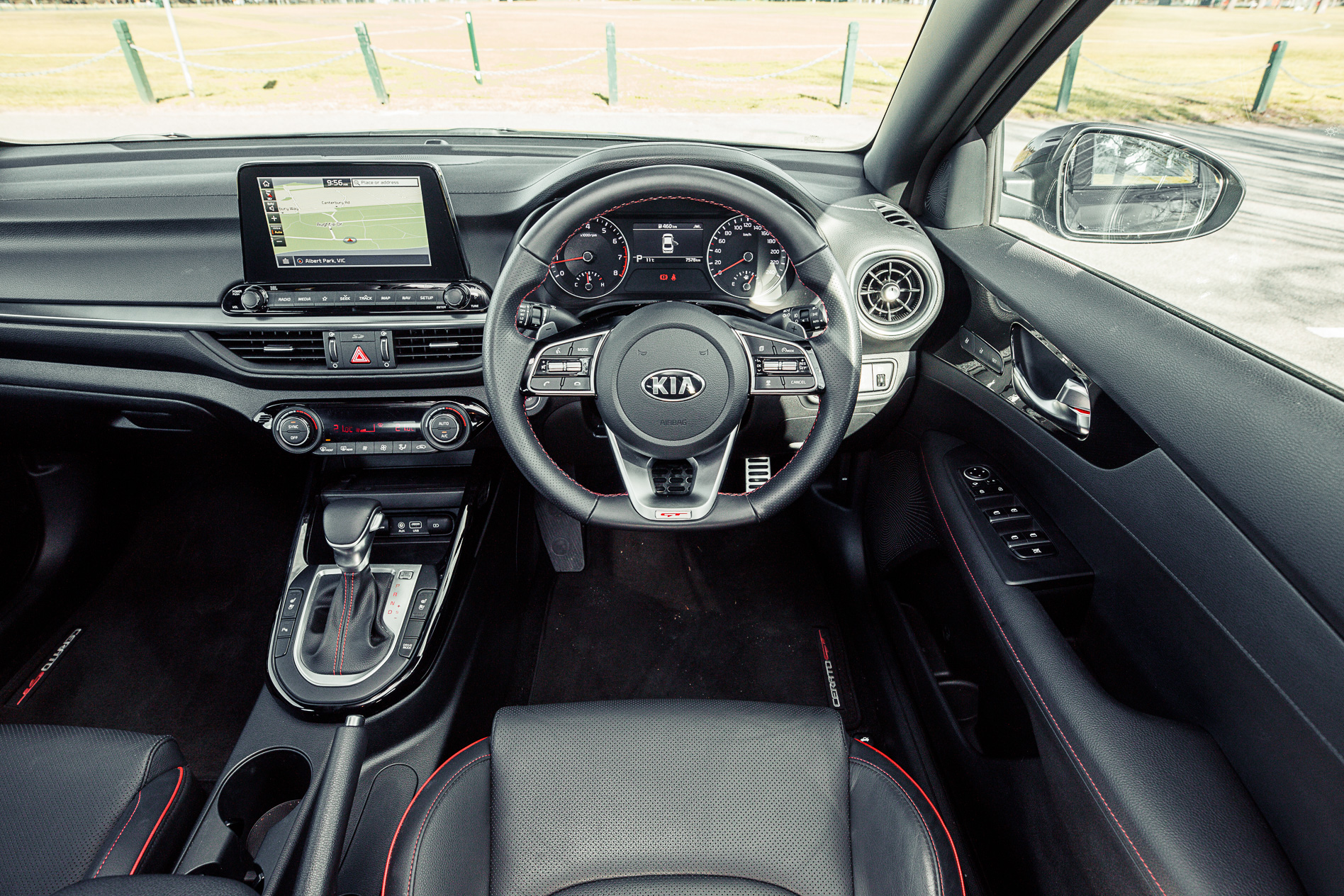
Sporty is the theme, and it’s backed up by GT motifs and ‘racy’ red accents and stitching. While there are more hard plastics in the Cerato and some of the instrumentation isn’t as classy as the Mazda, NVH levels are similar and the Kia’s cabin has an ambience befitting the Korean’s sporting intent.
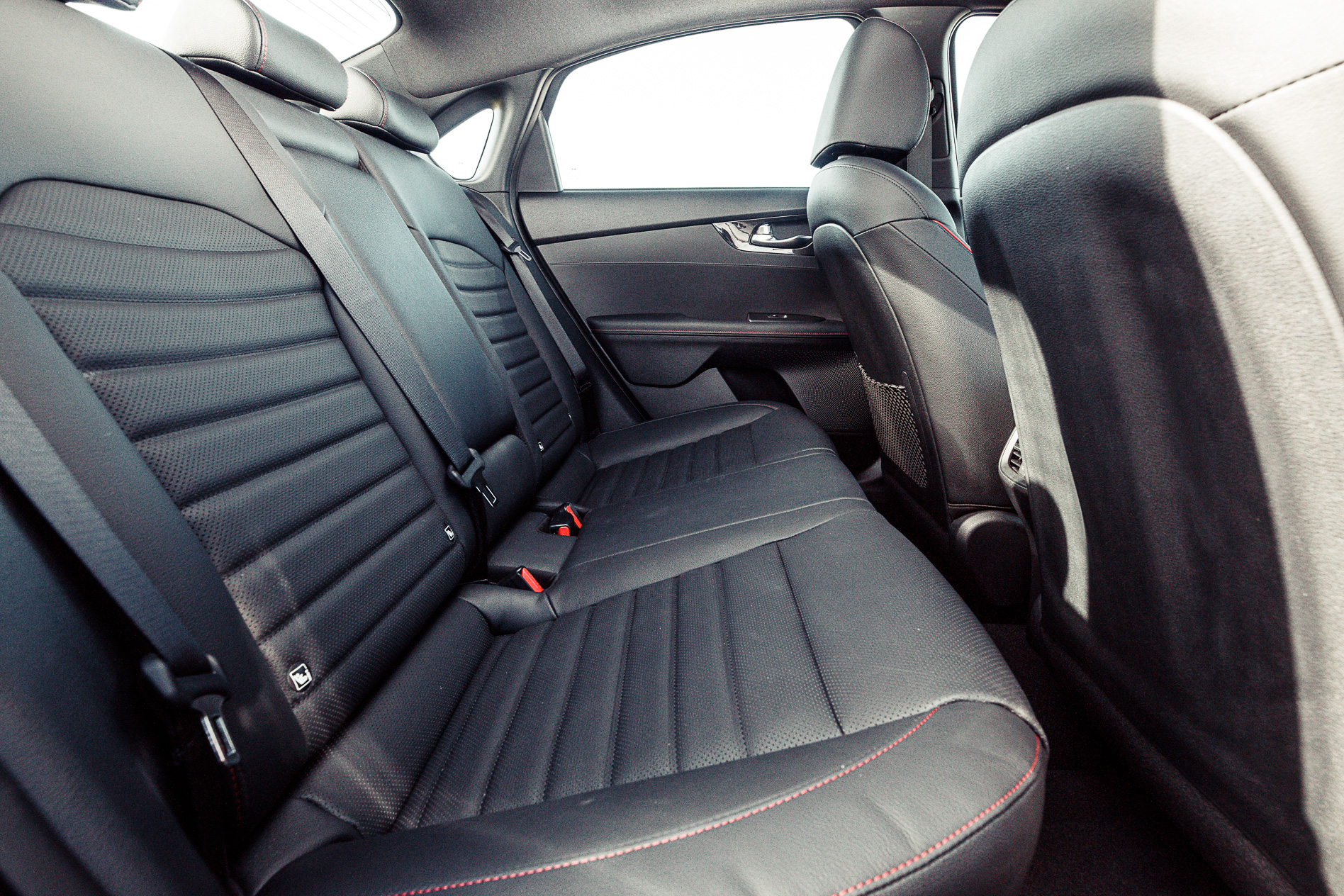
In terms of space, both are dimensionally close and head- and legroom for rear-seat passengers are on par. However, the Kia has a significantly bigger boot at 502L.
Score: 20/25
Ride and Handling
With suspension tuned specifically in Australia for our roads you’d expect a supple ride quality. But you’d be wrong. Stiff, but not crashy, is the result – the well-tuned dampers are its saving grace. Tied in with a multi-link rear-end and 18-inch wheels wrapped in grippy Michelin Pilot Sport 4 rubber, the Cerato GT feels planted and engaging.
While its persona is a little more focused than fun compared to the Mazda, it would be quicker along your favourite road.
Score: 19/25
Performance and Economy
The 1.6-litre turbo four-cylinder instantly feels the punchier of the two, and with 150kW/265Nm, the raw figures support this. It’s eager to chirp the front wheels, and pulls cleanly throughout the rev range. The seven-speed dual-clutch can be a bit dim-witted at the outset but it shifts quickly on the run.
No manual is offered. The Kia misses out on cylinder deactivation and start/stop tech but returns a respectable 6.8L/100km – and gains a quirky fake soundtrack to boot.
Score: 18/25
Total: 78/100
Verdict: Good things come in 3s
If you want boosted performance and more in-your-face styling, the Kia Cerato GT ticks a lot of boxes – while also being more pragmatic due to the bigger boot. However, the Mazda’s luxurious cabin, upmarket ambience and fun dynamics give it the win.
Plus, the sedan bodystyle returns superior rearward vision (compared to the 3 hatch) and a cohesive design that generates a mini-me Mazda 6 vibe.
Both contenders are worthy of your cash, but as a car to own and to drive daily, the Mazda makes a tad more sense. It marks a return to form for the desirable, small, sporty front-drive sedan.
Despite ever increasing safety systems in modern cars and omnipresent fines for various infringements, the Australian road toll increased in 2019.
In total across all states and territories, 1182 lives were lost on Aussie roads, which is an extra 47 fatalities compared to 2018, according to numbers collated by 7News.
The state with the highest recorded figure is NSW with 352 deaths, an increase of six deaths in relation to 2018.
This is in the face of the NSW Government spending $88 million implementing mobile-phone detecting cameras (both fixed and mobile) after a six-month trial ‘caught’ 100,000 drivers red handed. With the system now in place, you’ll receive a $344 fine and five demerit points if detected. NSW is also considering the removal of all road warning signs for fixed and mobile speed cameras in an effort to reduce the state’s road toll.
Victoria’s road toll rose to 263, which is the biggest increase for any state or territory for the year given its total was 213 in 2018. It seems the “collective brain fade” Victoria Police Assistant Commissioner Stephen Leane alluded to earlier in 2019 continued.
Both South Australia (113) and Western Australia (164) recorded rises with an extra six and 33 fatalities respectively. Queensland (217), Northern Territory (35), Tasmania (32) and ACT (six) all saw its tallies drop, with the Sunshine State decreasing by 28 deaths.
Interestingly, fewer cars made it onto the roads this year, too, with the official VFACTS tally for 2019 coming in at 1,062,867 – the lowest annual result since 2011. However, it seems the increase in the number of cars fitted with features like Autonomous Emergency Braking (AEB) as standard and harsher penalties for driving infringements isn’t helping.
A continued downturn in new car sales will put more bargaining power into the hands of consumers looking to put a new set of wheels in their driveways in 2020.
Australian new car sales fell 7.8 percent in 2019 to 1,062,867, according to official VFACTS registration data released by the Federal Chamber of Automotive Industries (FCAI) today. Worryingly, it’s the second year in a row sales have declined after a decade of consistent growth, adding further to the pressure on dealerships to sell cars and putting the power to negotiate even further into consumers’ hands.
Very few manufacturers will openly admit discounting vehicle prices, but with the various brands up against the ropes and ambitious targets to hit, there’s never been a better time to ask. Even in the cases where moving on the asking price is out of the question, many will be happy to throw in deal-softening extras to secure a sale.
As always, do your research and be prepared before you tour the forecourts, and you could turn a weak market to your advantage.
Typically strong brands aren’t immune to the slowing of new car sales, dampened by economic uncertainty, tougher credit approvals and a looming recession.

Even Australia’s far-and-away favourite Toyota couldn’t fight the receding tide. A final tally of 205,766 new cars in 2019 – more than double the total of second-placed Mazda (97,619, down 12.3 percent) – was still 5.2 percent down on 2018 numbers. Hyundai finished the year in third with sales of 86,104 (down 8.6 percent), followed by Mitsubishi with 83,250 sales (down 2 percent) and Ford with 63,303 (down 8.4 percent).
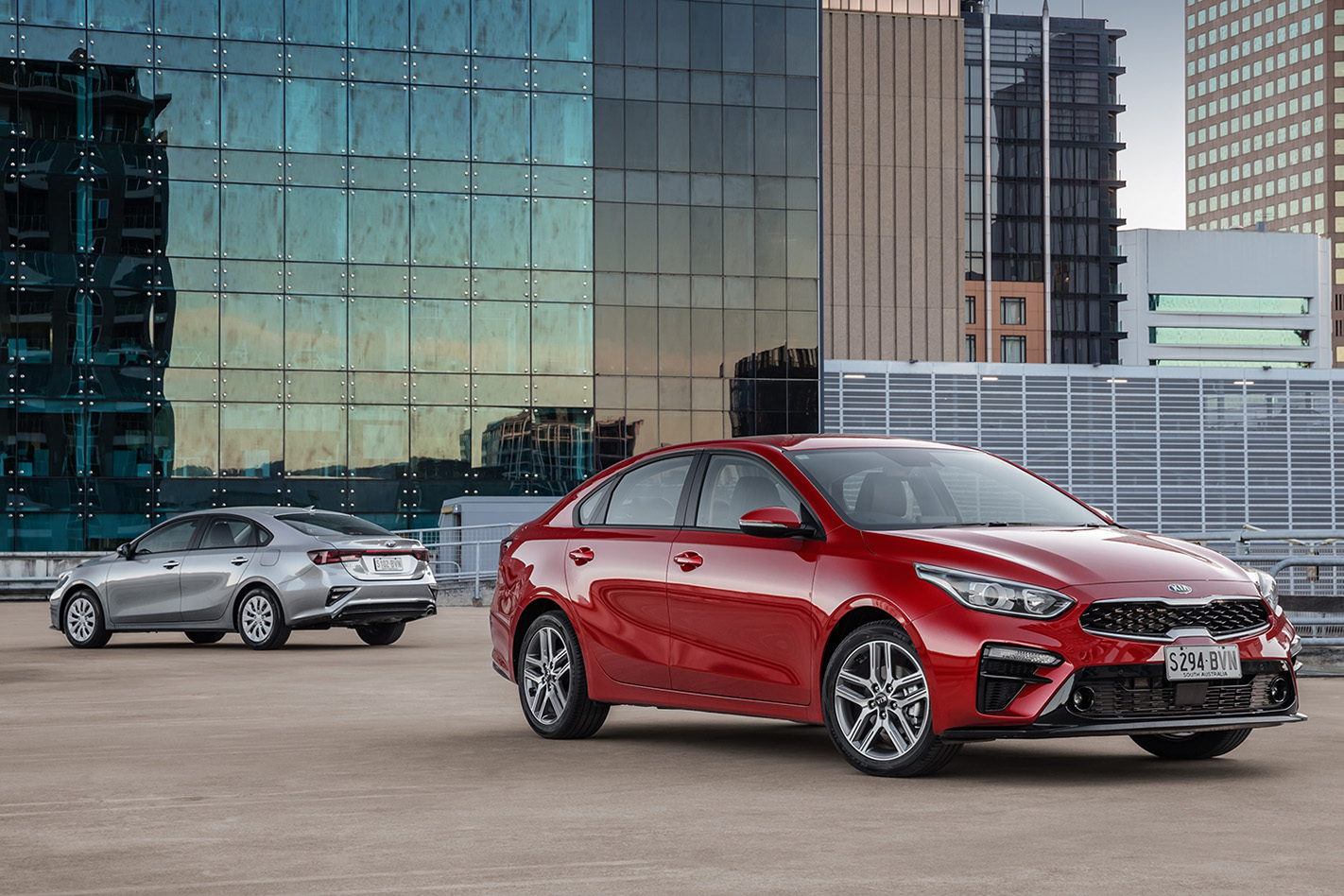
In sixth place was Kia, the only brand in the top ten to grow in 2019. Its sales tally of 61,503 is up 4.6 percent in 2018, mostly on the back of the Cerato small hatchback and sedan.
Nissan, VW, Honda came in 7th, 8th and 9th respectively. All of those brands suffered declines of between 11 and 15 percent.
Holden just scraped into tenth after another horrible year, its sales down 29 percent. That’s on top of the 32 percent decline it suffered in 2018, and with Commodore and Astra axed from the 2020 lineup that’s another 10,103 potential lost sales in the year ahead.
Holden’s fall from grace has been dramatic: The company that moved 132,923 cars in 2010 managed barely a third of that in 2019, and looks set to fall further before any recovery seems possible.
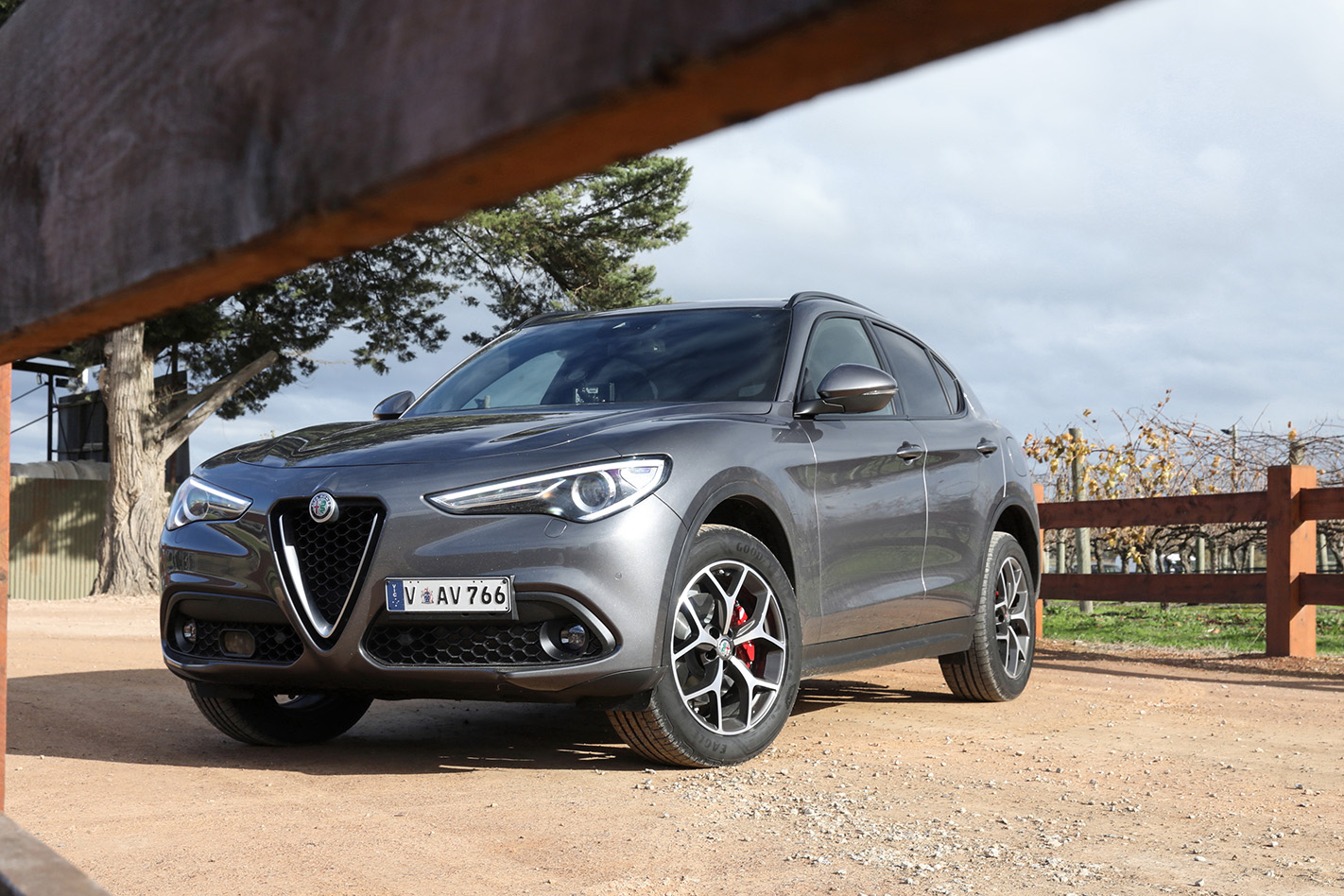
The gloomy end of the table is shared by Alfa Romeo (down 30.3 percent), Jeep slid 24.7 percent, and Subaru fell 20 percent.
Despite the doom and gloom a handful of marques managed to buck the trend. At the head of the pack was MG, that once most British of sportscar makers has reinvented itself as a budget hatchback and SUV company whose sales rose an incredible 177 percent to 8,326, leapfrogging two other brands who grew in 2019: Volvo and Skoda.
Buoyed by its popular Kodiaq and Karoq SUVs, Skoda kept its head above water rounding out the year with a 20.6 percent increase in sales.
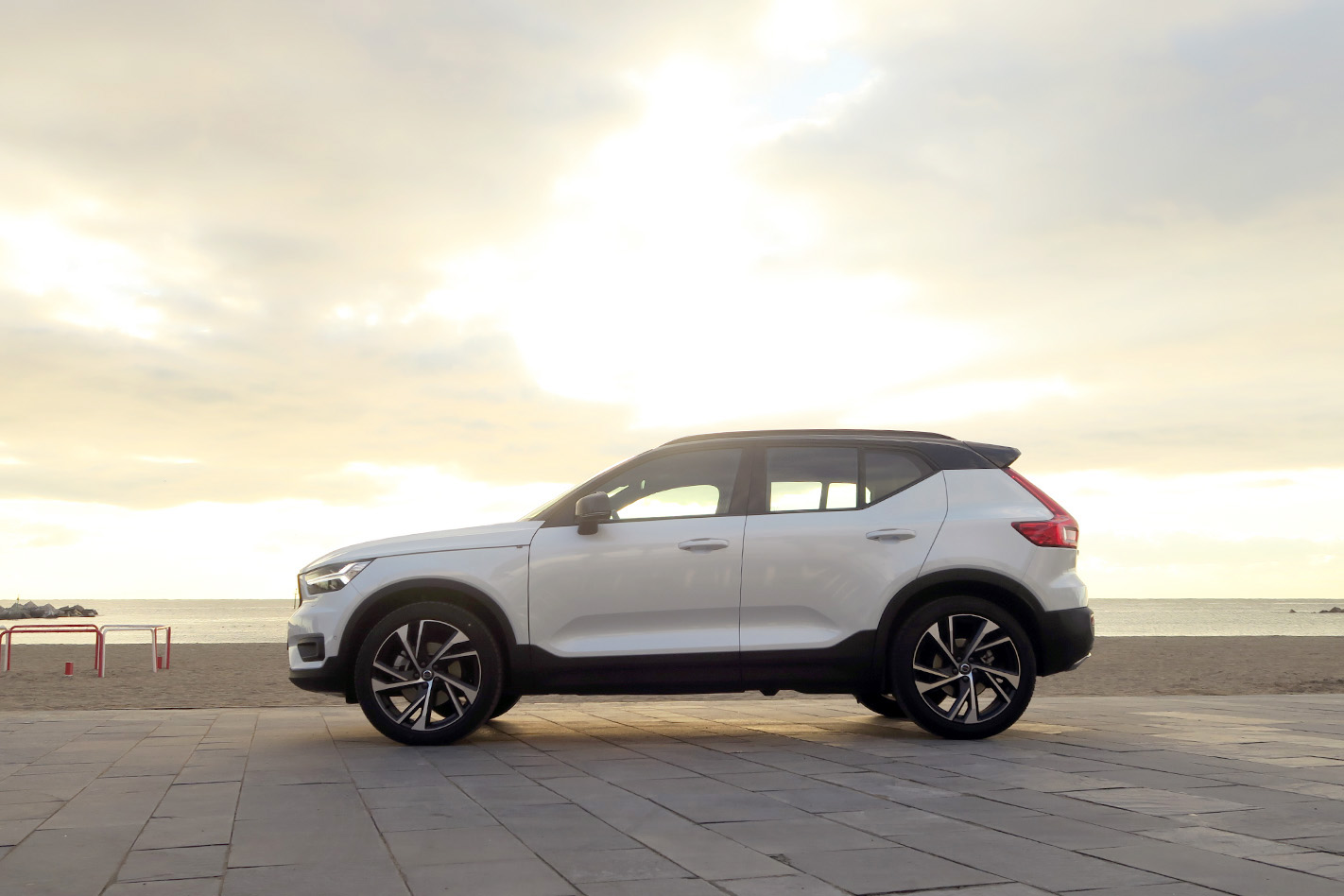
Volvo put in a similarly market-defying year with a 16.2 percent increase. Lexus and BMW also grew by 9.0 percent and 1.1 percent respectively.
The luxury brands proved that the wealthy continue to buy cars regardless of the economic climate with Rolls Royce up 37.5, Lamborghini up 9.7, Ferrari up 6.6 and Porsche up 6.4 percent.
Meanwhile Chinese SUV brand Haval lifted sales by nearly 170 percent to 1706 sales.
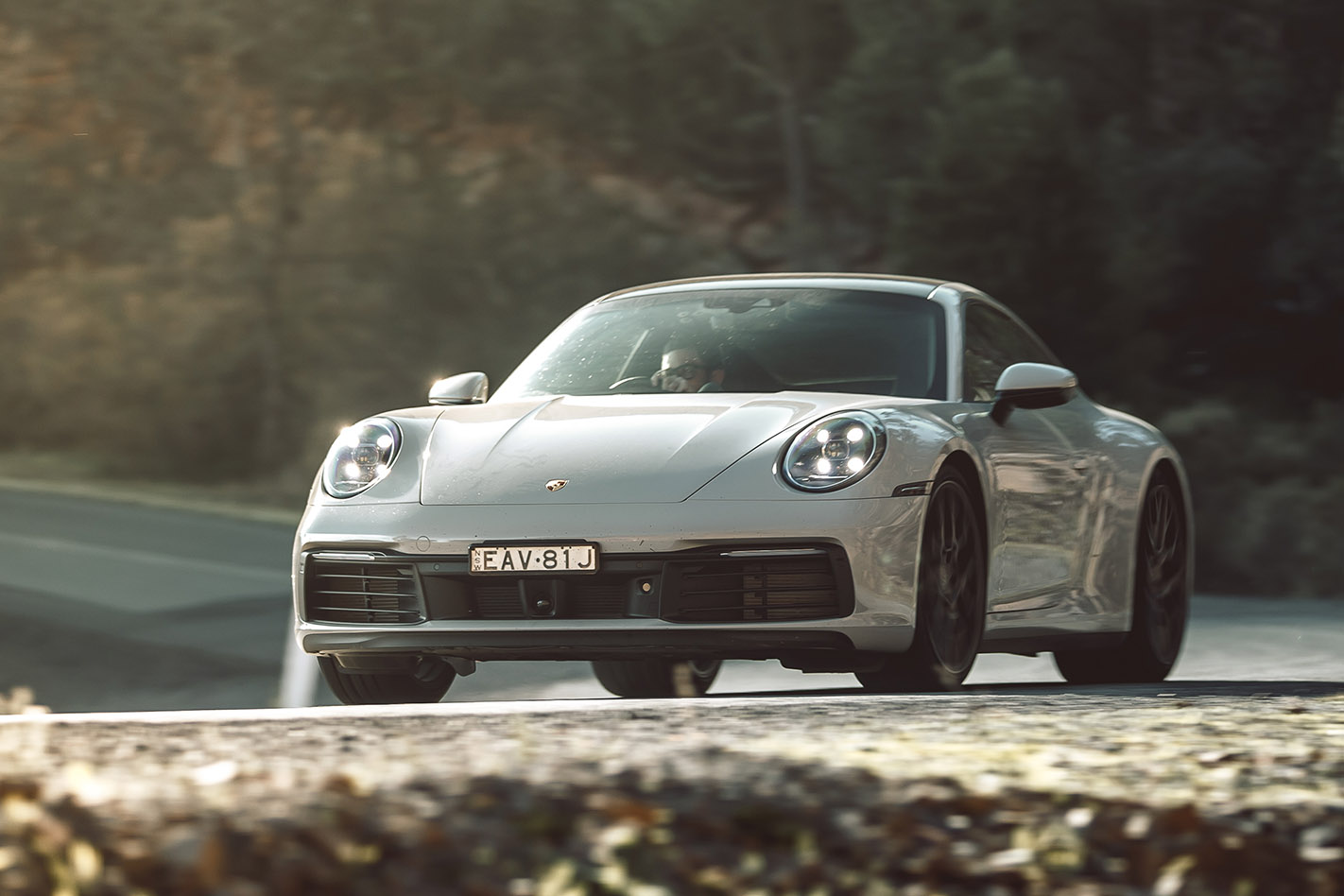
FCAI’s chief executive Tony Weber highlighted the many factors contributing to poor sales in 2019 have been with us for a while.
“2019 reflects a tough year for the Australian economy, with challenges including tightening of lending, movements in exchange rates, slow wages growth and, of course, the extreme environmental factors our country is experiencing.”
Despite the odd glimmer of hope, some reports suggest the car manufacturers are not out of the woods yet with sales likely to slide for another 18 months. So if you’re thinking of upgrading or treating yourself to a new car this year, remember to do your homework, explore all the options, and go in prepared to bargain hard, because the power is definitely in consumers’ hands.
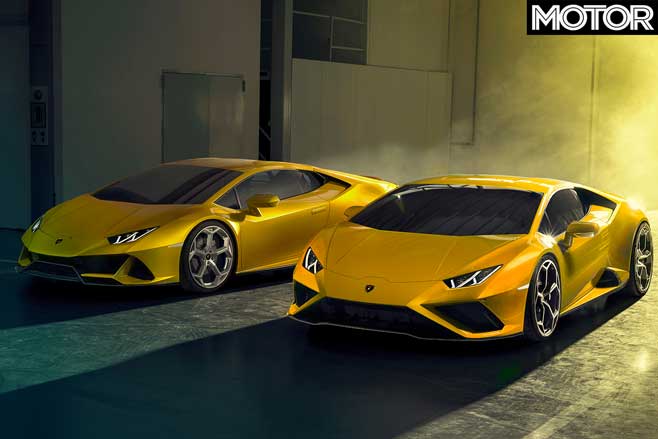
When Lamborghini reveals a new all-wheel drive Huracán, it’s not unreasonable to expect a rear-driver to follow at some point. Enter the Lamborghini Huracán EVO RWD.
In fact, enter the Lamborghini Huracán EVO RWD Spyder, too, which Lamborghini has revealed to MOTOR will be arriving at approximately the same time as the coupe.
With 449kW and 560Nm available from its dry sump 5.2-litre atmo V10, the same outputs as the AWD Huracán LP610-4, the EVO RWD will hit 100km/h in just 3.3 seconds as a coupe, though Spyder performance claims are yet to be confirmed. 200km/h is said to arrive in 9.3 seconds. Lamborghini also claims a top speed of 325km/h.
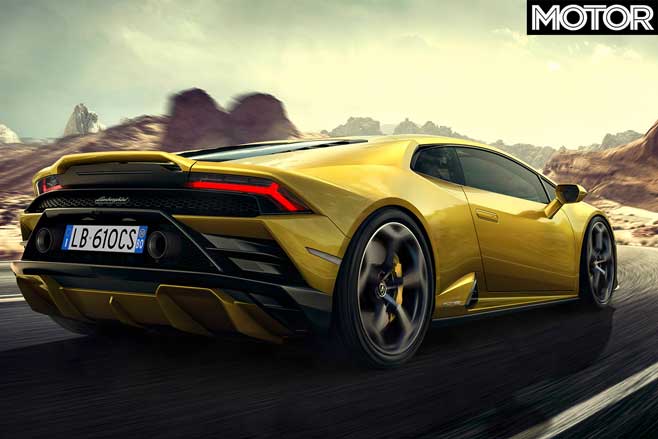
The rear-drive Evo is also down on weight, as you’d expect, when compared to the 1422kg AWD version. At 1389kg in coupe form, the RWD isn’t mind-blowingly light for a supercar, but it’s certainly not a weighty creature.
This comes mostly thanks to a light aluminium and carbon fibre chassis, with aluminium also comprising much of the bodywork and double-wishbone suspension.
Despite its capability for speed, the new rear-drive version of the EVO is aimed at buyers who want a ‘purer’ driving experience from their Italian supercar, Lamborghini’s CEO Stefano Domenicali says.
“The Huracán EVO rear-wheel drive puts the car in the driver’s hands: the driving experience is delivered by the hardware,” says Domenicali.
“This car reminds the driver of Lamborghini’s pure engineering origins. The driver is at the centre of the Huracán EVO RWD’s performance, with unfiltered feedback and an emotive and more engaging driving experience controlled by the pilot.
“The Huracán EVO RWD performance relies on the harmony between man and machine. Driving skills and the Huracán EVO’s RWD mechanics deliver perfectly balanced dynamics, physical feedback and a pure performance.”
A spokesperson for Lamborghini says Australia will receive its first deliveries of Huracan EVO RWD for customers from June 2020. This covers both coupe and Spyder versions.
Pricing will start from AUD$384,187 for the coupe, while a Spyder can be had from AUD$422,606, with pricing including GST and LCT, but not state-specific on-roads.
The Honda Insight G1 was never built to last. As much as we’ve become latterly accustomed to the idea of a five-year warranty or the notion of Honda’s obsessive engineering, there’s an inevitable mortality to the Insight. By modern standards it enjoyed a cranefly-like existence, the terminal failure of its hybrid battery packs being something you could guarantee. The Integrated Motor Assist (IMA) system could flatline with as few as 25,000km on the clock. Yet an issue that would sound the death knell for any other vehicle as a collectible classic is exactly what has sparked the Insight’s cult appeal. It’s probably the first modern classic you can home hack.
Just as there is a whole generation who know exactly which coin was best for adjusting the mix on a Stromberg carb, so there’s now a burgeoning community that has formed a knowledge base entirely outside the manufacturer’s aegis. The Insight’s position in automotive history was already cemented as one of the very first modern petrol-electric hybrids. What happened after that is in many ways even more fascinating.
The Insight was a commercial flop. When Honda first unveiled the car, it claimed that it would limit production to 6500 units per year. It struggled to sell half that number. The total production run from 1999 to 2006 ran to just 17,020 units, hampered by a complex build process, a limited market for two-seat city cars and, from 2003, competition from the hugely successful XW20 Toyota Prius. The Prius’s green credentials were burnished by the fact that it could run purely on electric power for short periods, whereas the Honda’s IMA system acted purely as a booster for the always-on petrol engine. This technical distinction was key in terms of green perception.
Honda’s Takanezawa plant in Tochigi was the home of the NSX. The company’s brightest and best worked on its halo car’s labour-intensive aluminium fabrication. The greater Tochigi campus was a self-contained R&D lab within the business. Design studios, rapid prototyping facilities and testing on the nearby Twin Ring Motegi circuit could fast-track ideas into existence. Another aluminium sports car, the S2000, was launched in 1999 out of Tochigi, with the Insight joining it. Tochigi represented Honda’s millennial shop window. It didn’t last.
Having opened in 1990, the Tochigi plant was shuttered in 2003, with Insight production moving to another facility with a handy strip of test tarmac: Suzuka. The so-called ‘small-volume models’ ran on a new line with a self-fulfilling capacity of just 60 vehicles a day. It was Honda’s tacit admission that, after four years of dwindling sales, the Insight hadn’t succeeded. Production halted in May 2006 and the nameplate wouldn’t appear on a new Honda for another three years.
The facts would appear to indicate that Honda built an expensive and impractical car with a suboptimal hybrid system that consequently sparked little in the way of demand. Yet these ingredients are almost the perfect crucible for a future cult classic. The Insight is quirky, relatively rare, strangely exotic and has become more desirable with every passing year. I once visited the offices of a performance car magazine in the UK and was stunned by the quantity of privately owned Insight G1s.
Wheels’ test of the $48,900 Insight in April 2001 saw John Carey fill the 40-litre tank and set aside 24 hours during which he expected to cover over 1000km of city and suburban driving. The first car with idle-stop he’d ever driven, the Insight also required Carey to recalibrate his driving, welcoming the opportunity to brake to recharge batteries, something that’s anathema to good fuel economy in a conventional combustion-engined vehicle.
“At the 24 hour mark, the fuel tank is showing empty and the trip meter displays 935km,” he wrote. “I’m tired but I must know if the Insight can achieve 1000km of city driving on a 40 litre tank. It takes almost an hour, but the Honda makes it. A few minutes later, at 1003km, after a couple of apologetic coughs, the Insight finally expires. It’s over.”
As impressive a technical achievement as this was, Carey was equivocal about the chances of a car that Honda had admitted would be challenged to shift 60 units in the remainder of 2001. “For hybrid technology, it’s a point emphatically proved. But this doesn’t mean the Insight is a brilliant car. Its focus on the achievement of low fuel consumption compromises practicality at the same time as pushing the price into the stratosphere.”
Carey had speared the Insight’s weaknesses and then set out the template for its replacement. “When Honda shows us the $30,000 five-seat hatchback that’s capable of, say, 5.0L/100km around town, then they will have a significant car as well as a significant technology.”
The hybrid tech was indeed significant and, by today’s standards, minimal. The electric motor fits into a tiny 60mm niche between the engine and the transmission casing. Where a Prius featured a bulky generator to divert engine power to the batteries, the Insight does without, regenerative braking or coasting turning the 10kW brushless motor to a battery generator. The battery pack is compact too, weighing just 20kg, the 144-volt nickel-metal hydride cells located beneath the rear hatch.
It’s hard to argue with the results, though. Even when it was withdrawn from sale in 2006, the Insight was still the most efficient vehicle on sale in the USA, thanks in no small part to a slippery drag coefficient of just 0.25. Honda quoted an overall figure of 3.4L/100km on the highway and 3.9L/100km in town for the export CVT version. A total system output of 56kW at 5700rpm meant that the Insight was never particularly quick, but it could weigh as little as 827kg in production trim. Everything was featherlight. Even the spare wheel was made of aluminium.
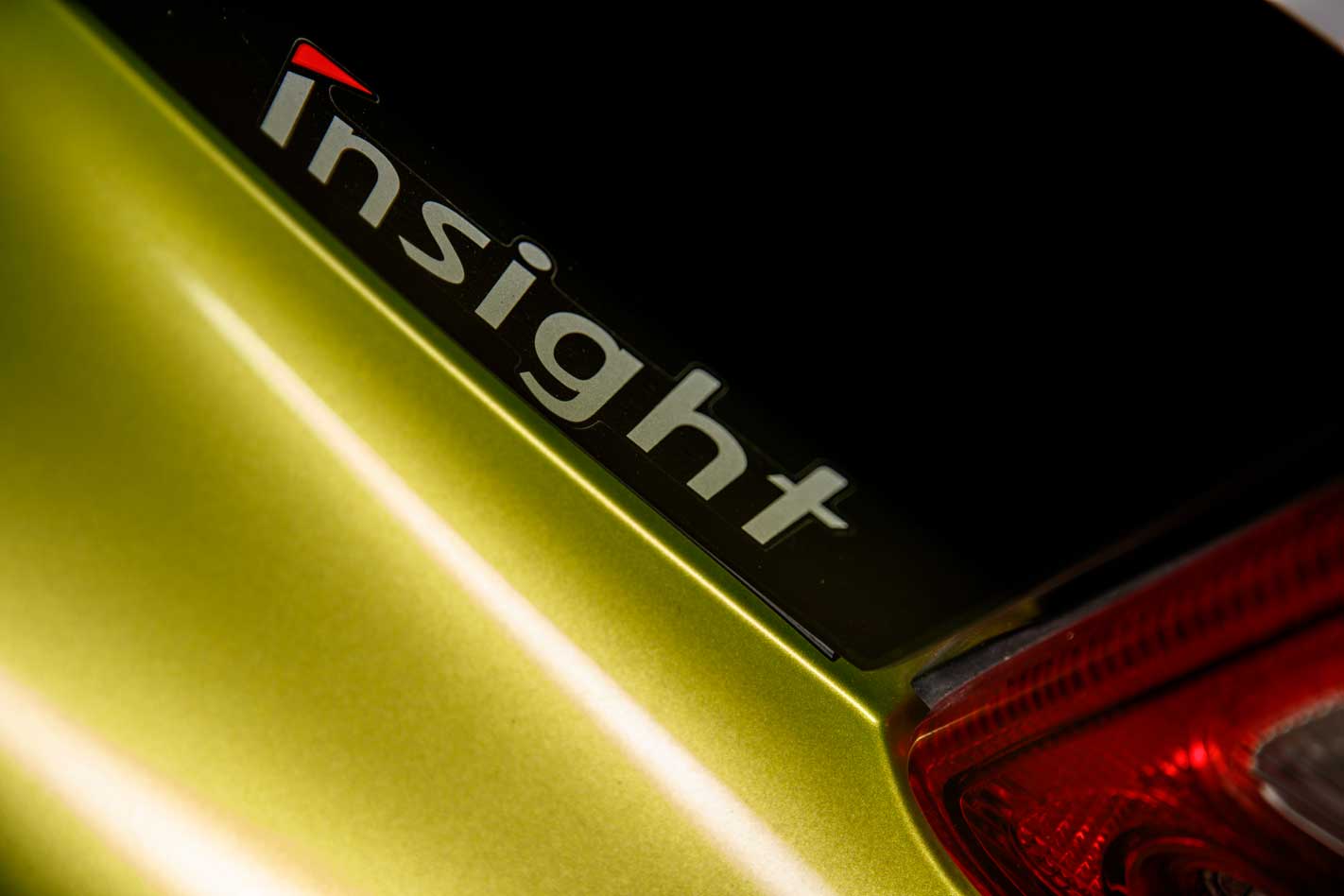
Honda’s prediction that the battery pack should last around 10 years or 160,000km proved wholly optimistic. The one consolation is that when the IMA system does give up the ghost, your Insight isn’t rendered immobile. The 1.0-litre, three-cylinder petrol engine will still propel the thing, albeit even more slowly than before. It even has a back-up 12V starter motor. Fortunately help is at hand. A lot of help.
Honda originally pitched a replacement battery pack at $4900. That’s quite an outlay when some packs were failing after around three years and the replacements were no better. Fortunately, even what seems to be a dead battery can be revived, with the process for doing so posted online. Analysis of the battery pack takes about nine days and you will become an expert on charge/discharge cycling of the battery sticks, charge balancing of cells and such like. A Super Brain 989 Peak Charger is your friend here.
This shouldn’t need saying as we’re all smart people, but let’s just be crystal clear. Working on an electrical system, even one that doesn’t appear to exhibit the vital signs of high voltage, can be deadly. An IMA isn’t something you can just jab a Bunnings volt meter into. If you’re not comfortable with working with high voltages, leave it to an expert. Above all else, ensure that no standing voltage is present, wear static-free clothes, and plastic tools are a good idea to avoid discharge risks.
With minor modifications, the battery pack can be grid charged, much like a modern EV. We’ve even seen the NiMH batteries being swapped for more modern lithium-ion cells, although this is one for the advanced hobbyist only. Fuel consumption is reduced still further, with highway economy figures of below 2L/100km. If analysing and renovating the existing battery pack seems a job too far and funds aren’t limitless, companies such as Bumblebee Batteries can supply increased-power 8.0 amp-hour NiMH cells. Total cost for the whole stack? Around $3000.
Want to go further? The car’s software is an open book and some owners have fitted a system with an F1-style KERS boost switch, customisable regeneration settings, and the ultimate Insight hack, electric-only running. The list of improvements and workarounds is vast and includes improved underbody aluminium panels, lean-burn optimisation and even cut-down Daewoo Matiz springs fitted to improve handling and load capacity.
‘Fixing’ the Insight has become a delightfully nerdy obsession. It was never a great car but has always been a fascinating one, and its current owners represent a new and supremely enterprising generation. Honda launched this slice of Japanese esoterica into such a rapidly moving market that it was virtually obsolete the moment it appeared. Today it’s a time capsule that embodies all of the excitement, the promise and the technological acceleration of a new millennium. Rather belatedly, it deserves our love.
Who owns one? Andrew from Melbourne
“I love the Insight’s fuel economy, light weight and styling. They’re quirky, different and full of character. I bought a red one in 2005 and then added this car in 2012. It can be grid charged and it has heavier springs front and rear along with adjustable dampers. There’s a dedicated enthusiast community based mainly in the US (Insightcentral.net) where there’s lots to learn about Insights and improvements that can be made to them. From the factory, the handling could have been better, but the modifications made to my cars are a big improvement. Insights don’t have a lot of power but they enthusiastically give all they’ve got. What’s not to love about that?”
The good: Uber-cool ‘Jolly Cabs’ styling; fuel economy still stands up; advanced body; sense of community among owners; investment potential
The bad: Requires a hands-on approach; very slow; rides poorly; two-seater layout is impractical; Aussie examples don’t change hands all that often
Fast facts
So how many Insight G1s did Honda manage to shift in Australia? Well, put it this way: they’re rarer than Lamborghini Aventadors. Just 45 were sold: 20 silver, 16 red, seven green and two black. All were manual but a handful of used imports with CVT transmissions were subsequently shipped in.
Honda Insight in numbers
- 84 – Insight battery packs to one tesla P100D battery pack
- 56kg – weight of the 1.0-litre three-pot engine
- 47 percent – lighter bodythan an EP Civic
- $7910 – more than a DC2 Integra Type R back in 2001
- 22:1 – lean-burn air to fuel ratio
Honda Insight G1 Specs
| Model: | Honda Insight G1 |
| Engine: | 995cc inline-three, sohc, 12v |
| Max power: | 56kW @ 5700rpm |
| Max torque: | 113Nm @ 1500rpm |
| Transmission: | 5-speed manual |
| Weight: | 827kg |
| 0-100km/h | 15.0sec (as tested) |
| Economy: | 4.0L/100km |
| Price: | $48,900 (1999), from $15,000 (now) |
