
Ford’s Falcon XR6 Turbo is undoubtedly one of Australia’s, and MOTOR’s, favourite modern classics.
Described to have been like no other six-cylinder Falcon before it thanks to Ford’s venerated Barra 4.0-litre turbo inline-six engine debuting in its nose, it unsurprisingly sold in droves and found warm welcome in the Aussie aftermarket scene.
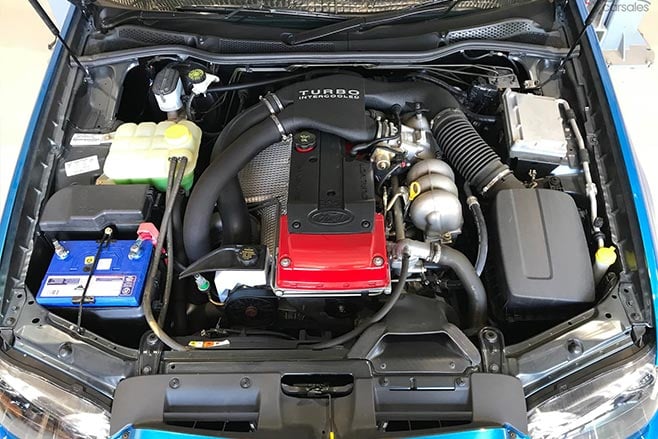
This success only makes this example which surfaced on carsales.com.au’s classifieds all the more astonishing. Built in 2003, the XR6 Turbo’s first full production year, it only shows 4560km on its odometer.
Add that it’s finished in Blueprint, the hero hue was used in Ford’s period press shots, and packs a five-speed manual transmission, then you suddenly have a choice example of Australian performance car history. And there’s not a blow-off valve in sight.
“Everything is original on it,” owner Aaron from Moree in NSW tells us. He’s the second owner, and only got a hold of this one after his family friend decided it had spent enough time locked up in a shed.
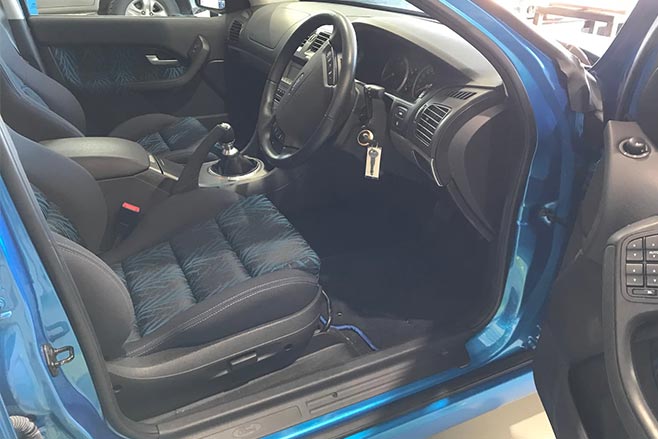
With a heavily modified XR6 Turbo already in his garage, Aaron knew that he had to get a hold of it. And being close to the first owner means it’s had a carefully tracked history.
“It originally came from Inverell’s Ford Dealership called Barry’s Motors,” he says, “it’s still got the paper floor mats the dealerships send it over with. Every rego paper from new. Every fuel receipt that’s ever been in it.”
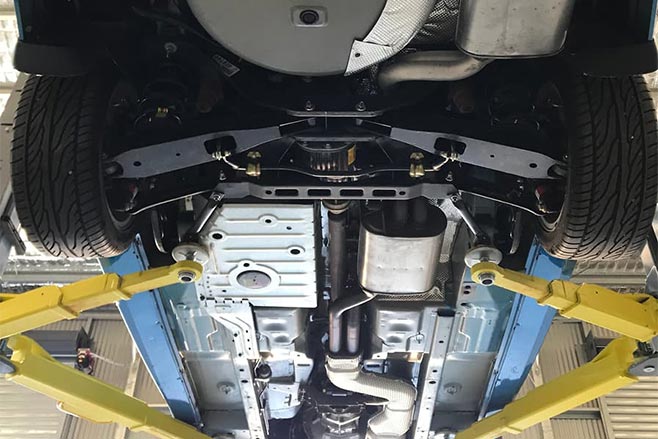
Aaron’s held on to it for a few years, only driving it every other weekend down the road and then keeping it in safe storage. He reckons only 1000km are his and it’s never been on a wet road. We believe him after seeing the pictures of its underside.
Aaron’s had a few offers but nothing close to the advertised $26,000 price. Back in its day Ford asked $44,640 for a manual BA XR6 Turbo when new. But he’s not phased, “we’re not in any rush to get rid of it. There’ll be some unique person out there that will want it.”
You don’t have to be too unique to appreciate such a vehicle.
The Australian motorsport fraternity is today mourning the death of one of its most entertaining and influential characters. Legendary commentator Mike Raymond passed away after a short illness, and the motor racing community has honoured his contributions to the sport that he helped to shape.
Mike is best known for his colourful calling style – his trademark “Be there!” catchphrase would be familiar to anyone who watched touring car racing in the 1980s – and he cut his teeth calling sprintcar races in the 1970s, before morphing into more than a commentator in the heyday of touring car racing.
Rising through the ranks of Channel Seven, Mike’s influence across the sport is still felt to this day. He was instrumental, for example, in the direction change of the touring car category into what we now know as Supercars, with a deal in 1993 ensuring that the formula would feature only Ford and Holden V8-powered racing cars.
“A lot of people at the time weren’t happy, but it turned out all right, didn’t it?” he told motorsport website Speedcafe.com in 2010.
As well, his position as head of motorsport coincided with a raft of new technologies being brought into the sport, including in-car cameras, greater use of helicopter-mounted cameras and even car-to-comm-box communication.
It was the latter feature that many people will remember, with legendary exchanges between icons like Peter Brock and Dick Johnson and the Mike Raymond-led commentary team.
He was awarded the Order of Australia medal in 1996 and was last year inducted into the Australian Motorsport Hall of Fame (above).
“Mike was a true pioneer in our industry and he will be sadly missed,” said a clearly shocked and emotional Neil Crompton – whose Supercars commentary career started under Mike in the 1990s – at the Sandown 500 today.
“He will be missed,” agreed five-time Supercars champion and fellow commentator Mark Skaife. “He was the man that was the face of Channel Seven for so many years, he was instrumental in Supercars and the V8 category as we know it.
“He was a man that loved the sport and so much of what we have got today has been as a consequence of Mike’s contribution to this industry. We love him and our thoughts are with his family and friends.”
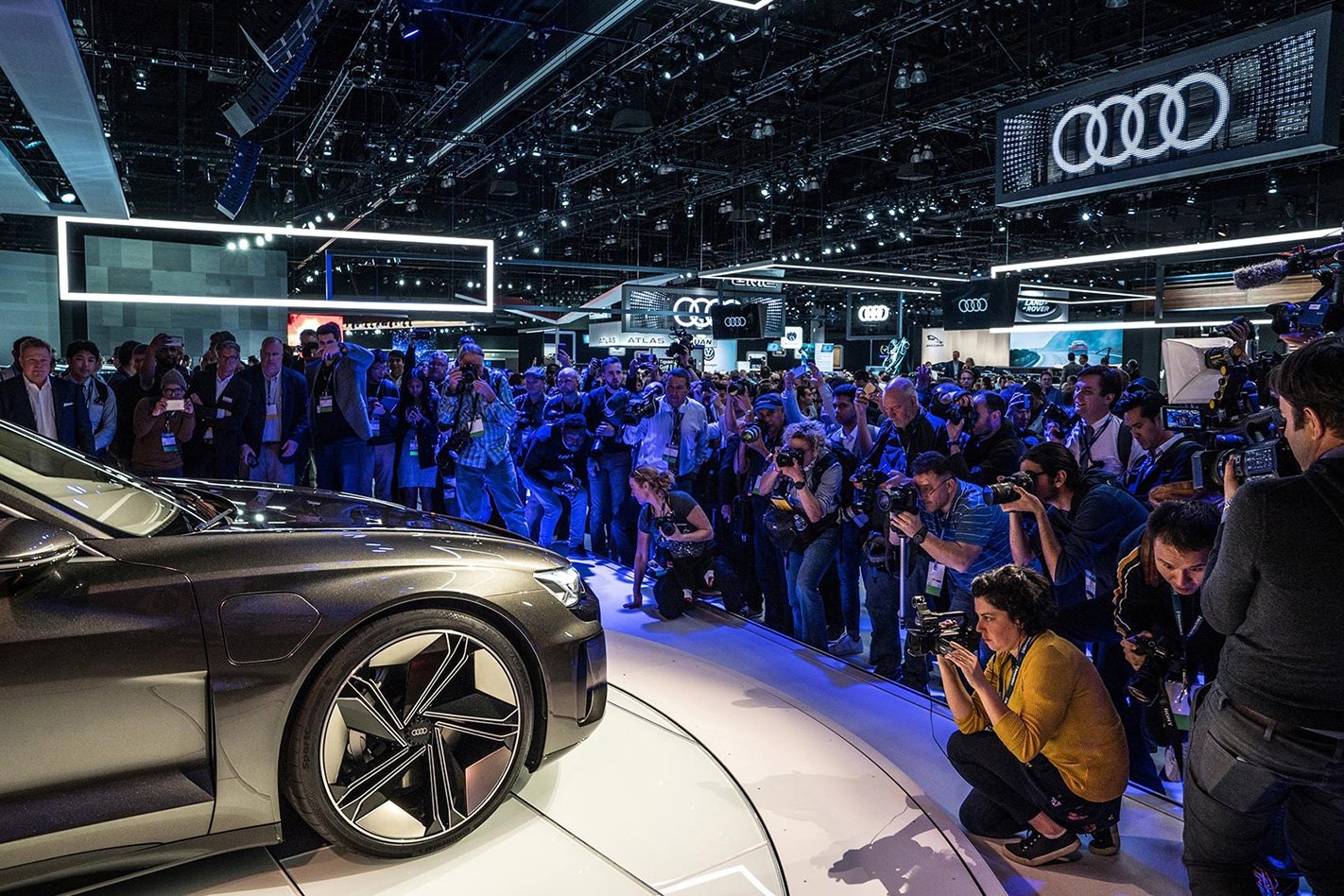
The Los Angeles Auto Show is later this month and we’ve got all the details of what to expect. The LA Auto Show kicks off on 22 November and runs until 1 December 2019, and visitors will be able to pore over the new Ford Mach-E electric crossover, new world debuts from Audi, BMW and Mercedes-Benz, as well an all-new Volkswagen concept car.
The LA Auto Show is held every autumn at the downtown LA Convention Center and this is the West Coast’s big show, drawing loads of attention from car makers around the world. Keep your eye on WhichCar.com.au in order to stay on top of all the latest information.
But for the time being, this handy A-Z preview guide rounds up all the key new cars at the LA motor show 2019 – and more than 65 debuts of some description are promised by the organisers. Stay tuned for more updates – this page will be refreshed regularly with more new info as and when we get it in the next few days.
AUDI
E-Tron SportbackSlicker-backed, X6-style electric SUV due at show
BMW
2-series Gran Coupe Largest 2-series swells family tree further
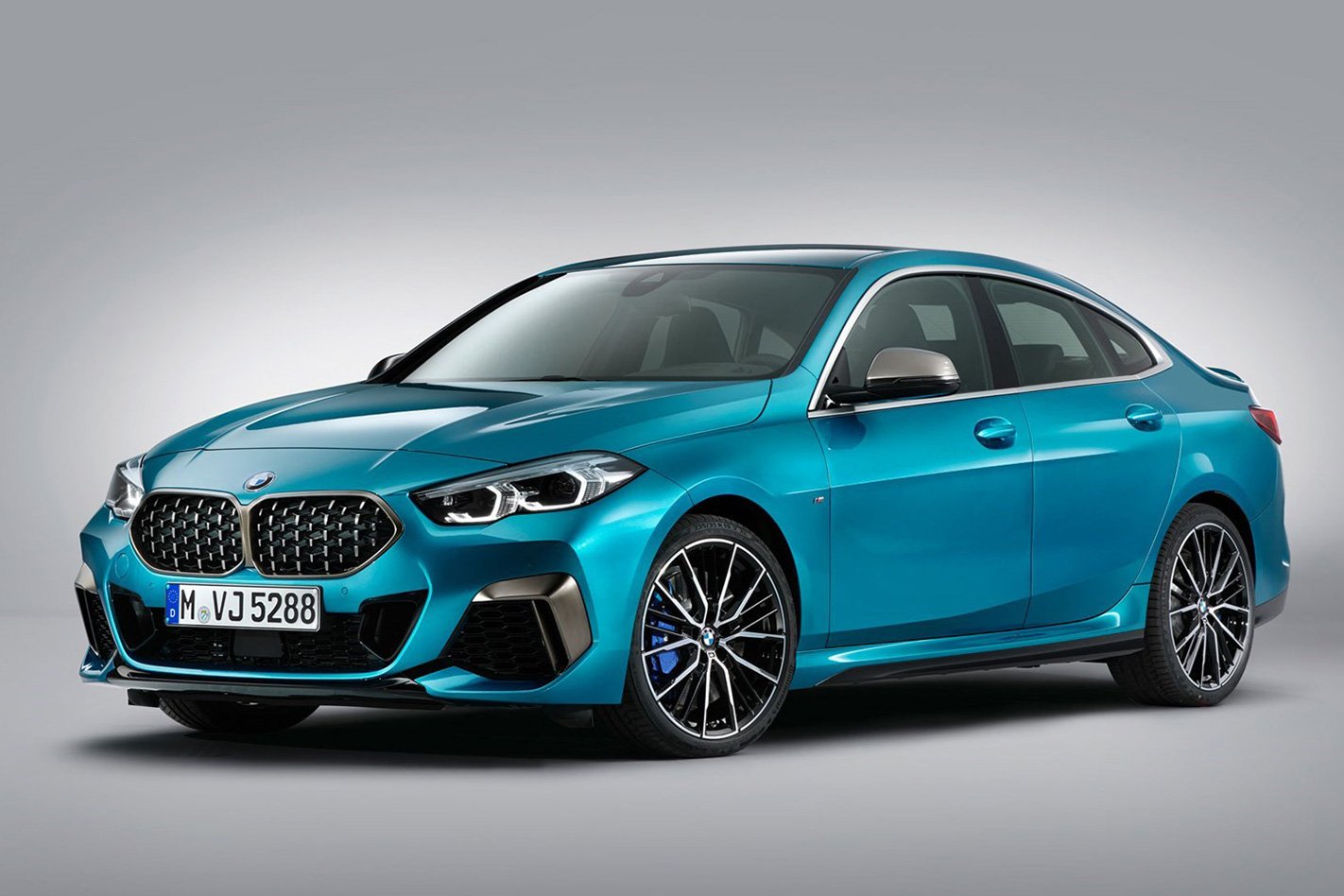
2018 Los Angeles Auto Show: what to expect
BOLLINGER
B1 and B2All-electric SUVs made in Michigan are coming to Los Angeles
FORD
Mach EAll-electric crossover to fight i-Pace lands in Los Angeles – with Mustang overtones
MERCEDES-BENZ
Maybach GLSWatch out Bentayga, Range Rover and Cullinan: Merc’s getting in on the act
MINI
JCW GP300bhp hot hatch gets LA 2019 show debut. Cost? £34,995
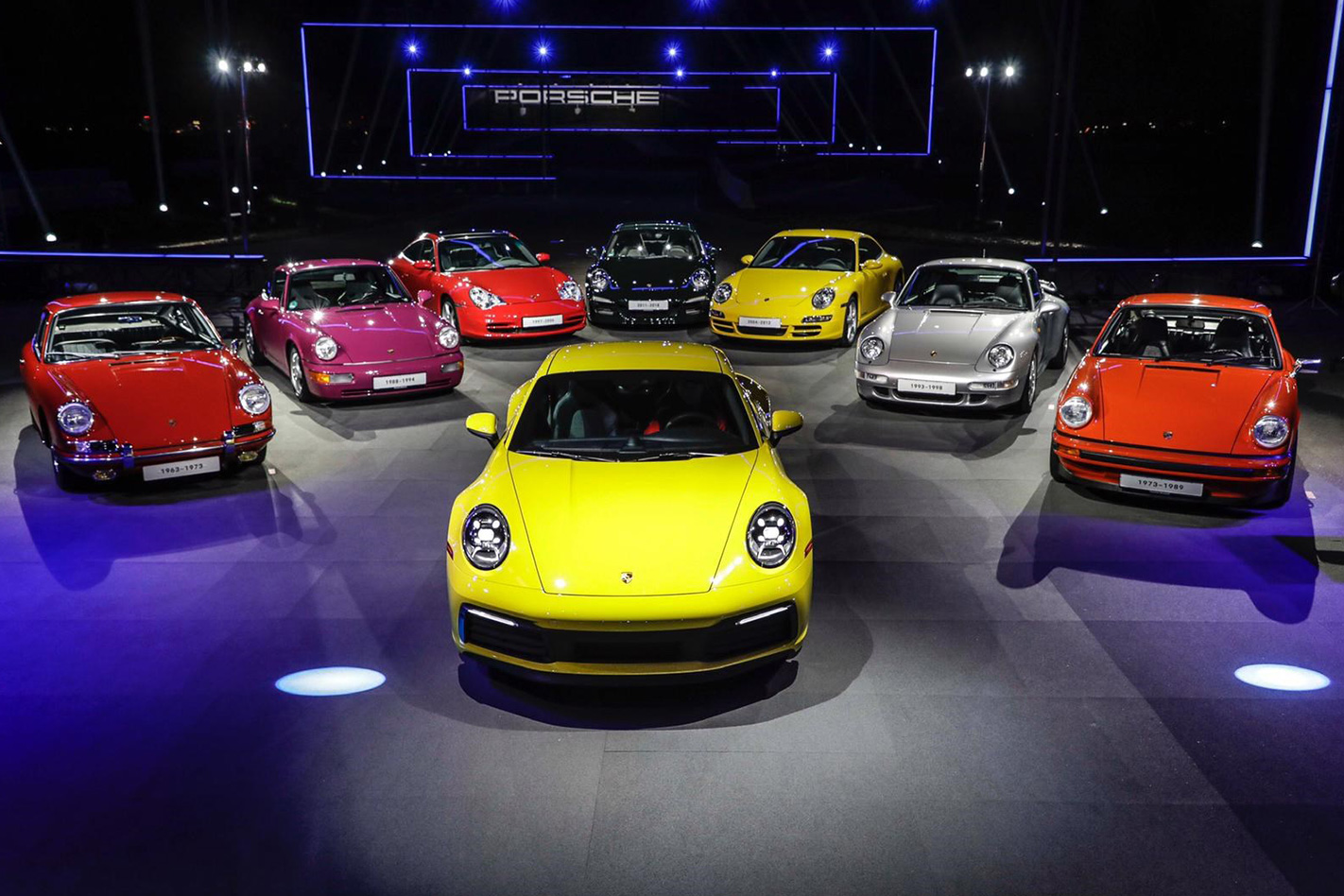
PORSCHE
Taycan 4SAdditional model joins Taycan line-up, with cheaper prices, smaller battery
911 992 manual Stick-shift DIY gearchange may be shown in LA too
TOYOTA
RAV4 plug-in hybridYou’ve seen the hybrid RAV4, now we get the PHEV version
VOLKSWAGEN
New ID concept As yet unconfirmed, but there’ll be a new all-electric ID at LA
This article was originally published by CAR UK.
The largest and most ostentatious Rolls-Royce is to receive a darker treatment as the Goodwood brand announces the introduction of the Rolls-Royce Cullinan Black Badge.
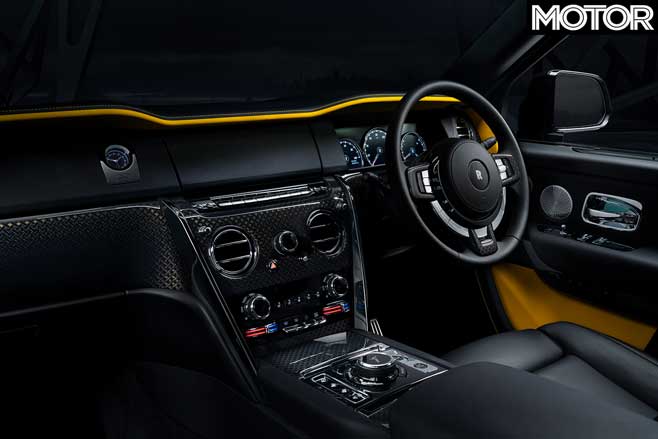
With the Black Badge treatment comes more than just a darker theme in terms of design, but also a more aggressive and dynamically focused driving setup for those who want a little more excitement out of their luxury cars – or SUVs.
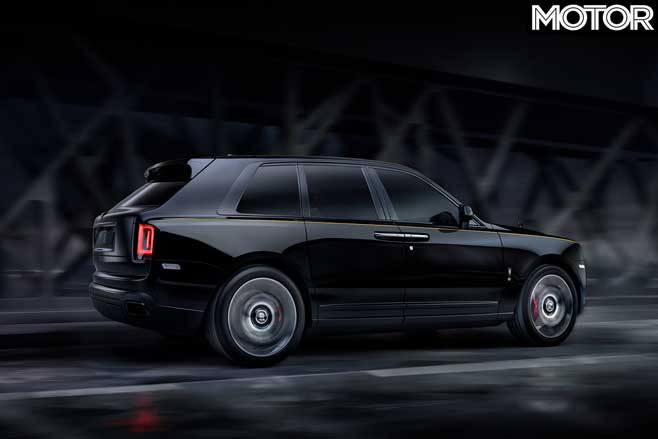
With 441kW and 900Nm from its twin-turbo 6.75-litre V12, the Black Badge is up 21kW and 50Nm from the standard Cullinan, while Rolls-Royce says the BB also has been given a more ‘urgent’ transmission and throttle tune which works with altered suspension components to create what RR calls a “vivid driver’s device” at high speeds.
It’s quick to add that the more aggressive acceleration and dynamic ability doesn’t detract from its Rolls-Royce manners when driven normally.
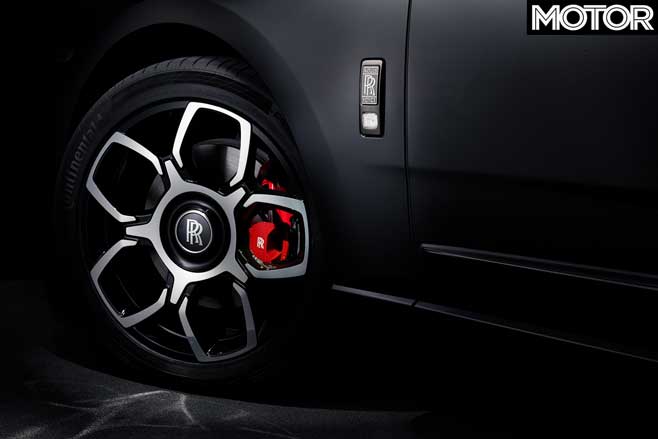
Its 22-inch alloy wheels are specific to the model, which also features a plethora of black chrome.
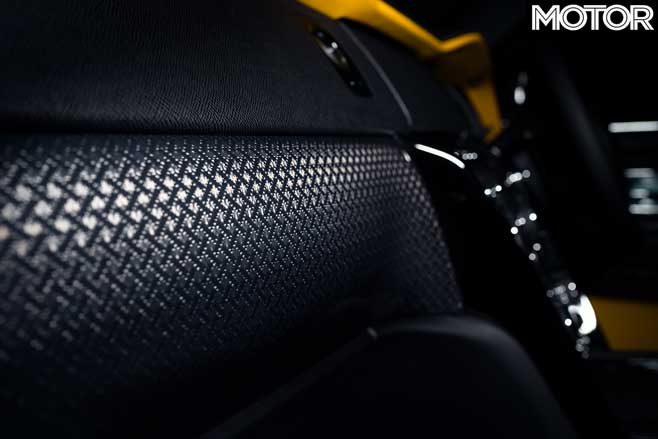
Inside, though customers are able to specify their own interior treatment, the cabin is home to a “new luxury material” called ‘Technical Carbon’. 23 pieces of the material adorn the Cullinan’s interior to create a more sporting mood.
As a result of these changes, pricing for the Cullinan Black Badge jumps up from the ‘standard’ $685,000 drive-away price to $760,000 plus on-roads. The chances of any Rolls-Royce customer paying the base price for a vehicle, however, are incredibly slim.
And who are those customers? Rolls-Royce CEO Torsten Müller-Ötvös says the Cullinan Black Badge is aimed at the company’s ‘rebellious’ clients. It must be hard to “take risks” and “break rules” in a vehicle this conspicuous.
“Black Badge reflects the desires of a distinct group of Rolls-Royce clients: men and women who take risks, break rules and build success on their own terms,” says Müller-Ötvös.
“Indeed, before we launched Black Badge in 2016 the idea of creating a product that would satisfy this subversive cohort – that is highly dynamic and wilfully rebellious in aesthetic – caused a great deal of internal debate.”
Müller-Ötvös even comes close to taking a page out of George R.R Martin’s book (literally), by giving the Cullinan a nickname not unlike that of Game of Thrones’ Night King.
“In this spirit, the time has come for Rolls-Royce’s boldest and darkest expression of Black Badge yet. The King of the Night, Black Badge Cullinan.”
Rolls-Royce says the Cullinan Black Badge is available to commission now.
Click on the photo at the top of this story for more photos and videos of the Rolls-Royce Cullinan Black Badge.
If your buying experience is influenced by customer satisfaction data, then you’ll be heading into a Lexus dealership.
According to the latest findings from Roy Morgan, Lexus has again topped the rankings with a 97 percent satisfaction rate, pulling a significant gap between it and the brands in second place.
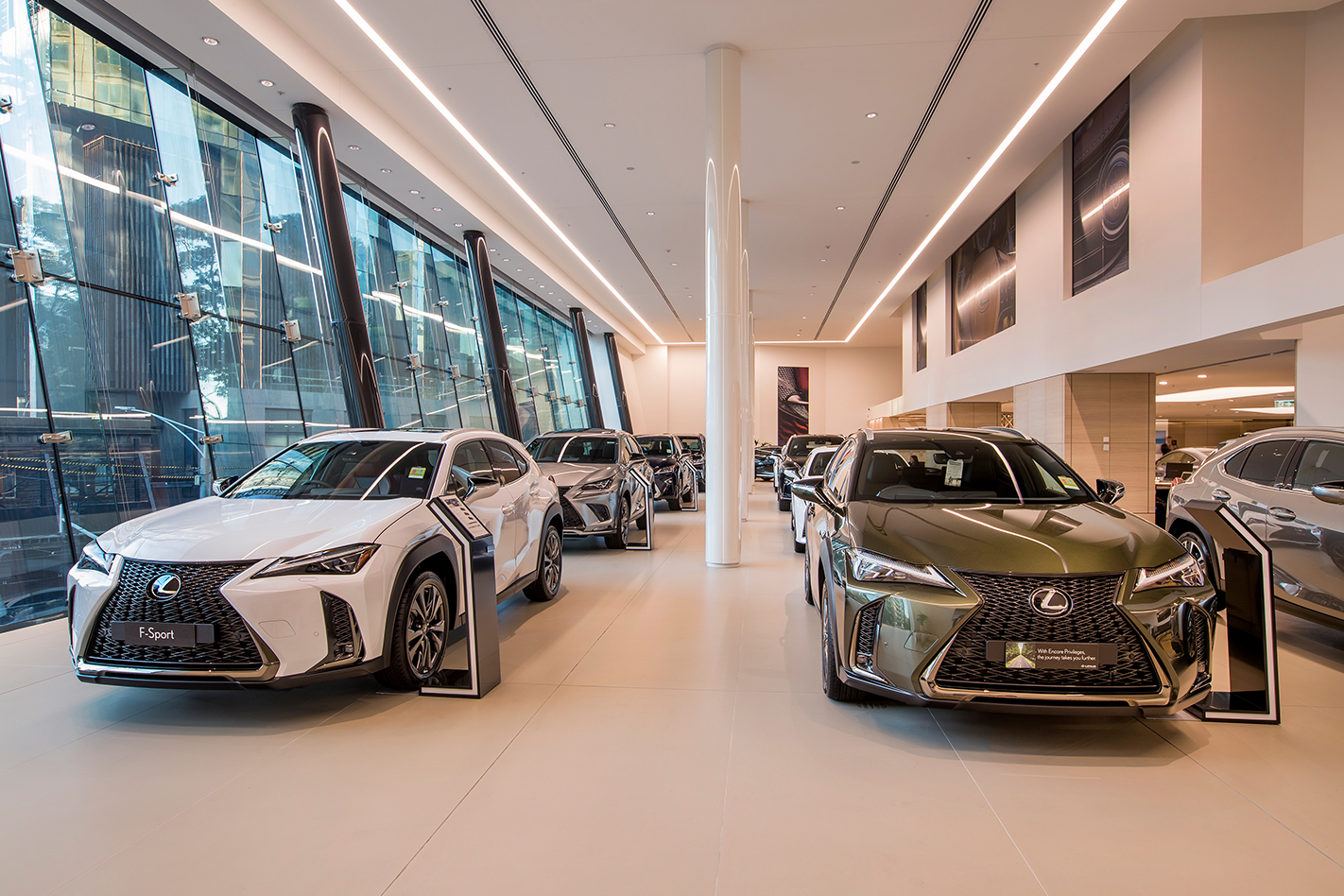
Lexus has maintained a satisfaction rating of between 94 and 98 percent for the past five and a half years, and the Japanese marque looks set to claim the overall title again in 2019.
Roy Morgan CEO Michele Levine says that Australia’s competitive market offers buyers the greatest benefit, and that the results from Lexus are even more impressive given the oversaturation of brands.
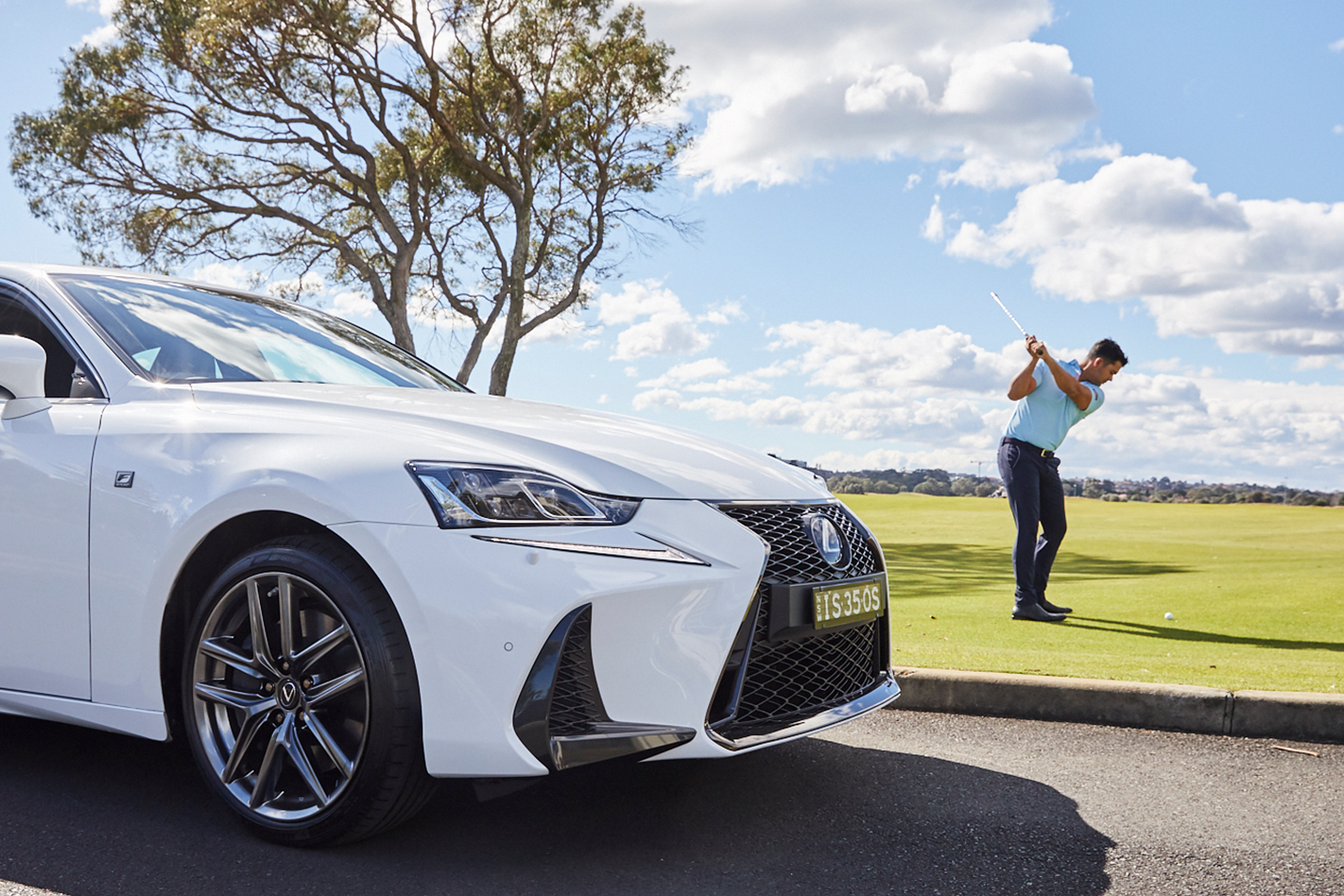
“Lexus’s customer satisfaction rating of 97 percent is three percent higher than next-placed Kia on 94 percent.
“While this lead may appear minor, it isn’t. The satisfaction ratings of the following nine leading car manufacturers are separated by only one percent, which shows how significant Lexus’s lead currently is.”
Levine says that the figures reveal a positive upturn for Volvo, too, with the Swedish brand rising up the rankings as its new-generation cars continue to resonate with buyers.
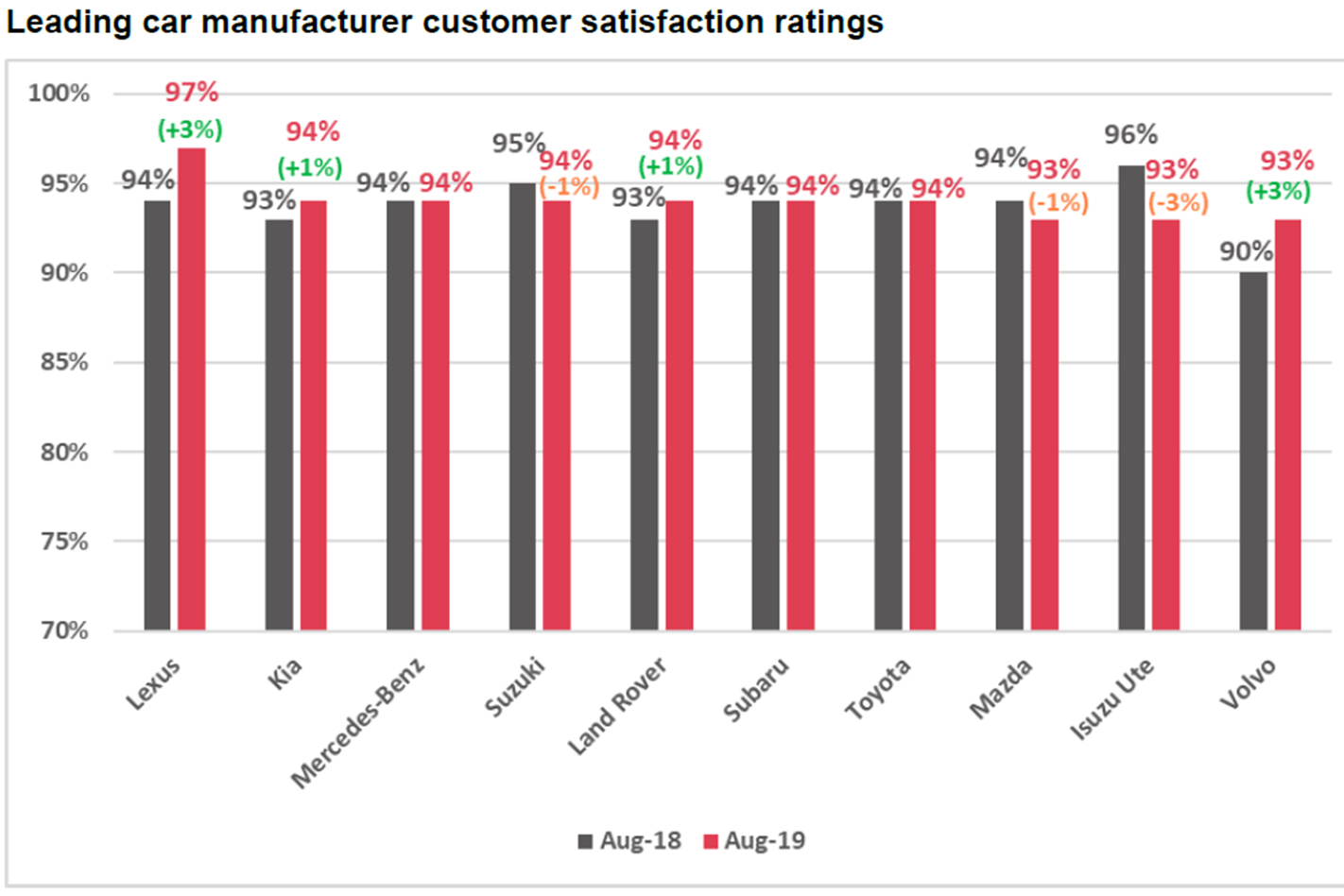
“Compared with a year ago, both Lexus and Volvo have enjoyed the largest increase in satisfaction ratings with a three percent lift.
“Isuzu Ute – the 2018 Car Manufacturer of the Year – experienced the biggest decline of three percent. All other leading manufacturers remained relatively steady.”
The data is drawn from more than 50,000 at-home, face-to-face interviews with Aussies around the country each year.
Are you satisfied with the data? Would the findings make you consider a Lexus?
The state of play in the electric vehicle space is fluctuating, according to the international president of Lexus, Yoshihiro Sawa… but the luxury offshoot of Toyota has a long-range ace up its sleeve.

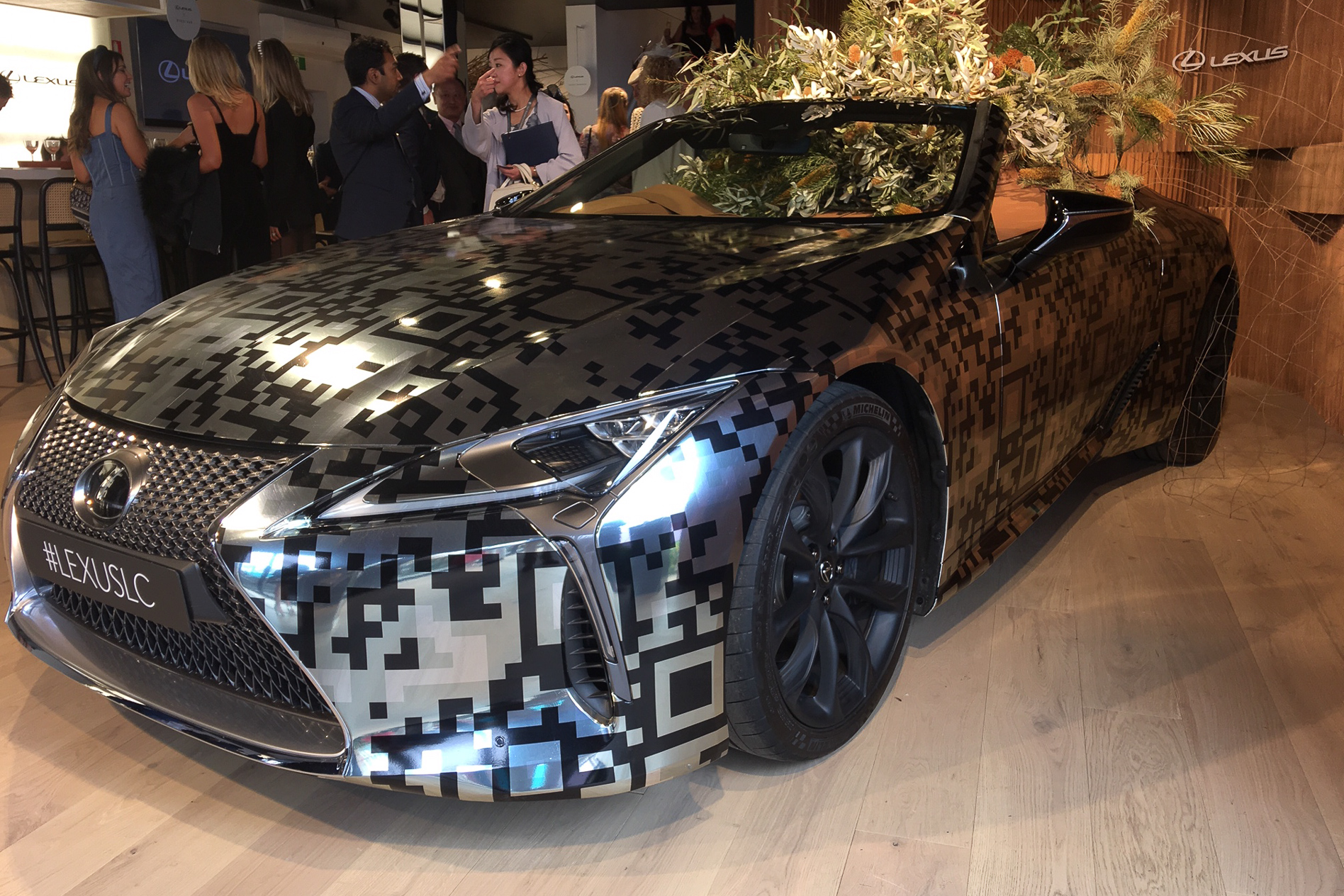
In Melbourne as part of the Oaks Day horse racing event and to preview the forthcoming Lexus LC convertible, Sawa (above) told WhichCar that his company was watching the state of play in the EV state very carefully – and in particular, the world’s largest producer and consumer of EVs, China.
Agreeing that the market for electric vehicles had softened there, Sawa told WhichCar that the issue came down to government incentives for electric vehicles.
“Once these stop, phht,” he told WhichCar, gesturing with a ‘cut’ motion. “In fact, people are going back to hybrids.”
Many companies, including Mercedes-Benz and Audi, have suggested hybrid powertrains are little more than a stopgap measure on the way to full electrification, but Sawa believes differently.
“Our cars with nickel-metal hydride batteries [hybrid cars] are doing well,” he said. “They [the batteries] are expensive, but they are easier to recycle. Lithium batteries, on the other hand, are cheaper, but production capacity is a problem.”
Sawa spoke of new solid-state battery technology in positive terms, telling WhichCar that a solid-state battery could power a car for 1000km. The best EV range figures at present are less than half of that.
However, there is a caveat.
“We are working on the technology, but we cannot release it yet,” he said. “It is possible to go 1000km, but then the charging time could be a very long time.”
A solid-state battery differs from a lithium-ion battery in that it doesn’t contain the liquid electrolyte used in lithium-ion batteries. Eliminating this aspect of the battery vastly reduces the risk of fire, while improving the battery’s ability to store energy.
A typical lithium-ion battery can use as little as 25 percent of its potential energy, such is its relative inefficiency.
Lexus’ parent company Toyota will use the 2020 Olympic Games to debut a people-carrying vehicle using solid-state technology, but commercial use is still a decade away, according to experts.
Sawa also pointed out that the need to develop a robust way to recycle electric car batteries is becoming an issue of the utmost importance.
“We need to work on the recycling loop for batteries,” he said, adding that there is potential for used EV batteries – which are currently lifted out of a car with up to 70 percent of their capacity still remaining – to be reused as home storage.
Adding battery storage to homes could then be supplemented by solar arrays to provide a cheap and clean alternate energy source to feed back into an EV or to the home.
The LC convertible, meanwhile, is expected to debut in Australia in late 2020.
The Wheels Verdict: If it is broke, then do fix it. That seems to be Hyundai’s mantra with its three-model IONIQ line-up. Okay, ‘broke’ is too strong a term, but the Korean company has applied effective upgrades to the areas that needed them most, and has succeeded in pulling its eco warrior up to speed with the rest of the local line-up. The prices have climbed, but the value equation is stronger, especially with the pure-EV Electric model, which now drives further and better; good enough to be a more compelling offering, we reckon, than Nissan’s Leaf.
RIVALS
Nissan Leaf; Toyota Prius; Toyota Camry Hybrid
WHAT IS THE HYUNDAI IONIQ?
A five-door medium-sized liftback offered with three distinct powertrain choices: a hybrid which recharges itself as you drive, a plug-in hybrid that will take you around 45km on electric power alone, then back that up with its petrol engine, and a pure EV model.
WHY WE’RE TESTING IT
The IONIQ line-up was bundled out of our Car of the Year Testing (Feb ’19) in the first round, despite making an impression on the judges for ease of operation and the diversity of choice it offered customers looking for an economical, low-emissions vehicle. This launch drive out of Sydney was a chance to see how effectively Hyundai has targeted the areas most in need of attention.
THE WHEELS REVIEW
When Hyundai first launched its three-powertrain IONIQ range in 2018, some observers suggested this was a bet-hedging exercise by the Australian arm of the South Korean giant, unsure of which ‘green car’ solution would prove most popular with Aussie buyers.
For this MY2020 model update, the company has continued with the three-prong approach, which would seem to indicate there’s genuine sales validity to a line-up that sees one core model offered as conventional Hybrid, Plug-in Hybrid and Electric.
“Freedom of Choice; is what you got” sang flowerpot-hat-wearing electro-pop band Devo back in 1980. It’s safe to assume not a lot of Devo gets played at, say, hybrid-centric Toyota.
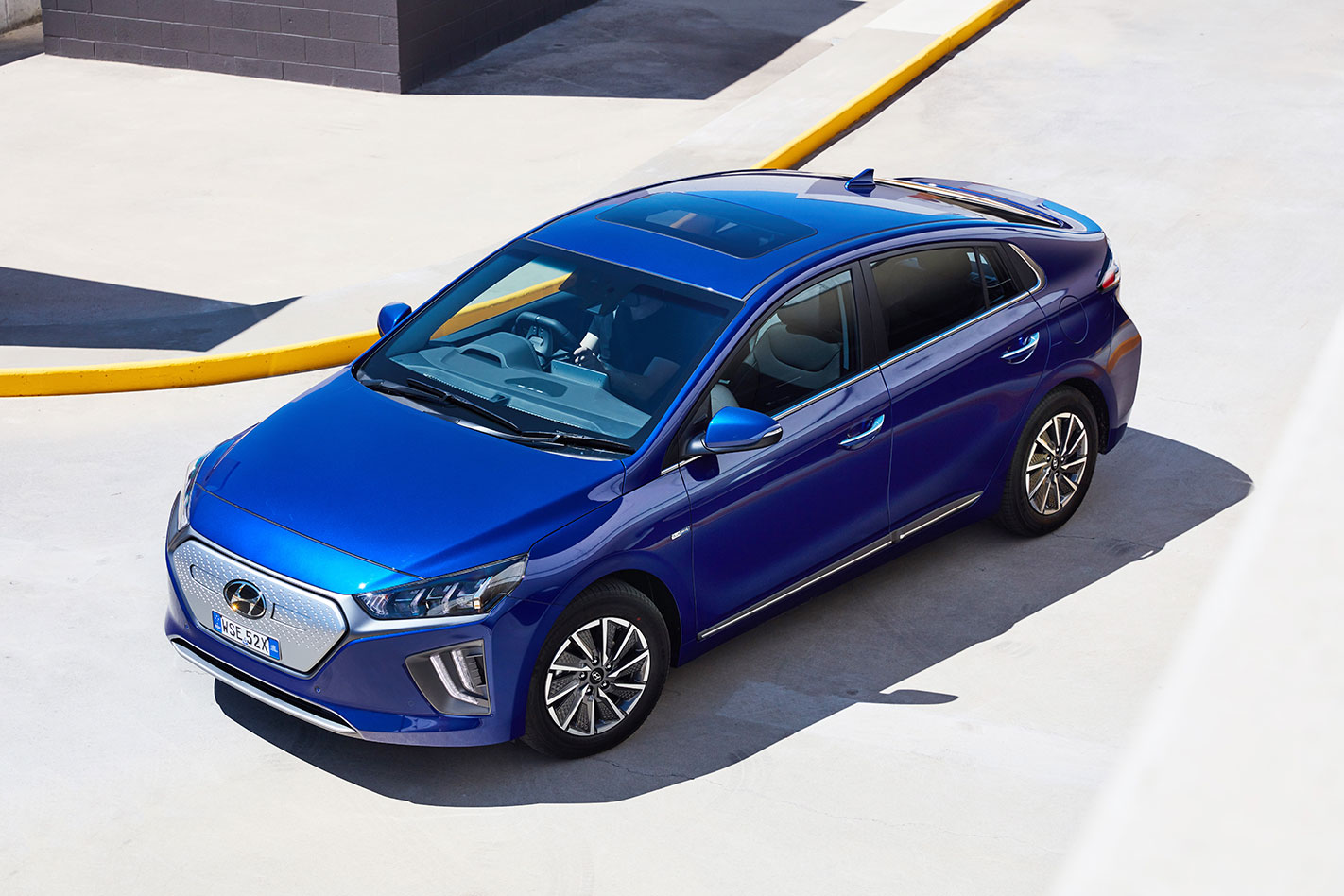
The model line-up remains as originally established: a mid-spec (Elite) and top-spec (Premium) is available for each of the three powertrain alternatives, making for a six-strong range.
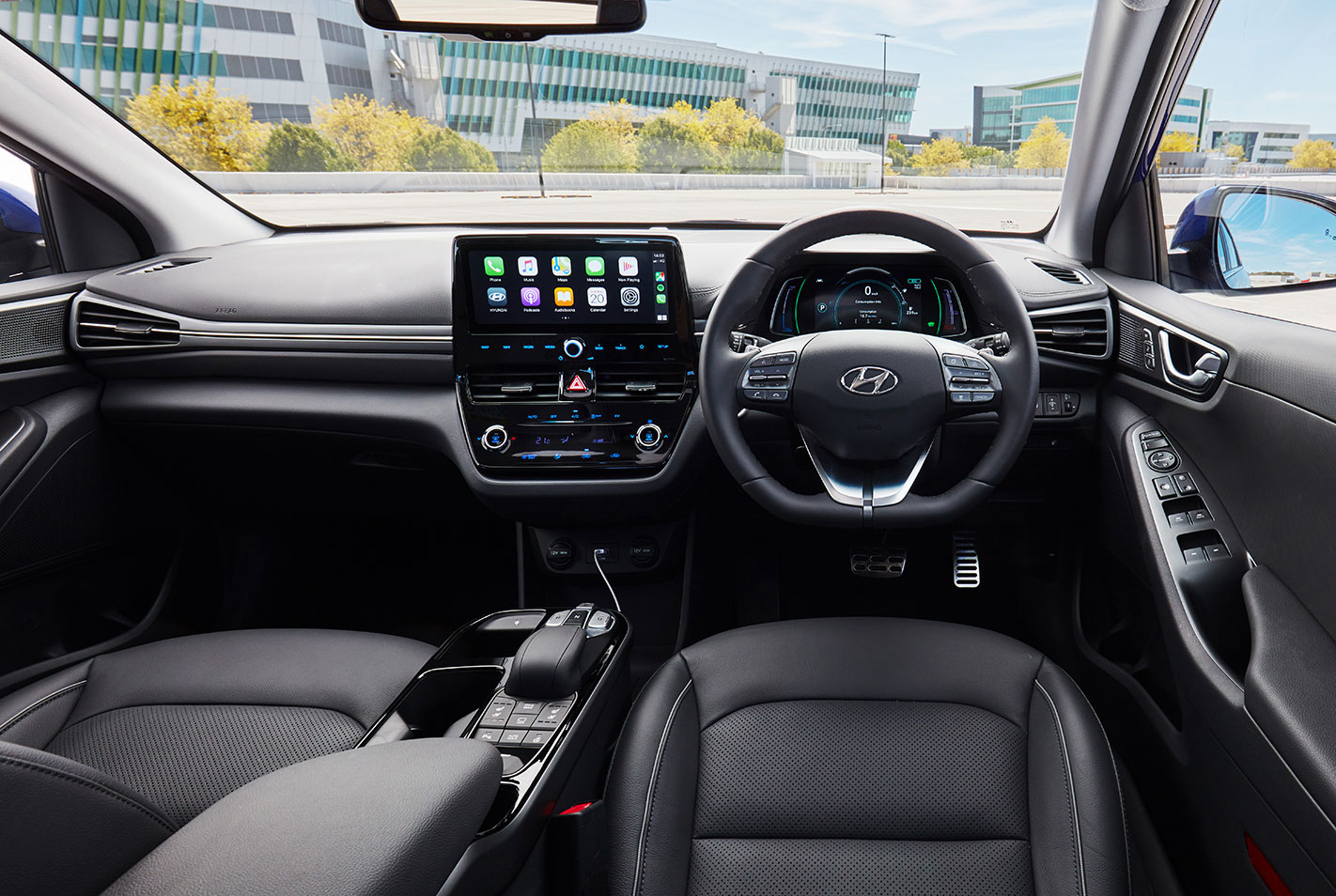
All variants benefit from vastly improved interior design and trim materials, more safety and convenience equipment, and a better multimedia system, but it’s the battery EV that see the most significant hardware upgrades.
But first to the conventional Hybrid, which we didn’t get the chance to drive. Suffice to say that it continues to use a comparatively small 1.56kWh lithium-ion battery that relies on regeneration and engine operation to recharge it, to provide power to the single 32kW/170Nm electric motor. Teamed with the carry-over 1.6-litre atmo four running in the Atkinson cycle, the combined system outputs of 104kW and 265Nm remain unchanged, as does the official 3.9L/100km combined consumption figure. The price hike to both models (Elite now $34,790, up $800; Premium $39,990, up $1000) now sees them closer, but still cheaper, compared to direct rival Prius ($36,440 and $43,990.)
The Plug-in model’s motor is stronger than that in the conventional Hybrid, good for 44kW/170Nm, and is fed by a much larger battery (still 8.9kWh) but continues to only be able to be charged by AC power, rather than DC fast-charging. This means you’d really only charge it at home from a wallbox, as opposed to having the option to whack it into a fast-charger while out and about. Still, its real-world EV-only range, which we found to be around 47km, will be adequate for plenty of drivers to complete daily driving duties without burning fuel.
One caveat, however, is that even if you’ve selected pure-EV mode, and demand wide-open throttle for, say, an overtaking move, the petrol motor will kick in to deliver maximum combined output. Retaining petrol-dodging parsimony therefore requires reasonably restrained driving style, which coincidently suits the chassis tune.
Despite being fettled to suit Aussie conditions, the Plug-in is not exactly a shining example of backroad damping composure and sophistication. The steering has a slight springiness to its self-centring action, and the rebound control can quickly get a bit flustered if you start to indulge yourself.
Still, there’s more driver involvement on offer thanks to the inclusion of adjustable regenerative braking on both the Hybrid and Plug-in, a feature previously reserved for the EV. In normal driving the steering wheel-mounted paddleshifters control the amount of regenerative braking in three stages, but, cleverly, move the gear selector into its manual mode and the paddleshifters allow gear selection of the six-speed dual-clutch ’box.
Also positive is the improvement to suspension noise compared to the original. Says HMCA Product Planning and Development Specialist, Tim Rodgers: “In a conventional car, there are a lot of suspension noises that are masked by the powertrain. We had to place particular attention on refinement to ensure IONIQ delivers a consistent, comfortable, quiet experience.”
We can’t tell you exactly what changes have been made, but the new model is appreciably quieter, especially in the rear, than the original.
But given that nearly half of IONIQ sales to date have been the EV, it’s fitting that this is the variant that brings the most significant gains in terms of range and performance.
The outgoing model’s 88kW motor has been upgraded to a 100kW unit, while the original’s 28kWh air-cooled battery has been ditched in favour of a higher-density, 38.3kWh liquid-cooled pack. Range jumps from 204km (on the WLTP test) to 311km, although we were on track to achieve just under 300km during our drive.
The jump of 37 percent in battery capacity does bring an increase to charging time, which Hyundai says runs to 54 minutes on a 100kW charger when charging from flat to 80 percent. Given that no-one (at least deliberately) recharges on a public charger from zero, we’d expect a more likely real-world time from 15-80 percent of around 45 minutes. Further, domestic charging speed has been improved with an upgrade to the onboard AC charger. It can now deliver 7.2kW, meaning overnight charging from a domestic powerpoint will be around six hours, much less with a wallbox charger.
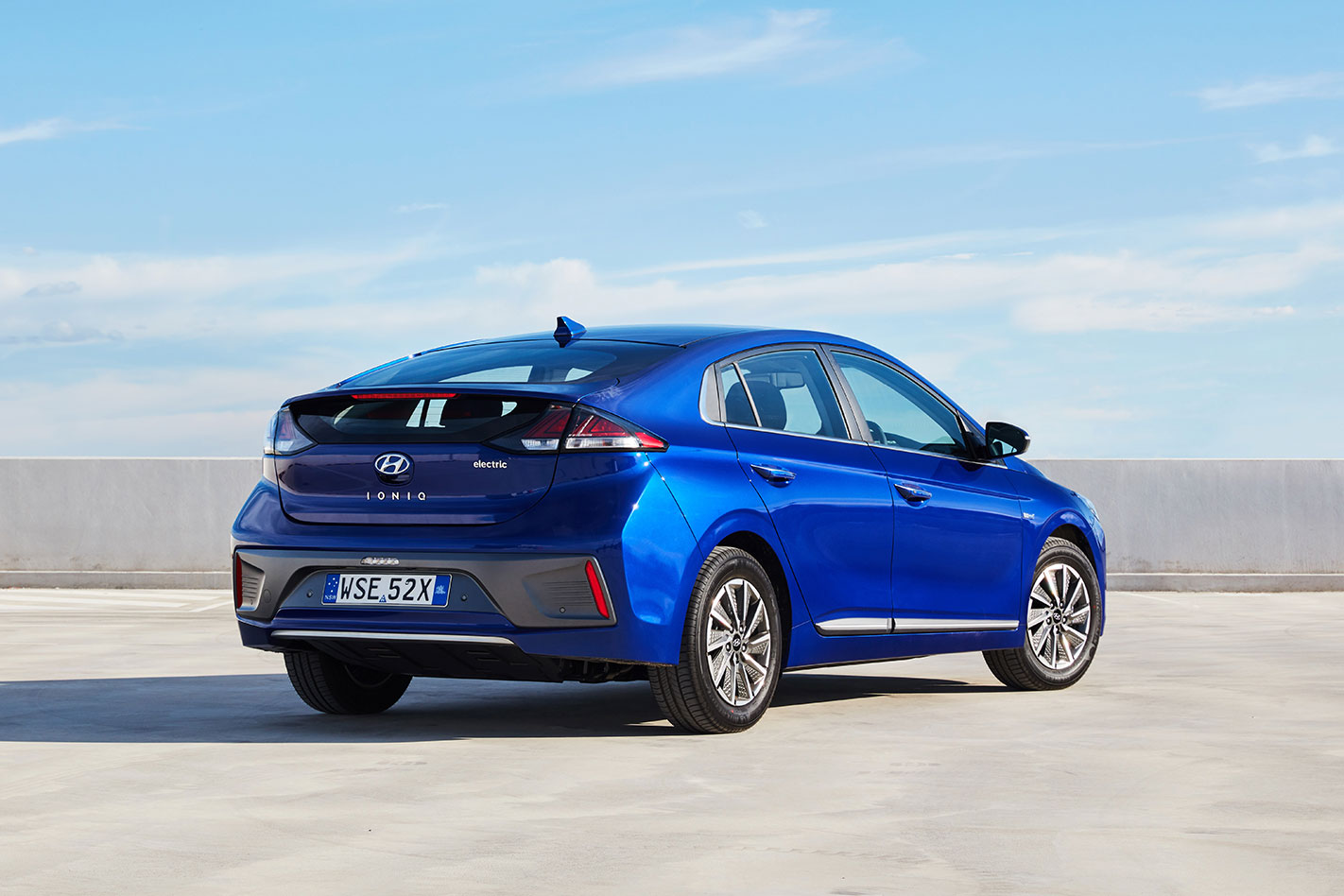
All of which may be sufficient to shift the potential IONIQ EV’s buyer’s response from “Hmmm, not quite” to “Yep, I can live with that.”
Those who do decide they can live without the internal combustion of the two other models will also be rewarded with a car that drives appreciably better when it doesn’t have a 1.6-litre four-pot lump stuck in the nose. Our EV tester was the Elite, which benefits from chubbier 16-inch rubber instead of the 17s on the Premium, but that change wasn’t solely responsible for the greater general handling cohesion compared to the Plug-in.
For that, we can only assume the more favourable weight distribution marries with greater harmony to the damper tune, because the IONIQ EV manages to quell a fair bit of the wallow and pitch of the Plug-in (and presumably the Hybrid.) Despite the fact it’s the only one of the three with a torsion-beam rear suspension, it’s actually a mostly pleasant thing to drive in the context for which it’s designed, given the immediacy of the torque delivery, low NVH levels and improved dynamics.
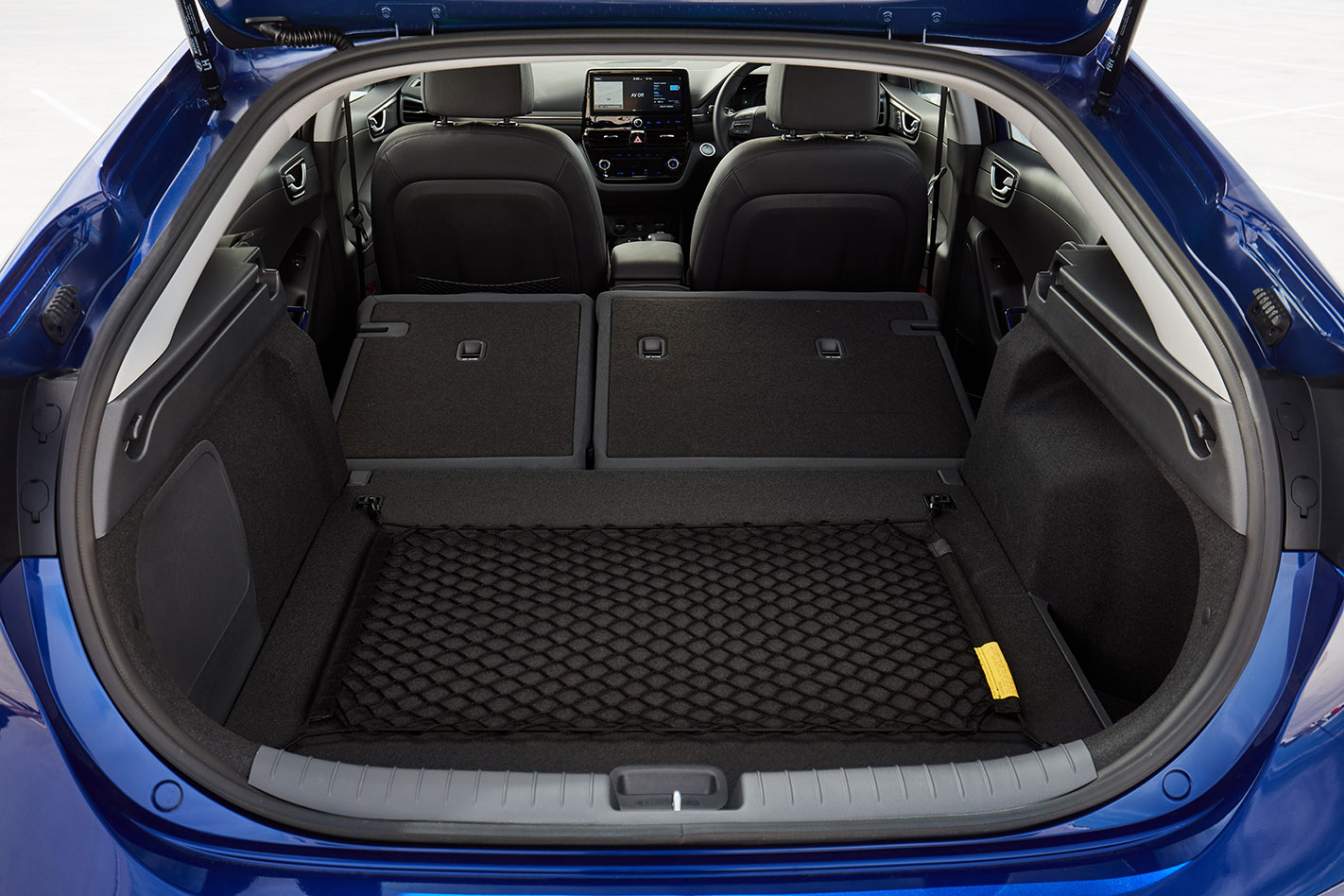
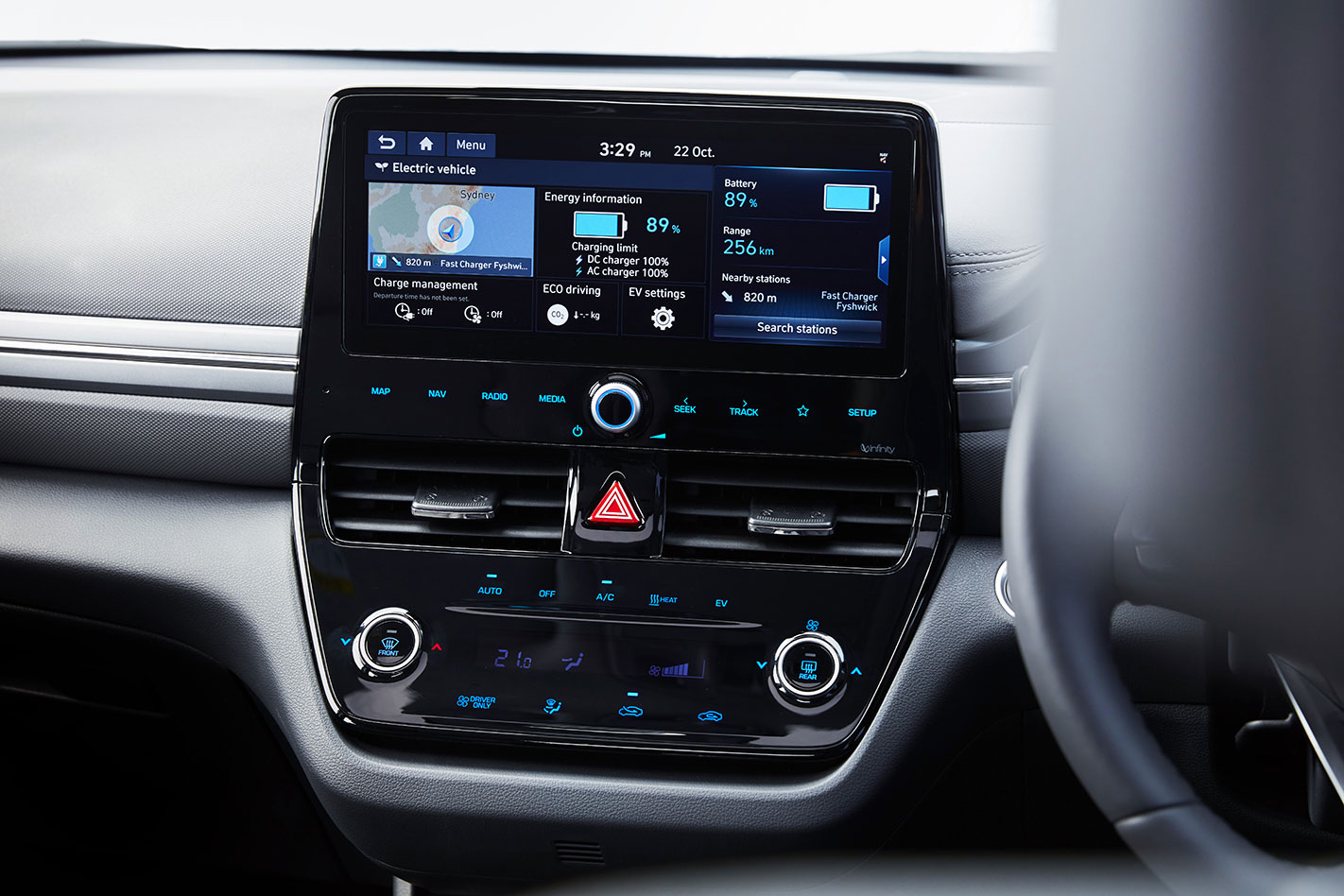
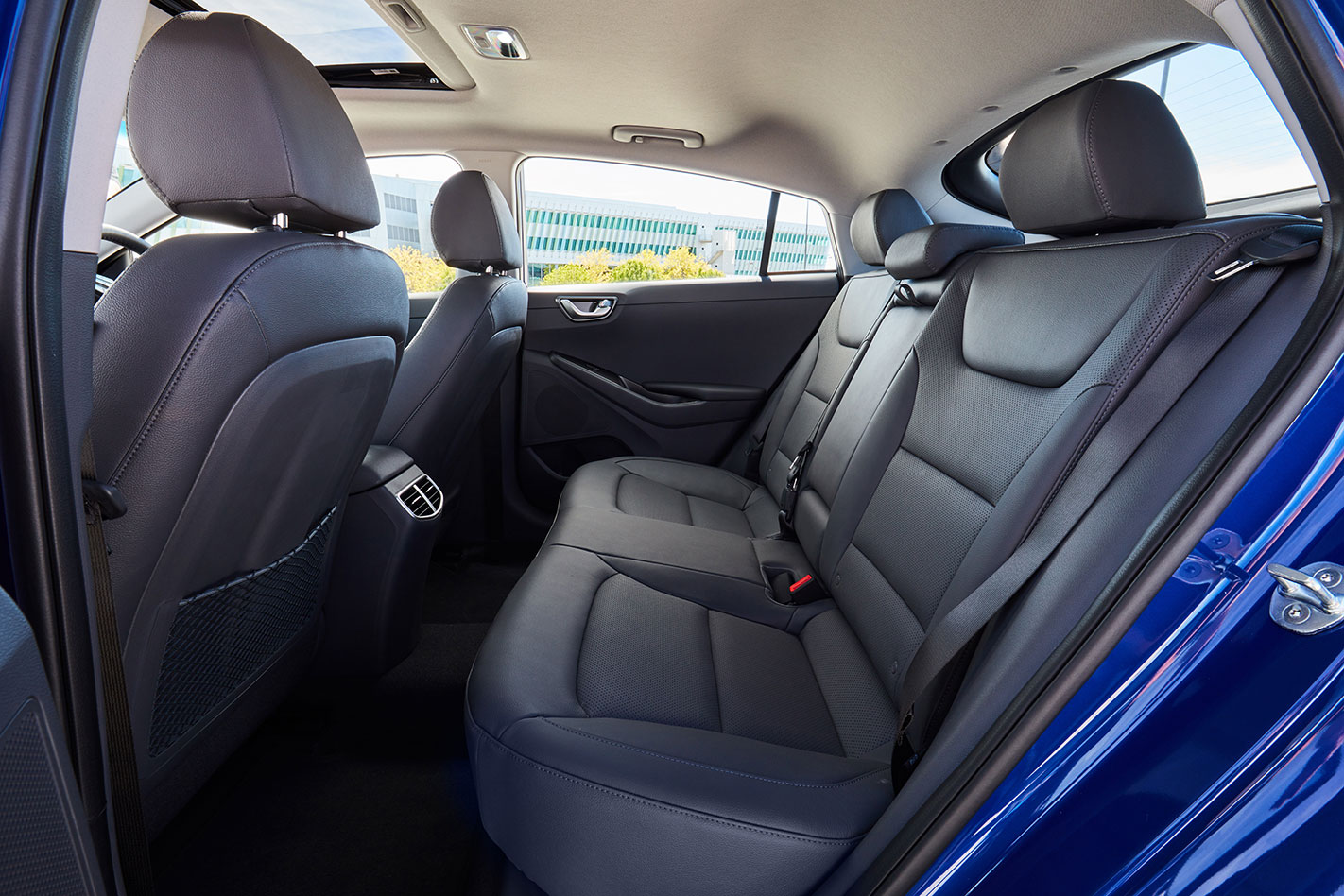
Factor in the appreciable lift to the cabin presentation, vastly upgraded multimedia, now with a 10.25-inch touchscreen and better functionality, and all three IONIQs make a stronger case, despite the price rises. But for us, it’s the Elite EV, at $48,490, that is now the most persuasive.
PRICE AND SPECS
Model: Hyundai IONIQ Electric Elite Motor: Permanent magnet synchronous Battery: 38kWh lithium-ion Max power: 100kW Max torque: 295Nm Transmission: single-speed reduction gear Weight: 1527kg 0-100km/h: 8.5sec (estimated) Economy: 12.8kWh/100km (estimated) Price: $48,490 On sale: Now
Mercedes-AMG knows how to build hot hatches. Remember the first A45? It proved so outrageously popular, and quick, it encouraged the brand to double the dose of AMG in the new A-Class.
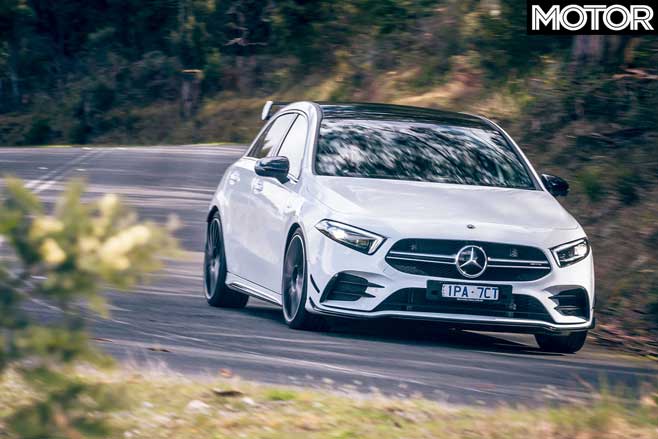
So, now, we have the Mercedes-AMG A35. It’s a bit different to the incoming A45, because rather than obliterate sports cars twice its price, it’s more focused on delivering all-round ability at an accessible cost.
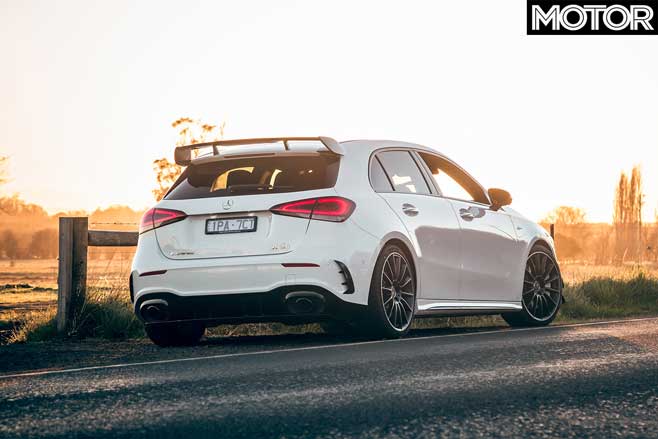
At $67,200, it’s the cheapest AMG and slots between the regular A250 4Matic and incoming A45. And there’s more overlap with the former, as the A250’s 2.0-litre engine features with an upgraded turbocharger package, valves and exhaust system to deliver a healthy 225kW and 400Nm.
We’ve seen this diffusion before with the likes of the CLS53 and C43. And like them the A35 relies on all-wheel drive grip. Its electro-mechanically controlled centre differential is unlocked, leaving the A35 as front-drive, during steady state driving, but AMG claims specific tuning switches the A35 into four-wheel drive before the front wheels even start to spin.
Closer to the engine is the A250’s seven-speed dual-clutch transmission with new ratios for its top four gears. And with launch control the A35 can hit 100km/h from rest in 4.7 seconds. Which is pretty quick.
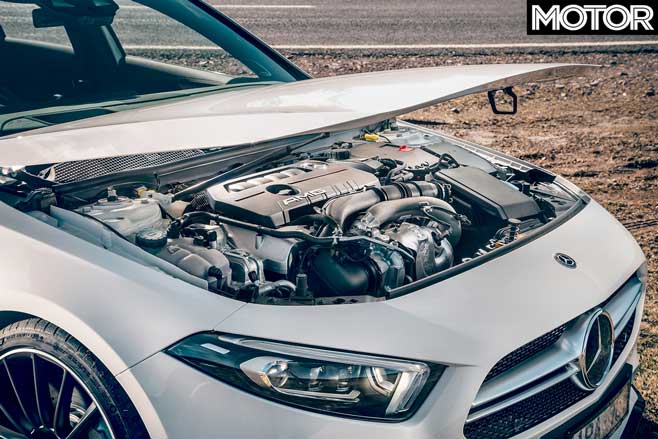
There’s no doubting the A35 can hustle. And that engine, relying on a twin-scroll turbine, unloads its broad torque delivery in a linear fashion. But short gearing in the first three ratios and rapid, visceral upshifts are the secret to its accelerative talent.
So while it bursts from tight corners with impressive pace and no push or scrappy wheel spin, the surge wears off on longer straights. In fact, it feels slower than its 152kW per tonne suggests. Which is fine since the A35 isn’t born to smash lap records, or disturb the peace, like the old A45.
In fact, when you’re up it, the A35’s exhaust avoids broadcasting its warcry to the whole suburb through its 90mm tips. Whether that’s a good or a bad thing is up to you. But it still pops and crackles in its most aggressive engine mode, Sport Plus.
Suspension wise, the front and rear sub-frames are bolted solid to the chassis. The front uprights are also new, while a shear panel under the engine stiffens the front-end and engineers redesigned the steering knuckles. Oh, and the steering ratio’s now2.5 turns lock to lock.
Considering these changes it’s surprising the A35 at first feels slightly hard to place into a corner in Comfort mode, like it’s out of sync with your inputs. Switch the adaptive suspension into Sport mode, however, and things become more cohesive.
Excellent traction and strong roadholding give you confidence to work its 235mm-wide contact patches, courtesy of Pirelli P Zero rubber, even if it’s encouraging more than it is rewarding. AMG-spec brakes behind 19-inch wheels also deliver excellently judged pedal feel and travel.
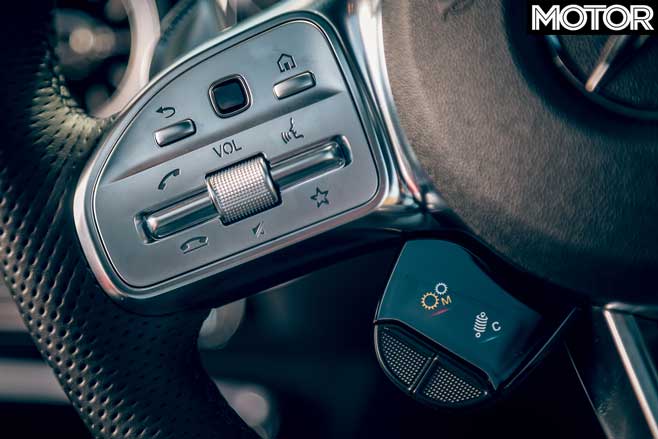
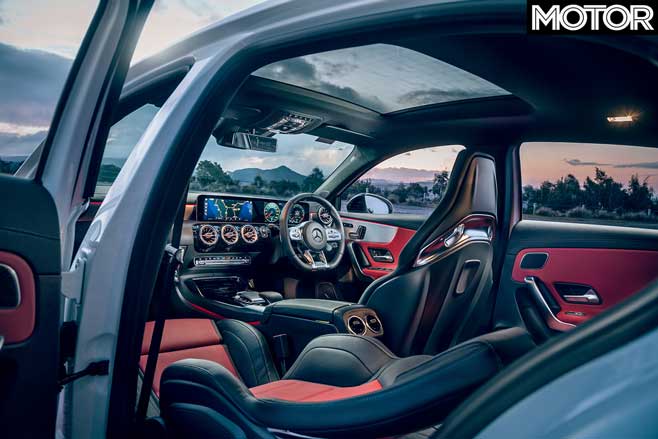
The interior’s sure to be a draw card for many buyers. Starting with the already slick W177 A-Class cabin, the A35 adds a C63-spec Performance steering wheel complete with rotary dial and button pad to work through its drive modes and three-mode ESP. You can add AMG’s form-hugging Performance seats as well for a $3290. They’re excellent.
One downside to our car’s high-spec (a panoramic roof is also standard) are the drive mode buttons on the console repeat what those found steering wheel’s spokes do. But the mesmerising 10.25-inch dual-screen is useful for displaying a wealth of information and accessing the MBUX infotainment’s smarts.
Day to day driving would be even more serene if the A35 could unlock more suppleness in its Comfort mode. Because while it’s more than liveable in all of its suspension modes, it’s still not as plush as something like a VW Golf R. That’s the price you pay for its feedback-rich suspension.
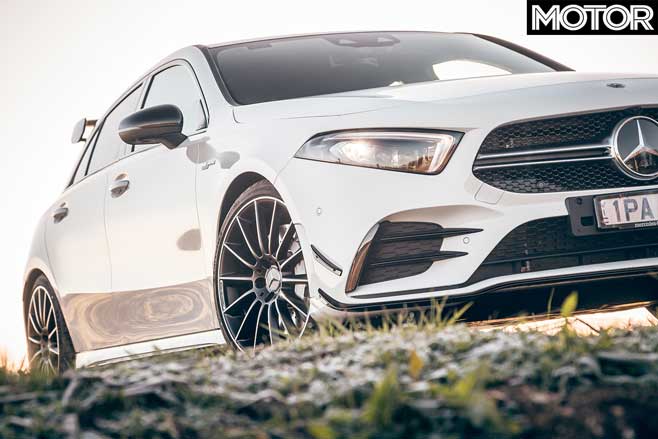
Then there’s its exterior. You can have it two ways, as either subtle in its standard appearance or with the Aerodynamics pack that adds the A45-aping front lip, flics and rear wing. It’ll cost $2490. And suddenly, with only a few options, this ‘affordable’ AMG costs far from that. Especially compared to the $54,990 VW Golf R.
When cars arrive in dealers this month, you get what you pay for in a solid all-rounder that deserves a look at if you’re in the market for a classy, fast and comfortable hot hatch. More importantly, it gives you a dose of AMG without the traditional side effects. Even if you miss them a little.
MERCEDES-AMG A35 SPECS
Engine: 1991cc inline-4, DOHC, 16v, turbo Power: 225kW @ 5800rpm Torque: 400Nm @ 3000-4000rpm Weight: 1480kg 0-100km/h: 4.7sec (claimed) Price: $67,200
BMW Australia has taken the drastic step of pleading with the owners of more than 12,000 of 3 Series model to stop driving immediately, as the Takata airbag crisis takes a new and more deadly turn.
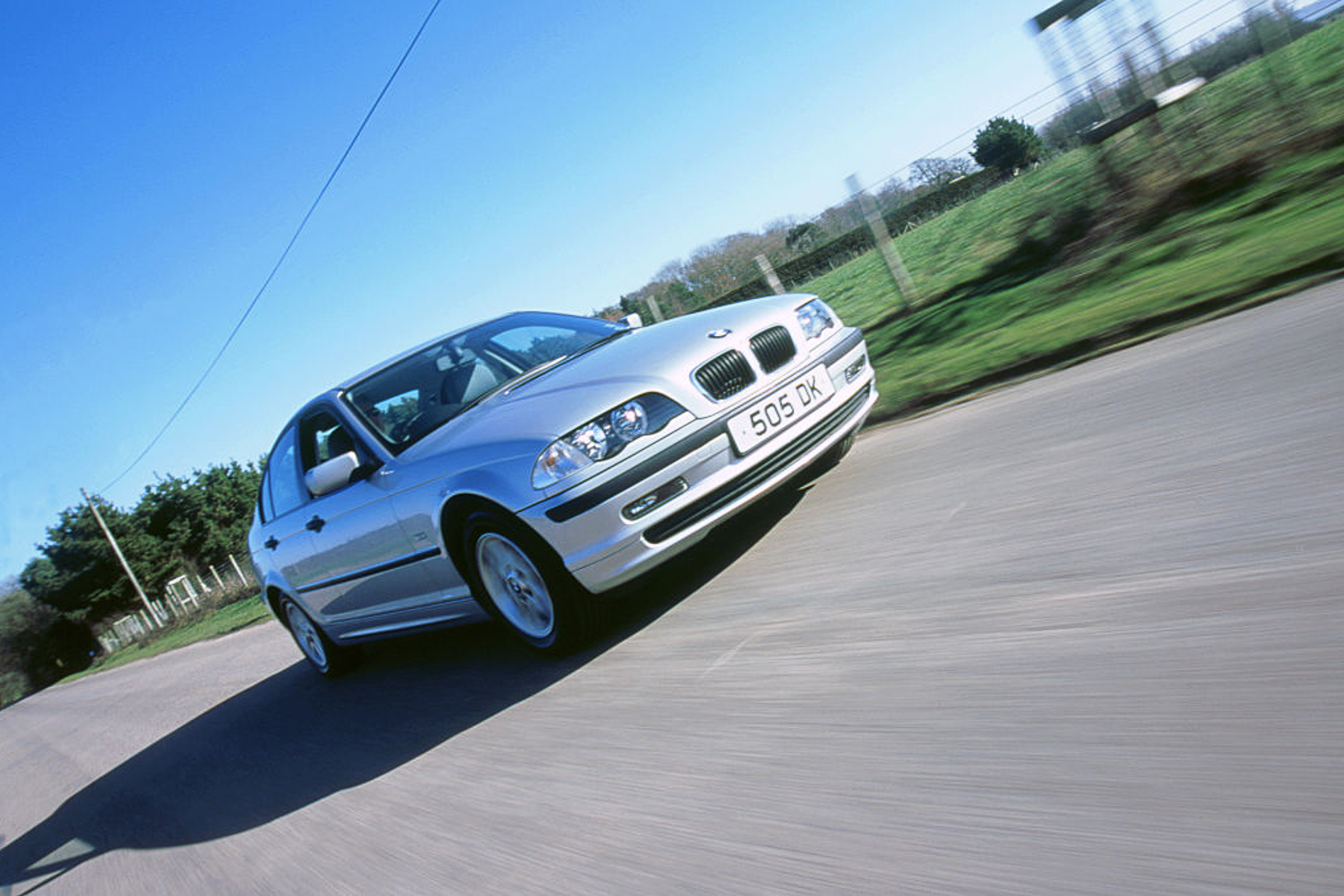
A recall notice issued by the ACCC today outlines the recall, which captures 12,633 3 Series cars built between 1997 and 2000.
Crucially, it appears that yet another type of Takata airbag is potentially responsible for a second death on Australian roads.
“Transport safety authorities in Australia, US and Japan have identified a different type of Takata airbag that poses a critical risk of death or serious injury to vehicle occupants, prompting an urgent recall of around 12,000 BMW vehicles which may still be in use on Australian roads,” reads a statement from the ACCC.
“If a vehicle with an affected airbag is involved in a collision, the airbag inflator could rupture, causing sharp metal fragments to enter the vehicle cabin at high speed and potentially killing or injuring vehicle occupants.”
Authorities are currently investigating two incidents, with one having resulted in a death and the other a serious injury. While the death is currently before the coroner’s office, there are no other details on the incidents.
“Because of the critical level of risk, the ACCC urges people to stop driving their vehicle immediately and to contact BMW to arrange to have their vehicle inspected as soon as possible,” said ACCC Deputy Chair Delia Rickard.
The models include the 316i, 318i, 320i, 323i, 325i, 328i and 330i sedans, and the 318Ci, 320Ci, 323Ci, 328Ci and 330Ci coupes.
“Owners of affected vehicles should stop driving their vehicle immediately and contact their local BMW dealership,” read the strongly-worded recall notice.
Affected vehicles will be towed to dealerships for rectification or inspected, and BMW says it will arrange loan or hire cars at it its expense, or even cover fares for cabs and ride-sharing services.
“You may also wish to discuss the vehicle being purchased back by BMW,” said Ms Rickard.
A BMW VIN look-up tool – https://www.recall.bmw.com.au – is available, or calls can be made to the BMW Takata hotline on 1800 243 675.
“BMW Australia has decided to voluntarily conduct a safety recall in Australia because, based on what we know so far, a particular batch of Takata airbags may not function entirely correctly due to a manufacturing defect,” said BMW Australia’s product communications manager, Nick Raman.
“We are currently checking this matter in more detail together with the Australian authorities. In addition, we are taking immediate steps to prevent the affected vehicles from being driven and implementing measures to minimise inconvenience to owners of those vehicles by providing alternative means of transportation.”
MORE TAKATA NEWS
- Australians are still not heeding faulty Takata airbag warning
- The compulsory Takata recall – what’s next?
- Australian driver killed by Takata airbag
Head to www.ismyairbagsafe.com.au to find out your car’s status, or check by texting TAKATA to 0487 AIRBAG (247 224).
What is it?
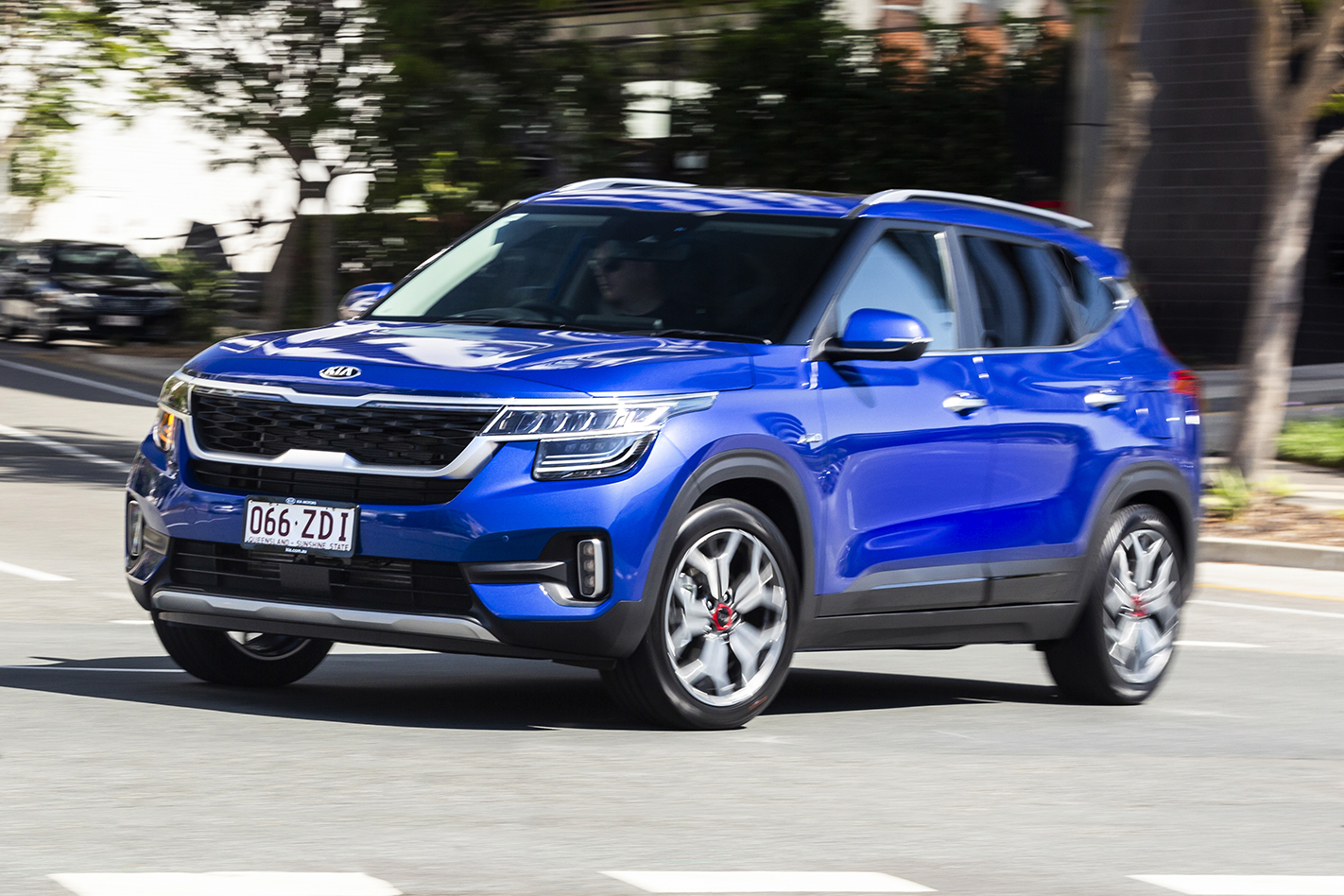
The Seltos GT Line is the flagship variant of Kia’s all-new small SUV, offering a host of active safety features and a sporty 1.6-litre four-cylinder turbocharged petrol engine with AWD traction and locally-tuned multi-link rear suspension.
As well as being surprisingly fun to drive, it’s spacious, generously equipped with a scrolling list of creature comforts and advanced safety technology that we’re yet to see in any other Kia models.
The Seltos GT Line is priced at $41,990 driveaway.
What’s it like to live with?
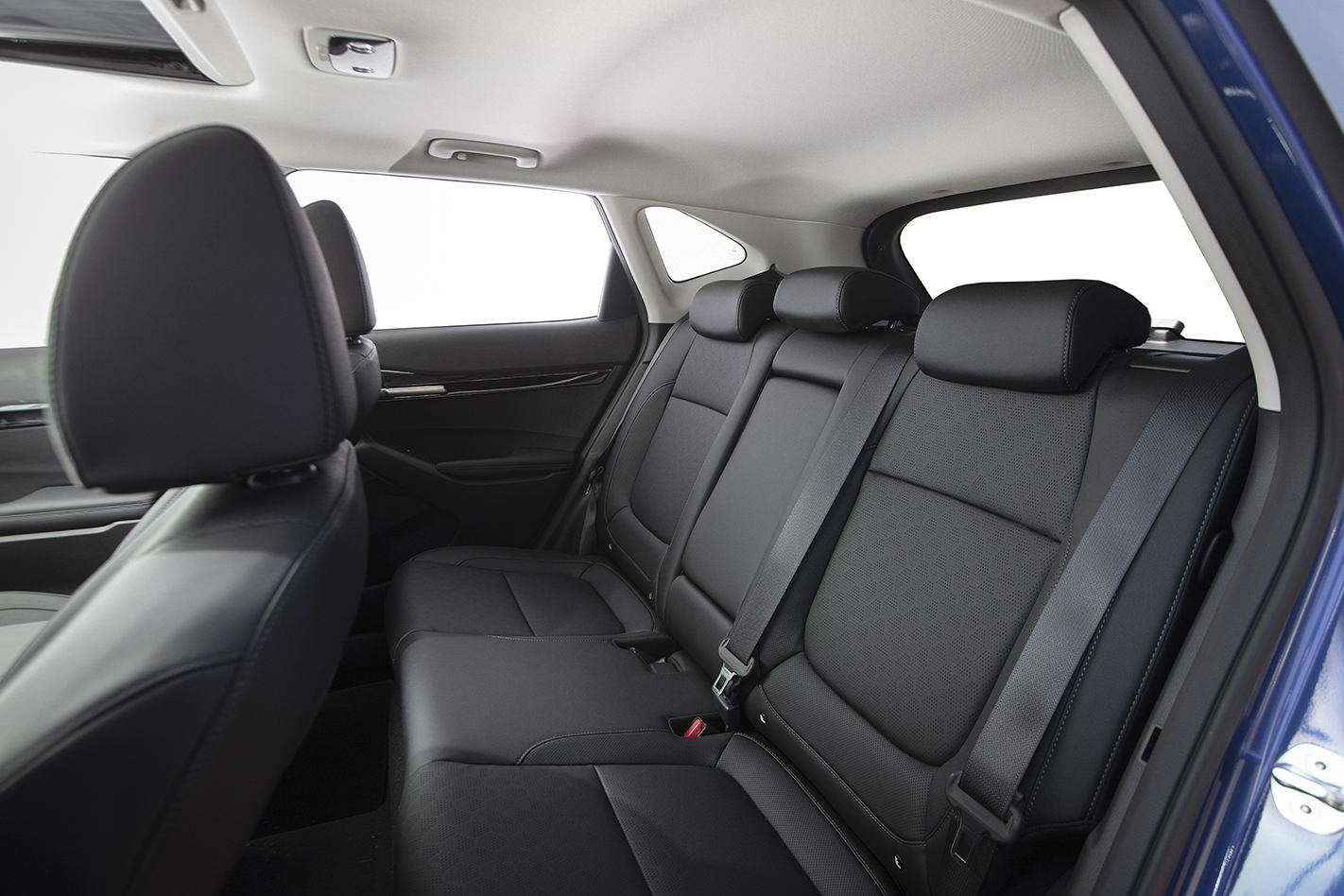
The Seltos GT Line is one of the more practical and comfortable small SUVs on the market with a 2630mm wheelbase that translates to generous 965mm rear legroom and a 433 litre boot that’s just a few litres shy of the class-leading Honda HR-V’s 438 litres.
The interior design is highlighted by a sleek new dashboard layout dominated by a cinematic 10.25-inch floating infotainment screen with Android Auto/Apple CarPlay.
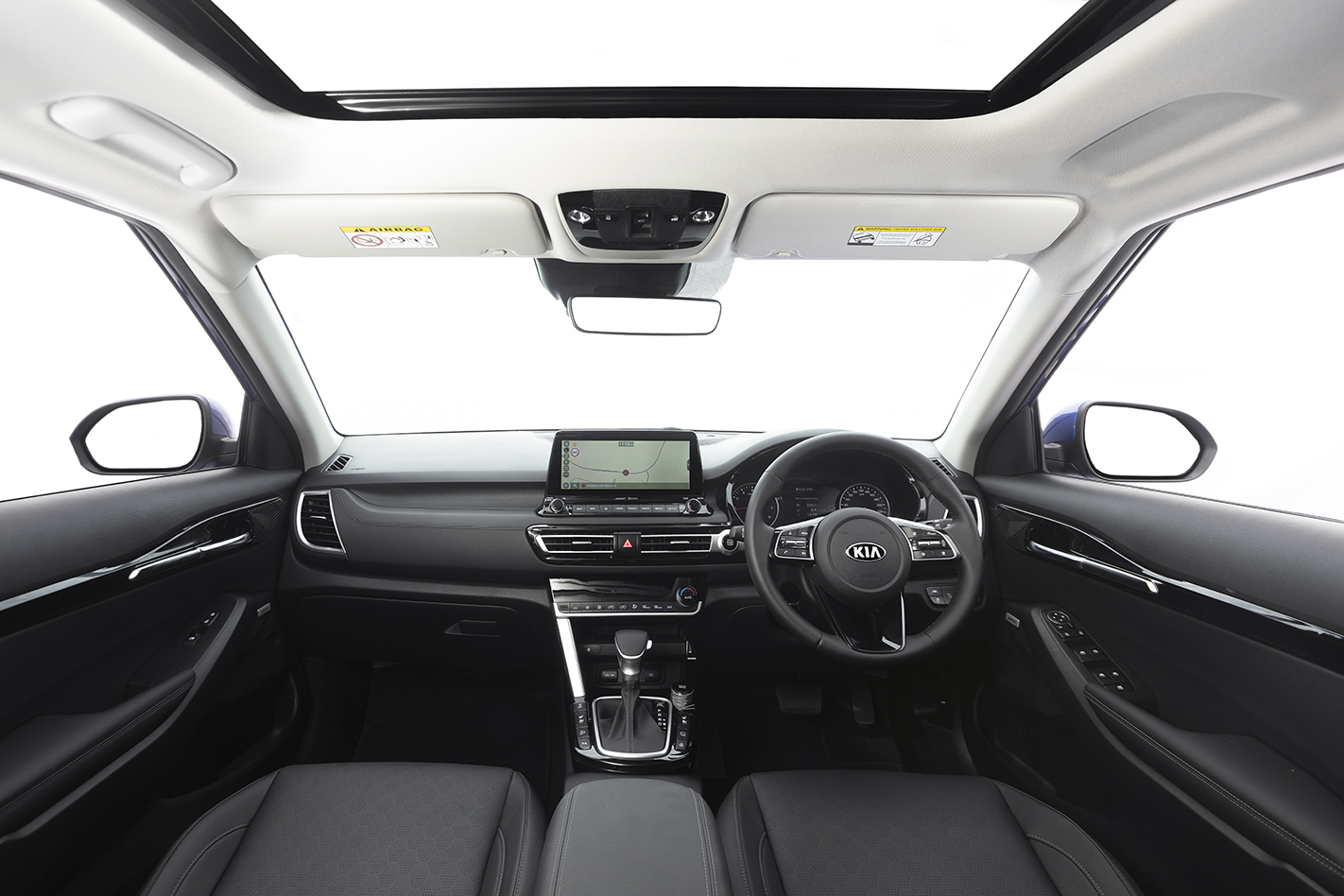
The user-friendly infotainment system allows for a split screen to view and operate different functions at once, and you can sync two phones via Bluetooth at the same time to receive calls through one and play music through another.
The ‘Premium’ faux leather front seats are heated and ventilated and have 10- and eight-way powered adjustments for the driver and front passenger respectively.
The reclining back seats are also comfortable and the rear of the cabin is well isolated from road and wind noise. There are ISOFIX anchor points by each door, and three top tethers to fit up to three child seats.
The Seltos GT Line has the most advanced active safety suites of any Kia that includes: Rear Cross-Traffic Collision Avoidance Assist, which detects a car coming from the side when reversing and automatically brakes if necessary; Safe Exit Alert that warns occupants of traffic (including bicycles and motorcycles) before they open their door into the road, and Driver Attention Alert+ that detects signs of fatigue and alerts the driver if the vehicle in front moves away from a stop situation, such as at traffic lights
Then there’s Lane Following Assist which controls acceleration, braking and steering and can track vehicles and road markings ahead to keep the car in-lane and a safe distance from any cars in front.
That’s all on top autonomous emergency braking with pedestrian and cyclist detection, advanced smart cruise control, and ‘Driver Attention Alert+’ that detects signs of fatigue and alerts the driver if the vehicle in front moves away from a stop situation, such as a set of lights.
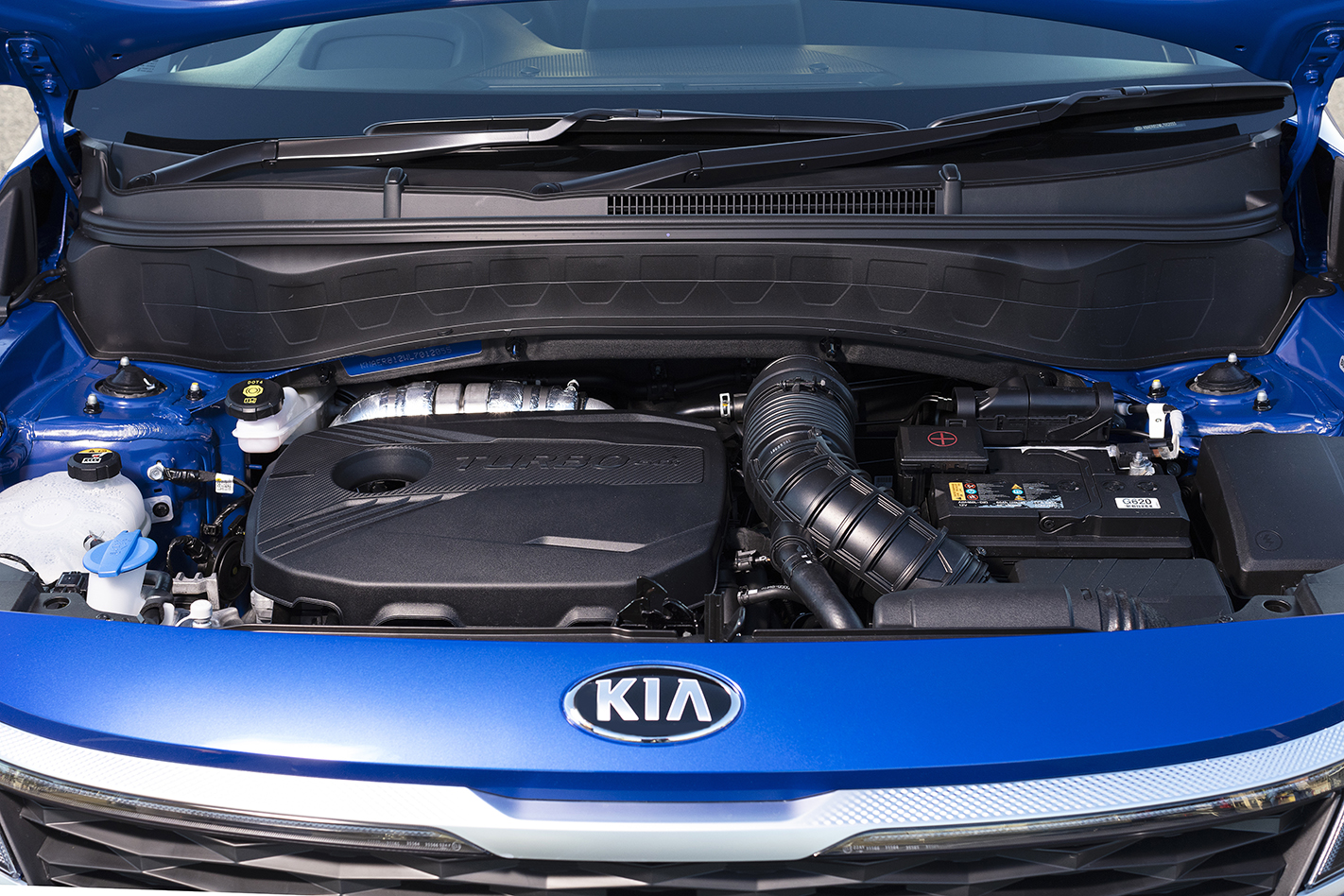
The Seltos GT Line shares its 1.6-litre turbo engine and seven-speed dual-clutch automatic transmission with the sprightly Cerato GT. In the slightly heavier Seltos this powertrain has a relatively thirsty combined official fuel economy of 7.6 litres/100km.
The GT Line packs in every feature available in a Seltos, including a sunroof, interior mood lighting, eight speaker BOSE premium sound system, fast wireless phone charger, head-up display, LED headlights, fog-lamps and daytime running lights, rain-sensing wipers, and bigger 18-inch alloy wheels.
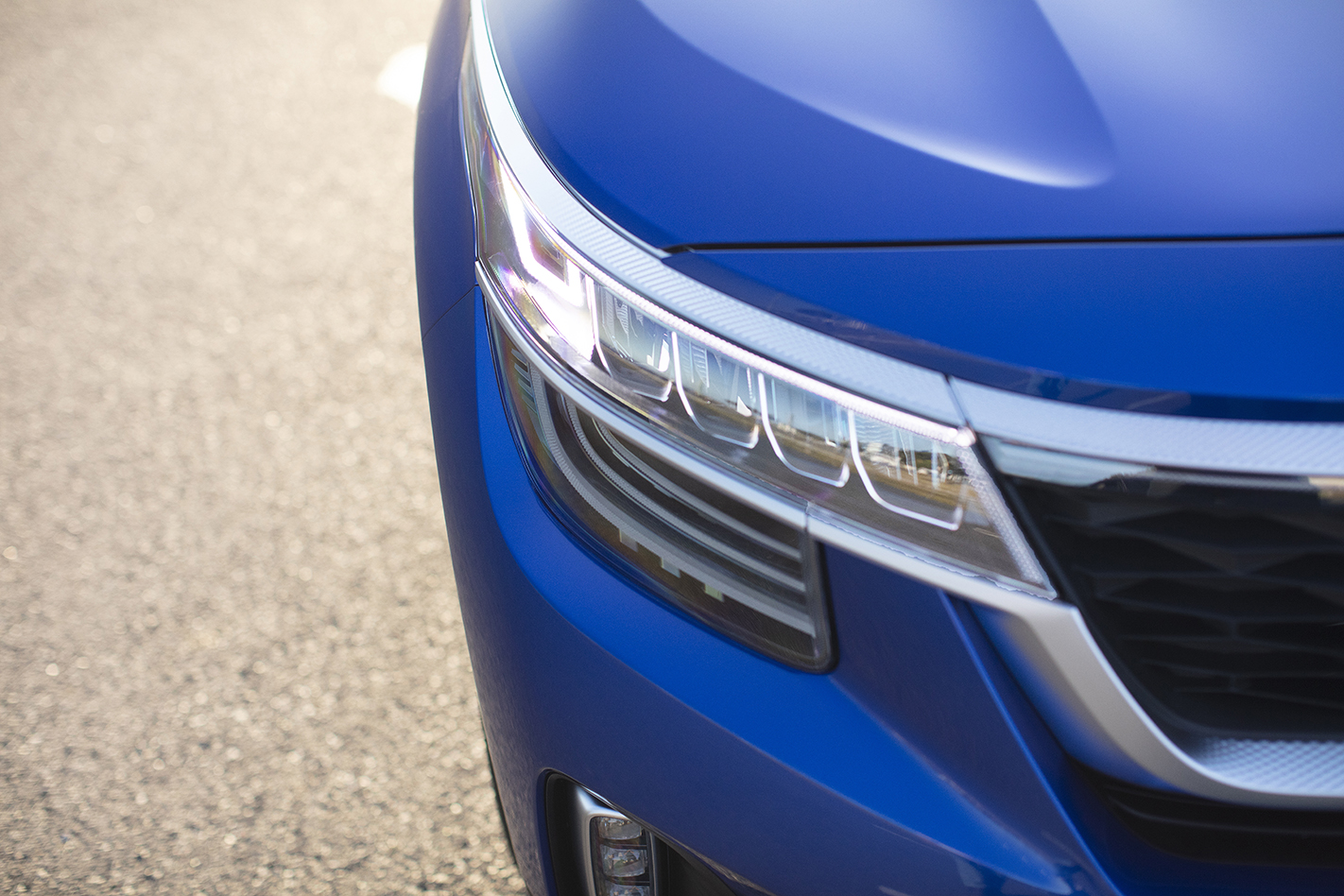
Apart from accessories the only extra cost option is $520 for premium paint. You can also opt for two-tone paint, with Cherry Black roof, for no additional charge, though you do lose the sunroof.
The Seltos comes with Kia’s seven-year, unlimited kilometre warranty.
What’s it like to drive?
Like most Kia models, the Seltos has been tuned for Australian conditions, and an opportunity to drive Australia’s newest SUV through the Queensland Sunshine Coast hinterland suggests Kia Australia’s engineering team have exceeded expectations.
Driving the 1.6-litre turbo, AWD GT-Line between Gympie and Noosa was a surprisingly delightful experience, with remarkably little body roll and the all-wheel grip combining to fool the Seltos into thinking it’s a hatchback.
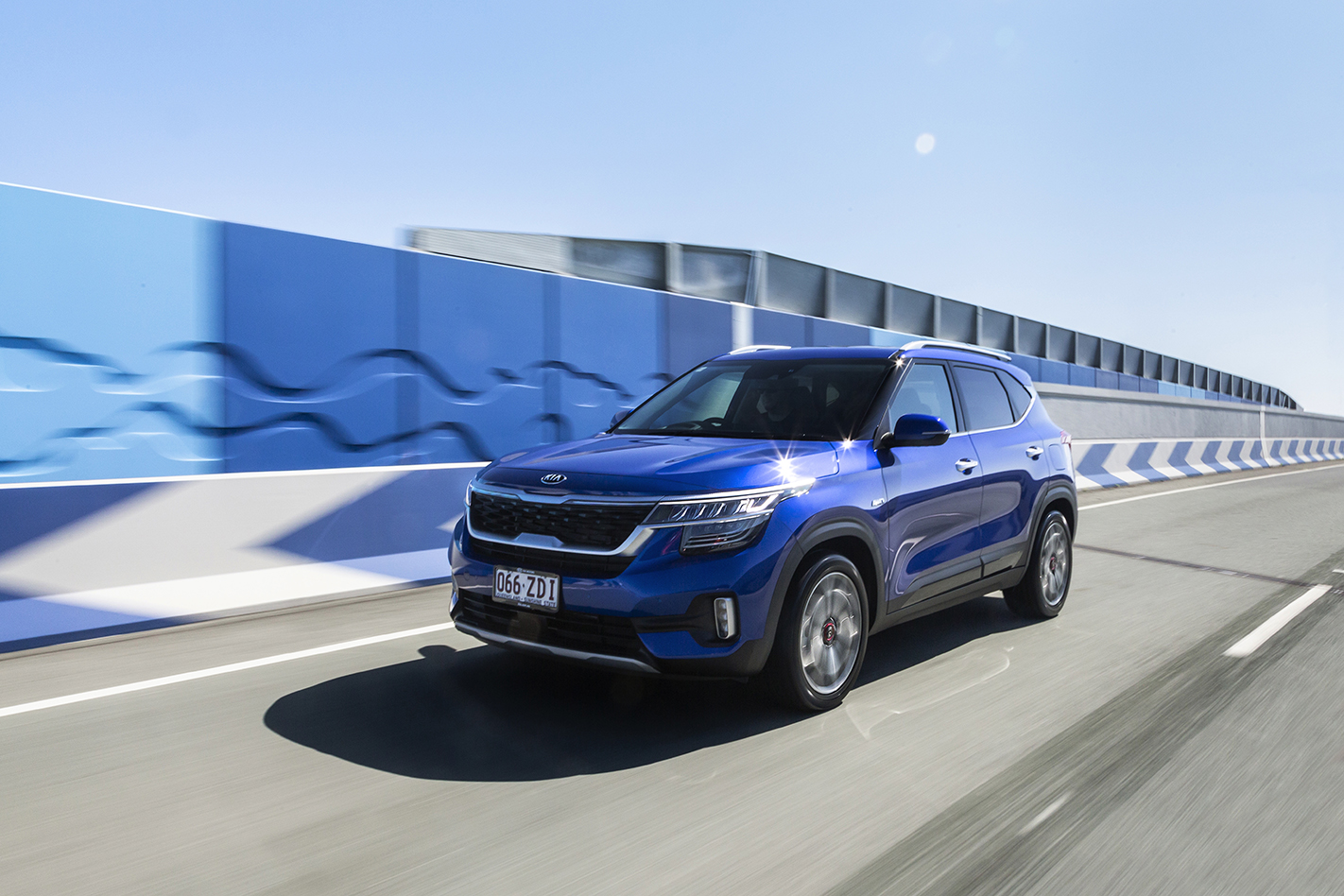
It’s comfortable too, with the suspension largely untroubled by road imperfections except for the odd jarring through 18-inch rims shod with sporty 235/45 Kuhmo Ecsta tyres.
The electrically assisted power steering, which has also been set to suit local conditions, feels just right. It’s easy to steer but brings you a good sense of connection with the road, which is satisfying and inspires confidence.
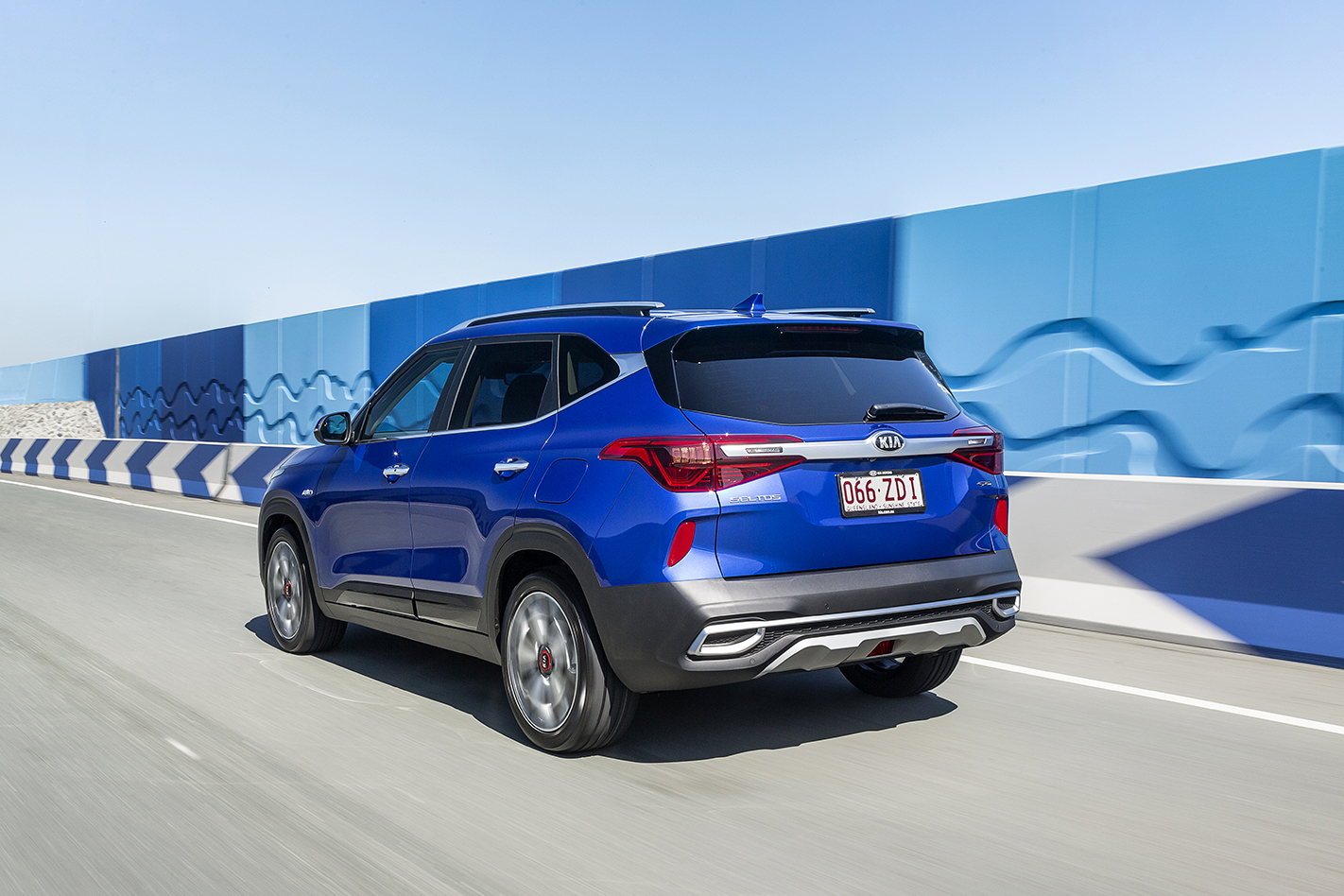
The punchy 130kW/265Nm 1.6-litre turbo provides more than enough power for highway driving and negotiating hilly terrain, and the seven-speed dual clutch automatic was rarely out of step.
Is it worth the cost?
The Kia Seltos is available in four specification grades S, Sport, Sport+ and GT-Line. The S ($25,990 driveaway) and Sport ($29,490) are 2.0-litre FWD only, with the Sport+ plus priced at $32,990 for the 2.0-litre FWD version and $36,490 for 1.6-litre turbo AWD.
This makes the GT Line’s $41,990 drive away price seem rather steep, however its $5500 premium over the Sport+ AWD brings all the above mentioned kit over an already impressive features list, which makes it pretty good value if your budget stretches that far.
