
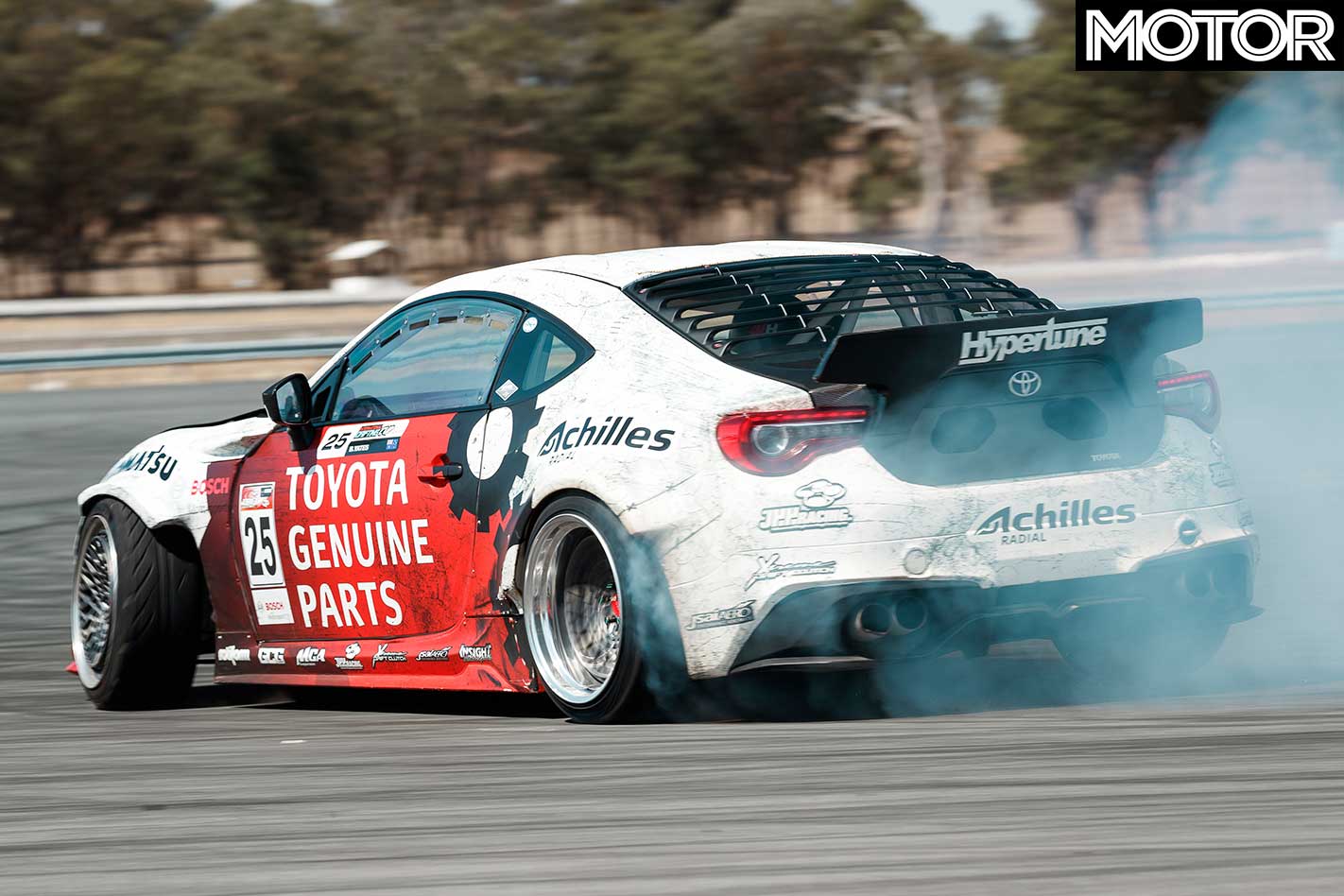
With no ABS, no traction control, about a billion horsepower and my own feeble, bordering on non-existant drifting skills, my imagination assured me I was definitely going to crash this one-off, purpose-built Toyota 86 drift car.
And matters were not helped by the thought that it not only belongs to Australian drift royalty and three-time champ Beau Yates, but that so much of the build itself was done with his very own hands.

Yet look closer and this car is also an engineering marvel with delightful, almost artful details all over, from the beautiful welds, to the way it looks – a lot of thought, and care, has gone into the build of this car, and it shows.
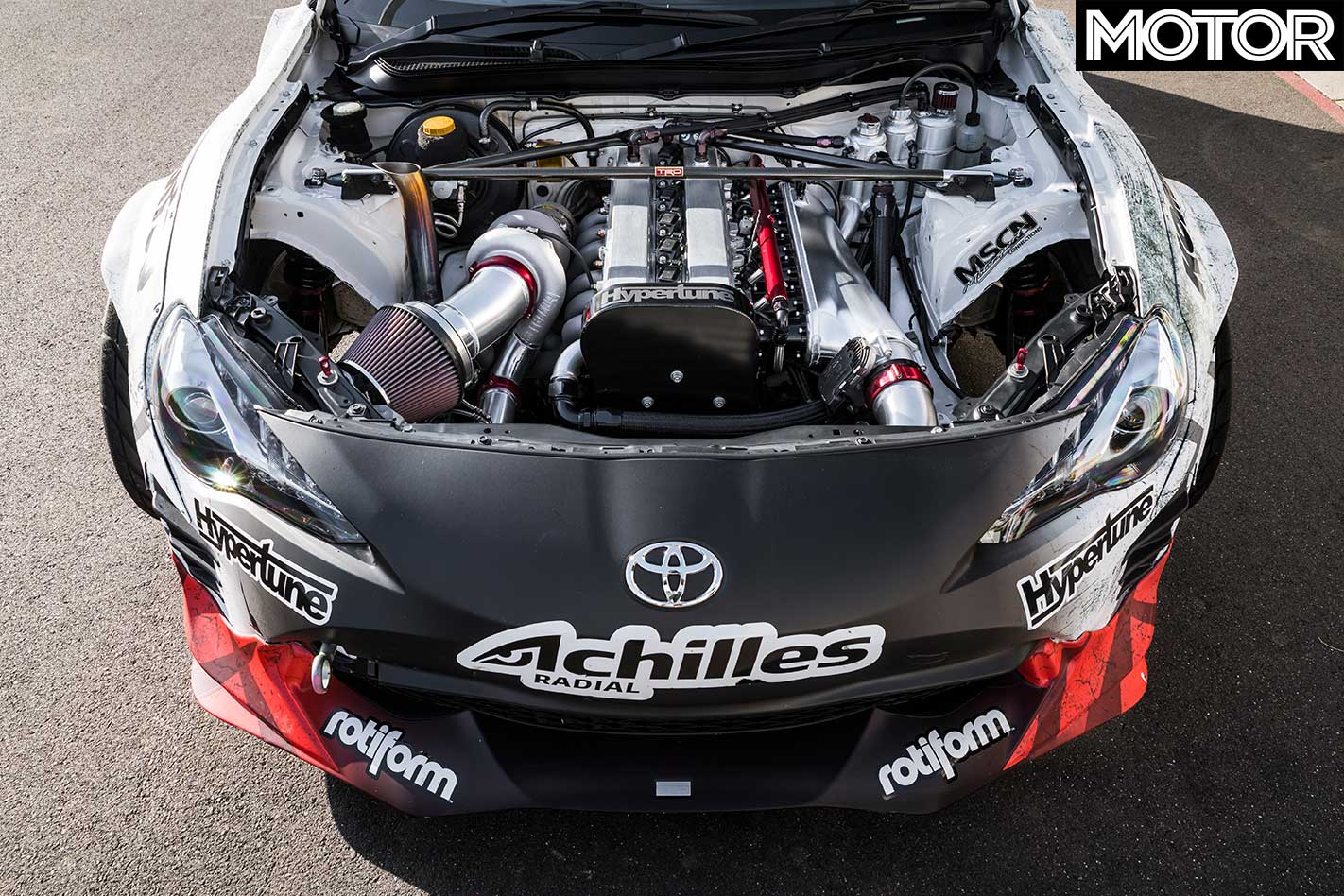
Under the vented bonnet, the stock boxer-four is a memory, replaced with a 3.0-litre straight-six (the legendary and battle-proven 2JZ) and fed with an enormous single Garrett turbocharger. A frankly silly amount of power reaches the rear wheels (537rwkW/1000rwNm) via a sequential ’box.
Time to strap into the passenger seat. Inside the stripped-out, caged interior the engine is buzzy and loud at idle. Yates plucks first gear, making a sound like a sword hitting a rock, and jolting the car, his previously calm and relaxed demeanour immediately replaced with focus.

He spits on his gloves and what feels like moments after leaving pit lane, the clutch is in and he’s ripping up the handbrake into Winton’s sweeper at about 150km/h, before dancing the car in one huge, connected drift through turns six, seven, eight and nine, working the brake and handbrake just as much as the steering and throttle in a frenzy of non-stop small inputs.
The engine rages with one of the angriest noises I’ve ever heard, bouncing off its 8750rpm hard-cut almost the whole time. It’s impressive to watch; you could easily imagine Yates drifting the whole track, multiple laps in a row, if the car could do it. (On a warm day, it needs a cool down every five minutes; a new pair of rear tyres are lucky to last much longer than that.)
It’s my turn to show everyone how it’s not done. I’m relieved to find the controls immediately easy to use; clutch forgiving, accelerator precise, giving you a god-like feeling of control over all that power, and whether rear tyres live or die.
There is something unbelievably cool about a sequential ’box, plucking gears with a tug of the solid mechanical lever, and hearing the whine. I drive a few ginger laps of the track to get a feel. With no provocation, the car wants to oversteer into every corner. But it’s friendly; not at all scary.
Even more unexpected, however, is seeing Yates on the pit wall, making wild arm gestures egging me on. But I am not yet brave enough to incite wheelspin in anything other than a straight line. And I’ve never felt a car as eager to completely bonfire its rear tyres as this one.
We hit the skidpan and Yates lays out a witches’ hat course a bit bigger than I’m honestly comfortable with. Almost straight away, however, I’m able to connect the whole course in one big, slightly wobbly, but smoky drift – which is a credit to the car.
To drive, it is, dare I say, easy – benign, fluid and not snappy at all. Getting sideways requires no special skill, such is the tyre-turning power and torque available; and there is so much steering lock, if you cock it up you just steer further into what would otherwise be a spin. It’s the ultimate flattery.
Red flashes up on the MoTeC dash indicating it’s time to cool the car down (the radiator is in the boot). It’s only built, after all, to do battle for minutes at a time. In my case, minutes that will remain vivid and clear forever: Yates’s born-to-drift 86 is easily the most exciting car I have ever driven.
FAST FACTS 2019 Toyota 86 drift car BODY: 2-door, 2-seat coupe DRIVE: rear-wheel ENGINE: 2997cc inline-6, DOHC, 24v, turbo POWER: 537rwkW @ 8200rpm TORQUE: 1000rwNm @ 3200rpm WEIGHT: 1140kg POWER-TO-WEIGHT: 471rwkW/tonne TRANSMISSION: 6-speed sequential manual SUSPENSION: coilover strut (f); A-arms, coilover strut (r) STEERING: hydraulically assisted rack-and-pinion BRAKES: 355mm ventilated disc, 6-piston calipers(f); 345mm ventilated disc, 4-piston calipers (r) WHEELS: 18.0 x 9.0-inch (f); 18.0 x 11.0-inch (r) TYRES: Achilles 123S; 235/40 R18 (f), 265/35 R18 (r) PRICE: $180,000-plus
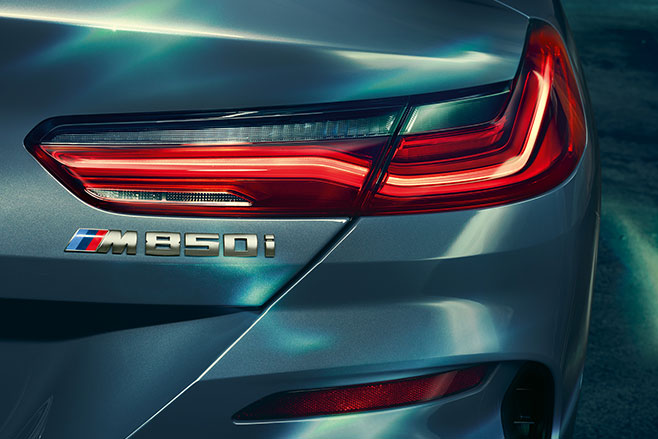
It has been two decades since the BMW 8 Series badge was last seen in Australian showrooms, but the model is back, marking a return of the German car maker’s flagship coupe. An even more vicious M8 is on the way, but for now the M850i is the only option locally, effectively taking the baton from the runout 6 Series.
It’s certainly not going to be a volume seller for BMW but the mighty two-door stands in as a new halo model for the marque drawing attention to the company’s wide range of other vehicles, not just itself. Nonetheless, this wheeled statement will appeal to a small but savvy customer base that’s prepared to sacrifice a little in the way of practicality and a serious investment, for a car that will never fade into obscurity. The original 8 Series is a testament to that.
VALUE
With a $272,900 price tag, the BMW 8 Series has both feet firmly in aspirational car territory, though that doesn’t mean lavish, expensive 2+2 coupes like this can’t offer good value too.
If you’re looking to get into a large, luxurious coupe with four-ish seats and a seismic power output, the options are limited. Bentley will take $422,600 from you for a Continental GT, Aston Martin charges $374,995 for the DB11, while Mercedes can offer an S-Class Coupe from $314,900.
In fact, only Lexus weighs into the segment with something that can conceivably compete with the 8 Series for less cash. Its LC 500 slips under $200,000 for both the V8 and V6 hybrid.
That actually makes the M850i fit into the more affordable end of the market and, even if you step up to the $295,900 First Edition that arrives in July.
STANDARD FEATURES
Standard oily bits include a 4.4-litre twin-turbocharged V8 petrol engine that sends 390kW and 750Nm to all four wheels via an eight-speed automatic transmission and M Sport differential. This beast of a car rolls on 20-inch wheels with run-flat tyres with pressure monitoring and adaptive suspension.
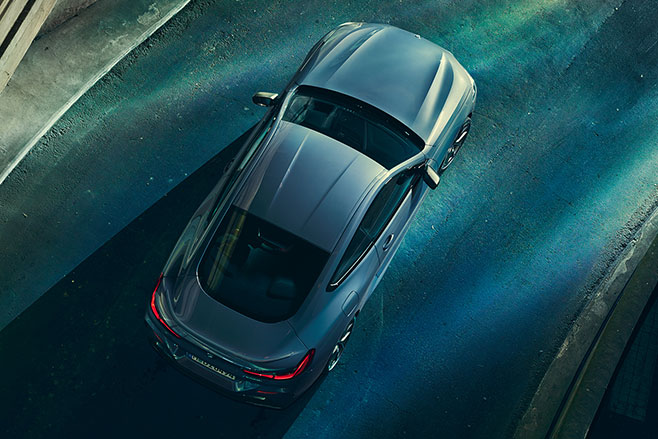
Its carbonfibre roof is unpainted for all to appreciate the exotic material, but if you can’t be bothered explaining to inquisitive passers-by that the lighter, stiffer roof saves weight, lowers the centre of gravity and looks cool, you can option a painted aluminium top for no extra cost.
Also included in the price are soft-close doors that automatically lock and unlock when you approach, wireless device charging, BMW’s remote services, navigation with real-time traffic information, Apple CarPlay and Bluetooth connectivity, full leather interior and heaters for the front seats and arm rests.
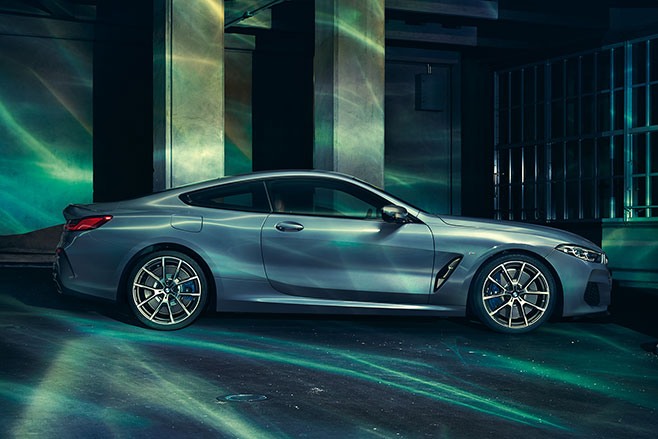
SIZE
The M850i is big, really big, but its imposing exterior dimensions do not translate to similarly generous interior space. The 8 Series is spacious only in the amount of room it occupies – not the amount it provides.
Its boot offers 420 litres of space which isn’t much for a car of this size and the load area is deep but narrow, limiting its versatility. Then there are the back seats, which are little more than a gesture when the front seats are rolled back to a comfortable position.
For a car that is so massive, it’s hard to see where all the space has gone once you jump aboard. Strangely though, this too is an impractical homage to the original E31 8 Series, which also had a tiny boot and borderline claustrophobic cabin despite a hulking exterior.
But being big is not always about being practical.
At nearly five metres in length and 1.9 metres wide, the M850i has an incredible presence. Unlike hefty SUVs, it is proportionally low at 1.3 metres tall and that gives the big coupe an irresistible allure on the road. Regardless of the more detailed styling and subjective lines, the size alone is a huge part of what makes the model attractive and imposing.
SAFETY
Besides a permanent all-wheel drive system that helps the big Beamer get its prodigious power to the road in all conditions, there are some other interesting safety highlights.
The company’s Carbon Core that first appeared as part of the current 7 Series construction now finds its way into this model and adds high-strength carbon composite material into critical areas of the body and passenger cell without adding the weight associated with steel.
The innovation not only reduces overall weight with the associated handling and performance benefits, but provides improved impact protection and durability if a crash is unavoidable.
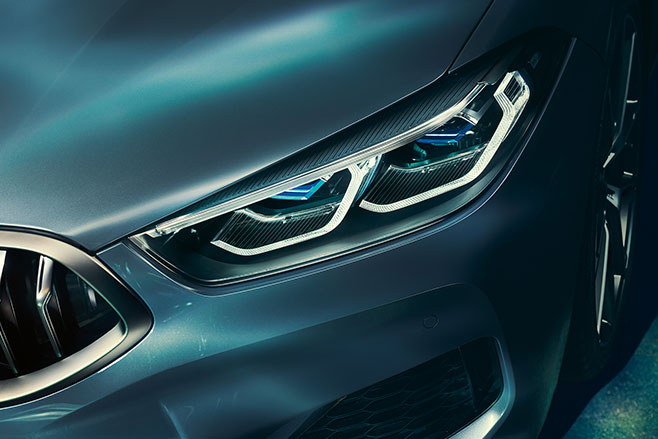
Housed in the M850i’s nose are BMW’s proprietary Laserlight headlights – another feature that enhances the exterior looks with safety bonuses. After dark, the cutting-edge lights cast a brilliant blue/white beam that is effective to more than half a kilometre.
And if that’s not enough, a standard night-vision camera allows otherwise completely invisible objects to jump out of the dark. Instead of reflected light, the specialised camera looks for heat sources in the dark and can pick out pedestrians, other cars and wildlife, long before the human eye.
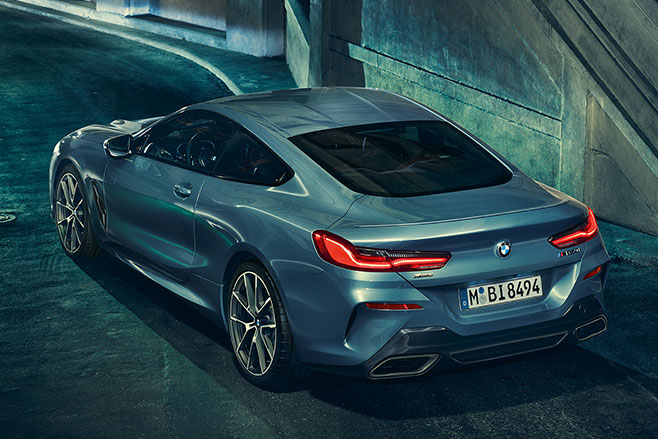
A head-up display has a screen that’s 16 percent larger than in any other BMW, the cool mood lights in the doors switch to flashing red if the reverse sensors detect approaching traffic including cyclists and, on the freeway, the 8 Series will maintain its distance from a car ahead and position in lane with the touch of a button.
Generally speaking, the advanced safety systems are seamlessly integrated but on more than one occasion the ‘gesture control’ (which allows occupants to adjust audio output volume, entertainment source and manage phone calls with hand movements) mistakenly thought I wanted to change radio station. And the lane keeping technology is perhaps a little aggressive and late in its operation.
Top marks however, go to the voice recognition, which effectively renders all buttons associated with navigation, entertainment and phone connection obsolete, such is its effectiveness. Chatting to the BMW like it was a stoic PA was both useful and a novelty that never wore thin.
COMFORT
As a large GT, the M850i promises to offer the perfect vehicle for demolishing extended stretches of freeway, not just at searing speed, but in total comfort too.
And to a degree it does. The deep sports seats combined with cosy cabin creates a cosseting and protective space for covering long periods of cruising. The driving position is typical BMW with an ergonomically perfect arrangement of controls and displays. The crystal gear selector, iDrive dial and start/stop button will no doubt divide opinion, but will win more hearts at night when the sharp facets illuminate. Cool.
Cabin noise insulation is incredibly effective even with wide, sticky rubber rolling at each corner but the adaptive suspension may have been tuned just a little on the stiff side for a true GT mile-muncher.
In its original form, the E31 850i was a bit of a barge, hauling its heft lazily between corners while soaking up road imperfections and kilometres with aplomb. I can’t help but feel the modern day version could have borrowed a little of its ethos. Especially as an M8 is confirmed and will gladly take the duties of carving corners no-doubt at unbelievable speed.
Even in the softest ‘comfort’ drive mode, the 8 Series is still a little edgy and is constantly reminding the occupants that it has an M badge on the boot. There are no sub-M850i variants planned for Australia at this stage so, for now, the most comfortable option will have to be ever so slightly neurotic.
ON THE ROAD
But when you really need to be somewhere in a hurry and the road there isn’t arrow-straight, the same suspension and chassis tune that renders the 8 Series just a little fussy, comes into its own.
It might have a wheelbase that measures an ocean liner-like 2.8 metres but rear-wheel steering makes the big coupe feel far shorter. Pitching into corners, the long snout points exactly where you want it and even though it is full of eight cylinders and two turbos, the steering is light and precise.
With the drive mode set to Sport, the large bore exhausts become more vocal, the adaptive suspension stiffens further and the body resists roll through corners with a defiance I didn’t think was possible in a car of such heft.
Even more impressive is the manner in which its acceleration cheats physics. Off the mark, the xDrive all-paw traction and eagre torque from the new V8 launches the M850i surprisingly fast and on to the 100km/h benchmark in just 3.7 seconds says BMW. I believe it.
And in-gear acceleration is even more impressive with zero turbo lag and a huge shunt from behind no matter what the revs. Let the bent eight wring out to the red line and it delivers a beautifully linear nature from torquey low-end to the howling limit.
Like so many BMW engines before it, I am certain this one will have many rosettes applied to the walls of its tack room.
Even in the wet, it’s possible to push the 8 Series even hard if the prospect is a little daunting at first. With a front-to-rear power split that favours the tail in true BMW character, the M850i feels like it will use its massive torque to swap ends with enthusiasm and little notice when the tarmac turns damp.
But the transmission management system is as sophisticated as the engine electronics and just enough power is fed to the front axle to keep everything pointing the most favourable direction while maximising progress. A true all-weather fast car.
But even when it isn’t going fast, the M850i is an accomplished and deeply desirable machine to behold and enjoy.
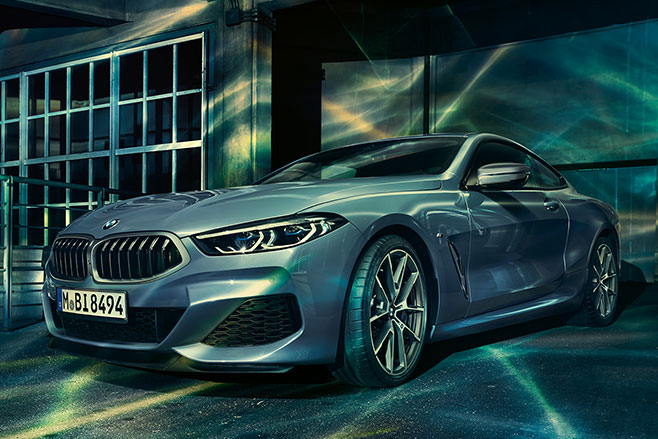
Unlike the original 8 Series which made a statement with a grille that was much smaller than the conventional passenger models, the G15 has a vast kidney grille. The adoption of huge nostrils is a bit uncouth on some other models, but the 8 Series proportions embrace the wide grin so much better.
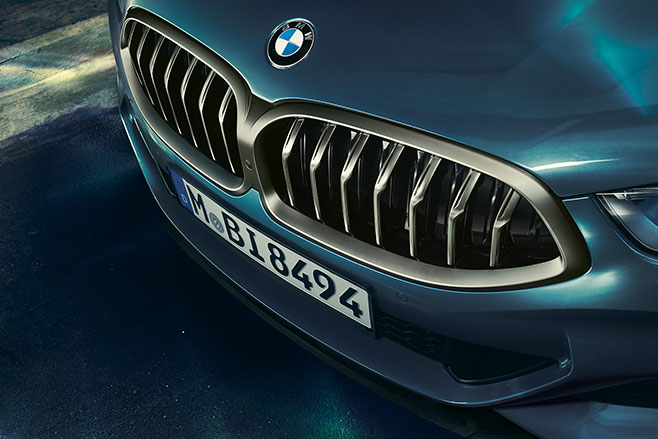
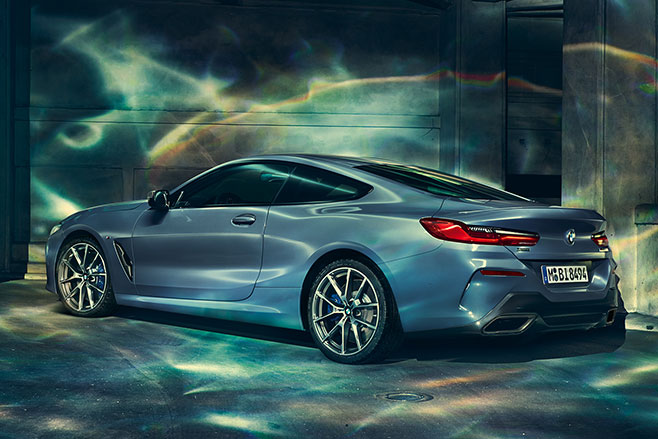
And a final note on a subjective but worthwhile feature: The Frozen Arctic Grey paint that my steed was supplied in embodied one of those greeny-blue electrical storm clouds that is brooding and angry, and about to dump an apocalyptic amount of power on something unsuspecting.
A more perfectly metaphorical colour for this car, I could not imagine.
VERDICT
Monstrously powerful, big coupes are not about being practical and nor are they about rationalised purchase decisions. These cars, including the 8 Series are bought with the heart and not the head.
You can fit more people and luggage in an X5 for the same footprint, an M4 will lay down a better lap time, a 7 Series has a better ride, and all of them will save you cash. But none of them will clear a pathway on the road like an 8 Series and that unapologetic air of badass is exactly what you will love about this car. And now I am completely enchanted too.
BMW’s M Division boss Markus Flasch was in an effusive mood during a recent teleconference with Australian media, answering questions for almost an hour on a range of topics, from electrification to new models and product strategy.
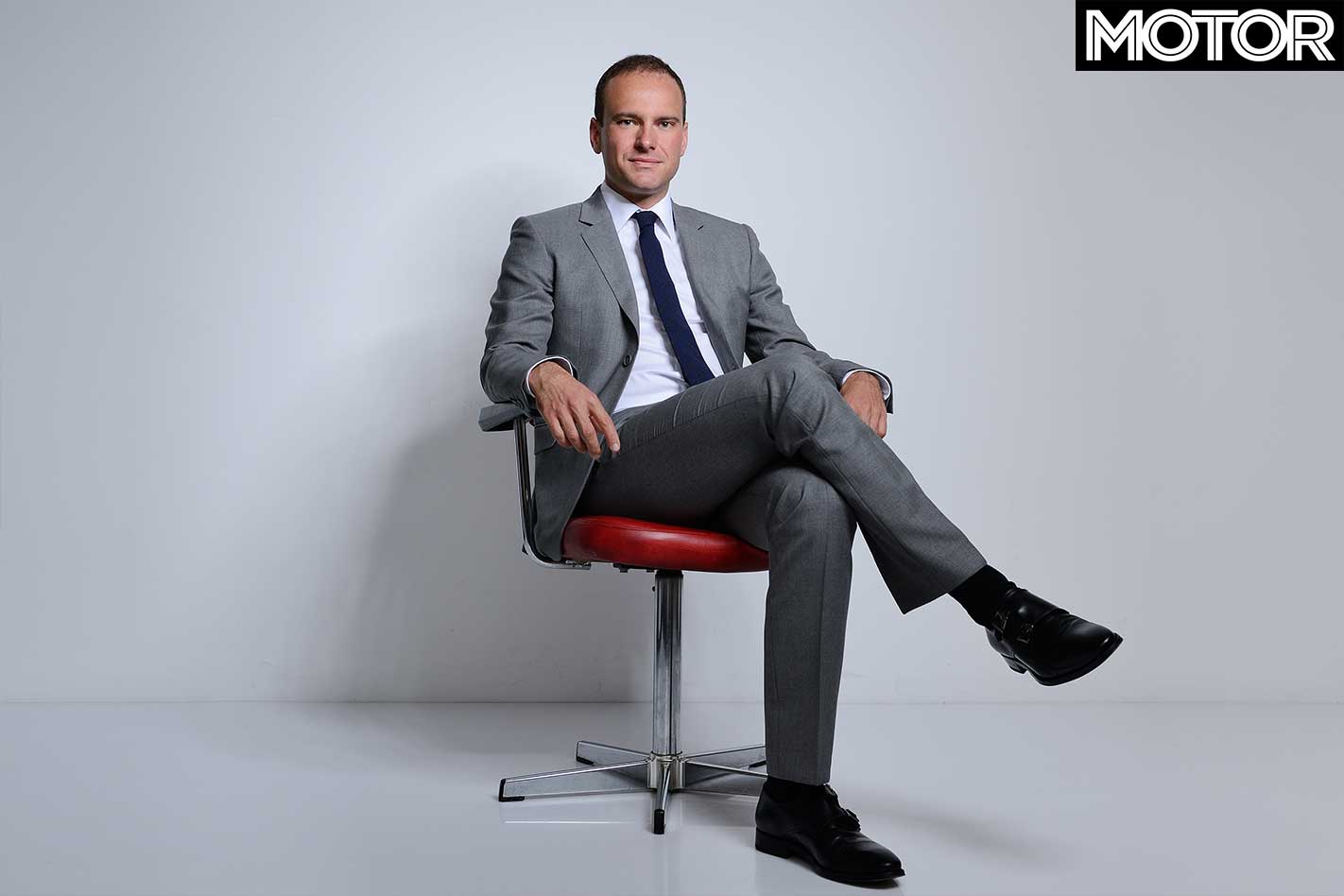
Here are a few key takeaways on the M Division’s future model plans that we learnt from the teleconference.
01 – ‘The M8 is a supercar’
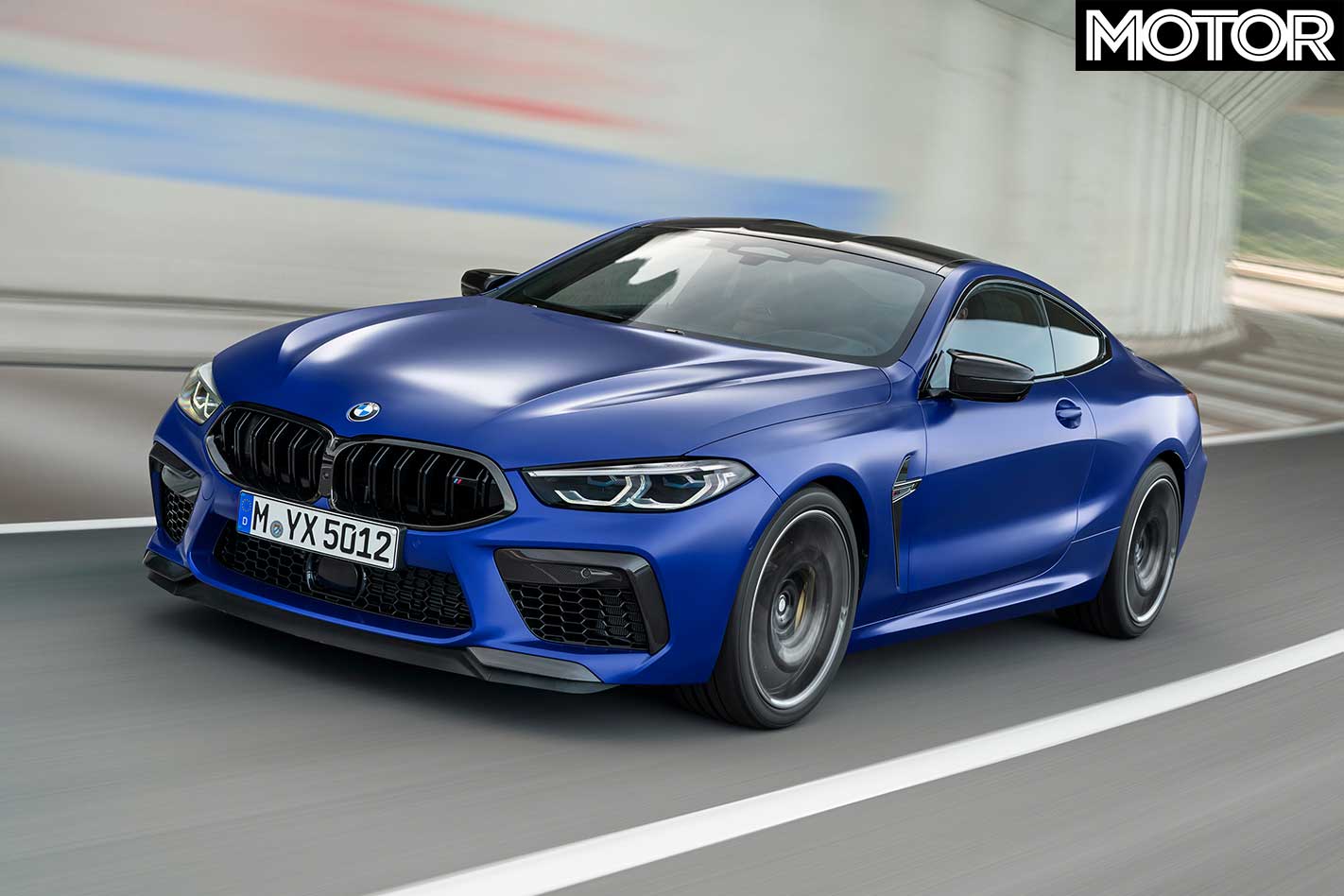
Flasch poured cold water on the idea of M creating its own supercar, saying this role is effectively filled by the forthcoming M8, which BMW test drivers are calling “a Porsche Turbo killer”. “[The M8] is the ultimate performance machine that we offer; it will be the fastest ever BMW at the Nürburgring Nordschleife.”
The M8, set to be offered in Coupe, Gran Coupe and Convertible guises, will share the M5’s 4.4-litre twin-turbo V8 and all-wheel drive system, but Flasch explains the two are very different in character.
“The centre of gravity is 24mm lower than in the M5, you sit lower and we’ve done a lot to the connection of the chassis to the body. It makes the front much stiffer and the steering feels different; all our test drivers were surprised by the different character.” The M8 will be revealed later this year and is expected locally in 2020 at a price of just under $400,000.
02 – The M2 will live on
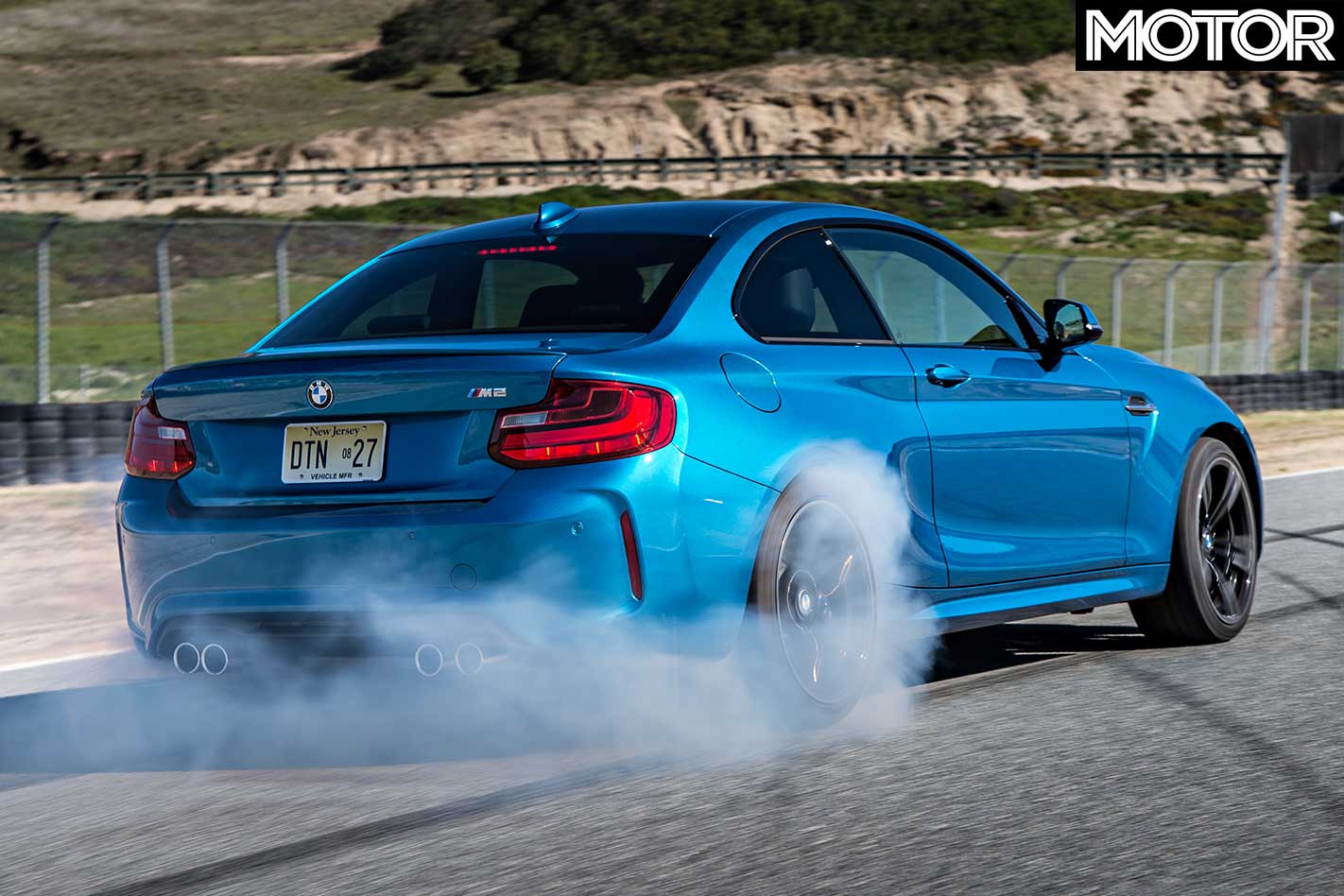
What constitutes an M car has changed dramatically and will continue to do so, but Flasch is adamant the company is committed to its heritage of rear-wheel drive, six-cylinder performance cars: “The M2 is the M iconic at the moment and we’ll make sure it stays that way. I am very confident we will have a proper M2 successor that fills the needs of the traditional M car.”
What shape that will take is currently unclear, as the next-gen 2 Series reverts to a front/all-wheel drive layout. Perhaps the Z4/Supra platform provides an opportunity? Time will tell, but the next M2 is not expected until 2022 at the earliest.
03 – Hybrid M cars coming
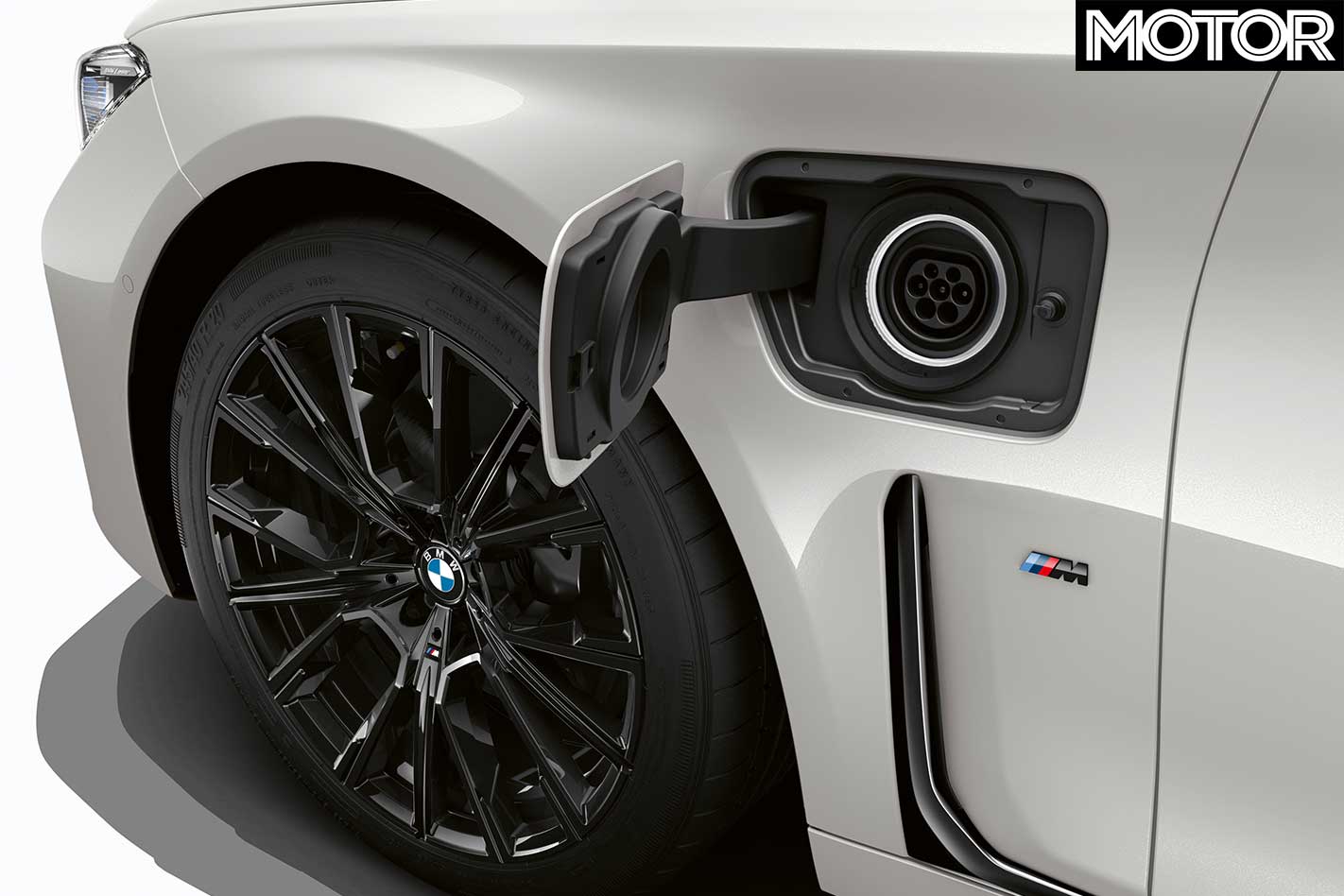
Electrified M cars aren’t far away, Flasch revealing 48v mild hybrid, plug-in hybrid and pure electric prototypes are currently operating: “Everything that brings performance is relevant for M. As soon as one of those technologies qualifies for proper M specifications, we will make them available. It’s not too far in the distance.”
04 – M3 to go all-paw
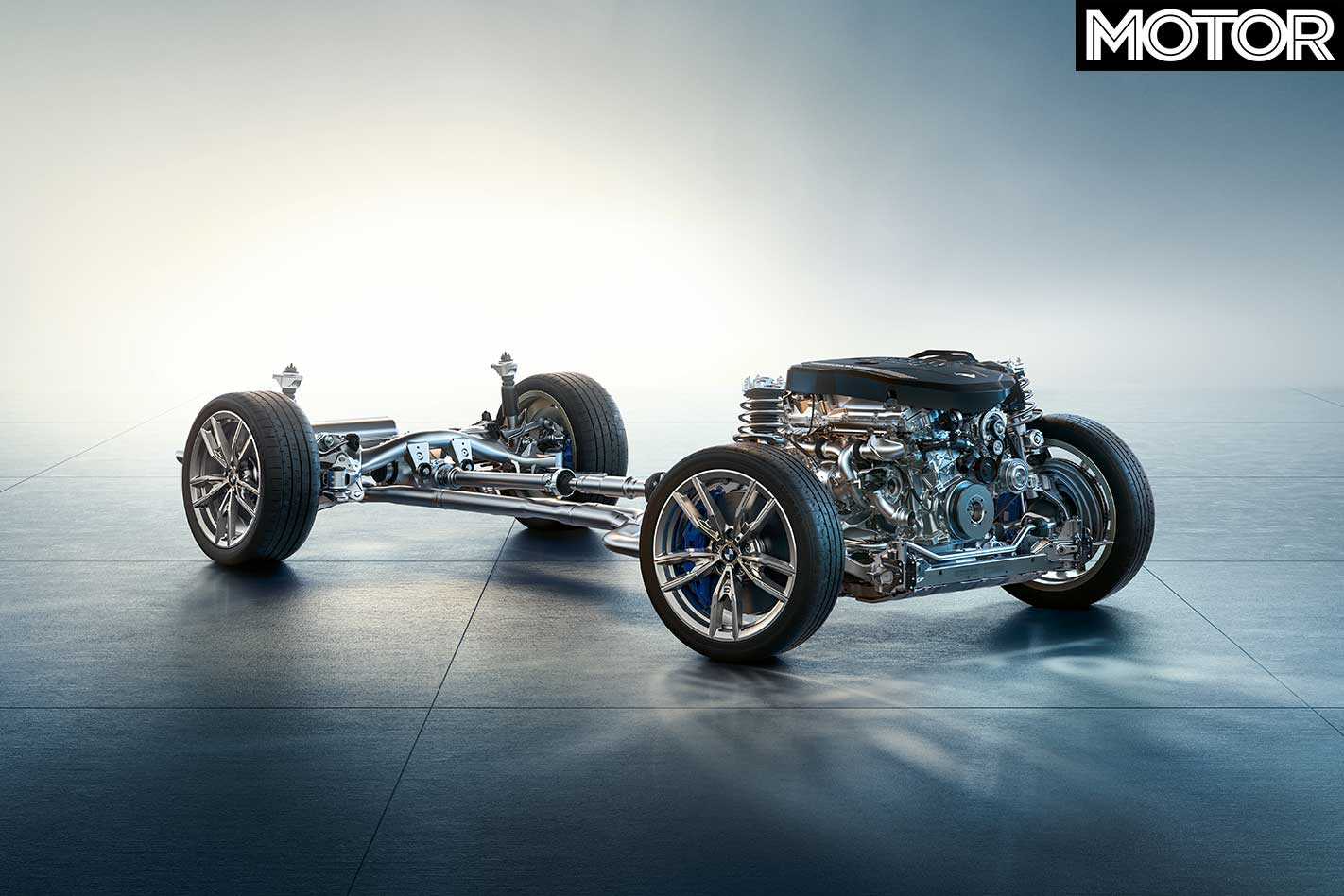
The new M3, set for a 2020 debut, will introduce all-wheel drive and a torque-converter automatic for the first time in the model’s history, Flasch saying: “You can assume we will carry over the entire drivetrain concept from the M5.”
This doesn’t close the door to a more traditional offering, though, as according to Flasch: “We’re able to do a manual, rear-wheel drive version as well, plus a manual transmission”. MOTOR’s current best info is the new M3 will be offered in three variants: a 331kW rear-drive Pure, 353kW base and 375kW Competition.
05 – Resurrecting the CSL
The iconic CSL badge will return, with the GTS moniker, which has adorned hardcore versions of the E92 M3 and F82 M4, being consigned to the shelf. No word on which model will receive the lightweight treatment first, but Flasch says CSL stands for the purest M character possible while still having licence plates.
06 – There will be no small M cars
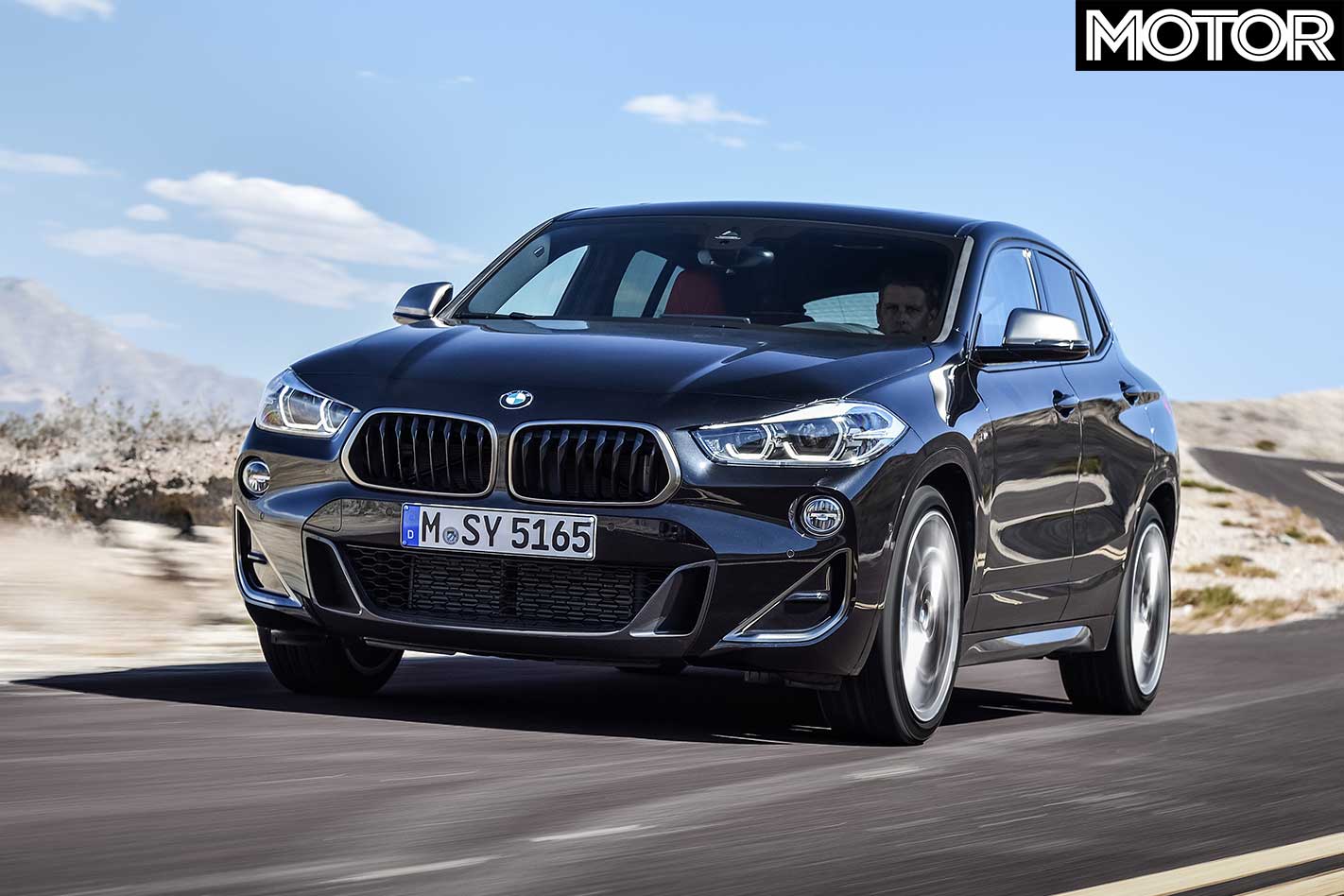
M Performance versions of the X2 and 1 Series are likely to be big sellers, combining practicality with a 225kW/450Nm 2.0-litre turbo engine and all-wheel drive, but Flasch says there are no plans for hotter ‘pure M’ versions.
“We believe the M Performance cars have enough power and performance and the ratio of what we would have to put into developing high performance cars in this segment to the result doesn’t make sense at the moment.”
07 – Angrier M Performance looks
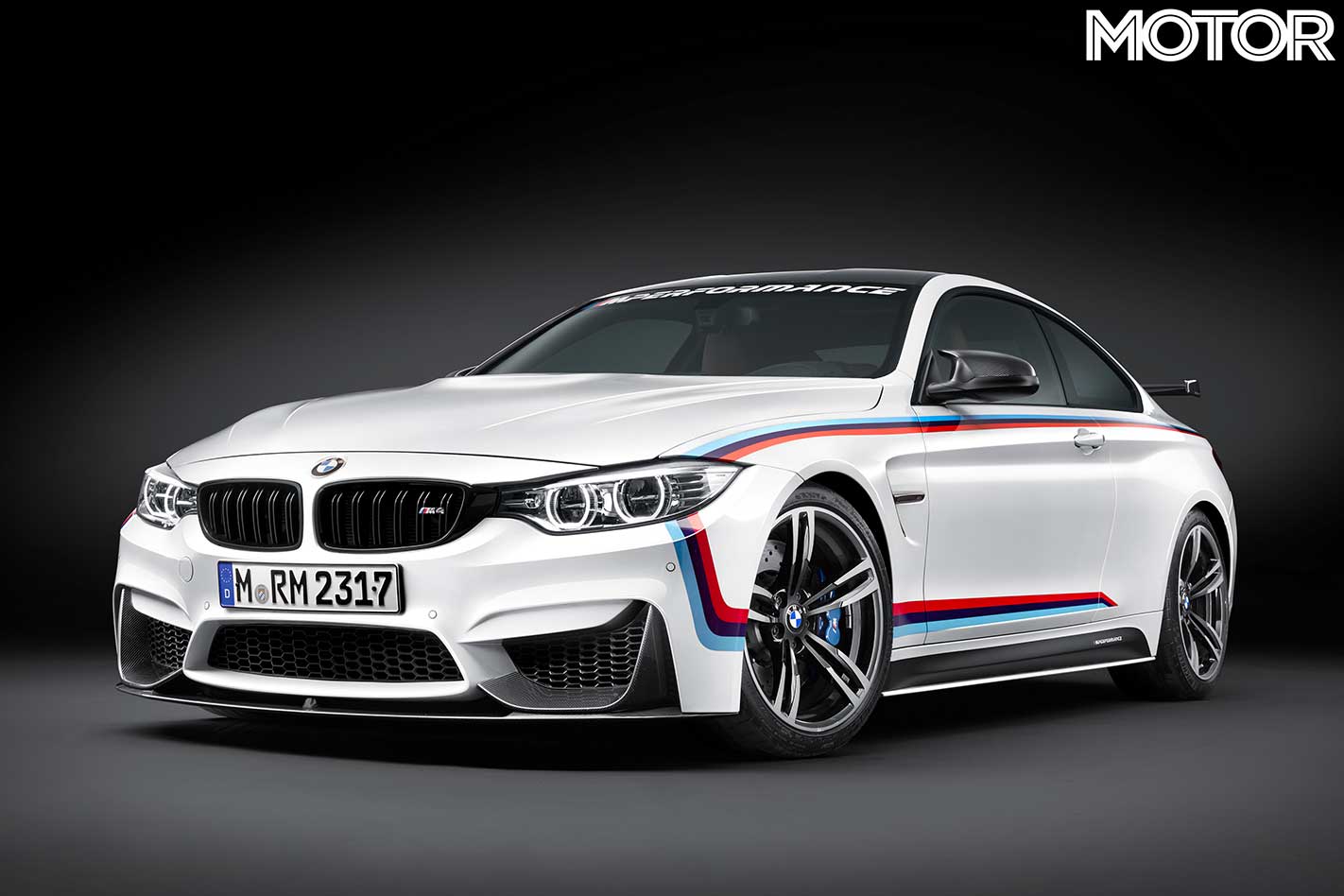
M Performance models will become more aggressive and closer to pure M cars in appearance. Flasch stated: “on the performance side of the vehicles, we have never received any criticism, but on the optical appearance we have heard some voices that we are, maybe, a bit too shy.”
M Performance models have been a massive hit, particularly in Australia, where they have lifted BMW’s sports sales (M Performance and M) by 71 per cent as of the end of April 2019, primarily thanks to the popularity of the X3 and X4 M40i.
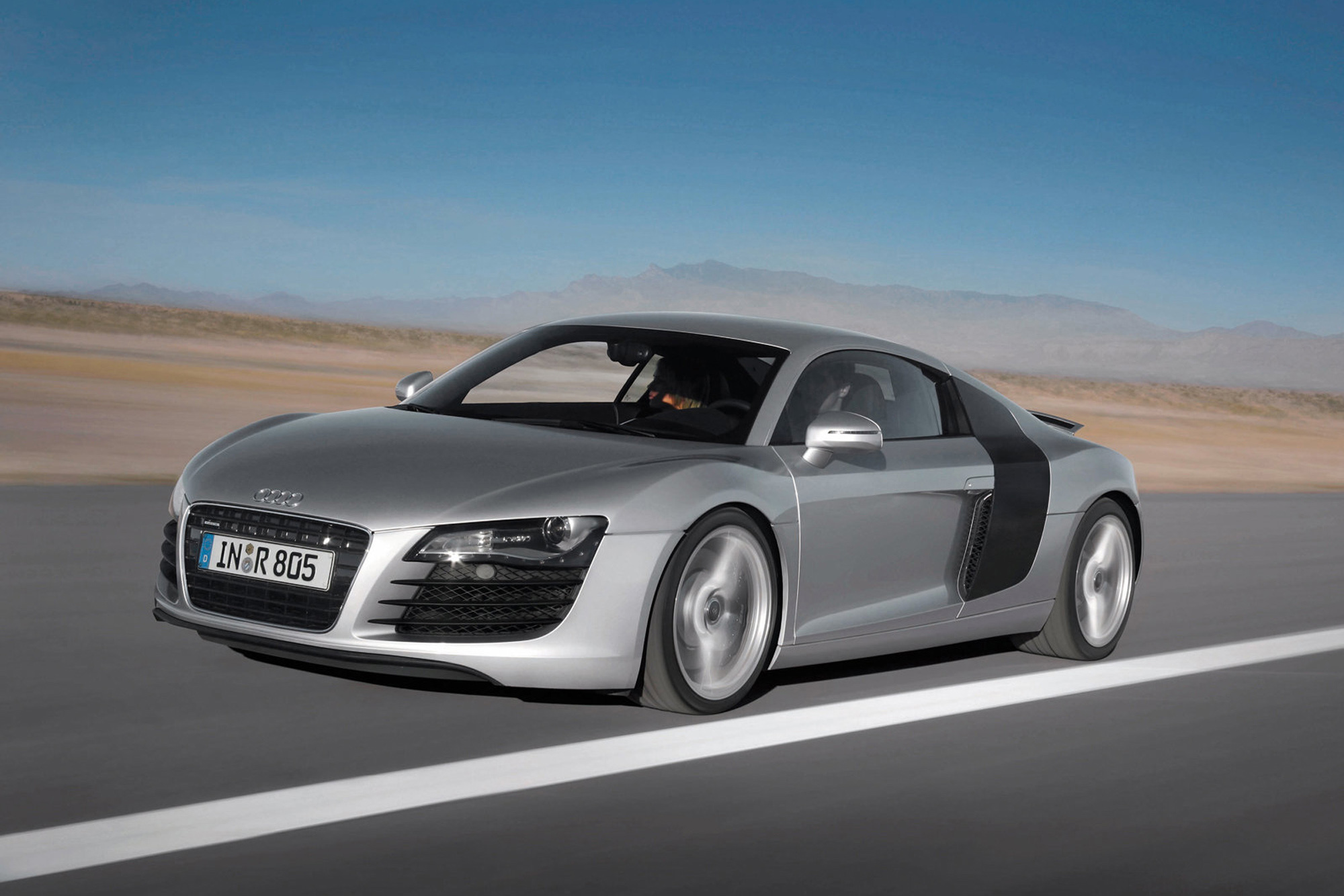
We’ve known this for a while, but confirmation that the boffins at Affalterbach have generated 310kW and 500Nm from just 2.0-litres (1991cc) is proof that the world has gone power crazy. What’s more impressive is that the four-cylinder turbo has a specific output of 155kW per litre. This level of performance places the M139-powered Merc ahead of some rare, and fancied, supercars and race cars, both past and present.
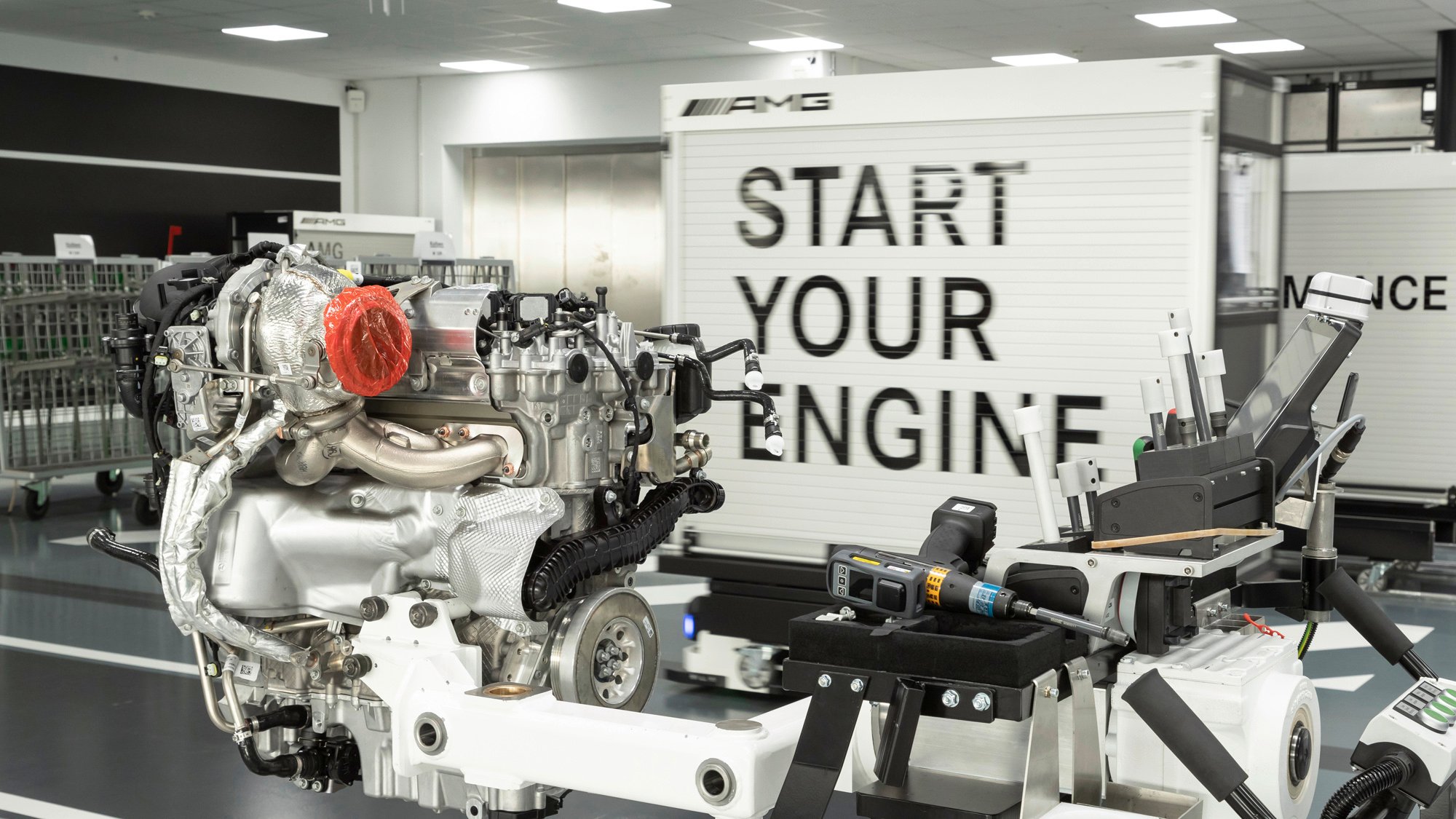
The list of examples is extensive, but to put the A45’s achievement into perspective, an original Audi R8 V8 extracts 309kW and 430Nm from its atmo 4.2-litre bent eight – and that was in 2006. Prancing horses are even outpaced with the popular Ferrari 360 Modena ‘only’ mustering 294kW from its 3.6-litre V8, 16kW shy of the hypo hot hatch. Such is the rate of progress that even a 991.2 Porsche 911 Carrera S falls a solitary kilowatt short of the 310kW marker.
Other notable notches on the bedpost include:
E39 BMW M5 – 294kW V8
Lamborghini Countach – 276kW V12
Mercedes-Benz 300CE AMG – 283kW V8
Porsche 996 911 GT3 – 265kW flat-six
However, it’s not just supercars of the past and present that the feisty four-pot usurps – even race cars are within its crosshairs. For example, the Hyundai i30 N TCR is a front-wheel drive race car with 257kW and 460Nm, but its 0-100km/h time of roughly 5.2 seconds means it won’t see which way the A45 goes when launching from a standstill.
In terms of a WRC-themed drag race the end result would be a lot closer with a sub four second 0-100km/h time achievable. Yet, the raw figures of 280kW and 450Nm from the Hyundai i20’s boosted 1.6-litre turbo pale in comparison. Most of the lower-rung, winged Formula categories also fall well short of the M139’s on-paper effort.
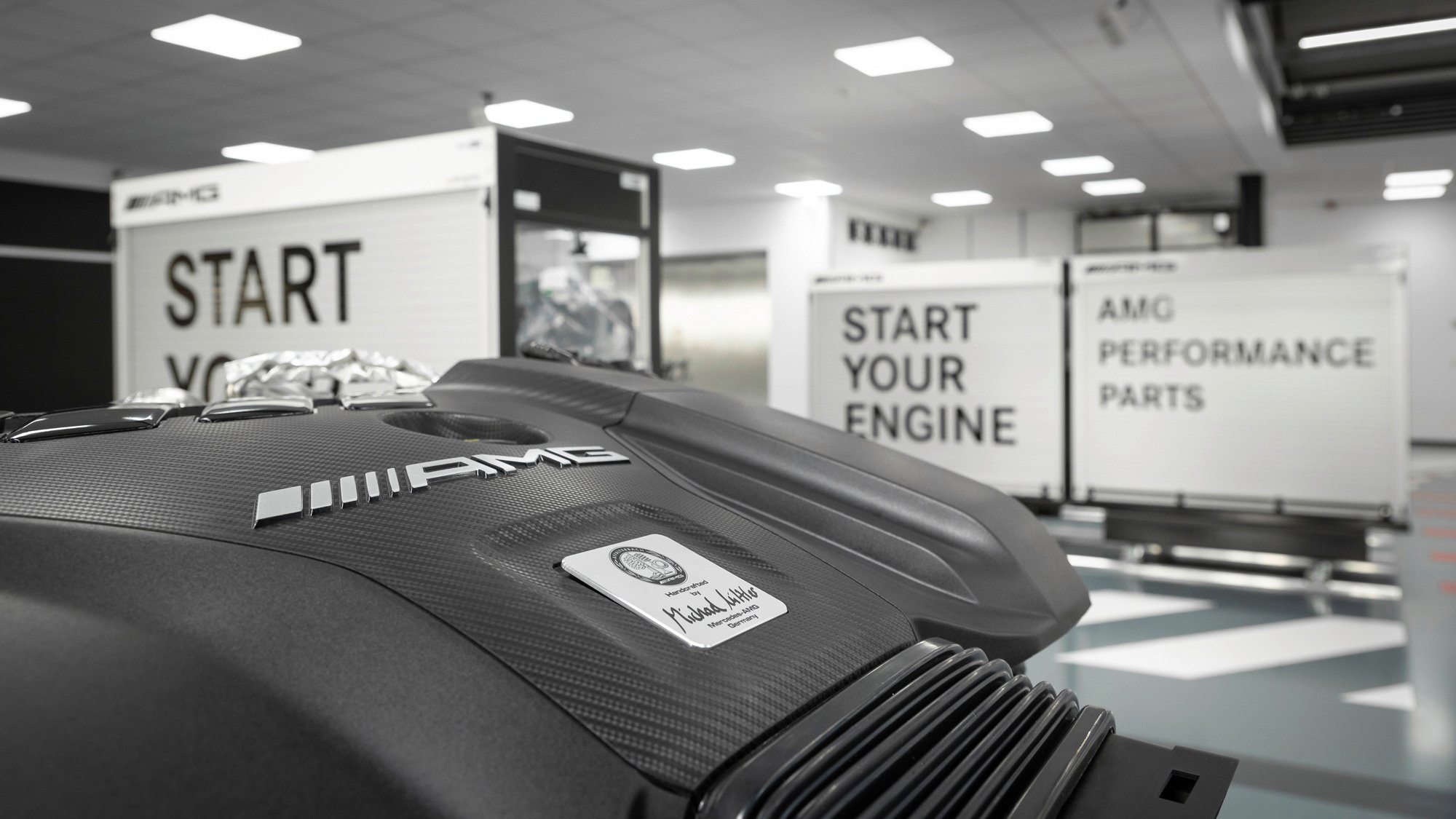
Mercedes-AMG’s work proves that there’s still a lot of headroom left for the internal-combustion engine. The hand-made, almost entirely new M139 replaces the M133, with the former possessing the ability to rev to 7200rpm. Mounted transversely, the unit uses a twin-scroll turbo (with 2.1 bar of boost and a 9.0:1 compression ratio) and sends its power to all four wheels. Also, allaying fears of longevity from all the increased pressure, the donk is designed to last at least 250,000km.
What do you think? Is the new Mercedes-AMG taking the hot-hatch power war too far? Expect the stakes to be raised further with the upcoming Audi RS3… let the war continue.
It’s been a tumultuous week, what with Fiat Chrysler Automobiles first extending, then withdrawing, a merger offer to Renault that would have made it one of the world’s largest automakers. Things move fast in car-land.
And speaking of moving fast, there’s been plenty of news in the performance car realm. The hot Chevrolet Camaro ZL1 has landed on our shores and Wheels man Andy Enright has dutifully given the supercharged V8 coupe a thorough going-through, while over in Germany Mercedes-AMG has whipped the sheet off its next-gen turbo four-cylinder, declaring it the world’s most powerful production engine of its type. How much oomph does it have? Head here to find out.
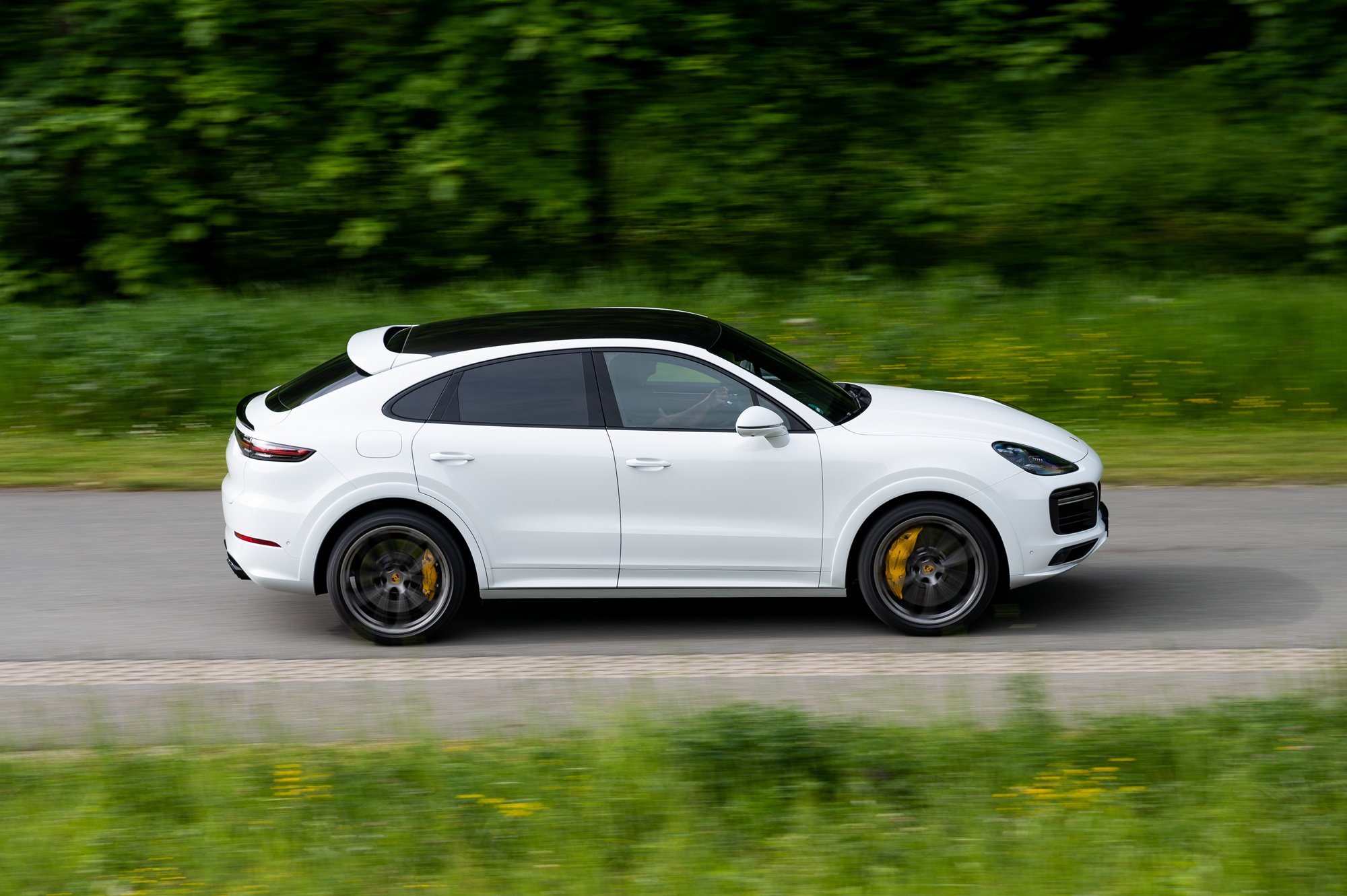
Alex Rae travelled to Europe to sample the Porsche Cayenne Coupe, the first ‘fastback SUV’ to be produced by the German performance car specialist and one that shows BMW and Mercedes precisely how the genre should be executed – but wait until you see what its most peculiar option is.
That wasn’t all for the Porsche Cayenne, though, which got the WhichCar treatment again this week courtesy of Dan Gardner’s explainer on precisely how the Porsche Cayenne E-hybrid and its clever plug-in powertrain works.
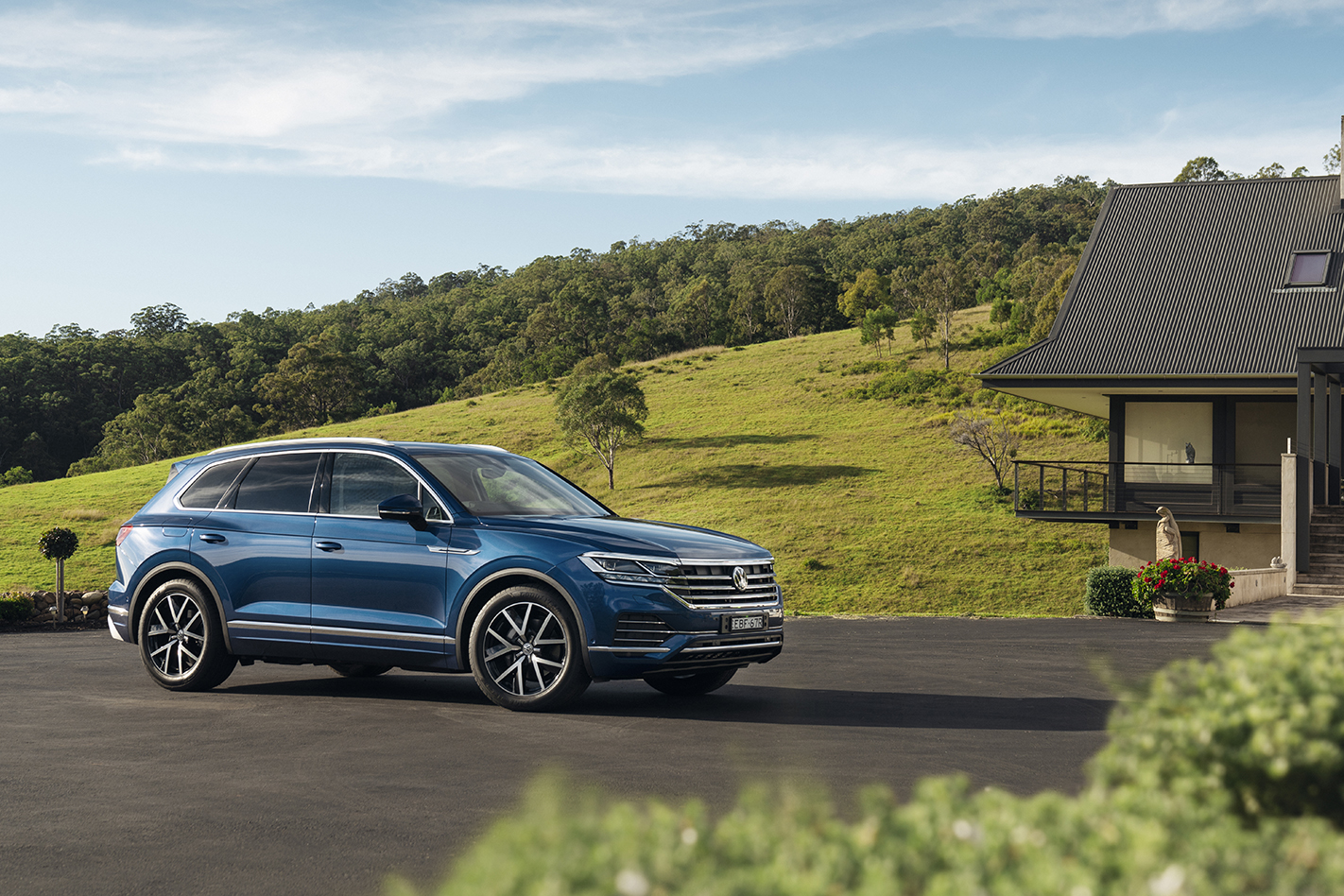
Still on the subject of SUVs, Tony O’Kane was sent to the top of Tasmania to discover that the new Volkswagen Touareg has gone to the top end of town, with the quasi-luxe Launch Edition catapulting VW’s big wagon to near-luxury status. Fancy, but will a hefty pricetag hurt it?
Another mainstream brand with premium aspirations these days is without doubt Mazda, and its Mazda 3 sedan joins the recently-launched hatchback to flesh out the Japanese brand’s small car range. We’ve driven it, and we declare it to be just as good as the hatchback – and in some ways, even better.
Other all-new arrivals to Australia this week also include the Range Rover Evoque, the trail-conquering Jeep Wrangler Rubicon and the jacked-up crossover from the Blue Oval brand, the Ford Focus Active.
As always, WhichCar isn’t just about driving new product – we take a look at the automotive landscape in general. In the wake of the election, is the Liberal party’s lack of electric vehicle policy putting a dampener on manufacturer’s plans to embrace electrification? Volkswagen says it’s certainly not wavering in its EV resolve.
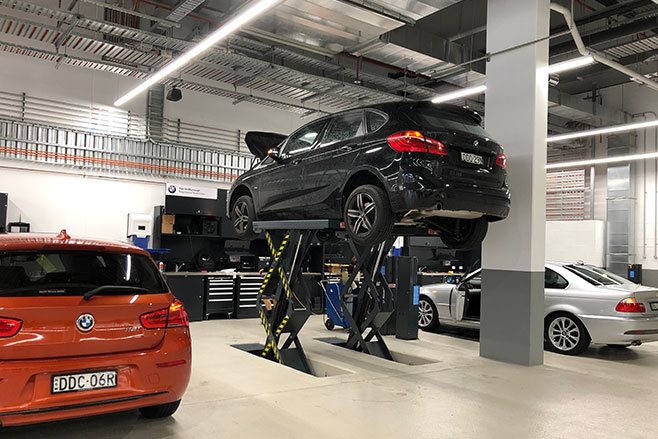
After-sales care meanwhile continues to be another field where carmakers are keen to refine and innovate, and now BMW says it’s aiming to streamline servicing to a mere 90 minutes, while also wheeling out clubhouse-style waiting rooms likely to make customers wish their maintenance visits went for a smidge longer.
The first trailer for the upcoming Ford v Ferrari movie starring Matt Damon the great Carroll Shelby as dropped this week, which is shaping up to be a superb dramatization of one of the most legendary rivalries in automotive history. Not enough auto entertainment for you?
Tune in for the final episode of WhichCar TV on Sunday 3.30PM, where we wrap up all of the best moments from WCTV’s inaugural season! Can’t wait? Head here for a sneak peek at what’s on the last show of season one!
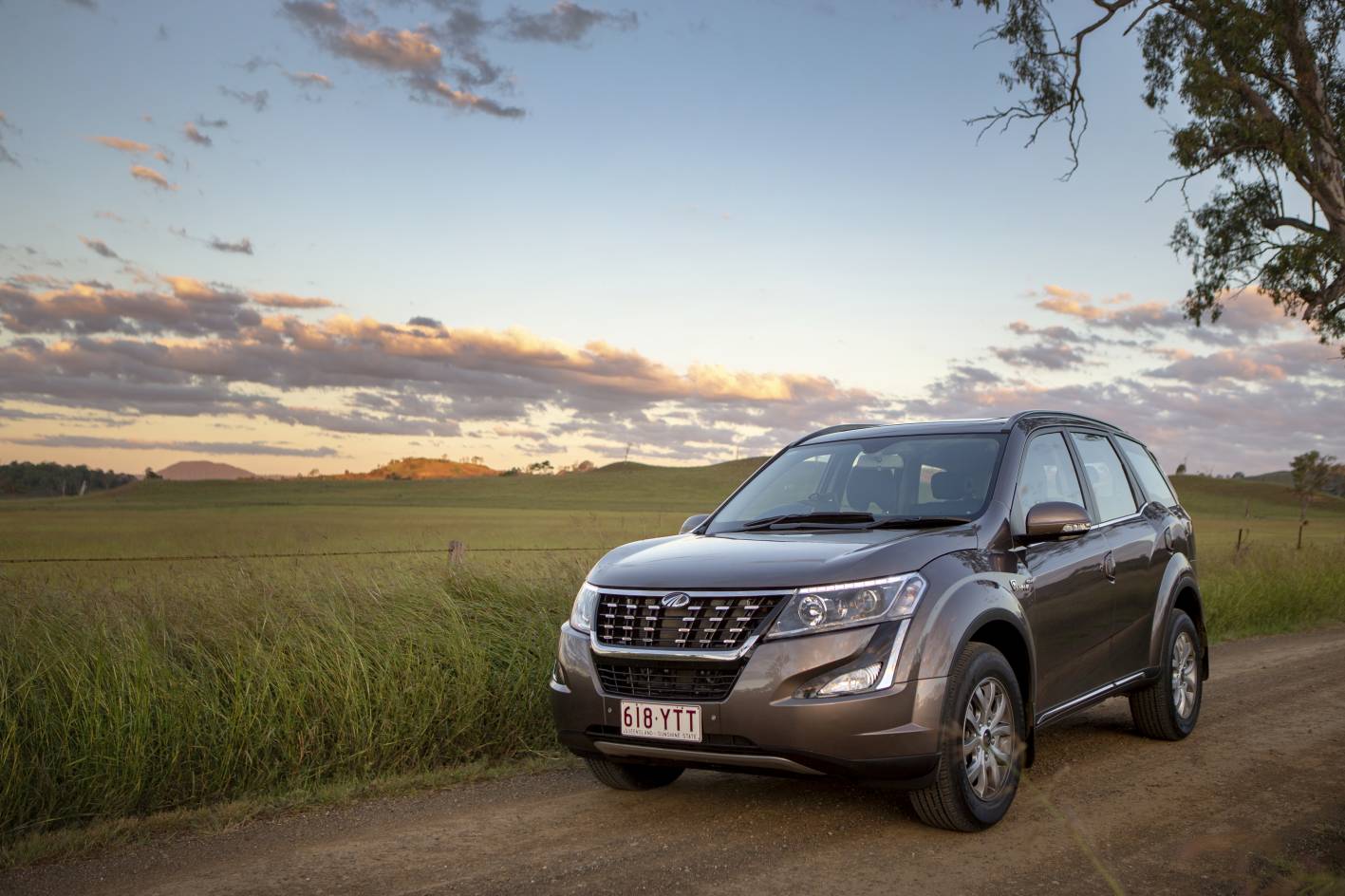
Australia’s cheapest seven-seat SUV has received a facelift while maintaining sub-$27,000 entry-level pricing.
First introduced in 2012, the Mahindra XUV500 mid-sized SUV has been treated to a series of tweaks including a revised grille and headlight assembly and reshaped lower front bumper, while retaining the distinctive bulbous wheel arches.
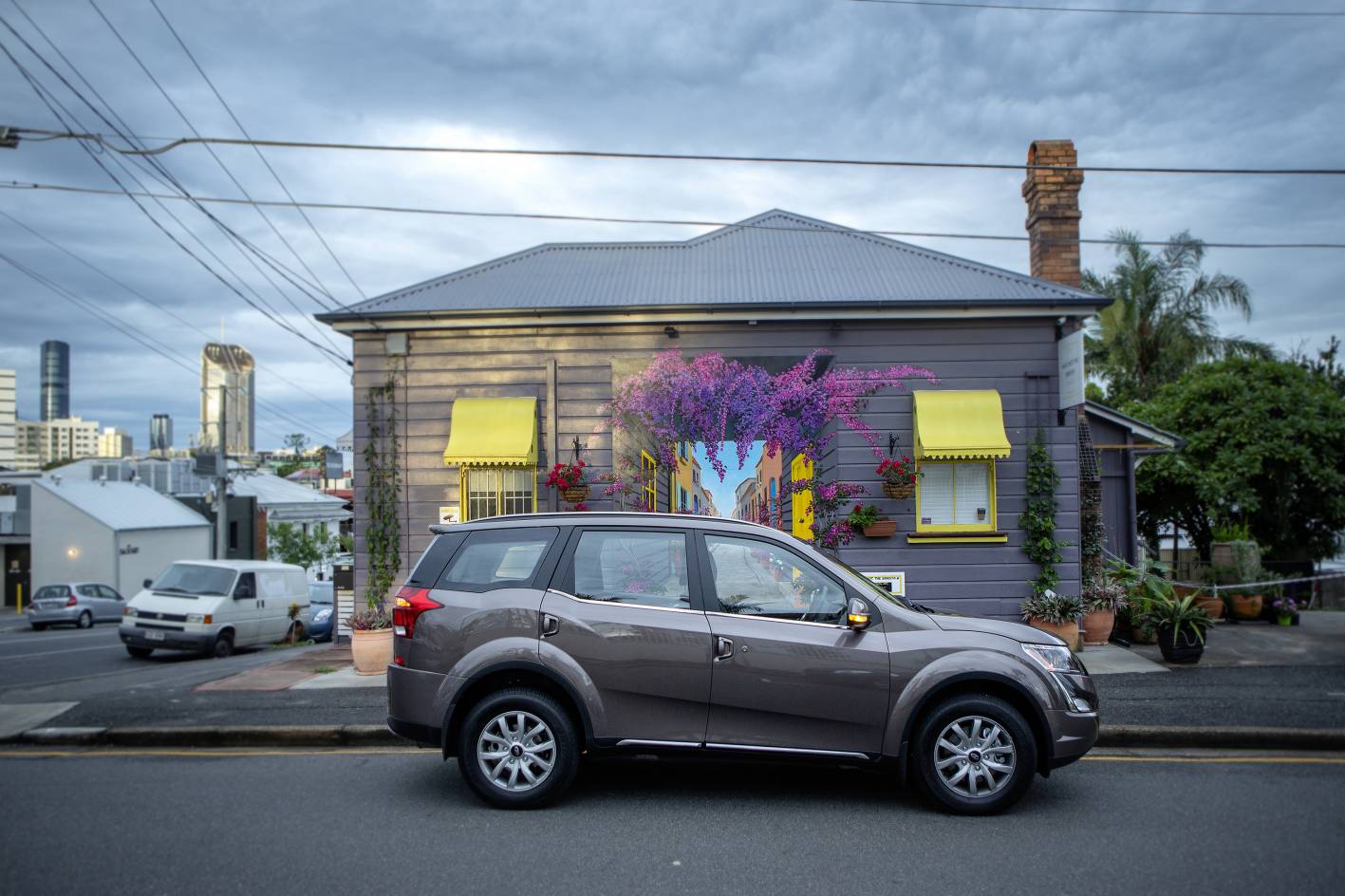
The most noticeable design changes are at the rear of the Mitsubishi Outlander, Nissan X-Trail and Honda CR-V rival, which features new tailgate design, angular combination taillights and a larger roof-mounted rear spoiler.
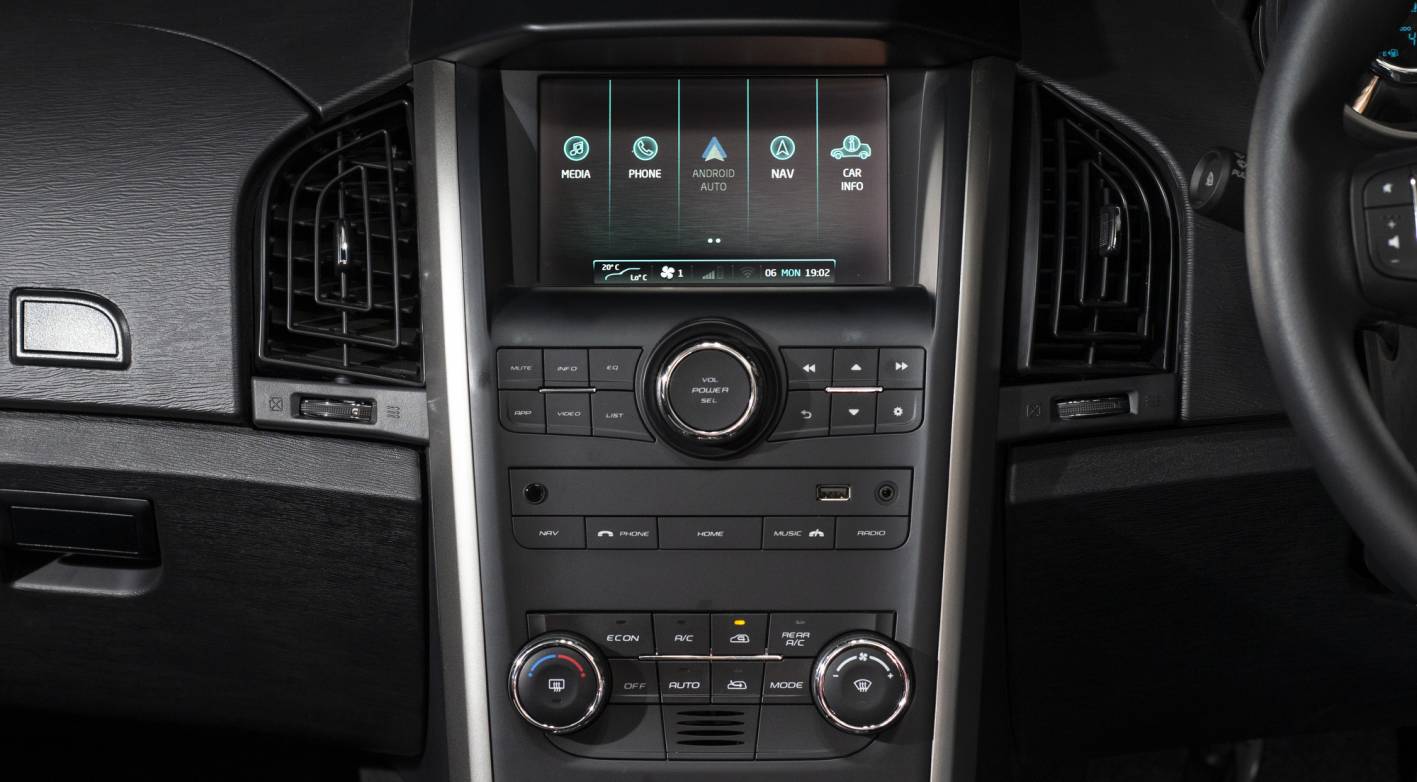
The interior meanwhile gains chrome detailing, which includes illuminated scuff plates, centre console inserts and garnish around the air vents and steering wheel.
Climate-control air-conditioning is also now included, while pricier W10 versions gain sunroof, push-button start, plus satellite navigation and Arkamys premium sound system on top of the rudimentary infotainment system. Autonomous safety systems including collision mitigation braking are not included.
Under-the-skin changes include refinements to the torquey 2.2-litre turbocharged petrol engine, that’s found under the bonnet of all three XUV500 variants, bolted to a six-speed automatic transmission.
The suspension, designed in partnership with Lotus, has also been revised to offer improved ride comfort and handling. According to Mahindra the suspension upgrade and additional noise dampening has led to a dramatic drop in the noise, vibration and harshness (NVH).
Hill Hold and Hill Descent Control and electronic stability programme (ESP) with rollover mitigation has also been added.
The Mahindra XUV500 range starts at $26,900 for the W6 FWD, with standard features including:
- Height and lumbar adjustable driver’s seat
- Reverse parking sensors
- LED projection/self-levelling headlights
- LED daytime running lights
- Front and rear fog lamps
- Rain-sensing windscreen wipers
- Walk thru access to the third-row seating
- 3x ISOFIX child restraints for the second row
- Dual-zone front and rear air-conditioning
- Centre console bin cooler (chilled by the air-conditioning system)
- 6.0-inch inch touchscreen with digital radio (DAB+)/CD/mp3 player Hill hold
- Hill descent control
- Class-leading 2500kg braked tow capacity – 2.5 Tonne
- 702-litre boot (third-row down).
- Electric Sunroof
- Satellite Navigation with turn by turn voice navigation
- Reverse Camera with Dynamic Assist Gridlines
- 7.0-inch touch screen
- Arkamys sound system Android Auto
- Leather Seats
- Genuine third-row space
- Keyless entry/start
- Illuminated Scuff Plates.
2019 Mahindra XUV500 drive-away pricing
- XUV500 W6 FWD – $26,990
- XUV500 W10 FWD – $31,990
- XUV500 W10 AWD – $34,990
The team of regulars is decimated as Andy and Scott temporarily bow out to fulfil deadline duties, but the WhichCar Weekly podcast powers on unhindered with worthy custodians in the hot seats.
Returning to the WCW mic, Tony introduces the new Volkswagen Touareg – the model that not only marks a new generation of the car maker’s flagship SUV but a further push by the brand into a more premium market place.
Following a similar strategy to the Mazda 3, Volkswagen is hunting a more luxury focused customer but can the German giant convince a discerning public to steer away from such established rivals? And what effect is it having on the lower end of the market?
Alex puts down his mouse for 30 minutes to talk about a recent trip to Austria where he got behind the wheel of the new Porsche Cayenne Coupe. Following in the tyre tracks of the godfather of coupe SUVs – the BMW X6, Porsche is trying something different and entering the fray with an altogether altered model compared with the standard Cayenne.
Are coupe-profiled SUVs starting to make sense or are they still an expensive indulgence where the more you pay, the less you get?
And finally, as he polishes his spanners and oils his trunnions in preparation for another day on the circuit, Tony gives us the beginner’s guide to trackdays.
How much do you need to spend, how much time will you spend under your car verses in it and what kind of strange personalities can you expect to encounter? He also has a top tip on how to stay nourished at the track side.

If you’re on the go you can find WhichCar Weekly on all manner of podcast apps including iTunes and Podbean, please rate, subscribe and leave a review! You can also follow the day-to-day happenings of the WhichCar team on Facebook, Twitter and Instagram @whichcarau.
Listened to the show? Help us out:
- Leave a note in the comment section below.
- Leave a review on Apple Podcasts/iTunes
- Subscribe to our podcast
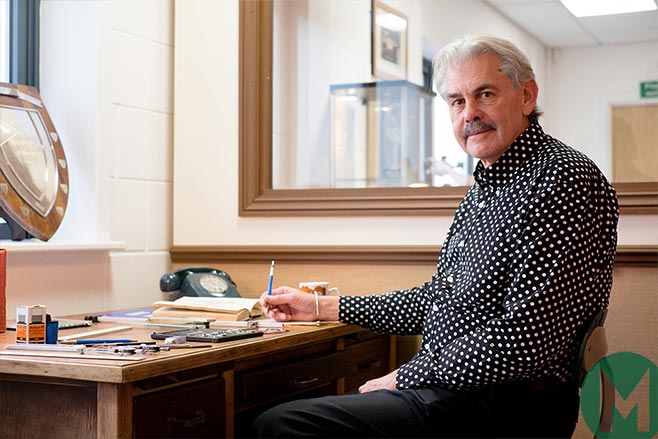
Gordon Murray has always maintained he has “one more supercar in him” and the technical reveal of the Gordon Murray Automotive T.50 proves he is true to his word.
The 72-year-old is one of the world’s greatest automotive designers, his Formula One machines winning 56 grands prix and five driver’s championships, while the McLaren F1 is still widely regarded as the greatest supercar of all time. Murray wants to change that.
“My aim is to make sure [the T.50] is the very best in the world,” states Murray. As you’d expect from someone with a long record of radical ideas, the T.50 – so named as it’s the 50th race or road vehicle Murray has designed – is completely different to any other supercar. For starters, there is no hint of hybrid propulsion, just a thumping naturally-aspirated V12 mounted midships.
Developed by Cosworth specifically for the T.50, the 3980cc engine is claimed to be “the highest revving, highest power density, lightest and fastest-responding naturally-aspirated V12 ever made for a road car.”
Given Cosworth is also responsible for the 746kW/740Nm 6.5-litre monster in the forthcoming Aston Martin Valkyrie, that’s quite a claim. The T.50 will produce 485kW and 610Nm with a redline of 12,500rpm, fed to the rear wheels only through a six-speed H-pattern manual gearbox built by XTrac.
Such outputs might seem a little low in comparison to the 1103kW Bugatti Chiron or 1177kW Koenigsegg Jesko, but Murray says “I have absolutely no interest in chasing records for top speed or acceleration. Our focus is instead on delivering the purest, most rewarding driving experience of any supercar ever built – but, rest assured, it will be quick.”
Yes, it will. The T.50’s guiding design philosophy is “performance through lightweight” and this V12 supercar will weigh just 980kg, giving it a power-to-weight ratio of 495kW/tonne. For comparison, a 911 GT3 offers 260kW/tonne.
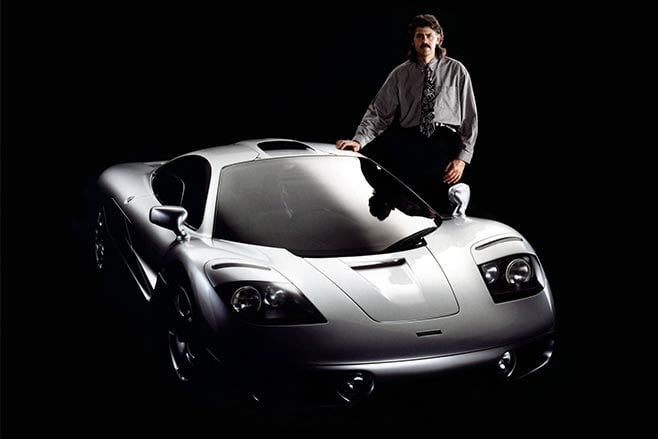
A carbonfibre tub clad with carbon-composite panels helps the mission statement but the T.50’s size also plays a key role. At 4380mm long and 1850mm wide its dimensions are virtually identical to those of the new Toyota Supra, itself a compact machine.
Despite this, the interior is claimed to be “spacious and comfortable for three, with ample dedicated space for luggage”. As with the F1, a central driving position is flanked by a passenger seat on either side.
The suspension is relatively conventional, with a double wishbone layout at both ends incorporating inboard dampers with rising rate springs to counter the downforce loads, required as the T.50 will rewrite the rulebook when it comes to supercar aerodynamics.

Taking inspiration from the infamous Brabham BT46B ‘fan car’, the T.50 uses a 400mm fan in the rear to work with the underbody in sucking the car to the ground at high speed. The solution was so effective that the BT46B raced just once, Niki Lauda winning the 1978 Swedish Grand Prix, before being withdrawn as a political play by then-team owner Bernie Ecclestone. The fan will be operated by a 48-volt electrical system.
In line with Murray’s goal of creating a road-focused supercar, tyre widths will be a relatively modest 235mm front and 295mm rear wrapped around staggered rims 19 and 20 inches respectively. To further save weight, no subframes are needed, the rear suspension mounted to the gearbox and the front attaching directly into the carbonfibre monocoque. There is no electronic stability control, just ABS and traction control, making the T.50 a machine that will not flatter the incompetent.
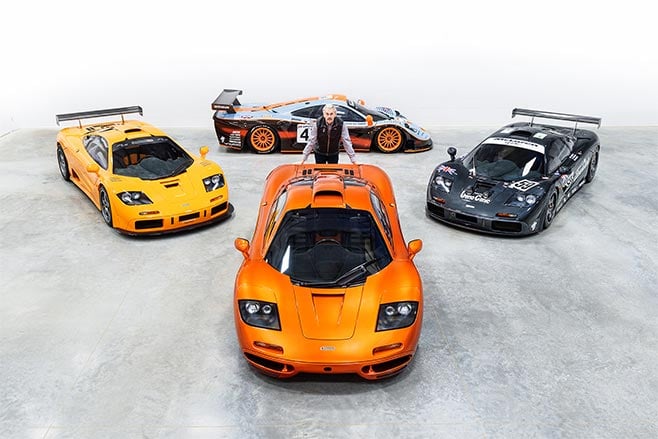
“Just as with the F1, I have focused on the complete driving experience, not horsepower or top speed,” explains Murray. “The T.50 will deliver performance and dynamic characteristics simply out of reach for other supercars, not least because of its low weight.
“The T.50 design has the same focus and better the F1 in every area – ingress and egress, luggage capacity, serviceability, maintenance and suspension set-up. We expect this to be the last, and the greatest, ‘analogue’ supercar ever built.”
Just 100 will be built at a price in excess of AUD$3.65m (before taxes) with deliveries expected to start in 2022.
Enthusiast guide: 1987 Porsche 962C
Porsche cars, in particular their race cars, are finely crafted things, with engineers pouring endless hours into them in a relentless pursuit of performance perfection.
It’s not often that you find yourself thinking “I could improve this” when it comes to Porsche. However, that’s exactly what Richard Lloyd did in 1987 with Stuttgart’s 962C Le Mans racer.
You see, Lloyd was the owner of the British team Richard Lloyd Racing (RLR) and its offshoot GTI Engineering, fielding privateer Porsches in the World Sportscar Championship of the time.
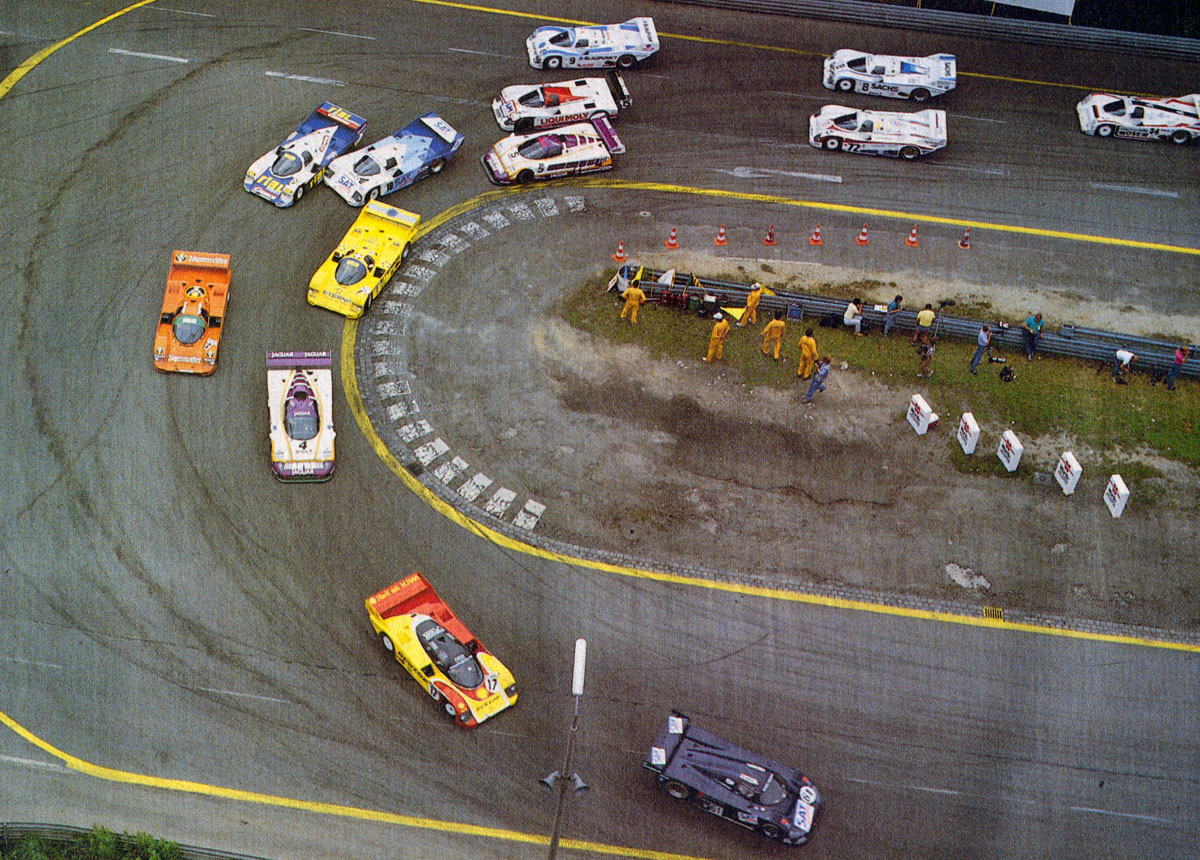
The Porsche 962 was built to replace the venerable and ultra-successful 956, with the C suffix denoting cars built to Group C regulations, as the 962 was predominantly built to meet the American IMSA series’ GTP rulebook.
Introduced at end of 1984, the 962 was powered by a 3.0-litre twin-turbo flat six engine, with a five speed manual delivering power to the rear wheels. It competed successfully into the mid-1990s until being replaced by the Porsche WSC-95.
While undoubtedly impressed by Porsche’s Group C machine, RLR thought it could improve on Stuttgart’s product, in particular the chassis and aerodynamics.
From the factory the 962C had an aluminium sheet chassis, which some privateers didn’t think was stiff enough.
RLR completely redesigned the aerodynamics, with the rear wing no longer part of the bodywork, instead hanging off the rear of the car, attached via a pair of central struts. Front bodywork was also worked over, being rounded off, with new front cooling ducts and smaller headlights. The chassis was also constructed with a honeycomb aluminium design, instead of sheets like Porsche used.
A race-winning RLR 962C is now for sale, through racecarsdirect.com, with an undisclosed price – read more than you can afford.
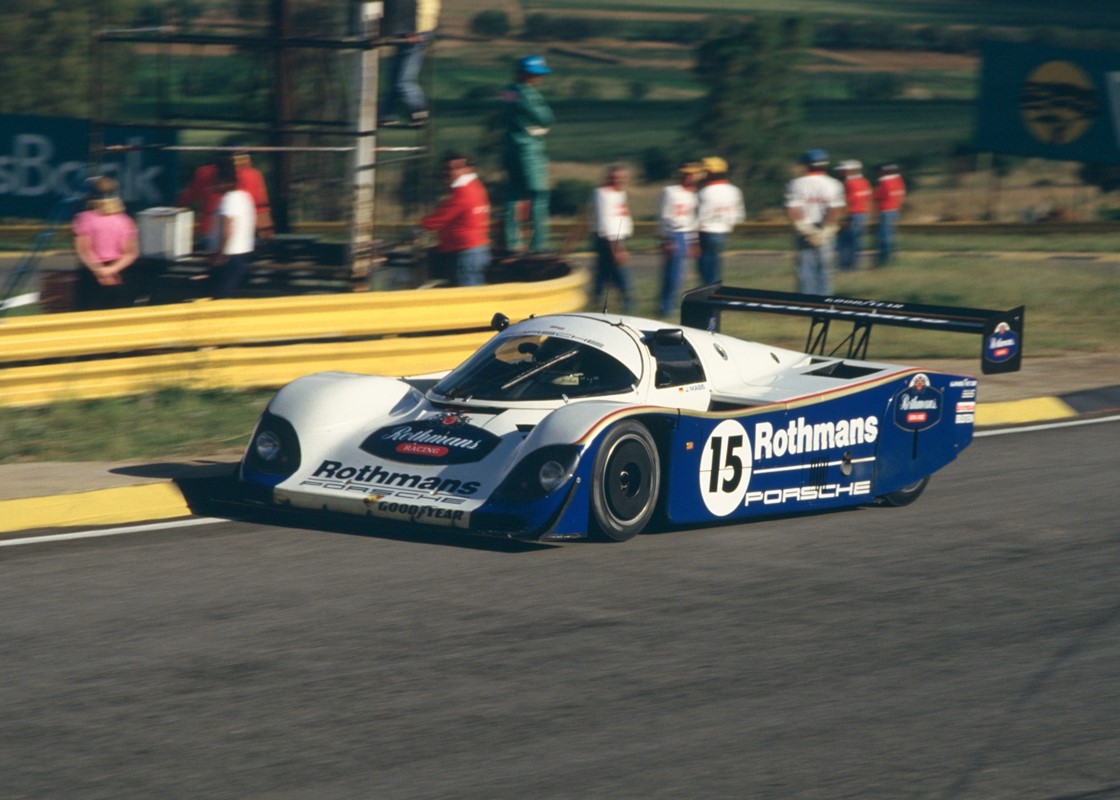
Specifically, this is chassis number 106/B, which was the first of RLR’s modified 962Cs, and doesn’t officially carry the 962C GTI moniker of the cars that followed.
It has an interesting history, having been driven mainly by Mauri Baldi for the ’87 World Sportscar Championship season. At the Norisring sprint round Baldi won alongside Jonathan Palmer – it was the first victory for a privately owned Group C car and team for the year.
Then at Brands Hatch the car qualified third and finished second, before racing at Spa-Francorchamps and becoming the first sports car to crack a 200km/h average speed around the fearsome Belgian circuit.
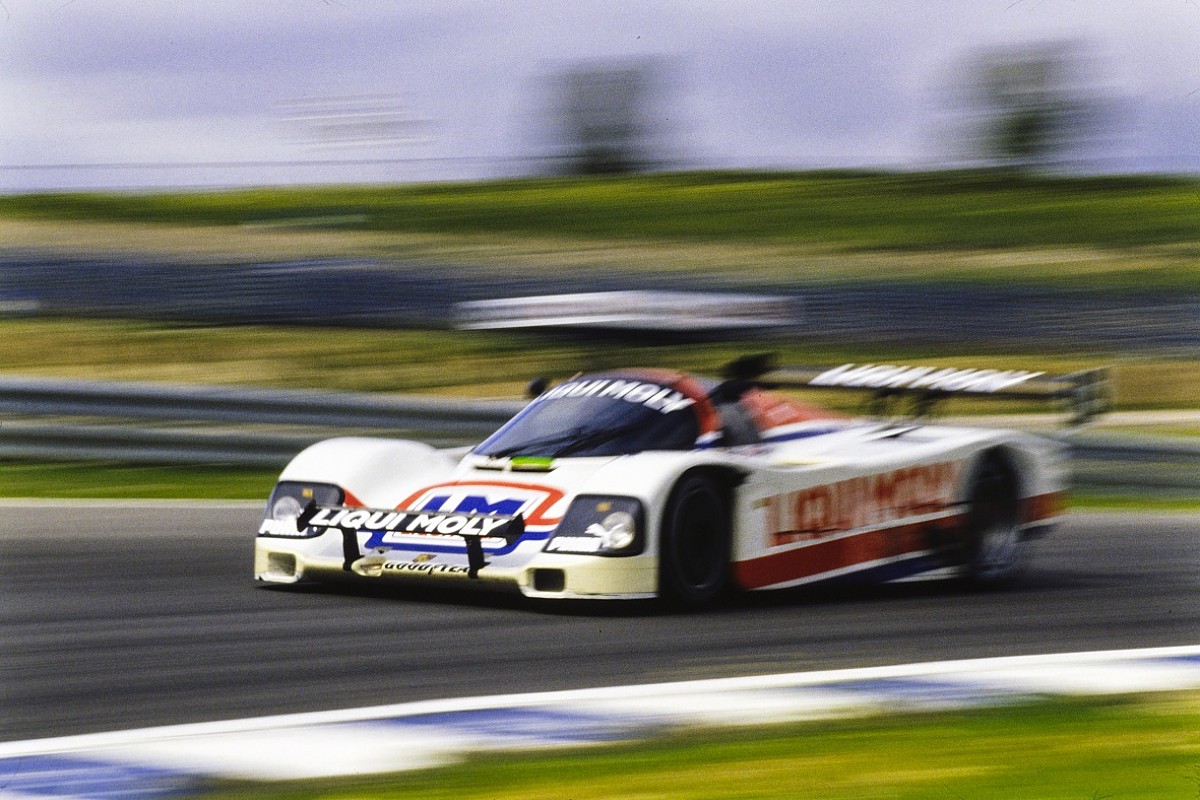
This prompted factory Porsche driver Derek Bell to note in an August 1987 that the RLR 962C was “the fastest Porsche on the tracks now”, high praise from a man paid by Stuttgart.
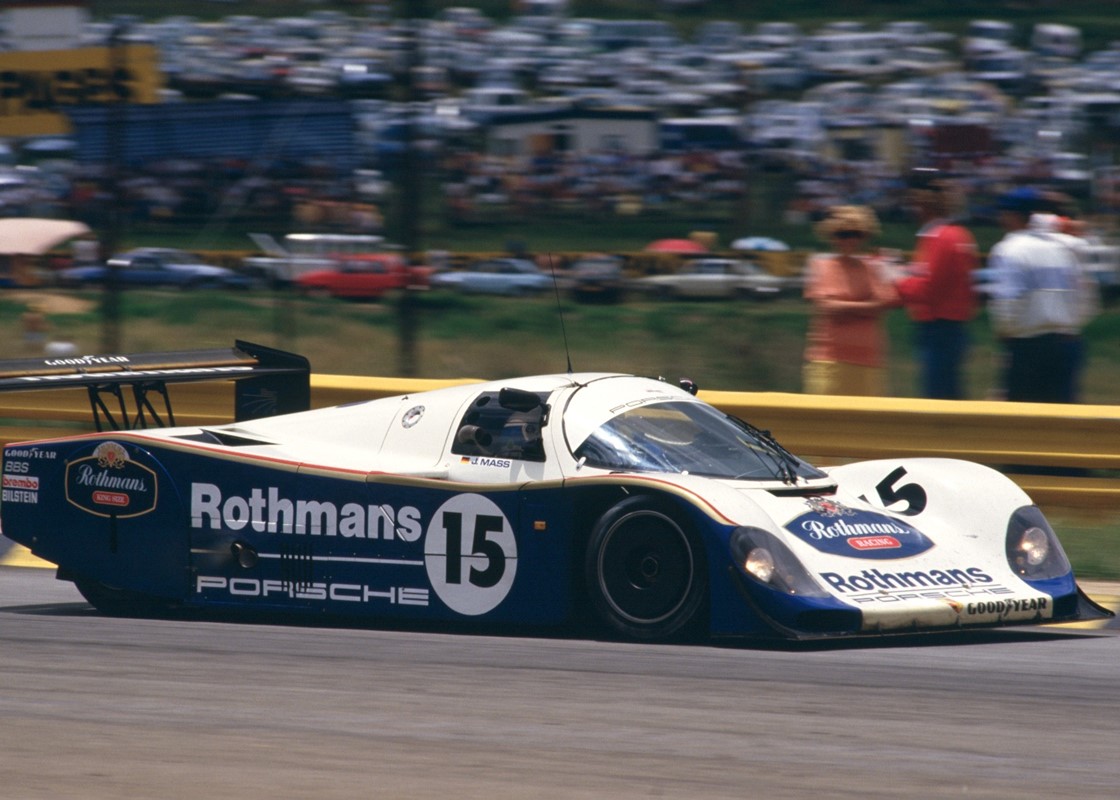
Chassis 106/B’s crowning moment came at the final race of the year at Kyalami in South Africa, when the factory Porsche team recognised RLR’s efforts, and joined forces with the privateer squad.
Legendary Porsche factory driver Jochen Mass was enlisted for driving duties, while German works engineers were brought in to work on the car, and a factory-spec engine fitted.
With RLR and Porsche working together, Mass won the race, in front of a baying 46,000-strong crowd of South Africans.
Chassis 106/B is being sold in the exact specification and livery as raced at Kyalami following an intense restoration process, with the engine and gearbox both having zero hours put on them.
The car also comes with a comprehensive documented history file listing every invoice from Porsche, as well as the contracts between RLR and sponsors Rothmans and Liqui Moly, along with several trophies.
Overall Rating

5 0 5
Plus & Minus
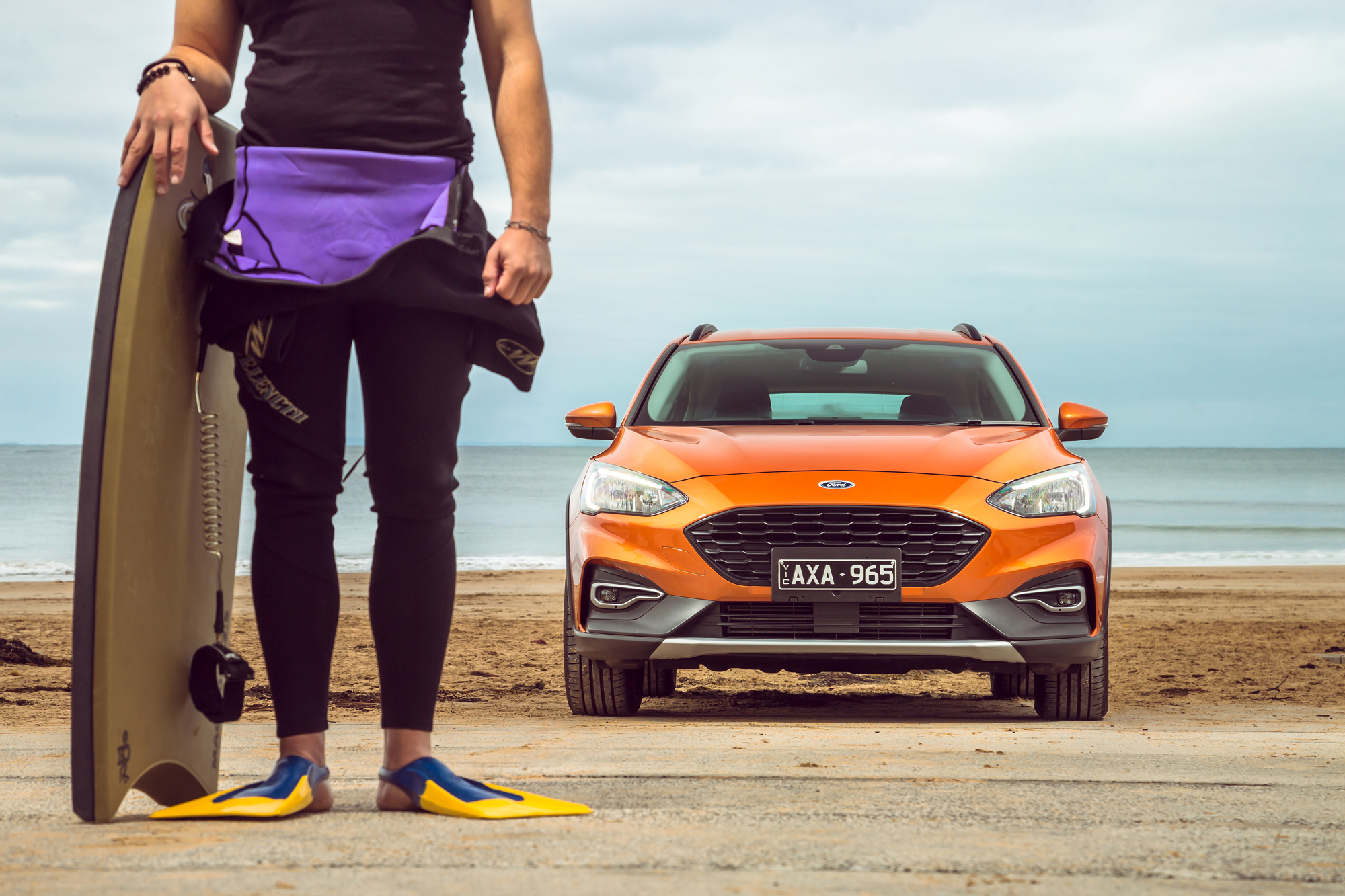
WHAT IS THE FORD FOCUS ACTIVE?
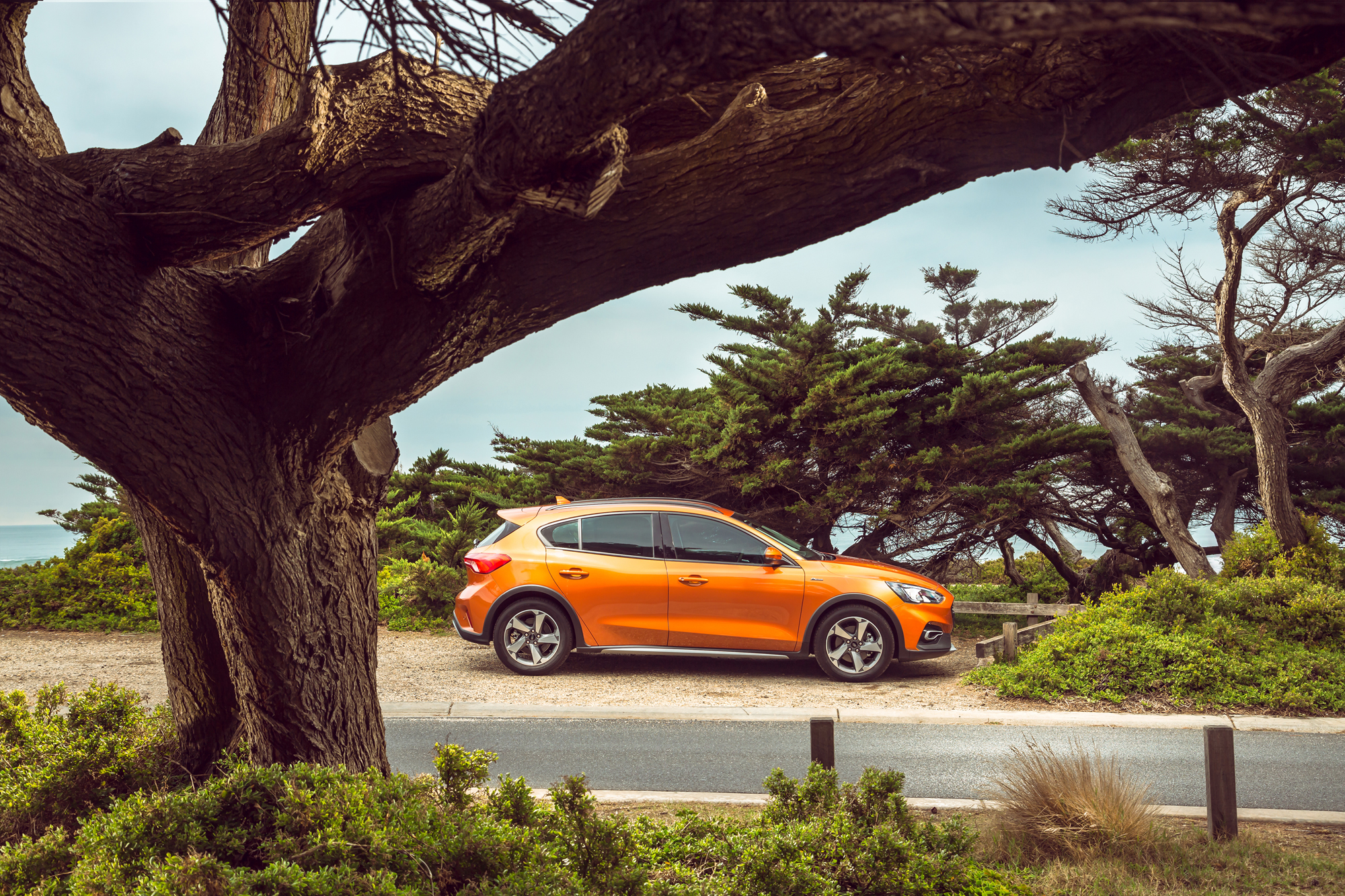
That’s a good question, one even Ford struggles to answer. Stating what it isn’t seems easier – it’s not an SUV and it’s not a normal hatchback. In layman’s terms, adding Active to the already proven Ford Focus hatch means extra ride height, two traction-scavenging driving modes, independent rear suspension, contemporary body cladding and styling tweaks.
WHY WE’RE TESTING IT
Anything with a jacked-up ride height and SUV pretention is currently hot property. With few clear rivals, the Ford Focus Active is a bit of an enigma in the market that needs to be explored. Essentially, there’s a lot of ‘active-lifestyle’ jargon in desperate need of deciphering.
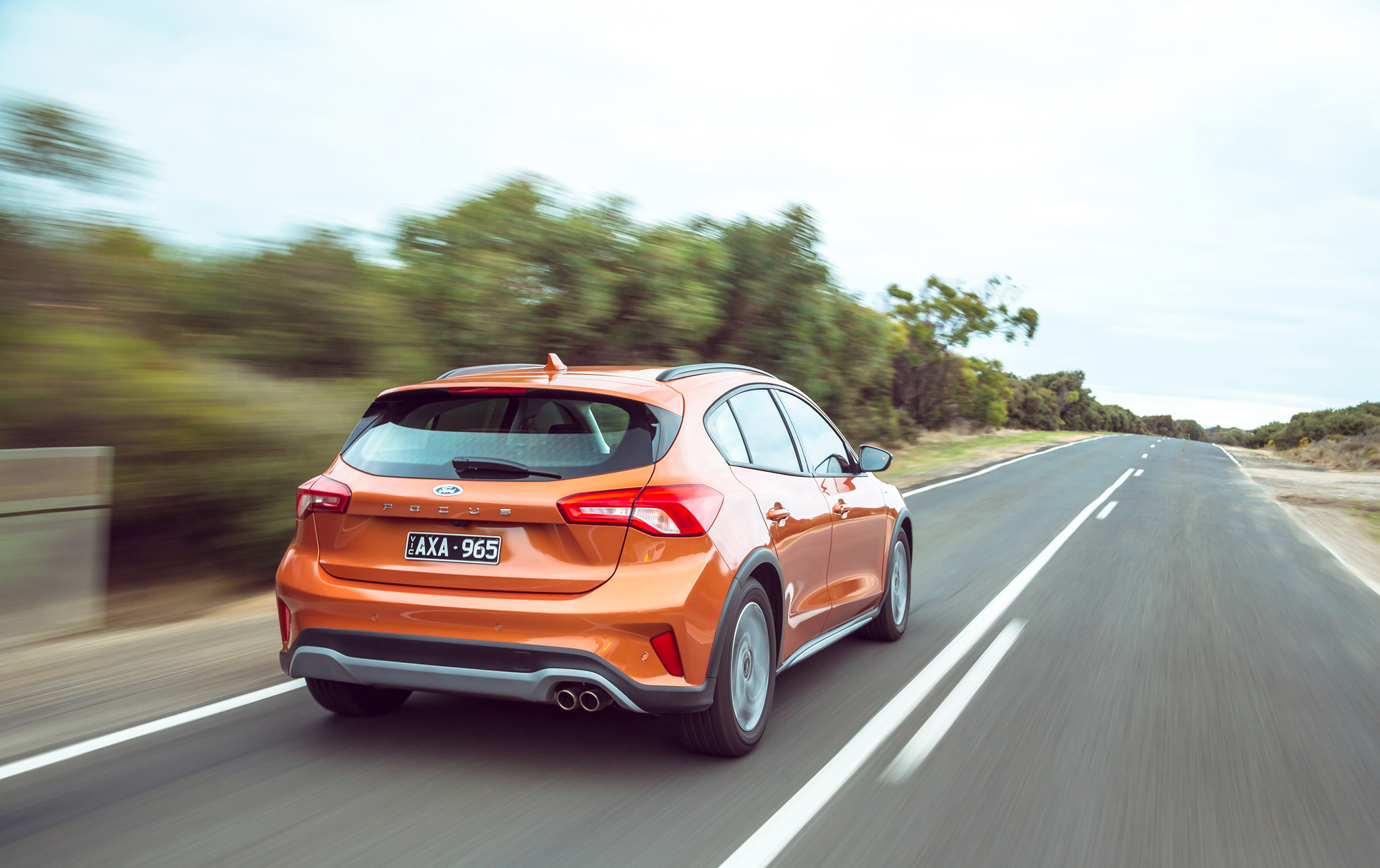
FORD FOCUS ACTIVE REVIEW
The sun is shining and the fields are green for our idyllic drive on varied surfaces through the countryside surrounding the rich and famous residents of Byron Bay. Then, as if it couldn’t get more clichéd, myriad cows cross the road, the herd meandering without a care in the world that they’re impeding an, ahem, active jaunt in the German-built Ford Focus Active.
Not even Ford can tell us if the Active is an SUV, crossover or hatchback. But its raised ride height (30mm front and 34mm rear), tough-guy body cladding, bash plates and gravel-road conquering traction modes means it does a great impression of a faux-wheel drive. Yes, that’s right, the Active is exclusively front-wheel drive. However, it utilises the C2 platform and independent rear suspension.
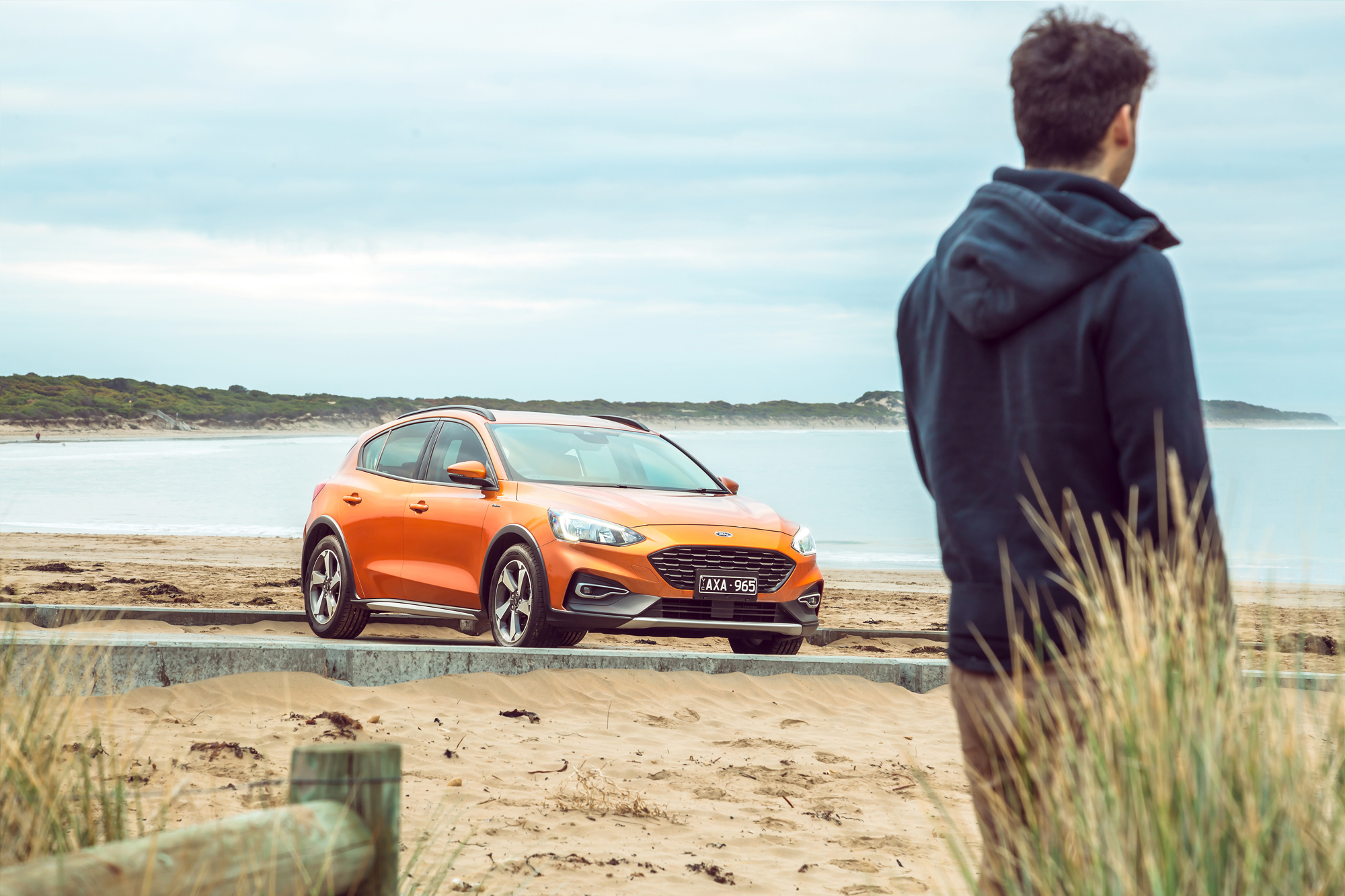
Priced at $29,990, the Active sits in the middle of the Focus range. The five-star ANCAP-rated package gains loads of standard safety kit like autonomous emergency braking, lane keep assist, lane departure warning and a 180-degree reversing camera with sensors. You also get an 8.0-inch touch screen with SYNC 3 infotainment (plus Apple CarPlay and Android Auto), wireless phone charging and bespoke Nordic Blue stitching as some of the standard kit.
Spend an extra $1250 and you can option the Safety Package, which includes stop-and-go adaptive cruise control, rear-cross traffic alert, blind-spot warning and lane-centering steering. For $1800 you can add 18-inch alloys, LED adaptive headlights (and LED tail-lights) and tinted glass with the Design Package. A panoramic glass sunroof is $2000.
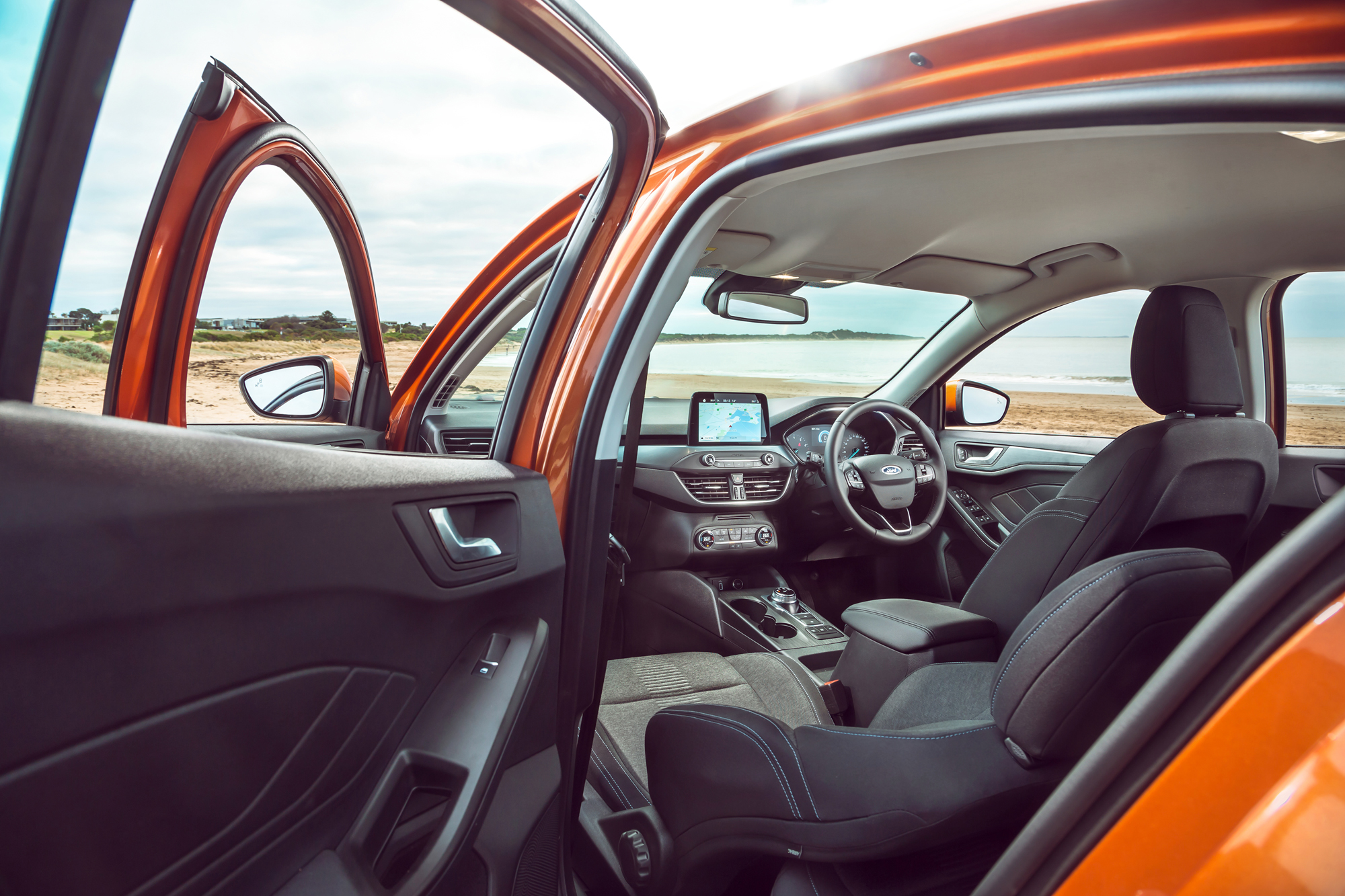
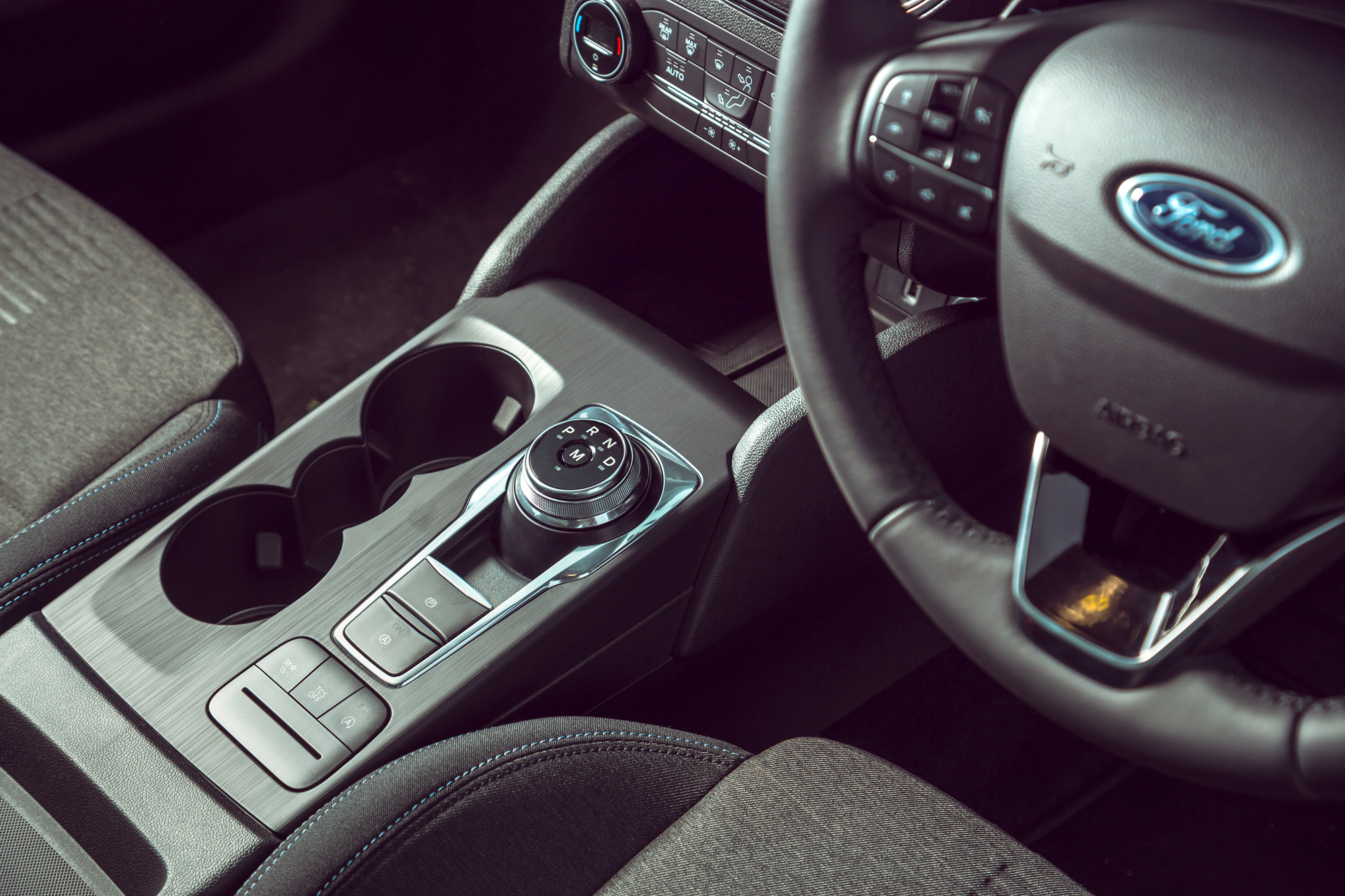
In terms of design, the exterior kicks more goals than the interior. However, the cabin is nicely laid out and there’s been a conscious effort to use more high-end materials – although Ford’s VW Golf-hunter isn’t quite the hole in one in terms of interior ambience. There’s decent space front-to-rear, the 375-litre boot expands to 1354L with the rear seats folded and it’s ergonomically sound, the rotary control dial for the transmission being the only antiquated niggle.
On-road, the 134kW/240Nm three-cylinder turbo petrol is a charmer. It’s punchy, linear and refined. Despite its seemingly small 1.5-litre capacity, there’s enough muscle to relax into the higher ratios of the relatively intuitive eight-speed auto while using the three-pot’s torque. And it’s all accompanied by an endearing offbeat thrum. Thanks to cylinder deactivation (effectively becoming a two-cylinder), the combined fuel consumption is an amicable 6.4L/100km.
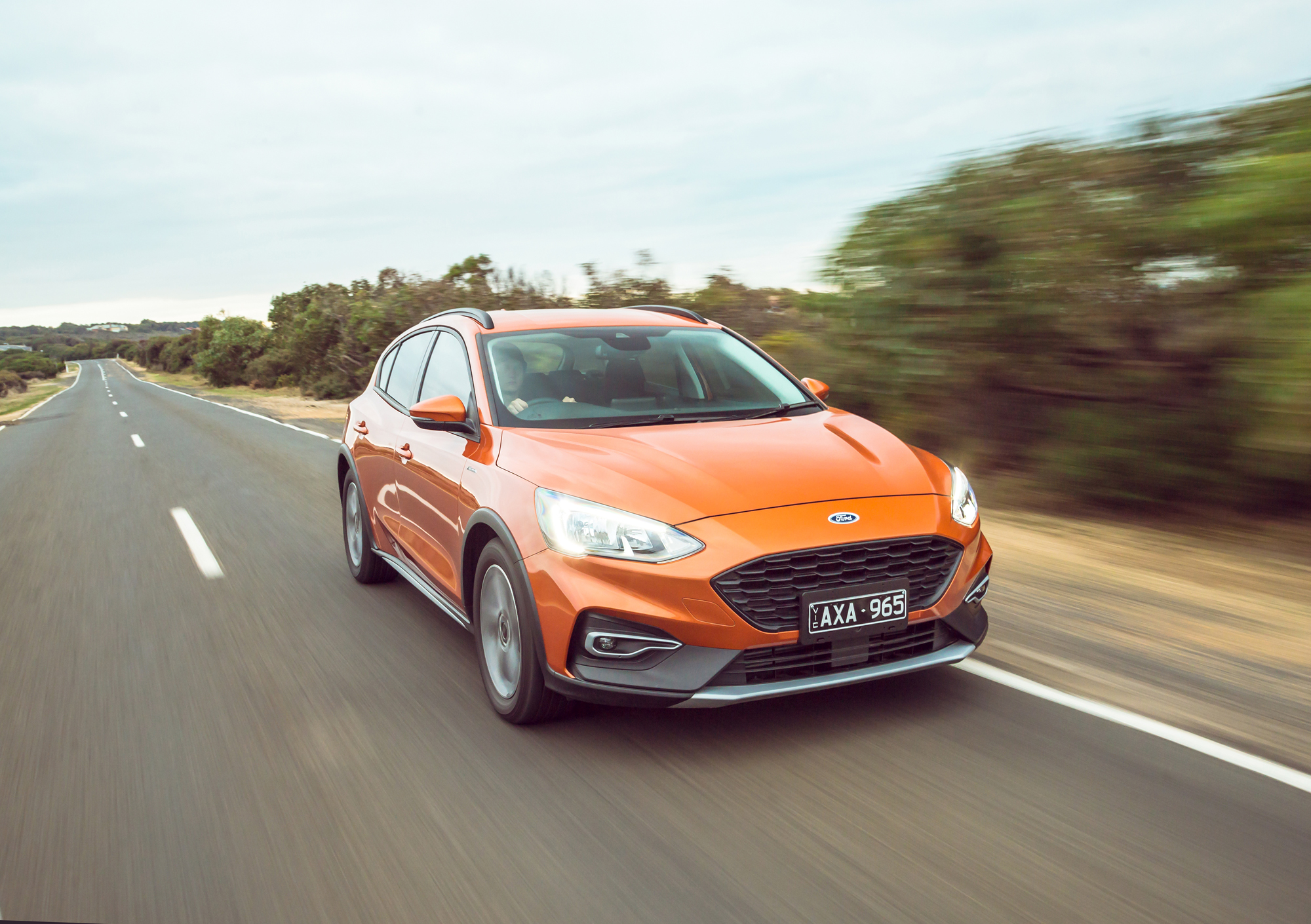
Thankfully the extra ride height hasn’t come at the expense of keen road holding or body control, with the 1404kg Active retaining the dynamic verve of the Focus range. The steering remains a highlight and there’s genuine fun to be had behind the wheel. The consequence, despite well-tuned damping, is firm ride quality – on both the 17- and 18-inch alloys. The Slippery (snow and ice) and Trail (sand, gravel and dirt) modes help the front-wheel drive Active gain extra traction together with the chunkier tyres. But ultimately, you’re better off in a Subaru XV if you want to truly veer off sealed roads.
It’s hard to argue against the Active’s existence despite its curious case for being. The high-riding Focus is packed with tech and it’s well equipped for the mid-spec price tag. But more importantly, it doesn’t detract from the positive virtues of the ‘normal’ Focus. And despite the Active’s urban-jungle persona and rugged pretenses, it might actually make you get out and see some cows…
FORD FOCUS ACTIVE RIVALS
Subaru XV, Volkswagen Golf Alltrack, Mazda CX-3, Peugeot 3008
FORD FOCUS ACTIVE PRICE AND SPECS
Model: Ford Focus Active
Engine: 1.5-litre three-cylinder turbo petrol
Max power: 134kW at 6000rpm
Max torque: 240Nm at 1600rpm
Transmission: Eight-speed automatic
Economy: 6.4L/100km
0-100km/h: 8.7sec
Price: $29,990
On sale: Now
