
Immanuel Kant defined art as “a kind of representation that is purposive in itself”, kind of like this month’s cool car-related things.
There is no practical or utilitarian purpose for a model of Porsche’s 911 RSR racer made out of Lego Technic blocks, or a coloured diff cover for the Toyota 86, other than for itself. Does that make it art? Perhaps, all we know is that a part of us really wants one.
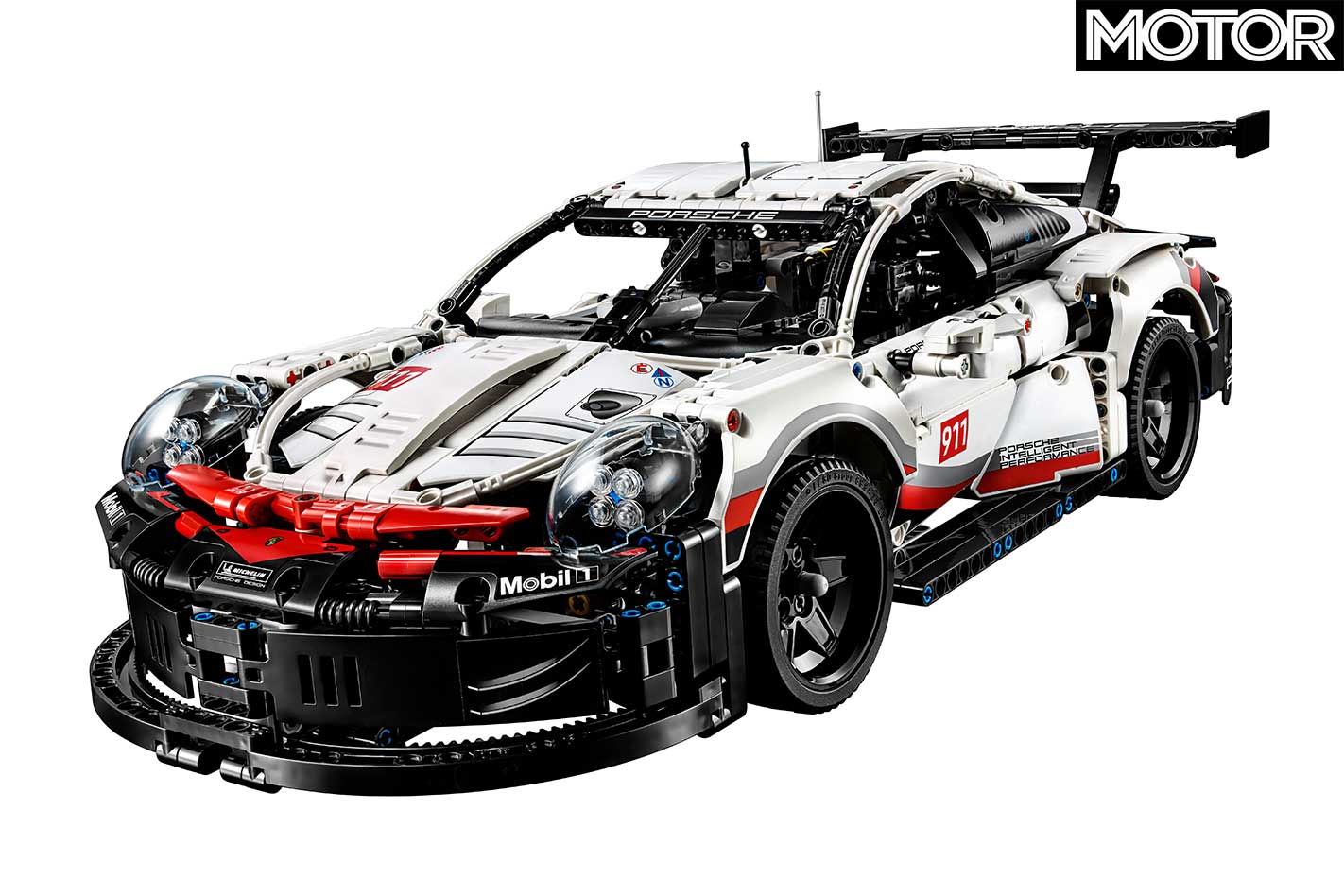
1 – FEATURED “PRODUCT OF THE MONTH”: Lego Technic Porsche 911 RSR ($250 from shop.lego.com) This Porsche 911 RSR follows up Lego’s Bugatti Chiron and 911 GT3 RS in its Technic series. It’s made from ‘only’ 1580 pieces, yet has a working rear-diff and flat six, so will turn the uninitiated into brick geeks very easily.
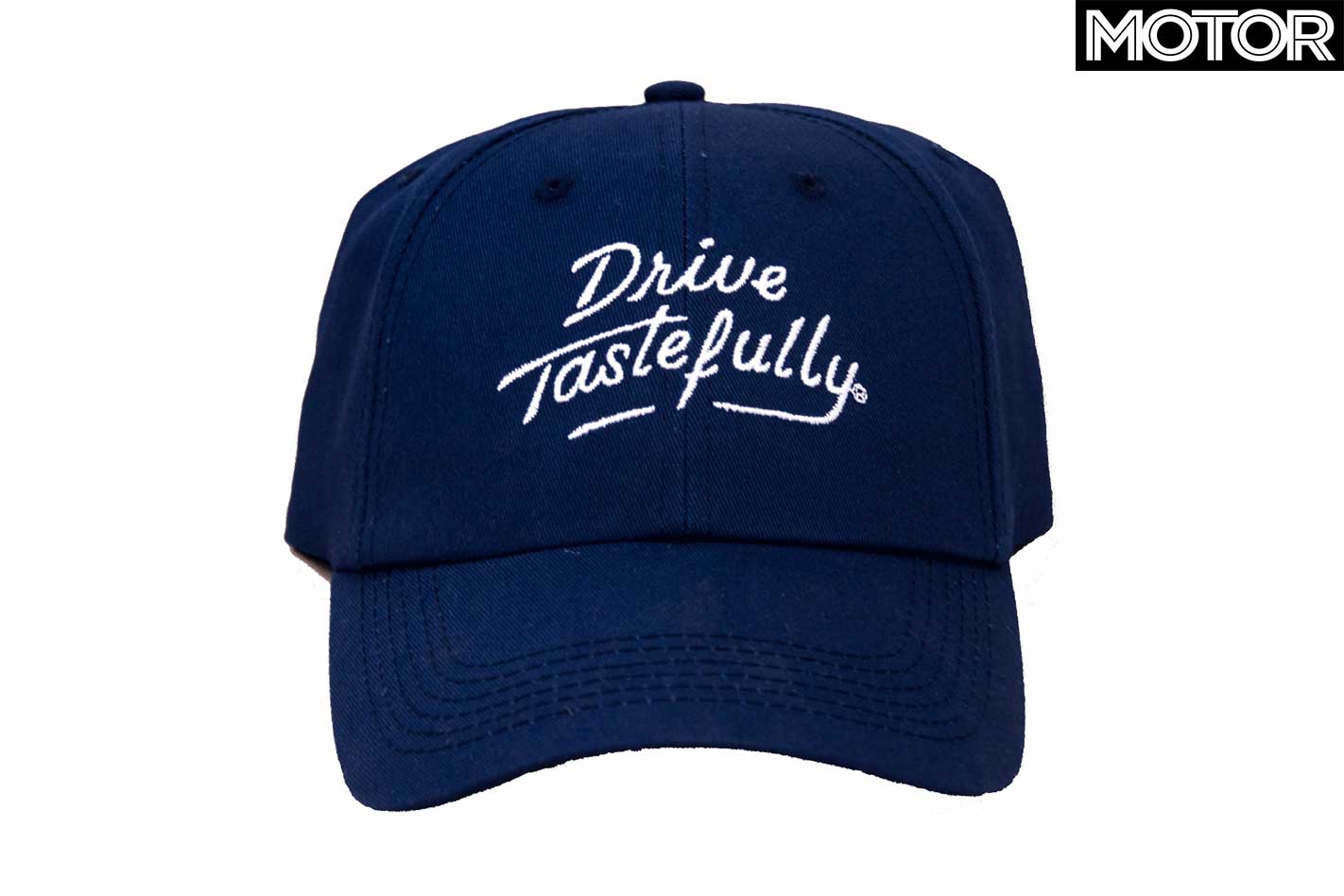
2 – Petrolicious cap ($50 from petrolicious.com) Wear this cap to remind everyone life’s too short to drive boring cars. It comes in navy (pictured) or light grey, made from cotton twill, with a fabric strap and in one size.
3 – BMW luggage set ($24,000 from bmw.com.au) This ‘surf bag’ is part of a set of five luggage pieces that together fit perfectly in the boot of a new BMW 8 Series. Made in Italy by Montblanc, only 15 sets will be made. Price not a typo…

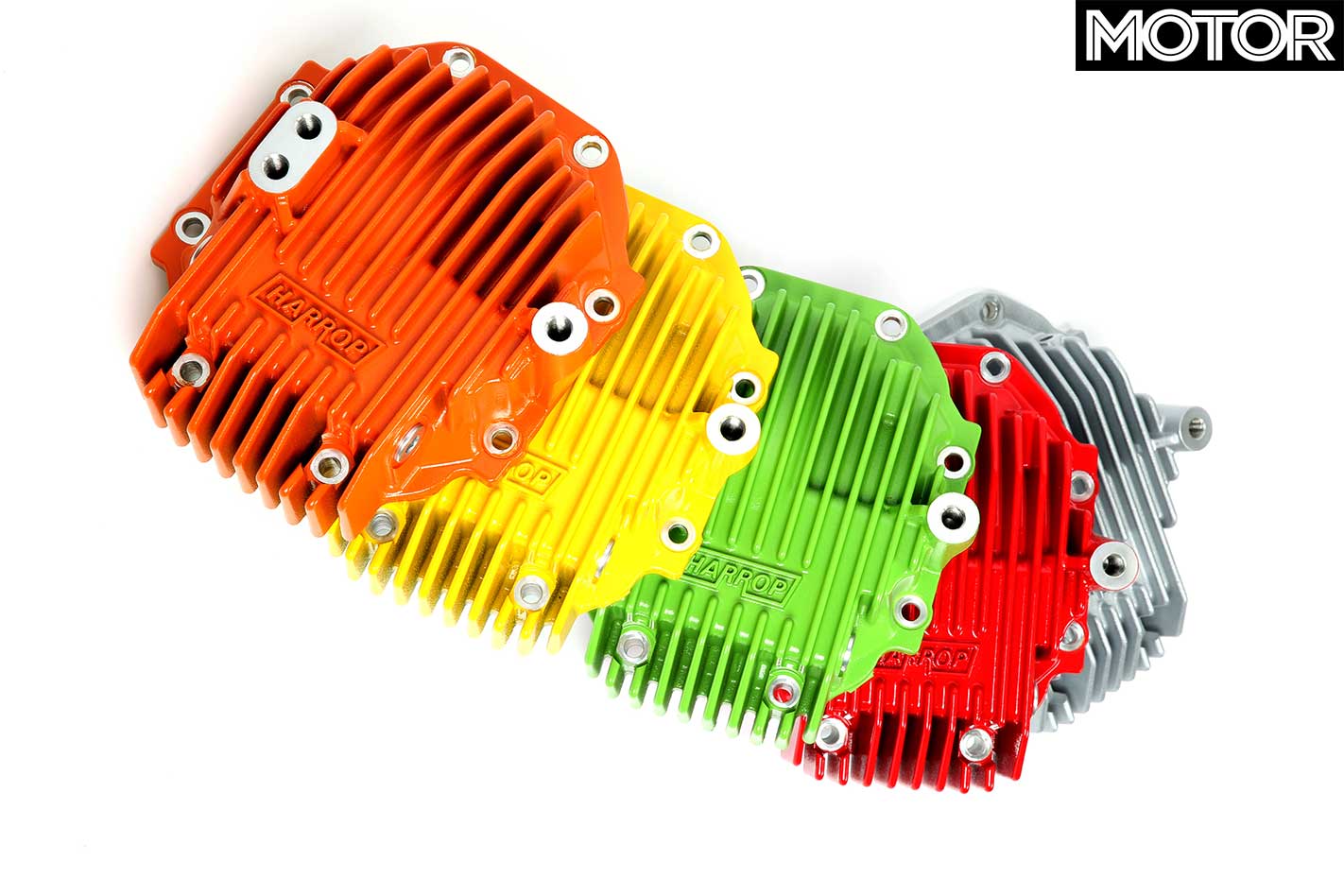
4 – Toyota 86 diff covers ($495 from harrop.com.au) Add some cool to your Toyota 86’s or Subaru BRZ’s rear differential with these covers that boast fins and increase oil capacity. CNC-made in Australia, they are available in five colours.
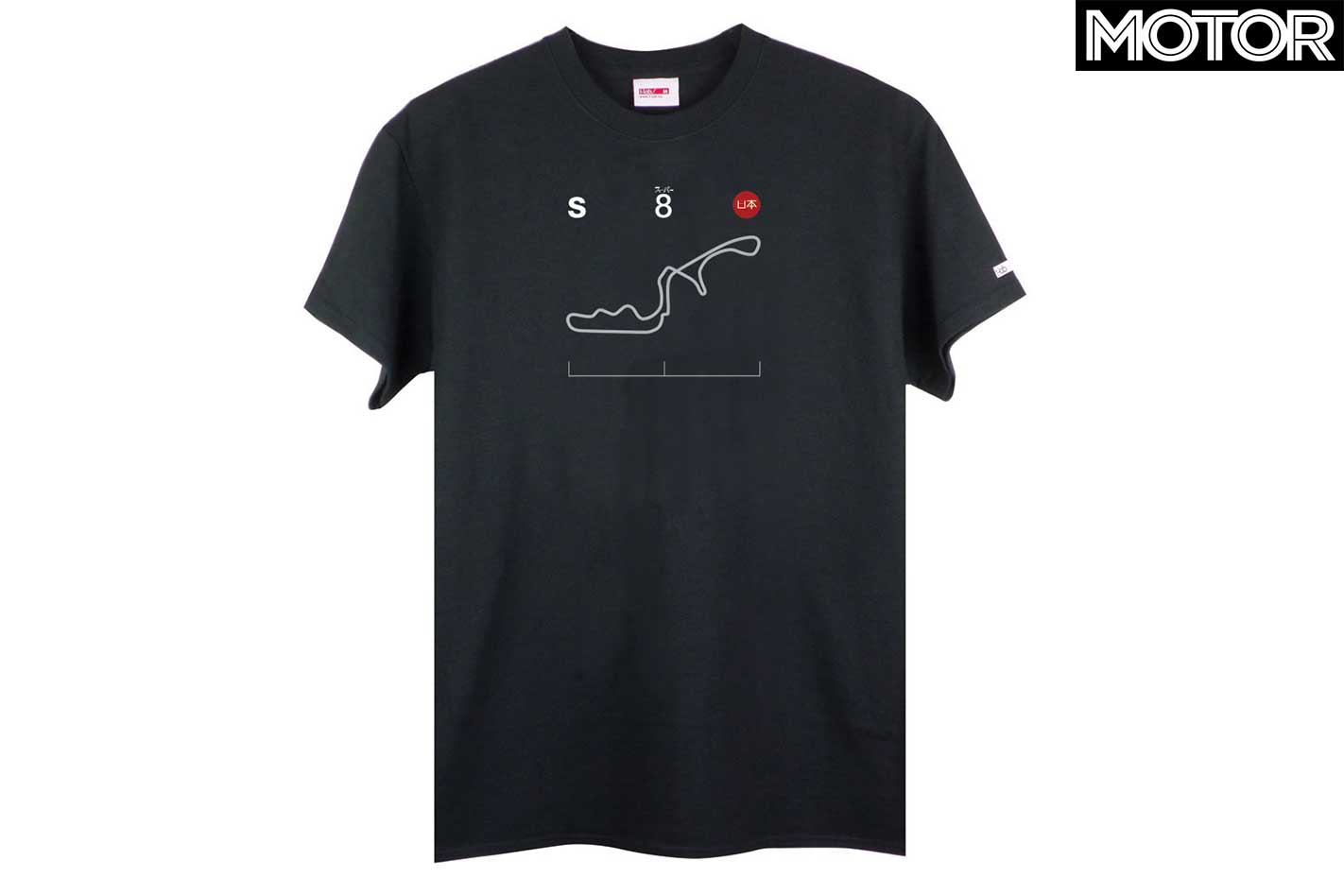
5 – Suzuka circuit tee ($50 from t-lab.eu) This tee’s graphic is actually Japan’s famous Suzuka circuit. The figures above are more cryptic, abbreviating the words ‘super eight’ that nod to the track’s figure eight layout. Available small to extra large.
At some point, adult responsibilities kicked in and we decided we should act our age and become sensible. Well, sort of.
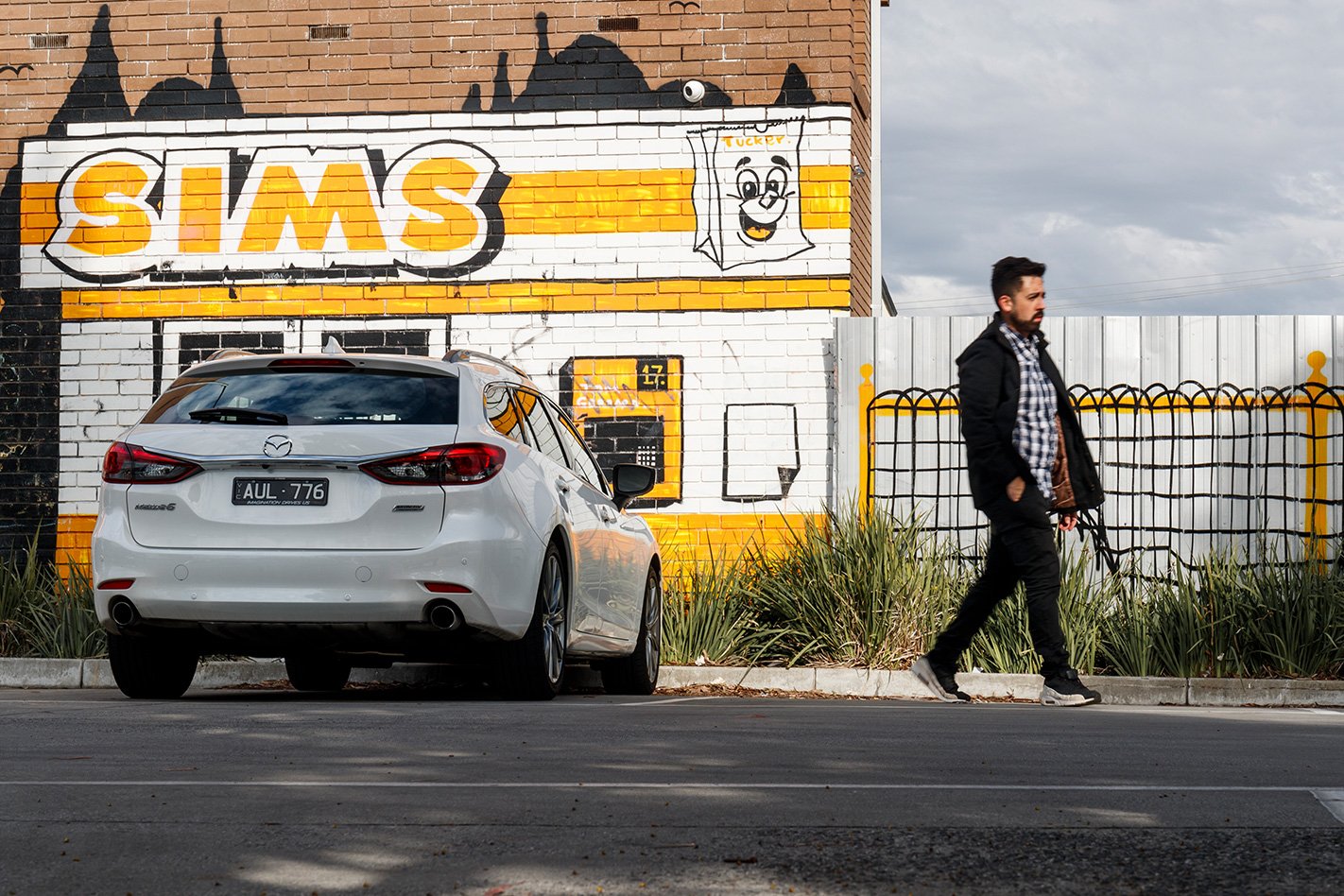
Kids were going to be on the cards soon and we conceded that the old BMW E30 318i coupe wasn’t going to cut it – we needed to buy a practical car in which to transport our imminent brood. This is going back almost a decade to 2010, when Commodore was king, but the Toyota Corolla and Mazda 3 would soon topple the Holden in the sales charts.
Our criteria back then was for a decent-sized sedan that was vaguely economical, but also a bit of fun to drive. On top of our list were the Honda Accord Euro and Mazda 6, both of which had performed well in Wheels comparos (including one in September 2010).
Ultimately, the 6 won out. In our opinion it looked better and was more fun to drive, plus it had more space. We managed to pick up a black ex-demo hatchback at a decent price, and that car still sits in our driveway, having served us faithfully since.
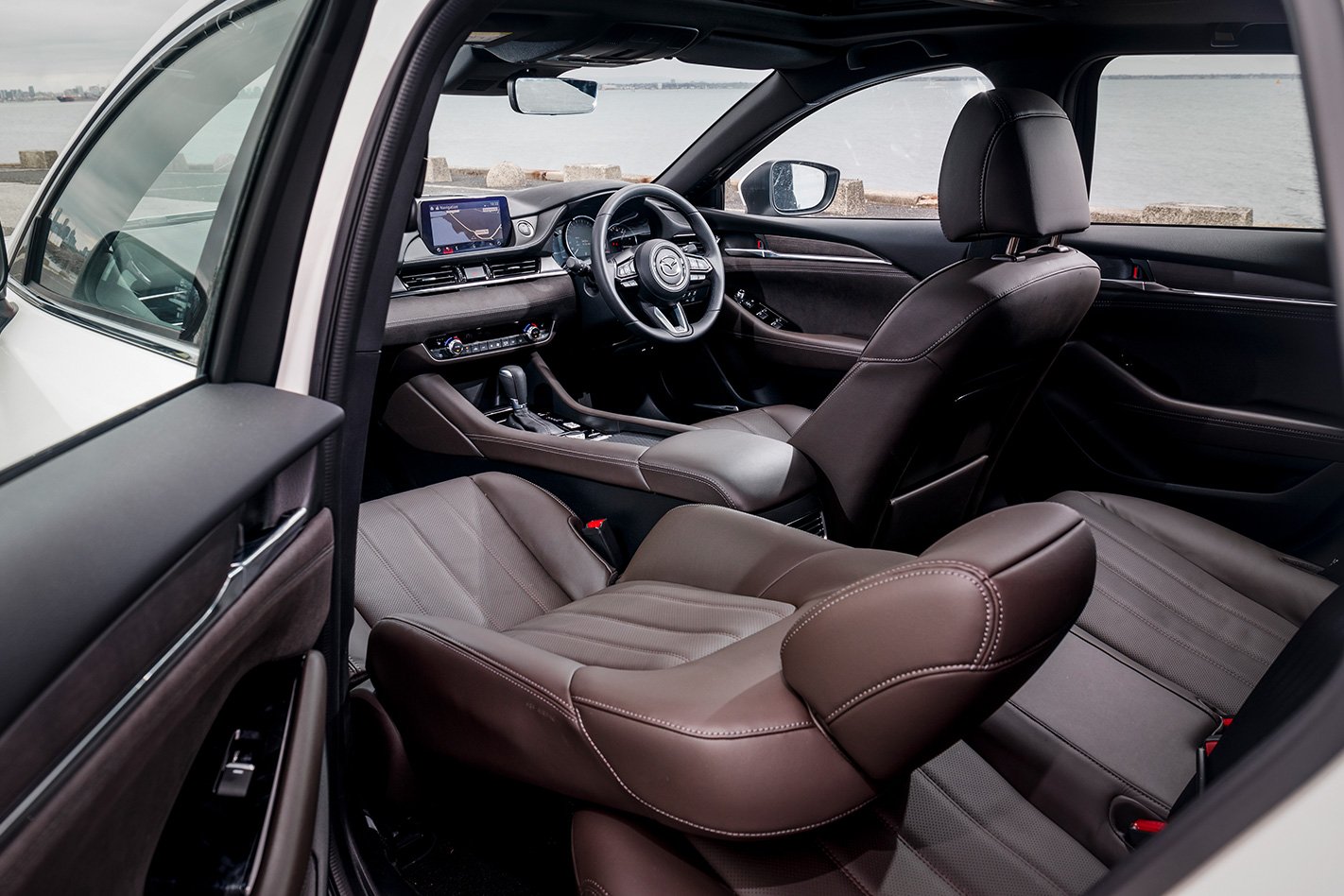
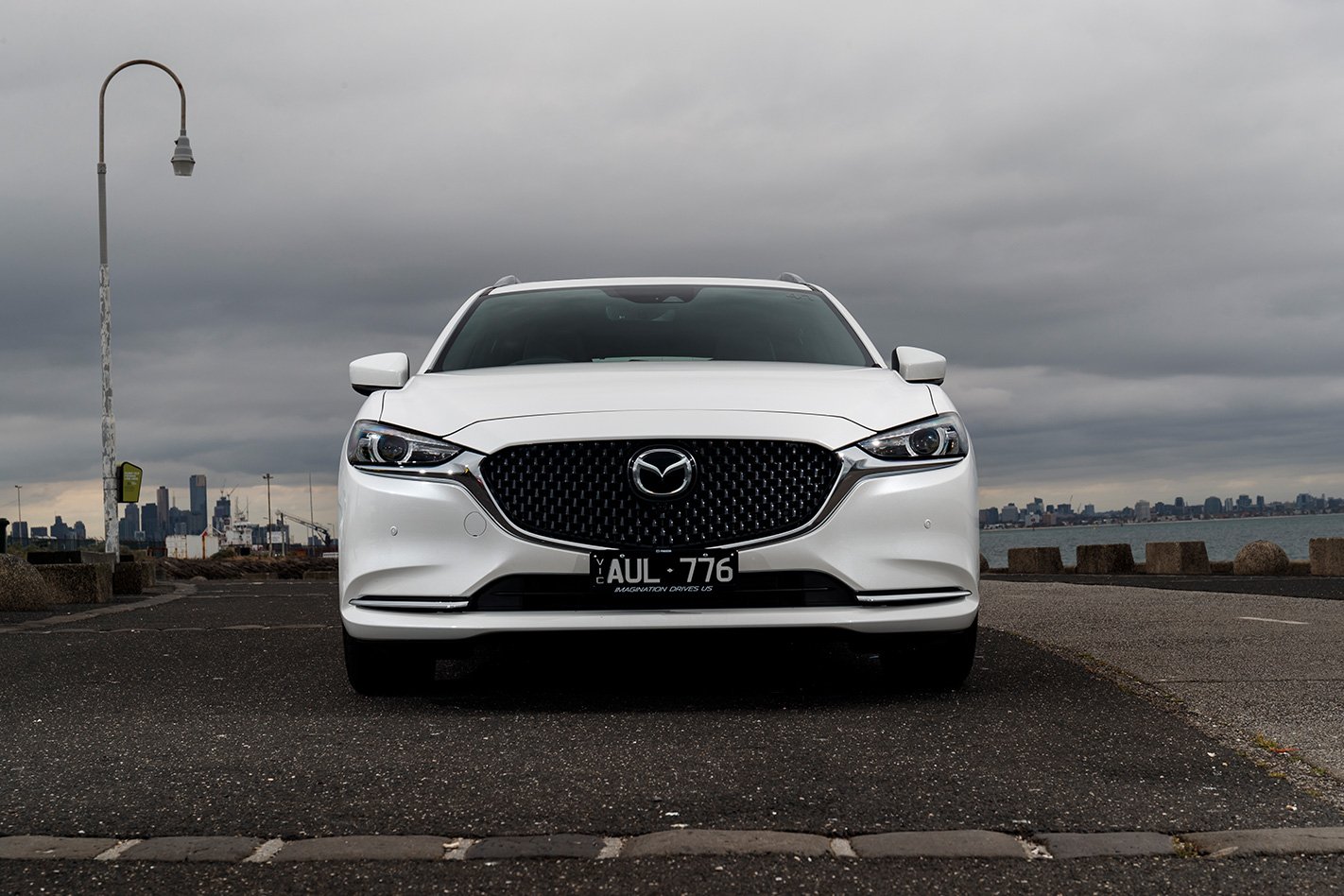
Fast-forward to the present and I’ve been handed the keys to an updated Mazda 6. This one is a fresh Atenza wagon, finished in Snowflake White Pearl. It’s the range-topper of a model range that has just gone through a recent round of updates, refreshing the third-generation 6, which was launched in 2012. Riding on new 19-inch alloy wheels and wearing 225/45R19 rubber, the exterior changes are subtle but for the better.
The redesigned grille is deeper and has a classier mesh design and the fog lights are now integrated into the headlights, giving the front of the car a simpler, cleaner appearance.
The rear has also been tweaked, with the exhaust outlets increased in diameter and nudged outward, and the whole bumper is now body-coloured, ditching the previous model’s unpainted lower plastic panel.
Okay, none of this is hugely significant, but after spotting a previous-gen wagon recently, the subtle but effective visual lift became obvious. All of which pleases my design-nerd sensibilities.
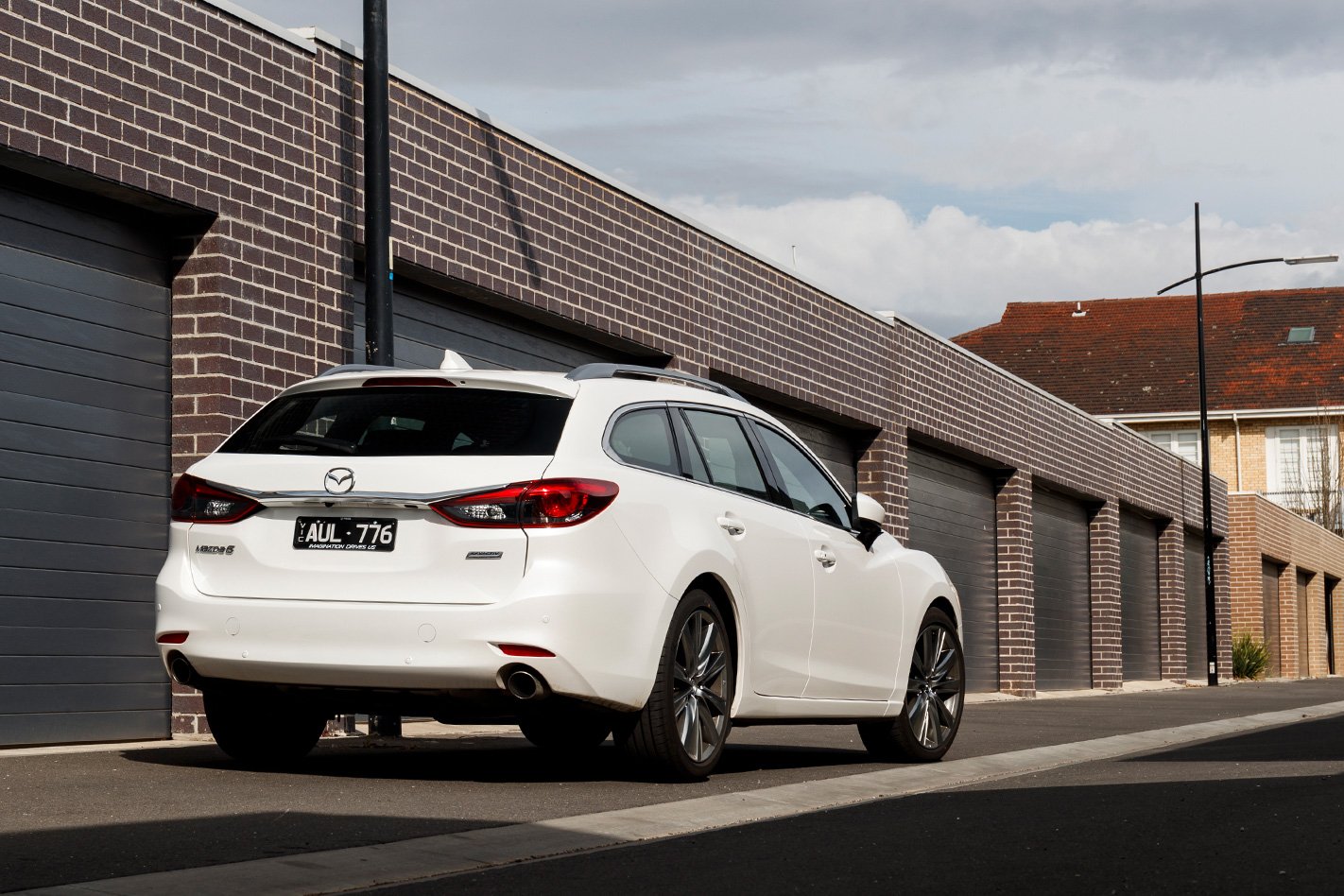
Step inside and the cabin is finished in a new Walnut Brown Nappa leather (exclusive to Atenza models), with Sen wood accents and suede trim. I’ve never been a massive fan of brown anything, but in this car it matches the exterior perfectly and adds a touch of class, which I clearly need.
On the safety front, the 6 now comes with standard i-Activesense tech, which incorporates Smart City Brake Support (auto braking), adaptive LED headlights and Intelligent Speed Assist (a warning system for when you’re accidently lead-footing it). Also included is radar cruise control, which controls the speed and distance to the vehicle directly in front, bringing the Mazda to a stop if needed. Should we say ‘hello Skynet?’
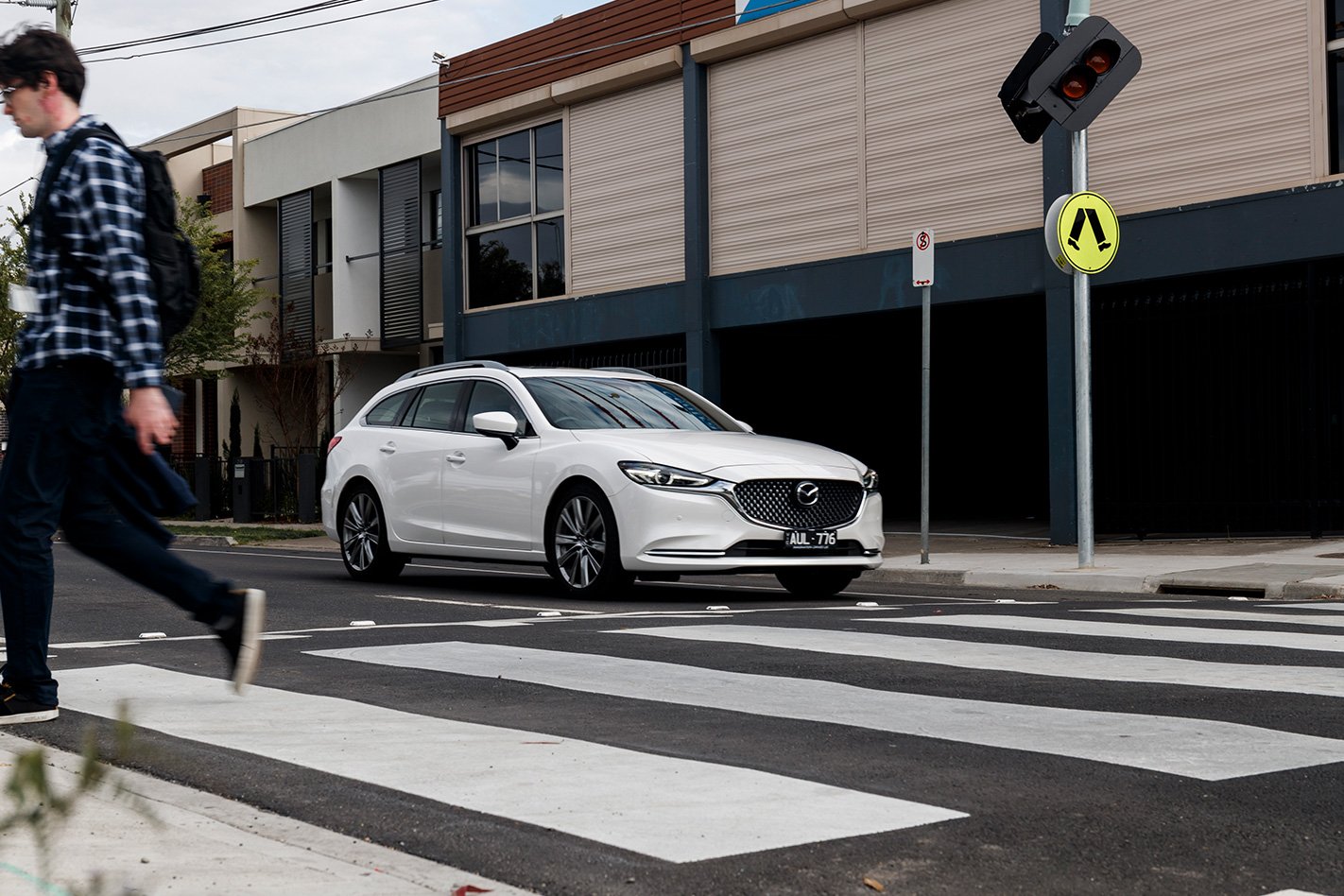
Atenza models also include Mazda’s new bingle-preventing 360 View Monitor and a new 7.0-inch LCD display screen in the dial cluster. Other additions include a revised centre console and redesigned seats – ventilated in Atenza spec only. Bring on summer!
The biggest change for the latest update is under the sculpted Kodo bonnet – the upgrade from atmo to turbo power for GT and Atenza petrols. The SkyActiv-G 2.5-litre turbo petrol engine is borrowed from the COTY-winning CX-9 and lifts power by 30kW compared with the atmo 2.5 Sport and Touring to a total of 170kW. But it’s the torque boost that’s really significant – a 168Nm bump to 420Nm.
Yes, it’s nice having the latest tech and a sleek-looking exterior, but the biggest drawcards by far are this new engine and the dynamic capabilities promised by Mazda’s latest offering.
The question now is, almost a decade after we bought one – would a Mazda 6 still be worthy of our family-car dollars? The next few months will reveal all.
Update #1
By Felipe Ubilla
BLAME THE Griswolds in National Lampoon’s Vacation. Their horrid 1979 Ford LTD is one of the most hideous examples of a wagon I’ve ever laid eyes on. Not only did it sear my retinas, it also put me off the body shape for over a decade. It wasn’t until Audi came through with the RS4 in 1999 that I paid any attention to cars of that shape. The clean design and brutal performance (mostly) had something to do with it.
Since then I have developed a soft spot for wagons and the possibility of actually owning one has become very real.
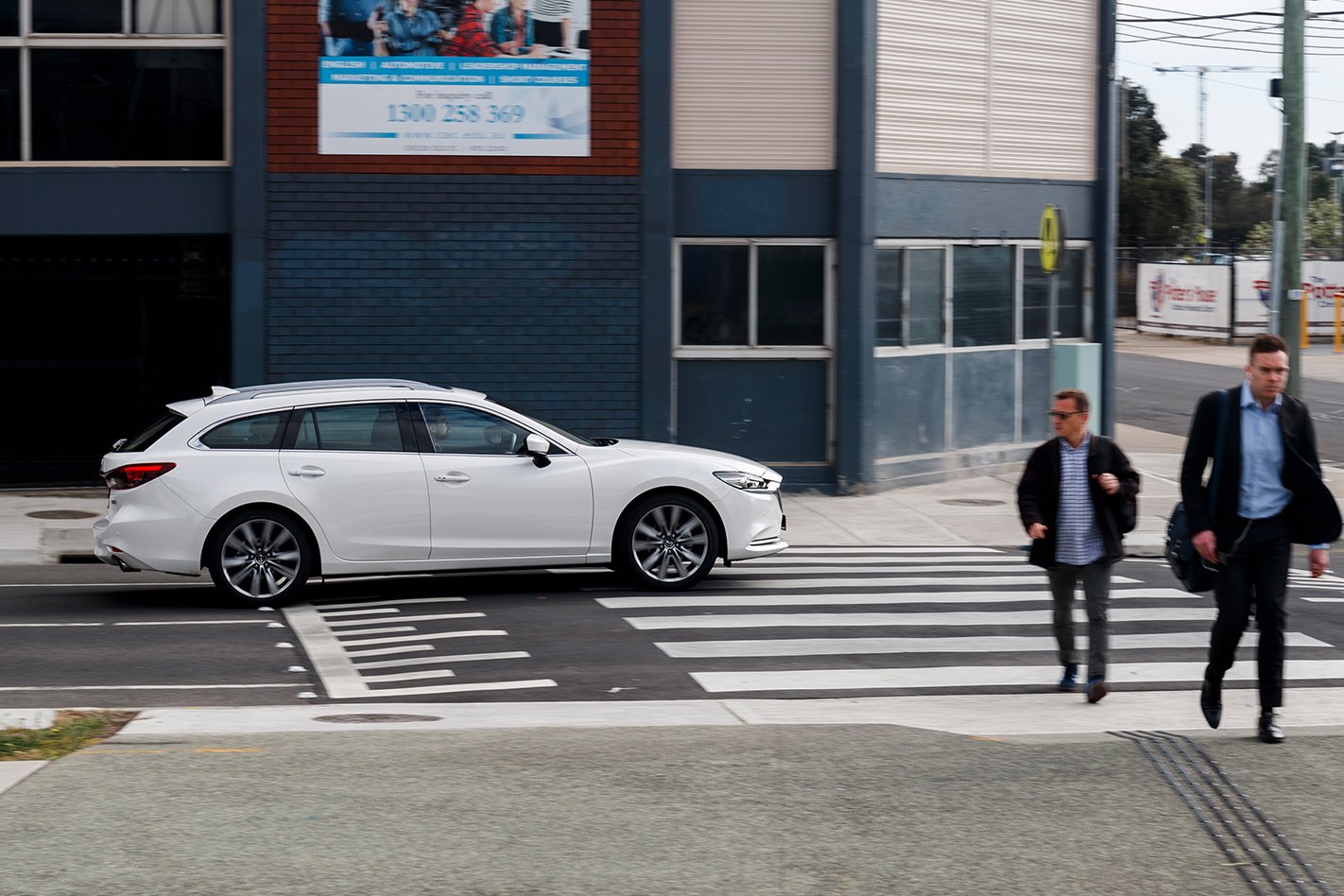
Enter the Mazda 6 Atenza I’m currently the custodian of. For a car that’s been around for almost eight years, its design is doing well to stand the test of time. The boffins at Mazda’s design studio have done an exceptional job of crafting a body that’s good to look at from all angles – in my opinion the wagon looks superior to the sedan.
Things get even better on the inside. The clean and simple design is easy on the eye and even nicer to the touch – the range of materials used are all of exceptional quality with a matching finish. There’s a sense of German influence that other Japanese manufacturers haven’t come close to yet.
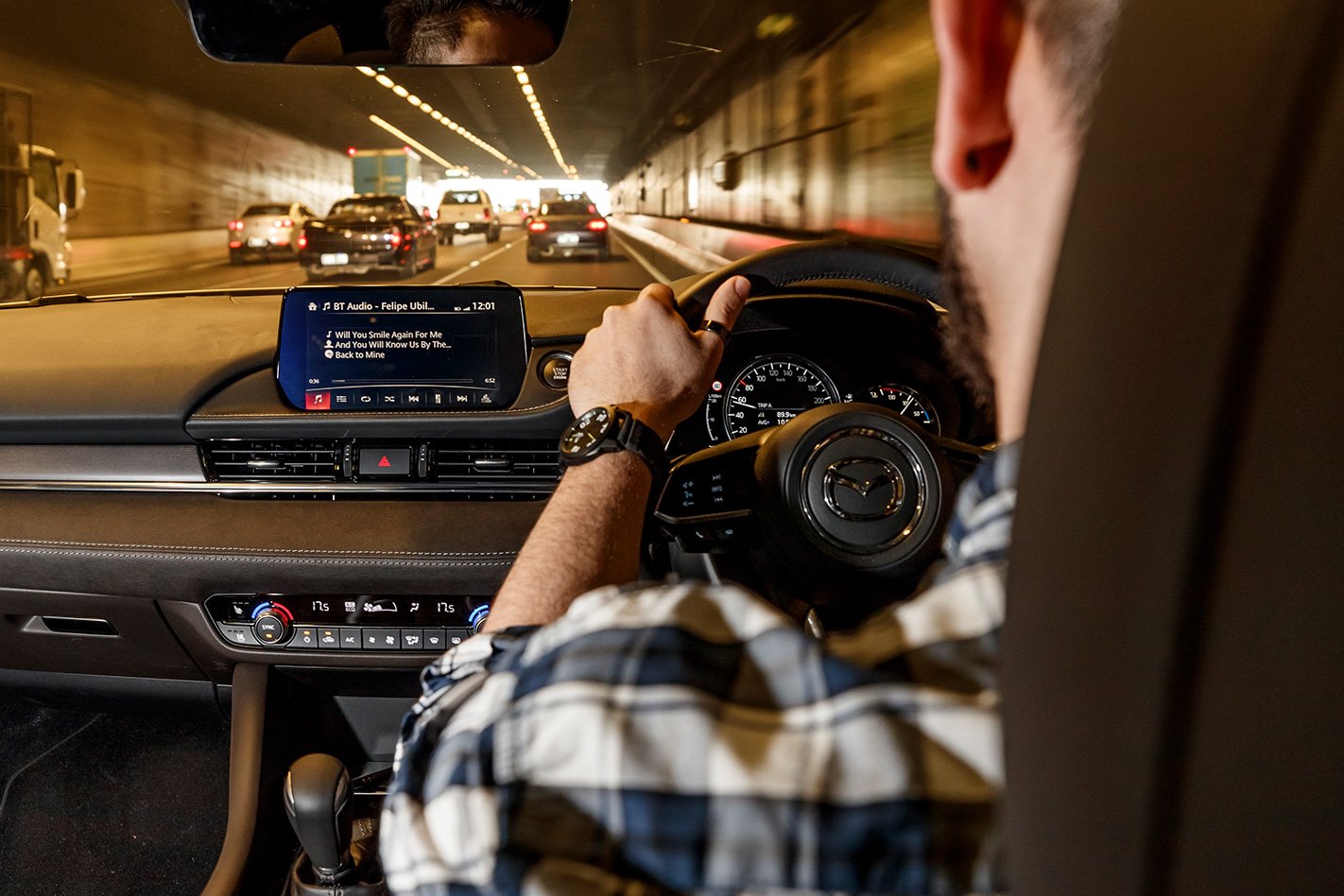
One aspect that jarred with me was the central infotainment screen. At times in the past I’ve wondered why Mazda has persisted with a relatively small unit while competitors have gone to cinema-sized displays. Living with it, I’ve come to realise that it doesn’t need to be bigger – all the information needed is presented in a clever format, without redundant info that would only be a distraction. It’s a good execution of KISS – keep it simple, stupid.
The seats are the real treat in the 2018 update. Rolling on 19-inch wheels and tyres, the ride is a bit on the firm side but the seats do a great job of suppressing any spine-jarring jolts that our rubbish roads can dish out.
With Melbourne’s bipolar weather tendencies, the heating and ventilation feature in the front pews is a welcome inclusion on the Atenza’s feature list. Cold morning + toasty seat = nice fuzzy feeling.
Thus far the 6 has been a pleasure to drive day-to-day, my only gripe being with the thick A-pillars that can obscure your vision in some situations.
If you’re thinking of upgrading, Chevy Chase, please take note.
Update #2
By Felipe Ubilla
THIS past month the Mazda 6 Atenza has done a fine job of lobbing the kids around and doing the daily grind to and from work. Anyone that’s jumped in for a ride has been complementary of the car’s interior and premium feel. More than enough to bring a proud smile to my face, even if the car isn’t mine.
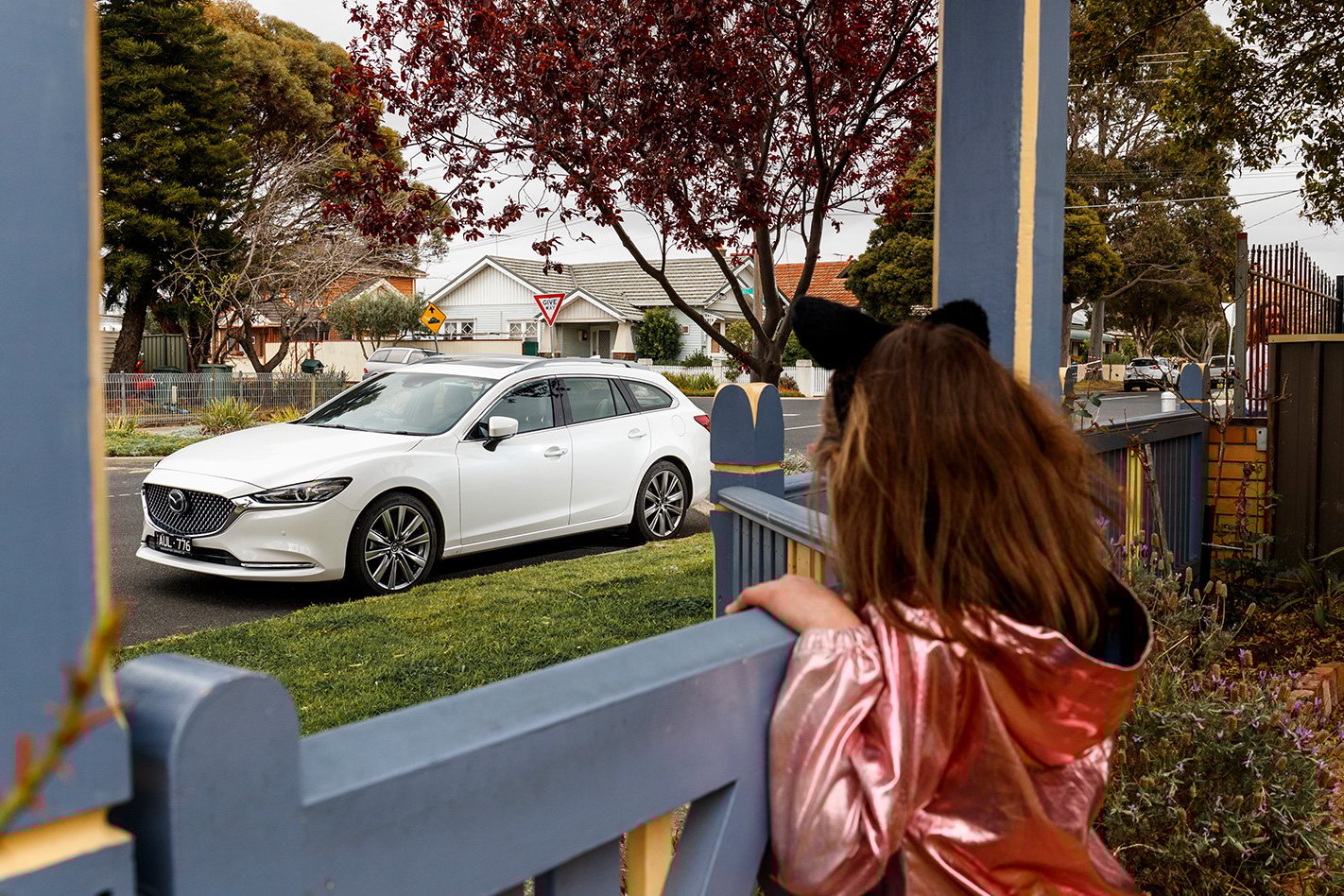
In the middle of the month the routine was broken by the week-long organised chaos that is COTY. Throughout the year there’s nowhere better to compare the latest and greatest new metal in one location.
While the Camaro, A110 and I-Pace held my interest, there were a choice couple that needed scrutinising – the Camry and Commodore. From this year’s COTY line-up, these two are the closest rivals to the 6.
This year the first round of action took place at the Ford Proving Ground in Sandy Creek. Taking country roads to the event presented the perfect opportunity to stretch the Atenza’s legs.
Surrounded by green farmlands, the Japanese wagon ate up the scenery, demolishing long straights broken by occasional sweeping curves. Taking the punishment from dips, potholes and dirt roads, the 6 never felt unsettled. Mazda has done a brilliant job there. Its suspension almost feels tailored for local conditions.
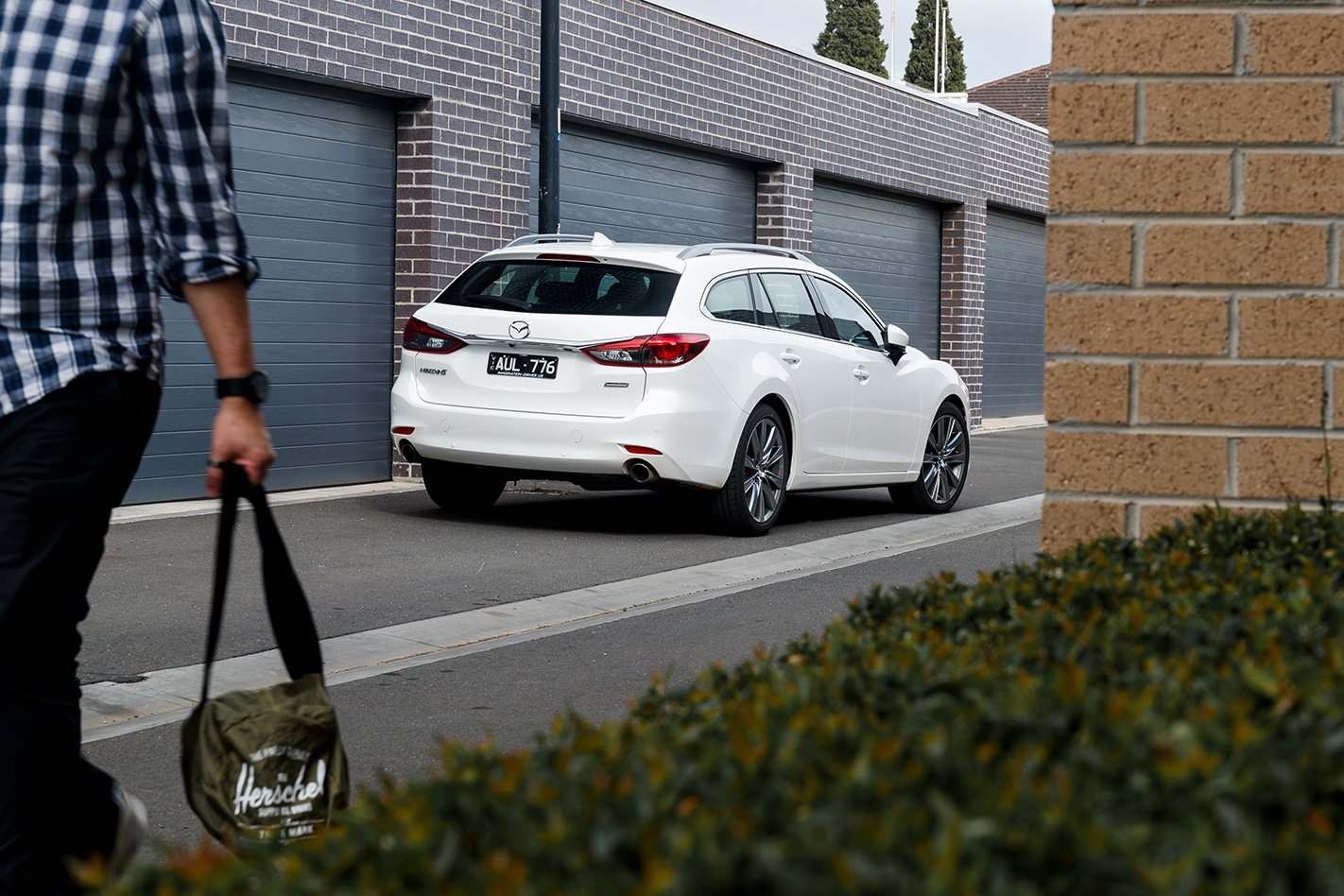
In between ferrying cars to wash-bays and photoshoots, I nabbed the keys to the Toyota Camry SL V6 and took it for a quick spin. The exterior styling has come a long way, making the 2018 model a visually attractive option. There’s a generously sized interior with great forward vision, although you feel as though you are sitting on the car, not in it. This model had the grandpa-spec beige interior and while quite good, it doesn’t match the 6’s polish and design sophistication.
The engine – a bigger 3.5-litre V6 – really lacks the low-end punch of the Mazda’s 2.5 litre turbo – peak power feels like a lifetime away. If excitement is what you lust for maybe look into the hybrid powertrain with the higher torque figure.
Next was the ZB Commodore. While the RS packs more power and arguably drives better, it’s let down by its interior quality and design. As for space, it’s generous and makes for a great option as a family vehicle at a lower price point.
For me, the 6 presents a better balance of the previous two – reasonable grunt when needed and attractive packaging. The list of standard features leaves out little, and puts pricier vehicles in our current Wheels garage to shame.
The keys are due back soon. Dread is beginning to sink in.
Update #3
By Felipe Ubilla
Blame the dog. No, seriously, blame Tess the golden retriever for my doubts over the capabilities of the Mazda 6 wagon.
Allow me to elaborate.
Over the Christmas break we scored a house-sitting gig right next to the coast for four weeks. Simply looking after a dog and a cat, with the beach just down the road, it was more like winning a free holiday.
The only downer was that I could only take the first two weeks off, and would have to commute to work for the second part of our stay. This meant that two cars would be needed. Not an issue, given we’d have plenty of space in our own 2009 Mazda 6 hatch and the trusty Atenza wagon long-termer to carry our gear down.
Surprisingly, though, we managed to fill both cars very quickly. Clothes for four, a pram, beach gear, Christmas presents, toys, food, plus a bloody Thermomix – all the space we had disappeared very quickly. Taking the PS4 with the wheel and pedal stand probably didn’t help, but I’m on holiday, so screw it.
I’m sure we could have cut the pile down and stuffed it all into the wagon if need be. The 506 litres of cargo capacity, measured to the tonneau cover, is more than what is available in many mid-sized SUVs.
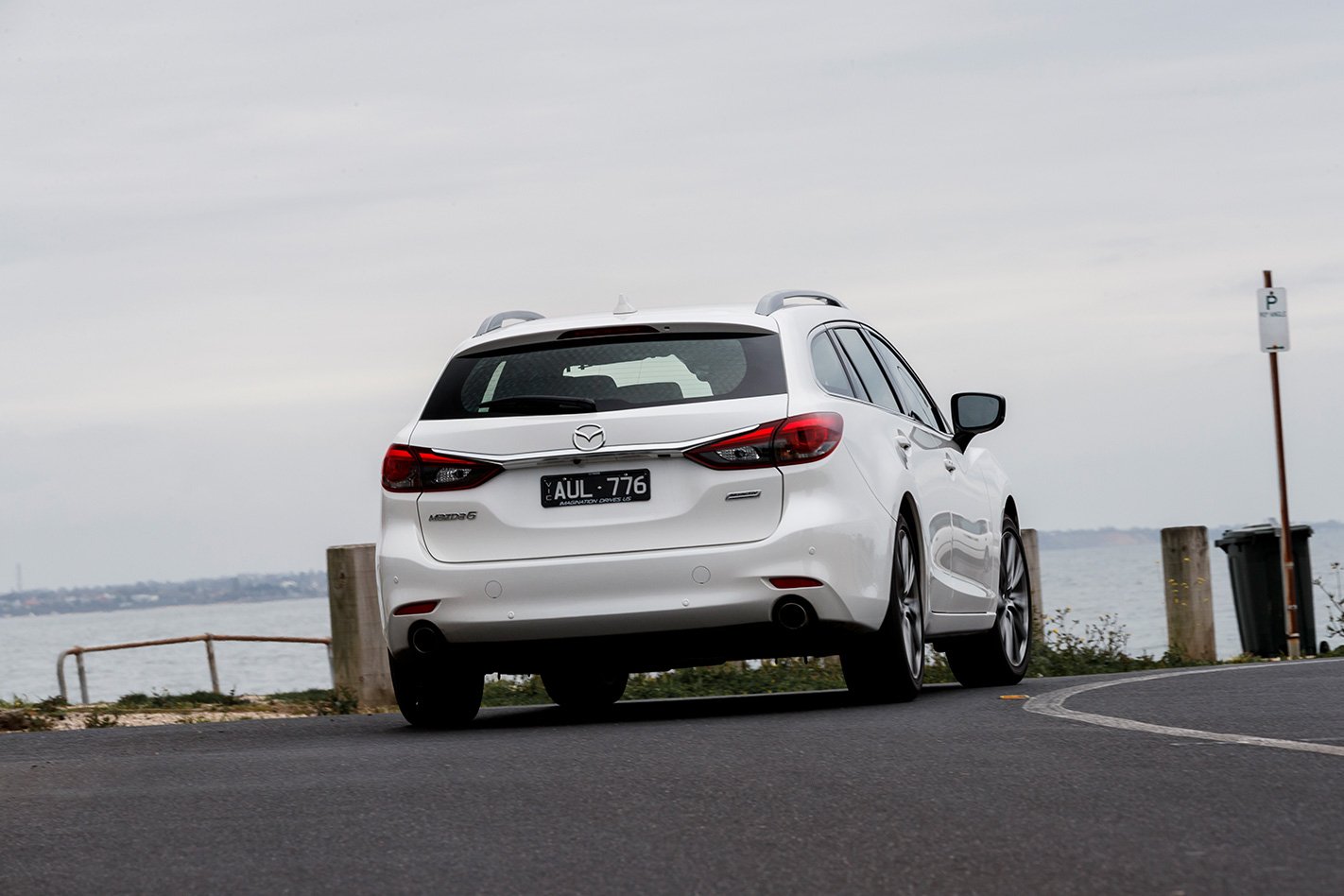
But having now spent a month with Tess, we’ve suddenly realised we want a golden retriever. Unfortunately, something like the 6 wagon just wouldn’t cut it as our primary family hauler with a canine added to the mix. Not unless we bought a chihuahua.
The 170kW turbo engine had little issue on the way up the winding mountain road, but the suspension isn’t tuned for outright performance, and so the wagon can feel like it’s leaning through corners. Powering out also incites wheelspin and electronic intervention when all 420Nm kicks in.
The 6 is great as a tourer, though, and is a good size for a family of four, but anything more than that and you really should be looking at something larger. Well, unless you’re a family of nudists.
Update #4
By Felipe Ubilla
It’s not perfect by any means, and there are things I dislike. The A-pillars are overly thick, the infotainment screen is small compared to almost any new release and the sunroof seems minuscule when competitors have vast panoramic offerings.
The low-slung wagon style also might not agree with families with small children. My two kids are old enough to clamber up individually and the youngest just needs help with the booster-seat straps. Had I been driving the Atenza three years ago the story would have been different – constantly crouching to strap in wriggling kids might well have destroyed my spine. The temptation to buy a high-riding SUV in these situations seems justified.
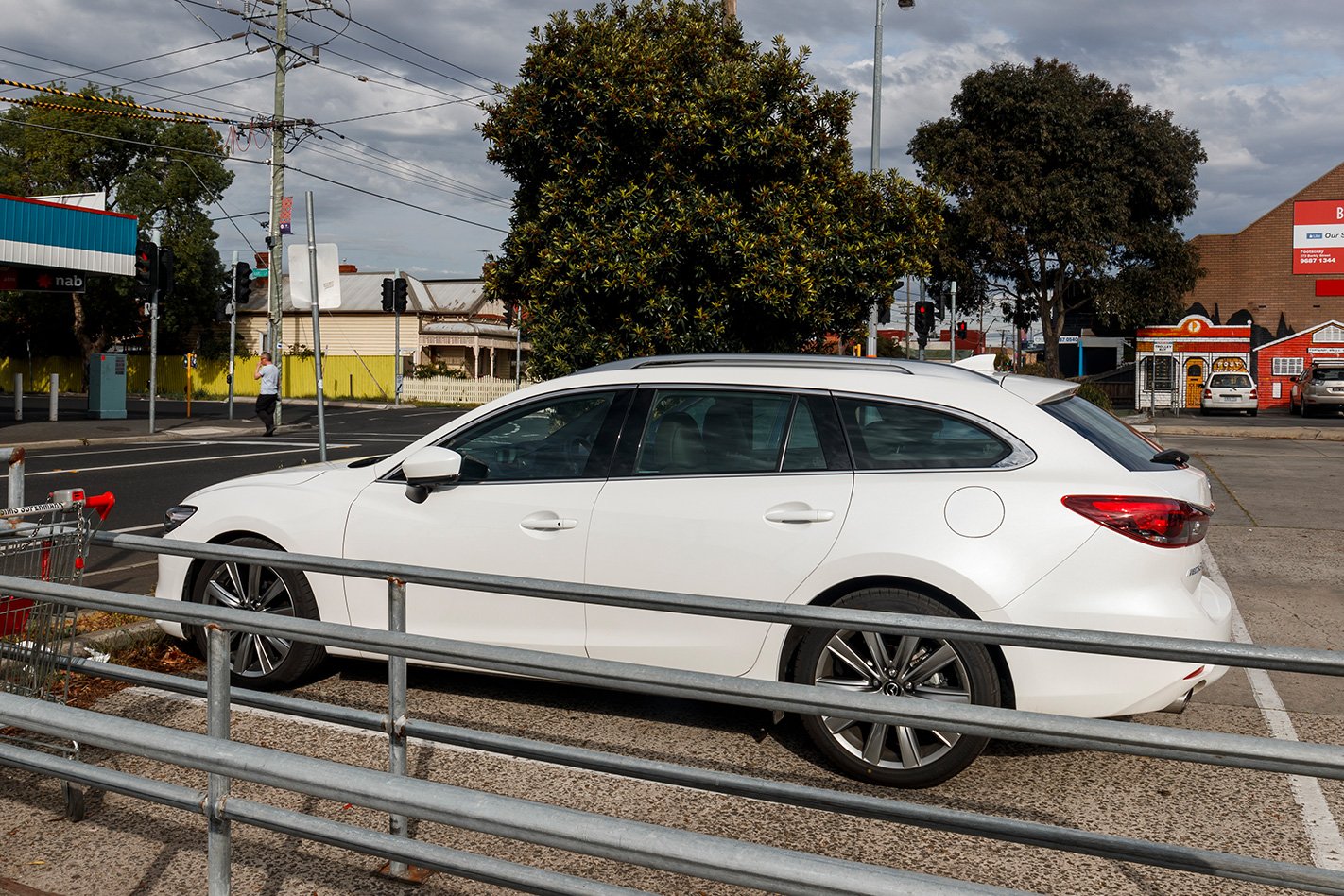
The cargo space may also be an issue for families with more than one kid. Its respectable 506 litres is trumped by the likes of the Skoda Octavia or Holden Commodore wagons.
Part of that is due to the 6’s swooping body and roof line, tapering down into the rear hatch, and thus compromising the internal space.
But those lines are one of the 6’s great assets – its fluid shape helps to differentiate it from competitors, carrying over the Kodo design language. As a design nerd I’ve always admired Mazda’s knack for creating vehicles that all look related – throw an RX-8 and a BK-series 3 in the same room and you’ll soon understand what I’m preaching. All the update tweaks to the 6 in 2018 only strengthened the range’s looks and appeal.
Step inside and things only get better. The 6 possesses cleaner design and is more aesthetically pleasing than its competitors. Using materials that include Nappa leather, wood and suede trim, it sets the benchmark for this segment and makes it feel a class above.
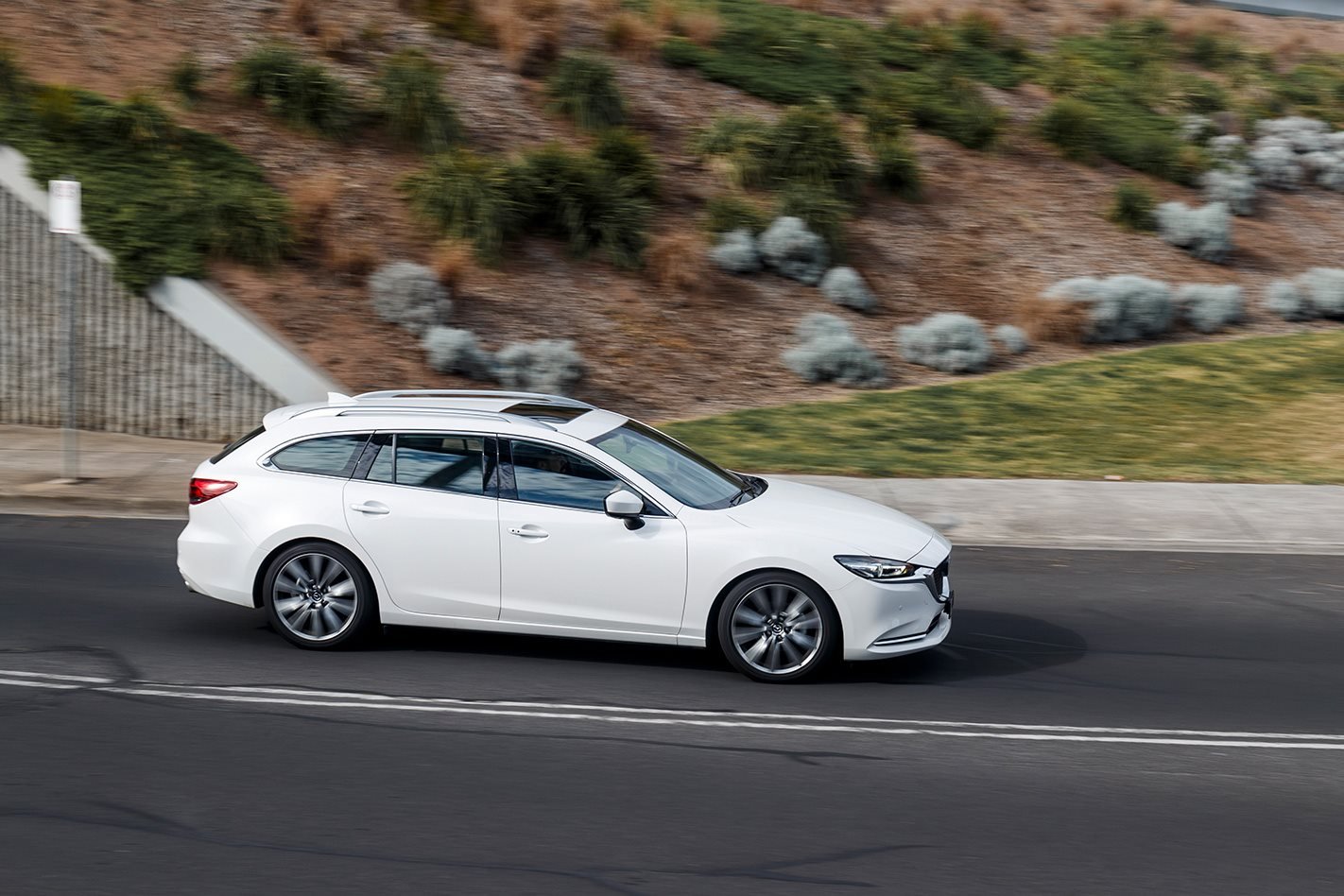
The overall design works incredibly well, everything is within reach and topped off with considered touches, like the infotaiment screen being slightly angled toward the driver. Smart.
Tie all this in with an 11-speaker premium Bose sound system and a great seating position and there’s not much that can ruin the driving experience.
The 2.5-litre 170kW turbo engine, donated from the CX-9, is smooth in delivering its 420Nm of torque from 2000rpm. It will hustle along nicely, as long as you don’t expect performance-car figures. That’s not the point of the Atenza, of course. It’s a refined and effortless car to drive. If thrills are what you’re looking for, have a drive of an Octavia RS instead.
So five months after first grabbing the fob, the 6 Atenza is still impressing. With great presentation and safety features (too many to list), the Mazda presents a difficult option to pass up as a family hauler because it ticks so many of the boxes sought by people with children to transport.
Whatever I jump into next has a hard act to follow.
Right car, wrong timing? The 2008 Audi S4, based on the latest A4’s B8 platform, was unveiled at the Paris show where hybrids and electric vehicles stole the limelight.
This review was originally published in MOTOR’s December 2008 issue
Still, despite the eco emphasis, the new S4 emerges as a surprisingly rational proposition. It costs almost 10,000 Euro less than its predecessor, is 27 percent more frugal and is understated enough to fit in the most conservative car park.
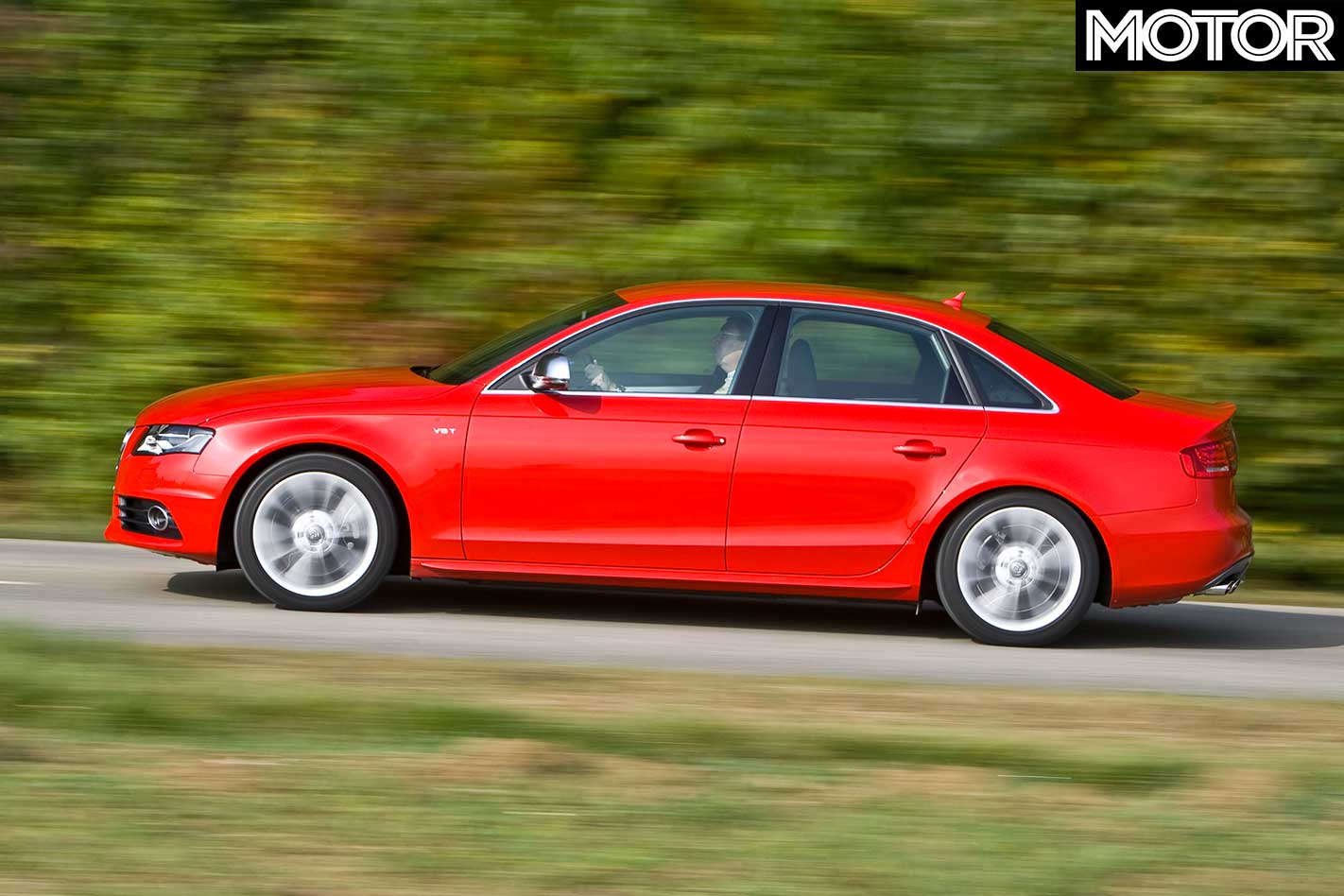
It will return 7.3L/100km in extra-urban mode to reward pussy-footed drivers, but doubles as a high-tech tearaway that employs trick steering, chassis and differential systems to beam you quicker from A to B than most of its rivals.
Under the bonnet lies a significant change – Audi has dumped its 4.2-litre V8 for a new 3.0-litre supercharged V6 that produces slightly less power (245kW), but more torque (440Nm) across a wider spread of the rev range (between 2900rpm and 5300rpm). Despite the power drop, the higher torque and slight (10kg) weight reduction means the new S4 can beat its predecessor from 0-100km/h by half a second.
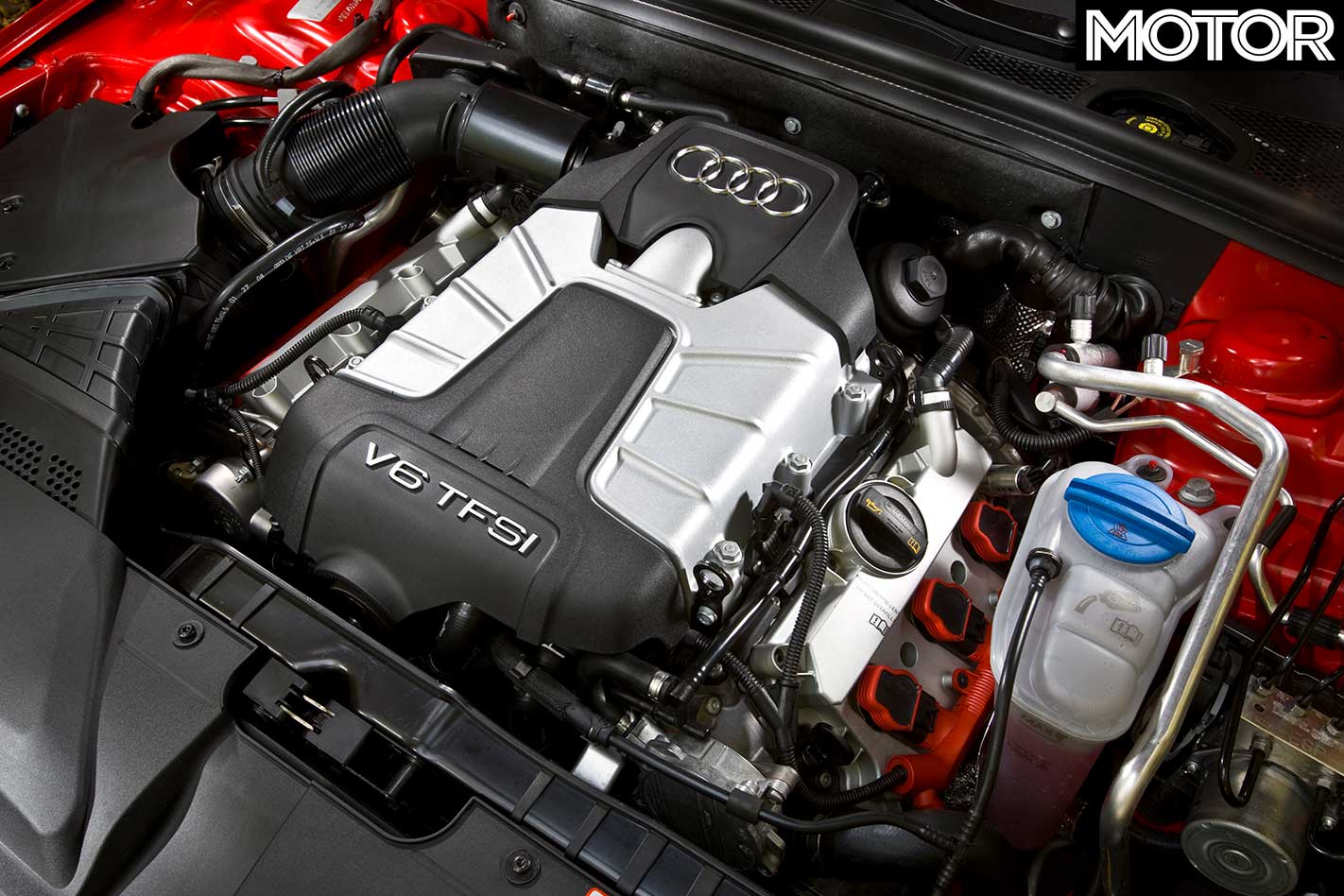
The new S4 is deceptively fast. The Roots-type supercharger launches the S4 with instant response and powers it from 80 to 120km/h in a claimed 4.4sec (in fourth gear) in seemingly effortless, yet entertaining fashion. Our pre-production test car was fitted with a six-speed manual, but the optional seven-speed dual-clutch S-tronic could be the gearbox to go for.
Quattro with a 40/60 front/rear torque split is standard, but to get the best out of all-wheel drive, specify the optional new sport differential. The trick diff distributes torque between the rear wheels in a progressively variable fashion and also works under trailing throttle, even when the gearbox is in neutral.
As the vehicle turns in, the sport diff automatically diverts most of the propulsion forces to the outer rear wheel. This reduces understeer, allows you to work with more moderate steering angle and improves directional stability.
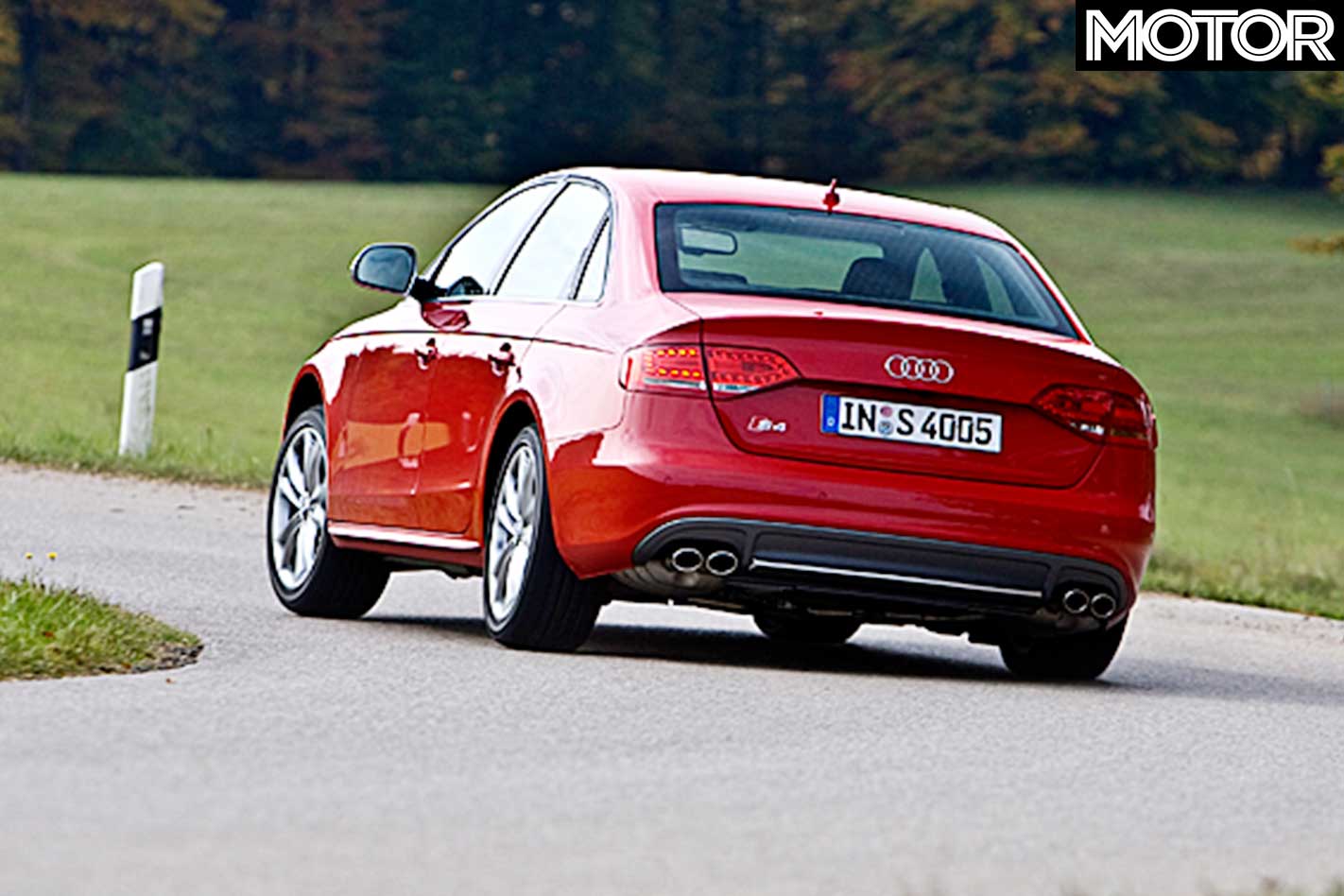
The maximum torque difference between the rear wheels is a substantial 1800Nm, but the biggest advantage of the sports differential is that instead of eliminating excess energy, it cleverly and smoothly redistributes it.
Hard cornering is no longer a mix of more or less understeer. Instead, the nose turns in, rear-end complies, and the ensuing four-wheel drift is easily modulated by throttle and steering in much smaller nuances than before.
Inside and out, the new S4 is an undercover fast-lane warrior rather than a baby RS4. It’s as Plain Jane as they come – no fancy LED running lights, no special wheels and no gaudy colour schemes. Instead, the S4 epitomises sublime efficiency with an introvert appearance that belies its extrovert character and ability.
2008 AUDI S4 SPECS Engine: 2995cc V6, DOHC, 24v, supercharged Power: 245kW @ 5500-7000rpm Torque: 440Nm @ 2900-5300rpm Weight: 1650kg Top speed: 250km/h (limited) 0-100km/h: 5.1sec (manual claimed) Price: $115,000 (est)
Like: Economy, power, handling balance, Q-car subtlety Dislike: Maybe too subtle for some; missing the old V8 burble
AUSTRALIANS, it’s often said, live for their sport. From the backyards, suburban streets and local parks across the nation to our 100,000-strong MCG stadium, sport is woven into our social and cultural fabric.
Maybe this explains why it’s also a word that’s long been stuck to the backside of our most popular models, represented by badges as evocative as S, GS, GT and SS. Consider that – right to the end – the SV6 and XR6 were the local Commodore and Falcon ranges’ best sellers.
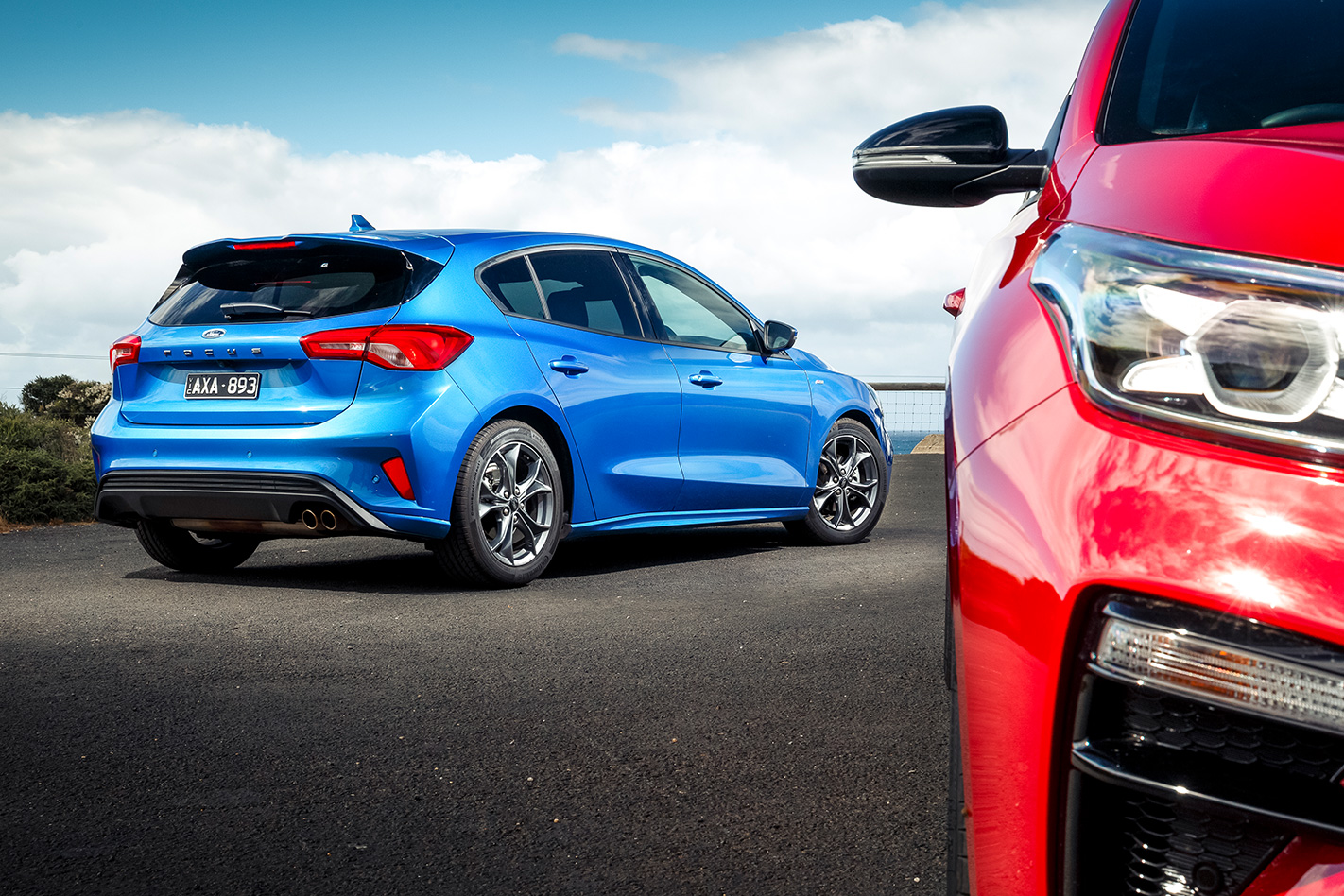
Little wonder, then, that Ford hopes the ST-Line will resonate most with buyers of the latest Focus, released only last December. While it’s a German concoction, ‘ST-Line’ might as well translate to ‘XR5-Lite’, positioned above the base Trend but below the coming full-fat ST (for Sport Technologies) hot hatch. Sporty spice, but at a nice price.
Name aside, nothing carries over from the previous Focus. From the redesigned body and interior to the box-fresh C2 architecture that’s stronger yet lighter than before, this is Ford’s response to its nemesis; Volkswagen’s evergreen Golf.
The chief engineer reckons Focus IV is the “best Ford in history”. That’s a huge call, particularly as, for our market anyway, the hatch ditches the multi-link independent rear suspension (IRS) that the seminal 1998 original pioneered in this class, for a cheaper torsion beam set-up. Oh dear…
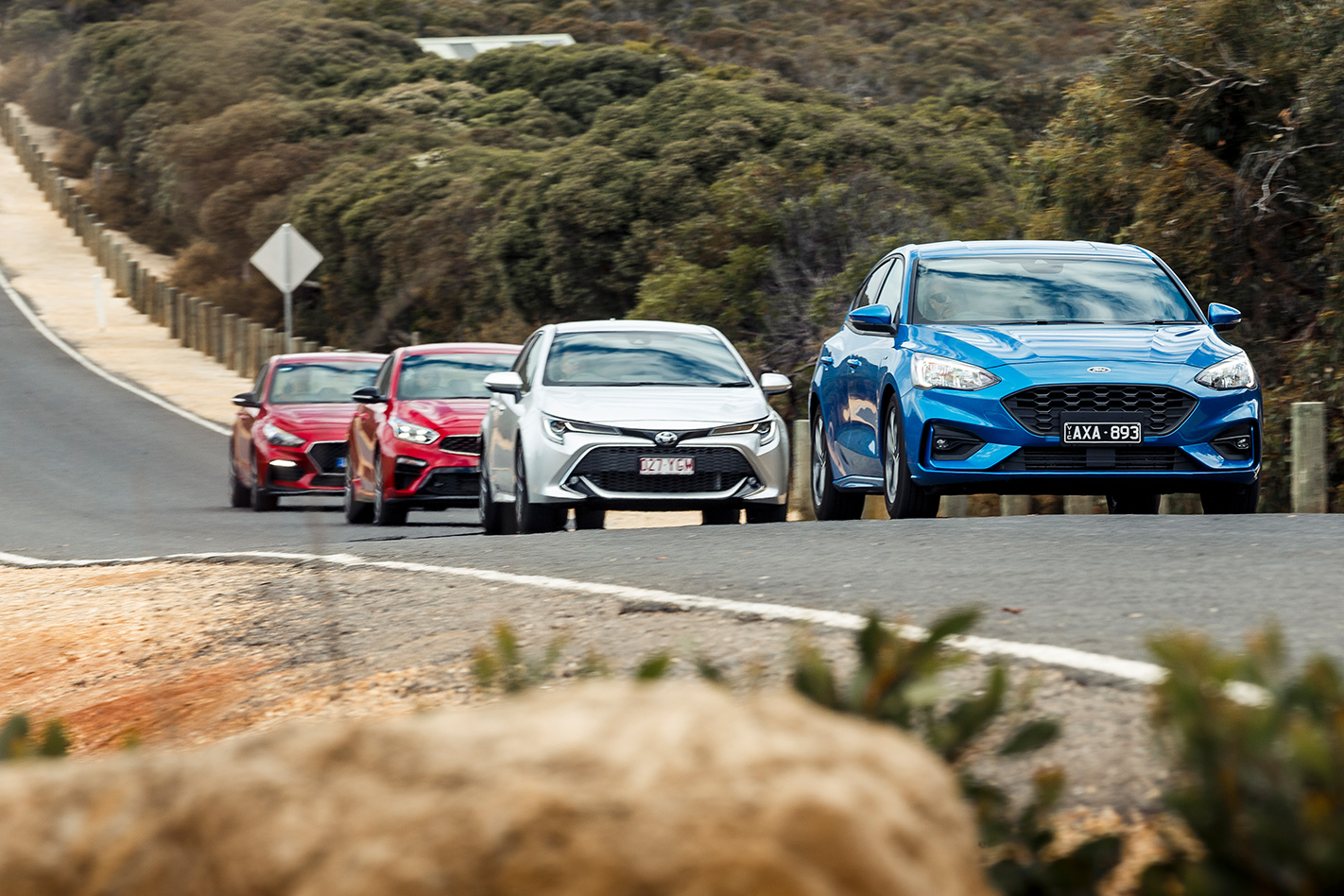
Further eyebrows are raised given that behind the ST-Line’s gormless gob (styled by a Melburnian) hides the same, newly downsized 134kW/240Nm 1.5-litre three-cylinder turbo and eight-speed torque-converter auto found in lesser versions. You can no longer buy a manual Focus.
Thankfully there’s a body kit and retuned suspension with a 10mm-ride drop, so the ST-Line, from $28,990, at least looks the part, as well as boasting cornering lights, sports seats, climate control, keyless entry/start, auto folding mirrors, moodier trim and wireless charging.
These are on top of the Trend’s active grille shutter, auto on/off headlights and wipers, paddle shifters, remote-activated windows, Apple CarPlay/Android Auto, sat-nav, voice control, Bluetooth, DAB+ digital radio, AEB, reverse camera, parking sensors, Lane Keep Assist, Lane Departure Warning and post-collision braking. Our test car also boasts a $1250 Driver Assistant Pack, bringing adaptive cruise with (excellent) full stop-and-go and speed-sign recognition tech, along with blind-spot monitoring and rear cross-traffic alert. That’s $30,890 all up, then, including metallic paint.
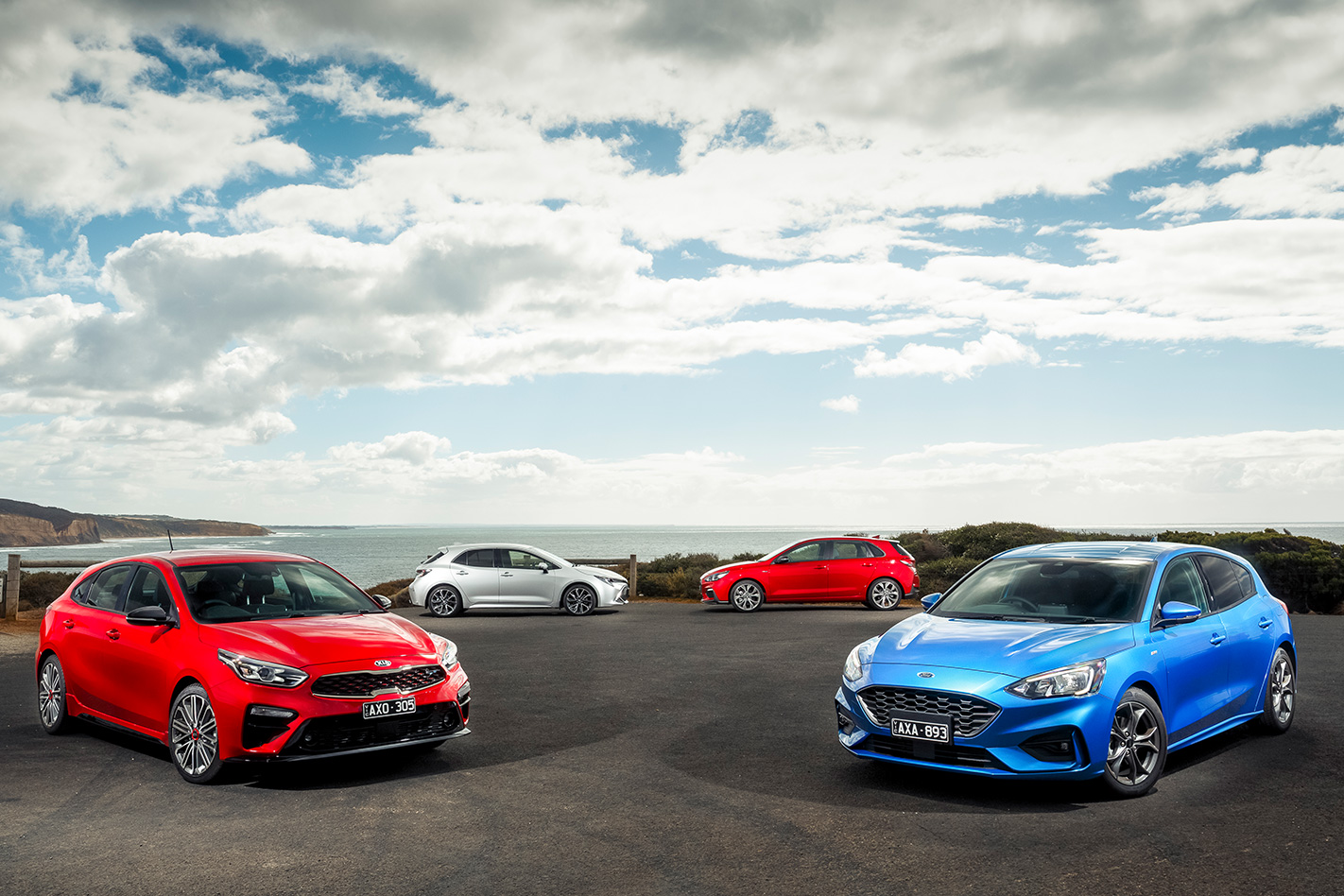
Can the ST-Line lure XR-loving Aussies? We’ve lined up a trio of similarly themed foes, for a sporty hatch match.
Even fresher than the Focus is the just-launched Kia Cerato GT, from $31,990 – driveaway. Larger than ever (although the 2700mm wheelbase remains) and visually reminiscent of the suave Stinger, this intriguing new flagship oozes pizzazz/garishness (you decide) and introduces turbo and IRS tech, on top of the usual Aussie-specific ride and handling tweaks that Kia constantly trumpets.
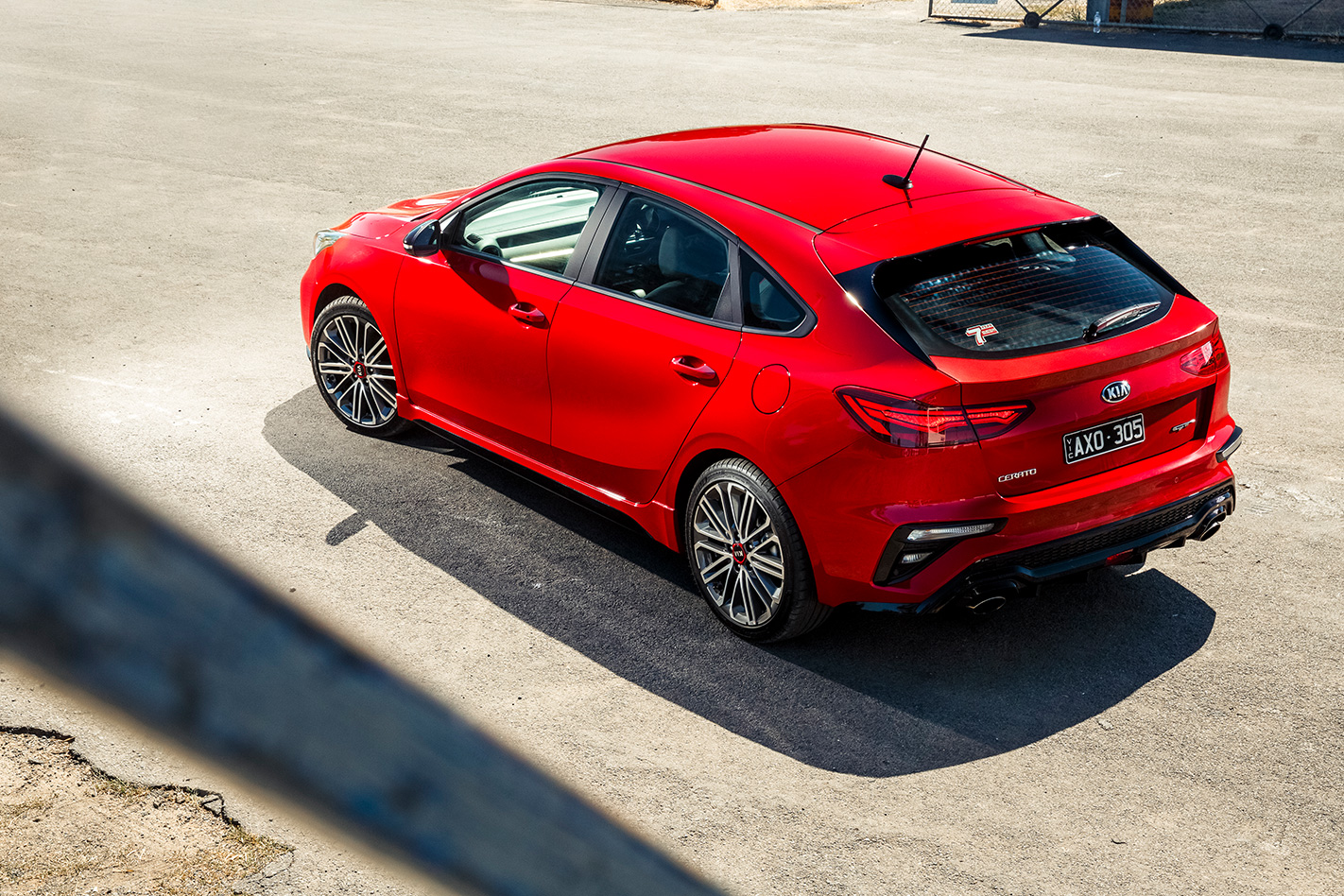
Interestingly, the same lusty 150kW/265Nm 1.6-litre four-pot turbo as fitted to the now-defunct Koup Turbo coupe drives the GT’s front wheels, although it’s now via a seven-speed, dual-clutch transmission (DCT).
Also present are 18-inch alloys, LED headlights, a powered driver’s pew, heated/ventilated front seats, leather and up-spec audio – all items absent from our Focus. As tested, the Kia’s $32,510 D/A includes metallic paint and a seven-year warranty. Kia’s playing very seriously indeed.
From $29,985 including $495 metallic paint, our other Korean, the Hyundai i30 N-Line 1.6T 7DCT, keeps up with the others equipment-wise, although for the Kia’s powered and toasty/chilled front seats and banging sound system, you’ll need the $35K Premium.
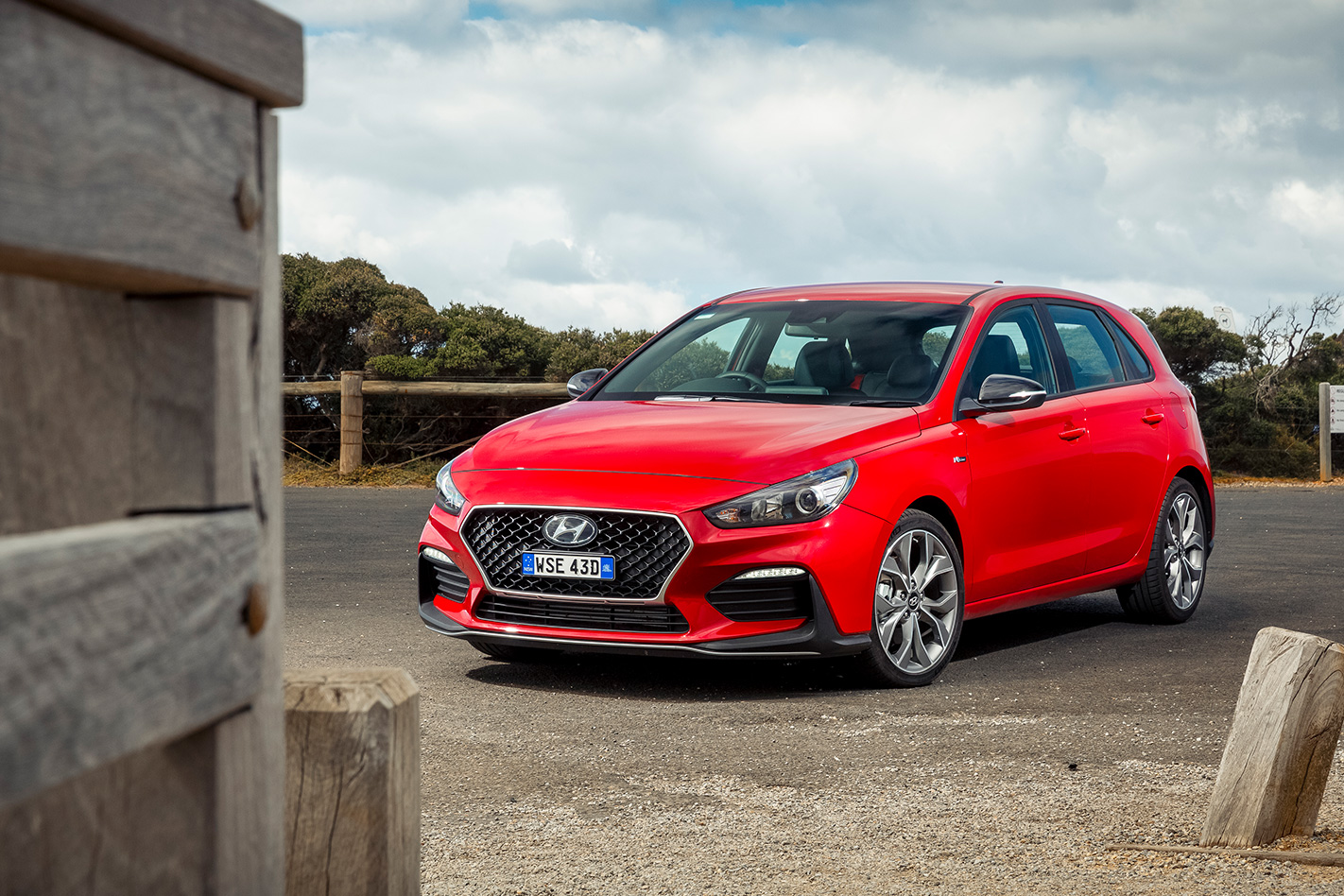
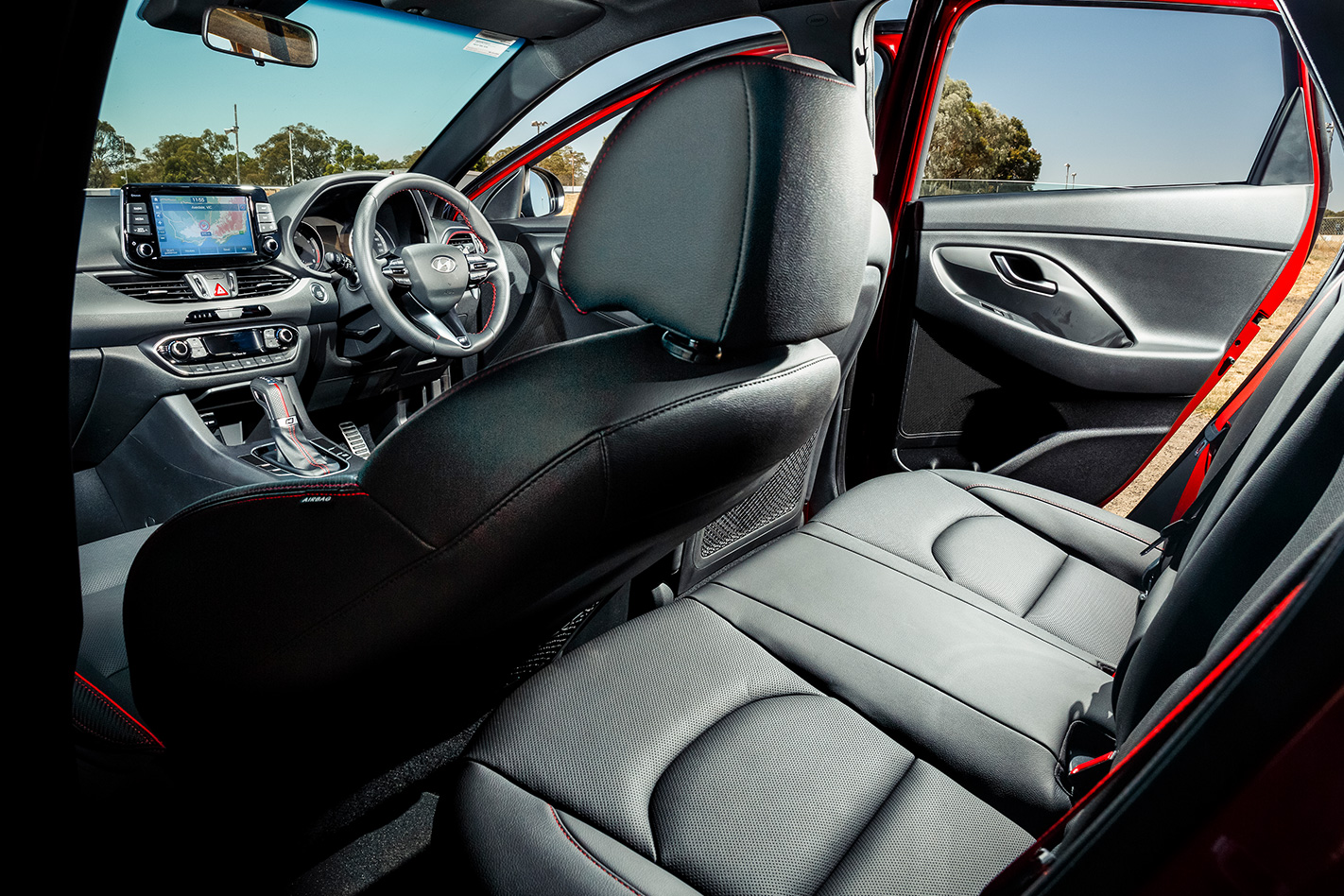
As with GT, there’s also specific local IRS chassis tuning. The big question, however, is why can’t every other rapid hatch boast saucy red seatbelts like these?
2019 Toyota Corolla ZR Hybrid review
The final entrant in our sporty foursome is the 11th-gen Toyota Corolla, fresh from a rare yet decisive comparison victory in these pages late last year, and now ready to rumble in top ZR spec from $30,370 (or $30,920 in silver). While it’s atmo-only and has a CVT, the Japanese hatch’s 125kW/200Nm 2.0-litre engine’s muscular flexibility, combined with the athleticism of the ‘Toyota New Global Architecture’ base, usher in a new era for the series, along with IRS.
It also brings style, as the swoopy Corolla’s 217-litre cargo capacity has been sacrificed to sub-Yaris levels at the altar of fashion, underscoring a newfound hedonism for the 50-year-old nameplate. Or is it a midlife crisis? Either way, save for the missing CarPlay/Auto connectivity, little is conceded equipment-wise in the Toyota.
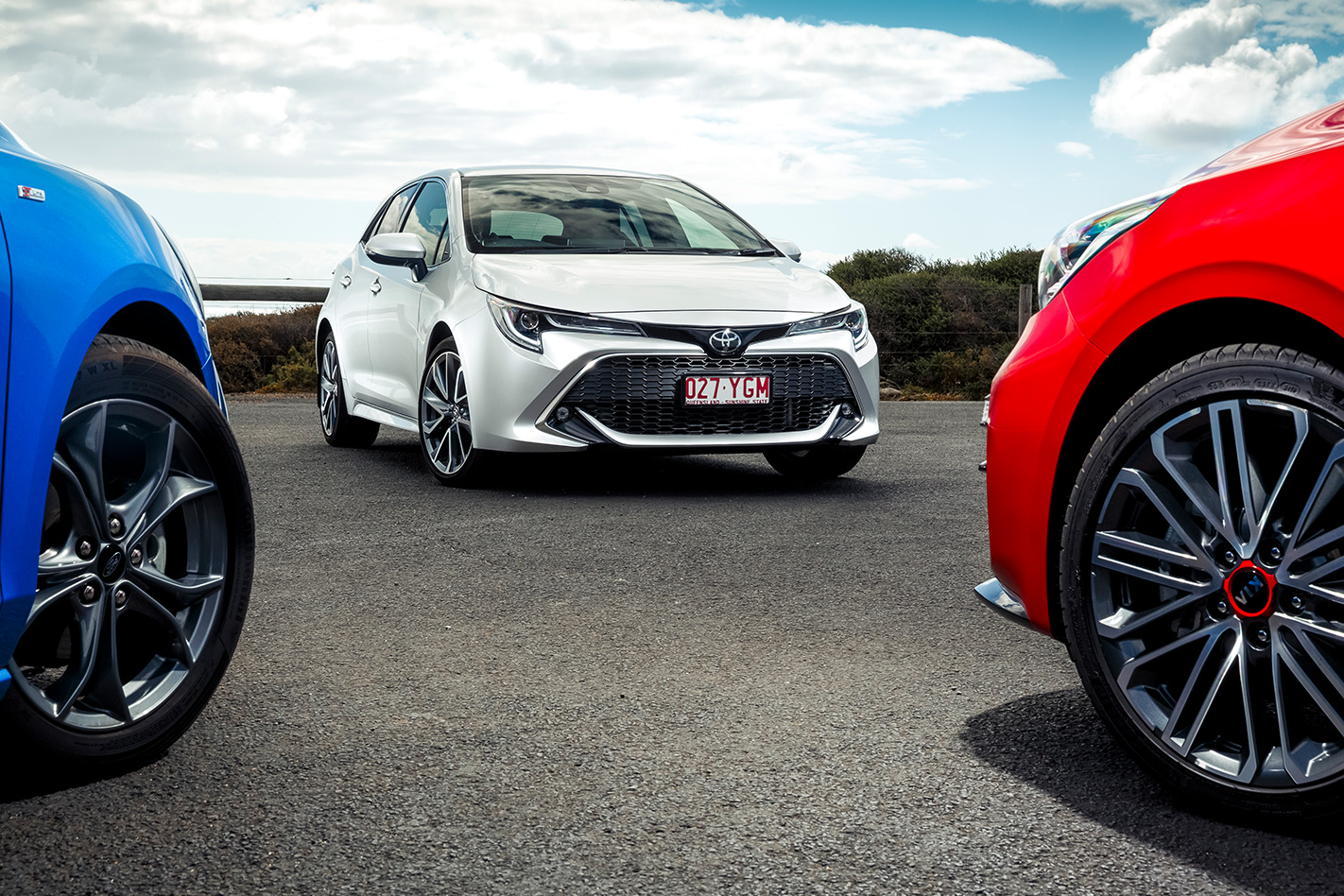
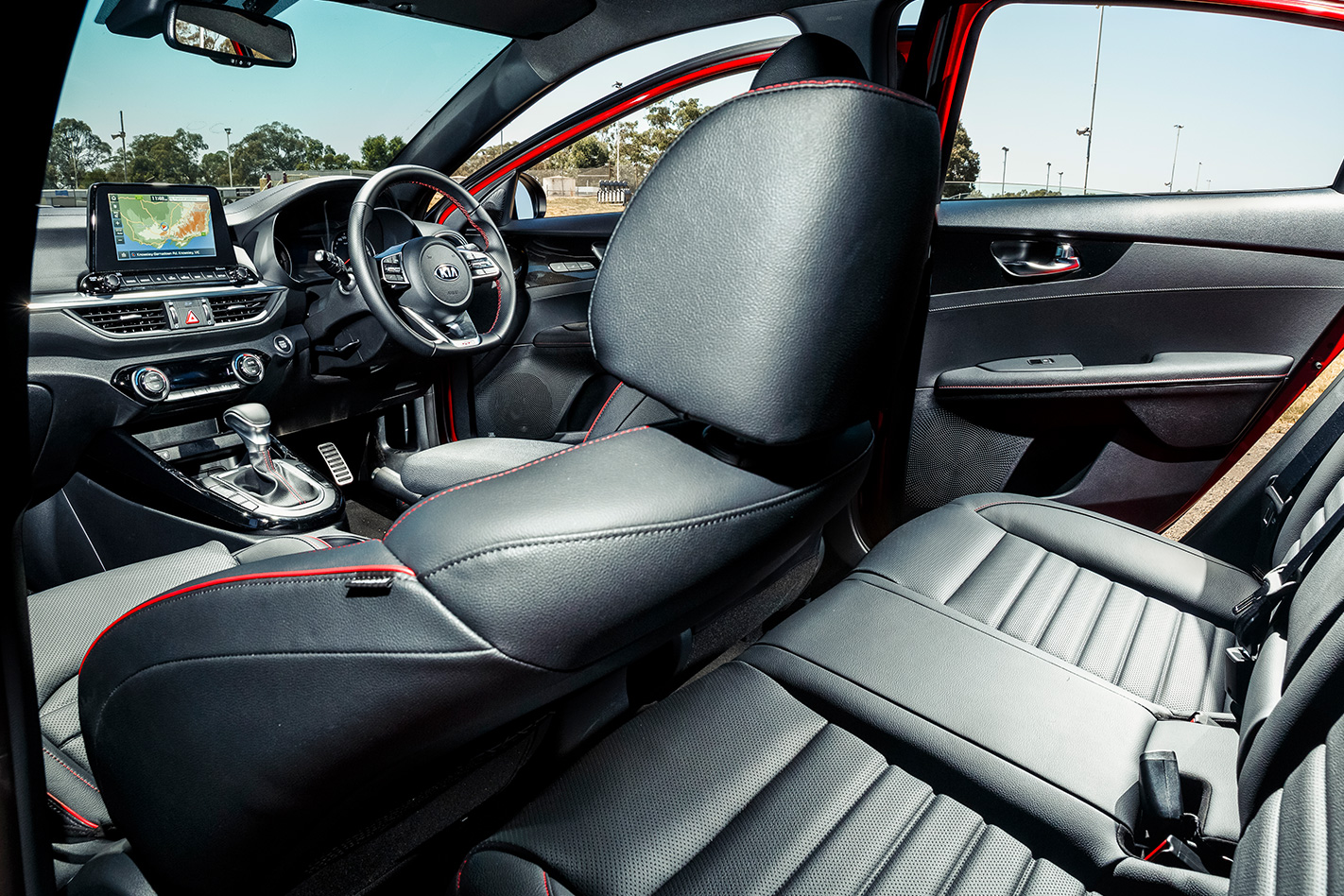
While three of the four are closely aligned for size, price and spec, the Kia stands out as the group’s largest, roomiest and best-equipped. More liftback than hatchback, the all-new body borders on medium-sized, liberating a decent amount of rear space as well as a long (if quite shallow) boot.
We’re big on the dashboard’s elegant symmetry, with its orderly layout, clean, crisp markings and pleasing design details. Drink in the turbine vents, for instance. Excellent ergonomics, tempting seats and a sense of airiness also help ensure an inviting driver’s environment. And behold the old-school manual handbrake! Dig down, though, and the plastics seem cheapest here. And on the move, the Kia’s seats aren’t quite as alluring, more of which later. The contrast from Cerato to i30 is telling, because the older Hyundai is more polished overall. Yes, the Germanic dash is derivative, but functionality remains first class It also employs classier materials and possesses a higher air of quality. Best all-round vision, firm but fine seating, lots of hidden storage, a smartly presented (and more elevated) rear row and a deep boot further lift N-Line above GT.
MORE: Toyota Corolla Specs, Range & Price
Speaking of rising up … how upmarket is the Corolla’s cabin? Granted, it’s the least roomy (although still sufficient), the low rear cushion is somewhat flat, rear vision is restricted, rear-seat storage is poor and the boot is comically small, but the ZR does exude Lexus-lite ambience.
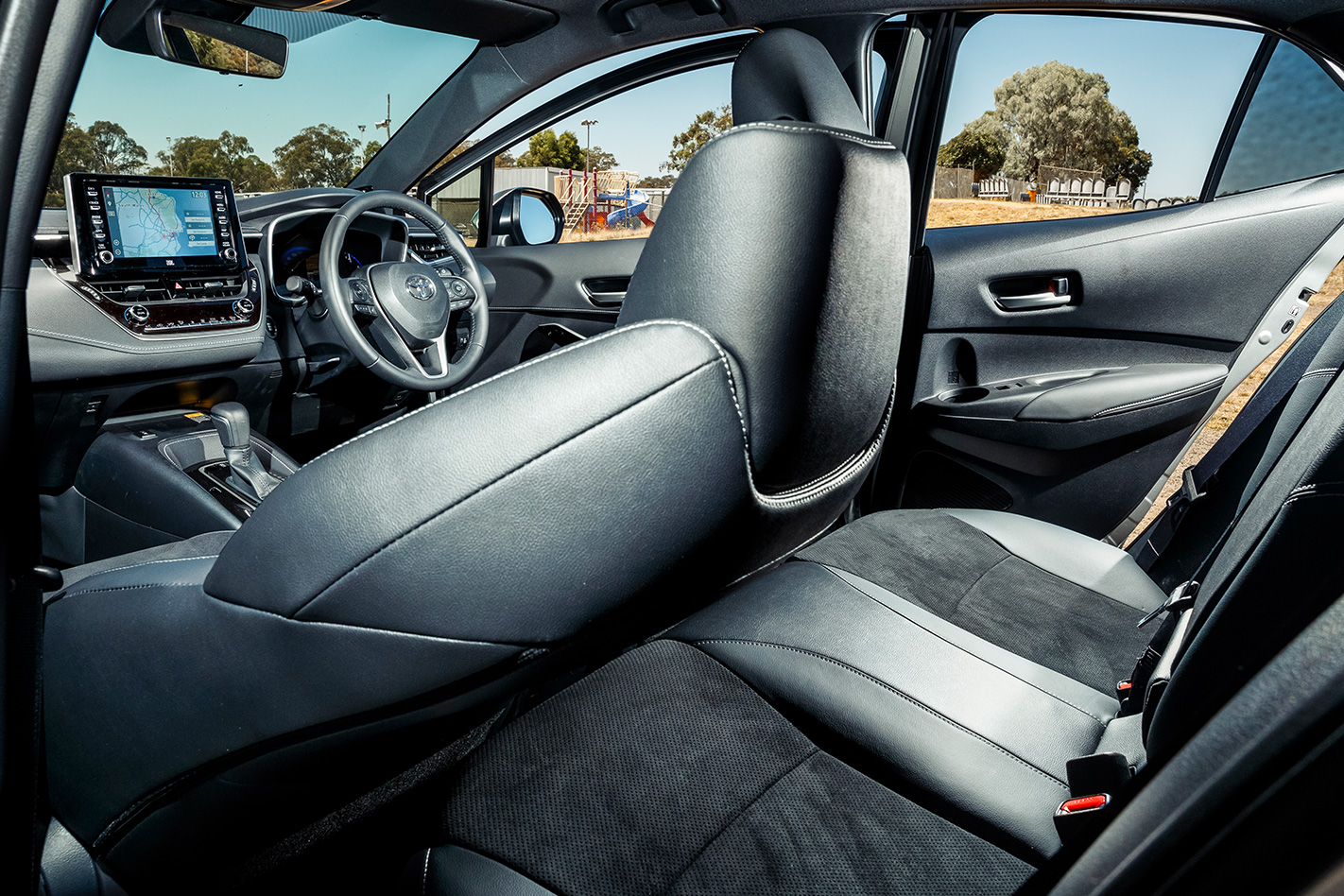
The dash boasts modernist minimalism, tactile switchgear, solidity and quality. Throw in gorgeous tombstone buckets that envelope and support, and it’s a relaxing place to be.
In stark contrast, the Focus will have to fight to win over customers on the showroom floor, due to a cabin that looks and feels like it was created to take on competitors (albeit German ones) from the segment below. Other shocks are a back seat with no centre armrest, missing rear vents and some unsightly plastics, which contrast with some desirable details elsewhere. While the previous model’s interior was overbearing, this is underwhelming. It only looks great at night, thanks to some deft LED downlighting.
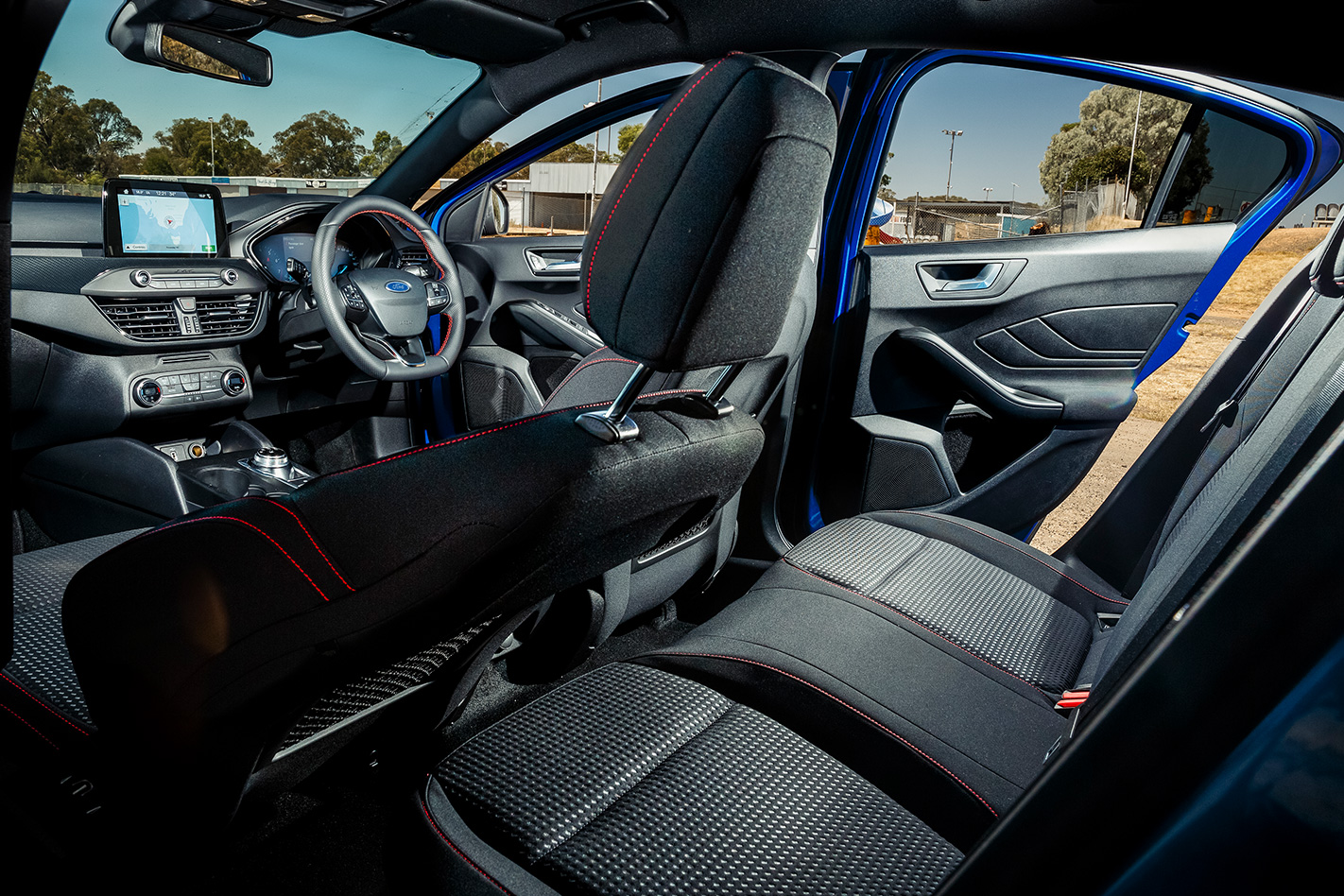
And yet, beneath the already-dated simplicity of the fascia are some unexpected accomplishments from a comfort and interaction perspective. Sound control placement helps build a brilliant driving position, the clarity of instrumentation rivals the Cerato’s, ventilation to all occupants is very effective due to massive central dash outlets, seat support is exemplary, vision out is fine, Ford’s SYNC3 multimedia is miles ahead of the others, the German build quality is up there and the boot is bountiful.
Still, when even Corolla scores a multi-link set-up, we’re sceptical of the Ford’s chances. Fewer cylinders, no manual gearbox, AWOL IRS, missing armrest for passengers to brace themselves … has the Blue Oval forgotten what made three generations of Focus the driver’s choice?
Over Henry Ford’s dead body, because the moment you push the start button, the Focus bursts into life and – over time – burrows under your skin. It’s just that type of car, and here’s why.
While it’s 16kW and 25Nm down on the hard-charging i30 and even rortier Cerato, the three-pot turbo engine’s lighter mass (which contributes to an 80kg-odd weight advantage) and tight-knit gearing means the ST-Line remains in sight of the Seoul sisters, leaping into action and punching forcefully up through the rev range with frenzied determination. All accompanied by a buzzy thrum that urges the driver to keep it on the boil.
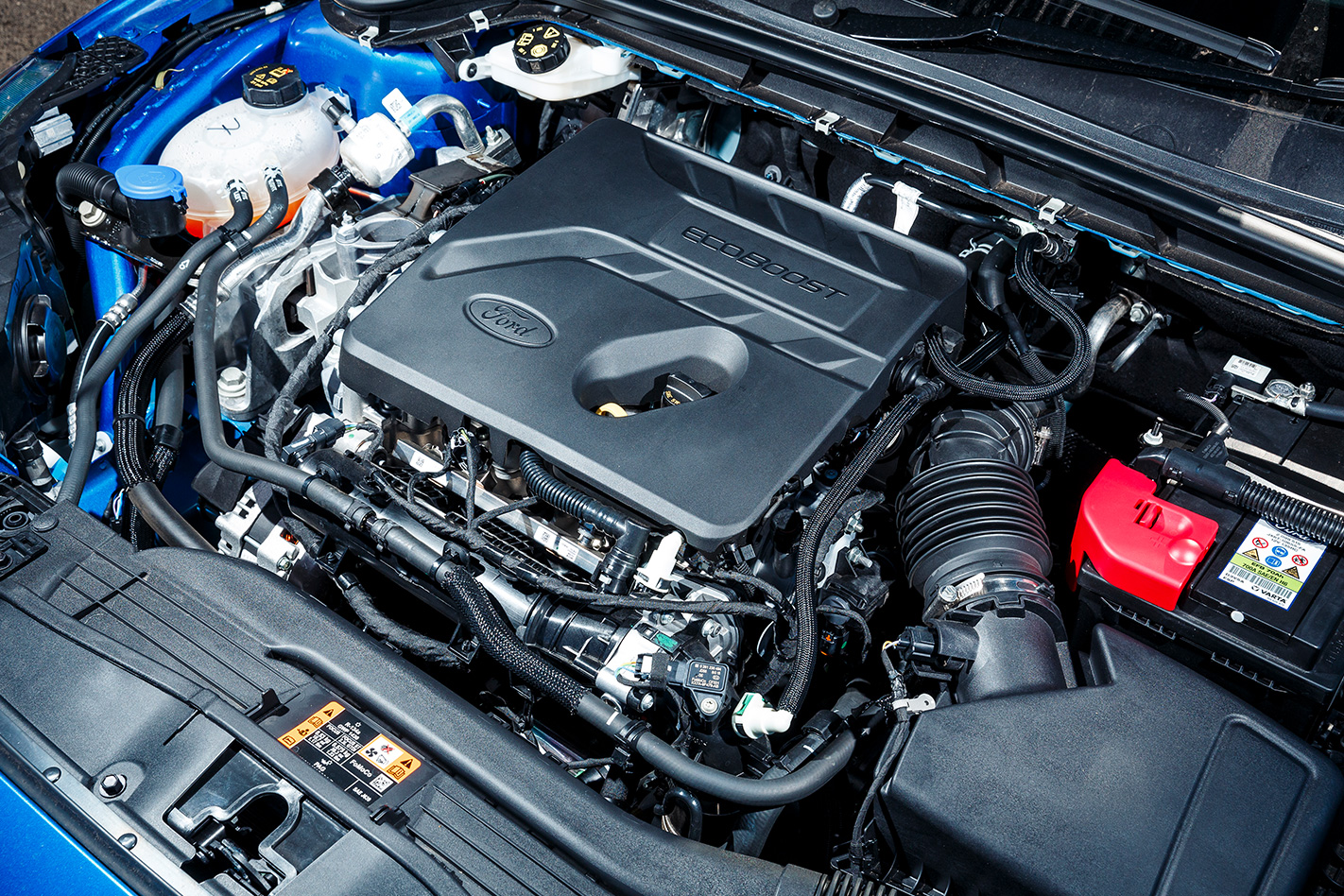
Inevitably, as fiery as it feels, the featherweight Ford’s lack of cubic inches means the Hyundai and Kia duo do pull away decisively. While there’s only 0.1s between ST and N-Line at 60km/h, the gap is 0.4s in favour of the rampant GT, extending to a 1.3s lead at 100km/h. There’s also a yawning 1.5s divide in the 80-120km/h increment. The flipside is a remarkable 7.5L/100km on test for Focus, against 8.5 and 8.9 for i30 and Cerato respectively.
Despite the latter’s lustier numbers, the N-Line’s power delivery is the smoothest and quietest here, even with the Kia’s fake induction gargle (which sounds as if the GT is running a lumpier cam) subdued. Yet their DCTs proved identically slick and quick, with comparatively imperceptible lag. And their ability to effortlessly surge ahead at speed is in a league of their own here.
So, where’s the Corolla in all this? Far behind, sadly. Maybe it was the searing heat, additional kilos or the Dunlop tyres’ extra grip, but our ZR’s numbers are half a second short of the Ascent Sport’s times, garnered in wintry conditions some months ago.
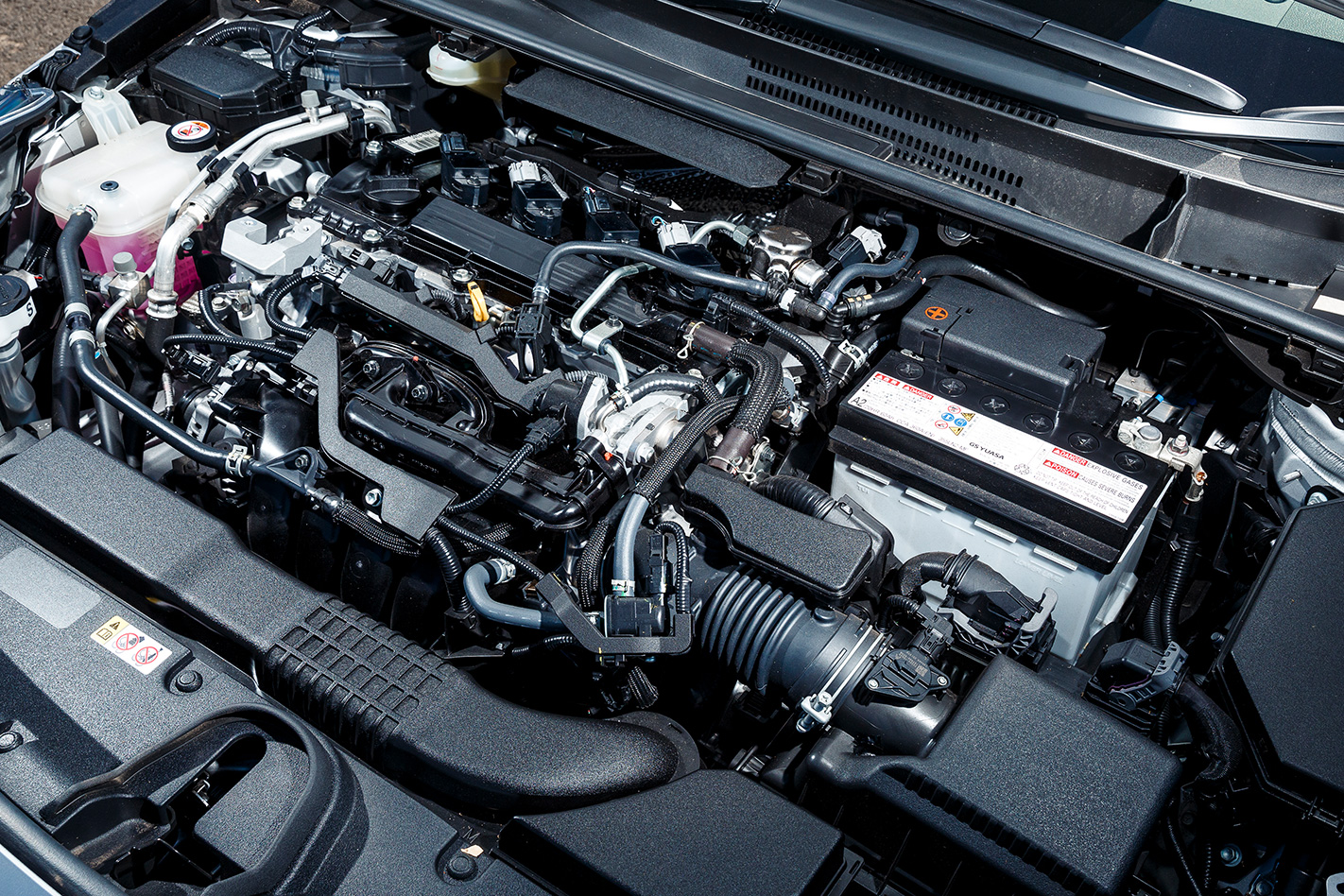
In isolation, with that torque-converter step-off gear in play, the Toyota feels lively off the mark, and can rely on the 2.0-litre’s hefty mid-range brawn and flexibility to keep things spirited. Only when mashing the throttle does the CVT’s elasticity become apparent, but it’s better than most, and responsive enough, especially in Sport mode. But in this company, the ZR straggled at every timed marker, and drank 10 percent more than the Focus.
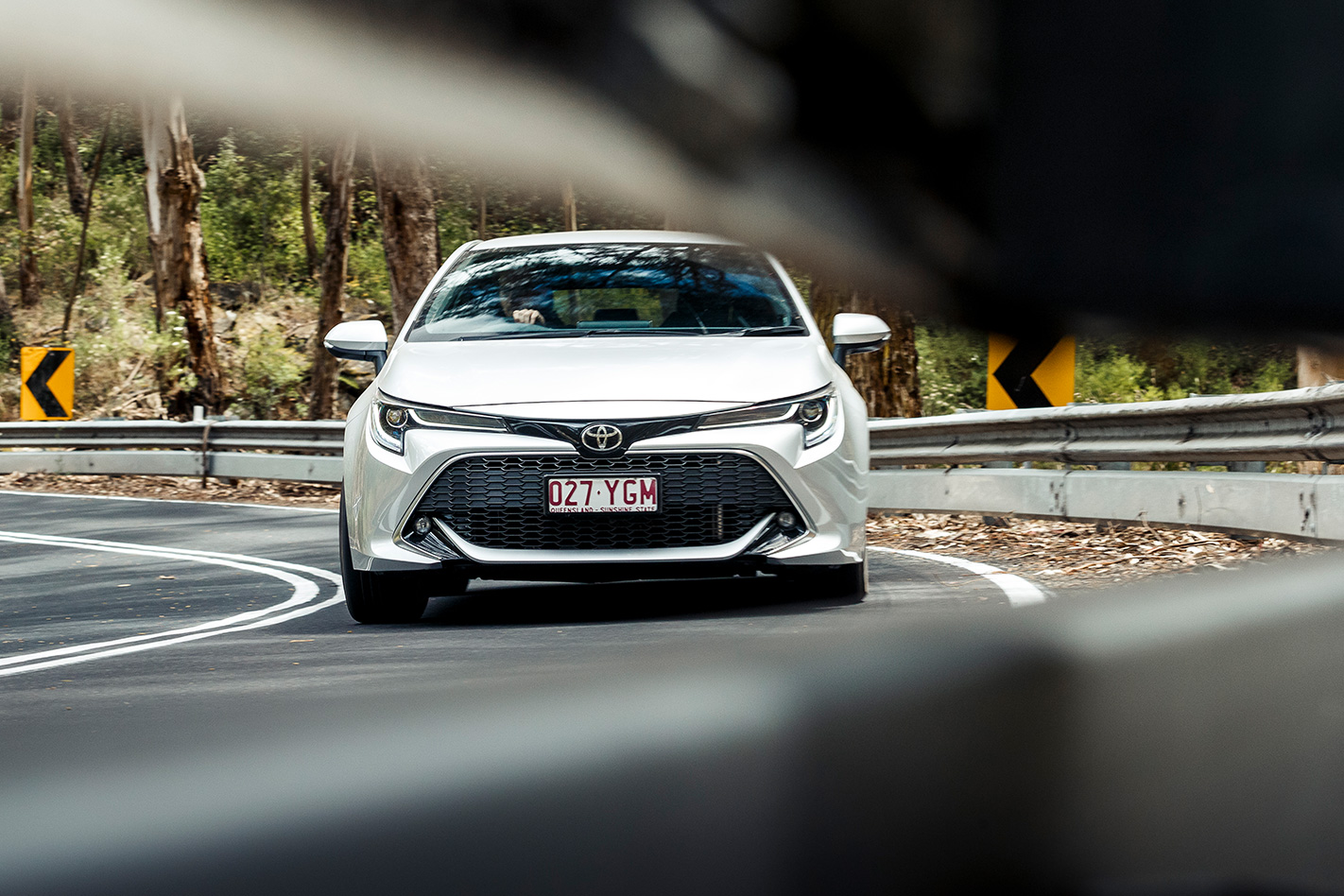
Where the Toyota starts to catch up is when the roads turn twisty, thanks to steering that, while light, provides measured feedback and feel, for confident roadholding. The driver can rely on the inherent balance to clip apexes with accuracy and control. Furthermore, the suspension’s sophisticated suppleness imbues it with the best ride quality here, smothering the rough stuff with almost French-car softness. An outstanding dynamic all-rounder.
Still, the Focus isn’t too far behind, despite its switch away from IRS. Keeping in mind that the Ford is wearing 215/50R17s compared to the others’ 225/40R18s, it, too, soaks up a broad array of rubbish surfaces, even at speed, without straying.
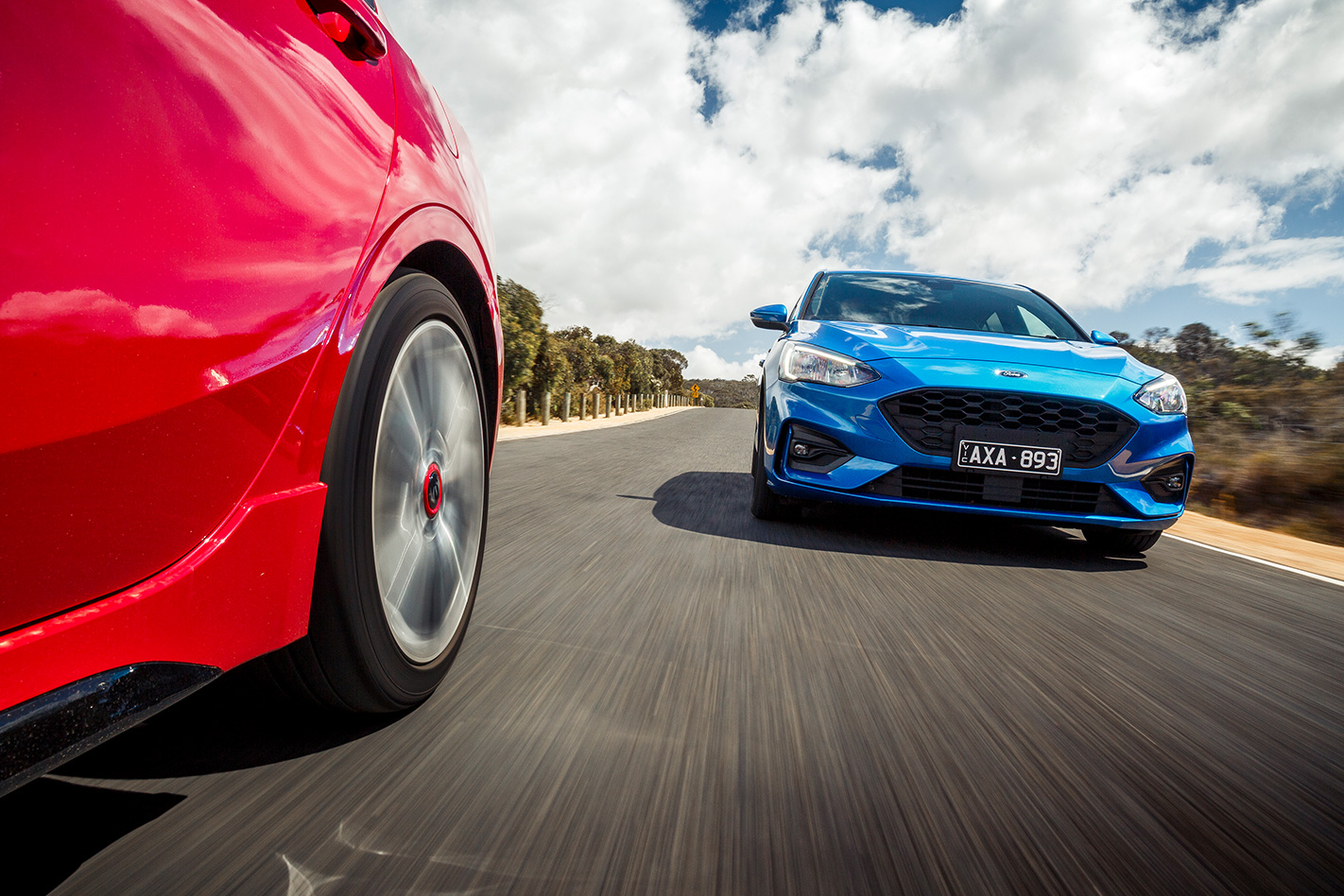
Where the ST-Line turns transformative is in the intimate ways it connects car with driver. Substantially lighter on its feet than the others, the helm is masterfully weighted for handling accuracy, backed up by incredibly planted, taut body control. Just like the underrated Peugeot 308, the Ford shrinks around its driver, carving through tight bends. Like a breath of fresh air, the heaviness of old has been replaced with astounding dynamic alacrity. Focus fans should exhale at this point.
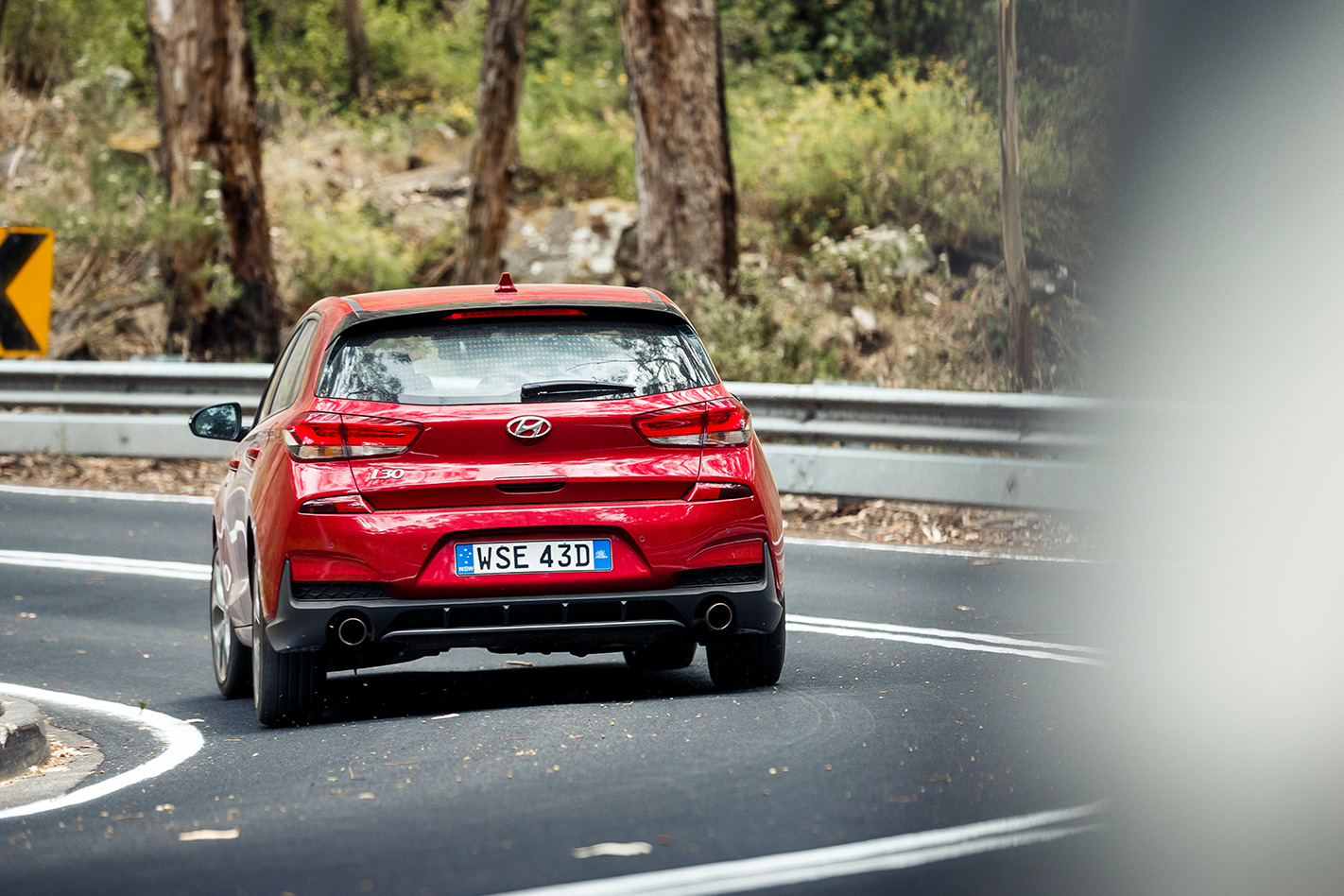
After the Ford, the i30 seems somewhat inert and artificial, with Sport mode merely adding unnecessary steering heft; we prefer Normal. Still, the N-Line offers linear and direct cornering responses, and outstanding grip. A keen driver can really have fun exploring the Hyundai’s outer limits safely. On the other hand, there’s rack rattle, while the firm ride – though commendably quiet – can become annoyingly busy.
Unfortunately, the Cerato fails to capitalise on its pricing, space and performance virtues with a dynamic tune that seems… incomplete. Fine on smooth roads at lower velocities, with a delightful level of steering liveliness, at speed that sharpness turns to nervousness, requiring a second and even third bite through tighter turns. The safety systems are also prone to interfering. Furthermore, the GT’s already agitated ride can deteriorate dramatically. Okay on benign streets, when bumps come into play, you’ll feel like your butt is translating Morse code. More compliance, please.
Ultimately, the Cerato comes fourth rather than last, as it brings a welcome, rowdy character to go with its prodigious performance. Rough around the edges, the GT oozes spunk.
The Kia’s weaknesses are the Corolla’s strengths, and vice-versa, with the ZR crying out for more oomph. A sporty hatch needs some sizzle to go with the steak. Toyota fails to deliver.
Solid consistency is the i30’s greatest strength, barely putting a foot wrong. Yet while it avoids the lows, the N-Line never hits the highs; silken powertrain aside. Easy to love in a platonic way, hard to lust over. So close, Hyundai.
Nobody expected the Focus to step up after its IRS loss and underwhelming interior presentation. But the ST-Line’s progressive powertrain delights, its dynamics thrill and soothe in equal measure, and the cabin actually works brilliantly.
Ford set out to challenge the class best with a clean-sheet rethink and, in ST-Line at least, it has succeeded, respecting its proud legacy, as well as Aussies’ love of sports of all kinds.
Remember the Subaru Brumby? The ubiquitous, seemingly indestructible little styleside ute was sold here from the mid-1980s until about 1994, but there hasn’t been a compact pick-up to replicate it since. Okay, the essentially identical Proton Jumbuck tried and failed to fill the gap, while slowly and surely the larger dual-cab commercial pick-up crept in and took our market by storm.
But just because big utes are gussied up with leather trim and big alloys, it doesn’t change the fact that they are still merely a commercial vehicle dusted with a veneer of civility. With high centres of gravity and agricultural steering, not to mention their sheer size, a dual-cab ute really isn’t the ideal suburban load lugger.
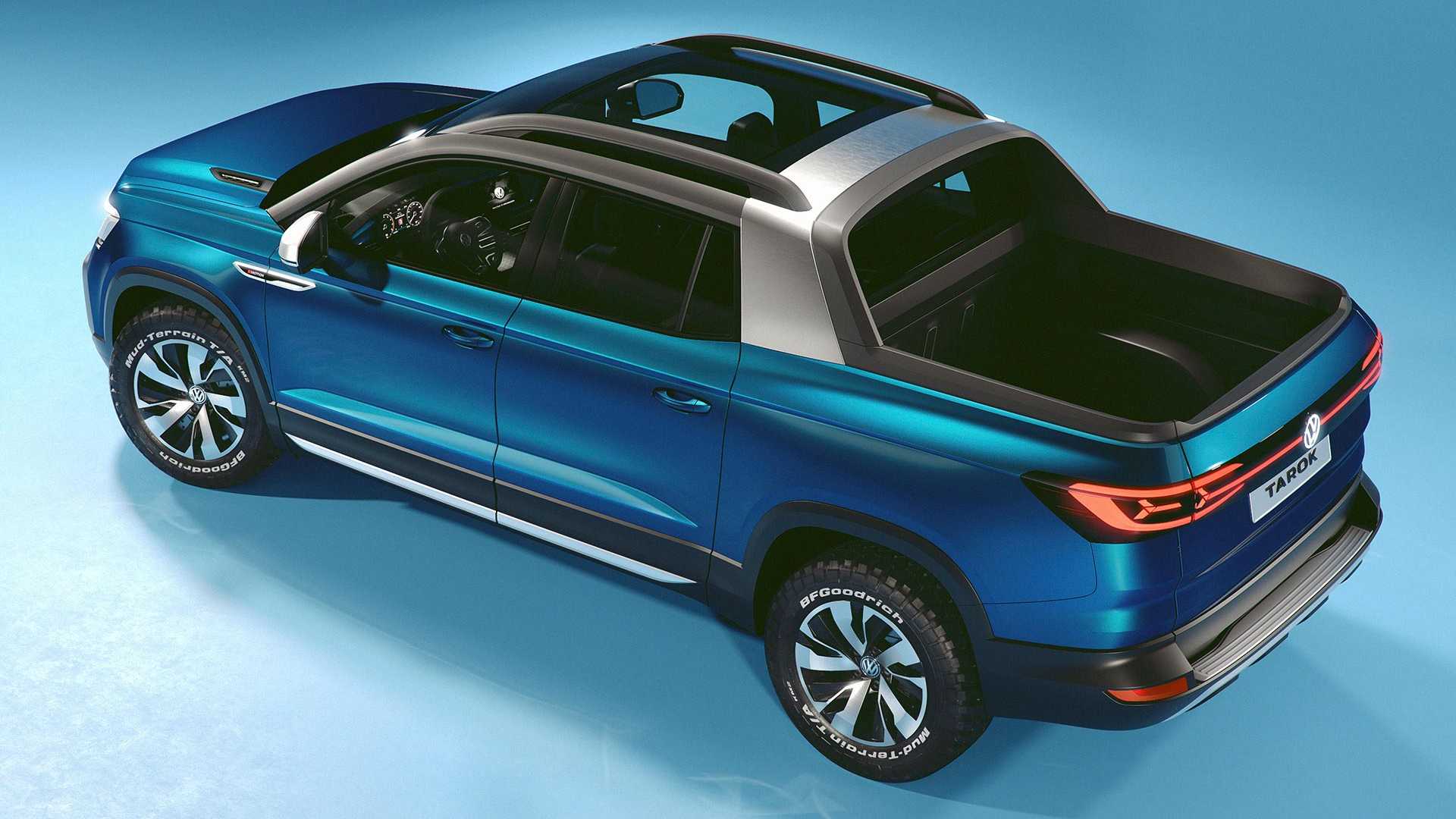
The Tarok, though, shines a very bright light on a potential replacement for the much-loved Brumby. Designed primarily for South American markets like Brazil, where small utes are still very popular, showing the Tarok concept to New York was quite the bold move by Volkswagen, which is in the midst of ramping up its electric credentials at a rate of knots.
Built on top of its widely-used MQB platform, which underpins everything from the Golf to the Tiguan to the Polo to the incoming T-Roc and T-Cross, the Tarok concept sported a 1.4-litre four-cylinder engine – not a hybrid system nor electric motor in sight – and that interior isn’t concept-like at all.
What it looks is affordable, and an affordable small ute – say, $30,000 – could find a foothold with customers keen on the lifestyle aspects that a ute brings but who are also keen to retain more car-like handling and parking attributes.
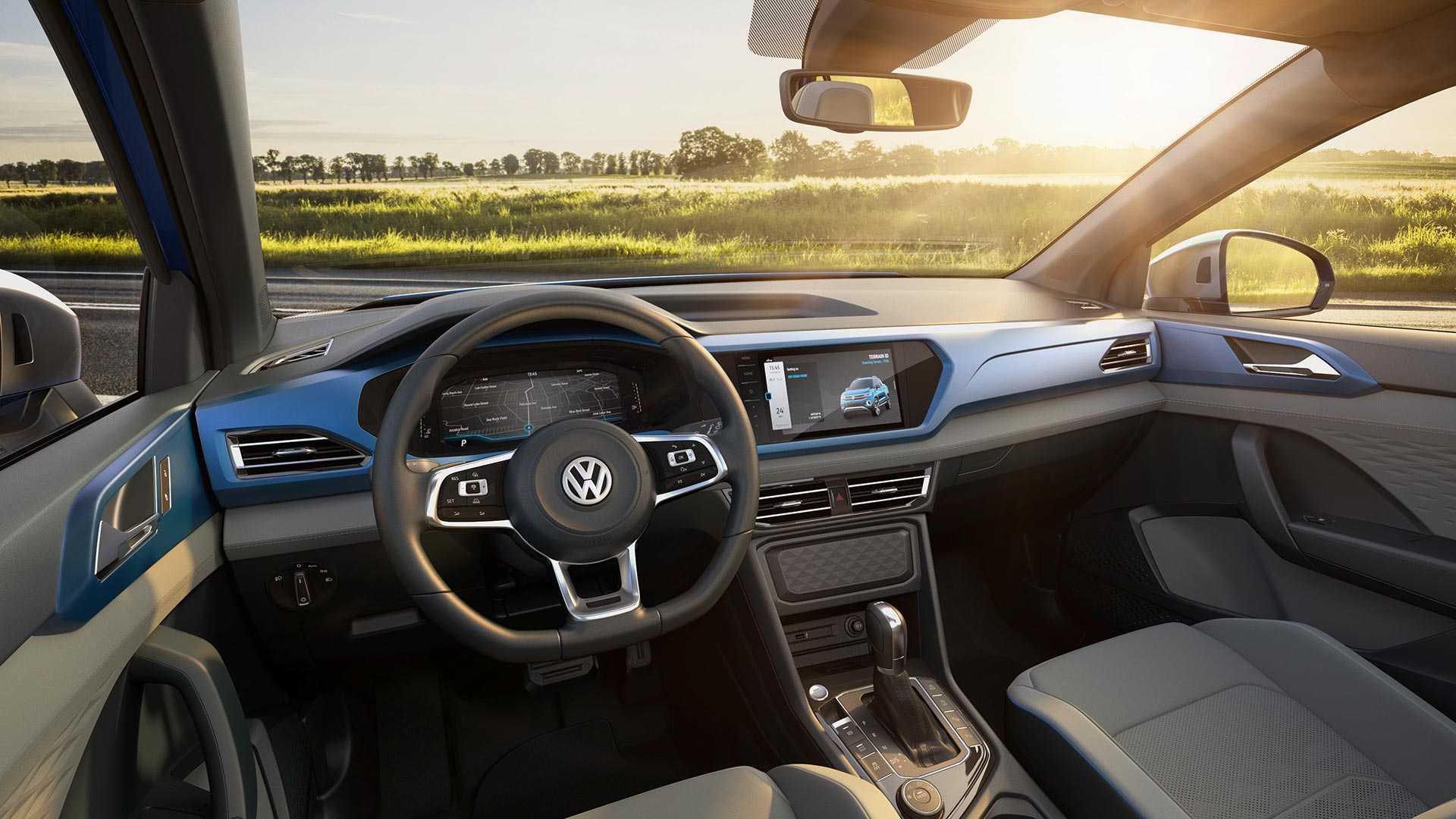
What it also has is a clever design. The five-seat, four-door ute is a shade under five metres long – about 700mm longer than a Volkswagen Golf and 600mm longer than the Brumby, but 350mm shorter than an Amarok – while a folding panel on the back of the cabin and folding rear seats means that the ute bed can extend to more than 1.8m long. An Amarok dual-cab’s tray is just 1490mm long.
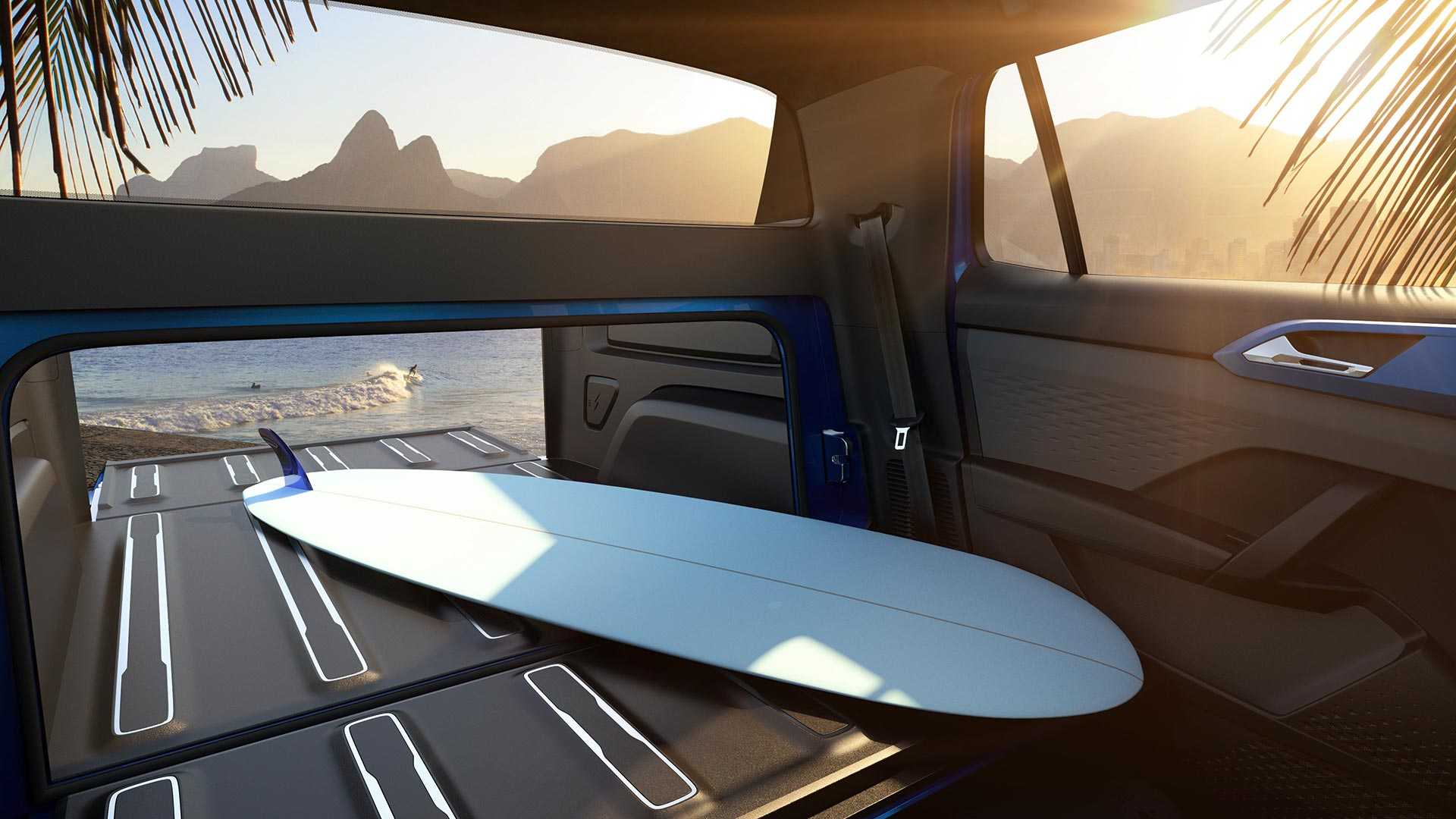
It also sports short overhangs, an interior treatment that mimics that of VW’s passenger cars and a definite off-road vibe – and it’s the rough-and-ready demeanour that will win hearts in markets like the US and potentially Australia.
The big fly in the ointment is that the Tarok is left-hand-drive only at the moment… but the MQB platform means that a switch to right-hook isn’t off the cards should a business case be put forward.
Don’t forget, too, that VW is moving away from the commercial ute-based Amarok, favouring a share deal with Ford’s next-gen Ranger instead. Local Amarok customers, too, have a taste for the finer things with the expensive V6 making up the vast majority of its sales, leaving a distinct hole in a crucial price point.
Could the Tarok become the next Brumby? It’s a long shot, but I have a feeling about this one…
An abnormally polite nuclear weapon. A velvet-wrapped asteroid smashing into the Earth. No wait, a bear wearing a dinner suit.”
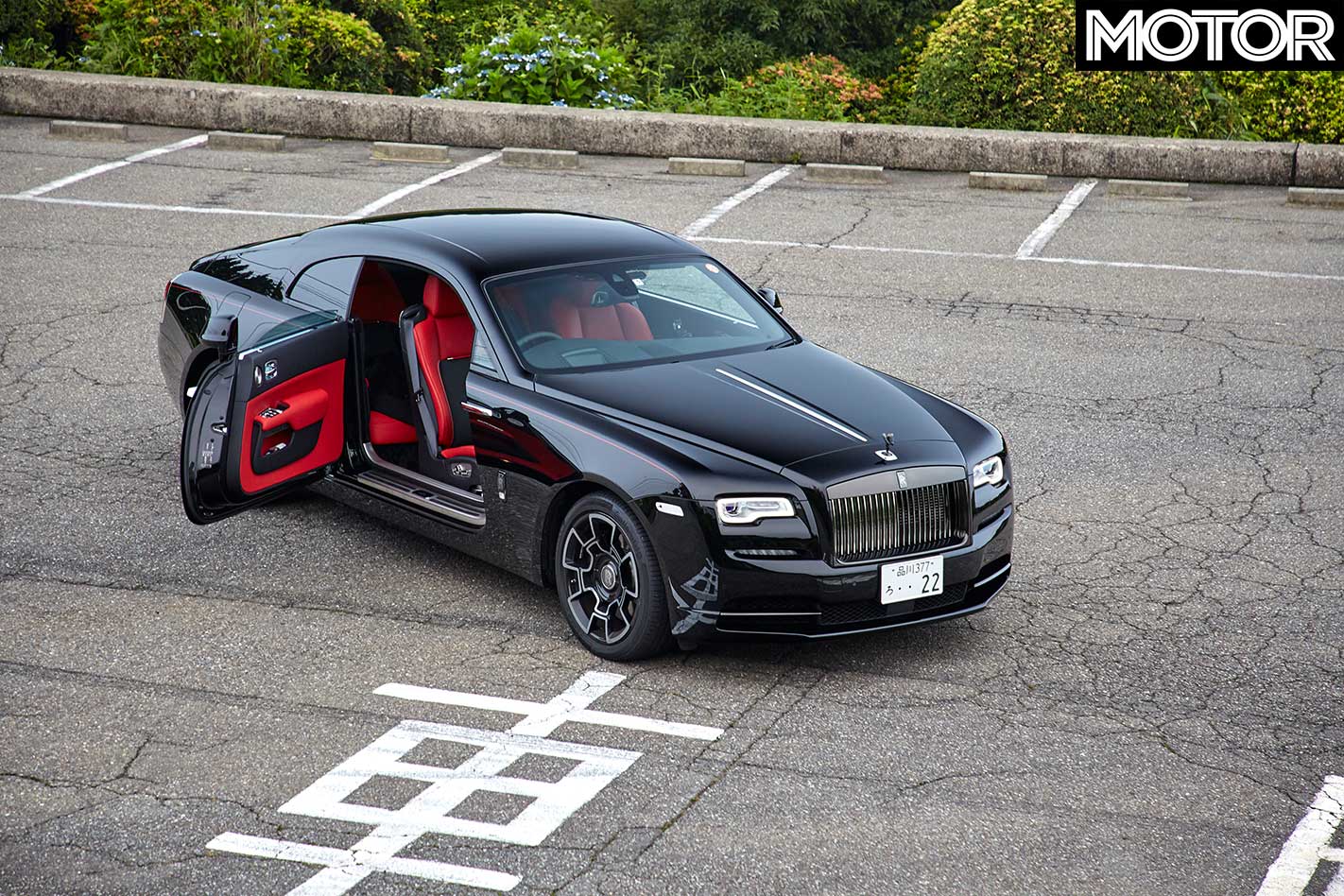
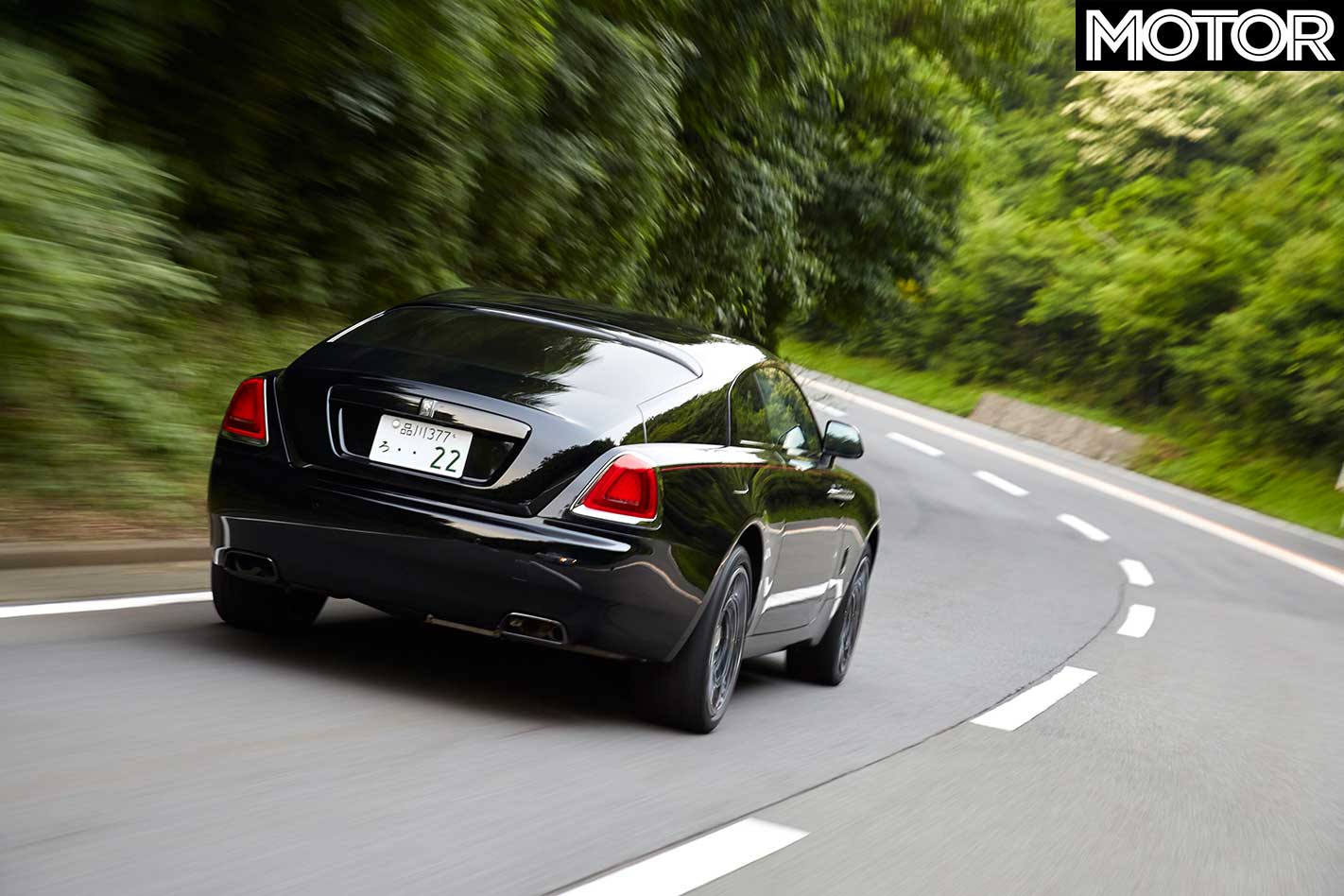
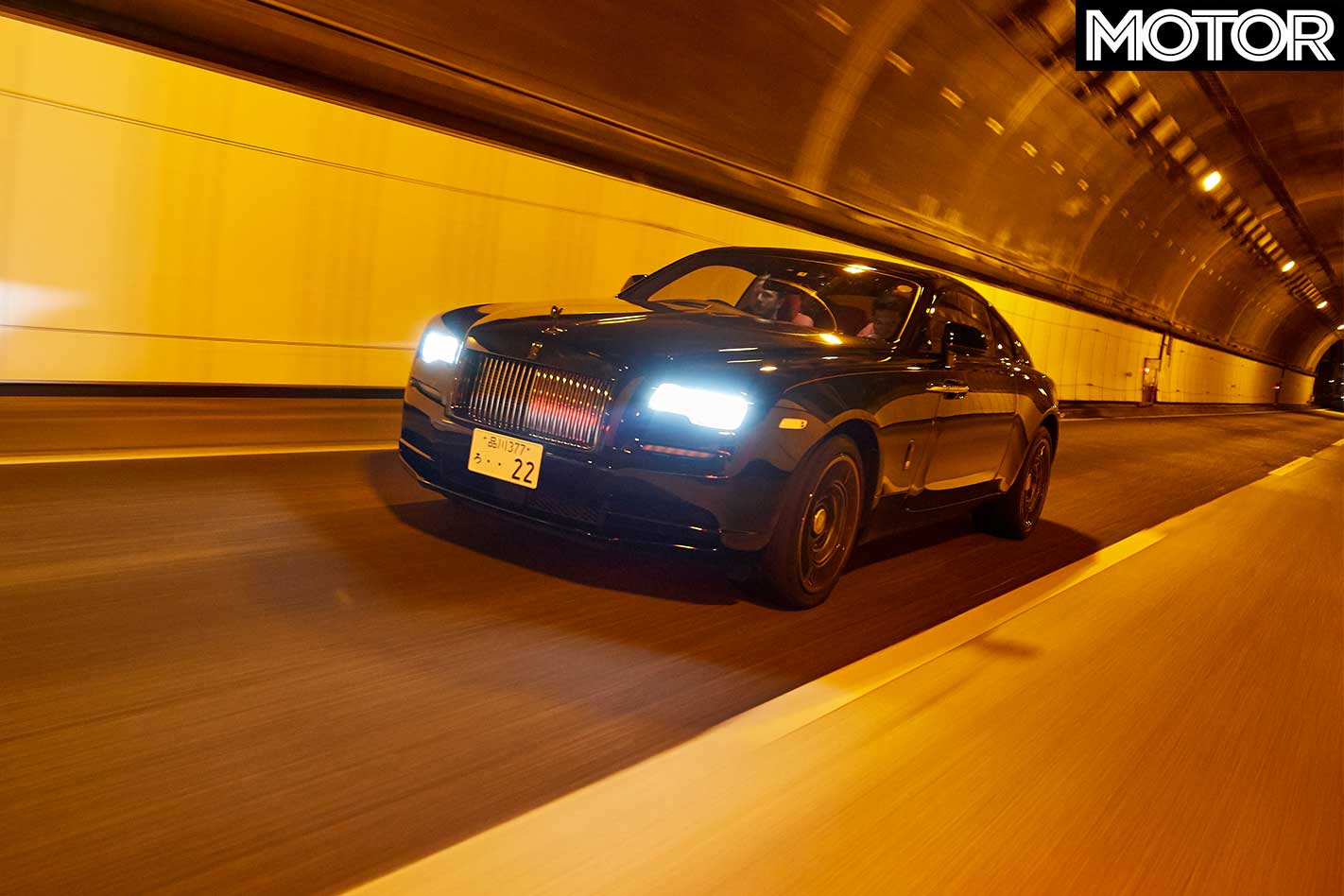
Pushing – really pushing – a 2.5-tonne 2019 Rolls-Royce Wraith Black Badge up one of Tokyo’s most iconic mountain roads, all 12 cylinders charging hard as the smell of brakes now cooked past the point of medium-rare and fast approaching well-done wafts into the usually sweet-scented cabin, does strange, warping things to your mind.
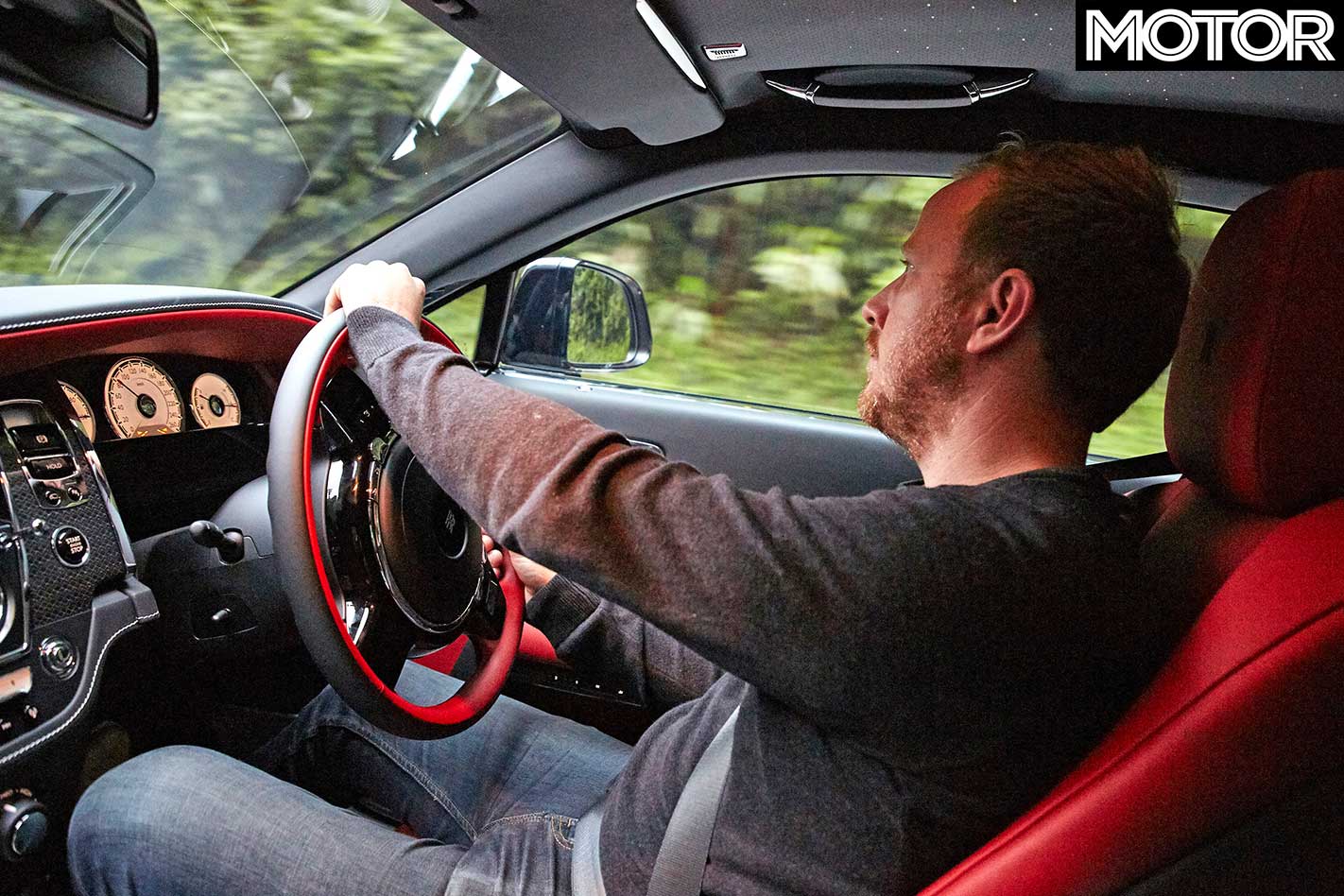
Imagine sitting in a plush hotel suite that suddenly and unexpectedly launches into space, for example, or relaxing in a leather-soaked cigar lounge that’s suddenly fired from a cannon. The speed of the scenery whipping past the windows tells you that you’re definitely moving at a substantial clip, but there’s still a sensible part of your brain that insists that what’s happening simply isn’t possible.
And so my scrawled notes of the experience are less a considered insight and more the kind of insane ramblings of someone who might live in a sealed bunker. Which is why we’re left with… a bear wearing a dinner suit.
The truth is, though, it really is like a black-tie bear, all angry and bristling intent hidden beneath an acreage of hand-polished paint and soft leather. Because this is a Roller unlike any to have rolled before it.
Money has changed, you see. Or more specifically, the kinds of people with enough money to buy a Rolls-Royce have changed. Where once they were the captains of industry, royals and the old-money rich, the target market has now shifted. Annoyingly, it’s gotten much, much younger.
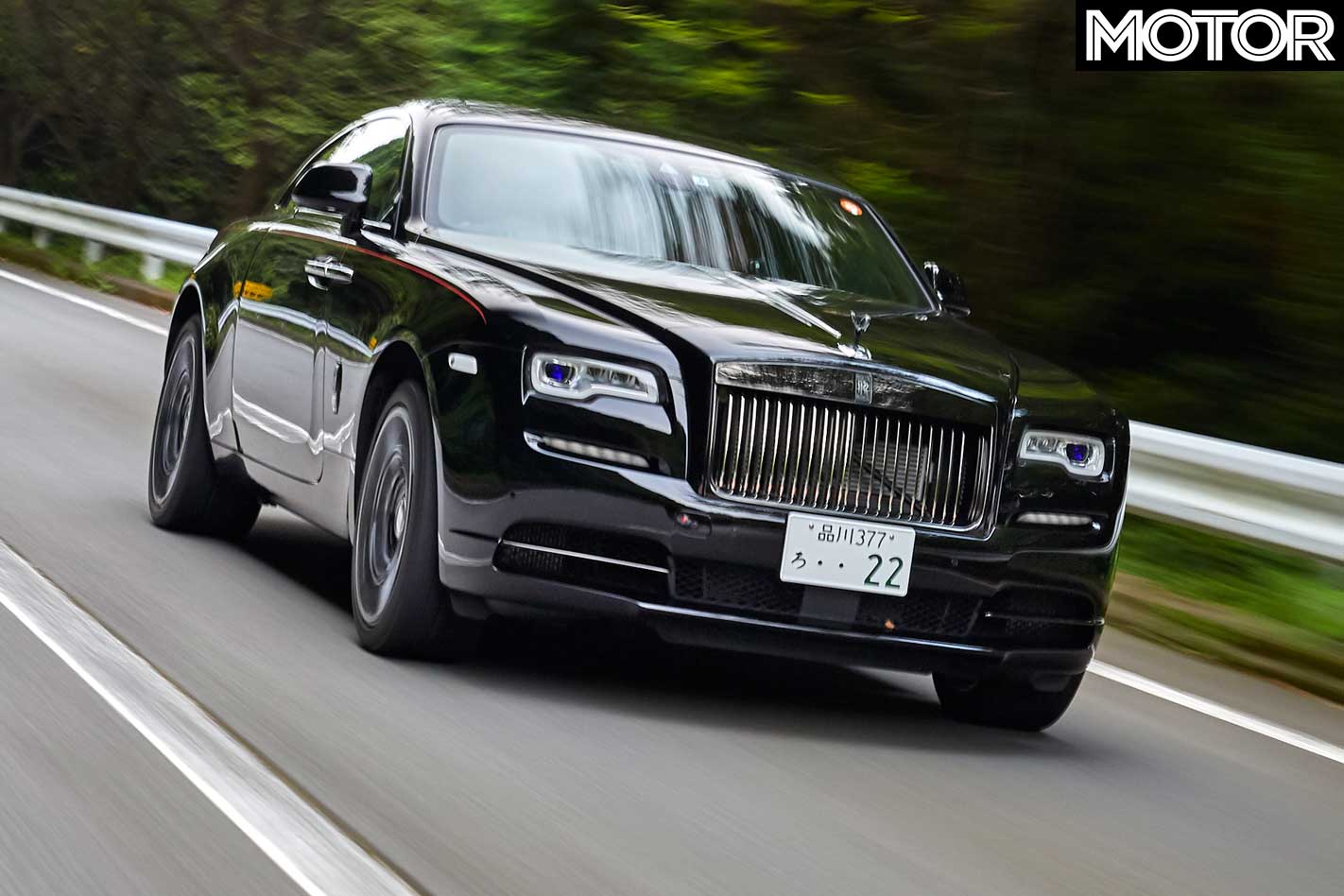
Silicon Valley types (and not just Zuckerberg – the number of 20-year-old billionaires is genuinely unbelievable. Google it if you want to feel like a failure) has forced Rolls into targeting a new demographic, one that’s less interested in being chauffeured and more interested in driving themselves. And the Wraith Black Badge is the car for them.
For one, the Wraith doesn’t even have rear doors, and it’s hard to imagine someone with serious money being willing to climb awkwardly past their driver’s folded-forward seat into the back. Plus, the already prodigious power has received an entirely unnecessary boost, with that glorious V12 engine now making 465kW and a lofty 870Nm. Which is sufficient…
The silky smooth eight-speed gearbox has changed, too, with the Black Badge now more willing to cling to gears when being driven in anger, revving all the way to a particularly uncouth 6000rpm when you flatten your Louis Vuitton loafer.
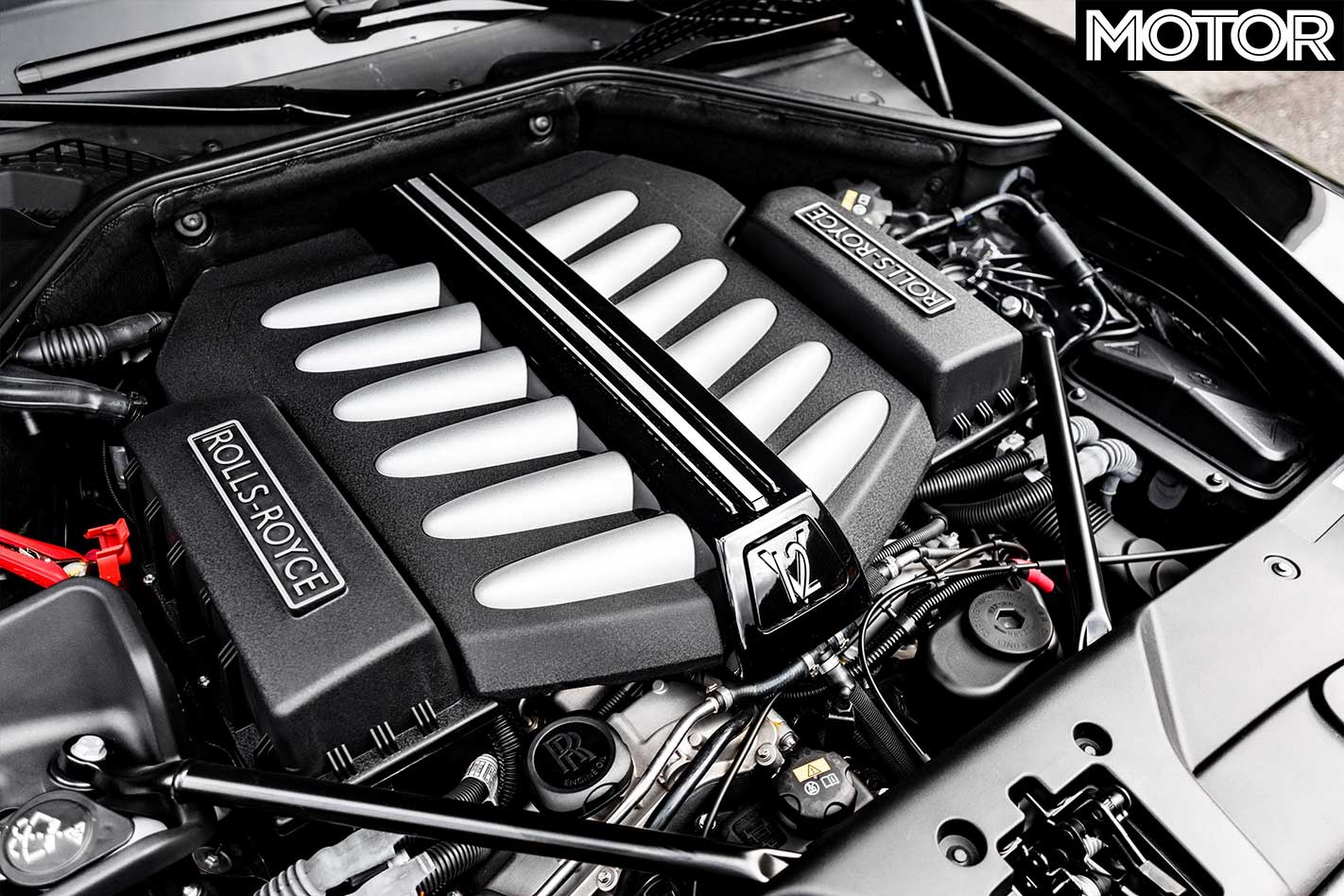
Perhaps most shockingly of all, though, the air suspension has been firmed up, injecting some of the much-needed stiffness required when something that weighs 2.4 tonnes and stretches more than 5.3 metres attacks a mountain road. And that’s a very big deal for a company that’s built an entire brand image around its pillow-soft wafting ride.
While pure speed isn’t the end-game here, the Black Badge is no slouch. The charge to 100km/h takes just 4.5 seconds, and this performance-fettled Wraith will push on to a limited top speed of 250km/h. That’s laws of physics-bending performance for something this big.
The point is, there’s a first-man-on-the-moon quality to experiencing this Roller at full noise, instead of watching one waft past, well-heeled owners cocooned in the backseat, barely distinguishable behind tinted windows so dark it’s like they’re made from anti-matter.
It’s vaguely poetic, then, that we should be piloting the kind of Rolls-Royce that’s never been seen before in search of something we may never see again. We’re looking for Tokyo’s famed street racers. And things aren’t going well.
If you were approaching driving age about the same time Will Smith was recklessly shaking rooms, you’ll have a very different idea of Japan’s car culture to the young people of today. Way back before the beige wave of efficiency and safety washed over Australia, Japan was famed – the world over – for making some of the planet’s coolest cars. Not the fastest. Not the most powerful. The coolest.
Kids saved for genuinely attainable cars like a Silvia, Integra or Supra. JDM was a buzzword, a rotary engine was still a thing, and Godzilla had emerged from Japanese waters to lay waste at Mount Panorama, the echo of a million Aussie hearts breaking washing over the area around Bathurst like the fallout from an atomic bomb.
And anyone with even a passing interest in cars gazed upon Japan’s car culture, and its endless sub-cultures, with huge envy. The internet wasn’t yet a thing and social media was still years off. So we were left with brief dispatches from people who had been there to see it; snippets of information, printed photos and videos of car meets and midnight speed runs, all of which painted a picture of unique automotive awesomeness.
Stories like Wangan Midnight (named for Tokyo’s Bayshore area) spun tales of late-night street races in the tunnels and freeways that ring Tokyo, becoming the epicentre for car culture. Additionally, the Initial D comics and then video games immortalised roads like the epic Hakone Turnpike.
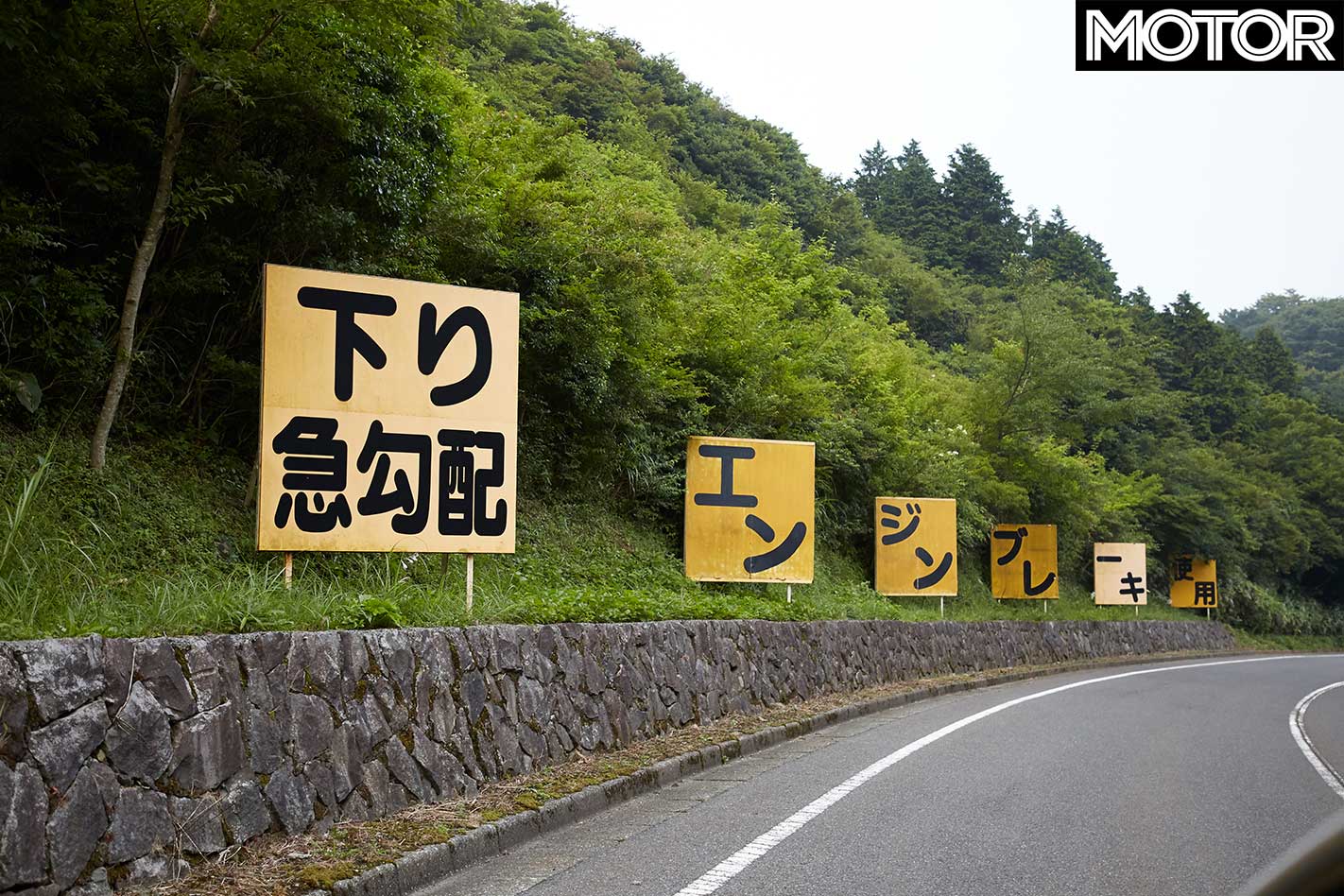
But then… something happened. Those fabled automotive nameplates were retired, and replaced with things barely capable of stirring a cup of tea, let alone your heart. Worse still, young people in Japan – like just about everywhere else not called Italy – stopped caring about driving. They started getting their licences later, if at all, and a car was at the bottom of a long list of things on which to spend their money.
By 2013, a national survey found that, for 70 per cent of drivers in their 20s, the most important element of choosing a new car was cost. That would have been unthinkable even 10 years ago. Meanwhile, the entire new-car market was shrinking, from 7.7 million cars in 1990 to 4.4 million by 2014.
Depressingly, another major survey found the number of young men who even wanted a car dropped from 48 per cent in 2000 to 25 per cent by 2007. More scary numbers; there are now less than half the number of drivers under 30 than there were in 1993.
And so the culture slowed. And then slowed some more. A friend of mine who moved to Japan with the intention of joining a car club he’d read so much about (which he did) and then spent years hosting Initial D tours (which he still does), puts it bluntly.
“Those clubs still exist, but the people in them are mostly the same members from 20 years ago. They’re in their 50s and 60s now, and they’ve become more social clubs than driving clubs,” he says. “There are sill meetings at the weekend, but everyone is older. Japan is like everywhere else in the world; young people just don’t care about driving like they used to.”
It’s prophetic, then, that the Hakone Turnpike – a stretch of the most perfectly preserved tarmac, serving up endless twists and turns that carry you toward Mount Fuji, and with more equally awesome driving roads spearing off it like an octopus’s tentacles – is empty when we arrive. Really empty; in the repeated runs we carried out, we saw one other car – one of those box-shaped oddities that dot Japan’s roadways.
So our search continues, carrying us below the beating heart of the city, through the vast tunnel network that flows beneath the surface streets. This is Mid Night Club territory, a famed group of street racers that would turn these tunnels into impromptu drag strips throughout the 1990s. Entry was strictly limited to cars with a top speed of 250km/h or higher, meaning our Rolls-Royce Wraith Black Badge would just make the cut. That speed bit was important; police cars were limited to 180km/h, and so catching a flying racer was virtually impossible. As long as the roads were straight.
But tonight the tunnels are empty, save some slow-moving traffic doggedly sticking to the prescribed speed limit. Our search must continue, and there’s only one place left to look.
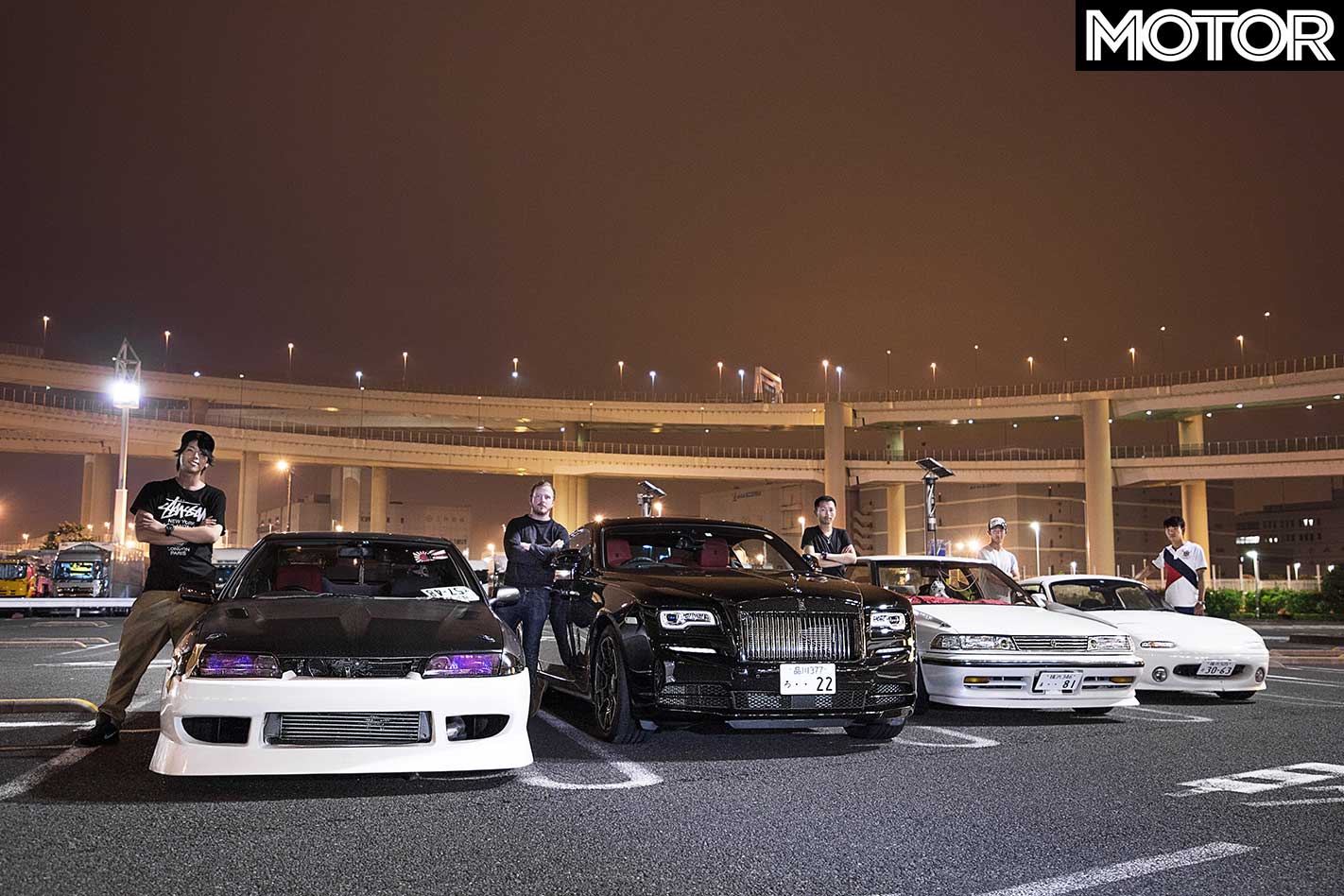
It has just gone 11pm when we finally find them, huddled over a row of tuned rides, the red glow from their cigarette tips bouncing off the kind of dented and battle-scarred paintwork that proves the drifting learning curve can be plenty sharp.
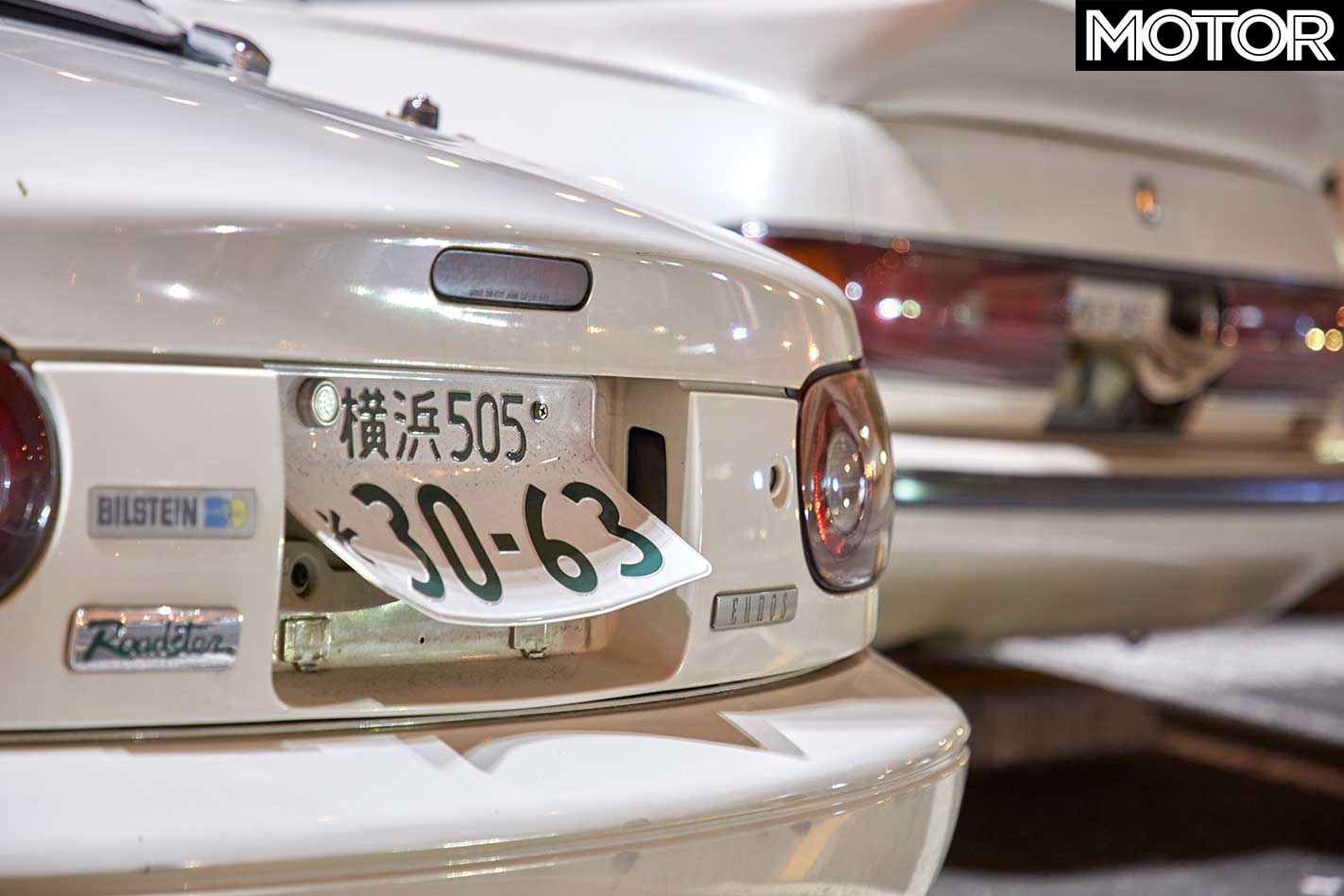
They’re in their early 20s, and standing behind the still-burbling exhaust of an R32 Skyline, Toyota MkII and a first-generation MX-5. They’re street racers, no doubt; their rear plates are bent skyward like they’ve been caught in rising flood waters, a trick to foil the speed cameras.
But besides these three young dudes driving cars almost as old as they are, Tokyo’s infamous Daikoku Parking Area is empty. Weird for a Thursday night, and weirder still considering we’re standing in the spiritual home of Tokyo’s car counter-culture.
“When we were in junior high, about 14 years old, we really looked up to the street racers who were in their 20s, and we decided we wanted to work and save up money and buy our own cars so we could be racers, too,” one of the boys, who chooses to remain anonymous, tells me.
“But compared to 10 years ago, the scene has died down quite a lot. It’s not the police. We can escape them. It’s just that we’re the only ones who are interested now.”
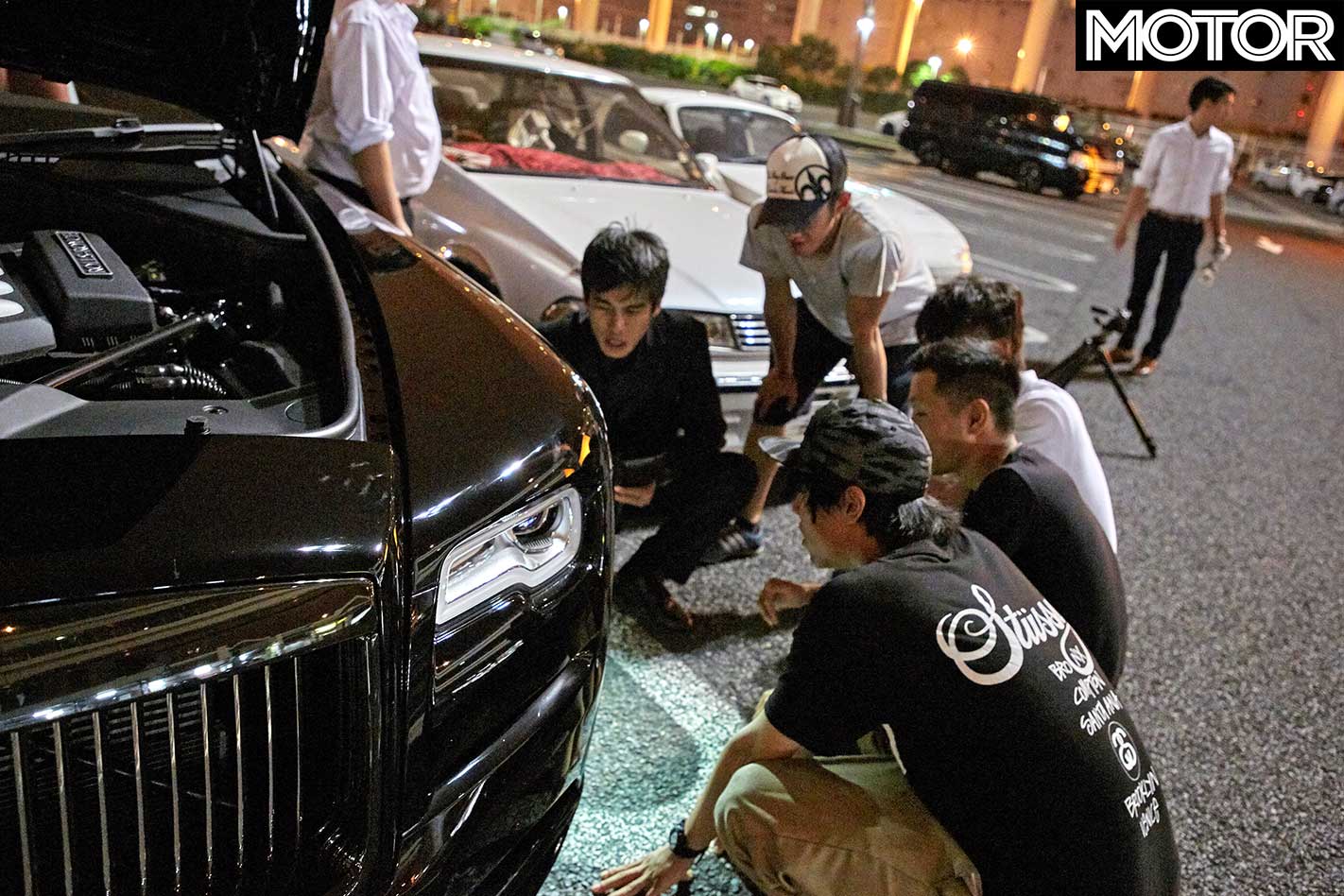
And so a search that began as the sun set over the Hakone Turnpike is at last over, and as we’re talking, more and more cars arrive. A 911 Turbo, a C63 AMG, a stunning Ferrari 360 Scuderia join the ostentatious Black Badge.
Better still, a crowd is gathering around the Rolls-Royce. It begins with the old hands, but the longer we wait, the younger the crowd gets. They’re all very excited and intrigued, climbing in an out of the Wraith for selfies, ooh-ing over the paintwork, ahh-ing over the alloys.
Perhaps there’s hope for Japan yet.
FAST FACTS 2019 Rolls-Royce Wraith Black Badge
BODY: 2-door, 4-seat coupe DRIVE: rear-wheel ENGINE: 6592cc V12, DOHC, 48v, twin-turbo BORE/STROKE: 89.0 x 88.3mm COMPRESSION: 10.0:1 POWER: 465kW @ 5600rpm TORQUE: 870Nm @ 1700-4500rpm WEIGHT: 2440kg POWER-TO-WEIGHT: 191kW/tonne TRANSMISSION: 8-speed automatic SUSPENSION (f): A-arms, adaptive air suspension, anti-roll bar SUSPENSION (r): multi-links, adaptive air suspension, anti-roll bar L/W/h: 5285/1947/1507mm WHEELBASE: 3112mm STEERING: hydraulically assisted rack-and-pinion BRAKES: 374mm ventilated discs, fixed calipers (f), 370mm ventilated discs, fixed calipers (r) WHEELS: 21.0 x 8.5-inch (f), 21.0 x 9.5-inch (r) TYRES: Continental ContiSportContact; 255/40 R21 (f), 285/35 R21 (r) PRICE: $745,000 (base driveaway price)
PROS: Ultimate luxury; surprising agility for size CONS: Weight still a thing; V12 too quiet RATING: 4 out of 5 stars
How to drive a JDM legend in Japan
Driving Japanese classics on some of the country’s best driving roads, or recreating a scene from your favourite comic or video game, is a childhood dream for so many Aussie car fans. And if it isn’t yours, then trust me, it should be.
The good news is that it’s actually very easy to go and do it yourself, with plenty of tour firms organising everything from the car to the road to the guide. It’s that simple.
Fun2Drive is probably the best-known outfit, and can arrange a whole fleet of drool-worthy metal, be it a JDM classic or something from Ferrari or Porsche. Pricing varies, of course, but to put it into perspective, hiring an original NSX for a guided blast of the Hakone Turnpike and beyond will cost you around $600. However, there are much cheaper options, too.
If going sideways is more your thing, you can also easily sort yourself a balls-out drift weapon that you can put to use on a circuit, be it Fuji or the huge Ebisu Circuit. Some outfits won’t actually loan you a car, rather they’ll sell you one and then buy it back from you if it’s not upside down or on fire.
Google Drift Japan, who will arrange anything from a Nissan Skyline GTS-T to an E36 BMW M3, and put you to work on the Ebisu Circuit. Packages can include accommodation, meals and – most importantly – insurance.
Whatever you choose, though, you’ll need an International Driver’s Permit. They’re easy to get (provided you’re over 18), and are arranged by your state’s motoring club (so NRMA, RACV etc) at a cost of about $39
California – where plastic surgeons are as famous as movie stars, where spoilt teens drive Porsches and, if you’re pet lion snuffs it, then you can get it stuffed at a 24-hour taxidermist.
This feature was originally published in MOTOR’s December 2008 issue
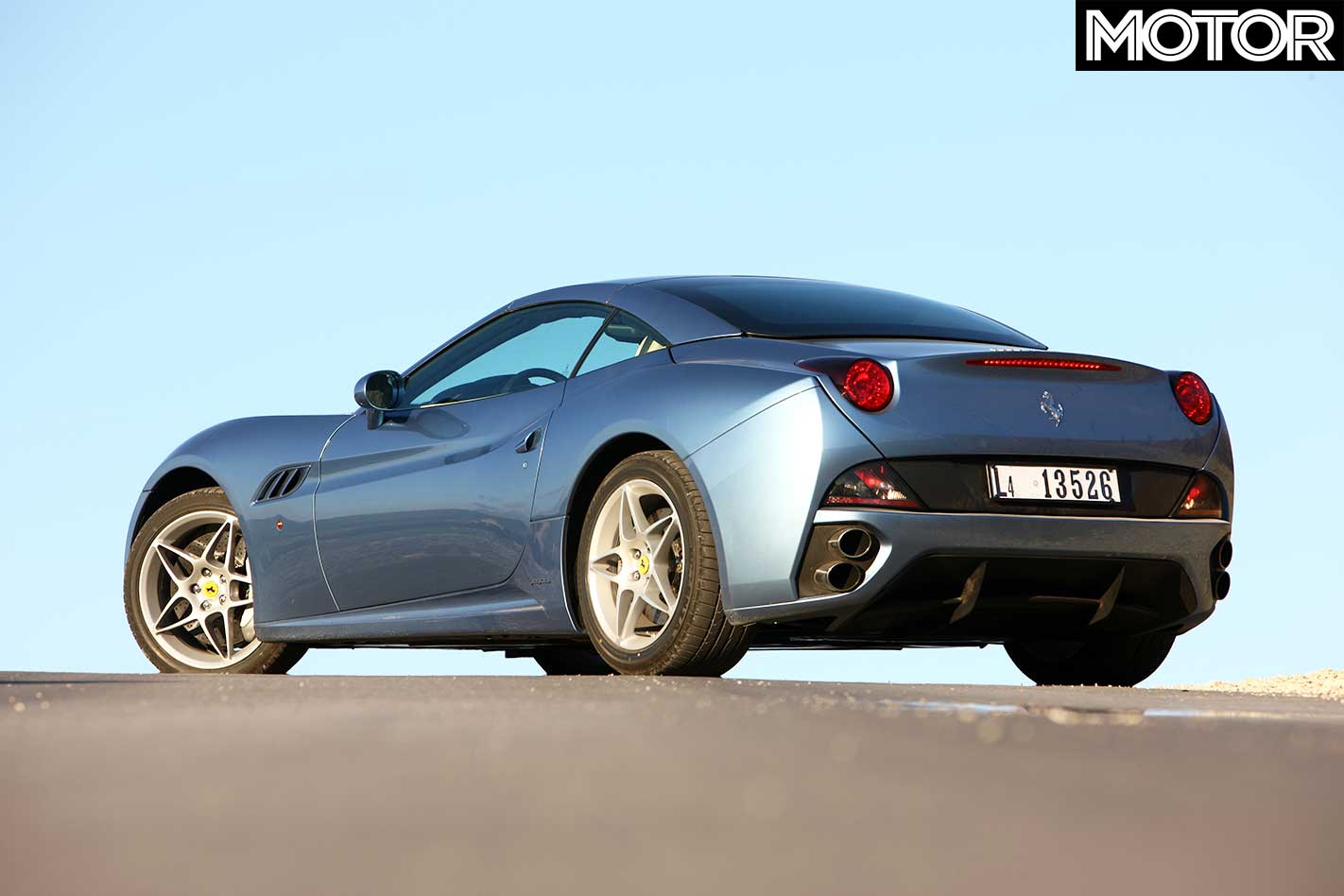
So when Ferrari revives the California name and produces a poseur-oriented drop-top for Malibu millionaires, you start to wonder: is it spoiling the brand with a compromised, please-all car, or has it made a genuine two-plus-two worthy of a prancing horse on its nose?

Today, just as back then, Pininfarina is in charge of the ultima alta moda design, even though the latest creation looks overstyled from certain angles, with too many lines, curves and controversial details like the low-mounted rear brake-light/indicator assembly.
The California is two cars in one; the fusion of coupe and spider, a so-called two-plus-two with rear buckets big enough for small children. Since the gestation of the California coincided with the termination of the retractable-hardtop project that was underway at Maserati, industry insiders speculated that Maranello picked up the pieces to use them for the rumoured entry-level Dino. “Not true!” protests Amedeo Felisa, Ferrari’s Vice General Manager. “What both models share is the V8 engine and the transaxle configuration, but the execution shows no parallels at all.”
And make no mistake, there’s plenty of sophisticated engineering hiding beneath the California’s crowd-pulling skin, like the optional Magnaride dampers and adaptive headlights fitted to our metallic blue test car.
Inside the wide, long and beautifully appointed cabin, there’s plenty of room to accommodate long legs, broad shoulders and a tall scalp. The driver environment is actually nicer than in other Ferraris. There’s wall-to-wall leather with elaborate stitching, a powerful and easy-to-use ventilation system and, at long last, a decent sat-nav with a large touch-screen colour monitor, 30GB of MP3 memory and Bluetooth connectivity.
Folding and unfolding the roof takes 14 seconds. It’s a quick, almost noiseless affair with no grunts suggesting the highly-complicated mechanism may slip a disc. In coupé guise, wind noise isn’t an issue up to 200km/h, where engine and tyres play first and second fiddle anyway.
Thanks to the thin pillars, visibility is good bar some distortions in the rear window. The seats move in four different directions, and they even feature adjustable squabs and bolsters. The optional Daytona trim is for looks only, but the extra-cost carbonfibre buckets, which will be available late next year, are bound to provide even better lateral support.
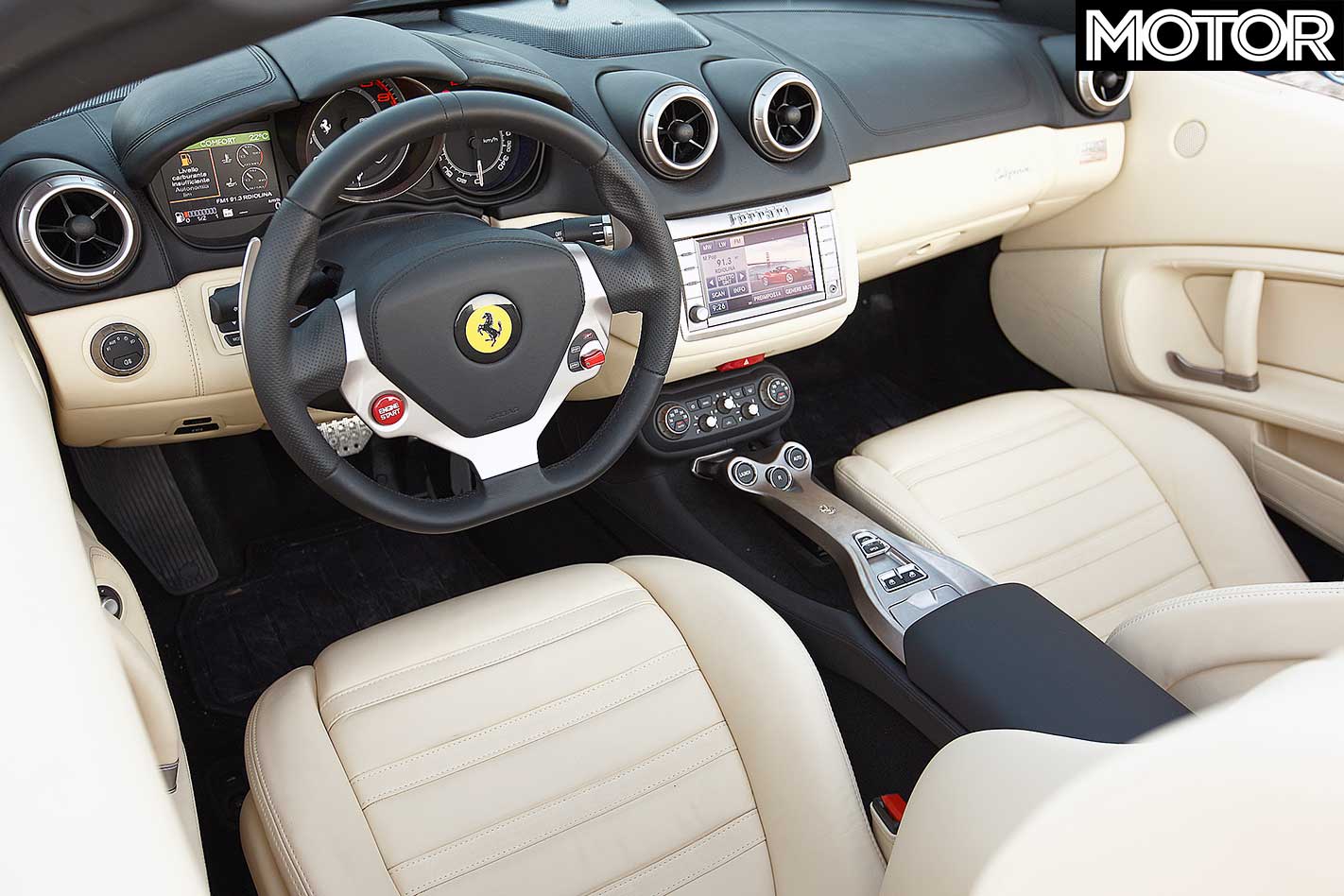
Despite the quality, it’s noticeable that this is now the entry-level Ferrari: the steering wheel’s a step down from other models, with only three manettino positions instead of four (Comfort, Sport, CST off). You also miss out on the integrated LED rev counter from the Scuderia, and the bottom of the wheel is squared-off, which can be nuisance as the roadster takes over three turns from lock-to-lock. Below the air-con controls, there are three important buttons: launch, reverse and auto.
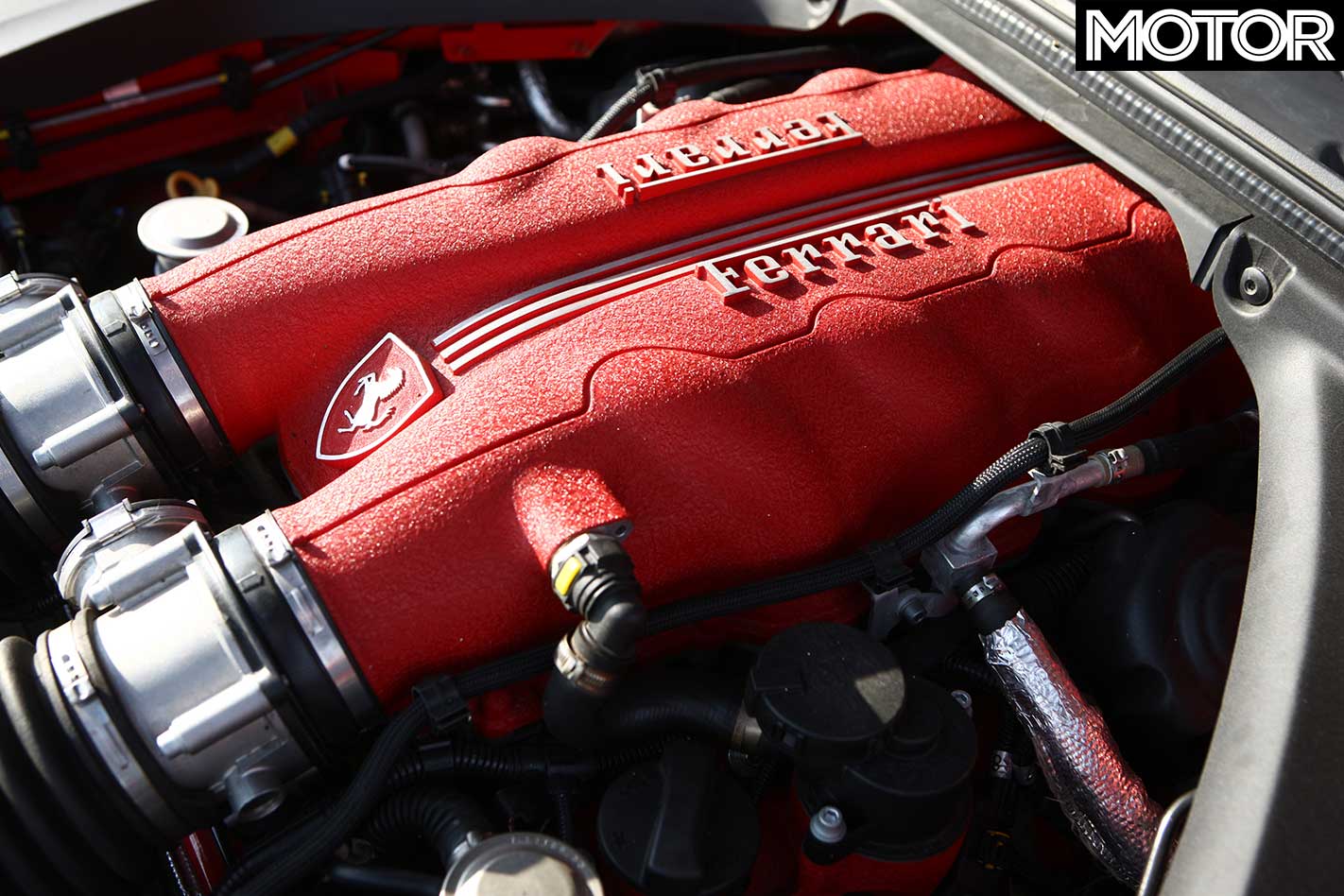
Starting the engine is a two-handed job. First, turn the ignition key, then push the red button which is integrated in the metal extension plate of the steering-wheel hub. Now prick your ears and relish the noise of the new 4.3-litre V8 with its high-pitched idle at 750rpm accompanied by various intake and exhaust tones busy sorting themselves out during warm-up.
As we settle into the California, the digital display on the rev counter reads ‘N auto’. No, we don’t want that; we prefer to click through gears with our index fingers. Pressing the auto button once makes the auto symbol go away. What about the position of the manettino, though? ‘Comfort’ is for wimps, ‘CST OFF’ is for heroes, while ‘Sport’ is for us.
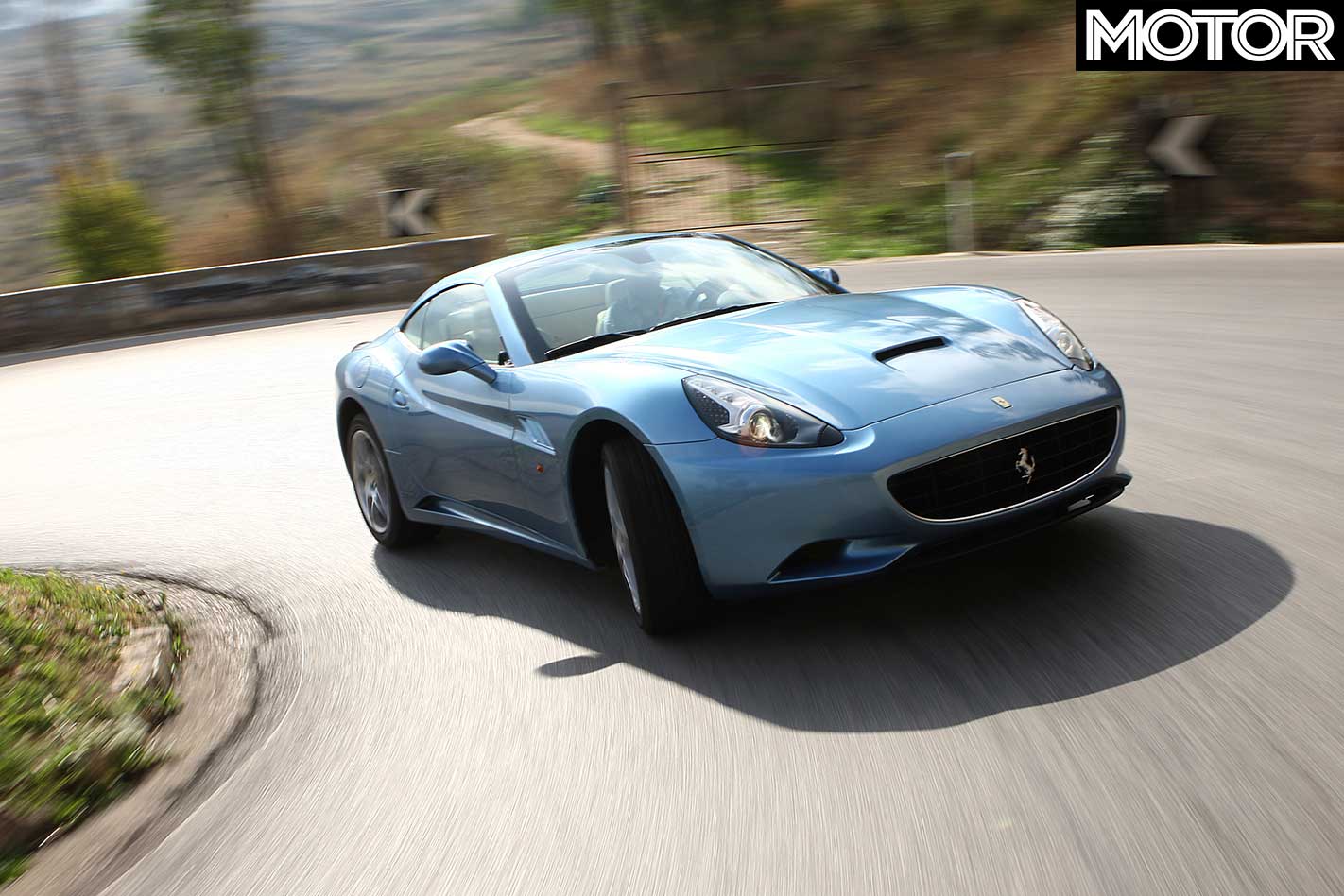
In this mode, the California strikes a balance between cottonwool soft and razorblade sharp, and it relays its mission to the engine, the transmission, the switchable dampers and the stability-control system. A little bit of rear-end leeriness is okay, but too much of it might be counter-productive early on in the day.
With all three mirrors at eye level, we set the indicator, snip in first and take off. There’s absolutely no need for a light right foot. For a start, the transaxle layout puts 53 percent of the 1735kg on the back wheels, which are shod with 285/40ZR19 Bridgestone Potenzas. And when warm, these gumballs stick to the ground like Velcro straps soaked in superglue.
Further traction assistance is provided by the F1-Trac traction control originally developed for the 599 and F430 Scuderia. Together with CST, it distributes the torque between the rear wheels, allowing the car to accelerate out of bends some 20-percent faster than a model fitted with a conventional limited-slip diff.
Attached to the all-aluminium spaceframe body are Ferrari’s familiar Quadralink front axle and a brand-new multi-link rear suspension. Its key innovation is a blend of more generous longitudinal compliance for improved ride and even less lateral play for enhanced handling precision. The optional Magnaride dampers are not individually adjustable. Instead, their calibration changes with the manettino position.
Project F149, as the California was tagged, also contains quite a few German genes. The direct-injection system was co-developed with Bosch, the dual-clutch transmission is the work of Getrag, and the two-piece folding hardtop was conceived by Webasto. The engine itself, however, and the noises it makes convey the much-loved Italiana.
Take in that 3D surround sound idle-speed rumble, relish the mighty part-throttle roar and then let the goose-pimple-provoking flat-out thunder massage your eardrums all the way to the 8000rpm redline. It’s aural heaven!
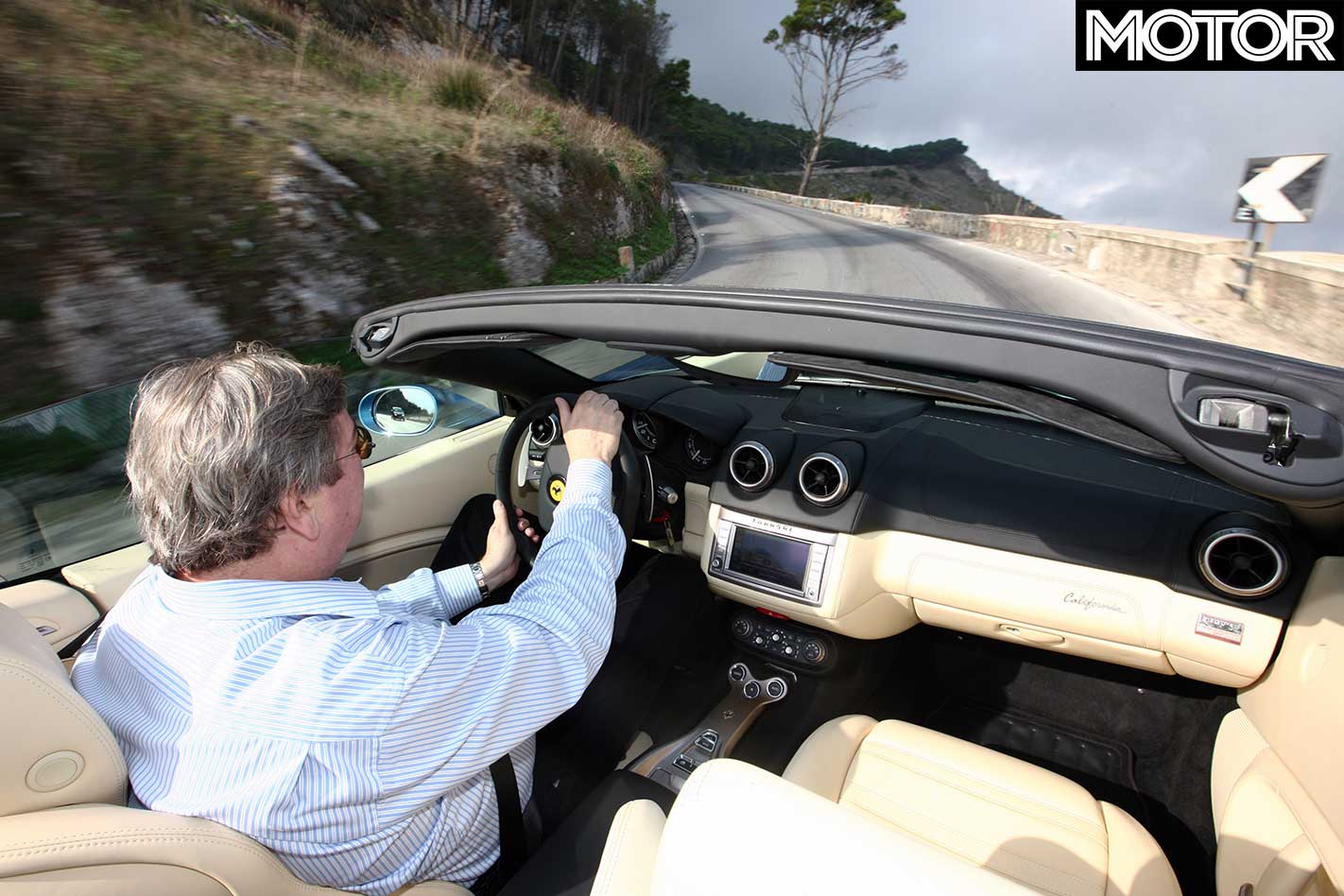
When you give this thing stick, paint chips will fall from the tunnel ceilings and the roadside Roman temples will tremble at their foundations. Fact is, the California has got enough grunt to chase a F430 away from the fast lane.
Its 4.3-litre V8 develops 338kW at 7750rpm and 485Nm at 5000rpm. Even in auto, the chameleon car from Maranello will accelerate in 3.9sec from 0-100km/h. In launch control mode, it will reportedly shave another tenth off that already impressive number. Top speed is 310km/h, and since this engine generates even more torque than the F430 Scuderia, tapping the mighty mid-range power feels like riding an afterburner.
Although Ferrari does offer optional 245/35ZR20 (front) and 285/35ZR20 (rear) footwear, the 19-inchers strike a compelling balance between traction, grip, roadholding and directional stability. We would also give the Magnaride option a miss. After all, the standard steel suspension is compliant, well-balanced and totally predictable in its multi-dimensional responses. The only drawback concerns the disagreement between the somewhat harsh high-speed compression and the laisser faire rebound. No big deal, but an irritation nonetheless.
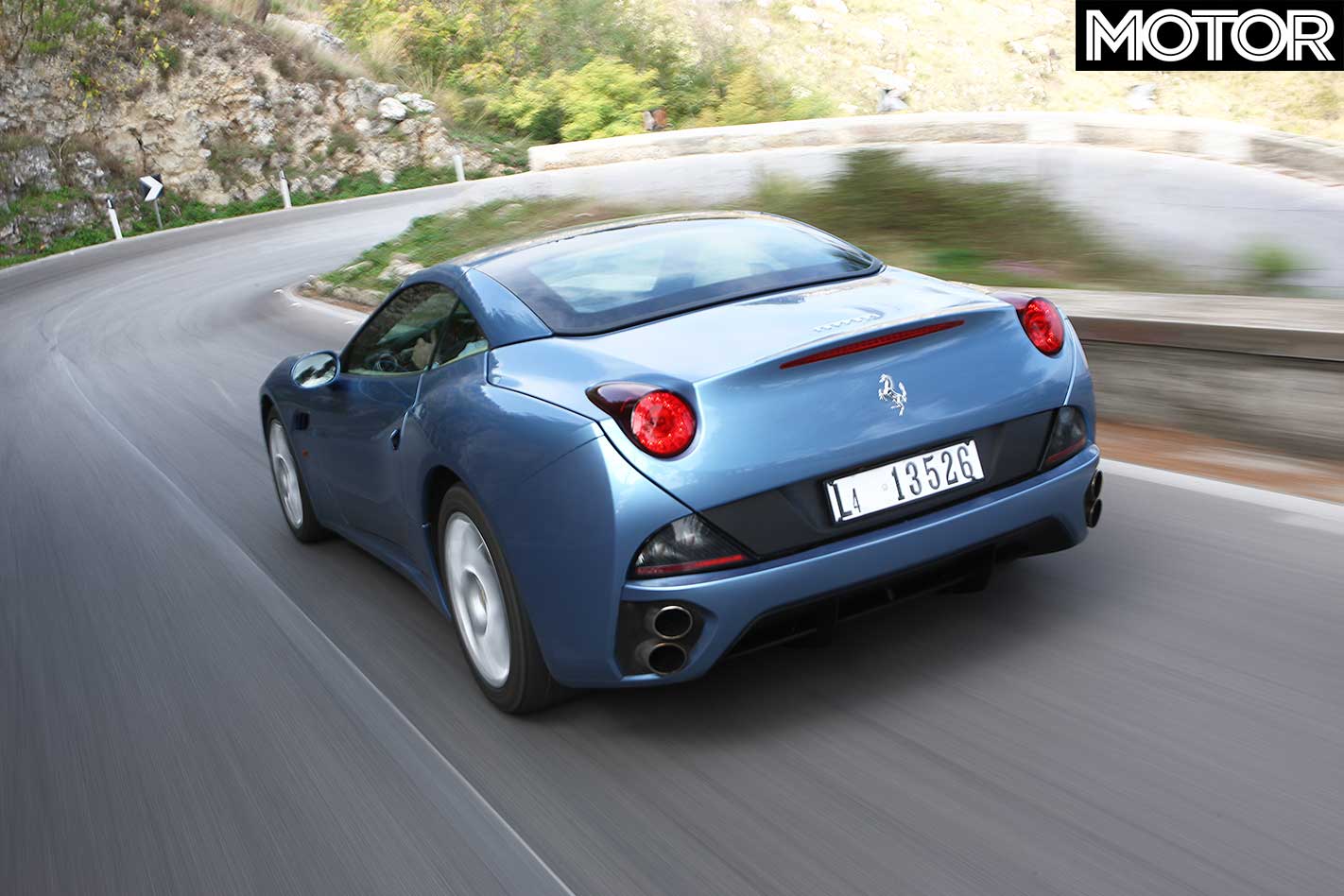
Although it is big and heavy, the seven-speed dual-clutch transmission is the best gearbox of its kind we have tried so far. No, this has almost nothing to do with the shift times, which subjectively don’t even feel quite as fast as the cannonball transitions experienced in the Scuderia. It’s the convincing all-round performance.
Take-off is spontaneous and totally devoid of hiccups or delays. Stop and go is commendably seamless and always fully connected. Upshifts are totally nod-free no matter whether you drop the hammer or feather the throttle. Even in auto mode, the Getrag unit comes close to a conventional automatic in the way it can read the driver’s right foot.
Since plausibility always pre-selects the next gear, very rarely does a split-second change of plan find you in the wrong ratio, but the subsequent quick fix never entails undue harshness. Revs permitting, the ’box will drop up to three ratios under kickdown. The only drawback we found was a short sixth gear which runs out of steam at 290km/h.
Since seventh is an overdrive, you lose 2200rpm on the upshift and from that point it takes almost forever to reach the claimed top speed. Purely a German problem, I know.
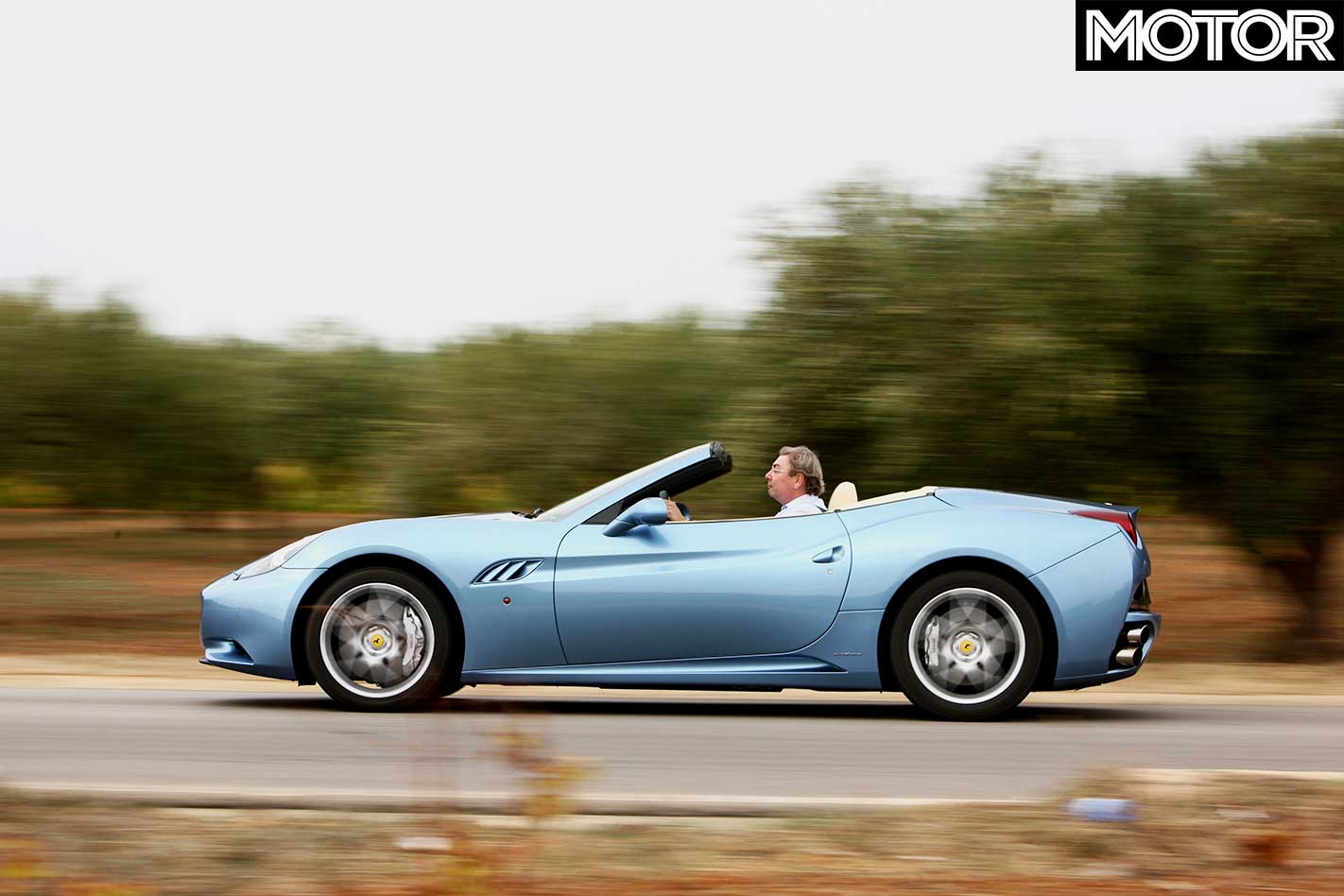
The steering is not Scuderia-fast, but its pace is spot-on for this kind of car. Better still, it is also weighted properly for optimum feel irrespective of lock and turn-in speed. On the uneven Sicilian autostrada where one would expect plenty of tugging at the helm when tackling the omni-present corrugated viaducts, the steering wheel of the California remained unflustered by the busy-but-competent front suspension. It displayed just enough self-centring force and exactly the right dose of counterbalance when you hold the car on opposite lock.
The standard carbon-ceramic brakes seem superb, but we have not really had the opportunity yet to try them hard for stamina and high-speed deceleration. The pedal feel is constant, communicative and correct in relation to the riveting stopping power it triggers, while the footwell architecture is neatly arranged with good spacing between the two pedals. As a nicely matched threesome, steering, brakes and throttle make it a delight to push all the way to the California’s dynamic boundaries.
Unlike the 599 GTB, which needs a lot of road and momentum to waltz, the California is a more eager and in some ways an even sportier piece of kit. As long as you are prepared to boot the loud pedal in a synchronised move, you can flick this car towards the apex amazingly early. But beware, because the arc it describes invariably uses part of the opposite lane, and any excessive throttle modulation will push you wide big time.
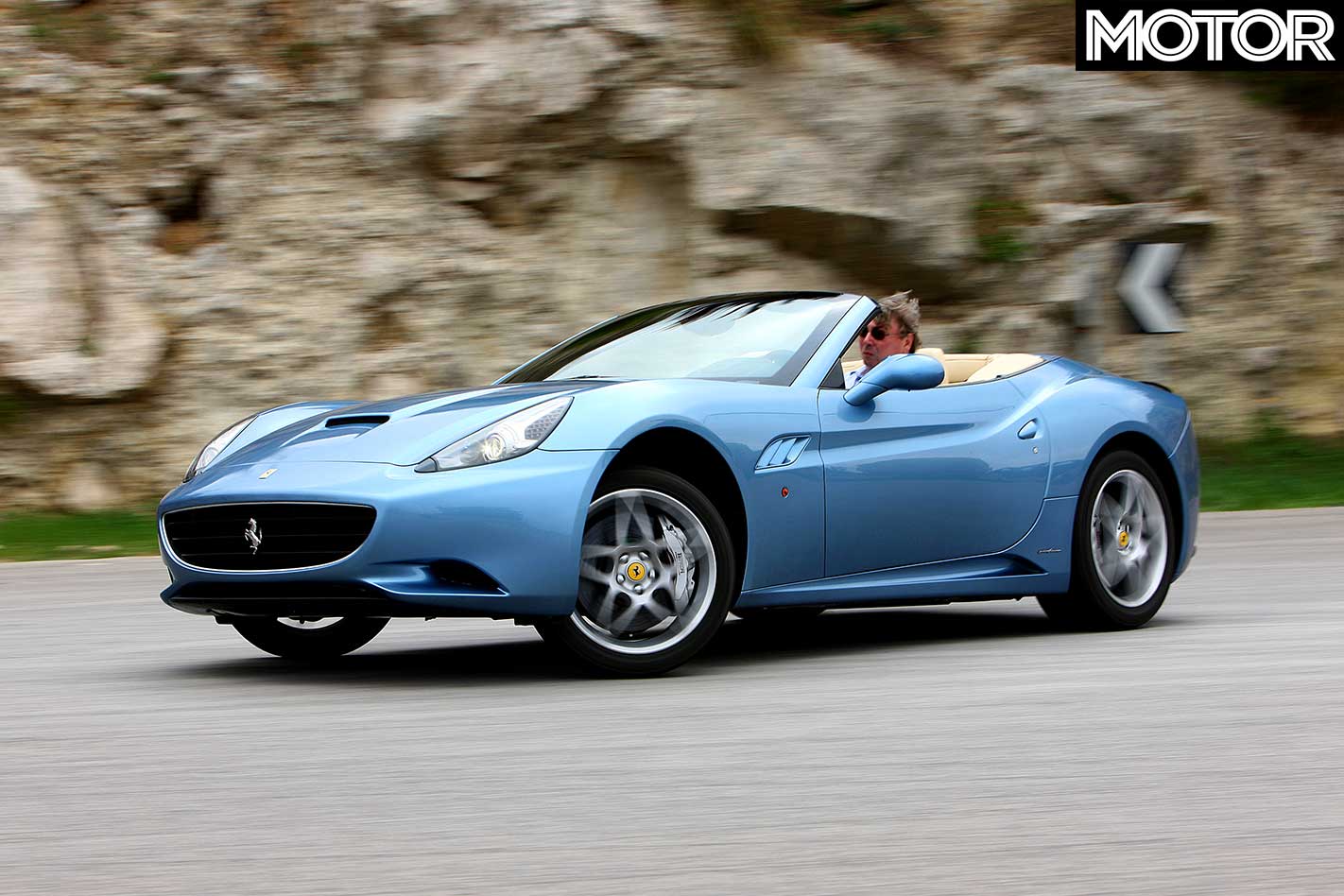
When exiting the bend, the F1-Trac invites you to feed loads of torque to the sticky-soft Potenzas, which subsequently take a little longer than usual to smear back inline with the front wheels. Ferrari’s marketing department believes that very few Californias will ever make it to a racetrack, and if this is the case, the owners will probably never unearth its true talents.
But despite its sporting abilities, the California isn’t your classic hardcore sports car. Ferrari expects it to be its volume seller, at 2500 units per year, and admittedly the California is already sold out for the next two years worth of production. But it’s no counterfeit, ambiguous ray-catcher designed for poseurs who can’t quite afford a more expensive Ferrari.
This car is a credible blend of GT and boulevardier, roomier and more practical than many spiced up two-seaters with their merciless crash-bang-wallop suspension. And with its stunning performance, leather-bound interior and V8 timbre, it is a genuine Ferrari.
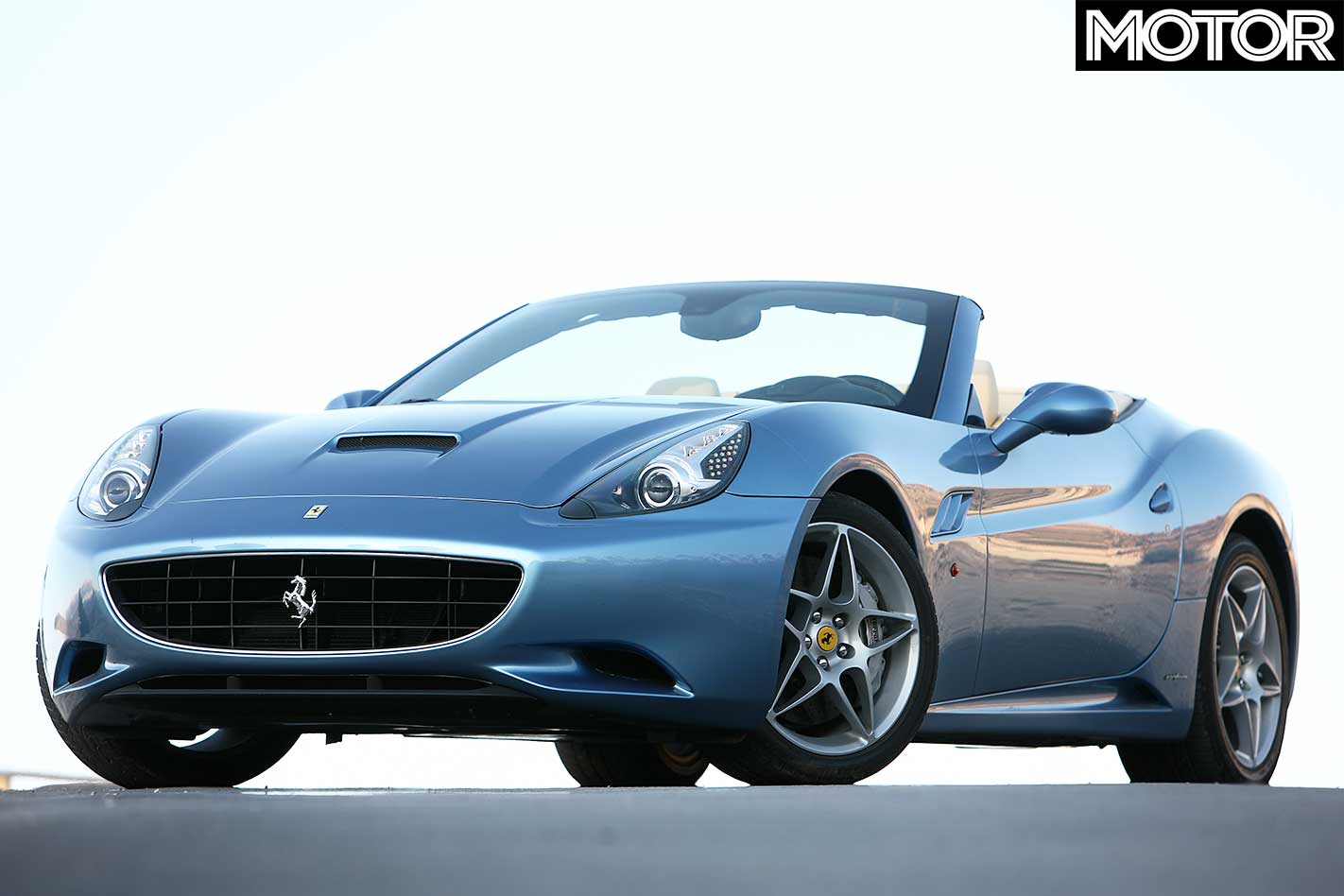
FAST FACTS 2009 Ferrari California
BODY: 2-door, 2+2 seat convertible DRIVE: rear-wheel ENGINE: 4297cc 90-degree V8, DOHC, 32v BORE/STROKE: 94.0mm x 77.4mm POWER: 338kW @ 7750rpm TORQUE: 485Nm @ 5000rpm WEIGHT: 1735kg POWER-TO-WEIGHT: 195kW/tonne TRANSMISSION: 7-speed double-clutch 0-100km/h: 3.9sec (claimed) 0-400m: 12.2sec (claimed) 0-1000m: 22.1sec (claimed) TOP SPEED: 310km/h (claimed) SUSPENSION (f): double A-arms, coil springs, magnetic dampers, anti-roll bar SUSPENSION (r): multi-links, coil springs, magnetic dampers, anti-roll bar L/W/h: 4563/1902/1308mm WHEELBASE: 2670mm TRACK: 1630mm (f), 1605mm (r) BRAKES (f): 390mm carbon-ceramic ventilated/drilled discs, six-piston calipers BRAKES (r): 360mm carbon-ceramic ventilated/drilled discs, four-piston calipers WHEELS: 19-inch, alloy TYRES: Bridgestone Potenza RE050A; 245/40ZR19 (f), 285/40ZR19 (r) PRICE: $420,000 (estimated)
LIKES: Superb steering, power, traction, engine and gearbox DISLIKES: Odd styling, slightly harsh ride, inevitable poseur image
RATING: 8.5 out of 10 stars
Back seat Ferrari
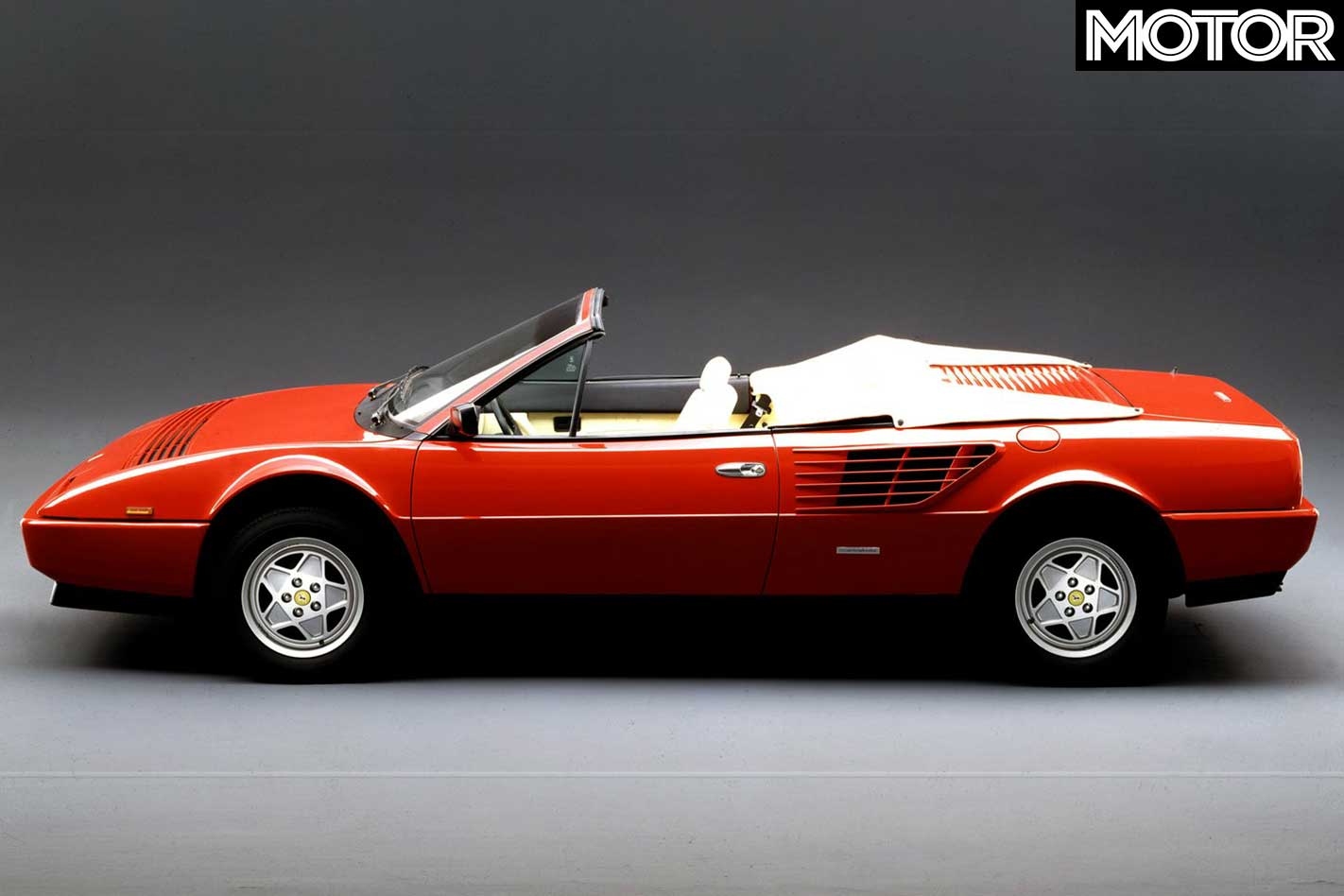
The California is the Ferrari’s first two-plus-two convertible since the ungainly Mondial, launched in 1980. It was updated with a QV version (for quattrovalve, improving on the original’s two-valves-per-cylinder) in 1983 and remained in production for another decade.
While the California’s rear seats are, to be accurate, optional, the 308-based Mondial made way for rear passengers with a 100mm extension to the wheelbase. It was originally powered by a 153kW 2929cc V8 (although by the end, a 224kW 3405cc was standard). It wasn’t quick, with 0-100km/h times in the mid-sixes for early cars, but the final 3.4-litre could clock mid-fives.
MUSEUMS ARE, by their nature, intriguing places. It’s not so much the buildings themselves, of course, unless you’re talking the Guggenheim, as the content housed within. Yet every now and then, someone strikes the perfect marriage of content and container. Or, in this case, Hangar and Banger.
While much of the car world waits patiently for manufacturers and local representatives to host events like Ferrari Racing days or Porsche’s Rennsport Reunion, there are more impatient and determined people who take it upon themselves to organise get-togethers. The first Hangar Banger was a unique and imaginative combination of a soon-to-be-demolished World War II hangar in Geelong, Victoria, and some of Australia’s most beautiful Porsches. It began in January 2018 and was the creation of the team at Porsche Forum Australia (PFA).

A relatively impromptu group of P-Car aficionados and their suitably disparate array of interesting Porsches gathered as a final send-off for the building, which should have made it a one-off event. But the idea was too good to let die, and the name stuck. The ethos behind the Hangar Banger passion project was to provide an inclusive (and unique) environment for owners and admirers alike.
“We weren’t expecting a whole lot from the initial event, but it was designed as a swansong for the building before it was developed into a hotel, and it was such a success we thought ‘this has to be an annual thing’,” says event organiser John Orchard.
“I don’t expect to have events more frequently than that, because planning takes a long time, but I’d like to see Hangar Banger move around to other unique buildings to give each year a different flavour.”
This year the team really knuckled down to plan an even bigger and better version for Hangar Banger II.

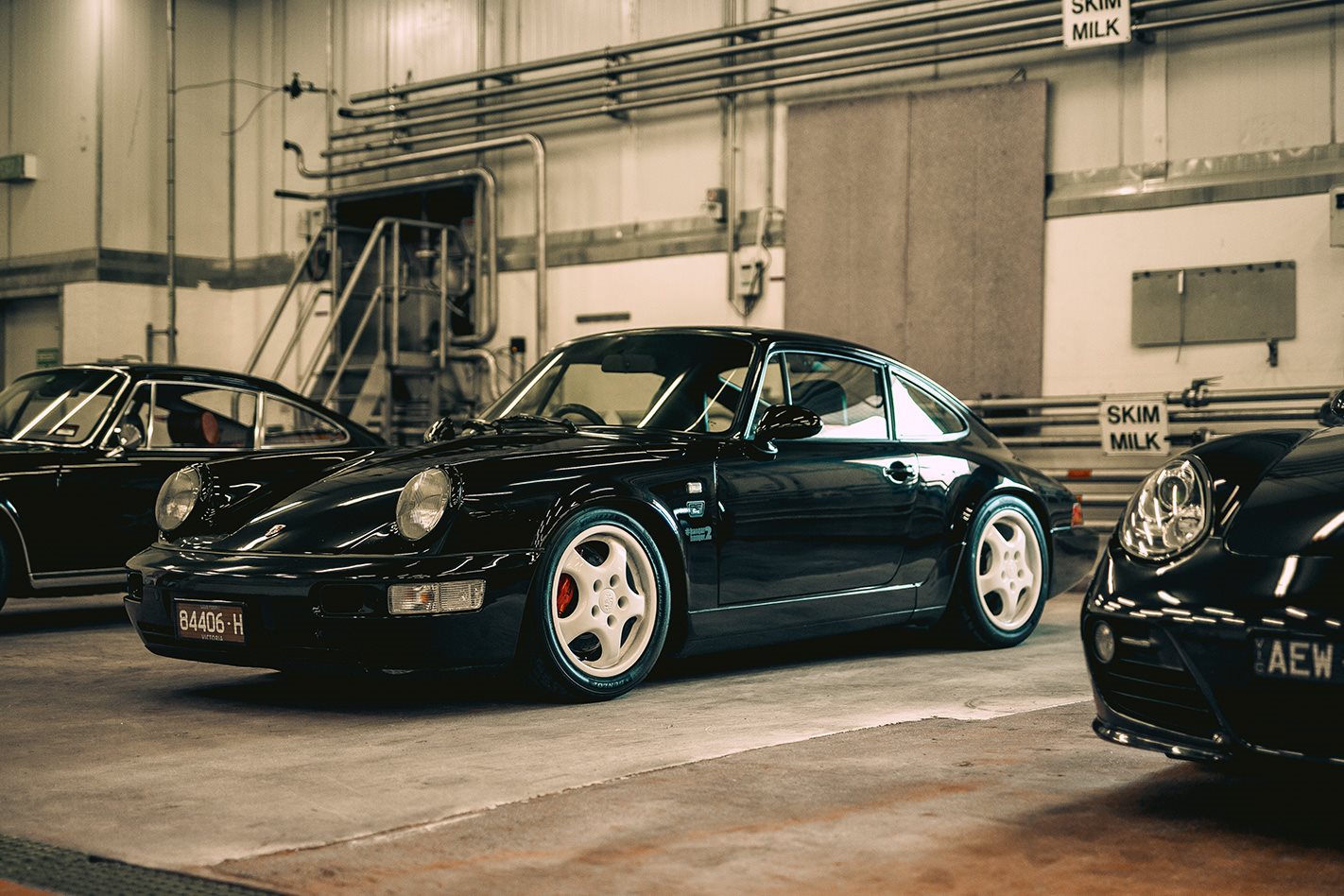
Teaming with Cororooke-based Porsche workshop Skunk Werks, PFA ended up hosting more than 300 Porsches in a recently acquired former dairy factory, now used as Skunk Werks’ base of operations. Never one to miss a good car hangout, Wheels was in attendance and was graciously supplied with a 2009 Porsche 911 GT2 (997) and a 2011 Porsche Boxster Spyder (987) in which to unobtrusively blend in, thanks to Porsche specialist ThePorschaDen Classic.
While a derelict factory isn’t the first location you might think of to host such a storied collection of cars (this one is mainly used to store vast amounts of wine and cars awaiting panel work), its ‘abandoned’ charm lending a careworn industrial contrast to the exhibits.
From early 356s all the way to the current 991 GT2 RS, a kaleidoscope of Porsches is dotted randomly throughout a dozen factory buildings. Around every corner lurks another rare 911, including a genuine one-of-three slantnosed Ruf BTR 930 Turbo. Developing between 370kW and 520kW depending on low or high boost, the story is that the Ruf factory actually lost track of this car and only became aware of its location when the new owner wrote to the factory late last year.
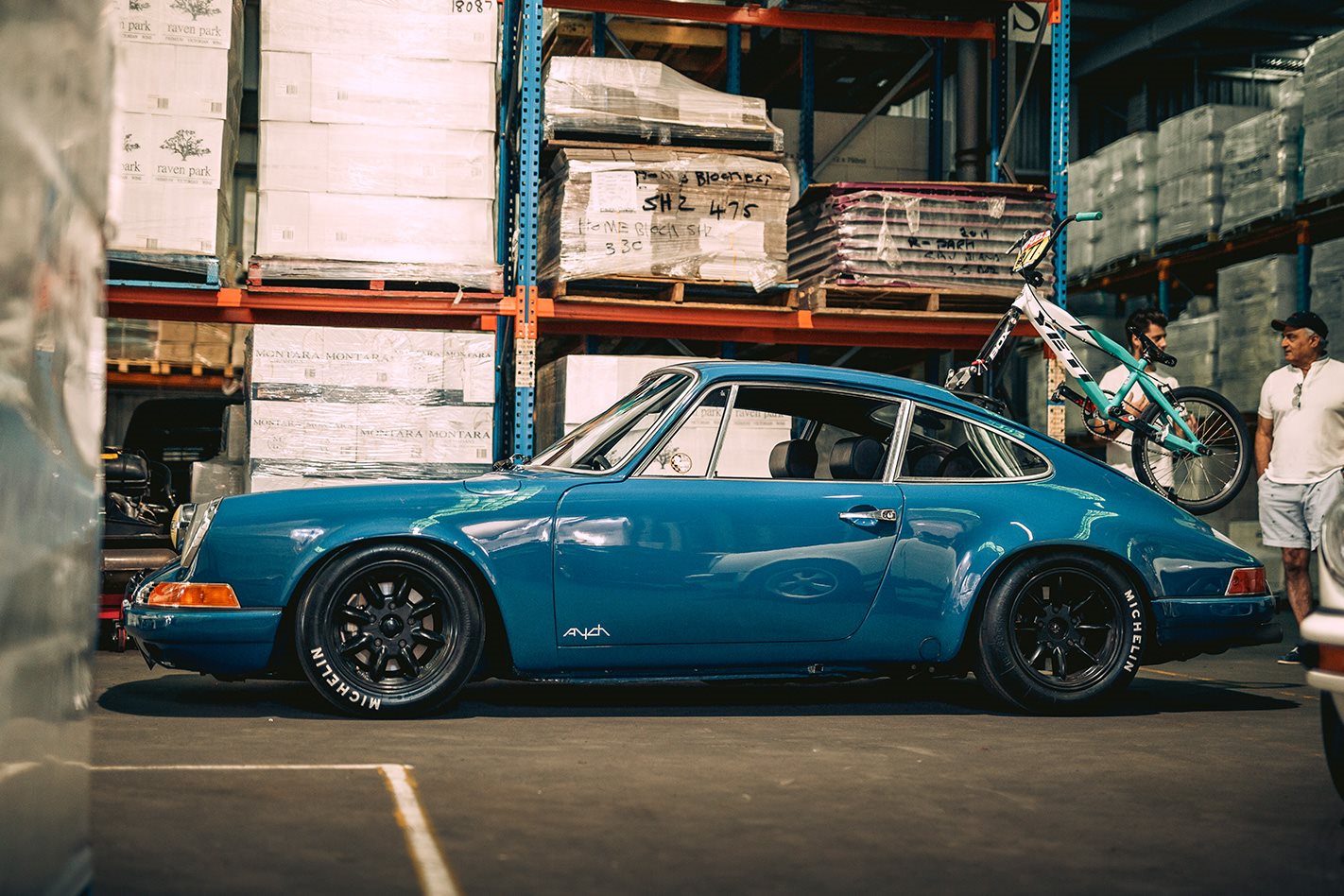
Walking the grounds we found Porsches in every nook and cranny, some hidden among factory equipment in darkened rooms. Tucked away in the corner of a shadowy boiler room was a sinister-looking 356 Outlaw with a matte black paint job and contrasting red interior.
The quality of some of the builds on show was top drawer. And even when they weren’t quite period correct, concours-restored or factory-fresh examples, no one was turning their noses up.

Take Roland Paterson’s labour-of-love 1968 912 for example. It’s a hot rod by Porsche standards, and the build took five years, all of it by his own hand. His decision to fit the 3.2-litre six-cylinder from a 1985 Carrera means the short-wheelbase classic now goes “an awful lot quicker than Zuffenhausen ever intended.”
“I restored and sold a 356 before I bought the 912 without an engine,” he says. “I love the sleeper aspect of the 912 – it canbe quiet and unassuming but with the exhaust open it sounds properly mean.”
Outlaw metal not your taste? How about an immaculately presented, multi-million-dollar silver 356A Carrera GT owned by Porsche HQ itself? Porsche Australia brought this stunner along as a way of spruiking the fact that its Melbourne dealership has been awarded Porsche Classic accreditation, which allows it to officially restore classic Porsches.
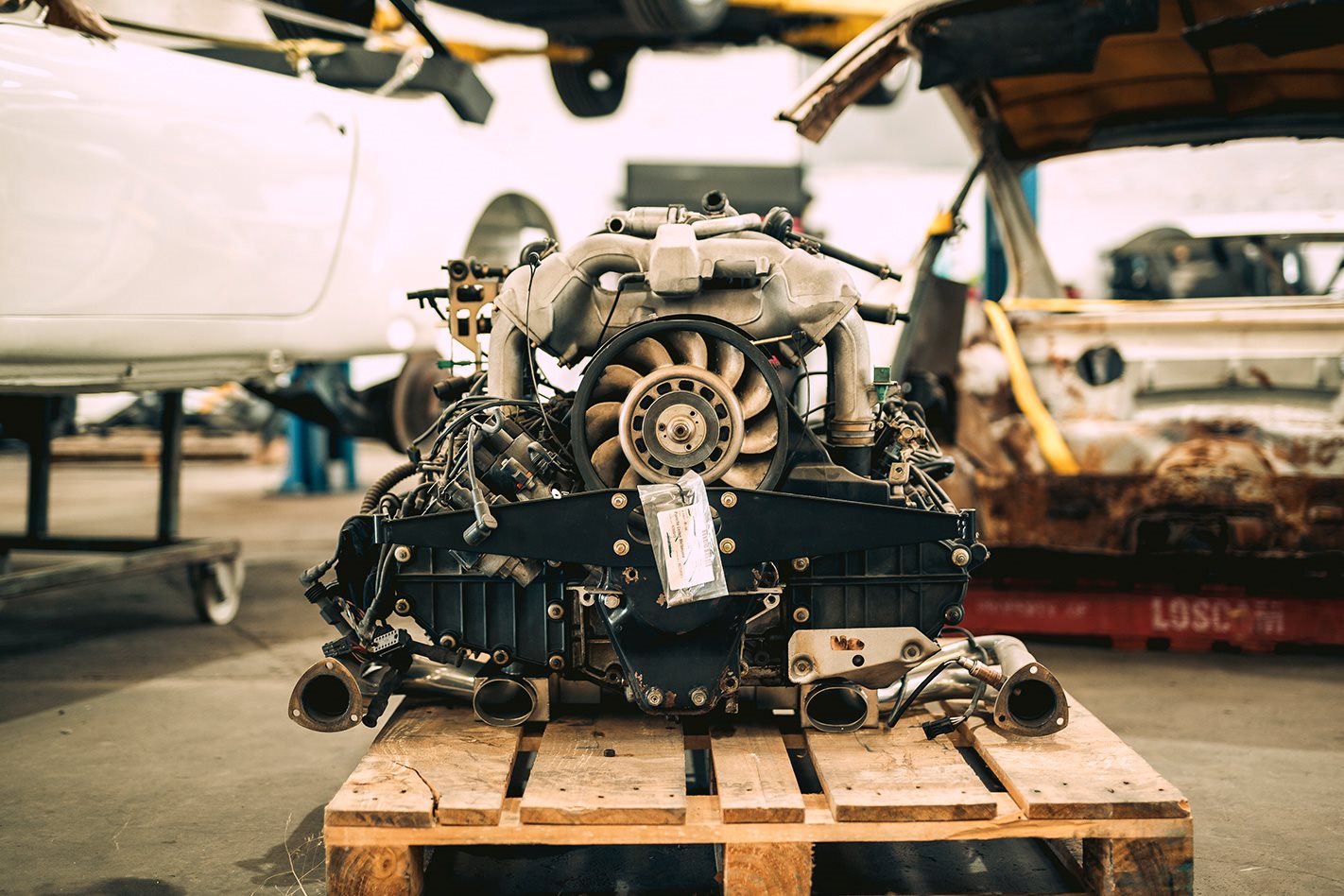
After hearing whispers of two 964 3.6 Turbos hiding somewhere, we hunted down various alleys and corridors, finally finding the metallic blue and purple examples parked among crates of wine.
The owner of the purple rarity, Simon Ansell, snapped up his 1994 Turbo from Sydney. “It was modified when I bought it so I returned it to 90 percent factory spec,” Simon says. “I took it down to the first Hangar Banger that John organised at his old building in Geelong, which was really a great event for Porsche owners.”

After a day of finding hidden gems in dark corners, there really wasn’t much more a Porsche enthusiast could ask for. Hats off, then, to the dedicated few who’ve created an inclusive event. The laidback nature of Hangar Banger, and its quirky choices of venue, add up to a stroke of genius. Sometimes the best exhibitions don’t involve museums at all.
For a company that’s immensely proud of its brand-new Model P ute range, Great Wall was a little guarded when it came to providing specific information at its Shanghai motor show reveal.
So we dug around a bit and prodded some of its executives to come up with a list of things we can confirm about what looks to be a huge leap forward for the Chinese pickup brand.
- The Great Wall Model P will come with three main variants that have been created to suit three very different purposes: Commercial, Passenger and Recreational.
- The Passenger and Recreational versions will be available with a longer 3.23m wheelbase (10mm longer than Ford Ranger) that gives it large SUV-like rear-seat space with heaps of legroom and more comfortable seat-back angle than most other dual-cab utes.

- Short-wheelbase and single-cab versions of the Commercial ute will also be available.
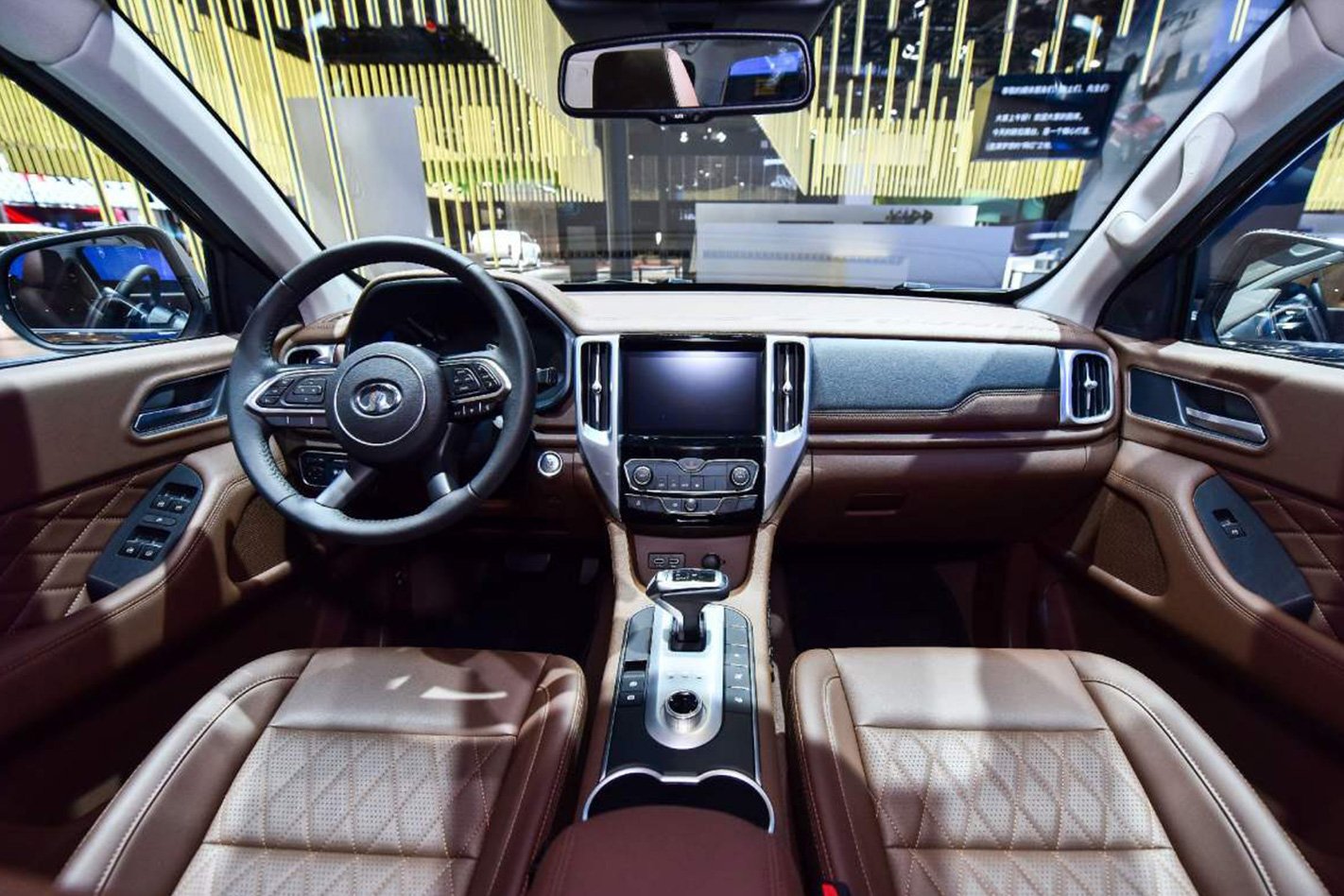
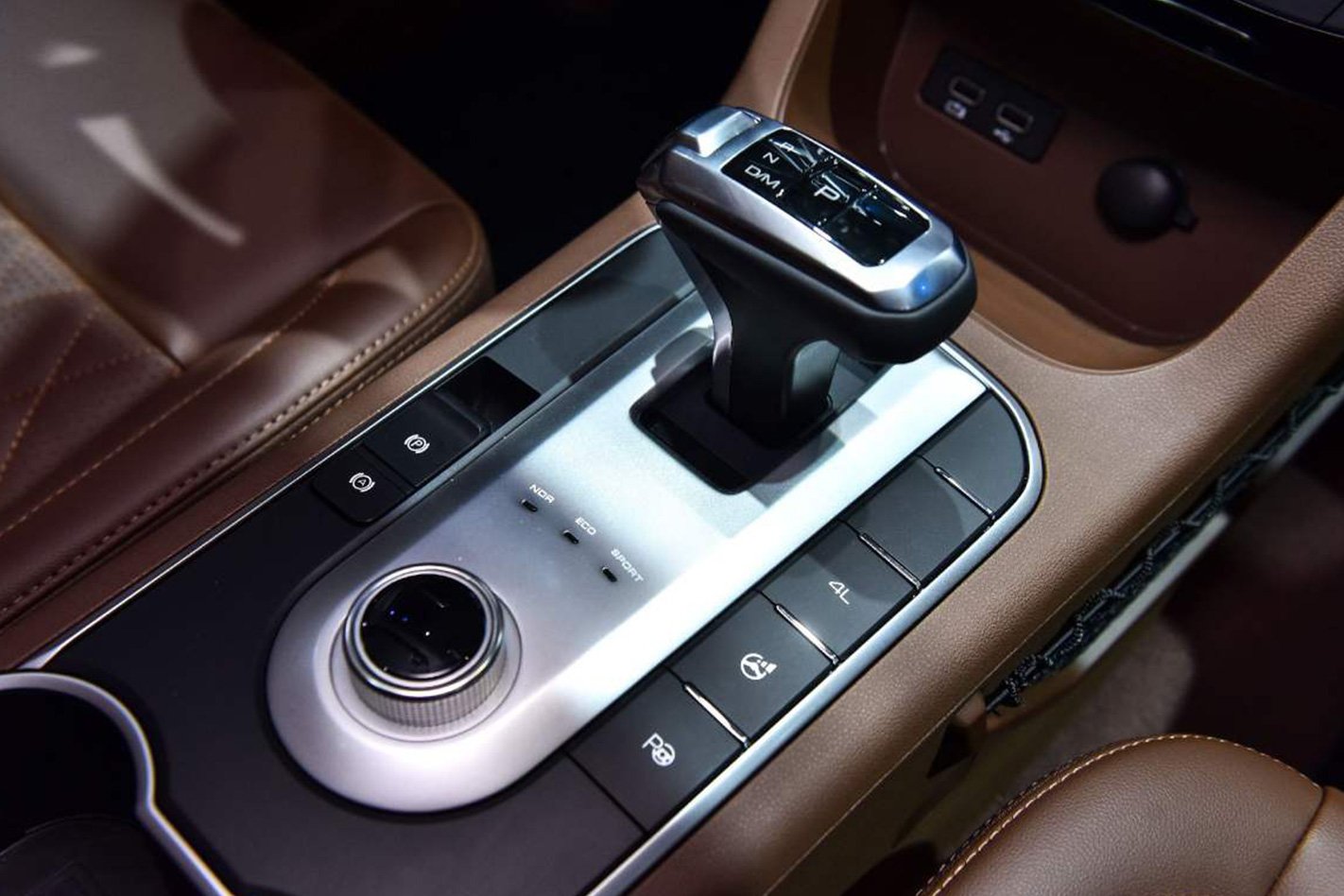
- The top-spec Passenger version comes with leather interior, digital cockpit, air vents and USB sockets for rear-seat passengers, 5G connectivity and Level 3 Autonomy that includes auto braking, active cruise control and lane-keeping assist
- The Passenger and Recreational variants will be available with a sophisticated multi-link rear suspension.
- The downside of the multi-link suspension is that the payload is limited to 500kg, which is almost that of rivals including the Ford Ranger Wildtrak and Mitsubishi Triton GLX+.
- The commercial version rides on leaf spring suspension which will afford a bigger, yet to be revealed, payload.
- Its 3500kg towing capacity is on a par with its key rivals.
- The load tray is 1.52m long, which is the same as Triton but 19mm less than Ranger.
- Power will come from a choice of 120kW/360Nm 2.0-litre turbo petrol or 145kW turbodiesel engine which will produce up to 400Nm of torque. They’ll be coupled to a manual gearbox or a new eight-speed auto.
- Great Wall is also working on bigger petrol and diesel engines, with the latter producing up to 500Nm.
- Fuel economy figures are yet to be confirmed, but Great Wall claims each engine meets Euro 6D emission standards. The 80-litre fuel tank will help ensure a decent range.
- The 4WD Recreational version revealed at Shanghai is a concept, but is 95 percent production ready. All the accessories tacked on including the roof rack, rollbar and snorkel were crafted in house and will be standard equipment on the ‘Recreational’ variant.
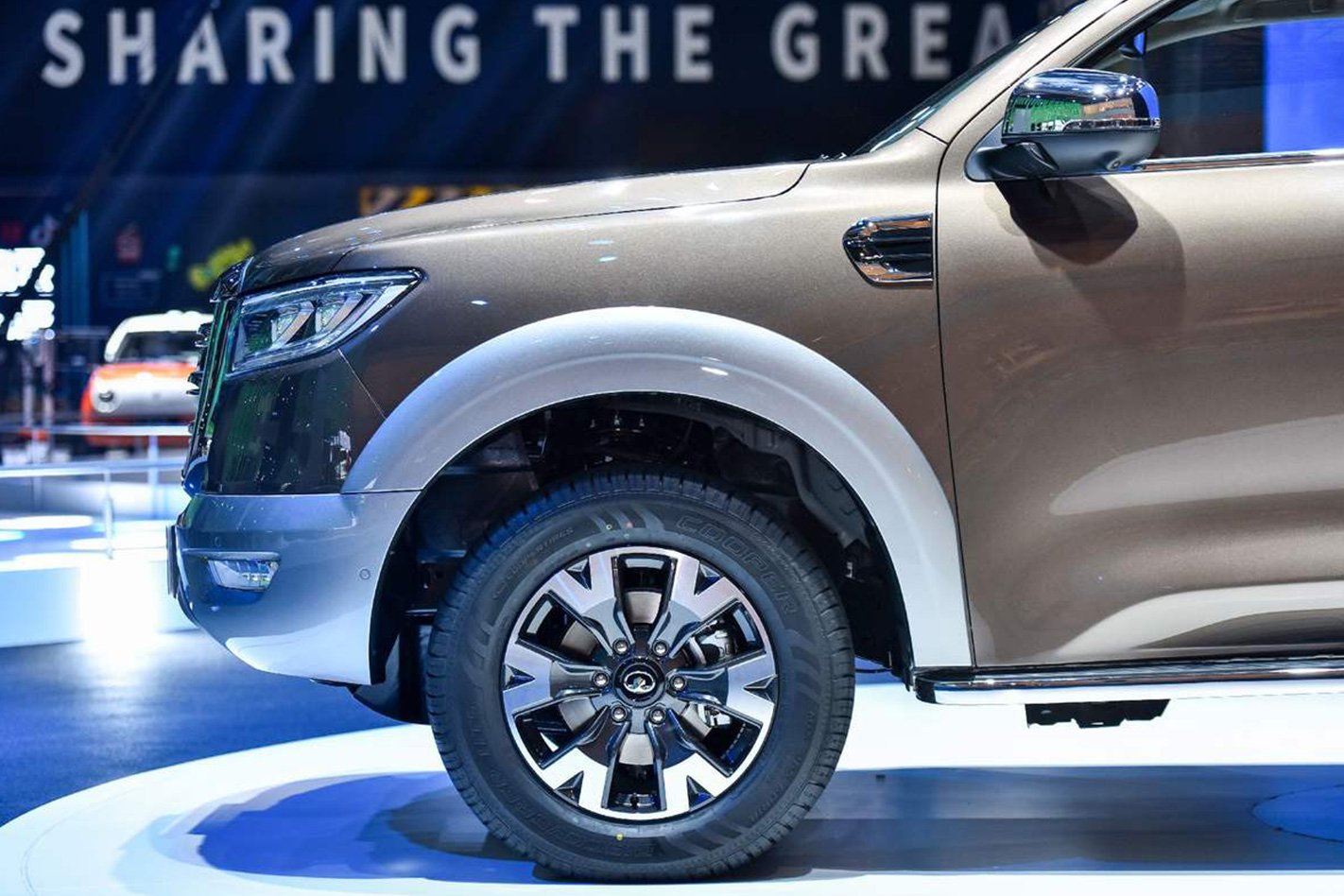
- The 2020 Great Wall Model P will go on sale in China in September this year. It’s not expected to arrive in Australia until late in 2020.
- Great Wall expects to sell 200,000 Model P utes in 2020, with the bulk of those being sold in China. That number will grow during subsequent years as it flows into overseas markets.
- The mid-spec, but plush, Passenger variant is expected to start at $35,000.
- The Great Wall Model P will have a different name when it arrives in Australia. The Akubra-wearing Chinese male models standing near the off-road concept at Shanghai may be a clue that Great Wall is leaning toward some Aussie-themed moniker.
Adaptive cruise control is a pretty handy addition to modern cars… but we also understand that a lot of new tech can be quite confronting.
The system – tested here in Audi’s RS5 Sportback allows a driver to set a speed, and the vehicle will then use a combination of cameras and sensors to ensure a gap is maintained to the vehicle in front.
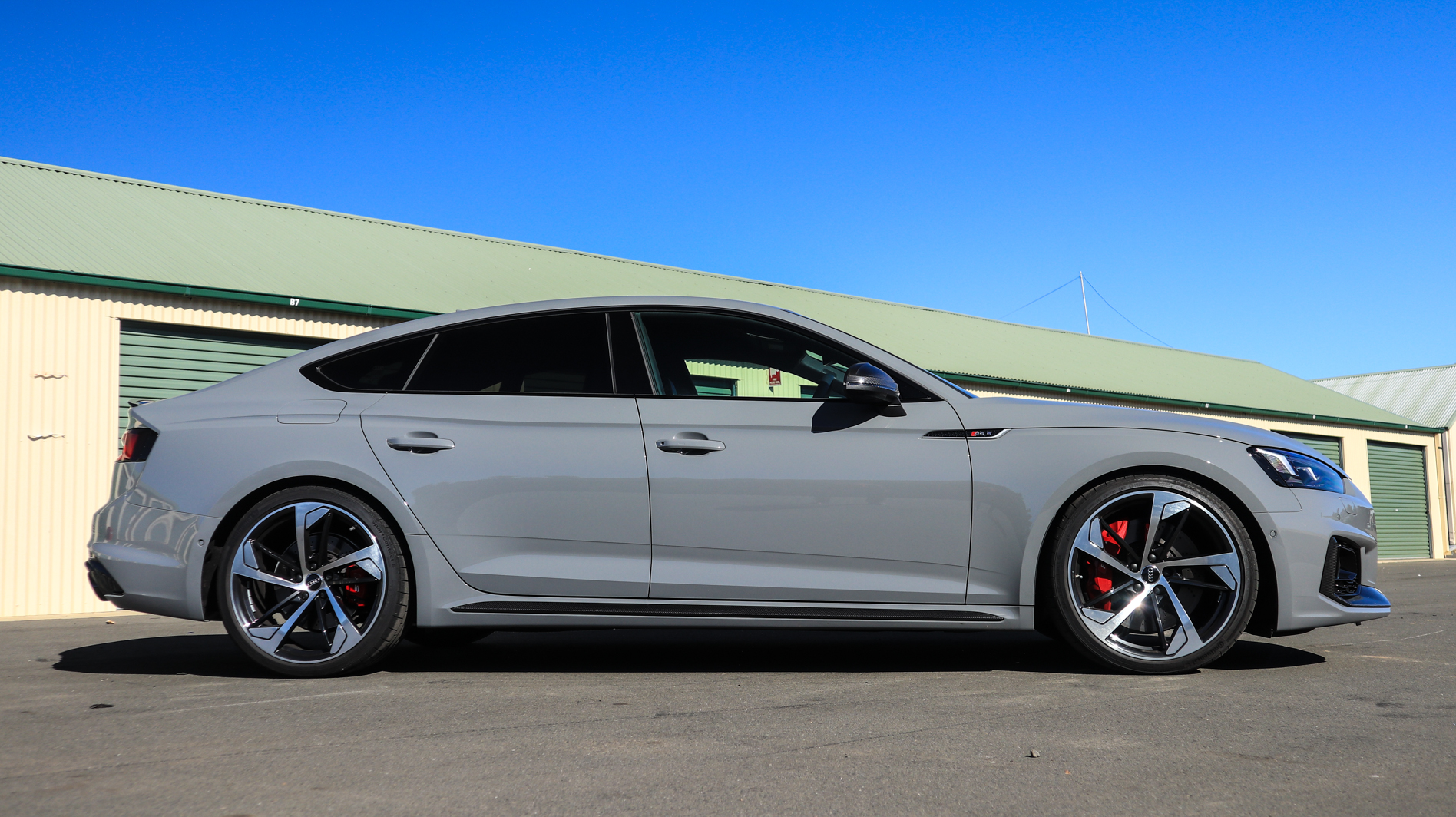
Audi RS5 Sportback
That gap can be adjusted to suit driving conditions, while more sophisticated systems like the one in the RS5 can actually manage the stop/start of a typical peak hour commute without the driver’s intervention.
Of course, none of these systems is a substitute for aware and alert driving, but it’s a great idea to at least know how the systems in your car work. After all, you paid for them!
In the video, we show how adaptive cruise control works on a highway, as well as how the adaptive cruise operates in a city. Not all cars have adaptive cruise control, of course, so be aware of what kind of cruise control you have before giving it a try in traffic.
