
Honda has officially announced it will close its British manufacturing plant in Swindon where it builds Civic Type Rs and employs 3500 people.
The decision will reportedly affect 7000 British jobs, once supplier networks are counted, when operations close at the end of the current model’s lifecycle in 2021.
“There are no changes that impact Honda Australia or our customers,” he said, “we will continue to take the Civic Type R from Europe throughout the current model’s production lifecycle and we intend for the next generation model to also have a home in Australia.”
As for where Type R production heads, Honda says the next generation Civic will be produced in America and “other regions”. Europe and the US are currently the largest markets for the Civic, our regular variant is currently built in Thailand.
The news is welcome after the Japanese car maker announced the news as part of a “global restructuring” last night, citing “unprecedented” changes in the global industry and a new commitment to electrification as key motives behind the decision.
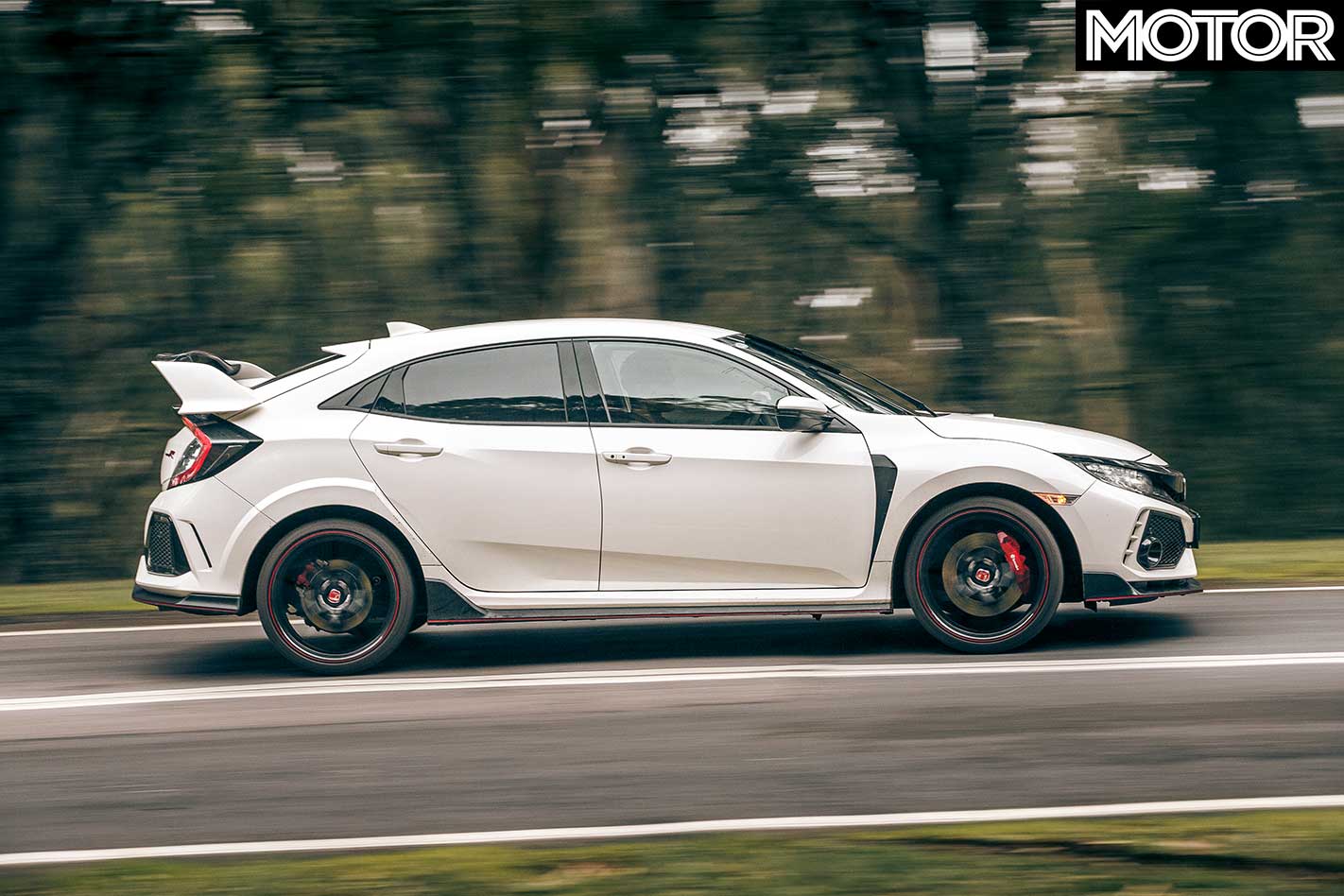
Expectedly, Brexit’s effect on the decision is being closely analysed. But Ian Howells, Honda Europe’s Senior Vice President, is quoted saying this has not been a “Brexit-related issue”.
The Swindon plant builds around 150,000 units Civic Hatchbacks for global markets per year, along with the current and previous model Civic Type R.
Honda also has said it will close its Turkey plant that builds around 38,000 Civic sedans each year, axing another 1100 jobs.
The Honda Civic Type R is the most successful car in a single year of MOTOR magazine’s award history, taking the Bang For Your Bucks and Performance Car of the Year title in 2018.
Australians have bought 900 Civic Type Rs in total since its launch in September 2017, or about 7 per cent of sales in total.
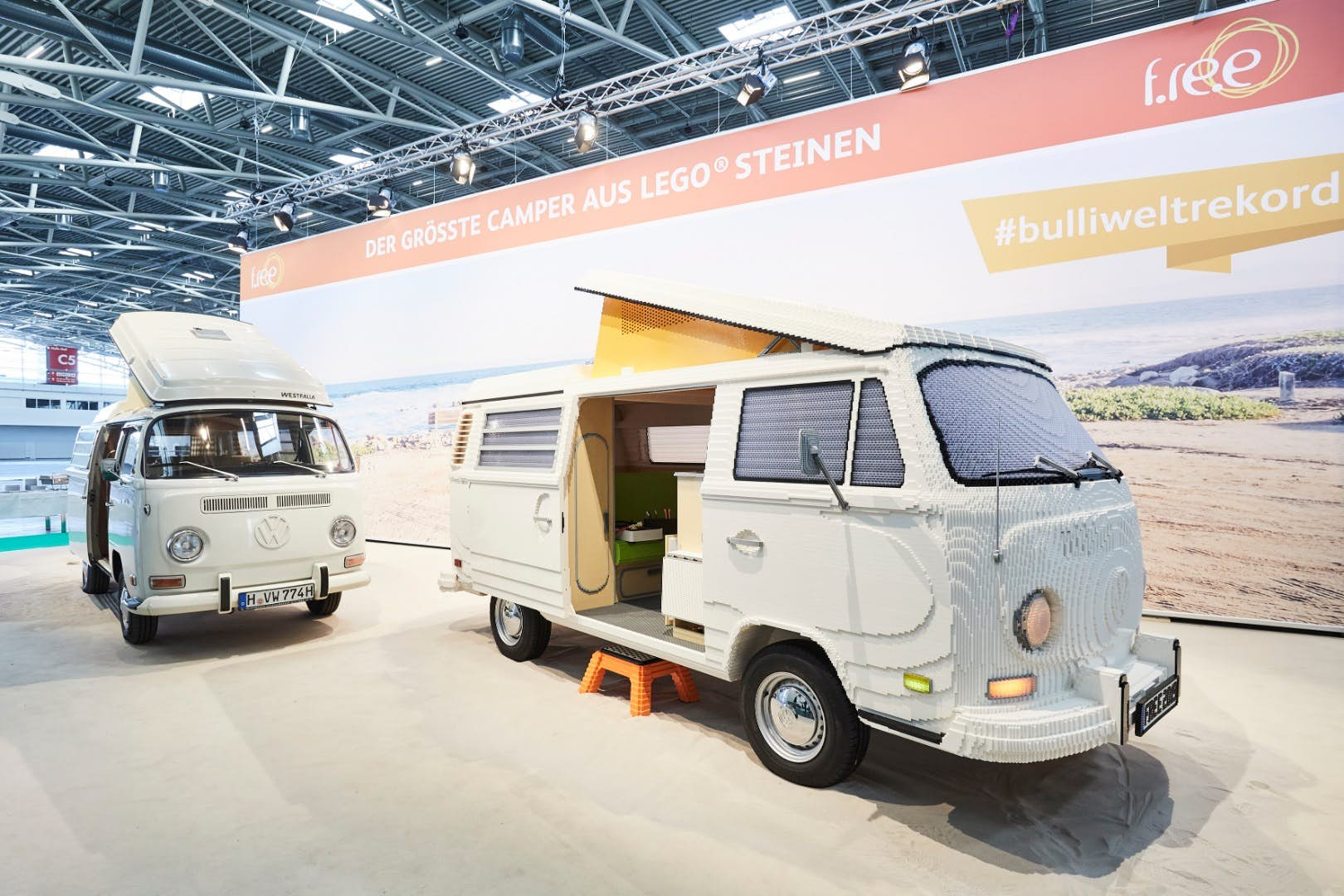
As the ‘Great Australian Dream’ of home ownership drifts further and further away with each Census report, Lego and Volkswagen have come up with a solution: a life-size VW T2 Campervan, complete with pop up roof, kitchenette, sliding door and real VW tyres.
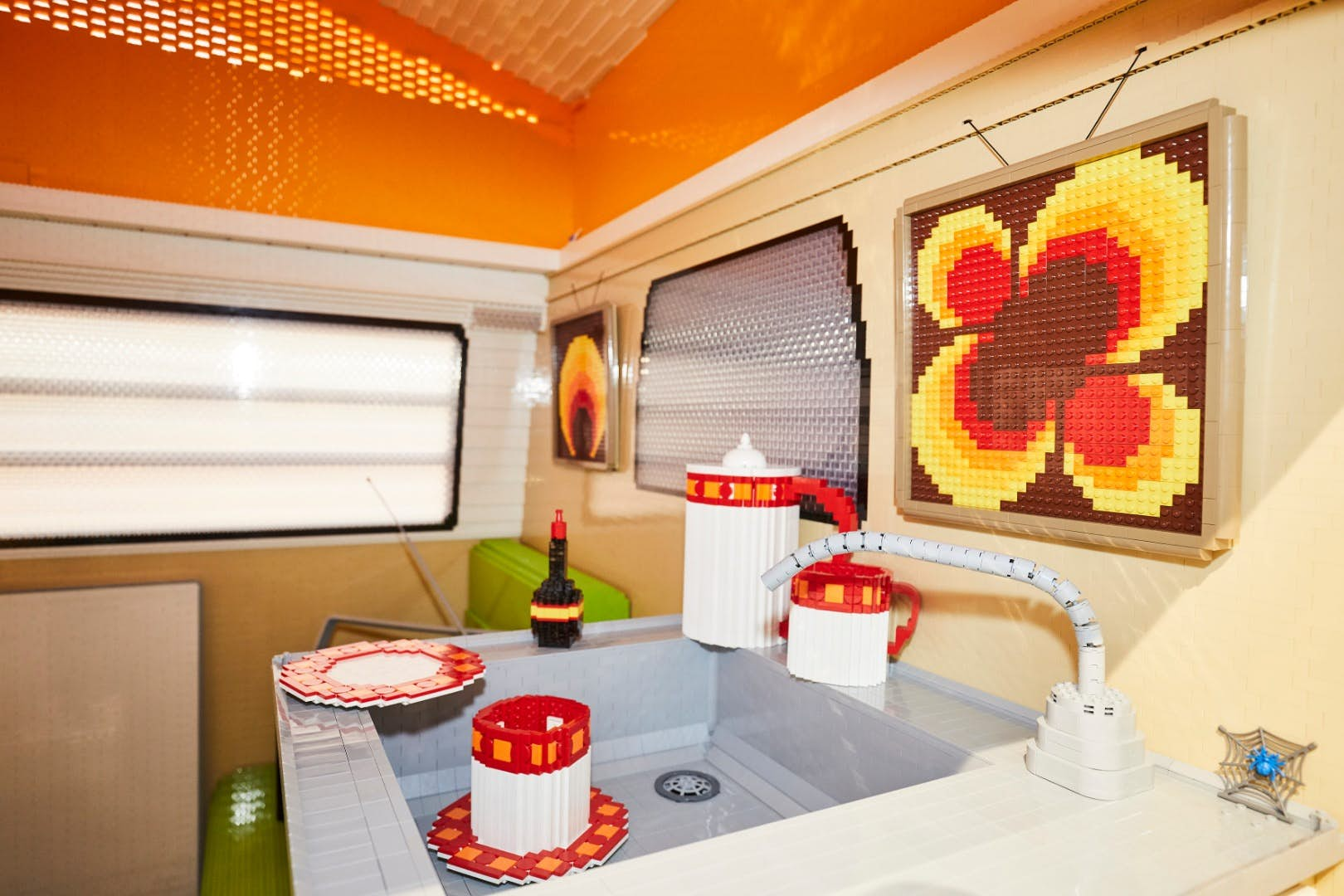
Doubling the brick record set by a life-size teardrop trailer in 2015, the Type 2 Bay Window replica is made up of some 400,000 bricks, weighs 700kg and stands at five metres in length, 1.9 metres in width and three metres tall with the roof popped up.
Starting with a 3D-image construction plan that calculated rigidity and scale, the camper took certified Lego model makers (of which there are only 12 in the world, and yes that is a real job) Renen Hoffmeister and Pascal Lenhard six weeks to build.
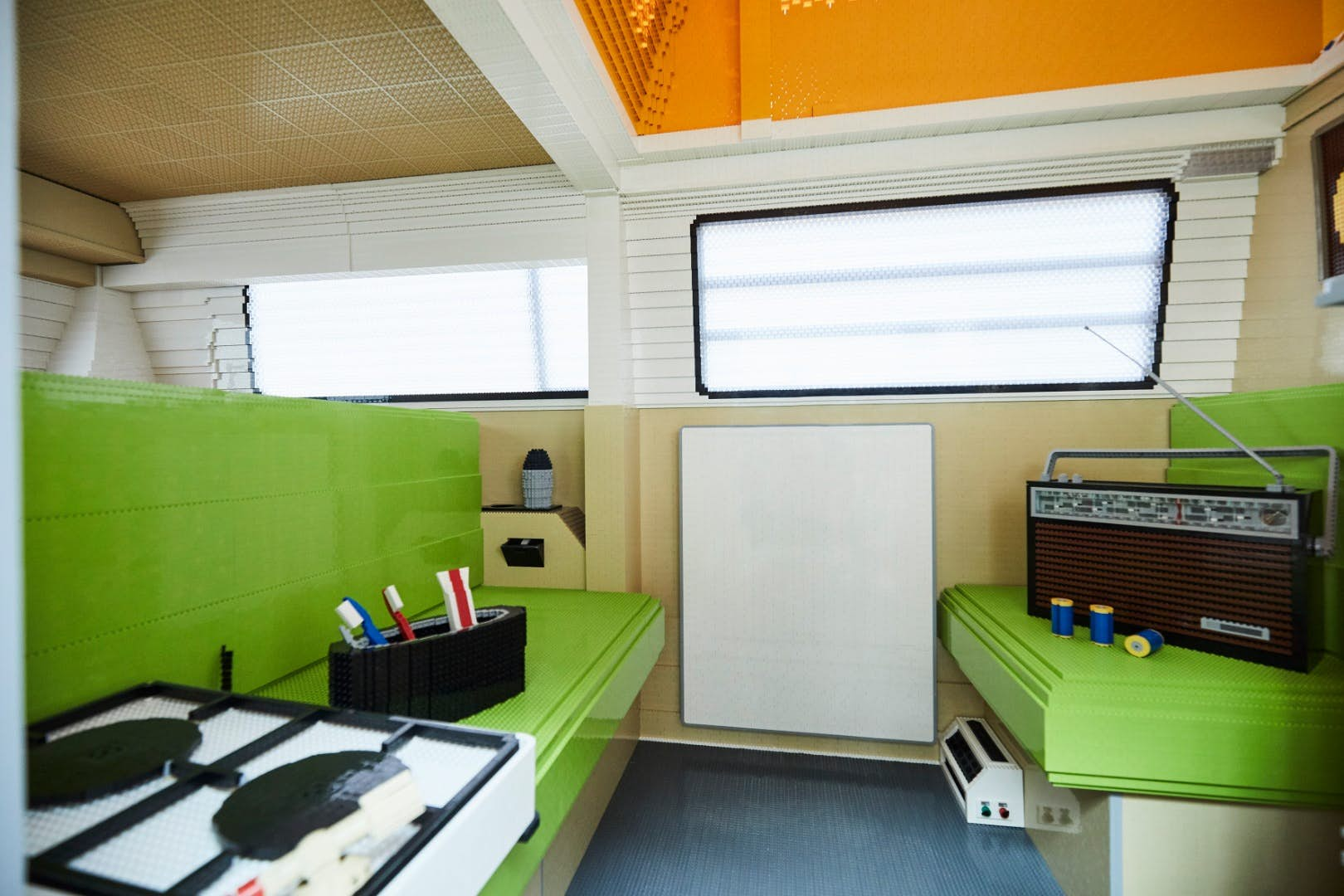
Although it doesn’t have running water like the aforementioned LEGO teardrop trailer, the street cred of the Lego FPV Turbo Barra engine, nor does it seem to be drivable like the Lego Bugatti Chiron it does come stocked with toothbrushes, 70s style crockery, an old radio and love some lovely retro floral artwork.
The camper is currently on show at the f.re.e Leisure and Travel Fair in Munich, Germany, until February 24.
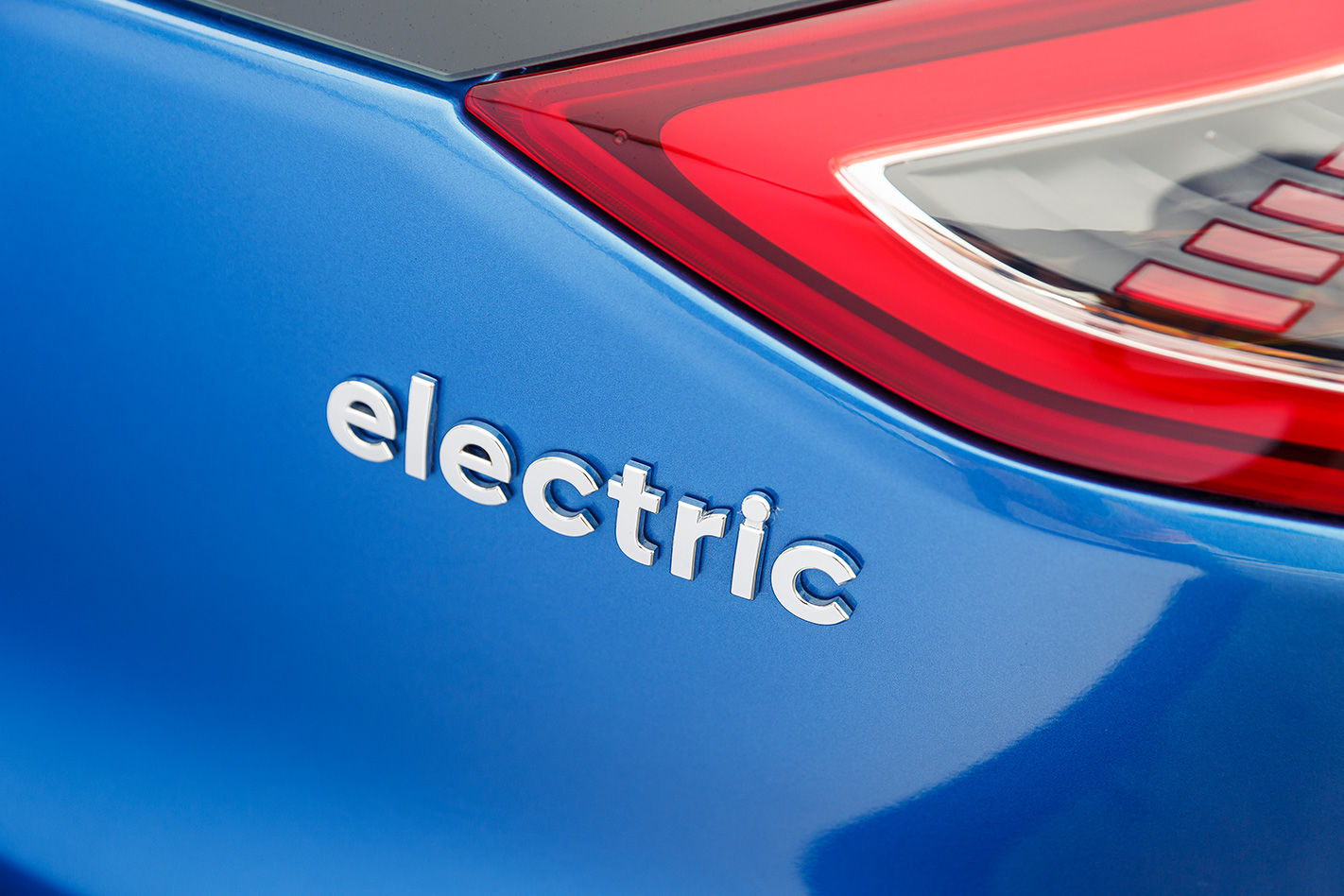
EVERY time the man from Hyundai mentioned the words ‘IONIQ BEV’ I couldn’t stop thinking of a movie pitch featuring a crime-fighting superhero lunch-lady. The reality isn’t quite as exciting, and thankfully the Koreans are now calling it the IONIQ Electric but it nevertheless carries a pretty snappy tagline. ‘Australia’s cheapest EV’ ought to guarantee a decent return at the box office for the Koreans.
2019 Electric Vehicle Megatest: Introduction
The IONIQ Electric is but one part of a three-pronged hedge from Hyundai, offering a base IONIQ hybrid, a plug-in version and this, the range-topping EV version. While the duller plug-in could well be the more pragmatic pick for most Aussies, the comparatively extrovert Electric is the car that’s going to mop up the column inches and with good reason.
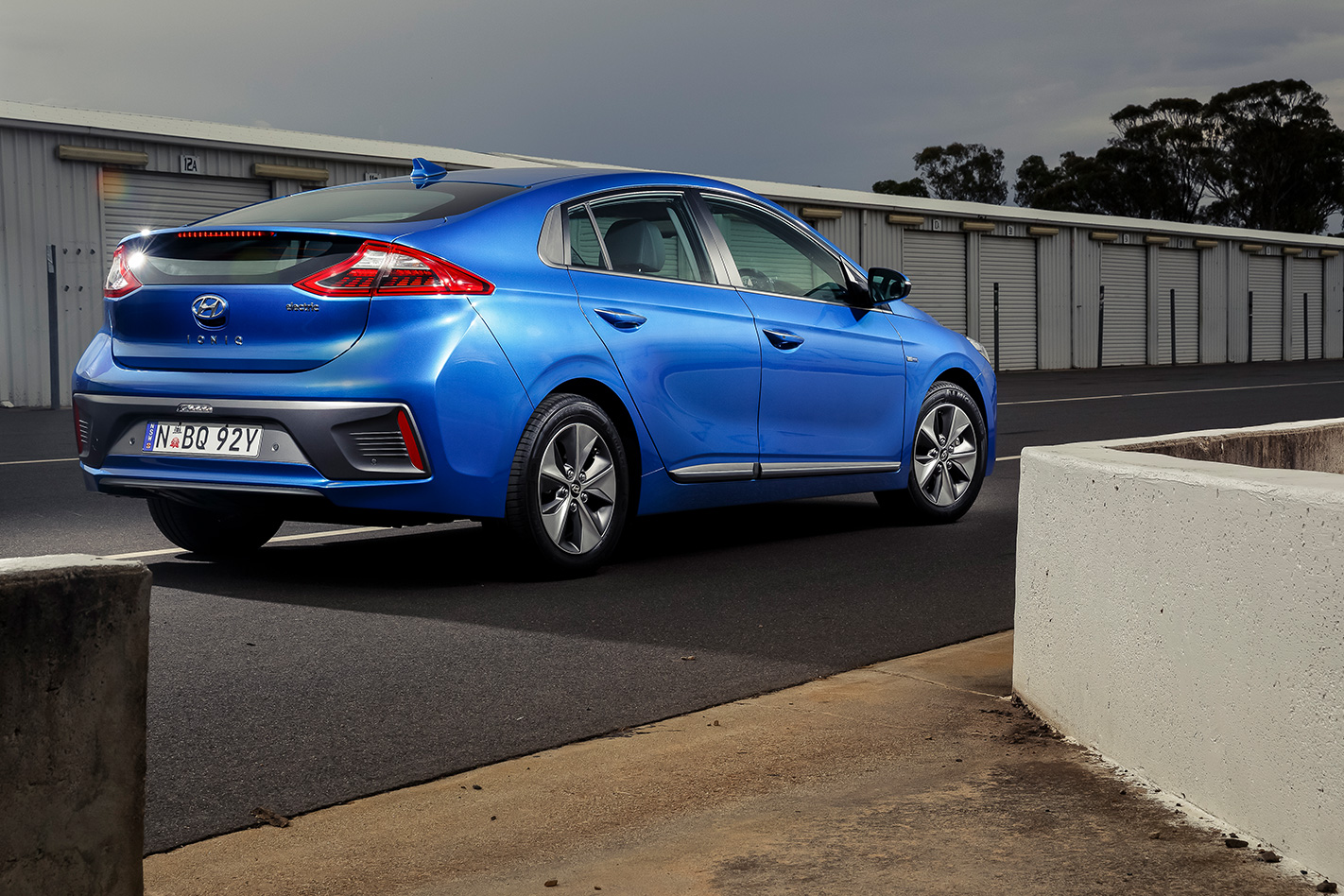
Pitching in at $44,990 for the Elite and $48,990 for the Platinum flagship, it features a 28kWh lithium-ion battery for a real-world range of 230 kilometres. The 88kW permanent-magnet synchronous motor delivers a peak of 295Nm in Sport mode which eases back slightly to 265Nm in Normal or Eco.
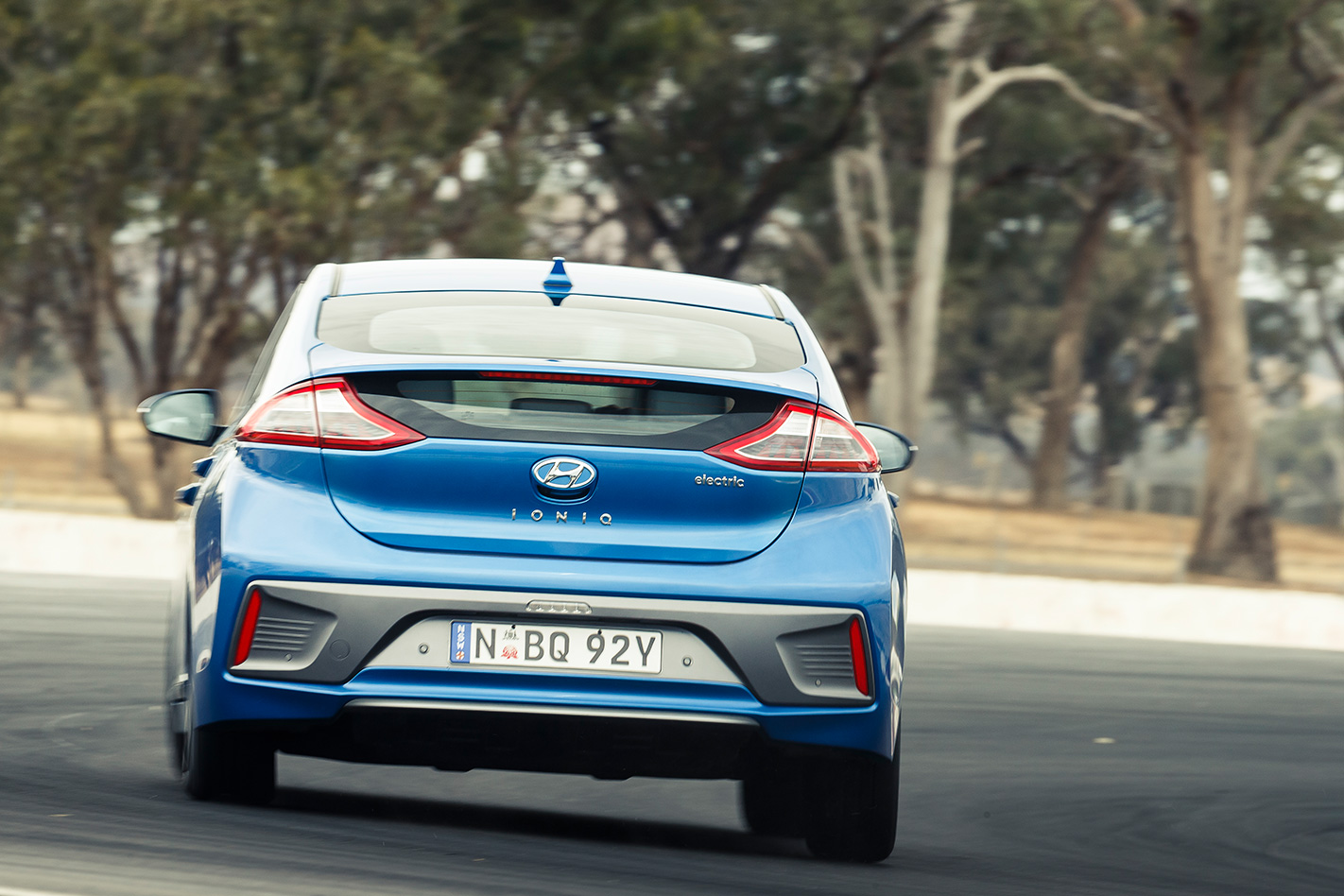
It’s not the quietest EV we’ve ever driven, and at a modest 90km/h cruise, your passengers probably wouldn’t even guess it was electrically powered, such is the drum from the 16-inch Michelin Energy Saver tyres and muted bump-thump from the torsion beam rear end, while wind roar is higher than you’d expect from a vehicle with a drag coefficient of just 0.24. Flicking the paddles shuttles through four levels of re-gen, and only on the more aggressive modes does some whine enter the cabin. Plant the throttle and the instant torque can easily overwhelm those eco-oriented front tyres. Keen drivers will also yearn for a little more steering feedback.
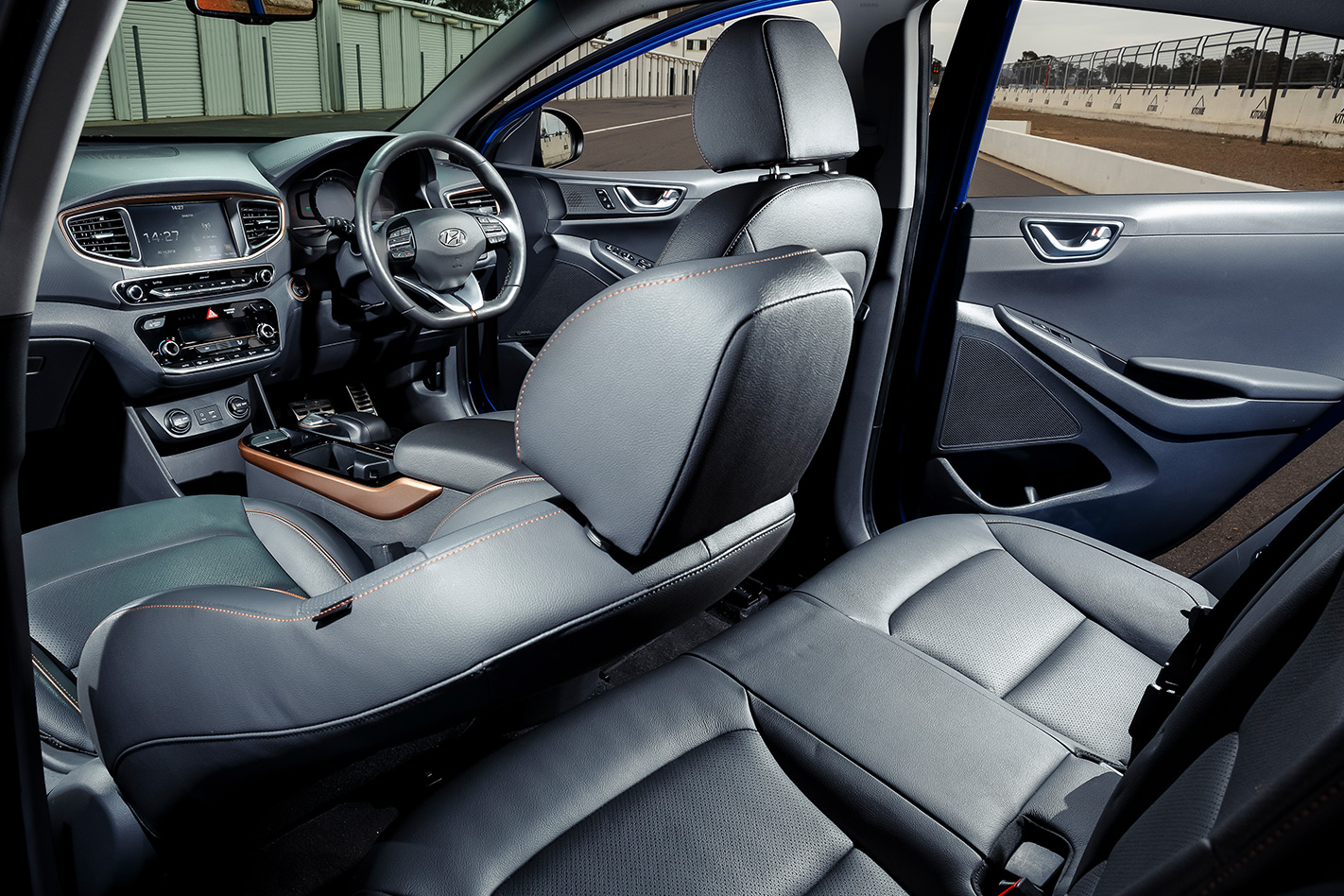
It’s really not that sort of car, though. It’s a car for the undemanding buyer who wants an EV that’s as close to fuss-free as this price bracket allows. It’s an unthreatening entry point to full EV ownership, with $160 annual servicing and charging to 80 percent in 23 minutes on a 100kW DC fast-charging station. This blows out to 12 hours on a household outlet using the standard In-Cable Control Box (ICCB) but most customers will fork out another $1995 for the 7kW AC home wallbox that brings a full charge down to a more manageable four hours and 25 minutes. The interior features bronze highlights that lift the otherwise Tucson-looking dash, while the centre console is model-specific and swaps out the hybrid and plug-in’s utilitarian shifter in favour of a neat cluster of buttons.
If, after some contemplation, you come to the conclusion that it’s all fairly unexceptional, you may have arrived at the IONIQ Electric’s greatest achievement. It makes what was once exotic technology seem wholly accessible. Not all heroes wear capes.
8/10
- Lamborghini Urus sold out for at least a year
- Two shifts build 26 Urus SUVs a day
- Seventy per cent of buyers are new to Lamborghini
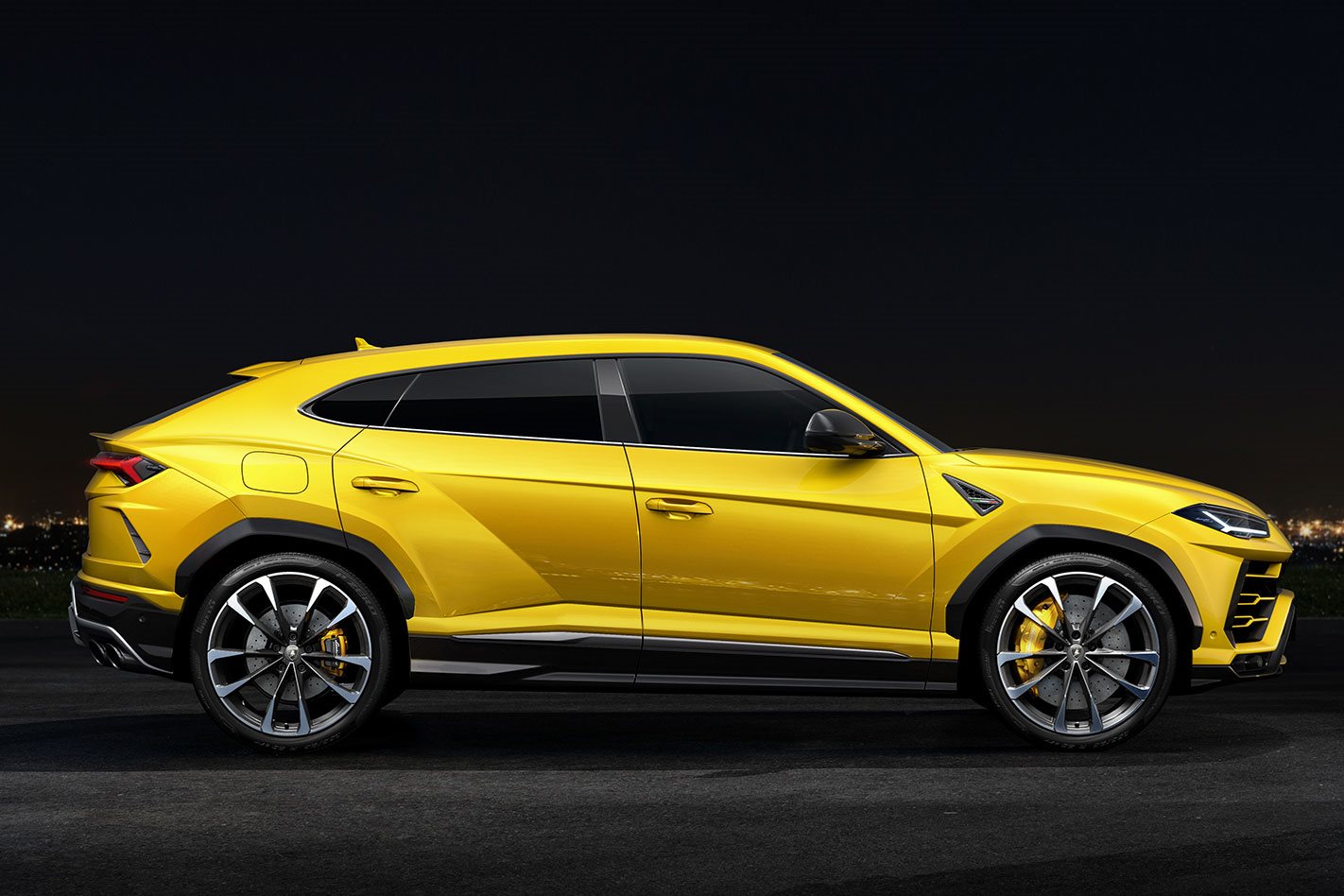
Despite costing more than $390,000 before on-roads, the order books for the four-door, five-seat Urus are already out to the middle of 2020, with more than 25 of the twin-turbo V8-powered SUV already spoken for in Australia.
“It’s been better than expected, even if we knew that it was a game changer,” said the chief commercial officer of Automobili Lamborghini, Federico Foschini. “Since the beginning, we knew that with this kind of car we were starting a new segment that was not existing.
“We want to have 70 per cent of orders from new people to the brand, and 30 per cent of people that are loyal to the brand, and this is exactly what is happening.”
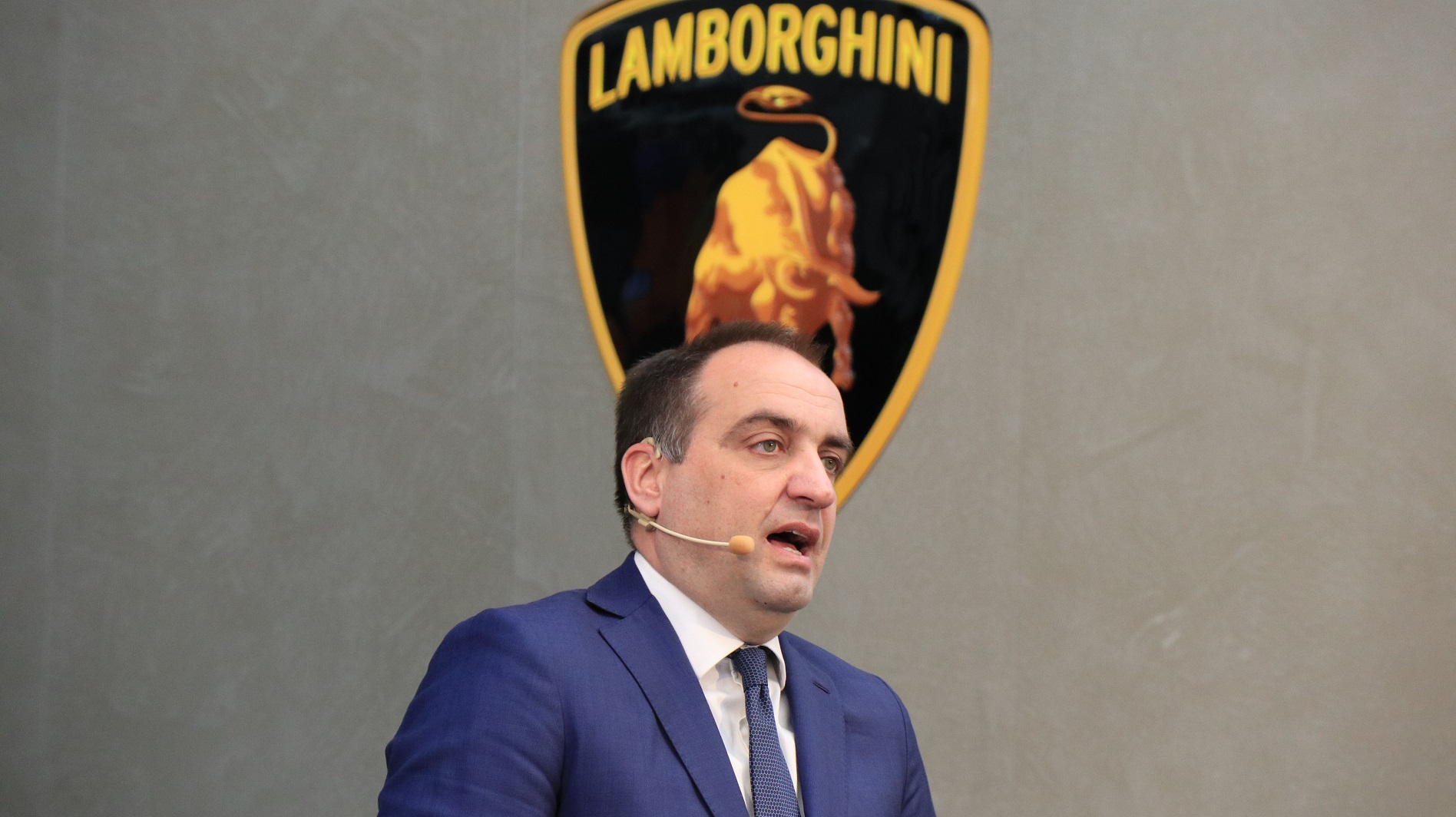
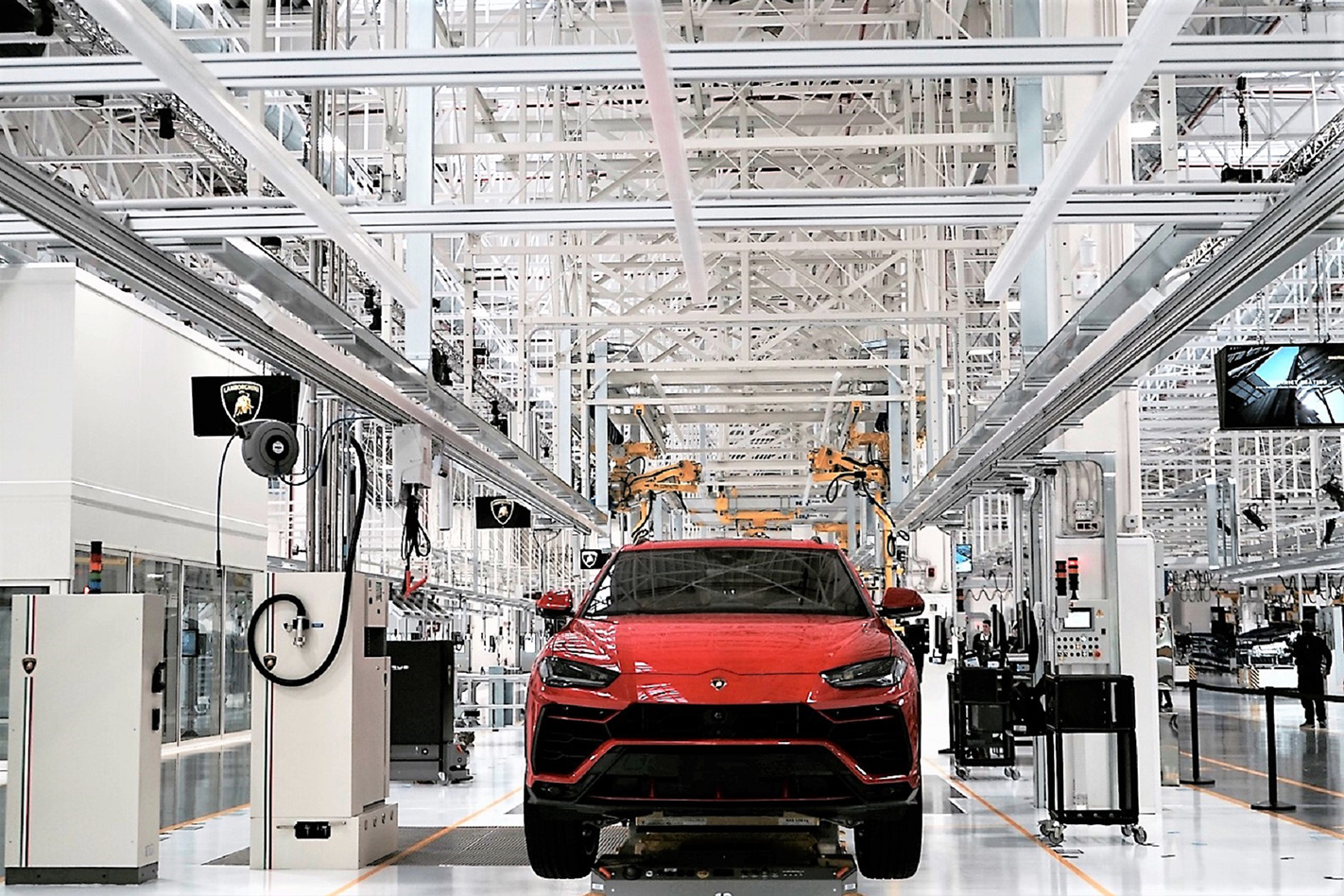
Foschini (above) acknowledged that the line between supply and demand is a crucial one for a luxury brand to negotiate, noting that the company’s Sant’Agata site – doubled in size to handle Urus production – is running two shifts daily to pump out 26 cars a day.
“We have an order bank that is all around between 10 to 12 months with peaks of 13 to 14 months and the situation will be better,” he explained. “We are carefully managing this; this is one of the most important things… and it is a nice problem to have, no?”
He explained that a luxury brand is created via demand being higher than supply, and that Lamborghini won’t ramp up production simply to meet initial demand.
“We don’t want to inflate the market in order to give all the cars immediately, because their resale value will be completely destroyed,” he said.
“So it’s a very sensitive item, and this is the item that, especially here in the [Asia Pacific] region, they have to manage. We will keep collecting orders, but on the other side we need to satisfy the people that want to buy the car.”
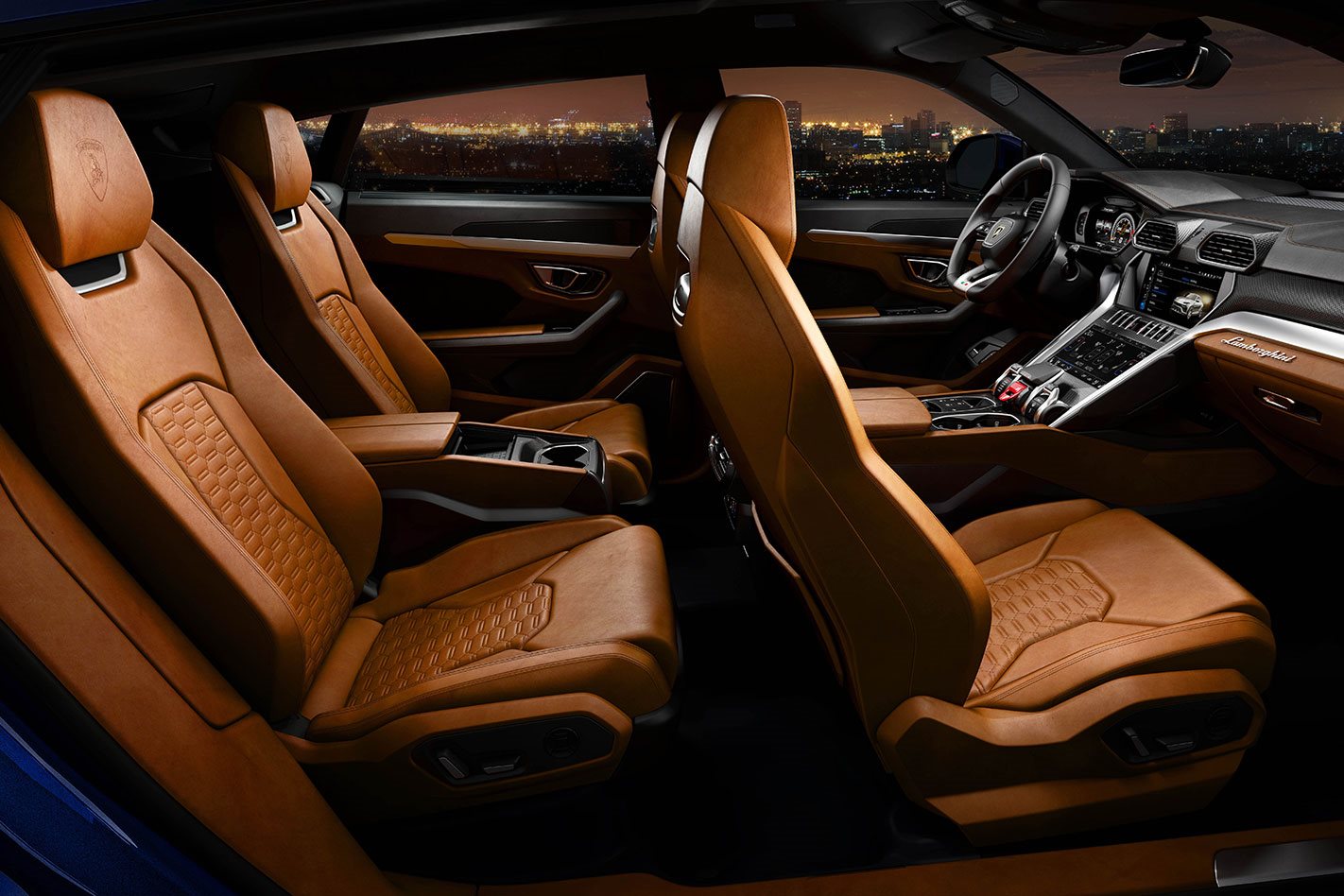
Even though Lamborghini has beaten the likes of Aston Martin and – if the rumours are to be believed, Ferrari – to the punch in the high-performance SUV sector, the storied Italian brand has no interest in producing a smaller, less expensive SUV to slake the thirst of crossover-mad premium car customers.
“To plan another SUV maybe below the Urus like a Porsche Macan is not something that is in discussion,” Foschini said firmly. “This kind of opportunity is not something that we have discussed.”
Foschini is under no illusion that other car makers will join the hi-po SUV set in the near future, but believes that Lamborghini is still in a unique position at present.
“There is nobody that at the end has this kind of concept,” he said. “It’s not an ‘almost SUV’, as we call that, or a ‘luxe’ SUV like the [Bentley] Bentayga or the Rolls Royce [Cullinan]. Is a complete different concept and this is something that we stand for.”
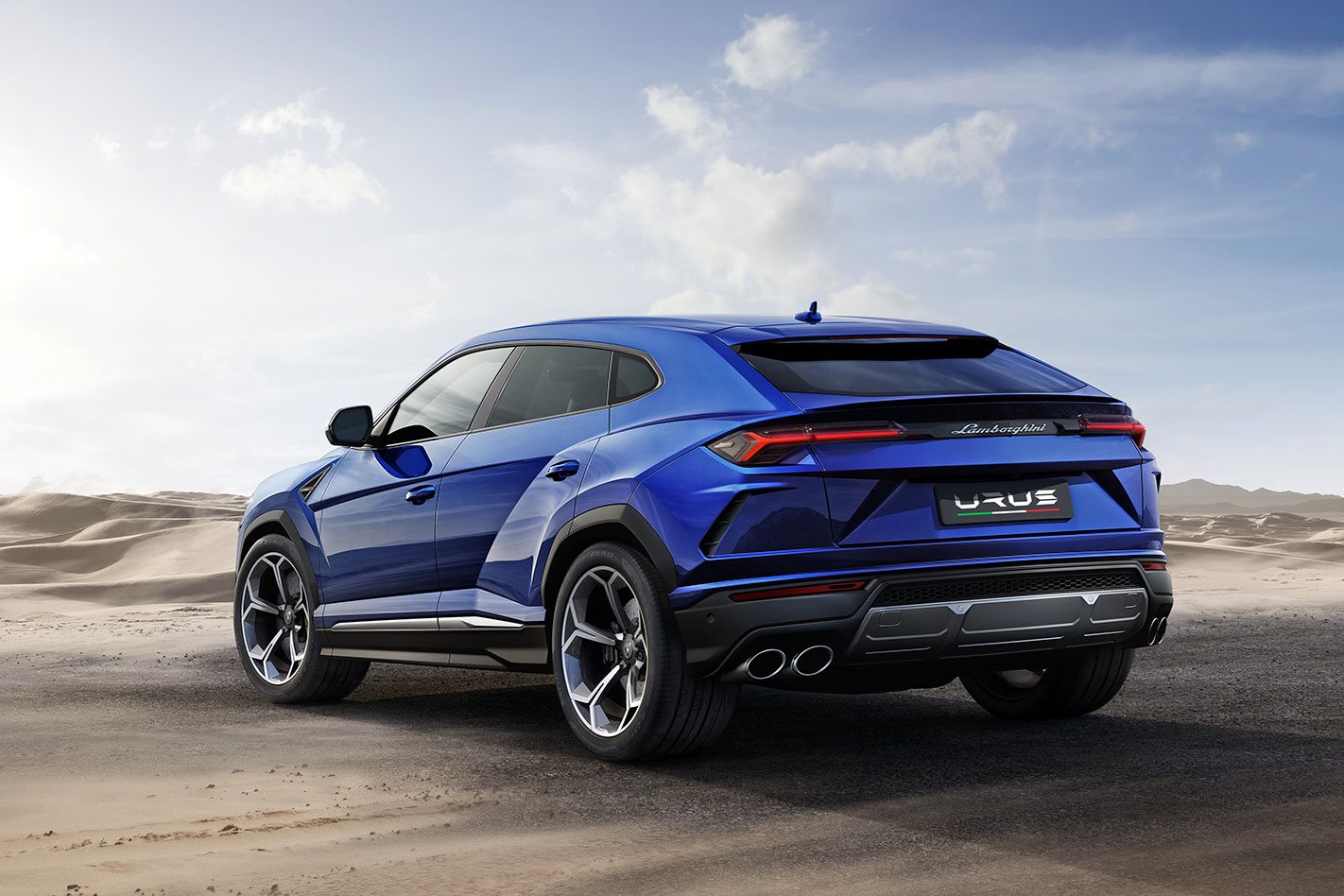
Production line pics – Noelle Faulkner
Honda has added some luxury to its mid-spec HR-V variant, for those seeking a champagne crossover on a craft-beer budget.
The $29,990 price tag of Honda’s five-seat, five-door small SUV puts it up against rivals including the $29,790 Mazda CX-3 S-Touring auto, and $29,500 Hyundai Kona Elite,.
The HR-V VTi-S +LUXE special edition adds leather-appointed seat trim and heated front seats to the regular VTI-S variant. You’d have to plump for the range-topping VTi-LX to get these seats otherwise.
It also comes standard with $600 premium paint in a choice of colours that includes Brilliant Sporty Blue metallic (above), Lunar Silver metallic, Modern Steel metallic and White Orchid pearlescent.
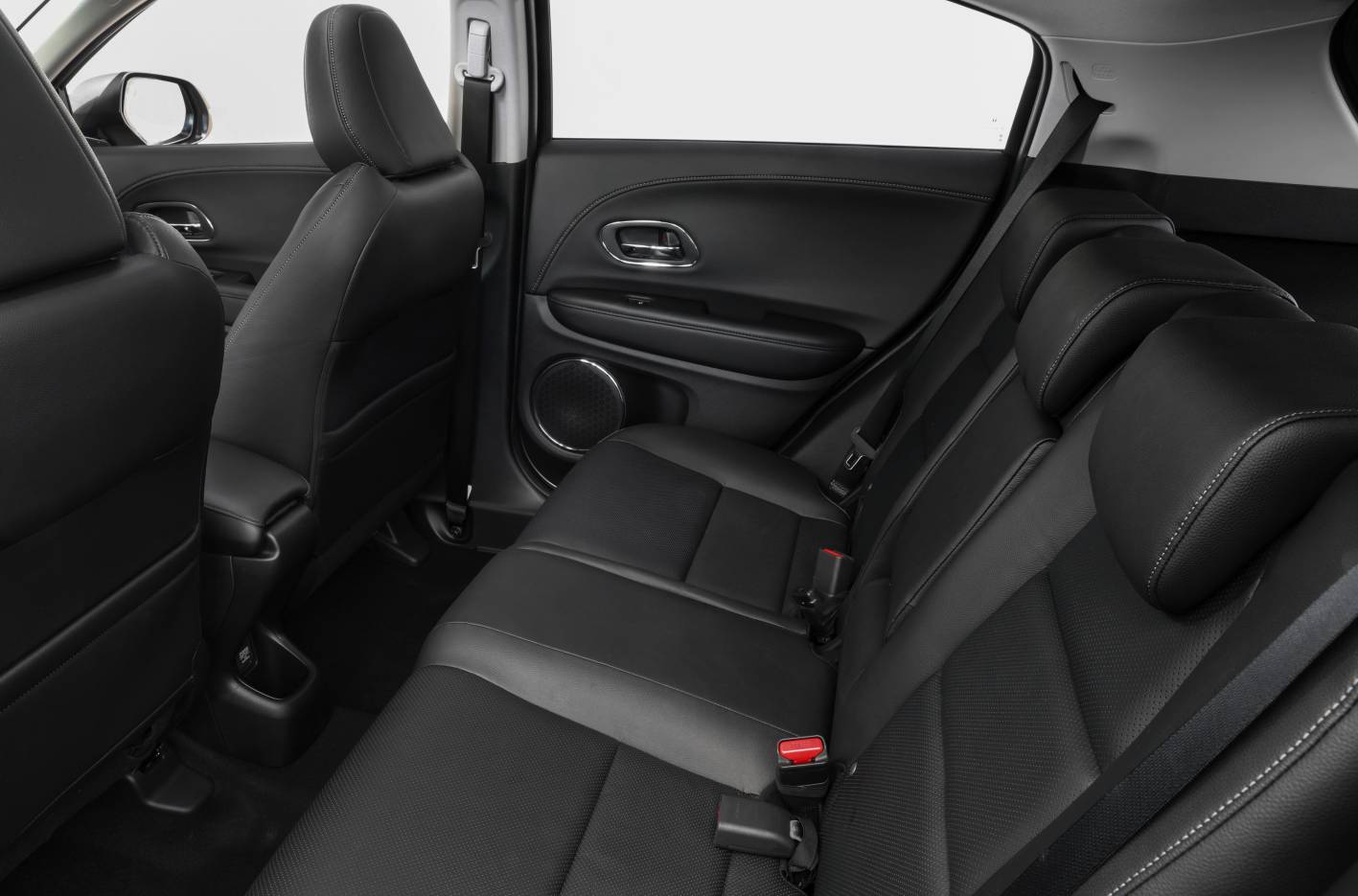
The extras attract a $2000 premium over the HR-V VTi-S, building on its standard features list that includes built-in satellite navigation, smart keyless entry and push-button start.
It also gets LED headlights, multi-angle reversing camera, rear parking sensors, blind spot monitor and city-speed autonomous emergency braking.
Like the rest of the HR-V range, the VTi-S +LUXE is powered by a 1.8-litre four-cylinder petrol engine backed by a CVT auto and front-wheel-drive. There is no manual Honda HR-V available in this spec.
The special-edition HR-V VTi-S +LUXE is now available in Honda showrooms.
2019 Honda HR-V retail pricing
- HR-V VTi – $24,990
- HR-V VTi-S – $27,990
- HR-V VTi-S +LUXE – $29,990
- HR-V RS – $31,990
- HR-V VTi-LX – $34,590
IF YOU have a cool $13.5 million set aside for a new house, but seek a property that caters to your rev-head needs, there’s a new listing that could be tailor-made for you.
Located at 181 Harkaway Road, Harkaway, in Melbourne’s outer eastern suburbs, the Mediterranean-inspired property is built for motoring enthusiasts, thanks to the current owner Max Twigg’s passion for motorsport.
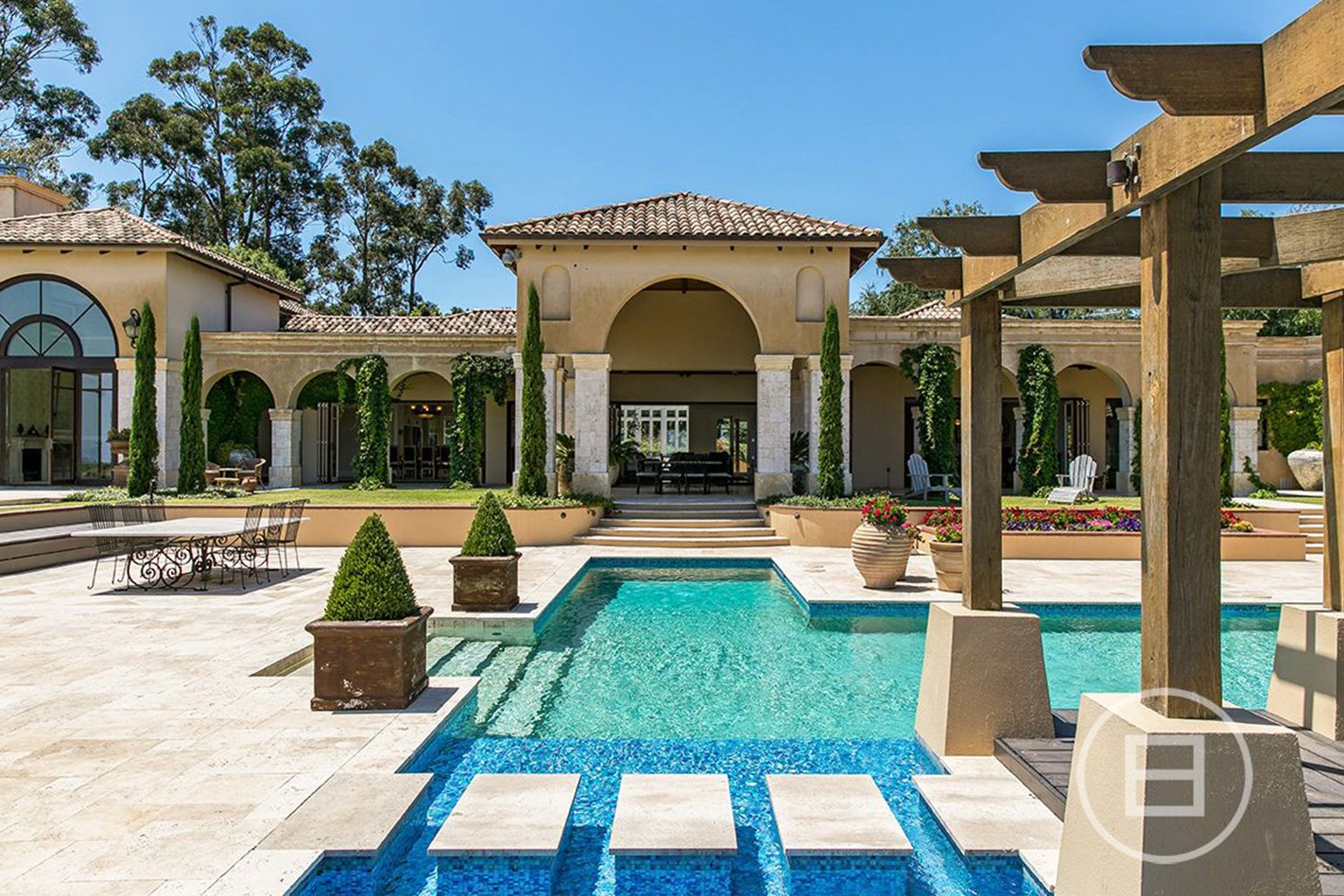
Set of five hectares of land, the major attraction for us is the property’s go-kart track. David Reynolds apparently holds the current lap record, with a blistering time of 19.5 seconds.
The property joins some of our favourite recent real estate listings, like the $4.1 million British home with a 980-metre karting track, a Wollongong property with a gargantuan workshop, Chad Reed’s sprawling compound, and the Mecca of rev-head properties located at 505 Conrod Straight.
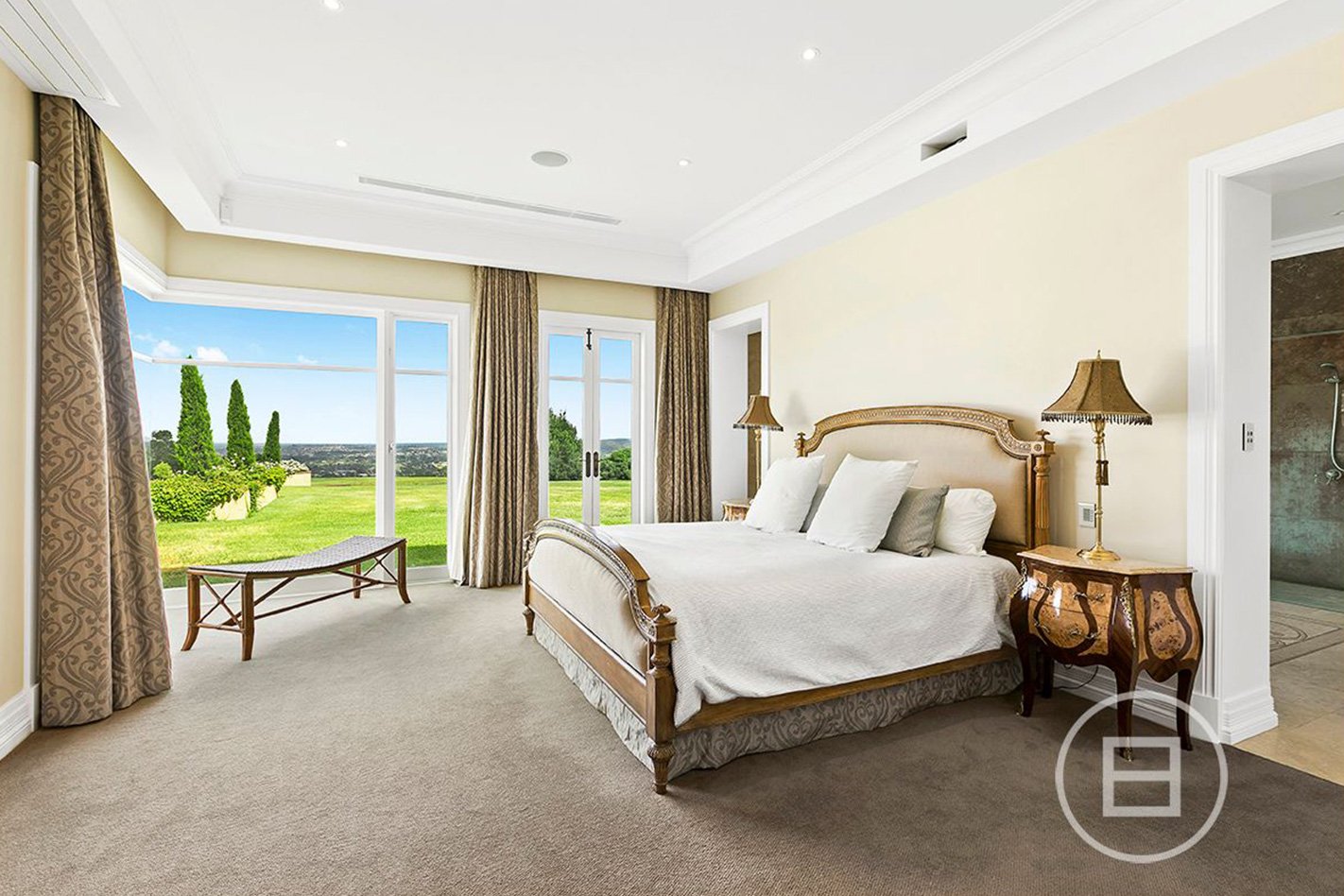
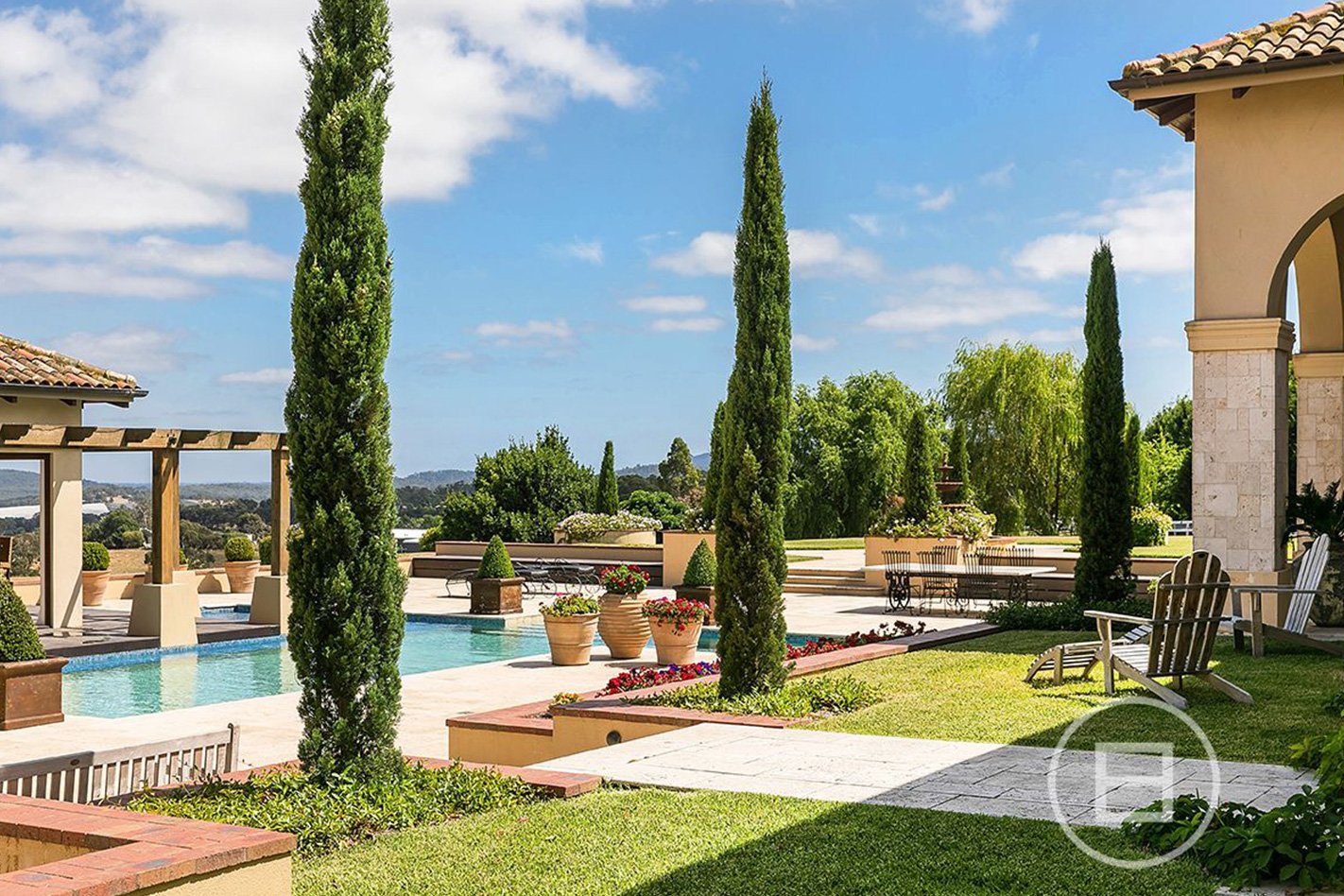
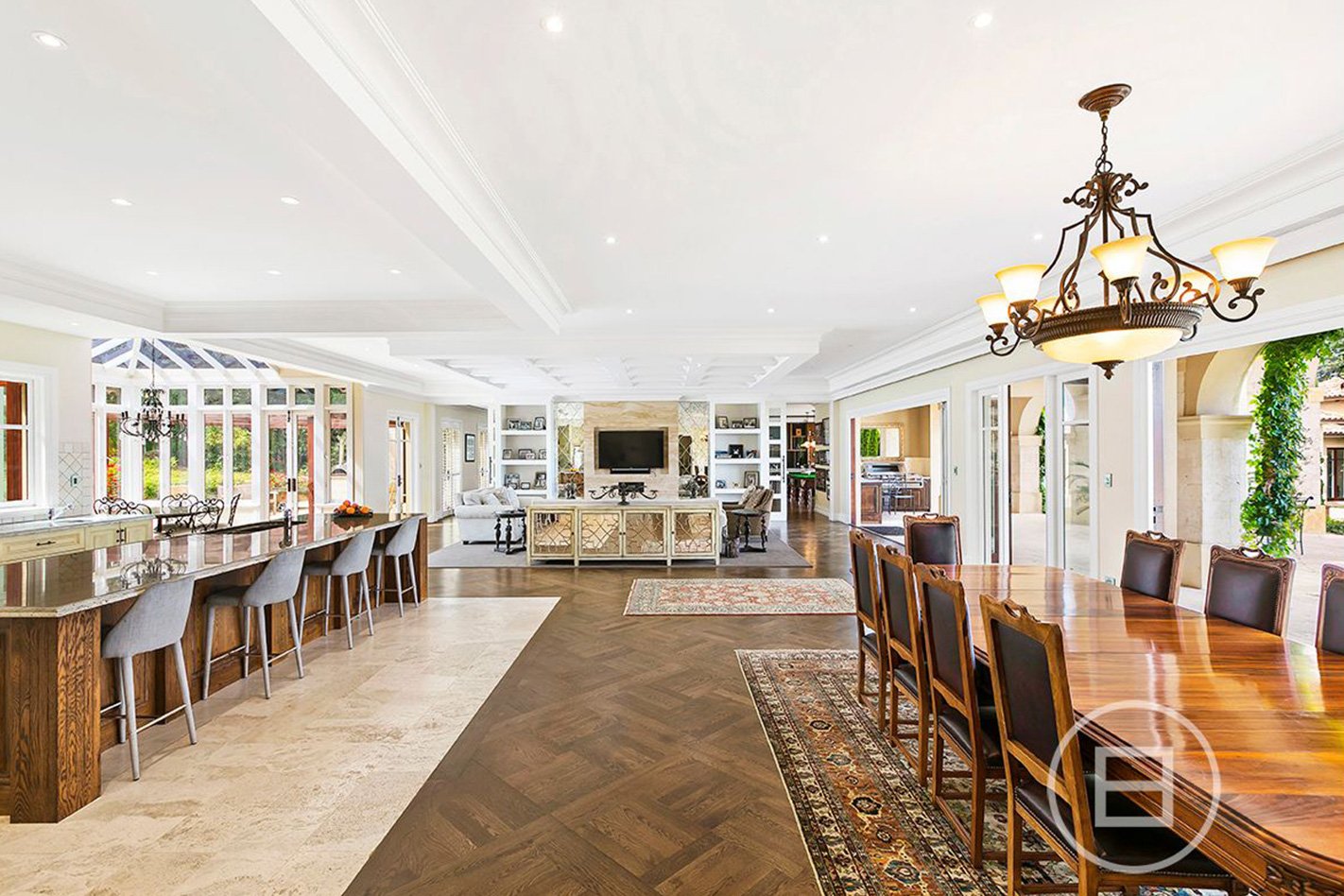
The main residence is a four-bedroom, single-level house, but the property also includes a pool, spa, tennis court, gym, cabana, guesthouse and lake.
There’s also a helicopter pad and a 30×20-metre workshop with car hoists and – perfect for working on project vehicles or race cars.
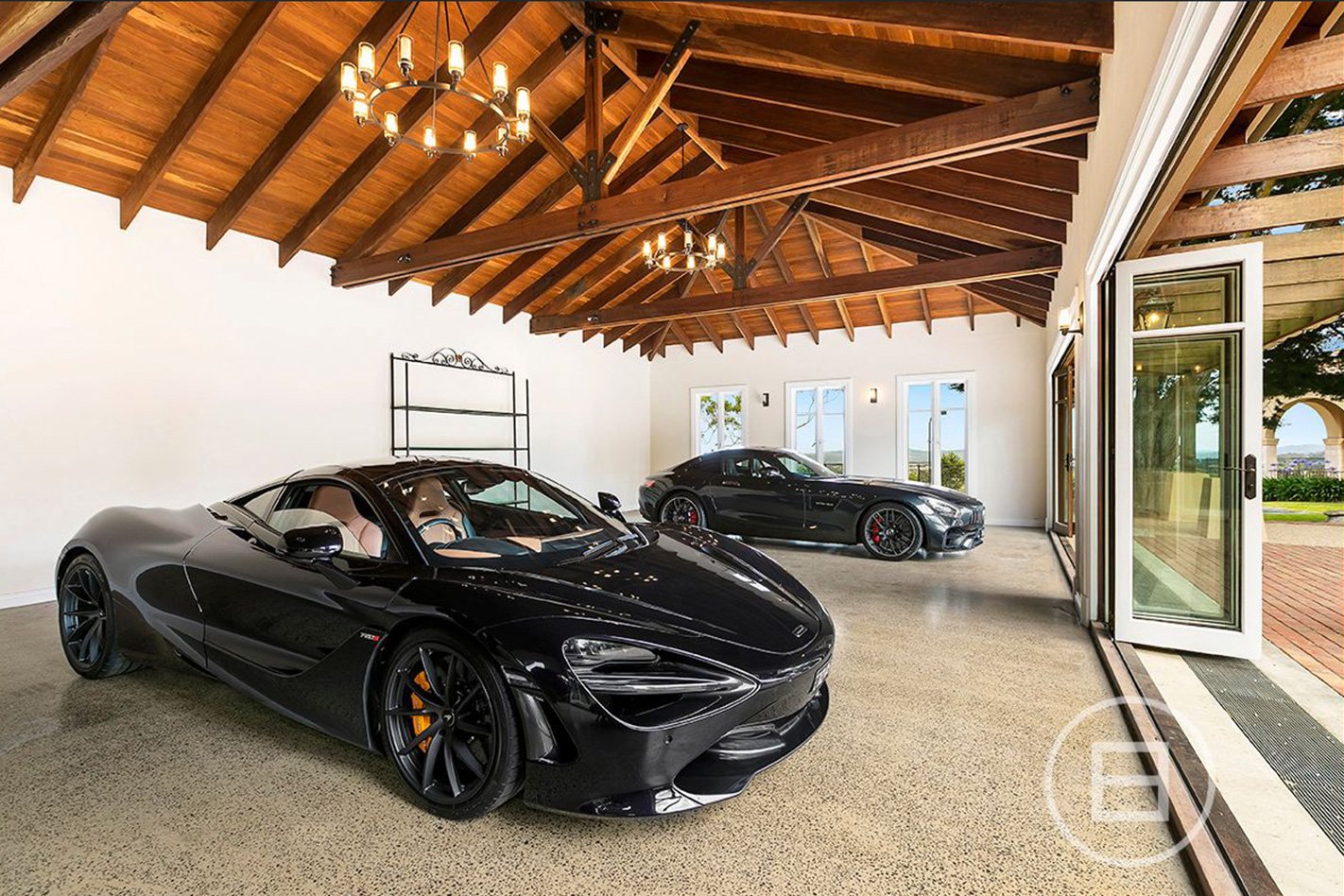
If you purchase the property, it’s unlikely you’ll run out of room for cars, with the aforementioned workshop adjoining a triple garage and ‘display shed’.
According to news.com.au, the property was once home to a horse racing and agistment facility, before it was purchased by Twigg in 2005 for $2.25 million.
In 2011 Twigg was the victim of an elaborate price-fixing scam in relation to a Gold Goast home he bought for $17.5 million (plus stamp duty) in 2007, but sold for just $8 million in 2011 – a loss of around $50,000 a week for four years.
Twigg made his fortune in waste management, but has been fulfilling his racing driver ambitions since 2005, frequently competing in both the Australian GT and Porsche Carrera Cup championships.
We hope another motorsport and car lover snaps up the property, and starts working on shaving a few tenths off that track record.
The Premcar Holy Grail has made its public debut at the 2019 All Ford Day in Geelong.
A 483kW/753Nm upgrade package for the 5.0-litre supercharged Miami V8, the Holy Grail has been developed by the same people who created the engine for Ford in the first place, Premcar springing to life following a management buyout of Prodrive Engineering in 2012.
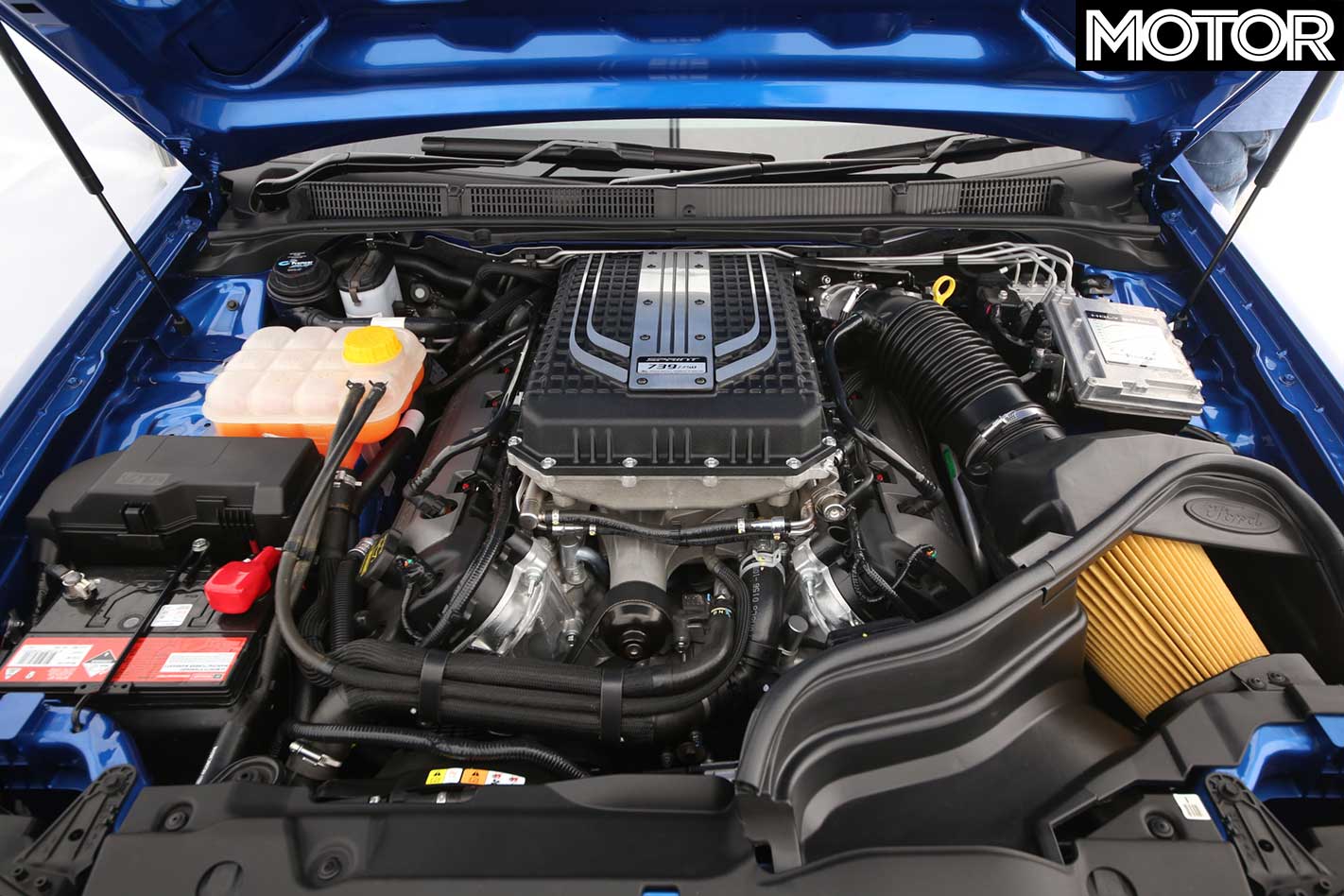
The Holy Grail was revealed by Premcar Engineering Director, Bernie Quinn, motor racing legend John Bowe, Premcar’s development driver, and AFL great Tony Lockett, who was one of the first Holy Grail customers.
Limited to 100 kits, the Holy Grail package costs $24,885 and includes a cast aluminium intake manifold, water-to-air intercooler, front-mount heat exchanger, new coolant and power steering pumps and, most importantly, ECU recalibration to make it all run as per factory. An optional performance exhaust is also available for an extra $4500.
Where the Holy Grail differs from more traditional aftermarket packages is that it’s been subjected to a similar durability testing as that required by an OEM, including hot and cold climate testing, shaker rigs, full power dyno runs and vibration testing. All the factory driveline protection maps also remain in place and all the modifications are ADR approved and road legal.
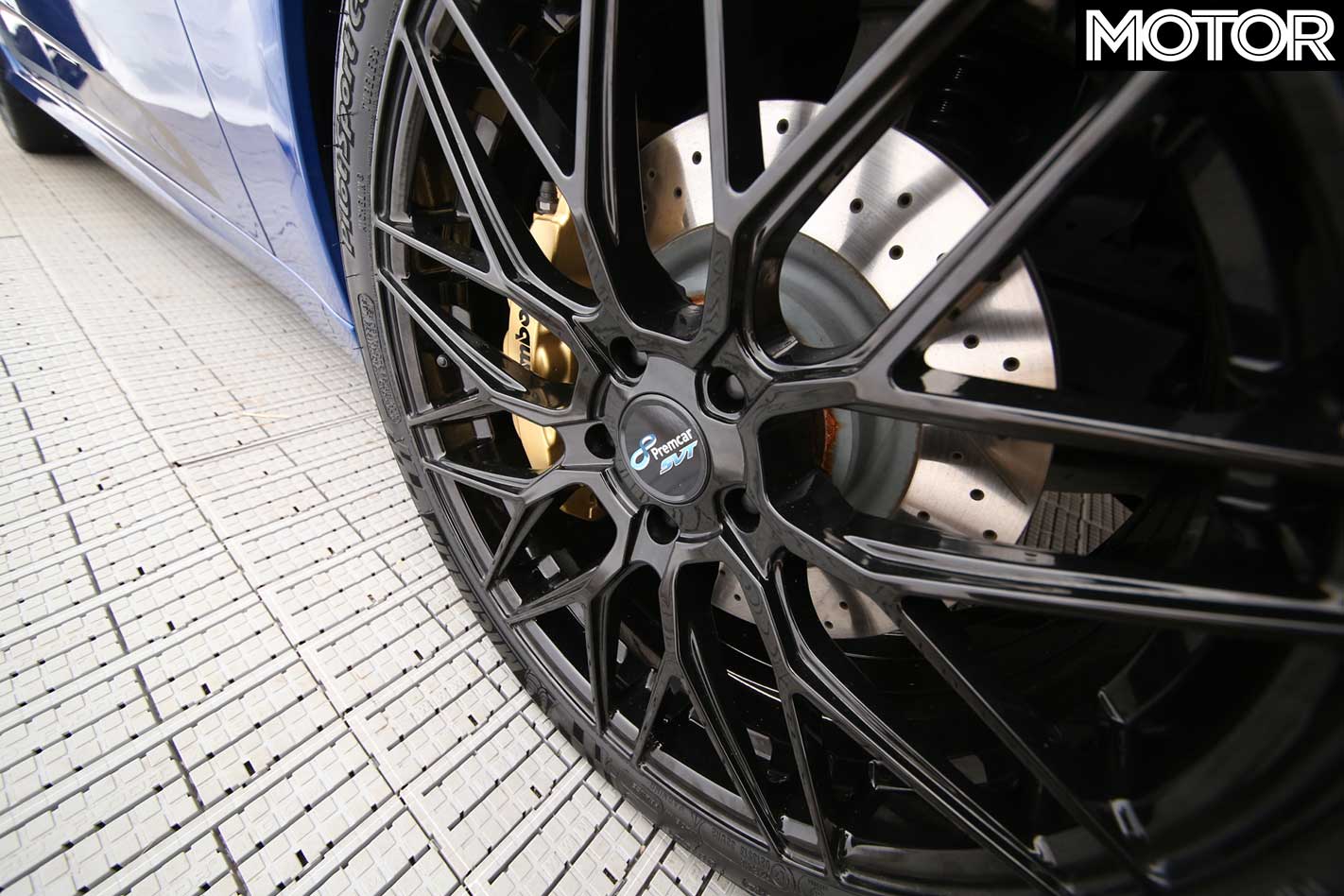
Premcar also offers (and recommends) a series of chassis upgrades to handle the substantial increase in power over standard. The $14,790 Handling Package includes new billet aluminium trailing blades, which allow for the fitment of 19 x 10.5-inch rear wheels and 295/30 Michelin Pilot Sport Cup 2 tyres, a 20mm increase over standard, while the front end wears 19 x 8.5s and 255/35s for an extra 10mm of width.
The adjustable dampers are a collaboration between Premcar and Shockworks and are manually adjustable through 12 steps of firmness. Rounding off the package are badges, centre caps, a numbered plaque and dyno graph under the bonnet.
Stay tuned for our track review later this week and full on-road feature in the next issue of MOTOR Magazine.
In the previous instalment of this real life buying exercise – a circa-$65K maximum budget for an enthusiast ‘dream garage’ – I explained that the idea was to purchase a third car to place alongside a 1989 205 GTI and 2010 Commodore SS. No expensive dreaming, here…
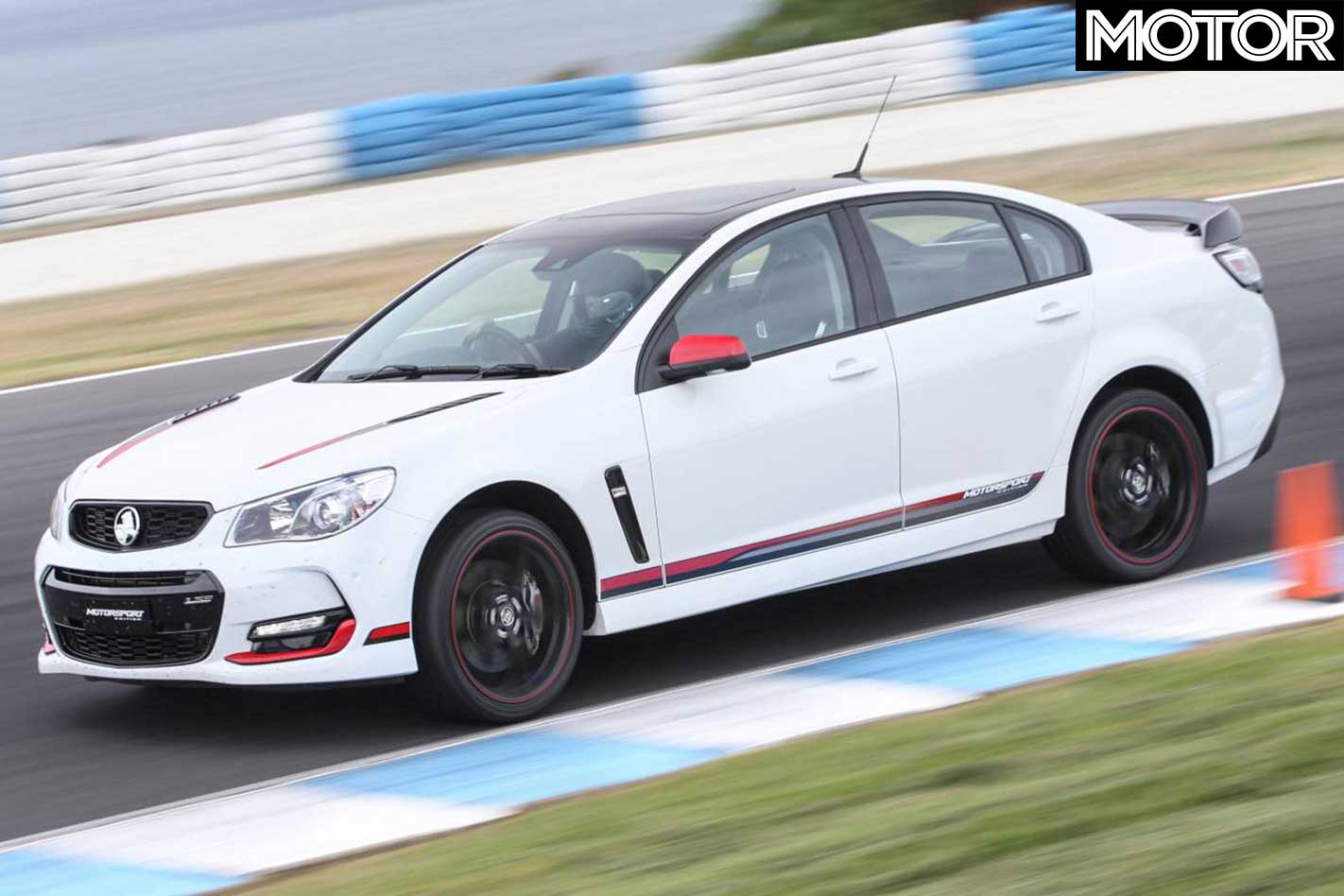
Daily is the word, and tough has been the choice. I (half) ruled out upgrading the VE to a VFII Redline or Motorsport Edition, because a daily can’t use 20+L/100km around town and be hard to park. Selling the Commodore and rolling into a big loan for a used BMW M2 Pure would only half-solve that, too; and it isn’t the best financial option all told.
So the not-so-shortlist to place alongside the two Lion-badged cars total 11. Needless to say, that number needs to become one.
At the most affordable end, a five-year-old Opel Corsa OPC and Peugeot 208 GTi are ruled out even though they’re both heavily depreciated sub-$10K options. The former has a 141kW/260Nm 1.6L turbo and 7.2sec 0-100km/h, plus a six-speed manual and Recaros; the latter a 147kW/275Nm 1.6L turbo and 6.8sec 0-100km/h, and all for four figures. Stellar.
Yet I’d always feel like I bought second (or third) best. For around $11K, a 134kW/240Nm 1.6L turbo Ford Fiesta ST is the clear benchmark and worth every extra cent. Has there been a better hot hatch since the mid-2000s Renault Sport Clio 182? Very obviously, no.
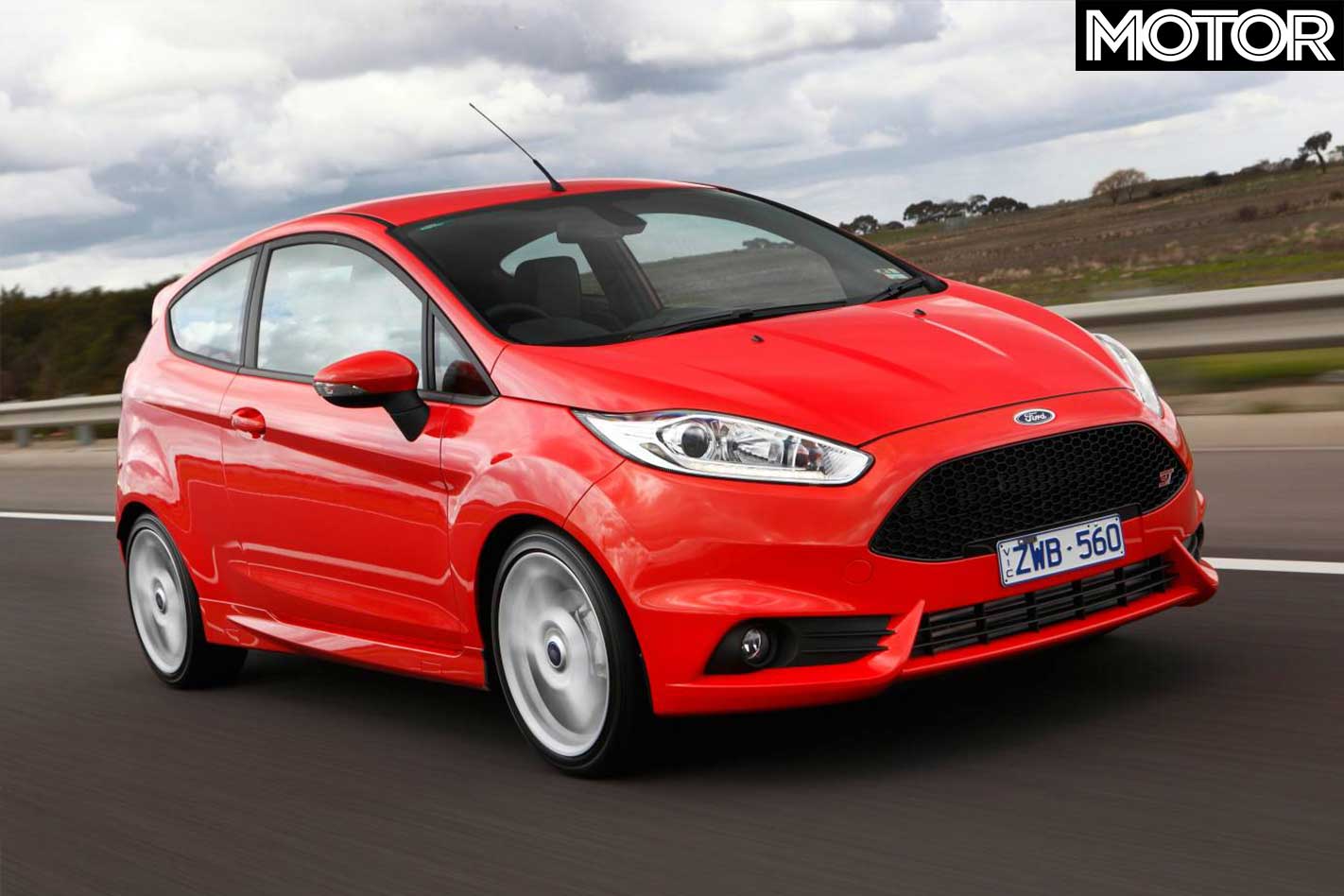
The affordable brilliance of the Fez hurts other contenders too. A Honda CR-Z was overpriced new, but it’s about the same coin now, offsetting its slow hybrid drivetrain with lithe, agile dynamics, a lovely shifter and coupe driving position … but the Ford’s better.
The 208 GTi became brilliant with the 30th Anniversary special which picked up the LSD and 153kW/300Nm, delivering the oversteer the 205 GTI dishes with impunity. But even with Peugeot depreciation, the best I’ve seen is $18K and that’s MY16 Polo GTI money.
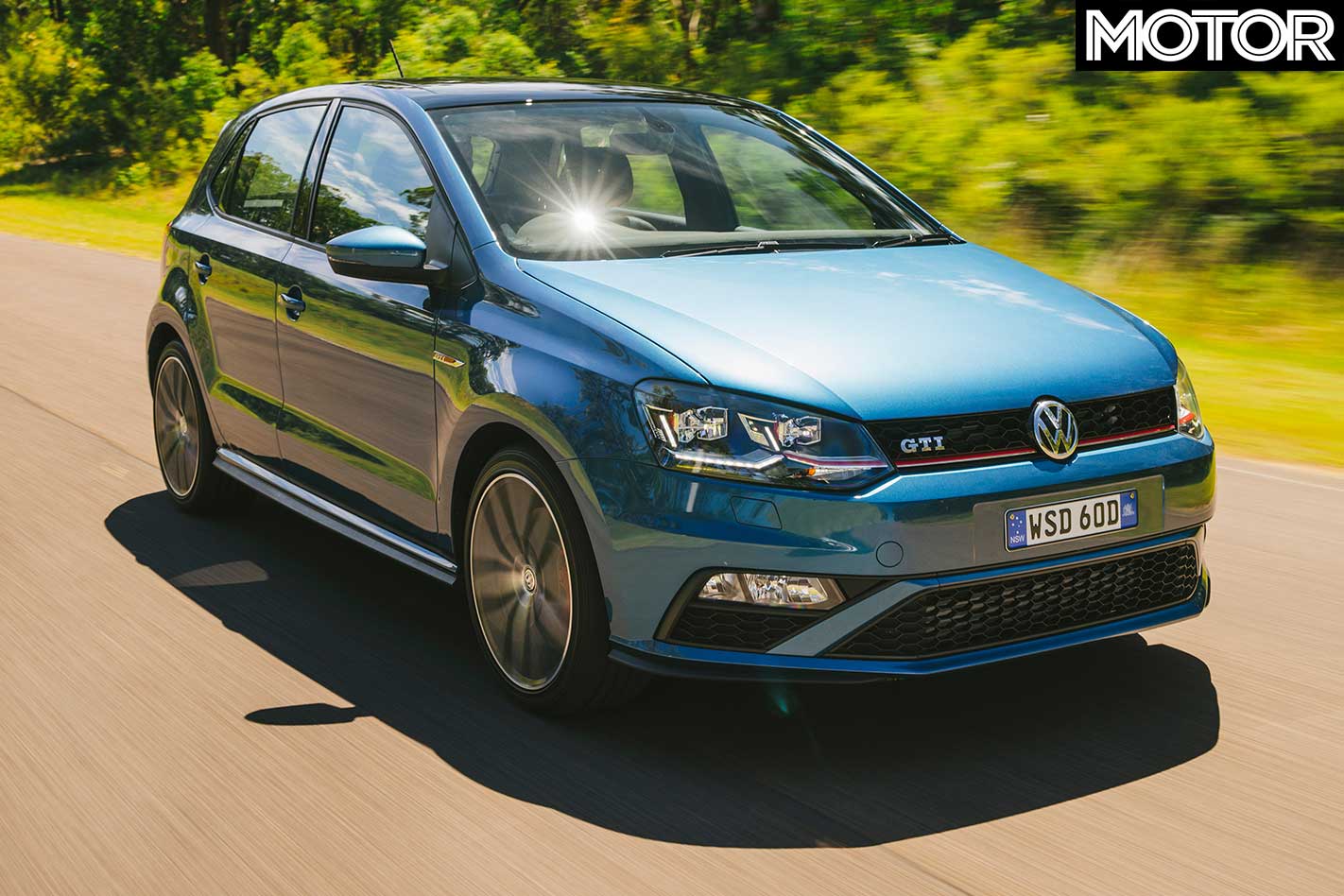
That’s also a nice segue because, while you must forget the unreliable twincharger/DSG combination, the facelift 1.8L turbo nabbed 320Nm and a manual, a 6.7sec 0-100km/h, five doors, adaptive suspension (from MY16) and CarPlay. Is there better value for sub-$20K?
Well, possibly in the form of an almost new Suzuki Swift Sport, the model and grade of which have graduated from warm hatch to hot hatch with this latest gen. Petite on the scales, dainty to park, this 970kg five door wipes about 200kg off the above VW to feel the most like a 205 GTI of any new car. And you can get one with about 4000km for $20K.
Nothing comes close for a feeling of lightness… oh, except a Mazda ND MX-5. I’m in the camp of 2.0L is better than 1.5L, simply because the chassis deserves more grunt and that’s the preference over revs. Doors subtract, the roof goes back, and so too does the direction of drive, yet you still get all the efficiency and parking goodness of Swift’s tiny dimensions.
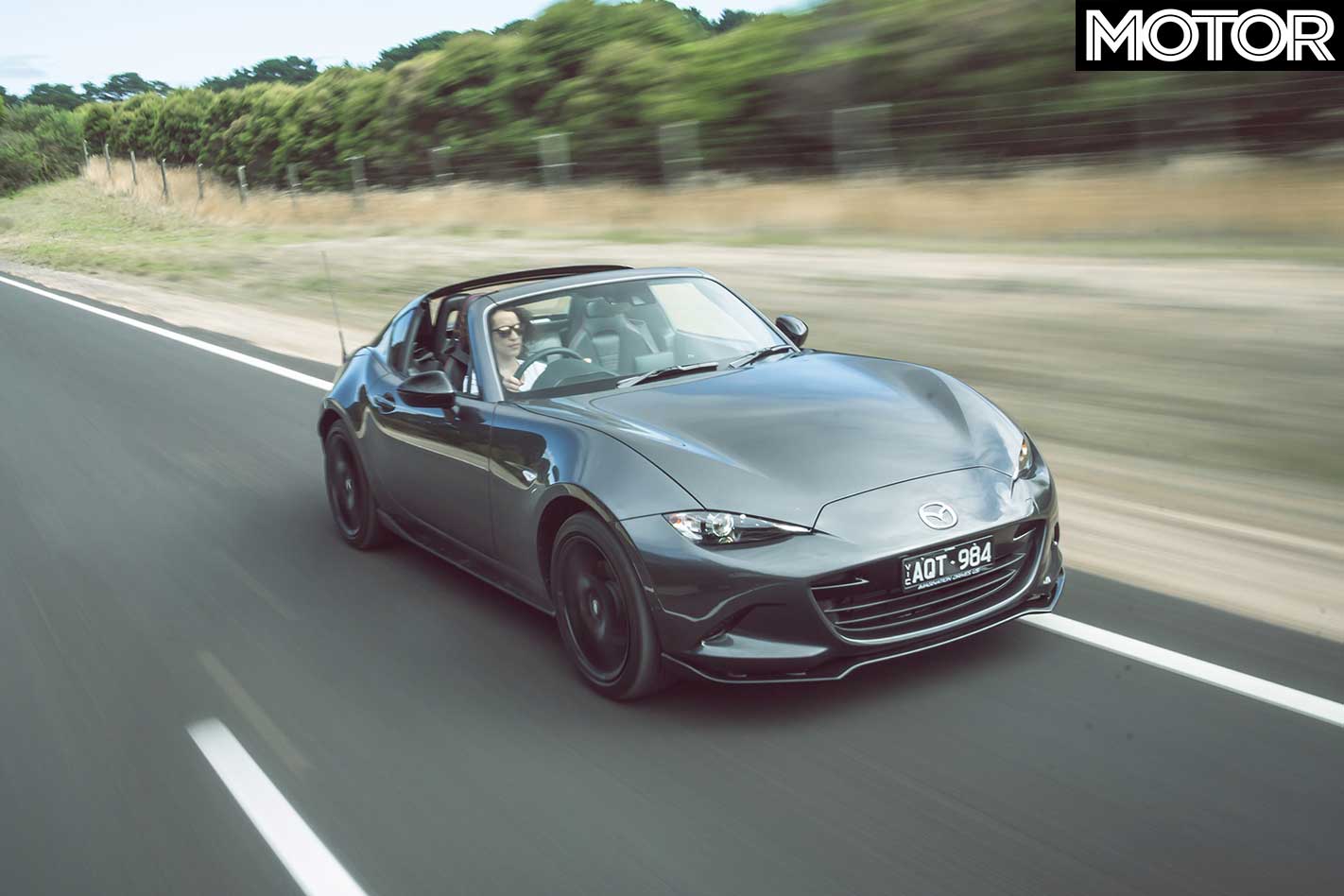
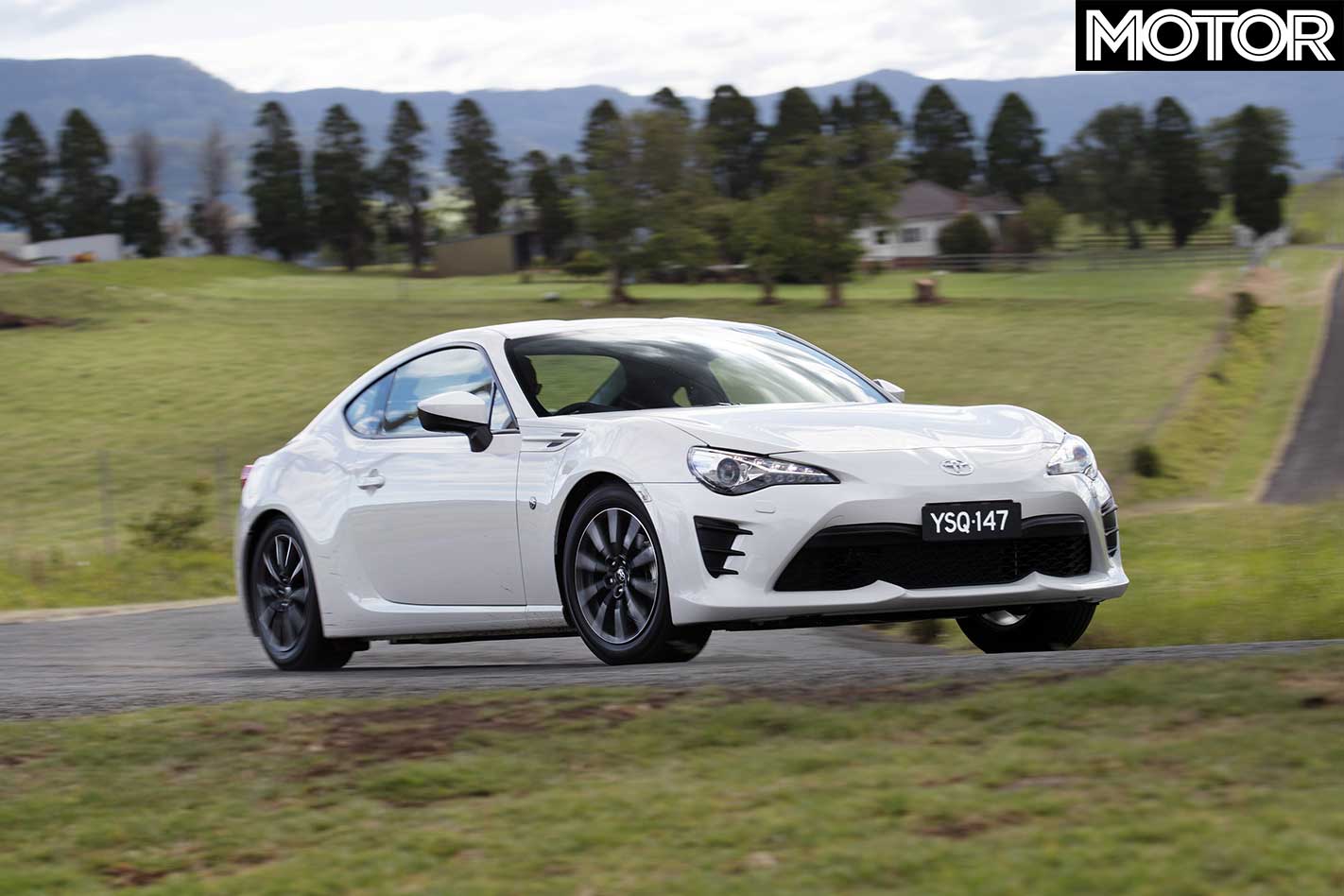
A three-year-old ND 2.0L manual goes for about $25K, but then you’re almost on the way to a recently spotted, near-new Toyota 86 GT Performance Pack at about $27K. Can you see my dilemma here? The price has suddenly crept from an $11K Fez ST to near $30K, and I’m left to wonder at which point delivers the best fun-versus-outlay ratio.
For me the GT Performance Pack, with 17s, Brembos and Sachs dampers, is the best-driving 86 by far and the only one that really shows up the MX-5 as more fun and frisky than seriously sporty and focused. So it, ultimately, edges the Mazda out.
So far the top two have to be the Ford and Toyota. What do you think? Actually, though…
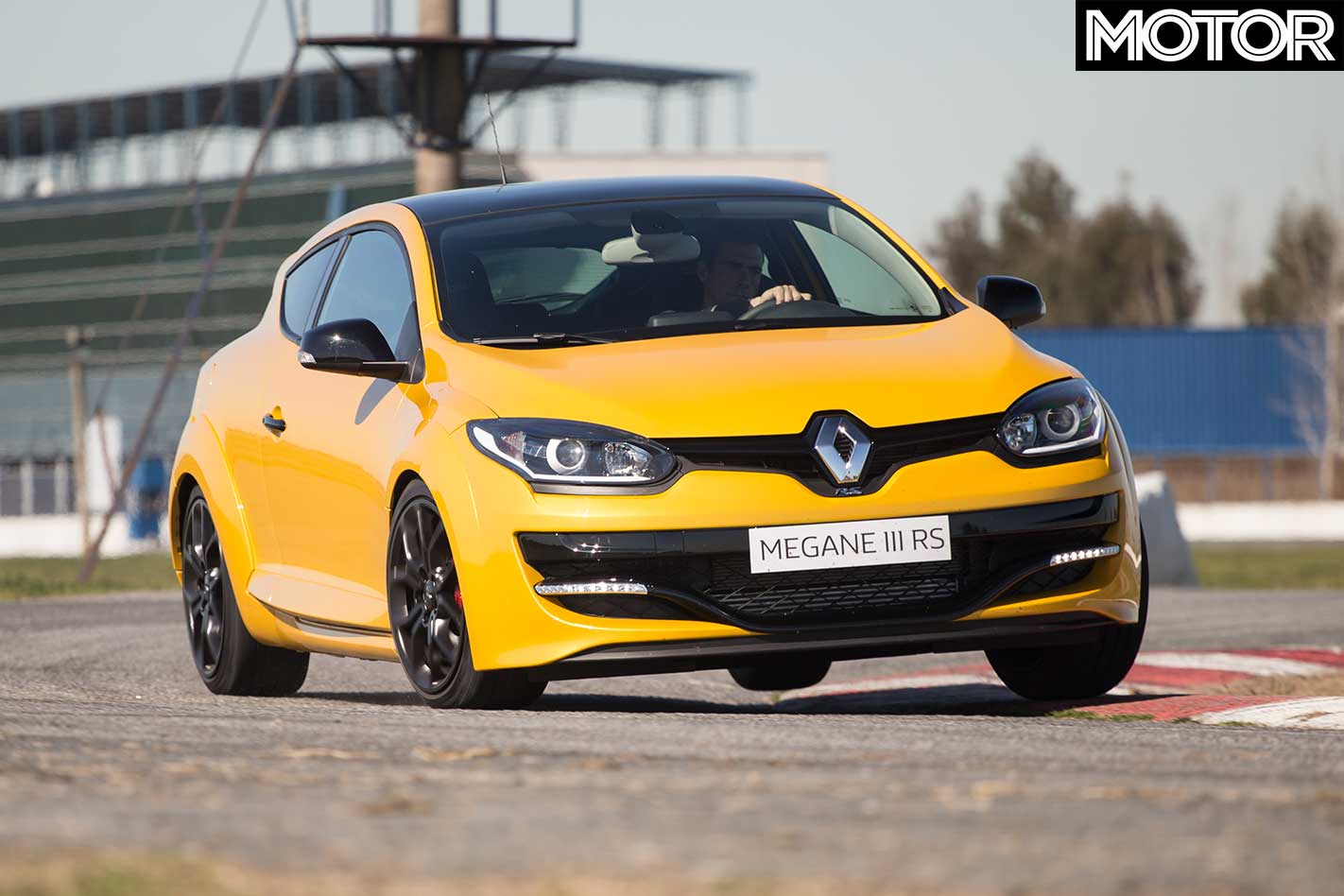
From there there’s a gulf to the Golf GTI Original, a superb three-door hot hatch free of frippery and near-new for $35K driveaway. I’d be tempted by the extra class and traction of a rare Audi S3 sedan manual at about $43K driveaway, however, and from there a new Renault Megane RS275 Cup and Honda Civic Type-R enter the fray. Of those two, I love the former’s looks and engine the most, but the latter really is the supercar of hot hatches.
Ultimately, talking ultimate garages, the Honda would make the most sense. The 205 GTI is ‘organic’ and old, pure and delightful, the Commodore’s a big tourer that has heaps of burly V8 bass and it loves to be throttle-steered around – which leaves room for a Type-R scalpel.
So, we have a conclusion. Sort of. Is it worth four-and-a-half times the Ford? I genuinely don’t know. And is it as fun as an 86 even if it is so dramatically faster? How does the final paragraph here still end in more questions? Maybe, just maybe, it’s the thrill of the chase.
Australia’s love of the big, brash ute, or pickup, is starting to border on obsessive. But America beat us to the punch, and in the realm of ‘brash’ there are few pickups more at home than the Dodge Ram SRT-10.
One of Dodge’s original press releases for the SRT-10 even opened with a dictionary definition for ‘excess’. And with an 8.3-litre V10 borrowed from a Dodge Viper, and outputs of 372kW and 712Nm, the Ram SRT-10 was excessive in the best way possible. That wasn’t the only Viper DNA intertwined with the SRT-10, as Dodge says the philosophy of “keep it simple and make it fast” was the driving idea behind the SRT-10. And fast it was.

At the time, Dodge called it “the fastest and most powerful production pickup ever”. With a claimed top speed of 241km/h, and an officially tested top speed of 248.7km/h, the SRT-10 claimed the Guinness World Record for ‘fastest production pickup truck’. That was until the HSV VZ Maloo came along.
However, in true American style, the size and weight dimensions of the SRT-10 were just as sizeable as the power figures. It weighed an estimated (by Dodge) 5100 pounds, or a little over 2.3 tonnes. Add to that its 5.16 metre length with a 3.0 metre wheelbase, and 3.2-square-metres of real estate on its face.
Of course, an even bigger version had to eventually come along, with Dodge revealing the Quad Cab in 2005. The Quad was a whopping 5.77 metres long, and Dodge estimated its weight at about 2470kg.

With all that heft, the Quad Cab’s four-speed automatic gearbox has no hope of getting it anywhere near a Guinness World Record, unlike its six-speed, two-door sibling.
As both versions were built on a ladder-frame chassis with a live rear axle, neither would ever take the crown for driving dynamics, but the two-door’s record-breaking top speed has guaranteed it a place in the fast car history books.

2004 DODGE RAM SRT-10 SPECS Engine: 8275cc V10, OHV, 20v Power: 372kW @ 5600rpm Torque: 712Nm @ 4200rpm 0-100km/h: 5.2sec (est) Price (new): USD$45,795 (AUD$64K)
- Gallery above
- New long-nose design Toyota HiAce aiming at five-star safety
- Due here in mid-2019
- HiLux engine will debut in HiAce
Looking decidedly more European than Japanese, the sixth-generation Toyota HiAce van has broken cover sporting an increase in overall dimensions, significantly improved safety equipment and a semi-bonneted profile rather than its traditional cab-over layout.
It’s the first all-new HiAce in 15 years and is set to arrive in Australia mid-year; local specifications and pricing still yet to be announced. It competes against rivals like Hyundai’s iLoad, the Ford Transit and the Renault Trafic.
However, Toyota Australia has at least confirmed that the line-up will continue to encompass two-seat vans in both long wheelbase and super-long wheelbase, along with a five-seater long wheelbase van and a 12-seater commuter bus variant – an identical range to the outgoing fifth-gen model.
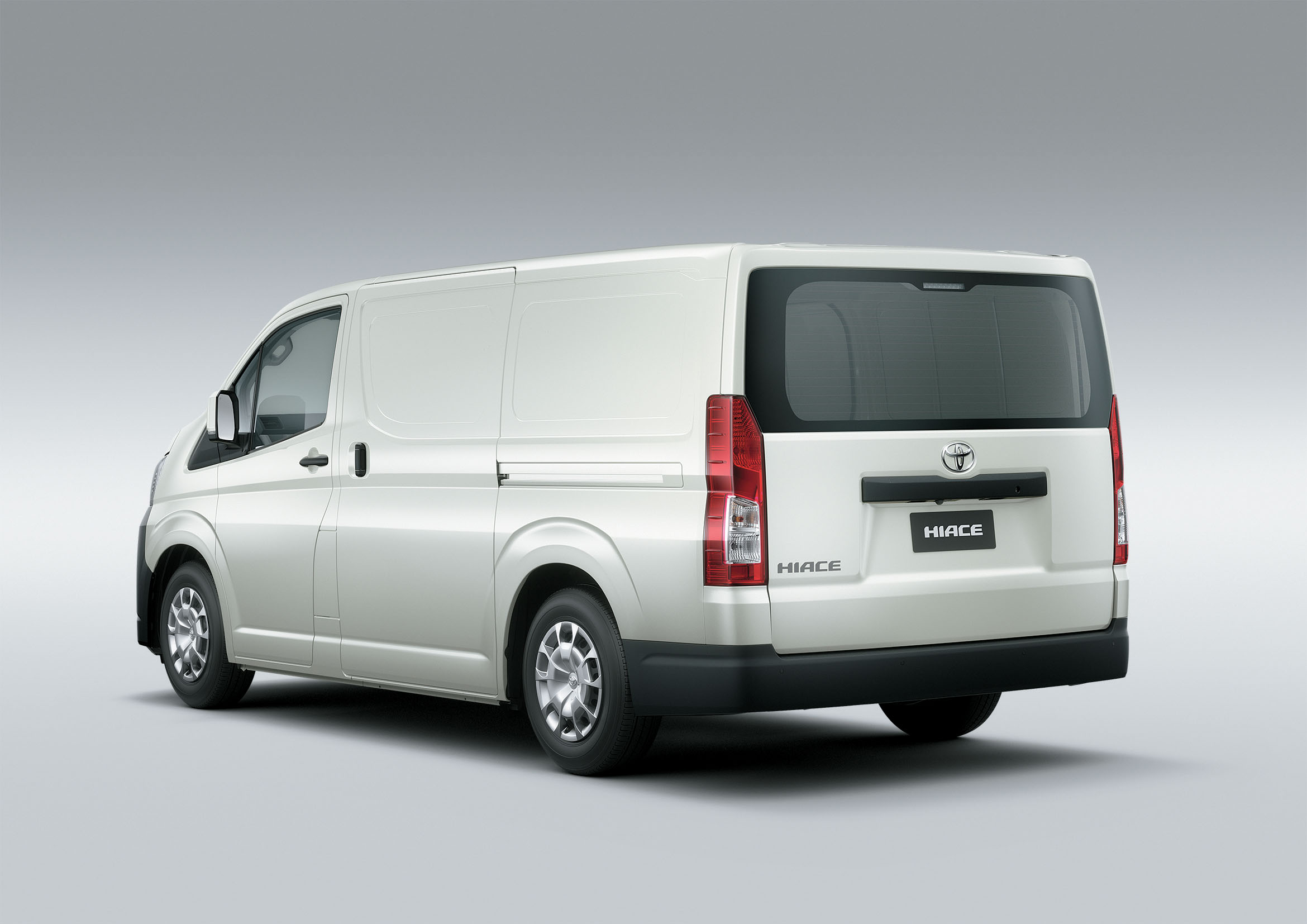
For the new generation, Toyota has given the HiAce a cargo capacity of 6.2 cubic metres for the long wheelbase van and 9.3 cubic metres for its super-long wheelbase sibling. That’s a 0.2 cubic metre increase for the former, but a 0.5 cubic metre reduction for the latter.
Wheelbases have been stretched and internal width and height have been increased over the old car (by 215mm and 5mm respectively), but while specific details are still scant the absence of any images of a high-roof van variant suggest that’s why the longest iteration of the new-gen Hiace load-lugger can’t tote as much cargo as the vehicle it replaces.
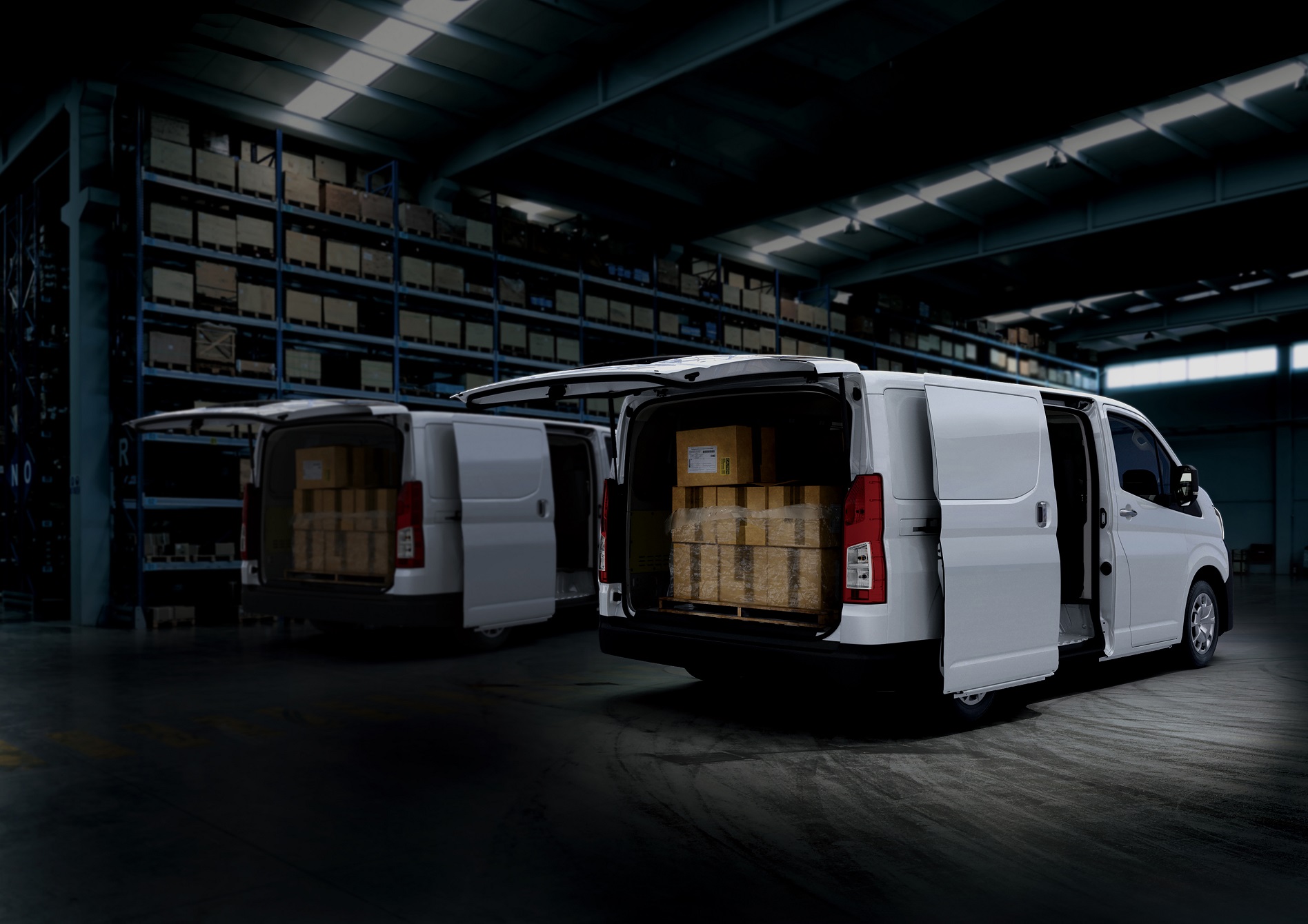
However, while it can’t ‘bulk out’ quite like its predecessor, the incoming HiAce super-long wheelbase can at least accept an Australian standard pallet (a 1165mm square) via its enlarged sliding side doors – perfect for forklift loading and unloading. Towing capacity has also been boosted by 500kg, with some variants able to lug a maximum of 1900kg of braked trailer.
More significant to some operators, however, will be the boost to the standard safety fit-out. Toyota is confident of a five-star ANCAP score for HiAce, while a collision detection system and autonomous emergency braking (which can detect and avoid both pedestrians and cyclists) will be offered.
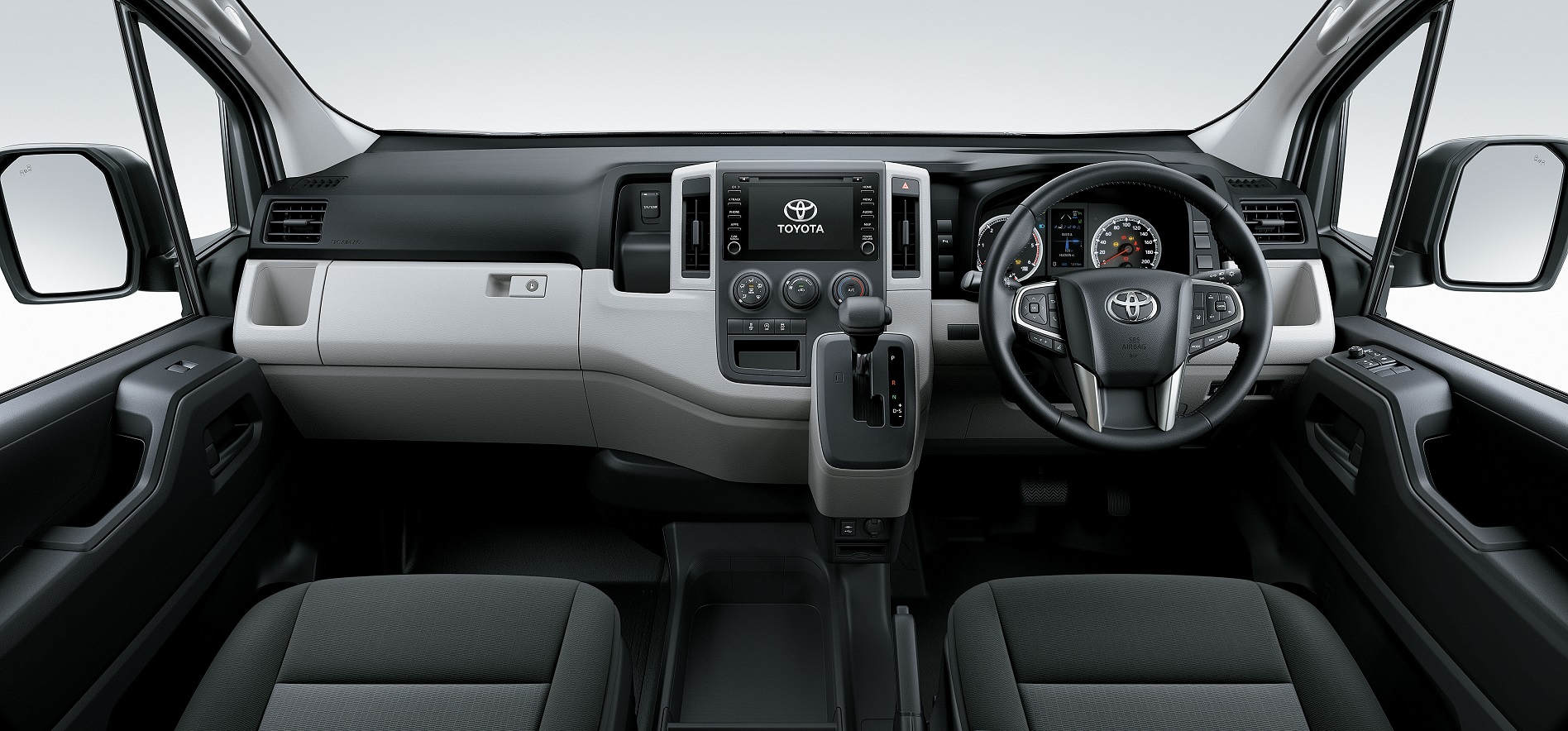
A rear-view camera will be standard along with up to nine airbags on passenger-oriented variants, and Toyota will also offer an optional digital ‘rear-view mirror’ to help drivers see through cargo and passengers.
Ergonomics have also been addressed. The semi-bonnet design should afford a more natural seating posture, while the door profile provides a wider step area for driver and front passenger. The glasshouse also extends further down to aid driver vision.
Mechanically, the HiAce adopts a 2.8-litre turbo diesel four-cylinder from the HiLux and Prado and a 3.5-litre naturally-aspirated petrol V6, both available with six-speed manual or automatic gearboxes. The front suspension retains a MacPherson strut layout and the rear also stays with a leaf-sprung live axle.
However, the suspension has been tuned for greater comfort and stability while the leaf springs are now 200mm longer for greater pliancy.
Like its predecessor, the new HiAce will send power to the rear wheels.
Full details and pricing for the sixth-generation Toyota HiAce will be announced closer to its mid-2019 launch.
