
To help celebrate our relaunch, Audi is giving one lucky Wheels reader the chance to win an unforgettable, two-part Audi driving experience valued at $5500.
Part one is a voucher for you and a friend to attend Audi’s Dynamic Driving Experience program where the two of you will raise and hone your car-control skills driving the Audi Sport fleet under the expert tuition of Audi’s gun instructors. You’ll then progress on your own to part two, Audi Sport Pro, where you’ll get to experience, at full noise, the V10-powered R8 supercar.
It’s a brilliant (and safe) way to push yourself and the car to the limit, so for your chance to win enter your details below.
Competition now closed
Congratulations to J. Wong from VIC!
Audi’s long, luxurious coupe-style A7 sedan is paddling hard against the tide of premium SUVs that are currently the darlings of the new car showroom… but not everyone is enamoured with high-riding wagons.
The world’s two largest car markets, the US and China, still regard the traditional sedan as a luxury fashion item, while China in particular sees prestige and power in the long, graceful haunches of a big sedan.
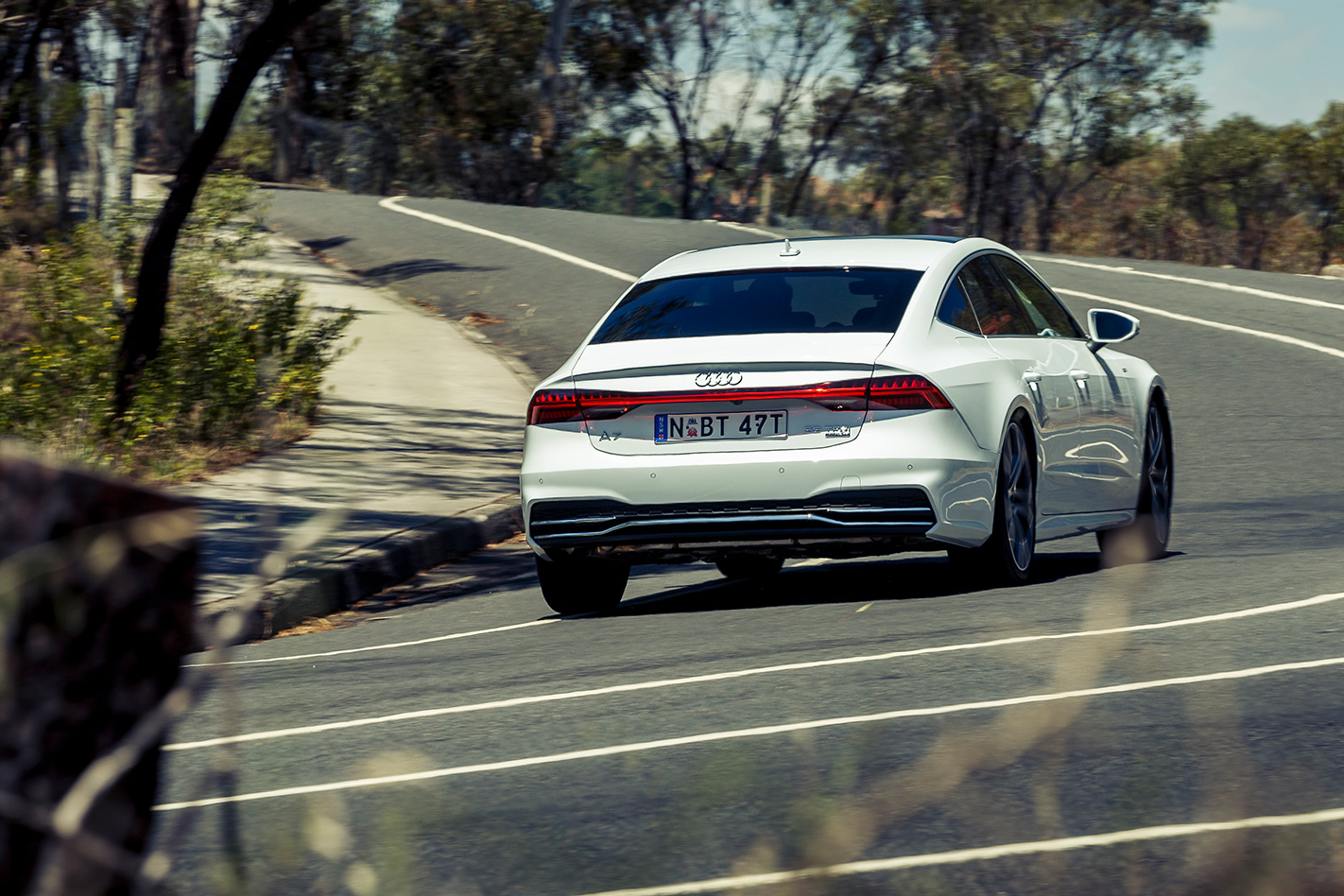
Born of the A8 sedan, the second generation A7 five-seat, four-door coupe slots into a competitive set that includes prestige rivals like the Mercedes-Benz CLS, the Porsche Panamera and BMW’s 6 Series Gran Turismo.
The Audi A7 55 TFSI version that our judges fell in love with brings power and poise in equal measure, thanks to its 250kW V6 petrol engine and all-wheel-drive grip.
When it comes to its design language, the Audi A7 follows a more daring, muscular form that’s been inspired by the legendary Audi Quattro of the 1980s. The squat, tough, boxy Quattro redefined the motorsport world with prodigious performance and unconventional looks that emphasised function over form, and to this day it influences almost every Audi model’s outward appearance.
Pumped-up guards, the large single-frame grille and the swept-forward stance of the trapezoidal c-pillar all point to a form that exudes confidence and strength – in fact, Audi’s new design chief Marc Lichte points to the A7 as a clear indication of the new stylistic direction that Audi will pursue.
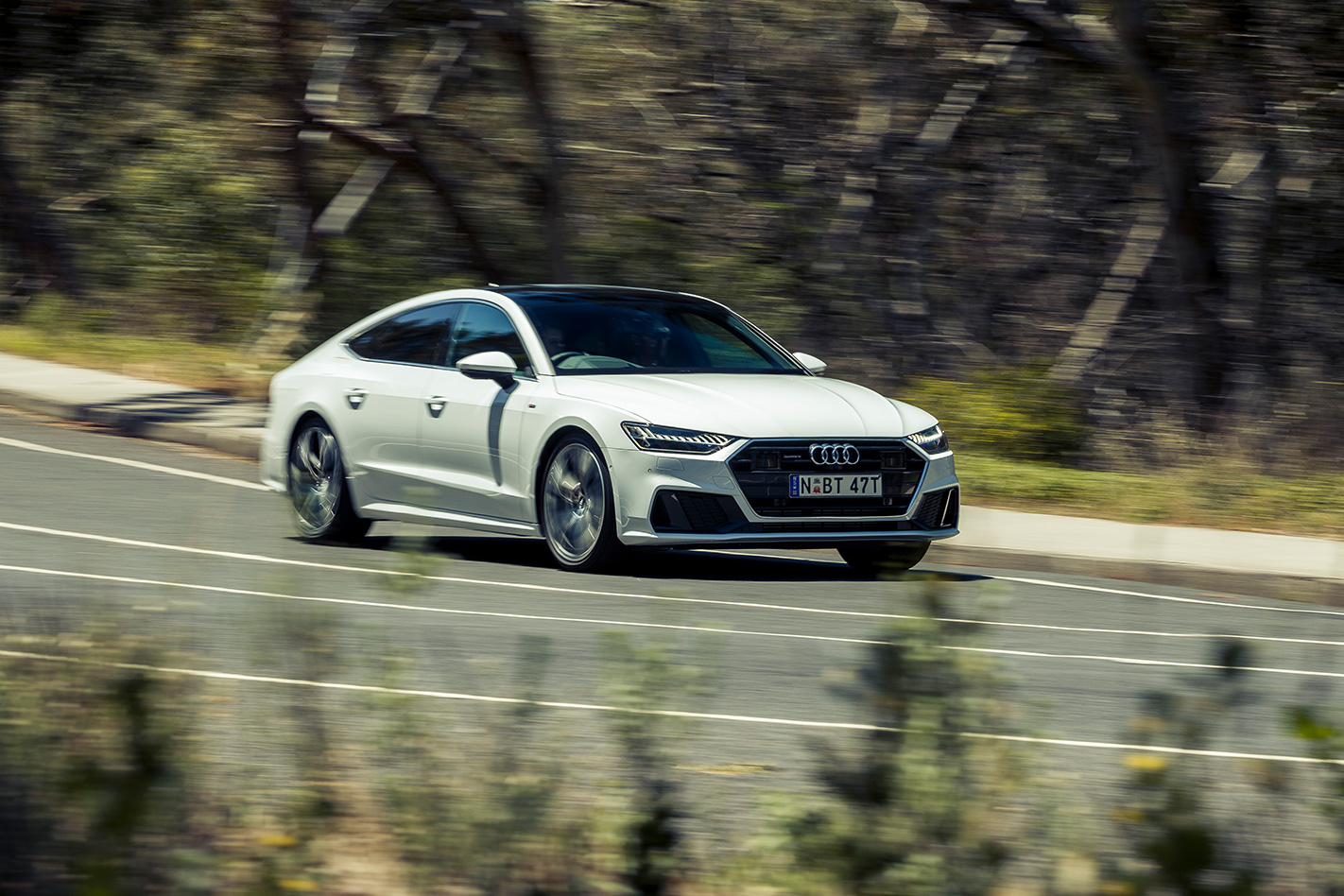
The full-width rear lighting arrays, for example, will also show up on the new Audi E-tron as well as the new A8 and Q8.
The A7 takes the sensible elements of a long-wheelbase, four-door sedan and combines it with the elegance and impact of a grand tourer. Its long, lithe roofline, low bonnet and compact glasshouse are combined in such a way that the proportions of the large A7 appear magnified on the outside, yet don’t reveal themselves as a hindrance to the driver.
The interior, too, is both a celebration of Audi’s acknowledged cabin design prowess and its ability to offer a seamless, integrated driving experience, despite the cockpit being filled with high-end tech that many of us have never experienced.
“It’s hard to explain and show tech that’s full of AI [artificial intelligence],” noted Paul Beranger. “Overall, Audi has wound back on the exaggerated surfaces they once had – this is very subtle and relies strongly on the overall profile of the car, almost one continuous line that lengthens the car.
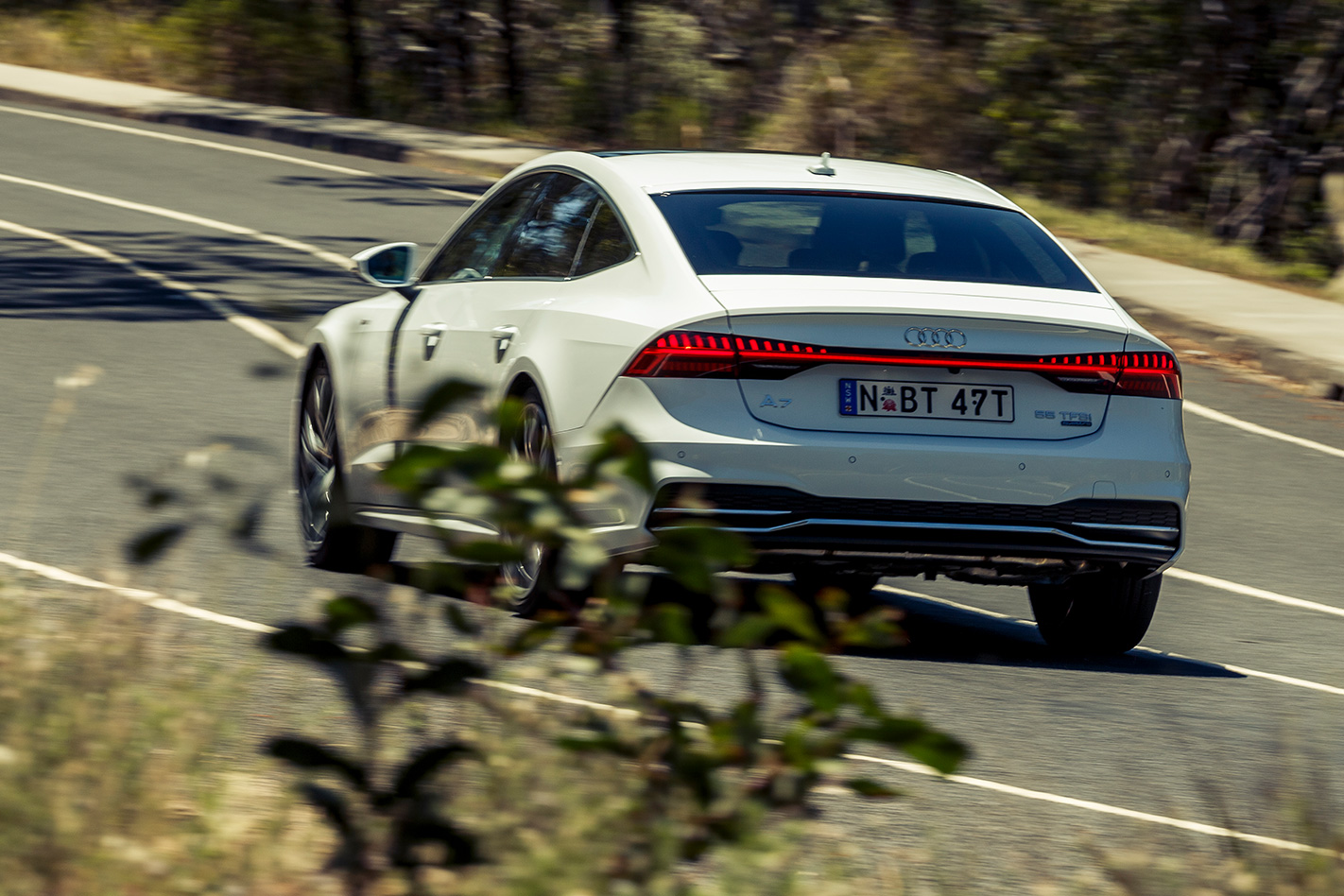
“This car lets no one down when they get in. Audi offers the best interior quality bar none and this car exemplifies that. The touch of sportiness in the alloy wheels highlights the brakes, too, so you’re not only looking at the design, you’re looking at the technology.”
“I love it, and the reason I love it is that it feels like the design has been well thought through,” said Luc Weisman. “One thing that did drive me a bit nuts was the tactility of the multimedia system; if you’re driving and you try to use it, it needs a more considered touch. And fingerprints, too…”
“The Audi is so beautiful,” said Tanya Buchanan. “It’s quietly luxurious, gorgeous to drive, very elegant. I can see it appealing to an older demographic, perhaps empty nesters who like to go touring. You’re not going to be carrying the family around in it necessarily. I feel like everything is well considered when you’re using it, too. It’s just innate. Really luxurious to drive.”
More quotes from our judges
Brooke Meredith – “I was really surprised by the Audi – I thought it was going to be a bit intimidating, given how long it is, but it was quite smooth and very luxurious. I was excited to see how modern it was and how innovative it was. I was really surprised about how well designed it was.”
Fiona Connolly – “It as a great eye opener for me, just how much design and style and how very much the driver is at the focus of every decision the car manufacturer makes. Being able to drive the cars was terrific too. I felt that everyone felt today has brought something unique to the judging panel, and together we’ve all come up with a worthy Style Awards winner.”
Glenn Butler – “It’s important to acknowledge the great work that automotive designers do with an award such as ours. If we’re all really honest with ourselves, it’s the visuals that a car presents to us, the aesthetic… that’s ultimately what gets our attention at the start, and we should be recognising that.”
Jason Grant – “The Audi was a standout for the exterior and the interior for me, but I found that the spread of cars in the field was very well considered. More and more, people are more concerned about elements of style, and something like a car that you spend a lot of time in, makes style choices very important.”
Karlie Verkerk – “There were a lot of things that stood out for me today. Everyone contributed something to the process, and it was actually really fun. What I’m finding is that there is a lot of overlap in terms of curating your own look, and car design is a big part of it as well.”
Luc Weisman – “We love cars, we love car brands… and the process has been harder than I expected. Different price points, different needs… a lot of it is feel, though. If you think something is stylish, you will want it. Style is like art, it’s a personal feel. The A7 is an incredible car, but it’s bloody big! I might need to be a bit older to enjoy it.”
Noelle Faulkner – “I think there is different opinion. Good design is quite obvious. Cars are functional, and we all like to see the same things work in harmony. I do think that everything is sufficiently different, especially drive-wise. For people who aren’t car lovers, it might be hard to see why a Corolla is up against an A7, but that’s our job to explain it. Audi has their fingers on the pulse of design, there are so many elements of that car that are so different to anything else, and it shows the evolution of that brand.”
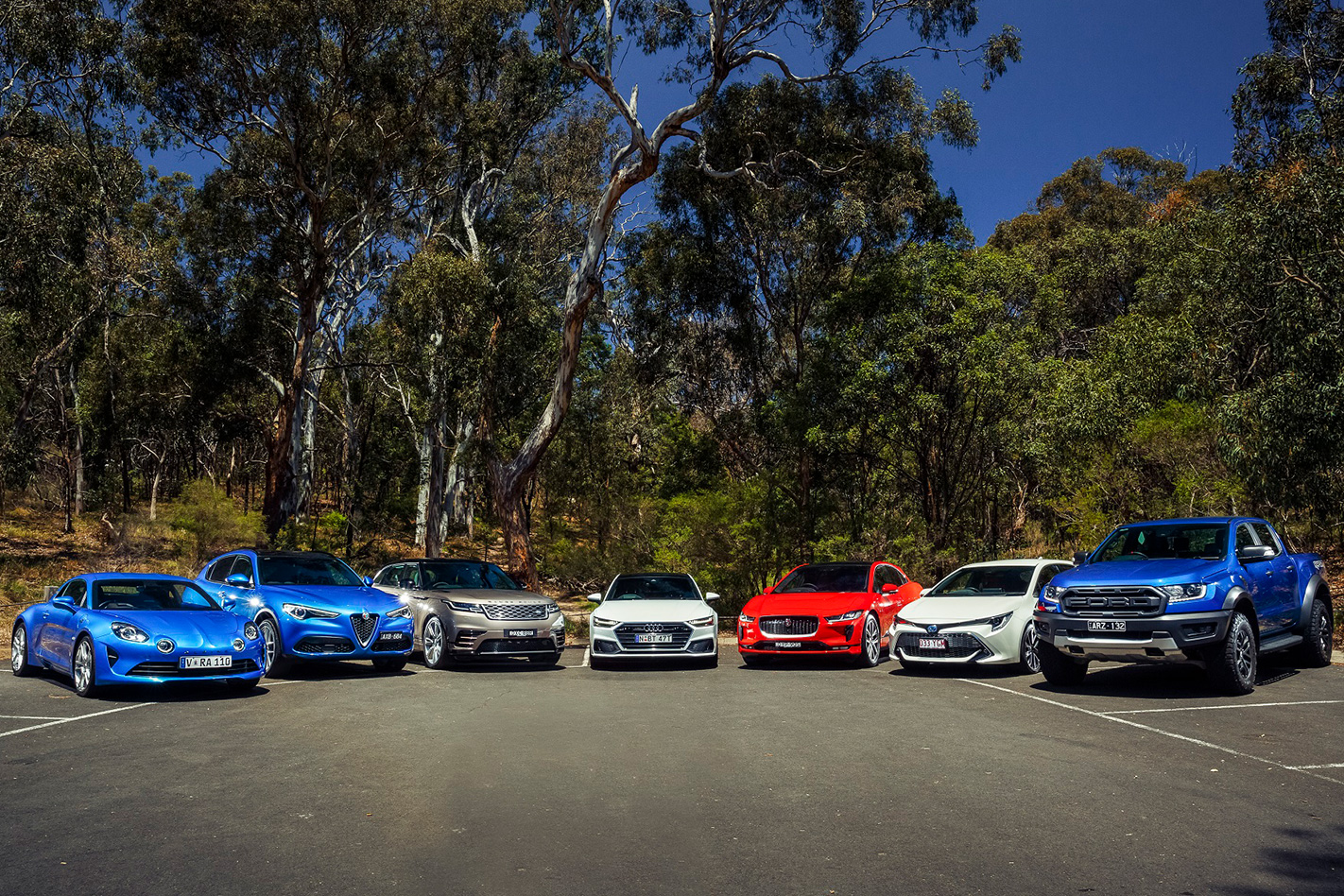
The Australian Motoring Awards for 2019 have come and gone, held in Melbourne on Wednesday January 30, 2019, and that means the Performance Car of the Year for 2019 has been officially announced.
With several weeks now passed since the testing, undergone both in the Adelaide Hills and at The Bend Motorsport Park, we’ve had time to crunch the data and declare a winner. In front of an audience of industry VIPs, MOTOR Editor Dylan Campbell was pleased to announce the winner of the Performance Car of the Year trophy for 2019 as…
…the Porsche 911 GT2 RS.
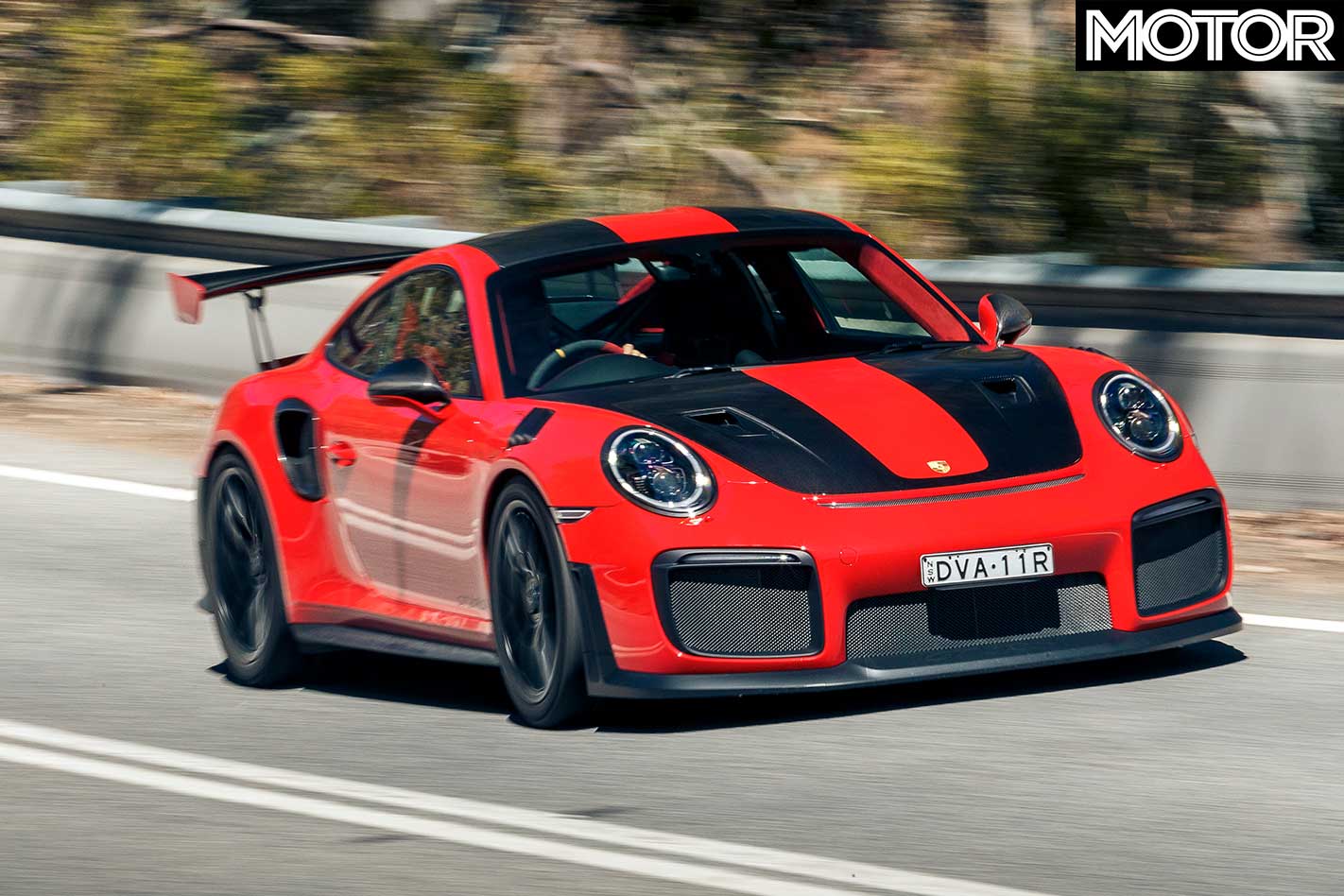
Perhaps unsurprisingly, the fastest of the 991.2 911 generation has deservingly taken Australia’s top performance car award, with our judges astonished by its capability both on and off the racetrack.
Topping other cars tipped to be contenders, the GT2 RS subdued its rivals with ease, with our racing driver and guest judge Rick Kelly calling it one of the closest-feeling road cars to his work car – the Nissan Altima V8 Supercar – he’s ever driven.
Take a look at the list of competitors below, and keep an eye out for the February 2019 issue of MOTOR Magazine, on sale Feb 7, for the full PCOTY feature and final rankings.
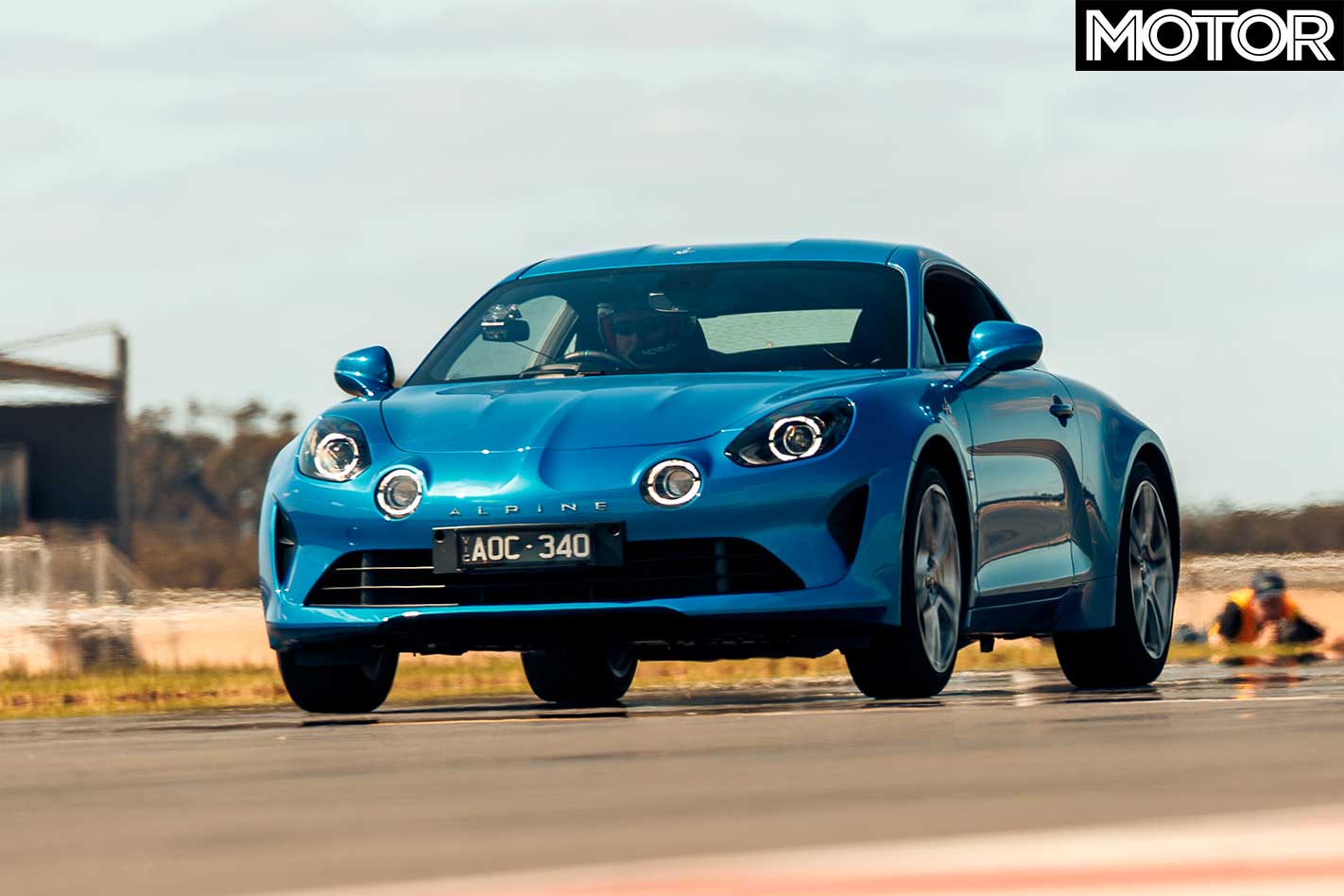
2018 Alpine A110 specs: Engine: 1798cc inline-4, DOHC, 16v, turbocharged Power: 185kW at 6000rpm Torque: 320Nm at 2000-5000rpm Transmission: 7-speed dual-clutch Weight: 1103kg Price: $106,500 (Australian Premiere Edition)
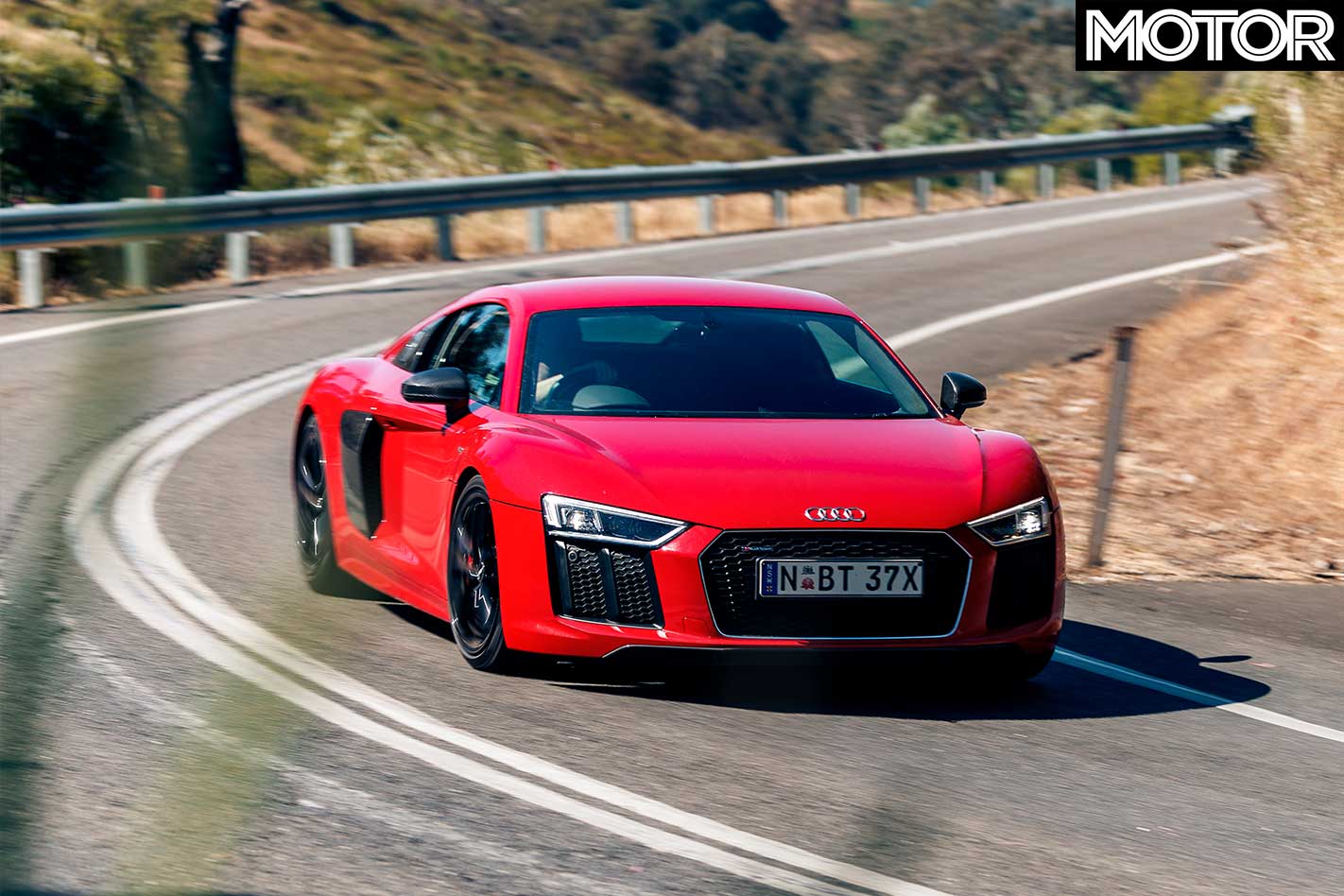
2018 Audi R8 RWS specs: Engine: 5204cc V10, DOHC, 40v Power: 397kW @ 7800rpm Torque: 540Nm @ 6500rpm Transmission: 7-speed dual-clutch Weight: 1590kg Price: $299,500
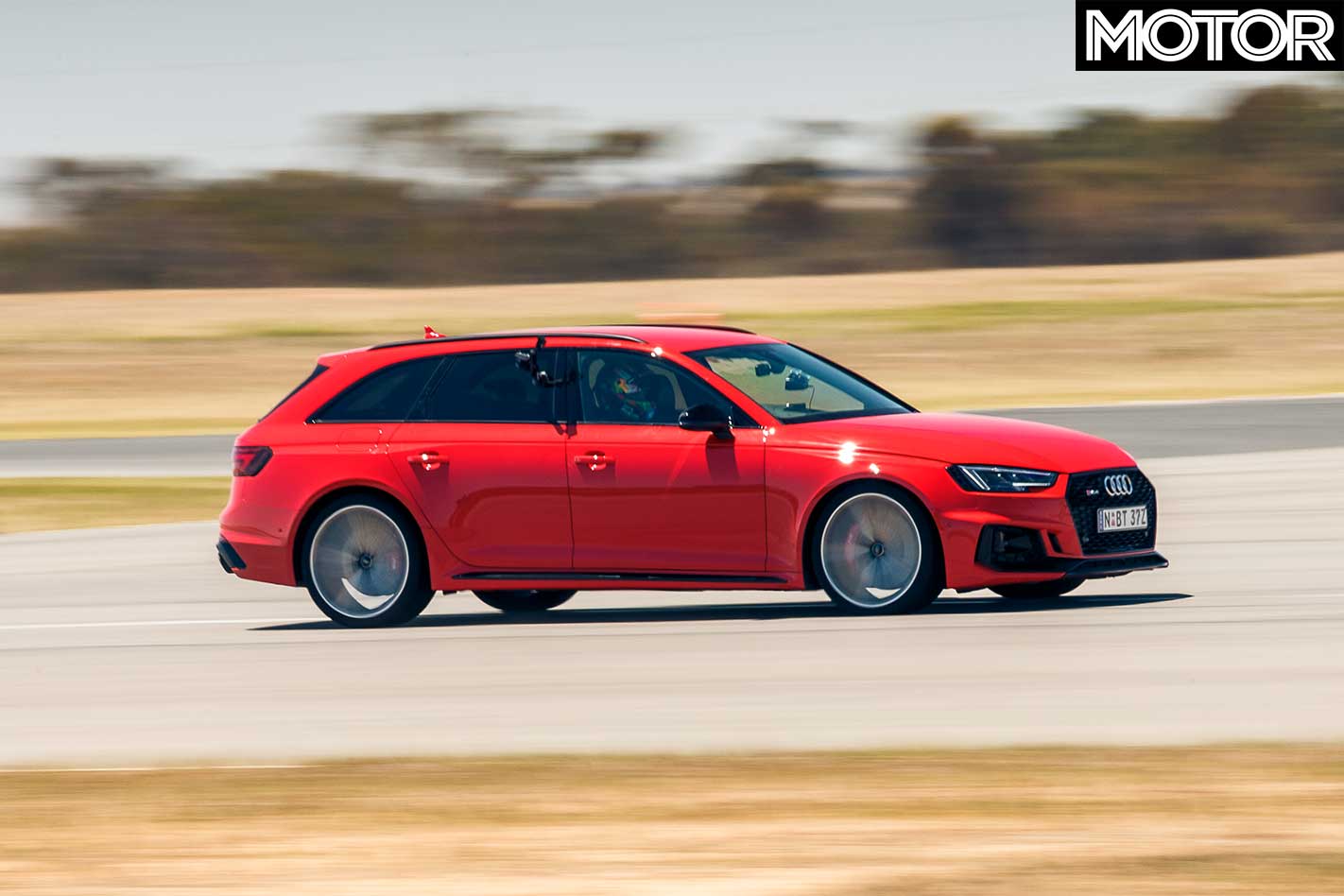
2018 Audi RS4 Avant specs: Engine: 2894cc V6, DOHC, 24v, twin-turbo Power: 331kW @ 5700-6700rpm Torque: 600Nm @ 1900-5000rpm Transmission: 8-speed automatic Weight: 1715kg Price: $152,900
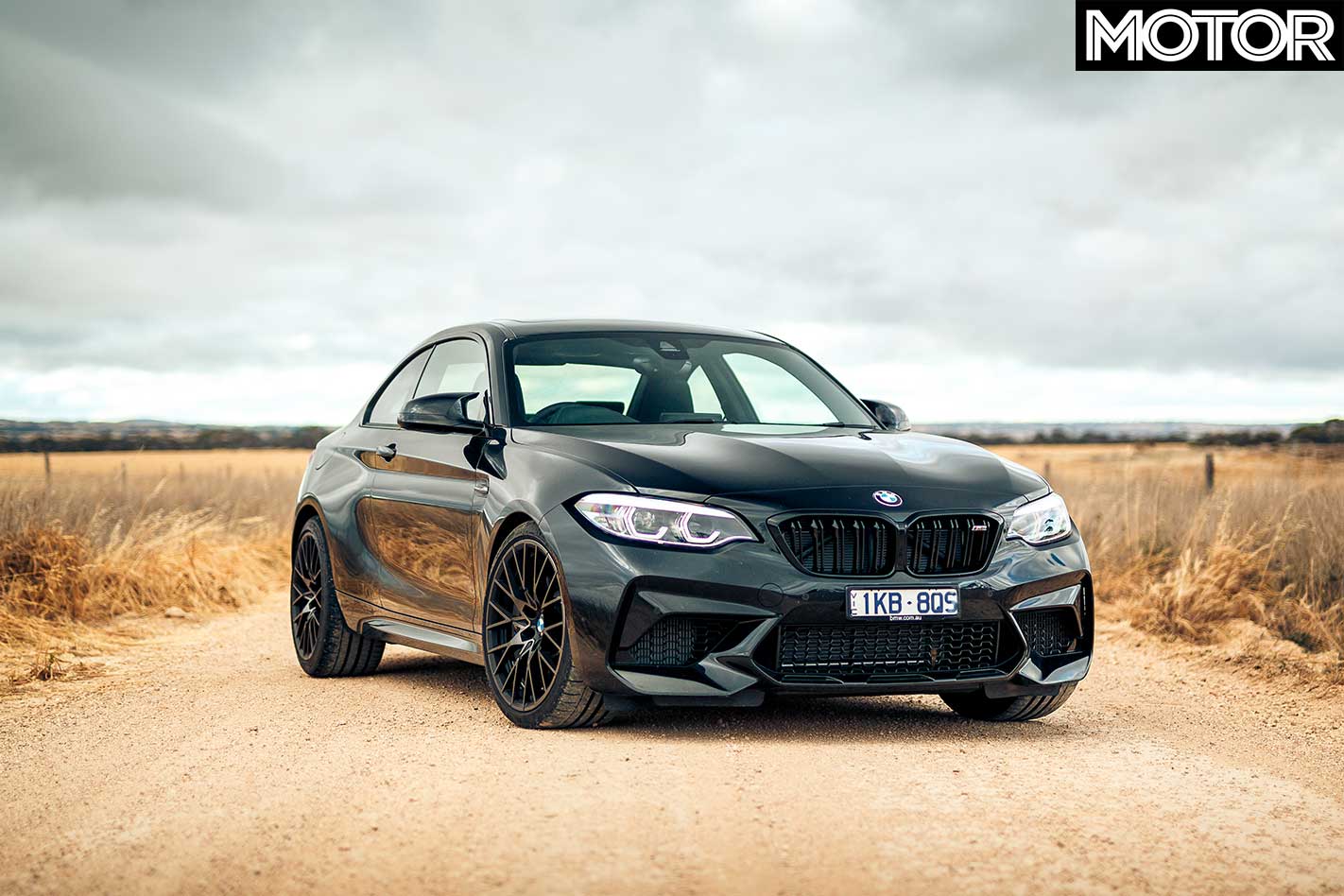
2018 BMW M2 Competition specs: Engine: 2979cc inline-6, DOHC, 24v, twin-turbo Power: 302kW @ 5250-7000rpm Torque: 550Nm @ 2350-5200rpm Transmission: 7-speed dual-clutch Weight: 1550kg Price: $99,900
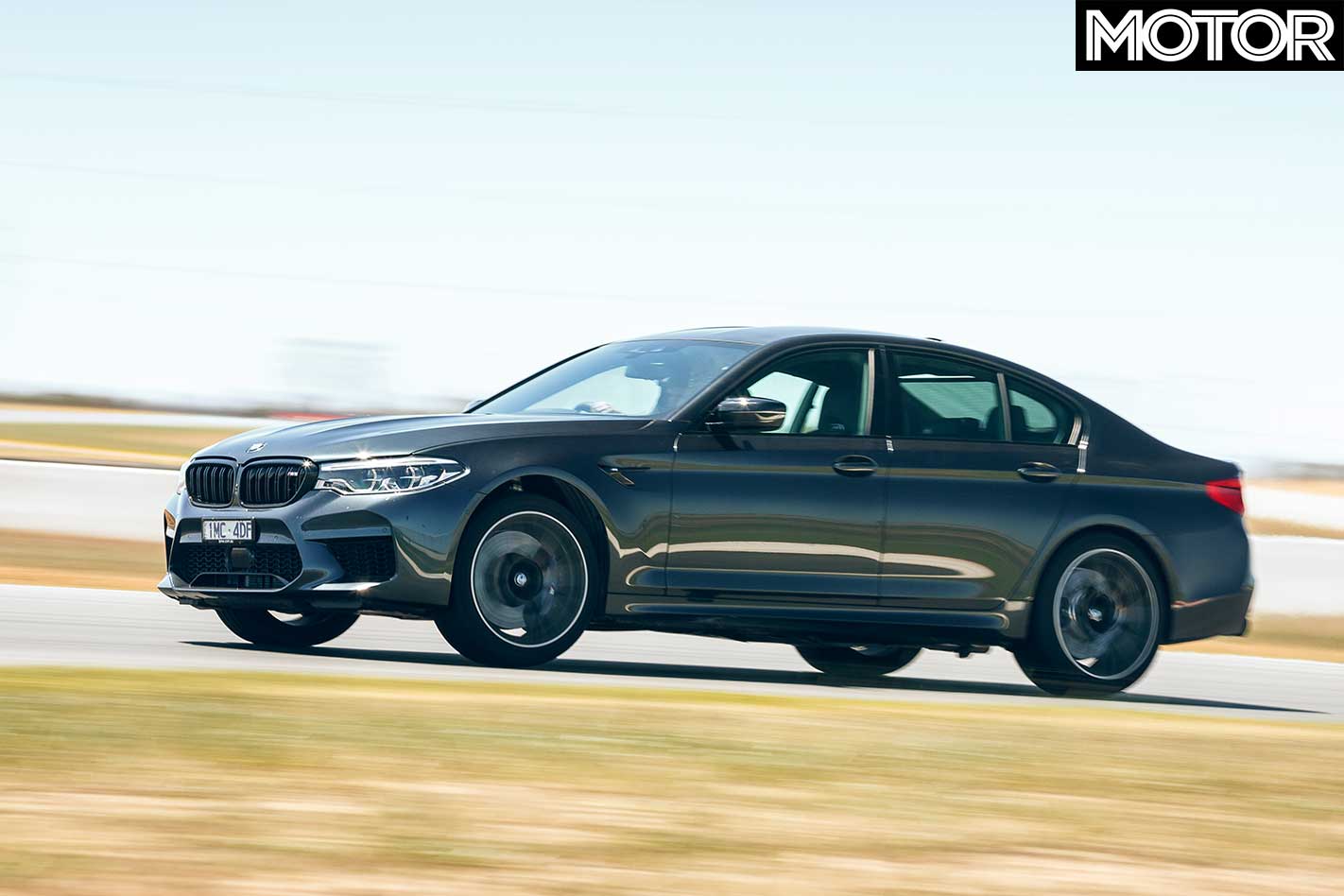
2018 BMW M5 Competition specs: Engine: 4395cc V8, DOHC, 32v, twin-turbo Power: 460kW @ 6000rpm Torque: 750Nm @ 1800-5800rpm Transmission: 8-speed automatic Weight: 1865kg Price: $229,900
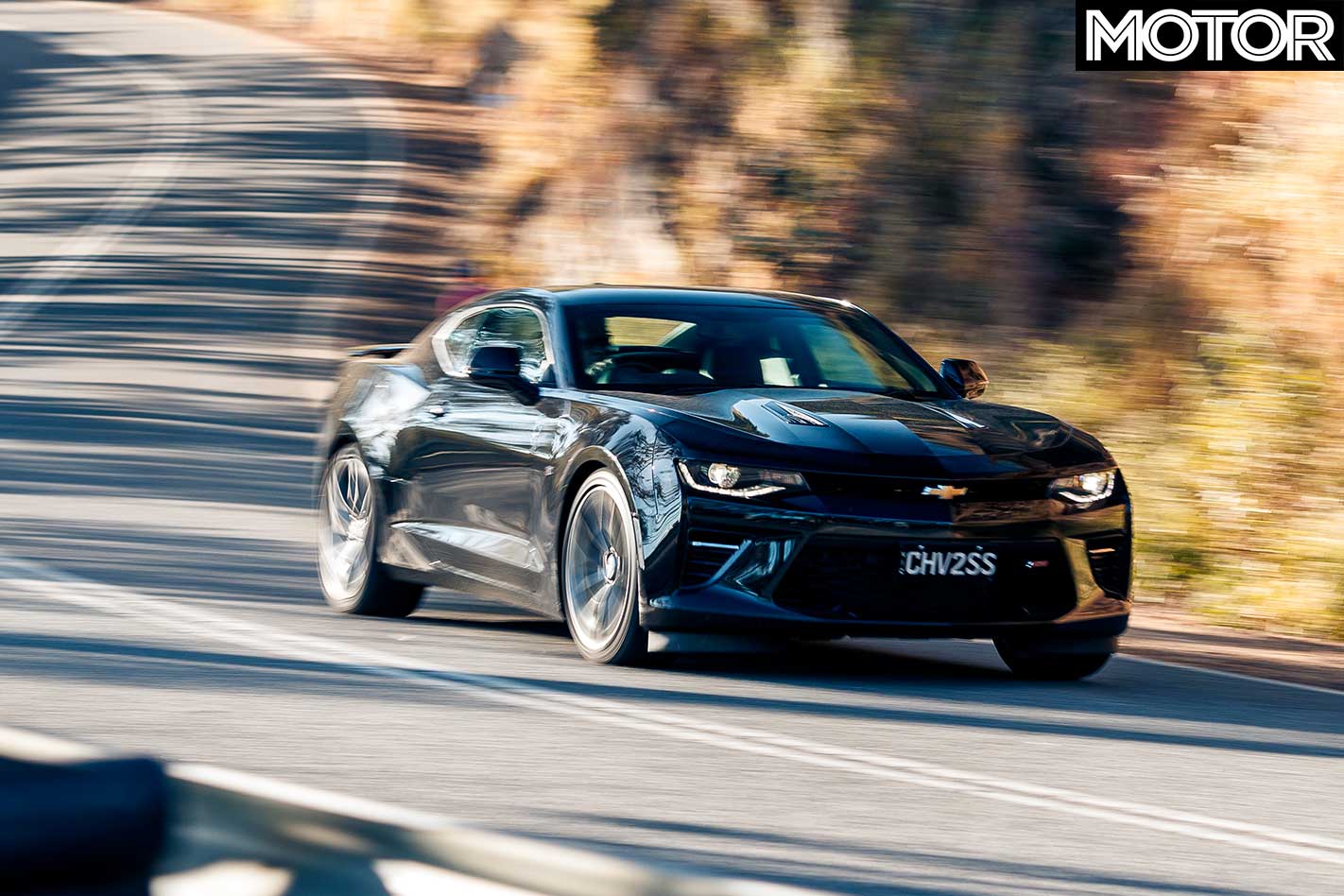
2018 Chevrolet Camaro SS specs: Engine: 6162cc V8, OHV, 16v Power: 339kW @ 6000rpm Torque: 617Nm @ 4600rpm Transmission: 8-speed automatic Weight: 1710kg Price: $85,990
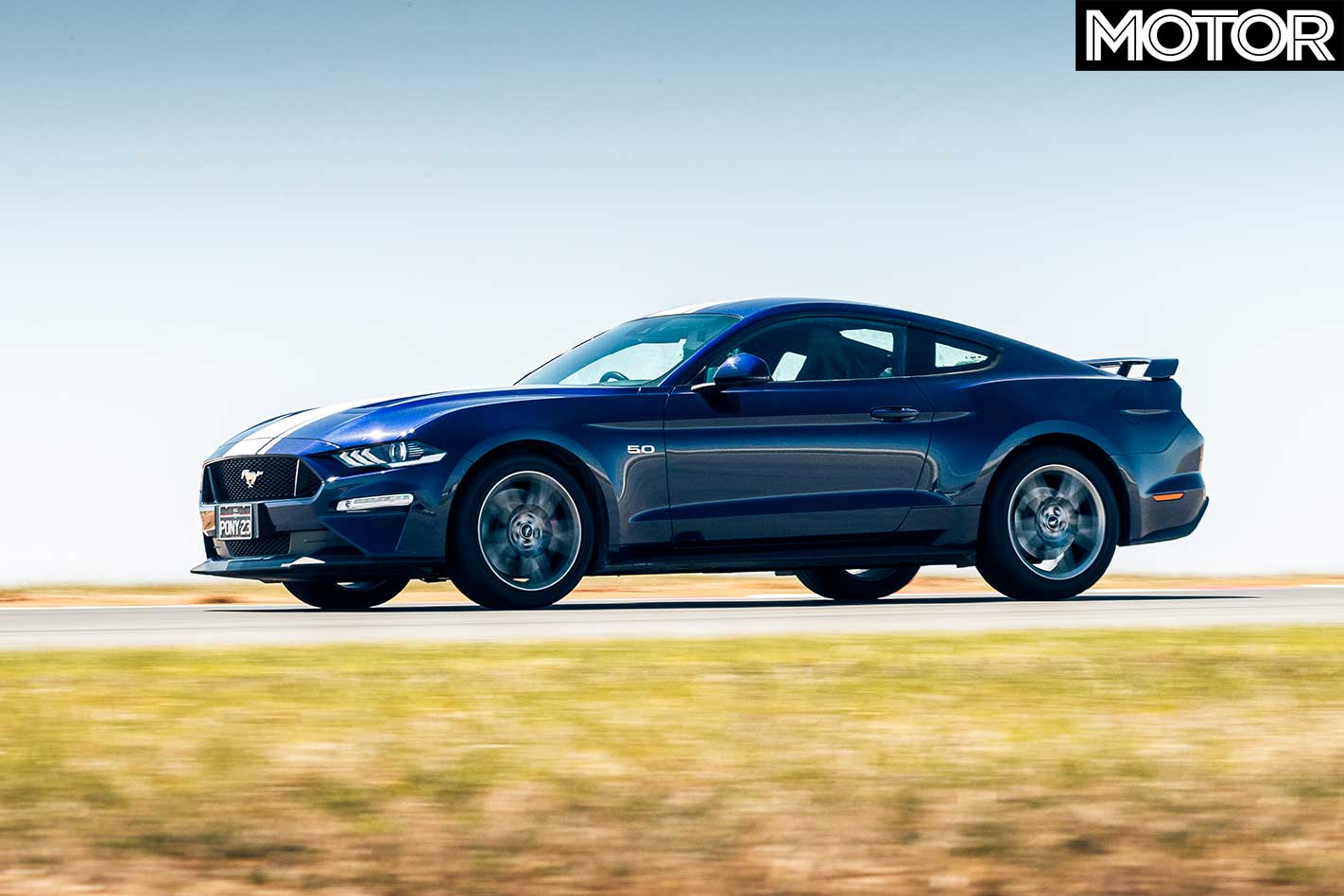
2018 Ford Mustang GT specs: Engine: 5038cc V8, DOHC, 32v Power: 339kW @ 7000rpm Torque: 556Nm @ 4600rpm Transmission: 6-speed manual Weight: 1732kg Price: $62,990
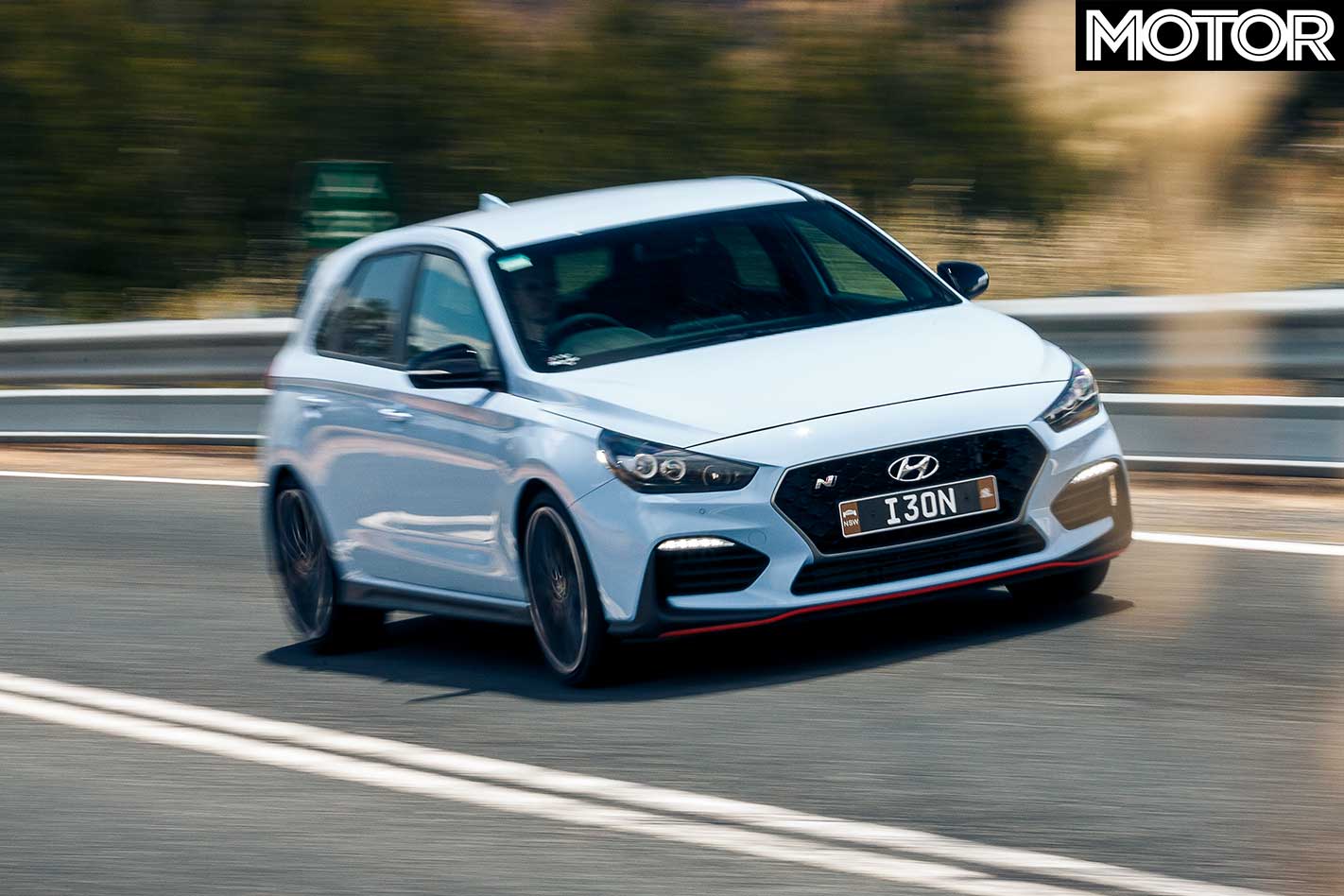
2018 Hyundai i30 N specs: Engine: 1998cc inline-4, DOHC, 16v, turbo Power: 202kW @ 6000rpm Torque: 353Nm @ 1450-4700rpm Transmission: 6-speed manual Weight: 1509kg Price: $39,990
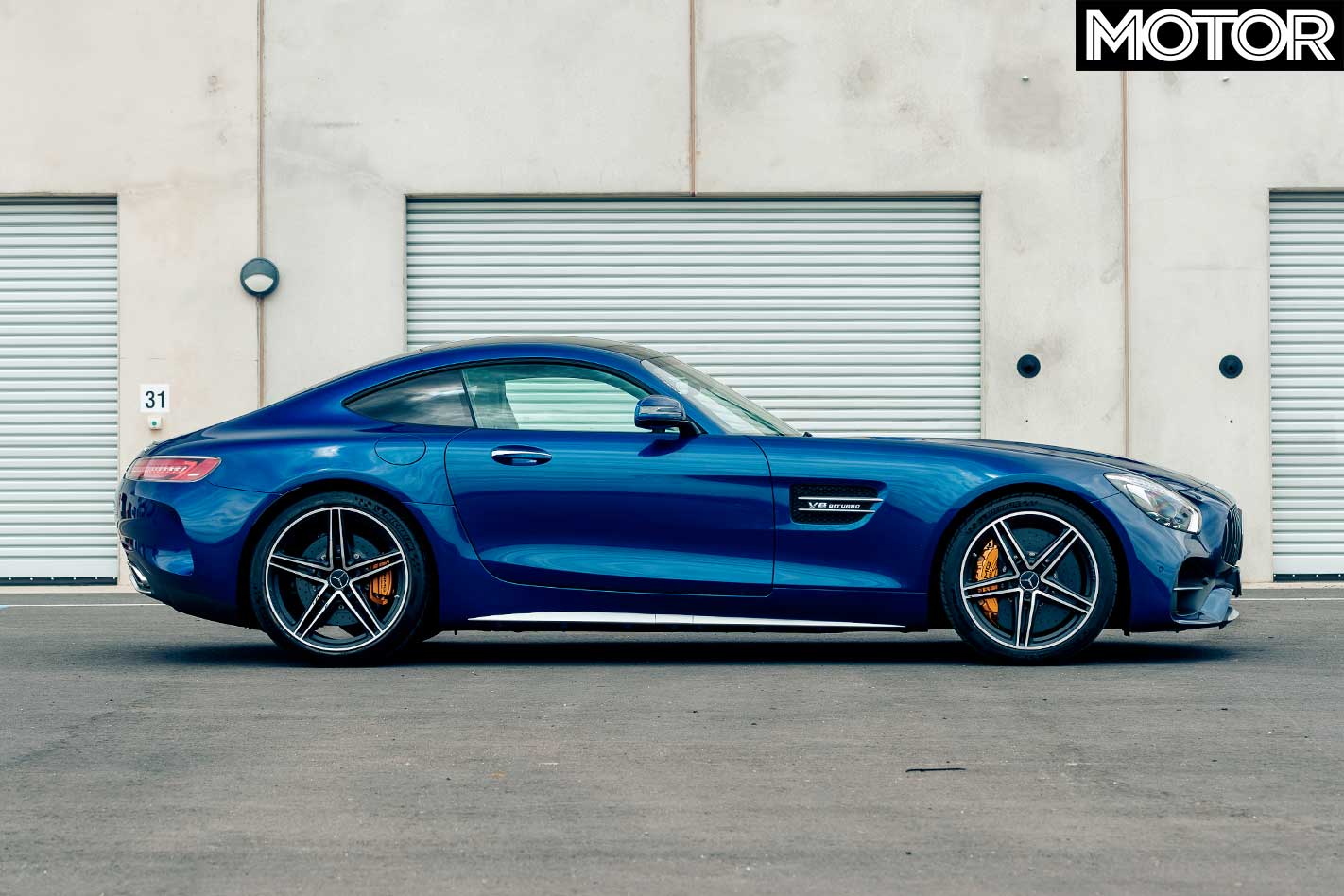
2018 Mercedes-AMG GT C specs: Engine: 3982cc V8, DOHC, 32v, twin-turbo Power: 410kW @ 5750-6750rpm Torque: 680Nm @ 1900-5500rpm Transmission: 7-speed dual-clutch Weight: 1625kg Price: $316,500
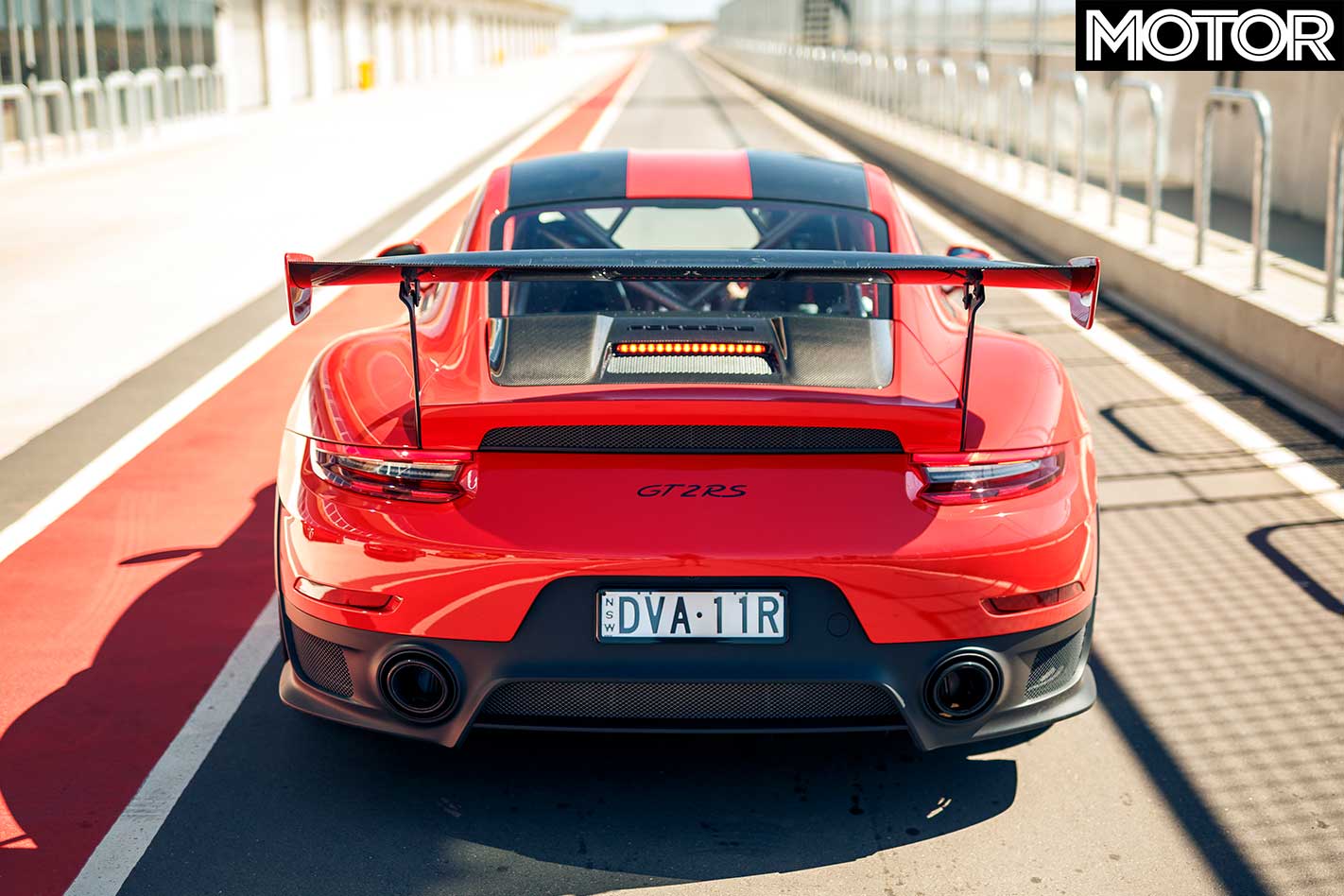
2018 Porsche 911 GT2 RS specs: Engine: 3800cc flat-six, DOHC, 24v, twin-turbo Power: 515kW @ 7000rpm Torque: 750Nm @ 2500-4500rpm Transmission: 7-speed dual-clutch Weight: 1470kg Price: $645,400
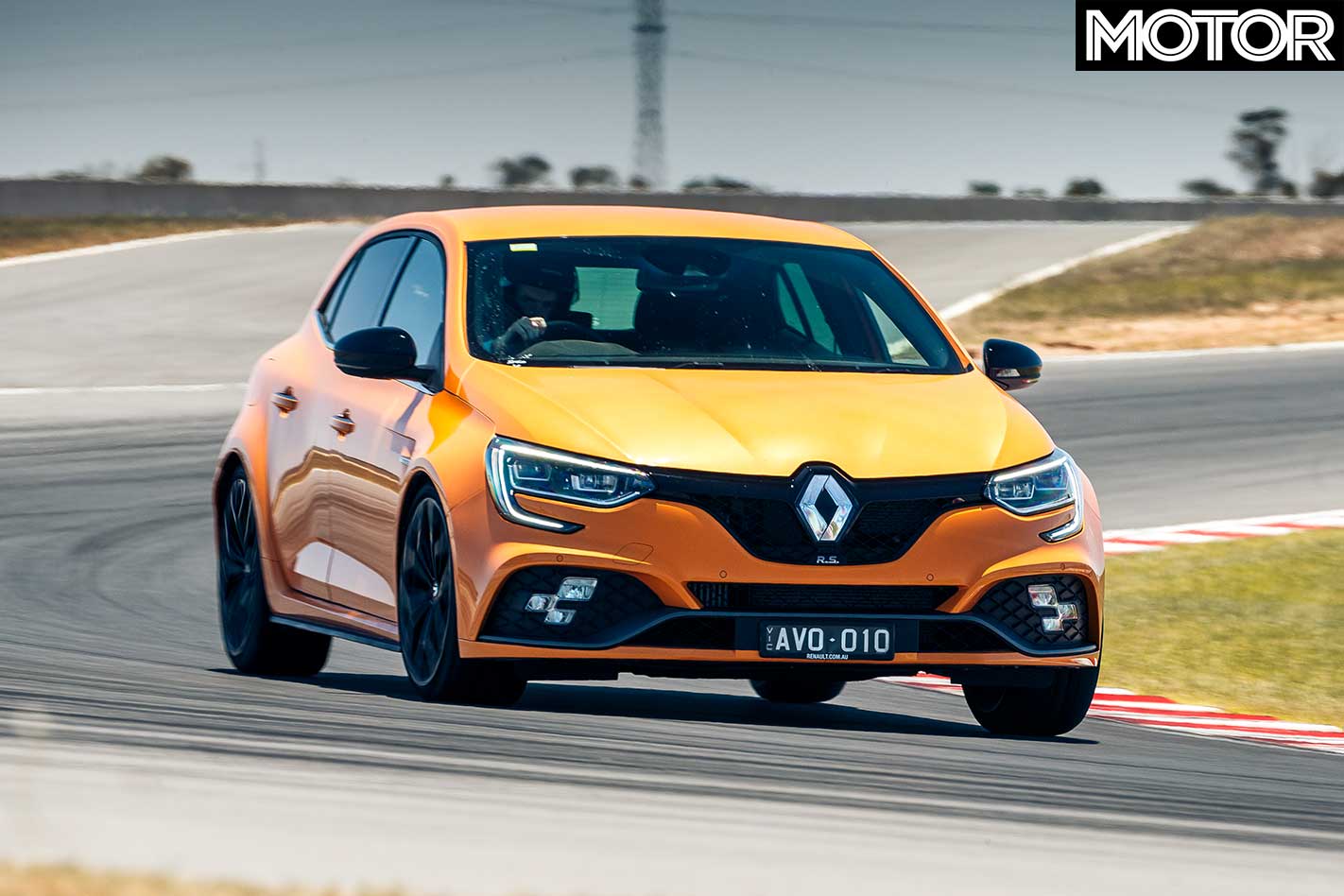
2018 Renault Megane RS 280 Cup specs: Engine: 1798cc inline-4, DOHC, 16v, turbo Power: 205kW @ 6000rpm Torque: 390Nm @ 2400-4800rpm Transmission: 6-speed manual Weight: 1430kg Price: $44,990
Google is stepping up its automotive infotainment involvement with an integrated native version of its Android Auto operating system, which is due to roll out in 2020.
Unlike its current Android system, vehicles ‘powered by Android’ will not require a smartphone to access the various applications and functions, with Google’s proprietary software permanently plumbed into the car.
Not only will the system perform the functions users are already familiar with, including navigation, communication and web-based application access, but the new generation of Android will also be tapped into vehicle systems such as climate control and perhaps even the vehicle’s dynamic systems.
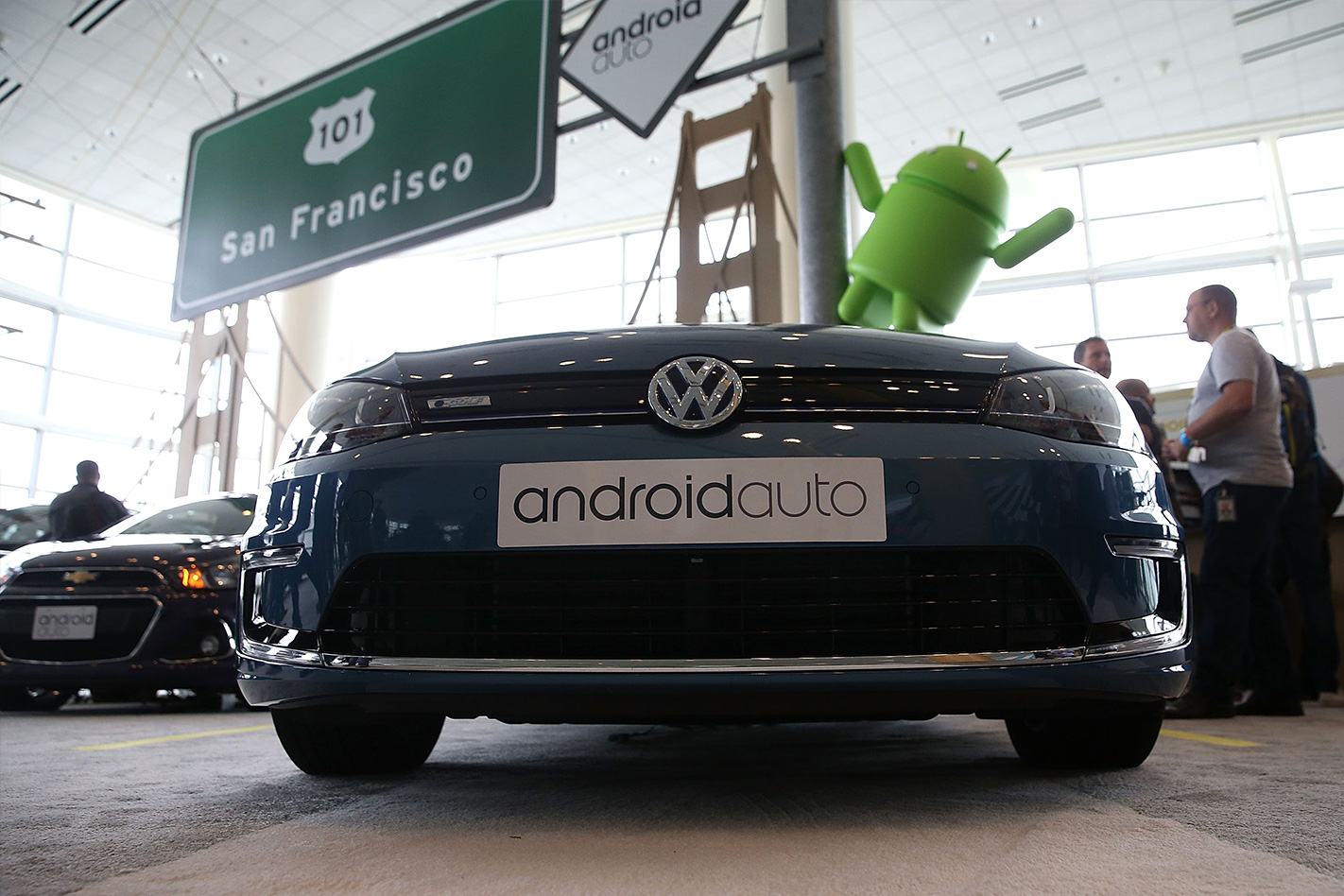
With this greater level of connectivity, Google Assistant will be able to adjust car settings such as cabin temperature and entertainment controls – and all through conversational voice interaction that the company already offers in households. There may even be remote functions available.
Manufacturers are yet to officially confirm adoption of the new Google information and entertainment system, but theverge.com reports that Audi and Volvo’s Polestar electric sportscar brand will be the first. It’s likely discussions are underway with many others.
Existing Android Auto simply projects the smartphone’s display onto the vehicle’s own along with the instantly recognisable Google graphics and design calling cards, however, the native version will be different.
Partners will be able to work with the technology behemoth to tailor a top layer of ergonomics and design which ties in with each brand’s existing technology, with all the Google software hidden beneath. You’ll have no idea anything has changed apart from the new advanced features, says the company.
It’s a collaborative initiative that makes a lot of sense. Partner car brands get a turnkey information and entertainment system with a cost-effective price that’s driven down as more adopters jump on board.
And Google gets access to another rich but as-yet untapped seam of information.
No doubt Apple will be watching intently and is likely to be mounting a counter assault with its own version of a native CarPlay operating system.
What stands out?
The second-generation Audi A1 applies the style and finish of a medium luxury car to a very small hatchback. There is a range of fuel-efficient, turbocharged petrol engines, from the miserly but charming three-cylinder in the A1 30 TFSI to the 40 TFSI’s fiery 2.0-litre four cylinder. All steer nicely, and even the least powerful is good to drive.
What might bug me?
Getting a puncture and coming to grips with the tyre repair kit: the Audi A1 doesn’t have a spare wheel of any kind. While the kit allows you to drive on the affected tyre, it’s only enough to get you to a repairer where it will need to be replaced.Knowing you could have got many of the same features a considerably cheaper Volkswagen Polo.The hard cabin plastics on the doors that undermine the A1’s otherwise pleasant interior.Drivers born and bred on traditional automatic gearboxes may need to approach an auto A1’s dual-clutch gearbox with an open mind. The S-tronic transmission is essentially an automated manual gearbox – albeit a highly sophisticated one – and sometimes it won’t match the smoothness of a conventional automatic when starting from rest.
What body styles are there?
Five-door hatchback only – Audi calls it a Sportback.The Audi A1 drives its front wheels and is classed as a light car, higher priced.
What features does every Audi A1 have?
Cruise control with speed limiter, and air-conditioning. Headlights that turn on automatically when it’s getting dark, and windscreen wipers that turn on automatically when it rains.Rear-view camera, and front and rear parking sensors that help you judge how far your bumpers are from obstacles.A multimedia system with Android Auto/Apple CarPlay smartphone pairing, AM/FM/digital (DAB+) radio, and USB socket. Bluetooth connectivity for phone calls and audio streaming.Six-speaker sound system.A 10.25-inch digital instrument cluster.A leather-wrapped steering wheel with controls for the multimedia system.Power folding heated door mirrors.Aluminium alloy wheels, which are usually lighter and better looking than the steel wheels with plastic covers found on some lower priced light cars. A tyre pressure monitor, which warns you if a tyre has lost air (this can give you extra time to get a slow puncture seen to).A puncture repair kit.Autonomous emergency braking, and attention assist that detects and warns you if your attention is lapsing such as when you’re fatigued.Six airbags: two directly in front of the driver and passenger; one on the outer side of each front occupant to protect the upper body; and a curtain airbag on each side covering the front and rear side-windows.Electronic stability control, which can help you control a skidding car. All new cars must have this feature.Every Audi A1 carries a three-year, unlimited kilometre warranty.
Which engine uses least fuel, and why wouldn’t I choose it?
The 1.0-litre petrol engine in the A1 30 TFSI uses the least fuel, consuming as little as 5.4 litres/100km on the official test (city and country combined).This turbocharged three-cylinder engine is peppy for city driving, and has enough grunt for climbing hills and overtaking on the highway. Nevertheless, the main reason you might not choose it is simply that you want a bit more power, for more rapid overtaking and a sportier driving experience.The turbocharged 1.5-litre four-cylinder turbo in the 35 TFSI has about 30 per cent more power, but consumes just 5.8 litres/100km as it has the ability to shut off two cylinders while cruising.The most powerful A1, the 40 TFSI, has an even more powerful 2.0-litre four-cylinder turbo that takes performance even more seriously.Another reason you wouldn’t choose the 30 TFSI is because you want more features that come standard with the 40 TFSI.All three engines have automatic stop-start systems, which save fuel in urban driving. They shut down when you stop, and start again when you take your foot off the brake pedal to drive away.The 30 and 35 TFSI versions are coupled with a dual-clutch automatic transmission with seven gears. The 40 TFSI A1 has a six-speed dual-clutch automatic transmission, which comes with paddle-shifters so that you can control it from the steering wheel.
What key features do I get if I spend more?
The least costly A1, the 30 TFSI comes with the 1.0-litre three-cylinder powertrain, with manual air-conditioning, cloth seats, 8.8-inch multimedia screen, and 16-inch alloy wheels as standard.Stepping up to the 35 TFSI brings the more powerful 1.5-litre four-cylinder engine, bigger 17-inch wheels, premium cloth upholstery, auto-dimming interior mirror, front centre armrest, and wireless phone charger.Spending more again on the sporty 40 TFSI brings the most powerful engine, adjustable suspension that you can adjust to suit different driving conditions, red brake calipers, 18-inch wheels with lower profile tyres for improved handling, and sports front seats with extra side support.The 40 TSFI also receives climate-control air-conditioning (which maintains a set temperature), while the infotainment system comes with a bigger 10.10-inch multimedia screen, ‘Virtual Cockpit’ map display in the digital gauge cluster, 3D satellite navigation with online traffic alerts, and Apple CarPlay that syncs via Blutooth and doesn’t require a USB connection.These infotainment extras are available in the 35 TFSI as part of the extra-cost Technik package for about $3200).The Audi A1 is also available with a bunch of optional extras available in packages or individual items.
Does any upgrade have a down side?
The 17- and 18-inch wheels and tyres that come standard on the A1 35 and 40 TFSI versions have an impact on ride comfort, in comparison with the 16-inch wheels worn by an A1 30 TFSI, because the lower profile tyres have less rubber and air cushioning you from the road.Paint on an A1 is an extra-cost item, with only one colour, ‘Cortina White’ available for no extra charge. The other 10 colours all cost extra.
How comfortable is the Audi A1?
The Audi A1’s increased dimensions over the previous model are evident. It’s very easy to get comfortable in the front seat even if you’re taller than most. The huge headroom on offer combines with a flexible steering-wheel adjustment to provide a commanding driving position, even in such a diminutive car.The interior dash design looks great, with the infotainment screen directed towards the driver and the clear crisp lines of the dash fit very well within Audi’s vision for this car to be a style icon. That said the digital dashboard and infotainment screen look very similar to the one found in its Volkswagen and Polo cousin, and the hard plastics on the door skins and glovebox door feel a little cheap.The instruments are classically presented even on the digital dashboard and the controls and buttons on the dashboard and steering are mostly well laid out.The A1 rides the average city or country road with absorbency, but the A1s with the 17- or 18-inch wheels trade a degree of ride smoothness for heightened handling, but the trade-off is well judged.The A1 40 TFSI with its adjustable adaptive dampers manages a pleasing ride-handling compromise.
What about safety in an Audi A1?
The Audi A1 has autonomous emergency braking, lane-keeping assist, stability control, six airbags, rear parking sensors, auto headlights and wipers, reversing camera, front and rear parking sensors, and a tyre pressure monitor as standard.The autonomous emergency braking system warns you of obstacles in front of the car – typically another vehicle that has slowed suddenly – and applies the brakes automatically if you do not react to either prevent or reduce the impact of a collision. In the Audi A1 it can mitigate a collision from 5km/h up to 85km/h (pedestrians and cyclists) and up to 250 km/h with other vehicles.Of the six airbags, two are directly in front of the driver and passenger; and there is one on the outer side of each front occupant to protect the upper body. There are also curtain airbags on each side covering the front and rear side-windows.The Australasian New Car Assessment Program (ANCAP) awarded the Audi A1 five stars for safety, its maximum, in November 2019.
I like driving – will I enjoy this car?
Responsive – and communicative – steering makes the A1 feel sporty and agile from the first corner you turn into. The handling is secure and predictable rather than edgy or adjustable, which gives you great confidence.The A1 remains composed and comfortable on bumpy roads. There’s a palpable sense of body rigidity, which clearly helps the suspension work when the going gets rough and allows you to carry pleasing pace.The three-cylinder A1s are the most enthusiastic when turning in to corners thanks to their lighter weight. They’re sweet to drive, and great fun, despite their modest power.The 30 TFSI and 40 TFSI versions progressively step up the speed available – the extra power satisfies during day-to-day duty, on the highway, and for spirited driving.The 40 TFSI, with its well-sorted suspension, hard-hitting engine and paddle shifters offers hot hatch thrills.
How is life in the rear seats?
Unlike the previous model, there’s a decent amount of space on offer in the back. Headroom is abundant, and while legroom isn’t exactly generous there is enough space to avoid your knees digging into the front seat.The rear bench seats three, but it’s a pretty tight squeeze for whoever draws the short straw for the middle seat.A lack of rear air vents or USB ports are a notable omission in a car in this price range.
How is it for carrying stuff?
The boot is 65 litres larger than the previous model, totalling 335 litres that’s helped by the lack of a spare wheel.With the 60-40 split rear seatbacks folded the Audi A1 can lug 1090 litres of stuff.
Where does Audi make the A1?
The Audi A1 is built in Spain.
Are there any rivals I should consider?
The only direct premium light hatchback alternative to the Audi A1 is the Mini Cooper five-door.That said this model A1’s bigger dimensions does make it a rival to the BMW 1 Series and Mercedes-Benz A-Class for those who don’t need to worry about a rear seat.Other cars worth considering are the Volkswagen Polo and Golf. Audi is part of the Volkswagen Group so a lot of the features you’ll find in the A1 are available in each VW hatch but at a more affordable price and with longer five-year warranty.Renault Clio and the Peugeot 208. You could buy a mid- to high-specification Clio or 208 for a similar price to the least costly A1. Each French model has a five-year warranty.
I like this car, but I can’t choose which version. Can you help?
The most affordable A1, the 30 TFSI, offers great value, fun driving, and an Audi badge without paying too much more than you would for highly specified versions of many more popular light hatchbacks. What the turbo three-cylinder lacks in outright oomph compared with the bigger engines available, it makes up in character.
Is Audi likely to update the A1 soon?
The second-generation Audi A1 went on sale in late 2019 with three versions; the three-cylinder 30 TFSI and four-cylinder 35 TFSI and 40 TFSI. Only one other model is available overseas, the 25 TFSI, which is less powerful version of the 30 TFSI that is not expected to be sold in Australia.At this stage Audi has not revealed any plans for sportier S1 or RS1 versions.Don’t expect any updates until late 2021.
When the Toyota 86 launched in 2012, many angels got their wings, the sun shone a little brighter and the birds sang a little louder.
In a car market bereft of decent, affordable sports cars, the 86 was an absolute revelation.
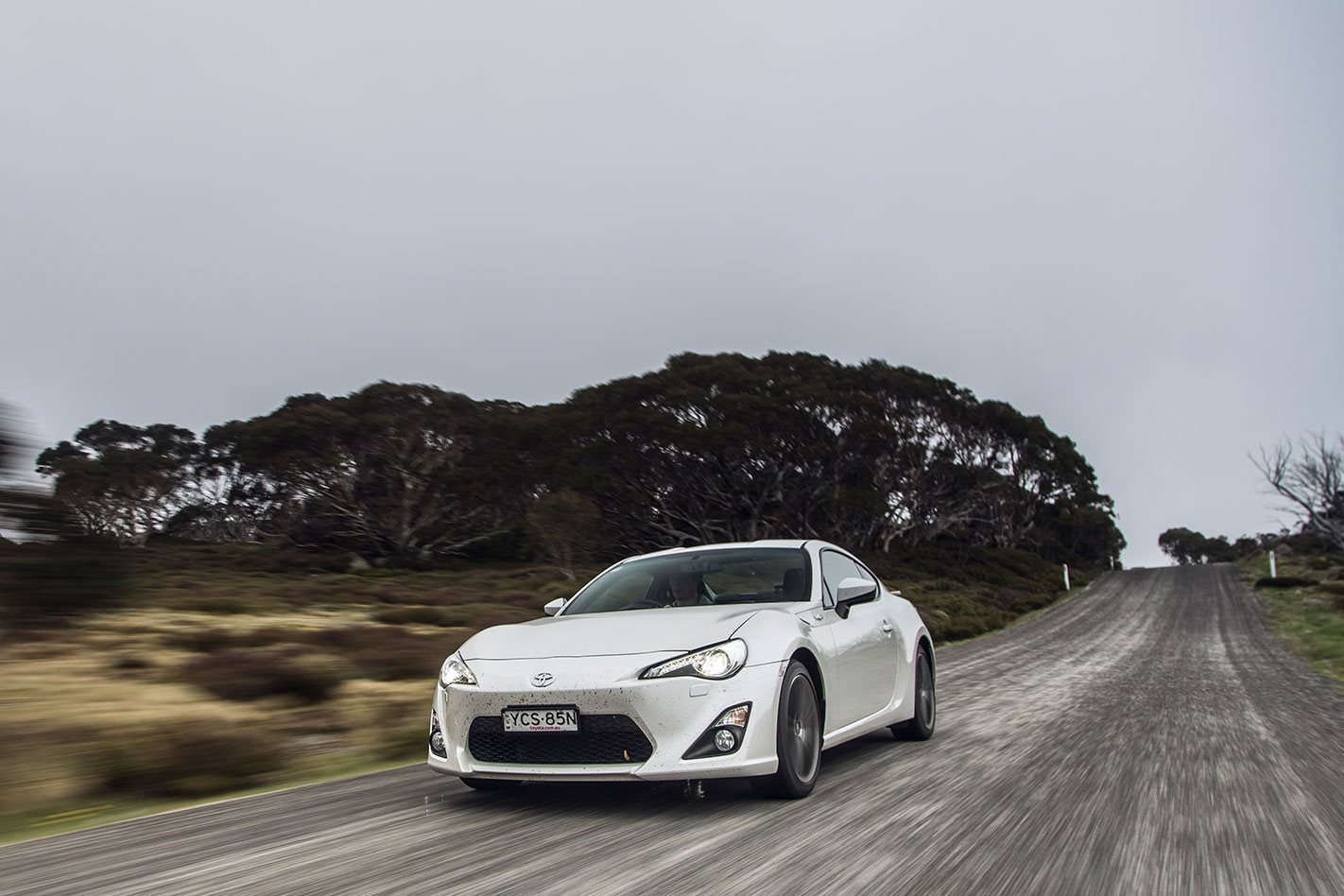
However, the sun may be setting on the 86 – and it’s actually not that much of a surprise.
There are various unconfirmed reports on the net this week that Toyota may announce its intentions about the 86 as early as next month. When we contacted Toyota Australia about the future of the car, the company said that there were no plans to discontinue the 86. “It’s an important car for us,” a spokesperson told us.
However, the tone at Subaru Australia was a little different, with an insider telling WhichCar that while it’ll sell the BRZ – the twin brother of the 86 from the same factory – for the “foreseeable future”, there was “no visibility around next-generation developments”.
For a car that’s seven years into its life cycle, and in an industry that works five years ahead, this is a pretty telling statement.
For interest, Toyota sold 957 86s last year and Subaru moved 588 BRZs. Ford, by way of comparison, sold 6400-odd two-door Mustangs.
The 86 project started in the latter part of the 2000s, and it flew in the face of many conventions, not least within the walls of Toyota itself. At its heart, the world’s biggest car company is inherently conservative, and every product is measured against a barometer of profitability and longevity – how little can it be built for, and how many years can it be eked out without changing it.
The Toyota Way, too, is a factor. The internal culture of Toyota dictates that everything is decided by committee before another committee decides it needs to go to another committee to have it signed off. Steering feel algorithms and slow-speed rebound rates get lost in spreadsheets and planning documents, which can lead to profitable, capable but ultimately uninspiring cars.
Enter Akio Toyoda. The grandson of Toyota founder Kiichiro Toyoda, and the president of Toyota since 2009, Toyoda is a car guy through and through. He understands steering feel and rebound rates… and he wanted to change Toyota’s focus on competent but unengaging cars.
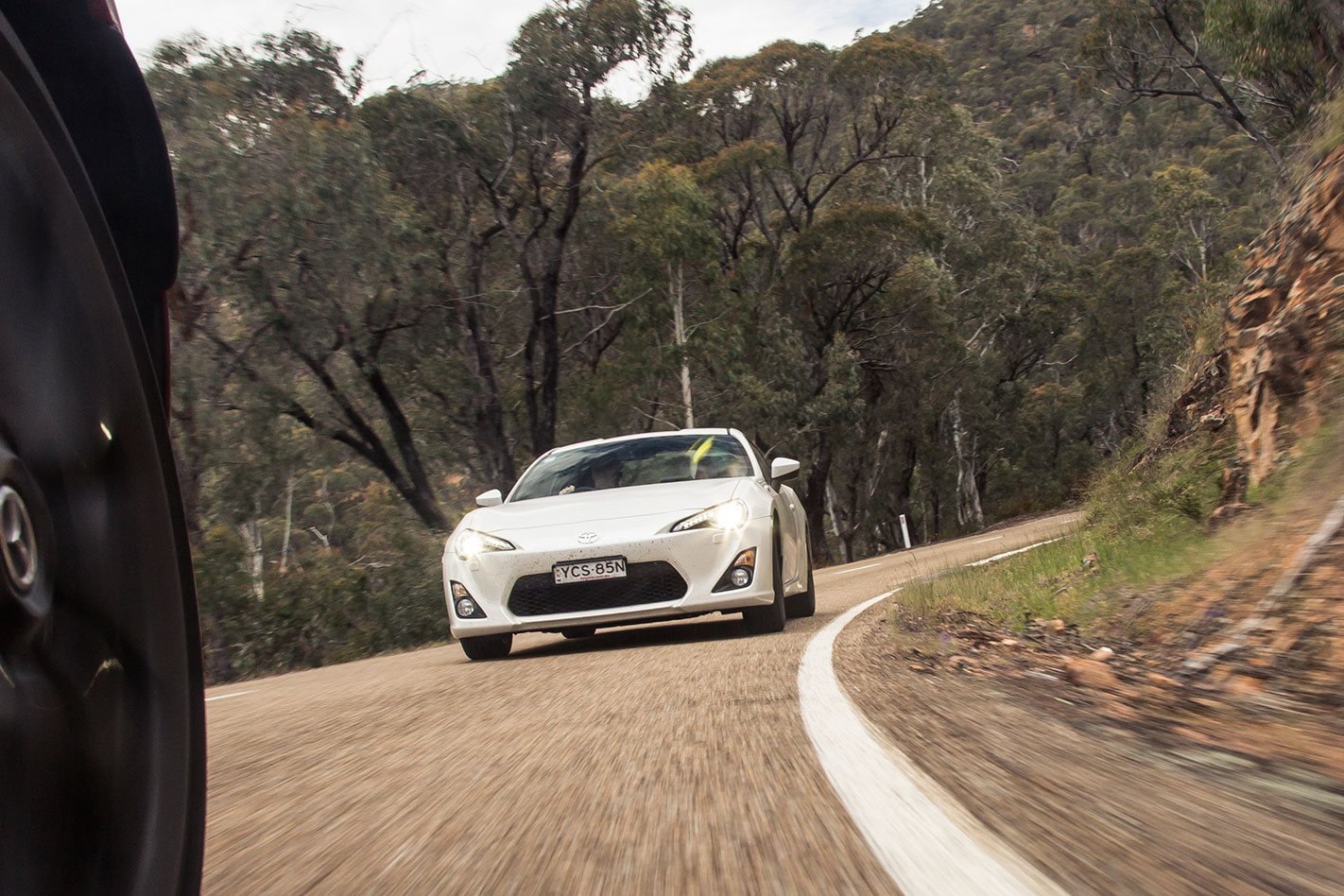
Despite his seniority, this didn’t come easily. The Toyota Way is deeply ingrained, and there is no better example of this than the collaboration between Toyota and Subaru – a company it partly owns – over plans to build an affordable, rear wheel drive sports car.
Over several years, arguments raged between the two about how the project would proceed. The 86 uses a Subaru engine block, for example, while Toyota supplies the variable valve timing system for the top of the engine. This issue alone almost saw the project canned before it could even get off the ground because Toyota engineers were bitterly opposed to sharing this key technology.
Finally, the kinks were uneasily ironed out, and the 86/BRZ rolled down its own bespoke production line in 2012 – but Toyota would have six month’s grace to sell the 86 under its badge before Subaru could start. Even then, just one in five cars off the line could be built as a Subaru.
The car was well received worldwide, with more than 50,000 sold in the first year, but sales – as is the case with most sports cars – have tapered off.
A key moment in the 86’s timeline was the axing of plans to produce a convertible version, which came as a surprise to industry pundits. It would have been logical to create the 86 from the ground up with the potential to lose its lid – and thereby giving it the opportunity to invigorate sales with fresh drop-top appeal. Toyota had also lacked any sort of affordable cabriolet in its line-up since the MR2 of the early 2000s, so a topless 86 would have been well received.
Fast forward to 2019, and the 86 is essentially the same car that it was in 2012. Same engine, same gearbox, same interior. Sure, there were a few body structure changes in 2016, but the 86 hasn’t progressed. At all.
In the meantime, Akio Toyoda pushed the company to develop another sports car, the reborn Supra. Again, the gestation of the car dragged out for the better part of a decade, and the decision to essentially outsource the car – a BMW Z4 to all intents and purposes – to a third-party manufacturer in Austria gives you an idea of where sports cars figure in the Toyota Way.
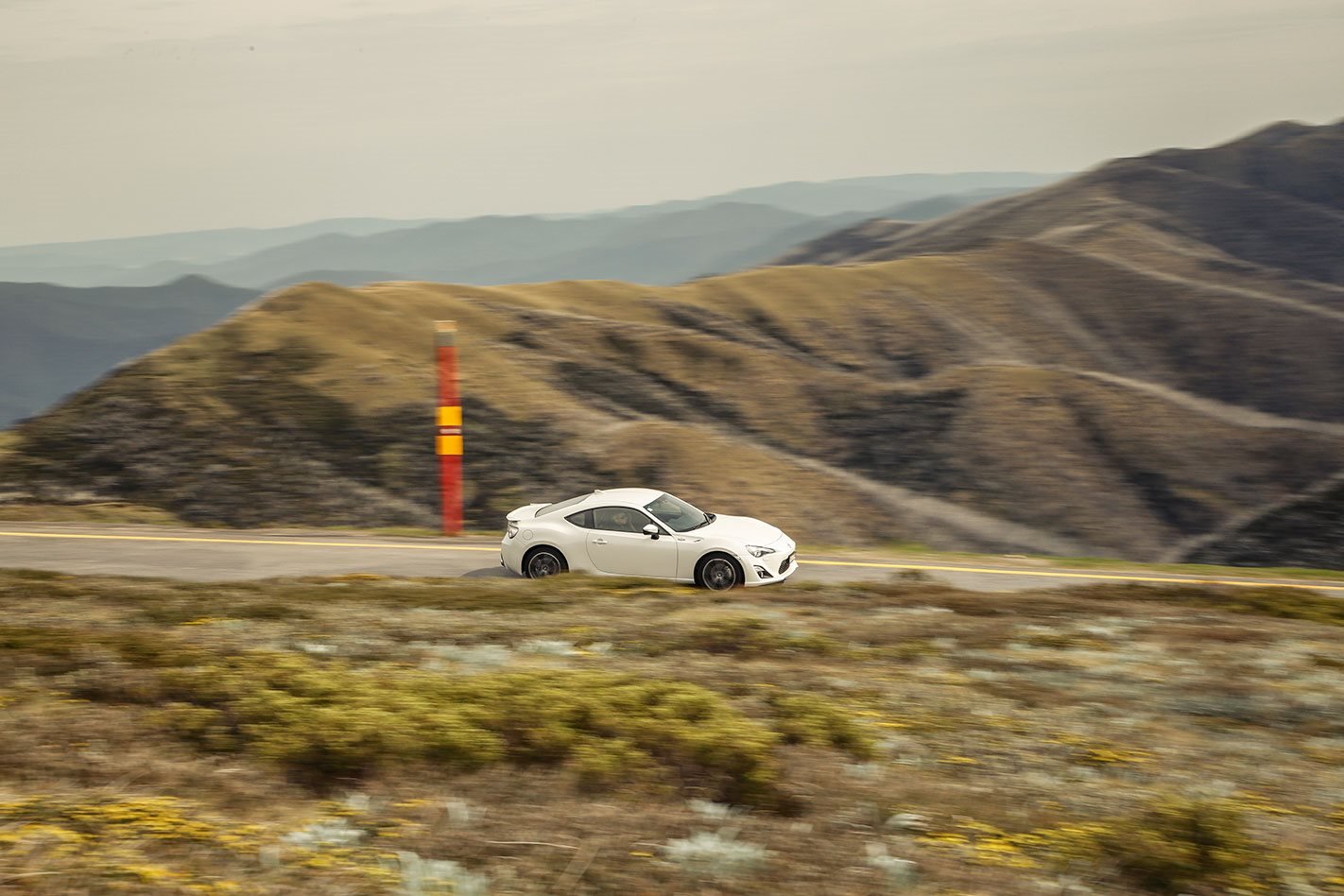
As well, the news that the Supra will be eventually offered with a four-cylinder engine is a key factor to the 86’s future. Pricing and specs for the Supra are a way off yet, but we can surmise that a six-cylinder Supra will cost about twice as much as an 86, so there’s a sound reason to keep both running side-by-side.
However, if Toyota can produce a cheaper Supra at a higher volume, the cost difference could shrink markedly – and then there’s the matter of buying a seven-year-old design over a brand new car.
However the future of the 86 and its BRZ plays out, the car has already etched a place in motoring folklore. It’s a hit with young and old enthusiasts alike, and if it is axed, it’ll become an instant motoring icon. Only time will tell what will happen with the 86, but we reckon we’ll hear more at the Geneva Motor Show in a couple of months.
A Renault Sport F1 car built almost entirely of Lego pieces is set to auction in a sale by Artcurial.
The yellow replica, wearing Nico Hülkenberg’s number 27, is comprised of approximately 600,000 Lego bricks built onto a metal frame, rolling on actual Pirelli tyres.
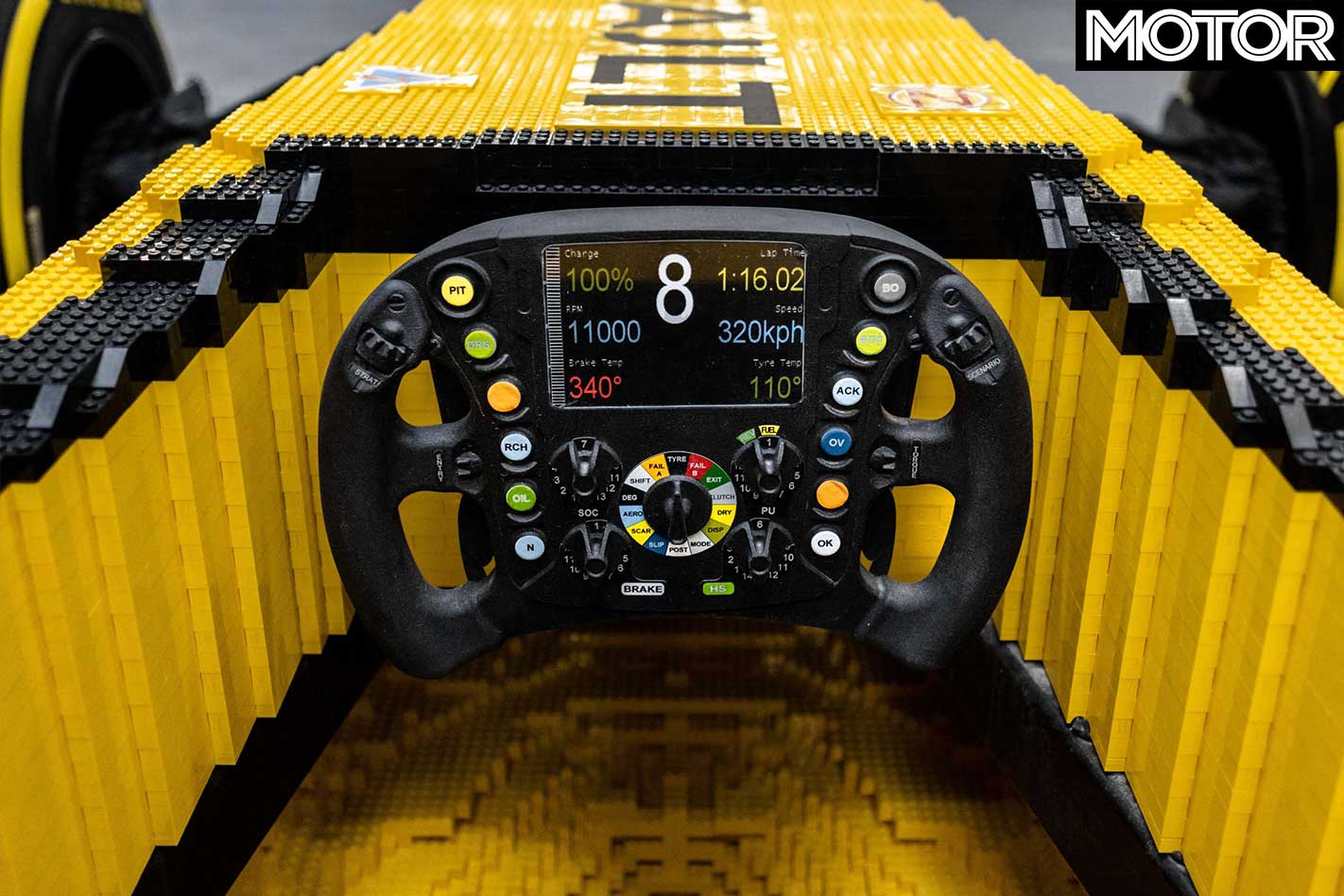
The cockpit of the Lego F1 car also features a replica steering wheel not made of the little plastic bricks.
Dubbed the 2017 Renault F1 Team X Lego, the scale model is expected to fetch between €30,000 and €50,000, or between AUD$48,000 and $80,000 to us. Proceeds from the sale will benefit UNICEF (United Nations International Children’s Emergency Fund).
“Revealed to the press on 30 November 2017 at L’Atelier Renault, this amazing sculpture of a full-scale single-seater, built entirely out of Lego bricks, wowed the crowds when it was first presented,” the listing explains.
“A collaboration between the Renault F1 Team and Lego, it took several months to put together the bricks, fitted to a metal structure and assembled in three separate sections.
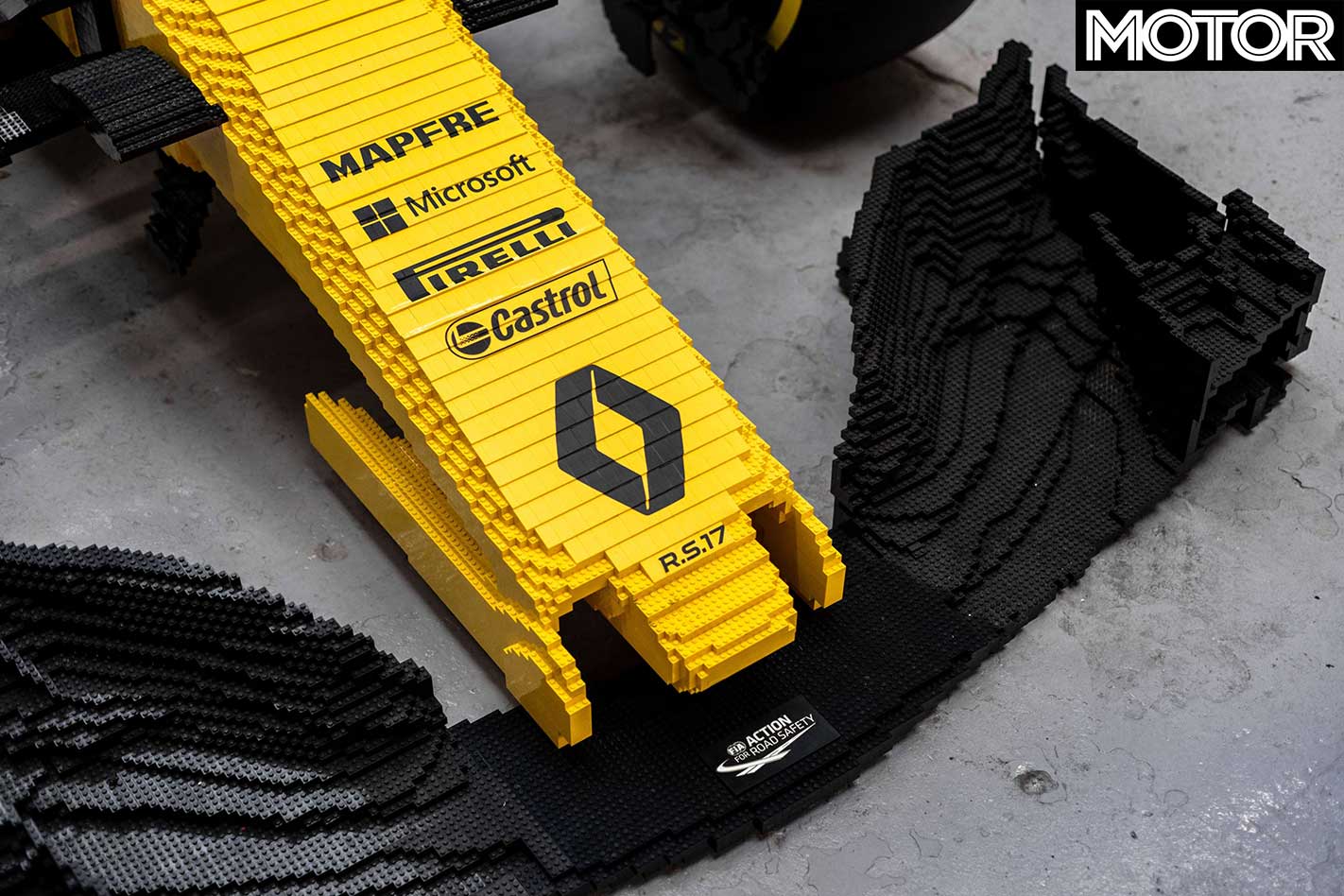
Though the auction house says the car is comprised of 313,000 bricks, Renault’s original press release from 2017 says the model contains 600,000 bricks, with the tyres, bucket seat, and steering wheel actually having spent some time on a circuit – though not in the Lego car, we’d imagine.
The car was originally built as a 40th anniversary celebration of Renault’s involvement in F1, and was used as a promotional prop throughout the 2018 season.
The Renault F1 Team X Lego is to go under the hammer on February 10, a little over a month before Daniel Ricciardo makes his Renault debut on home soil.
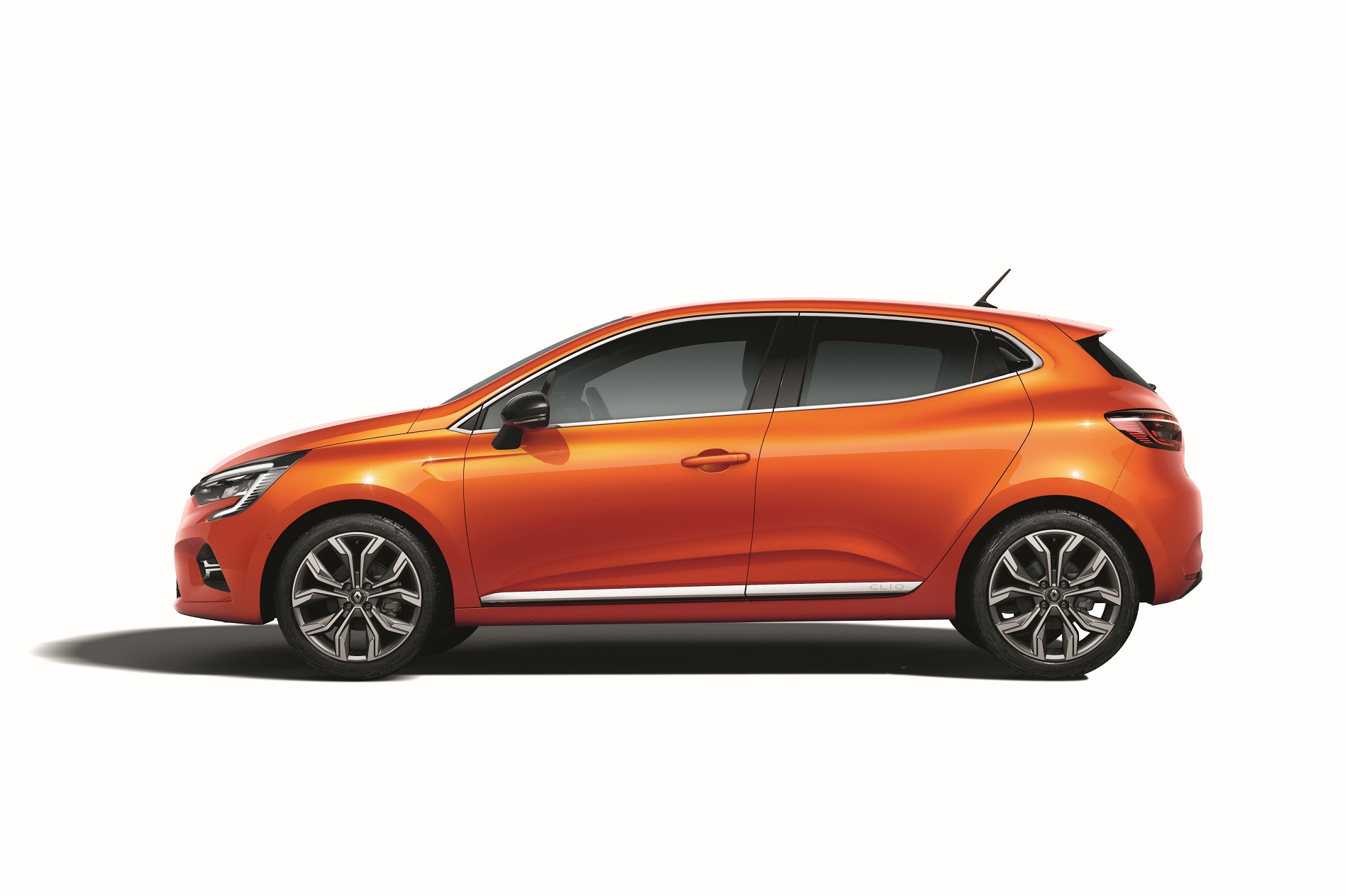
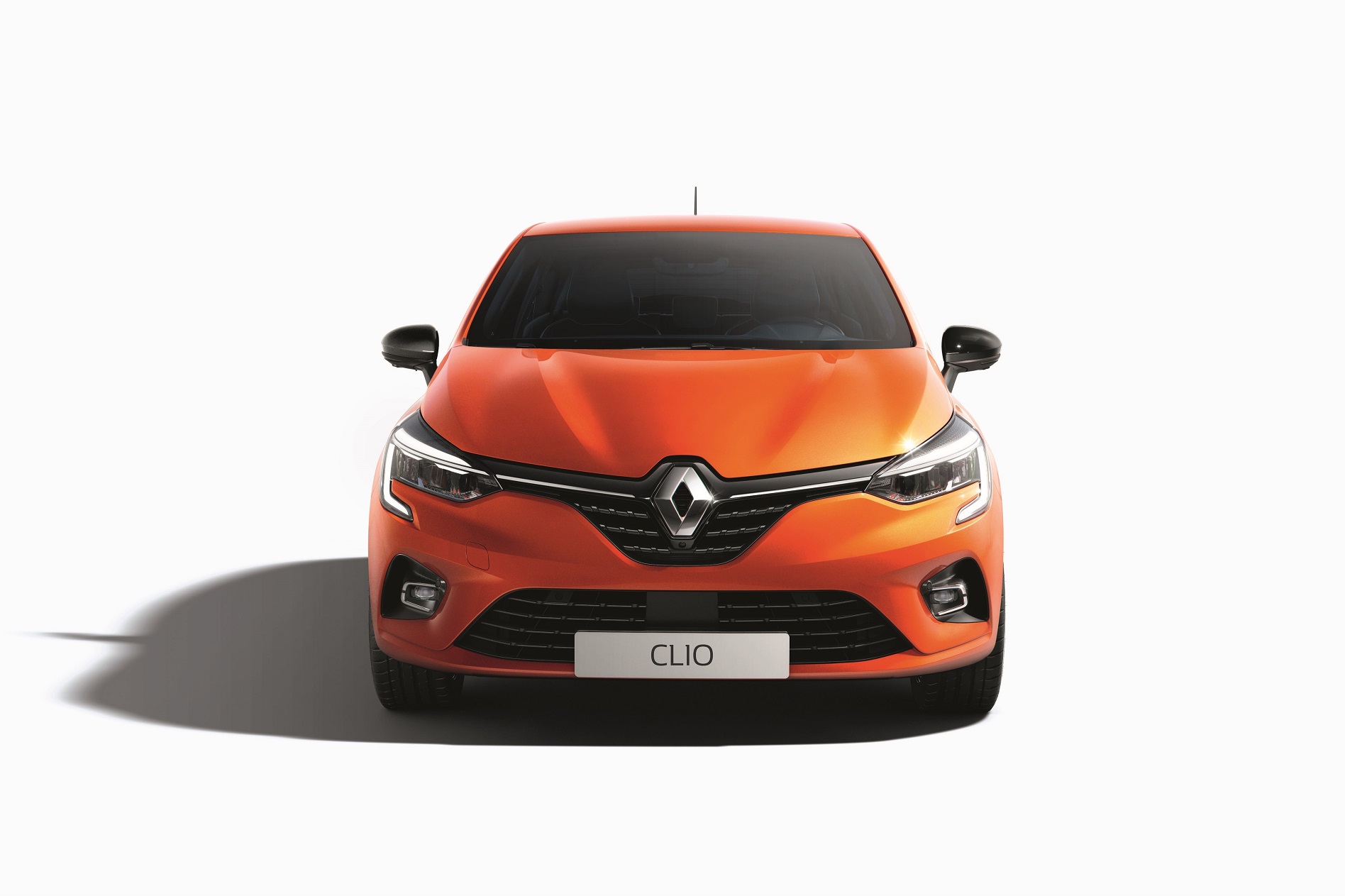
Yesterday we saw the inside, and today Renault has unveiled the outside of the forthcoming Clio small hatchback.
The Clio, which battles against compact hatchbacks including the Toyota Yaris, Suzuki’s Swift and the Honda Jazz, has – like many of its rivals in the larger hatch class – stepped things up on a presentation front, as car companies work hard to bring a sense of premium to the affordable.
Renault Australia has confirmed, too, that we’ll see the new Clio – including a new variant called the RS Line – here in 2020.
Underpinning the fifth-generation French-made hatch is a new flexible platform that is the first for the Nissan-Renault-Mitsubishi Alliance. Not only will it be lighter, larger and stiffer, Renault says it’s ready for electrification and autonomous driving tech to be added as required.
We can also expect it to underpin cars like the next generation Captur and Kadjar SUVs, as well as replacements for Nissan’s ageing X-Trail.
Design-wise, the new Clio is not a million miles away from the current model, but it is 14mm shorter and 30mm lower, according to Renault. Improved aerodynamics will help to trim fuel consumption, while all cars will score LED headlights.
The boot has been enlarged to 391 litres – up from 300 in the current car – partly through a redesign of the audio system and partly down to the use of a double floor.
As we revealed yesterday, the interior treatment has been stepped up for the new car, including the introduction of a digital dash and large central multimedia screen, as well as the use of higher quality materials in obvious spots.
There’s a new, smaller steering wheel (thanks to a smaller airbag), while a taller centre console also means that the shifter is shorter.
Nothing’s been announced around timing, pricing and specs for Australia, but Renault did announce that it will phase out the GT Line variant, in favour of something it’ll call the RS Line. We wonder if rival Peugeot – who also offers the GT Line across most of its models – had anything to do with that.
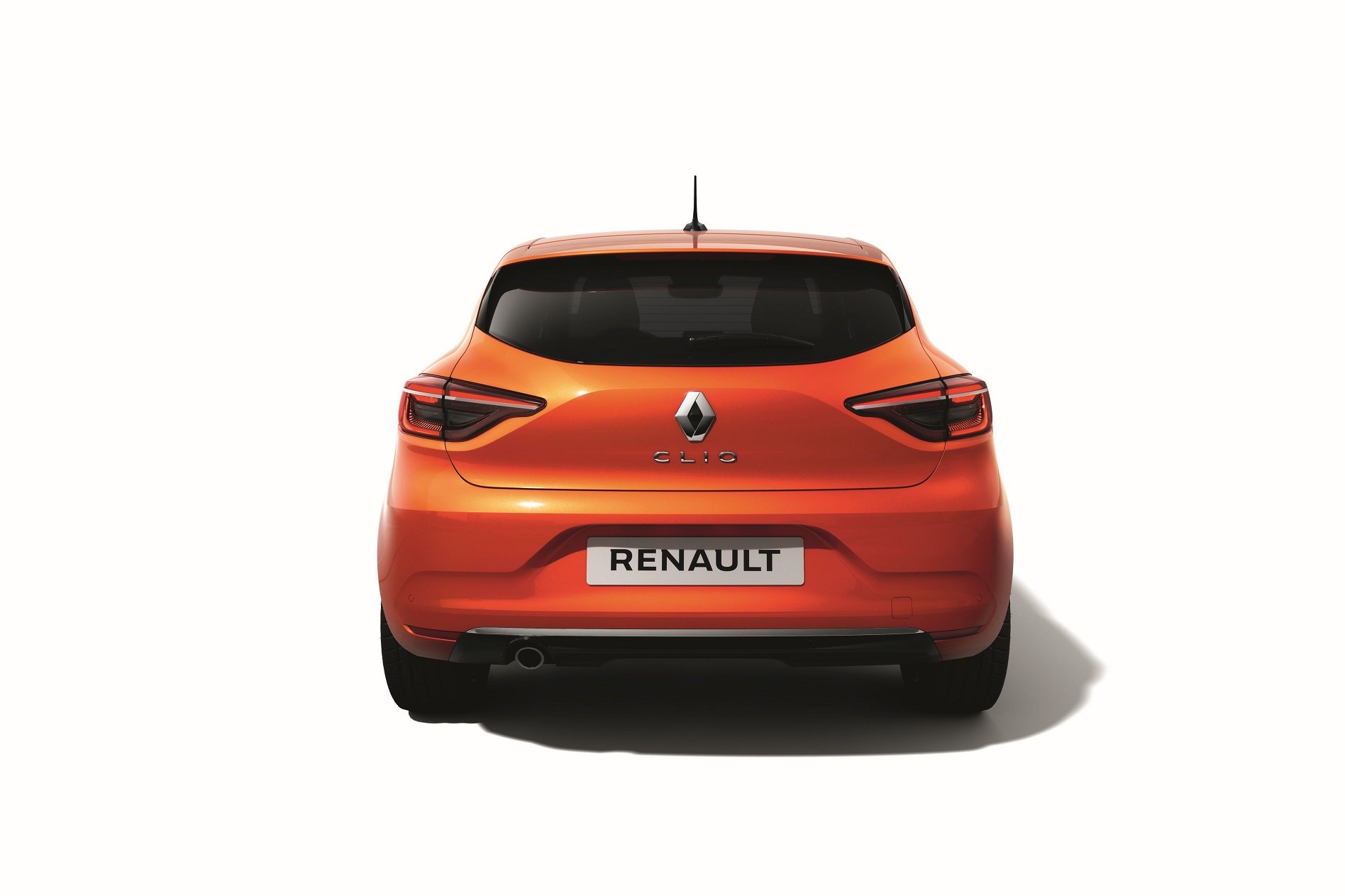
Mechanically speaking, expect the Clio to use a 0.9-litre three-cylinder turbo petrol engine, along with a 1.3-litre four-cylinder turbo petrol motor. We also expect the RS to stay with a 1.6-litre turbo, but there’s a good chance it could get a dose of 48-volt hybrid goodness to boost its bottom line.
More will be revealed at the Geneva Motor Show in early March.
Ford gave us more reasons than ever to break the piggy bank on its new-for-2018 Mustang. A new 5.0-litre V8 and bigger exhaust system were certainly tempting, but if you found the previous model’s ride too taxing on your spine, then $2750 adaptive dampers would be its big draw.
Inspired by our experience at our recent PCOTY, we wondered what the new car’s passive setup drives like. New dampers, revised rear toe-links, Michelin Pilot Sport 4 S tyres and upsized rear sway bars are still fitted, but non-Magneride cars miss out on bigger front bearings and inverted front struts.
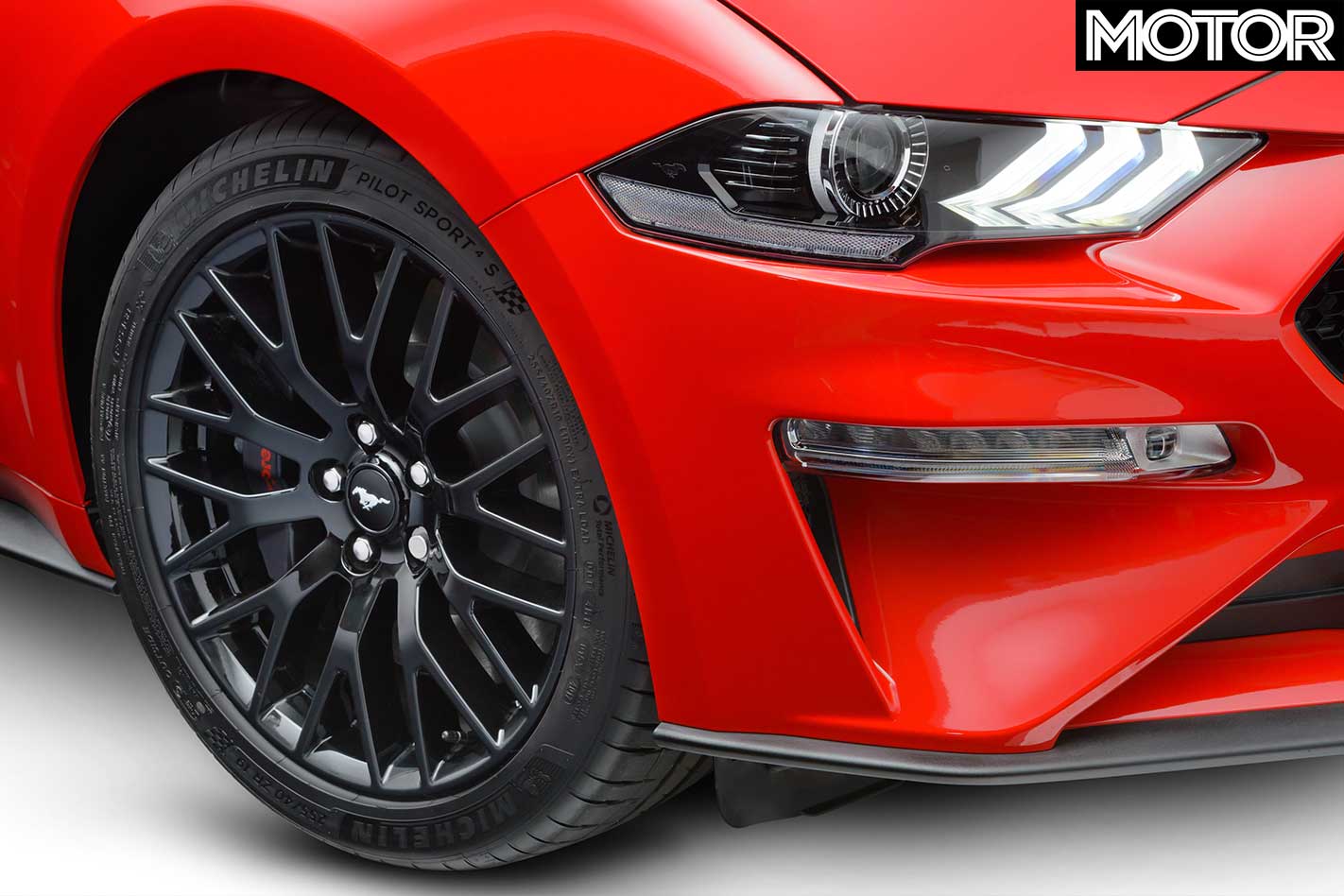
Although we could only test one in greasy and wet conditions, you can tell it loses some front purchase and lateral body control as a result. Its secondary ride comfort takes a hit, too, as there’s more wheel and tyre deflection over nasty roads.
Annoyingly, it’s still unclear how much the adaptive dampers improve this, as all the Magneride cars we’ve driven have rode on forged alloys and our test car here is on the stock wheels. When they measure 19-inches tall and over 9.0-inches across, a lighter material could shed a lot of weight to make a big difference.
So, in summary, it’s slightly stiffer and worse riding at low speeds, but a definitive verdict for them has to wait until we drive either suspension setup on the same wheels.
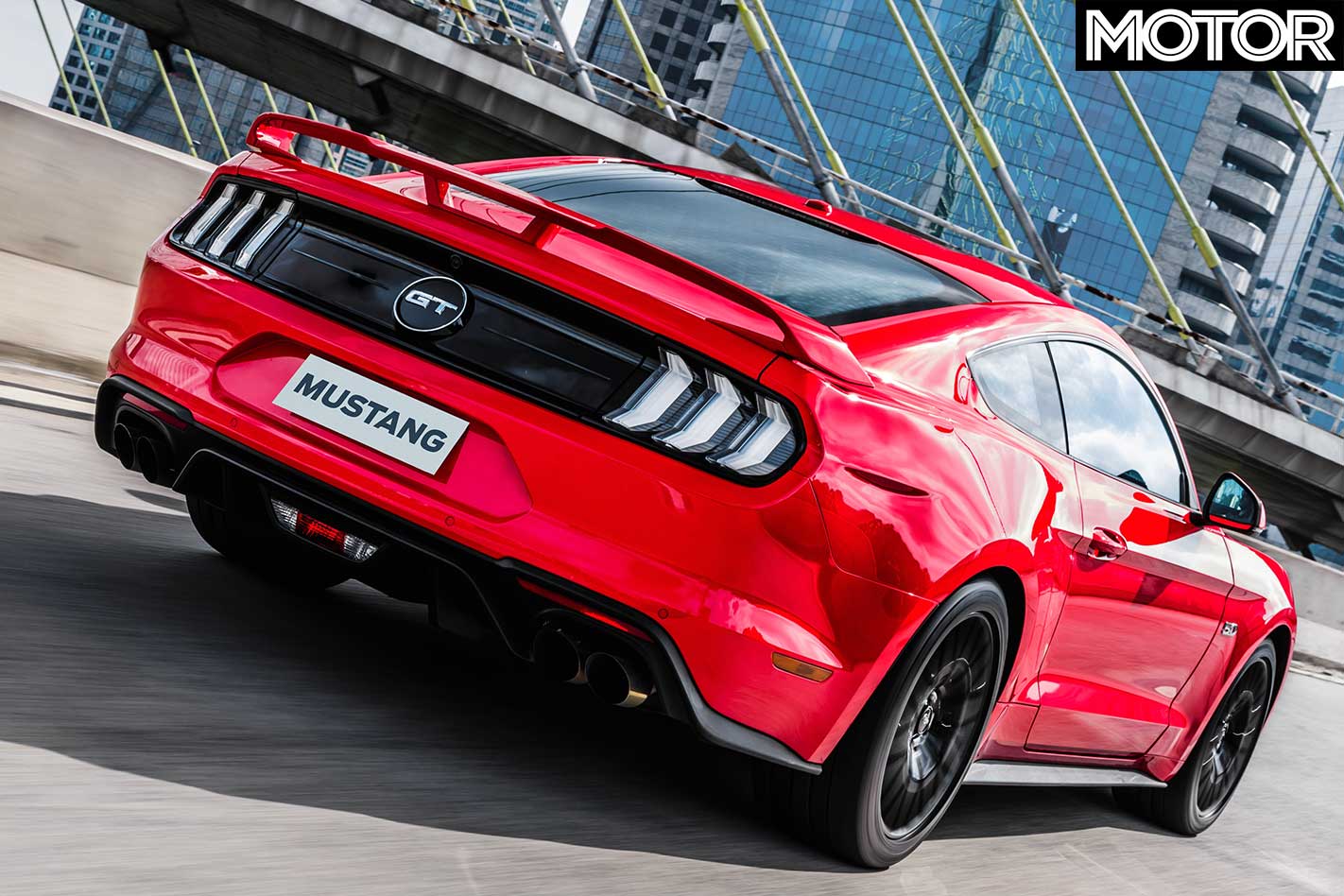
What we can agree on is the new rev-matching system’s effectiveness. It’s been introduced on MY 2019 models and can be switched on or off in the menu accessed via the Pony button. It’s a piece of technology exclusive to the V8 GT that complements its six-speed manual transmission’s already much improved shift experience.
Although it’s relevance on a track is a given, it helps you smoothly drop into lower gears when approaching a roundabout and a heel-and-toe is too hard to complete.
Among the minor changes for the 2019 car, a new Bang and Olufsen speaker system replaces the Shaker system, while new hues Need For Speed Green and Velocity Blue are added to the colour palette. While they make the deciding on a specification harder than ever, they’ll strengthen the Mustang’s allure as it enters its fourth year on sale in Australia.
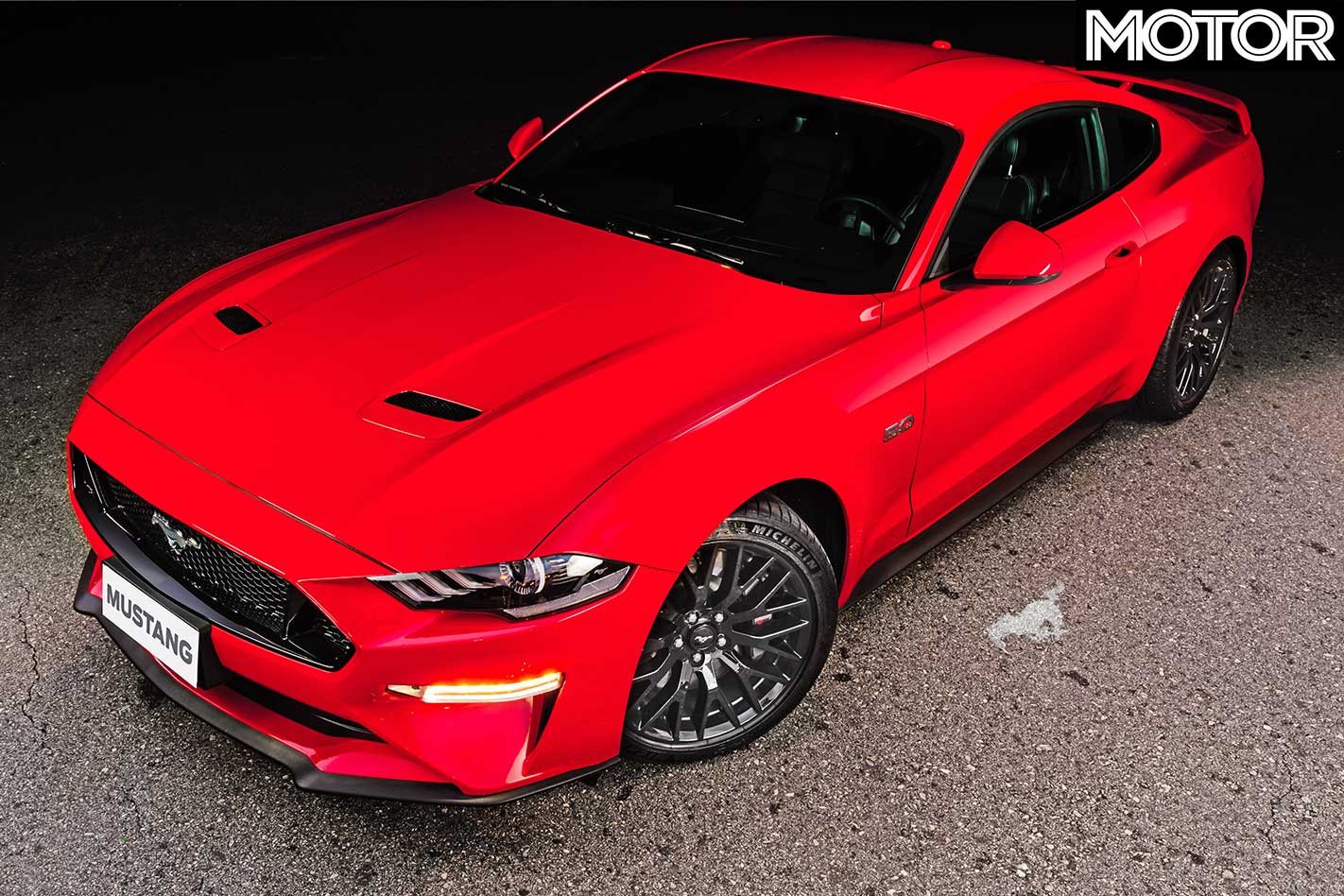
2019 FORD MUSTANG GT SPECS: Engine: 5.0-litre DOHC V8 Power: 339kW @ 7000rpm Torque: 556Nm @ 3600rpm Drive: RWD Weight: 1668kg Price: $62,990
This is the fifth-generation of the venerable Forester, having earned a reputation for being the sensible, practical, and versatile choice for buyers in the mid-size SUV market since it was first introduced in 1997. No pressure then.
Built on Subaru’s ‘Subaru Global Platform’ architecture, shared by fellow 2016 COTY finalist the Subaru Impreza, the Forester is 90 percent new compared to the previous generation.
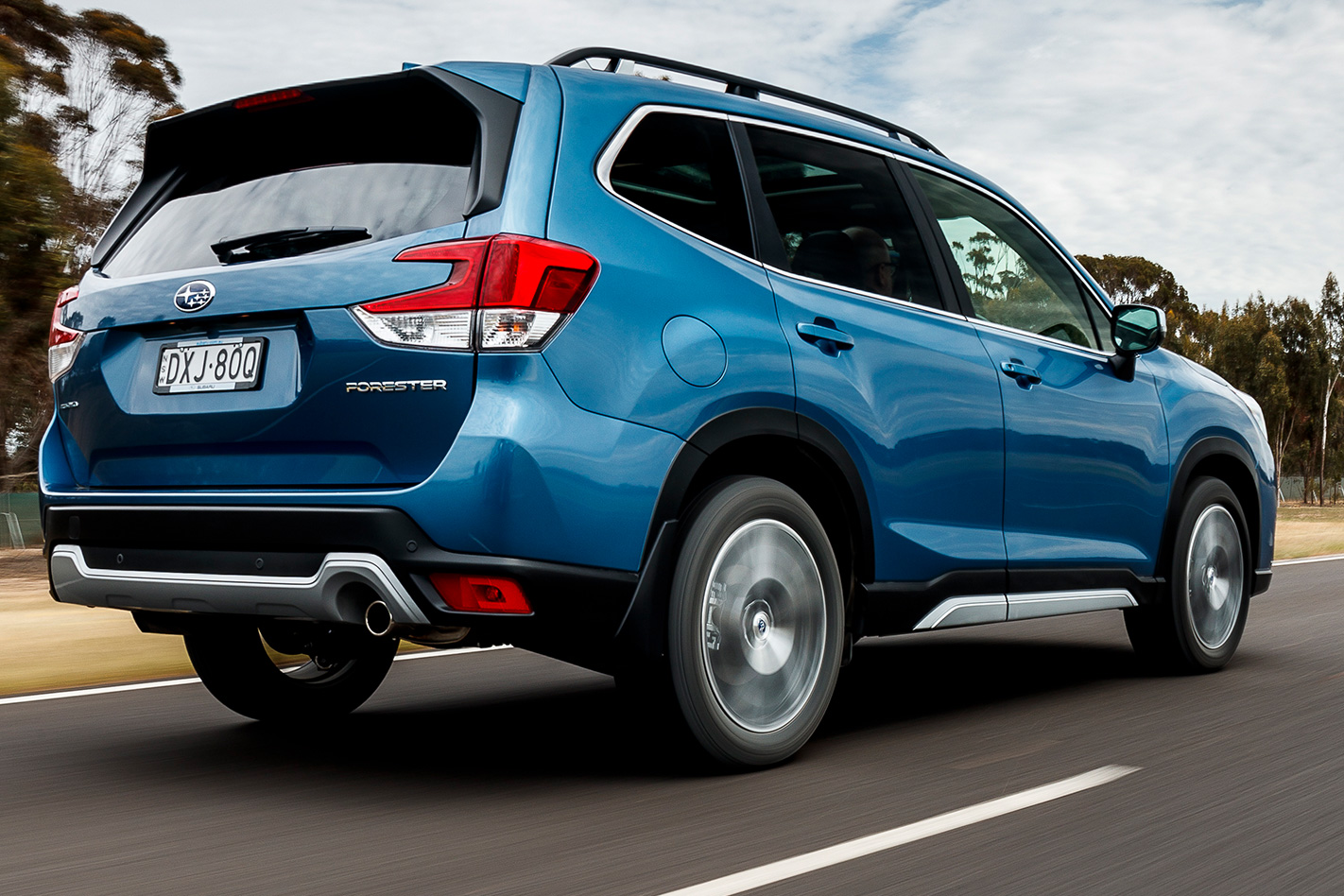
In the generational leap, Subaru has maintained the practical attributes that has made the Forester so popular for the past two decades.
However, there is no longer a turbocharged option, with a new 136kW/239Nm 2.5-litre four-pot horizontally opposed powertrain debuting in the Forester, mated to a CVT auto.
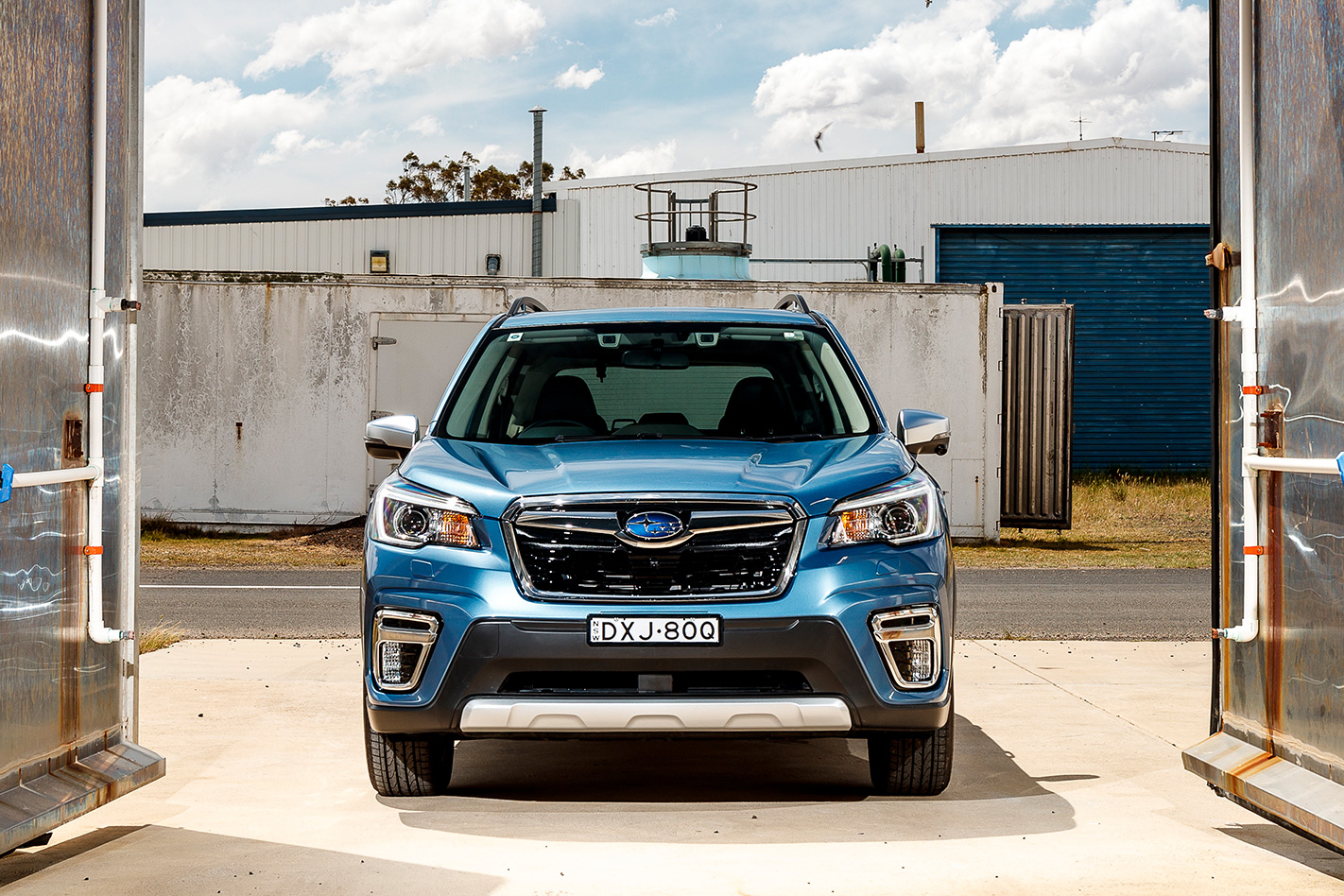
Seemingly the only chink in the Forester’s armour was its new styling, which struggled to carry favour with the judging panel. Luckily, looks aren’t a judging criterion for COTY.
Hopes for the Forester were high heading into Car of the Year 2019, after it bested previous COTY finalists the Mazda CX-5 and Volkswagen Tiguan in a comparison.
“The Forester walks away with the win,” COTY judge Byron Mathioudakis wrote in October, “representing a step forward for both Subaru’s evergreen model line and SUVs in this segment. The design is certainly divisive, but otherwise the Subaru is stunningly complete, with loads of character and very few vices.”
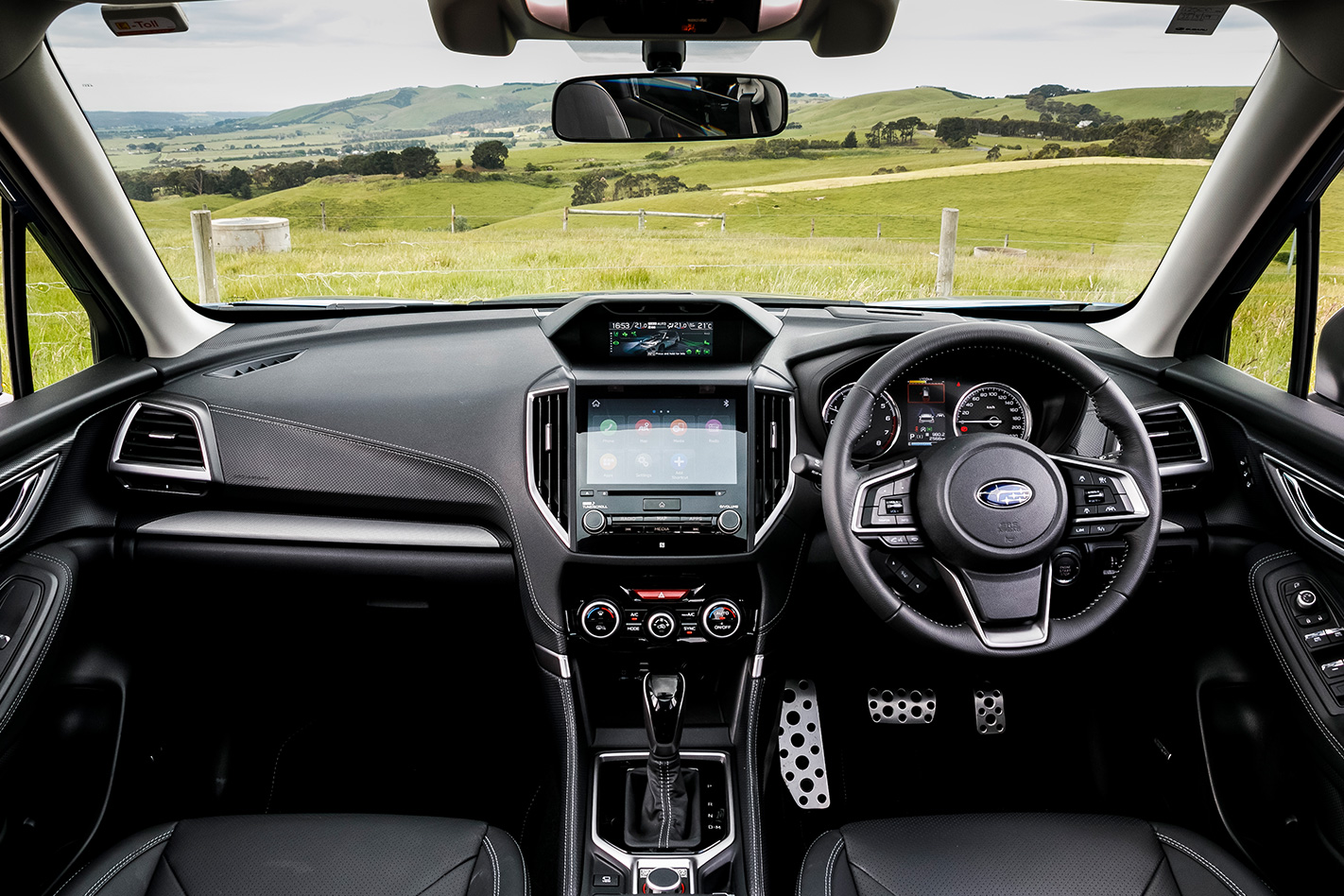
He continued, stating the new-gen Forester “elevates itself above all with sheer effortlessness. It simply rises above the trees of normal SUVs.”
During the first round of testing,the Forester lived up to expectations, punching itself a ticket into the final five with confidence.
To find out if Subaru has what it takes to be crowned Wheels Car of the Year 2019, tune into whichcar.com/wheels on the night of Wednesday, January 30.
