
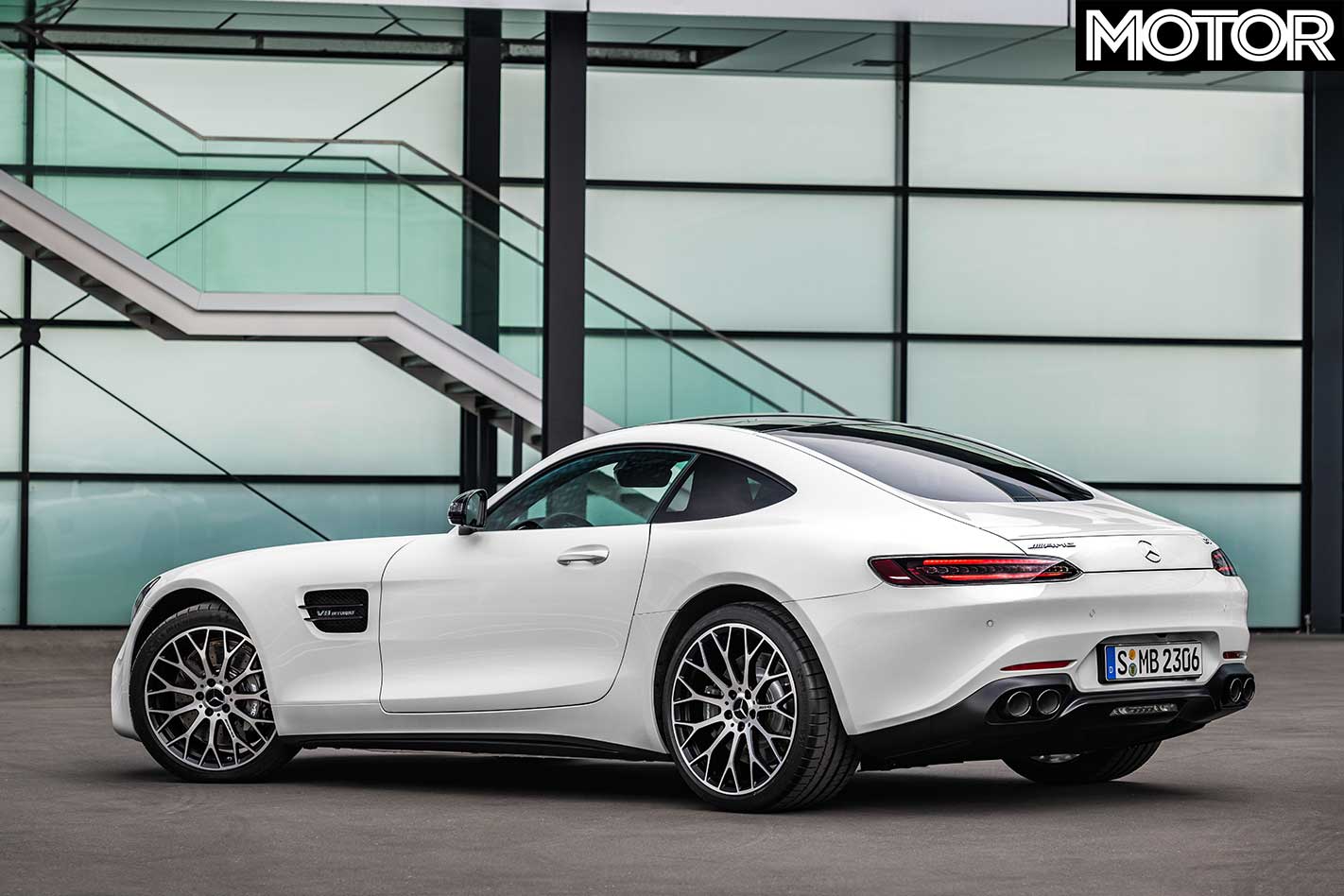
With the launch of the 2020 Mercedes-AMG GT R Pro comes a new facelift for the rest of the GT range, including tech upgrades and fresh styling.
The most important of these changes for driving-focused would-be owners is the addition of a suite of controls to alter the GT’s driving dynamics to better suit the driver’s preference for each situation.
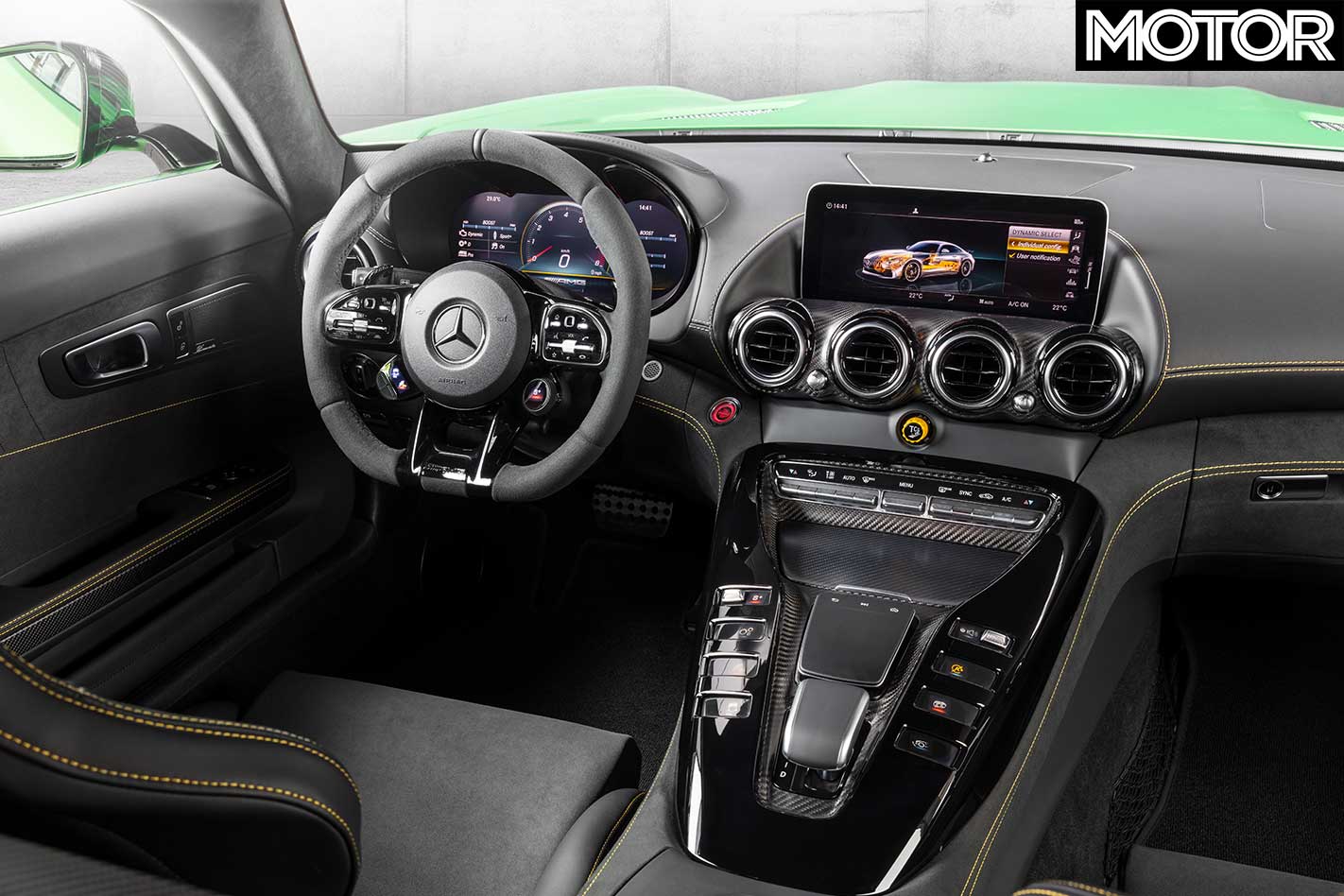
Some controls are still found on the centre console – stylised to form a ‘vee’ as the engine does – while dials with digital TFT displays are found on the new AMG steering wheel.
These TFT dials now control transmission, chassis, exhaust, rear spoiler function, and most importantly the level of ESP active. It also controls the drive mode, a choice of Slippery, Comfort, Sport, Sport Plus, Race and Individual drive programmes.
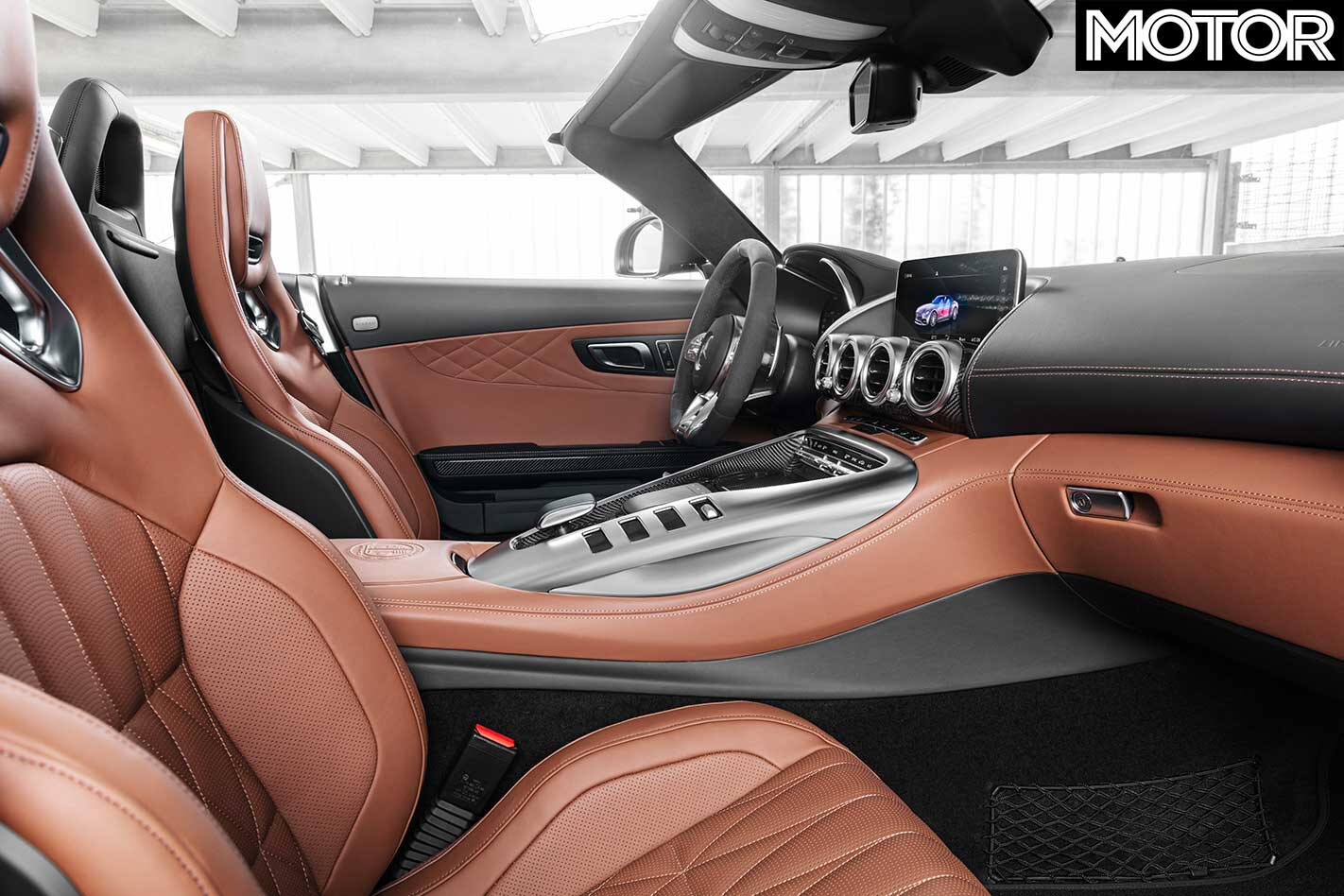
As for the redesigned cabin, the images in the gallery at the top of this page say it all. The GT is set to be a much nicer place to be while driving.
AMG’s Track Pace telemetry system is also now part of the GT range. It’s a system which records driver inputs on a closed track and provides feedback to the driver based on data collected.
“After putting in some fast laps, the driver can use the data to analyse and, if necessary, improve their driving skills. In addition, acceleration and deceleration values can be measured and saved.”
This information is shown on the 12.3-inch instrument cluster and 10.25-inch multimedia display.
The final major dynamic change is the addition of the aptly named AMG Dynamics, a system which adapts to the driver’s inputs and calculates the car’s reaction.
“To do this, the system uses the available sensors that detect the speed, the steering angle or the yaw rate, for instance.
“Based on the pilot-control principle it is possible to anticipate the vehicle behaviour on the basis of the driver’s actions and the data from the sensors.
“The control system reacts in this way even before the driver – and with no noticeable or intervention of the system.”
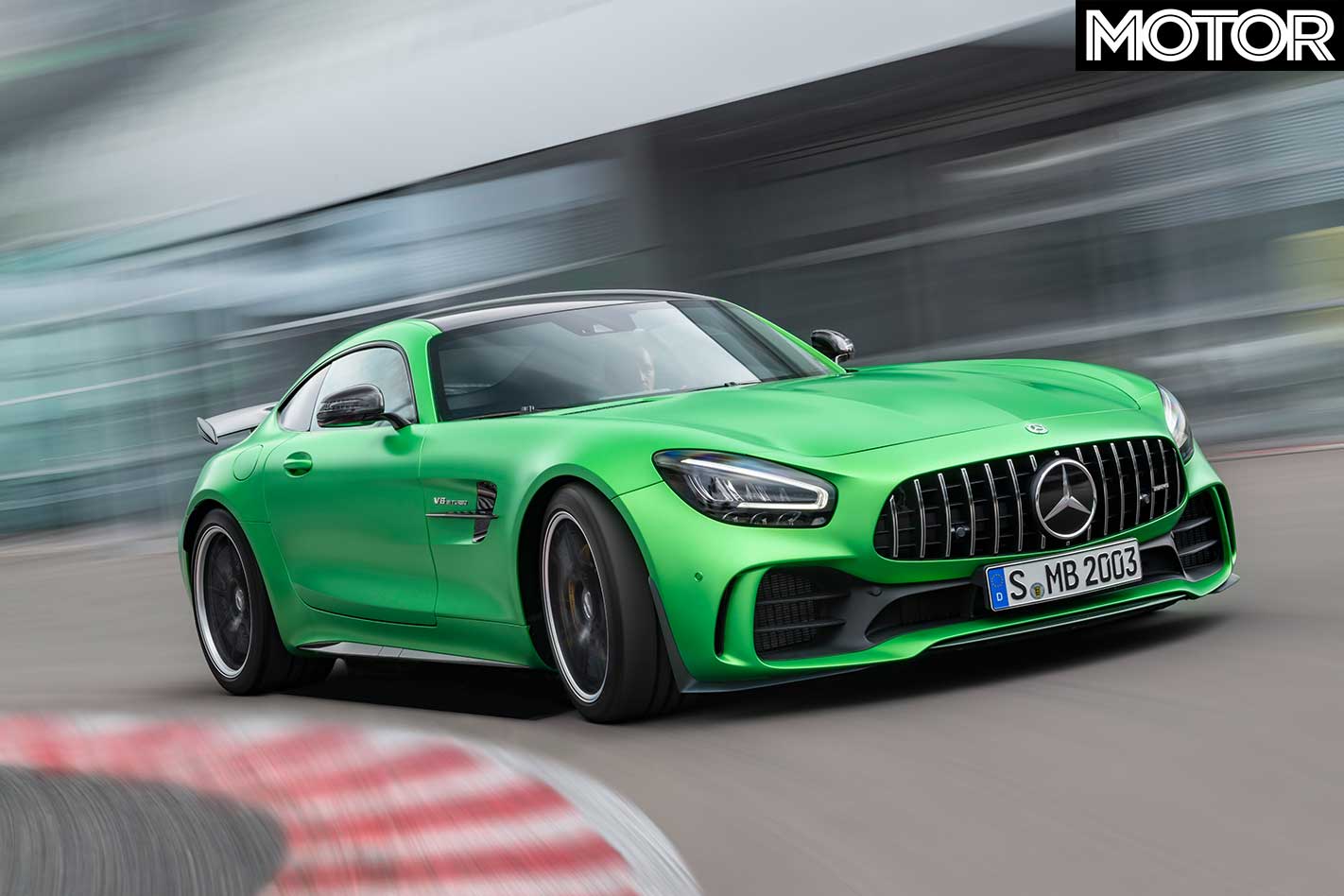
Outside, headlights, diffusers, and tail pipe surrounds have been altered, with the lights now functioning as daytime running lights, navigation lights and turn signals.
TYRE pressure monitors (TPMs) would be mandatory in all new cars sold if Bridgestone Australia and New Zealand technical boss Jon Tamblyn has his way.
Tamblyn believes Australia should follow the lead of regulators in Europe and North America, and make it mandatory for every new car sold to be fitted with a TPM as standard.
The call followed a discussion on the impact of increased use of run-flat tyres by manufacturers.
“In markets like the US and Europe, tyre pressure monitoring systems are mandatory in cars, so one of the challenges with run flats is people don’t realise the tyre is flat, so you need that tyre pressure monitoring system so people know they need to find some air, or do something to get the tyres fixed,” Tamblyn told Wheels.
When asked if the systems should be made mandatory, Tamblyn responded “I think, potentially, yes” and expanded on the safety and efficiency benefits TPMs would provide.
“I think studies from the US and Europe have shown the benefit financially. In dollar benefit alone it completely outweighs the cost, in terms of fuel consumption, in terms of safety and accidents and all those things.
“Certainly the priority in Australia of reducing emissions and those sorts of things, and increasing safety on the roads, the government has a mandate to do that.
For Australia to mandate TPMs for all new cars sold would likely require the support of the Federal Chamber of Automotive Industries (FCAI), however the lobbying group’s chief executive Tony Weber refrained from backing the idea.
“We typically don’t support the mandating of one particular technology, because it is then delivered to the market at the expense of other technologies,” Weber said in a statement in response to questions from Wheels.
“We consider that the best outcomes arise through manufacturers delivering the best overall package, in all areas of the vehicle but particularly in relation to safety, fuel economy and emissions.
“Of course, manufacturers are very aware of consumer preferences and if a technology like tyre pressure monitoring systems is desired by consumers, then this technology will be offered to the market in response to this demand.”
Tamblyn believes that a move to mandatory TPMs in Australia will be inevitable.
“Typically our regulation follows what is happening in Europe, and tyre pressure monitors are now mandatory in Europe, so at some stage we will follow,” he said.
The Bridgestone technical boss stated that it was important for drivers to be more aware of their tyre pressures, with correct inflation providing multiple benefits.
“Any tyre brand will benefit from having the right pressure in it across the board. It will improve every aspect of the tyre’s performance,” he said.
Automobile safety has come a long way in a short time – lap sash belts from the 1950s are officially A Bad Thing – but until people stop getting hurt or worse while driving their cars, then safety organisations like Euro NCAP and ANCAP will keep calling out car makers for making dodgy products.
There have been a few howlers of late, not least the Jeep Wrangler’s one-star effort from earlier this week. In that same report, though, was chilling footage from the crash testing of Fiat’s now discontinued Panda.
It got a zero star rating. Zero.
Here’s our four most notorious crash test vids from the last couple of years, along with comments from the crash authorities themselves. We’ll also show you a five-star Mercedes-Benz A-Class crash test as a contrast.
1. Fiat Panda 2018
0/5 stars
On sale here? No
Comments; “In the side barrier test, the head of the ‘6-year old’ dummy was not properly contained within the protective side of the restraint and dummy readings indicated poor protection of this critical body area, also causing high injury risks to the 10-year old due to head-to-head contact.” – Euro NCAP
2 Jeep Wrangler 2018
1/5 stars
On sale here? From 2019 (NB non-AEB car tested)
Comments; “Deformation of the footwell showed that the structure had reached the limit of its integrity.” – Euro NCAP
3 Ford Mustang 2017
2/5 stars
On sale here? Yes (now three-star ANCAP after MY18 facelift)
Comments: “The rear seat passenger slipped under the lap portion of the seatbelt (a phenomenon known as ‘submarining’) and the score for the knee, femur and pelvis body region was penalised and protection was rated as poor. Protection of the chest was also rated as poor as the rear seatbelt (which has neither pre-tensioners nor load-limiters) showed an excessively high tensile force in the test.” – Euro NCAP
4 Nissan NP300 Hardbody
0/5 stars
Sold here? No (A version was sold here as the D22 between 1998 and 2014)
Comments: “The NP300 Hardbody is ridiculously misnamed as its body shell has collapsed,” he said in a statement. “Nissan also claim the car benefits from a so called ‘safety shield’, but this is grossly misleading. Our test shows that the occupant compartment completely fails to absorb the energy of the crash resulting in a high risk of fatality or serious injury.” – Global NCAP
5 Mercedes-Benz A-Class 2018
5/5 stars
Sold here? Yes
Comments: “In the side impact test, protection offered to all critical body regions was GOOD. In the oblique pole test, protection was ACCEPTABLE for the chest of the driver and GOOD for all other critical body regions. The low-speed autonomous emergency braking system (AEB City) showed GOOD performance across all test scenarios.” – ANCAP
Bonus video – why a second-hand car might be a safer buy
Bragging rights: usually the ramblings of a tosser, but also the domain of the bloke piloting a lime-green Lanos Sport at a Daewoo owner’s club meet. It’s simply a case of having more than everyone else.
This review was originally published in MOTOR’s May 2007 issue
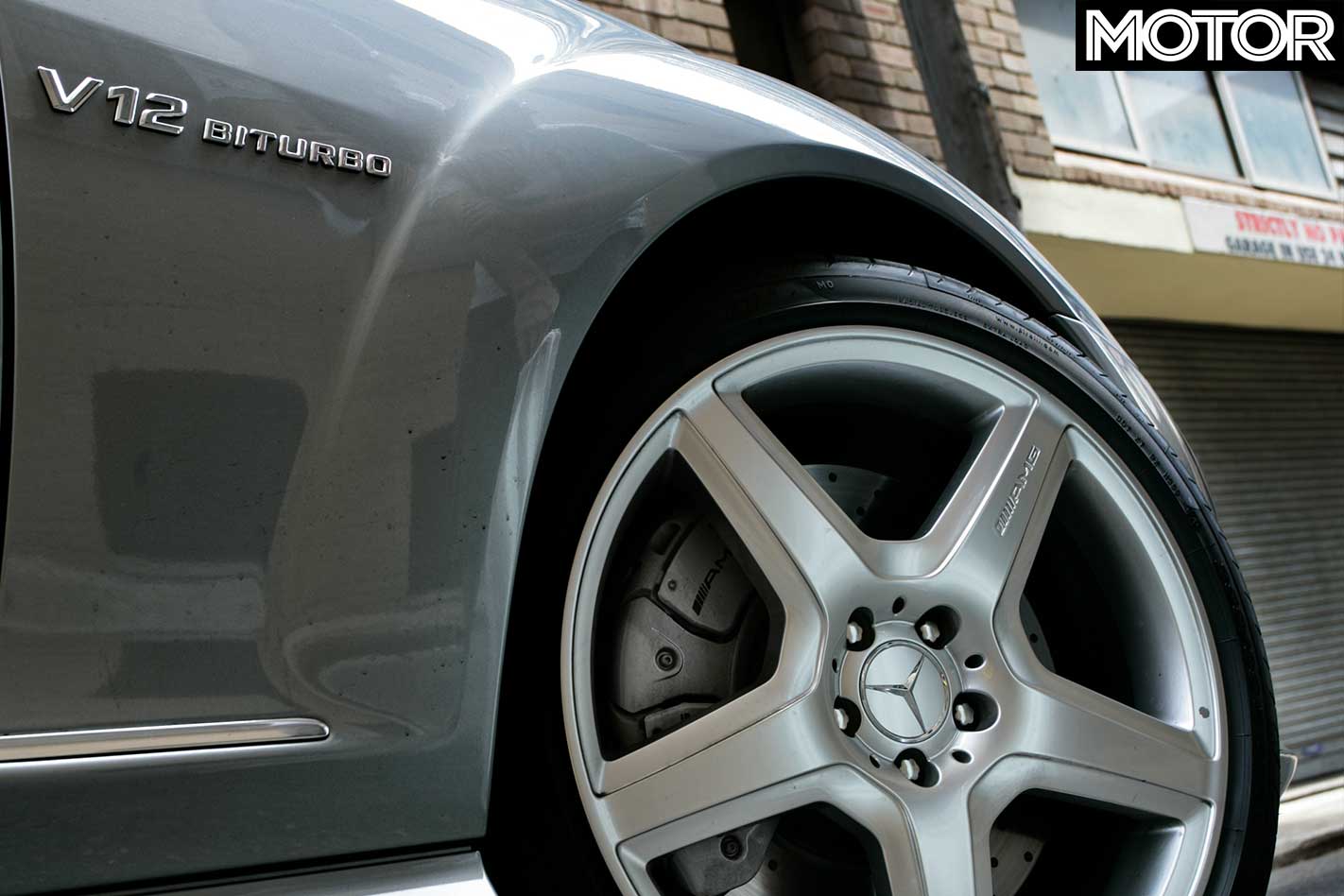
Take Mercedes-Benz’s S65 AMG. It costs $86,000 more than an S600 L, has 467cc more engine capacity, 70kW more power and 170Nm more torque, but is only 0.2sec faster to 100km/h.
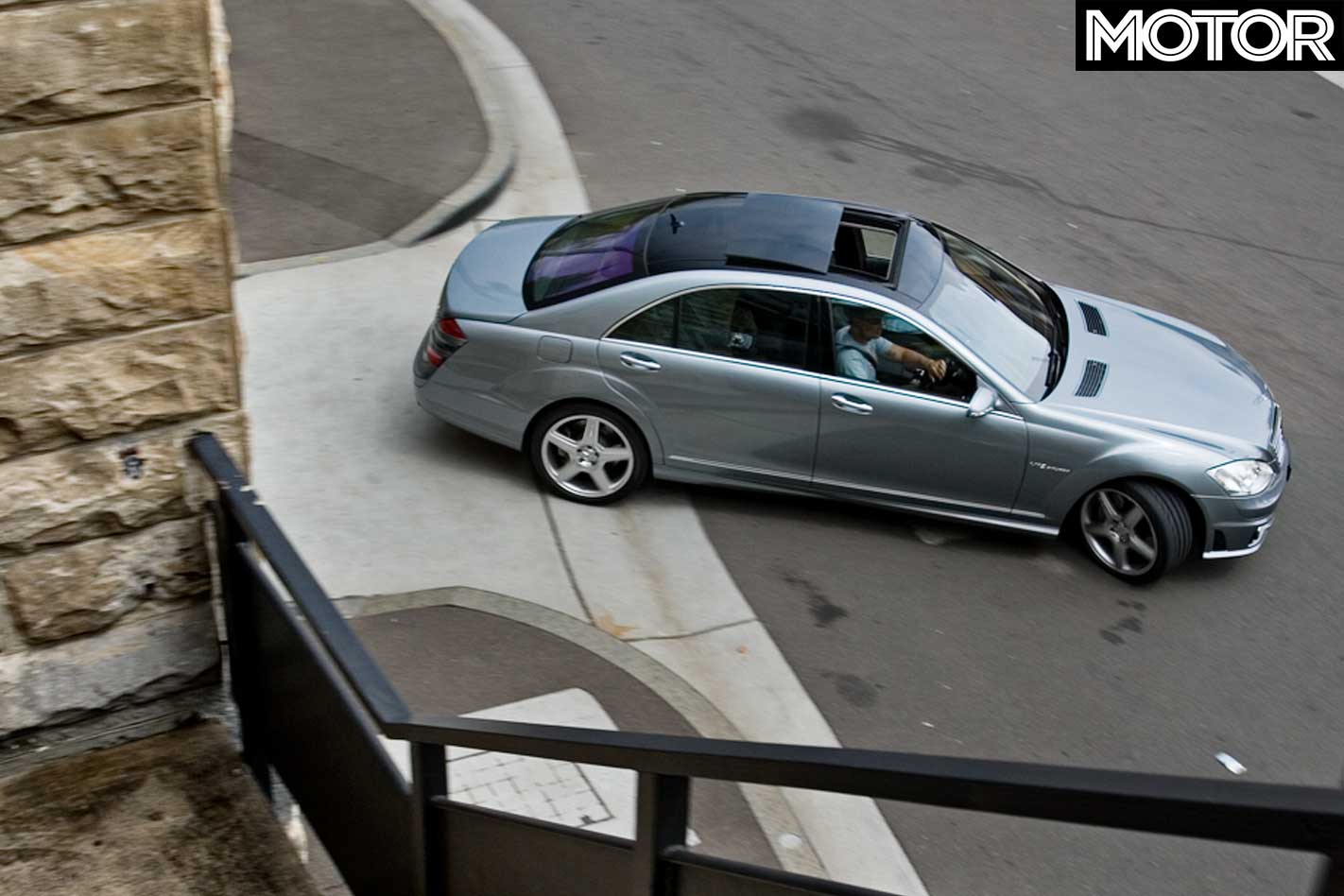
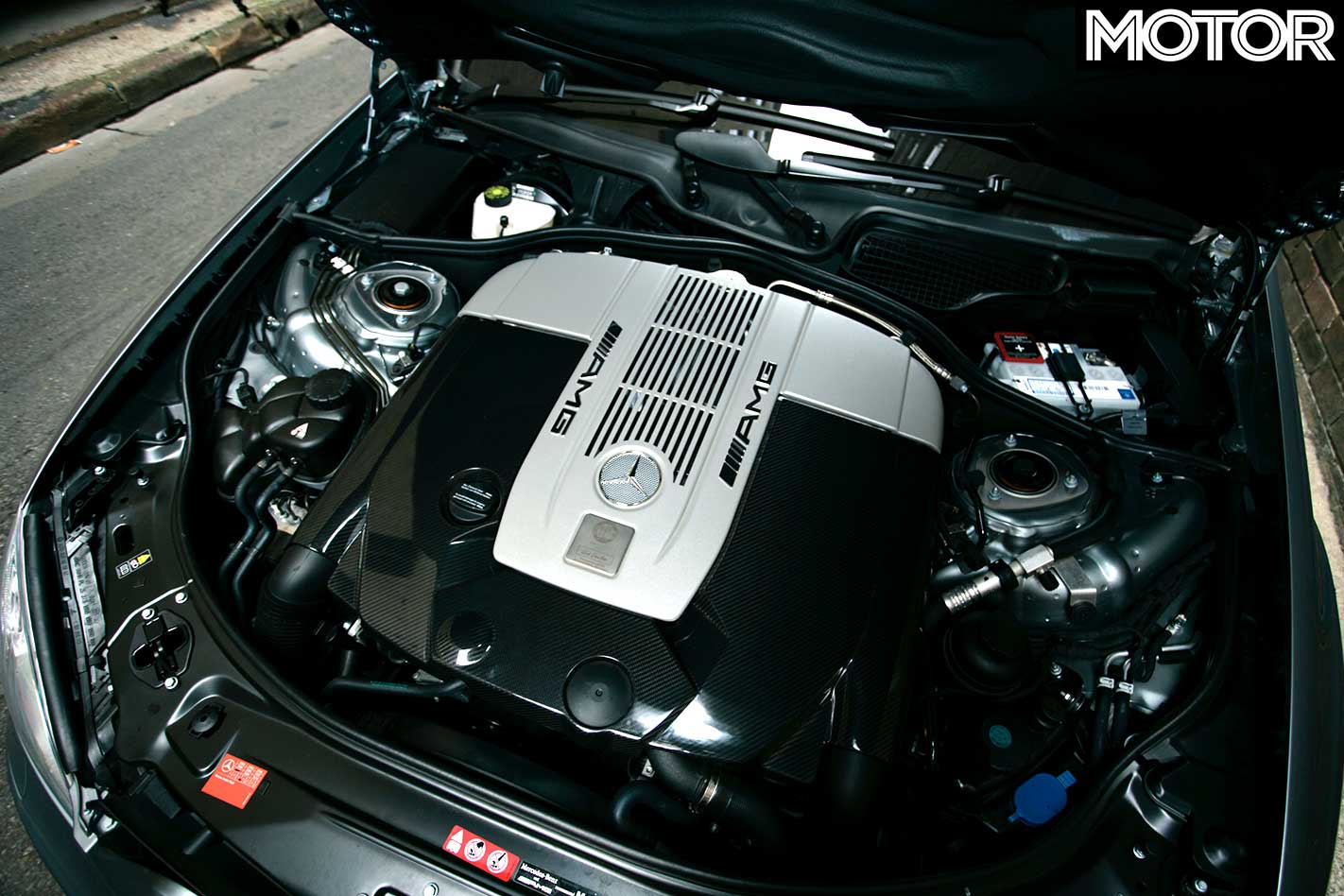
Forget all that showpony stuff, though. What the S65 is really about is numbers – dirty big whopping ones – like the 1000Nm it produces in a filthy great slug between 2000 and 4000rpm, 750Nm of which is already waiting at 1500 revs. Or the 450kW its twin-turbocharged, single-camshaft, three-valves-per-cylinder V12 slams home between 4750 and 5100rpm.
AMG claims the S65 will hit 200km/h from standstill in 13.3sec, which is 911 Turbo territory and substantially quicker than anything else with four doors, bar maybe a Boeing. And then there’s its rolling acceleration – unrelenting, but also incredibly refined and as such, strangely deceptive.
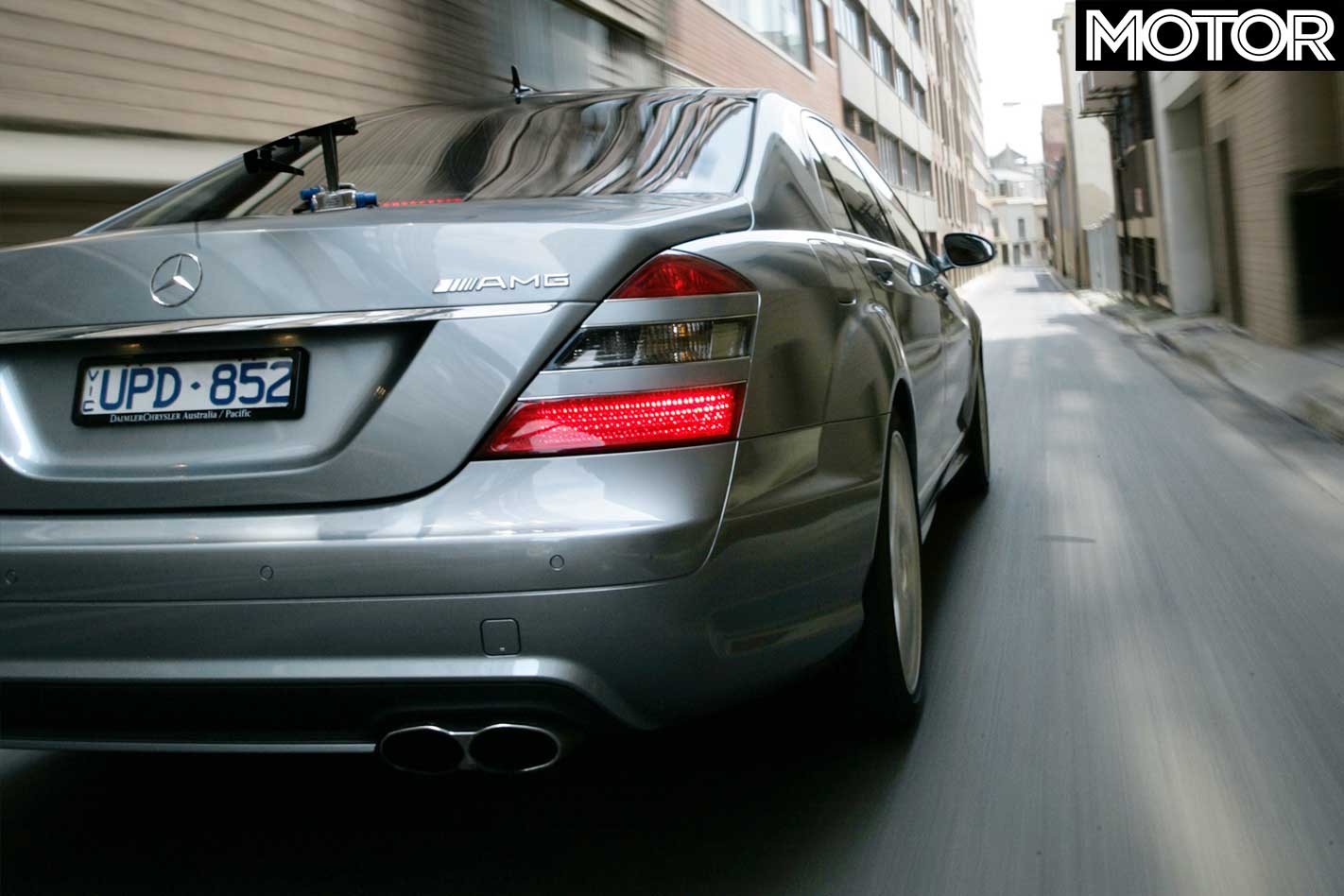
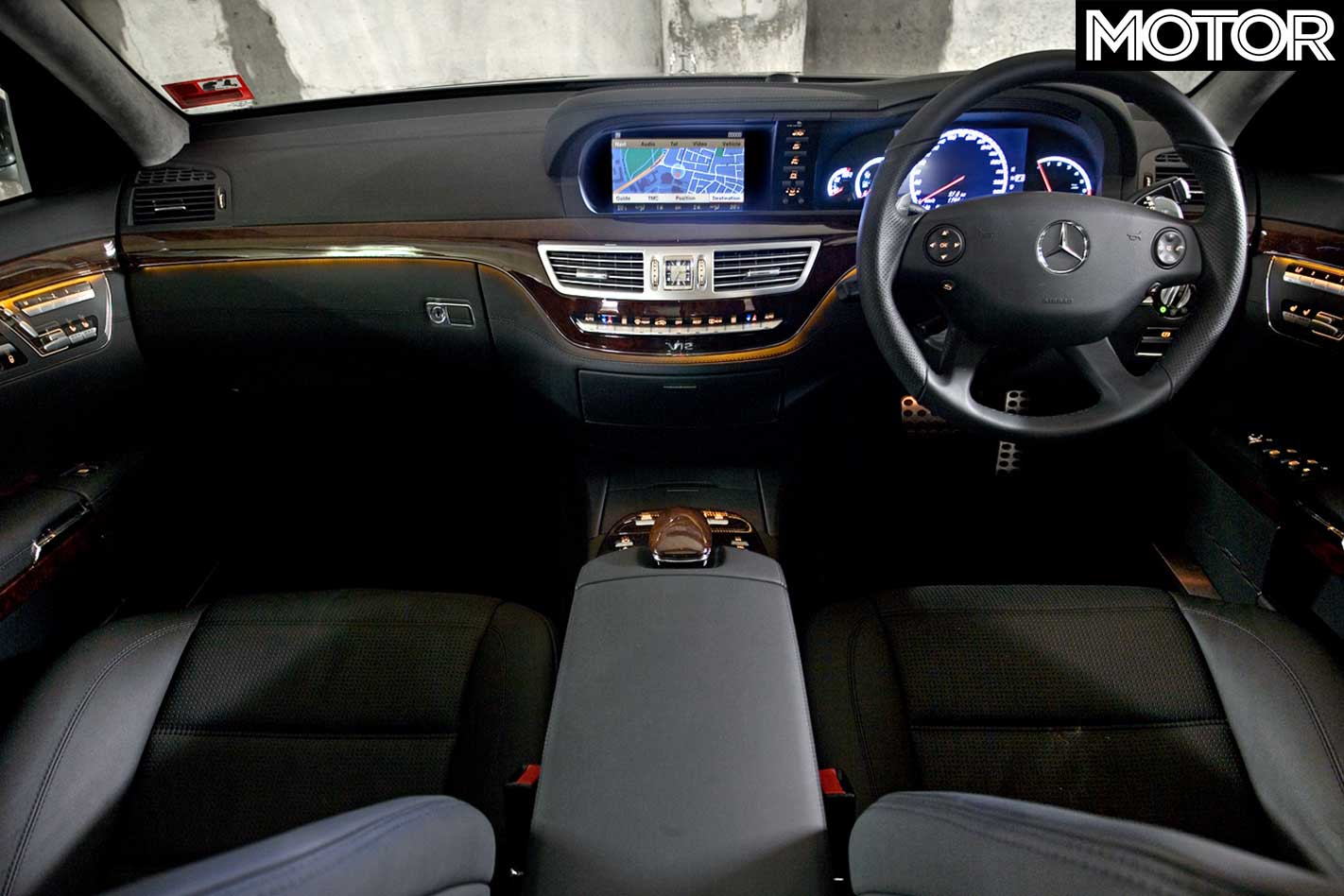
Mashing the S65’s throttle gives everyone coccooned inside its leather-and-suede cabin a hearty shove in the back, but it’s a cushioned blow. Only when you glance down at the S65’s electro-luminescent speedo and notice that you’ve bolted to well over three figures in a mere fragment of time does the mega-Merc’s punch really hit home.
Even with five tall, widely-spaced gears (the 7G-Tronic can’t handle the torque), the S65’s V12 spins to its six-grand shift point faster than you’d expect, but its acoustics aren’t quite sex material.
Sure, it’s louder and meatier than an S600, but also blustery and lacking the refined sweetness of the 5.5-litre V12, let alone the glorious edge of AMG’s 6.2-litre V8. And regardless of the 6.0-litre V12’s striding ratios and stump-pulling torque, this engine is one thirsty mutha.
Over a mixture of moderate city punting, cruise-controlled freeway wafting, and some genuinely enthusiastic cornering, the mega-Merc swallowed 27.5L/100km. Still, if you can afford an S65, you probably deserve the fuel bill.
Dunno how many potential S65 buyers will genuinely appreciate its dynamics, but given the mega-Merc’s vital statistics – 2175kg and 5206mm long, on a huge 3165mm wheelbase – it’s a deceptively agile beast.
Like the S600, the S65 features Active Body Control (ABC) suspension, which consists of steel springs and computer-controlled dampers, interconnected by a hydraulic system with a pressure of up to 200bar. Level sensors on the front and rear control arms adjust the ride height depending on speed, and there’s load-adaptive self-levelling at both ends.
Being a true adaptive system, ABC does all the work itself, meaning none of this Sport or Comfort push-button stuff. And it works brilliantly, containing body roll while absorbing bumps impressively, even on the S65’s (optional) 20-inch rims clad in Pirelli P Zeros – 255/35ZR20 front, 275/35ZR20 rear.
With its long wheelbase, the S65 will perform lovely, languid oversteer drifts if you’re committed enough, but there’s plenty of amusement to be had in its neutral chassis balance and accurate, well-damped steering. The S65’s composite brakes are also up to the task – 390mm up front, 365mm behind – and there’s ample feel through it’s large metal brake pedal. Yes, this gilded elephant knows how to quick-step.
But then so does the S600 L, which brings us back to this car’s huge sticker. Sure, in three years’ time, the S65 is expected to be worth just 51.5 percent of its original value, making it a relative bargain, but 86 grand extra for stiffer dampers, tougher visuals, and a power upgrade that’s about as useful as an arts degree in speed-restricted Australia?
In all honesty, you’d actually be better off with an S600. It’s a car that knows what it is – a super-refined, mega-luxo sedan that also happens to be fast and lush to drive. Awesome as it is, the S65’s a bit too much like a 50-year-old trying to look 20.
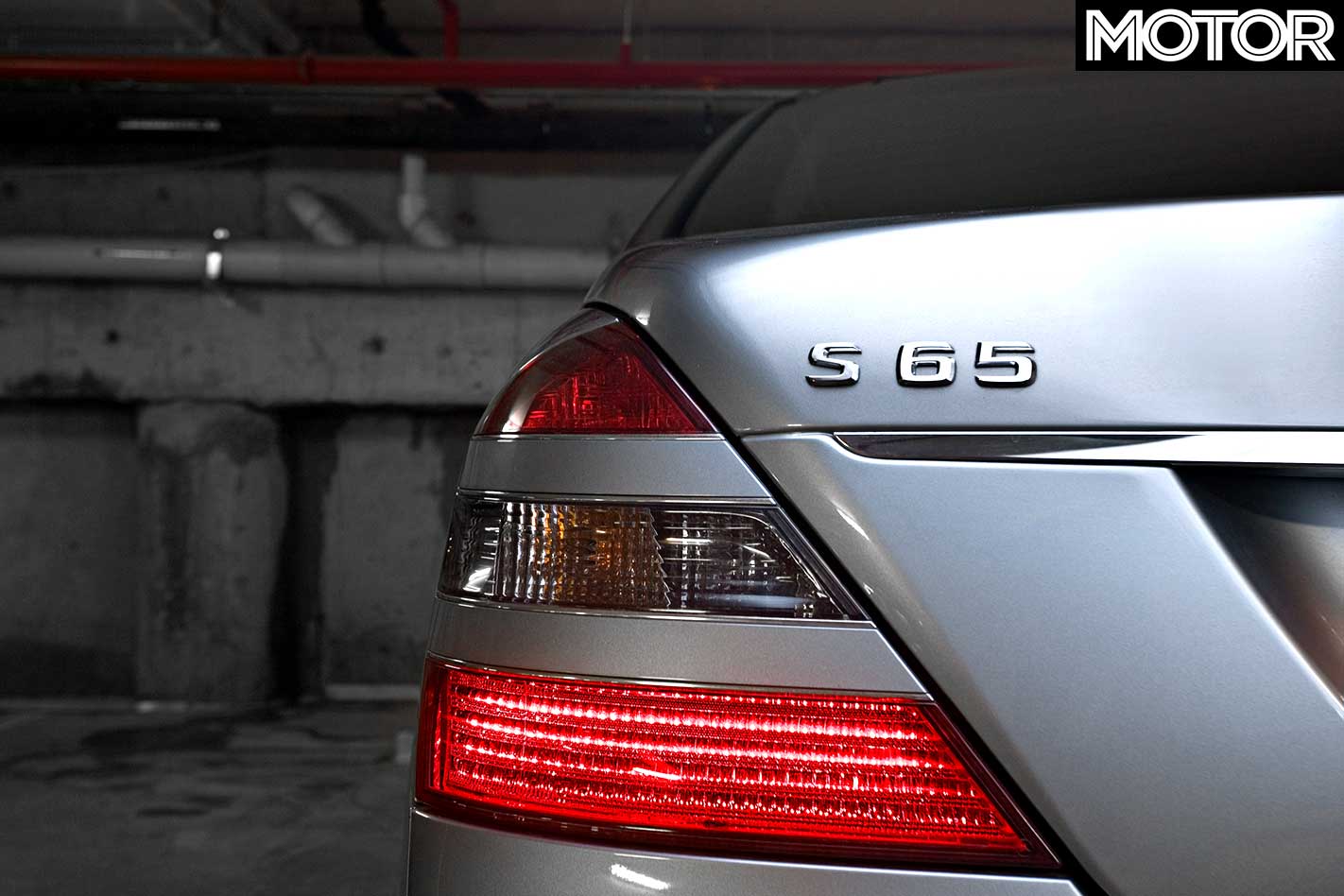
2007 MERCEDES-BENZ S65 AMG SPECS Engine: 5980cc V12, 36v, twin-turbo Power: 450kW @ 4750-5100rpm Torque: 1000Nm @ 2000-4000rpm 0-100km/h: 4.4sec (claimed) Top speed: 250km/h (limited) Weight: 2175kg Price: $450,000
Pros: Attention-grabbing presence, arse-clenching acceleration Cons: Exhaust note is more bluster than brawn, a tad expensive… Rating: 4 out of 5 stars
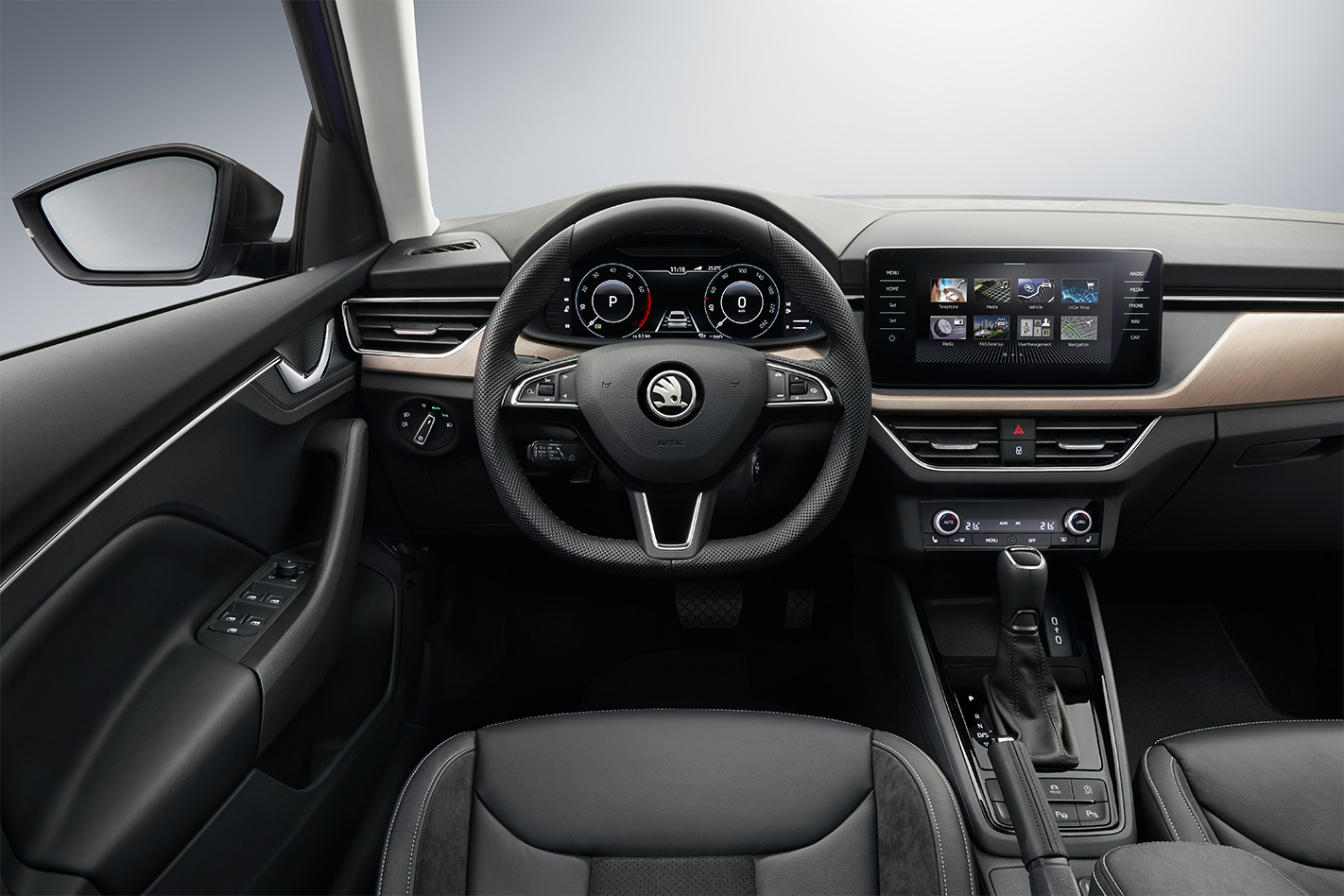
It’s been a rapid progression from concept to reality for the new Skoda Scala hatchback. Based on the Fusion RS concept that broke cover in July, the Scala will take on the big dogs of the passenger car segment like the Toyota Corolla, Mazda 3 and Hyundai i30 when it hits Aussie roads in late 2020.
Skoda is part of the Volkswagen empire, and thus shares some parts with a couple VW-badged products. Its underpinnings, for example, are based on those used for the smaller VW Polo, but size-wise, the Scala is actually slightly bigger than the Volkswagen Golf.
It’s around 110mm longer overall and 21mm taller, with a visibly flatter roofline than the sleeker looking Golf. Visually its high roof/low sides visage connects with the car it replaces, the Fabia, but it’s much less gawpy and unusual.
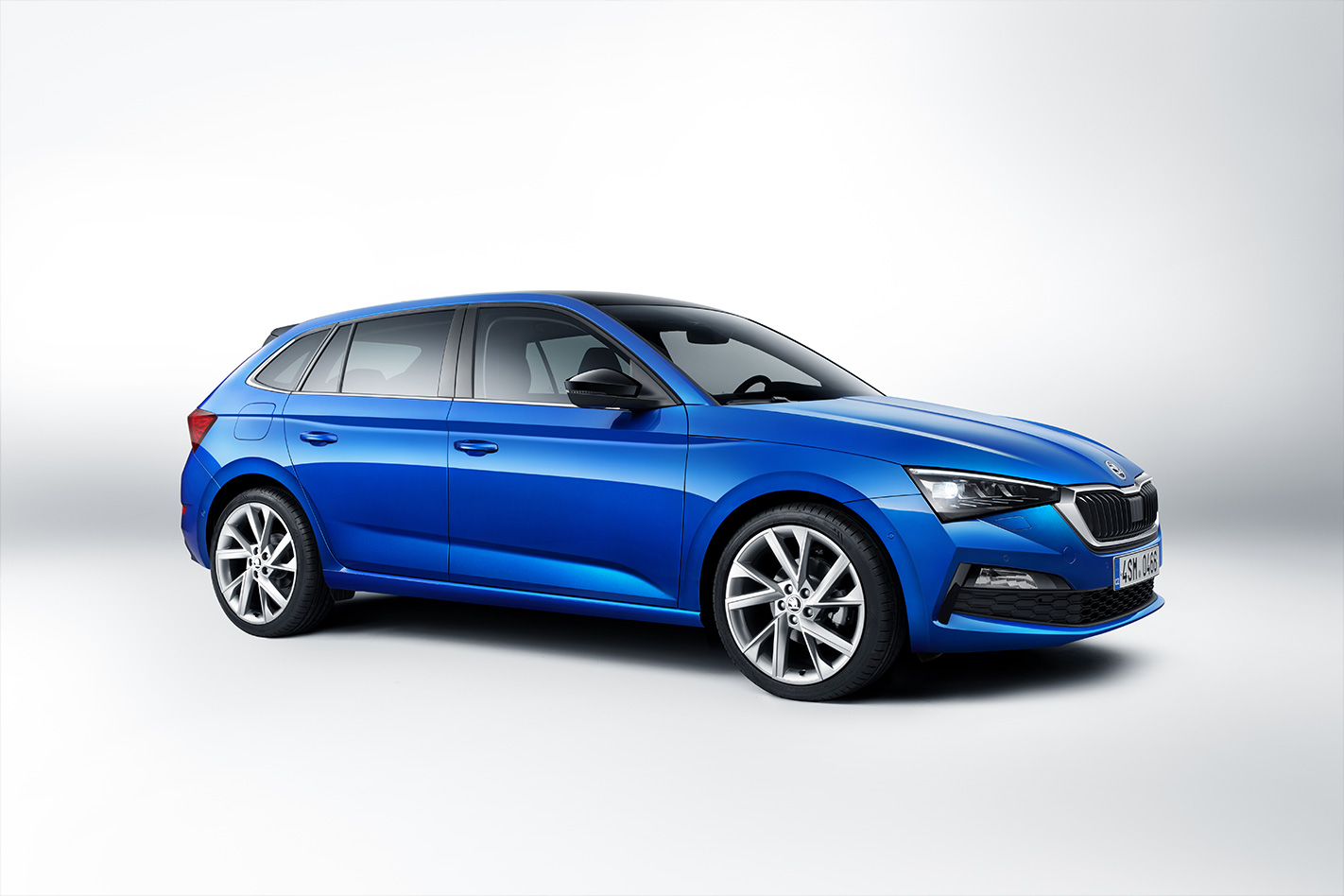
Skoda announced that the Scala would launch overseas with a 1.0-litre three-cylinder turbocharged petrol engine in a couple of states of tune, as well as a four-cylinder 1.5-litre petrol and a 1.6-litre diesel.
We’d wager that, for Australia, the 85kW three-cylinder will be mated to a seven-speed dual-clutch gearbox, with a possibility of a six-speed manual option, while the 110kW 1.5-litre petrol – complete with cylinder deactivation tech – will be a dual-clutch-only option. Diesel? Don’t count on it.
Skoda Australia has already suggested that it has its hands up for the Scala, and spokesperson Kurt McGuiness told WhichCar that, while specs aren’t settled, the Scala will be a good fit for the brand’s current passenger car line-up, which includes the Octavia and Superb.
“It’s 12 months away,” he said. “We’ll open the order books in the fourth quarter of 2019.”
McGuiness wouldn’t be drawn on specs for the Scala, but he did suggest that the new, more stringent fuel economy testing regime – colloquially known as the WLTP (Worldwide harmonised Light vehicle Test Procedure) – may impact what powertrains are available to Australia.
“It’s too soon to say what the specs will be offered for Australia, but we’ll need to take into account the current backlog of WLTP testing for all manufacturers,” he explained.
The new test standards take more than twice as long to execute and verify, and have already seen several VW models deleted from the local line-up.
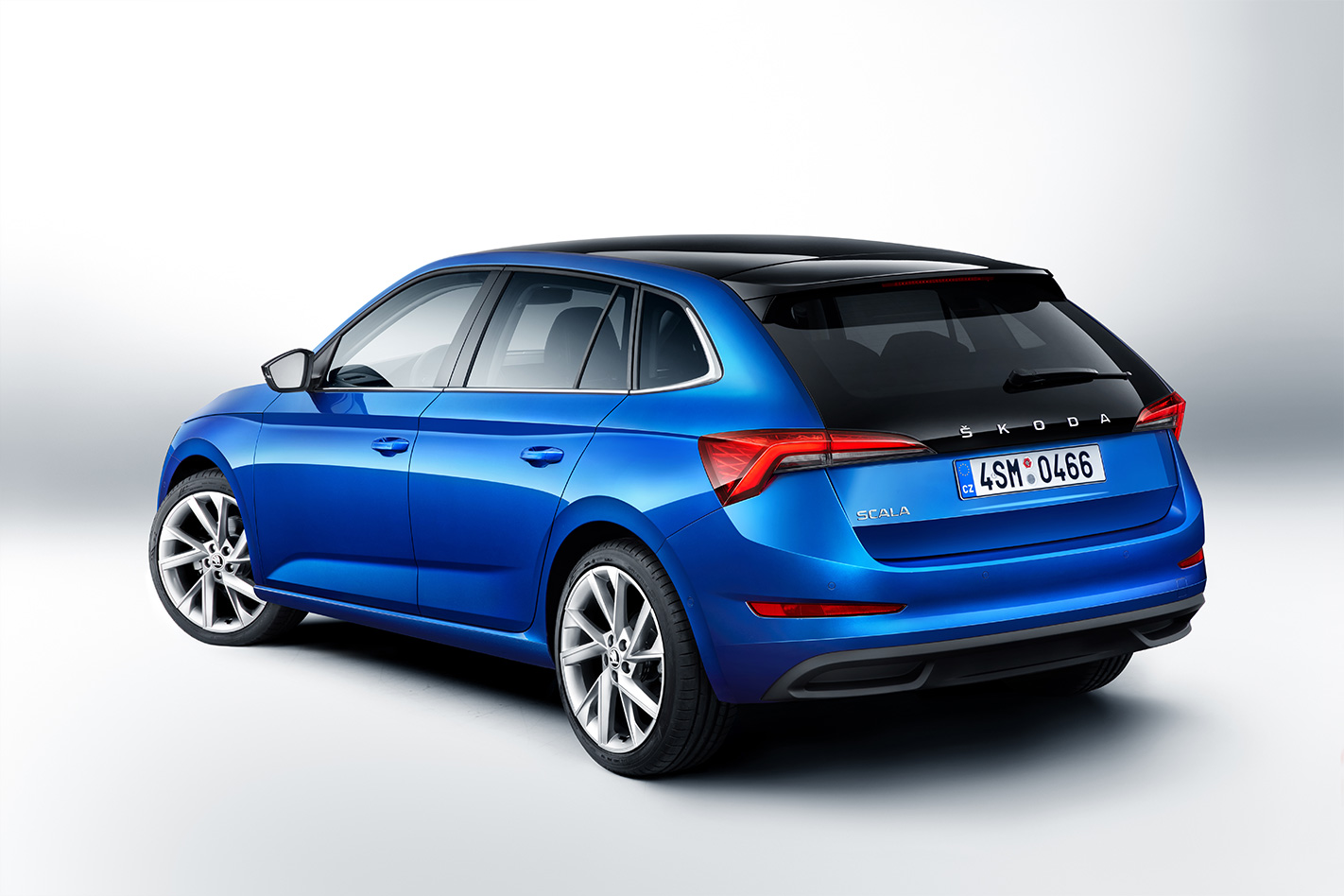
Regardless, McGuiness is confident that the Scala is a good fit… literally. “Given it’s a little bit bigger than the Golf, we reckon it’ll be a good option for the Australian market,” he said.
They tell us to take the path less travelled. Except nobody told those of us looking for affordable sports cars. We all flock to the same big-name brands, the same boastful models and typically with the same (automatic) transmission.
The good news is that only a few people bought the below five driver’s cars – and that means they come to you cheaply … if you can find one, that is.
$10,000 – Ford Falcon G6E Ecoboost
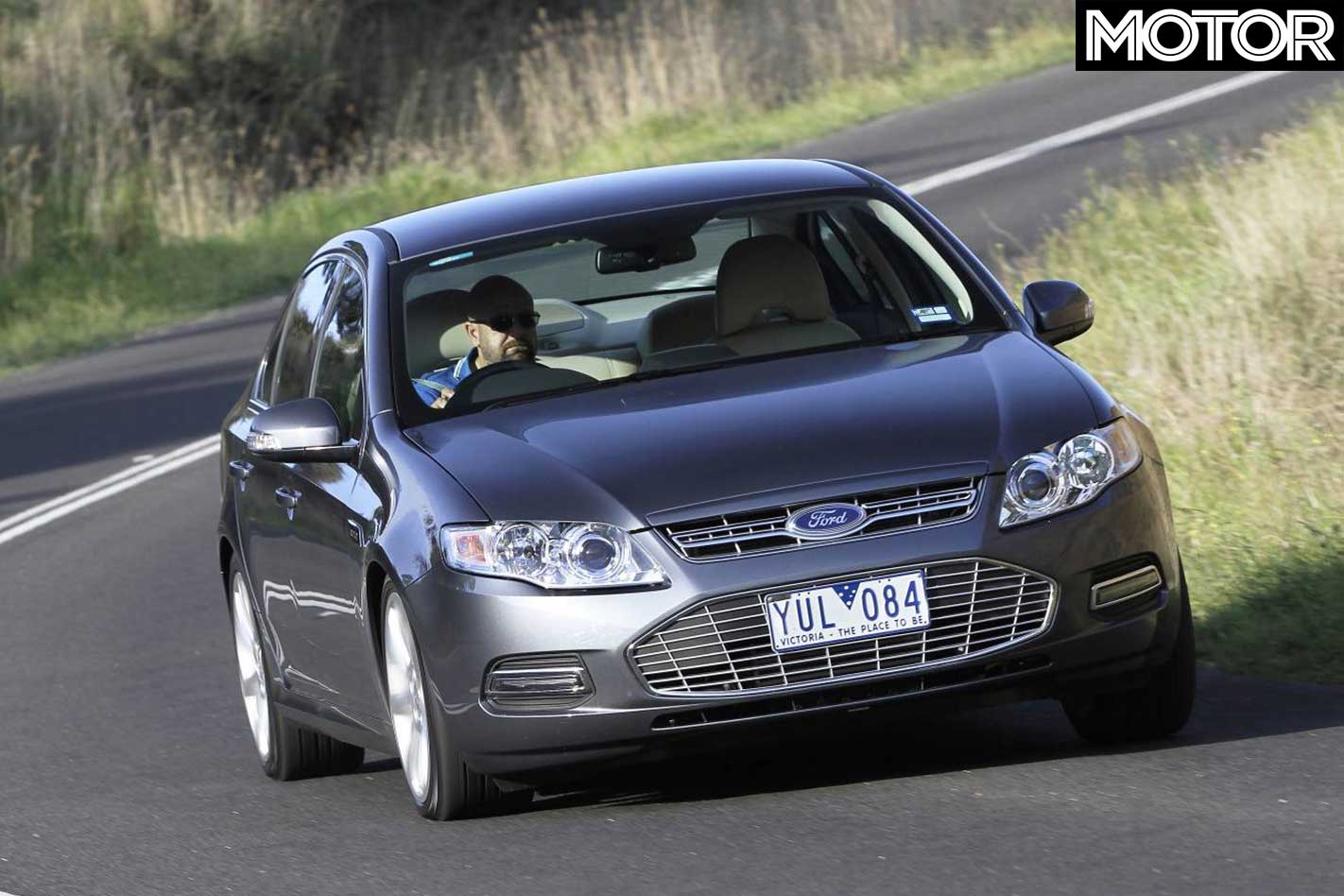
Ford Australia missed a spectacular opportunity by not creating a Falcon XR4 Turbo. Genuinely, the 2.0-litre turbocharged four-cylinder Ecoboost of the final FG and FG X generation is the best-balanced rear-wheel driver that ever emerged from Broadmeadows, full stop.
Sorry, Barra and V8 fans, it’s truth syrup. And that’s because the old platform was clearly designed for longer and heavier metal up front. Lift the bonnet of a Falcon Ecoboost, however, and there’s a tiny little quartet of pots all sitting well behind the axle line.It still produced 179kW at 5500rpm and 353Nm at 2000rpm, which was sprightly in a 1706kg sedan – 49kg less than the 4.0-litre straight six, which delivered 195kW/395Nm. But you just know that weight was taken directly off the front axle, and what a weight off the Falcon’s shoulders it was.
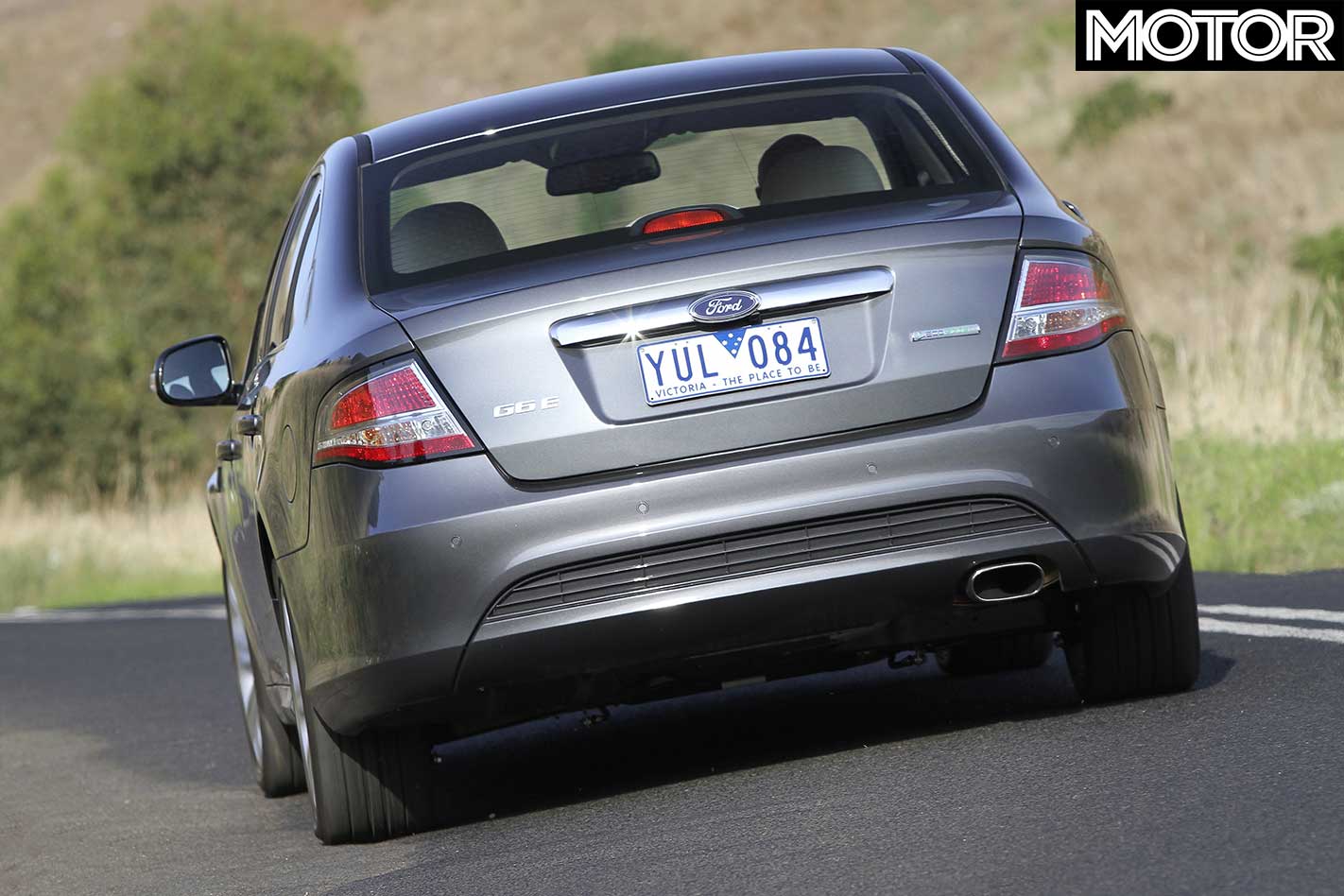
Get the G6E because the interior is otherwise a bit rubbish, buy a set of Michelin Pilot Sport 4S tyres, and for $10K-plus a handy driver will have a really stealth Q-car on your hands.
$15,000 – Opel Insignia OPC
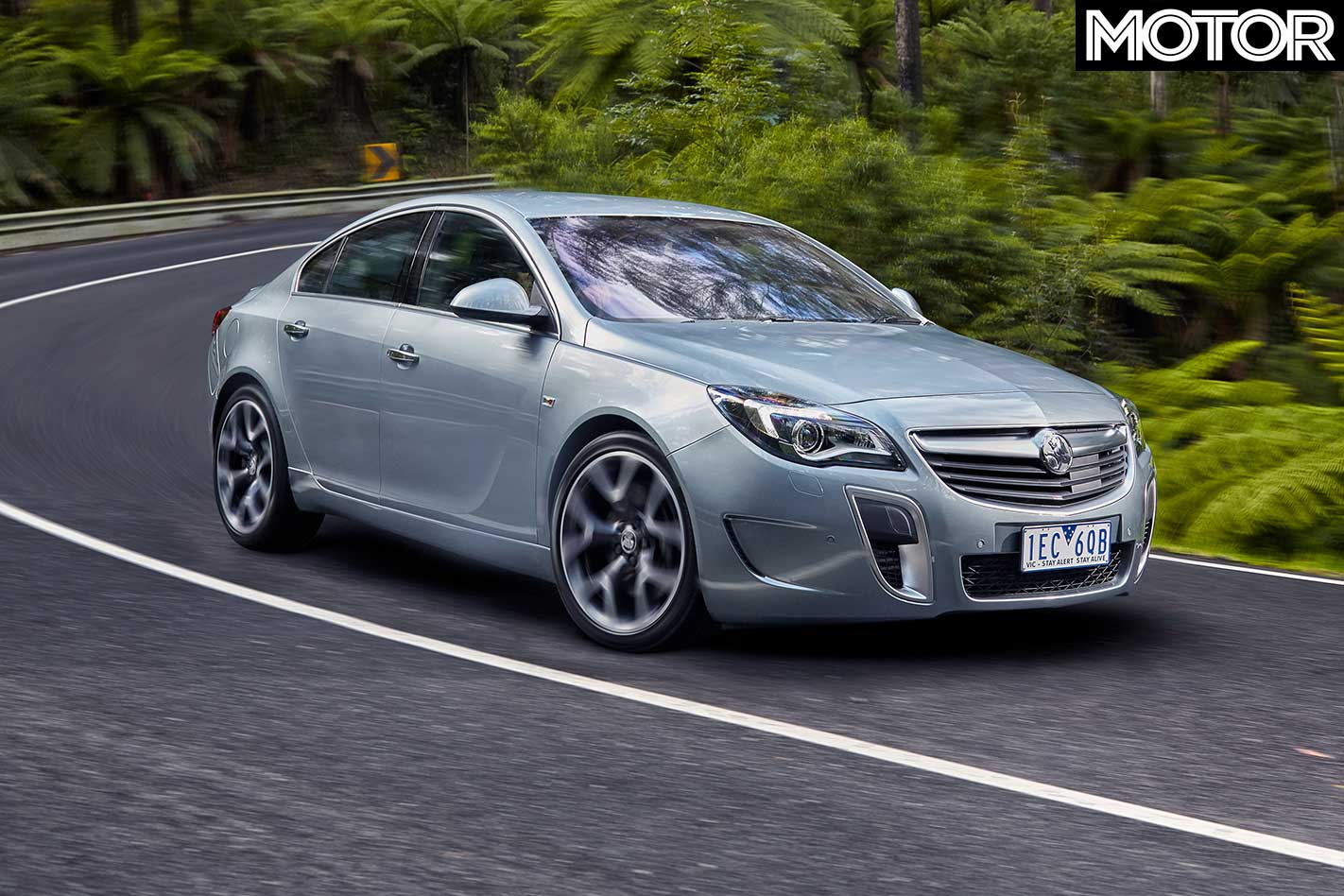
Ah, the failed Opel experiment. It couldn’t have been General Motors (GM) testing the waters for the Insignia nameplate before committing to keeping Commodore, could it? No, we didn’t think so either.
Anyway, the predecessor to Holden’s ZB Commodore VXR actually had more grunt, when the otherwise laggy and Port Melbourne-produced 2.8-litre turbo V6 spooled up to deliver 239kW and 435Nm, that is, for a claimed 6.3sec 0-100km/h.
On a country road, it felt much faster, like a boosted Subaru WRX. Around town, the dopey automatic made it feel slower.
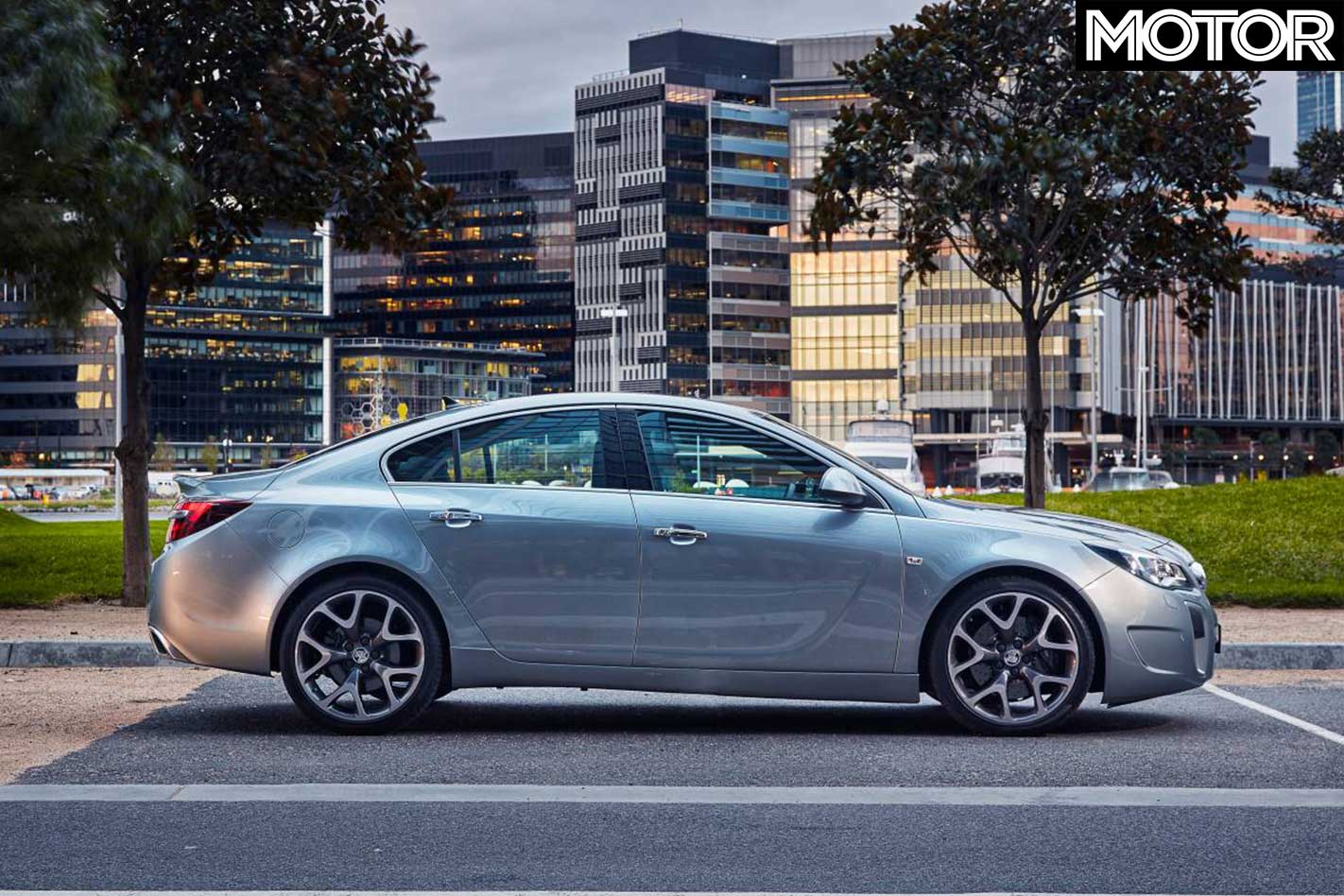
It was a flawed, fun diamond, but with all-wheel drive traction, excellent adaptive suspension, strong Brembo brakes and grippy 19-inch tyres being all now available from $15K, a five-year-old example actually makes some sense.
Such examples won’t even be high-kilometre cars, either. We’re talking 60,000km-plus.
$20,000 – Holden Calais V Redline
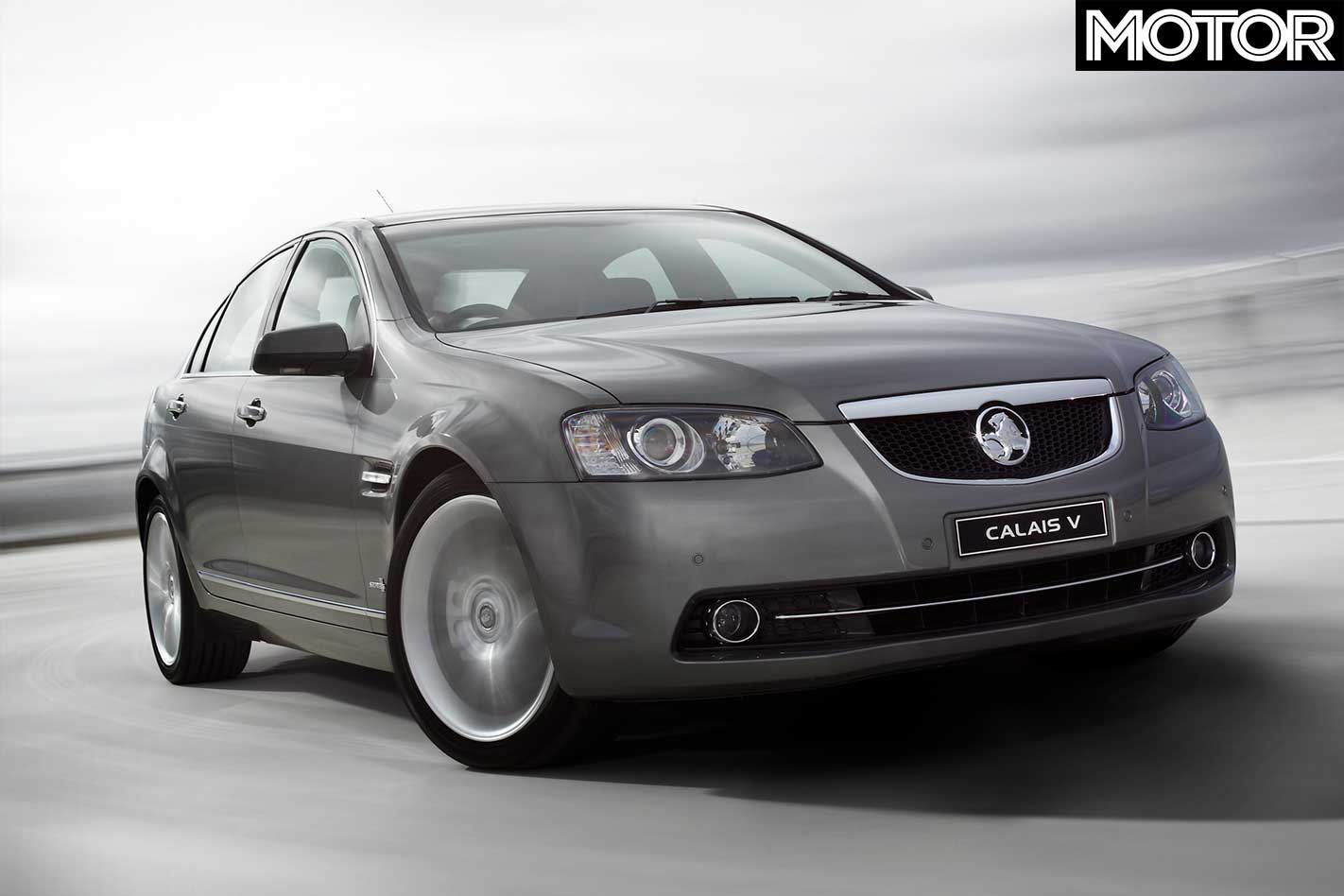
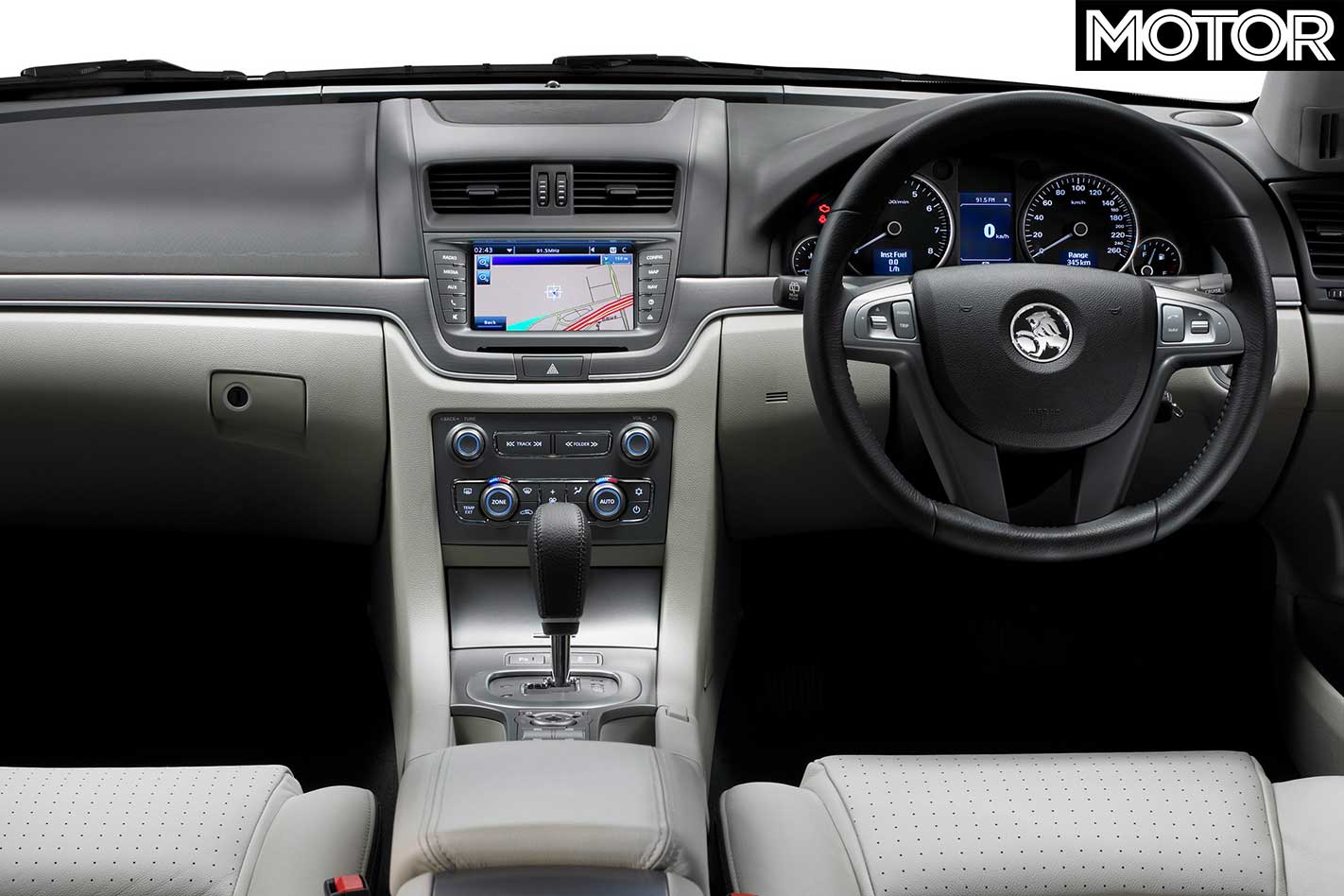
If only it has a manual transmission, this would be the best VE Commodore buy. The ditzy six-speed automatic is about the only thing holding a VEII Calais V Redline back, yet it’s probably the other thing driving down prices. The luxury-tinted Cal is selling for less than an SS, but the difference here is otherwise illusory.Holden started its Redline offerings as an optional package of FE3 sports suspension, Brembo brakes, 19-inch forged alloy wheels and lip spoiler (both leftover parts from the GFC-decaying US-export Pontiac G8). So essentially it was an ‘SS plus’ with extra luxury.
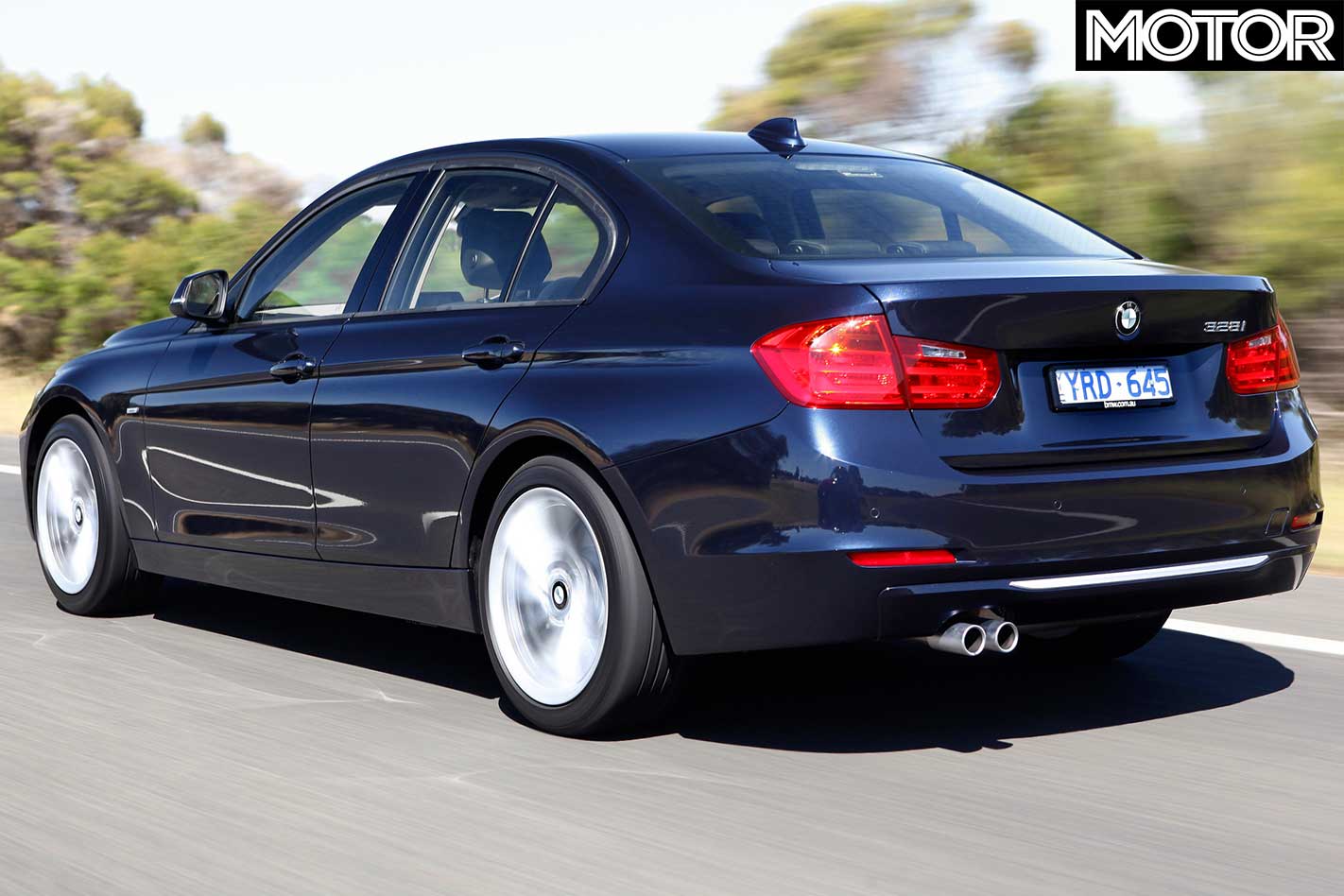
$25,000 – BMW F30 3 Series manual
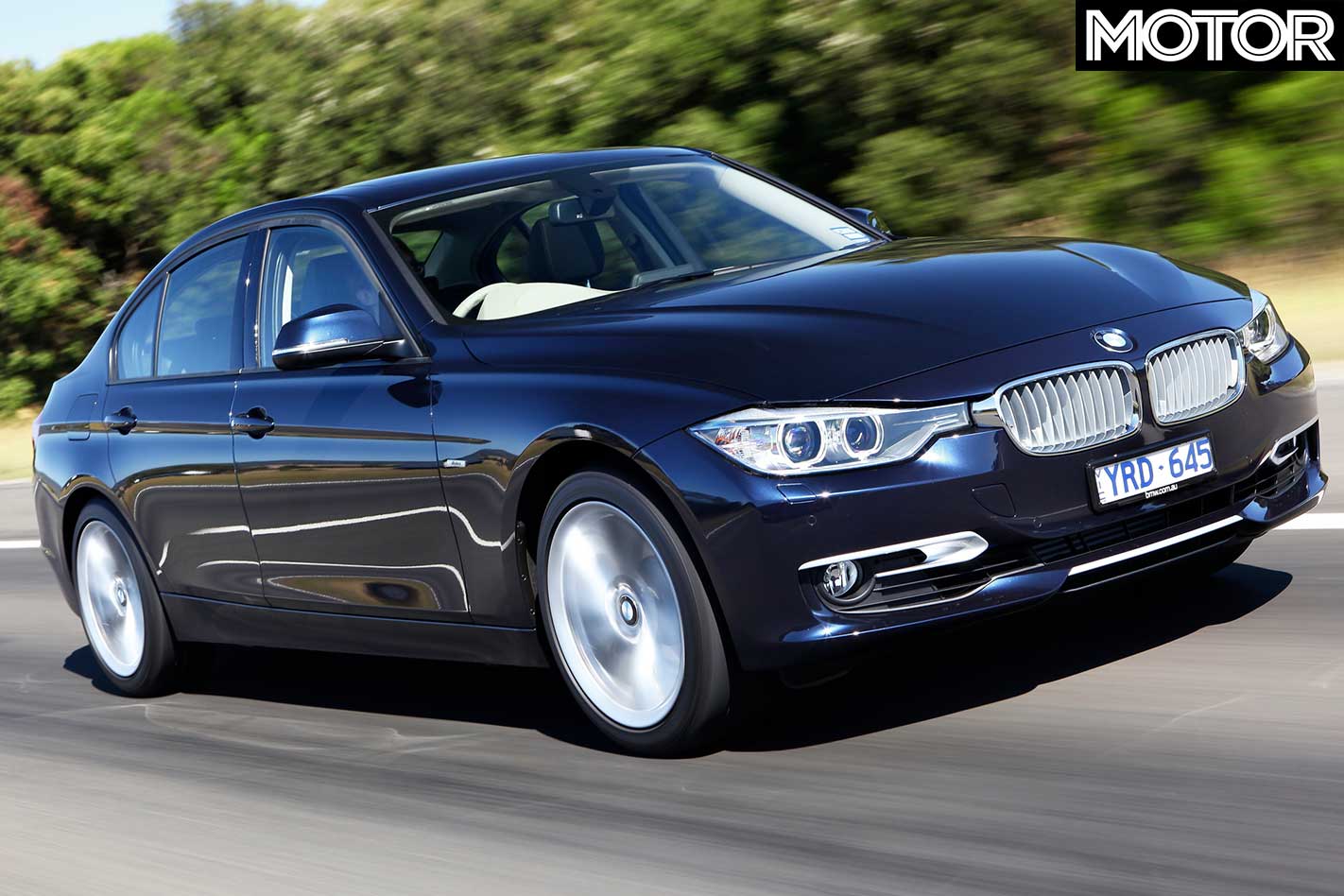
As we welcome a new 3 Series, we also mourn the loss of the manual 3 Series. The F30 generation of 2012 was a flawed car from the start, but it became better with age, especially when BMW introduced adaptive suspension as standard equipment – it’s a must if you’re looking for one. The 328i (then later 330i) is the pick, with 180kW/350Nm from a 2.0-litre turbo good enough for a circa-6.0-second 0-100km/h.And with the damping corrected, even the baby little 316i 1.6-litre turbo manual displays the delightful rear-wheel drive dynamics inherent in F30 3 Series. Forget C-Class or A4, the Bavarian mid-sizer trumps all for sheer outright handling (nose-heavy 335i excepted).
$30,000 – Audi S1
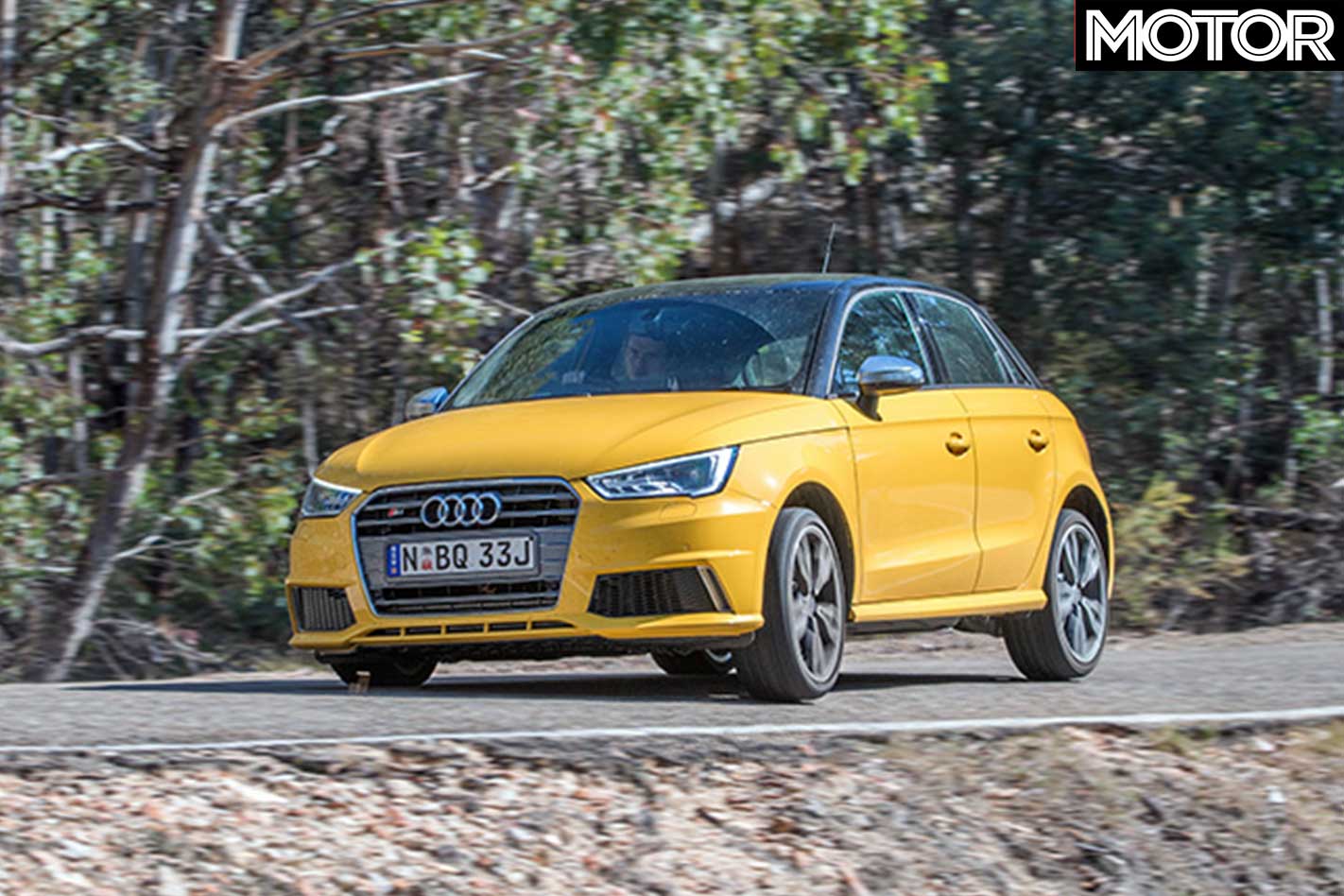
There probably won’t be a successor to the S1. It is probably the least popular Audi on-sale in Australia right now. And yet it is so refreshingly ‘un-Audi’ by being only available as a six-speed manual, with the rear driveshaft of an S3 crafted in, and sprinkled in popsicle colours.It’s as fun and silly as other Audis are conservative and formal, and the S1 is all the better for it. Smaller than a Volkswagen Golf R, and easier to place on the road, the 2.0-litre turbo was held back with only 170kW – but it’s only a flash-tune away from much, much more.
Not that this little tike was about straight line speed. The short wheelbase meant you could barrel into a corner at speed, lift the throttle, watch its backside dance and then pin the right pedal again and let the all-wheel drive system hook-up and the turbo torque sling you to the next corner.
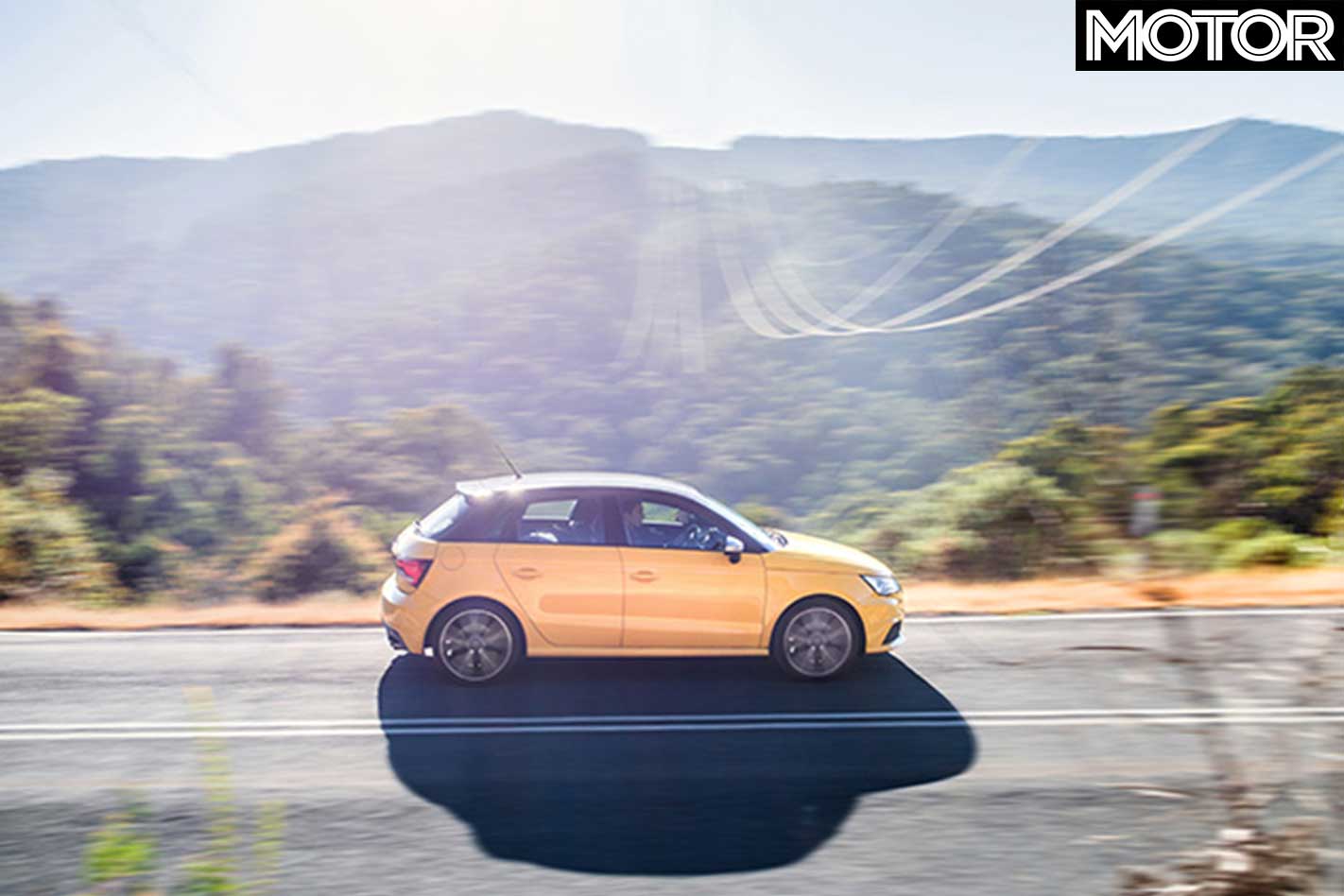
At $50K new, it was steep. At $30K now, for a four-year-old example with just 40,000km showing? It’s Suzuki Swift Sport coin, much faster but similarly playful.
You know that Hollywood trope about the likable nerdy kid? The kid who, one day, returned from college with braces removed, acne cleared and glasses replaced with contacts and, suddenly, BAM!, they got hot? That’s the all-new Volkswagen Touareg; a likeable car before, but now, with added sex appeal. Or should that be tech appeal?
The 2019 VW Touareg is aiming squarely for the luxury SUV market and sharply side-eyes rivals BMW X5, Audi Q5 and Q7, Volvo XC90 and Mercedes-Benz GLE.
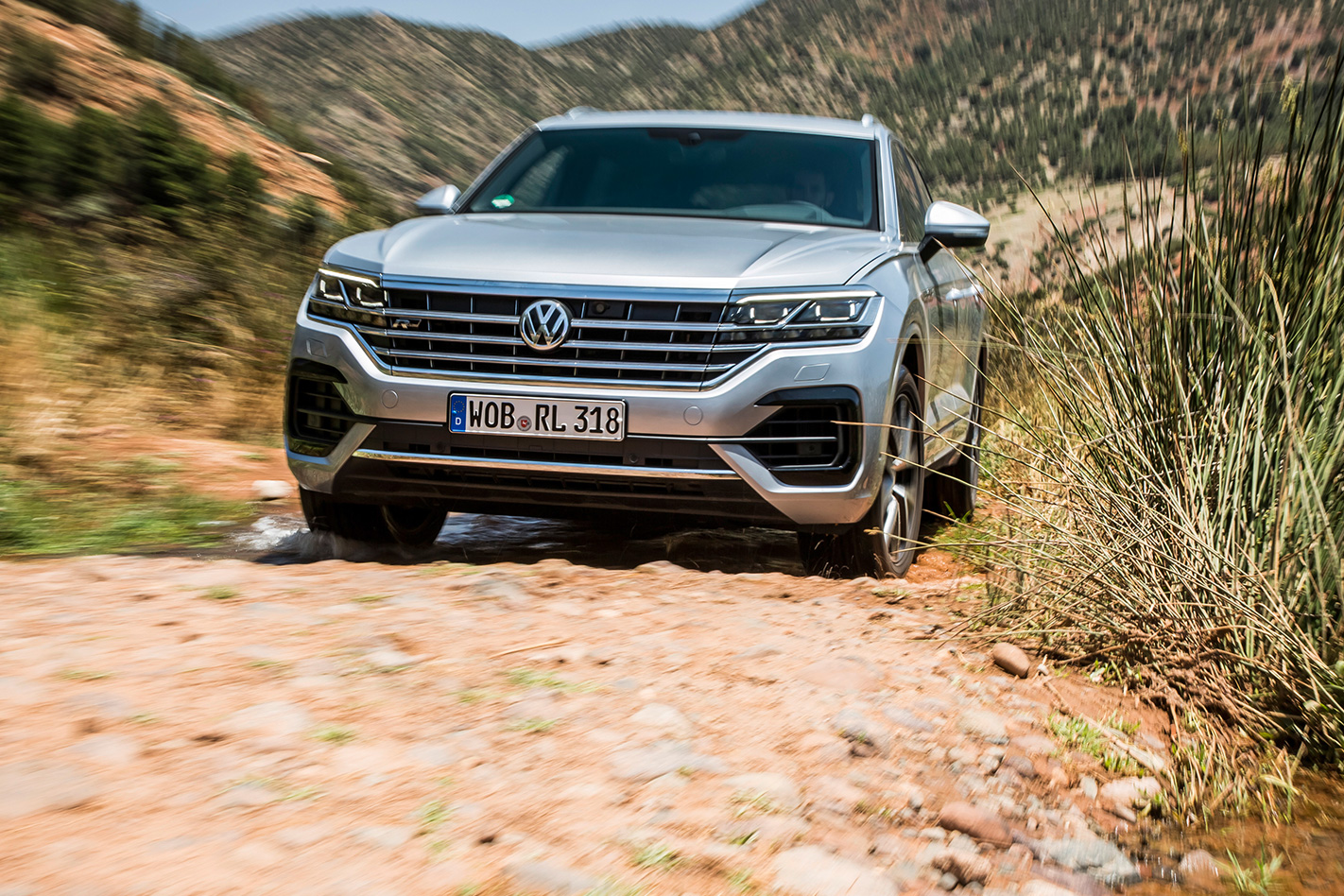
Arriving in Australia in May 2019, this third-generation VW Touareg is the first major update we’ve seen on the 5-seat SUV in almost a decade. The new VW Touareg is now styled to the nines, packed with active safety features, and is the most technologically advanced Volkswagen yet (finally… Apple CarPlay!).
On face value, the VW Touareg is a stunner with elegant lines and opulent details like sequential blinkers and spaced-out lettering on the rear (which we first saw on the VW Arteon, but is also a notable Porsche design cue), accentuated wheel arches and an enormous contemporary grille.
The lounge-like interior is where we really start to see Volkswagen coming for its VW Group stablemate Audi’s crown – particularly when heavily optioned.
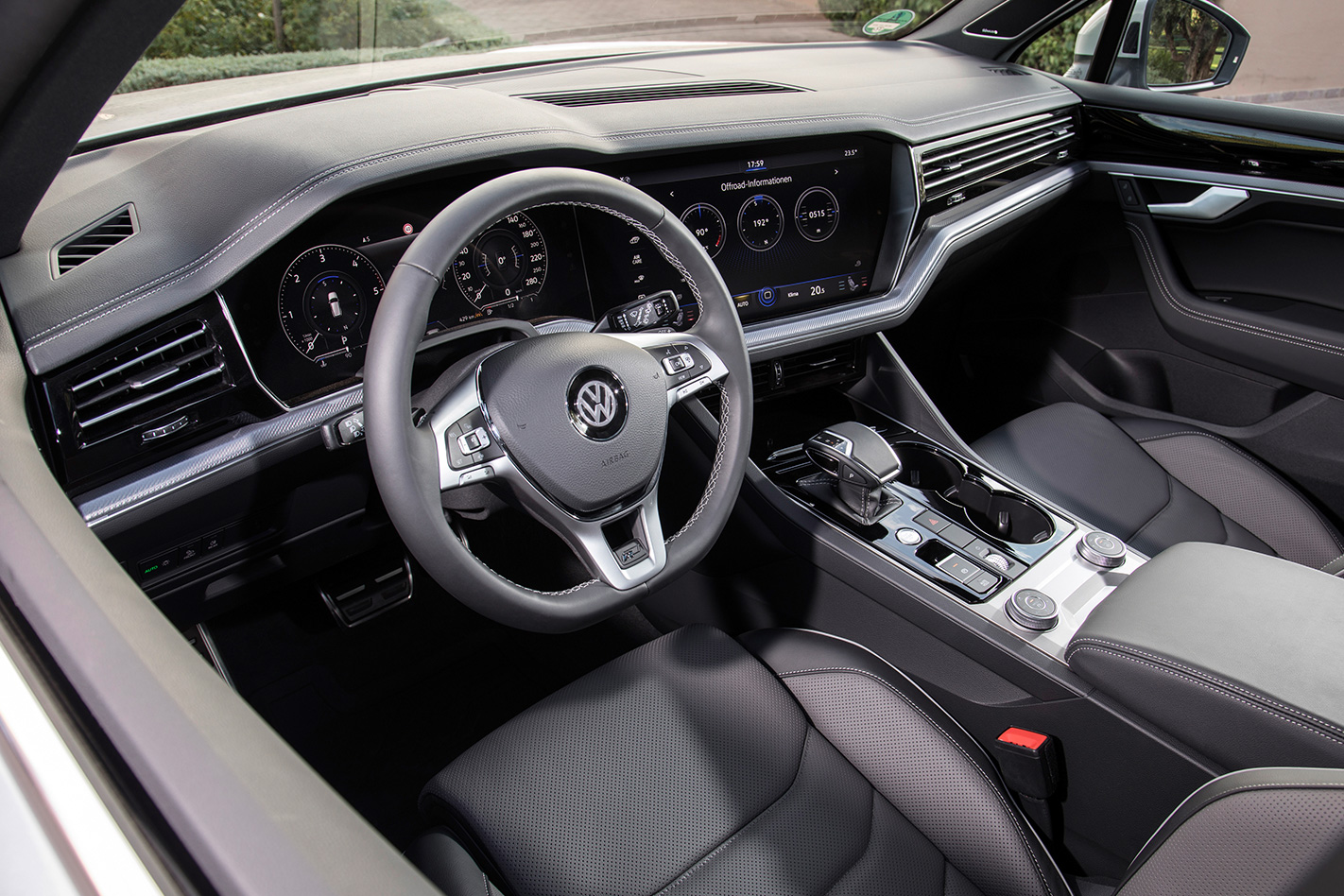
In its top trim, the VW Touareg has a smartphone feel about it – which frankly, makes some of the competition look ancient; the exception, perhaps, being Volvo. VW’s fully digitalised “innovation cockpit” debuts, boasting an enormous 15-inch touchscreen and 12.3-inch active info display, blended together.
Driver-centric and easy-to-use, the touchscreens control the works and are completely customisable for each driver of the car, down to your preferred view, ambient lighting and active safety preferences. In the standard models, a 9.2-inch touchscreen with some hard keys is offered.Throw in impressive WIFI capabilities, 18-way adjustable seats, 14-speaker 730W Dynaudio system (or 80W eight-speaker system as standard) and multiple charging points and this Volkswagen rivals some living rooms for comfort.
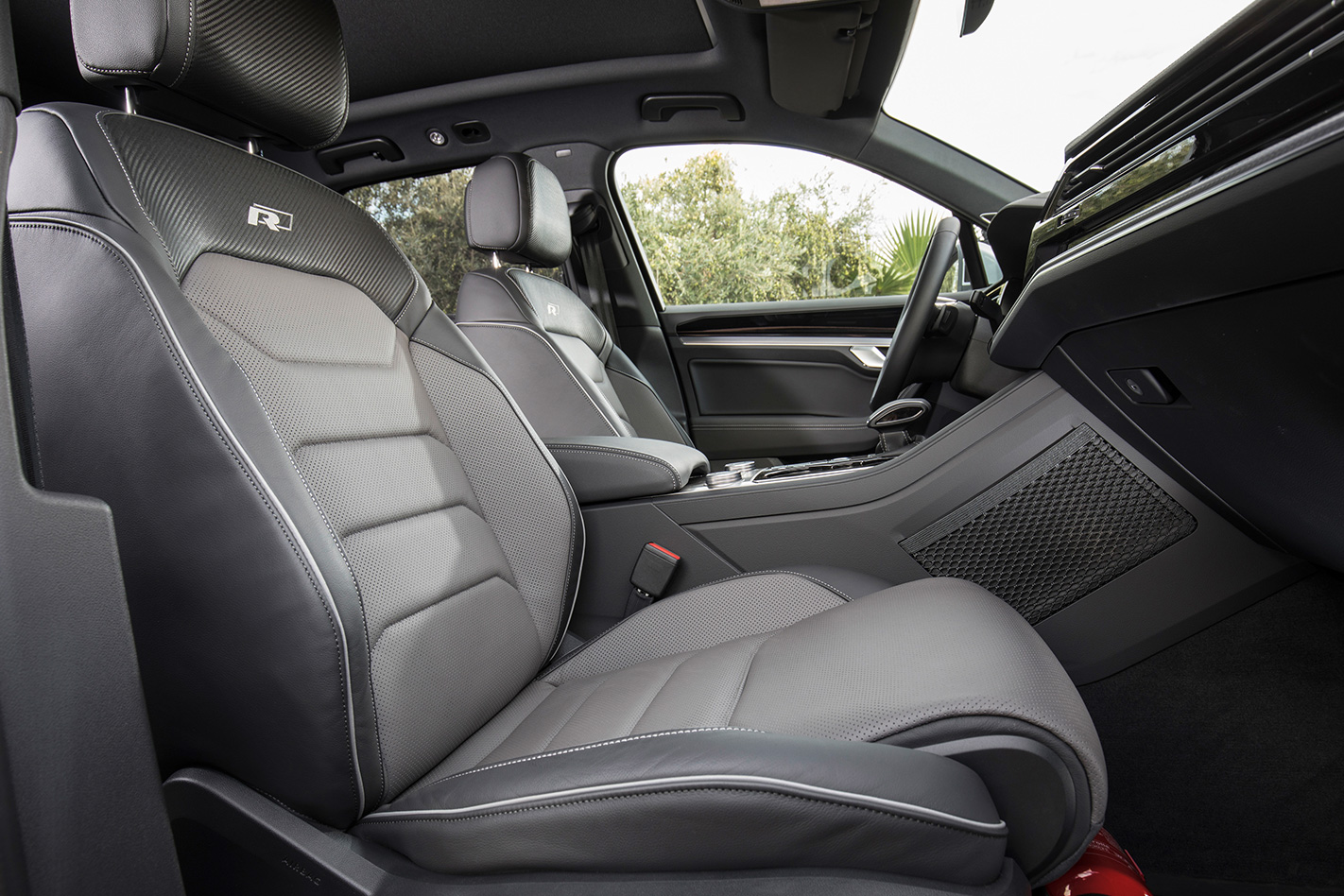
The 2019 VW Touareg has the largest range of safety assistance systems to ever drop in a VW – though it’s worth noting that, as we write this, Australian specifications are yet to be determined. The European models we drove at the international launch in Morocco boasted things like night vision (that detects animals and humans), semi-automated steering and lane keep assist, road work lane assist, cross-traffic assist, electro-mechanically controlled anti-roll bars, clever LED matrix headlights, a windscreen head-up display, park assist (including trailer manoeuvring assist), driver fatigue alert systems as well as some impressive pedestrian detection systems and proactive pre-crash systems.
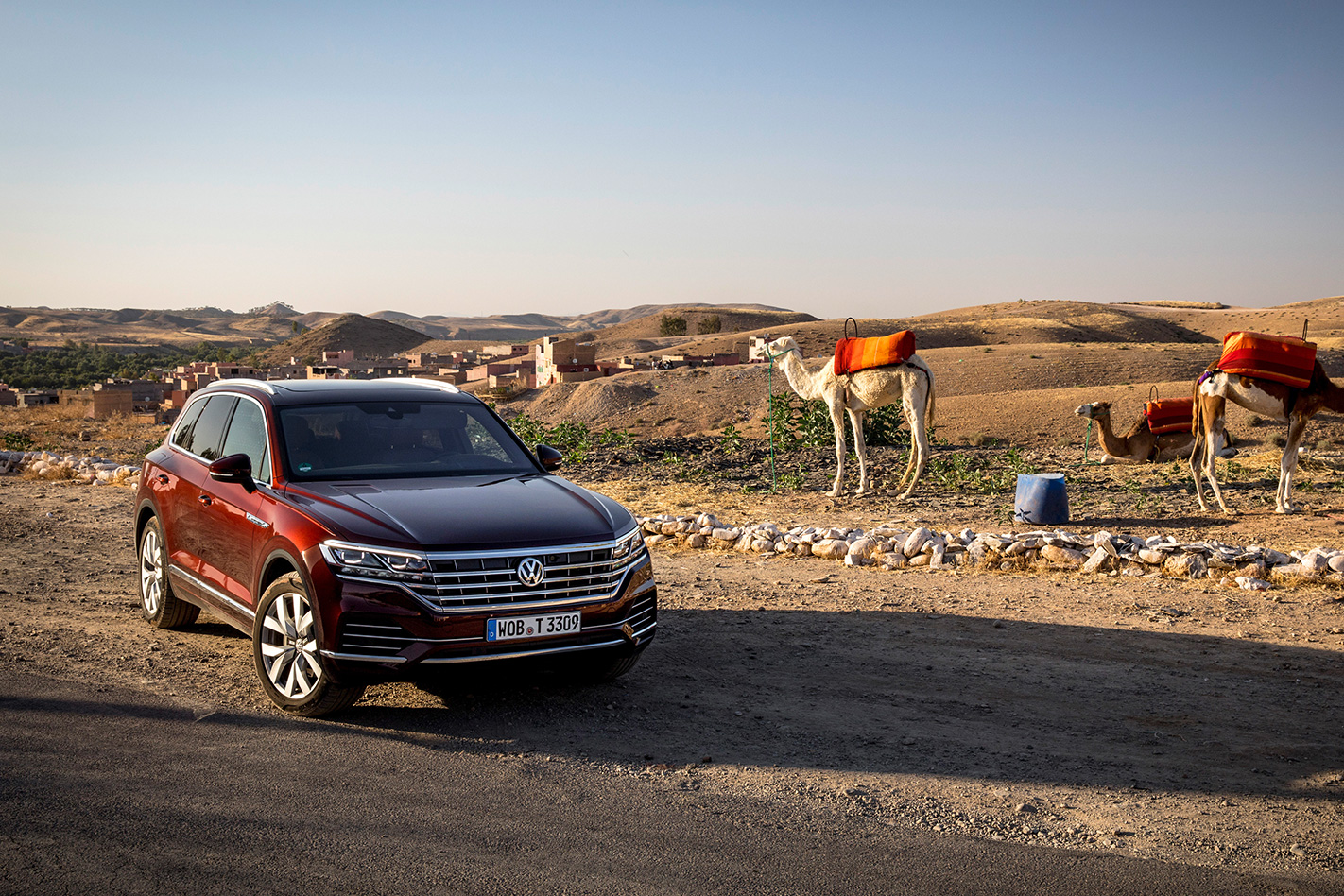
We do know that air suspension and four-wheel steering will be an option, which if ticked make for some for agile handling and a plush ride, even on dodgy roads.
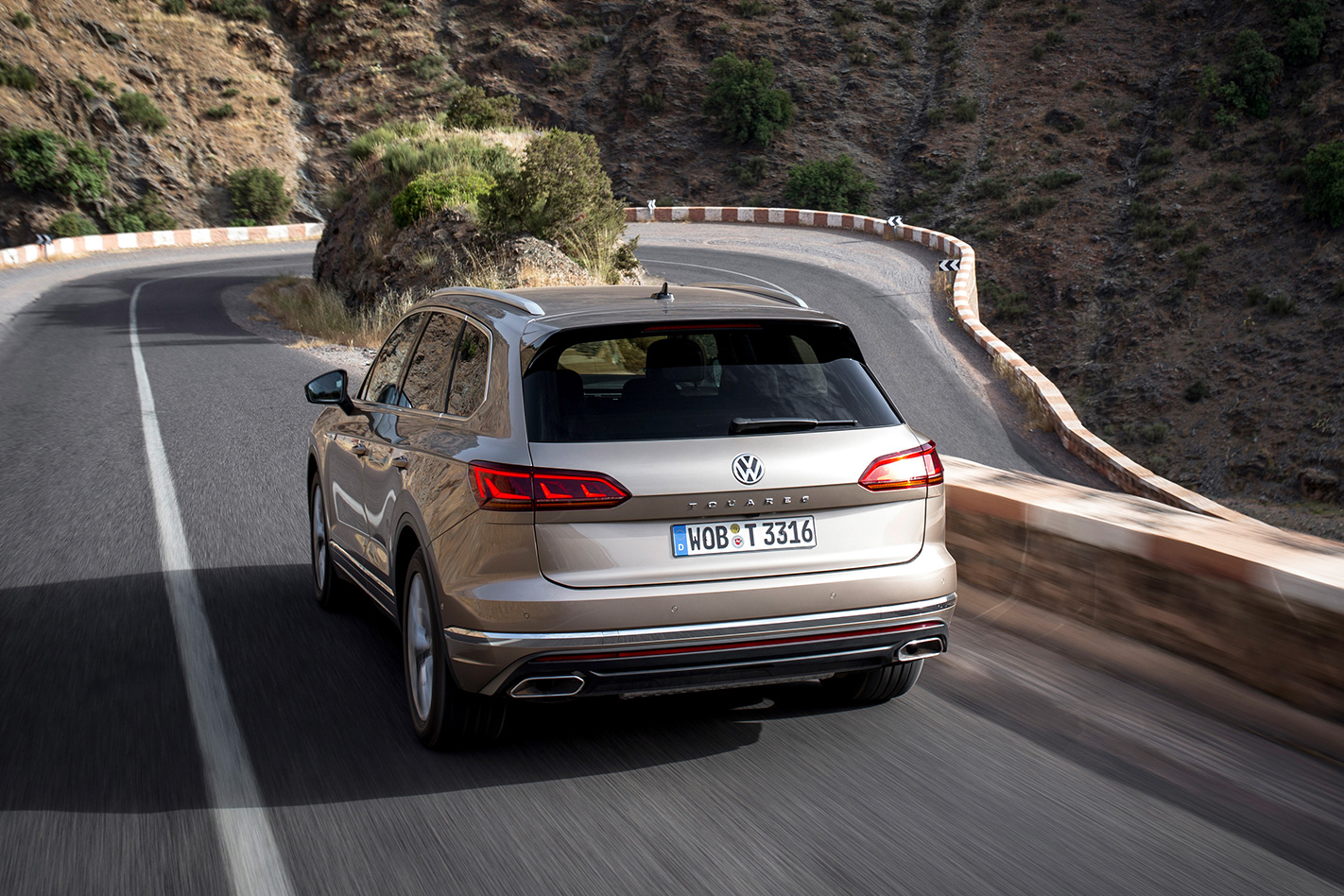
The Volkswagen Touareg is underpinned by VW’s MLB architecture, which it shares with the Audi Q7, Bentley Bentayga, Porsche Cayenne and Lamborghini Urus. So it could be seen as a more affordable sibling to those models.
Compared to its previous incarnation, the 2019 Touareg is lower, wider and longer and with much more boot space – compared to Generation Two’s 697L cargo space (1642L with rear seats-flat), the third generation’s boot has jumped to an impressive 810L (1800L). And yes, it seats five, real-sized adults, shockingly.
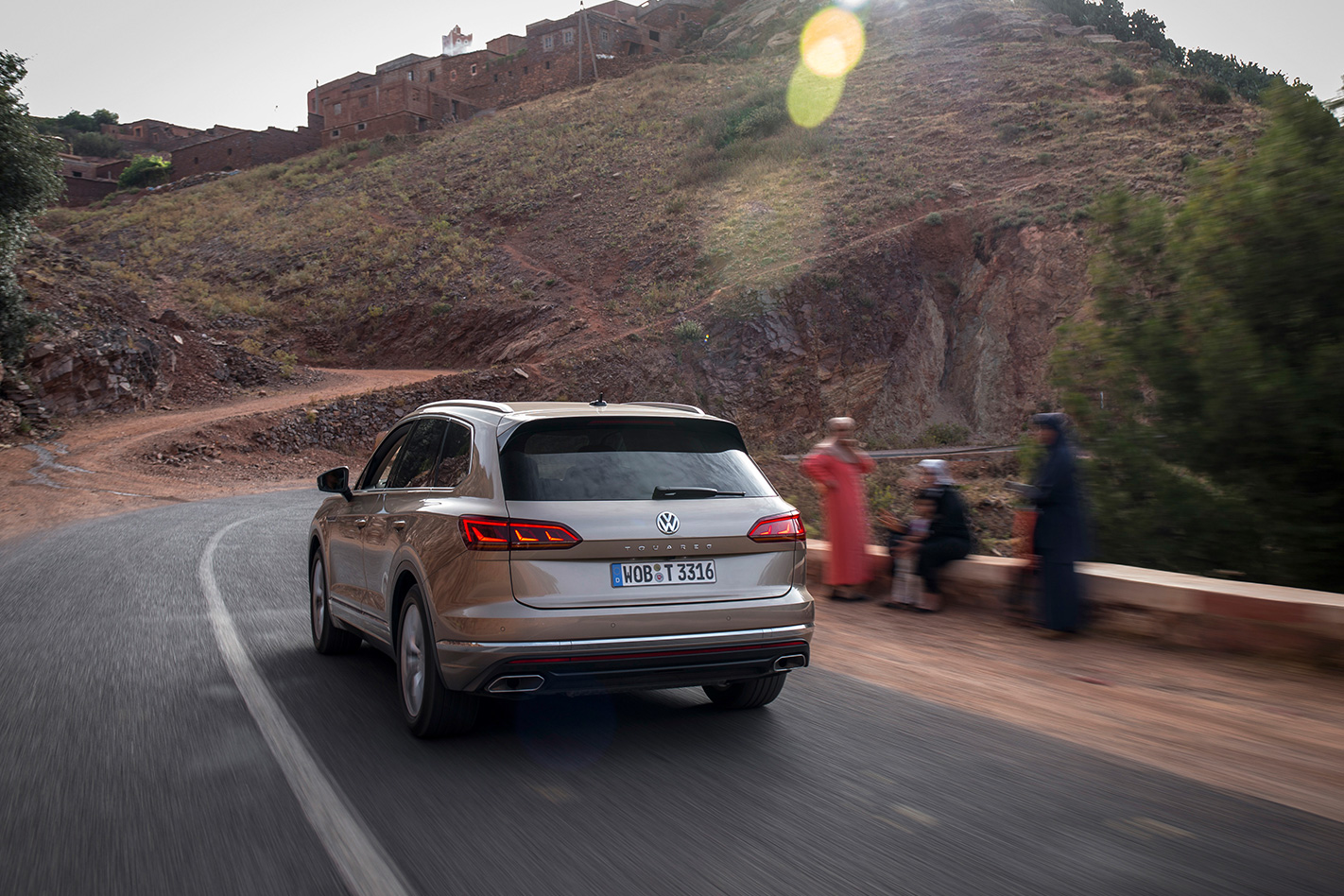
For launch, the VW Touareg will arrive with a 3.0L, V6 turbodiesel engine with 190kW of power and 550Nm of torque (the same engine as the Volkswagen Amarok); with two more engines (170kW/500Nm and a 210kW/600Nm) arriving later in 2019. Internationally, there is talk of a V6 petrol, plug-in hybrid and V8 turbocharged-diesel, but these are still to be confirmed for Australia.Pricing and the full Australian specifications are still TBC, but we expect the 2019 VW Touareg to be priced around $80K when it lands in May 2019. Whether Volkswagen dealers will throw in a free set of steak knives upon purchase also remains to be seen.
Alfa Romeo’s twin-turbo V6 Stelvio Quadrifoglio hasn’t quite made it to Aussie soil yet, but in the meantime we have this – the Alfa Romeo Stelvio Ti.
It sits a rung down from the Quadrifoglio, or Q, and it’s aimed squarely at those who might buy something like an X3 30i, but could use some extra poke.
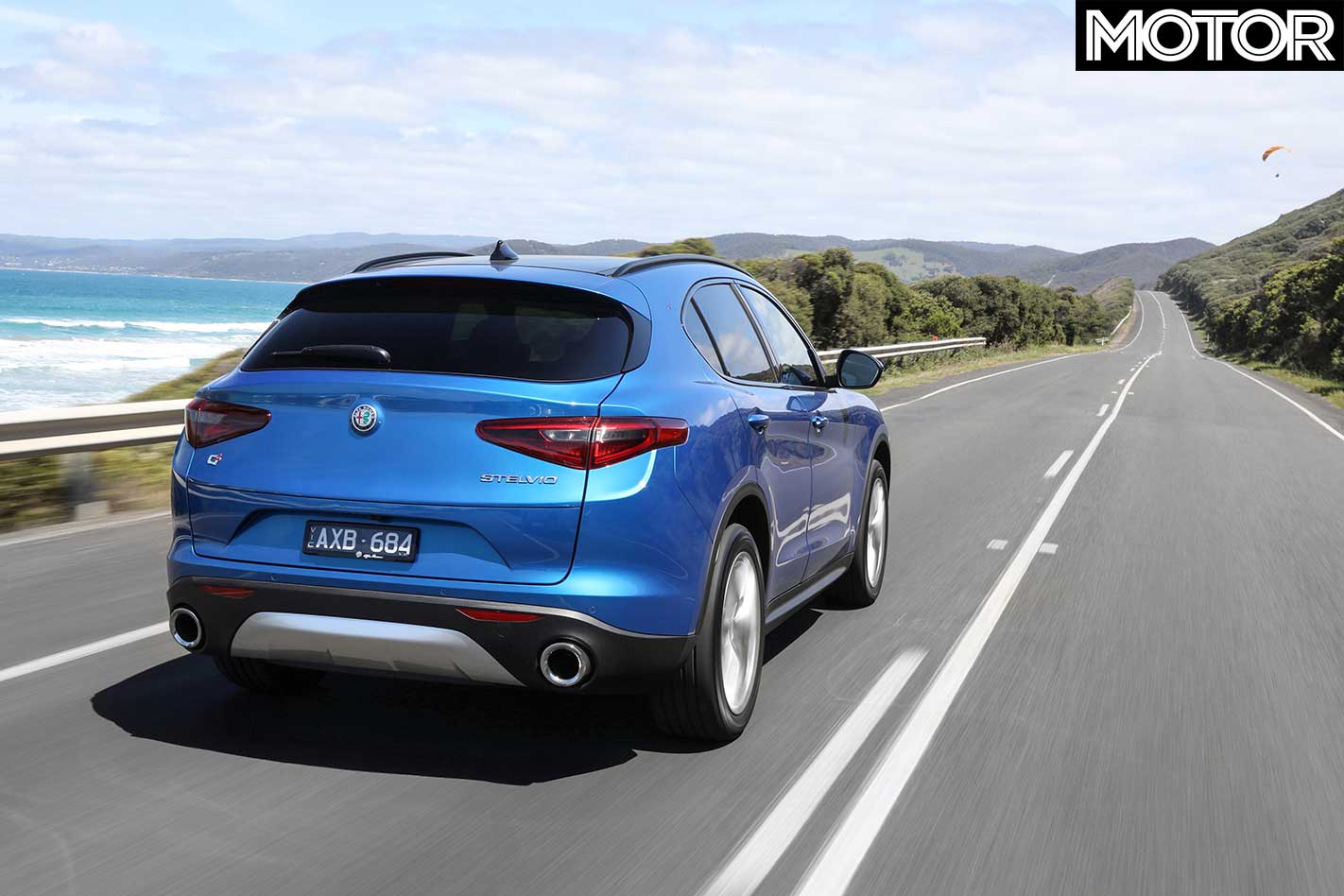
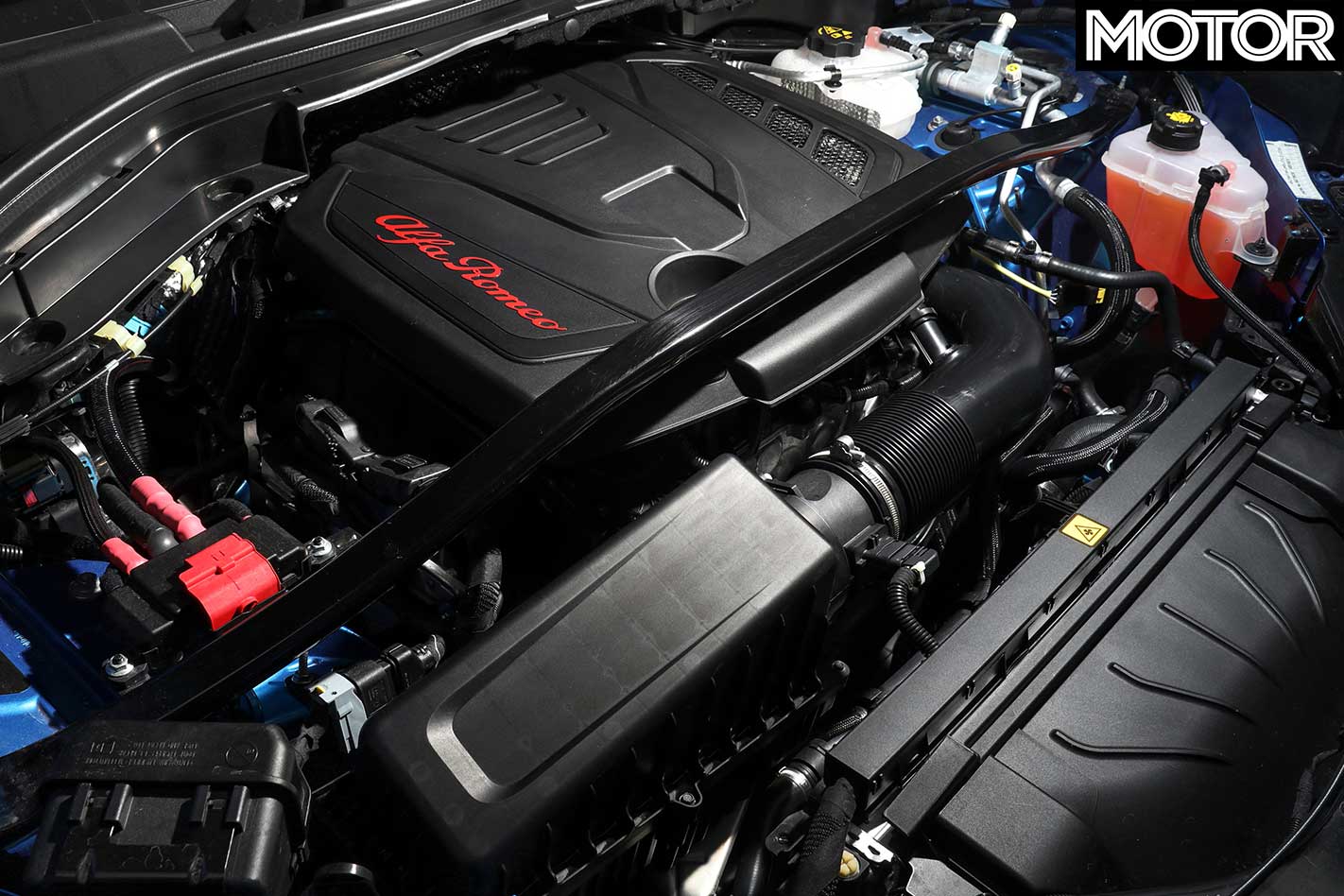
The Ti’s 2.0-litre four is shared with the sedan equivalent, the Giulia Veloce, putting out 206kW and 400Nm in both instances. The Stelvio is, however, all-wheel driven.
Despite an extra near-200 kilograms over the sedan, Alfa Romeo claims the Stelvio Ti will hit 100km/h in 5.7 seconds. We’d estimate that’s optimistic but not far off in prime conditions, something we were not granted during a damp week in Victoria.
The Stelvio’s styling, also primarily shared with the Giulia, has cone down to personal preference among those asked during our testing. The elements from the gorgeous sedan are present, but the Stelvio’s size has separated them, and its rear hatch forms an odd shape.
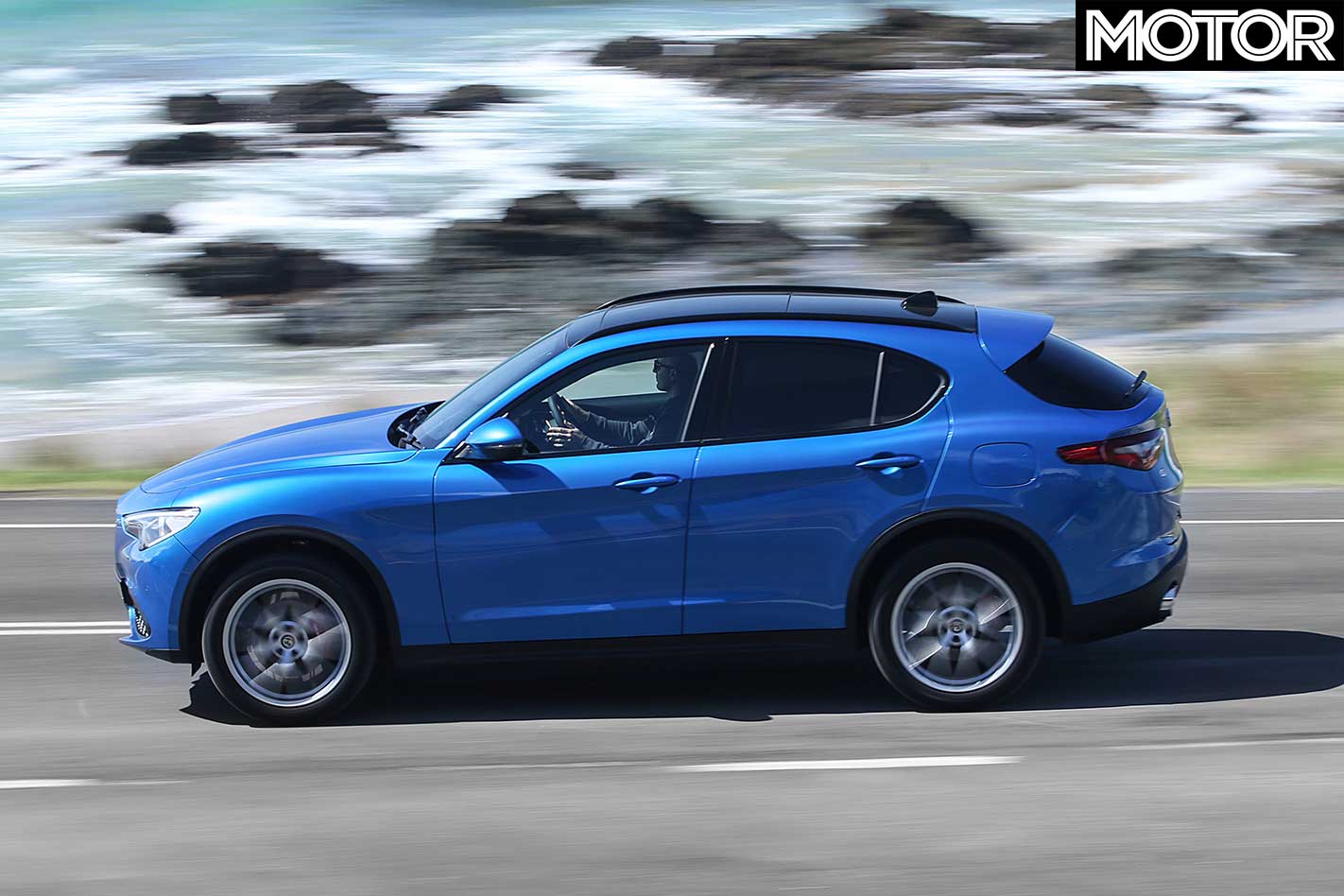
As an SUV, the Ti does make a relatively sporty proposition. The engine’s not lacking for eagerness, and the cornering dynamics are surprisingly easy to work with for an SUV on the lower side of $100,000.
It seems a slight contradiction to itself in some aspects, where the dampers can be set to a soft waft while the 20-inch wheels seem to crash big road bumps through into the cabin. Its steering can feel a little on the numb side, as can the brakes (which are by-wire), but the gearbox and throttle responses are more than adequate.
It has enough power, but doesn’t quite have what it takes to manage its high centre of gravity once that power has really gotten things moving along. It does let you have some fun with mid-corner rotation though.
Thankfully, the Stelvio has plenty of other things going for it. Its interior is simple and elegant, the dash-mounted controls limited to climate settings while everything else is done via the 8.8-inch screen. The optional Harman Kardon sound system is solid for loud tunes, and you even get column-mounted aluminium paddles, just like a Quadrifoglio.

If the Stelvio Q can overcome the physics that put SUVs at a disadvantage, the pressure is suddenly off the Ti to provide proper sports car fun. And that’s fine, because while the Stelvio can be a lively drive, a comfortable car for yourself and some friends, and a well-appointed place to spend a commute, wel… we’ll wait for the Q.
2019 ALFA ROMEO STELVIO TI SPECS Engine: 2-litre inline-4cyl, DOHC, 16v, turbo Power: 206kW@5250rpm Torque: 400Nm@2250rpm 0-100km/h: 5.7sec (claimed) Kerb Weight: 1619kg Price: $78,900
While Tesla drags its feet on selling an affordable electric vehicle in Australia, Hyundai has quietly launched the cheapest EV in the country. But is it enough to convince buyers to part with almost $50,000?
WHAT IS IT?
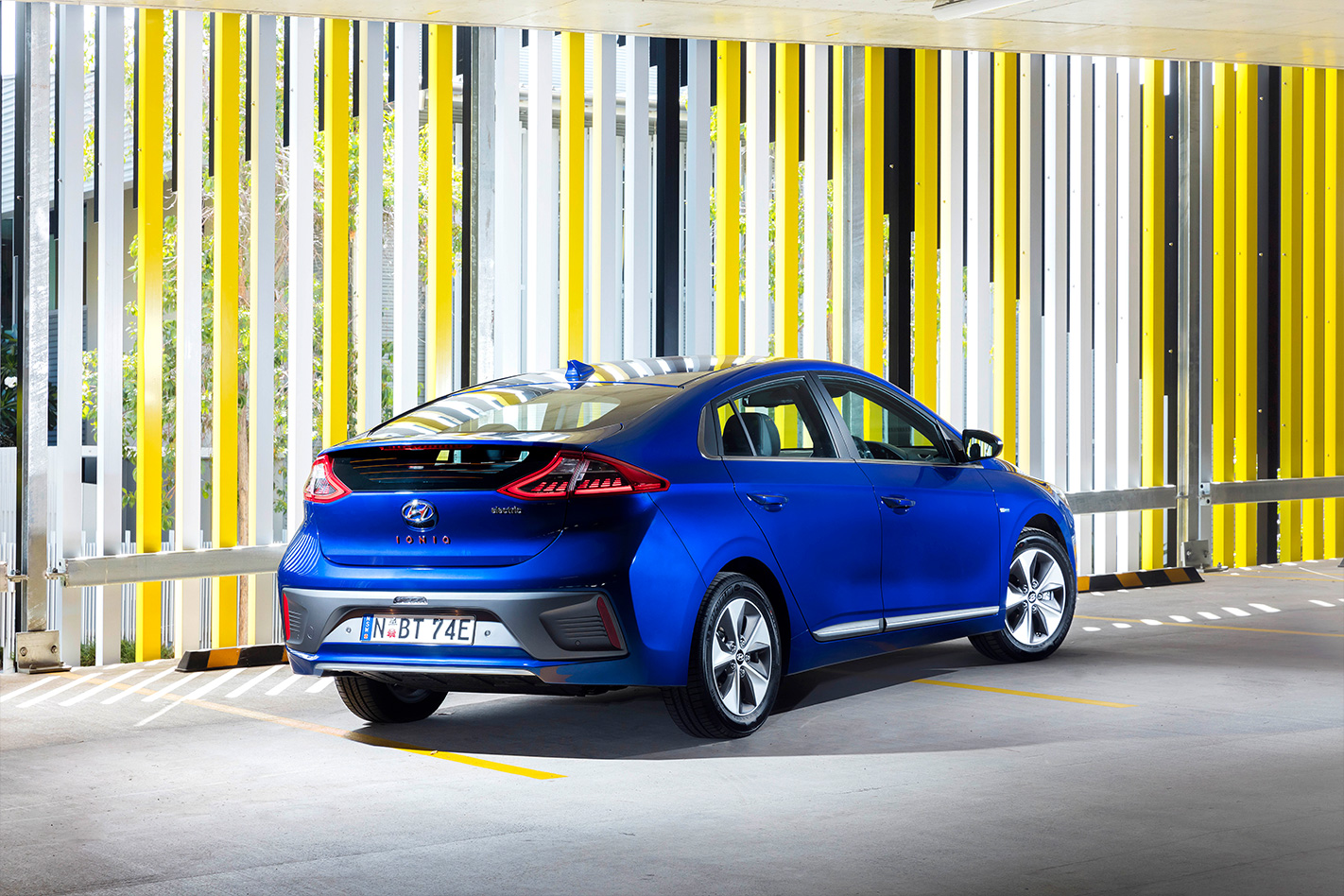
Similar in size to a Hyundai Elantra, the IONIQ is Hyundai’s first fully electric vehicle offered in Australia.

WHY WE’RE TESTING IT
Hyundai has offered the regular hybrid IONIQ in Australia since early 2018, but has now added plug-in and electric variants. With keen pricing which undercuts all its rivals in the country, the IONIQ could be the car to democratise the electric revolution in Australia.
MAIN RIVALS
Nissan Leaf, Renault Zoe, Toyota Prius
THE WHEELS REVIEW
ONE of the tragedies of the Hyundai IONIQ is, initially at least, it won’t be bought by many members of the Australian public.
Speaking to media at the launch of the car, Hyundai executives admitted fleet buyers are expected to make up the largest portion of buyers for this all-new electric vehicle. Which is a shame, because the IONIQ is an electric car that can meet most of our everyday needs at an affordable price.
The entry-level IONIQ Electric Elite costs $44,900, which undercuts the Renault Zoe Life by $2500, and unlike the French hatch, the Korean feels worth every cent. Equipment is best described as generous, with the Elite packed with a full suite of safety features (AEB, forward-collision warning, blind-spot monitoring, lane-keep assist, driver attention alert, rear cross-traffic alert, and adaptive cruise), as well as an 8.0-inch central touchscreen fitted with Apple CarPlay and Android Auto, a factory sat-nav, keyless entry and start, dusk-sensing headlights, a rear-view camera, and 7.0-inch digital instrument cluster.
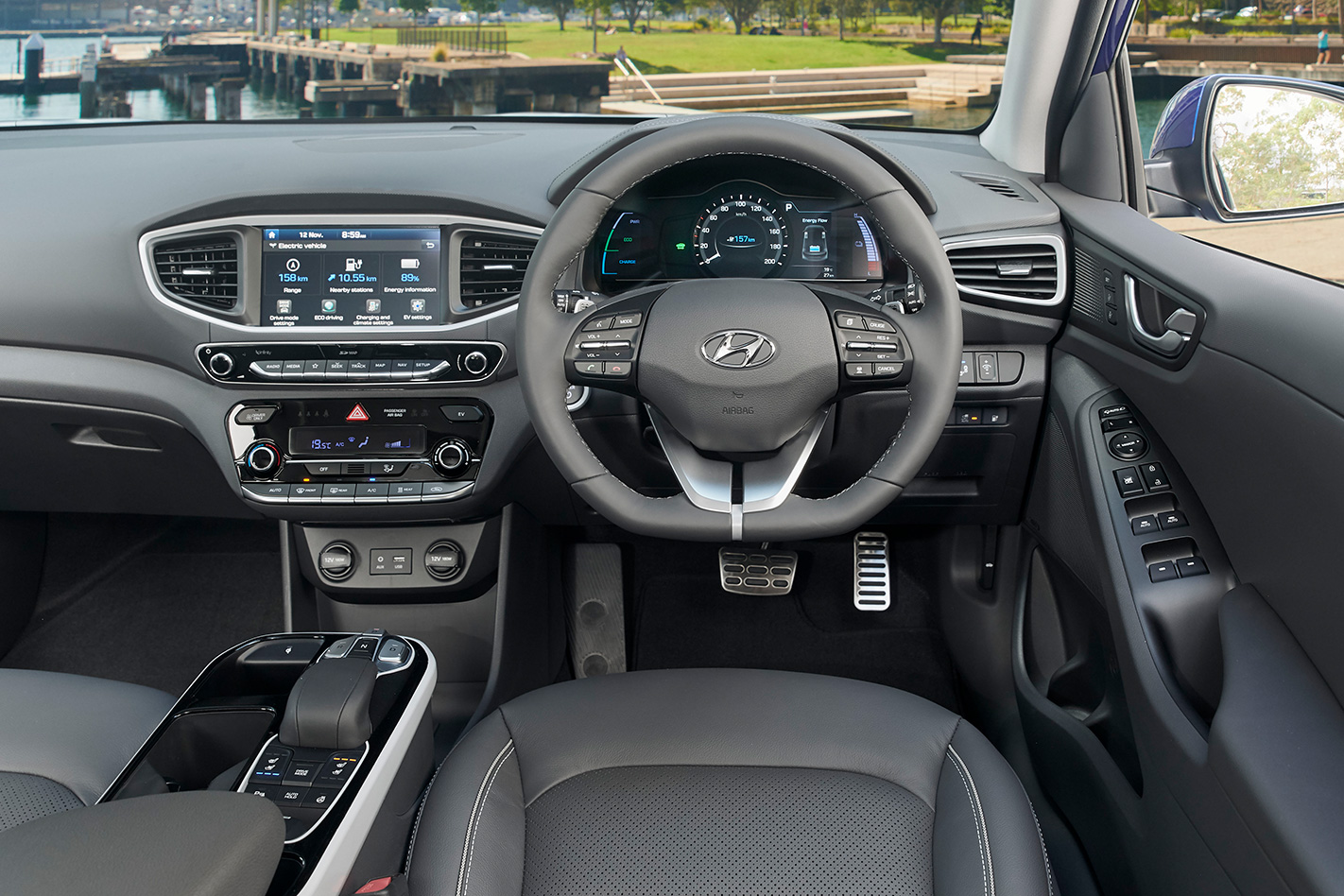
Stepping up to the $48,990 IONIQ Electric Premium nets you a leather-appointed interior, heated and ventilated front seats with electric adjustment, a heated steering wheel, dual-zone climate control, and a power sunroof.
Both have the same underpinning, which comprises a 28kWh lithium-ion polymer battery, sending 88kW and 295Nm to the front wheels. This is placed beneath the rear seats and cargo bay, eating into boot space (which is down from the hybrid’s 456 litres to 350 litres).
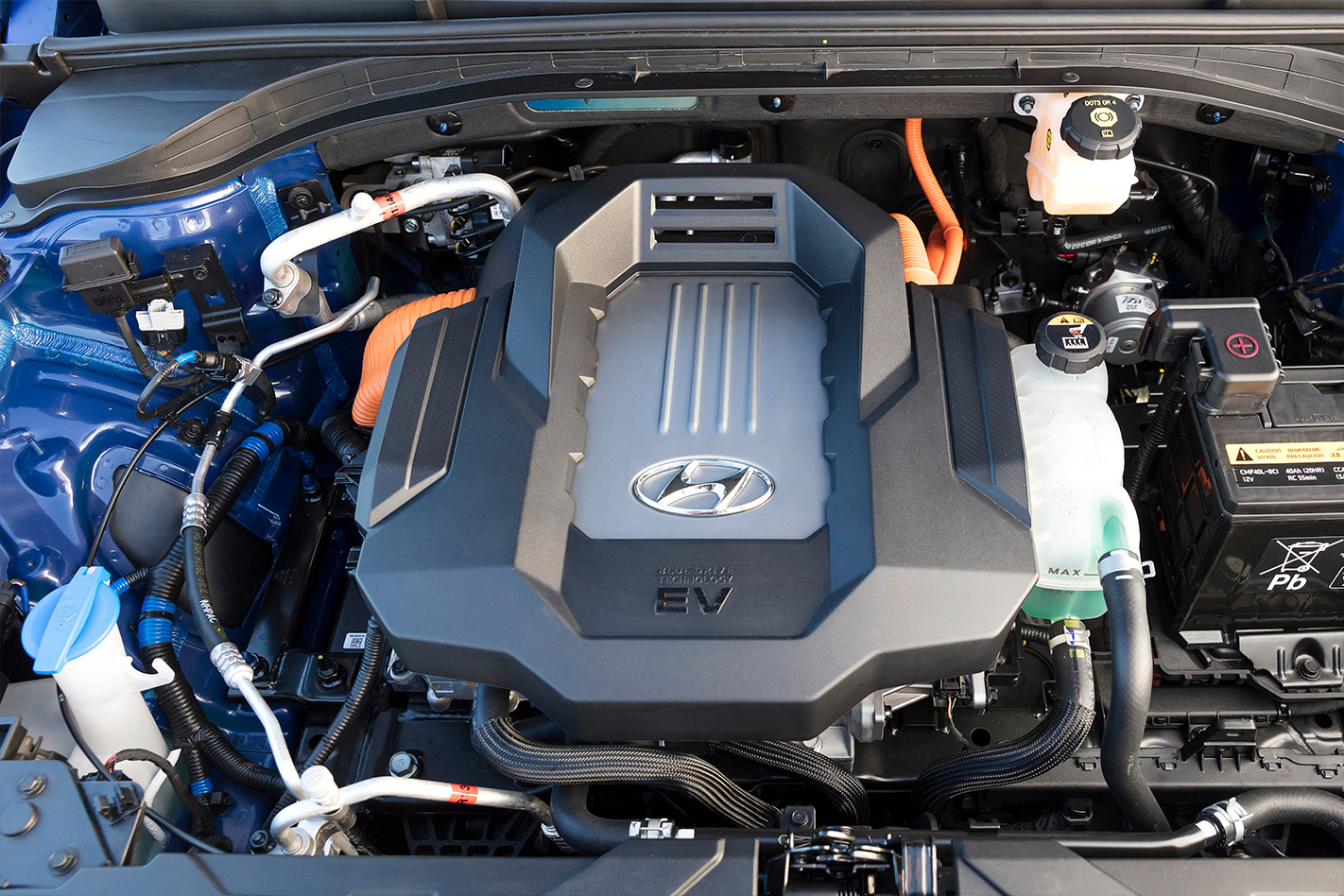
While the IONIQ Electric has achieved an official range of 280km on the NEDC cycle, Hyundai Australia says Aussie customers will realistically achieve 230km of fully electric driving before the batteries are drained. Using a 100kW fast charger, the IONIQ can be charged to 80 percent from empty in 23 minutes, while a 6.6kW home charger capable of fully charging the car in four and a half hours is available for $1995. Using a normal wall socket at home, the IONIQ takes roughly 12 hours to fully charge.
2018 Hyundai IONIQ Electric review
Unlike its small hatch rivals the Nissan Leaf (due Down Under early next year) and the Renault Zoe, the IONIQ offers sedan practicality, with an identical 2700mm wheelbase as the Hyundai Elantra, while being 20mm wider and higher, and 100mm shorter overall than its combustion-powered sibling. The rear seats offer enough room for two adults to sit comfortably.
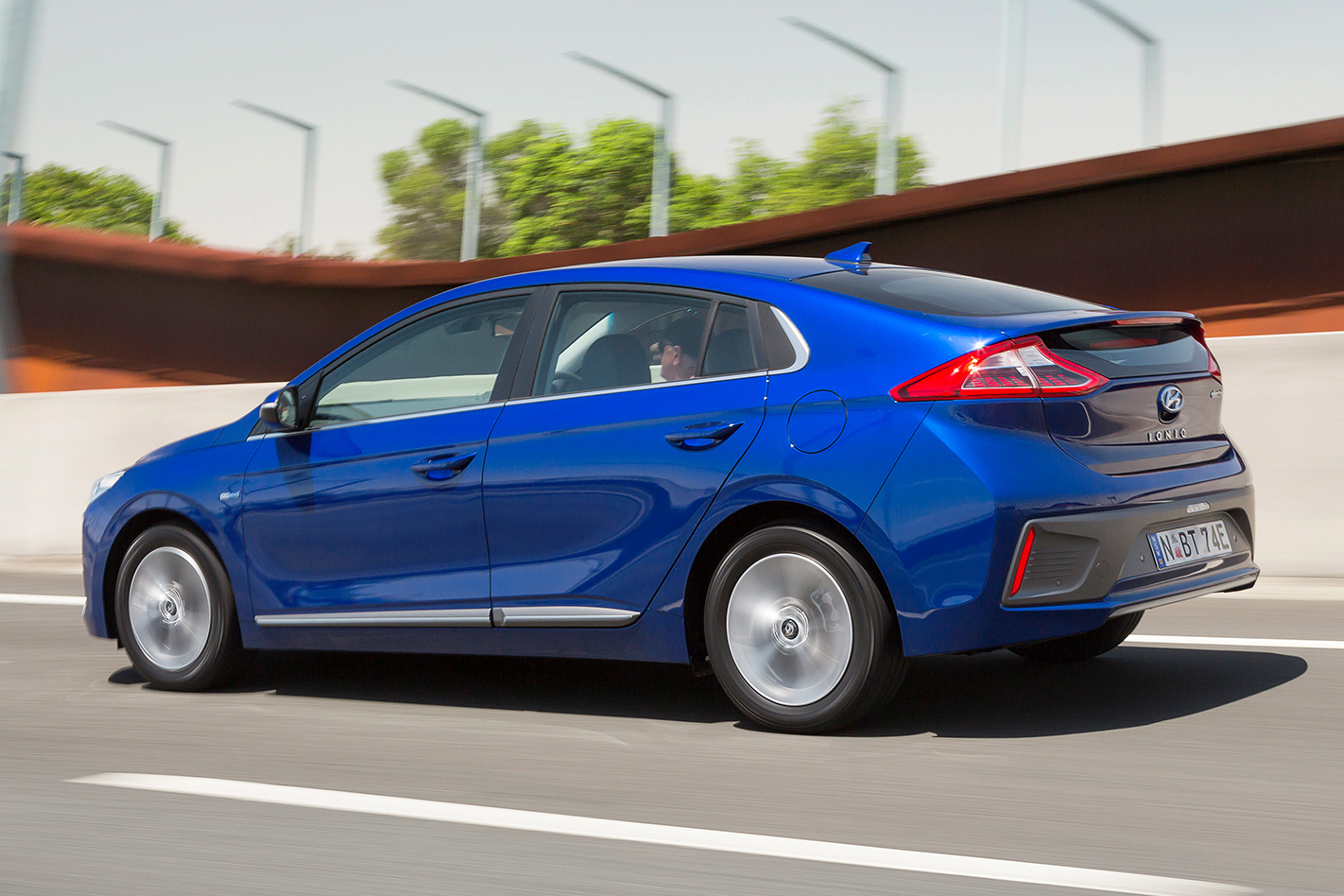
As is common with electric cars, the instant torque and power gives the IONIQ decent off the line punch, even in its normal setting. Hyundai claims 0-100km/h is taken care of in 9.9 seconds, but it’s the sprint to 60km/h which feels the most enthusiastic. However, there’s a sport button nestled above the gear selector, which when pressed, gives the car a gutsier throttle response.
This entertaining performance is let down by the handling, which is safe but hardly inspiring, and let down by steering that lacks fidelity around dead centre. Packaging constraints mean the IONIQ has a torsion beam rear suspension, unlike the IRS of the regular hybrid. However, Hyundai Australia’s local engineering team have done an impressive job tuning the system, with the IONIQ electric providing a cosseting ride, which soaks up bumps nicely.
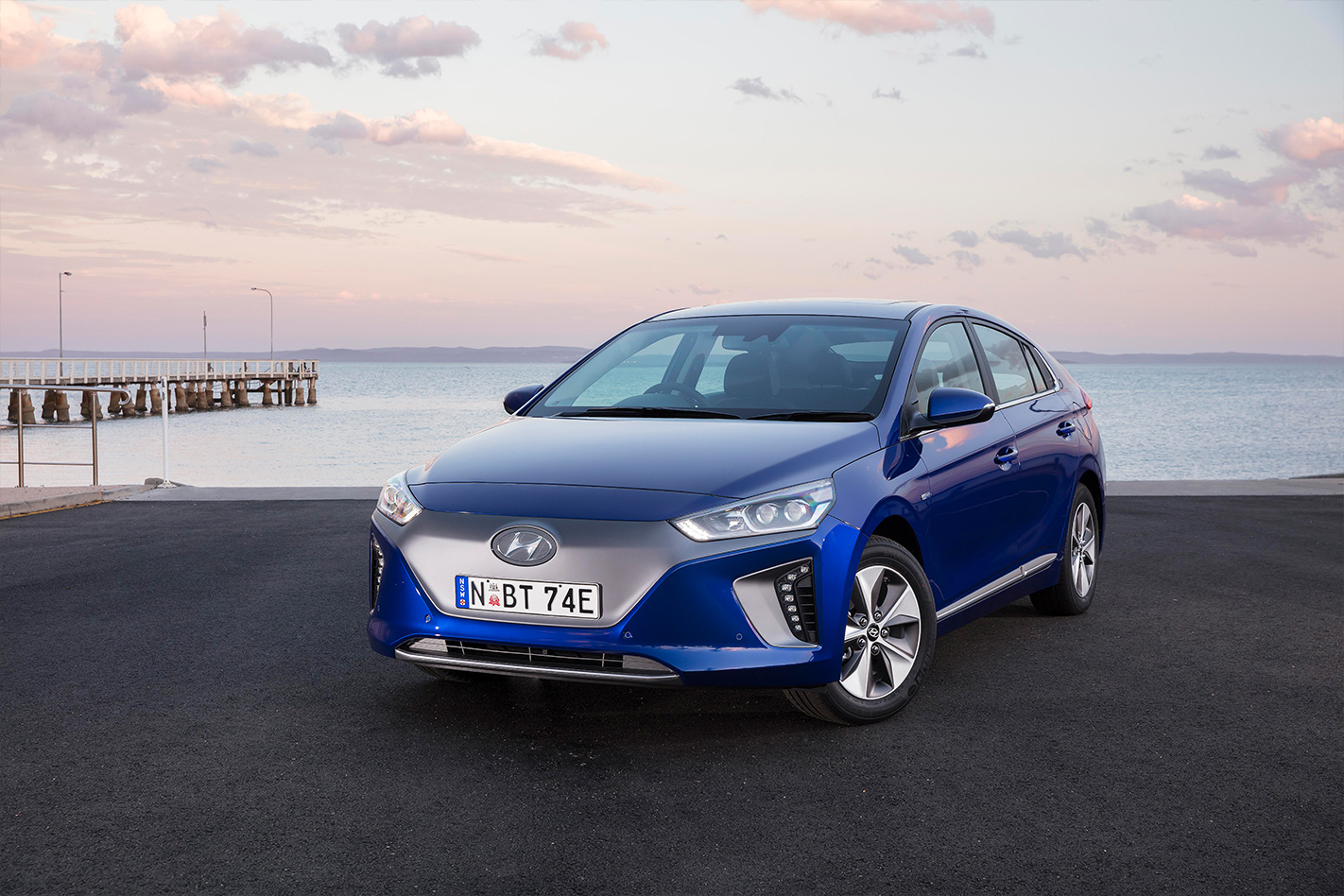
The technical ability of the IONIQ Electric isn’t what makes it so impressive, with a range and performance similar to its rivals. However, the keen pricing, paired with its genuine practicality makes it the best argument for electric vehicle conversion Australia has seen yet. Think of it not as a radical diversion from combustion vehicles, but an Elantra-like sedan which just happens to not use any fuel. Once Australia’s EV infrastructure catches up, which should happen in the next couple of years, the Hyundai IONIQ should be on the shopping list for the environmentally-conscious family.
THE WHEELS VERDICT
If convincing the general public of the merits of electric vehicles was the sole goal of the Hyundai IONIQ, it does an impressive job. Even if it wasn’t the cheapest EV currently available, its well packaged interior, sporty performance, generous range, and genuine practicality makes it one of the best fully-electric offerings in the limited Aussie market. While it features steering that lacks crispness at dead centre and suffers a common EV issue of a lack of charging infrastructure, the IONIQ Electric delivers an intriguing argument for ditching hydrocarbons and converting to electric mobility.
PLUS: Efficiency, price, practicality, electric performance MINUS: Held back by EV infrastructure for now, torpid handling
SPECS
Model: Hyundai IONIQ Electric Motor: permanent magnet synchronous Max power: 88kW Max torque: 295Nm Transmission: fixed single speed Weight: 1420kg 0-100km/h: 9.9sec (claimed) Energy consumption: 11.5kWh/100km Price: $44,900 On sale: First quarter 2019
THE FASTEST car to ascend Pikes Peak, the Volkswagen I.D R, could be headed to the Green Hell with the Porsche 919 Evo directly in its sights.
While not yet officially confirmed, UK publication Autocar reports VW has booked the Nurburgring Nordschliefe for a series of exclusive tests starting in May 2019.
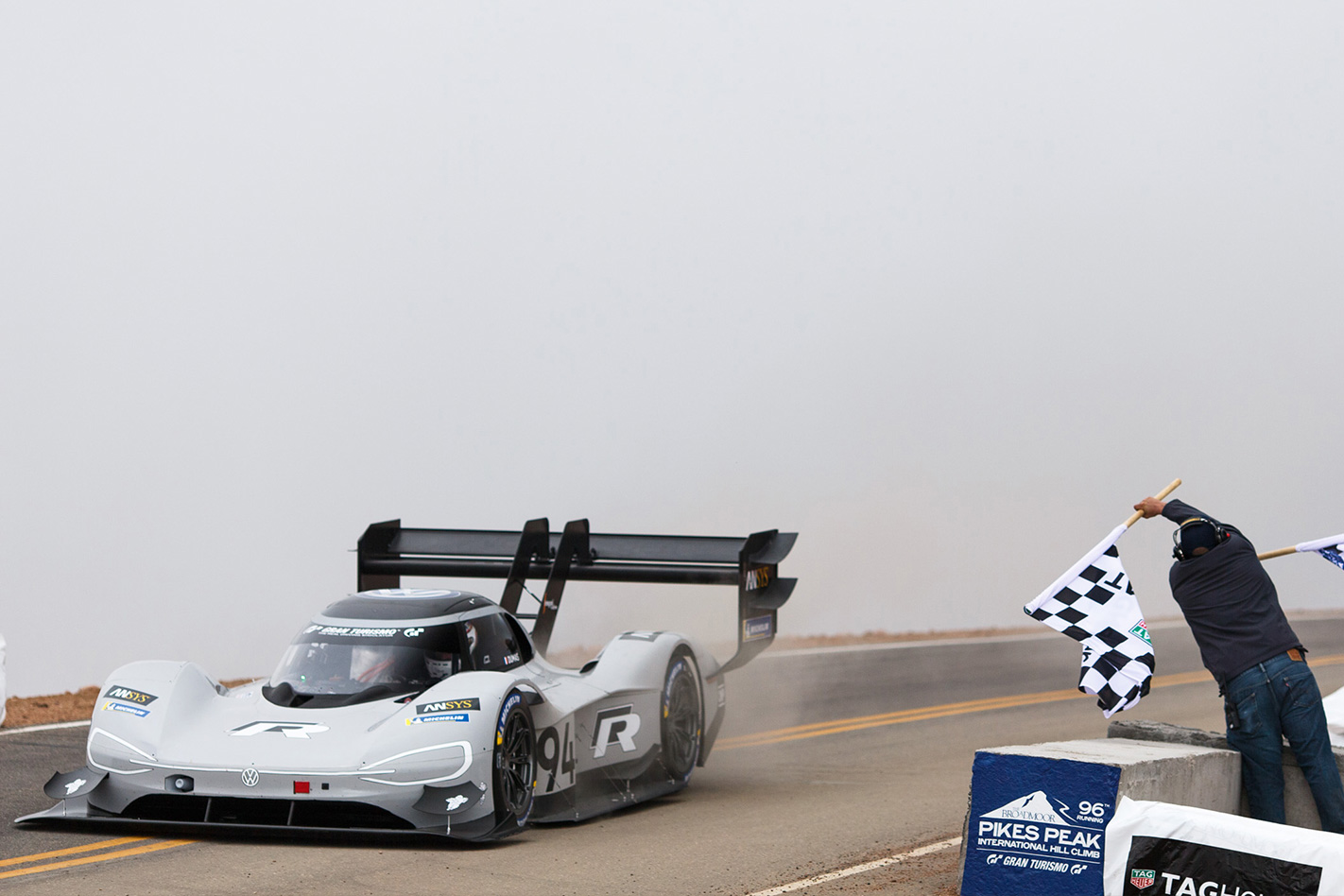
Much like the I.D R’s initial Pikes Peak brief, the prototype racer’s first target is the electric Nurburgring record of 6:45.90, held by Chinese manufacturer Nio, with the EP9 hypercar.
However, if things go as planned, the I.D R could make an unexpected run at the outright record much like it did in Colorado earlier this year.
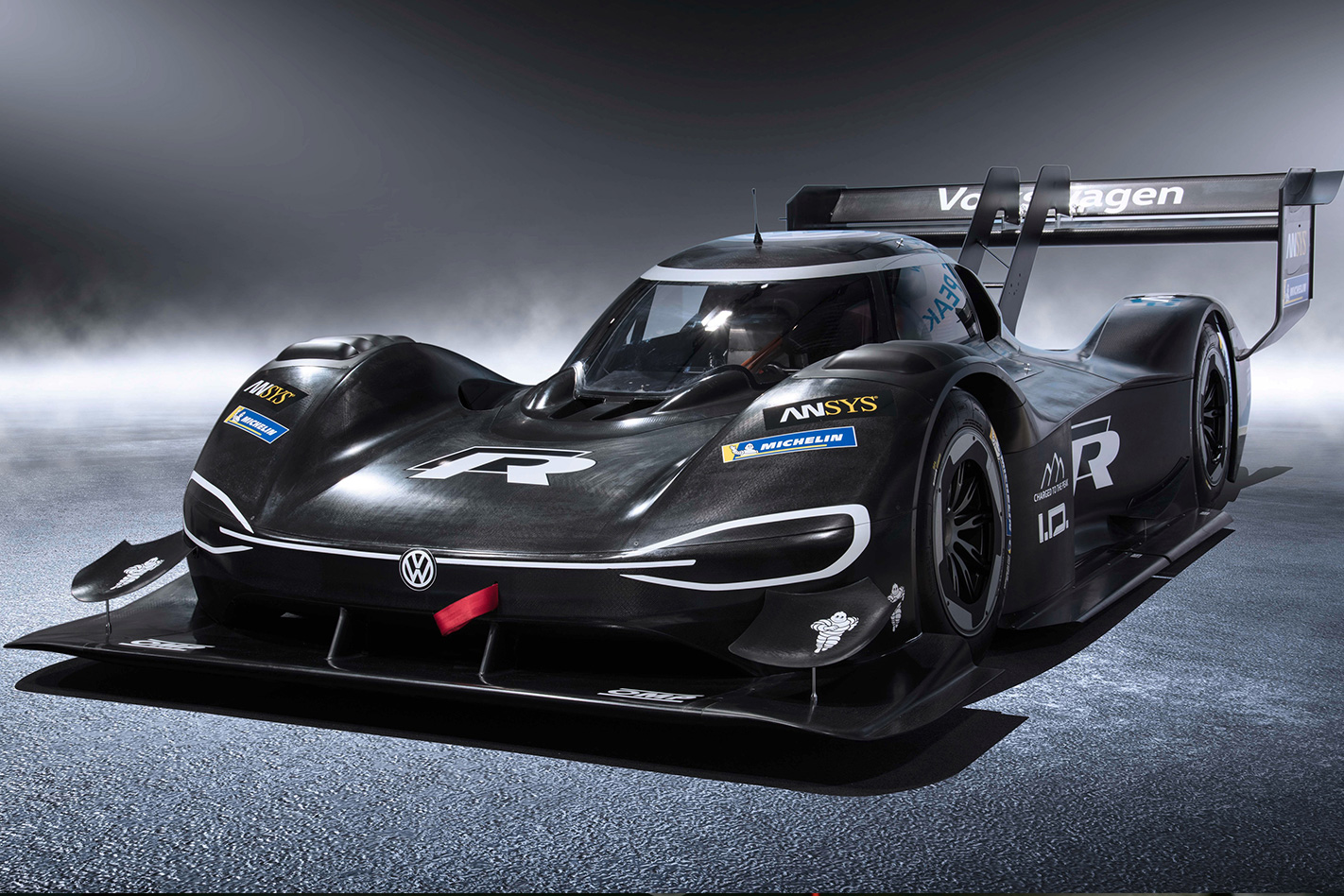
The current outright Nordschliefe record is held by Porsche’s 919 Evo prototype, which started life as an LMP1 race car before the rule book was thrown out and everything turned up to 11. Timo Bernhard recorded a scintillating 5:19.55 lap around the Green Hell earlier this year, running on the full 20.8-kilometre circuit, not the 20.6-kilometre layout used for production car lap records.
Bernhard’s time translates to a staggering average speed of 234.69km/h, compared to the Nio EP9’s 182.71km/h.
According to Autocar, VW simulations suggest the I.D R could achieve a 5:30 lap, with room for improvement. That would require an average speed of 227.26km/h.
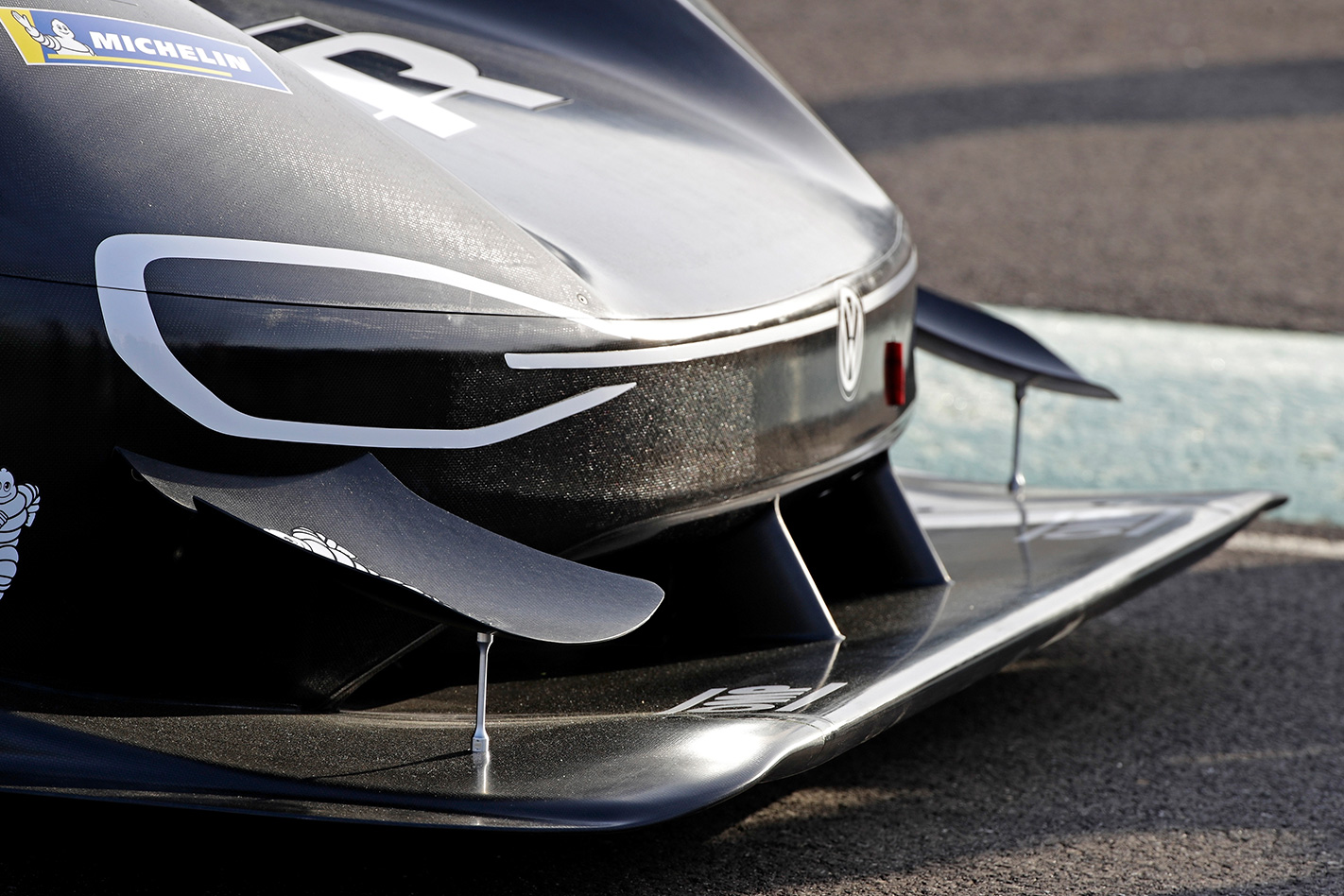
The I.D R’s aerodynamic design will be revised for the Nurburgring record run. The summit of Pikes Peak is 4.3-kilometres above sea level, which prompted an extreme aero package to deal with thin air, limiting top speed at ground level to 241km/h.
While the Pikes Peak International Hillclimb and Nordschleife only differ in distance by 800 metres, the Colorado race cover 156 turns and climbs 1440 metres. Meanwhile, the Green Hell has just 73 bends.
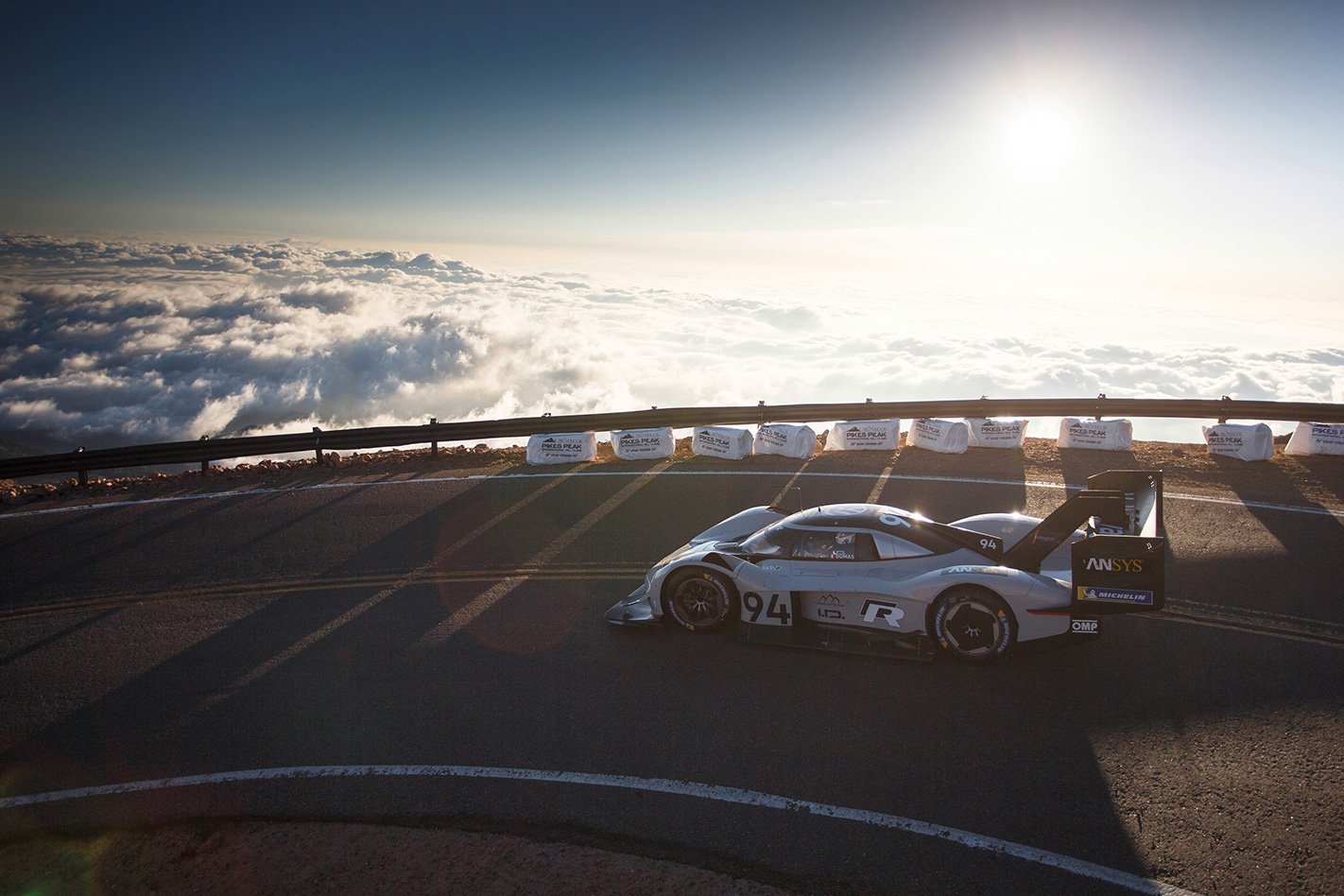
Volkswagen achieved a 7:57.15 time at Pikes Peak, making the I.D R the only car to ever complete the ascension in less than eight minutes, with an average speed of 150.9km/h.
