
MERCEDES-AMG has claimed a new Nurburgring lap record, with its GLC63 S now the fastest SUV to lap the Green Hell.
The twin-turbo V8-powered SUV lapped the 20.8-kilometre Green Hell in a time of 7:49.369, beating the previous record holder (the Alfa Romeo Stelvio Q) by two seconds.
News of the new lap record follows the AMG GT 63 S four-door claiming the four-seater lap record at the Nordschliefe last month with a 7:25.41 time.
So how does the V8 high-rider compare to other lap times around the Nordschliefe? Well, for context, it’s quicker than Horst von Saurma in a E46 BMW M3 CSL, Hans Joachim Stuck in an E60 BMW M5, and Walter Rohrl in a Porsche 997 911 Turbo Cabriolet. So, ah, rather fast.
The new ‘Ring record claim from Mercedes-AMG comes after boss Tobias Moers told Road and Track in March he wasn’t a fan of manufacturers claiming lap records with professional racing drivers at the wheel, after the company’s GT R set a blistering time with Sport Auto journalist Christian Gebhardt at the helm.
Mercedes-AMG Development Engineer Markus Hofbauer was the man trusted with steering the GLC63 S for its record attempt.
We are waiting patiently to hear which Regular Joe will be given the keys to AMG’s Project One hypercar for an attack on the ‘Ring when it is released.
It’ll also be interesting to see how long the GLC63 S can sit atop the SUV pile, with Lamborghini’s Urus and Porsche’s Cayenne Turbo S-E Hybrid yet to attempt an official time.
A cruise seems like the antithesis of the environment a motoring enthusiast thrives in. No, not a driving cruise – an ocean cruise.
Far away from roads and cars, and the only engine nearby is the one making a humming sound that’ll keep a light sleeper awake at night.
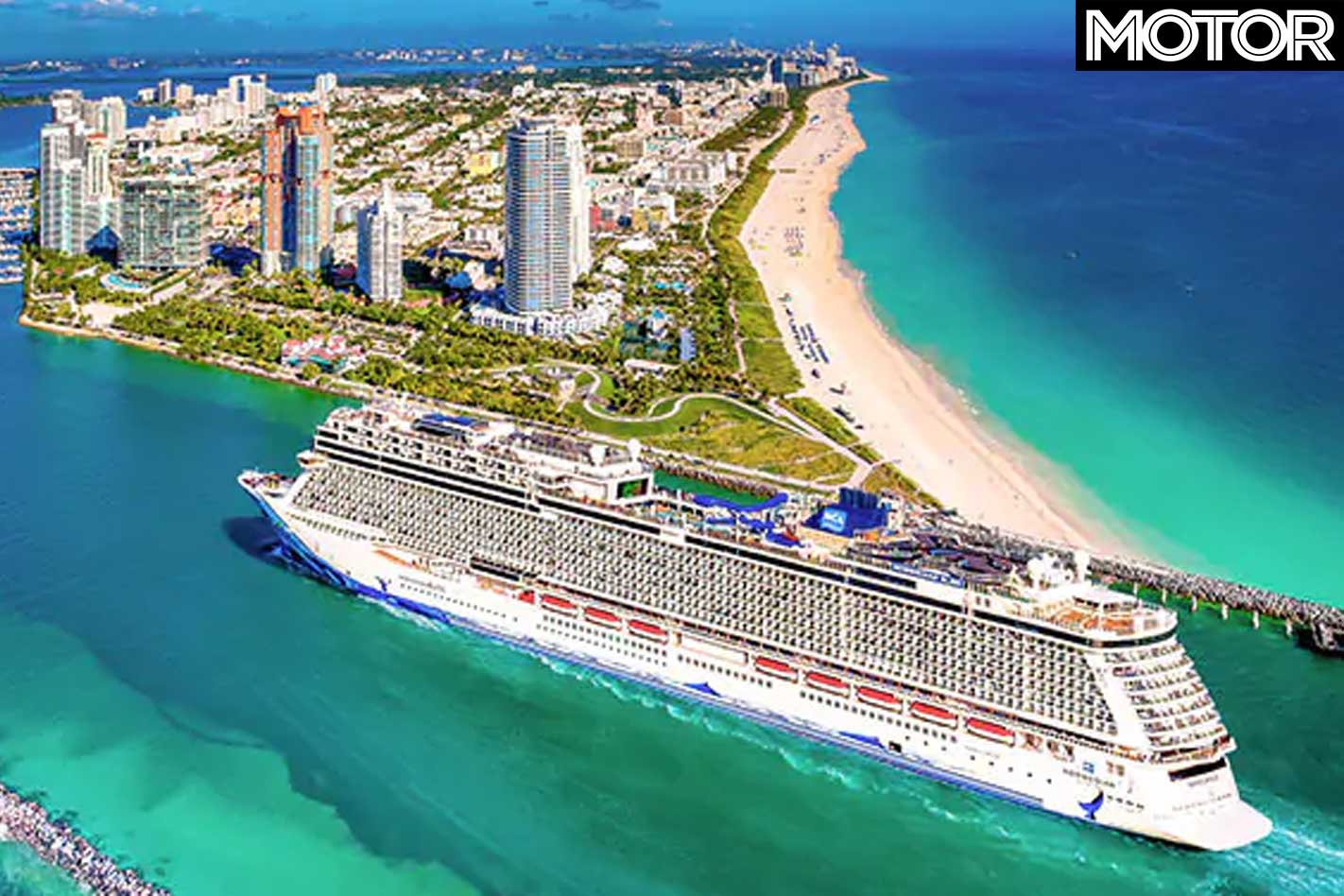
But it seems cruise company Norwegian Cruise Line (based in the US, strangely) is trying to change that with its latest ship, Norwegian Bliss, which features a karting track on its top deck.
Norwegian claims the track is the ‘largest race track at sea’, something we imagine there’s not much competition for.
The karts are electric and travel at ‘up to 30mph’, or 48km/h, so it won’t be the most riveting kart drive ever. It still sounds more exciting than seeing Jersey Boys or staring at the horizon over a flat ocean.
The only other issue we’d see with karting on a cruise links back to the first sentence in this article – people probably aren’t jumping on a ship with motorsport in mind, so you’ll probably be driving with some ‘more casual’ drivers.
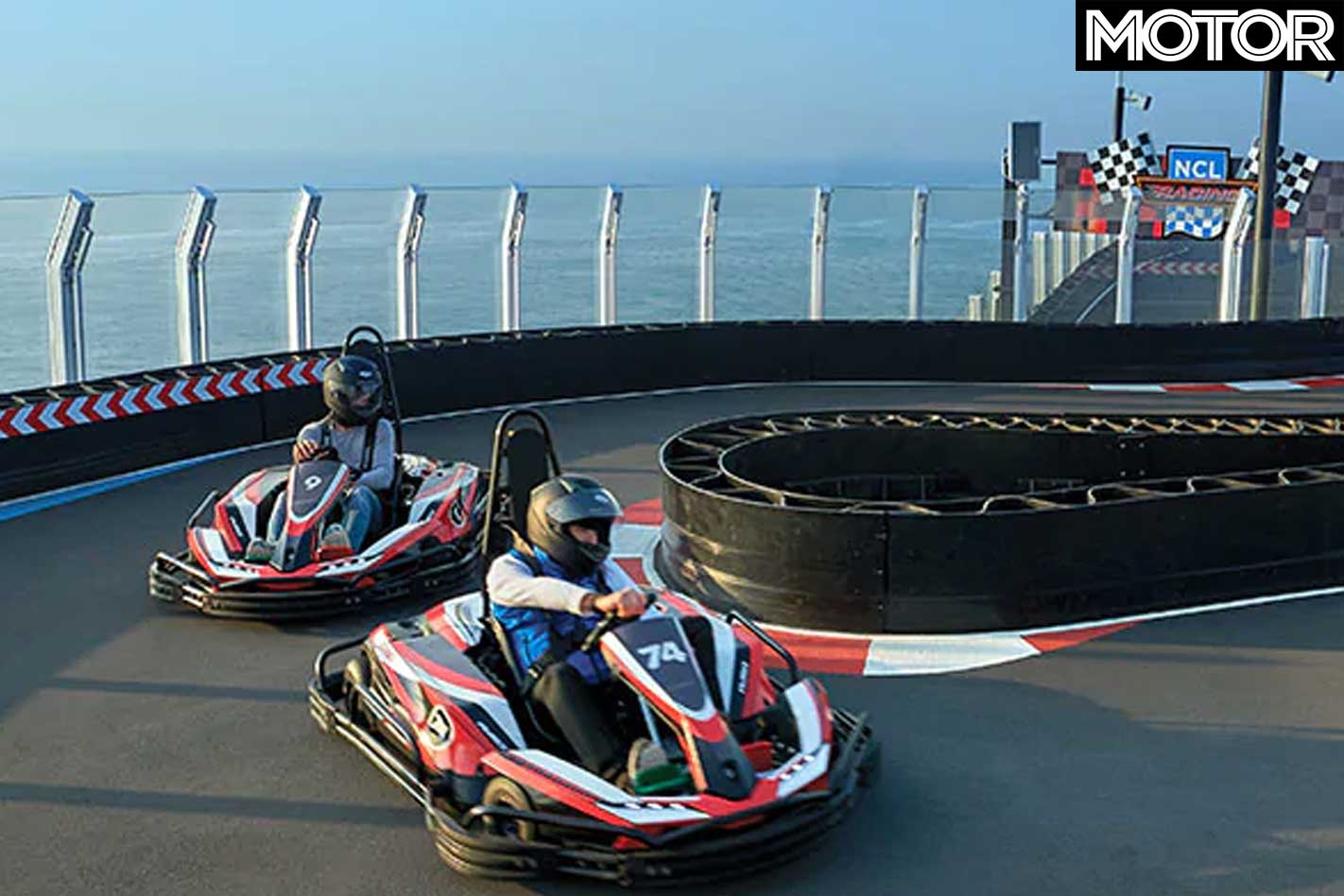
Essentially, this won’t be an experience for karting die-hards, as much as we can appreciate what Norwegian is trying to achieve.
There are a few onboard/POV videos of the track around the web, though none fantastic. The one below perhaps shows the track best with the least amount of unnecessary voiceover, even if the driver isn’t superb.
The track itself seems quite impressive though, even aside from the fact it’s on a ship.
The variation in the corners and a few overtaking opportunities would make it exciting to drive if surrounded by skilled drivers and with faster karts.
Sadly, we don’t think they’d let us bring some proper karts onboard as luggage.
The first Australian example of Ferrari’s fastest-ever V8-powered car came out from under the covers yesterday and it featured a little bit of Australia… actually, quite a big bit…
The Ferrari 488 Pista is an almost-$600,000 track-focused version of the 488 GTB coupe, and features technologies from its Formula One squad and GT racing programs.
It lives in rarified air in terms of competitors, but think Porsche 911 GT2 RS and McLaren 720S and you’re getting near the mark.
The 3.9-litre twin turbo V8-powered sportster can rocket to 100km/h in a claimed 2.8 seconds, and it’s got more aerodynamic trickery than a jet fighter.
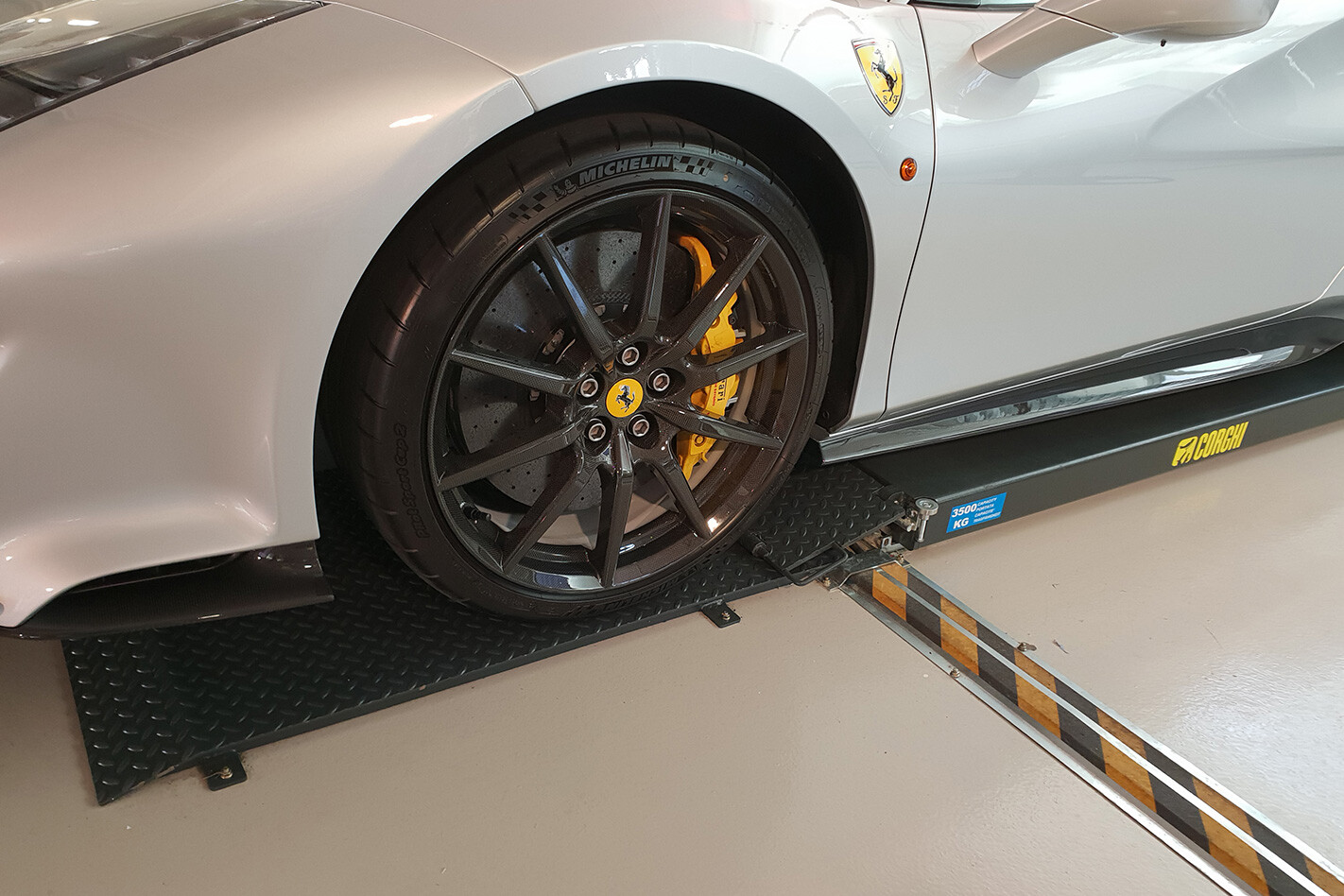
Of real interest, though, are the carbon fibre wheels that have been optioned on the Argento Nurburgring (silver to you and I) coloured assessment model revealed in Sydney yesterday.
The Carbon Revolution rims hail from a growing company in the Victorian town of Geelong, and they represent a real coup for local manufacturing. It is the only producer of one-piece carbon fibre wheel rims in the world, and the Ferrari deal means that it can expand its operations and start to bring down the cost of the amazingly light but brutally strong wheels.
Oh, I didn’t mention the cost, did I? They are estimated to cost $40,000 a set, on top of the car’s $645,000 driveaway price.
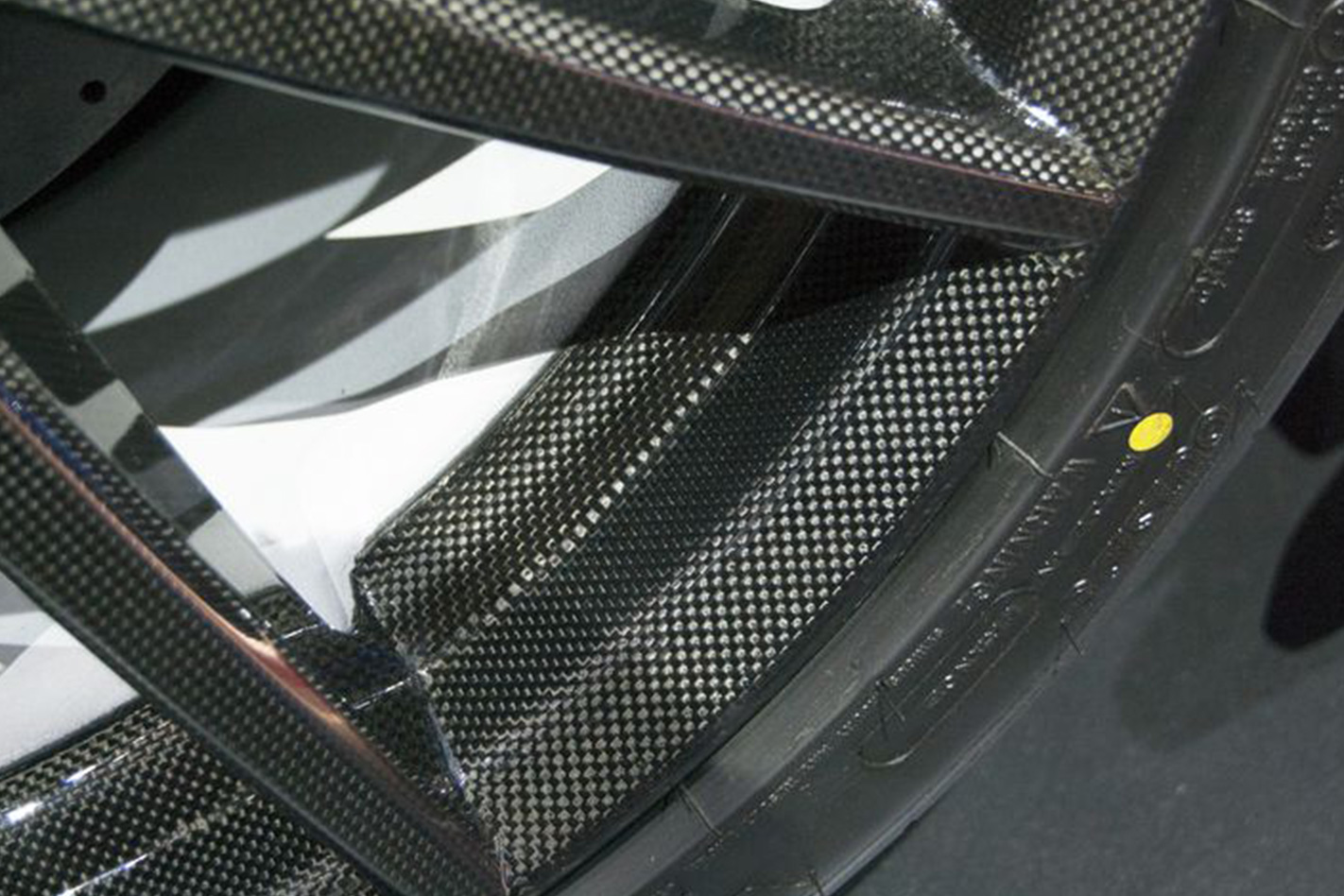
For that, the 20-inch dimeter rims shed as much as 3kg of weight per corner when compared to the rims on the donor 488 GTB, which helps to improve handling by reducing what’s called unsprung weight, or weight that moves up and down. This, in turn, helps the suspension work better and allows the car to steer and ride bumps with more precision.
The rims are hand-made in Geelong from sheets of carbon fibre cloth that’s laid into shape, before being cured in a large oven called an autoclave. This is, of course, massively oversimplifying a complex process, which only Carbon Revolution alone has so far managed to perfect.
The wheels are clear-coated, and there’s an alloy liner on the inside of the rim’s surface to protect it from heat, which is usually the big enemy for carbon fibre bits.
You’ll also see the wheels on Ford’s GT and top-spec Mustang Shelby GT350R, and you can add them to your own supercar, should you have the cash.
Ferrari reckons the average buyer spends another $65,000 on bits and pieces – those painted-on stripes are $16,000, for example, Apple CarPlay can cost over $6700, and the Ferrari shields can run out to $3100 for the pair.
The 488 Pista touches down in Australia next year.
Ferrari has pulled the covers off the first Australian example its most focused 488 ever, but it’s not just the price that will stop you from getting aboard one.
Since its listing on the US stock exchange, Ferrari officials have become very cagey about just how many cars it plans to sell. We do know that – just like its main rival, the Porsche 911 GT2 RS – Ferrari is being very selective about whose money it’ll take for the $645,000 488 Pista, with potential owners needing a bit of Ferrari loyalty before they can park one in their collection.
It’s also understood that Australia’s allocation of Pistas has increased in line with a reported lift in the number of cars emanating from the Maranello factory.
“The reaction from our Australasian clients and collectors to the Ferrari 488 Pista has been nothing less than stunning,” said Herbert Appleroth, the CEO of Ferrari Australasia.
“This is an incredible car and we are thrilled that so many of our clients will be taking it to roads and tracks across Australia in the new year.”
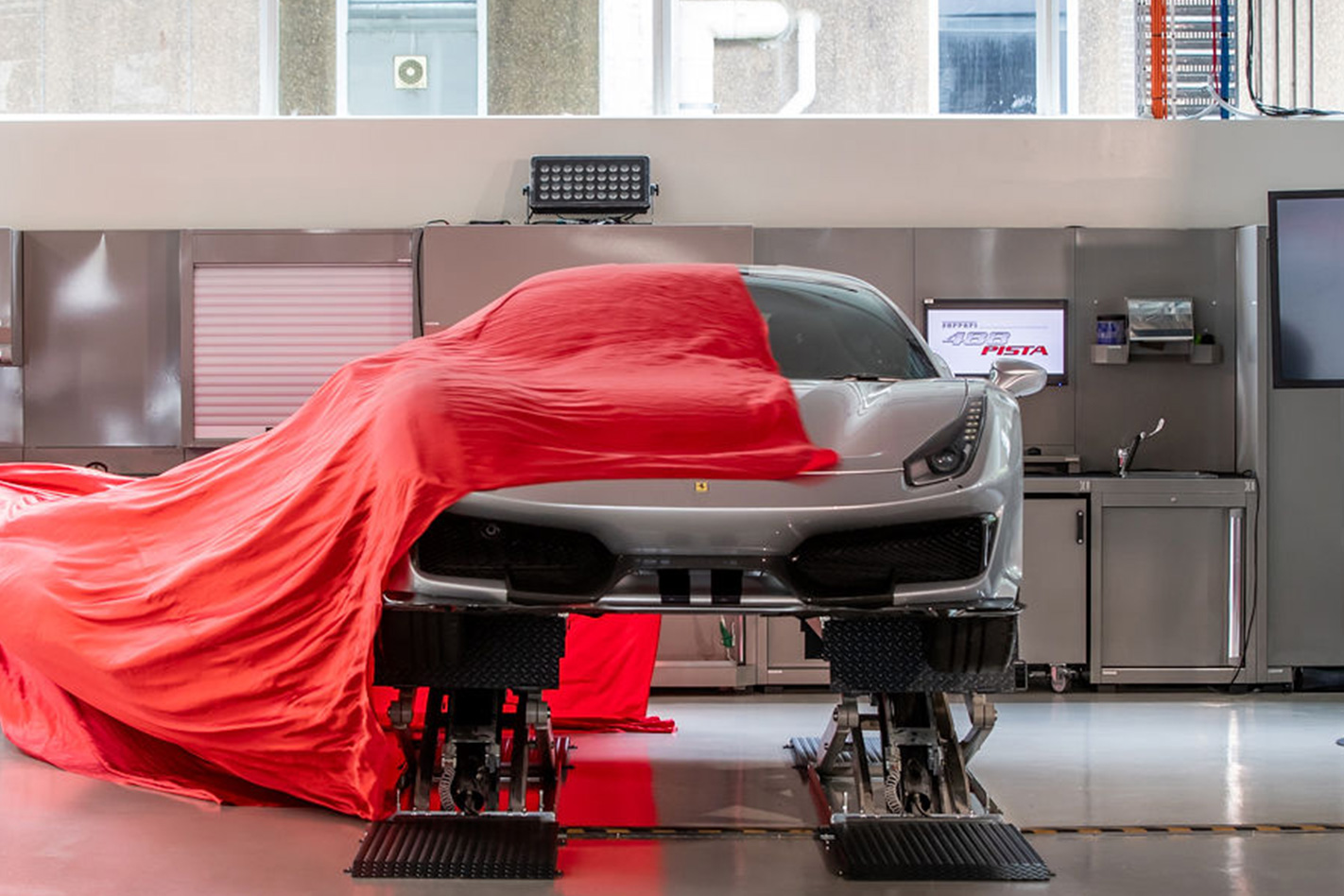
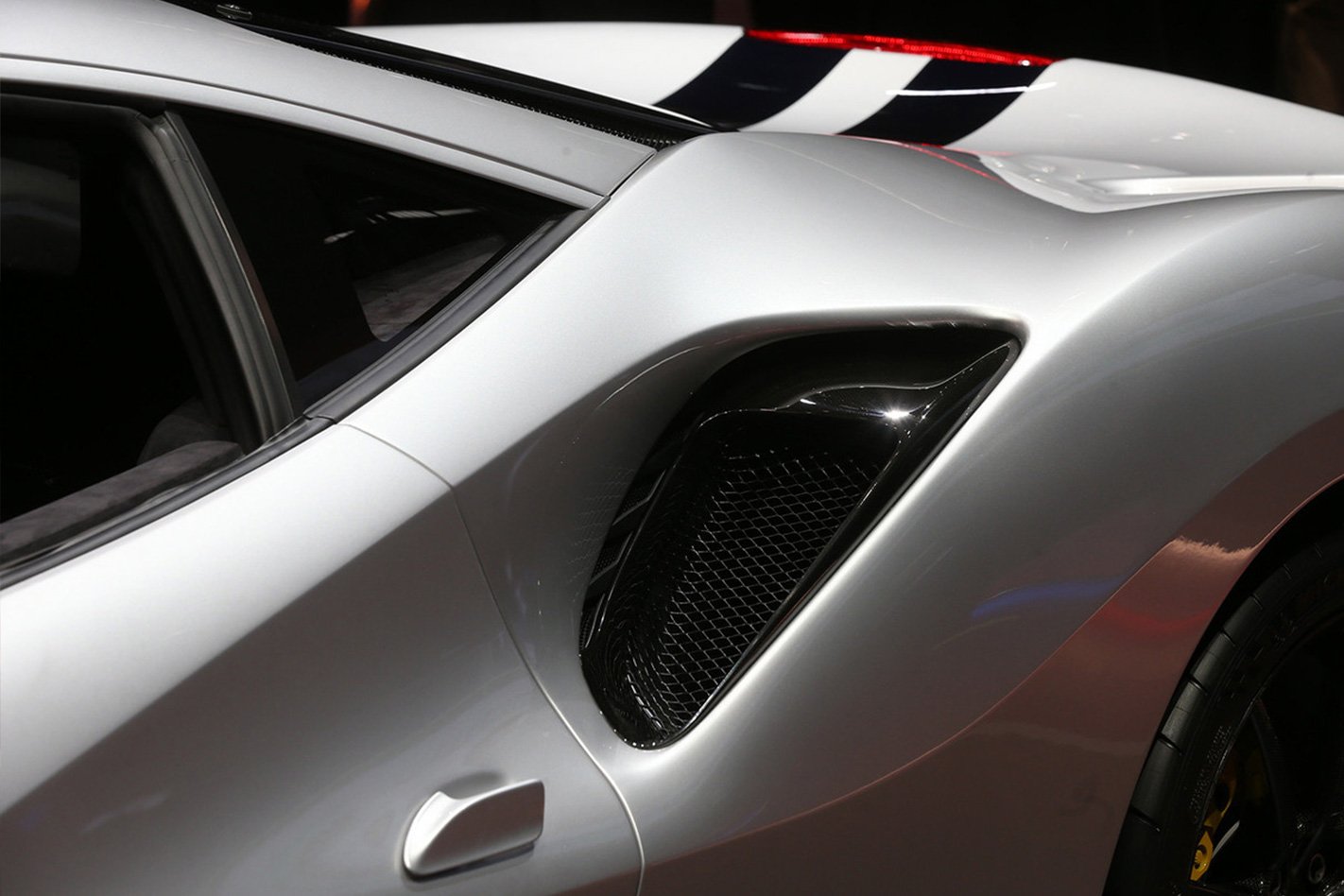
Launched in a new $10 million Ferrari service centre in the northern Sydney suburbs, the Argento Nurburgring (or silver) example will live its life as a verification vehicle for the company in Australia, according to Appleroth, before customer examples arrive halfway through 2019.
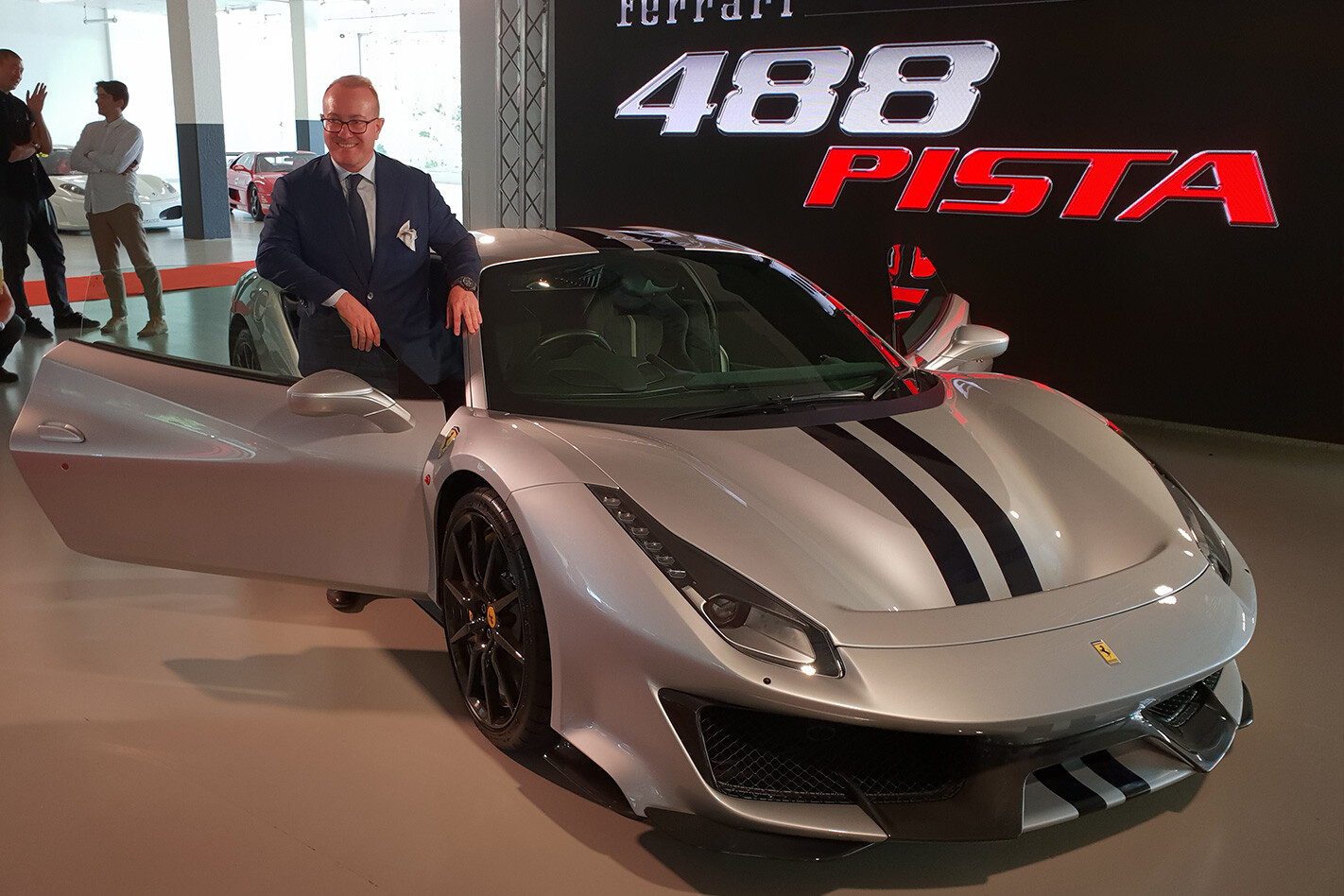
The 488 Pista (which means ‘track’ in Italian) is 90kg lighter and $130,000-odd more expensive than the 488 GTB, and sports a lot of technology from the motorsport side of the business.
Its 3.9-litre twin-turbo V8 engine, for example, has been rebuilt with bits from the company’s 488 Challenge race car, resulting in a 537kW/770Nm monster. It has a carbon fibre intake system, an exhaust manifold made from Iconel – used by F1 teams for its lightness, strength and astronomical price – and a whole host of small but impressive changes which make it the most powerful V8 engine the company has ever made.
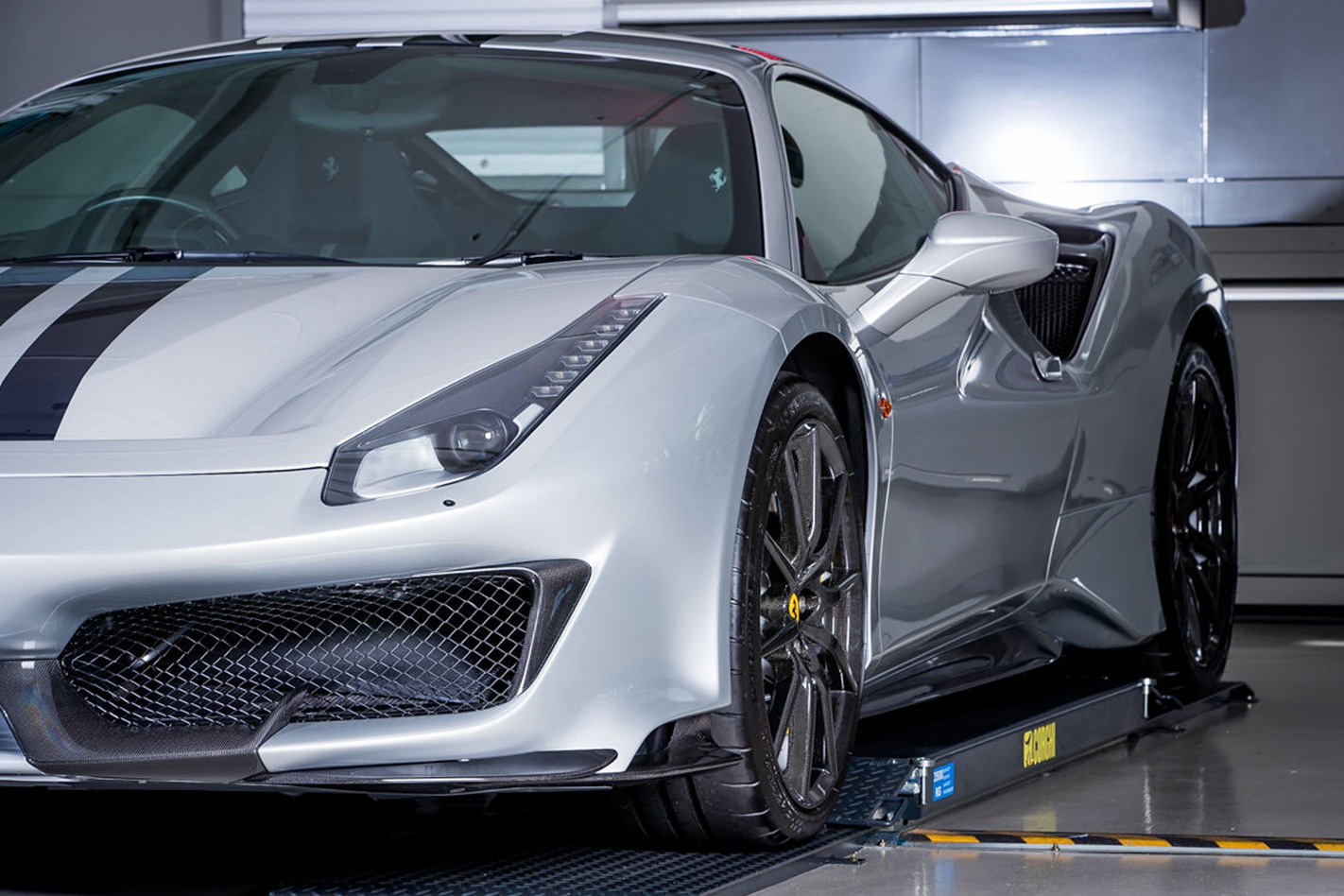
It’ll do 0-100km/h in 2.8 seconds, 200km/h in 7.6 seconds and hit a projected top speed of 340km/h.
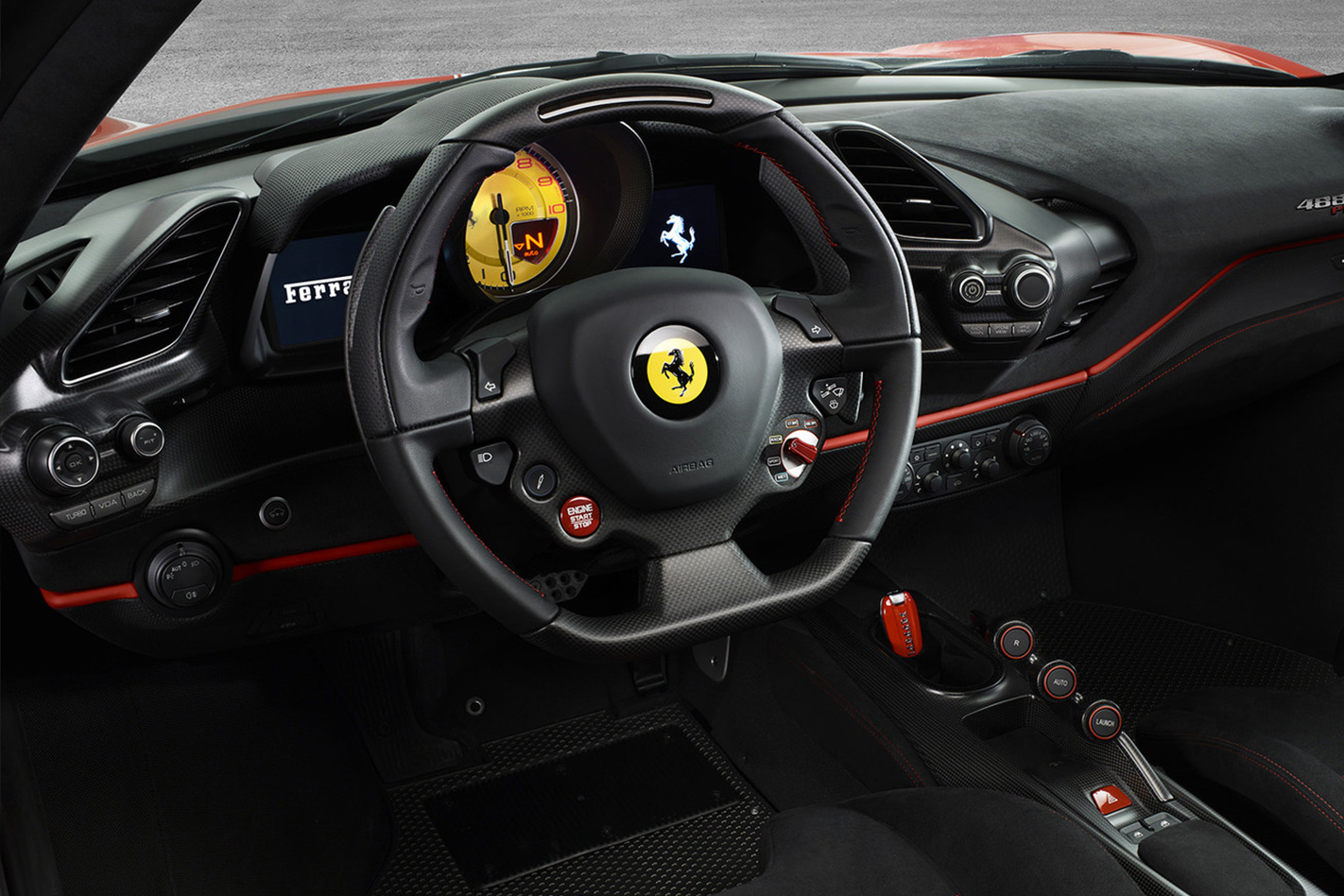
As well, the aerodynamic package around the car is absolutely state of the art; the radiators, for example, are laid flat in the nose of the car, which allows that slotted bonnet to increase downforce on the front, while directing hot air down the sides to tidy up the airstream.
Carbon fibre bumpers, bonnet and rear spoiler are standard, as well.
THE quote “I sell engines. The car I throw in for free” is often attributed to Enzo Ferrari.
There’s no evidence he ever said this, but it’s a neat quote that summarised his obsession with engines.
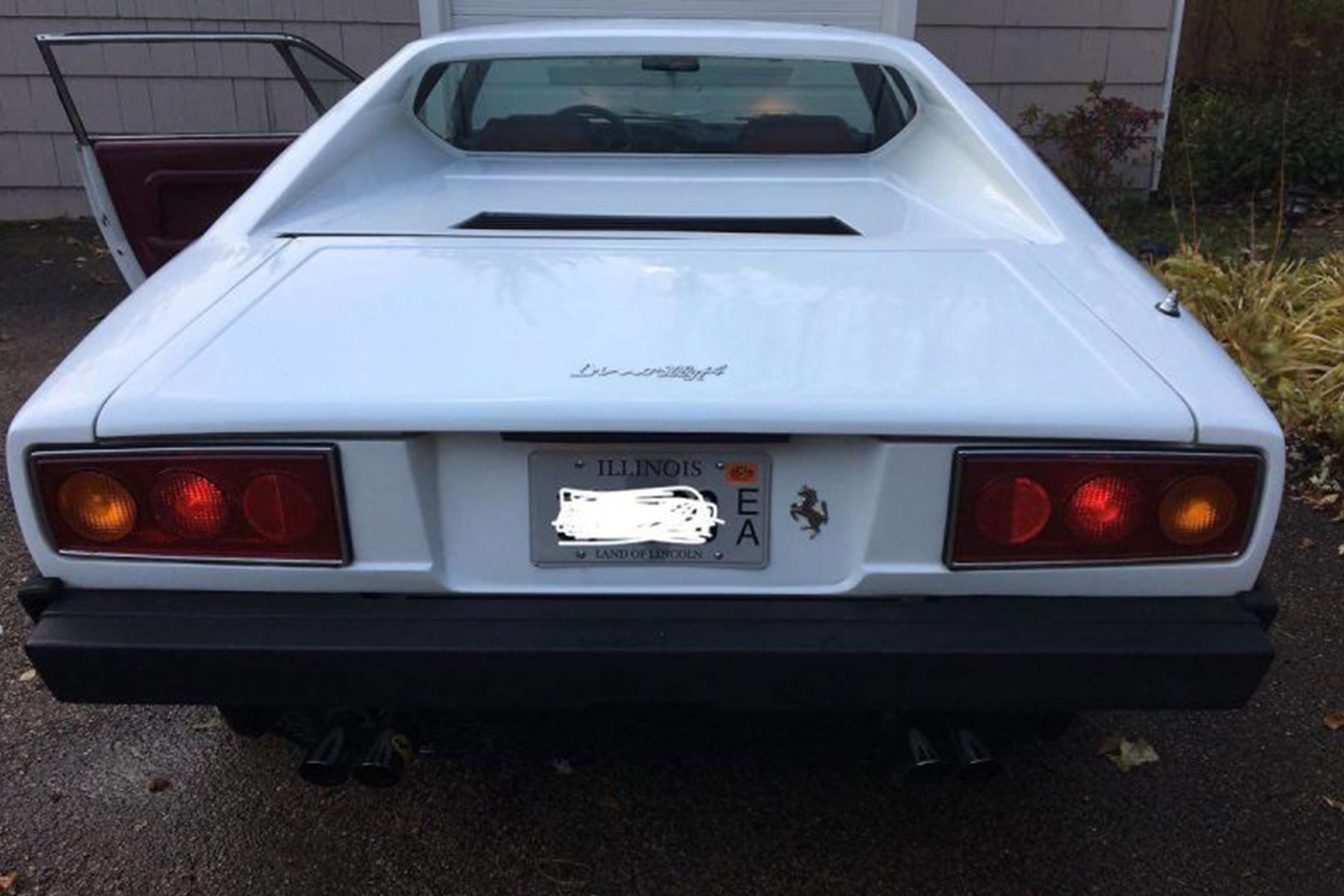
If Il Commendatore was alive today and was absent-mindedly scrolling through Craigslist Chicago, he’d doubtless disapprove of this 1975 Subaru WRX engine-swapped Dino 308 GT4.
The vendor originally bought the car with no engine and transmission, the whereabouts of the 3.0-litre V8 unknown. Otherwise the car remained largely stock apart from wiper motor connectors and a functional speedo, bits that Il Commendatore could probably throw in for free were he alive.
With a 208kW engine punting around 1100kgs up the road, it’ll doubtless be quicker than the original V8-powered version, which could only manage 100km/h in a relatively leisurely 6.4 seconds. In other words, about as fast as a top-end Hyundai i30.
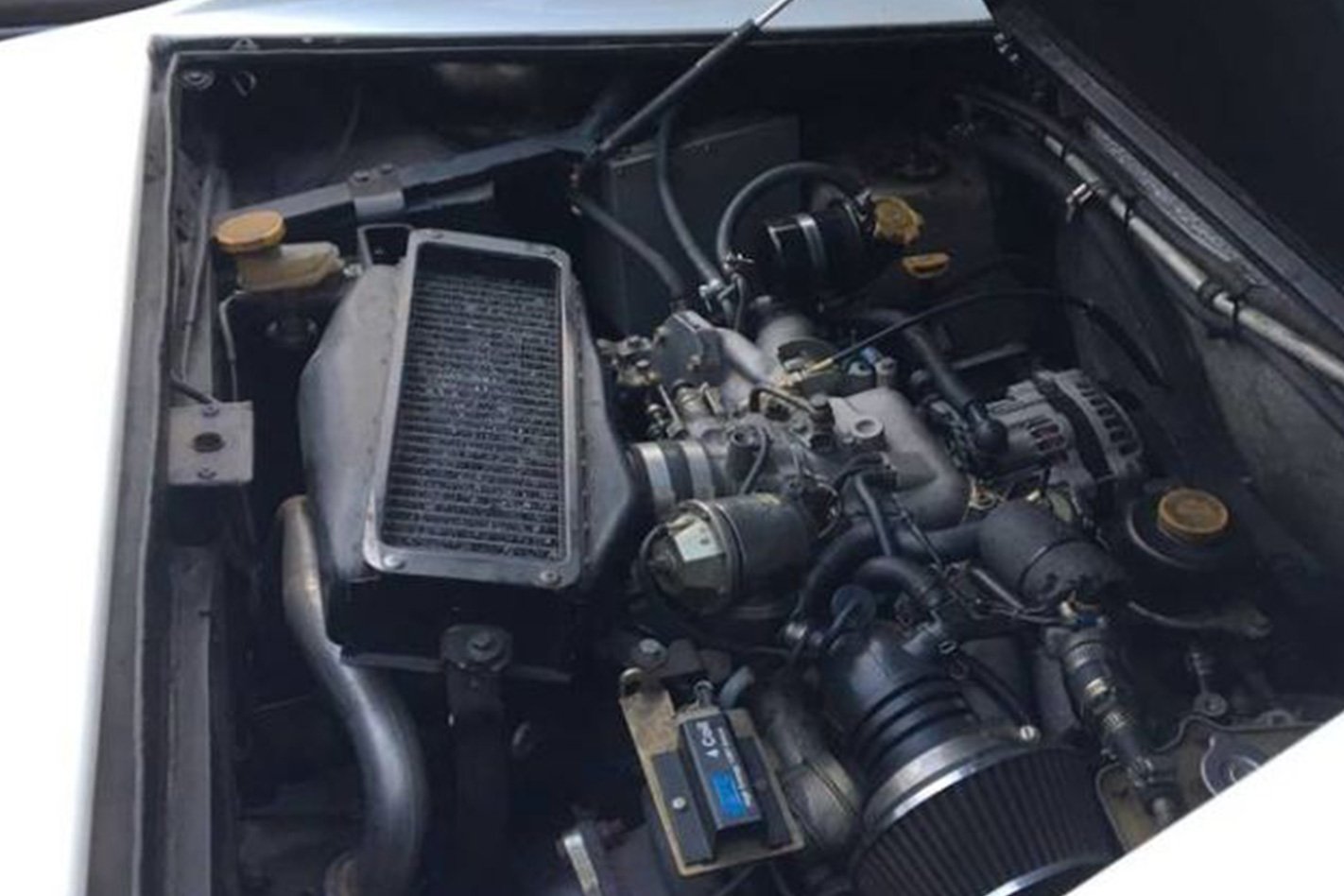
The car was originally silver from the factory but resprayed white. Still one of the few mid-engined 2+2s (we can think of the Lotus Evora and then we’re struggling), the Bertone-styled 308 GT4 is also one of only two Ferraris since 1951 that wasn’t designed by Pininfarina. If you’re a loyal Wheels magazine reader you’ll know the other one.
We’re waiting with keen anticipation for the first online commenter to point out that the 308 GT4 was never badged as a Ferrari but was a Dino instead, just so that we can collectively share in that rosy glow of satisfaction that comes from pointing and laughing at people who don’t click the link.
If, like us, you back an underdog, then this mutt of a thing will probably appeal. But then getting it approved for import to Australia would probably be harder than mating a WRX engine and gearbox to 43 year old Italian ironmongery. As Il Commendatore almost certainly didn’t say, “God loves a trier.”
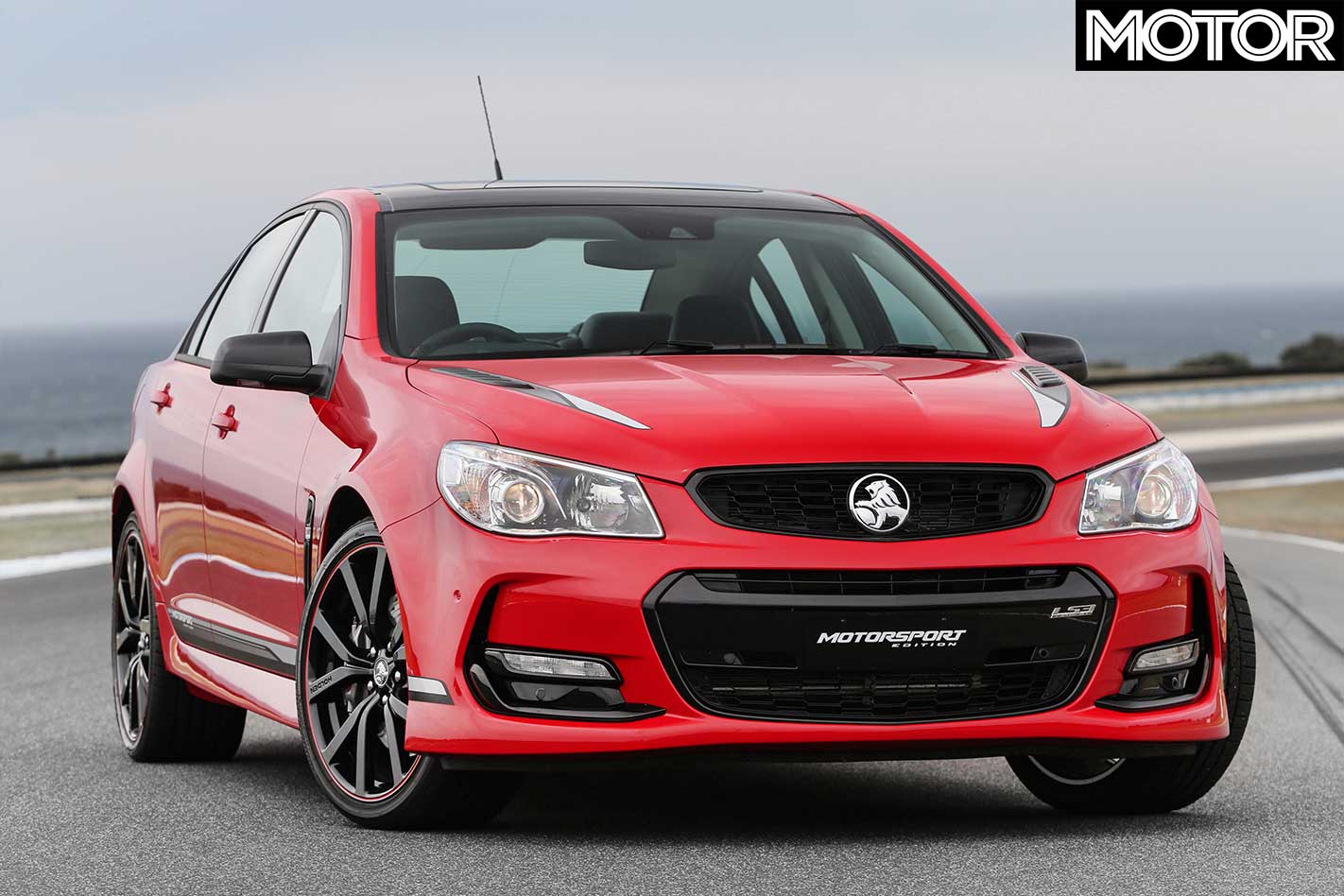
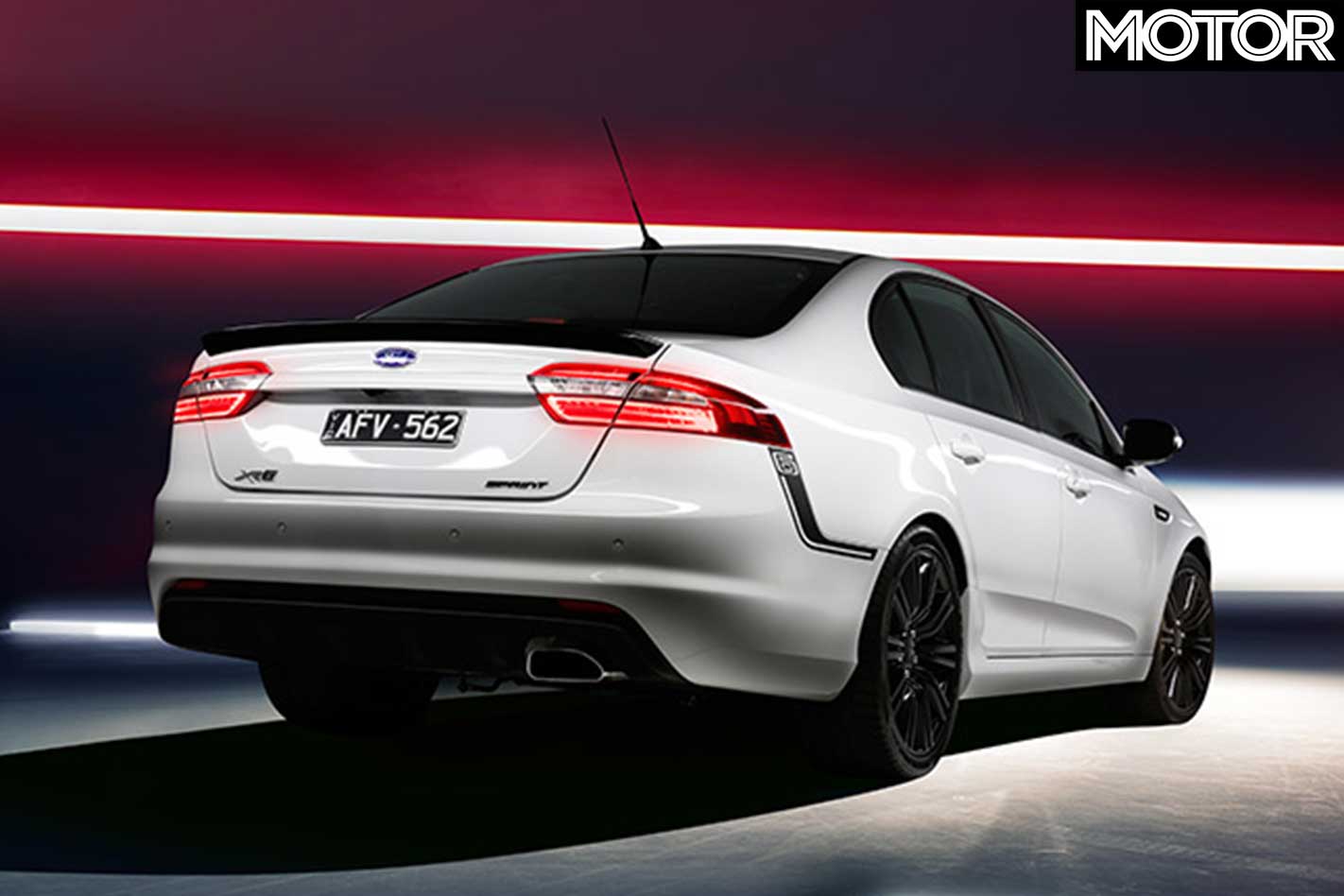
It is rare for new vehicles to go up in value as they get older, even with in-demand limited edition models such as the Ford Falcon XR6 Sprint and XR8 Sprint, the Holden Commodore Motorsport Edition, Magnum ute and Calais Director, or even a Ferrari 458 Speciale.
And to prove that exact point, of the all the vehicles listed above only Ferrari’s mid-engined supercar and Holden’s final ute are forecast by resale experts Redbook to have now gone up in value, and in the latter case only with a six-speed manual and not the six-speed auto.
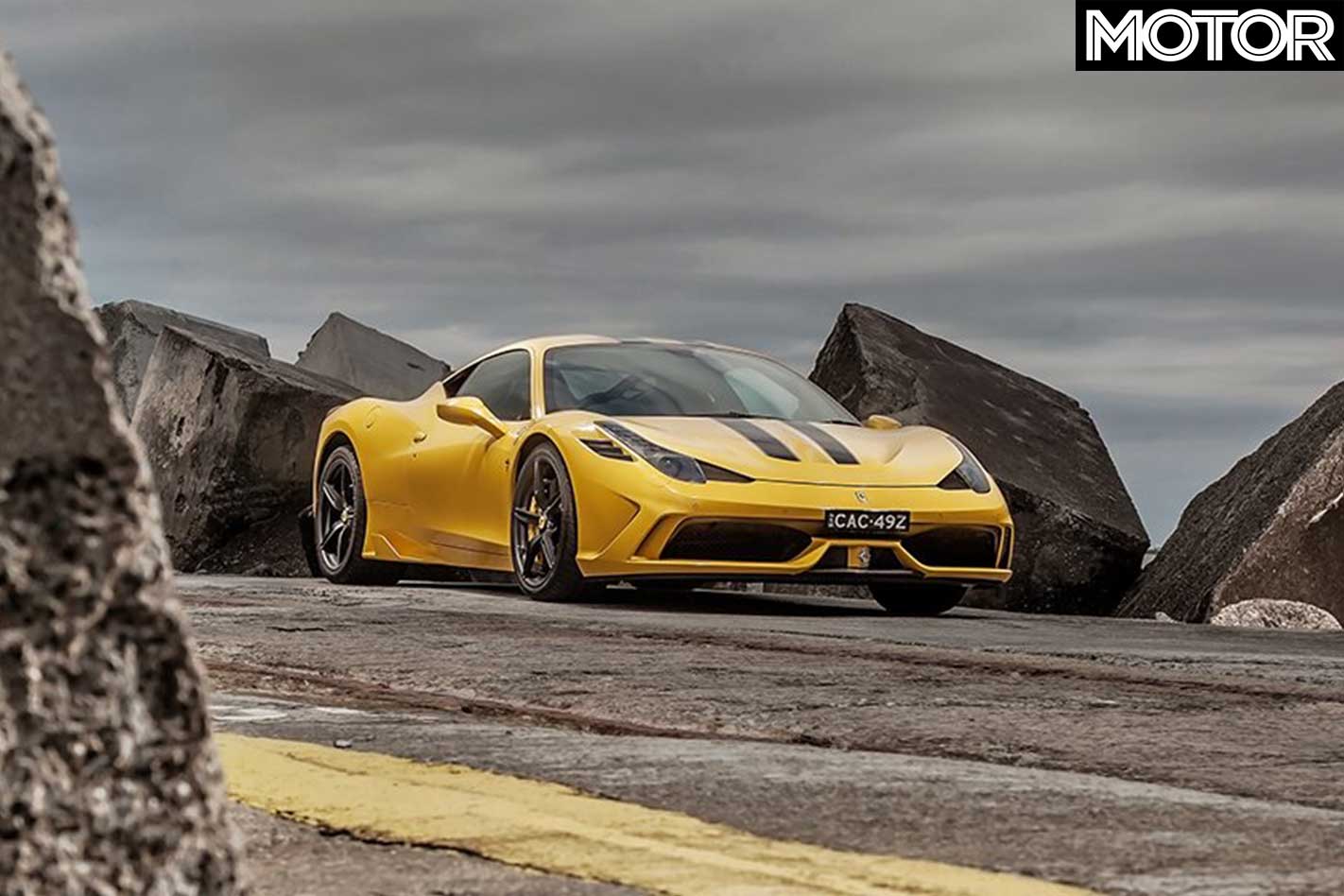
From a 2017 price of $59,290 plus on-road costs, the Magnum ute manual is now worth a maximum $60,500 as a private sale according to the resale guide, even with around 20,000km showing. That’s a lot of kays to have a lot of fun with, in a two-door coupe with a bloody big boot that then gifts you money back after the 12 months comes to a close.
Unfortunately, the Magnum ute auto, $61,490 (plus orc) new is now worth a maximum $58,100 – while buying a Calais Director, $63,990 (plus orc) new, is said to net you just $42,800 on the used market. But obviously owners of the luxe-Commo will dispute this…
A Commodore Motorsport Edition manual, $61,790 (plus orc) new now returns up to $53,000 – while the auto at $63,990 (plus orc) will gift back a lesser $52,200. As MOTOR has already reported, it’s a surprisingly frequent instance where manual holds up over auto…
Even an HSV GTS R W1, $169,990 (plus orc) new, is said to ask $150,800 now, though plenty of sellers are asking for more without a sale in sight. A Maloo GTS R, likewise $99,490 (plus orc) new, now predicted at $83,500 and failing to hold like its Magnum ute sibling.
What about the Ford camp? A last-of-the-line Falcon XR6 Sprint wanted $54,990 (plus orc) new and now holds $48,400 in value, the Falcon XR8 Sprint was $59,990 (plus orc) and now wants $56,400 – though it is worth remembering these are two-year-old cars.
And what of that investor special, the heroic Porsche 911 R? A staggering $404,700 (plus orc) new, two years later it will gift back a maximum $329,300 as a maximum private buyer purchase.
One of the only vehicles we could find that Redbook claims has gone up in value is a 2015 Ferrari 458 Speciale at $635,000 (plus orc) new and returning $639,800 as a maximum private sale today.
So who would have thought that the perfect investor garage could be a 458 Speciale and Magnum ute? Actually that just sounds like a perfect two-car garage full-stop…
THIS weekend marks the final competitive outing for a factory-backed, Aussie-made Ford Falcon in the Supercars series. From next year the two-door Mustang is poised to replace it and do battle under the Blue Oval banner against the Holden ZB Commodore.
To celebrate the Falcon’s legacy and motorsport heroics, here are ten of the best moments from its local racing history.
This story was first published in Wheels, November 2016, to commemorate the Falcon’s success in motorsport at the end of Ford’s local manufacturing.
10. Lowndes wins Bathurst on tidal wave of emotion
WHO: Lowndes/Whincup WHAT: Emotion-charged first Bathurst 1000 after Brock’s death WHEN: October 2006 WHY IT’S UNFORGETTABLE: Brock’s protege takes the win, salutes his racing hero
THE 2006 Bathurst 1000 was set to be a race paying homage to the King of the Mountain. Much-loved Peter Brock had died just two weeks earlier, and emotions and pain on both sides of the fence were still very raw.
Precocious youngster Craig Lowndes had burst on the scene in the mid-1990s and immediately hailed as Brock’s clear successor; gifted with an effortless natural ability, and a cheerful persona outside the car.
Brock took Lowndes under his wing. The two were close; the master and his apprentice.
But after winning his first Bathurst 1000 in 1996 and three national championships, Lowndes defected to Ford, lured by a record deal for a local driver.
Motorsport fans flocked to Bathurst to mourn Brock’s passing and pay tribute. Brand allegiances were tossed aside in their grief. It was about remembering Peter. Many hoped that Lowndes, Ford’s poster boy but unsuccessful in the 1000 since that first victory a decade earlier, might overcome the odds and win for his mentor.
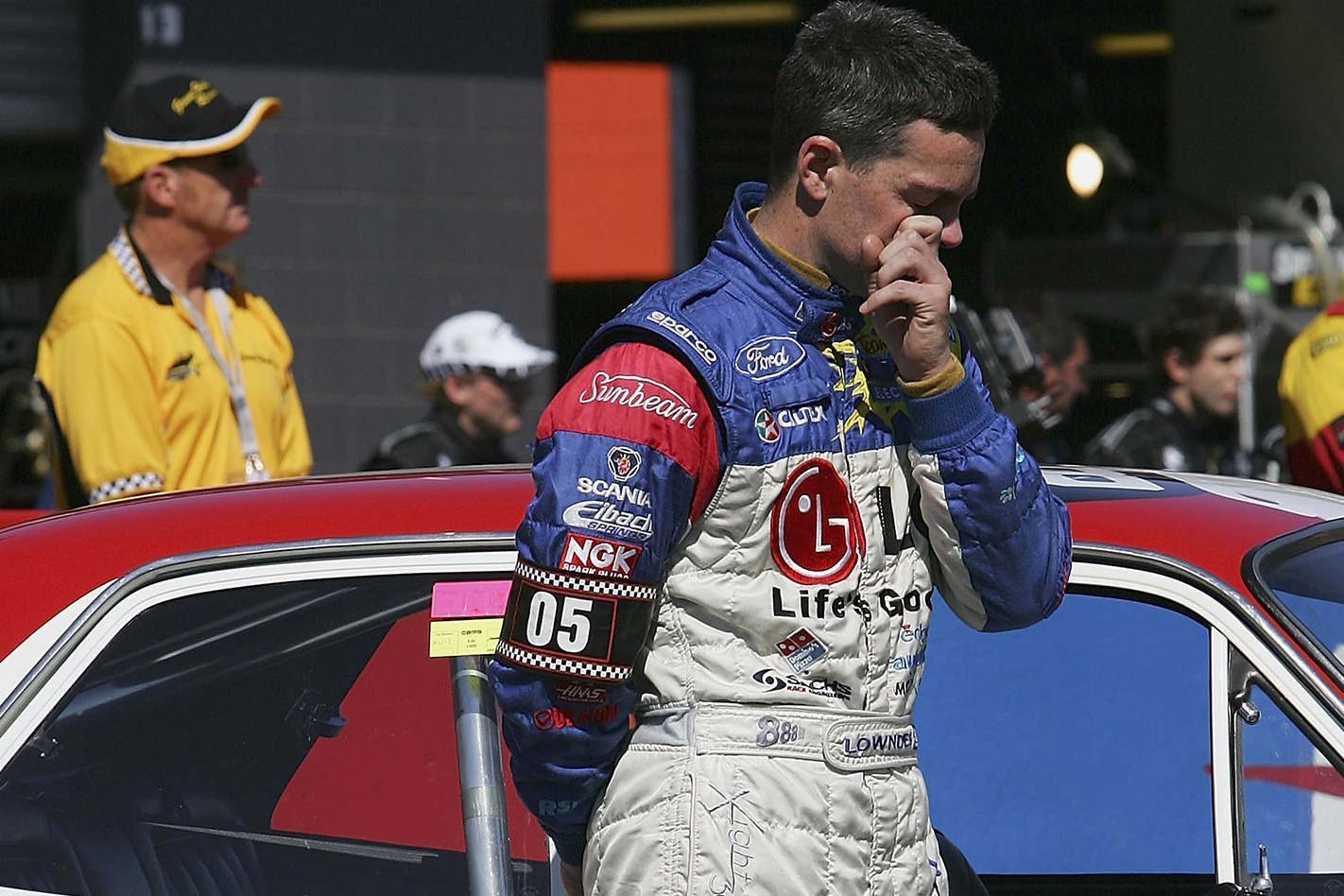
He and his driving partner, the developing Jamie Whincup, qualified sixth and were expected to have an uphill struggle against overwhelming favourite and pole man Mark Skaife in an HRT Commodore. A moving tribute to Brock just before the race left Lowndes in tears. He quickly had to pull himself together and focus on the task ahead. And the race was thrown wide open when Skaife crashed out early. Lowndes and Whincup combined beautifully, staying away from the usual carnage. Whincup’s mid-race stints were decisive as he grabbed the lead from Todd Kelly off a safety-car restart, before handing over to Lowndes for a grandstand finish.
Lowndes didn’t give Kelly a look, posting the fastest lap of the day on lap 158. He was in tears again as he took an emotional win, his second and Whincup’s first at Bathurst.
Holding aloft the new Peter Brock Trophy, Lowndes dedicated the win to his racing hero and mentor. It was a fairytale finish and his proudest Bathurst moment.
9. Epic, against-the-odds Goss/Bartlett win at Bathurst
WHO: John Goss/Kevin Bartlett WHAT: Holden should have crushed the three private Falcons. One GT survived. And won. WHEN: October 1974 WHY IT’S UNFORGETTABLE: Drenching rain, a murky sky, a lone surviving Falcon up front with a fast Holden on the hunt…
As darkness descended rapidly and the laps ran out in the rain-saturated 1974 Bathurst race, the leading Falcon GT driven by Kevin Bartlett was in sight of an improbable victory. But catching Bartlett rapidly was the Holden Torana of Bob Forbes.
Setting the scene, Ford had withdrawn from racing before that season began, and so just three privateer optimists – Allan Moffat, Murray Carter and John Goss – turned up with Falcon GTs for the 1974 Bathurst punch-up. They were up against a Holden armada led by the mighty factory Holden Dealer Team.
Goss, a loquacious limelight-loving Tasmanian with lots of talent and self-belief, chose the brave open-wheel star Bartlett to co-drive, even though KB was still recovering from serious leg injuries from a massive Formula 5000 shunt early in the year.
Pole winner Peter Brock had opened an amazing six-lap lead in the new HDT L34 before engine failure ended his race.
The Moffat and Carter machines were silent by mid-race, leaving the Goss/Bartlett GT as the only surviving Falcon.
Then it started to drizzle. Goss (and others) were scrambling to stay on the track.
Bartlett remembers: “Moffat was out of contention, so with his mind on helping Ford, he offered us a set of Goodyear wets. Proper wets, not the grooved dry Bridgestone rubber like we had.”
It was a crucial, race-winning call.
With rain belting down and cars crashing regularly, the race evolved into a scrap among genuine privateers in the most treacherous conditions. Goss/Bartlett versus Forbes/Wayne Negus.
“It was horrific,” says Bartlett, not an easy man to frighten. “Water was streaming across the track in about 15 places. I was concentrating so hard. The wipers were lifting off the screen on the straights, and a few times I had to loosen the belts to reach forward to wipe the mist off the glass.
“But I had good tyres and I think the long wheelbase of the Falcon was an asset on the slippery track.”
The murky film noir semi-darkness only added to the dramatic finish as Forbes’ Torana closed to within nine seconds before Bartlett/Goss took a brave win in the wettest Bathurst race held until then.
8. Glenn Seton’s 1995 Bathurst heartache
WHO: Glenn Seton WHAT: Heartache on the mountain for one of the good guys WHEN: October 1995 WHY IT’S UNFORGETTABLE: Oh the pathos; so near, and yet…
For many years, Glenn Seton chased after a Bathurst 1000 win with a raw hunger. To do so would be to emulate the deeds of his father Barry, who won the 500-miler on the mountain in 1965. So many fans willed the second-generation good-guy star to take a much-deserved Bathurst win.
When racing for Nissan, Seton was second in the 1987 championship series, and second again later that year in the Bathurst 1000, a virtuoso performance vividly remembered by awestruck TV viewers as he slid his Skyline so perilously and spectacularly.
Seton won the ATCC in 1993 and 1997. But Australia’s greatest race remained elusive.
In 1995 he held a good lead and finally looked on course to break what the media had long categorised as his jinx race.
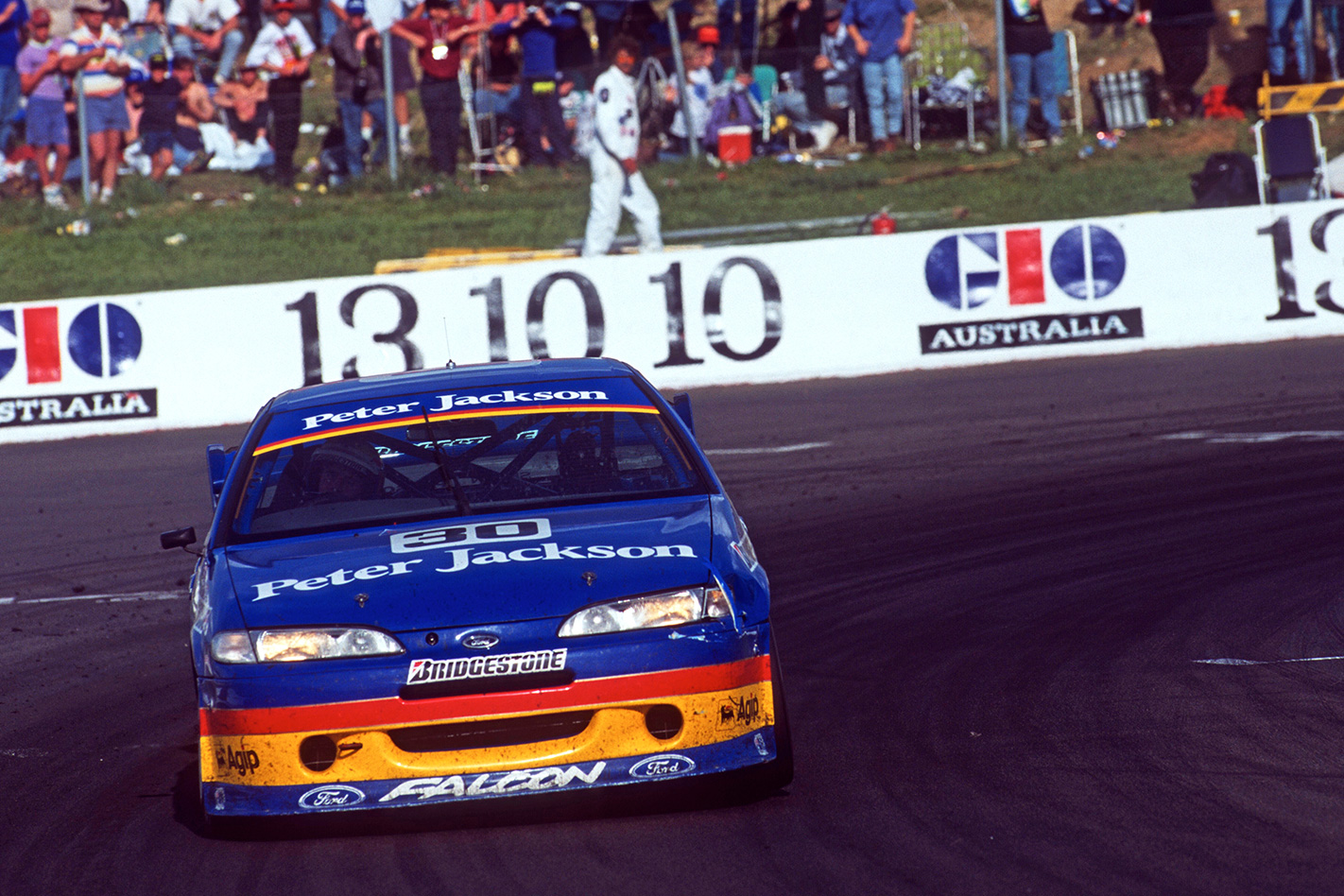
Then, with just nine laps remaining, the engine failed in his EF Falcon. A shattered, drained Seton slumped in his dead car then had to endure the intrusion of a live cross beamed to millions of TV viewers. “I can’t believe it. It’s heartbreaking to come this close,” he managed.
Back in the pits, Barry Seton, who built the engine in his son’s car, was in tears. Nine piddling laps. Stopped by a broken valve spring. Motorsport can be cruel.
The 2016 version of Glenn Seton doesn’t dwell on that awful moment; 21 years on, he’s forgiven the motorsport gods for their brutality. “Yeah, I reckon I’m one of the luckiest blokes around to do what I do at a professional level. I raced in the Bathurst 1000 26 times and I’ve managed what lots haven’t – I’ve stood on the podium four times [three second places and a third].
I’m proud of that.”
Good one, Glenn. The glass is half full.
7. Johnson vs Brock in title thriller at Lakeside
WHO: Dick Johnson WHAT: The race that landed his first touring car title WHEN: June 1981 WHY IT’S UNFORGETTABLE: Withstood flag-to-flag pressure from Brock
DICK Johnson’s first Australian Touring Car Championship triumph came after an epic duel with defending titleholder Peter Brock (HDT Commodore) in the final round at Brisbane’s roller-coaster Lakeside Raceway. Anyone present – and I was – will never forget the tension hanging in the air that pleasant winter’s afternoon in the north.
There were other drivers and cars in that motor race, but the crowd had eyes just for two fighting it out at Johnson’s home track. Johnson and the Palmer Tube Mills XD Falcon – built with the money donated by supportive fans after his unintended geological foray at Bathurst the previous year – had won four rounds that season; Brock three. This was it. The clincher. No contrived pit stop rules. Full tank, fresh tyres, green light…
The two fought tooth-and-nail every lap to the flag in what is remembered as one of the greatest ATCC races ever.
“After two or three laps I broke the front anti-roll bar,” Johnson told Wheels. “It was hanging under the car and I found out later an official reported it to the clerk of the course and suggested I should be black-flagged.”
He dismissed the call, saying there was no way he was risking a riot.
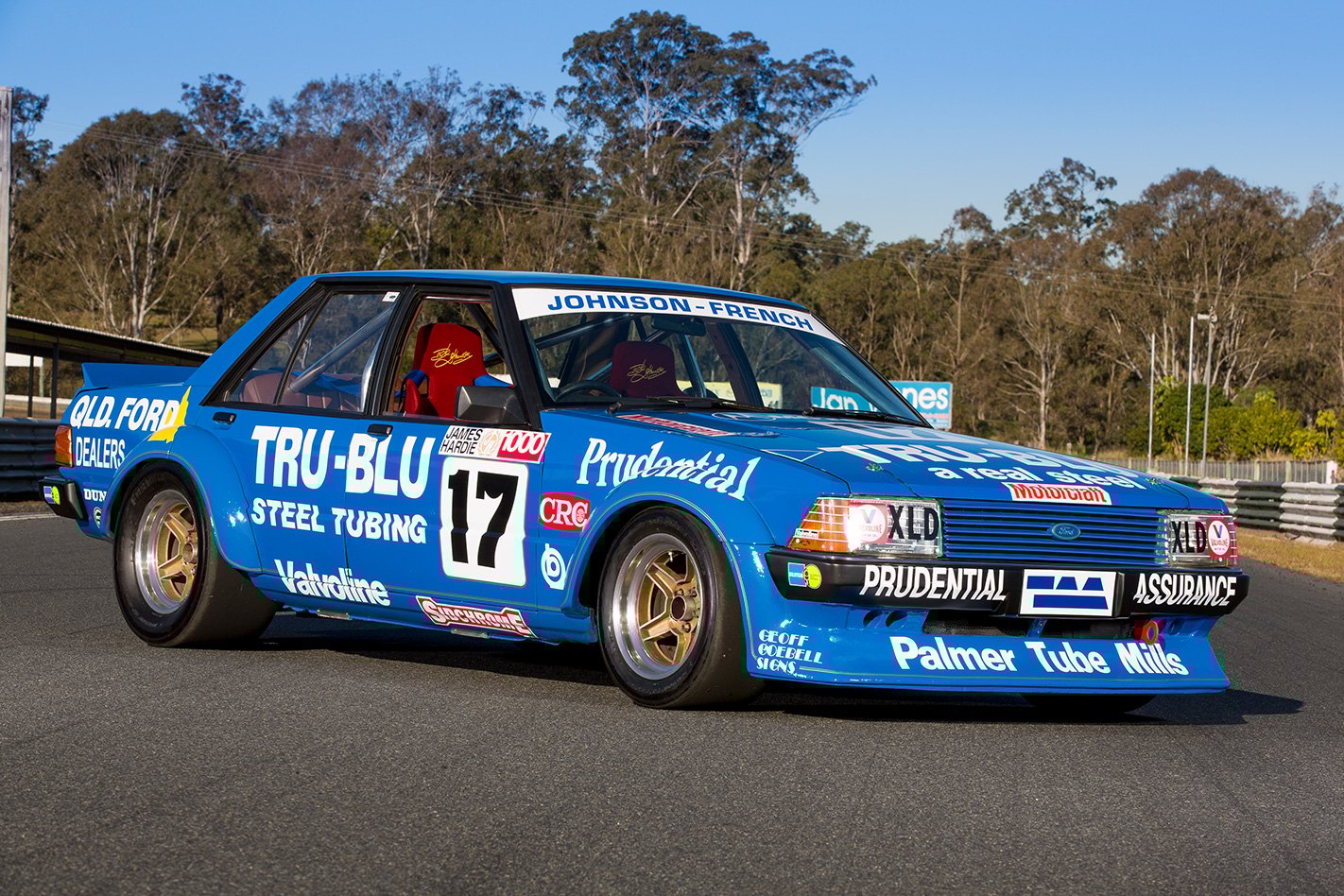
Lap after lap, Brock looked for a way past. Johnson was flawless on a track he knew intimately, racing to a breathtaking win that secured his first of five championships.
Johnson gave credit to Brock, explaining his rival had every opportunity to help him off the track. Equally, Brock praised the Queenslander’s ability to withstand the unrelenting pressure from behind, even with that broken front anti-roll bar.
“That race was something special, on a track I enjoyed as much as Mount Panorama and with the crowd roaring,” Johnson recalls.
The race was also the real beginning of the spectacular Brock-Johnson rivalry, which was defined by fierce yet fair battles and mutual respect.
6. Battlers land title for Courtney in bizarre decider
WHO: James Courtney WHAT: Cash-strapped DJR Falcon team prevails against the might of factory Holdens and Fords WHEN: December 2010 WHY IT’S UNFORGETTABLE: Disbelief of seeing the title contenders crash in a downpour, and then the tense pit scramble to get the cars repaired
By any measure, James Courtney’s win in the 2010 V8 Supercars Championship was a massive upset, if only because the privateer DJR team was up against the gun works outfits.
And DJR was also stone broke.
Somehow, Courtney and DJR kept punching, going to the decider with a hardly comfortable 53-point lead over Jamie Whincup. Mark Winterbottom was a mathematical chance in third.
Two tough 250km races at Sydney’s ridiculous street circuit in the Olympic precinct would seal the season. Courtney looked more than vulnerable.
“Behind the scenes it was stressful,” Courtney acknowledges. “The guys didn’t know if they’d have jobs after that weekend.”
Sydney’s summer weather turned sour during the Saturday race. Rain belted down on lap 60 of 74 and, with the field still on slicks, there were crazy scenes as leaders Whincup, Courtney and Winterbottom – the three championship contenders – aquaplaned and pin-balled off the wall, with others adding to the carnage.
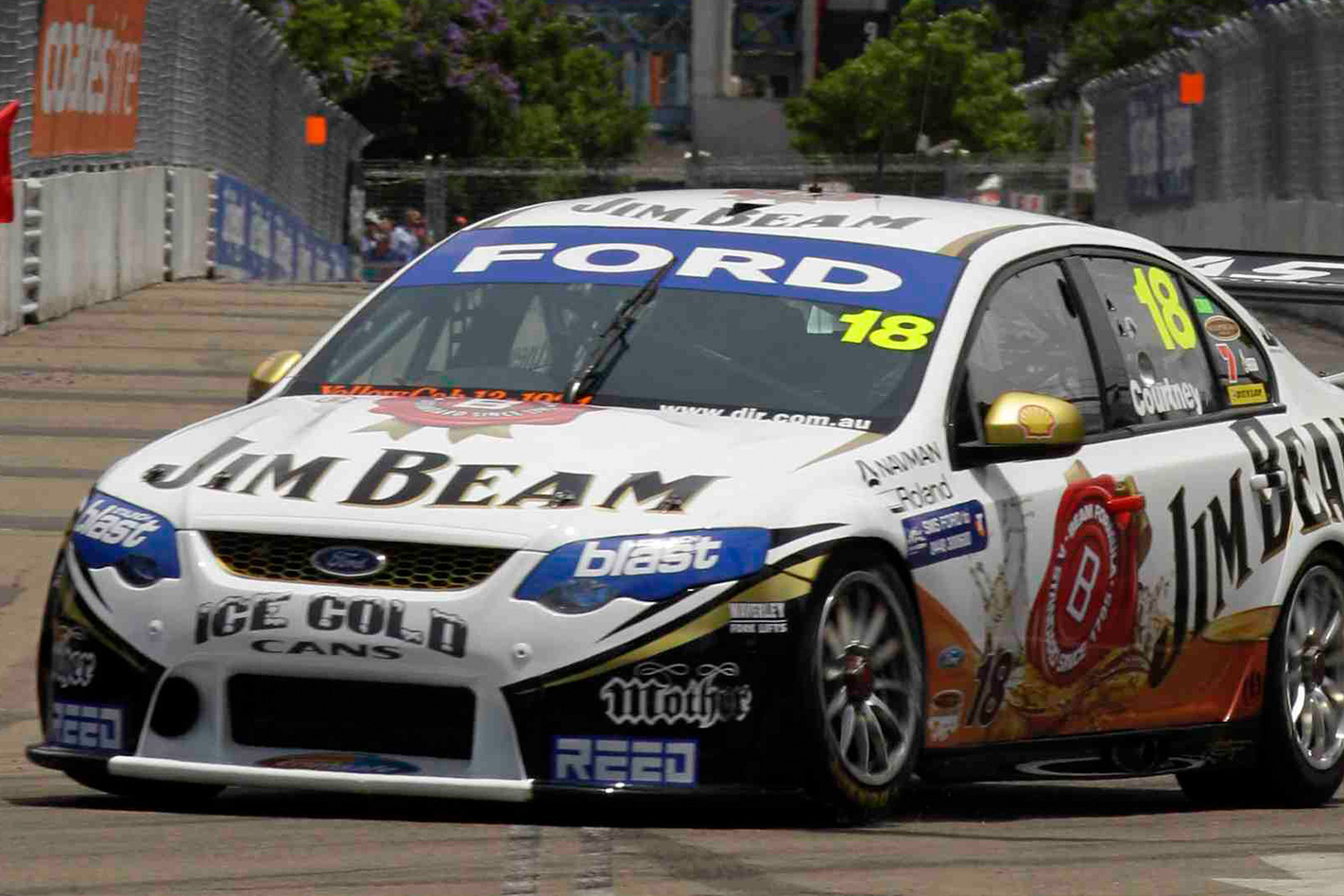
“I was thinking it wasn’t too bad because Whincup was on the outside of me and I could use him as a bit of a cushion,” Courtney says. “Then Lowndes came along and whacked me hard in the rear, pushing the fuel tank into the diff.”
The badly damaged cars of Courtney and Whincup crawled agonisingly back to the pits, starting a mad scramble by the crews to get the cars out in time to be classified as finishers. The DJR crew patched-up Courtney’s Falcon and got it back on track to claim 15th place, but Triple Eight just fell short in getting Whincup mobile again.
Race-spec Ford GT v Ford Performance range
“The most memorable moment I’ve ever had in motorsport came when I fired up the Falcon and it was pushed out of the garage in time to start the final lap,” Courtney recalls. “The way the guys pulled it all together, grabbing hot discs and stuff like that … amazing. They wanted the championship so badly. It was a real team moment.”
The 60 points Courtney banked on that mad Saturday were enough to see him crowned champion on Sunday. It was an extraordinary weekend, and a stunning triumph for a struggling team.
5. Last to first: Mostert/Morris steal Bathurst
WHO: Chaz Mostert/Paul Morris WHAT: Miracle work, from dead last to win the Bathurst 1000 WHEN: October 2014 WHY IT’S UNFORGETTABLE: Drama as Mostert’s Falcon stalks and then passes Whincup’s fuel-starved Holden in the final minute
FORD Performance Racing’s Falcon driven by young speedster Chaz Mostert and veteran warrior Paul Morris started the 2014 Bathurst 1000 from dead last, survived a hard thump into the tyre barriers, went a lap down, yet somehow latched onto the rear bumper of Jamie Whincup’s race-leading Commodore on the final lap.
Earlier, battle-hardened Morris, 46 – chosen to act as a calming influence on the firebrand 22-year-old Mostert – had crashed in practice.
Mostert qualified 14th but was excluded for passing under red flags and was relegated to the back. Then, early in the race, Morris crashed again, on a damaged, deteriorating surface at turn two.
Into the business end of the 1000, Tekno’s Shane van Gisbergen/Jono Webb held a healthy lead until their chances were cruelly obliterated when the Holden failed to re-start after a late pit stop.
It set up one of the great nail-biting finishes at Mount Panorama, with puppy-eager Mostert in the punched-up and bandaged Falcon chasing down arguably the fastest and smartest Supercars driver out there, albeit driving a car with a near-empty fuel tank. Three laps from the finish, Whincup’s lead was down to three seconds and shrinking, with his engineer imploring him to conserve fuel. Stress levels in the garage went stratospheric…
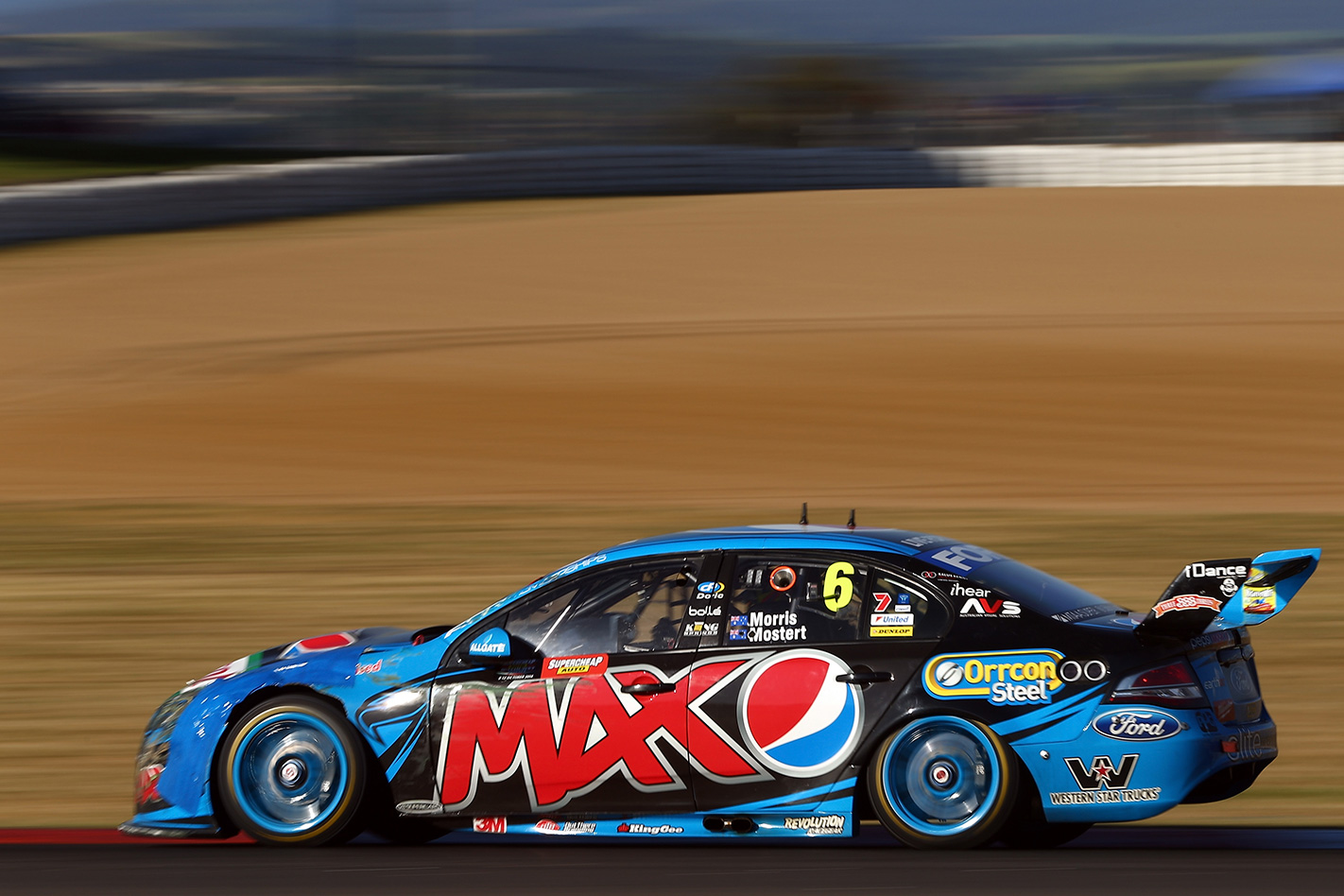
The tailgating and fuelled-to-the-end Mostert was hoping Whincup’s engine would ‘cough, you bastard, cough!’, and it did… coming on to Conrod Straight for the last time.
Mostert stormed past the stuttering Red Bull Holden to steal a remarkable victory in just his second Bathurst 1000 start. He led the race for just one kilometre of 1000.
In hindsight, should Whincup, who had started from 23rd after a qualifying crash, have backed off and saved some fuel? “Absolutely not,” insists Whincup. “Best race of my life. As a group we give it everything, and on that day the best was fifth.
“I couldn’t have been prouder of my team coming from last to lead, then going one and three-quarter laps down, and back to lead the race again on the last lap,” says Whincup unequivocally. “Special stuff.”
And an extraordinary day for Mostert and Morris. “From 25th to first… it’s unbelievable,” a beaming Mostert exclaimed. “Everything went our way.”
4. Moffat’s solo heroics at Bathurst, twice
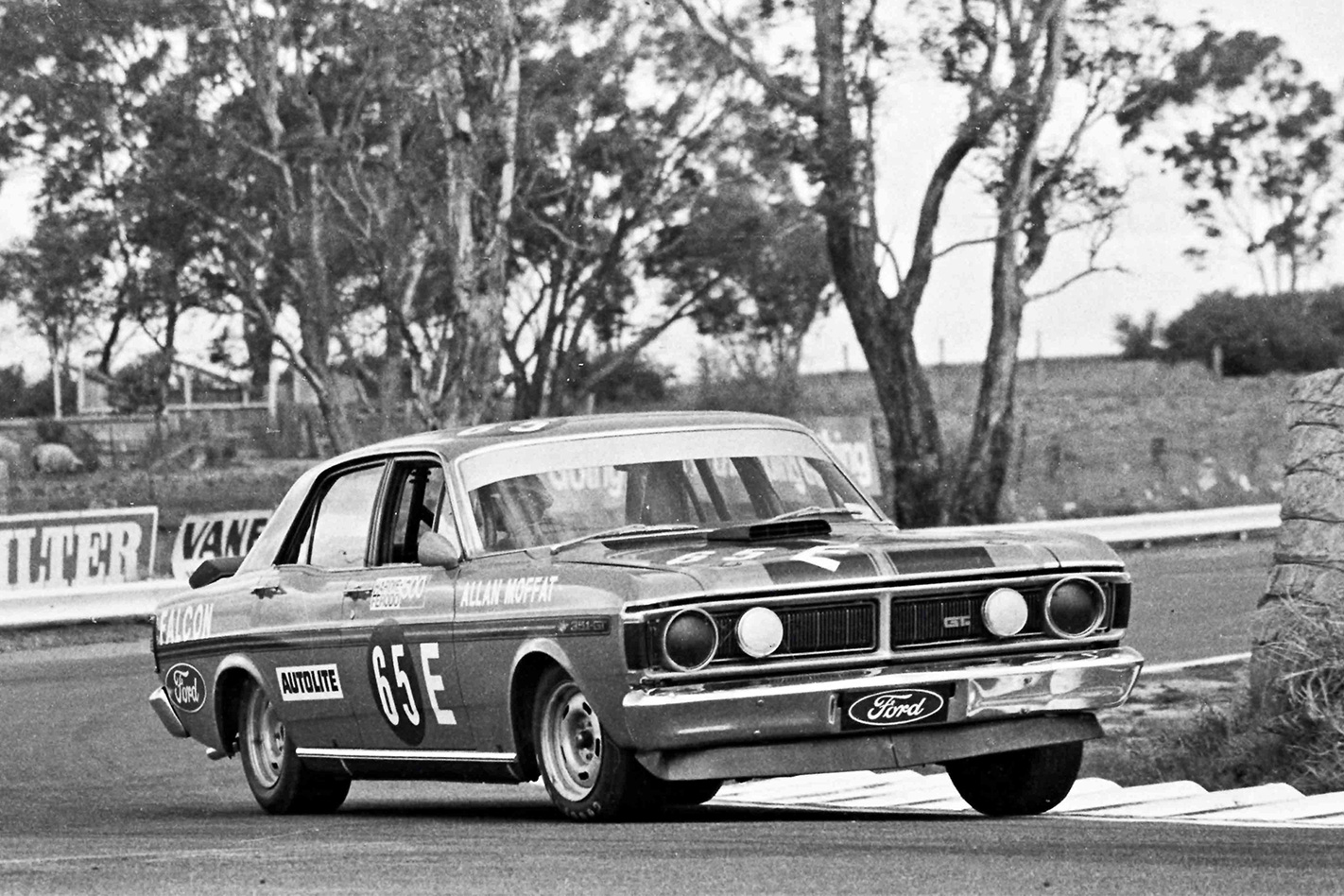
WHO: Alan Moffat WHAT: 500-mile solo drive, smashing the Bathurst race record by 26 minutes WHEN: October 1971 WHY IT’S UNFORGETTABLE: One race, two legends – Moffat and the awesome GT-HO Phase III
IN 1970, Ford darling Allan Moffat won his first Bathurst enduro, avoiding the usual hair-raising moments in a fight with an army of other Falcon GT-HO Phase IIs, and the rival Torana XU-1s and Valiant Pacers.
It was a titanic effort driving the works XW Falcon solo for 500 miles, grappling with the challenges of series production cars – the absolute need for mechanical empathy – over six hours and 46 minutes of flat-out nurturing. This was the era when a missed gearchange or too-early downshift could lead to a terminal over-rev and a blown engine.
The Ford legend remembers that breakthrough October Sunday vividly, yet he doesn’t regard it as his finest solo drive at Mount Panorama.
That came a year later in the brutal factory XY Falcon Phase III in which he took pole by a full three seconds, and proceeded to arrogantly crush the opposition Chargers and Toranas over the 130-lap slog, winning by a lap and beating his race record by an astonishing 26 minutes.
In an outstanding display of brand superiority, Falcons filled five of the first six places. No wonder the Phase III was described as the fastest four-door-sedan in the world.
The only potential problem Moffat encountered on his victory romp was an errant cardboard beer carton that lodged in the car’s grille, putting frowns on the faces of his Howard Marsden-led factory team. From pit lane, the pit board messaged Moffat to stop next lap to have the cardboard plucked off. He defied the instruction and subsequent frantic arm-waving by his crew, staying on track until his next scheduled stop.
“They thought I was throwing away the race,” Moffat recollected to Wheels. “In fact, I was constantly checking the water-temp gauge and the needle wasn’t moving. That car was beautifully prepared.”
And immaculately driven.
3. Bill Brown’s death-defying Bathurst rollover
WHO: Bill Brown WHAT: A barrel-roll along a safety fence nearly severed his Falcon GT-HO in two WHEN: October 1971 WHY IT’S UNFORGETTABLE: The scariest rollover in Bathurst history, from an era of flimsy protection
Forty-five years after Bill Brown’s spectacular shunt, the grainy black-and-white footage is still a popular YouTube clip, showing those frightening moments of the Falcon GT-HO chopping itself almost in two as it rolled along the timber fence on top of the mountain during the 1971 Bathurst enduro.
Brown, a quietly spoken Sydney newsagent, was the quickest privateer in the race that year and running third at the time of his headlining incident.
Final Falcon sold to become GT Holy Grail
On lap 43, Brown fired over the rise into McPhillamy Park when a front tyre burst at 170-180km/h, sending the Phase III straight ahead into a dirt bank and then up into the air, rolling violently doorhandle over doorhandle along the wooden fence.
A flaggie ran for his life as the Falcon tumbled towards him, clipping his arm. The wreck finally finished upside down, broken-backed on top of the fence, almost severed across the turret just behind where Brown’s head would have been.
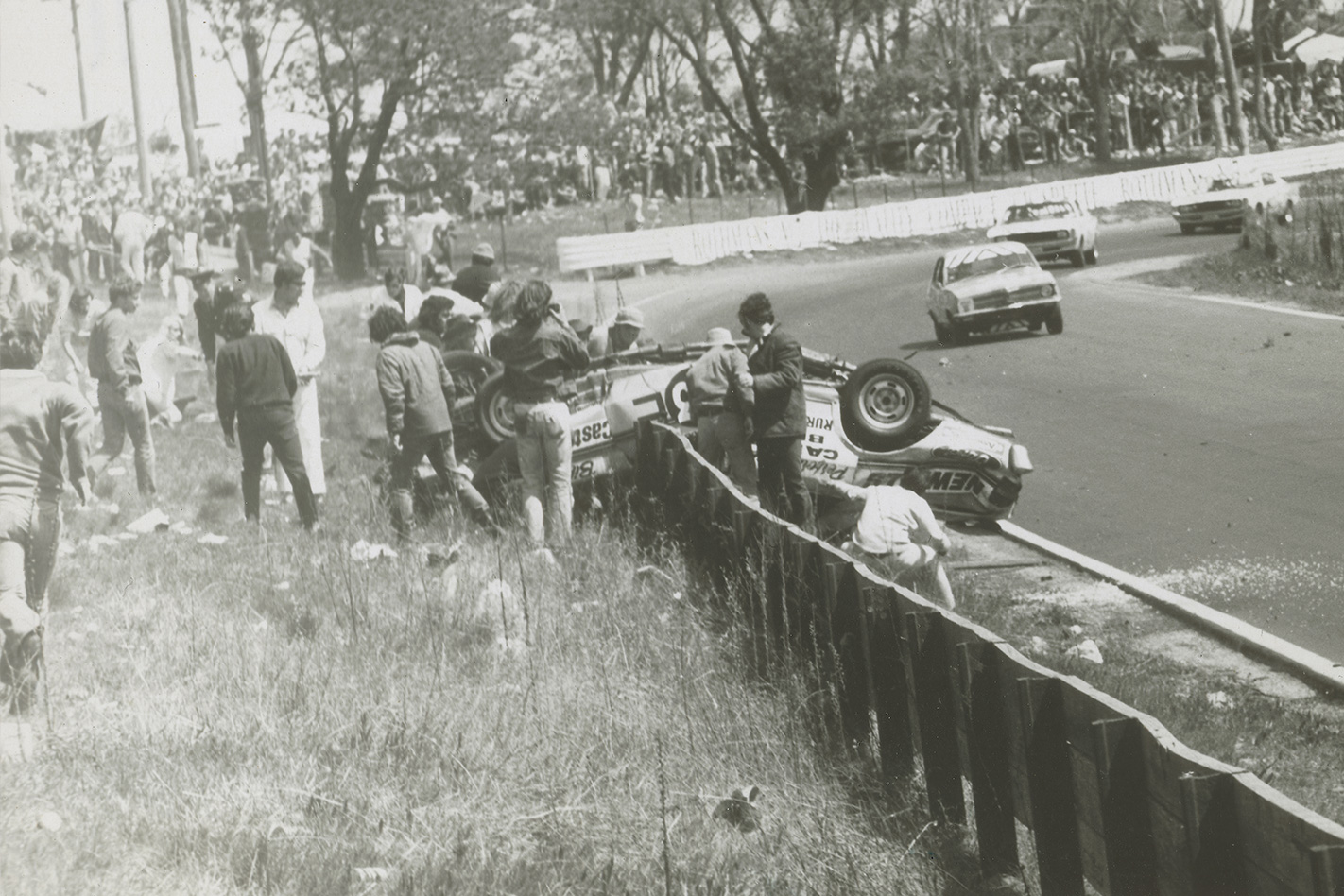
“When it came to rest upside down, people started to push the car back over,” Brown reported. “But I could smell petrol so I told them to stop.”
Brown’s peers knew him as an exceptionally fast driver who was also an original Bathurst driver with the Holden Dealer Team. Yet the ’71 Bathurst shunt is what he is best remembered for, making him instantly famous for the wrong reasons. Asked if this still annoys him, Brown laughs. “Nah, it never worried me. I knew I could drive, and that crash wasn’t my fault.”
The crash also marked him the Houdini of racing as his almost-severed car had the barest of roll hoops. Yet Brown stepped out with just a grazed shin and a bad case of bloodshot eye. “The back of the seat was broken and I was flung flat, luckily for me.”
After a check-up in hospital, where he found himself alongside the hurt flaggie, Brown drove himself home to Sydney that evening. There was pressing business to attend to: “I had to get back to sell papers at the newsagency the next day.”
2. Johnson’s rocky 1980 and fairytale 1981 Bathurst
WHO: Dick Johnson WHAT: From shattering disaster to euphoric redemption; a tale of two Bathursts WHEN: October 1980, October 1981 WHY IT’S UNFORGETTABLE: A fairytale rebound 12 months after the rock disaster
THIS tale of crushing disappointment with a dream outcome a year later needs to be told as one story in two parts, or three parts if we include the massive crash that curtailed the 1981 race.
Dick Johnson was a relative unknown battler from Queensland, who was leading the 1980 Bathurst 1000 on lap 17 when his self-built XD Falcon struck a hefty rock that had rolled onto the track.
The underdog’s heartbreak moment was pushed hard by telecaster Channel Seven. Appealing to the generosity of its viewers, Seven began an on-air plea to find the money to repair Johnson’s shattered Falcon. Edsel Ford II immediately offered to match the donations, which amounted to $72,000, a handy pile in those days.
Twelve months later, with a new Falcon built with the money raised by the Seven appeal, Johnson reinforced his rise to stardom by winning his first national championship before heading back to Bathurst, seeking vengeance on that wretched Mountain.
Into the final quarter of the 1000, Johnson/John French were ahead of Bob Morris/John Fitzpatrick in another Falcon when pandemonium broke out at McPhillamy Park bend on lap 121. The Falcon of Christine Gibson was lapping a Gemini right at the time Morris, hellbent on catching Johnson, charged beneath her. The two Falcons touched and speared into the wall, triggering a multi-car pile-up that brought out the red flags. The race was over.
To find the winner, officials went back to the order on the previous lap. Johnson/French first. Morris/ Fitzpatrick second.
There were suggestions that the Johnson car was ailing and that it wouldn’t have made it to the finish if the race had run its course. Does it matter? Not when the results are in the vault.
The fairytale was complete, and Johnson has the trophy on show at DJR-Team Penske. Along with the rock.
1. Allan Moffat’s 1977 Bathurst XC Falcon One-Two
WHO: Allan Moffatt/Jacky Ickx and Colin Bond/Alan Hamilton WHAT: Ford’s biggest triumph on the mountain WHEN: October 1977 WHY IT’S UNFORGETTABLE: Utter dominance of our toughest race, never seen before, and rarely matched since
In the history of the Ford Falcon, there is no greater track triumph than the majestic one-two double whammy landed by Allan Moffat’s pair of XC Hardtops in the 1977 Bathurst 1000.
It was such an emphatic victory, more imposing because the single-minded, Bathurst-obsessed Moffat orchestrated the whole two-car assault personally with money stumped up by Ford dealers.
Piloting the #1 Falcon he shared with Formula One star and Le Mans winner Jacky Ickx, owner/driver Moffat controlled much of the race, with the #2 Moffat Ford Dealer Team car of Colin Bond and Alan Hamilton half a lap back. Into the concluding stages, Moffat could almost taste the champagne…
“Then, as I went into Forrest’s Elbow, the brake pedal went to the floor,” Moffat told Wheels. His clear choices were: park it or press on.
“Obviously I had to try to keep it going, but by staying away from the brake pedal. I started to manage the situation in about three laps and then, after a while, it didn’t bother me.
“Colin was closing quickly, and on the last lap, he drew alongside on Conrod Straight to set up our formation finish.”
The TV camera from the Channel Seven helicopter tracking the duo down Conrod also produced some of the most enduring Bathurst imagery of all time.
Bond was tempted to snatch victory but ultimately played the dutiful role of servant. “Colin nosed ahead over the tricky last hump on Conrod but that’s when I sent him a telepathic message reminding him who was signing his pay cheque tomorrow!”
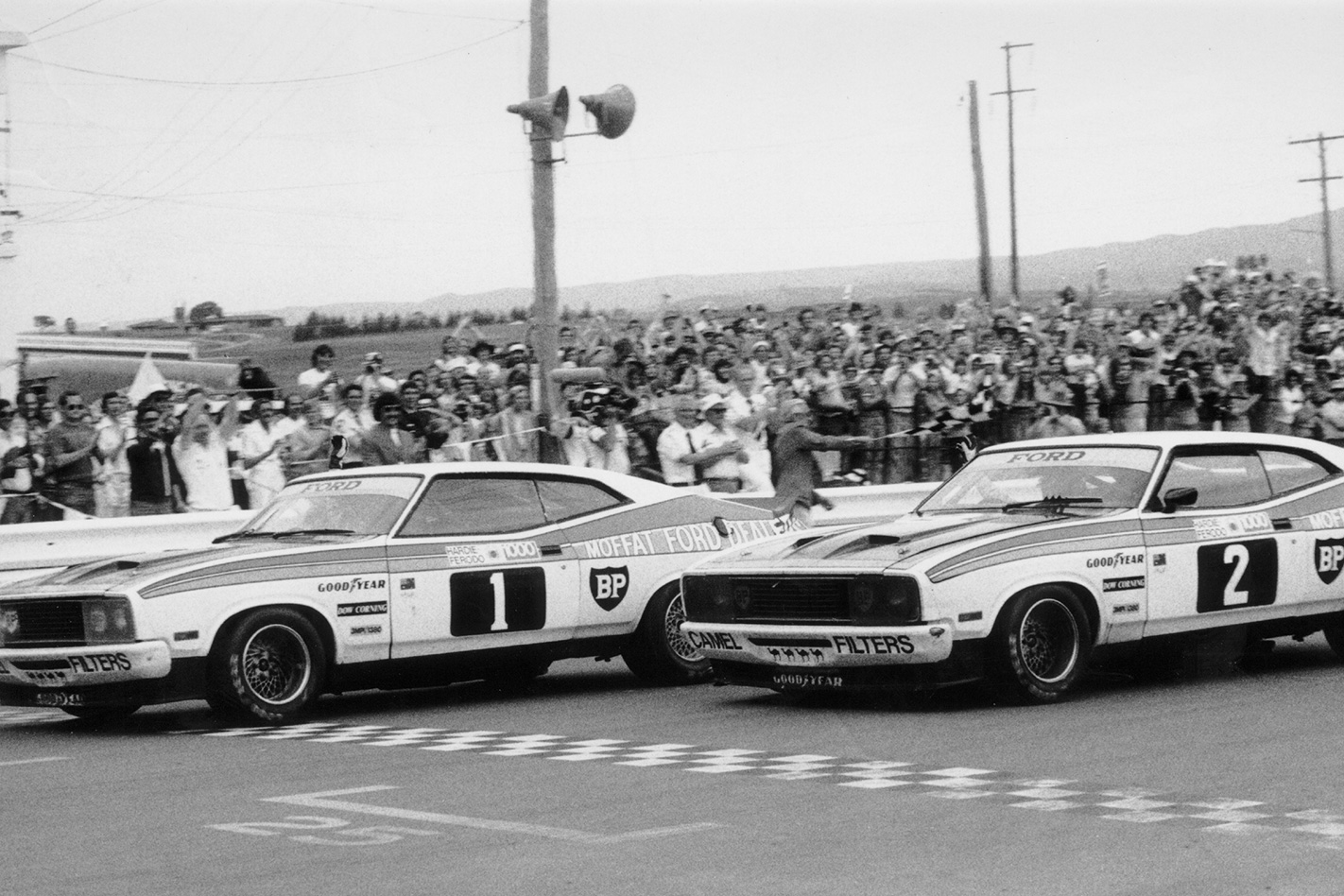
Moffat aimed his under-braked Falcon around the outside of Bond, who eased off to allow his boss to take his fourth Bathurst 1000 win.
It was Ford’s finest day in local racing. Cars numbered one and two finished neatly in that order. Fairytale ‘win on Sunday; sell on Monday’ fodder for Ford.
This is the car we should’ve been given for PCOTY.
This review was originally published in MOTOR’s April 2007 issue
It’s fair to say that HSV’s new fire-breathing 307kW E-Series GTS, complete with cutting-edge Magnetic Ride Control (MRC) suspension technology and an all-new six-speed automatic, didn’t quite send pulses racing at last year’s big event, ranking 18th out of the 20 finalists.
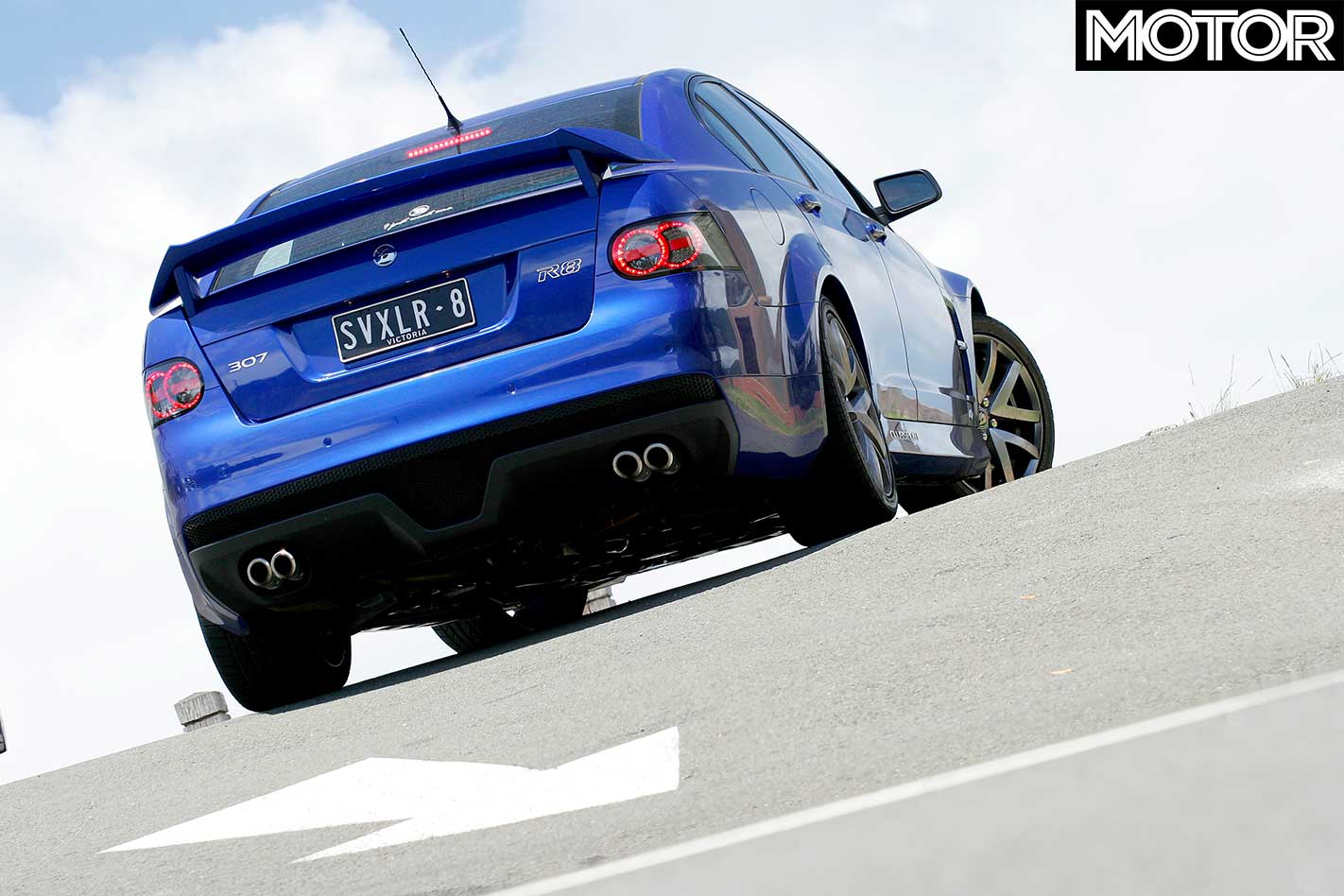
And this is where the Clubsport R8 makes ground. On many fronts, the Clubbie shares much of its specification with the GTS; using the same 6.0-litre LS2 V8 that delivers 307kW and 550Nm, pulling harder down low than recent Commodore V8s, yet still surging higher up in the rev range.
The AP Racing-developed four-piston brakes, boasting huge 365mm front and 350mm rear rotors are common across the E-Series range, along with the HSV-spec Bosch ABS system. These offer good feel and performance, fading little on the road.
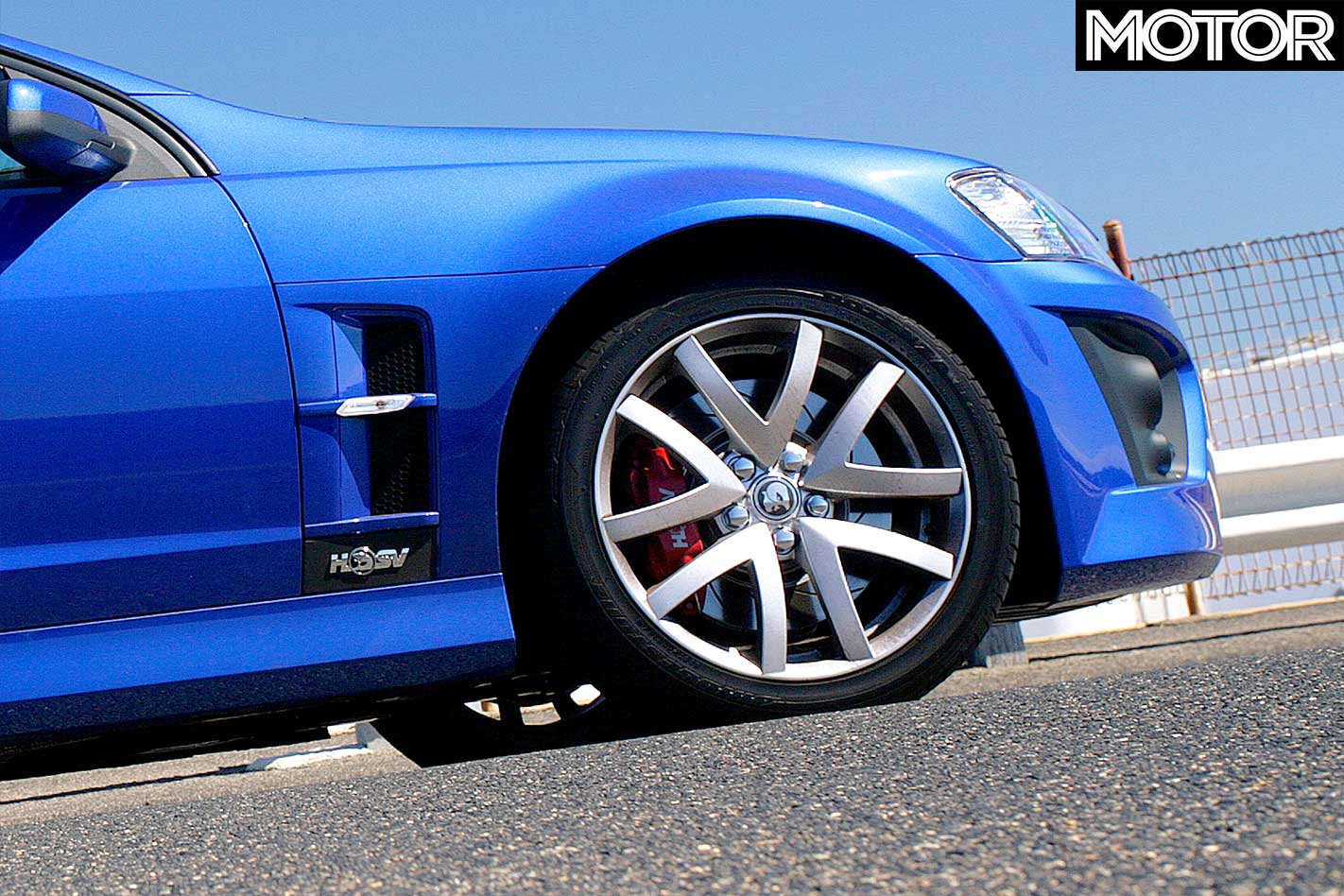
But the biggest difference between the GTS and R8 is their suspension and transmissions. And this is where the latter’s spec really shines through.
The Clubsport is devoid of the MRC electronically controlled damper system, favouring the cheaper conventional method. But while it falls some way short of the GTS in the way of ride compliance (even though it rides on smaller 19-inch rims), it encourages driver involvement. And while the Clubbie tends to crash over bumps and is more unsettled over corrugations than the GTS, the R8’s ‘sports touring’ steel-sprung suspension tenders more steering feel and still points the car sharply into the apex.
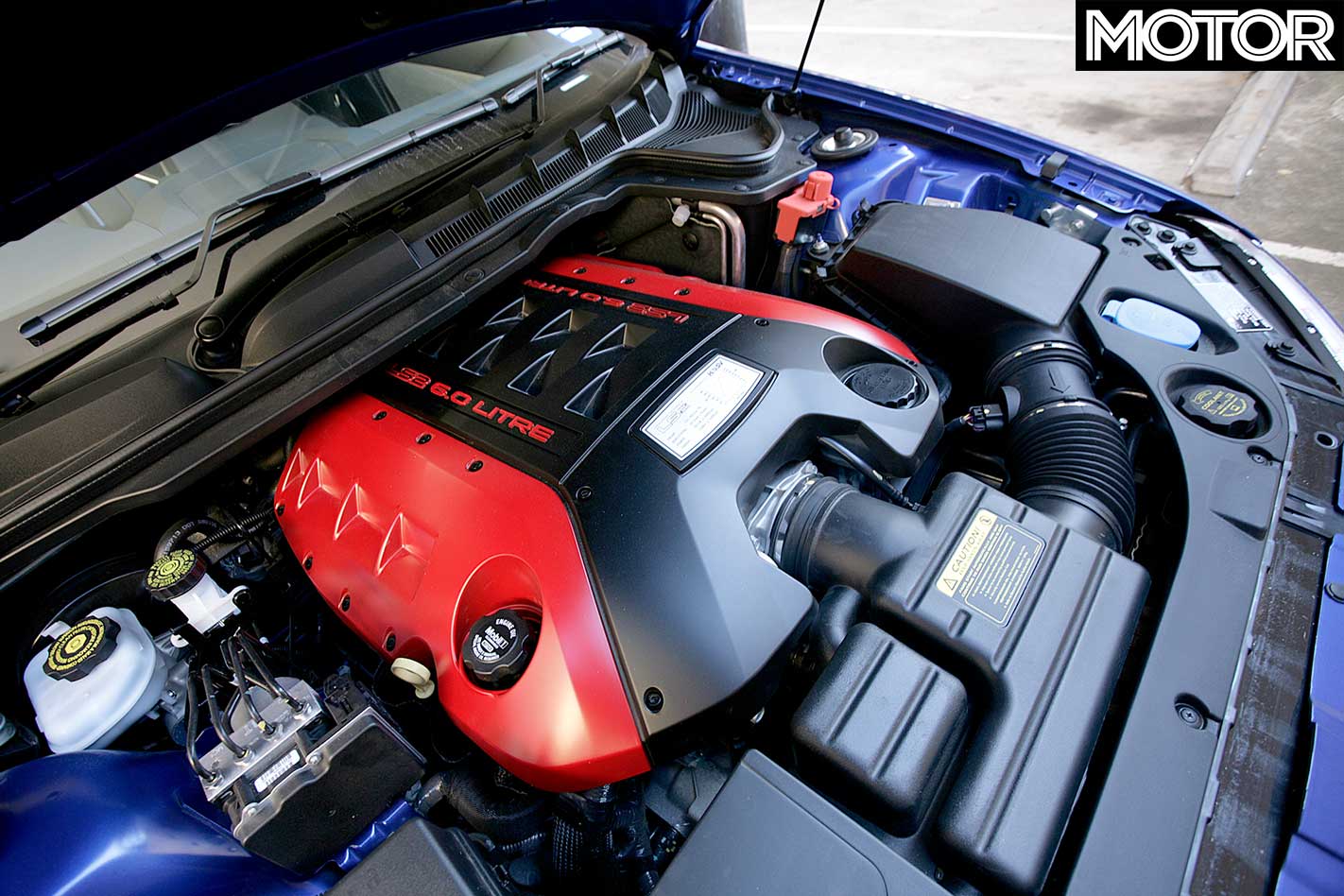
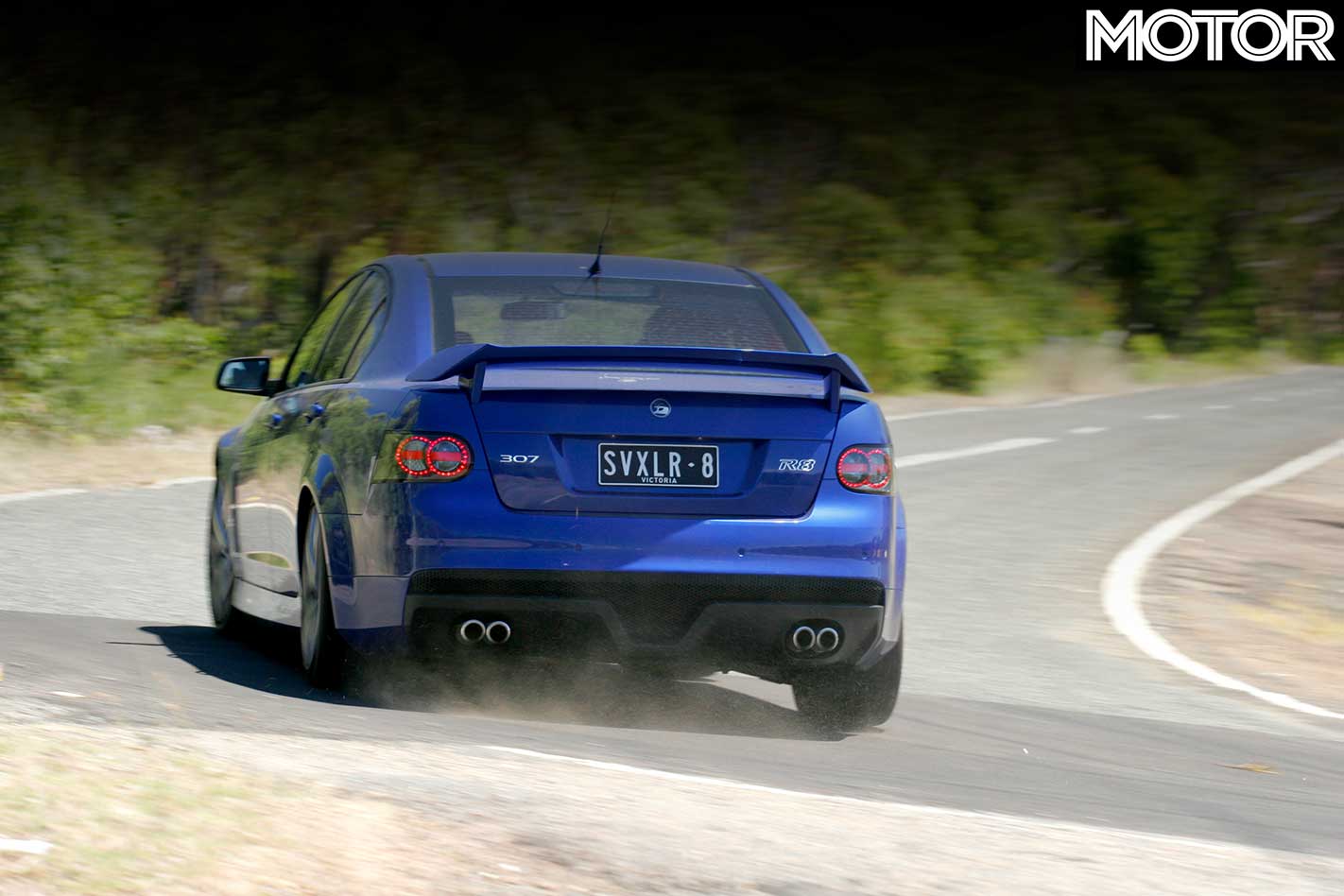
In short, the R8 feels lighter on its feet; and the fact that it moves around a lot more makes for better communication with the driver. And while it might be at a minute cost to outright grip when compared with the GTS, the driving reward is far more enjoyable.
And part of this is indulging in the enormous amount of rear-end grip the R8 offers, especially when firing out of tight corners. It’s astounding, when compared to previous HSVs, how early you can nail the throttle and yet still have the rear stay stuck. And it’s partly due to the E-Series’s 127mm longer wheelbase than the VZ and wider 9.5-inch rear wheels. It takes real provocation – and substantial steering lock – to make the tail step out. And it ain’t for lack of grunt.
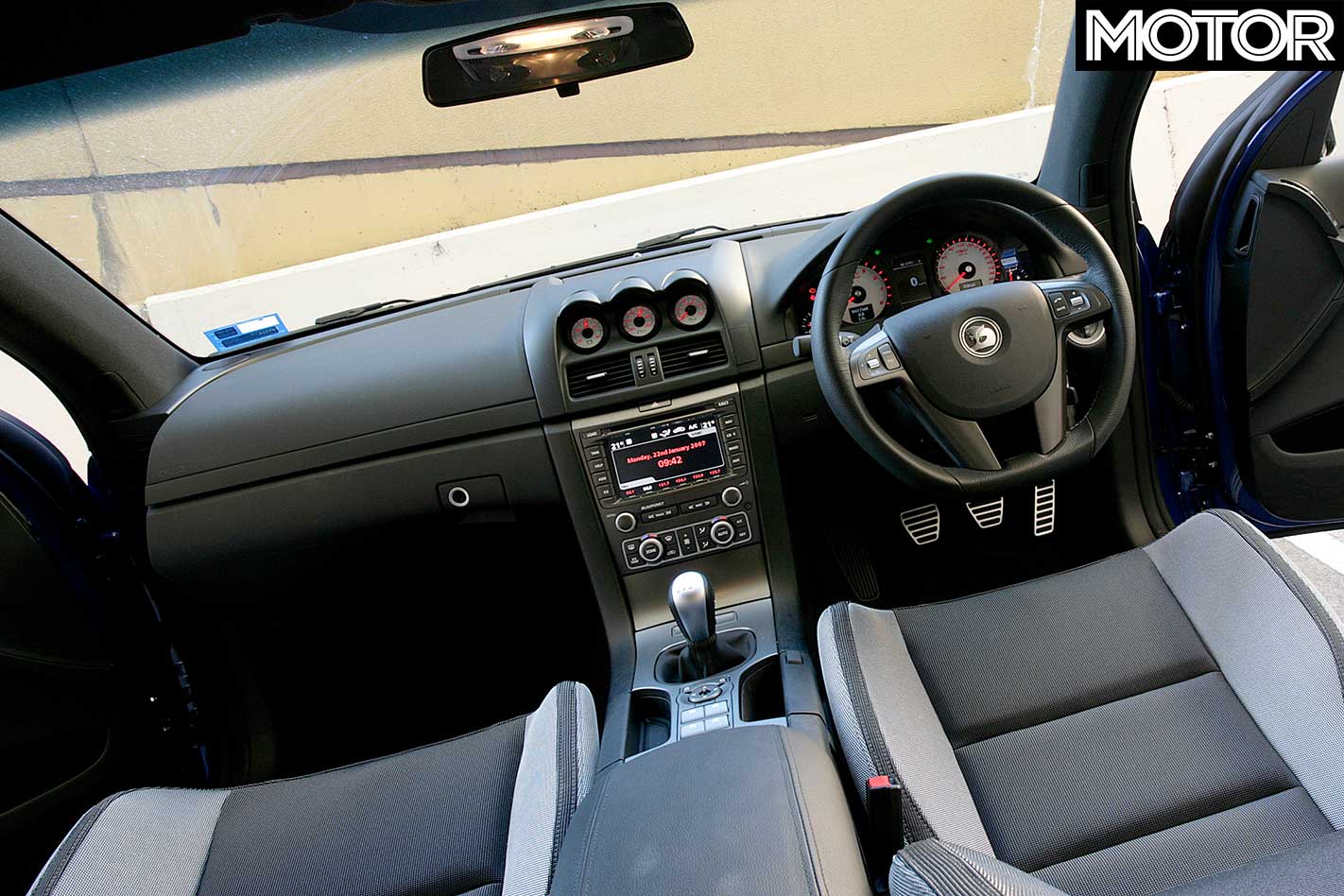
Besides the suspension, the manual gearbox also offers a much better connection than the auto option from a purist driving point of view. The upgraded M10 Tremec T56 is better than ever, slotting into each gear more accurately and with greater satisfaction. But in real terms, it still feels heavy when compared to the best German and Japanese gearboxes. The clutch is better than previous HSVs, too, with a more progressive engagement.
Inside, you’re instantly more comfortable in the R8’s seats, which are snug and supportive in comparison to the GTS’s luxury pews. To some, the cloth trim might look cheap for a $60k car, but its textured finish definitely holds the keen driver in place.
And there’s been plenty of keen HSV drivers since the E-Series was launched; the new range led HSV to successive monthly sales records in its first three months on the market (436, 515 and 519 units for October, November and December respectively). So they’re a hit with the punters.
But our pick is the Clubsport R8 manual package, because it’s the most involving of the range, yet would probably still be every bit as quick as the flagship GTS around a racetrack. The fact that it’s $12k cheaper, at $62,890, means it’s not only fast and fun, but also affordable.
Bodes well as a BFYB contender, then.
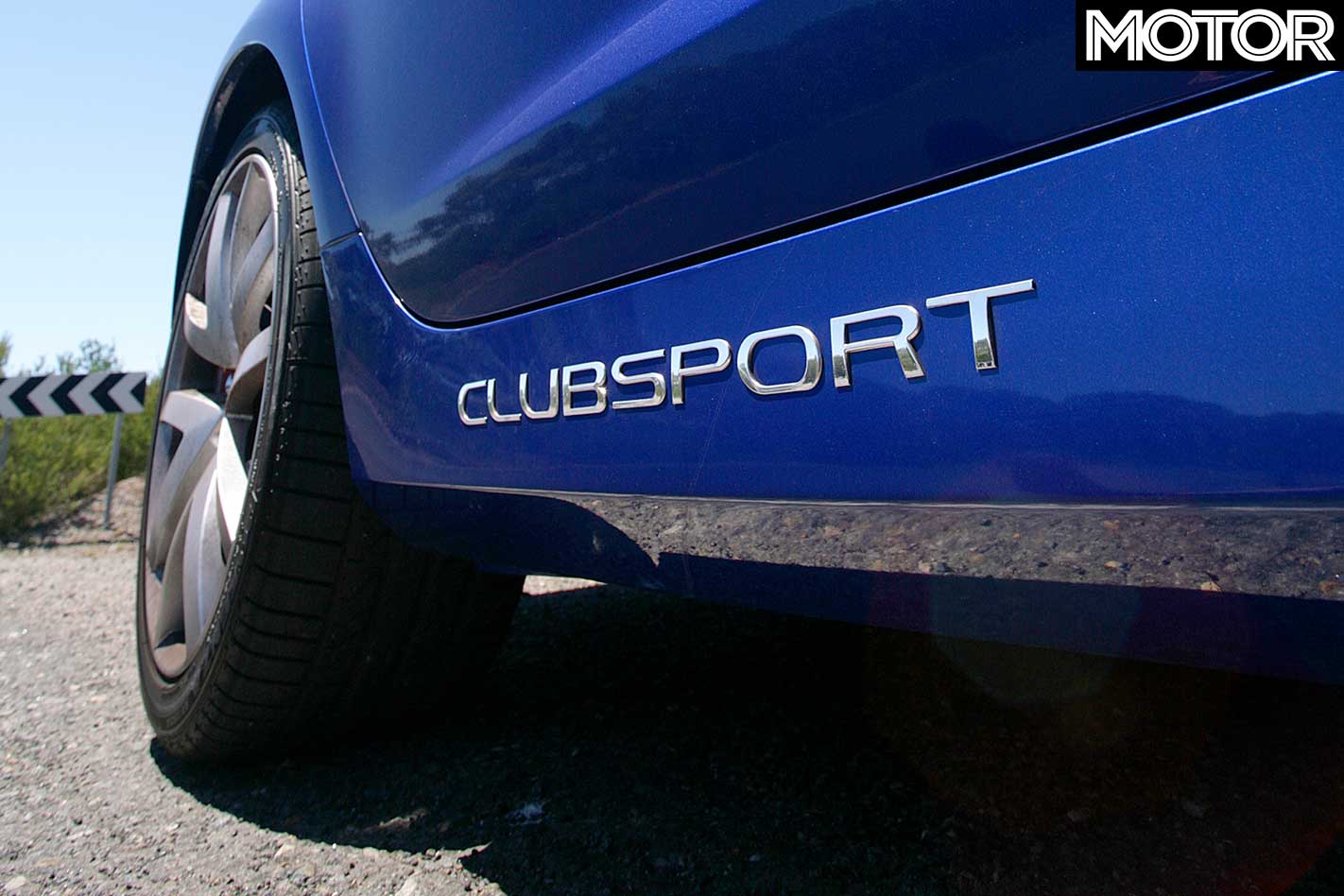
FAST FACTS 2007 HSV Clubsport R8 Engine: 5967cc V8, OHV, 16v Power: 309kW @ 6000rpm Torque: 550Nm @ 4400rpm Weight: 1812kg Power-to-weight: 171kW/tonne 0-100km/h: 5.0sec (claimed) Price: $62,890
Likes: Involving drive, strong brakes, steering feel and the $12k you’ve just saved over the GTS Dislikes: Choppy ride, gearshift still a little clunky, cheap seat trim Rating: 4 out of 5 stars
MAZDA Australia has finally confirmed the imminent arrival of turbo power for the popular CX-5, with the CX-9’s boosted 2.5-litre four-cylinder engine making its way to the mid-size SUV.
Available from late November, the CX-5 GT and Akera variants will be available with Mazda’s SkyActiv-G 2.5T engine, which debuted in the CX-9 and is also fitted to the existing Mazda6.
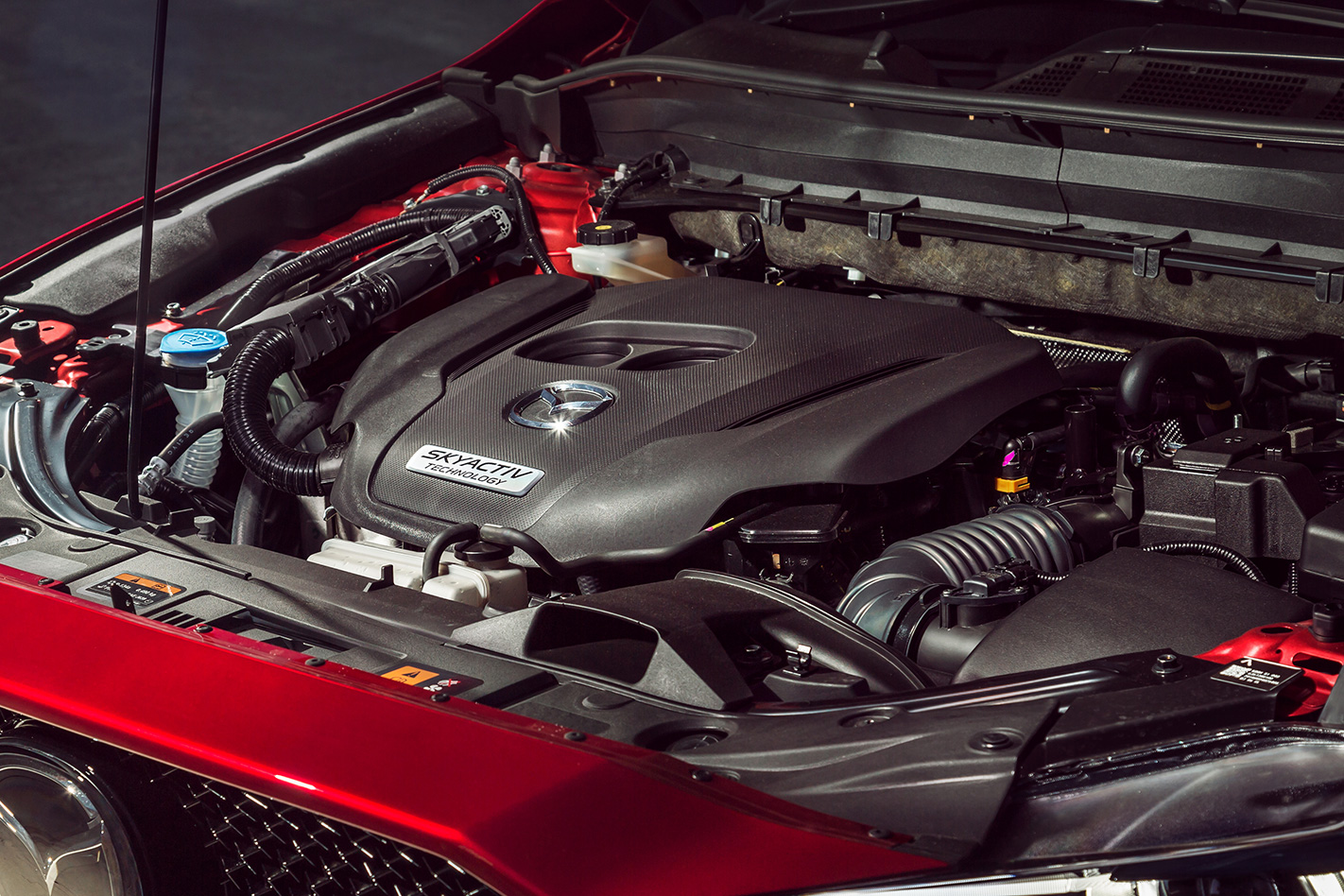
It offers 170kW and 420Nm using 91RON fuel, bringing a healthy dose of additional grunt to the CX-5, which until now was available with either a 2.5-litre naturally-aspirated petrol engine (140kW/252Nm), a 2.2-litre turbo-diesel (140kW/450Nm), or a 2.0-litre atmo petrol (115kW/200Nm).
Mazda expects the 2.5 turbo will make up 12 percent of CX-5 sales in its first year, in line with the 2.2-litre diesel. The naturally-aspirated 2.5-litre is predicted to remain the heavy-lifter in terms of sales with a 48 percent share expected, while the 2.0-litre atmo petrol (115kW/200Nm) available in the Maxx is slated to make up 28 percent of sales.
The powerful turbo engine has claimed fuel economy of 8.2L/100km in CX-5, making it the thirstiest in the range, compared to 7.4L/100km for the atmo 2.5 and 5.7L/100km for the diesel. Though the extra shove means GT and Akera models with the turbo engine will accelerate to 100km/h from rest in 7.7 seconds, more than a second quicker than diesel variants (8.8 seconds).
In addition to bringing the more powerful engine to the CX-5 line-up, Mazda Australia has also introduced G-Vectoring Plus. GVC Plus is an evolution of Mazda’s G-Vectoring system, which reduces driver fatigue and improves corner turn-in, while the new system can brake outside wheels on corner exit in order to provide better stability and “help restore the vehicle to straight line running”.
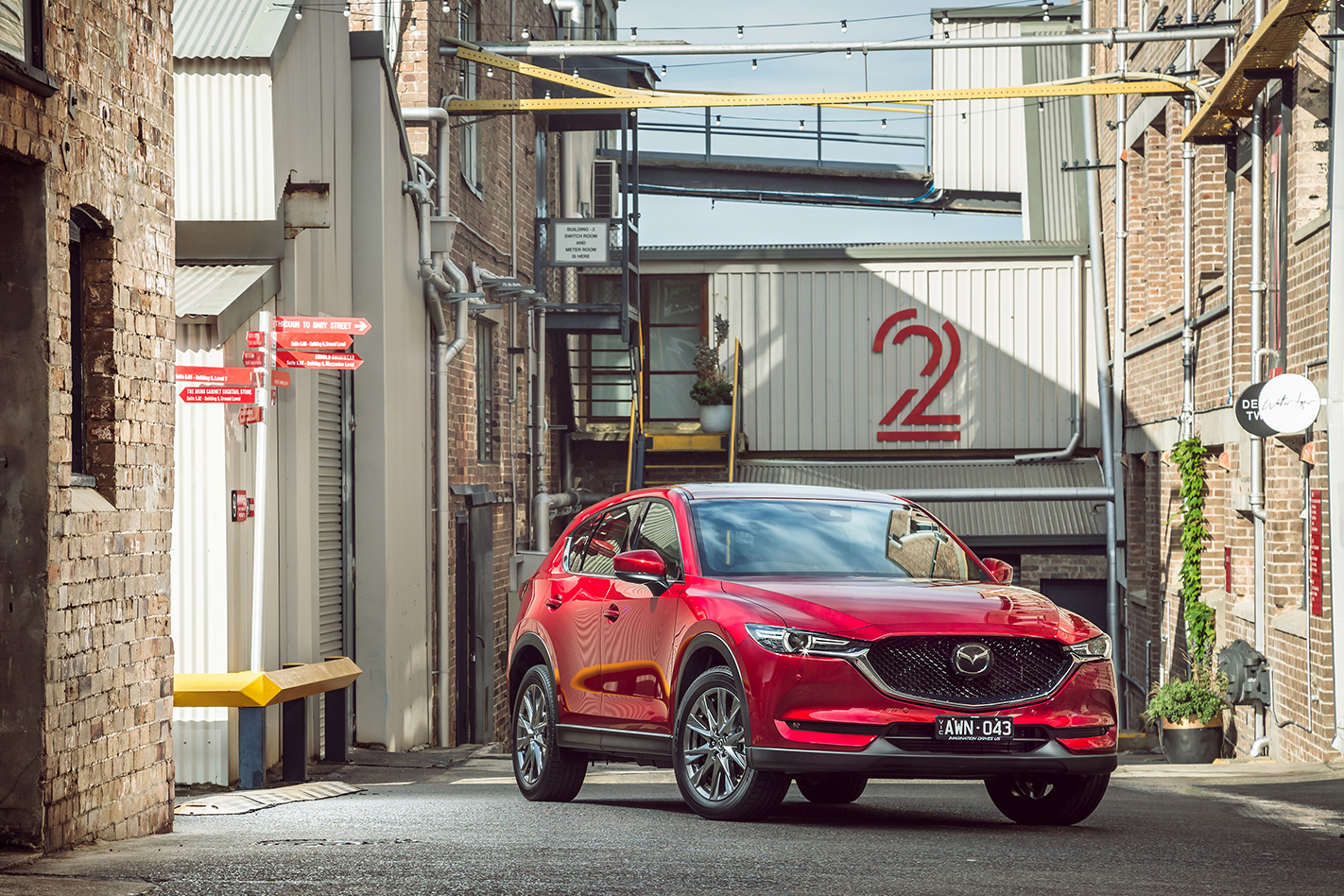
Mazda’s full safety suite has been fitted across the range as standard, which includes smart brake support, active cruise control, driver attention alert, high beam control, lane departure warning, and lane-keep assist.
Flagship Akera variants have received a working-over inside the cabin, with Nappa leather trim for the seats, genuine timber dash and door inserts, front seat ventilation function, heated steering wheel, a frameless rear-view mirror and rear outer heated seats.
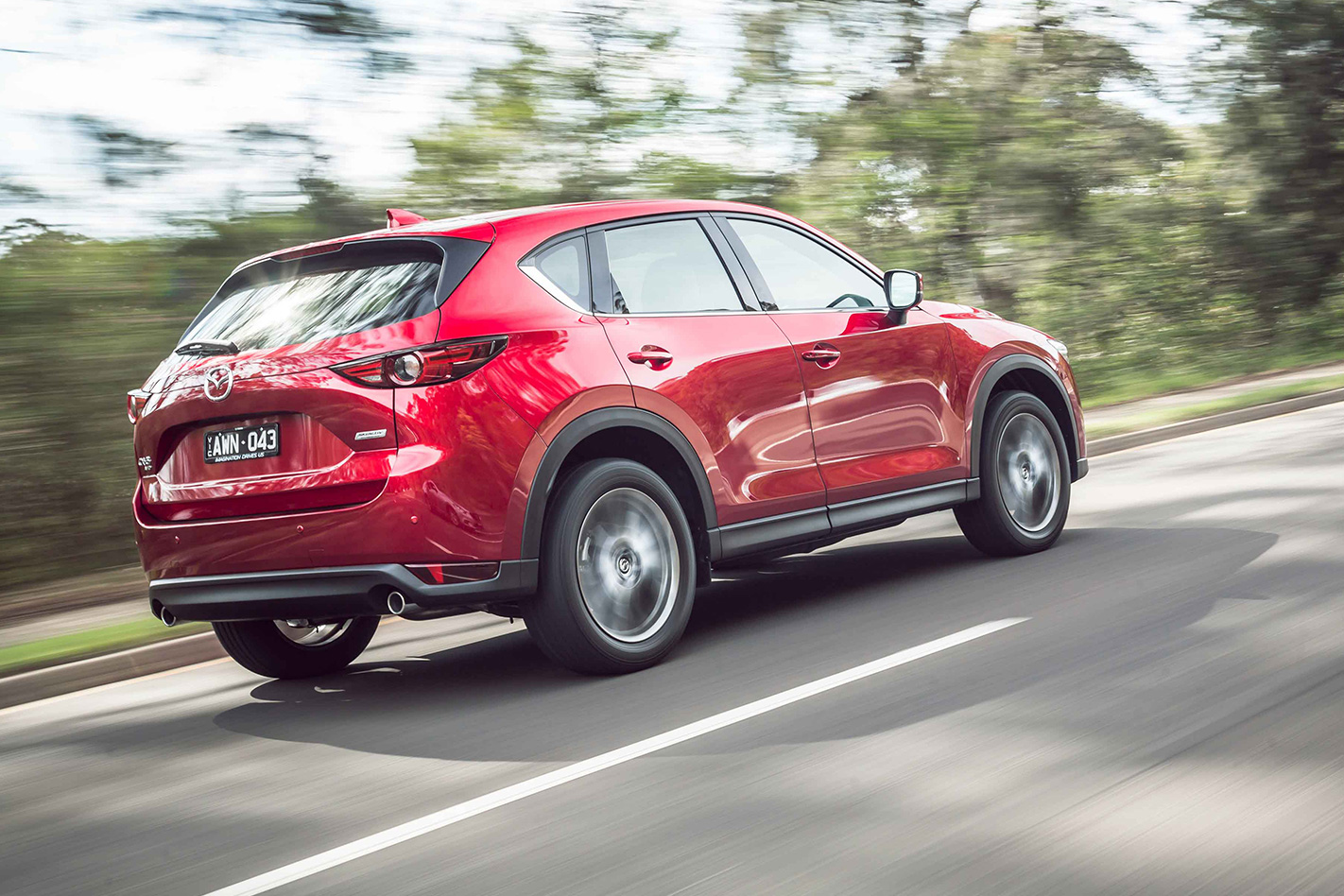
Apple CarPlay and Android Auto are now fitted as standard to the CX-5 range, while Maxx and Touring grades are treated to restyled 17-inch alloy wheels.
The most recent round of upgrades is the second for the CX-5 in 2018, following engine and equipment updates in April.
“The addition of the celebrated 2.5T engine not only gives breadth of choice to the much-loved Mazda CX-5 line-up, but it further extends the appeal and diversity of our SUV offering in Australia,” says Mazda Australia Managing Director, Vinesh Bhindi.
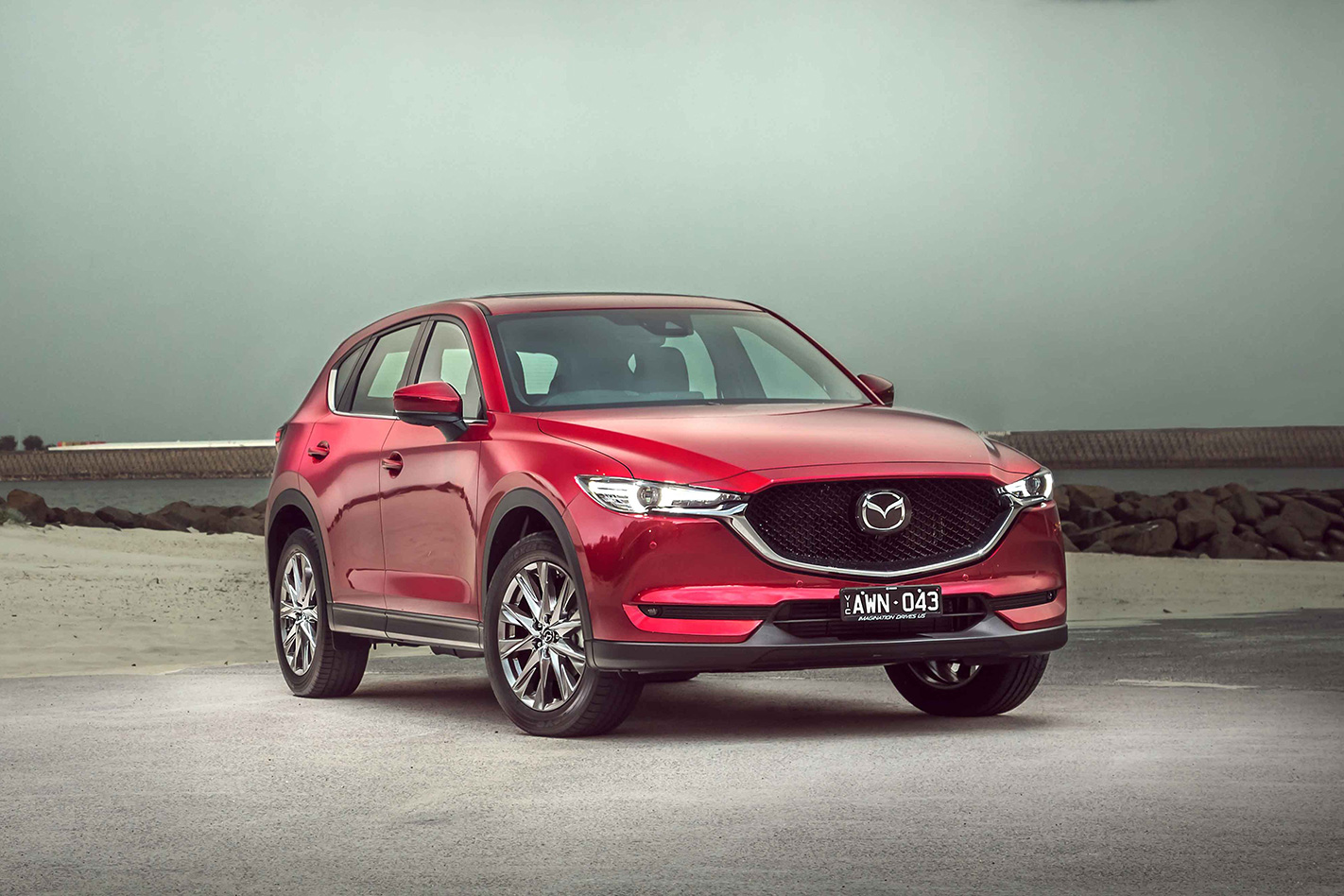
There are now 14 CX-5 variants to choose from considering all four engines, front- and all-wheel-drive options and transmission selection. A six-speed automatic gearbox is standard everywhere except the 2.0-litre CX-5 Maxx, which has the option of a 6-speed manual.
UPDATE:
Mazda Australia has revealed official pricing for the updated CX-5 range, with the 2.5-litre turbo $500 cheaper than the 2.2-litre diesel, and $2500 more expensive than the 2.5-litre atmo engine.
See below for pricing for the full range
- Maxx 2.0-litre FWD manual: $29,770
- Maxx 2.0-litre FWD automatic: $31,770
- Maxx 2.5-litre AWD automatic: $34,770
- Maxx Sport 2.0-litre FWD automatic: $34,870
- Maxx Sport 2.5-litre AWD automatic: $37,870
- Maxx Sport 2.2-litre AWD automatic: $40,870
- Touring 2.5-litre AWD automatic: $39,470
- Touring 2.2-litre AWD automatic: $42,470
- GT 2.5-litre AWD automatic: $44,470
- GT 2.2-litre AWD automatic: $47,470
- GT 2.5-litre turbo AWD automatic: $46,970
- Akera 2.5-litre AWD automatic: $46,670
- Akera 2.2-litre AWD automatic: $49,670
- Akera 2.5-litre turbo AWD automatic: $49,170
New and inexperienced drivers could be unwittingly breaking the law and risking hefty fines or even a licence suspension by using smartphone mirroring technology that is designed to reduce driver distraction and improve road safety.
Using a handheld mobile phone in any part of Australia while driving is illegal, but some states and territories also forbid P-plate drivers from using any phone functions, even when the device is in a purpose built cradle or connected to the vehicle’s built in information systems.
While fully licenced drivers are free to use the various ‘hands free’ functions – including widely marketed Android Auto and Apple CarPlay – irrespective of the state or territory, it is not so cut and dried for new and inexperienced drivers.
General hands-free exemptions also apply to P-platers in Western Australia, Tasmania and the ACT, but it’s a different case in New South Wales, Victoria, Northern Territory, Queensland and South Australia where novice drivers are forbidden from using their phone at all including via a cradle or Bluetooth – in South Australia’s case this only applies to P1 (red plate) drivers, while in Queensland it applies only to P1 drivers under the age of 25.
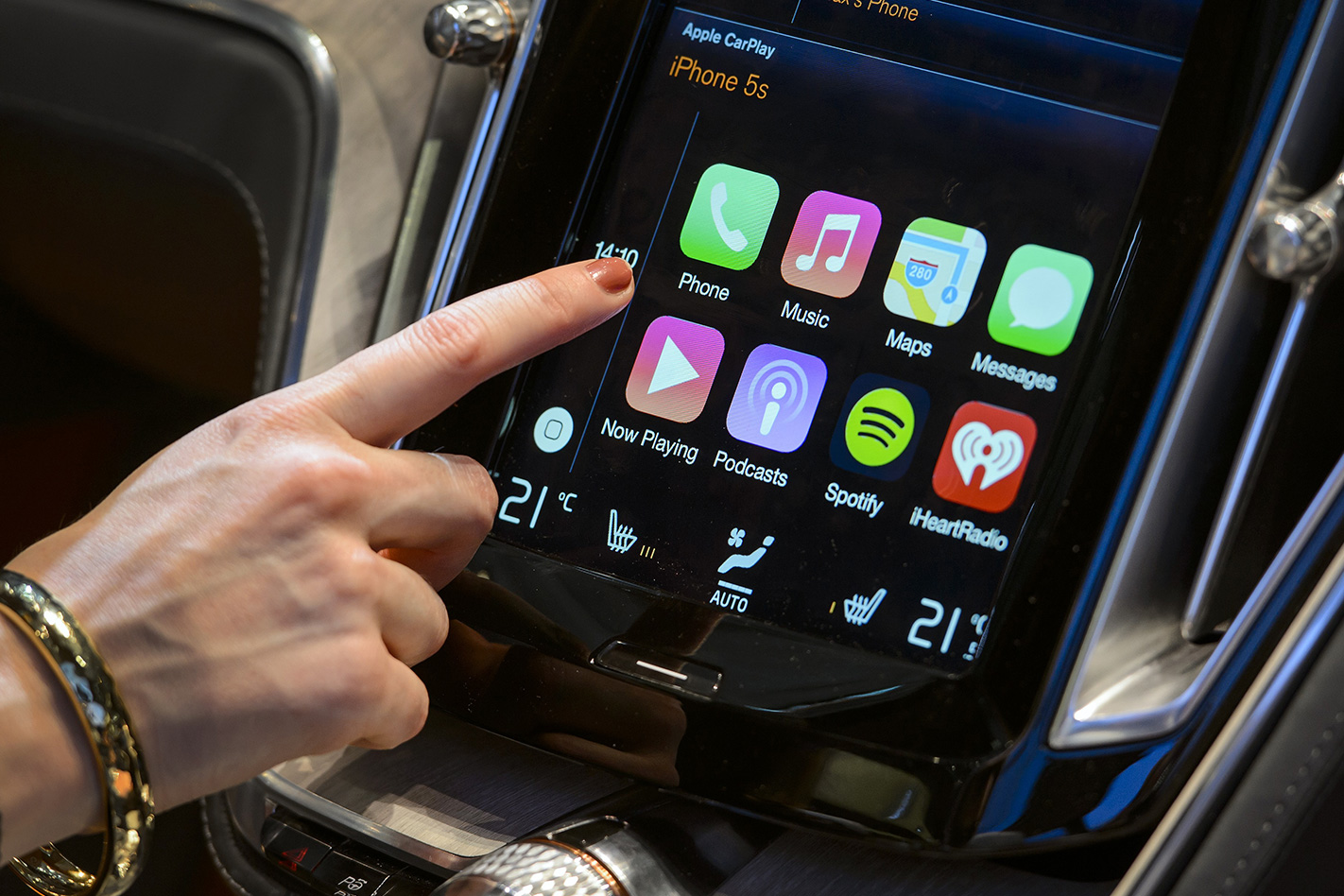
The clarity of state-by-state laws is further muddied by their wordings, which don’t clearly state whether or not smartphone pairing technology, such as Apple CarPlay and Android Auto, can be used for non-phone functions via the car’s infotainment screen, such as navigation or music streaming.
The NSW, Queensland, South Australia and the Northern Territory laws banning P-platers from using mobile phones all use similar language, with phones being forbidden from any use while driving, including hands-free mode and Bluetooth technology or loud speaker operation, while driving or while your vehicle is stopped but not parked.
WhichCar asked Transport for NSW whether or not the law considered or applied to Apple CarPlay/Android Auto and the ability to use non-phone functions via car’s touchscreen, to which a spokesman responded: “It is illegal for any learner and provisional drivers to use a mobile phone at any time while driving and this includes the use of touchscreens via Bluetooth connections such as Apple CarPlay. These drivers may only use a mobile phone if their vehicle is parked out of the line of traffic.”
WhichCar has contacted the South Australian and Queensland transport departments to clarify their laws.
This leaves Victoria, whose peak roads body VicRoads states that P1 and P2 drivers “must not use a mobile phone of any kind – no hands-free or hand-held, or any messaging (includes reading text messages).
A check with VicRoads found that the state with among the toughest traffic laws and enforcement has a more pragmatic approach to P-platers using Apple CarPlay Android Auto, with a spokesperson telling WhichCar: “A novice driver must pair their phone with Apple Carplay or Android Auto for music or navigation only before driving their vehicle, but cannot touch their Visual Display Unit while driving.
Top 10 Cars with Android Auto and Apple CarPlay smartphone mirroring
“They cannot use other phone functions on the Visual Display Unit, such as making or receiving calls, texting or social media. Novice drivers must also ensure that their phone is out of reach and sight while driving (for example in the glovebox).”
Of course rules surrounding L- and P-platers in each state are subject to change as governments consistently seek to address the high accident rate amongst young drivers, so be sure to regularly check the rules in your state, or any state you intend driving to, as ignorance of the law isn’t a valid defence in the eyes of the law.
