
Melbourne could soon join Dubai, New York and Singapore by having luxury apartments with sky-high parking spaces.
Property developer Growland wants to be the first to bring the concept to Australia with its 20-storey Neue Grand project on St Kilda Road, which will feature 19 apartments that will each take up an entire floor.
The well-heeled owners will be able to place their car in a German-designed automated parking lift via a turntable, which will take it up to their apartment and park it behind a glass box adjacent to their living area. Unfortunately, they won’t be able to ride up the lift in their car, as there’s actually a law against that.

Once the resident vacates their pride and joy, it will be whisked to the appropriate level at high-speed and automatically parked within the 350-square-metre apartment’s garage space.
The residents themselves will enter their apartment using fingerprint recognition software, the convenience of which will partly make up for the massive first-world problem of having to get out of their Aventador at the ground floor.
Owners will also have a basement parking space for their “everyday” car.
How much would you expect to pay for such an apartment? Well, if you have to ask you probably can’t afford it, but expect anywhere from $6 million, with the penthouse exceeding $30 million – supercars not included.
Before you go rushing to make a deposit, it’s worth noting that while the Neue Grand apartments have been given the nod, the sky garages are yet to be confirmed.
Back in 2008, Ford decided to celebrate the 40th anniversary of the original 1968 Mustang Cobra Jet by releasing a limited run of 50 2008 versions of the famous drag car, as many as were originally built.
You’ll probably never see one in Australia – they’re not road legal and even if any were here, they’re likely locked up safe and sound.
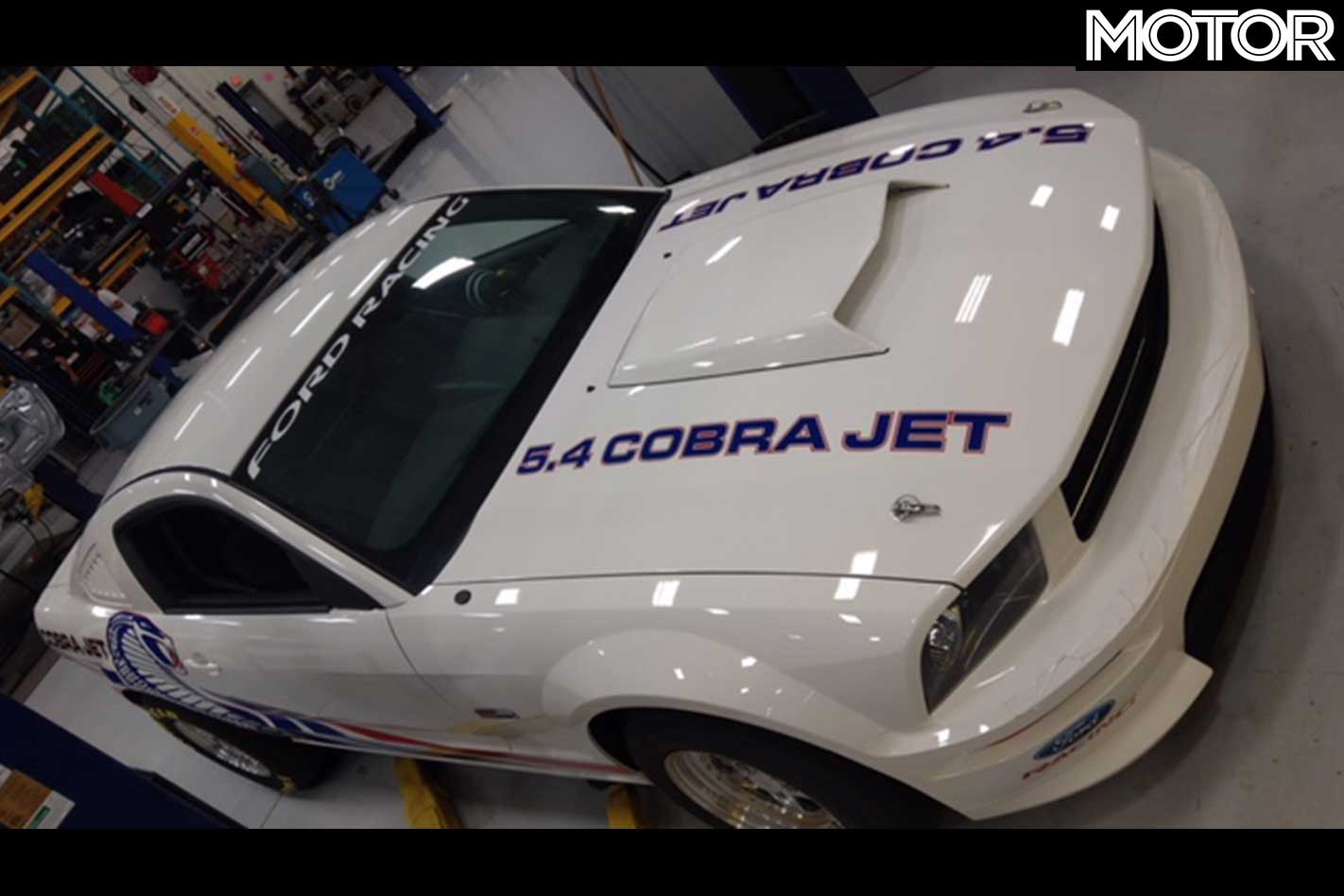
But now we know of one on its way to Australia very soon – ten years after it was built, and still in new condition.
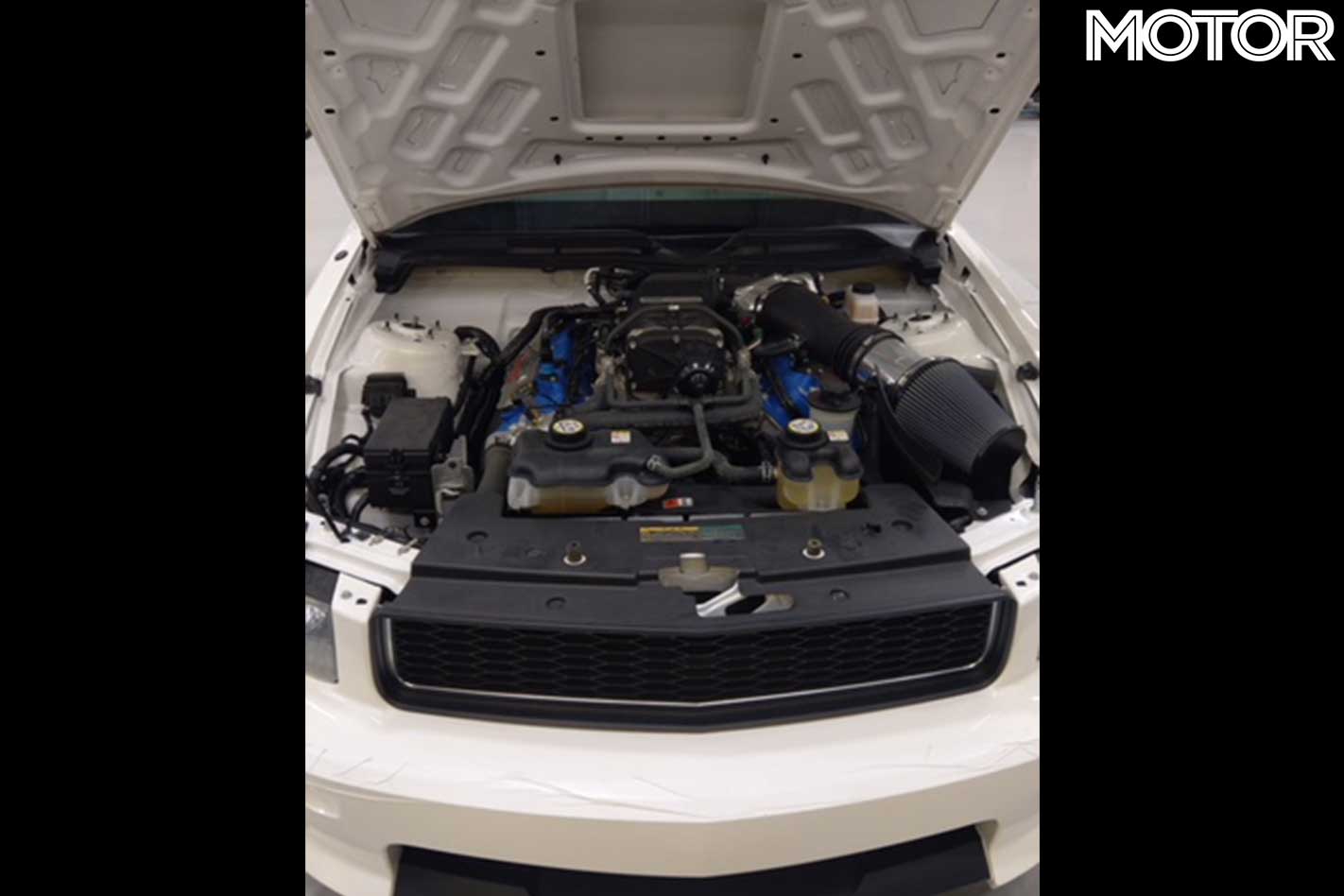
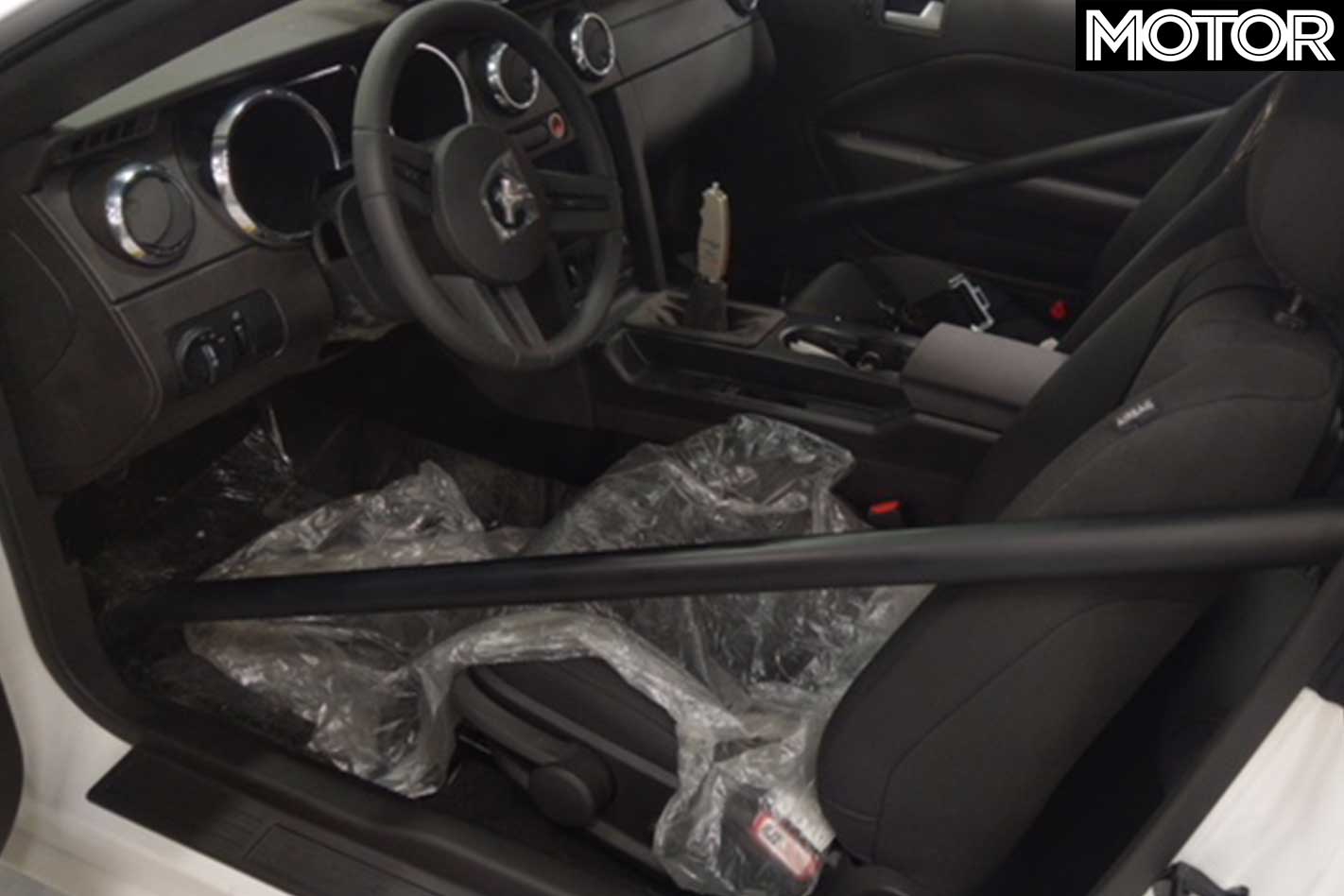
Bound for the (likely secret) garage of Rob Herrod, head honcho at Herrod Performance, the 2008 Cobra Jet has less than one mile on the odo, and has been left with its original factory plastic protectors attached inside.
Its 5.4-litre Cobra Jet engine with 2.3-litre TVS supercharger hasn’t even been run in, and Herrod says he’ll probably keep it that way.
But he also has some more good news – a 2018 Mustang Cobra Jet is heading to Australia once production begins, the only one Oz-bound to our knowledge.
One of only 68 units will make itself at home with, you guessed it, Herrod Performance.
The factory drag cars have no VIN, and aren’t road-registerable… but they can run a quarter mile in the 8-second range, Ford Performance says.
The outputs for the supercharged 5.2-liter Coyote V8 in the 2018 version are yet to be confirmed by Ford Performance, and we’re not sure Herrod’s dyno will ever meet the rear hubs of the dragstrip legend, but given the rapid sub-9sec 400m time at 240km/h, we expect it’d make the Dodge Demon’s 626kW/1045Nm look a little inadequate.
HOLDEN is in the process of making more redundancies, this time from its national team of sales and administration staff – the first significant layoff since it shuttered local manufacturing facilities last year.
Unconfirmed reports had suggested the figure was as many as 1000 employees preparing for retrenchment but Wheels understands about 60 staff are the focus of the latest redundancies, with an exact figure and reason for the restructure yet to be confirmed by the brand.
In a statement from the company, Holden confirmed that it is preparing to let a number of employees go, but stopped short of detailing the regions affected and the deciding factors.
“We are making some changes to our sales and administration functions,” it said. “These changes are aimed at making Holden a stronger business for the future. Our people are our priority and we are supporting impacted employees.”
The statement is a haunting reminder of the similar communications surrounding the largest retrenchment of staff in Holden’s history, when about 950 manufacturing personnel were laid off with the closure of Holden’s Elizabeth factory in October 2017.
It followed 175 losses from the Fishermans Bend engine plant a year before and 80 cuts associated with the end of Cruze production in Elizabeth ahead of the final shut down.
Sliding sales are the most likely determining factor for the lay-offs, with overall registrations falling 22.6 percent compared with the same point in 2017, driven south by the exit of the locally made Commodore.
The company’s year to date tally makes ominous reading with every model down to the end of June compared with the same point last year, with the only exception found in the Barina small hatchback which is up almost 20 percent thanks to 1904 registrations.
The Spark compact hatch also added valuable volume and a slight increase over last year with 562 sales YTD, but that’s a bittersweet farewell to a model that has now been discontinued.
Despite the decline, the Commodore and Colorado continue to prop the company, contributing nearly 15,000 sales out of the overall 32,614 total to date in 2018.
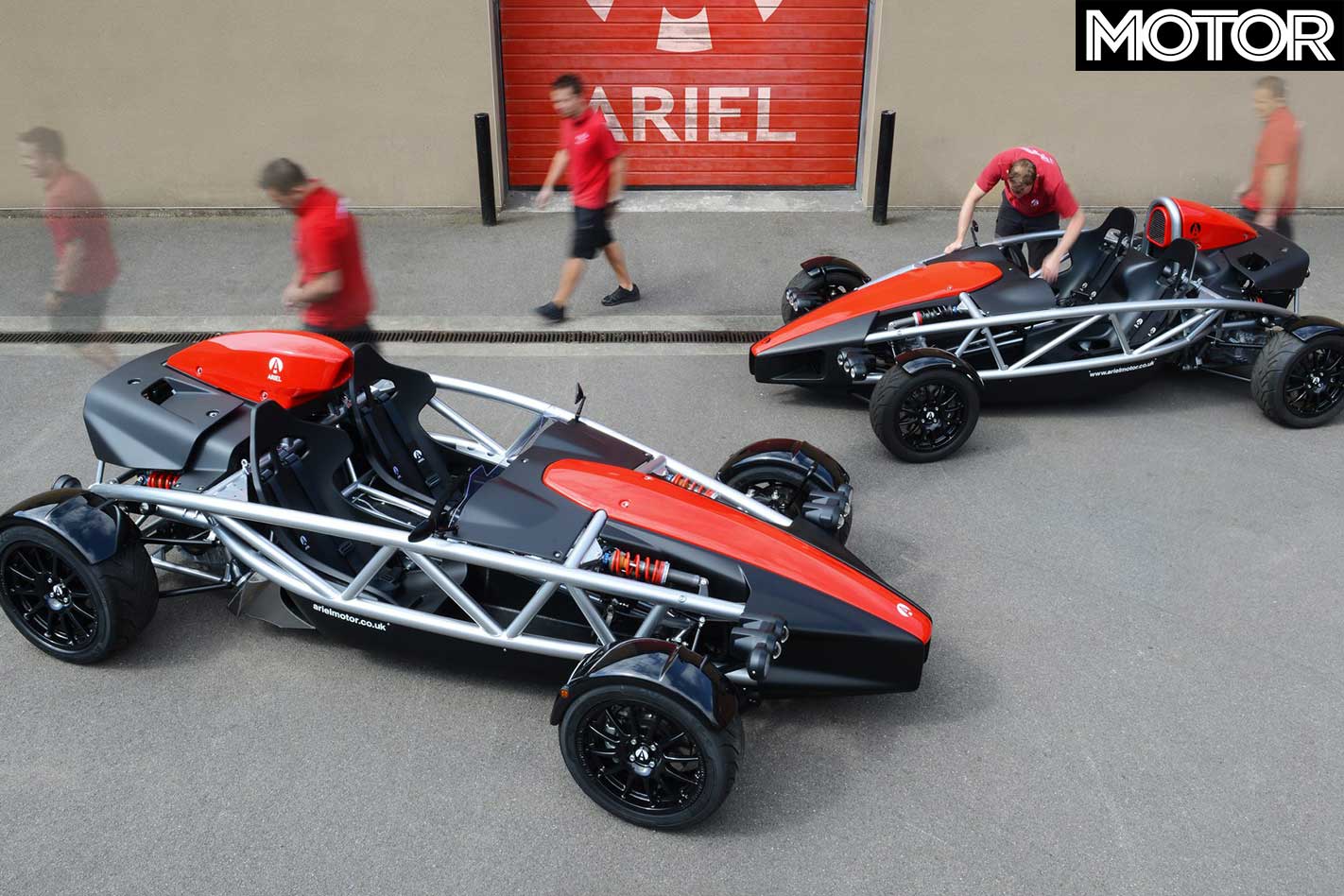
Renowned lightweight British track attacker, the Ariel Atom, has been reborn as an all-new model.
The 2018 Ariel Atom 4, set to debut at the Goodwood Festival of Speed, has been bestowed with the engine from the latest Honda Civic Type R, which here produces 239kW and 420Nm. Power is sent to the rear wheels via a 6-speed manual gearbox.
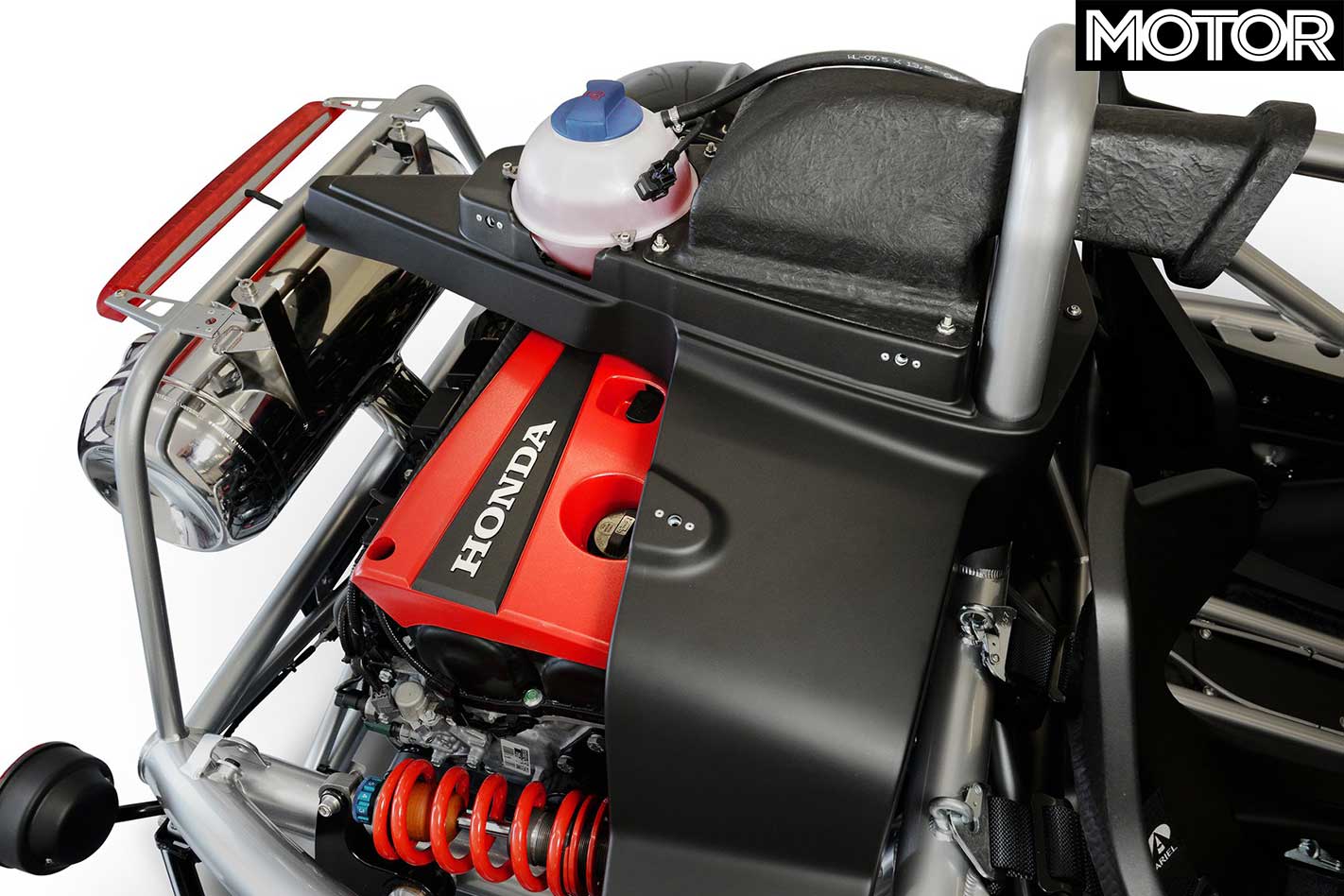
“The Atom 4 is the biggest change to the car since we originally released it in 1999.
“It really is an all-new car, in fact there are only three parts carried over from the last Atom: the clutch and brake pedals, and the fuel cap.”
In total, the Atom 4 should weigh around the 600kg mark (the Ariel site lists 595kg, though it could be out of date), while its performance indicates a run to 100km/h in under three seconds.
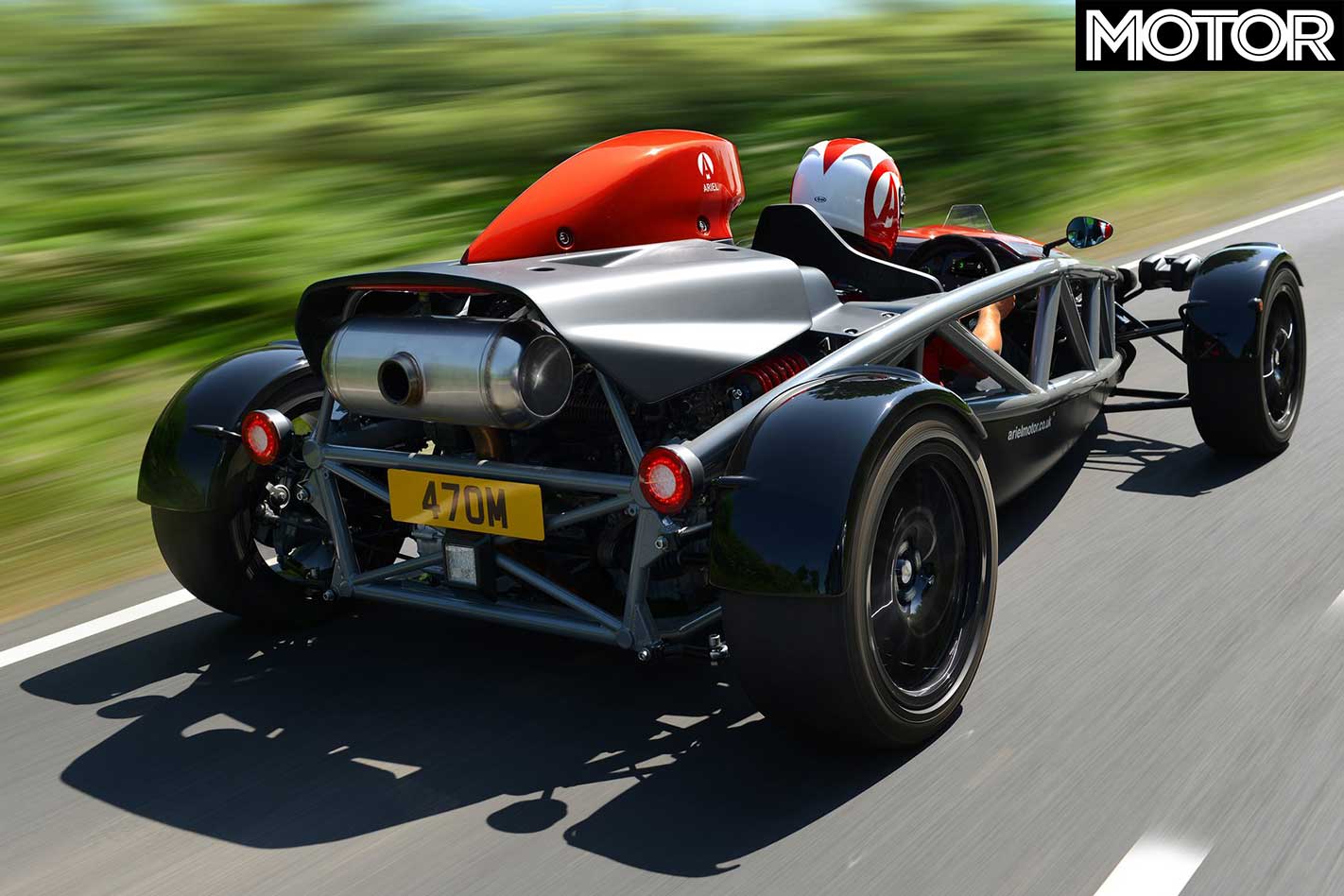
But there’s even better news for fans of the Atom in Australia – it’s going to be eligible to drive legally on Aussie roads.
Another director at Ariel, Tom Siebert, says the brand is working to make the model as widely available as possible.
“Though we have had a small European presence over the years, there is an enormous demand for our vehicles in this market and elsewhere in the world.
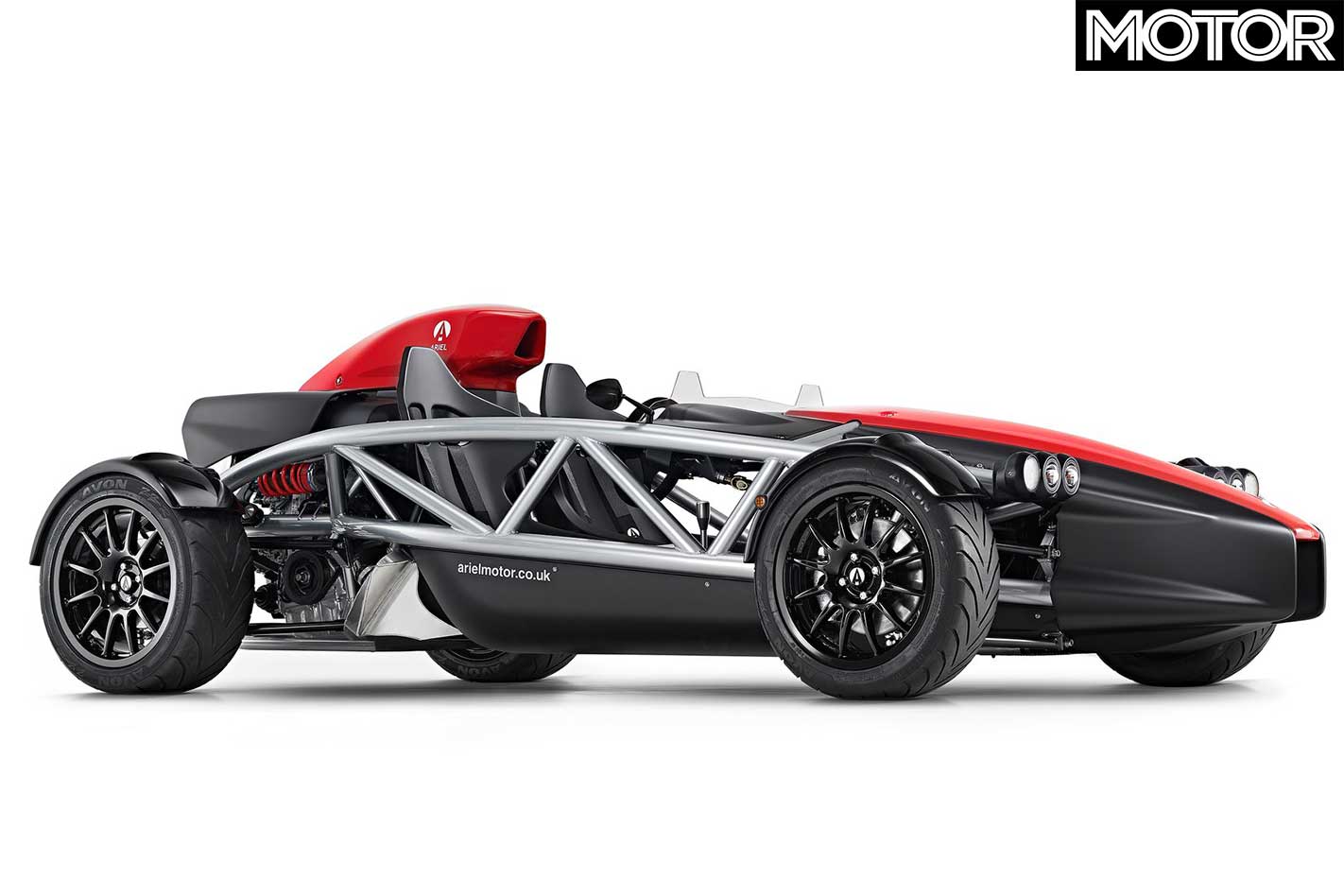
“British-built, low volume vehicles appeal on many different levels and Type Approval is key to our future commitment to service those markets effectively.
“As well as our existing network of dealers, we will appoint new key agents in various countries, to make sure that as many potential customers have access to Atom 4 as possible.”
Ariel’s listed dealer in Australia is Road and Track Australia, a sports car dealer in western Sydney, NSW.
MOTOR is currently investigating other potential avenues (importers, dealers) for the Atom 4 to come to Australia in other areas.
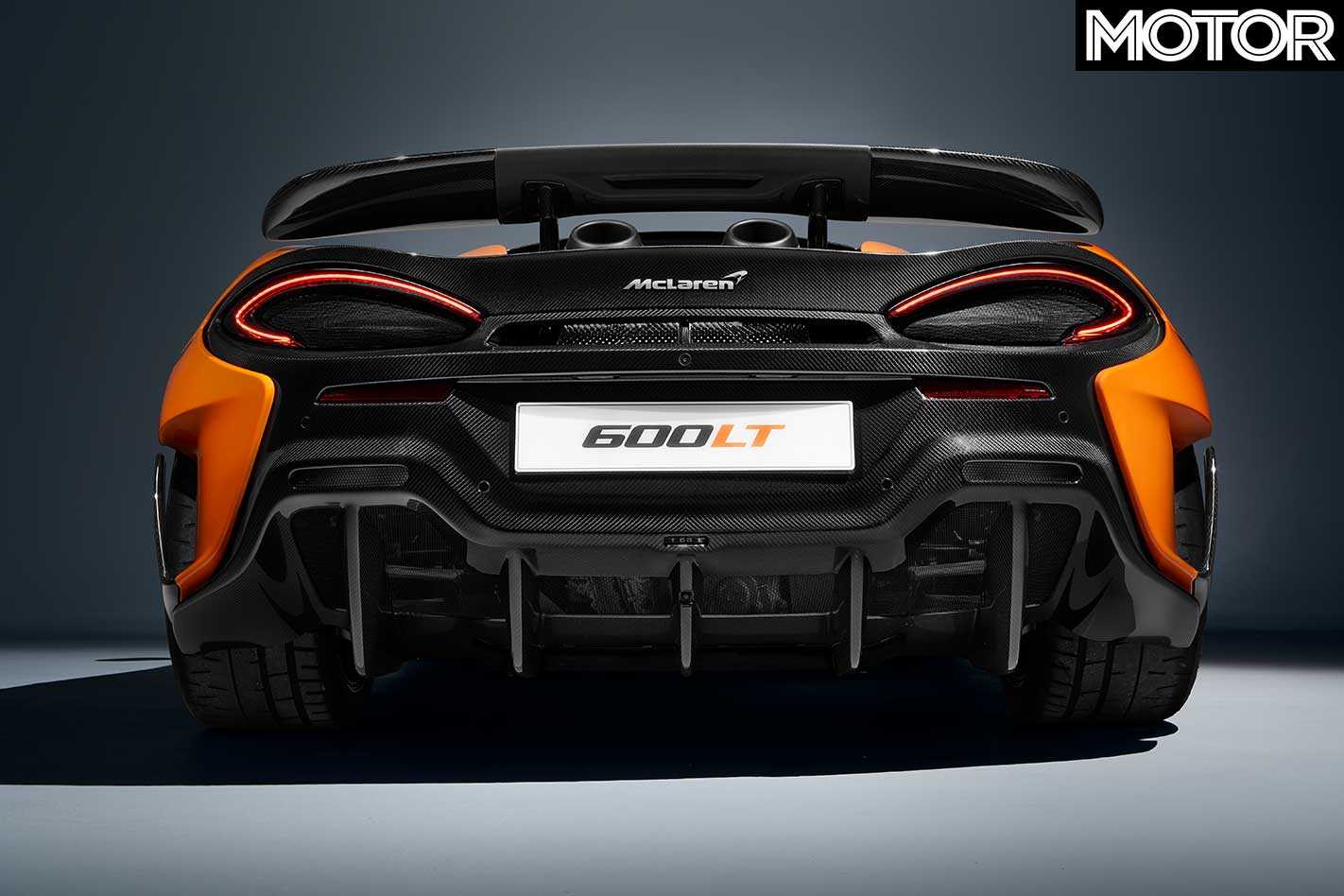
McLaren’s 600LT will be able to out-corner a McLaren 675LT. That’s what McLaren says, as it builds hype for the fittest and fastest member of its Sports Series.
The McLaren 600LT is set to debut at the 2018 Goodwood Festival of Speed, so McLaren has revealed the full list of tech details and specs for the little Longtail, even going to the length of providing preliminary performance figures.
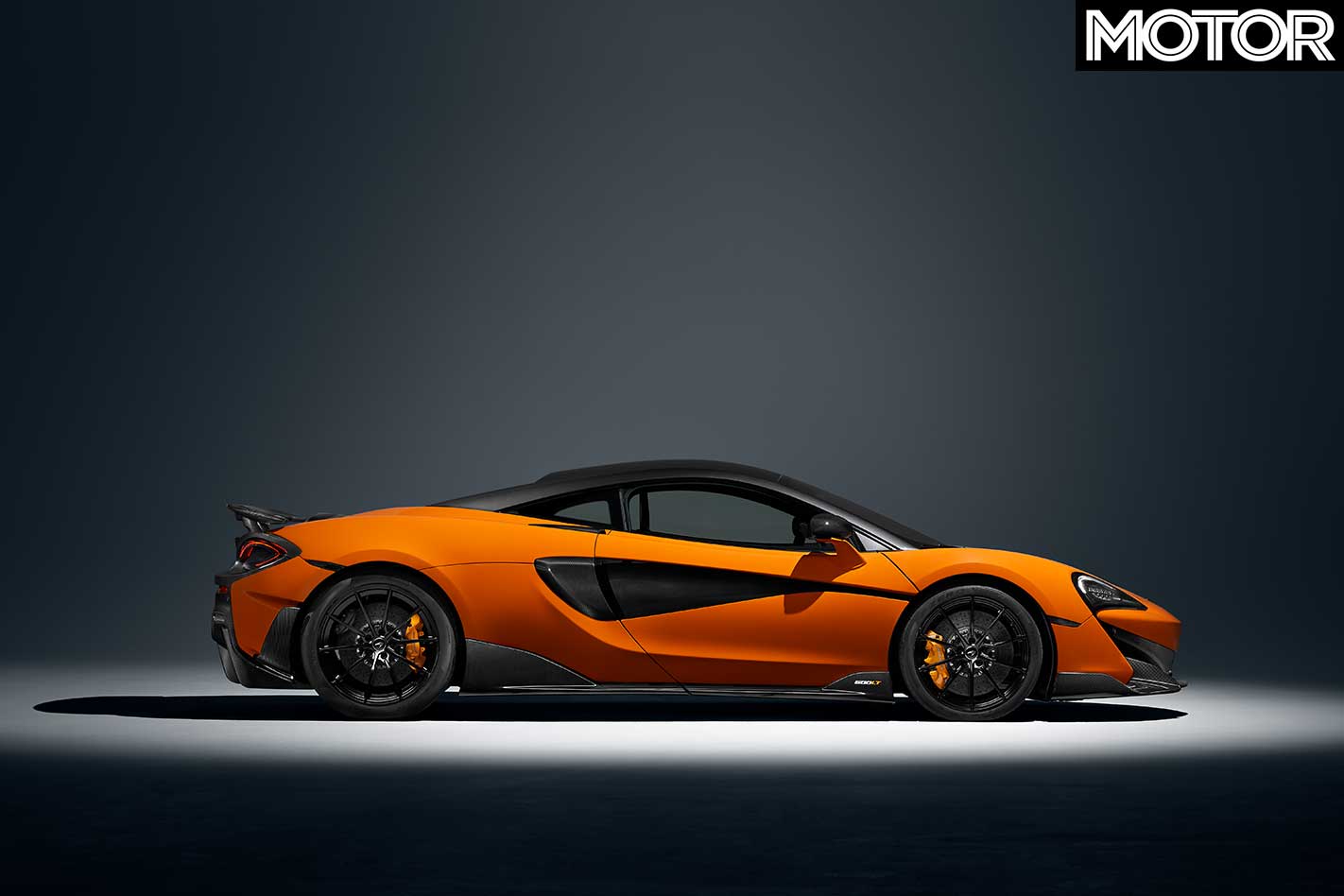
We already knew the 600LT would cop a 441kW/620Nm tune of the twin-turbo 3.8-litre V8 and weigh just 1247kg dry. Peak power arrives at 7500rpm, while peak torque is accessible between 5500 and 6500rpm.
McLaren has now confirmed its kerb weight at 1356kg, more than 60kg lighter than the ballistic 720S. It’s worth keeping in mind that kerb weight includes a fuel tank at 90 per cent filled, which is 64.8 litres in the 600LT’s case (for a 72-litre tank).
MSO Clubsport and MSO Clubsport Pro packs, which are designed by McLaren Special Operations, are said to further reduce weight, though McLaren doesn’t specify by how much.
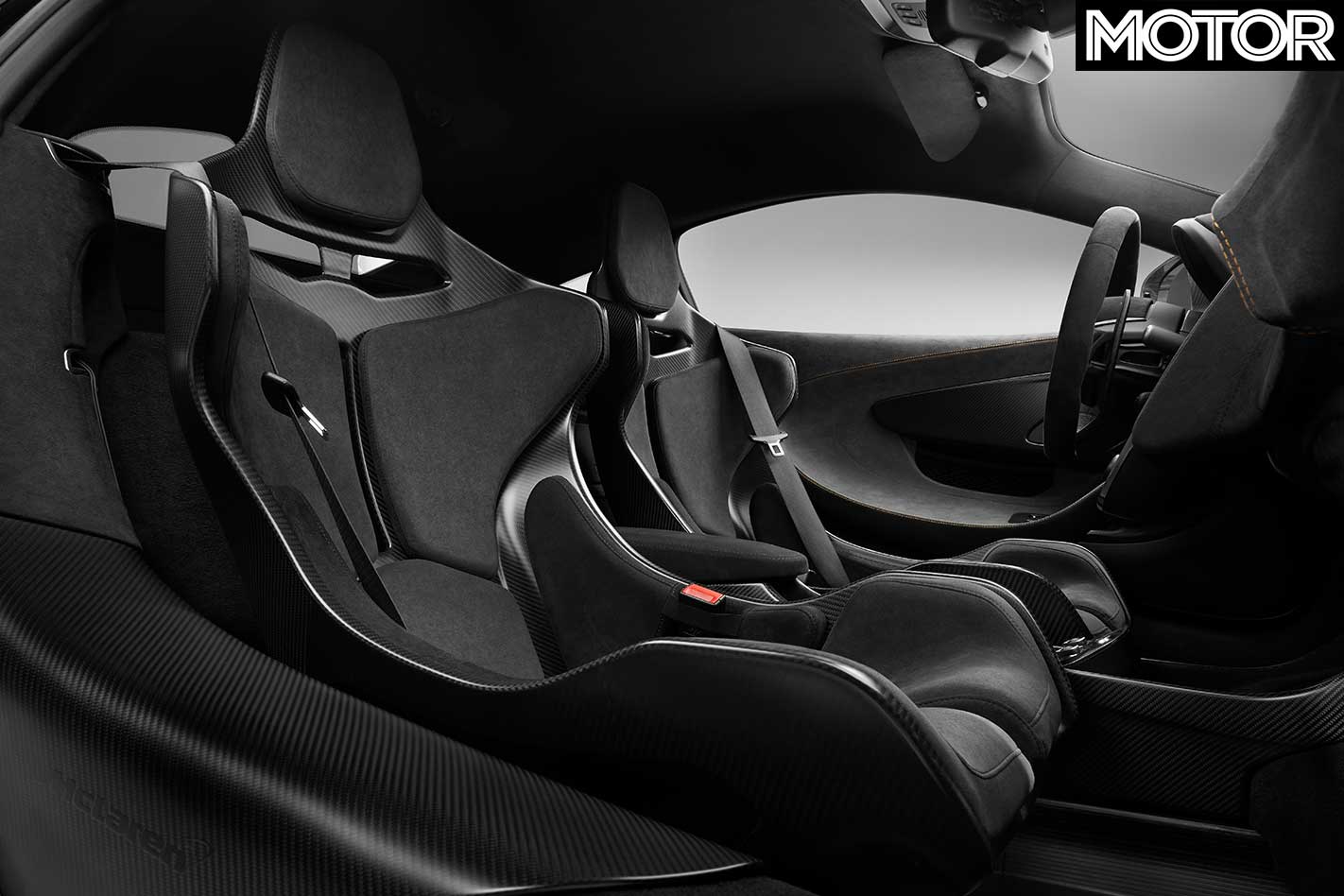
These packs include features such as lightweight carbon fibre racing seats, gearshift paddles, display surrounds, and steering wheel spokes. The roof also gets the carbon treatment, while in the ‘Pro’ pack adds an MSO harness bar and 6-point harness
The 600LT’s light weight is in part thanks to the use of ‘lighter and stiffer suspension components’ from the McLaren 720S such as forged aluminium double wishbones and uprights. The 600LT also borrows its brakes from the McLaren Super Series.
To that end, McLaren says the following figures are still yet to be confirmed, but they’re impressive even now.
| McLaren 600LT performance figures | |
| 0-100km/h | 2.9sec |
| 0-200km/h | 8.2sec |
| 0-300km/h | 24.9sec |
| 0-400m | 10.4sec |
What are they going to think of us in the future? You know, in a couple of hundred years time when everybody’s got three heads and tentacles – not such a stupid idea if we’re downwind of Iraq, or they keep force feeding us The Osbournes – and they pick up an old relic like MOTOR magazine for a perve at what life used to be like.
This feature was originally published in MOTOR’s May 2003 issue
Assume that personal transport has changed a little in the intervening years. Say, Dad drives a nuclear-powered helicopter and Mum does the shopping in a hovercraft running on duck farts. The tiny amount of petrol left is reserved for the exalted and privileged few important enough to deserve it, such as John Howard XIV’s chauffeur-driven single cylinder two-stroke Caprice.
Anyone who thought the late 1960s was the golden era of the performance car is kidding themselves because, ladies and gentlemen, you’re standing in it right now.
Everywhere you look there are things like Toyotas that can blow away old Ferraris, Mercedes that are quicker than Lambos and any number of sports cars, sedans and even wagons that could lap Mt Panorama quicker than a Phase III GT-HO if given the chance.
On the local front, of course, we’re spoiled for choice. In rapid succession Ford has wheeled out an array of BA Falcons quicker than a belt-fed bazooka: XR6 Turbo, XR8 and GT, bang, bang, bang. Yet it’s only half of what Holden can muster when it comes to the Commodore SV6 and SS, plus an array of HSVs with even more potential.
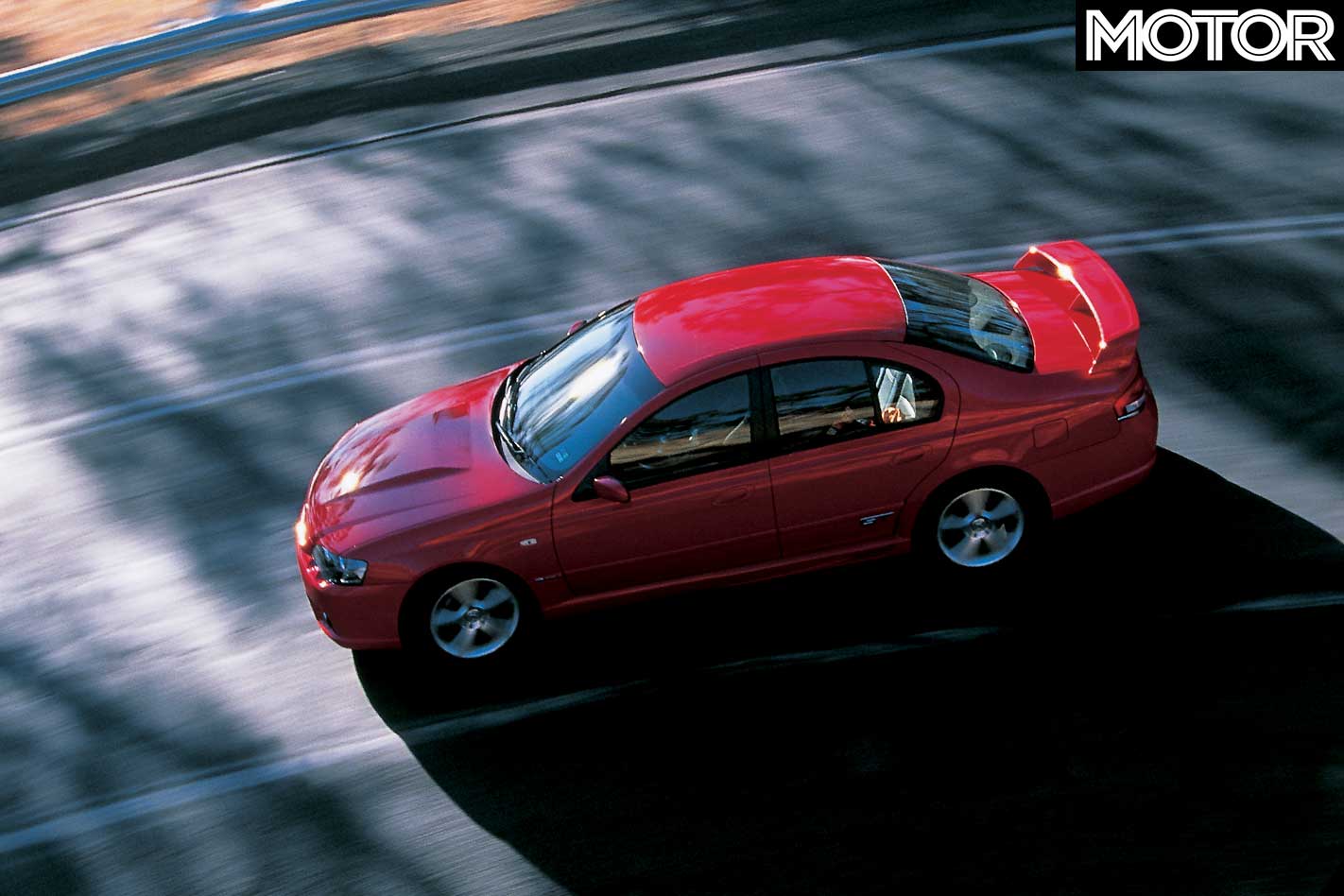
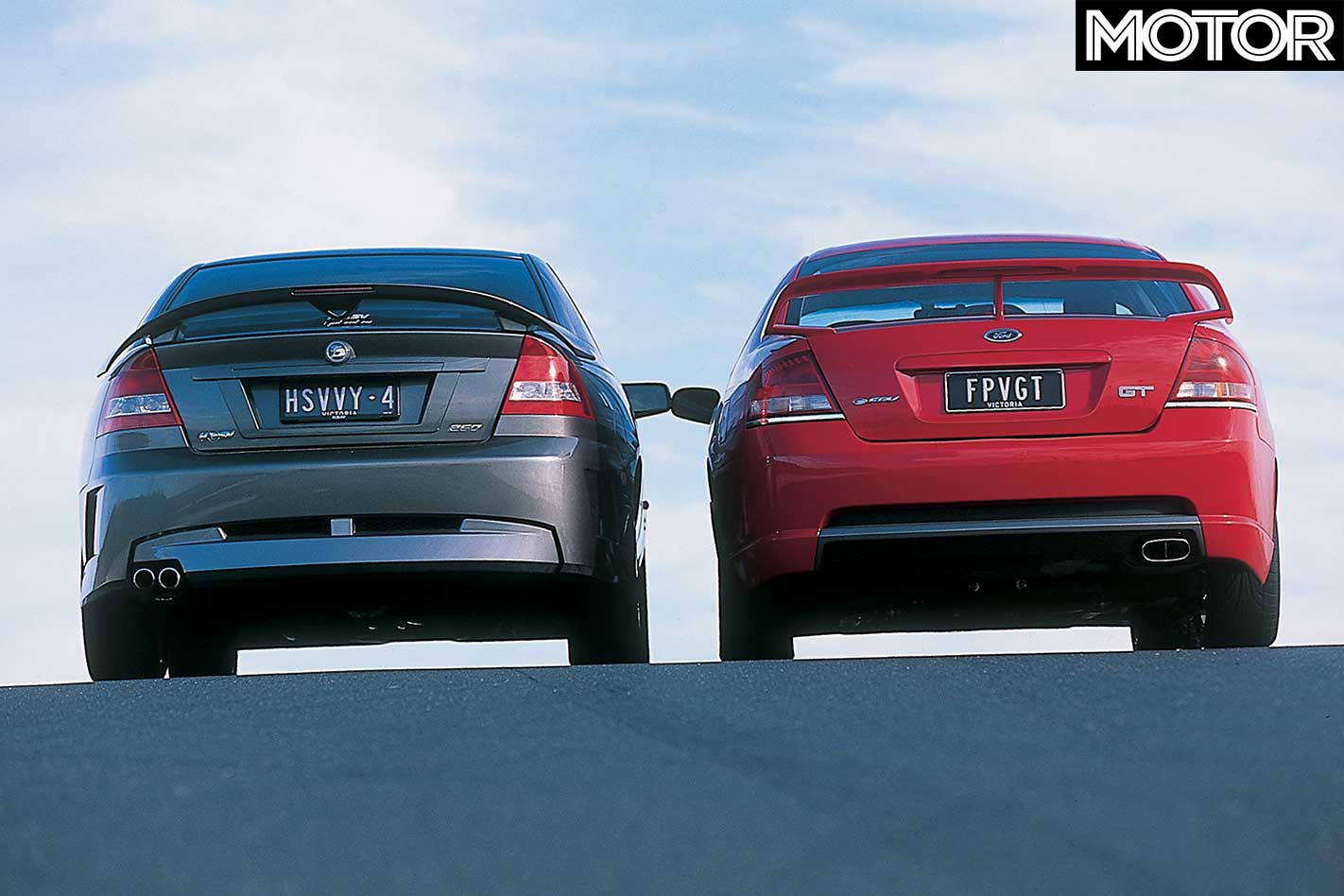
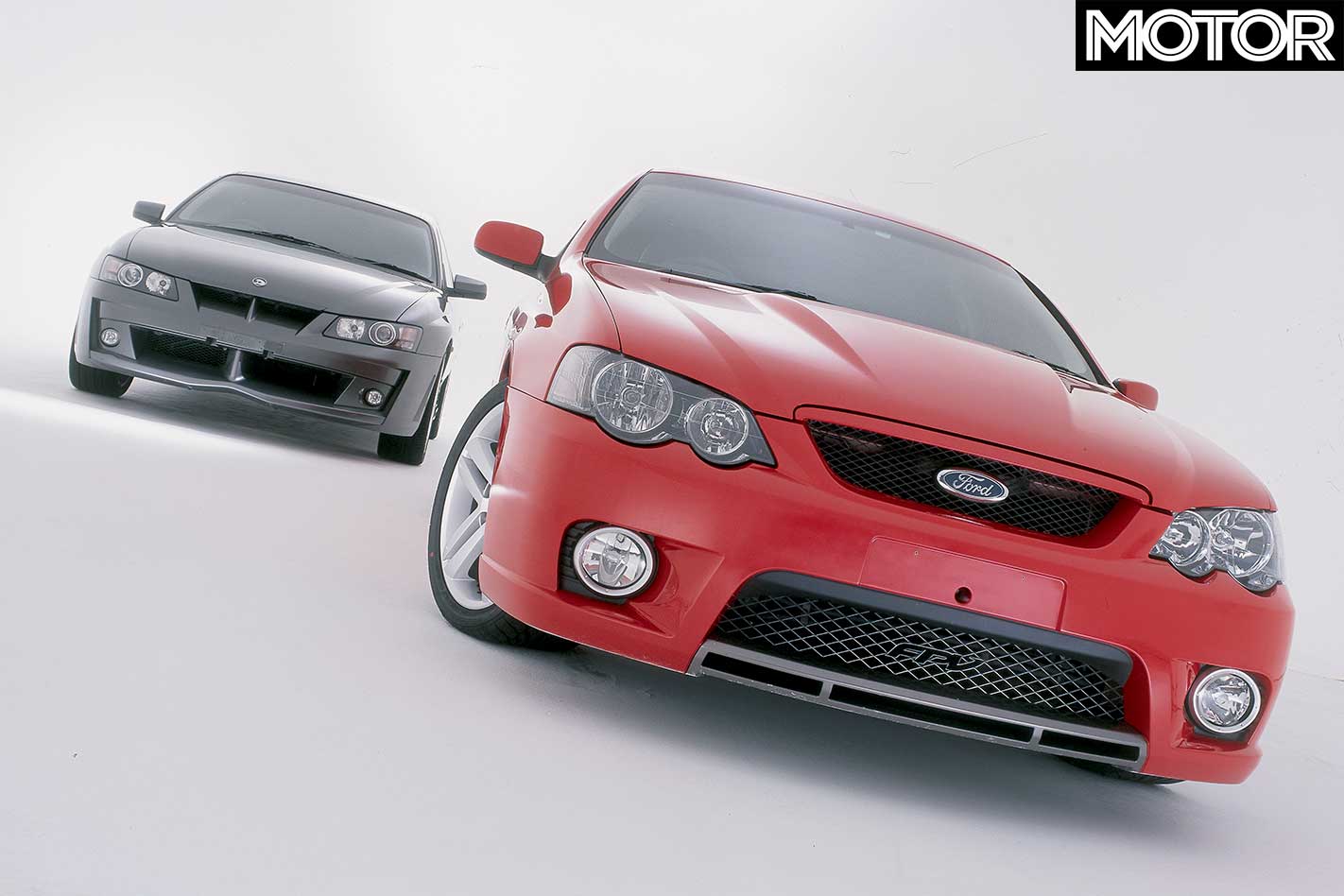
There’s no time to stop, take stock and have a think about it because everything is moving too fast. The main thing, though, is to have a go at discovering whether the new FPV GT is more than a match for its Holden equivalent or if Ford’s best attempt yet at a red-hot performer falls short of the car that has, after all, been continuously developed since the VT was launched back in late 1997.
First problem was, which car to put up against the GT? This is Ford’s ultimate weapon, so one camp within MOTOR figured it should logically be pitted against HSV’s best effort which meant, of course, the GTS sedan. That meant 290kW of 5.4-litre V8 against a 300kW 5.7-litre Gen III, which seems fair enough.
But bring price into the equation and it’s another matter. The GTS costs at least $30,000 more than the Falcon. So it was decided to match the GT dollar-for-dollar, and that meant the ClubSport was car for the job even if it meant the bottom rung of HSV’s sedan range matching it with Ford’s top gun.
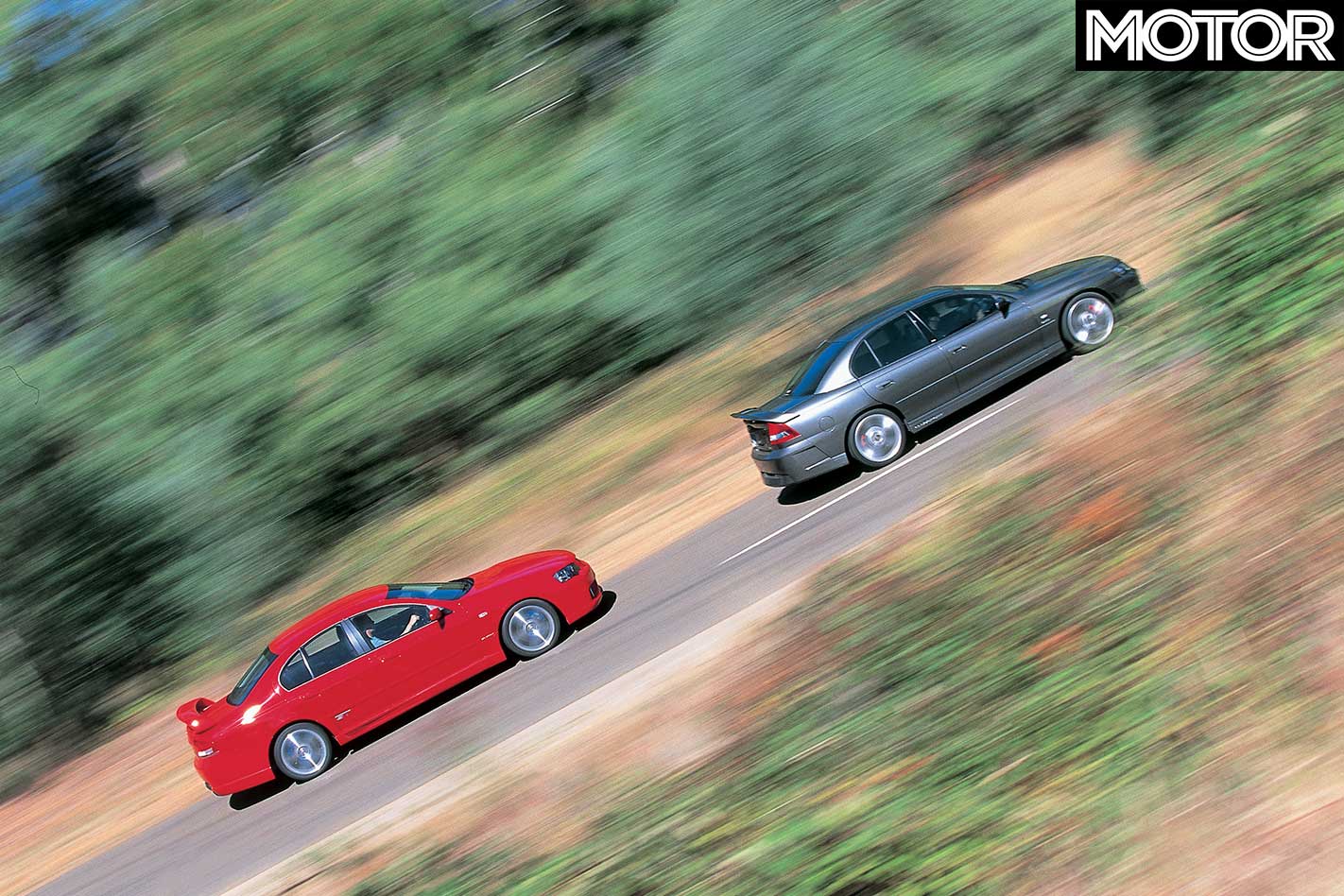
Not that the Clubbie is cheap in any way. For $58,700 you get plenty, including the full body kit, suspension, interior mods and 260kW V8. There’s also air conditioning, cruise control, a single-disc CD player and other creature comforts.
The options list is pretty basic, but does include the extra dials atop the dash for oil pressure and volts (at $750) and, interestingly, our car also had the 19-inch wheel and tyre combo normally reserved for the GTS but available on the ClubSport for a reasonable $2500.
Pricing for the GT is virtually lineball at $59,850 for the five-speed manual and you get most of the equipment found on the HSV expect it’s done the Ford way. There’s the extra power, of course, but the interesting option is Brembo brakes for $6000, and a few other things you wouldn’t expect like the meatier steering wheel at $950.
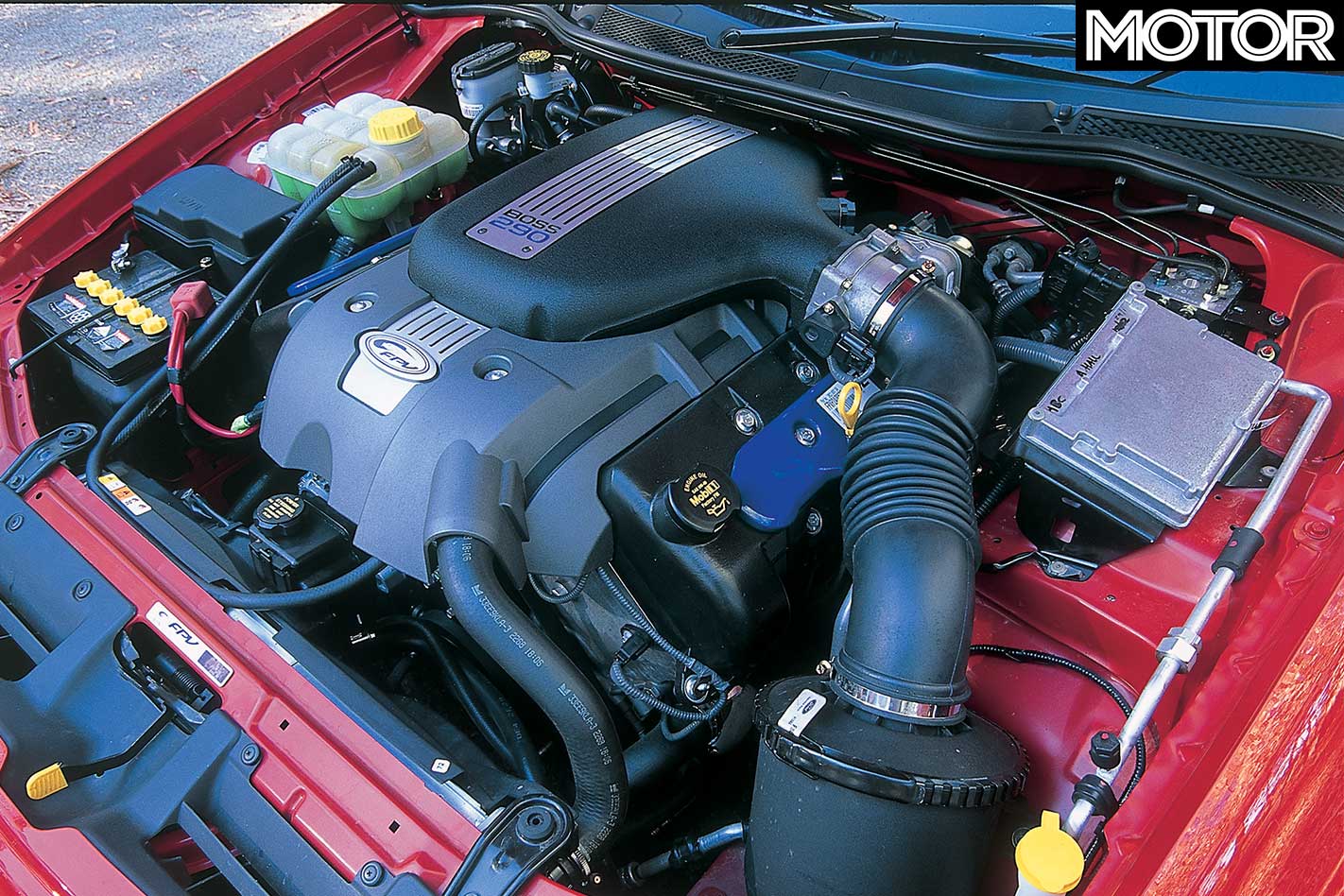
You’ve probably read all about the Boss 290, as Ford likes to call its quad-cam, 32-valve, 5.4-litre V8 as tuned for the GT, but it’s worth repeating that philosophically it is a much different motor to the LS1 version of the Gen III in the ClubSport.
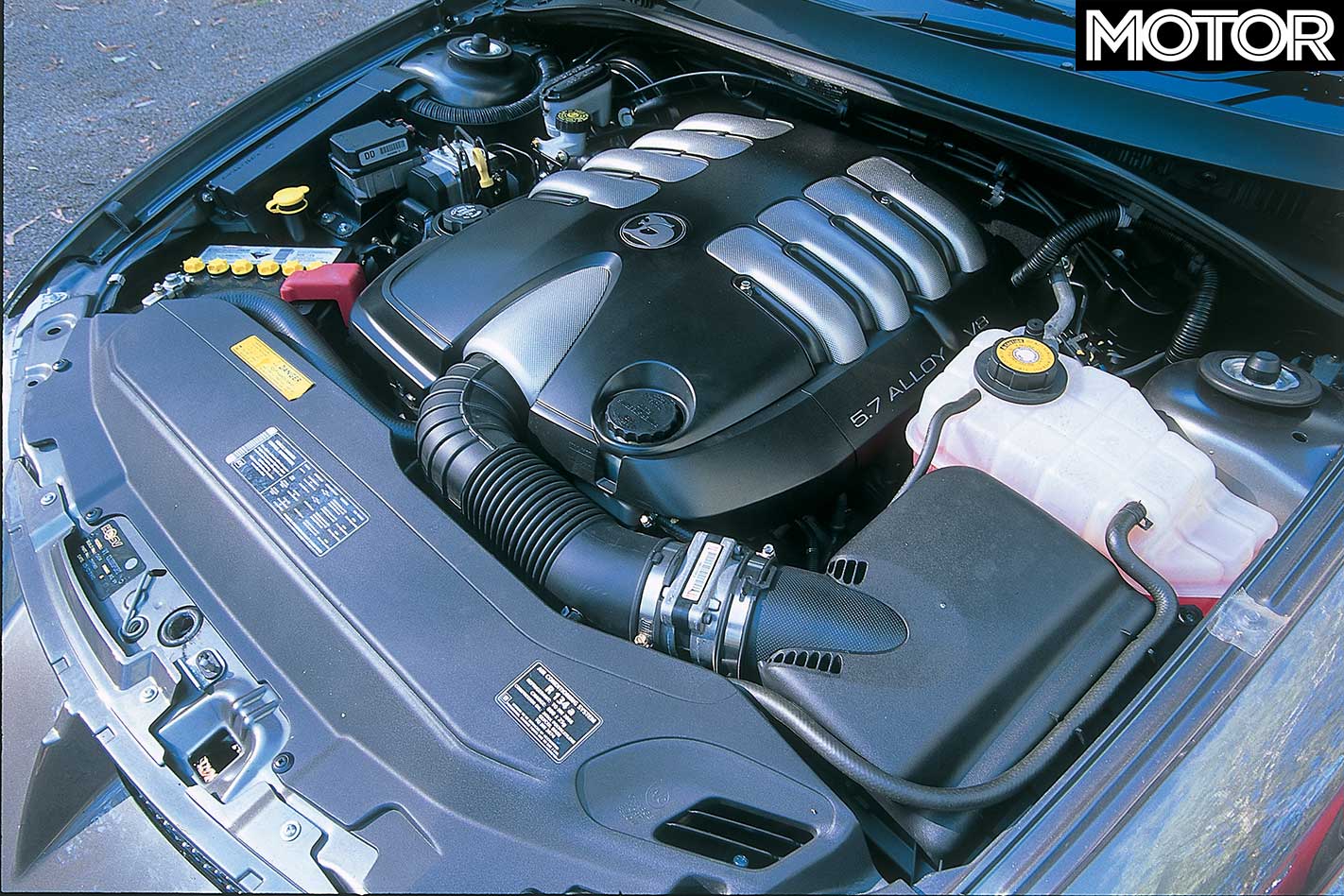
There’s the valve gear, which is a lot more sophisticated than the HSV/Holden/Chevrolet adherence to pushrods. But unlike the relatively big-bore Gen III it’s also considerably undersquare, meaning big piston speeds and more likelihood of considerable torque despite the smaller capacity.
That’s pretty much how it works out. The ClubSport manages 260 kW at 5600 rpm and 475Nm at 4000rpm, which are big numbers but nothing like the GT’s claimed ouput of 290kW at 5500rpm and 520Nm at 4500. It looks like a big performance win the GT, but that is not taking into account kilograms because, as we’ve said before, the BA is a heavy car, and the GT is all that and more.
With 1835kg to lug about the performance Ford’s power-to-weight ratio comes out at 6.3kg/kW, which funnily enough is almost exactly the same as the 1660kg ClubSport’s figure of 6.4kg/kW, so it’s a lot closer than you’d first reckon.
When it comes to sheer acceleration it’s the HSV that makes the most of what it’s got. For some reason, this round of drag strip results didn’t match the best we’ve had out of either car, possibly because the warm and humid conditions and a slightly slippery surface didn’t do wonders for traction.
But the fact is, the GT’s figures across the 400-metre line of 14.29 seconds just weren’t good enough to beat the ClubSport’s 14.06, and it was a similar case in the drag to 100km/h which had the Ford on 5.92 and the HSV doing 5.76.
Okay, so regular readers might notice this is the very same GT in which last issue, we managed 5.81 and 14.06 and probably, with more time and application we could have made up the extra tenths again. What hasn’t changed is the way red Falcon, rego FPVGT, went about its business. Even with the best 235/40 ZR18 boots Dunlop could muster, it’s not an easy car to get off the line.
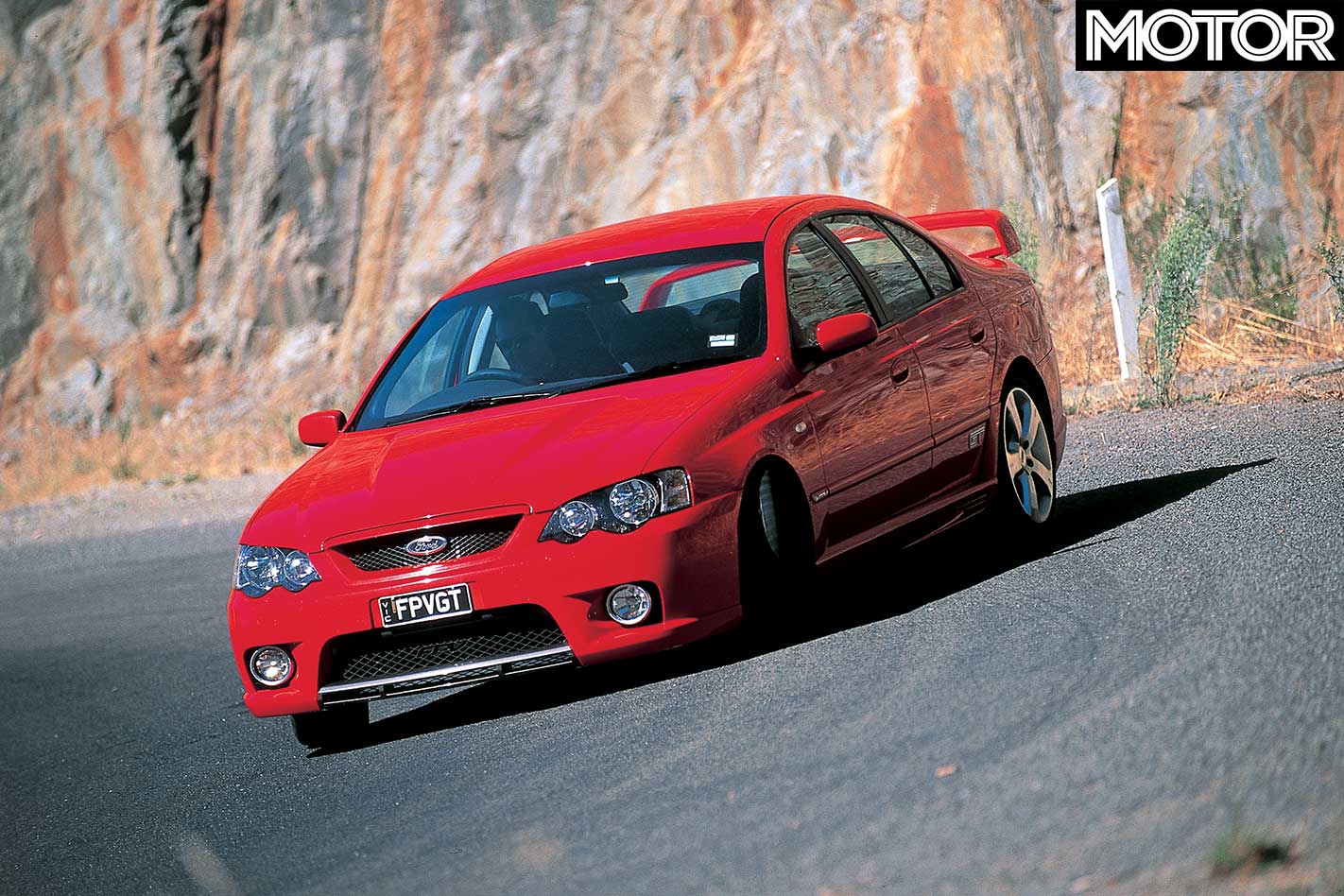
The torque of the Boss 290 is such that from as low as 1800 rpm there’s nothing but time-sapping wheelspin, and gearing in the Tremec five-speed is such that 100km/h of road speed and the 6000rpm engine cut-out arrives right at the second-to-third shift, which is a relatively slow one. But you want to be there to hear the noise the big GT makes as it thunders down the strip, because it’s not something likely to be forgotten.
The ClubSport is easier to launch, probably because the Gen III is inherently less torquey at low revs and it’s easier to control wheelspin away from the line. The GM six-speed may be vague, but it is a little quicker to slot the right gears at full noise and this, plus a healthy ability to rev hard towards the shift point-delineating beeper helps it reach its marks quicker than the GT. And again, there’s no ignoring the fact it has less weight to shift, so it’s the quicker car.
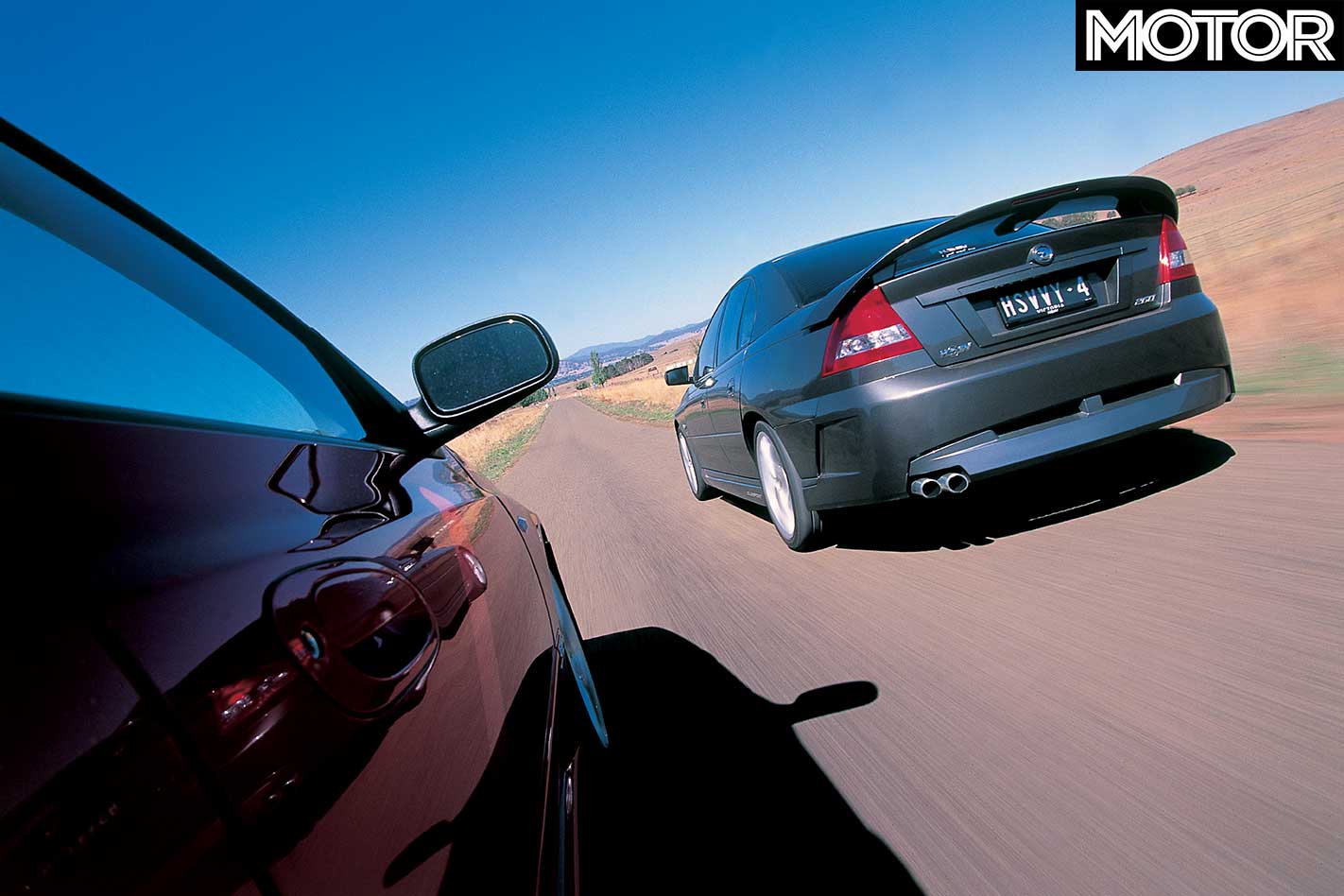
Not the sort of news you’d want if the GT’s “290” badge on the inlet manifold cover was meant to equal Commodore-killing performance, but the drag strip isn’t the whole story. The thing is, there’s nothing wrong with this Ford V8 at all. It’s got grunt, but it also likes to rev and, as mentioned, sounds sensational when it does.
On the road there’s plenty of punch through the mid range, and if needed it will pull fifth gear at ridiculously low speeds. The only thing holding it back is almost two tonnes of Falcon, fuel and driver.
The ClubSport ain’t exactly slow either, and it fact it feels the livelier of the two. It needs to be worked harder to deliver its best, though. Granted, recalibration work on the LS1 with the VY (or, as HSV calls it, Y Series) upgrade has given a better spread of torque through the mid range but there’s no getting past the engine’s hunger for revs.
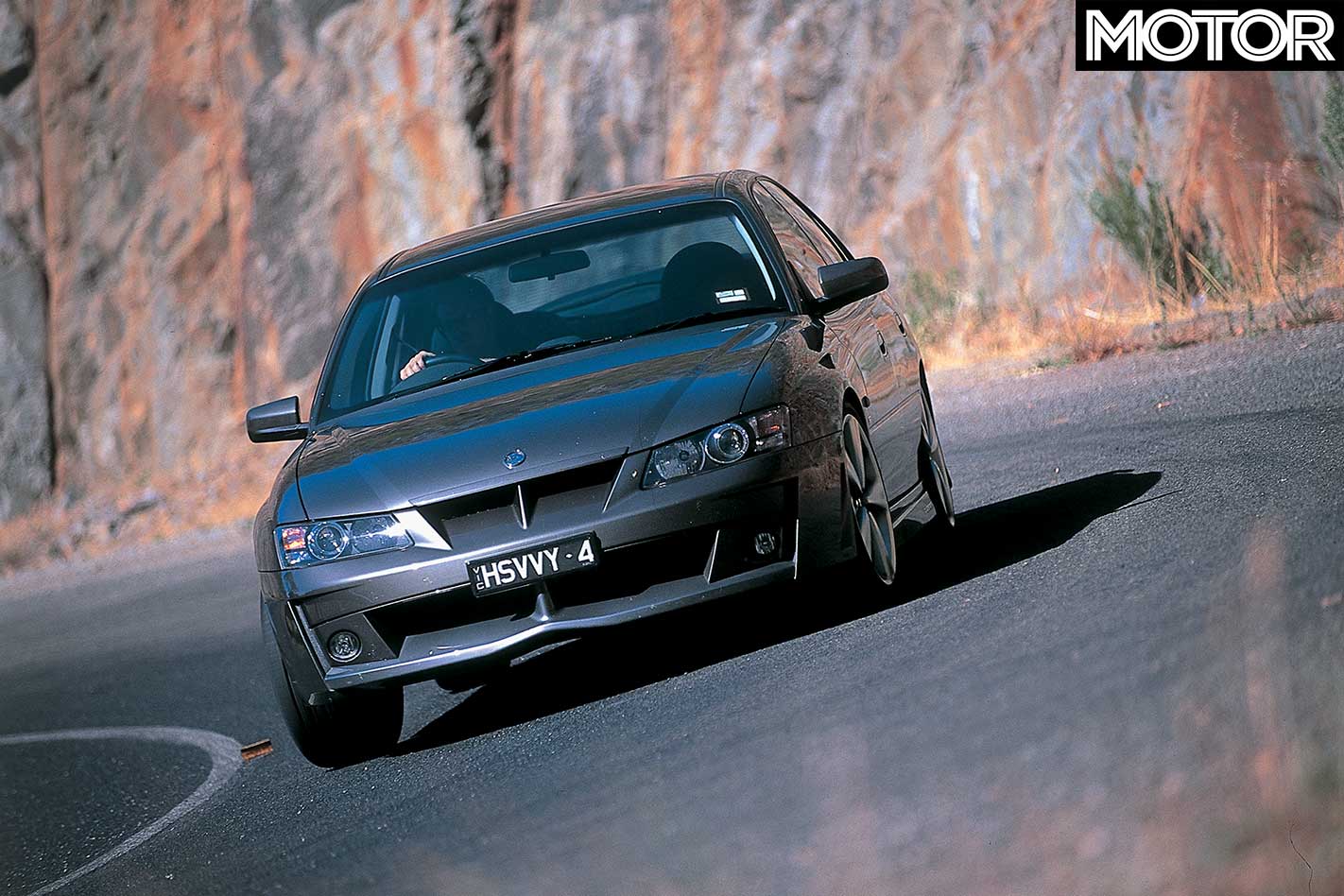
Ratios in the six speed are as tall as ever, and on all but the lamest cruise you can virtually forget about fifth and sixth gears, which is just as well because they’re pretty hard to find. The ClubSport’s lower (than an SS, anyway) 3.73 diff helps a little, but not a lot.
These are cars of two quite differing characters, and for 90 per cent of the time, the GT is the one you’d take home to meet Mum. Let’s face it: much time do you spend on full-noise drag strip starts?
At other times it’s the better car to drive, low on road noise (but what there is gets backed by the melodious exhaust note), and the ride is amazing comfortable given the size of the tyres. It has compliance that means you’re not avoiding potholes, and back that up with the strong mid-range of the engine that means you slot the highest gear and leave it there if need be. Grand Tourer indeed.
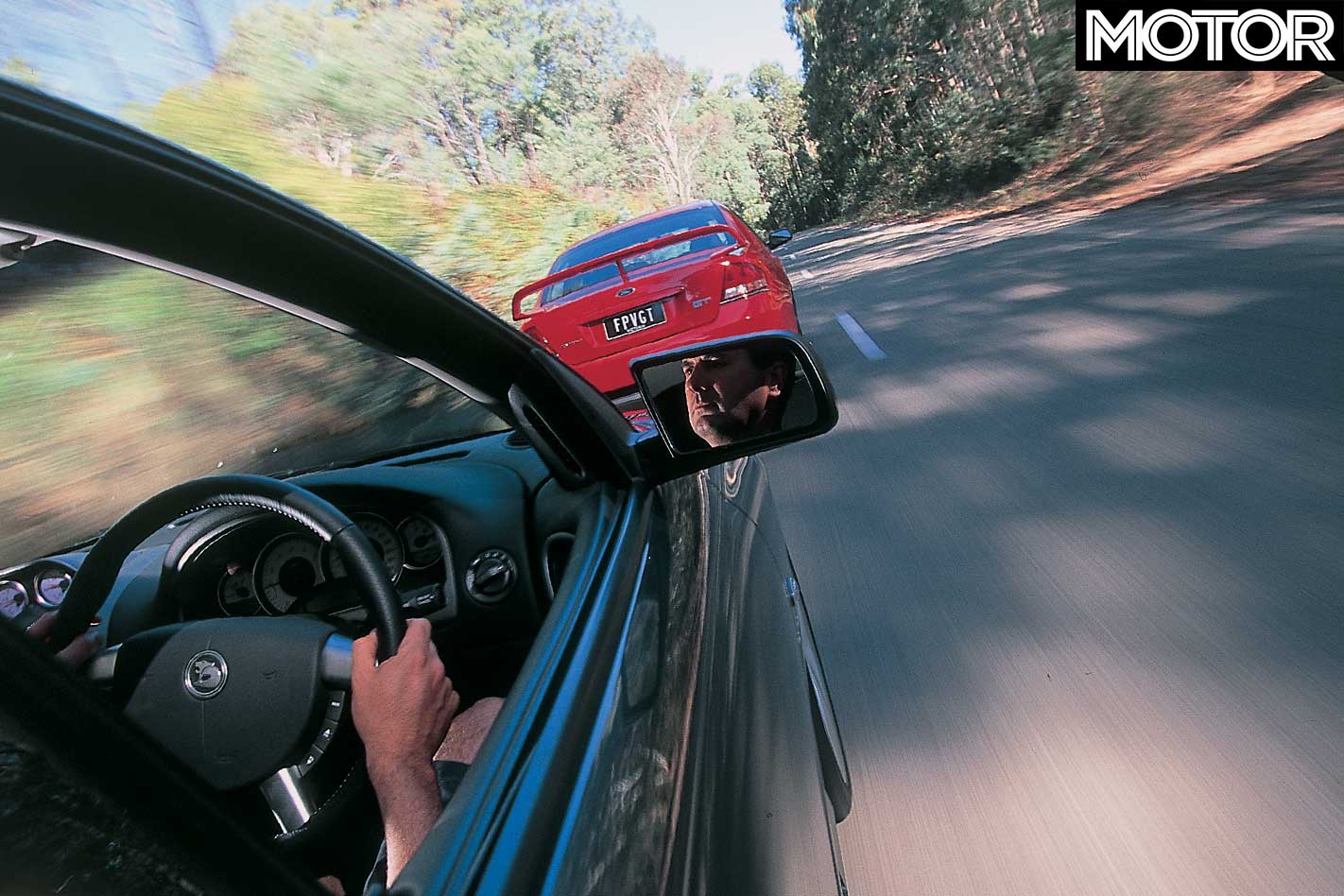
Things are busier in the ClubSport, which is not only noisier but has a comparatively harsh ride that’s no doubt exacerbated by the lower profile 19-inch tyres. It tram lines at the front end (although the GT is by no means innocent of that either) and clatters over bumps you haven’t even seen.
Then there’s the issue of the power steering, which for about the half-dozenth time in an HSV or Commodore variant failed us once again. This time it wasn’t even on a race track, but about 10 corners into our first twisting section of road that wouldn’t have challenged a Hyundai Excel. A big cloud of grey smoke signalled a split hose to a front mounted cooler. It was repaired at a (thankfully nearby) Holden dealer, but left us cursing what has to be a weak mechanical link, and one that does nothing to endear it.
However, with the hose and fluid replaced and the same road tackled again, it was clear the ClubSport has the wood on the GT when it comes to being the quicker car point-to-point over dive-and-tuck back roads. It’s a mid-corner thing.
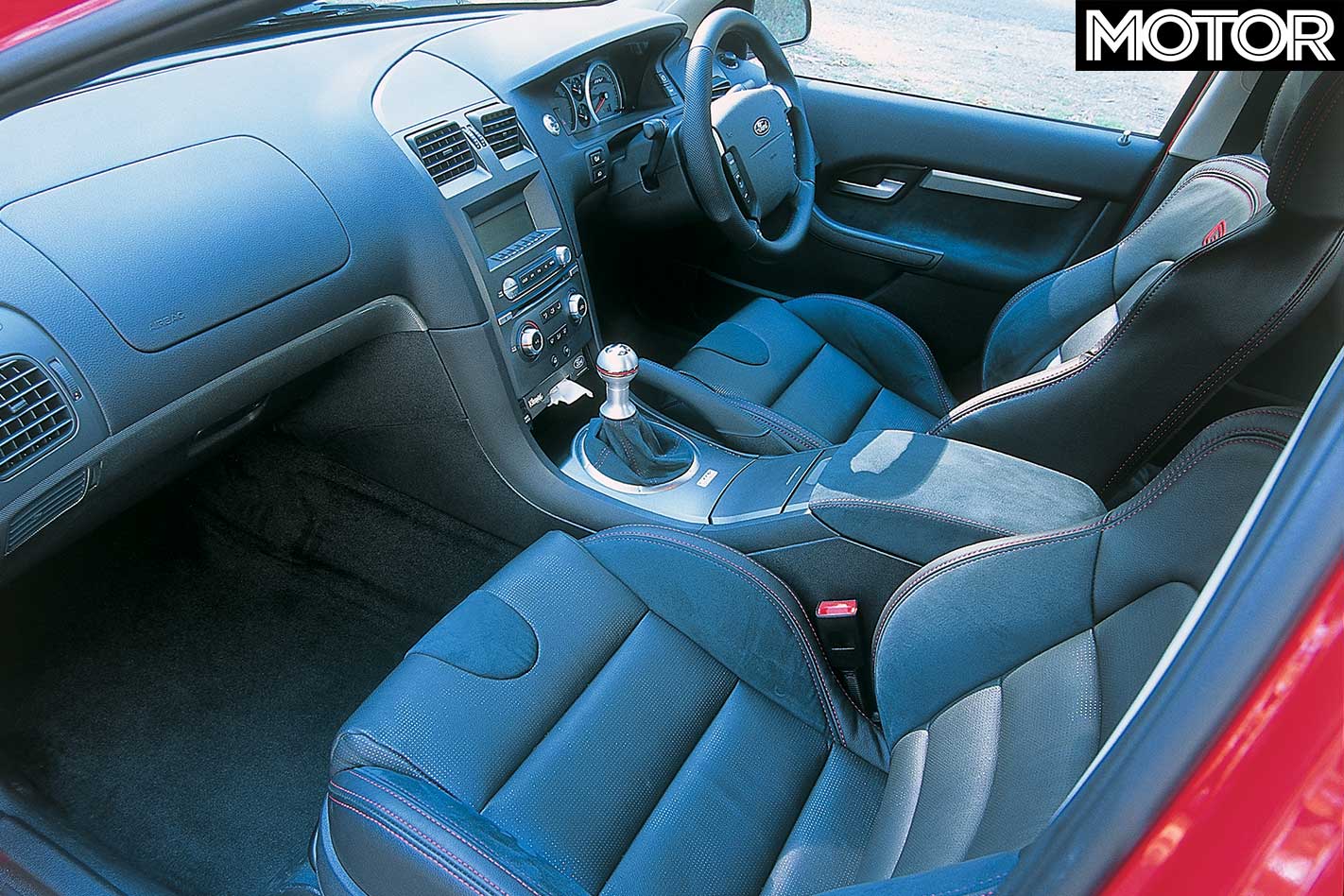
It is a smaller and more nimble car, and feels it. The Y Series’ improved and more direct steering works better (when it’s working) than previous VT/VX variants, but it is the ClubSport’s ability to hold a line and power down out of a corner that makes it so exhilarating. It will chew and worry at its outside front tyre on entry, but after that it’s gone and forgotten; squatting in the rear and bellowing on to the next challenging.
It’s a matter of degrees, but the GT is less comfortable when pushed to the limit. It also has some initial understeer, but just before that happens the driver is made well aware of the car’s weight as it shifts slightly to the opposite side of the intended directional change. It’s a legacy of the extra kilograms, and the slightly softer springing that gives the GT its more comfortable ride, but the lighter and less accurate steering of the BA requires the driver to readjust a line through the corner. Then as the weight shifts, it’s just as likely to give a twitch – or an armful – of opposite lock as it exits.
The GT’s standard brake set-up, which as with the ClubSport was developed with help from supplier PBR, is good but not quite up to the standards of the HSV when it comes to repeatable stopping power. Blame the GT’s weight and smaller swept area of the rotors, but the Brembo package is well worth considering even taking the extra cost into account.
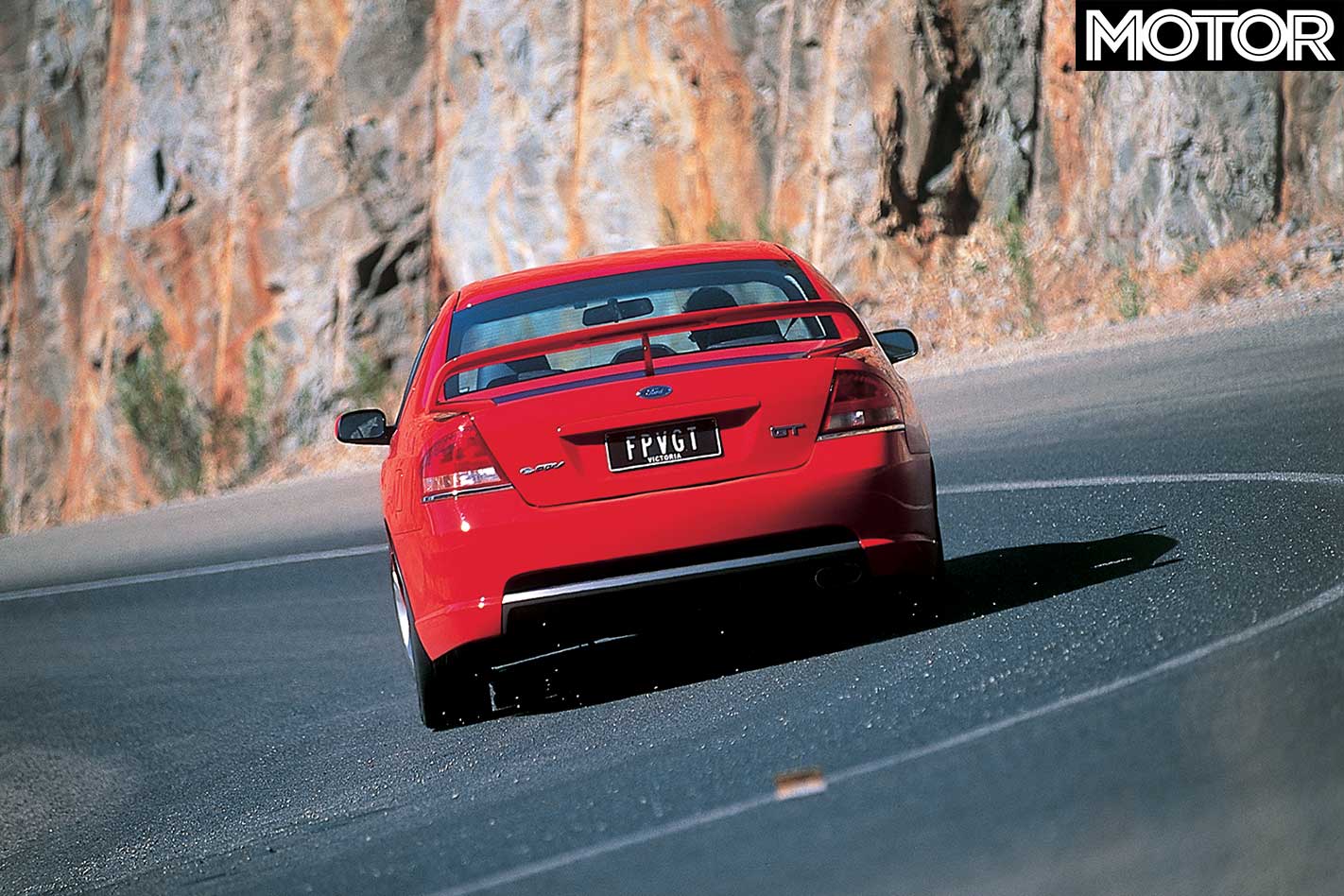
The Clubbie’s stoppers work just fine, but if the even bigger “premium” brakes are needed, you’ll have to upgrade to the $69,000 ClubSport R8.
The driver’s pretty busy in either car at this stage, but with more time to look around the differences and similarities between the two cars raise themselves again.
There’s not much in it for available interior space: despite being longer, the Falcon’s back seat doesn’t seem to have much more leg room even if there is a bit more width. The HSV’s deeper boot is probably more practical, but the GT’s gas struts in place of Holden’s clumsy hinges are appreciated.
From the driver’s seat the HSV has a fussy look, with plenty of silvery paint and stylised switchgear but the important thing is it all works well. The ClubSport gets climate control air con where the GT doesn’t – you have to pay for the GT-P model to go full auto – and along with the stereo everything is clearly marked and easy to use.
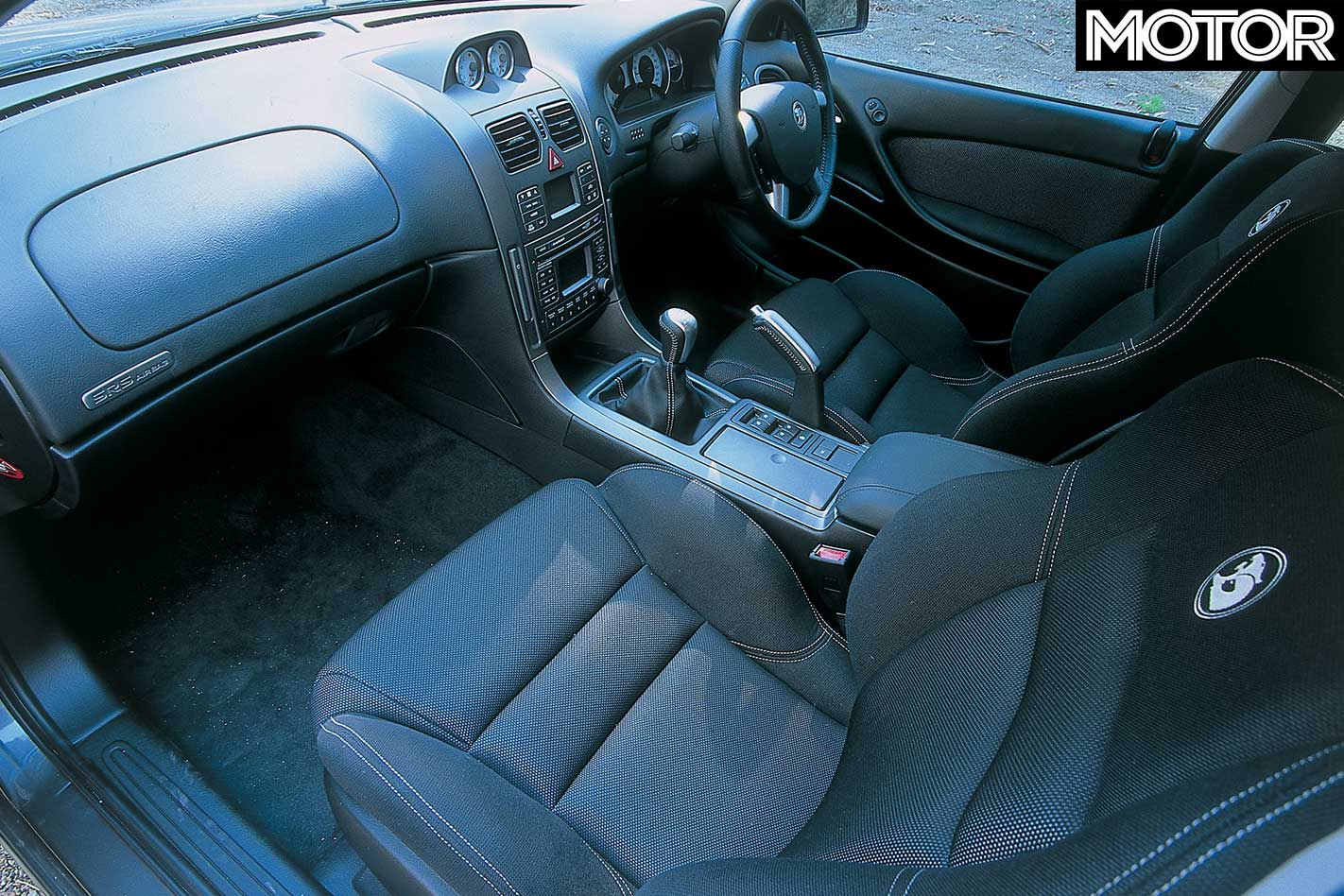
The same can’t be said for some of the GT’s switchgear which is hidden by the steering wheel, but the tiller itself has well-placed buttons for cruise control and stereo volume, and because it is thicker rimmed is the nicer of the two. The ClubSport’s seats are more narrow and a little less comfortable than the GT’s, but offer greater support around the driver’s back.
You want a winner? Well, depends where you’re coming from. In most of the driving instances you’ll find yourself, the GT is more useful and more refined. Despite its size the lazy torque makes it a cinch to drive around town, and the supple ride is good for urban environments and high speed cruising. In isolation it is quick, competent, entertaining and downright lovely to live with. In short, the best thing Ford has done for years, or probably ever.
But this is a performance magazine, and at the end of the day, the ClubSport is the better performance car when taken to its limits.
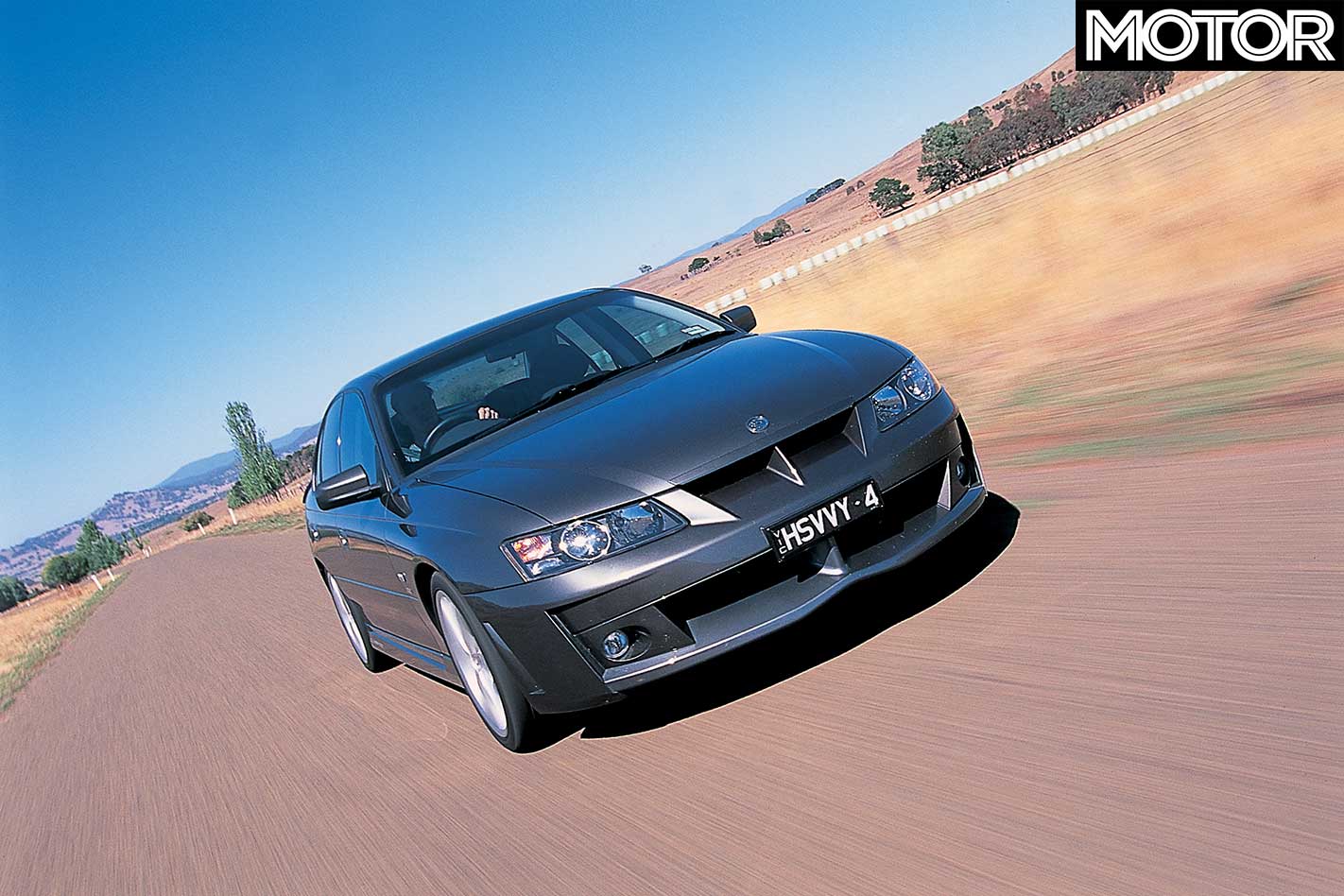
Not only is it significantly faster in a straight line, but it’s quicker and more entertaining on the twisty bits. In some ways it has been handed a free kick by Ford, who have engineered so much into the BA it has ended up far too heavy for even the power of The Boss to totally overcome.
The ClubSport isn’t perfect – we’d love to try one fitted with the Ford’s Tremec five-speed, and the ride could be softened a little – but where the GT is red hot this HSV is smoking.
Power Plants Fast sedans, but where’s the engine-uity from?
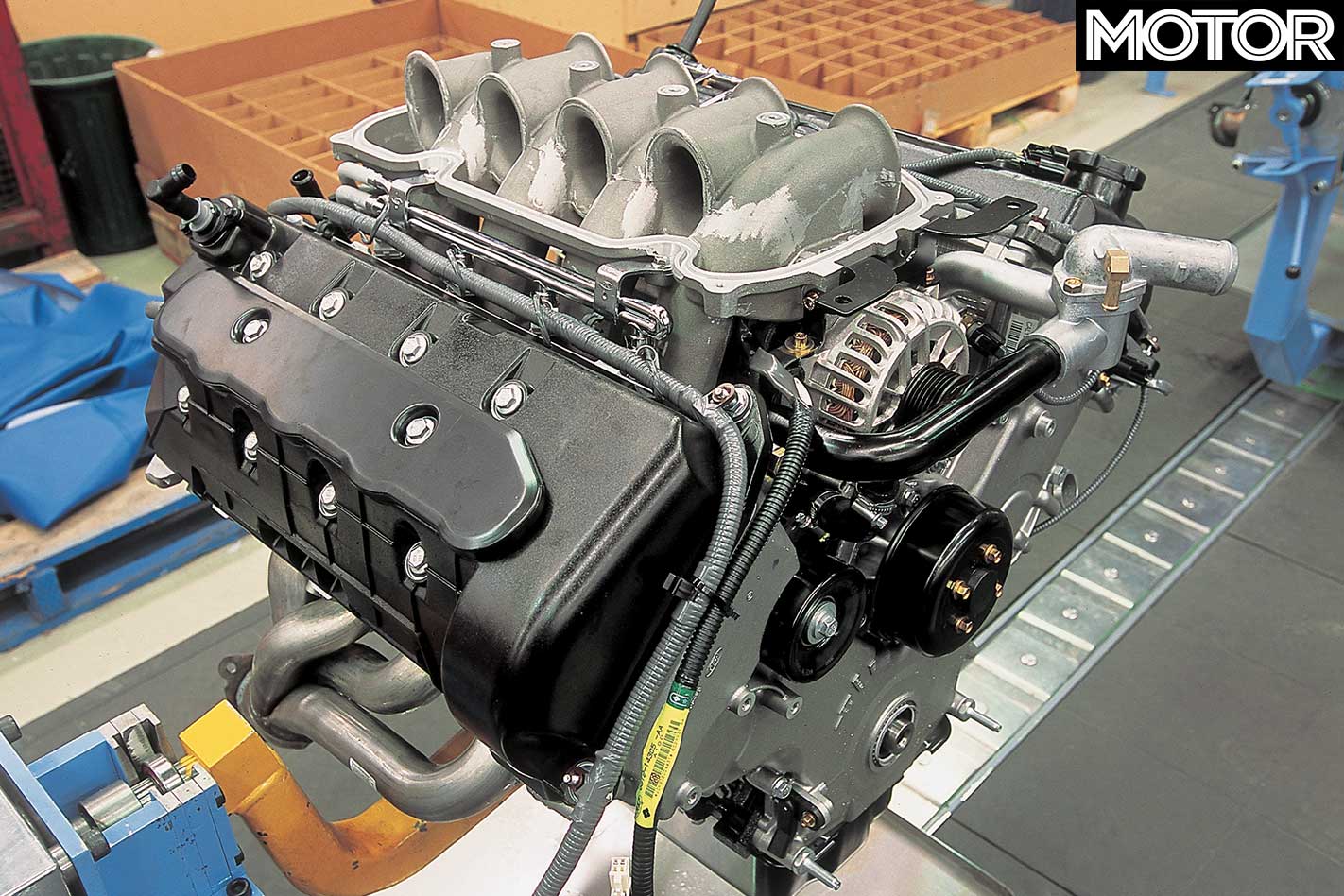
So you’re doing your bit for Australia and you’ve bought yourself an Aussie performance car. Good on ya, but you do realise we don’t actually make the engines here, don’t you? Don’t You?!
That’s right folks, your hot Holdens, HSVs, Fords and FPVs are powered to differing degrees by foreign engines.
The 220 kW SOHC 5.4-litre V8 that’s available across the BA range is a Canadian-built crate motor. The all-alloy 5.7-litre Holden GEN III, she’s also a Canuck.
Moving to HSV, the 260 kW LS1 Heritage is another Canadian, built in the same plant as the base Holden engine at St. Catharines, Ontario.
HSV’s big gun 300 kW motor is a mixture of Canadian and US knowhow. The crate motor is sent over to Connecticut to be breathed on by Corvette gurus, Callaway. They put in all the hot bits, including cam and a basic tune and bundle it over to HSV where it is dropped into GTS sedans and coupes.
Of course, both the LS1 Heritage and the C4B engines are tuned locally by HSV’s engineers. The recent recalibrations for Y Series, for example, including improvement to low and middling torque delivery.
This leads us to the XR8 and GT engine. She’s an ingenius mix of Ford Navigator block and Mustang Cobra 4.6-litre heads. This one’s got the most claim to an Aussie passport with loads of development work and final assembly taking place at Broadmeadow.
Hell, even the 3.8-litre V6 found in truckloads of Commodores is an old Buick design. While the upcoming HFV6 Commodore motor will be built at an all-new plant at Fishermens Bend in Melbourne, its design a mix of US and European input.
Only Ford’s 4.0-litre six and its turbo variant are local (with bore centres dating back to 1960, but it’s local nonetheless).
Fast Facts
| u00a0 | 2003u00a0HSV ClubSport | 2003u00a0FPV Falcon GT |
| BODY | four-door sedan | four-door sedan |
| DRIVE | rear-wheel | rear-wheel |
| ENGINE | 5.7-litre, pushrod 16-valve V8 | 5.4-litre, DOHC, 32-valve V8 |
| BORE/STROKE | 99.0mm x 92.0mm | 90.2mm x 105.8mm |
| COMPRESSION | 10.0:1 | 10.5:1 |
| POWER | 260kW @ 5600rpm | 290kW @ 5500rpm |
| TORQUE | 475Nm @ 4000rpm | 520Nm @ 4500rpm |
| WEIGHT | 1660kg | 1835kg |
| POWER/WEIGHT | 157kW/tonne | 158kW/tonne |
| TRANSMISSION | 6-speed manual | 5-speed manual |
| SUSPENSION (f) | MacPherson struts and anti-roll baru00a0 | double wishbones, coil springs and anti-roll bar |
| SUSPENSION (r) | independent by semi-trailing arms with coil springs and anti-roll bar | independent by multi-links with coil springs and anti-roll bar |
| L/W/H | 4890/1842/1450mm | 4920/1864/1435mm |
| WHEELBASE | 2788mm | 2829mm |
| TRACKS | 1558mm (f); 1574mm (r) | 1560mm (f); 1575mm (r) |
| BRAKES (f) | 330mm ventilated and grooved discs, twin piston calipers | 325mm ventilated and grooved discs, twin piston calipers |
| BRAKES (r) | 315mm ventilated and grooved discs, twin piston calipers | 303mm solid and grooved discs, single-piston calipers |
| FUEL | 75 litres, 95-RON PULP | 68 litres, 95-RON PULP |
| WHEELS | 18 x 8.0-inch (f & r), alloy | 18 x 8.0-inch (f & r), alloy |
| TYRE SIZES | 235/40 ZR18 (f & r) | 235/40 ZR18 (f & r) |
| TYRE | Bridgestone Potenza S03 | Dunlop SP Sport 9000 |
| PRICE | $58,700 | $59,850 |
Fast Figures
| u00a0 | 2003u00a0HSV ClubSport | 2003u00a0FPV Falcon GT |
| 0-50km/h | 2.47sec | 2.50sec |
| 0-100km/h | 5.76sec | 5.92sec |
| 0-130km/h | 8.98sec | 9.45sec |
| 0-400m | 14.06sec @ 166.9 km/h | 14.29sec @ 164.7 km/h |
Having your car serviced regularly can be a bit of an inconvenience, especially if you cover a lot of kilometres, but doing it right and in a timely manner can extend the life of your engine, reduce fuel consumption, increase the safety of your vehicle, prevent wear of moving parts, maintain road-worthiness and improve resale value. Quite worthwhile, you might say.
Servicing frequency varies between different cars and manufacturers. The most reliable resource for your car’s regular service timing is its logbook, which is usually found in the glovebox. As a general rule most cars benefit from a service at least once a year, or after 10-15,000km since the last service, whichever comes first. The basic necessity here is an oil change, but it provides an opportunity for your mechanic to check other vital signs, as well as the condition of your tyres and brakes, which are critical for safety.
There are two main types of service: minor and major. The intervals between major services are long, and there are usually one or two minor services in between them. This pattern should be continued even after the warranty period has expired to ensure longevity of your vehicle.
MINOR SERVICE
Generally includes:
- Engine oil and oil filter change
- Air and fuel filter check
- General inspection (fluids, belts, hoses and brakes)
- Tyre check and rotation
- Battery test
MAJOR SERVICE
Generally includes all minor service inspections, plus:
- Engine check
- Lights check
- Spark plug replacement
- Air-conditioner filter check
- Brake fluid and brakes check
- Coolant flush
- Transmission service
- Wheel alignment
- Windscreen wiper replacement
- Suspension check
- Repack wheel bearings
- Full-vehicle inspection and correction of any issues
- Tuning if necessary
It takes a solid all-round performance to make it onto the podium at Wheels Car of the Year but that’s exactly what the Skoda Kodiaq did at this year’s competition.
It wasn’t quite enough to edge out the overall winner the Volvo XC60, but the Skoda’s combination of excellent practical features, compelling price and rewarding driving dynamics still rate it as one of the most versatile and best value vehicles on the market.
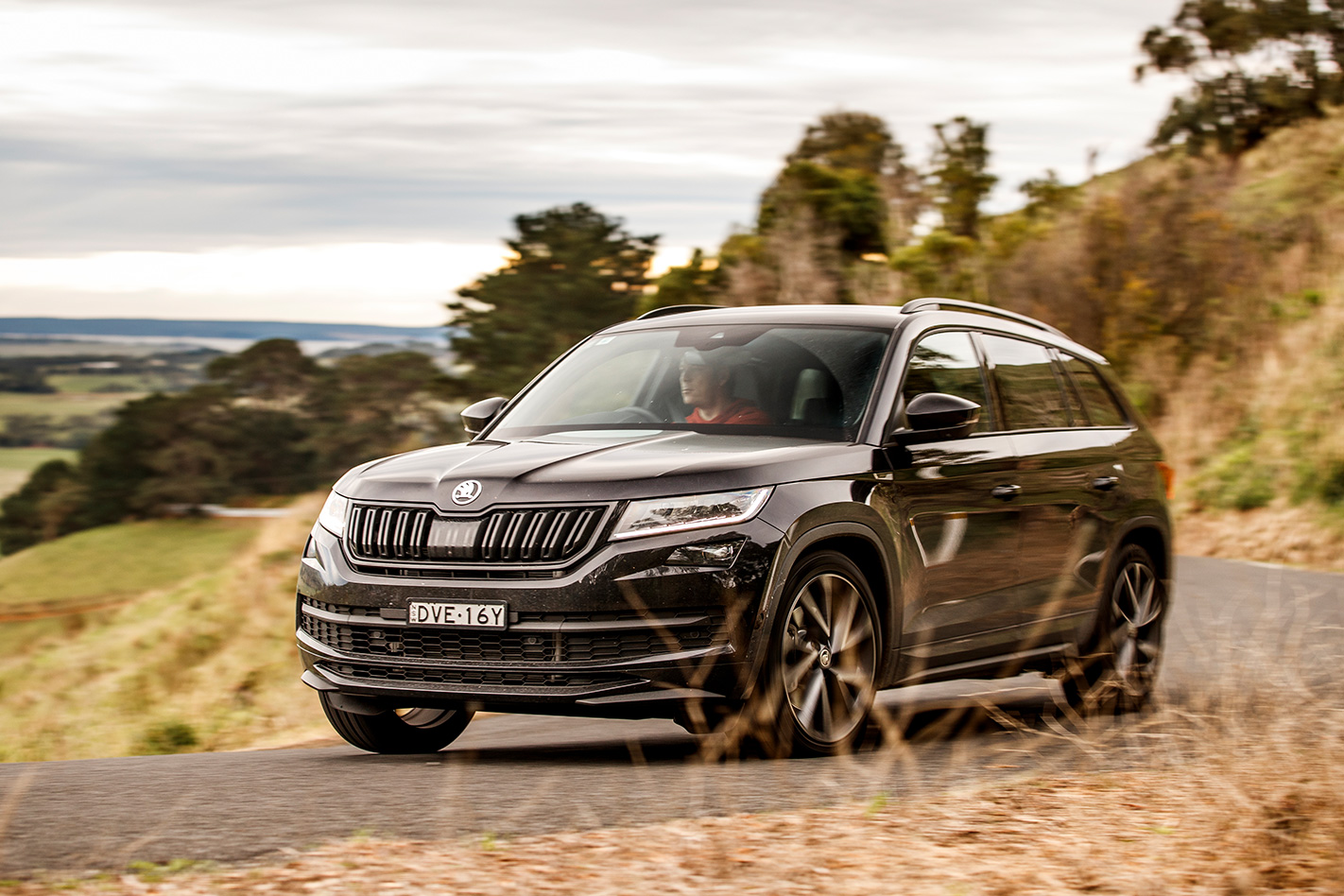
Just a year before, another seven-seat large SUV made COTY history when the Mazda CX-9 took out the top award, and in a rematch earlier this year between the winner and the Skoda, the Japanese victor retained its title as the one to have.
But the seven-seat battle of the brands is not done yet because Mazda has now introduced a new three-row SUV dubbed the CX-8 and it promises to bring all of the practicality of its larger sibling minus some of the bulk.
Is this finally an opportunity for the Kodiaq to assert its position in the growing arena of high-capacity SUVs or will the first CX-8 in Mazda’s ranks continue to carry the value and practicality mantle?
Price and equipment
Mazda CX-8 At $61,755, the range-topping Mazda CX-8 we tested is not the cheapest offering in the segment nor is it the most expensive, but thanks to a generous list of standard equipment, it’s only $265 more expensive than the base price of an off-the-shelf Asaki.
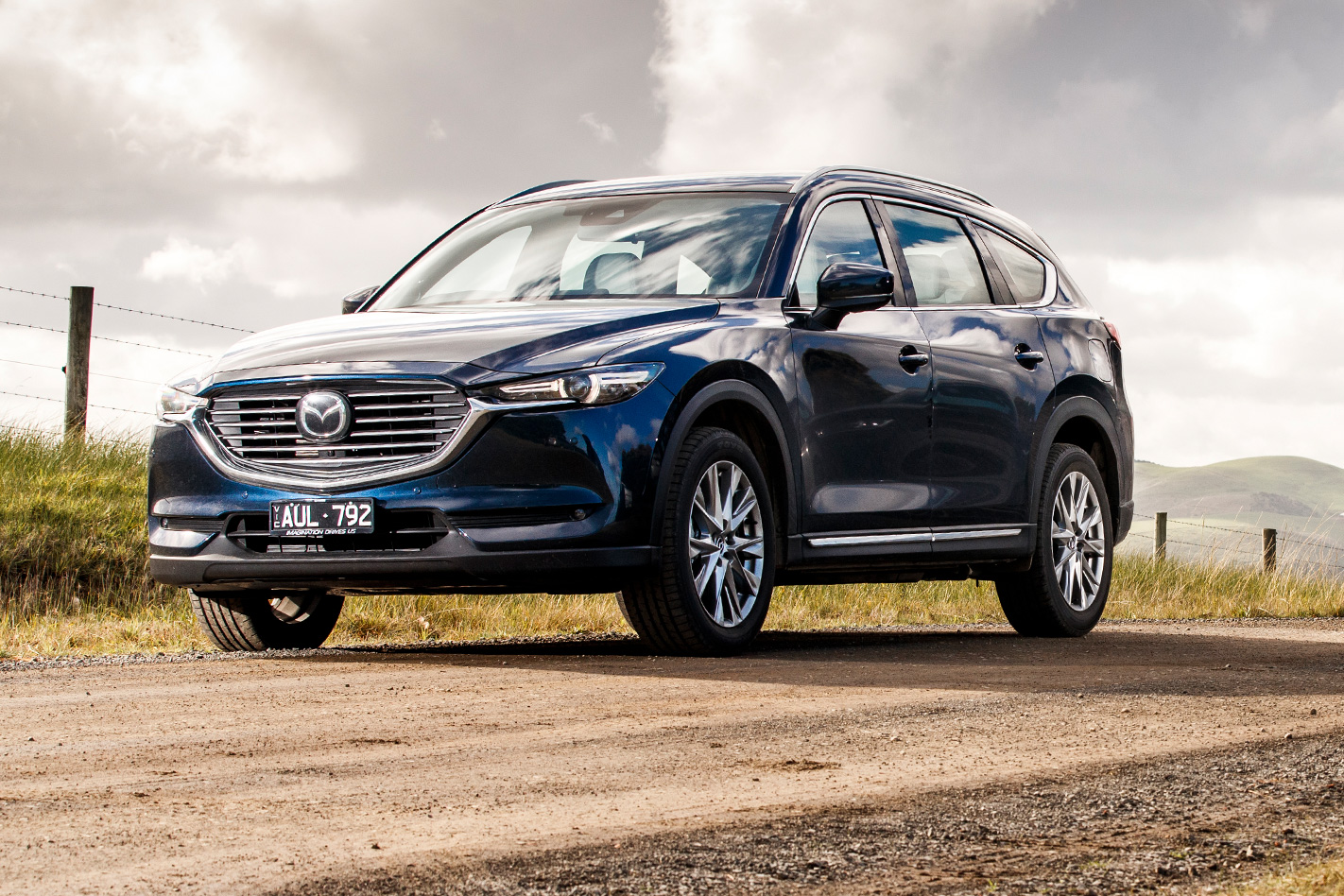
The diesel-only range opens with the front wheel drive CX-8 Sport for $42,490, but stumping the extra cash gets you an all-wheel drive transmission and a heap of extra kit. A white Nappa leather interior looked like the stuff of expensive options lists, as did 19-inch wheels, Bose sound system, electric adjustable heated front seats and heated steering wheel, second-row seat heaters and power tailgate, but all are included in the price.
Safety equipment is also well represented with the increasingly valued autonomous braking and collision warning included as standard, as are blind-spot monitoring, adaptive cruise control, lane departure warning and assistance, reverse camera and speed limit recognition.
It also has Mazda’s G-Vectoring technology that is proliferating the range, enabling better vehicle control whether cruising comfortably or driving more enthusiastically.
Skoda Kodiaq With a base price of $52,990 the Skoda is at the more affordable end of the seven-seat segment. You can save even more by opting for its $42,990 petrol entry-level sibling, otherwise, it’s only vehicles such as the Honda Odyssey and Kia Carnival that offer more capacity for less cash.
Standard fare in the Sportline TDI we tested is a 2.0-litre four cylinder diesel engine coupled to a dual clutch seven-speed automatic transmission with paddle shifters (unique to the Sportline) and all-wheel drive.
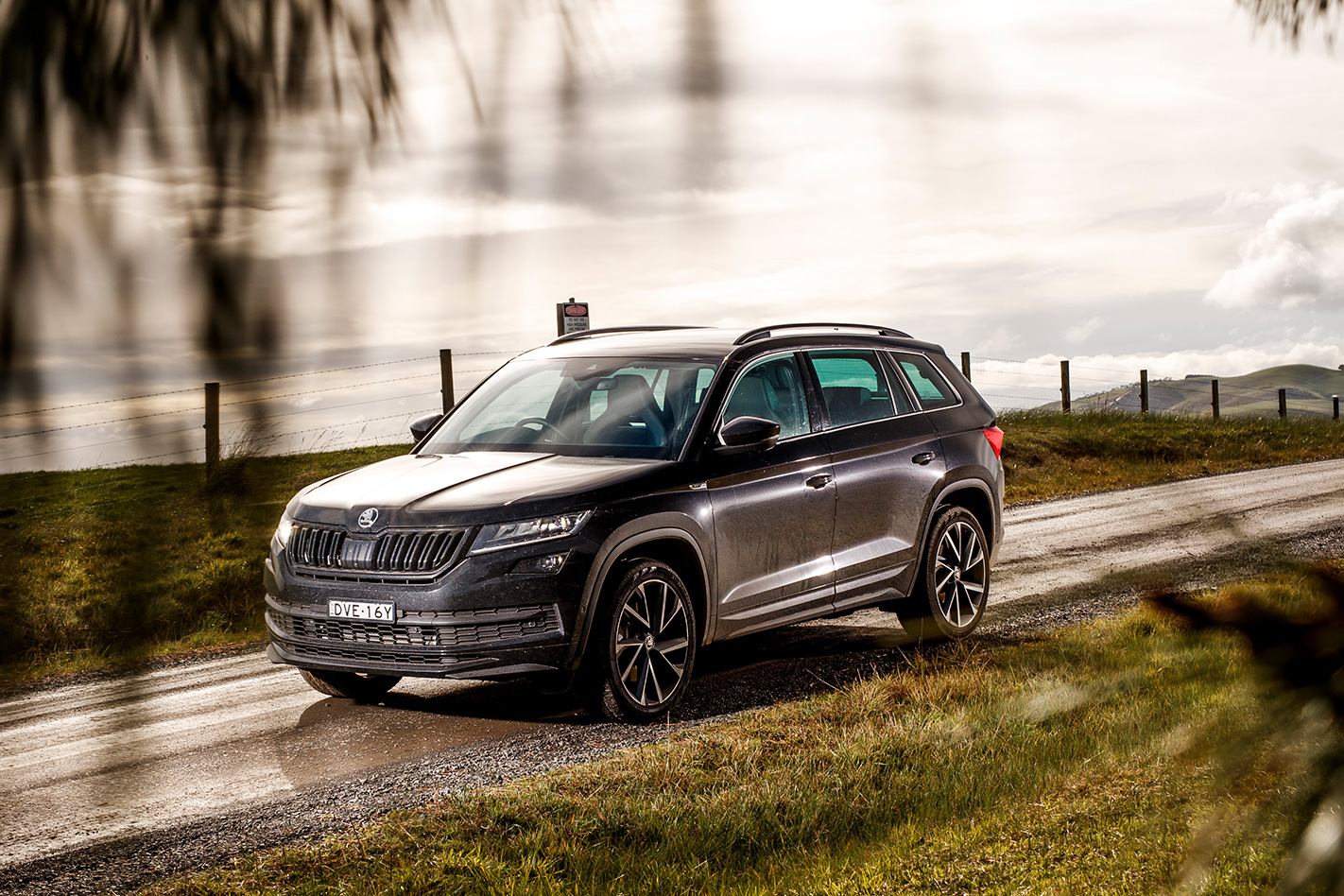
Other notable standard features include an excellent sports interior which upholsters the more supportive seats in a combination of leather and quilted Alcantara with silver stitching and electric adjustment, black roof lining, 20-inch wheels and blacked out exterior details.
Red Velvet paint is offered for the Sportline but ours was dressed up in Magic Black ($700) which works brilliantly with the other black touches for a handsome and sporty looking Kodiaq.
Ours had been upgraded with a number of options including the $2600 Tech Pack and $3400 Luxury pack taking the as-tested price to $59,690.
As for safety, the Skoda competes well with nine airbags, blind spot detection, lane-keep assistance, adaptive cruise control, cornering lights, 360-degree camera, parking assistance, and an emergency assistance function that detects an inactive driver and attempts to alert them with a controlled swerving motion. If that fails, the Kodiaq will bring itself to a halt with the hazard lights on.
Interior and connectivity
Mazda CX-8 Virtually any other manufacturer would be charging you extra for a beautiful white Nappa leather interior the likes of which graces the cabin of the CX-8 Asaki – you can also have Dark Russet brown – but the Japanese manufacturer’s efforts to include as many goodies as possible means you’ll pay nothing extra for the hide. In combination with some decent wood inserts, the cabin feels high quality without delivering any surprises. It’s all very much Mazda family genealogy in here.
Compared with some competitors including the Skoda, the CX-8’s central screen is a little small and the analogue instruments with single colour trip info display are in danger of feeling a little dated in a car that’s fresh to the market.

Second row passengers get their own climate control with vents and the third row seats are reasonable propositions for adults on shorter trips, unlike some seven-seaters on the market. With the two extra pews in place, the Mazda offers a 209-litre boot which can be expanded to a decent 742-litres when in five-seat mode.
Connectivity features include a 3.5mm jack and USB and Bluetooth for smartphone or other device pairing, while navigation internet-based radio Stitcher and Aha are also supported.
Skoda Kodiaq Like the Mazda, the Skoda also impresses as you board with a top-notch interior. But where the CX-8 goes for a more lounge layout with comfort the main focus, the Kodiaq delivers a sporting intent with racing styled seats dressed up in Alcantara. Complemented with a perforated leather steering wheel and carbonfibre-look trims that are far more convincing than most, the cabin continues the typically excellent design and finish that is commonplace with brands under the Volkswagen umbrella.
The high-end feel continues with a large 9.2-inch central touchscreen with sharp graphics, intuitive operation and a seamlessly integrated look.
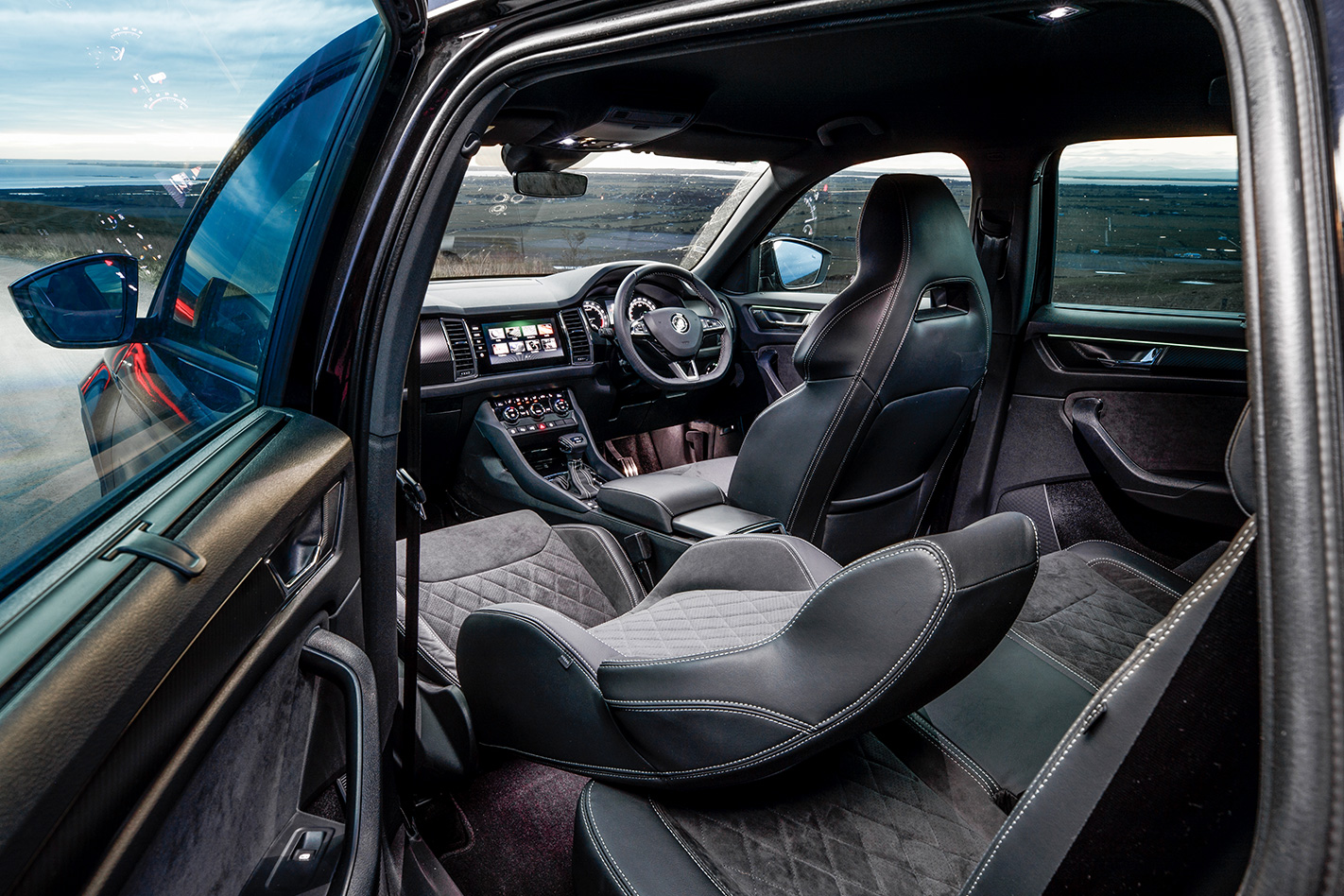
But the Skoda goes further and is not guilty of being more style than substance. Scattered about the cabin are numerous example of how the Kodiaq has been extensively thought through to be practical as well as stylish.
The boot light doubles as an LED rechargeable torch, an umbrella is stored in each front door ready to grab as you exit into rain, a pair of blankets live in special pouches on the back of the second-row seats, little protectors emerge from the door edge as they open to prevent carpark damage and there’s a special bin to store the boot cover blind when not in use.
A Luxury Pack option added heaters to the front and rear seats but not the third row, three-zone air-conditioning as well as extra driver assistance items.
The third row of seating is still a viable option for adults thanks to a sliding second row, although not quite as accommodating as the Mazda. Behind the rearmost seats a 270-litre boot is still practical even with all seats in place although it can be expanded like the CX-8.
The Skoda’s information and entertainment system supports two USB ports, 3.5mm jack, Wi-Fi, Bluetooth and Android Auto and Apple CarPlay. There’s even wireless device charging in the central storage tray.
Ride and handling
Mazda CX-8 If you wanted to take a simplified look at the CX-8, it’s the front end of a CX-5 bolted onto a stretched body with the same length wheelbase as the CX-9, and that has directly affected the way the new Mazda SUV drives.
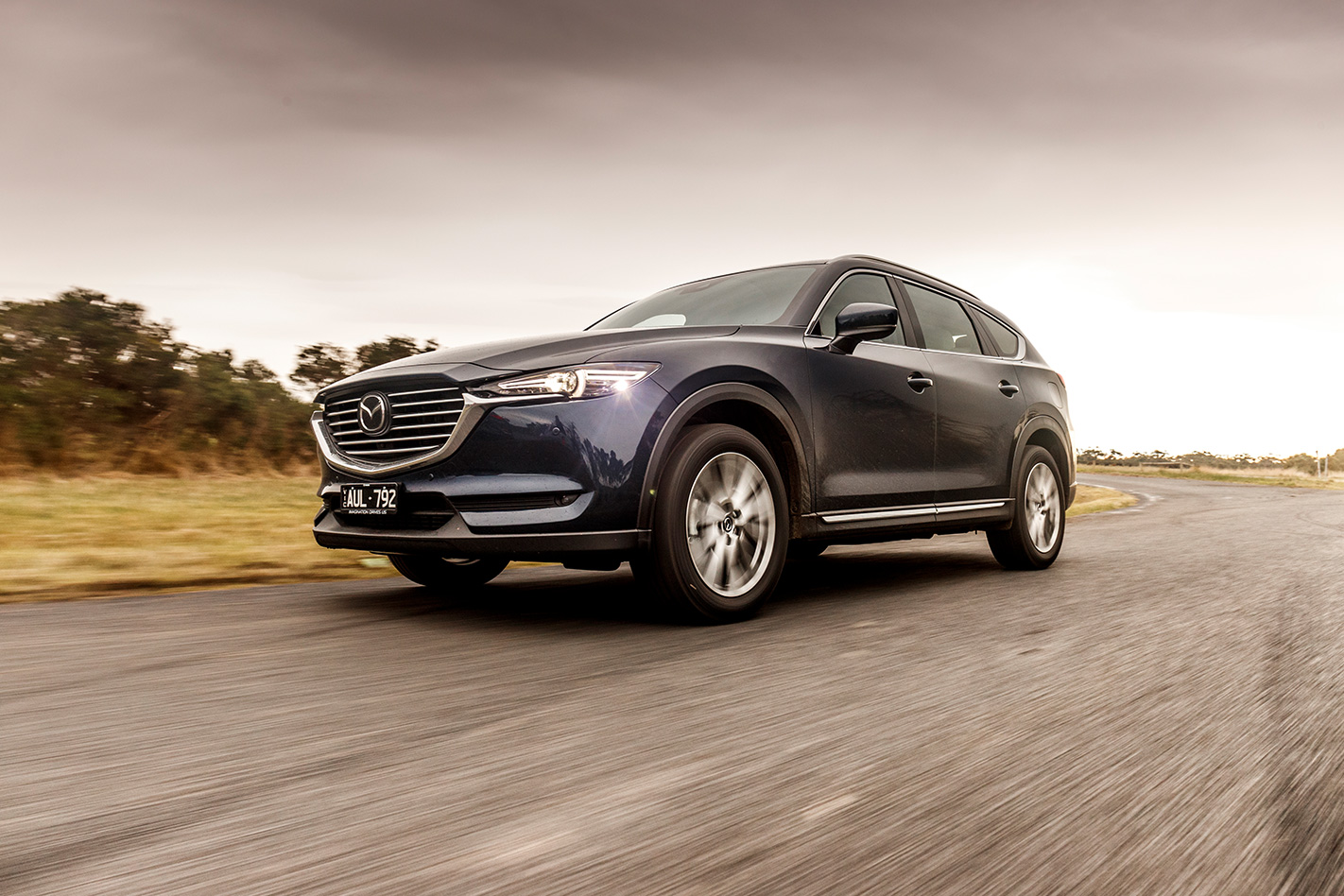
It shares the bounding heavy feel of its larger sibling bringing a silky ride, but doesn’t benefit from the sense of stability that the CX-9’s wider track imparts. The result is a vehicle that feels tall and narrow and can be easily provoked into understeer when driven enthusiastically.
Steering feel is lacking and there are no gear shift paddles, confirming this car is in no way targeting a driver that likes to have fun at the wheel but wants a family hauler that manages to be inoffensive if almost to an anodyne extent.
But Mazda has perhaps astutely recognised that the segment rarely caters to customers that want to set lap times or destroy rubber. For many therefore, the CX-8’s excellent ride quality, and whisper quiet cabin when cruising will appeal to a wide audience. For everyone else, there’s an alternative.
Skoda Kodiaq Where the Japanese contender goes to lengths to cosset occupants at the cost of dynamics, the Skoda is at the polar opposite end of the spectrum. Find a twisty road, wet or dry, and the Kodiaq rewards a keen driver like no other car in the segment.
Its steering is light but needs no extra weight to add feel and categorically proves that feedback does not have to be heavy or exhausting.
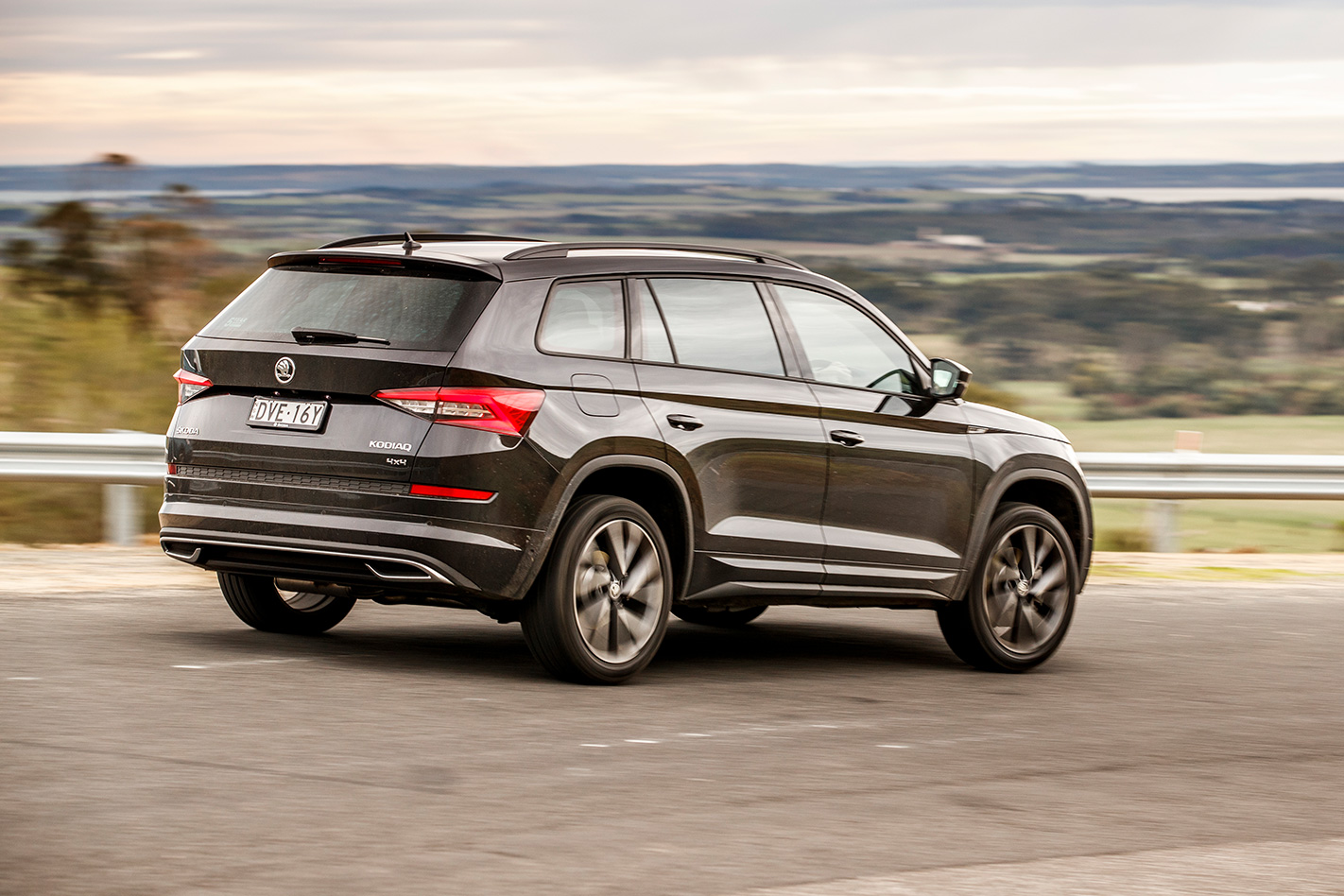
Twenty-inch wheels with Pirelli rubber (although Scorpion Verde and not outright performance boots) doubtless add to the impressive road holding, while the Adaptive Chassis Control (part of the Tech Pack) allows the Kodiaq to stay flat and confident through corners.
While some SUVs in the segment offer a surprisingly sharp front end, the Skoda has the obedient tail to match it and locks onto a line with a delightful stubbornness
As you would expect, the playful handling costs some compliancy on rougher roads but not to a point it becomes tiresome. A little too much wind noise might have been partly due to incredibly blustery conditions, but the Skoda’s cabin is otherwise a very comfortable place to spend time. It’s firm but refined with great body control that makes the small sacrifice of a sportier ride well worth it.
Performance and economy
Mazda CX-8 Diesel refinement has come a long way in recent years and never has that been more obvious than in the two cars you see here. At idle, the Mazda’s 2.2-litre SkyActiv-D four-cylinder is silent and even when working hard sings a surprisingly un-diesely anthem.
It’s the same for power and torque delivery with a surprisingly high 5000 rpm red line and decent pulling power near the limit, and less of the instant diesel torque we were expecting. You can drive the CX-8 more like a petrol than an oil-burner.
Officially, the CX-8 gets to 100km/h from zero in 9.6 seconds but we managed to chop six tenths off that figure. It’s still not fast when loaded with four people, but an exercise in adequacy, like its ride and handling.
Mazda says the CX-8 will achieve 6.0L/100km in combined driving cycles but during testing over varied terrain, we recorded the new arrival as using 9.8L/100km.
Skoda Kodiaq And it’s a similar story with the Skoda’s engine refinement prompting us to check the Kodiaq’s fuel filler to make absolutely sure we had picked up the intended variant. Without augmented sound generation, the 2.0-litre 140kW/400Nm four-pot manages to sound sophisticated and even pleasant as you work it hard up to the governor, which also sits at 5000 rpm.
Somehow, the Skoda feels more powerful even though the Mazda puts out an extra 50Nm (most likely due to a kerb weight that carries an extra 200kg over the Skoda). Our suspicions were confirmed in 0-100km/h testing when the Skoda clocked an 8.5-second dash, knocking a tenth of a second from the official manufacturer’s time.
Paddle shifters allow snappy gearchanges as and when you determine, although the seven-speed dual-clutch auto does a commendable job clicking through ratios by itself.
Out on the rolling roads, the Skoda is a joy to pilot but the diesel/dual-clutch combo can become a little frustrating if you’re in a hurry about town. Idle stop requires a few fractions, followed by a short delay for the transmission clutch to slip, then a small amount of turbo lag askes for your patience. The net result is a noticeable lag on take-off that had us reaching for the idle-stop deactivate button more than once.
On paper the Skoda is said to use a miserly 5.9L/100km but under more realistic testing and our time with the Kodiaq, we managed to get it to use 9.7L/100km.
Warranty and servicing
Mazda CX-8 The Mazda requires scheduled servicing every 10,000km or 12 months and each visit costs either $390 or $319 for the first five appointments depending on the nature of the maintenance. The total cost for scheduled maintenance over the first 50,000km is $1737. That equates to $3.47 per 100km.
With the exception of the BT-50, every new Mazda is sold with a three-year unlimited kilometre warranty.
Skoda Kodiaq Skoda improves on the Mazda warranty with a five-year unlimited deal but approaches scheduled servicing from a slightly different angle.
Three or five year servicing packs allow servicing costs to be pre-paid so there’s nothing to stump up when you pick up your vehicle, unless unscheduled work is required. The three-year deal is limited to 45,000km while the five-year plan is good for 75,000km.
Servicing intervals are slightly longer than the Mazda at 15,000km but more costly if paid for on the day. Without the pre-paid packs, visits range from $297 for the first maintenance appointment, to $748 for the work required at 90,000km.
The first 60,000km of diesel Kodiaq servicing will cost you $1976 or $3.29 per 100km.
Verdict
If you closed your eyes and imagined the CX-8 without having seen one before, when you opened them again the Mazda would be exactly what you were envisaging. It looks like every other CX in the range, it has an interior that’s hard to pick from any other similarly sized Mazda, and it is filled with the sort of equipment and features you would expect to find in any high-spec Mazda model.
That’s not to its discredit. The reason people will like the CX-8 is due to all the virtues the Japanese manufacturer represents and if the new arrival did anything drastically different, many Mazda fans would likely be put off.
The Skoda, by comparison, is one pleasant surprise after another and offers a completely different proposition in the same space. It’s style driven and performance-focused but not at the detriment of practicality.
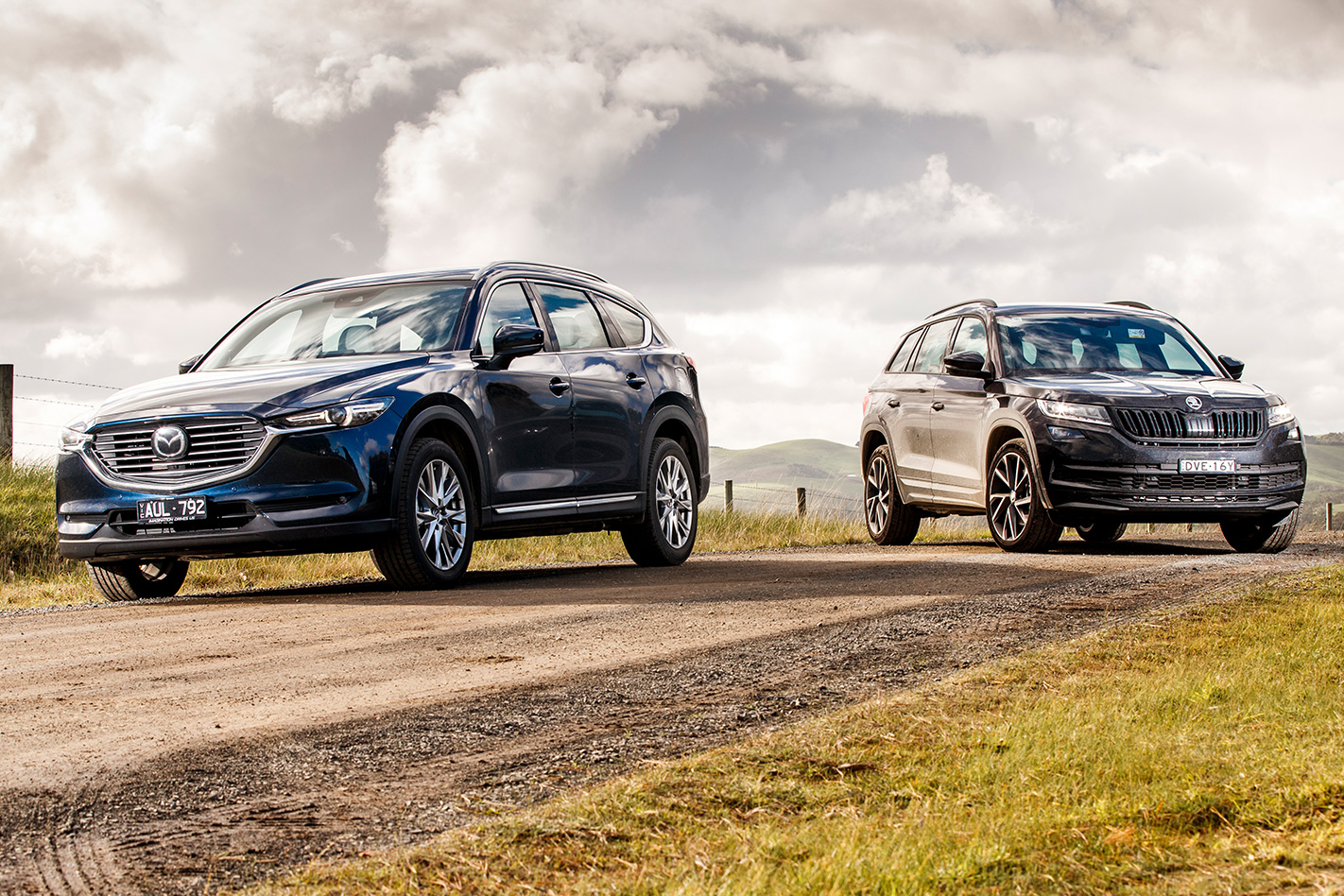
As contenders in the affordable seven-seat segment, you could argue the Skoda and Mazda are arch rivals, but actually, they bring such significantly different skill sets to the same space, it’s unlikely they will ever bother each other for attention.
The excitement of acquiring a new car is often tempered by the chore of getting rid of your old one. If you haven’t traded it in with whatever dealer you bought your new ride from (assuming you went to a dealer, that is), or you simply want to maximise your return by trying your luck with a private sale, you’ll need to put together a classified ad that’s equal parts enticing, informative and honest.

There’s no dark art to making a car ad ‘pop’, but there are some fundamental rules that you need to remember. Adhere to these golden rules, and you should be fine!
Detail is key
Are you the first owner? Or perhaps the second or third? Did you keep the service records? Was it serviced with genuine parts by a licensed mechanic, or non-genuine parts by a friend in their garage? Was it parked on the street while in your custody, or was it pampered in an undercover car spot? Mentioning these things may seem unnecessary to many people, but they’re of vital interest to someone looking to buy your car as they help build a picture of how well the car was taken care of by its previous owner.
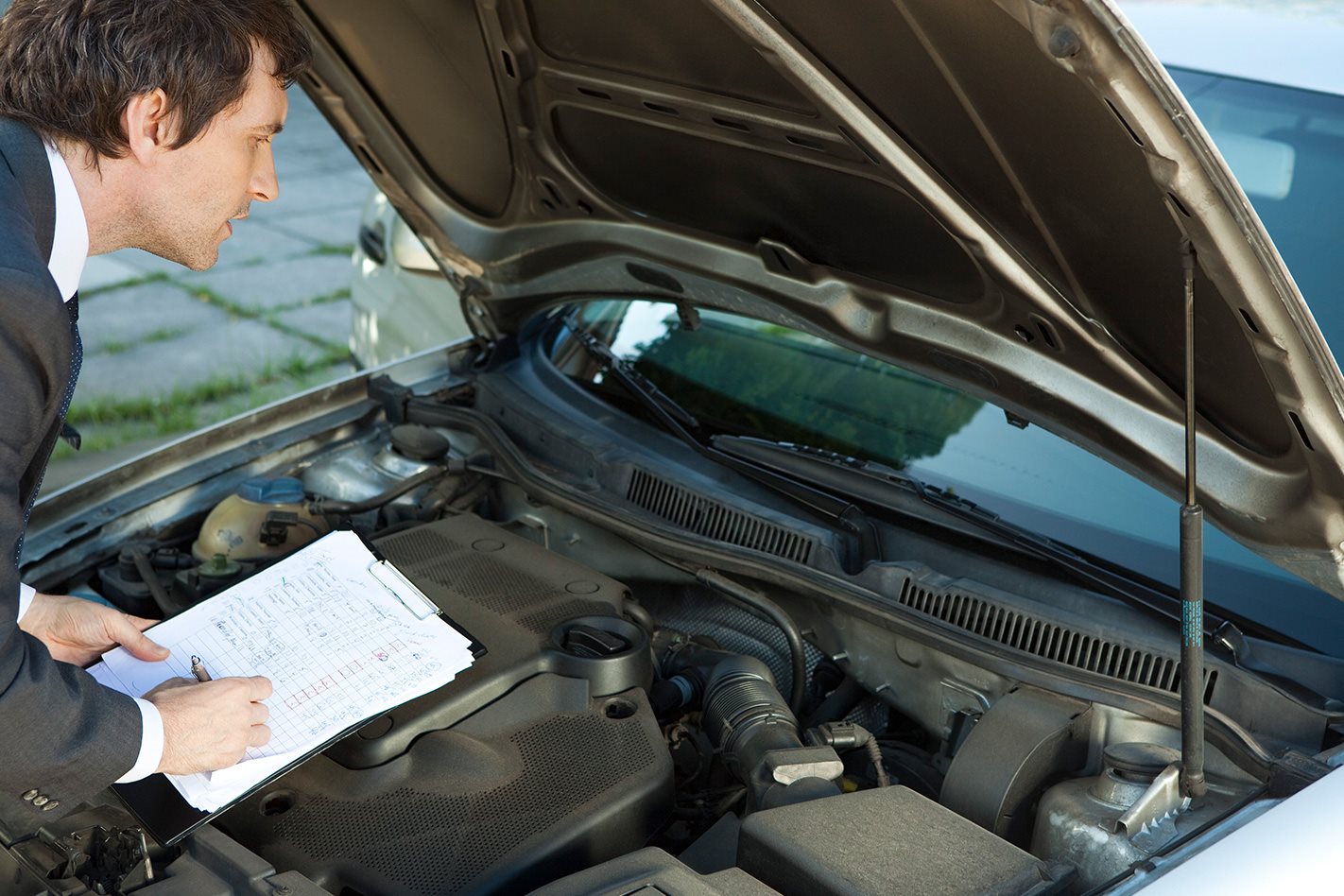
If you’ve done anything extra during your ownership, mention it too – especially if it’s something that has a big impact on the long-term preservation of it, like fitting seat covers to protect upholstery, or waxing/polishing the paint every few months. Tyre-related information is also helpful to include, such as the present condition of the tyres and the date they were last replaced. Tyres are expensive, and if the ones already on the car still have plenty of life then a potential buyer will see value in that.
Be honest
This is an extension of the above point. You’ll need to include the bad details too, otherwise it might look dishonest when a would-be buyer rocks up and finds a car with faults that weren’t disclosed. Maybe it copped some heavy hail and the roof resembles a golf ball, or it blows a little bit of smoke? You might not want to broadcast these things, but consider this: having someone show up to inspect your car only to immediately leave when it doesn’t match its description doesn’t just waste their time, it wastes yours too.

Be accurate
Did your car come with a 2.0-litre engine, or a 1.8? Perhaps you bought it in 2014, but it’s actually a 2013-plated model. Or maybe you got the dealership to throw in a set of optional wheels so it looks like an up-spec model from the outside. These are all important things to note, because the specification of your car will have a significant bearing on how much you can reasonably ask for it.
It might be a pain to get these details right for the purposes of your advert – especially if you don’t especially care much about cars – but from a buyer’s point of view this kind of information is a must-have. If nothing else, it’ll save you from tyre-kickers calling you up asking for more details.
Snap away
As a car buyer, there’s nothing more maddening than finding a car for sale with an informative description and enticing price tag… and just one photo.

Photos literally cost you nothing to take these days, so there’s no excuse for not showing your car from every angle – both inside and out. Don’t be shy with that shutter!
THE recent signing of Cristiano Ronaldo by the Juventus football club makes for eye-watering reading. Leaving aside the $177m transfer fee paid to Real Madrid, the 33 year old has inked a four year contract worth $47.5m a year. That’s $913,000 per week. Shares in Juventus spiked by 40 percent at the announcement of the transfer but the world’s most famous soccer star’s move to Italy hasn’t been well received by employees at Fiat’s Melfi plant. In fact, they’ve decided to strike.
The reason why is because Juventus is 64 percent owned by Exor, the Agnelli and Elkan family’s holding company – a holding company which also owns 30 percent of Fiat Chrysler Automobiles. The total sum they’ll shell out over four years for the services of the prancing Portuguese show pony is over half a billion dollars including tax contribution on the initial transfer fee.
If you were an FCA employee on the Fiat 500X and Jeep Renegade lines having had your pay frozen in the economically impoverished southern Italian province of Potenza, that would probably make tough reading over breakfast. Thousands of FCA assembly line staff have been on a state-sponsored layoff scheme due to a lack of new products, a situation that FCA has vowed to end by the end of 2022.
The USB union has mobilised Melfi’s workers, with a statement that claims “it is unacceptable that while the (owners) ask workers of FCA … for huge economic sacrifices for years, the same decide to spend hundreds of millions of euros for the purchase of a player.”
The strike will be held late on Sunday to early Tuesday, the independent union added. How successful it will be is open to conjecture. USB only speaks for a minority of Melfi’s staff but it should be enough to bring production to a halt between from 10pm on Sunday, July 15 through to 6am on Tuesday July 17.
“The owners should invest in car models that guarantee the future of thousands of people rather than enriching only one,” the union said in a closing statement.
