
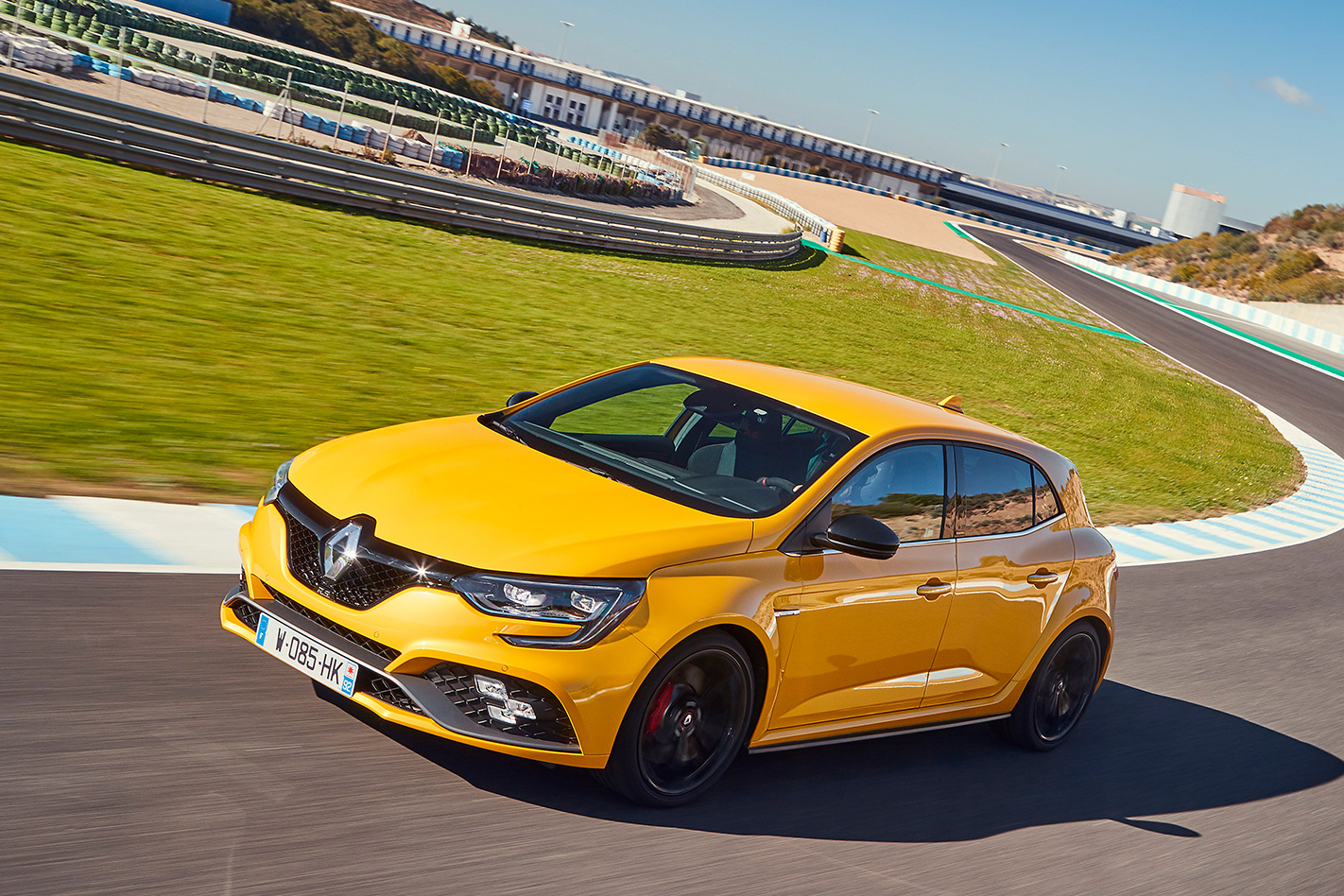
RENAULT’S new Megane RS is on its way to Australia, and will arrive with retail pricing as hot as its performance.
Due to go on sale in September, the most performance-focused iteration of the Megane hatchback will be available from $44,990 – that’s $6000 less than its front-wheel-drive rival the Honda Civic Type R.
Two chassis configurations and transmission choices will be available in Australia, in an effort to appeal to a wider audience.
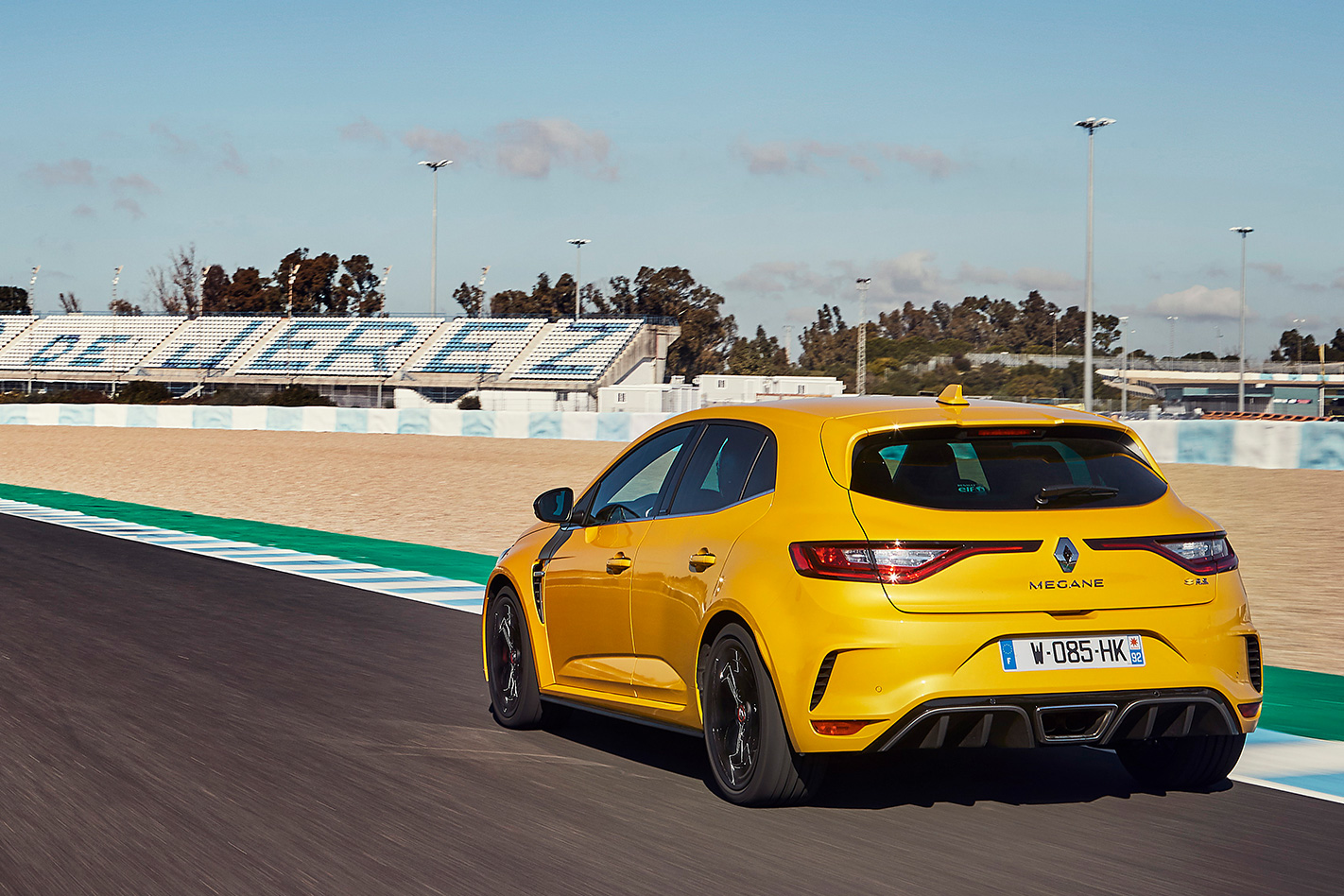
A six-speed manual gearbox is fitted as standard at the $44,990 entry price, while opting for a six-speed dual-clutch automatic bumps the start price up to $47,490.
A Sport chassis tune is standard regardless of transmission choice. Buyers who opt for the three-pedal manual will be able to option a Cup Pack for $1490, which upgrades the RS 280 with a Cup chassis tune.
Cup chassis Meganes receive revised springs, dampers and bump stops, resulting in a 10 percent increase in stiffness over the Sport chassis.
Renault says the Sport chassis is for “drivers who like a sporty, but still refined, drive,” while the Cup is the more focused option of the two.
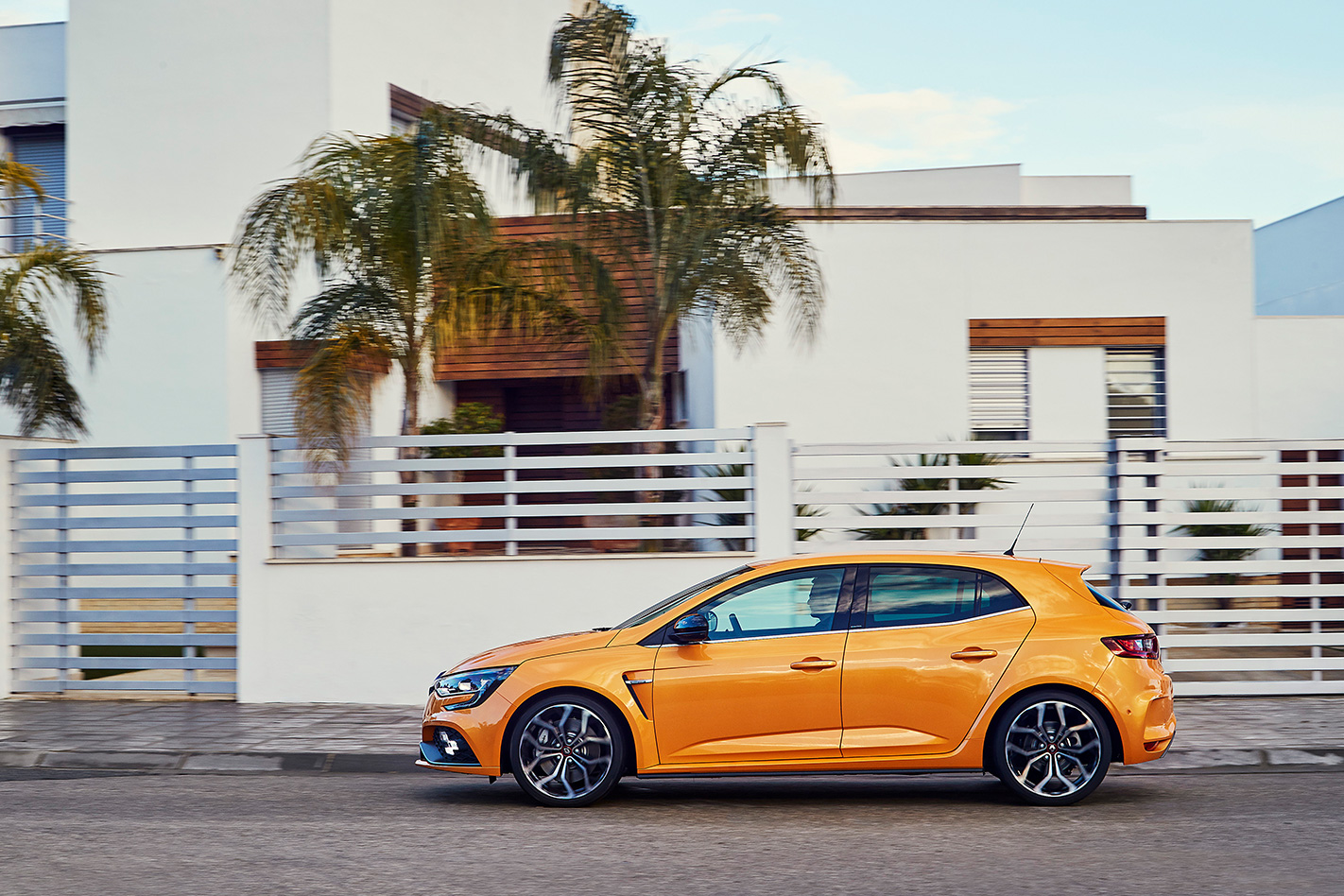
While missing out on the Cup chassis choice, owners of dual-clutch Megane RS variants do gain the ability to use Launch Control in Sport and Race driving modes.
The Megane RS is powered by a 205kW/390Nm 1.8-litre turbocharged four cylinder engine, sending power to the front wheels only.
Renault claims the Megane RS 280 will be able to crack 100km/h from standstill in 5.8 seconds.
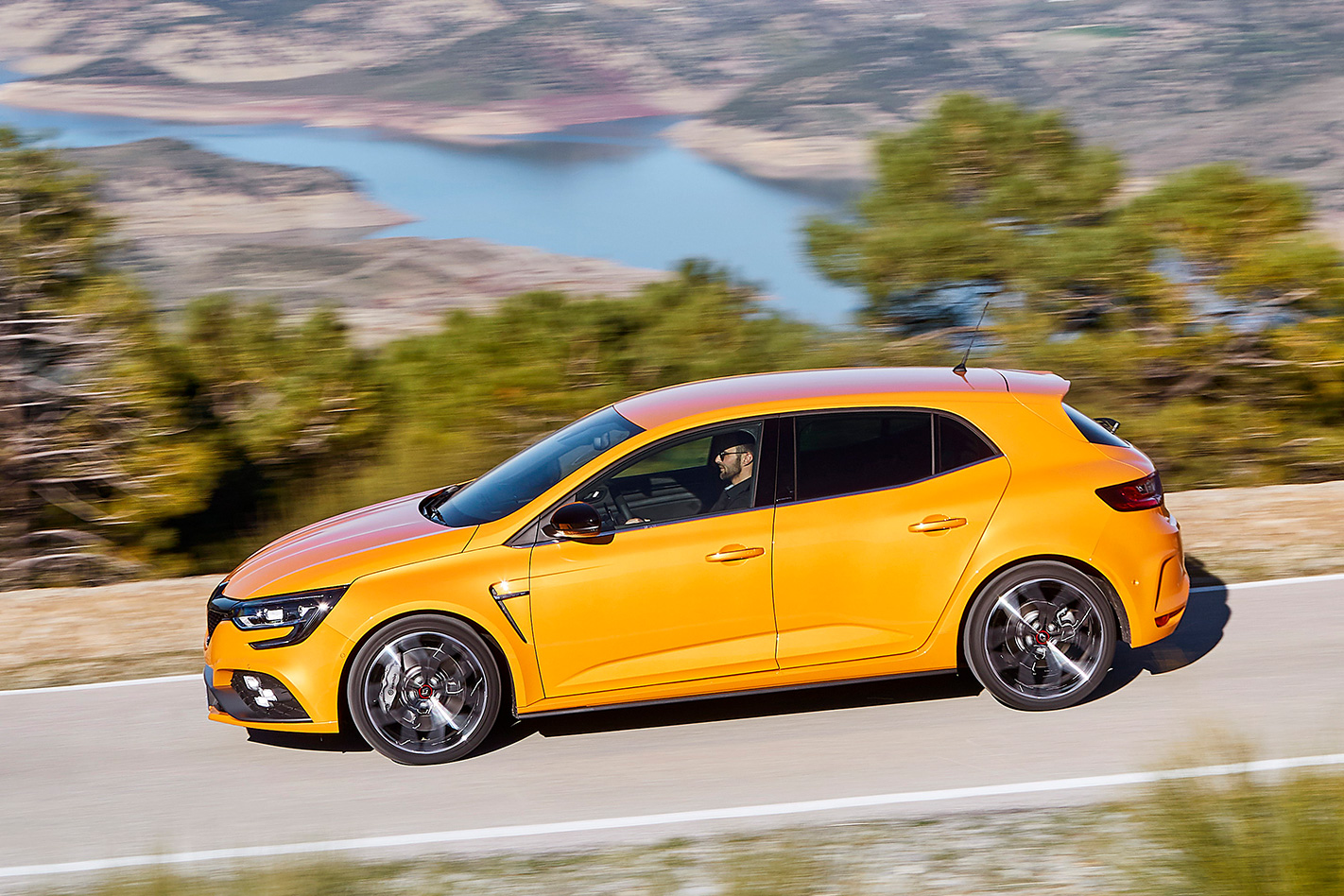
Those who tick the Cup Pack option will have that power delivered via a Torsen mechanical limited-slip differential.
In a first for the hot-hatch segment, the Megane RS will be fitted with four-wheel-steering as standard.
Renault’s system turns the rear wheels in the same direction as the front wheels at speeds over 60km/h. Below 60km/h and the front and rear wheels turn in opposite directions. The threshold for the four-wheel-steer system is increased to 100km/h in Race mode.
Stopping power comes thanks to 355mm diameter front brake discs – an increase of 15mm compared to the previous generation Megane RS.
Owners with the Cup Pack fitted will have ‘bi-material’ brake rotors, which combine aluminium and cast iron, reducing unsprung weight by 1.8kg at each corner and improving brake cooling.
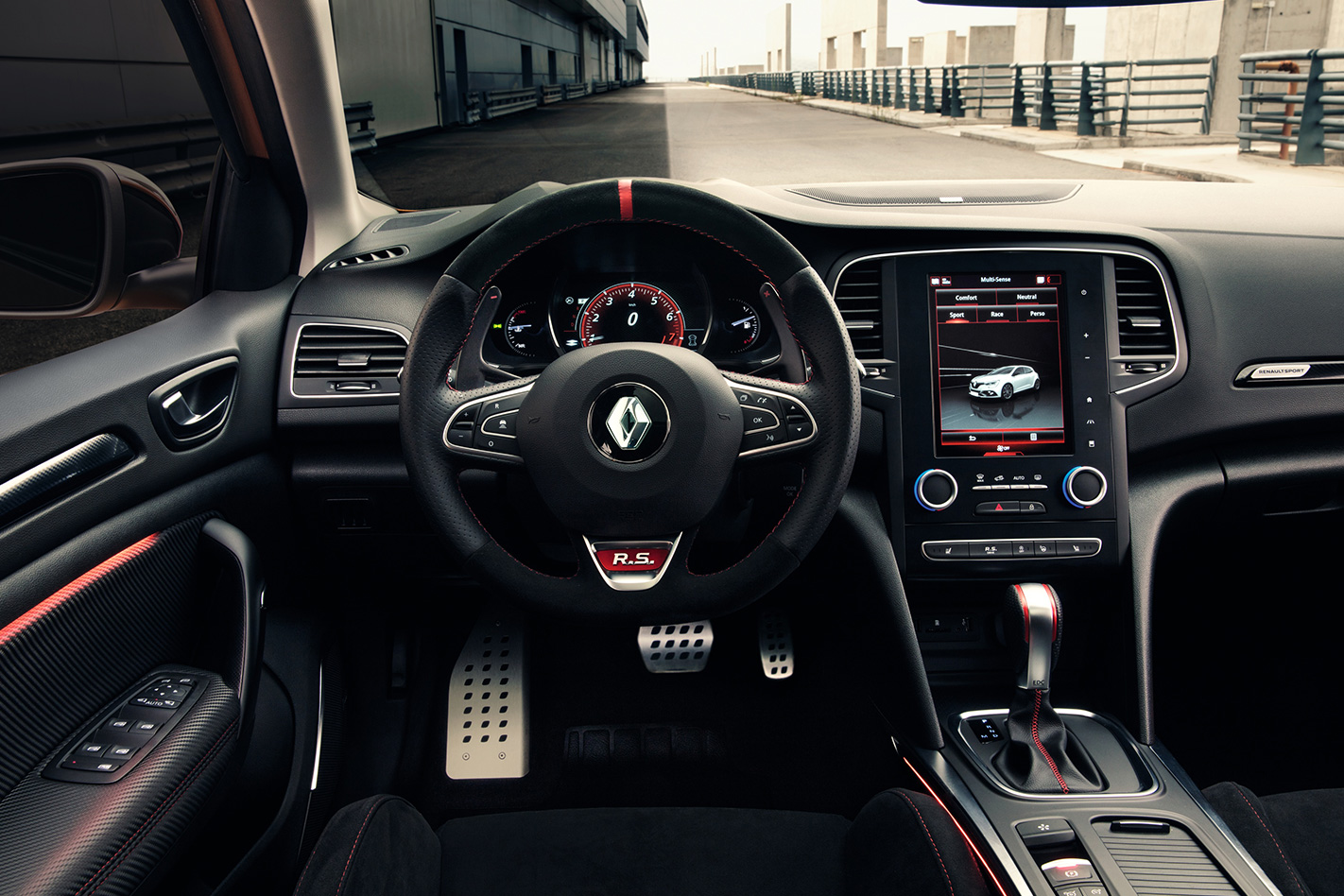
Inside the cabin, Renault Australia has fitted a relatively generous standard equipment package that includes front, rear and side parking sensors, a rear parking camera, 8.7-inch portrait touchscreen with satellite navigation, dual-zone climate control, cruise control, proximity keycard with automatic locking and welcome function, handsfree parking, heated folding electric door mirrors, blind spot warning, adaptive cruise control, and automatic emergency braking all included in the base price.
Optional extras include metallic paint ($600), Liquid Yellow or Tonic Orange metallic paint ($880), Alcantara leather upholstery ($1190), a Bose sound system ($500), and panoramic sunroof ($1990).
Against its competitors the $44,990 starting price for the Megane RS is pricier than the 202kW/353Nm Hyundai i30N, but more affordable than the less powerful Peugeot 308 GTi (200kW/330Nm).
Renault Megane RS rival prices and power:
- Hyundai i30 N (202kW/353Nm – $39,990
- Volkswagen Golf GTI (169/350Nm) – $41,490
- Peugeot 308 GTi 270 (200kW/330Nm) – $45,990
- Honda Civic Type R (228kW/400Nm) – $50,990
TRADE utes have snared the top three spots in June’s new-car sales race as the number of buyers jumping into the market for end of financial year bargains dried up.
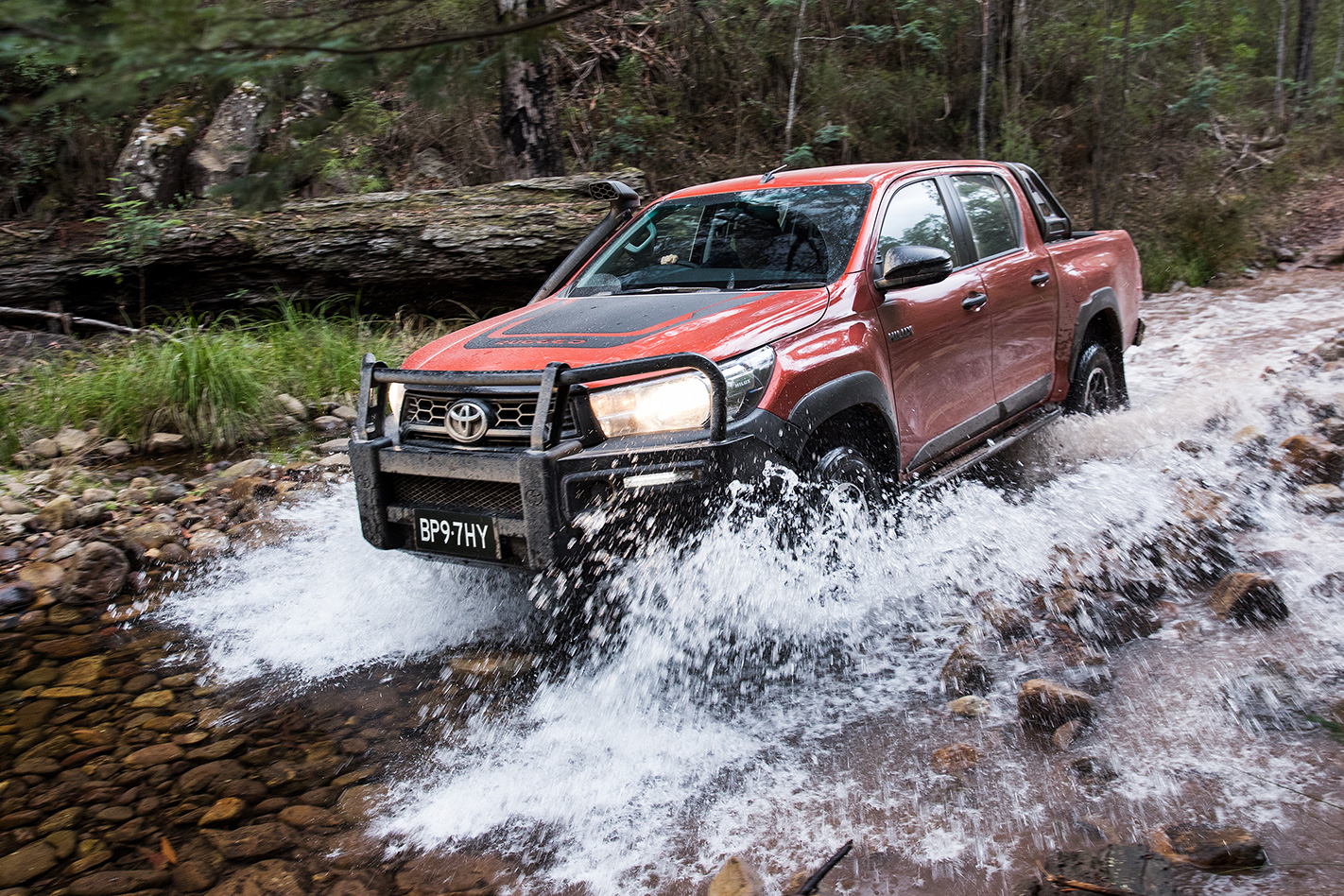
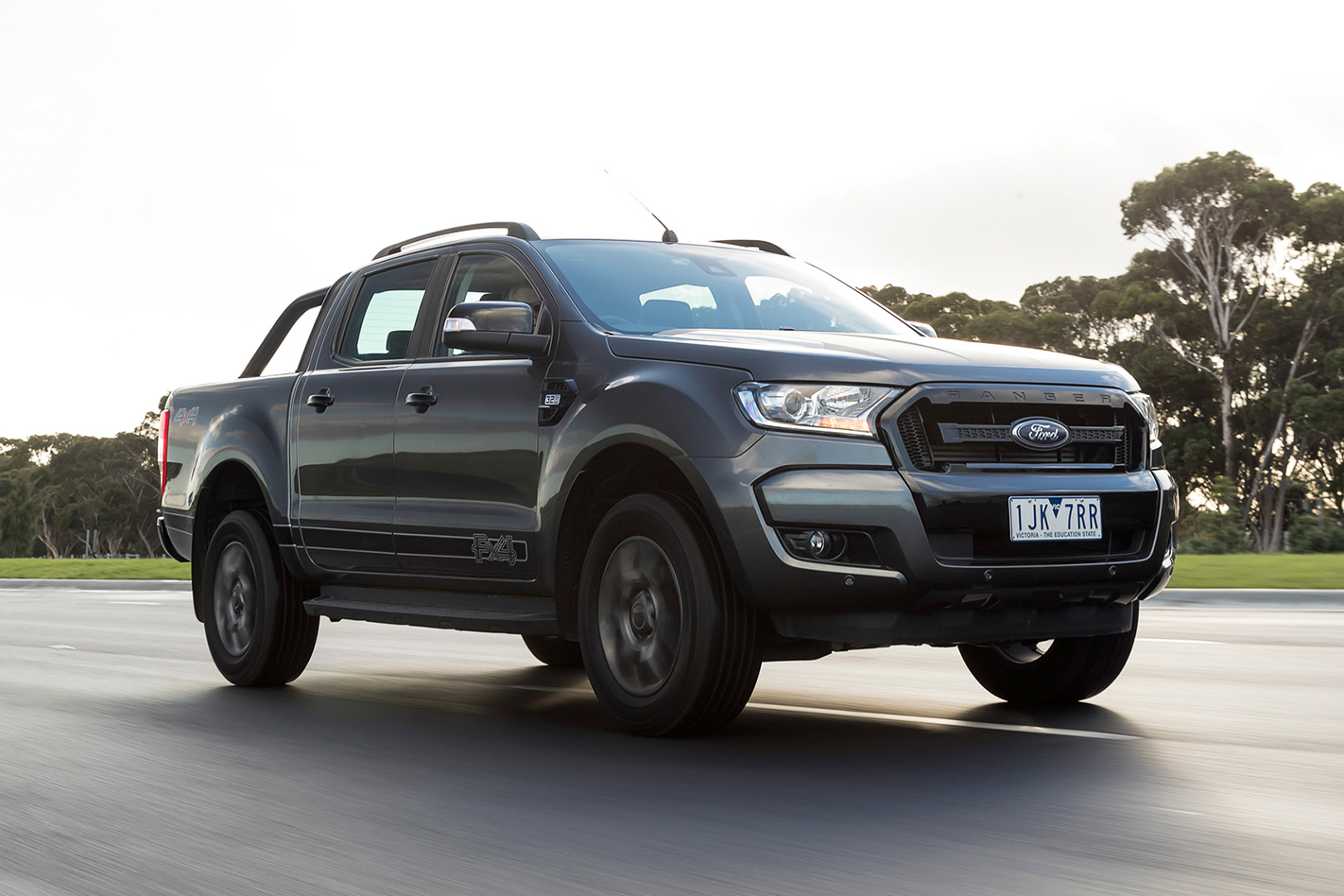
The Toyota Hilux was Australia’s best-selling vehicle in June, snaring 5787 sales for the month, its third-largest result on record, VFACTS data due for official release later today will reveal. That placed it leagues ahead of the second-placed Ford Ranger, which accumulated 4768 sales for the month.
However, when it comes down to more lucrative private buyer-focussed 4×4 trade ute sales, the win was all in Ranger’s favour. It attracted 4236 new owners compared with the 4×4 Hilux’s 4032 in a repeat of what happened at the end of the 2017-18 financial year.
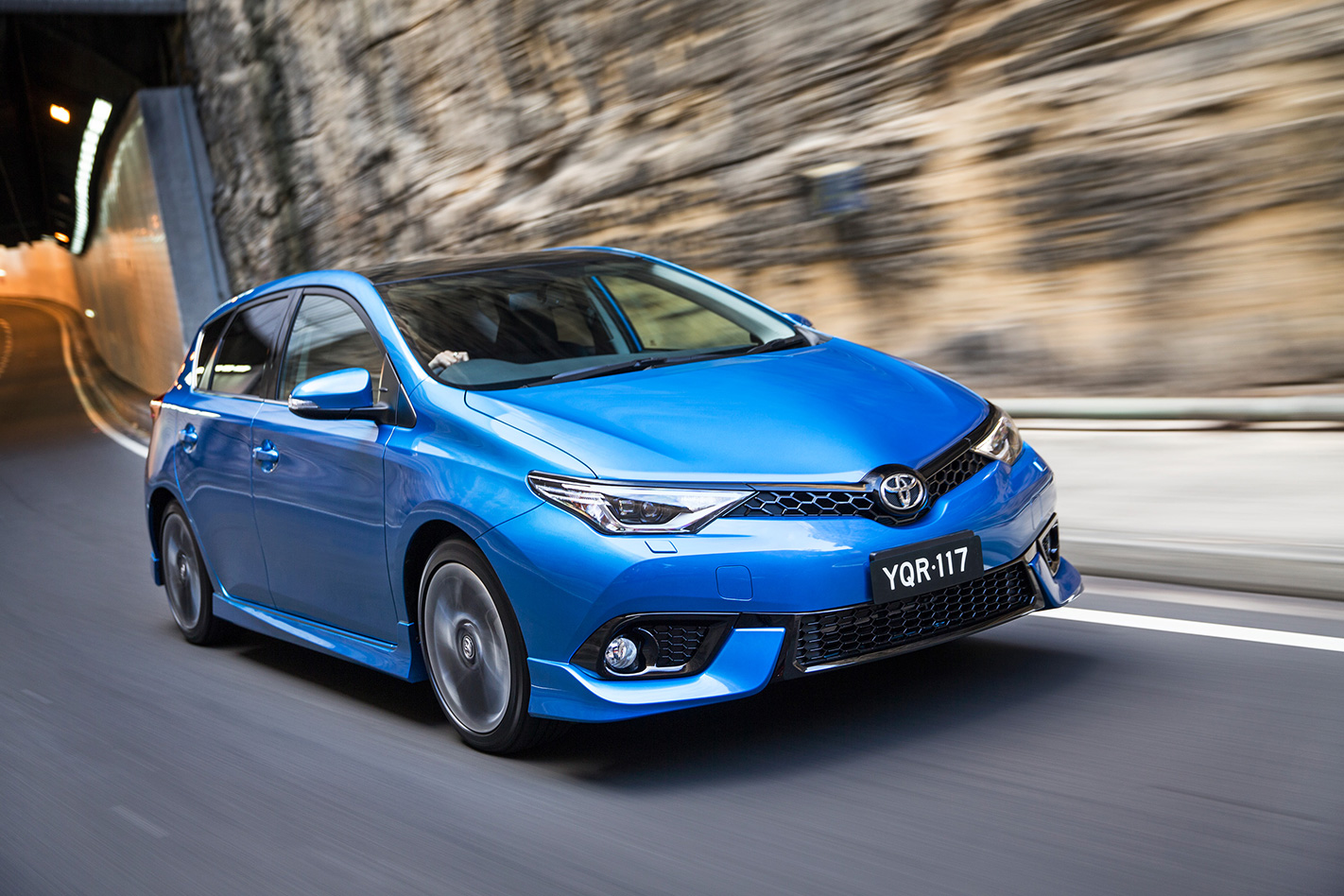
In third place was the Mitsubishi Triton, with 3919 sales. That was enough to nose it ahead of the Toyota Corolla, Australia’s best-selling passenger car, with just 3780 sales.
The market fell 2.9 percent to 130,300 sales compared with the same month last year, dragging the market’s progress over the first half to just 1.0 percent ahead of where it was last year as the nation’s big markets – NSW, Victoria and Queensland – all softened.
Hard-hit in June were private, business and rental passenger cars, down 17.9 percent in the month compared with June last year. Some of those sales were lost to SUVs, which claimed 57 percent of all passenger car sales but still only managed to climb 9.3 percent to fall short of offsetting the passenger car losses.
In terms of passenger cars, the Hyundai i30 finished behind the Corolla with 3547 sales in June, the introduction of a cut-price model that hits the old model’s $19,990 price point obviously pulling people into showrooms. The Mazda 3, on 3327 sales, was third.
The best-placed SUV, and trailing the Mazda 3, was the Mazda CX-5, attracting 3136 buyers, followed by the Toyota RAV4 on 2690 sales.
In the battle of the badges, Toyota again dominated the market, with its 23,171 sales for the month representing a skinnier 17.8 percent market share. Mazda (12,469 sales), with its two top-five performers, nudged Hyundai (10,436) out of the way to claim second spot ahead of Mitsubishi (10,232) and Ford (7492, with Mustang’s 635 sales making it the marque’s secopnd-best seller). After a less-than-stellar run, Holden (7385) is back in form, taking sixth spot as Colorado (2472) and Commodore (1159 split between 946 ZB and 213 VFII sales) dominated the ledger.
Honda was a winner for the month, edging almost 30 percent higher compared with the same month last year as the CR-V (2232), HR-V (1760) and Civic (1750) all performed well.
Mercedes-Benz (3768), BMW (2636), Audi (2028) and Lexus (961) either stalled or fell for the month, with the more niche players – Land Rover (1297), Volvo (643), Mini (466) and Jaguar (361) – all showing strong gains.
Chinese upstart MG, meanwhile, snared 330 sales for the month, throwing out the challenge to relaunched French brand Peugeot (359).
Two supercar brands continue to do well despite the weaker market sentiment. Ferrari sold 23 cars in June, putting its year-to-date sales at 121 and 19.8 percent ahead of where it was last year. At 65, Lamborghini is a single sale ahead of last year. And in June, 19 Mercedes-AMG GT sports cars made their way into buyers’ garages.
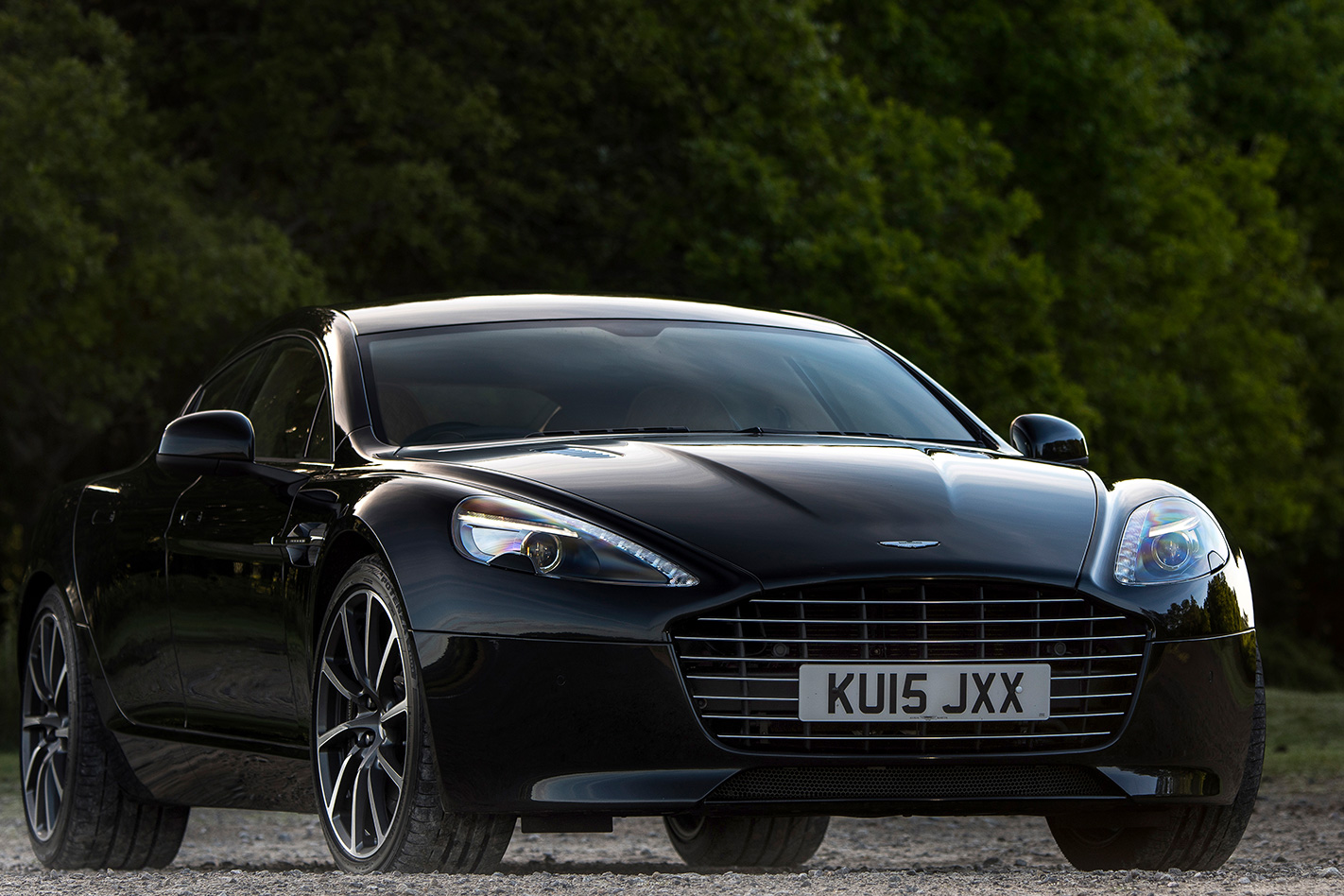
Aston Martin sold its second Rapide for the year in June, and Hyundai’s Genesis expanded its G80 fleet by a single car ahead of the brand’s expected relaunch later this year as a standalone luxury marque, bringing the number of its G80 test fleet plying our roads to five.
TOP 20 PASSENGER CARS FOR JUNE 2018
TOP 20 PASSENGER CARS FOR JUNE 2018
RANK MODEL SALES (Jun ‘18) SALES (Jun ‘17)
- Toyota Corolla 3780 3830
- Hyundai i30 3547 3471
- Mazda3 3327 3490
- Mazda CX-5 3136 2487
- Toyota RAV4 2690 2460
- Kia Cerato 2485 2452
- Volkswagen Golf 2317 2246
- Honda CR-V 2232 469
- Nissan Qashqai 2198 1510
- Nissan X-Trail 2151 2126
- Mitsubishi ASX 2053 2247
- Hyundai Tucson 2000 3741
- Mitsubishi Outlander 1881 2317
- Mazda CX-3 1869 1974
- Honda HR-V 1760 1606
- Toyota Kluger 1757 1464
- Honda Civic 1750 1777
- Toyota Prado 1688 1971
- Hyundai Accent 1522 1874
- Kia Sportage 1499 1776 *Source: Preliminary VFACTS data
TOP 20 BRANDS FOR JUNE*
RANK BRAND SALES (Jun ‘18) SALES (Jun ‘17)
- Toyota 23,171 24,546
- Mazda 12,469 12,501
- Hyundai 10,436 12,251
- Mitsubishi 10,232 9,266
- Ford 7492 8853
- Holden 7385 9273
- Kia 7067 6737
- Honda 7013 5412
- Nissan 6604 6690
- Volkswagen 6334 6447
- Subaru 4920 5201
- Mercedes-Benz 3768 4225
- Isuzu Ute 3279 3566
- BMW 2636 2630
- Audi 2028 2153
- Suzuki 2024 2077
- Land Rover 1297 1063
- Renault 1231 1206
- Isuzu 1059 986
- Lexus 961 1080 *Source: Preliminary VFACTS data
It’s a pervasive myth: according to some, new cars have a ‘running in’ process during the first couple of weeks of ownership. Fail to adhere to it, and you risk reducing the lifespan of your car’s powerplant – or worse.
The story goes that during the first couple of thousand kilometres of its life a car’s engine needs to be ‘bedded in’, with a unique driving style required. This usually involves gentle acceleration, staying below certain rpm, progressively introducing load and avoiding towing.
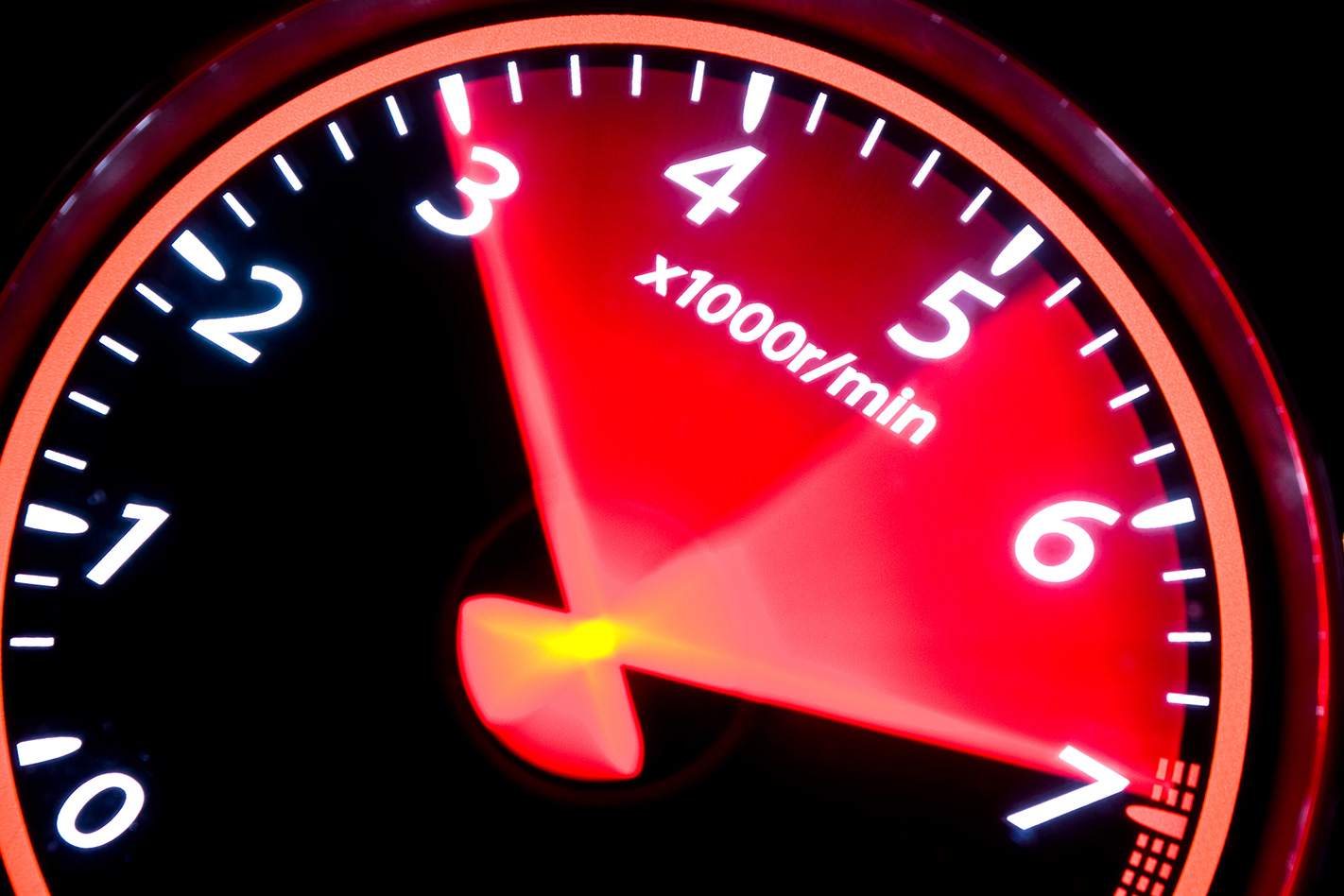
But despite the old wives’ tales, you don’t actually need to baby a new car after taking delivery, just drive it like you normally would.
WhichCar spoke to a pair of mechanics who work at new car dealerships, for brands from both the mainstream and high-performance luxury ends of the spectrum. For mainstream marques, it’s unsurprising that little attention is required from new owners post-delivery. Our contact said he was not aware of any official running-in process: new owners simply pick up the keys and drive away. Provided the servicing schedule is adhered to, all is well.
But what about those privileged few who can afford to splash money on something high-end? Another contact, who works exclusively on Italian supercars, said there was no special process either despite the specialised – and highly strung – nature of the engines used in by mid-engined beasts.
“Generally because they get serviced so regularly and checked – there is little need to ‘run them in’ as they are almost bullet proof these days,” he said.
“[The cars] are generally tested randomly out of the assembly line. However, for track focused vehicles there is a higher expectation in terms of the level of abuse.”
Modern cars and engines are now built in such a way that the customer can take delivery, and drive the car normally and without limitations from the first minute of ownership. Regardless of whether it’s a grocery-getting hatchback or a high-revving, flame-spitting supercar.
So if you are picking up a new car from a dealership in the near future, don’t worry about ‘running it in’, it’s all a myth – just get out there and enjoy the drive.
TELL ME ABOUT THIS CAR
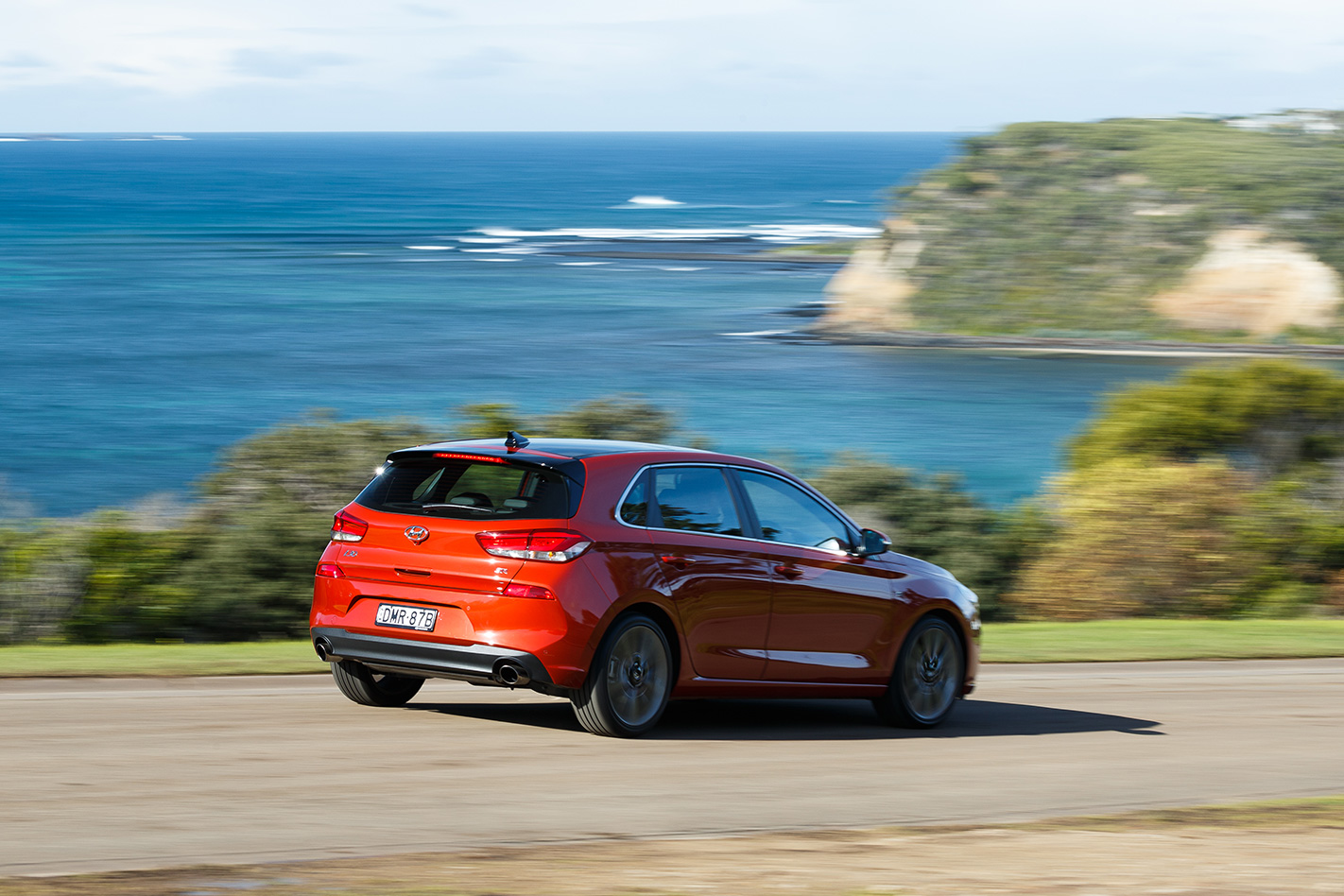
The second-generation Hyundai i30 was launched last year with great acclaim for the advances it made on the previous model, in particular the way it drives and the way the interior makes you feel. Nominated for this year’s Wheels Car of the Year award but knocked out in the first round, just the fact the i30 was shortlisted is a win for the brand.
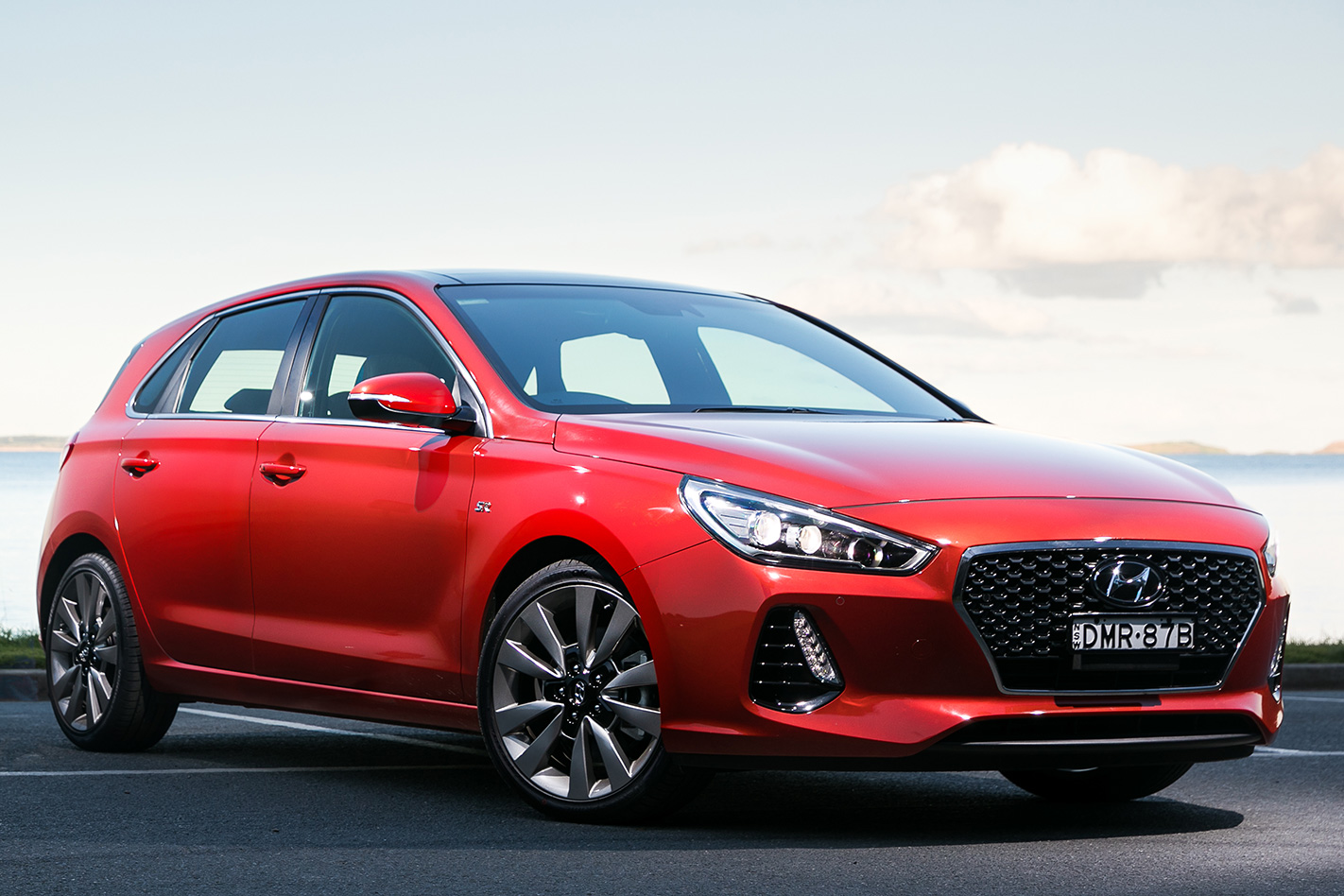
The i30 SR, which uses a 1.6-litre turbocharged four-cylinder engine and either a six-speed manual gearbox or a seven-speed dual-clutch auto, sits in the middle of the Hyundai i30 range for price but toward the top end for performance. The one we’re focusing on here, the $2500 more expensive auto, is priced from $25,990.
STRENGTHS
- It rides and handles better than cheaper versions of the i30. The SR uses a stiffer multilink rear suspension than the Active and Elite models, which use a cheaper, less refined torsion beam set-up. This makes the i30 SR’s ride firmer than the entry-level, $19,990 Go and the $21,090 Active, but the upside is that the i30 SR drives like a hot hatch, with decent cornering and more steering feel – both qualities that enthusiast drivers will appreciate.
- The turbo 1.6-litre “GDi” engine produces 150kW and 265Nm, which again makes this version of the i30 something of a wannabe hot hatch. It gives the i30 SR a sense it is quick, capable and refined.
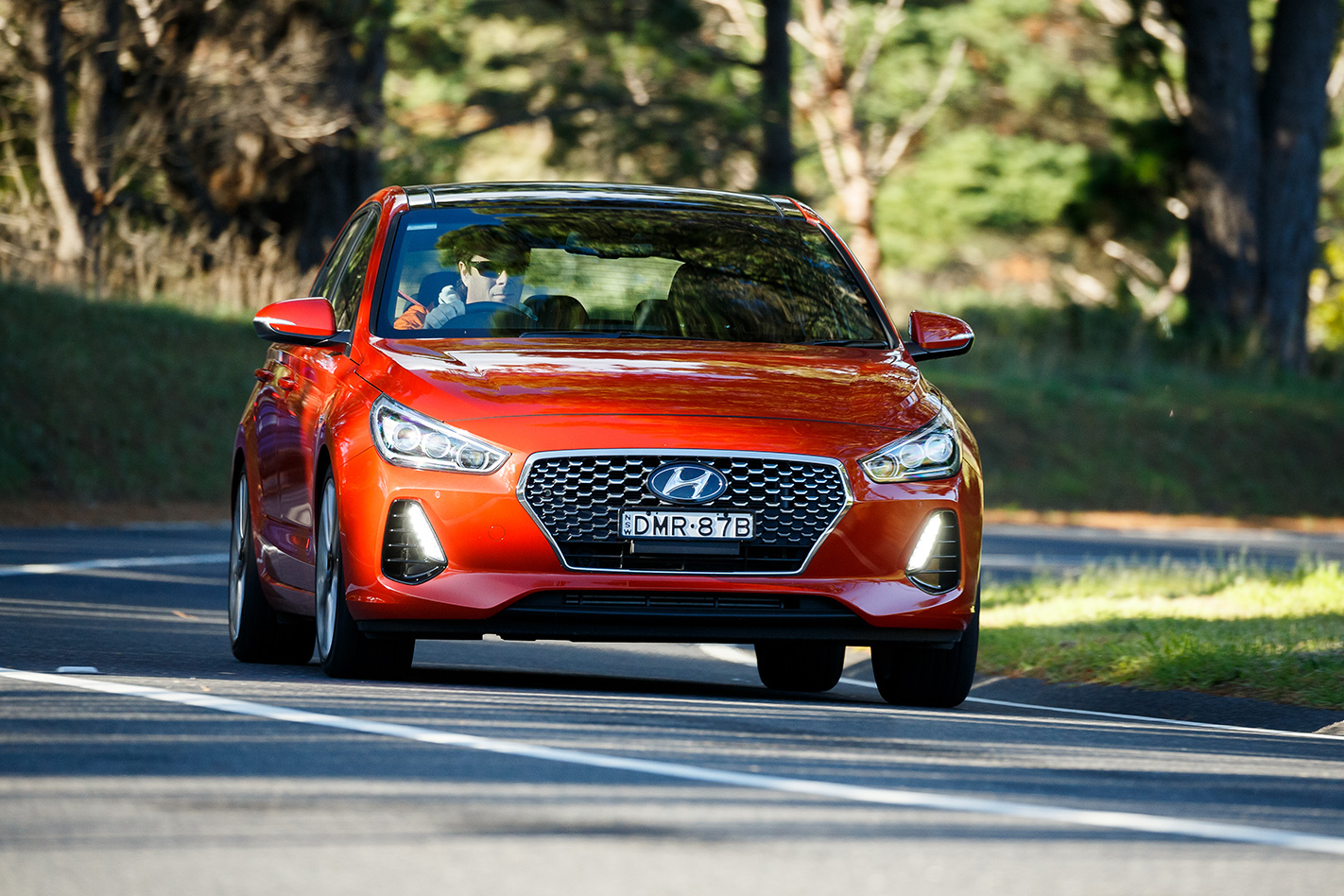
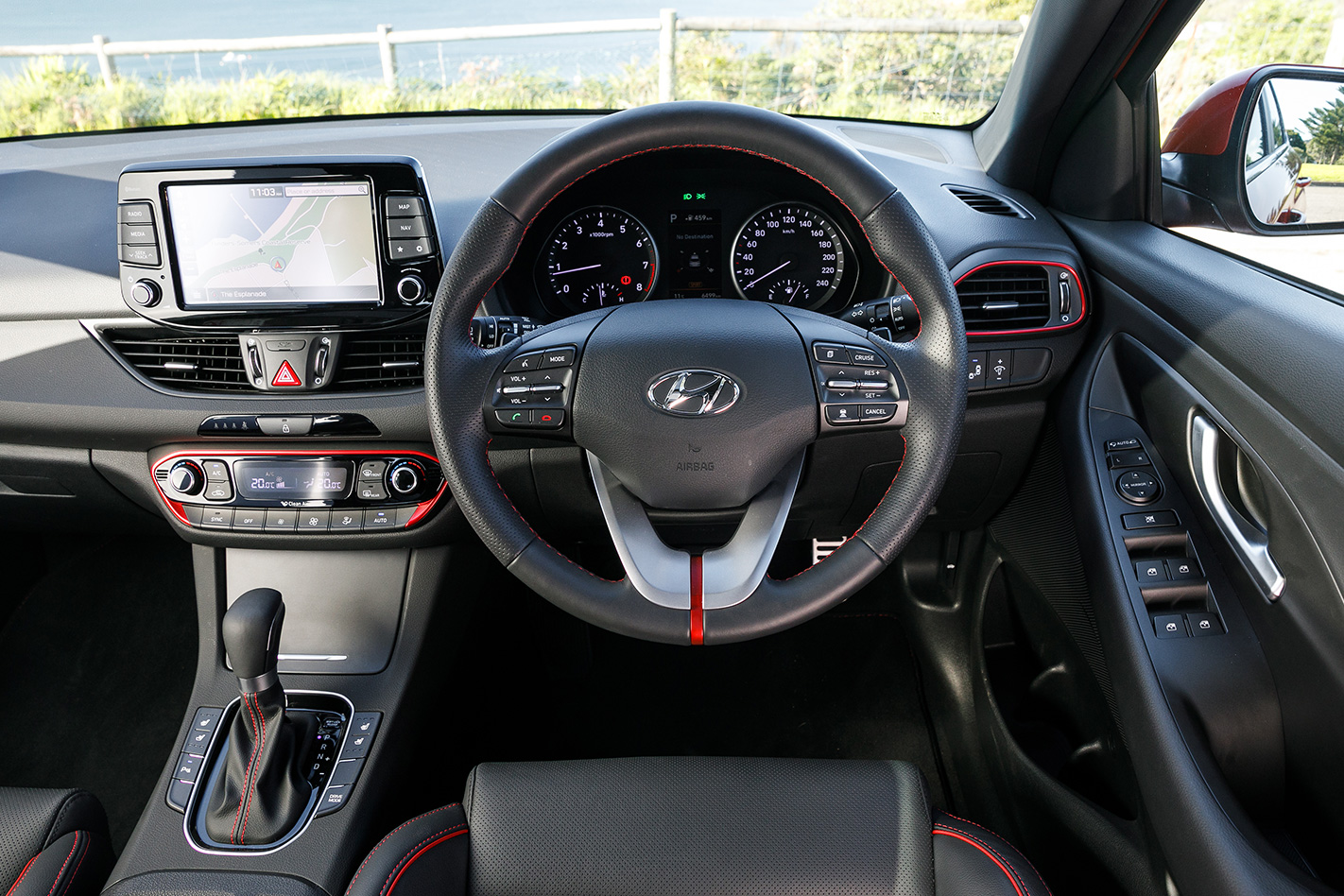
- The SR’s interior in particular will draw a smile every time you look at it. By default, the i30 interior with its soft-touch emphasis, clear instrument cluster, leather steering wheel and tombstone-style multimedia interface feels premium, and the SR takes that a step further. Of note, contrasting red trim on the seatbelts, around the dash and in the stitching tracing the edges the front seats give the cabin a big visual lift.
- The SR has paddle shifters for the gearbox mounted on the steering wheel. It makes the ownership experience more like living with a hot hatch than a forgettable, everyday commuter. There’s also dash-mounted engine start button allowing you to keep the key fob in your pocket.
- The Hyundai i30 has a low cost of ownership. You’re covered by a three-year warranty, and servicing for the more performance-focused SR’s turbo engine is capped at $269 for the first three years or every 15,000km, whichever comes first.
- The automatic version of the i30 SR gains active cruise control and automatic emergency braking. If you opt for the $2500 cheaper six-speed manual version of the hatch, these are not included.
- The boot is pretty versatile. There’s only a space-saver spare under its floor, which sits low in its default mode. However, you can set the floor at a higher level to create a separate storage space beneath it.
- The i30 SR is a lot more affordable now than when it was launched. A couple of years ago it would have set you back $28,950. The version you buy today is almost $3000 cheaper.
WEAKNESSES
- The i30 has no active fuel management such as a stop-start system or cylinder deactivation and so on, so it can be a bit thirsty when driven with enthusiasm. On paper, it uses more fuel than competitors including the soon-to-be-updated Toyota Corolla and the ageing but still relevant Mazda 3.
- The SR’s dual-clutch gearbox can be a bit lurchy in low-speed situations, such as shuffling in or out of a shopping centre car park, or in stop-start traffic. The cheaper non-turbo 2.0-litre versions use a traditional single-clutch automatic that is much smoother. The faster-changing dual-clutch gearbox’s benefit is when you drive the i30 harder.
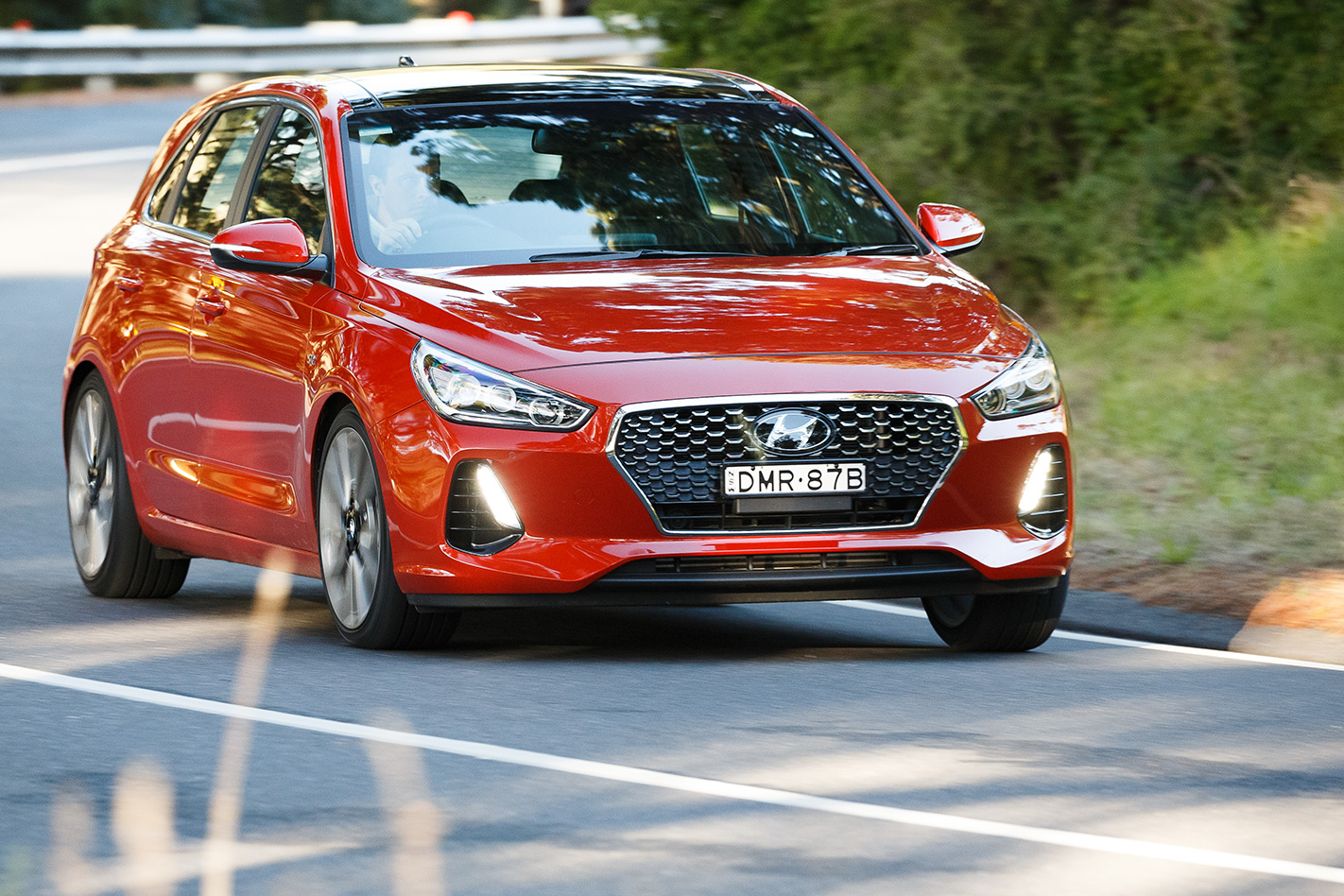
- It’s a bit noisy on its low-profile 18-inch Hankook rubber. The tyres are nice and sticky, and help with the i30 SR’s cornering poise, but the downside is that over coarse-chip sections of freeway the tyres can generate a high level of road roar.
- The sunroof is a $2000 option. That’s expensive to bring a bit more natural light into the cabin, but you do get one of the biggest areas of glass in the class.
- There are no standard heated seats – to get them, you need to spend another $8500 for the i30 SR Premium. You’ll grumble about this, too, in the clutch of a southern-climate winter.
- The i30’s back seat isn’t as big on space as some rivals. Cars like the Honda Civic and the Subaru Impreza offer a bit more rear-seat legroom than the i30, which potentially makes them a better choice for the daily school run.
- It’s a small quibble, but only the driver’s door has an automatic window, and that’s only if you’re dropping it. Closing it is a long hold of the switch.
ANY OTHERS I SHOULD CONSIDER?
Popular cars in this segment include the Toyota Corolla (which arrives as an all-new model from August), the Mazda 3, the Subaru Impreza, Volkswagen Golf, the Civic from Honda, the Ford Focus, Holden’s Astra, and, as more style-driven, cosmopolitan alternatives, the Peugeot 308 and Renault Megane.
SsangYong is rallying its troops for an assault on the Australian car market in the fourth quarter of this year, with a restructured management team and refreshed range of vehicles.
Little detail of the company’s strategy has been laid out at this stage, but the appointment of a new Australian managing director headlines the ambitious plan. Tim Smith takes the helm, arriving from his previous role as chief marketing officer at Haval Australia, while it is understood other management movements are underway.

According to the new MD, the almost dormant South Korean brand has “potential” in the Australian arena, but product will be key to any success.
While the fate of the current line-up, which includes the Actyon Sports ute, Korando compact SUV, Rexton mid-sized SUV and Stavic people mover is uncertain, a brief release confirms that a new Tivoli small SUV, Rexton and Musso ute will be forming at least part of the relaunch efforts.
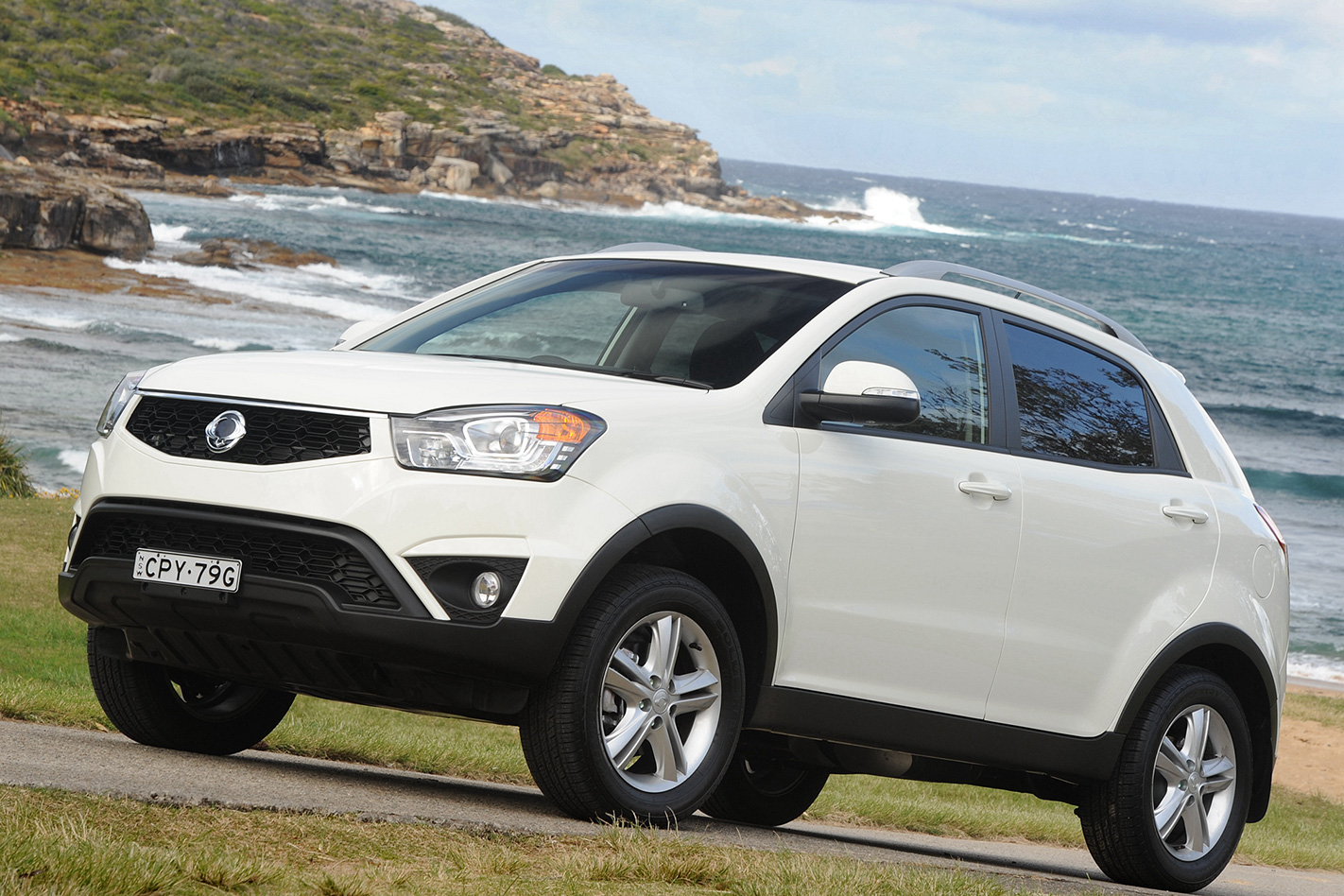
An improved level of equipment is also on the way with the company confirming AEB will be offered in at least part of the range, as well as up-to-the-minute connectivity tech including Apple CarPlay and Android Auto.
As it stands, the Ssangyong dealership network extends to 28 dealerships nationally plus a handful of service-only centres, but it is likely the network will be under scrutiny as part of the new brand push. That could include adding showrooms or franchises into key areas or trimming poor performers put of the system.
Whatever the long-term game plan, it’s going to take a dramatic turnaround. From its heyday in 2006, when the freshly launched brand frequently sold more than 200 vehicles per month, interest has steadily declined to double figures in 2016 and, today, SsangYong barely moves a single example from one month to the next.
Even today, if a car maker released a new car and told us it’d have 600bhp (or 447kW to us in the metric world), we’d be getting excited.
The AMG C63 S boasts 375kW, and the Porsche 911 Turbo S 427kW. That AMG engine is even used by Aston now, and Aston’s twin-turbo V12 makes 447kW exactly in its current DB11. But the Aston Martin V8 Vantage V600 is two decades old.
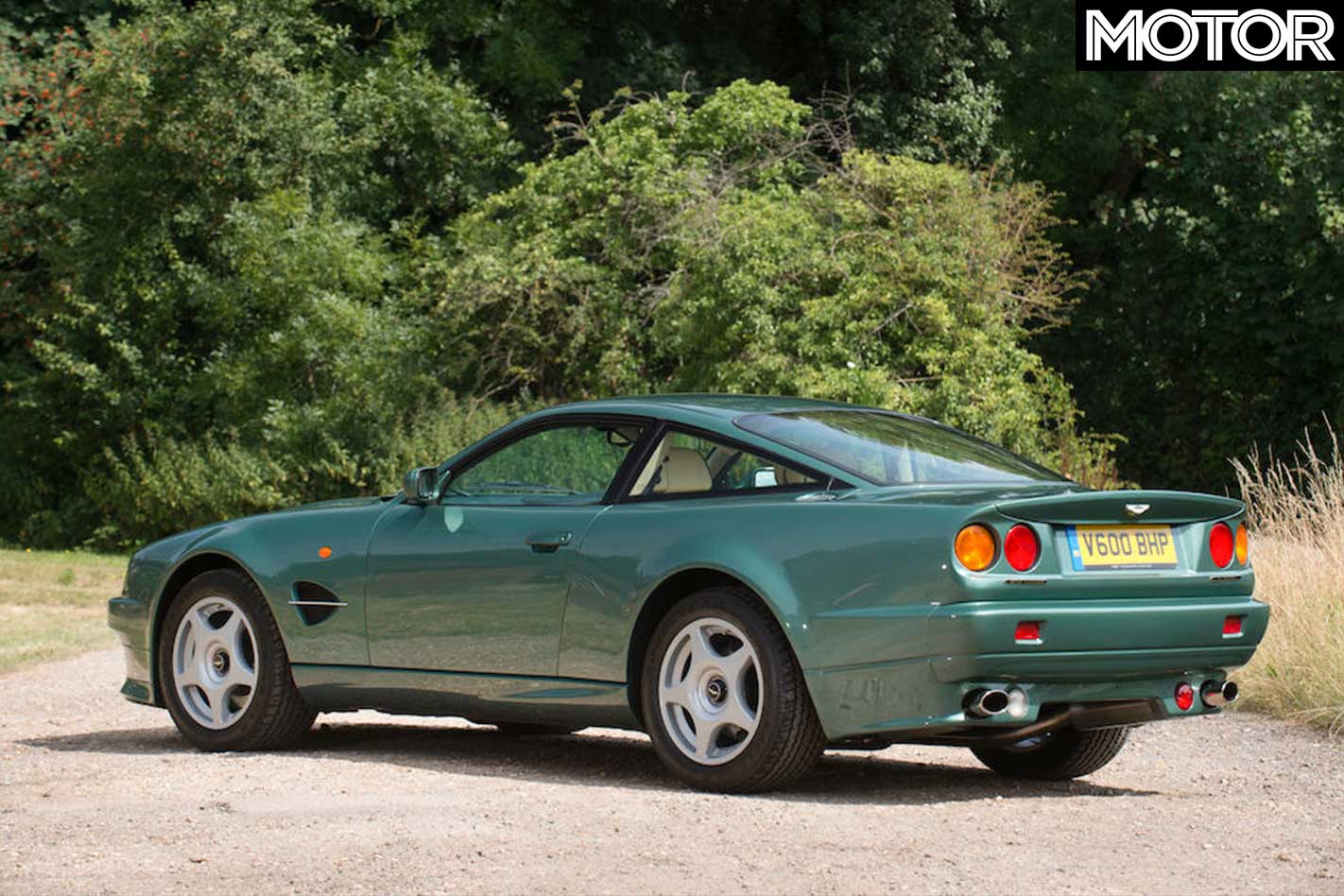
After the cars had been registered, the work was carried out to transform the hardly docile V8 Vantages into uncouth V600s, some before they’d even left Aston’s then home of Newport Pagnell.
Later, Aston would ‘officially’ incorporate the setup as an option into a limited run of Vantages, known as the V8 Vantage Le Mans (pictured). Though the Le Mans was something of a run-out special to sell cars before the DB7 arrived, it was just as formidable as the V600.
As well as power, torque also followed the ‘600’ theme at 600lb/ft, or 813Nm. All of this was thanks to two M90 Eaton superchargers and upgraded cooling, which prevented the feared overheating Vantages were prone to in harsh climates.
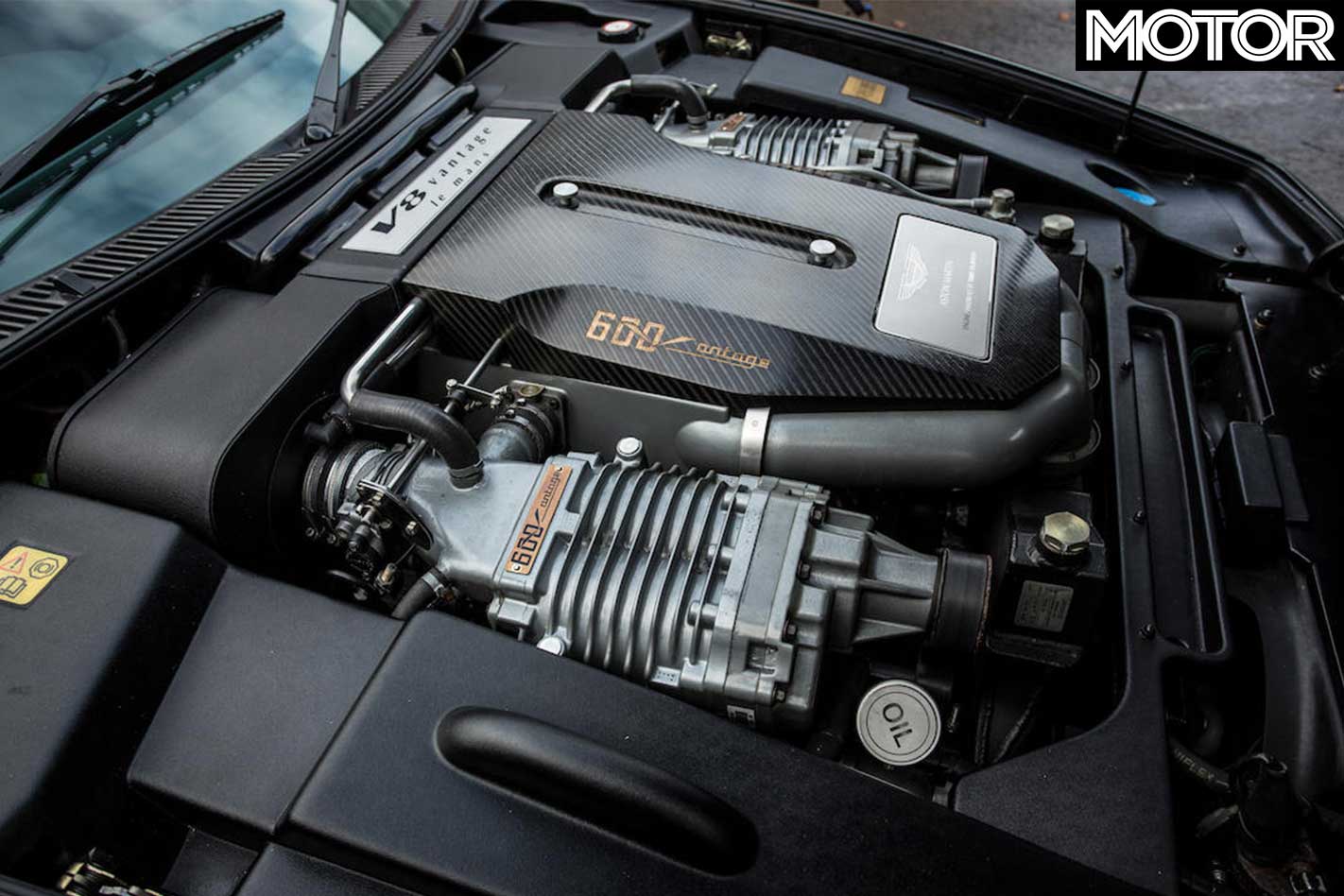
Performance aside, badging and a chrome grille liner would also blow a V600’s cover, while the Le Mans’ nostril-style grille is more easily spotted.
Despite being one gear down, the cars’ top speeds were higher than that of the standard V8. While a Vantage V8 could ‘only’ hit 299km/h, the V600 would crack on to 322km/h. At the time, they were some of the most powerful cars in the world.
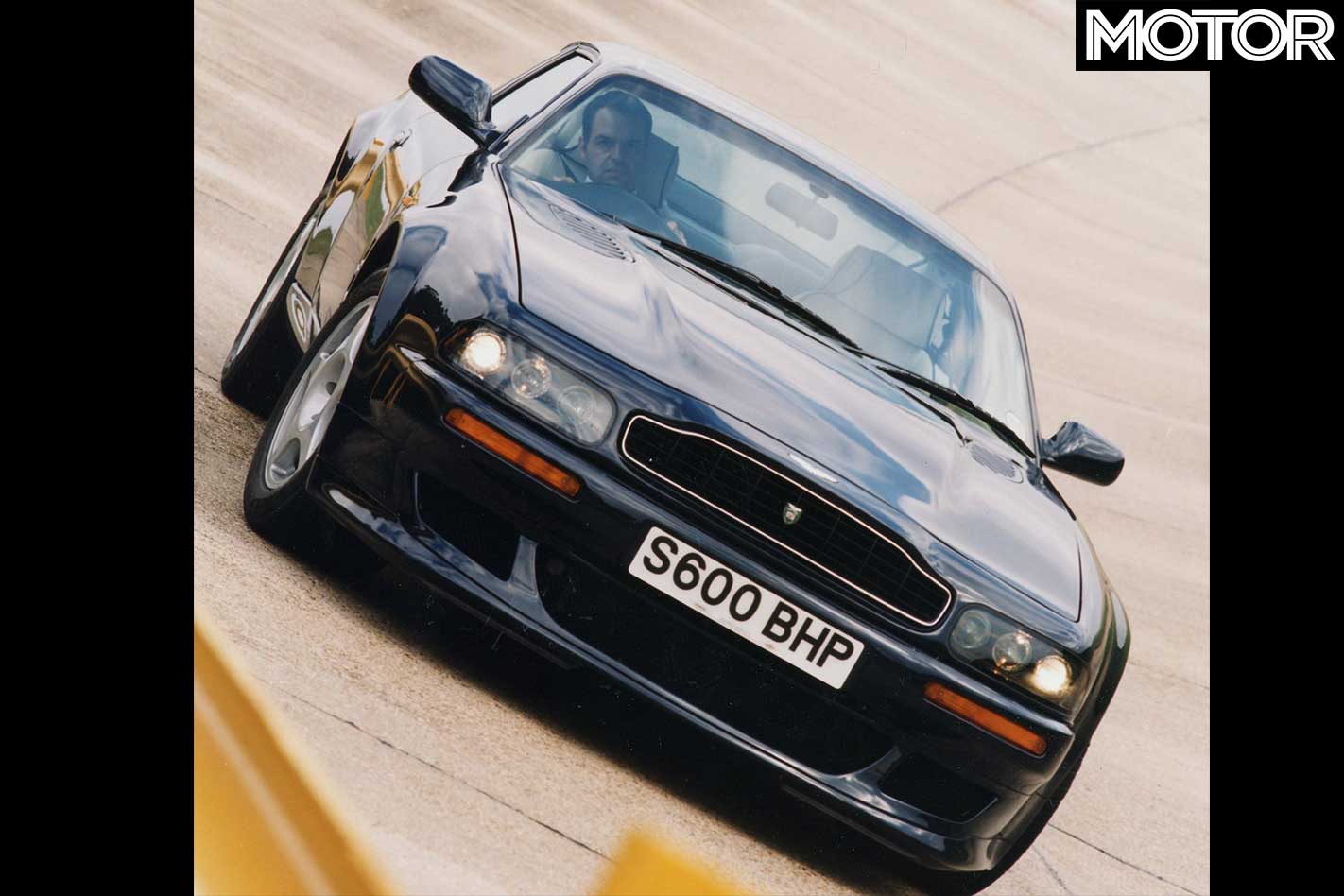
All up, 81 Vantage-converted V600s were produced, one later becoming a shooting brake, while 40 of the Le Mans edition Vantages were built.
REVIVED!
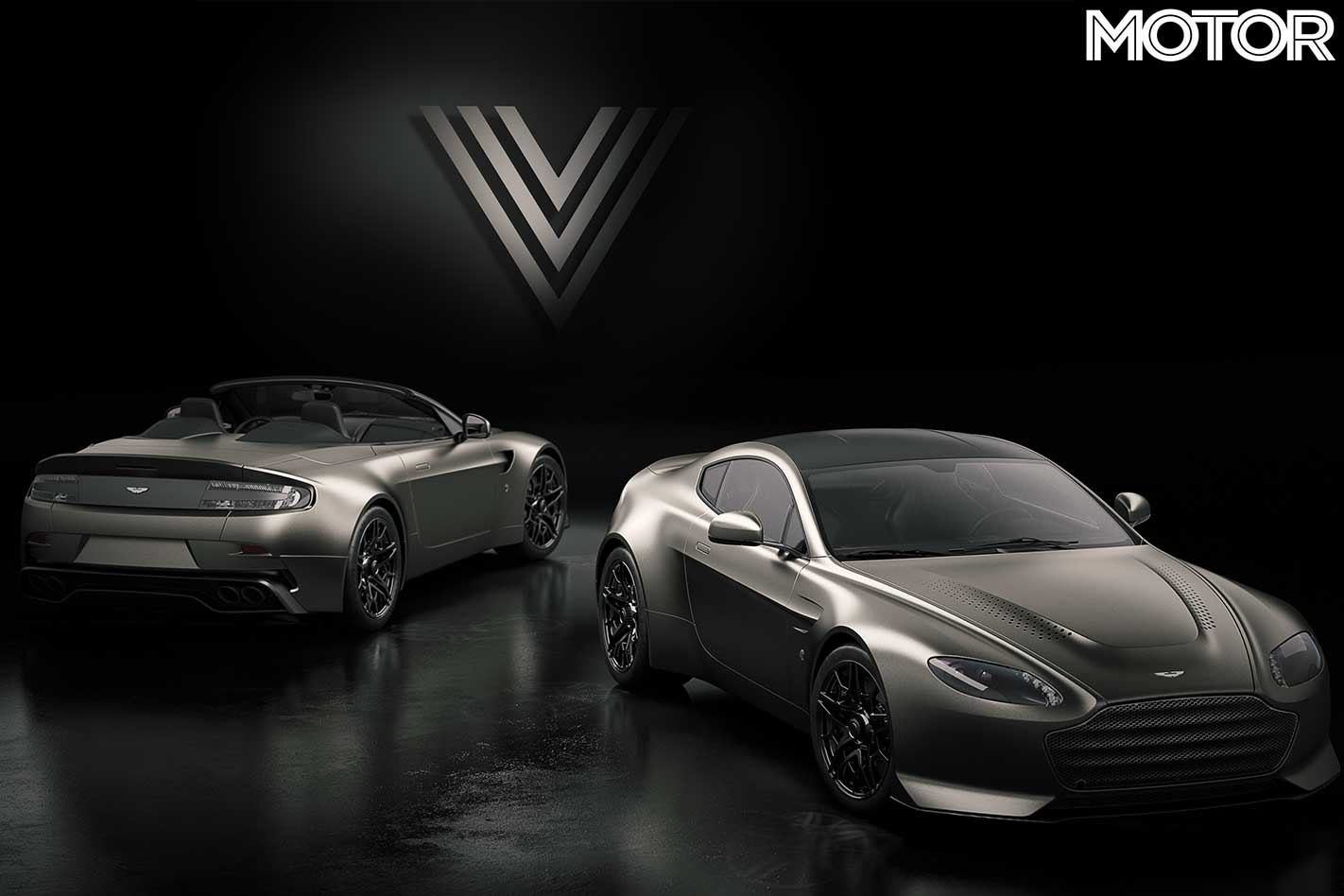
This year, Aston Martin announced the return of the V600 badge in the form of the V12 Vantage V600. As the name would suggest, Gaydon’s 6.0-litre engine is the centrepiece, producing 441kW (or 600PS), with a seven-speed manual. Only 14 will be built, split evenly between coupe and convertible.
1998-2000 ASTON MARTIN V600/LE MANS SPECS Engine: 5340cc V8, DOHC, 32v, twin-supercharged Power: 447kW @ 6500rpm Torque: 814Nm @ 4000rpm 0-100km/h: 4.2sec (estimate) Price: AUD$650,000 (estimate)
Honda has introduced limited-edition “+Sport” variants to its Jazz and CR-V models.
The +Sport pack adds some exterior bling and safety features to the mid-spec Jazz VTi-S and the entry-level, front-wheel-drive CR-V VTi (2WD).
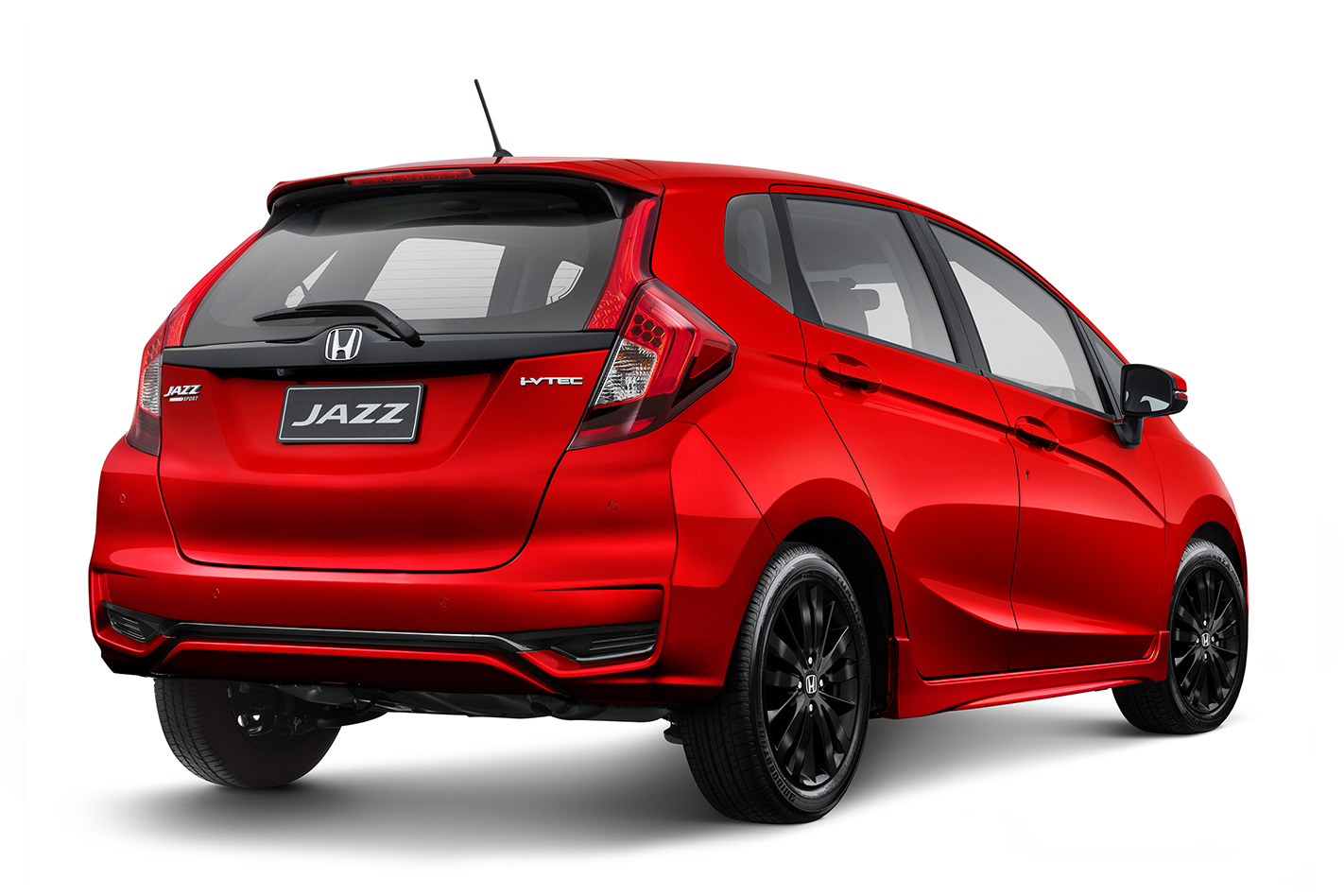
Retailing for $20,590, the Jazz +Sport gains $1600 worth of additional features – 16-inch black alloy wheels, gloss-black rear licence plate garnish, a +Sport badge and rear parking sensors – for just $600 more than the VTi-S.
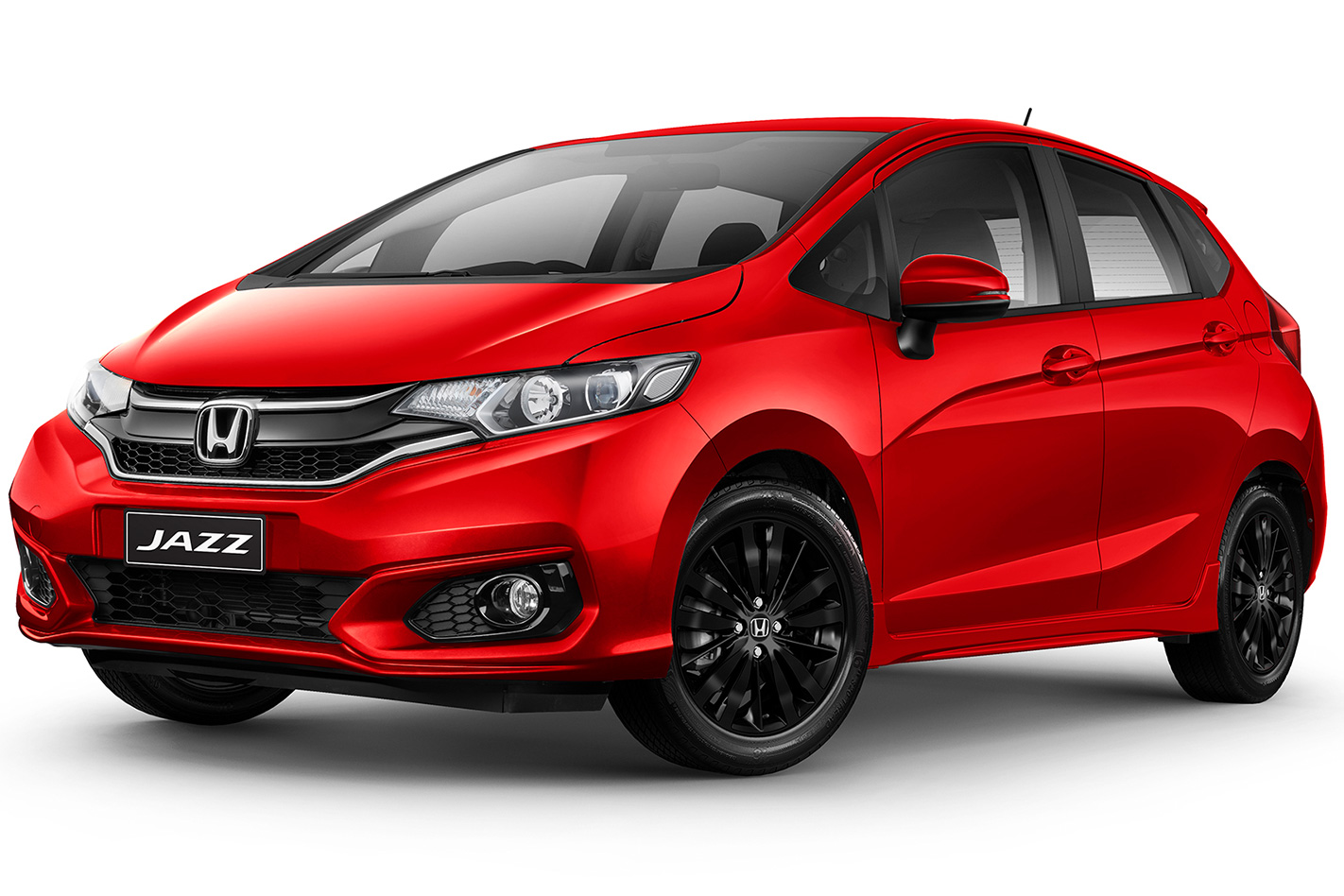
It will be available in four colours: White Orchid Pearlescent, Phoenix Orange Pearlescent, Rally Red and Crystal Black Pearlescent.
The CR-V +Sport brings extra features to the entry-level CR-V VTi (2WD) including 18-inch alloys, lane departure warning, front and rear parking sensors, rear privacy glass, black sports grille and a +Sport badge.
Honda says the extra features are worth $4100 but only attract a $1900 premium over the VTi, taking the CRV +Sport retail price to $32,490 with a national driveaway price of $35,490.
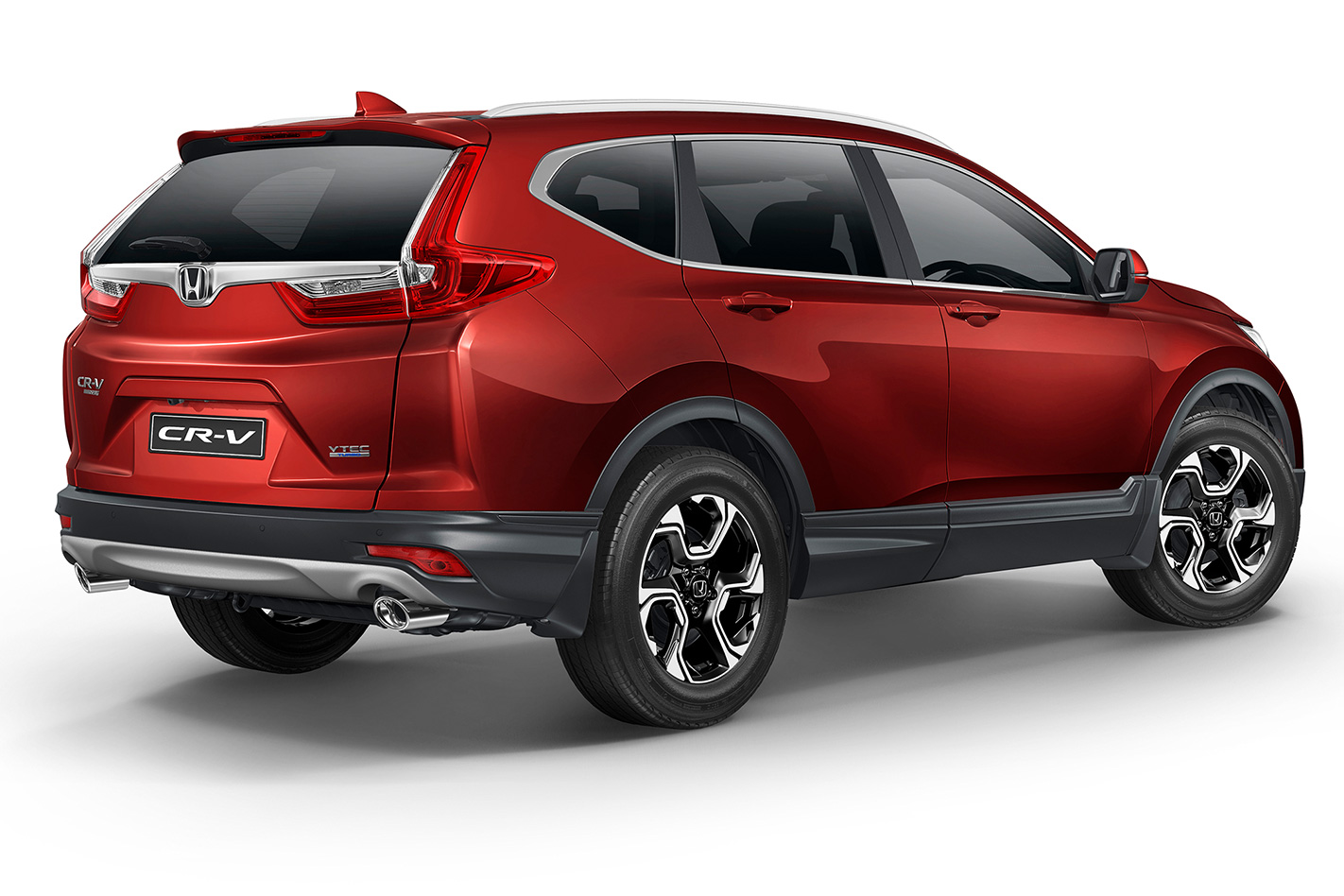
The CR-V +Sport is also available in four colours – Passion Red Pearlescent, Lunar Silver Metallic, White Orchid Pearlescent and Modern Steel Metallic.
Very limited numbers of the Jazz +Sport and CR-V +Sport plus are now available at Honda dealers with the Japanese manufacturer’s five-year, unlimited kilometre warranty.
THE Mazda RX-7 turns 40 this year and, though the iconic Japanese sportscar hasn’t graced a Mazda showroom floor for 16 years, its legendary status still attracts a cult following both in Australia and around the world.
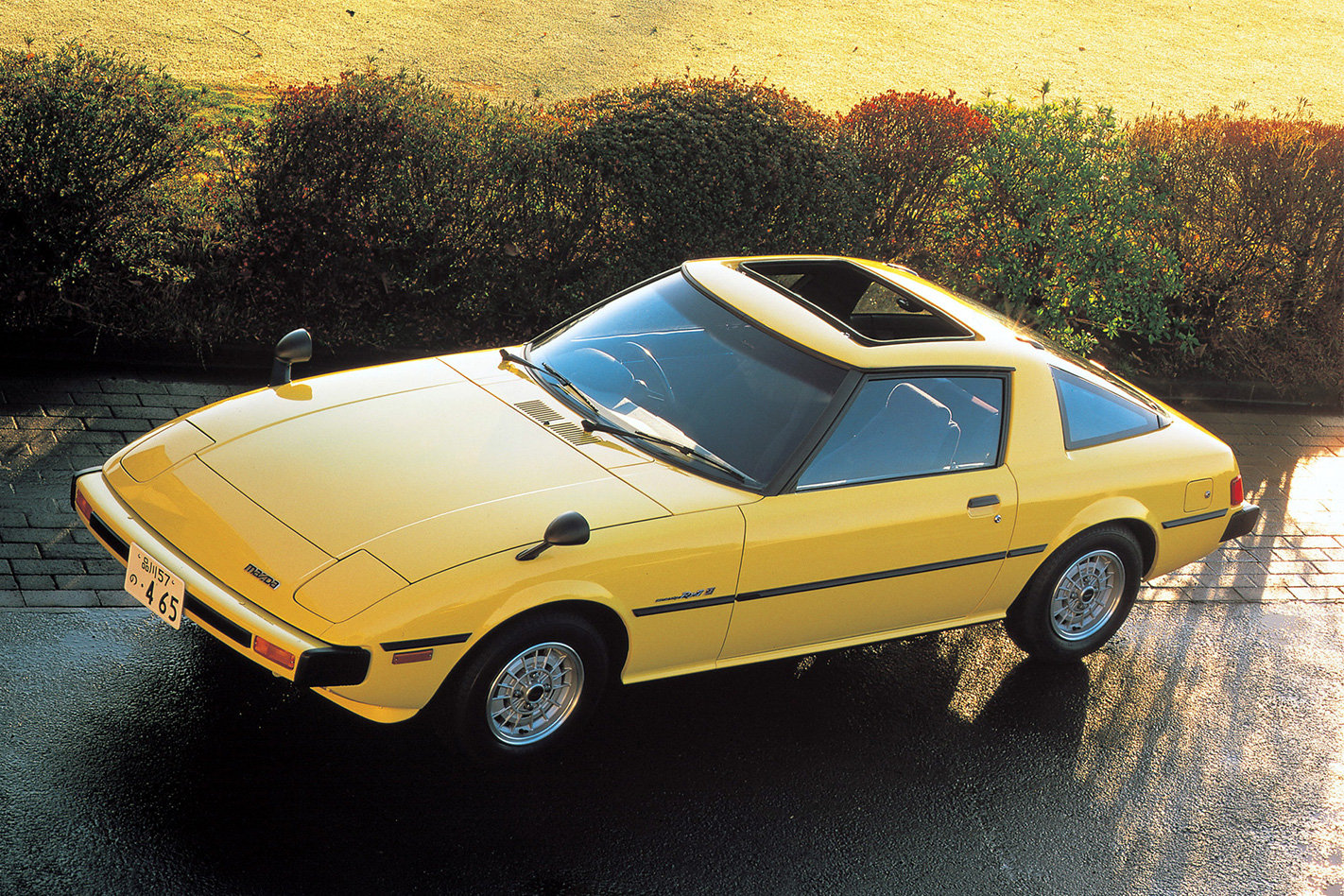
It’s a story that started in the late 1970s, when Mazda had already cemented itself as an authority in Wankel engines and had rotaries in service under the bonnets of the Cosmo luxury coupe, Luce sedan and even some oddball offerings like the Parkway bus and Roadpacer AP (AKA, the rotary Kingswood), but the company wanted a true athlete to succeed the ageing RX-3 coupe.
That sports star would take the form of a lean and elegant liftback two-seater coupe that arrived in March 1978, wearing the now famous RX-7 nameplate.
First generation: SA22C
The first of three generations, it was the bantamweight rotary engine that was central to the initial RX-7’s success. Not only was its naturally aspirated twin-rotor construction feather light, it was compact too, allowing it to be positioned far back behind the front axle for balanced 50:50 weight distribution.
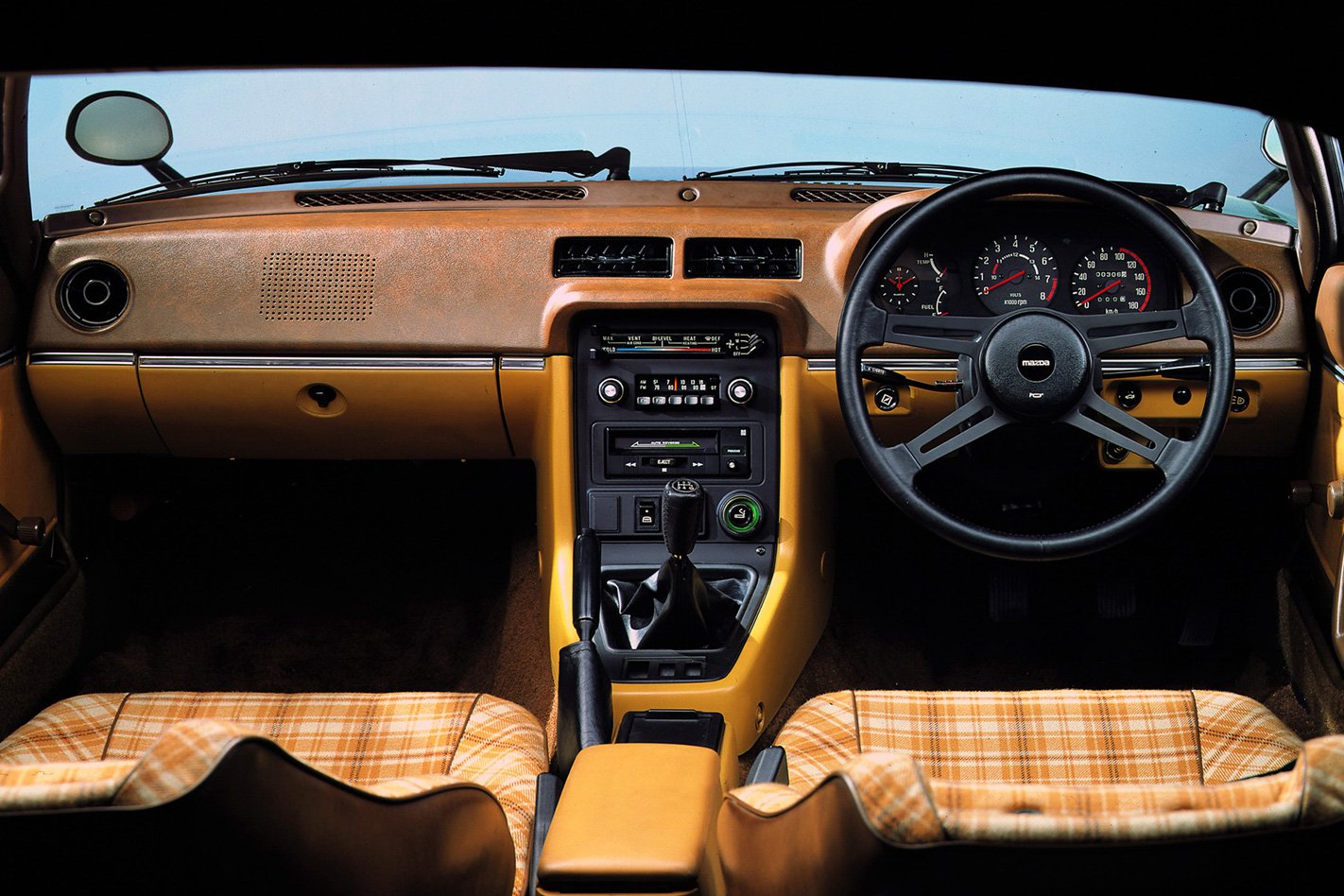
But the linear, incredibly free-revving power delivery (accompanied by an unmistakable soundtrack) was unlike almost everything else on the road, and it wasn’t long before driving enthusiasts and tuners started to pay attention. Indeed, Mazda thought it necessary to include a rev warning buzzer to alert drivers who didn’t realise the 7000 rpm limit was approaching.
The first-generation SA22 RX-7 produced a modest 77kW, but it was light at 1100kg – and catseye-scrapingly low. The lithe formula adhered to the traditional sportscar mantra of prioritizing driving dynamics over outright muscle, much like the Lotus Elan, or even the RX-7’s distant cousin the ND MX-5.
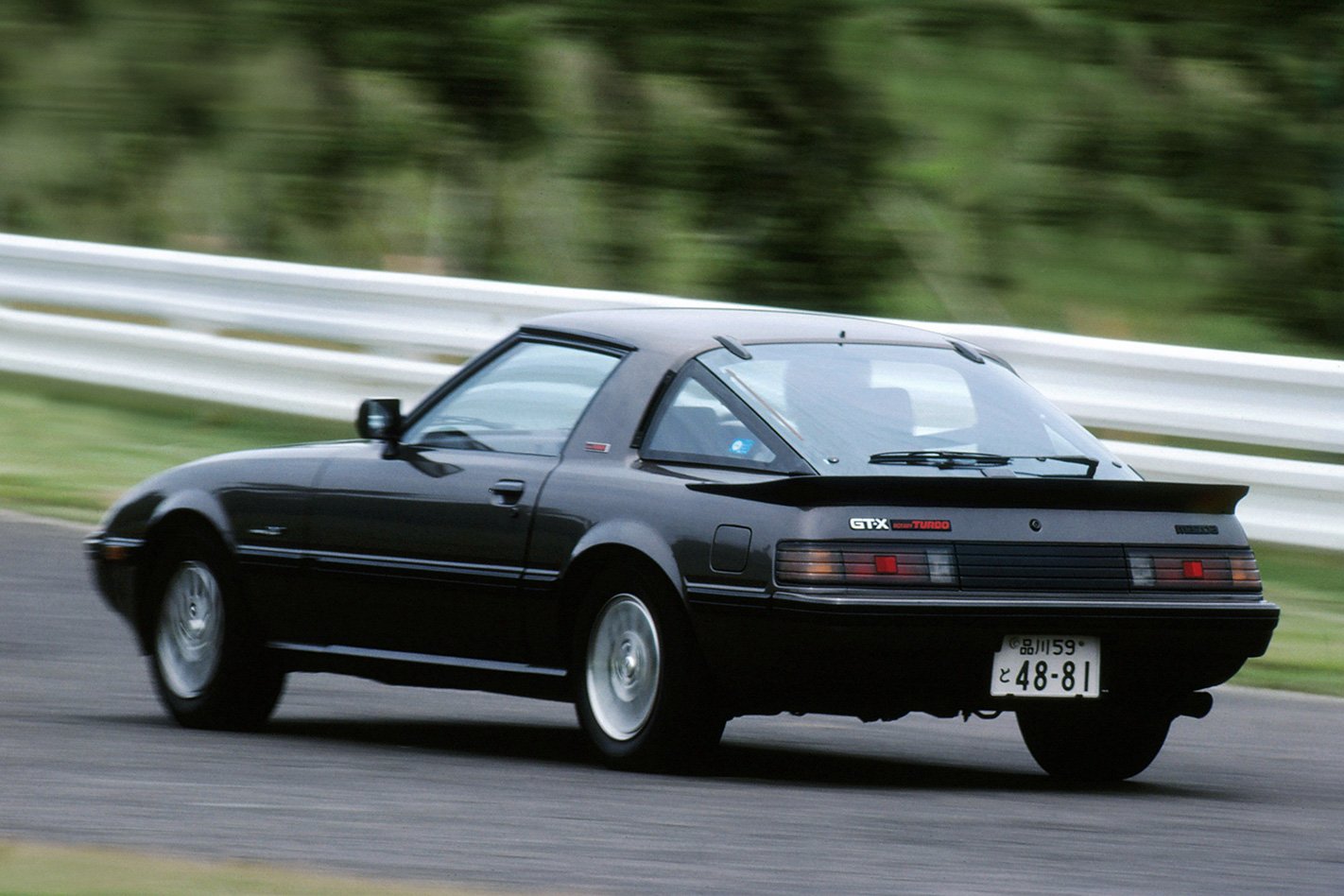
An update for the series 2 SA22 brought a modest power-up to 85kW, disc brakes at all corners and a mechanical limited-slip differential as standard in some markets, but the final update to series 3 brought fuel injection, pushing the little coupe past the 100kW barrier.
Even early on, Mazda was aware of the inherent problems of the rotary engine, including its high hydrocarbon emissions and low fuel efficiency – the main Achilles heel that would eventually call full time on the Mazda power plant.
An appetite for rotor apex and face seals was another thorn in the side of the Wankel engine, but Mazda persevered with the design, driven by the demand from a staunch group of enthusiasts.
As a final fling, Mazda introduced a special 1985 finale just for Australia, while a turbocharged swansong was another late-life highlight that brought another power hike – but without an intercooler the blower added only 20kW extra. It nevertheless laid the foundation for the RX-7’s turbocharger-dominated future.
Second generation – FC3S
When the RX-7 was reborn as the second-gen FC its displacement remained at 1.3 litres (the original 12A rotary started out with 1.1 litres) and 108kW, but a Turbo II variant was offered in the US with 136kW. The styling made greater leaps, with the RX-7 outgrowing the slim-waisted 1970s bodywork of the SA22C and slipping into a more chamfered design that was somewhat reminiscent of Porsche’s 924.
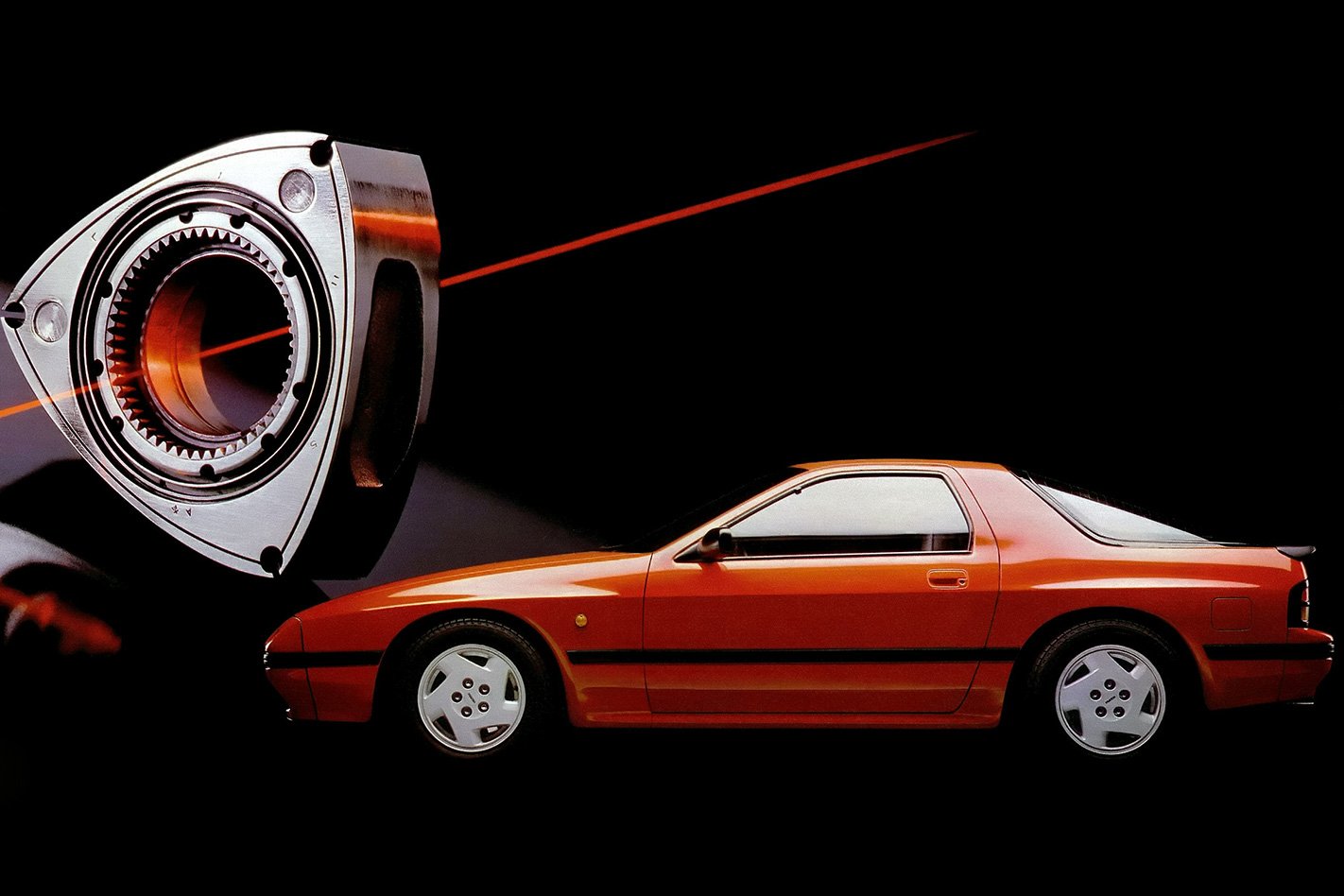
As well, the former live axle rear suspension which had imparted overtly tail-happy handling in the FC was revised to independent suspension with a dramatic improvement to handling.
Power grew again with the introduction of the Series 5 RX-7 – 119kW for the atmo and 149kW for the turbo. Revised steering sharpened the front end, while a unique set of rear hubs allowed a degree of passive rear steering. The RX-7 was really starting to grow up technologically, but so was its weight.
Once again, Australia was offered a special edition – this time the RX-7 Sports – which was limited to 250 examples and attempted to shed some of the 360kg in additional mass that the FC RX-7 had gained by leaving power steering, electric windows and the rear wiper on the shelf.
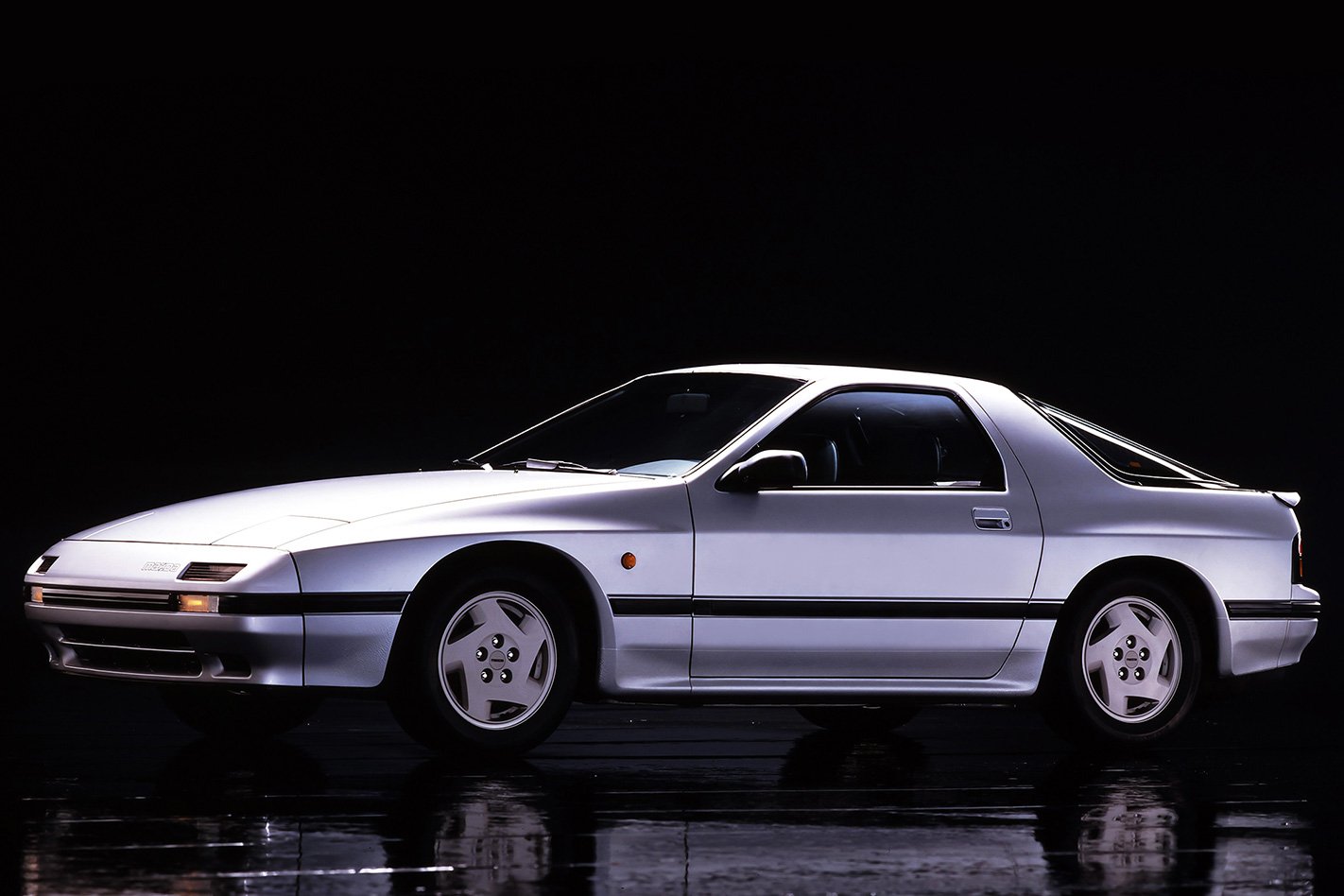
Another milestone came in 1988, when the RX-7 convertible arrived with a partially-powered roof and stereo speakers hidden in the seat head rests – a feature still found in the ND MX-5.
Despite the weight gain and growing proportions, the RX-7 was constantly evolving, improving and charming the motoring media and customers alike, and by the time the gen-two was put out to pasture in 1992, the turbo was blasting out 160kW. Not bad for a 1.3-litre.
Nobody knew it at the time, but the third generation would also be the last for the RX-7 badge. However Mazda certainly didn’t ease off the gas for its swansong RX-7. In 1992, the FD blasted in with an absurdly complex sequential twin-turbo system developed in partnership with Hitachi, which started out with 188kW but would turn the taps up to 206kW by the time production ended in 2002.
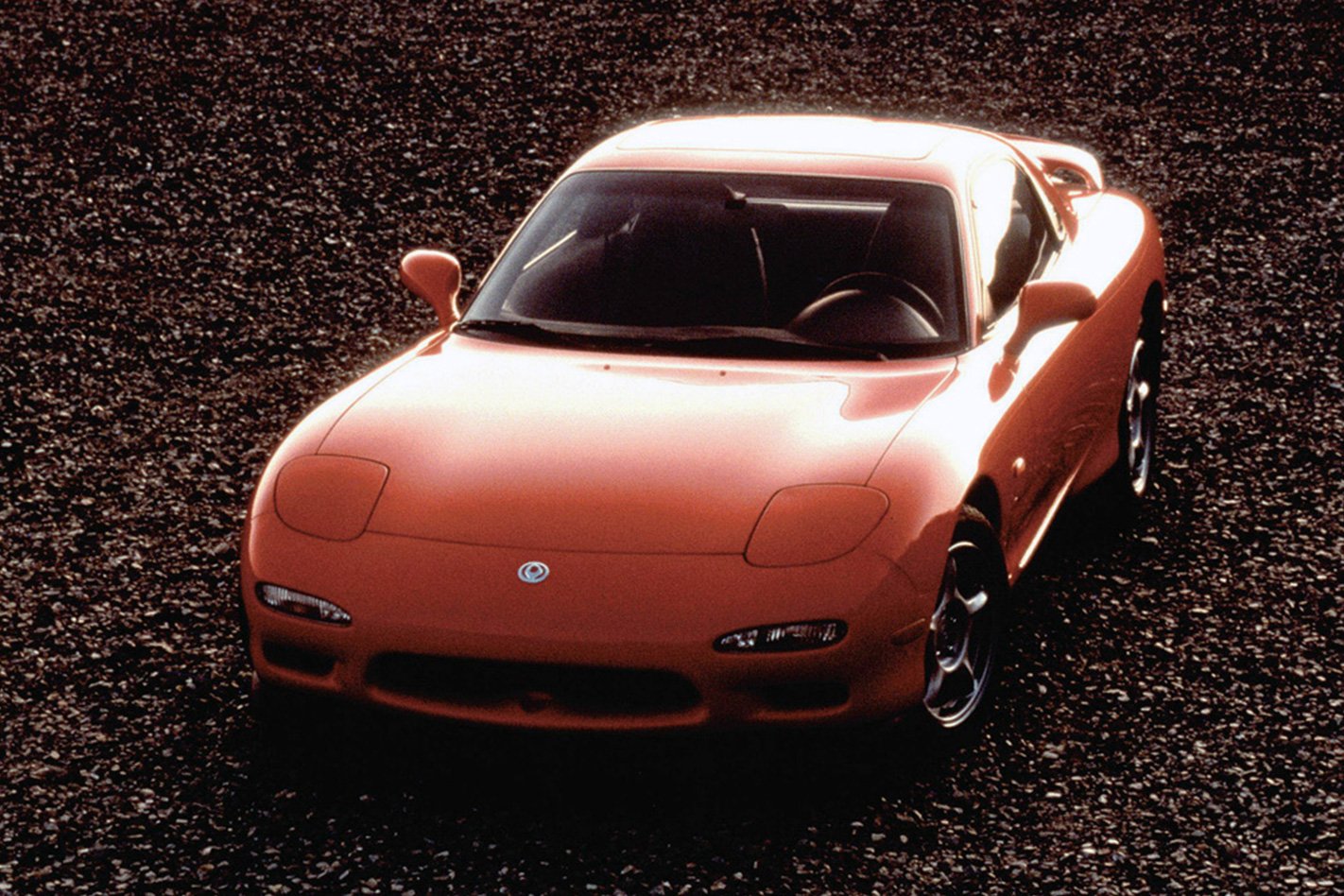
Staggeringly, the twin-rotor engine still hadn’t grown beyond 1.3 litres which meant the final RX-7 could brag an output of 158kW per litre. That’s more than a Mercedes-AMG A45.
Piloting such a highly strung beast required special care to avoid snapping the tail into sudden oversteer as the second turbo stepped in at 4500 rpm, with a notable boost in power.
Over the course of the final RX-7 iteration, the car evolved through numerous variants including the Spirit R, Type R, Type RZ, Type RB and A-Spec depending on the global region, with three facelifts over its ten-year lifespan.
Among the various special editions throughout the FD’s life, Australia was once again treated to some of the finest. An unapologetically race-honed RX-7 SP arrived in 1995, homologated to compete in the GT Production Car Series and brought circuit-ready equipment including a carbonfibre nose, rear spoiler and larger fuel tank.
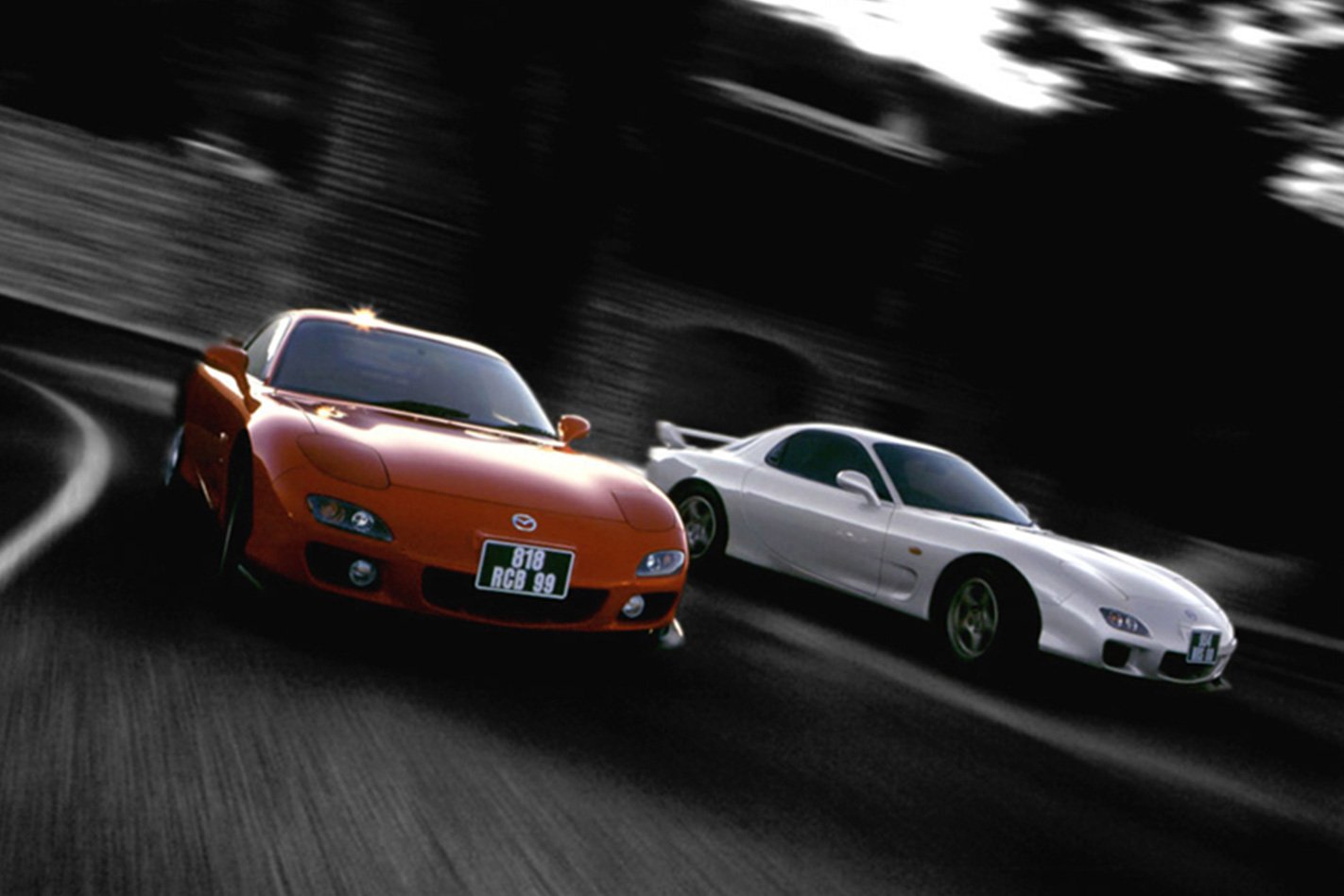
A more efficient intercooler, special exhaust and remapped engine control software helped produce a power figure of 204kW, while bigger brakes, larger wheels and Recaro seats completed the package.
The mods clearly worked and the car won the Eastern Creek 12 Hour the year of its introduction and another podium finish at the Targa Tasmania spawned another special edition – which was only offered in Japan, bizarrely.
Legacy
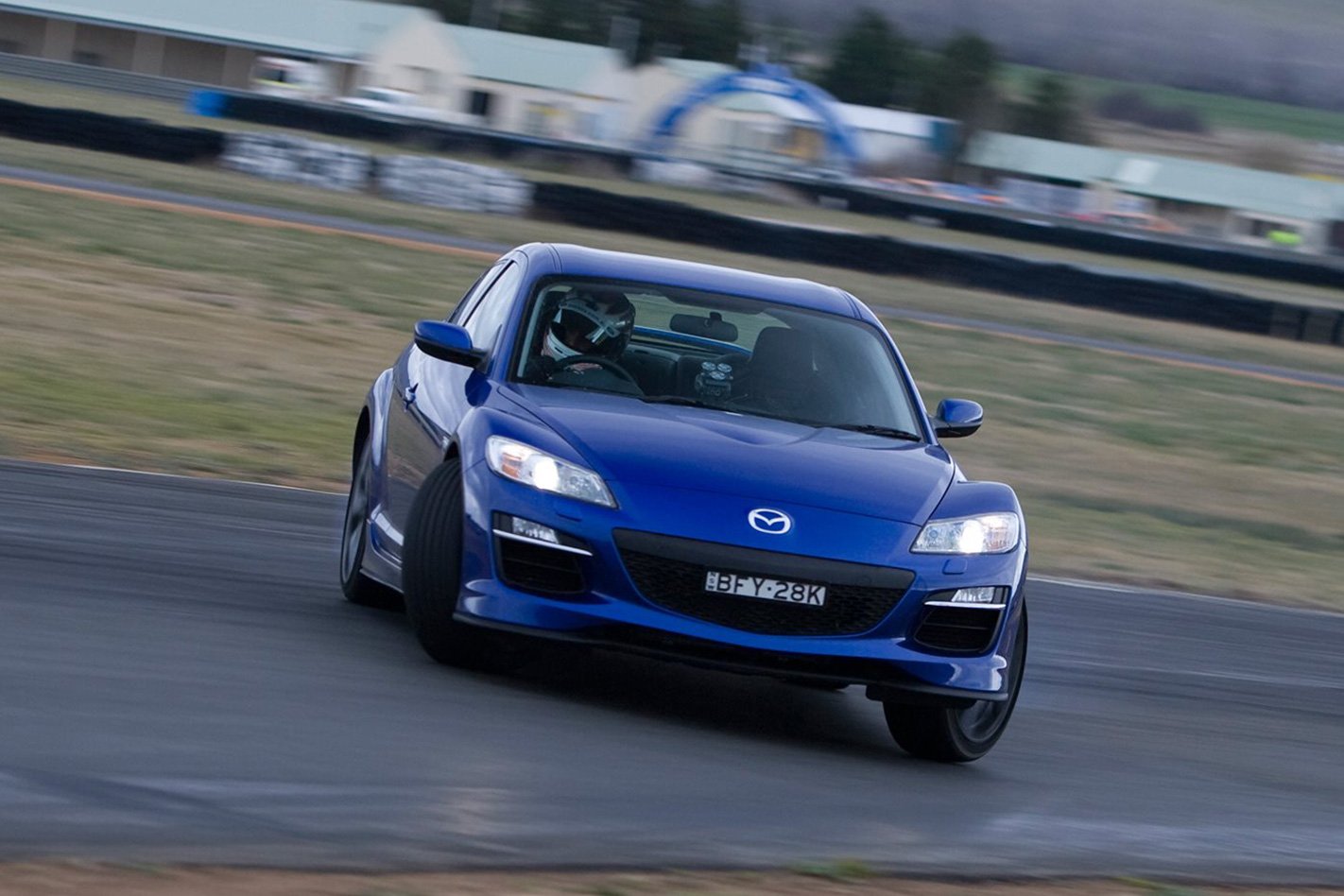
It’s fair to say the motoring community shed a tear when the model made its curtain call in 2002 and, while the news that it would be succeeded by a new RX-8 soothed the wounds, the RX-7 is still celebrated to this day.
The RX-8 kept the spirit of rotary power alive for another 10 years with mad, naturally aspirated revs, but ended the bloodline in 2012 when it bowed out without an heir to the Wankel throne. Could anything rekindle the magic that three generations of RX-7 created?
When the sexy and curvaceous RX Vision made its debut at the Tokyo show in 2015, it sparked hopes that a new model would pick up the rotary baton, and while Mazda has yet to officially confirm a production version of the concept, the trail is far from cold.
The latest intel suggests a new sportscar halo is still very much on the wishlist and that its powertrain will indeed revive rotary power – albeit with electrified hybrid assistance to help rectify the rotary’s eternal bugbear – fuel consumption. It won’t happen soon though – Mazda isn’t in any hurry to bring a new rotary sports car out until sometime in the early 2020s.
When Mazda is ready to talk about the next chapter, it will owe a big debt of thanks to its iconic rotary star and for that we say happy birthday and three braps for the RX-7.
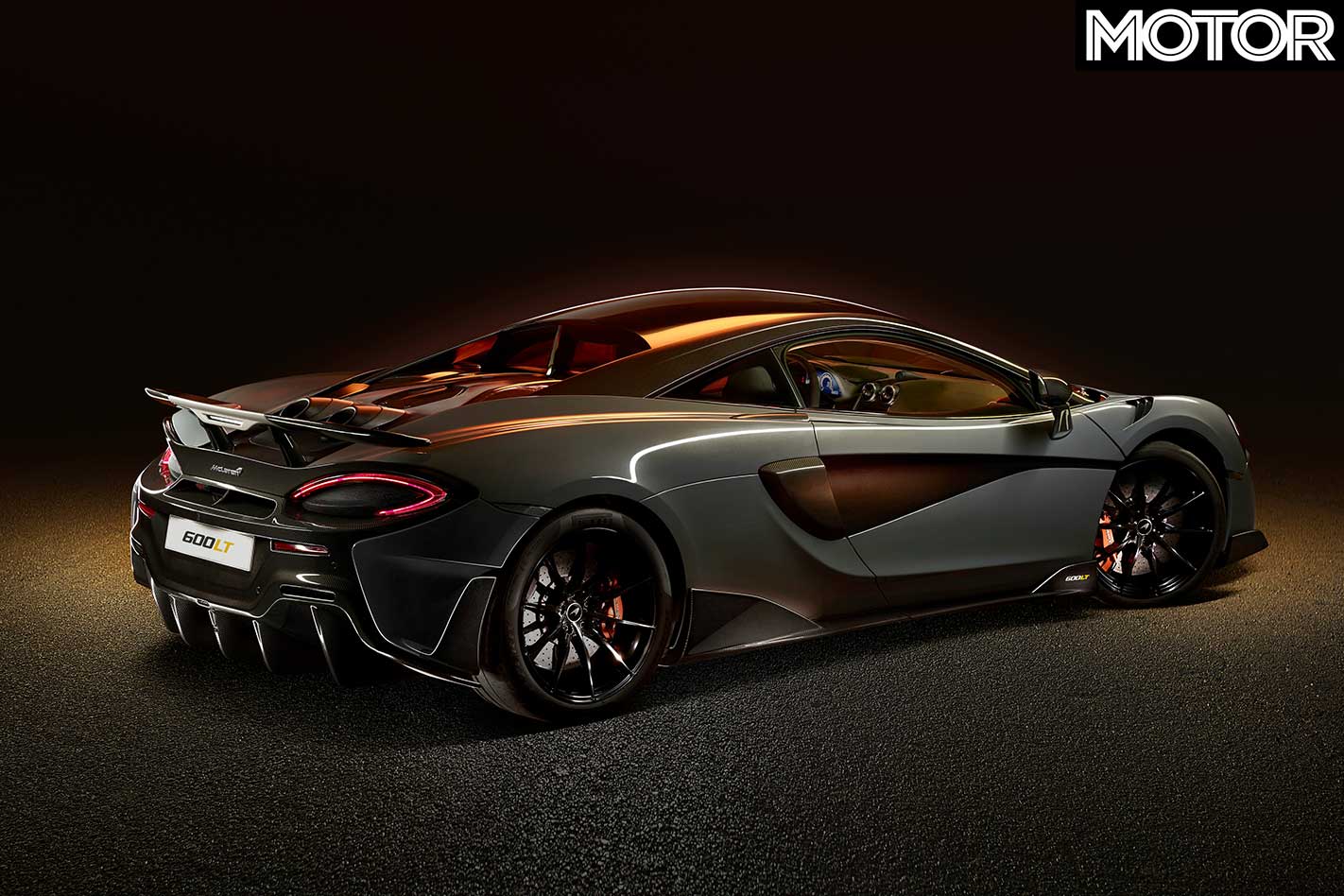
Have you ever wondered why McLaren decided to name only the most focused variants of each model ‘LT’, or ‘Longtail’?
If you’re a supercar enthusiast, you might already know where the Longtail badge comes from, which means you’d know we have high expectations of the 600LT.
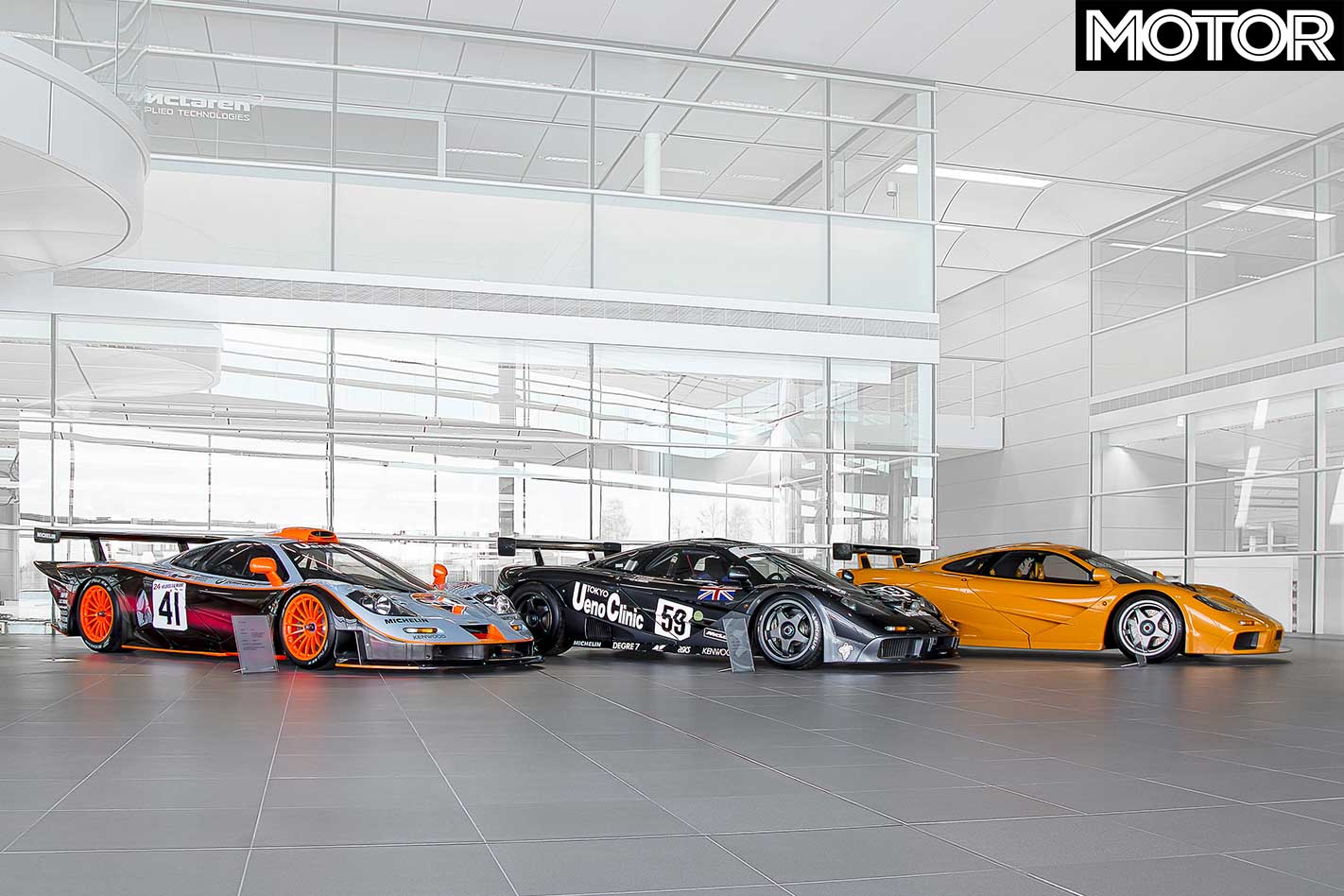
Not willing or able to start from scratch with a new design, McLaren decided to improve the F1 to become something faster and more capable than anything else.
The first iteration of the ‘new’ F1 GTR was complete on November 18, 1996. They would call it the Longtail.
Gordon Murray, the man who designed the F1, reportedly wanted the Longtail to represent the ‘ultimate’ version of the F1’s capabilities.
He also remembers having to throw them at walls to make sure they passed safety standards.
“We had to embark on a major crash-testing programme to develop not only a new racing car, but first a new road-car model to legalise it!”
Three road cars were built as the McLaren F1 GT, while the prototype ‘F1 XP GT’ is still owned by McLaren. Murray wanted everything to be done by the book.
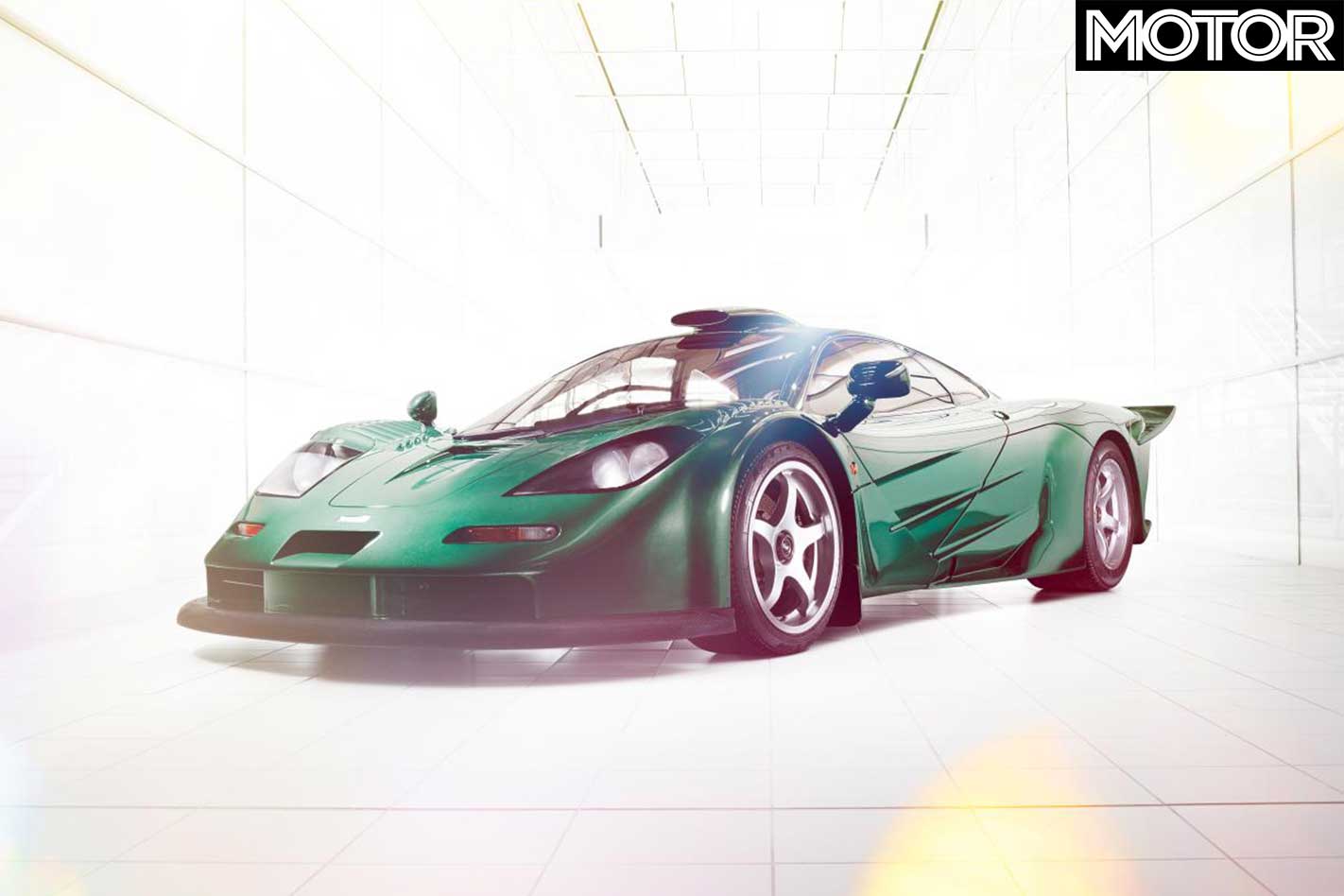
“We were determined to do it all precisely to the letter of the regulations, in the spirit that their original authors had plainly intended.”
The McLaren F1 GTR was already light at just 1050kg, but the Longtail went on a 135kg diet, while also drawing more power from its BMW-sourced V12.
The most noticeable difference is the body, especially at the rear where the ‘tail’ helps add 641mm to the length of the car. It also provided a lot more downforce.
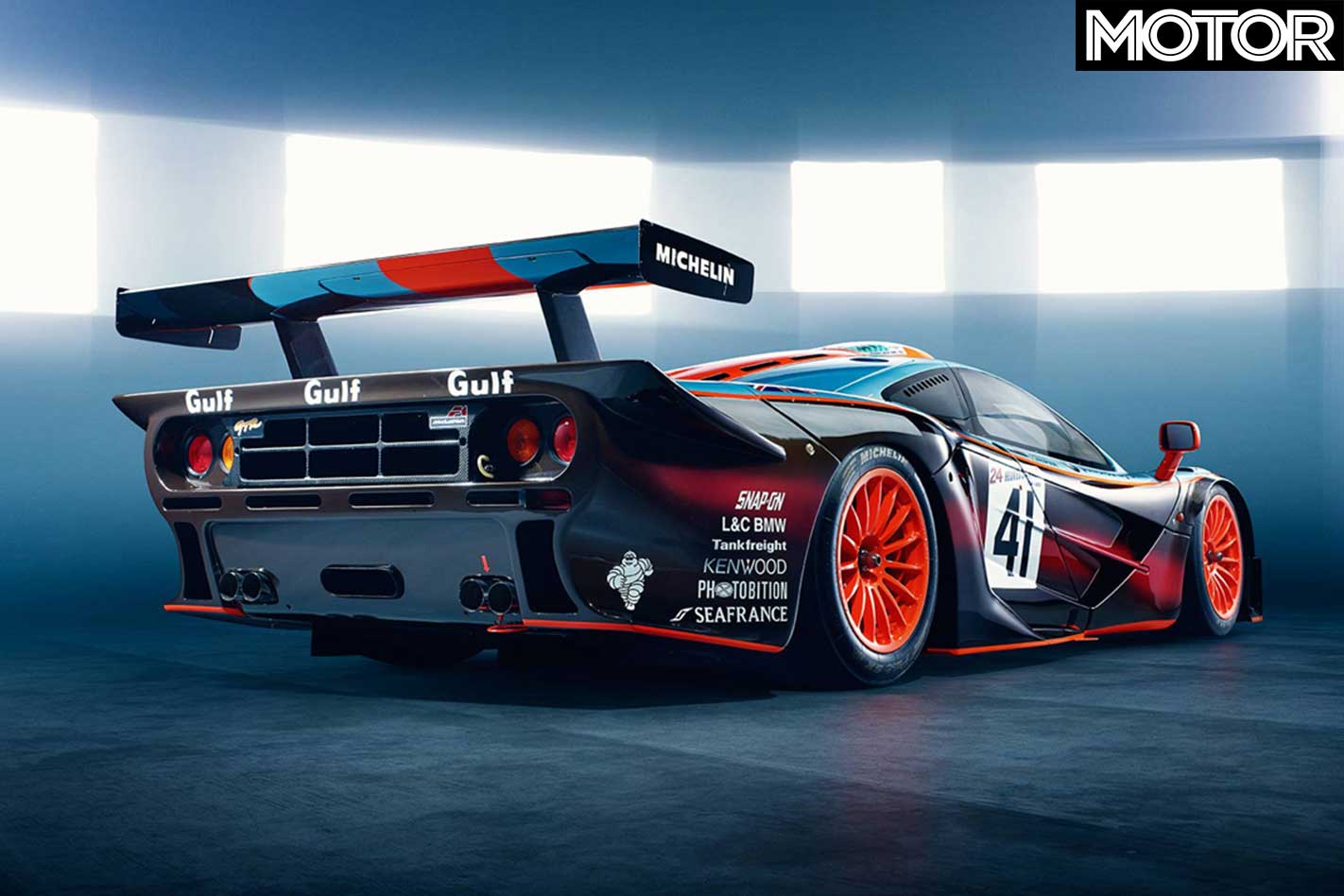
In recalling his first contact with the Longtail, JJ Lehto. who helped drive the F1 GTR to victory at Le Mans in 1995, seems to think Murray and his team got it right.
“The first time I drove the Longtail F1 GTR was in a test session at Monza in early 1997,” Lehto said.
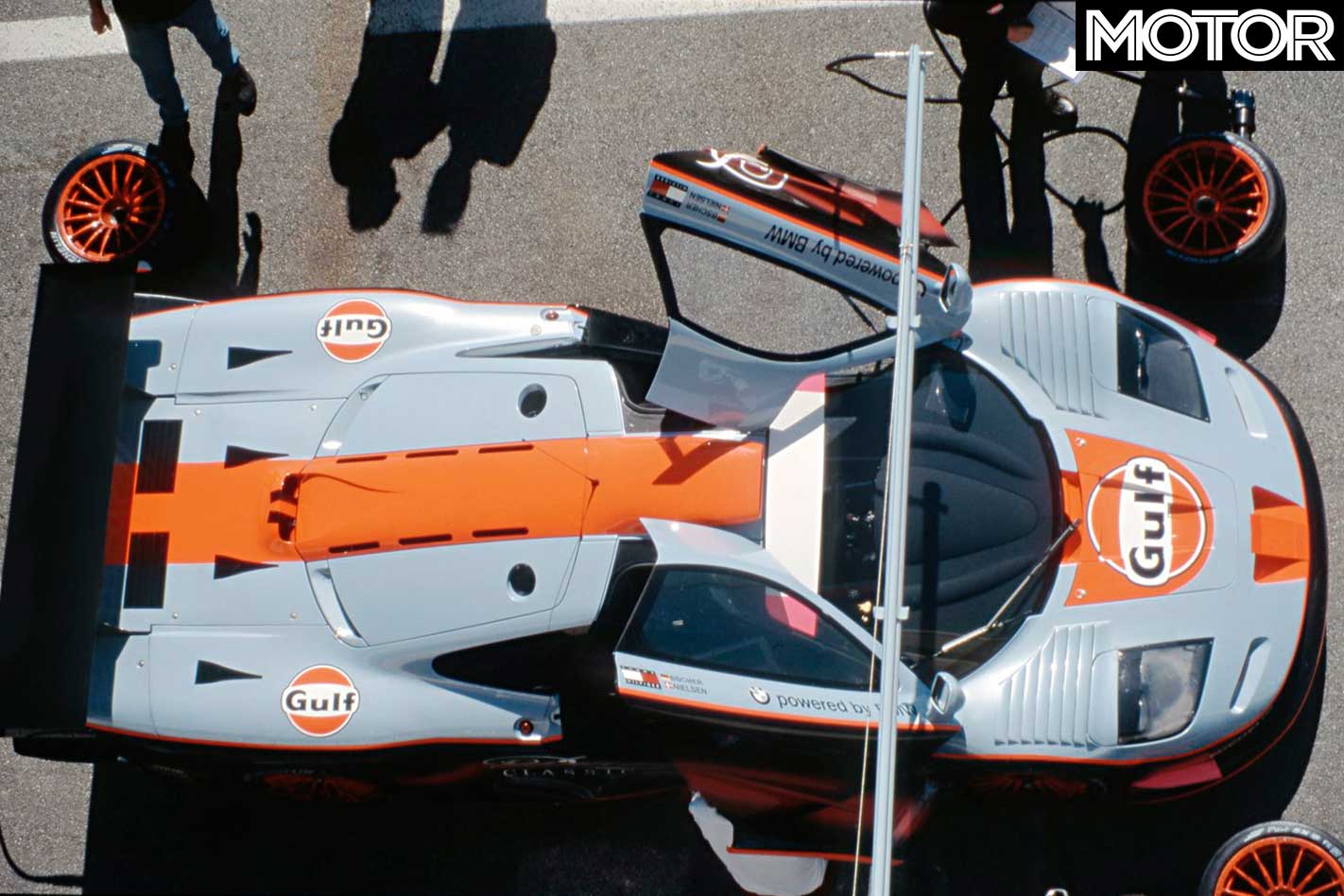
“Straight away, with no set-up tuning or adjustment, the car was around eight seconds per lap faster than the car I’d driven in ’96. It felt like jumping from Formula 3000 to Formula 1.
“The downforce was on another level, the braking was better, the car was lighter, and the engine produced more power. It was instantly clear that the car was a huge step forward in every area.”
Though Lehto would go on to a DNF at Le Mans in 1997, there were other McLaren F1 GTR Longtails in the race which managed to place first and second in the GT1 class, the better of those only one lap behind the overall LMP-winning Porsche WSC-95.
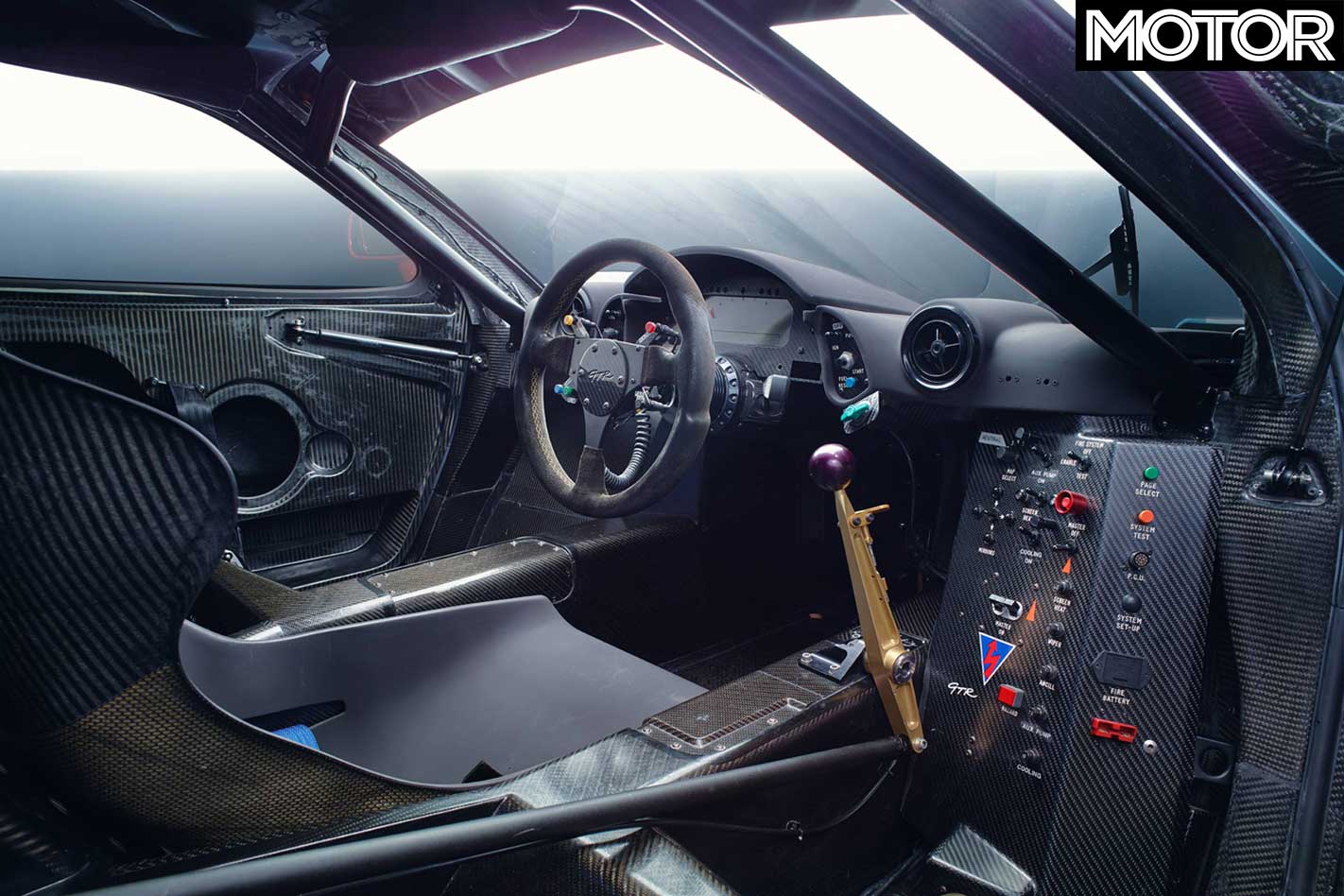
Since the Longtail, McLaren has turned two of its models into ‘LT’ variants.
The first is the 675LT, a 497kW/700Nm limited edition available as coupe and spider, which is able to hit 200km/h in just 7.9 seconds (coupe).
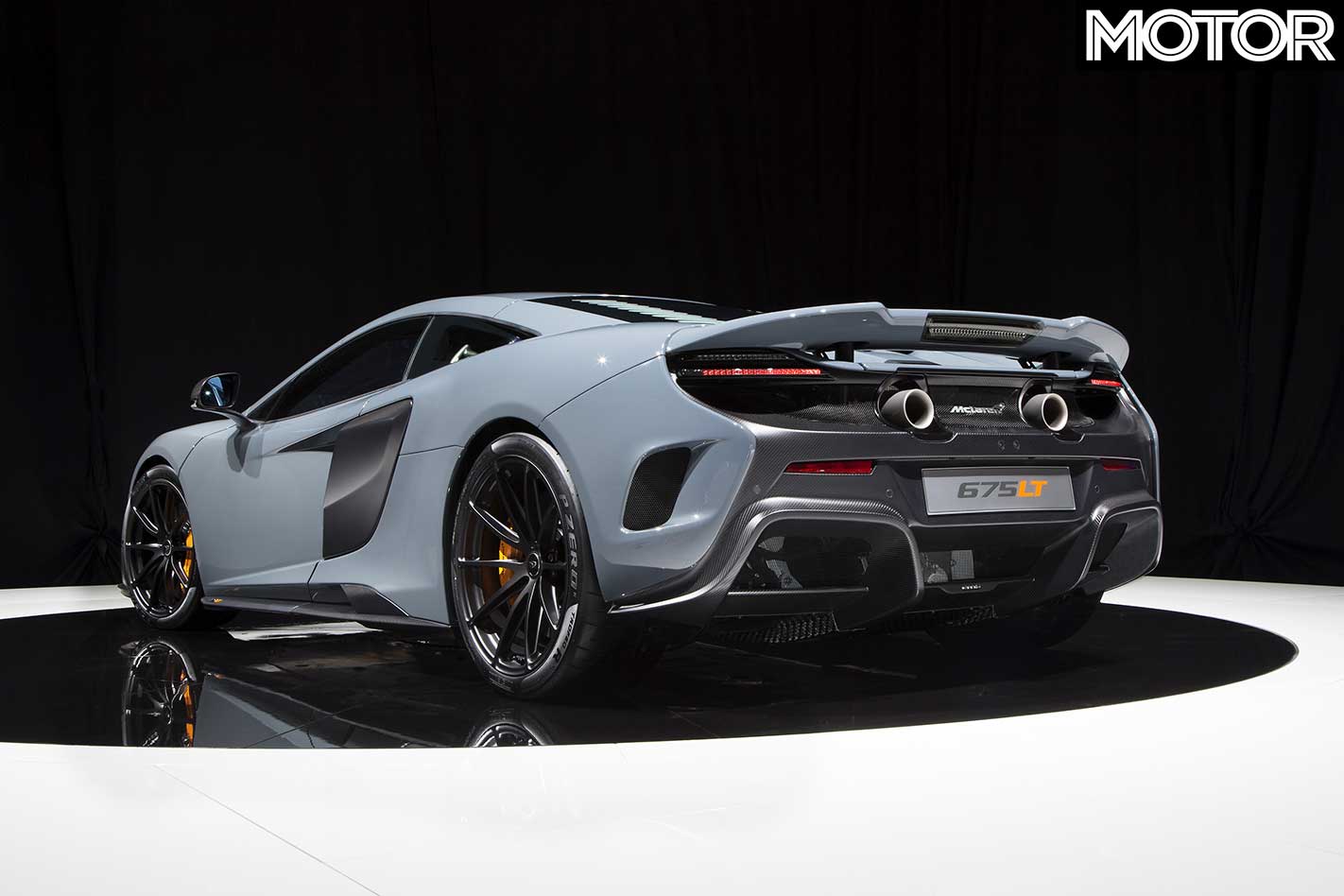
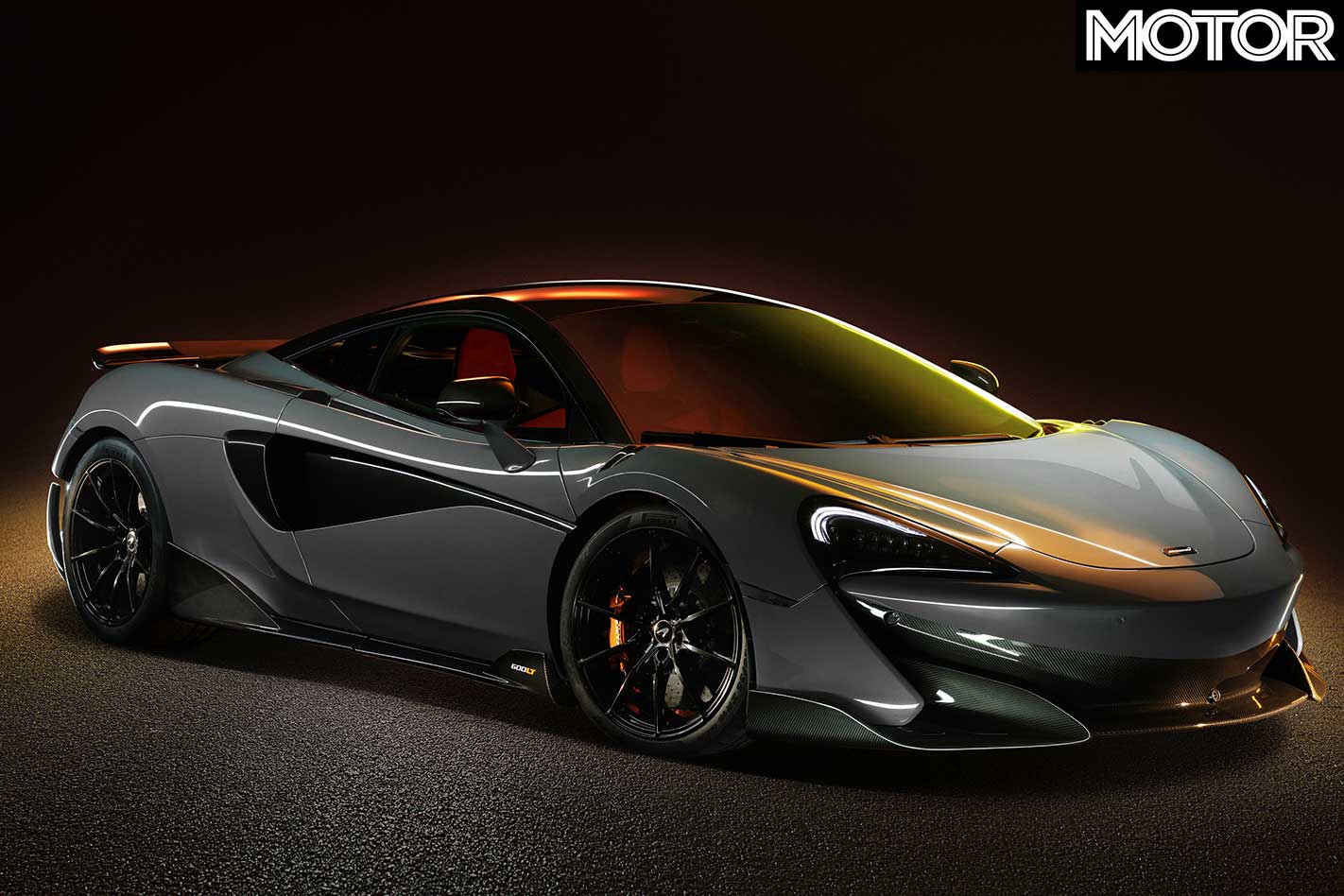
The second is the very-recently announced 600LT.
“The McLaren 600LT is only the fourth Longtail McLaren in more than two decades,” says CEO Mike Flewitt, though we’re not sure if he’s counting both versions of the 675LT as one, or not counting the road-going F1 GT as a Longtail.
“The McLaren F1 GTR ‘Longtail’ that began the lineage was one of the purest race cars in modern motorsport history.
“The 675LT resurrected the revered name, creating the purest distillation of the sheer driving pleasure embodied by all McLaren cars.
“Now we are further extending our very special LT family and once again showcasing the ethos of optimised aerodynamics, increased power, reduced weight, track-focused dynamics and enhanced driver engagement that are the hallmarks of a McLaren Longtail.”
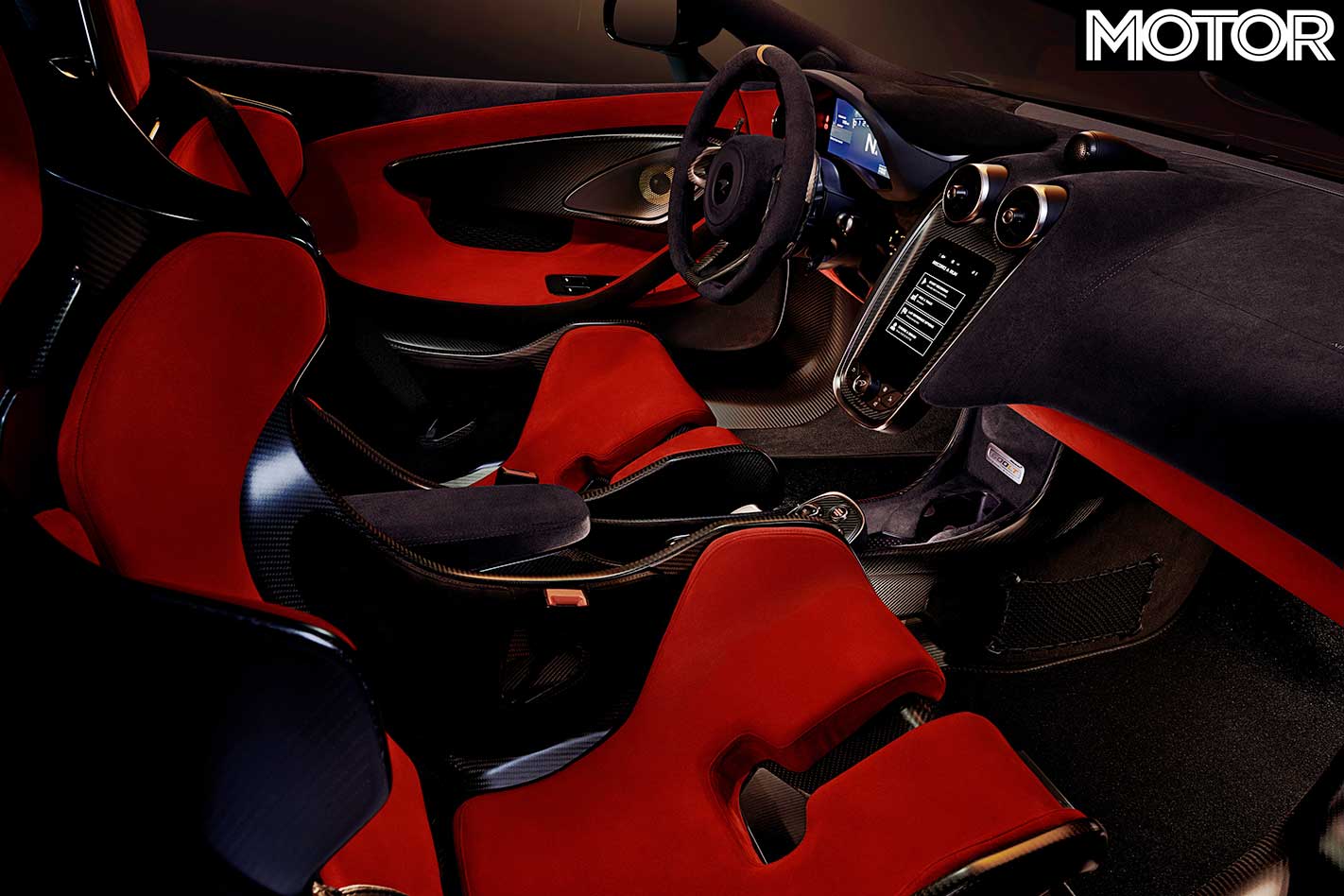
The 600LT’s twin-turbocharged 3.8-litre V8 is good for 441kW and 620Nm, putting it well at the peak of the McLaren ‘Sports Series’.
Just as a Longtail should be.
BMW has expanded its recall of potentially lethal Takata airbags to include versions of its passenger cars and SUVs sold here between 2004 and 2016.
The recall is to replace potentially faulty driver-side Takata airbags that may either split when they deploy in a crash, or in extreme cases shoot small fragments of metal and plastic at the people they are supposed to protect.
Cars falling under the latest recall include the BMW 1 Series built between 2004-15, the BMW 3 Series built between 2005-14, the BMW X1 built between 2009-16, and the BMW X3 built between 2004-10.
“Affected Takata airbag inflators could kill or seriously injure vehicle occupants if deployed,” BMW said in a statement. “Customers are advised to contact their preferred authorised BMW dealer or BMW Australia immediately to book the free rectification.”
Under the guidelines laid out by the Department of Infrastructure, if the airbag replacement is likely to take longer than 24 hours, customers can ask for “alternative transport, which may include a loan or hire car or funding of other reasonable transportation (e.g. CabCharge)”.
This is the first of several staged recalls for BMW-badged products to replace the faulty airbags. The next stage of the recall is expected in about mid-December and covers the driver-side airbag in just about every model in BMW’s showroom built between 2012-17, aside from the “i” cars and the flagship 7 Series.
The third stage of BMW’s recall roll-out will replace passenger-side airbags in versions of the BMW 3 Series built between 2001-03, and 1998-2006. BMW has previously recalled the 3 Series built between 2001-03 to replace the more dangerous driver-side Alpha airbag that has already been linked to one death and a serious injury in Australia. According to BMW’s airbag replacement schedule, the early-model 3 Series airbag’s replacement will be a “like-for-like”, suggesting the replacement airbag will also need to swap out for a safer version within a few years.
Under the rules of Australia’s first-ever compulsory recall, car makers affected by the Takata scandal were required to publish a list of affected vehicles, and their schedule of fixes, on their websites by July 1.
Brands affected by the recall include Audi, BMW, Chrysler, Citroen, Ferrari, Fiat, Ford, Holden, Honda, Jaguar, Jeep, Land Rover, Lexus, McLaren, Mercedes-Benz, Nissan, Skoda, Subaru, Tesla, Toyota and Volkswagen.
Brand-new cars are still being added to the list; vehicles including 2018 model year versions of the Ferrari: 488 GTB, 488 Spider, California T, F12 Berlinetta, F12 tdf and GTC4 Lusso, the Holden Barina, Trax and Cruze, and the Skoda Octavia, Superb, Kodiaq, Rapid and Fabia.
McLaren has said the five unsold model year 2018 vehicles it had in stock would be “repaired prior to sale”.
