
Volkswagen’s first-ever racing EV is designed for Pikes Peak, which just happens to be a place that could have been purpose-designed for EV racing.
Volkswagen Motorsport, which designed and constructed the 500kW racer, dubbed I.D R, in just eight months, won’t say how much the project is costing. But they do admit the budget needed approval at the highest level … the VW board of management.
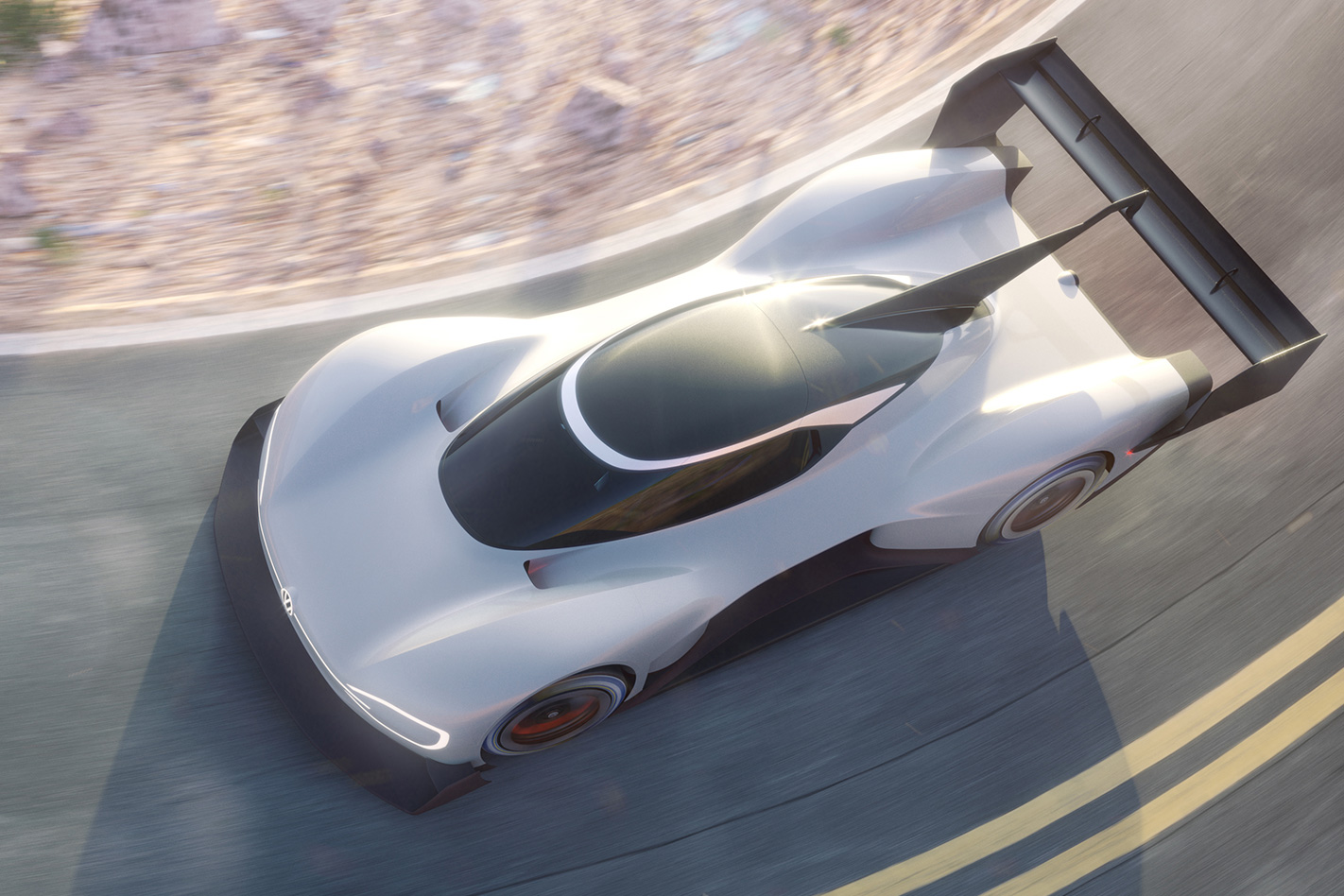
VW saw an opportunity to add some go-fast gloss to the image of EVs ahead of the 2019 launch of the first of its battery-powered I.D. line-up, while also promoting its established high-performance R sub-brand. So it’s important the I.D. R Pikes Peak does well.
Romain Dumas, the French-born endurance racing specialist who will pilot the car on 24 June, brims with confidence. “If you speak about performance, the best there is is electric. It is not a compromise, it’s the best choice.”
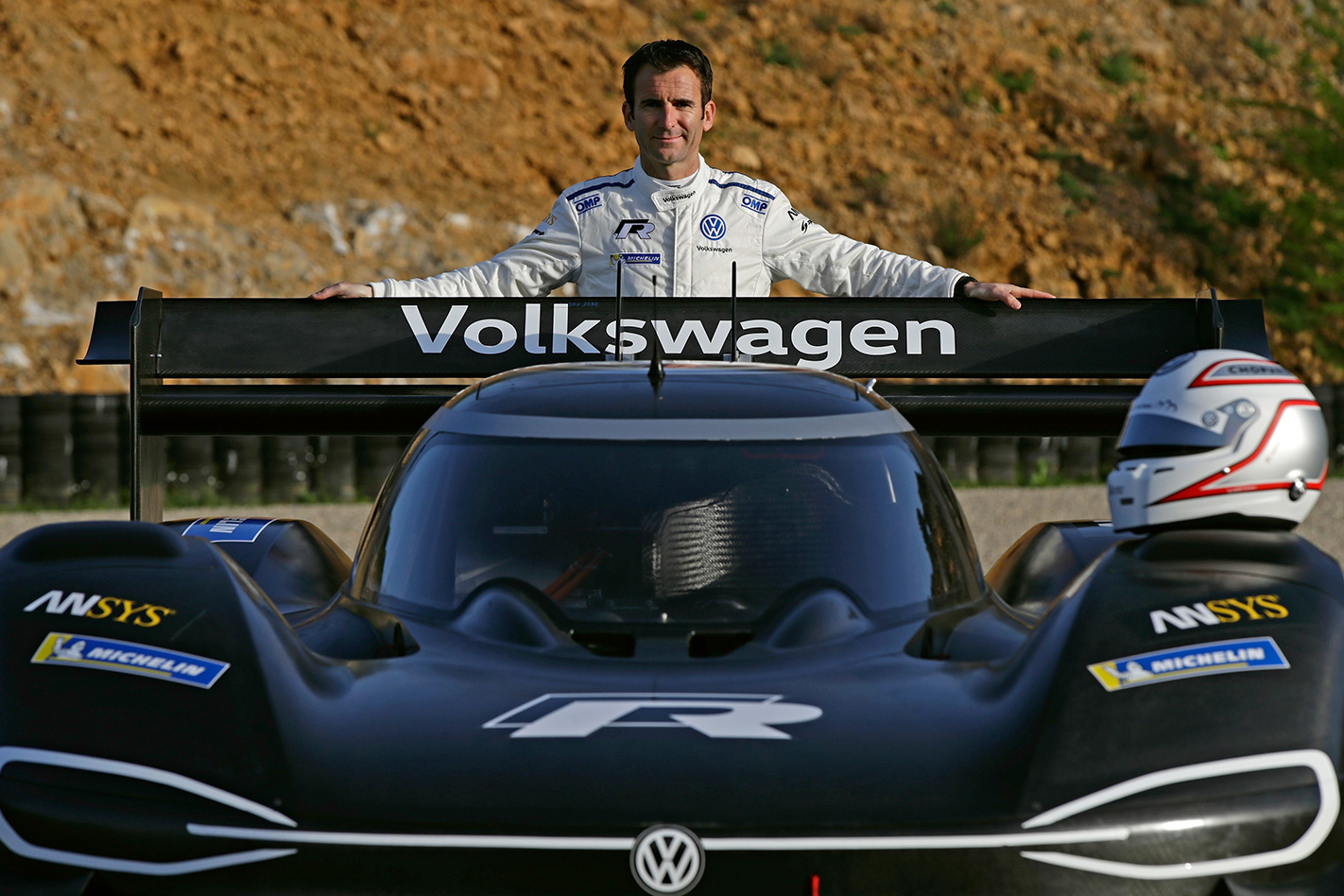
Dumas is a two-time 24 Hours of Le Mans winner, driving an Audi in 2010 and Porsche in 2016. He has run at Pikes Peak five times and won on three of them, including 2016 and 2017.
“At Pikes Peak, electric is the best concept you can have,” Dumas says. “Why? Because you don’t lose power. ”
Internal combustion engines grow weaker as altitude increases. Thinner air means less oxygen to burn fuel, curbing power. The effect is significant at Pikes Peak, where the finish line is 2000 metres higher than the summit of Australia’s highest mountain. An engine’s power up here is reduced more than 40 percent compared to what it makes at sea level, where air is densest.
Battery-powered EVs burn nothing, so their power is unaffected by altitude.
“You have the disadvantage of the weight, sure,” says Dumas, referring to the batteries. But the run up Pikes Peak is only 20km, taking around nine minutes, so enough energy can be stored in a pack that’s not too heavy.
The I.D. R will generate energy while it’s racing, reducing the weight of the battery pack it requires for Pikes Peak. VW Motorsport estimates that slowing for the course’s 156 turns will provide 20 percent of the car’s total energy needs through regenerative braking.
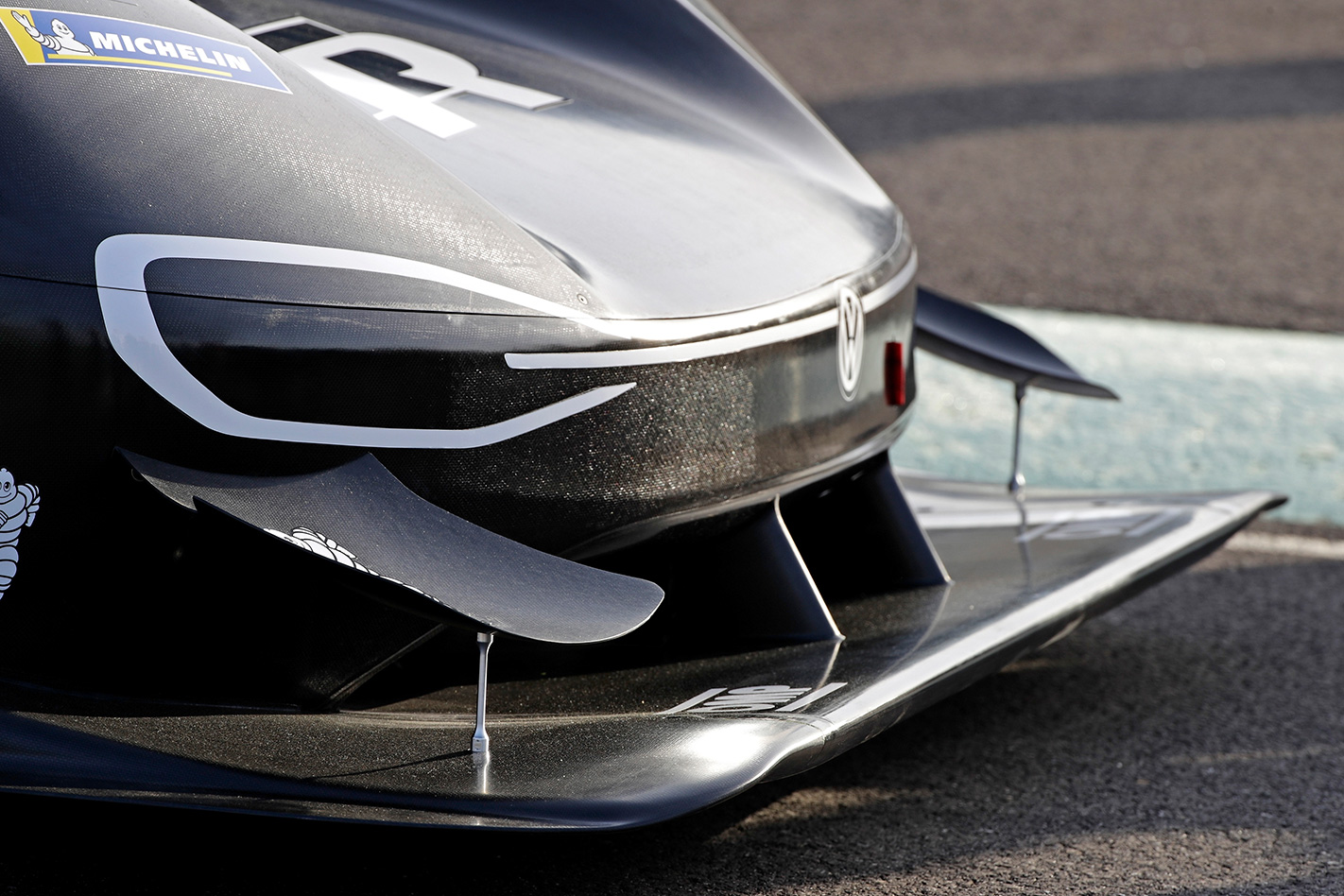
VW Motorsport says the I.D. R Pikes Peak will weigh less than 1100kg, with Dumas in the driver’s seat. Though more than five metres long and well over two metres wide, it’s a lightweight. The monocoque chassis and all the bodywork is carbonfibre. Suspension is double A-arms all round, and there’s a steel rollcage.
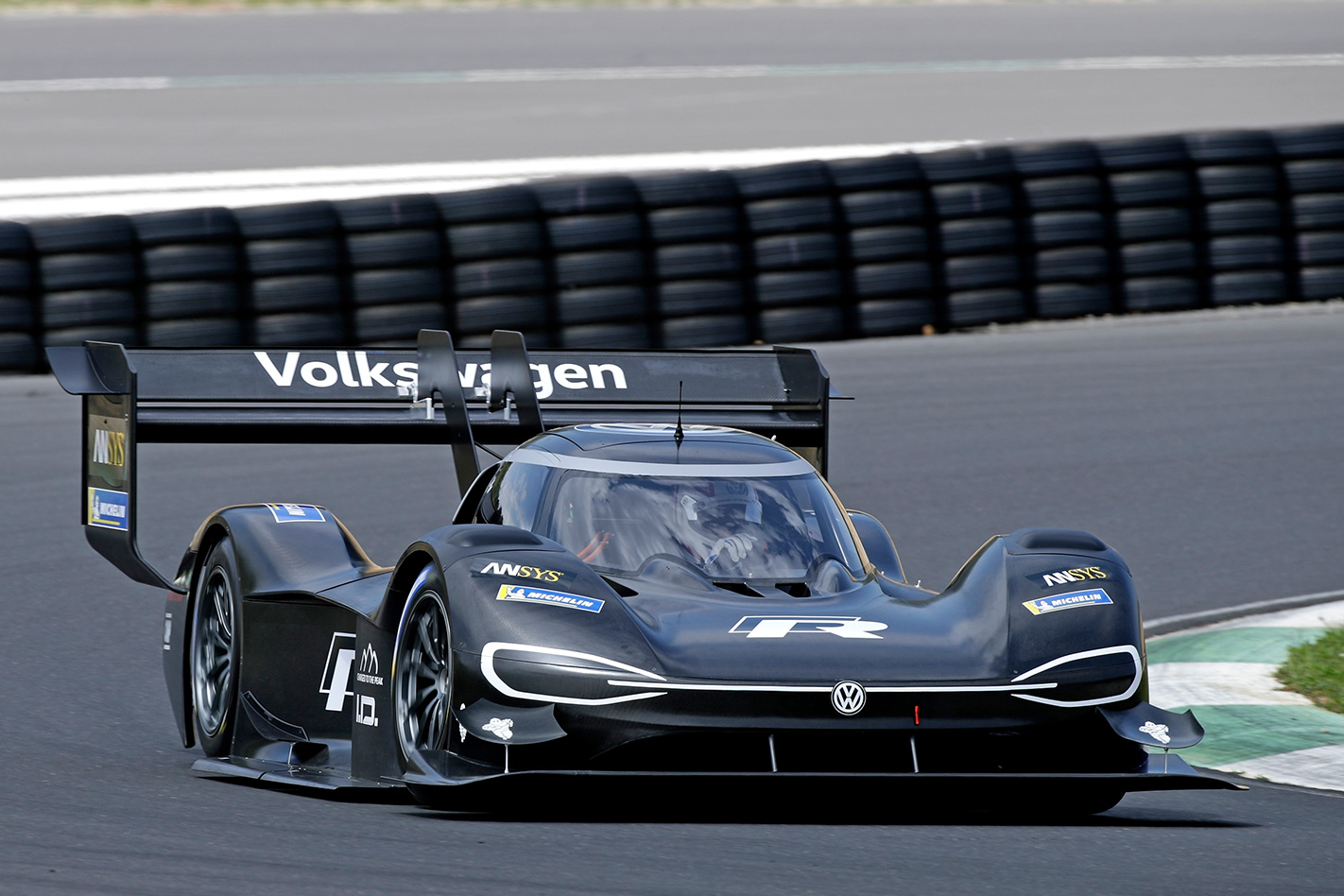
The I.D. R Pikes Peak is powered by two electric motors, one for each axle, making it all-wheel drive. VW Motorsport tech director, François-Xavier ‘FX’ Demaison says the rear motor will be more powerful than the front, but the precise split is something to be decided during a frantic test period in France before the racer is air-freighted from Europe to the USA.
Road car battery packs aren’t right for a racer, so VW Motorsport is sourcing them from US-based specialist A123, a company with experience in providing lithium-ion cells for motorsport applications.
“We need the batteries to provide the best power density they can,” says Demaison. “That is different to the electric vehicles you see every day. Their energy density must be high enough to generate a higher range.”
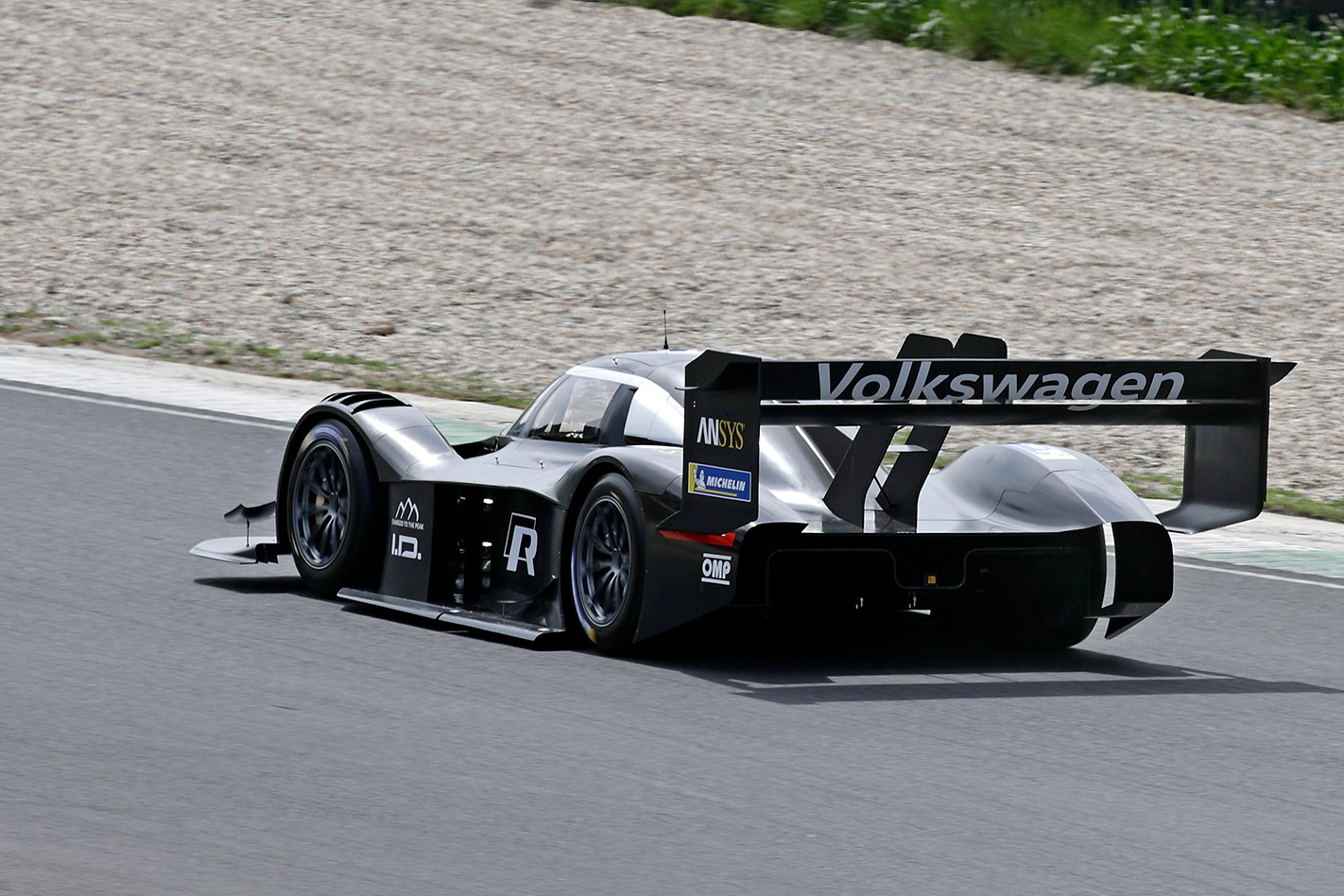
VW Motorsport aims to beat the current Pikes Peak EV record of 8:57.118, set in 2016. But the division is clearly hoping for a higher return on investment than this, mountain weather permitting. As an Unlimited Division runner, the I.D. R must have some chance of setting 2018’s best outright time, too.
“Pikes Peak is very difficult,” says Romain Dumas. “You have only one try, only one chance. You invest a lot of time, you can invest a lot of money. You can have the best driver, the best car. But let’s say it’s snowing. Then you have made everything for nothing…”
A FORMER Holden boss has risen even higher through the ranks of global car-making giant General Motors, taking on responsibility for Cadillac as well as GM’s global portfolio planning.
Mark Reuss, an automotive engineer who steered Holden through its parent company’s 2008 bankruptcy – including talk that GM would sell off its Australian subsidiary – will take on some of the responsibilities formerly under the wing of global president Dan Ammann, Automotive News has reported.
This will free up Ammann to better concentrate on the car maker’s autonomous vehicles program, the report said. GM is yet to release a formal statement announcing the moves.
However, one of Reuss’s tasks will now be deciding what GM will do about the German-built, French-owned Holden ZB Commodore. Groupe PSA, the car’s new owner that also counts Citroen and Peugeot among its brands, has announced it will need to accelerate the shift of Opel products it bought from GM last year to its own platforms, giving the Commodore a shorter-than-expected lifespan that could be as little as five years.
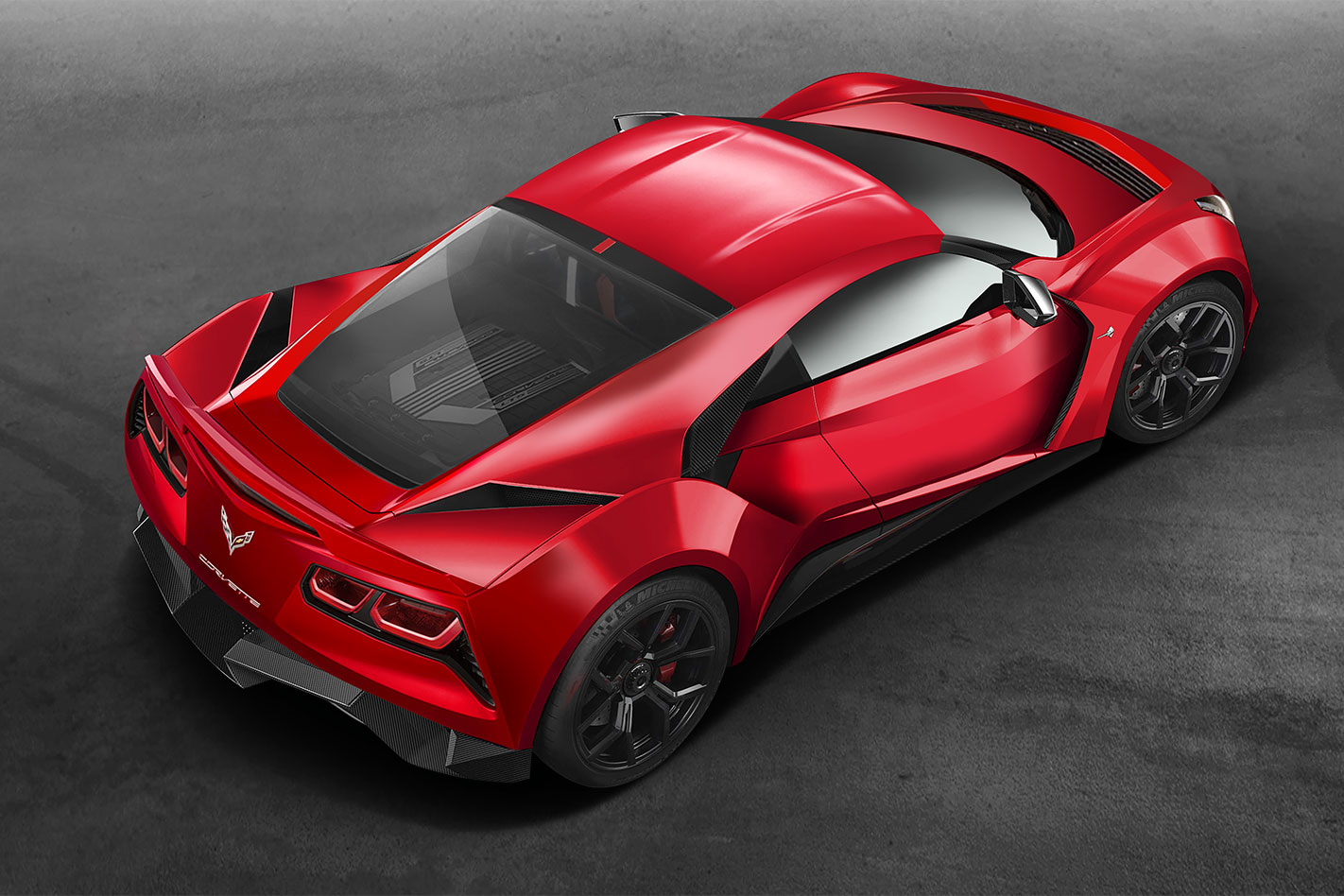
Automotive News said Ammann would remain as GM’s president, while Reuss’ title would change from executive vice-president, global product development, to executive vice-president and president, global product group and Cadillac.
GM has announced ambitious plans to make a fully self-driving vehicle – one without a steering wheel and pedals – by the end of next year. It will be built on top of the Chevrolet Bolt battery-electric vehicle platform, and serve duty as a ride-hailing service, part of a move to offset what car makers believe will be a sharp decline in car ownership in favour of car sharing.
“General Motors is the first automaker to use mass-production methods for autonomous vehicles (AV) and is the only company to produce self-driving vehicles at scale,” it said. “Marking a significant milestone, the company announced that production versions of the Cruise AV will be built at General Motors’ Orion assembly plant in Michigan, with commercialisation in 2019.”
The US car maker has flagged plans to have 20 all-electric vehicles on the market by 2020, and has recently signed an agreement to share battery technology development with Japanese car-making giant Honda.
Its GM Cruse autonomous vehicle program has also recently attracted a $US2.25 billion ($A2.75 billion) investment with Softbank Vision, a global technology fund, which will take an almost 20 percent stake in the venture.
Reuss famously owned a 1950s-era Holden FC Special, bought as a restoration project during his time in Australia and shipped back to the US after Reuss’s recall to head up GM’s North American business cut his stay unexpectedly short. It now resides among GM’s heritage collection in Detroit.
Reuss more recently famously crashed the most powerful Corvette ever to roll out of Chevrolet’s Bowling Green assembly plant, the ZR1, which was acting as a pace car for the Chevrolet-sponsored Indy 500 race. The car was leading out the 33-strong field on its warm-up lap when the Corvette hit a bump on the first corner and oversteered, hitting the wall hard.
The monotony of Melbourne’s freeways is now behind us and the road ahead turns twisty as it ducks, dives and dips its way into the lush, green heartland of Victoria’s South Gippsland region.
A press of the ‘Drive Select’ activates Dynamic mode, the R8 RWS’s seven-speed dual-clutch ’box immediately dropping a couple of cogs in response and the V10 engine note hardening correspondingly. Another button press switches the ESP to Sport and we’re ready to discover what happens when you pull the front driveshafts out of a 400kW supercar.
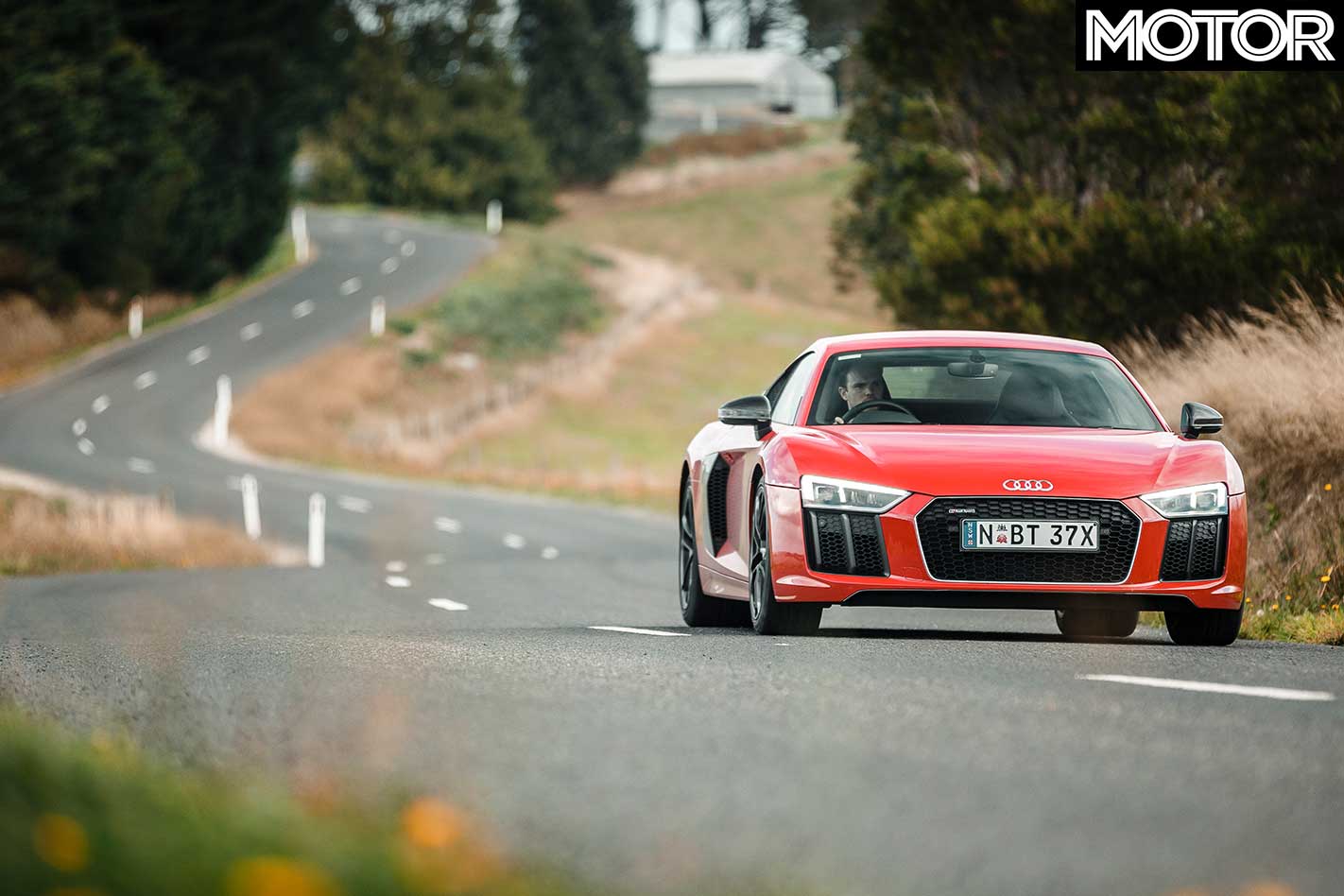
On the face of it, Audi’s decision to build a rear-wheel drive R8 merely follows the example set by its twin-under-the-skin, the Lamborghini Huracan LP580-2.
However, the RWS – which stands for ‘Rear Wheel Series’ – represents a much more significant philosophical shift for a company that has built its performance reputation on the superiority of all-wheel drive. WRC, BTCC, IMSA, WEC – Audi has dominated virtually every motorsport category it’s ever entered largely thanks to its commitment to quattro.
This could be the final generation of Audi R8
According to former Audi Sport CEO, Stephan Winkelmann, who now heads Bugatti and, surely not coincidentally, used to be the boss at Lamborghini: “The R8 V10 RWS is made for purists. A special model for customers with an appreciation for essential driving enjoyment.”
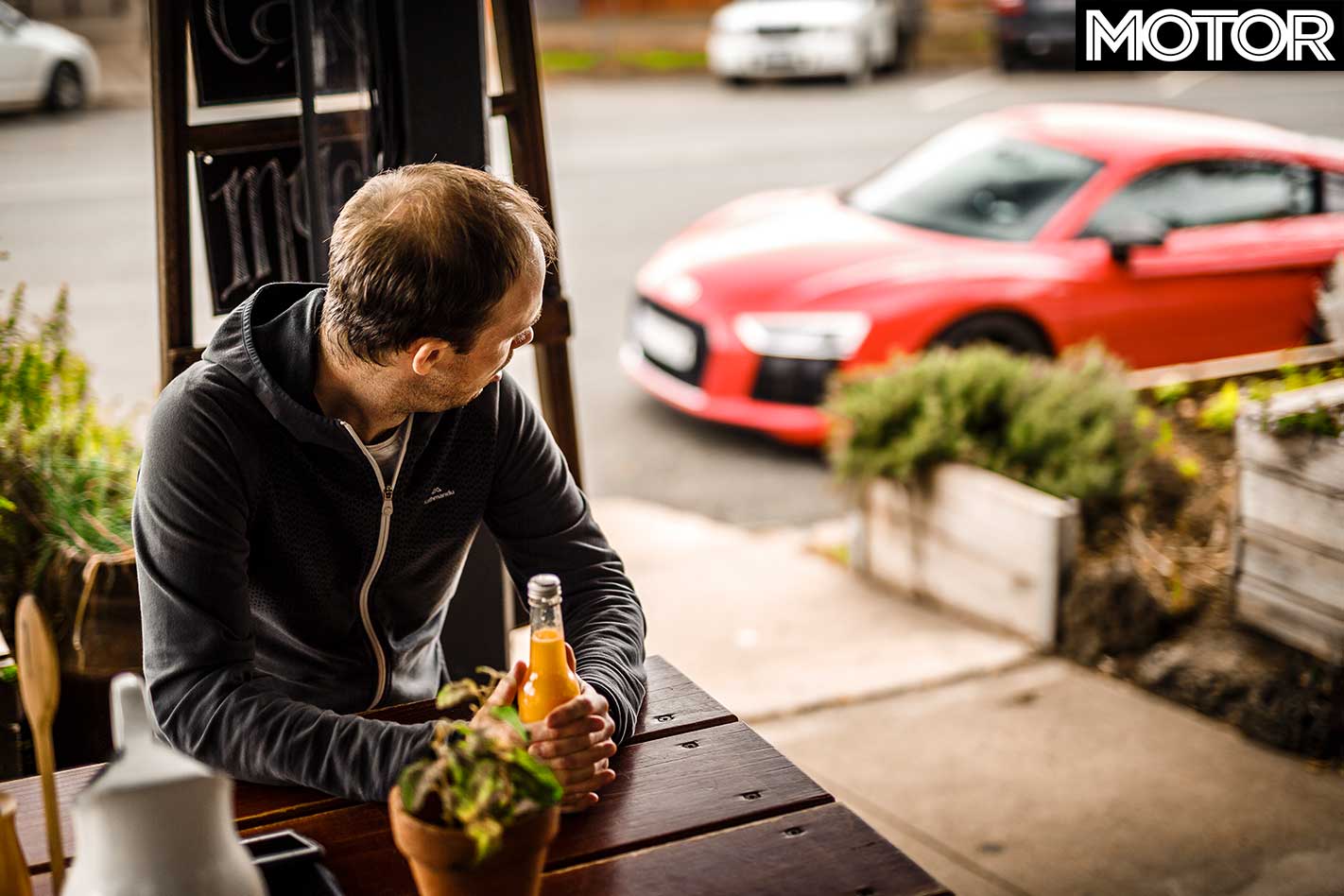
The marketing justification is that Audi’s GT3 car, the R8 LMS, is rear-wheel drive, subtly ignoring the fact the regulations dictate it be so. Nonetheless, Audi is merely dipping a toe in the rear-drive waters, as just 999 RWS, with an unspecified split between Coupe and Spyder, will be built.
If Audi’s safe, sensible quattro models are the equivalent of healthy eating, the fun-first RWS is Ingolstadt’s admission it’s okay to have a burger and fries every now and then.
Aside from halving the number of driven wheels, differences between the RWS and its all-wheel drive sibling are relatively few. The RWS is based on the base R8, producing 397kW/540Nm from its 5.2-litre V10 rather than the fruitier 449kW/560Nm of the ‘Plus’.
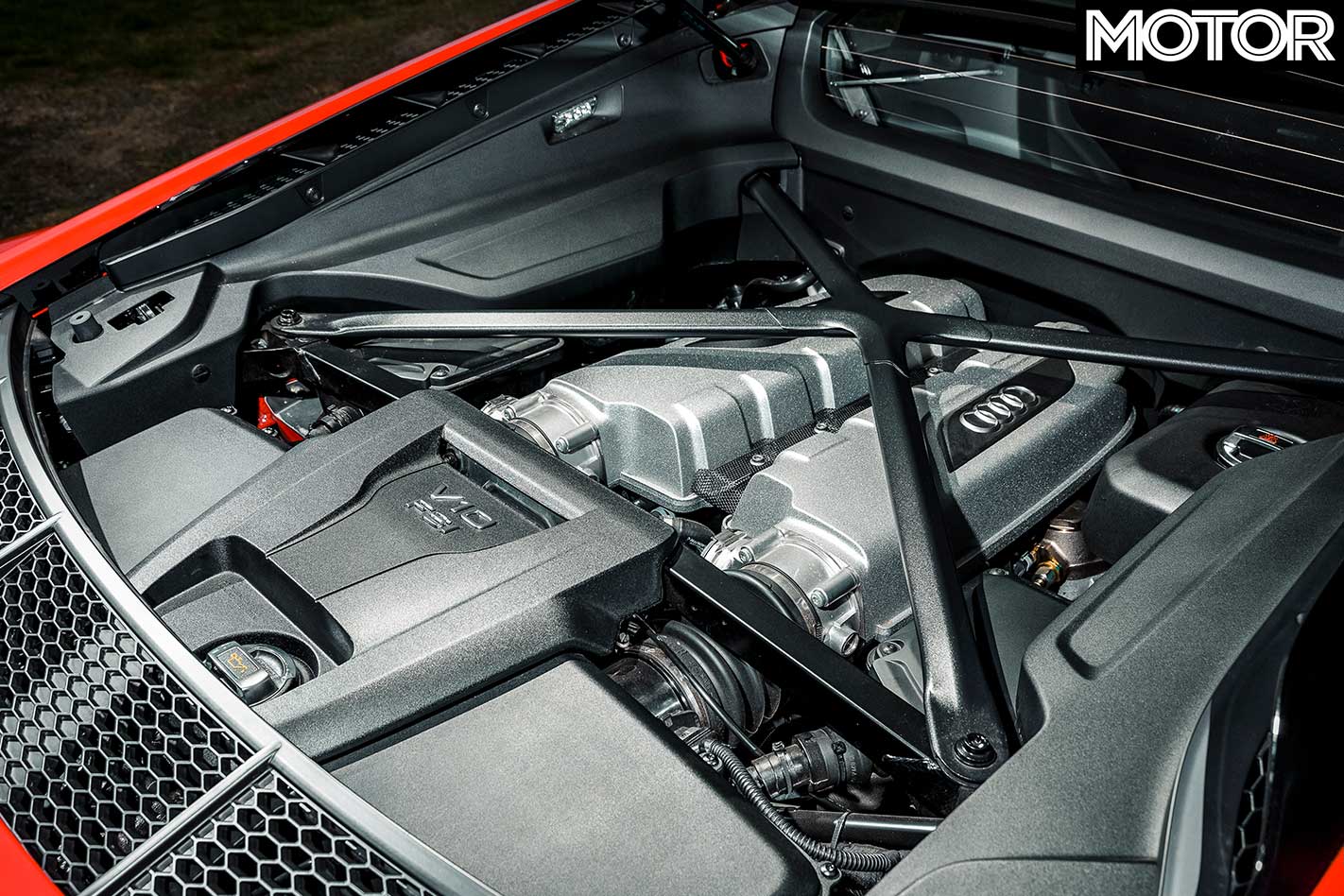
Dropping the front drive system saves 50kg (Spyder: 40kg), otherwise mechanically – brakes, steering, suspension – the cars are identical. Reduced traction adds 0.2sec to the 0-100km/h time (now 3.7sec for the coupe, 3.8sec for the Spyder) but the top speed remains 320km/h (Spyder: 318km/h).
In standard guise you’ll be able to identify an RWS by its matt-black grille and air intakes and body-coloured ‘side blade’, however, we suspect, like our test car, many will be optioned with the oh-so-cool carbon fibre side blades. Instead, you’ll have to hope buyers also tick the optional stripe pack, which runs fore-to-aft across the bonnet, roof and tail, inspired by the R8 GT4 LMS.
Audi has stripped back the spec – there’s no dynamic steering or adaptive suspension, for instance – but in an unusual move for a limited-edition release, it’s also pared back the price.
Granted, a $299,500 sticker before you start choosing options – our test car cost $321,100 – isn’t exactly affordable, but it’s the cheapest entry ticket into a bona-fide, mid-engine supercar on Aussie soil.
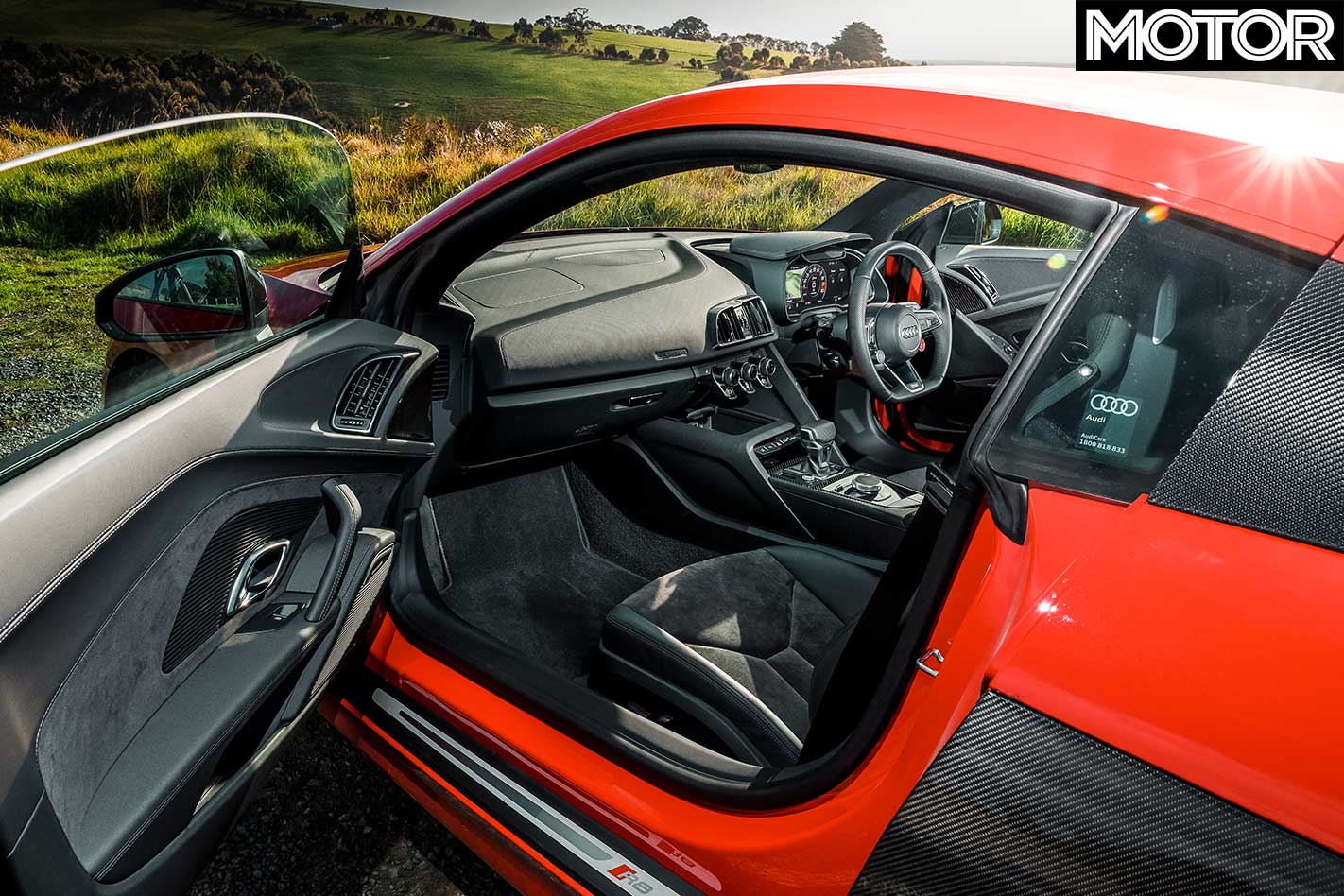
Equally, the lack of mechanical configurability is a blessing, preventing the need to button-bash like a hyperactive teenage gamer to dial up the appropriate driving mode.
Drive Select does alter the sharpness of the drivetrain, but I’ll bet the keys to your R8 RWS that virtually every car will spend its life in Dynamic. Audi’s 5.2-litre atmo V10 is one of the world’s great engines and only the pickiest observer would notice (or miss) the 52 absent kilowatts.
This is a stupendously fast car, unable to offer the instant gratification of its turbocharged rivals, but the breadth and linearity of its power delivery means that often you look down and think “how on earth did THAT number appear on the speedo?!” – you have been warned. About the only criticism of the R8’s powertrain is that onlookers are treated to more of the V10’s song than the person behind the wheel.
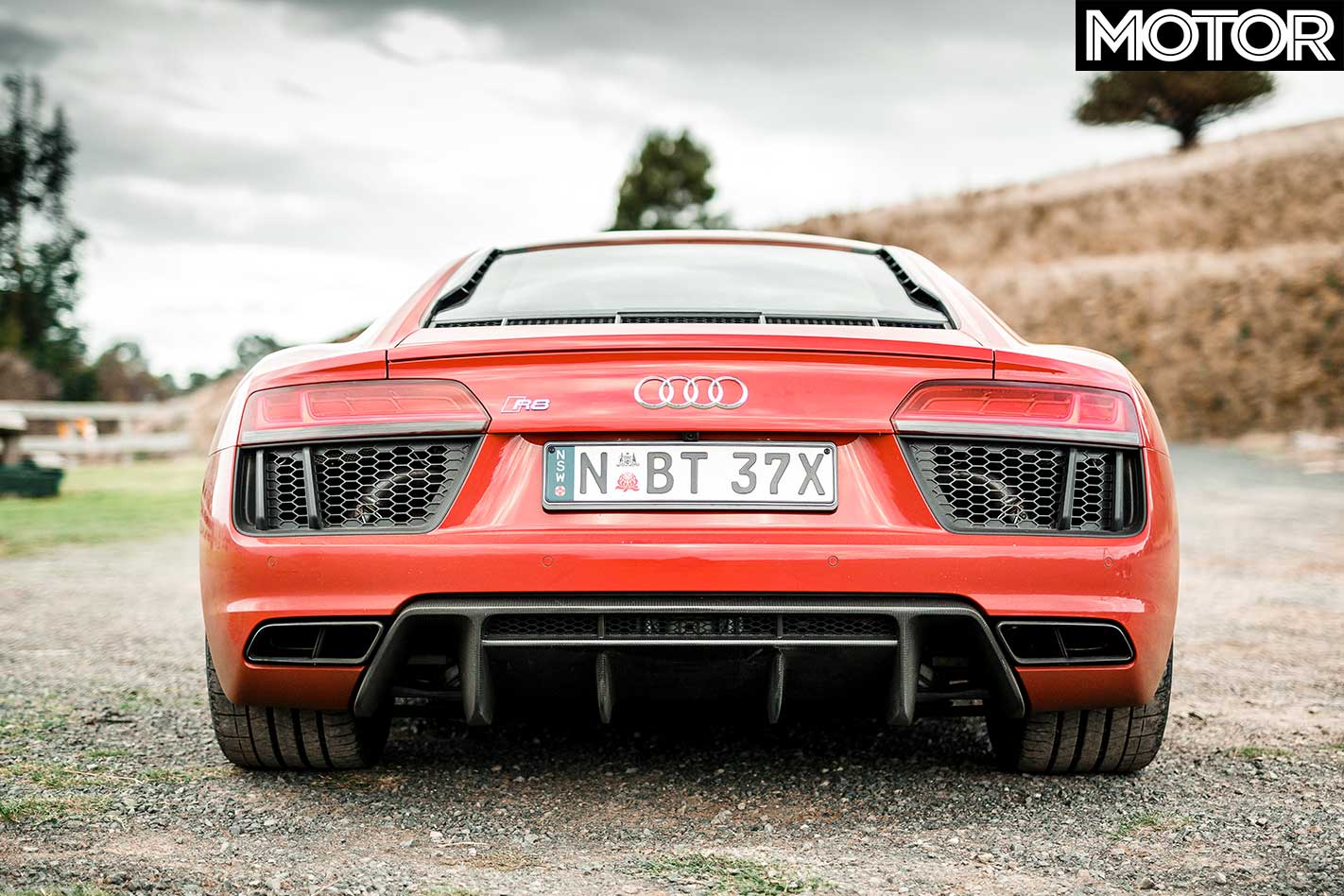
There’s still a rich bellow to enjoy inside, interspersed with staccato bursts of gunfire on the over-run, but to experience the full volume of the 10-cylinder bark you’re going to have to throw someone else the keys.
The good news is that person could be your grandmother, as the dual-clutch ’box not only changes gear with physics-defying speed, but also makes the R8 RWS a cinch to drive, so long as their hand doesn’t stray to the traction control switch.
This isn’t to suggest that Audi’s first rear-drive supercar is a wildly oversteering monster. In fact, for the vast majority of its dynamic envelope, the RWS feels much the same as its quattro twin.
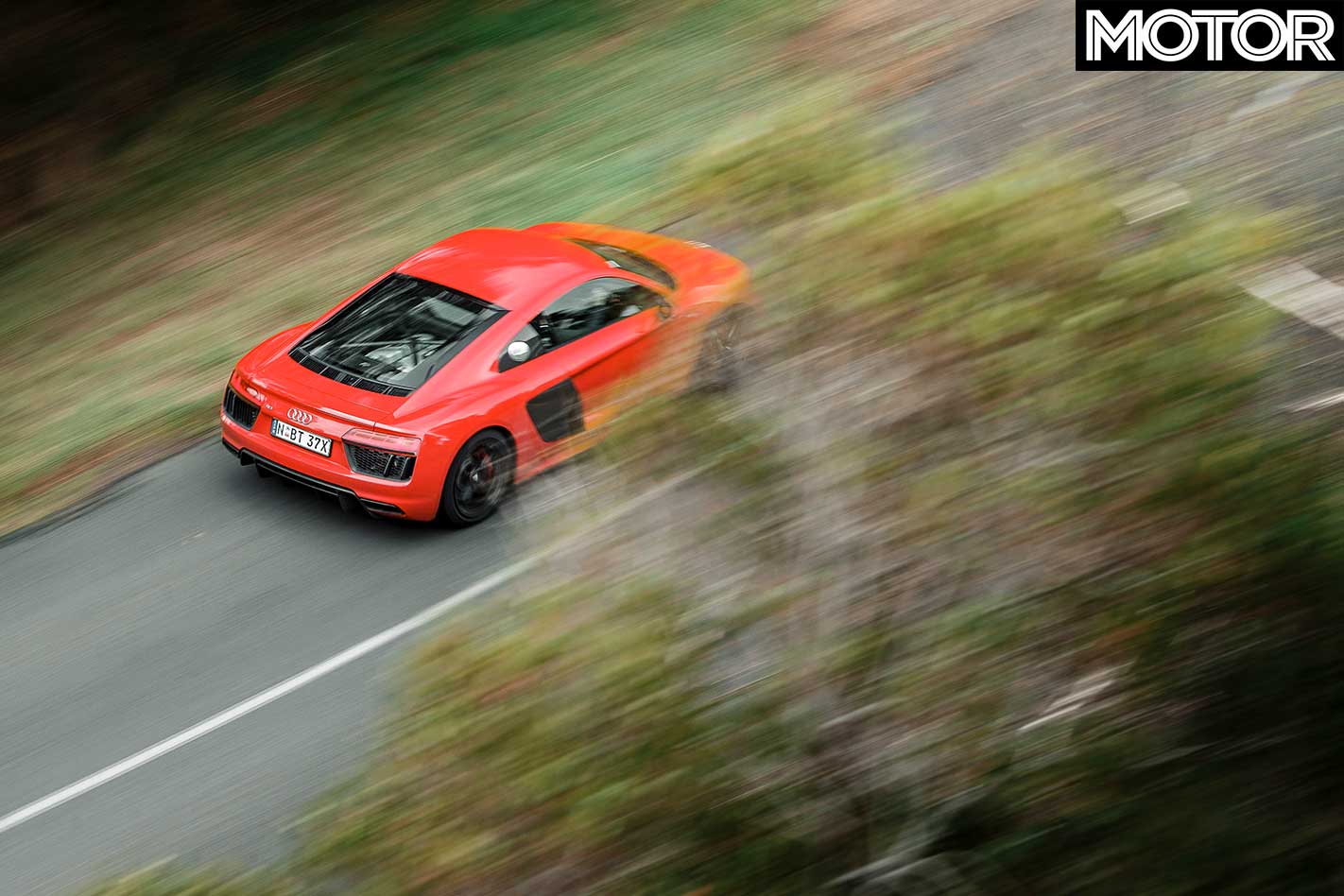
Once the tyres have sufficient heat in them traction is very strong, even in less than ideal conditions, thanks to 295mm-wide rear Pirelli P Zeros, and while it’ll squirm at the rear if you’re over-enthusiastic with your right foot in tight corners, the all-wheel drive R8’s rear-drive bias means it’ll happily adopt a similar attitude.
The further you delve into the RWS’s abilities, the more apparent its USP becomes: carry more corner speed, edge those tyres closer to their limit of adhesion then apply more throttle earlier.
All of a sudden the rear rubber is rotating ever so slightly faster than the front; not enough to alarm the ESP (in Sports mode at least) or require corrective lock, but enough to sense there’s a greater complexity to its character than your standard R8.
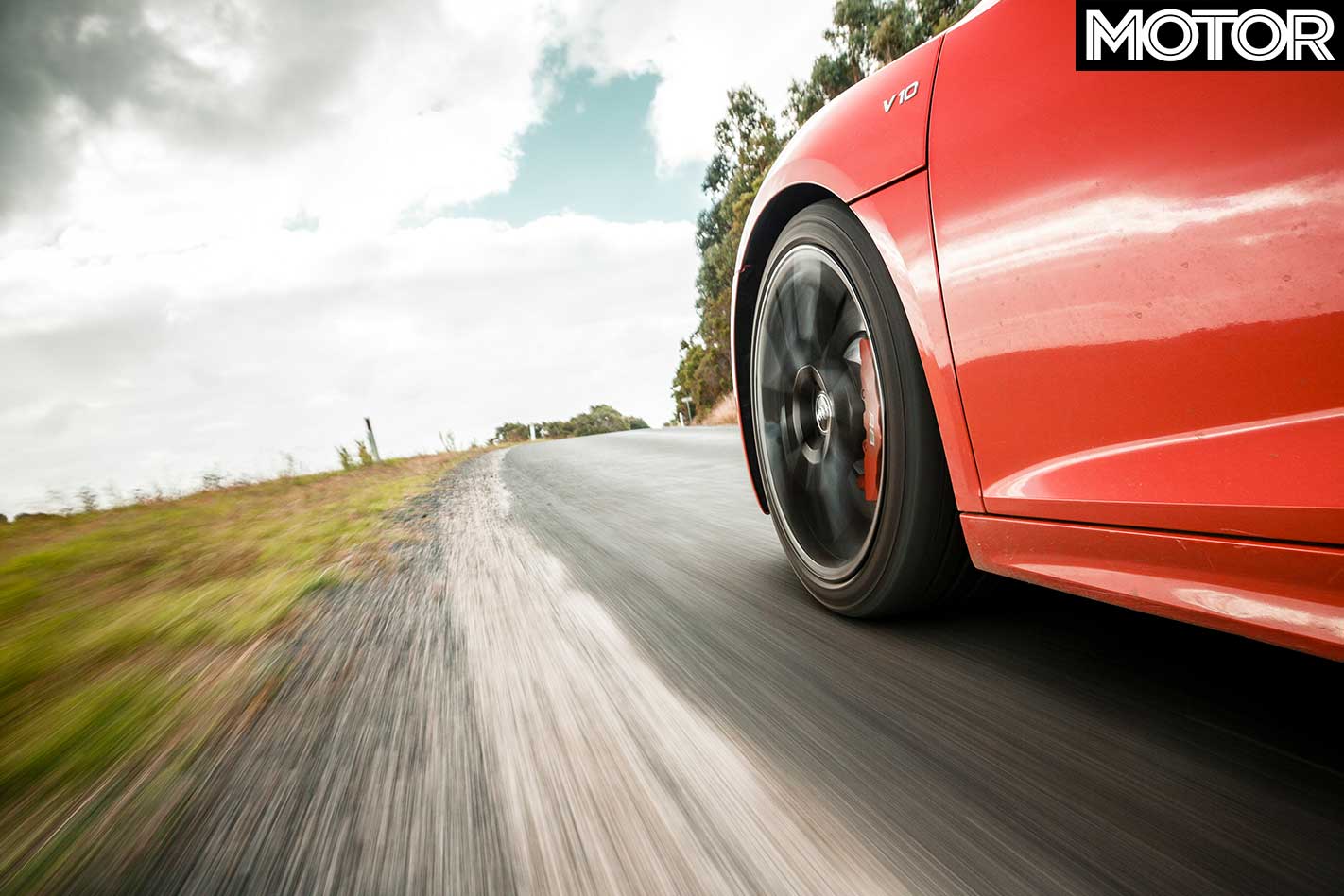
Dig deeper. Carrying brake pressure all the way to corner apex puts the RWS on its tippy toes, so that for a perfect, fleeting moment it’s in stasis, steering wheel straight, awaiting your next input. A hint of opposite lock will steady the ship, or in this case, supercar, but if you’re feeling bold the level of accelerator input will now dictate the drift angle.
It takes only a gentle application of throttle to break the Pirellis’ now tenuous grip on the tarmac, the V10 singing in celebration as you unlock the RWS’s reason for being. Fun.
We’re not suggesting it’s an ideal vehicle in which to learn the art of oversteer, but equally, nor is it a snappy, unpredictable handful – a skidpan would be the perfect place to fully exploit the RWS’s driftability, where its balance and ample steering lock should ensure that gratifying slides are more frequent than dizzying spins.
The real joy of the RWS is that it gives you options. It’s not some lairy hooligan constantly trying to outrun its tyre smoke. Driven quickly, yet sensibly, it’s capable of staggering pace, but if your talent and mood allows it’s capable of letting its hair down.
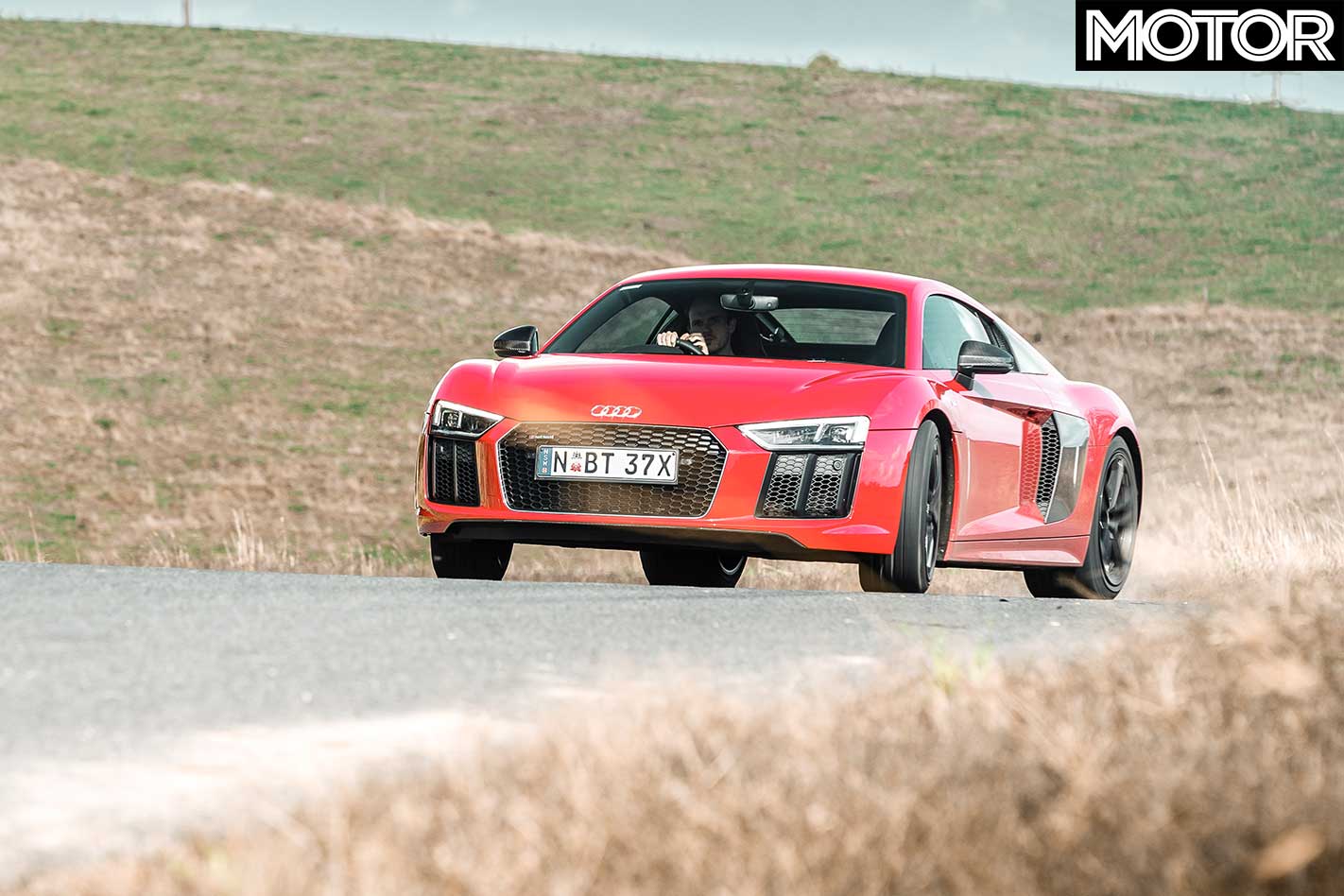
It’s a difficult car to criticise and to do so feels almost petty: on really challenging roads it could use a little more suspension travel, particularly at the rear, and perhaps the steering could be slightly quicker. But while this rear-drive R8 can’t quite offer the same level of intimate driver connection as the very best in the class (think 911 GT3, 488 GTB, 570S), the emotional connection forged by that engine is more than enough to compensate for any slight lack of steering feel.
It’s a bond that has the opportunity to grow every day, strengthened each time you blast away from an intersection or set of traffic lights, alarming or entertaining bystanders depending on the level of petrol in their veins. Because there’s nothing stopping you using the R8 RWS every day.
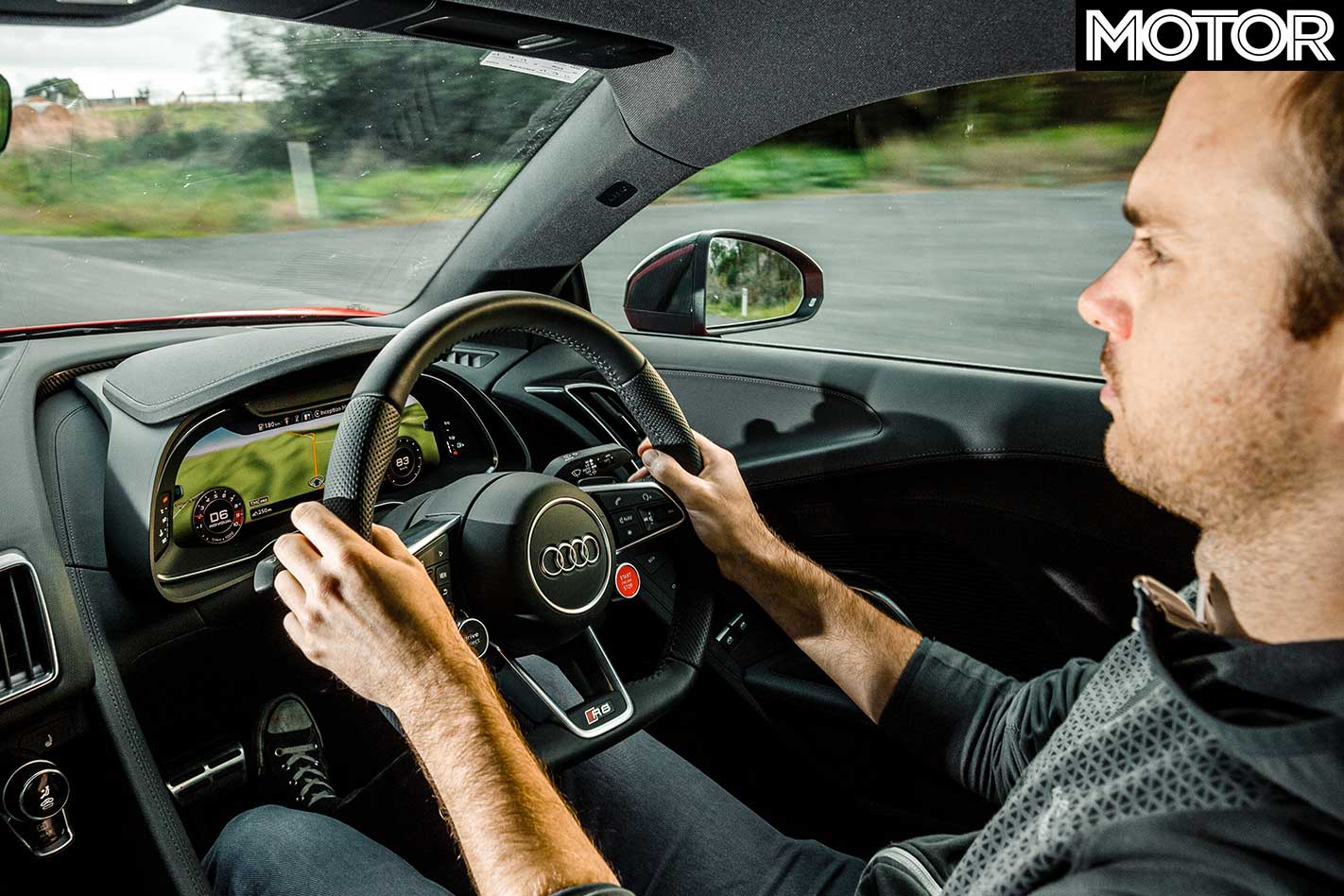
Its ride is firm enough over poor surfaces to elicit comment from your passenger, but pliant enough that they’ll get over it. Vision is good, the interior a great blend of design and ergonomics (though is it as special as the TT’s?) and it’s only marginally larger than a Ford Focus RS.
For those who don’t already have their name down for one of the 999, the biggest problem with the R8 V10 RWS is that Audi isn’t going to build enough of them. Often these limited editions eventually pop up as standard production models: for example, the Audi A1 quattro became the S1, the Porsche 911 R became the GT3 Touring and the Lamborghini Gallardo Balboni became the LP550-2.
Had Audi installed the full-whack 449kW engine and attached a silly price tag, there’d be strong reason to suspect it would do just that, but by offering the RWS at such a reasonable price (again, relatively speaking) makes it difficult to see how it is going to do this without annoying the 999 lucky sods that secured the current run.
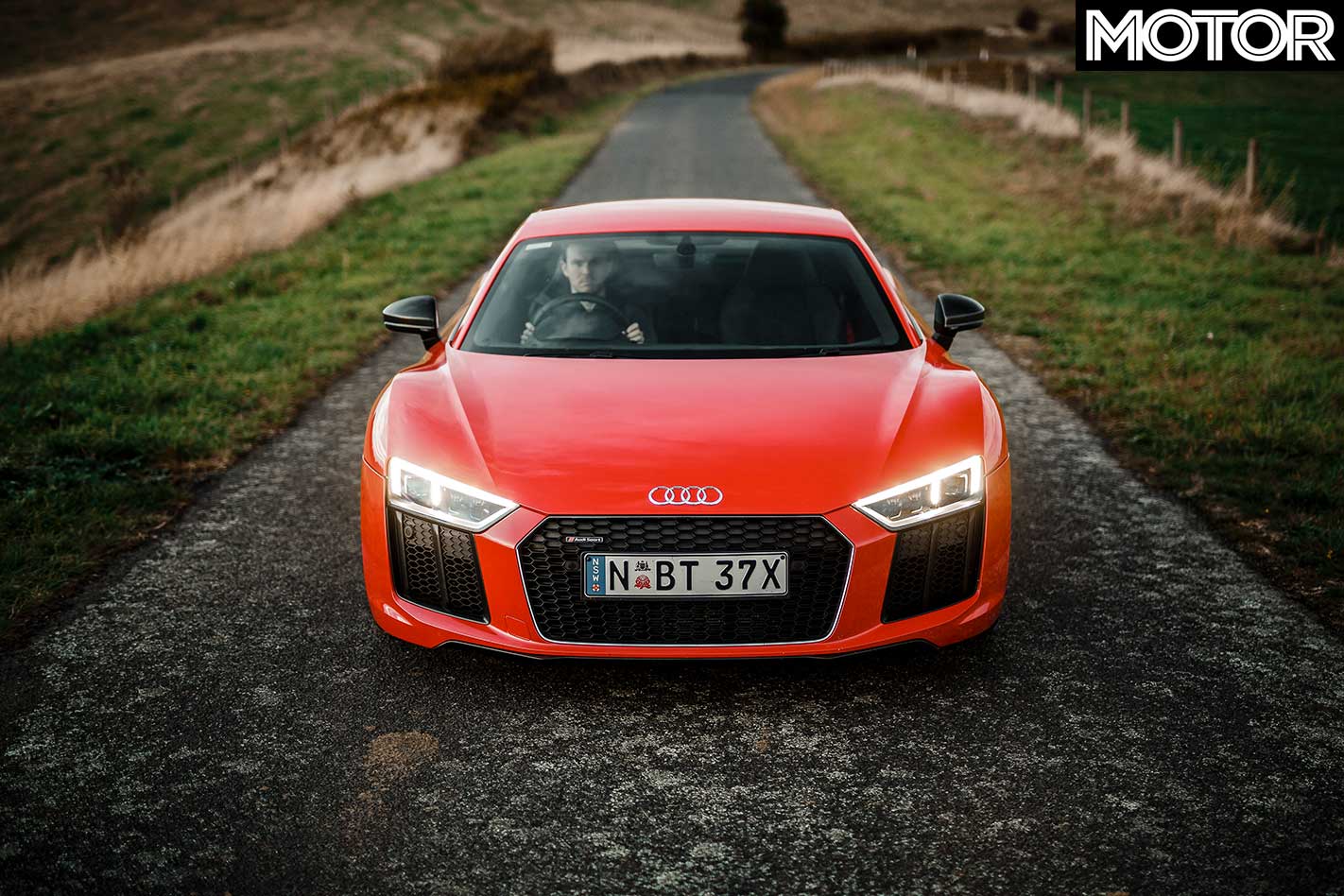
Perhaps it’ll appear as an option when the long-rumoured twin-turbo V6 arrives, but driving an R8 without a V10 would be like seeing Queen without Freddie Mercury – still good, but not the same.
Product planning arguments aside, Audi Sport’s decision to abandon its long-held belief that “quattro is the only way” has proved an inspired one, producing arguably the finest R8 yet. I’d certainly argue its case.
The RWS might not be quite as quick as a McLaren 540C, as practical as a 911 Turbo or as head-turning as a Lamborghini Huracan, but it almost matches each in its area of speciality. As it turns out, when you pull the front driveshafts out of a 400kW Audi, you create a supercar of rare cohesiveness.
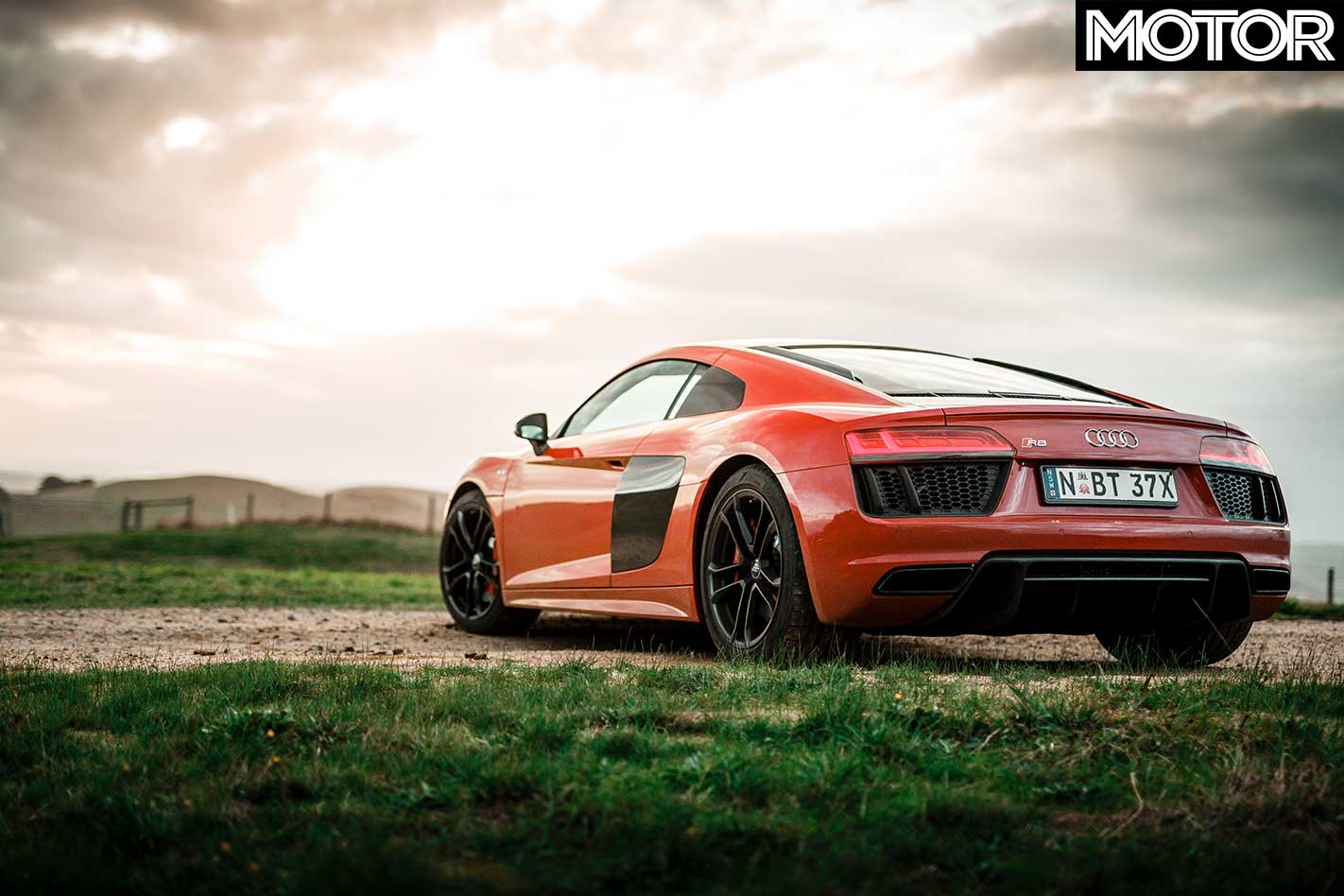
Audi R8 V10 RWS Pros & Cons
5 Highs: 1 – V10s make the best noises 2 – Spookishly quick dual-clutch ‘box 3 – Balanced, progressive chassis 4 – Everyday useability 5 – You can pretend to be Tony Stark
5 Lows: 1 – There’s not enough of them 2 – Carbon side blades optional 3 – Engine note a bit muted inside 4 – Rear tyres are expensive 5 – We can’t have a long-termer
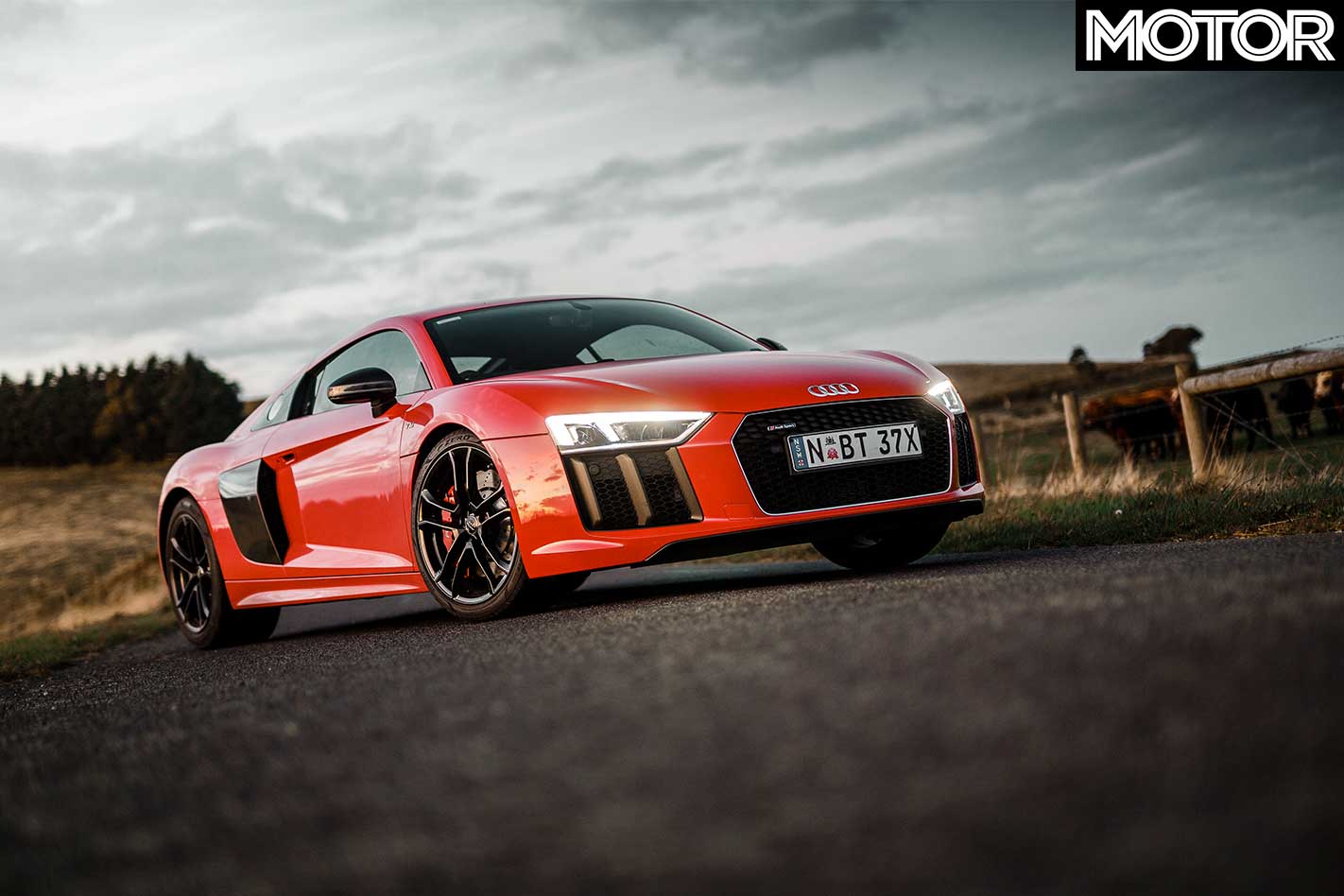
FAST FACTS Audi R8 V10 RWS
BODY: 2-door, 2-seat coupe DRIVE: rear-wheel ENGINE: 5204cc V10, DOHC, 40v BORE/STROKE: 84.5 x 92.8mm COMPRESSION RATIO: 12.5:1 POWER: 397kW @ 7800rpm TORQUE: 540Nm @ 6500rpm WEIGHT: 1590kg POWER-TO-WEIGHT: 250kW/tonne TRANSMISSION: seven-speed dual-clutch SUSPENSION: double wishbones, coil springs, anti-roll bar (f); double wishbones, coil springs, anti-roll bar (r) L/W/H: 4426/1940/1420mm WHEELBASE: 2650mm TRACKS: 1638/1599mm (f/r) STEERING: electrically assisted rack-and-pinion BRAKES: 365mm ventilated/drilled discs, 8-piston calipers (f); 356mm ventilated/drilled discs, 4-piston calipers (r) WHEELS: 19.0 x 8.5-inch (f); 19.0 x 11.0-inch (r) TYRES: Pirelli P Zero; 245/35 R19 (f); 295/35 R19 (r) PRICE: $299,500 ($321,100 as-tested)LIKE: Superb drivetrain; great chassis; looks; price DISLIKE: Firm ride; limited build run; not much else RATING: 4.5 out of 5 stars
This isn’t a secret story. If you’re into your motorsport history, you’ve almost certainly heard this story, or a variation of it. At the very least, you’ve heard rumours of it. But not everyone has and now seems like a good time to bring it back up.
After the 86th running of the 24 Hours of Le Mans – actually a couple of months from now – one of the Ford GT40s which ran at the 1966 Le Mans in Ford’s historic 1-2-3 domination of the podium is up for auction.
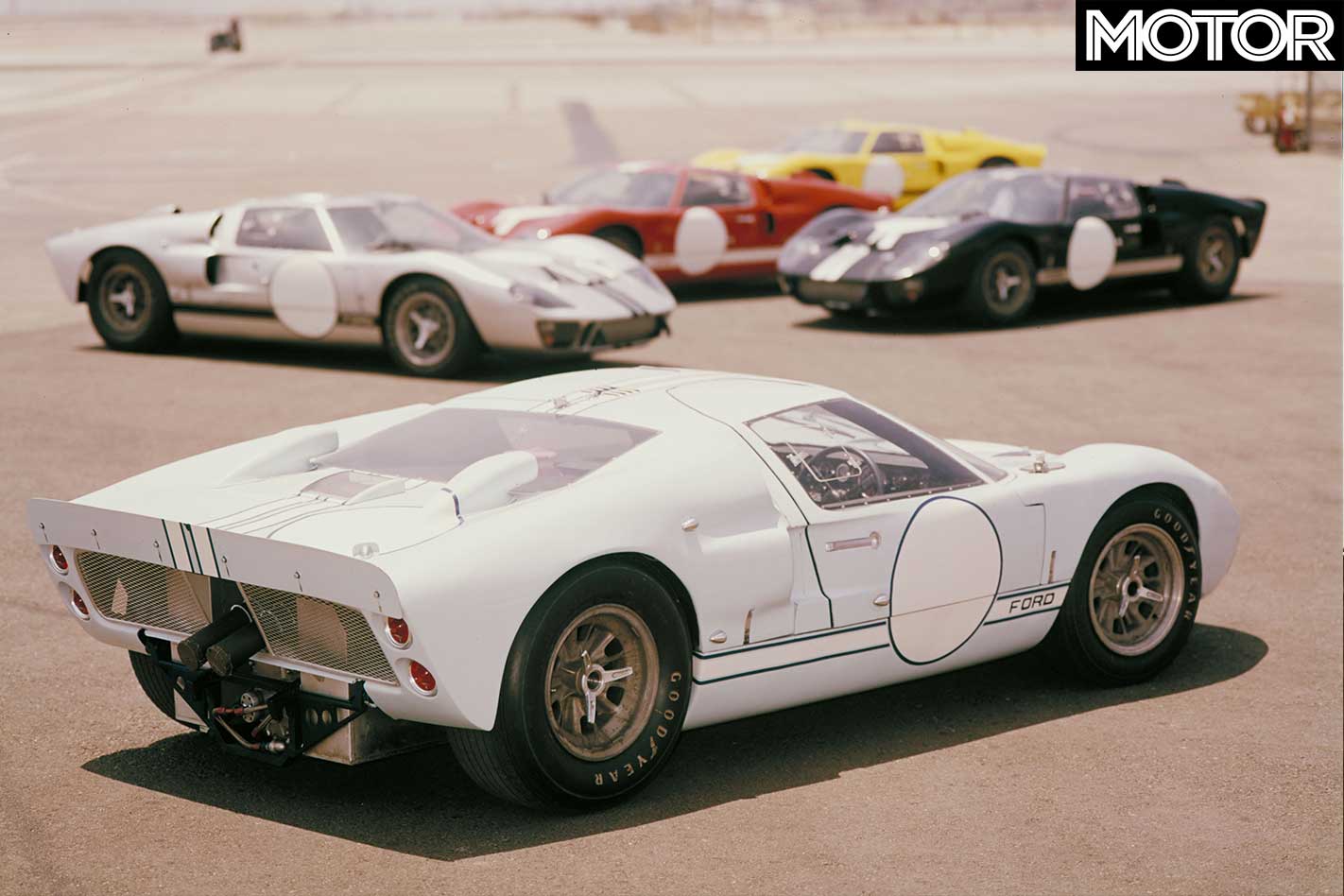
But there’s a sad story behind that amazing win, one which highlights the tension that can arise from team orders, and the differences between a race driver’s goals and those of the factory.
Ken Miles, a racer who at the 1966 Le Mans 24 Hour had already won the 12 Hours of Sebring and the 24 Hours of Daytona, was driving a Ford GT40 MkII alongside Denny Hulme.
Bruce McLaren and Chris Amon also shared a GT40, while another GT40 – the one which is set to auction – was driven by Ronnie Bucknum and Dick Hutcherson.
Miles and Amon were driving the Shelby American-run cars towards the end of the race, when the order was passed down for the two cars to cross the line at the same time for a photo-finish.
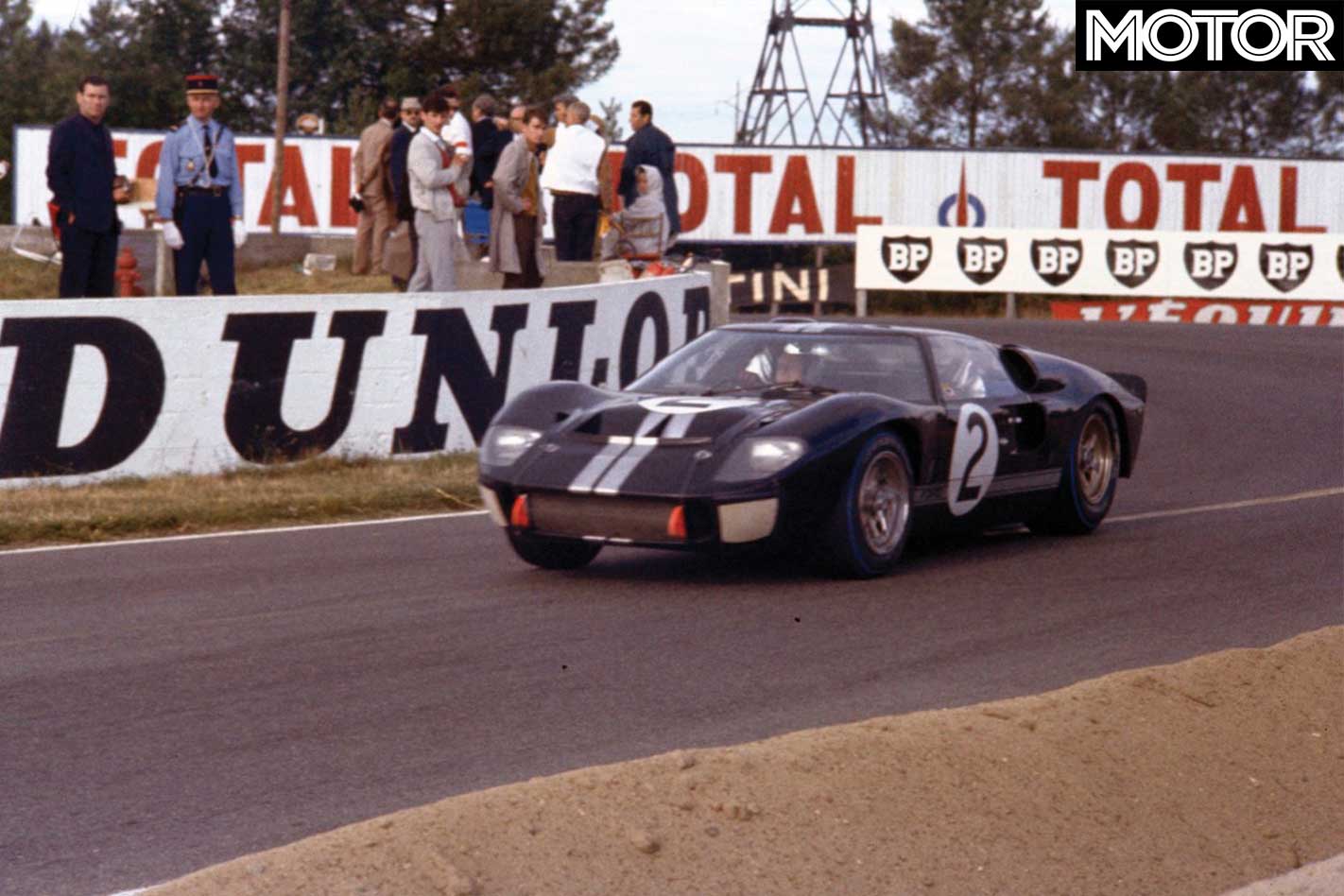
Unbeknownst to Ford Jr and his team, two cars crossing the line at the same time would result in the one that had started further back on the grid being declared the winner, as it was the one that had covered the longest distance.
2021 Ford GT Heritage Edition honours Ken Miles’ 1966 Daytona victory
If Miles’s car had won, he would have been the winner of the ‘big three’ endurance races. Le Mans, Sebring, and Daytona.
The McLaren/Amon car was around 8 metres behind Miles and Hulme’s car on the grid. Miles died later that year testing the Ford J-car.
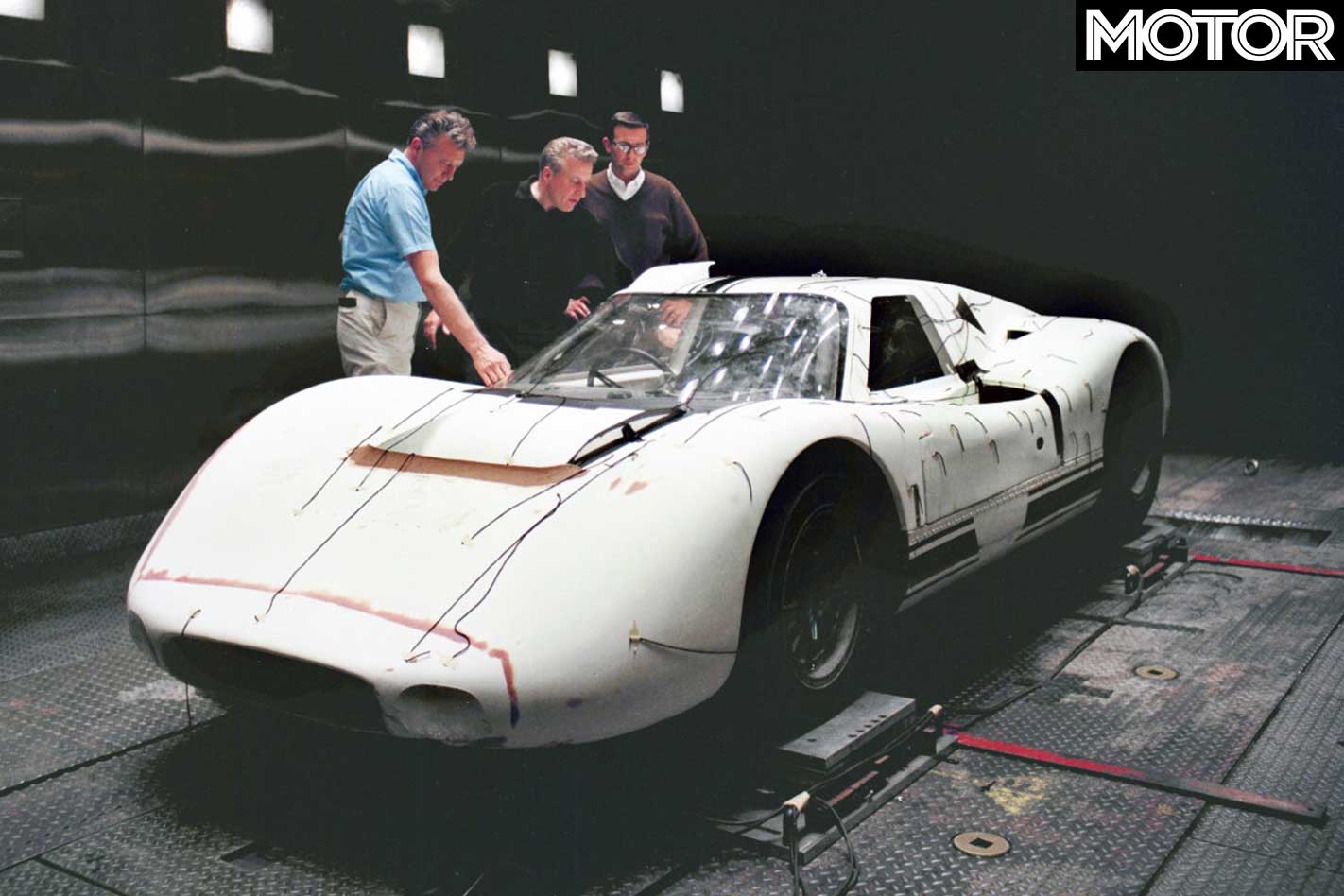
So it makes sense, then, that a short documentary about the whole ordeal would be titled ‘8 Metres’.
Produced by the Petersen Automotive Museum and featuring several of the names mentioned above, it’s well worth a watch, even if you think you know the whole story.
The Great British Porsche arm, Porsche Retail Group, has revealed a special GT2 RS which has received the ‘Moby Dick’ treatment.
The classic Porsche Martini livery from one of Porsche’s 1978 Le Mans racer, the Porsche 935/78 nicknamed Moby Dick, has been applied to a new 991.2 Porsche 911 GT2 RS, presumably for a customer.
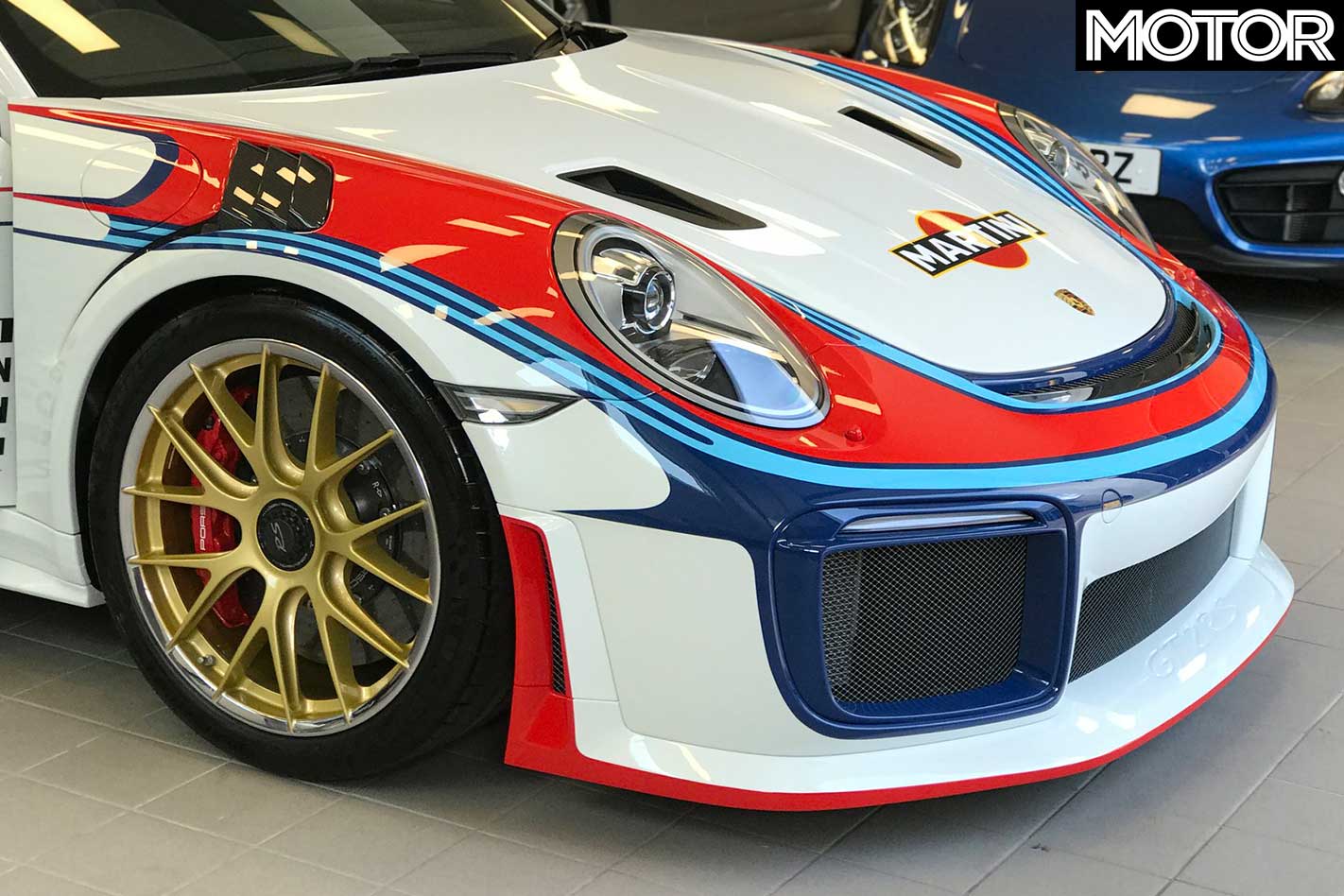
But the special order car hasn’t just had some vinyls slapped onto it – Porsche says the GT2 RS has actually been painted specially.
The car even scores gold wheels to further emulate the style of the 935/78.
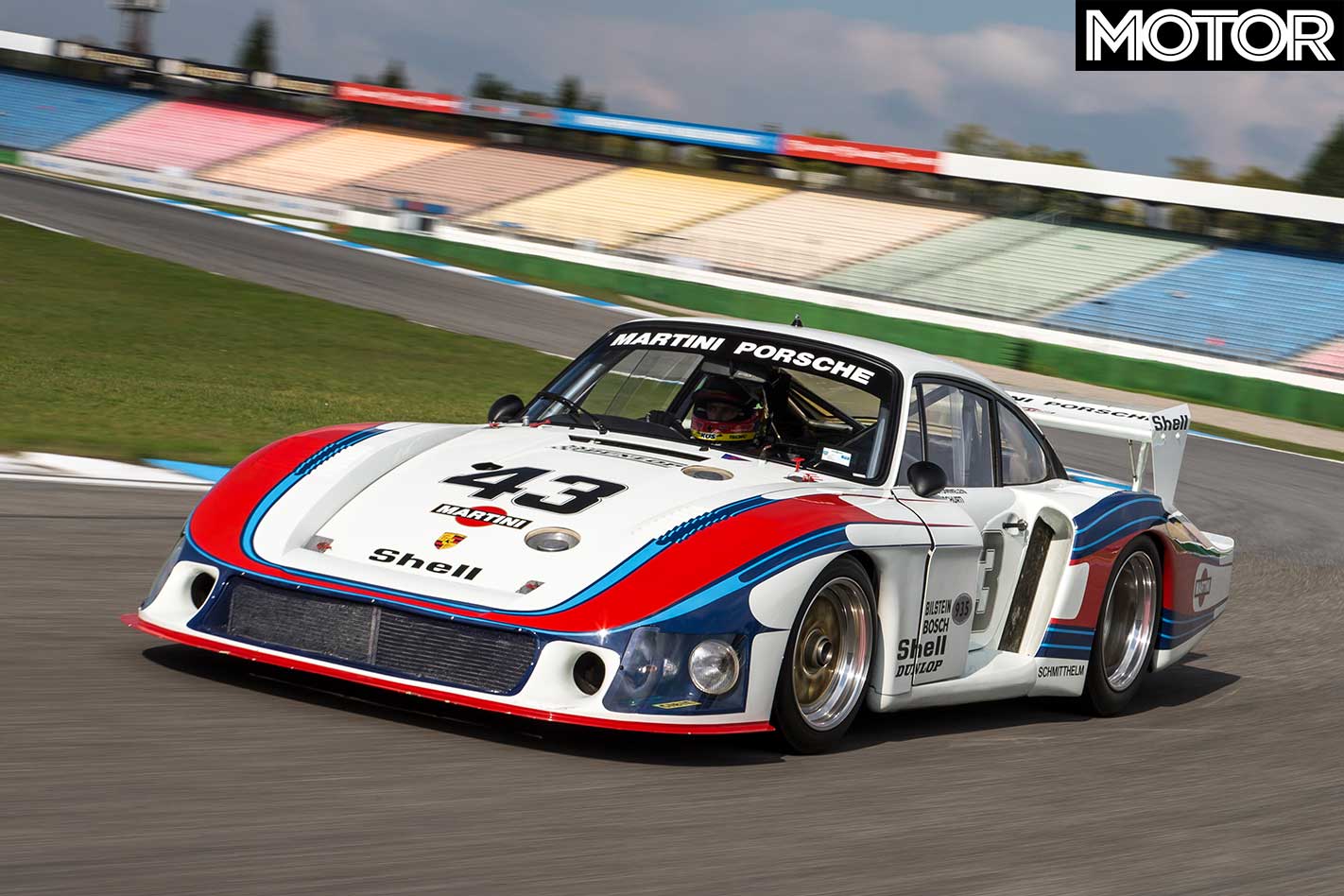
The car it’s inspired by was the culmination of a couple of generations of 935 racer. Based very loosely on the 911, it featured a widened and longer body, though the cabin of the 911 is still easy to pick, and of course it had the wing which earned it the Moby Dick nickname.
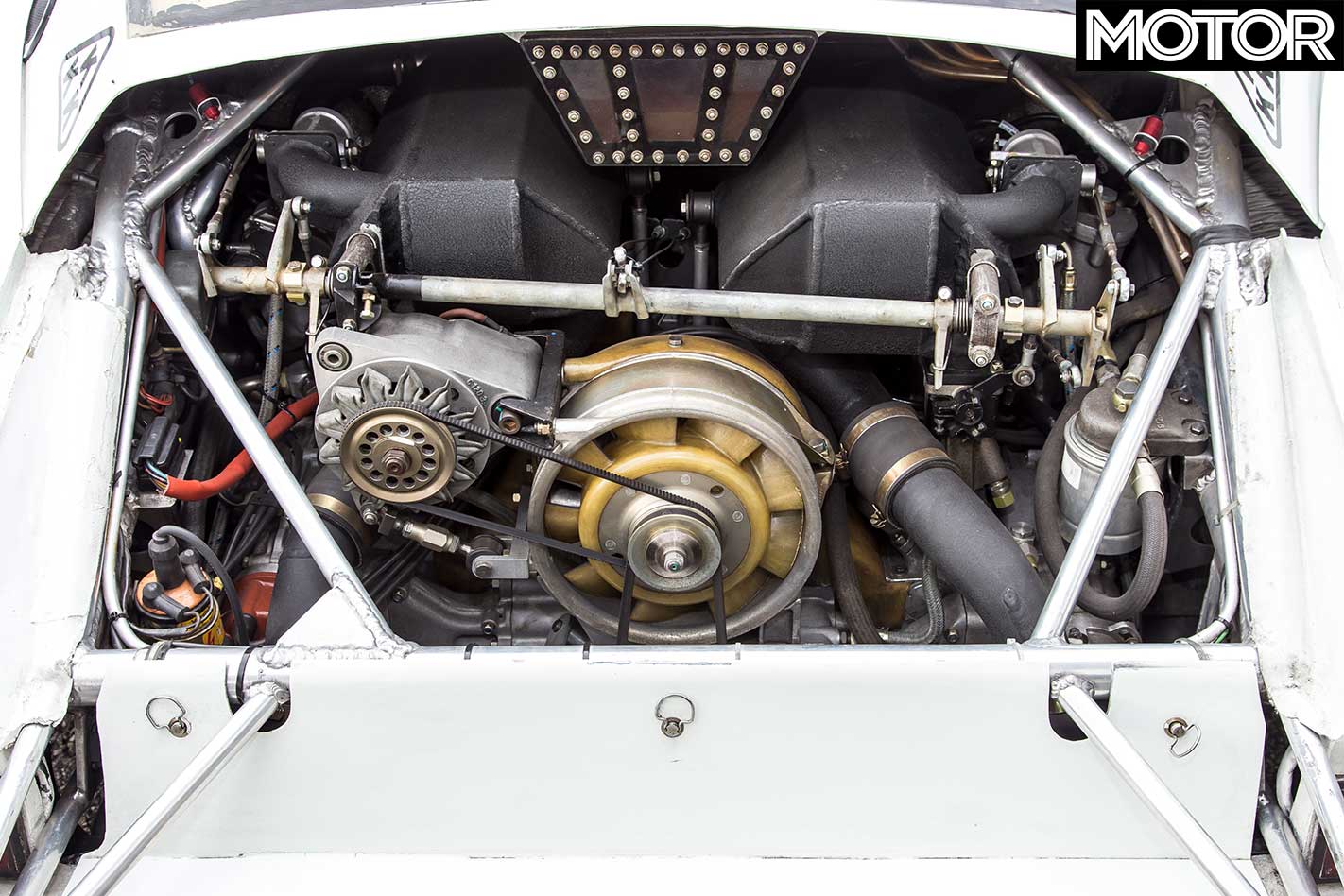
A twin-turbo boxer six-cylinder engine, which was water-cooled due to overheating and head gasket issues, produced a whopping 621kW. Porsche says (if this journalist’s German is up to scratch) that this makes it the most powerful 911 built by Porsche.
For Le Mans, it was made right-hand drive, as the track was run clockwise, and joined several other Porsche entries (both factory and customer) racing Porsche 935 and 936s, in both 1977 and 1978 specifications.
Moby Dick, driven by Manfred Schurti and Rolf Stommelen, was unique as the only 935/78. With its massive power and 1025kg kerb weight, it had the potential to dominate, though its engine problems persisted and it finished 8th overall.
Even then, it was reportedly the quickest car down the straight at Sarthe, clocking a lightning-fast 366km/h.
TOYOTA, the last car maker to fall after Australia’s automotive industry spectacularly imploded in the wake of Ford’s 2013 announcement that it would shutter its factories, has posted a strong profit in its final year as a manufacturer.
The Japanese car maker revealed today it made a $137 million after-tax profit for the Japanese financial year ending on March 31, compared with Holden’s $156 million profit last calendar year, and Ford’s $27 million result over the same period as Holden.
However, the brand’s result – a significant improvement over the $99 million it made the previous financial year – would have been much stronger if it did not have the legacy of costs associated with the closure of its Altona-based engine casting and vehicle assembly lines to factor in. The “restructure” of the business from a manufacturer to a full-line importer cost Toyota Australia $147 million, a $16 million rise over what it needed the previous year.
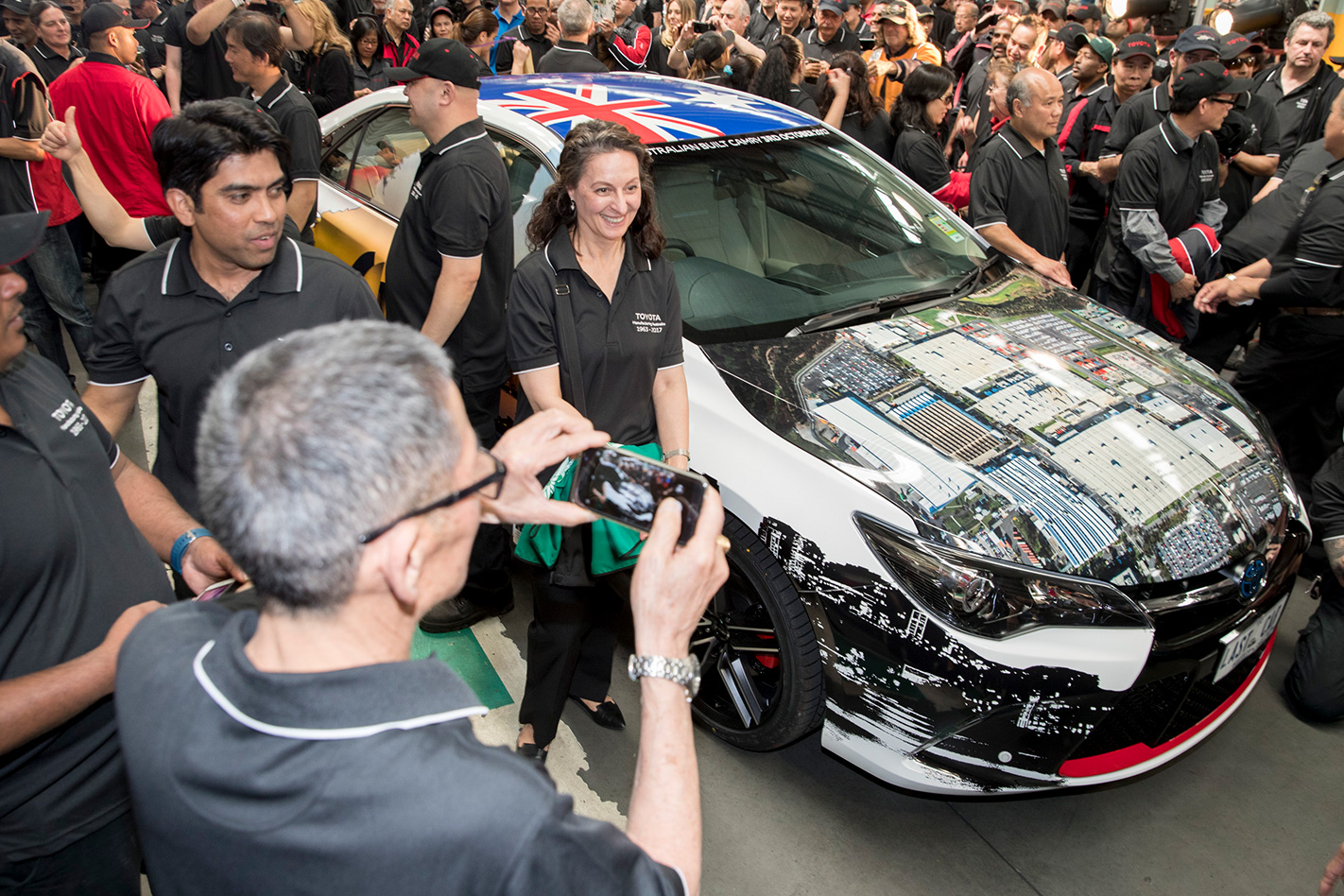
No further details of Toyota Australia’s financial performance were revealed.
Toyota’s lukewarm result came on the back of more than 229,000 Australian sales for the brand, and just 25,791 exports for the locally built Camry mid-size sedan that ended production in early October last year.
“We have now completed our transition to a sales, marketing and distribution business, and the fact that we have been able to increase both local sales and market share shows that our organisation is moving from strength to strength,” Toyota Australia president Matthew Callachor said.
Toyota’s sales dominance in Australia has been bolstered by the Toyota Hilux, which in 2017 took the title of Australia’s best-selling vehicle for the second year running, and the Toyota Corolla, the nation’s best-selling passenger car.
FORD Australia had to deal with the weight of almost 1000 customer complaints about its PowerShift transmission in a single month, documents seen by Wheels can reveal.
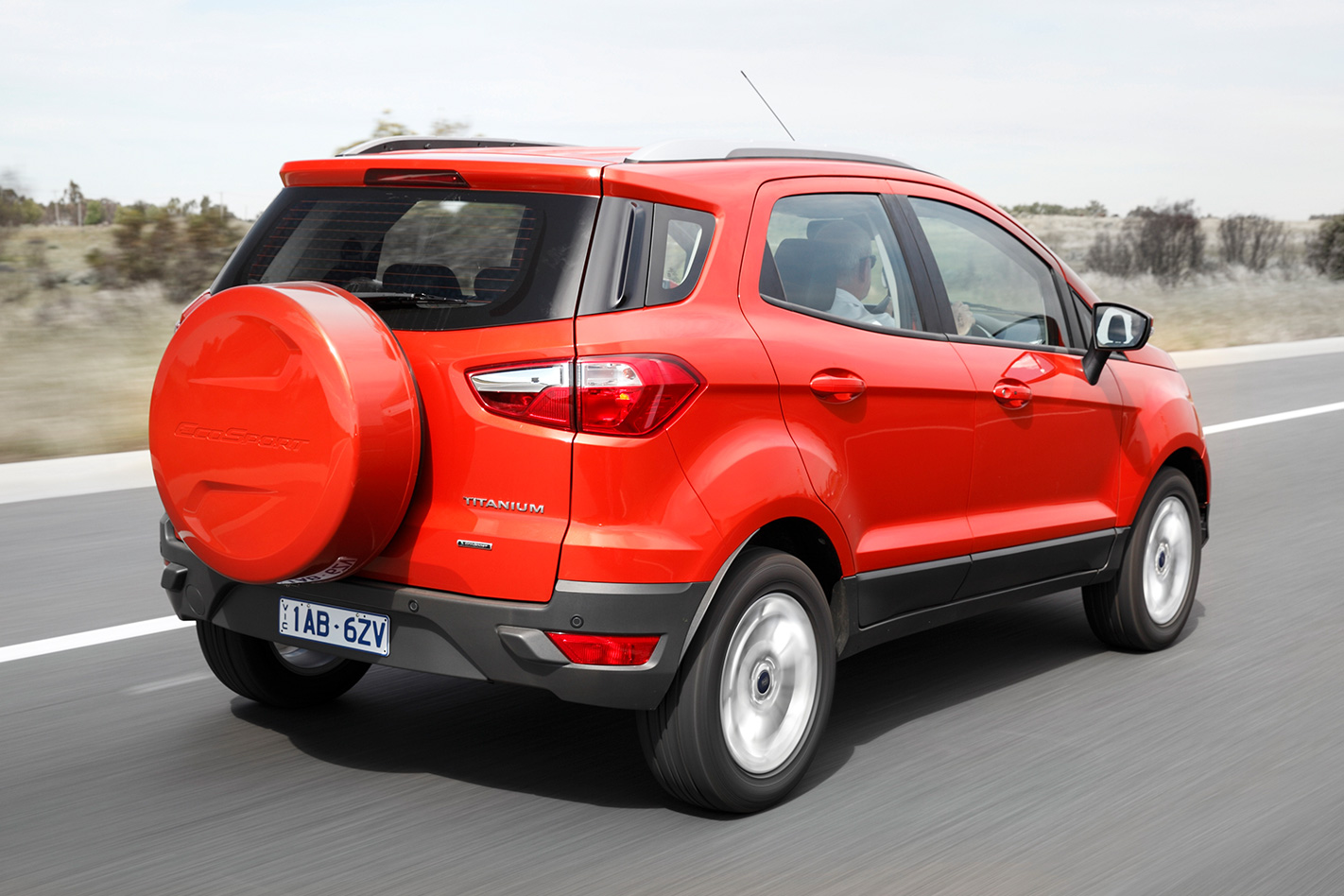
The documents, relating to the then Department of Infrastructure and Regional Development’s investigation into whether Ford needed to issue a safety recall to fix the vehicles and released under Freedom of Information legislation, concluded there was “no evidence of a systemic safety issue or ADR non-compliance”.
TOMORROW: How Ford Australia convinced the government its PowerShift fix had worked
Of note, though, was the disparity between the number of complaints the government had received, and those logged by the car maker. “The department has received 47 complaints over a four-year period regards PowerShift transmission issues with Ford Focus, Fiesta and EcoSport,” the documents, dating to around August 2017, say. The transmissions were fitted to 73,140 Ford-badged cars supplied to the Australian market.
“The complaints include mild to severe clutch shudder, hesitation in selecting gears and skipping or missing gears,” they reveal. “Complainants were concerned for their safety as in many cases the vehicle would not behave as expected.”
“Ford reported that as at November 2016 there were 203 cases involving PowerShift issues,” it said. That number had reduced somewhat from its peak earlier in the year. “In March of 2016 they number [sic] 947 cases, all of these cases are closed.”The documents, released under Freedom of Information legislation, show the department had received only one report of a crash where the blame was directed at the PowerShift transmission. However “[Ford] has indicated that appropriate distances between vehicles is the main contributing factor, rather than any vehicle failure,” it said. “There is insufficient evidence to suggest there is a systemic safety issue resulting from the issues identified.”
Ford PowerShift recall was unnecessary, government finds It said Ford’s “investigation, rectification and response” to the department – which included extensive service records for two vehicles – “is appropriate and appears to have resolved the issue”.“It is recommended that you [the Department of Infrastructure and Regional Development] agree to close the investigation,” the document, signed off by both a senior investigations officer and the director of regulatory policy, risk and compliance for the Vehicle Safety Standards office, says.The department then offered to forward any more complaints it received to the car maker.
Industry insiders told Wheels it took only a single safety-related incident to spark an investigation into whether a voluntary recall was needed. Standard practice is for the Australian arm to then contact head office to see if other markets were reporting similar problems, prompting a much more involved investigation.
One source said it only took “about half a dozen” customer complaints to realise there was potentially a reliability issue with a vehicle and spark an investigation into whether a recall was needed – although these moved at a much slower pace to a safety-related inquiry.
Ford Australia told Wheels it had taken too long to identify the PowerShift issues, and acknowledged that it did not handle some complaints “appropriately”.
“We were overwhelmed with the volume of complaints and, while it was not intended, over a 10-month period our processes were inadequate and information provided was either inaccurate or incomplete,” spokeswoman Jasmine Mobarek said. “We let our customers down and for that we are sorry.
“We know this process has identified the challenges our customers faced and the lack of appropriate processes we have between May 2015 and February 2016 to effectively handle these. Our focus now is making right with these customers.”
Nissan Australia has added a new variant to the top of the Qashqai SUV range, dubbed the Ti.
The Ti ostensibly replaces the interim NTEC variant at the top of the Qashqai range, which Nissan Australia said would only be available for a limited time at the model’s launch.
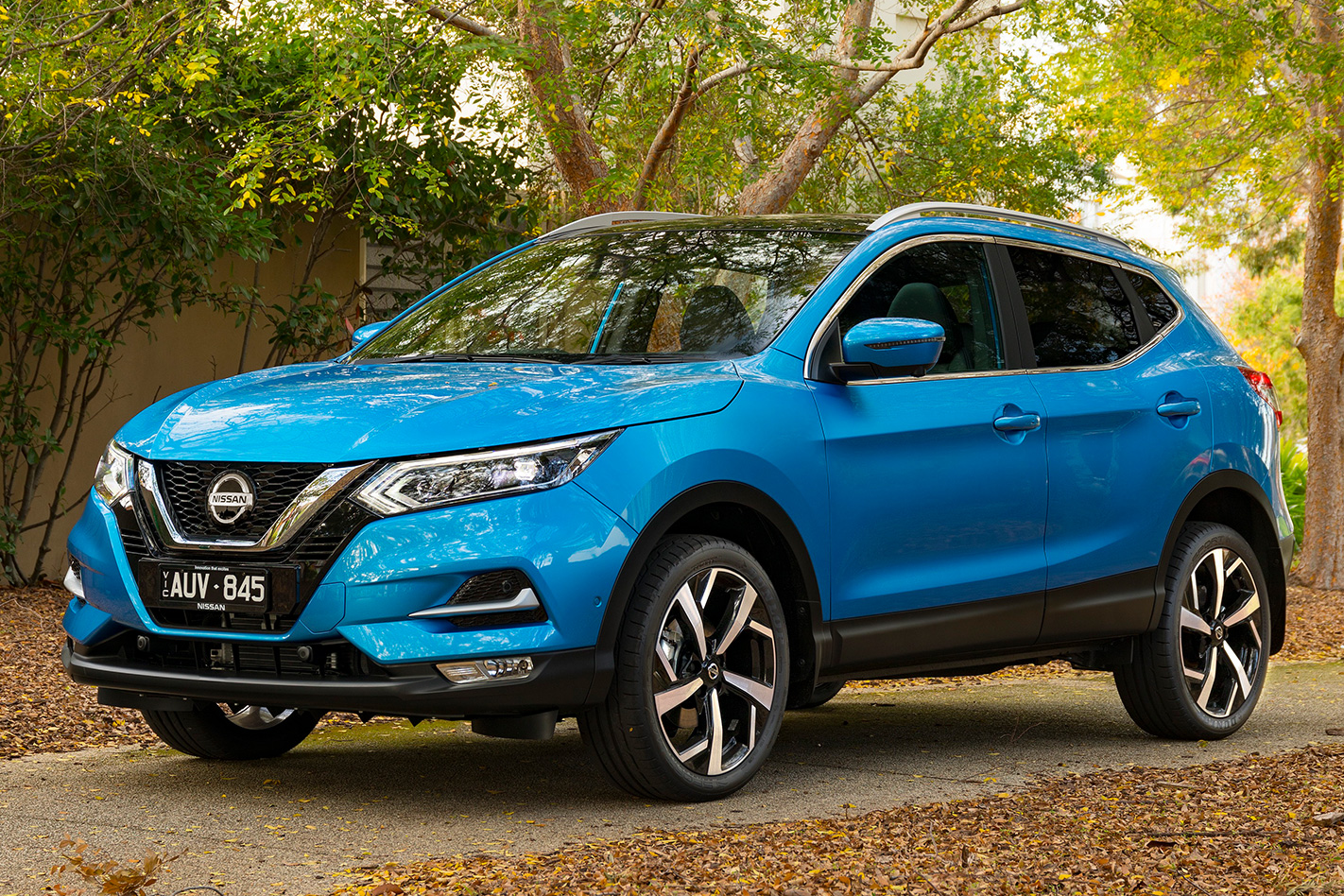
The new Qashqai flagship sits above the entry-level ST, with the ST-L bridging the features gap between the two. Nissan predicts sales across the ST, ST-L and Ti range will be evenly split at just over 30 percent each.
The Ti adds new features over the NTEC, including Nappa leather-accented seats, adaptive cruise control, and lane departure warning. The front seats have two-memory settings, with four-way electric lumbar support for the driver.
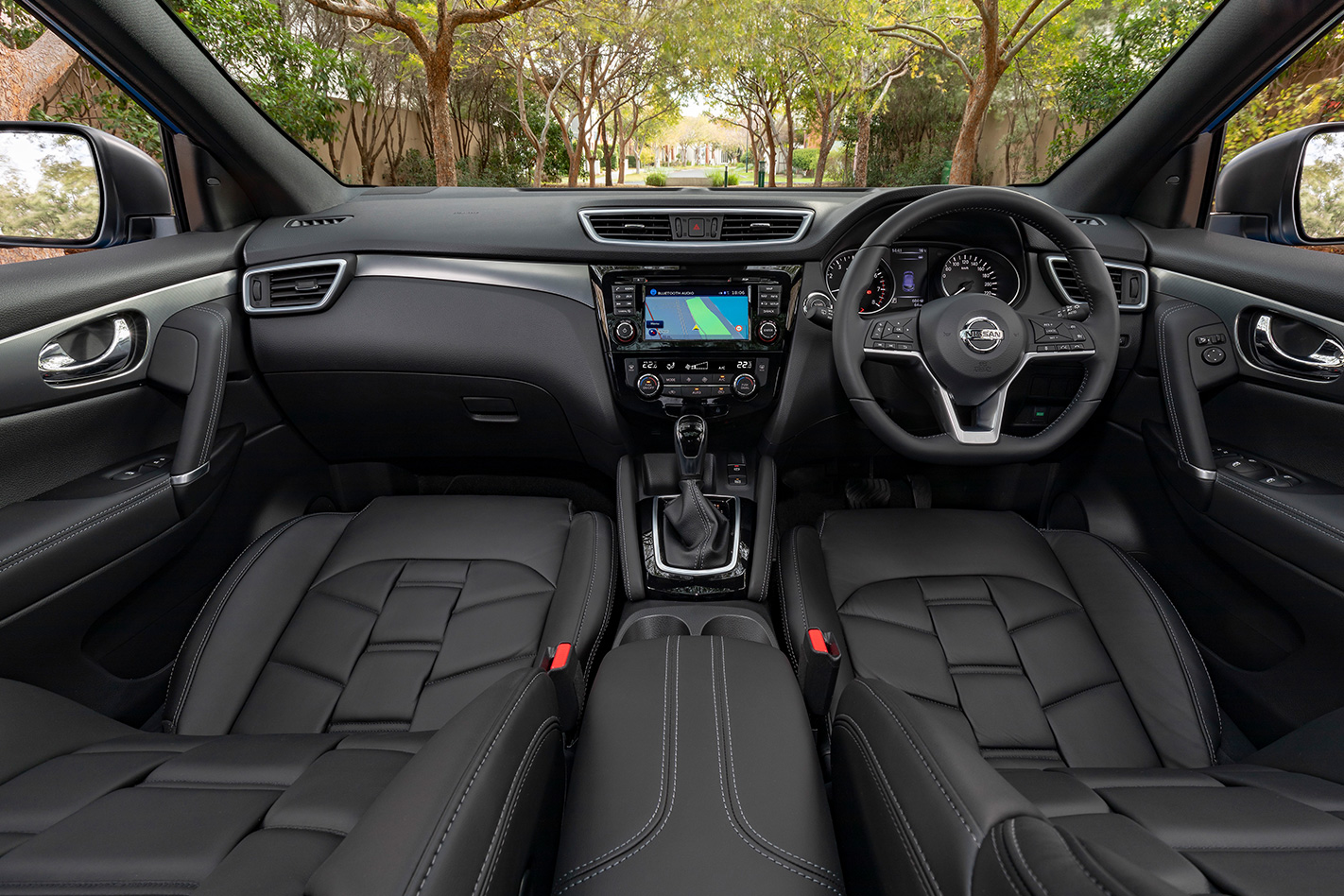
The Ti is fitted with the 106kW/200Nm 2.0-litre petrol engine shared with the other variants. It’s mated with a CVT automatic transmission and sips fuel at a rate of 6.9L/100km.
As with the ST and ST-L, boot space is 430 litres with the rear seats up, expanding to 1598 litres with the second row folded down.
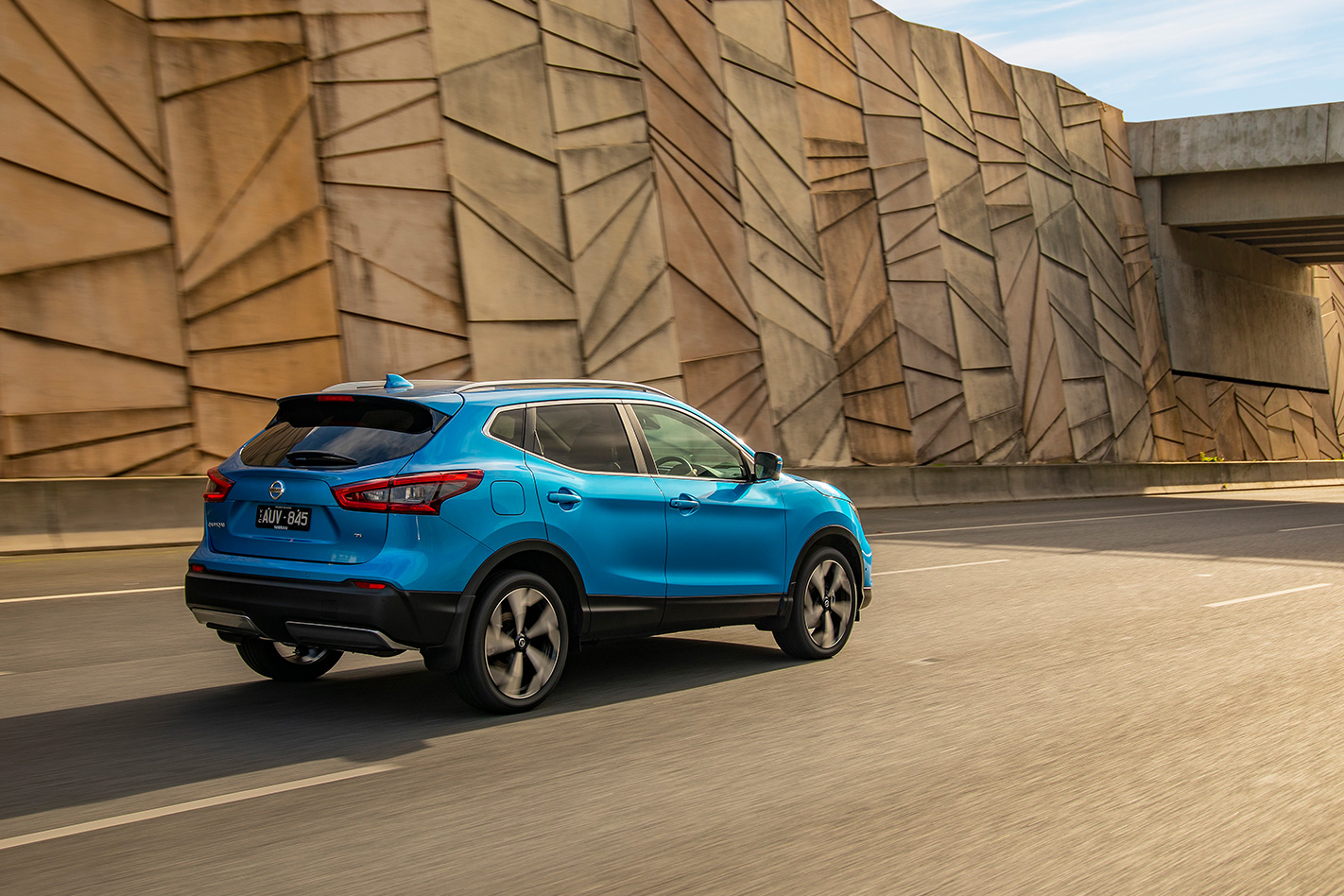
Safety features include automatic emergency braking, forward collision warning, front and rear parking sensors, a reversing camera, hill start assist, brake assist, and an electric park brake, which are all standard across the Qashqai range.
2018 Nissan Qashqai range pricing
- Nissan Qashqai ST (manual) – $26,490
- Nissan Qashqai ST (automatic) – $28,990
- Nissan Qashqai ST-L (automatic) – $32,990
- Nissan Qashqai Ti (automatic) – $37,990
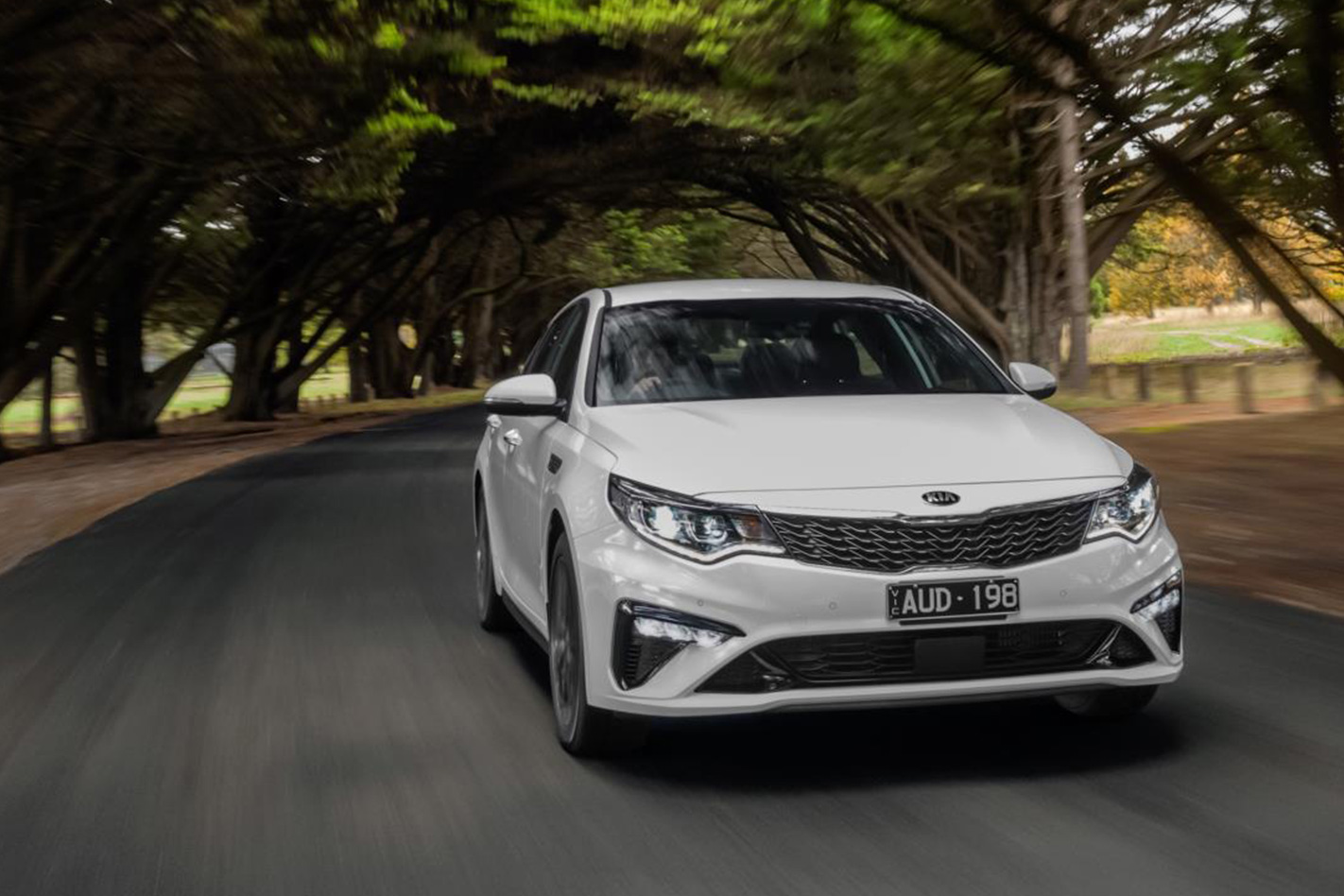
The Kia Optima has just become cheaper, with the Korean carmaker doing a bit of give and take with equipment levels as part of a mild, 2019 model-year update to the Korean brand’s mainstay medium car.
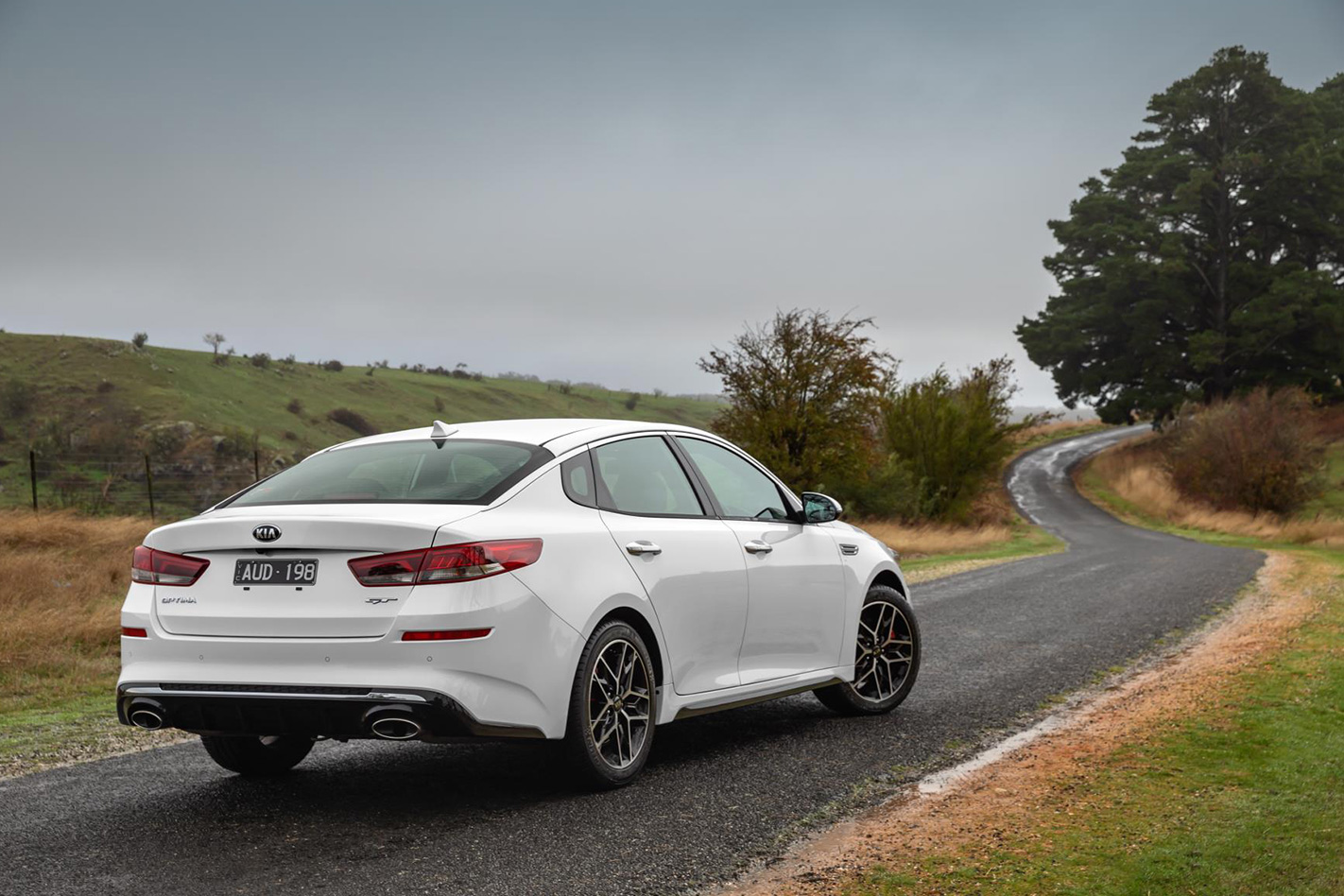
Retail pricing for the entry-level Si has reduced by $1100 to $33,390, while the athletically styled Optima GT has reduced by $1200 to $43,290.
The Si gains brighter dual-projection headlamps and a sharper 7.0-inch infotainment screen. Android Auto and Apple CarPlay have also been added, at the expense of Kia’s in-built satellite navigation system in some models, with drivers instead having to rely on directions piped to the infotainment screen via a smartphone’s mapping app.
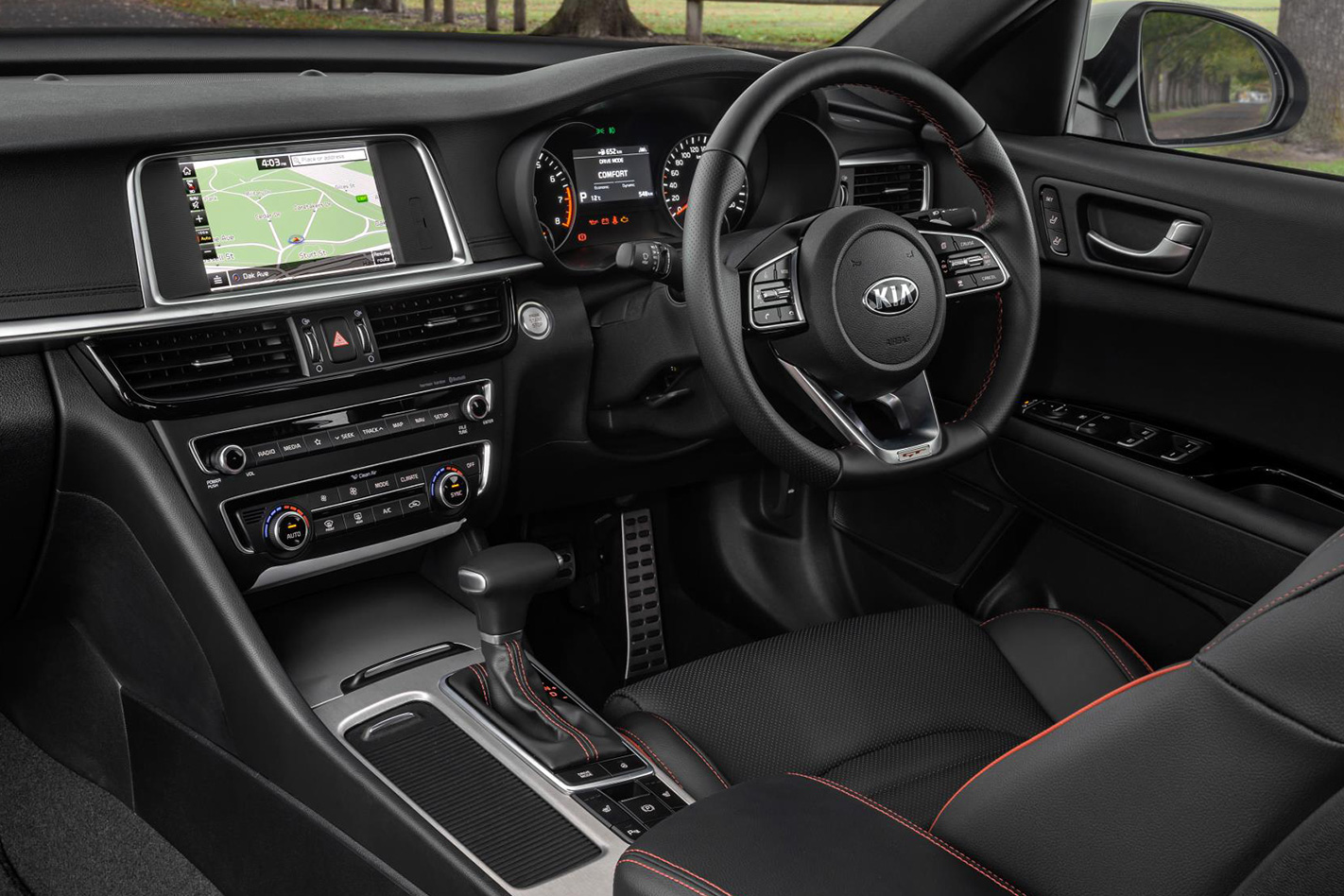
The GT also gains a new 8.0-inch screen, but retains satellite navigation with 10 years of MapCare and SUNA traffic information. However, it loses the panoramic sunroof, high-beam assist, tyre pressure monitoring and powered settings for the front passenger seat, and front-seat cooling (front-seat heating remains).
On the plus side, both variants gain driver attention alert, and a more advanced lane keeping assist system.
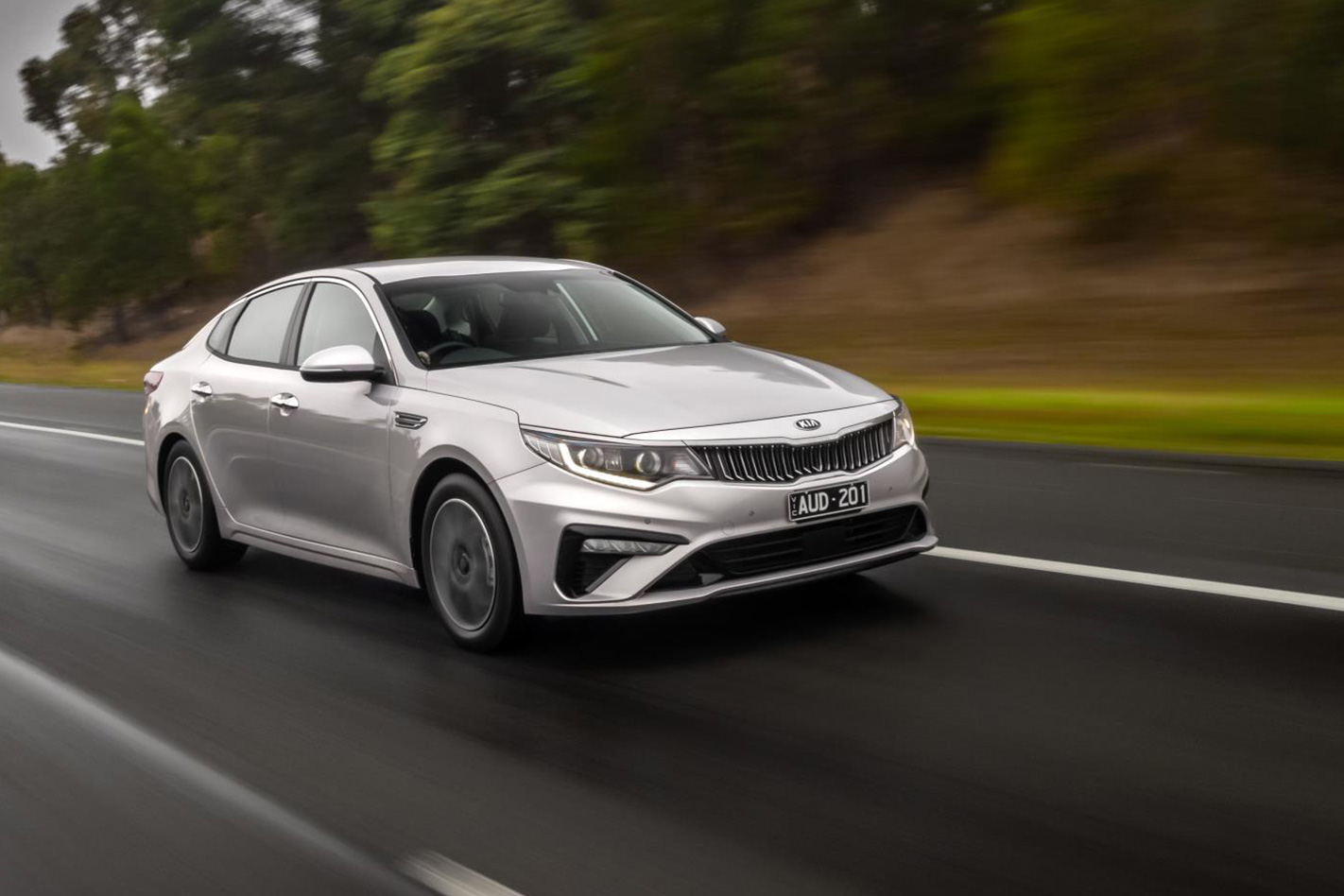
The Optima Si and GT have also received a light facelift, with tweaks to the grille, front fascia and rear panels, complemented by re-styled alloy wheels.
Meanwhile, Kia Australia’s engineers have further improved ride and handling for local conditions, focusing on its ride refinement, and steering feel.
Kia Australia chief operating officer Damian Meredith said the pricing, aesthetic and equipment changes were critical to keep the Optima fresh and relevant in a market that includes the big-selling Camry and newly refreshed Mazda 6.
“Optima has been a key Kia model, for a number of reasons, for more than half a decade and keeping it fresh and market-relevant is a constant review process,” Meredith said.
The updated Kia Optima is now available in showrooms.
THE future of hydrogen-powered cars has been given a boost, with news automotive giants Hyundai/Kia and the VW Group will form a technical partnership to develop the technology.
The Korean and German conglomerates stated Hyundai and Audi would be involved in the partnership, which will include cross-licensing of patents and access to parts deemed ‘non-competitive’. There’s even a chance the partnership could be extended even further in the future, opening the door for potential co-development and manufacturing of fuel cell vehicles.
“For the breakthrough of sustainable technology, co-operation is the smart way to achieve attractive cost structures,” Peter Mertens, Audi member of the board for technical development said.
Along with announcing the partnership, Audi confirmed it would bring its first hydrogen powered vehicle to market “at the beginning of the next decade”.
Hyundai stated the partnership would lower prohibitive costs surrounding development of hydrogen technology.
“The more capability we have the more scale we will get and the more authorities will be willing to invest in and encourage the technology,” Hyundai and Kia’s head of FCEV research, Dr Sae-Hoon Kim, said.
“The progress we have made in terms of making hydrogen fuel cell cars that are durable enough to be sold is incredible – just a few years ago I did not think it would happen in my lifetime, but already we are there. Now we must focus on cost and scale, and partnerships like this have the potential to address both of those things.”
While Audi has only produced concept cars with a hydrogen fuel cell (the A2H2 in 2005, the Q5 HFC in 2008 and the Audi A7 Sportback h-tron quattro in 2014), Hyundai first launched the ix5 Fuel Cell in 2013, which was followed by the Nexo SUV this year. The Nexo will go on sale in Australia from 2019.
Despite not having a production hydrogen car, Audi claims it is currently working on its sixth-generation fuel cell technology.
Currently there are only two hydrogen refuelling stations in Australia.
