
Australia’s car-manufacturing industry has been revived by an unlikely source.
Brabham Automotive has revealed its BT62 track-only supercar will be built in a 15,000 metre-squared facility in Adelaide. The BT62 was revealed to the world at Australia House in London, the venue reflecting the project’s “Anglo-Australian” roots, according to Brabham Automotive Managing Director David Brabham, son of three-time F1 World Champion, the late Sir Jack Brabham.
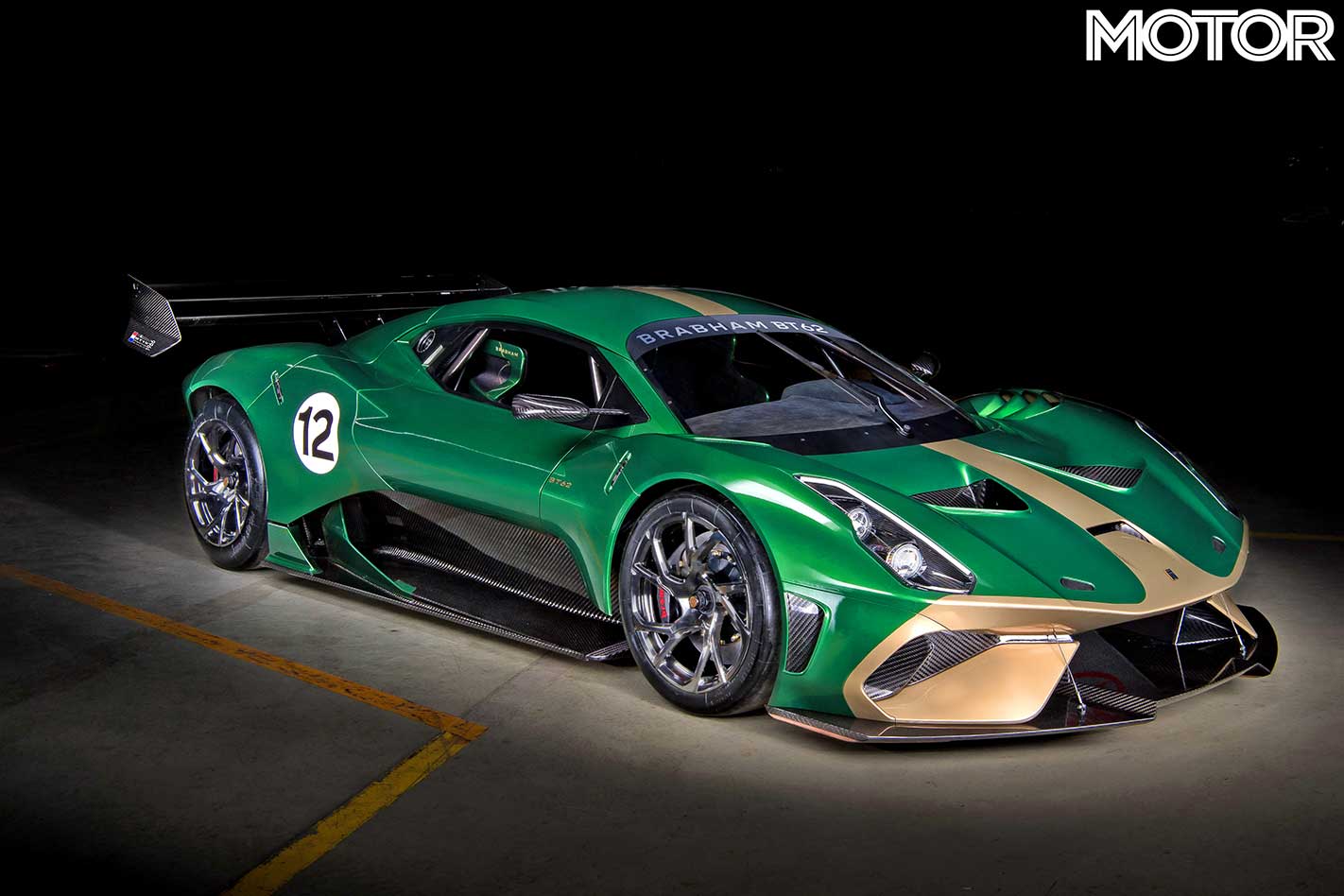
According to Brabham’s Engineering Director, Paul Birch, the spaceframe construction was the easiest way to ensure the BT62 will meet the World Endurance Championship regulations, as Brabham intends to race at Le Mans with the BT62 or a derivative of it. Dry weight is just 972kg, while in overall size the BT62 is similar to a McLaren 720S.
Outright horsepower was apparently never a target, however, with 522kW/667Nm the Brabham’s 537kW/tonne power-to-weight ratio is competitive with the likes of the McLaren Senna GTR (510kW/tonne) and Pagani Zonda R (522kW/tonne), if some way short of the 818kW/tonne promised by the likes of the Aston Martin Valkyrie.
How the BT62 achieves these outputs is quite remarkable. Its 5.4-litre V8 doesn’t rev particularly high – peak power is produced at 7400rpm – and its 10.5:1 compression ratio isn’t anything unusual, so to produce almost 100kW/litre is quite a feat. Other atmospheric engines that approach the magical 100kW/litre mark, such as the Porsche 991.2 911 GT3 or Ferrari 458 Speciale, use much higher compression ratios of 13.3:1 and 14:1 respectively.
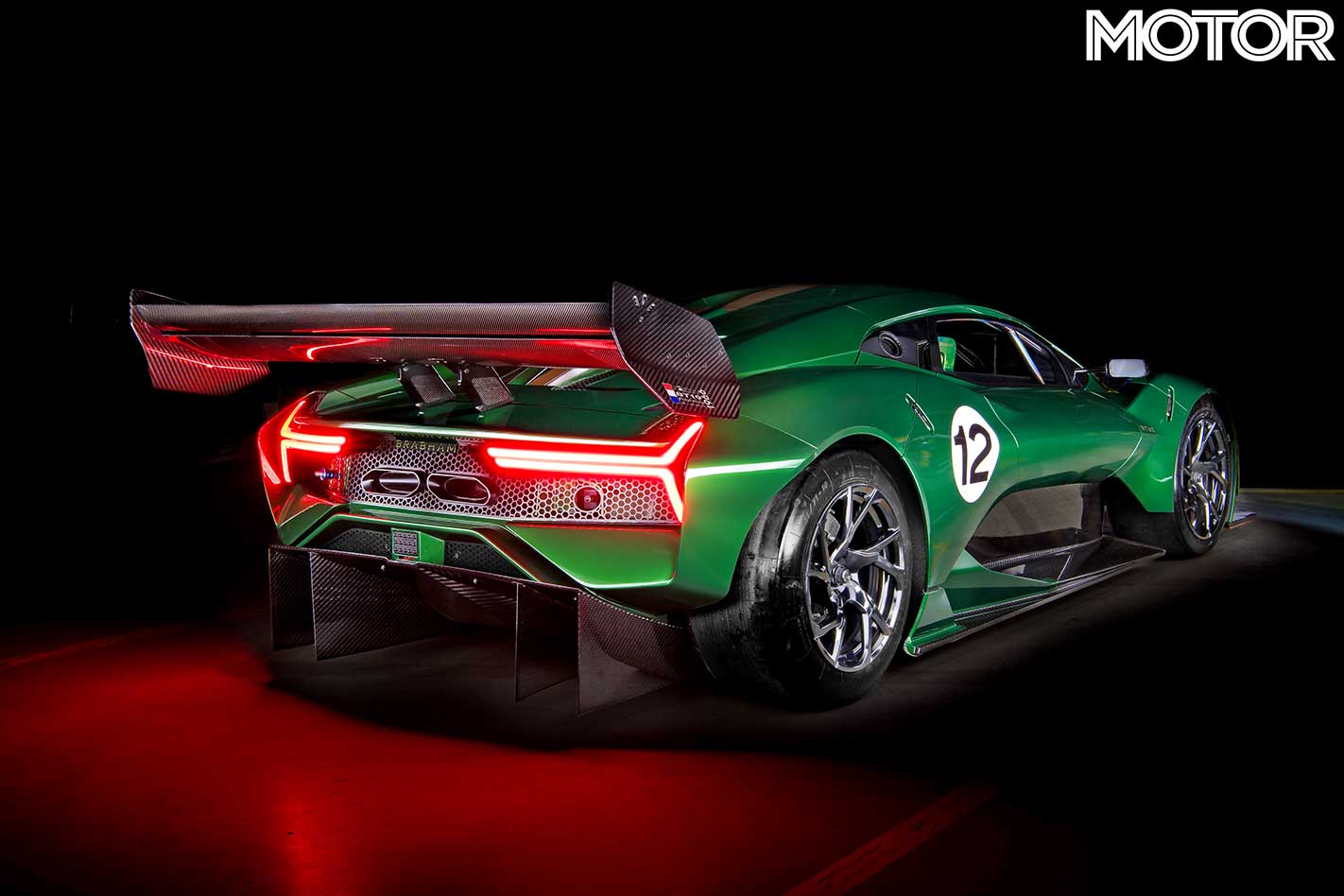
Brabham is remaining tight-lipped on the engine’s origins, saying the degree of modification is such that it’s best thought of as a ‘Brabham’ V8. However, it seems to that Ford’s ‘Aluminator’ crate engine has formed the basis, an extra four millimetres of stroke increasing capacity from 5163cc to 5387cc.
Nonetheless, the Aluminator’s off-the-shelf outputs of 433kW/603Nm suggest Brabham has indeed done an enormous amount of its own development.
The engine uses dry-sump lubrication, sexy individual throttle bodies and is E85-capable, while feeding the power to the rear wheels is a pneumatically-actuated Holinger six-speed sequential gearbox, with gearchanges requested by a pair of steering wheel-mounted paddles. No performance figures are quoted as the BT62’s sole focus is the lowest possible lap time.
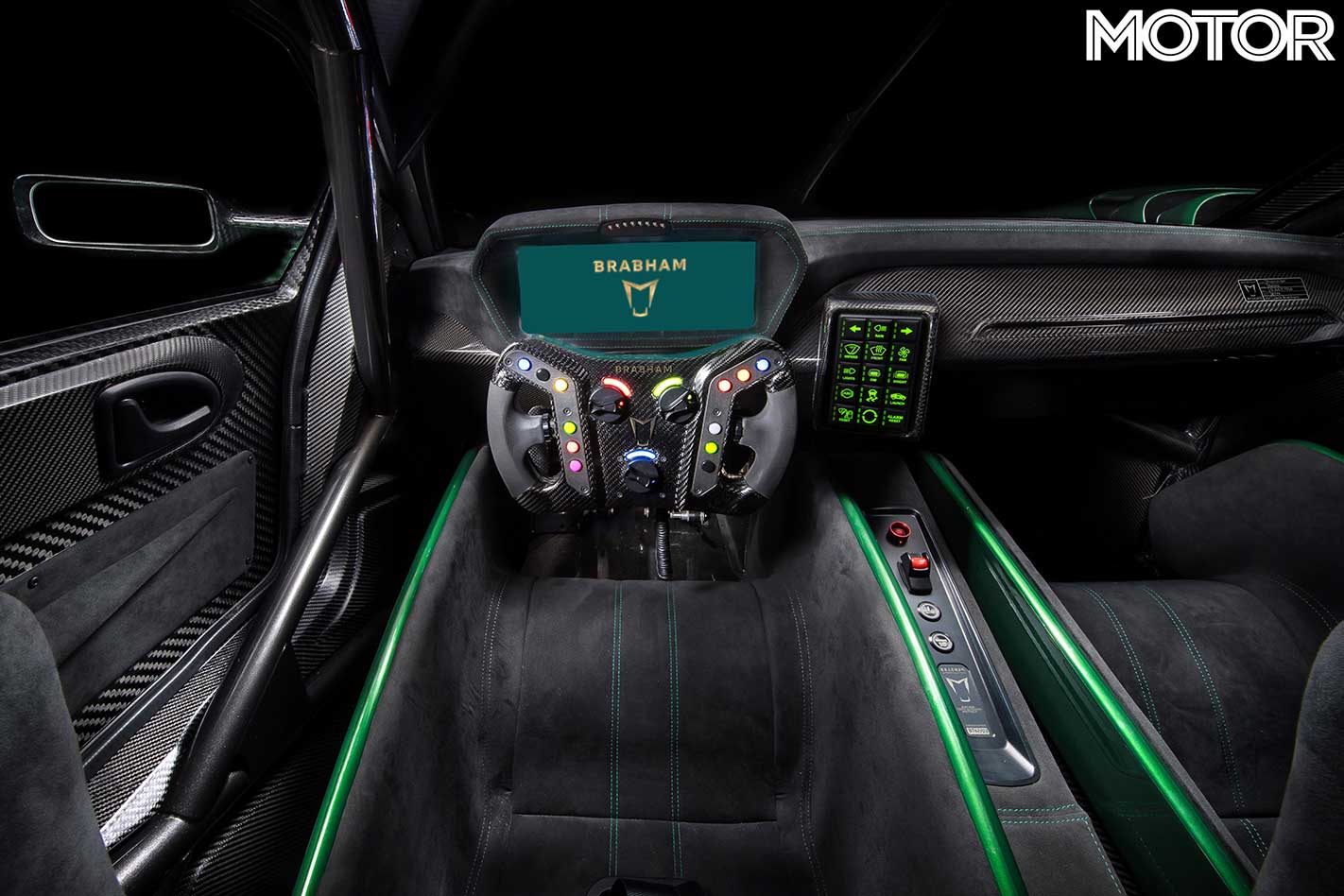
An extensive aerodynamic package, consisting of a front splitter, aeroblades and canards, barge boards, rear diffuser and dual-element wing, is capable of developing 1200kg of downforce (a conservative figure, according to Brabham), making maximum use of the standard Michelin slicks, which wrap wheels measuring 18 x 11.0-inch at the front and 18 x 13.0-inch at the rear.
The entire chassis benefits from motorsport’s best practice. Suspension is double-wishbone front and rear with pushrod-actuated Ohlins coilovers featuring active bump control.
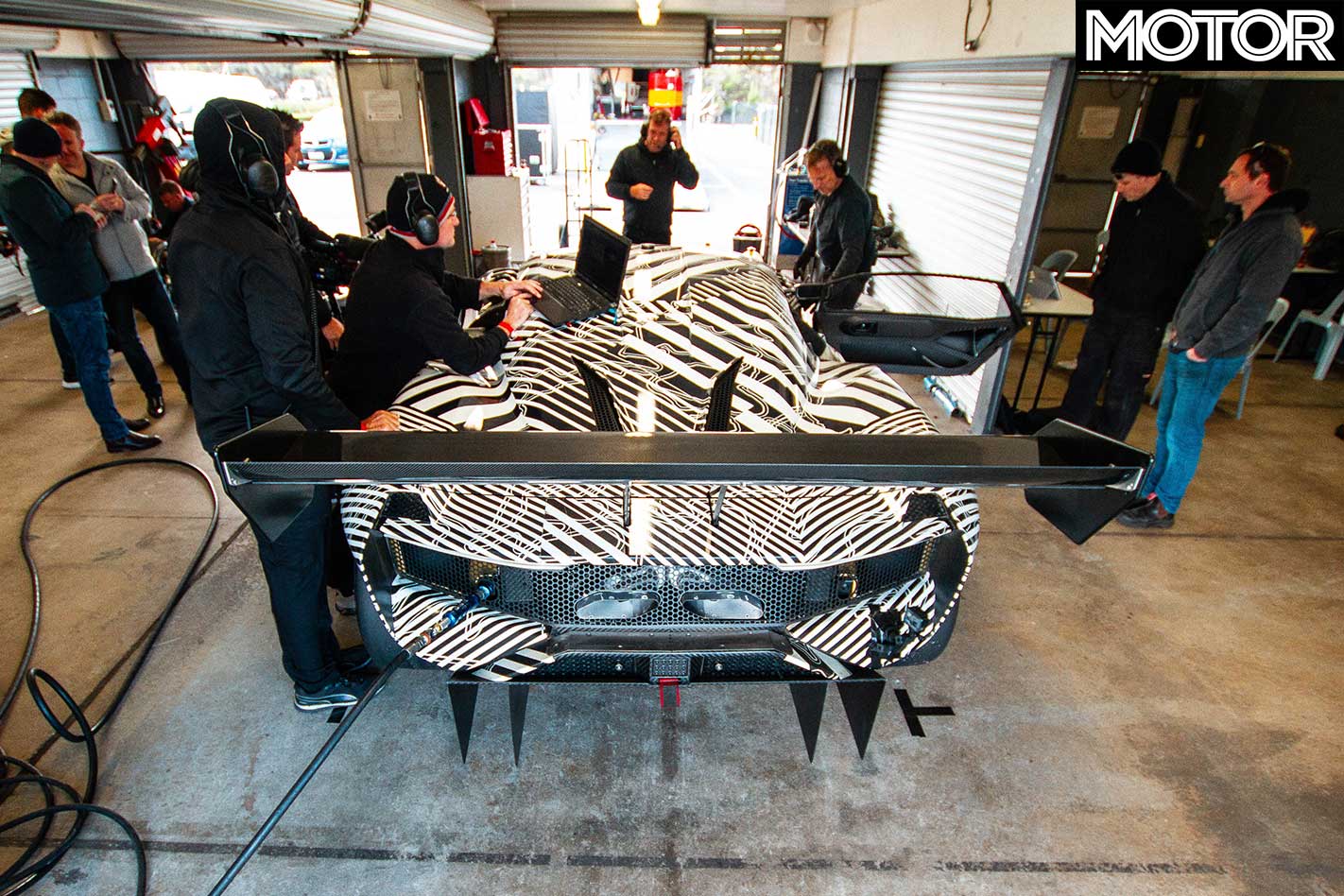
Brakes are all-carbon by Brembo, using 380mm and 355mm rotors front to rear respectively with six-piston calipers at both ends. Virtually everything on the BT62 is configurable, from the assistance of the electric power steering to the dampers and anti-roll bars to the ABS and traction control systems.
Much of the development was carried out at Phillip Island, Brabham impressively managing to keep the project completely under wraps despite hiding in plain sight. According to Brabham: “The Brabham BT62 has been designed and engineered to demand more from its driver. It’s a car for those who want to challenge themselves and their limitations to experience driving in its purest form.”
As such, included in the £1m (AUD$1.8m) price is a place in Brabham’s driver development program, which aims to ensure those who wish to use the car for its intended purpose will be able to extract the most from it.
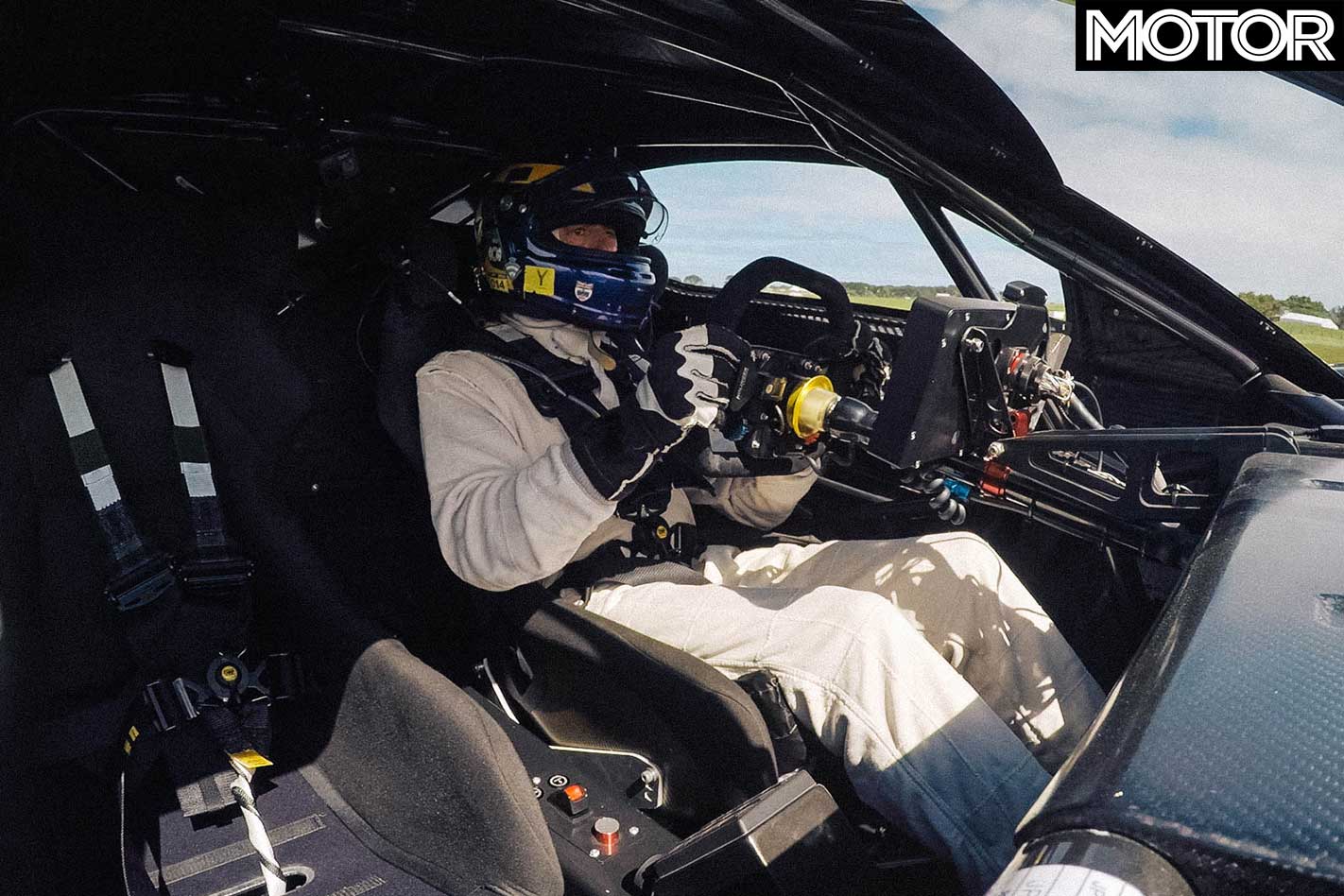
Just 70 BT62s will be built to represent 70 years since Jack Brabham first began his motorsport career, with the first examples expected to be delivered before the end of 2018. Left-hand drive is standard, but right-hand drive can be accommodated. It’s believed at least a handful of cars will remain in Australia.
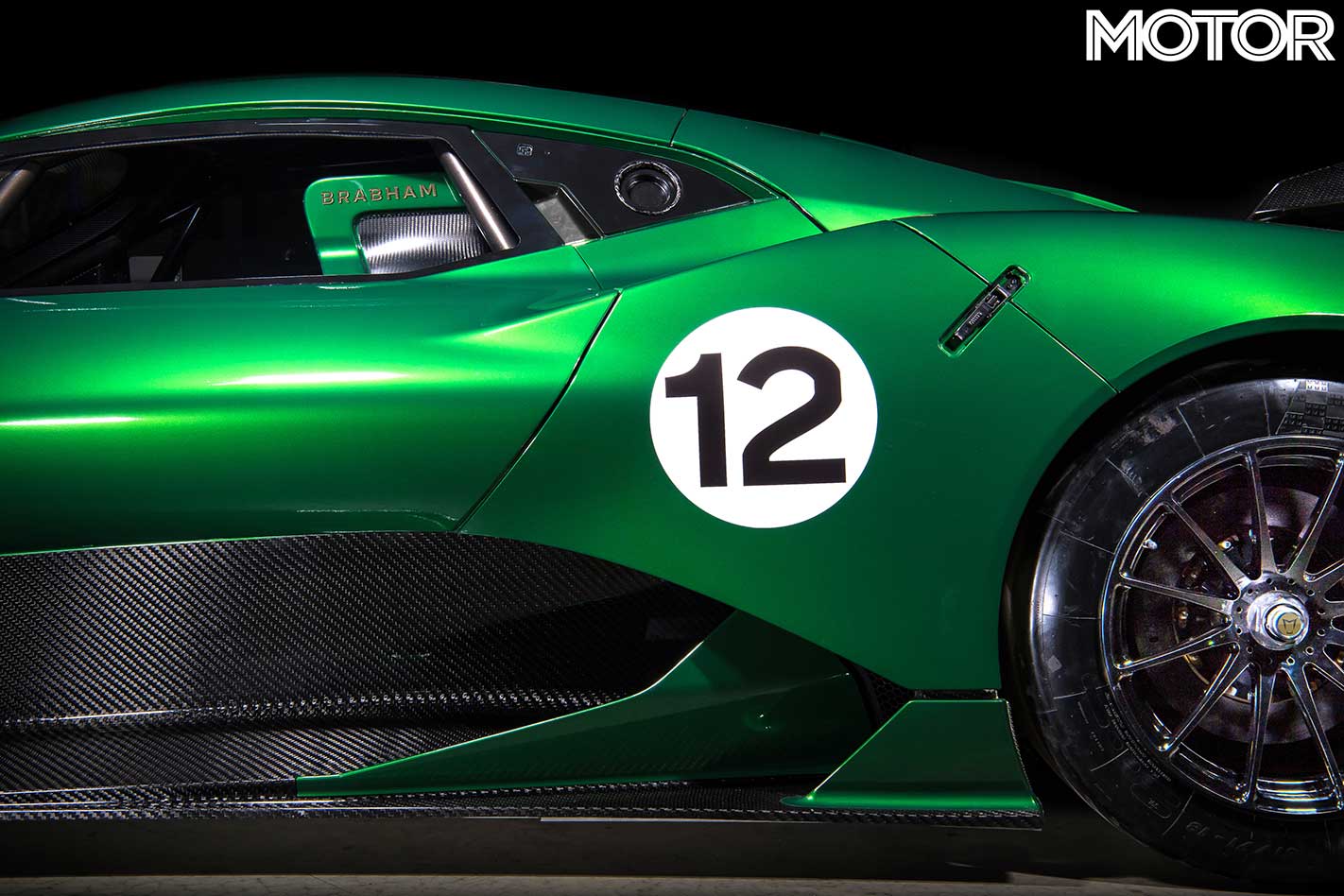
The first 35 cars will be painted in liveries which celebrate the 35 wins achieved by the Brabham F1 team in its various guises. The green and gold of the launch car represents Sir Jack Brabham’s victory in the 1966 French Grand Prix, the first of four victories in an historic season which would result in the Australian becoming the first – and only – person to win an F1 championship in a car of their own manufacture.
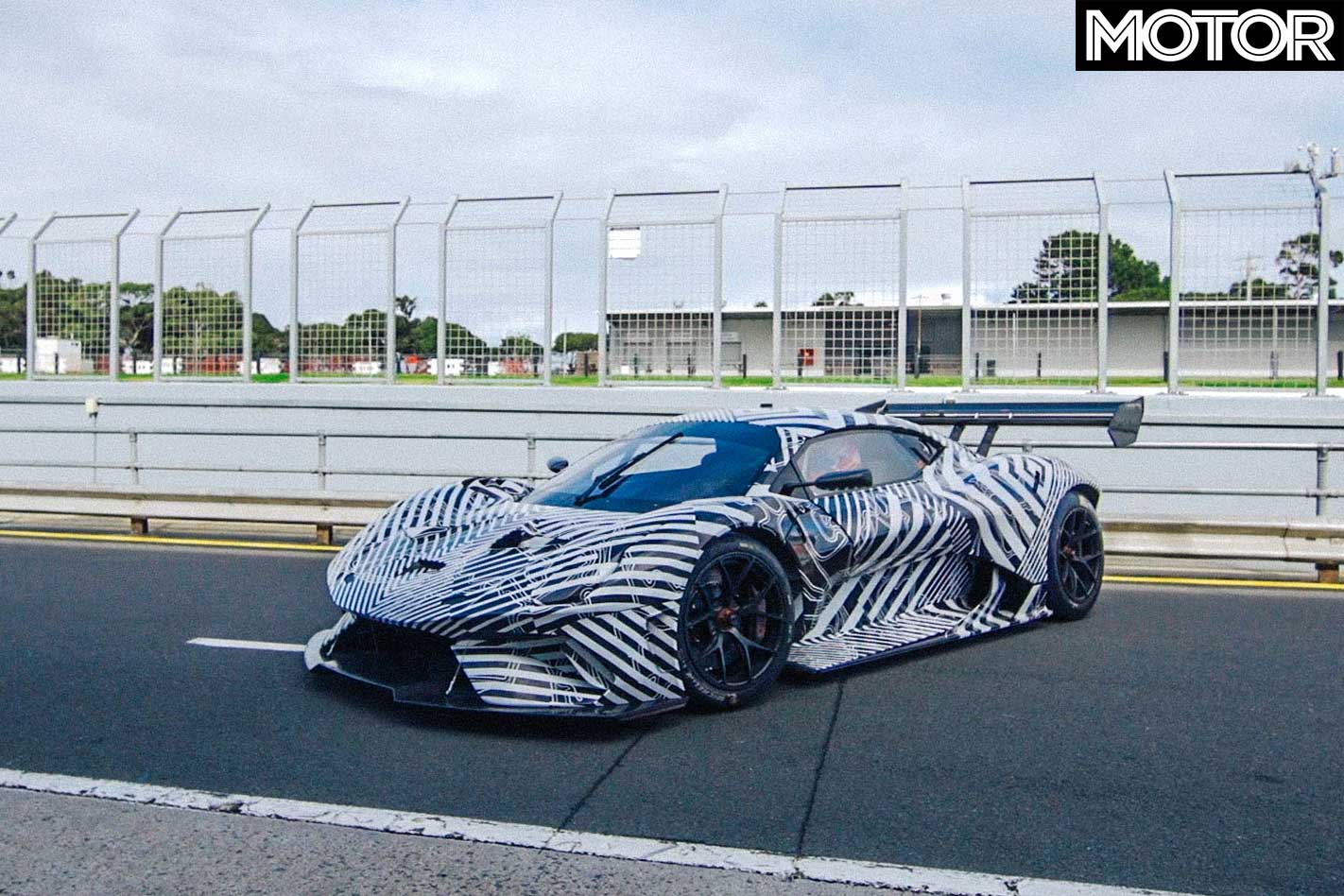
The BT62 is intended to be merely the first chapter in the revived Brabham story. As mentioned, the next step is for the BT62 join the GTE ranks at Le Mans, however, in order to qualify a road car must be produced.
According to Brabham, despite its track-only status a lot of the work on the BT62 has been completed with road homologation in mind, including functional lights and road-spec wing mirrors. Brabham appears to be following the model established by Ford with its GT, creating a competitive racecar first and reverse engineering it for the road.
“I set out 12 years ago to re-establish the iconic Brabham name,” Managing Director Brabham said, determined to see a return to global competition. “My father had an incredible determination to succeed and, like him, I’ve worked tirelessly through this time. It’s been challenging at times, but today’s unveiling makes me feel incredibly proud as the Brabham legacy enters a new era.”
Australia’s Chequered Supercar History
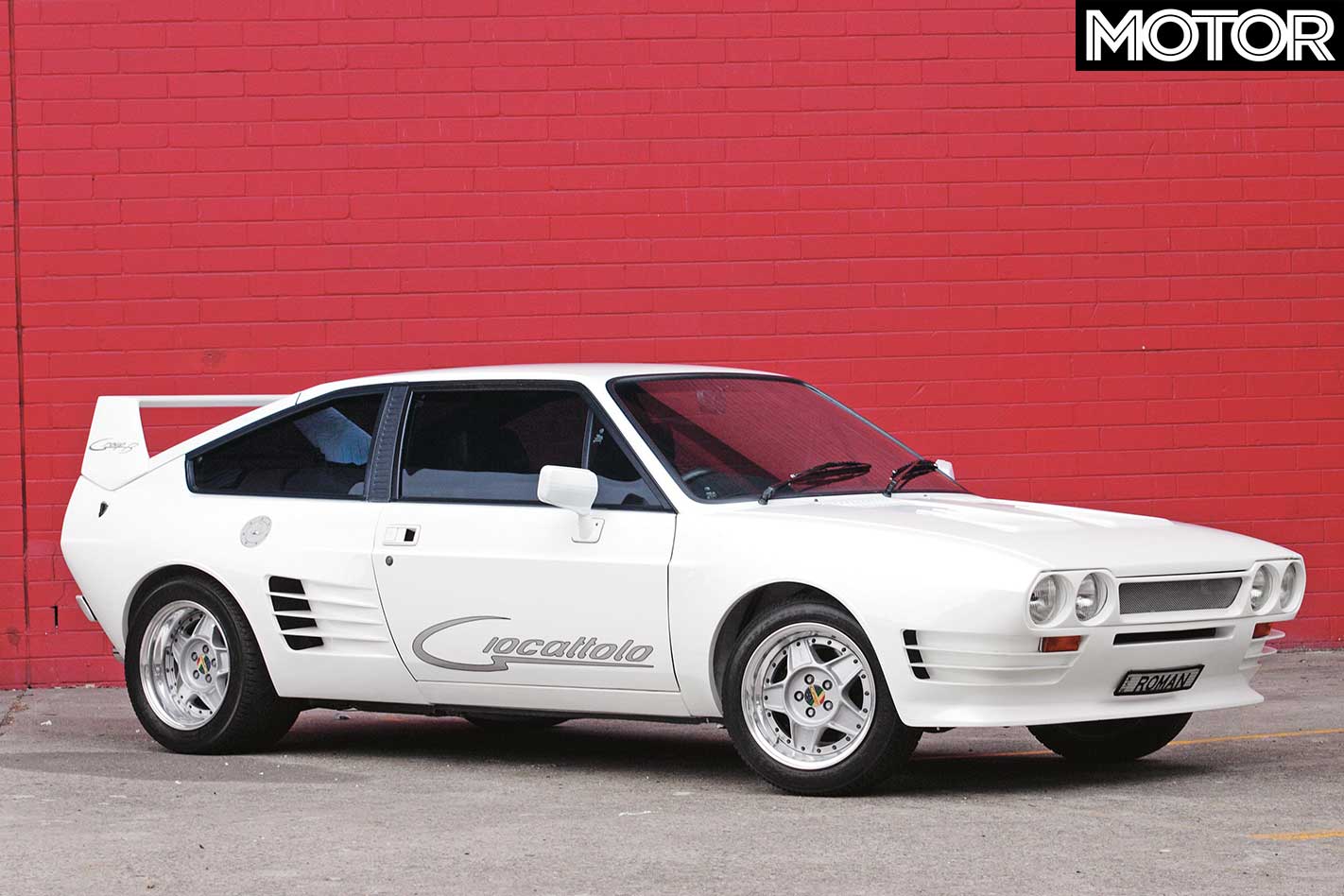
1986 – Giocattolo Group B Alfa-based coupe used a mid-mounted Holden V8 – 15 produced, 14 survive.
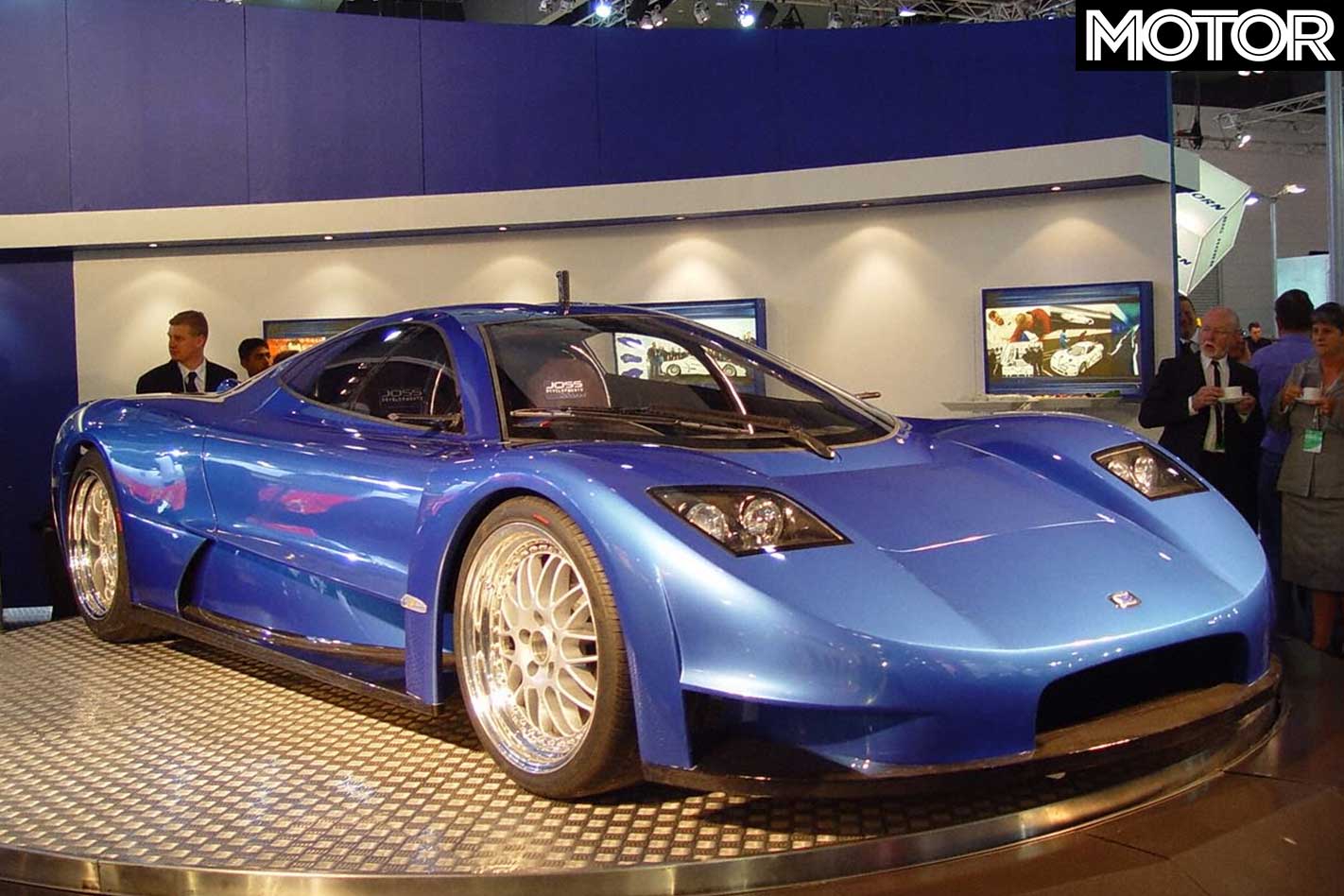
2004 – Joss JT1 So much promise, but funding couldn’t be found. Appears in a number of XBox games.
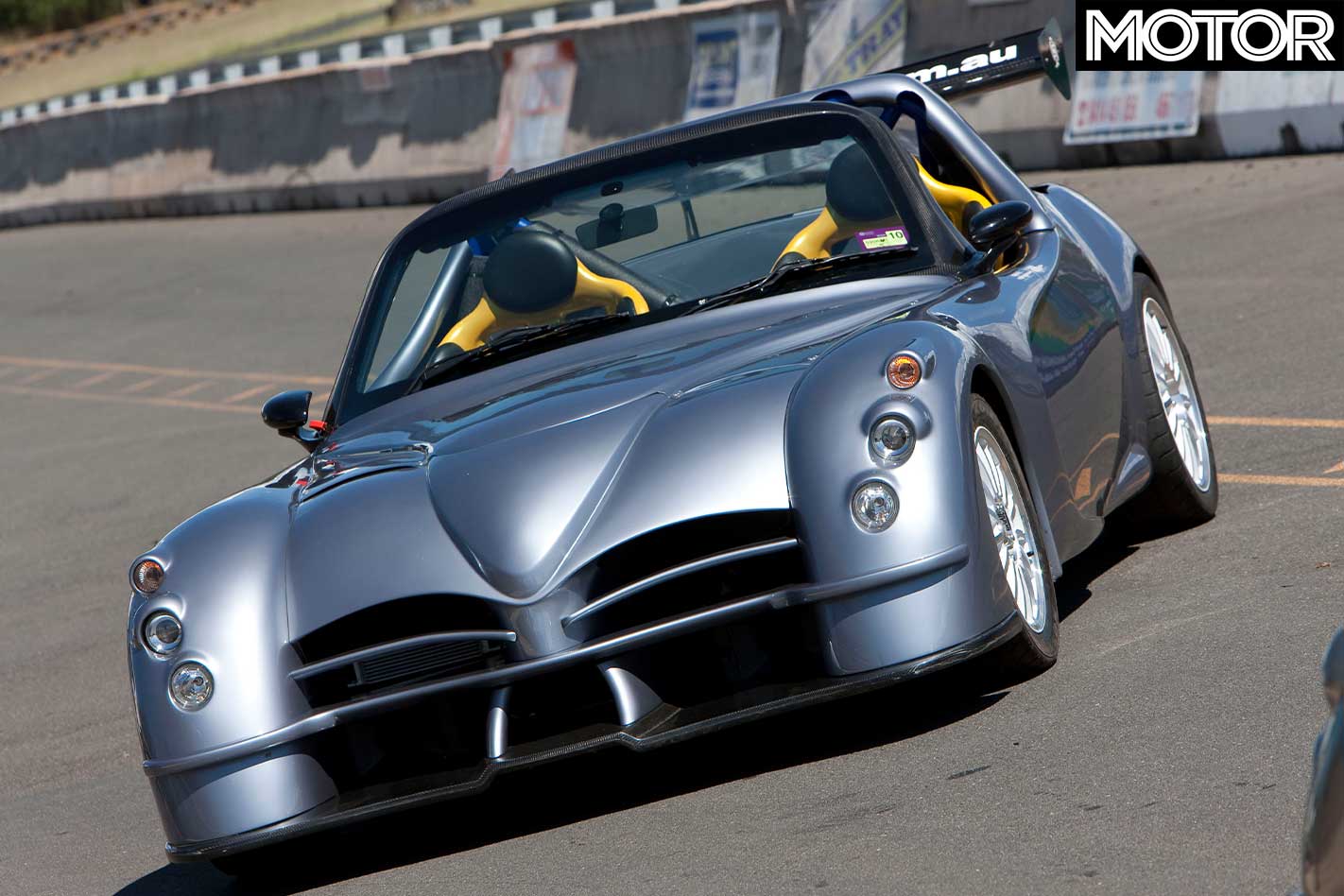
2005 – Redback Spyder Two examples built, one of which resides in the US. Powered by LS1 V8.
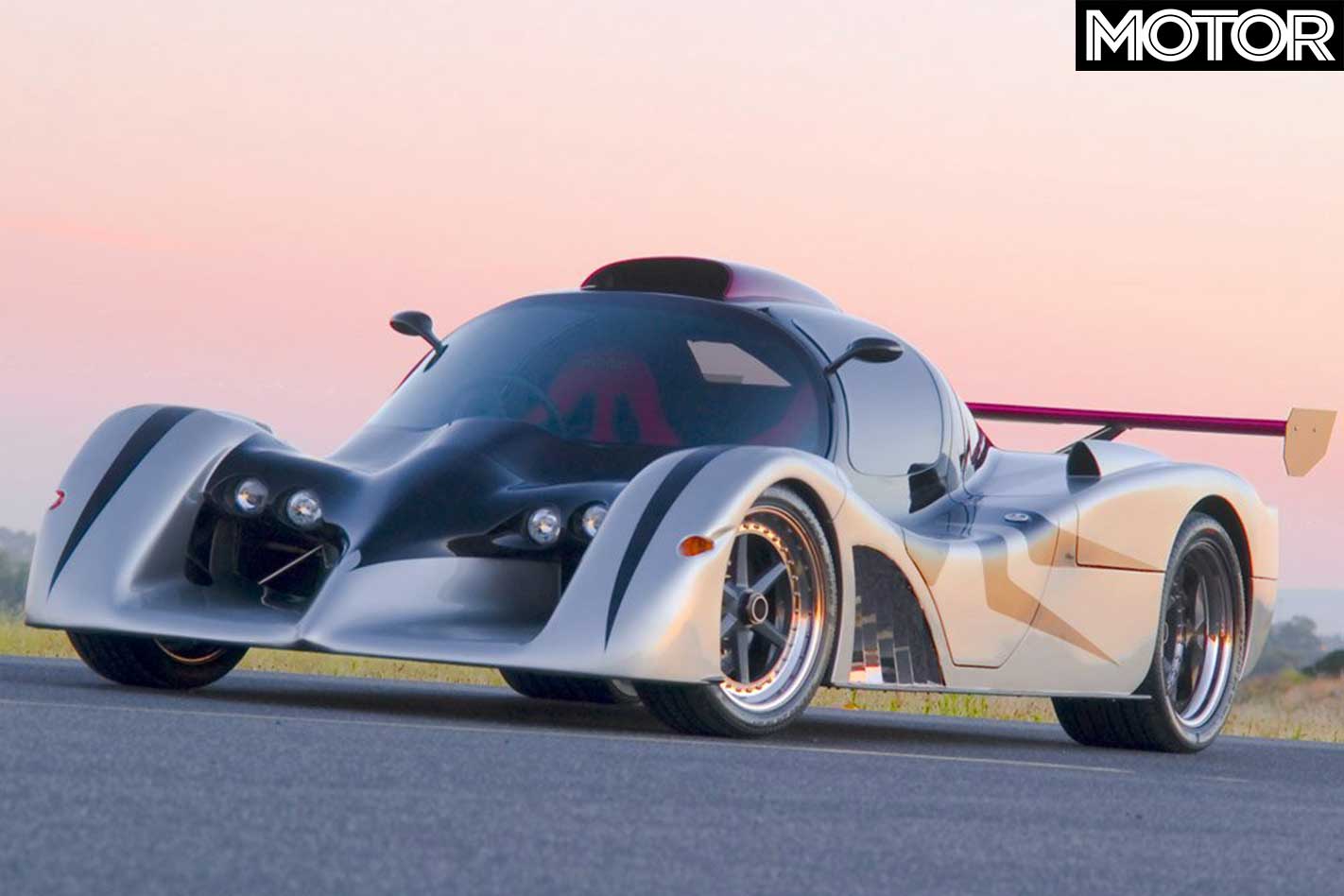
2009 – Skelta G-Force Designed to win Targa Tasmania. Challenging looks, but beautifully resolved chassis.
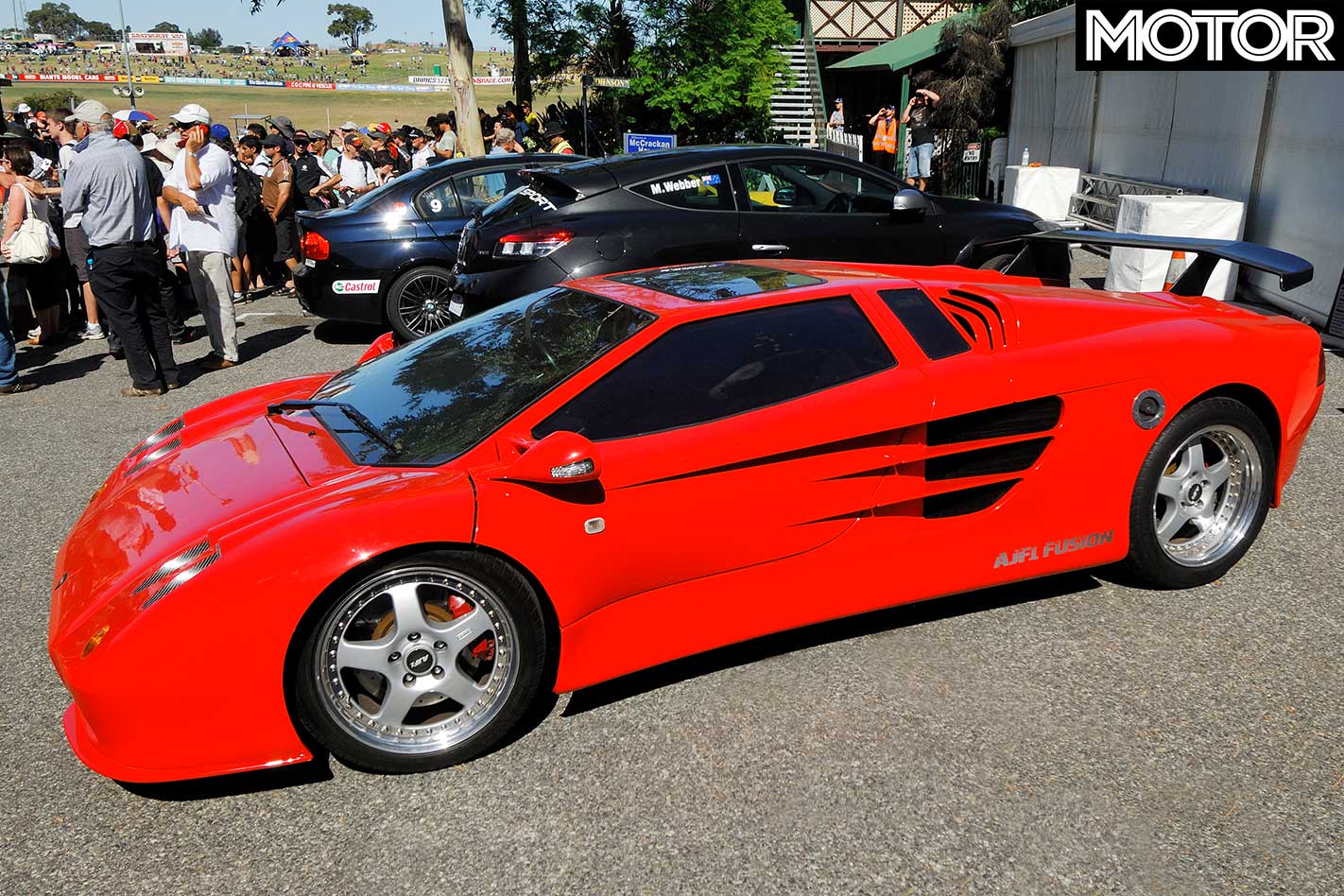
2011 – AJF1 ‘AJ’ stood for Alan Jones, who was reportedly involved in development. Sank without a trace.
2015 – Quantum GP700 Like the Skelta, a finely honed chassis, supercharged Honda engine and ugly as sin.
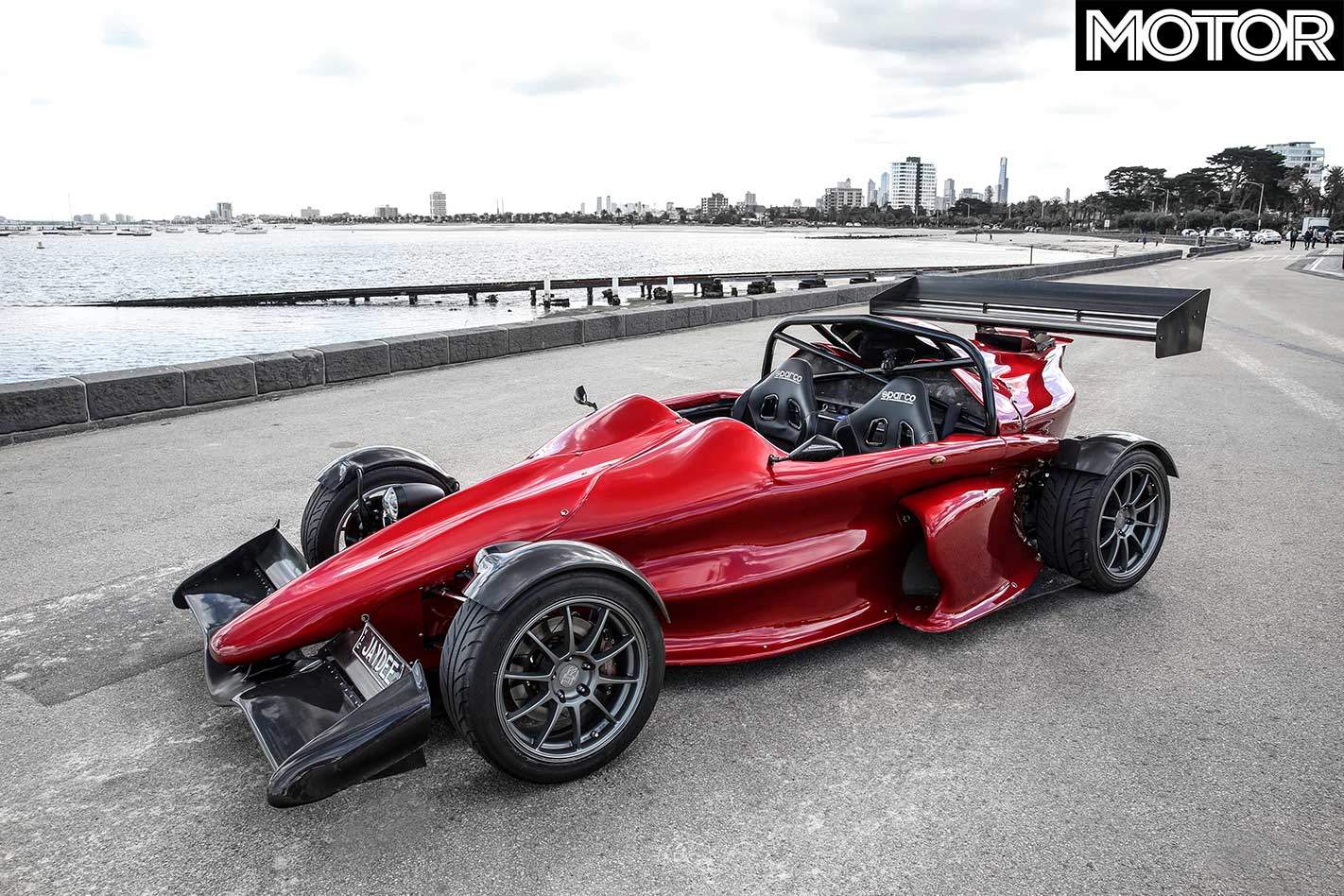
The car is only just the start of any motoring enthusiast’s tale, what you treat yourself and your car to are the other parts of that story.
From stylish branded gear to high-quality lubricants, this month’s Cool Car Things are definitely worth the coin.
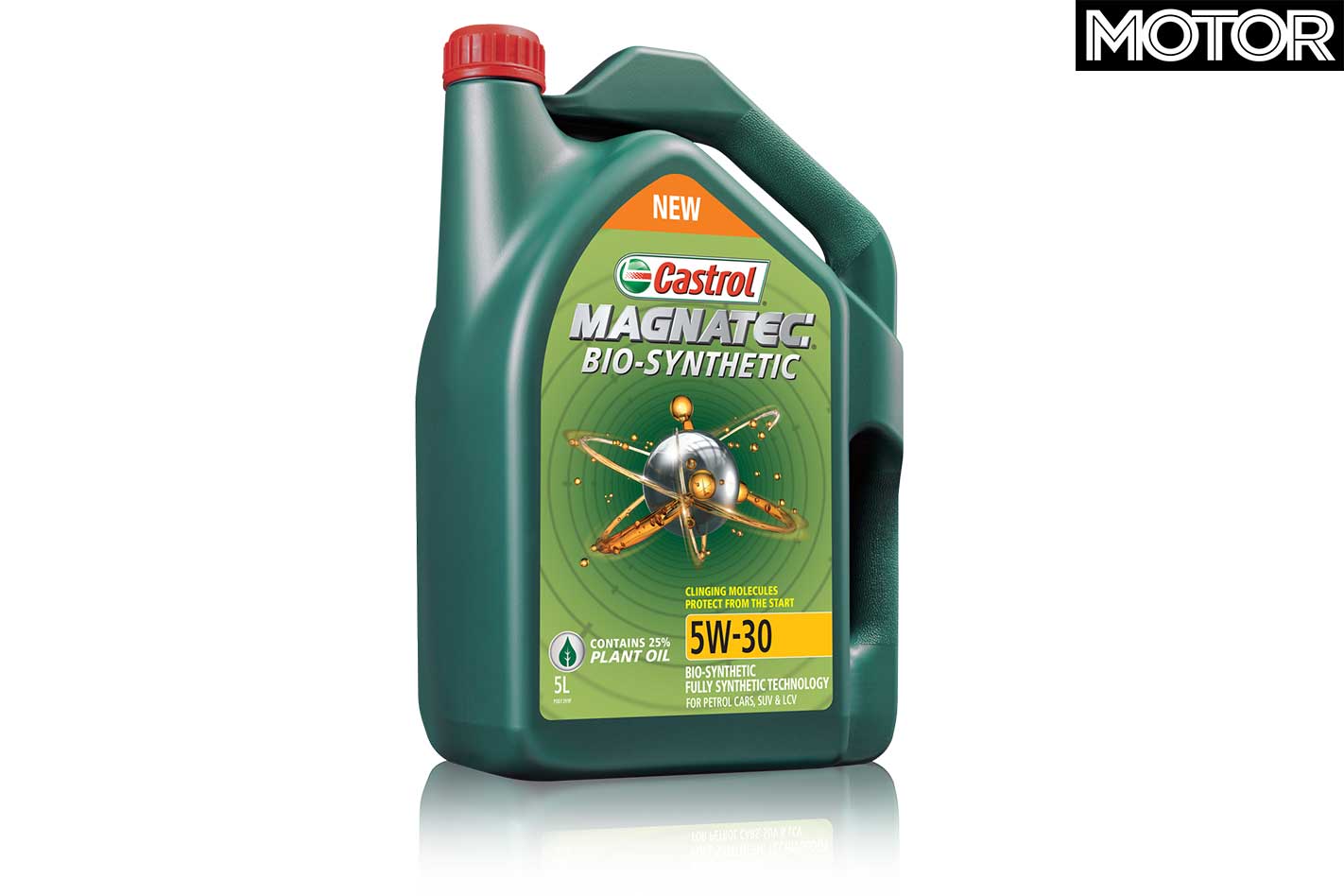
1 – ED’s PICK “PRODUCT OF THE MONTH”: Castrol Magnatec Bio-synthetic ($56 from castrol.com.au) Keep your engine lubed without costing the earth – Castrol’s new Bio-Synthetic series is made from 25 per cent plant oil and carbon neutral, it claims.
2 – TW Steel Rallycross watch ($599 from twsteel.com) This TW892 special edition features a 48mm case and Chronograph movement from Miyota, while its colours are inspired by the World Rallycross CGK team and their Megane RS.

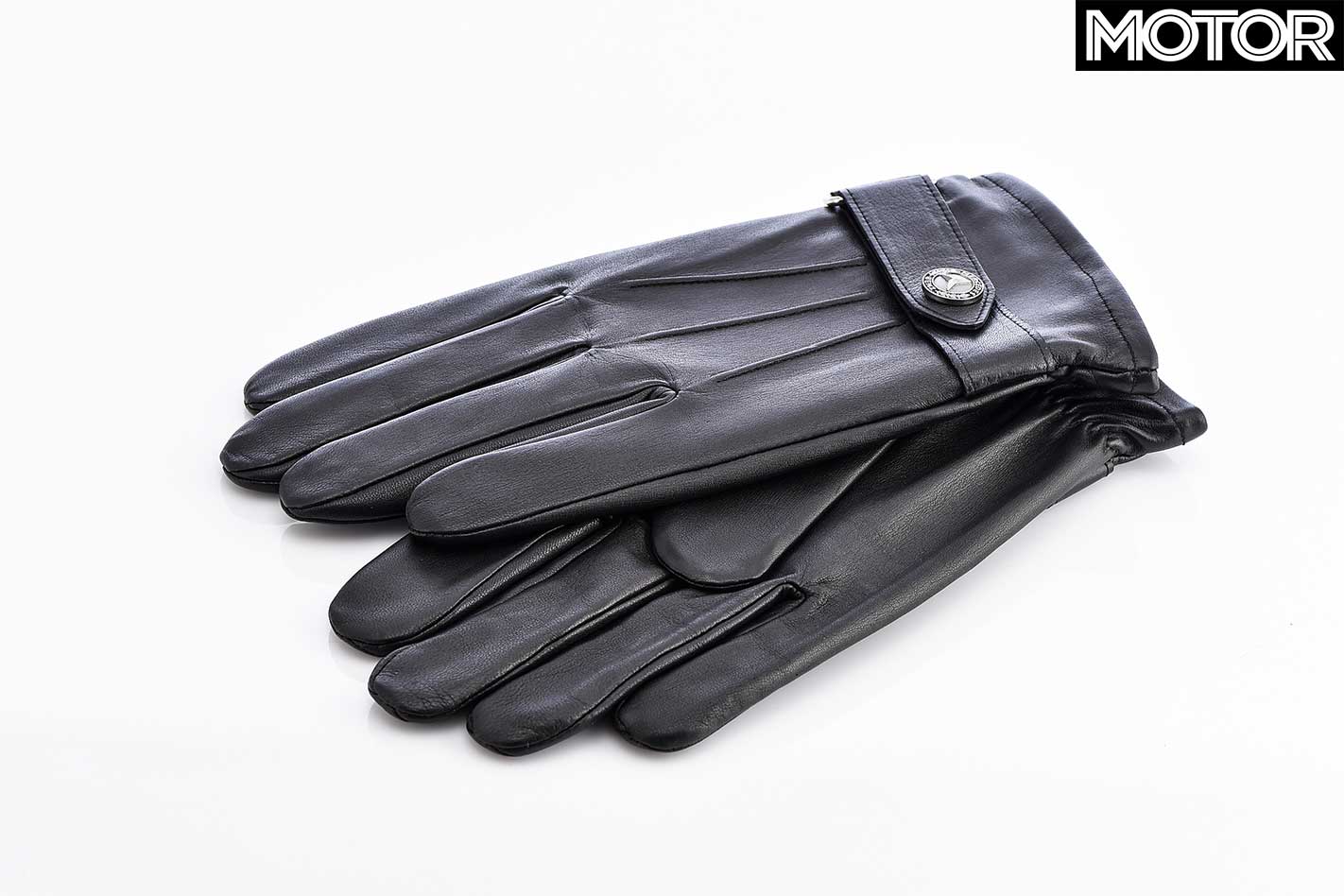
3 – Classic AMG driving gloves ($141 from amg.mercedes-benz-classic-store.com) Lined with a material pattern that mimics what was found in the original 300 SL Gullwing, these Merc leather gloves are cool while keeping you warm. (Price a guide only.)
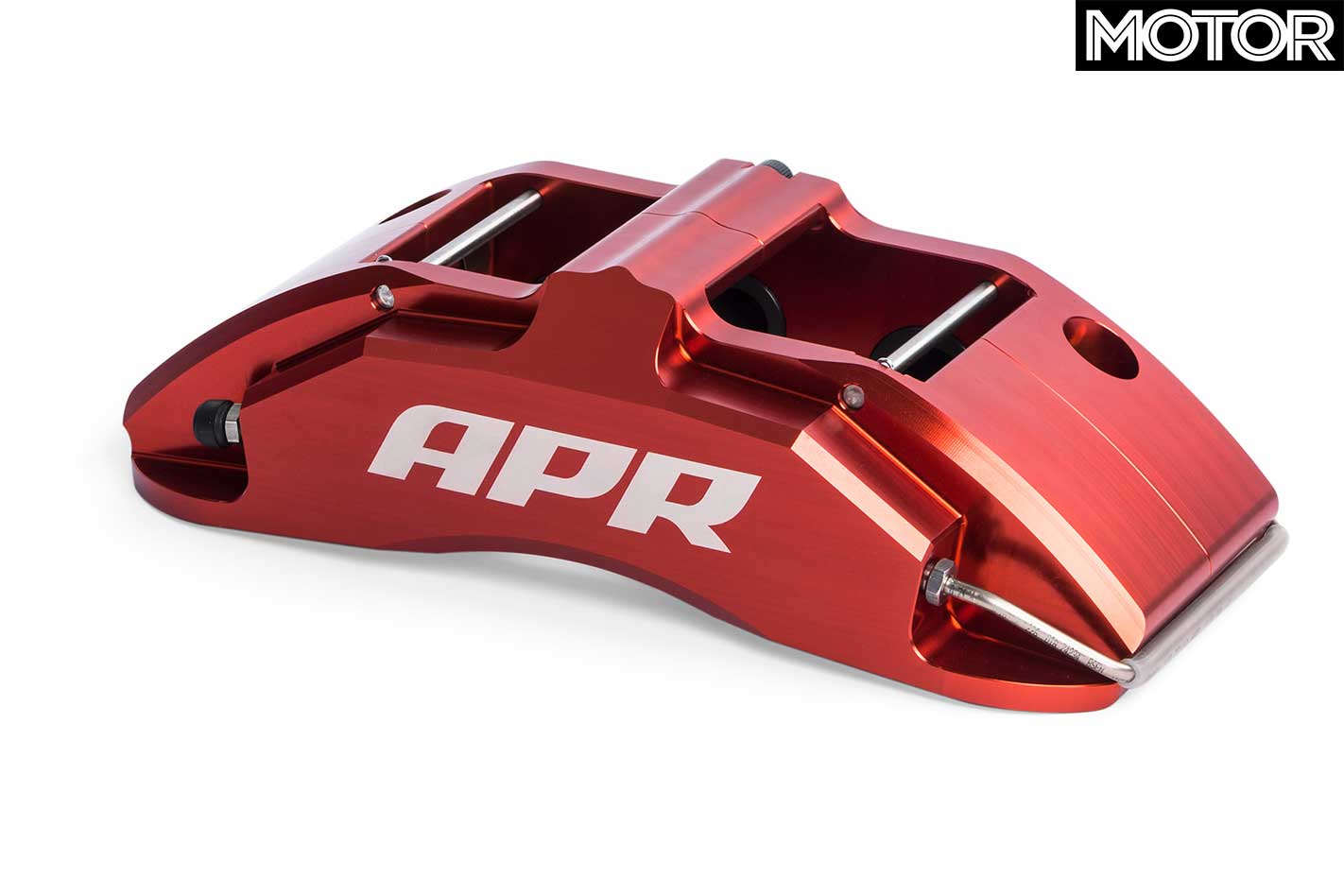
4 – APR big brake kit ($3974 from goapr.com ) Stuffed your Golf with serious grunt and cooking brake fluid every track day? APR’s big brake kit, with 350mm grooved front two-piece discs and six-piston calipers, should have you covered.
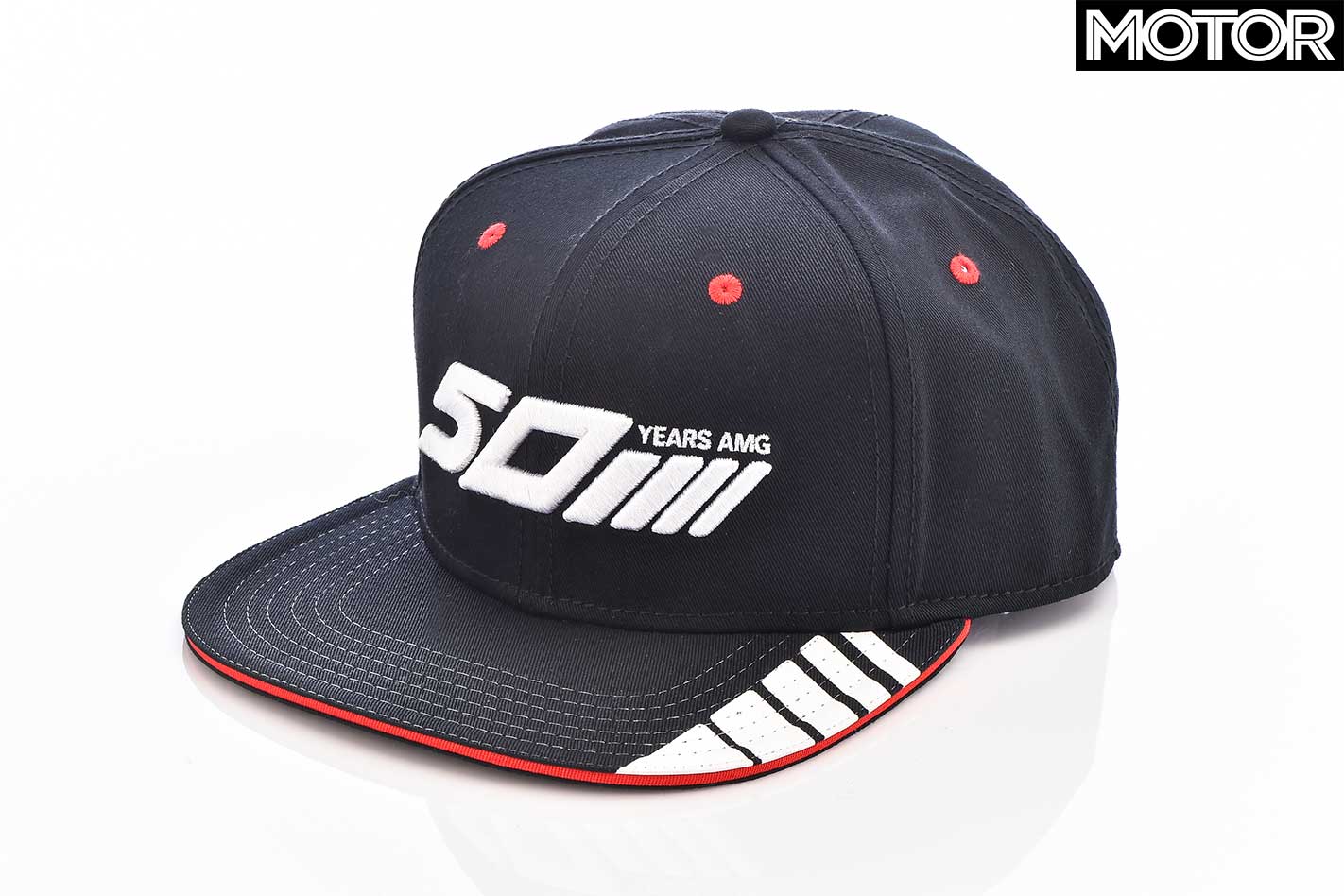
5 – AMG flat cap ($47 from merchandise-benz–classic-store.com/en) Yes, we know Merc’s AMG brand was born in 1967. But not until October 23, which means it’s still a 50-year-old until then. Celebrate with this cool cap. (Price a guide only.)
6 – McLaren MP4/5B ($250 from modelmania.com.au) It won’t compare to the MP4/4 for dominance, but the 5B evolved the MP4 with a V10 shriek and took the ’90 season with Senna in the hot seat. Have it in 1:18 scale.

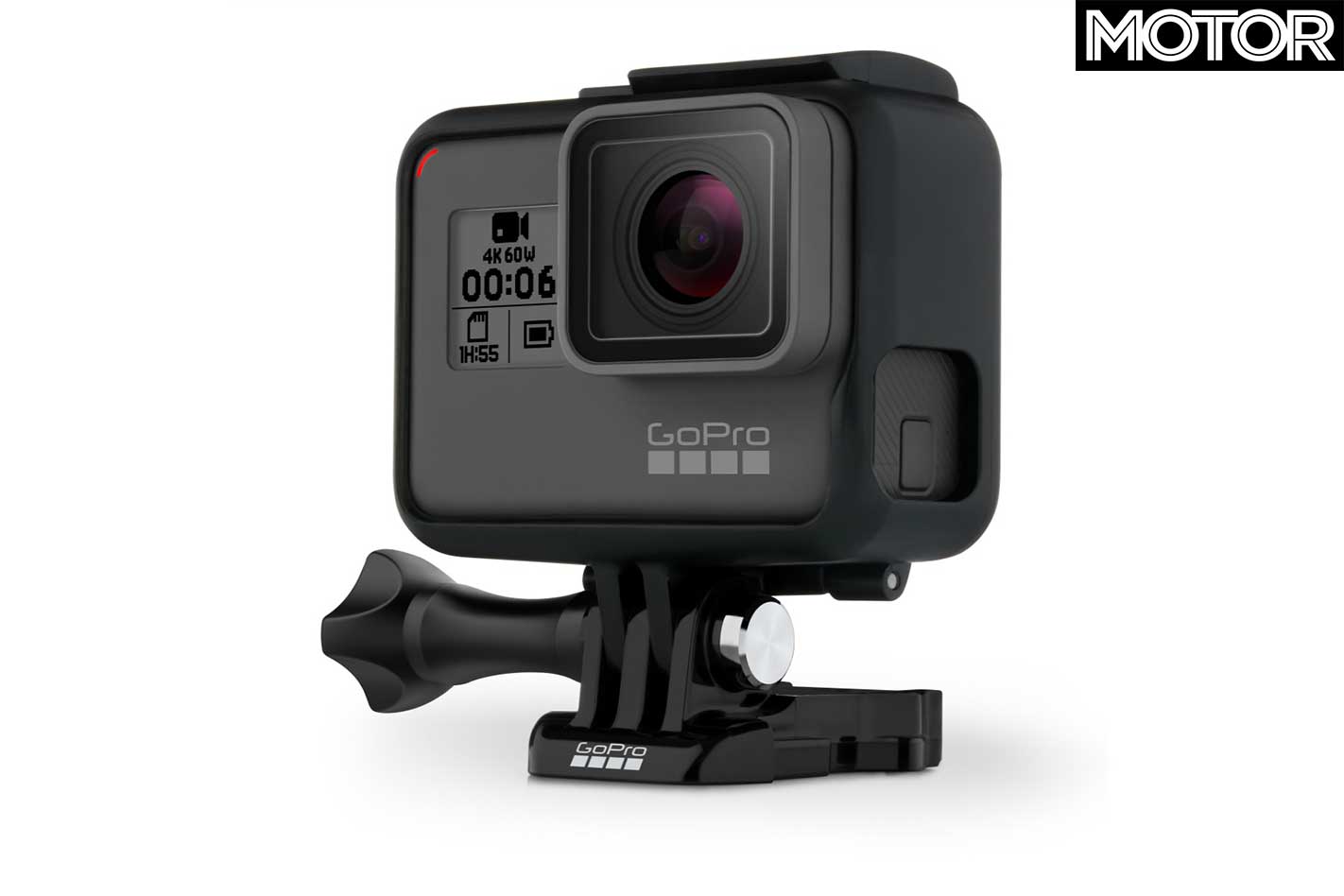
7 – GoPro Hero6 ($600 from gopro.com ) It looks exactly like the Hero5, but the 6 adds 4K60 filming capabilities and features an upgraded processor for better slow-motion footage, too.
Schadenfreude is a particularly appropriate term for the wider motor industry’s reaction to Tesla’s recent problems. Firstly because, to get literal, their joy is entirely shameful, the american company having done more to innovate and popularize electric cars than anyone else.
It’s also especially apt because so many of those doing the gloating are German.
Tesla is definitely struggling with the transition from sexy tech start-up to actual car company. The new Model 3 is still trickling off the production line at the rate of a couple of thousand a month; this being a car for which Tesla currently holds half a million deposits.
The company has also found itself mired in scandal after a Model X was involved in a fatal crash in California, reportedly while travelling in its semi-autonomous piloted driving mode. With what are being pitched as the first wave of no-excuse electric vehicles from established makers about to hit the market, the belief is spreading that it’s time for the big boys to take over.
Yet while car company executives might have convinced themselves, there’s little evidence they’ve persuaded paying customers yet. Put simply, there is only one premium EV manufacturer with a proven track record and that is Tesla. Everybody else needs to prove themselves afresh, regardless of what they have achieved with internal combustion.
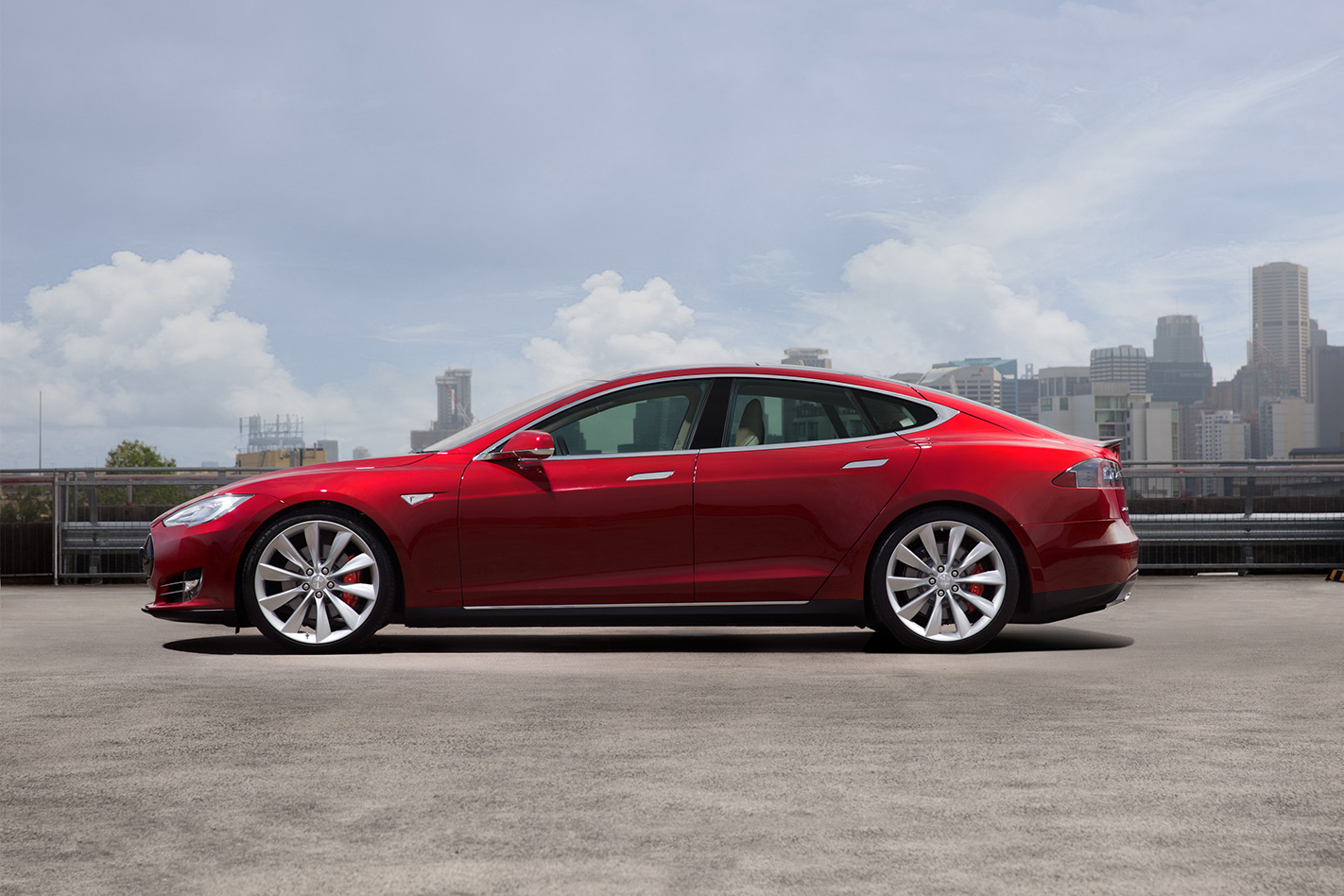
For well-heeled punters around the world, buying a Tesla is easy and your mates won’t rip on you for choosing one. The brand was cool even before Elon Musk’s parallel space program launched his old Roadster towards Mars and the full-fat Model S P100D has the bragging rights of being the fastest-accelerating production sedan in the world.
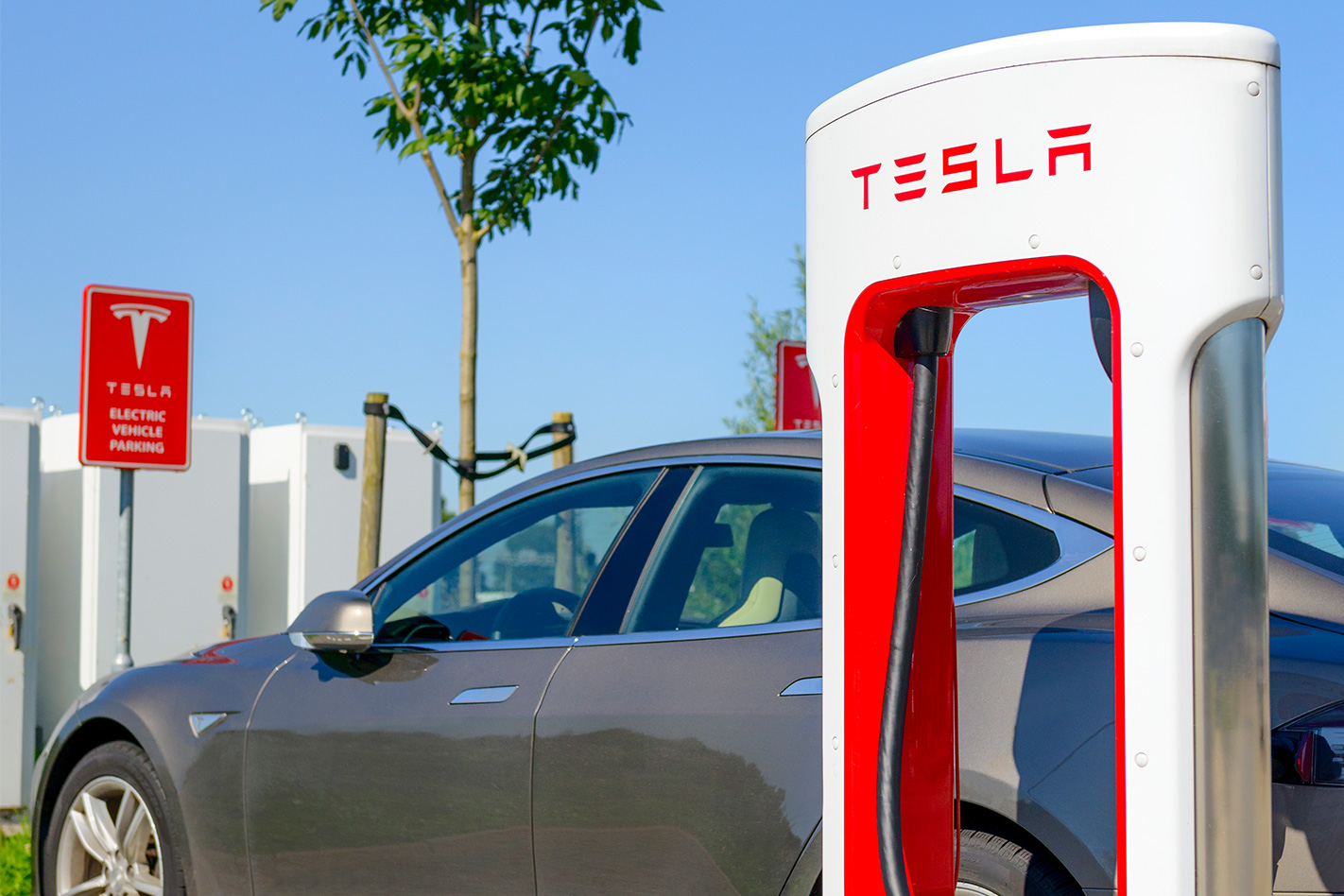
Tesla has also got first-mover advantage and has become a known quantity. There are plenty out there – with older ones desirable enough to underwrite residuals – and the brand’s supercharger network continues to spread into the boonies. You couldn’t use a Tessy for a jaunt down the Stuart Highway yet, but it is well ahead of electric infrastructure.
Without wanting to turn all Donald, what we’re increasingly forced to see is that the mainstream motor industry doesn’t seem to get it. Mass-market EVs have all struggled to achieve real cut-through, regardless of the desirability of the brand attached to ’em, from the Nissan Leaf to the BMW i3.
Even the Chevrolet Bolt’s 350km real-world range hasn’t saved it in the USA. Meanwhile, Tesla has lines forming; the problem clearly isn’t the products as much as the brands.
Which is why Jaguar’s decision to explicitly target the Tesla Model X with its new battery electric i-Pace looks arrogant at best.
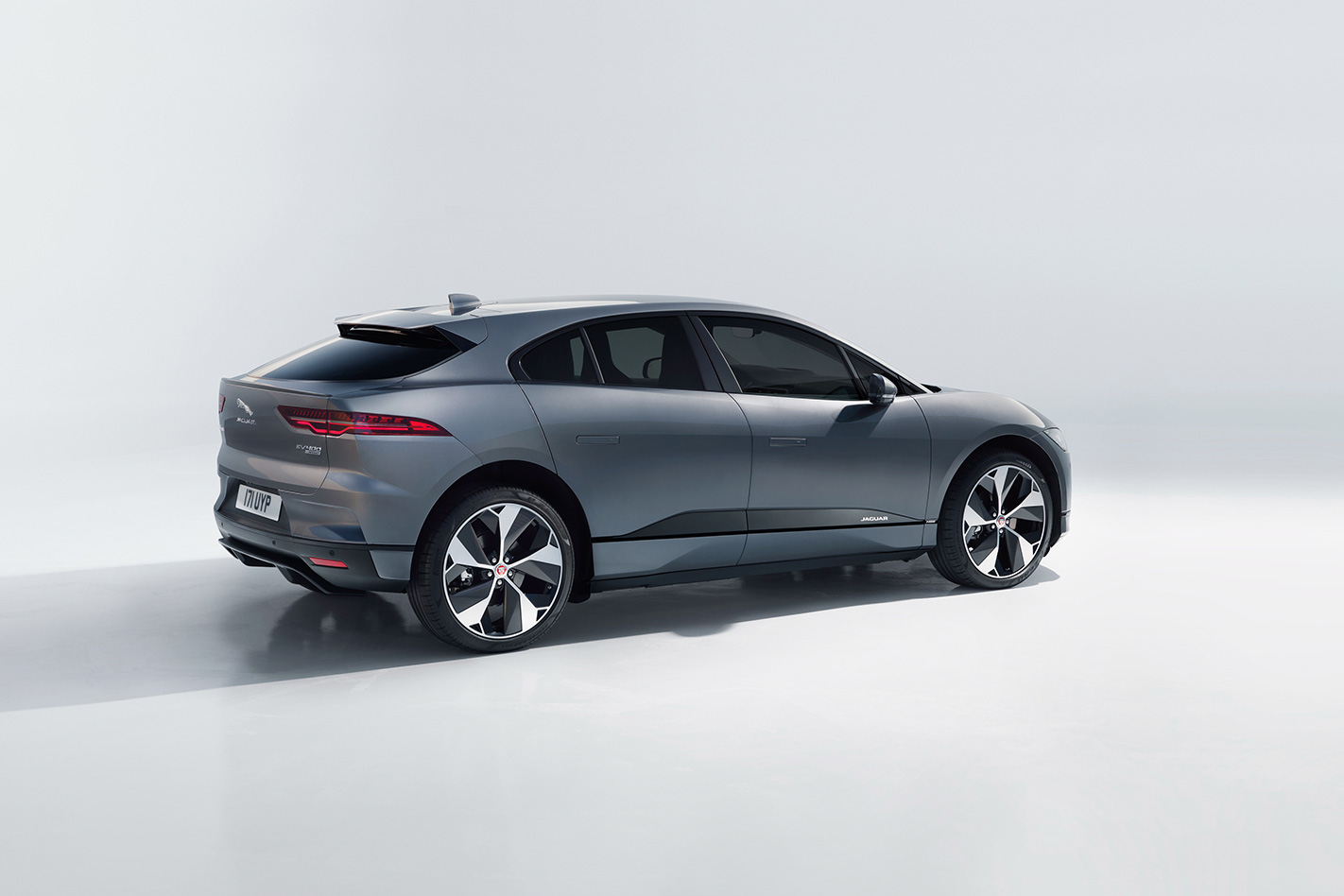
The Jag is fractionally faster, but it’s also smaller and doesn’t get the X’s crowd-drawing multi-hinged rear doors. Pricing it hard against the established player – at $119,000 it is identical to the base P75D Model X – is at the foolhardy end of brave. Would you order a wedding cake or a hand-made suit from somebody doing it for the first time?
AFTER more than a year of design studies, a concept, teaser shots and disguised prototypes, BMW has finally pulled the sheets from its resurrected 8 Series, with the unapologetically huge M850i Coupe blasting in with the most powerful non-M V8 in the company’s history.
It’s been almost 20 years since an 8 Series rolled off BMW’s production lines, but it is celebrating the return with a pair of variants headlined by the all-wheel drive M850i xDrive that pushes the company’s 4.4-litre twin turbo V8 to a monster 390kW and 750Nm – more than the 2005 E60 M5’s savage 5.0-litre atmo V10.
The new hearty power output is also 60kW and 100Nm more than the 4.4-litre’s max in current non-M applications, which includes the 650i, 750i and X5/X6 50i twins, thanks to a significant engine overhaul.
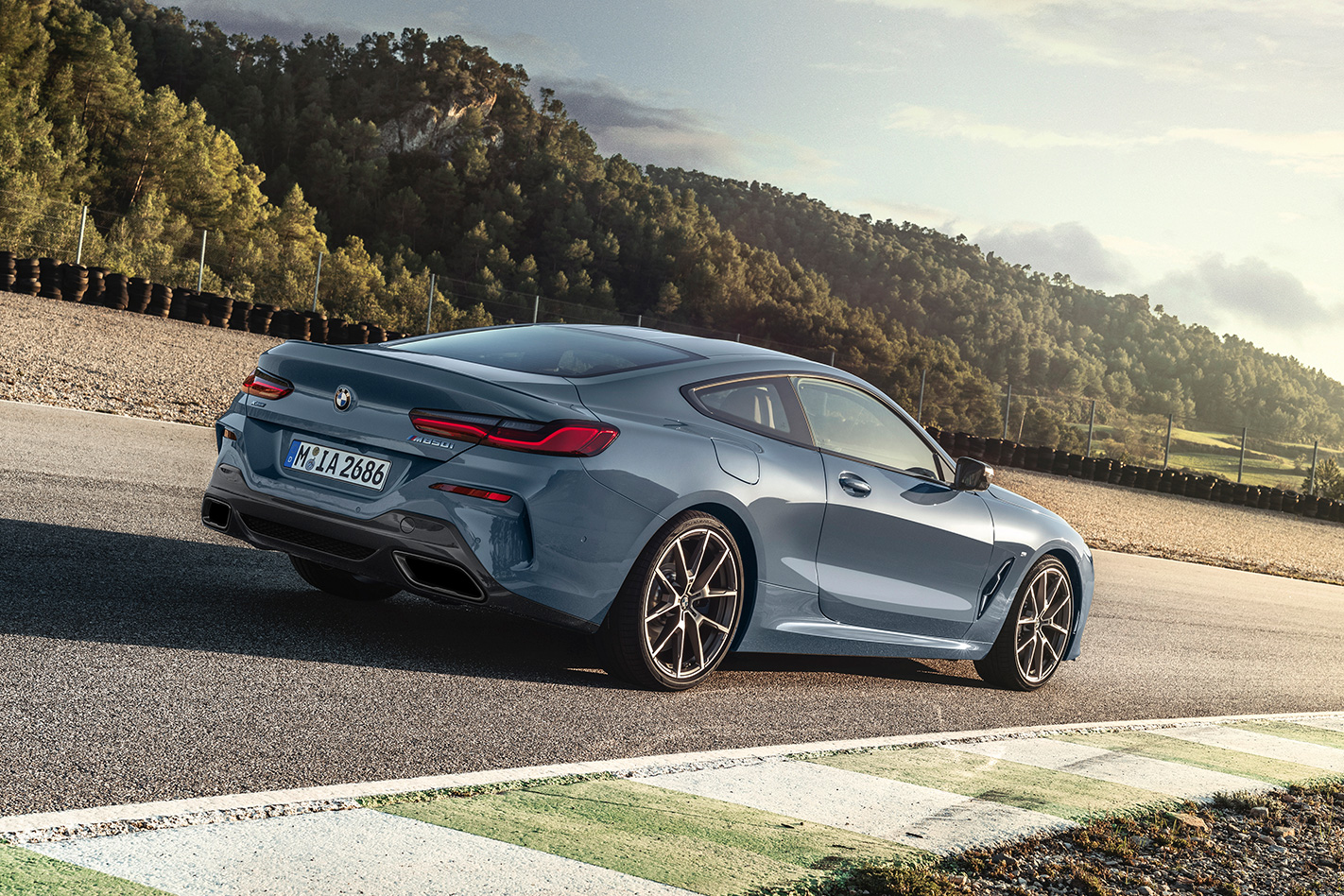
Under its furlong bonnet, the M850i-spec V8 has a new alloy for its crankcase, fuel injection pressure that rises from 200 bar to 350 bar, a new ignition system, Grafal-coated pistons with uprated rings to withstand the higher boost pressures, as well as optimised conrods, bearing shells, head gaskets and timing gear.
With all-paw traction, the 8 Series flagship can sprint to 100km/h from a standstill in just 3.7 seconds and uses a lighter version of the company’s eight-speed automatic transmission to pipe power to the road, with wider-spread ratios to take advantage of the Eight’s broad torque spread.
Enthusiastic drivers that like to handle more have the option of steering wheel paddles, several Driving Experience Control modes and a launch control function.
A second 840d xDrive model looks after the efficiency-focused end of the range with a 3.0-litre diesel that pumps out 235kW/680Nm. Zero-to-hundred is handled in 4.9 seconds, yet it still manages a claimed fuel economy figure of as little as 5.9 litres per 100km under ECE testing.
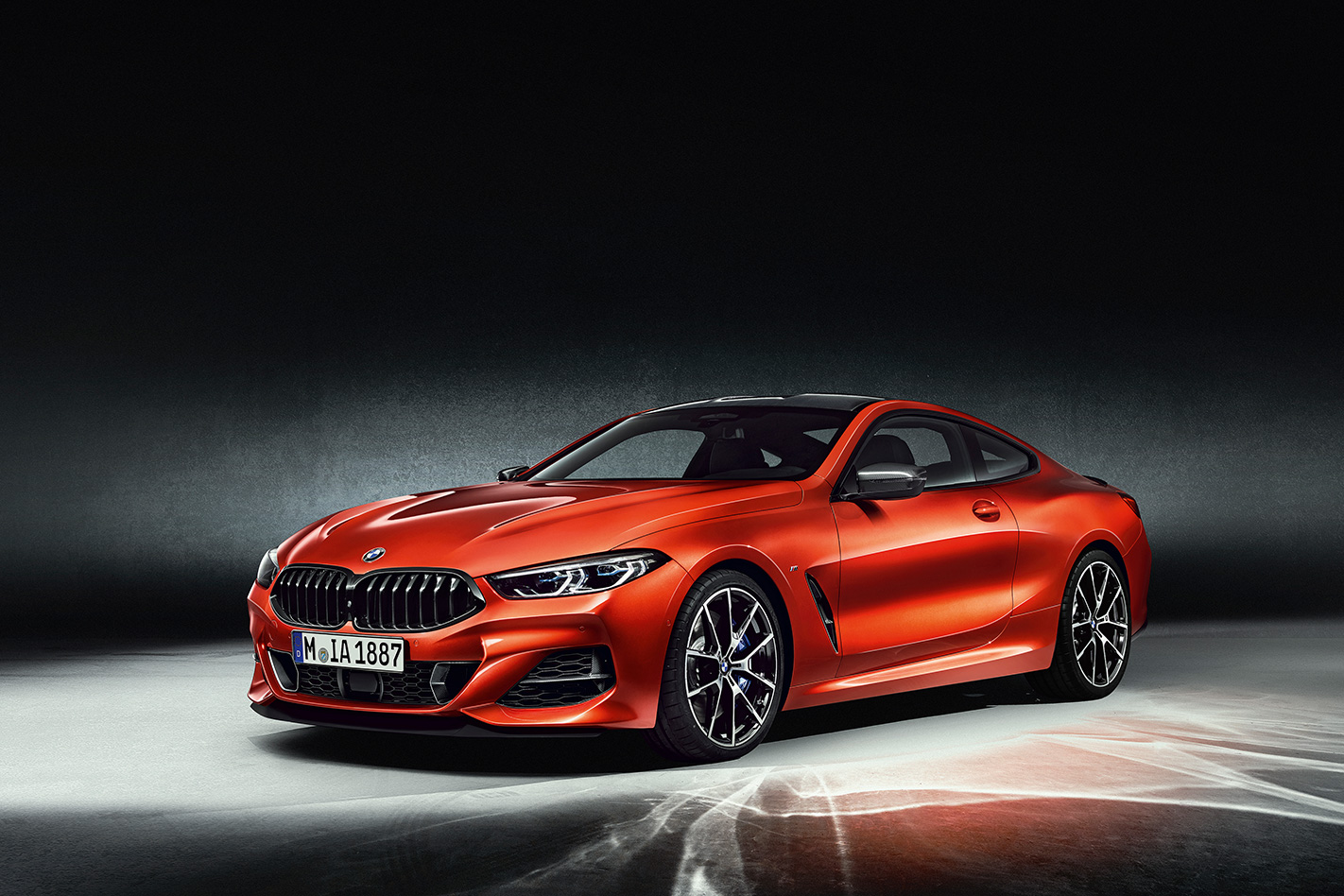
BMW Australia is not yet ready to divulge exact local specifications and details, beyond the basic confirmation that the 8 Series will be making an appearance here at some point in 2019. It’s likely only the petrol-powered M850i will be coming, given Australia’s low demand for diesel sportscars.
It almost goes without saying that a new range-topping M8 will join the ranks at some point in the future – defining another first for BMW.
BMW says the M850i’s sound keeps the promises made by its looks. At the back end, twin trapezoidal tail pipes are flap-controlled to provide “an impressive soundtrack” when opened, or civilised docility when cruising. Layered over the top of the exhaust sonics are the turbo’s electronically-controlled dump valves, which have been engineered to be clearly audible as well.
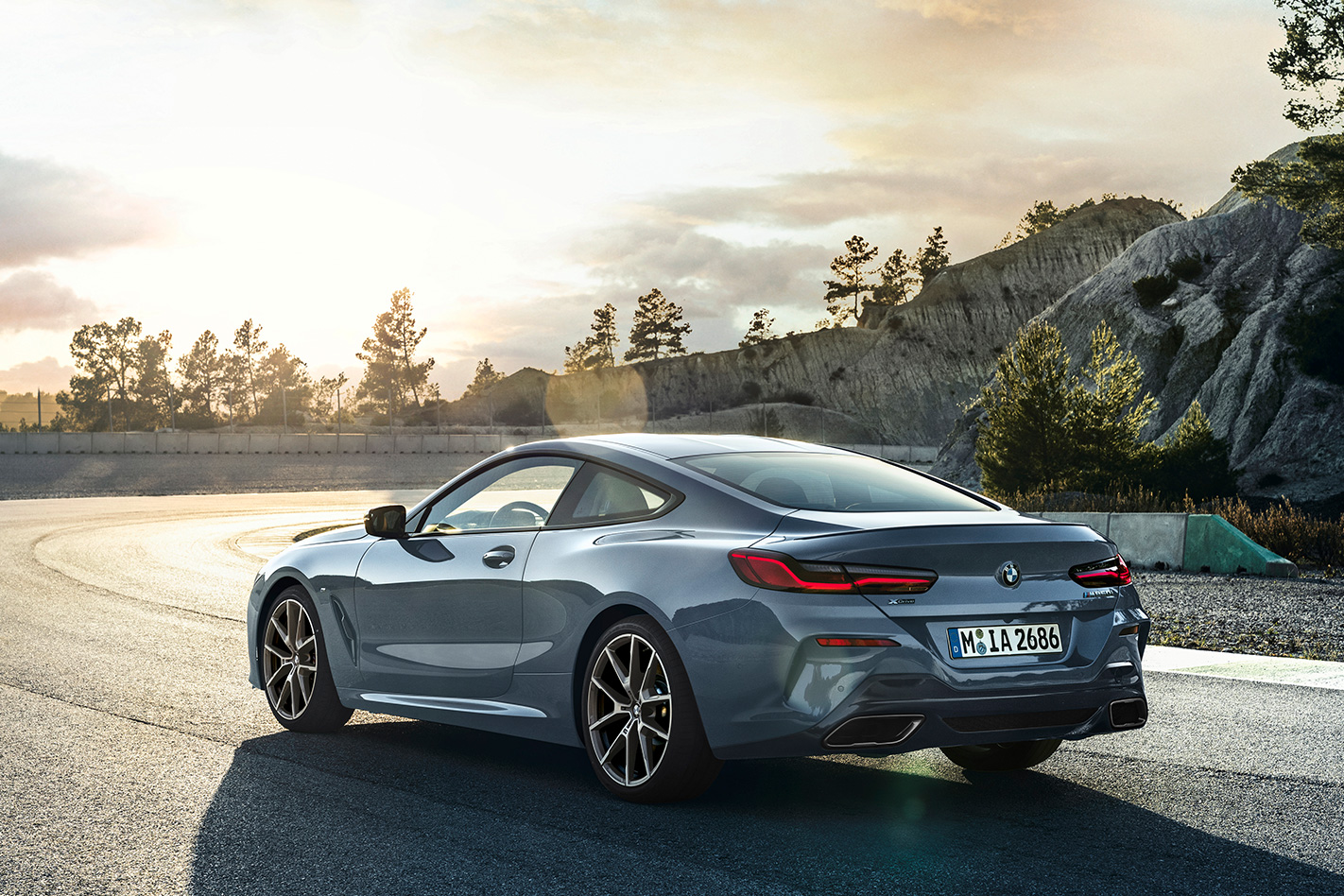
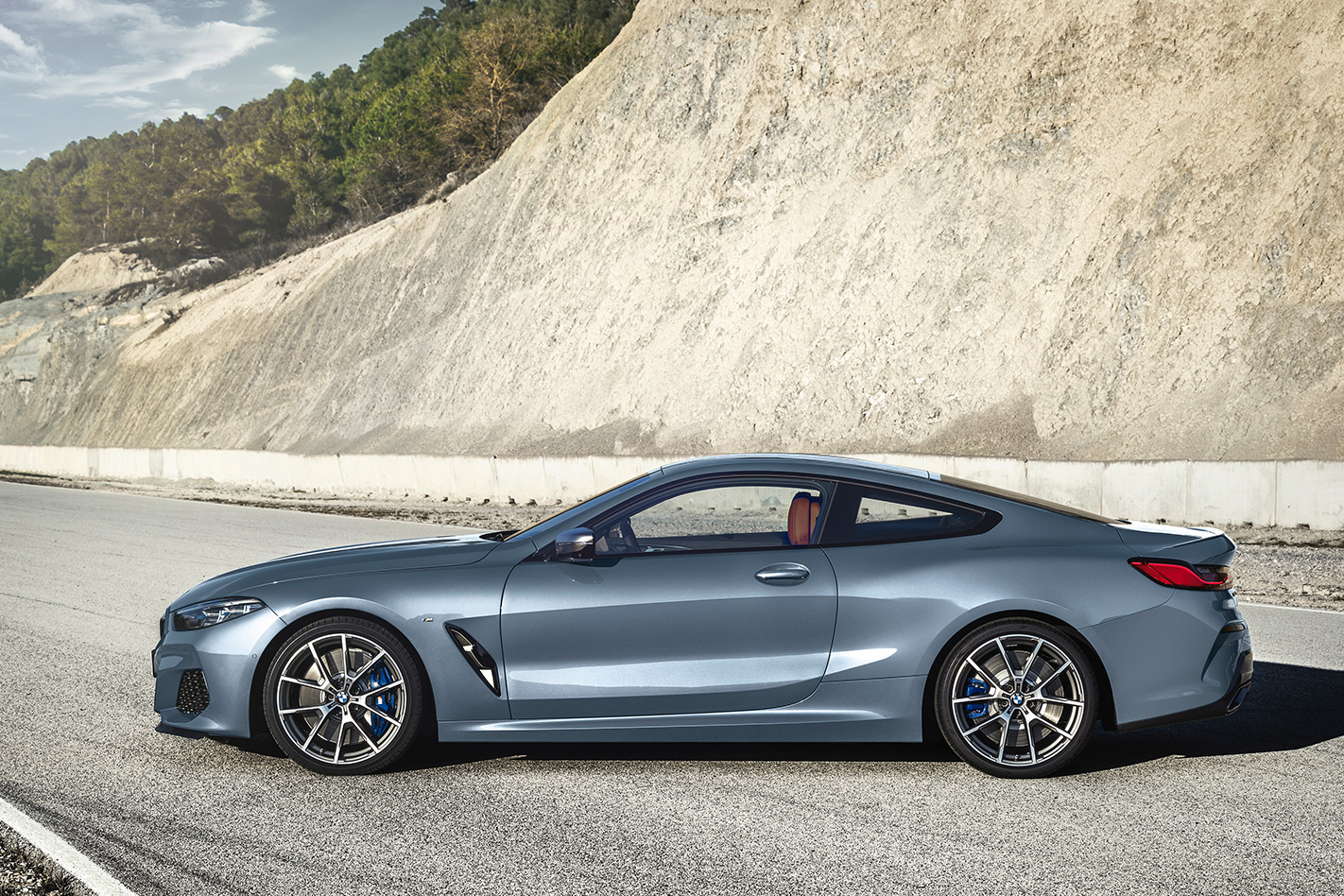
Its coupe profile measures in at 4843mm long – more than a Bentley Continental GT – and uses BMW’s proprietary Carbon Core construction, which adds the stiffness and strength of carbonfibre while cutting weight.
Other exotic materials help cut weight, including magnesium, aluminium (both in the suspension and body structure) and lightweight steels. Unladen weight is 1890kg – not bad for a near five-metre big coupe.
The car was developed in parallel with the M8 GTE race car, and with plenty of laps at the challenging Nurburgring Nordschleife, BMW says the 8 Series has serious circuit potential.
Front suspension is double wishbone while a five-link system looks after the rear, both augmented by BMW’s Adaptive M variable damper tech and complemented by high-stiffness springs for body control and roll resistance. Active anti-roll bars are also available optionally.
More driving modes are available for the adaptive suspension, tied into engine response and steering sensitivity, while the rear wheels can steer up to 2.5 degrees which ‘considerably enhances both the agility and cornering dynamics’ says BMW.
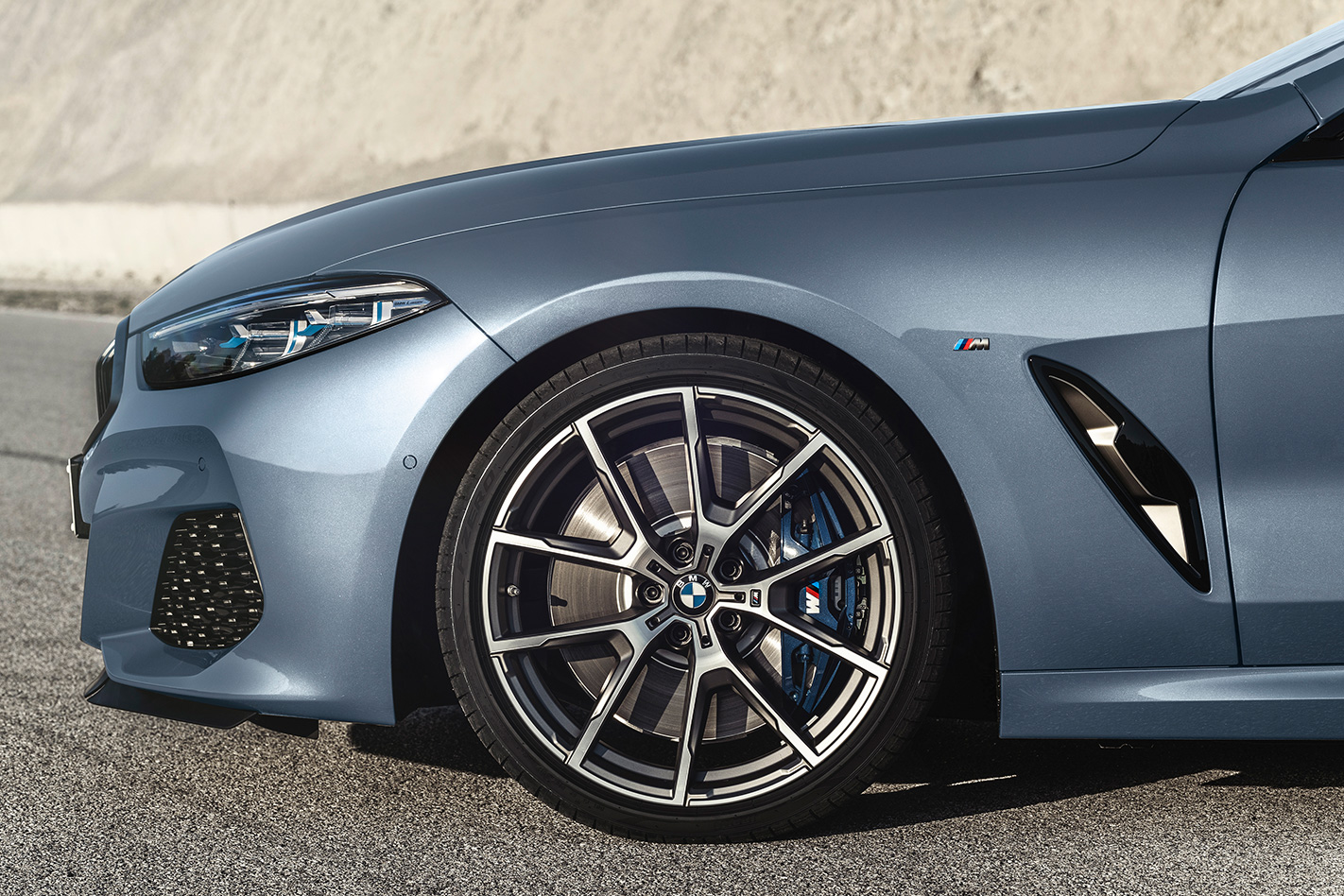
M-Sport iron brake discs measure 395mm housed in 20-inch wheels with wider rubber at the back axle. The diesel gets 18-inch wheels.
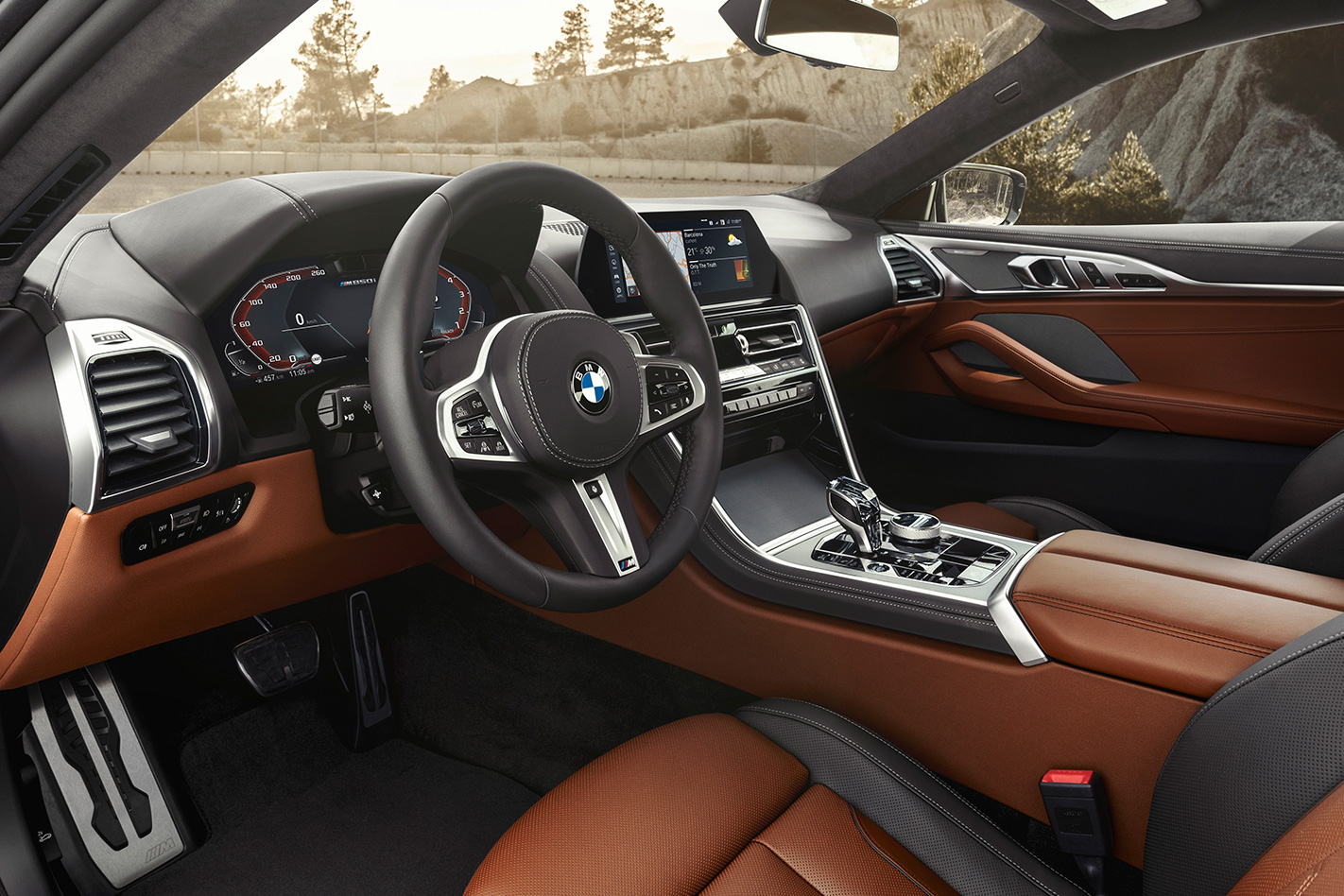
As you would expect from a bruising high-performance BMW coupe, tech and luxury features feature heavily.
The 8 Series cabin introduces a new Active Cockpit full-digital instrument cluster, similar in approach to Audi’s similarly named Virtual Cockpit, a 7.0-inch screen and 16 percent larger head-up display are standard, almost every surface is covered in leather including the standard multifunction seats and even the gear selector lever, iDrive wheel and start button in glass.
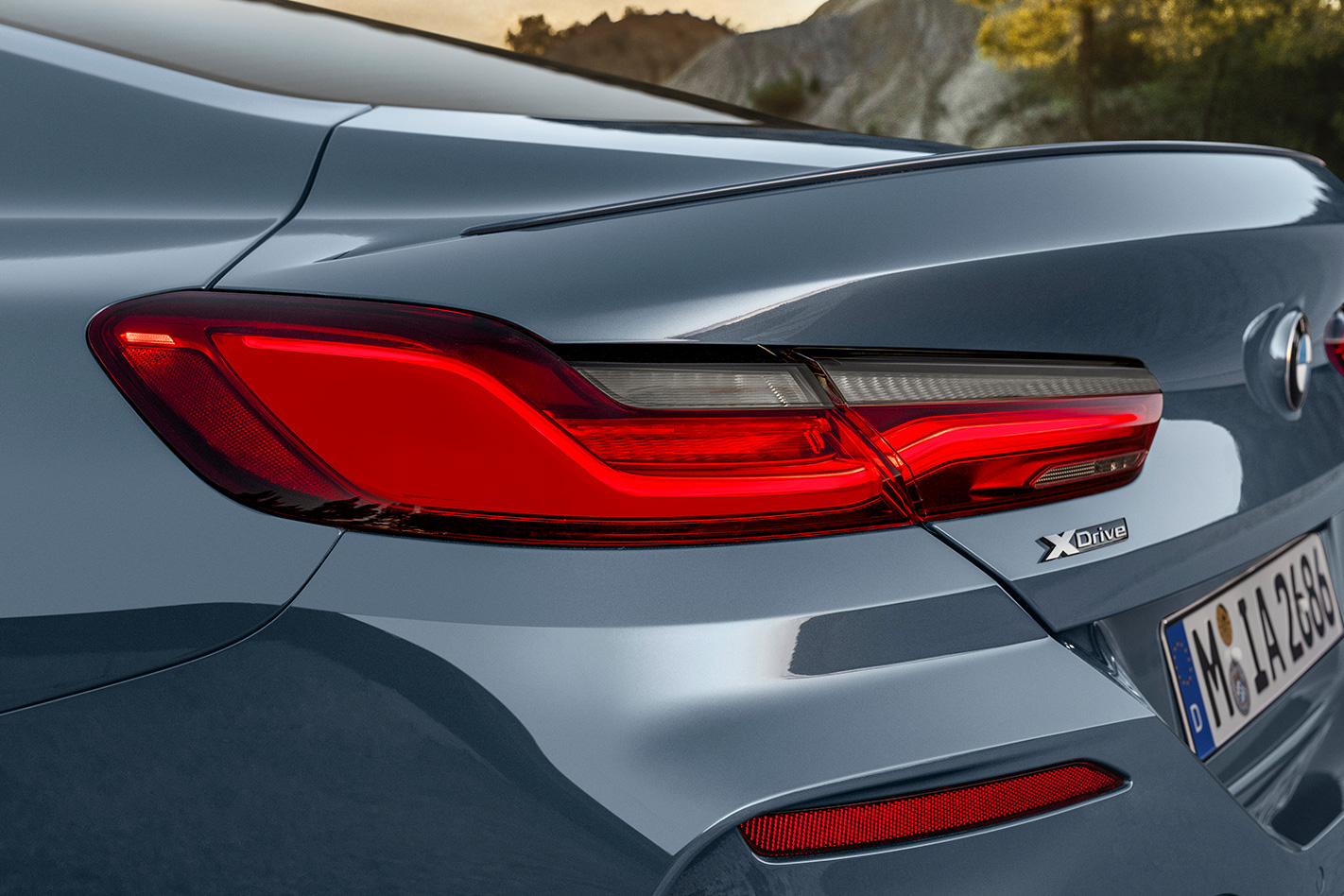
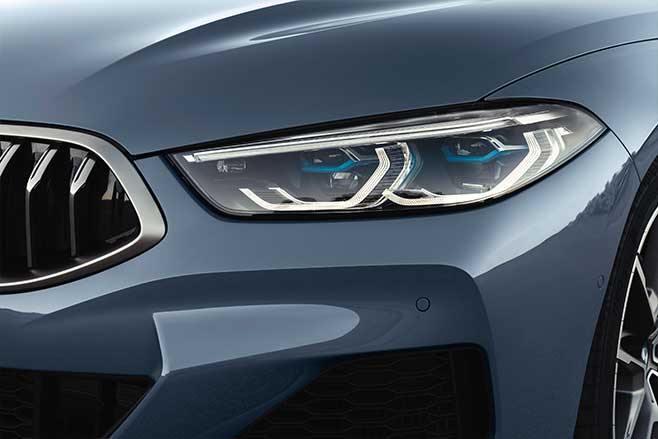
Housed in the slimmest headlights to ever grace a BMW are Laserlight diodes (indicated by blue inserts) that project a beam up to 600 metres. There’s more light fantastic features at the back with LED clusters that illuminate with a distinctive L-shaped graphic.
Comfort and entertainment system highlights include a Harman Kardon sound system, an optional Bowers and Wilkins Diamond system, piped LED multicolour ambient cabin lighting, wireless device charging and over-the-air software updates.
Driver assistance and safety systems get just as good a look in with adaptive cruise control, lane change, lane departure, multi-view manoeuvring cameras, cross-traffic, wrong-way traffic and turn warnings, AEB, side collision protection and vehicle-to-vehicle hazard warnings from other BMWs in the area equipped with the same system.
With two models confirmed for the new BMW 8 Series, most importantly the hard-hitting M850i, we take a look at a few of the little details and facts that are important to keep in mind.
It beats the Aston Martin DB11 V8 on paper
Those in the market for a sporting grand tourer now have an extra option. One of the newest additions to the segment is the Aston Martin DB11 V8, which is overshadowed by the M850i’s spec-sheet.
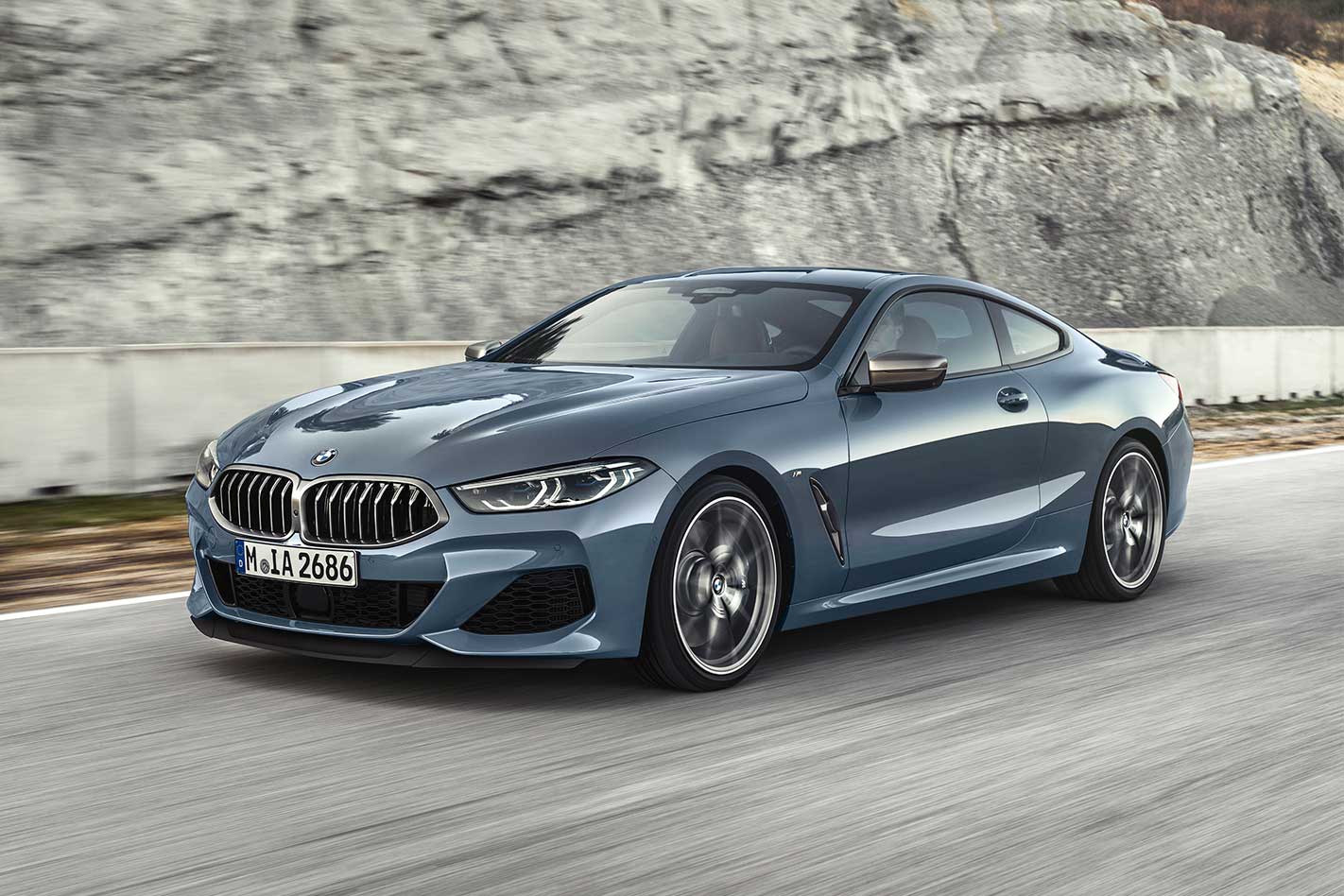
Hitting 100km/h in just 3.7 seconds, the Eight trumps the DB11 by three tenths, and its 390kW/750Nm eclipses the Aston’s 375/675 figures.
The DB11 is still rear-drive though, so it has that going for it.
It’s essentially a grand tourer, but was developed on the track
Like the DB11, the BMW 8 Series rides a line between ‘grand tourer’ and ‘sports car’, but BMW seems to have leaned further into the ‘sporting’ side of things.
We saw the Bimmer testing on track throughout its development, though in camo. In Italy, it was seen hitting a track with ferocity, confirmed by a development board member at the time.
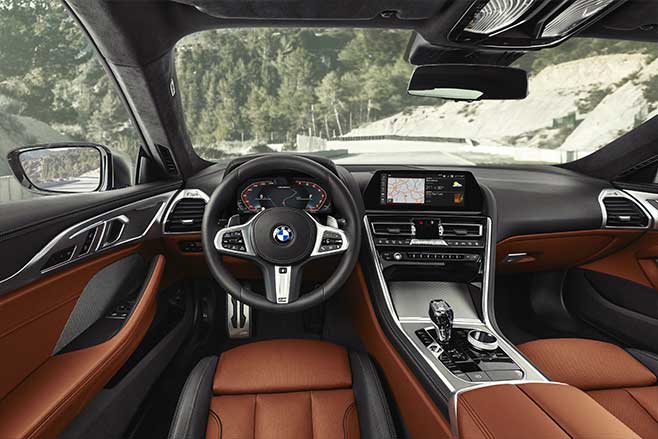
“The vehicle dynamics values already achieved are absolutely impressive. Our customers and fans can look forward to a genuine sports car.”
Sports car or tourer? Why can’t we have both?
It’s not the first BMW 8 Series to run a 4.4-litre V8
Before the 4.4-litre twin turbo V8 became one of BMW’s favourite engines for its top-spec big-bangers, a 4.4-litre atmo engine found its home in one of the first 8 Series, the 840Ci.
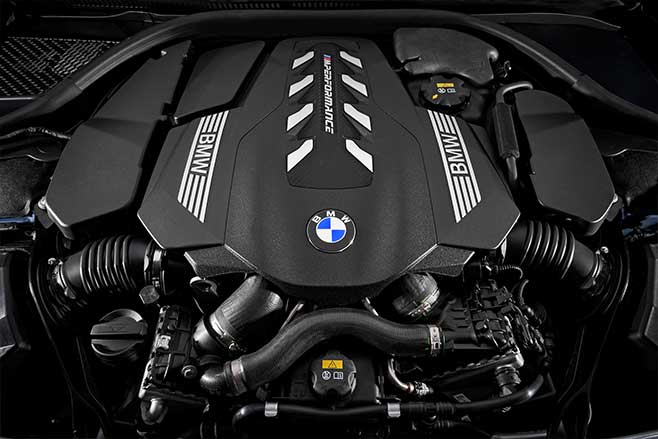
The M62B44 found in that model in its later years was overshadowed by the V12 engines available, though it still produced 210kW. Respectable at the time, but now hot hatch territory.
The new 8 Series introduces some new design language
“The slimmest headlights of any BMW model to date,” is just one of the claims backing up BMW’s insistence that the new 8 Series has a ‘modern form of sporting appeal.’
A low, wide kidney grille departs from recent iterations of the iconic design element as the chrome surround now joins in the middle, rather than having painted bodywork separating the two halves.
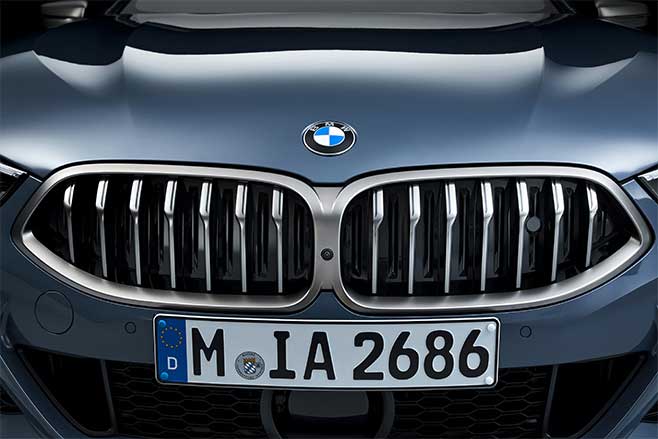
Additionally, in M850i guise, the kidney grille’s slats are adjustable depending on aerodynamic requirements. Underneath, an ‘almost fully-sealed’ underside further aids aero.
The M8 is still yet to come
We’re still waiting for the most exciting part of the 8 Series line up to be completely revealed.
BMW has an M8 GTE racer, and an M8 GranCoupe Concept, so it’s certain there’s an M8 road car on the way.
Guessing what we can expect from it would be primarily speculative but, given the 460kW and 750Nm of the twin-turbo V8 in the M5 Competition, we know there’s more to be wrung out of this engine yet.
THE Skoda Kodiaq RS is real, and the Czech automaker has leaped out of the stocks in a big way by taking its box-fresh – and first ever – performance SUV to Germany to set a record lap time at the fearsome Nurburgring Nordschliefe.
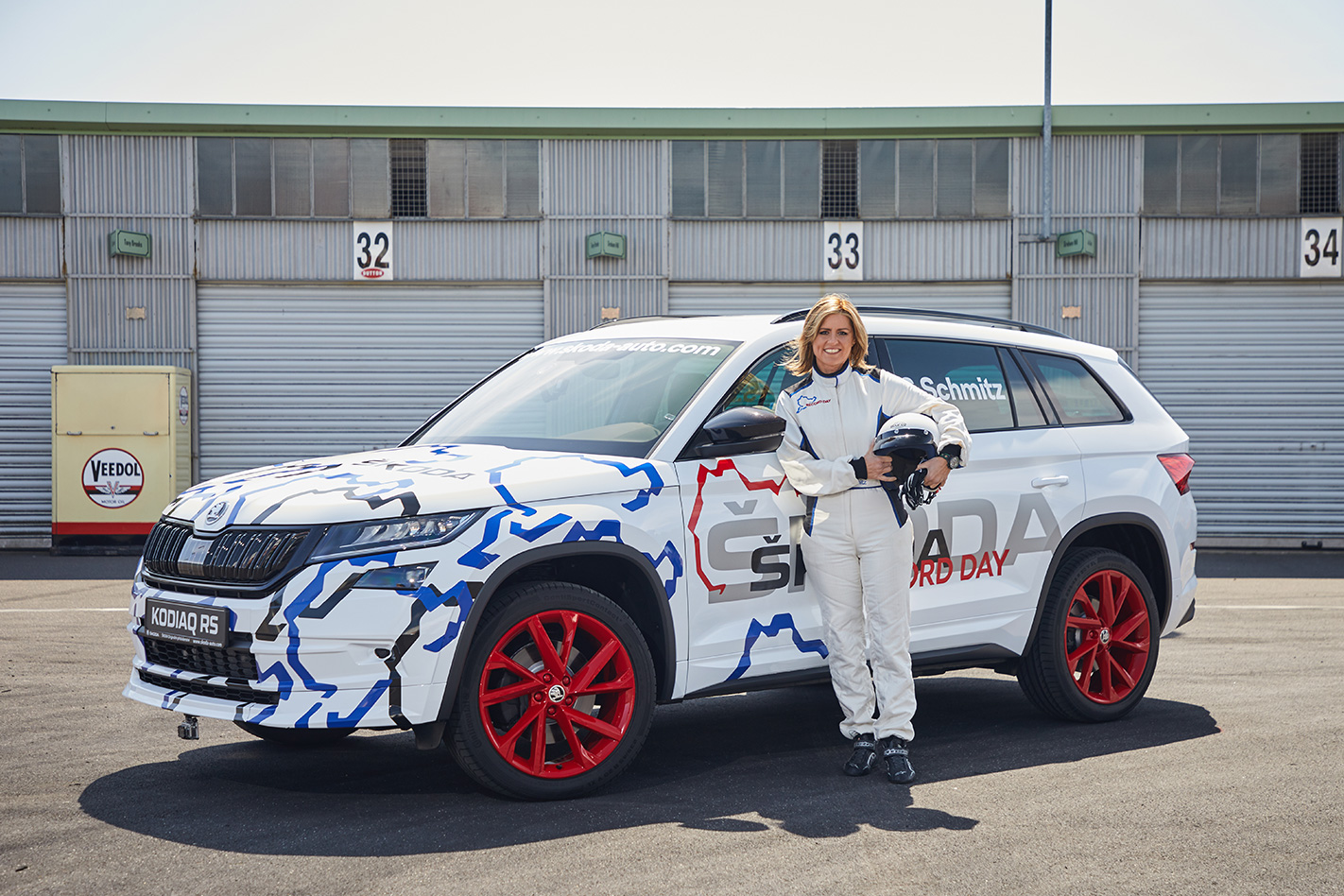
Sabine Schmitz, talented endurance racer and literal Nurburgring resident, was at the helm for the Kodiaq RS’s record run, and was complimentary of its on-track performance. Its 2.0-litre twin-turbo diesel inline four makes a stout 176kW (14kW more than its most powerful corporate cousin, the Tiguan 162TSI Highline), and takes power to all four wheels.
Dynamic Chassis Control provides active damping force adjustment while progressive steering aids cornering feel. Synthesised sound piped through the audio system also enhances the engine note to provide more aural verve.
“The Nordschleife is the hardest race track in the world. So much work goes into making a car fast here,” said Schmitz.
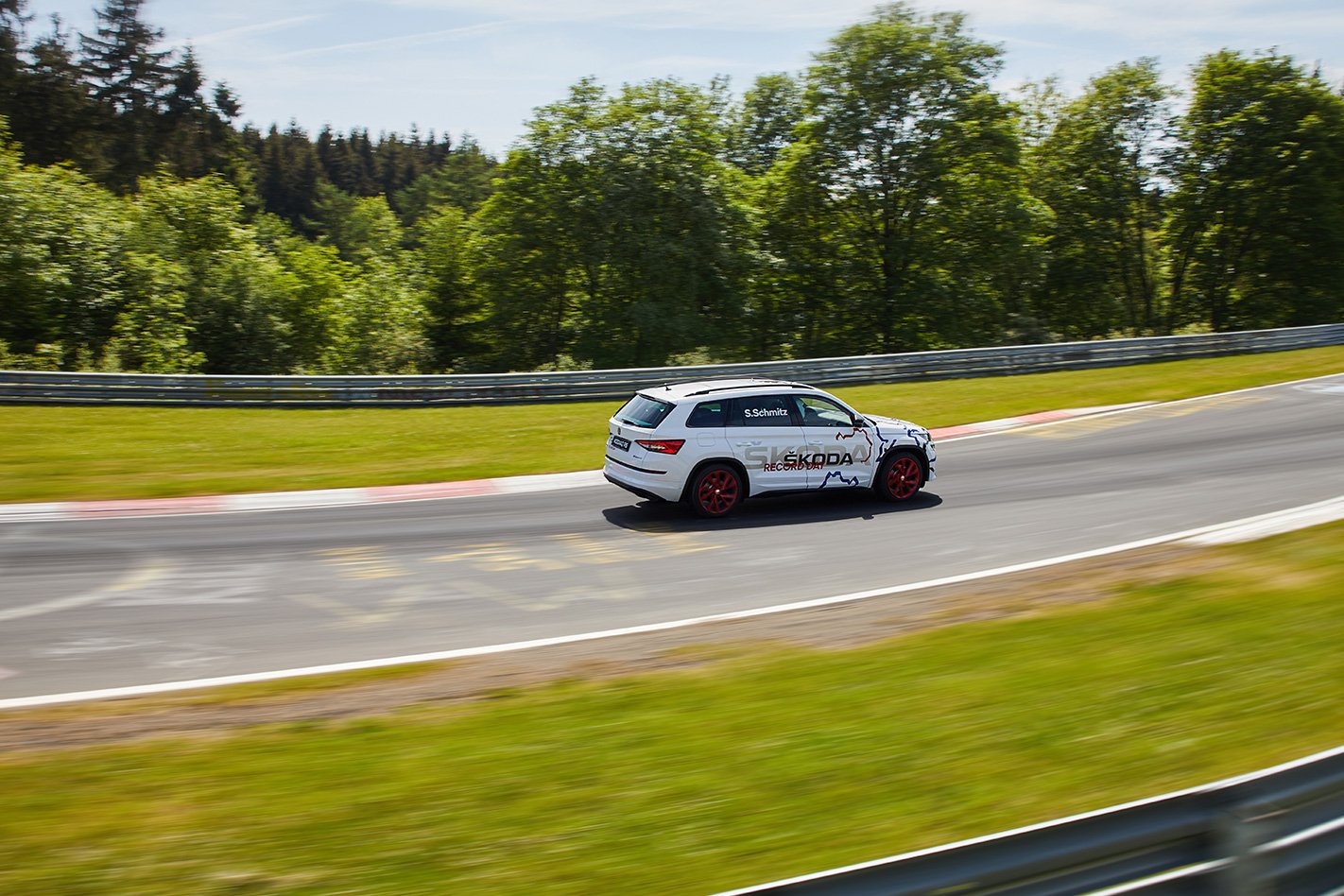
“The engineers did a very good job to make a stock car go fast here. I felt very comfortable from the beginning, which I really hadn’t expected.”
But is the Kodiaq RS’s “record” little more than marketing spin? There’s of course the selective categorisation – it’s the “world’s fastest seven-seat SUV”, rather than “world’s fastest SUV” – but then there’s the time itself of 9.0 minutes, 29.84 seconds.
That’s respectable for a diesel-engined family hauler, but in terms of performance cars it’s not exactly on the pace.
Even in the realm of SUVs it trails far behind the current top dog, Alfa Romeo’s Stelvio QV, which recorded an ultra-rapid 7:39. Schmitz herself has prior form behind the wheel of faster SUVs too, namely Jeep’s Grand Cherokee SRT8, which she steered to an 8:49 lap.
Of course, neither of these have seven seats – ergo, Skoda can legitimately lay claim to a record of some sort.
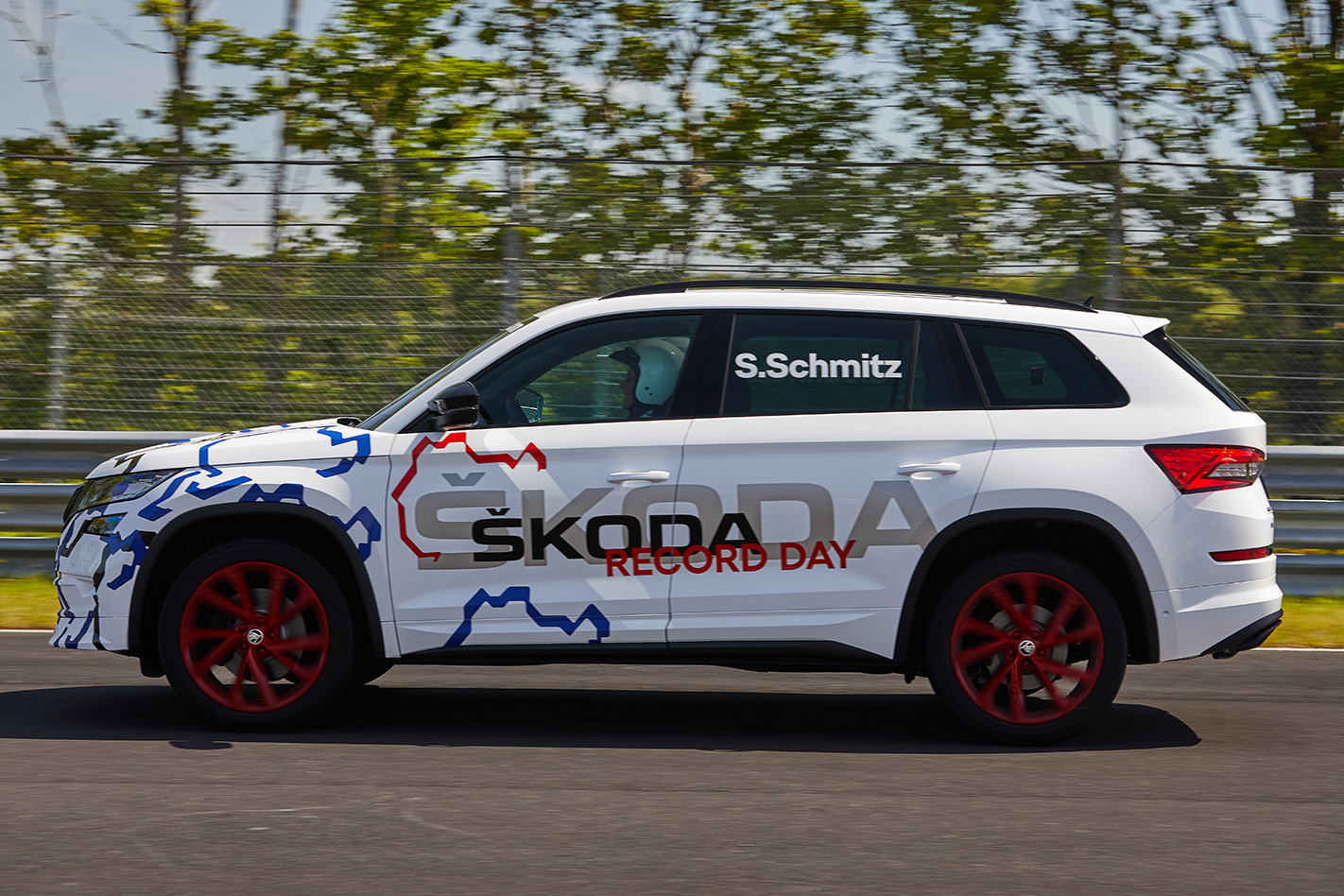
But even so, we’d nevertheless welcome the arrival of sportier options in one of the least sporty vehicular categories, which makes it a grand shame that the Kodiaq RS is not going to make its way to Australia. The reason being that Australia is classed as a “hot climate” region by the Volkswagen Group, and with the Kodiaq RS’s engine being under more duress than a typical turbodiesel it’s deemed unsuitable for our climate.
It’s a situation that Skoda’s local office would like to change and, according to PR chief Paul Pottinger, representations have been made to head office to redress the situation – not just for the Kodiaq RS, but for other models that are held back for similar reasons.
Looking at sales figures for the RS models we do get over here, it’s easy to understand their enthusiasm for the Kodiaq RS.
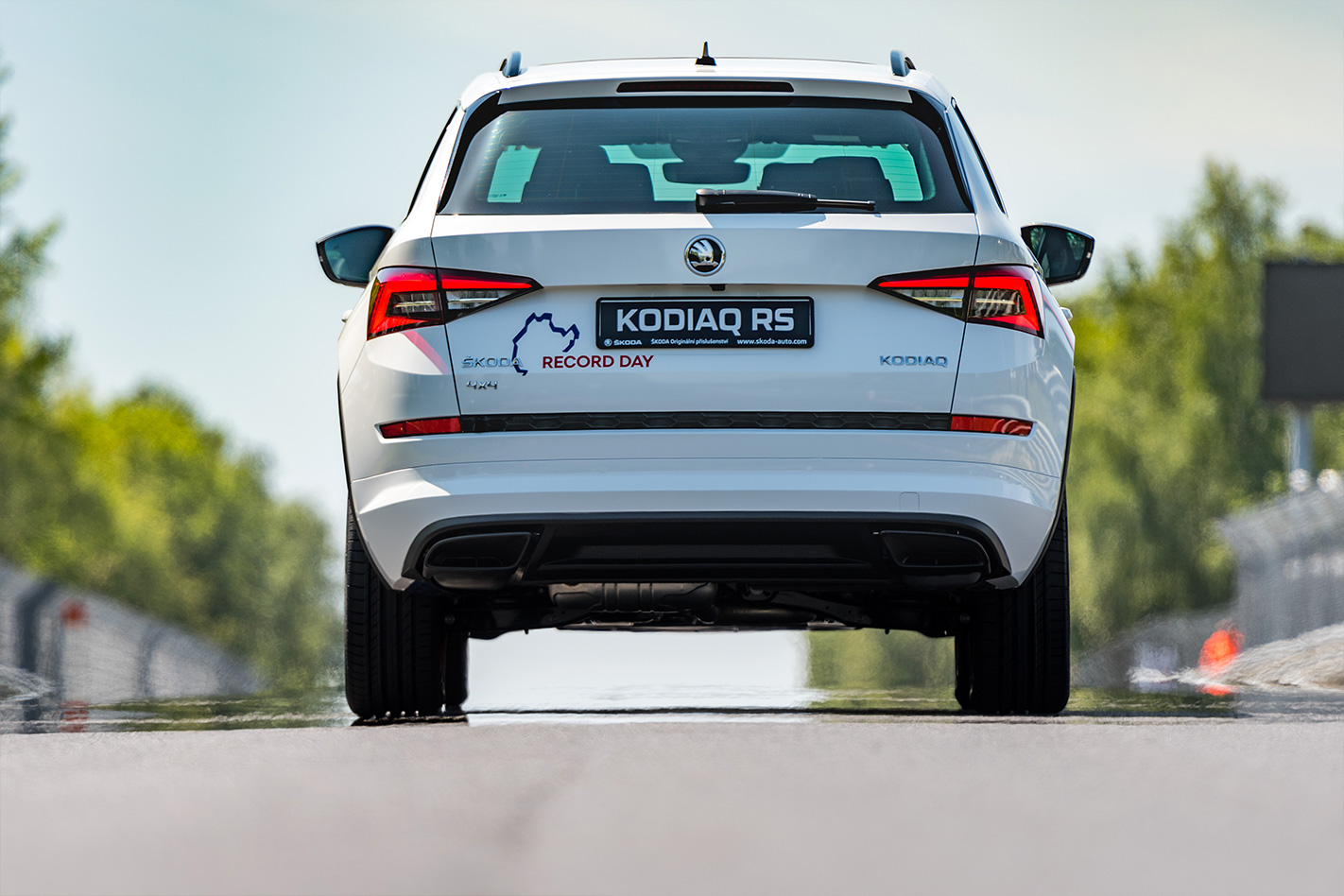
The Octavia RS accounts for a whopping 50 percent of all Octavia sales in this country, which is even more significant when you consider the Octavia is also the brand’s most popular vehicle on these shores.
Capturing some of that RS magic and applying it to the Kodiaq would surely result in a solid sales win for the company.
RAM Trucks’ Australian arm says it will look at the potential to add more hardcore versions of its newly launched 1500 light truck as the number of available performance-honed variants dries up.
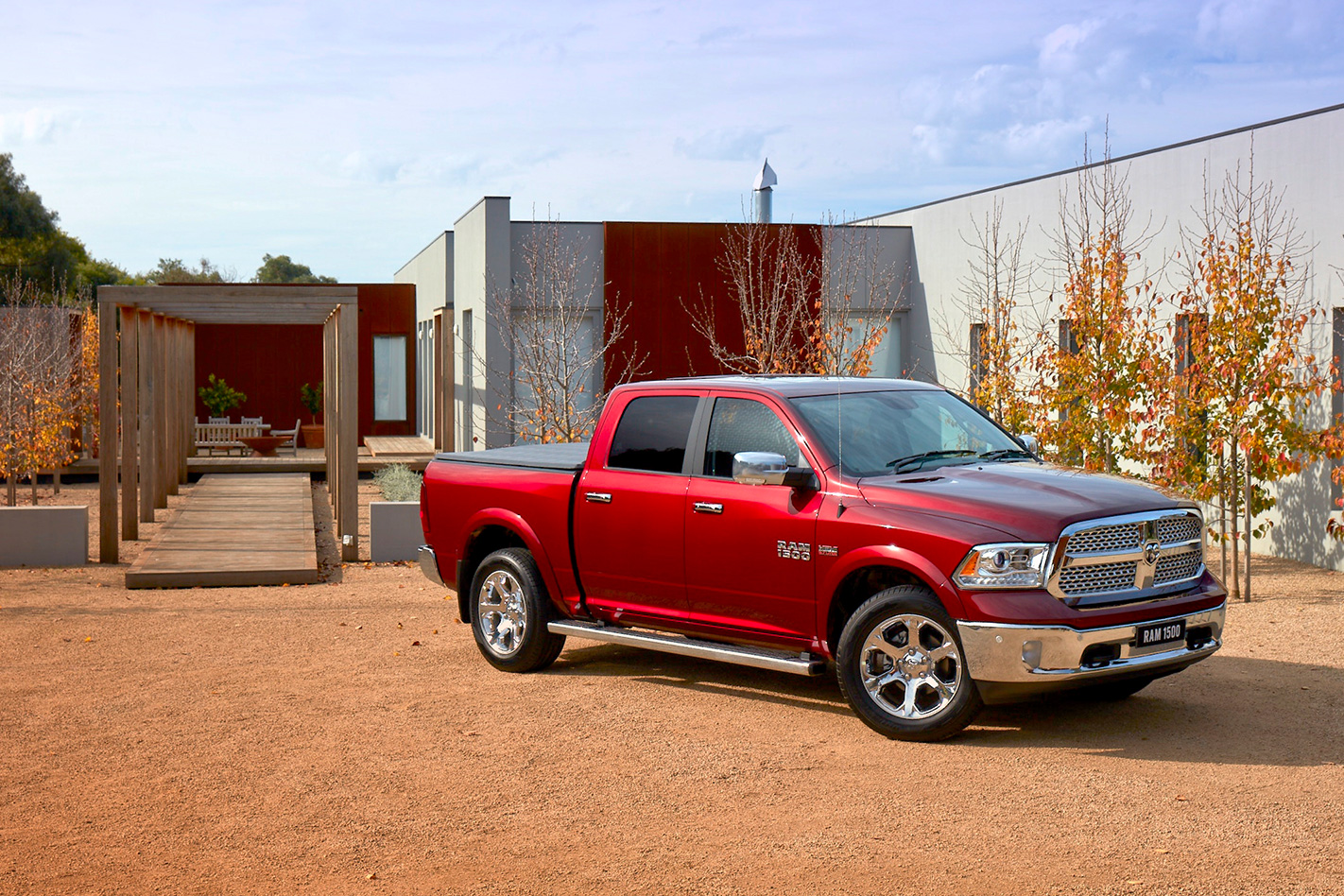
The version of the RAM 1500 light truck imported here, and converted to right-hand drive by American Special Vehicles, an off-shoot of Walkinshaw Performance, is not the all-new “DT” series launched in the US earlier this year.
Instead, the version sold in Australia will be the fourth-generation “DS” series, launched in 2009 and continuing production as a cheap, entry-level light truck for the North American market.
And because the old 1500 is not meant to compete with the shiny, new fifth-generation one, Ram Trucks Australia is faced with picking its feedstock from a pared-down model range stripped of its former hero models.
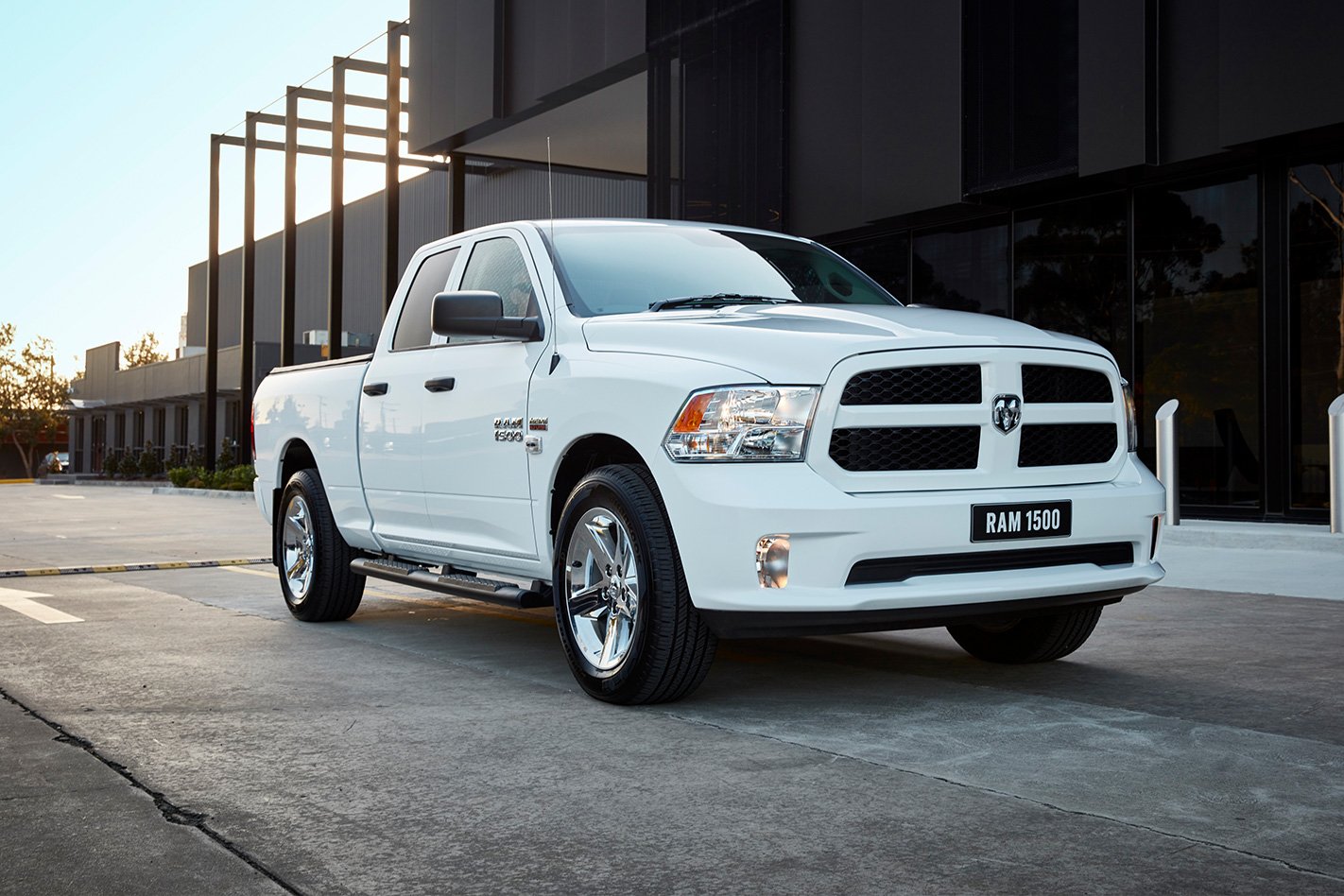
It also means Ram Trucks will base any decision to introduce a performance hero of its own – to take on the likes of the Ford Ranger Raptor – will depend on how well buyers take to the 5.7-litre Hemi engine.
“Let’s face it, there hasn’t been a V8 (pick-up) in the market for quite some time, so I think there is a good opportunity there to see what the appetite is for that particular market,” Ram Trucks general manager Alex Stewart said.
“The DS is the current model, and that is currently in production, and that’s going to continue for at least three years,” Stewart said at the launch of the smaller sibling to the 2500 and 3500 Heavy Duty light truck range.
“[The new DT 1500 is] not taking over from the old model, it’s actually an additional model,” he added. ”It sits above the DS.”
However, while the higher performance Rebel variant of the 1500, which added features such as height-adjusting air suspension, tow hooks, a lower final drive ratio, more underbody protection and a more aggressive-look grille, has rolled out for the new version of the light truck, it’s no longer available for the old model available here.
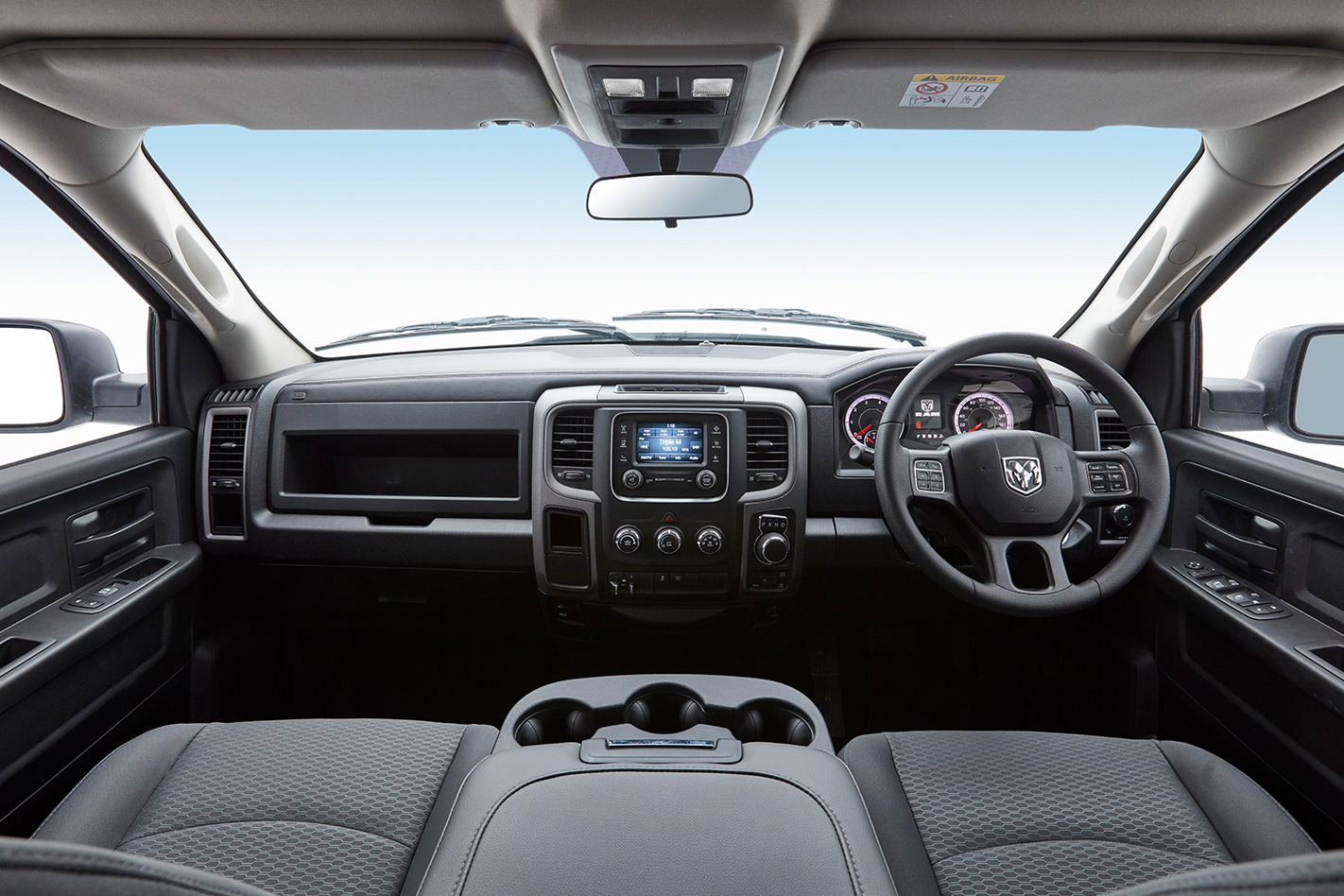
“The [1500] Rebel is only available on the new DT range, and the DS is now a slimmed-down vehicle range for both domestic and global markets,” Stewart said.
“The Rebel is just a particular model, with some leather trimmings and some different suspension setups. You know, for us, we will probably look at what the local market wants in the way of specialisation, so we will build up to something.
“What that is, we don’t know yet,” he said. “It’s early days.”
The 1500 will initially be available with what RAM Trucks calls the Black Pack, featuring a blacked-out grille and other body parts, a twin-nostril bonnet and revised suspension system, and built off the entry-level $79,950 1500 Express. It will get the same 5.7-litre Hemi V8 as the regular truck.
While all versions of the 1500 will have a reversing camera, they will miss out on some driver assist technology that is being added to rivals including the Ford Ranger and the Toyota Hilux, including automatic emergency braking, a feature that will be standard on the Raptor-badged version of the trade ute that will fight the 1500 for buyers hearts and wallets.
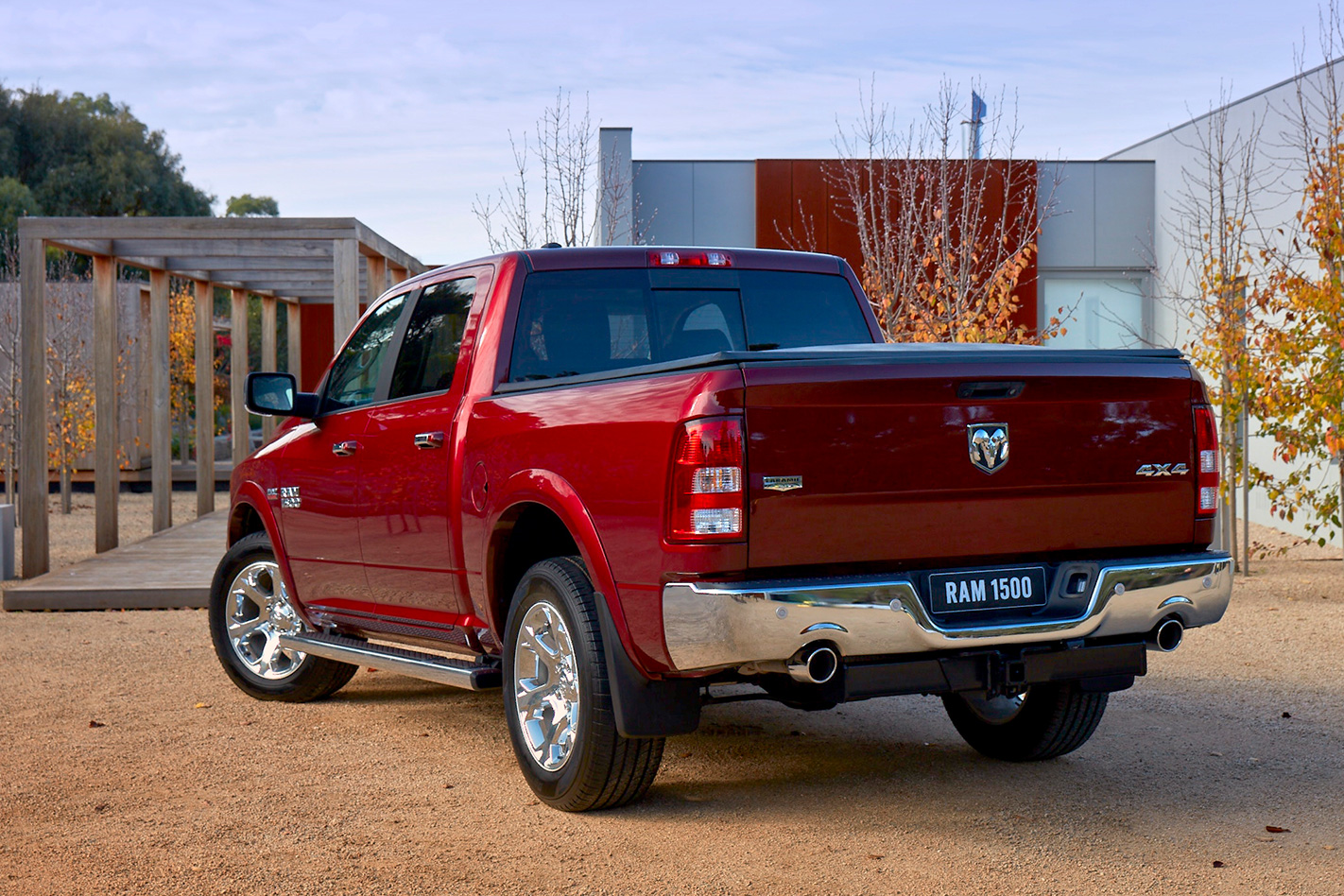
Stewart said he did not think this would be a problem for buyers.
“Is it always all about safety?” he asked. “It always goes back to this five-star ANCAP safety rating, but there’s a lot of other aspects of this vehicle.
“A lot of focus at the pointy end will lose focus of the bigger picture.”
The world’s greatest endurance race is back this weekend with the 86th running of the 24 Hours of Le Mans taking place this Saturday. Flag drop is set to occur at 3:00PM in France, or 11:00PM AEST locally.
But before you get yourself settled in your couch-groove for a 24-hour racing marathon, have a look at some of Wheels’ favourite Le Mans racers from years gone by.
McLaren F1 GTR
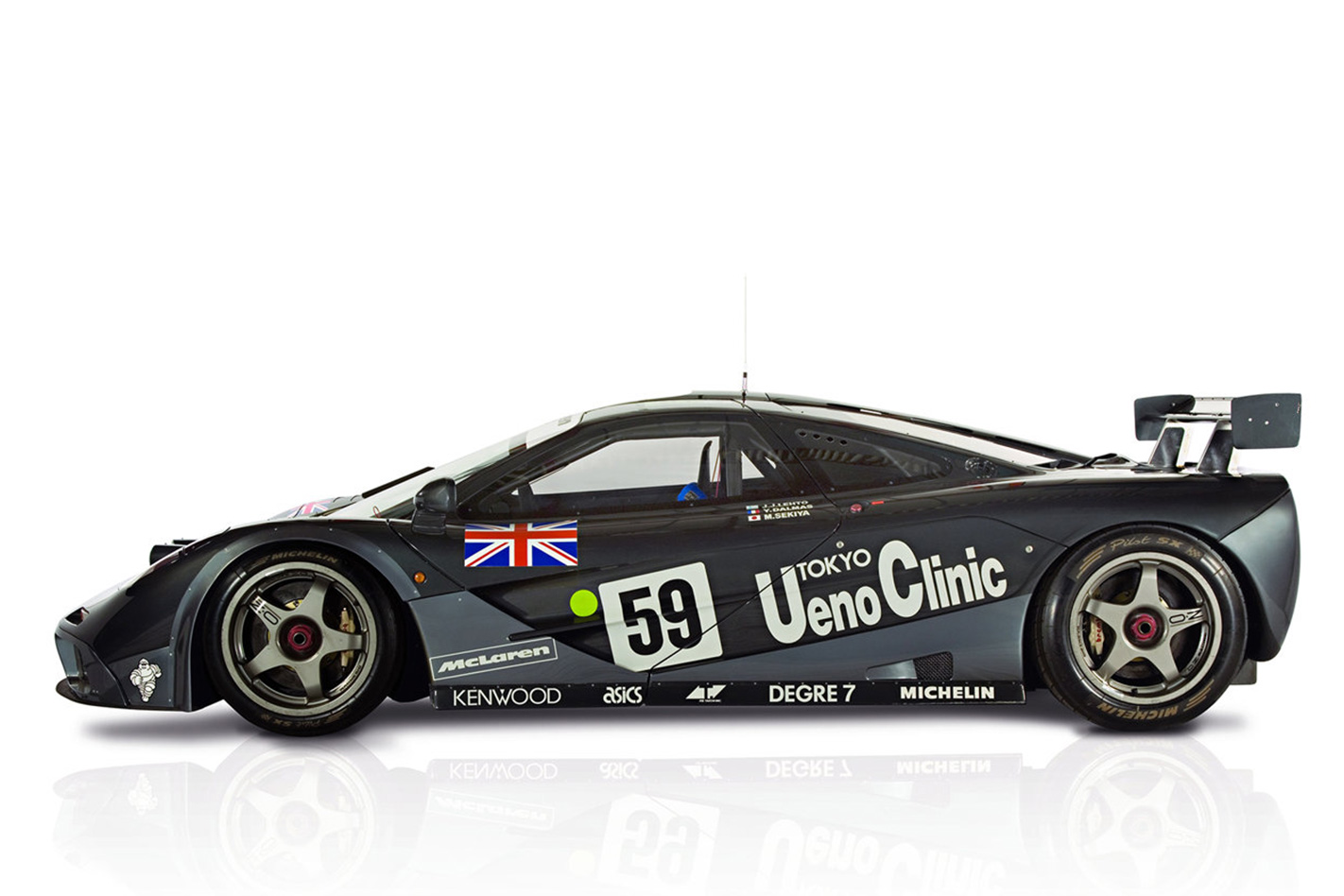
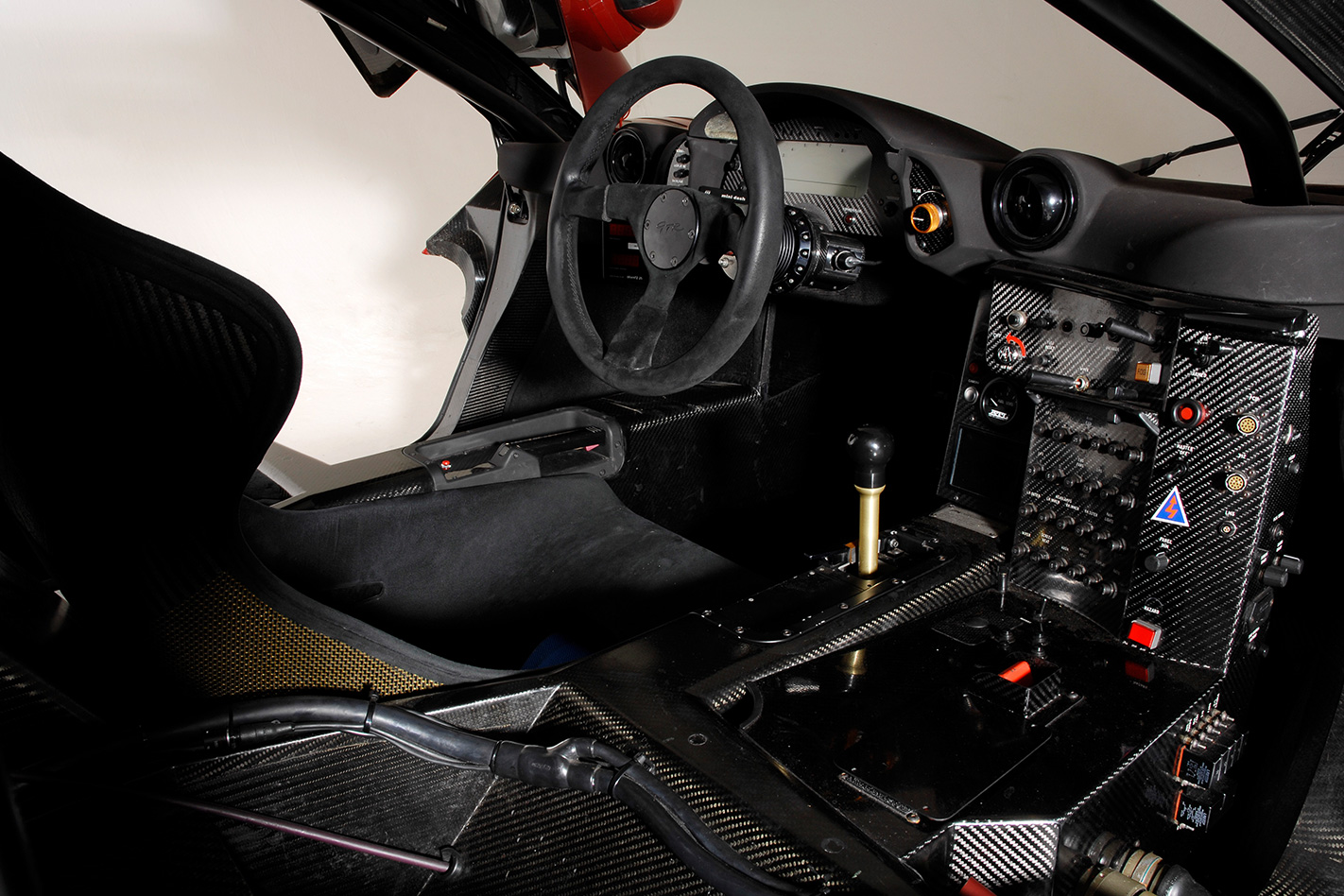
Arguably one of the greatest cars of all time, how could we not start with the legendary McLaren F1. In ‘GTR’ race guise, this BMW-powered hero won its debut Le Mans race in 1995 and continued on to race competitively around the world until 2005.
Creator of the McLaren F1, Gordon Murray, never intended to go racing with the F1, however as the Global GT Series started in 1994 many teams needing a car turned to Murray who eventually agreed to modify the F1 into the GTR as we know it today.
Ferrari 250 GTO Breadvan
Like many cars of the era, the bizarre Ferrari 250 GTO Breadvan was born out of a feud involving Enzo Ferrari. Ferrari refused to sell any 250 GTOs to Giovanni Volpi due to Volpi’s hiring of ex-Ferrari engineers, so Count Volpi set to work on creating his own car which was based off a Ferrari 250 GT SWB Competition.
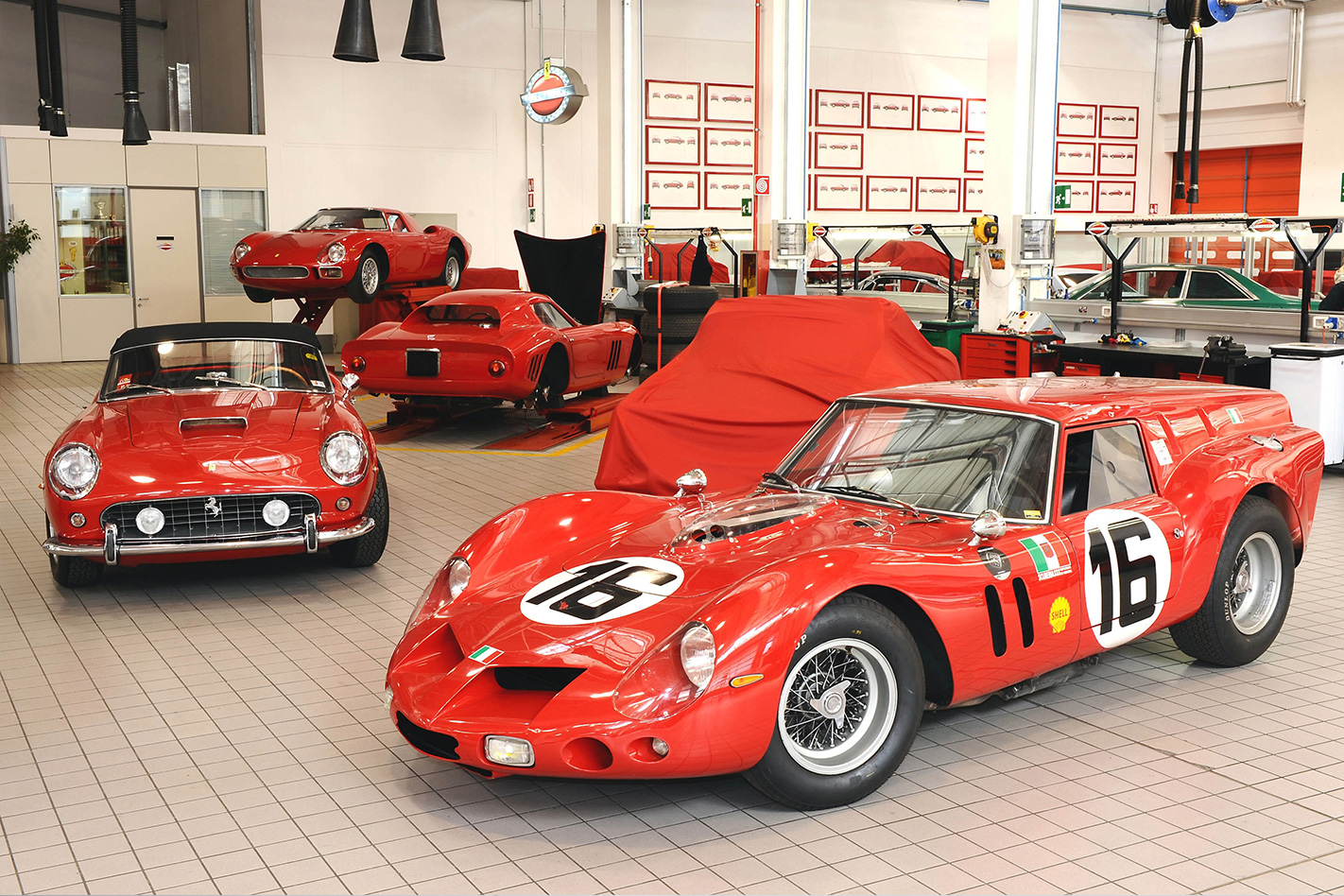
The result was unveiled at the 1962 24 Hours of Le Mans, with the aerodynamic shooting-brake design piquing everyone’s interest. The French called it “La Camionnette” (little truck) and the English called it the “Breadvan”, but it went on to pass all of Enzo’s 250 GTOs and was 7th overall before its driveshaft gave way. It was competitive in other races however, proving the design.
BMW M1 Procar
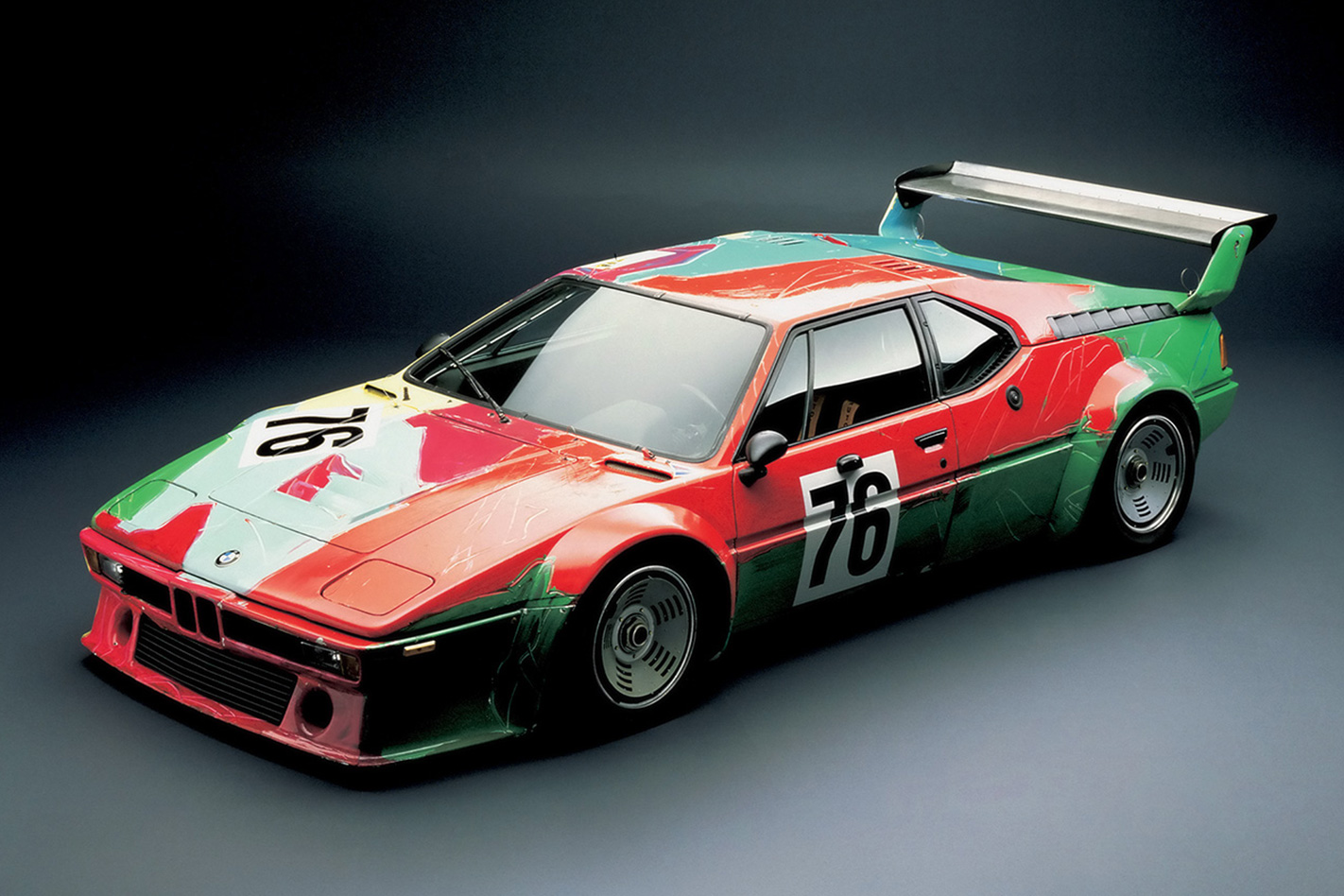
Despite initially being created for a one-make race series, the M1-based Procar was entered into the 24 Hours of Le Mans for a period spanning 1979 until 1986. The naturally aspirated six-cylinder produced 350kW, however it compared poorly to the competition of the time, who employed the use of turbochargers and lighter materials – BMW achieved just two class wins over the eight year period.
DeltaWing
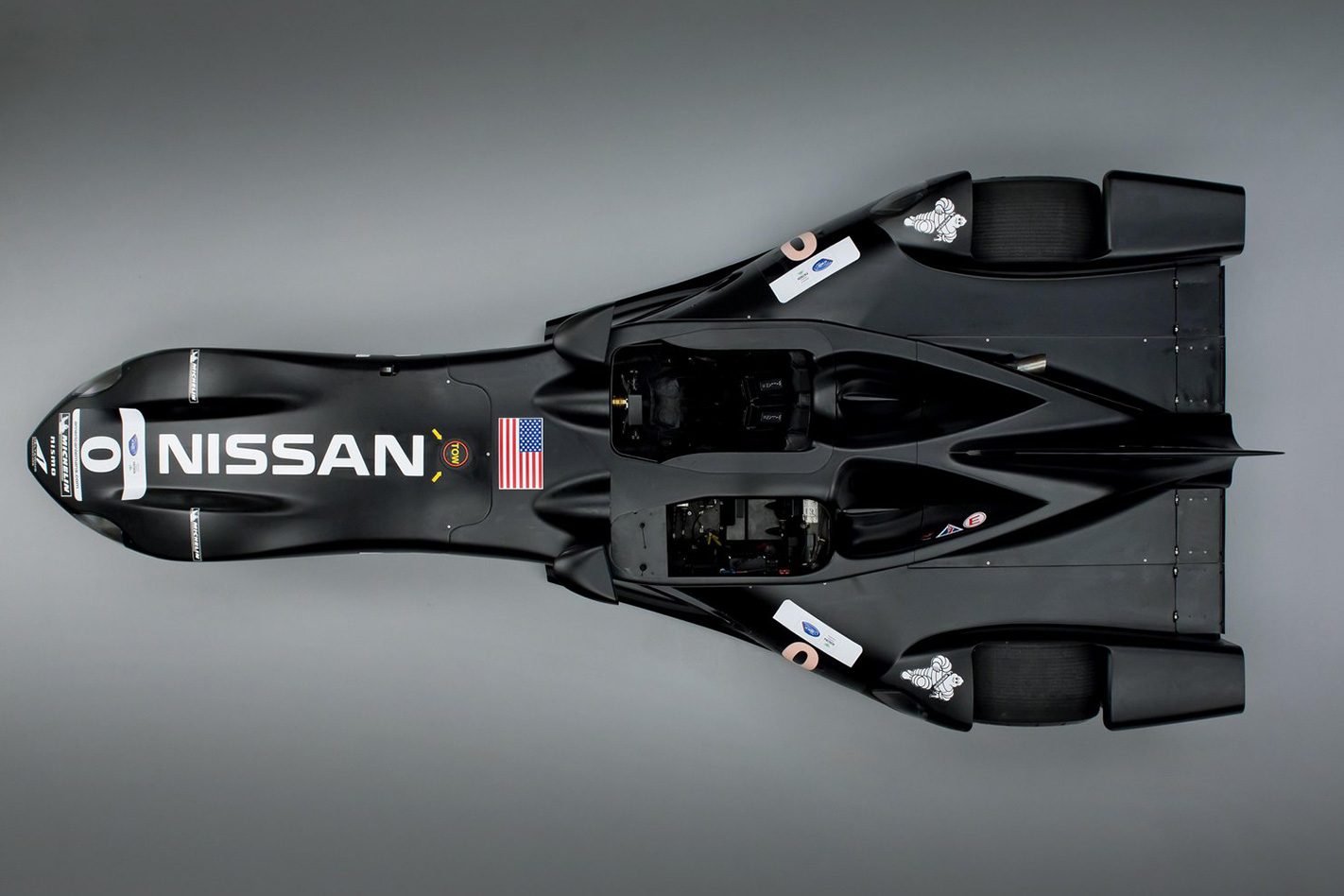
One of the more left-of-field entries to grace the Circuit de la Sarthe, the DeltaWing debuted at the 2012 24 Hours of Le Mans powered by Nissan’s 1.6-litre in-line four-cylinder engine. Nissan acquired the naming rights at Le Mans, however the project was created by Ben Bowlby out of Panoz in Braselton, Georgia.
The DeltaWing was invited by the Automobile Club de l’Ouest, organizers of the 24 Hours of Le Mans, to compete as a Garage 56 entrant (an experimental category) and weighed an incredible 475kg dry.
Porsche GT1
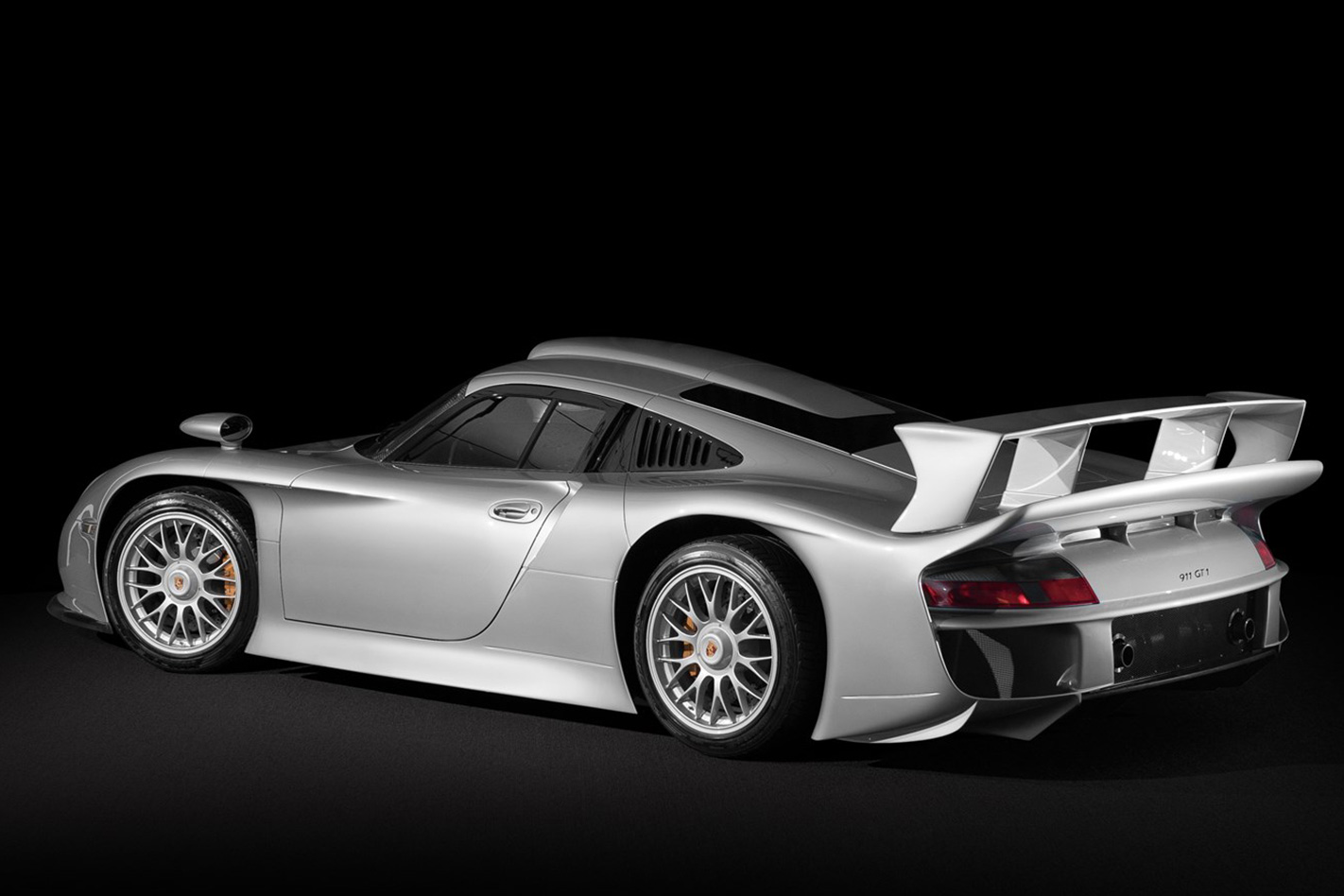
Porsche bent the rule book with their 1996 entry to Le Mans, the 911 GT1. Rather than develop a race version of one of their road cars, they developed the GT1 as a sports-prototype and made a road legal version to comply with regulations.
In 1996, the GT1 developed 441kW from its 3.2-litre twin-turbo flat-six which enabled it to reach 330km/h down the legendary Mulsanne straight. It ended up taking an outright victory in the GT1 class from McLaren, who won the class the year before.
Mazda 787B
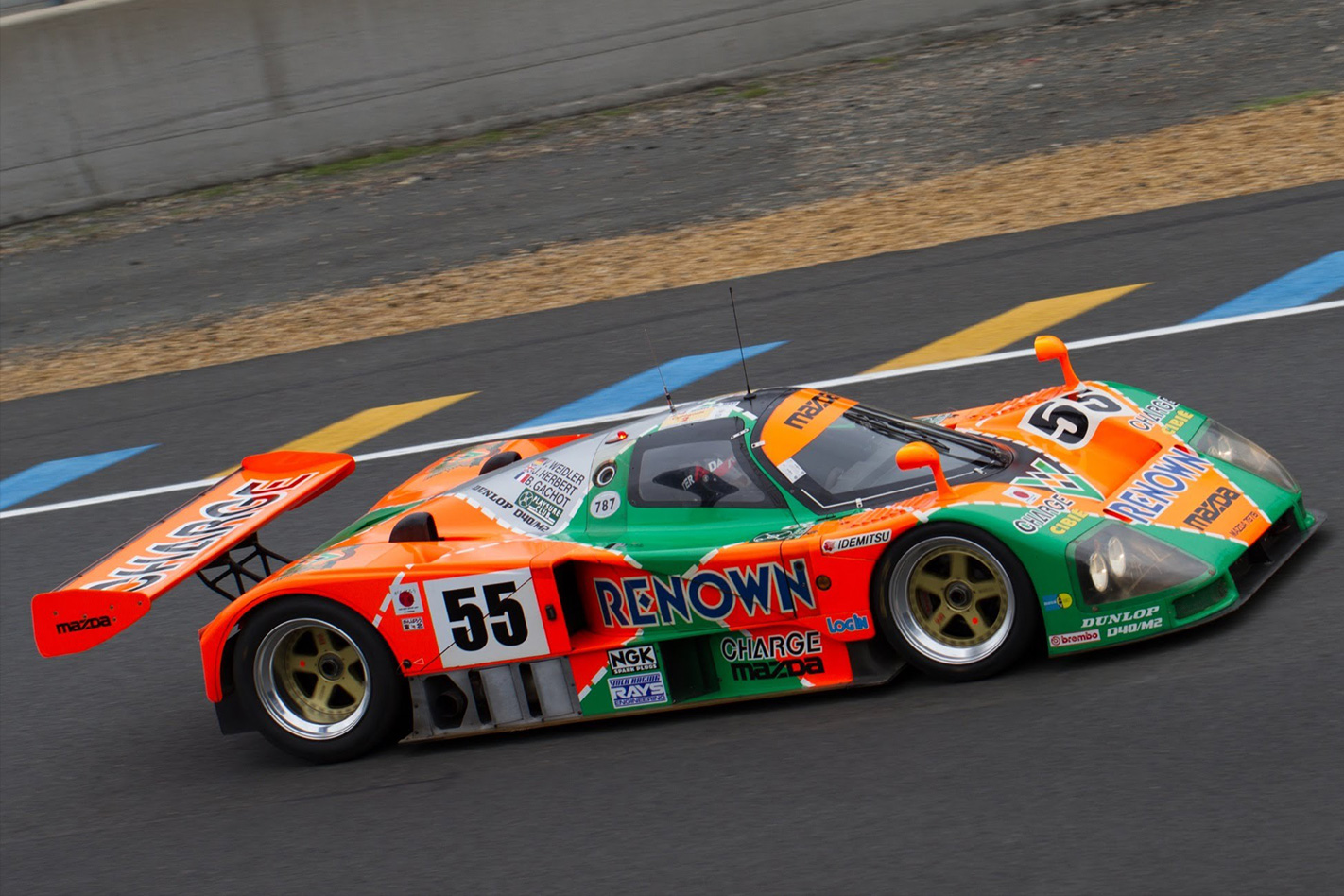
The only Japanese car to have ever achieved victory in the 24 Hours of Le Mans was Mazda’s 787B in 1991. Rotary power isn’t always thought of as reliable, yet despite it lacking outright lap pace, Mazda’s decision to use a naturally aspirated 4-rotor paid off over a season allowing them to win championships in the nineties through reliability and consistency.
Sauber-Mercedes C9
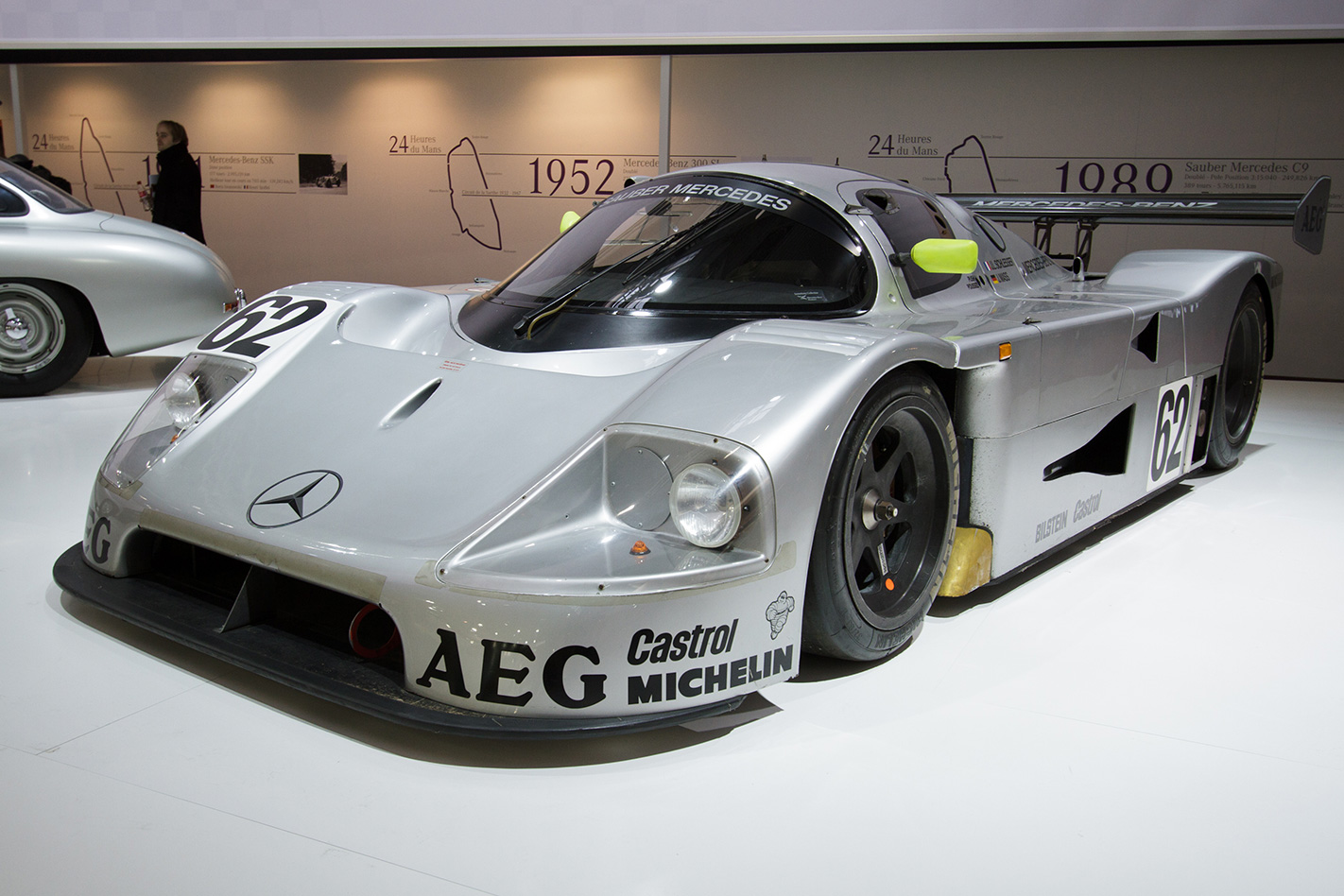
Using Sauber as a constructor and Mercedes-Benz as the engine supplier, the C9 was created in 1987 for the World Sportscar Championship. It managed meagre success until the 1989 season, where it dominated by winning almost every race, including the 1989 24 Hours of Le Mans.
Porsche 917K
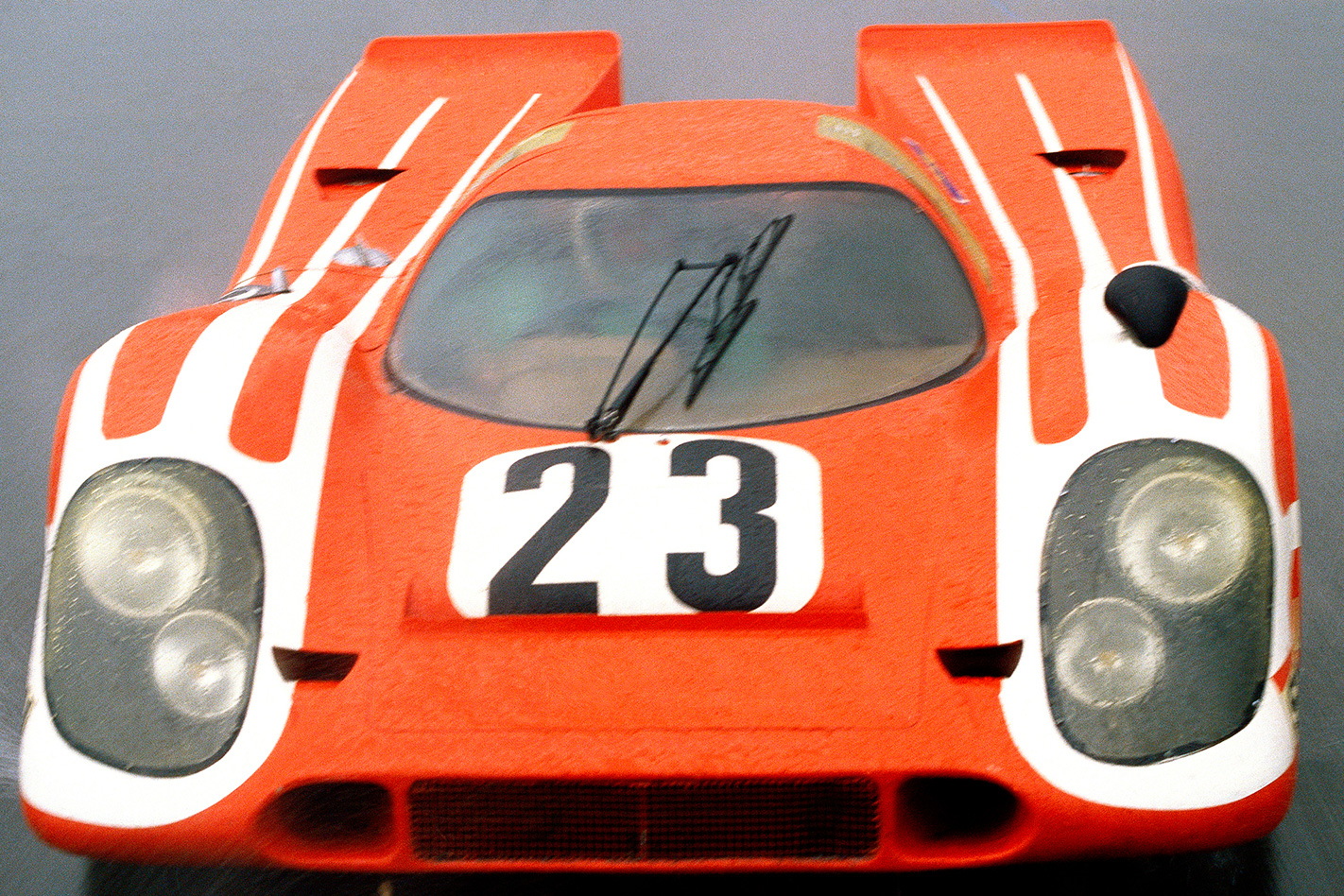
Porsche’s first ever wins (1970, 1971) at Le Mans saw drivers crossing the finish line at the helm of the Porsche 917K. Developed initially in the late sixties, the 917 was further revised into the much-improved 917K chassis which featured a shorter tail which helped combat aerodynamic lift experienced the year prior.
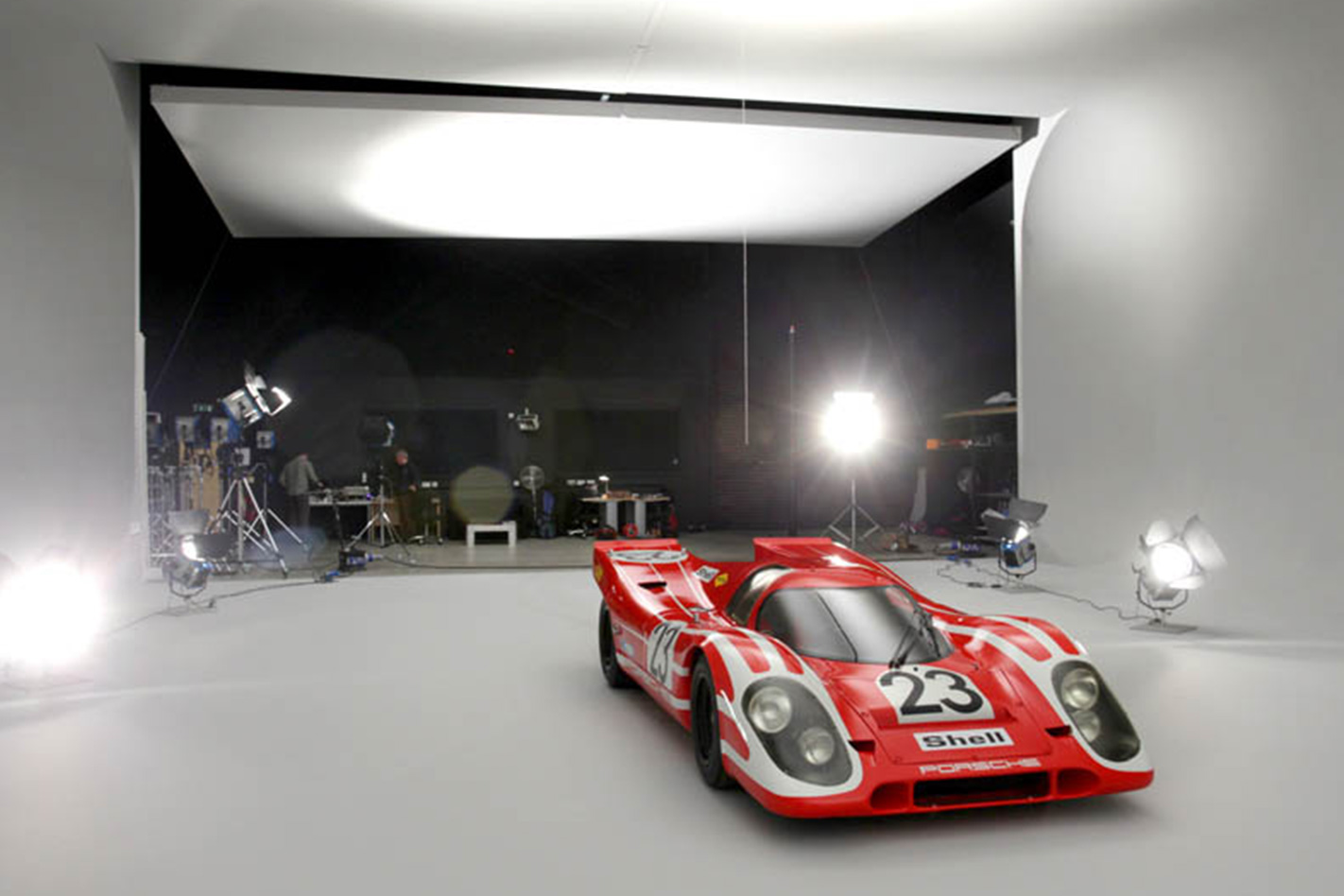
It competed at almost every race event in 1970 under the factory Porsche Salzburg team, and won all the races it competed in.
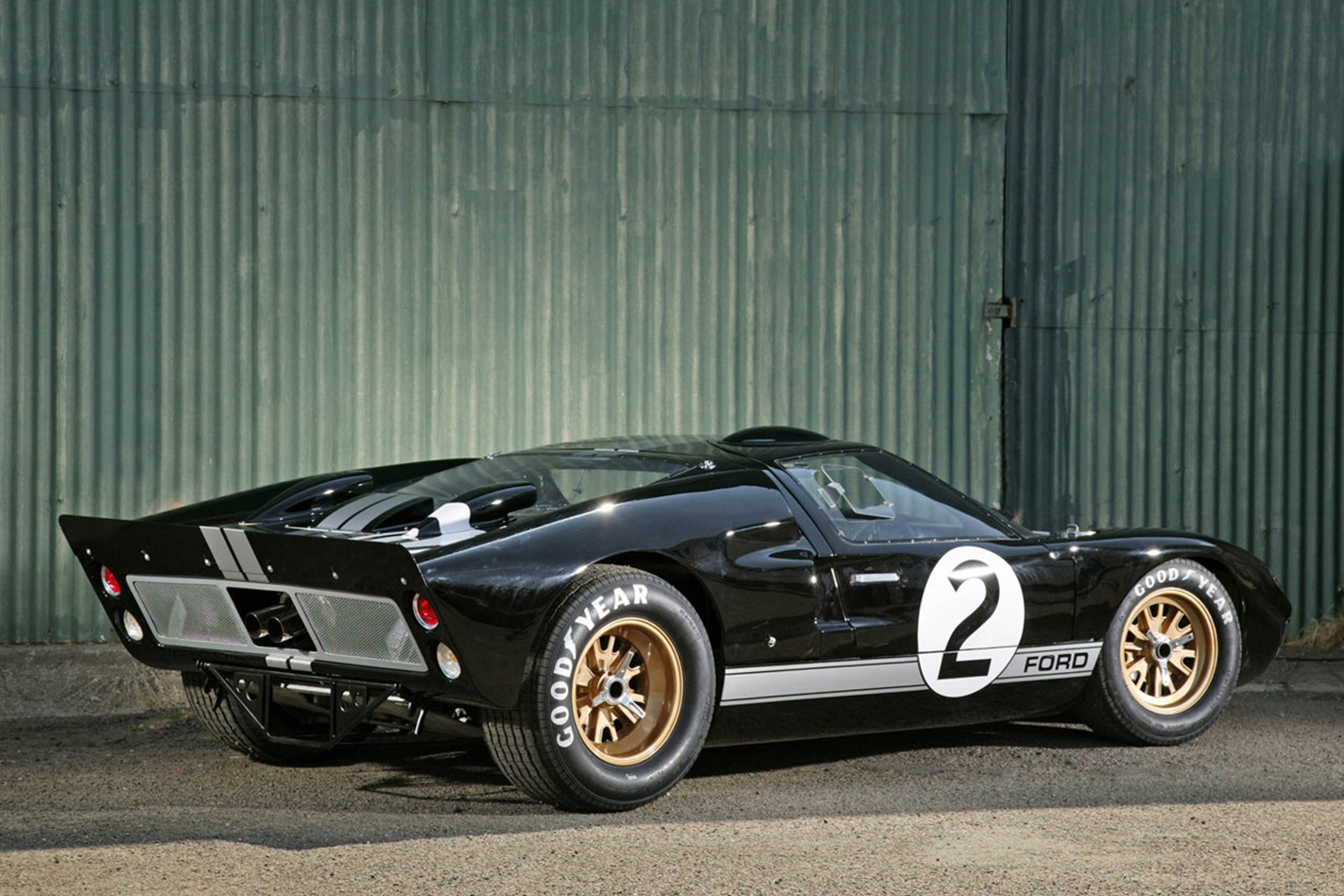
Ford GT40
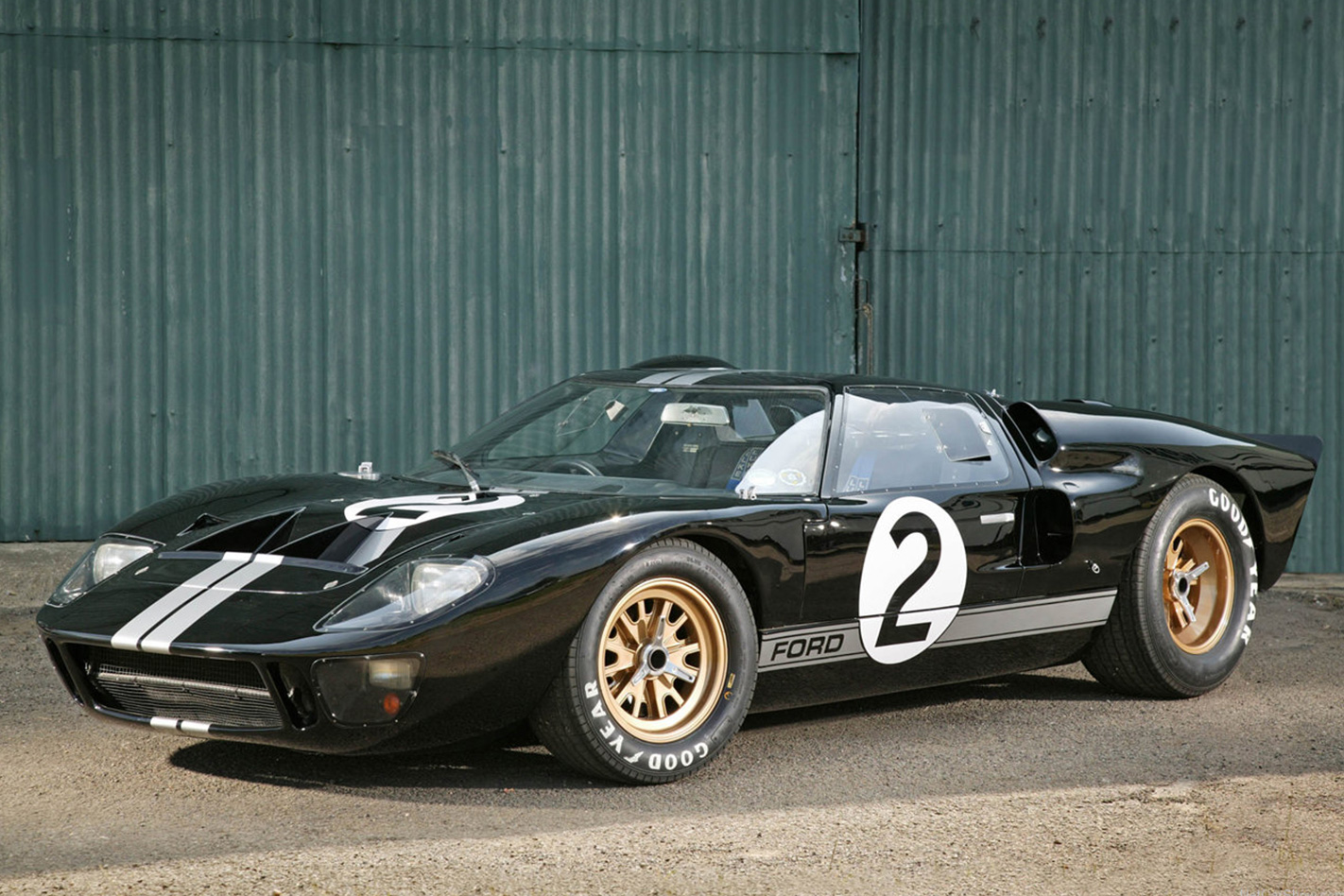
One of the most well-known Le Mans legends centers around Ford’s first venture into the 24-hour race with the now-iconic GT40. Angered by a blocked deal which would have seen Ferrari owned by Ford, Henry Ford II hit back at Ferrari by directing his racing division to build a Ferrari-beating contender – the GT40.
Developed throughout the early sixties, Ford’s competitive plans came to fruition throughout the latter half of the decade having won the 24 Hours of Le Mans four consecutive times – with a stunning 1-2-3 finish in 1966.
Bentley Speed 8
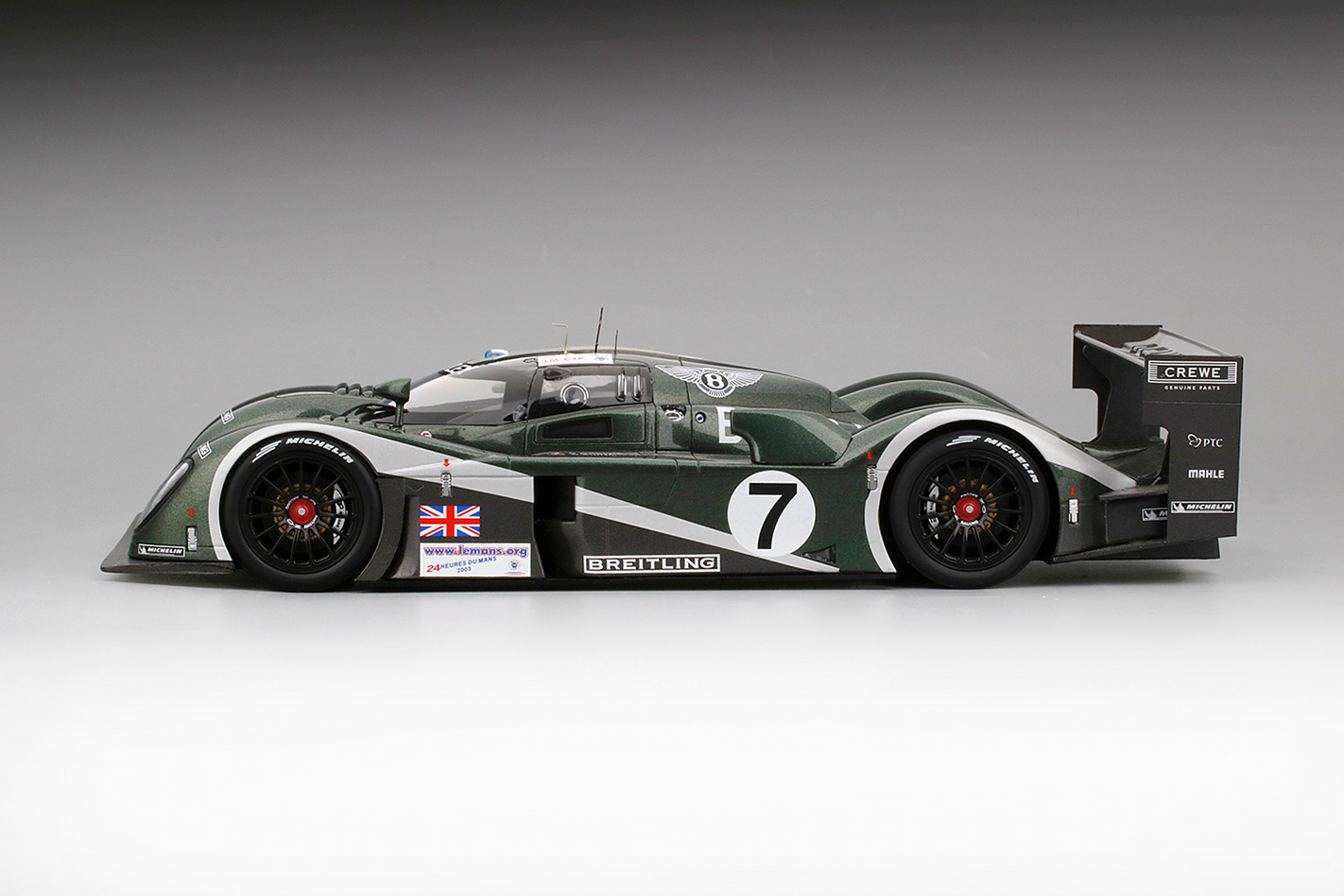
First set upon Circuit de la Sarthe in 2001, the Bentley Speed 8 took two years before winning the race in 2003. Its third-time’s-a-charm win was courtesy of adjustments made after 2002’s race which saw the team move further away from the Audi R8 base car by boring out the engine to four litres, tapering the cockpit design to improve air flow and switching to Michelin tyres.
These cars have seen their time on track, before becoming road-legal racers.
In no particular order, here are some of our favourite Le Mans-veteran homologation and tribute cars.
Toyota GT-One (TS020)
Based on the TS020 LMGTP racer fielded by Toyota in the late 1990s, the GT-One is likely one of the best-known prototype homologation cars.
Powered by an astonishingly powerful 3.6-litre twin-turbo V8, the GT-One produced around 450kW and is reportedly capable of over 400km/h.
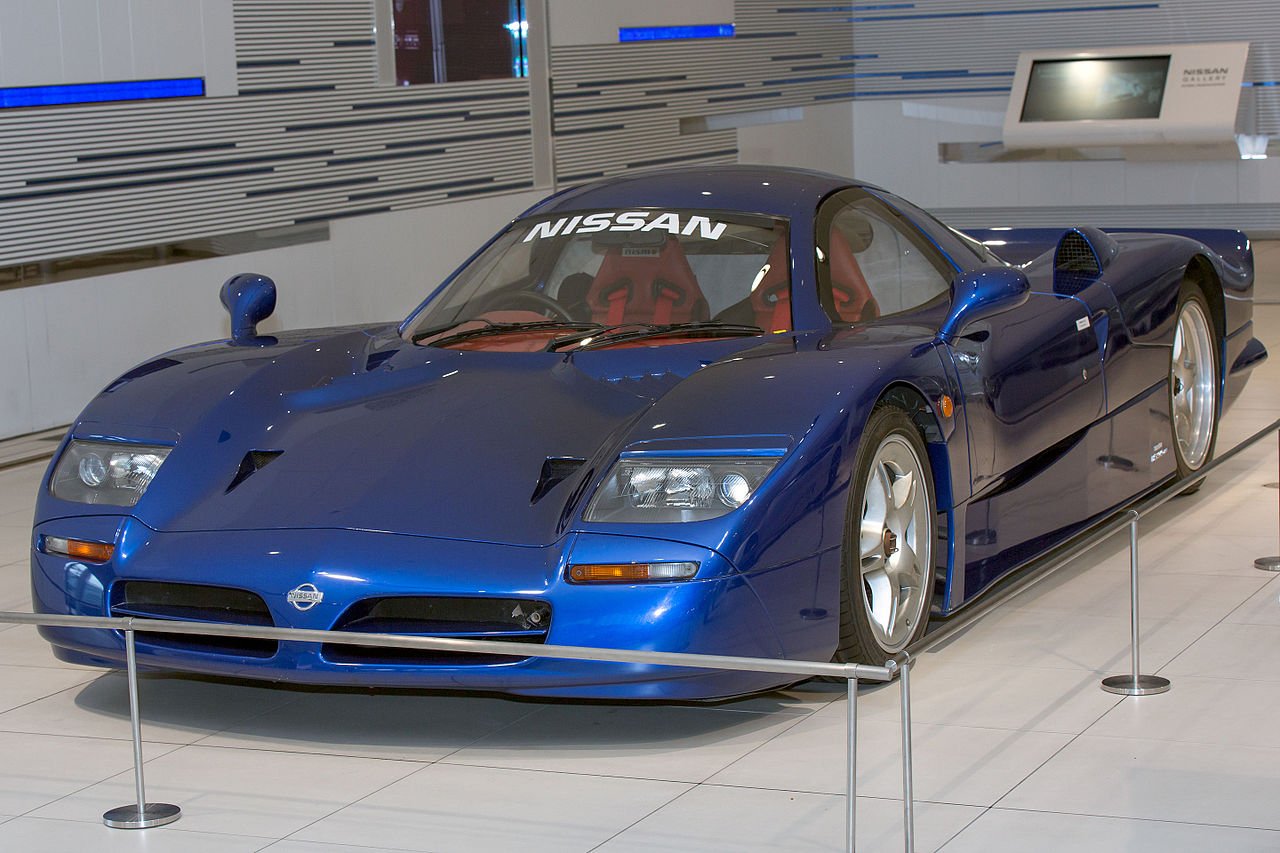
Nissan R390 GT1
As with the GT-One, Nissan’s R390 GT1 road car is a one-off, powered by a 3.5-litre twin-turbo V8. This special, however, produces about 420kW and tops out at a reported around 350km/h.
Designed by Ian Callum, it’s said to have changed from a short to long-tail design when Nissan needed to homologate its updated racer.
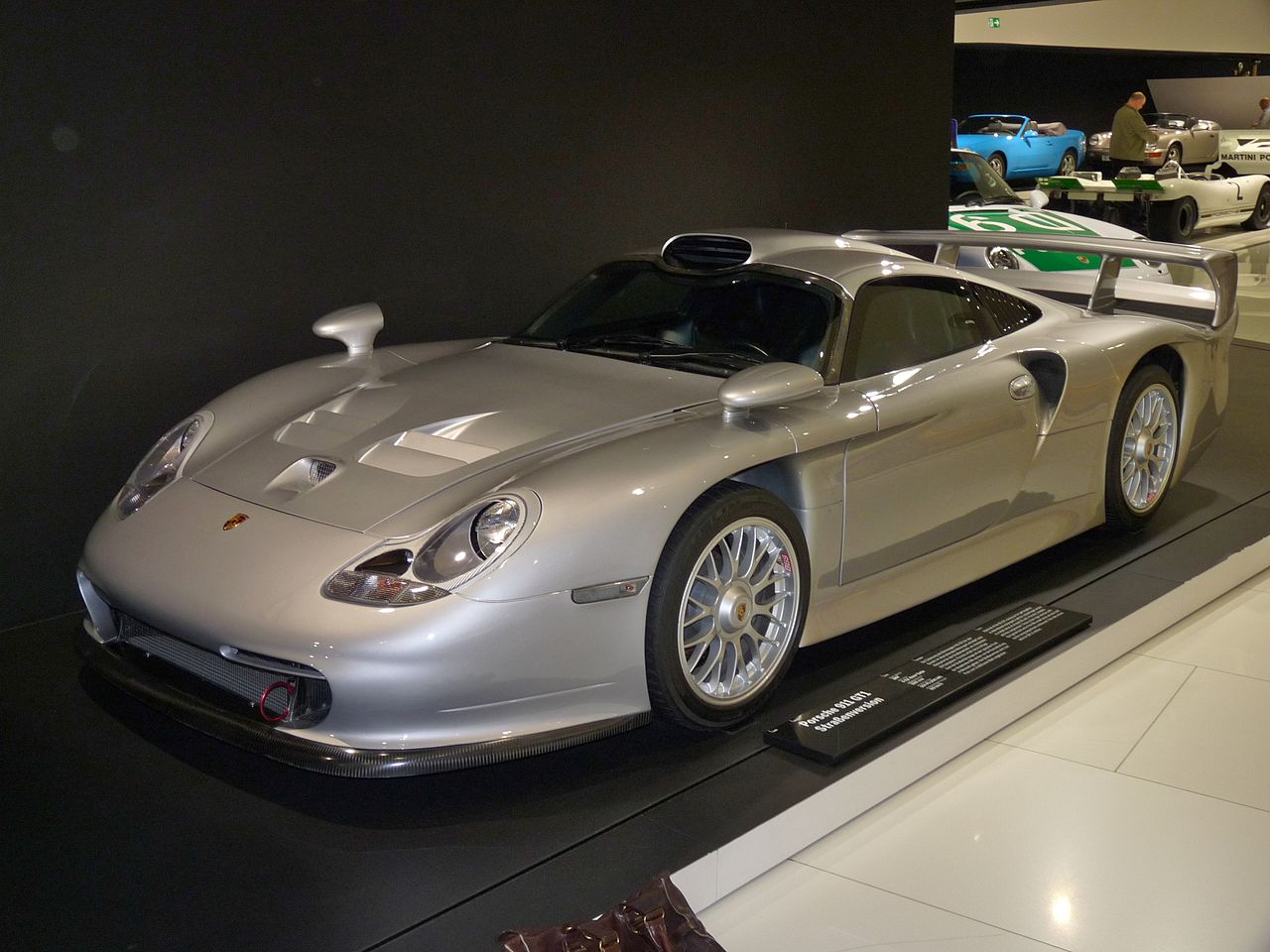
Porsche 911 GT1
A twin-turbo flat-six with more than 400kW and 600Nm at its disposal isn’t unheard of these days, but even a 991.2 911 Turbo doesn’t stand out this much.
It’s thought twenty road-legal cars based on Porsche’s successful GT1 racer were built with 996-inspired headlights, though it’s said two exist with 993 lights – one was used for emissions testing, while the other is reportedly owned by head of Cebarco Bahrain Khalid Abdul Rahim, builder of the Bahrain International Circuit, Yas Marina Circuit.
Dauer 962 Le Mans & Schuppan 962CR
A good portion of the underpinnings of the previous car on this list actually came from the Porsche 962, a car which itself spawned a couple of road versions.
Though not strictly for homologation, Aussie racer Vern Shuppan had a crack at turning the racer into a road-going supercar, as did outfit Dauer Racing.
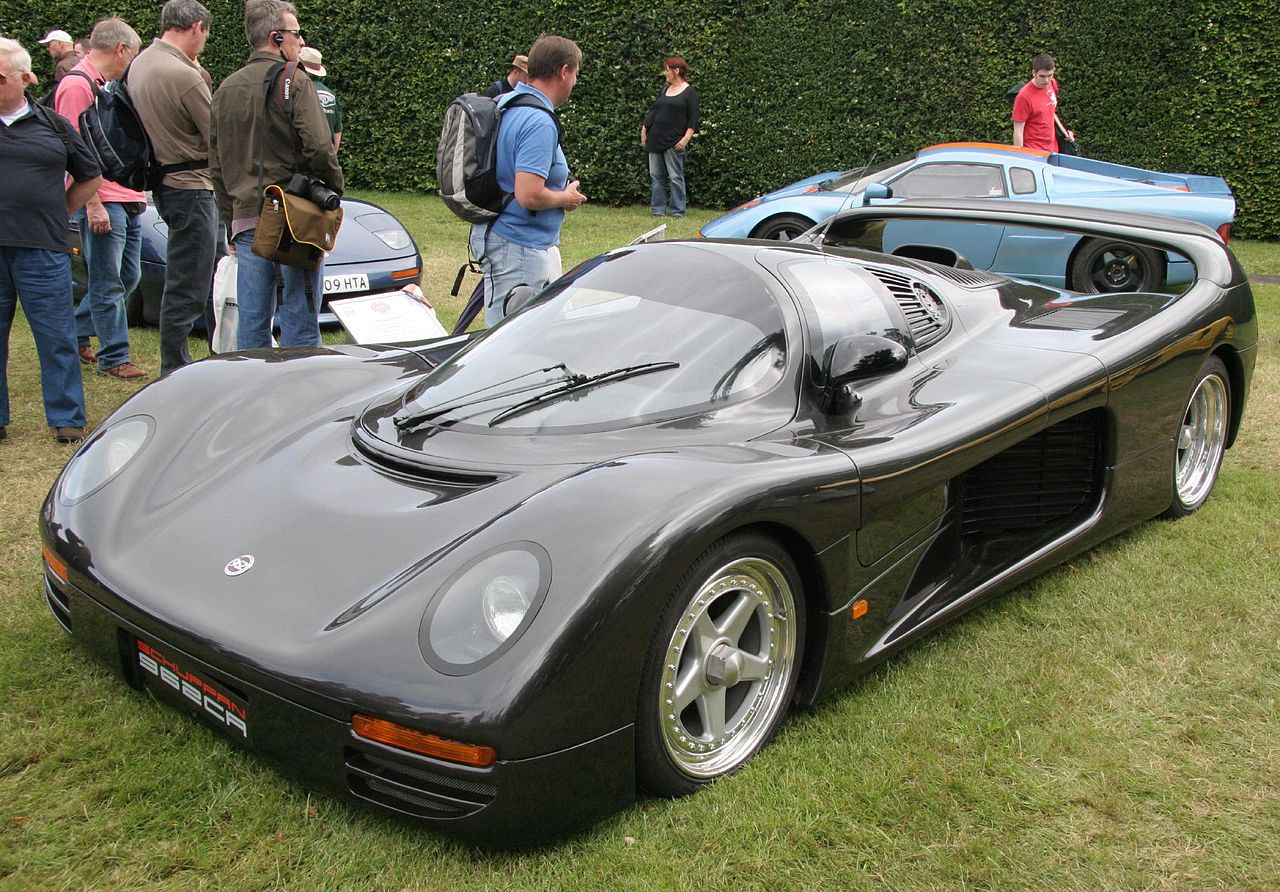
Schuppan’s CR was created as a celebration of his win at Le Mans driving a Porsche 956, while the Dauer car actually did allow Porsche to be represented again at Le Mans through a homologation loophole.
Both road cars used twin-turbo flat-six engines, the CR a 3.3-litre and the Dauer a 3.0.
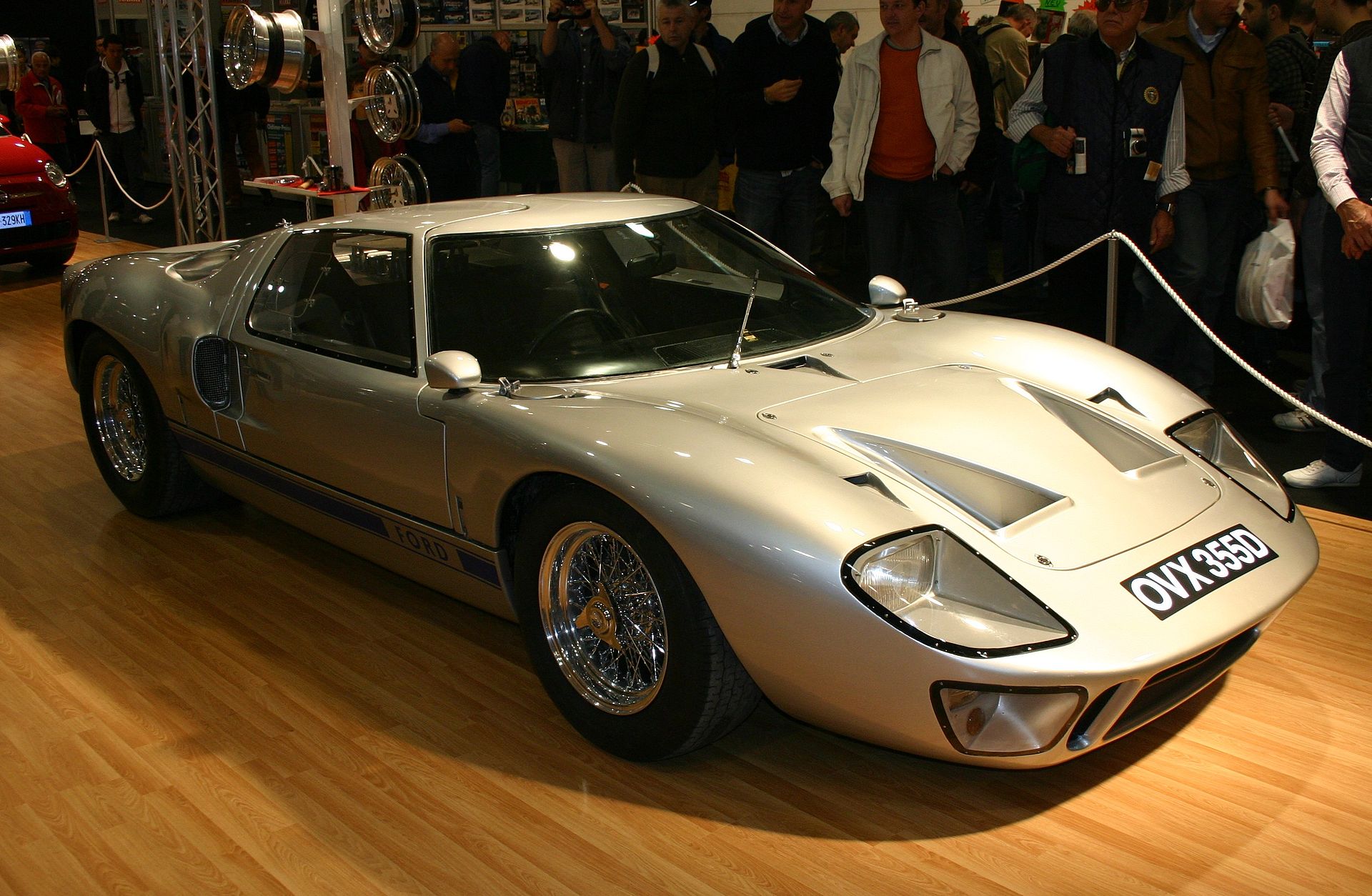
Ford GT40
Arguably the most widely-recognisable Le Mans racer-to-road car, and certainly one of the most iconic, the GT40 is still around today in the form of its ‘GT’ successor.
The race version of the Ford GT40 was so successful it won in 1966, ‘67, ‘68, and ’69. Notable drivers include Bruce McLaren, Dan Gurney, and Jacky Ickx.
A 4.7-litre V8, as used in the Mustang at the time, was the engine of choice for this legendary racer.
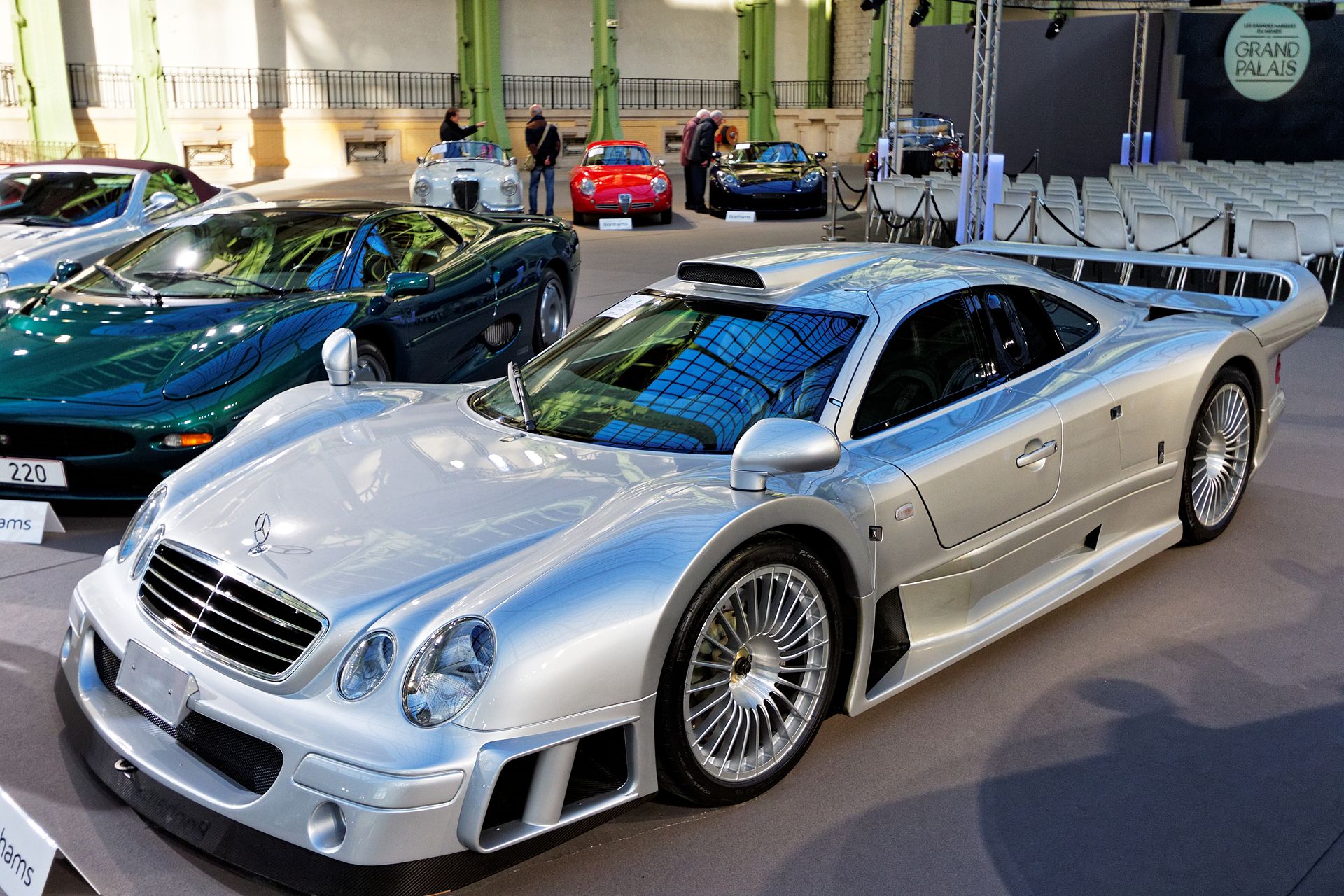
Mercedes-Benz AMG CLK GTR
A 6.9-litre naturally aspirated V12 should have been enough to make this car one of AMG’s wildest creations, but the frankly ludicrous design sure helps.
It reportedly cost more than USD$1.5 million to buy one, so it’s no surprise one ended up in the hands of a Sultan of Brunei.
AMG experts HWA also built some roadster versions, of which its believed six were completed.
Lister Storm
Perhaps Lister’s best known car today, the Jaguar V12-powered Storm boasted ‘the largest V12 engine fitted to a production road car since World War II.’ According to Lister.
The road version of this Le Mans racer (with a chequered report card) was good for 407kW and 790Nm, and could hit 97km/h (60mph) in 4.1 seconds.
It wasn’t cheap, priced at around 200,000 pounds, which meant only four road cars were built.
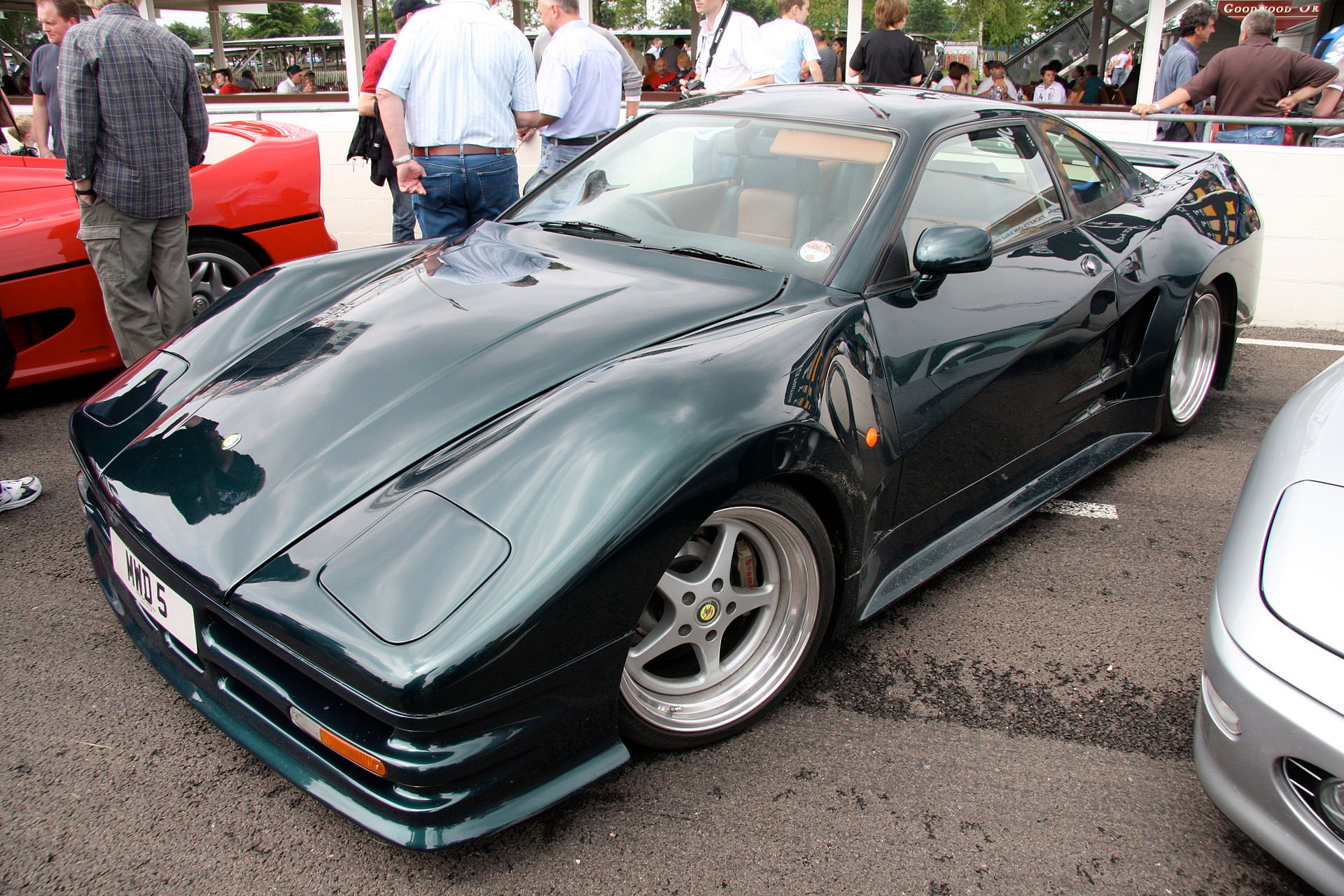
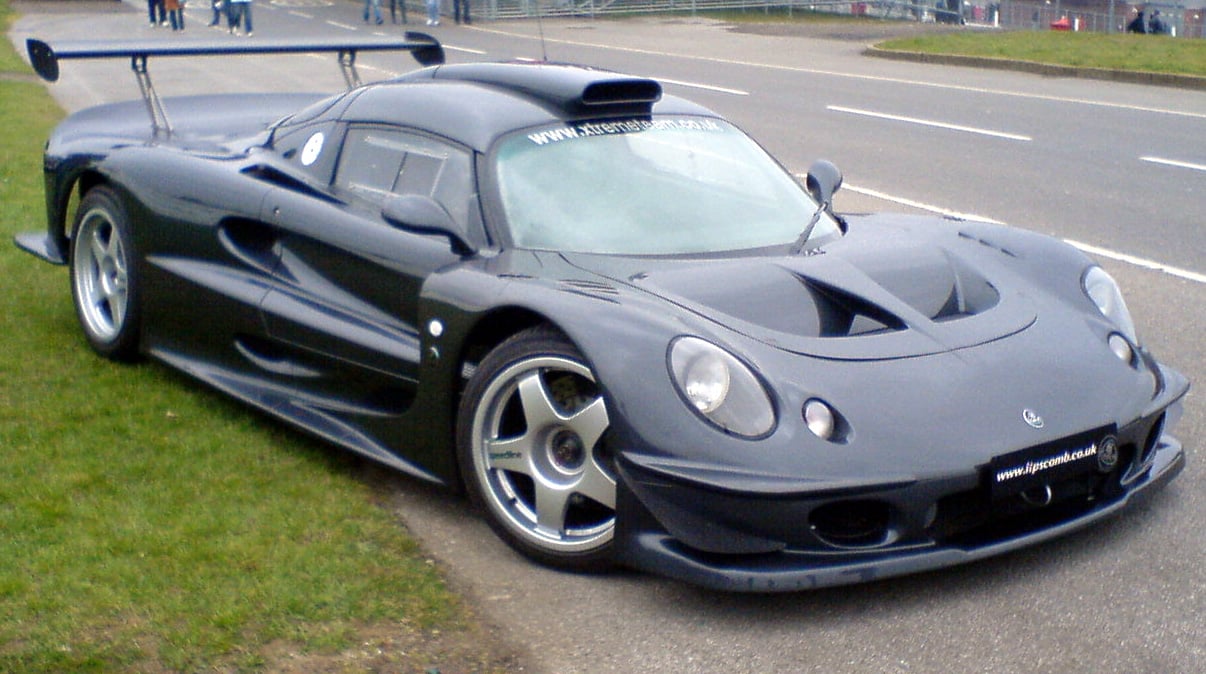
Lotus Elise GT1
While the Elise came well before the GT1 racer was built, a road-going version of the GT1 did come to exist afterwards.
It was reportedly used as a test car, though it ended up running on a V* engine from the previous Esprit racer.
It’s the only one to exist, and Lotus never ended up selling it.
Panoz Esperante GTR-1
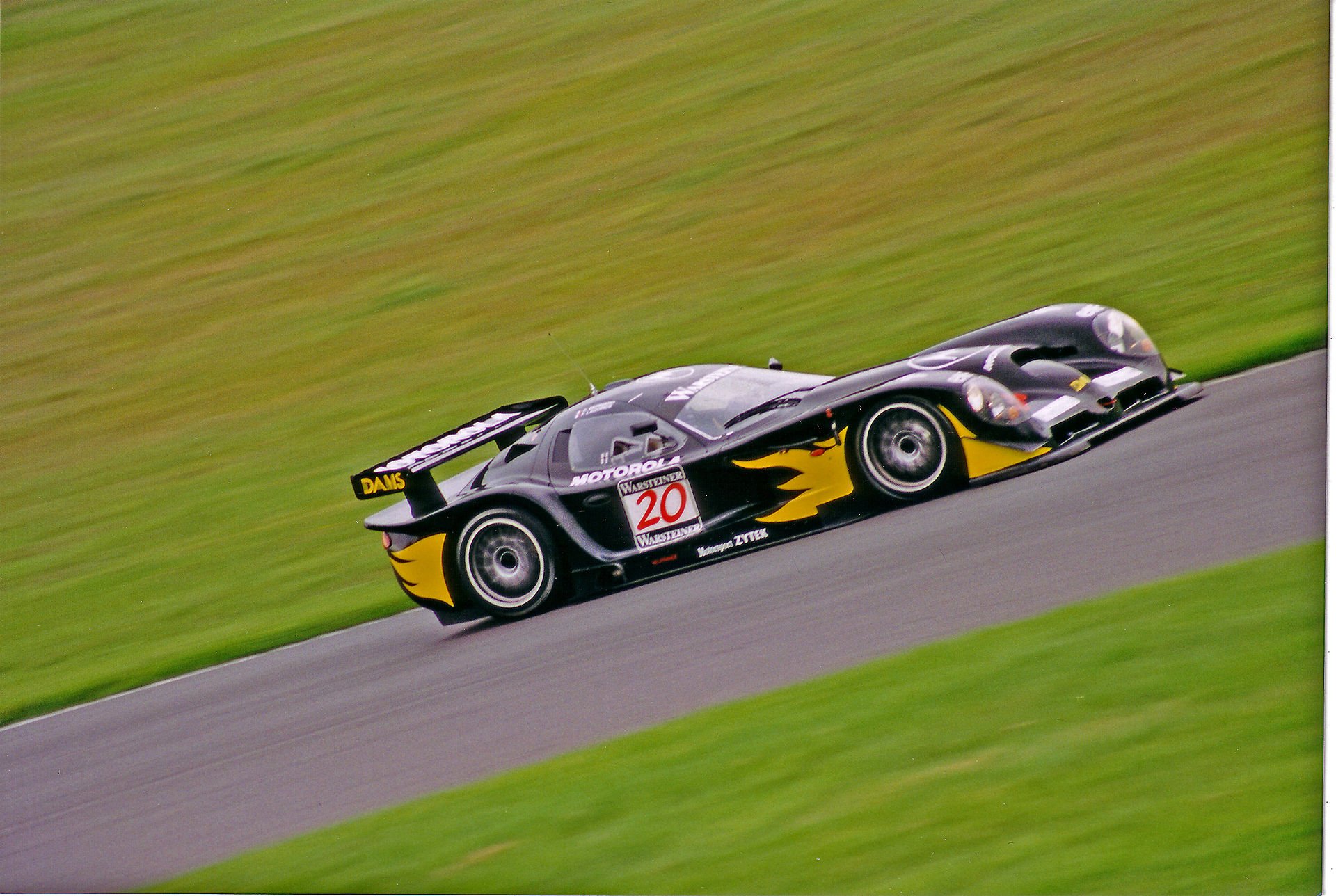
Don’t feel bad if you haven’t heard of the Panoz Esperante, it’s an odd little sports car built in small numbers in the US.
A GT1 car ended up being built based on it, which then spawned a road version of that. According to Panoz, it still featured a ‘front/mid-mounted American V8.’
Its racing brother’s Le Mans career has been littered with DNFs – actually, pretty much only DNFs – which means it’s never been widely-celebrated.
THE road-going BMW 8 Series has made a last appearance ahead of its official debut at the 24 Hours of Le Mans tomorrow.
Like a jealous sibling hiding suspiciously in the shadows of the M8 GTE racer, the final teaser shot brings to a close a 13-month campaign of hype; it started in May 2017 with a misty profile image and the confirmation that the 8 Series name would return.
This may only be an out-of-focus glimpse with the race version of the 8 Series taking the limelight, but this is the best view yet following a concept car and plethora of prototypes hidden behind camouflage.
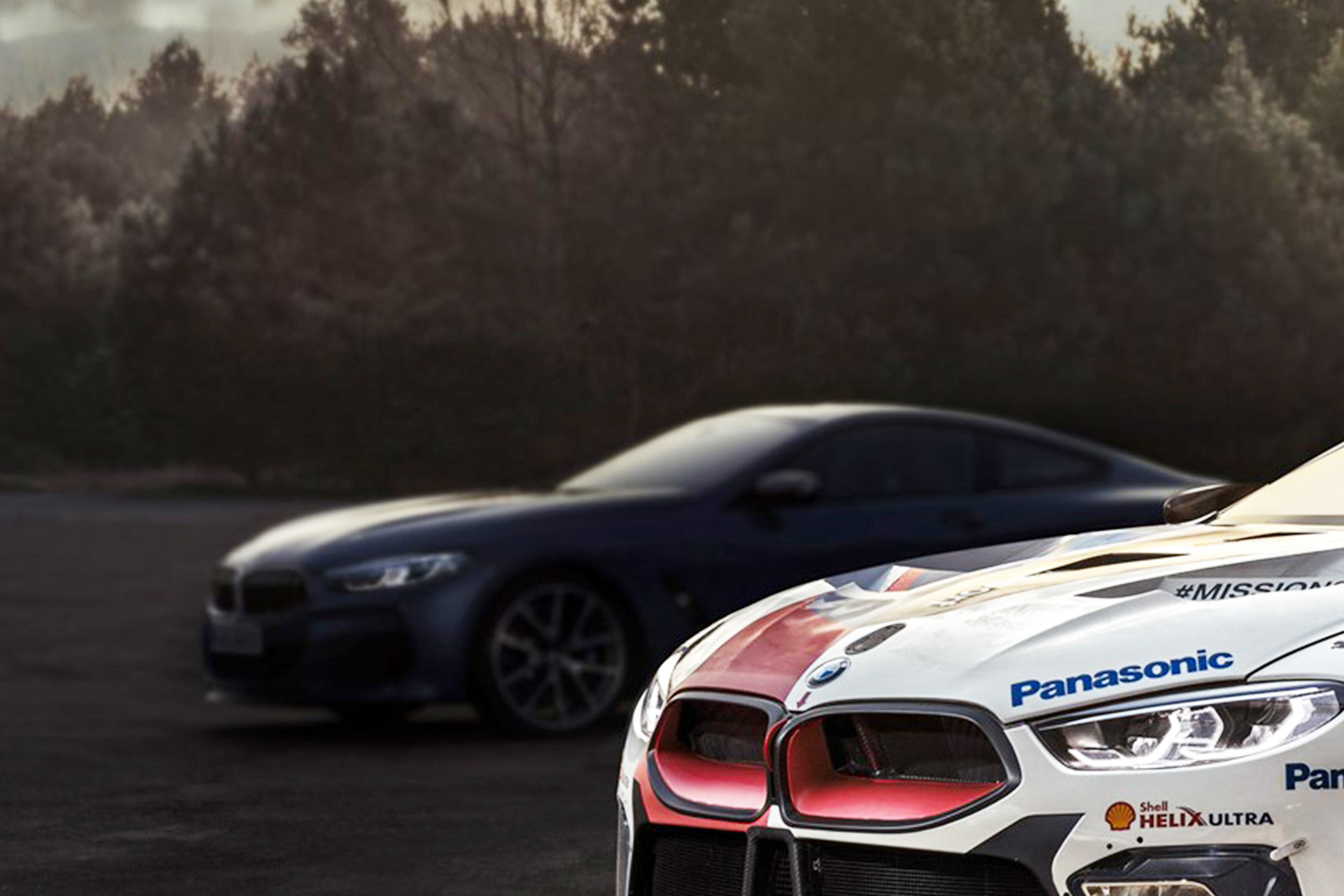
This time though, the image’s carefully managed shallow depth of field reveals no significant secrets other than a handsome satin paint job.
Some are touting the 8 Series as the new flagship of BMW’s fleet. However, what has eventuated is not the fire-breathing supercar many predicted, but a high-performance, coupe-styled grand tourer that’s more likely to hold the company mantle alongside the 7 Series flagship limo.
Rivals in the large ultra-luxo hi-po coupe arena are few and far between but Mercedes’ S-Class coupe will be watching intently, as will Bentley’s Continental GT and the ageing Maserati GranTurismo.
Other than a leaked image that revealed interior details including vibrant red leather upholstery, little has been revealed of the 8 Series cabin, which is expected to feature a large all-digital instrument cluster, a new dashboard layout, two pedals and a heavy dose of luxury equipment.
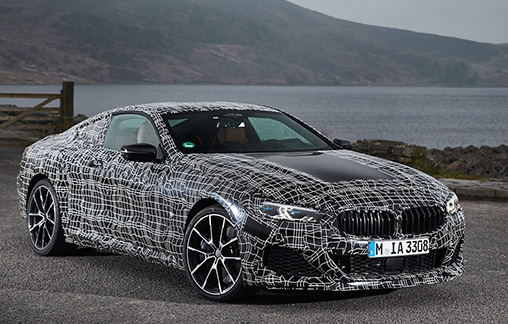
It is not known if the car that will roll out – hopefully to focussed cameras – will be the mightiest M-powered M8 version or a more affordable variant somewhere further down the range.
We’ve seen the resurrected 8 Series cutting powerslides in the snow, tearing rubber at the Nurburgring, touring incredibly photogenic Welsh vistas and even upside down in a ditch, but its almost time to see a full frontal of the first 8 Series in almost 20 years.
