
AT $390,000, the Lamborghini Urus won’t be the cheapest Raging Bull to hit Australia by a small margin. Convert that to kilowatts per litre, though, and suddenly it’s punching very hard.
The Lamborghini Urus will cost $390,000 when it arrives late this year, packing 478kW of blood-curdling, hair-raising, skin tingling 4.0-litre twin-turbo V8 under its creased bonnet. Combine that power with 850Nm of torque from as low as 2250rpm, and the big Lamborghini will flick through its eight-speed automatic gearbox to hit 0-100km/h in 3.6 seconds, 0-200 in 12.8sec, and hit the limiter at 305km/h.
It’s not all about straight-line speed, though. Inside, there are six modes of traction control, running through Sabbia (sand) and Neve (snow) for optional off-road functions, and Terra (land or earth), Sport, Corsa (track) and Strada (street) for the tarmac stages.
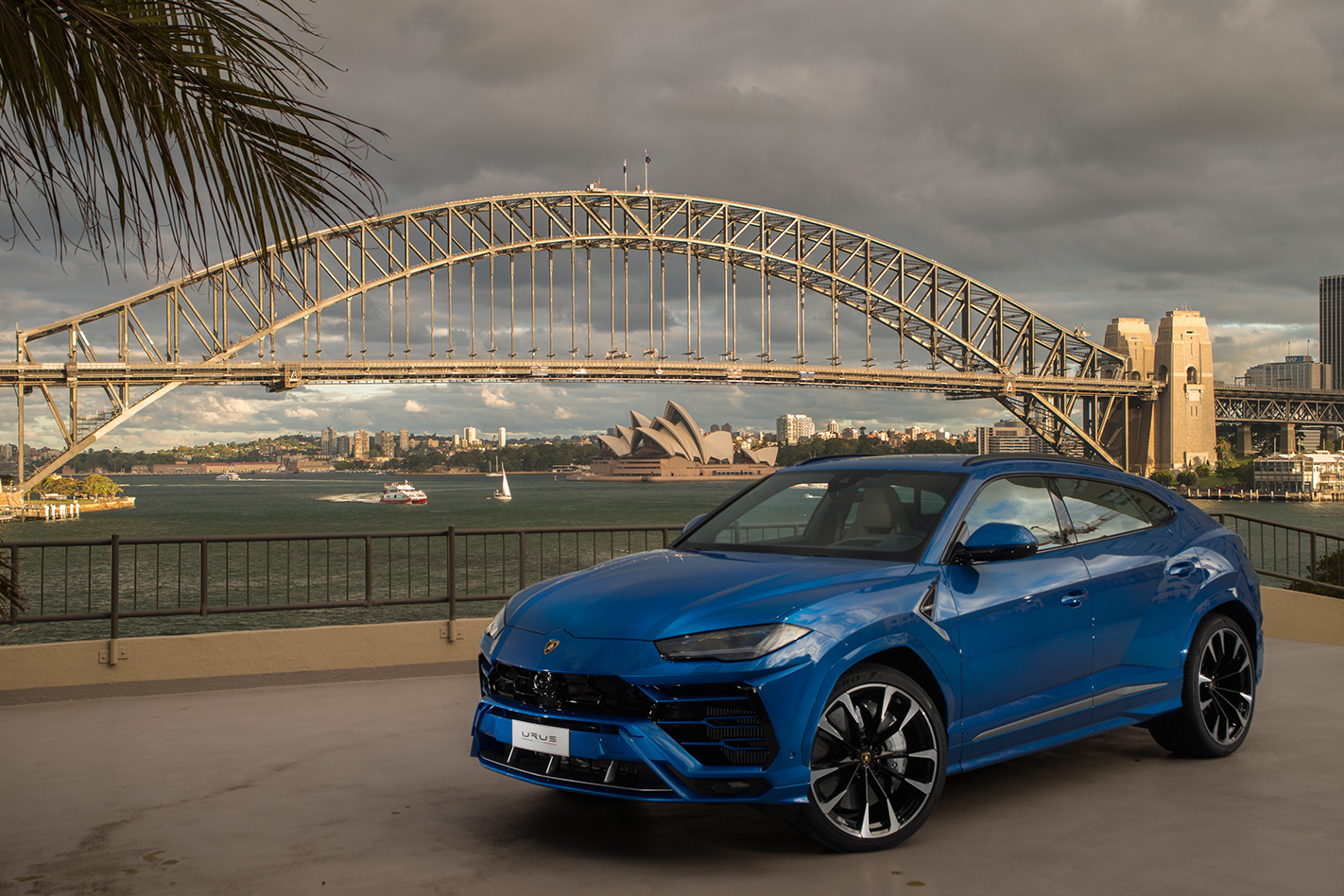
In specific output terms, the force-fed all-wheel-drive Urus will produce 119.5kW per litre. The circa $11,000 cheaper, rear-drive Lamborghini Huracan LP580-2’s 5.2-litre atmo V10 will produce just 81.9kW/L. Even the $788,914 Aventador S’s 544kW 6.5-litre V12 only manages 83kW/L.
As always, there are plenty of options available to push up the price, including a tow pack, bars to fit the roof rails, a kick-to-open tailgate and a night vision package. Also there is a Lamborghini smartphone interface for those who can’t live without casting their Apple or Android device onto the dashboard.
If you want to drown out the noise of the V8 converting decent gobs of premium fuel into tyre smoke, an eight-speaker, four-channel audio system is the default set-up. An option is a 21-speaker Bang and Olufsen sound system featuring a 1700 Watt output through 21 speakers.
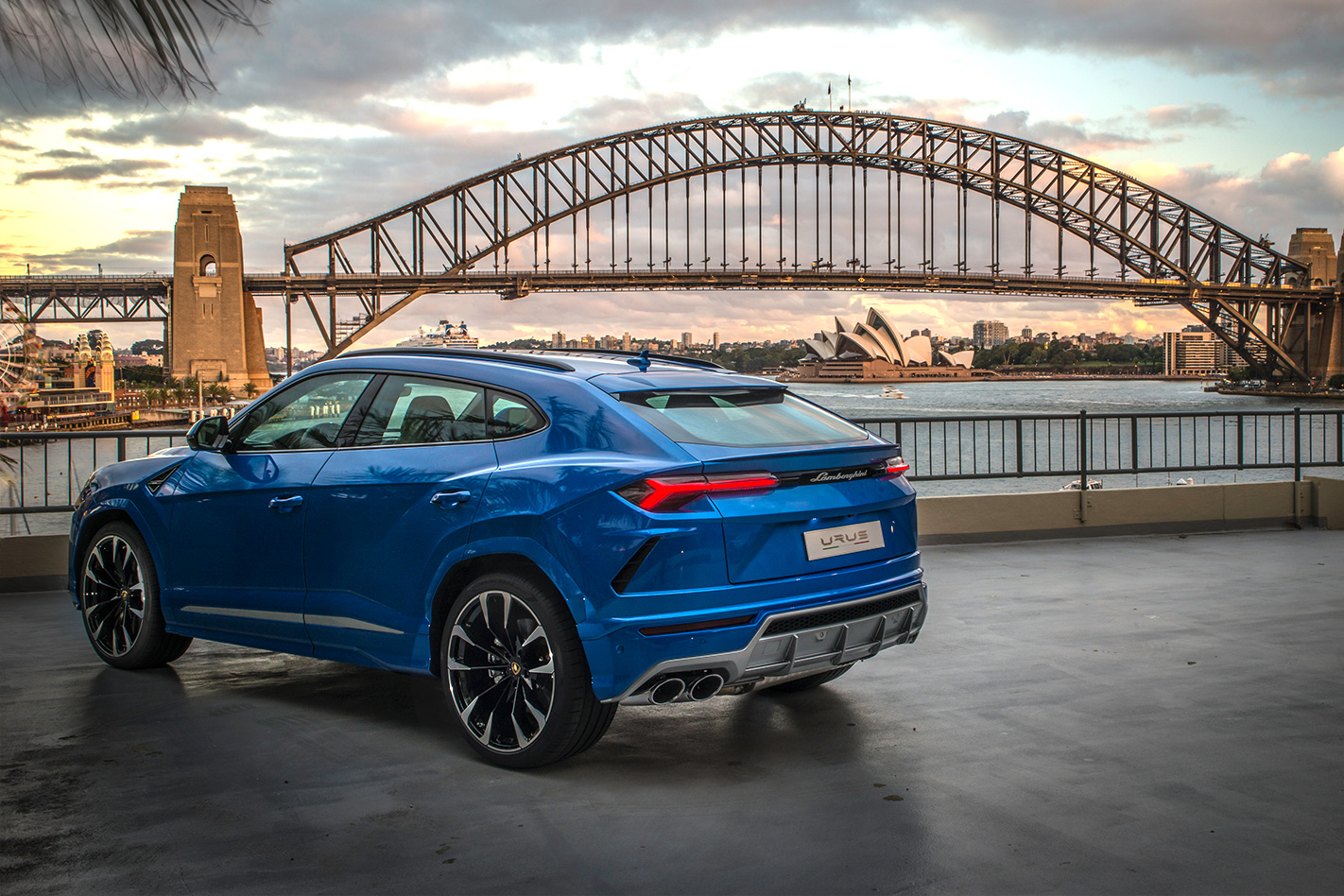
The rear of the Urus will dump the air in its suspension system to squat down when asked, helping with loading the boot space.
The four-wheel-steering Urus will perform a U-bolt, on average, within an 11.8-metre turning circle.
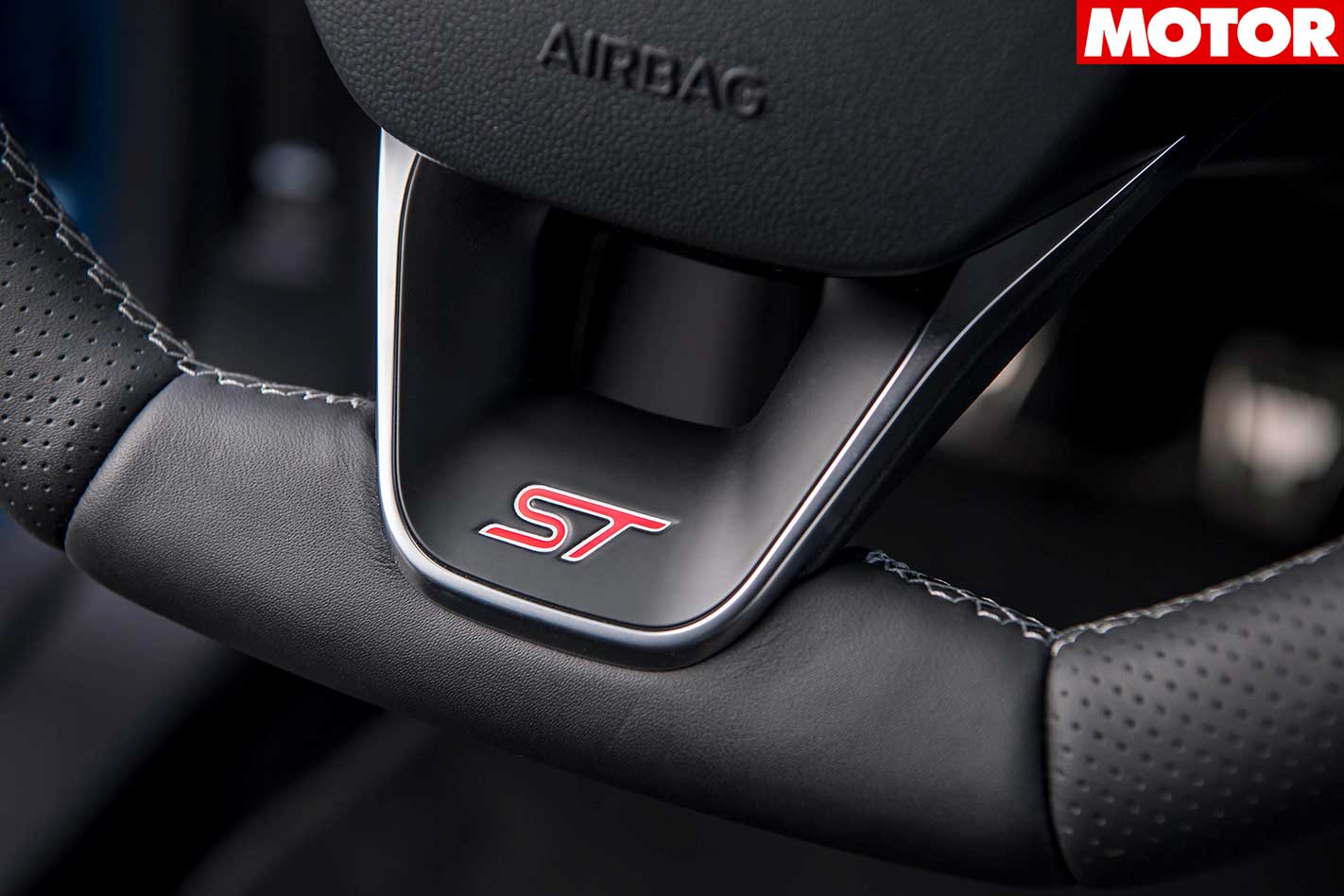
Ford has revealed new information regarding the next-gen Fiesta ST.
Most importantly is the addition of an optional Quaife LSD to the mini hot hatch, which aims to keep its 149kW/290Nm being put to good use.
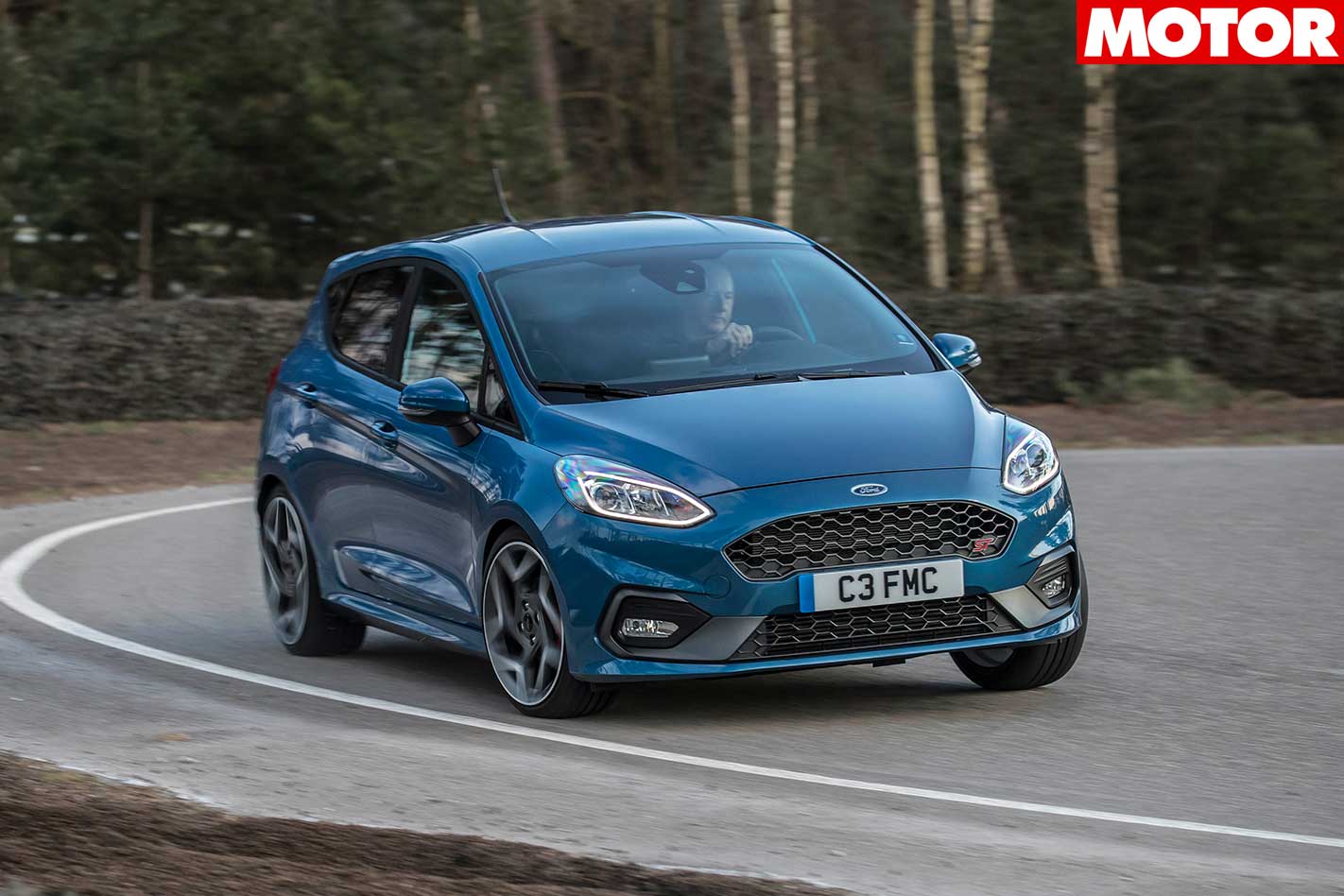
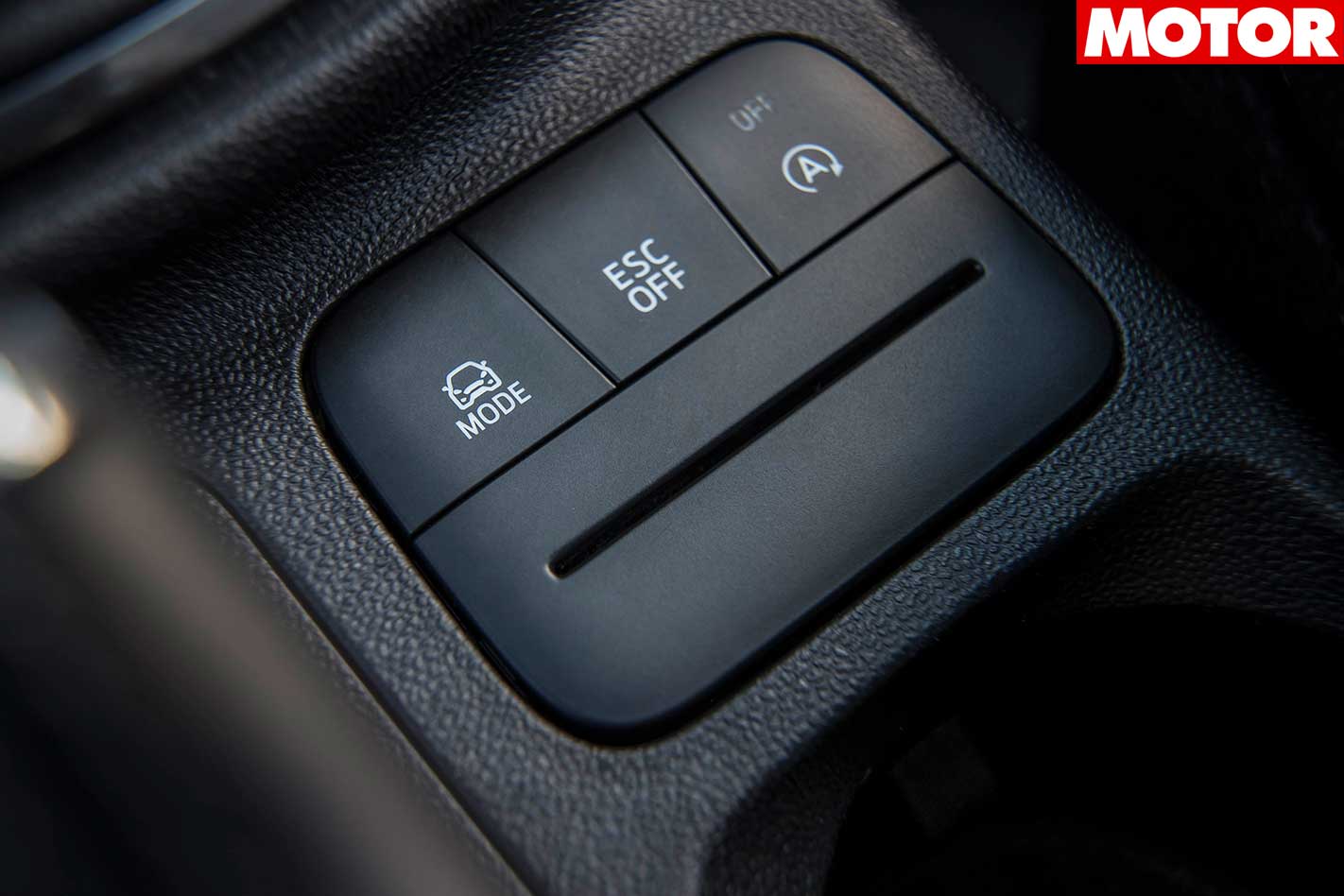
Launch control is also an option, while active exhaust and even cylinder deactivation are added as standard.
“Hot-hatch drivers are expecting big things from this small car,” European Ford Performance director Leo Roeks says.
“Performance car drivers will be familiar with the dreaded ‘one-wheel peel’, where a fast corner exit is hampered by an overload of torque to the inside wheel.
He says Ford also spent plenty of time making sure the Fiesta ST has the optimum suspension setup to be effective for hard driving, but comfortable for daily use.
Ford has decided on twist-beam rear suspension with “non-uniform, non-interchangeable, directionally-wound springs”, which should make the Fiesta easier to turn in sharply.
“We went through three times the normal number of suspension iterations to find a set-up that delivered the exciting driving experience demanded of an ST model, but also comfort and refinement for everyday driving.
“The car’s sophisticated dampers self-adjust to tune out high-frequency road imperfections when there is limited demand for damping – like on the motorway, but adjust again to deliver optimised road-holding performance when driven hard.”
IT’S brutally cold, I’m bleary-eyed after travelling for days and my internal body clock has completely given up trying to synchronise my brain with the day/night cycle.
My adrenal glands are definitely still functioning, though, and I know this because excitement and anticipation are the only things keeping my eyelids from snapping shut like bear traps. Today we get sideways on ice.
And we’ll be doing it in spectacular fashion too: located halfway up Sweden’s length and close to the border with Norway, the town of Ăre sits on the banks of a modestly-sized lake in a picturesque snow-dusted and wooded valley. People come to Ăre to ski on the slopes above, but Toyota has sent us here to experience snowdrifts of a different sort.

Toyota’s arranged for a handful of limited-edition Yaris GRMNs for us to drive on the ice as well, and we start off with a quick elk-avoidance test in the roided-up compacts to demonstrate just how little traction there is on the lake’s metre-thick ice.
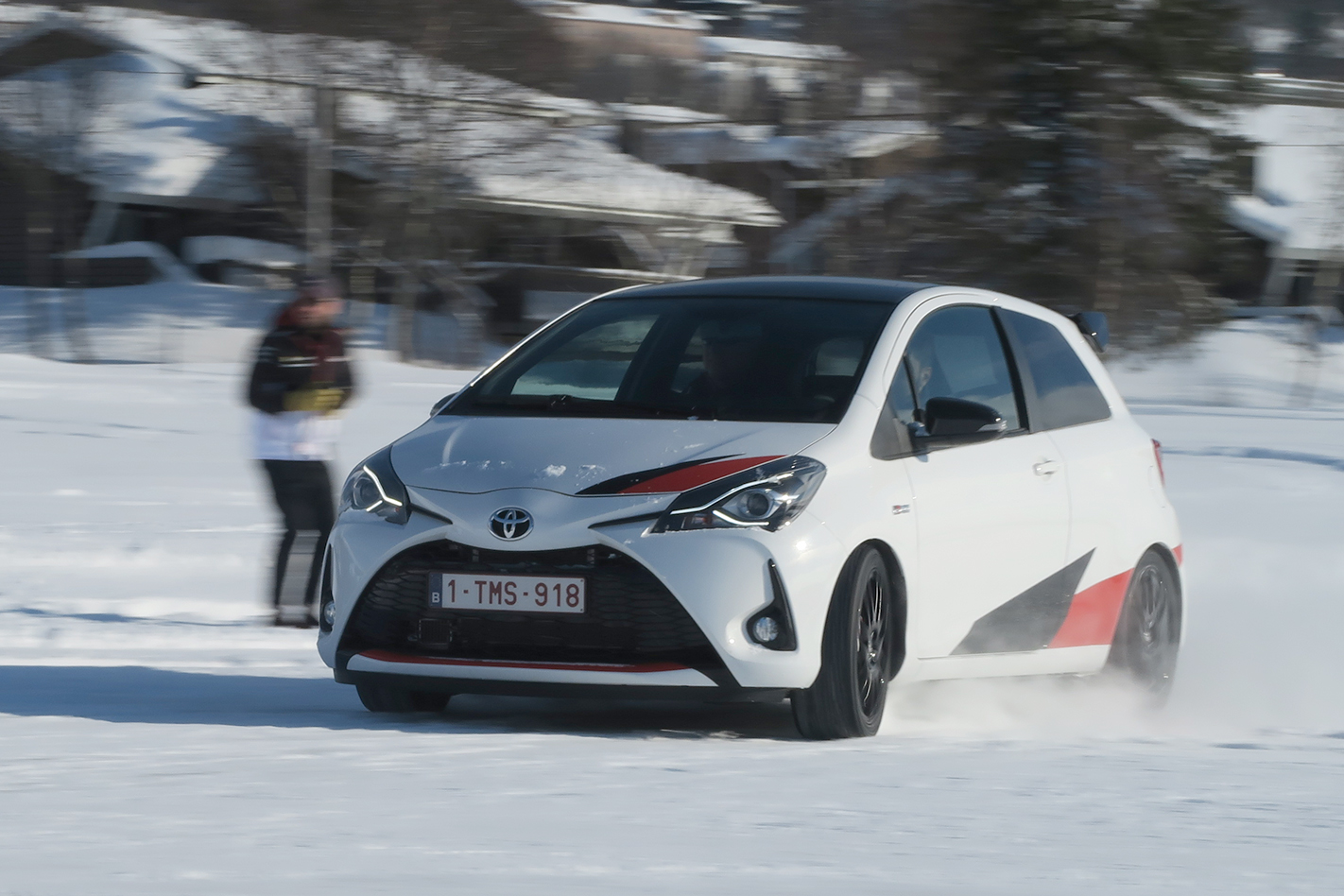
Even so, I manage to spin it dramatically while avoiding the imaginary elk and embed its snout deep into a snow bank. Oops.

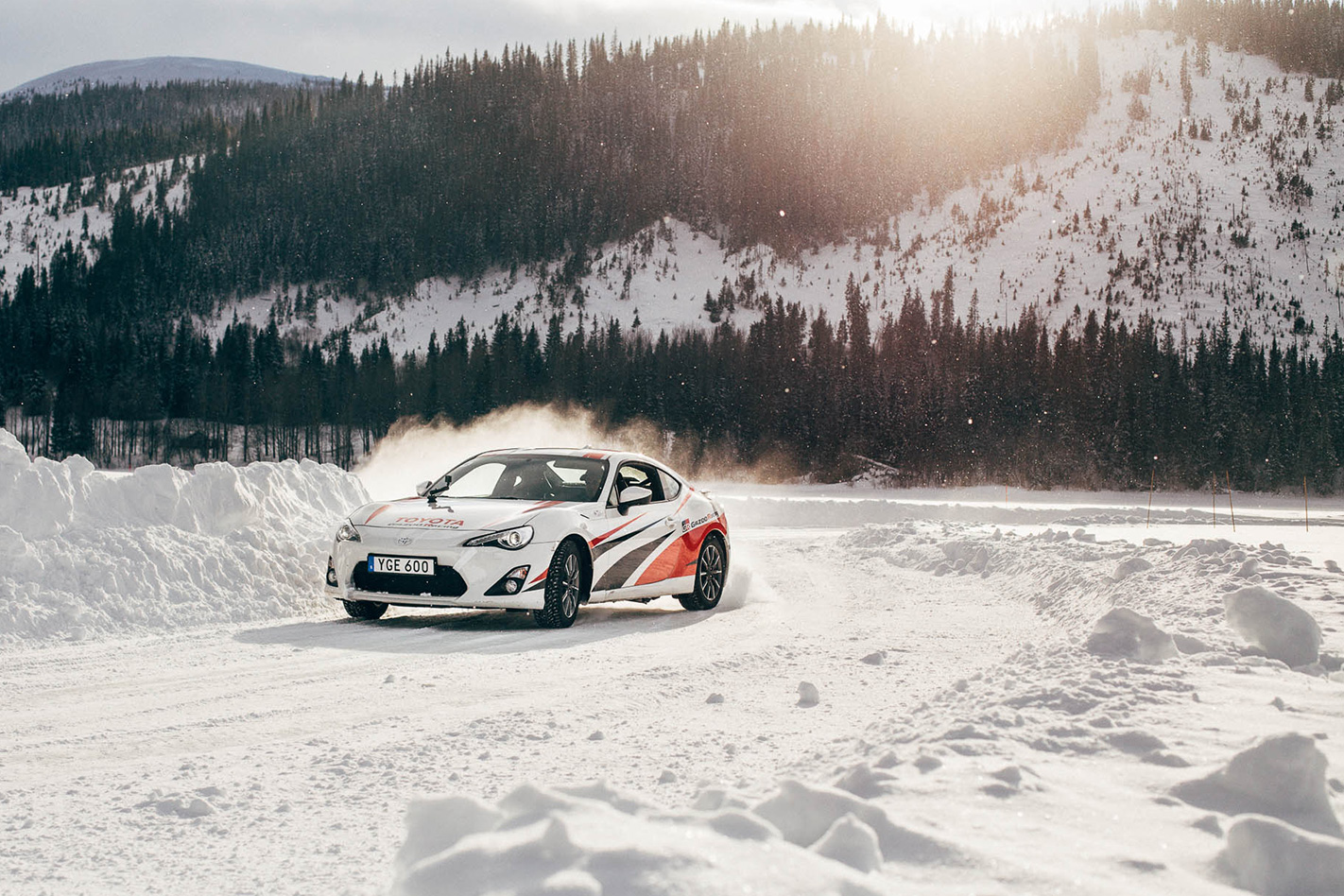
Turn in quickly then prod the accelerator pedal and the rear steps out straight away. Hold the throttle setting while dialling in counter-steer and a lovely powerslide is the result. Few cars make this process feel as natural and approachable as the Toyota 86, even on polished ice.

And there’s plenty of scope to play with it. Power oversteer is fun, but inertia drifts – AKA, the ol’ Scandinavian Flick – are cooler.
Using speed and steering to initiate a drift requires a little more skill, but do it right and the entire course can be linked in a smooth sequence of slides by sharply lifting the throttle to send the car’s rump the other direction.

We move on to a timed circuit with more corners and opportunities to bring the speed up, and the 86 proves even more joyous. Responsive, adjustable and predictable, it’s clear that Toyota engineered the 86 to be a drift machine.
A couple of days after our sojourn to Ăre, Toyota lifted the covers off the GR Supra Racing Concept at the Geneva Motor Show: a thinly-veiled version of the upcoming fifth-generation Supra that’s been given the racecar treatment for its Geneva debut.
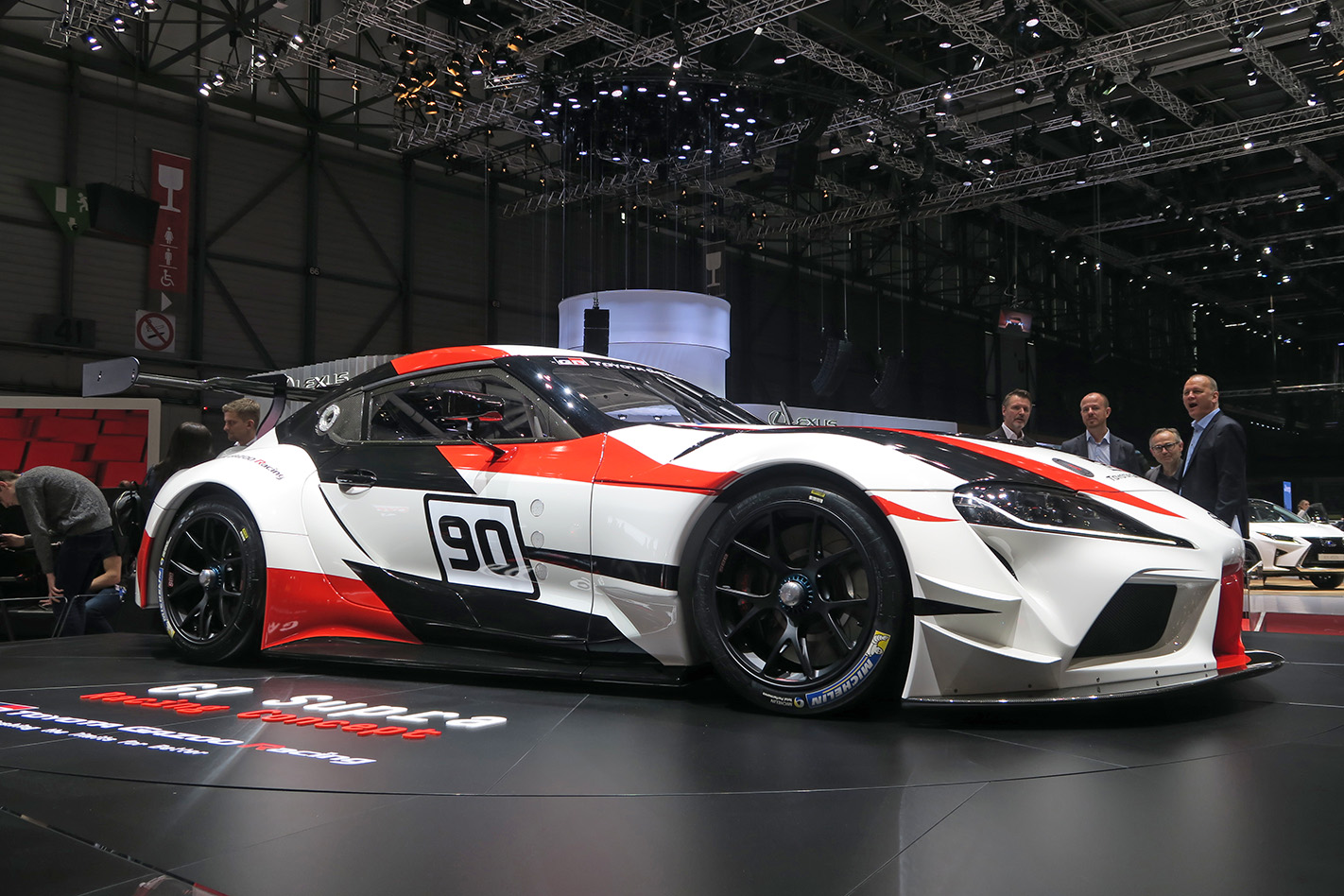
With that in mind, getting acquainted with the 86 isn’t just a bit of fun – turns out it’s homework to get us primed for the return of the Supra. And if the 86’s performance on ice is any indication, the new Supra is bound to be something very cool indeed.

THE 2018 Ford Mustang will have the full gamut of drive modes featured in cars sold in US and European versions, including Drag Mode launch control for maximum acceleration off the mark.
While uncertainty initially surrounded which drive modes would be available in Australia, Mustang chief engineer Carl Widmann told Motoring.com.au a new drag mode would feature on the cars delivered Down Under.
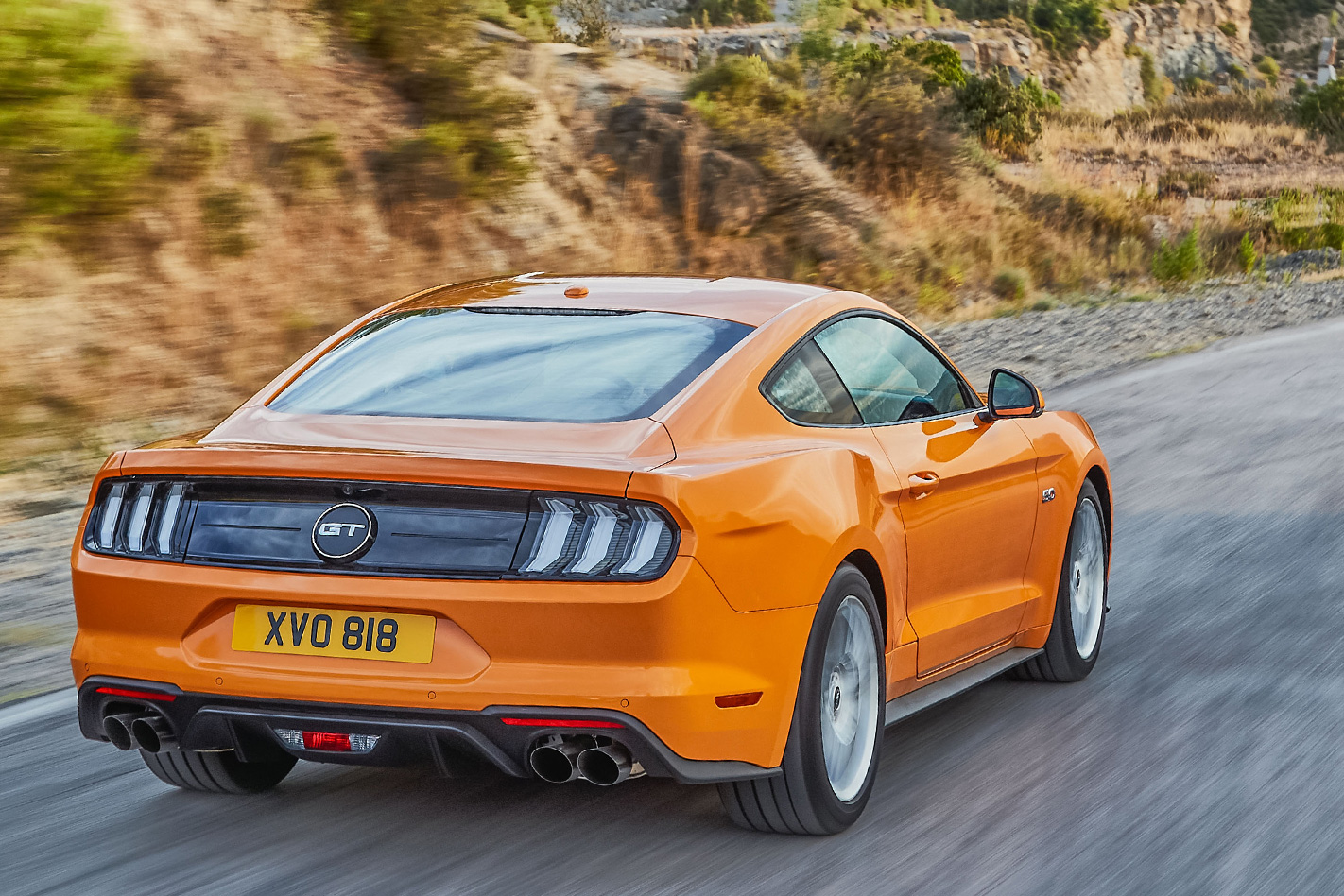
When Wheels performance tested the current V8 Mustang, with a six-speed automatic gearbox, it sprinted to 100km/h from a standstill in 5.0 seconds and the dramatic increase in performance is partly attributable to a power upgrade of nearly 10 percent as well as the drag mode.
Ford in the US claims Ecoboost 2.3-litre turbo four-cylinder variants will be able to accelerate to 97km/h (60mph) in 5.0 seconds with drag mode.
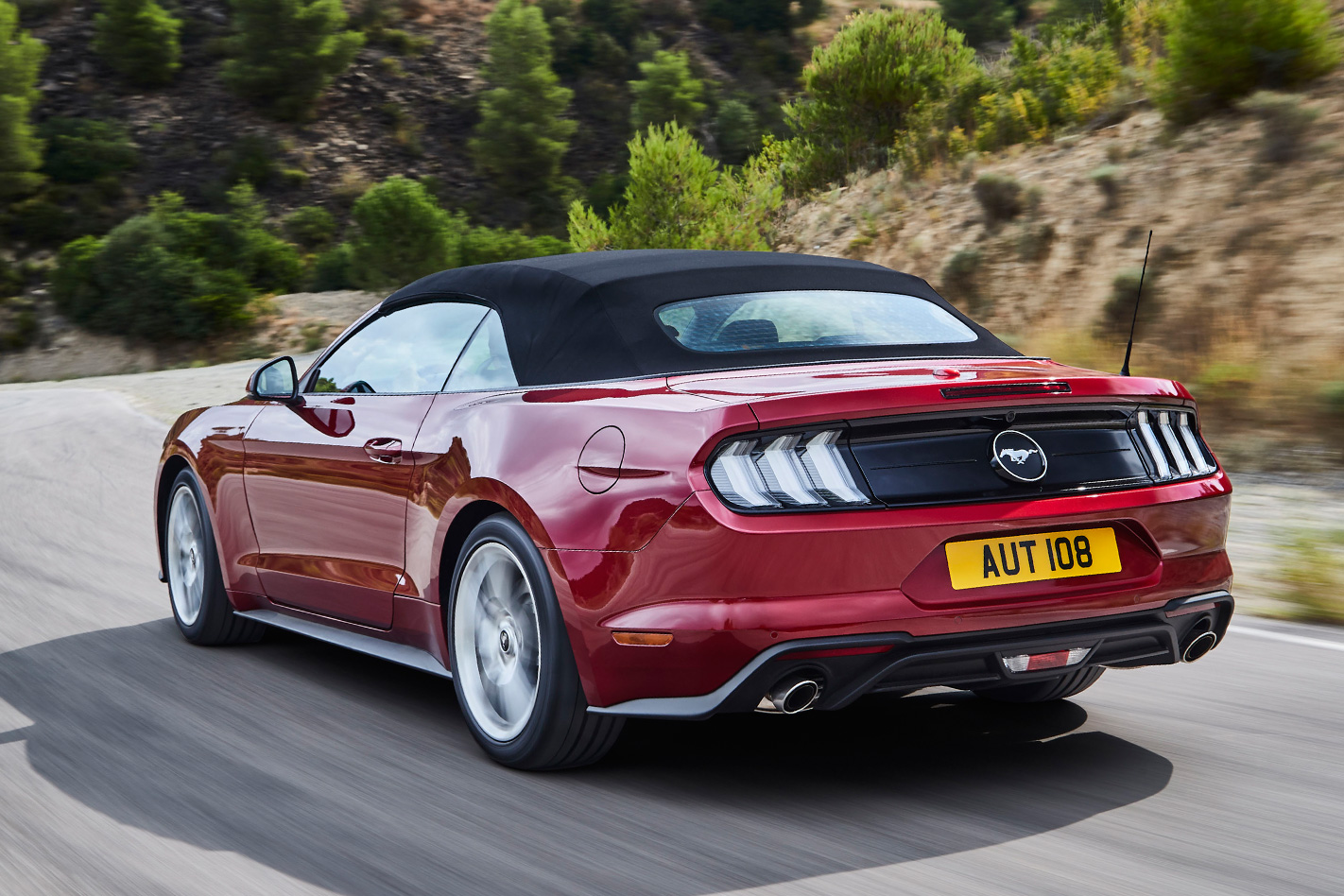
When fitted with optional MagneRide dampers, drag mode also adjusts settings so more vertical force is placed on the rear axle for added grip.
Wheels understands the 2018 Mustangs which arrive in Australia will be similar in spec to those sold in both the United States and Europe, save for two key omissions.
The first is the power, with fuel standards, emission regulations and a more restrictive exhaust manifold (to accommodate a right-hand drive steering column) meaning Australian-delivered Mustangs will be down a couple of kilowatts compared to their US siblings.
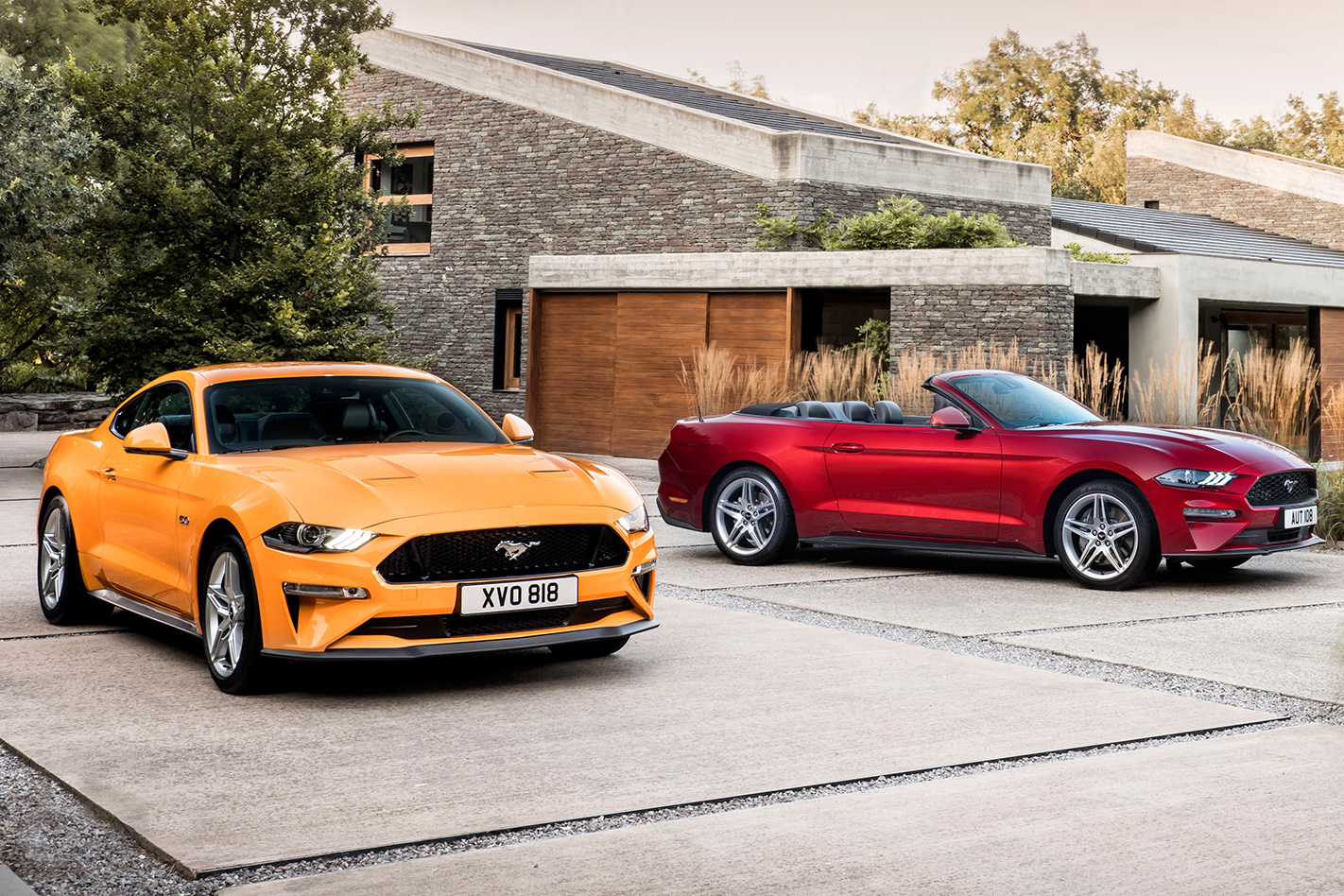
Burnout mode disengages the rear-wheel brakes, making large smoky burnouts a breeze. However, Ford Australia’s policy means the system isn’t available on cars sold locally.
Following the hubbub over the Focus RS’s Drift Mode function, it’s probably a smart PR move to leave Burnout Mode off the spec sheet.
If it wasn’t already big enough, the Infiniti QX80 has just become even bigger. A major facelift of the Nissan Patrol-based large luxury SUV has increased its proportions around its nose to now give it more front than Bing Lee.
The redesigned bonnet of the 5305mm Lexus LX fighter sits 20mm higher than before, and is now 90mm longer. The double-arch grille sits taller and broader than before, while a wider, more angular front bumper has a muscular design that Infiniti says “elevates its athletic stance”.
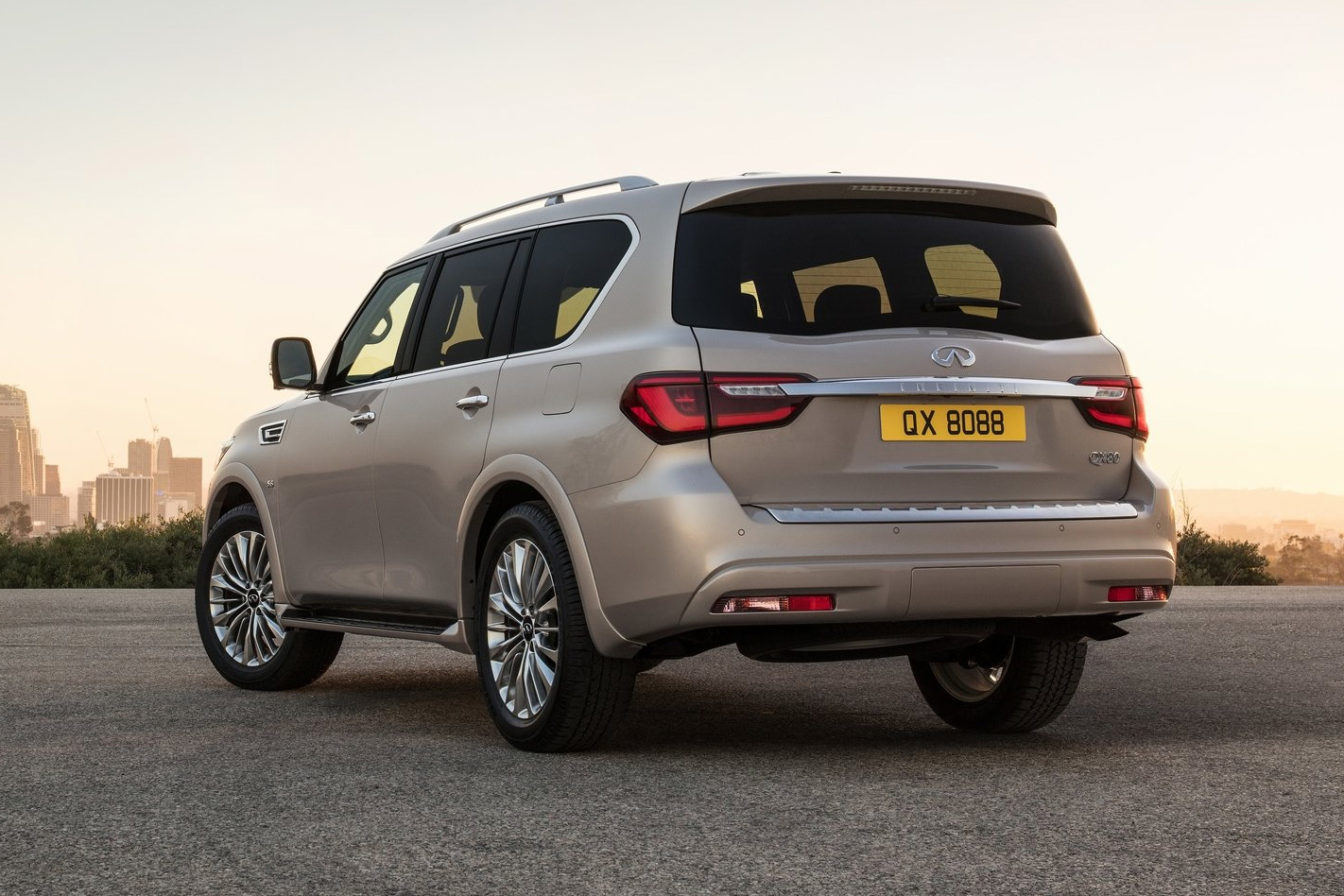
It’s also slightly wider, with the side steps extended by an extra 20mm to help with getting in and out of the high-riding luxury off-roader.
The updated QX80 sits on 22-inch forged alloy wheels, and includes LED fog lights and bi-xenon headlights with Infiniti’s now signature “eyebrow” daytime running lights.Updates to the interior include a redesigned dash, door panels, steering wheel, gearshift lever and centre console, along with different quilted leather/artificial leather trim and woodgrain combinations.
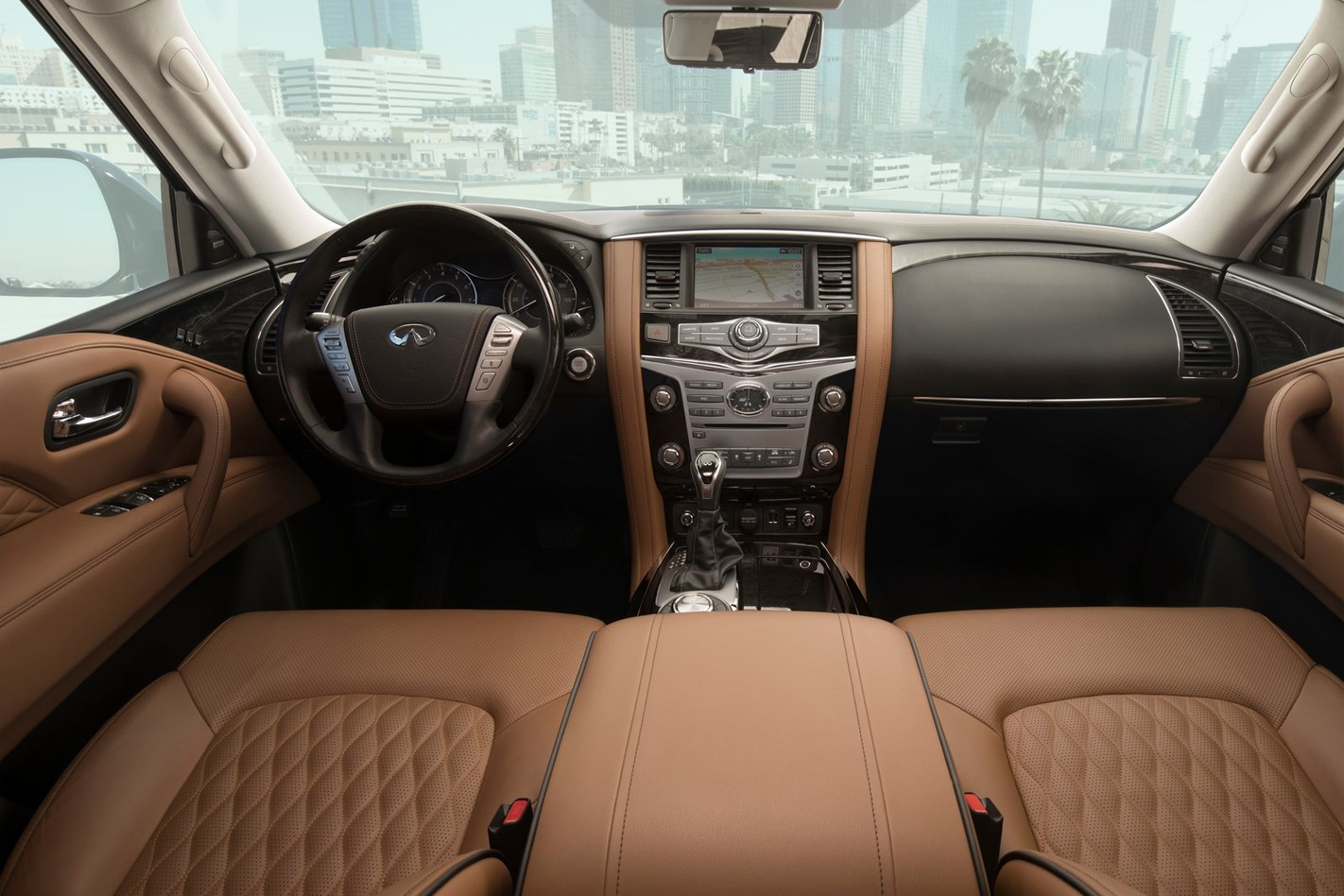
Performance of the 298kW/560Nm 5.6-litre V8 remains the same, as do the seven-speed automatic and the All-Mode off-road system. Standard equipment also stays the same, including Bluetooth connectivity, sat-nav, climate control, 8.0-inch rear-seat multimedia screens, and a rear-view mirror that incorporates a live feed from a rearward camera.
The QX80 includes autonomous emergency braking, blind-spot monitoring, lane-departure warning and an intelligent parking system as standard.
Despite the improvements, the price of the QX80 remains unchanged at $110,900 before on-road costs.
2018 INFINITI QX80 PRICING
- Infiniti QX80 $110,900
ONE of Australia’s fiercest opponents to the luxury car tax has hit out at the Greens’ suggestion that the punitive tax can be raised to help pay for a switch to plug-in and electric vehicles.
The Greens today announced a pre-election proposal to raise the tax from 33 percent to 50 percent for every dollar of a new car’s cost above $65,000, with the extra money raised to be tipped into garnering support for electric vehicles. The hip pocket slug would include an extra 17 percent “luxury fossil fuel car tax” levied on every fossil fuel car sold over the next four years.
Several manufacturers that Wheels spoke with have opposed the proposal, with one who wished to remain anonymous describing it as little more than “calculations done on the back of a recycled envelope”.
However, David McCarthy, the public relations senior manager for Mercedes-Benz Australia, said some parts the “discussion starter” policy had merit, but there were smarter ways of encouraging buyers to switch to electric cars than to hit them with a tax hike.
Under a deal brokered between the government and the car industry in 2008, the luxury car tax jumped from 25 percent to 33 percent, but the tax did not kick in for vehicles that used no more than 7.0 litres per 100 kilometres until a higher threshold. Under the Greens’ proposal, the government’s revenue from the tax would rise from an estimated $680 million to more than $1 billion this financial year alone.
McCarthy said the Greens originally fought for the higher threshold because it would encourage the uptake of more fuel-efficient cars. “So to say that cars over $100,000 are going to be subject to an extra $50,000 price hike (a 50 percent tax), I don’t agree. One, it’s the politics of envy. Secondly, why isn’t there a proposal for a 5.0 litres or lower limit?”
He said the way the policy was framed would also skew towards business and government buyers rather than where it needed to aim – straight at private buyers. As well, the Greens’ policy was also likely to run foul of trade agreements brokered with countries whose cars arrive in Australia tariff-free.
“And that will have to happen in the next three years.”
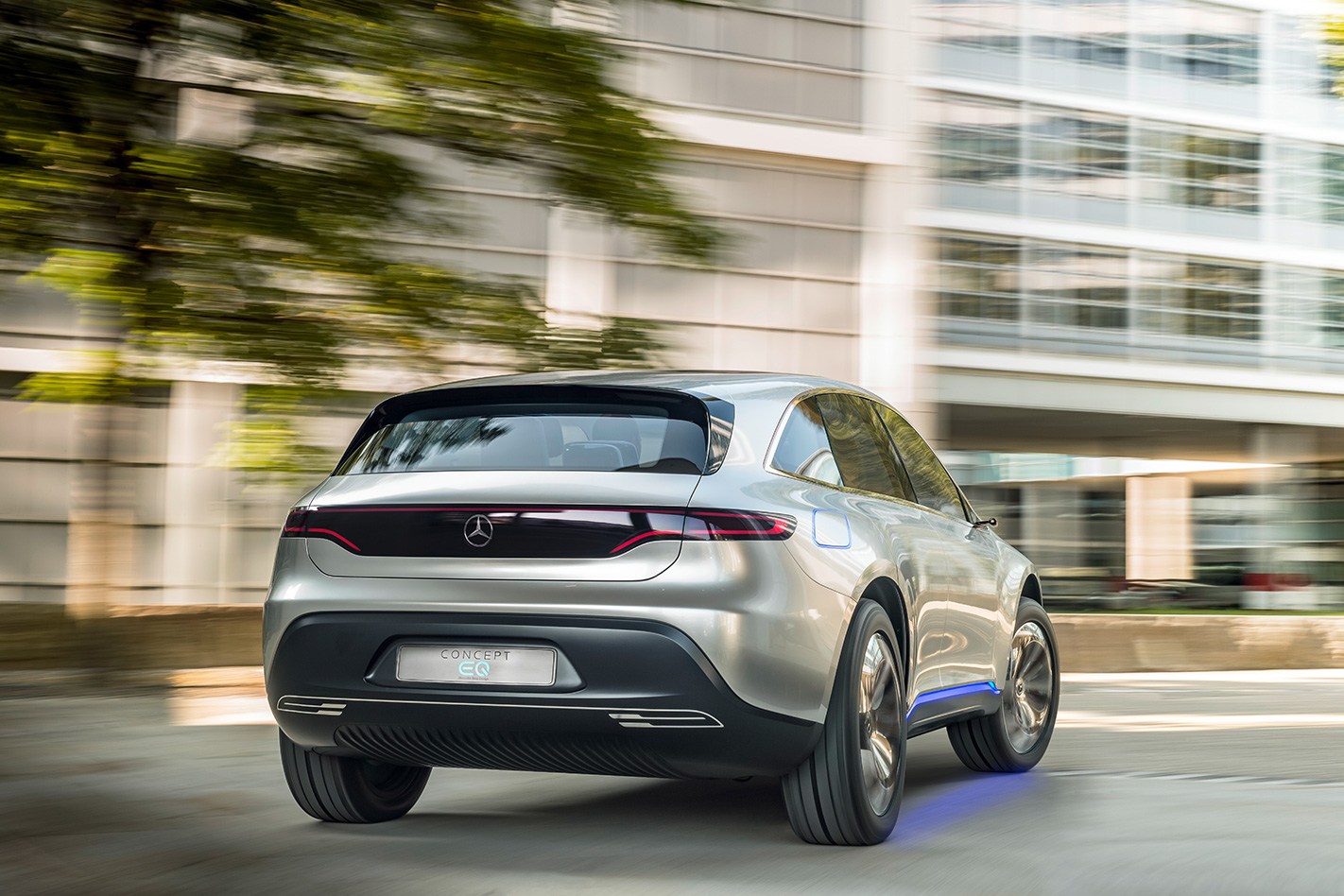
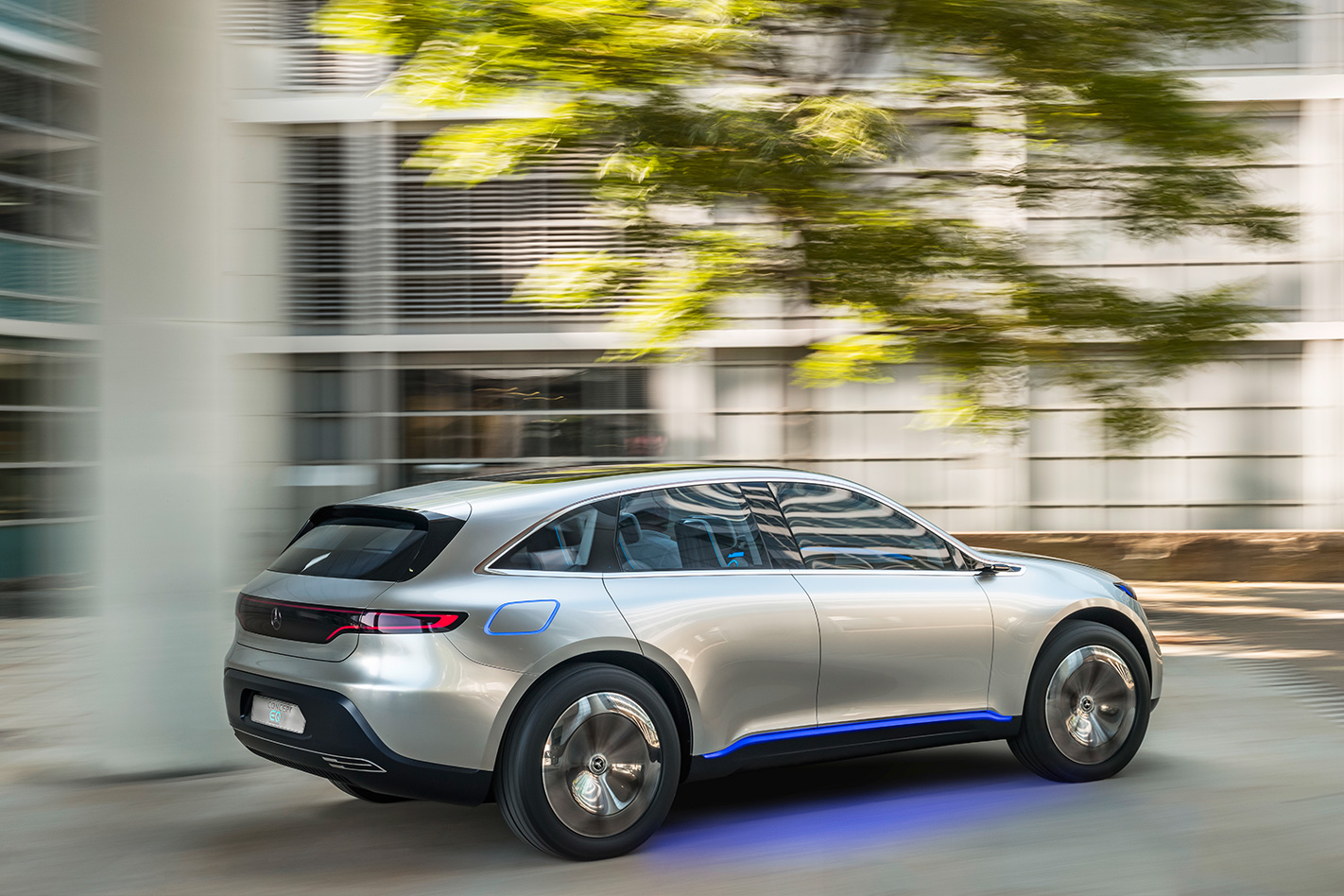
Few electric cars coming to Australia from luxury manufacturers are expected to slip in below $100,000. Mercedes-Benz is expecting to launch its first electric vehicle, the GLC SUV-sized EQ, sometime next year, and carrying a price tag that will come in under the $100,000 mark. That meant it would still attract LCT under the Greens’ policy – hardly an incentive for buyers, McCarthy said.
“The broad thrust of the policy, I think is there, but they need to think about the implementation and they need to think about that they’re actually being a little bit inconsistent with their policy in what they supported a few years ago, as to what they’re proposing now.
“Let’s be consistent,” McCarthy said. “We had a policy a few years ago that encouraged low-emission cars over a certain threshold … and it worked.”
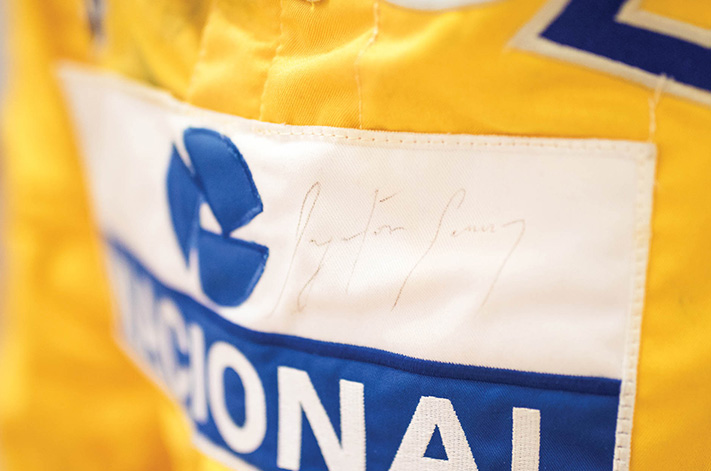
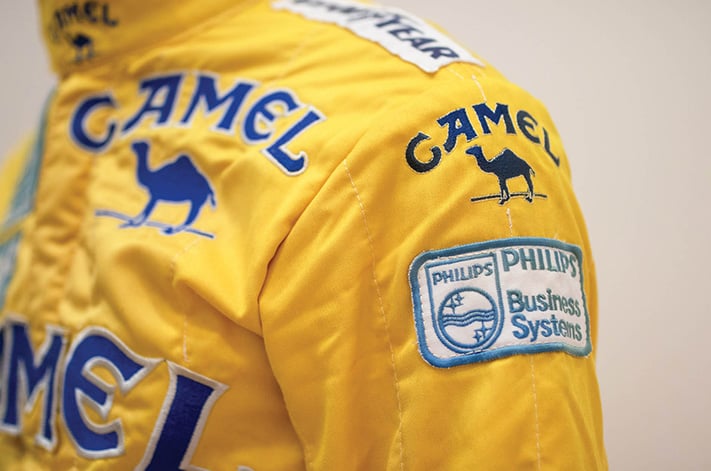
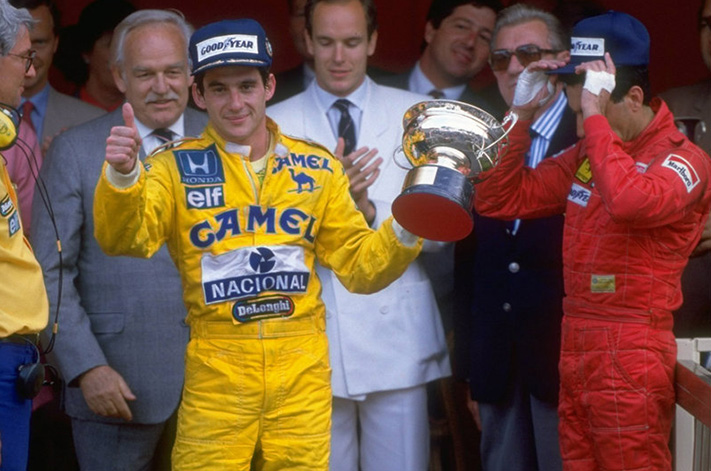
AN ICONIC banana-yellow racing suit is up for auction as worn by three-time Formula 1 World Champion Ayrton Senna.
It will be sold off, fittingly, in Monaco, the same place Senna won six Grands Prix to make him the most successful Formula 1 driver to race in the principality. It was this suit that Senna wore to his first Monaco GP victory, and the last win in Formula 1 for Team Lotus.

The suit is signed on the front by Senna, and is said to have been gifted to the brother of Senna’s physiotherapist, who displayed it in his store as a lucky charm before selling it to a collector in Canada. The suit subsequently found its way to a Monaco gallery where it is located currently.
Since his death at the 1994 San Marino Grand Prix, his legacy has brought numerous safety developments to Formula 1 such as power restrictions, safer track designs and improved crash barriers.
However, those sums aren’t the most outlandish to be thrown at this type of memorabilia. In 2011, a racing suit worn by Steve McQueen in the film ‘Le Mans’ sold at auction for just shy of a staggering A$1,000,000. (US$984,000)
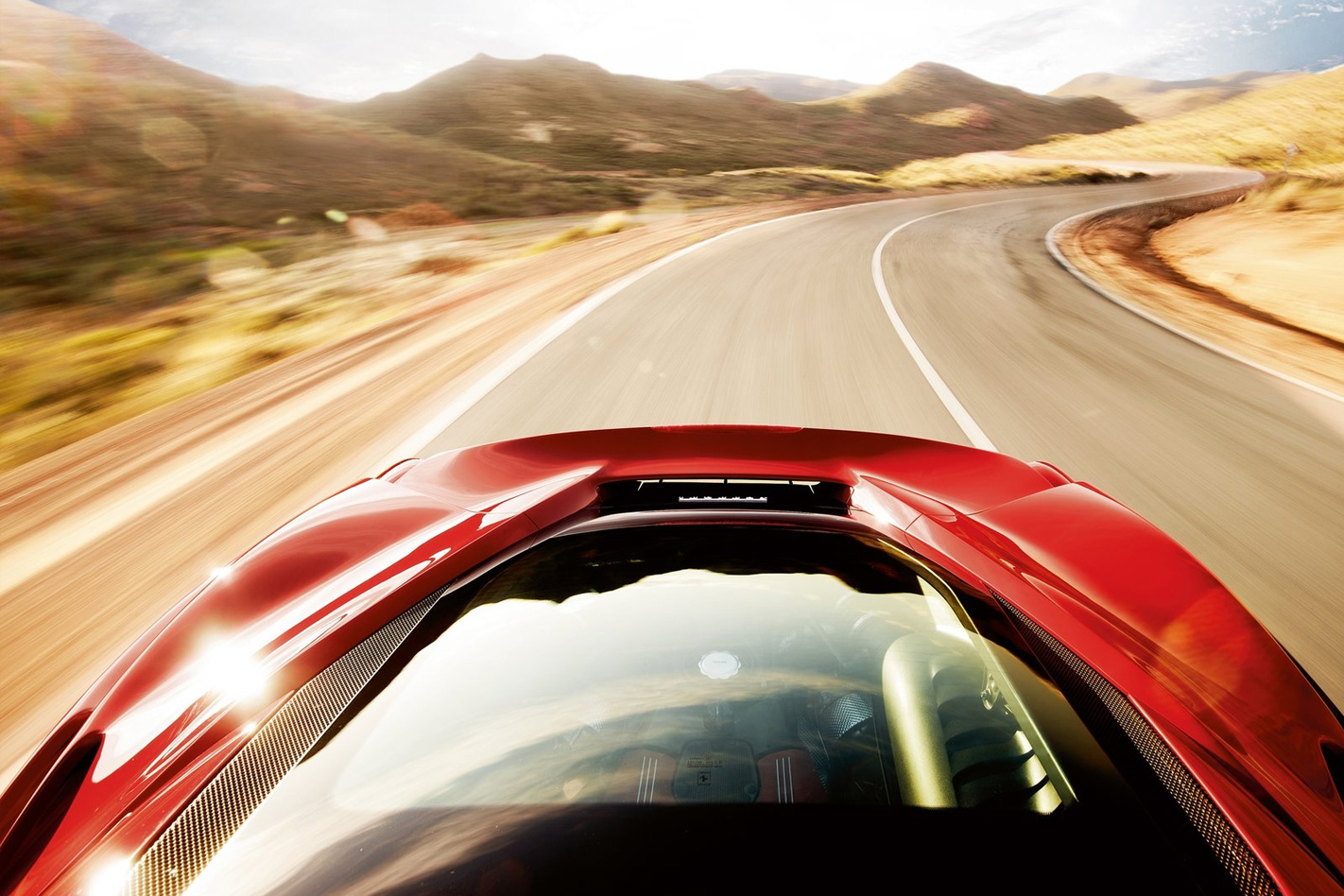
FERRARI has gone public with plans to introduce an electrified model to the prancing horse range, with a V8-electric hybrid to join the ranks as early as next year.
British car website Autoexpress scooped the news from Ferrari chief executive Sergio Marchionne, who said: “A Ferrari V8 hybrid is coming for 2019. The test mules are around now.” However, he stopped short of confirming what vehicle would pioneer the powertrain.
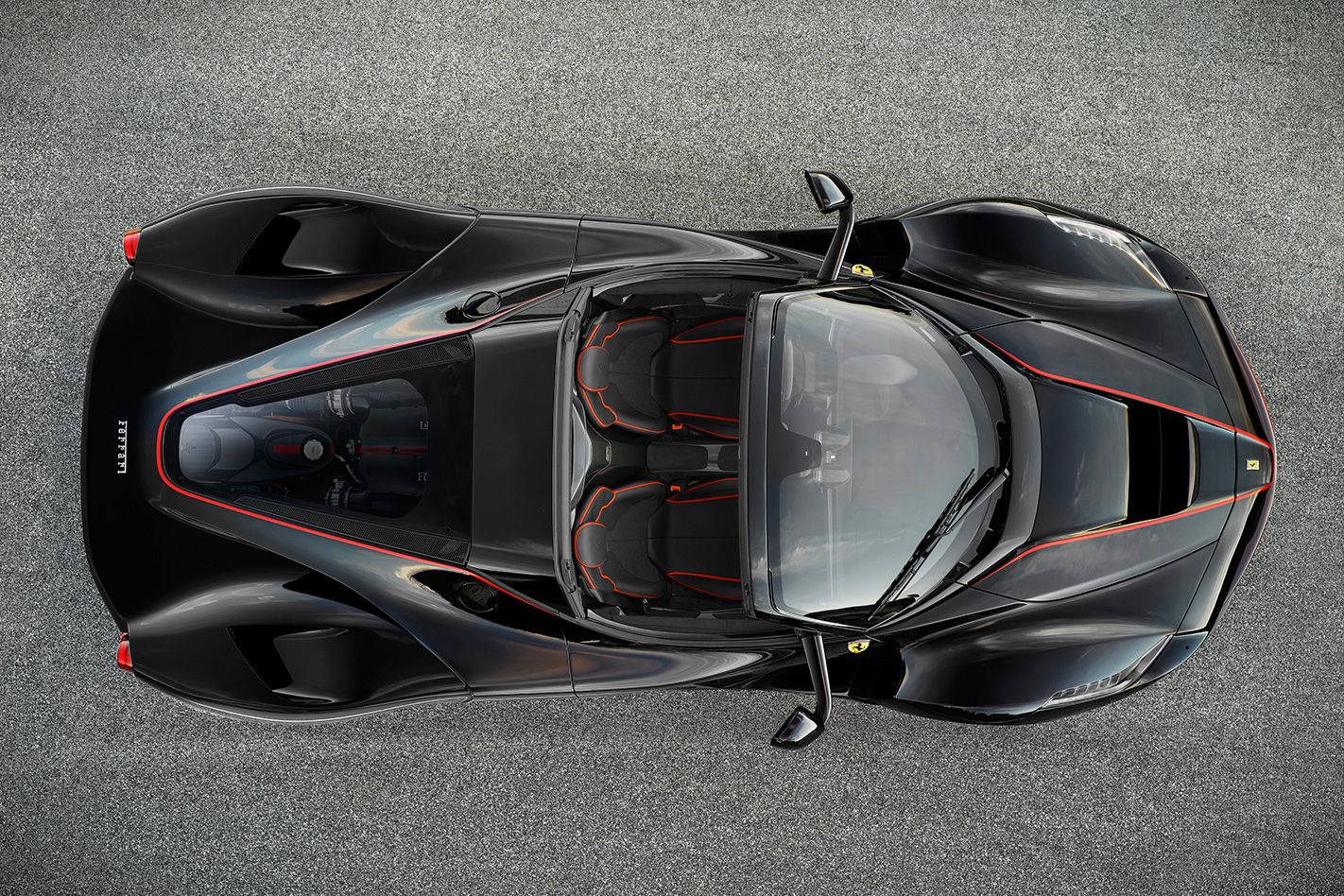
The timing suggests Ferrari’s first SUV (or ‘FUV’ – Ferrari Utility Vehicle – as coined by the company) will be the most obvious candidate to roll under V8/electric mumbo, with the GTC4Lusso-based high-rider arriving about the middle of the year.
It won’t be the first electrified Fez; the LaFerrari took that credit in 2013 with an electric motor bolted to its V12. However, Marchionne said the new V8 combination “needs to become more of a traditional hybrid to fulfil a different role”.
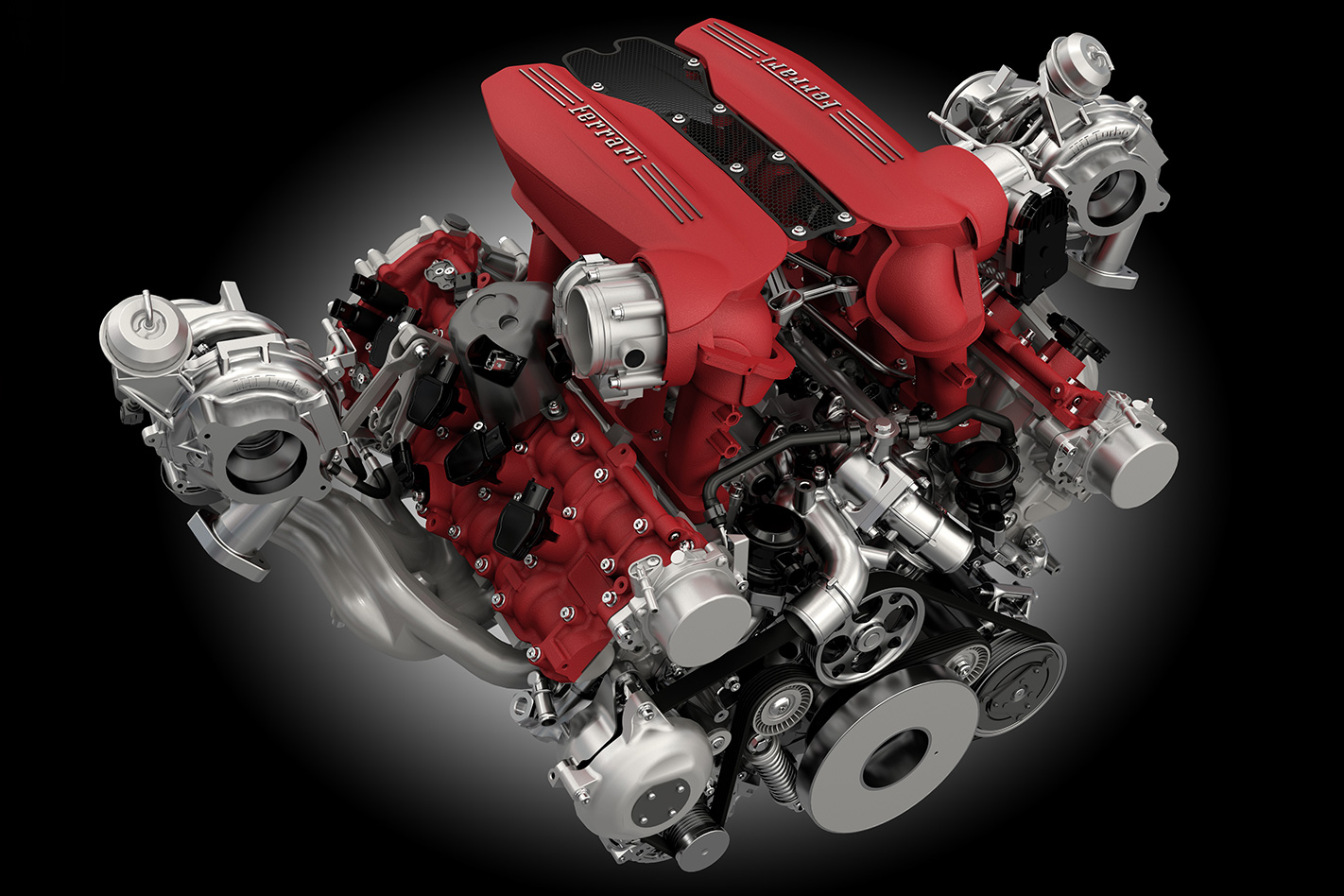
It is also likely the combustion element of the unit will be closely related to the relatively recent turbo eight-cylinder engine powering the California T, GTC4Lusso and 488 in various states of tune.
Rivals from the low-emissions camp include the recently revealed Bentley Bentayga PHEV and fully electric Tesla Model X, but on performance and luxury stakes alone, Ferrari will also fight the Rolls-Royce Cullinan and Aston Martin’s DBX-based contribution when it is revealed.
THE upcoming Brabham supercar has cleared its throat for the first time. And it now also has a name – the BT62.
Brabham Automotive overnight released an audio recording of the car that will carry one of Australian motorsport’s most famous names back into the paddock.
The short sound bite – it only runs for 18 seconds – suggests the newly named BT62 will run rather lumpy cams, perhaps a hint that it will use a normally aspirated engine to produce all its performance rather than some form of forced induction. The audio gives no further clues, only to suggest the BT62 will sound the business even as it burbles past.
“As the next to bear the legendary BT name, the latent potential of the Brabham BT62’s engine note hints at a car that’s inspired by Brabham’s historic racing pedigree and uncompromising and fearless determination to succeed,” the company said.
The supercar’s name follows on from the nomenclature used for the race cars that used the family name. The “B” stands for Jack Brabham, while the “T” is for the Formula One team’s long-serving designer, fellow Aussie Ron Tauranac. The number is the chassis code.
However, while there’s a BT60, there’s no BT61. In the late stages of the Brabham race team, a last-ditch merger with Galmer Engineering in 1992 failed to provide the momentum needed to keep the name alive, and after that year’s Hungarian Grand Prix, and the development of the BT60B, a rumoured BT61 never evolved.
Brabham Automotive is counting down to a May 2 launch for the BT62. The company is expected to slowly trickle out more details over the next few months as it prepares for the car’s launch.
What’s not clear is source of the money needed to revive the Brabham name. One clue, though, was in the rumours that ex-F1 supremo Bernie Ecclestone was linked to a Brabham-led pitch at struggling manufacturer Force India. Ecclestone and Brabham have some history; the Brit owned the team for 15 years.
THE Greens have announced a push to ban all petrol– and diesel-engined cars from sale by 2030, and use a hike in the luxury car tax to make battery-powered vehicles up to $10,000 cheaper.
The pre-election policy, which mirrors overseas efforts to ban petrol and diesel cars, aims to make electric versions more affordable to buyers, and more accessible. The Greens’ power play also comes after several car companies lambasted the Turnbull Government, which will need to call a federal election by early 2019, for not doing enough to support the low-emissions technology.
“We’re proposing to reduce taxes and charges on new electric vehicles that would essentially be about a $10,000 dollar saving off that $40,000,” she said.
“It’s not a matter of people having to retire their car early,” Rice told media. “Basically, it’s for all new vehicle sales by 2030 to be electric vehicles.”
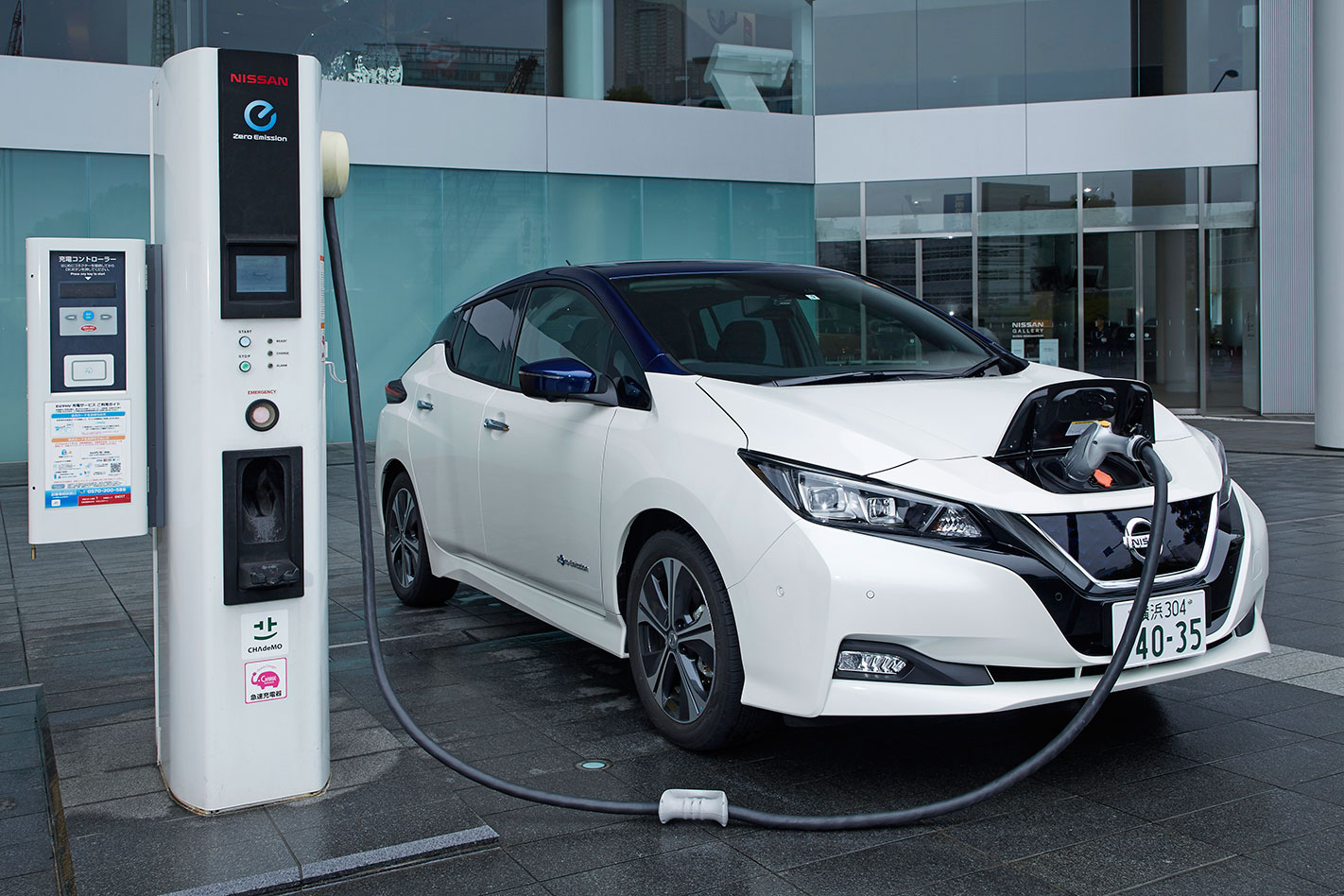
That $40,000 electric car should come from Nissan, which is expected to launch a second-generation version of the Leaf electric car in Australia late this year. The previous version of the car, which used an inverter cover made at Nissan Australia’s Dandenong casting plant, cost from $39,990 – although it originally cost from $46,990 – and sold more than 600 over its seven years on sale. The new version of the Leaf will also use an inverter cover made here.
Part of the Greens’ policy is to align Australia’s emissions standards with those of the US and Europe – while diesel fuel standards are keeping up with the global push to reduce emissions, Australia is yet to set the same tight fuel quality standards for petrol as other markets overseas, a key factor in meeting the lower targets.
The Greens also dipping a toe into state politics, calling for lower stamp duty and free registration for electric vehicle owners, on top of paying no stamp duty or GST on buying them.
But the big hit is via the punitive luxury car tax. The Greens have proposed increasing it to 50 percent, well up on the current 33 percent, and levied on every new car sold that costs more than $65,000. The tax, which is estimated to earn the government $680 million this financial year, is currently set at $75,526 for cars that use no more than 7.0L/100km, and $64,132 for less fuel-efficient vehicles. The difference in the threshold was introduced by the then Howard government in recognition that luxury car makers were leading the push for more fuel-efficient vehicles.
Few electric vehicles are currently sold in Australia. Tesla is believed to sell about 1400 of its Model S liftback and Model X SUVs a year, while VFACTS figures show 1124 electric vehicles were sold last year, Combined, these represent 0.2 percent of last year’s record 1.189 million vehicle sales.
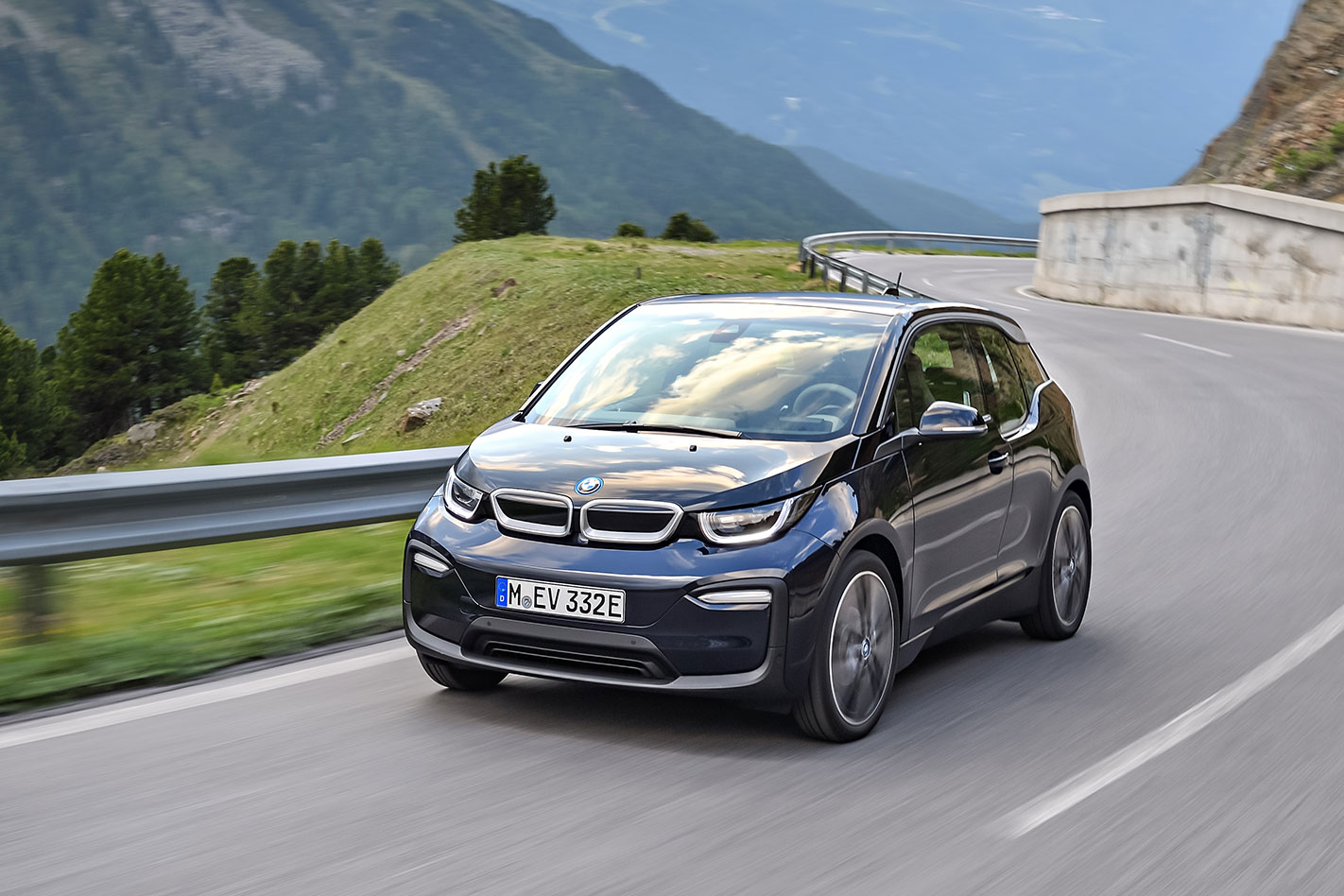
The BMW i3, which costs from about $70,000, is the only other fully electric vehicle on sale in Australia today aside from the two Tesla models. Renault has brought its Zoe electric city-sized hatchback here, but is only offering it to business buyers. It is also bringing in electric versions of its Kangoo small delivery van for business clients.
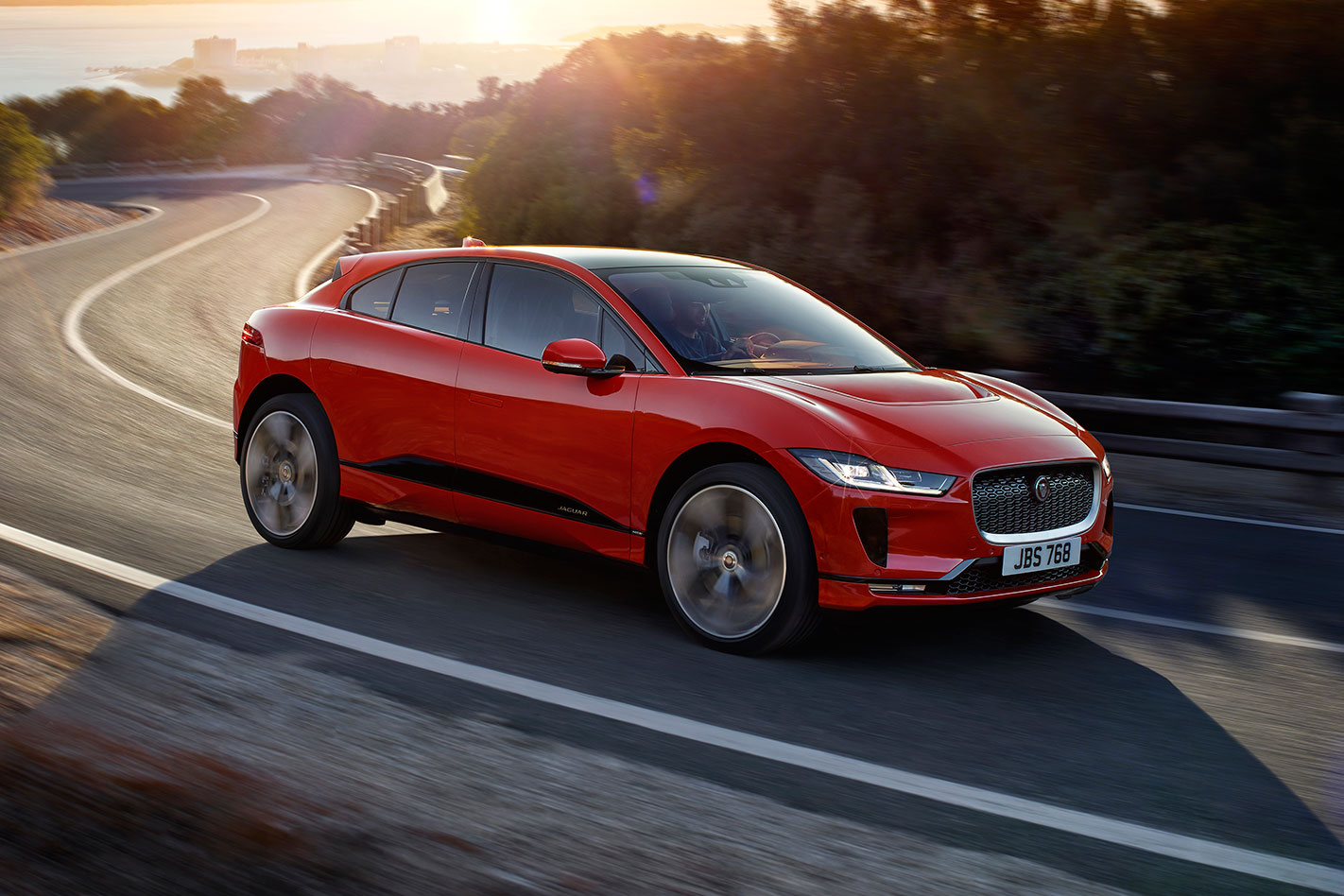
More electric cars are expected to come to Australia, but few are mainstream models. Jaguar has used the recent Geneva Motor Show to unveil the I-Pace, a $120,000 battery-powered SUV due in Australia late this year.
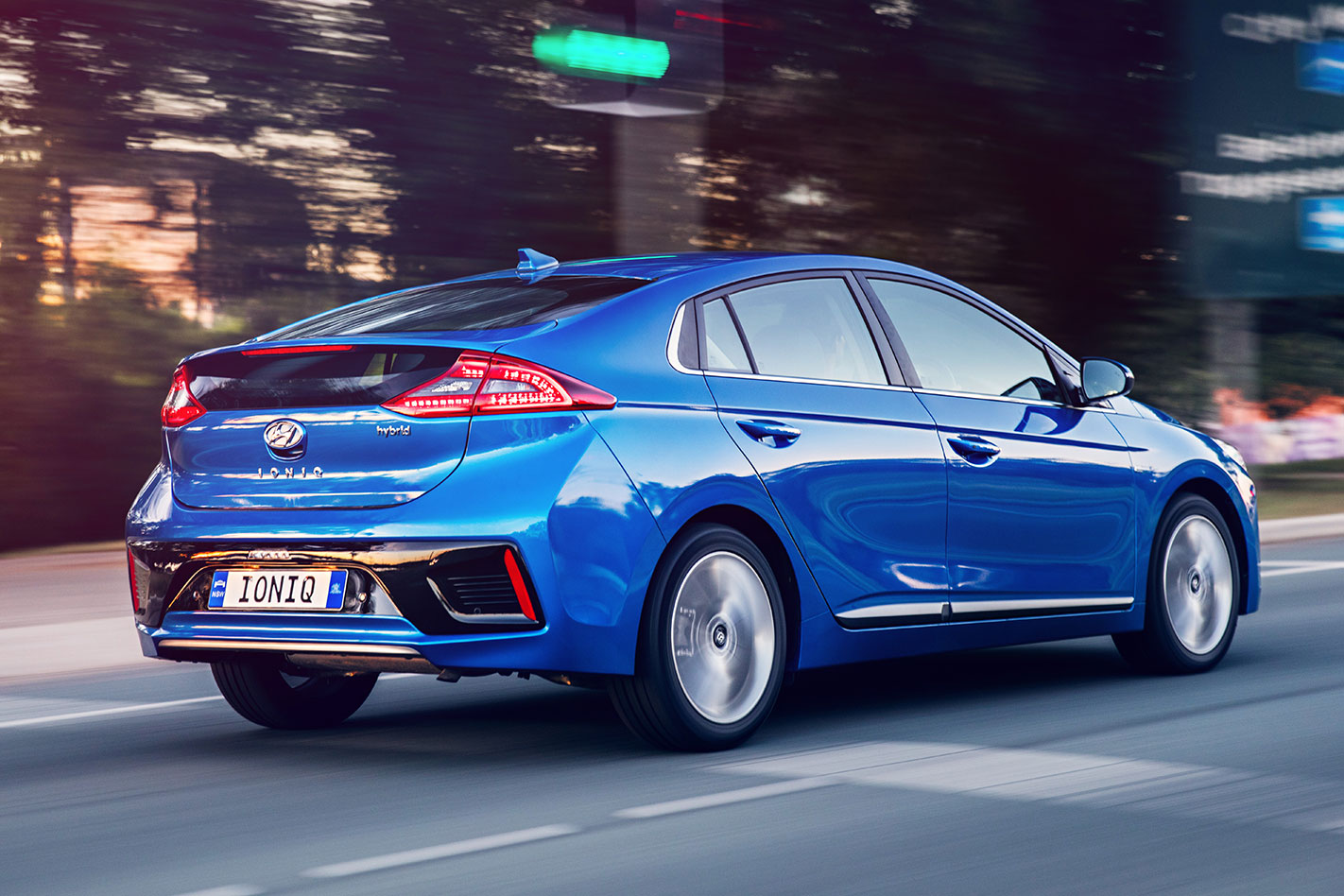
Hyundai has introduced a petrol-electric hybrid version of its Ioniq hatchback, which is also available with a battery pack – however, it is believed only businesses, and not private buyers, are interested in this version of the small hatchback – and the company has also flagged plans to bring an electric version of the recently launched Kona compact SUV here.
The Greens’ all-electric target matches those of countries including Norway and the Netherlands. India has also said it was looking at switching to all electric sales by the same 12-year deadline.
