
Shannons is preparing to move plenty of classic cars at its next Melbourne auction on Monday February 19, but we’ve picked out a few that we reckon should get the blood pumping on a lively drive.
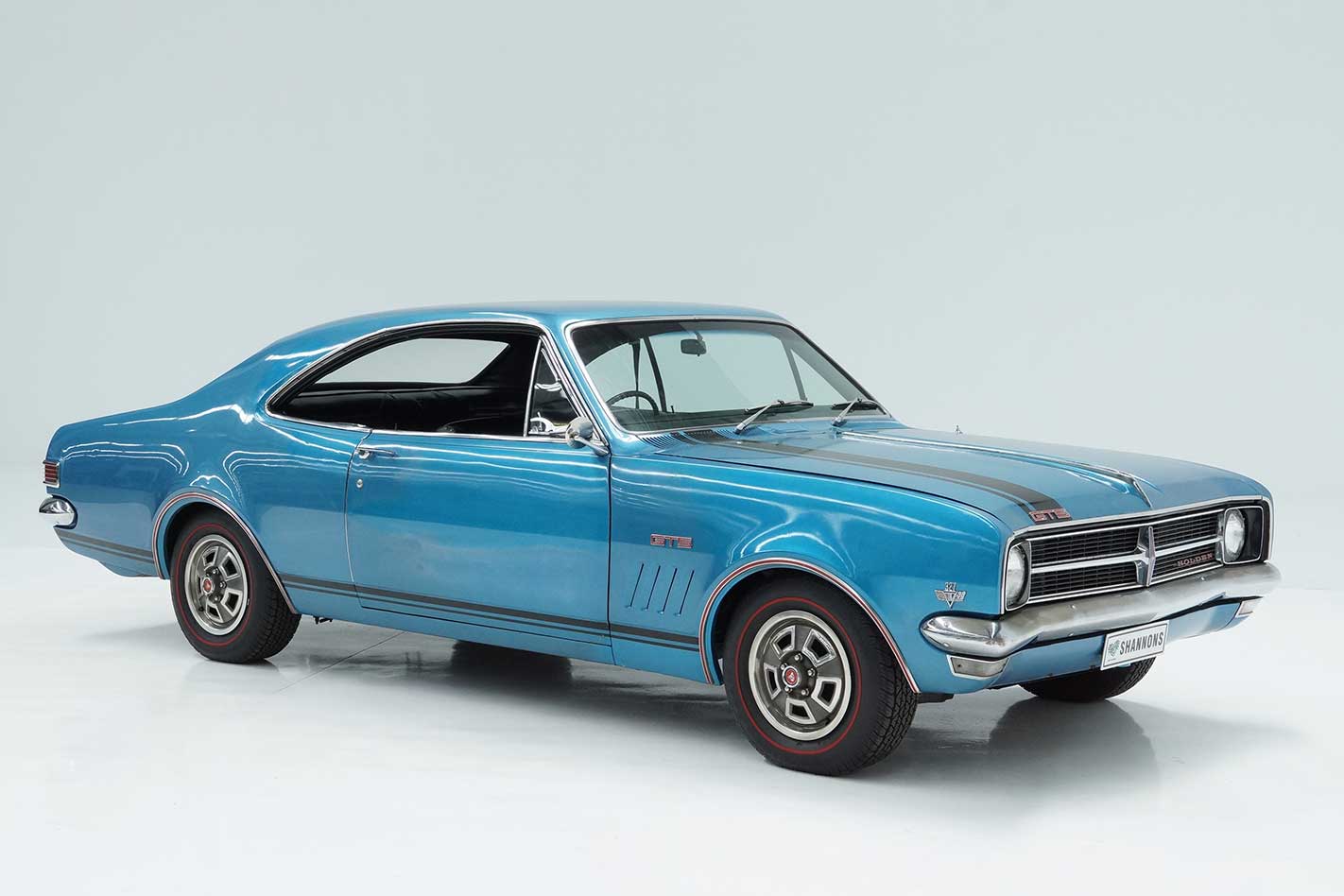
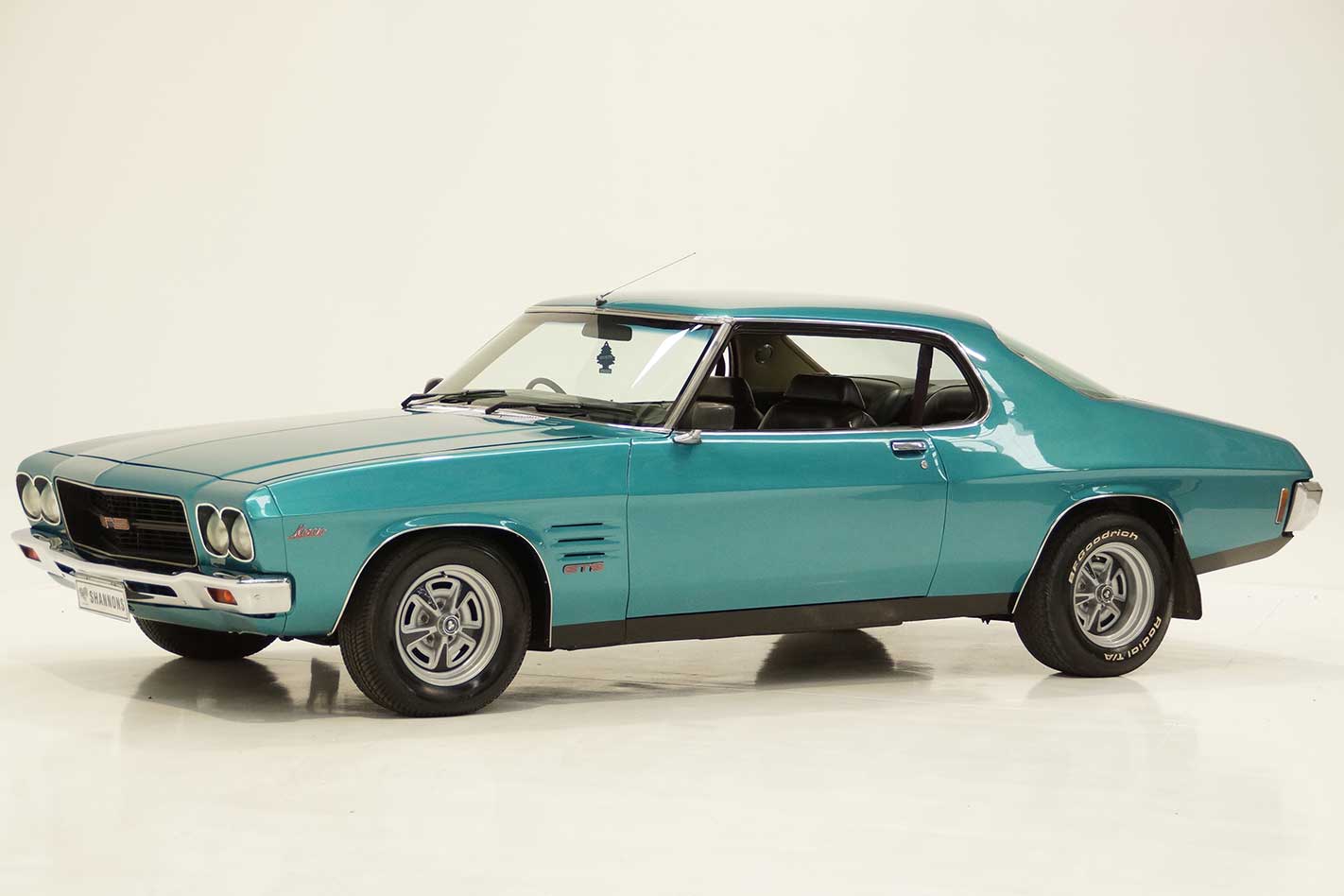
If you haven’t quite got the $200K-or-so that Shannons reckons will secure the HK, a ‘74 HQ GTS 308 is also up for auction at a more accessible $60,000 – $75,000 range.
2007 FPV BF Cobra
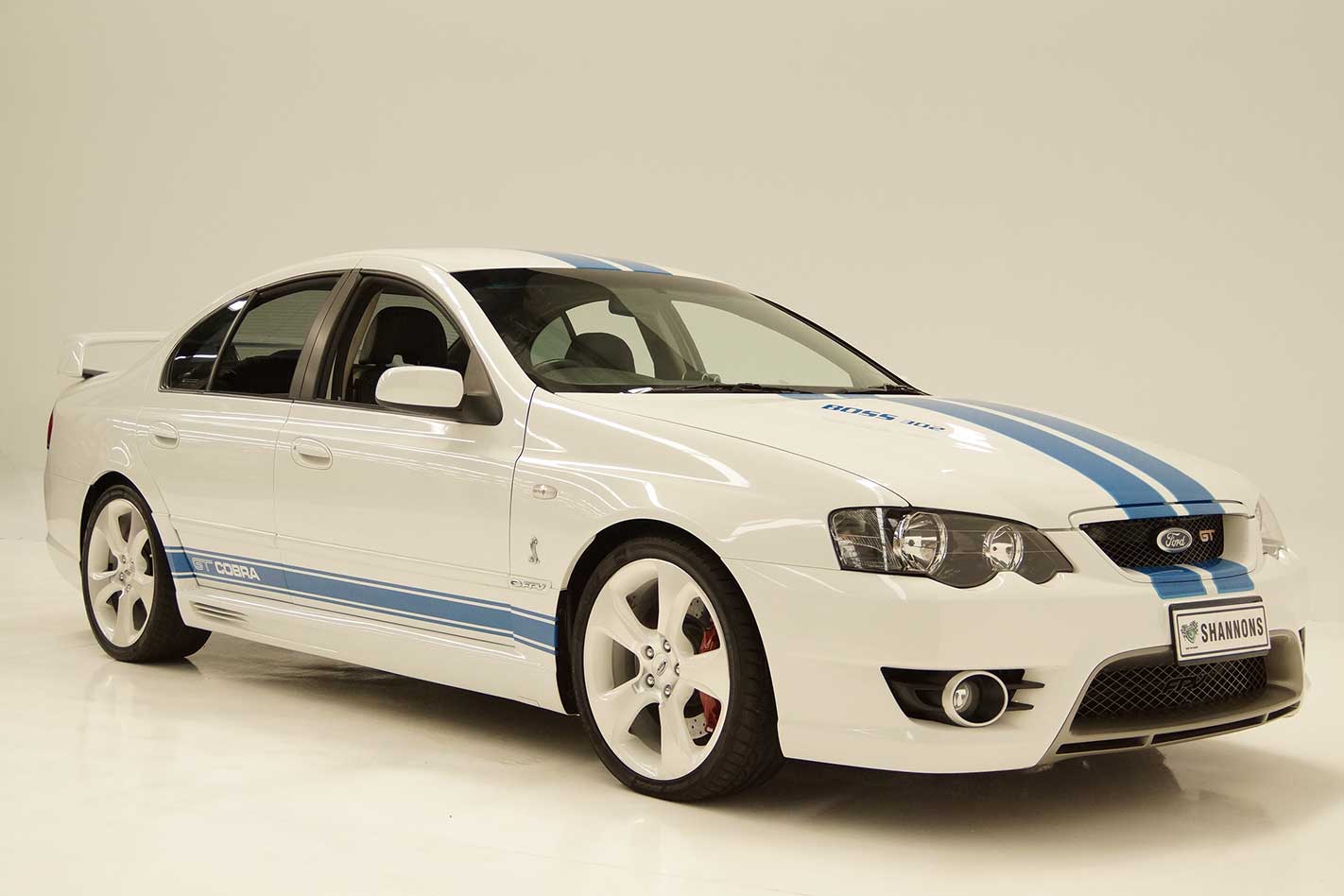
Shannons estimates it’ll move along for $45,000 – $55,000, but recent unexpected shifts in the rare muscle car market could mean that turns into far more… or less.
1977 Porsche 930 Turbo
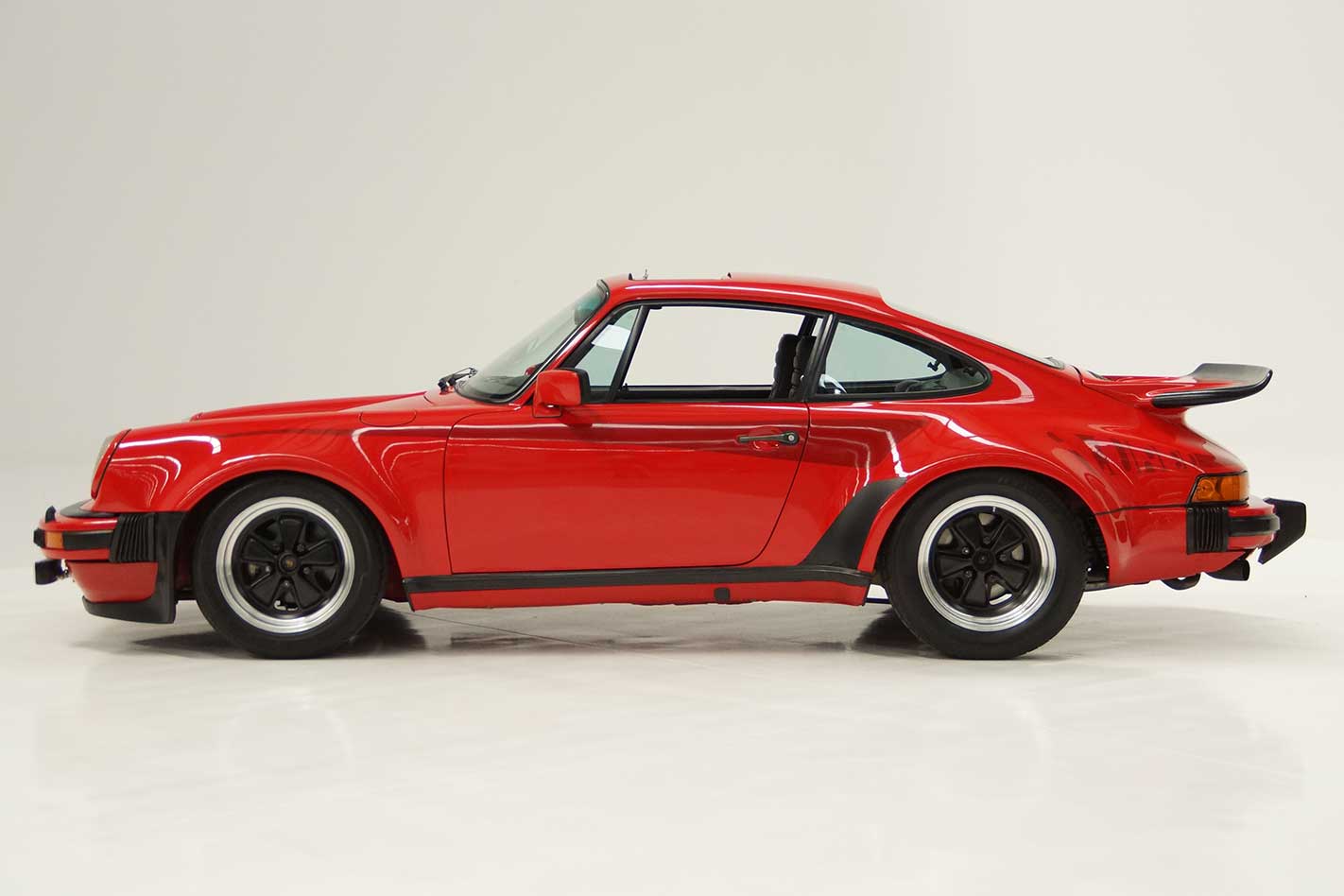
Being one of the earliest turbocharged production cars makes is not only desirable, but also significant.
It’s 4-speed manual equipped, and has been living in Australia since 2004. However, it’s been restored and converted to RHD, as well as having 122,000kms on the clock.
1987 BMW E30 M3
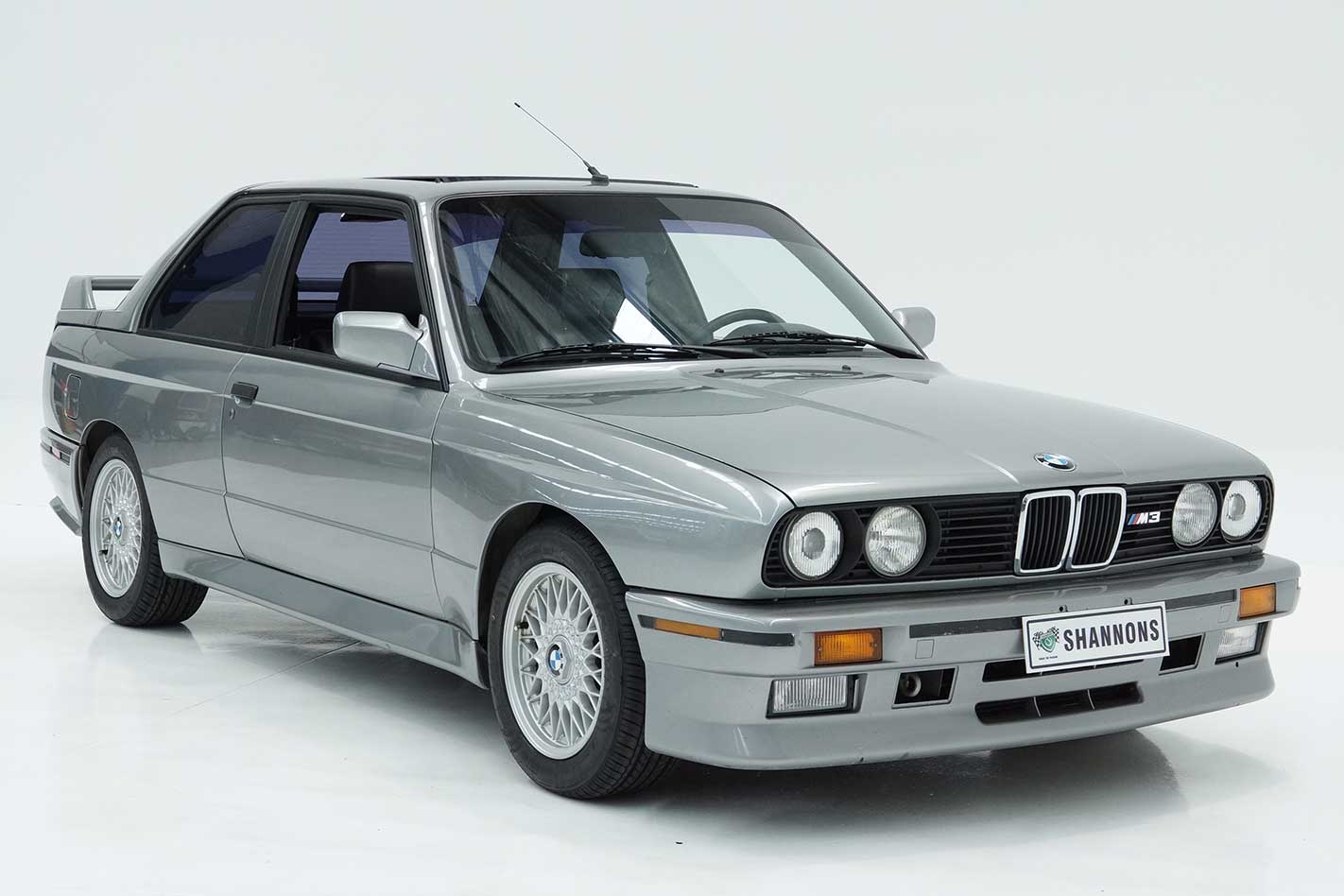
Shannons says $65,000 – $75,000 should be enough for this tidy LHD US-import, but almost 100,000km on the clock suggests it’ll need careful attention under its next owner.
2002 Mercedes-Benz C32 AMG
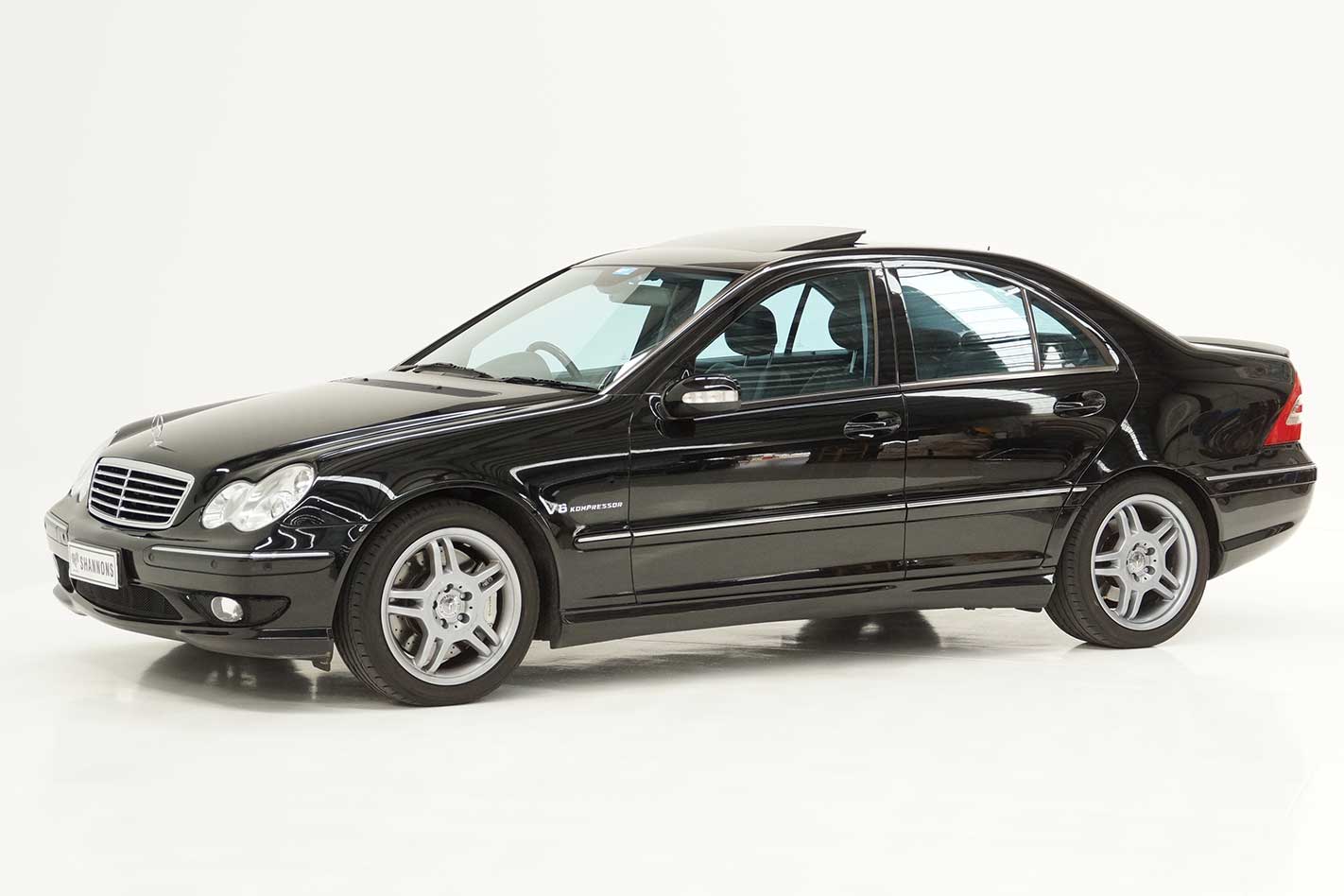
At an estimated $15,000 – $20,000, it’s also a performance bargain, though a couple of savvy bidders could shoot themselves in the foot by pushing the price up in an effort to score that bargain for themselves.
1996 Subaru Impreza WRX
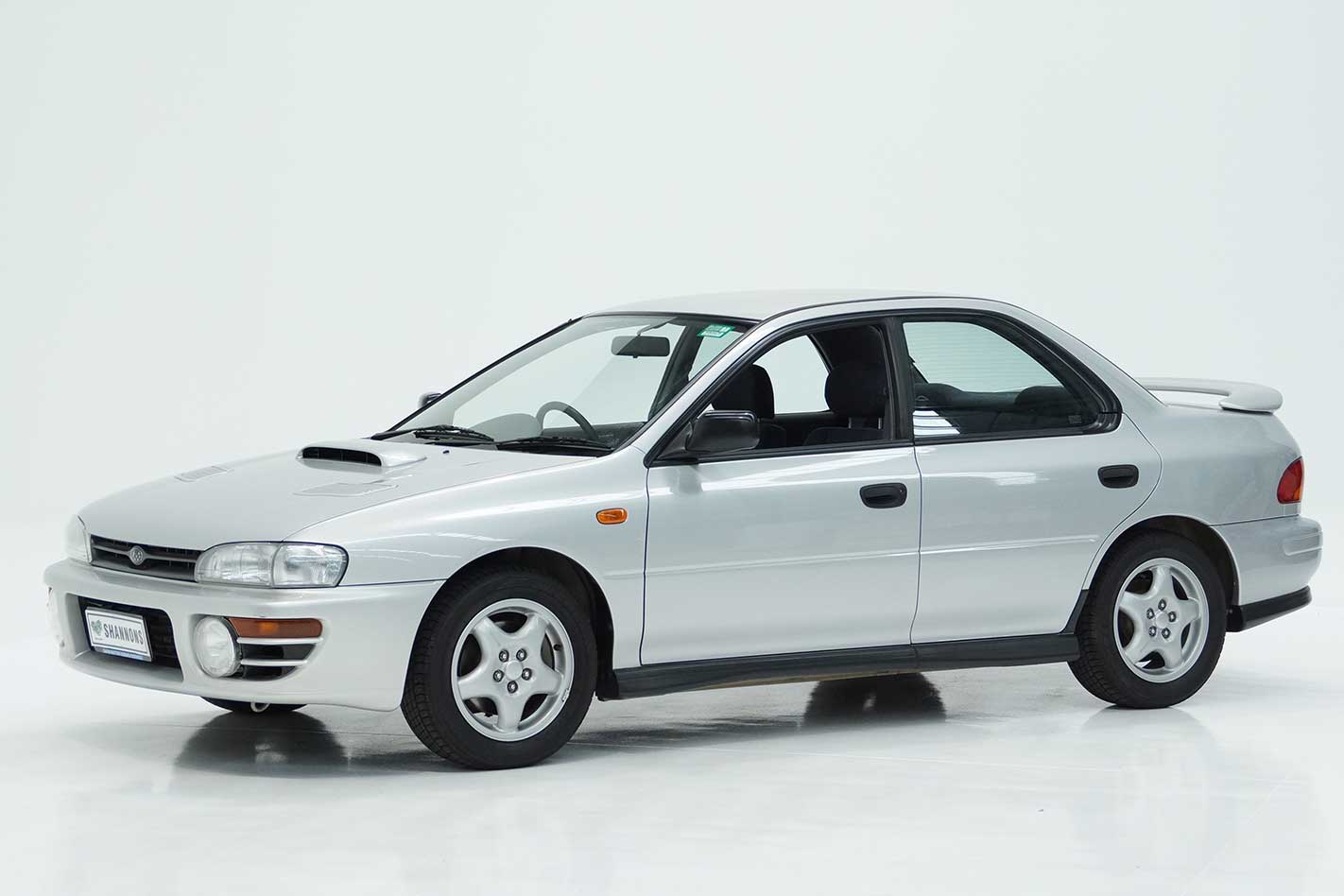
Even better is the fact that it’s unmodified, an unfortunately rare attribute for a ‘90s Japanese classic.
1992 Toyota MR2 Targa
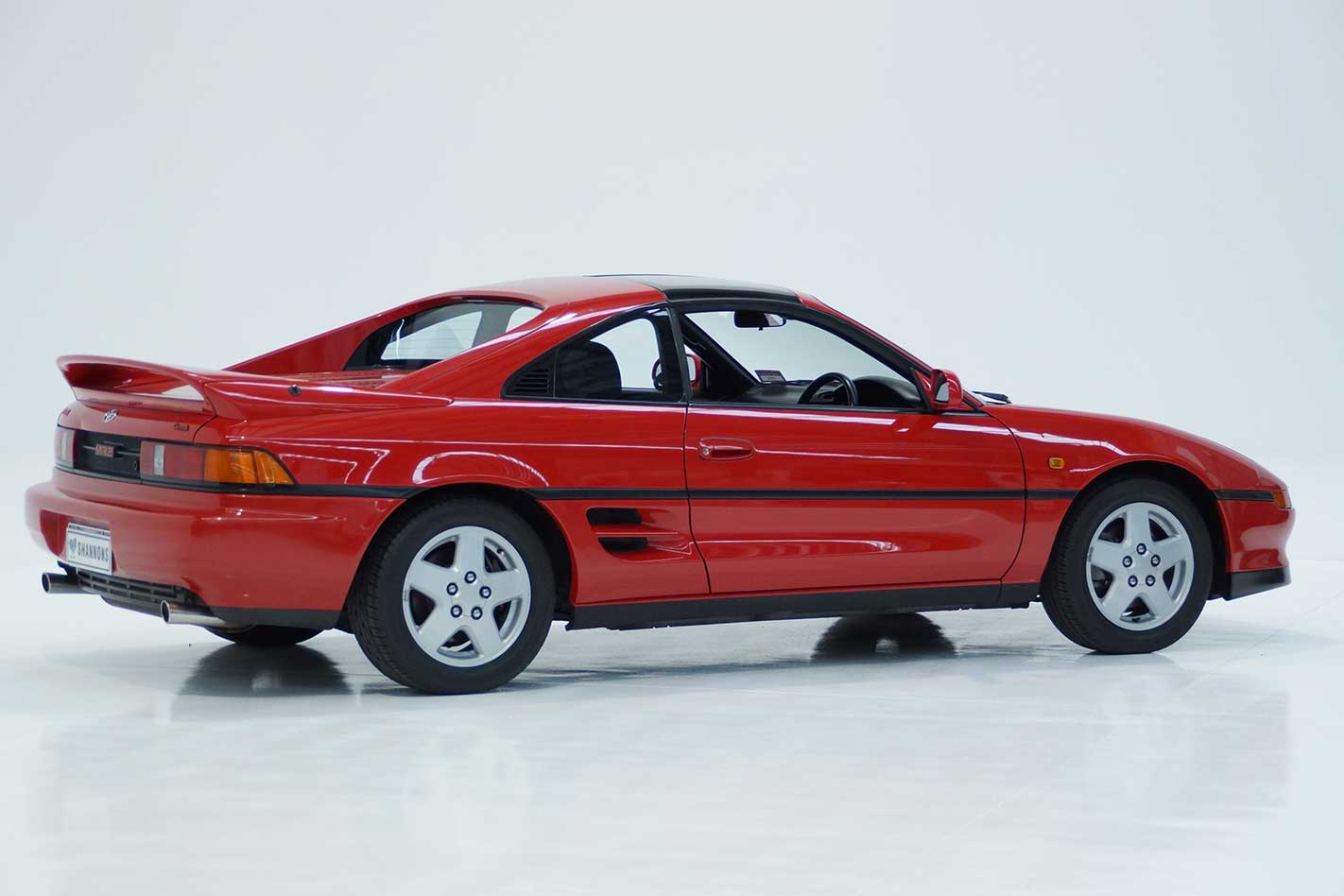
With a mid-mounted engine and rear-driven powertrain, the one-owner car should prove a unique driving experience for even a well-rounded enthusiast. Shannons reckons it’ll go for between $8,000 – $12,000.
Mercedes-Benz will introduce wireless Apple CarPlay in the new fourth-generation Mercedes-Benz A-Class.
Revealed last week, and due in Australia in the third quarter of 2018, the new A-Class pushes new boundaries in terms of infotainment.
The car will debut of Mercedes-Benz’s ‘MBUX’ infotainment unit, which uses artificial intelligence to create an intuitive and simple voice-recognition system.
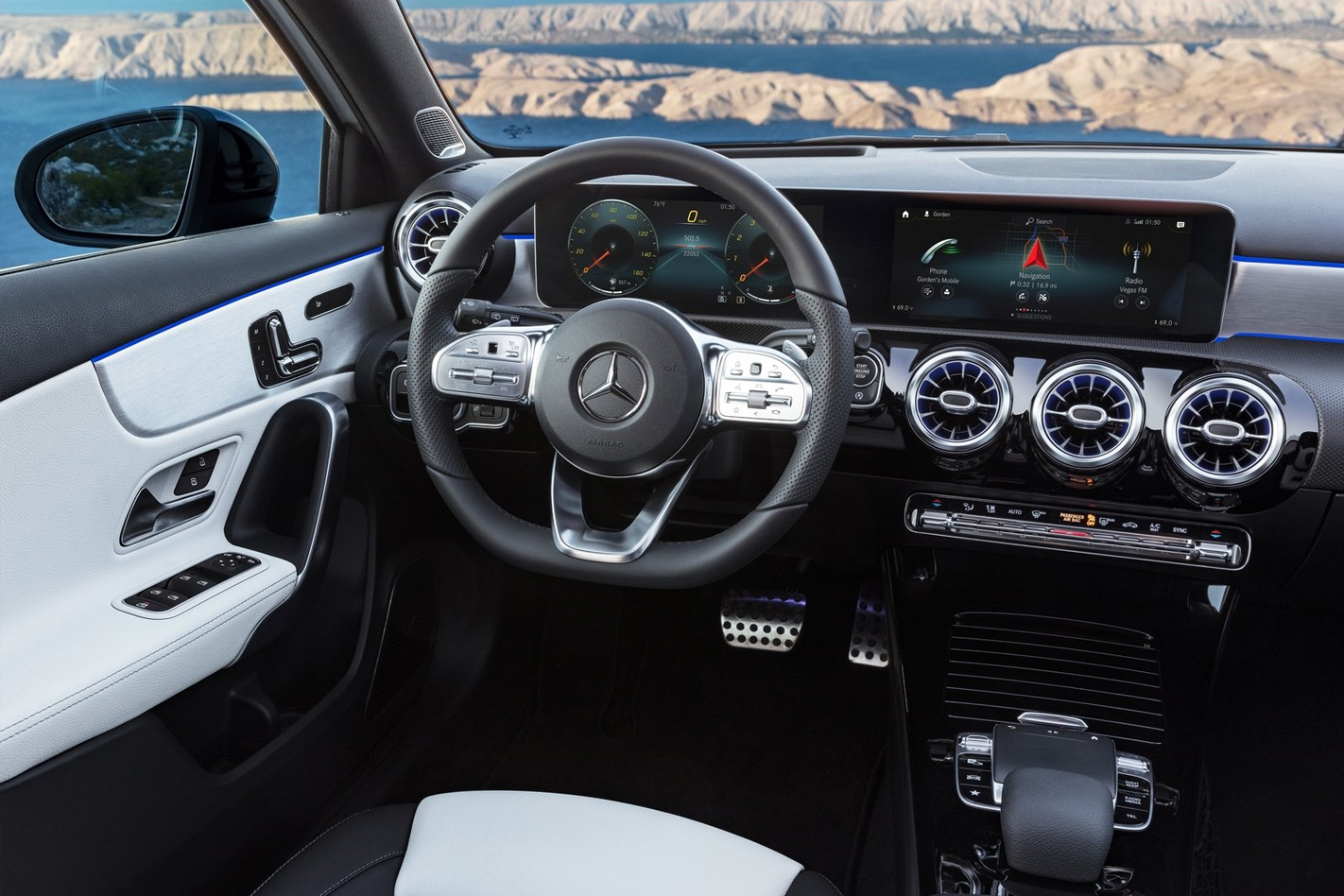
But that’s not the only advancement for the A-Class, with Georges Messing, Director of User Interaction at Daimler, telling Australian media that Mercedes-Benz will introduce the cordless smartphone mirroring with the A-Class
“In our entry level-system you will be able to do wireless CarPlay,” he said.
“Our medium and high-end cars will also have wireless phone charging as a feature.”
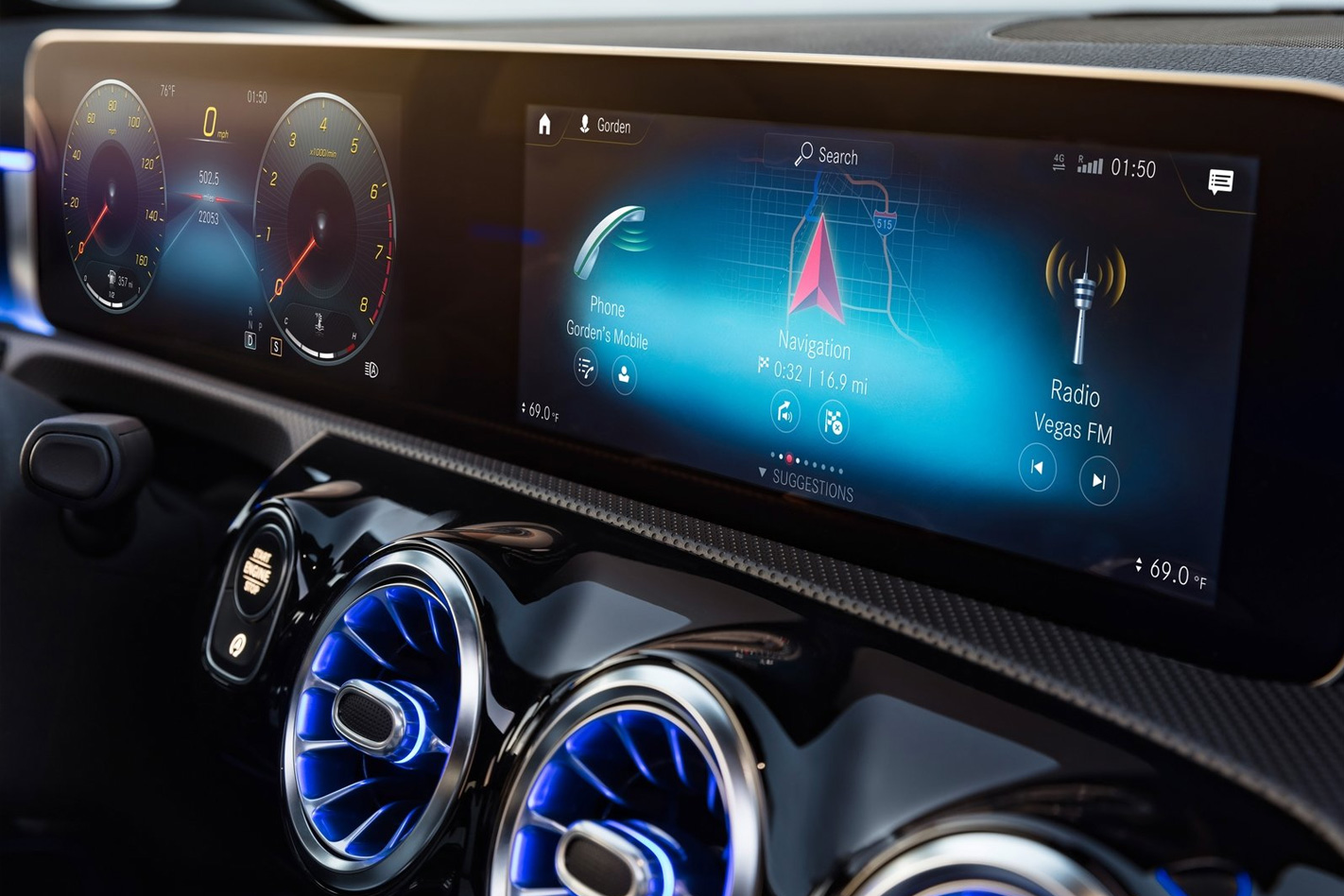
Until recently, Apple CarPlay could only be activated when the phone is plugged into the car via a cord, however an iOS 9 update meant the smartphone mirroring app could be used without a physical connection.
Wireless Apple CarPlay was first introduced to the Australian market by BMW, with Volkswagen also rumoured to be working on introducing the system.
The MBUX system would traditionally be introduced on a flagship Mercedes-Benz sedan like the E- or S-Class, however Messing explained the German manufacture was keen to get tech-savvy A-Class owners the first taste.
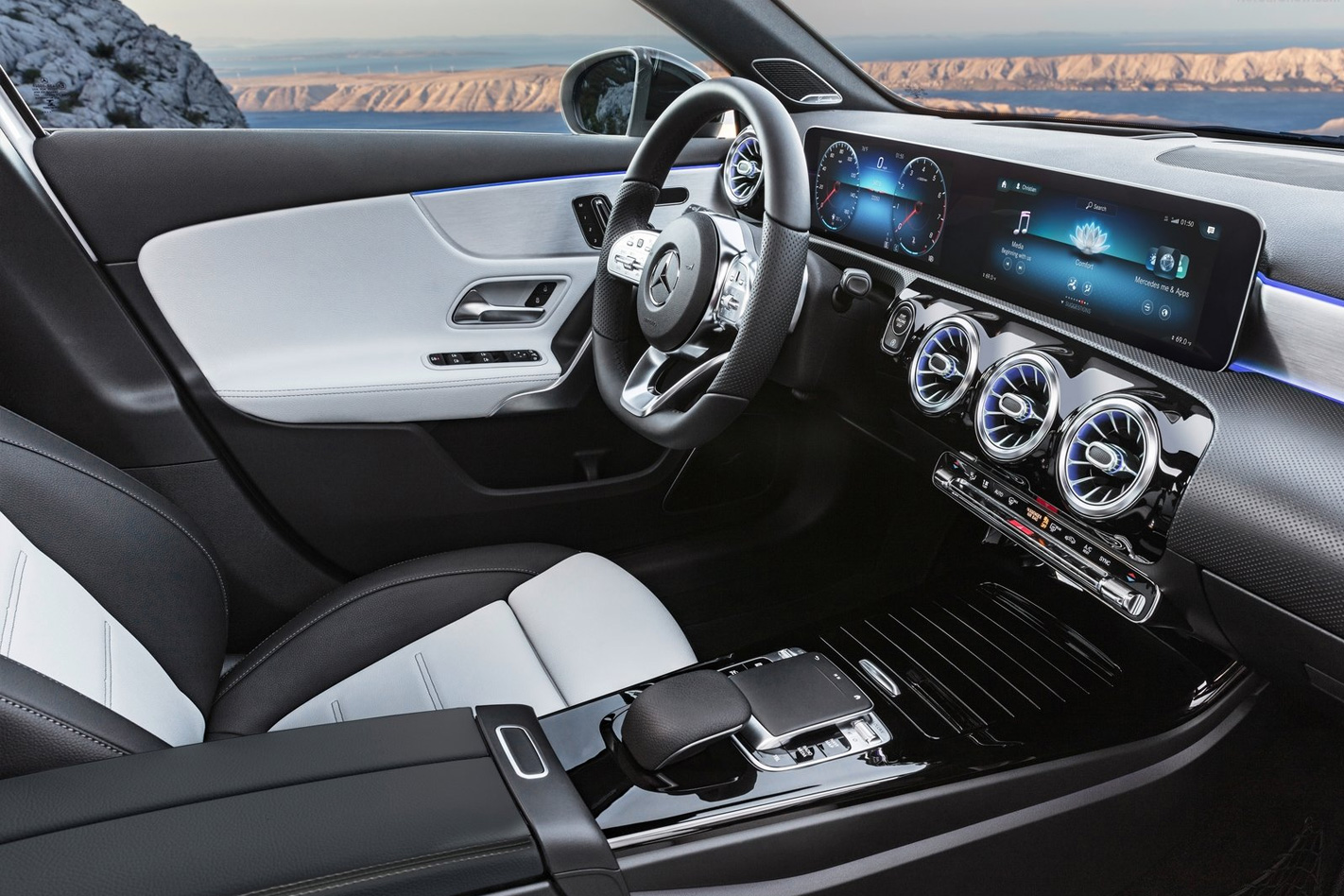
“The main drivers for implementing MBUX first in the A-Class is about appealing to the younger demographic,” he added.
“We had to come and talk to young people and saw the adoption of this kind of technology for young people is so easy, so that is why it will debut in the A-Class.
“We say, ‘Okay, this is a very high-end system we are bringing in, but yeah, we will bring it with the A-Class’.”
WHAT IS IT?
One of 25 brand-new DB4 GTs assembled by Aston Martin, wearing a staggering A$2.6m price tag. Each one is built to Lightweight spec, meaning an aluminium floorpan and bulkheads with holes drilled to save more weight, and non-essential fripperies deleted. Two of them are coming to Oz.
WHY WE’RE DRIVING IT
You don’t turn down an opportunity like this.
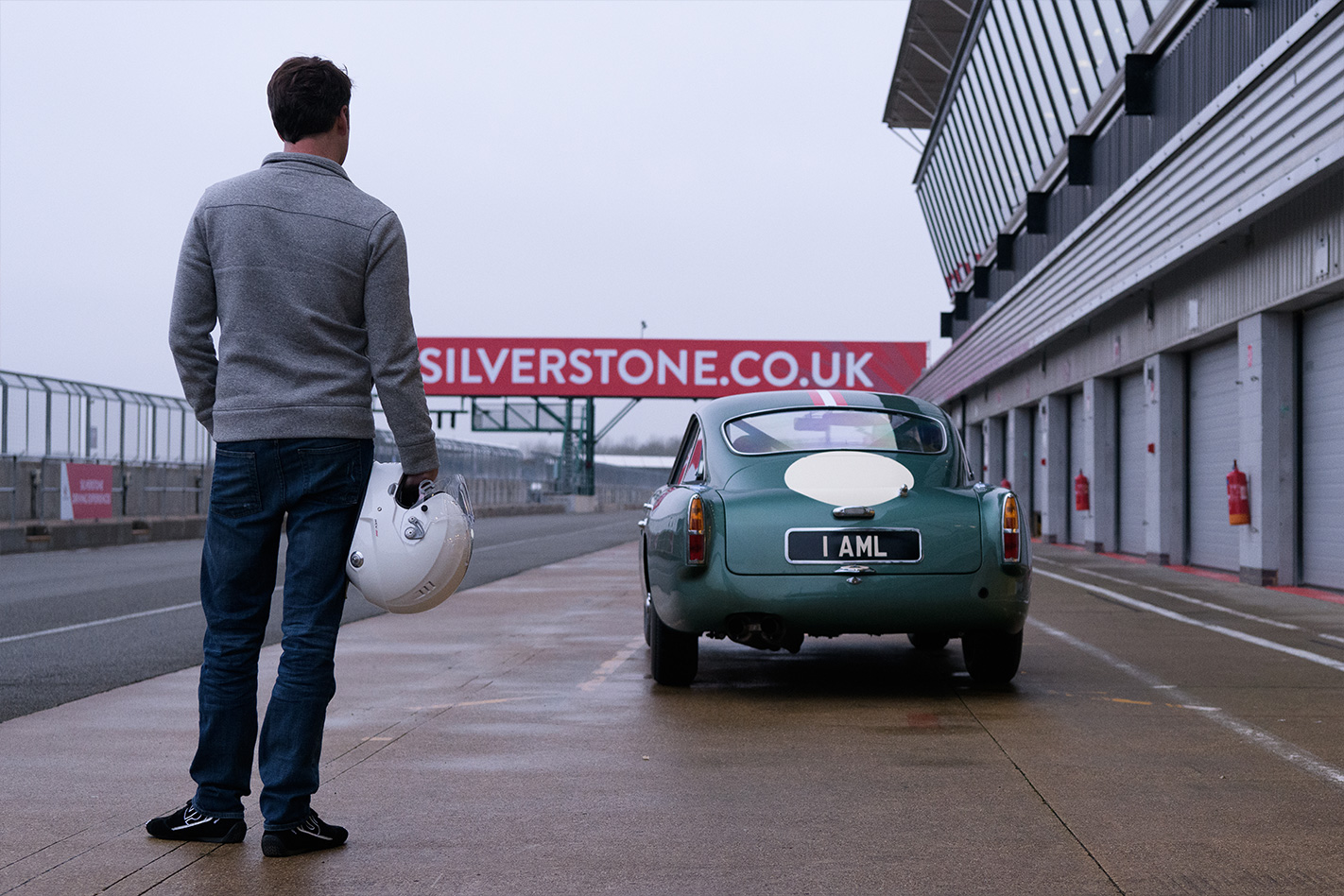
The DB4 GT Continuation cars evoke the earliest phase of Aston Martin DB4 production, cars distinguished by their ‘cathedral’ rear lights and a high-set air intake on the bonnet. It’s utterly special and incredibly beautiful.
PLUS: Time-warp attention to detail, heritage, exclusivity MINUS: Price, but they’re all sold anyway
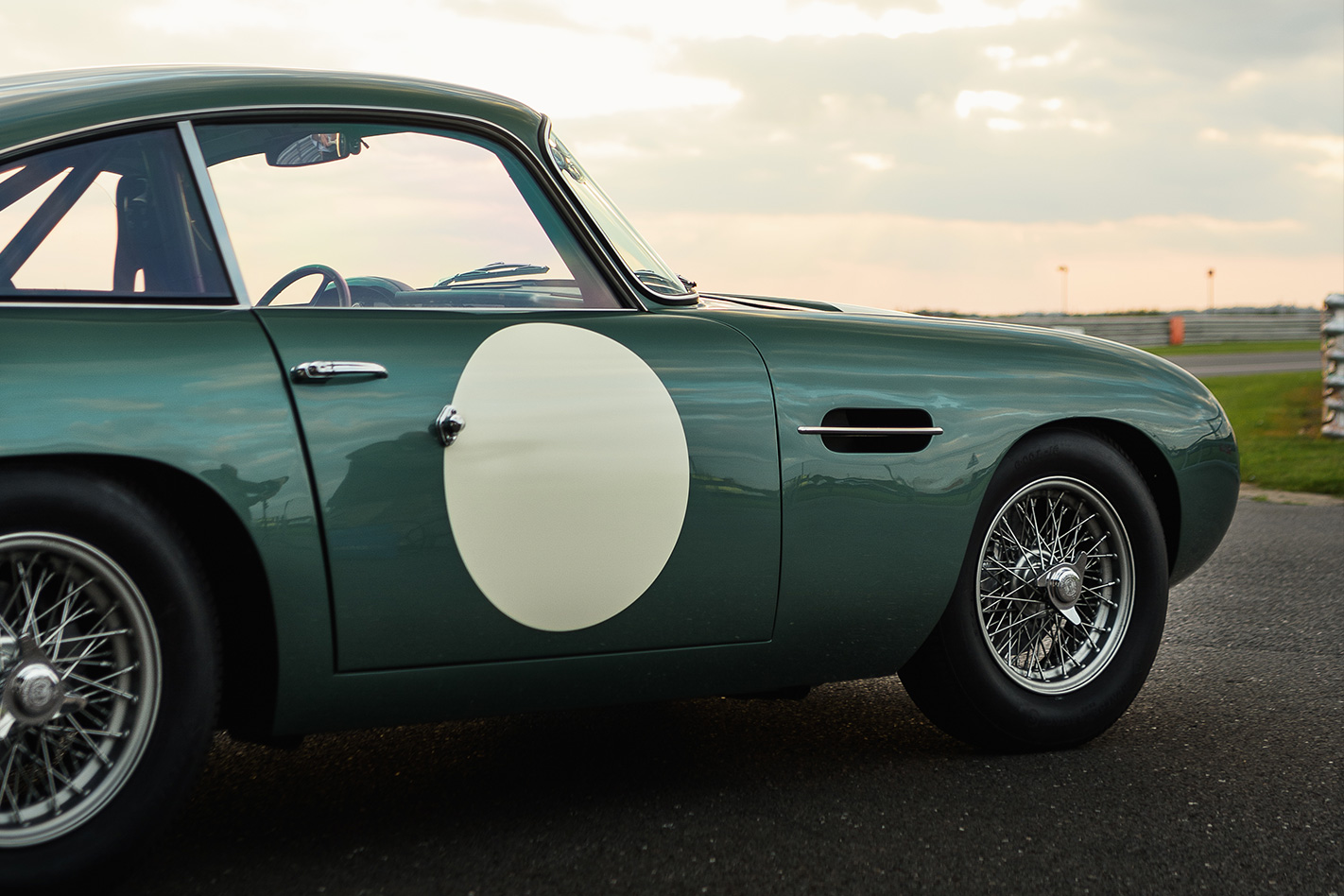
IN 1959, Stirling Moss drove an Aston Martin DB4 GT to victory on its race debut at Silverstone. Today, I feel like I’m stepping back in time as I head out onto Silverstone in a brand new DB4 GT – an official ‘continuation’ of the original produced by Aston.
Built at Newport Pagnell like the originals, 25 are being hand-crafted, and all are sold despite an asking price of A$2.6m and a caveat that you can’t actually drive this DB4 GT on a road. Two are heading to Australia.
Just 75 original DB4 GTs were produced through to 1963. They took the regular DB4, chopped 13cm from its wheelbase to save 85kg and increase agility, and added a twin-plug cylinder head to the straight six.
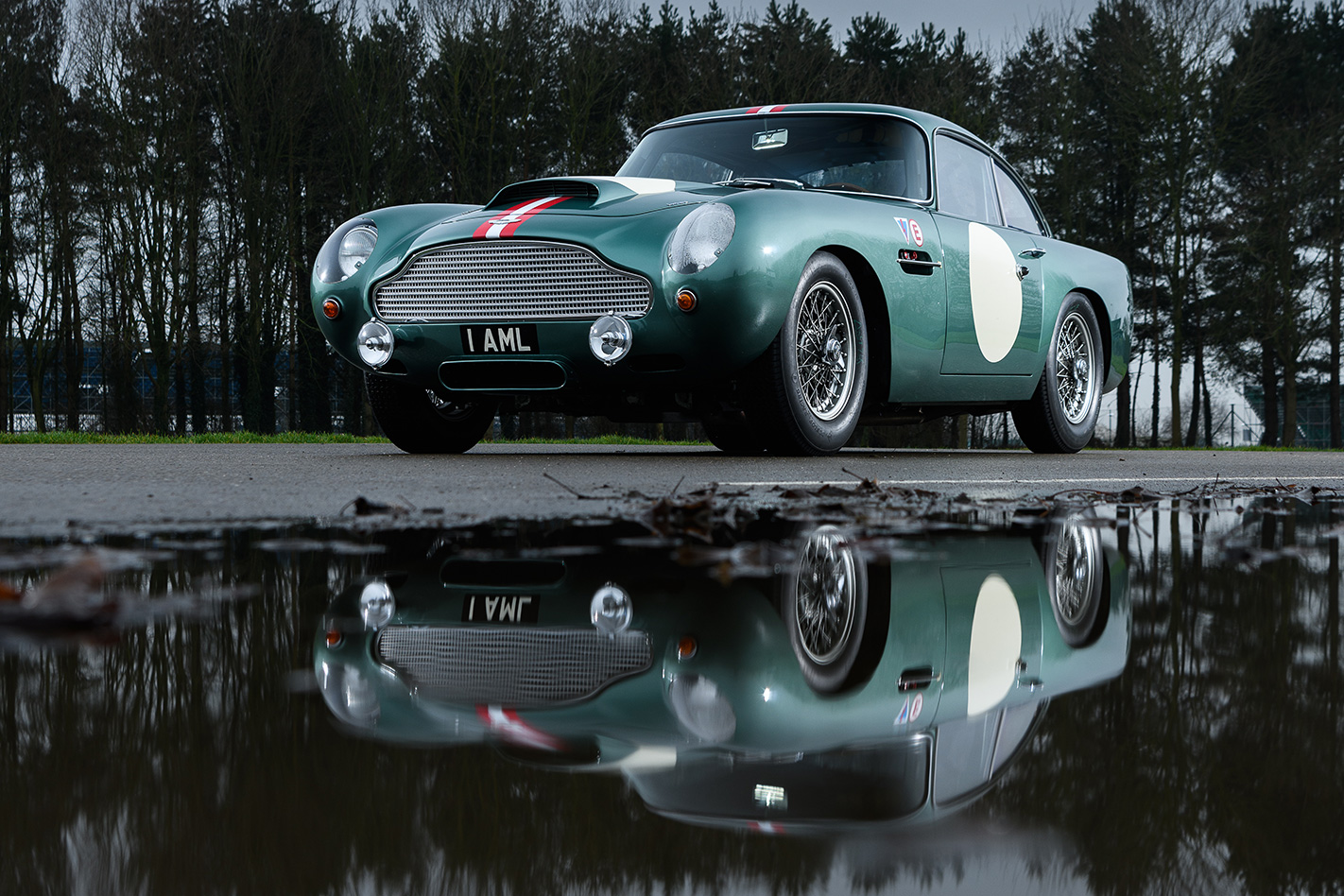
‘It was a very hard project, because the original car already exists,’ explains program manager Simon Hatfield. ‘You’re trying to replicate it perfectly, but you don’t have all the information required.’
The answer was to digitally scan ‘eight or nine’ original cars and pore over 450 drawings. The attention to detail is obsessive – the 1.2mm aluminium panels are the exact gauge of the originals, despite the panel-beaters pleading for a thicker gauge that would’ve been easier to hand-work. The original supplier of the door locks still had the tooling and re-started production; Borani re-produced the same 16-inch wheels.
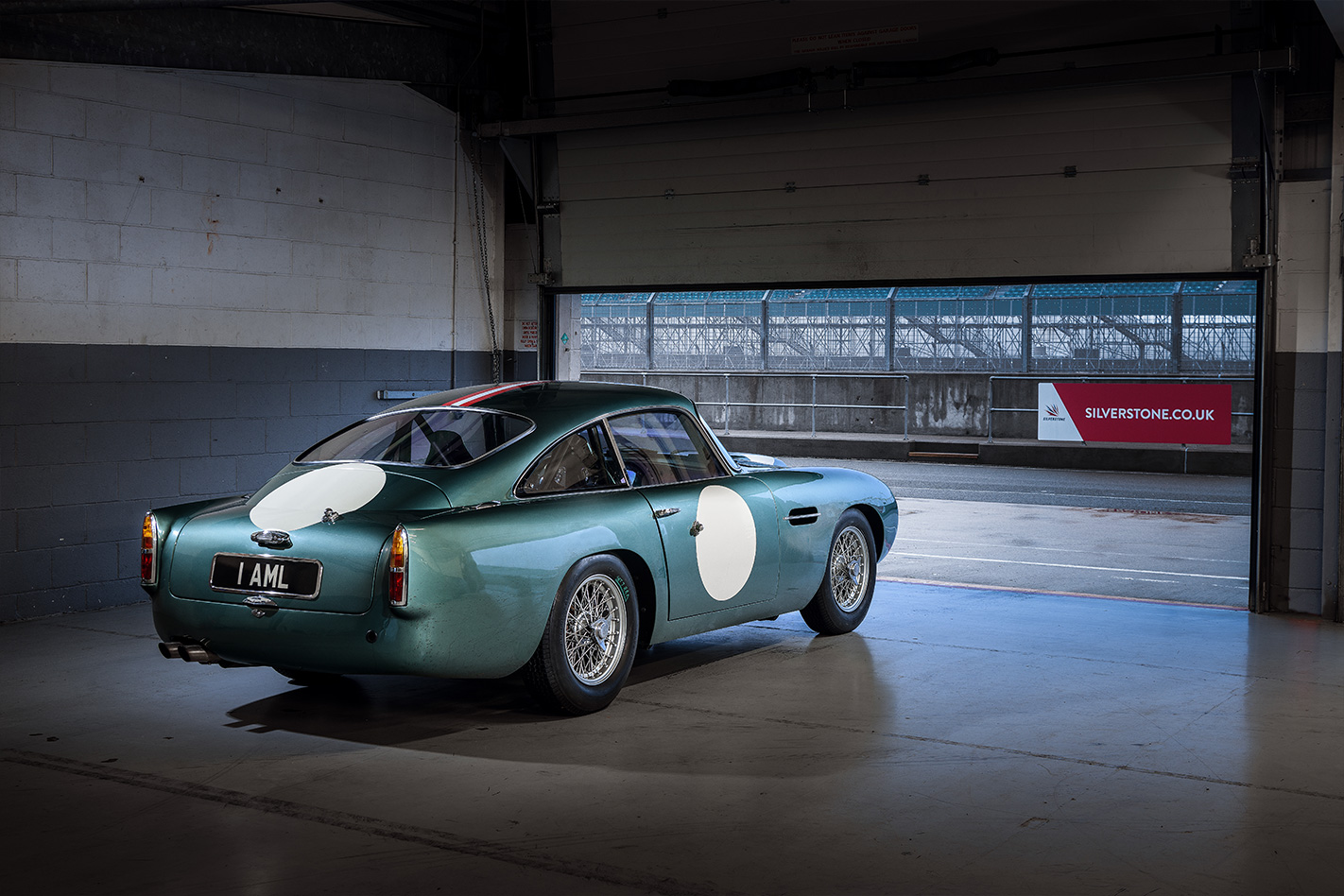
With just 1260kg and healthy performance, though, the rear cross-ply tyres spin easily on the slick surface, so it feels natural to pull for fourth early on corner-exit and use the torque to haul down the next straight. Even then, performance feels keen, the deep bellow through triple Webers at lower revs rising to a sonorous howl as the rev needle jumps round the gauge in period-accurate spasms.
While the DB4 GT continuation is extremely faithful to the original, it has been upgraded. The roll-cage is built to modern FIA standards, so too the fuel tank and bucket seats. The engine is around 40bhp healthier at 340bhp thanks in part to a capacity increase to 4.2 litres, and the gearbox uses more durable straight-cut gears that whine noisily but evocatively. Modern brake-pad material shortens stopping distances, and the suspension is rose-jointed for a more precise feel.
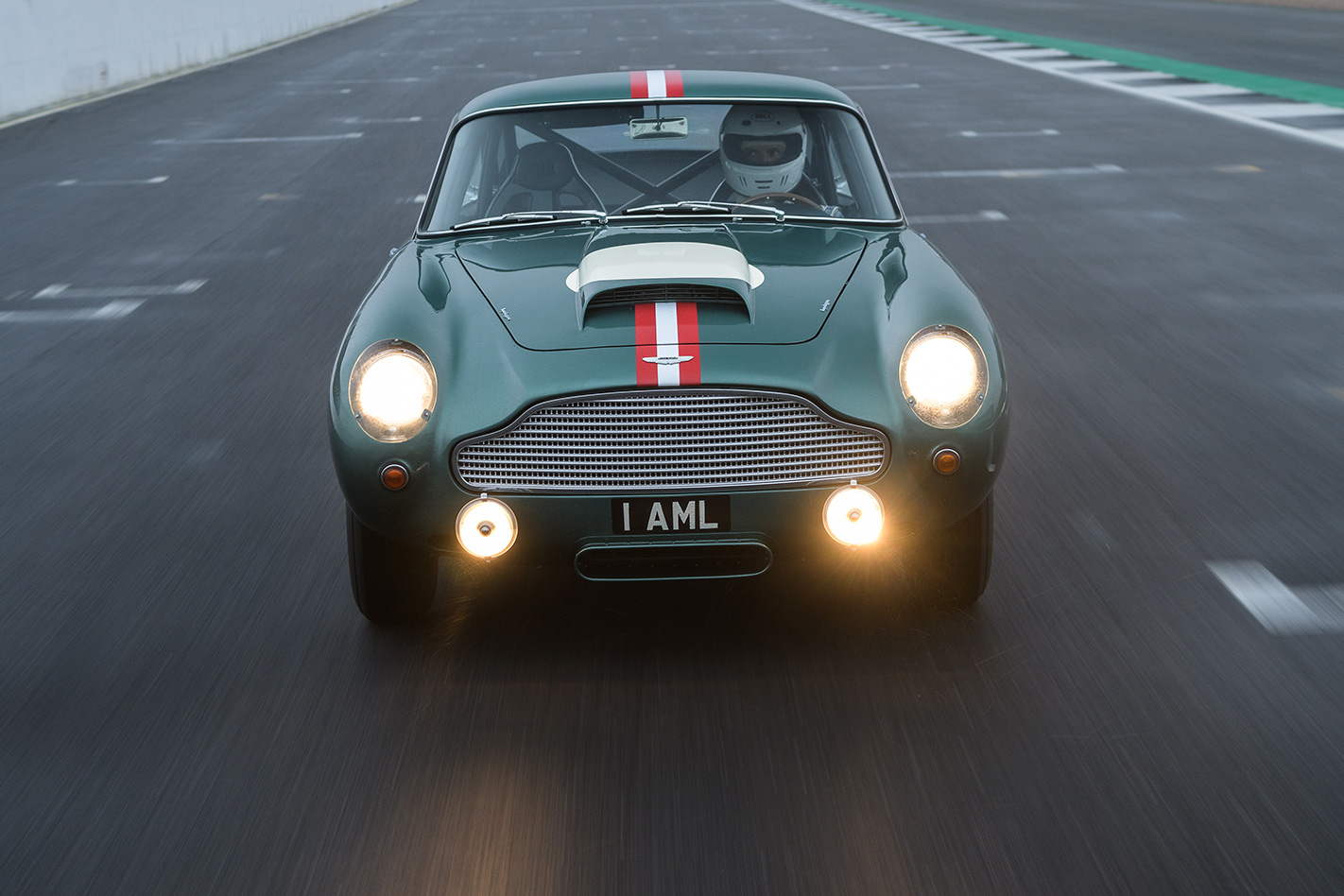
In fact, the strong brakes and adjustable chassis provide plenty of get-out-of-jail options. Steam in too quickly and you’ll feel the DB4 GT push progressively into understeer, but it’s controllable and a lift off the throttle helps it slip gently into oversteer, giving you a chance of making the apex.
After a few laps, Moss would’ve already been in the distance, and I want to stay out, master the technique, get a little closer to his imaginary ghost car. But just following in Moss’s tyre tracks half a century after he first proved the DB4 GT was a contender has been plenty special enough.
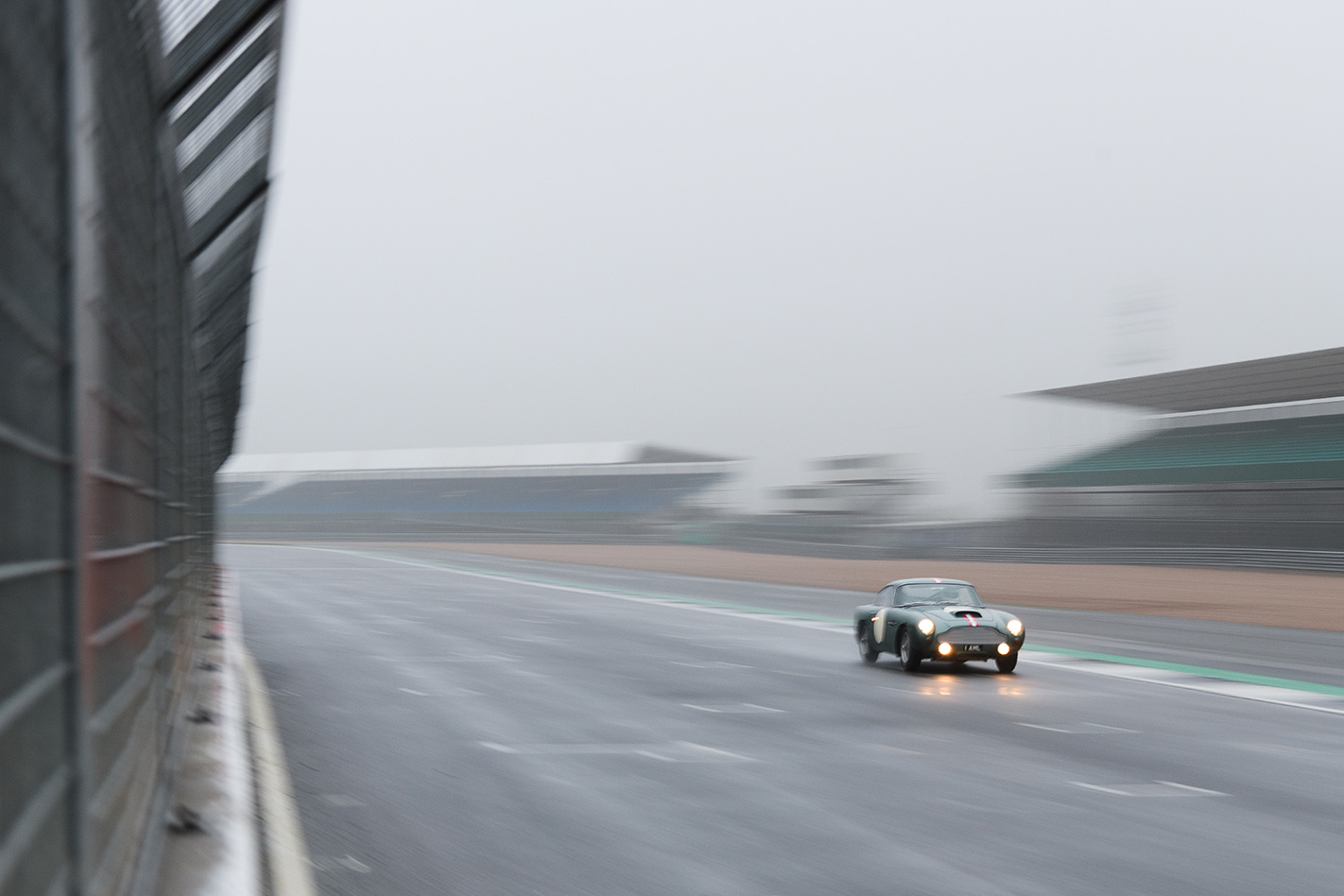
Model: Aston Martin DB4 GT Continuation Engine: 4211cc straight six, dohc, 12v Max power: 254kW @ 6000rpm Max torque: Unknown Transmission: 4-speed manual Weight: 1260kg 0-100km/h: Untested Fuel economy: Irrelevant Price: £1.5m (approx. A$2.6m)
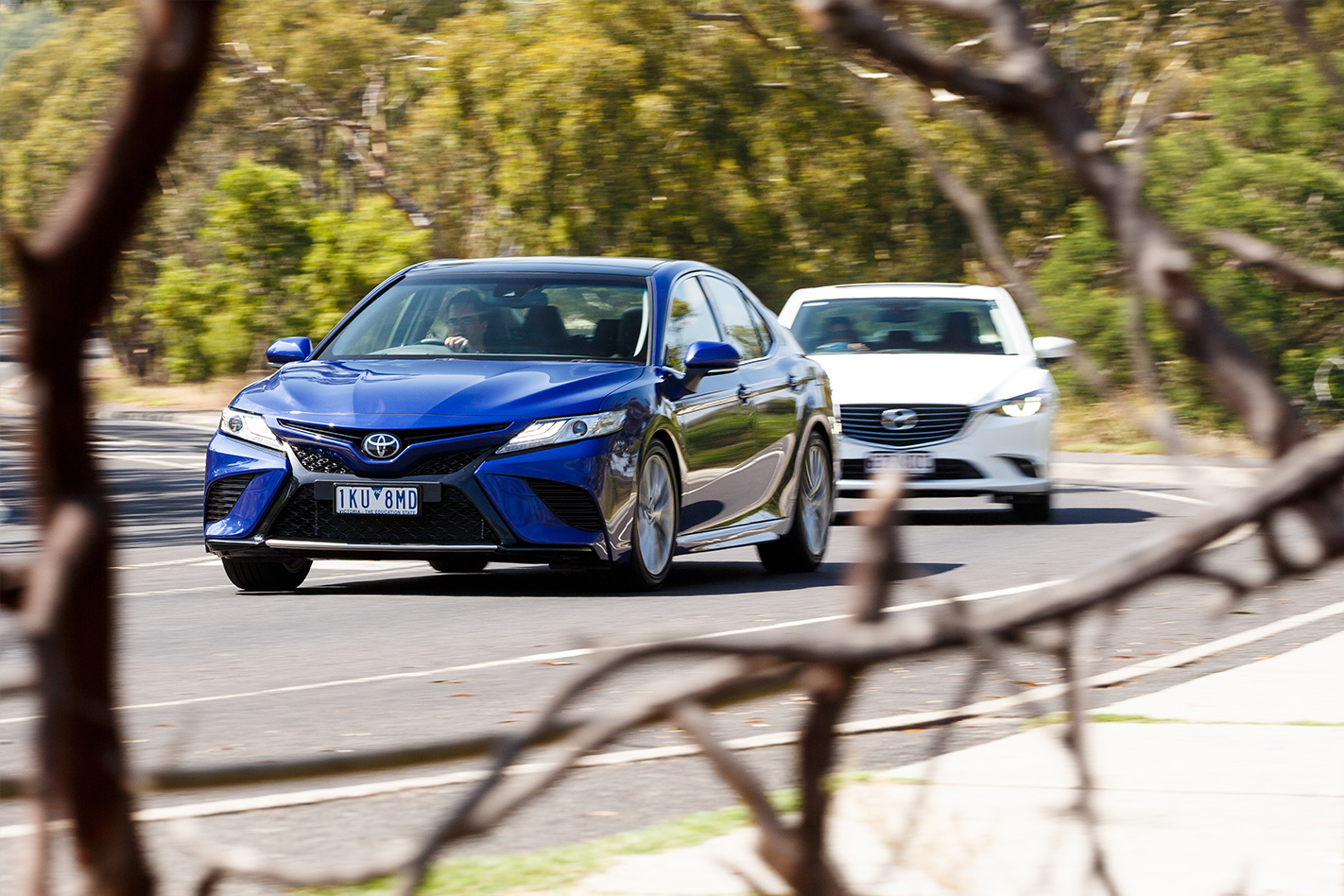
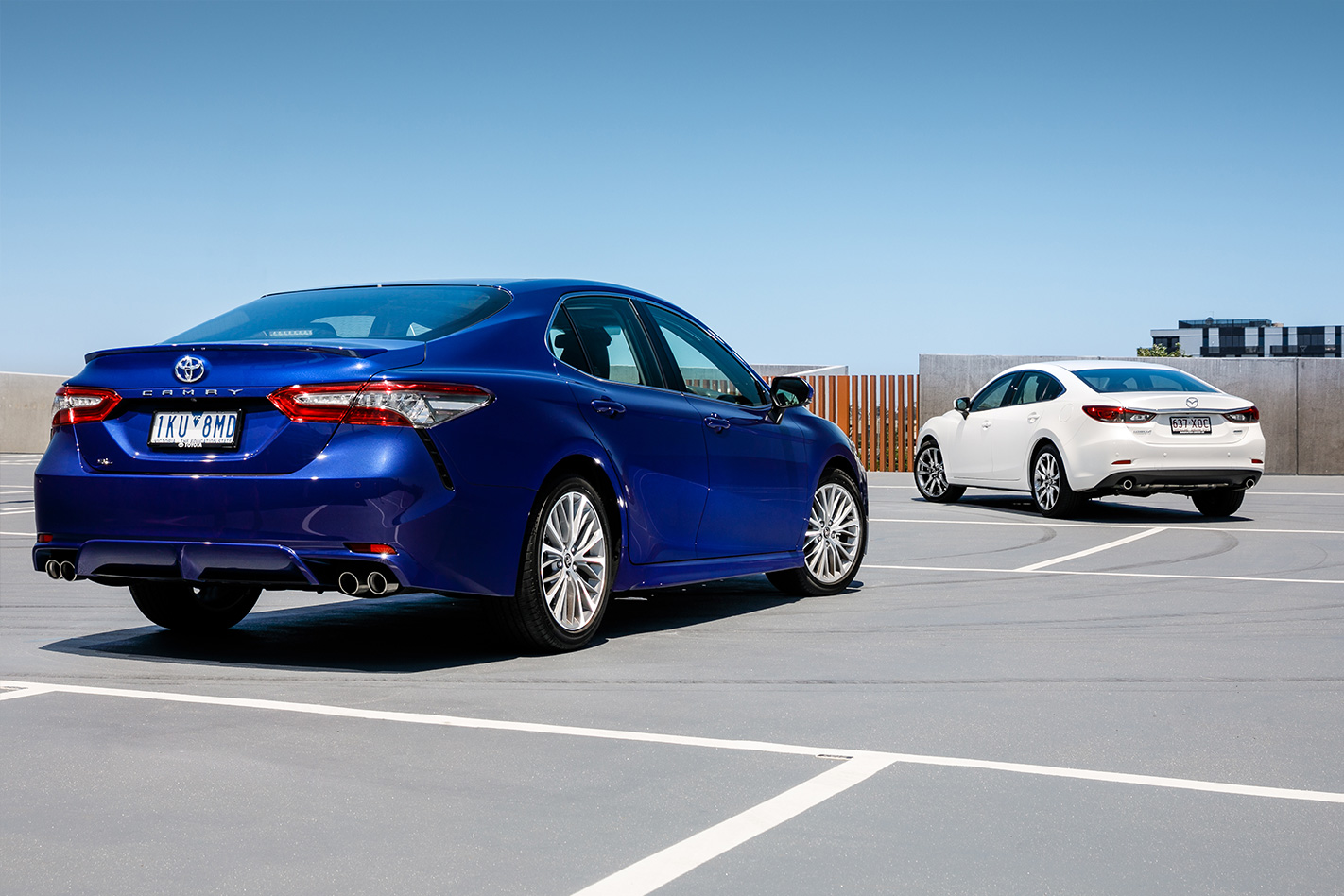
TOYOTA’S box-fresh Camry is something of a revelation. Not just because it’s now built on Toyota’s impressively dynamic TNGA platform, or because it’s positively jam-packed with equipment – no, the Camry is intriguing because it’s no longer the visual equivalent of Rohypnol.
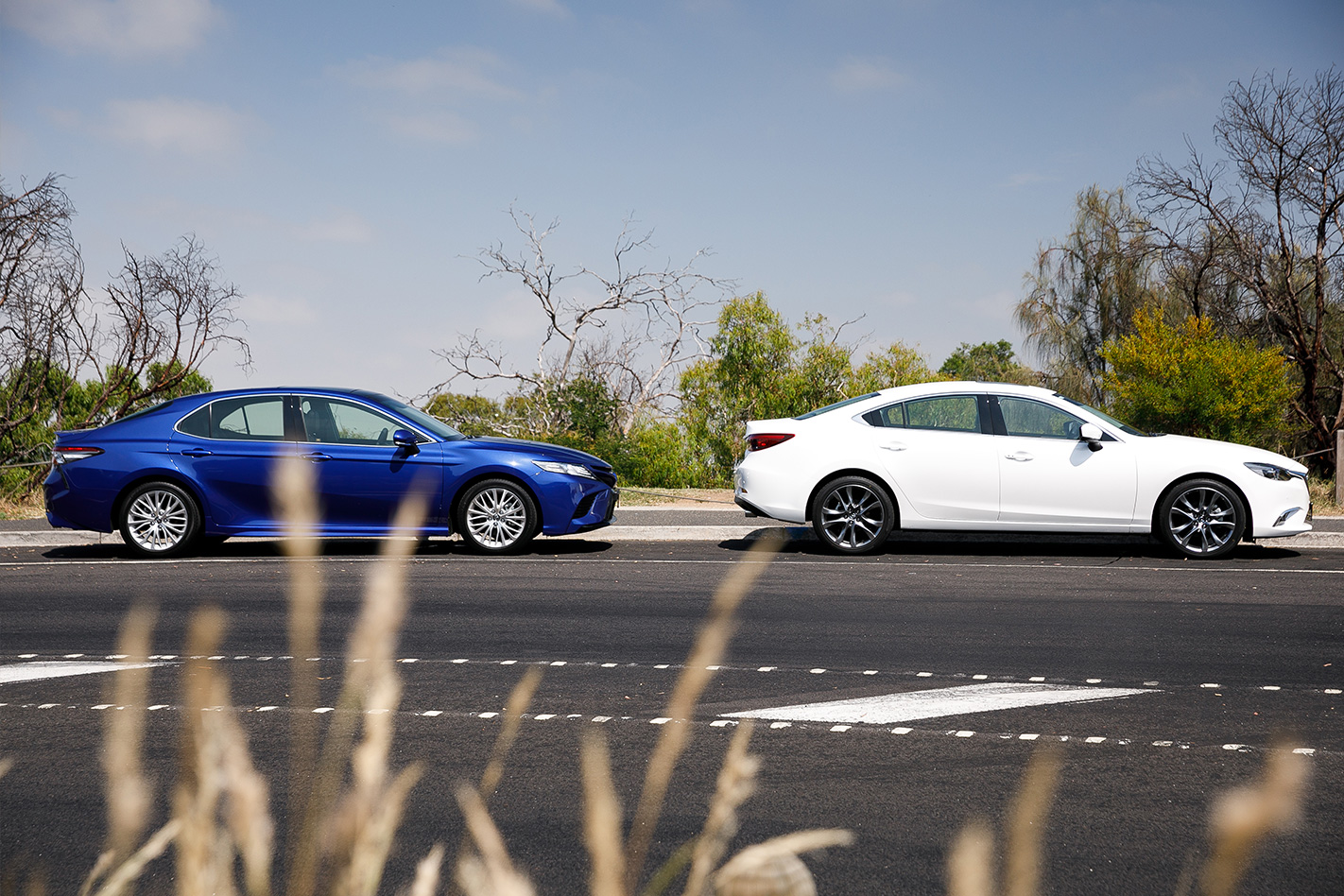
In fact, we’d go as far as saying that the Toyota Camry’s new clothes are pretty handsome – attractive, even. When was the last time someone complimented Toyota’s humble midsizer for its looks? Call us shallow, but appearance still matters.
But the Camry hasn’t let its newfound aesthetic appeal go to its head. Toyota’s product planners haven’t forgot the fundamentals of low cost and value for money that have made the Camry the top-selling midsize sedan for yonks, and at $39,990 for the high-grade SL 2.5-litre tested here you’re sure getting a hell of a lot of car and kit for your money.
Price and Equipment
The new Camry SL four-pot may cost $2550 more than the old model, but its sub-$40K sticker is still a bargain compared to the Mazda. A fatter equipment list also boosts the value-for-money quotient, with standout features including a panoramic sunroof, ventilated front seats, active cruise control, AEB, blind-spot monitoring, wireless phone charging and a 10-inch head-up display.
The value situation isn’t so rosy in the Mazda’s corner. Despite having a less-generous equipment list than the Camry SL, the Mazda 6 GT will cost you $2700 more to plonk in your driveway.
Camry: 19/20 Mazda 6: 15/20
Interior and Connectivity
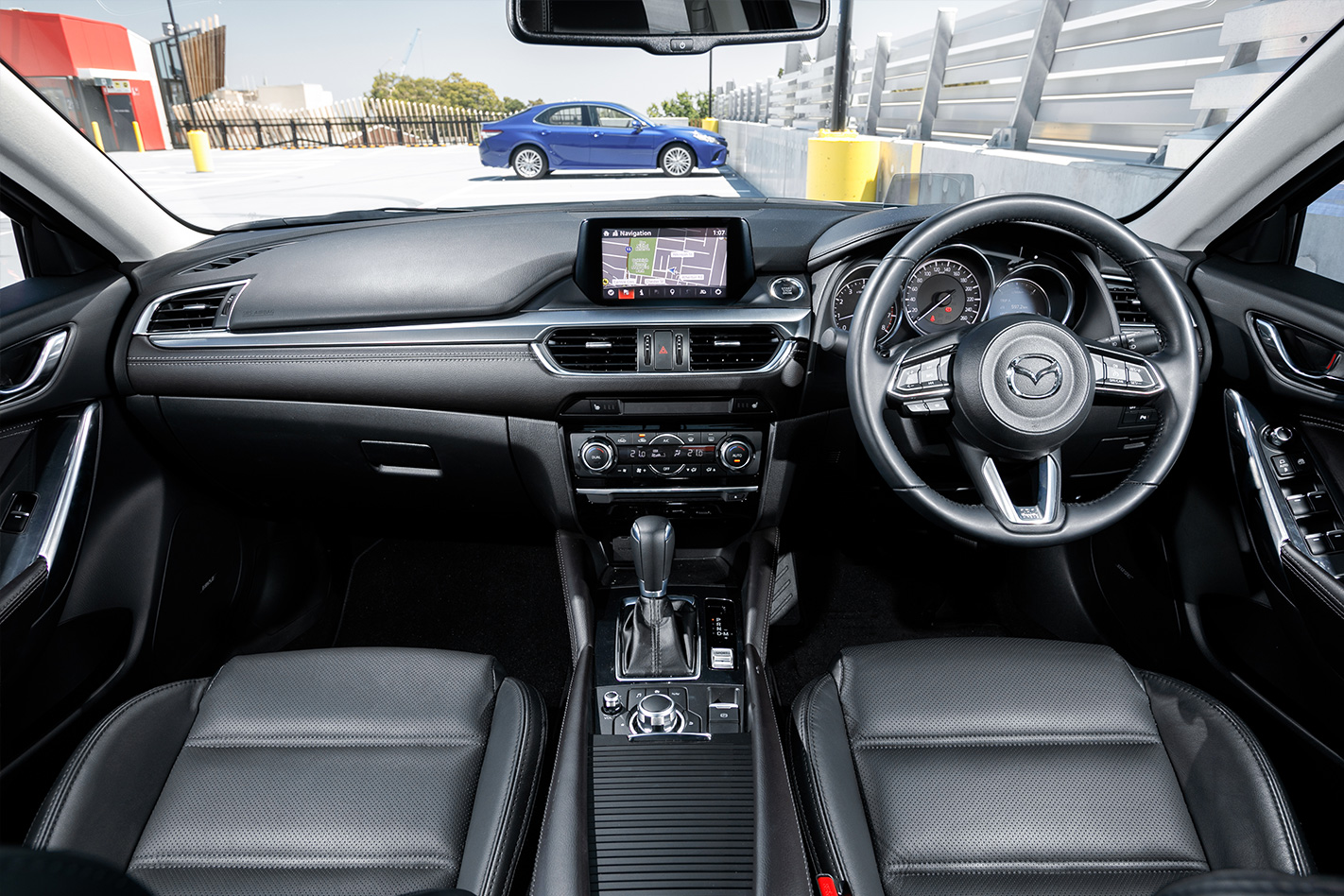
Toyota’s interior designers have been let off the leash with this generation Camry, resulting in the most visually interesting cabin in the nameplate’s history. Front seats envelop occupants well, while the rear bench has ample legroom and supportive cushioning. Headroom takes a hit from the panoramic sunroof’s bulk, but thanks to a long and flat roof it’s the Toyota’s cabin that’s more welcoming of backseat passengers.
Infotainment has also taken a huge leap, thanks to a larger, more intuitive, more responsive and fully integrated touchscreen. It’s a far cry from the ho-hum infotainment fit-out of the previous-gen Camry, and coupled with a convenient wireless charging pad at the base of the centre stack the Camry presents itself as a better vehicle for tech-lovers.
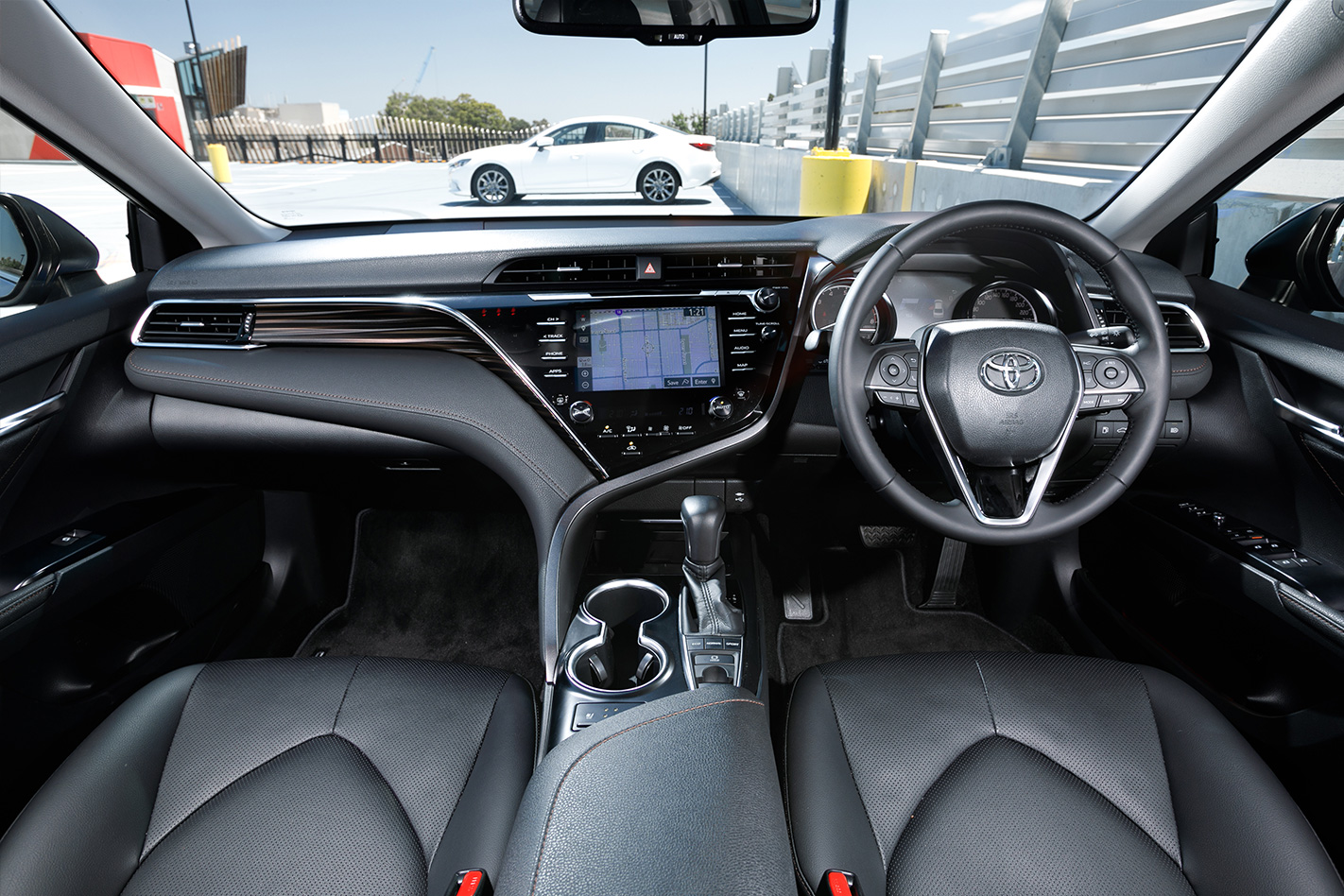
Details let it down though, with the flip-up reflector for the head-up display not just looking fragile, but failing to actually project your speed over the car’s bonnet. That Camry’s HUD, which reflects off the windscreen itself, simply works better. The Mazda’s 7.0-inch touchscreen is also small by today’s standards.
The 6’s low-slung driving position is borderline sporty, but rear legroom isn’t as generous as it is in the Toyota, while rear headroom limited by the 6’s tapering roof.
Ride and Handling
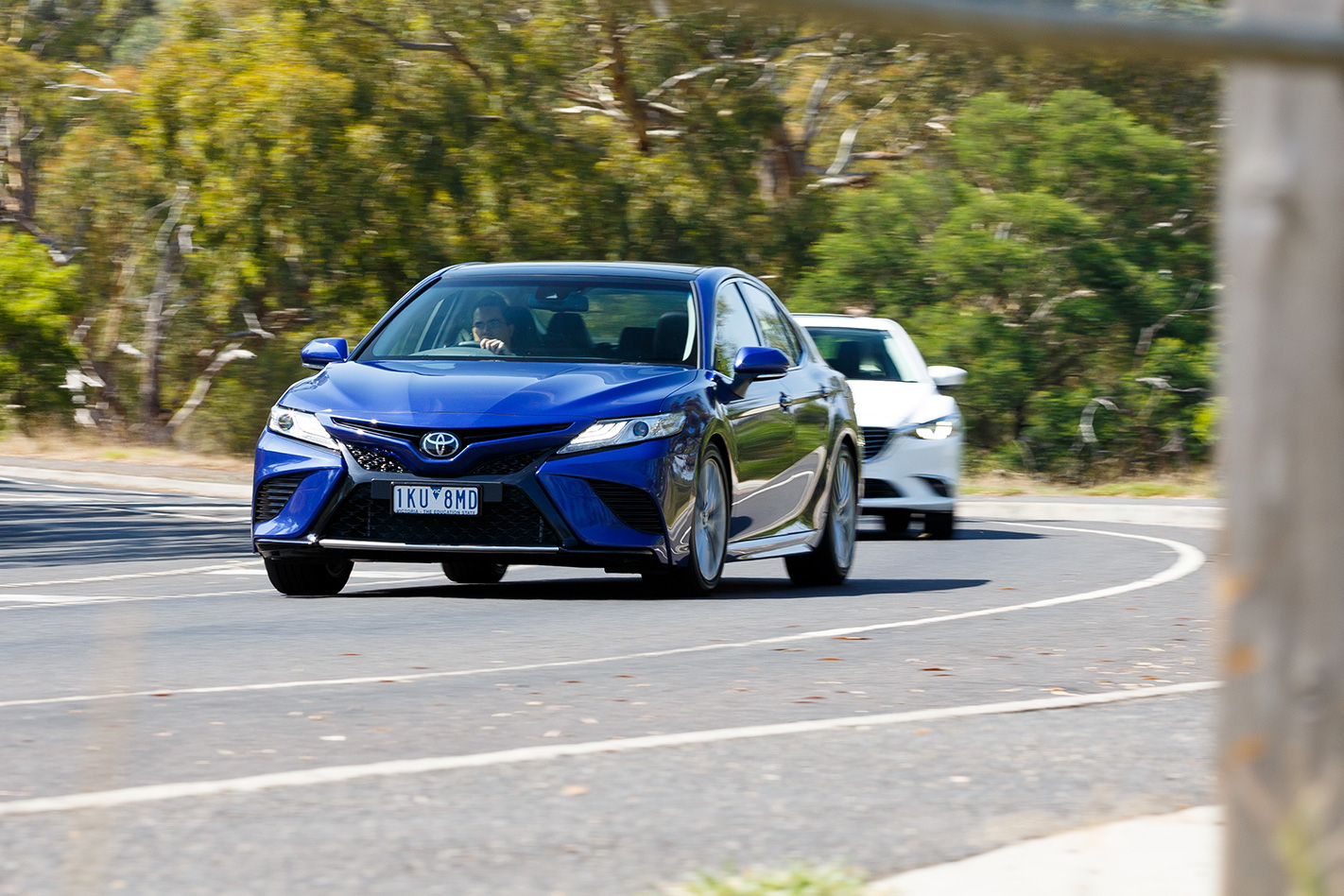
‘Refined’ is the best descriptor for how the new Camry rides, its supple suspension and 18-inch alloys easily gliding over road imperfections while its muted engine emits a distant hum. There’s more body movement when traversing bumps or cornering hard which makes it feel less athletic than the Mazda, but some may be surprised at the Camry’s dynamic ability. ‘Soft’ definitely does not equal ‘sloppy’ with this one.
The firmly damped Mazda delivers a ride that certainly feels secure, but 19-inch wheels and low-profile tyres result in a brittle ride that transmits the edges of every manhole, expansion gap and corrugation. Steering is delightfully accurate, though, guiding a talented chassis that ranks among the better mid-size sedans. Shame about all of that road noise.
Performance and Economy
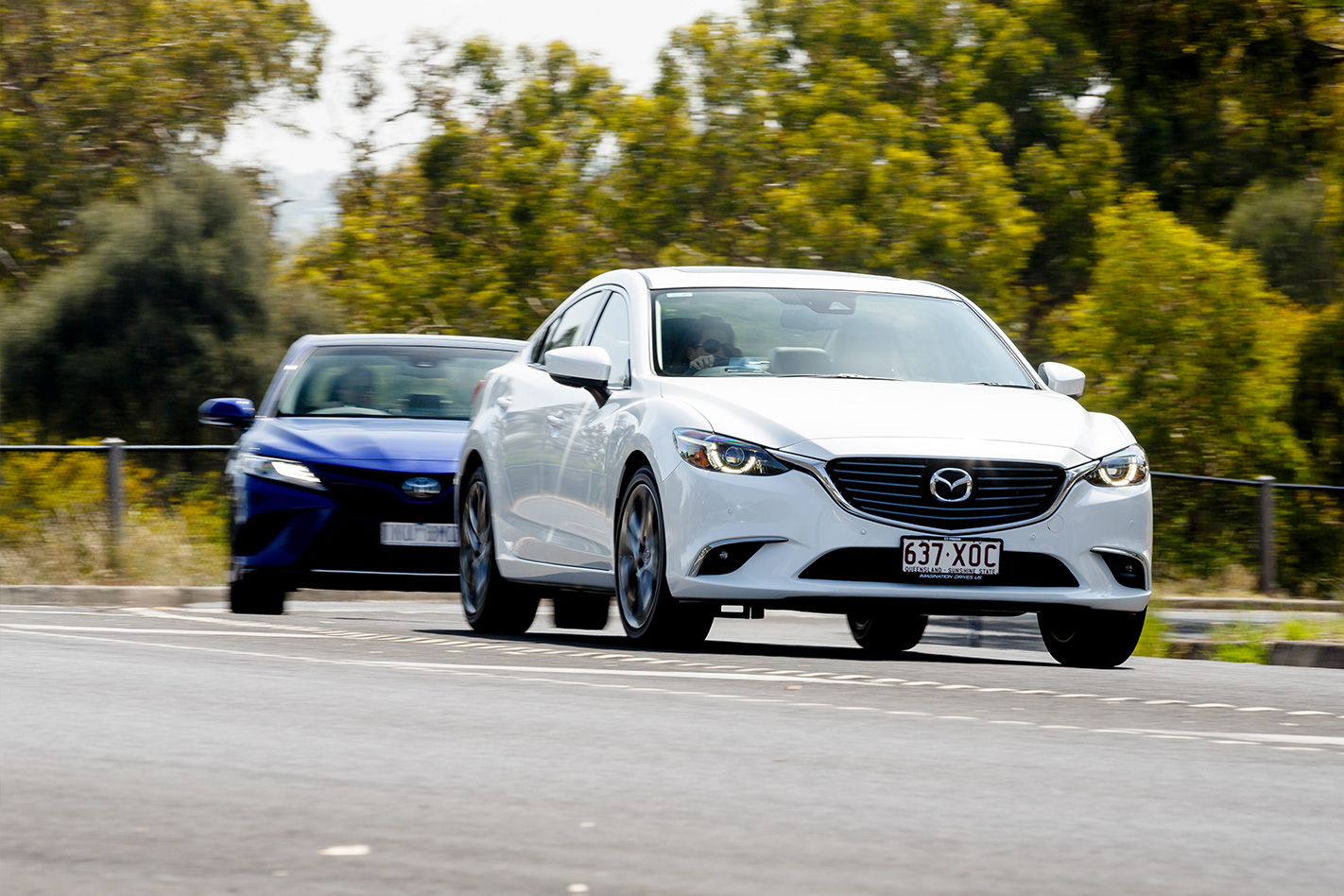
The Camry’s six-speed automatic has a preference for high gears, which often sees it second-guess itself up hills and hunt back down through the ratios before settling. It wakes up in Sport mode and the engine and transmission’s kickdown response to sudden throttle inputs is swift, but this is a drivetrain best suited to relaxed cruising, not urgent acceleration. Port injection and no start-stop tech harms its fuel efficiency too, though Toyota would argue that the Camry Hybrid is there to cater for fuel misers.
Mazda’s direct-injected 2.5-litre four is linear and responsive; the downside is strident induction roar at high revs, compounded by the 6’s road noise. Its six-speed automatic is a joy to use thanks to intelligent shift programming and responsive manual shift paddles, while an ultra-quick engine start-stop system helps the 6 gain the title of ‘most frugal’ by a significant margin. As far as drivetrains and powertrains are concerned, the Mazda feels tauter and more alert than the slightly dozy Camry
Warranty and Servicing
Toyota’s three-year/100,000km warranty is on the stingier end of the aftersales spectrum these days (Kia monsters it with seven years/unlimited kilometres), however, with 12-month/15,000km servicing intervals (and the first five visits capped at $195), the Camry is nevertheless cheaper to keep running than the Mazda 6.
Mazda’s factory warranty spans a slightly more generous three-year, unlimited-kilometre period, but the 6 is potentially more costly to service thanks to more frequent maintenance intervals of 12 months/10,000km and a price scheme that alternates from $305 to $333 for each service.
VERDICT
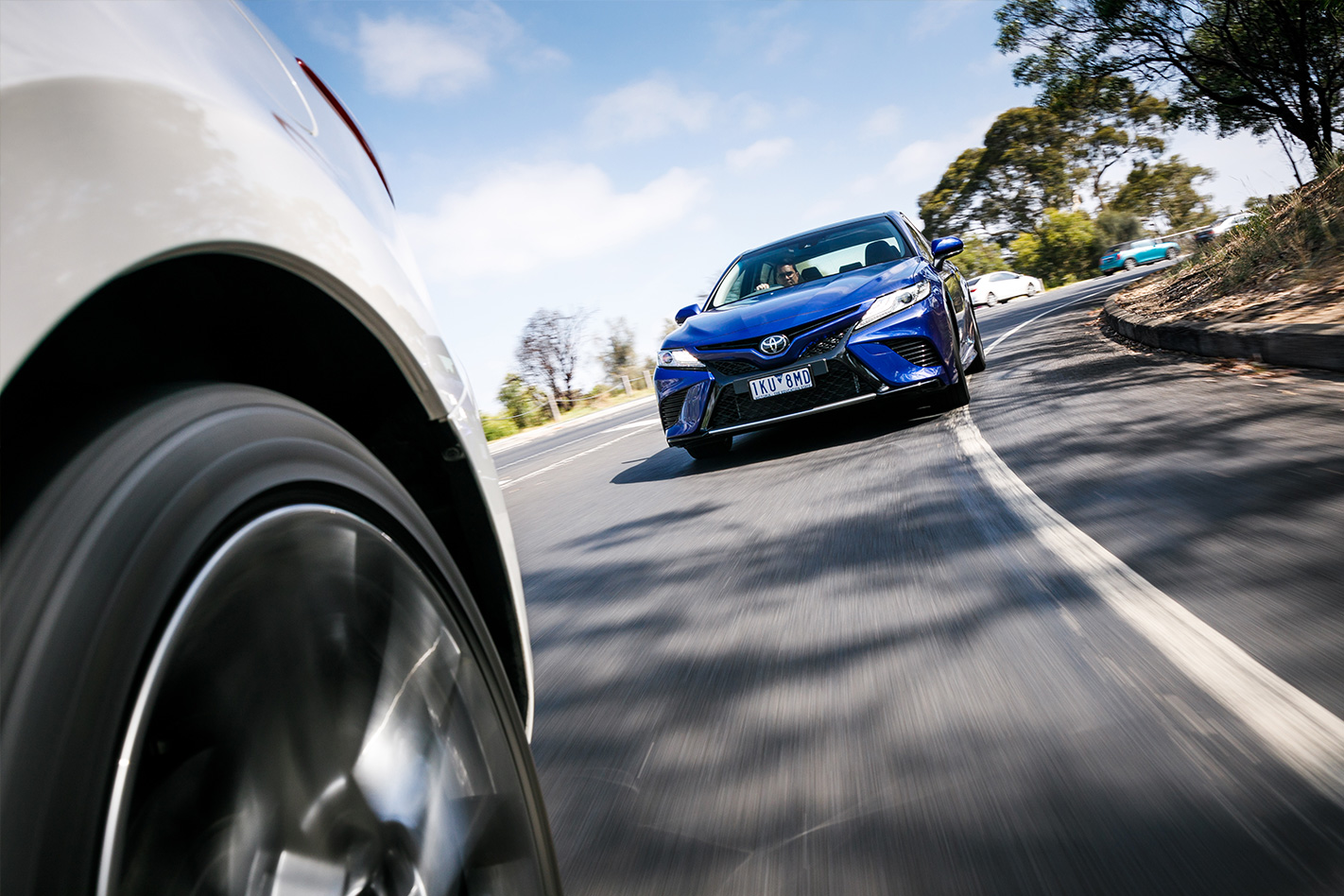
The Camry SL’s well-rounded nature and significant improvements in handling, quality, equipment and size sees it edge ahead of the Mazda 6 GT in this two-way, yet even though the Camry is a much younger design that’s not necessarily the conclusion we were expecting.
The 6 remains a great-driving car – and a superbly efficient one too – but is that so important in a segment that puts greater importance on value and comfort? What’s more, the Camry doesn’t trail all that far behind the Mazda 6 when it comes to dynamic performance, and that may surprise a significant chunk of you. For all of the above, the Camry takes home the win.
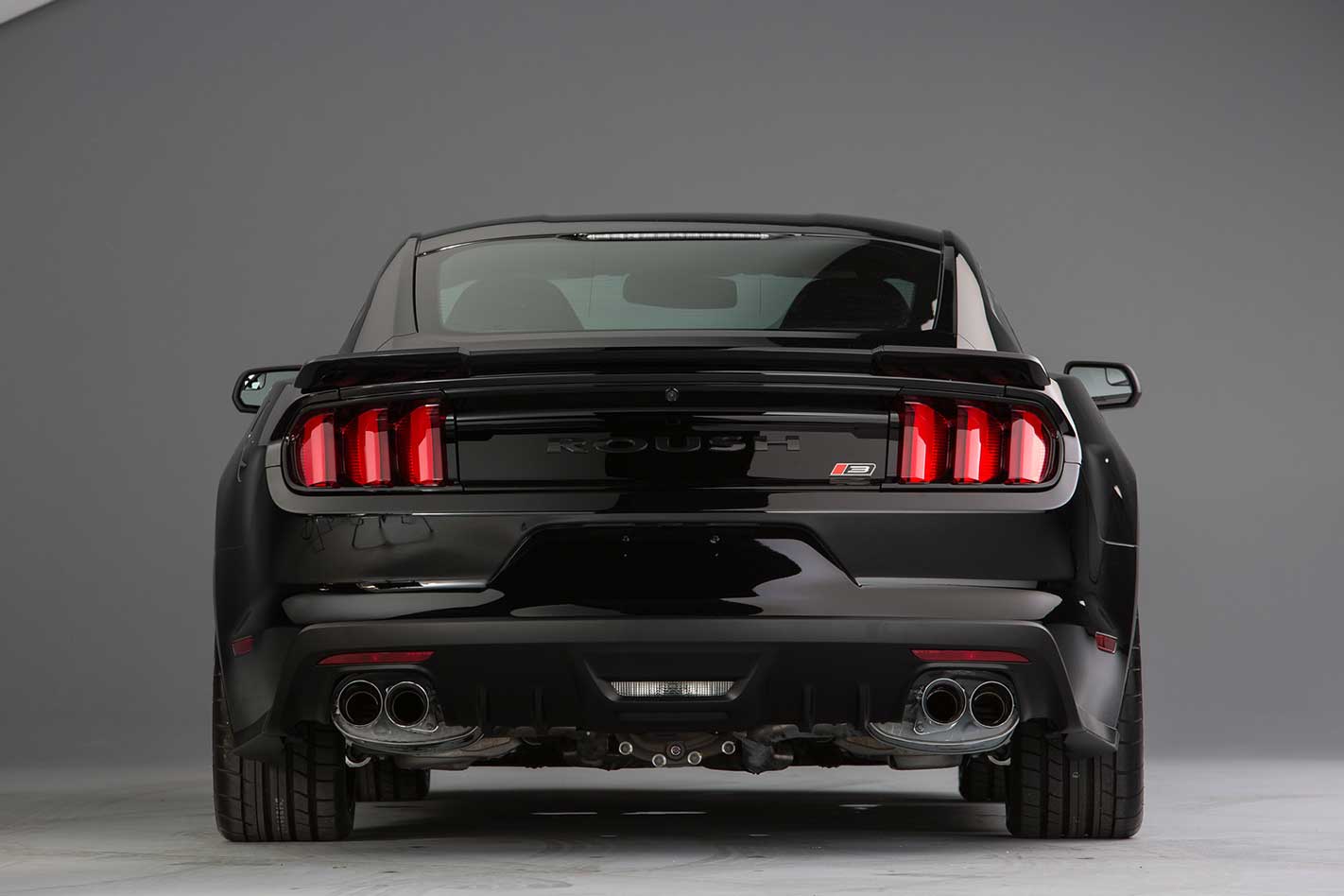
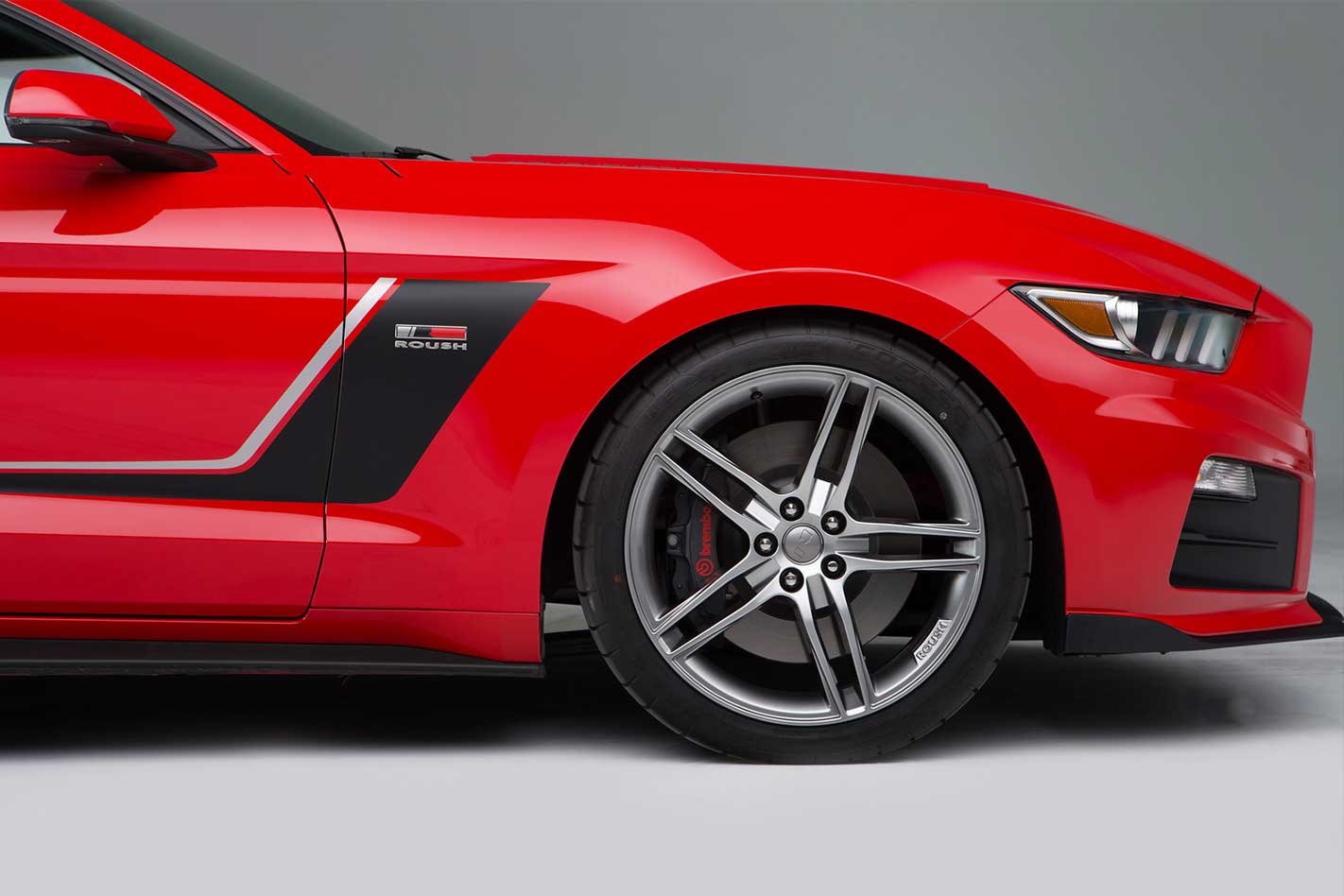
Renowned performance and motorsport parts builder and tuner Roush has given Australian outlet Mustang Motorsport the green light to build a limited run of official Roush RS3 Mustangs.
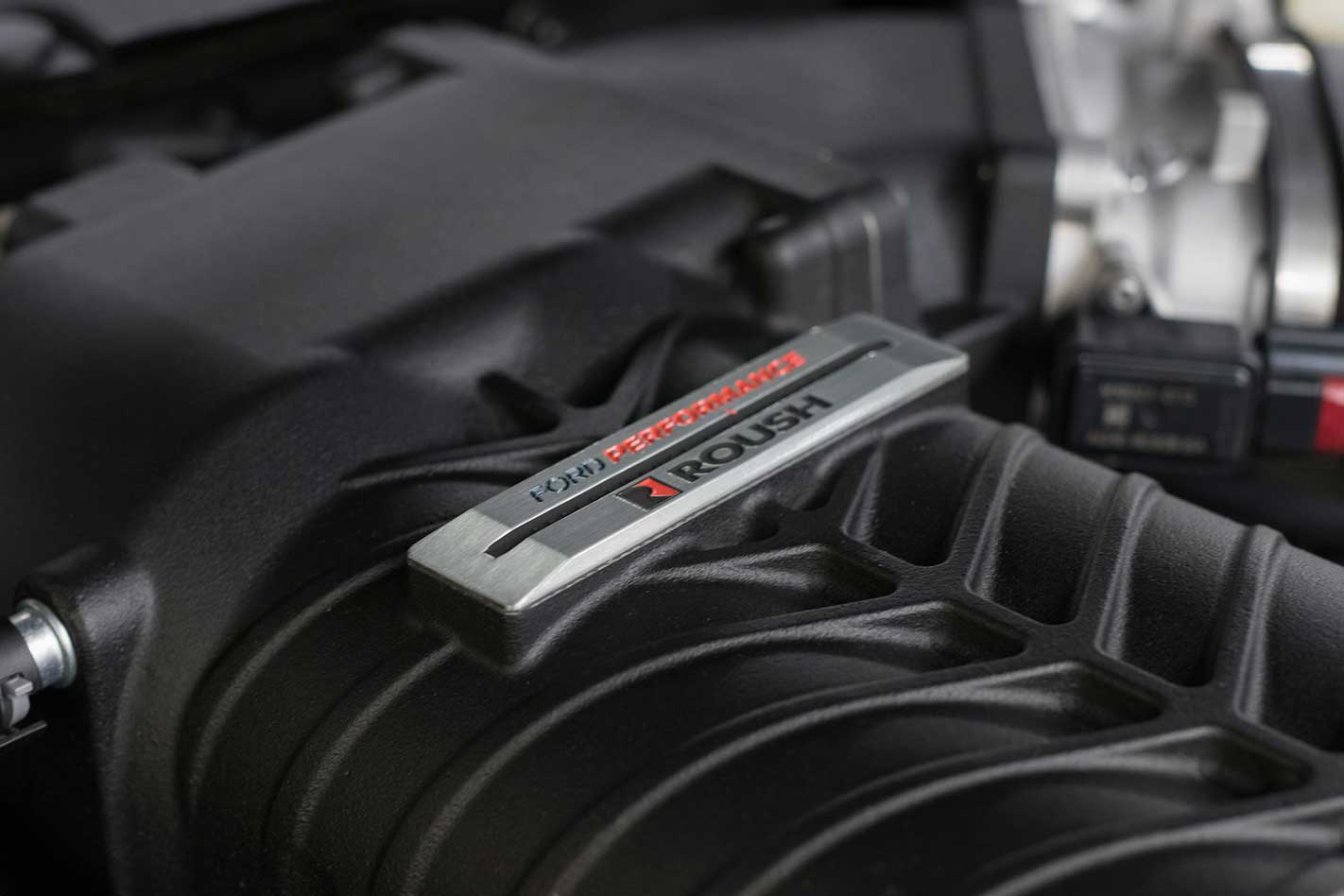
Based on the 2017 model, the RS3s will be gifted 500kW thanks to a Roush R2300 TVS supercharger, as well as Roush driveshafts, suspension tuning and parts, and Roush badging and accessories inside and out.
Additionally, Mustang Motorsport can up the game to include the phase 2 supercharger system, which brings power up to the same 543kW as the MM R-727 which took out the Mustang Hot Tuner title.
The Roush RS3 Mustang will officially launch at the Phillip Island Festival for Speed on the 9th March.
“To be able to produce the RS3 ROUSH Mustang is fantastic, this will provide unique ROUSH signature Mustangs for Australian Mustang enthusiasts, and we are thrilled to build the ROUSH RS3 under licence.
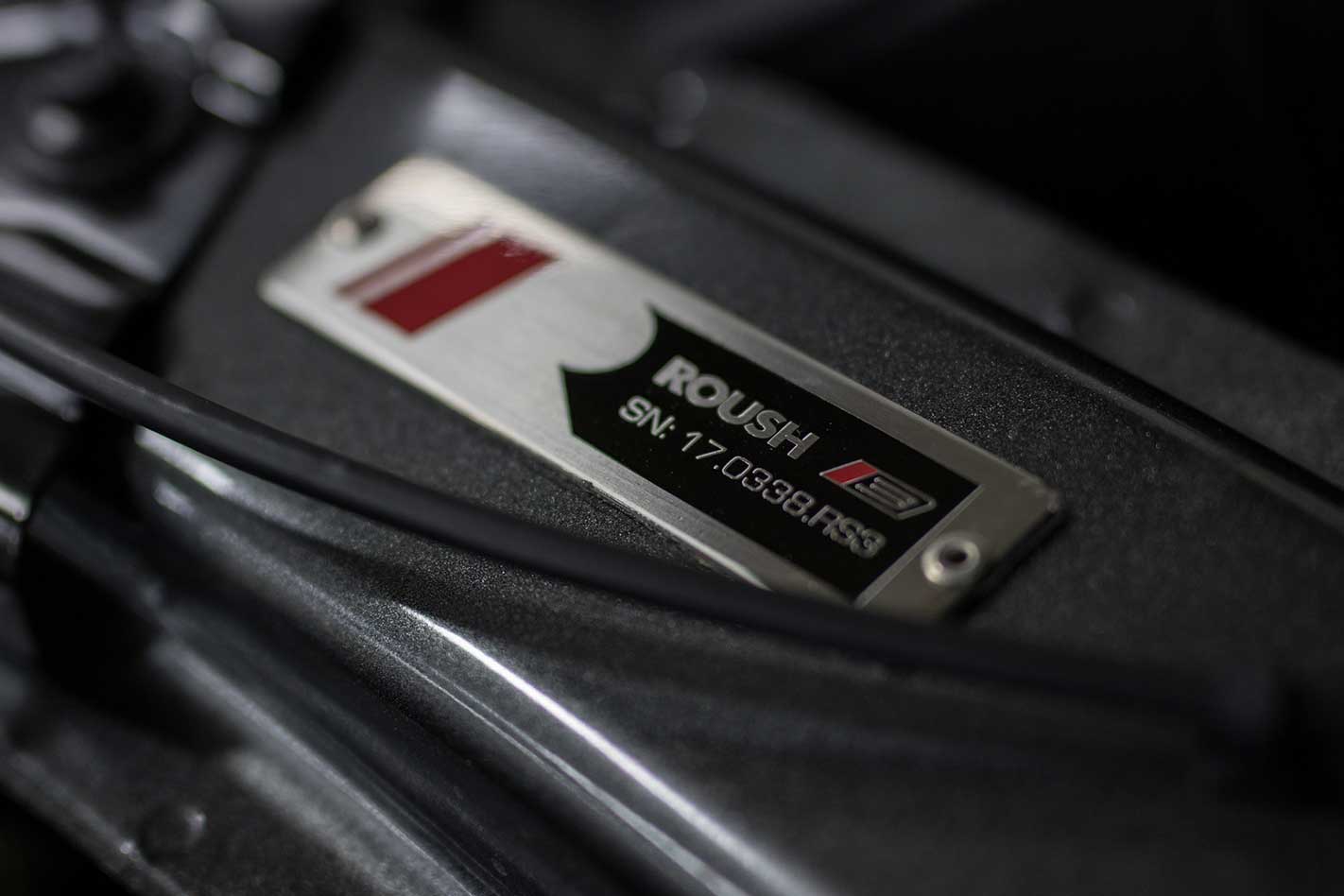
Mustang Motorsport says all Roush RS3 vehicles come with ADR engineering compliance across all states and territories.
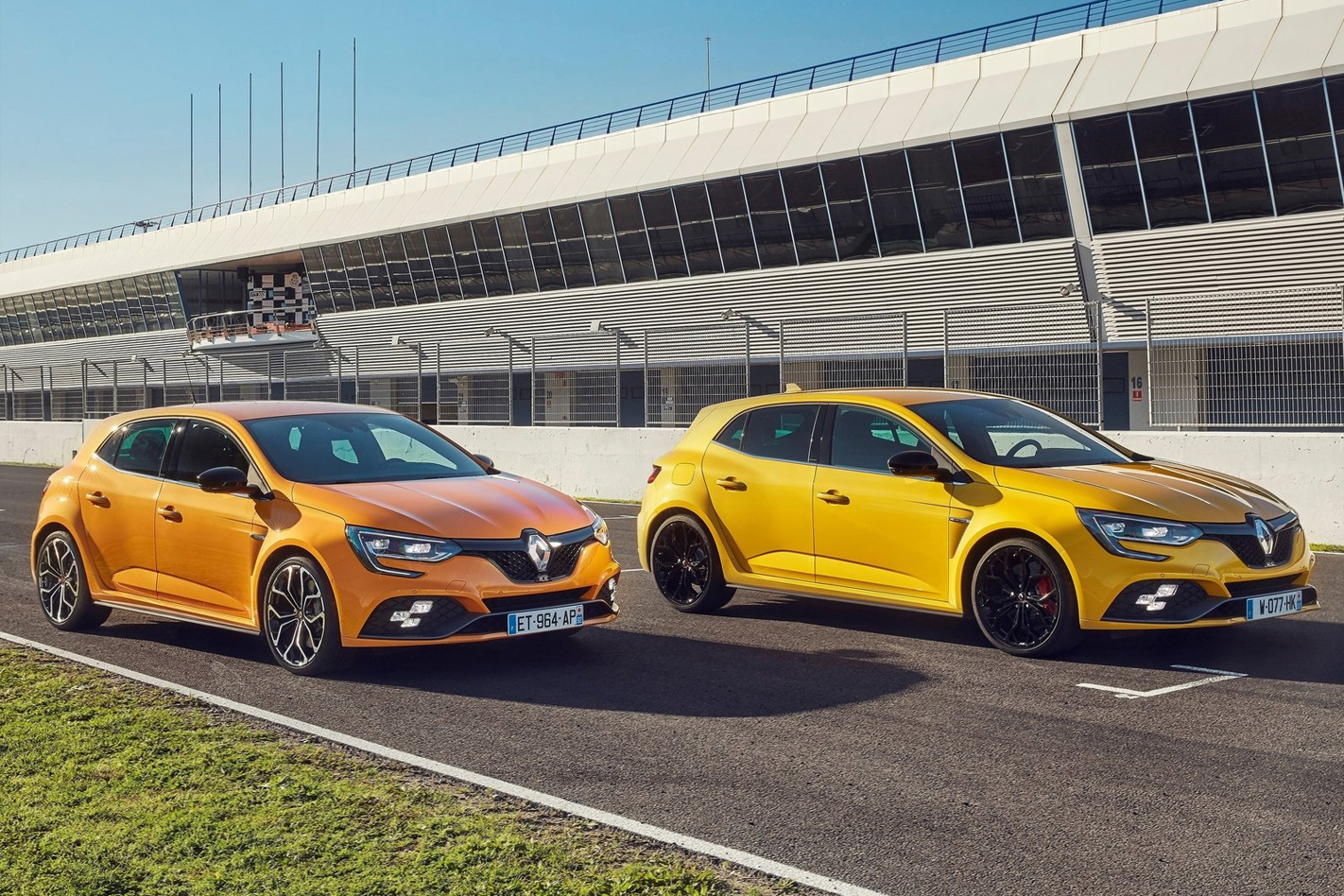
RENAULT’S all-new Megane RS 280 will arrive in Australia in the third quarter of this year – and will wear a sticker price that’ll undercut its closest competitors.
Wheels can confirm the French hot hatch will start at approximately $45,000 for the six-speed manual, with the six-speed EDC dual-clutch automatic costing $47,500.
Both the automatic and manual Meganes will come with what Renault dubs the ‘Sport’ chassis tune, which sits between the setup of the softer GT models, and flagship Trophy cars.
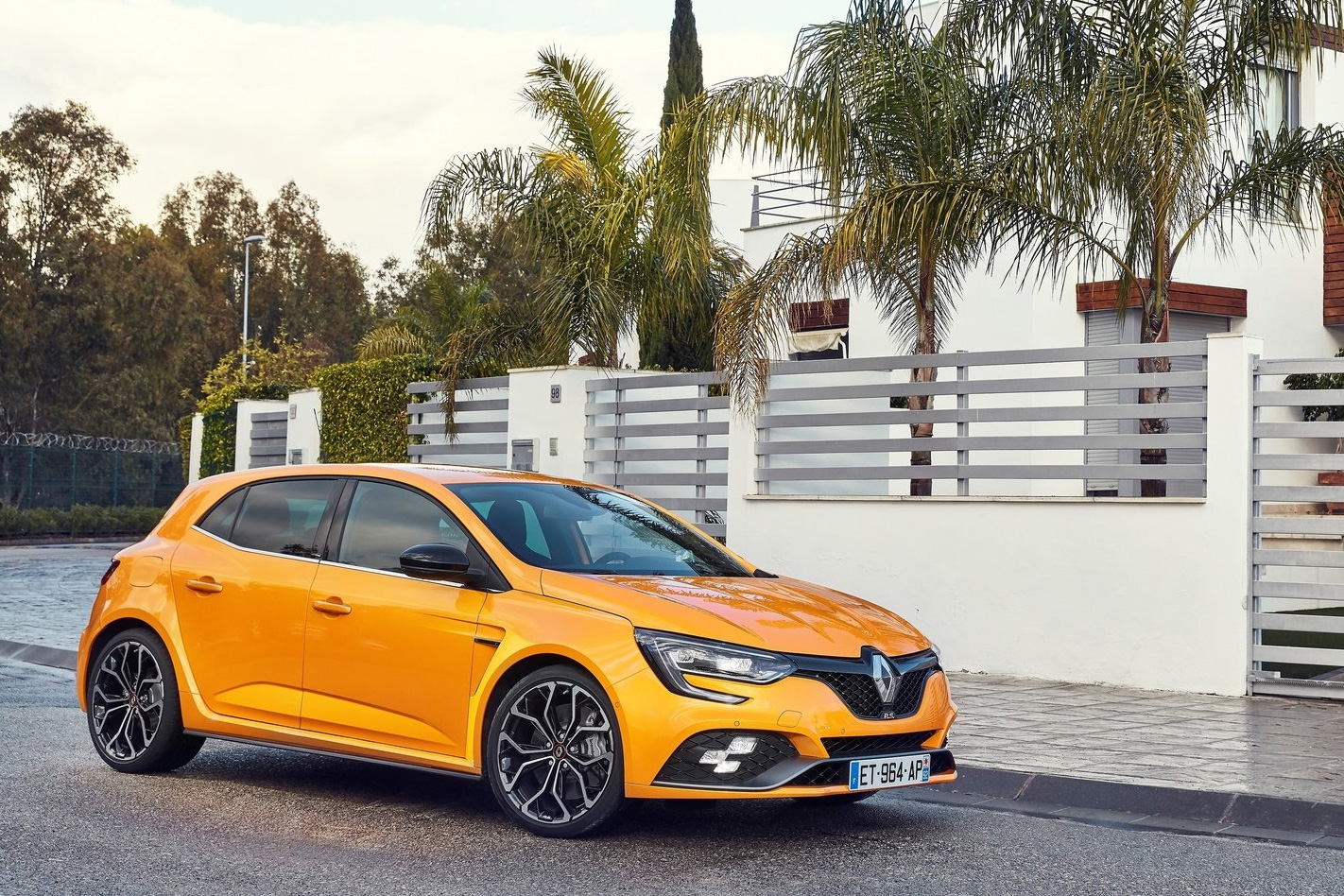
The Trophy will be equipped with a more track-focused Cup suspension tune, and be available with both a manual and EDC transmission.
The Honda Civic Type R and Ford Focus RS both cost $50,990 and only come fitted with three pedals, while the Volkswagen Golf R is priced at $52,990 for the manual and $55,490 for the seven-speed DSG dual-clutch auto.
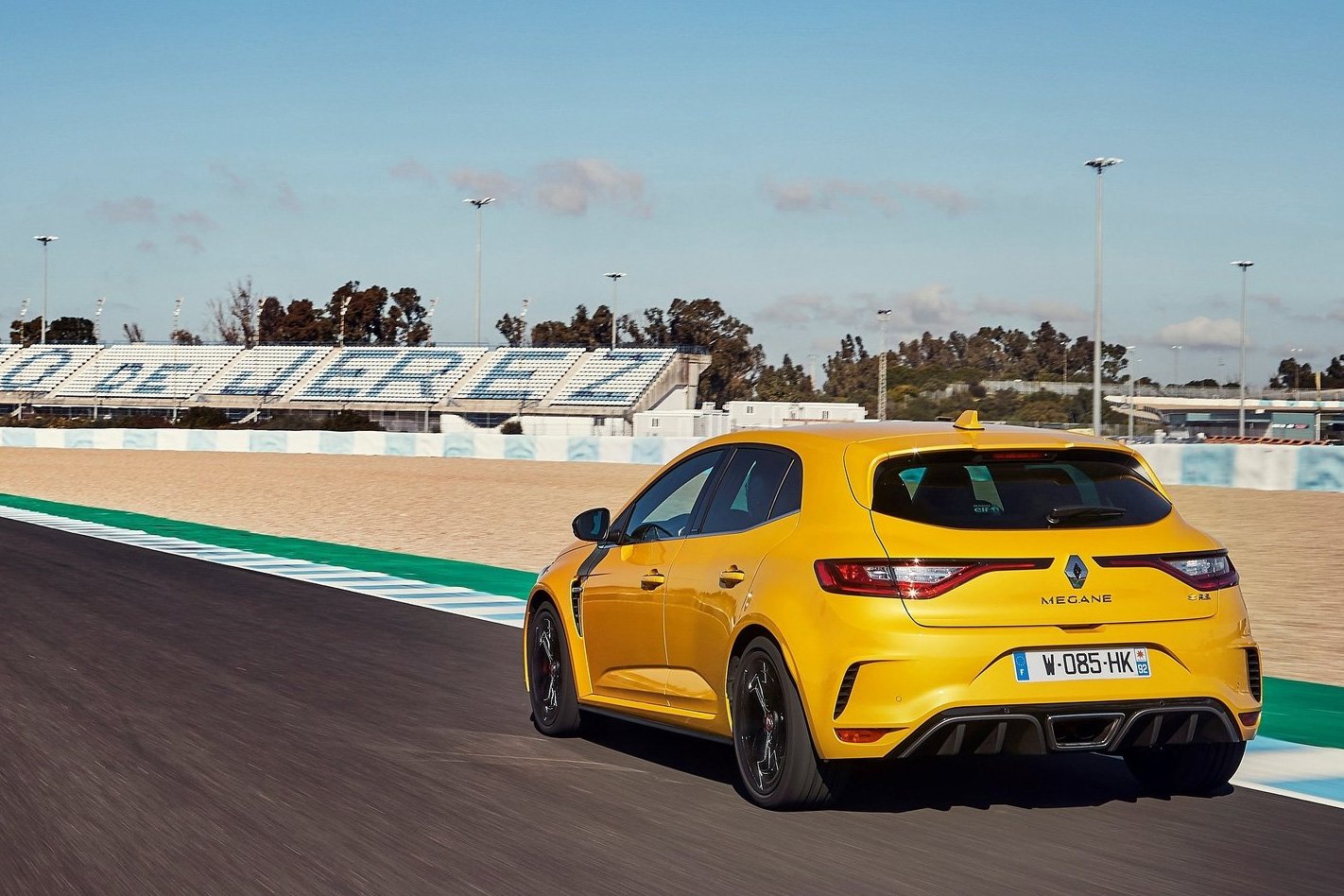
The 2018 Megane RS upends tradition, transforming from a three-door to five-door body between generations.
It shares the same engine as the new Alpine A110, with the 1.8-litre direct-injected turbo four-cylinder delivering peak power of 205kW at 6000rpm. Maximum torque of 390Nm is delivered to the front wheels between 2400rpm and 5000rpm.
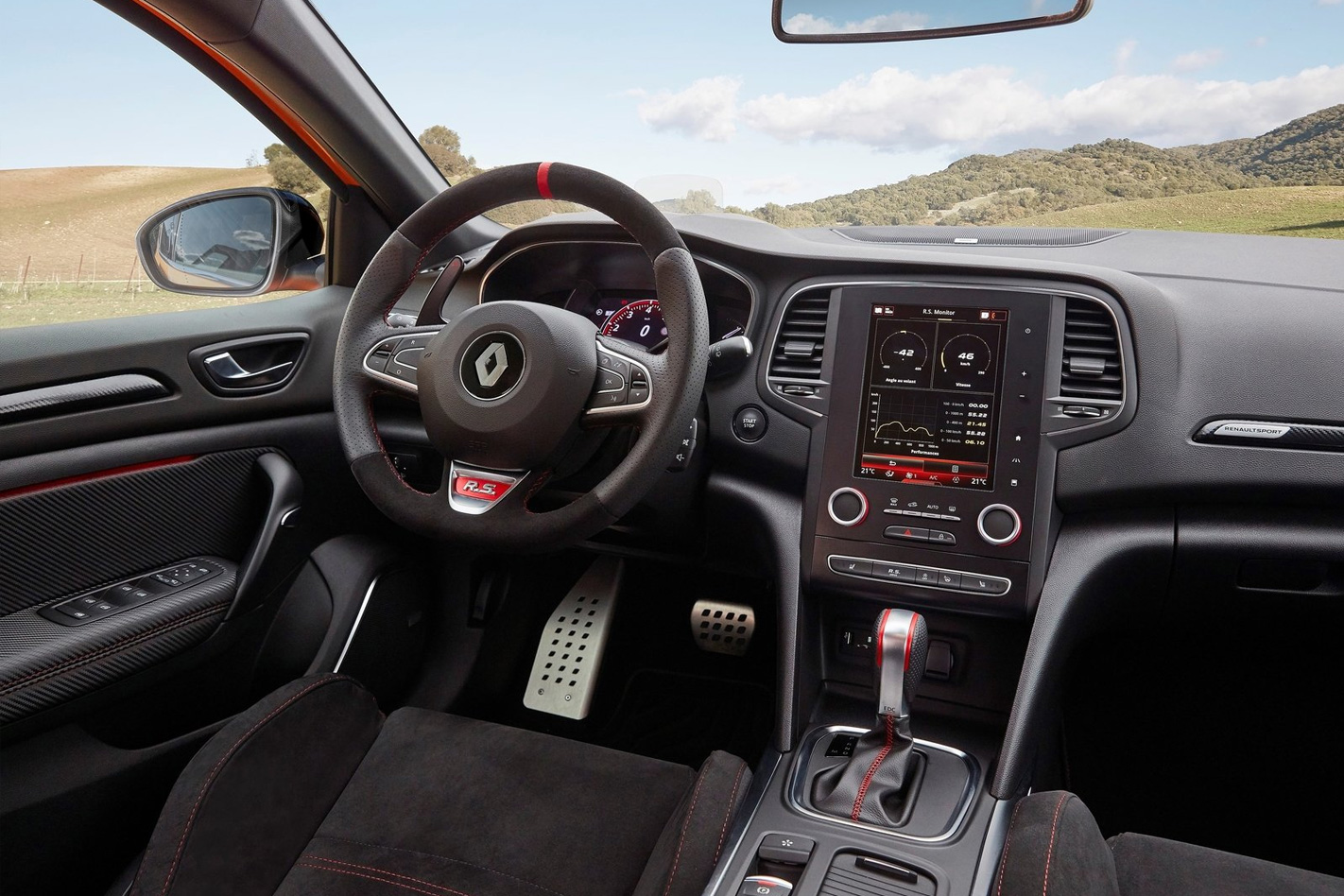
In a first for the class, the Megane RS will be fitted with four-wheel steering as standard.
Wheels is on the ground in Spain for the international launch of the Megane RS, with drive impressions coming soon.
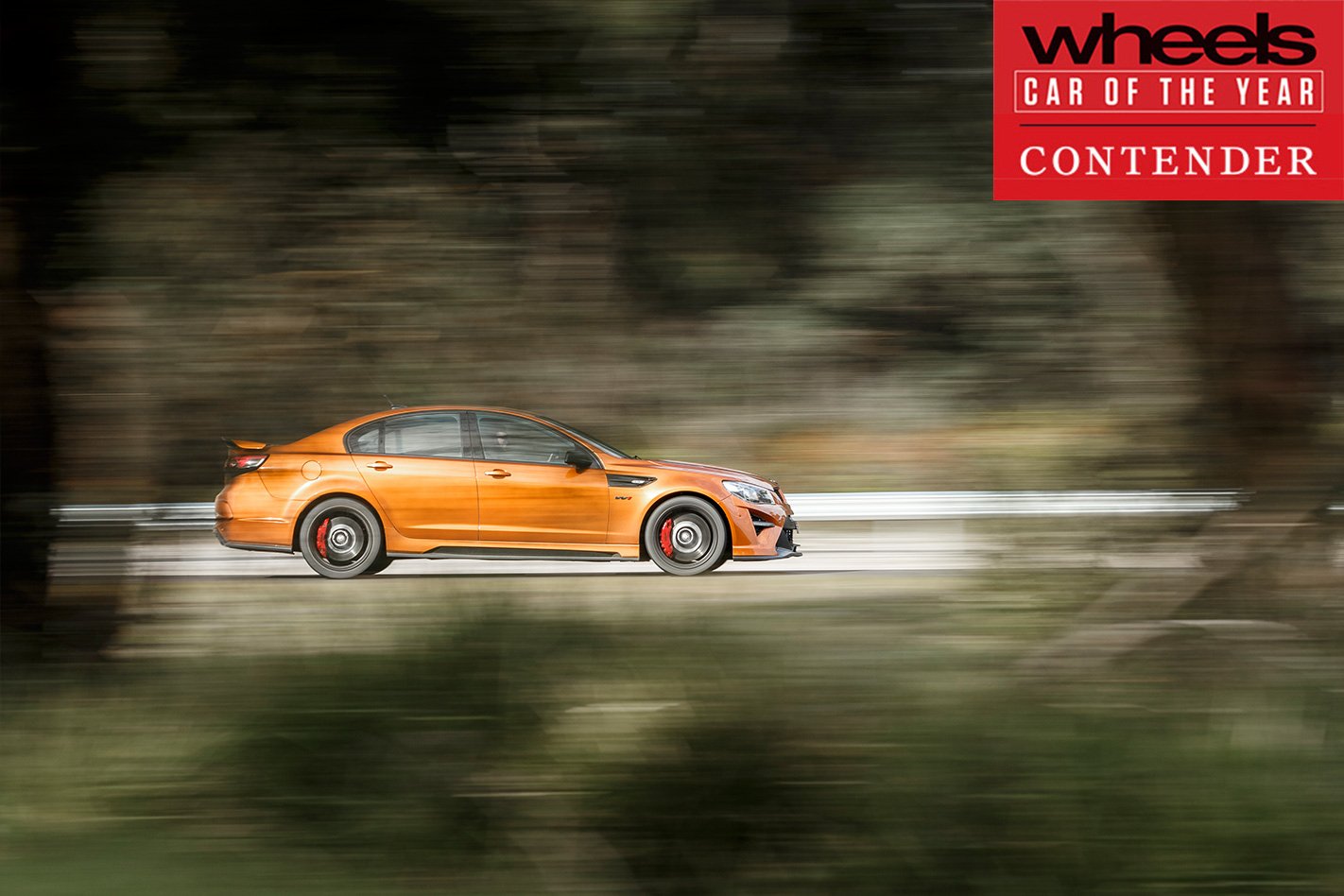
IN PURE Car of the Year criteria terms, the HSV GTS-R W1 almost certainly shouldn’t be here.
But extraordinary times – such as the recent demise of Australia’s century-old car manufacturing industry – often call for extraordinary measures. And in many ways, the W1 is an extraordinary car.
Let’s remove the elephant from the room first. This is a heavily modified version of a four-year-old sedan (remember the VF’s Round Three appearance at COTY 2013?), based on an all-Australian design that claimed a COTY trophy on its debut in 2006.
Different bumpers, styling details and badgework simply aren’t enough. Same goes for its microfibre-clad steering wheel. You can option that on a regular GTS-R.
But this is the last time we’ll ever feature a ‘new’ Aussie-made V8 of any kind in this magazine. And given we find ourselves at this poignant juncture in Australian motoring history, we were prepared to look the other way while the W1 joined the grid.
In terms of fuel economy, its 16.5L/100km official number is nowhere near as heinous as its real-world consumption can be. That MH3 gear set is all about racetrack prowess, meaning the W1’s stupendous LS9 bent-eight is turning at 1950rpm at 100km/h, copious emissions and thunder erupting from its exhaust … all of which is about as relevant to most owners as a Toyota Prius’s 0-100km/h figure.
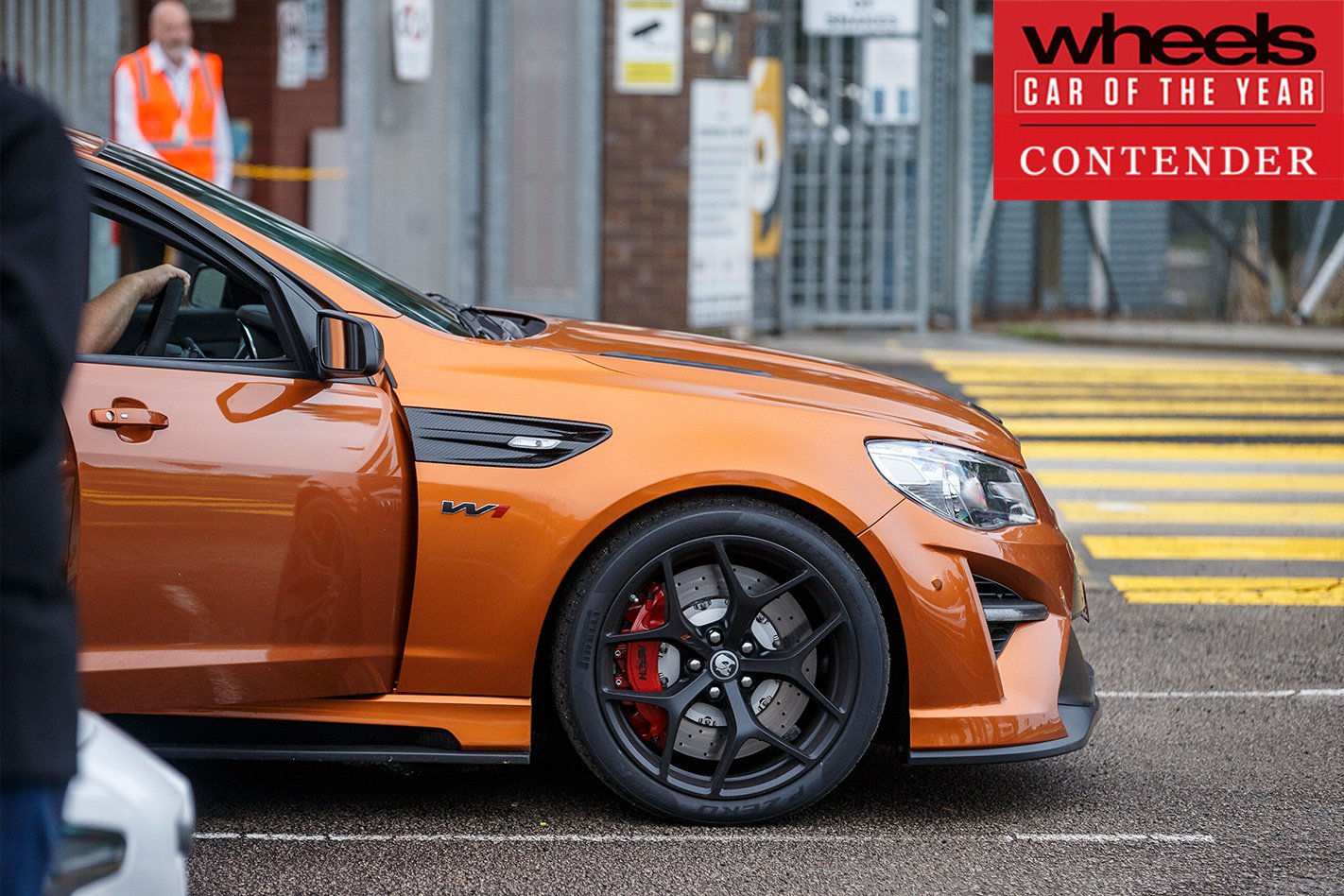
Vast Pirelli P Zero Trofeo R tyres – measuring 295/30R20 at the business end – help, of course, yet the W1’s stunning poise, power-down and performance, even carrying four passengers, will remain branded in everyone’s memory as arguably the quickest thing we’ve ever driven around Holden’s proving ground.
Terrific human/machine interface too. “Manual gearbox works brilliantly on this car” commented Andy Enright, alluding to the surprising ease and precision of its shift and clutch relationship, even in a pilot-build car like this that’s been absolutely flogged by the press. And we’re going to miss the W1’s vast interior with its generous seating and honest-to-goodness aura.
Not surprisingly, though, the W1 demands many compromises in the real world. Its suspension doesn’t like bumps and jostles constantly, at times quite vigorously.
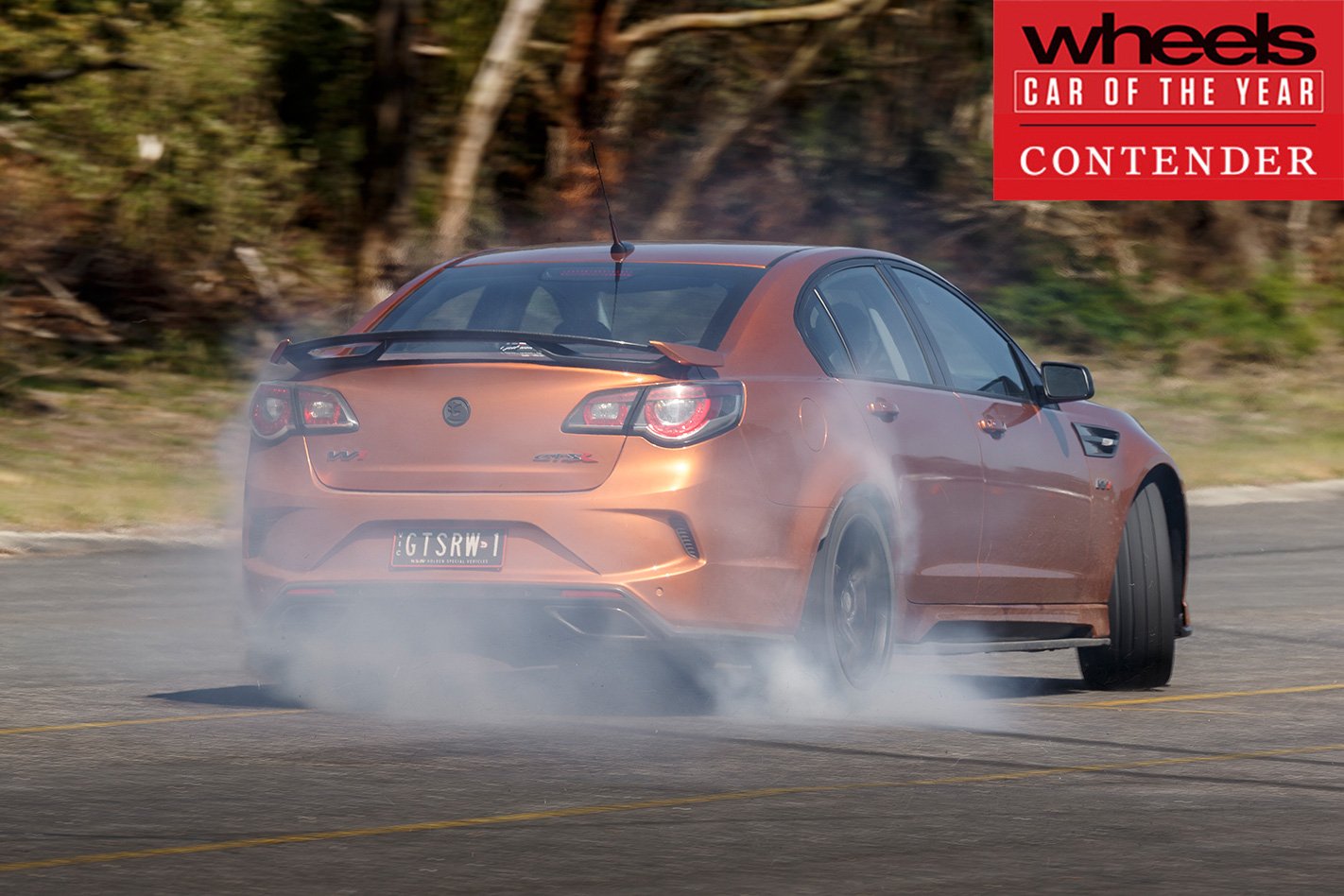
This is a purpose-built performance machine whose razor-sharp focus necessitates that it can’t possibly please everyone.
But if value can be measured in the prices now being asked for this sold-out $170K swansong sedan, then maybe its position as Australia’s greatest-ever V8 could even be financially justified.
What’s harder to swallow, though, is the void this car is going to leave.
As Noelle Faulkner so eloquently pointed out, it’s “a bittersweet drive, not to mention a cultural loss. It’s hard to be critical of something that will never exist again.”
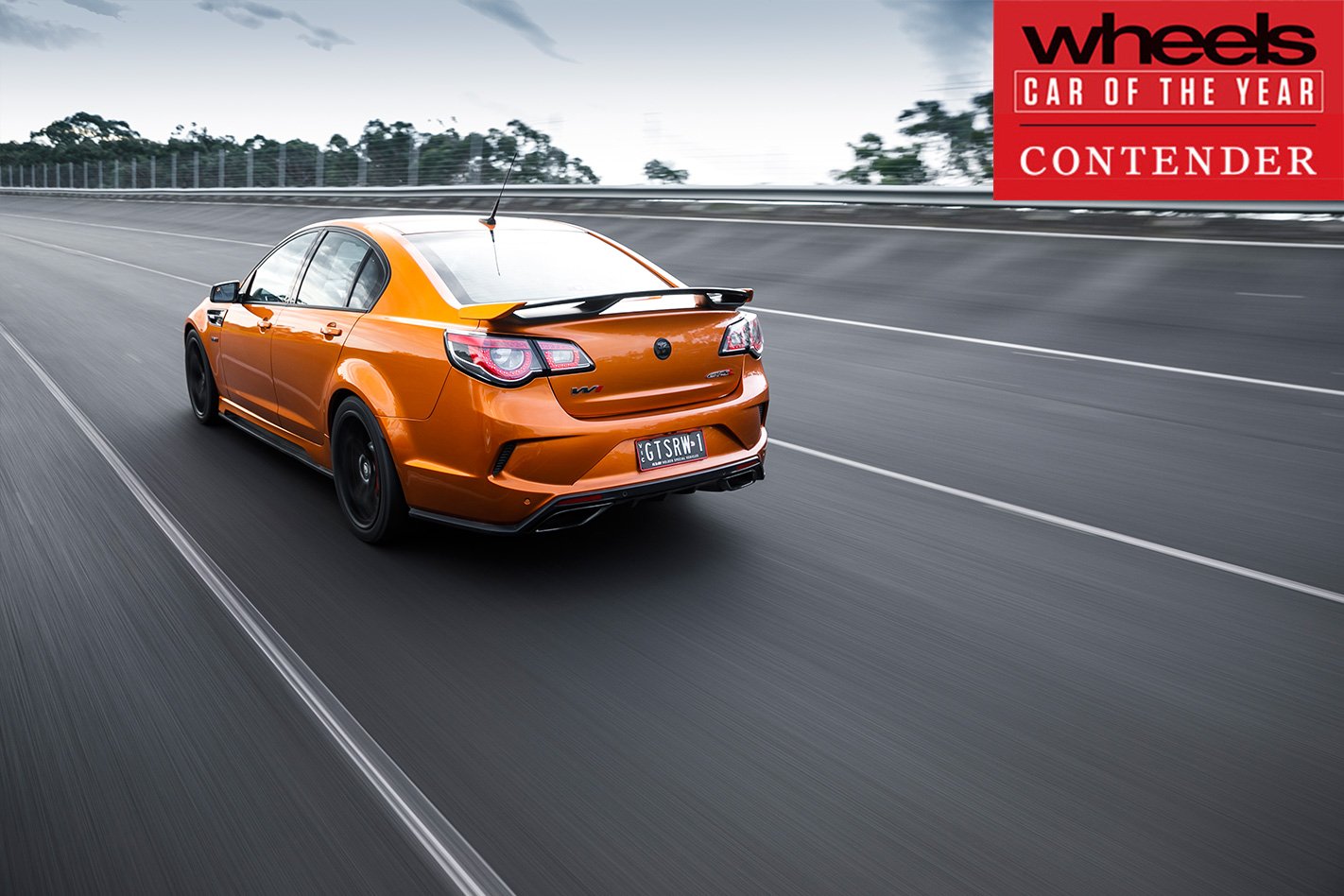
We bent the rules to include the W1, but the teenagers swarming in our motel carpark certainly appreciated it, as did each judge as they extended the old-school, bad-to-the-bone LS9 V8 to its 6600rpm limit.
“I’ve just realised it’s the last time I’ll drive a real Holden round here”, mused John Carey at Lang Lang. And what a display. Superb change-of-direction in the lane change, eye-popping braking on the handling course and an ear-splitting soundtrack more than made up for any lack of finesse.
WITH the first month of 2018 done and dusted, the outlook is already looking good for the two big winners in last year’s new car sales race: light commercials and SUVs.
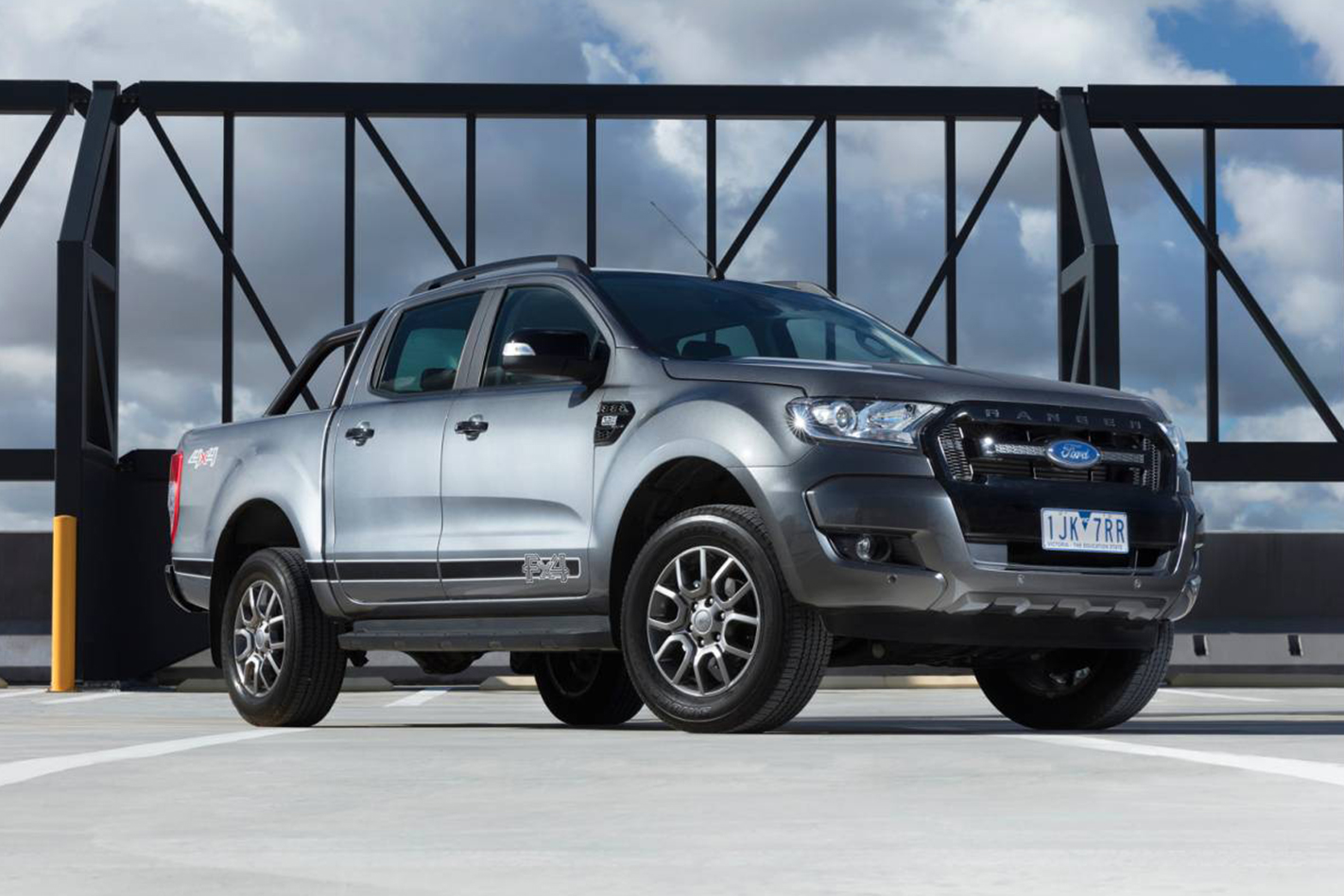
Both segments saw big year-on-year gains in January 2018, with overall SUV sales posting a 10.9 percent increase in sales compared to last January while light commercials, buoyed by evergreen demand for high-riding utes, registered 20.3 percent sales growth.
Across all segments, Australian new car sales were 4.3 percent ahead of where they were this time last year.
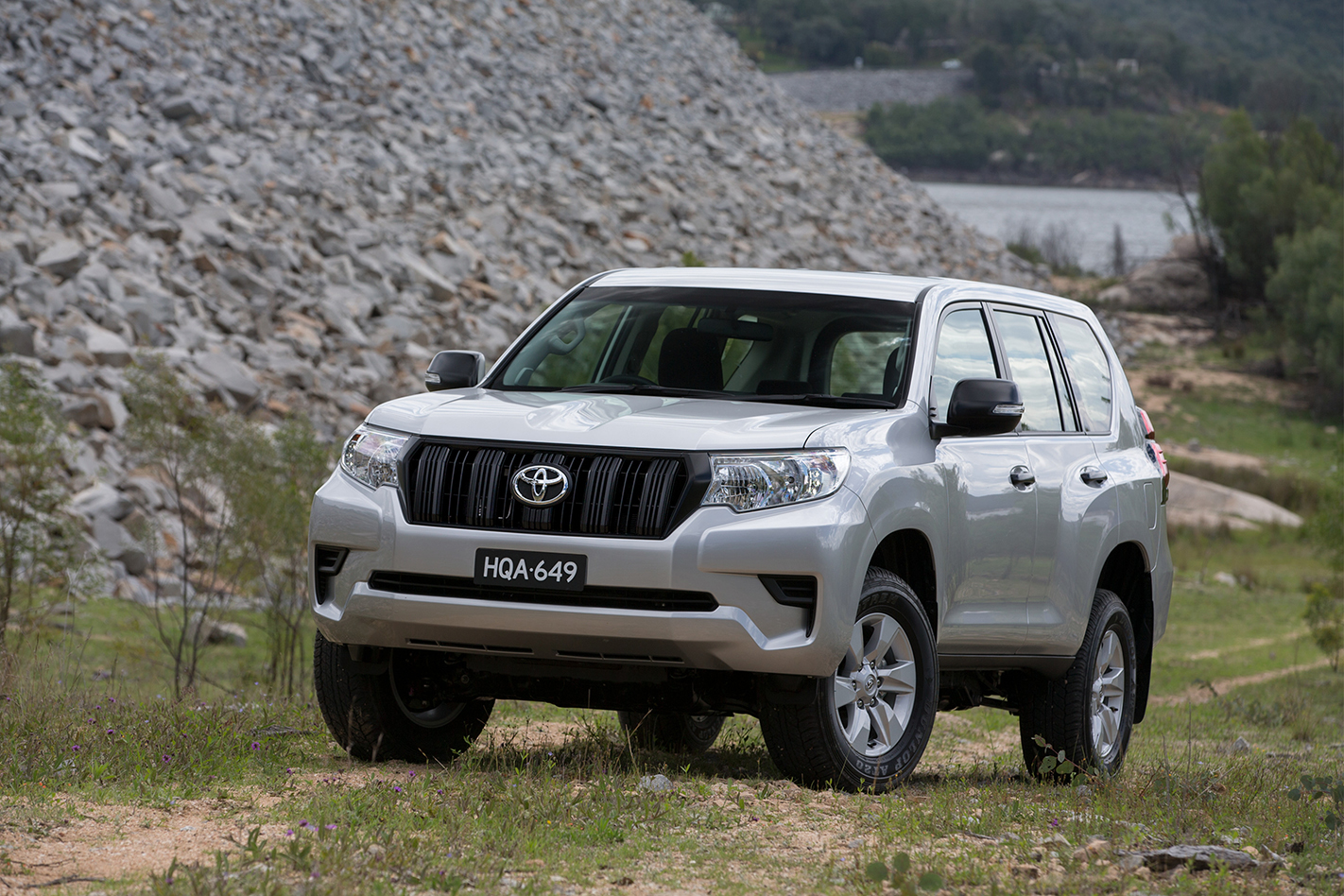
Midsize SUV uptake also underwent healthy increases, with sales of mainstream brands pumping up by 19.8 percent and those of premium marques ($60K and over) logging 16.3 percent growth. Large SUV sales contracted, meanwhile, with total large SUV registrations dropping by 10.6 percent.
In the passenger car world, the numbers weren’t as bright. The only categories to see growth were premium upper large cars, largely due to strong demand for the S-Class and Porsche Panamera, and high-end sports cars priced over $200K.
Every other passenger car segment shrank in January, with total segment sales falling 8.7 percent.
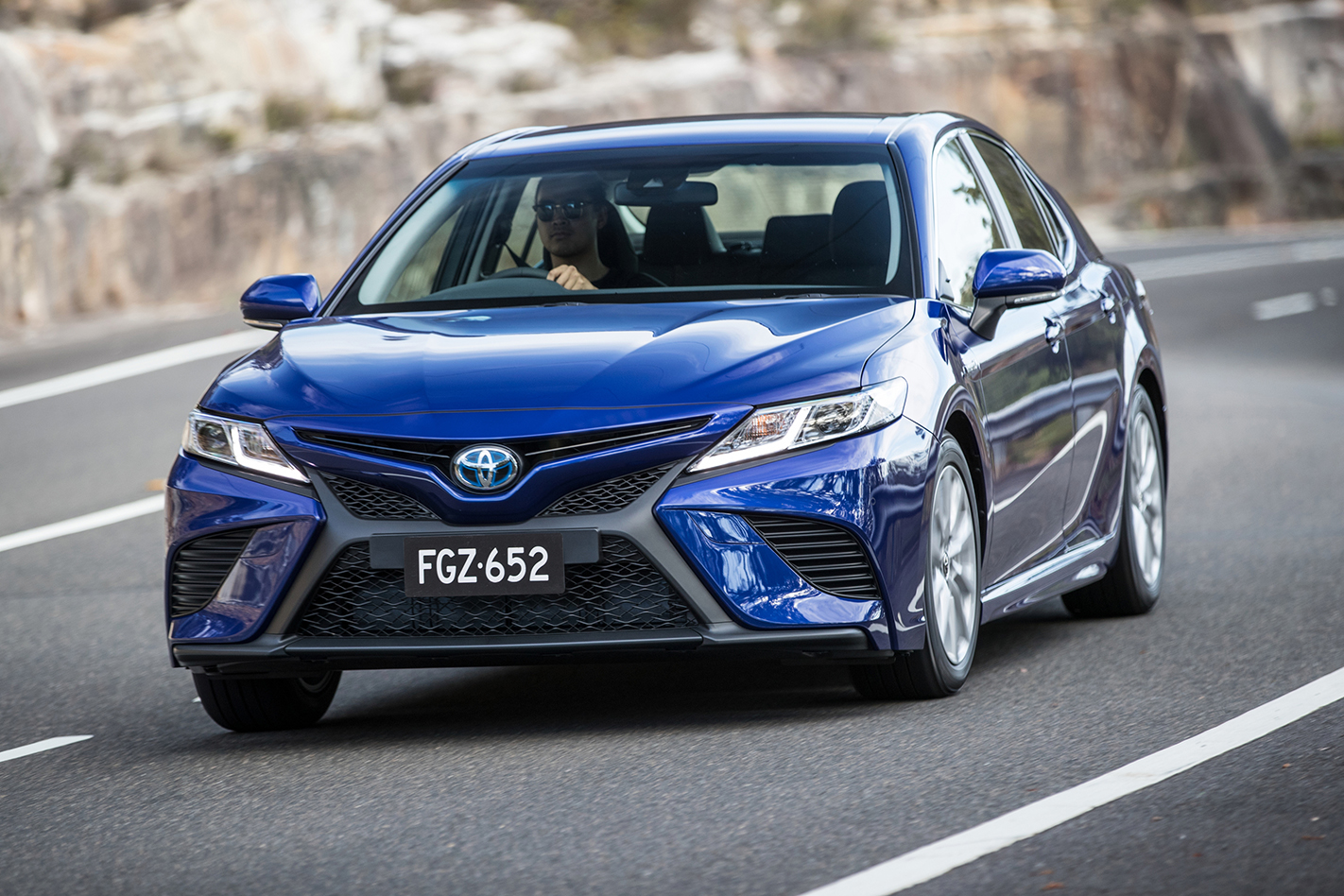
Meanwhile the BMW 7 Series and Maserati Ghibli bucked the downtrend across the upper premium market, and the Hyundai Sonata and all-new Toyota Camry both proved that there was still some life in the otherwise tepid midsize segment.
They were outliers, however, as buyers continued their migration from traditional passenger cars to SUVs.
Motor vehicle sales across Australia got off to a punchy start in 2018, with total sales last month hitting 88,551, up 4.3 percent from January 2017. Again it was light commercials, dominated by trade utes, which led the charge, up by a whopping 20.3 percent,
This was reflected by the sales positions of the Toyota HiLux and Ford Ranger, which against finished one and two on the VFACTS table. The HiLux enjoyed 3860 sales, closely followed the Ranger’s 3260, with Hilux up 42.9 percent, and the Ranger 24.5 percent compared to January 2017.
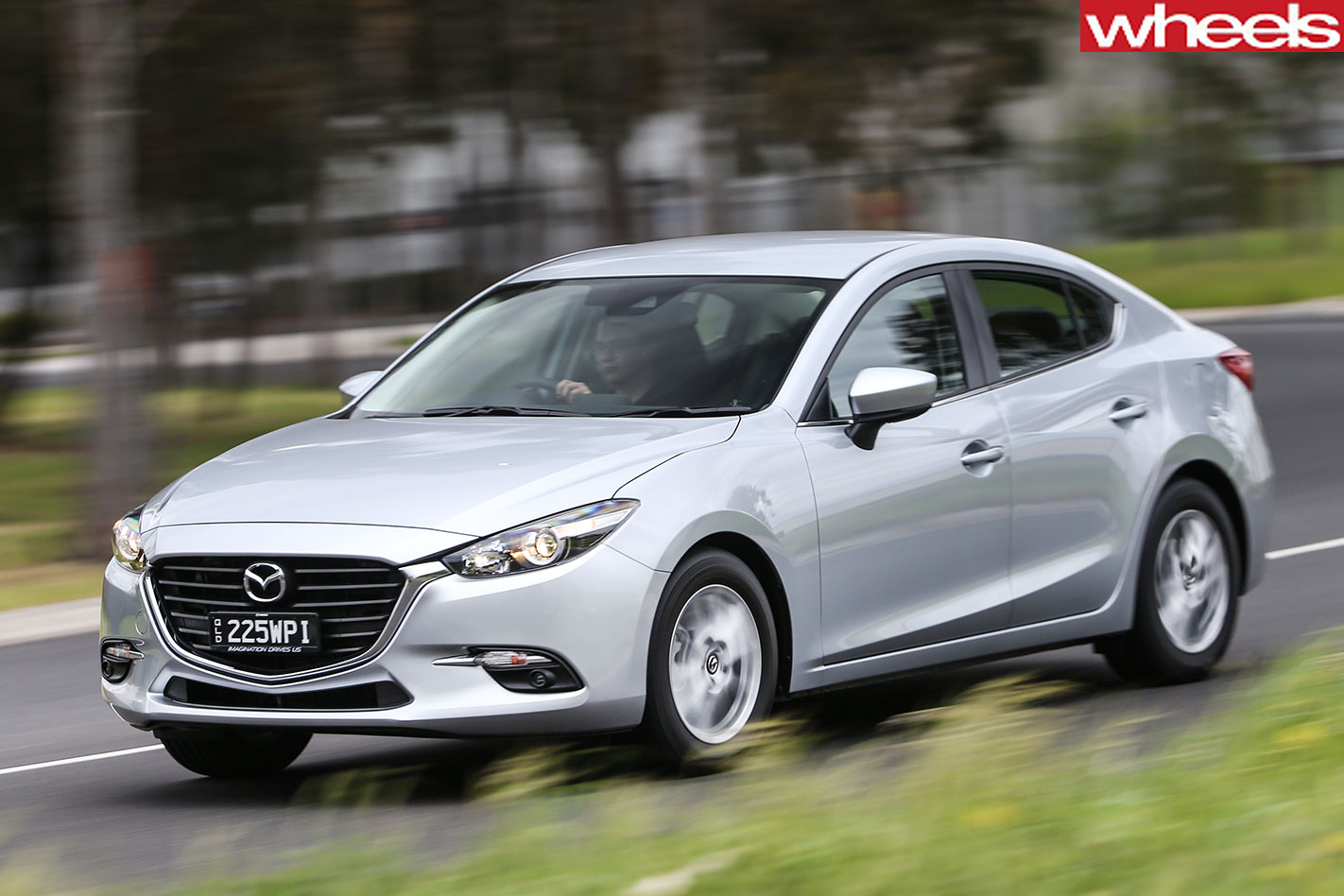
The Mazda 3 (3201 sales) pipped that long-running top-seller, the Toyota Corolla (2776) to third spot, with each down from January 2017 by 7.8 percent and 5.7 percent respectively. That’s slightly better than total passenger car sales which dropped by 8.7 percent compared to this time last year.
Meanwhile SUVs continued their steady rise, up 10.9 percent and led by the Mazda CX-5 (2152), which rounded out the top five thanks to an 11.9 percent increase sales.
There were a few surprises in each of the top-5 lists by vehicle type, as our segment-by-segment list shows. We feel somehow proud that we live in a country where the Porsche 911 outsells the Suzuki Celerio by a factor of 76 to 1, but the tables show a healthy start to the year, continuing a steady – and hopefully sustainable – trend from 2017.
SUV Small
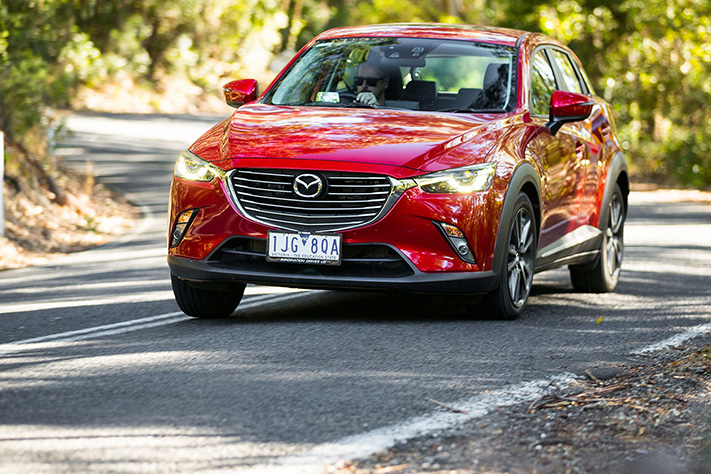
- Mazda CX-3 – 1592
- Subaru XV – 1108
- Hyundai Kona – 1093
- Honda HR-V – 1002
- Mitsubishi ASX – 872
SUV Small (premium)
- Mercedes-Benz GLA-Class – 374
- BMW X1 – 325
- Audi Q2 – 183
- Audi Q3 – 125
- Mini Countryman – 89
SUV Medium (premium)
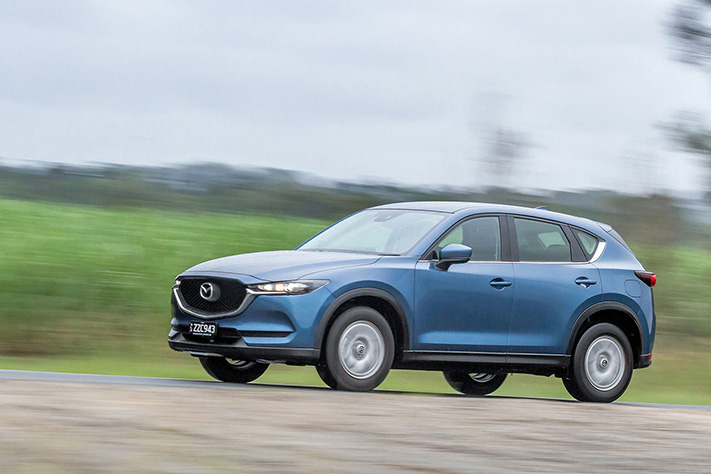
- Mazda CX-5 – 2152
- Toyota RAV4 – 1780
- Nissan X-Trail – 1668
- Honda CR-V – 1474
- Hyundai Tucson – 1420
SUV Medium (Premium)
- BMW X3 – 511
- Mercedes-Benz GLC-Class – 471
- Audi Q5 – 321
- Range Rover Discovery Sport – 287
- Porsche Macan – 285
SUV Large
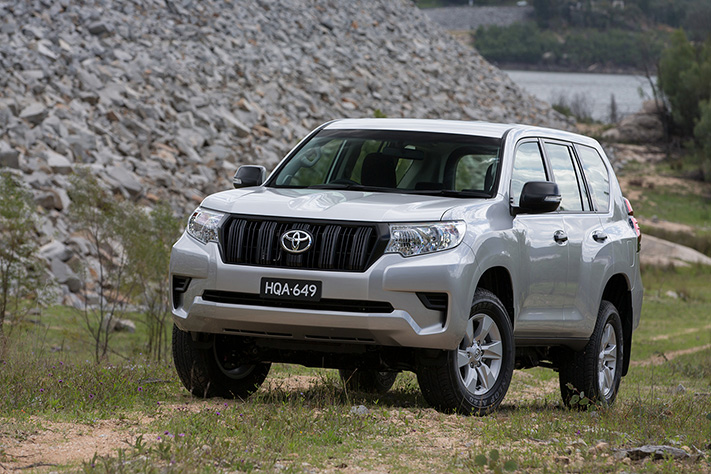
- Toyota LandCruiser Prado – 1169
- Toyota LandCruiser 200 – 927
- Toyota Kluger – 897
- Subaru Outback – 845
- Mazda CX-9 – 770
SUV Large (premium)
- Range Rover Sport – 209
- Audi Q7 – 206
- BMW X5 – 199
- Land Rover Discovery – 153
- Mercedes-Benz GLE-Class – 153
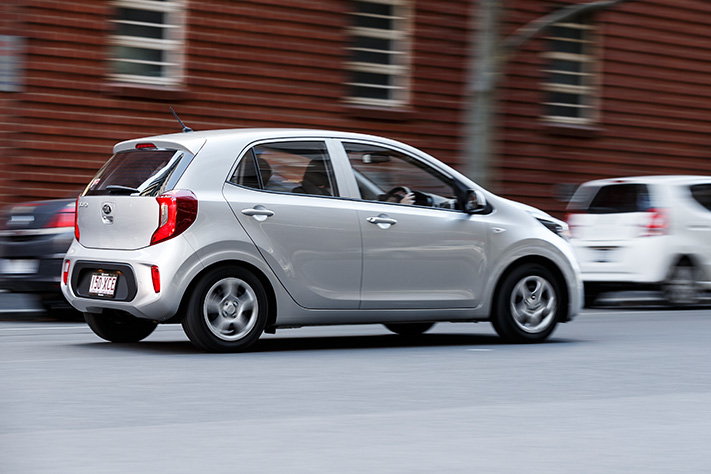
Passenger Micro car
- Kia Picanto – 347
- Holden Spark – 137
- Mitsubishi Mirage – 95
- Fiat 500/Abarth 595 – 76
- Fiat Panda and Suzuki Celerio – 1 each
Passenger Light car
- Hyundai Accent – 1097
- Mazda 2 – 1050
- Toyota Yaris – 758
- Suzuki Swift – 685
- Kia Rio – 530
Passenger Light (premium)
- Mini hatch – 166
- Audi A1 – 81
- Mini Clubman – 39
- Citroen C3 – 13
- Peugeot 208 – 9
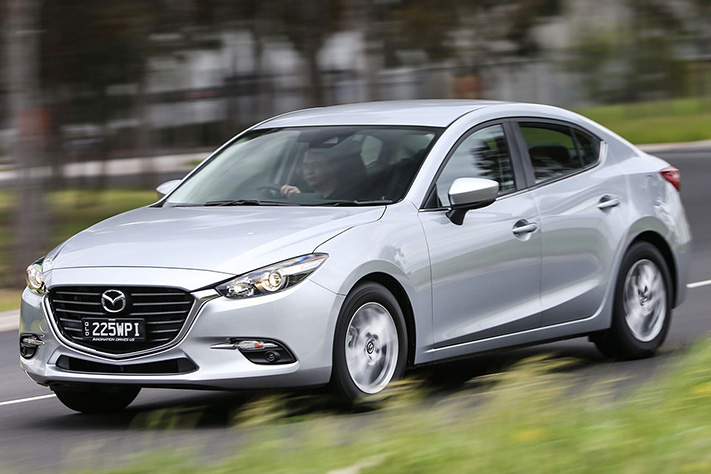
Passenger Small
- Mazda 3 – 3201
- Toyota Corolla – 2776
- Hyundai i30 – 1850
- Volkswagen Golf – 1523
- Kia Cerato – 1432
Passenger Small (premium)
- Audi A3 – 389
- Mercedes-Benz A-Class – 353
- BMW 1 Series – 239
- Mercedes Benz B-Class – 119
- Volvo V40/V40 Cross Country – 97
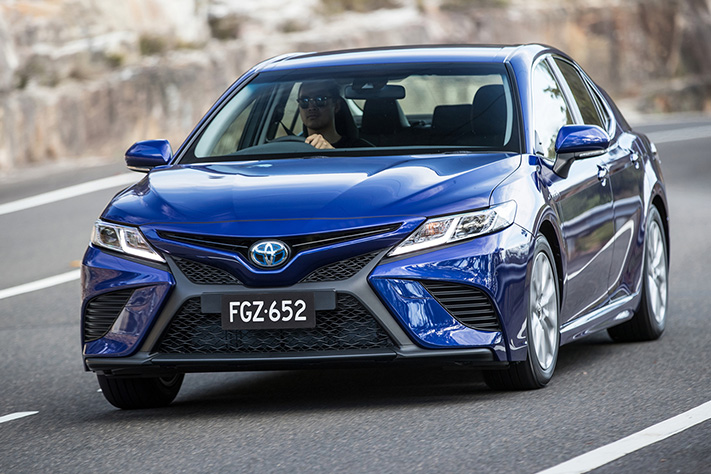
Passenger Medium
- Toyota Camry – 754
- Mazda 6 – 254
- Skoda Octavia – 141
- Subaru Liberty – 140
- Subaru Levorg – 98
Passenger Medium (premium)
- Mercedes-Benz C-Class – 492
- Mercedes-Benz CLA-Class – 250
- BMW 3 Series – 244
- Audi A4 – 96
- Lexus IS – 76
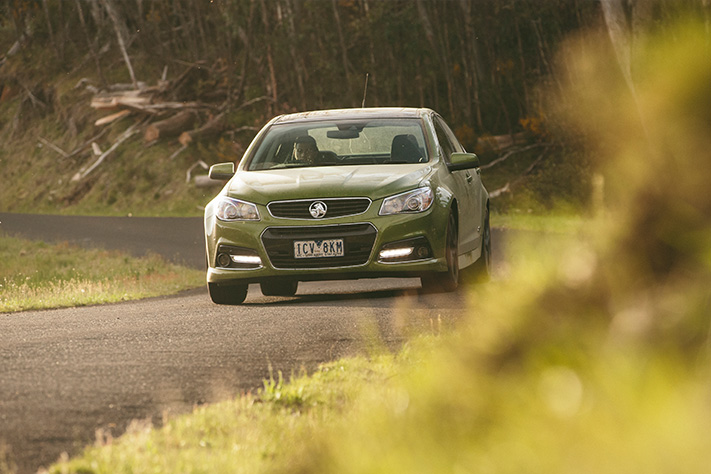
Passenger Large
- Holden Commodore – 871
- Kia Stinger -139
- Toyota Aurion – 58
- Skoda Superb – 50
- Chrysler 300 – 27
Passenger Large (premium)
- Mercedes-Benz E-Class – 178
- BMW 5 Series – 46
- Maserati Ghibli – 41
- Mercedes-Benz S-Class – 34
- Porsche Panamera – 30
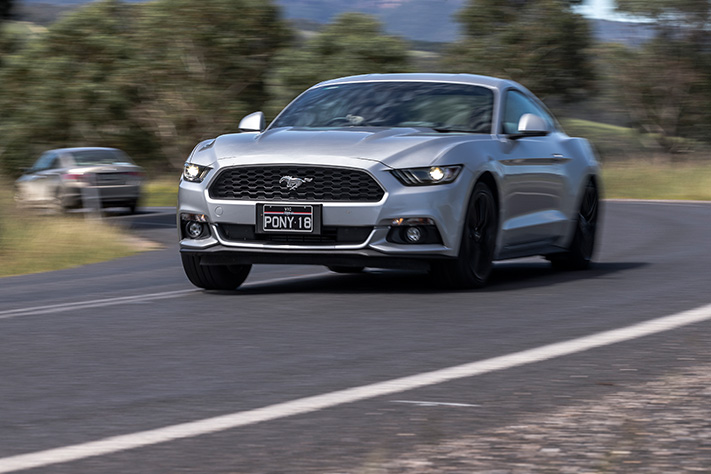
Sports cars
- Ford Mustang – 440
- Hyundai Veloster – 144
- BMW 2 Series Coupe/Convertible – 109
- Toyota 86 – 85
- Subaru BRZ – 71
Sports cars (premium)
- Mercedes-Benz C-Class Coupe/Convertible – 153
- BMW 4 Series Coupe/Convertible – 131
- Porsche 911 – 73
- Mercedes-Benz E-Class Coupe/Convertible – 55
- Audi A5 – 42
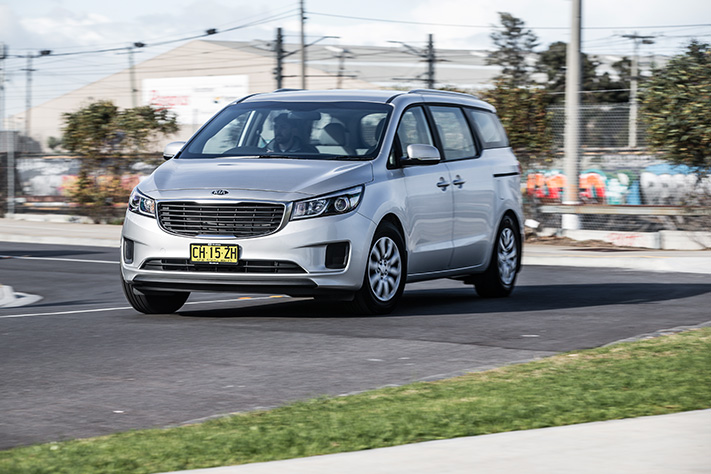
People Movers
- Kia Carnival – 476
- Honda Odyssey – 168
- Mercedes-Benz V-Class – 53
- LDV G10 Wagon – 51
- Volkswagen Multivan – 50
Light Commercial Pick Up/Cab Chassis
- Toyota Hilux – 3860
- Ford Ranger – 3260
- Nissan Navara 1578
- Mitsubishi Triton – 1533
- Holden Colorado – 1390
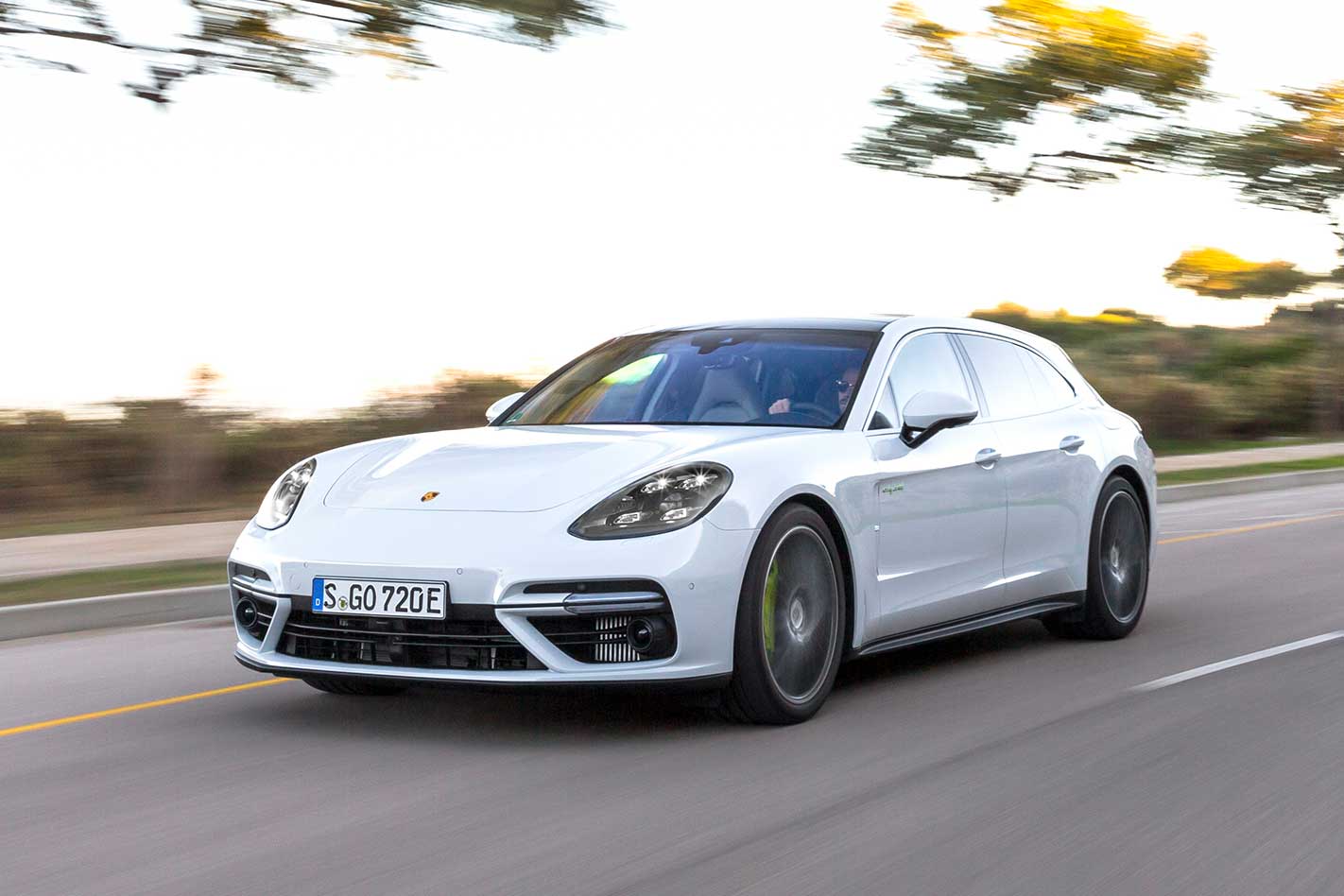
Okay, so you can’t buy a Porsche Mission E yet (not till probably the of end of 2019, anyway). But in the meantime, the Panamera Turbo S E-Hybrid Sport Turismo (say that three times) might be a pretty good stop-gap.
The new Panamera flagship is one of those kitchen-sink jobs (hence the very l-o-n-g name) and its job is to coax new buyers over the hybrid line. Let me break that name down for you.
The Turbo S bit indicates the new car is at the top of the Panamera food chain in a performance sense. The E-Hybrid tag says the new model is at the top of the plug-in brigade. And the Turismo part tells you that this is based on the vaguely wagon-esque version of the Panamera.
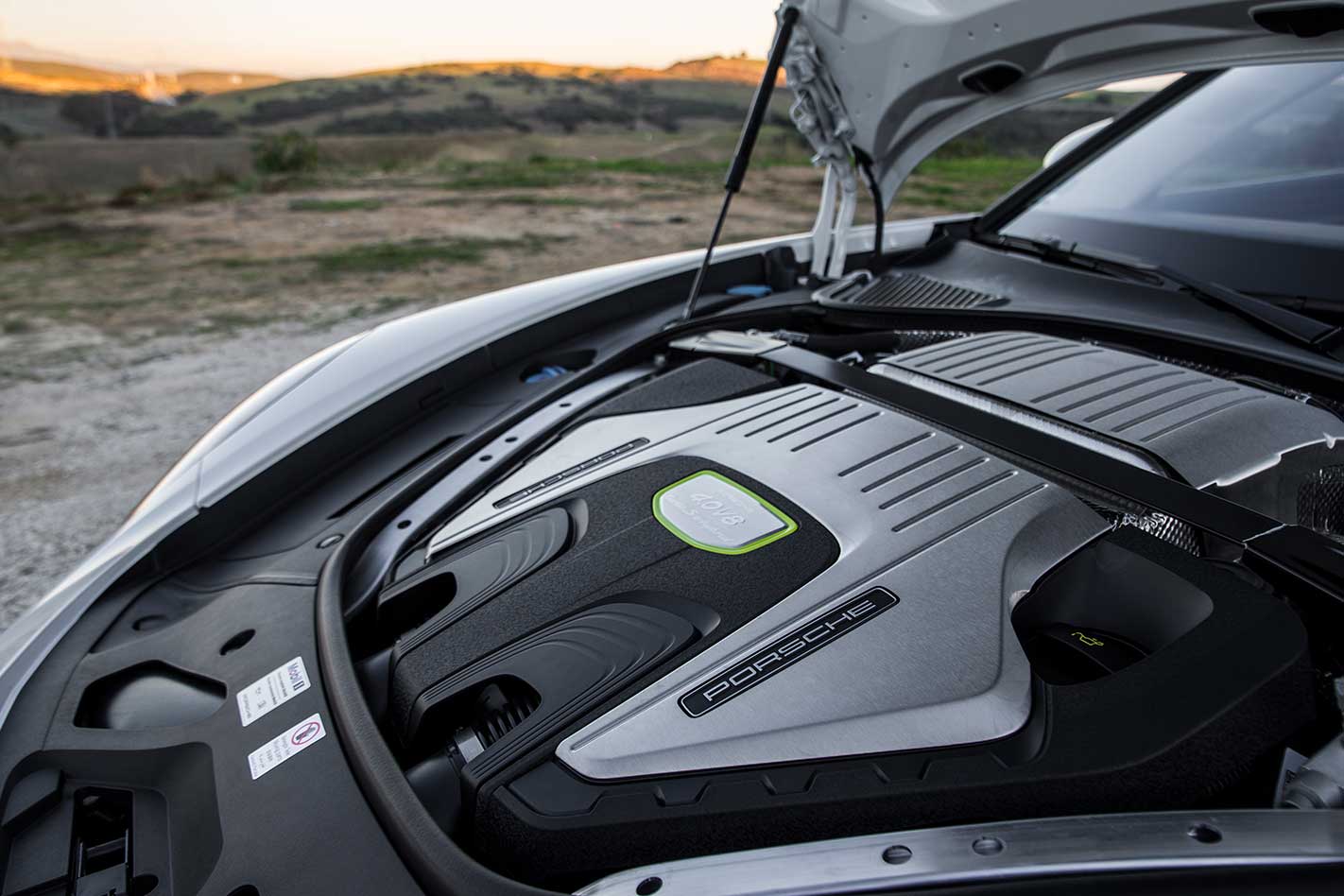
The twin-turbo 4.0-litre V8 contributes 404 of its own kilowatts, and is then teamed up with a 100kW electric motor. Working together, the end result maxxes out at 500kW. Torque wise, the V8 makes 770Nm anywhere from 1960rpm to 4500rpm, while the motor is good for 400Nm from a nominal 100rpm. Together, the net total has been pegged at 850Nm, but it’s all enough for a claimed 3.4 seconds 0-100km/h time.
It’s a plug-in hybrid system that uses a liquid-cooled lithium-ion battery which Porsche reckons can be fully recharged in 2.4 hours with the optional charging kit.
Inside, the car is being touted as a four-plus-one, which means there are four bucket seats with a fifth, occasional seat between the rear buckets. The buckets are big and lovely, while the fifth chair is going to be the subject of some furious rock, paper, scissors action in the driveway.
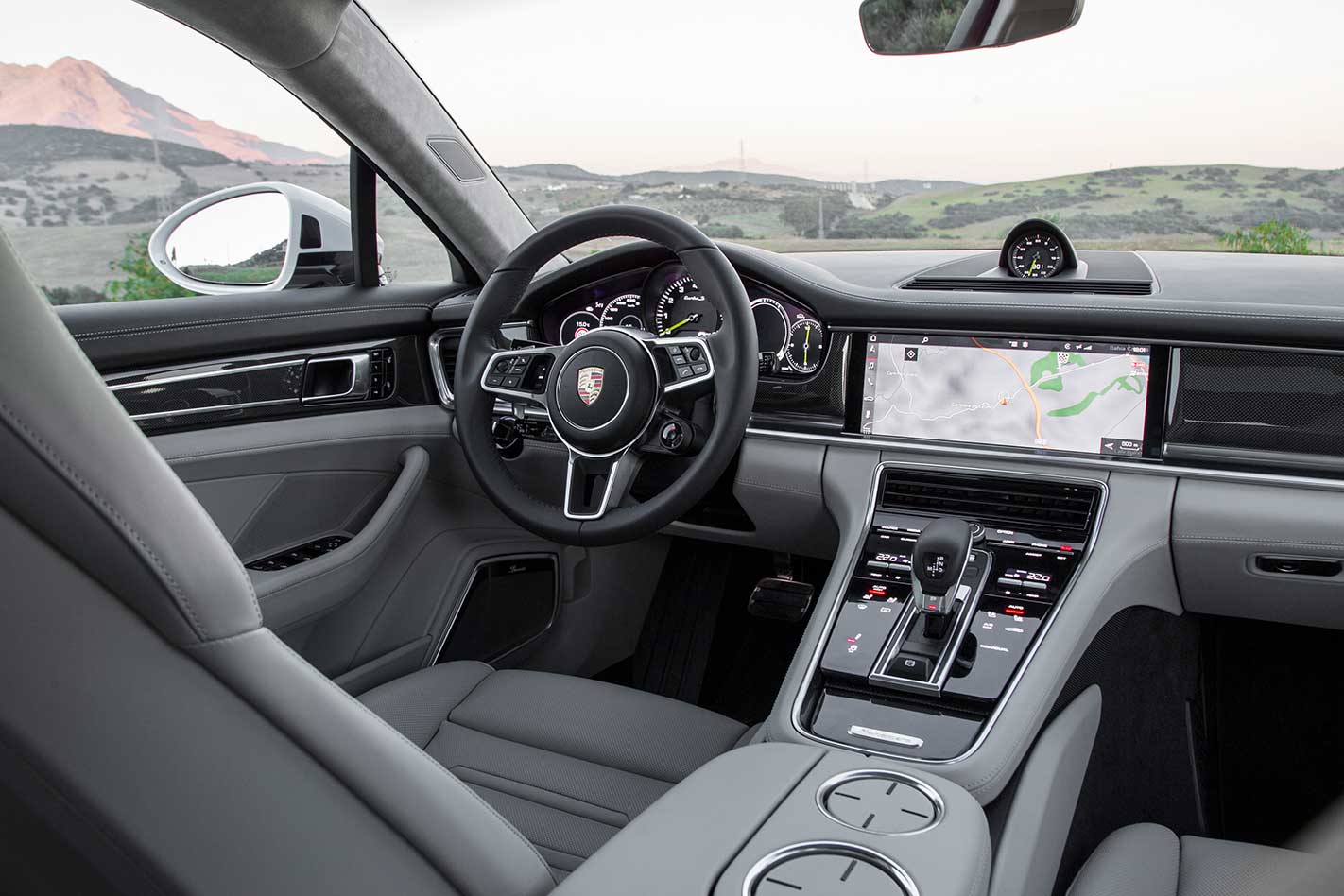
We’re finally kind of getting the hang of switching a car on and having nothing happen. That’s especially true of the Panamera Hybrid which defaults to full-electric mode each time (or so it seemed). Switch to Sport-Plus and the thing is on maximum attack, and Sport ensures that the V8 is always running.
The Hybrid mode is the interesting one, though, at which point the car will shut off its petrol engine when coasting, using momentum to recharge the batteries. Get back into the throttle and the V8 comes to life again and away you go.
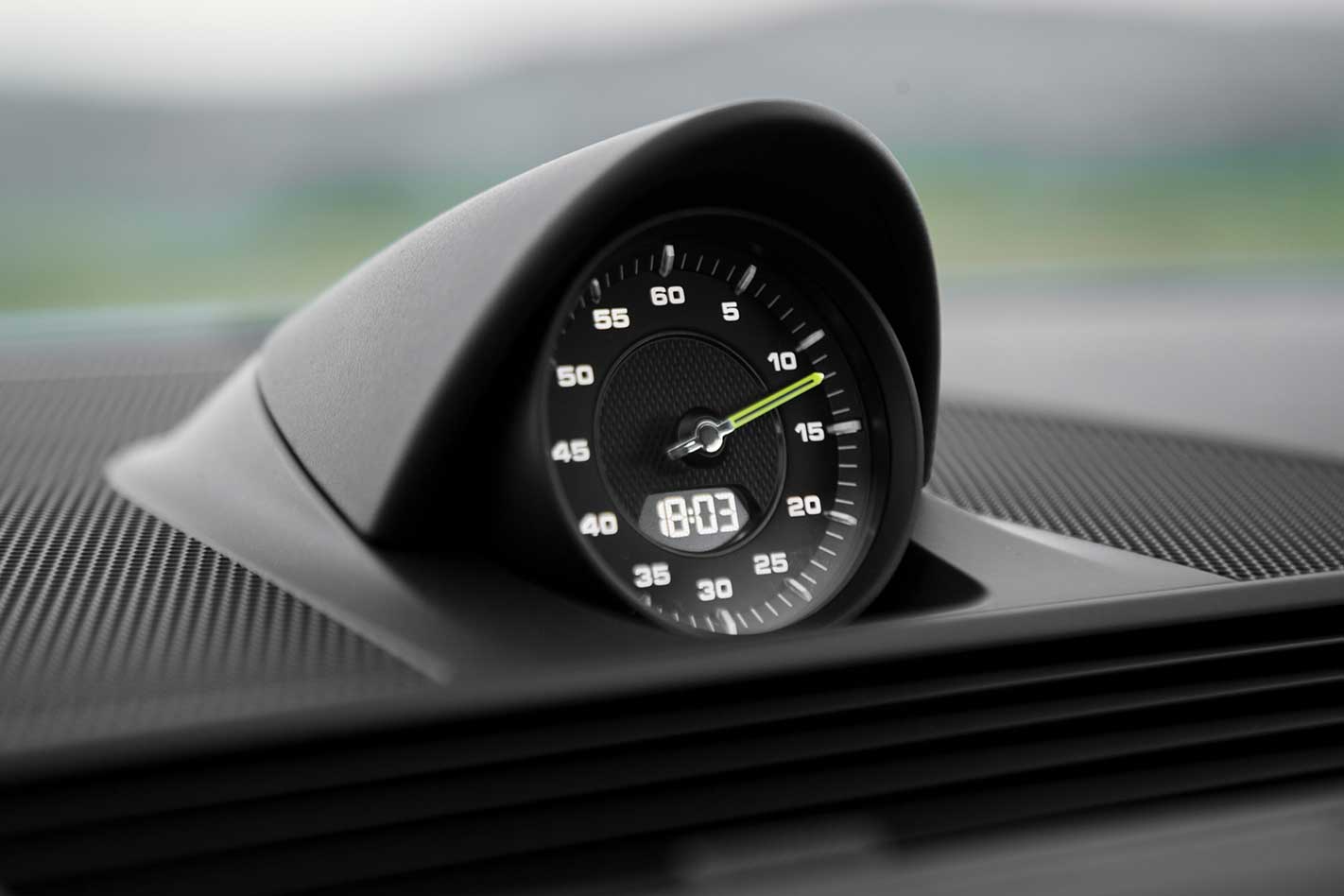
As a way of negating turbo-lag, it really does seem like a bit of brilliance, and the calibration is good enough that you need to watch the various bar-graphs on the dashboard to work out what’s happening. Beyond that, the Panamera feels like a Panamera. As in, it’s a big bugger and it never really shrinks around you like some other big, wide cars can. The air suspension still struggles a fraction with small amplitude, high frequency stutters in the bitumen and it feels heavy. Which, of course, at north of 2300kg, it most definitely is.
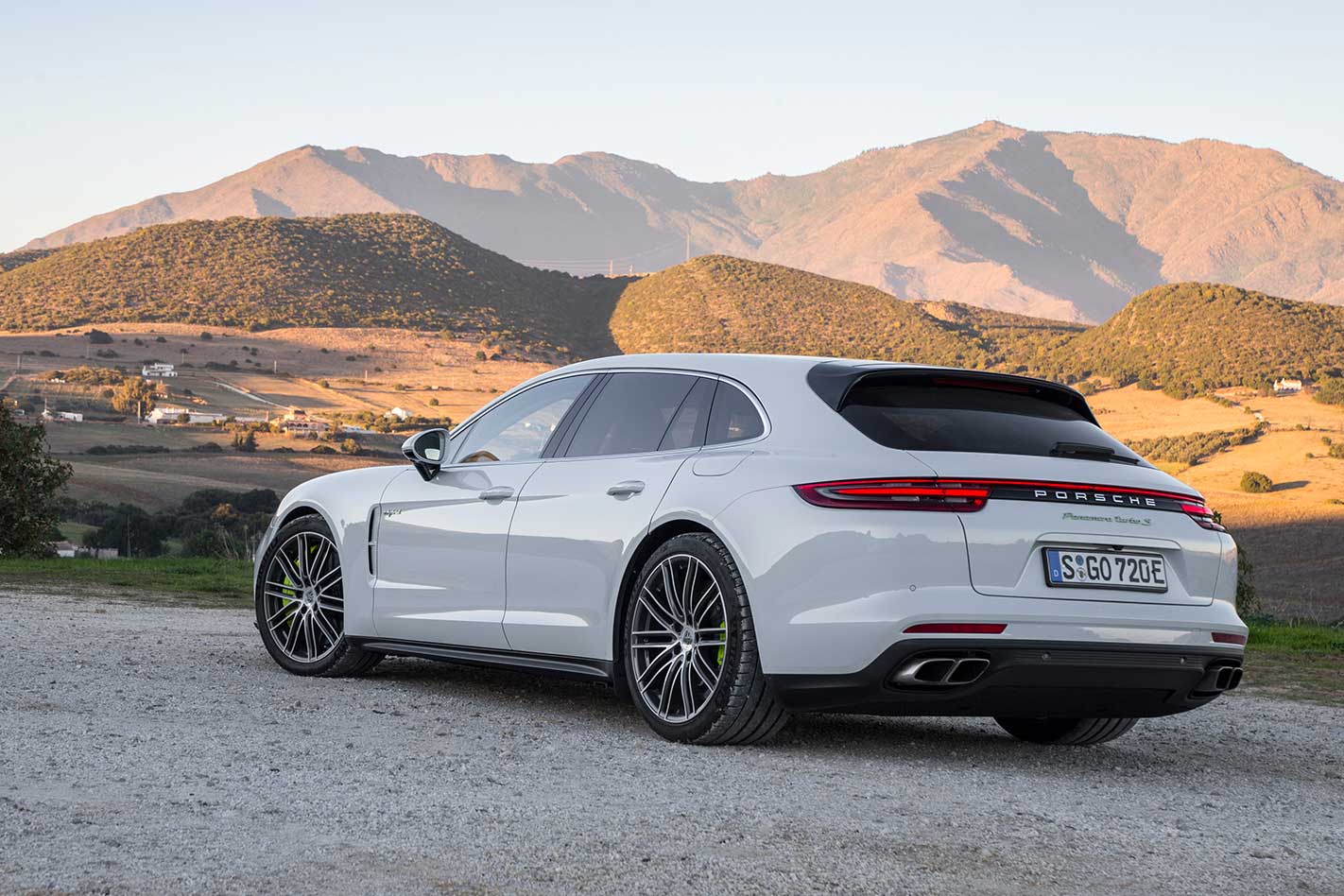
2018 PORSCHE PANAMERA TURBO S E-HYBRID SPORT TURISMO SPECS: Engine: 3996cc V8, DOHC, 32v, twin-turbo Power: 500kW @ 6000rpm Torque: 850Nm @ 1400rpm Weight: 2325kg 0-100km/h: 3.4sec (claimed) Price: $466,400
Like: Stonking straight-line speed; practical Dislike: It weighs how much? It costs how much? Star Rating: 4.5 out of 5 stars
