
HYUNDAI predicts 2030 will be the tipping point when hydrogen powered cars achieve price parity with EVs and begin to enjoy mass-market sales penetration.
Hyundai’s perseverance with hydrogen as a fuel of the future has seen some experts criticise the company’s lagging EV development, though the VP of Hyundai’s eco technology centre, Kisang Lee, told Wheels hydrogen remains the most viable fuel source for the future due to its long range, zero emissions and fast refuelling times.
“The ultimate goal in the eco-friendly vehicle is hydrogen,” said Lee. “We are doing pure electric vehicles, but we are prepared for hydrogen to be the next future. Around 2030 the system cost of hydrogen can be more comfortable for pure electric vehicles.”
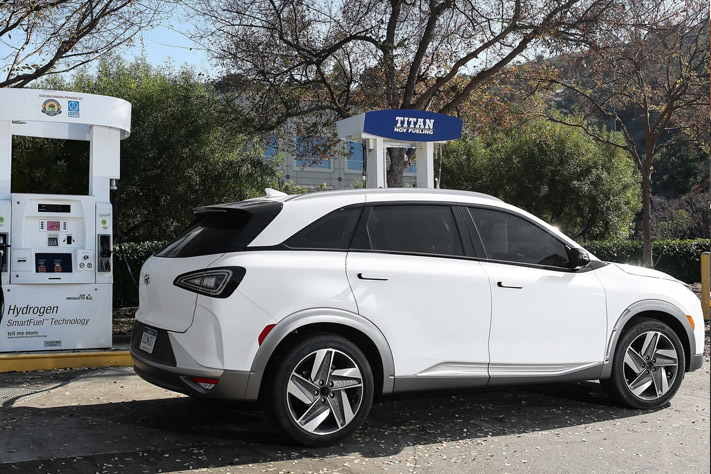
Currently only Hyundai, Toyota and Honda build hydrogen-powered fuel cell vehicles and global sales are small – Australia is yet to record a single hydrogen fuel cell sale – with a lack of infrastructure the biggest hurdle.
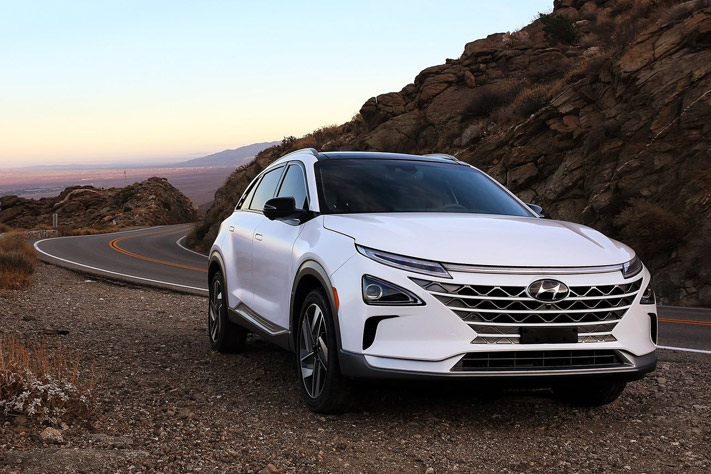
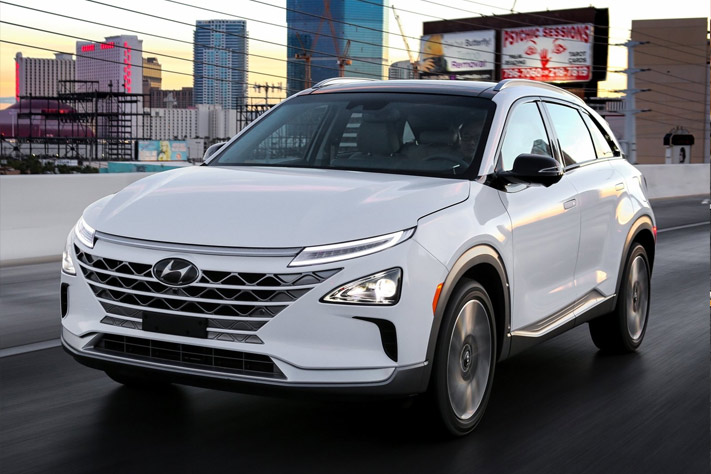
Price presents a barrier too, with Hyundai tipping its new Nexo SUV could cost between $80,000-100,000 if it is offered for public sale later this year.
“Our electric vehicle sales volume is 10 times more than hydrogen sales,” he said. “And our sales volume of pure electric vehicles is already sixth position in the world, so we are not behind and we now have two tacks.
“In the long term these two technologies can be co-existing. In [situations that require] big distances, hydrogen can be a big benefit, but in a city where distances are less than 100km, EVs are very beneficial.”
“Last year we sold around 20,000 pure electric vehicles and that grows to 35,000 if we include Kia,” said Lee. “But this year we will announce an additional electric vehicle with a very long distance, almost 300 miles (483km). This year we will introduce the Kona electric vehicle, Kia Niro electric vehicle and the other one is … too early to say the name of the car.”
With no name or concrete details to shed any further light, Hyundai insiders speculated the forthcoming EV could also be the new Kia Soul given Lee oversees development for both companies.
TOYOTA has added weight to speculation that the rotary engine will be reborn as a range extender for electric vehicles, revealing that Mazda is a collaborative partner on its new self-driving vehicle platform.
The platform was revealed beneath the Toyota e-Palette self-driving electric mobility concept, a people-moving autonomous bus revealed at this week’s Consumer Electronics Show in Las Vegas.
Among the technology partners listed as contributing to the e-Palette’s development are ride-share service Uber, online shopping behemoth Amazon, fast food chain Pizza Hut – we can pretty much guess why they want in with Japan’s largest car maker – and Mazda.
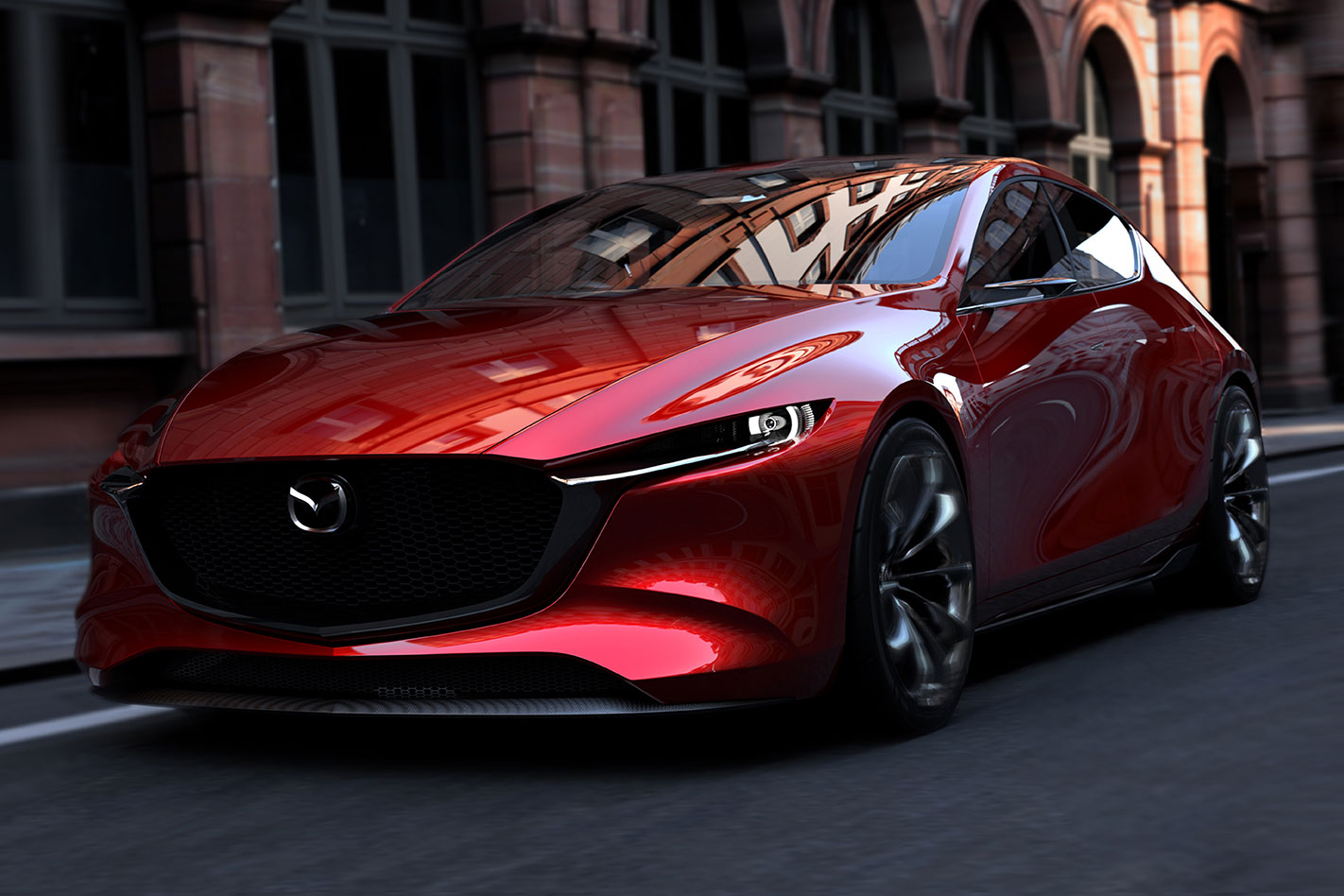
“Mazda will provide technical information on a [rotary engine] range extender to be used in the vehicle being developed,” Brown was quoted as saying, with Green Car Reports making the intellectual leap that it had to be a rotary-powered unit. “We will reveal more details at an appropriate time.”
Mazda has already developed a compact version of its rotary engine that is used to power a modular generator a bit smaller than two medium-sized pizza boxes placed side by side. Several years ago, it had a prototype of the system fitted to a battery-powered Mazda 2 hatch.
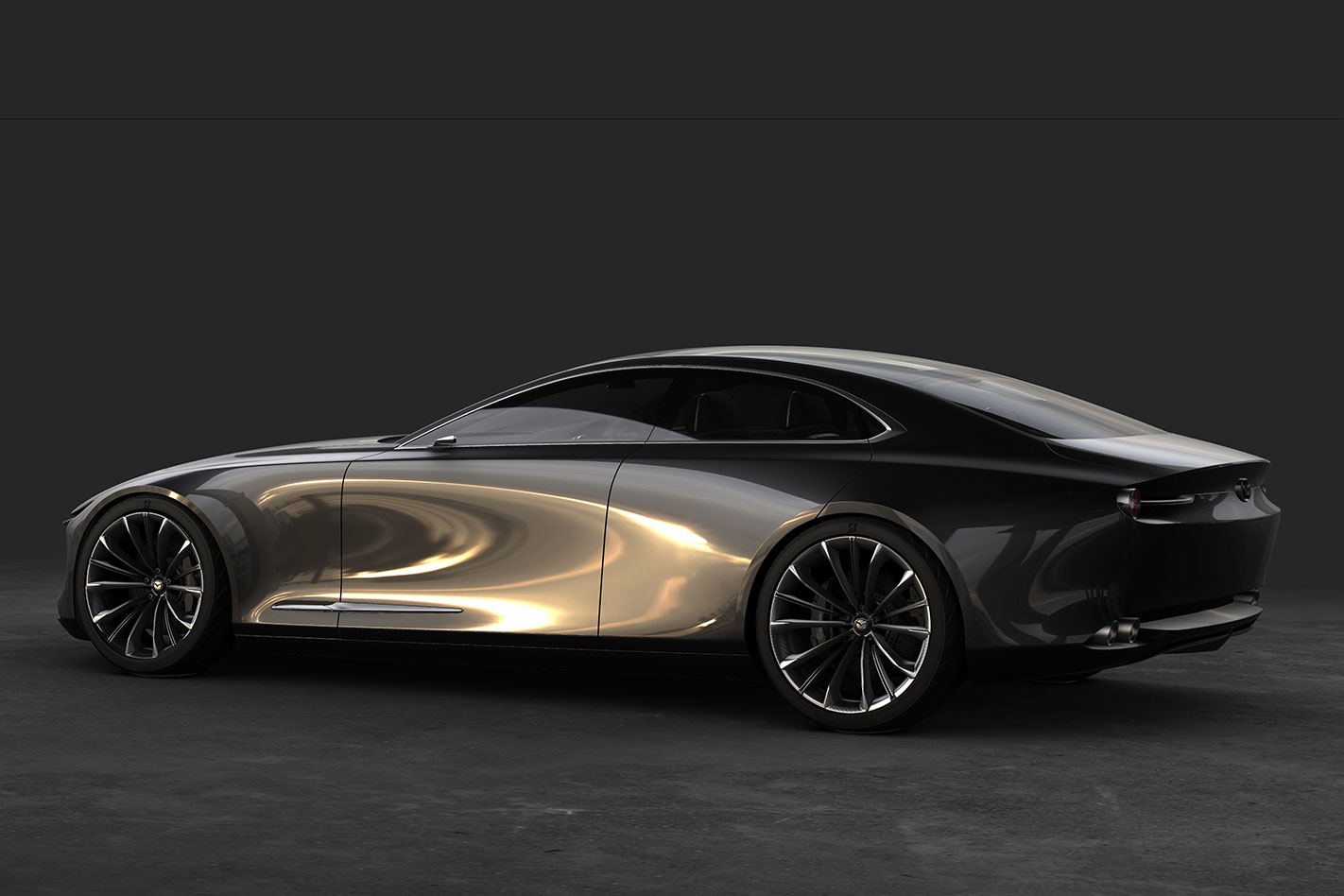
“We needed to solve the problem from the automotive side – we could either increase the amount of battery storage, or think about range extenders,” he said.
Toyota has recently reversed its decision to hold off on developing electric vehicles, saying it would develop at least 10 battery-powered vehicles by the early 2020s after earlier saying the technology was yet to mature. It has now set itself the target of selling a million EVs by 2030, with most sales likely to come from China.
Mazda has hinted its first electric vehicle due in 2019, and shared with Toyota, will include a range extender.
If you’re in the market for some goodies for your new Ford Mustang – and they’re not from the accessories section of the official Ford brochure – you need to be asking any and all aftermarket businesses questions about ADR compliance.
This is the difference between the wild west and a professionally run operation. And when the sheriff rolls into town, you don’t want to be relying on the cowboys to back you up.
Unfortunately, drilling into the particulars and technical minutiae of ADR compliance, and the different regulations of each state, would potentially fill half an edition of MOTOR, so all we can do is recommend you be a smart cookie and do your research prior to entering the aftermarket to get parts for your ’Stang.
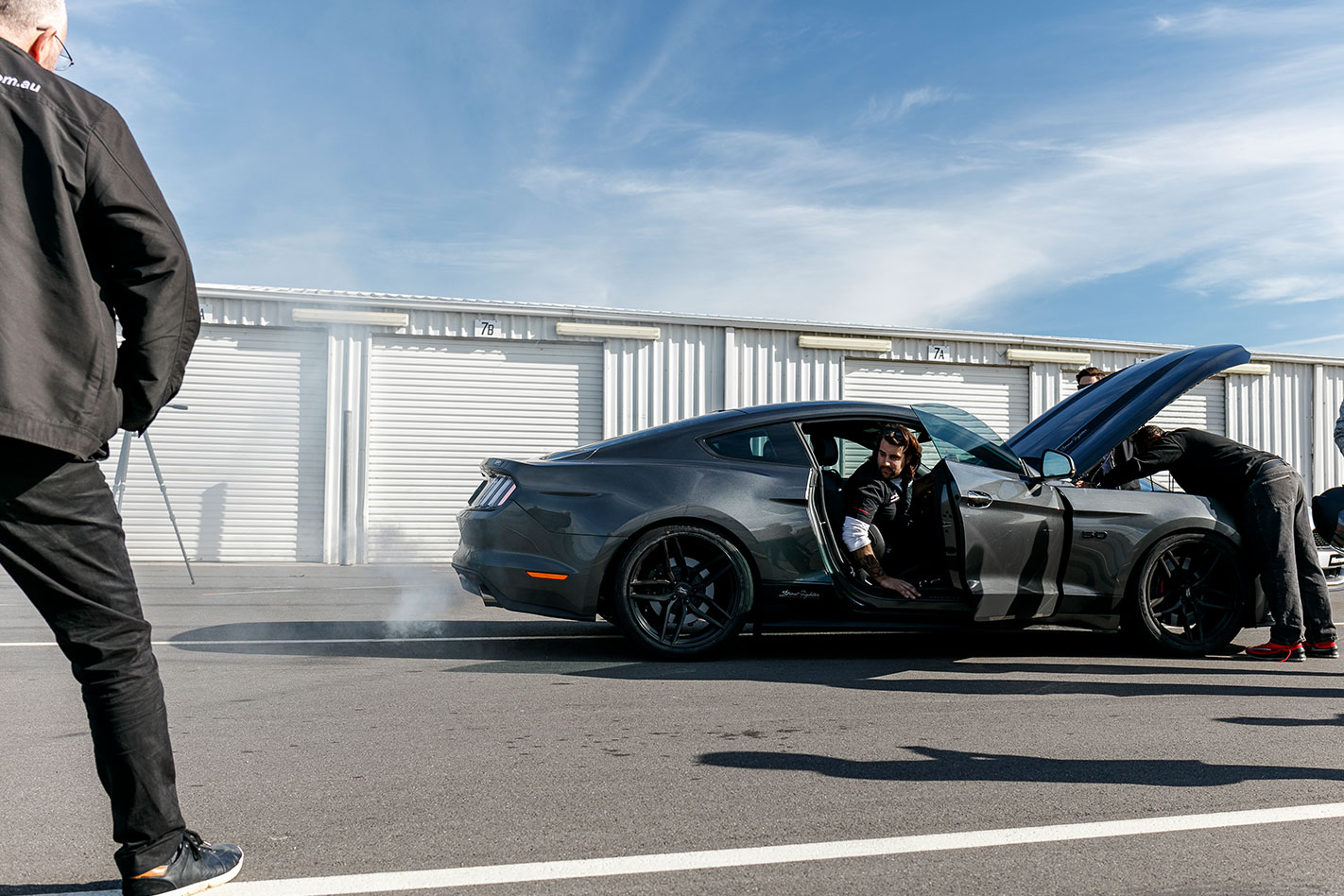
500kW Ford Mustang killed by ADRs
Whatever information you are provided, seek independent, professional advice specific to your state, on how the authorities might regard your powered-up ponycar should you find yourself with red and blue lights in the rear-vision mirror.
It can vary significantly from aftermarket business to aftermarket business. And could be the difference between years of hassle-free enjoyment of your modified Mustang. Or going home in a taxi with a very big headache.
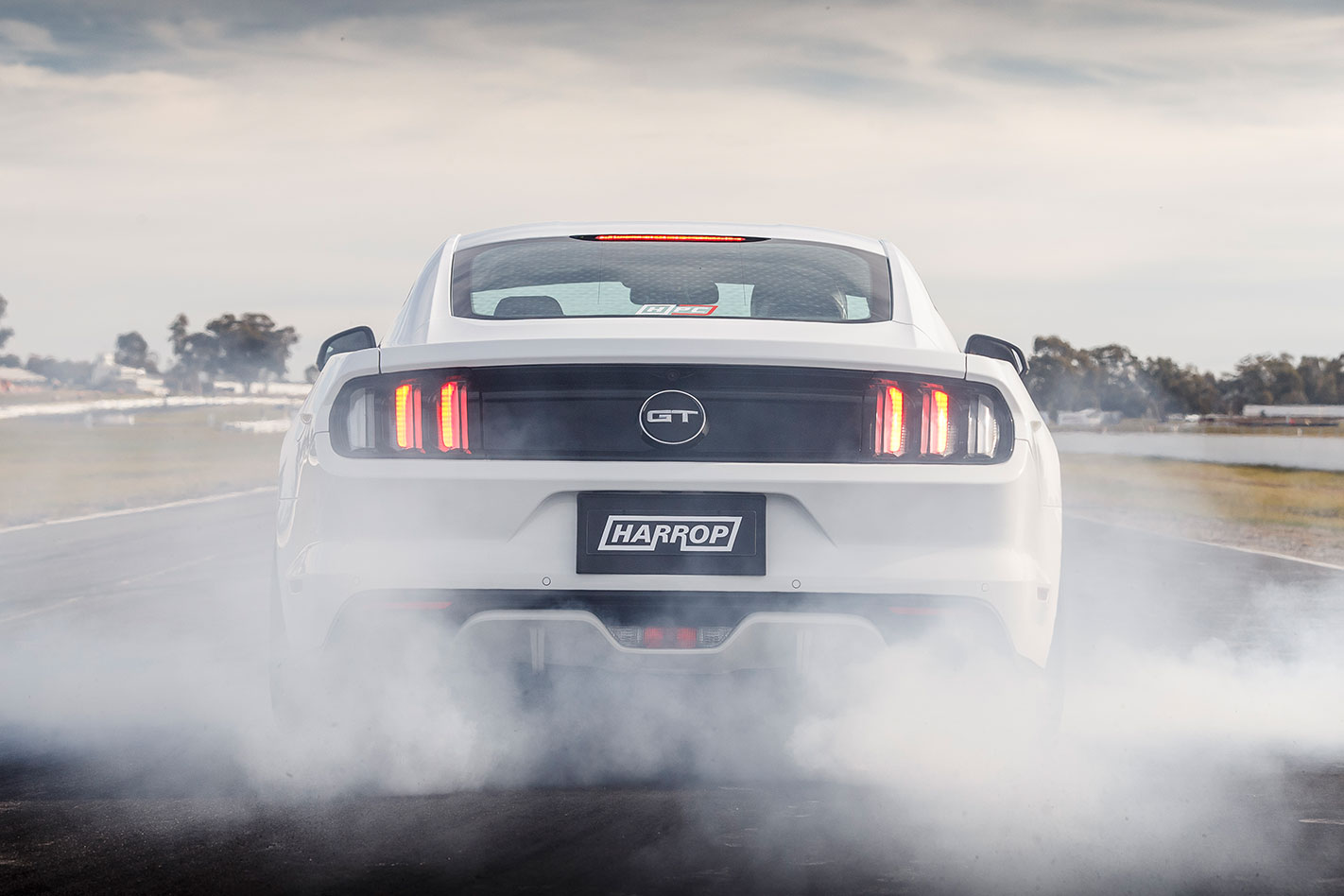
It goes without saying, check all of the fine print of any warranty you sign to make sure you’re not going to be using the car in a fashion that the provider has listed as an exception in clause 6.2.4.
Happy and smart Mustang modifying!
WITH every luxury manufacturer under the sun throwing their hat into the SUV ring these days, we’ve got sympathy for those shopping in the upper echelons of the segment.
While previous advice would have simply been “buy something German”, these days the luxury SUV landscape is a little more complex. And there’s also the neighbours to consider: as in, do you really want the same car as everyone else in your leafy, tree-lined avenue?
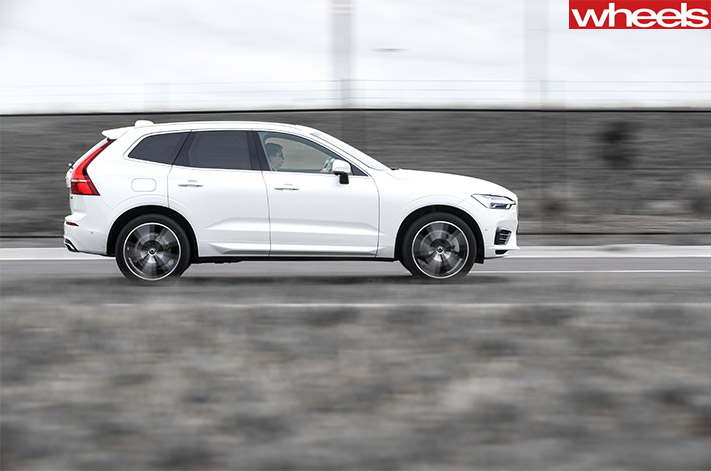
The good news is this – 2017 was a bumper year for SUV debuts, with even the likes of Alfa Romeo and Maserati, two previously SUV-averse marques, entering the fray. Alongside those Italians were two other Europeans, the Volvo XC60 and Range Rover Velar, and both stack up as impressive offerings in their own right.
Price and equipment
The Range Rover Velar is the pricier of this pair, but to the average person it probably looks a magnitude more expensive than it actually is.
Features such as flush-fit door handles that electrically slide out to greet your hand are a concept-car trick that somehow found their way to the production line, while the Velar’s shallow glasshouse and stretched lamp housings give it a high-end, futuristic appearance. The Volvo XC60, as handsome as it is, looks far more conventional.
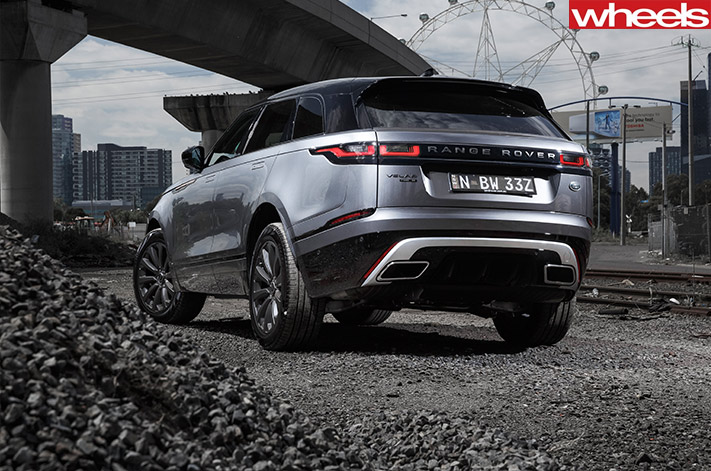
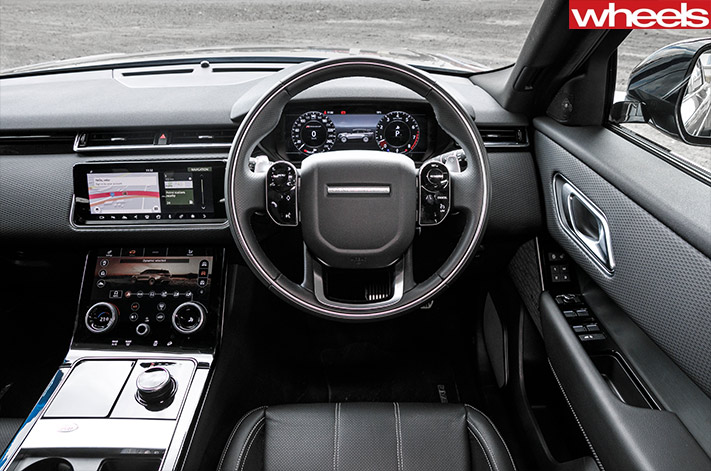
Both are jam-packed with equipment. The Velar offers air suspension as standard, along with acres of leather, cruise control, three sizable horizontal screens in the dashboard (two for infotainment functions, another for the instrument panel), power-reclining rear seats, a powered tailgate, lane departure warning, blind spot monitoring, rear traffic alert, a 360-degree camera and AEB.
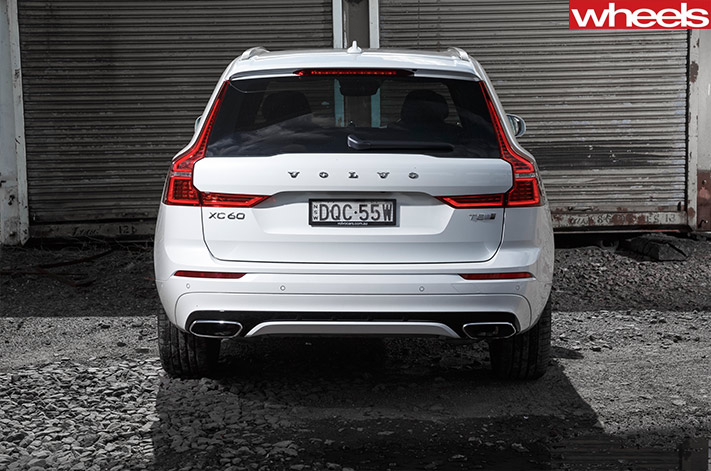
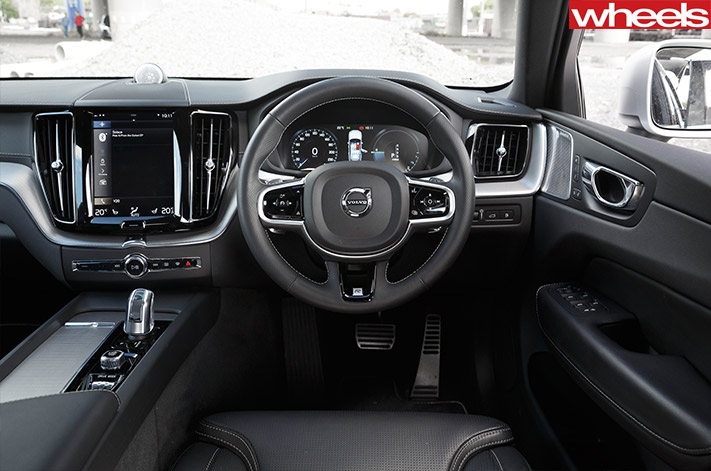
Did we mention the XC60 is a plug-in hybrid, too? All told, the Volvo’s feature count is more impressive, especially considering the substantial price differential that favours the Volvo.
Interior and versatility
The Range Rover may lose the value argument, but it wins for cool factor. The screen-heavy interior of the Velar is the most futuristic-looking in its segment, and the clean and tidy presentation should have universal appeal. Then there are the little details, such as glossy backlit steering wheel buttons that change their graphics depending on what function they’re serving (and have touch-sensitive controls to boot), plus that aforementioned triple-screen layout and pop-out door handles. You can even remotely control aspects of the car via a smartphone or smart watch, for a bit of James Bond flair.
Comfort, too, is another ace up the Volvo’s sleeve. Its front seats are commodious and supportive, while the Velar’s could do with more upper-body contouring. In the back, the Velar edges ahead slightly thanks to electrically reclining backrests and a more elevated bench for better forward vision, but legroom and headroom is about par between the two.
Performance and economy
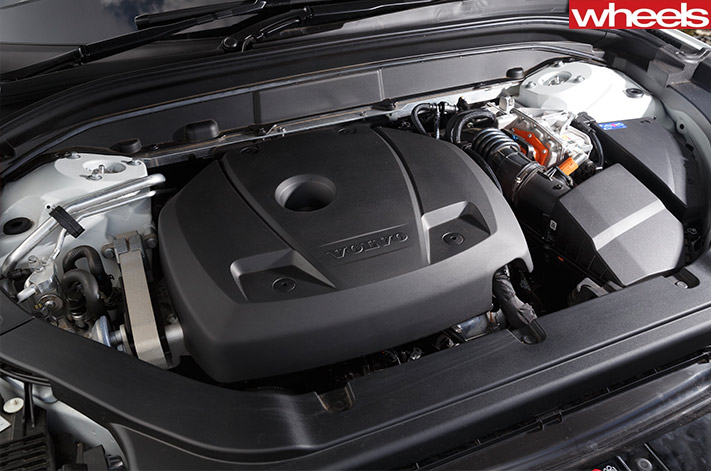
It’s not surprising that the Volvo, what with its plug-in hybrid capability and super-frugal 2.0-litre petrol engine, comprehensively trounces the Velar in the fuel economy stakes. What genuinely raises eyebrows, though, is that the XC60 is also the better athlete.
On-paper stats suggest otherwise, with the XC60’s supercharged and turbocharged four-pot and single electric motor peaking at 235kW and 400Nm, handily shaded by the Velar P380’s 280kW/450Nm supercharged 3.0-litre V6. The Velar also weighs almost 220kg less than the Volvo, yet the XC60 pips it to 100km/h by 0.4 seconds. At 5.3 seconds from 0-100km/h the Volvo has hot hatch pace, and it’s all down to the brutal effectiveness of its electrified powertrain.
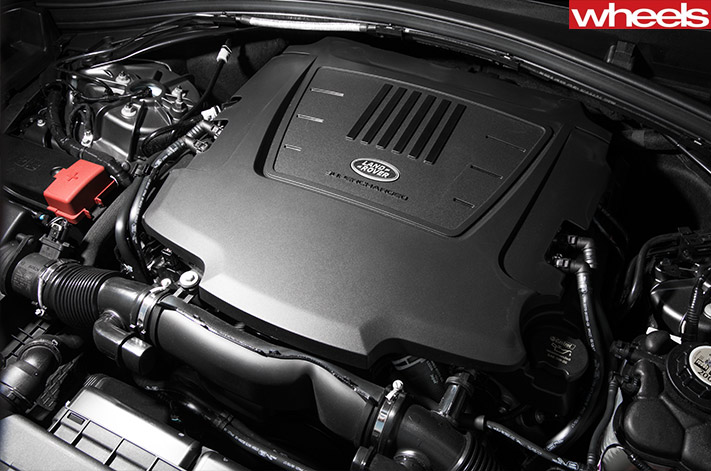
The Velar is still fast, but it builds its pace in a more linear manner, with at least 3000rpm needed on the dial before it feels properly urgent. It’s less frenetic and more refined –in keeping with its posture as a luxurious rather than overtly sporty SUV.
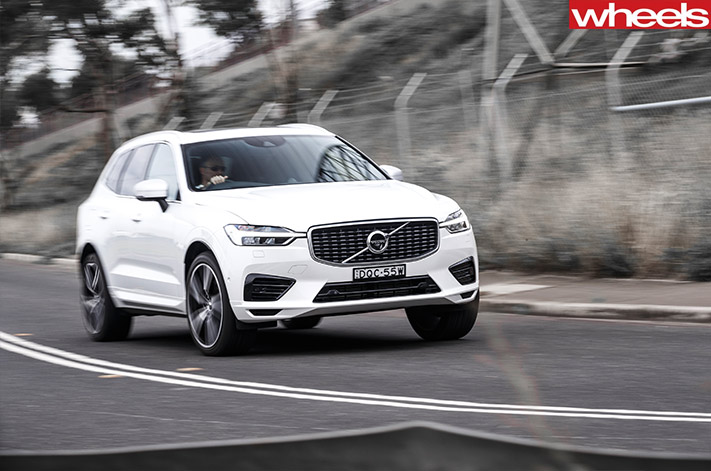
Both Velar and XC60 T8 are suspended on air springs, but the Velar’s smaller 20-inch alloys and chubby Pirelli Scorpion rubber transmit fewer jolts into the cabin than the XC60’s 21-inchers and P-Zeros. With the adjustable dampers set to ‘auto’ the Velar provides a splendidly supple ride.
That said, the XC60 isn’t far behind for comfort. It easily soaks up bigger bumps and its more taut suspension settings means it produces less vertical movement than the Velar on extremely lumpy roads. Road noise is a bugbear, though. On coarse-chip surfaces the Velar is a church, while the XC60 T8 is full of white noise.
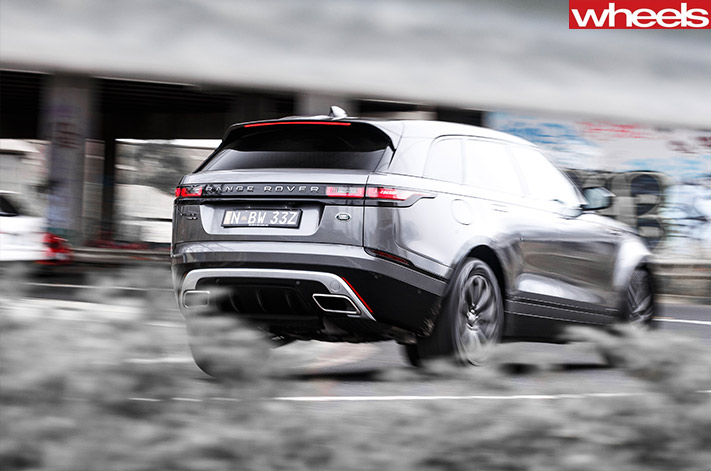
The Velar’s stately ride is also reflected in the way that it handles. “Plushness” is the order of the day for the Rangie, and its cushy air springs deliver exactly that. Don’t take that as code for “it’s a barge”, though, for the big Velar manages to meld suppleness with good roll suppression.
However, equipped with all-terrain tyres rather than road-biased performance rubber the Velar is simply under-tyred for fast driving. The slow-ratio steering rack also gets in the way, transmitting little in the way of feel to the driver’s fingers, while the mushy brakes necessitate caution when the speeds are high and inclines are steep.
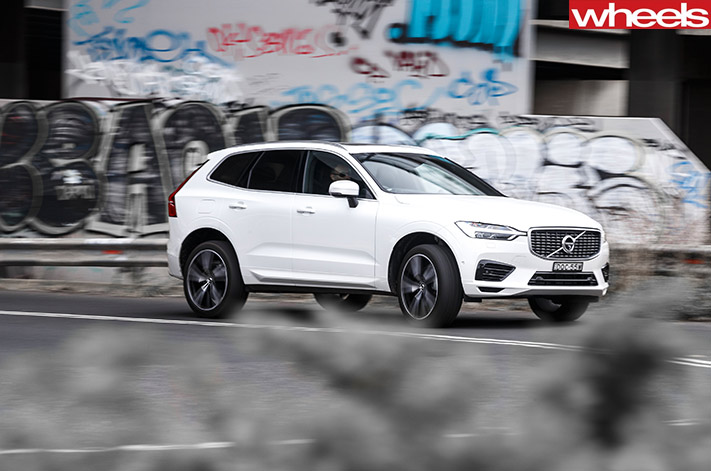
With the combustion engine taking all of its power to the front wheels there is some torque steer that can be felt through the wheel, but that just further reinforces the Volvo’s ‘supersized hot hatch’ persona. The only blot on its ledger is an over-sensitive brake pedal – until you get accustomed to it, be prepared for the seatbelt to bruise your sternum.
The Velar P380 is the Kardashian-spec choice, what with its stylish exterior and in-vogue interior, but the XC60 T8 appeals in almost every other respect. It’s still loaded with tech, impeccably built, is a dream to drive and handles like a car several sizes smaller.
Not only that, it’s got green credentials under its bonnet and a plug-in capability that can save you some serious dosh. Those same electric innards also give it stonking acceleration too, proving you can very much have your cake and eat it.
Its technological sophistication makes the Velar look quite old-fashioned, even though the Rangie is the one with the most futuristic styling. Factor in the XC60’s far more agreeable price tag, and the Volvo’s dominance over its British rival is clear.
While passenger car sales continue to drop in the shadow of the SUV boom during 2017, sports cars are enjoying a purple patch, with the segment up around 5.0 percent last year. Driving the sports car push are models priced under $80,000 that combine affordable thrills with head-turning looks.
Ford’s iconic Mustang has been a runaway success, with the Blue Oval selling 9165 last year, which accounts for almost half the sub-$80,000 sports car market.
While the Mustang trades on a combination of power and looks, there’s plenty to like at the less powerful end of the category too, from the charming (and Wheels COTY winning) Mazda MX-5 and ‘look at me’ Hyundai Veloster, to tight-handling track day favourites such at the Toyota 86, Subaru BRZ and Nissan 370Z.
Ford Mustang – $45,990 – $65,916
The Mustang isn’t the most sophisticated car on the block but that’s part of its appeal. The iconic American coupe/convertible is powered by a choice of a 5.0-litre V8 or a not so brutish 2.3-litre EcoBoost four-cylinder turbo engine.
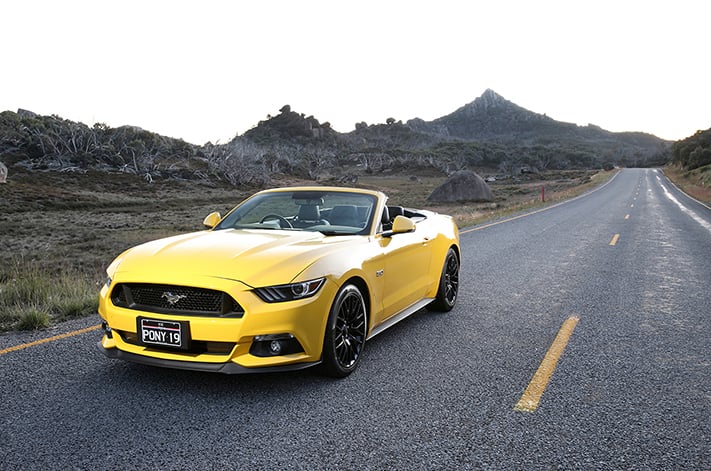
PROS: Both the coupe and convertible GTs have standout looks and are plenty of fun to drive thanks to the powerful and acoustic 306kW V8 engine.
CONS: Some of the interior materials are cheap and, for a big car, it offers little by way of practicality. The V8 can also be extremely thirsty.
Nissan 370Z Nismo – $61,490 – $63,990
Nissan’s veteran sports coupe has a big-hearted V6 engine and nimble handling, both of which have been enhanced by the Japanese carmaker’s Nismo performance division. The result is an honest driving experience that feels like a modern classic.
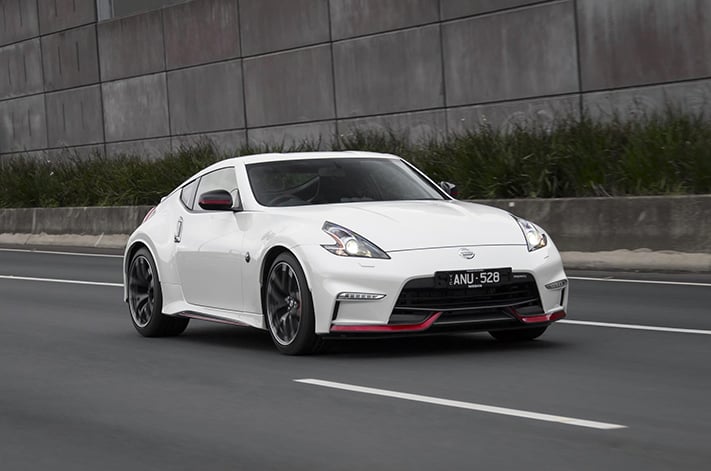
PROS: Aggressive styling backed up by a more powerful version of Nissan’s excellent 3.7-litre V6 engine, fast responsive steering and superb cornering.
CONS: Stiff sports suspension results in a bone-jarring ride, excessive road noise on course surfaces and a dated interior void of wow factor beyond the red and black suede sports seats.
Mazda MX-5 – $33,340 – $43,890
Few cars are as universally adored as Mazda’s two-seat roadster. Offered with either a 1.5-litre or 2.0-litre engine and as an RF folding hard top version, the MX-5 provides pure, unadulterated driving dynamics with excellent steering and handling.
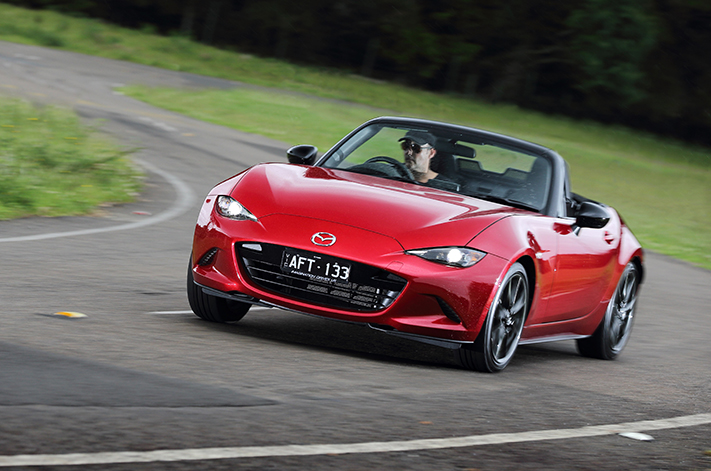
PROS: Goes exactly where you point it and boasts a comfortable ride despite being low to the ground. It’s a great daily driver as well as the perfect weekend tourer.
CONS: No steering reach adjustment which makes it difficult for taller drivers, small boot and no child anchor points so smaller occupants can’t come along for the ride.
ON 19 January 1932, in a hospital in Modena, Italy, a 33-year-old Italian racing driver became a father for the first time.
The birth of Alfredo Ferrari, later to be nicknamed ‘Alfredino’ (little Alfred), would be the catalyst for Enzo Ferrari to hang up his driving gloves and focus on managing the Alfa Romeo grand prix team.
In 1947, as we all know, he began making cars under his own name. Enzo’s business was good enough for young ’Dino to study mechanical engineering in Switzerland.
Dino also proposed a V6 engine – Ferrari’s first – for the 1.5-litre Formula 2.
Designed by Vittorio Jano, it was introduced in 1957 and would spawn the ‘Dino’ engine series of dohc, 65-degree V6s for race and road applications.
Dino himself did not live to see it: diagnosed with Duchenne muscular dystrophy, he died from related kidney disease in 1956, aged just 24.
A decade later, Enzo Ferrari was in talks with Fiat about buying his company; his racing efforts were focused on its Le Mans battles with spurned suitor Ford; and on the road, waiting lists for Porsche’s new 911 told of a lucrative, six-cylinder sub-supercar market.
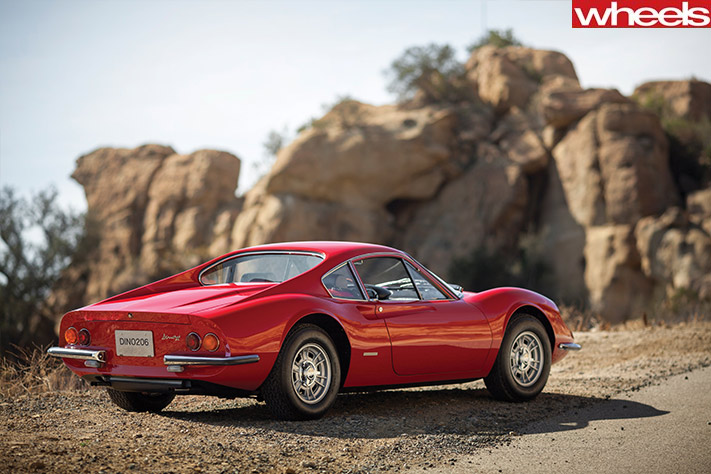
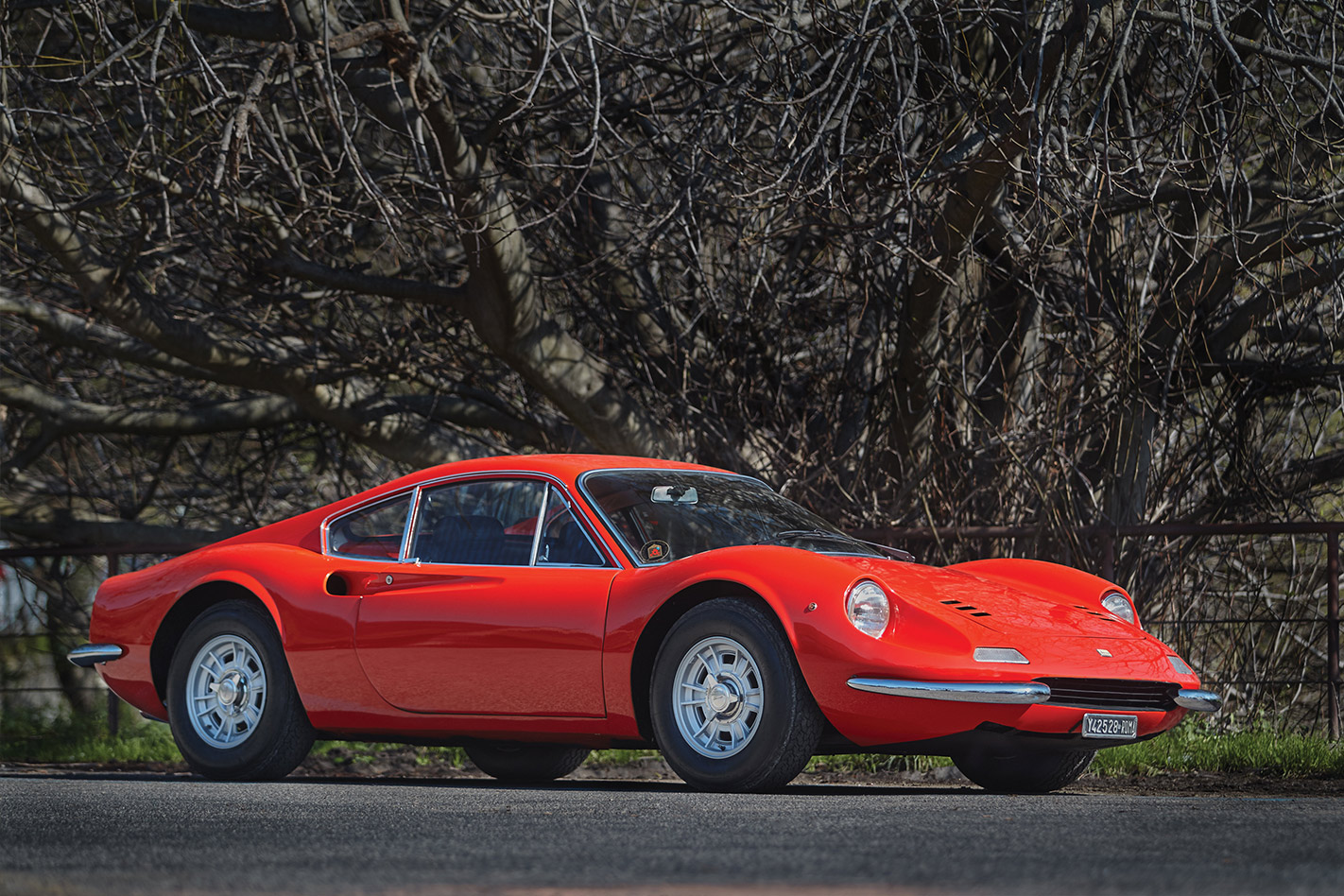
And oh, what a body: designed by Pininfarina, the Dino is still hailed as one of the most beautiful cars of all time. If the Dino’s beauty and handling raised the bar for Ferrari, its performance did not.
And so in 1969 came the 2.4-litre 246 GT, bringing 145kW and a significant increase in torque. The Dino’s price was comparable with the Porsche 911S, which looked dull alongside it.
According to dinoregister.com, Ferrari built a total of 3911 Dinos (including 152 of the 206 GT). The later 246 series included (from 1971) a GTS with removable roof panel. The two-seaters were joined in 1973 by the awkward, angular 2+2 Dino 308 GT4, with a 3.0-litre V8.
Production of the Dino 246 ended in July 1974. Its replacement, the 308, arrived just over a year later – opening a chapter of mid-engined V8s that continues to this day.
Tiny dancer
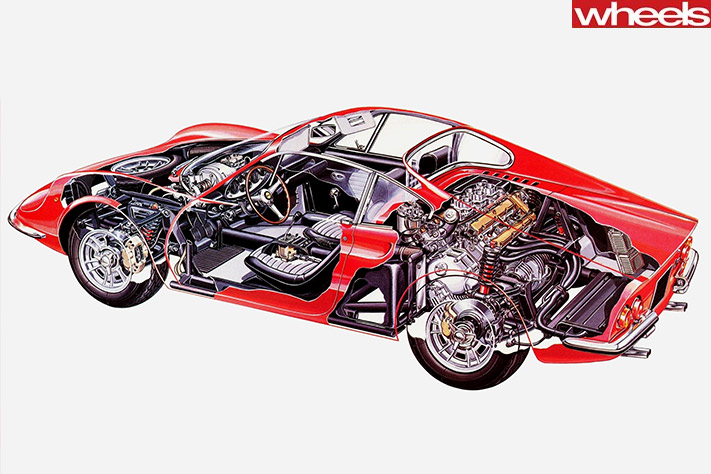
The Dino wasn’t just gorgeous – it was agile and sophisticated. Built on a spaceframe of round and square steel tube, it was not only Ferrari’s first mid-engined road model, but the first to feature double-wishbone suspension front and rear.
The early 206 GTs had an all-alloy body; the 246 GT’s was in steel, and slightly stretched over a 60mm longer (2340mm) wheelbase. The 246 was about 180kg heavier, at 1080kg.
Mixed metals
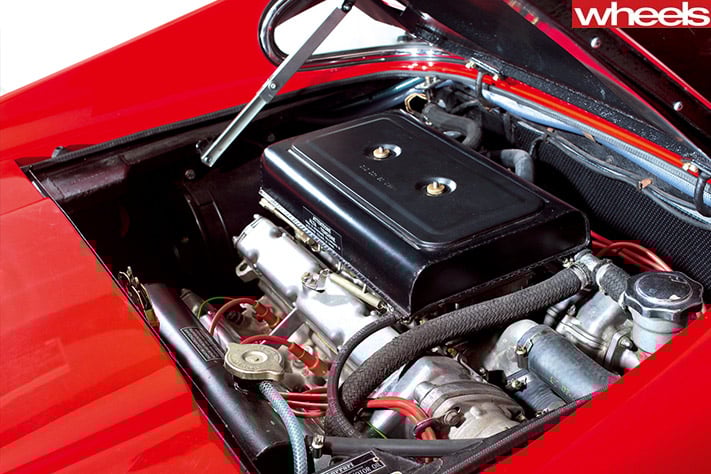
The 65-degree, quad-cam Dino V6 engine switched from 1987cc with alloy block, to an iron-block 2417cc. Fiat produced both and shared them with the front-engined Fiat Dino coupe/spider, to help Ferrari meet F2 homologation.
The 2.4s breathed through triple Weber carbs and made 145kW at 7600rpm and 226Nm at 5500rpm, via a five-speed manual. Zero to 100km/h took 7.1 seconds.
Paid in recline
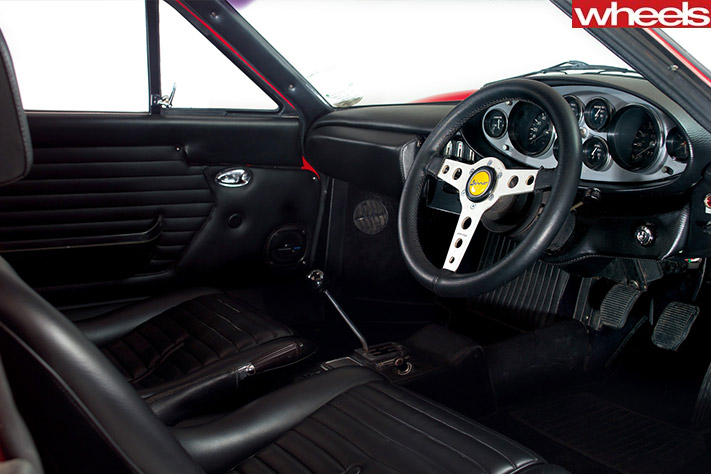
Dino drivers might have felt six cylinders short, but they didn’t sacrifice style within the unusually spacious, two-seat cockpit.
From the hammock-like, vented leather seat, the driver grasps an unmistakably Italian three-spoke wheel ahead of a gorgeous suede-covered dash with its cluster of Veglia (aka “vague liar”) gauges.
To hand is the signature, open-gated five-speed gearshift. Cockpit ergonomics were praised; not so the noise, heat and heavy gearbox.
You’ve likely read the stories – BMW’s M2 is a return to form for M Division after a recent run of fast but flawed machines.
Offering at least 90 per cent of the pace of its M4 big brother for around half the price, to say it’s the pick of the range appears to be a no-brainer, but the waters have recently become a little murkier, primarily due to continued revisions and a hefty price drop for the M4.
A recent update for the M2 brought instruments and iDrive as well as styling revisions, hiking the price of the Pure to $93,300. In contrast, applying the Pure treatment to the M4 has slashed its price to $139,900 despite retaining the Competition engine and chassis tweaks, an effective saving of almost $17K.
Fortuitously, we happened to have both an M2 and M4 Pure in the carpark over the recent holiday break which provided the perfect opportunity to spend an extended period in each car and discover the differences – if any – between the two.
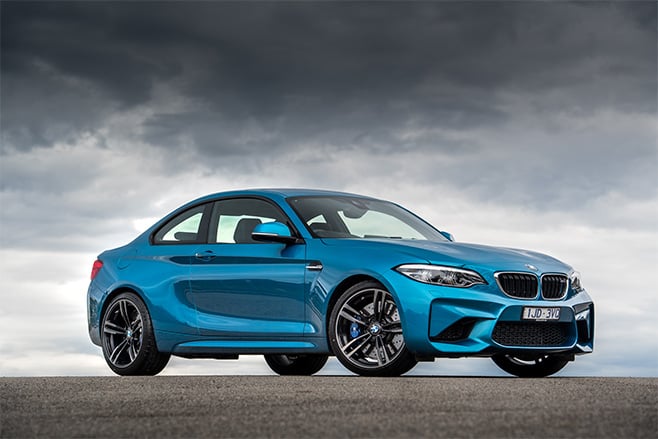
In terms of outright pace there isn’t much between them, either. The stopwatch disagrees, as our best figures in an M3 Competition (virtually identical to its two-door Pure sibling) are 4.16sec to 100km/h and a 12.15sec quarter at 193.83km/h, numbers which humble our best efforts in an M2 Pure of 4.55sec 0-100km/h and 12.82sec 0-400m at 175.82km/h – unsurprising when the M3/M4’s 331kW/550Nm bests the M2’s 272kW/465Nm by a substantial margin.
On the road, however, the M4’s pace advantage is almost irrelevant as it’s mostly inaccessible on the public highway and I challenge anyone to drive an M2 and find it sluggish. Where the two do differ, though, is in how they deliver the performance.
The M2 uses a high-output version of BMW’s older N55 3.0-litre turbo six and it’s beautifully smooth and linear. Throttle response is excellent and it sounds suitably growly, with ample mid-range torque yet a rewarding top-end as the tacho approaches 7000rpm.
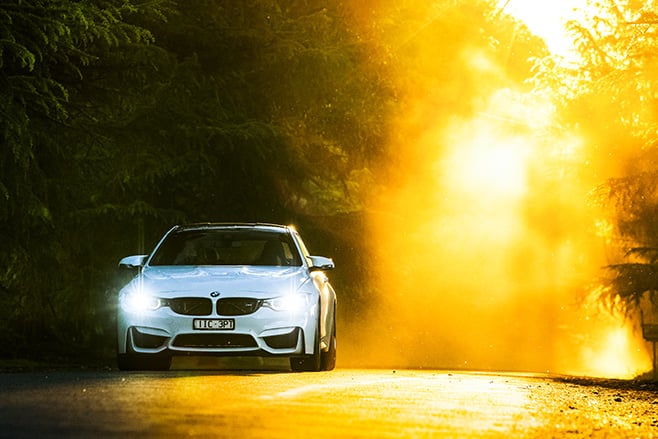
This extra attitude carries over into the M4’s chassis. BMW has calmed the behaviour of each subsequent model year of M3/M4, but on cold rubber or in slippery conditions it remains a handful, lighting its rear tyres up at will, usually with a corresponding sideways twitch.
Sadly, the MDM stability control calibration is much too conservative to allow any such movement, but the road, driver and tyres need to be on top form before disabling it completely is considered. However, a warm summer’s day proves there is another alternative: shift a gear higher than normal, be as smooth as possible and the M4 Pure finds incredible grip and traction – perversely, it feels a little undramatic but the car responds incredibly well.
The flexibility of the N55 means a similar approach pays dividends in the M2, though even its maximum overboost torque figure of 500Nm means it can’t accelerate as crisply as its bigger brother. Like the M4, it needs temperature in its Michelin Pilot Super Sports before you can start pushing, but once they’re warm grip levels are akin to chewing gum on carpet.
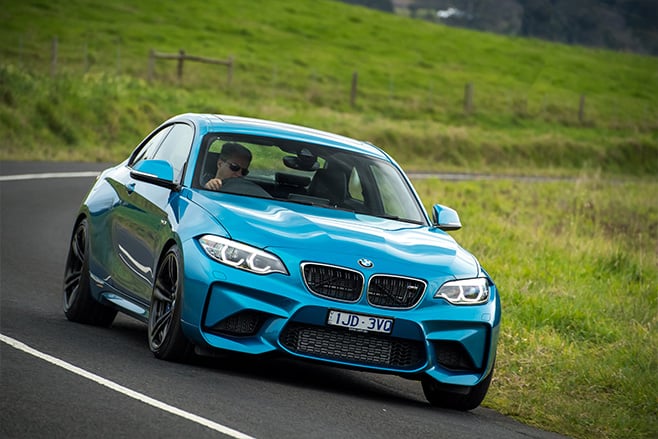
Its MDM setting is better judged than its bigger brother and it displays better body control, too, though doesn’t quite have the ride sophistication, particularly of a Pure on 19s rather than the 20s of our test car.
Having been jiggled around in the passenger seat for a few days, my girlfriend described the M2 as a teenage boy, a perfect metaphor for a car that’s an undiluted bundle of pure testosterone. In comparison, the M4 is a young professional that’s still addicted to the party lifestyle, but succeeds (just) in hiding it under a veneer of classiness.
Money no object, the M4 is the more exciting car – to drive and to listen to. In terms of pure pace (on the road, at least) and driving enjoyment, though, there’s a cigarette paper between them, and given the M2’s $45K price advantage it has to rank as one of the all-time performance bargains.
A truly mouth-watering proposition would be the M2 with the M4’s engine, which, funnily enough, is just what we expect from the forthcoming M2 Competition, set to appear sometime in 2018. It has the potential to be a truly spectacular car.
BMW M2 Pure specs
Engine: 2979cc inline-6cyl, DOHC, 24v, turbo Power: 272kW @ 6500rpm Torque: 465Nm @ 1400-5560rpm (500Nm overboost) Weight: 1495kg Gearbox: 6-speed manual 0-100km/h: 4.5sec Price: $93,300
BMW M4 Pure specs
Engine: 2979cc inline-6cyl, DOHC, 24v, twin-turbo Power: 331kW @ 5500-7000rpm Torque: 550Nm @ 1850-5500rpm Weight: 1585kg Gearbox: 7-speed dual-clutch 0-100km/h: 4.0sec (dual-clutch) Price: $139,900
VOLVO and Lotus are exploring how they can help each other in the wake of Lotus’s takeover by the Swedish car maker’s parent, Chinese car maker Geely.
Bjorn Annwall, Volvo’s global head of marketing, retail and strategy, told Wheels the two brands were investigating how they could swap technologies – Lotus is a renowned expert in lightweighting, while Volvo is a leader on hybrid drivetrains – to bring out a future suite of linked products that keep their distinct identities alive.
“As part of being in the same group, we are having organised discussions to see where there are technologies that make sense for both of us to share, and if there is a win-win ability to share, then we will share,” Annwall, in Australia recently for the Volvo Ocean Race stopover in Melbourne, said.
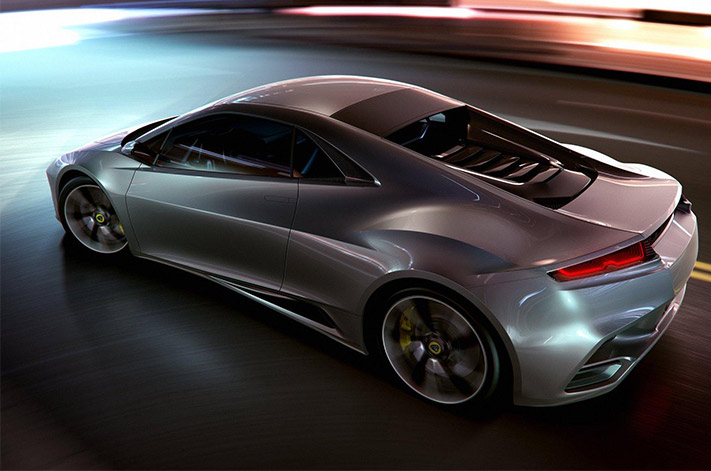
“I think Lotus is Lotus, and Volvo is Volvo,” Annwall said. “We have inherited a strong relationship with Polestar, so I don’t think that [a Tuned by Lotus-style marketing strategy] is likely.
“But also that’s up for Lotus to answer. But I think Lotus should probably focus on becoming the most Lotus that Lotus can be. Not to being a, you know, an endorsement for other brands; that’s not a sustainable way to build a brand.”
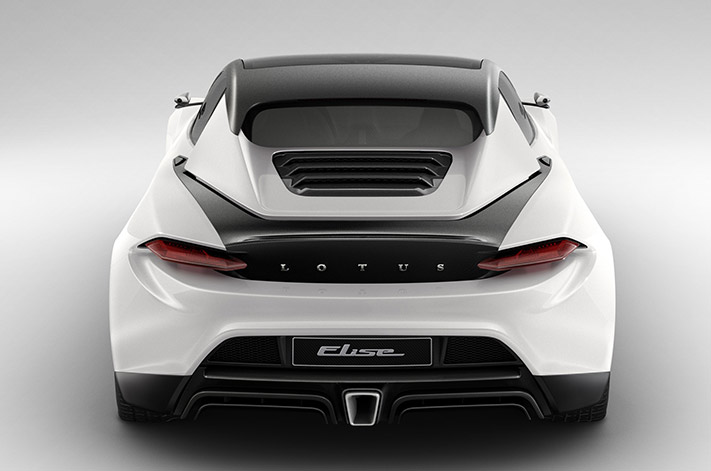
However, the company soon hit financial troubles linked to the conduct of then chief executive Dany Bahar, who was soon ousted from the position, and the plans for the aggressive new model roll-out were shelved.
The car maker currently relies on models including the Elise, launched in 1996, the Exige, launched in 2000, and the four-seat Evora, launched in 2008.
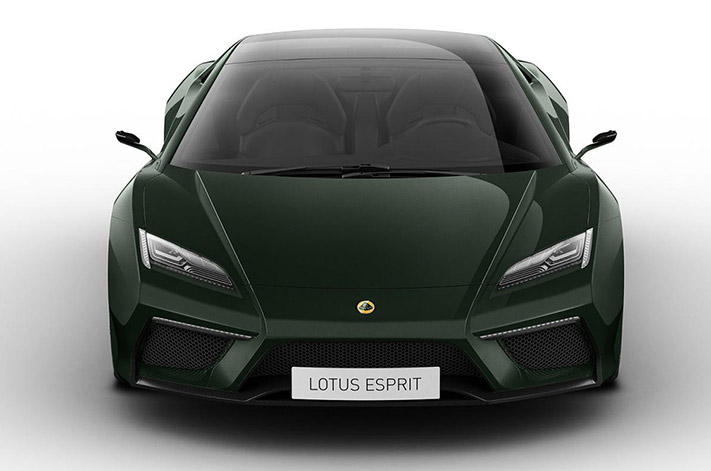
“I know another brand who has a fantastic heritage, proud heritage, that had run out of money and love, and that was Volvo in 2010, who got an owner with really great visions, great patience, and also great belief in the incumbent management team’s ability to bring the most out of their intrinsic brand that’s there,” he said.
“I see no reason why Lotus couldn’t become much more Lotus going forward, with infusion of a strong owner, some technology they will be sharing with the group, and a lot of the skills that they have there.
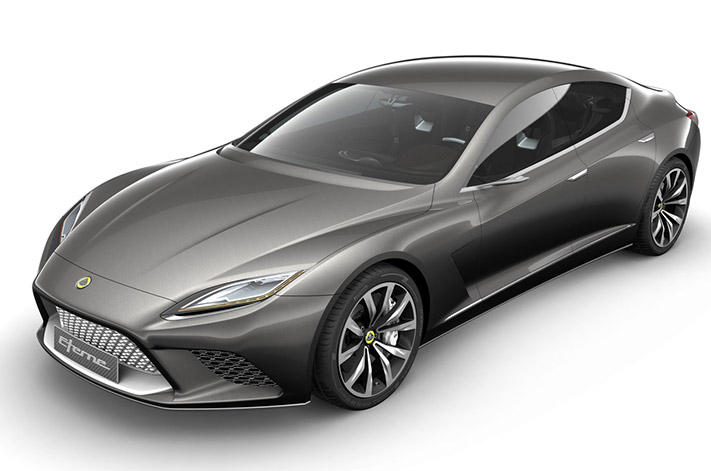
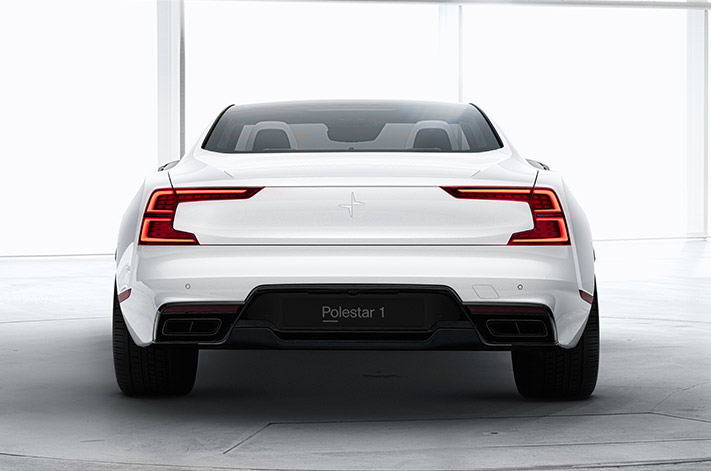
Volvo has plug-in hybrid engines and a battery-electric drivetrain it is developing for its Polestar brand, a resource that Lotus could potentially tap, while the Polestar 1 – the first hybrid performance car under Volvo’s new performance sub-brand – is the Swedish car maker’s first foray into lightweight carbon fibre-reinforced plastics, long an area of expertise for Lotus.
Volvo even admitted at the launch of the Polestar 1 in China last year – the four-seat coupe will be built there but won’t come to Australia as it will not be built in right-hand-drive configuration – that it had consulted fellow Swedish performance car maker, Koenigsegg, over how it could strip weight out of the traditionally heavy plug-in hybrid chassis it wanted to develop for the Polestar brand.
Volvo’s first car in Australia to offer a mobile phone-like ownership plan could also be the first to wrap micropayments around some of the features it will offer.
The Polestar 2, an all-electric SUV, is potentially due in Australia in 2019 and will be the first Volvo product – Polestar is now a performance-focussed sub-brand for the Chinese-owned Swedish car company, much like M is to BMW – to potentially offer a subscription model rather than traditional ownership.
It means rather than use the traditional model of selling a car to buyers who then need to plan for the extra cost of servicing, insurance, on-road taxes and even depreciation, Volvo will encourage Polestar to let customers use its product for one up-front monthly fee – a business model that’s very similar to a mobile phone plan.
However, Bjorn Annwall, Volvo Car’s global head of marketing retail and strategy, told Wheels the subscription model would also allow the car maker to charge small amounts of money for added on-services and features that customers would only occasionally use.
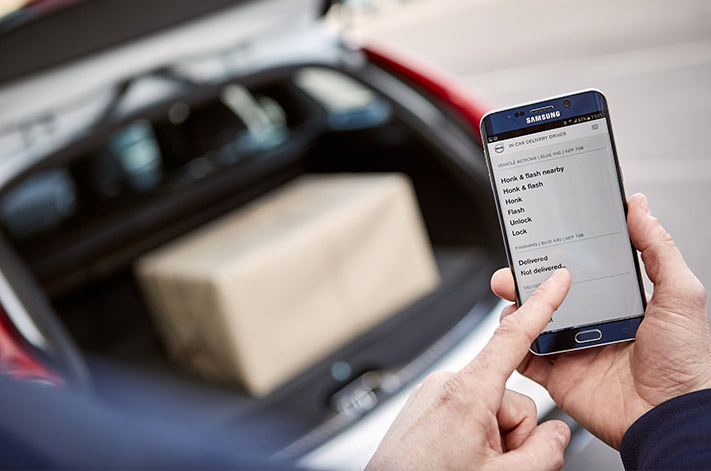
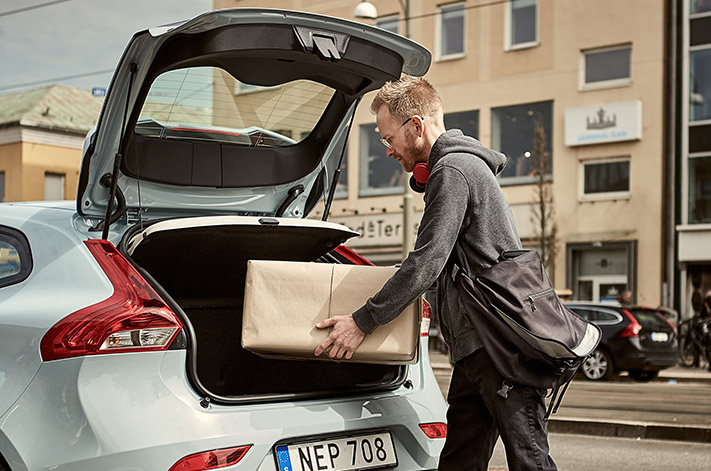
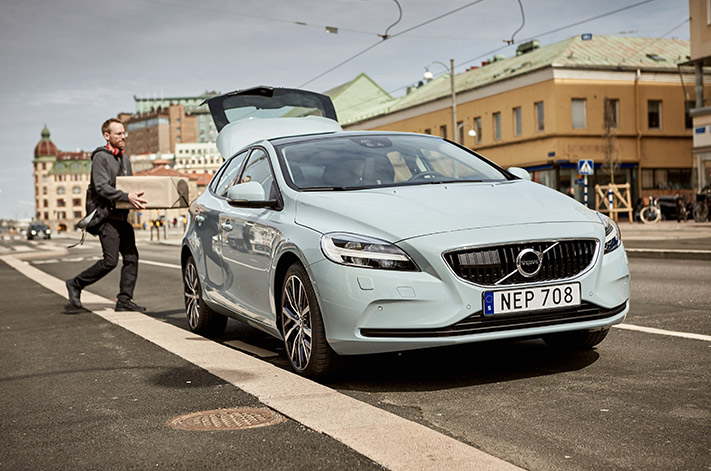
In Australia as part of the recent Volvo Ocean Race stopover, Annwall used in-car parcel deliveries, already common in Sweden and a growing feature in the US, as one service that could one day be monetised. The service allows delivery companies to access a vehicle’s boot for parcel drop-offs by remotely releasing the bootlid, saving the customer a trip to a delivery centre during working hours.
“That [service] right now is free of charge,” Annwall said. “That’s a very good service. If we feel that use is going to come up and up and up, eventually if we feel that is something we want to make money out of, of course I can think of 10 different ways to get revenue streams from that, but that’s not my first question.
“My first question is which use case are consumers truly valuing, what are the friction points in that service that’s in there that we need to take away – we have to understand that and so for them to make the service better and better.
“And then in the end, yes, if thousands of consumers use it every day, I don’t think getting a payback on that investment would be a problem.”
He said the launch of the Polestar sub-brand late last year – previously the Polestar name was only attached to more performance-honed Volvo-badged cars – allowed the Swede to rethink how it could make money from its products.
“If you take a step back, if you were a Google or an Apple or an Amazon and you thought about this problem, you wouldn’t start with how should I charge, you would start and charge for this service,” he said.
“You would start with ‘how would I make a damn good service that a lot of consumers want’, then you drive adoption of that so you get a lot of consumers to benefit from it, then you add a monetisation model in the end so you get some benefit from it.”
Annwall said the car maker would test the market with services and features “that consumers truly value” before ruling them out.
“Once I feel I have something that consumers truly value, I’m going to charge for it,” he said. “When I have things consumers don’t value, I won’t charge for it. But the best way to learn is to have consumers start using it.”
However, one thing Volvo was unlikely to do was charging customers to unlock performance potential from their vehicles – so-called electronic sandbagging that allows car makers to sell different versions of identical vehicles based on their state of tune.
Change is coming
One thing that Annwall believes is that the traditional sales model for cars – selling the vehicle cheaply and making most of the revenue from servicing – is overdue for change.
“We sell the cars and then you have lots of revenue from the aftermarket, and I think that model has been pushed very hard, some would argue too hard,” Annwall said. “I think a good model is this typical one where it is transparent to consumers – that’s one of the real benefits of subscription.
“You only pay once and then you get the insurances, the taxes and services included, and it’s also fixed price. So this whole negotiating element with retailers that some people love, and some people dislike, goes away.”
One of just 292 examples of Porsche’s legendary 959 is up for sale, right here in Australia.
More specifically, it’s in Melbourne, on the showroom floor of Lorbek Luxury Cars.
This 30-year-old porker is sitting patiently awaiting its new owner having been driven only 21,165km in its lifetime.
And it’ll need to be patient, too. It’s wearing a $2,495,000 price tag. Lorbek says it was imported to Australia in 2015 from Spain, where it was sold new.
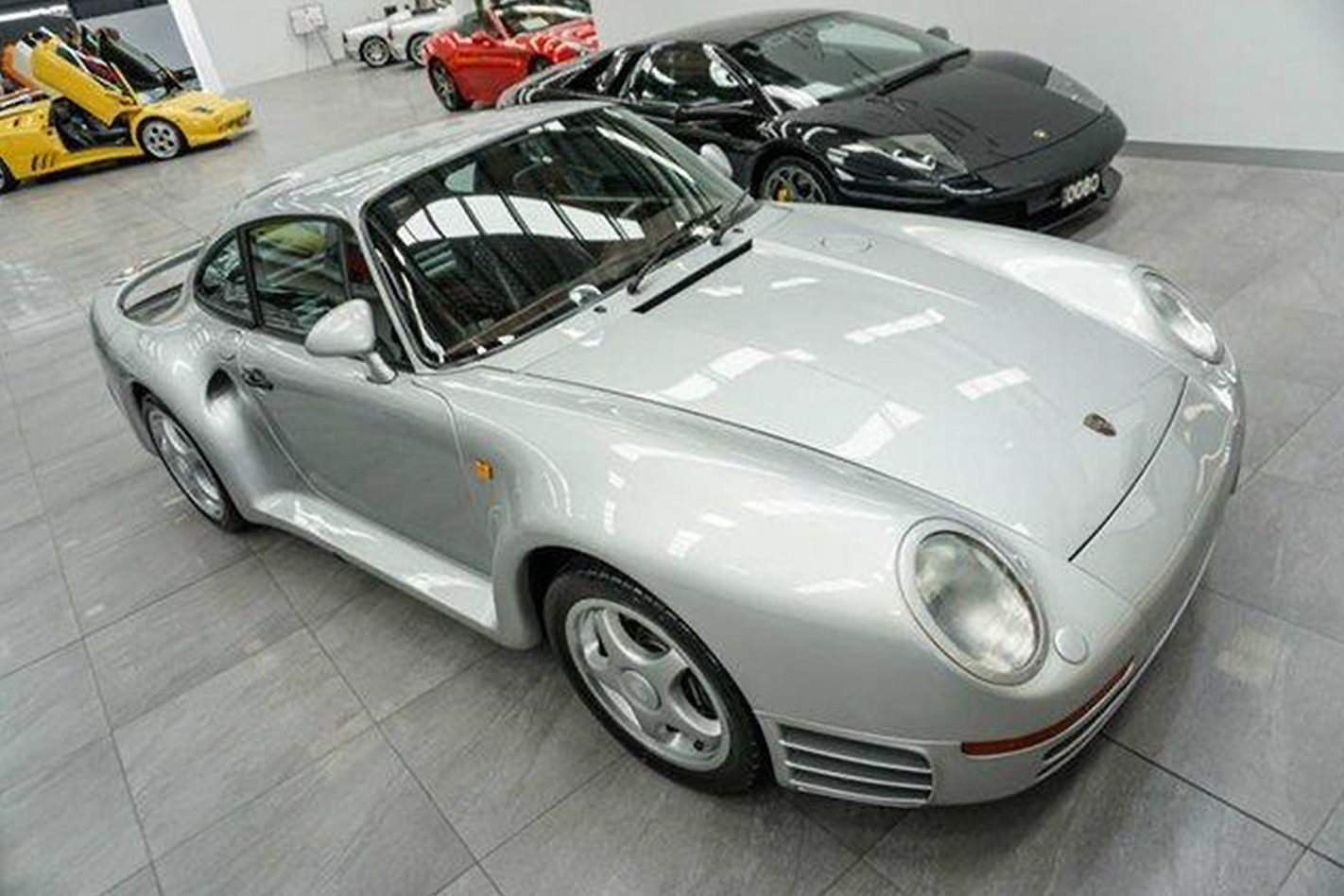
The 959 gained its legendary status almost immediately by being inspired by Group B racing, then going on to become a ‘record-breakingly’ fast car. Its top speed of 317km/h made it the fastest production sports cars at the time.
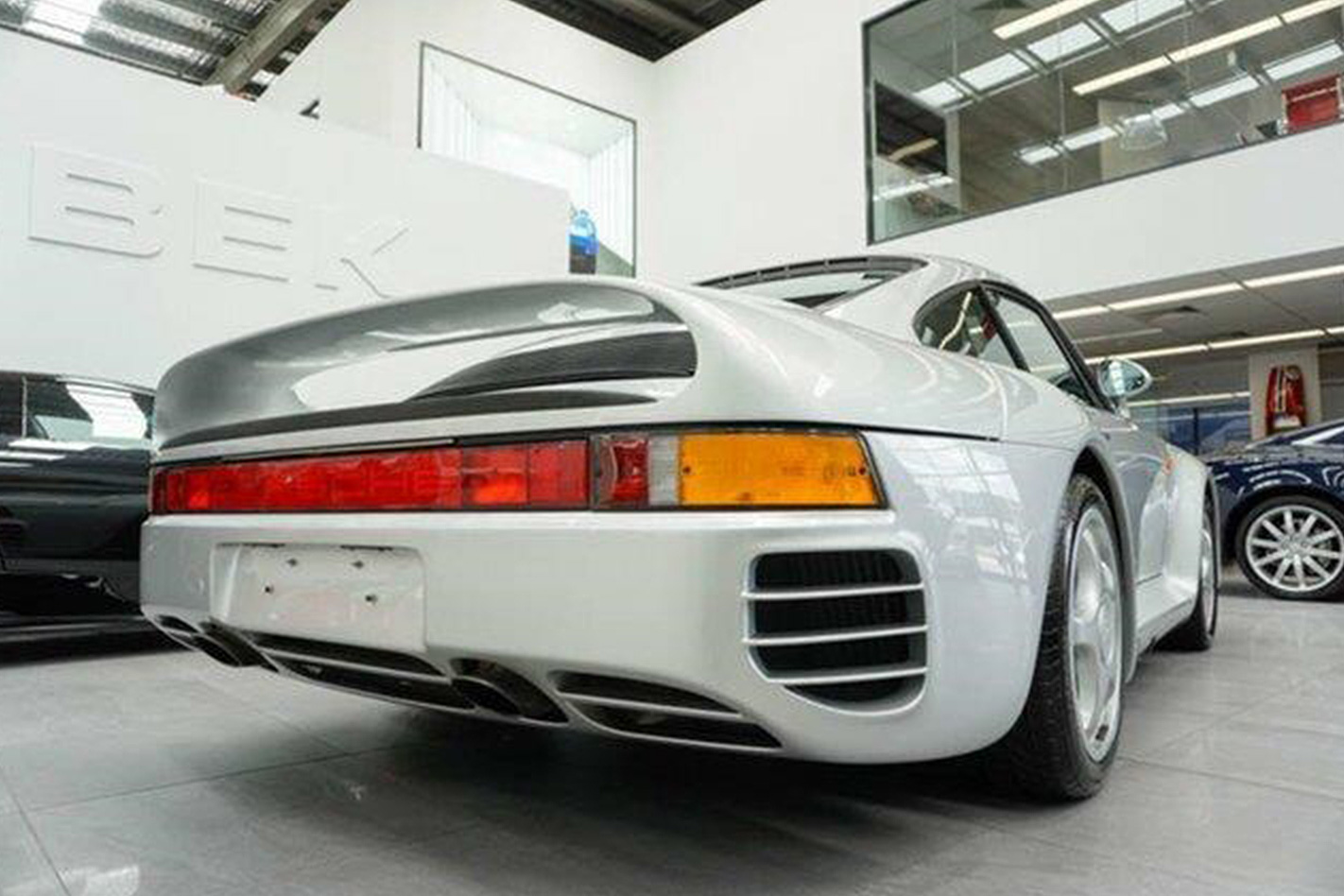
In addition, its all-wheel drive system means it has the grip to put its power down ruthlessly, and it only came in six-speed manual – just for that extra purist appeal.
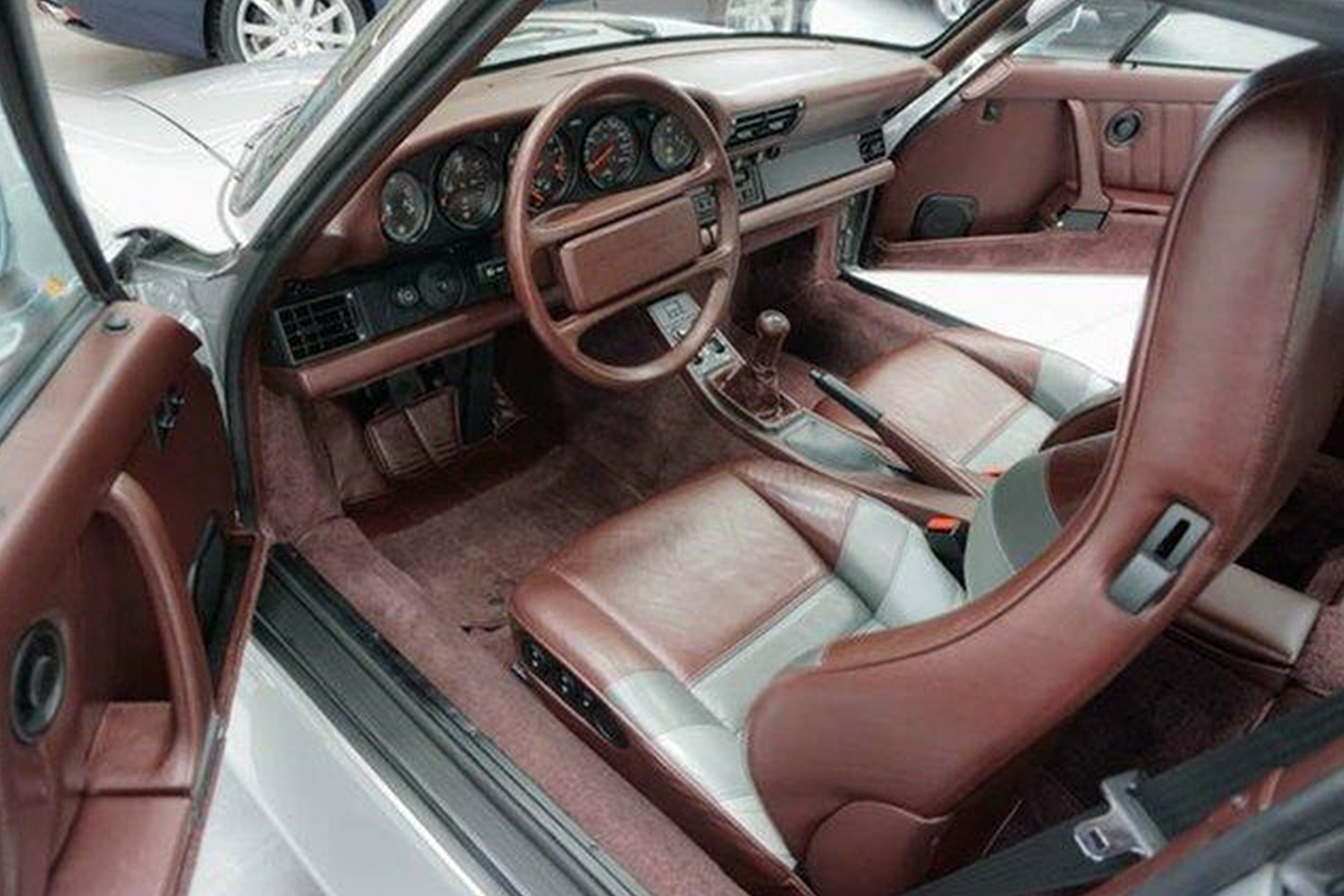
In addition, its electronically controlled trans-axle AWD came from the Porsche 953 which found success in the 1986 Paris-Dakar rally.
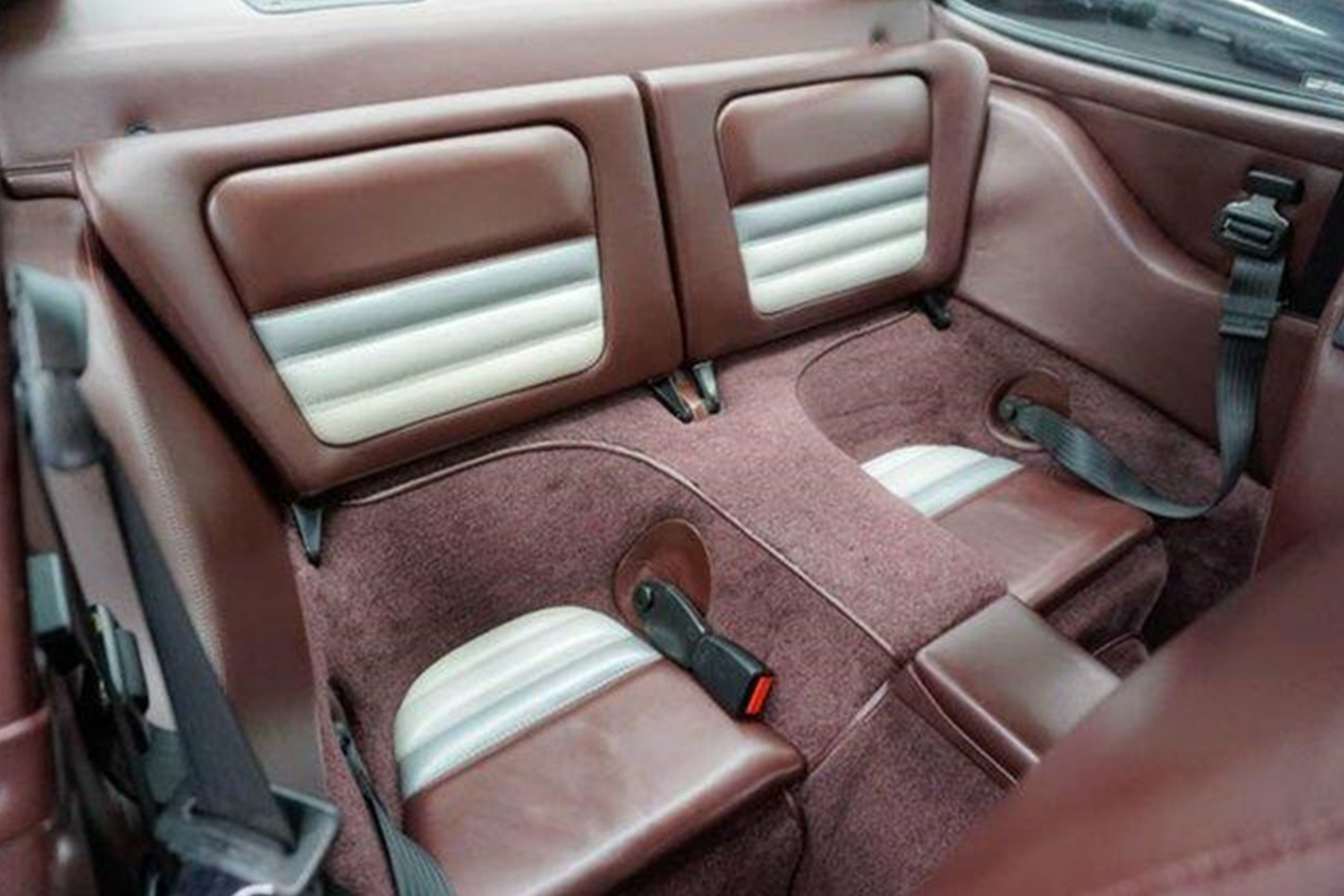
So if you do happen to find yourself the new custodian of this car, make sure you bring it by the MOTOR office. Please?
