
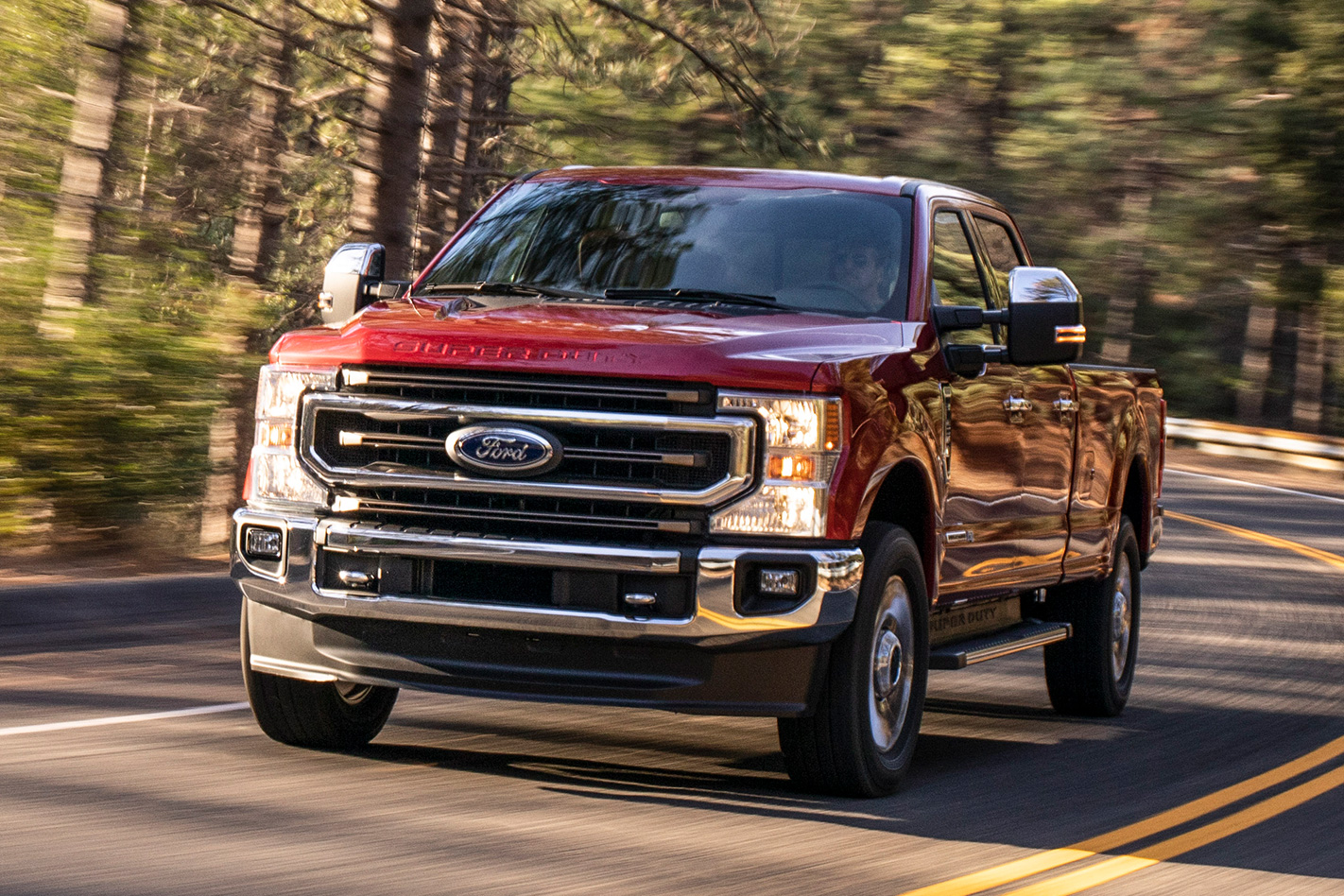
Like all groundbreaking concepts, understanding exactly what the Ford Ranger Super Duty is takes a moment or so. It’s tempting to think of it as a Ranger that can tow 4500kg, but to merely position it in such a way does the engineering behind this vehicle an injustice. And besides, Ford already had a vehicle in its line-up, the F-150, that performs that function quite adequately.
What no other vehicle in the Aussie market does right now is combine three particular attributes: the ability to tow 4.5 tonnes, rugged off-road ability and all of that while retaining a useful payload. Plenty of utes offer two of those qualities but nothing delivers on all three. Ford knew this because numerous fleet operators in forestry, in mining, in rail and in firefighting told them so.
To date, in order to fulfil those requirements, fleet operators had to go to the aftermarket, utilising multiple third-parties in order to custom build a vehicle that fitted their demands. This increased the cost of the vehicles and the complexity of fleet management, so it made all sorts of sense for Ford to offer them a single point of contact.
As the concept for the Ranger Super Duty was fleshed out, Ford also realised that a vehicle of this ilk would likely appeal to private buyers, especially those who were into overlanding or adventure touring, at the same time avoiding stepping on the toes of the existing Ranger Raptor or the facelifted F-150.
We got the chance to look at a pre-production prototype at Ford’s Broadmeadows facility but, given that the Super Duty’s not set to be released until next year, full specifications, especially around power, torque and pricing, were not available.
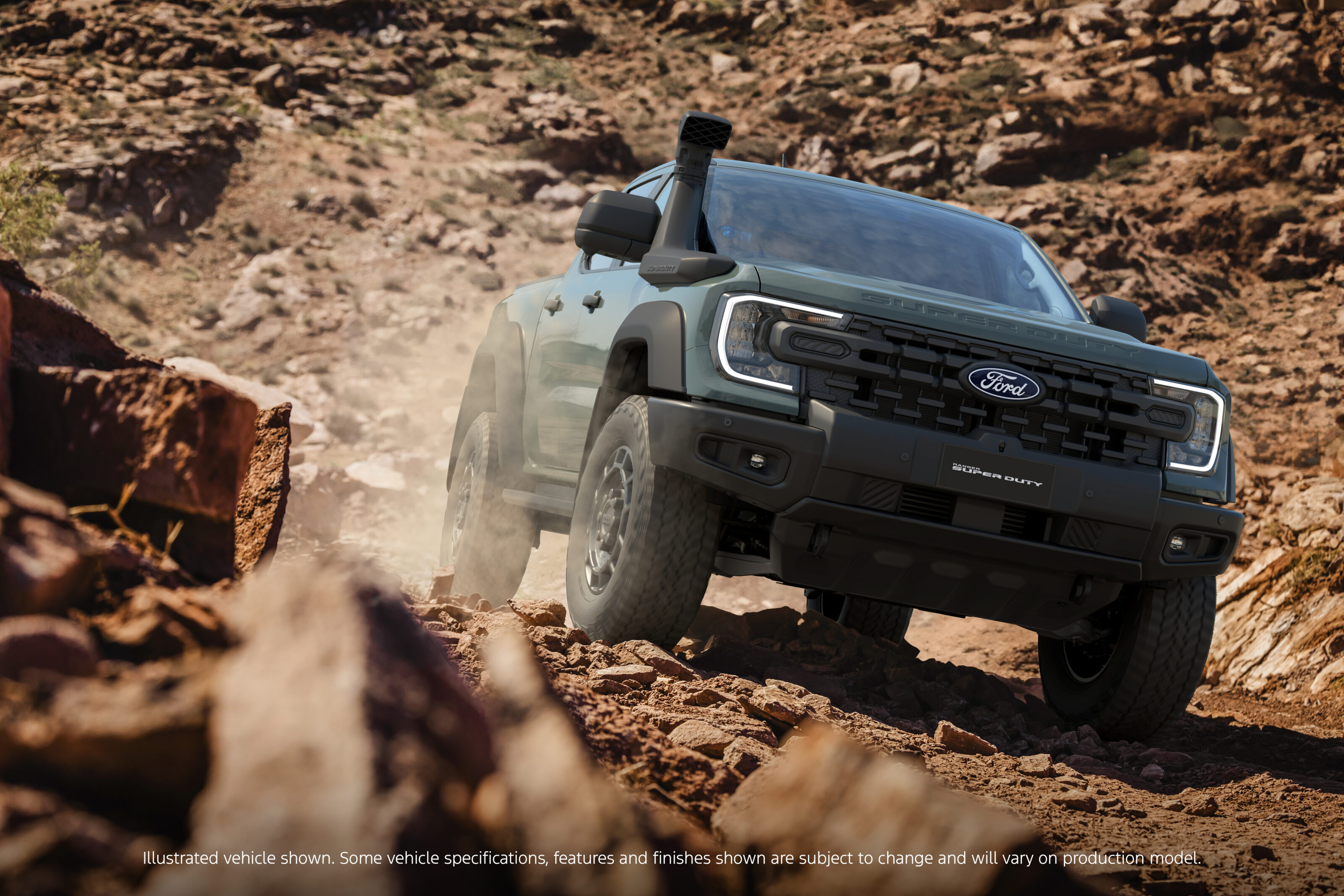
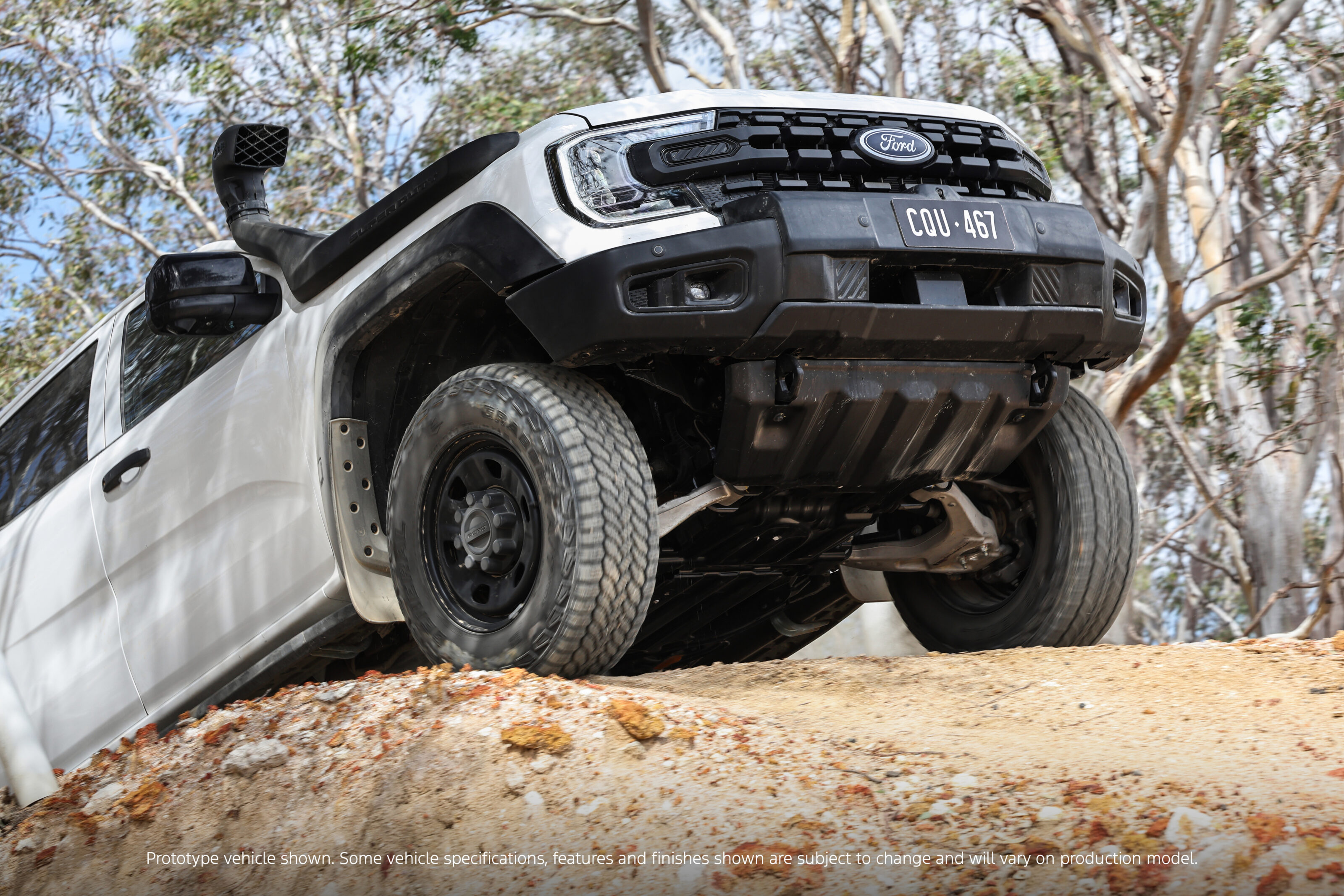
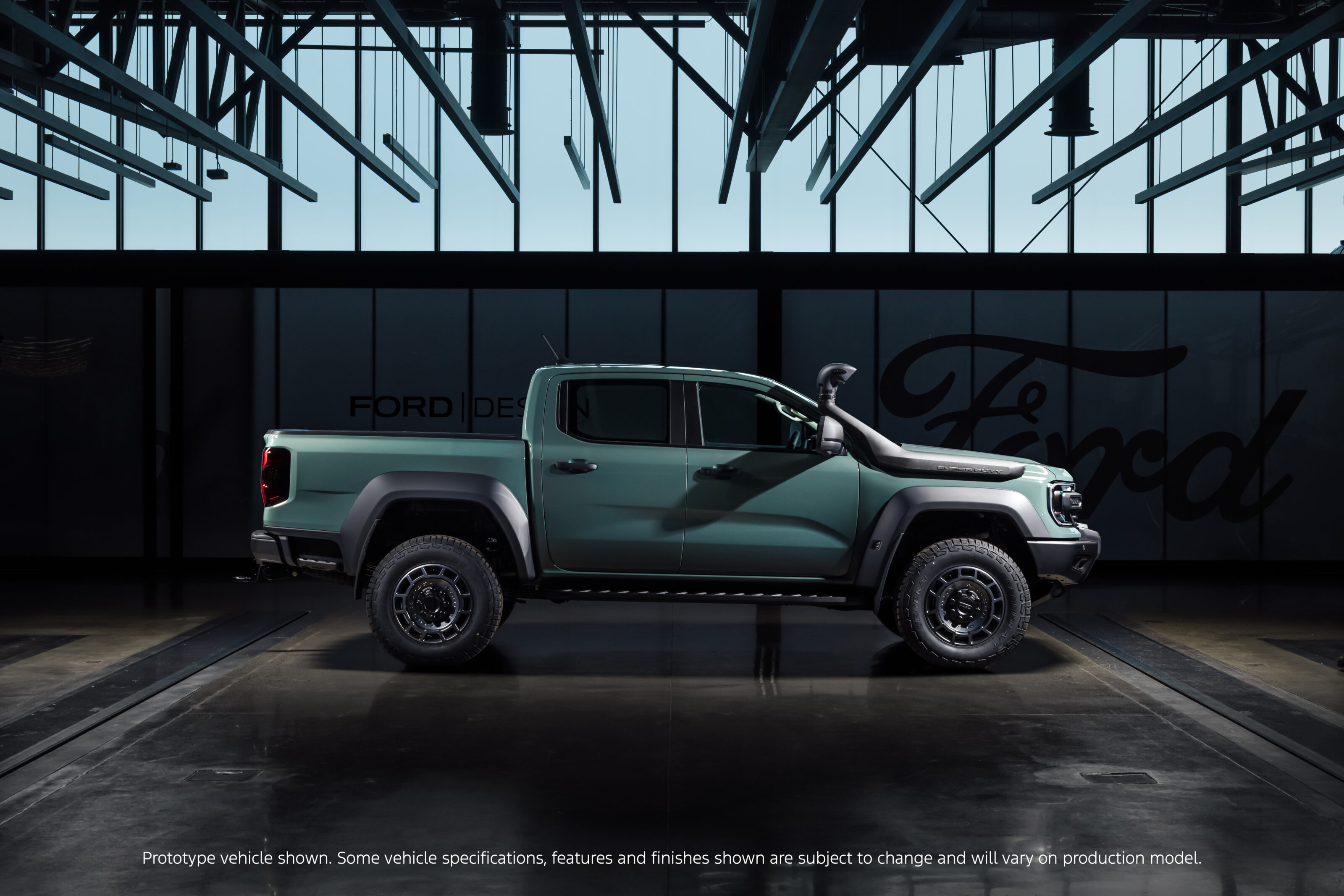
The first thing that strikes you is that it has some serious presence, and looks like no existing Ranger. The squared-off wheelarches smack more of a Hilux special edition than the rounded treatment we’ve become used to on the P703 Ranger, and the Raptor’s track width and added ride height give it a no-nonsense stance. The standard-fit snorkel is part of a whole suite of changes to bring wading depth up to 850mm (50mm above the normal Ranger), while the eight-stud 18-inch wheels – shod with 33-inch all-terrain tyres – are increased in size to house the bigger brake discs and calipers.
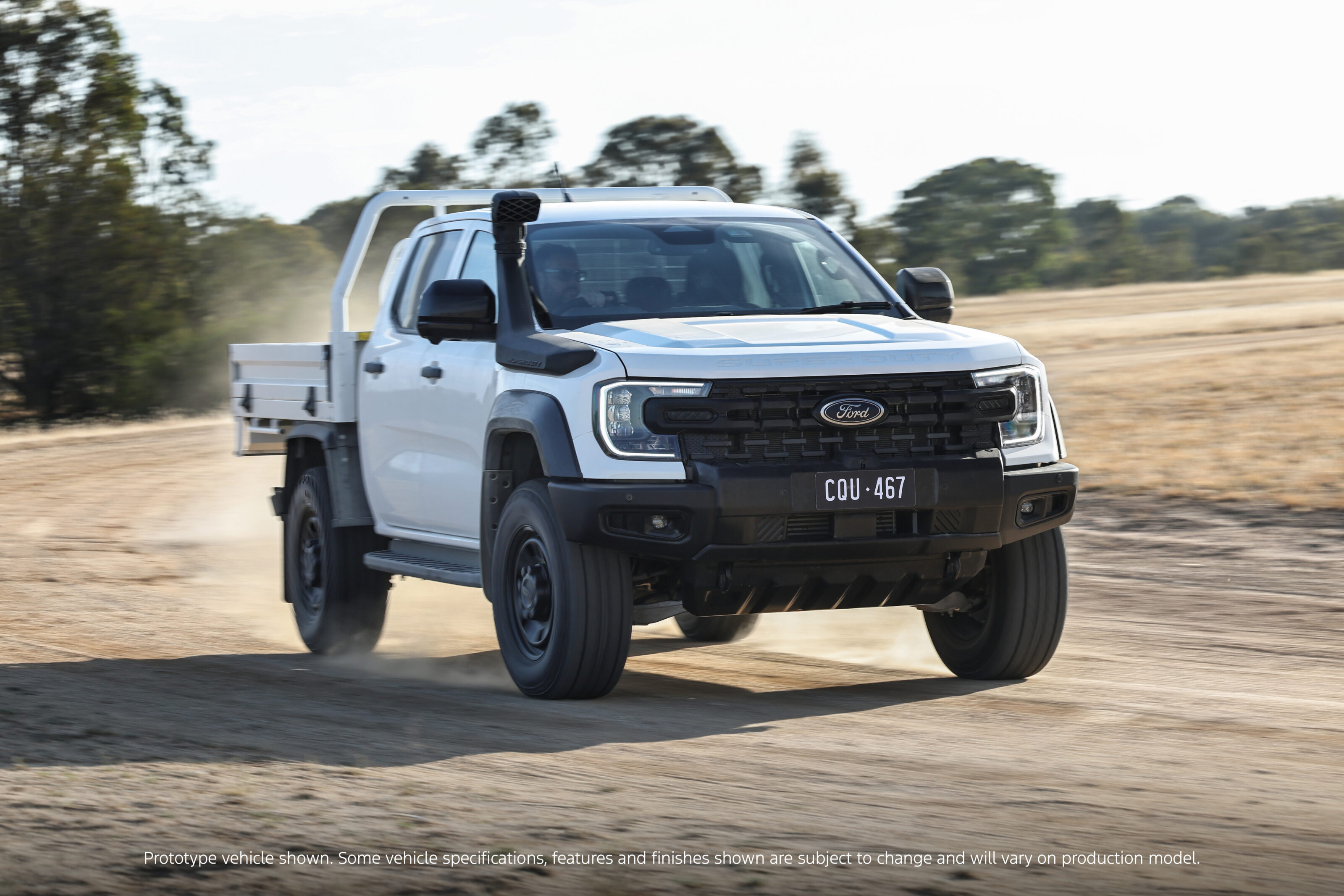
The grille has been redesigned to allow better through-flow of air, there’s a meaty steel front bumper, dual-rated, frame-mounted front and rear recovery hooks, bigger door mirrors, a unique steel tray, composite heavy duty side steps and screw-fitted mud flaps. The bonnet has been redesigned for the Super Duty – the first non-F truck to wear that particular badge – and features more contoured shaping and a raised leading edge with the Super Duty badging embossed into it.
It’s under the skin that the serious work has been done though. Ford targeted a Gross Vehicle Mass (GVM) of 4500kg, a braked towing capacity of 4500kg and a Gross Combination Mass (GCM) of 8000kg. What this means in practice is that the Ranger Super Duty can tow its full 4.5-tonne quota and still retain a tonne of available payload. A real world application of the massive GCM rating is that the Country Fire Authority’s Land Cruiser firefighting water tanker is rated to carry 400 litres, whereas a Ranger Super Duty build is capable of hauling a tonne of water to hard-to-reach off-road fire hotspots.
As well as heavier duty suspension, the Ranger Super Duty has better ground clearance and improved approach and departure angles compared with normal Ranger models. There’s a long range 130-litre fuel tank and extensive steel underbody protection that runs from the engine to the rear differential. Front and rear diff locks, an upgraded ‘jumbo’ diff, new transfer case, axles and driveshafts, redesigned engine mounts, reinforced wheelarch liners and a 25 per cent more effective cooling fan are all standard-fit items.
The Super Duty also features four-wheel on-board scales so that users can monitor how close they’re coming to Gross Vehicle Weight Rating, and a smart hitch also displays downball load, allowing those who tow to redistribute loads for increased safety.
Ford’s being somewhat coy about power and torque, but the existing 3.0-litre V6 turbodiesel and 10-speed automatic transmission carry over, albeit with new calibrations that prioritise torque response. The prodigious wheelslip torque of the Super Duty required the upgrading of the rear differential.
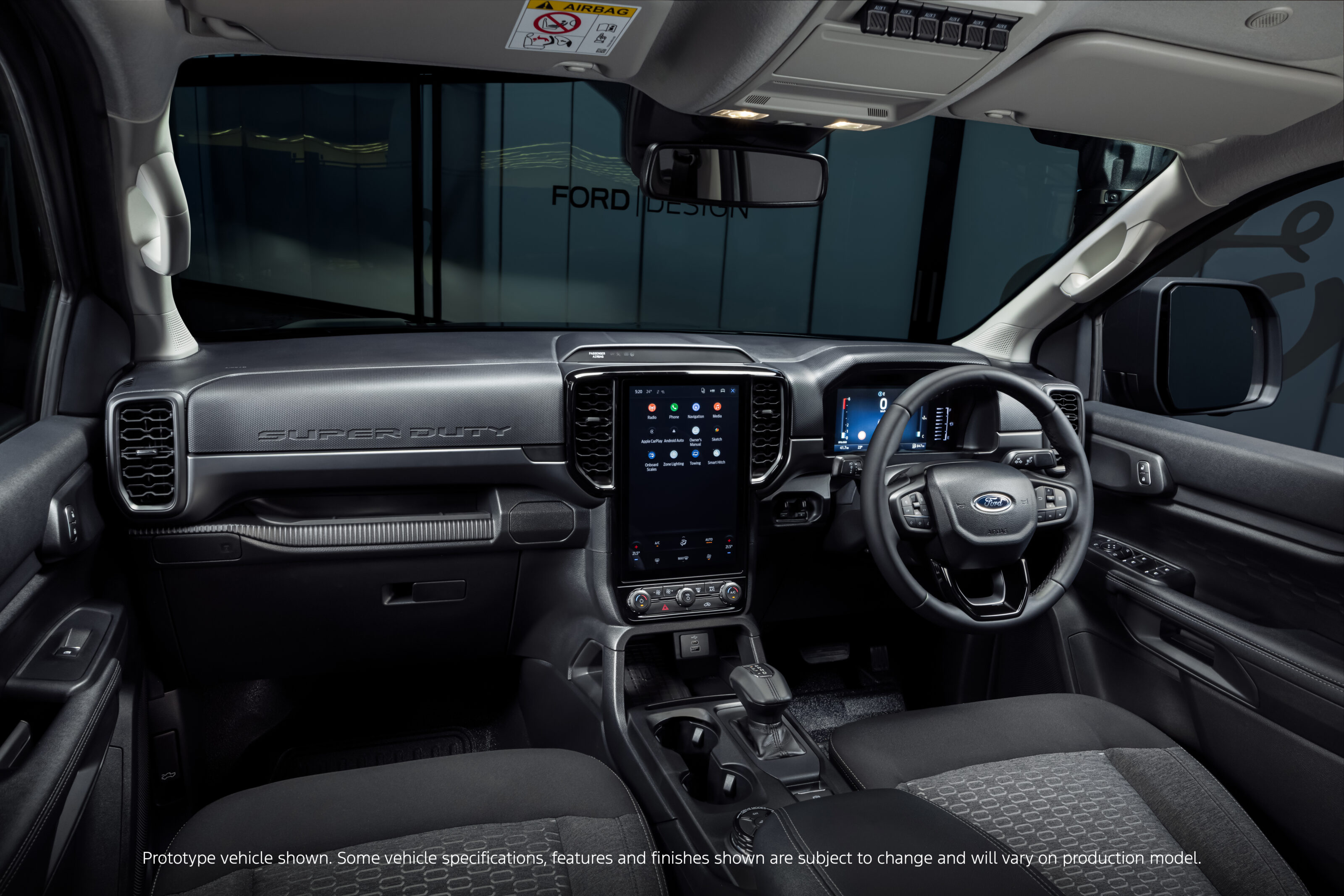
Ford has endeavoured to transfer as much of the Ranger’s safety tech to the Super Duty and the rear end features a Driver Assist Technology bar, enabling rear park assist, blind spot detection with and without trailers and a 360-degree camera. The cabin features vinyl flooring (a luxury pack will be offered to retail customers) and a bank of auxiliary switches.
The company has worked hand-in-hand with Australian suppliers, with an ARB front bar to be offered and a 12,000kg rated winch. Conversion warranty periods will be aligned to Ford’s warranty duration. Existing Ranger canopies will fit on an identical rear box line, and the Thai-built Super Duty is set to be offered in single cab chassis, super cab chassis, double cab chassis and double-cab pick-up bodies. Buyers will get a choice of three colours: Arctic White, Seismic Tan and Traction Green.
Pricing? We suspect this one’s not going to be cheap, given the amount of work that has gone into it and the niche nature of the market, but then most expected the Ranger Raptor to be a niche product before it burst into the mainstream. The Ranger Super Duty could well follow suit. We’ll learn more when we get behind the wheel of it later in the year.
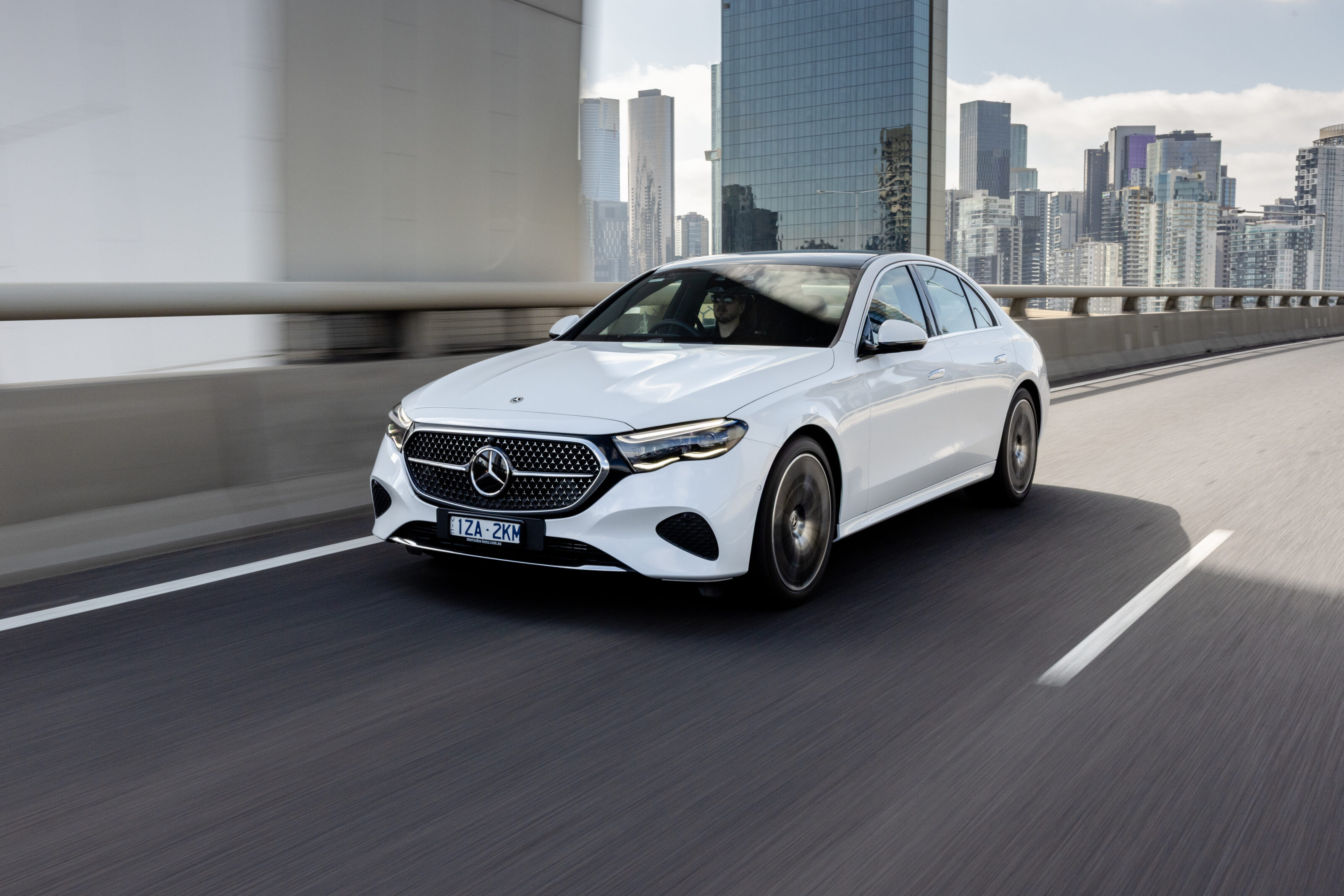
Mercedes-Benz has added a new entry point to the E-Class large sedan range, with the E 200 now on sale in Australia and sitting below the E 300 and AMG E 53 variants already on sale.
Priced from $117,900 plus on-road costs, the E 200 is priced $14,100 less than the previous entry point E 300, which is now the mid-range variant in the E-Class range.
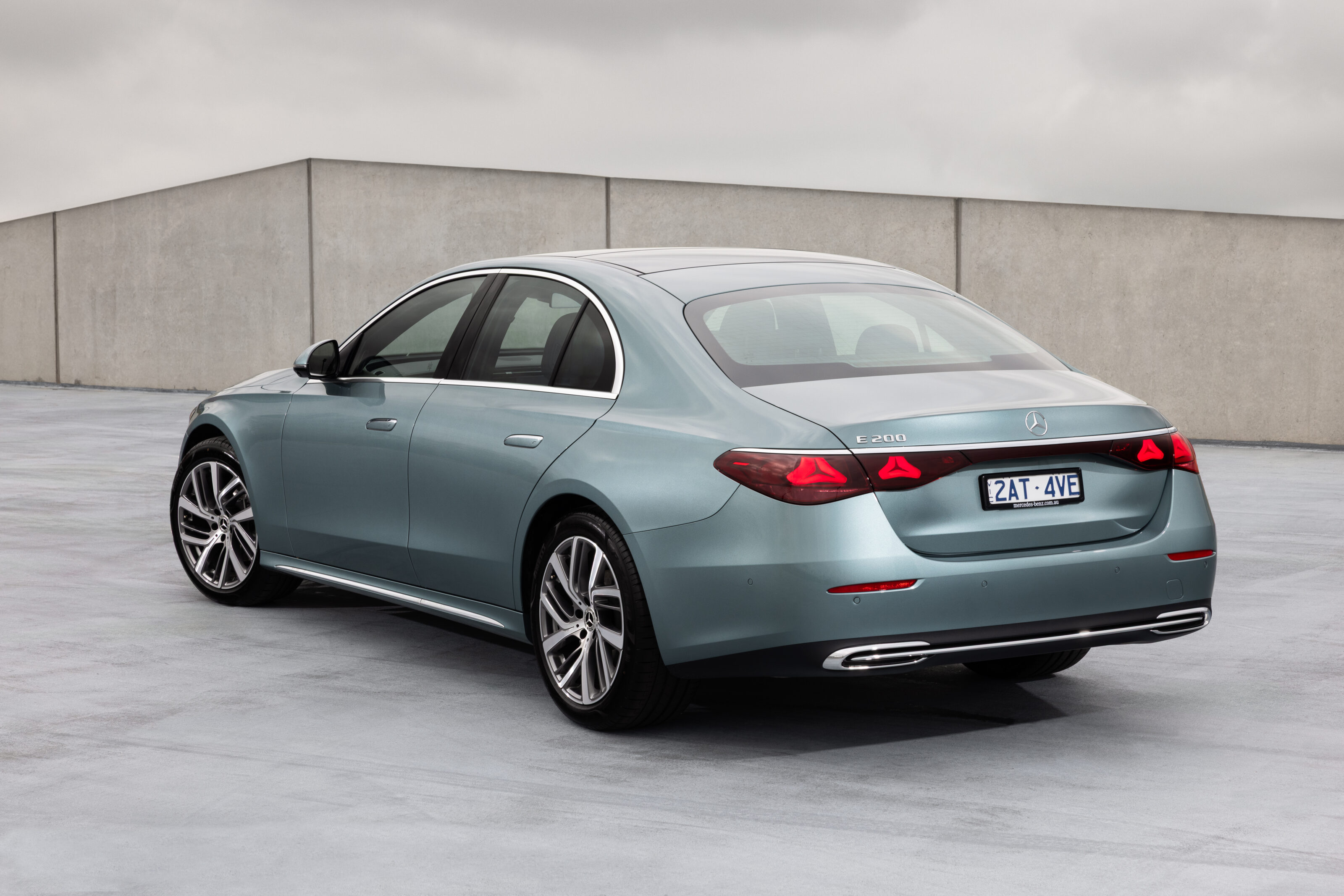
Despite being the entry point to the E-Class range, standard equipment in the E 200 is healthy with features such as the Avantgarde exterior with 20-inch AMG wheels, digital light headlights with adaptive high beam, open pore black ash wood trim and the brand’s ‘Artico’ synthetic leather trim in black.
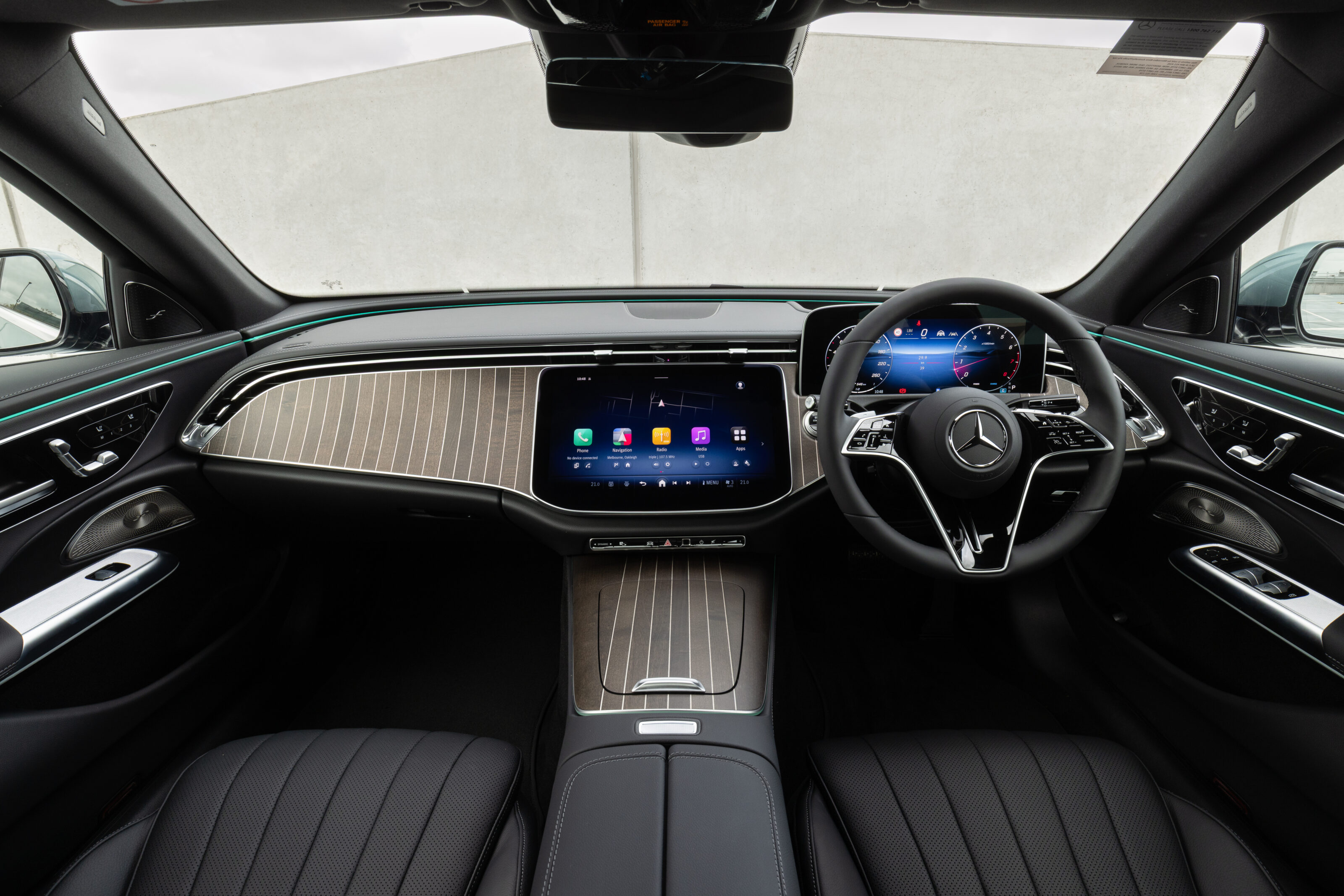
Inside, the cabin further features electric front seats with lumbar adjustment, a nappa leather steering wheel and dual-zone automatic climate control.
A 14.4-inch touchscreen with the brand’s ‘MBUX’ infotainment system is supplemented by a 12.30-inch digital driver’s display. The touchscreen features an inbuilt eSIM for live services, as well as Apple CarPlay and Android Auto and augmented reality satellite navigation. A 730 watt 17-speaker Burmeister sound system is also standard equipment.
The E 200 is also well equipped for safety features including 10 airbags, adaptive cruise control and blind-spot monitoring.
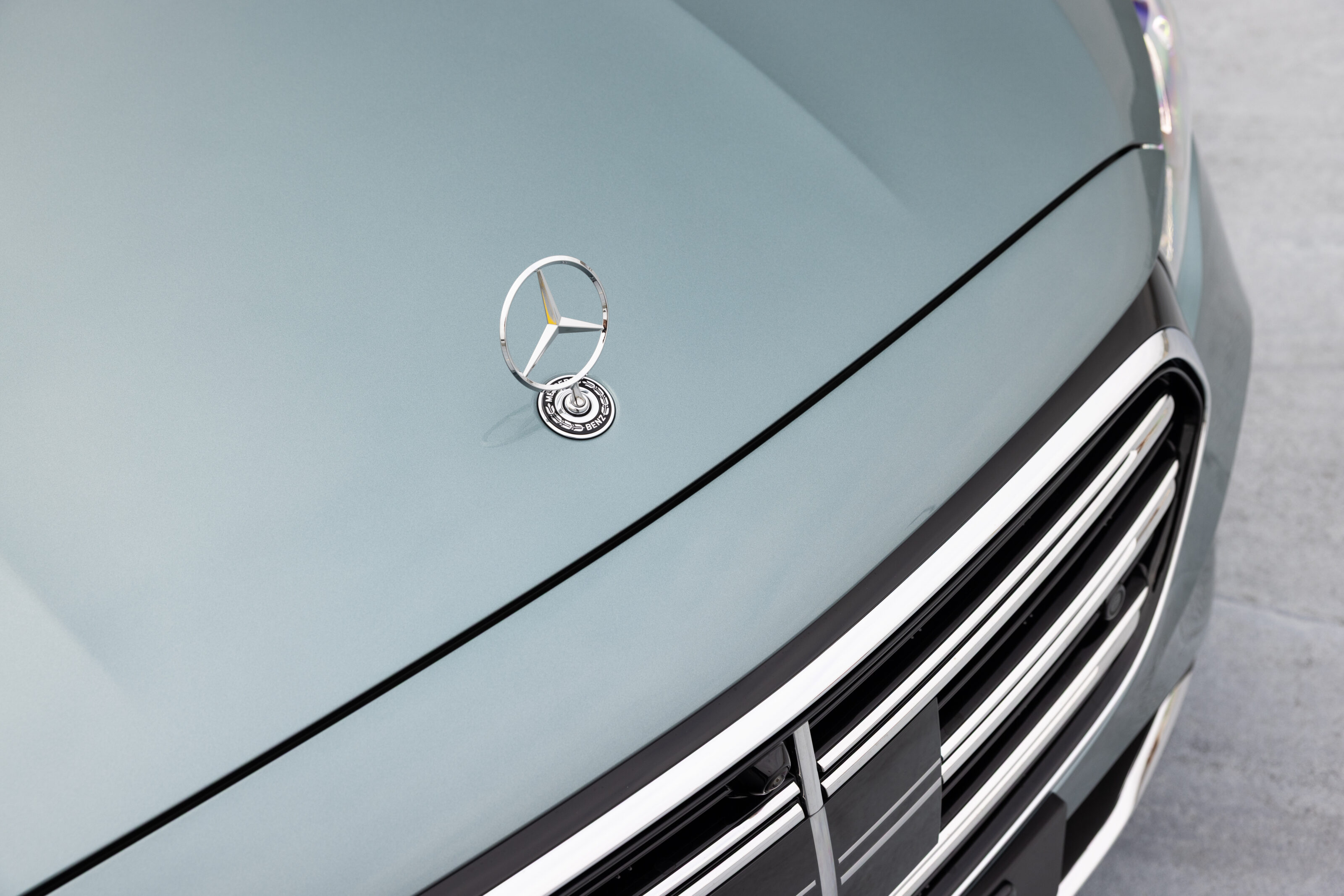
Buyers wanting more personalisation for the E 200 can choose the no-cost extra Exclusive Line with the upright Mercedes star on the bonnet, classic Mercedes radiator grille with three horizontal double louvres and grey 19-inch multi-spoke light-alloy wheels painted in grey. On the inside, brown open-pore maple wood trim element with aluminium lines features.
There is also an available Comfort Package with leather upholstery in three colour options – black, beige and brown – and ventilation and heating for the front seats.
Under the bonnet of the E 200 is a 2.0-litre turbocharged four-cylinder petrol engine mated to a 48V mild-hybrid system that can contribute an extra 17kW/205Nm when needed for total outputs of 150kW of power and 320Nm of torque – 40kW/80Nm less than the E 300.
As with the more powerful E 300, the E 200’s power is sent to the rear wheels via a nine-speed automatic transmission and the NEDC claimed fuel consumption is 7.2L/100km.
The E 200 is on sale now, with local deliveries to commence soon.
Things we like
- Excellent safety equipment list across the range
- Modern and feature-packed cabin
- New infotainment system an improvement
Not so much
- Powertrain’s starting to feel a bit dated
- Huge range can get confusing
- Manual available only on base SX
How comfortable and practical is the Isuzu D-Max?
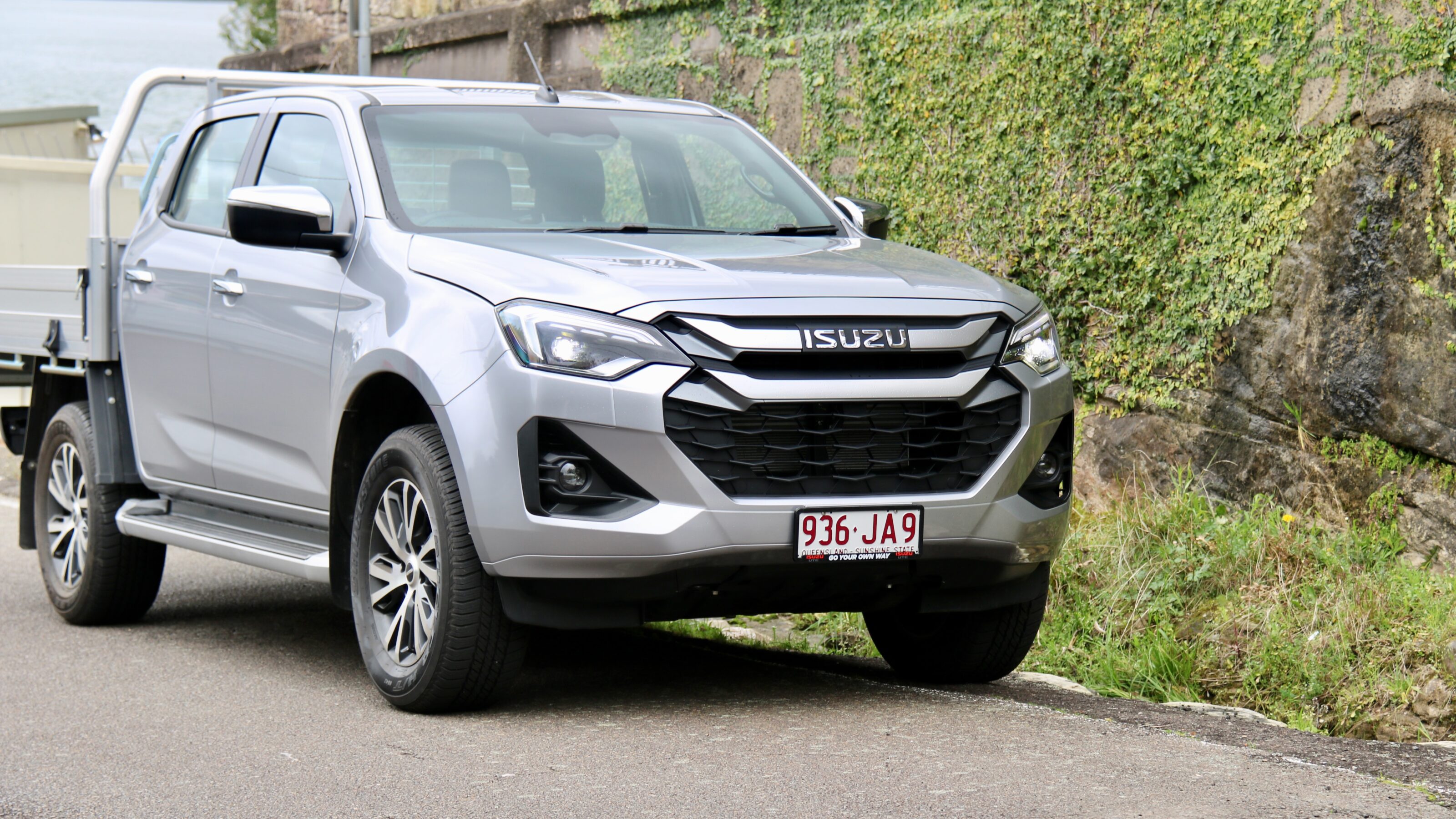
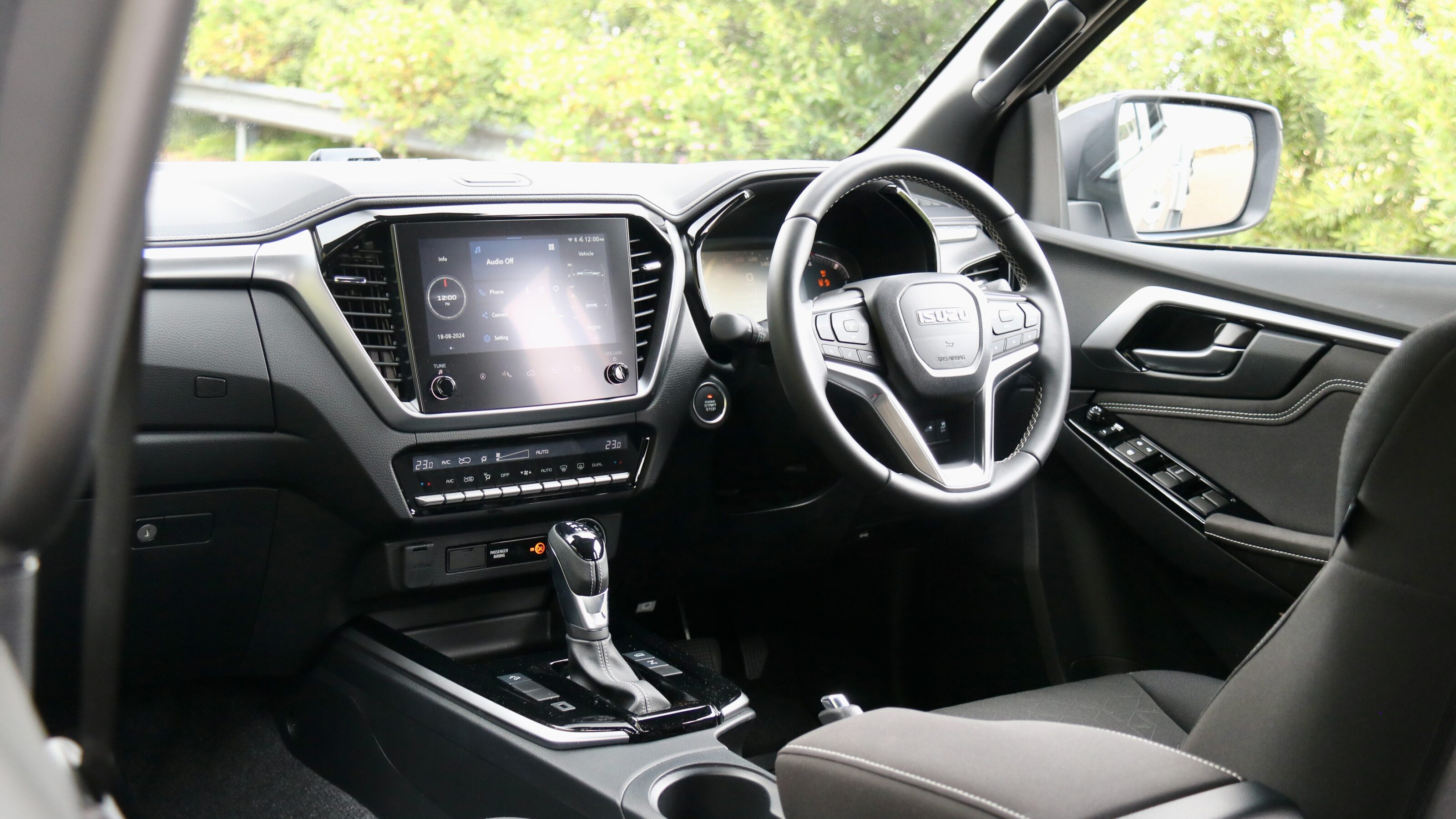
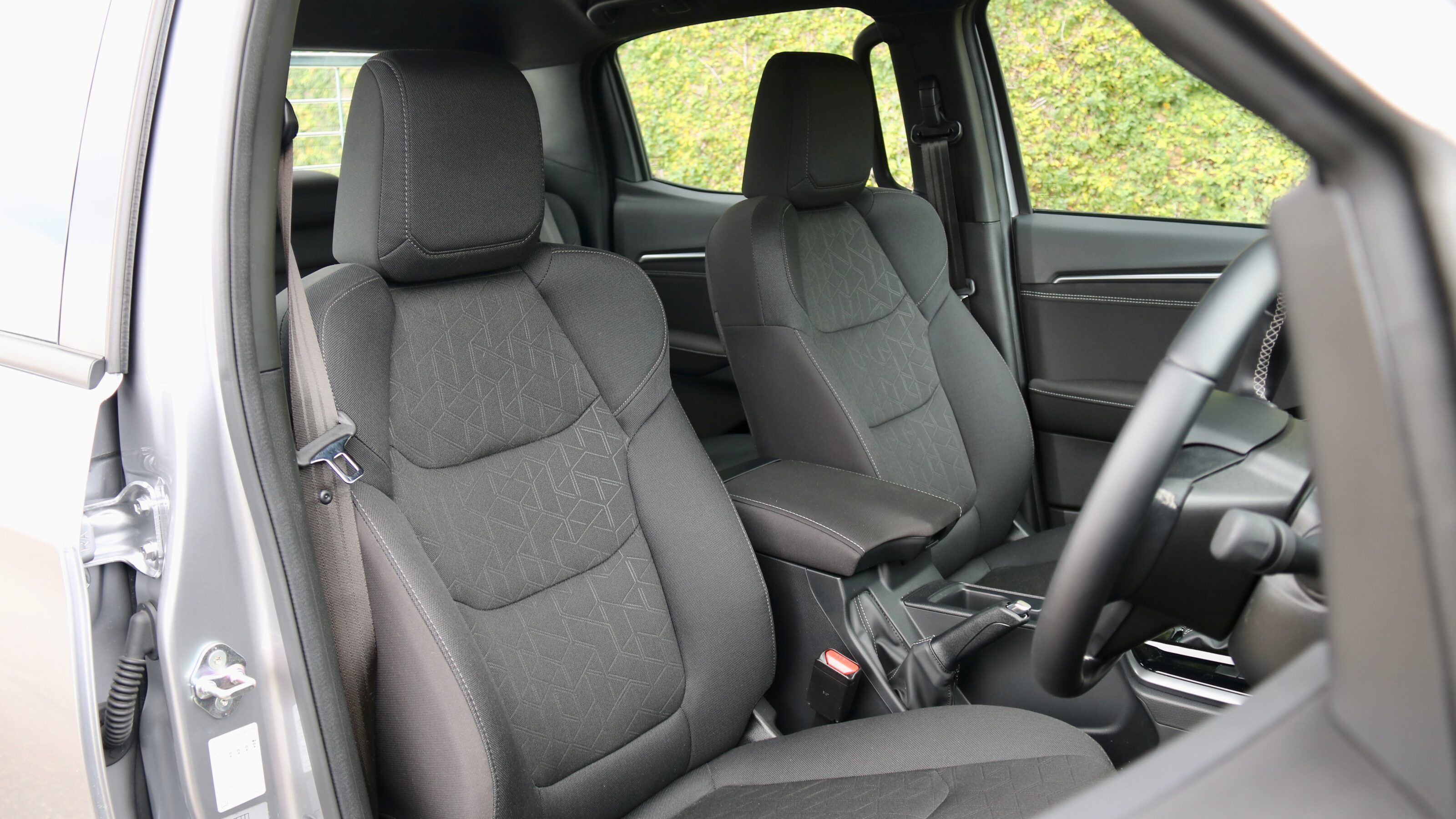
The current shape D-Max impressed with its modern cabin when it launched locally in 2020, and even five years on against some newer competition, it’s still a good place to spend some time. The materials used are reasonable quality and hard wearing, while the new touchscreen software is easier to use and the digital driver’s display on upper-spec models also makes the cabin feel more modern.
Centre of the cabin is a new 7.0-inch or 9.0-inch (depending on model) touchscreen with a new layout that’s far easier to use than before. The screen is brighter too, and while it can be a bit slow to respond to touch, it’s well appointed with wireless smartphone mirroring and satellite navigation on higher-spec models. The eight-speaker sound system on the LS-U and above is surprisingly punchy and even has speakers in the roof.
The D-Max’s cabin features a good amount of storage space, including reasonable door bins, big cup holders in the centre console, a dual-level glovebox and pull-out cup holders on the dashboard on upper-spec models, a box underneath the central armrest and a tray ahead of the gearbox. Seat comfort is reasonable though the seats are a bit flat. The rear seat of the D-Max is comfortable and spacious for the segment, and brings handy features like air vents, a USB port, seat pockets, door pockets and a central armrest with cupholders. The seat can fold up or down to increase practicality, with storage available underneath the seat base.
How big is the Isuzu D-Max?
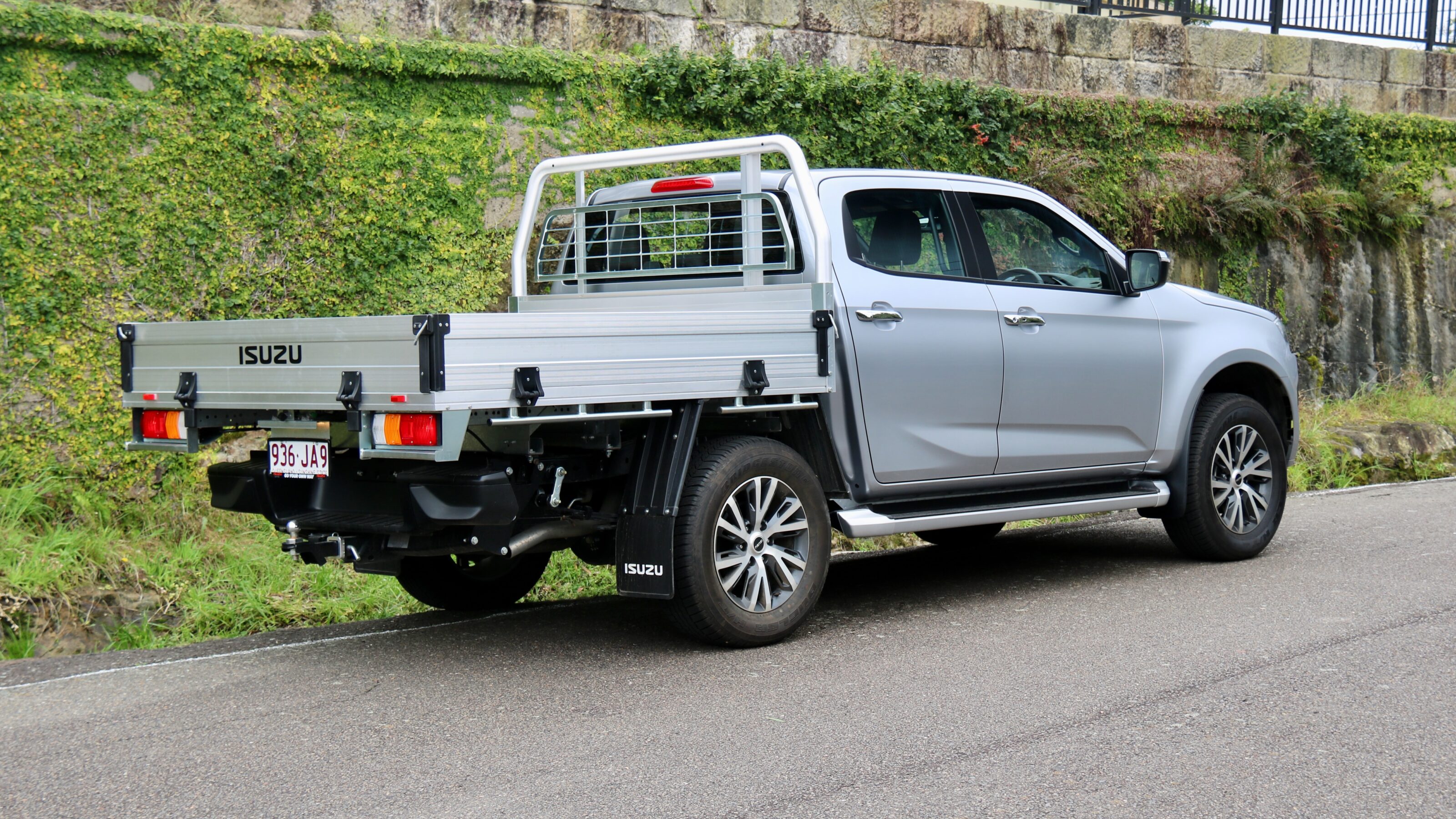
Depending on bodystyle, the D-Max measures between 5,280mm and 5,430mm long, between 1,870mm and 1,880mm wide, between 1,785mm and 1,800mm tall, and rides on a 3,125mm long wheelbase.
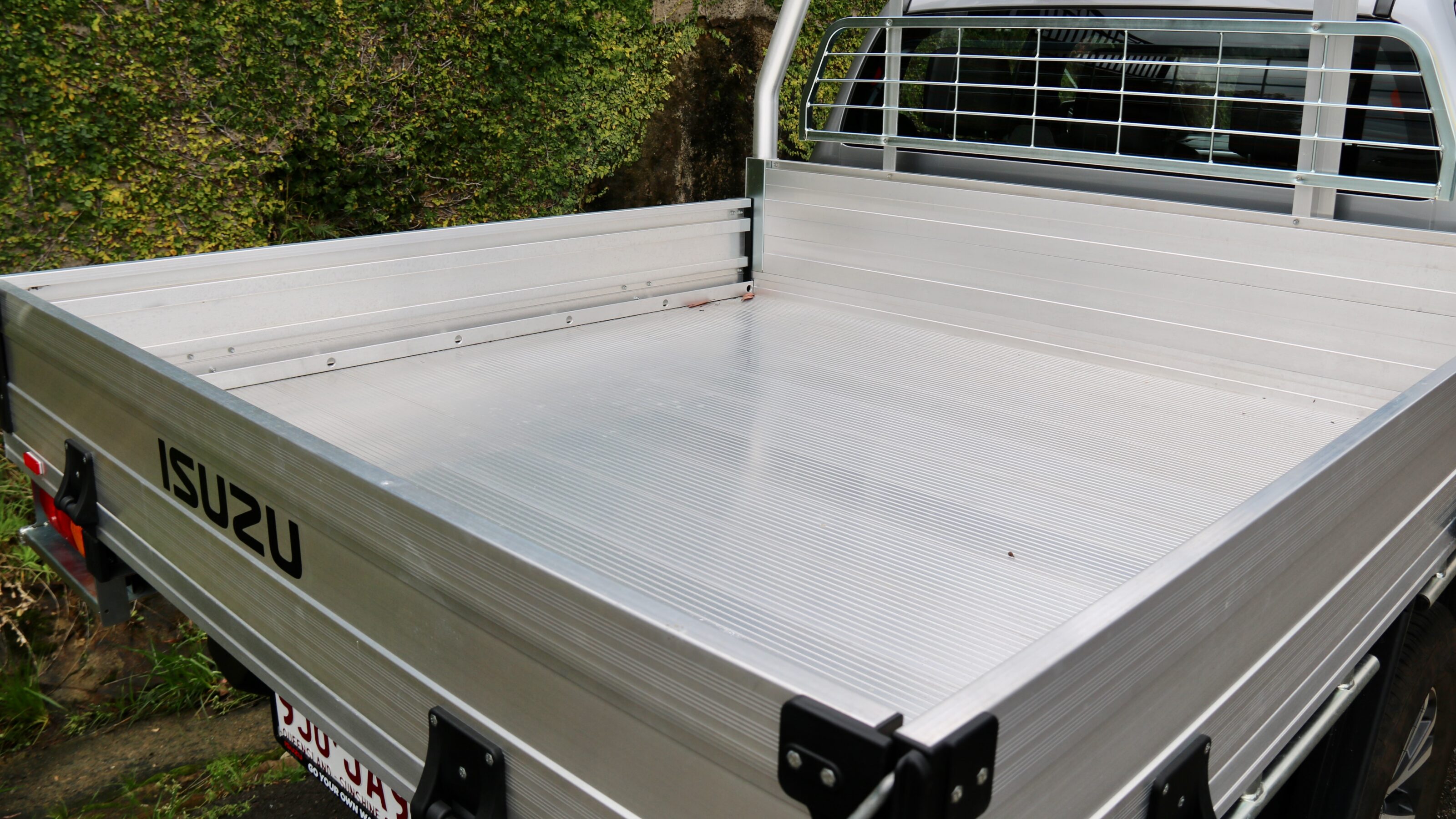
The D-Max’s tray measures between 1,570mm long (utility) and 2,100mm long (single cab chassis), and between 1,530mm (utility) and 1,777mm (cab chassis) wide.
How much can the Isuzu D-Max tow?
The D-Max range can tow a 3,500kg braked trailer with the larger 3.0-litre engine – matching the best in the segment – whereas the smaller 1.9-litre engine can tow either 3,000kg (auto) or 2,800kg (manual). All models can tow a maximum 750kg unbraked trailer and the maximum tow ball download is 350kg for 3.0-litre models, 300kg for the 1.9-litre auto and 280kg for the 1.9-litre manual.
The GVM (Gross Vehicle Mass) for 1.9-litre variants is 3,000kg, with the larger engine adding 100kg to that. The Gross Combination Mass (GCM) ranges from 5,300kg for the entry-level SX 1.9-litre manual 4×2 to 6,000kg for the 3.0-litre 4×4 models.
Will I enjoy driving the Isuzu D-Max?
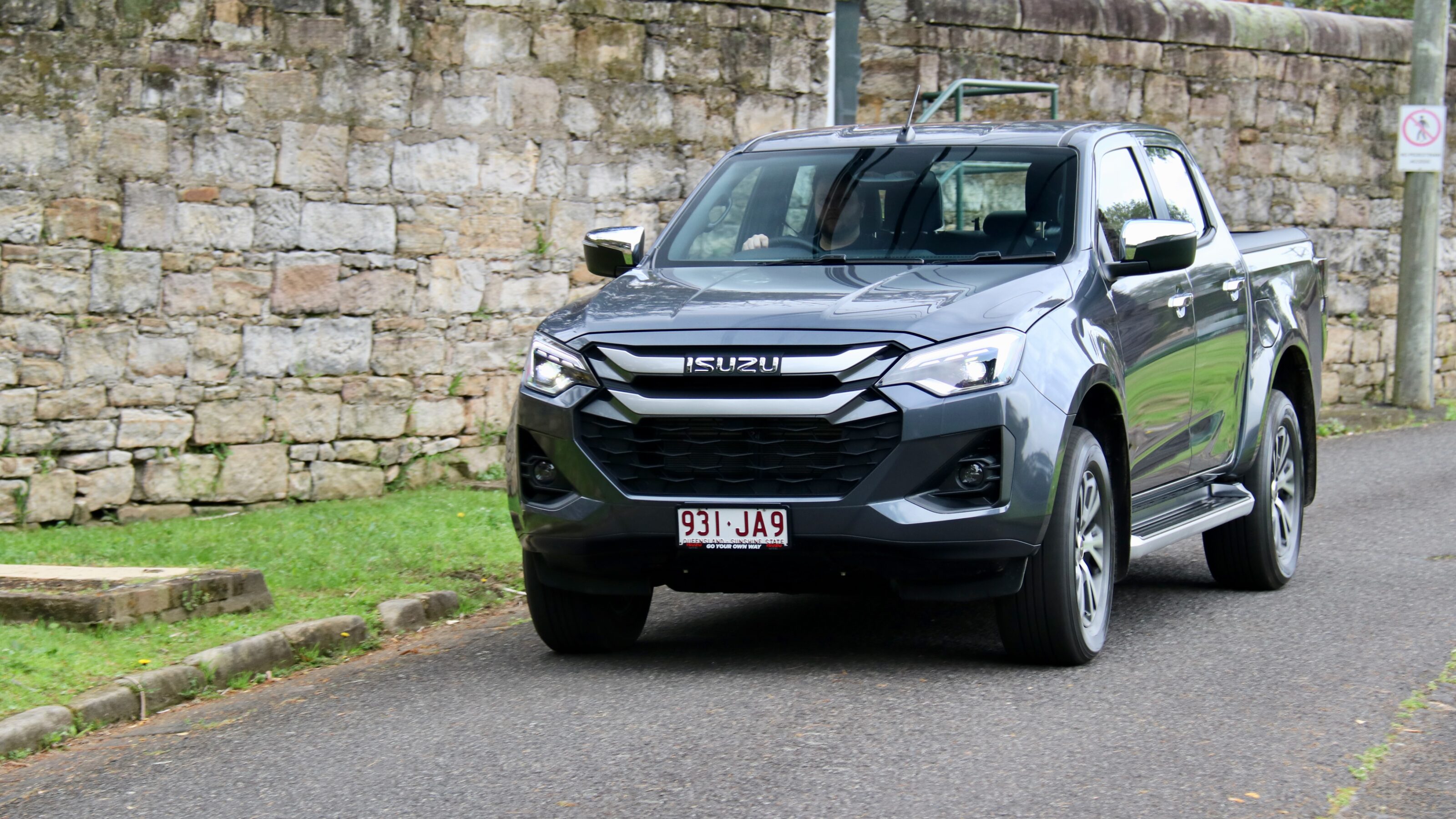
Regardless of whether you’re used to driving a ute or not, the D-Max is a refined and comfortable offering in the ute segment. That’s impressive given its excellent offroad ability, which can pose a compromise in comfort in some competitors but not here.
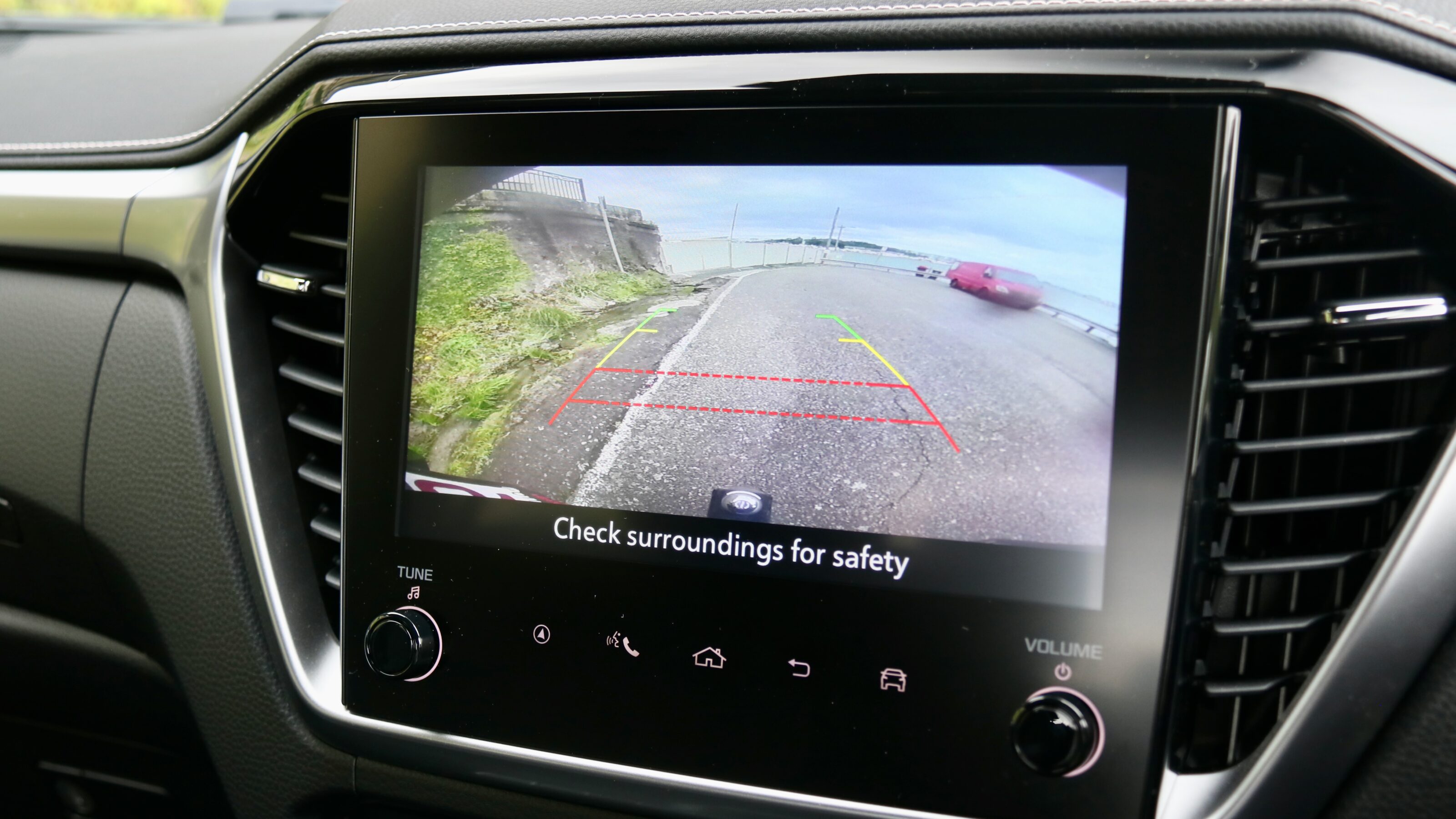
Around town, the ride comfort can be a touch firm, similar to its competitors, but it’s quiet at speed and an excellent long-distance tourer. The steering offers good feel and is quite light, so that urban driving is easy. Its rear vision is good for a ute thanks to larger mirrors, though there’s no 360-degree camera on any model to help with low-speed manoeuvring.
There are two four-cylinder turbo-diesel engine options in the D-Max range: a 110kW/350Nm 1.9-litre unit in entry-level models, and a larger 140kW/450Nm 3.0-litre sitting above it. Some variants can be had with a six-speed manual but most are equipped with a six-speed automatic, which is a generally intuitive gearbox to use, though a few more gears with tighter ratios would make it better. Both engines will last forever, though some rivals do offer stronger outputs if that’s what you’re after. Refinement is actually better in the smaller, newer engine as it’s quieter but the 3.0-litre is noticeably gruntier and in the real world, returns pretty similar fuel economy to its smaller sibling. The 3.0-litre engine can also tow more at 3,500kg.
How much does the Isuzu D-Max cost to run?
The claimed combined fuel consumption for the D-Max ranges from 6.7L/100km for 1.9-litre 4×2 variants to 8.0L/100km for 3.0-litre 4x4s, while CO2 emissions range from 177g/km to 207g/km. Those figures, in our experience, aren’t difficult to match and even 3.0-litre 4×4 autos will easily dip under 7L/100km on highway runs. The D-Max range features a 76-litre fuel tank, easily earning drivers more than 1,000km of range in highway driving.
What warranty covers the Isuzu D-Max?
The D-Max is covered by a six-year/150,000km warranty with seven years of roadside assistance, as well as five years of capped price servicing.
Aside from the initial three-month/3,000km free inspection, the D-Max’s service intervals are once-yearly/every 15,000km, and each of the first five services costs $469 each for a five-year/75,000km total of $2,345.
Which Isuzu D-Max should I buy?
It depends on what your preferences are for a ute, but we think that the D-Max X-Rider ($59,500 plus on-road costs) sticks out from the D-Max range because of its value equation. While inside it feels a lot like the LS-M on which it’s based, the exterior stands out because it looks fairly similar to the high-end X-Terrain with its sports bar, LED lighting and gloss black highlights. Otherwise, the X-Terrain itself is currently priced from $67,990 drive away as a permanent special – curiously making it thousands less expensive than lower-spec models like the LS-U+ – and that makes it excellent value for money. At that price, it’s loaded with kit and a great all-rounder.
How much does the Isuzu D-Max cost?
As with many rivals, the D-Max range is diverse, covering different bodystyles, tray types, engines, manual or automatic transmissions and various models with differing equipment levels. Current pricing on the range from entry level to the top-spec Blade model are set out below.
- SX Single Cab Chassis 1.9L 4×2 manual: $32,700 ($32,990 drive away permanent special)
- SX Single Cab Chassis 1.9L 4×2 auto: $34,700
- SX Single Cab Chassis 3.0L 4×2 manual High Ride: $34,700
- SX Single Cab Chassis 3.0L 4×2 auto High Ride: $36,700
- SX Space Cab Chassis 3.0L 4×2 auto High Rde: $40,200
- SX Crew Cab Chassis 1.9L 4×2 auto High Ride: $41,200
- SX Crew Cab Utility 1.9L 4×2 auto High Ride: $42,700
- SX Single Cab Chassis 3.0L 4×4 manual: $42,700
- SX Crew Cab Chassis 3.0L auto 4×2 High Ride: $43,200
- SX Single Cab Chassis 3.0L auto 4×4: $44,700
- SX Crew Cab Utility 3.0L auto 4×2 High Ride: $44,700
- SX Space Cab Chassis 3.0L auto 4×4: $48,200
- SX Crew Cab Chassis 3.0L manual 4×4: $49,200
- SX Crew Cab Utility 1.9L auto 4×4: $50,700
- SX Crew Cab Chassis 3.0L auto 4×4: $51,200
- SX Crew Cab Utility 3.0L auto 4×4: $52,700
- LS-M Crew Cab Chassis auto 4×4: $54,300
- LS-U Crew Cab Utility 3.0L auto 4×2 High Ride: $54,500
- LS-M Crew Cab Utility 3.0L auto 4×4: $55,800
- X-Rider Crew Cab Utility auto 4×4: $59,500
- LS-U Space Cab Utility 3.0L auto 4×4: $59,500
- LS-U Crew Cab Chassis 3.0L auto 4×4: $61,000
- LS-U Crew Cab Utility 3.0L auto 4×4: $62,500
- LS-U+ Crew Cab Utility 3.0L auto 4×4: $65,500
- X-Terrain Crew Cab Utility 3.0L auto 4×4: $70,500 ($67,990 drive away permanent special)
- Blade Crew Cab Utility 3.0L auto 4×4: $76,990 (drive away)
What features are standard in the Isuzu D-Max?
- 17-inch steel wheels with Dunlop AT25 tyres
- Three-leaf standard rear suspension (ute) or heavy-duty rear suspension (cab chassis)
- Dusk-sensing automatic halogen headlights
- Rain-sensing automatic wipers
- Remote keyless entry
- Urethane steering wheel/gear selector/handbrake
- Vinyl floor
- Cloth upholstery
- 4.2-inch driver’s display
- 8.0-inch touchscreen
- Wired and wireless Apple CarPlay and Android Auto smartphone mirroring
- AM/FM/DAB+ digital radio
- Four-speaker sound system
- 2x USB-C ports (1x in single cab and space cab)
- USB-A port for dashcam
- Manual single-zone air-conditioning
D-Max safety equipment:
- Eight airbags (including a front centre unit)
- Autonomous emergency braking (AEB) with pedestrian, cyclist and turn assist
- Misacceleration assist (auto only)
- Blind-spot monitoring with rear cross-traffic alert (with braking)
- Driver attention monitoring
- Forward collision warning
- Lane-departure warning
- Lane-keep assist
- Adaptive cruise control with stop and go functionality
- Traffic sign recognition
- Intelligent speed limit assistance
- Auto high beam
- Driver attention monitoring
- Reversing camera
The D-Max range was awarded a five-star ANCAP rating in 2022 with scores of 86 percent for adult occupancy protection, 89 percent for child occupancy protection, 69 percent for vulnerable road user protection and 84 percent for safety assist.
LS-M model adds:
- 17-inch alloy wheels
- Three-leaf standard rear suspension (ute models)
- Bi-LED headlights
- LED front fog lights
- Rear parking sensors (ute models)
- Body-coloured mirrors, door handles and tailgate handle
- Body-coloured mirrors, door handles and tailgate handle
- ‘High-grade cloth upholstery
X-Rider model adds:
- Gloss black 17-inch alloy wheels
- Black grille
- Black front underbody spoiler
- Black rear step bar
- Black mirrors, door handles and tailgate handle
- Black interior door handles
- Dark grey and black interior door trims
- Piano black steering wheel spoke trims
- Black headlining
- Black sports bar
LS-U model adds:
- 18-inch alloy wheels with Bridgestone 684II HT tyres
- Tow bar receiver
- Tub liner (ute models)
- Silver side steps
- Chrome door handles and tailgate handle
- Electric-folding and heated mirrors
- Keyless entry with push button start with walk away locking
- LED tail-lights
- 7.0-inch digital instrument cluster
- 9.0-inch touchscreen infotainment system
- Six- (space cab) or eight-speaker sound system (dual cab)
- Inbuilt satellite navigation
- 3x USB-C ports (2x in space cab)
- Dual-zone automatic climate control
- Auto-dimming rear-view mirror
- Leather steering wheel and gear selector
- Soft-touch door trims and centre console armrest
- Carpet flooring
- Driver’s electric lumbar adjustment
- Tyre pressure monitoring
LS-U+ model adds:
- Heated front seats
- Leather upholstery
- 10-way electric driver’s seat
- Four-way electric front passenger seat
X-Terrain model adds:
- 18-inch matte grey alloy wheels
- ‘X’ badging on tailgate
- Matte black roller tonneau cover
- Dark grey metallic aero sports bar
- Dark grey metallic sidesteps, mirrors, door handles, tailgate handle, roof rails, front and rear underbody spoilers and fender flares
- Leather upholstery with red stitching
- Remote engine start
- Front parking sensors
Blade model adds:
- Black 17-inch wheels with 275/65R17 Goodyear Wrangler Duratrac RT all-terrain tyres
- Black badging
- Blade-specific front grille with integrated 112-watt lighter
- Blade-specific front bumper and wheel arches
- Side steps
- Sports bar
- Monroe twin-tube shock absorbers
- Suspension lift
Which utes rival the Isuzu D-Max?
Arguably the chief gripe of those who deride the whole idea of electric vehicles is that the batteries which power them are both exorbitantly expensive and unreliable.
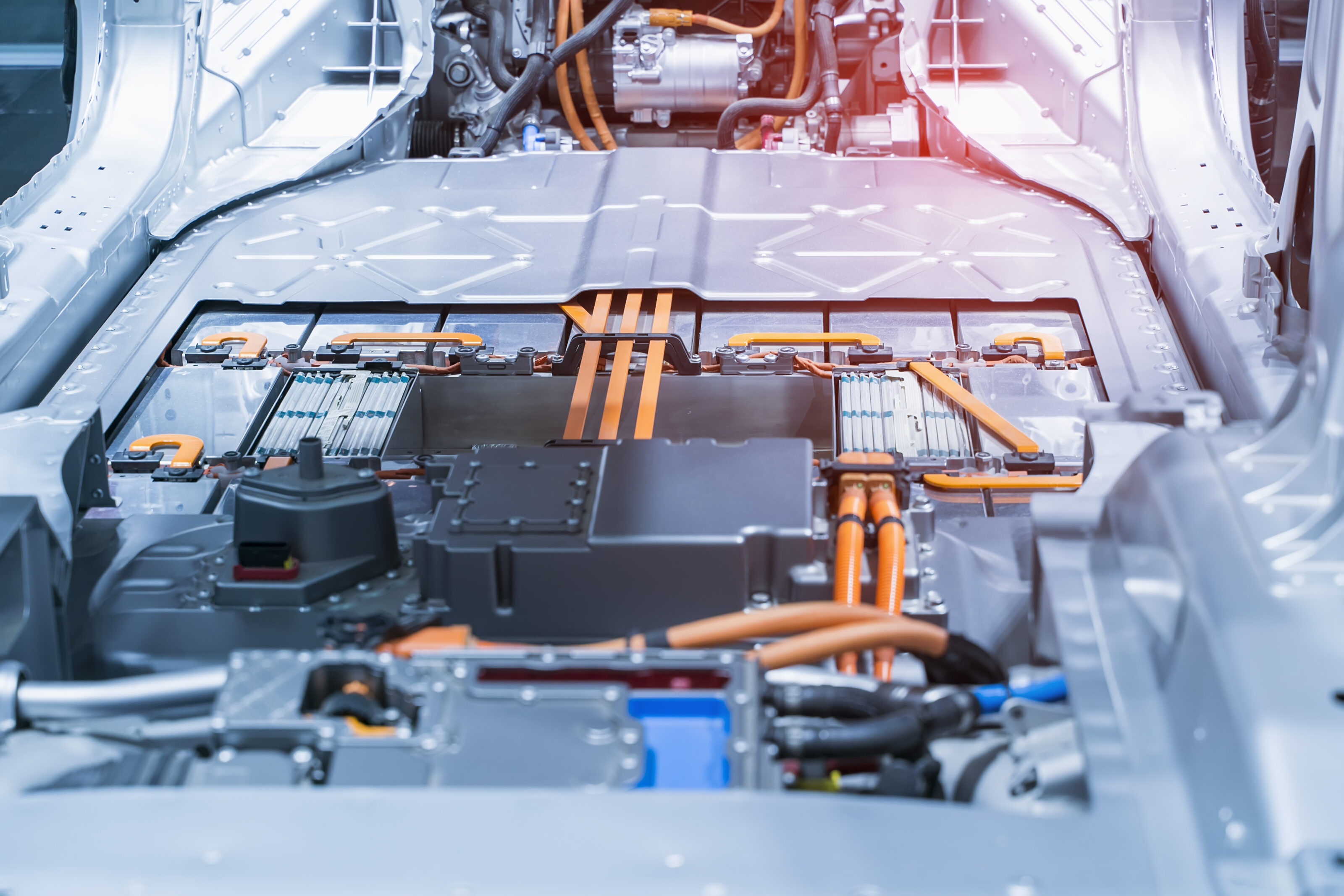
While the truth of either reservation is increasingly debatable, what is true is that it’s very important for an EV owner to know the best ways to look after the battery because failing to do so can both reduce your range on a single charge and, ultimately, your vehicle’s value. Most EVs now use lithium-ion batteries, which lose capacity over the course of their lives and can be expensive to replace. Read on for some tips on how to treat your EV’s battery with some care…
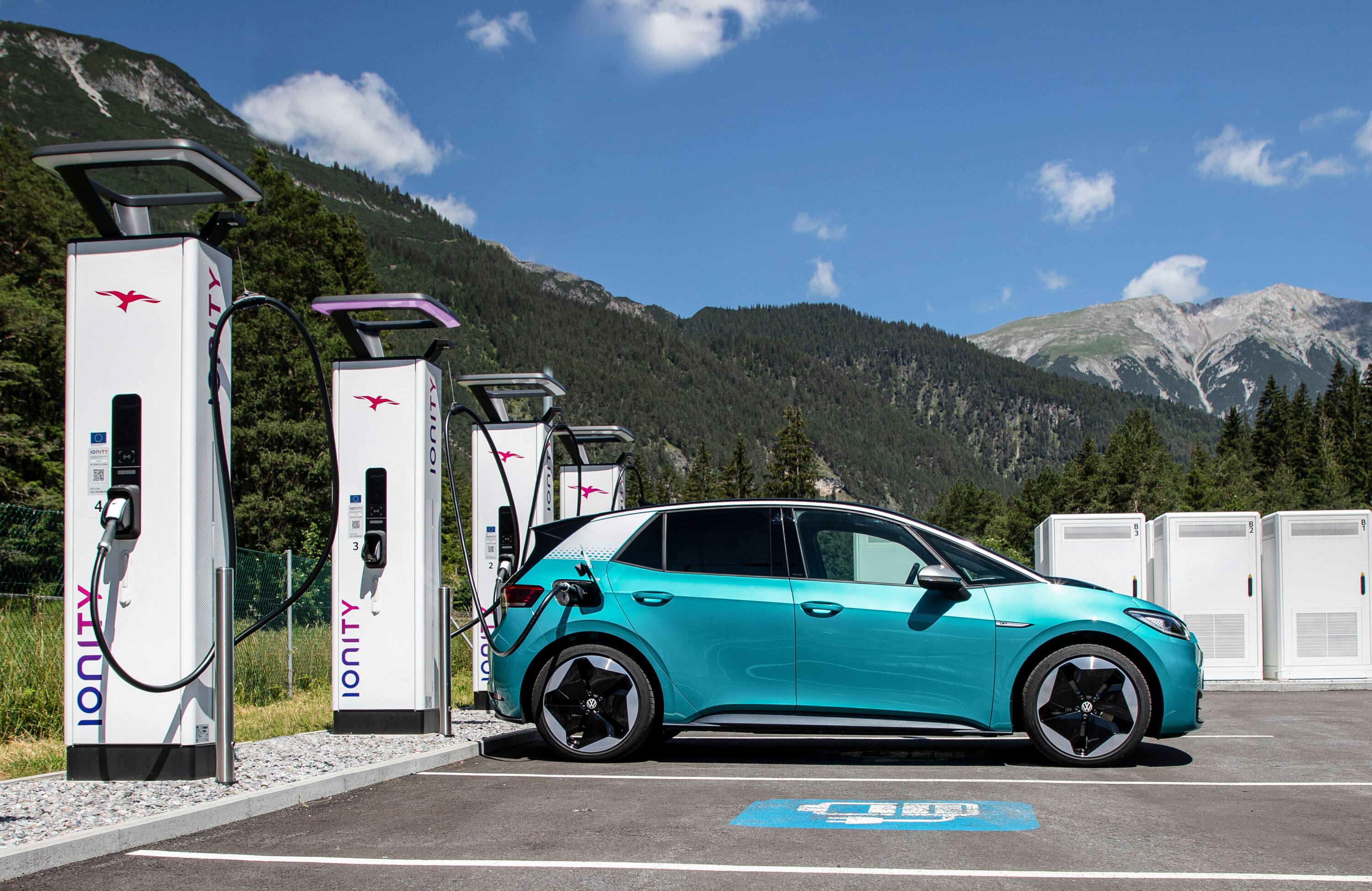
Limit use of rapid chargers: On the face of it charging the vehicle as fast as possible is an appealing idea in these time-poor times, but it’s best not to do this on a regular basis. DC fast chargers are useful when you have limited time to charge, but standard AC chargers are better for your battery’s performance and longevity.
DC fast charging above 22kW puts a strain on your EV battery, resulting in it degrading quicker over time, decreasing your car’s range and putting you in the frame for an expensive battery replacement sooner rather than later.
Keep the battery charged between 20% and 80%: One reason that batteries in the mobile phones we carry around with us last only a few years is that they are constantly being pushed to their maximum capacity through repetitive charging then draining – it’s actually one of the worst things you can do to lithium batteries because of battery degradation.
Because these vehicles are expected to last far longer than a smartphone, charging only to 80 percent is a great option to maximise battery life. This will also allow for regenerative braking to be added to the battery. On the flip side, letting the battery fall below 20 percent regularly will result in the battery performance dropping over time, increasing range anxiety.
Minimise exposure to extreme temperatures: Exposing a vehicle to extreme hot or cold temperatures over a prolonged period is never a great idea, but when you’re dealing with an EV, those extremities can shorten the battery pack’s lifespan.
It’s true that EVs have a thermal management system to help with temperature, but it’s best not to work the system too hard. In our hot and sunny Australian climate, try and park in the shade so that the thermal management system isn’t running all day trying to cool the battery down.
Allow the battery to cool before charging: Let your EV cool before you start charging it. If your EV has a battery pre-conditioning feature, it’s always best to use that before charging – especially rapid charging – to best prepare the battery for the surge of power. That way, the car can cool the battery to optimum temperature to avoid battery damage and facilitate a quicker re-charge.
Ideally, you should charge your car at the coolest time of day to take care of the battery. Perhaps consider a smart EV charger, which can be set to charge when the temperature is at its most moderate.
Don’t charge every single night: If you can, avoid charging your electric car’s battery every day because frequent charging cycles from zero to 100 per cent can cause the battery to degrade, especially if you use rapid chargers often.
Instead, only charge when needed, from minimum 20 percent, for example. Of course, that’s not always feasible but not charging every day will maintain the battery’s life for longer.
Trying to adhere to the above general rules will ensure that your EV’s battery will last as long as possible. But if it needs replacement, what warranty covers batteries?
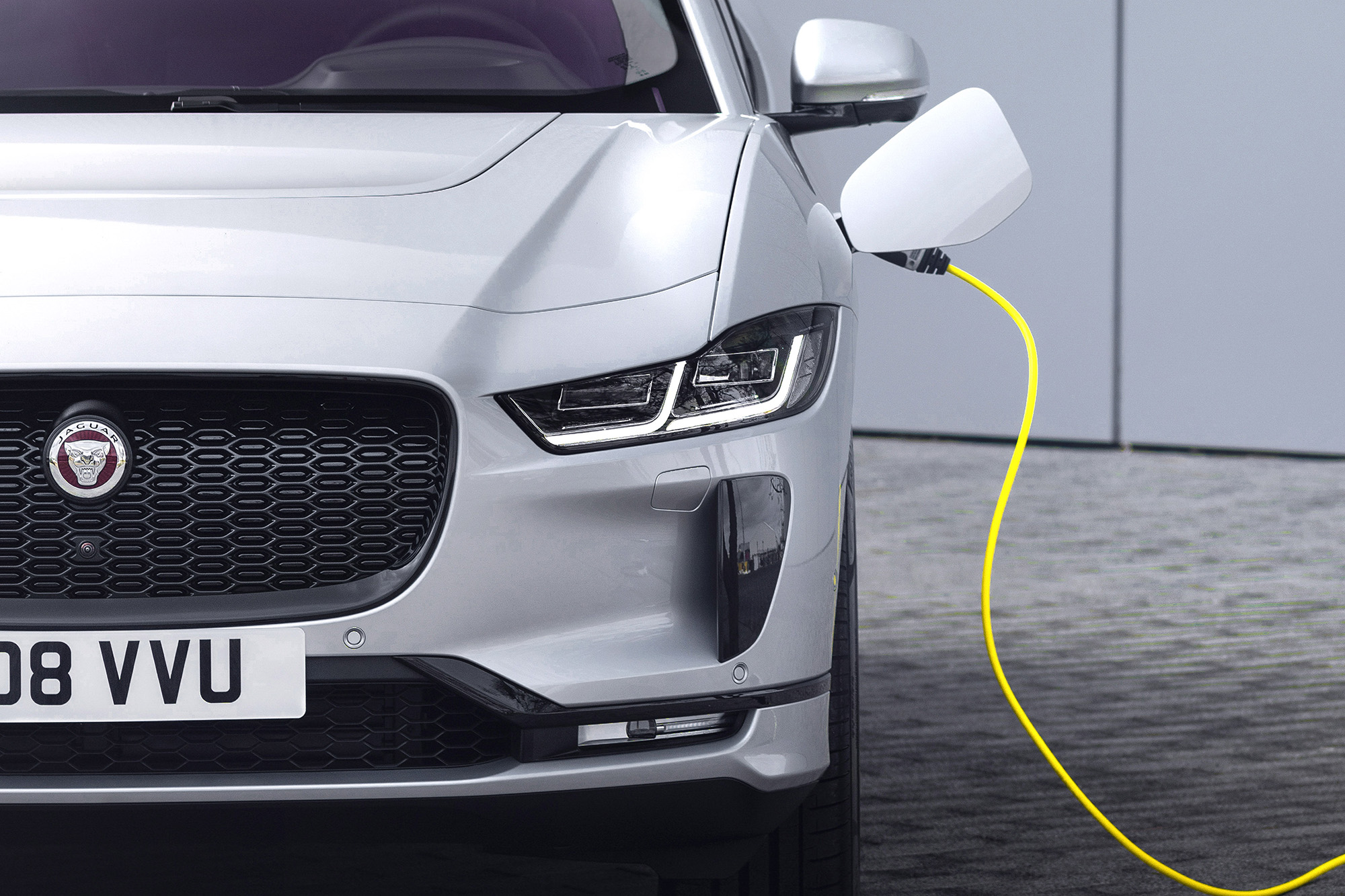
Warranties and replacements: The general EV battery warranty – not to be confused with the 12-volt unit – across all manufacturers in Australia is eight years or 160,000km (whichever comes first). Depending on the manufacturer, that warranty generally covers the battery to 70 percent capacity and is transferable if sold to another owner.
Some brands offer higher coverage, such as MG, which covers its new cars with a 10-year/250,000km warranty, while Toyota will cover its batteries for 10 years if an annual battery health check is performed at a Toyota dealership.
If the battery does fail outside of warranty, how much will it cost to replace? According to research by Recurrent in 2023, the rate of battery failure in EVs is just 1.5 percent out of 15,000 cars surveyed, and that was improving, but if a replacement is needed the cost depends on the car, the battery size and the battery type.
Since the original mass market EVs in 2012 – like the Nissan Leaf and Mitsubishi I-Miev – lithium-ion battery prices have fallen sharply from over US$400/kWh to US$111/kWh or AU$177/kWh (at the end of 2024), though LFP cells made by CATL and BYD were seen as low as $56/kWh.
Using the industry average battery size of around 80kWh, the approximate cost to replace the battery – plus labour and other fees – is approximately AU$14,200 in early 2025. While that’s not a small amount, it’s significantly less expensive than in 2012 where a replacement of the same size would have cost over $50,000.
Considering the cost of replacement, it’s worthwhile to follow some of the tips above to enhance your EV’s battery life, preserve its range and keep your EV’s value as high as possible. In reality, batteries covered by long warranties in Australia are lasting longer than expected and replacement costs have been coming down significantly. All of which adds up to a potentially easier ownership experience for EV buyers in the future.
BYD is celebrating back-to-back record sales months in Australia with 4,811 vehicles sold in March thanks to new product like the Sealion 7 electric SUV and Shark 6 PHEV ute.
According to VFACTS, Australia’s national vehicle sales report, the brand’s 4,811 sales result marks a 100 per cent increase in year-on-year figures and a big increase on the 3,281 sales of the month before it.
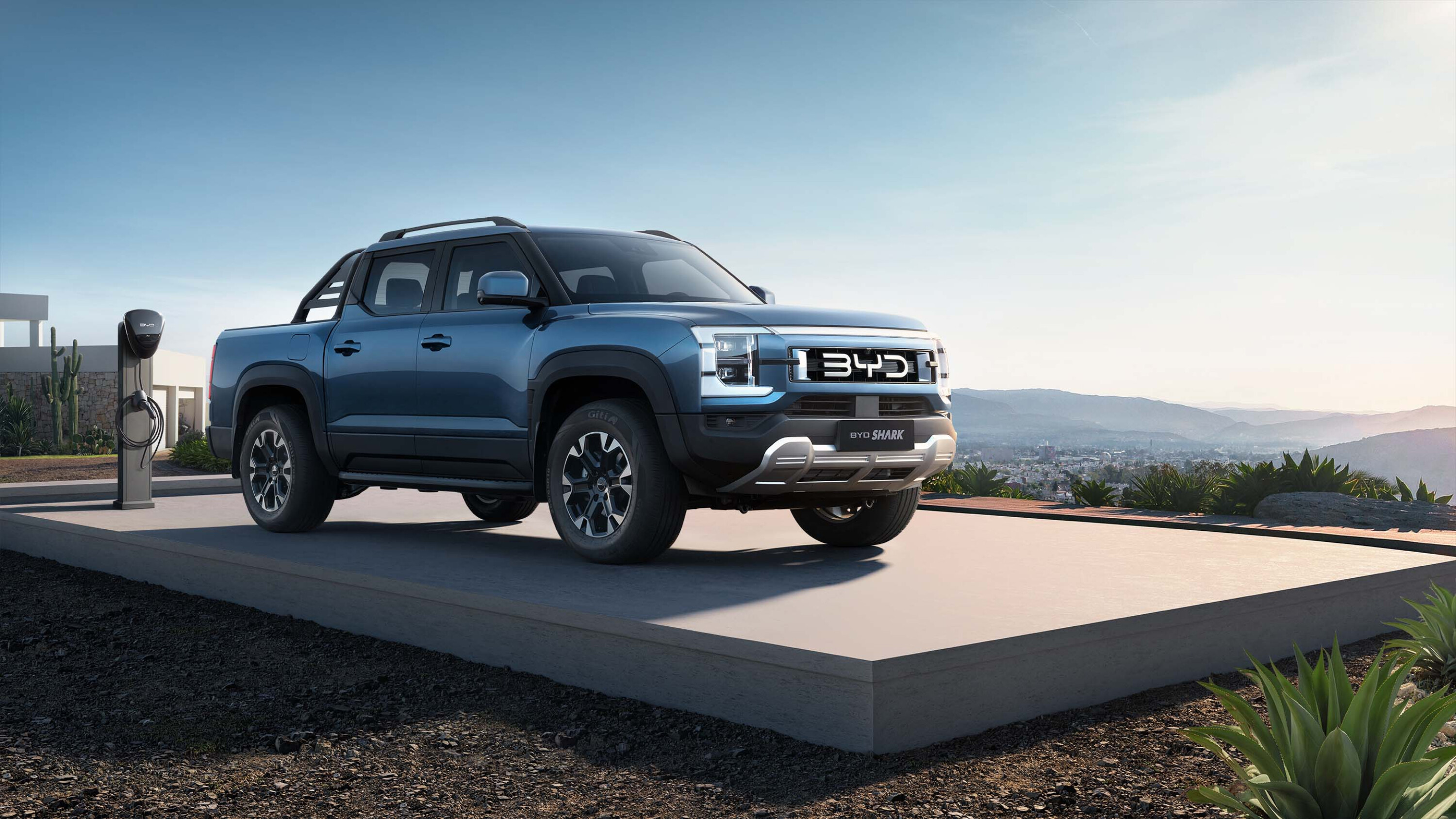
In particular, the new Shark 6 plug-in hybrid ute sold strongly with 2,810 registrations or 58 per cent of the company’s March sales with buyers taking delivery before the FBT exemption on plug-in hybrids ended on April 1.
The new Sealion 7 electric SUV’s 573 sales in March was positive and a big improvement on the 157 deliveries from the month before.
In total, 8,767 BYDs have been registered in Australia this year and the brand recently celebrated its 40,000th local sale.
“The momentum is undeniable,” Head of Marketing at BYD’s Australian importer EVDirect, Kate Hornstein said. “Following two recent launches, we’ve achieved a remarkable 196% increase compared to March 2024—surpassing category growth and reinforcing the strength of the brand and product strategy. These launches have further cemented BYD’s place in Australian automotive culture, and this record-breaking March result is a testament to the growing trust in BYD”.
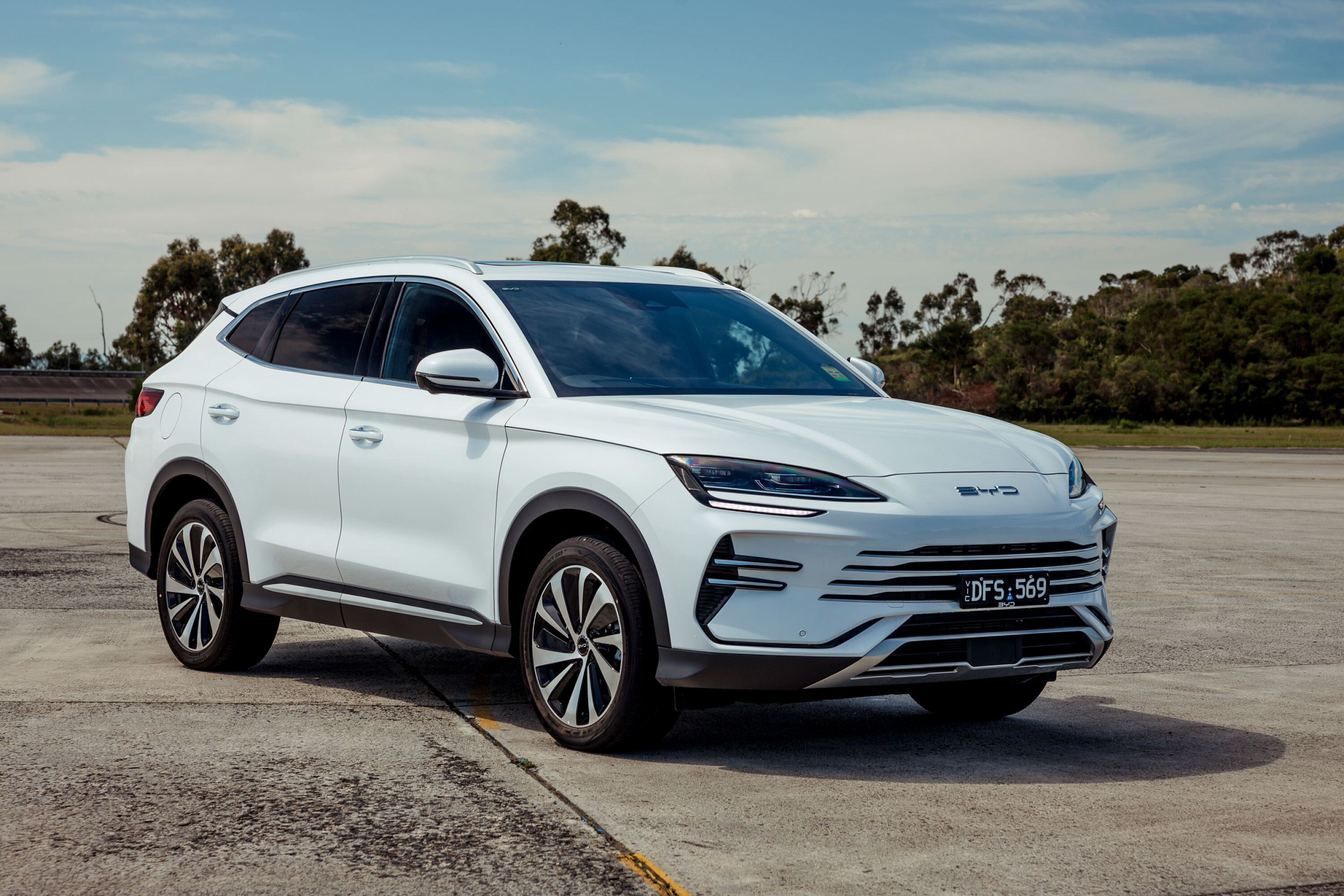
BYD Australian sales March 2025:
- Atto 3: 358
- Dolphin: 86
- Seal: 196
- Sealion 6: 790
- Sealion 7: 573
- Shark 6: 2,810
Did you buy a new BYD in March 2025? Let us know in the comments below.
Hyundai has revealed the heavily facelifted IONIQ 6 electric sedan, while also teasing and confirming a high-performance N variant.
Revealed alongside the wild Insteroid concept car at the Seoul Mobility Show, the mid-life update for the IONIQ 6 has been given an all-new front end that’s more aggressive than the current model and also fits in with the brand’s latest design language.
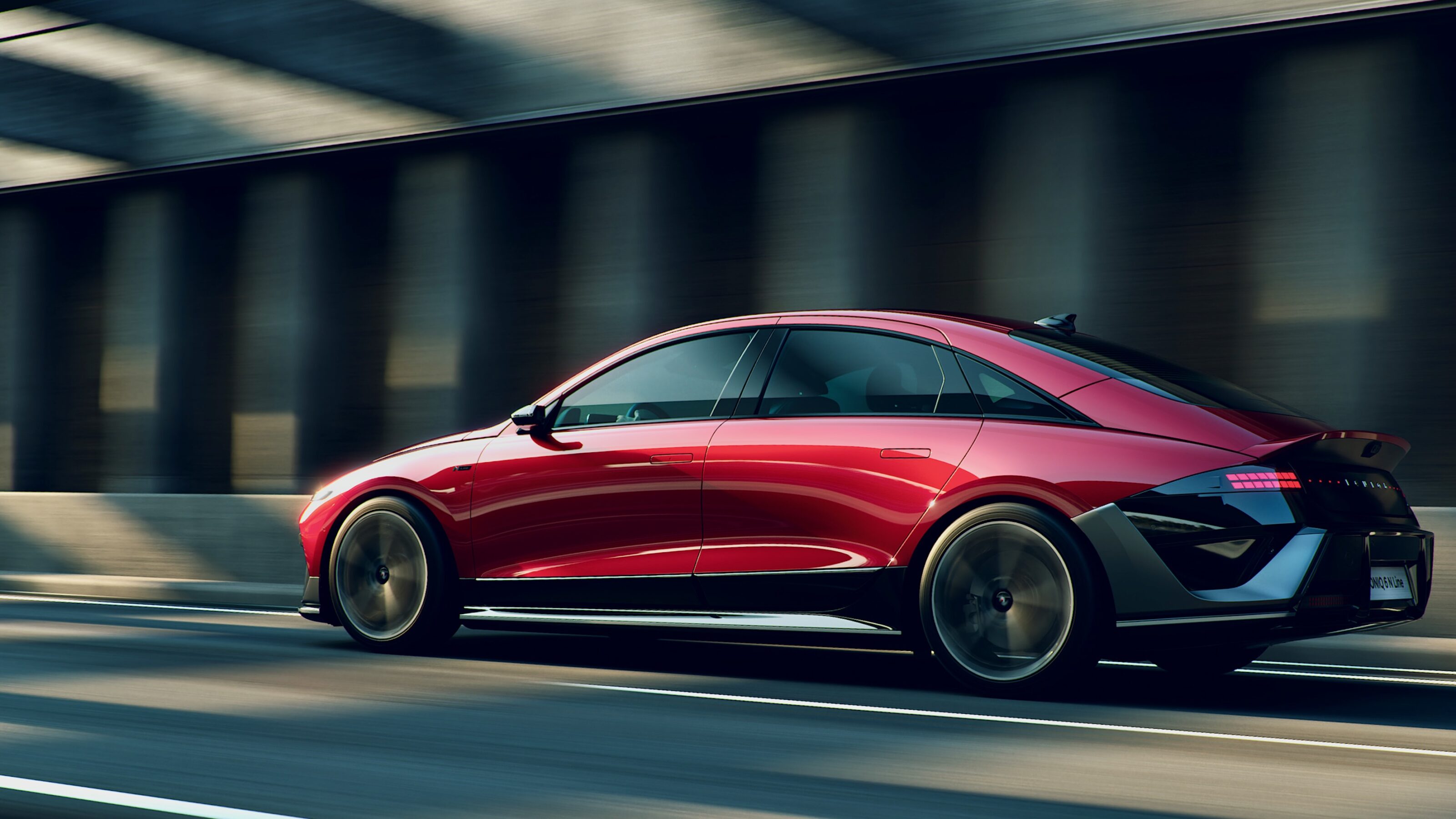
The styling at the rear has also been revamped with a new integrated ducktail spoiler, redesigned bumpers and on the N Line, black colouring.
Both the regular IONIQ 6 and the sportier-looking IONIQ 6 N Line (below) were revealed, with the N Line joining the range for the first time.
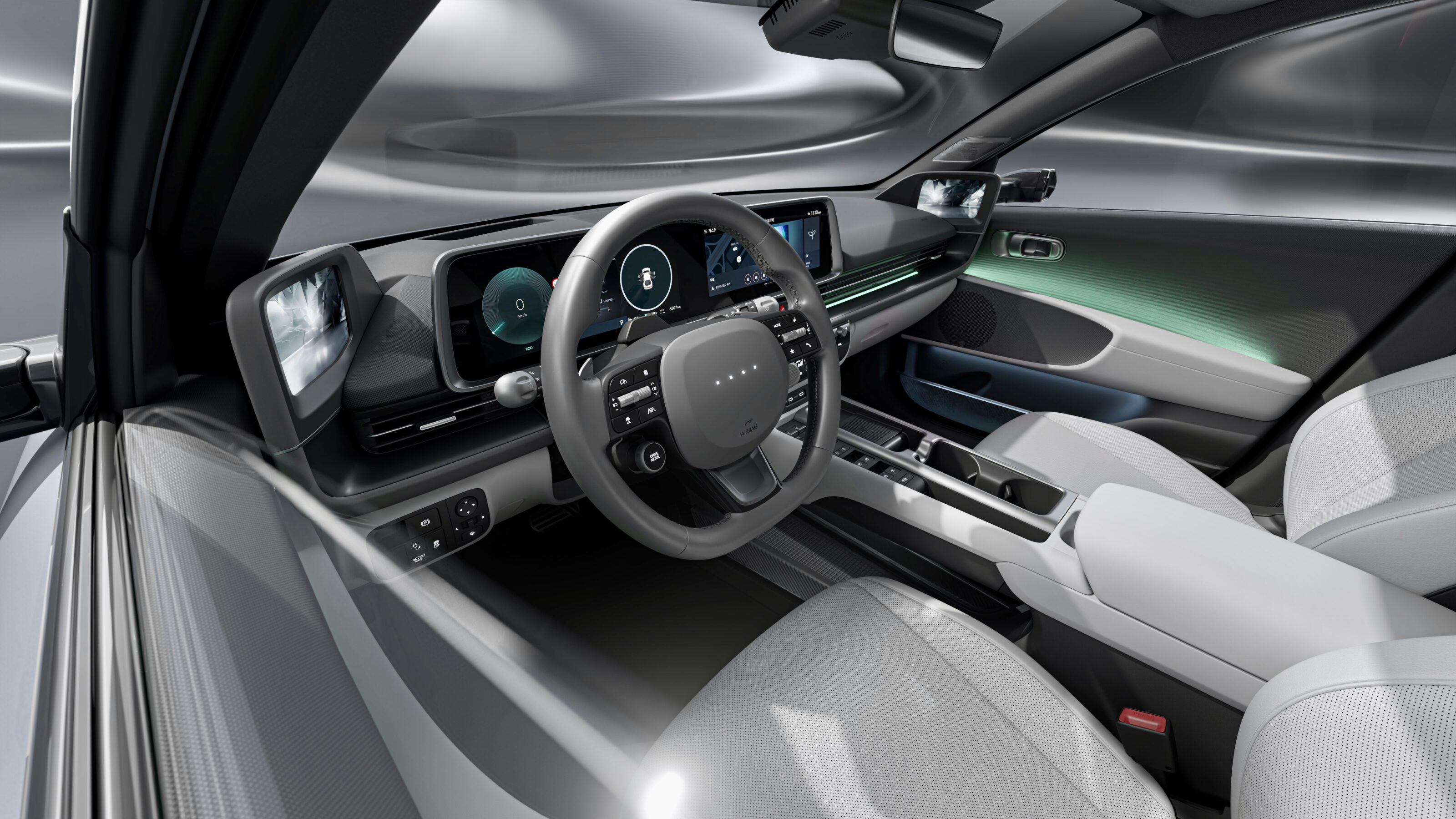
Inside, the changes to the IONIQ 6 (below) are less noticeable but the company says that it’s been given a new steering wheel design, a revised centre console, a larger climate control display and even new door trim pieces for a higher quality feel.
Technical changes are yet to be detailed for the new IONIQ 6, but the current model is offered with a 77.4kWh lithium-ion battery and either a 168kW/350Nm rear-drive or 239kW/605Nm dual-motor all-wheel drive set up.
The recently updated IONIQ 5 SUV upgraded the battery to a larger 84kWh unit, something we predict will reach the IONIQ 6, and its maximum 614km range will likely grow further as result.
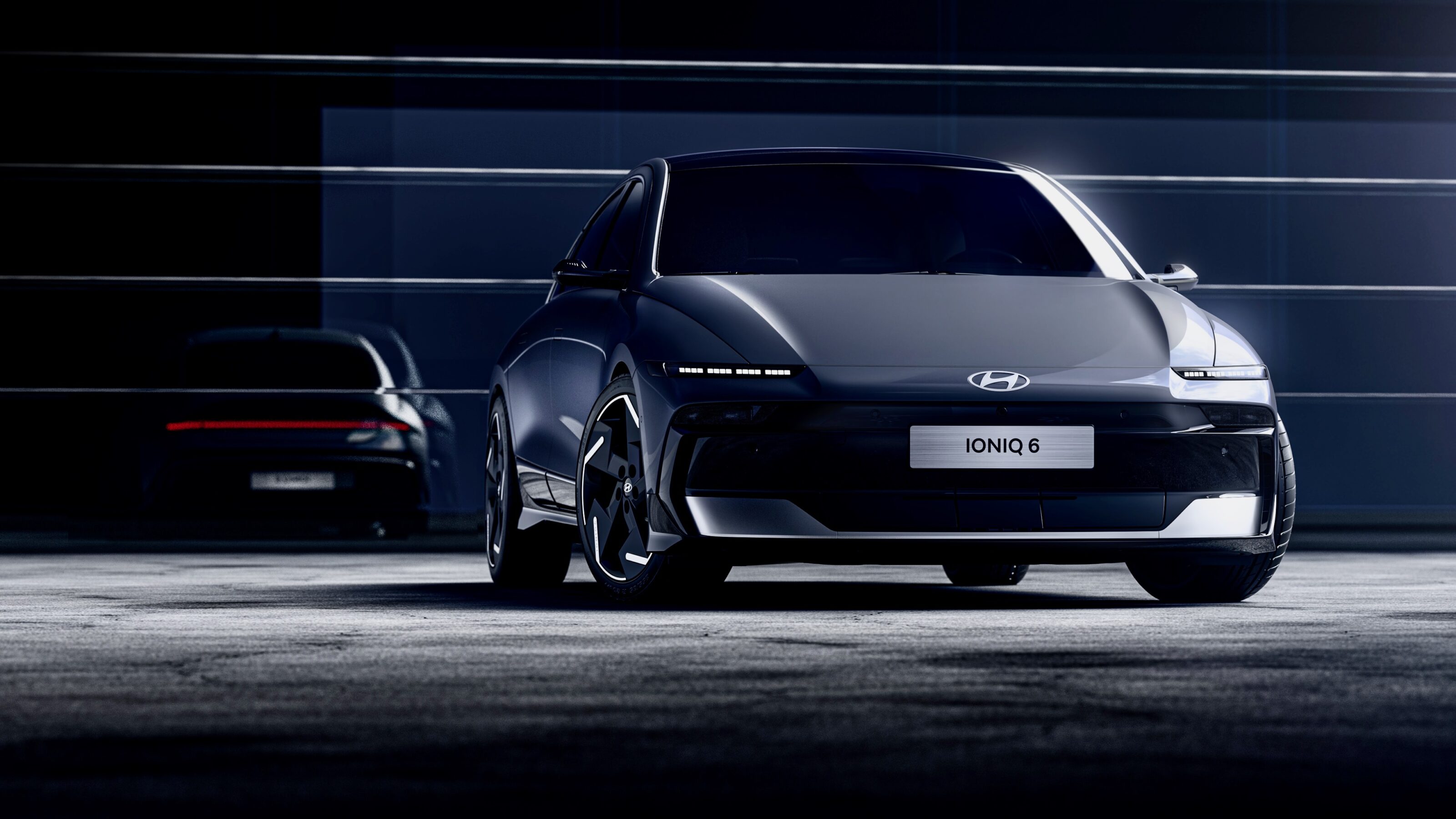
While the IONIQ 6 N is yet to be fully revealed – that will happen in July, according to Hyundai – it can be seen in one of the images with a cheeky rear shot showing off its spoiler. We expect its performance to out-do the Wheels COTY-winner IONIQ 5 N thanks to its lower ride height and potential for even more thrust.
Hyundai Australia is yet to confirm when the facelifted IONIQ 6 range will go on sale locally, though it’s likely to be towards the end of 2025.
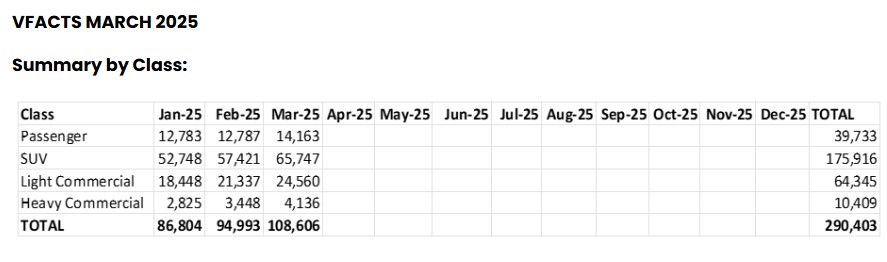
Latest vehicle sales figures show Australians purchased 108,606 new vehicles during March, a decrease of 0.9 per cent on the same period last year… which was the best ever March result.
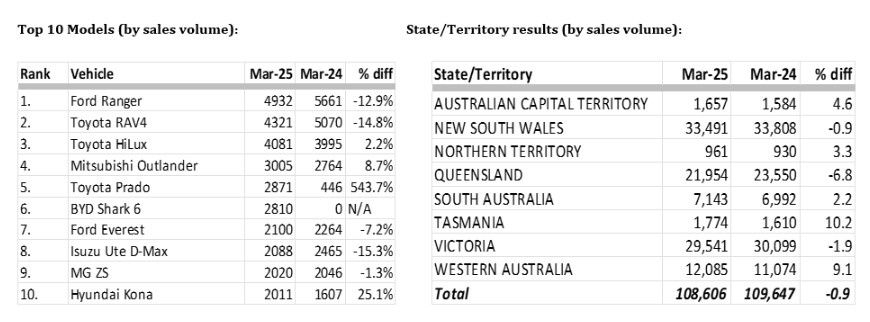
The Ford Ranger remained Australia’s top selling vehicle with sales of 4,932 followed by the Toyota RAV4 (4,321), Toyota HiLux (4,081), Mitsubishi Outlander (3,005) and Toyota Prado (2,871).
Of the makers, Toyota held on as market leader with sales of 20,541 during March, followed by Ford (8,232), Mazda (8,000), Kia (7,307) and Mitsubishi (7,265).
Ahead of the removal of the government’s FBT tax exemption for Plug-in Hybrid Vehicles (PHEV) on April 1, sales rose 380 per cent on the same period last year as consumers rushed to secure their vehicle.
The figures showed continuing sluggish adoption of EVs, with the Federal Chamber of Automotive Industries (FCAI) noting that the EV transition was “not progressing at a pace likely to meet the long-term targets under the New Vehicle Efficiency Standard (NVES)”.
EVs represented just 4.9 per cent of total sales reported to FCAI, compared with 9.5 per cent in March 2024 and 6.8 per cent in March 2023 (noting that two non-FCAI EV brands are yet to publicly report their March 2025 sales).

“We are at a critical point in transitioning to a lower-emission vehicle fleet,” said FCAI chief executive Tony Weber.
“But the reality is clear: Australian families and businesses are not shifting in large numbers to EVs.
“While the supply of EVs is increasing, now with 89 models available in Australia, the demand for EVs is weak. The early adopters have acted but the rest of the vehicle-buying public has not followed.
“This is consistent with a number of other advanced markets around the world.
“The Australian automotive industry has long advocated for an ambitious and achievable emissions standard. Once again, questions must be asked about the Government’s modelling and in particular their assumptions about consumer acceptance of new low-emissions technologies.”
For March 2025, sales in the Australian Capital Territory were up 4.6 per cent on March 2024 to 1,657; New South Wales was down 0.9 per cent to 33,491; Northern Territory increased by 3.3 per cent to 961; Queensland fell 6.8 per cent to 21,954; South Australia was up by 2.2 per cent to 7,143; Tasmania had an increase of 10.2 per cent to 1,774; Victoria was down 1.9 per cent to 29,541 and Western Australia increased 9.1 per cent to 12,085.
HEURISTICS IS A funny old business. You know, those mental shortcuts or ‘rules of thumb’ that we tend to live by. There’s no shortage of them when it comes to cars and one of the most reliable is that you’re only setting yourself up for failure if you try to condense the contents and attributes of a big car into a small one. Thing is, nobody seems to have told Kia. Its new EV3 aims to distil much of what we loved about the EV9 and the EV5 into a more compact package.
Countless car manufacturers have tried and failed with this. Lexus has never built a small car that rides like an LS. Audi’s A2 was an expensive failure when it tried to offer the aluminium build process of the A8 in a supermini body. And the less said about the Aston Martin Cygnet the better.
That’s not to say that it can’t work in terms of aesthetic. For a long time, Audi, and to a certain extent BMW, employed this Russian doll philosophy across their ranges, corporate identity taking precedence over individual statements of character.
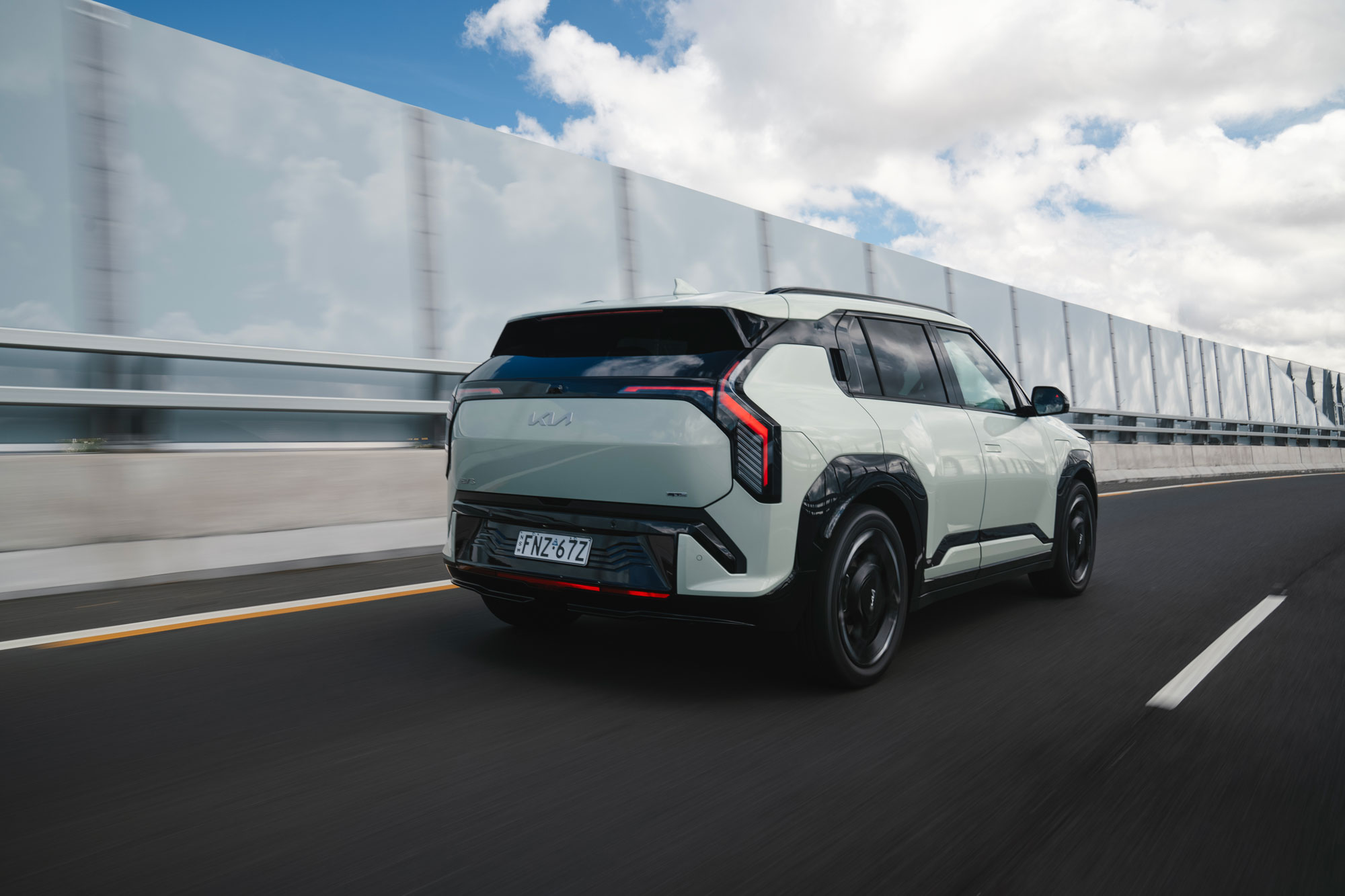
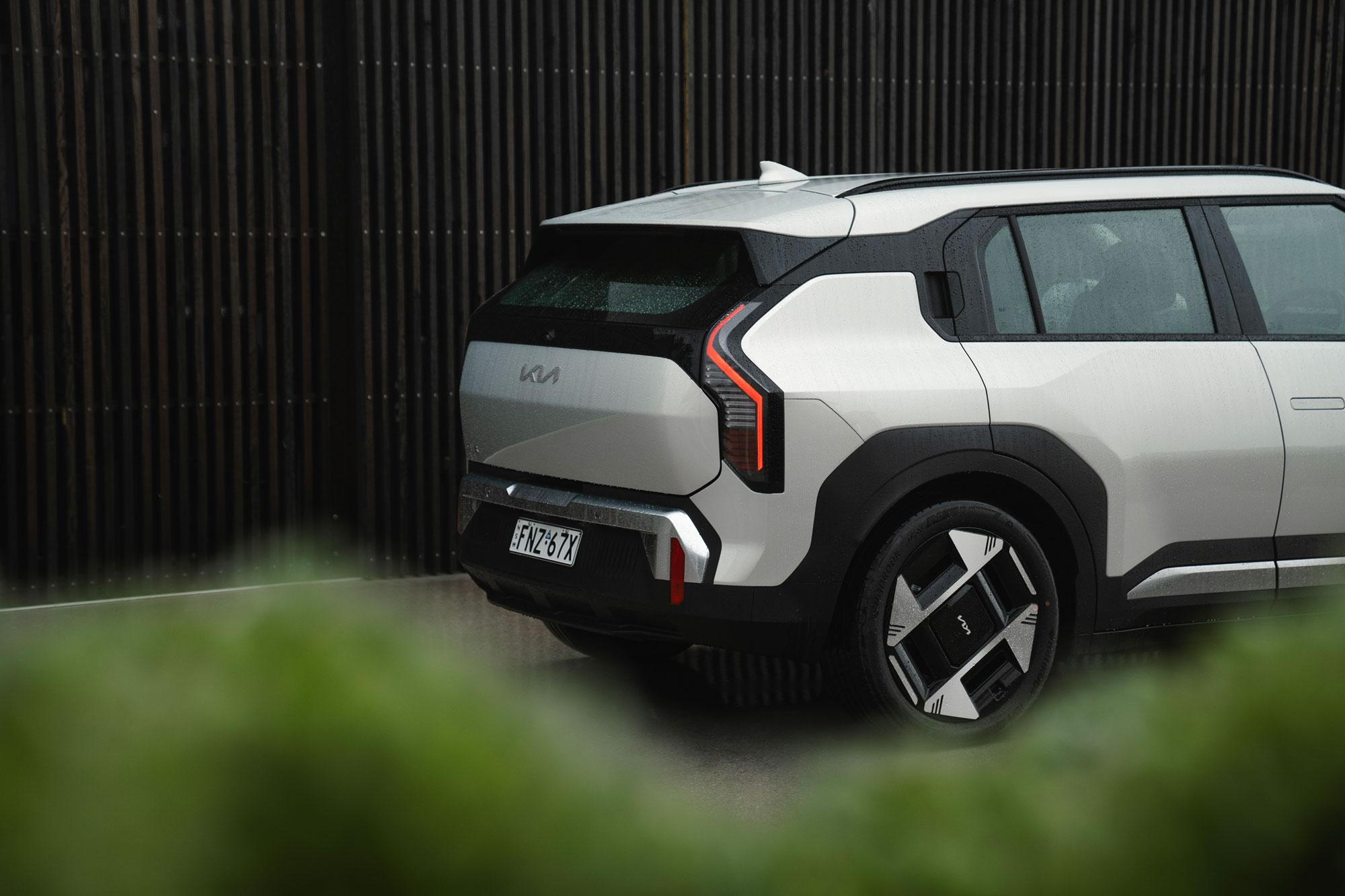
The EV3 tweaks the formula a bit. Yes, it shares obvious design language with the EV5 and the EV9, but Karim Habib’s design team have given this baby SUV a stance and a look all of its own. At 4.3m long, it’s got some presence to it, and it’s 110mm shorter than Kia’s Niro compact SUV but, crucially, the wheelbase is a mere 40mm shorter, so buyers get some real bang for their buck when it comes to interior space. Hold that thought. We’ll explore that a little further later.
Price, range, rivals
Here in Australia, the car has been launched with four discrete versions. There are three ascending trim levels – Air, Earth and GT-Line – with the Air being offered with either a smaller 58.3kWh lithium-ion battery or the same 81.4kWh battery that the rest of the range gets. All versions drive through the front wheels only and make a peak power output of 150kW with peak torque rated at 283Nm. It’s all refreshingly straightforward.
Range? That’s rated at 436km for the Air Standard Range, 563km for the Earth and the GT-Line, while the lighter wheels of the Air Long Range give it the longest legs of the lot, coming in at a WLTP-rated 604km. For many buyers pondering which Kia EV3 to choose, the discussion could be done and dusted right here.
Drive-away pricing is pitched at $48,990 for the entry-level Air, $56,490 for the Air Long Range and $62,690 for the Earth, to which WA buyers will have to add $1000. The GT-Line is $68,490 drive-away in all states and territories other than WA, where it’s $70,490. So, adding that extra range to your EV3 Air is a fairly hefty $7500 impost. Or, to couch it another way, you’re adding 15 per cent to the price of the vehicle but you’re getting 30 per cent more range.
Kia continually referred to the Volvo EX30 and the BYD Atto 3 when issuing benchmark vehicles for the EV3 to draw a bead on. Neither are a perfect overlap; the Volvo’s opening price is considerably higher and the BYD is a larger but cheaper vehicle. But then what else do you compare the EV3 to? Skoda’s Elroq and Renault’s Megane E-Tech are both worth consideration but, more than anything else, the EV3 merely demonstrates just how scratchy the intersection of a Venn diagram with three circles labelled ‘Electric’, ‘Small SUV’ and ‘Worthwhile’ is.
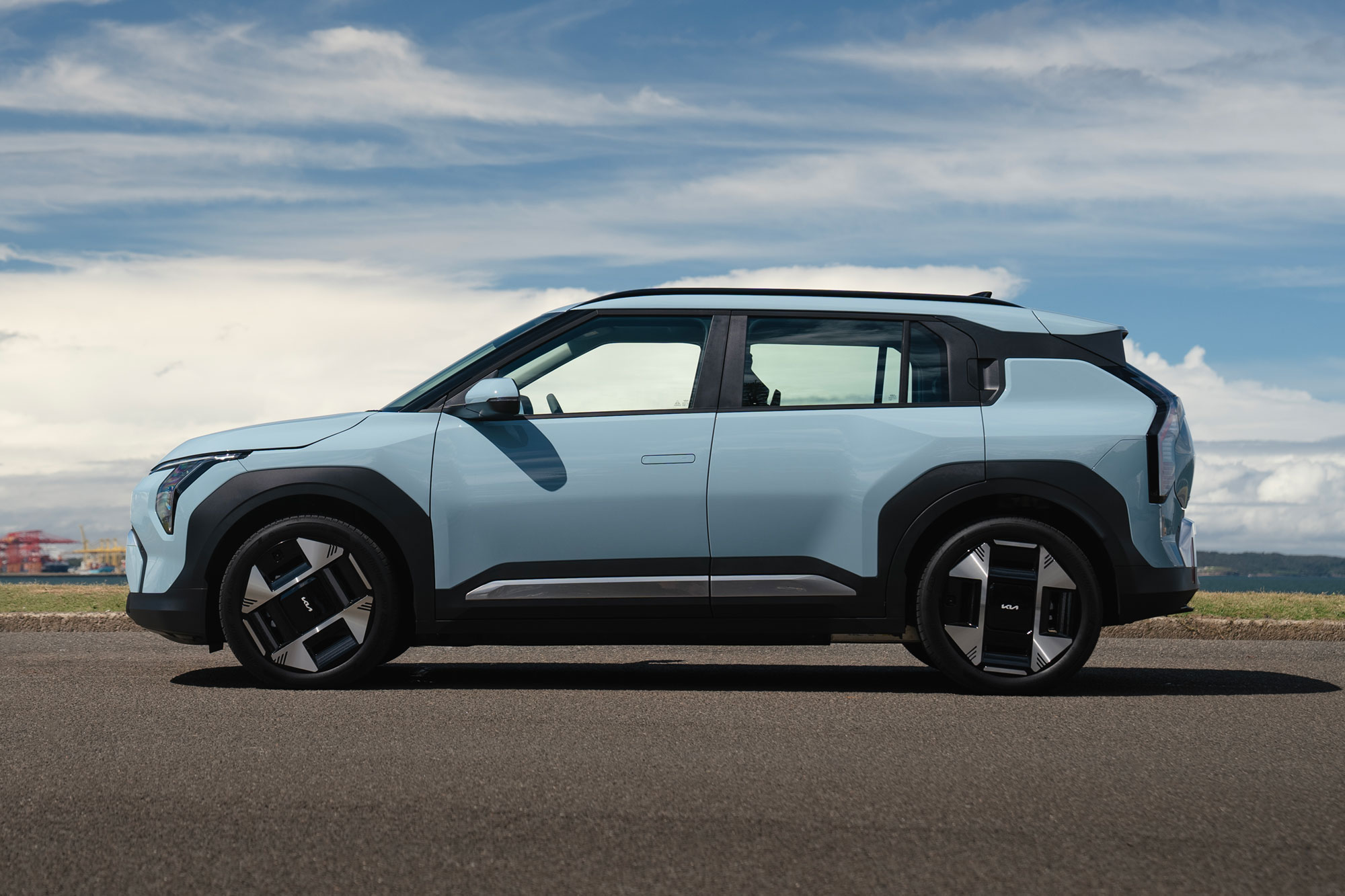
Ride quality
The key problem to date has been threefold. Small electric SUVs have been too expensive, they’ve tended not to ride very well and they’re just not practical enough to stand up that high price against some very talented hybrid options. Many buyers who go through this process with all the best intentions end up at a place called RAV4 Hybrid and that’s a hard case to argue.
Where the EV3 changes that particular script is that it rides well. Better, in fact, than the bigger EV5. It shouldn’t, but there’s a very good reason for that. The EV5 is made in China, and the EV3 is a Korean-built car. Because Kia Australia has a long and close relationship with the Korean mothership, it has been able to negotiate early access for local tuning. The chap on the cover of the February issue of Wheels, Graeme Gambold, has been allowed to work his magic on the EV3, whereas we got no such access to the Chinese-built EV5.
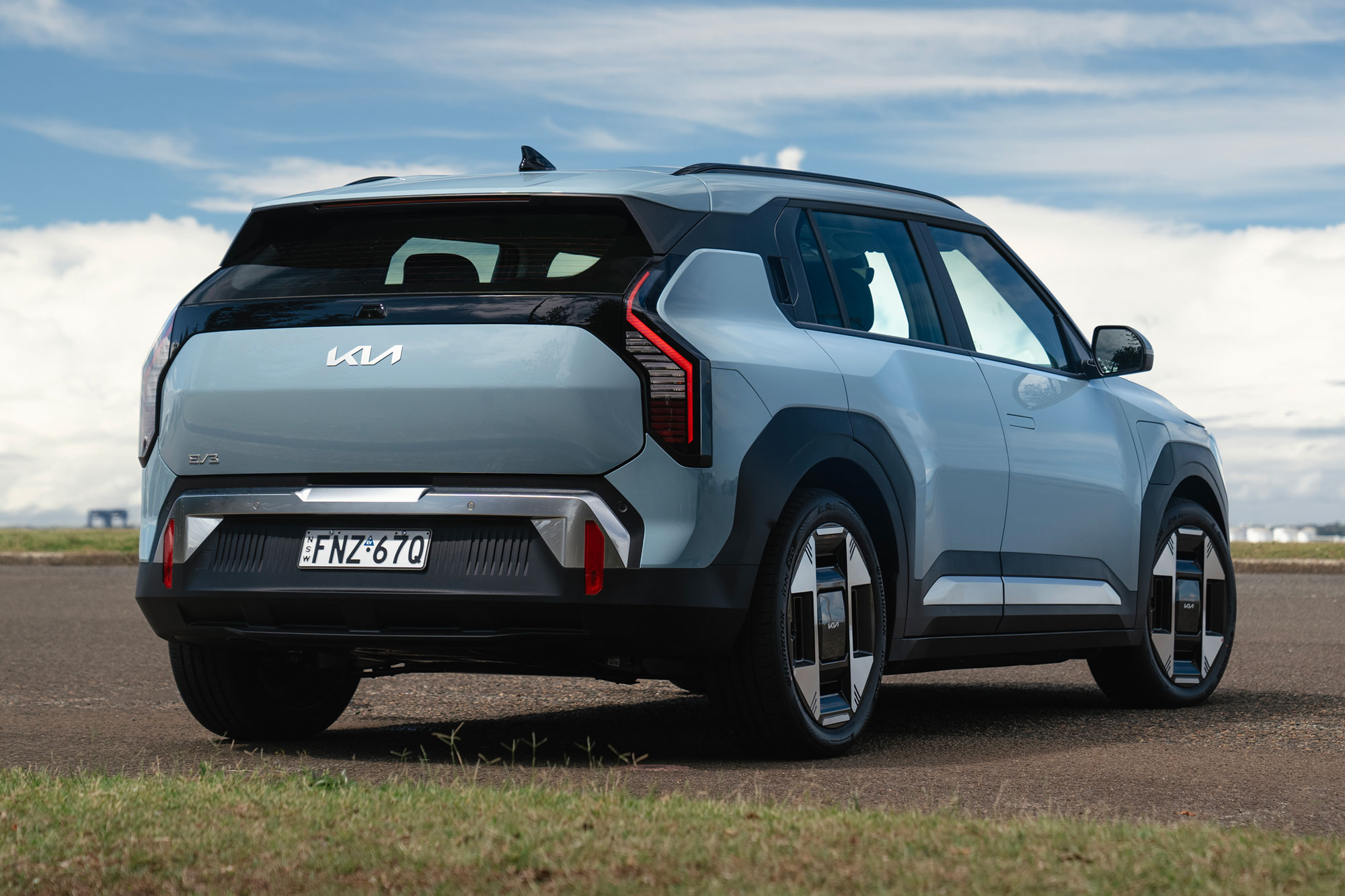
With changes to the springs, dampers and steering, the EV3 rides smoothly on Aussie B-roads. Even if you step from the 17-inch wheel and tyre package of the Air, up to the 19-inch combination on the Earth and GT-Line, there’s very little diminution in ride quality. Yes, the steering could be a little more feelsome, but that wasn’t helped by wet weather on the press launch and the fitment of low rolling resistance eco tyres on all models. This chassis tune is a refreshing and very welcome piece of good news that you’ll feel every single time you go for a drive, and which distinguishes this car from all of its rivals.
By the standards we’ve become used to for electric cars, it’s not particularly rapid. It accelerates smoothly, with only frankly inadvisable throttle applications resulting in a bit of torque steer. Because it’s the lightest of the lot, the base model is actually the quickest at 7.5 seconds to 100km/h, the ritzier models gaining a bigger battery and some extra kit and losing out by a tenth or two. Whichever version you choose, it never feels under-endowed. Should you hanker for more, sit on your money until the dual-motor EV3 GT arrives. This will get grippier seats, bigger brakes and some fairly senior grunt, with figures in the region of 250kW/470Nm bandied about. Given the car’s weight, this ought to endow it with serious hot-hatch performance.
Spacious interior
The cabin of the EV3 is neatly styled with that long wheelbase giving it plenty of room both front and rear. I was able to get fairly comfortable behind my own driving position, which is something I wouldn’t manage in something like a Nissan Qashqai or a Volvo EX30. Legroom is particularly good in the back, with only very tall adults starting to feel pinched for headroom. In fact, because of the way that Kia have sculpted the front seats, there’s more space in the back of the EV3 than in many cars from the class above. Kia claims more rear legroom and rear headroom than in the ostensibly larger BYD Atto 3. Up front it’s airy and the ergonomics are good. One minor glitch we did notice is that when the air conditioning is blasting, condensation drops can form on the metal trim fillet that runs across the dashboard.
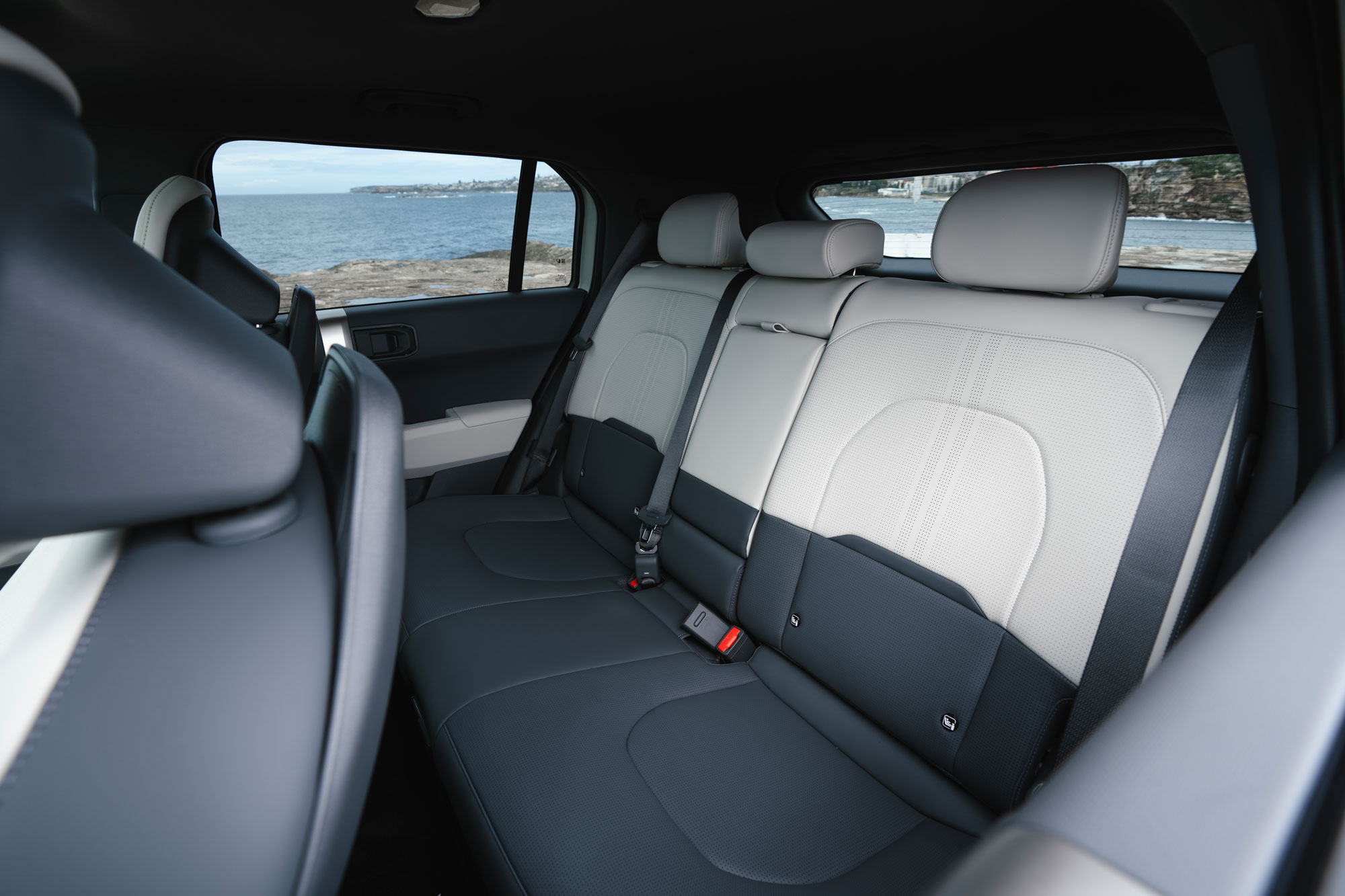
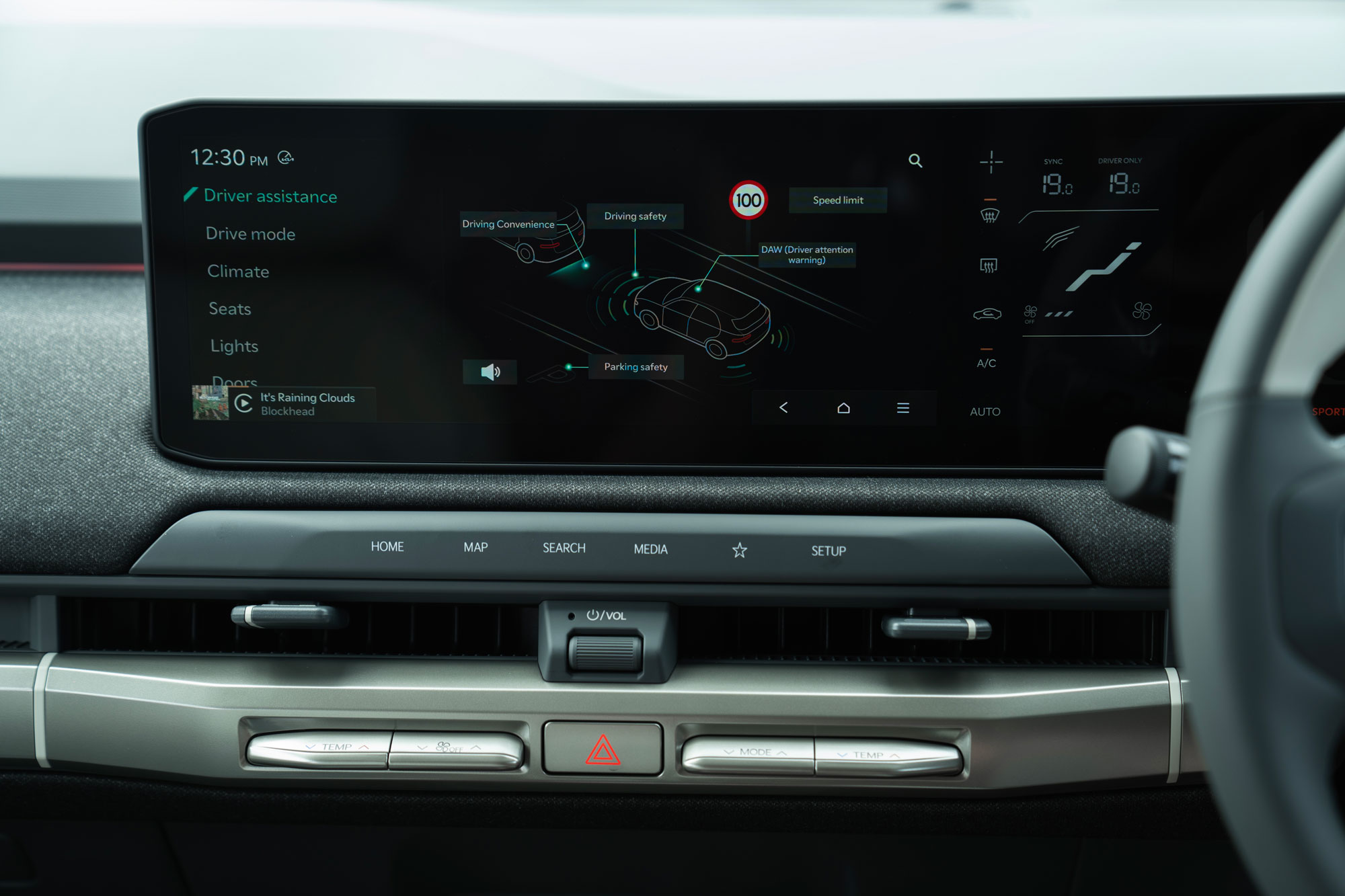
It shares the same haptic button strip as the EV5, which works well enough and the steering wheel controls are sensibly configured. The twist to select gearshifter (with its integrated start/stop button) isn’t the most intuitive thing and is hidden behind the right-hand steering wheel spoke, but at least it frees up oddments space in the centre stack. There’s plenty of space to stow gear in the EV3, with an enormous tray between the front seats and the door pockets can hold smaller drinks bottles, but will struggle with larger ones. The glove box is a decent size and there’s a pair of USB-C chargers in the dash and in the sides of the front seats for rear seat passengers.
All models feature wireless Apple CarPlay and Android Auto and we found the system to be fairly robust in connecting. None feature a spare wheel. Instead there’s a mobility kit between the deep but short 460-litre luggage bay. This features an adjustable floor height, and the rear bench splits 60/40 and folds to offer up to 1251L of space.
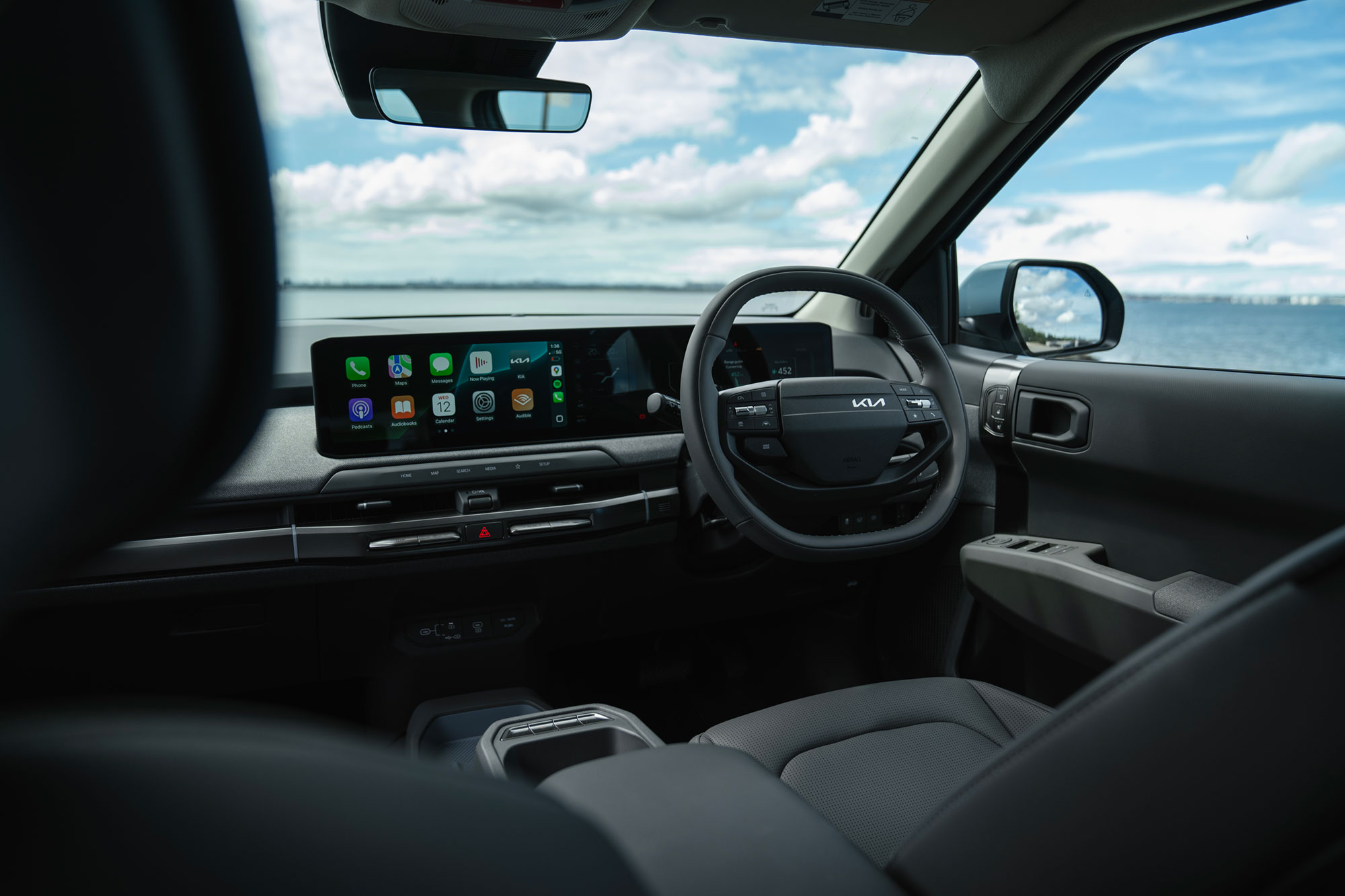
Colours and safety
A palette of eight exterior colours are offered, although Clear White is the only non-costs paint finish. You’ll need to dig out another $550 if you want Ivory Silver, Aurora Black Pearl, Shale Grey, Frost Blue, Snow White Pearl or the two new (to Kia) colours, Matcha Green and Terracotta. All models feature seven airbags, and Kia should be lauded for offering its full active safety suite as standard across the range.
This encompasses Driver Attention Warning, High Beam Assist, Land Follow Assist, Autonomous Emergency Braking, Blind-Spot Collision Avoidance Assist, Multi-Collision Braking, Highway Driving Assist, Rear Cross-traffic Avoidance Assist, Navigation-based Smart Cruise Control, Rear View Monitor and Forward/Reverse Parking Distance Warning. The smart cruise control works well, holding speed adequately on downhill inclines and knocking a few klicks off your velocity when it knows a sharpish corner is incoming.
All EV3 models allow you to tailor the amount of re-gen using the wheel-mounted paddles, while holding the paddle switches i-pedal 3.0 on or off. This also has three levels of re-gen, and even the strongest one isn’t unduly nausea-inducing. It’s something you’d probably grow to use quite a fair bit. Like all modern Kias, holding down the volume scroll wheel will mute the speed limit warnings. Only the range-topping GT-Line gets a head-up display as standard. For the rest you have to refer to a smallish display on the binnacle screen.
Charging
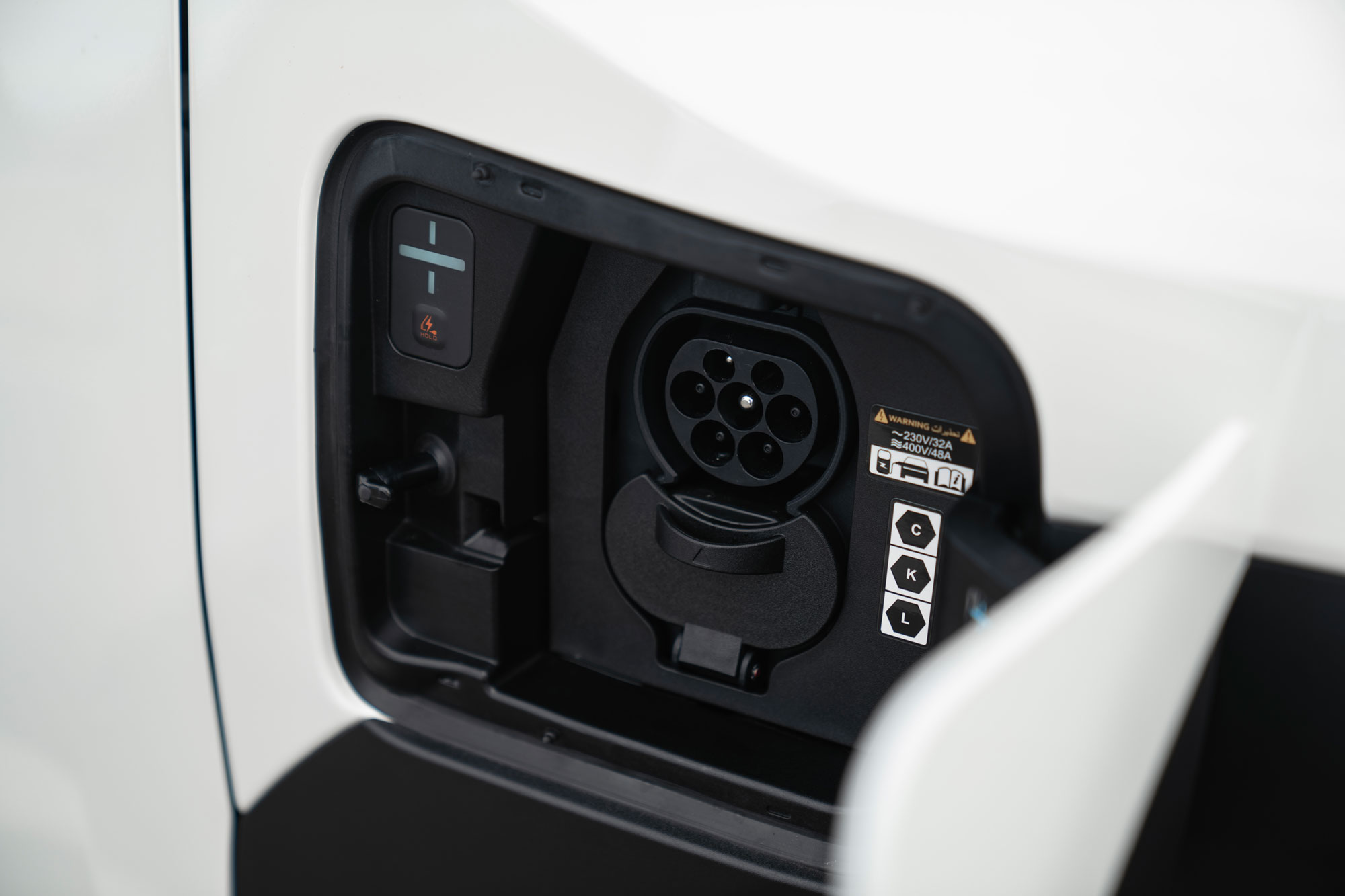
If you’re using an 11kW wallbox at home, the Standard Range car will charge between 10 and 100 per cent in 5h 20m, with the Long Range models taking 7h 15m. Like the EV5, the EV3 is built around a 400V rather than the high capacity 800V charge architecture of the larger Kia models such as the EV6 and the EV9. This means that you won’t get the same lightning charge rates from a high-speed public DC charger. The 10-80 percent charge rates on a commonplace 50kW charger are 55 minutes for a Standard Range and 78 minutes for the Long Range. Best case scenario on a 350kW charger is 29 minutes for the Standard Range and 31 minutes for the Long Range models, reaching a peak charging speed of 150kW.
In summary
The EV3 emerges as a good-looking car that’s well equipped, good to drive, offers useful range, more than adequate space inside, is competitively priced and comes with a strong warranty. In other words, it barely puts a foot wrong. Yes, it can sometimes feel a little vanilla in the way that it’s so inoffensive and charging speeds could be higher, but if those are the most serious complaints to be levelled at it, then there’s clearly a lot that’s right about it. It’s an important vehicle for the company here in Australia too, because part of its remit is to earn enough NVES credits to offset the debit column racked up by the new Tasman diesel ute.
Straight to the top of the class? We tend to hesitate when making such proclamations based on a first drive, but its rivals should be taking this one very seriously indeed.
2025 Kia EV3 Specifications
- Model: Kia EV3 Air Long Range
- Motor: Front-mounted permanent magnet synchronous
- Transmission: 1-speed reduction gear
- Battery size: 81.4kWh (gross)
- Max power: 150kW
- Max torque: 283Nm
- Kerb weight: 1930kg
- 0-100km/h: 7.7sec
- Range: 604km
- Price: $56,490 drive-away ($57,490 drive-away in WA)
- On sale: Now
Teased a week ago, Hyundai has revealed a new hot hatch concept at the Seoul Mobility Show called the Insteroid, which previews a hot version of the Inster electric small SUV.
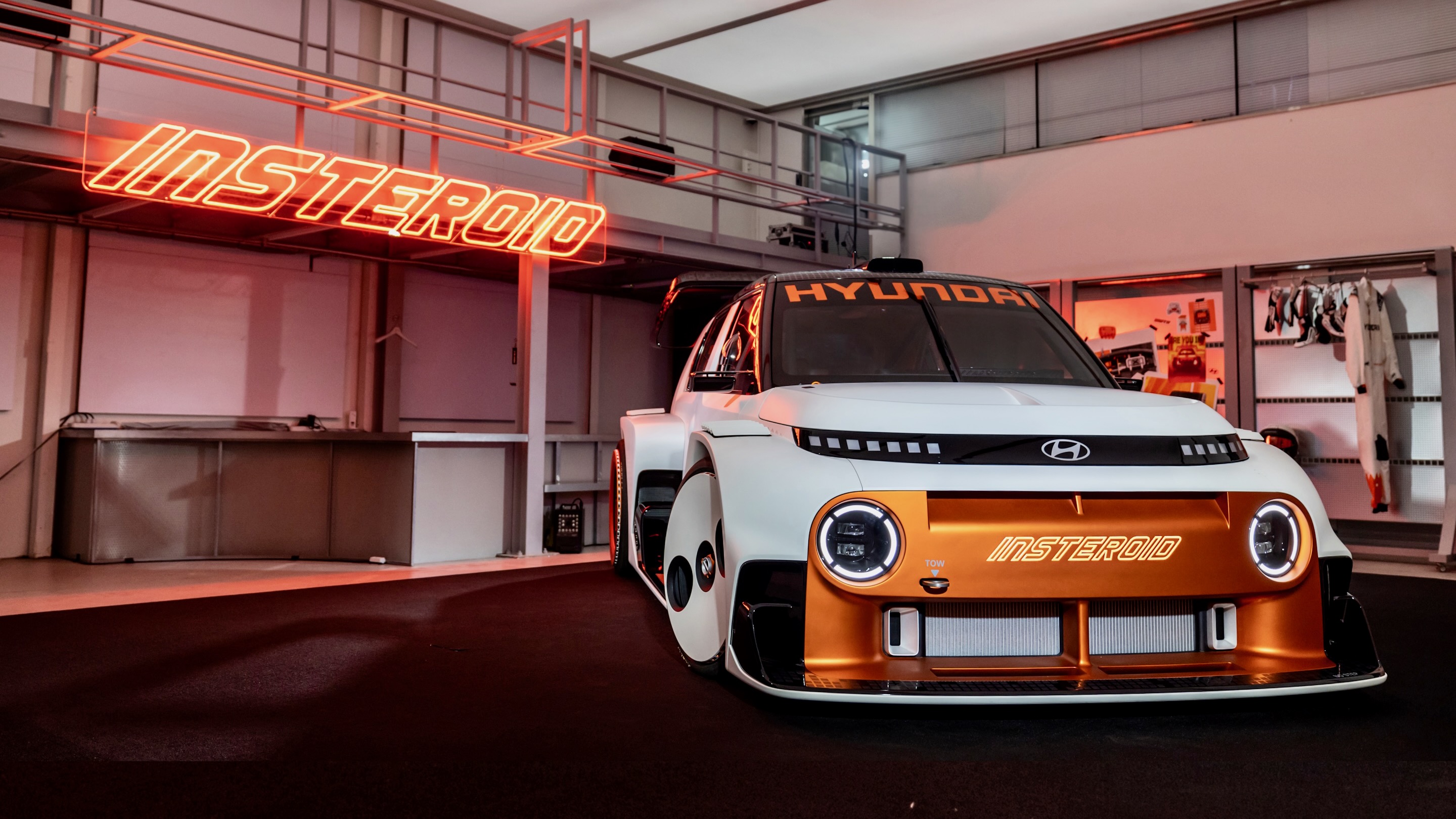
Combining Inster and Steroid, the Insteroid was styled “in secrecy” at Hyundai’s European designers and according to the company, took its inspiration from video games like Need for Speed Underground.
To create the Insteroid, Hyundai took a regular Inster and added a whole lot of attitude: a widened body with vented and electrically adjustable wheel arches, huge 21-inch alloy wheels and a massive rear wing and diffuser.
The exterior is finished in a bold white and orange theme and the 23 on the windows refers to the amount of times the cartoon ghost named ‘The Boost’ features throughout the car. Did you also think of Halloween? Spooky!
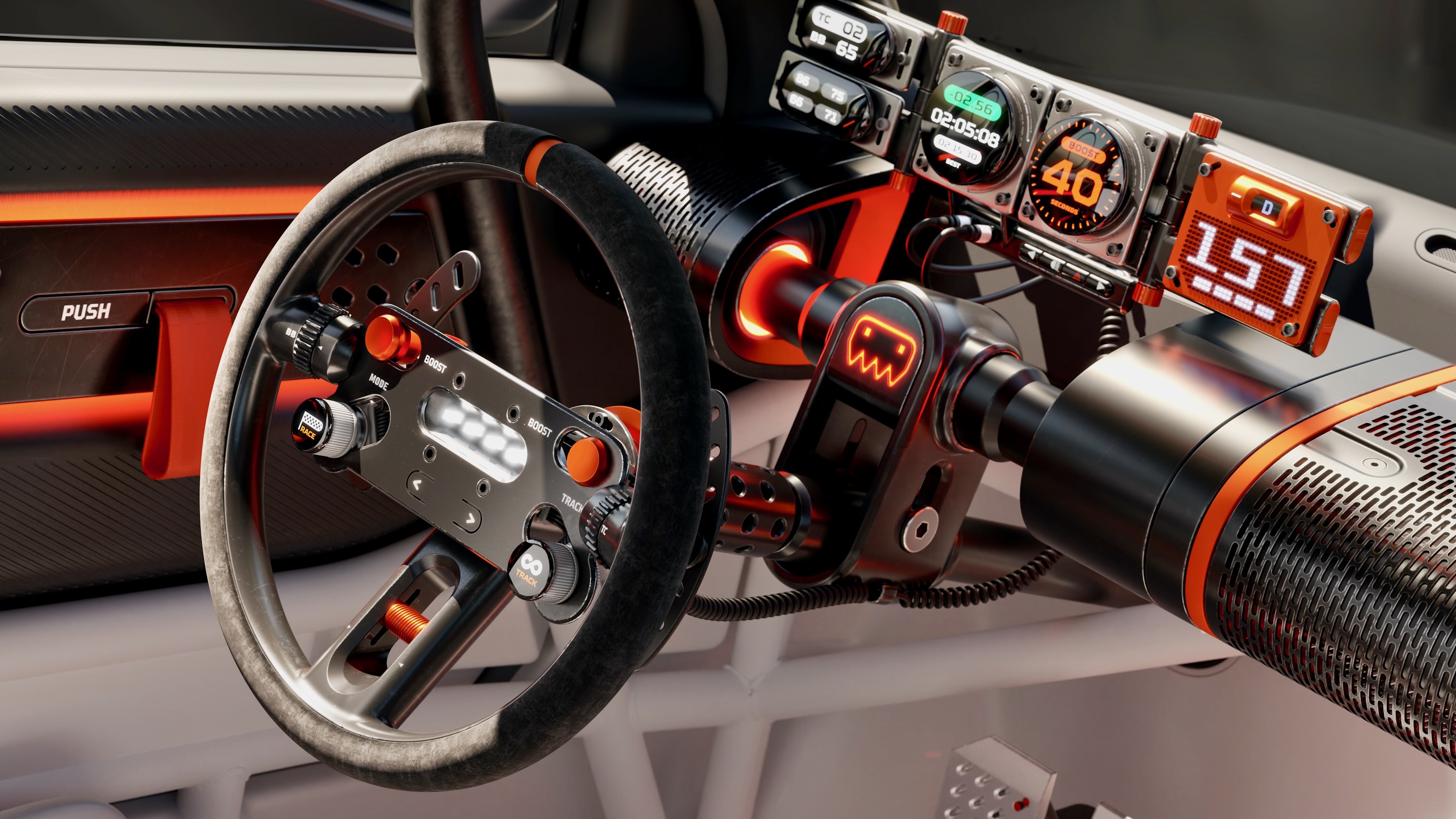
The Insteroid’s interior has been stripped out and pared back for a more racing look. Bucket seats and a roll cage also feature, and a new recycled 3D knit fabric is used extensively throughout the cabin.
The instrument cluster uses cool new graphics, while the driving experience incorporates many noises and lights. The Insteroid’s drift mode is controlled by a huge handbrake lever between the front seats.
Riding on a shortened version of the Ioniq 5’s E-GMP platform, the Insteroid isn’t actually related to the regular Inster mechanically.
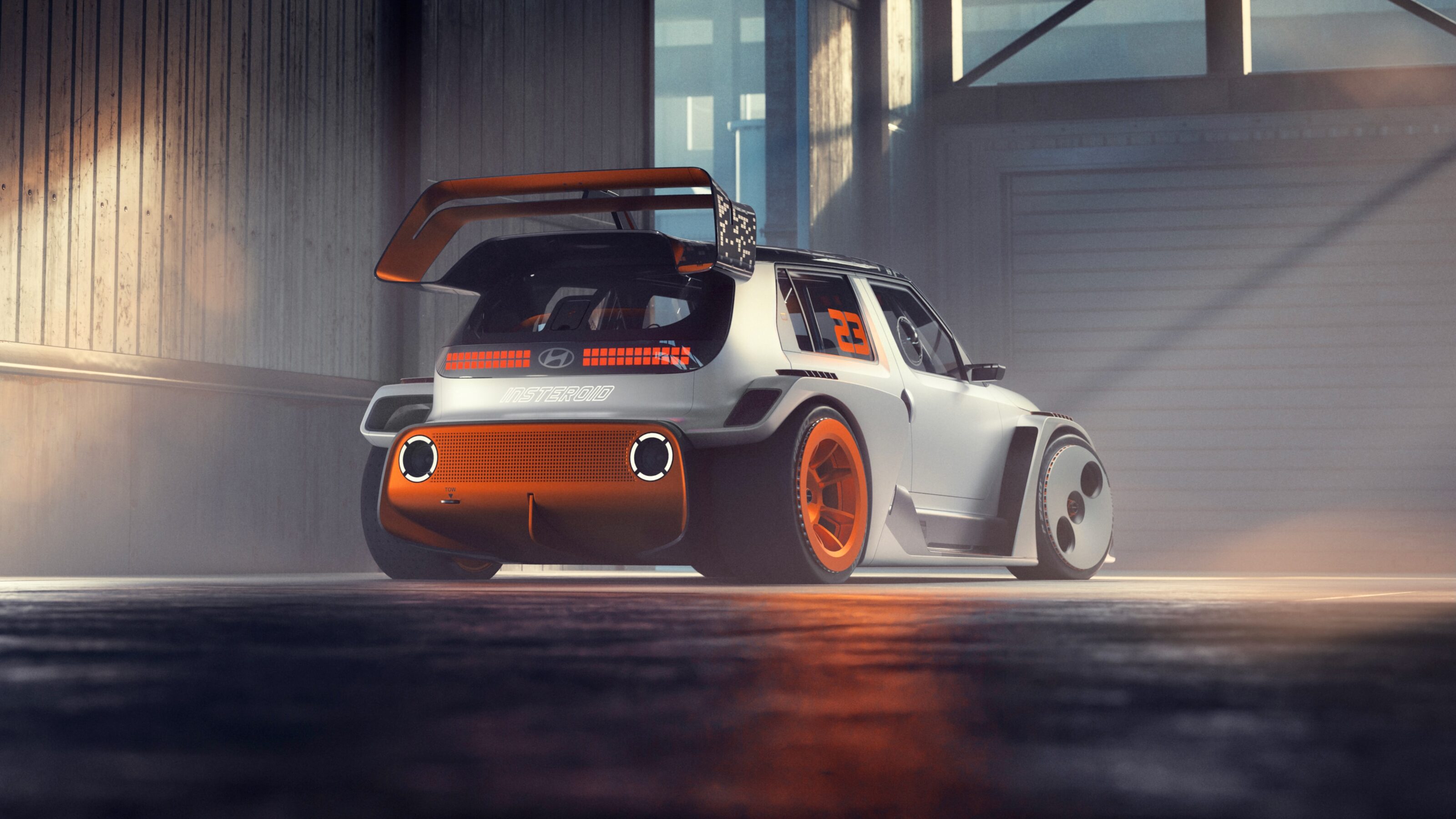
Hyundai didn’t release any mechanical details about the Insteroid, aside from that it uses the Wheels COTY-winning Ioniq 5N’s 478kW dual-motor all-wheel drive drivetrain. Considering that the 5 N hits 100km/h in just 3.4 seconds, the smaller and lighter Insteroid is likely even faster. The Hyundai Insteroid concept will be shown at the Seoul Mobility Show, which runs from April 3rd to 13th.
Ford Australia is celebrating its 100-year anniversary this week, with a special event to mark the centenary on April 4 to be held in Melbourne. In addition to that, thousands of Australian images have been added to the company’s online vault for Aussies to celebrate.
Established on March 31, 1925 in Geelong, Victoria, Ford Australia was first planned in 1923 when
North American Ford executives visited Australia to seek out a base for local activities of the company.
By 1925, Ford Australia opened with Hubert French as its managing director and the first model to
be produced was the famous Model T, which quickly became one of the most popular cars in history. In Australia, the Model T cost 185 pounds, equivalent to around A$18,500 in today’s money.
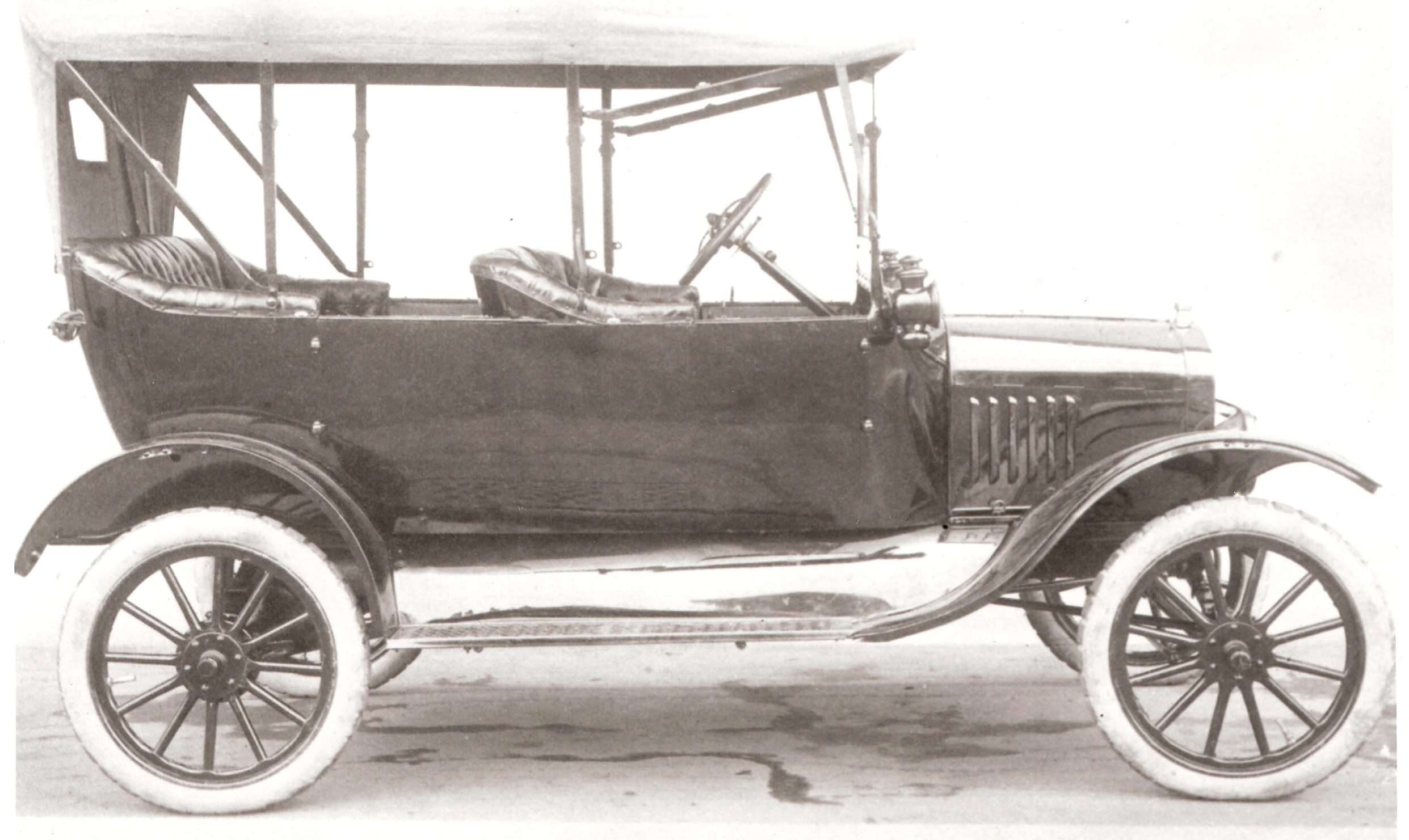
According to the company, Geelong was chosen as Ford’s base thanks to its closeness to the sea
port, available land, access to nearby railways and a good labour force.
Ford’s Geelong connection runs deep, forging a partnership with the Geelong Football
Club – which is also celebrating its 100th year – since 1925. The Cats also celebrated winning the club’s first Victorian Football League Premiership that year, too.
Geelong also managed to imprint on the Model T. In North America, the car was affectionately
known as ‘Tin Lizzie’ but in Australia, it was given the nickname the ‘Dalgety’, a reference
to the Dalgety Wool Store where the first vehicles were assembled. Eventually, the original factory
moved from the old Dalgety’s Wool Store to larger premises in Corio.
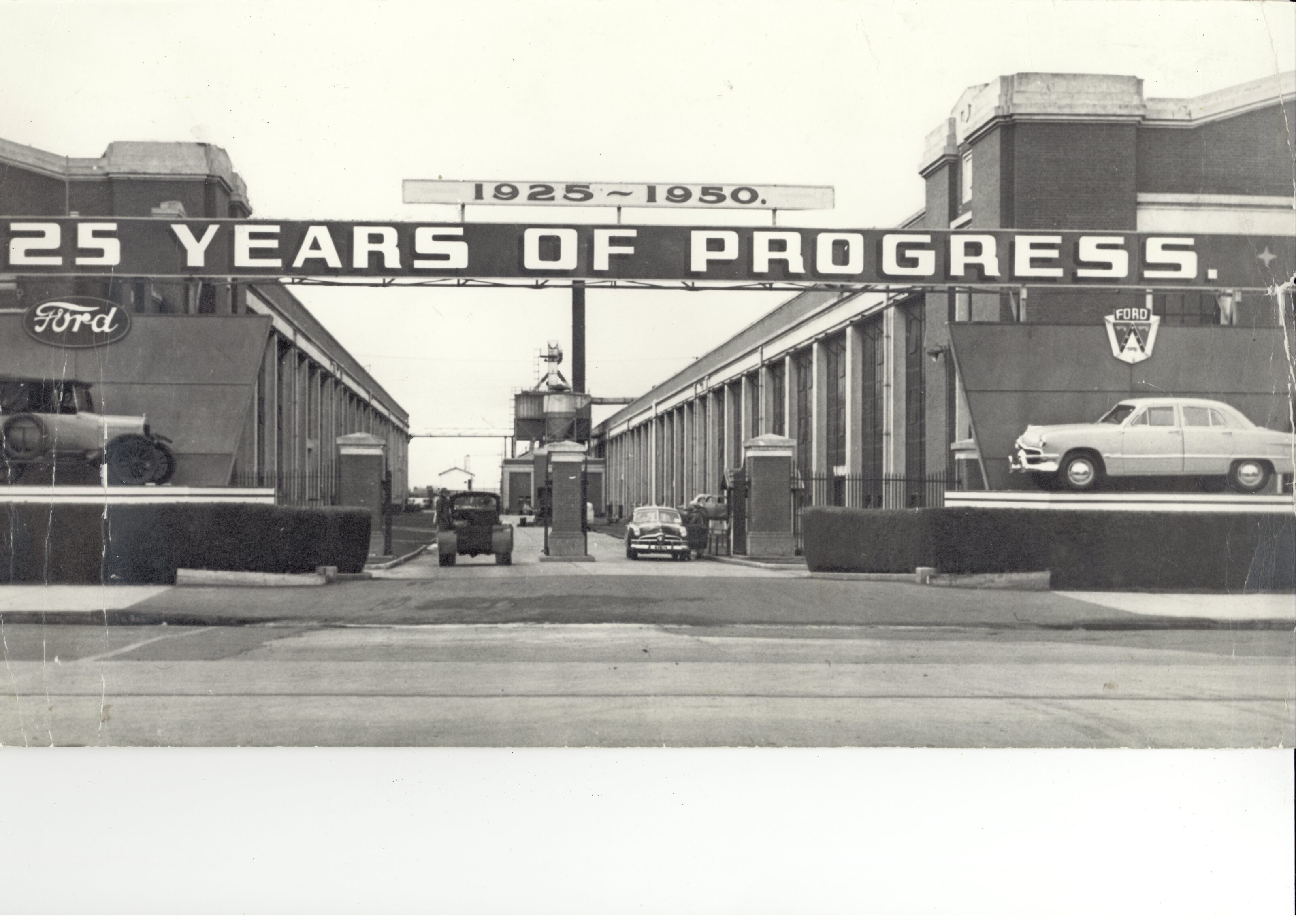
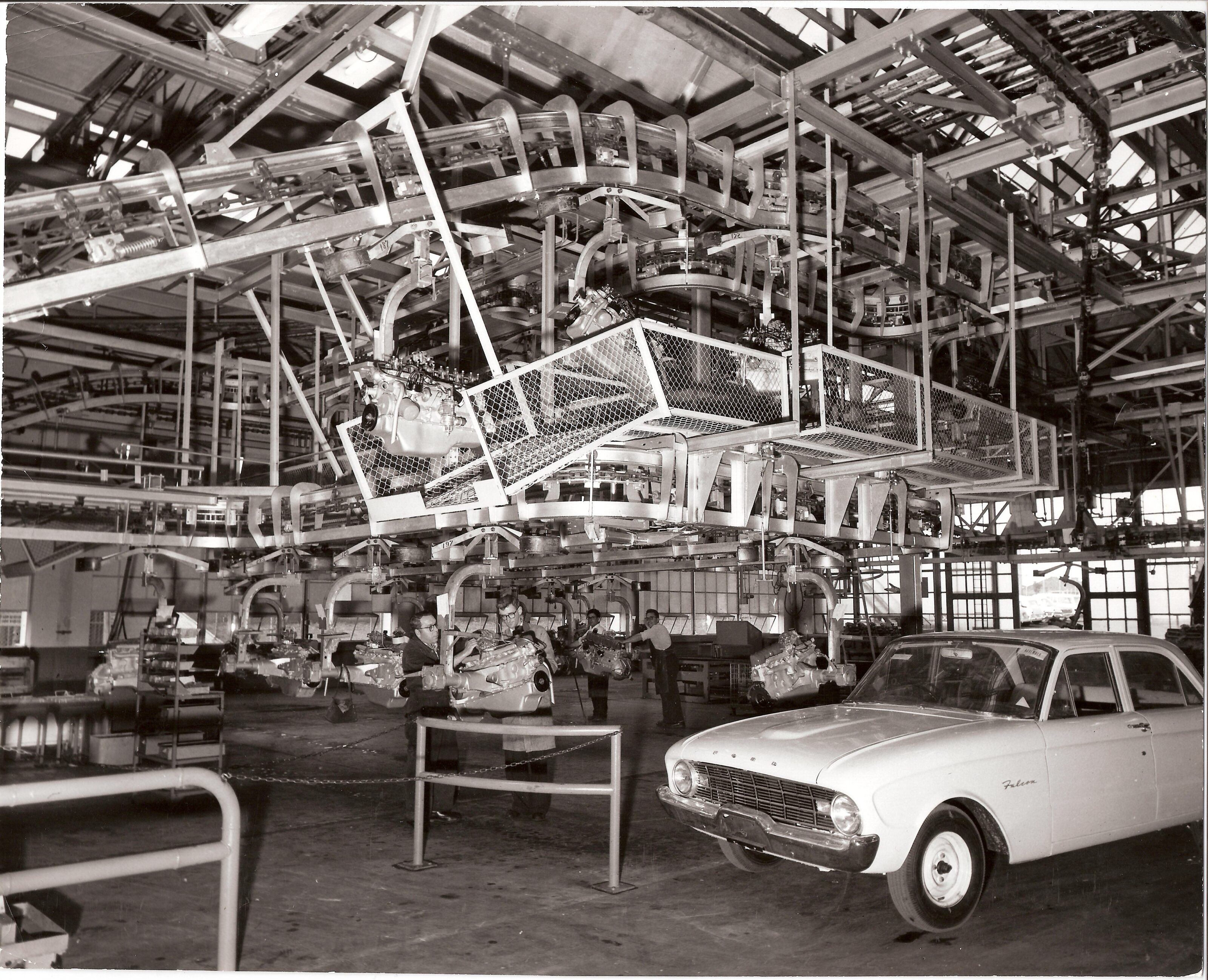
Ford Australia is also celebrating its connection to the greater Victorian community, including the company’s original stamping plant at Norlane, site of the current Research and Development Centre, and the 900ha You Yangs Proving Ground at Lara, where Ford develops and tests its vehicles. Ford’s Campbellfield facility in Melbourne is also home to Ford’s International Markets Group Product Development Centre.
To mark the occasion, Ford will hold a special “History in the Making” event in Melbourne on April
4. The event will showcase a selection of Ford’s own Heritage fleet, including the first 1960 XK
Falcon, which was introduced in September 1960, as well as the first Ford ute, the 1934 Coupe-
Ute, a Ford Australia invention.
Ford will include modern cars like the Mustang Mach-E EV, Ranger PHEV, Everest, and some key
Ford GT sedans and race cars that helped put Ford Motorsport on the map in Australia, and the
company will also support the All Ford Day in Geelong on April 6.
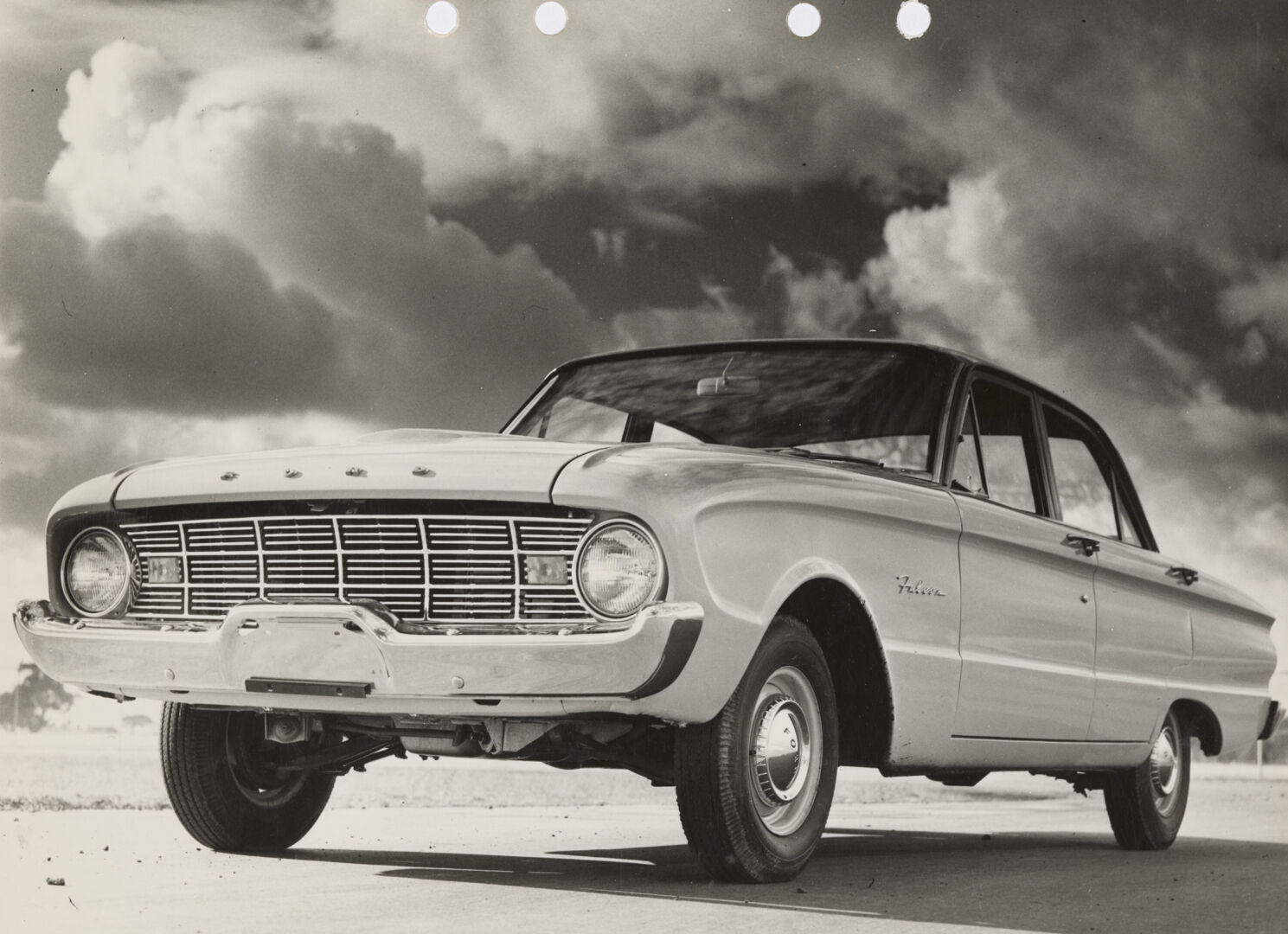
In addition to the event, the Ford Heritage Vault can be accessed to celebrate the company’s 100th
year, including 2,300 new brochures and images of Ford vehicles sold in 1925. It can be visited
here: https://fordheritagevault.com/
The vault is also home to over 19,000 digital items, including product brochures, assorted regional
issues of the Ford Times magazine, product and concept photography, images of global Ford
facilities, and press releases detailing the innovations in historic concept vehicles.
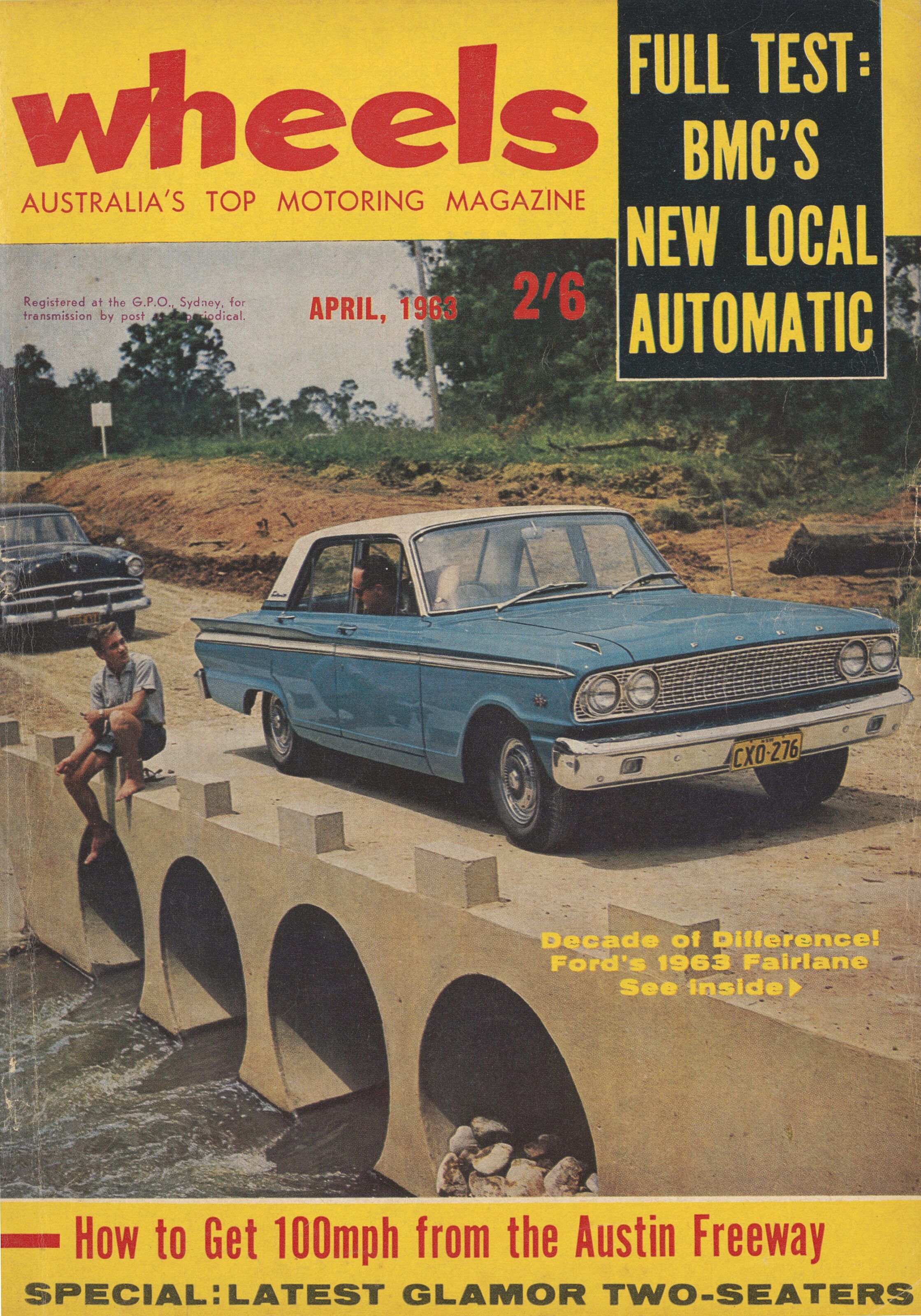
Over its more than 70 years of existence, Wheels has covered nearly every significant development in the Ford Australia story. Many famous Wheels covers will feature in Ford’s anniversary celebration in Melbourne.
Perhaps most famous of all of Wheels‘ Ford stories was Mel Nicholls’ infamous drive down the Hume Highway in the mighty Phase III GTHO Ford Falcon, documented in the October 1971 issue, which many believe led to laws around speed limits changing on Australian country roads.
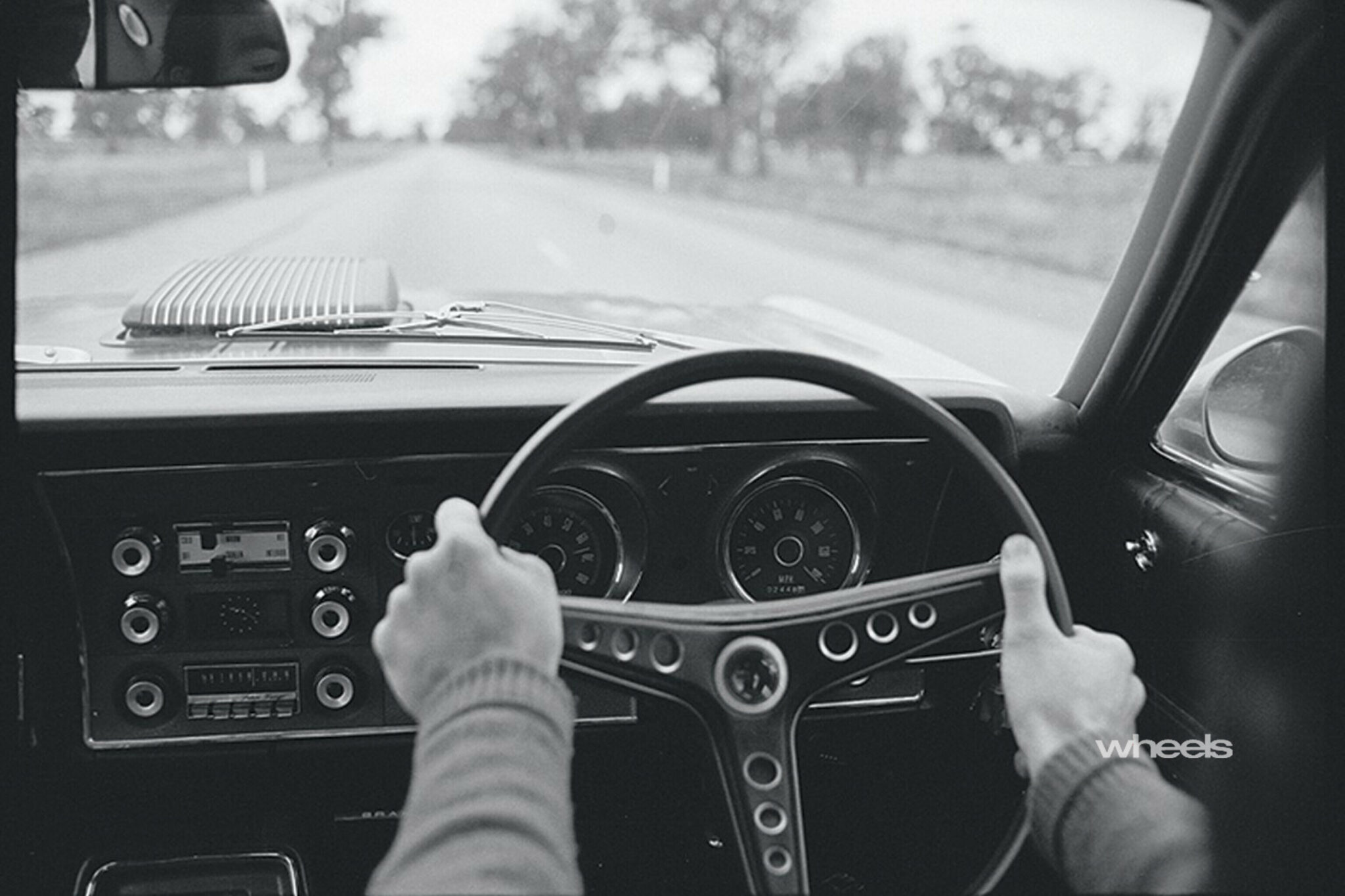
As Mel later commented about his colleague Uwe Kuessner’s famous photo over his shoulder as he pushed the Falcon to its limit on the Hume south of Wodonga in Victoria: “Peering at the instruments, I can still see the tacho cranking past 6000rpm and the speedo nudging beyond 140mph…”
Ford cars have won Wheels Car of the Year seven times since the award was established in 1963, the Ford Everest the most recent winner in 2023.
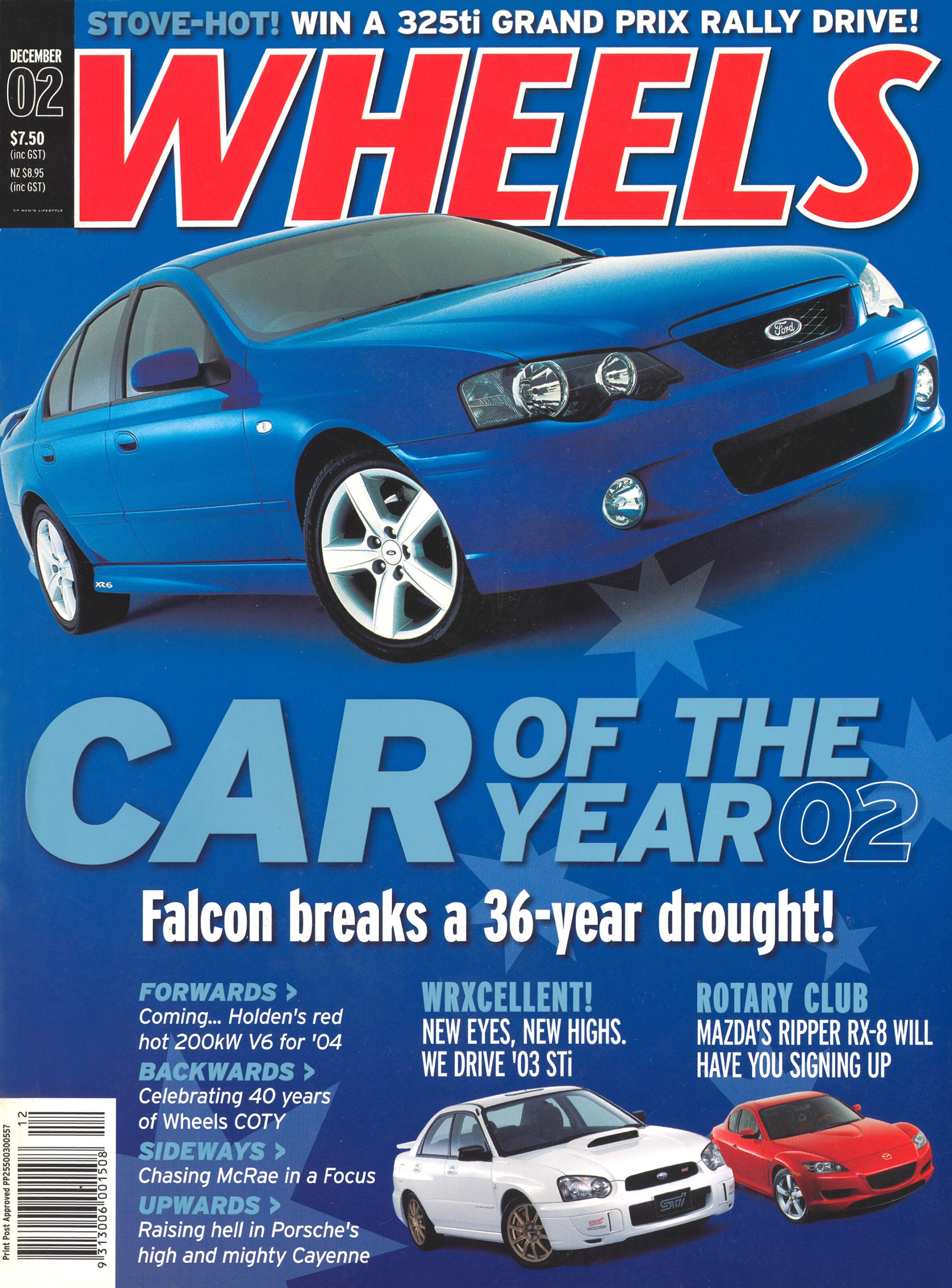
The Ford Australia 100th year anniversary celebration will commence on April 4th in Melbourne.
