
HOLDEN says it is not yet ready to reveal its plans for October 20, the day Australia ceases to be a car manufacturer.
One month out from closure, speculation is building over what the last car off the Elizabeth production line is likely to be. Holden says it is not yet ready to share that information.
A spokesman told Wheels the carmaker’s plans were “a couple of weeks away”, meaning that Holden’s countdown to the end of manufacturing would remain a mystery until then.
Ford is believed to have started building its last cars about a month before its closure in October last year.
Like Ford, Holden elected to shut its engine casting plant ahead of the last Commodore coming off the line, stockpiling the High Feature V6 to see the car maker out to the end. The last Holden is expected to include a Port Melbourne-cast V6 that was earmarked for the last car before the engine plant closed.
Toyota will close its Altona factory doors on October 6. The last car off its line is expected to be a Camry – Aurion production has already ended, and the last Camry Hybrid off the line was due this month.
The last car off Ford’s Broadmeadows production line was a Kinetic Blue Ford FG X Falcon XR6 sedan, preceded by a Territory, and Falcon ute which was built a several months ahead of the shutdown.
A THRIFTY HSV owner has turned a $170,000 investment into $110,000 of profit in a matter of months after auctioning his white GTSR W1 with just 22km on the clock.
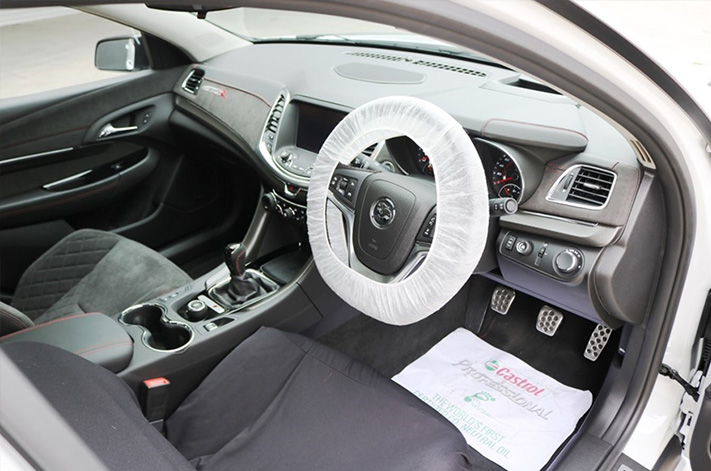
Car number 110 of 275, located in Victoria, was sold by Grays Online for $280,000 last night and is the second W1 Wheels is aware of to be resold with what appears to be delivery kilometres.
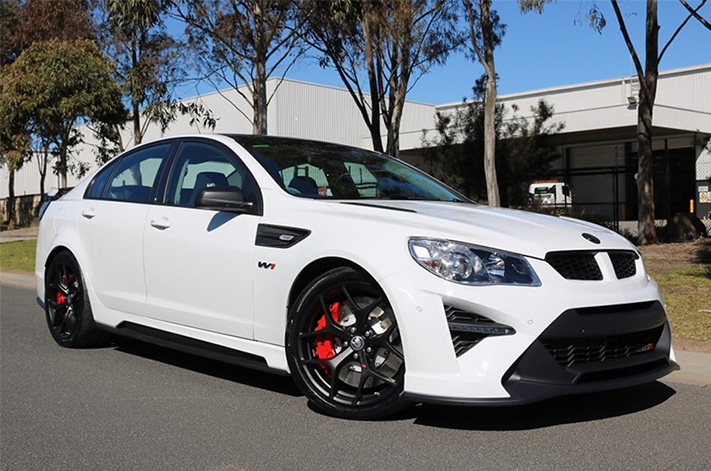
A $110,000 premium may seem steep, but Wheels understands some customers paid more than the official list price of $170,000 at launch to secure themselves an example of the final locally made Commodore-based HSV.
It was estimated that 800 orders had been placed for the W1, and it seems that the high demand is being exploited by speculators.
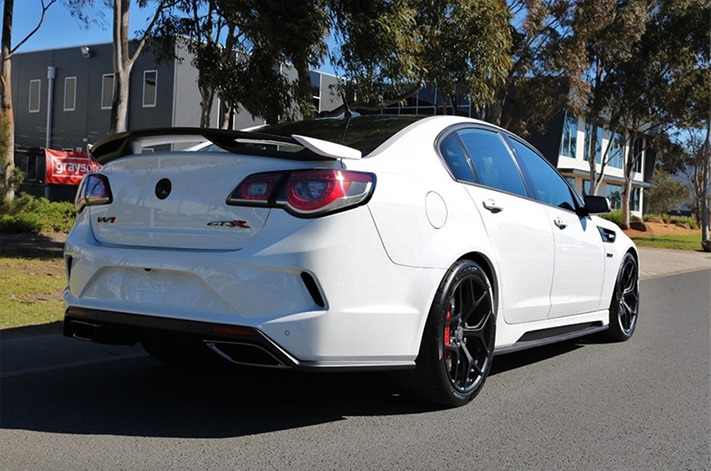
The HSV GTSR W1 is the company’s farewell to the Commodore platform, and is the most hardcore product to come from the Clayton tuners to date.
With a 474kW/815Nm dry-sump 6.2-litre supercharged LS9 engine under the bonnet, and V8 Supercar inspired suspension and brakes, the W1 is one of HSV’s most lusted after products.
A select group of Australian customers were able to purchase the 911R for $404,700, but one later hit the second-hand market with an asking price of nearly $1.2 million earlier this year.
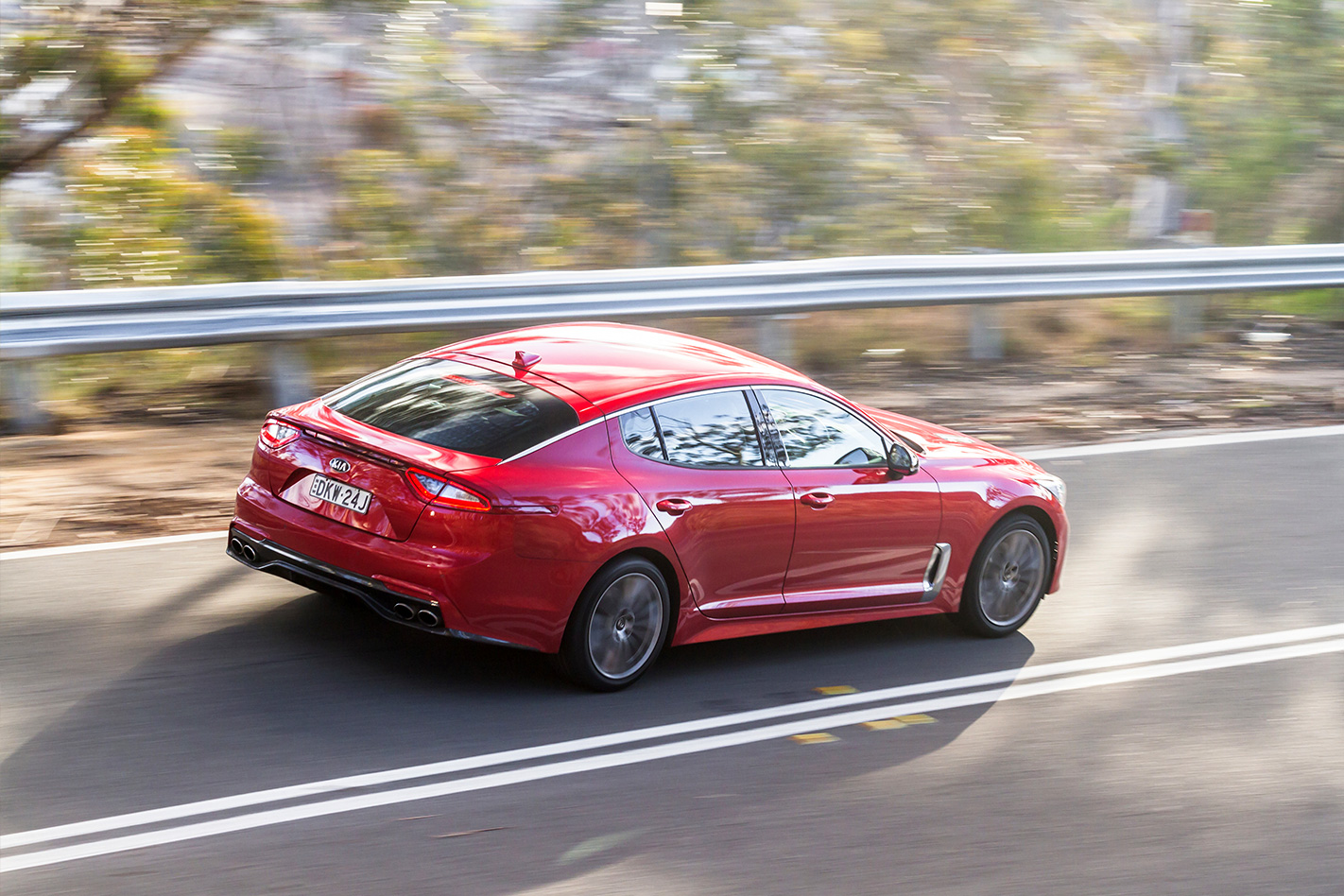
KIA has given a hint at the type of buyers who are lining up to jump behind the wheel of its new rear-drive Stinger sports sedan – and they’re not all disaffected Falcon and Commodore owners.
Instead, about two in every three buyers pre-ordering the car are stepping out of Euro brands, according to Kia Motor Car Australia chief operating officer Damien Meredith.
“We do know some [of the brands buyers are coming out of], but we don’t know the whole lot.”
According to Meredith, there were “a lot of Euros” in the early inquiries about the Stinger. “There’s quite a few Benzes, which surprised us, not too many BMWs, quite a few Audis; but you do get Ford and Holdens,” he said.
“In the initial orders that we saw, there were not as many [inquiries from Ford and Holden owners] as we expected, but I think that will grow over time.”
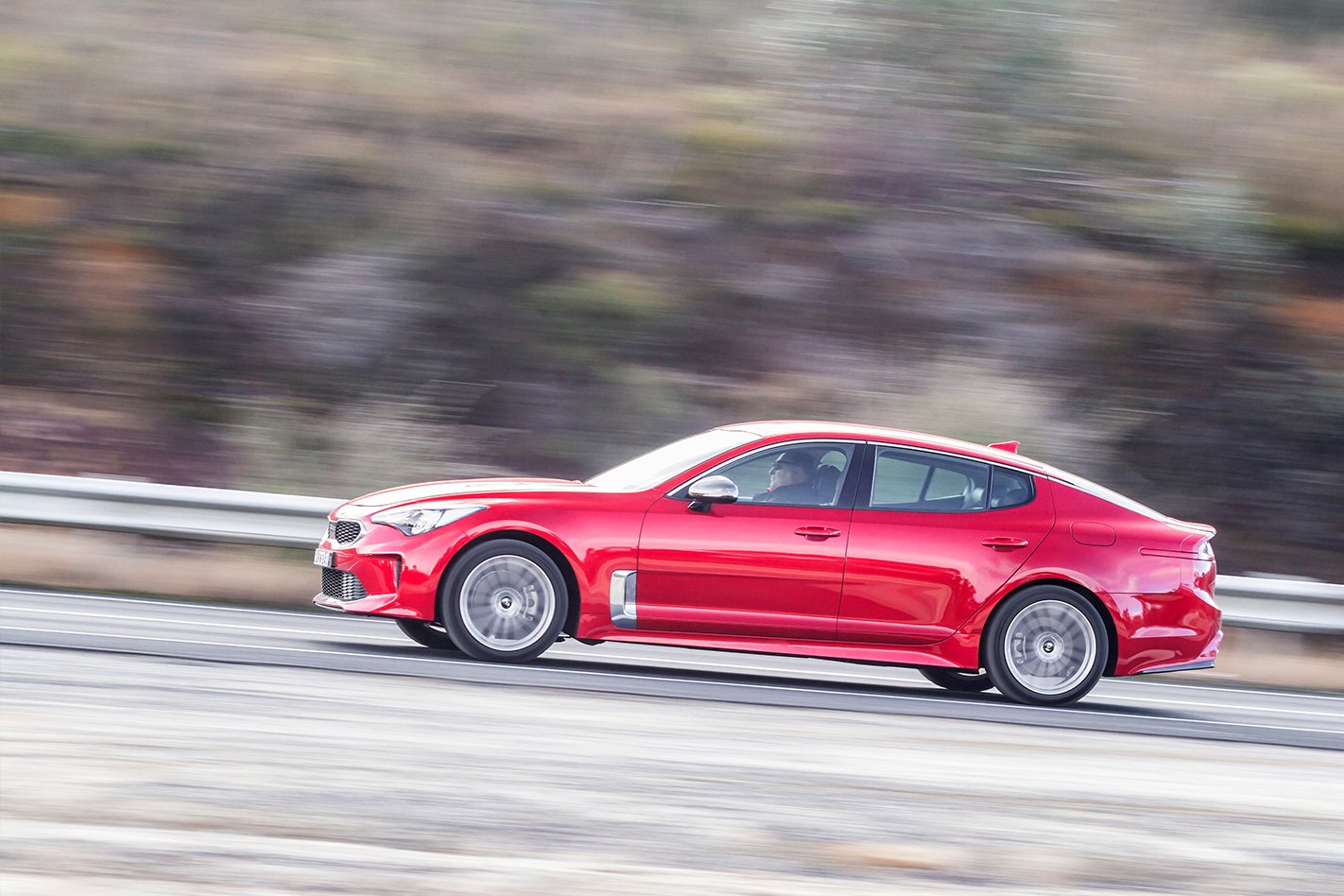
However, just getting one may be a problem for some buyers, with demand in Korea – Australia is the first market outside Kia’s homeland to add the sedan to its showroom – severely capping the number of cars that can land here over the first year on sale.
Imports will be capped to about 200 a month as the car launches into other international markets, with initial orders weighted three-to-one in favour of the 272kW V6 version.
The Stinger officially goes on sale on October 1.
THE BMW 530d will replace the Holden Commodore SS as Victoria Police’s highway patrol car next year, however the next-generation ZB Commodore and Kia Stinger are still a chance to sport VicPol stripes.
But it’s a contract that may have been won by default, as according to Victoria Police the 530d is the only appropriate vehicle that will be available by the time VF Commodore stocks run out.
A Victoria Police source told Wheels the force will finally get its hand on newer vehicles such as the V6 AWD ZB Commodore and Kia Stinger GT later this month to see if they’re appropriate for highway patrol duties – a selection process that the older 5 Series has already passed.
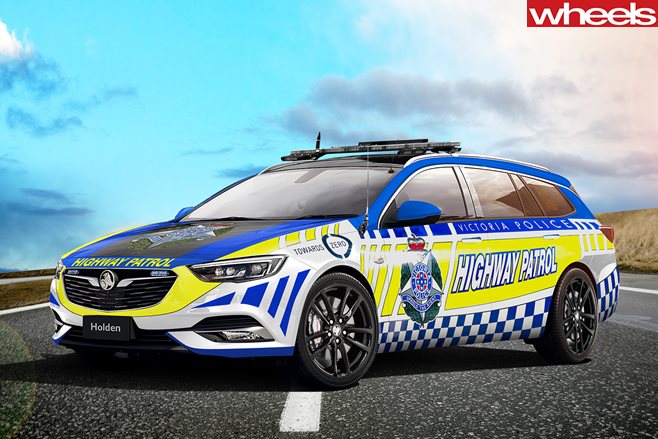
As well as considering a range of vehicles for highway patrol duties, Victoria Police is looking to replace the VF Commodore for general patrol work.
In addition to the ZB Commodore and Kia Stinger, some of the contenders for that role are believed to be the Volkswagen Passat, Hyundai Sonata (which is already in use with Queensland Police) and even an undisclosed Infiniti model.
Victoria Police will roll out 80 highway patrol turbo diesel 530ds by the end of 2018, which will be a fleet, entry-level offering, without the usual luxury features.
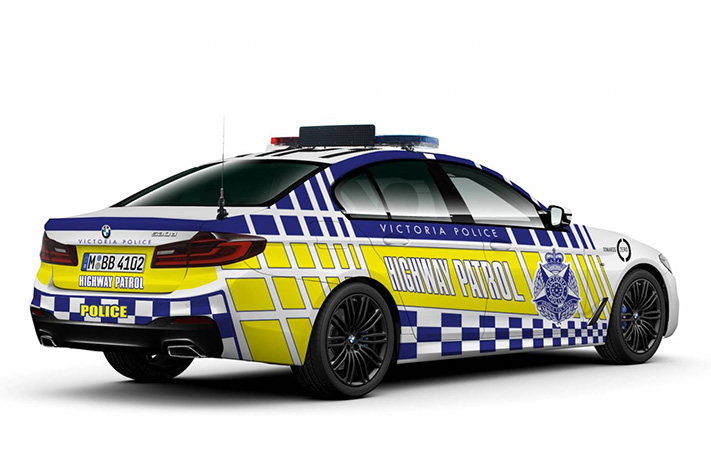
Powered by a 195kW/620Nm 3.0-litre straight six oil burner, the 530d’s 5.7 second stock 0-100km/h sprint time is 0.8 seconds behind the 6.2-litre V8-powered Commodore SS.
Road Policing Command Assistant Commissioner Doug Fryer said BMW “has come to the party and worked with us on making sure their cars are as fit for purpose as possible”.
“They are the only company to date that has been able to provide a factory fitted ‘police pack’ making the commercial agreement an extremely attractive value for money decision.
“This is a great opportunity, where together with BMW, we can deliver more integrated solutions for policing through technology and innovation while still meeting our performance needs.
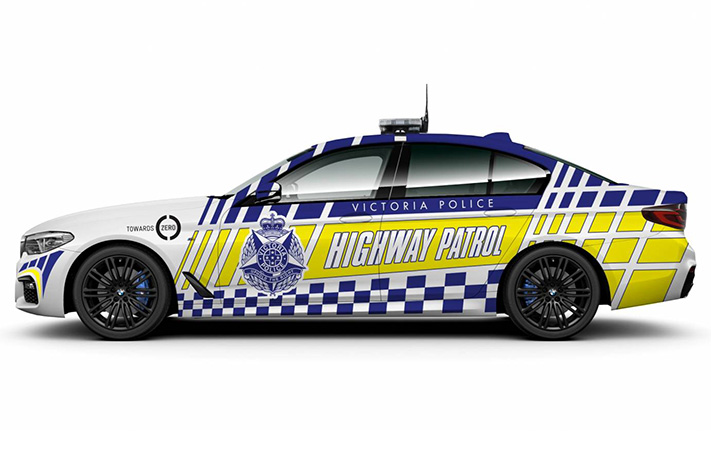
BMW told Wheels in February that it had offered the BMW 5 Series as a police ready vehicle with a lower trim to keep costs down.
However, it was uncertain if the pitch would succeed at the time as Victoria Police had just knocked back the BMW X5 to replace its Ford Territory general duties fleet, in favour of the Hyundai Santa Fe and Toyota Kluger, despite it proving more capable partly because of the politics of using “luxury” vehicles and ongoing service costs.
BMW must have offered a pretty good deal on the 530d sedans because according to a police source the X5 is back in contention as a future general-duties SUV.
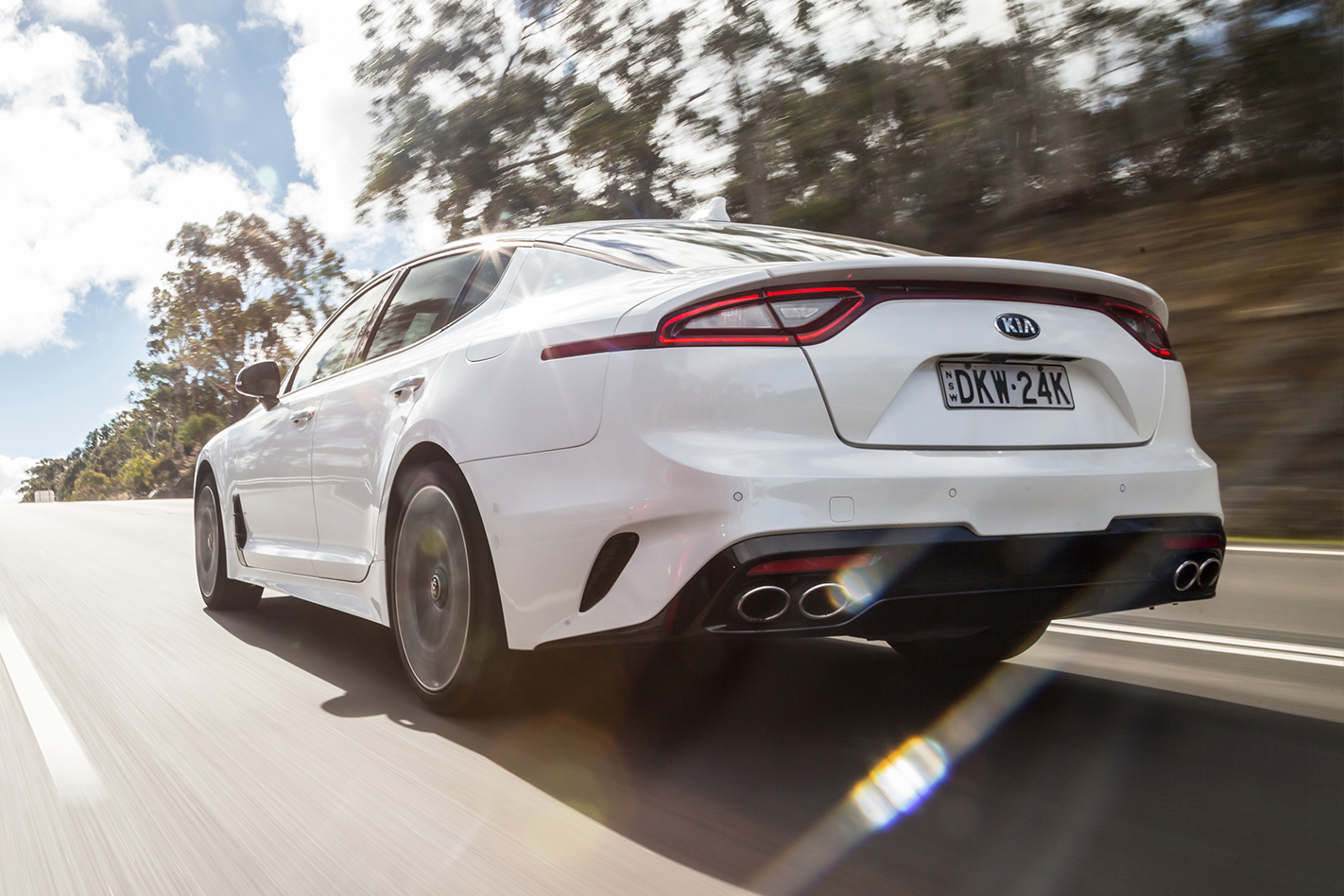
THE Kia Stinger has so much untapped potential it could one day spawn the Korean car maker’s equivalent of Toyota’s TRD sub-brand, the architect behind the rear-drive sedan’s suspension tune believes.
Graeme Gambold, the suspension specialist who adapted the upcoming Stinger’s ride and handling to Australian conditions, says the CK sedan chassis – and potentially its engine – still have much more to give in terms of performance.
According to Gambold, there’s much more potential to be unlocked in the front-engined, rear-drive Stinger, and the clue is in the Subaru-style differential used down the rear. “Apparently it’s very strong and robust, no problem, can handle more grunt and all those sorts of things, so I don’t think they’ll have any problem winding the wick up” he said.
At the moment, the Stinger’s in-house eight-speed automatic is likely to be the fuse, rated to about 500Nm. Once you get over 500Nm it’s a big ask for the trannie,” Gambold said.
““So ZF, for example, with the 8HP transmission that’s in all the BMWs, they spec them … it’s the same transmission, for example, in the BMW 1 Series as it is in the BMW 7 Series but the iterations are different – the 7 Series will take nearly 1000Nm and the 1 Series obviously doesn’t need that, so they spec down.
“I would imagine this transmission is in early days because it is new, but they will add to its design concept to beef it up as they want to. And the engine, if you look at the design spec of the V6, it’s not stratospheric.
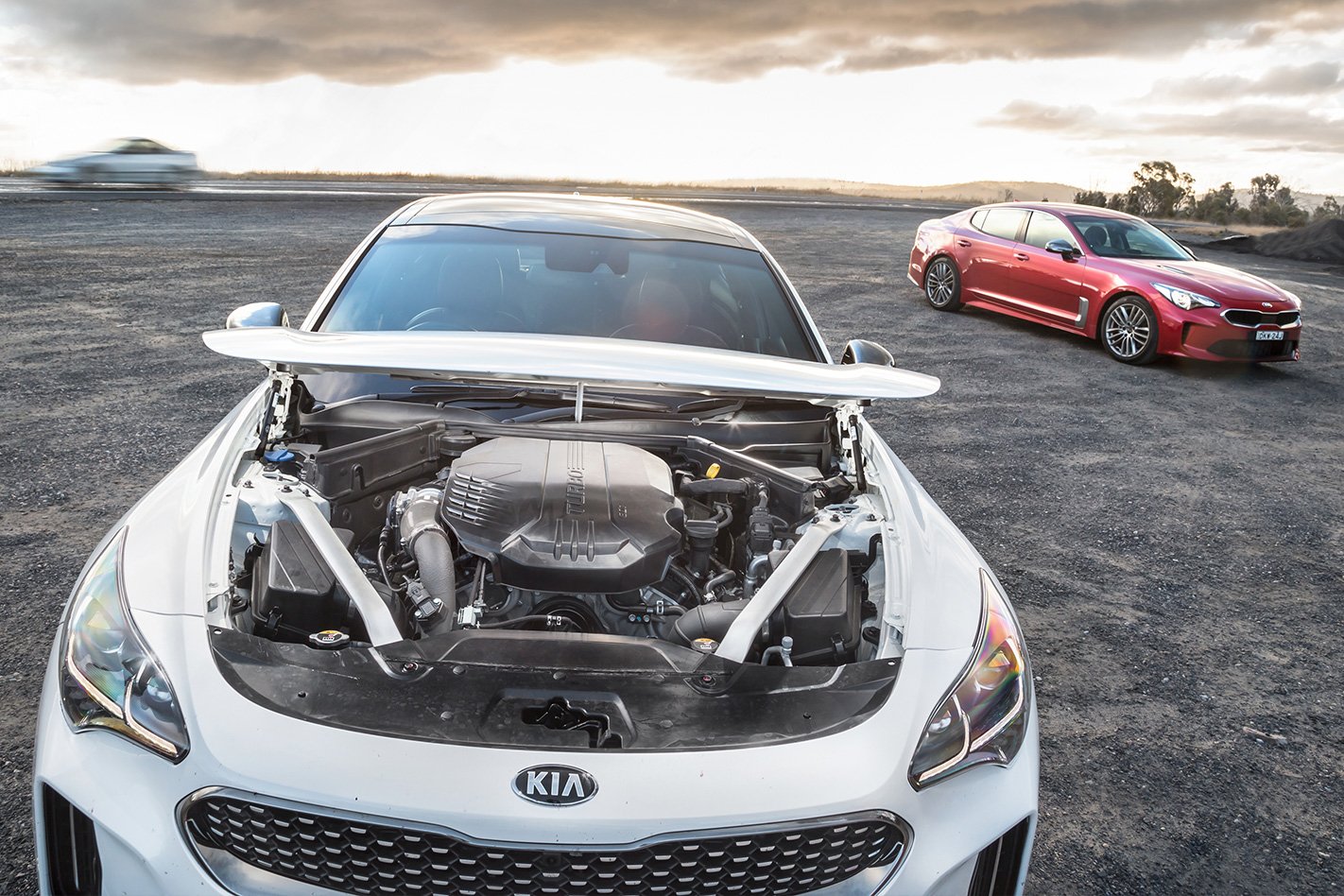
Time for some maths: Dividing the turbo four-pot’s 182kW and 353Nm by 2.0 litres gives 91kW/l and 176.5Nm/l. Multiplying that by 3.3 yields 300kW and 582Nm – a big step up from the 272kW/510Nm of the current car – and that’s on 91RON fuel, not the higher octane 98RON fuel that would allow Kia to advance the spark and up compression ratios.
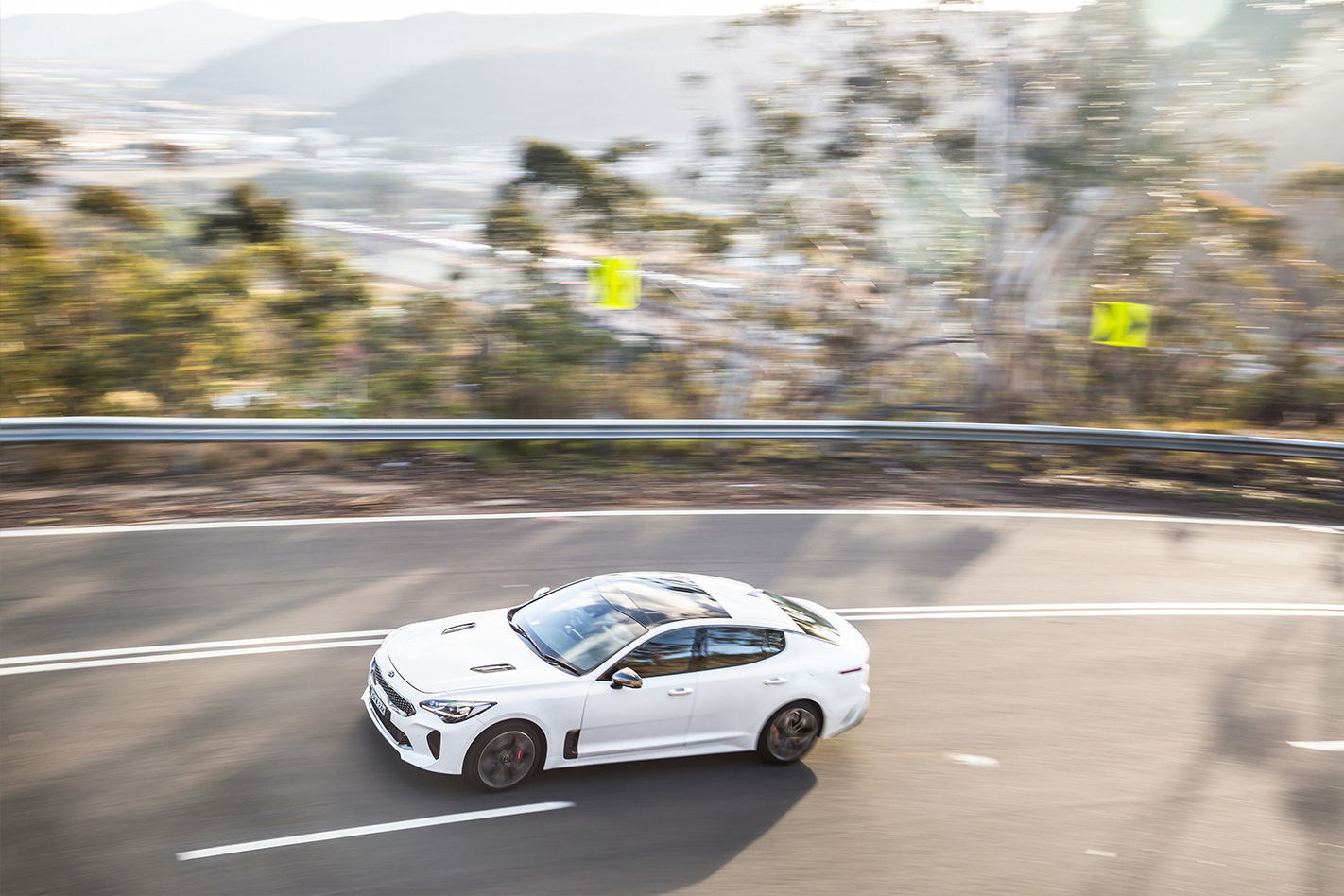
Just like the engine, the suspension system has more to give, Gambold said. “A lot of the parts of this car aren’t extreme, nowhere near RS or M level components in terms of spring rates and bar and shock absorber sizes and distances,” he said. “The car has a lot of dynamic scope in it … they’re [the suspension tunes] not aggressive yet.”
However, any more aggressive tune would also need changes to the “mechanical hard parts” as well as the magnetorhetorical active dampers used on the most potent 272kW GT-badged version of the Stinger.
“If we put it on very hard, it’s like welded, you know, bone-jarring. Put her on comfort, and it’s like it has no damping.”
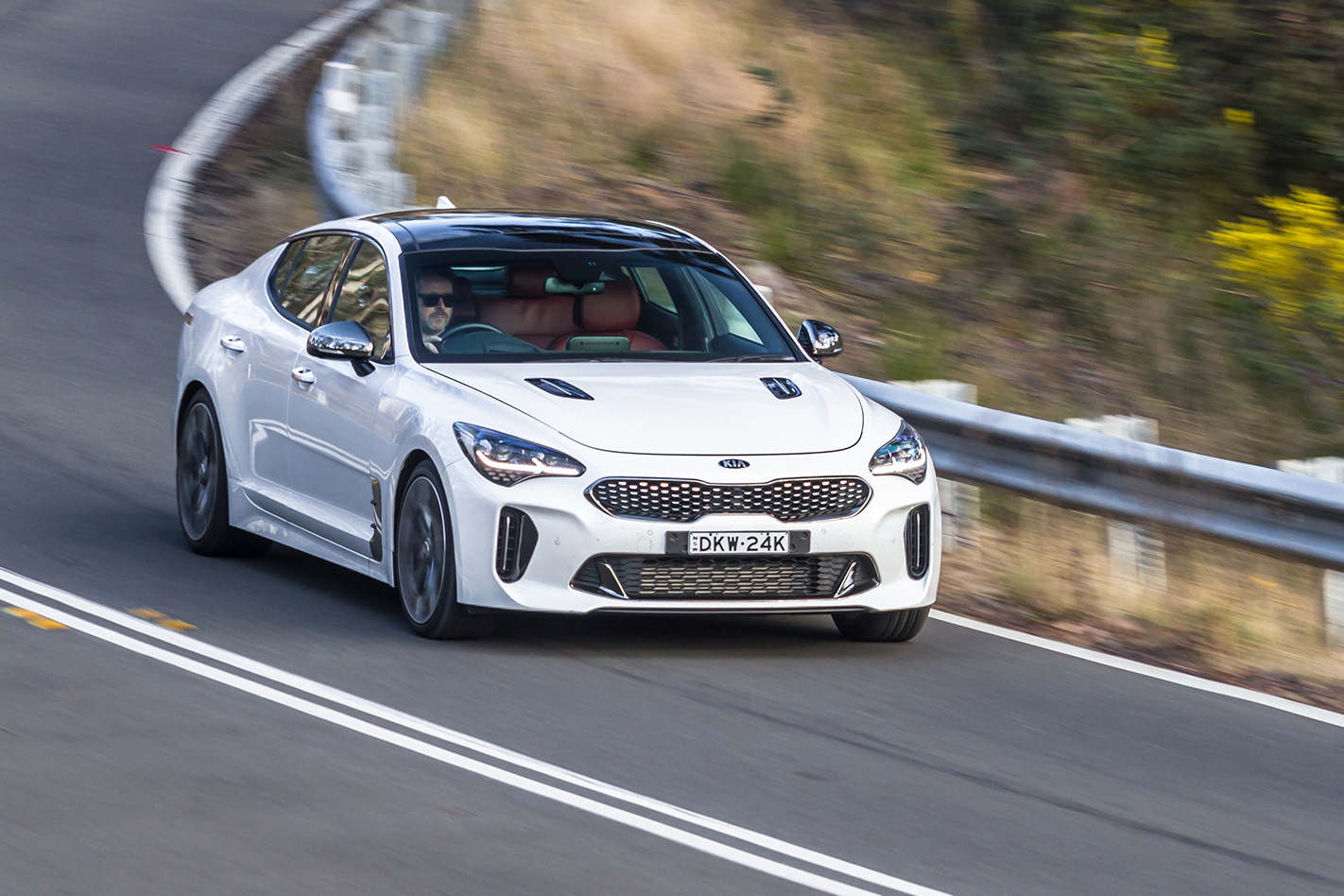
Gambolt said he would have liked to take the Stinger’s suspension further than what has rolled out in the GT, aiming more at the “sports enthusiast driver, but we hit a limit on where you can get to” – in other words, his team ran out of time.
“Kia sets a production close-off date that is usually close of business on a particular Friday on a certain month of the year. We’re usually working right up to the death knell on that Friday night to put the report in,” he said. “We used every last minute we could.”
“If we don’t do it, give ’em a week and we’re sure the aftermarket will be on it.”
Kia will test the waters with a bimodal exhaust system for the V6 that will become a dealer-fit option, hopefully in time for the car’s October 1 on-sale date. The “hotdog” system, similar to that used by HSV, adds bypass systems to the twin rear mufflers. The system is also being explored for the 2.0-litre versions.
WHAT’S the best way to treat a classic race car? Do you lock the unhinged beast away, to spend the rest of its days gathering dust behind museum doors, or let it loose on a racetrack to nudge panels and push the limits as it was built to do?
Answers on the subject vary greatly between automotive enthusiasts. While some prefer to see iconic metal kept in pristine condition, preserved for future generations, others compare it to keeping a thoroughbred horse in your living room. To the latter, the inherent risk of disaster is just part and parcel of the life of racing machines, no matter the age or price.
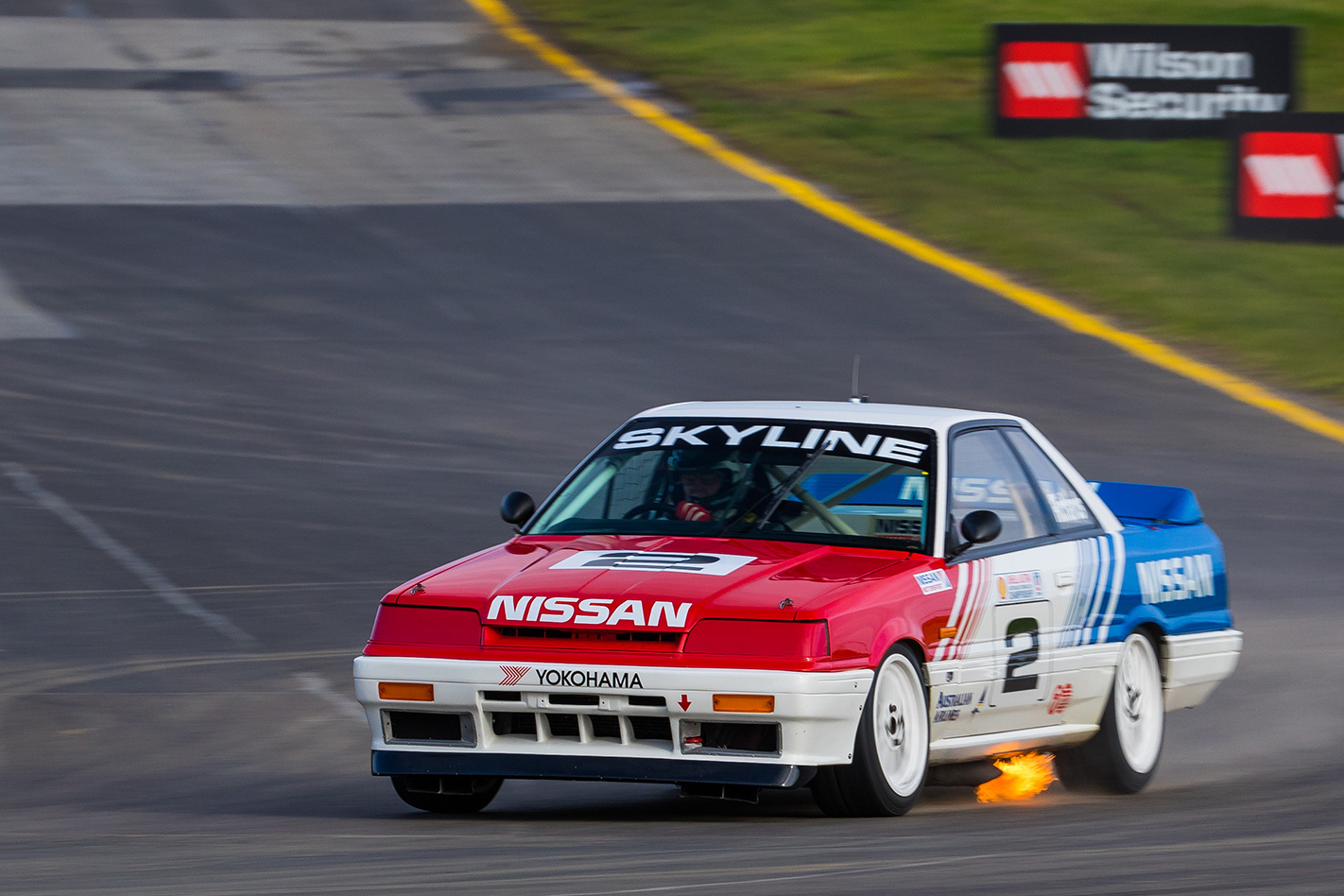
The middle ground between the two camps has been parade laps, where these retro racers can turn a wheel on track, just not in anger. While it’s always nice to see the cars rolling under their own steam, watching from the hill is a bit of a disconnect. There’s no awe and wonder, aside from the mere presence of the car.
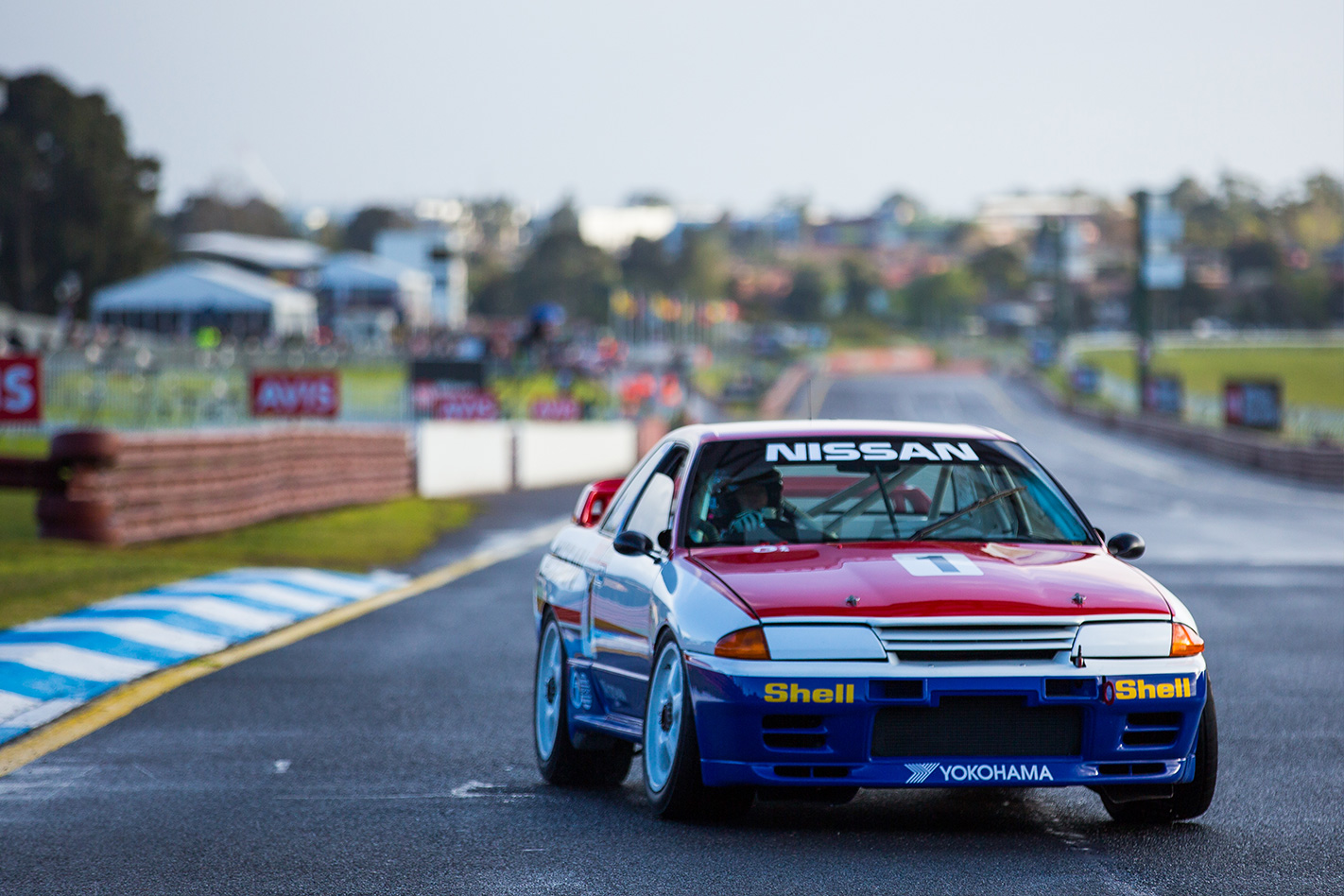
It allows the lucky bus passengers to view race cars at an angle unlike anything else. TV camera angles, nor watching as a spectator offers such a good sense of speed, size, and importantly, noise.
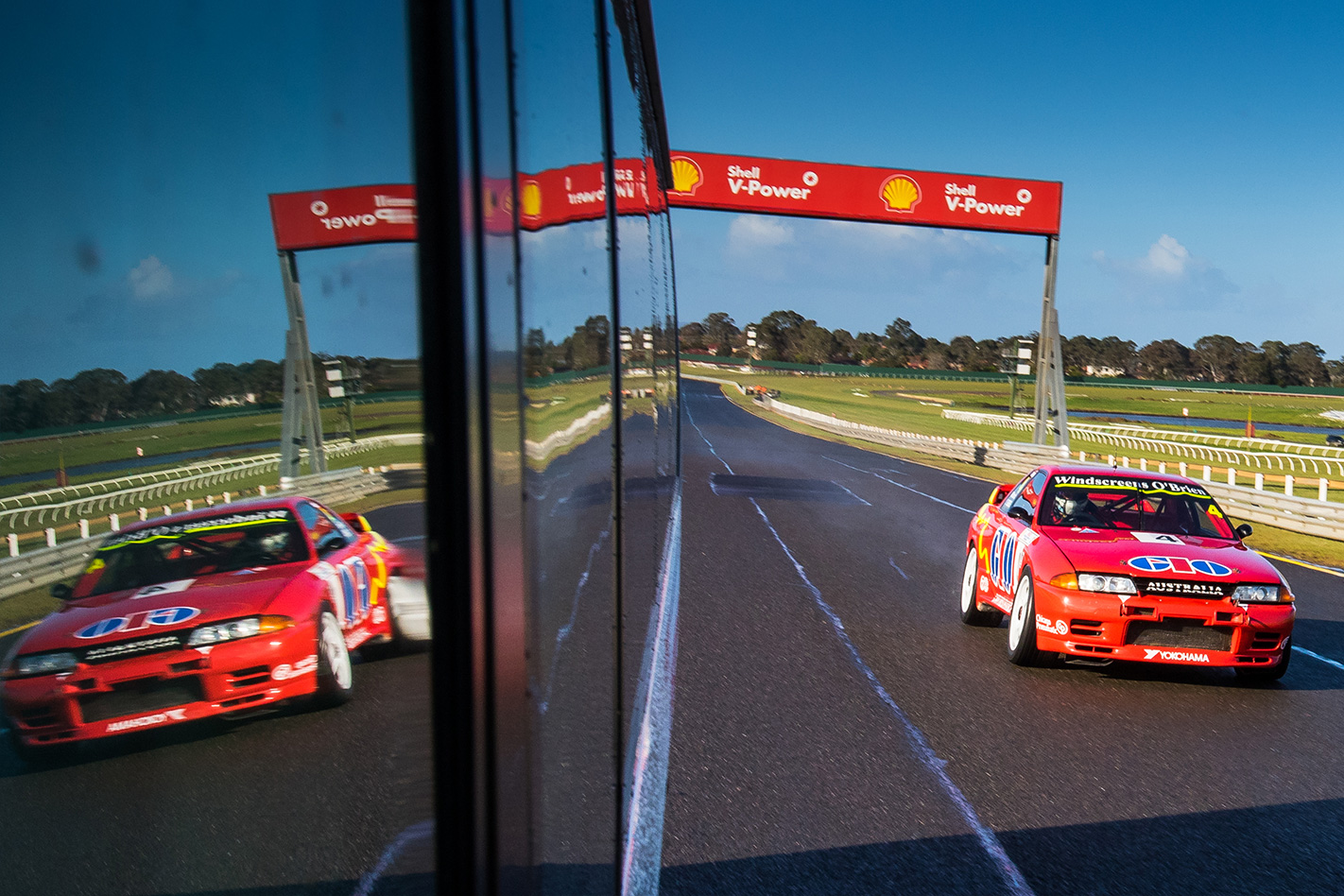
How does a 1988 Nissan Skyline GTS-R HR31 sound? Or the 1990 GTS-R HR31 that won the ATCC piloted by ‘gentleman’ Jim Richards, the 1991 Skyline GT-R that won seven of nine rounds of the 1991 ATCC, or the 675kW 1988 Nissan R88C that battled at the Le Mans 24 Hour – all in their natural habitat.
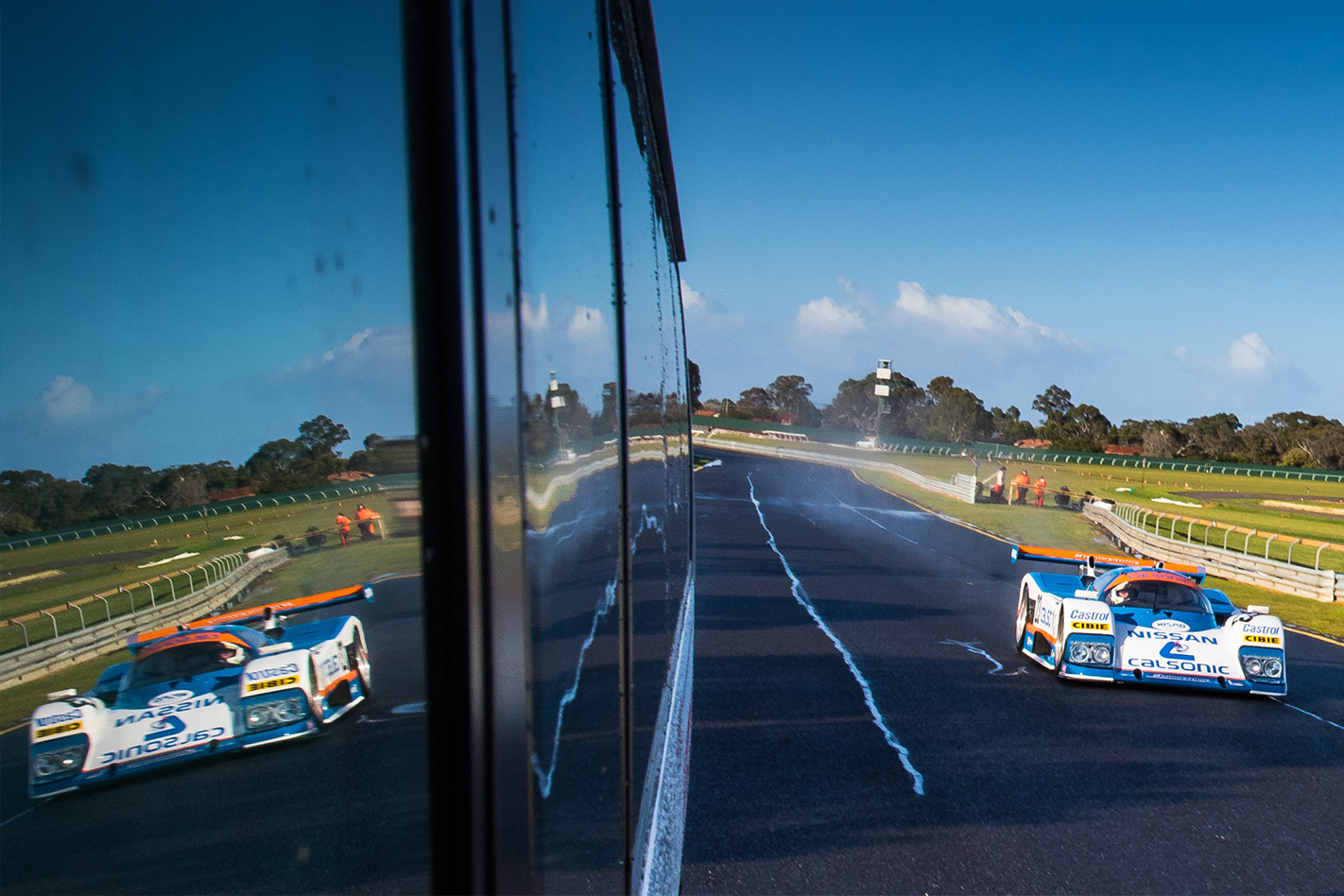
It’s a new lease on life for cars that deserve to be shared with the world. May there be more chances for the public to take part in the circuit safari around the country.
*Nissan Australia invited Wheels Australia to participate in its Circuit Safari experience.
In its fourth year running, the Infiniti Engineering Academy has begun announcing winners from seven regions around the world to join both Infiniti and the Renault Sport Formula One Team in a year-long engineering placement.
The recently announced winner from the Asia-Oceania region is young Aussie engineer Jacob Debono, who is now the second Australian to take the top spot.
The announcement was made by Renault Sport F1 driver Nico Hülkenberg in a livestream, with the ten contestants from across Australia and Asia waiting to hopefully have their name read out.
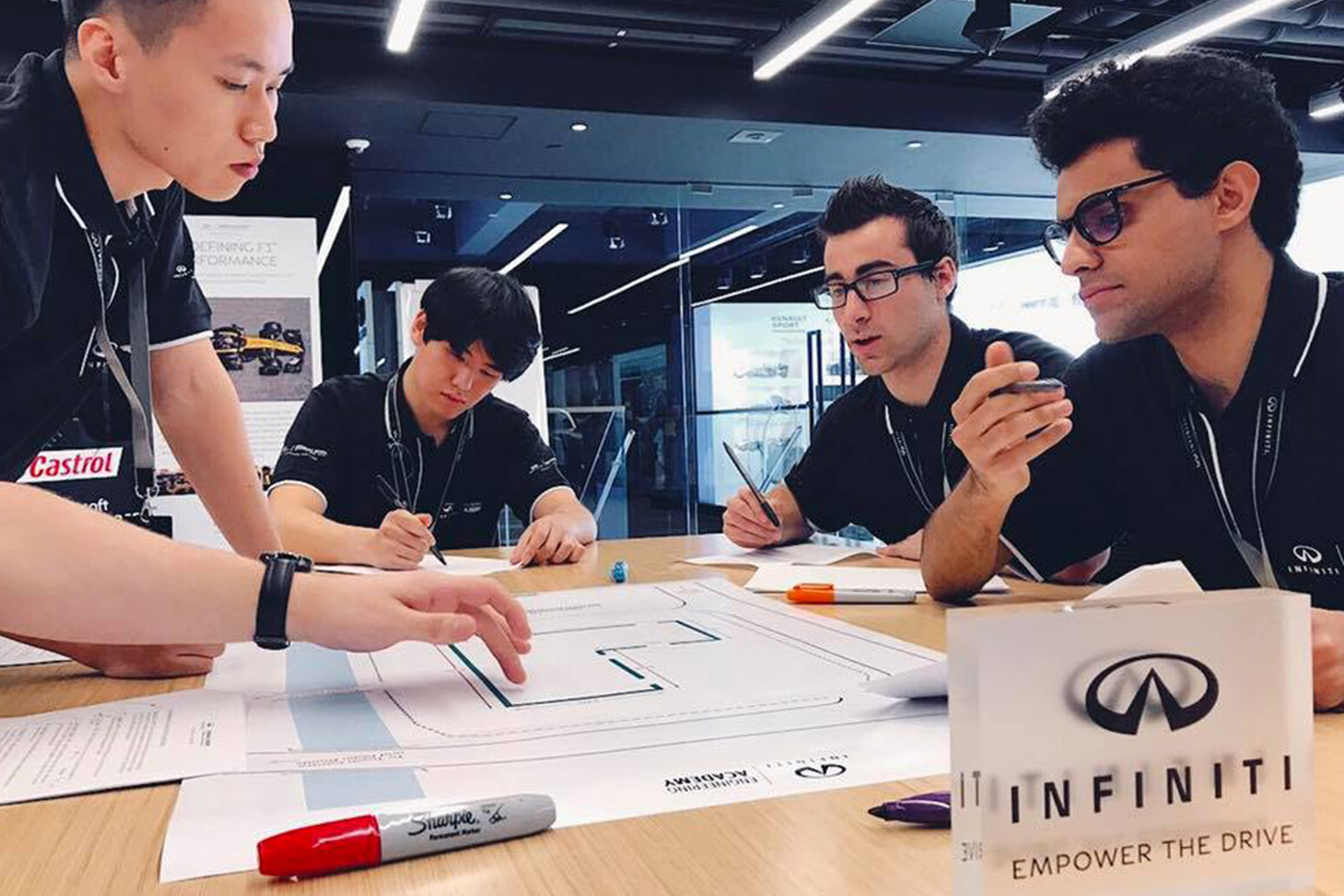
“There are nine other people who could just as easily be standing in this spot, so I’m incredibly grateful to be standing where I am right now.
“You’re all exceptional people and exceptional engineers, and I look forward to bumping courses with you in the future.”
When asked what he thought made him the best candidate for the winning spot, Debono was still just as humble.
“I have no idea to be honest.”
“I was standing there thinking which one of the guys next to me was going to get this. I thought maybe I had a three per cent chance, so it’s all very overwhelming.”
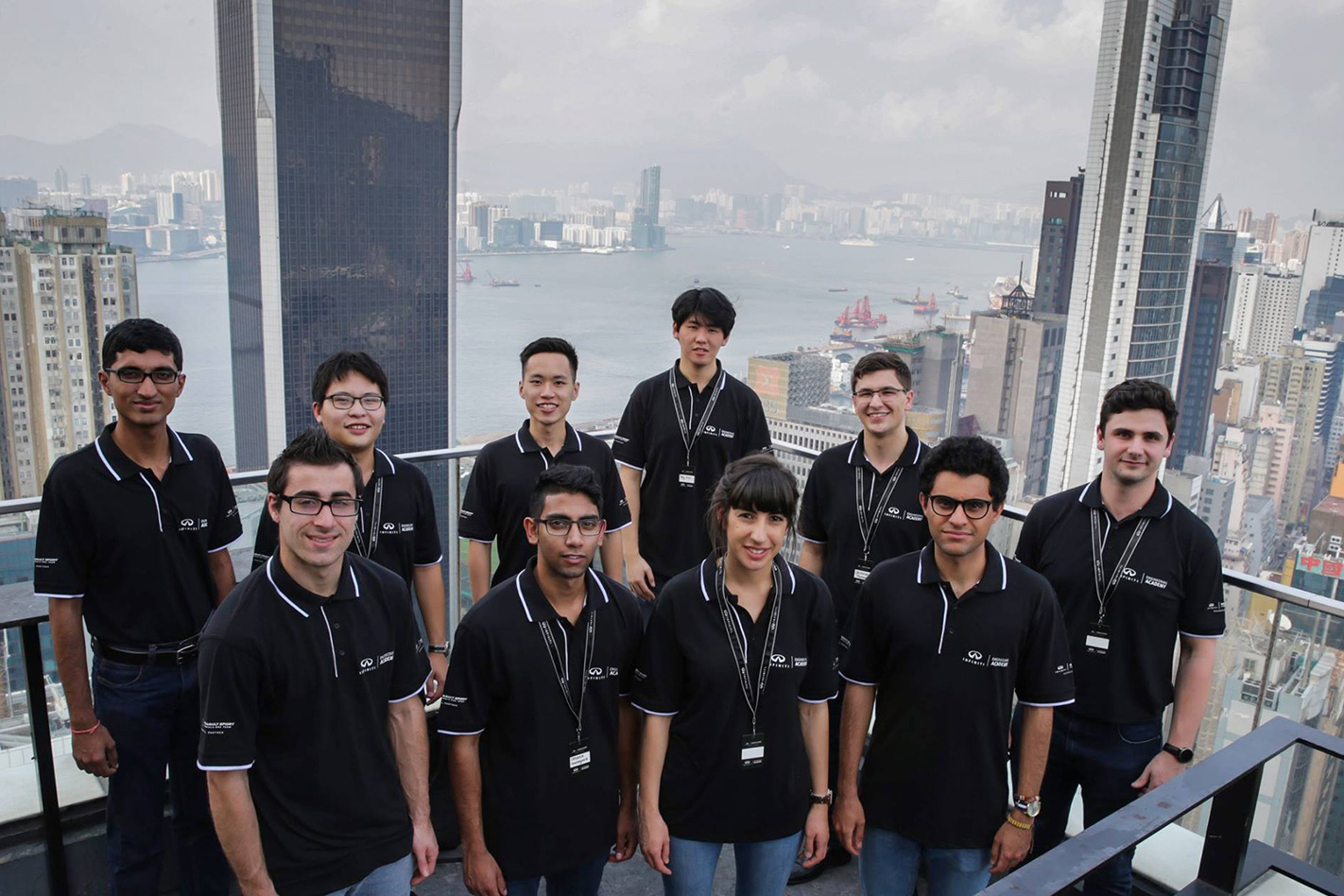
This year, Jacob Debono is joined by Chinese winner Yifei Liao, Canadian Matthew Crossan, and Mexico’s winner José Pablo Avalos. The European, US, and Middle Eastern winners are yet to be announced.
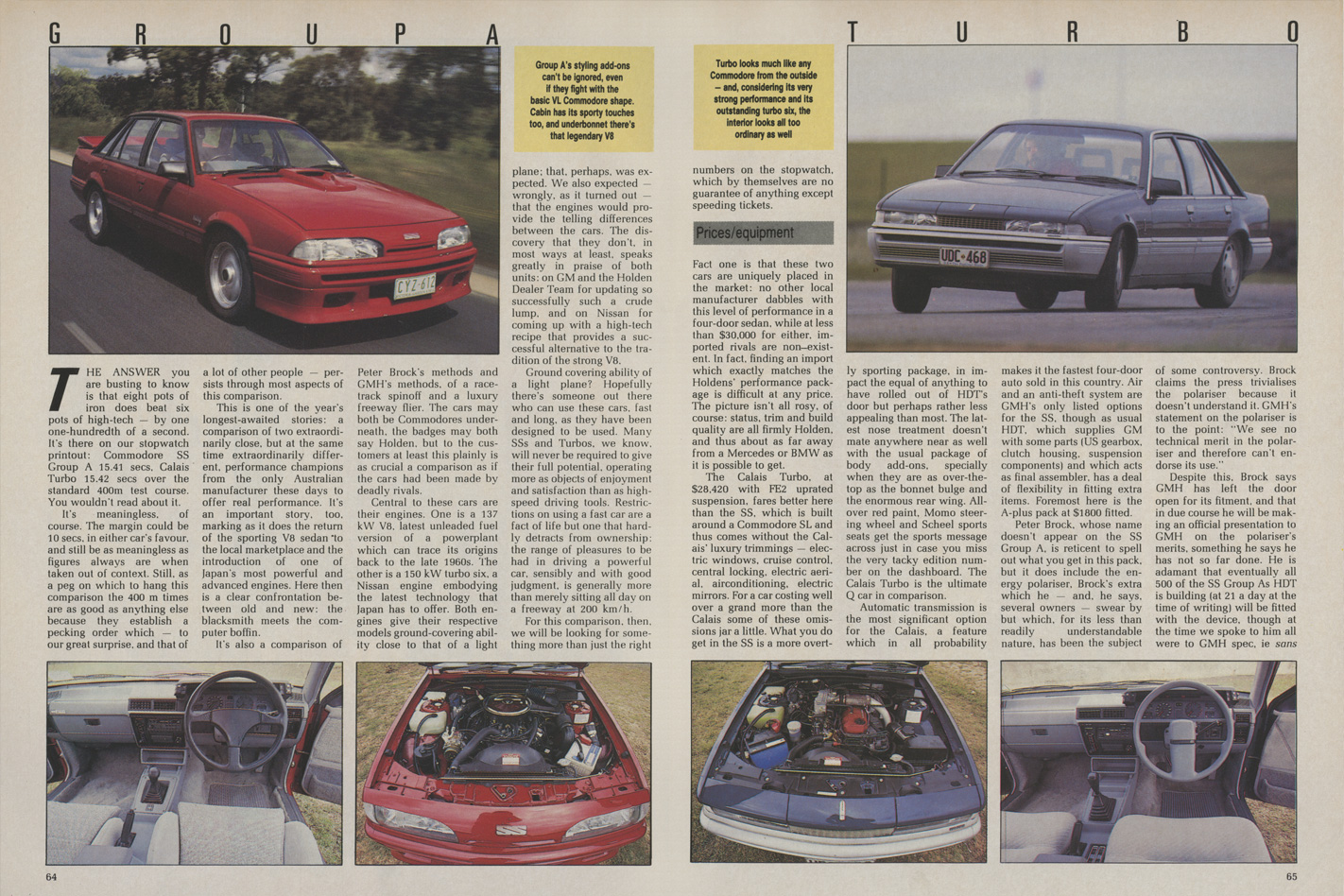
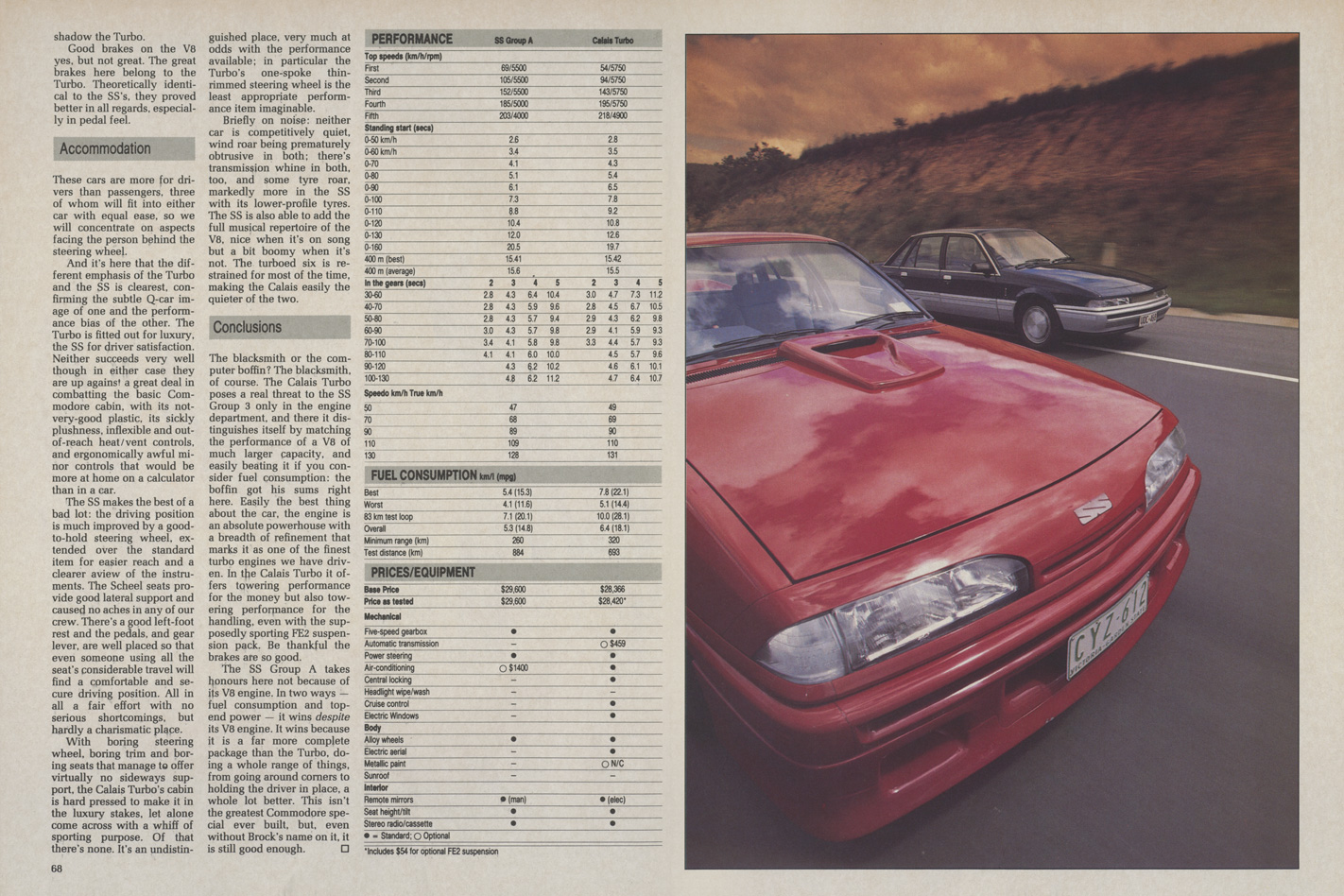
THE ANSWER you are busting to know is that eight pots of iron does beat six pots of high-tech – by one one-hundredth of a second. It’s there on our stopwatch printout: Commodore SS Group A 15.41 secs, Calais Turbo 15.42 secs over the standard 400m test course.
You wouldn’t read about it. It’s meaningless. Of course. The margin could be 10 secs in either car’s favour and still be as meaningless as figures always are when taken out of context. Still, as a peg on which to hang this comparison the 400 m times are as good as anything else because they establish a pecking order which – to our great surprise, and that of a lot of other people – persists through most aspects of this comparison.
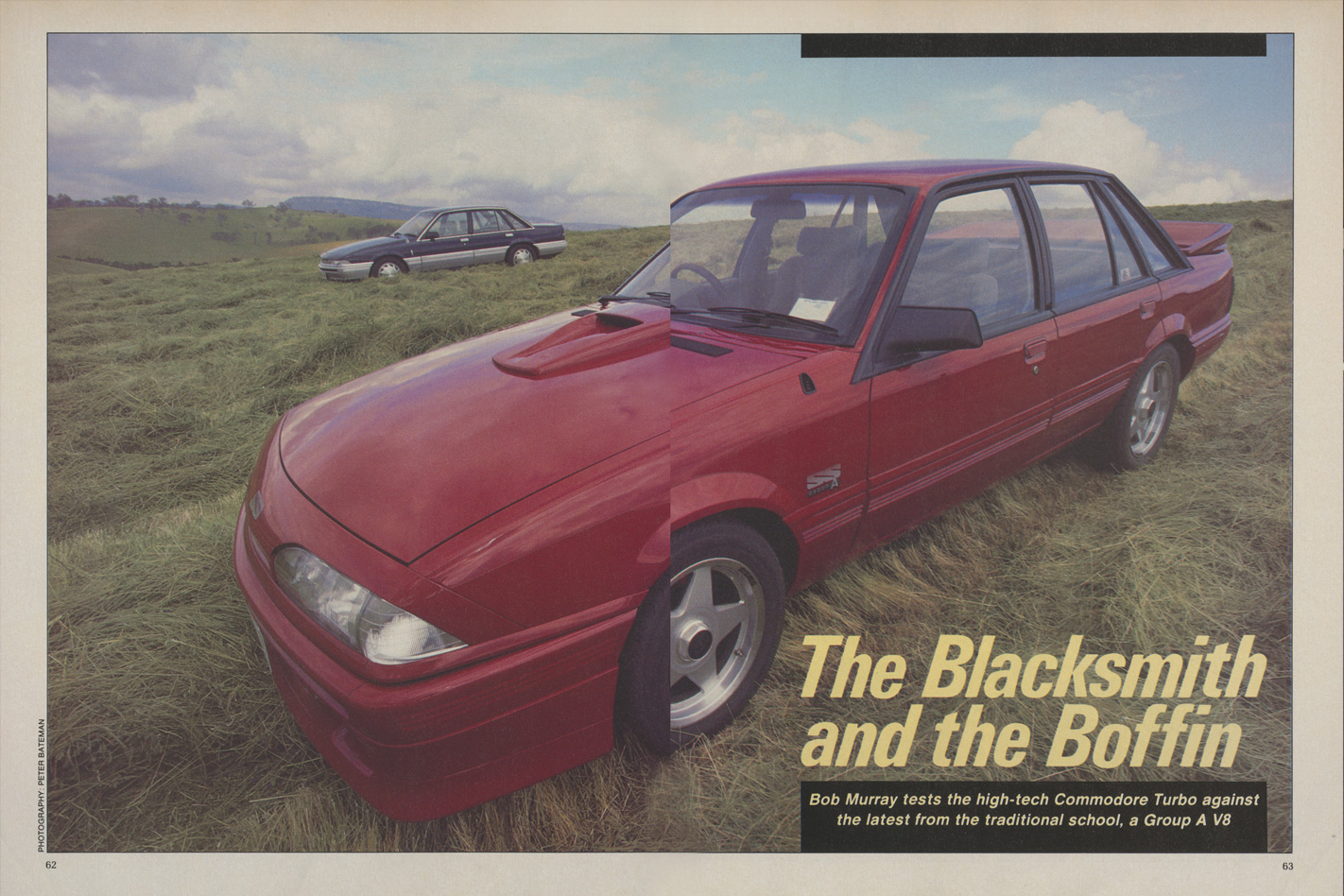
It’s also a comparison of Peter Brock’s methods and GMH’s methods, of a racetrack spinoff and a luxury freeway flier. The cars may both be Commodores underneath, the badges may both say Holden, but to the customers at least this plainly is as crucial a comparison as if the cars had been made by deadly rivals.
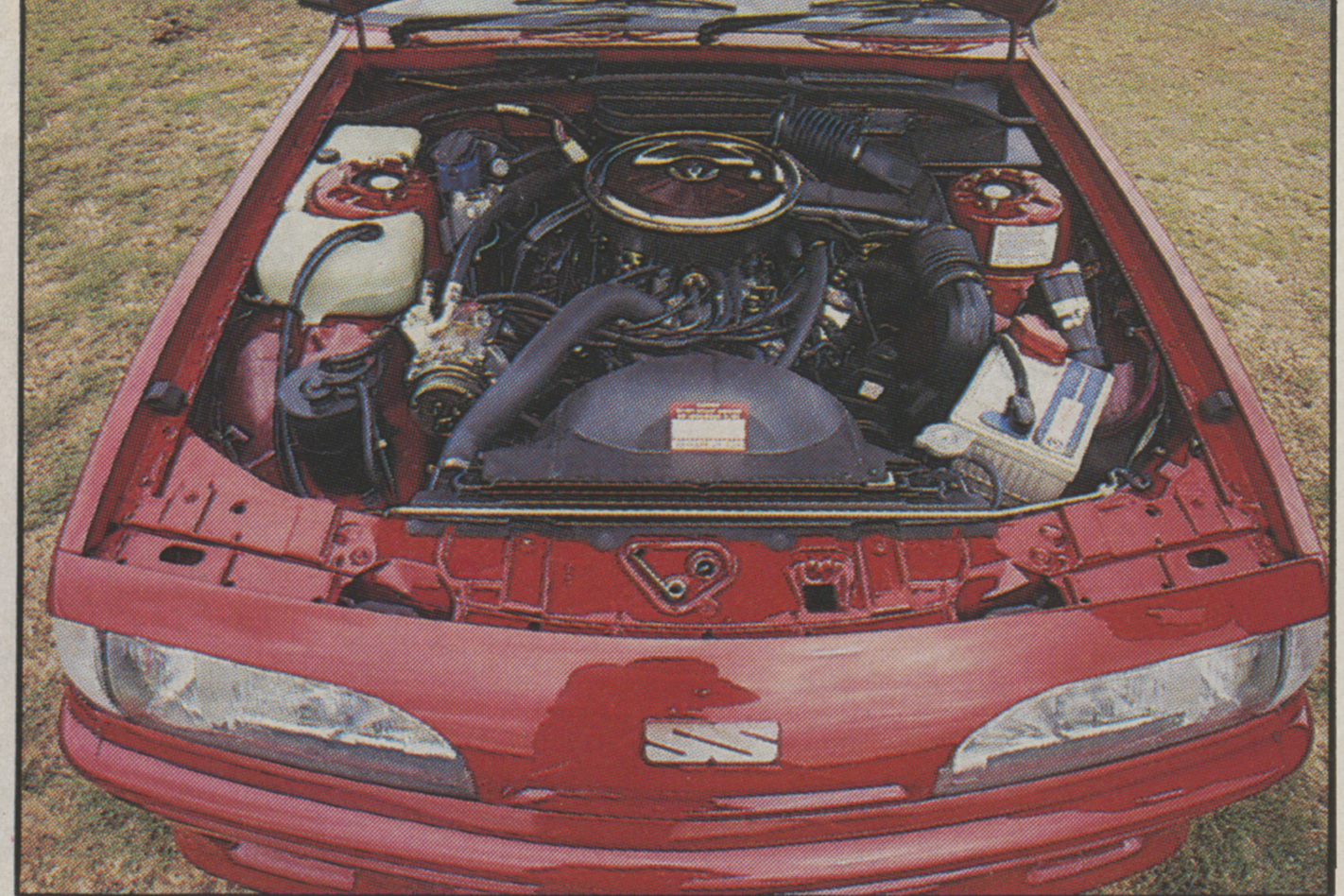
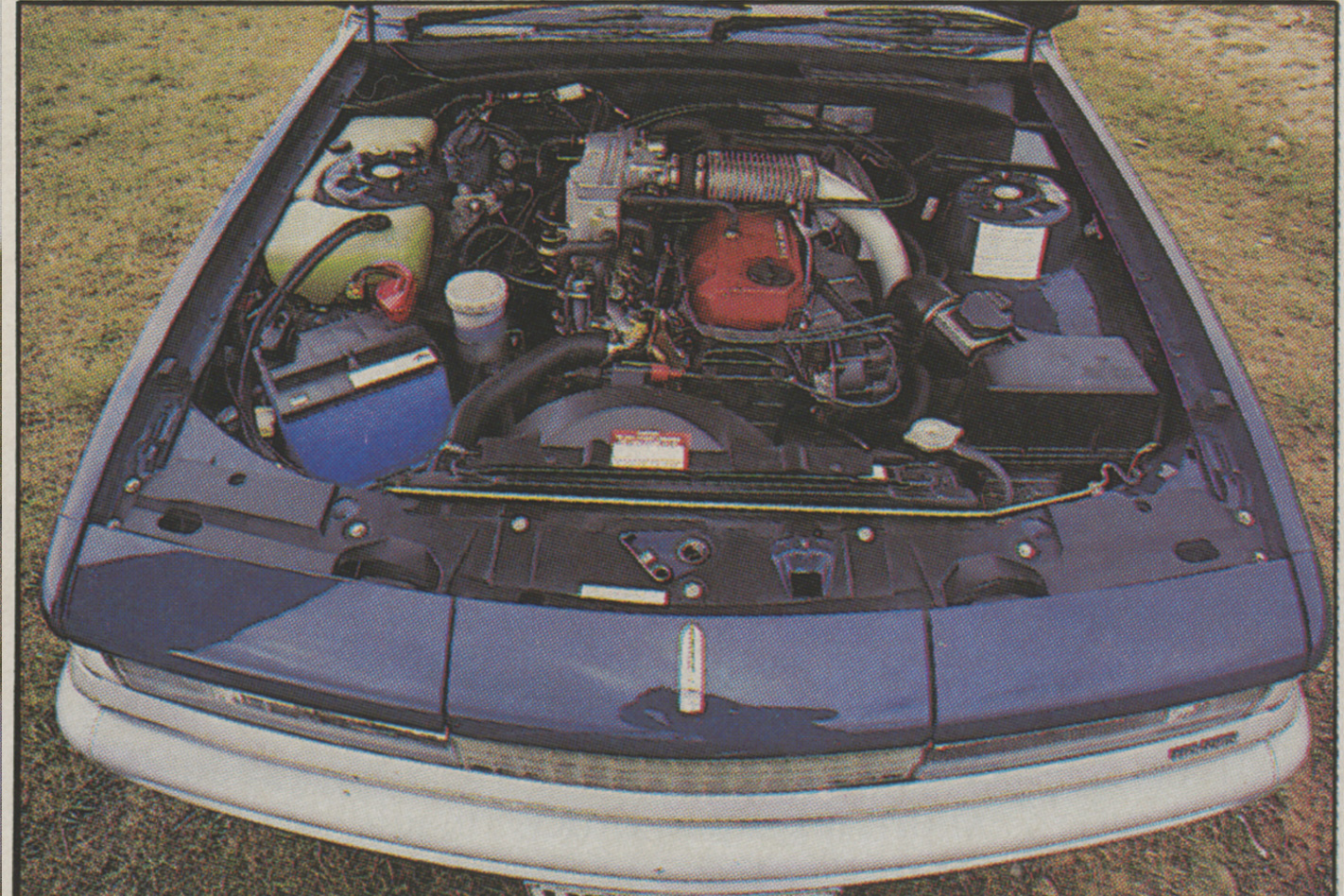
Central to these cars are their engines. One is a 137 kW V8, latest unleaded fuel version of a powerplant which can trace its origins back to the late 1960s. The other is a 150 kW turbo six, a Nissan engine embodying the latest technology that Japan has to offer. Both engines give their respective models ground-covering ability close to that of a light plane: that, perhaps, was expected.
We also expected – wrongly, as it turned out – that the engines would provide the telling differences between the cars. The discovery that they don’t, in most ways at least, speaks greatly in praise of both units: on GM and the Holden Dealer Team for updating so successfully such a crude lump, and on Nissan for coming up with a high-tech recipe that provides a successful alternative to the tradition of the strong V8.
Ground covering ability of a light plane? Hopefully there’s someone out there who can use these cars. Fast and long, as they have been designed to be used. Many SSs and Turbos, we know, will never be required to give their full potential, operating more as objects of enjoyment and satisfaction than as high-speed driving tools. Restrictions on using a fast car are a fact of life but one that hardly detracts from ownership: the range of pleasures to be had in driving a powerful car, sensibly and with good judgment, is generally more than merely sitting all day on a freeway at 200 km/h.
For this comparison, then, we will be looking for something more than just the right numbers on the stopwatch, which by themselves are no guarantee of anything except speeding tickets.
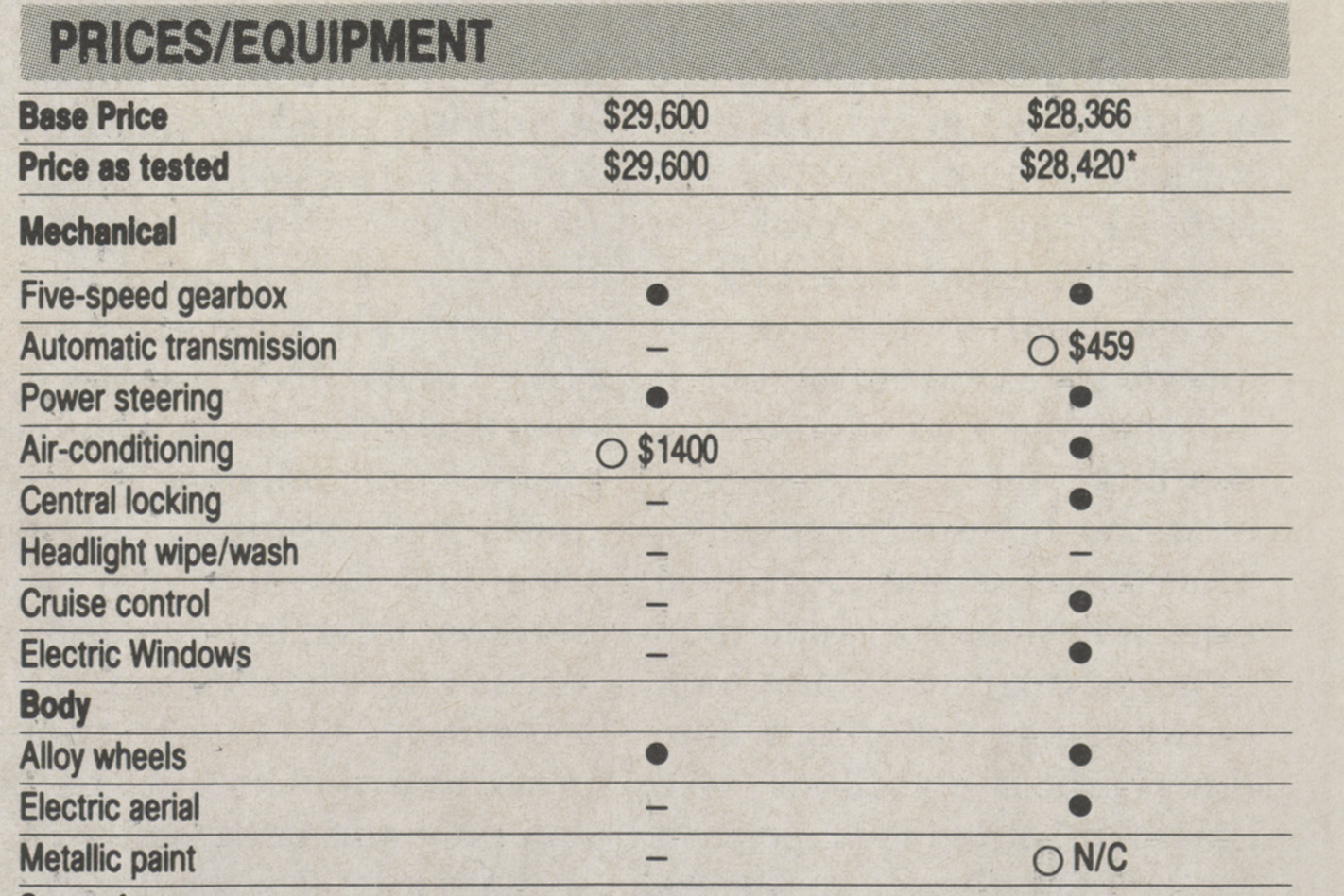
The picture isn’t all rosy, of course: status, trim and build quality are all firmly Holden, and thus about as far away from a Mercedes or BMW as it is possible to get. The Calais Turbo, at $28,420 with FE2 uprated suspension, fares better here than the SS, which is built around a Commodore SL and thus comes without the Calais’ luxury trimmings- electric windows, cruise control, central locking, electric aerial, airconditioning, electric mirrors. For a car costing well over a grand more than the Calais some of these omissions jar a little.
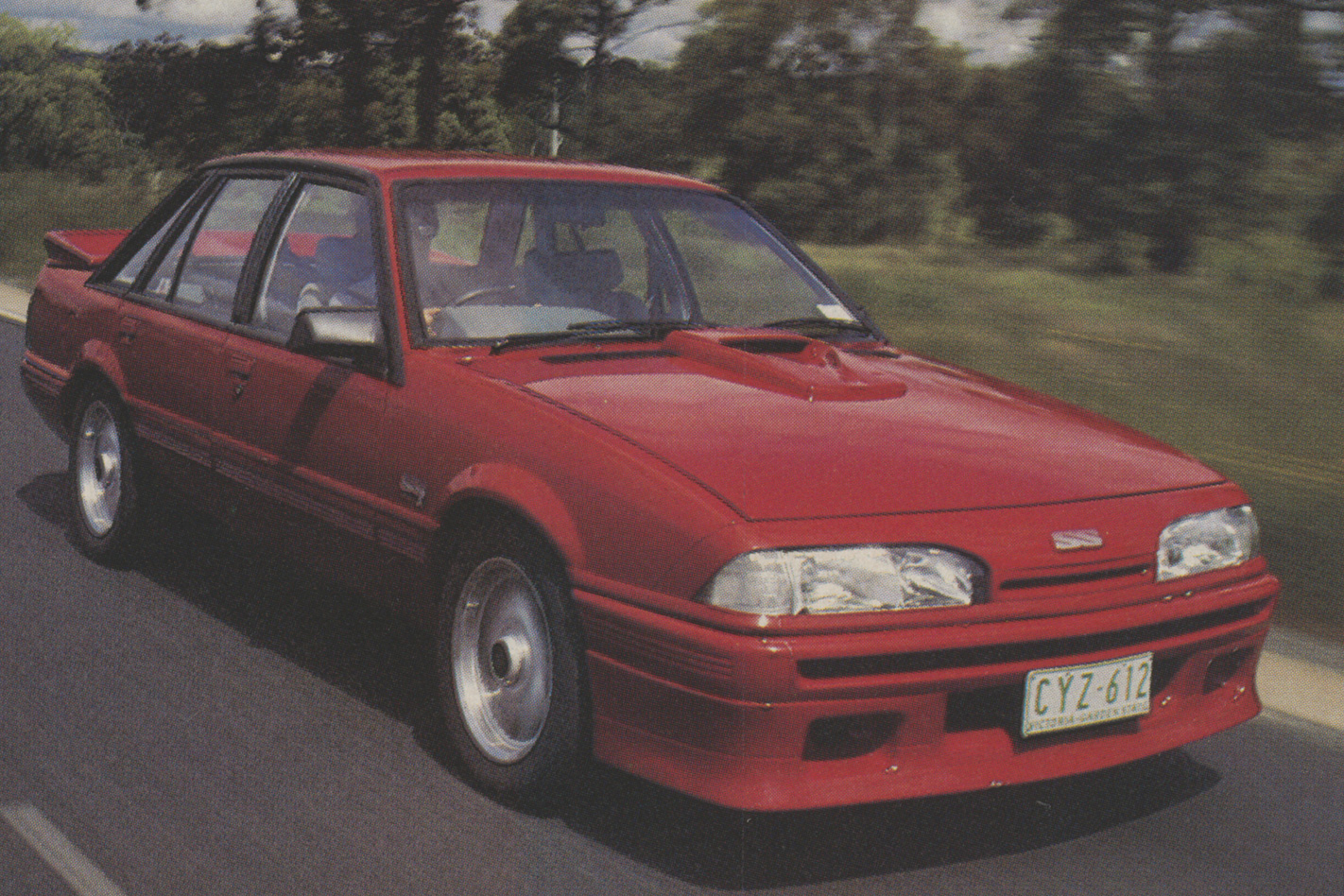
What you do get in the SS is a more overtly sporting package, in impact the equal of anything to have rolled out of HDT’s door but perhaps rather less appealing than most. The latest nose treatment doesn’t mate anywhere near as well with the usual package of body add-ons, specially when they are as over-the-top as the bonnet bulge and the enormous rear wing. All-over red paint, Momo steering wheel and Scheel sports seats get the sports message across just in case you miss the very tacky edition number on the dashboard. The Calais Turbo is the ultimate Q car in comparison.
Automatic transmission is the most significant option for the Calais, a feature which in all probability makes it the fastest four-door auto sold in this country. Air and an anti-theft system are GMH’s only listed options for the SS, though as usual HDT, which supplies GM with some parts (US gearbox, clutch housing, suspension components) and which acts as final assembler, has a deal of flexibility in fitting extra items.
Foremost here is the A-plus pack at $1800 fitted. Peter Brock, whose name doesn’t appear on the SS Group A, is reticent to spell out what you get in this pack, but it does include the energy polariser, Brock’s extra which he – and, he says, several owners – swear by but which, for its less than readily understandable nature, has been the subject of some controversy. Brock claims the press trivialises the polariser because it doesn’t understand it. GMH’s statement on the polariser is to the point: “We see no technical merit in the polariser and therefore can’t endorse its use.”
Despite this. Brock says GMH has left the door open for its fitment, and that in due course he will be making an official presentation to GMH on the polariser’s merits, something he says he has not so far done. He is adamant that eventually all 500 of the SS Group As HDT is building (at 21 a day at the time of writing) will be fitted with the device, though at the time we spoke to him all were to GMH spec, ie sans polarisers.
Brock says he is quite happy to put his name to the A-plus car but that his moniker won’t be appearing on the standard SS. He says – incorrectly in our view – that this has always been the case with previous SS models made to base GMH spec. The faint impression of a Peter Brock-style signature on the test car’s Morna steering wheel, whose appearance suggested it had been rubbed partly off, was in fact a mistake. “The Morna wheel is made in Italy and this is a poor Italian copy of my signature.”
Engines/performance
Whether they’re aligned or not, the molecules under the bonnet of each car go to make up a powerful whole, in the case of both engines. But how different they are: five-litre pushrod V8 drinking through a Rochester four-barrel carburettor, versus a three-litre overhead cam turbocharged six with up-to-the-minute fuel injection and computerised engine management.
A 10 percent power advantage is claimed by the Turbo, a 17 percent torque advantage goes to the SS. Against the Calais’ greater weight is the SS’s taller gearing, so on all counts the contest should be close.
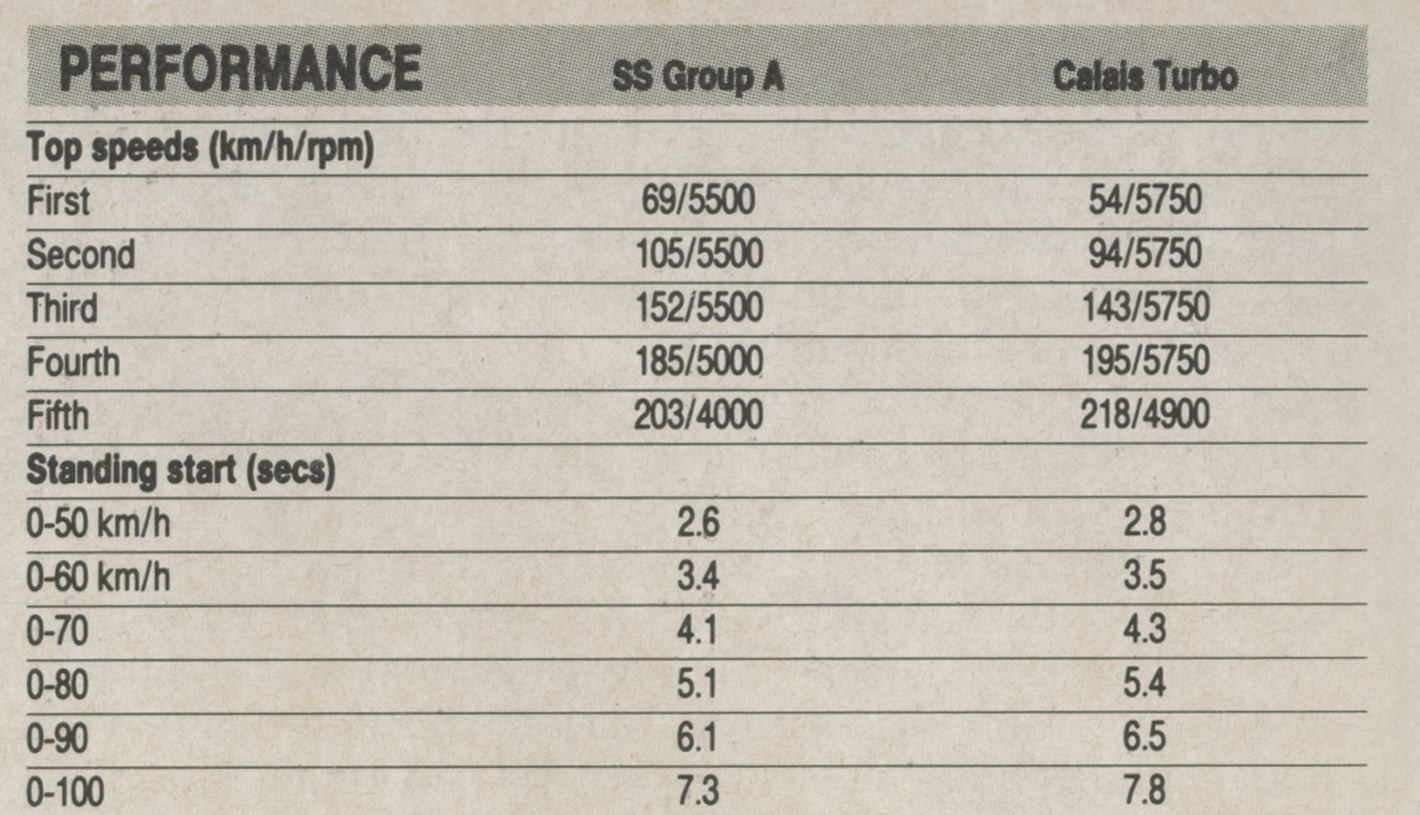
And so it proves: despite the odd hundredth of a second, in a straight line the cars are neck and neck in real terms, both in outright acceleration and in-gears flexibility. To keep things in perspective, both are uncommonly quick, reaching 100 km/h in less than eight seconds, 160 km/h in around 20, topping 200 km/h flat out (the Turbo by the greater margin) and, perhaps most importantly, offering excellent pick-up in the high gears. An average of our 30 km/h incremental times for fifth gear shows both cars to display identical response, 10.1 seconds. In fourth the averages are 6.25 secs for the Turbo, 6.0 for the SS, whose figures generally fall within a narrower band than the Calais’, though let it be said now the Turbo is never out of its performance depth, as one would expect from an engine with more puff than capacity.
It is as much at home trundling through traffic in fifth as maintaining a loping highway stride, and in both cases has ample lag-free response for any manoeuvre that calls for an instant burst of speed. The gear ratios themselves are well judged but the gearchange is poor: the lever has a long, rather vague travel and is prone both to notchiness and noisy complaints from the synchromesh on fast changes. The clutch’s sharp, short take-up doesn’t improve matters.
The Turbo’s engine note is far from unpleasant, apart from the Nissan speciality of a nasty drone when you lift off to change gears at high rpm, but it would be a person of little style who said they preferred it to the burbling masculinity of the SS’s V8. This is an integral part of any Australian sporting sedan and in this latest SS it’s there in all its glory even though, as any comparison will show, overall performance levels are well down on previous leaded-engine Commodore specials. Given it was either this V8 or no V8 at all we’re not complaining.
Does this detract from the SS’s sporting credentials? A little, yes, though in overall terms the V8 is still more sporting – and certainly less anonymous – than the Turbo. Besides, there are other compensations the Turbo can’t match. The SS’s American Borg Warner gearbox, with HDT-only ratios culminating in a mammoth 50.7 km/h per 1000 rpm fifth , has a delightfully chunky and positive change, and the clutch, too – significantly firmer than the Turbo’s – is much more satisfying.
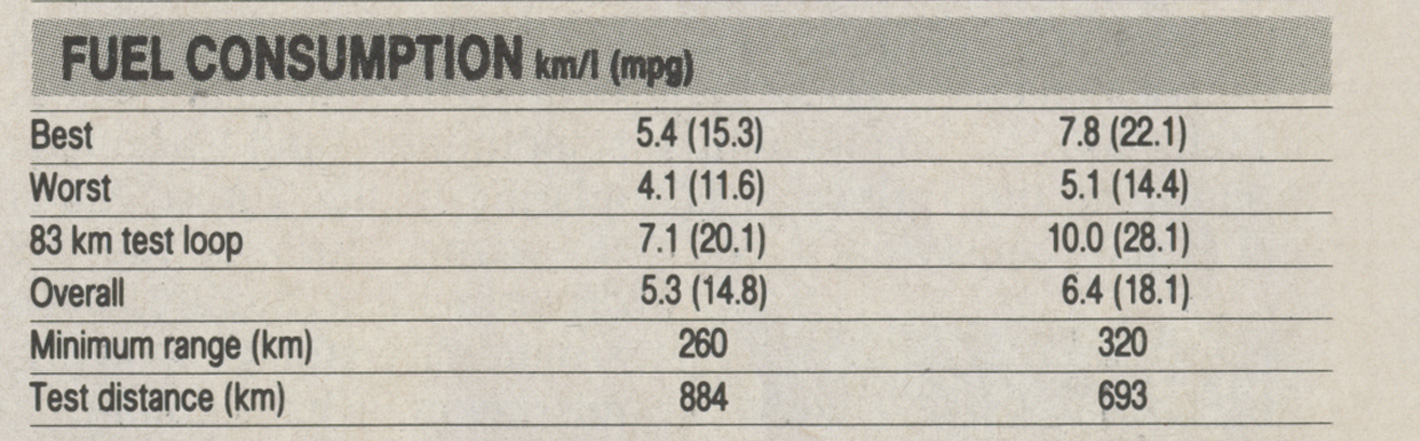
More plaudits for the Nissan engine here: given the performance available in this size of car, an overall 6.4 km/l (18.1 mpg) is creditable.
When used to the full the blown six is no miser but it still manages to maintain a usefully large advantage over the heavy-drinking SS. That buffer is shown to best advantage in our fuel loop figure, a mixture of non-high performance motoring where the Turbo’s excellent 10.0 km /l (28.1 mpg) is 40 percent better than the SS manages.
On the road
Commodores which come to the market via HDT have at least as great a reputation for suspension improvements as engine boosts, and this SS reinforces that reputation superbly. At a time when GMH has been struggling with the VL Commodore’s suspension, the SS comes as a welcome reminder of just how well the old girl can handle.
The SS is overall more capable, just plain nicer to drive, than the Turbo. Not only in an out and out sporting sense either: true, at the track the V8 was instantly quicker than the Turbo, displaying an effortlessness and predictability that made the Turbo appear a real handful, but the advantage is real in everyday driving too.
The SS’s ride is firmer, reacting sharply (and noisily) to sudden small irregularities such as cat’s eyes, but the car rides flatly, with superb damping control, and many will find it is actually preferable, even over bad city streets, to the Turbo. There is more compliance and pothole-absorbing travel here, and less tyre and suspension noise, but overall the ride is unsettled without ever smoothing out at speed or approaching the SS’s levels of damping and body control.
Both cars use Bridgestone tyres and they are a good choice, for we have no complaints with either car’s roadholding.
Again, though, it’s the SS that makes best use of available grip, with a much more neutral attitude and far less body roll. The back end will come wide more easily with a sudden throttle lift-off, but it’s a controllable oversteer whereas that same condition in the Turbo is likely to result in a series of lurching fishtail slides.
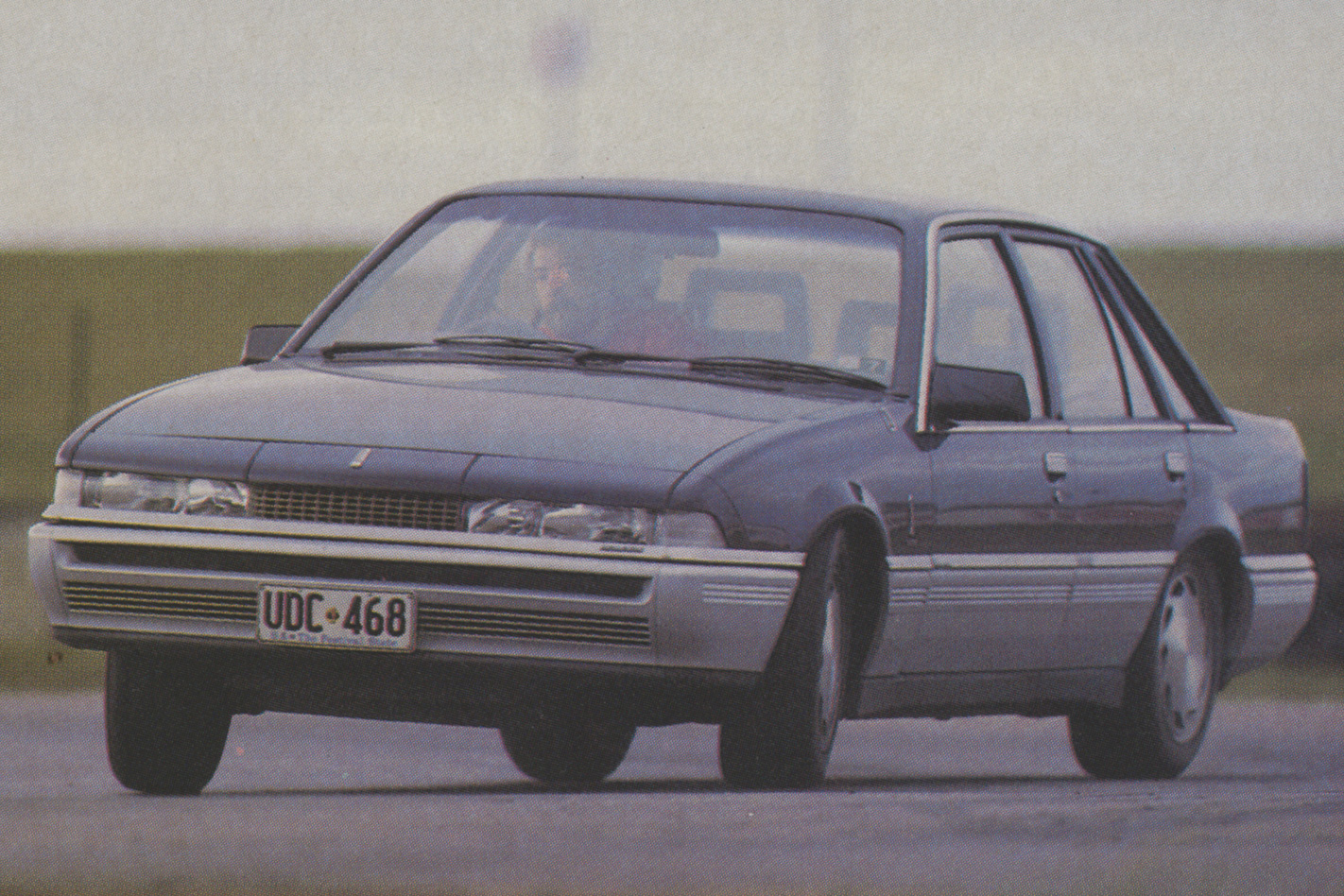
On public roads, within its limits, the Turbo emerges as a competent but uninspiring handler, less than ideally accurate but flat of body and always with an understeer bias, even with power off. Overall it’s far less poised than the SS. That car, on the track, merely extended its normal characteristics without adding bad manners (the odd spinning inside rear wheel apart, indicating that, for serious punters, a more limited limited-slip diff may be desirable). It was obedient and drama-free, a combination which, when allied to burbling V8, snappy gearshift and good brakes, was enough to completely over-shadow the Turbo.
Good brakes on the VB, yes, but not great. The great brakes here belong to the Turbo. Theoretically identical to the SS’s, they proved better in all regards, especially in pedal feel.
Accommodation
These cars are more for drivers than passengers, three of whom will fit into either car with equal ease, so we will concentrate on aspects facing the person behind the steering wheel.
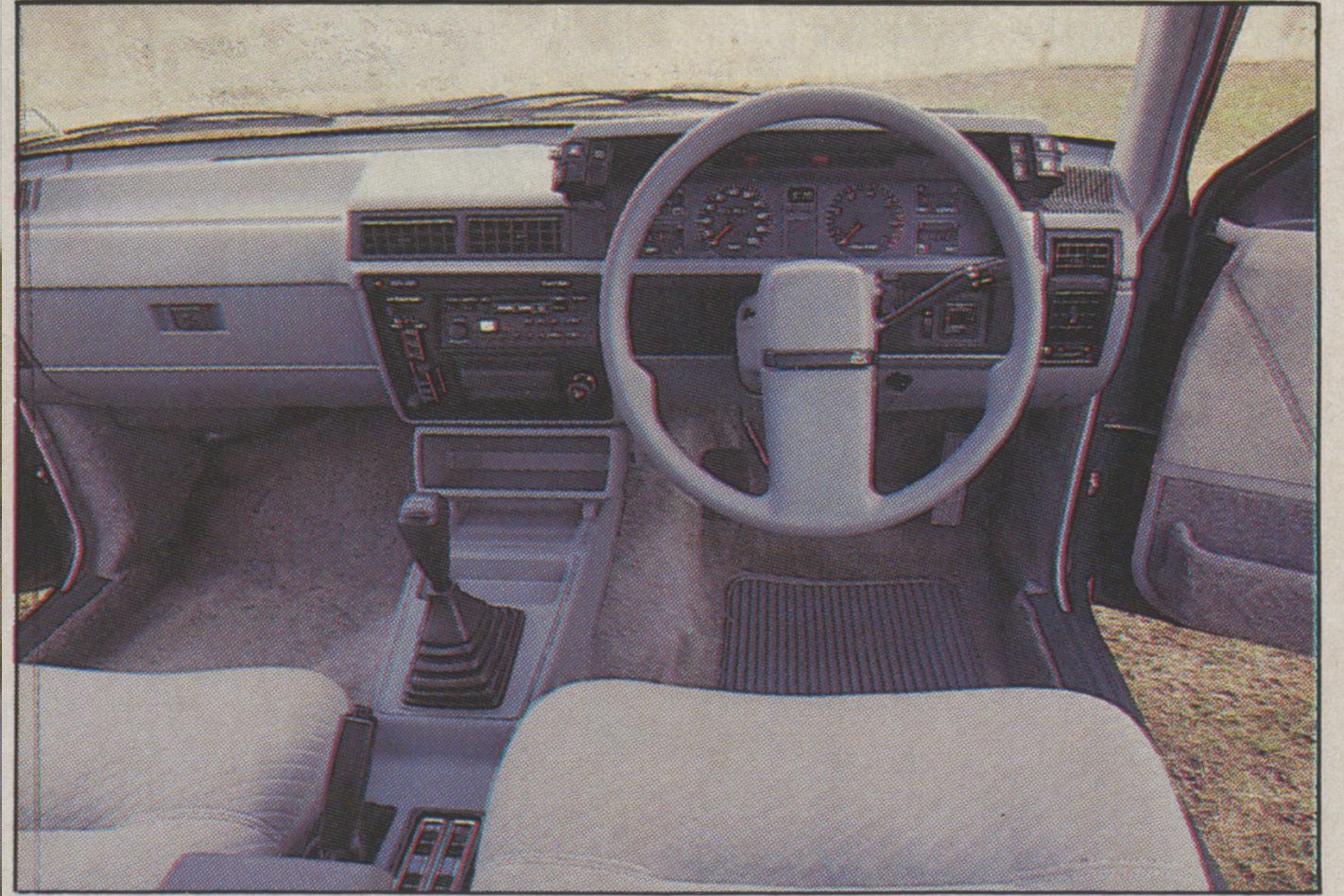
And it’s here that the different emphasis of the Turbo and the SS is clearest, confirming the subtle Q-car image of one and the performance bias of the other. The Turbo is fitted out for luxury, the SS for driver satisfaction. Neither succeeds very well though in either case they are up against a great deal in combatting the basic Commodore cabin, with its not-very-good plastic, its sickly plushness, inflexible and out-of-reach heat/vent controls, and ergonomically awful minor controls that would be more at home on a calculator than in a car.
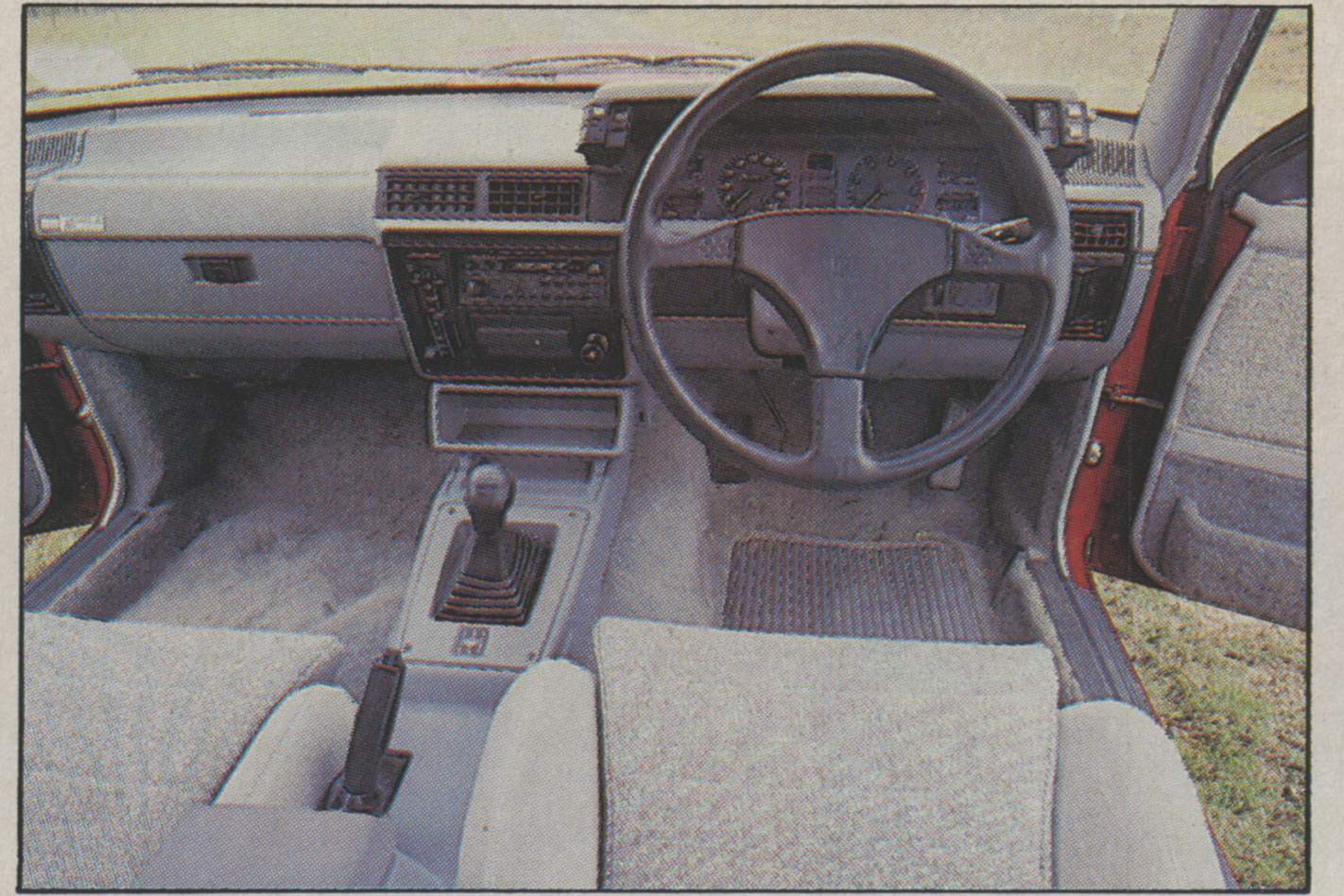
With boring steering wheel, boring trim and boring seats that manage to offer virtually no sideways support, the Calais Turbo’s cabin is hard pressed to make it in the luxury stakes, let alone come across with a whiff of sporting purpose. Of that there’s none. It’s an undistinguished place, very much at odds with the performance available; in particular the Turbo’s one-spoke thin-rimmed steering wheel is the least appropriate performance item imaginable.
Conclusions
The blacksmith or the computer boffin? The blacksmith, of course. The Calais Turbo poses a real threat to the SS Group 3 only in the engine department, and there it distinguishes itself by matching the performance of a V8 of much larger capacity, and easily beating it if you consider fuel consumption: the boffin got his sums right here. Easily the best thing about the car, the engine is an absolute powerhouse with a breadth of refinement that marks it as one of the finest turbo engines we have driven.
In the Calais Turbo it offers towering performance for the money but also towering performance for the handling, even with the supposedly sporting FE2 suspension pack. Be thankful the brakes are so good.
The SS Group A takes honours here not because of its V8 engine. In two ways – fuel consumption and top-end power – it wins despite its V8 engine. It wins because it is a far more complete package than the Turbo, doing a whole range of things, from going around comers to holding the driver in place, a whole lot better. This isn’t the greatest Commodore special ever built, but, even without Brock’s name on it, it is still good enough.
“THERE it goes,” a commentator would scream. “Rounding onto the Bang For Your Bucks home stretch the Mercedes-AMG A45 has elbowed its way into second overall, jumping two spots from a category fourth place”.
This comeback won’t make any clickbait-y top-10 lists, but we haven’t seen such a leap since we split the event on price. It’s more perplexing when you consider the relatively pricey AMG rubs shoulders with the cheap stuff in the overall formula. A couple things contribute to this.
Here the Holden Commodore SS-V Redline Ute and BMW M140i, its category rivals, no longer represent such good value. Their prices, like the A45’s, look stratospheric next to the $0-$50K cars. And can’t use them to nose in front. Let’s not forget, either, Australian A45s are chocka with equipment that’s optional overseas.

Opening the gates to the lower-priced cars not only drops the average price, but the average performance index. And suddenly the A45’s soaring Bang score pulls a gap on twice as many cars. Which reveals how much that launch-control system, all-wheel drivetrain, and fire-spitting four-banger are worth in the performance-per-dollar stakes.

In its two years this bargain bullet keeps our engraving tool busy. But it’s yet to claim top-gong. That could change, as we hear AMG’s readying a new engine with more than 295kW for the next generation A-Class, bolstering the Bang even further. Until then, however, it’s silver for the A45.
What stands out?
Sharp steering and small dimensions make the European designed Ford Fiesta an easy city car. But it also handles highways with ease, and its ride comfort rivals cars a size bigger. The Fiesta Sport’s tiny but potent engine is ahead of the curve, while the ST offers lots of performance.
What might bug me?
Paying more for less: the three-cylinder Sport is more expensive than the four-cylinder Ambiente and Trend. (But it drives better.)The three-door layout of the ST model means a huge stretch behind you to grab the seat-belt each time. Shorter people will find this even more difficult.
What body styles are there?
Five-door hatch – except for the Fiesta ST, which is a three-door hatch.The Fiesta is front-wheel drive and is classified as a light car, lower priced.
What features do all Ford Fiestas have?
Bluetooth hands-free phone operation, and audio controls on a leather-wrapped steering wheel.Air-conditioning, cruise control, power windows, split-fold rear seat, power mirrors, a trip computer, remote central locking, and a height-adjustable driver’s seat.Hill launch assist, which controls the brake automatically when you need to start from rest on an uphill slope.Electronic stability control, which can help the driver control the car in a skid. This is mandatory on all new cars.Seven air-bags: two directly in front of the driver and passenger; a side airbag for each front occupant that protects the upper body; a curtain airbag along each side to protect the heads of front and rear occupants; and an airbag in front of the driver’s knees.Ambiente, Trend and Sport versions get a full-sized spare wheel. (The ST relies on a space-saver.)Ford’s Emergency Assist, which uses your mobile phone to contact emergency services if the car is in a crash severe enough to trigger the air-bags. This subscription-based service is provided for the life of the car.All Fiestas carry Ford’s three-year/100,000km warranty, and servicing intervals are every 12 months or 15,000km.
Which engine uses least fuel, and why wouldn’t I choose it?
The 1.0-litre, three-cylinder turbocharged engine offered only in the Fiesta Sport consumes least fuel in the official test, with just 4.9 litres per 100km for the manual (5.3 with the automatic).In the real world, this engine is frugal but not quite that frugal. But it is entertaining.In fact, it is more powerful and better to drive than the bigger engines in the less costly models. So the main reason not to choose it is to save on the purchase price.The 1.5-litre, four cylinder petrol engine powering the Fiesta Ambiente and Trend models does the job but it doesn’t sparkle. And while it uses only 5.8 litres/100km on the official test, it drinks a fair bit more the real world, recording an average of 7.9 litres/100km in Wheels magazine testing. That put the Trend auto towards the tail of nine light cars compared in the March 2015 issue.The jewel in the crown is the turbocharged four-cylinder engine in the ST variant. It has the muscle to overtake anything at highway speeds, and turns the Fiesta into a true hot hatch, albeit a tiny one.The ST is available only with a six-speed manual gearbox, however. The others can be had as five-speed manuals or six-speed automatics.(Power outputs and all other Fiesta specifications are available from the Cars Covered menu, under the main image on this page.)
What key features do I get if I spend more?
The least expensive version, the Ambiente, rolls on 15-inch steel wheels with plastic trim. Pay more for the Trend and you get lighter, better looking wheels made from an alloy of aluminium, and a set of foglights.A further step up to the Sport brings the smaller but more sophisticated engine, and bigger, 16-inch alloy wheels. Other touches include partial leather trim, scuff plates in the door sills, clever ambient lighting in the cabin after dark, a better stereo and some chrome highlights around the windows.An extra cost option pack available only for the Sport brings climate control (set-and-forget temperature control for the cabin), rain-sensing wipers, headlights that switch on automatically when it gets dark, a perimeter alarm and keyless start.For disc brakes on each wheel, you need to pony up for the sportier ST model. That also gets you torque vectoring, where a computer sends more power to the wheel with most grip, for better cornering. Frankly, it’s the only model that needs this feature. There is a reversing camera, and satellite navigation. Other ST gear includes 17-inch wheels with wider and lower profile tyres, which improve grip and steering response, and sports front seats that really hold you tight. Puddle lights illuminate the ground you’re about to step onto as you leave the car.
Does any upgrade have a down side?
The ST does not ride as comfortably as the other Fiestas, partly because its lower profile tyres have less air between the rims and the road. Its three-door layout is a pain if you commonly use the rear seat. And insurance will generally be more expensive.Like many manufacturers, Ford charges extra for metallic paint.
How comfortable is the Ford Fiesta?
Ford has tried to cram a lot of gear into the Fiesta’s small interior and it shows. It’s cluttered and messy to look at. That said, once you’re familiar with it, it works.The Ambiente and Trend are less about fun and more about stretching your motoring dollar, but they’re easy to live with – and easy to park, thanks to compact dimensions. The only thing that might bother you is rear vision that is more restricted than on some similar cars, due to the rising rear window line. Shorter people will suffer most from this.The Sport brings the fun back but you feel the bumps a bit more through its sports-tuned suspension.Any Fiesta with the optional six-speed automatic gearbox is smooth and simple to drive, even in stop-start traffic.The Fiesta ST’s front seats look like they’ve been stolen from a race-car and can feel a bit firm at first, but they’re great for long distances and hold you snugly in place. The biggest problem is that the three-door layout means there’s a huge stretch over your shoulder to reach the seat-belt.The ST can also feel a bit intimidating, thanks to its surging acceleration. The Sport – despite the name – is much tamer.
What about safety in a Fiesta?
Those seven air-bags, stability control and clever braking ensure that every Fiesta rates as Very Good.The Fiesta ST with its four-wheel disc brakes gets a higher score but still falls within the Very Good category.Only the Fiesta ST has a reversing camera: on the others it is not even an option. And no Fiesta offers automatic emergency braking.(To see a list of the safety features on any model, select the car and look under the features tab. Safety-related features are listed in red.)The Australasian New Car Assessment Program (ANCAP) has awarded every Fiesta model the maximum five stars for safety.
I like driving – will I enjoy this car?
Even the base-model Fiesta has something to offer the keener driver.Sharp steering and great suspension elevate it way above many competitors.The three-cylinder Sport model would have been classified as a hot hatch just a few years ago.The six-speed automatic gearbox is simple and smooth to use, and can be shifted manually for more fun on the right road.The Fiesta ST is a true performance car, regardless of its size. It has a big surge of power that will appeal to keen drivers, and the tenacious cornering to make the most of it.
How is life in the rear seats?
The Fiesta’s narrow back seat will certainly be full with two backsides perched on it.Many will use it simply as extra luggage space.The ST’s three-door layout means access to the rear seat is poor. If you frequently have more than one passenger, the five-door variants make more sense.
How is it for carrying stuff?
The short body of the Fiesta limits its capacity for carrying long objects.But the rear seat folds 60/40 for when you need to transport bulky loads.
Where is the Ford Fiesta made?
The five-door variants of the Fiesta are built in Thailand. Australia’s free-trade agreement with that country helps keep the price down.The ST is built in Germany as part of Ford’s RS high-performance program.
What might I miss that similar cars have?
The latest active safety features, such as automatic emergency braking – an option on the Mazda2, for example.Perhaps a reversing camera (unless you choose the Fiesta ST).The ability to view and control smartphone apps from a touchscreen display on the dashboard, via Apple CarPlay or Android Auto. This is standard on the smaller Holden Spark, for example.The Fiesta doesn’t have the carrying capacity of some of its peers, with cars such as the Honda Jazz offering a more versatile interior layout.Other cars that shape up to the Fiesta include the Renault Clio and Volkswagen Polo.
Are there plans to update the Fiesta soon?
This model Fiesta was launched in Australia in late 2013. That said, the launch was itself of a facelift rather than a brand-new model. Some of the underlying technology is not in its first flush of youth.About September 2016 the Fiesta ST (only) got some extra equipment, namely a reversing camera, satellite navigation, a 5.0-inch screen to view them on, and red brake calipers inside grey-metallic wheels.An all-new Fiesta has gone on sale in Europe, powered by turbo-petrol engines and offering auto emergency braking. When, and indeed whether, it comes to Australia will depend on assessments by Ford.
I like this car, but I can’t choose which version. Can you help?
The ST is the standout model within the Fiesta line-up.It remains a handy little city car but it also brings huge performance. You won’t grow out of it quickly.If you don’t want that searing acceleration, the Sport comes into focus. It’s hugely entertaining, as well as being practical and sensible.
