
WhichCar review
It’s taken a bit of time, but manufacturers are slowly catching on to the fact that 4×4 ute buyers often have a few dollars in their pockets. Whereas the ute was once a no-nonsense workhorse, things are changing, and fast.
Ford’s Ranger is the nation’s favourite in this class and, in FX4 special edition guise, it gets a whole lot of extra gear over the XLT model it’s ostensibly based on. But is all the window dressing worth the extra coin?
TELL ME ABOUT THIS CAR
Not so very long ago, floating the idea of a Ford Ranger being a better buy than a Toyota Hilux would have had you skittled off a construction project faster than turning up without the right protective footwear. These days the Ford’s superiority is a widely accepted fact. The Ranger is Ford’s best-selling vehicle in Australia and for good reason. Ford listened to what ute buyers wanted and priced the Ranger sensibly.

The thing is, sensible pricing doesn’t always equate to big margins. So Ford has attempted to tease away a little at what the market will bear. The results have not disappointed. Almost two-thirds of Ranger sales have been the top-end XLT and Wildtrak variants. It seems that Aussies can’t get enough of tricked-up pick-ups. To that end, Ford has added another model to consider, the FX4 special edition.
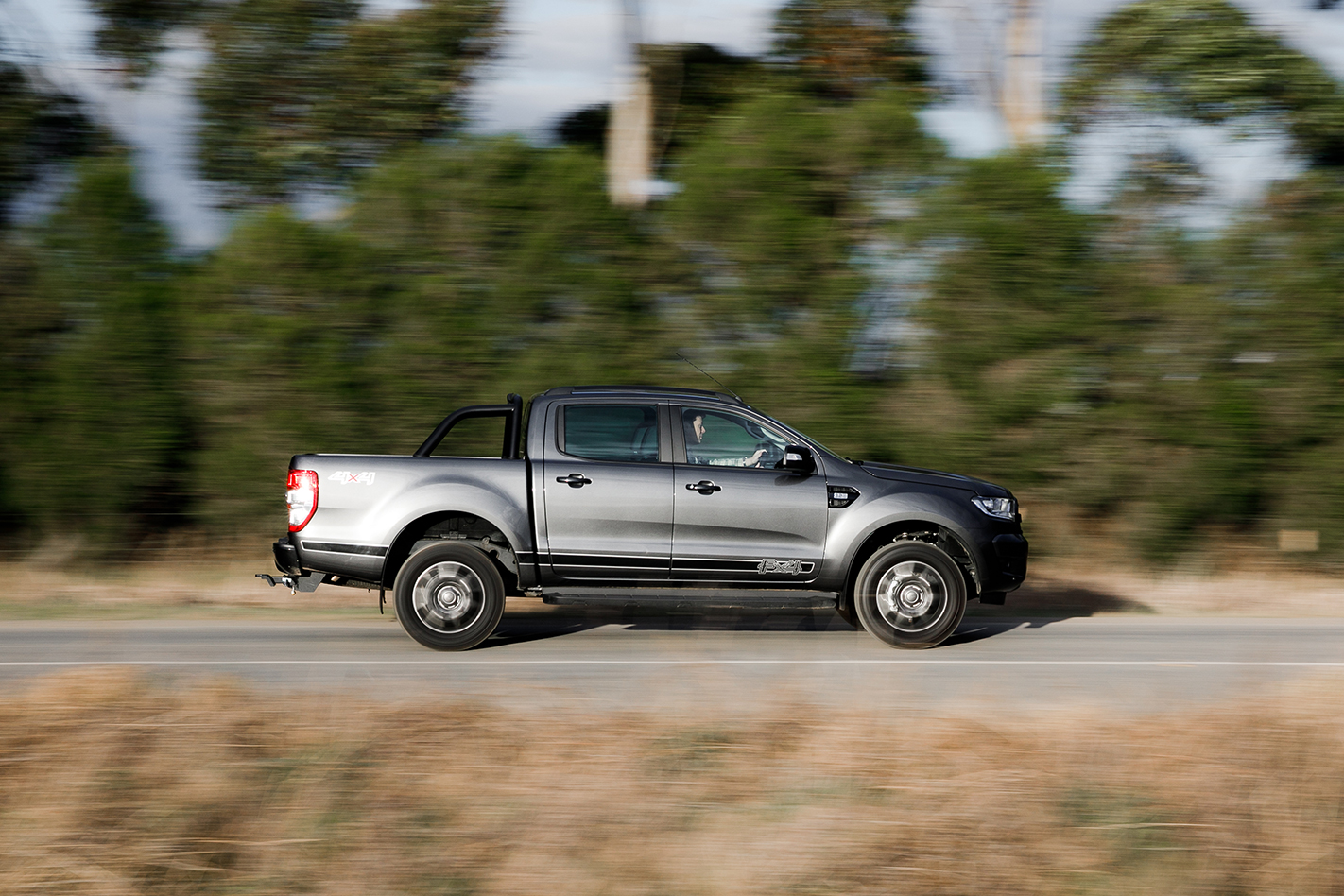
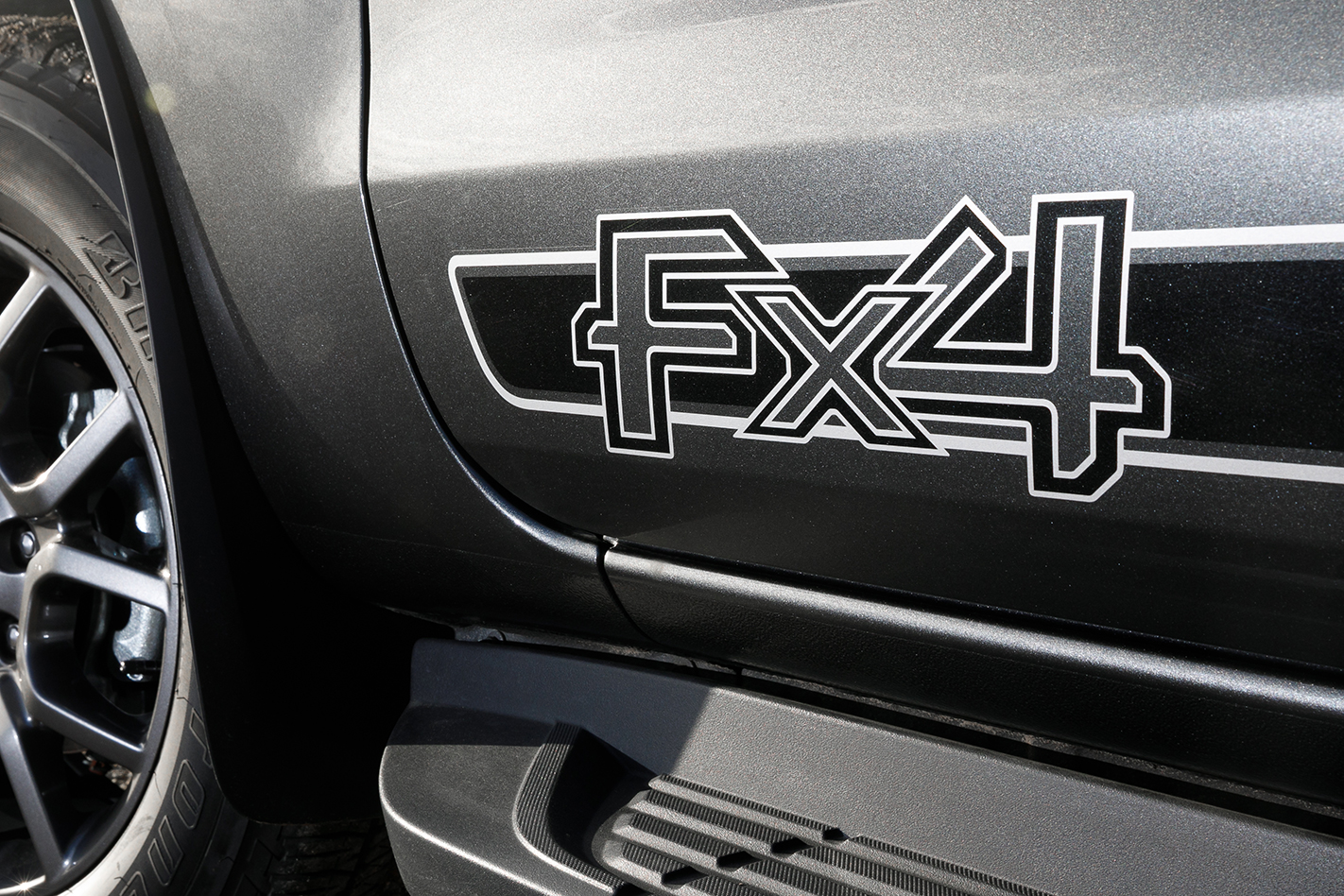
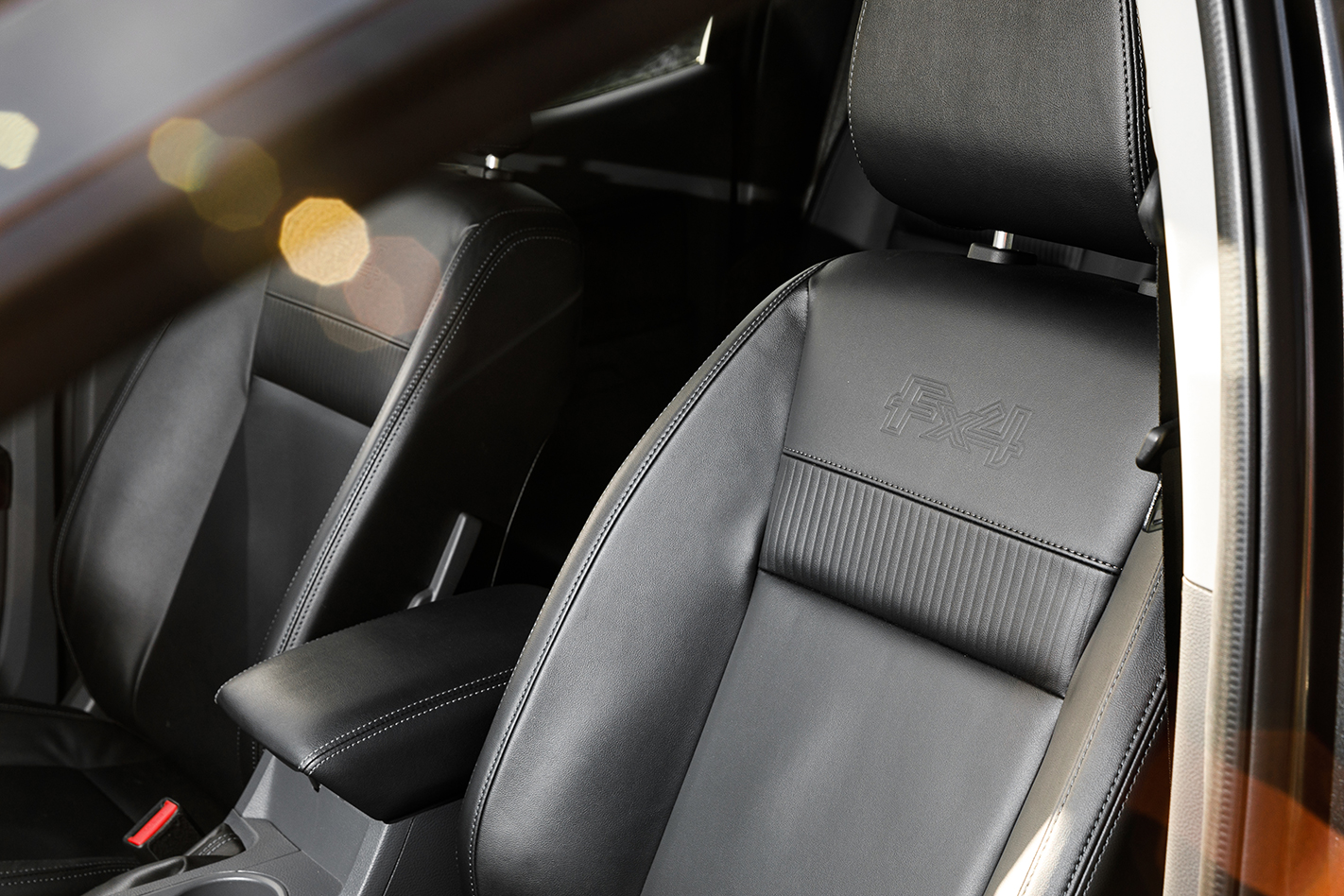
The Ford Ranger FX4 builds on the XLT with a black optics pack, some 18-inch ‘Stark Grey’ alloys, black roof rails and leather accented seats, monogrammed with the FX4 badge. That little lot tots up to an additional $3420, to which our test car added $550 worth of Magnetic Grey paint.
The engine’s a familiar one to Ranger buyers: a five-cylinder 3.2-litre diesel that drives all four wheels via either a six-speed manual or (as tested) a six-speed automatic transmission.
STRENGTHS
Let’s not beat about the bush – the Ranger FX4 looks good. That’ll be enough for some ute buyers seeking to one-up their mates. The 18-inch alloys and matte black sports bar are particularly nice touches and the monogrammed leather accented seats are also a cut above what you’d usually expect in a vehicle like this. And, unlike the Ranger Wildtrak model, there’s no orange in the cabin. That has to be a plus.
The FX4 can walk the walk too. With 470Nm of torque, a 3.5-tonne towing capability and 800mm water wading ability, the ritzy extras don’t detract from the ute’s no-nonsense fundamentals.
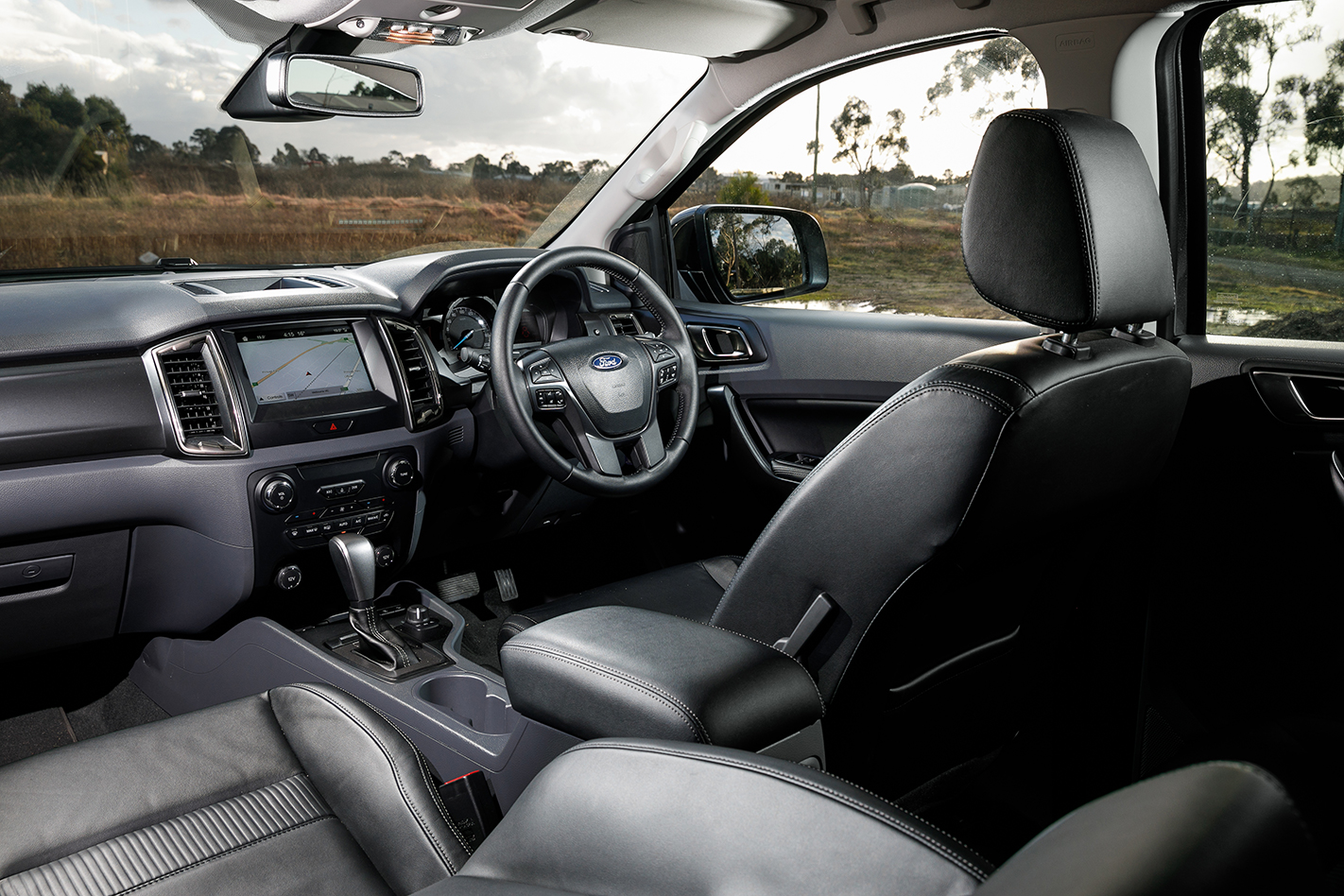
Likewise, you get a stack of standard equipment that until fairly recently was the preserve of flashy executive sedans. The Ranger features an 8.0-inch touch screen with voice-controlled sat nav, Apple CarPlay and Android Auto. That’s on top of tech like rear parking sensors, dynamic stability control and a four-wheel drive system that you can shift on the fly.

There’s no shortage of safety equipment either. Think front, side and curtain airbags, AEB emergency braking, hill descent control, hill launch assist, trailer sway control, tyre pressure monitoring and cruise control with a speed limiter function.
For a ute, the ride quality is good. Clearly if you’re comparing it with a passenger car it’s going to seem a little bouncy, but it’s got the Toyota Hilux and Nissan Navara licked in this regard. Holden Colorado and Mitsubishi Triton? That’s a tougher assignment, with the VW Amarok still boasting the best ride quality in this sector. Even on the bigger 18-inch alloys it’s not too unsettled on a country road.
Ford’s SYNC3 infotainment system is one of the best in its class. It’s not a particularly pretty system to look at, but in terms of functionality, it’s right up there. Like us, you’d probably prefer keeping your eyes on the road rather than trying to unearth functions that are buried in multiple touch screen menus. SYNC3 is your friend here.
There’s a reasonable amount of legroom in the back seats. All too often when manufacturers design dual-cab utes, the rear seats are the first casualty in trying to eke a few more millimetres of tray length or driver accommodation. A six-foot passenger can easily sit behind a six-foot driver in the FX4.
WEAKNESSES
The engine isn’t particularly refined and requires a good bootful of revs to get the Ranger moving with any great alacrity. This results in so-so fuel economy. Ford claim an average of 8.7 litres per 100km. We saw just north of 11L/100km without driving the vehicle particularly hard.
The steering column only adjusts for rake and not reach. This can result in a legs-splayed driving position in order to get the wheel at exactly the right proximity to your body.
The automatic gearbox isn’t the sharpest tool in the box, often holding a gear for way too long, forcing you to lift the throttle in an attempt to prompt it to shift up.
The value proposition isn’t exactly cut and dried for the FX4. Should you fancy the optional $800 Tech Pack (adding Forward Collision Alert, Lane Keeping Aid, Automatic High Beam Control and Adaptive Cruise Control), the FX4’s final invoice will be more than the ostensibly range-topping Wildtrak which features the Tech Pack inclusions as standard. And you’ll also be missing out on the Wildtrak’s heated seats, puddle lamps and roller tonneau for the tray.
The steering can feel unnervingly light at times for such a macho-looking vehicle. It’s accurate but it’s neither quick-witted nor particularly generous with feedback.
ANY OTHER CARS I SHOULD CONSIDER
If you’re in the market for a high-end ute, Volkswagen’s Amarok is a key contender, although Mercedes-Benz’s X-Class looks an intriguing entrant. The Holden Colorado in Z71 guise has the bling to compete with the Ranger FX4 and despite having a smaller engine, it has the edge in terms of straight-line speed.
Second opinion: Wheels review

Wheels has been at the forefront of Australian motoring media since 1953, creating quality, credible content that consumers trust, and taking readers behind the scenes of the automotive industry.

Special edition ute draws a bead on the cashed-up tradie
THE WHEELS VERDICT
The unvarnished reality of the Ranger FX4 is that Ford is charging almost $3500 over the price of an XLT for what is ostensibly a black optics pack. Inch-bigger alloys, roof rails and leather seats are the key upgrades, which call into question the FX4’s value-add. Manufacturers seem to think there’s so much price headroom in the ute market that it’s a gold seam just waiting to be mined, but savvy buyers might want to look elsewhere in Ford’s range for a smarter deal.
THE WHEELS REVIEW
THAT the Ford Ranger is a better ute than the Toyota Hilux is a fact that takes some time to get used to. How do you go about beating the unbreakable legend? It turns out that doing the basics right like offering decent ride quality, a gutsy engine, strong value and keen utility are enough. It’s like Buster Douglas beating Mike Tyson by the simple expedient of stepping to the side to negate his bull-like power. Sometimes the most obvious solutions are hidden in plain sight.
Ford shifted almost 31,000 4×4 Rangers last year, and almost two-thirds of them were upspec XLT and Wildtrak versions. The success of similarly high-end versions of the Holden Colorado and Volkswagen Amarok coupled with Mercedes-Benz’s intention to join the fray with its Navara-based X-Class clearly has Ford convinced that the target market for these vehicles has a lot of disposable income looking for a new home. The FX4 special edition builds on the XLT with a black optics pack, some 18-inch ‘Stark Grey’ alloys, black roof rails and leather accented seats, monogrammed with the FX4 badge.
Prospective FX4 buyers interested in adding the optional $800 Tech Pack (adaptive cruise control and lane departure assistance) to their purchase would do well to consider the range-topping Wildtrak version. This features those inclusions as standard and comes in at $125 less than a Tech Pack-equipped FX4. Plus you get features like heated seats, puddle lamps and a roller shutter for the tray.
And there’s the nub of the Ranger FX4’s appeal. The dressing drags punters in off the street. What keeps them coming back is that under the glitz it still feels an authentic working vehicle, all hard plastics, sibilant engine and no-nonsense practicality. The moment premium utes lose that authenticity, manufacturers will discover the price ceiling to this market extremely quickly.

Specifications Model: Ford Ranger FX4 Engine: 3198cc turbodiesel dohc inline-5 Max power: 147kW @ 3000rpm Max torque: 470Nm @ 1750-2500rpm Transmission: 6-speed automatic Weight: 2250kg 0-100km/h: 10.7sec Economy: 8.7L/100km (claimed) Price: $61,115 On sale: Now
A famous person has bought an expensive car.
But, you’re reading this on MOTOR, so we’ll get the ‘who’ and ‘why’ out of the way so we can talk about the important part – the car.
Arguably the most controversial tennis player in Australia, though Margaret Court may have pipped him, Kyrgios has also been known to have a love of cars.
He’s the ‘who’, and the ‘why’ is simply because he can.
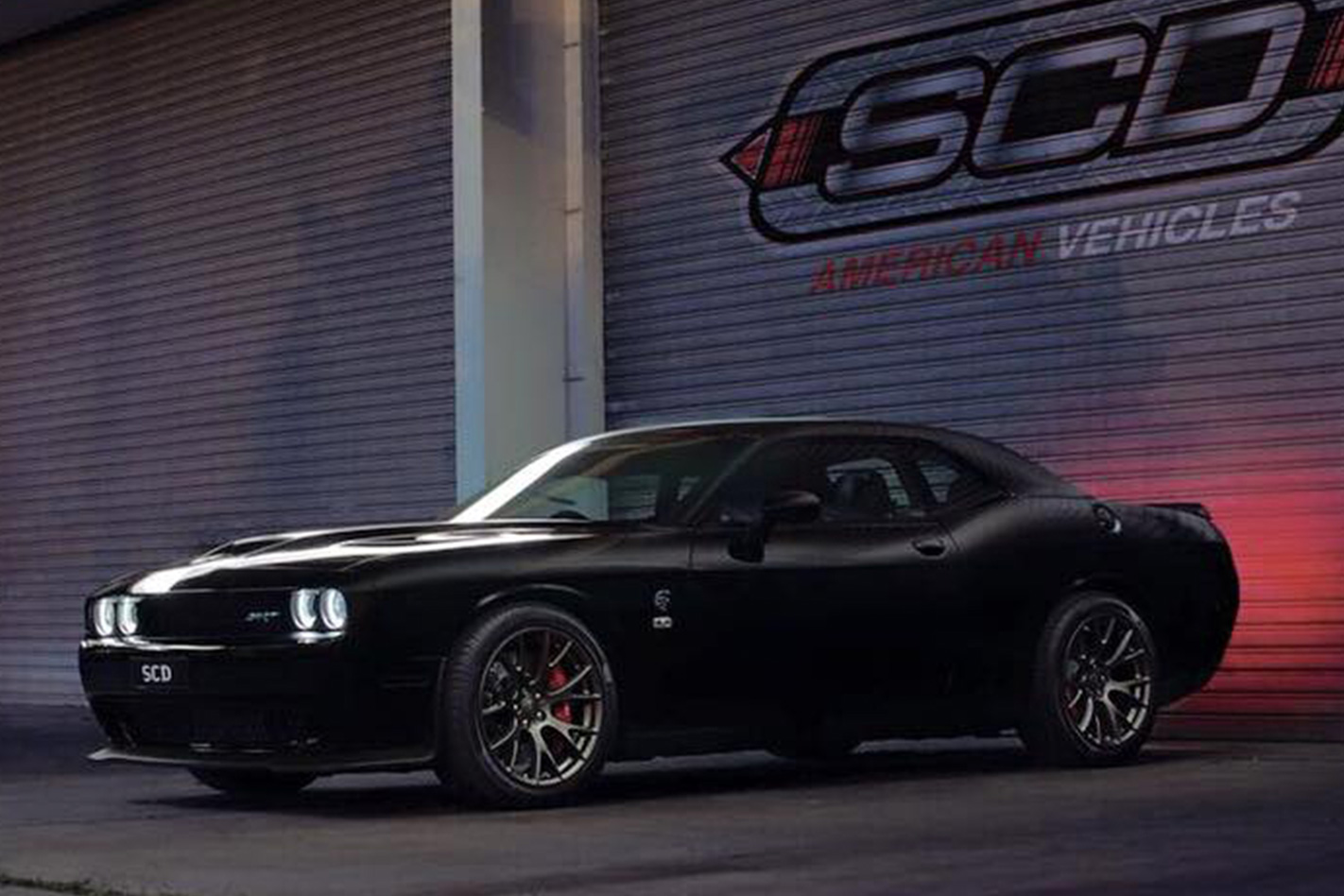
More specifically, it’s a Dodge Challenger Hellcat SRT, something which should make a nice racket for his neighbours to enjoy.
The company that imported it for him, SCD American Vehicles in South-East Queensland, has a process for converting and complying the 527kW beasts.
The price for the conversion alone is a serve of $48,000.
On top of the base price of the initially (and relatively) cheap drag strip killer, things start getting a bit pricey.
When asked on Facebook why Kyrgios didn’t opt for the even more expensive Dodge Demon, he gave two contradicting answers:
“Coz I can always have both,” he replied to one user, complete with devil-horned hand emoji, while also telling another commenter, “No room for my tennis rackets or my passengers in the Demon big fella. I’m not a drag racer.”
We’re sure Kyrgios would find it rather challenging to get his hands on a Demon. Plus, driving one is a good way to land in court.
If you’re closer to Melbourne, you can get the same thing done through Crossover Car Conversions for about $200K.
THE eighth-generation Rolls-Royce Phantom isn’t a car; it’s now a $1 million-plus, autobahn-storming mobile art gallery.
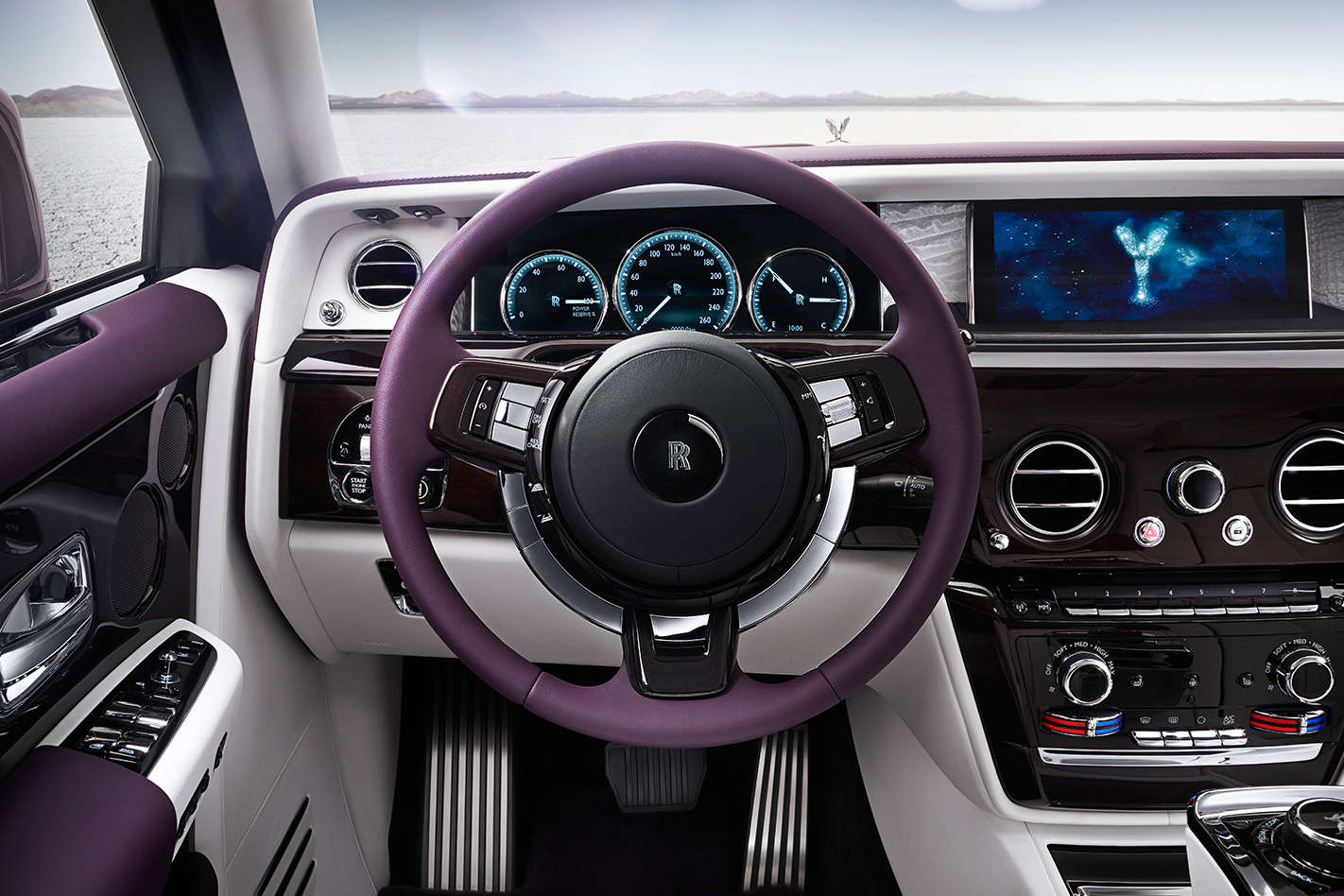
While most of us worry about finding space on the fridge to hang our kids’ art, the German-owned British uber-luxury marque has created a fascia for the new Phantom, revealed overnight, that it calls The Gallery. It’s a space on the dashboard where instead of looking at handcrafted leather and lacquered wood, owners can “commission and curate” works of art sealed behind a special glass cover.
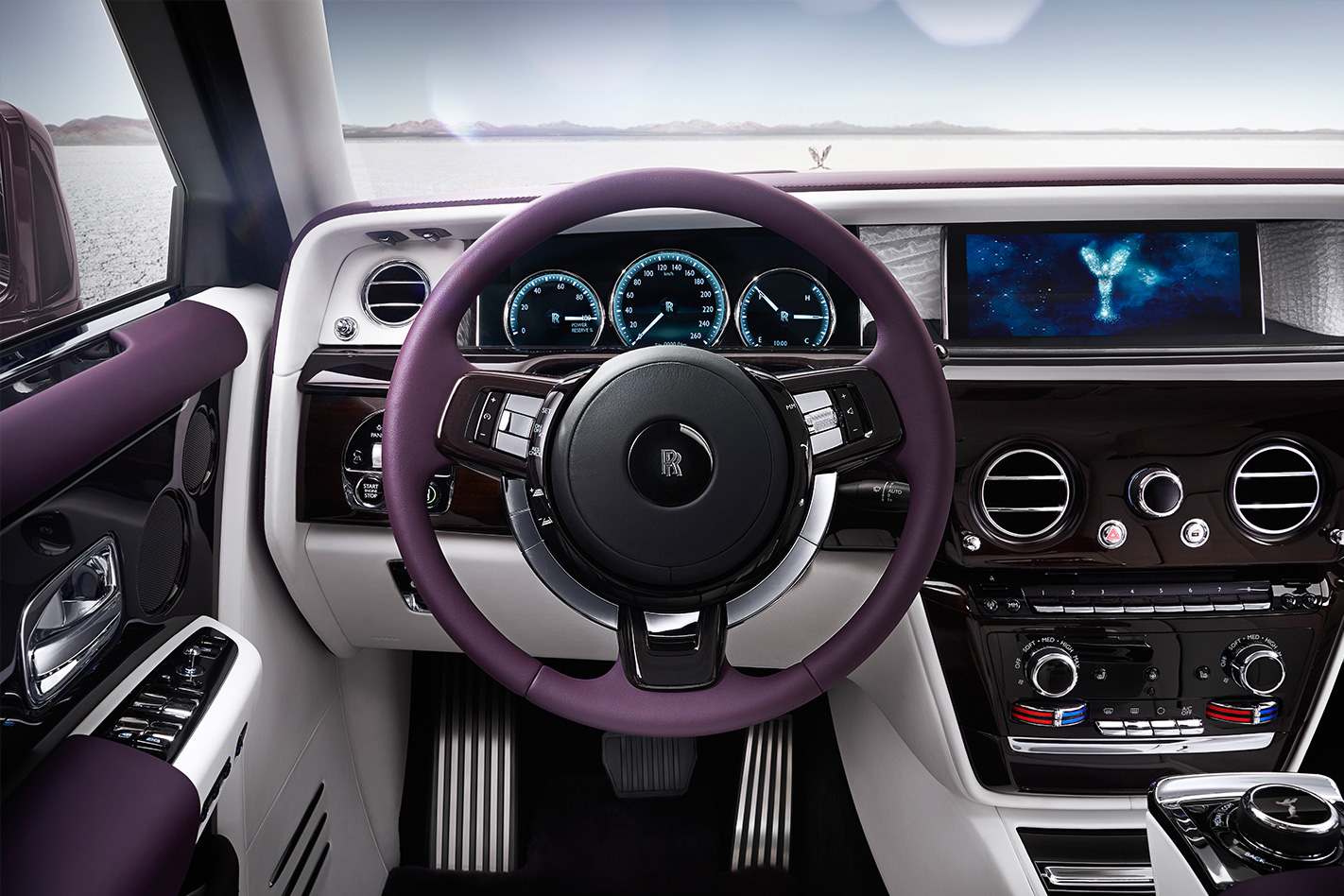
“It runs, uninterrupted, across the fascia, emphasising a sense of width. Positioned front and centre, it is the focal point of the interior of New Phantom, providing a perfect stage for artworks.
“This treatment of glass enables an unprecedented opportunity for the protection and presentation of works of art, which is why, we have rather aptly named it, ‘The Gallery’.”
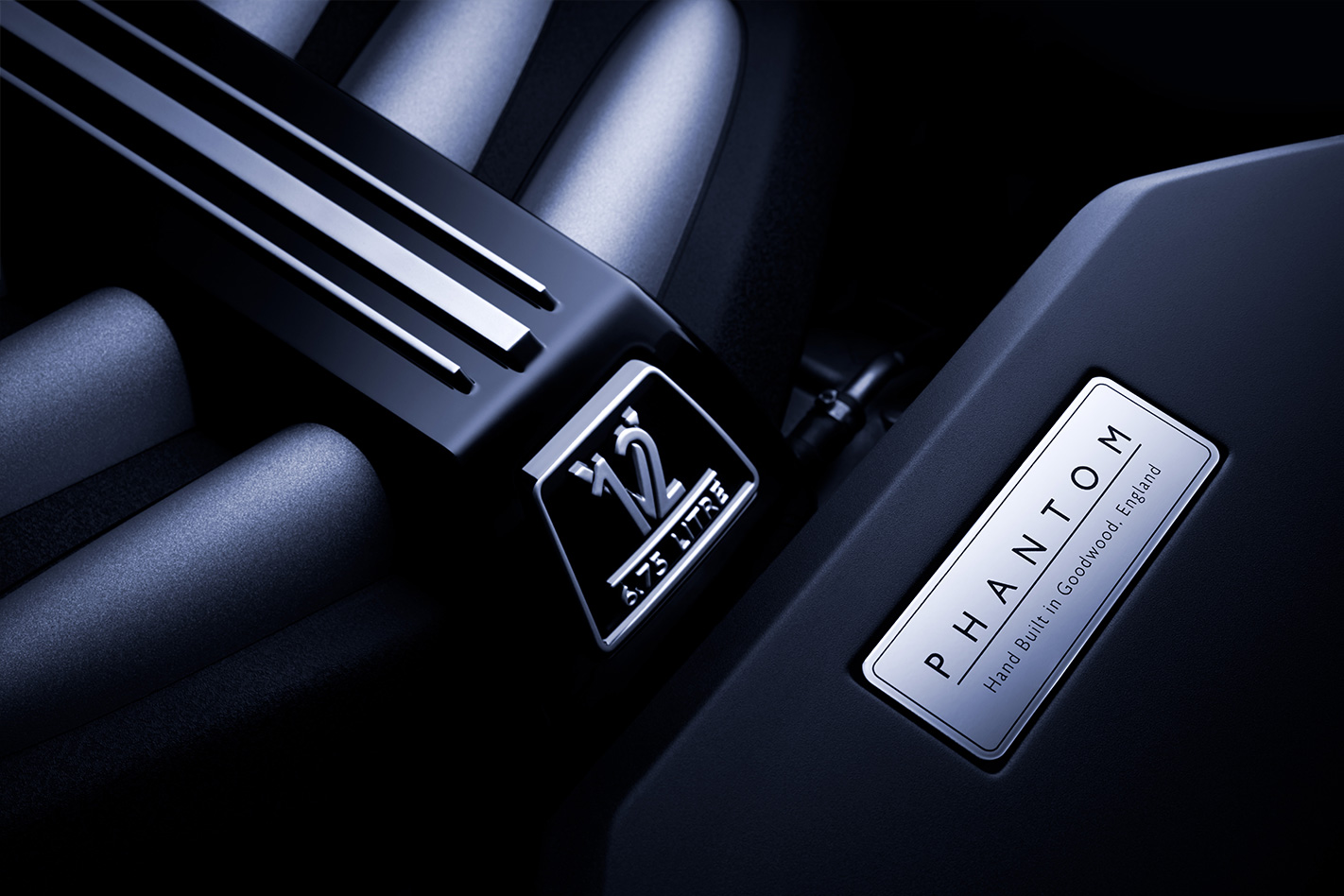
At 5762mm, the new Phantom is 77mm shorter than the model it replaces. Its long wheelbase – a long-running Rolls-Royce trait – is also 19mm shorter at 3552mm. Weight, meanwhile, grows by just 10kg to 2560kg.
An extended wheelbase version adds 220mm to overall length via a wheelbase stretched to 3772mm – you could fit a decade-old Holden Barina inside it.
The old 338kW/720Nm Phantom – reintroduced to the world by new owners BMW in 2003 after a ten year slumber – could politely ask Jeeves to shuffle up to 100km/h in as little as 5.9 seconds. This new one will cover the same distance in just 5.3secs, and keep going until the Phantom reaches its 250km/h electronically limited top speed.
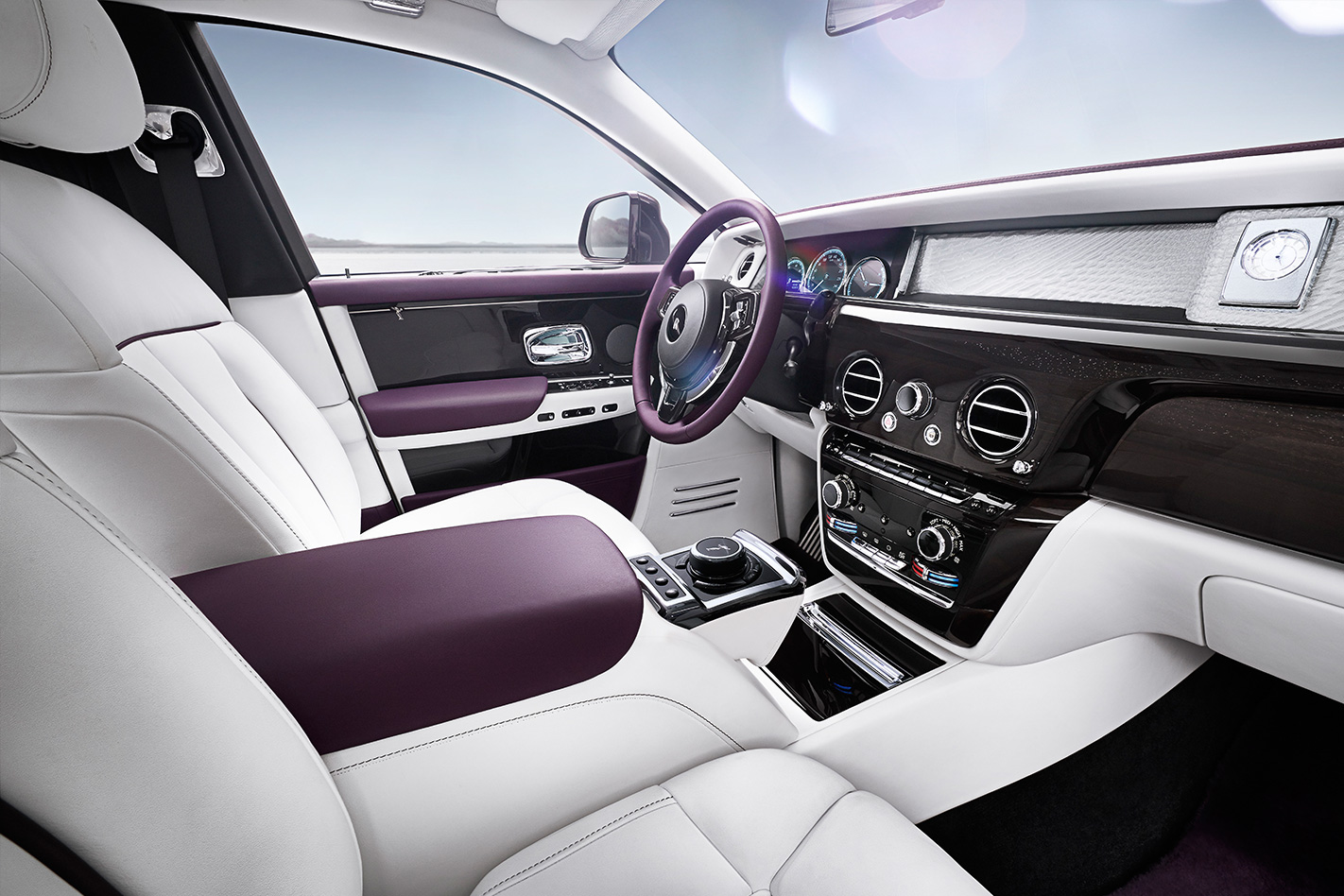
How quiet? The Phantom carries more than 130kg of sound-deadening material, and includes the largest cast aluminium joints in the industry to help stop noise transfer. Even the tyres have a layer of foam inside them to wipe out cavity resonance.
The new limousine’s panel gaps and shutlines – the spaces between the panels and doors – are so fine that the carmaker says the Phantom looks as though it was carved from a single block of aluminium.
The Roller rides on the “Magic Carpet Ride” self-levelling air suspension, with double wishbones up front and a multilink axle down the rear to deliver “incredible agility and stability”. This generation of the Phantom also adds all-wheel steering to provide a turning circle of 13.09m, meaning it needs just a little more room to perform a U-bolt than a Toyota Hilux.
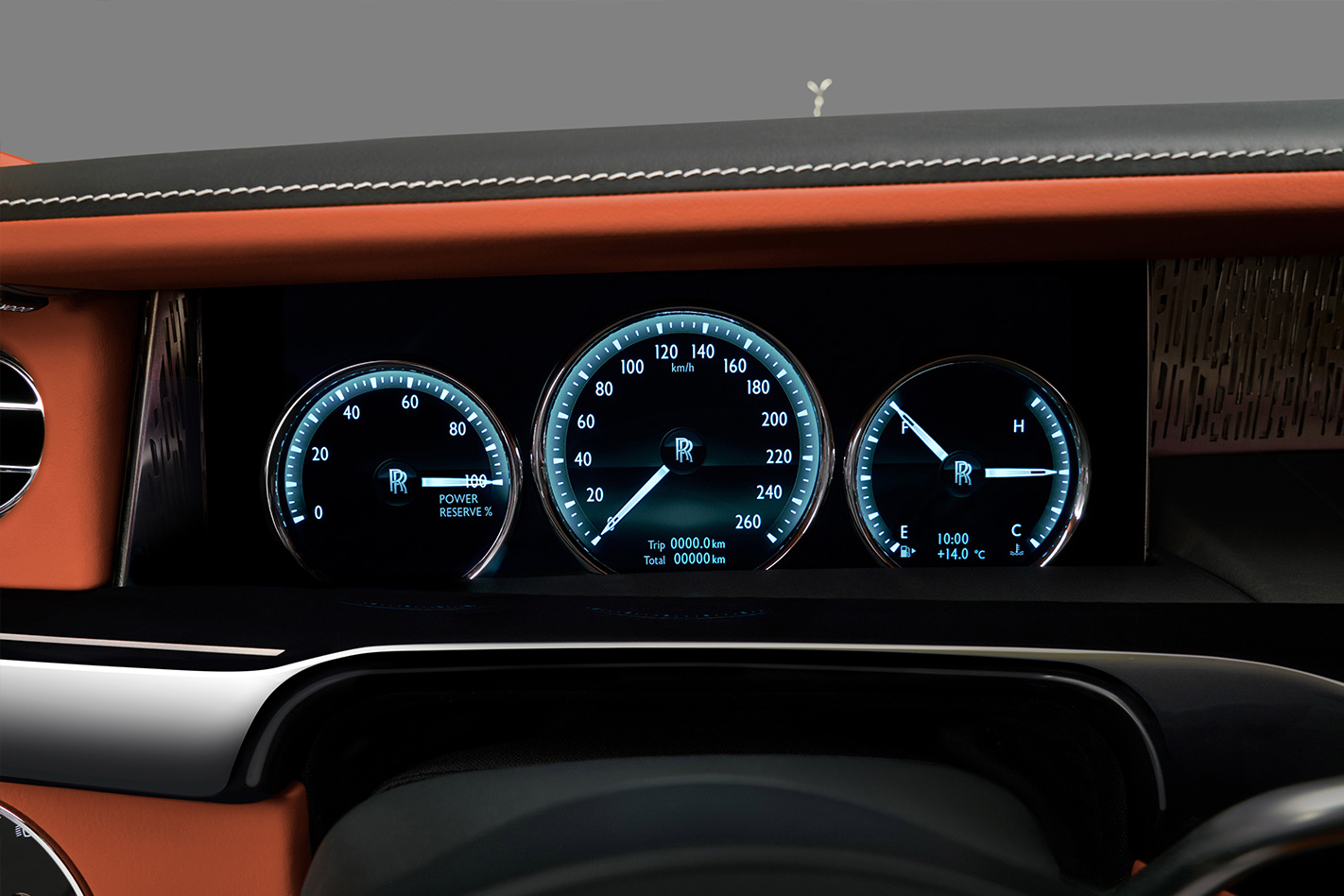
Up front, the traditional Pantheon grille sits taller than before, with the Spirit of Ecstasy figurine now sitting a bit more than a centimetre higher than it did before. Oh, and the grille, rather than sitting proud, is now integrated into the surrounding bodywork for the first time. “The resulting effect is a cleaner, reduced design with modernity and clarity, allowing all-new Phantom’s lines to connect with this iconic statement of power and flow from it,” Rolls-Royce says.
The new Phantom rides on Architecture of Luxury, a bespoke platform that will also evolve for future products including the Cullinan SUV, and new versions of the Ghost, Wraith and Dawn, “as well as other coachbuild projects”. The platform won’t be shared with BMW, which is focussing its efforts on its CLAR “cluster architecture” rear-drive platform that uses a blend of steel, aluminium and carbonfibre to cut weight and help prepare the German luxury car maker for hybridisation.
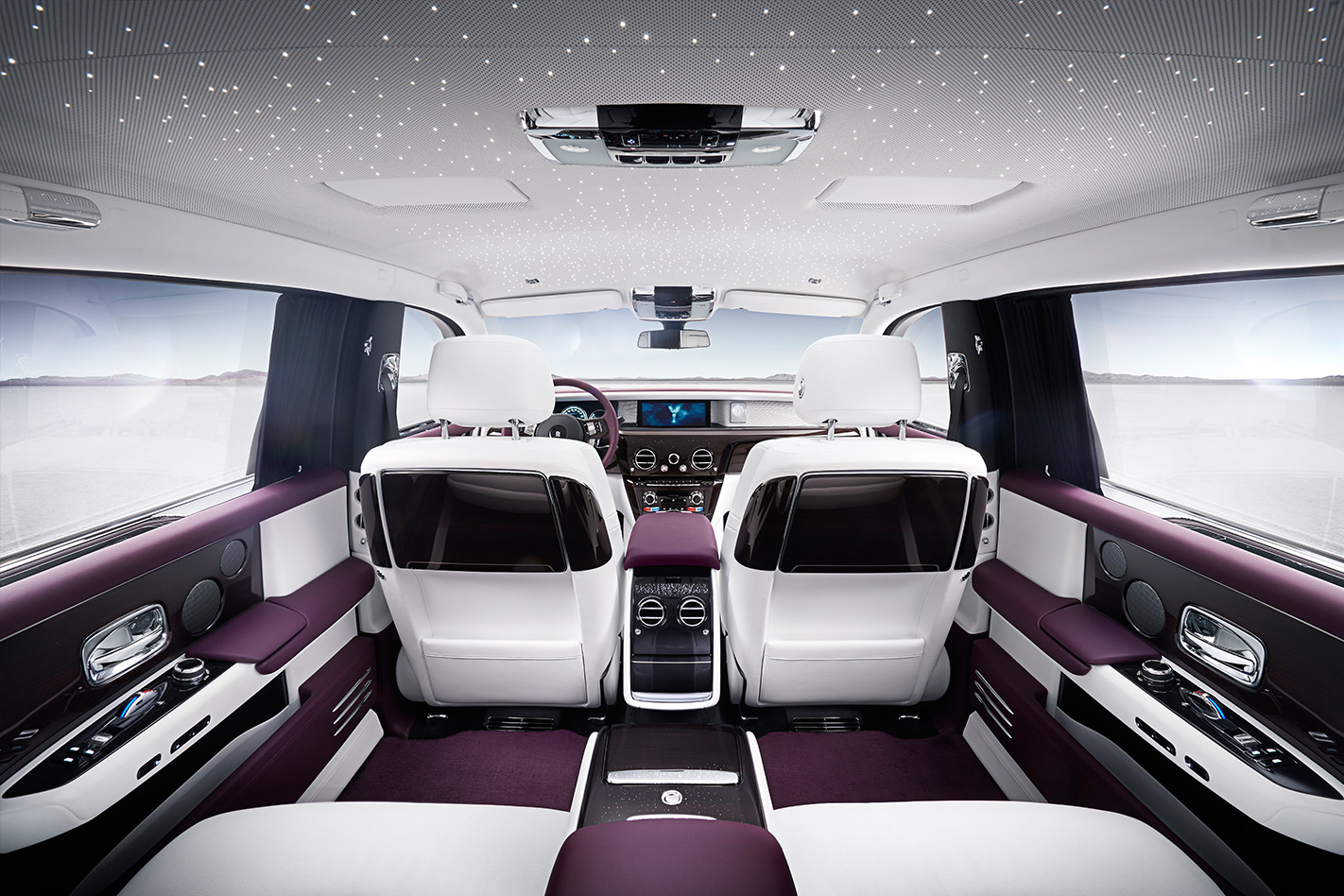
As the first Architecture of Luxury product, expect the all-new Phantom to nudge the current car’s price beyond $1 million, well above the old model’s $855K million ask, and the first time in six years it will break through the six-figure Swarovski cut-crystal ceiling.
A BRITISH Ferrari owner has had his new ride go up in flames – an hour after he’d picked it up.
South Yorkshire police reported earlier today that they’d received a callout to a single-car crash along the M1 that had created traffic chaos for commuters.
“Officers were deployed to a single-vehicle collision with reports that the vehicle had left the carriageway and burst into flames,” a social media post from the Yorkies says.
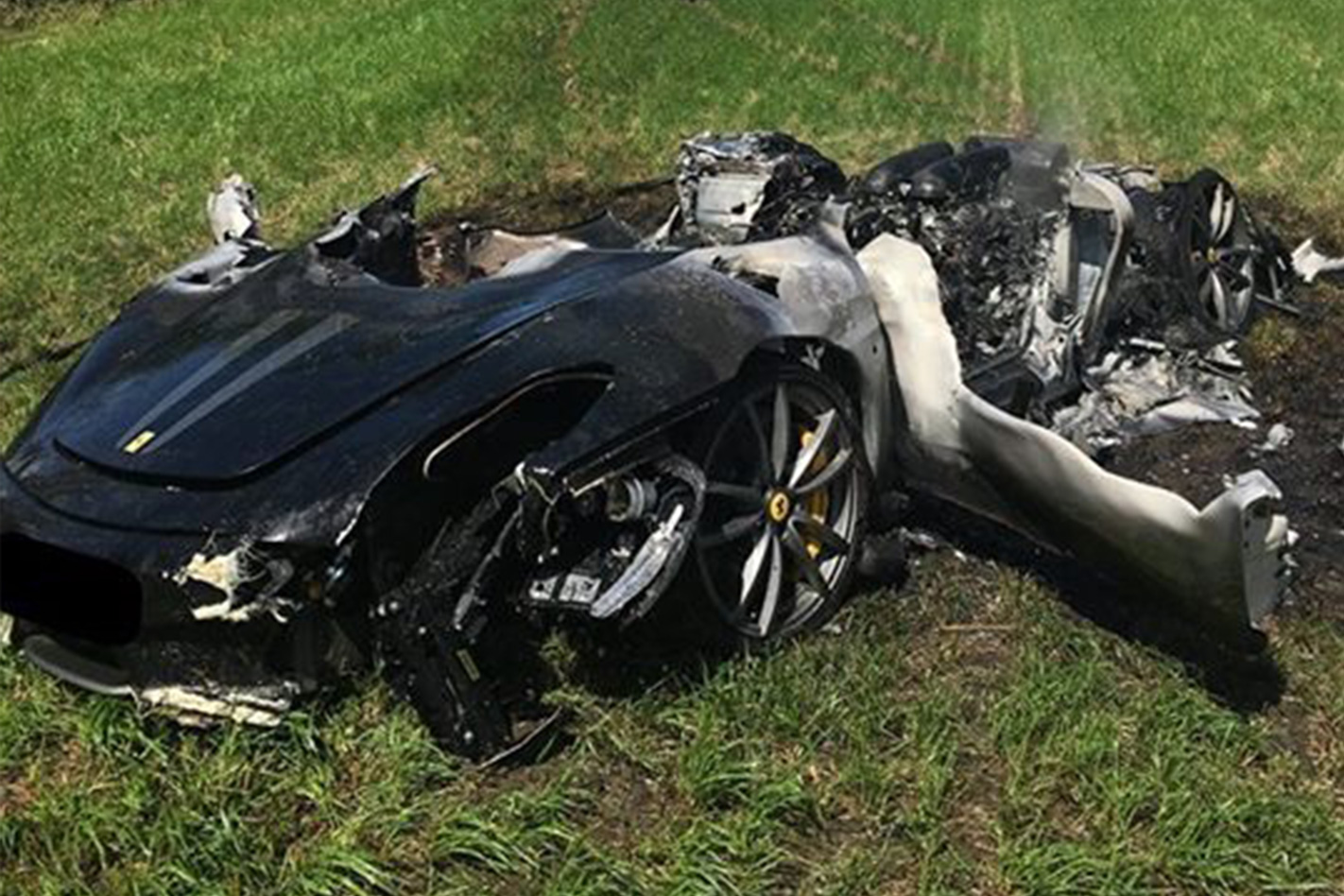
“As we are an inquisitive bunch we found the driver and were amazed to see he only had minor cuts and bruises.”
But then comes the bit that hurts, and something that’s, well, not surprising given the rate at which they’ve previously been known to flame out.
“Officers asked the driver what sort of car he had to which he replied: ‘It was a Ferrari.’ Detecting a sense of damaged pride, he then said: ‘I’ve only just got it, picked it up an hour ago’.”
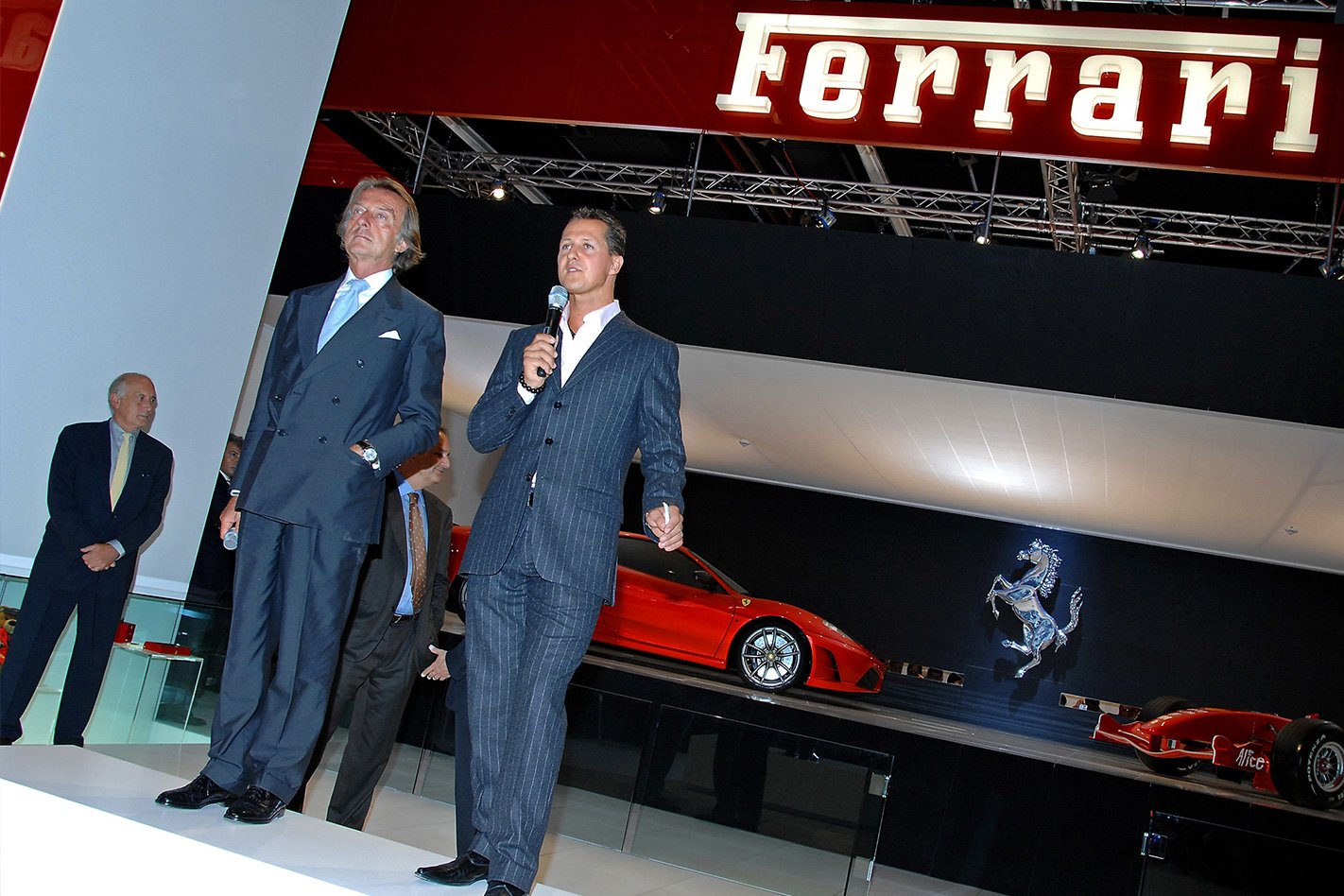
Unmelted, they still swap hands here for about $500,000. Without the charred bits and molten metal, it should look like this.
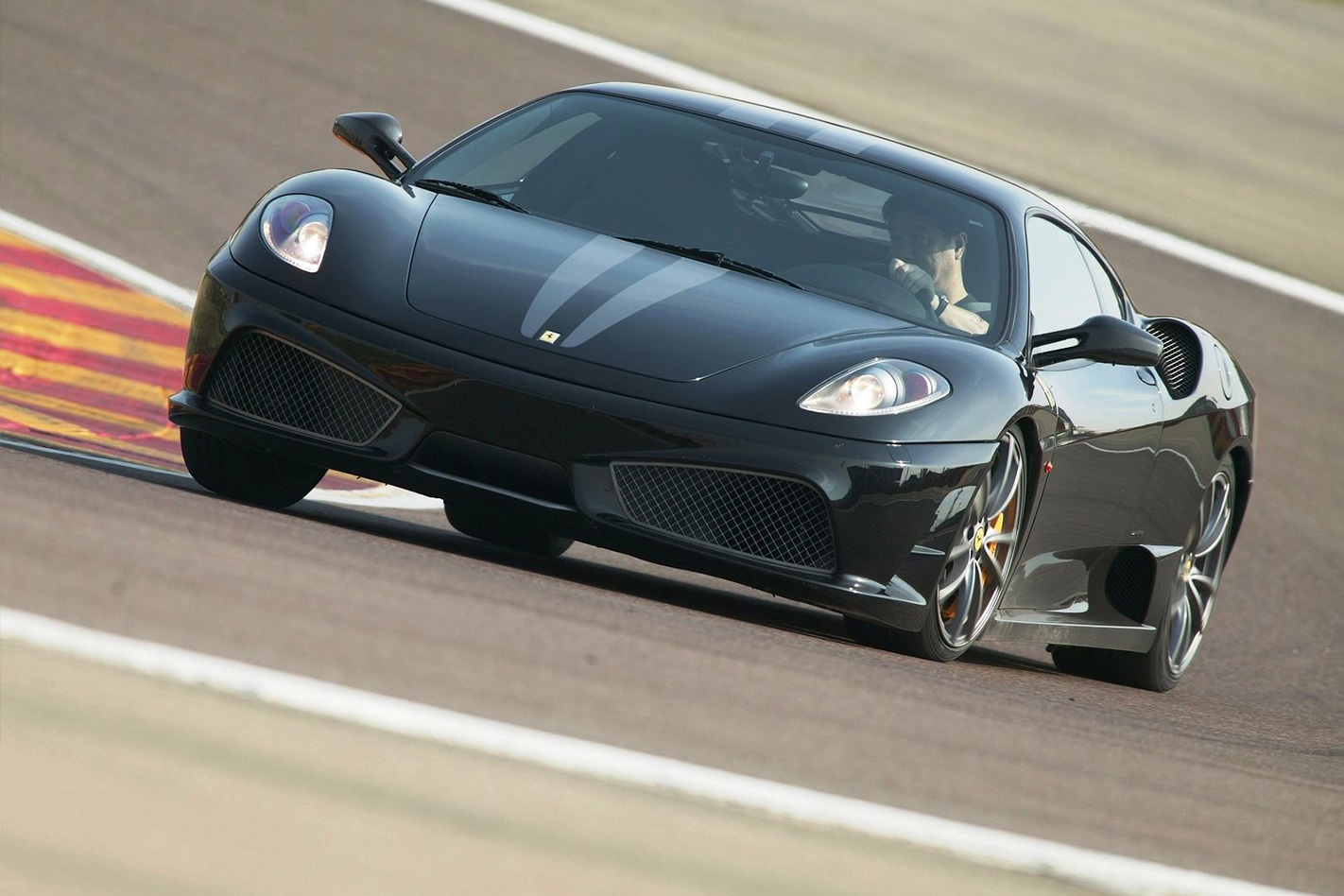
Only about 1600 of the lighter, more powerful 375kW version of the 4.3-litre V8-engined Scuderia – meant to go head-to-head with the Lamborghini Gallardo Superleggera – were made. Before its sacrifice to the gods of flaming supercars, this particular one was capable of bursting from rest to 100km/h in around 3.6sec, and winding out all the way to 319km/h.
Thankfully for the driver, testimonies from witnesses grilled by the South Yorkshire rozzers led them to believe that speed wasn’t a contributing factor to the fire.
With a completely new engine and enough prestige for a member of the British royal family, the new Rolls Royce Phantom sounds like it will keep the wealthy happy on their commutes.
Or, it won’t sound like anything, as Rolls Royce says this is “the most silent motor car in the world”.
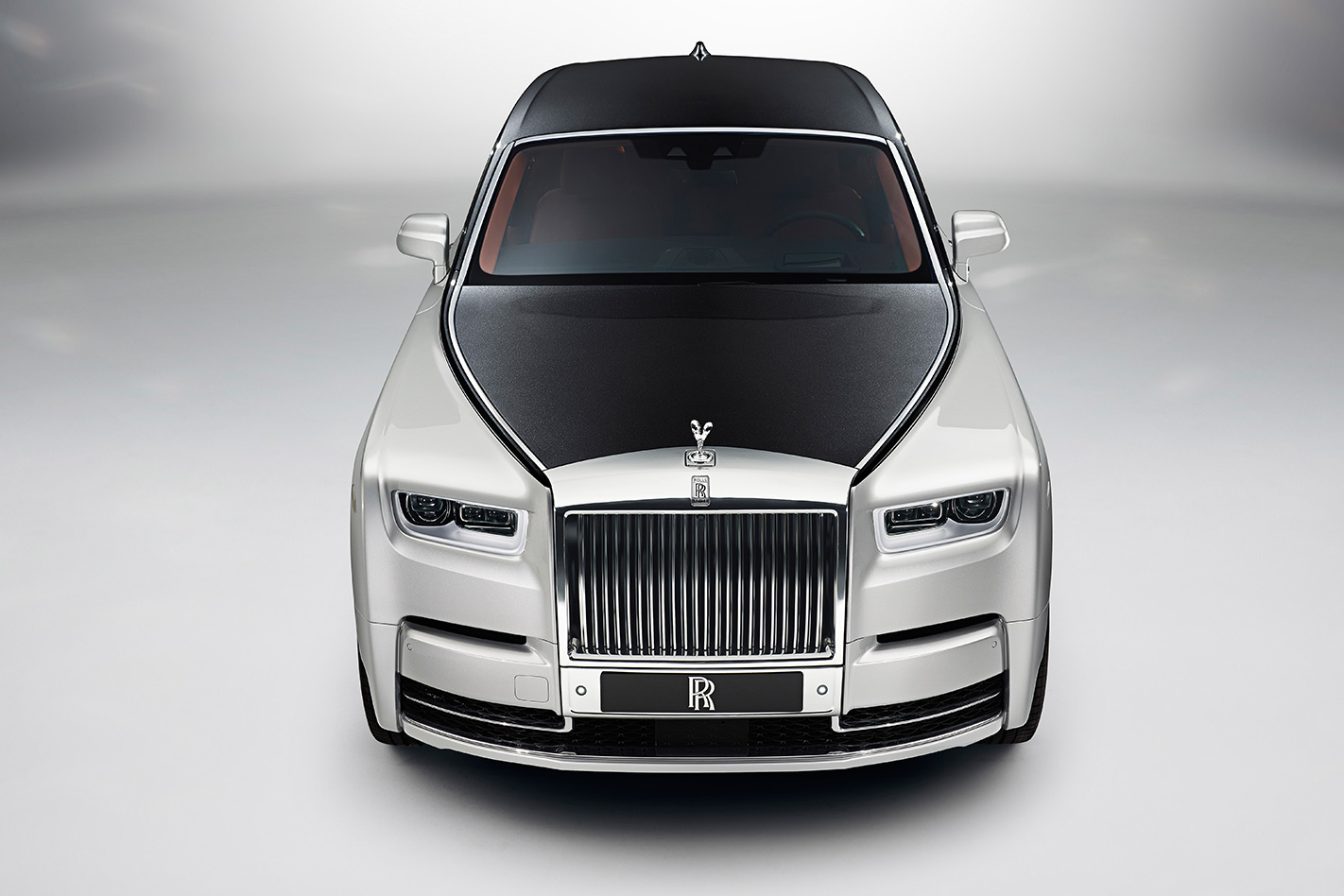
Part of this sounds deadening comes from a reduction in road noise from tyres, with Rolls having developed (in conjunction with its tyre supplier) tyres that have a foam layer inside the tyre to “wipe out tyre cavity noise and reduce overall tyre noise by 9db”.
Rolls Royce says the new Phantom is 10 per cent quieter than its predecessor at 100km/h.
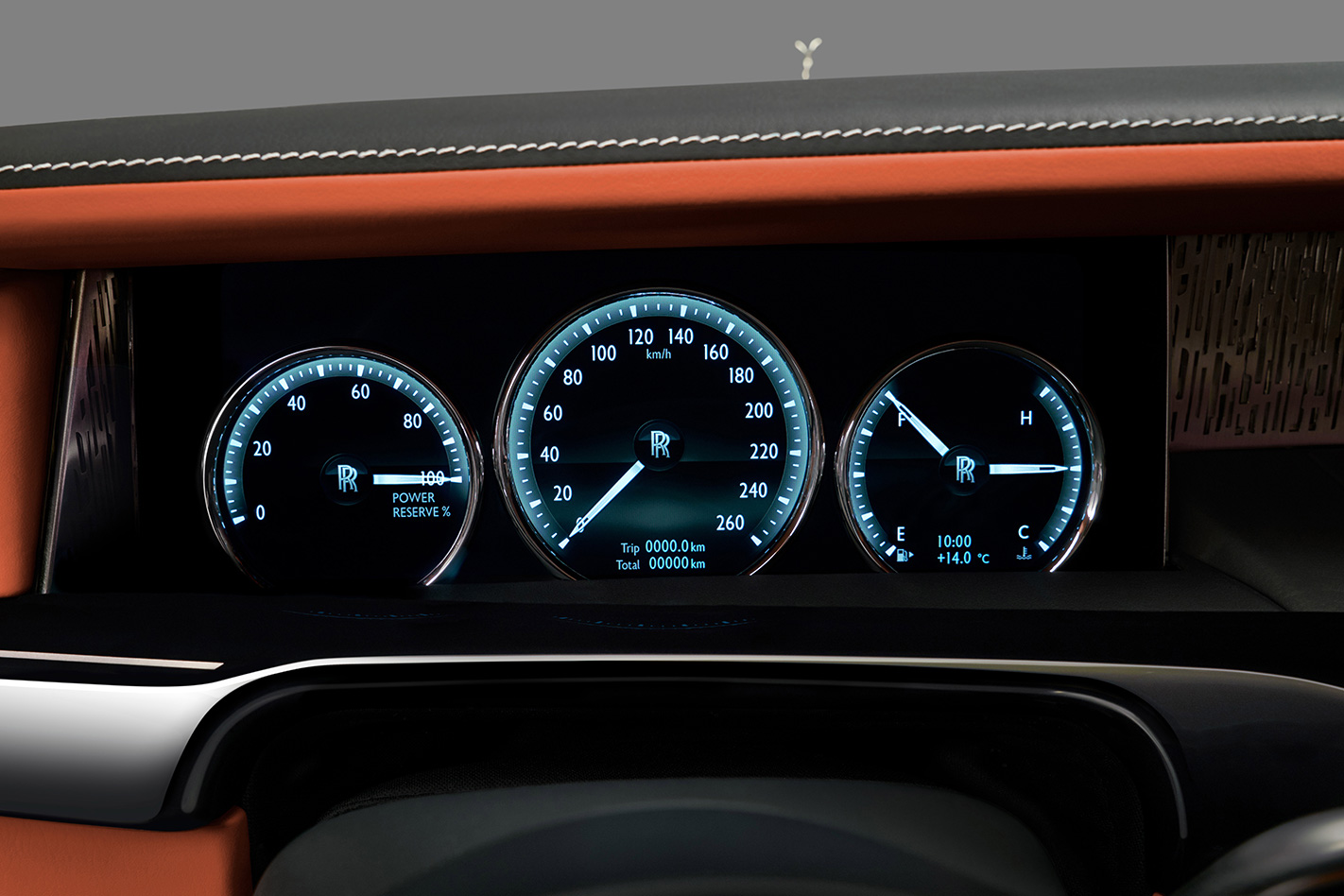
This is the first Rolls to be built on the marque’s “Architecture of Luxury”, and RR is even pointing out changes such as the Spirit of Ecstasy sitting approximately a half inch higher on the bonnet.
As the Phantom is one of the only cars the MOTOR crew might consider being driven in, rather than driving, it’s worth mentioning that the rear seat is where the focus is.
There’s also a drinks cabinet with whisky glasses, champagne flutes, and a decanter.
It seems the most advanced Rolls Royce Phantom has retained its old-school charm indeed
UPDATED: Porsche has confirmed its departure from LMP1 in a press release, announcing a switch to Formula E.
“Entering Formula E and achieving success in this category are the logical outcomes of our Mission E. The growing freedom for in-house technology developments makes Formula E attractive to us”, Michael Steiner, Member of the Executive Board for Research and Development at Porsche AG, said in a statement.
Porsche confirmed it will continue to race in WEC as part of GTE with its 911 RSR.
The world’s premier sportscar category, LMP1, is set to cop a crushing blow with Porsche poised to withdraw its 919 contender from the series, according to reports.
The news comes less than 12 months after fellow Volkswagen Group compatriot Audi abruptly pulled up stumps on its LMP1 program at the end of the 2016 World Endurance Championship season.
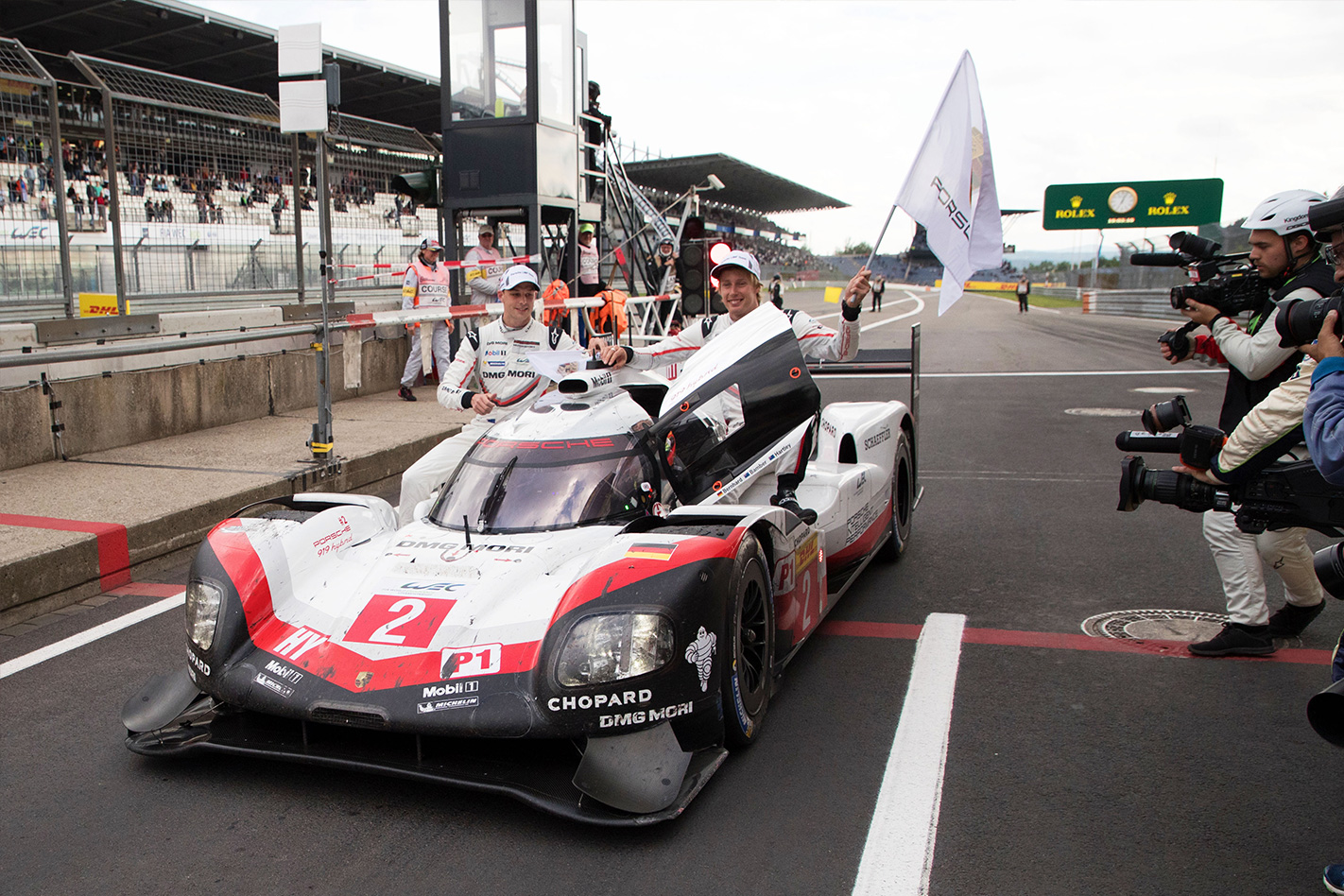
It has been reported the German manufacturer will use the opportunity to confirm its intention to enter the FIA’s all-electric Formula E category as a factory team.
The withdrawal of Audi and Porsche from LMP1 will kneecap the category, which is the headline attraction at the 24 Hours of Le Mans – one of motorsports’ ‘Triple Crown’ events.
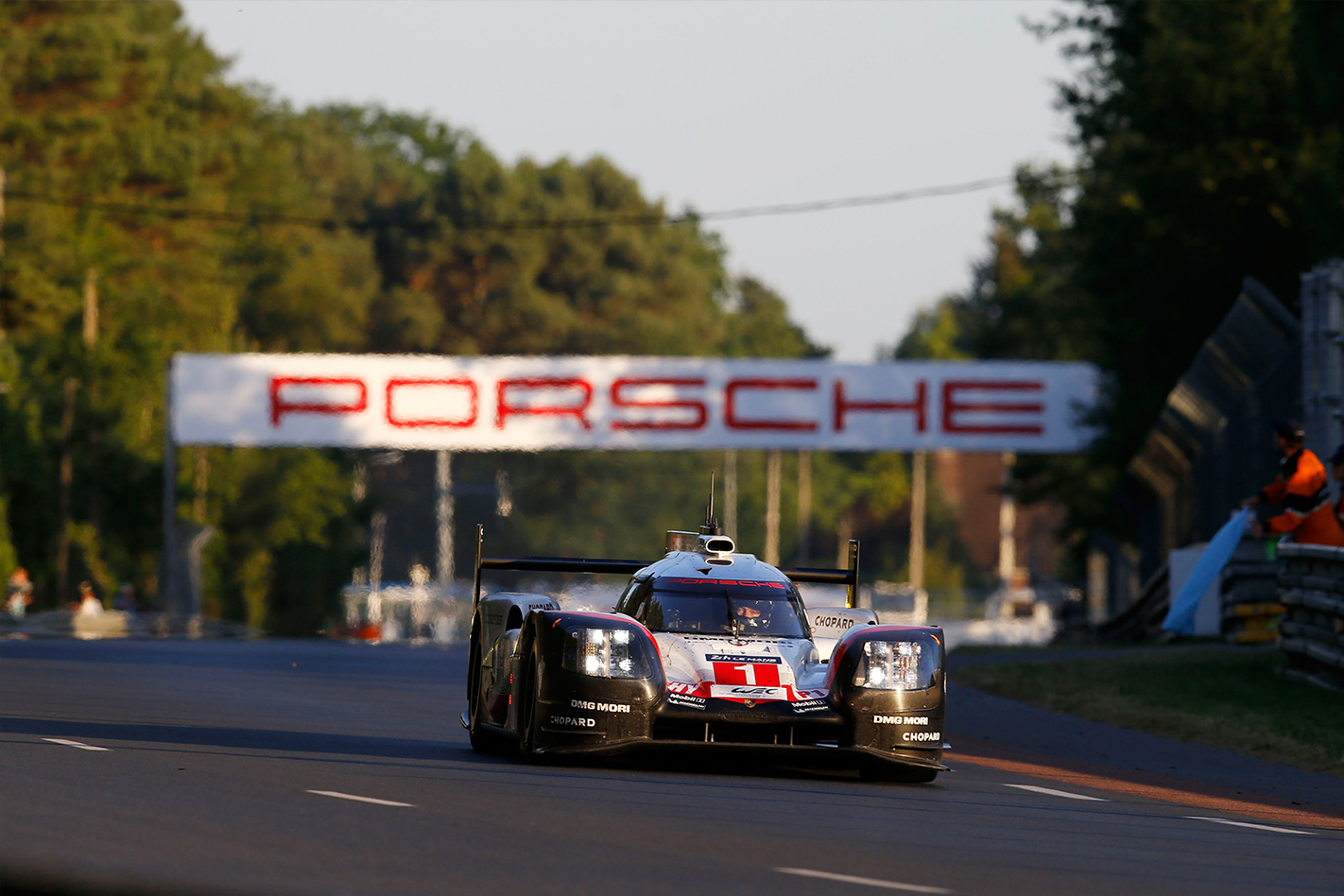
LMP1 and WEC’s loss is Formula E’s gain, as the category continues to posture itself as the future of factory-backed motorsport on a global scale.
The transition from LMP1 to Formula E is expected to save Porsche significant money, some reporting the necessary budget could shrink by as much as 90 percent per year.
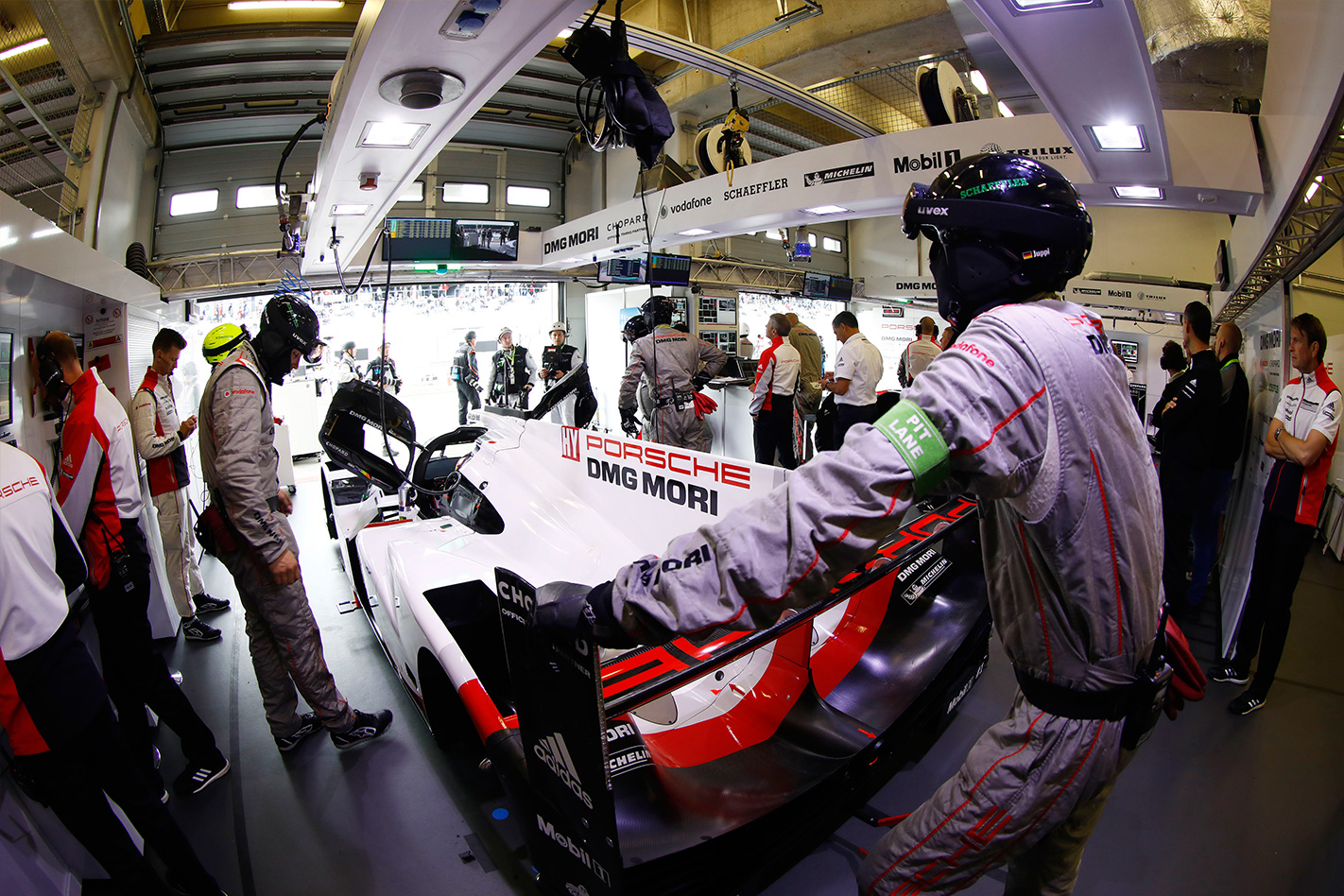
The 919 made its debut at Le Mans in 2014, winning outright in its sophomore year, and then backing it up in 2016 and 2017.
Now, just four years after its return to the top rung of sportscar racing, and with its Le Mans record win tally extended to 19 victories plus a pair of constructors’ and drivers’ FIA WEC championships, the reign is poised to come to a self-imposed end.
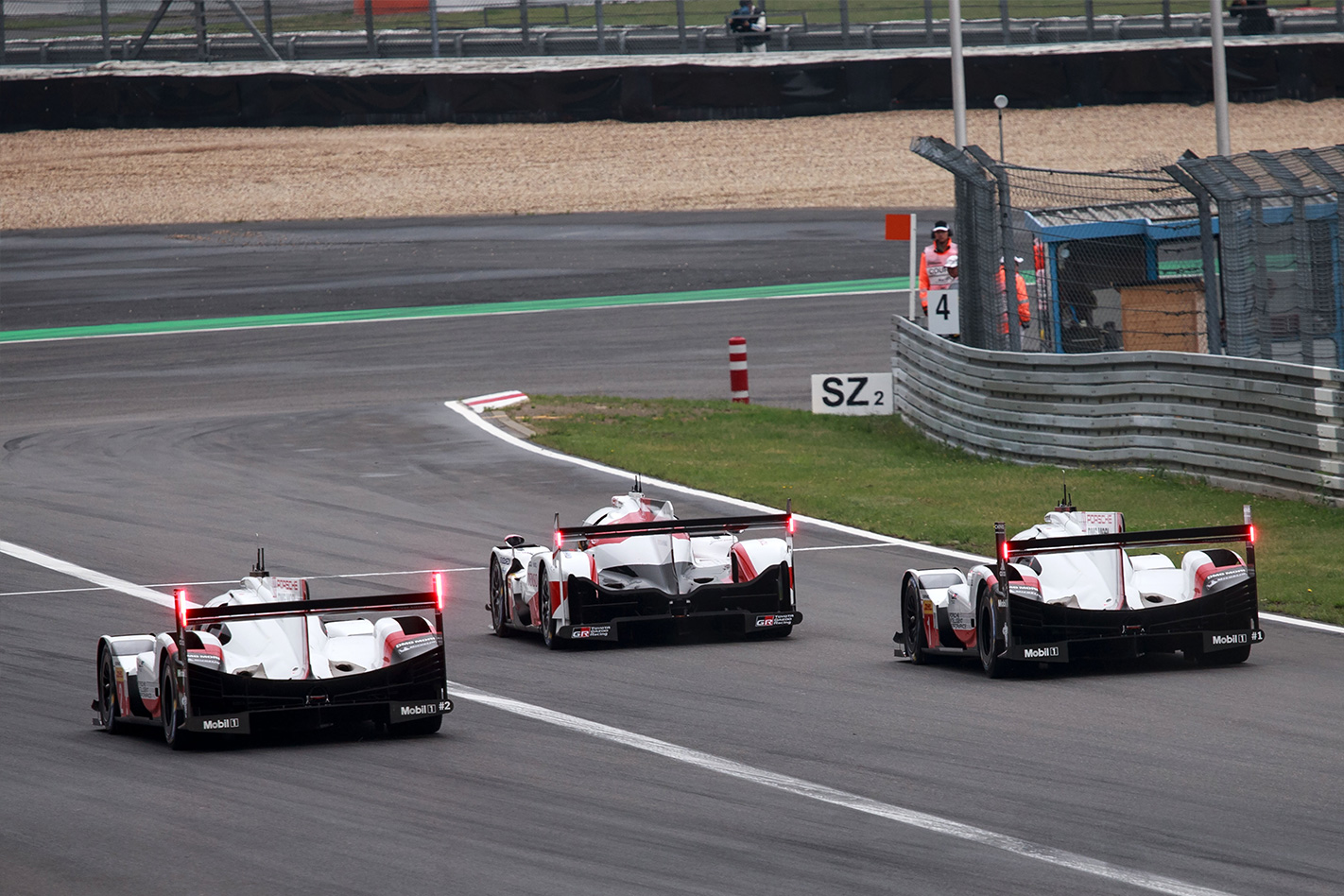
There are five rounds left in the 2017 WEC championship, which could be the last opportunities to see true factory-versus-factory LMP1 battles between 700kW+ hybrid-powered beasts.
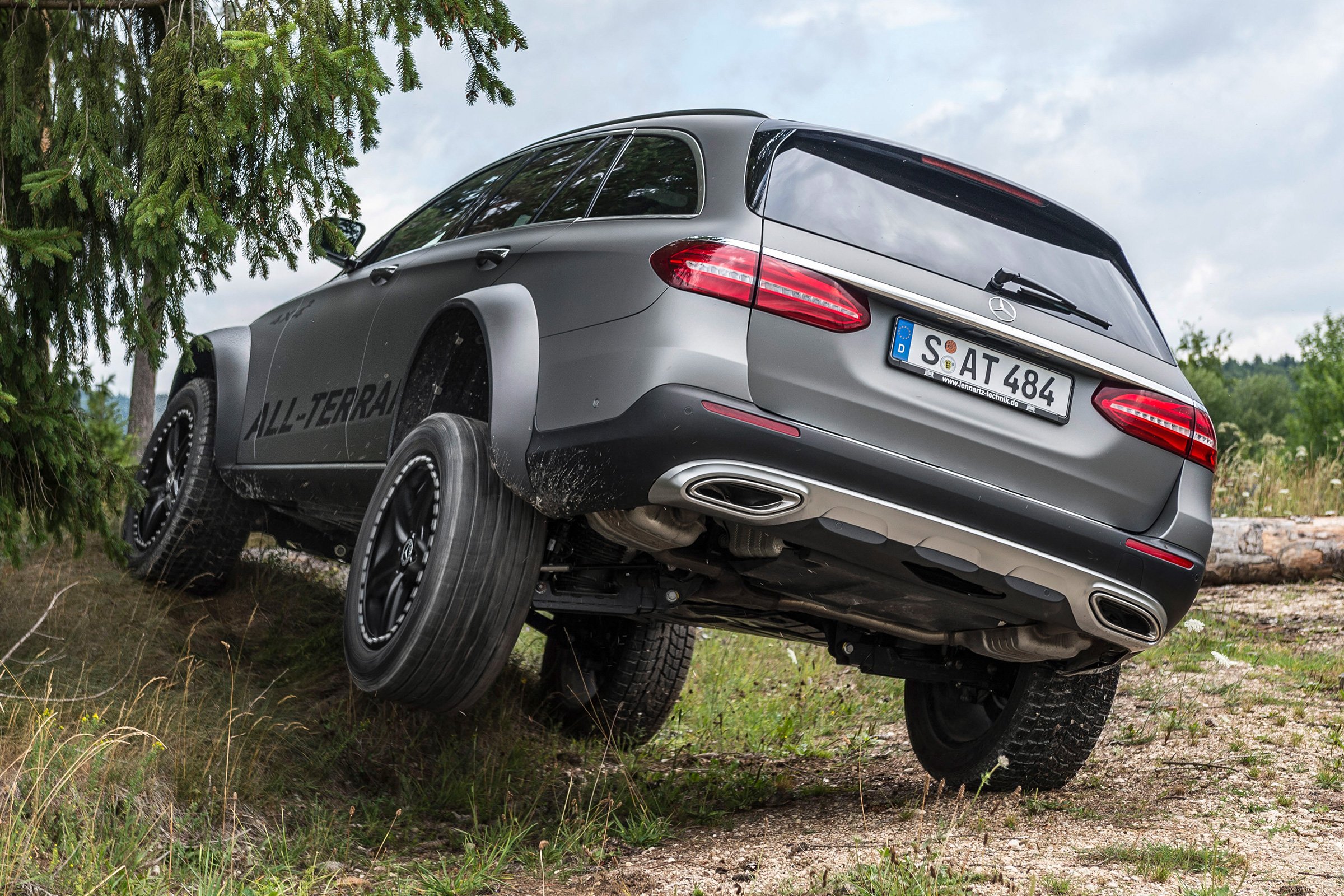
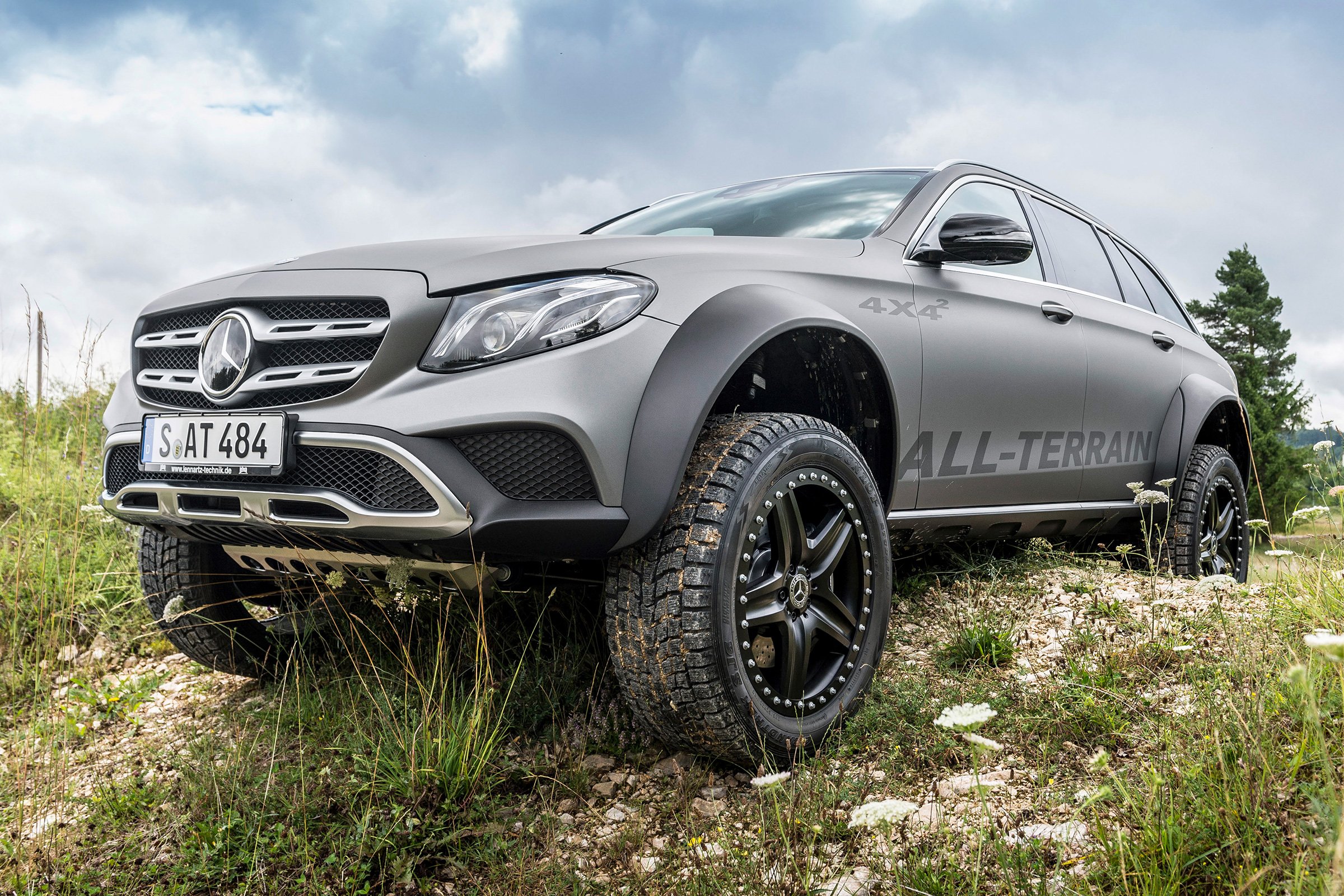
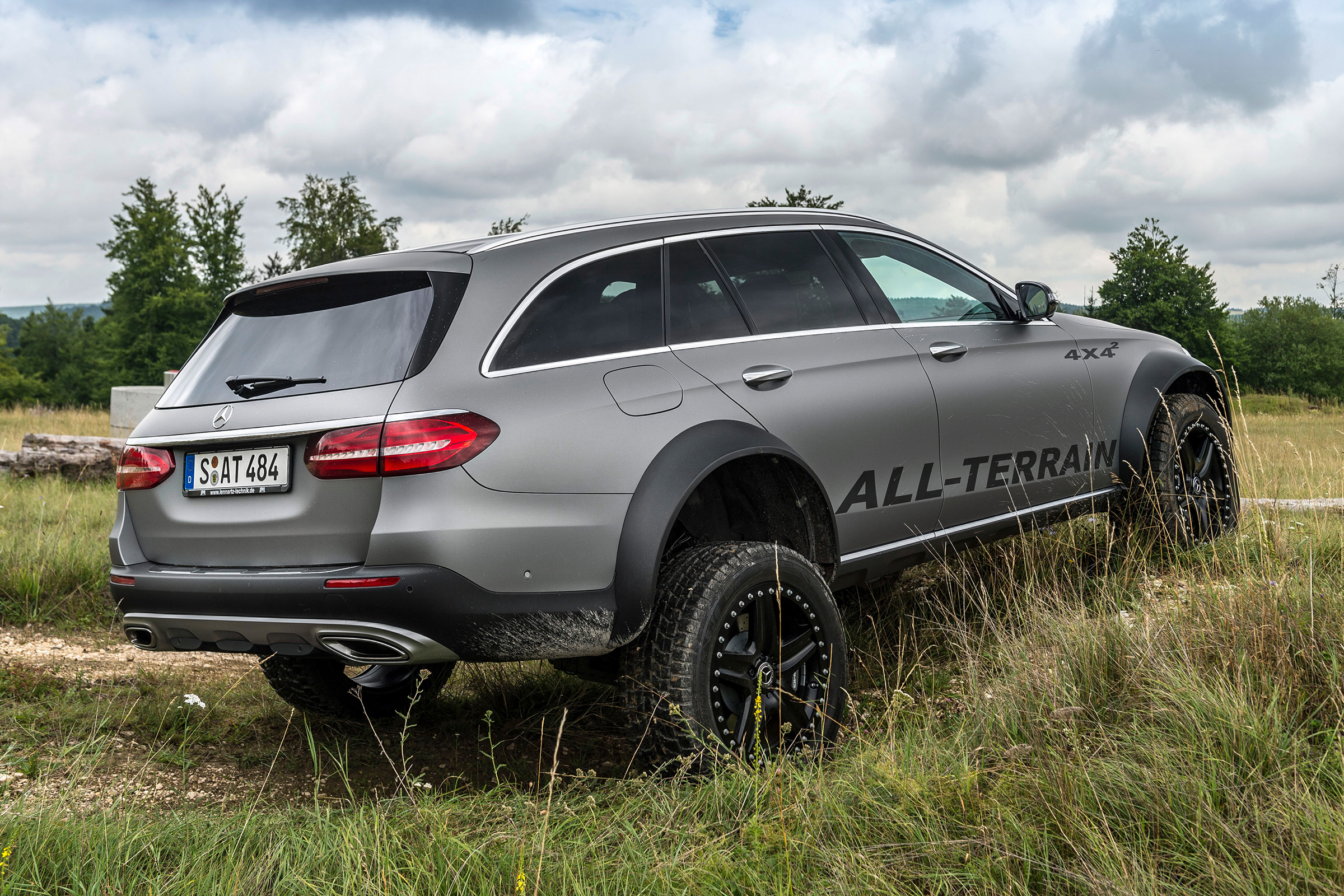
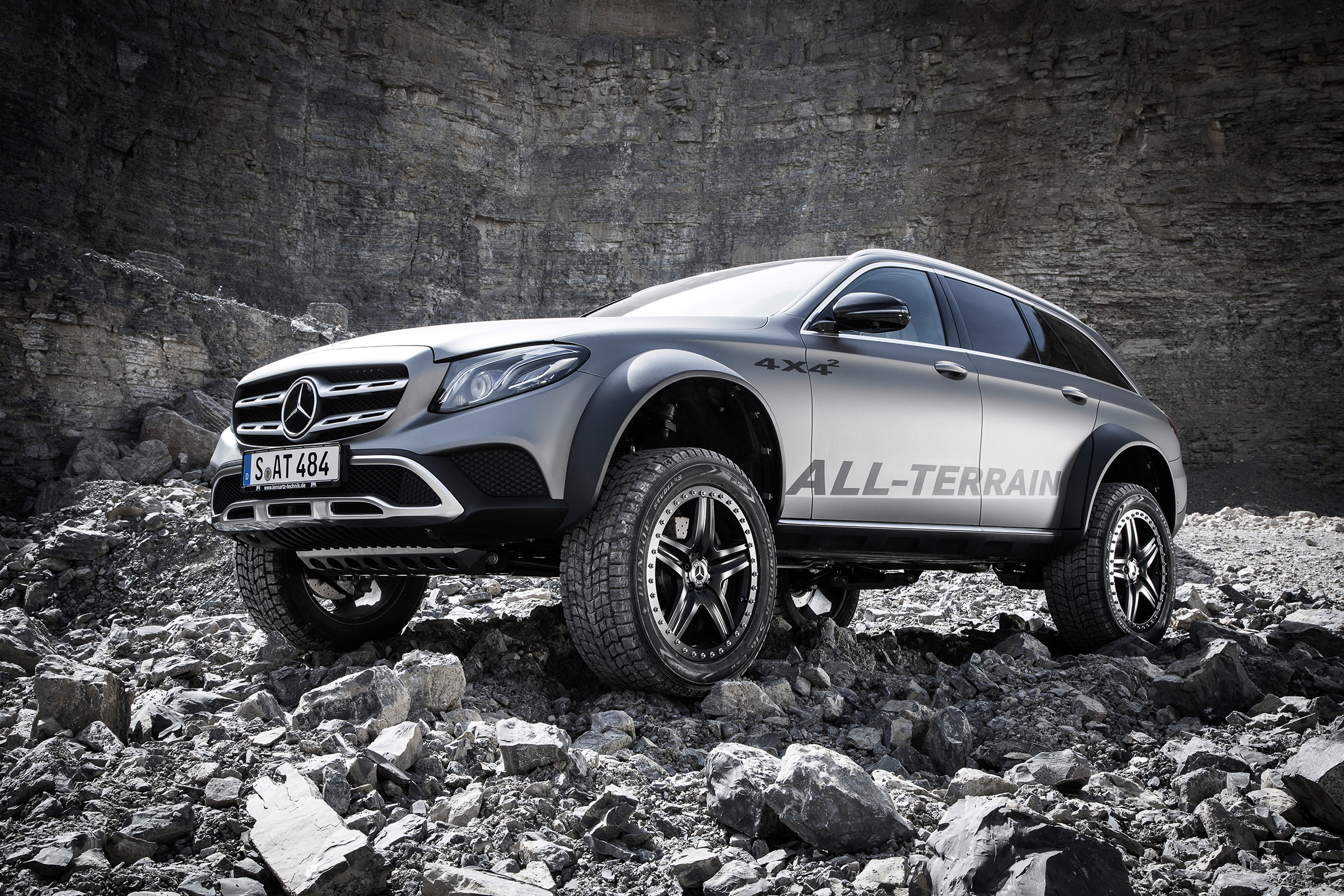
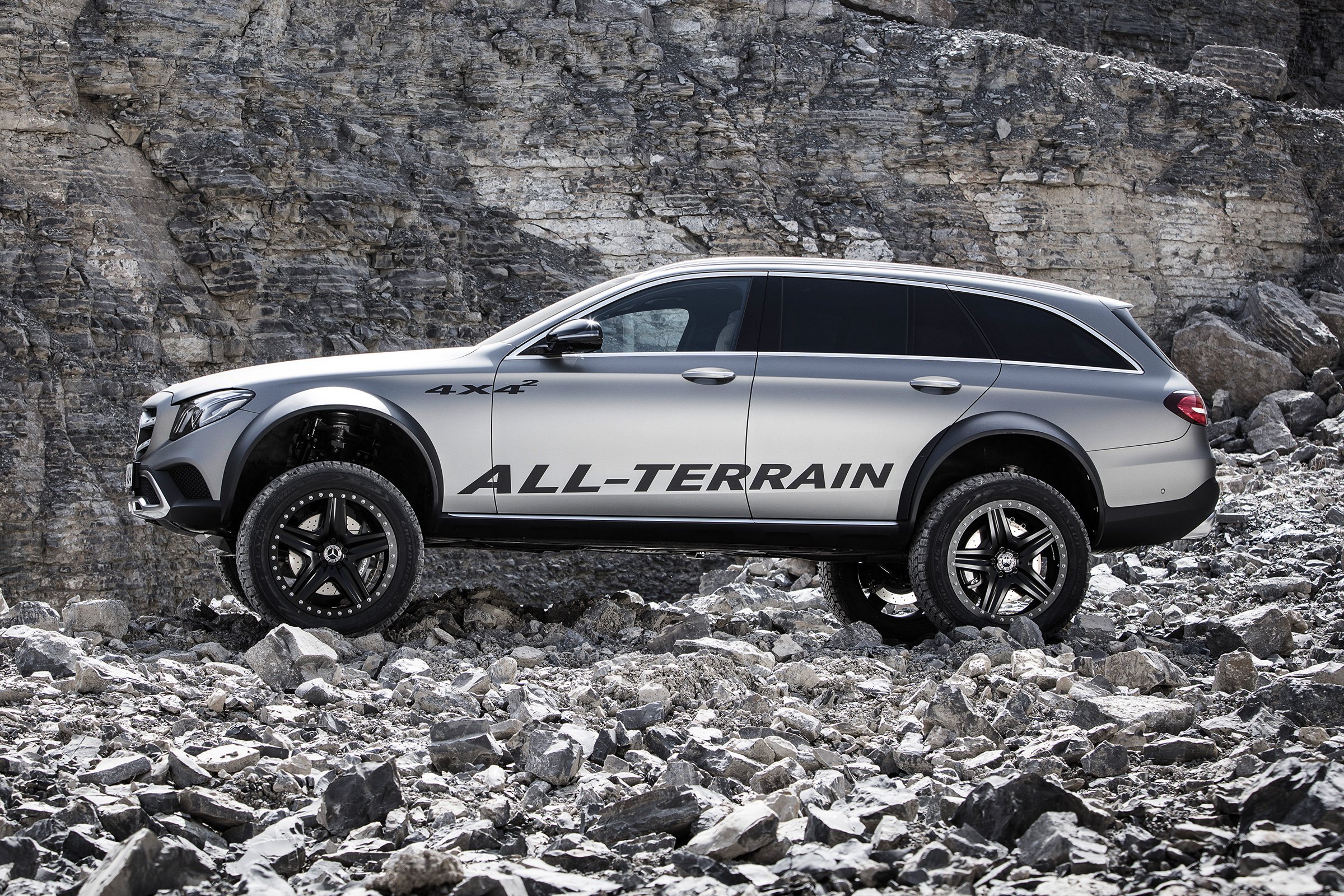
ENGINEERS with hyperactive minds create the best and strangest of things, like this high-riding, portal axled Mercedes-Benz station wagon that wouldn’t look out of place in a Mad Max spinoff.
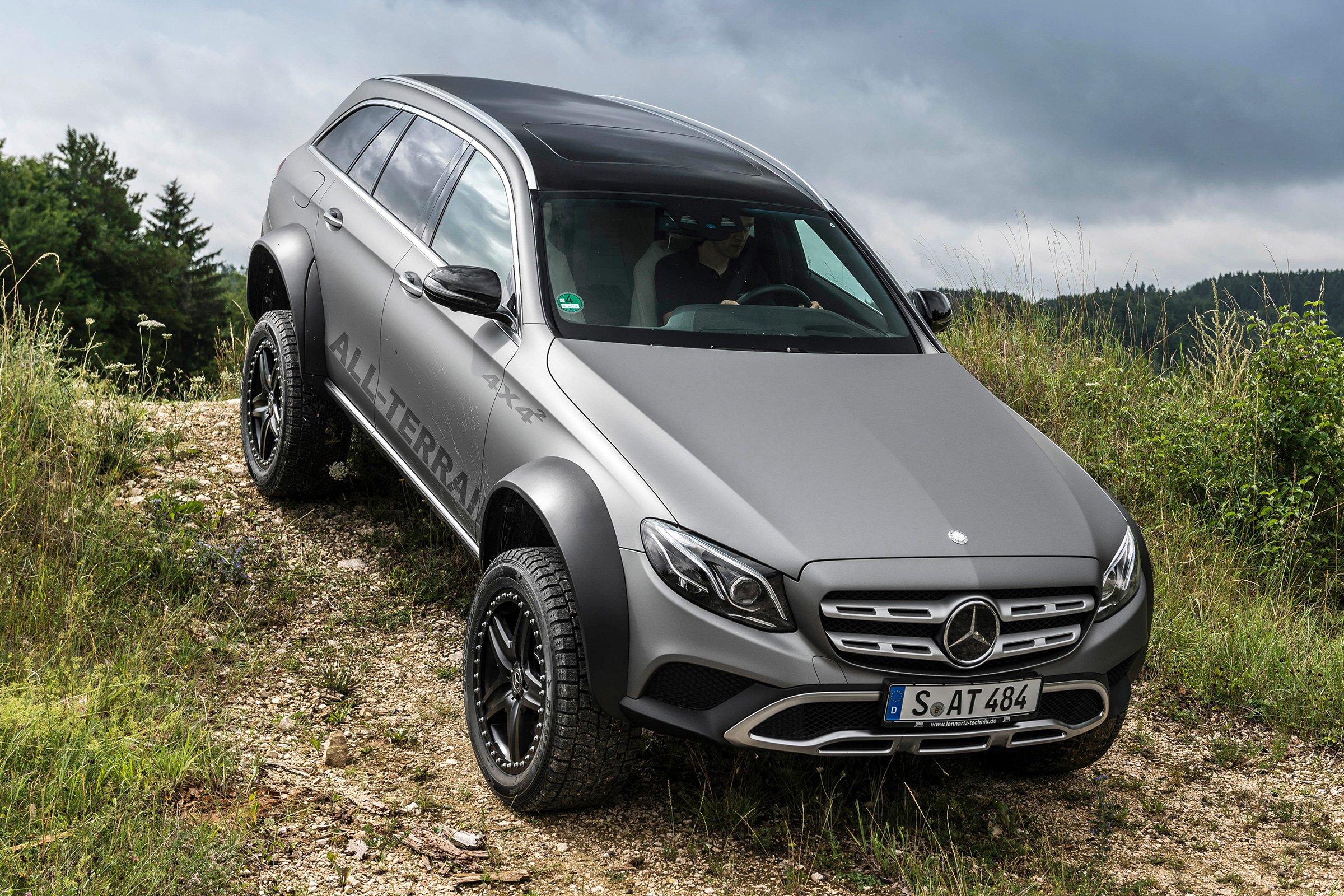
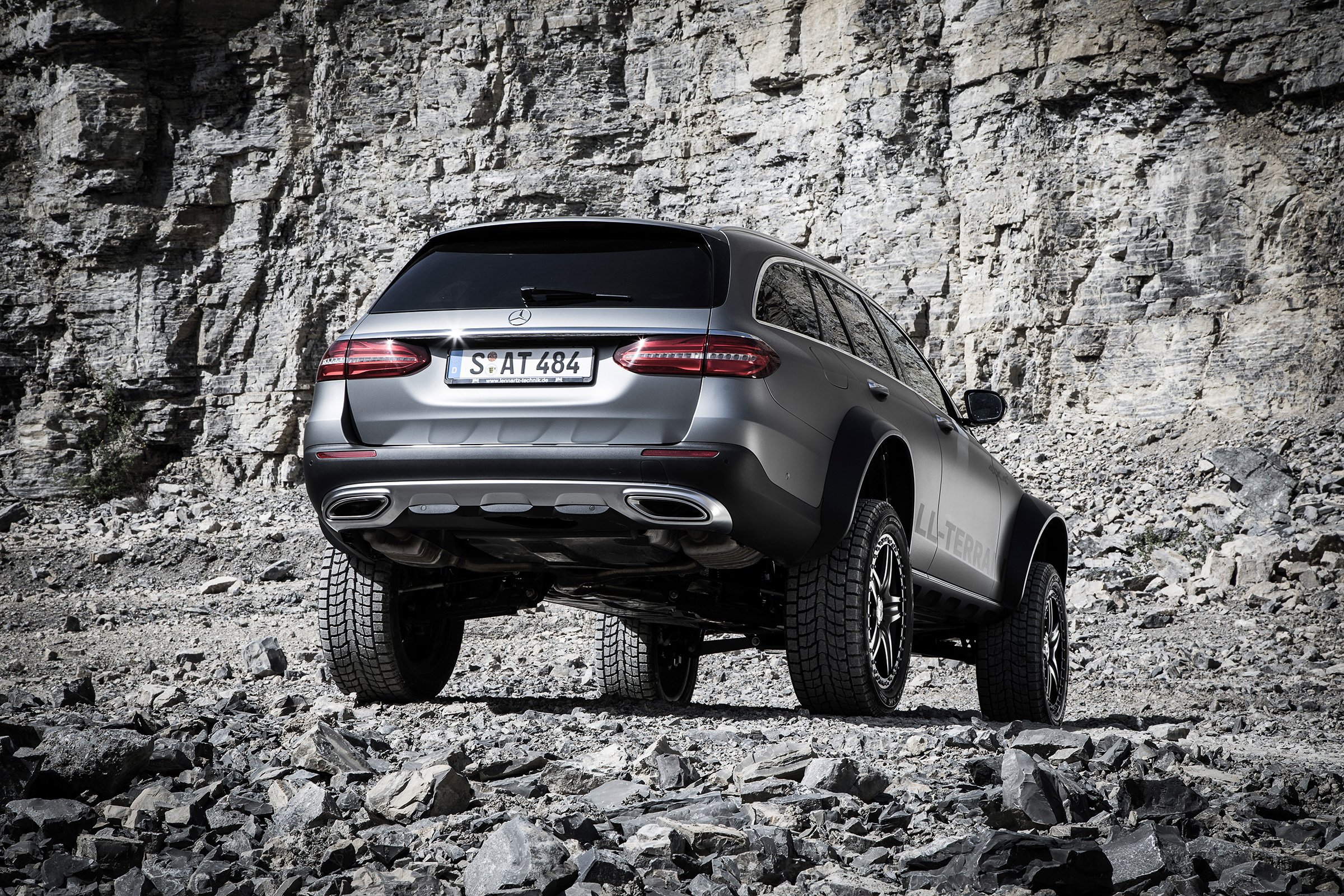
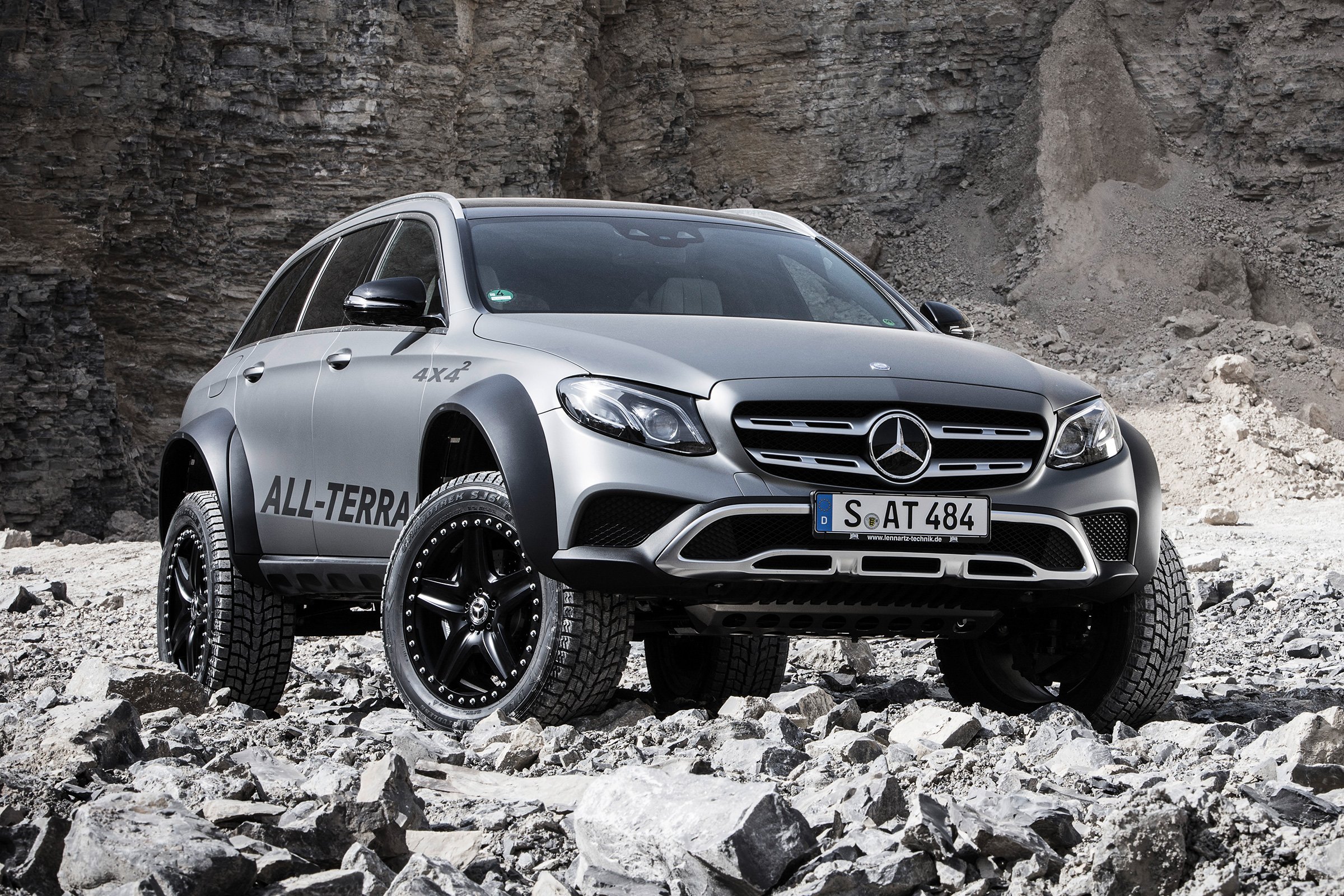
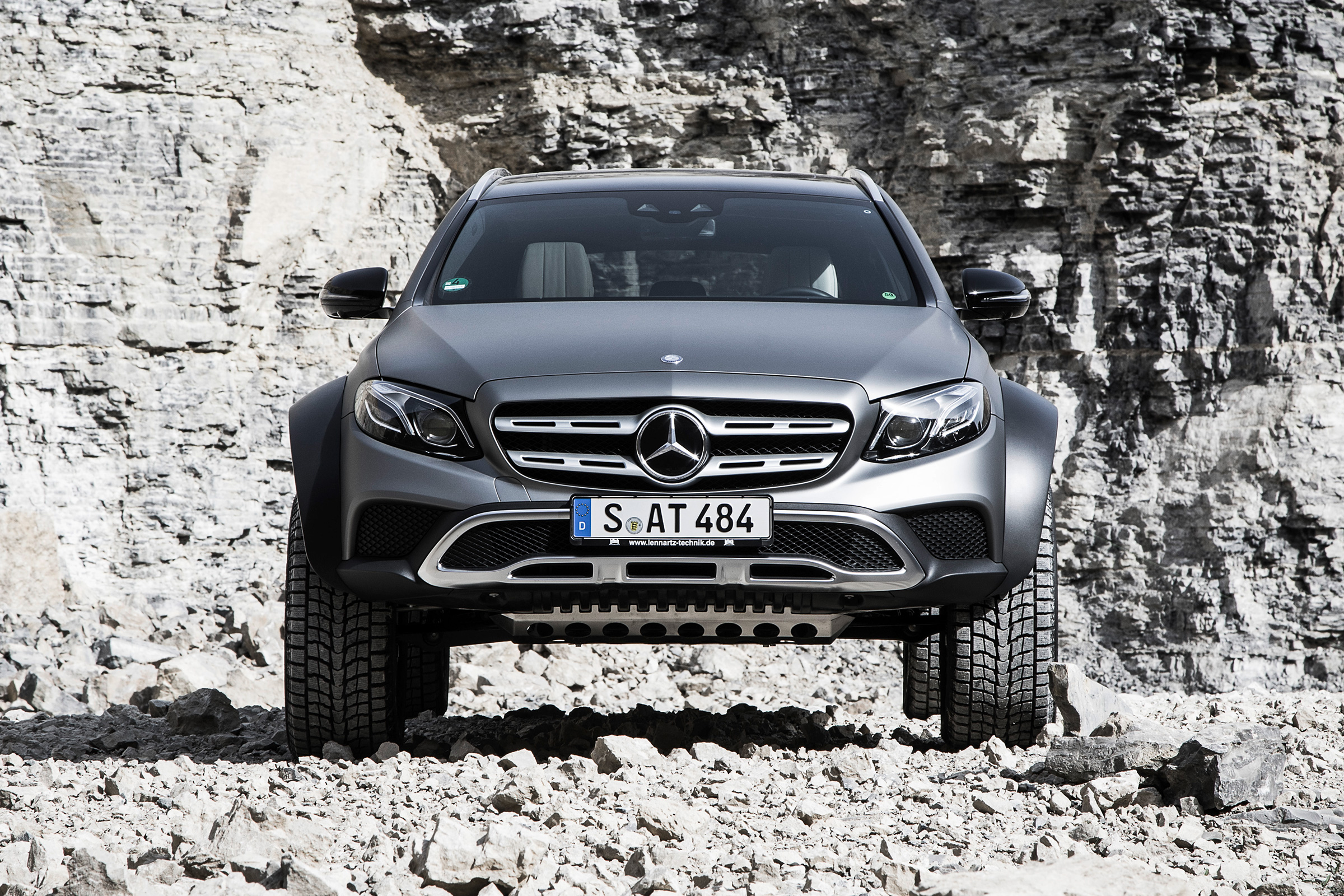
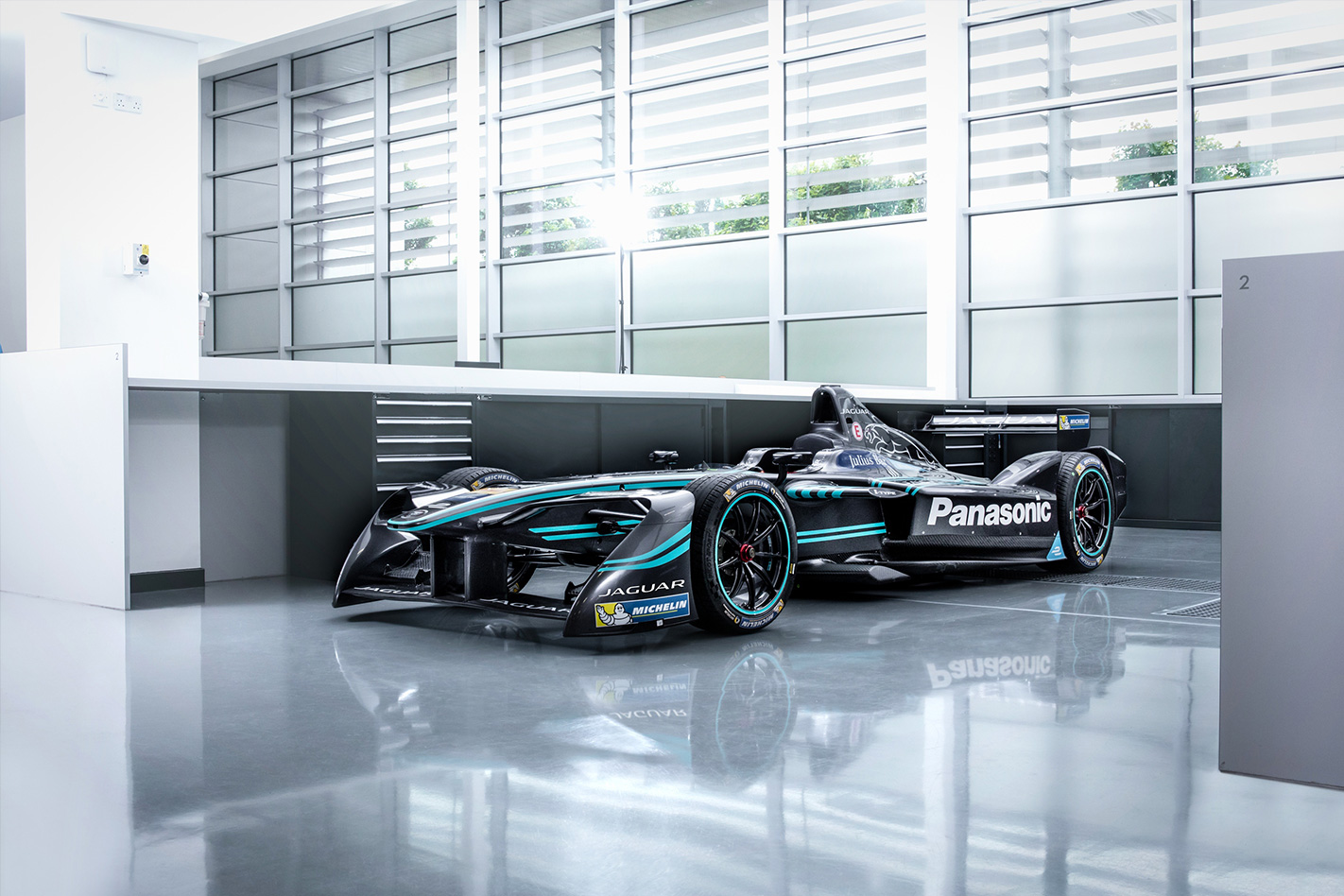
FORMULA E is unloved, even rebuked, by many traditional motorsport fans, yet manufacturers adore it, and the series has quickly cemented its position in the future of automotive sport.
It seems implausible given its woefully boring racing, uninspiring car designs, gimmicky rules, and minimal audience. But the all-electric category has large, continued, and growing support from carmakers, something no other category outside GT4 and GT3 can boast.
This week Formula 1 world champions Mercedes-Benz became the latest brand to pledge allegiance to the fledgling open-wheel category, and as it gave with one hand it took away with the other by announcing its withdrawal from the German touring car series, DTM, in order to redirect funds.
This is a huge deal. Mercedes has raced in DTM every year since the series was reborn in 2000, and was there in its original iteration from 1986-96. That’s almost 30 seasons in total. It’s a move that has rocked the motorsport world, and shaken the once sure-footed future of the German category with reports other manufacturers may also bow out.
BMW has also announced its intention to get amongst it, while McLaren is locked in to provide the battery packs for all cars for the 2018 season, which will eliminate the need for silly car swaps during racing.
With ever-increasing pressure on carmakers to improve hybrid technology, the attraction of Formula E and the accelerated rate of development it brings is obvious.
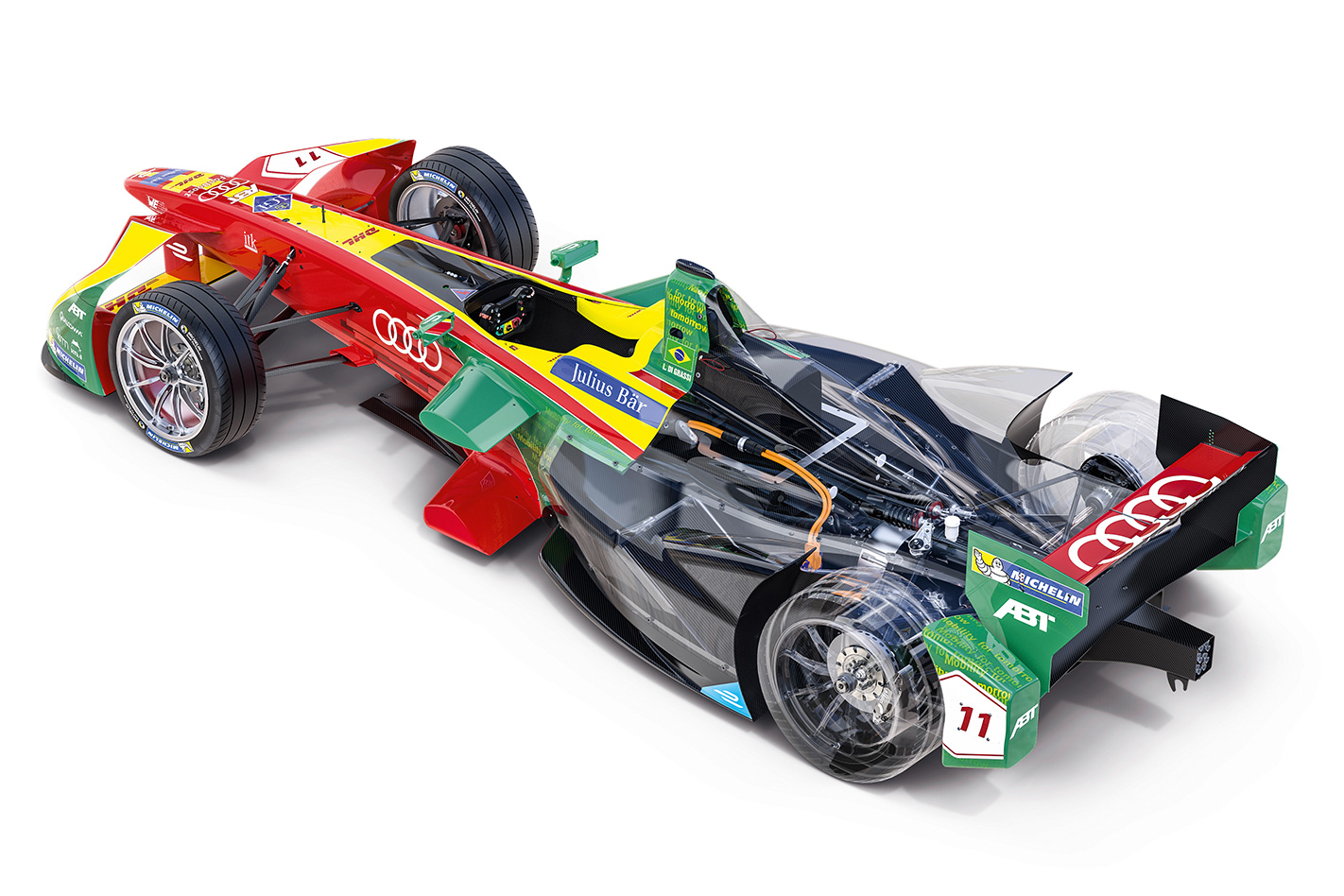
By contrast, Formula 1 has just four factory-backed teams from Ferrari, Mercedes-Benz, McLaren and Renault. It’s the significantly greater support for Formula E from vehicle manufacturers that all but ensure its place in the future.
Before we get too far ahead, the situation now is that Formula E is poised to wrap up its third ever season this weekend. Three years of competition is a micro-second in comparison to the rich history of many categories. But we are well and truly in the age of start-ups.
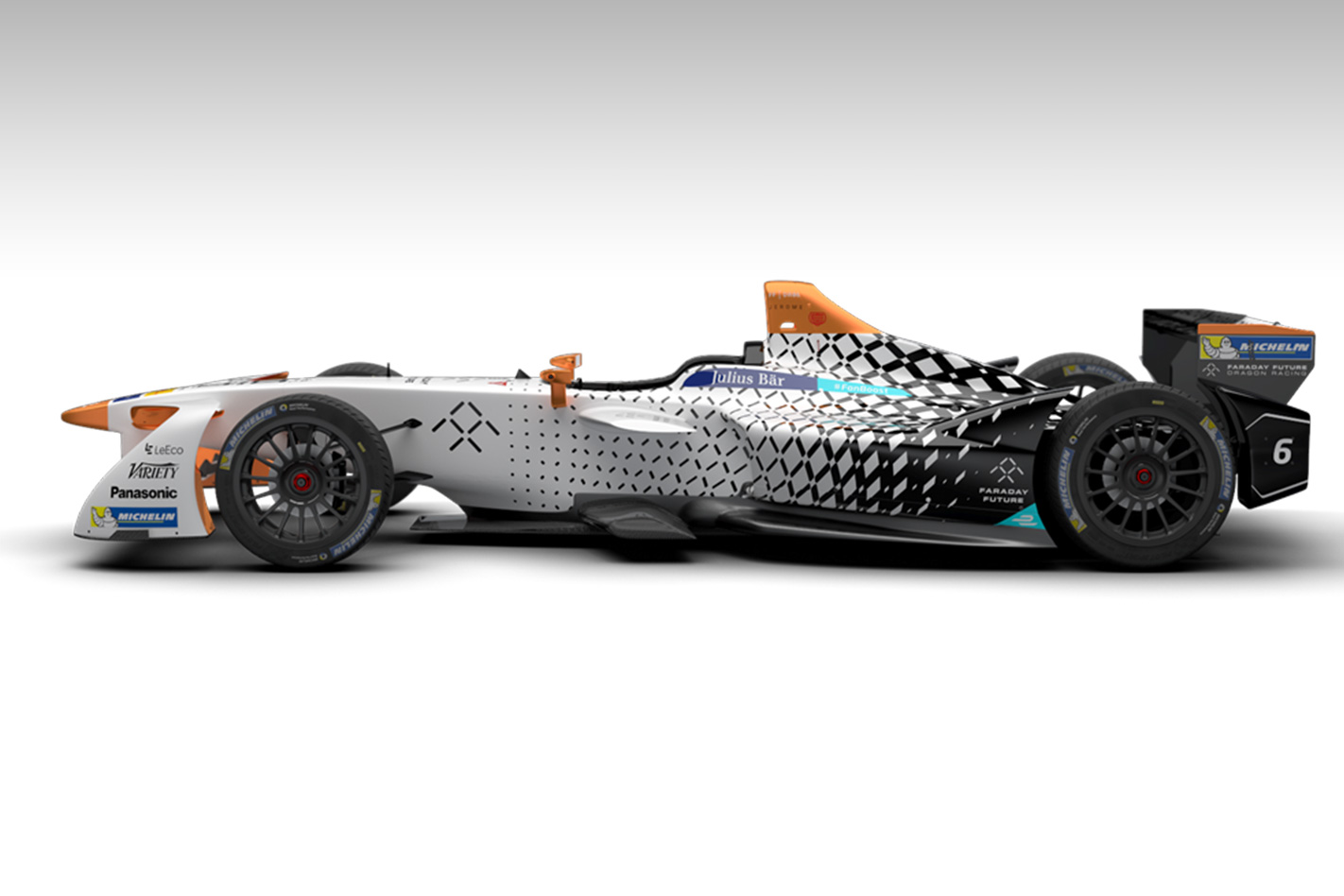
The series isn’t interested in converting the motorsport diehards of the world, instead it wants to build and entice an entirely new and different audience of people who have perhaps never engaged with motorsport before. It’s doing this with one-day events in major city centres.
So yes, for long-time motorsport watchers, the news may be hard to accept, and much less enjoy. But underestimating the impact Formula E will have, or its long-term future as a major global category would be a foolish thing indeed.
Not sold on the new Porsche Panamera sedan, and would sooner hurl yourself off a bridge than be seen in a Cayenne? The 2018 Porsche Panamera Turbo Sport Turismo might be for you.
For all intents and purposes, this is ‘just’ a Panamera Turbo in wagon form, with the same interior, dynamics and performance, for a pocket-change premium of just $6200 compared to the lift-back sedan.
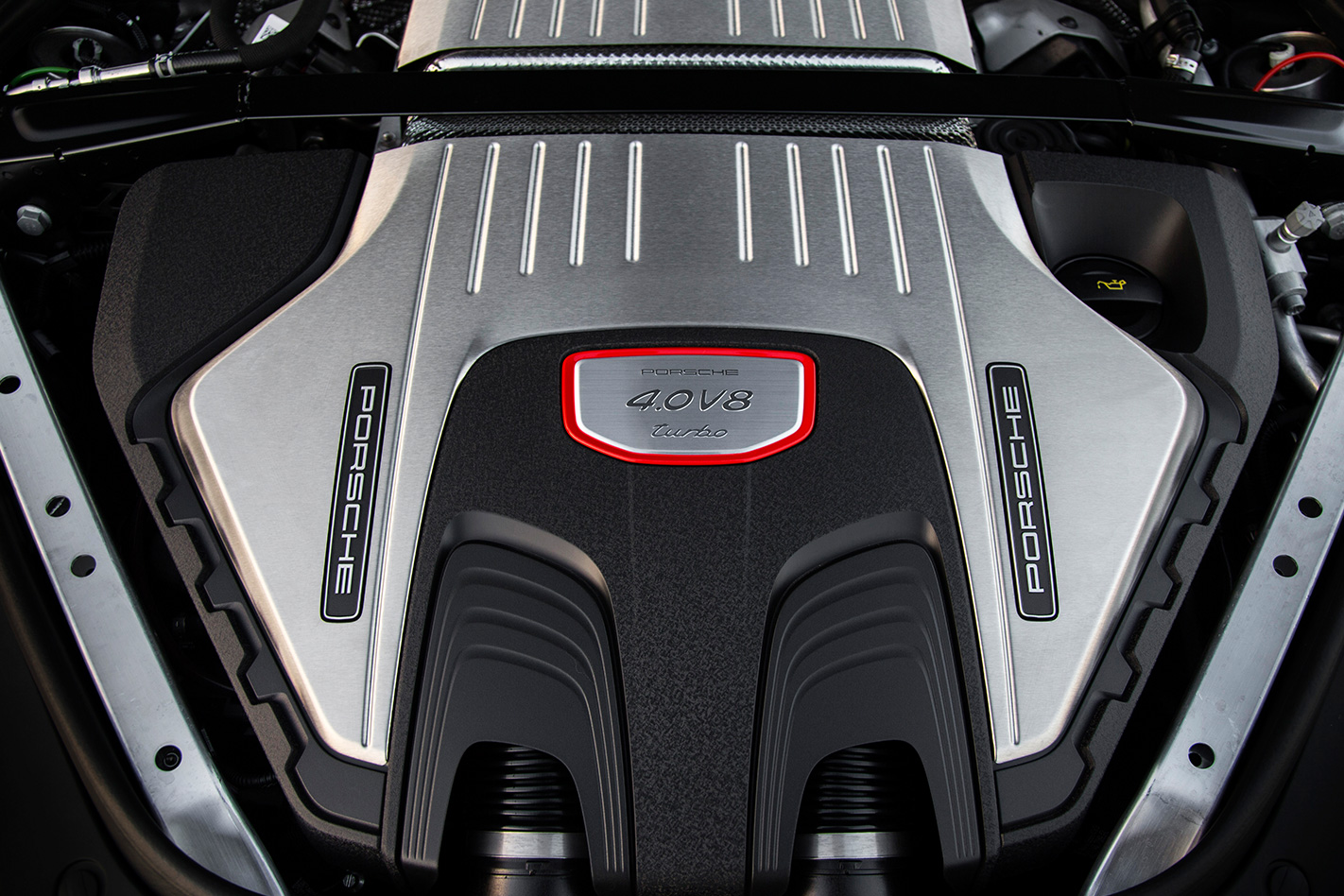
That’s no bad thing, of course, as the new-generation Panamera Turbo is an excellent car – a sublime daily driver with fantastic ride and one of the nicest interiors of any car on sale today. And, thanks to its 404kW/770Nm 4.0-litre twin-turbo V8 and all-wheel drive, a car that serves up incredible performance when the red mist descends.
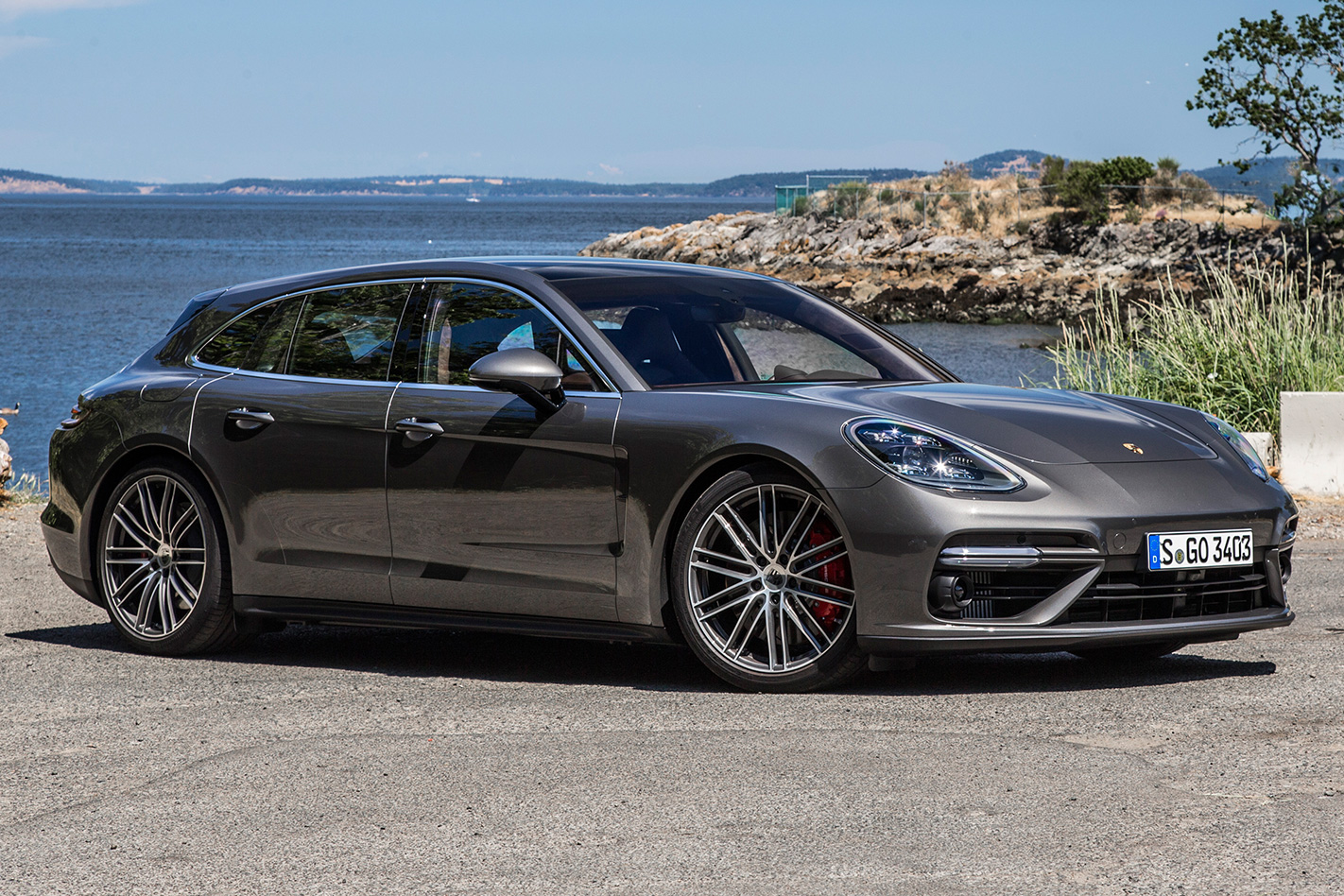
Tiny differences, but enough for your mate with the sedan to give you grief. The Sport Turismo is also a fraction less aerodynamic with a cD of 0.3 versus the sedan’s 0.29, and the sedan claims 12.9L/100km combined consumption to the Sport Turismo’s 13.1.
It also gets an active roof spoiler than deploys in three positions for up to 50kg of downforce, hunkering down into a sleeker position at 170km/h to aid high speed stability.
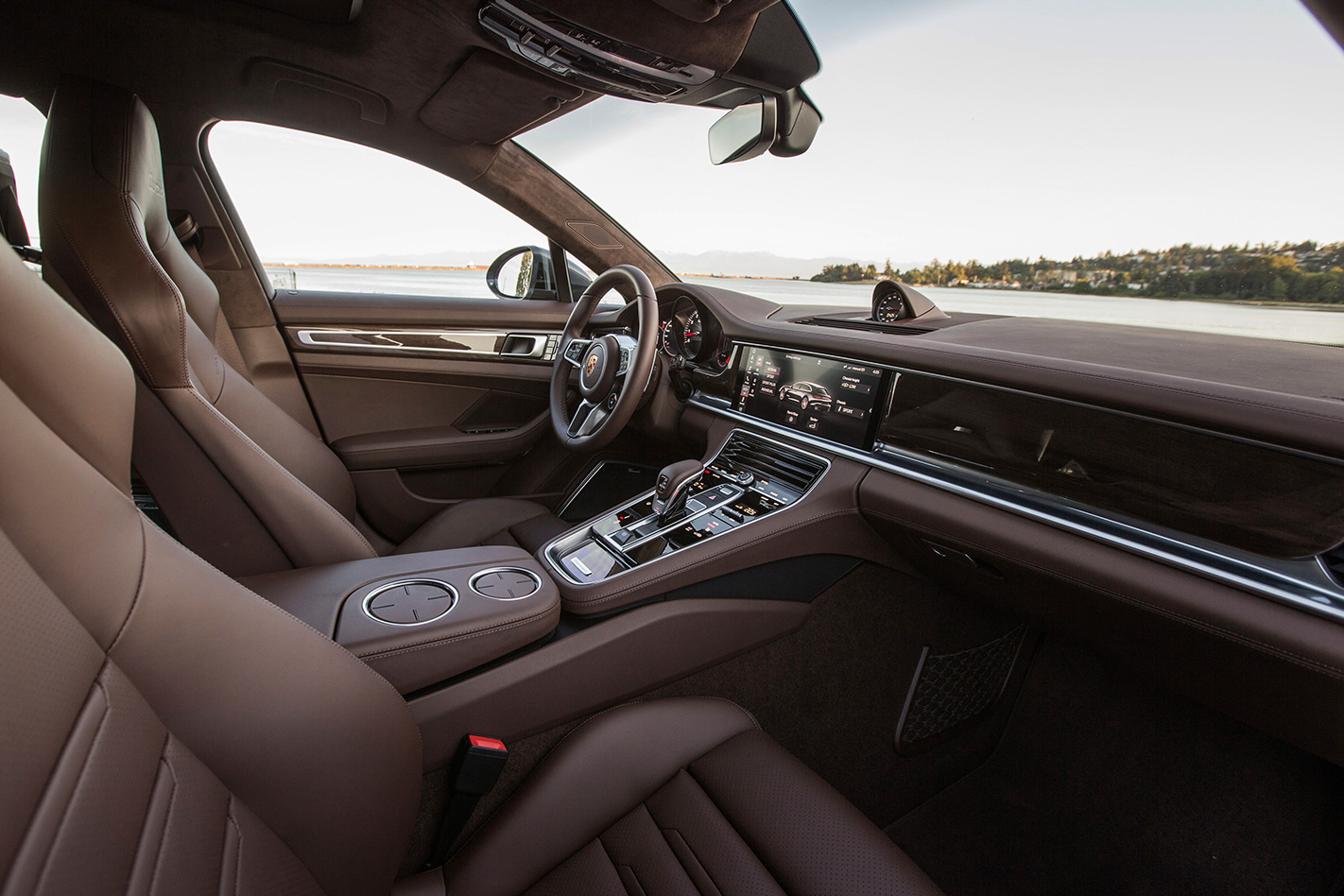
Effectively, Porsche has supplied a variant to suit different aesthetic tastes more than anything else. And which of the two cars you, personally, are most likely to pull up a chair just to stare at, is not for us to say. If it does turn out the Porsche’s new ‘shooting brake’ is more to your tastes than the slightly slipperier sedan, you’ll still be scoring yourself an absolutely incredible car.
There are few cars that make you look forward to your daily commute as much as the Panamera Turbo does, with its jaw-dropping, luxurious interior – quiet, comfortable, and just nice to look at, owing to its well-judged mix of leather, piano blacks and optional carbon fibre panels.
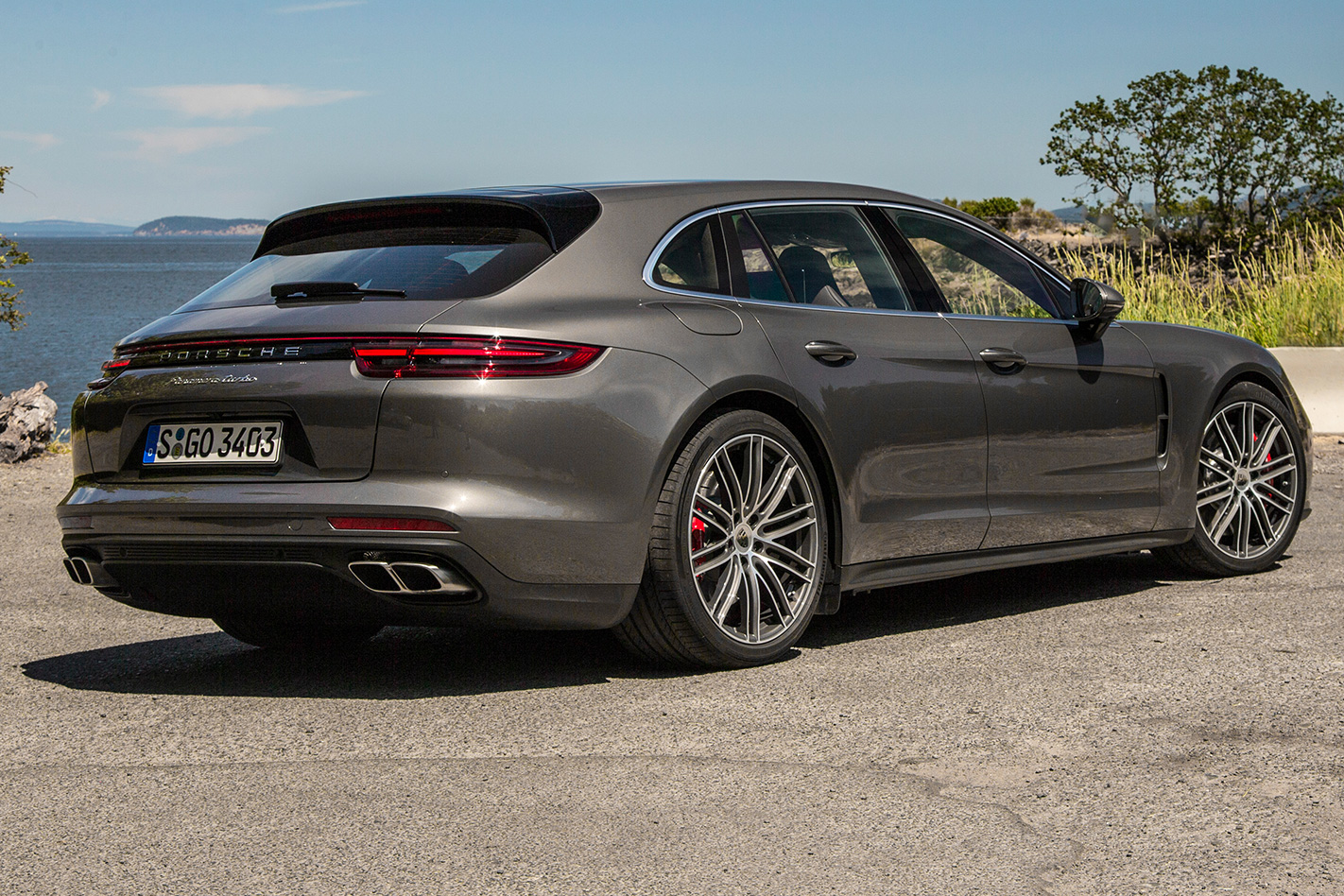
As well as the feeling of solid built quality, this also has to do with the technology on offer as part of Porsche’s new generation interior, including the intuitive and attractive new PCM infotainment software and piano-black centre console, which replaces the previous mechanical clicking buttons with haptic touch items, like the home button the iPhone7.
When you find yourself on a twisty road it takes just the changing of drive modes to transform the Panamera Turbo Sport Turismo into an animal of a car, our pick of settings Sport Plus on the steering wheel-mounted drive mode select button (with Sport Chrono), the dampers manually slackened off to their softest setting and PSM Sport engaged.
And just a few button presses again, and the Turbo Sport Turismo settles back down into a comfortable, business-class-spec cruiser. MOTOR readers would do well to grab at the very least all-wheel steering ($4990) and Sports Exhaust ($6950) as options, with everything else including the carbon ceramic brakes and dynamic chassis control not really needed.
Sport Chrono knocks 0.2sec off the 0-100km/h time, from 3.8 to 3.6, installs a little cosmetic clock on the dashboard, and gives you the drive mode select rotary dial on the steering wheel, including the gimmicky Sport Response button as fitted to other latest-generation Porsche models. If all this is worth $4790 to you, go nuts.
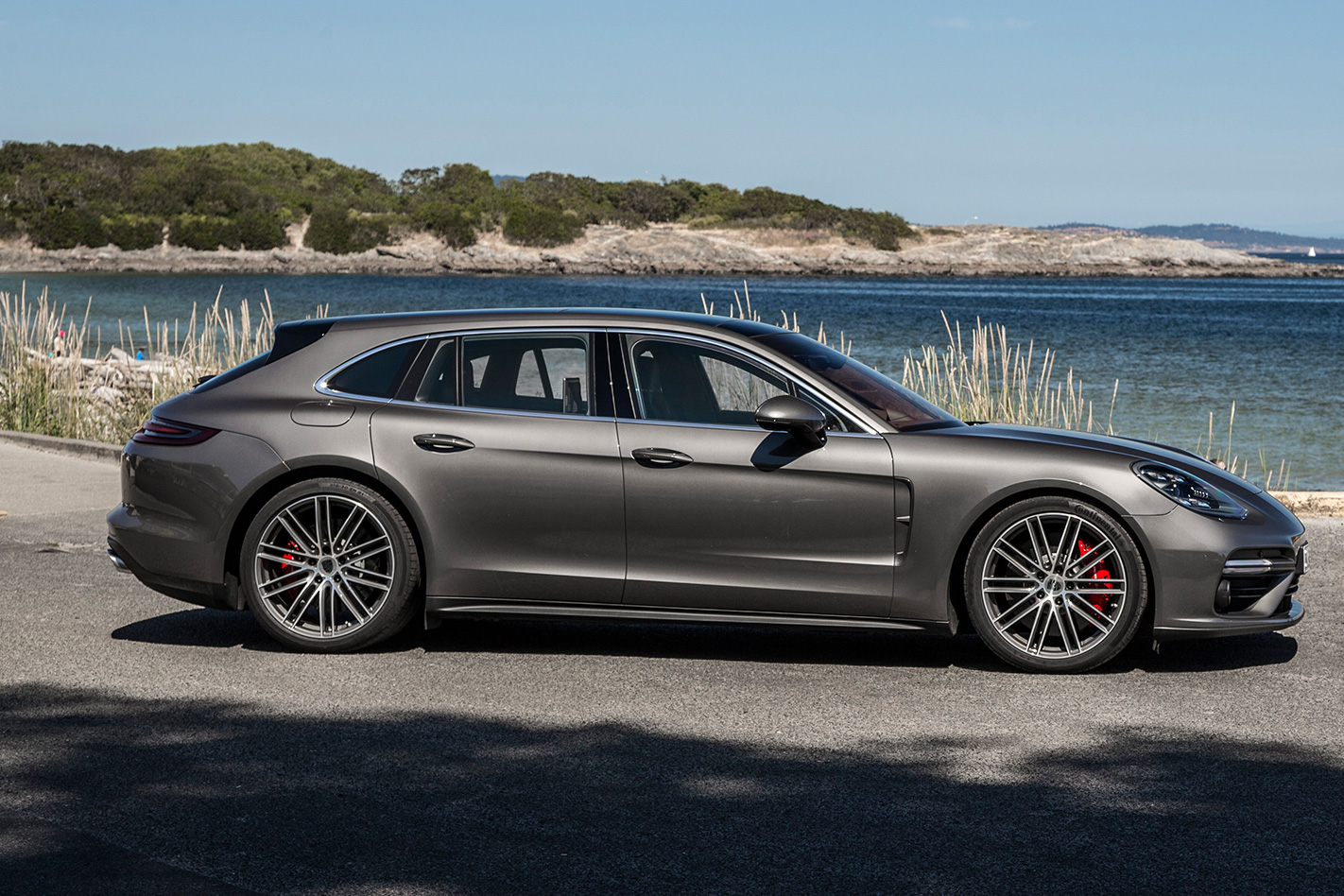
This is also a big, heavy car that’s much more of a cruise missile than motorkhana star – it’d be easy to find roads on which the Panamera very much feels its five-metre length, hence the recommendation to grab the all-wheel steering.
Otherwise the Panamera Turbo Sport Turismo is an excellent car, incredibly comfortable for the daily commute yet happy to unleash its sizeable inner beast when the road gets twisty. The question really is whether your eyeballs delight more to fall on the sedan or wagon, something that’s entirely subjective.
4 out of 5 stars
PORSCHE PANAMERA TURBO SPORT TURISMO SPECS: Engine: 3996cc V8, twin-turbo, DOHC, 32v Drivetrain: 8-speed twin-clutch automatic, all-wheel drive Power: 404kW @ 5750-6000rpm Torque: 770Nm @ 1960-4500rpm Weight: 2035kg 0-100km/h: 3.6sec (claimed) Top speed: 304km/h (claimed) Price: $390,700
A MOBILE phone-based mapping company once owned by Nokia is about to let cars from three of the world’s biggest luxury brands talk to each other.
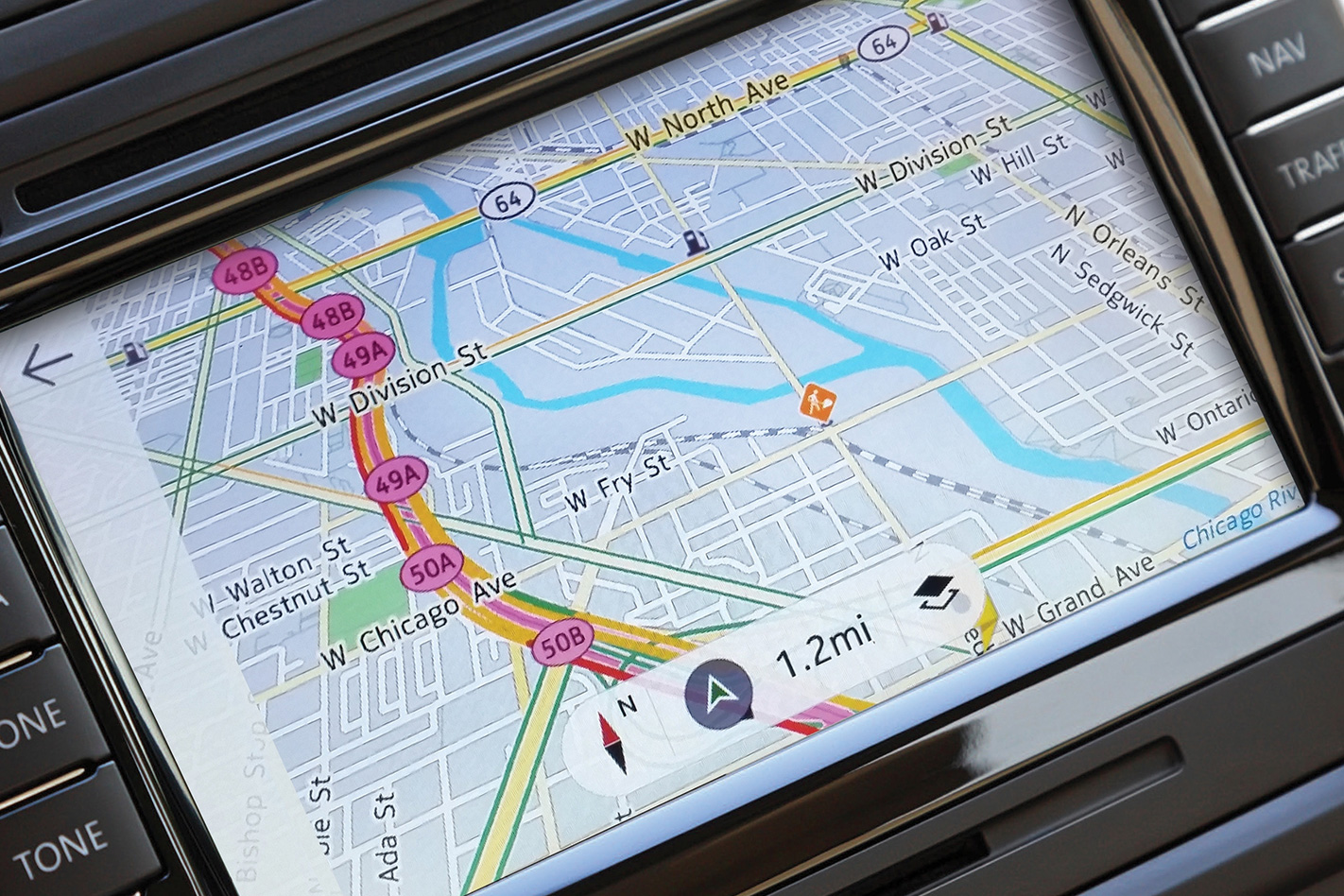
HERE, Nokia’s mapping and location services company bought by Audi, BMW and Mercedes-Benz for €2.5 billion in 2015, will now allow cars from each of the brands to share information. Volvo has also signed up to the partnership, and is already using the company’s data in Australia.
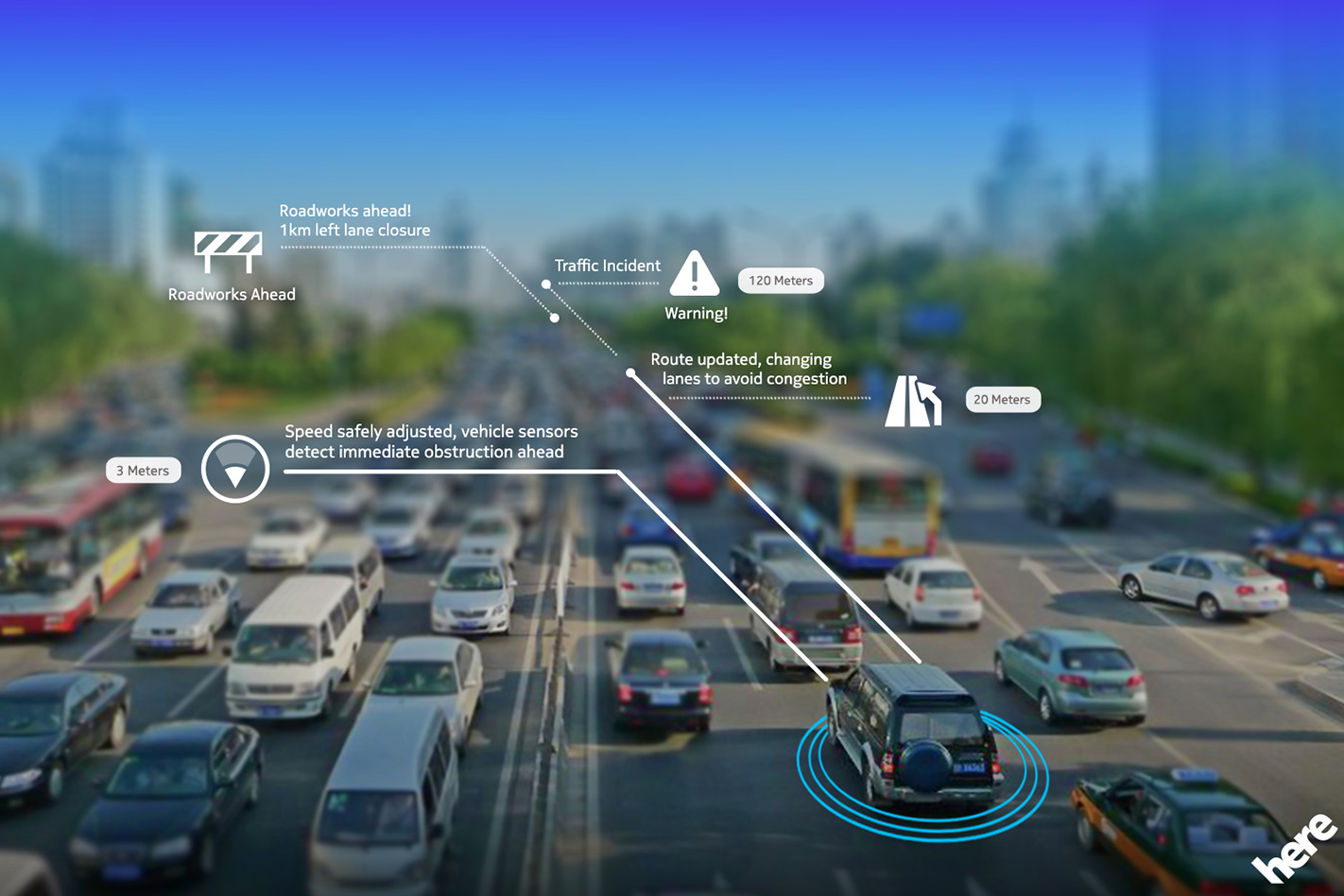
“HERE Real-Time Traffic, available to all current and future customers from any industry and covering more than 60 countries, offers significant improvements in traffic flow data, especially on arterial roads,” it said.
“For more than 30 of those countries, the service also provides incident information with features such as Traffic Safety Warning.
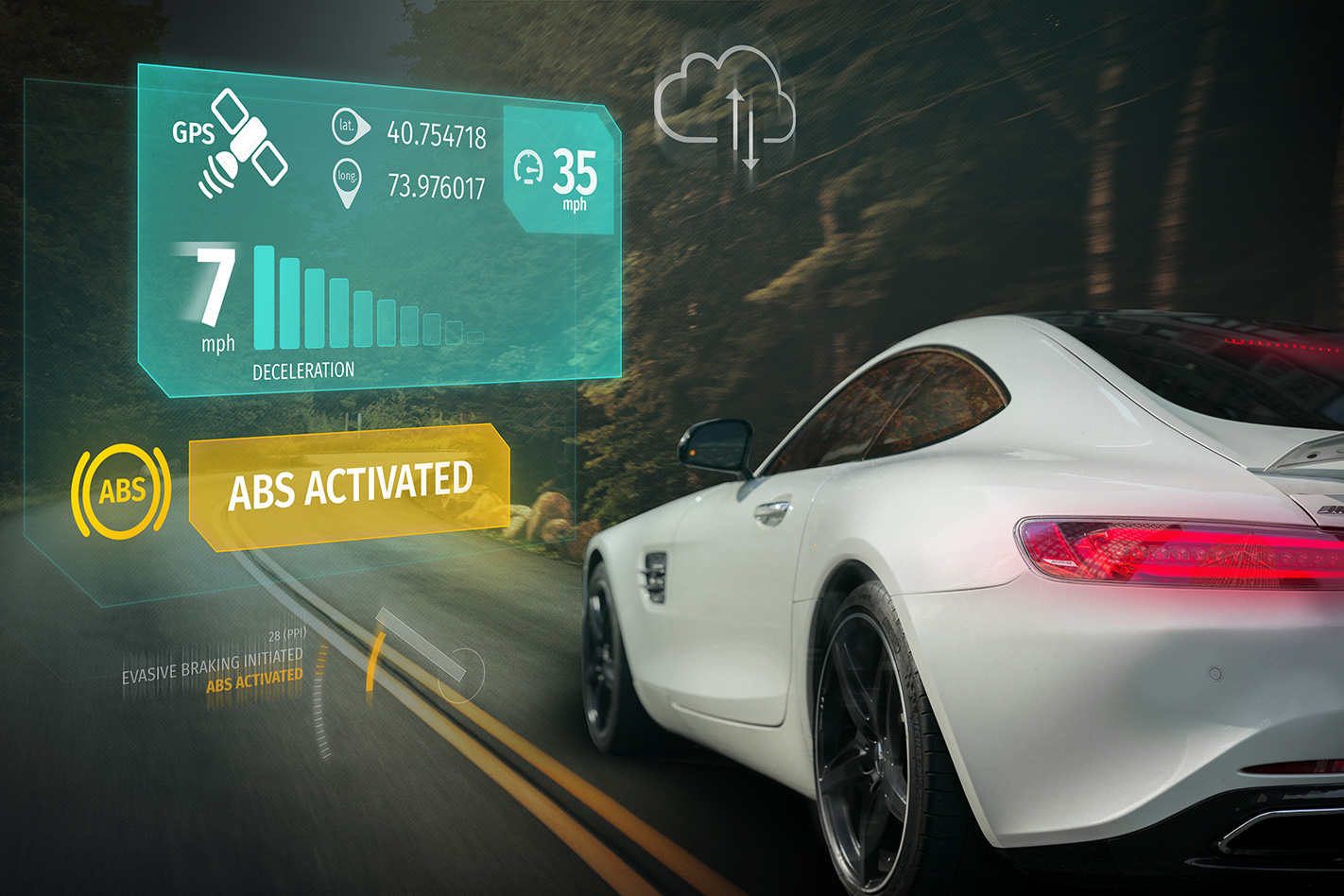
That means any vehicle from any one of these brands using the service will soon be able to warn the cars around it if the driver – or the car via its automatic city braking – needs to slam on the brakes to slow down in a hurry.
According to HERE, its service was already collecting data “from millions of Audi, BMW and Mercedes-Benz cars, with the fleet size expected to further grow during 2018 and beyond”.
According to the HERE website, the European company already has its cars out mapping roads in Victoria, south-east South Australia, the south-west region of Western Australia, Perth, regional NSW and south-east Queensland.
The company also already supplies over-the-air map updates to Volvo’s cars in Australia, including the XC90, S90, V90 and V90 Cross Country. It will do the same thing for the upcoming Volvo XC60 premium SUV due on sale in Australia later this year.
