
They don’t make them like they used to is a saying anyone pre-midlife crisis has heard all too often.
Yet, in terms of BMW, with every model in the range now sporting a turbocharged engine, it holds some weight. The days of highly tuned, naturally aspirated offerings seem to be long gone for the venerable Bavarian marque. However, it’s not all bad news. Few would consider the 1 Series to be a part of the silver lining, but the M140i is already a gem.
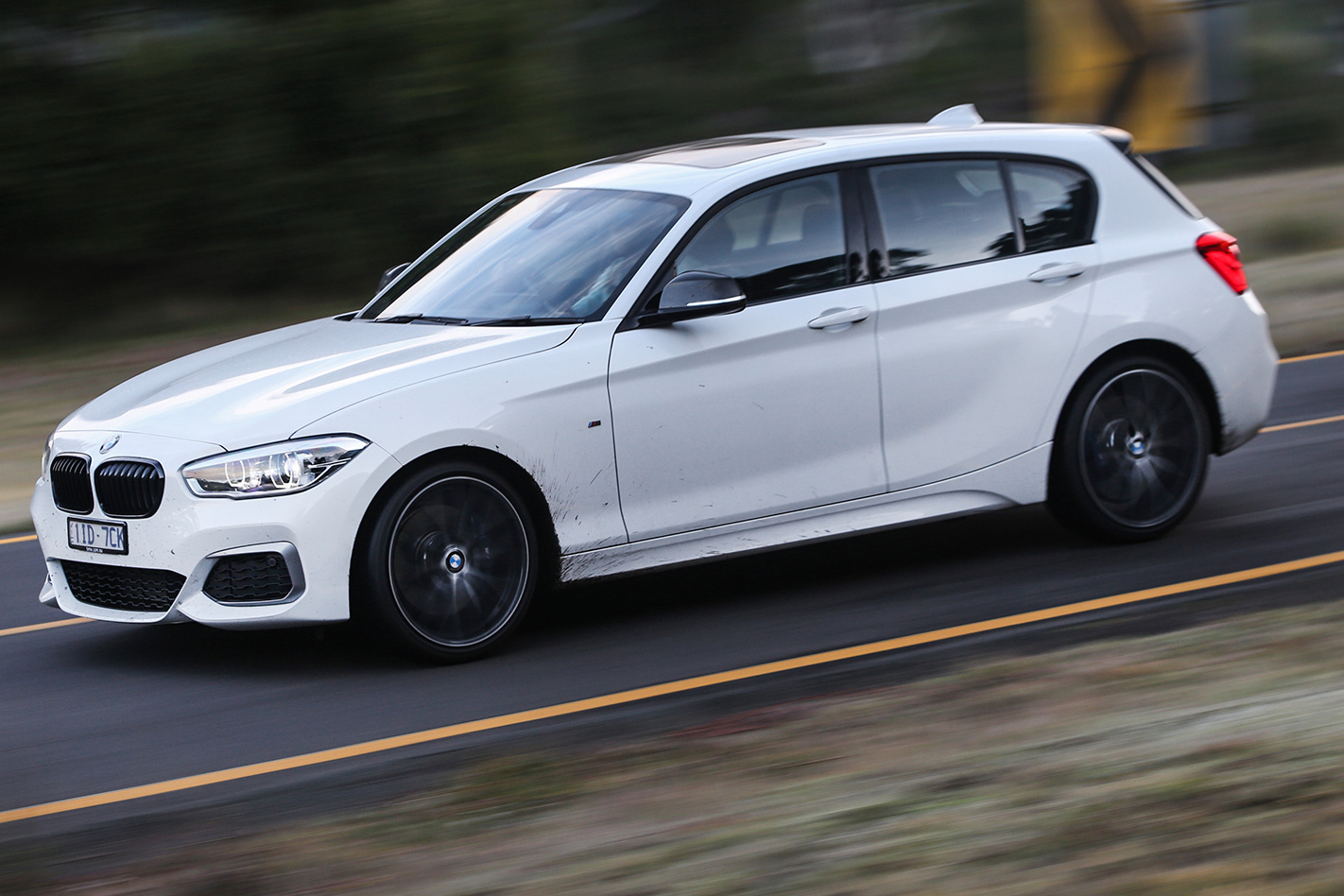
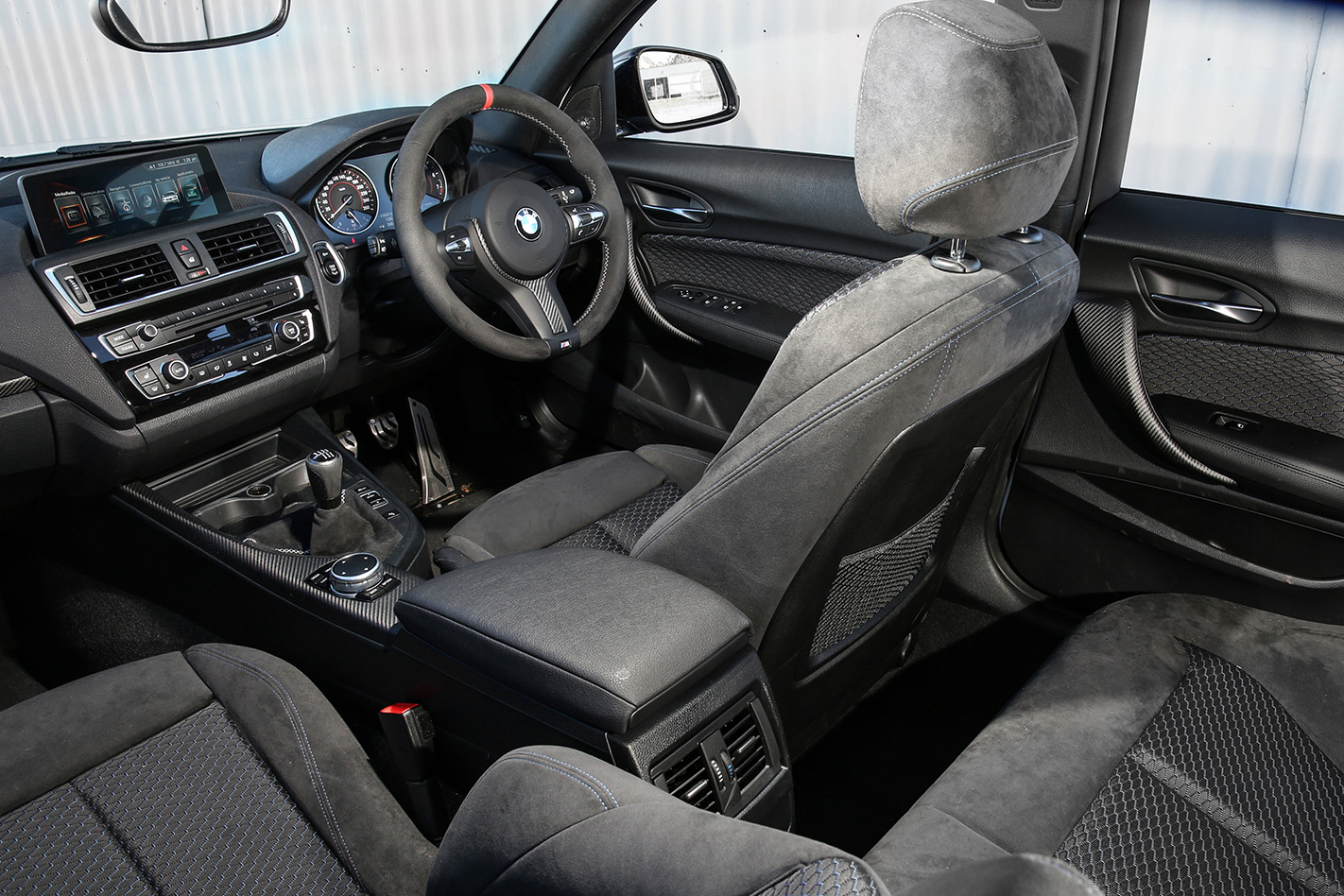
A new exhaust also sports chrome tips. On the inside, the 1 Series cabin has been swathed in Alcantara, which covers the steering wheel (with red centre line), shift knob and dash. Like the M4 GTS, the baby Bimmer also scores open-pore carbon fibre and a plaque signifying the build number.
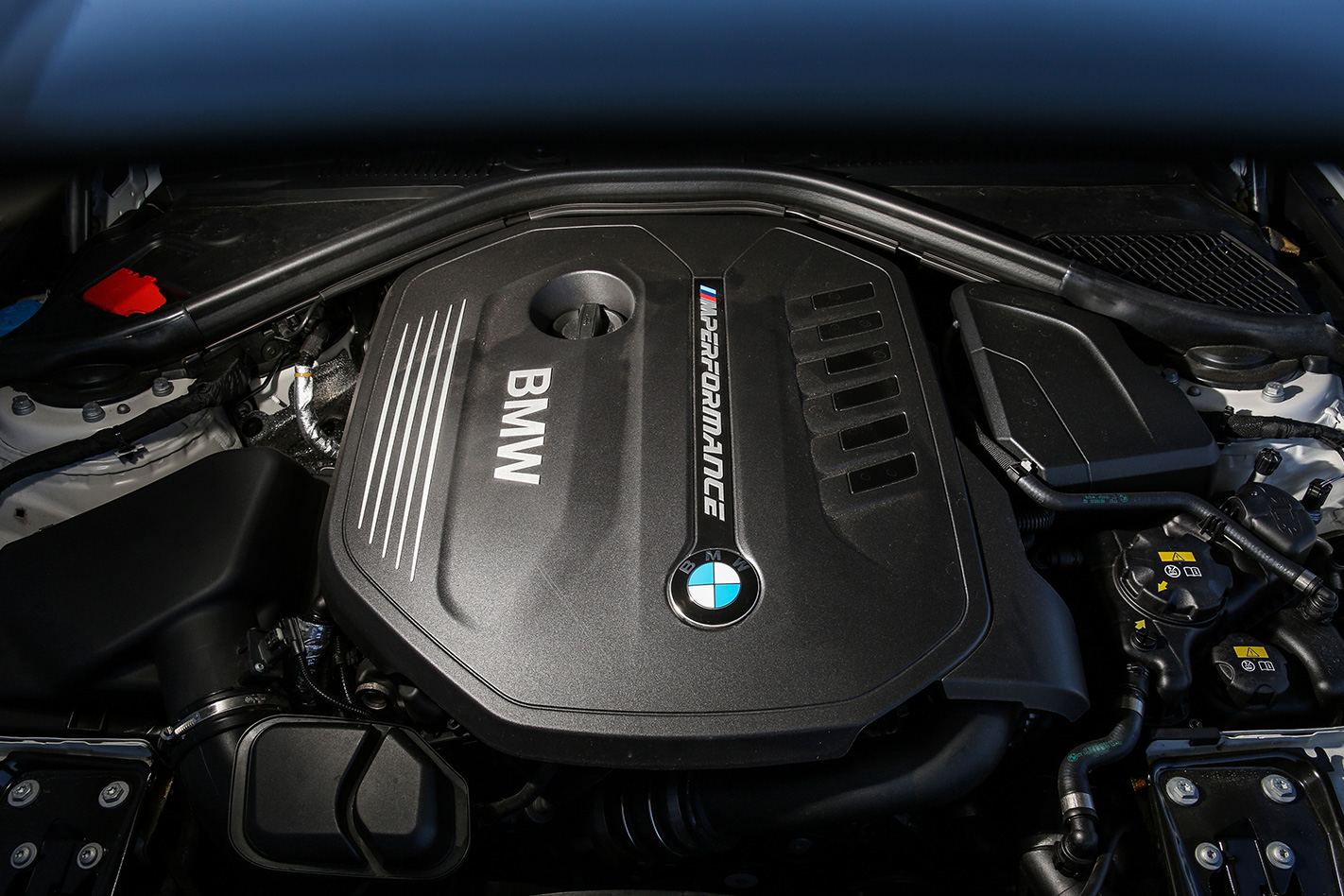
The 3.0-litre inline six is brilliant. It’s elastic, rev-happy and offers ample mid-range torque. Yet it’s delivered in such a linear fashion that you could mistake it for an M3 of yesteryear. It pulls from low down in the rev range and continues a heady surge of pace all the way to the 7000rpm cutout.
Refreshingly, it won’t make you look good if you don’t put in the effort. Rush into a corner with too much speed and the front can push wide on entry, however, the understeer can be countered with your right foot. With the LSD, there’s no frying the inside rear wheel like a VS Commodore pulling out of Subway with a one-legged footlong either, as the locker insures both 19s are spinning in unison.
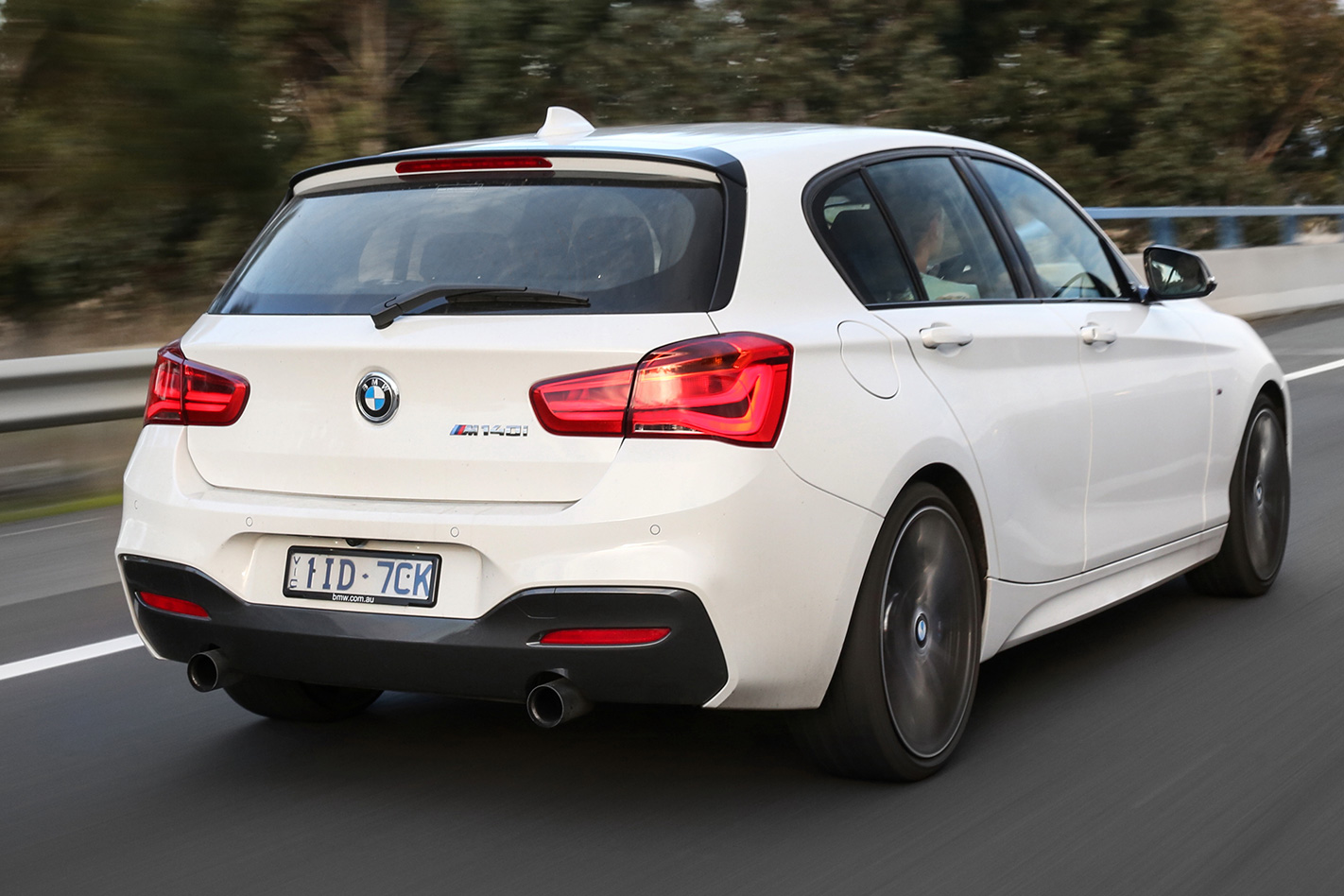
Still, it’s a package that is rewarding and fun to punt on just about any road. While the rev-matching, to mimic the art of heel-and-toe, won’t be to everyone’s taste and the ZF eight-speed automatic is excellent, there’s a theatre to slotting through the short-throw ’box to extract the Performance Edition’s brilliance.
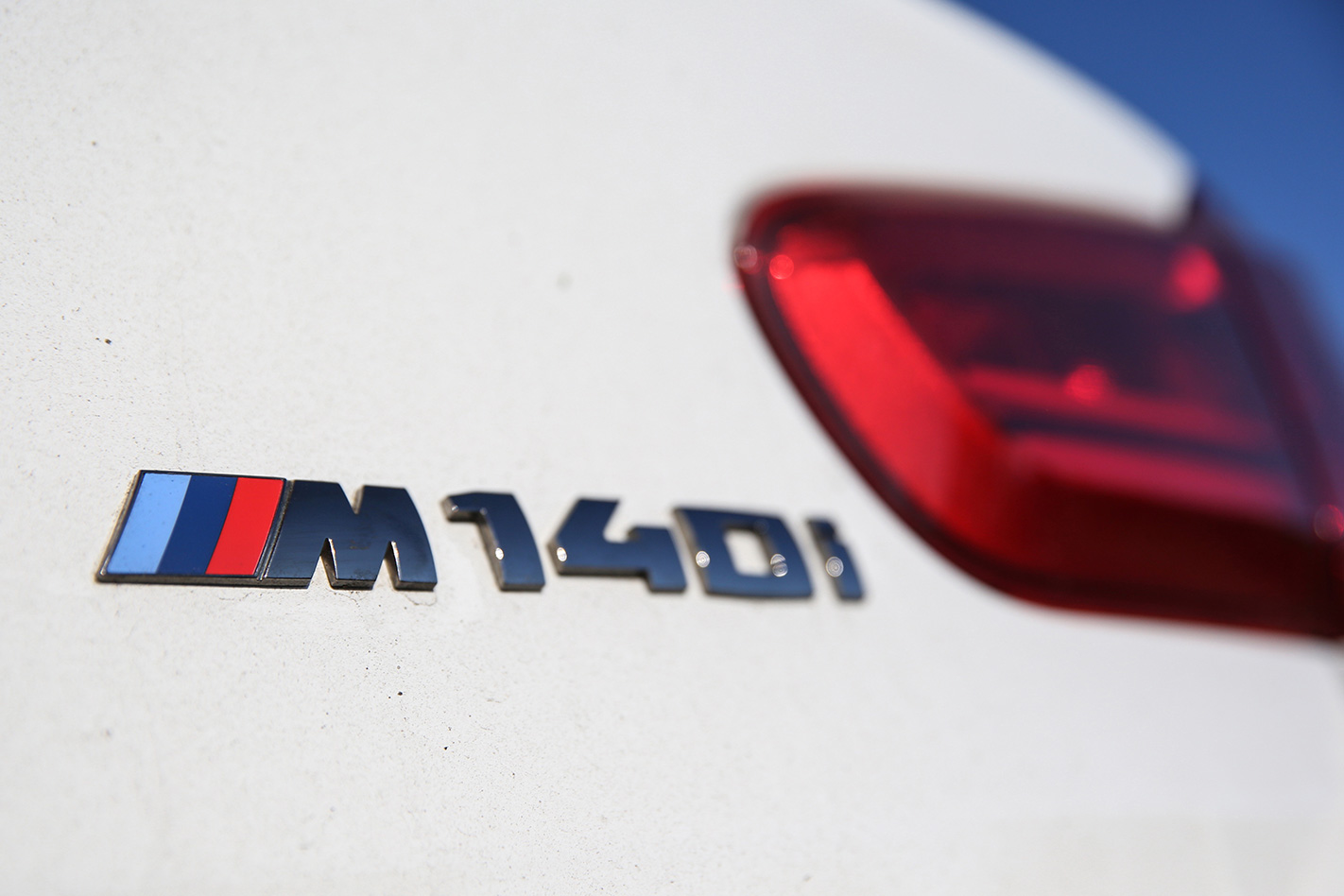
Specs: Engine: 2998cc inline-6cyl, DOHC, 24v, turbo Power: 250kW @ 5500rpm Torque: 500Nm @ 1520-4500rpm Weight: 1450kg 0-100km/h: 4.8sec (claimed) Price: $71,900
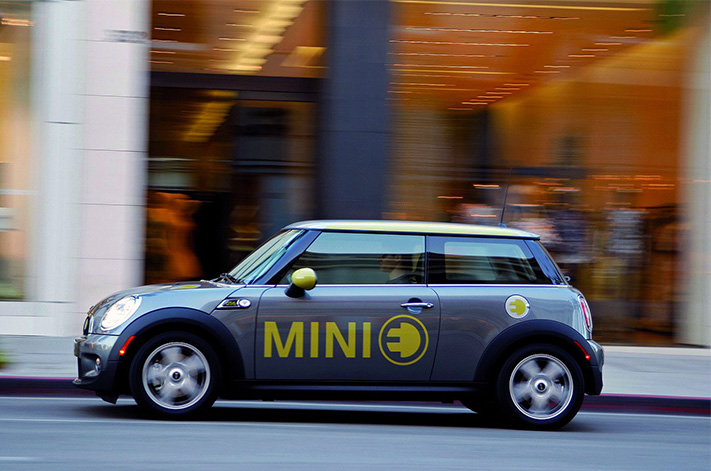
Mini’s traditional three door hatch will form the basis of the brand’s first all-electric model that’s scheduled to enter production in 2019.
The battery-powered Mini will join existing internal combustion and hybrid models in the Mini line-up, which includes five-door hatch, Clubman and Countryman SUV variants.
This won’t be the first all-electric Mini. In 2009 the company released the Mini E, a limited edition pure electric three-door hatch with a 120km range that was offered to select customers for short-term lease.
BMW had previously announced plans to introduce battery-powered versions of the BMW X3 SUV and an undisclosed Mini variant as part of its electric vehicle strategy.
The X3 tie-in led to speculation the first electric Mini would be a Countryman, which is already gaining a plug-in hybrid variant, so the announcement that it will be the baby Mini comes as a bit of a surprise, despite the precedent set by Mini E.
Choosing the smaller three-door Mini over the Countryman means the electric Mini is likely to be the most affordable BMW Group EV to enter production in the next few years. It will arrive ahead of the i8 Roadster (2018), X3 (2020) and iNext crossover (2021).
That said it should only be a matter of time before electron-powered Countryman and Clubman models are introduced thanks to BMW’s flexible UKL platform that underpins all Mini models making it easy to use the same drivetrain across the range.
It’s too soon to say whether the electric Mini will make its way to Down Under at some point in the next decade, though BMW Australia isn’t ruling it out.
A spokesman told WhichCar the company is still working on a business case for bringing the plug-in Countryman here and would look at the smaller car once that process is completed.
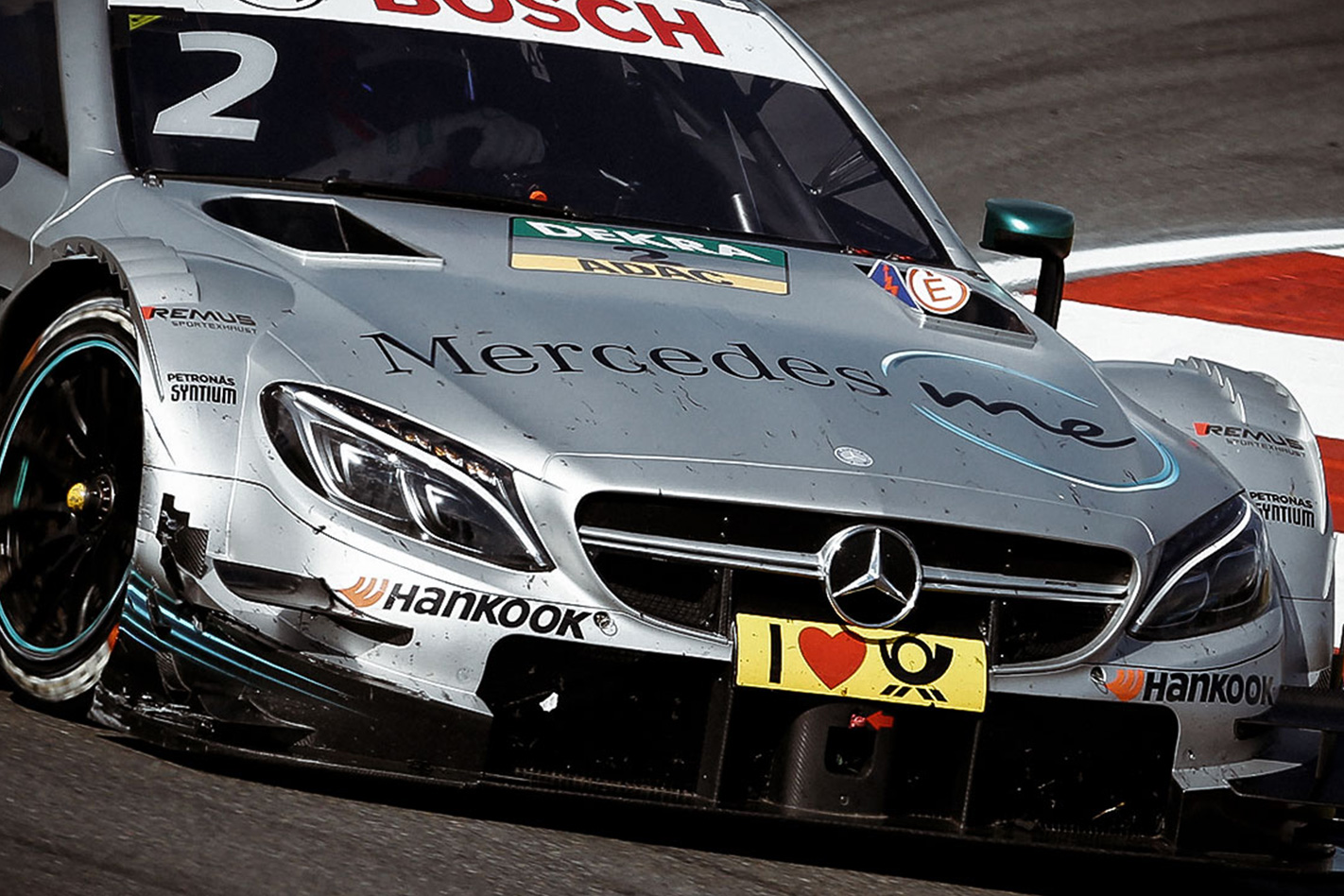
With the announcement from Mercedes-Benz that it will leave DTM at the end of the 2018 season, only BMW and Audi will be left as competitors in 2019.
That is, unless another “viable concept” for DTM is developed.
The ITR, which is the DTM’s carrier and organiser, released a short statement following the announcement by Mercedes.
“The ITR regrets this step by Mercedes. We must respect the decision in a sporting and fair way.”
“That gives the ITR the time to analyse the situation and to prepare a sustainable concept for the future.”
Mercedes released a statement saying it has “loved every second” with the DTM competition.
Opinion: Formula E? Not for me
“Since the DTM was founded in 1988, there have been 26 racing seasons during which Mercedes-Benz has won 10 drivers’, 13 team and six manufacturer titles (DTM + ITC combined).
“With our fans, we have celebrated 183 race wins, 128 pole positions and 540 podium finishes.”
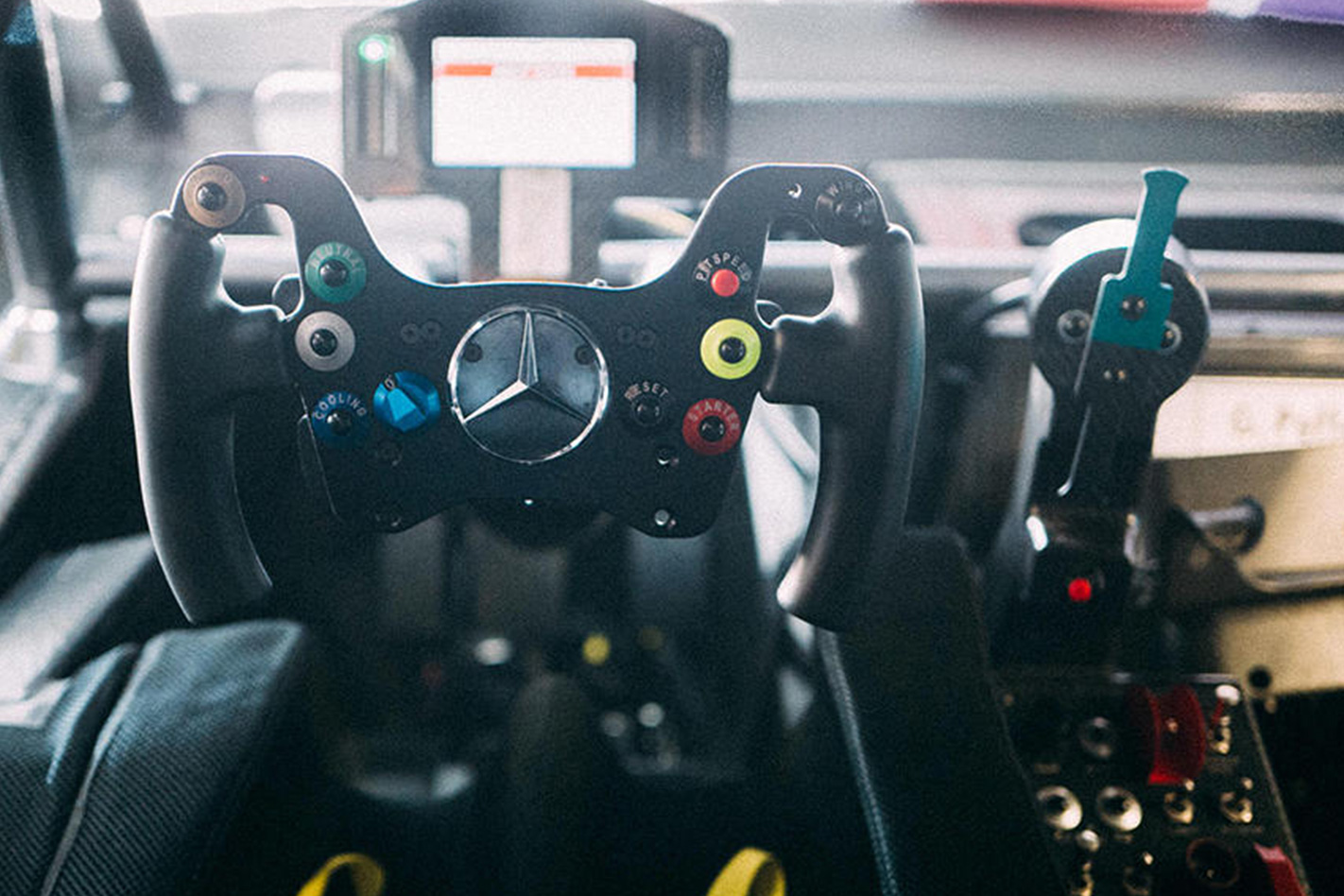
With teams in Formula 1 and soon Formula E, Mercedes says it is focusing on the premium (F1) while also exploring the innovative (FE).
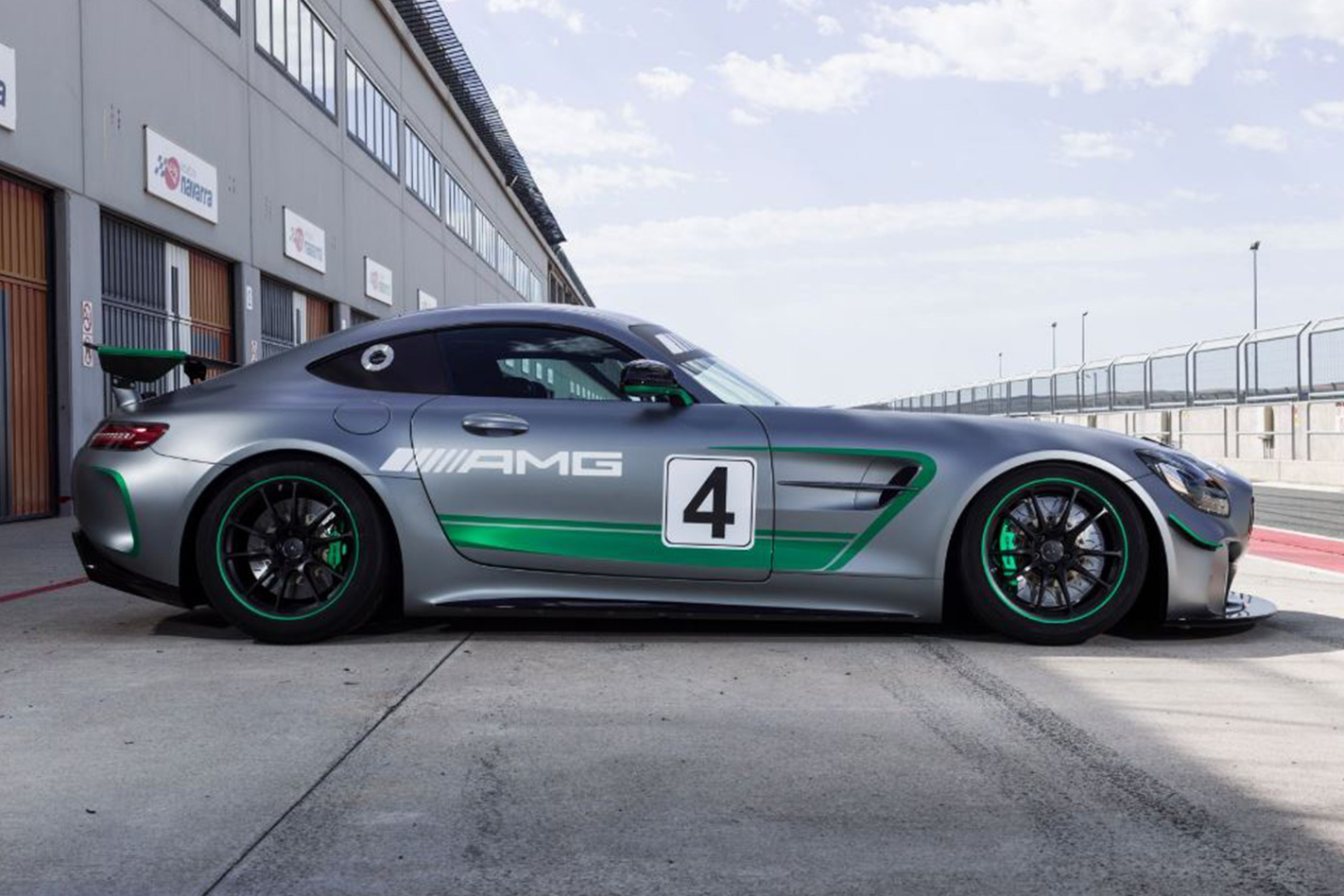
At the same time, M-B also introduced its new GT4 car, based on the AMG GT. It will have around 375kW/600Nm, and weigh approximately 1390kg, depending on Balance of Performance rulings.
WHAT would a racing version of the Mercedes-Benz X-Class look like?
The reveal of Merc’s premium load-lugger last week had us pondering that question here at Wheels HQ, so we took it upon ourselves to come up with an answer.
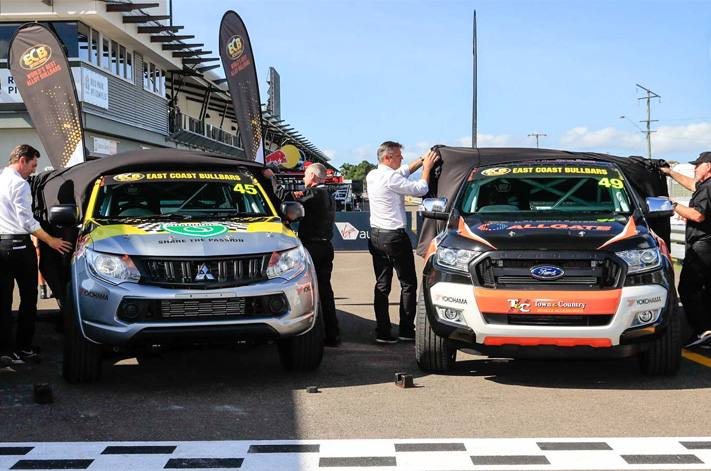
What you see here is an artist’s mock-up, illustrating the potential look of a competitive X-Class ready to tackle Aussie racetracks in a new category called SuperUtes, set to fire up in 2018.
The freshly rebranded SuperUtes category is designed specifically to put dual-cabs powered by diesel-turbo engines door-to-door. The series replaces the current V8 Utes series, which is contested only by car-based Holden Commodore and Ford Falcon utes that will no longer be built.
The hypothetical X-Class shown here combines almost everything required for a SuperUtes X-Class, with a little extra spice; OEM body styling, lowered SupaShock suspension, 20-inch wheels and tyres, race livery and exhaust, and the mandatory sponsor stickers for that last bit of track-cred.
The Mitsubishi Triton, Ford Ranger, and Mazda BT-50 will all appear in the category when it debuts next year. A further three utes – the Toyota Hilux, Holden Colorado, and Isuzu D-Max – are also eligible for homologation.
The Mercedes wasn’t included in the initial release from Supercars when the category was launched, most likely to do with the car not being launched yet.
However, a Mercedes-Benz Australia spokesperson told Wheels “I am not aware of any discussions” regarding the brand’s new ute appearing on a racetrack anytime soon. So don’t hold your breath for this pipedream to become a reality.
Regulations for SuperUtes specify a production-based dual/twin-cab ute with a turbo diesel engine and rear-wheel drive, and a minimum weight of 1800kg, with body styling limited to OEM options.
The top of the line X-Class has a 190kW/550Nm 3.0-litre V6 turbo-diesel engine, mated to a seven-speed auto. A racing version would need to use the series’ control gearbox and MoTeC engine management for category controlled performance.
SuperUtes also mandates a control roll cage, Brembo brakes and Tilton pedal box, as well as a common rear axle assembly with a Detroit Locker differential.
Ross Stone will run a team using Ford Rangers, Siders Racing Team is signed on and will campaign Mitsubishi Tritons, while three-time series champion and the first man to perform the shoey in motorsport, Ryal Harris, will race a Mazda BT-50.
Eight rounds have been confirmed for 2018, taking place alongside the Supercars series starting with the Adelaide 500, followed by Darwin, Townsville, Ipswich, Sydney, Bathurst, Gold Coast and Newcastle.
AUSTRALIA’S first car, the General Motors-Holden‘s 48-215, was unveiled on November 29, 1948.
It was the result of more than five years planning, including the building of a new production facility on the waterfront at Fishermans Bend. Australia’s car industry had finally matured from just re-assembling imported, knocked-down vehicles to wholly making our own.
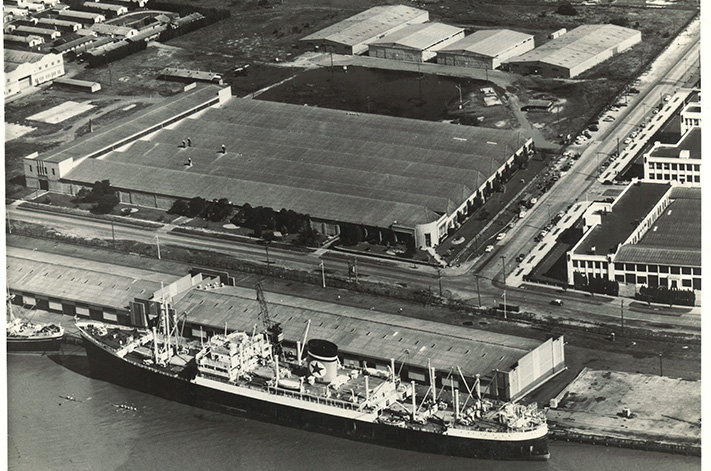
Even though the 48-215 was regarded as too small for US tastes, its similarity to the Chevrolet Fleetline is striking. In its first year, the first Holden had snared two in every five new-car-buyers. However, it would take the 48-215 another three years to wrest the title as Australia’s best-selling car from Austin.
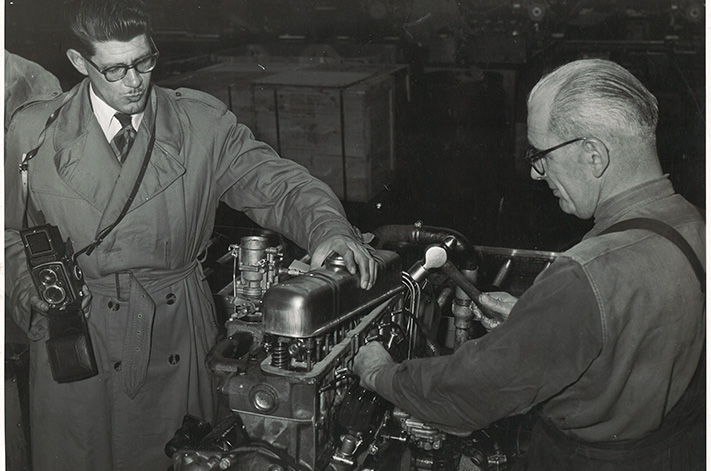
By 1950, about 58,000 vehicles were manufactured in Australia a year. As well as the “FX” Holden, which had swelled production to 100 a day to meet demand, other popular models included the Austin A40, four-cylinder Vauxhall Wyvern and the six-cylinder Velox, and the Standard Vanguard, all of which suffered in Australia’s unique, rugged conditions.
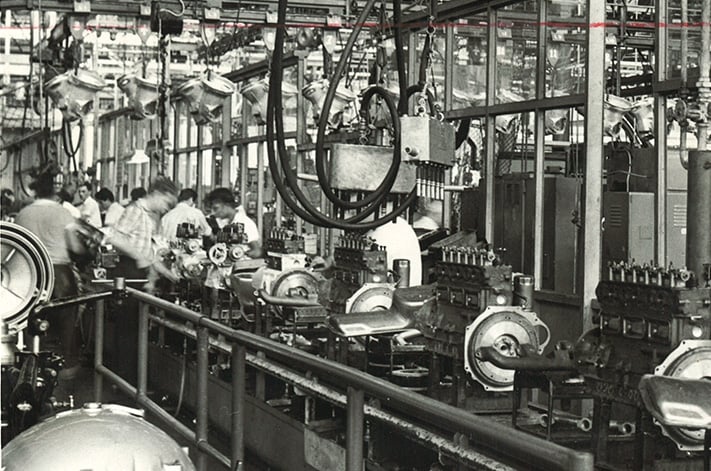
European brands such as Renault, Peugeot, Mercedes-Benz and Volvo were still to arrive in force, but were to grow as the 1950s progressed. Citroen had some success with the Light 15, a monocoque model dating back to the early 1930s.
Brands including Chevrolet, Ford (with the Jaguar, Wolseley, Riley and Sunbeam) were big in the luxury end of the market, while popular sports cars included MG and Triumph.
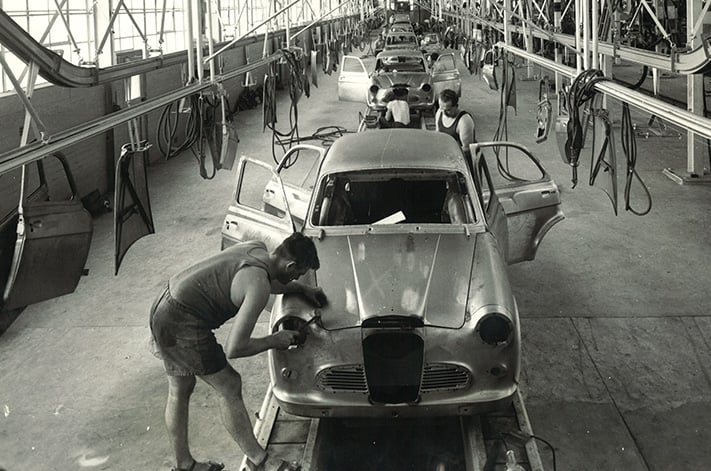
Ford’s contribution were the British four-cylinder Consul and six-cylinder Zephyr. Unveiled in 1950, the Consul and Zephyr were the first production vehicles worldwide to feature MacPherson struts – and also the first Fords sold here without separate chassis construction.
The cheaper Fords were basically represented by the antiquated, pre-war design Anglia and A493A Prefect, assembled in Australia in four-door sedan and coupe-utility guises. “Power” came from a 1.2-litre side-valve four-pot engine.
British Motor Corporation Australia was formed in 1952 after the merger of archrivals Austin and Morris. It continued to build the Austin Lancer and Morris Major, with both cars modified compared with their British equivalents to handle local roads.
By 1952, sales of the 48-215 had grown to 32,000 a year as demand for the sedan and ute soared. It was also time for Holden to make an all-new car.
Next week: 1953-57: The industry goes from strength to strength
GENERAL Motors says the sale of its European operations – including Opel, the maker of Australia’s first fully imported Holden Commodore – has led to a huge drop in earnings for the carmaker.
The profit made in GM’s second quarter fell 42 percent, the carmaker reported overnight, to $US1.66 billion ($A2.1 billion) compared with the same quarter last year. For the first half of the year, GM’s running profit is 12.9 percent behind last year at $US4.3 billion.
GM International Operations, the part of the carmaker’s global empire that also oversees Holden’s performance, posted a strong $US340 million result, up by more than $US200 million, despite wearing the $460 million cost of a major restructure that saw it withdraw cars from several markets – including India and South Africa, which significantly are both right-hand drive.
This was down to a higher profit on the cars it sold in the region, combined with “improved results from consolidated international operations” – a factor that includes October’s shutdown of GM’s Australian carmaking operations.
GM noted that since starting its “separation and other programs” at GMIO in 2013, it had accumulated $866 million in expenses to shutter or downscale businesses in Australia, South Korea and India.
Also hitting GMIO’s bottom line was the end to Australian Cruze production. The last of the small four-cylinder cars was built at Elizabeth in October last year.
“Total net sales and revenue decreased due primarily to … decreased passenger car volumes in Australia due to ceasing production of the Chevrolet Cruze,” it said in an official filing to the US Securities and Exchange Commission.
The results show that GM’s brands in the Asia-Pacific region, Russia, the Middle East and Africa hold an average 9.1 percent market share across the regions in which they sell. In Australia, Holden currently holds a 6.9 percent share for the same six-month period.
GM’s earnings in North America fell primarily because it sold 99,000 fewer cars in its key US market, largely because rental car sales fell sharply.
With a top speed of 299km/h, the Jaguar XJR575 is approaching F Type SVR levels of fast.
The new super saloon is also bestowed the same 423kW/700Nm as the F Type SVR, but the extra weight (kerb weight is 1,875kg) that comes with it means its dash to 100km/h is a tad slower at 4.4 seconds.
But, as demonstrated in the reveal video, the XJR can continue on to its top speed in about 44 seconds.
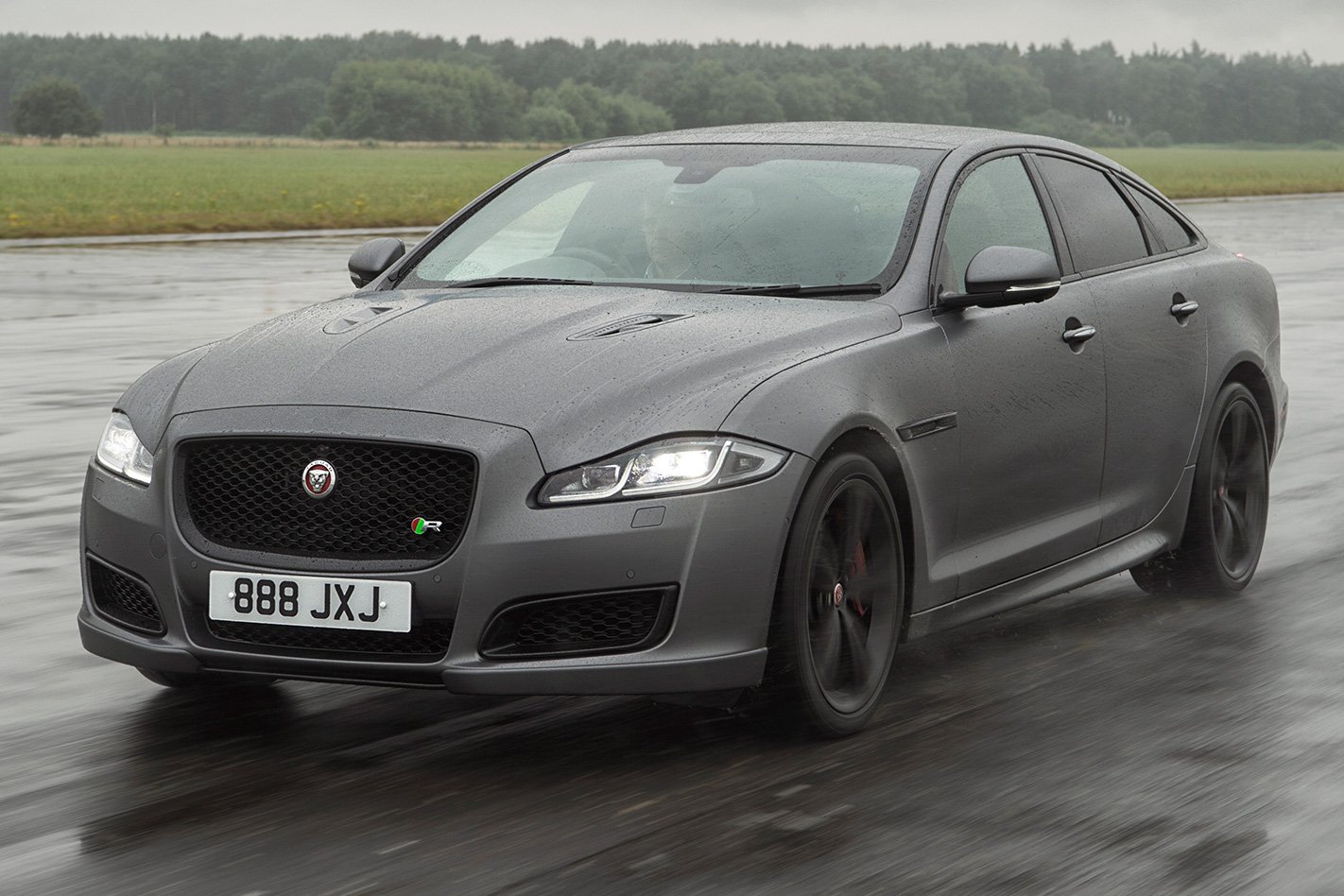
The 575 also scores two new exclusive colour options, Velocity Blue and Satin Corris Grey, plus an XJR-specific rear spoiler, side sills, front bumper and lower air intakes.
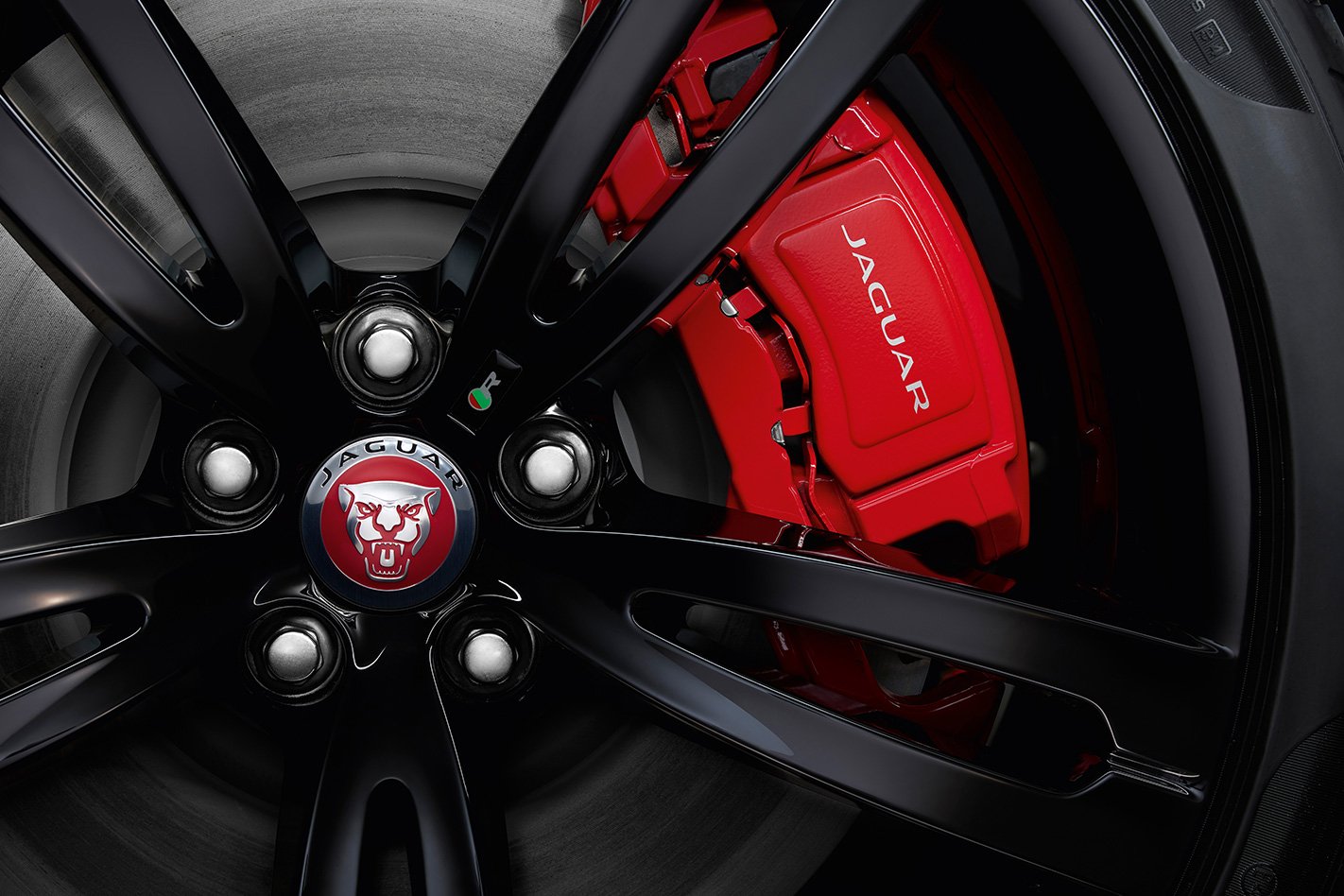
Jaguar design boss Ian Callum says the extra performance focus in the XJR575 hasn’t detracted from the Jag’s ‘comfortable’ feel.
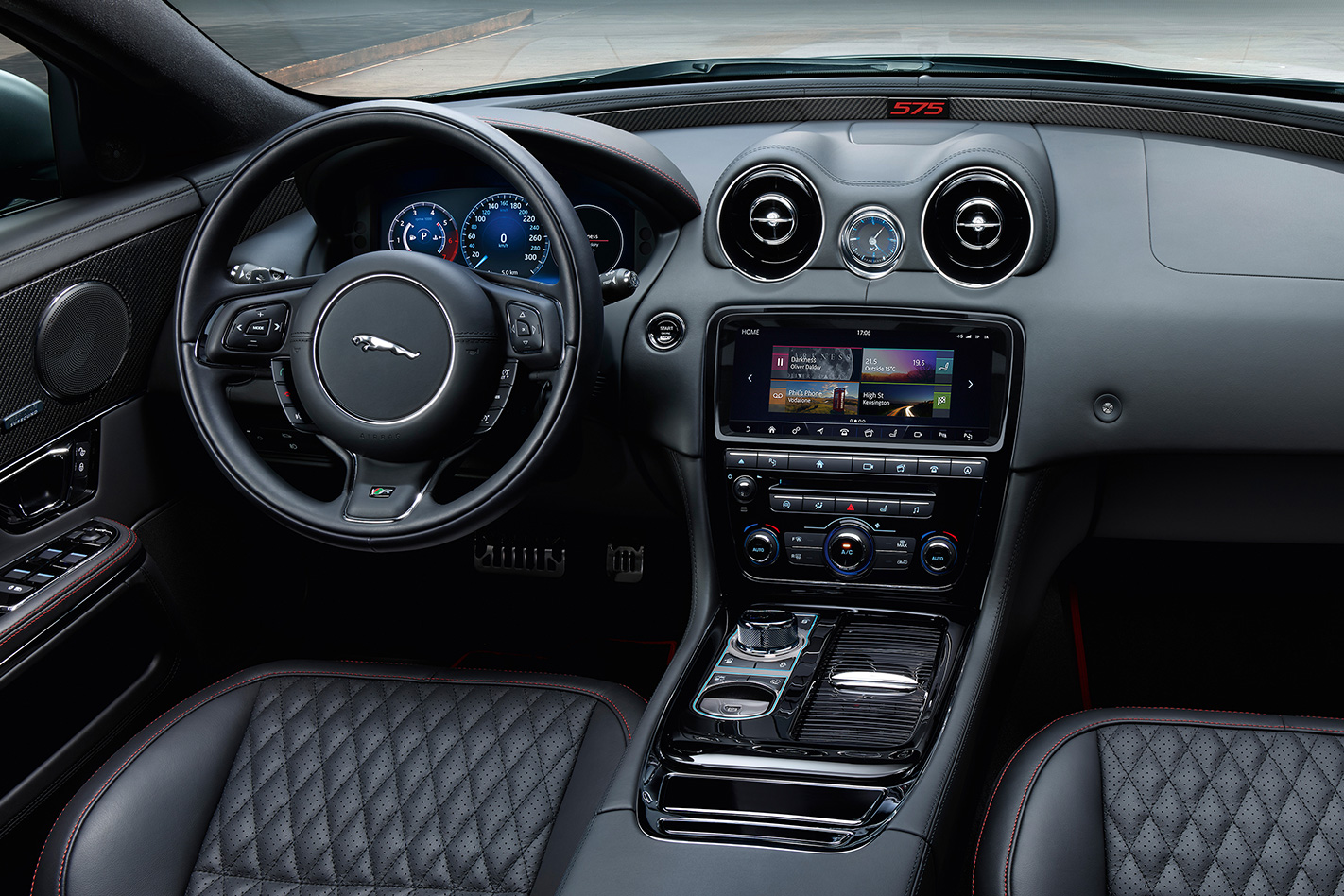
“Jaguar is the standard bearer for interior refinement and the XJR575 is no different. It can go very quickly, but it does so with the serene comfort customers expect from a Jaguar saloon.
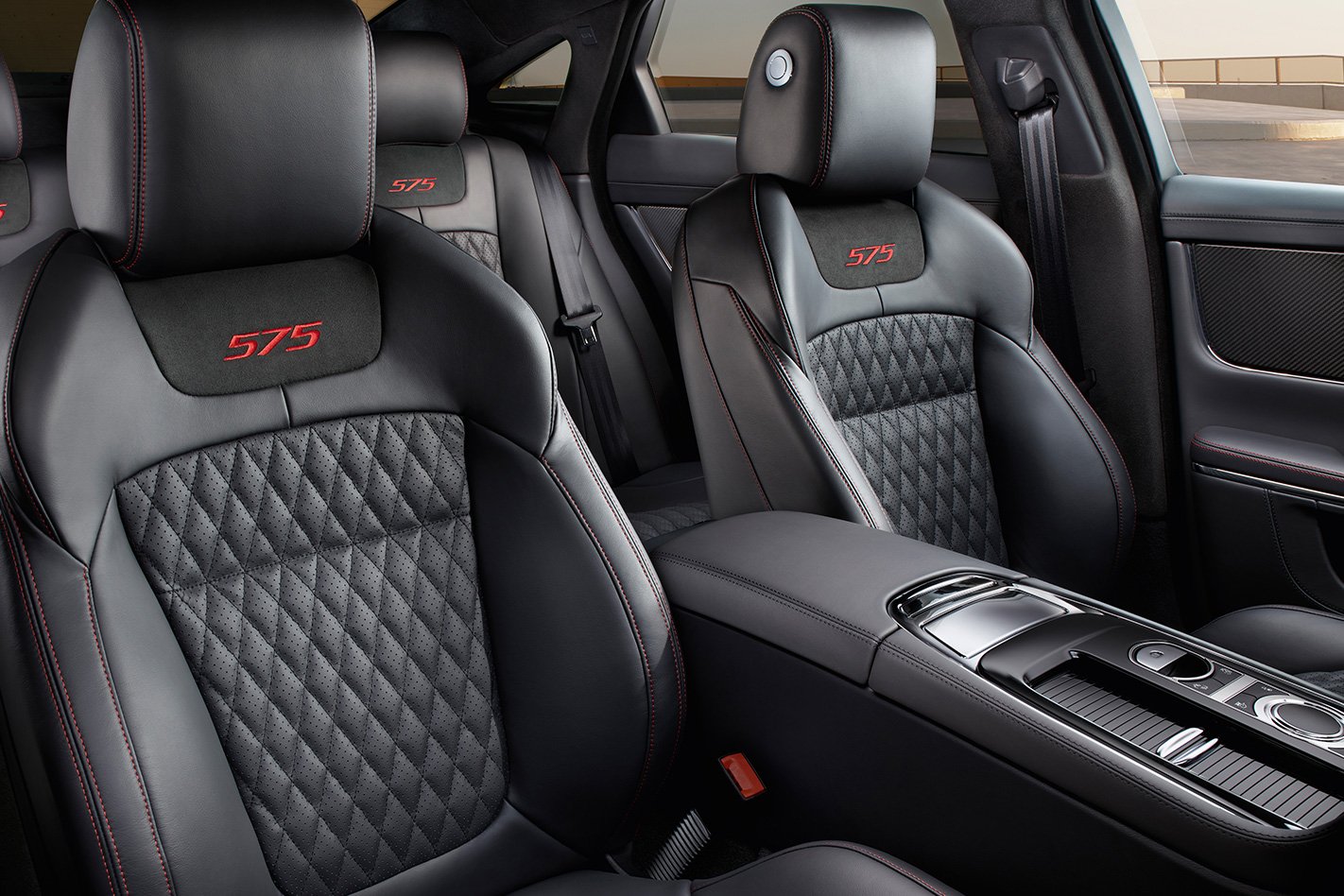
The 2018 Jaguar XJ range goes on sale towards the end of 2017, though Australian numbers (if any) and pricing for the XJR575 is yet to be announced.
Toyota Australia recently revealed a fun and bold concept in the form of the Toyota Tonka Hilux.
Built for those who never grew up, the full-sized Tonka truck was built to be right at home in sand dunes rather than the sand pit.
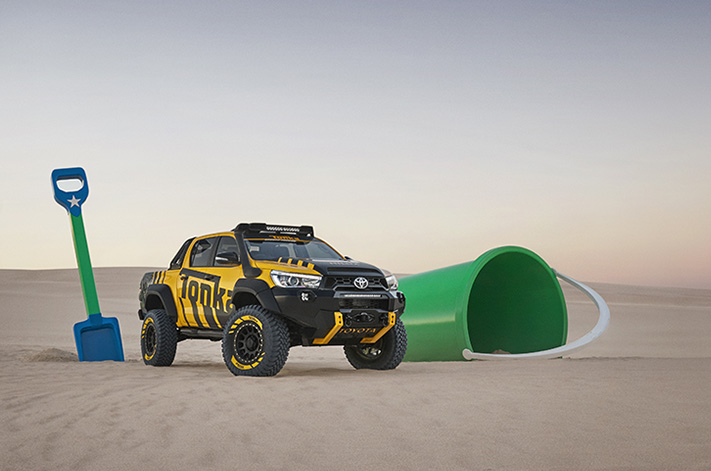
With ride height lifted by 150mm, Marks portal axles and King Spring remote-reservoir dampers; the car looked the part, completed by a steel bash bar, extra wide guards and 35 inch Toyo Open Country tyres.
It was originally built as a concept, but now you can buy your own!
While not built by Toyota, Car Giant, a dealership in Jandakot, Perth Western Australia today listed a convincing ground-up replica for sale.
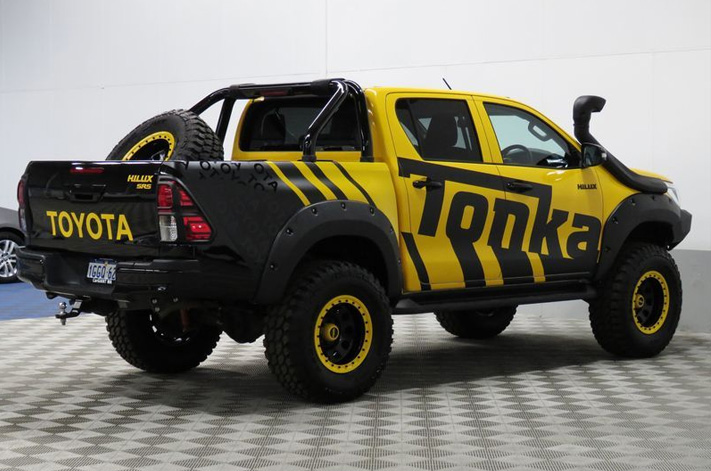
Starting life as an automatic 2015 Toyota Hilux SR5, the dealership added all of the aftermarket off-road essentials. A suspension lift, Rhino front bumper bar, a full set of Tonka rims- plus a spare in the tray, snorkel, guard flares, a tray full of kit, a slew of LED lights and that unmistakable Tonka yellow hue complete this toy truck come to life.
This is all on top of the factory satnav, reverse camera, smartphone connectivity and a factory warranty still valid until late next year.
We’d advise caution before jumping it off sand dunes like you did as a kid. The world’s a little bigger than the sandpit, and physics are a little more unforgiving once you scale up that airtime to a 1.6 tonne ute. That said with a 2250kg towing capacity (braked) you can haul a lot more stuff! And with this much road presence, the Tonka Hilux may well add that childhood fun to your morning commute.
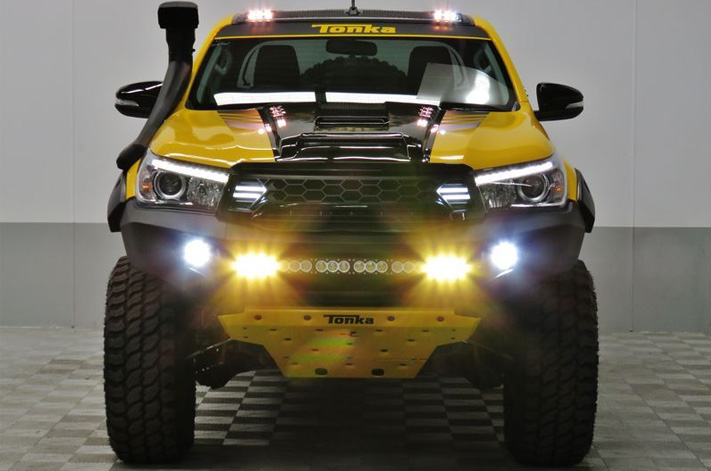
As listed, the car has one owner and 59,282 kilometres on the odo.
And the price for your childhood fantasies comes to life? $67,955, or about 1699 actual toy Tonka trucks.
TESLA will launch its highly anticipated Model 3 mid-size sedan in the US this Friday, years after it was first talked about and more than twelve months since it was publically revealed.
The American manufacturer has a lot riding on the car dubbed the EV for the people, with pre-orders claimed to be in excess of 300,000 globally.
Pre-production models have been spied and other images and video leaked during the Model 3s lengthy gestation, but the real thing has begun rolling off the Californian production line, meaning finished Model 3s are about to be delivered to customers.
Ahead of its launch, here’s everything we know about Tesla’s most affordable electric sedan, so far.
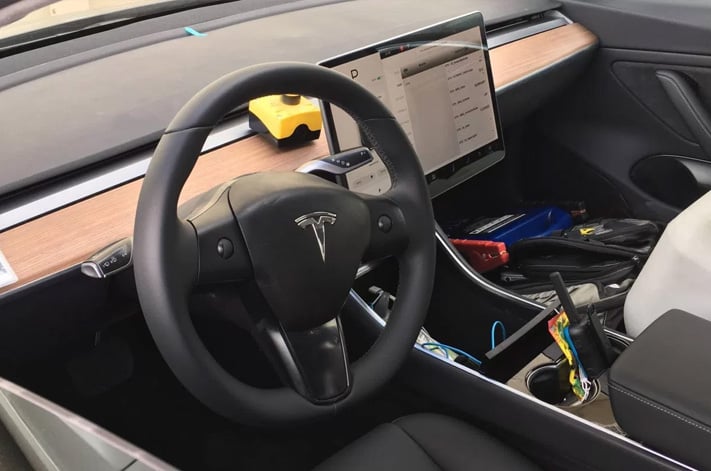
Less is more: Spy shots and video footage have given us a clear look inside the Model 3 cabin. To say it is minimalist seems an understatement. There is nothing but a steering wheel between the driver and the windshield. The dash lacks any adornments, save a central tablet, which it’s reported will provide all necessary information to both driver and passenger. There appears to be no driver instrument cluster or head-up display. How this operates in the real world will be one of the Model 3’s biggest tests.
The Great Australian Wait: Wheels believes Australians that have pre-ordered the Model 3 will be in for quite a wait, with local deliveries not expected until the second half of 2018.
Slow start: Elon Musk tweeted earlier in the month about a handover party for the first 30 Tesla Model 3 customers that’s pencilled in for July 28 (Friday). He expanded on that saying production will ramp up “exponentially” afterwards, with just 100 cars expected to be delivered in August, followed by more than 1500 in September. At full tilt, Tesla predicts it will produce in excess of 5,000 units per week by the end of 2017, and more than 10,000 every seven days in 2018.
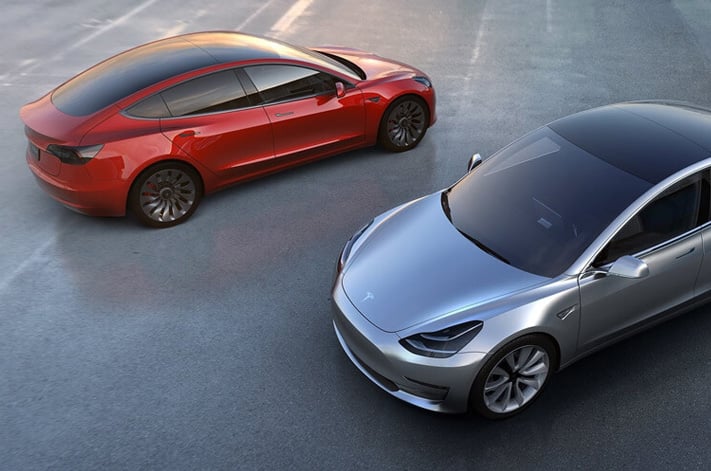
Limited options: Musk is on the record saying just one engine option will be available for the Model 3 at the start of production, with dual-motor examples up and running at the end of 2017 “or more likely early next year.”
Keeping it simple: A Model 3 vehicle configurator is set to go live at the end of July, but customers logging on won’t have much to choose from. “We have kept the initial configurations for Model 3 very simple,” Musk said at a shareholder meeting in June.
“This is critical to achieving a rapid production ramp … so initially it’s kind of going to be, what colour do you want and what size of wheels do you want. That’s basically going to be the configurator.”
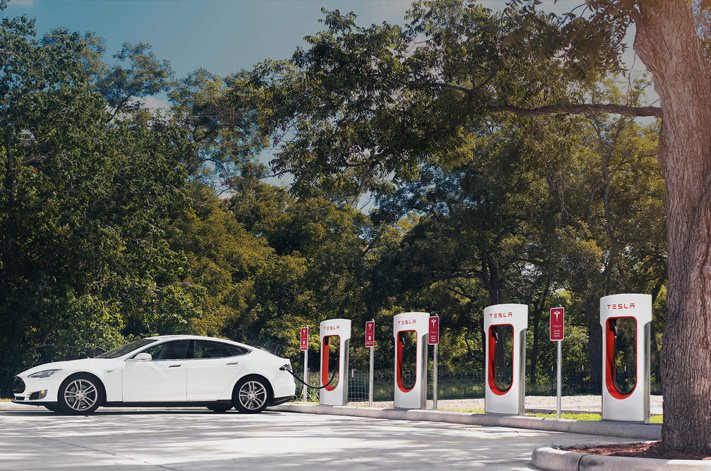
“This year we will double the number of Tesla superchargers in the world. So double year-over-year. And I think next year, probably at least 50% increase, maybe double again next year,” Musk said.
But what about Australia? It remains to be seen how far local infrastructure will expand before the arrival of the Model 3. Tesla has been making moves, but as it currently stands electric vehicle owners aren’t rich with options, partly due to lacking government support.
Mazda has revealed the exterior of its upcoming CX-8 crossover that could be coming to Australia despite initial denials by the company.
The CX-8 will be Mazda’s flagship SUV in Japan where the larger CX-9 isn’t sold. It bridges the gap between the CX-9 and Mazda CX-5 in terms of size but has the same 1840mm width as the CX-5.
At 4900mm it is 175mm shorter than the CX-9 but shares its 2930mm wheelbase which allows for a third row. It will primarily be a six-seater with two captain chairs in the middle row, though more traditional bench seat accommodating a child in the middle will be available for a seven-seat option. Mazda reckons the third row will accommodate two adults comfortably.
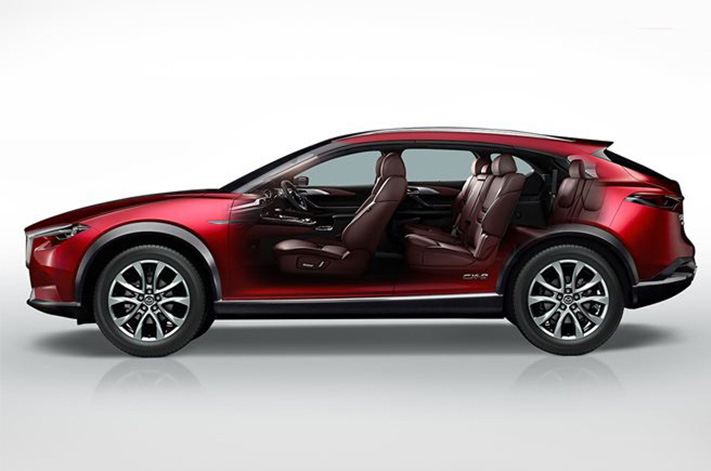
The CX-8 will be powered by the company’s 2.2-litre SkyActive D turbo diesel engine found in the Mazda 6 and CX-5 coupled with the customary six-speed automatic transmission.
While Mazda has stressed the CX-8 will Be built for the Japanese market, Wheels magazine reports that Mazda Australia is confident it will join its strong SUV line-up here.
At a recent media gathering Mazda Australia managing director Vinesh Bhindi maintained it was a Japan-only model but didn’t rule out the prospect of it making its way Down Under.
“If there was ever to be an ADR [Australian Design Rule] version of CX-8 offered to Mazda Australia we would evaluate this opportunity and consider its viability in the market and actually ask ‘how does it fit amongst the other SUV models we have on offer here?” Bhindi said.
The continued interest is in sharp contrast to the emphatic way which Mazda Australia executives earlier ruled out the China-only CX-4 making its way here despite their strong interest in that model.
Mazda CX-8 specifications
- Length: 4900mm
- Wheelbase: 2930mm
- Width: 1840mm
- Height 1730mm
- Seating: 6/7
- Engine: SKYACTIV-D 2.2 diesel
- Transmission: SKYACTIV-DRIVE 6-Speed automatic
