
So you’ve agonised over which car to buy; stacked-up the resale values, fuel efficiency, insurance costs and additional creature comforts to find The One. You drive it home, give your park a doe-eyed double take and smugly pat yourself on the back for all your research and wise decision-making.
Then, over the next few years, the relationship turns sour. Despite endless drive-by window admiration and driver pride, your car starts to become a burden; it’s as if it is creeping into your wallet at night to burn your cash without your knowledge. What did you do, or rather, didn’t do, to deserve this? Glad you asked.
Most of us know that car expenditure doesn’t stop at the dealership. Every vehicle requires a certain level of maintenance, and ignoring the signs (some red and blinking) and putting off that half-yearly or 10,000km service several times over will only drive the eventual costs up. However, there are other long-game plays you can make to help save you money.
Here are some of the most common ways you’re blowing the budget and making your car burn through more than just fuel.
Streaming your maps and music Unless your car comes with a navigation system, Google-mapping to your destination may seem like an easy option. Yet, over time, it will eat at your phone’s data plan – especially if you’re headed out of town on long trips. Similarly, if you’re streaming music, podcasts or videos for your passengers, then you better have a great data plan that extends into the double-digit gigabyte range.
This is where a little bit of road prep comes in. By investing in a standalone sat-nav device, or taking up the offline option on Google Maps, Spotify, iTunes or Netflix before you leave the house; or loading up that old iPhone with media, you’ll be surprised how much you’ll save on phone data costs.
Not making the most of your car’s extras From green tech that helps limit your car’s fuel usage to prang preventatives like autonomous emergency braking and lane assist, and even cruise control in older models – consider taking time to get to know your car’s tech, its capabilities, and how it can work with you to save fuel, time and accidents. Otherwise, what’s the point of the additional spend in the first place?
Making more right turns than necessary Fun fact: In 2004, UPS implemented a policy that all drivers in the United States were to avoid left-hand turns. Why? A study found that a left-hand-heavy route might seem quick on paper, but actually wasted fuel, often took longer because of traffic lights, and increased emissions and the probability of an accident (of course, in Australia, the equivalent would be turning right across traffic). Something to think about next time you’re navigating inner city traffic…
Not looking ahead and/or driving erratically A no brainer but often forgotten. Fanging around corners, wearing out the label on your car’s Sports+ mode button and not looking far enough ahead of you when in traffic wastes fuel and wears out your brake pads, suspension and your precious, precious tyres. Save it for track days where you can really go for it.
Forgetting the details What’s the point of considering your car’s resale value if you’re not going to look after it? Learning how to keep the paint pristine, treating your upholstery or leather interior with the right products, addressing little scratches and calling in a reputable pro when you need body work done, splurging on a high-end detail at least once or twice a year may seem expensive and/or a lot of work at the time, but your future wallet will thank you.
They’ve done it! You’ve driven them home from the leaner’s permit test, they’ve passed, and that receipt stapled to a printout now clutched in their sweaty palm is pretty much a reserved ticket to a future of freedom behind the wheel of a car.
But the next step is a big one: taking them out onto the road for the first time. Here are our top eight tips to making sure the first time they jump behind the wheel is as positive an experience as they can get.
1. You’ve been there before
Yep, once it was your mum or dad handing you the keys and nodding in the direction of the car.
Have a good, long think about how your parents reacted to your early drives. You probably scared the living daylights out of them, but they sat there, grim faced and sweating, and offering measured encouragement rather than panic-laced criticism.
Check your attitude at the front door. Learning to drive is an exhilarating experience, and the values you instil at the start will go a long way to ensuring the future driver beside you will maintain the same positive composure each time they jump behind the wheel.
Can’t do it? Think about paying for professional lessons.
2. Start practising early
More often than not, you travel places together, so why not let the budding driver get familiar with the basics even before they get their learner’s permit? Let them jump behind the wheel in the driveway and start the car to get used to it: one of the most embarrassing things is the grind of a starter motor as you muck up the cranking process, or try to start a car that’s already running.
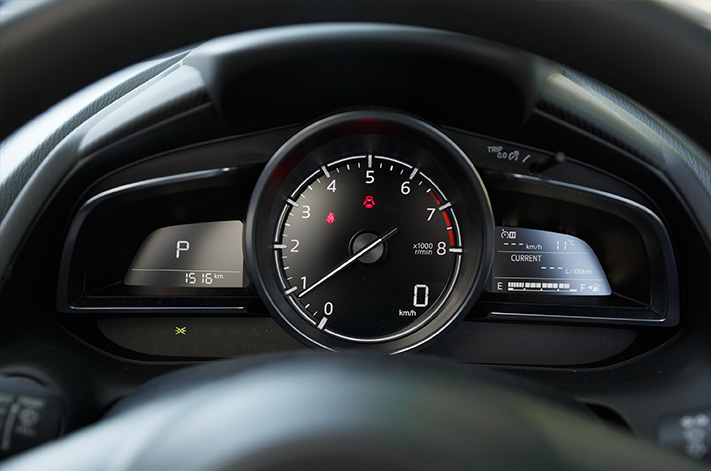
Another fun thing is to put them behind the wheel of your favourite driving sim on a gaming console; get them to master a stretch of virtual road at a nominated speed limit without either crashing or straying out of a lane.
3. Get comfortable behind the wheel
Finding the correct driving position may come naturally to you, but for someone who has never had to drive before, being comfortable behind the wheel is paramount. Adjust the seating position so that the driver can comfortably see both the road ahead, and the instrument cluster in front of them.
Not sure what’s best? Have a look at our seating adjustment guide.
Make sure they’re dressed appropriately, too: thongs or high heels are somewhat inappropriate when behind the wheel.
4. Set the mirrors correctly
The mirrors should be set so that they require the minimal amount of head movement, yet provide the maximum amount of cover. Once the new driver has set a comfortable driving position, it’s time to set the rear-view and side mirrors.
The idea for the rear-view mirror is to show as much of the back window, and as little of the car’s interior as possible. Some rear-view mirror systems adjust for height as well as angle, so make sure the mirror is high enough that it doesn’t obscure the driver’s vision of the front left area of the car, or sit at an angle that limits rearward line of sight.
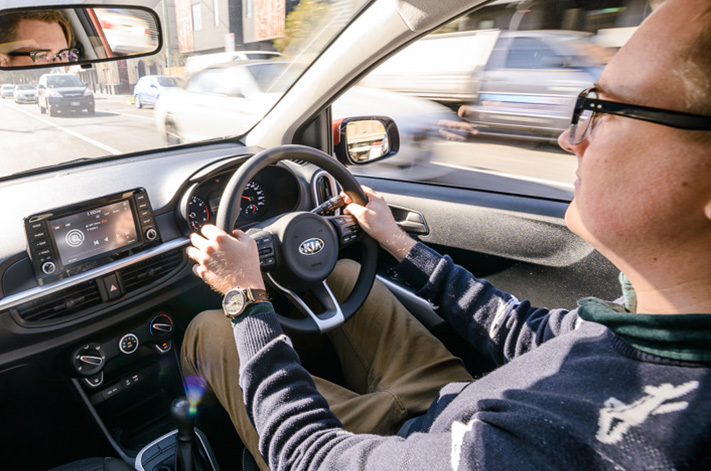
The wing mirrors? Adjust them so the horizon lines up in the middle of the glass, and then push them outwards until the inside edge of the mirror just reflects the side of the car. This means you see more of what’s behind you, and less of how dirty the car happens to be.
Still confused? Here’s our handy guide.
5. Learn where all the switches are
Modern cars are dead-set mongrels when it comes to the layout of switchgear. Euro- and US-centric cars generally have indicators on the left, Japanese cars have them on the right, and the rest just seem to make it up as they go along.
Having to consciously think about, and then look for, the indicator is a distraction new drivers shouldn’t have to think about. A little bit of familiarity with the car will go a long way to ensuring that under pressure, the novice driver will be flicking the indicator to change lanes rather than sending the windscreen wipers into a flapping frenzy.
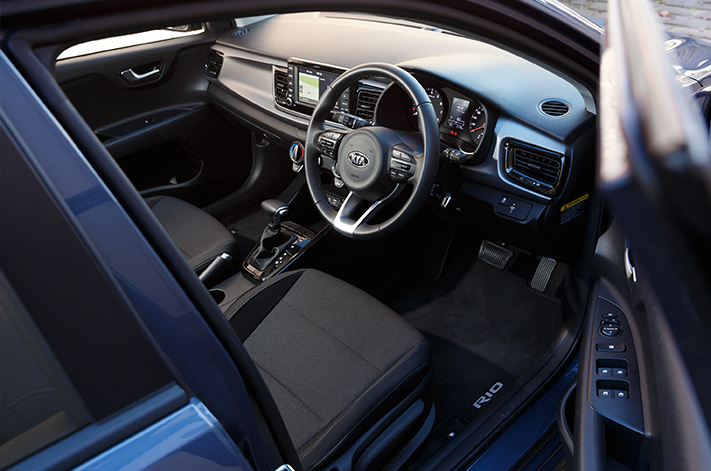
Turn it into a pre-drive game: as the car warms up in the driveway, quiz the driver on the location of lights, horn, windscreen wipers – and even the stereo system’s volume controls. After all, that’s likely to be the first thing they’ll be reaching for the moment you’re not in the car with them.
6. Switch off
One of the biggest threats on our roads are distracted drivers. The buzz of a phone signalling an incoming message can be just as dangerous to a novice driver – and experienced ones, for that matter – as driving too fast in the rain.
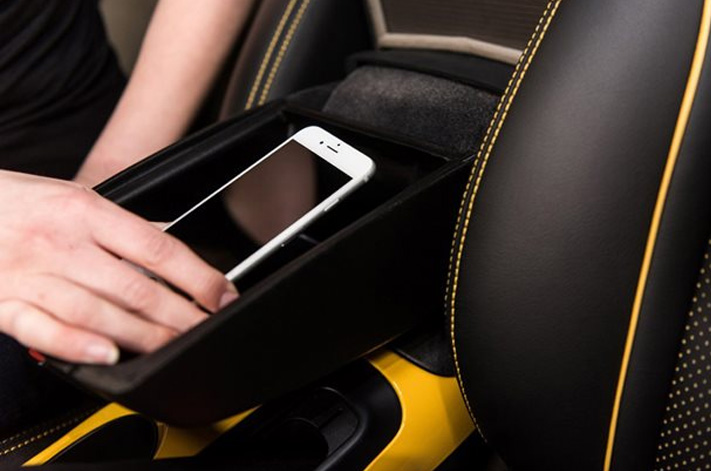
Switch electronic devices to silent, and place them out of sight in the glovebox or the centre console. Switching off while learning to drive could encourage future drivers to make it a lifetime habit.
7. Pick your moment
It’s best not to take someone out for a lesson if the roads are swamped under record 24-hour rainfall, it’s just about to turn into the madness of rush hour, or you’re at the foot of a mountain heading up to the snowfields.
Think of empty, wide back roads, such as those that wind around an industrial estate on a weekend, or even a well-lit railway station car park at night. As basic accelerating, stopping and turning skills build, aim the car for more highly trafficked, day-to-day situations.
8. Embrace the technology
Features such as cruise control – and even active versions that automatically accelerate and brake the car – lane diversion systems that bump the steering wheel or rattle the seat, and even fatigue monitors are becoming more widespread as they become more affordable.
They can be of a great help to novice drivers, but until they know what these systems are and do, feeling them kick in can be very disconcerting.
Make sure the novice driver knows what these systems are, what they do, and even demonstrate them. Something as simple as anti-lock brakes, which mean the driver doesn’t have to lift their foot off the brake pedal to perform a full emergency stop, could one day make a big difference.
By the time the novice driver gets around to buying their own ride, chances are these systems will be an integral part of the car.
Bonus question: Manual or automatic?
One of the big questions is whether you should teach someone to drive in a manual car rather than an automatic one. There are big pluses and minuses to both.
Teaching someone to drive in an automatic car is easier than in a manual one because all the learner driver needs to concentrate on are the brake pedal, accelerator and steering. Throwing in a clutch pedal and the added complexity of a manual gearshift means getting over the early nerves has yet another layer of complexity, and moreso if the car stalls in traffic.
Once a driver earns their licence, those approved to drive a manual car are also allowed to drive an automatic one. It doesn’t work the other way, though; gain your licence in an automatic car, and by law you can’t drive a manual one.
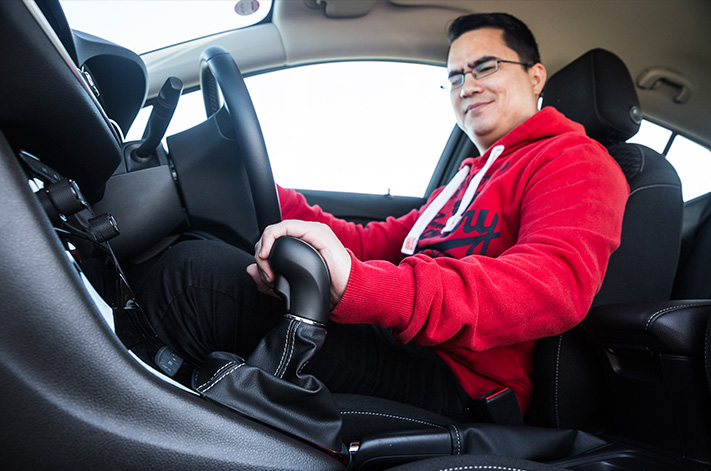
Okay, so with more than nine out of every 10 sales in Australia favouring automatic gearboxes, this isn’t a problem, right? But what if your child ever wants to go and live or work in Japan or Europe, where four out of every five sales are for a manual car?
Anecdotal evidence gleaned from around the WhichCar office suggests that if a learner driver starts to learn in an automatic car, the jump to a manual one once they have a bit of experience under their belt is a lot harder.
In an auction with lots ranging from Austrian military vehicles to speedway racers, there was bound to be something for everyone’s tastes.
But what had MOTOR most interested was the presence of a few Australian muscle legends, as well as a few bidding estimates that were well and truly demolished.
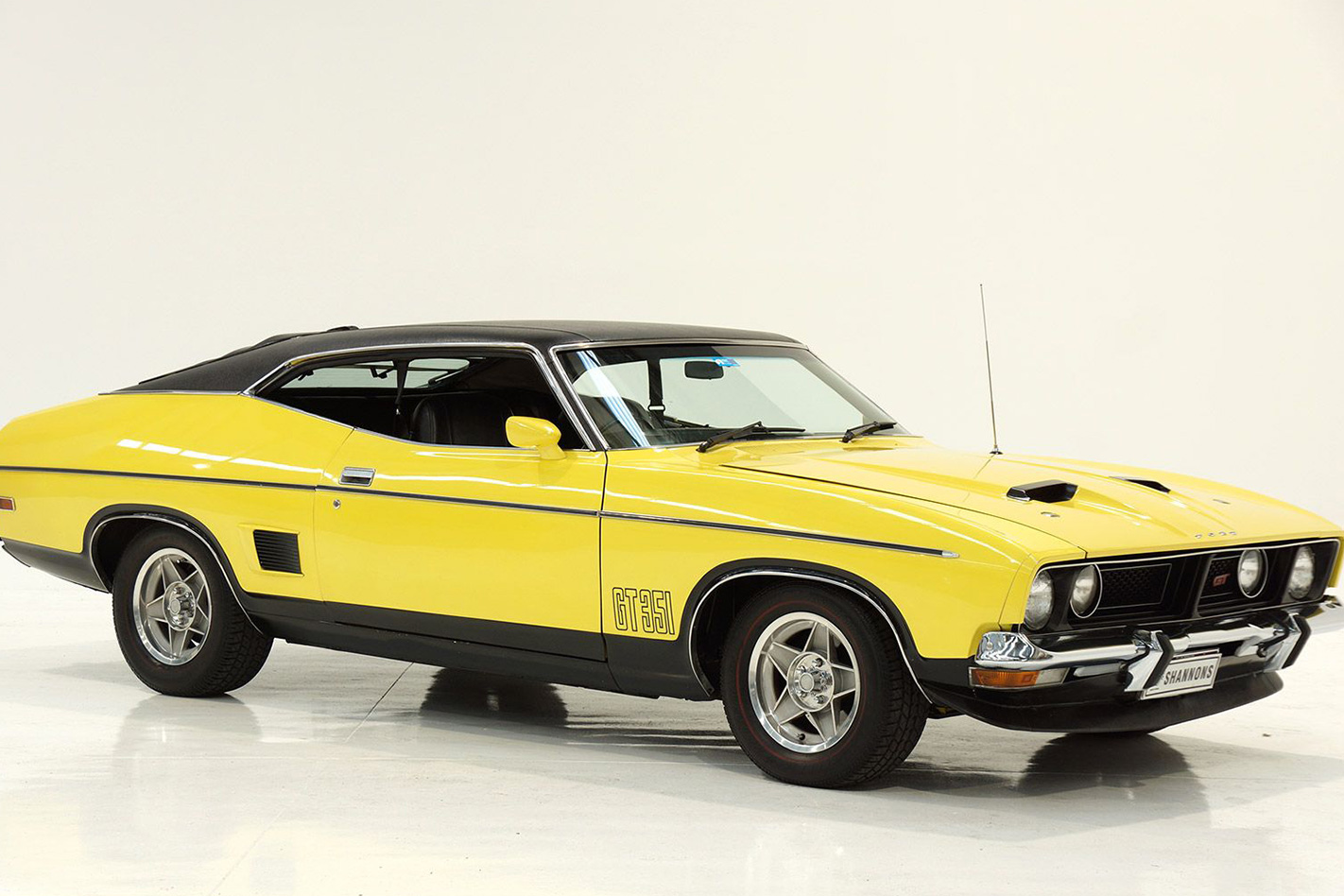
Topping the wallet withdrawals was a ’71 XB GT Coupe, which once graced the cover of sister-title Unique Cars. Shannons estimated the restored example in ‘Yellow Blaze’ would sell for $85,000-$100,000, just a tad short of the $134,000 it eventually sold for.
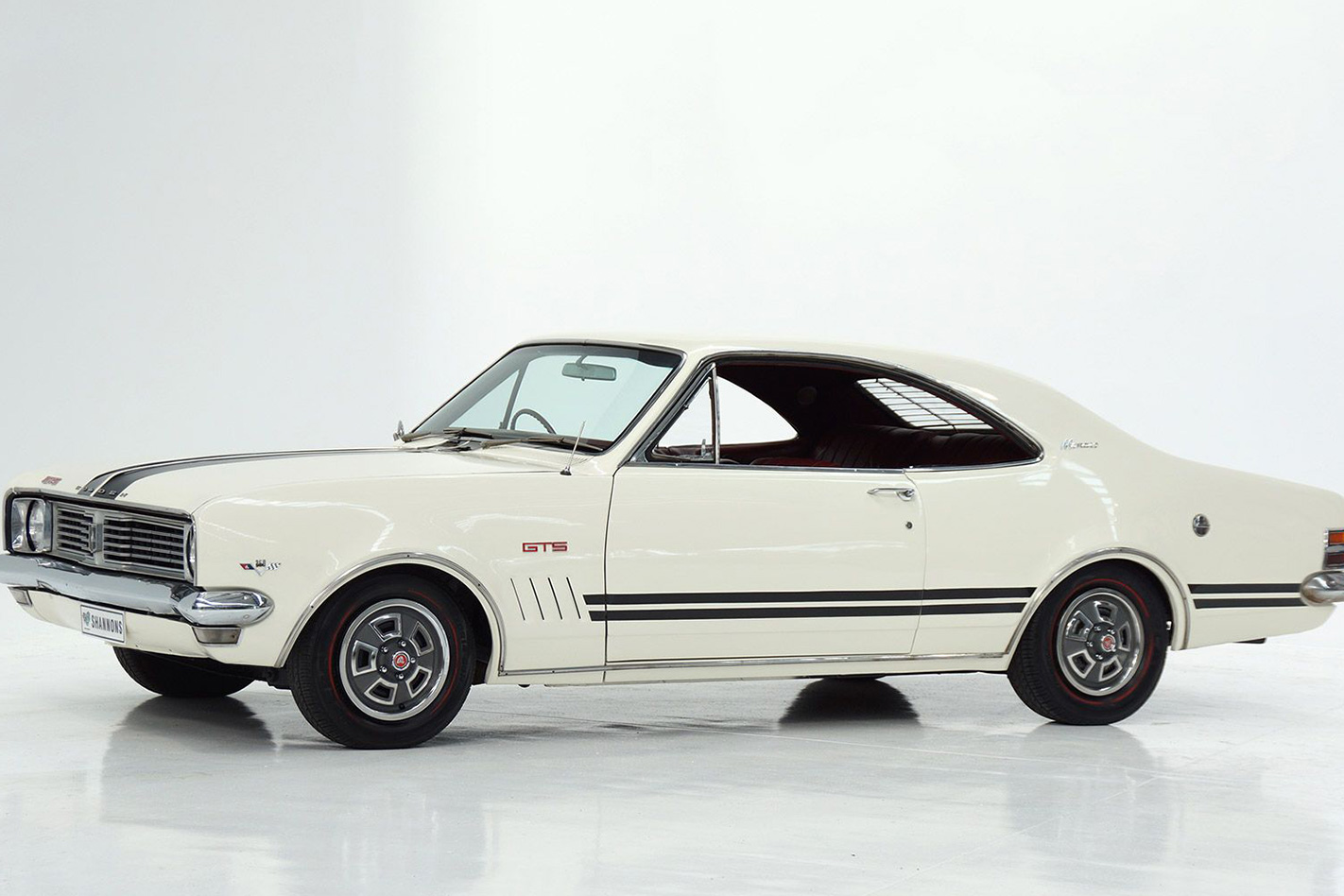
Back up towards the higher end of the displacement ladder, a HT Monaro with a 350 (5.7-litre) V8 swapped into it drew a fair few bids, though its resting bid landed just over its estimate of $50,000-$60,000, with the new owner having parted with $64,000.
13 greatest Aussie performance cars
Not to be outdone, a glamorous American had to step in and give its estimate a good bash. A lovely looking ’59 Caddy, which Shannons said was restored at a cost of over $150K for “a senior executive of Melbourne’s St. Kilda Football Club”.
It was expected to go for $80,000-$95,000, but rolled out the door for a respectable $120K.
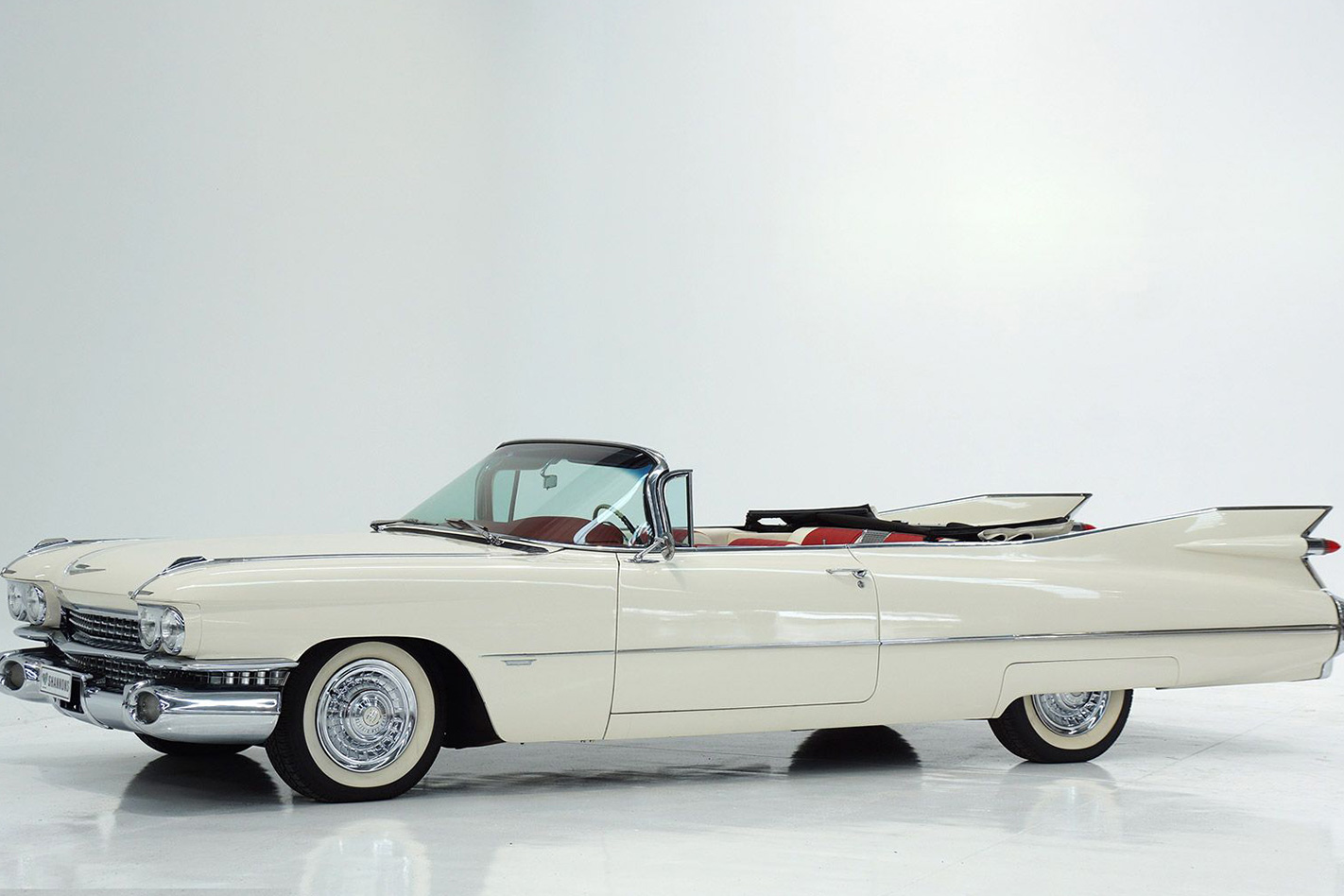
A cool $66,000 later, and someone was able to call the car their own.
Anyone expecting to drive away in a German luxury car with a 6.9-litre V8 in the snout and only 66,700km on the clock for under $12,000 is very optimistic indeed.
MERCEDES has revealed a second version of its all-new electrified in-line six-cylinder engine will join the refreshed S-Class range, packing a more conservative but still juicy 270kW.
The German car maker also confirmed a 320kW version of the same engine will also be offered as part of the mid-life S-Class line-up, as previously revealed by Wheels in June.
Until fresh S-Class information emerged, the new straight-six unit had only been detailed in its most potent form for the S-Class and Mercedes-AMG CLS 53, but it’s now clear the engine is more versatile than originally revealed.
With at least two states of tune, the spicy but frugal electrically boosted straight six looks set to proliferate the Mercedes range with a number of different power outputs potentially applying to a wider range of vehicles, with the AMG CLS and S-Class already lined up.
Under the bonnet of the CLS 53 the turbocharged M256 will pump out 320kW – and an undisclosed amount of extra torque – but can tap another 50kW from an electric motor when needed.
However, under the bonnet of the more comfort and efficiency focused S-Class, the hybrid six works differently.
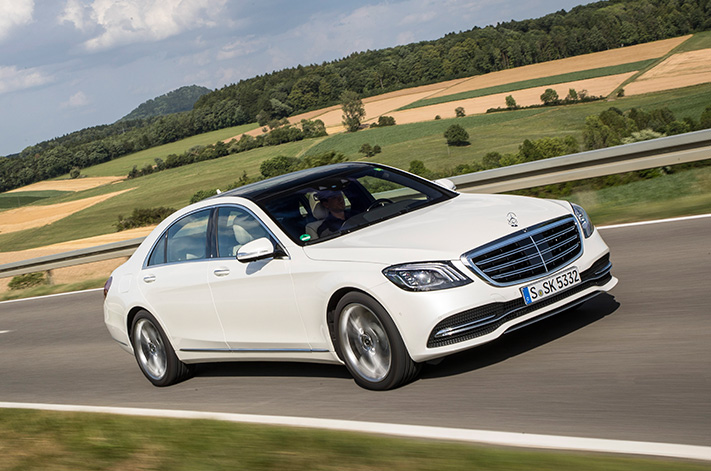
The size of the powertrain is made smaller by combining the role of alternator, starter and drive motor into just one unit, while most of exhaust gas and emissions control hardware has moved to under the bonnet.
With the advent of high-energy electrical consumers including drive motors, active suspension and electric compressors, Mercedes will introduce a higher voltage electrical system with the new hybrid drivetrain, but while others including Audi have opted for a more standardised 48-volt approach, the new Mercedes six runs a 49-volt system – according to the official press release.
Australian specifications are yet to be finalised ahead of the six-cylinder S-Class’s arrival late this year, but given the German brand’s local portfolio trend, it is possible only the more potent S500 version will be offered, while the S450 will remain the preserve of European and other global markets.
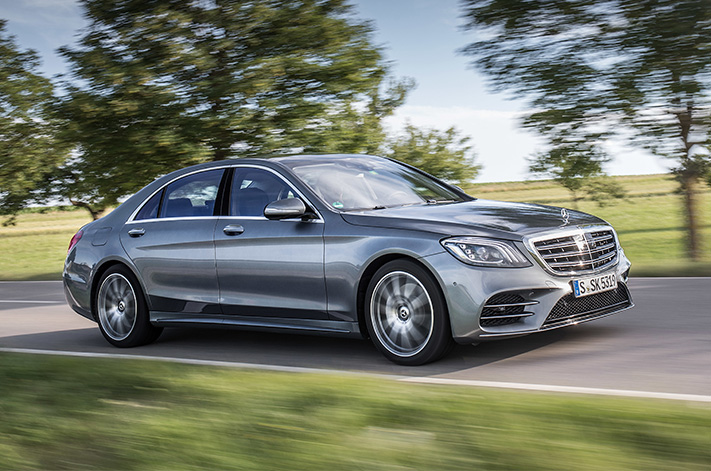
In Europe’s diverse and variant spread-friendly market the S-Class sedan will be offered in 24 versions covering a number of combinations of rear and 4Matic four-wheel drive, long and short wheelbase as well as a choice of badges from the AMG and Maybach stables.
Australia will take a slimmer range which currently extends to 12 options including Mercedes-AMG and Mercedes-Maybach options.
Images of the 2018 Buick Regal GS have leaked overnight courtesy of Russian website Kolesa.
We’re not usually particularly interested in Buicks given their limited relevance to the Australian market, however the 2018 Buick Regal will also be known as the Holden Commodore when it lands in local showrooms in early 2018.
The leaked images are of the Chinese market Regal GS sports model, providing potential hints as to the styling details that will be incorporated into Holden’s next sports Commodore.
Just what that model will be called is currently unclear. All we know is that it won’t be ‘Commodore SS’ as that iconic nameplate will be retired with the V8; our money would be Commodore VXR, building on the equity built by Holden’s imported Insignia and Astra sports models.
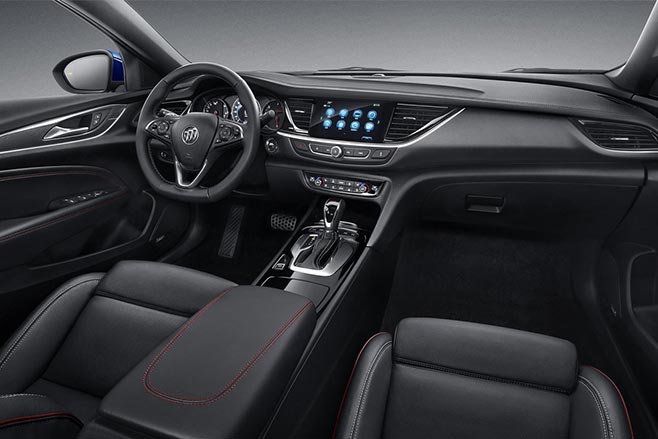
Under the bonnet will be a new 230kW/370Nm 3.6-litre V6 matched to a nine-speed automatic, resulting in 0-100km/h in around six seconds. This range-topper will a Twinster-style all-wheel drive system, similar to that in the Ford Focus RS, which can send up to 50 per cent of the power to the rear wheels and apportion it left or right to improve cornering.
Holden was contacted by MOTOR but had no comment on the leaked images or the potential likeness to the next sports Commodore. We’ll bring you more information as it comes to hand.
THE engineering force behind two memorable Australian performance car projects of the 1980s, the low-volume mid-engined Giocattolo Group B road rocket and the Le Mans-style Pantera race car, is set to reveal his magnum opus, a high tech, purpose-built track machine called Aero Supercar.
Ex-McLaren Formula One and Can-Am engineer Barry Lock’s Aero will be publicly unveiled at the Caloundra Supercar Event, a celebration of supercars past, present and future on August 12 and 13.
The significance of the Caloundra Events Centre venue for the unveiling is simple – this same place hosted the launch to the public of the Giocattolo, a joint effort by Lock and his long-time friend and backer, the visionary entrepreneur and enthusiast Paul Halstead, 30 years ago. The Aero, though, is all Lock’s own project, though Halstead remains an ardent supporter.
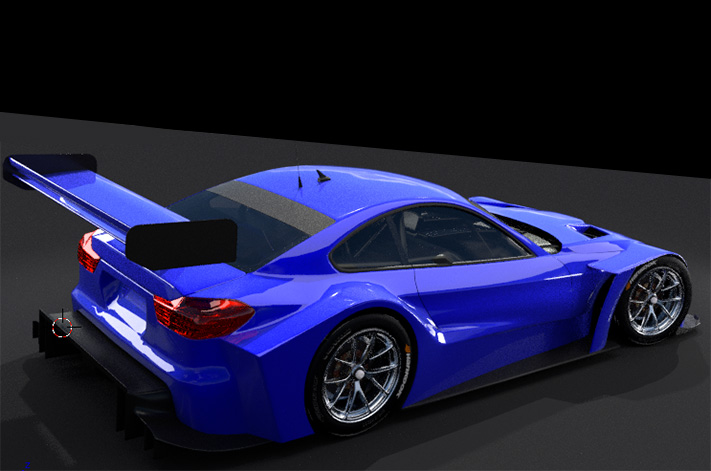
Lock has stuck firmly to his own guidelines including affordable purchase price, low running costs, high performance and unimpeachable safety. Its price should settle at around $250,000, plus engine, which is cheaper than the cost of competing in any of Australia’s premier categories.
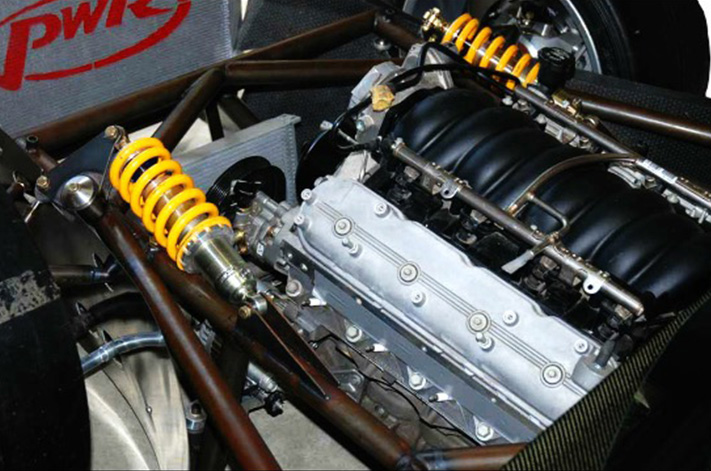
The chassis is modular with a carbon, steel and aluminium tub and is intended to take a range of engines including V8, turbo fours and sixes mated to a Holinger gearbox. It’s a full aero design with diffusers front and rear linked by a carbon undertray. The weight is just below 900kg so with 500 horsepower and serious downforce it will be very quick, running on 18×10-inch wheels.
Other cars relevant to Lock’s career will be on show too, including a 1971 McLaren M8E Can-Am car and the racing Pantera along with drivers Kevin Bartlett, Bap Romano and others.
The next morning, after a Cars and Coffee gathering, the Giocattolos and other pertinent machines will be driven to Brisbane’s Lakeside Raceway for display at the biggest meeting on its calendar, the Lakeside Classic, while Group A and C touring cars will be reprising the soundtrack of the 1980s.
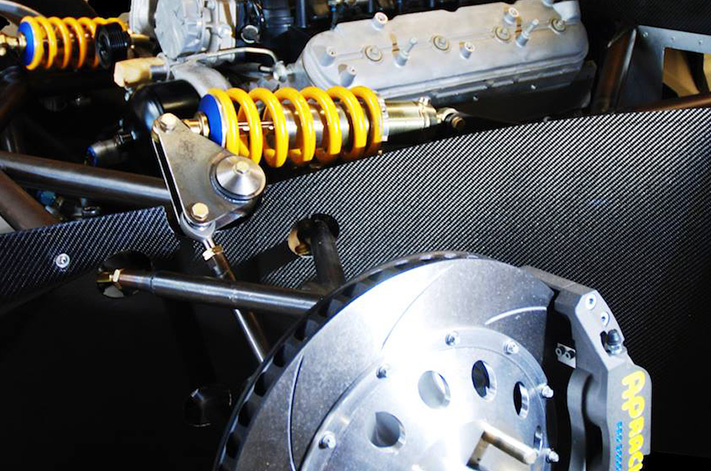
Even at around $90,000 back then, there was a lot of car for the money, with Kevlar and carbonfibre, leather Recaro seats, bespoke instruments, a premium sound system, and even a bottle of Bundy rum in the tool kit.
Only 15 Giocattolo Group Bs were made in that modest little factory in a Caloundra industrial area. It is believed that 13 or 14 survive. One, sadly, was destroyed in a fatal drag racing crash at Eastern Creek in 2001.
Halstead was forced to shut up shop and park his vision for an Aussie luxury supercar after government funding for a low volume-manufacturing scheme was pulled in 1989. The two men still collaborate on other engineering projects built under the HAL (Halstead and Lock) banner.
All proceeds of the Caloundra Supercar Event will go to the Inclusive Kids Community Fun charity supporting disadvantaged children on the Sunshine Coast. Tickets to the cocktail dinner are available at a cost of $100 from 07 5438 3000.
For more details, visit the Giocattolo Facebook Page
RESULTS of a study conducted by a US-based research company suggest the first carmaker to turn autonomous vehicle talk into reality is most likely to be an already established player, and not a younger startup.
While dynamic tech companies like Google, Uber, and even Tesla grab headlines, the research claims Ford is the brand leading the charge and the best placed to put a truly autonomous vehicle to market.
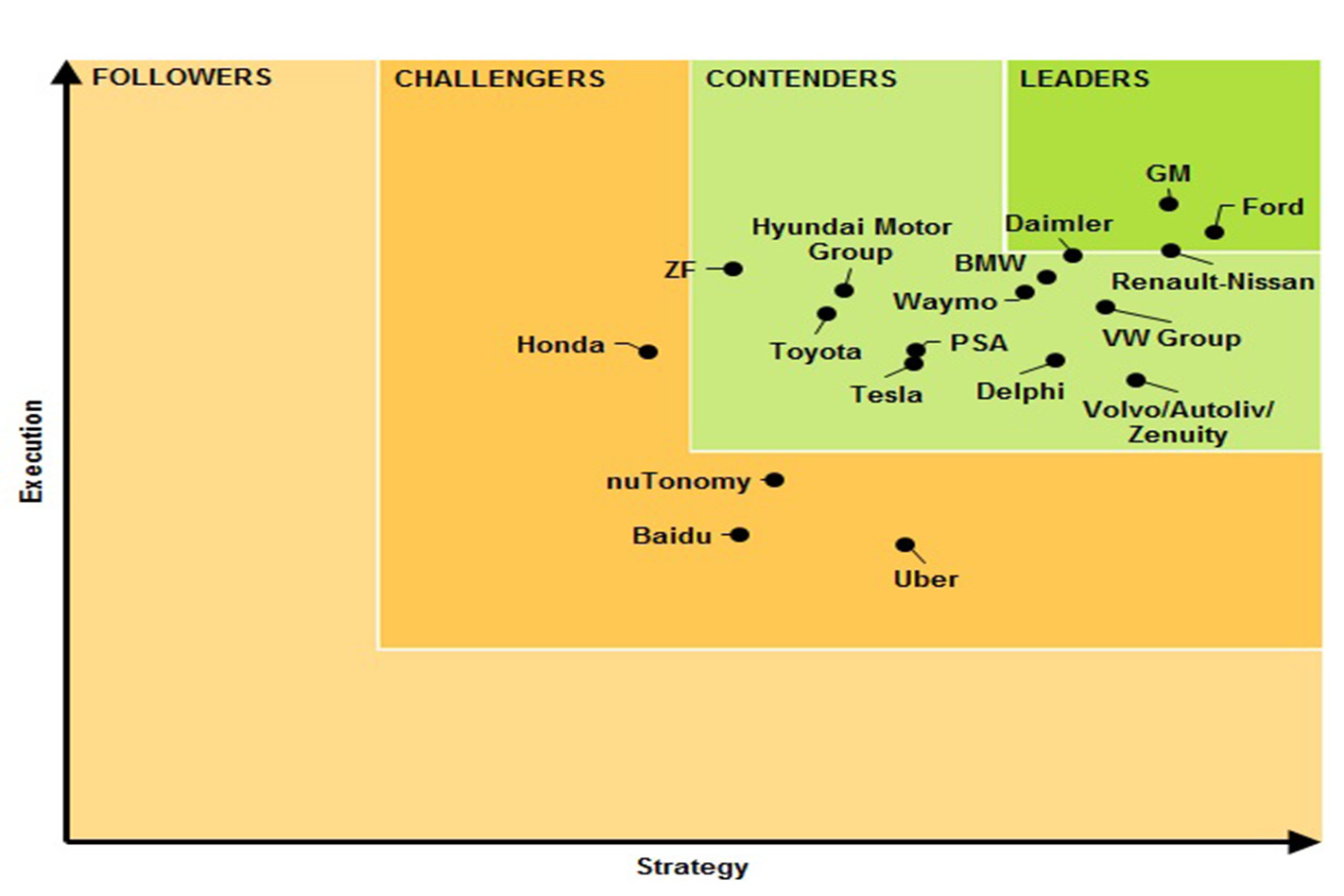
The report by Navigant Research outlines the autonomous state of play across 18 major companies pursuing fully driverless cars. Each is ranked based on nine criteria, including the status of their tech, go-to-market strategy, production prowess, staying power, and sales, marketing, and distribution.
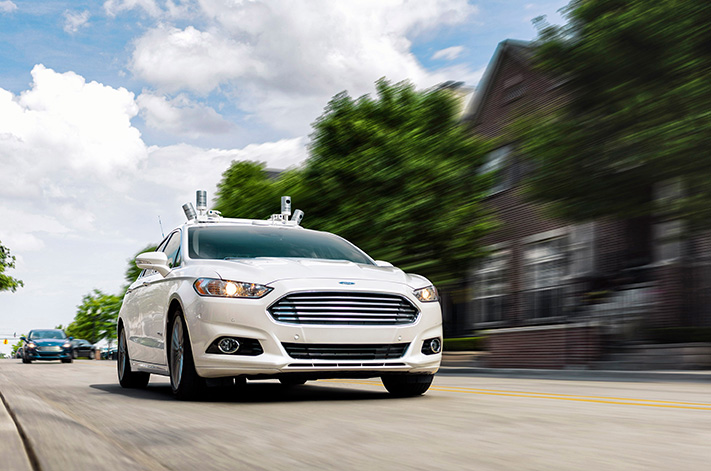
“The technology is great, but unless you can build tens of thousands of cars and get people in those cars, it’s not really all that useful,” says Navigant’s Sam Abuelsamid, who wrote the report with David Alexander and Lisa Jerram.
So who will be first? Below are the top five according to Navigant:
1. Ford
The 113-year-old car manufacturer ranks first largely due to being well equipped to bring the tech to the masses. Ford will invest US$1bn over the next five years, and has committed to a truly self-driving car with no human controls by 2021.
2. General Motors
Last month GM announced it has already built 130 self-driving Chevrolet Bolt test vehicles, and revealed it invests US$600 million a year into its autonomous efforts.
3. Renault- Nissan
The Renault-Nissan alliance is working to launch a range of autonomous capable cars in US, Europe, Japan, and China through 2020, and will sell cars with “multiple-lane control” by 2018.
4. Daimler
Working with Bosch, Daimler is targeting a 2021 autonomous capable launch for Mercedes-Benz. The new S-Class flagship will usher in the brand’s latest and greatest tech, but it will filter to its more accessible C- and A-Class models almost immediately. Testing of this autonomous tech has already taken place in Australia.
5. Volkswagen
VW revealed a fully autonomous concept called ‘Sedric’ earlier this year. Restructuring of the brand’s core automotive business has shifted more of its focus towards autonomous and electric tech to launch by 2025.
Since Navigant’s research findings were published, Audi has thrown down the gauntlet with the reveal of its new Audi A8. Audi claims level three autonomous capability, which will make it the most advanced vehicle available to the public when it goes on sale, but the idyllic notion of a fully self-driving car is yet to be realised.
Following on from those above and filling out the top ten is BMW, Waymo (Google), Volvo, Delphi, and Hyundai. Navigant Researched issued a graph (shown below), explaining how the brands ranked in finer detail.
It’s building a special facility near Munich for them to work in. And, through the second half of this year, it will complete the build of a fleet of 40 7 Series fitted with prototype autonomous tech.
The race to full autonomy is well and truly on.
In the days of Group B rallying, most cars were running turbocharged four-cylinder engines. Except the MG Metro 6R4.
The example seen here being driven by current Peugeot WRC driver Craig Breen, belongs to one of the owners of a website dedicated to the car, 6R4.net.
With a mid-mounted atmo-V6 producing around 300kW, the car was claimed by rally legend Tony Pond to have been able to hit 60mph (97km/h) in 2.8 seconds.
Its rear-engine and four-wheel-drive drivetrain (all in an incredibly small car weighing about a tonne) made it a far cry from econobox Metro it was ‘based’ on.
Despite being blatantly quick, there were issues with the quality of the car, which drivers such as Pond pointed out regularly.
“I don’t miss the car, although when it was going well it was really great fun to drive,” Pond once wrote in Motor Sport Magazine.
“They were difficult to set up, noisy and smelly, but great fun. But I didn’t really get the results with the car and it seemed that it took a lot of work to get very little back, unlike the TR7 that came before.”
The head jolts and side-to-side shifting Breen’s passenger is copping is a good indicator of how brutally quick the 6R4 is, but perhaps Breen’s teammate Kris Meeke could demonstrate it better.
Thrashing through the streets of a Northern Irish town, Meeke swings the 6R4 through corners effortlessly, only straightening the car out for short moments between corners.
The sound of the engine ripping past is addictive, too. As dangerious as Group B was, we wish there was still something left of it. Especially if we can experience tiny cars like this making some of the best sounds a car can make as they back through corners.
And that’s on a road. On the dirt, the 6R4 comes into its own as a devastating steer, especially in the hands of someone like Colin McRae.
Though he isn’t driving competitively in this footage, McRae was certainly not hanging about.
Airborne, sideways, and driving without a guide, McRae steering a Metro 6R4 makes rallying look easy.
It’s been about a year since we first sampled a Herrod Performance Ford Mustang and in the intervening 12 months around 120 examples have left Herrod’s Thomastown headquarters.
It seems Aussie punters are pretty keen on the idea of a fully ADR-complied, hassle-free 500kW+ muscle car for well under six figures – who would’ve thought?

Before we start on the new stuff, however, a quick refresher on the basics. Herrod’s core offering is its Compliance Package, which as the name suggests is not only ADR-compliant but ADR complied.
It’s a small difference but a crucial one. ADR-compliant means there’s every chance that the car or part complies with Australian Design Rules, however ADR complied means it’s been government-tested and certified and Herrod has the mountains of paperwork for each car from Canberra to prove it.

Ford Mustang Shelby GT500 prototype spotted
But what it taketh with one hand it more than giveth with the other as it extracts a (conservative) 500kW/730Nm on 98RON pump fuel from the 5.0-litre Coyote engine.
Backed by an automatic gearbox we’ve recorded 0-100km/h in 4.19sec and a 12.14sec quarter mile at 197.20km/h, however with three pedals and a DIY shifter the matter is a little more complicated.

It makes sense if you think about it. The standard Mustang can only j-u-s-t put its 306kW to the ground on its way to clocking 100km/h in around 5.0sec, so despite slightly wider rear rubber (285mm) it can still only use around 300kW so there’s little surprise it doesn’t go any quicker. A stickier surface would yield much better results.
Once hooked up it devours gears like it’s been on a hunger strike, which brings a new problem. Aussie Mustangs come standard with the short 3.55:1 diff ratio and the Herrod is so fast it needs a change to fifth at about the 350m mark.

But we wouldn’t bother, as the manual brings out so much more of the Mustang’s personality. On the road, where against-the-clock figures couldn’t be less important, the Herrod ’Stang manically rips through the gears with a forcefulness that never seems to fade.

There’s a very slight hesitation in high gears at low revs but you almost have to go looking for it to notice it; otherwise it feels like a really, really powerful factory Mustang. The exhaust noise is a little muted, the V8 roar overlaid by some forced induction whoosh, but that’s the price you pay for having that government tick of approval.
Our test car, generously loaned by a Herrod customer, also used Ford Performance’s FR3 Track Handling Package ($2000), which does a fine job of sharpening the Mustang’s responses and body control while, if anything, improving ride comfort.

Our main criticisms have nothing to do with Herrod’s work but are worth mentioning. The stock diff really starts to struggle with this level of power, all too often spinning an unloaded inside wheel, and it’d be nice for a bit more front-end bite to help tuck the nose into corners. When the rear slides it does so quite abruptly, too, which can be exciting with almost 700bhp on tap.
Herrod’s upgrades add around $25,000 to the price of a Mustang GT so we’re not talking chump change, however even by the time you add your own rolling stock and aero you’ll have plenty left over from $100,000 for a car that looks awesome, goes like a bat out of hell and drives more or less like it came from Dearborn, not Thomastown. No wonder it’s popular.
4 stars out of 5
Specs Engine: 4951cc V8, DOHC, 32v, supercharger Power: 500kW @ 6800rpm (approx.) Torque: 730Nm @ 3600rpm (approx.) Weight: 1813kg 0-100km/h: 4.9sec (tested, see text) Price: $80,990 (Herrod upgrades, sans wheels and body kit)
JAMES Murdoch, the son of Australian-born global media mogul Rupert Murdoch, has been appointed to the board of Tesla.
The Palo Alto-based electric carmaker announced this morning that Murdoch, the current chief executive of 21st Century Fox, was one of two new board appointments made to Tesla’s executive line-up.
Tesla announced earlier this year that it was on the hunt for more independent members to join its board of management after attracting criticism that too many of the current board members had business ties to company founder and chief executive Elon Musk.
According to Tesla, there were no payments to James Murdoch that it had to disclose to the market as part of the US’s strict business laws. However, in documents filed to the US Securities and Investments Commission detailing the appointment it said Murdoch would be able to buy almost 17,000 Tesla shares after sitting on the board for a year, a deal that at current market values would be worth about $US5.3 million ($A6.8 million).
Significantly, Tesla has announced it will build the world’s largest lithium ion battery in South Australia – the state that helped kick-start Rupert Murdoch’s stellar rise in global media – in a deal worth $550 million. Musk has promised that if the battery can’t be commissioned within 100 days of the contract being signed, it will be delivered for free.
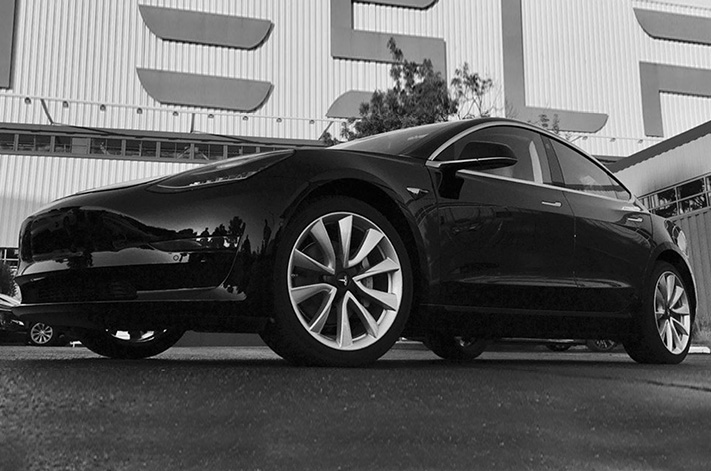
It’s expected to retail from around $65,000 in Australia – about half the price of the entry-level Model S 75 – with premium D-segment models such as the Mercedes-Benz C-Class and BMW 3 Series in its sights.
Tesla revealed earlier this month it had delivered more than 22,000 vehicles in the second quarter of this year, bringing its tally of deliveries for the first half of the year to about 47,100.
In Australia, Tesla is believed to be selling at the rate of around 1000 cars a year, largely on the back of the introduction of the Model X early this year.
James Murdoch is believed to be slowly taking over day-to-day management of parts of the News Ltd empire from his 86-year-old father, who still sits at the head of the boardroom table as executive chairman.
