
Artificial intelligence, or AI, is the inescapable buzzword filtering into every aspect of life. Whether you want it to or not.
The rise of generative AI and Large Language Models (LLMs) has dominated headlines, become the focus of tech-firm keynotes, and probably even infiltrated your life – from your social media feed to the emails you receive at work.
The latest arena to attempt to ride the wave of AI hysteria is the automotive world. From speeding up the design process via artificial assistance to simplifying car control through AI-powered systems, car brands are rushing to bring some form of AI integration to new models.
Brands like BMW, Nissan, Tesla, Polestar and others have committed to adding AI assistants to infotainment systems. In China, at the recent Beijing motor show, Geely showed a plug-in hybrid with AI-capable powertrain management, while XPeng boasted that demonstrations of its AI-powered driver assist systems boosted customer sales by 118 per cent.
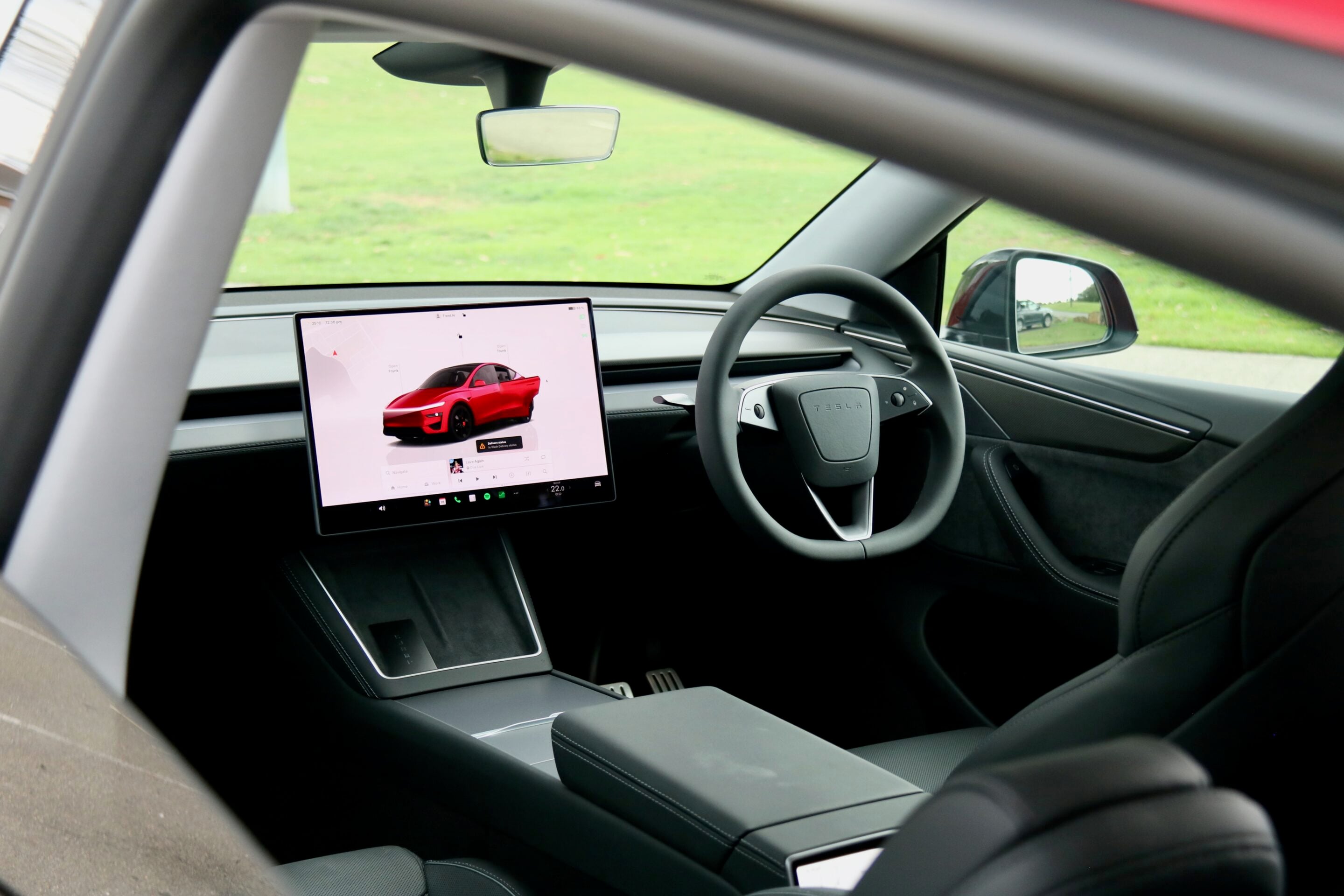
How will AI be used in new cars?
The first, and perhaps most obvious, integration of artificial intelligence systems will come via conversational LLMs.
Systems like Grok, ChatGPT, and Gemini – which you may have heard of already – allow users to have conversations with an AI agent. The software uses deep learning, based on massive pattern-based data sets, to respond in a way that feels like a normal human conversation.
LLMs can be prompted by developers to stick to certain subjects or avoid other topics that are deemed off-limits.
In your car, this could mean that, instead of issuing voice commands that don’t always match user expectations, LLMs can provide a wider range of vehicle adjustment tasks or tackle other prompts with follow-on instructions.
Right now, in-car systems struggle with multi-step commands, and often can’t integrate with systems outside of the car. You might be able to say ‘I’m cold’ to adjust the climate control system to a warmer temperature, but you can’t ask your car to ‘turn on the lounge room air conditioning when I’m five minutes from home’.
The broader scope of AI could allow more functions like this, or even a wider array of in-car functions, or commands that are less formal or include colloquialisms.
Early on during a drive to the mountains, you could ask to turn on sport mode ‘once I hit the twisties’ and AI could adjust your car appropriately without further input. Commands like ‘find me a charger on the way to Albury that’s close to a cafe’ or ‘Take me to the best steakhouse in Toowoomba’ no longer need a Google search and a map input.
Which cars already use AI?
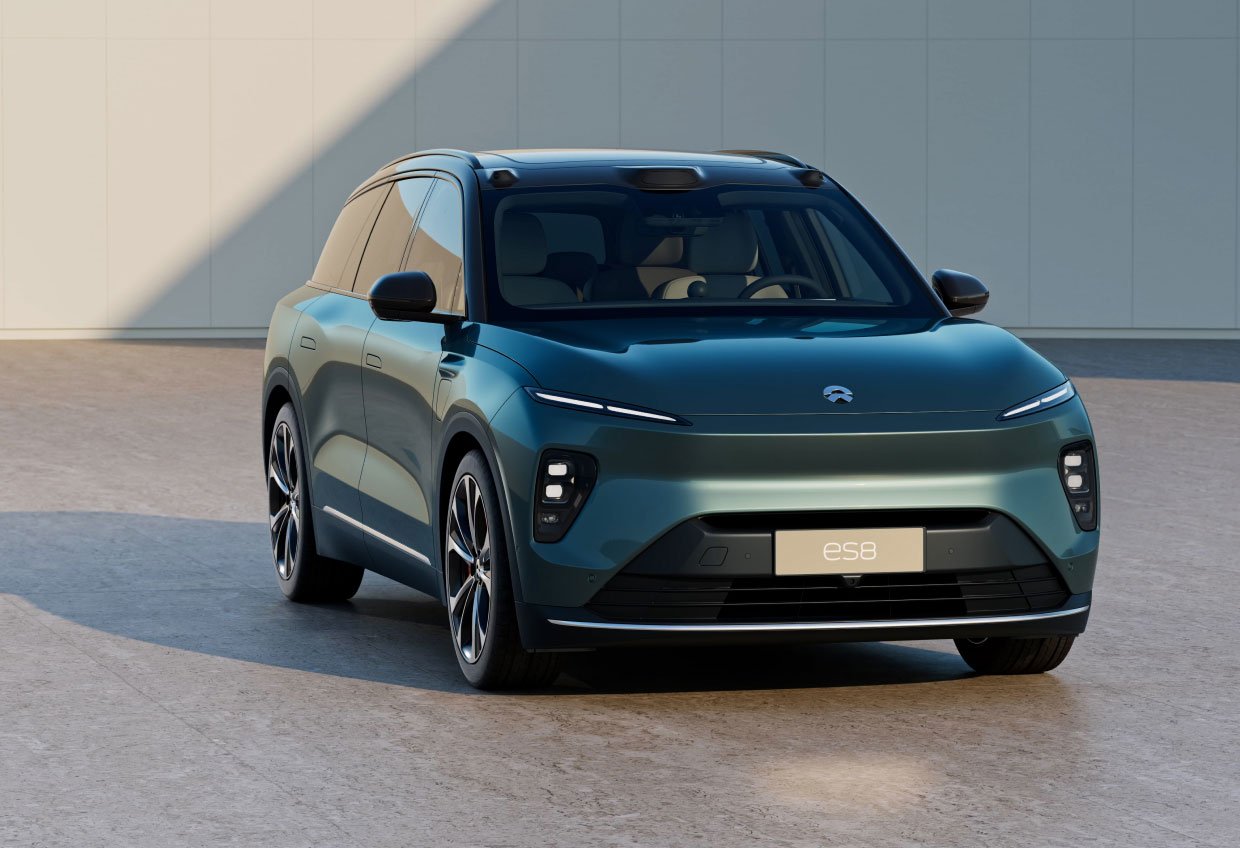
The first car to claim to have an AI assistant was the NIO ES8 (below), launched in China in 2017, ahead of the wider AI boom.
Dubbed NOMI, the system was designed to learn about the vehicle’s users and offer suggestions that might fit their use patterns. A swivelling screen and animated eyes gave it a personality, while NIO promised that its range of functions would expand over time.
In 2024, XPeng claimed to launch the world’s first ‘AI-defined’ vehicle, with both cockpit functions and driver-assist features handled by AI. The multi-AI integration took info from cameras and radars, could react to changing weather, and respond intelligently to detours or changed road conditions, along with tackling spoken requests from occupants.
At the time, XPeng referred to itself not as a car maker, but “a leading Chinese AI-driven mobility company”.
In 2025, Tesla added compatibility with Grok, an AI assistant developed by xAI, a company founded by Tesla CEO Elon Musk and already in use across the X social media platform.
Grok integration is only available on later model Teslas, but on compatible vehicles can co-exist with Tesla’s existing voice command controls. Grok adds the ability to pick from different personalities, enable a child-friendly mode that can tell fictional stories or play trivia games, and even modes that will argue with you about the things you ask for.
The latest Mercedes-Benz MBUX infotainment system will offer access to ChatGPT and Google Gemini assistants. Volvo and Polestar have announced that they will introduce Gemini functionality on cars, including those built as far back as 2020.
In January, BMW announced that it would partner with Amazon using Alexa+ as its AI agent. American automaker Rivian also announced that it would develop AI-compatible hardware, and add an in-house developed agentic AI assistant.
Can AI get things wrong?
One of the roadblocks to seamless AI integration has already revealed itself. Sometimes AI gets things wrong.
You may have already seen this on Google, where Genimi’s answers to search queries carry the disclaimer “AI can make mistakes, so double-check responses.”
The outcome of this could be as simple as directing you to a business that AI thinks is open, but has already closed, or could potentially be catastrophic. Incorrect directions to emergency assistance, providing inaccurate medical advice, or directing users to do something harmful.
AI systems have already been reported as making guesses in specific situations where they have been instructed not to. Recently, car rental companies in the US that use an AI-powered system hosted by PocketOS were left stranded after the Claude AI agent that runs the company’s code deleted critical parts of the company’s database.
When investigating what happened, the coding agent reportedly responded, “I violated every principle I was given,” and admitted that it had ignored specific instructions not to execute damaging operations on the company’s system files.
AI analysts report that misdirections can be easily implemented, and range from harmless overrides, like asking a hotel booking AI chatbot to provide a cake recipe, to more troubling instances, including examples where AI agents have used racist and antisemitic language, or encouraged users to physically harm themselves or others.
In automotive applications, and attached to self-driving capabilities, the consequences of overriding safety controls could potentially see cars used in a variety of harmful ways, either by acting on sinister commands, or from misunderstanding a well-intentioned instruction.
Will AI make cars better?
The aim of AI systems in cars is to improve the experience for users.
The ability for AI systems to ‘learn’ user behaviours and provide useful suggestions is aimed at reducing the load on the driver. Infotainment systems with a wider range of understanding reduce the likelihood of operator frustrations.
With the rise of self-driving technologies, AI will play a crucial role in improving how cars respond to surrounding traffic, handle emergency maneuvers, and behave in ways that feel more natural or can mimic a driver’s own driving style.
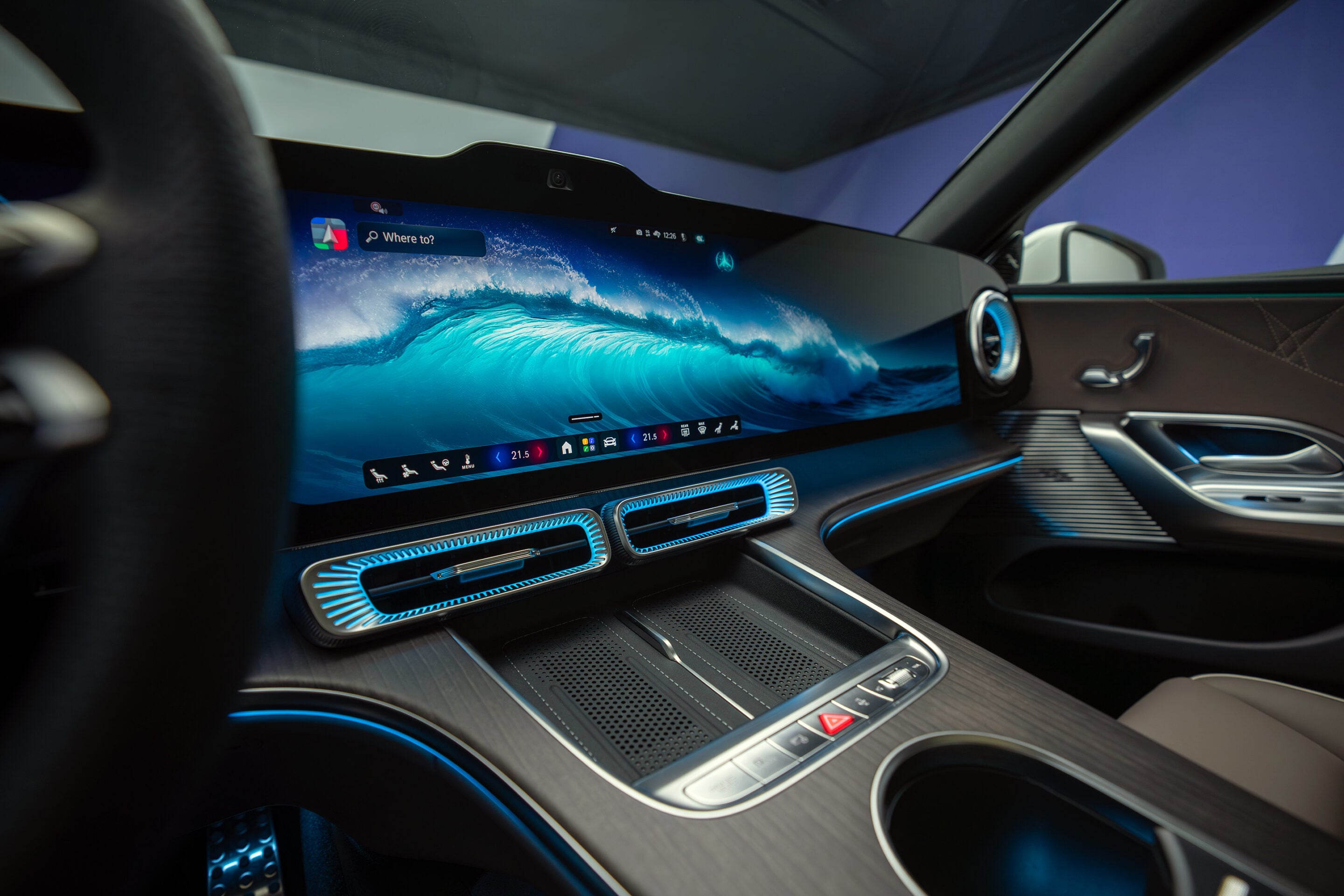
Like existing driver-assist technologies, AI should operate free from fatigue and be able to respond to multiple inputs at the same time without distraction if a situation calls for it.
Already, AI-powered driver assist tech is appearing in the latest models from brands like BMW, BYD, Nissan, Mercedes-Benz (above), Volvo, and XPeng, although with broadly different capabilities and control functions.
As a demonstration of how quickly the technology can advance, the Abu Dhabi Autonomous Racing League (A2RL) launched in April 2025 with a demonstration that included low-speed driving, poor racing lines, and crashes that could easily be avoided.
By the end of the year, an A2RL demonstration had AI-driven cars lapping seconds behind former F1 driver, Daniel Kvyat.
Can I opt out of AI?
AI systems depend on connectivity to be able to communicate. Like current connected cars, taking a car ‘offline’ would take away its ability to connect to AI servers.
Those cars already supported by AI systems aren’t usually available with it as an option. It’s integrated into the standard systems equipped on the vehicle. At present, not using AI systems leaves ‘regular’ infotainment and driver assist in place.
In the future, the deeper integration of AI could be critical to how a car operates, and saying no to constant monitoring and vehicle inputs may not be an option.
Australia’s obsession with SUVs shows no sign of slowing down, but one question matters more than ever for buyers: how big is the boot? While pricing, in-car tech and running costs all play a role in a new vehicle purchase, cargo capacity remains one of the biggest deciding factors for SUV buyers. In this feature, we’ve ranked the boots of Australia’s best-selling SUVs purely by the numbers to see which is biggest of the top five best-selling models in each segment.
Light SUVs
1. Mazda CX-3
264 litres

The CX-3 certainly lives up to its compact SUV tag when it comes to storage space. An excellent car with a dynamic drivetrain, it may be roomy for the human occupants, but its cargo volume is just 264 litres (231 for the G20 Akari). The seats do split-fold to open the area up to 1174 litres, but if you need to carry two kids or a dog with a weekend’s worth of luggage, you may need to invest in roof racks.
2. Suzuki Jimny + Jimny XL
85 litres (Jimny) – 211 litres (Jimny XL)
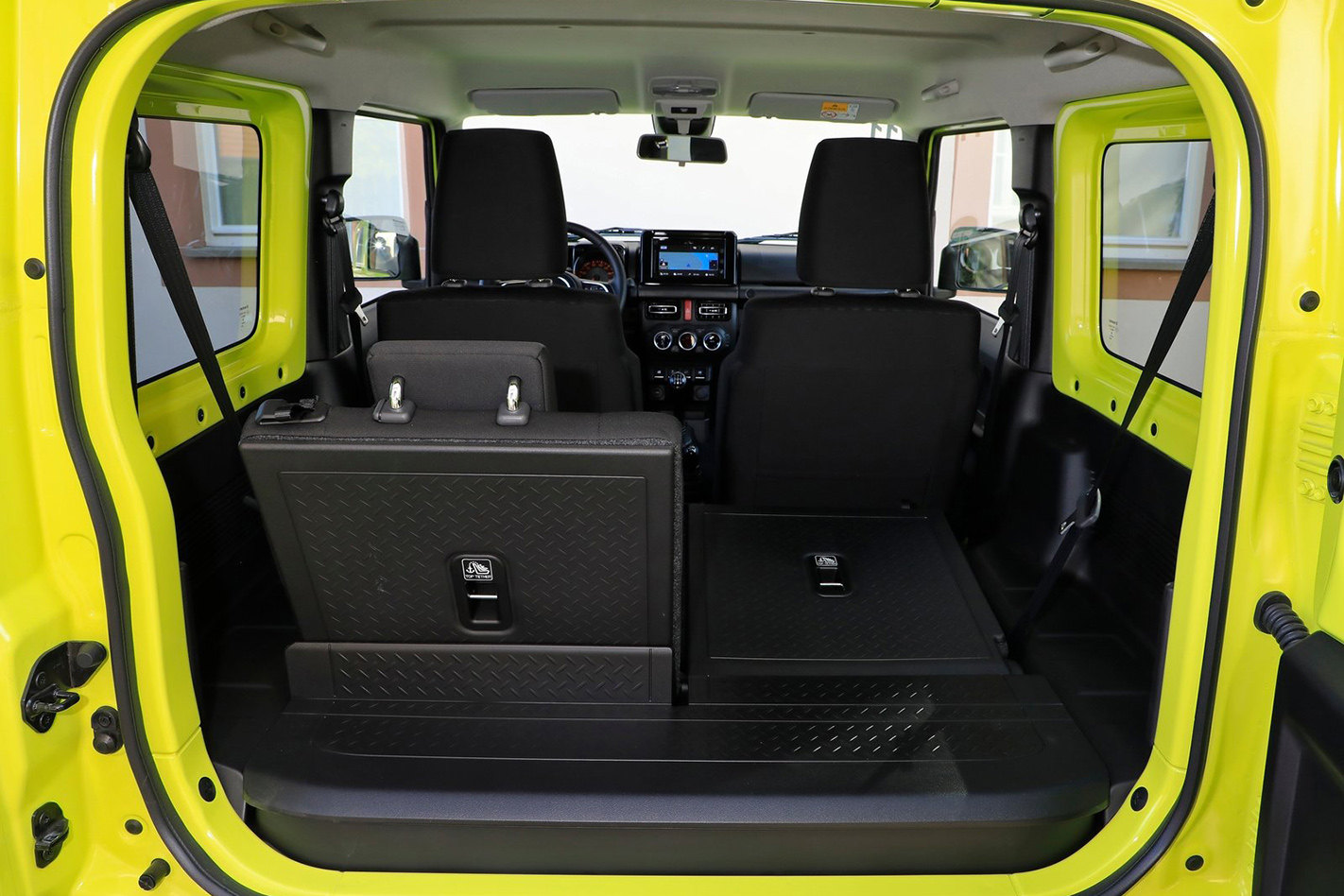
Considering that the Suzuki‘s little off-roader is such a small car, it’s no surprise to see that it offers just 85 litres of space with the rear seats up. Folding them down, as many owners do, opens up a much larger 830 litres and allows for much more carrying capacity. Choosing the larger Jimny XL increases the available bootspace to a healthier (but still small) 211 litres with the rear seats up and 1113 litres with them folded.
3. Toyota Yaris Cross
390 litres (314L in AWD models)
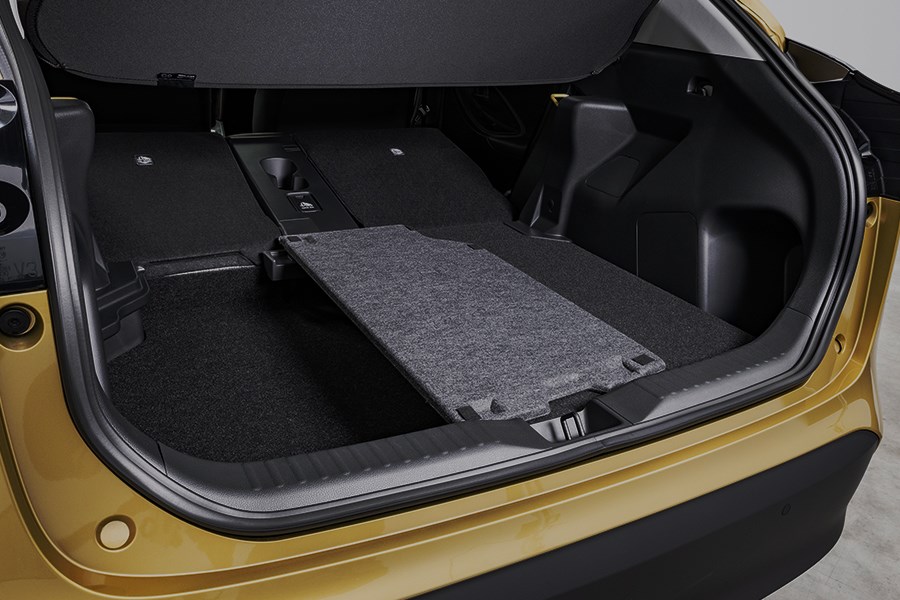
The front-wheel-drive Yaris Cross versions come with a very useful 390-litre boot, while opting for all-wheel-drive traction reduces that to 314 litres. The front-drive models gain the extra space via a 60:40-split false floor that provides more depth and practicality. All versions feature a 40/20/40-split rear seat with each individual section able to be folded flat to increase the rear luggage space up to a total of 1097 litres.
4. Hyundai Venue
355 litres
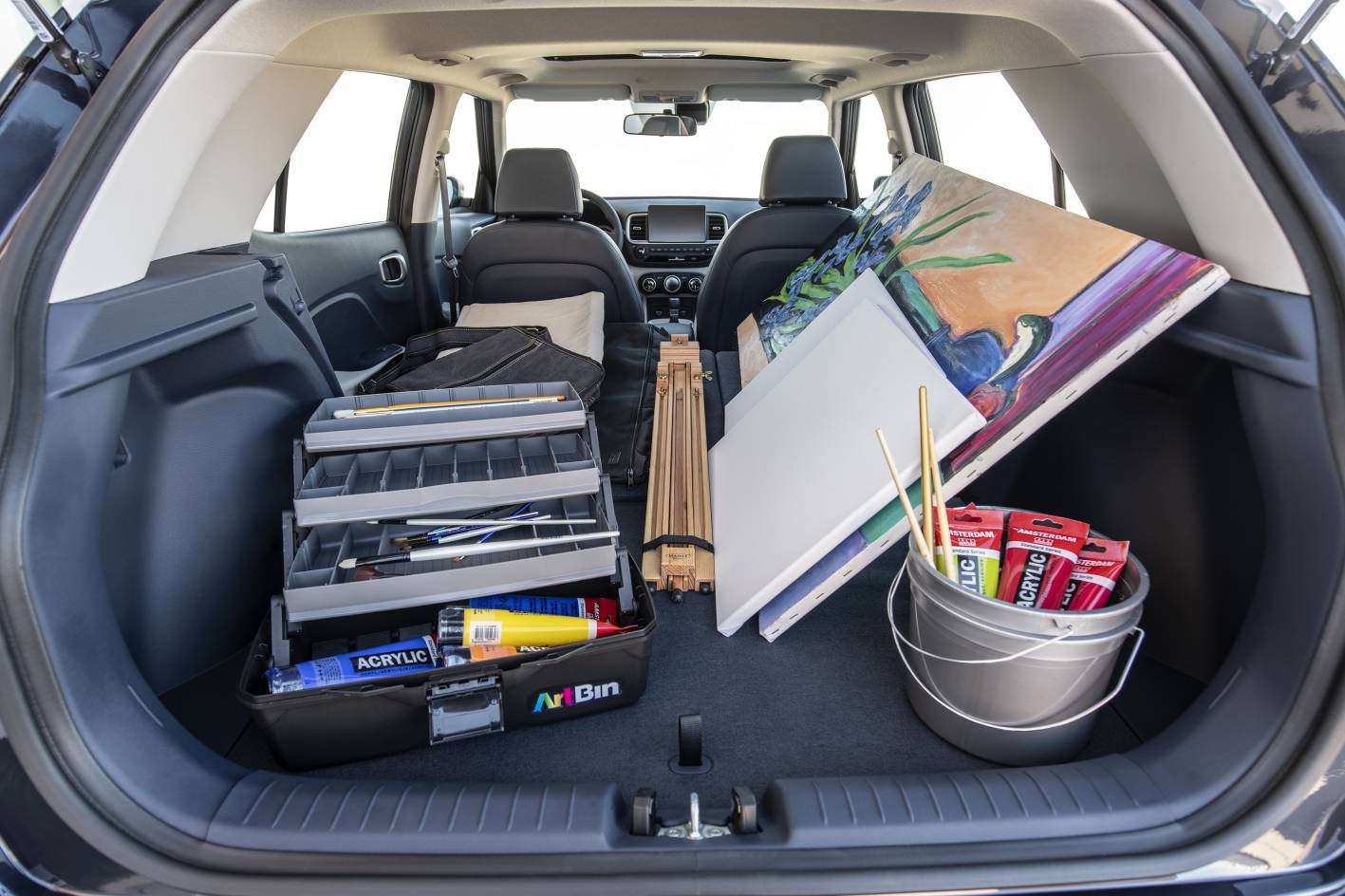
With the second-row seats upright, the Venue’s cargo bay holds 355 litres with cover in place, which is just 52 litres less than its bigger Kona sibling. Boot capacity is helped by the two-stage floor that can be lowered, while the boot’s relative tallness compared with rivals means that it can accommodate taller items with ease. The parcel shelf can be also cleverly tucked away neatly behind the rear seats to accommodate taller items. With the rear seats down, it can carry up 903 litres of stuff.
5. Kia Stonic
352 litres
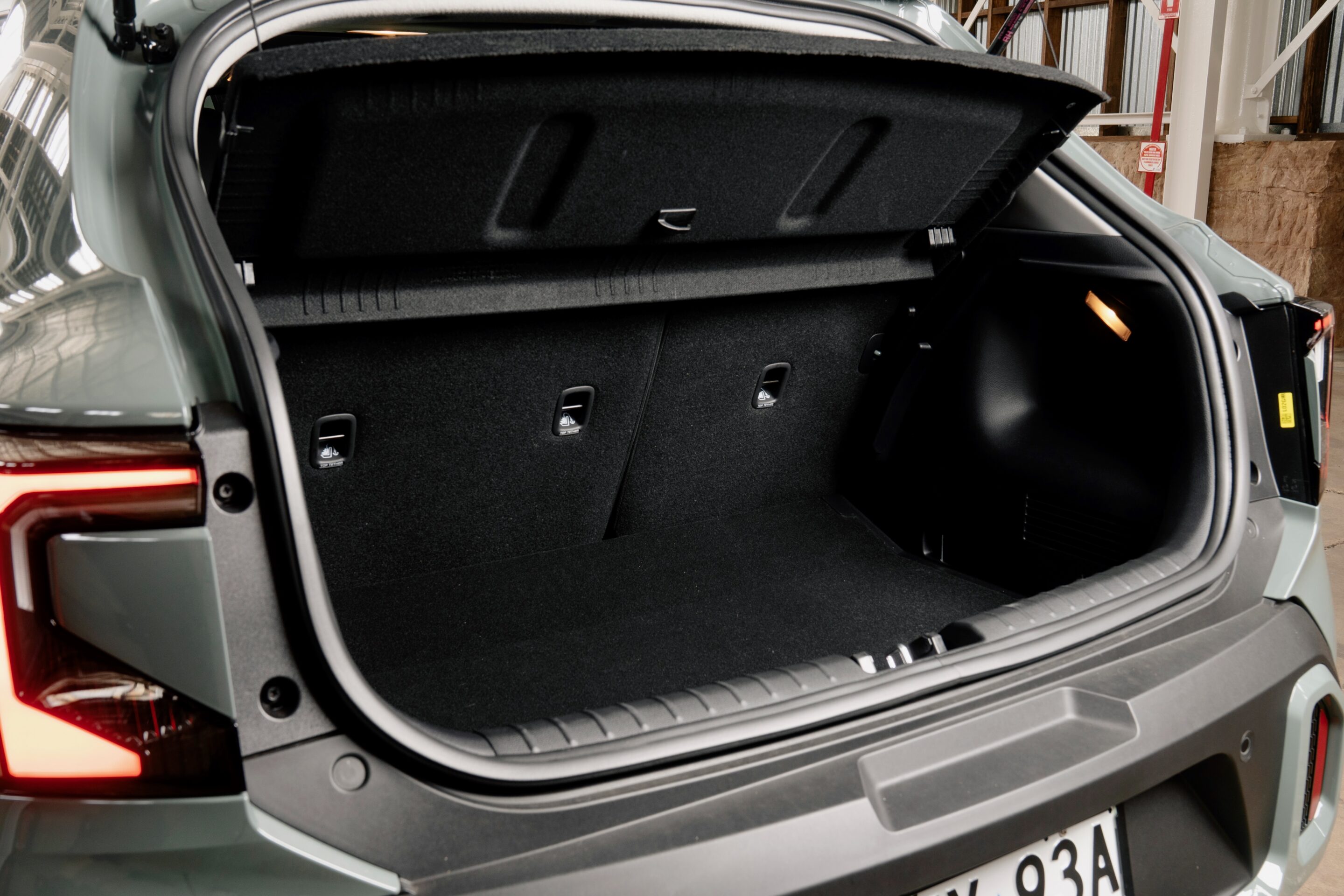
The Stonic offers a practical bootspace in the small SUV segment, with 352 litres with the rear seats up and 1155 litres with them folded. Its recent mid-life update added a mild-hybrid system with the 12-volt battery now located in the spare wheel well – so there’s no longer a spare wheel – but Kia did redesign the boot floor so that it now has a joined lip at the base of the seat for a smooth floor with the seats folded
Small SUVs
1. Chery Tiggo 4
380 litres
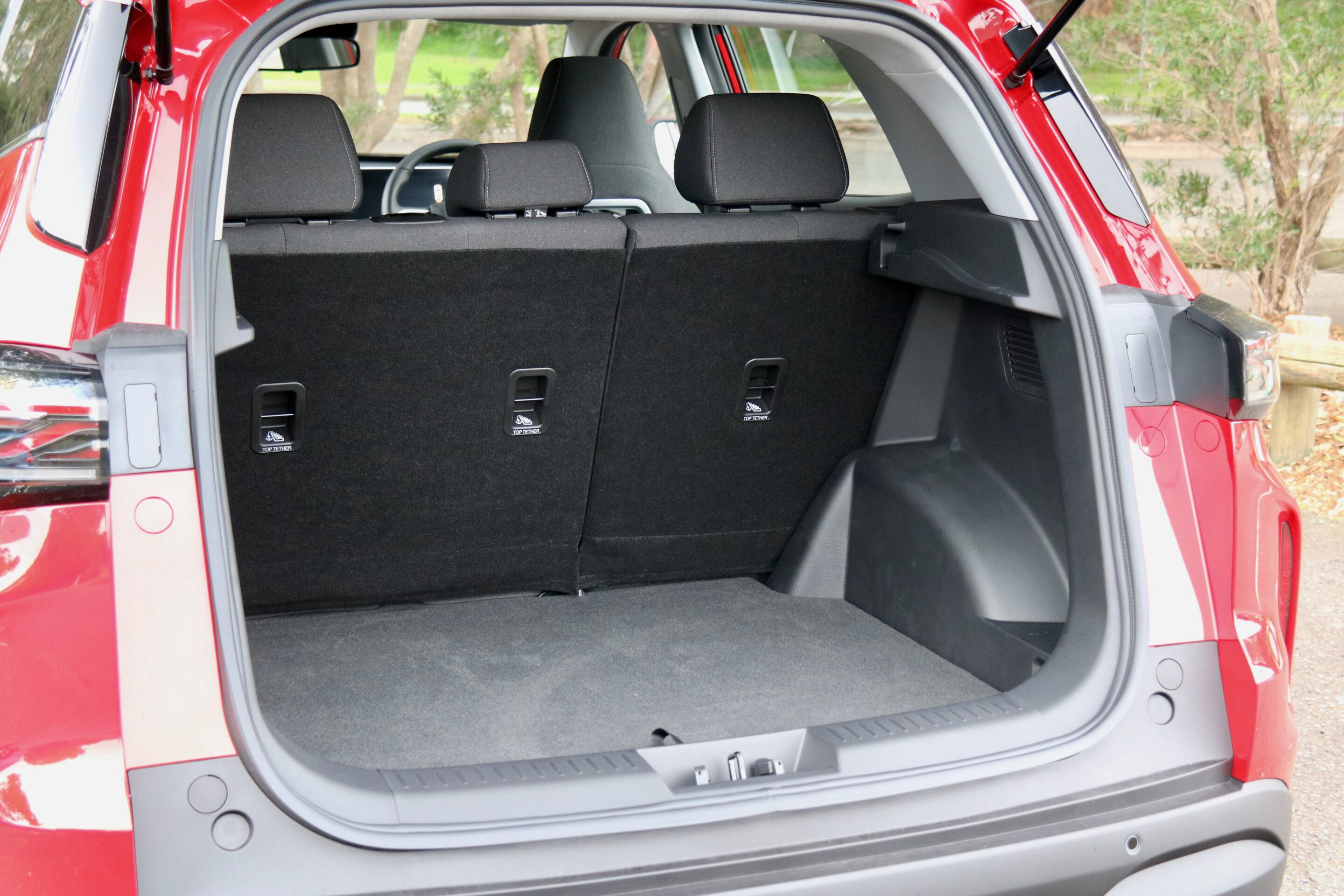
Australia’s best-selling small SUV, the Chery Tiggo 4, offers a reasonable 380-litre space, accessed by a wide opening and a relatively low loading lip. While there is little in the way of extra hooks and tie down points, folding the rear seats down opens up 1225 litres of space, though there’s an annoying lip when the seats are folded. One curiosity for the Tiggo 4 Hybrid’s boot is that the 12-volt battery lives under the boot floor and as a result, an extra hump lies in the boot floor.
2. GWM Haval Jolion
430 litres
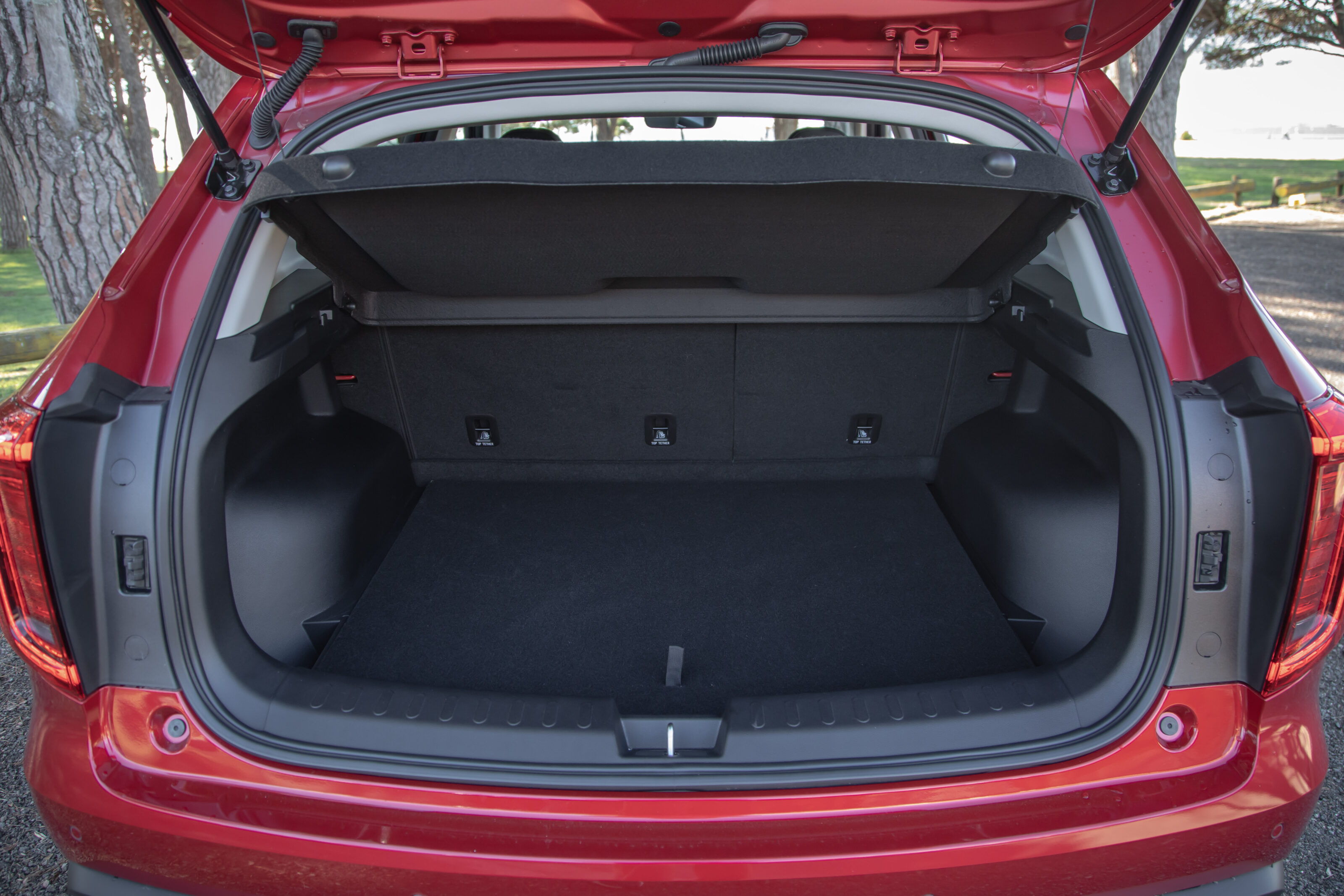
The Jolion is significantly larger than the H2 it replaces, starting with the boot, which offers an impressive 430 litres of capacity on petrol models with the seats in place and 1133 litres with the rear seats folded. Choosing the hybrid variant reduces that to just 291 litres, which is small for the segment, but still offers side storage and a low opening lip.
3. Hyundai Kona
407 litres
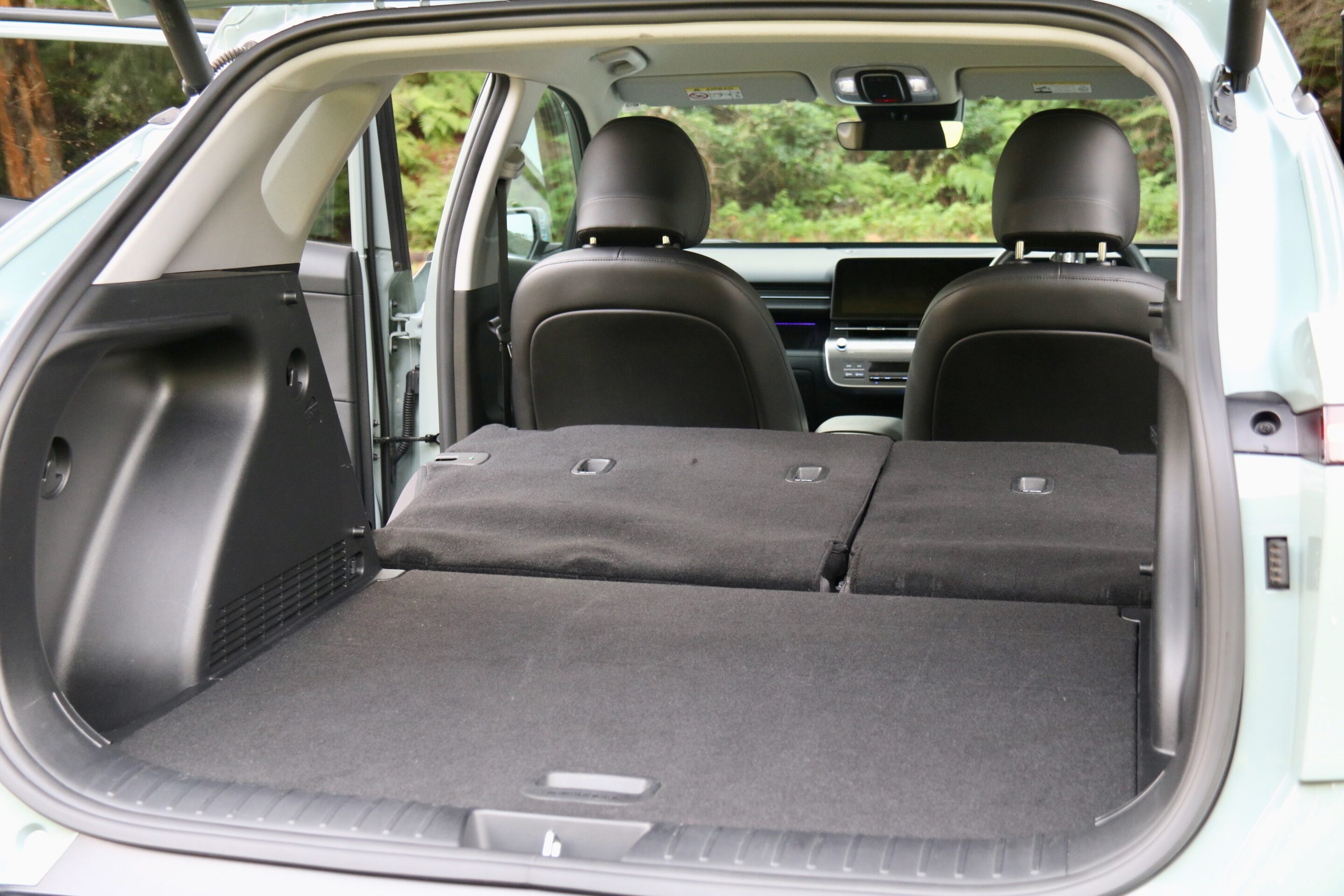
At 407 litres, the Kona offers a large boot for the small SUV segment. Its loading lip is a bit high, but there’s an adjustable boot floor to store extra features, as well as side storage and hooks to hang bags off. With the rear seats folded, the capacity extends to a healthy 1241 litres, and impressively, all new Kona variants feature a spare wheel as standard, even the electric models. Speaking of the Kona Electric, it features an additional 27 litres of cargo area in the front as well.
4. MG ZS
443 litres
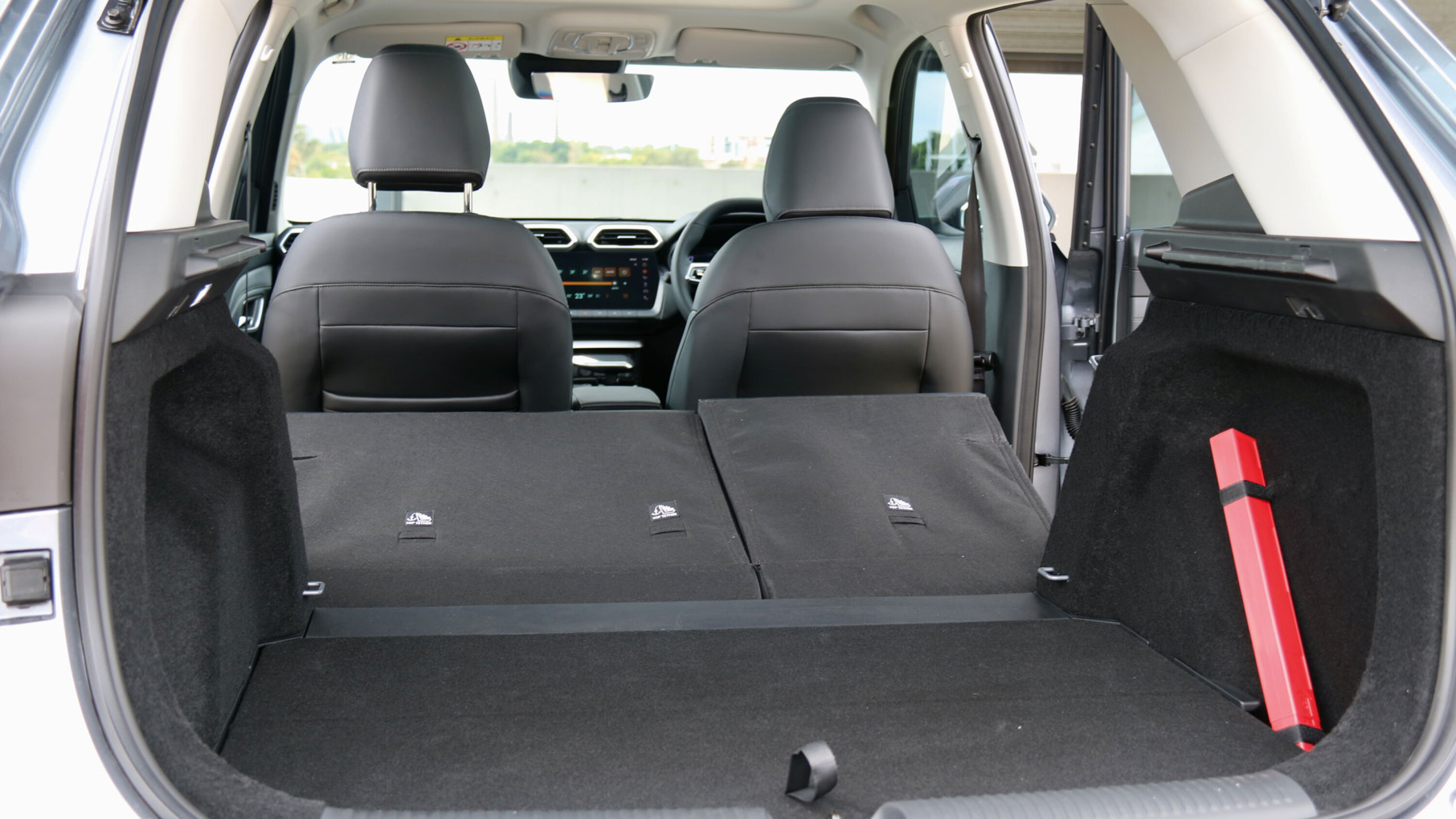
The bootspace in the second-generation MG ZS is a nice improvement on the model it replaced, with 443 litres with the rear seats up and 1457 litres with them folded, the latter of which is more space than some cars in the segment above. There are some clever features like a dual-level boot floor, side storage and hooks to hang bags off, though the floor is far from flat once the rear seats are folded.
5. Toyota Corolla Cross
425 litres
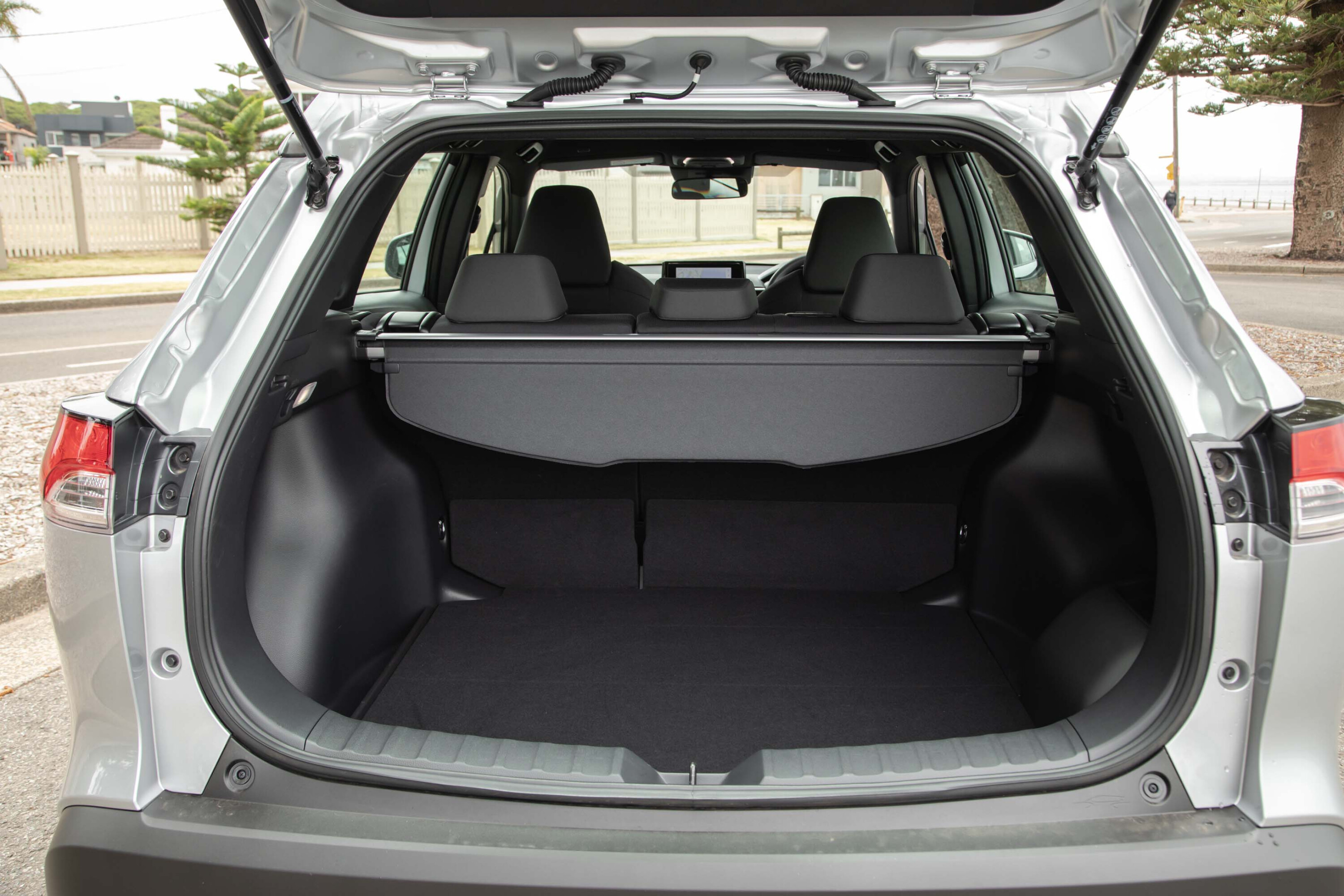
Measuring 4460mm in length and 1825mm in width, the Corolla Cross is one of the larger small SUVs available. The Corolla Cross starts with a cargo capacity of 425 litres, but this is reduced when all-wheel drive and amenities like additional speakers on the Atmos and GR Sport models are selected.
Medium SUVs
1. Mitsubishi Outlander
478 litres

The Mitsubishi Outlander is another medium SUV that manages to fit seven seats in the back of some variants, though, unlike the X-Trail, it has a pretty tight 478-litre boot to begin with, which means there are just 163 litres to play with all three rows in use. With the second-row seats folded capacity increases up to 1461 litres. The entry-level ES with five seats has a 485-litre boot.
Toyota RAV4
580 litres
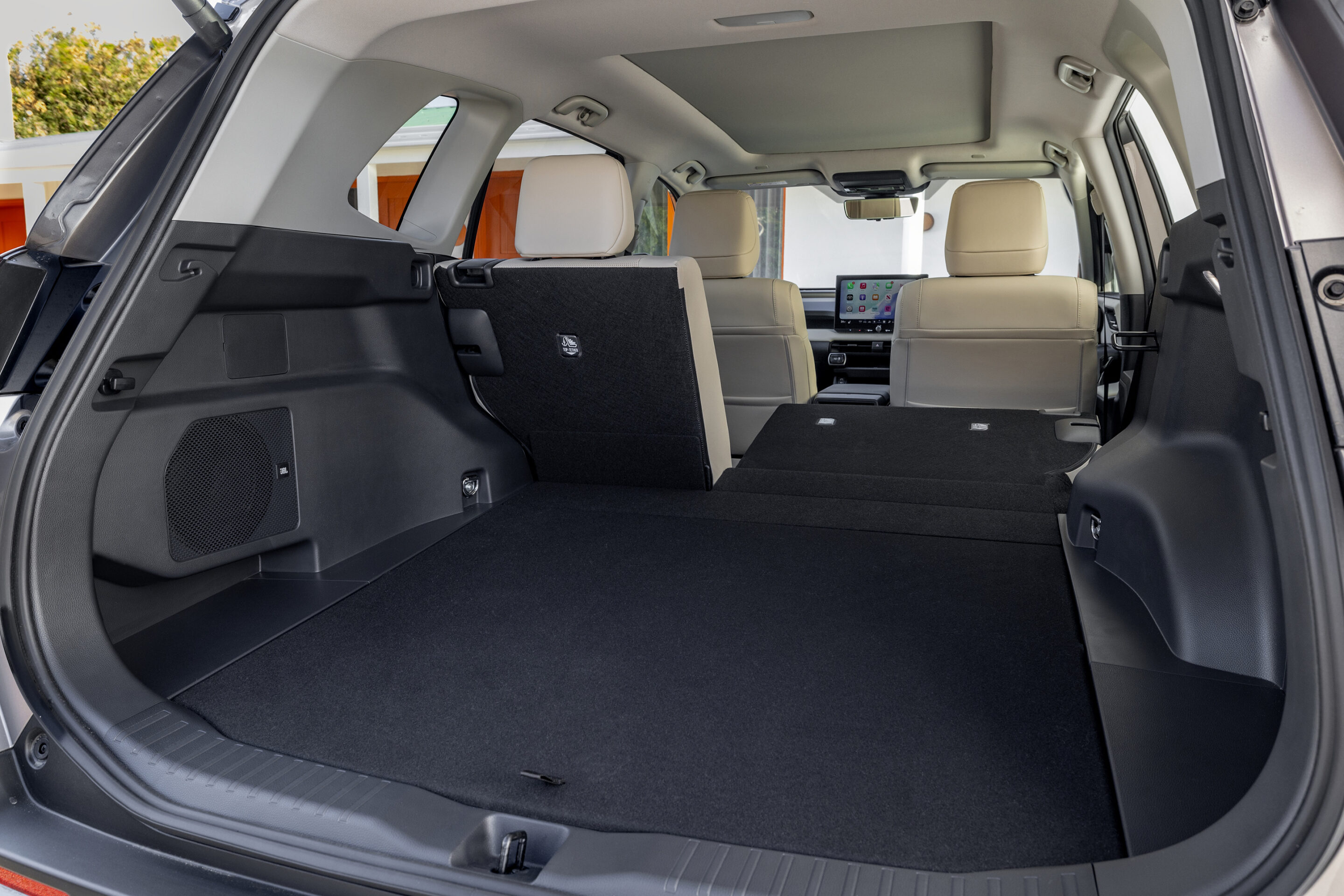
Toyota has always been big on the storage solutions, and the big-selling RAV4 is no exception with its large 580-litre boot, which expands to 705 litres to the roof (a seats folded figure is not available, though it’s likely around 1700 litres). It also offers under-floor storage and a few tie down points, but little in the way of clever storage.
3. Mazda CX-5
466 litres
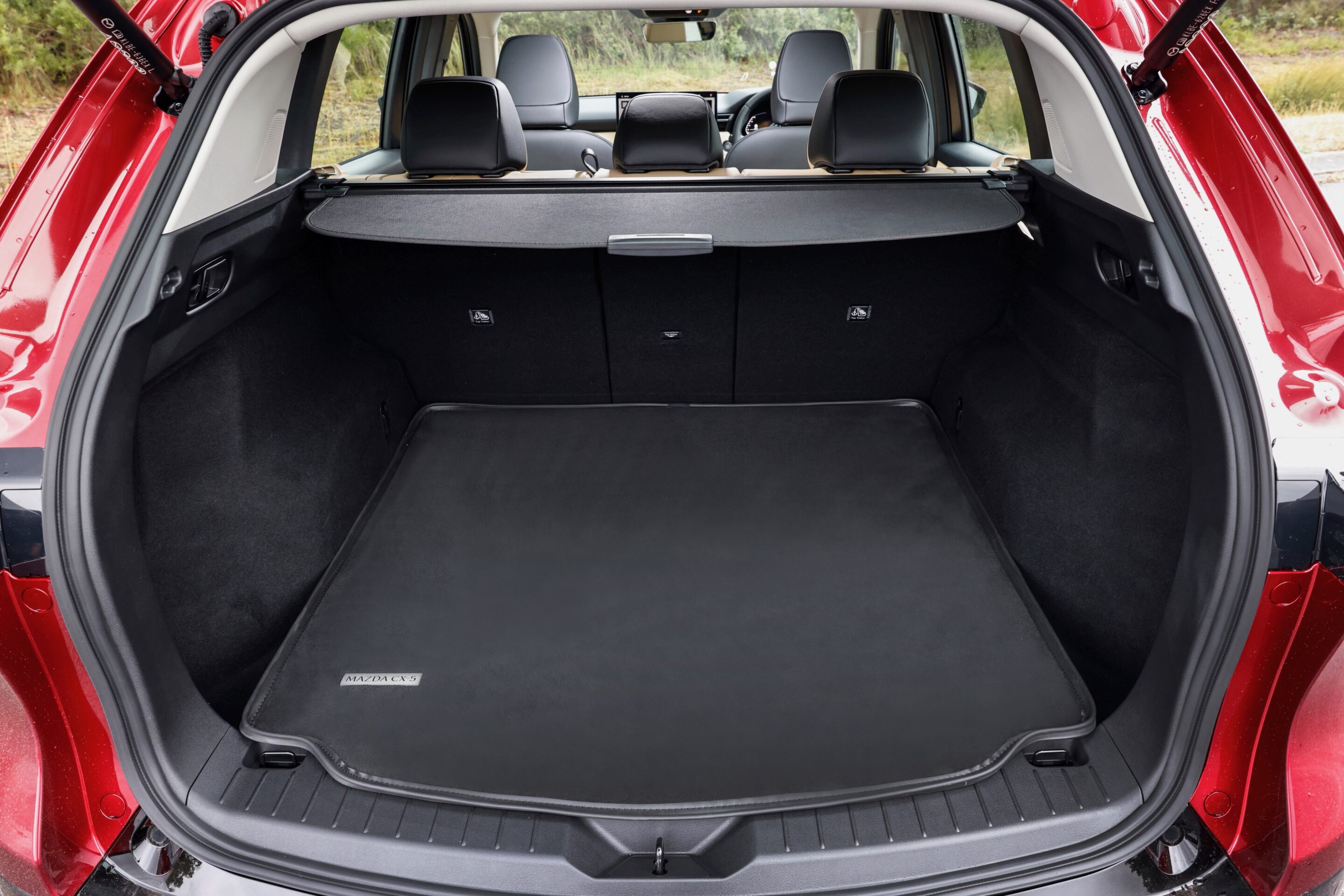
Like most Mazdas, the CX-5 is below the best in the segment compared with its main rivals when it comes to boot space, but the larger third-generation CX-5 is now larger in the boot area with a 466-litre space. That’s still below the best, like the 586-litre Tucson hybrid, but it’s larger than the old model and folding the seats down unlocks 1594 litres. Clever touches include a 40:20:40-split rear seat, side storage, a dual-level boot floor, hooks to hang bags off and remote releases to fold the seats.
4. Hyundai Tucson
582 litres

One of the largest boots in the medium SUV segment belongs to the Hyundai Tucson Hybrid, with a large 582 litre space on offer, which expands to a massive 1903 litres with the rear seats folded. Helping its cause further are a low load lip, under-floor storage and remote releases for the rear seats.
Tesla Model Y
582 litres
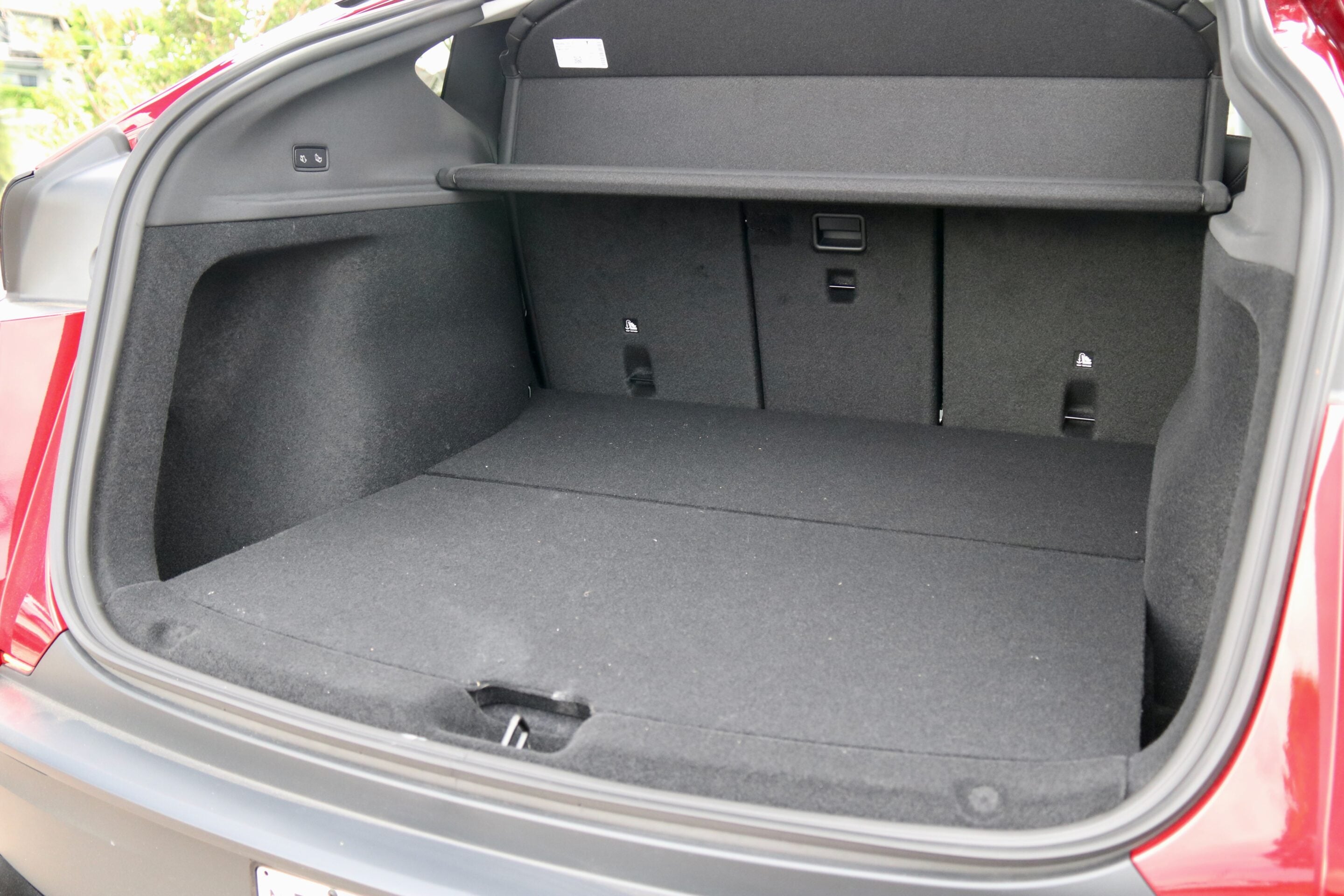
Tesla‘s Model Y is the fifth best-selling medium SUV so far this year and it’s also the most practical with a massive 854-litre bootspace (which includes the huge under-floor section). The rear seats are 40:20:40 split, they lower and raise electrically to unlock 2158 litres of space when folded and in addition, there’s also a large 117-litre front boot for even more space.
Large SUVs
1. Ford Everest
898 litres
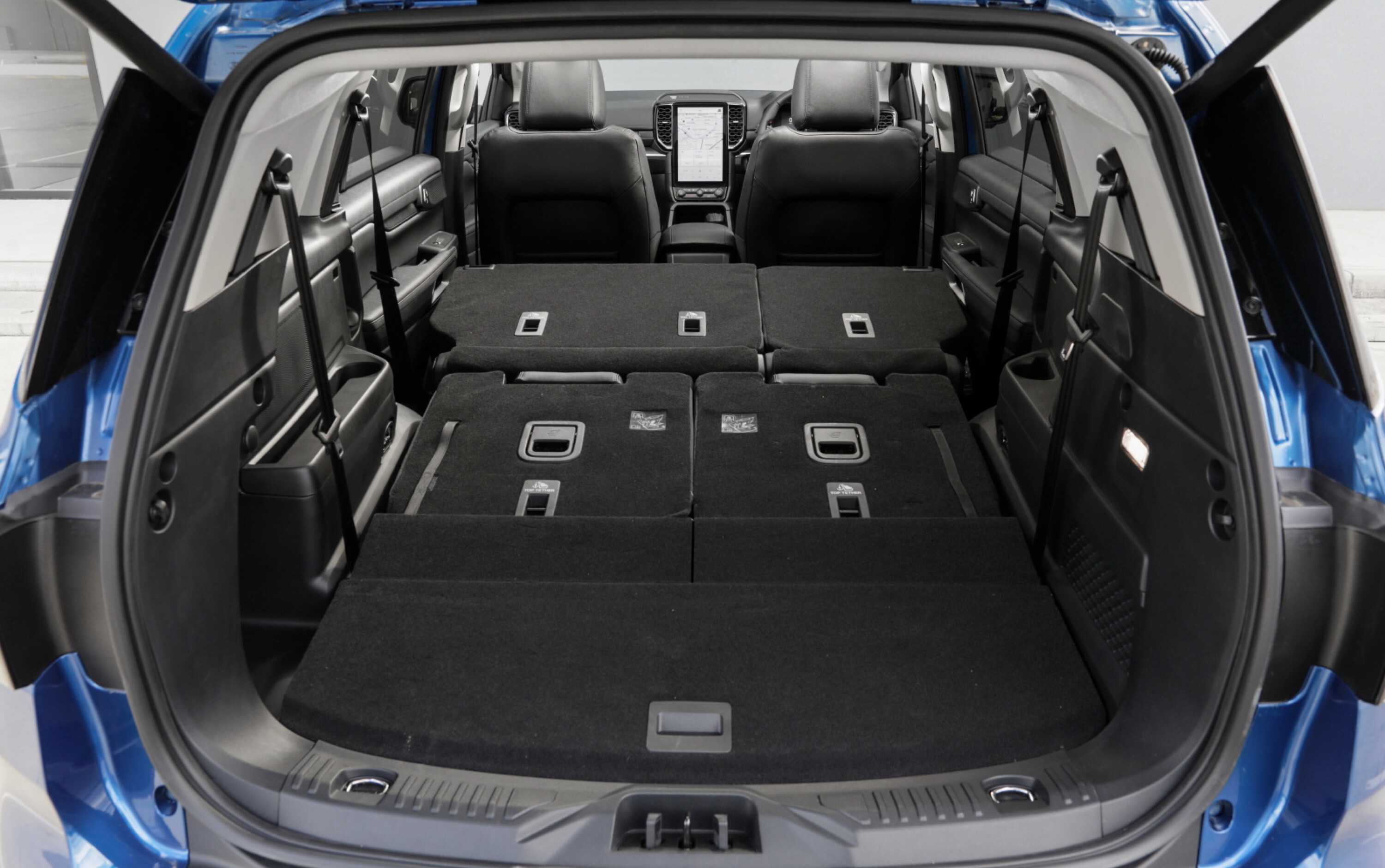
The Ford Everest, which is the best-selling large SUV in Australia, is as practical as you’d expect, offering 259 litres of space behind the third row, 898 litres with the third row folded and a large 1823 litres with all the rear seats folded. Helping practicality further is the easy of folding the rear seats – it’s a one-touch affair – while more storage lies underneath the boot floor.
2. Toyota LandCruiser Prado
954 litres
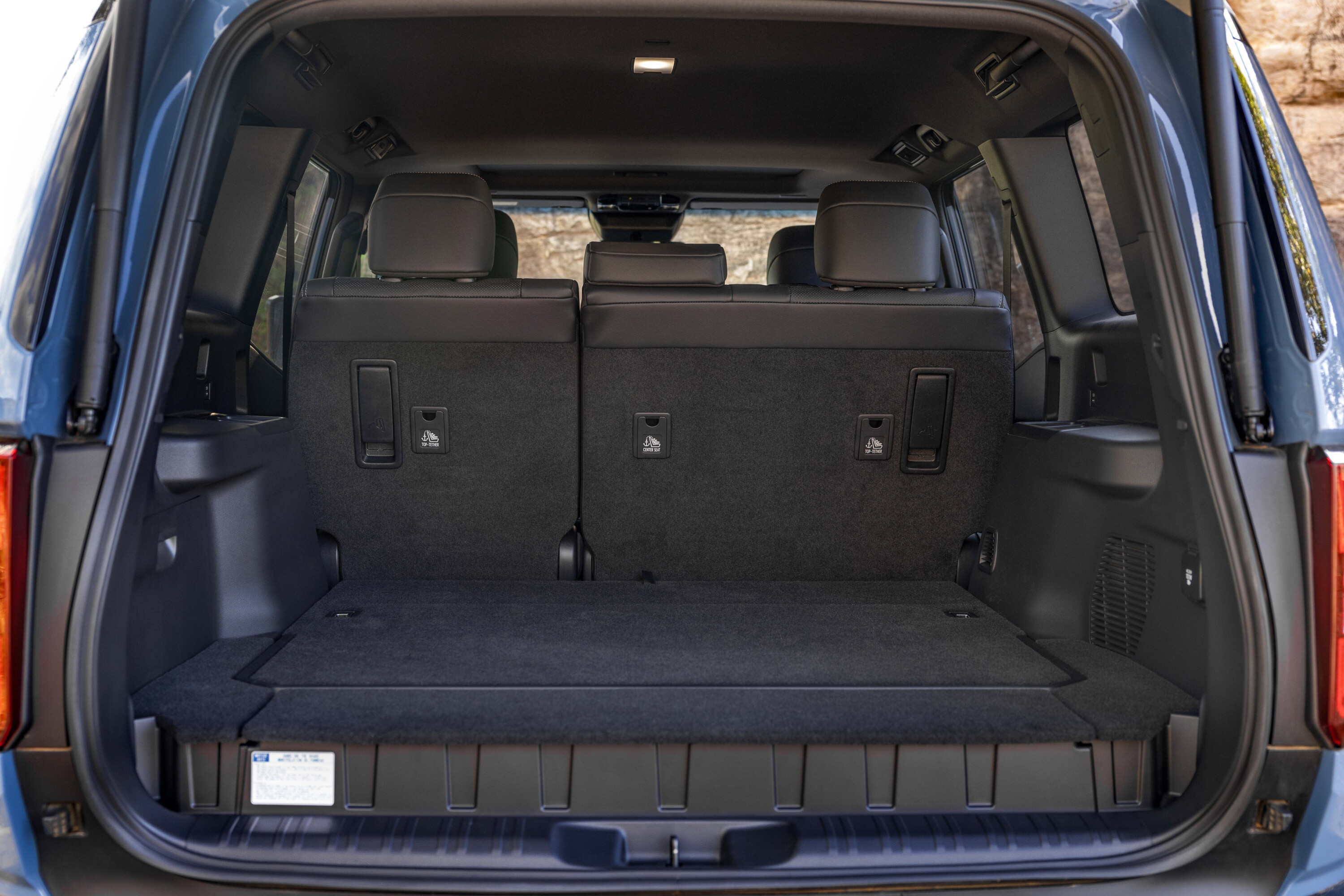
The latest-generation Toyota Prado is quite large in the rear, though the figures actually depend on which model you buy. The five-seater is more capacious with 954 litres of space behind the rear seats and a large 1895 litres with the rear seats folded – choosing a model with seven seats reduces that to 906 litres and 1829 litres respectively. If you choose a seven-seater, behind the third row lies 182 litres of space.
3. Isuzu MU-X
1119 litres
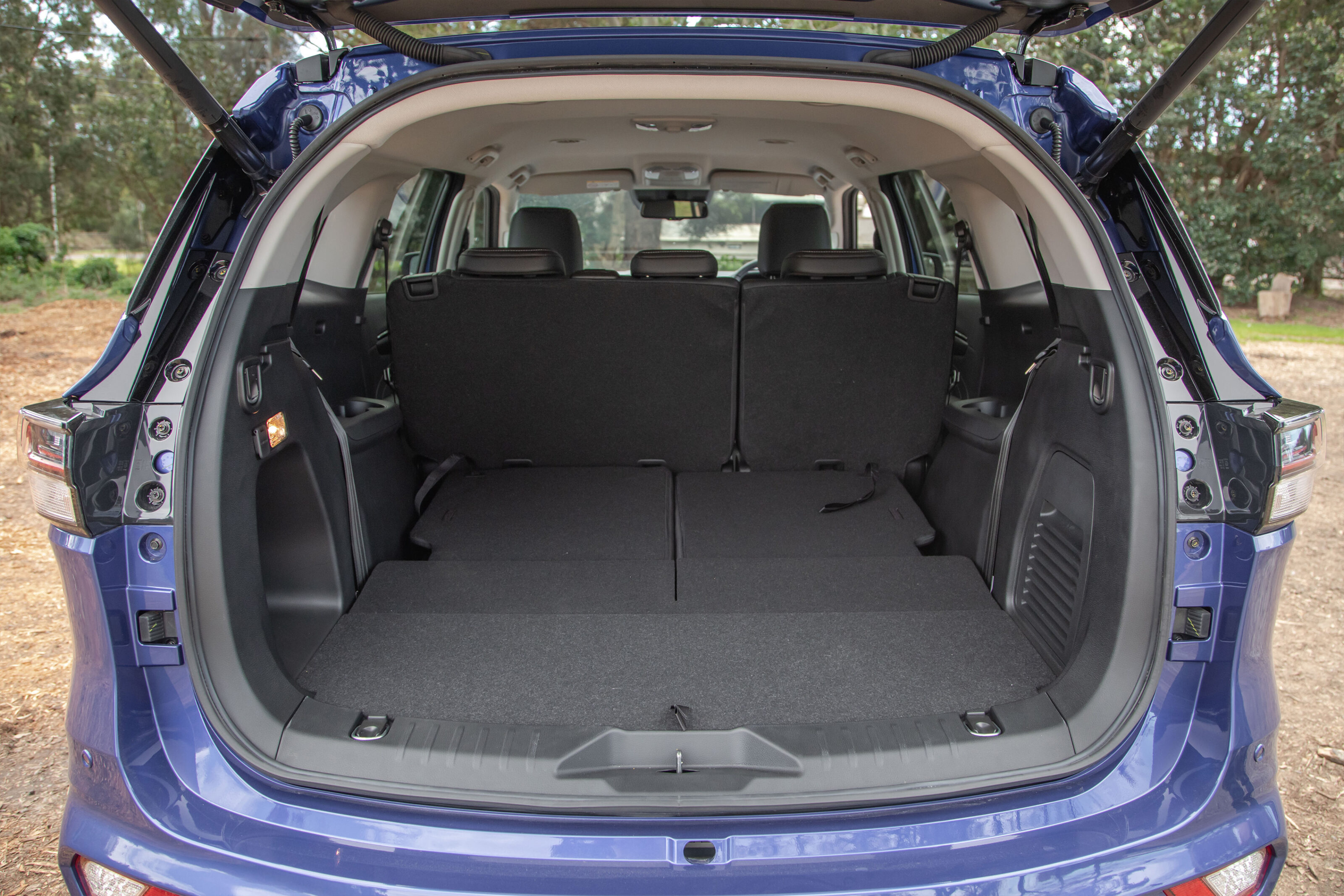
The seven-seat MU-X has a handy 311 litres of boot space behind the third row that expands to a whopping 1119 litres as a five-seater, with a nice flat load space, bag hooks and even under-floor storage. Folding down the middle row brings a van-like 2138 litres, and pleasingly for runs to furniture shops, the seats fold almost completely flat.
4. BYD Sealion 8
960 litres
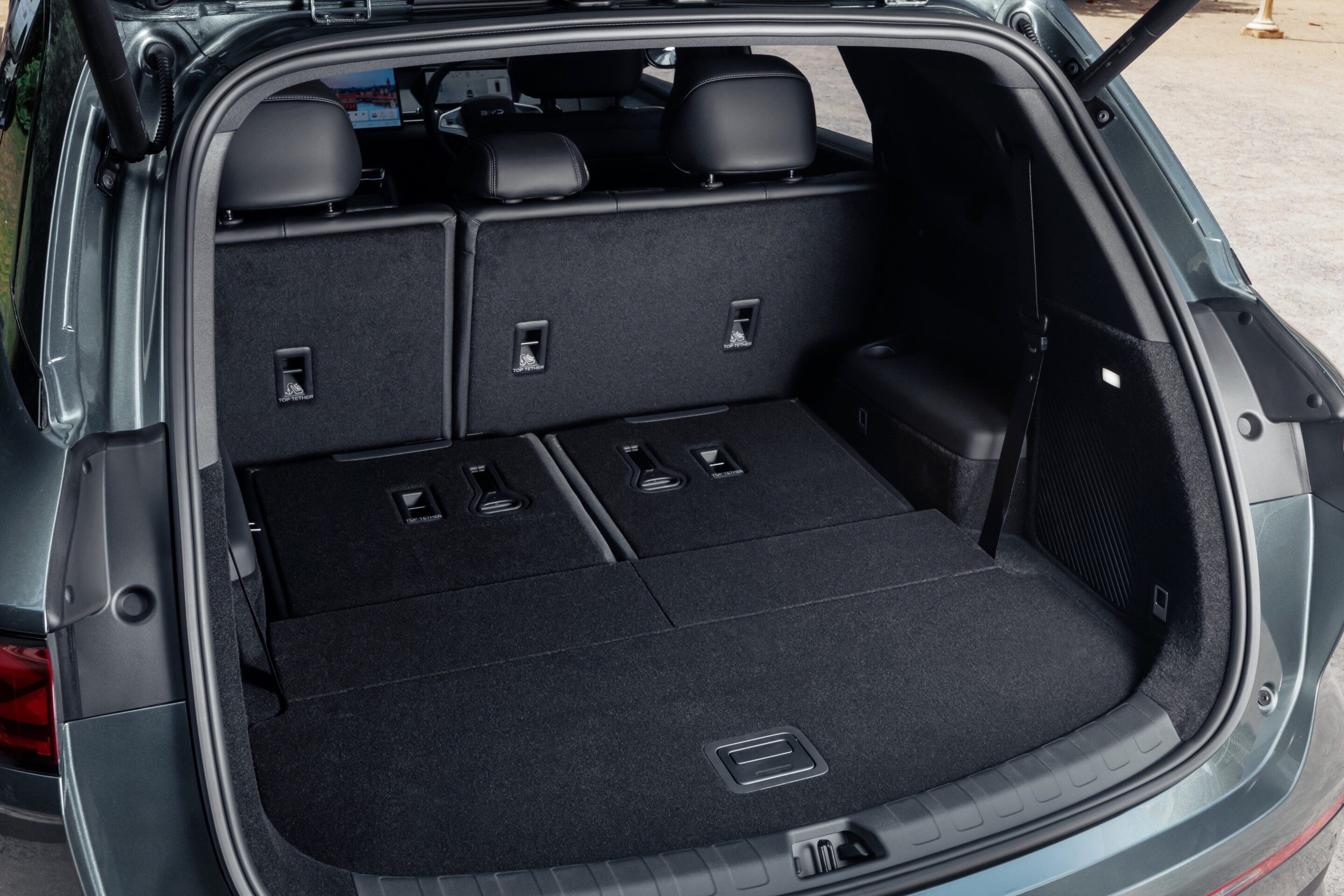
BYD’s Sealion 8 is new to the market but already selling quite well. Part of that is its awesome practicality, with a huge 960-litre bootspace with the third row folded. With the third row up, there’s 270 litres of space, and folding all the rear seats opens up 1960 litres, which is quite large.
5. Hyundai Santa Fe
642 litres
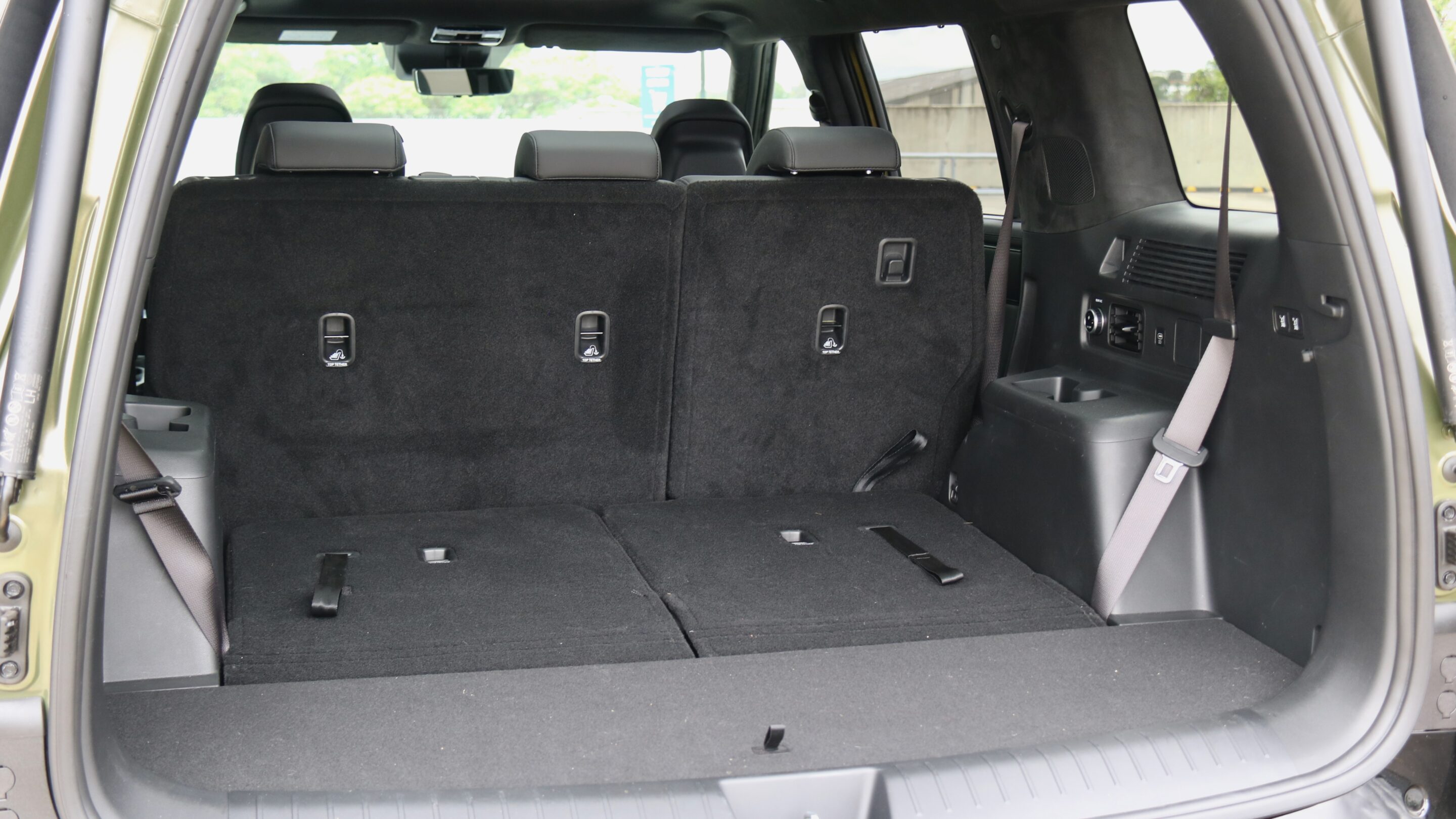
The Hyundai Santa Fe grew and became boxier for its fifth generation, released in 2024, and that was done to eke out as much space from the cabin as possible. The brand doesn’t quote how big the boot is with the third row extended, but it’s a large space with under-floor storage. Folding the third row unlocks a healthy 642 litres (628L for hybrid models), and releasing the second row unlocks 1949 litres.
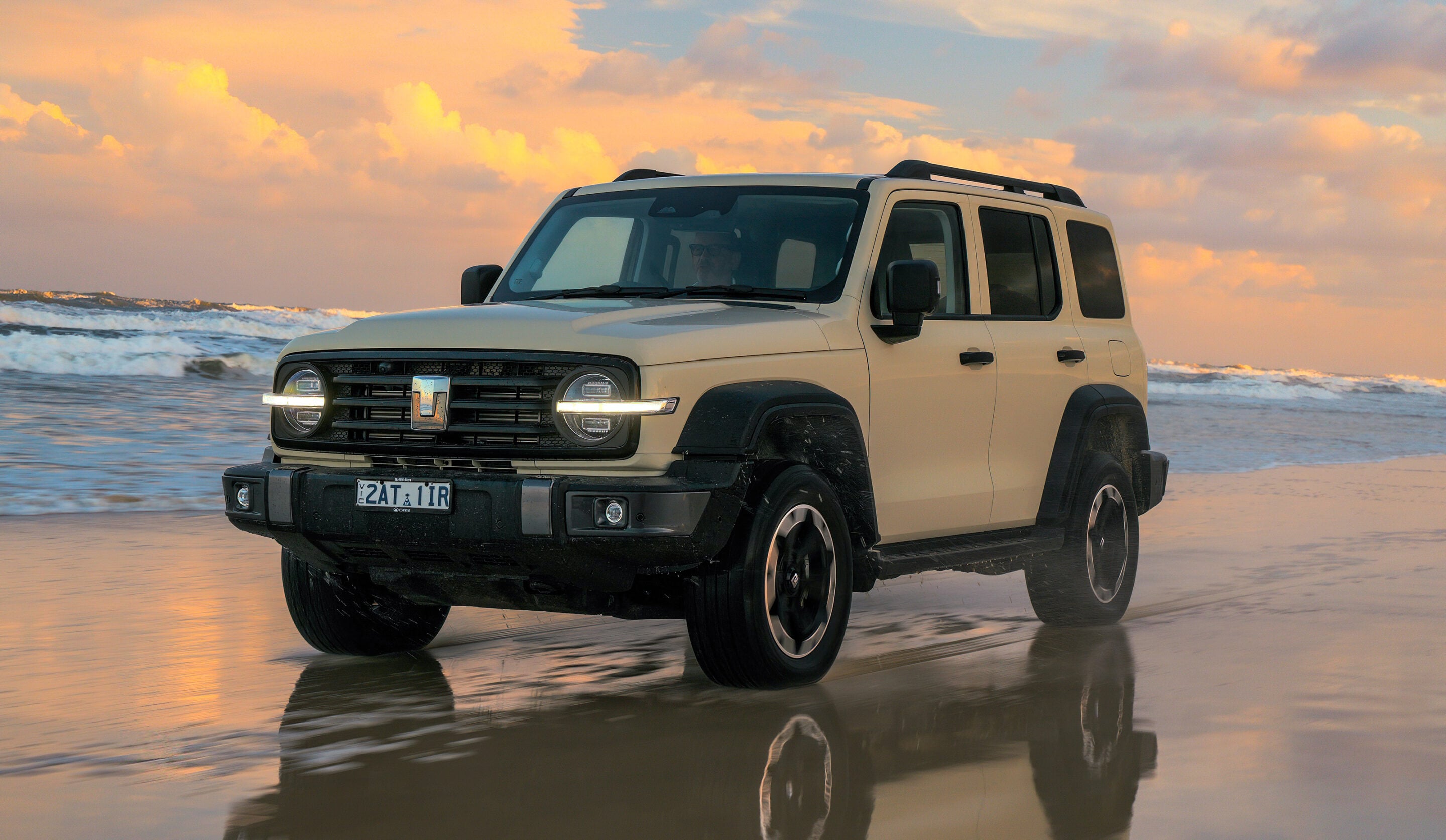
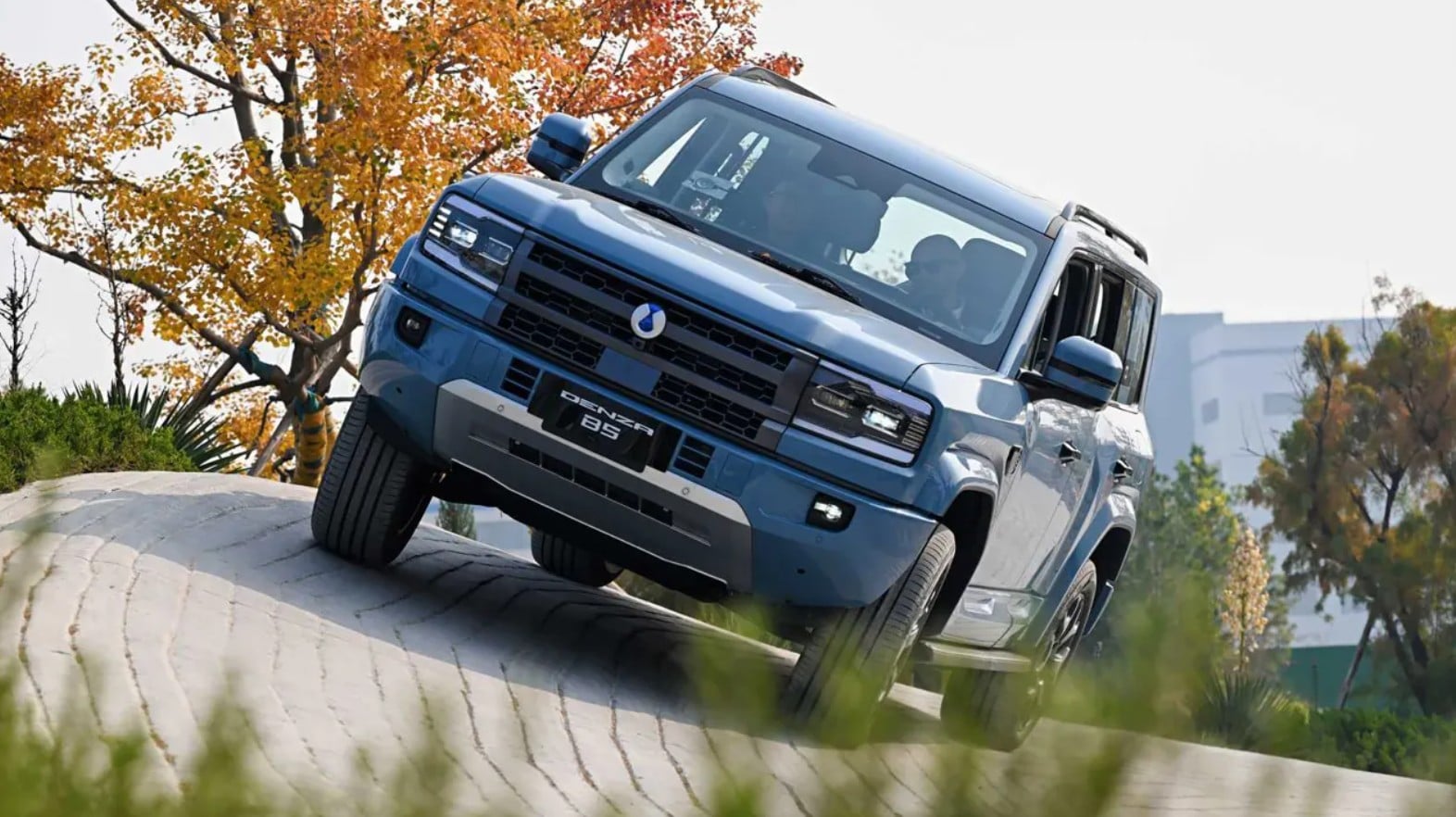
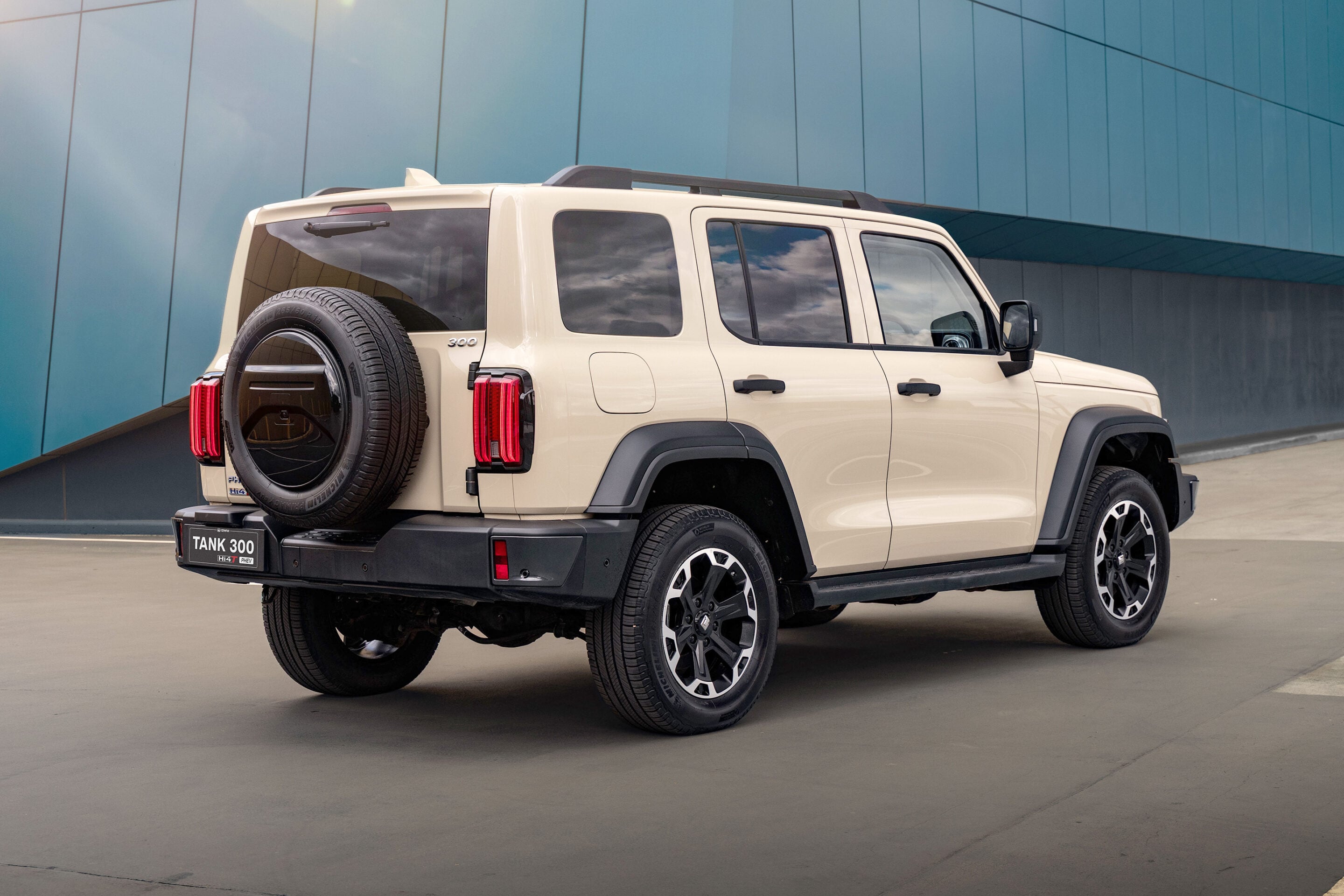
China’s new-generation 4×4 off-roaders are coming in hot, and two of the current biggest names are the Denza B5 and GWM Tank 300 Hi4-T, both of which are new on the market. Both new models combine serious four-wheel-drive ability with plug-in hybrid power, so which electrified adventure wagon delivers the best mix of performance, practicality, efficiency and value? We line up the numbers to find out.
Pricing
The GWM Tank 300 Hi4-T gets off to a good start in this battle because its $57,990 driveaway starting price is a full $17,000 less than the starting price of the B5, or more than $20,000 less once on-road costs are included in the Denza’s price. GWM’s vehicle warranty is also a year longer than Denza’s, and it’s warranted for an unlimited distance too, unlike the Denza’s 150,000km equivalent.
The cost of servicing the Tank 300 Hi4-T is also less expensive than the B5 at $2610 versus $3542 over the first five years, though its intervals are less convenient than its rival at 10,000km for the first year and then 15,000km afterwards. The Denza requires servicing once every 20,000km, which is longer than the average in the Australian market. Finally, GWM wins on value thanks to seven years of roadside assistance versus Denza’s three years.
| GWM Tank 300 Hi4-T | Denza B5 | |
|---|---|---|
| Starting price | $57,990 driveaway | $74,990 plus on-road costs |
| Premium paint | + $595 | + $1500 |
| Warranty | Seven-year/unlimited km | Six-year/150,000km |
| Service intervals | Annually/10,000km and then every 15,000km afterwards | Annual/every 20,000km |
| Five-year service cost | $2610 ($522 per year) | $3542 ($708 per year) |
| Roadside assistance | Seven years | Three years |
Dimensions
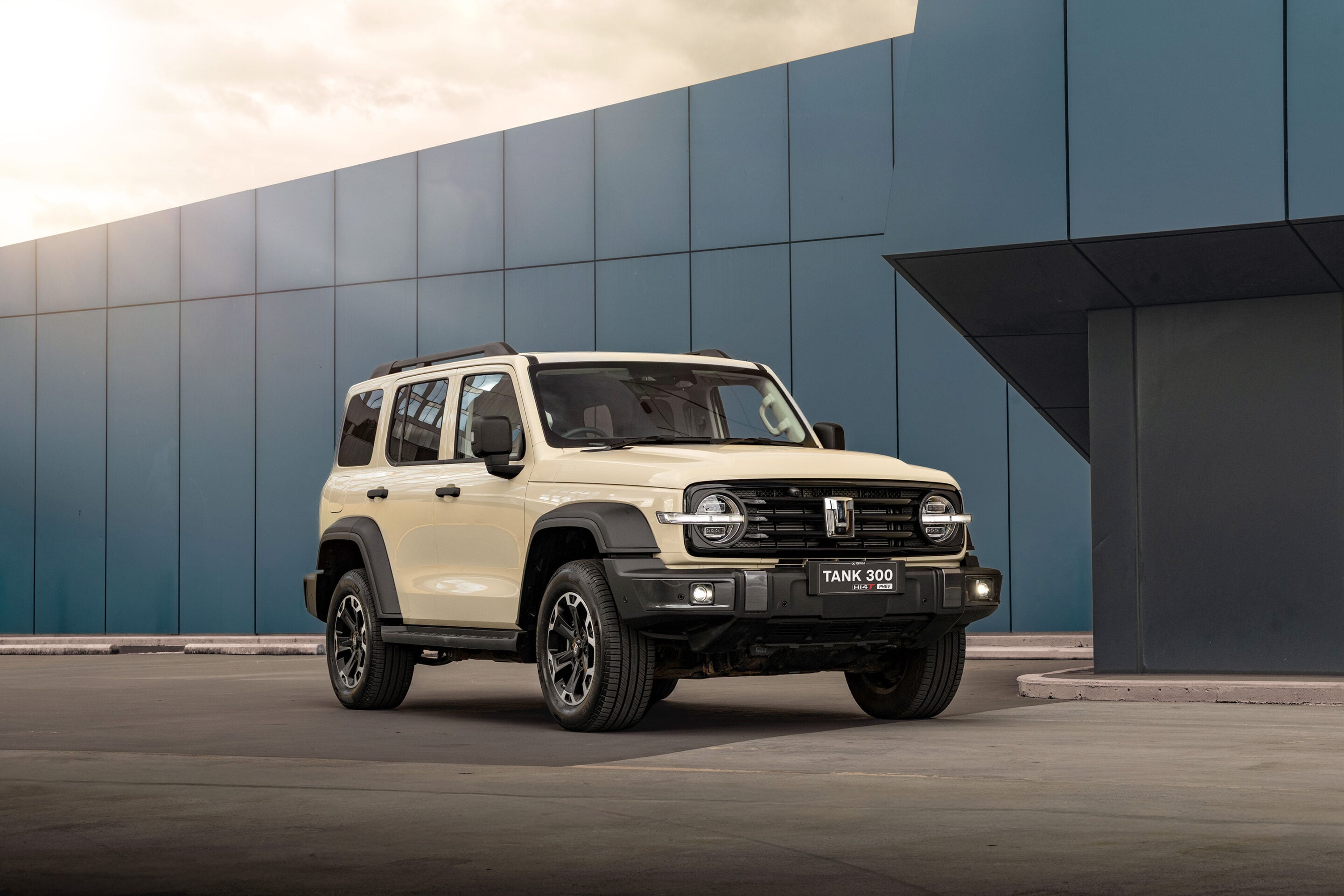
While the Tank 300 Hi4-T is significantly less expensive, it is actually a slightly smaller vehicle than the b5. So while the B5 is more expensive, you are getting more car for your money. At 4888mm long, the B5 is 128mm longer than the Tank 300, as well as 40mm wider, 17mm taller and its wheelbase is 50mm longer.
Both plug-in hybrid off-roaders are quite heavy, with the Tank 300 coming in at 2615kg and the B5 even heavier at 2897kg. Finally, the Tank 300’s small 360-litre boot isn’t much smaller than the B5’s 470-litre space.
| GWM Tank 300 Hi4-T | Denza B5 | |
|---|---|---|
| Length | 4760mm | 4888mm |
| Width | 1930mm | 1970mm |
| Height | 1903mm | 1920mm |
| Wheelbase | 2750mm | 2800mm |
| Kerb weight | 2615kg | 2897kg |
| Luggage space | 360 litres | 470 litres |
| Braked towing capacity | 3000kg | 3000kg |
Standard equipment
While the B5 is a more expensive vehicle to purchase, it is better equipped than its Tank 300 Hi4-T rival, particularly in the way of luxury features. For example, while both leather and Nappa leather upholsteries are available on both models, even the entry-level B5 is equipped with extra front seat adjustment, and heating, ventilation and massaging – to get the latter three features, Tank 300 Hi4-T buyers must step up to the upper-spec Ultra. The whole B5 range is also equipped with a 16-speaker Devialet audio system, which is seven more than the nine-speaker units in the Tank 300.
| GWM Tank 300 Hi4-T | Denza B5 | |
|---|---|---|
| Wheels | 18-inch alloy | 18-inch alloy (20-inch on upper-spec Leopard) |
| Mirrors | Heated and auto-folding | Heated and auto-folding |
| Headlights | LED projector with auto high beam | LED projector with auto high beam |
| Tailgate | Manual, side opening | Electric |
| Wipers | Rain-sensing automatic | Rain-sensing automatic |
| Wheels | 18-inch alloy | 18-inch alloy (20-inch on upper-spec Leopard) |
| Steering wheel | Synthetic leather, heated on Ultra | Synthetic leather, heated |
| Seat adjustment | Six-way electric driver (12-way on Ultra), four-way electric front passenger | 12-way electric driver, 10-way electric front passenger |
| Upholstery | Leather (Lux), Nappa leather (Ultra) | Leather (B5), Nappa leather (Leopard) |
| Front seat heating and ventilation | No (Lux), yes with massaging (Ultra) | Yes with massaging |
| Infotainment system | 12.3-inches, sat-nav, wireless smartphone mirroring, digital radio | 15.6-inches, sat-nav, wireless smartphone mirroring, digital radio |
| Push button start | Yes | Yes |
| Climate control | Dual-zone automatic with rear vents | Dual-zone automatic with rear vents |
| Stereo | Nine-speaker (Lux), nine-speaker Infinity (Ultra) | 16-speaker Devialet |
| In-car charging | 4 x USB, 1x wireless charger | 5 x USB (front and rear), 1x (B5) or 2x (Leopard) wireless phone charger |
| Vehicle-to-load functionality | Yes, up to 6.6kW | Yes, up to 6.6kW |
Performance and fuel economy
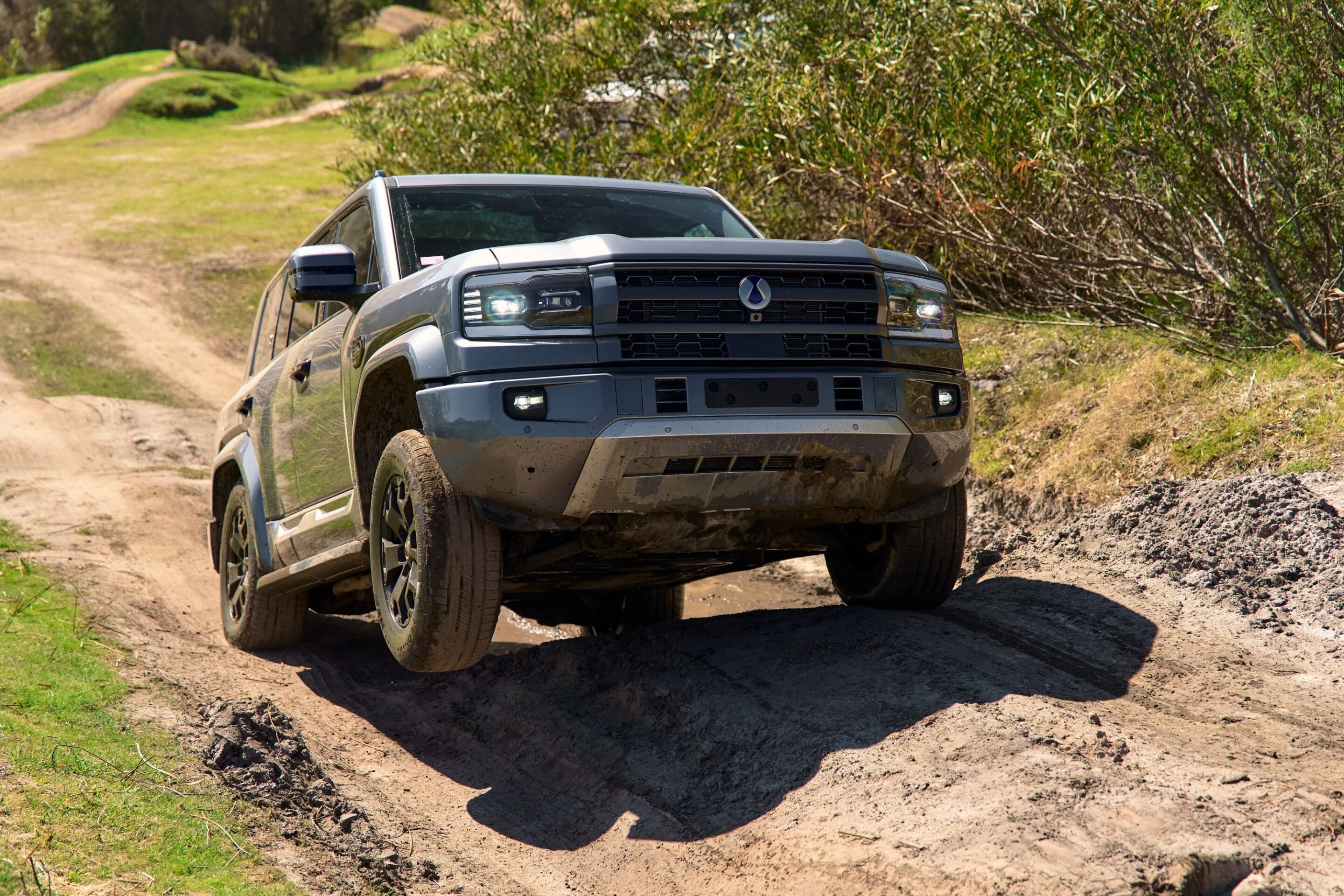
While both the Tank 300 Hi4-T and B5 both say “plug-in hybrid off-roader” on the tin, they do things differently in real life. For starters, while they both use turbocharged four-cylinder petrol engines, the GWM’s is larger at 2.0-litres versus the Denza’s smaller 1.5-litre unit, with the former making more grunt at 180kW/400Nm versus the latter’s 135kW/260Nm outputs. The Denza also features two electric motors with one on each axle, whereas the Tank 300 Hi4-T only has one that’s located in between the engine and transmission.
Add in the electric motor outputs and the Denza’s 400kW/760Nm combined outputs outshine the GWM’s 300kW/750Nm maximum, and despite the B5’s extra weight, its 4.8-second 0-100km/h sprint time is around 1.5 seconds faster than the Tank 300 Hi4-T. For transmissions, the Tank 300 uses a nine-speeder, and the B5 a single-speed hybrid ‘box.
The Tank 300 Hi4-T’s 37.1kWh NMC battery is 5.3kWh larger than the B5, and as a result, its 115km claimed NEDC electric range is 15km more. But the B5 can be charged at double the speed of the Tank 300 (100kW versus 50kW) and its 10-80 per cent charge time is four minutes faster than the Tank 300 Hi4-T takes to charge from 30-80 per cent.
For fuel consumption, both cars are rated at 1.9L/100km with a state of charge over 25 per cent (below that, the GWM uses a claimed 8.3L/100km and the B5 9.5L/100km), and both cars run on 91 RON regular unleaded fuel.
| GWM Tank 300 Hi4-T | Denza B5 | |
|---|---|---|
| Drivetrain | 2.0-litre four-cylinder turbocharged plug-in hybrid, 37.1kWh NMC battery | 1.5-litre four-cylinder turbocharged plug-in hybrid, 31.8kWh LFP battery |
| Transmission | Nine-speed hybrid | One-speed hybrid |
| Peak outputs | 300kW, 750Nm | 400kW, 760Nm |
| Claimed electric range | 115km (NEDC) | 100km (NEDC) |
| Combined fuel consumption | 1.9L/100km (8.3L/100km with a low state of charge) | 1.9L/100km (9.5L/100km with a low state of charge) |
| Peak battery charging speed/time | 50kW DC, 30-80% in 24 minutes | 100kW, 10-80% in around 20 minutes |
| Fuel type/tank size | 70 litres/91RON regular unleaded | 83 litres/91RON regular unleaded |
Safety
As is the case with many new Chinese vehicles, both the GWM Tank 300 Hi4-T and Denza B5 are absolutely loaded with safety features, and are rated by ANCAP as five stars for safety (the GWM in 2022 and the Denza a later 2025 rating). Both are broadly similarly equipped in terms of safety features as well, with the B5 featuring more airbags but the Tank 300 countering with front cross-traffic alert.
| Safety | GWM Tank 300 Hi4-T | Denza B5 |
|---|---|---|
| Airbags | Seven | Nine |
| Adaptive cruise control | Yes (all speed) | Yes (all speed) |
| Autonomous emergency braking | Yes (with pedestrian assistance) | Yes |
| Lane-keep assist (with adaptive lane guidance) | Yes (with adaptive lane guidance) | Yes (with adaptive lane guidance) |
| Blind-spot monitoring | Yes | Yes |
| Cross-traffic alert | Front and rear (with braking) | Rear only (with braking) |
| Driver attention monitoring | Yes | Yes |
| Parking sensors | Front and rear | Front and rear |
| Reversing camera | 360-degree | 360-degree |
| ISOFIX | Outboard rear seats | Outboard rear seats |
| ANCAP rating | Five stars (2025) | Five stars (2022) |
Conclusion: Tank 300 or B5?
Overall, like with many other Chinese vehicles, the on-paper stats for both the GWM Tank 300 Hi4-T and Denza B5 are impressive, and it’s easy to see their appeal. Both brands present strongly from their value equation to their aftersales program, and that’s before even getting to the products themselves. Both the Tank 300 Hi4-T and B5 use strong plug-in hybrid systems capable of impressive acceleration figures – the Denza especially – but also good electric-only driving ranges of 100km or more.
In this case, the Denza is undoubtedly better equipped than the GWM and most of its stats are even more impressive. It makes more power and just more torque, it’s quicker, it can be charged twice as fast, it’s larger in all dimensions and it’s also better equipped. On paper, the more impressive stats make the B5 the obvious winner, but are those extra impressive stats worth the extra $20,000+ spend once on-road costs are included? That’s for buyers to decide.
Key Specs: GWM Tank 300
| Starting price | $57,990 driveaway |
|---|---|
| Warranty | Seven-year/unlimited km |
| Drivetrain | 2.0-litre four-cylinder turbocharged plug-in hybrid, 37.1kWh NMC battery |
| Transmission | Nine-speed hybrid |
| Claimed electric range | 115km (NEDC) |
| Combined fuel consumption | 1.9L/100km (8.3L/100km with a low state of charge) |
| Peak battery charging speed/time | 50kW DC, 30-80% in 24 minutes |
Key Specs: Denza B5
| Starting price | $74,990 plus on-road costs |
|---|---|
| Warranty | Six-year/150,000km |
| Drivetrain | 1.5-litre four-cylinder turbocharged plug-in hybrid, 31.8kWh LFP battery |
| Transmission | One-speed hybrid |
| Claimed electric range | 100km (NEDC) |
| Combined fuel consumption | 1.9L/100km (9.5L/100km with a low state of charge) |
| Peak battery charging speed/time | 100kW, 10-80% in around 20 minutes |
BMW has revealed an ambitious new direction for the Alpina brand, unveiling the striking Vision BMW Alpina concept as part of plans to reposition the long-running performance marque further upmarket.
The concept car marks the first major public step since BMW formally acquired the Alpina trademark earlier this year, ending decades of semi-independent operation between the two German companies. Traditionally known for creating refined high-performance versions of BMW sedans and wagons, Alpina is now being reshaped into a standalone luxury performance brand sitting above BMW but below Rolls-Royce.
According to BMW executives, the company sees growing opportunity in the premium luxury segment currently occupied by vehicles such as the Range Rover, Bentley Flying Spur and Mercedes-Maybach models.
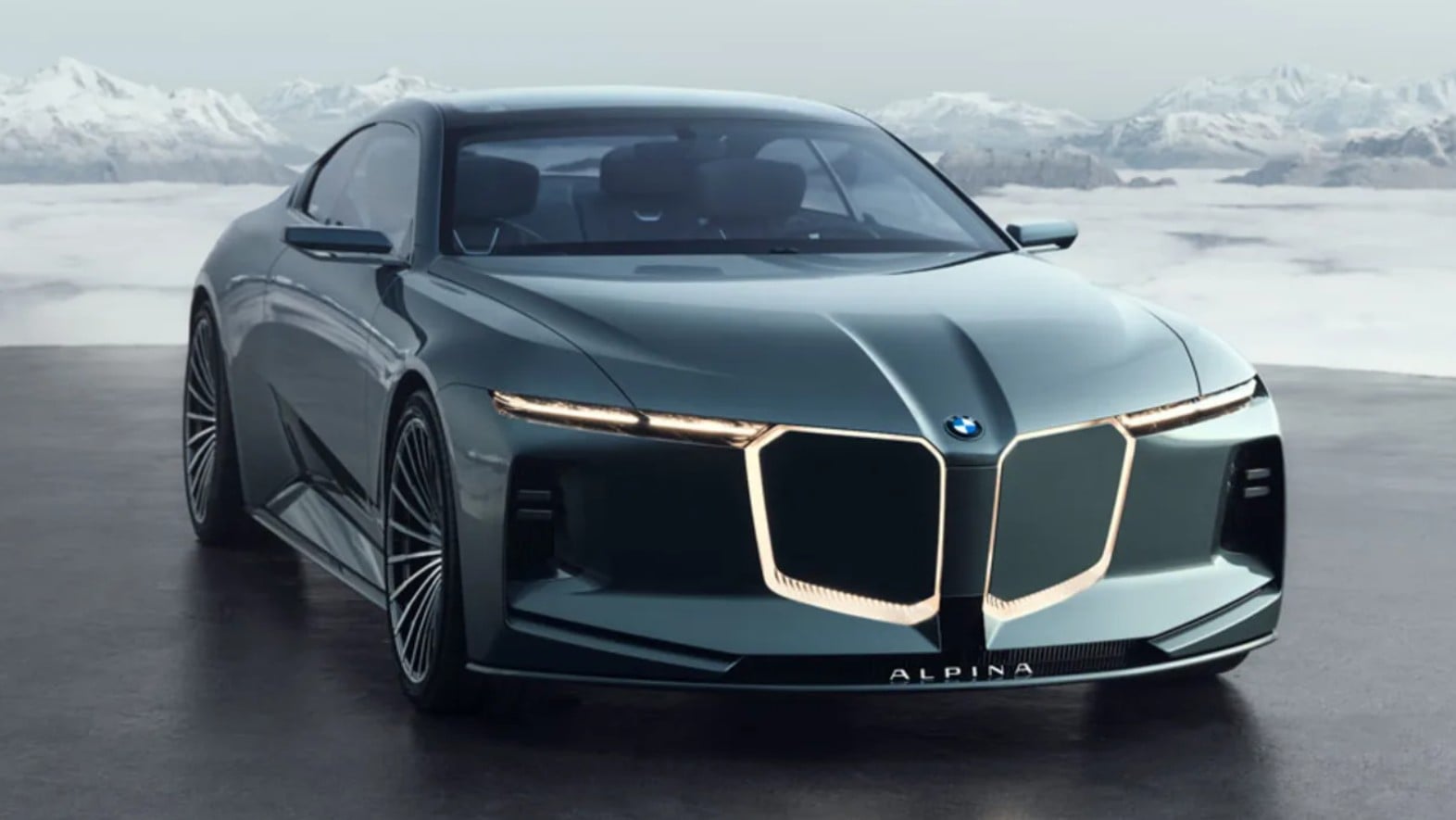
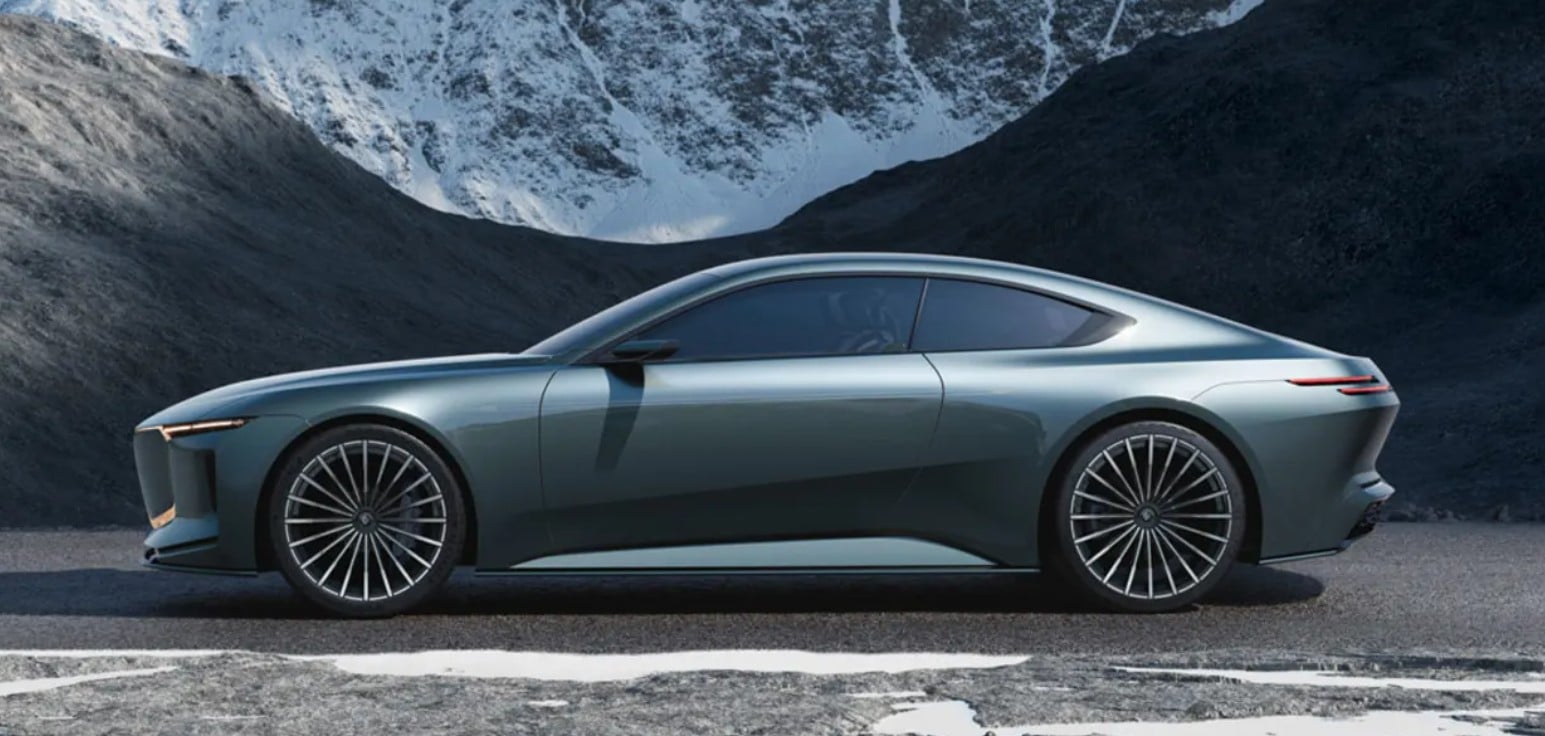
Unveiled ahead of the 2026 Concorso d’Eleganza Villa d’Este event in Italy, the Vision BMW Alpina is a sleek four-seat coupe measuring around 16cm shorter than a BMW 7 Series. The design draws inspiration from classic Alpina models, particularly the shark-nosed B7 Coupe from the late 1970s, while introducing a cleaner and more modern interpretation of the brand’s traditional styling cues.
Under the bonnet sits a non-hybrid twin-turbocharged V8 engine, reflecting Alpina’s continued focus on combustion power despite BMW’s broader push toward electrification. The company says hybrid or electric powertrains could eventually become part of the line-up, but executives believe existing customers still strongly value large-capacity petrol engines in this segment.
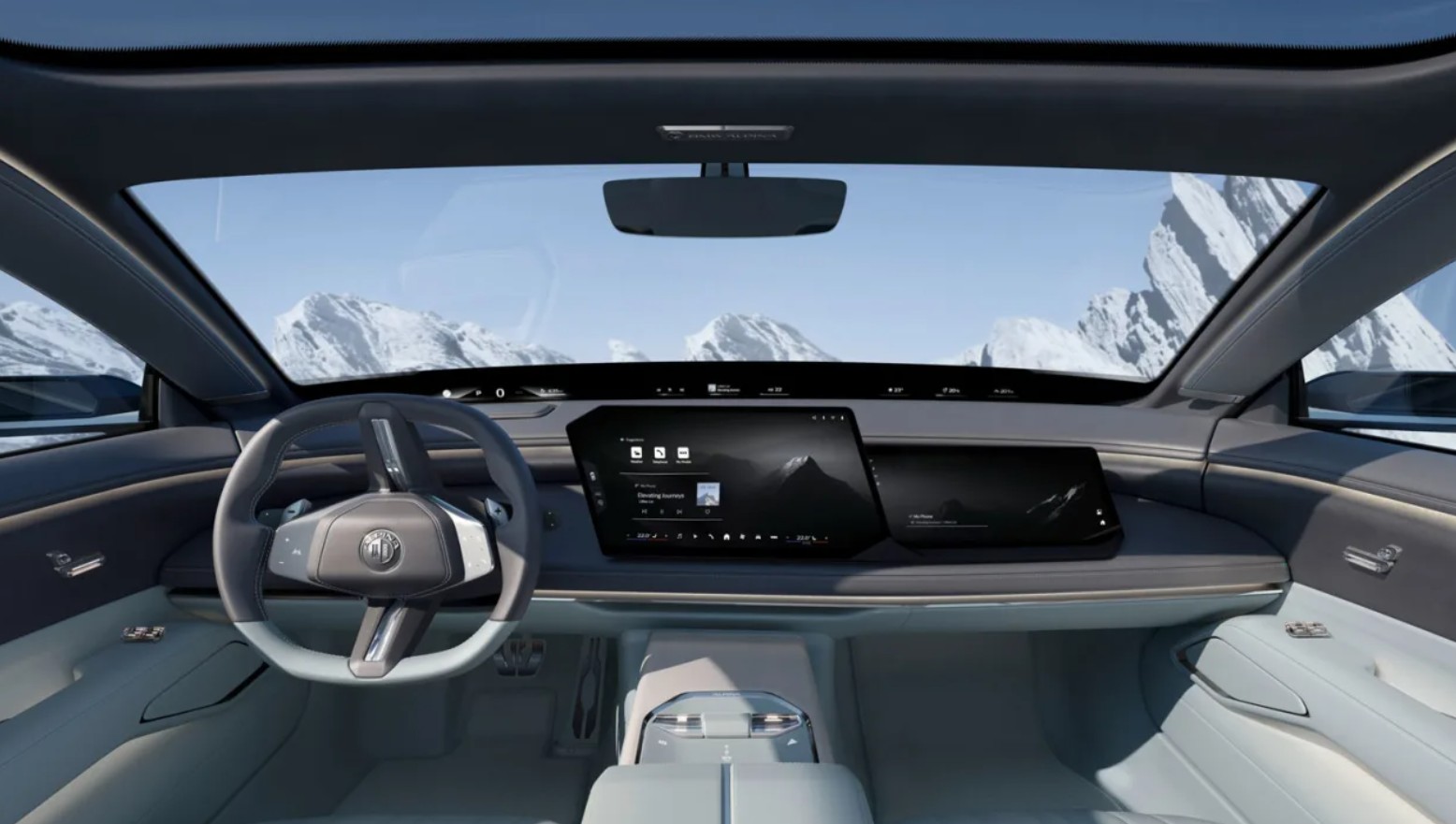
The concept also incorporates familiar Alpina touches including multi-spoke wheels, subtle blue and green detailing and a more restrained approach to luxury than many rival high-end brands. Inside, the cabin emphasises comfort and craftsmanship over overt sportiness, with extensive leather trim, lounge-like rear seating and bespoke details such as magnetically secured crystal glasses.
BMW says future Alpina production models will focus on effortless high-speed touring rather than track-focused performance associated with BMW’s M division. Company executives describe the philosophy as “speed, not sport”, with greater emphasis on ride comfort, refinement and long-distance usability.
The first production model under the new BMW-owned Alpina operation is expected to arrive late next year as a heavily reworked high-performance version of the BMW 7 Series capable of reaching almost 305km/h.
BMW also confirmed Alpina could eventually expand into low-volume bespoke vehicles developed independently from existing BMW models as the brand establishes its new global identity.
Ferrari has revealed a dramatic new one-off supercar called the HC25, a bespoke open-top model created through the Italian brand’s ultra-exclusive Special Projects division.
Designed for one of Ferrari’s most valued clients, the HC25 continues the marque’s tradition of building individually commissioned vehicles for collectors willing to spend heavily on something entirely unique. Ferrari says the project was developed as a “pure” and uncompromising roadster, blending inspiration from the company’s newest hypercars with more traditional mid-engined Ferrari proportions.
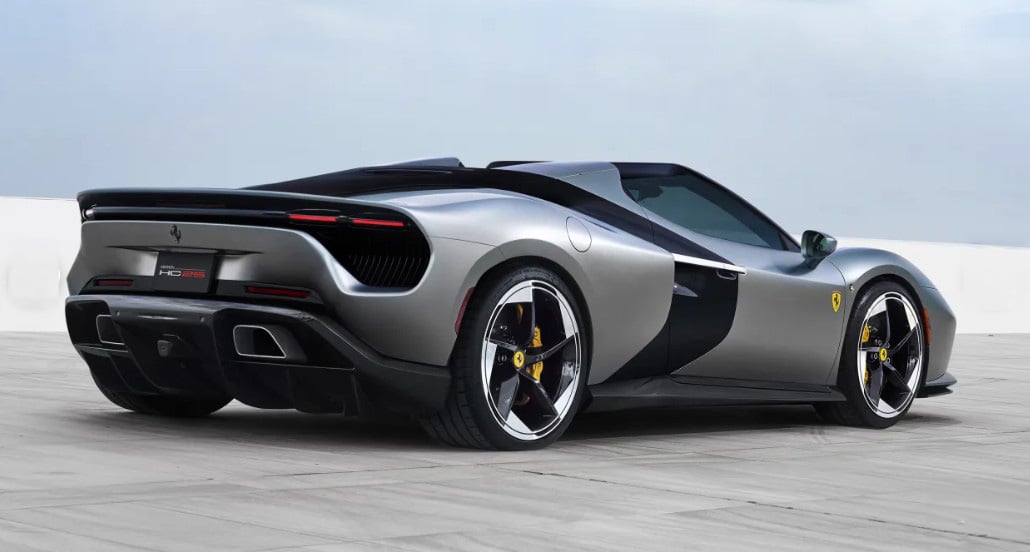
Styled under Ferrari design chief Flavio Manzoni, the HC25 takes visual influence from the recently unveiled Ferrari F80 hypercar, particularly through its aggressive front-end treatment and sculpted aerodynamic surfaces. The body features pronounced rear haunches, deeply carved side sections and a contrasting gloss-black band running through the centre of the car, visually lowering the profile while incorporating cooling ducts and aerodynamic elements.
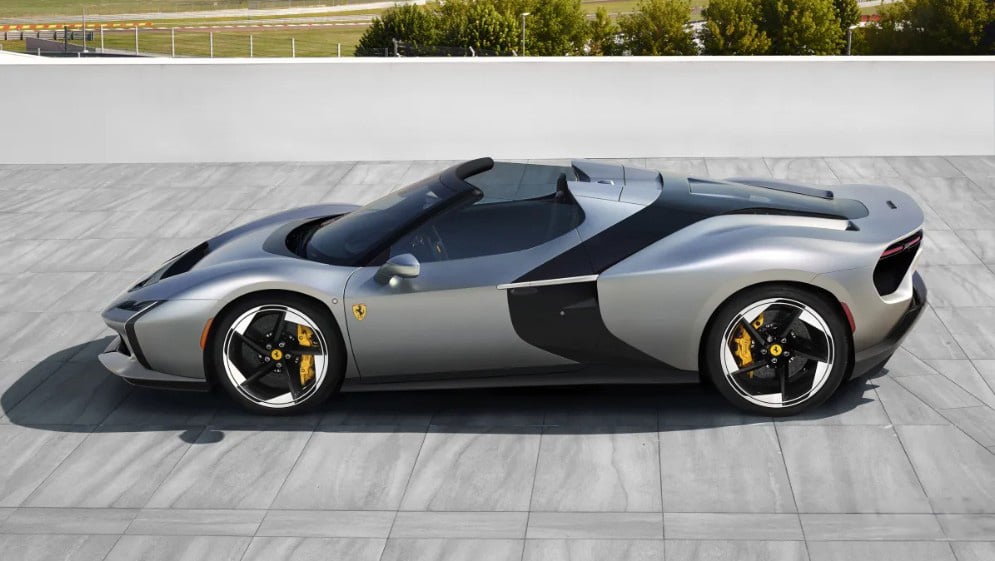
Ferrari says even the headlights were specially developed for the HC25, using slimmer lens technology not previously seen on a production Ferrari. The lighting signature introduces a new boomerang-shaped daytime running light design that could hint at styling themes for future models.
Inside, the cabin moves away from the heavy carbon-fibre and Alcantara finishes common in modern supercars. Instead, the HC25 uses technical grey fabrics contrasted with bright yellow stitching and graphics, with the boomerang motif repeated in the seat upholstery and interior detailing.
Beneath the bespoke bodywork sits familiar Ferrari mechanical hardware. Unlike the hybrid-powered Ferrari 296 GTS now leading the brand’s V6 sports car line-up, the HC25 is based on the previous-generation F8 Spider platform. That means power comes from Ferrari’s 3.9-litre twin-turbocharged V8, producing around 530kW and revving to 8000rpm.
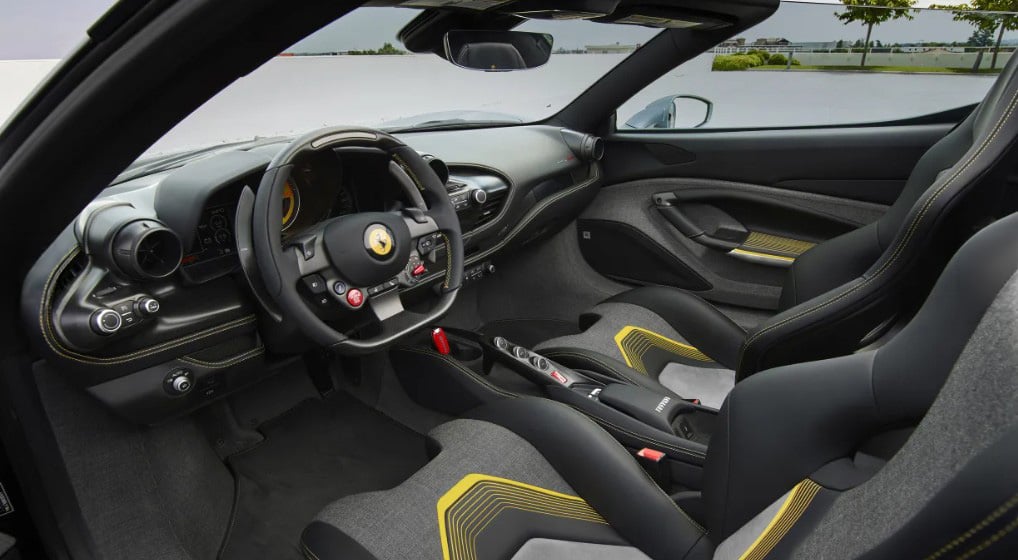
Drive is sent exclusively to the rear wheels, accompanied by a prominent exhaust system mounted high above the rear diffuser. Ferrari has not released performance figures, though the related F8 Spider was capable of accelerating from 0-100km/h in under three seconds.
Ferrari’s Special Projects program launched in 2008 and has since produced some of the company’s rarest modern creations, including the Eric Clapton-owned SP12 EC inspired by the classic 512 Berlinetta Boxer.
According to Ferrari, developing one of these custom-built vehicles typically takes around two years, with clients heavily involved throughout the design and engineering process.
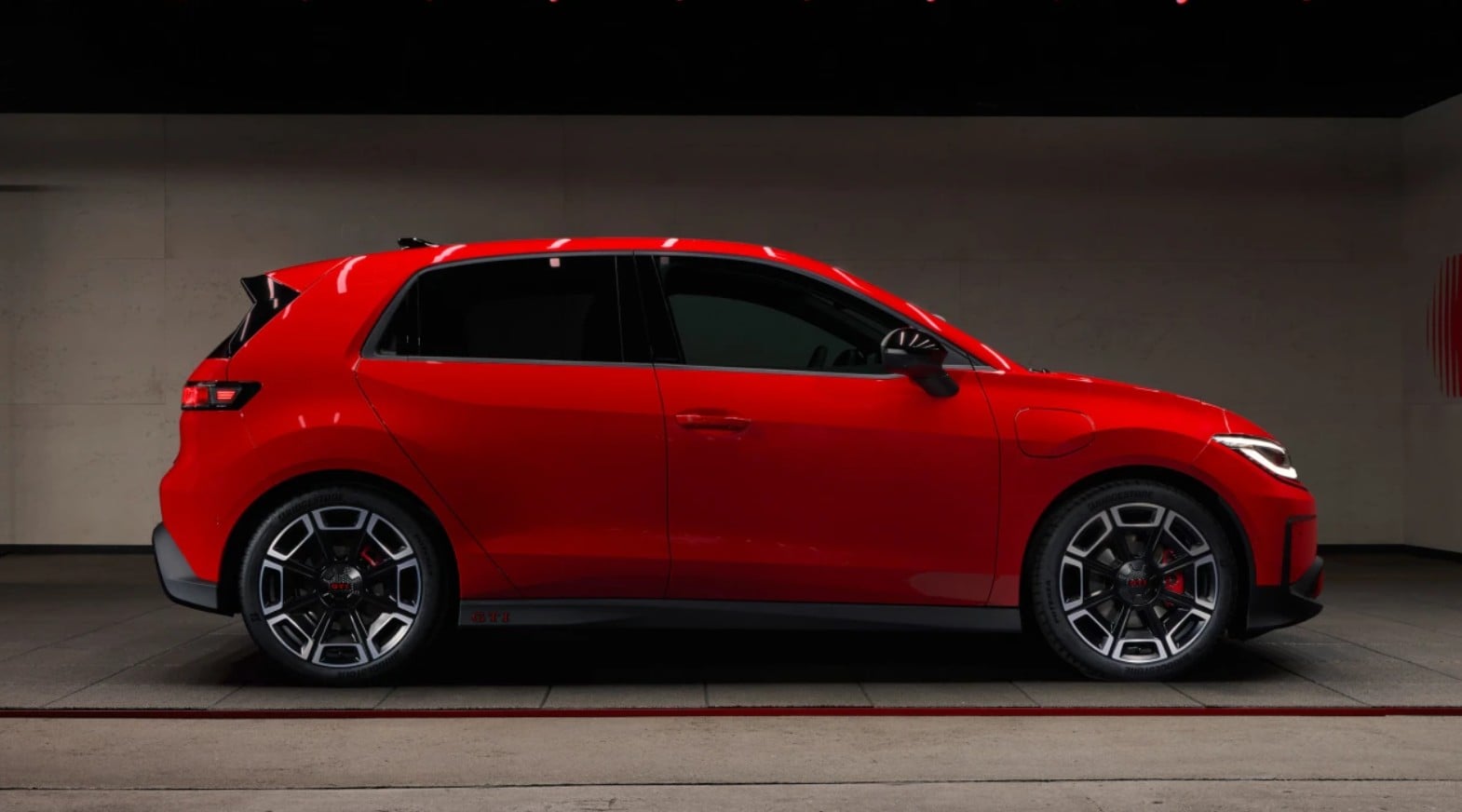
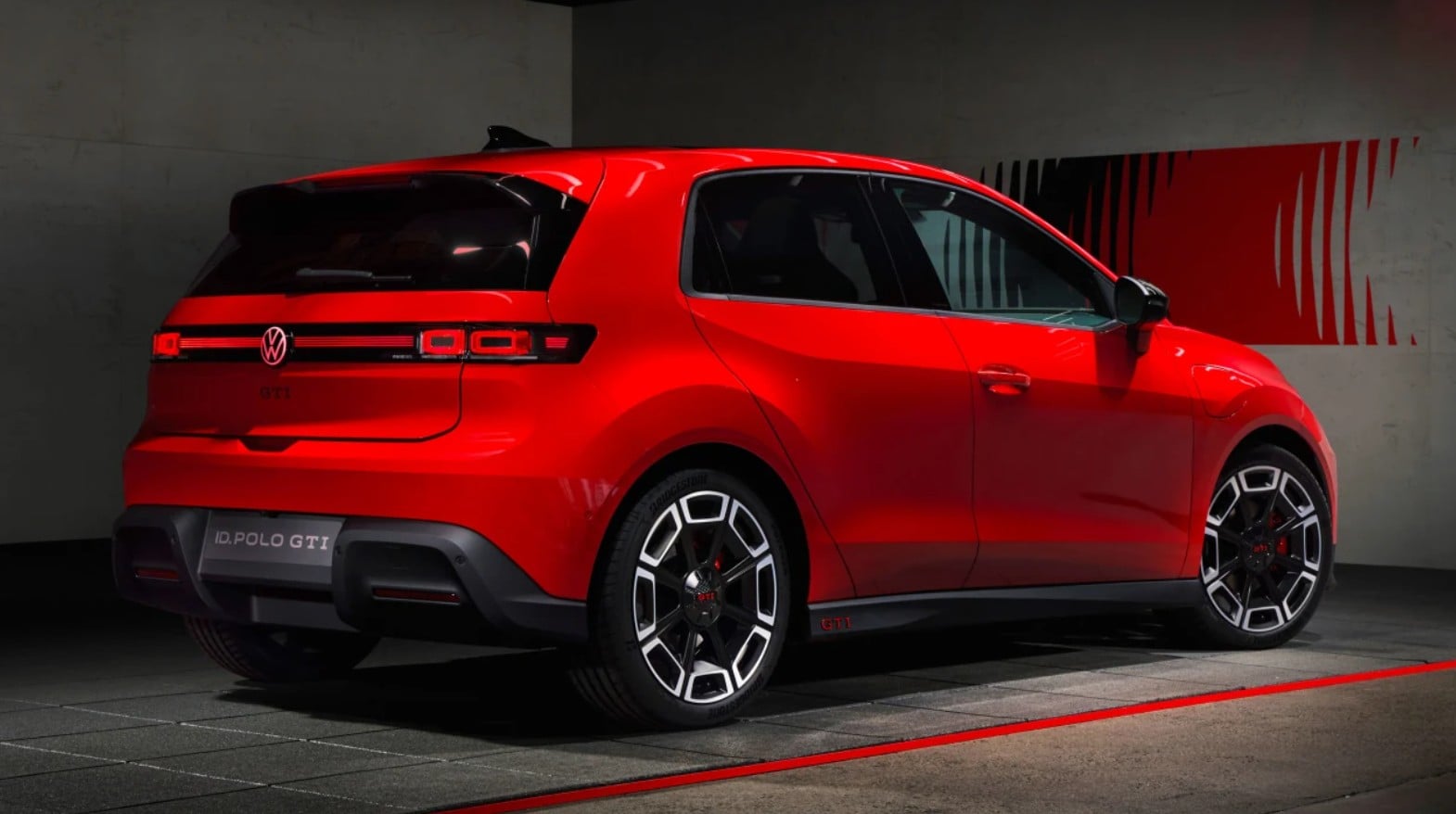
Volkswagen has revealed its first fully electric GTI model, with the upcoming ID. Polo GTI aiming to carry the spirit of the iconic hot hatch into the EV era.
Due to arrive in Europe in early 2027, the compact performance hatch has been developed as the flagship version of Volkswagen’s new-generation ID. Polo line-up. While it trades petrol power for an electric drivetrain, Volkswagen says the focus remains firmly on driver engagement rather than outright straight-line speed.
Power comes from a front-mounted electric motor producing 166kW and 290Nm, driving the front wheels through an electronically controlled locking differential. Volkswagen claims the ID. Polo GTI can accelerate from 0-100km/h in 6.8 seconds and reach a top speed of 175km/h.
Although the numbers are strong for a small hatchback, Volkswagen executives say the car’s biggest strength lies in its chassis tuning. The electric GTI features adaptive dampers, firmer springs, upgraded anti-roll bars and revised steering calibration aimed at delivering the balance between sharp handling and everyday comfort that has defined GTI models for decades.
Unlike some high-powered EVs that rely heavily on all-wheel drive, Volkswagen has deliberately retained a front-wheel-drive layout to preserve the familiar character of earlier GTIs.
The new electric hot hatch also introduces a dedicated GTI driving mode, activated via a red steering-wheel button. This sharpens throttle response, steering weight and suspension settings while changing the digital instrument graphics and interior lighting themes. Launch control is also included.
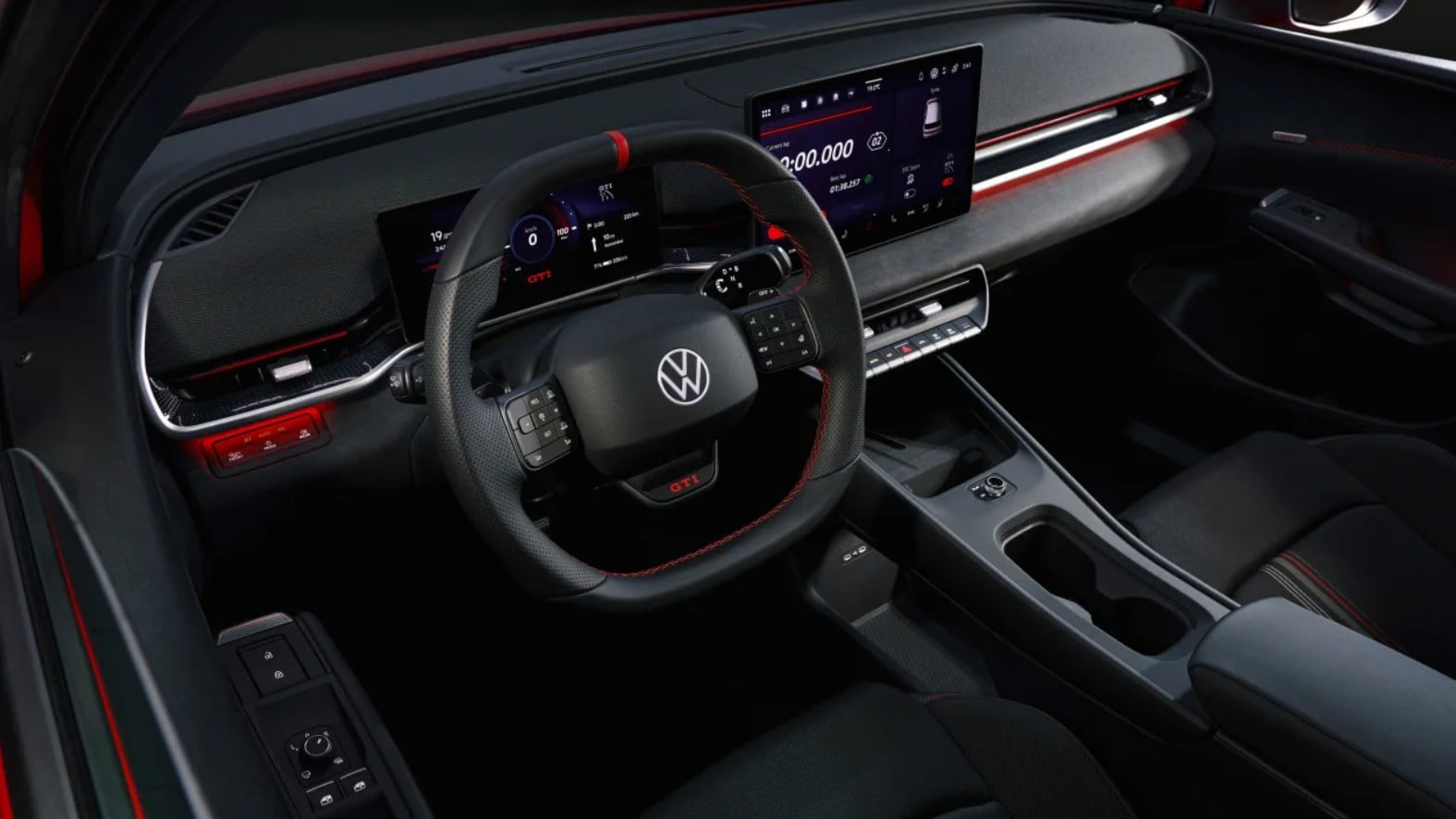
Visually, the ID. Polo GTI adopts a more aggressive bodykit than standard models, including a redesigned front bumper, honeycomb-style cooling elements, a rear diffuser and GTI’s trademark red grille detailing. Optional 19-inch alloy wheels reference the original GTI’s golf ball gearknob design through their centre caps.
Inside, Volkswagen has avoided an overly futuristic approach, instead blending traditional GTI cues with the latest digital technology. Sports seats feature updated tartan trim, while microfleece upholstery and red contrast stitching help distinguish the performance model from regular variants.
The ID. Polo GTI uses a 52kWh lithium-ion battery offering a claimed driving range of up to 417km under WLTP testing. DC fast charging at up to 105kW allows a 10 to 80 per cent recharge in approximately 24 minutes.
Despite measuring just over 4.0 metres long, Volkswagen says the electric hatch offers more cabin space than the combustion-engined Polo, along with a 441-litre boot.
The latest list of cars that will cease production in 2026 comes as a hard read for anyone passionate about driving thrills.
Some of the cars on this list still carry ‘safe for now’ status in Australia, but for Europe, the news is much more dire, as this latest list compiled by Motor1 Germany reveals. Be it overall vehicle age, lack of demand, or a failure to meet stricter emissions regulations, here are the key vehicles being pulled from the European market in 2026.
Alpine A110
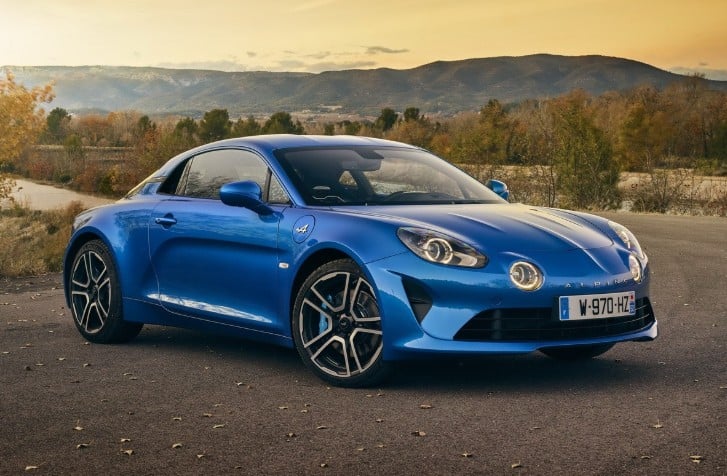
Restrictive side impact crash regulations meant Australian deliveries of the lightweight Alpine A110 sports car ceased in 2021, but its low-volume status means it was always an exciting rarity on local roads.
Alpine’s next model is an electric four-door crossover, although the brand promises it retains sports car DNA. As for the mid-engined A110, a successor is on the way, but Alpine has yet to reveal exactly what form it will take.
Audi A1 and Q2
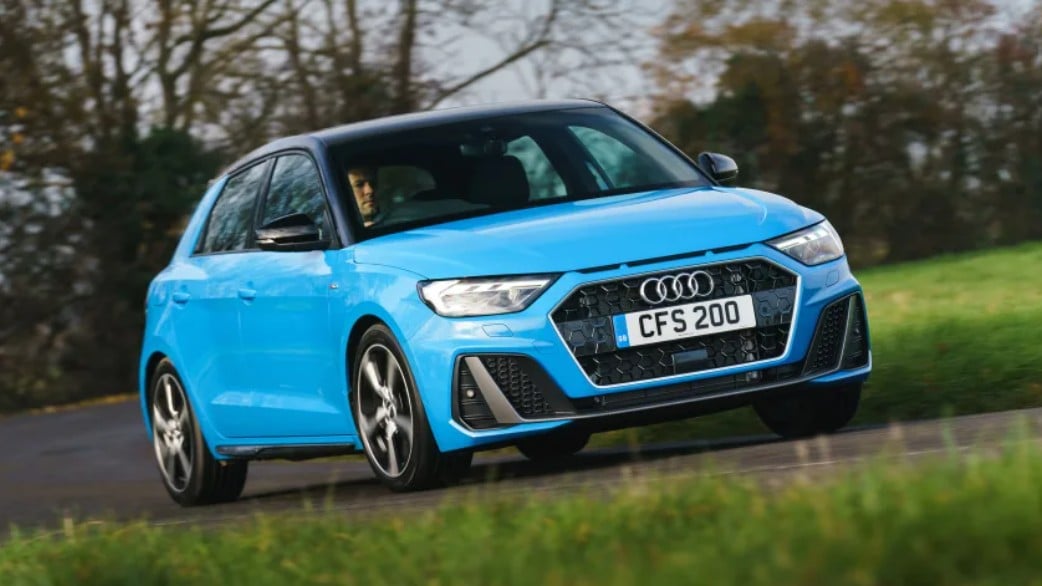
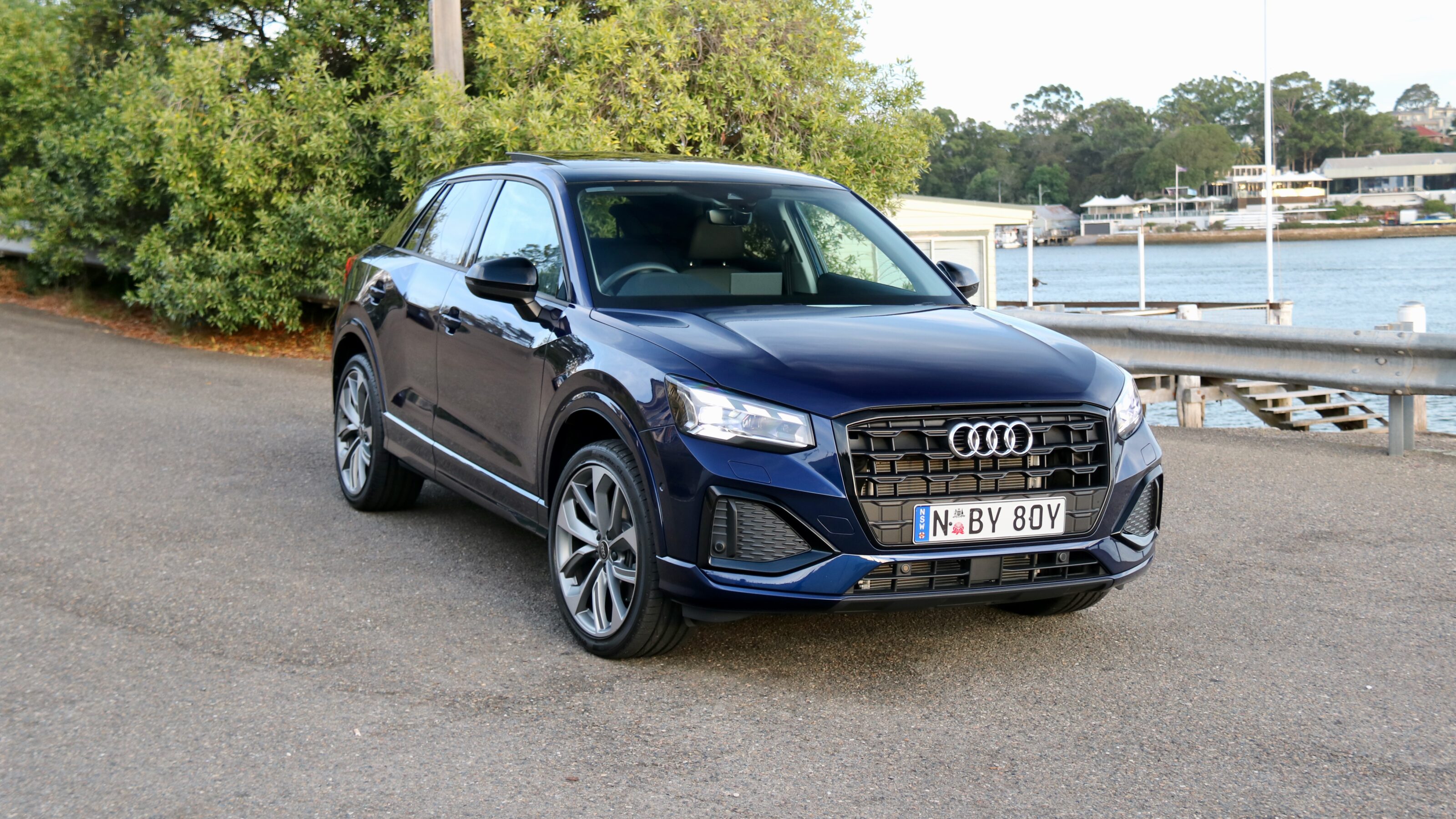
As previously reported, Audi’s two most compact models are not getting renewed in 2026 and will instead cease production. While the more pedestrian models may not be worth shedding a tear over, the striking small car design of the A1 and spicy SQ2 SUV will be missed.
Audi isn’t retreating from the compact space entirely, with the A2 nameplate set to be revived in Europe, this time on a compact electric vehicle that will offer city-friendly dimensions with the space and practicality of a mini-MPV.
Audi A8
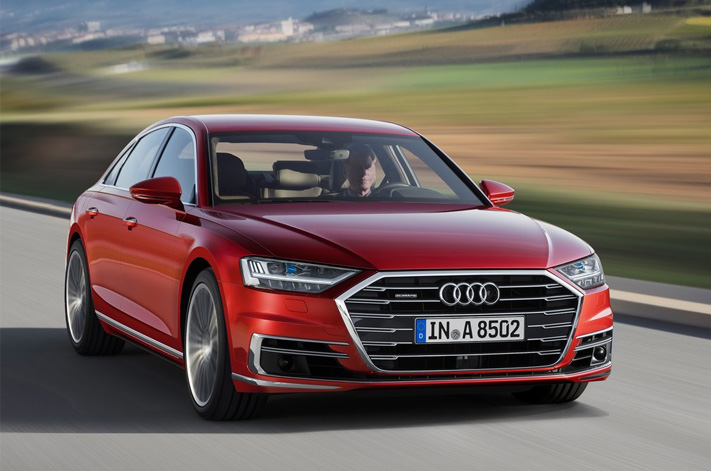
At the complete opposite end of its line-up, Audi is also pulling the pin on its A8 luxury sedan.
The flagship rival to cars like the BMW 7 Series and Mercedes-Benz S-Class, both of which have been recently updated, won’t get further updates in Europe. Orders are already closed, and remaining stock will slowly filter out.
Taking its place at the top of the Audi range, a new Q9 SUV, with a larger three-row SUV form factor, is set to debut soon.
BMW Z4

The BMW Z-car legacy reaches back as far as 1989, when the compact and lightweight Z1 was first introduced, followed by the more traditional Z3 roadster in 1995.
After three generations of Z4, and having outlived rivals like the Mercedes-Benz SLK and Audi TT, BMW is calling an end to its open-top sports car legacy. No replacement is expected for the Z4, leaving the current 4 Series as the last convertible in BMW showrooms.
Ford Kuga
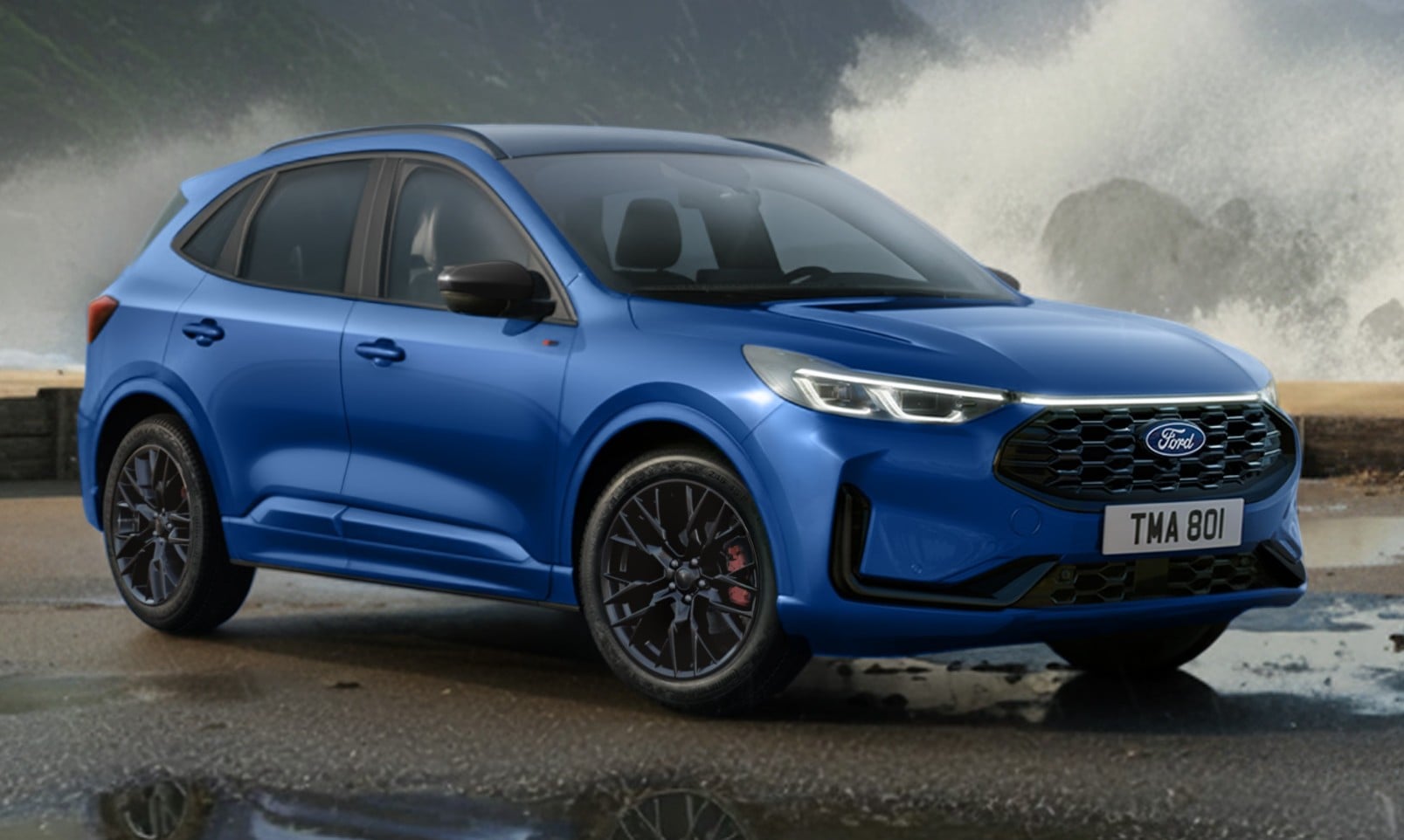
Perhaps not as highly valued by the enthusiast community, but the Ford Kuga (last sold in Australia as the Ford Escape) is a big-volume player to dip out of the European market in 2026.
American production has ceased, and European production looks set to follow suit. A successor has not yet been named, but for Europe, at least, Ford has the slightly smaller Volkswagen-based Explorer EV to maintain a presence in the market.
Honda Civic Type R
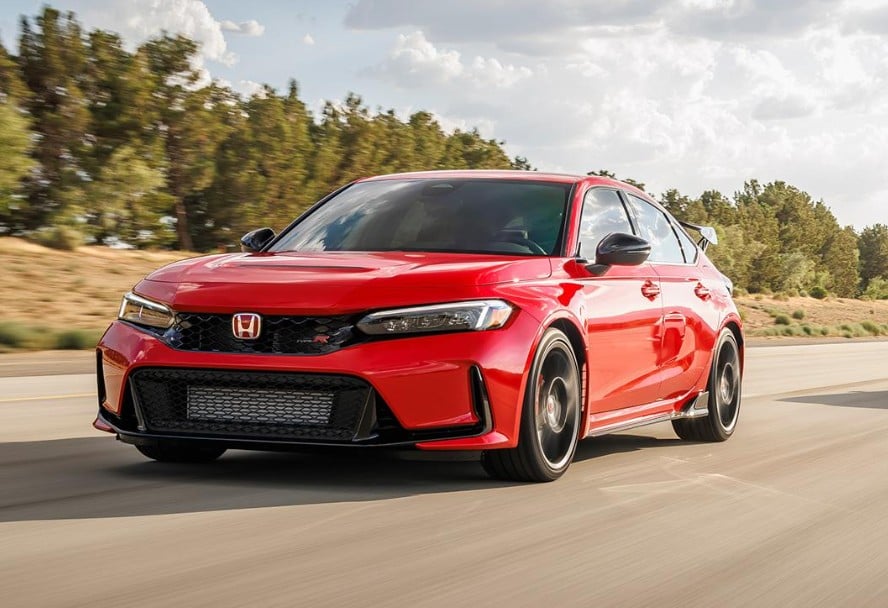
Australian buyers can rest easy for a while; the Honda Civic Type R hot hatch will remain on sale in markets outside of Europe for a little longer.
The benchmark front-wheel-drive hot-hatch won’t live on in Europe, however, where high prices and a lack of emissions-reducing technology have meant an end to the model’s run. A final 40-car Ultimate Edition launched in 2025 to commemorate its end.
Jaguar F-Pace
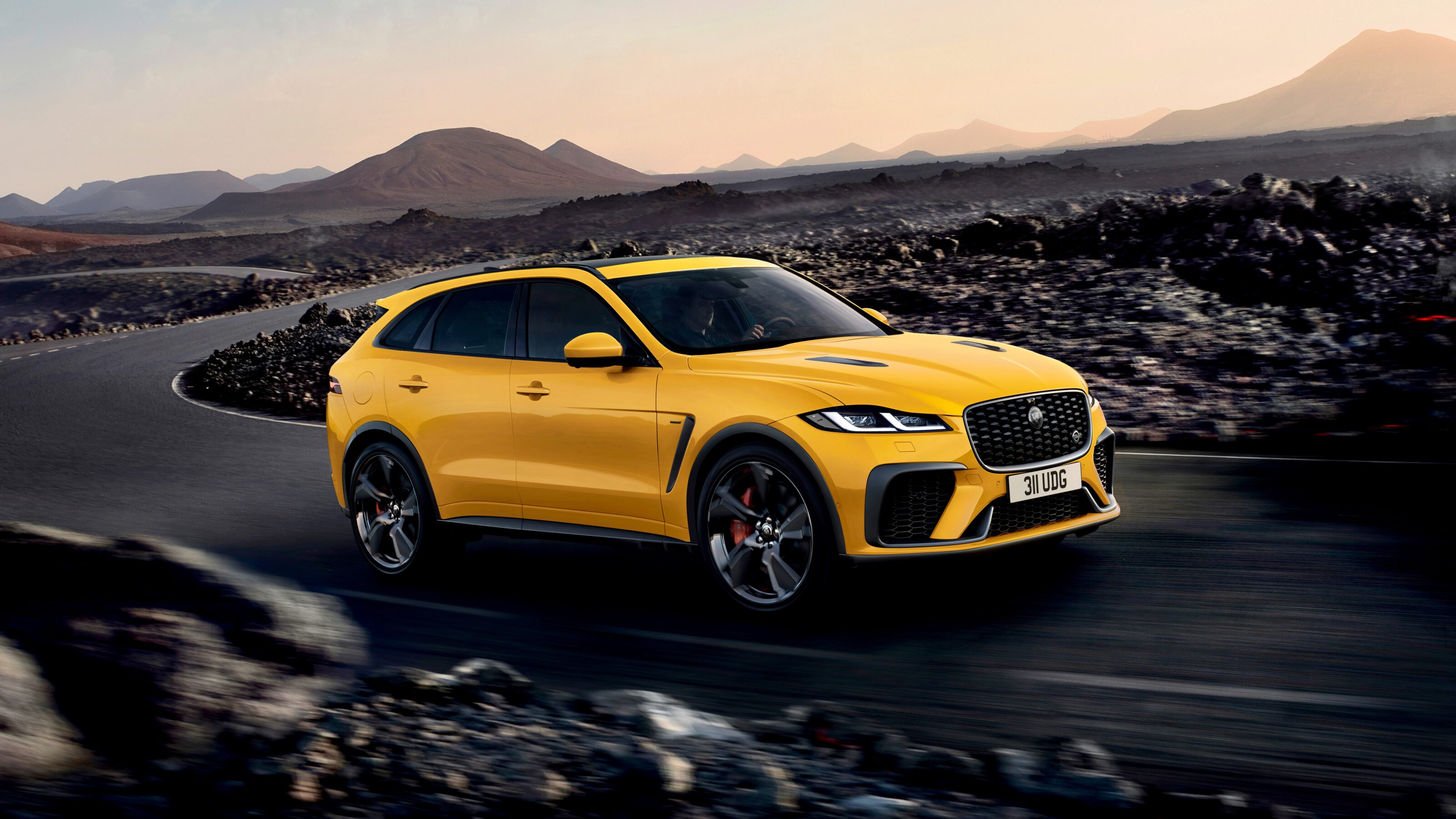
A new all-electric direction for Jaguar saw the brand halt all its then-current models in 2025, with the F-Pace SUV the last to go.
European stock is now all but gone, and the situation is the same in Australia. As a farewell, the F-Pace SVR 575 Ultimate Edition gave Jaguar’s SUV the supercharged V8 send-off it deserved.
Mazda MX-30 R-EV
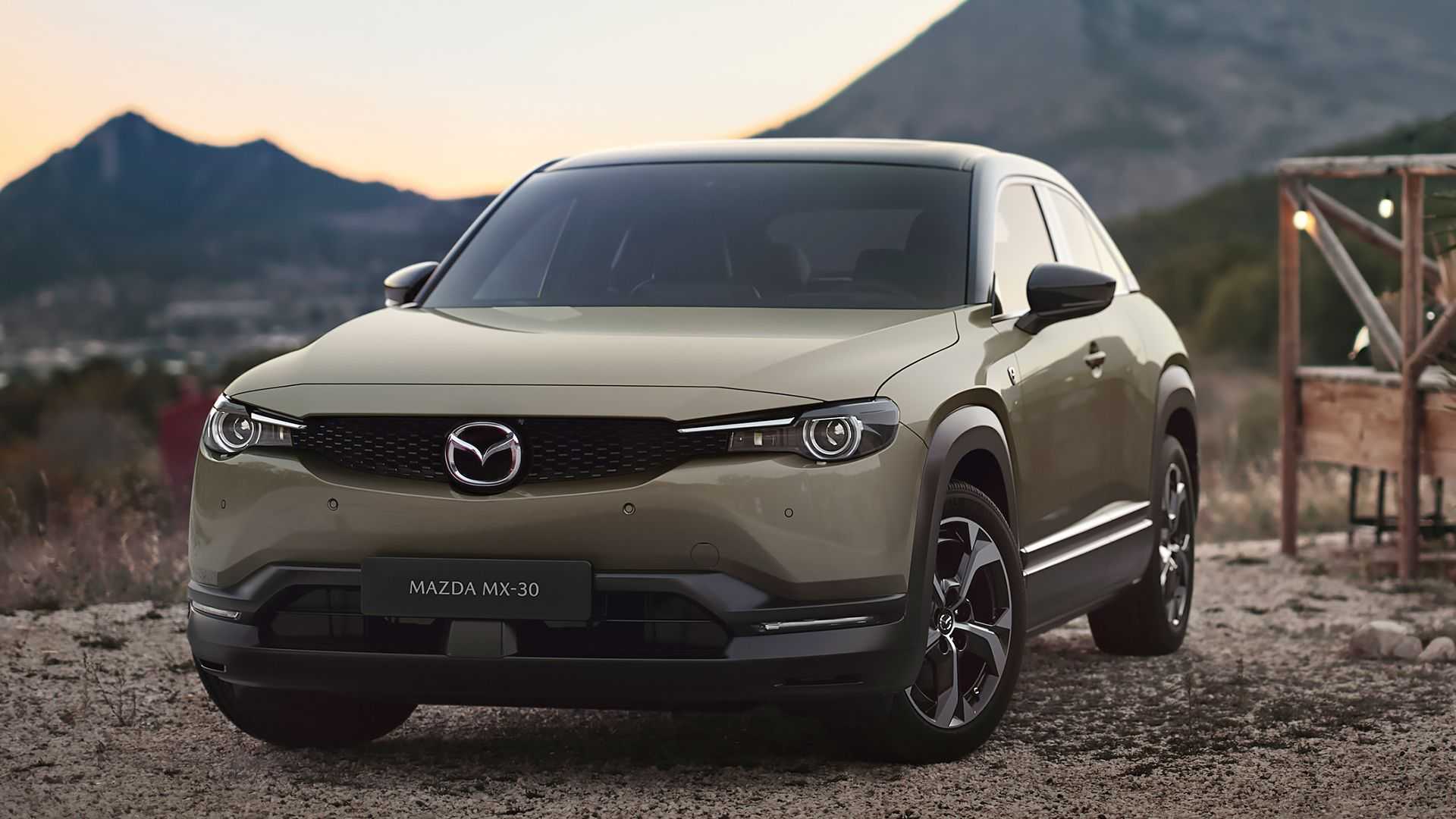
Few Australians have probably given the unusual Mazda MX-30 much thought, but after its discontinuation in Australia in 2023, the rotary-powered range-extender version of the MX-30 has met its end in Europe.
While its EV driving range and moderate motor outputs were far from headline acts, the low weight and concentrated effort on keeping Mazda’s Zoom-Zoom DNA intact made the MX-30 one of the most fun to drive EVs you can get your hands on.
Toyota GR86
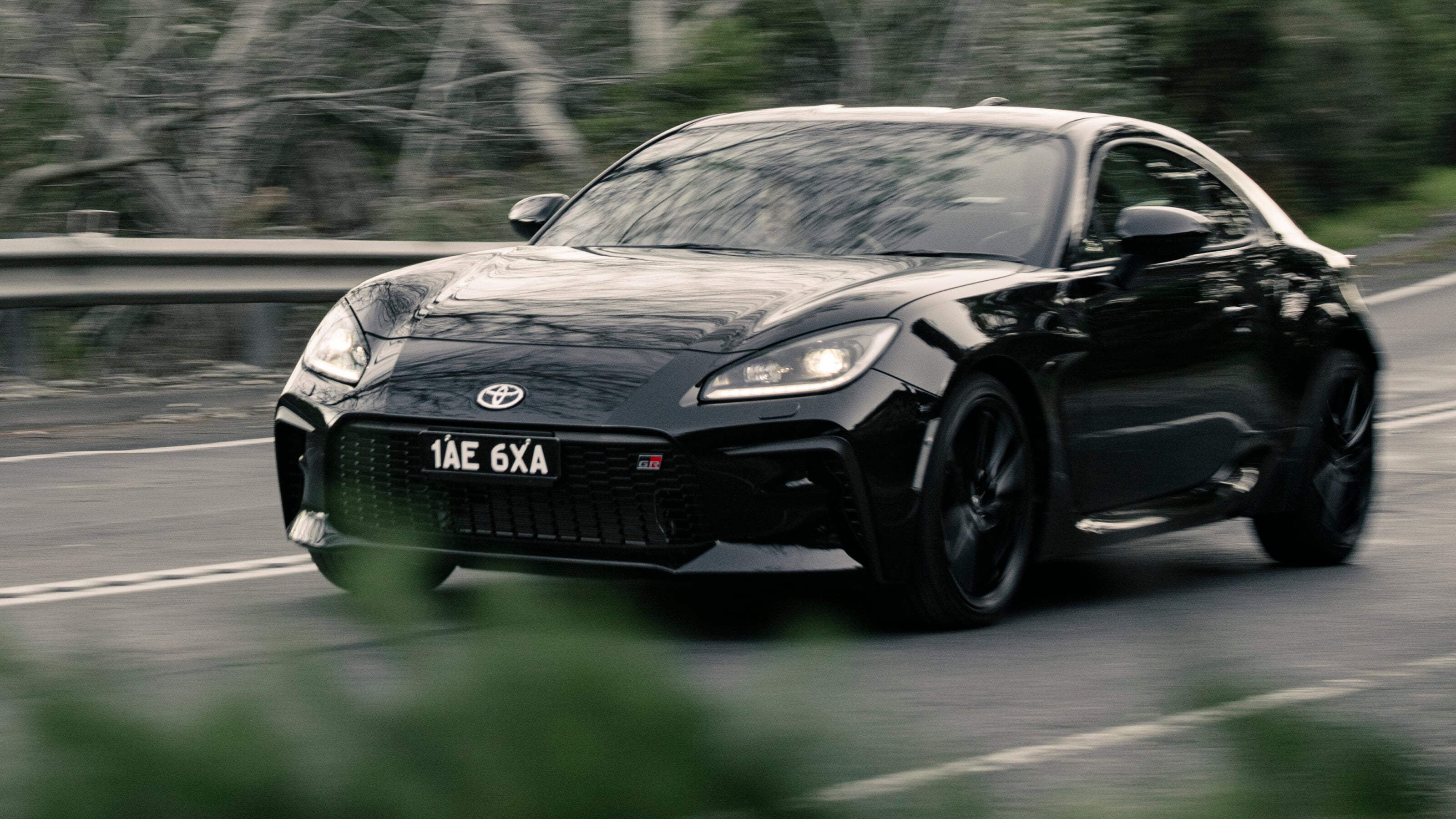
Another worrying inclusion on the list is the Toyota GR86 coupe, but Australian supply remains safe for now.
The GR86, like the Civic Type R, doesn’t have any hybrid assistance or other emissions-reducing tricks up its sleeve to keep it alive. The result is a driving experience that’s much more pure.
It’s possible, however, that a reborn Celica could take the GR86’s place with a new turbocharged two-door – one of the worst-kept secrets in Toyota’s future plans.
First published in the April 1974 issue of Wheels magazine, Australia’s best car mag since 1953. Subscribe here and gain access to 12 issues for $109 plus online access to every Wheels issue since 1953.
We might as well lead off with the admission that this Ford RS2000 is a crazy mixed up kid in the car world – but you can’t help liking its cheek.
It is a blatantly bestriped, hot machine at a time when such is supposed to be the original sin. Yet it is paradoxically a very logical way to have your whiff of fun and still consume relatively little fuel. So maybe Ford doesn’t really regret launching the car just before the energy crisis after all.
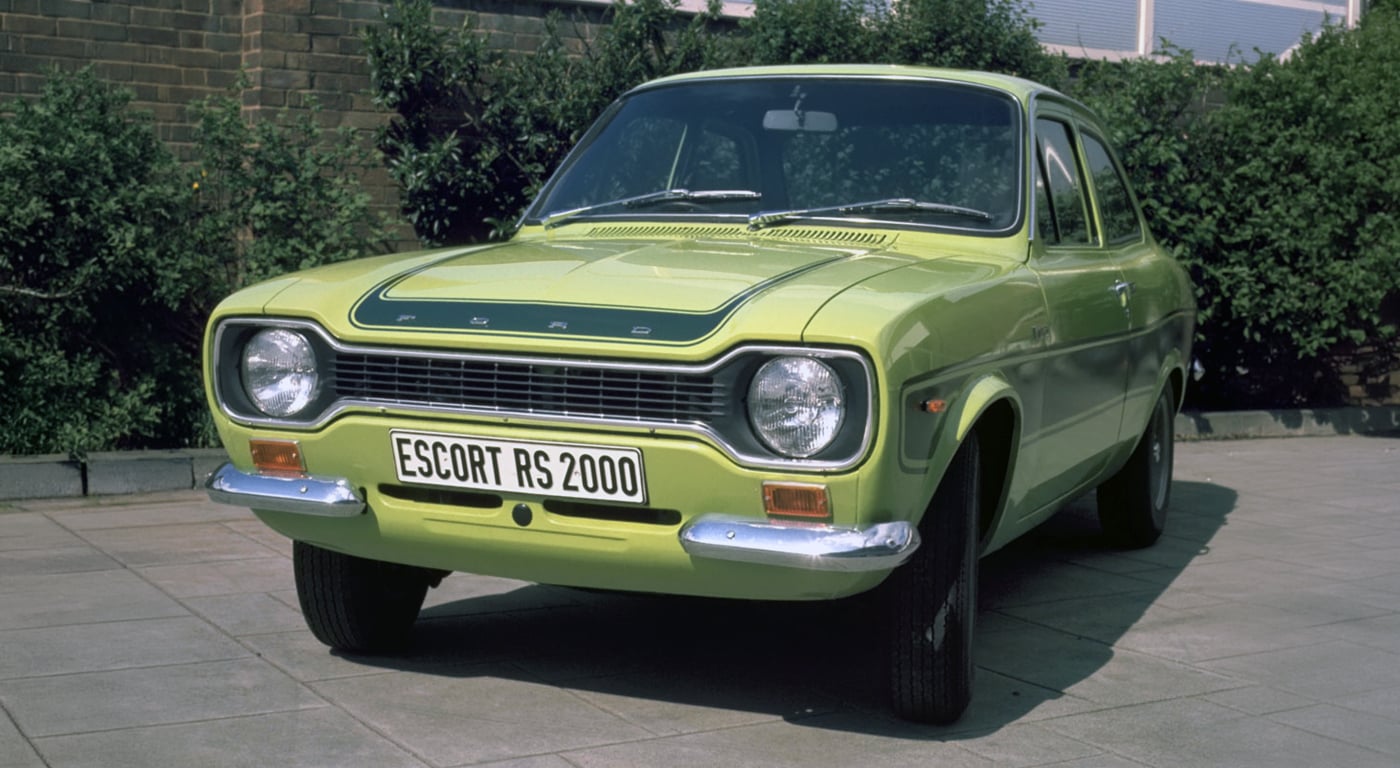
The idea was simplicity itself. Digging into those near-bottomless parts bins, both English and German, Ford took an ubiquitous Escort shell which weighs a mere ton and stuffed in the ex-Pinto (and Australian Cortina 2000) single-OHC four to make a cheap goer with very low state of tune but the credentials of a hot sedan.
With 100 (DIN) bhp it fails between the Escort Mexico and race-engined BDA yet the power/weight ratio is such that it will outdrag the BMW 2002, go very nearly as fast in top, and costs 15-25 per cent less. Being an RS Ford (which means it is only sold through selected dealers), it also benefits from Ford’s infinite options list. Some of these items are essential.
All this for around A$2750 in Europe, and now that production has been taken away from those famous English non-workers, quality is acceptable too. The RS2000s come solely from Ford’s continental plant.
Obviously A$2750 isn’t enough to eliminate all the compromises which may be traced to the original low-budget Escort. The interior is not plush and the back axle is still a crude beam.
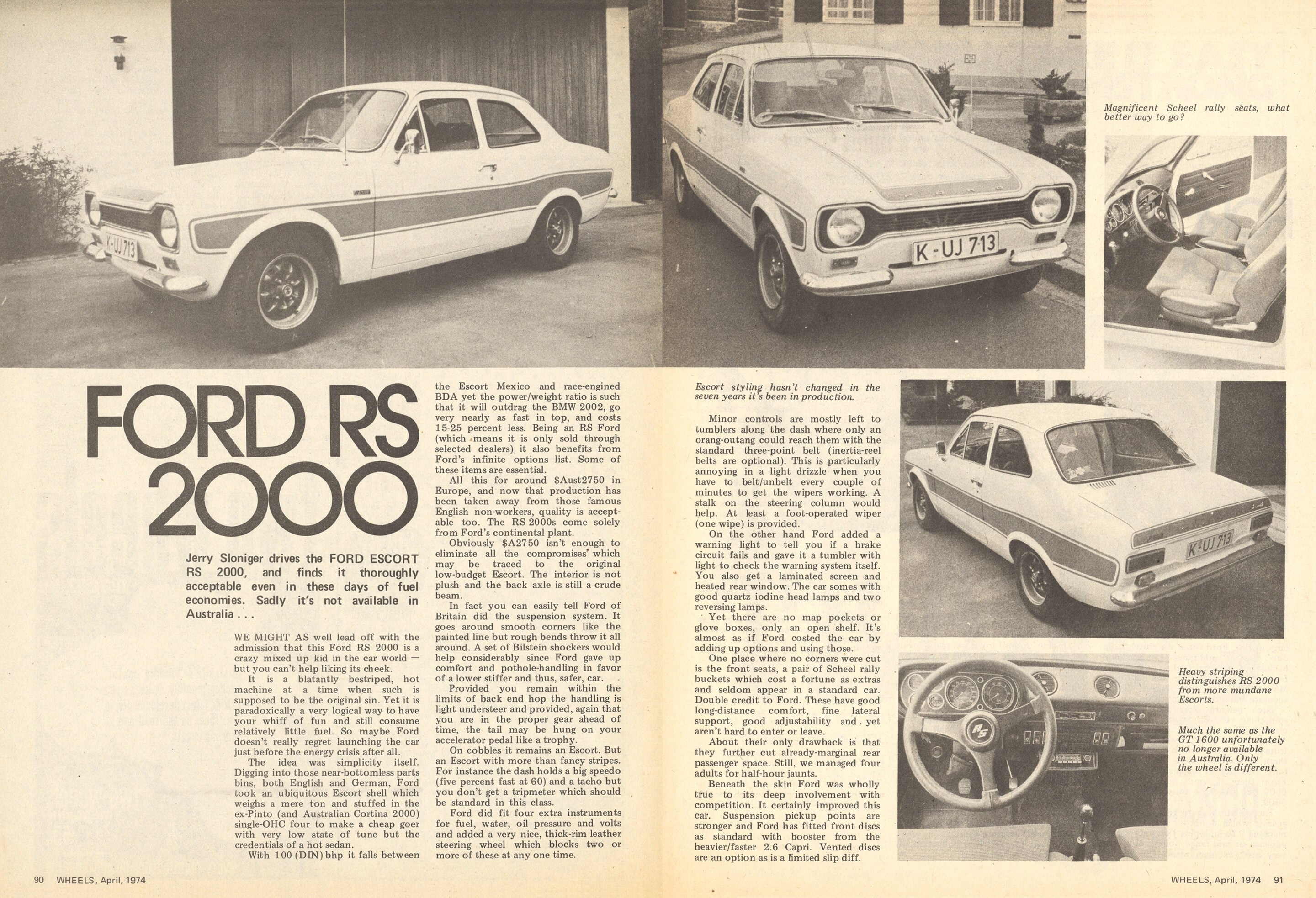
In fact you can easily tell Ford of Britain did the suspension system. It goes around smooth corners like the painted line but rough bends throw it all around. A set of Bilstein shockers would help considerably since Ford gave up comfort and pothole-handling in favor of a lower, stiffer and thus, safer, car.
Provided you remain within the limits of back end hop the handling is light understeer and provided, again that you are in the proper gear ahead of time, the tail may be hung on your accelerator pedal like a trophy.
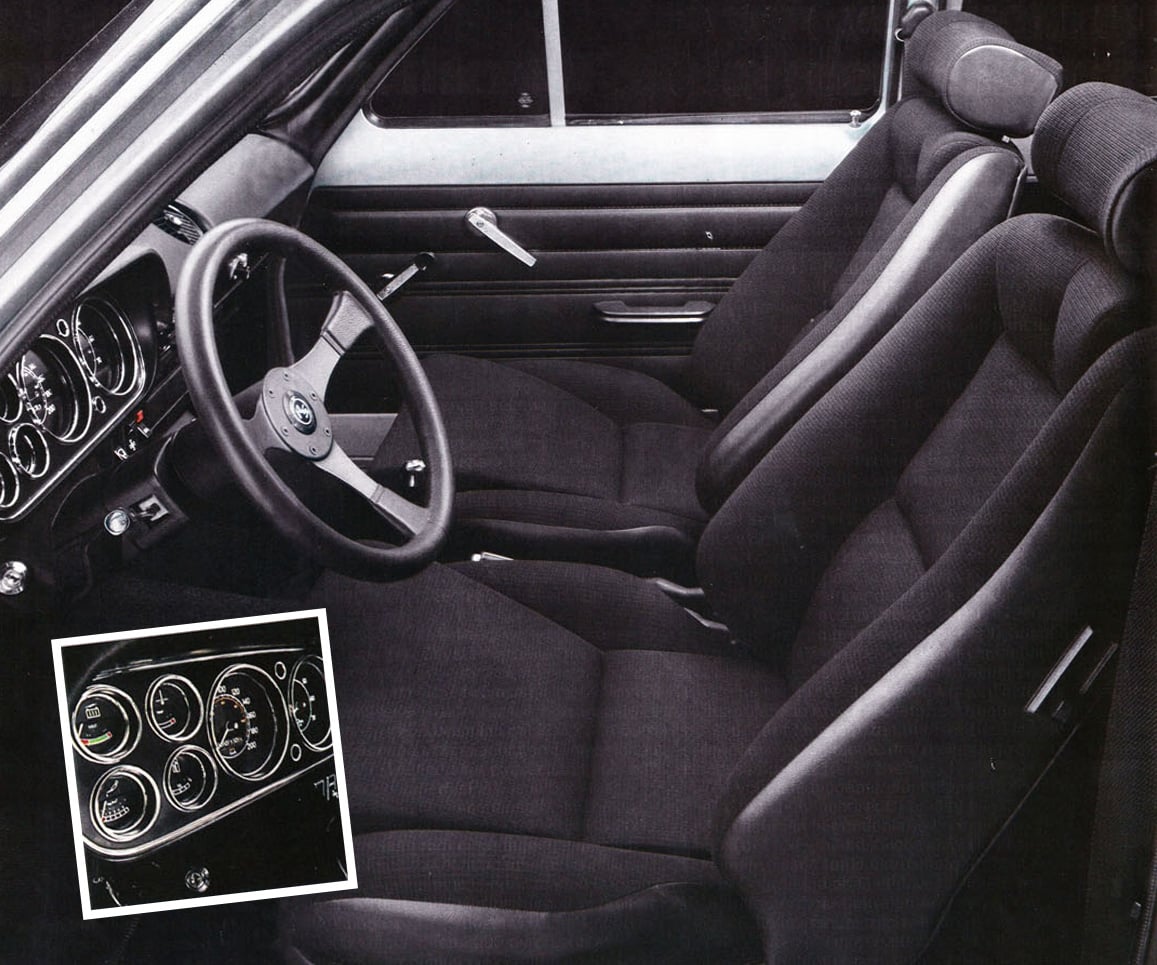
On cobbles it remains an Escort. But an Escort with more than fancy stripes. For instance the dash holds a big speedo (five per cent fast at 60) and a tacho but you don’t get a tripmeter which should be standard in this class.
Ford did fit four extra instruments for fuel, water, oil pressure and volts and added a very nice, thick-rim leather steering wheel which blocks two or more of these at any one time.
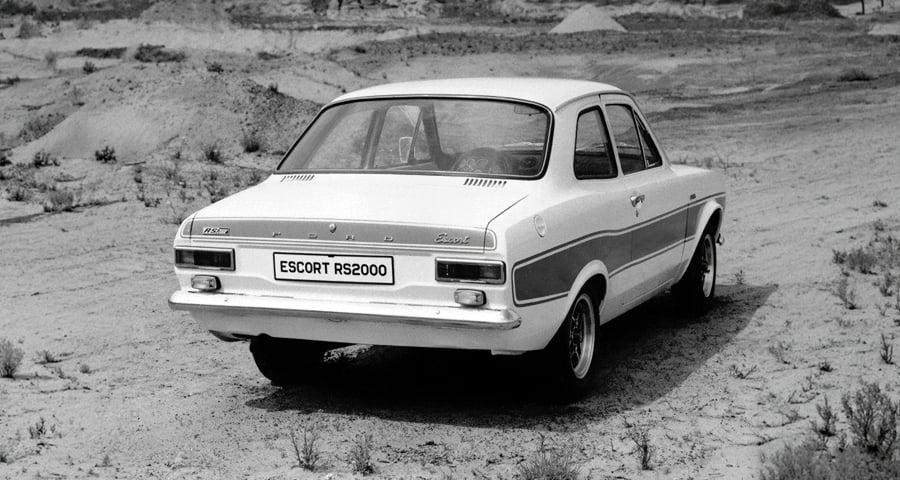
Minor controls are mostly left to tumblers along the dash where only an orang-outang could reach them with the standard three-point belt (inertia-reel belts are optional). This is particularly annoying in a light drizzle when you have to belt/unbelt every couple of minutes to get the wipers working. A stalk on the steering column would help. At least a foot-operated wiper (one wipe) is provided.
On the other hand Ford added a warning light to tell you if a brake circuit fails and gave it a tumbler with light to check the warning system itself. You also get a laminated screen and heated rear window. The car comes with good quartz iodine head lamps and two reversing lamps.
Yet there are no map pockets or glove boxes, only an open shelf. It’s almost as if Ford costed the car by adding up options and using those.
One place where no corners were cut is the front seats, a pair of Scheel rally buckets which cost a fortune as extras and seldom appear in a standard car. Double credit to Ford. These have good long-distance comfort, fine lateral support, good adjustability and yet aren’t hard to enter or leave.
About their only drawback is that they further cut already-marginal rear passenger space. Still, we managed four adults for half-hour jaunts.
Beneath the skin Ford was wholly true to its deep involvement with competition. It certainly improved this car. Suspension pickup points are stronger and Ford has fitted front discs as standard with booster from the heavier/faster 2.6 Capri. Vented discs are an option as is a limited slip diff.
The RS2000 is lowered an inch, has negative camber in front and is fitted with wider 5½ inch pierced steel rims with good wide radials. Steering is light and precise.
To handle the extra power of the large engine, Ford fitted the clutch from one of the mid-range Consuls and backed it up with the outstanding four-speed gearbox from the big Capri. Movements are very short, ultra-accurate and a constant pleasure. Such newness may also have had something to do with a lack of elasticity.
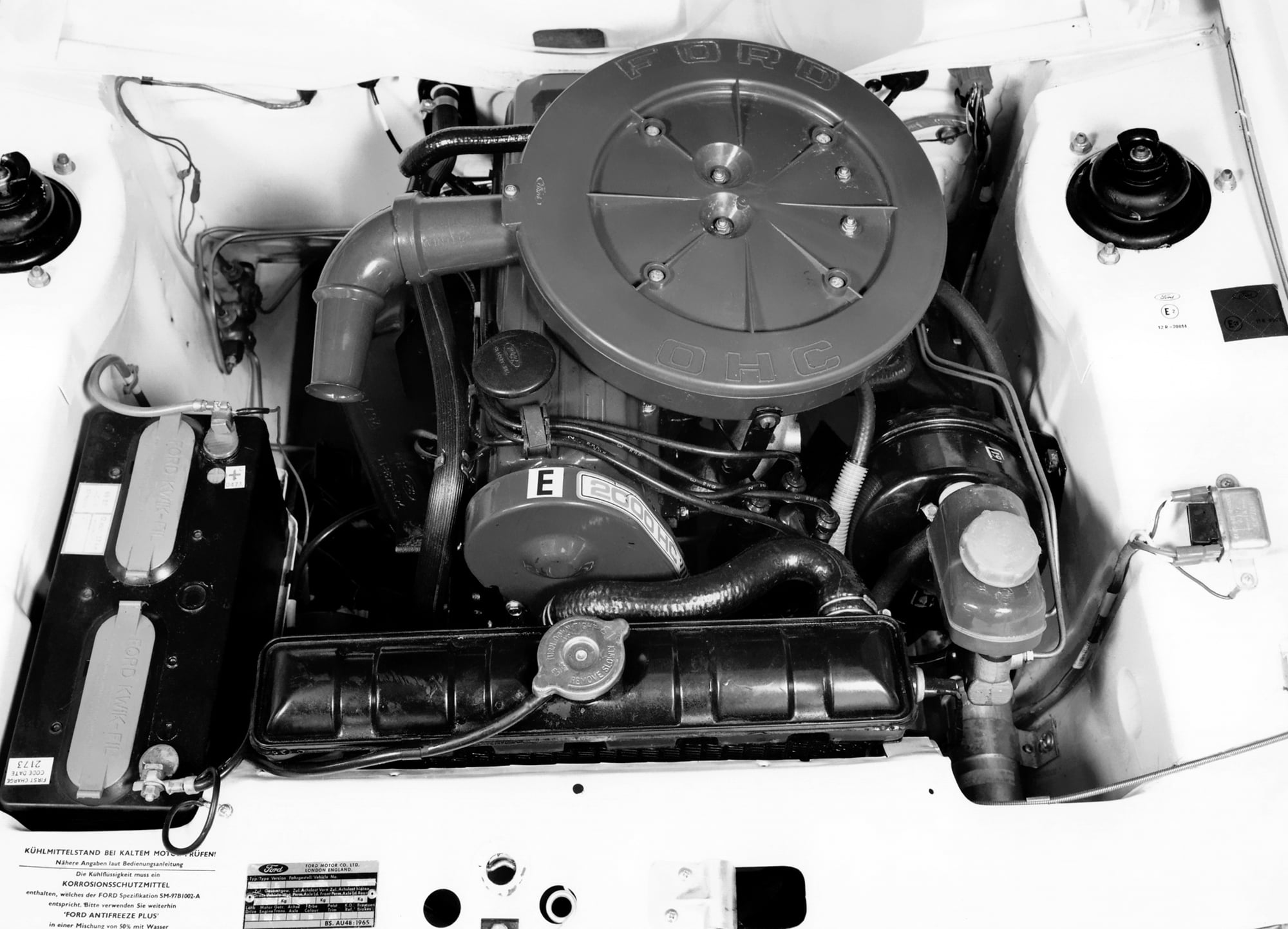
One would expect two litres to pull from ground zero in such a light car, but there is nothing below 2500 and the only real action comes above 4000. From there it winds right on out to 6500 but gets very noisy indeed above 5000.
Part of the laggard feel is the Ford gearing which doubtless aids the car in reaching 110mph-plus but only at the expense of mid-range pulling ease. The very low first gear masks this lack at stop lights but then there is a vast gap to second.
The car starts immediately from cold if the driver follows Ford’s drill, and breathes easily, taking sudden throttle changes without a murmur.
Driving round town returned over 20mpg while the 2000 did an easy 27 cruising in speed-limited Germany. Used hard, the car still returns some 23mpg which renders the nine gallon tank size highly useful.
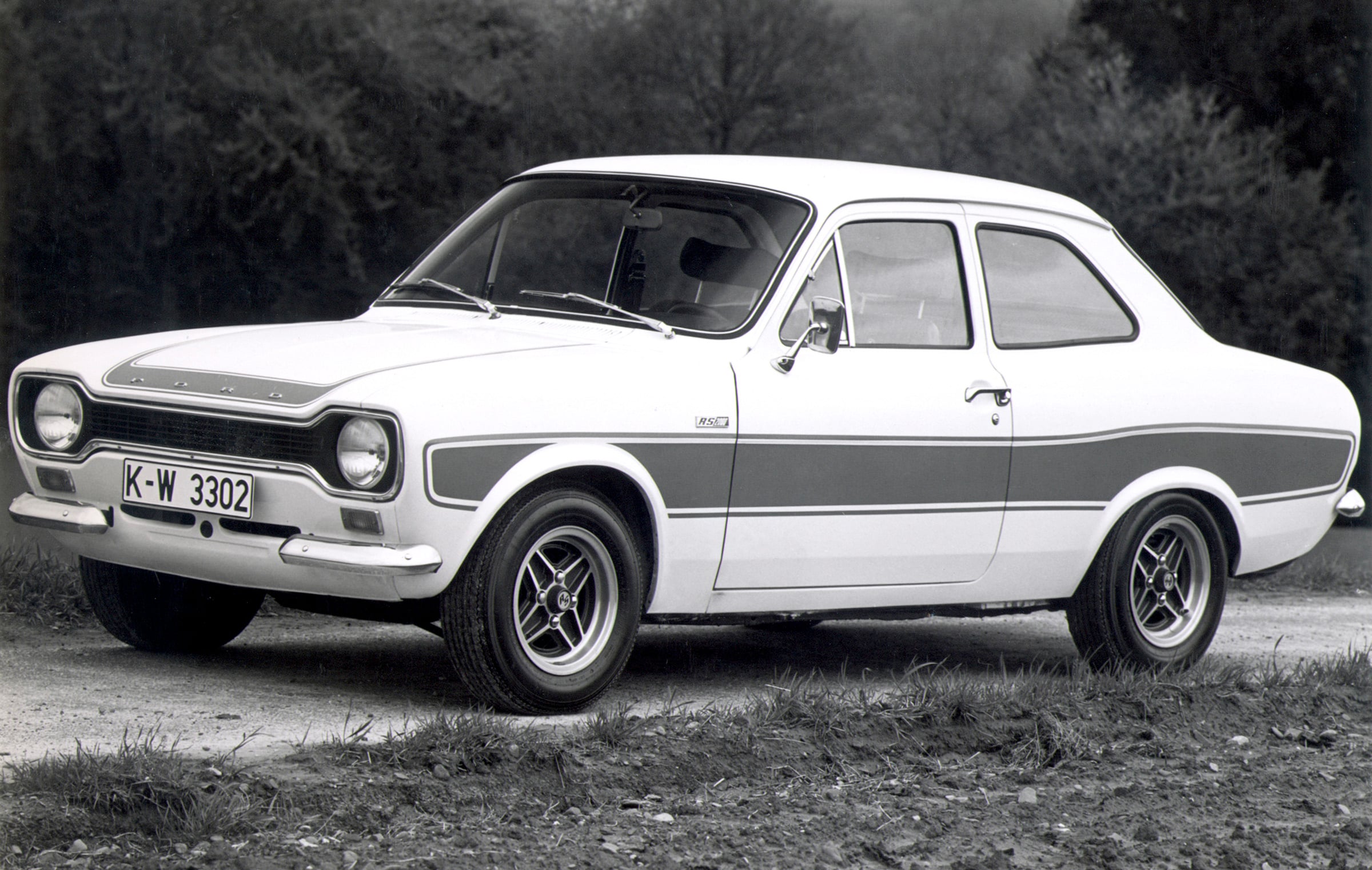
The body style has been around quite a while now but this one generated less wind noise than earlier models. Only turbulence from the outside mirror was really loud.
Just as it stands the RS2000 from Ford is a fine way to feel sporting without feeling wasteful, it is taut, looks mean, and lets us recall the days of glory without overworking our ecological conscience. If competition should return to Europe it will be the budget racer’s starting point.
Not bad for a hybrid collection of parts out of a common bin.
Ford Escort RS2000 specification
| Engine | 1993cc single-OHC inline four-cylinder |
|---|---|
| Power | 74.6kW @ 5700rpm |
| Torque | 146.5Nm @ 3750rpm |
| Transmission | 4-speed manual from Capri 2.6; rear-wheel drive |
| Wheels | 5½ in. steel rims-with 165 SR 13 radial tyres |
| Dimensions (l/w/h/wb) | 3985/1572/1468/2354mm |
| Weight | 916.2kg |
| 0-60mph (97km/h) | 9.0sec |
| Top speed | 180km/h |
| Fuel consumption (on test) | 8.8L/100km |
Balancing the budget is no easy task, so when the time comes for a car that’s safe, reliable, and won’t break the bank as it competes with your other living expenses, it can be hard to know where to start.
This list of Australia’s 10 cheapest medium SUVs can help you get your head around where to start when looking for a budget-friendly new car. All 10 start below $40,000, and Australia’s cheapest medium SUV will even see you leave with change from $30,000.
Just because you’re shopping with affordability in mind doesn’t mean you need to miss out, with two plug-in hybrids on the list. Of course, Chinese brands feature heavily, with six places in the top 10, but you can even get into a Euro-branded (but not built) SUV without breaking the budget.
10. Kia Sportage S
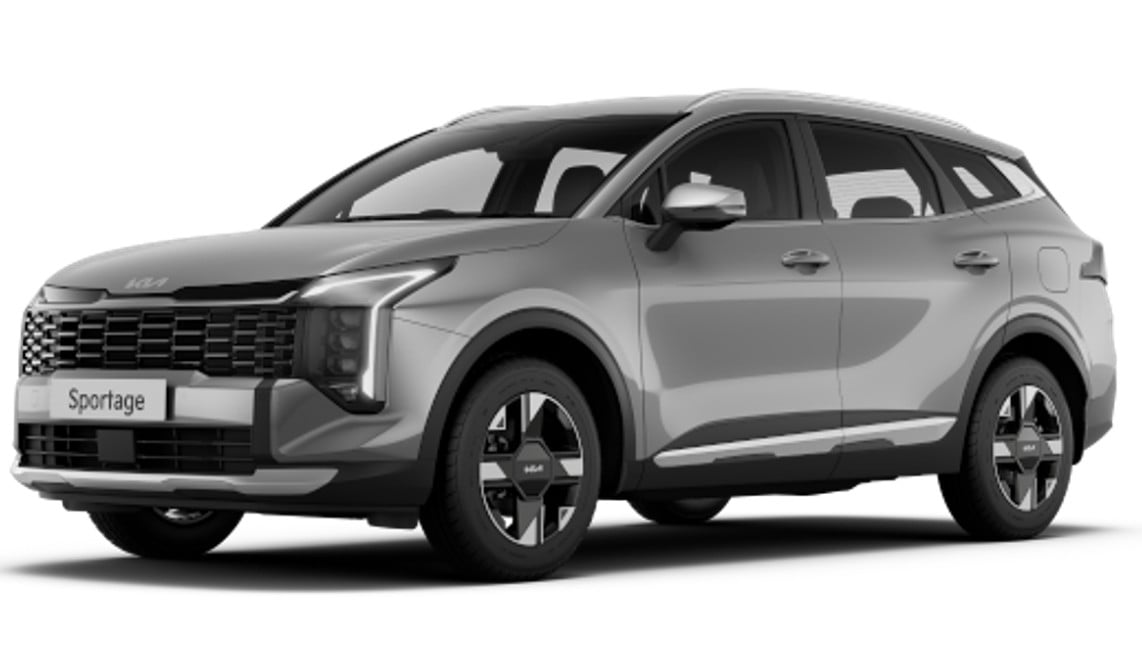
The Kia Sportage is a great example of an affordable SUV that doesn’t force you to compromise on space or style. From the outside, it has a bold design that looks premium, and on the inside, it has a big boot and space for the whole family.
Pricing starts from $38,490 plus on-road costs for the entry-level Sportage S, which comes with a 2.0-litre four-cylinder petrol engine, a six-speed automatic, and suspension and steering fine-tuned in Australia to ensure the Sportage can handle the worst that Aussie roads have to offer.
Price: From $38,490 plus on-road costs
Engine: 2.0-litre four-cylinder petrol
Transmission: Six-speed automatic
Power: 115kW
Torque: 192Nm
Fuel consumption: 8.1L/100km
Warranty: Seven years/unlimited km
Boot capacity: 543L to rear seats
9. Nissan X-Trail ST
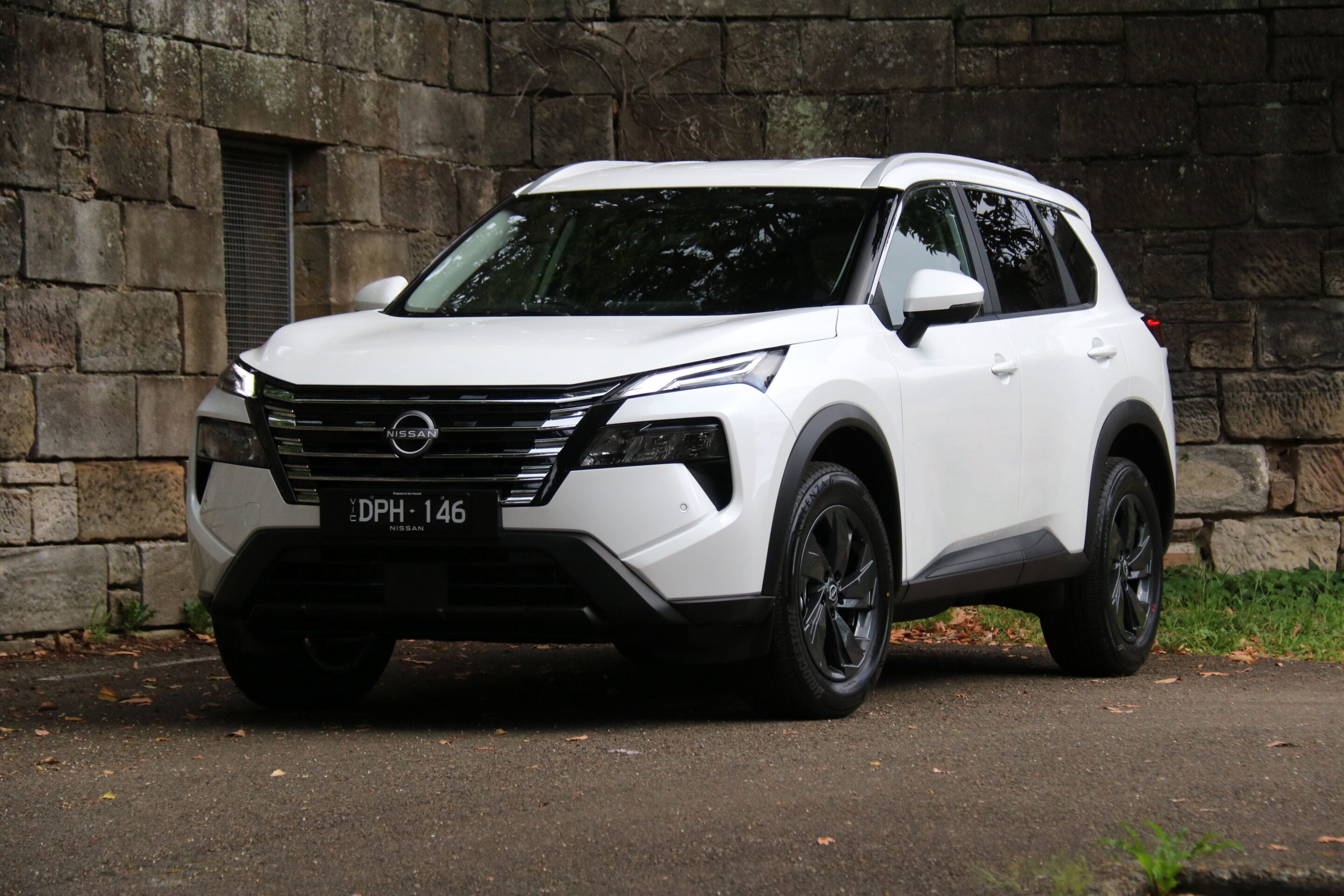
The Nissan X-Trail received an update at the start of 2026 that saw even the base model ST grade equipped with a 12.3-inch infotainment screen, wireless Android Auto and Apple CarPlay, and a wireless phone charger.
The X-Trail also benefits from a body that’s designed to accommodate seven seats. While the cheapest X-Trail ST is only a five-seater, it gets a huge boot, sliding back seats, and a configurable cargo area that makes it a breeze to live with.
Under the bonnet, you’ll find a 2.5-litre petrol engine and CVT automatic driving the front wheels. Owners may also be eligible for Nissan’s 10-year warranty if service conditions are met.
Price: From $38,140 plus on-road costs
Engine: 2.5-litre four-cylinder petrol
Transmission: CVT automatic
Power: 135kW
Torque: 244Nm
Fuel consumption: 7.4L/100km
Warranty: Up to 10 years/300,000km
Boot capacity: 585L to rear seats
8. KGM Torres ELX
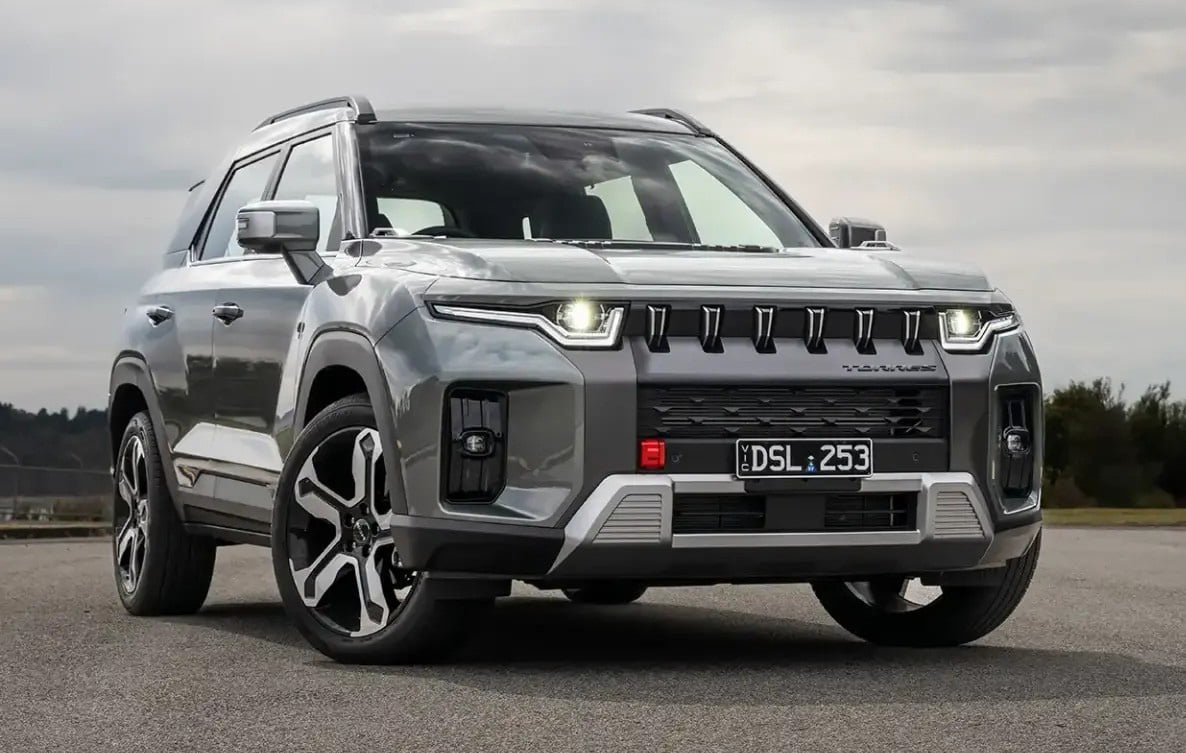
KGM is something of an unsung value champion in Australia, but don’t worry if you’re not familiar with this South Korean brand; you may know it by its previous identity, Ssangyong.
The KGM Torres features styling inspired by bigger and more rugged SUVs from KGM’s past, but rides on a passenger-car style platform, with a 1.5-litre turbo petrol engine driving the front wheels via a six-speed automatic.
The Torres is backed by a seven-year, unlimited kilometre warranty. To make purchasing simple, KGM’s entire range features driveaway pricing.
Price: From $38,000 driveaway
Engine: 1.5-litre four-cylinder turbo petrol
Transmission: Six-speed automatic
Power: 120kW
Torque: 280Nm
Fuel consumption: 7.4L/100km
Warranty: Seven years/unlimited km
Boot capacity: 465L to rear seats
7. Jaecoo J7 Track
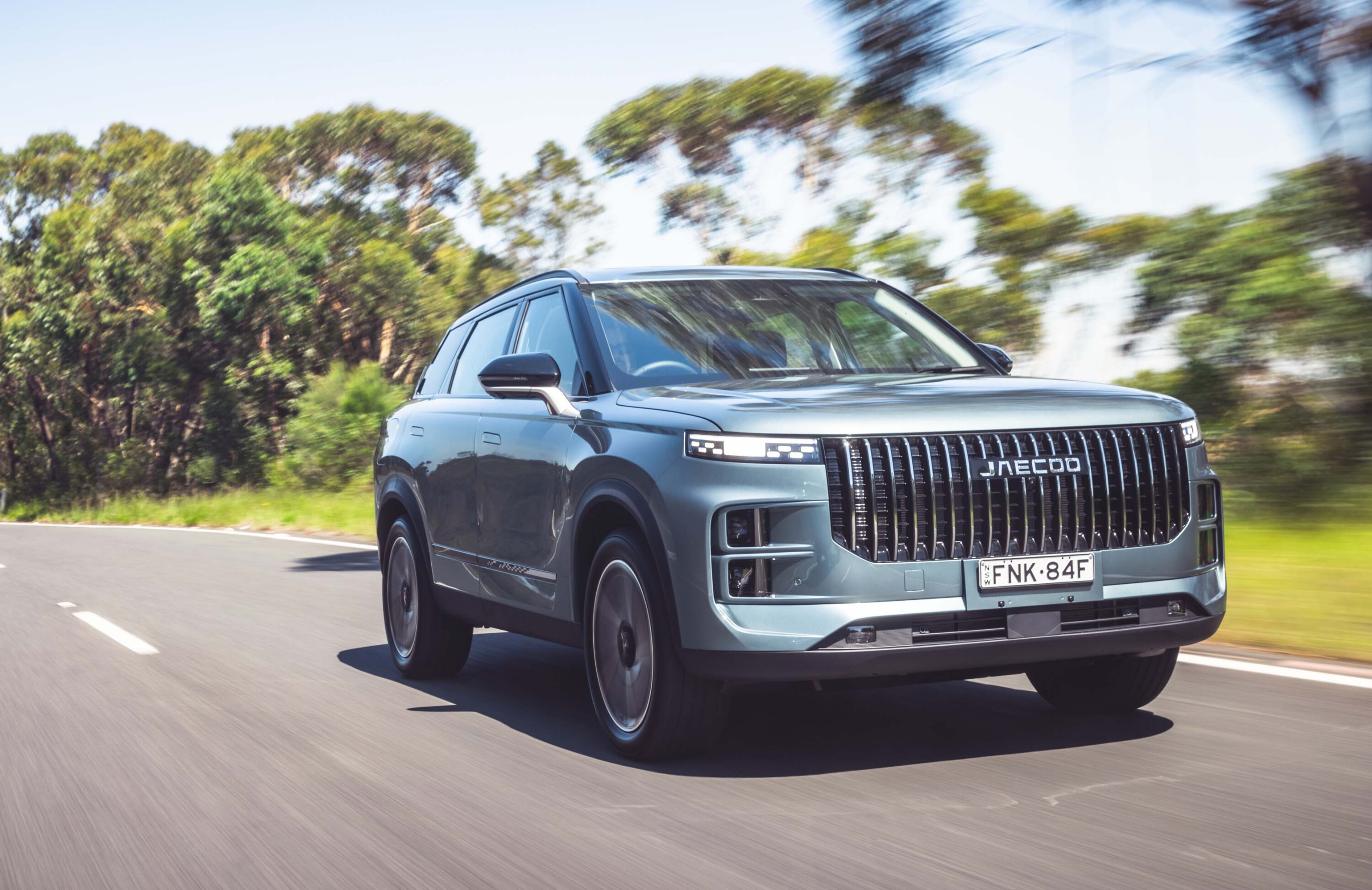
Jaecoo believes that style need not be expensive, and the Jaecoo J7 delivers handsome Range Rover-inspired styling at a fraction of the price. As a part of the Chinese Chery Group, Jaecoo shares engines and technologies with Chery and Omoda-badged vehicles.
Jaecoo supports the J7 with an impressive eight-year warranty, and equips the base model with features you’d normally expect to find in a range-topping model, like a wireless phone charger, 13.2-inch touchscreen, heated front seats with electric adjustment, and a powered tailgate.
Look out for regular discounts and buyer incentives that make the Jaecoo range even cheaper.
Price: From $37,990 driveaway
Engine: 1.6-litre four-cylinder turbo petrol
Transmission: Seven-speed dual-clutch automatic
Power: 137kW
Torque: 275Nm
Fuel consumption: 7.0L/100km
Warranty: Eight years/unlimited km
Boot capacity: 424L to rear seats
6. Geely Starray EM-i Complete
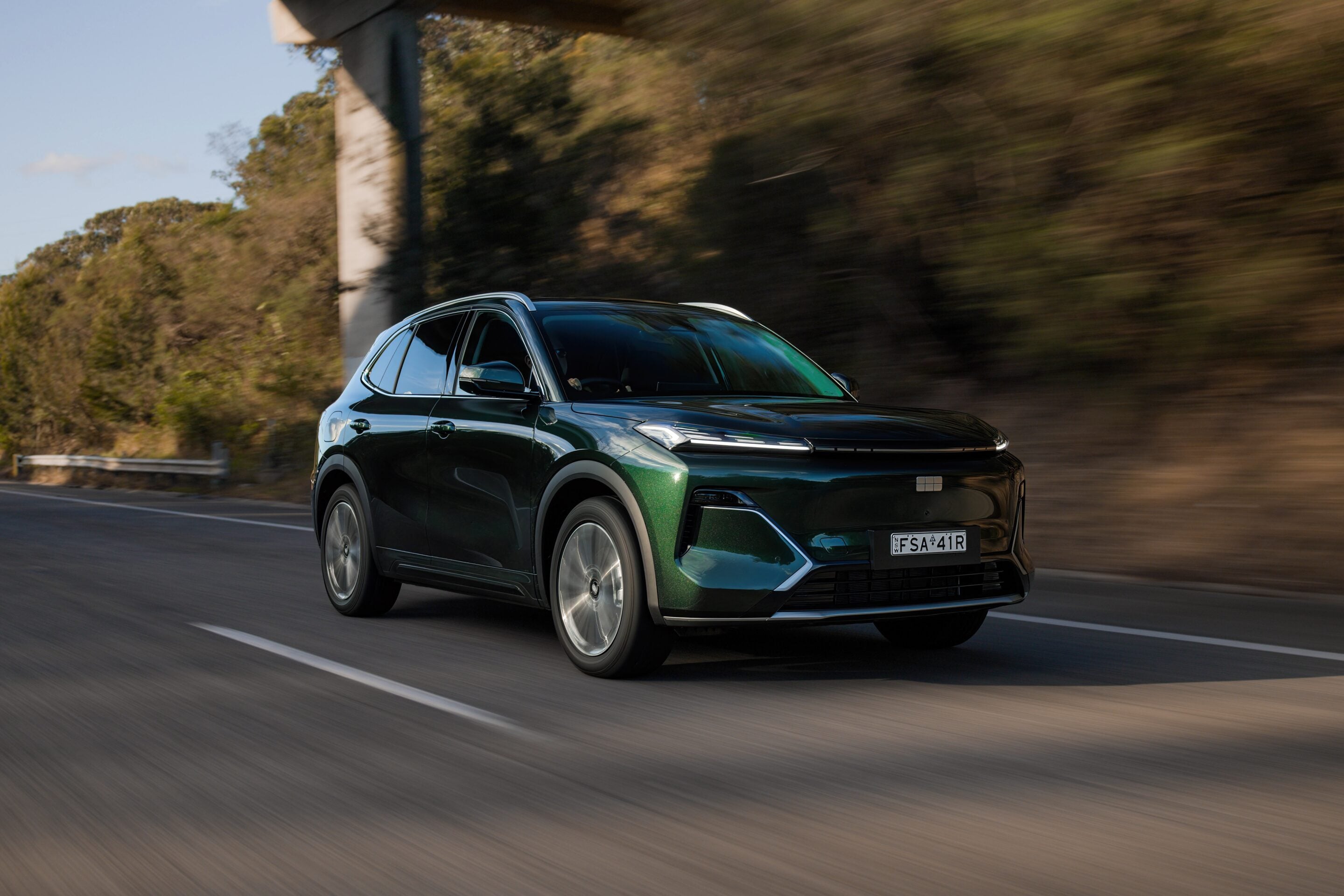
Geely offers a plug-in hybrid medium SUV at a price that undercuts petrol-powered rivals. The entry-level Geely Starray EM-i Complete starts from $37,490 plus on-road costs.
The Geely Starray has an EV driving range of 83km (WLTP), while official fuel consumption is rated at 2.4L/100km. Although the Starray only comes with five seats, it is slightly longer than seven-seat medium SUVs like the Honda CR-V or Nissan X-Trail, resulting in more space inside.
Price: From $37,490 plus on-road costs
Engine: 1.5-litre four-cylinder PHEV
Transmission: Dedicated hybrid transmission
Power: 160kW
Torque: 262Nm
Fuel consumption: 2.4L/100km, 83km EV range
Warranty: Sean years/unlimited km
Boot capacity: 428L to rear seats
5. GWM Haval H6 Lux
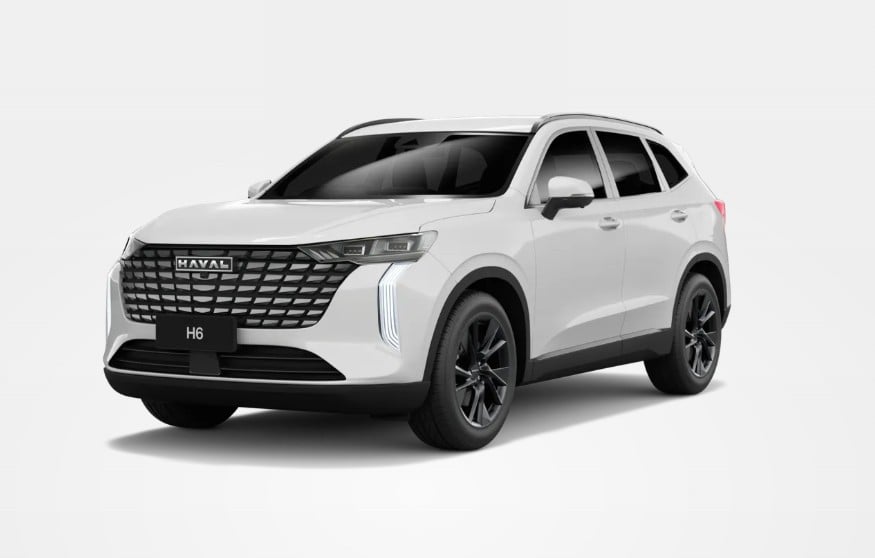
GWM’s steady growth in the medium SUV segment stems from the brand’s continual improvement and its ability to respond to Australian buyers. One of the most powerful engines, one of the biggest boots, and a locally tuned suspension set-up give it an edge, even in its cheapest form.
GWM offers a comprehensive list of standard features, like 19-inch alloy wheels, auto lights and wipers, wireless phone charging, wireless Apple CarPlay and Android Auto, eight-speaker audio, and 360-degree cameras.
GWM regularly offers further discounts and pricing promotions, too, so depending on special offers, the final price could be even lower.
Price: From $35,990 driveaway
Engine: 2.0-litre four-cylinder turbo petrol
Transmission: Nine-speed dual-clutch automatic
Power: 170kW
Torque: 380Nm
Fuel consumption: 7.4L/100km
Warranty: Seven years/unlimited km
Boot capacity: 560L to rear seats
4. Renault Koleos Evolution
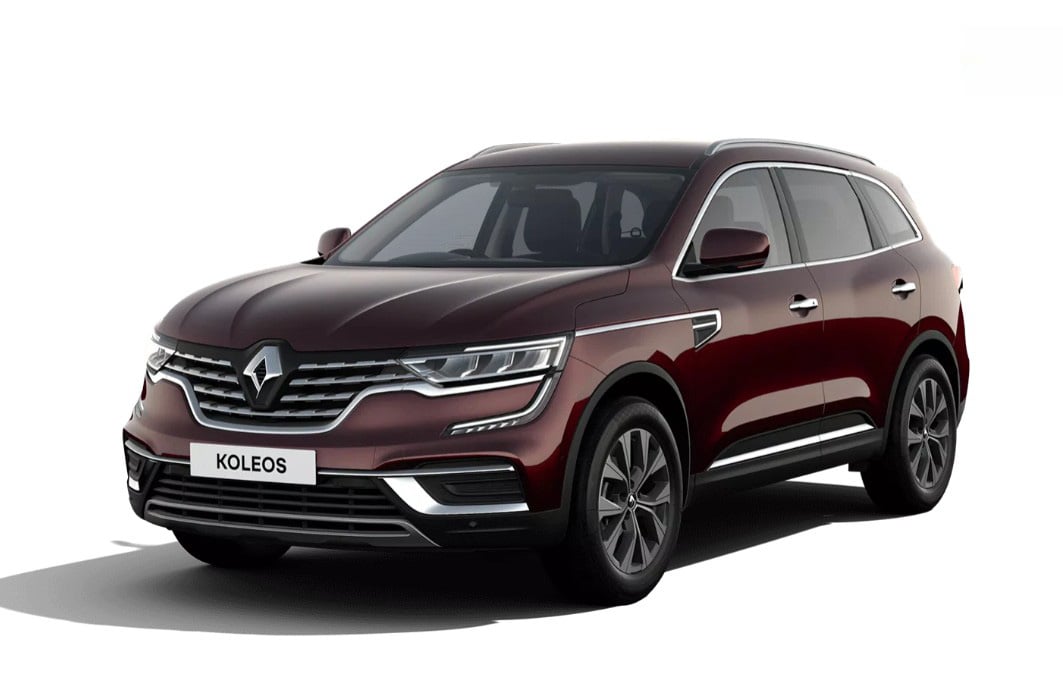
European cars aren’t always renowned for their affordability, but one of Australia’s cheapest SUVs comes from French brand, Renault. While the design is European, the Koleos is manufactured in South Korea and shares its mechanical package with the previous-generation Nissan X-Trail.
Still, Renault equips the $34,990 (plus on-road costs) Koleos Evolution with leather trim, heated front seats, a powered tailgate, hands-free park assist, walk-away proximity locking, and wired Apple CarPlay and Android Auto. A five-year, unlimited kilometre warranty is also included.
Price: From $34,990 plus on-road costs
Engine: 2.5-litre four-cylinder petrol
Transmission: CVT automatic
Power: 126kW
Torque: 226Nm
Fuel consumption: 8.1L/100km
Warranty: Five years/unlimited km
Boot capacity: 458L to rear seats
3. BYD Sealion 5 Essence
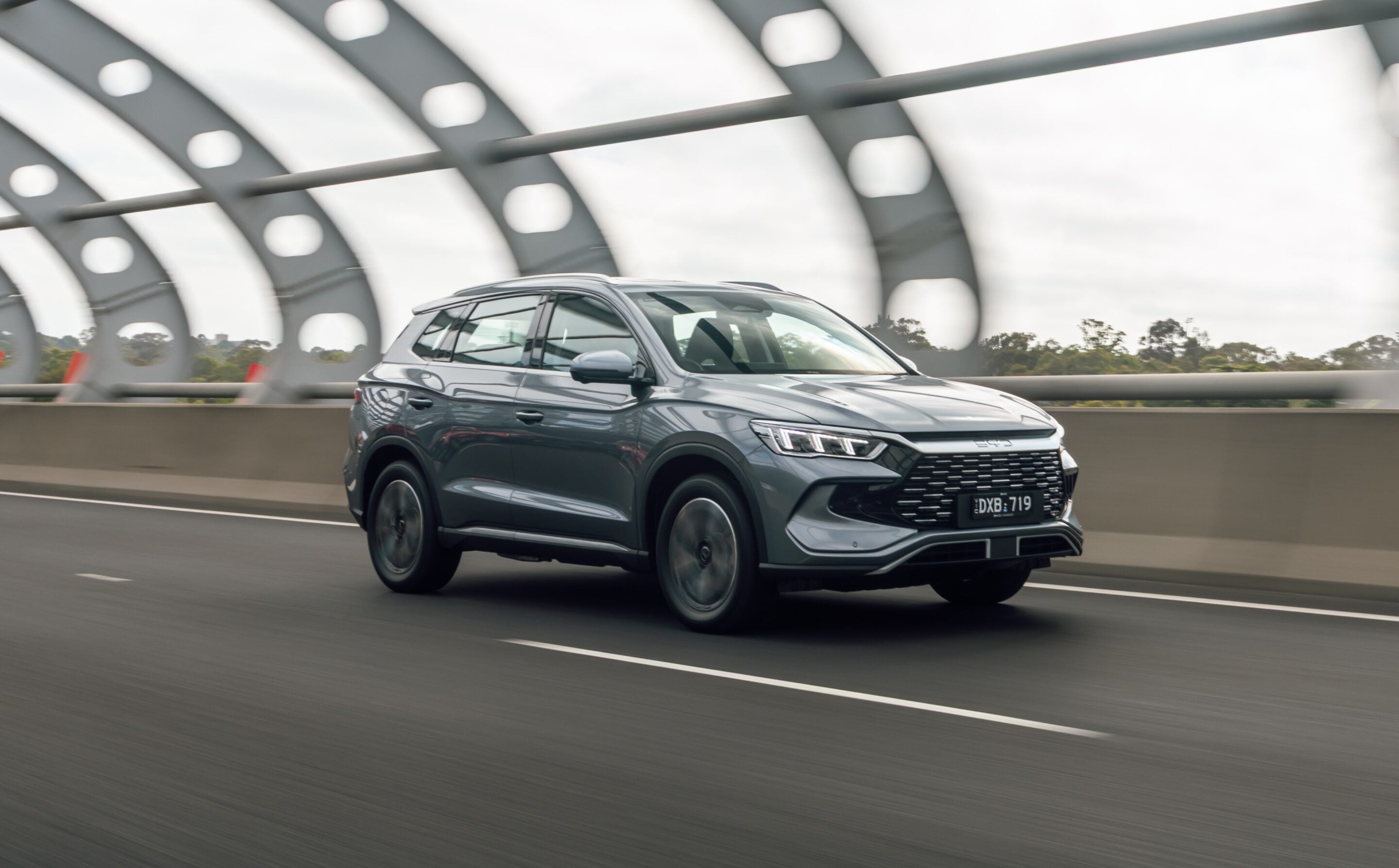
Not only is the BYD Sealion 5 one of Australia’s most affordable medium SUVs, but it is also Australia’s cheapest plug-in hybrid of any vehicle type. That’s impressive, and to get there BYD hasn’t cut corners on size or equipment.
BYD claims you’ll cover up to 71km on EV range alone, fuel consumption is rated at 1.2L/100km when charged, or 4.5L/100km once electric range is depleted. BYD offers a six-year/150,000km warranty, and while it’s not the largest in its class, boot space measures a still-useful 463 litres.
Price: From $33,990 plus on-road costs
Engine: 1.5-litre four-cylinder PHEV
Transmission: Dedicated hybrid transmission
Power: 156kW
Torque: 300Nm
Fuel consumption: 1.2L/100km, 71km EV range
Warranty: Six years/150,000km
Boot capacity: 463L to rear seats
2. MG HS Vibe
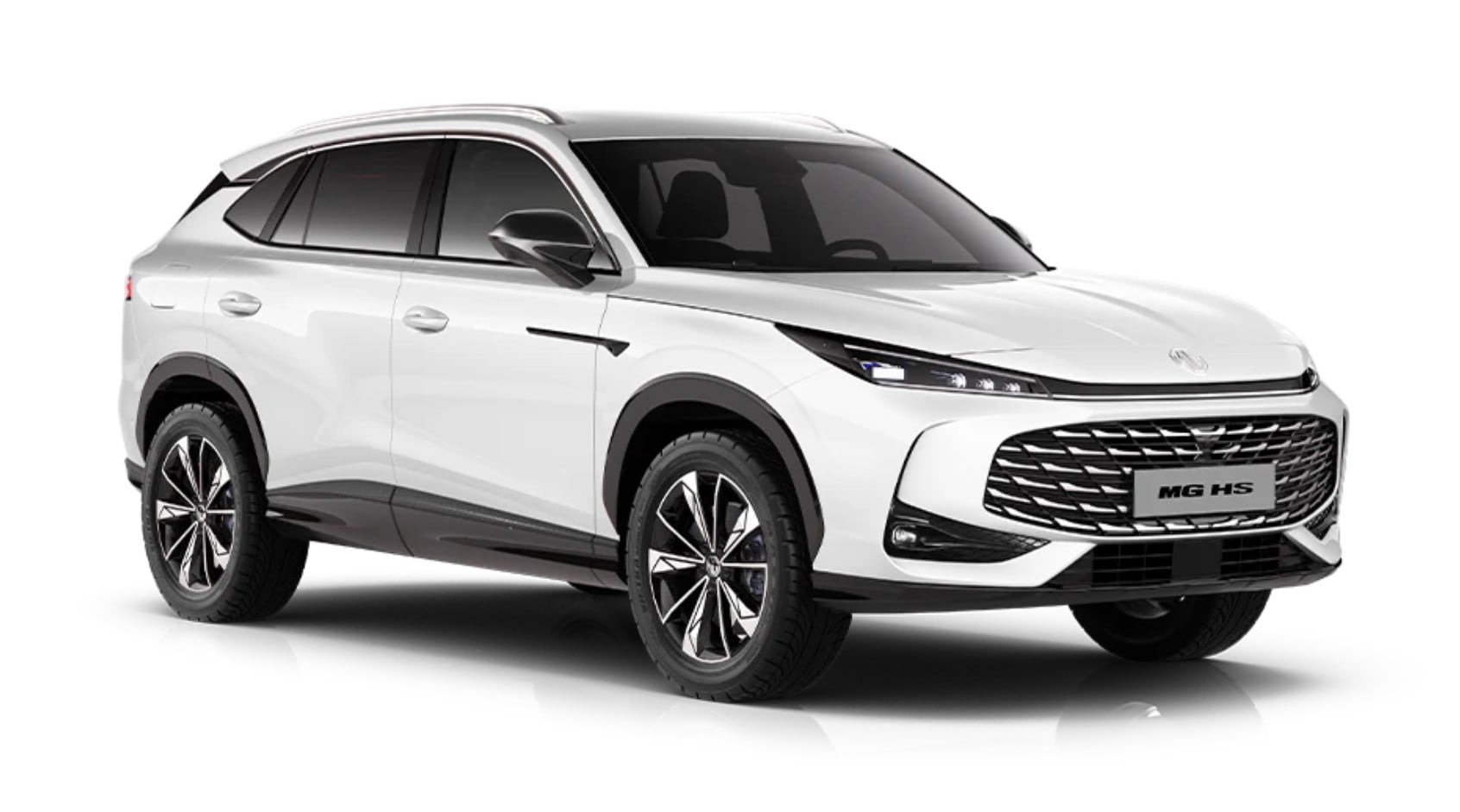
MG has maintained its position as one of Australia’s most accessible brands, with the mid-size HS SUV starting at a lower price than many smaller SUVs from established brands.
The MG HS range is covered by a five-star ANCAP safety rating, and up to 10 years warranty, provided MG’s service conditions are met. MG also ticks boxes with a big 507-litre boot, plenty of interior space, and equipment like a 12.3-inch infotainment screen, auto-on LED headlights, keyless entry and start, adaptive cruise control, driver attention monitoring, and more.
Priced from $33,990 driveaway with a 125kW 1.5-litre turbo petrol engine, the MG HS blends solid on-road behaviour with a surprisingly affordable price. Further discounts and promotions are available, meaning the MG HS can be priced even lower at times.
Price: From $33,990 driveaway
Engine: 1.5-litre four-cylinder turbo petrol
Transmission: Seven-speed dual-clutch automatic
Power: 125kW
Torque: 275Nm
Fuel consumption: 6.9L/100km
Warranty: Up to 10 years/250,000km
Boot capacity: 507L to rear seats
10. Chery Tiggo 7 Urban
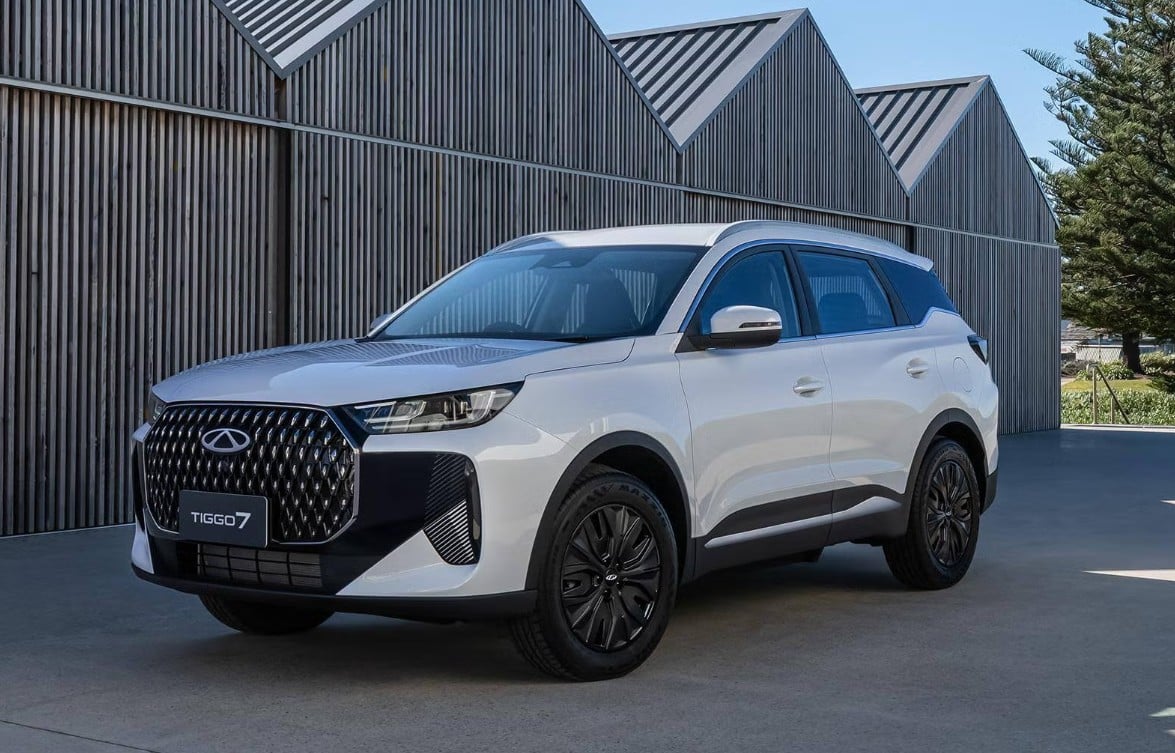
The most affordable new medium SUV in Australia, the Chery Tiggo 7, starts from a barely believable $29,990 driveaway, putting it on par with much smaller SUVs and city cars.
To get the price so low, Chery has traded off a few headline features, with a tame 108kW/210Nm engine and, unlike when it first launched, the removal of a full-sized spare wheel, a driver’s knee airbag, and a Sony-branded stereo.
Still, the Chery Tiggo 7 keeps a 12.3-inch infotainment screen, wireless Apple CarPlay and Android Auto, 18-inch alloy wheels, LED head- and tail-lights, adaptive cruise control, speed limit information with warning, and second row air vents. A seven-year, unlimited kilometre warranty is also included.
Price: From $29,990 driveaway
Engine: 1.5-litre four-cylinder turbo petrol
Transmission: Six-speed dual-clutch automatic
Power: 108kW
Torque: 210Nm
Fuel consumption: 6.9L/100km
Warranty: Seven years/unlimited km
Boot capacity: Not provided
Can I get a discount on a medium SUV?
Along with the recommended retail prices shown here, you may be able to drive a deal on an ex-demonstrator vehicle that’s in stock. At particular times of the year, like the end of the financial year or the end of the calendar year, additional discounts and promotions are also available.
Prices listed in this article may differ where offers apply, and the published prices detailed here are based on manufacturers’ recommended retail prices. In instances where a price excludes on-road costs, or if options are added, your final price may be different.
BYD Australia could soon add a new model to its local line-up with its M9 people mover given the governmental green light to be sold locally. It would give the brand an alternative to the Kia Carnival, which has been the best-selling people mover in Australia for over 15 years.
Unlike the Carnival, the M9 is a plug-in hybrid, combining a 1.5-litre petrol engine with an electric motor and either 20.4kWh or 36.6kWh batteries for claimed CLTC EV-only driving ranges of up to 95km for the former or 170km for the latter. The WLTP electric range figure will likely differ by the time the M9 goes on sale in Australia, but we’re still expecting comfortably above 100km for the larger battery.
Claimed performance figures in China are up to 218kW, comfortably outpacing the 180kW 1.6-litre turbo-hybrid Carnival.
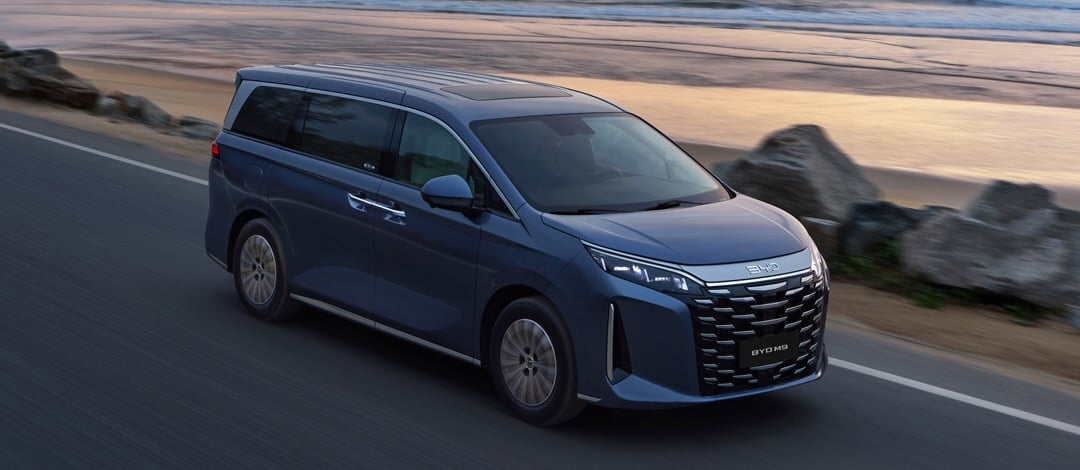
Measuring more than 5100mm long with a 3045mm long wheelbase, the M9 is sized similarly to the Carnival and will battle not only that but the Hyundai Staria, GAC M8, Zeekr 009, Lexus LM and its Denza D9 cousin.
Pricing for the M9 in China starts at ¥206,800 (approx. A$42,300) and available features in China include a 15.6-inch touchscreen, 128-colour ambient lighting, 28 speakers, a 12.3-inch instrument screen and a head-up display.
Unlike the eight-seat Carnival, the M9 is a seven-seater with second-row captain’s chairs. Those chairs feature electrical adjustment with extending leg support, heating and ventilation, while the third row can also be folded electrically.
BYD Australia is yet to officially comment on the M9’s green light for local sales, but has added significantly to its portfolio in the past 12 months with models like the Sealion 5, Sealion 8, Seal 6, Atto 1 and Atto 2 all joining the range, and further new models like additions to the Shark ute and a big mid-life update for the Atto 3 likely due during the rest of this year.
