
Our Audi RS3 Sedan isn’t nudging any more than 60km/h.
But as we round a bend a lady appears on the road’s side. She’s furious. And as we sail past we’re watched closely. Then, she erupts. “SLOW DOWN!”
Now there’s a good chance another RS3 Sedan tracking through Huonville, Tasmania, might have given her a fright. But it’s equally likely our friend’s reaction was provoked by our car’s looks. As we were 10 under the limit.
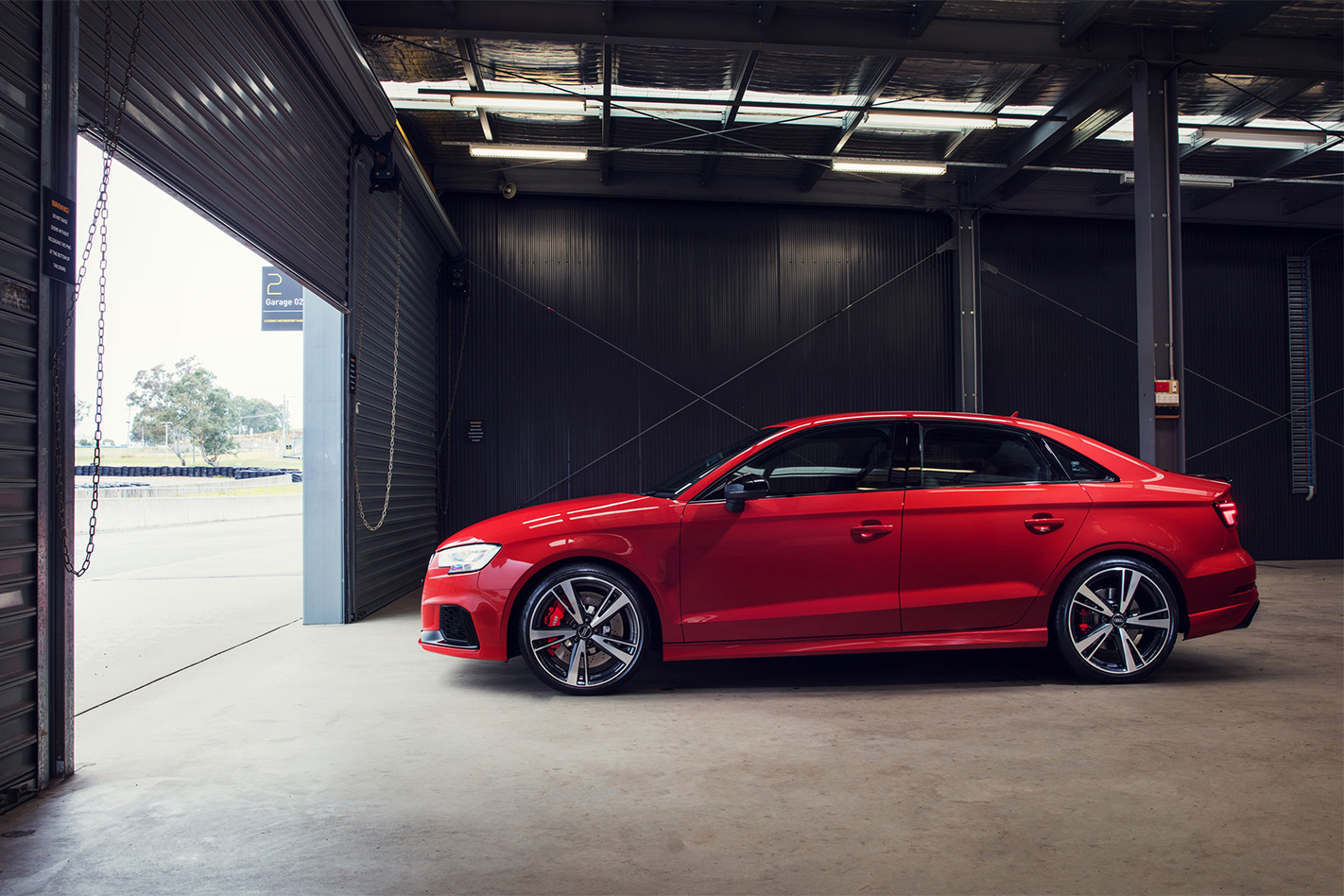
Its tracks have been pushed out front and rear, respectively measuring 16mm and 14mm wider than a regular A3 sedan’s.
These fenders cloak newly designed 19-inch wheels, which cage monstrous eight-piston calipers up front and floating jobbies up back.
LED headlights, too, furrow over a huge honeycomb grille unique to the RS. And the car rides 25mm lower to the ground.
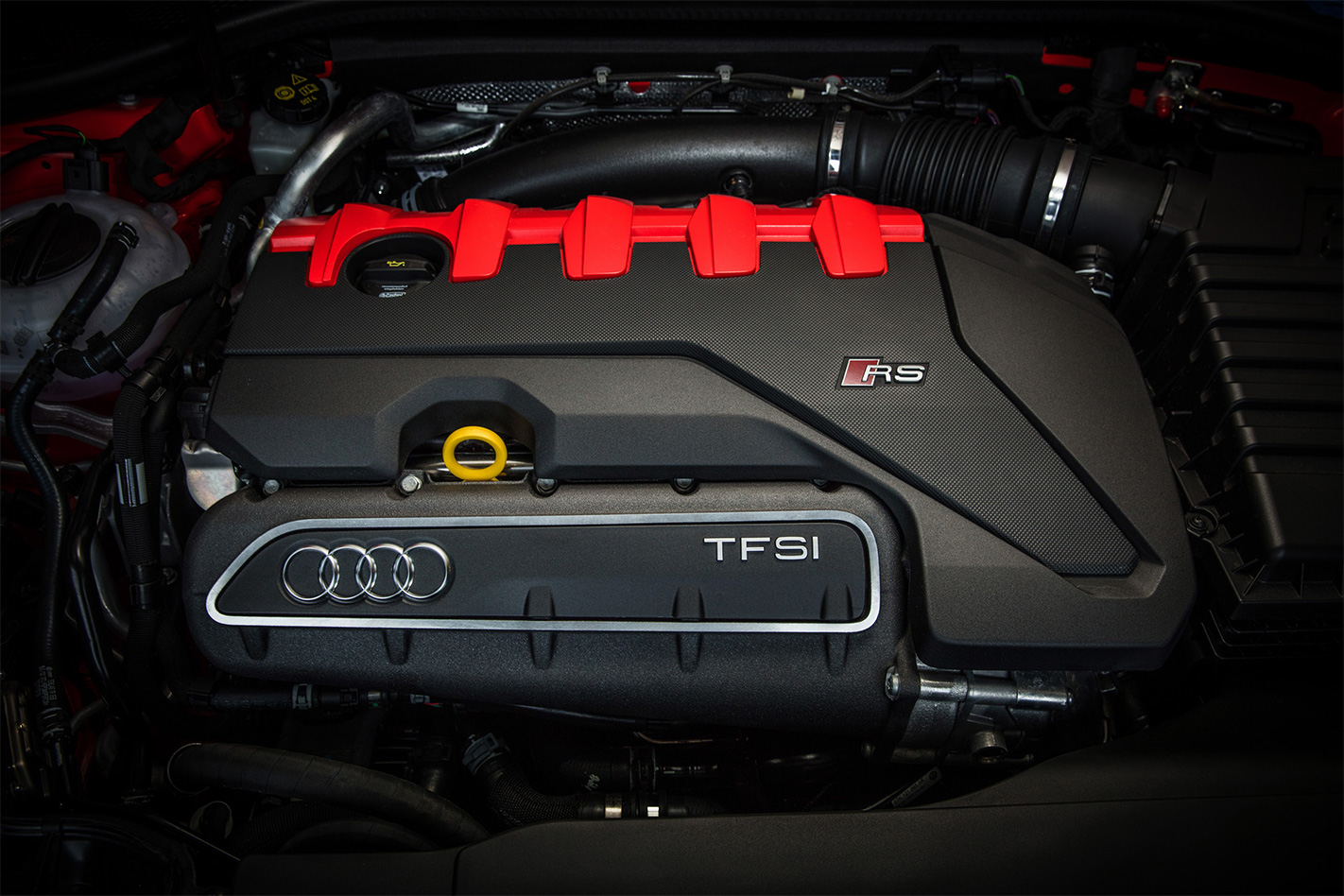
Then again, Audi’s new turbo 2.5-litre five-cylinder could be just as incriminating. Blaring through a sports exhaust system that’s standard on local cars, the engine’s soundtrack is a symphony of hisses and five-cylinder warble.
That’s enough to fire the RS3 Sedan to 100km/h in a launch-control assisted 4.1 seconds, two tenths quicker than its hatch sibling.
Contributing to the effort is Audi’s new aluminium five-banger, which weighs 26kg less than the hatch’s iron-block unit.
From this the four-door bodyshell boasts a lighter kerb weight than the hatch, to the tune of 5kg, and feels keener to aim its nose at corners. Despite sharing the same wheelbase.
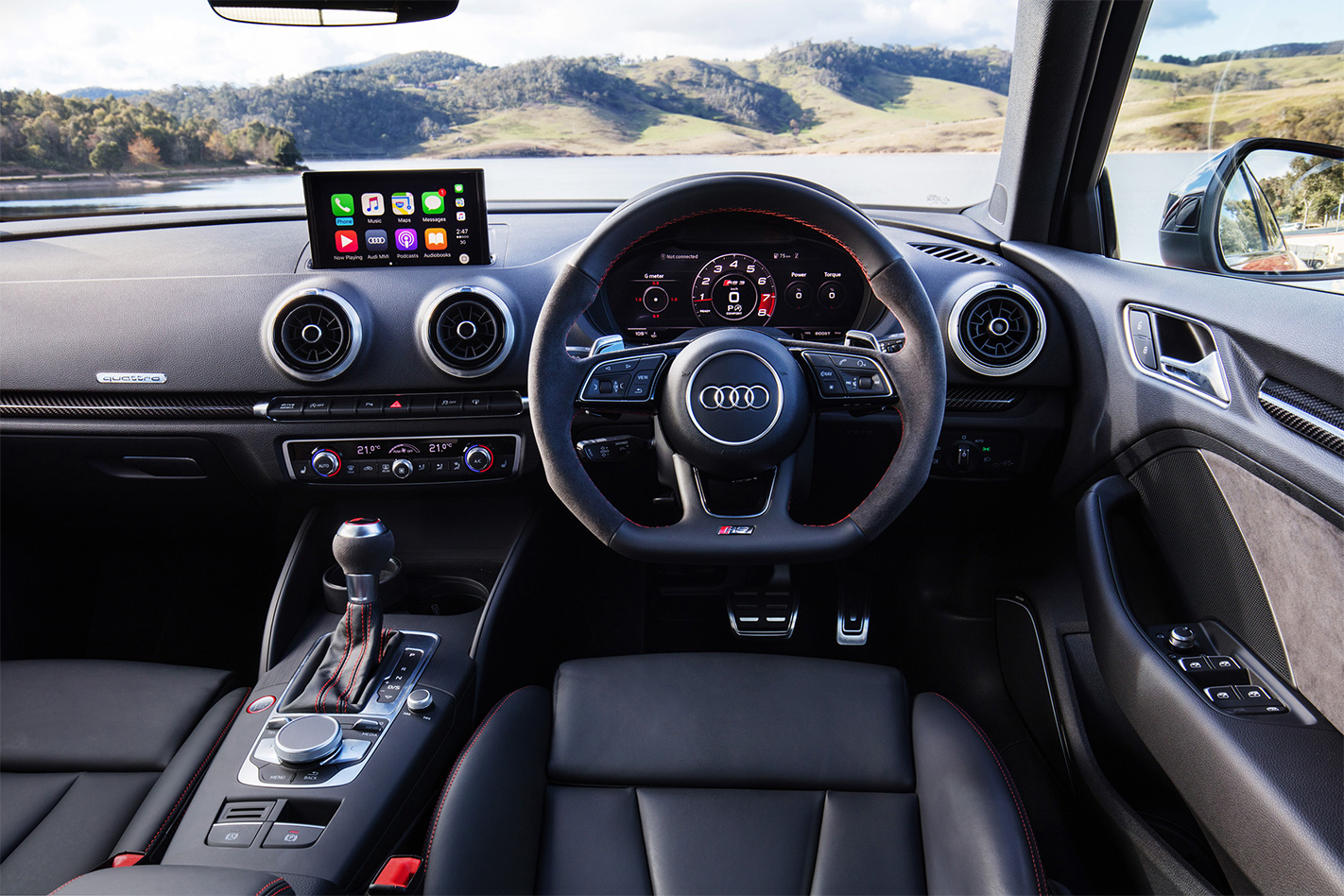
The trickier dampers do their bit during back road blasts as they settle rebound over large humps and don’t crash into potholes. With them, the chassis is both supple and scalpel sharp. However the RS3 still lacks some travel.
Audi Australia maps RS assault
On the other hand, the broader front tyres claw into the road better than the stock 235mm-wide items and help the front pull you out of corners when feeding in power.
Speaking of, it seems Audi’s smoothed out throttle mapping in Dynamic mode on this drivetrain, which it shares with the Audi TT RS, making it easier to smoothly access the RS3 Sedan’s fat torque band. Lasting from 1700rpm to 5850rpm, it throws you at corners alarmingly fast.
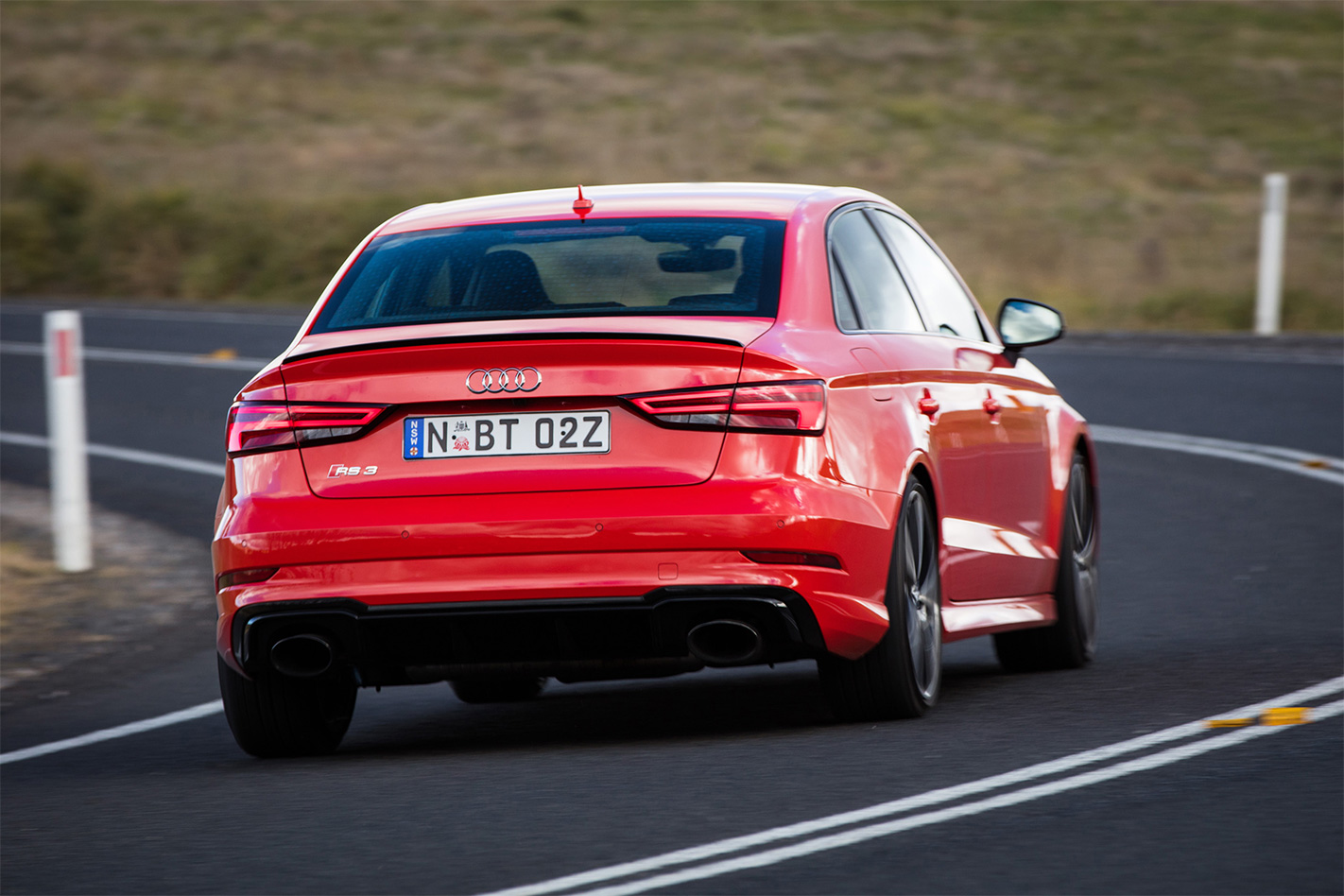
Inside, the RS3 Sedan introduces virtual cockpit and Apple CarPlay into the A3-based interior. And there isn’t much to look for on the options list in terms of equipment. A lot of car has been squeezed into the base $84,900 price.
Performance Car of the Year 2017
Sure, you’ll need to tick the $5900 Performance Package, lifting its total closer to the $92K Mercedes-AMG CLA45, for a real chance at ruling the super-compact segment. You’ll score a fancier 705 watt sound system and carbon inlays too.
But the Audi RS3 Sedan, on sale now, is a pick for more than just its blistering performance. Its friendly chassis and technological sophistication help it feel as grown up as it does juvenile.
Even if some passerby’s won’t agree.
2017 AUDI RS3 Sedan Specifications
Engine | 2480cc inline-five, DOHC, 20v, turbo |
Power | 294kW @ 5850rpm-7000rpm |
Torque | 480Nm @ 1700rpm-5850rpm |
Weight | 1440kg |
0-100km/h | u00a04.1sec (claimed) |
Price | $84,900u00a0 |
4.0 stars out of five
Said to complete the Audi R8 model line, the Audi Spyder V10 plus features the most powerful series-production engine Audi has built thus far.
The German convertible will house a 5.2-litre dry-sump V10, capable of pumping out 449kW/560Nm.
Audi claims it will run from 0-100km/h in 3.3 seconds, then on to a top speed of 328km/h.
PCOTY 2016: Holden Commodore SS V Redline #6
The weight-saving method worked, it seems, as the car only has a kerb weight of 1695kg – less than an SS Commodore.
“Dynamic steering with variable steering ratio is available as an option,” Audi adds.
“It countersteers with tiny impulses at the cornering limit to further improve stability.”
The R8 Spyder V10 plus also has optional magnetic ride damper control.
“Incredibly high revving up to 8,700 rpm, lightning-quick responsiveness and an awe-inspiring, voluminous sound – the V10 mid-engine is an object of fascination.”
With cylinder on demand tech, you don’t have to have all 10 cylinders firing all the time – though without a roof you’d have uninterrupted access to the sound of those cylinders.
Audi quits World Endurance Championship
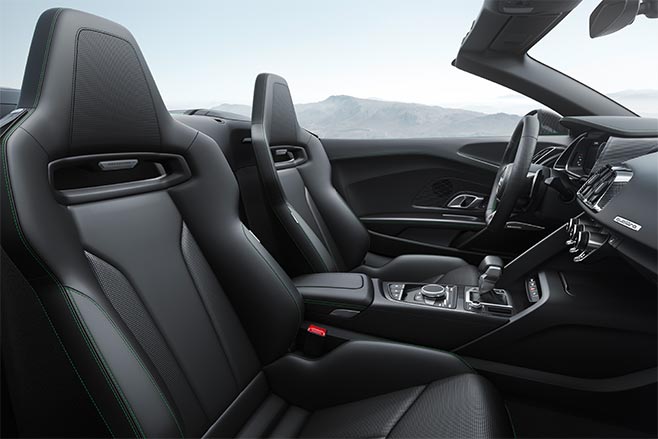
Because of this, the rest of the cabin remains relatively minimalistic.
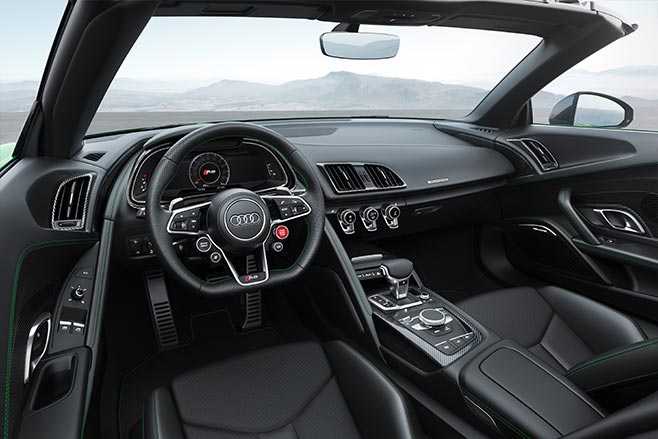
However, with a base price of 207,500 euros ($305,000 AUD) in Germany, they aren’t going to be cheap once they show up here.
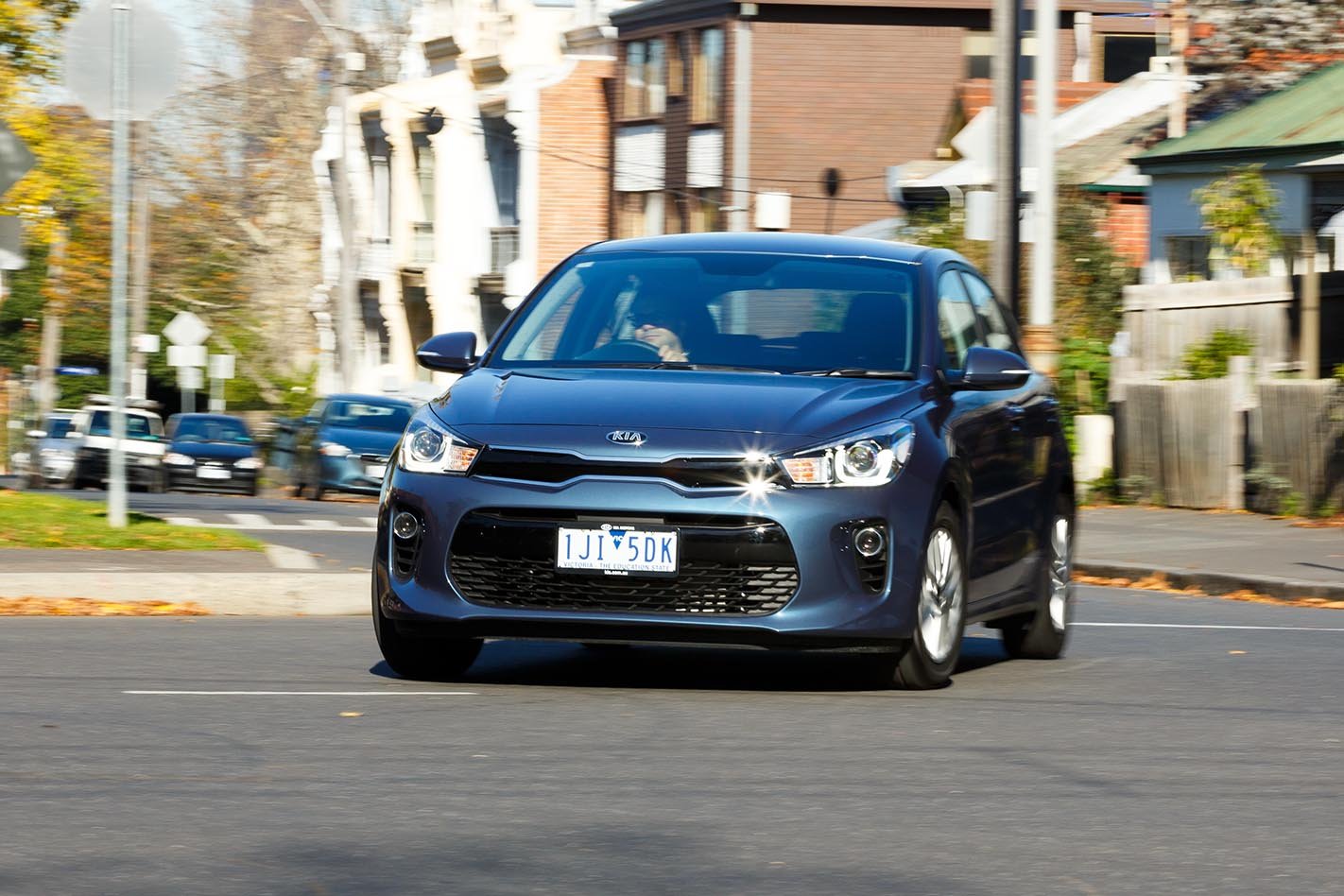
Kia introduced the fourth generation of its popular Rio light hatch earlier this year, bringing with it a European-inspired look and enhanced ride.
The new Rio is roomier and feels more upmarket than the model it replaces, with an inviting cabin and new technology that brings a sense of maturity to the light car segment.
WHAT STANDS OUT?
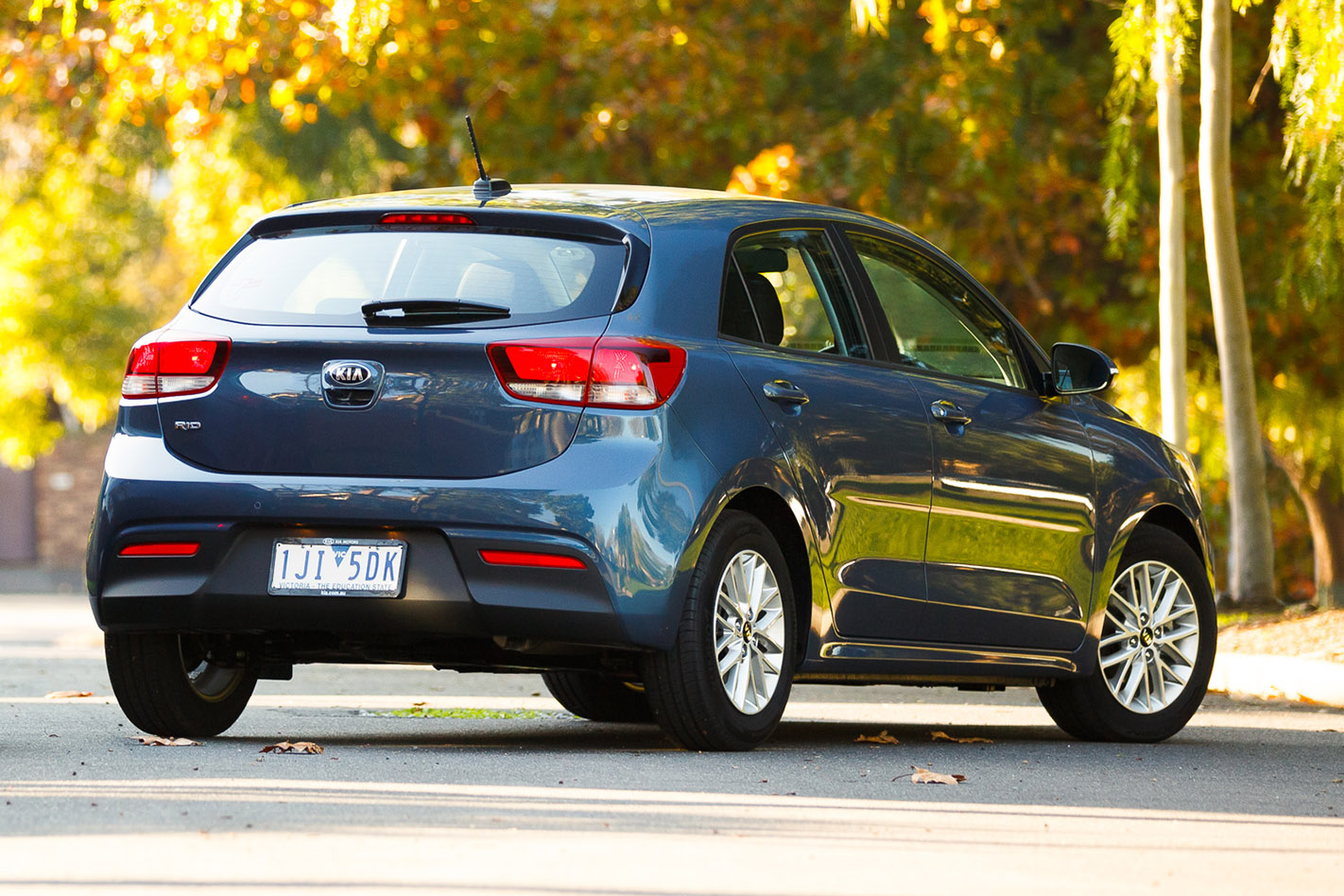
Kia went back to the drawing board with its exterior design, which was penned by its design centres in Germany and California and looks fresh compared to some of its ageing competitors.
The three-door version has been ditched, in favour of an all-five-door line-up that’s slightly bigger than the previous model, with a 10mm longer wheelbase, but a slightly lower roofline to give it a bolder stance.
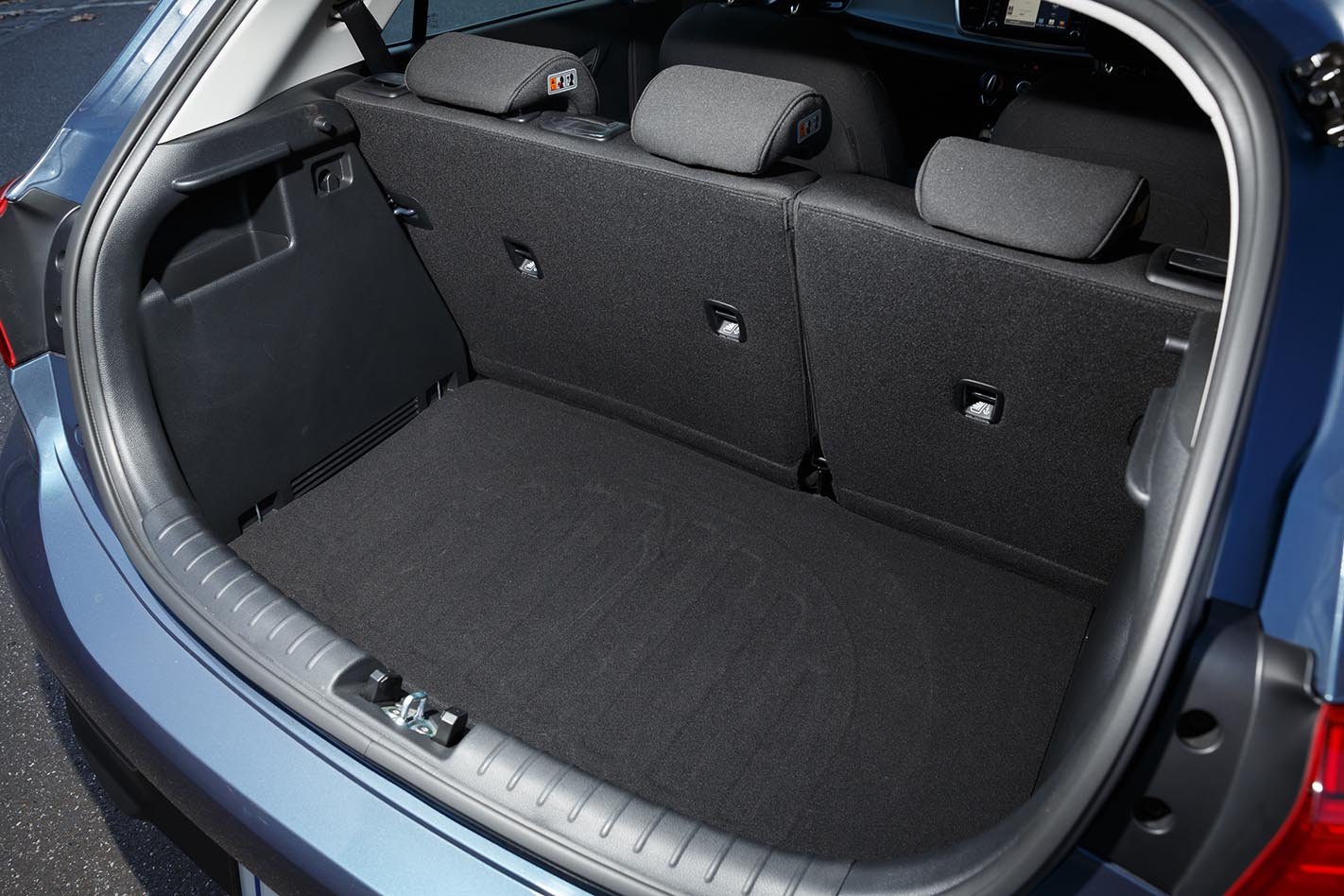
As well as resulting in excellent leg, head and shoulder room for a car this size, the extra dimensions resulted in boot space going up 37 litres to a class-leading 325-litres, which increases to a considerable 980-litres with the 60/40 split read seats folded down.
WHAT’S INSIDE?
Interior aesthetics have also been transformed with a floating 7.0-inch touchscreen, which adds Apple CarPlay and Android Auto connectivity, a detailed gauge cluster and drop down air-conditioning controls to provide a European feel.
The seats, which are cloth in the entry-level S and Si, and fake leather in the range-topping SLi, are firm but comfortable and there’s plenty of storage including door bins and a space in front of the gearstick to place phones and wallets. Rio is the first car in its class to feature front and rear USB ports.
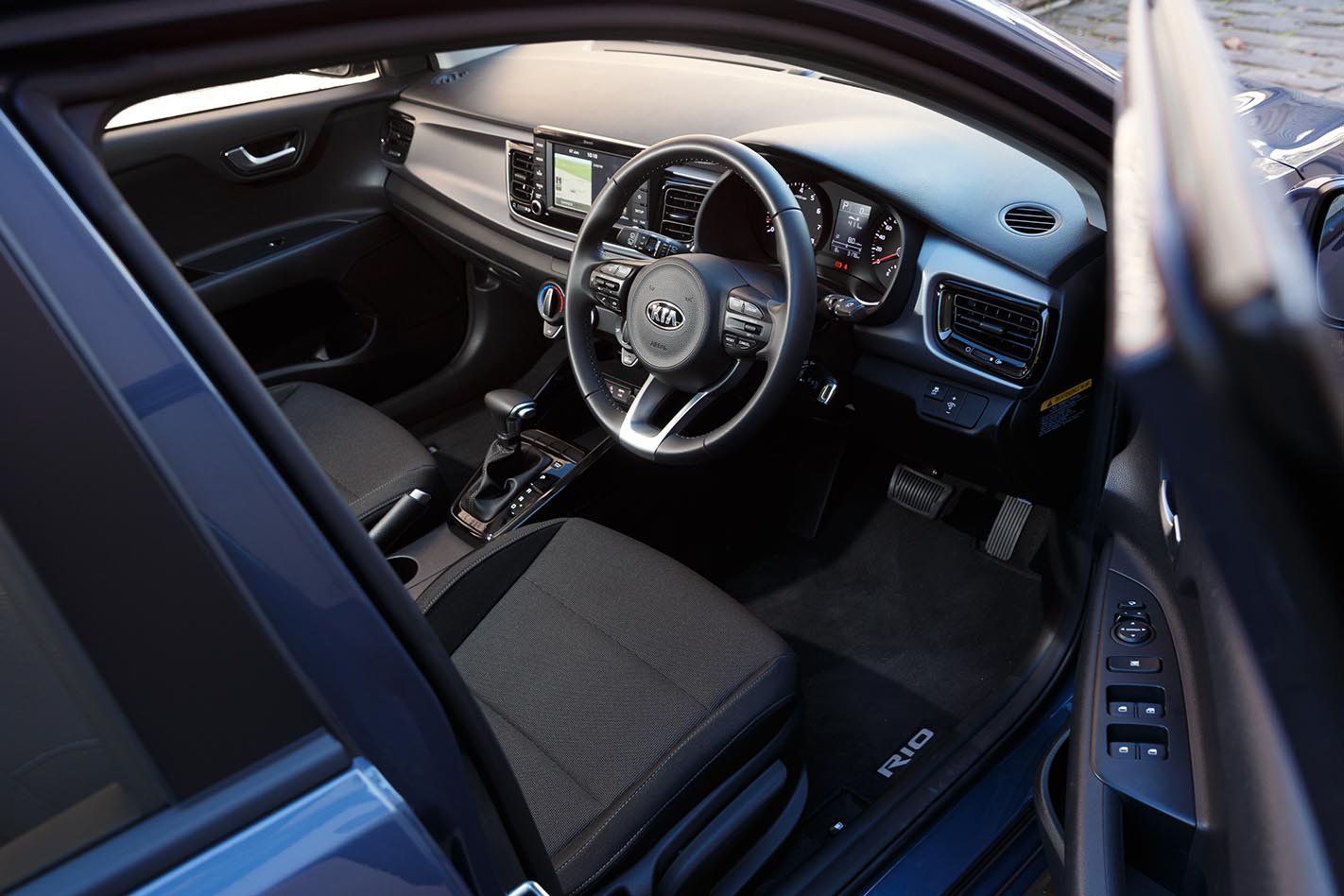
As well as the touchscreen all Rio variants are equipped with a reversing camera and rear parking sensors, automatic headlights and power windows.
Cruise control, satellite navigation, digital radio, LED daytime running lights and alloy wheels are key additions to the mid-spec Si, while range-topping SLi gains automatic wipers, climate control air-conditioning, electric sunroof, some extra bling and 16-inch alloy wheels with wider tyres for mode grip.
Speaking of grip, the 2017 Kia Rio handles well and feels a lot more refined than before. Its steering is nicely weighted and it has a well-controlled ride on suspension that has been tuned for local conditions by Kia’ Australian engineers.
Unfortunately Kia didn’t improve performance accordingly. The 1.4-litre engine carried over from the older model lacks oomph, especially when coupled with the four-speed automatic transmission. It’s better with the six-speed manual transmission, however that is only available with the entry-level Kia S.
Kia also elected not to add advanced driver assistance such as automatic emergency braking, which is becoming more common in smaller cars as models are replaced or upgraded.
CHOOSING YOURS
The mid-sped Rio Si provides a Goldilocks mix of value and features that justify its $2400 premium over the Rio S automatic.
If you’re on a tight budget and want a zippier drive, the Rio S with the six-speed manual gearbox provides excellent value, albeit without some bells and whistles.
SUMMING UP
Success in the light car segment is largely value driven and the Kia Rio provides this in an elegant package that’s both practical and pleasant to drive.
While it lacks autonomous emergency braking and a punchy engine, sharp pricing and Kia’s seven-year warranty should be enough to lure would-be buyers.
Mitsubishi’s popular ASX small SUV could be in line for one final facelift before the current model is succeeded, with the mild update that debuted at the New York motor show earlier this year still not ruled out for Australia.
With a replacement so close to launching globally and in Australia, a further update was previously deemed too close to the arrival of an all-new model. But with the debut date of the ASX’s all-new replacement continuing to drag out, a final fling is looking more likely.
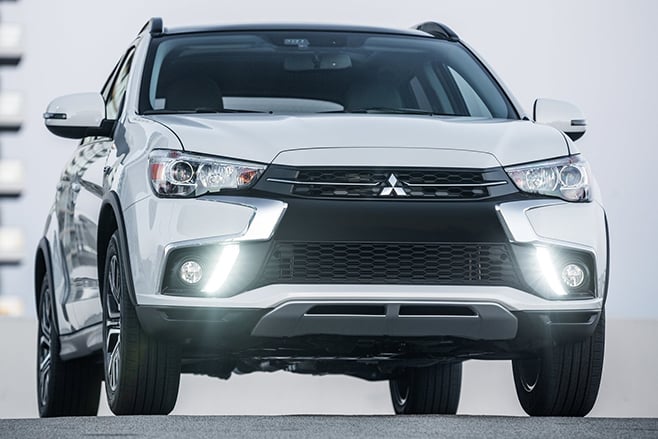
Speaking to WhichCar, Mitsubishi Motors Australia head of corporate communications Karl Gehling said the success of previous ASX updates combined with delays in the arrival of its replacement ASX strengthened the case for one last update.
“There hasn’t been confirmed timing for the ASX replacement so we’re still waiting but there have been regular updates. It wouldn’t be bad,” he said, “You can interpret from what you’ve seen internationally it would probably reflect that there is an opportunity coming up.
“We try to respond to the market demand.”
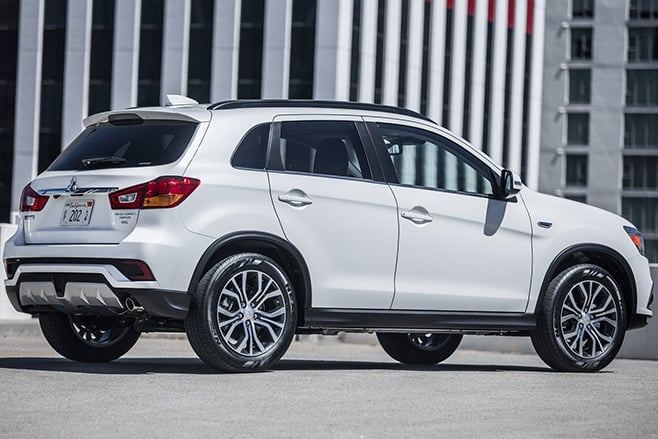
Despite being on sale in Australia for nearly eight years, the ASX continues to draw a strong audience and remains at the top of the Mitsubishi sales pile ahead of the Outlander and Pajero Sport.
With 1742 registrations to the end of May this year, it leads the passenger and SUV segments in the Mitsubishi stable and almost outsold the Triton light commercial one-tonner, which has 1747 to its name.
While the ASX appears to have the stamina to continue attracting fans locally with a possible further facelift and, ultimately, the new version, its dominance as the favourite Mitsu model could be threatened by the imminent Eclipse Cross, according to Gehling.
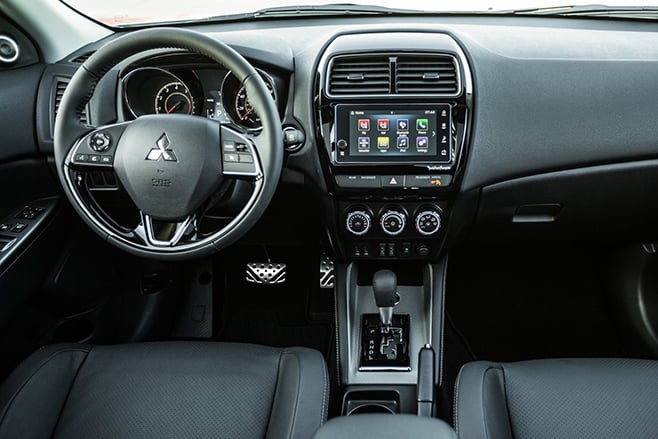
“We have a new model coming at the end of the year with the Eclipse Cross. There’s always an opportunity there,” he said.
The new SUV would slot into the range between the ASX, which would continue to look after the more compact end of the range, but below the Outlander, offering a competitor to other similarly sized crossovers including the Kia Sportage, Ford Escape and Toyota RAV4 – to name a handful in the bursting segment.
As if the McLaren 570S wasn’t already driver-involved enough, front row seats to the soundtrack are now available.
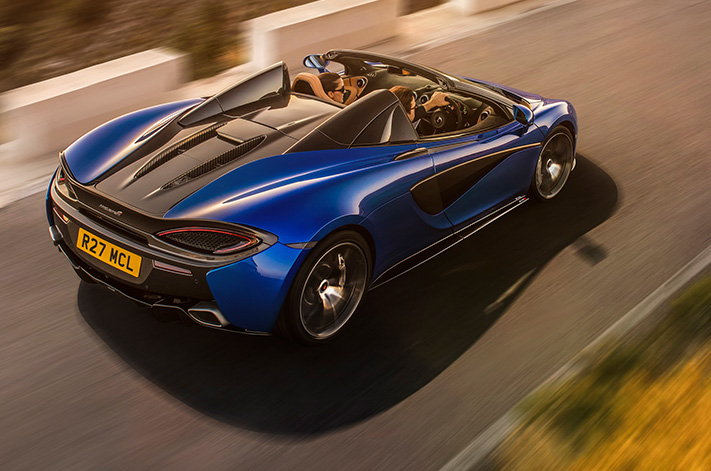
With a hardtop that can ‘vanish seamlessly’ into the rear, the McLaren 570S Spider is still based on the design of the coupe.
Due to the extensive use of carbon fibre, which McLaren says means it doesn’t need to stiffen the chassis any further, the Spider has the exact same weight specs as the standard 570S. 1440kg.
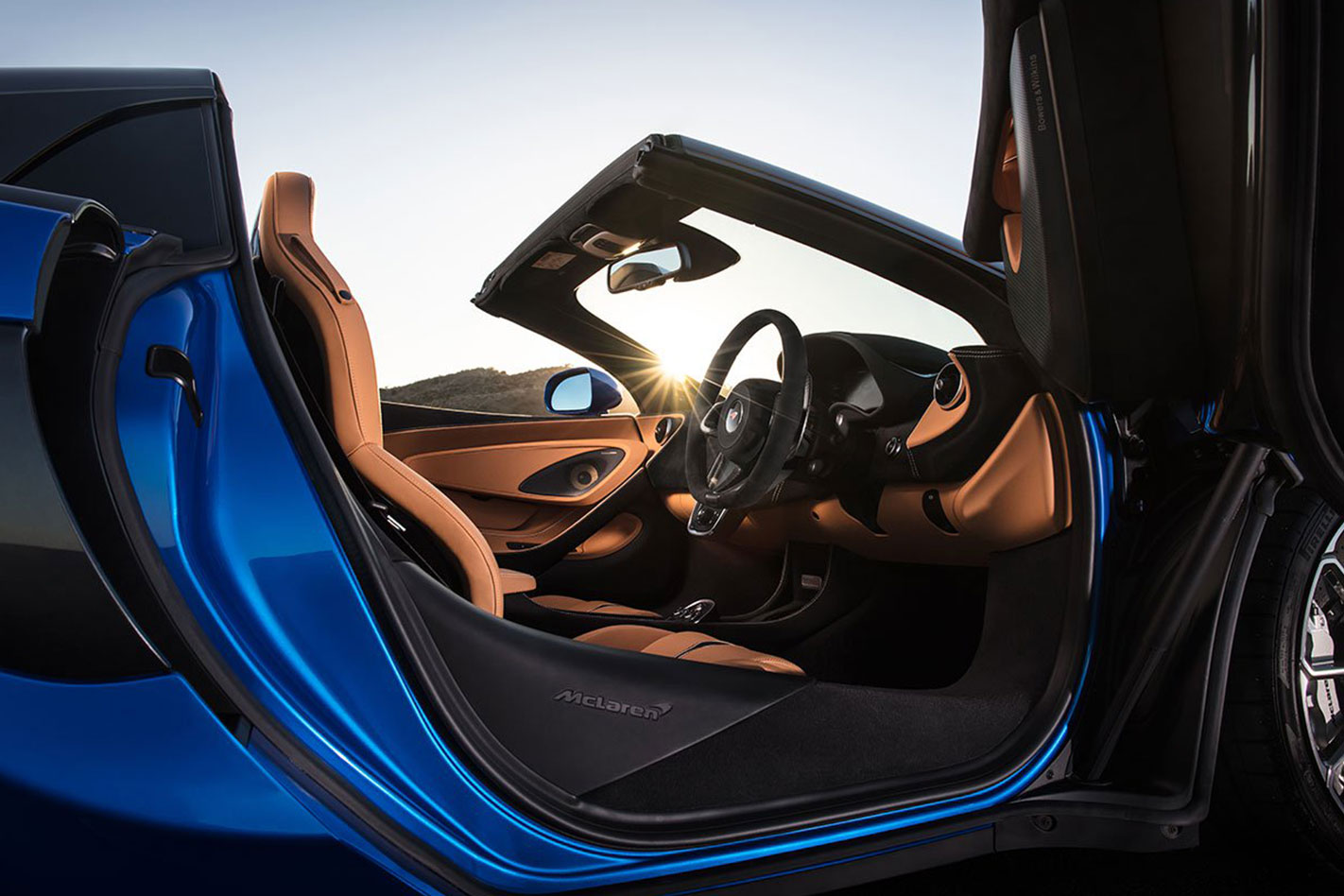
And, if the $50K-or-so price increase from the 650S and the 650S Spider is anything to go by, you’ll be forking out a fair bit more dosh than someone who is buying one with a proper roof.
Still, we imagine it would be a consolation to those who buy one that they can hear the twin-turbo 3.8-litre screaming away behind them.
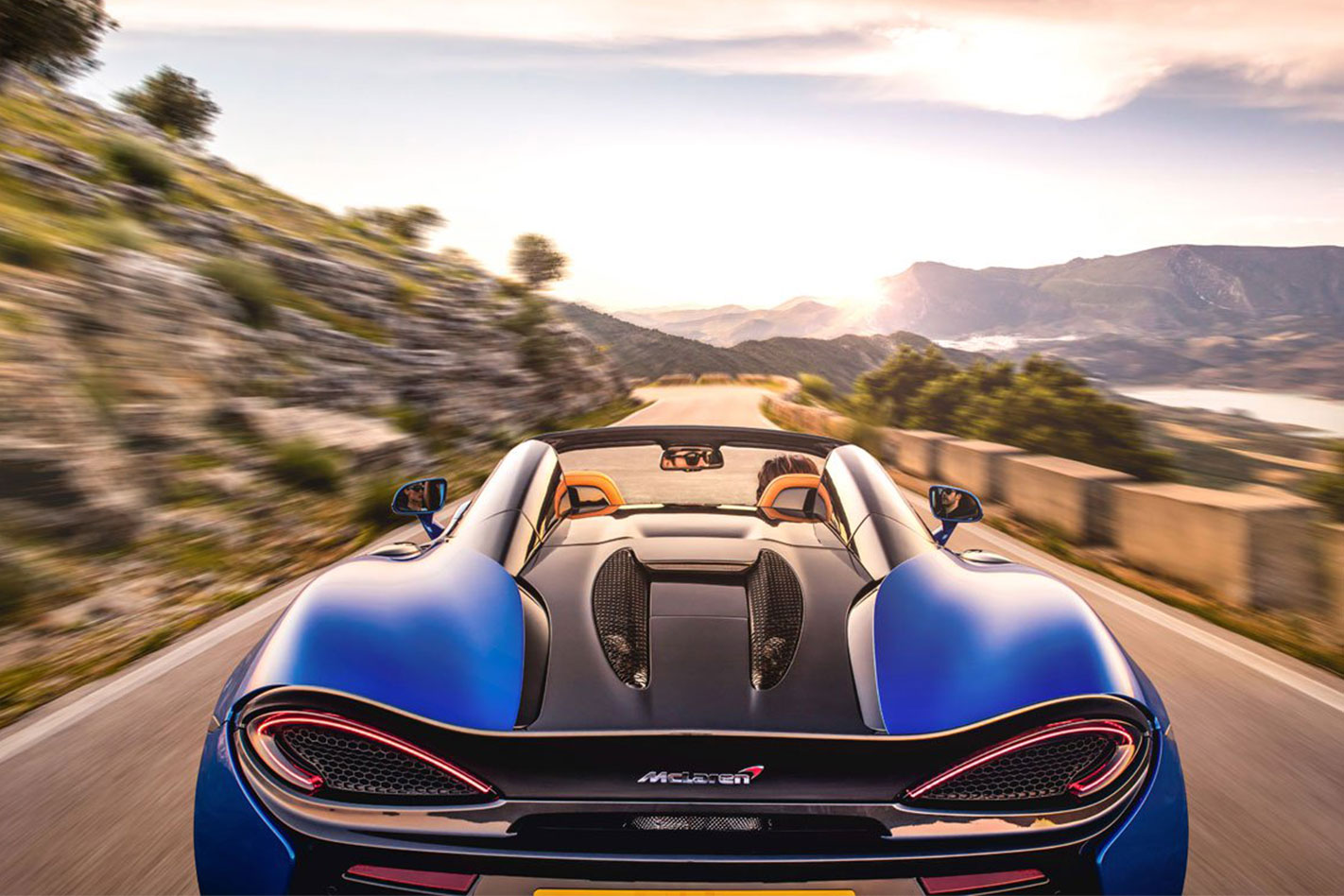
The claimed 0-200km/h is 9.6s, rather than the 9.5 the coupe is said to take.
McLaren F1-engined Porsche 911
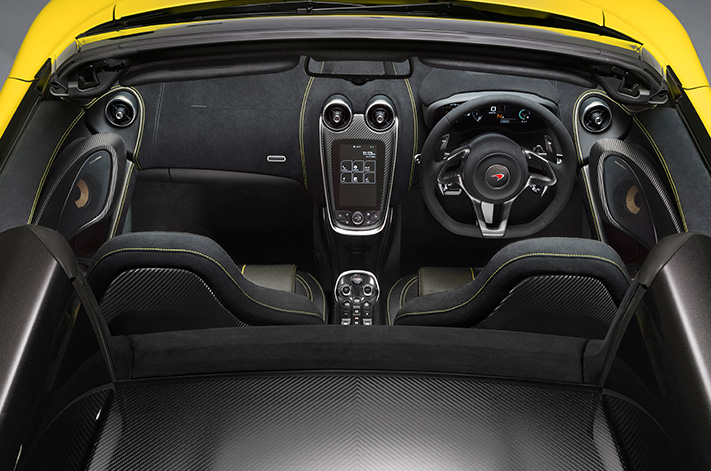
Inside, the same 7-inch touch screen IRIS infotainment system carries over to the Spider, and you can option to have carbon-shelled seats similar to those that feature in the P1.
Of course, if you really want to expand your options, there’s always McLaren’s online configurator…
Stuffing a mad engine into mild-mannered cars is always a fun formula to play with, but mix in a complete drivetrain layout swap and some ultra-girthy bodywork additions and the end result is bound to excite.
And that’s precisely the recipe that’s been applied to Fiat’s humble 500 by Italian tuning house Giannini Automobili. Dubbed the 350 GP, Giannini’s mutant 500 is transformed from perky urban runabout to muscle-bound hulk thanks to the beating heart of an Alfa Romeo 4C.
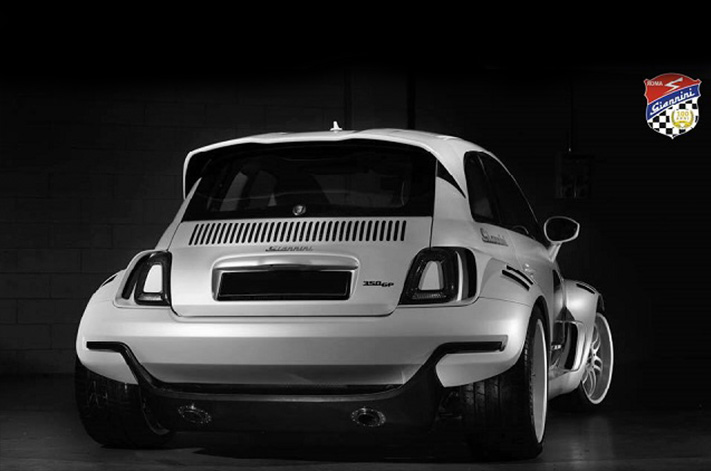
And with 260kW surging to the rear wheels, the 350 GP handily outguns the 177kW Alfa 4C. Giannini doesn’t mention what type of gearbox handles cog-swapping duty, but the 4C’s paddle shifted six-speed dual-clutch auto is a safe bet.
The extra horses are countered by sizable Brembo brakes (six-piston calipers at the front, four-piston calipers at the rear), pushrod suspension with Ohlins coilovers, and a mammoth (well, for a Fiat 500) 19-inch wheel and tyre package to stick it all to the road. However, it’s the engorged fenders and wild aero of the 350 GP’s carbonfibre bodykit that’s its real party trick.b
Meanwhile, the less said about its gaudy blue-on-white interior, the better.
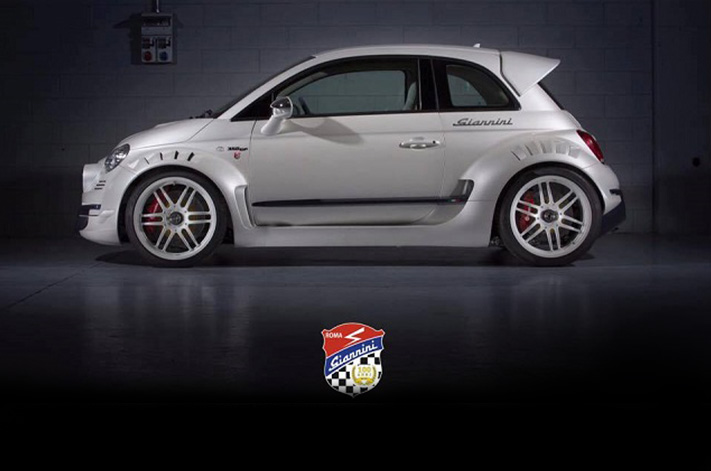
An Alfa 4C measures roughly 24 centimetres wider than a Fiat 500, but Giannini’s 350 GP seems to exceed that difference by a hefty margin. However, official specifications are hard to come by, sadly, including the 350 GP’s all-important 0-100km/h stat.
Built to celebrate Giannini’s 100th anniversary, the GP 350 won’t be cheap. No more than 100 will be built and all will cost an eye-watering 150,000 euro – roughly $221,000 in Australian dollars.
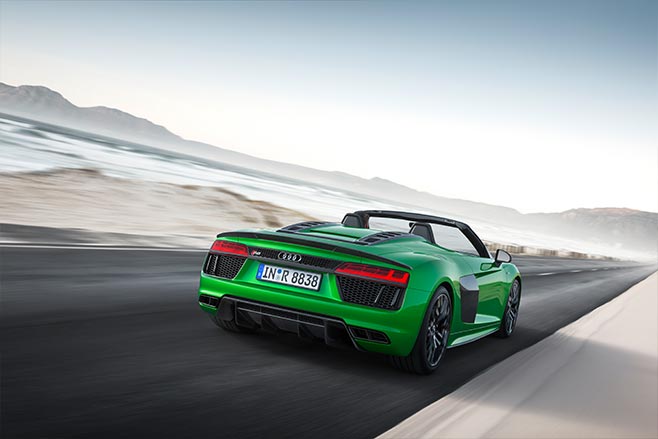
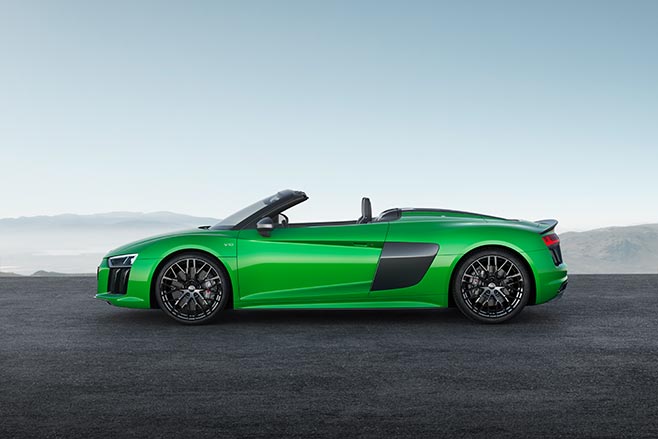
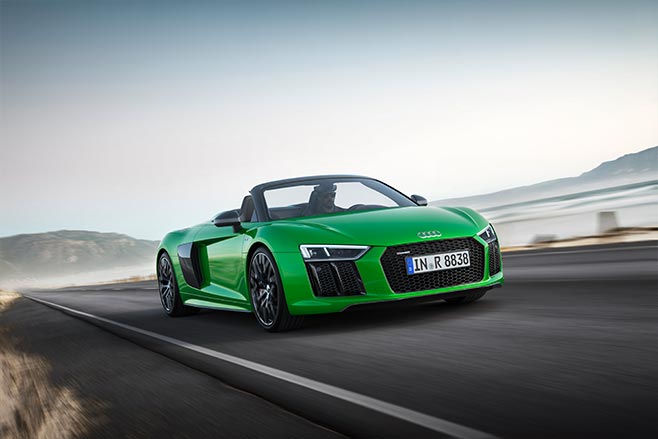
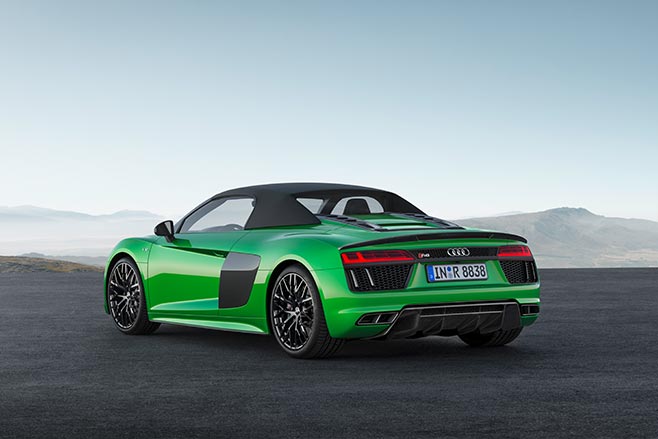
AUDI’S fastest convertible to date has been given the Audi Sport ‘plus’ shot in the arm, boosting the R8 Spyder’s power to 449kW to match the output of its tin-topped R8 V10 Plus sibling.
With an extra 52kW from its naturally aspirated 5.2-litre engine, the R8 Spyder V10 Plus shaves 0.3 seconds from its zero to 100km/h acceleration, giving it a new sprint time of 3.3 seconds. Meanwhile maximum speed increases by 10km/h to a very breezy 328km/h.
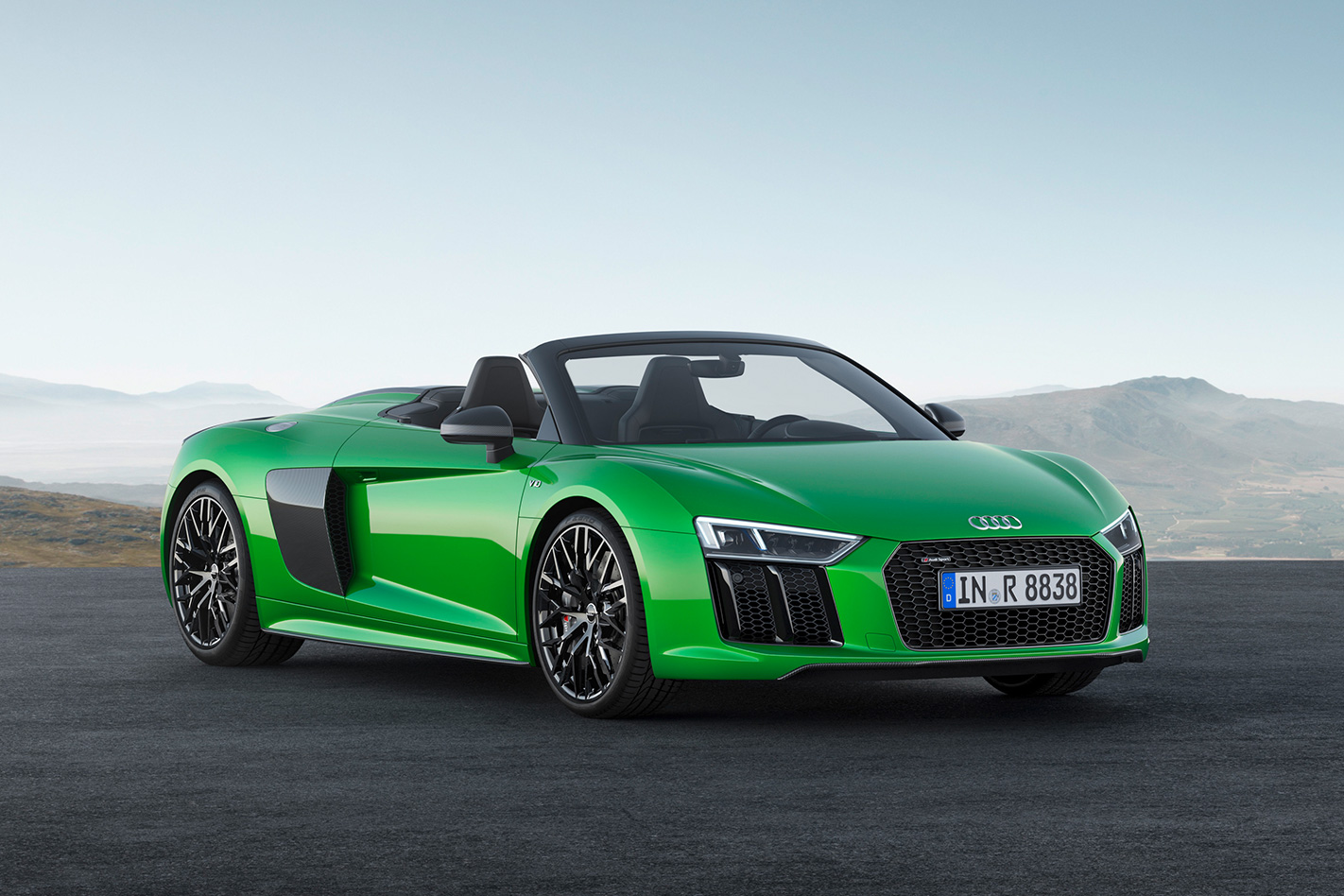
Owners who want to make it patently clear they have invested the extra cash for the V10 Plus can opt for a new Micrommata green design package, which is unique to the fastest R8 and adds a lurid green exterior paint job with matching stitching on the black Nappa leather seats, arm rest, floor mats and doors.
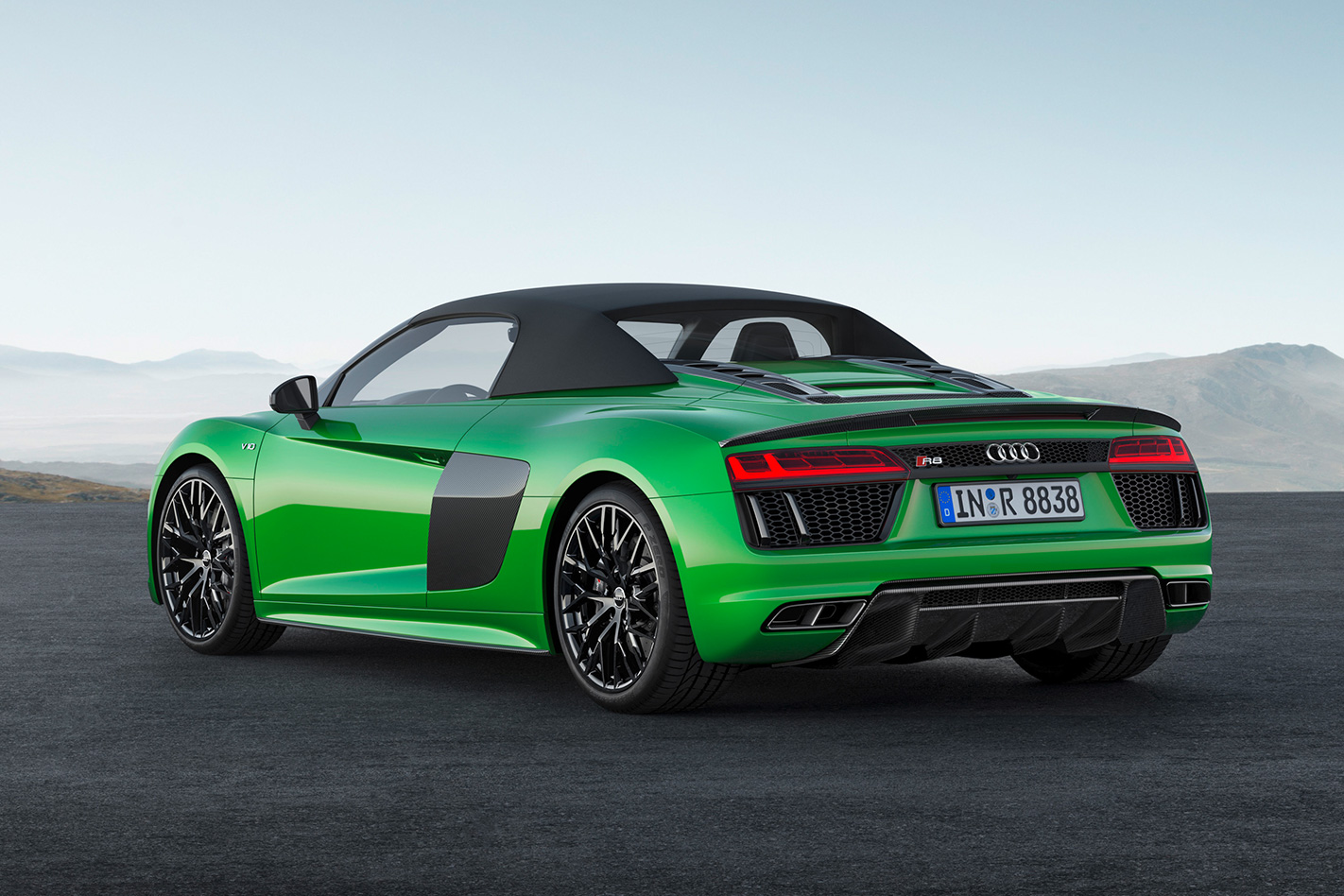
Its extra power is sent to the road via the quattro permanent all-wheel-drive system and a seven-speed S tronic dual-clutch automatic transmission, which can send 100 percent of torque to either axle depending on the driving mode and Drive Select mode (comfort, auto, dynamic or individual).
While the ‘standard’ V10 is equipped with conventional iron brake rotors, V10 plus variants get an exotic carbon-ceramic set grabbed by six-piston callipers on the front axle and four-pot versions at the back.
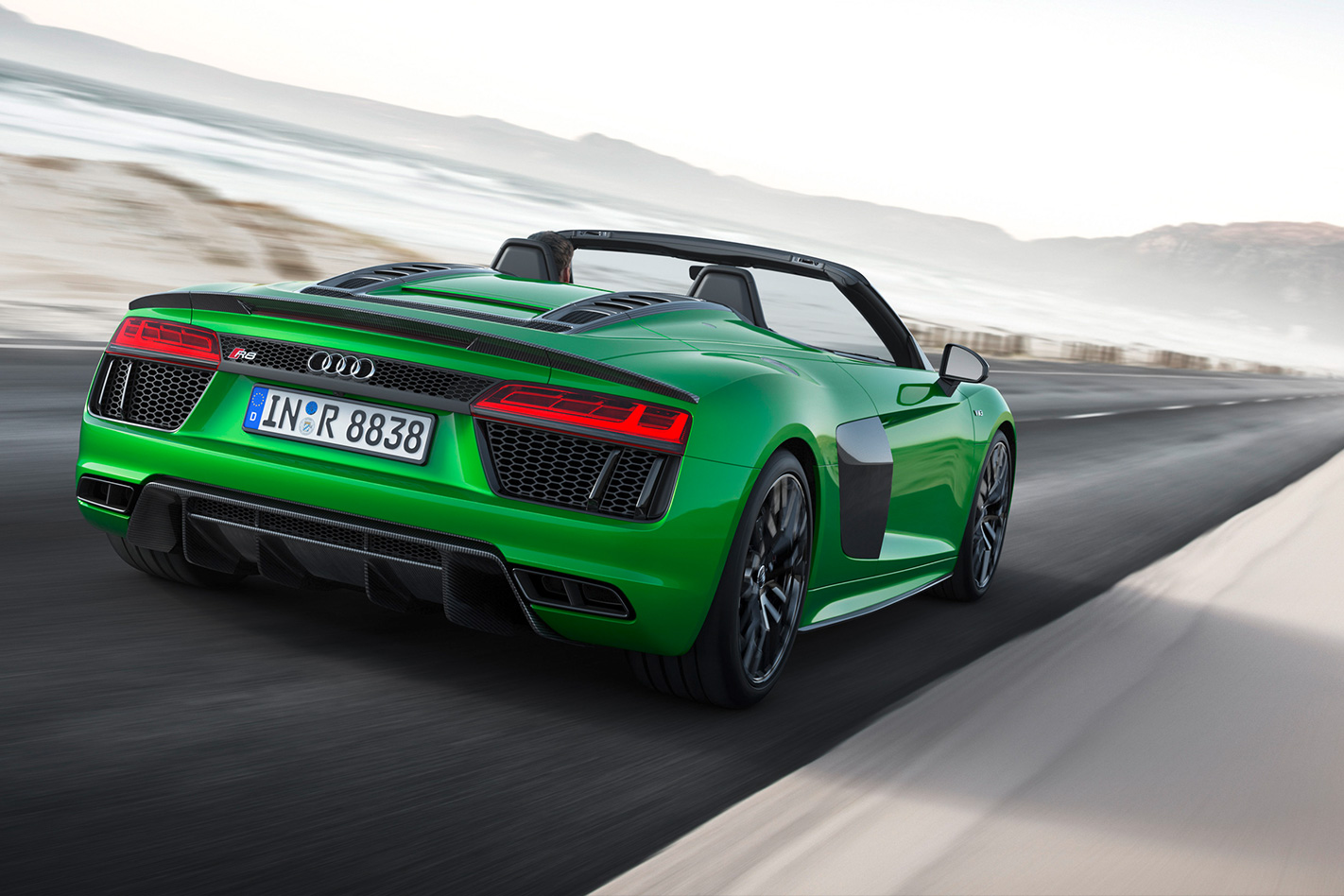
In addition to the R8’s extensive aluminium construction, carbonfibre components are also widely used. The front and rear splitters are made of carbonfibre, plus the fixed rear spoiler, ‘side blade’ air intakes, sills and convertible top cover. The result is a 25kg reduction over the standard R8 V10 Spyder.
Lighter R8 bucket seats are an option for the most affordable R8 Spyder but standard in the new V10 plus, and occupants are also treated to more carbon trims and the Audi MMI information and entertainment system.
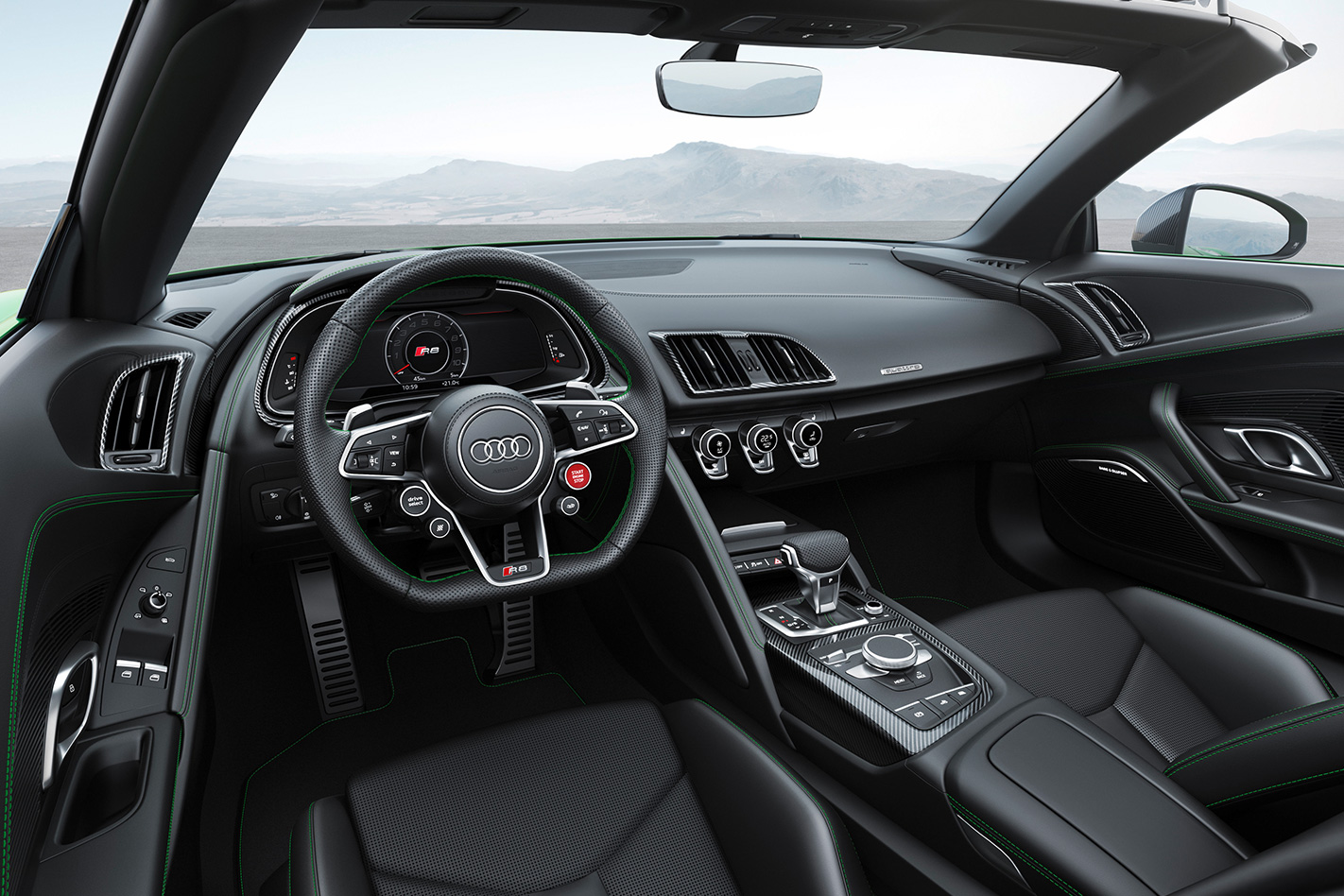
Pricing and Australian availability is yet to be confirmed, but the first R8 V10 plus Spyder deliveries will start in Europe later this year with pricing set at €207,500 ($A305,000). Australian customers are expected to be charged more than the $388,500 starting price for the standard V10 Spyder which arrived in May this year.
If anyone knows how to make a Commodore faster, it’s HSV.
But if you want your HSV to be faster, Walkinshaw’s most recent performance pack should pique your interest.
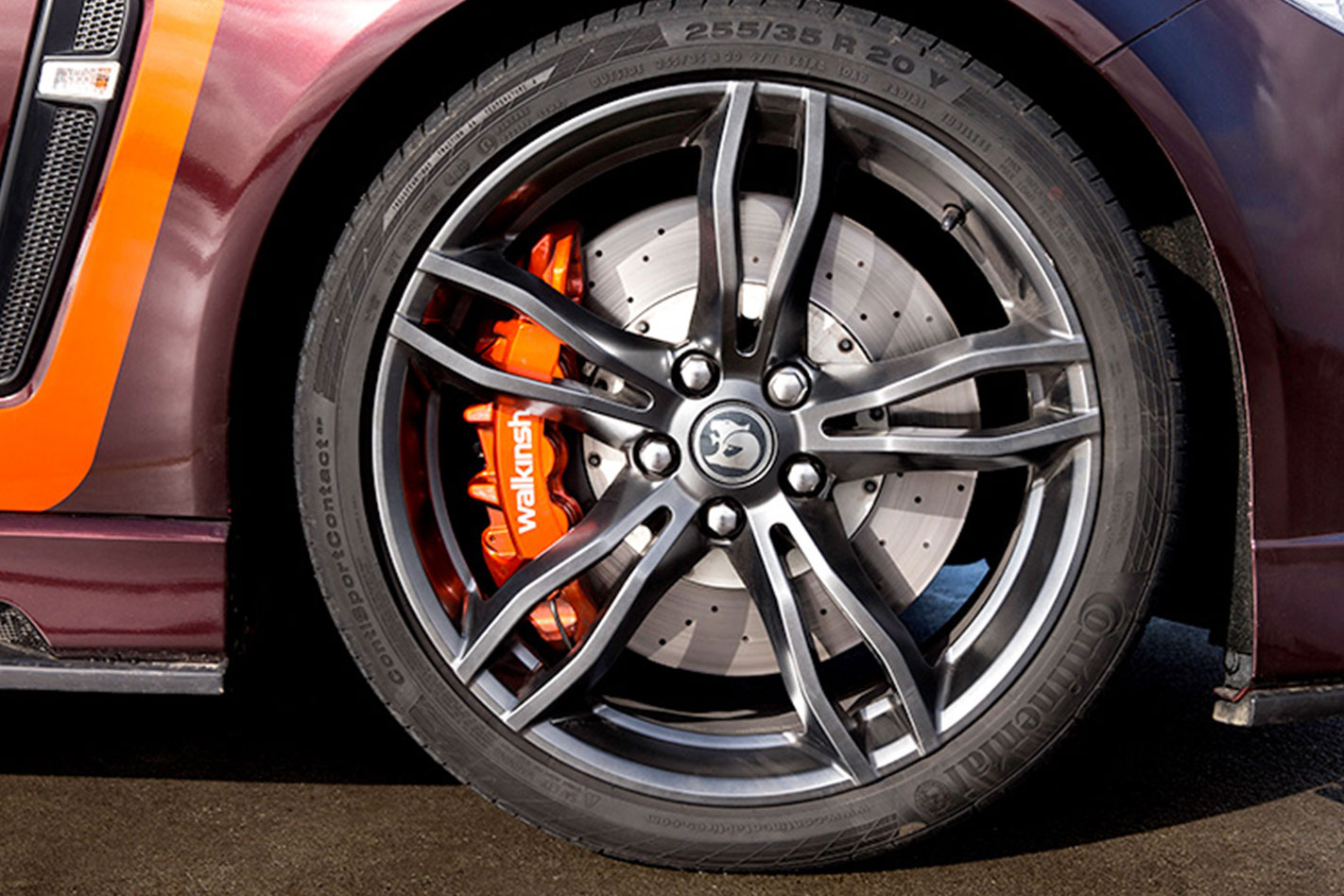
The W557 package is designed to increase the performance potential of all LSA-powered HSVs, and the results are almost intimidating, even on paper.
30 years of HSV: VL Group A SS
Obviously, the power figure is in the name – 557kW, but what’s more impressive is the increase in torque.
An absolutely gargantuan 930Nm.
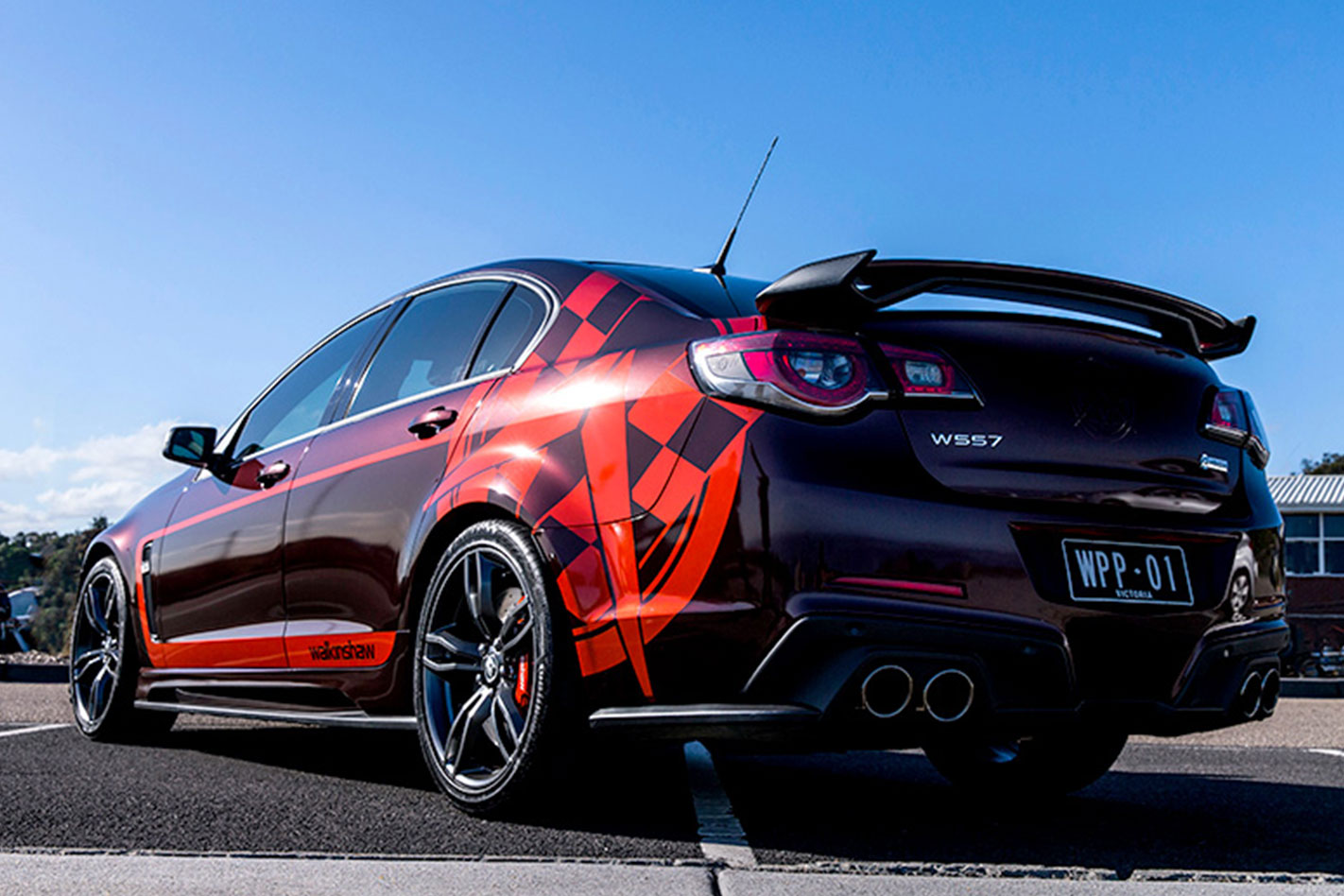
It has 83kW more than the LS9-powered W1, and 122 more than a GTSR. In terms of torque, it puts out 190Nm more than the GTSR, and 115 more than the W1.
2017 HSV Racing Supercar Revealed
In addition, a WP camshaft is installed for a “more aggressive idle”, and 1000cc fuel injectors ensure you’ll have enough fuel being thrown on the fire when you need it.
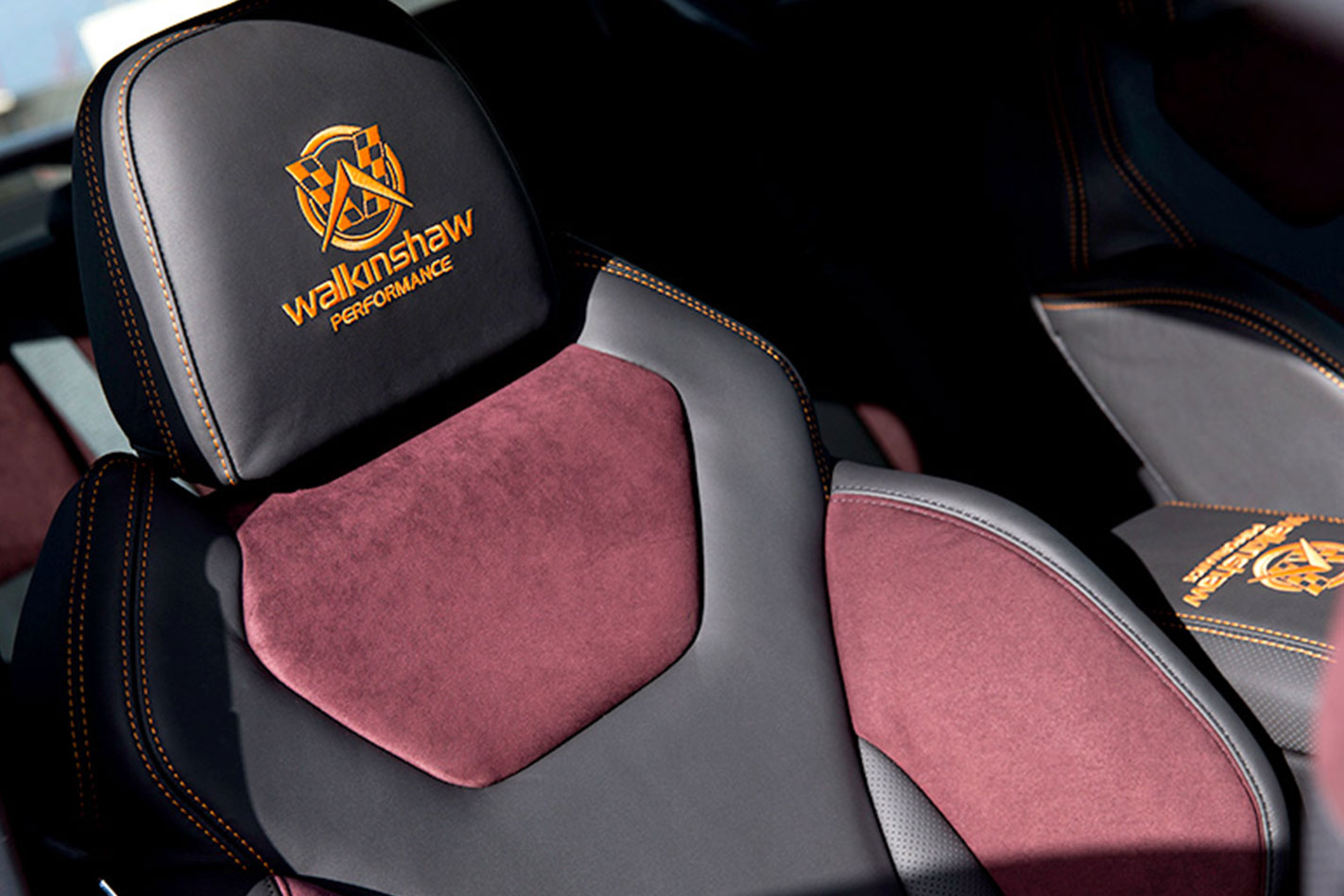
As usual, badges and plaques are scattered throughout.
The price for all of this? On top of the original car, you’d be looking at a $12,990 bill if it’s for a new car, and an extra $1000 if it’s used.
Existing W507s can be upgraded for $5,990, or $4,990 if your W507 is new.
Buyers also get a W Series certificate of authenticity and a drive-line warranty for peace of mind.
Peace until you turn the thing on, that is. Your neighbours will love you.
Car makers are having to rethink interiors as they plan for a future where driving takes something of a back seat.
German automotive components maker ZF, which supplies parts including axles and gearboxes, has also turned its attention to how electric cars of the future – the ones that take over most of the driving tasks – will protect their passengers.
“Electric drivetrains will enable car designers to eliminate conventional transmission tunnels and introduce flat floor concepts with flexible seating arrangements,” the company says.
“With automated driving functions that could also enable drivers to disengage from driving tasks for periods, automakers are likely to place more emphasis on interiors that can transform cars into mobile living spaces.”
And that presents a whole new set of problems for car makers, particularly in terms of crash safety.
One step to a solution, ZF thinks, is to fit car seats equipped with their own network of airbags that can burst out of the sides to offer the same level of protection as traditional dash-, seat- and roof-mounted airbag systems.
While the idea of seat-mounted airbags is nothing new, ZF’s solution is for a car where the passenger isn’t necessarily facing forward, an important consideration where designers are imagining interiors that look more at home in a house than a vehicle, and with rotating seats that won’t necessarily be facing forward in a crash.
According to ZF, its design – which differs from existing systems by extending up to head level – is part of a new push from road safety authorities to look at what happens to passengers on the opposite side of the car in a crash.
ZF’s design was originally meant to stop one passenger from hurting the one they were sitting beside – a concept Lexus thought about almost a decade ago but is yet to roll out in any of its vehicles.
The benefit of the ZF system, the company claims, is that it can be used in vehicles that don’t have a centre console, something you’d expect to be missing in a driverless, battery-powered car of the future.
“Such seat-integrated systems could also be valuable in addressing advanced interior concepts for future vehicles and new mobility solutions,” it said.
The technology can be combined with a new generation of active seatbelt systems that not only make it easier for a passenger to clip in, but in the event of a crash can realise what’s about to happen, and then make sure the occupant is in the best position for the other passive safety systems to work effectively.
THE McLaren 570S Spider has joined the growing Sports Series range, providing a sun-loving two-seater that will sit beside the coupe and GT, priced from $435,750 – $56,750 more than the coupe.
Featuring a retractable hardtop that can drop in 15 seconds at speeds of up to 40km/h, the Porsche 911 Turbo Convertible rival uses the same technology developed initially for the 650S and 675LT Spider.
The removable roof adds 46kg to the 570S Spider’s carbonfibre-clad kerb weight, with extra reinforcement keeping the drop-top’s torsional rigidity the same as for the coupe.
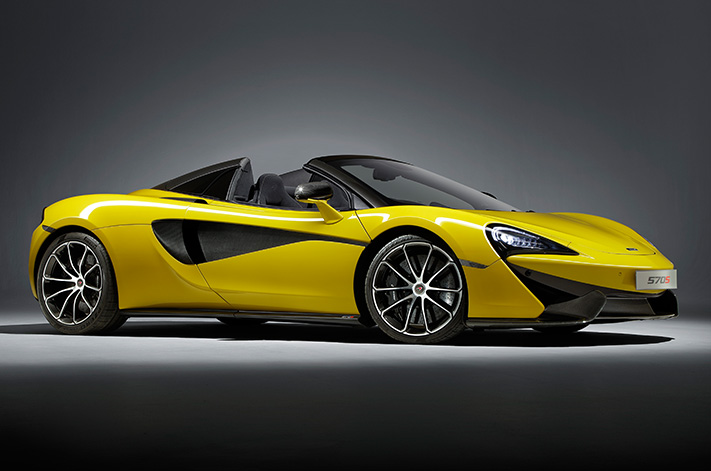
Meanwhile, its mid-mounted 419kW, 600Nm 3.8-litre twin-turbo V8 will push the 1498kg two-seater from 0-100km/h in 3.2 seconds, the same as for the hard-topped version.
The 570S Spider uses an unchanged seven-speed single-clutch transmission as the coupe. The suspension also remains as dual wishbones with adaptive dampers allowing for Normal, Sport and Track modes, with staggered Pirelli rubber – on 19-inch 10-spoke forged alloys down the front, 20s down the back – wrapped around pizza tray-sized carbon ceramic discs.
The Spider will hit a top speed of 328km/h, the same as for the Coupe, but roof-down it’s limited to a slightly milder 315km/h. Flat out, Bentley’s four-seat Continental GTC Supersports Convertible, flagged the fastest four-seat drop-top in the world, will edge out to 336km/h thanks to its 522kW, 1017Nm 6.0-litre W12 engine.
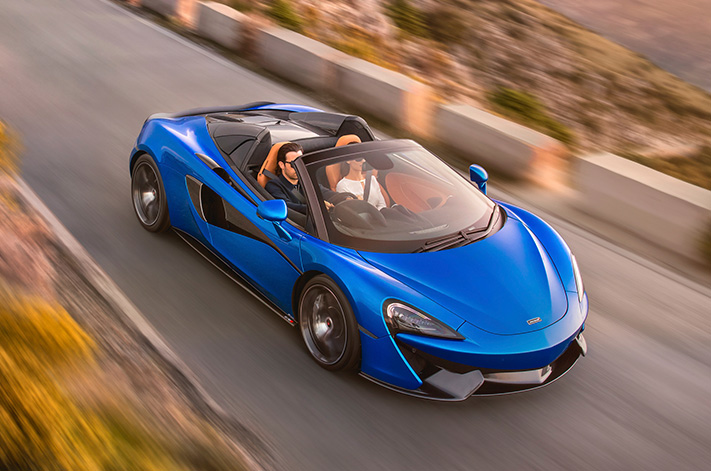
Corner-carving ability comes courtesy of a system developed originally for Formula One called Brake Steer, which uses the McLaren’s brakes to drag the inside wheel on tip-in, helping to turn the 570S and minimise understeer. You’ll be able to test it at the limit too, with the electronic stability control system including a ‘Dynamic’ mode that switches off most of the electronic nannies and introduces the driver to a concept that McLaren simply describes as “increased driftability”.
Don’t like the pork that the seats add? As always, there’s the option to rip them out and replace them with lightweight carbonfibre shell sport seats developed for the P1.
The first international deliveries of the McLaren 570S Spider start late this year.
