
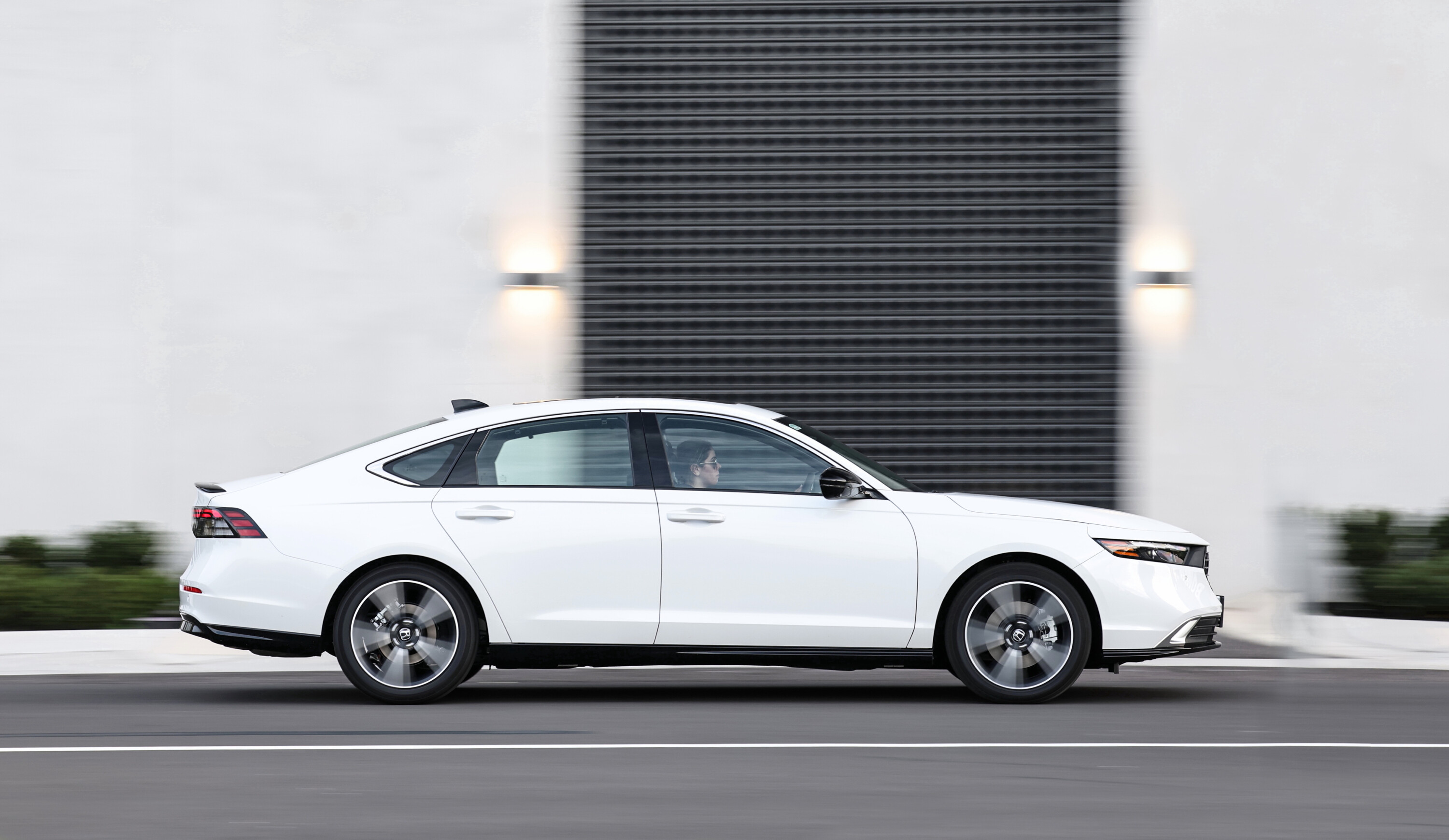
The 11th-generation 2024 Honda Accord sedan has arrived in Australia 18 months after it debuted, continuing a legacy that started in 1977 despite dwindling sales in recent years.
An oft-forgotten rival to the Toyota Camry, Mazda 6, Skoda Superb and Hyundai Sonata, the latest Accord is now available in a sole hybrid E:HEV RS variant with the 1.5-litre turbo-petrol option deleted.
It costs $64,900 drive-away – a $3000 increase over the previous Accord VTi-LX Hybrid and far dearer than the medium sedan of choice (the Camry).

1
The Accord’s target audience continues to be older buyers and rideshare drivers standing out from the Camry status quo, with otherwise limited sales potential due to continued demand for SUVs and utes in Australia.
How limited? Honda Australia sold just 144 units of the Accord in 2023 – less than the Lamborghini or Bentley line-ups and equivalent to a day’s worth of Ford Ranger or Toyota HiLux sales – and it admits there won’t be much improvement for the new model.
This is despite Toyota selling more than 10,000 units of the Camry – showing demand is still there when a brand ticks the right boxes – while 1528 Mazda 6s, 338 Hyundai Sonatas and 278 Skoda Superbs were also delivered in 2023.
1
JUMP AHEAD
- How much is it, and what do you get?
- Where is this model in its lifecycle?
- How do rivals compare on value?
- Interior quality, comfort, space and storage
- Technology in the cabin
- What is it like to drive?
- How is it on fuel?
- How safe is it?
- Warranty and running costs
- VERDICT
- Specifications
How much is it, and what do you get?
| 2024 Honda Accord E:HEV RS features | |
|---|---|
| 18-inch alloy wheels | LED exterior lighting |
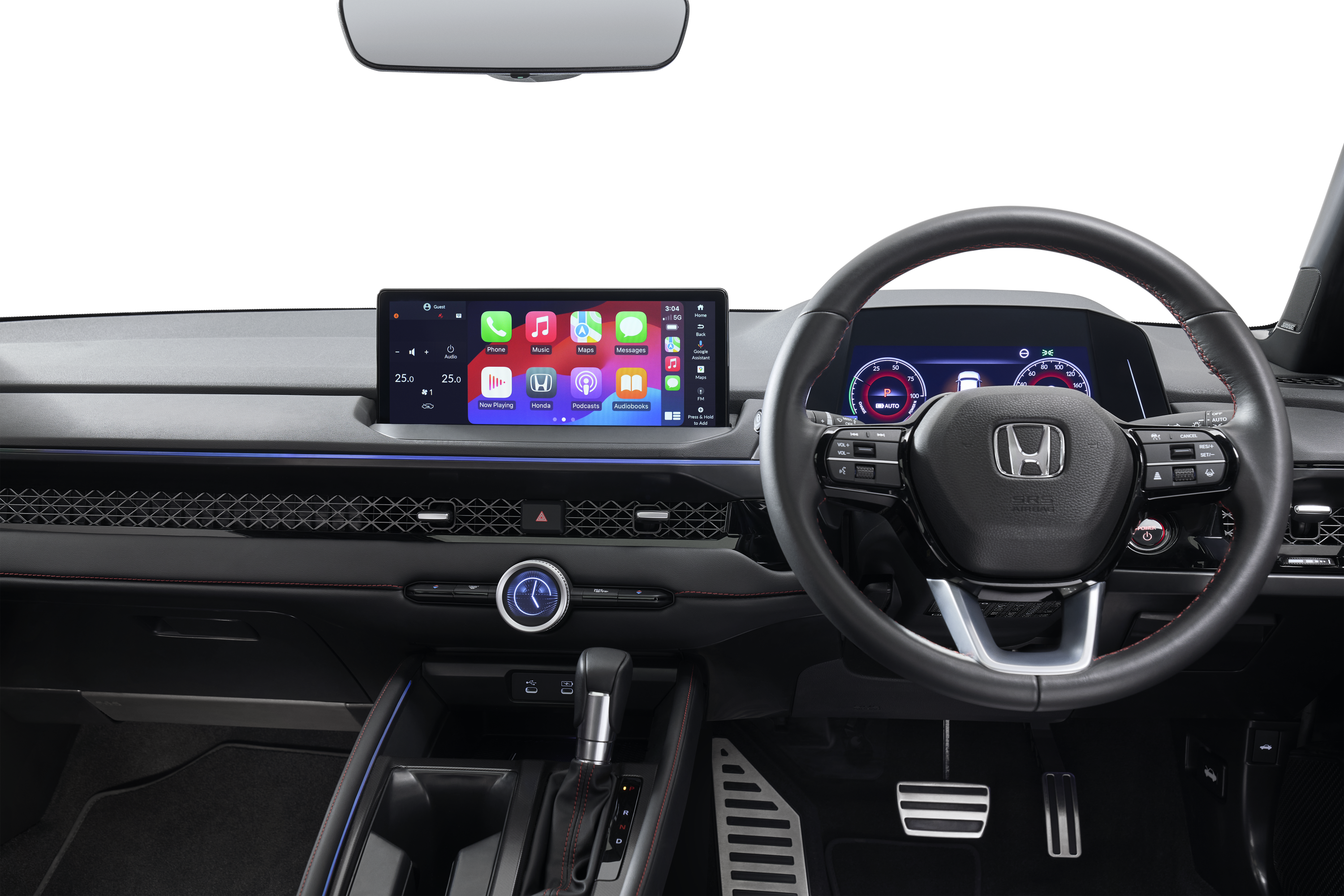
| 12.3-inch infotainment systemu00a0 | 10.2-inch digital instrument cluster touchscreen |
| Google built-in (Maps, Assistant, Play Store) | Dual-zone climate control |
| Wireless Apple CarPlay and Android Auto | Wireless phone charger |
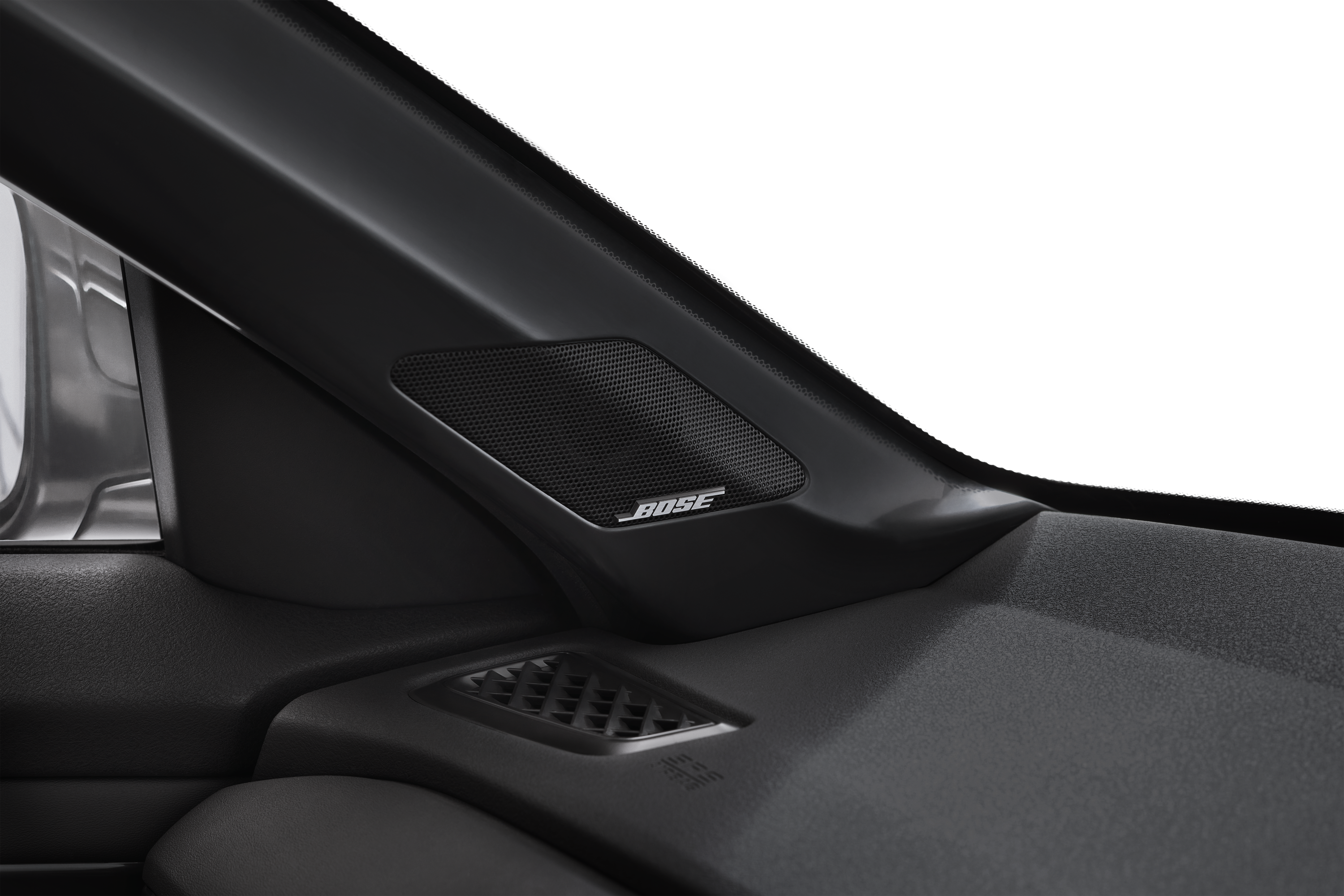
| 12-speaker Bose audio system | Active noise cancellation |
| Honda Connect telematics system | 10-colour configurable ambient lighting |
| 11.7-inch head-up display | Black leather upholstery with red stitching |
1
The 2024 Honda Accord E:HEV RS continues with a higher-than-usual price for a hybrid medium sedan, now at $64,900 drive-away – up $3000 over its predecessor.
This price includes all on-road costs – as has been the case since Honda’s switch to an agency dealer model in July 2021 – and equipment levels are pretty high, with some highlights shown in the table above.
A full specification run-down is available by clicking here.
While the $65,000 Accord does appear to be loaded with kit, it does lack some features, like heated/ventilated seats, a heated steering wheel, and a spare wheel (it has a tyre repair kit). It also omits the automatic parking feature fitted to the previous Accord.
Honda Australia executives have confirmed no plans for a lower-specced Accord as the car acts as a flagship model for the brand with low sales potential.
1
It’s a sensible decision given the shrinking customer demand in this segment – and we’re not product planners crunching the numbers – but could there still be room for a cheaper variant similar to Thailand’s ‘E’ or ‘EL’ in the low-to-mid $50K region?
Toyota Camry Hybrid order holders who have been waiting in the queue for months on end but can’t stump up the extra cash for the Accord RS come to mind here.
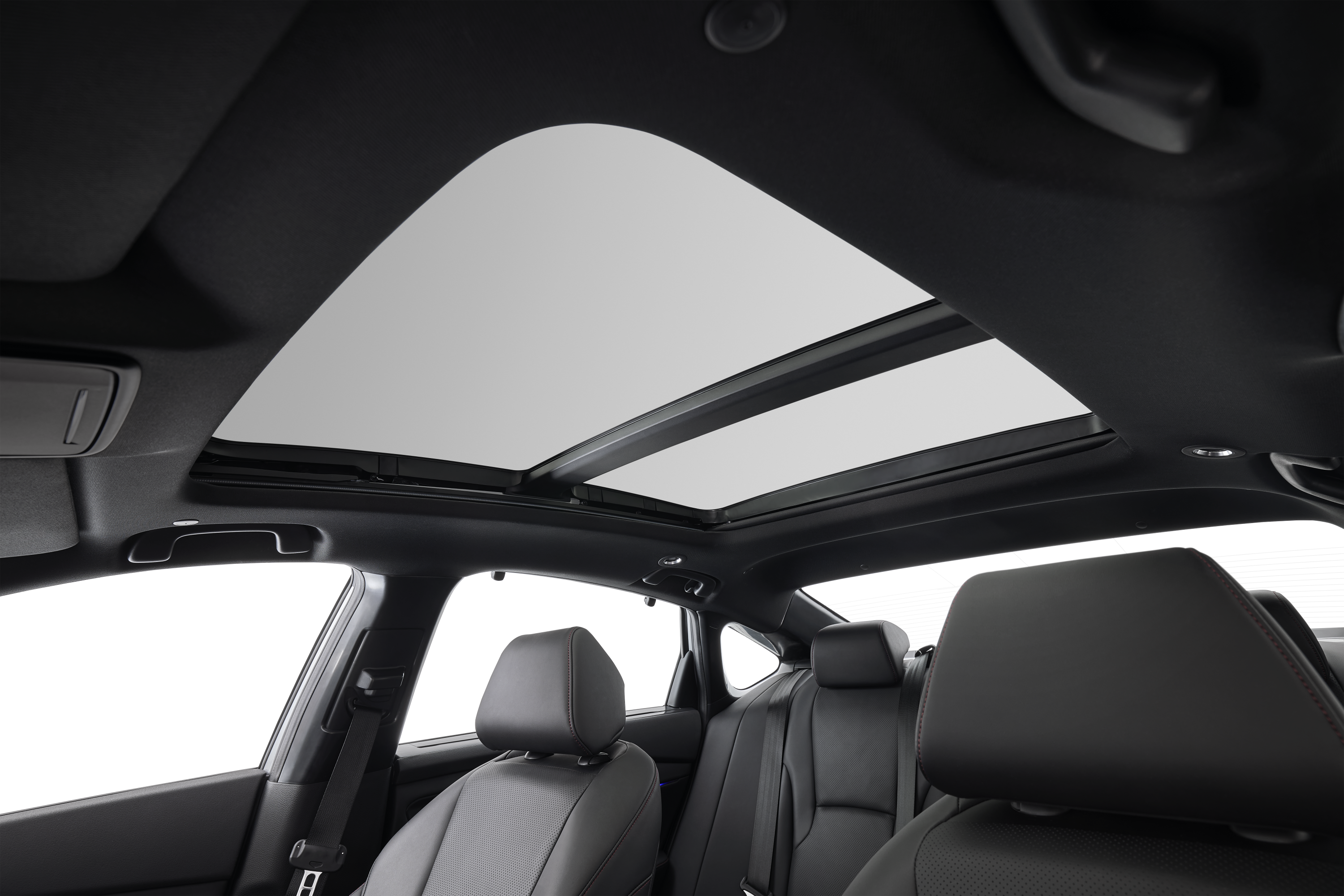
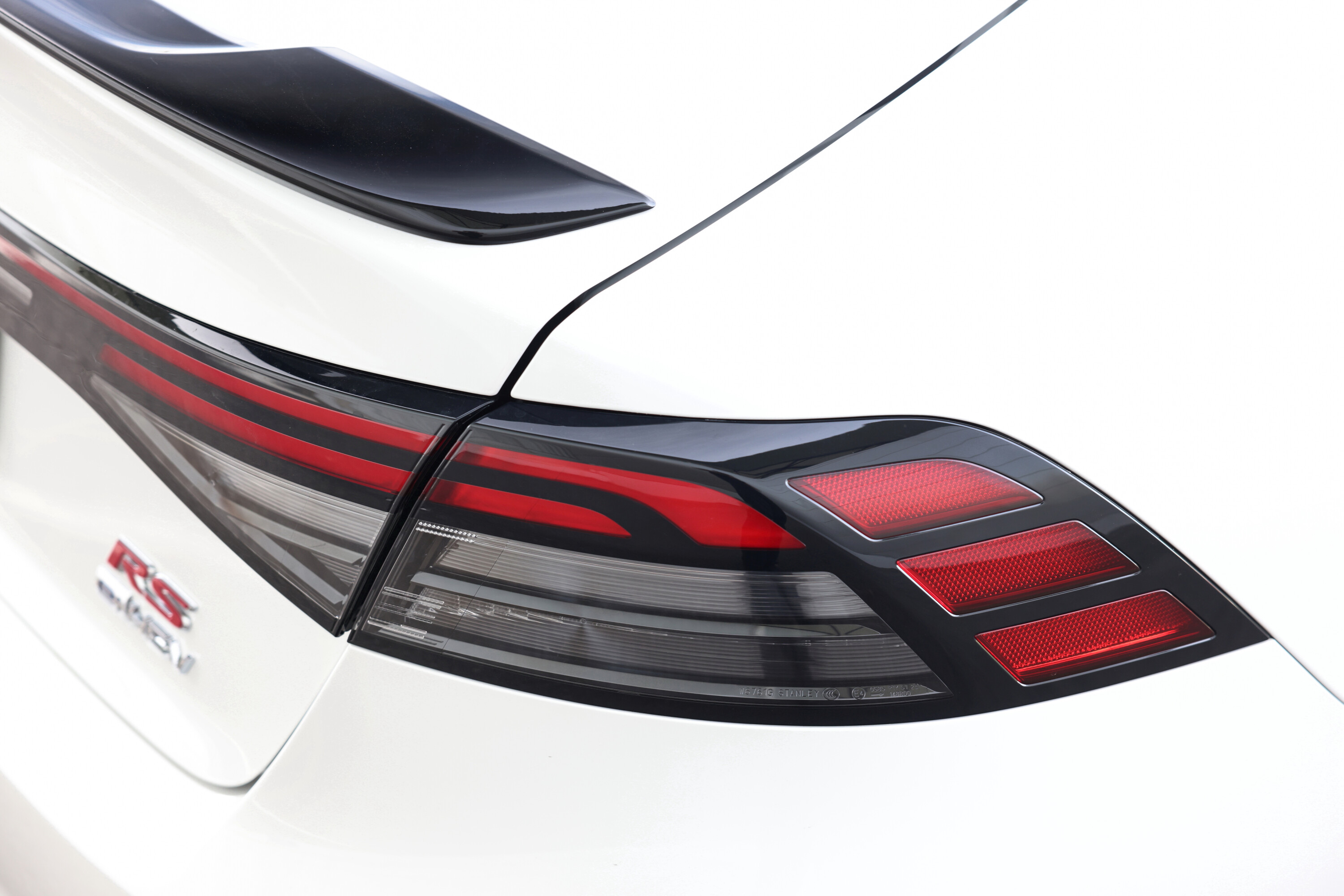
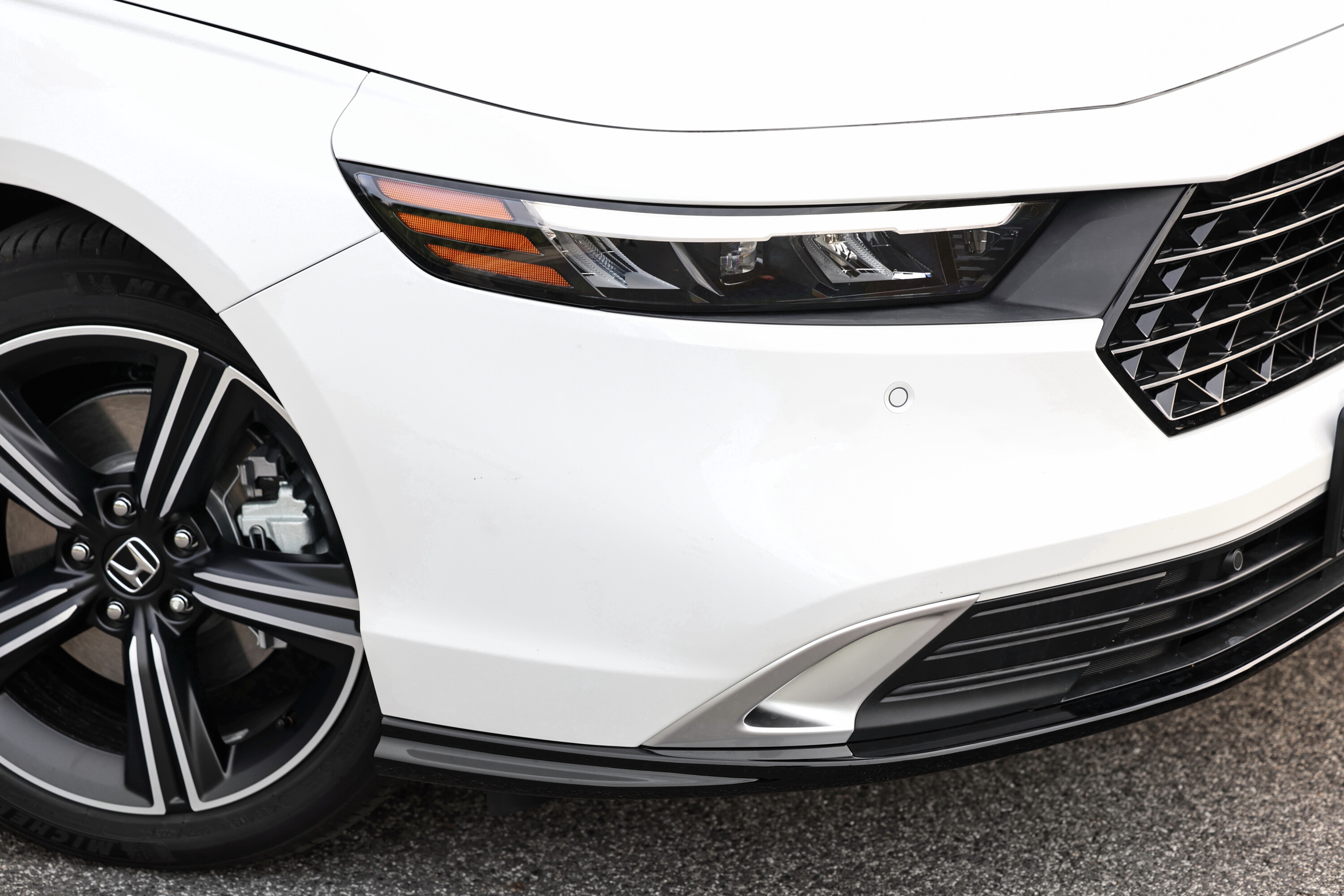
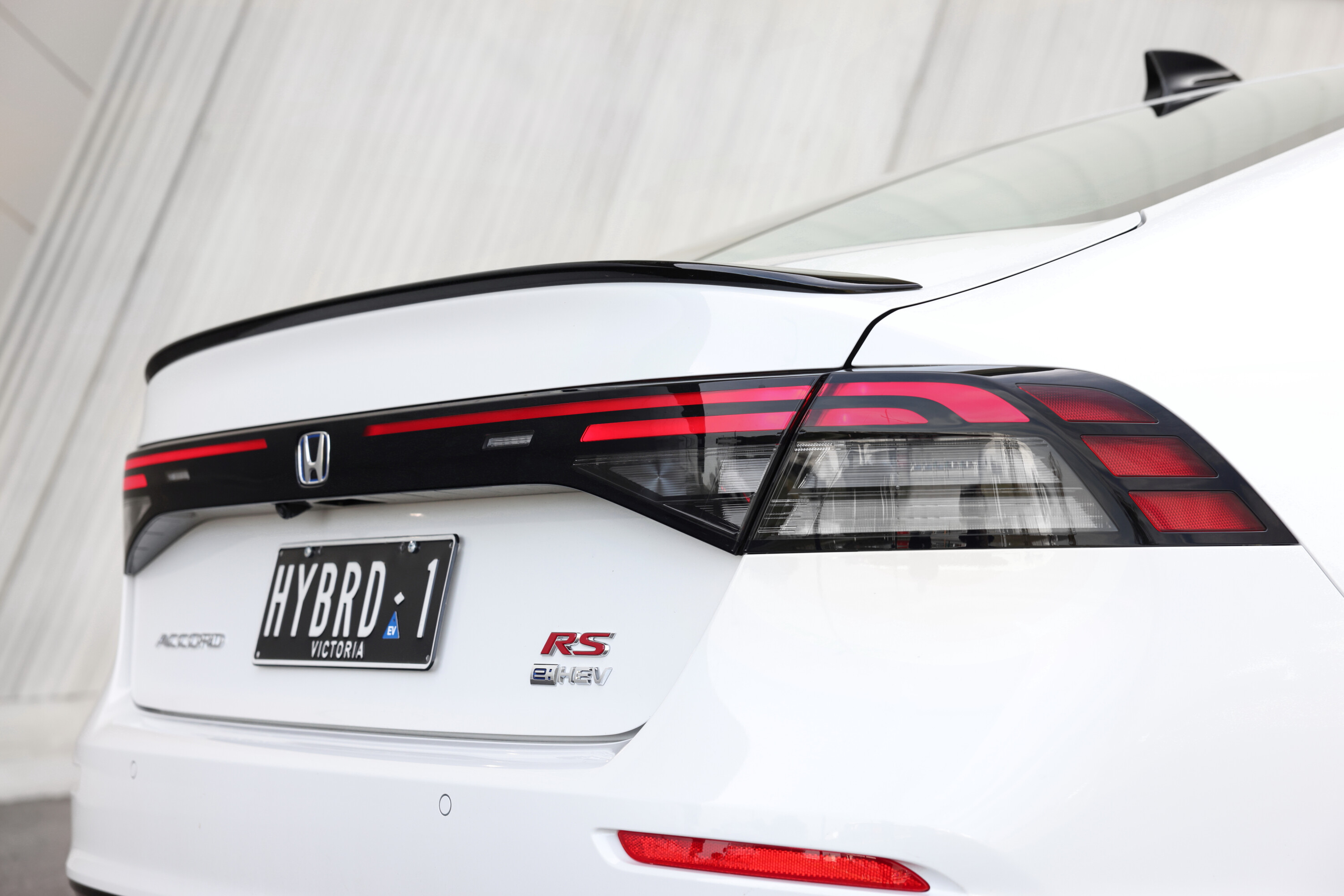
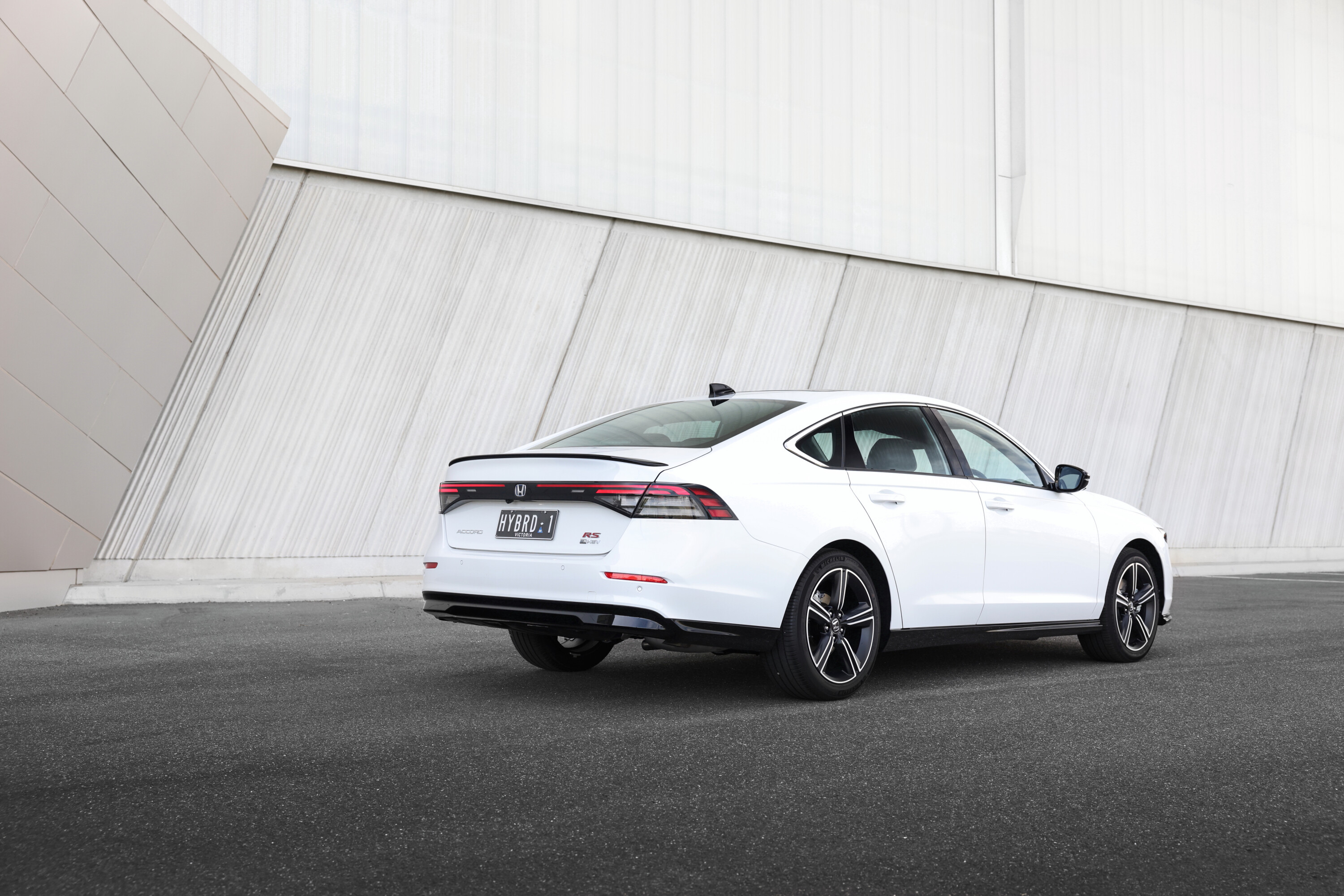
We think most people could live without some of the RS niceties, like the 18-inch alloy wheels (go 17-inch, instead), adaptive high beam, panoramic sunroof, Bose audio system, sequential indicators, door handle illumination, auto tilt-down side mirror, dark headliner and rear lip spoiler.
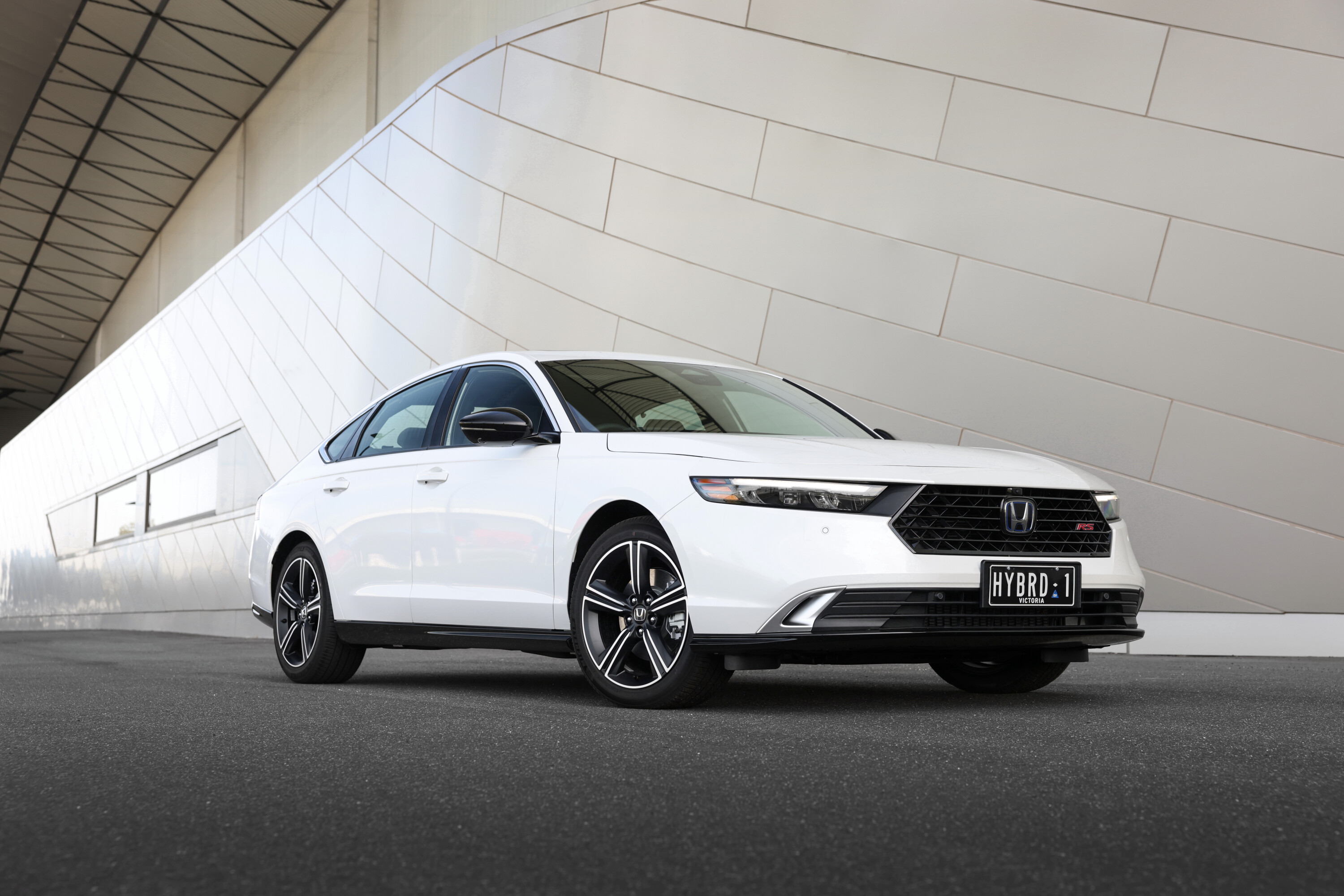
The Accord is available in four monochrome colours, all at no added cost: Platinum white, lunar silver, meteoroid grey and crystal black.
1
Where is this model in its lifecycle?
The 11th-generation Accord was unveiled for North America in November 2022. Right-hand drive versions continue to be sourced from Honda’s factory in Thailand, which also builds the CR-V midsize SUV for our market.
Honda Australia attributed the delay between North America and the Asia-Pacific to a separate model lifecycle between the two versions, as the last Accord launched in 2017 but didn’t arrive in the Asia-Pacific until 2019.
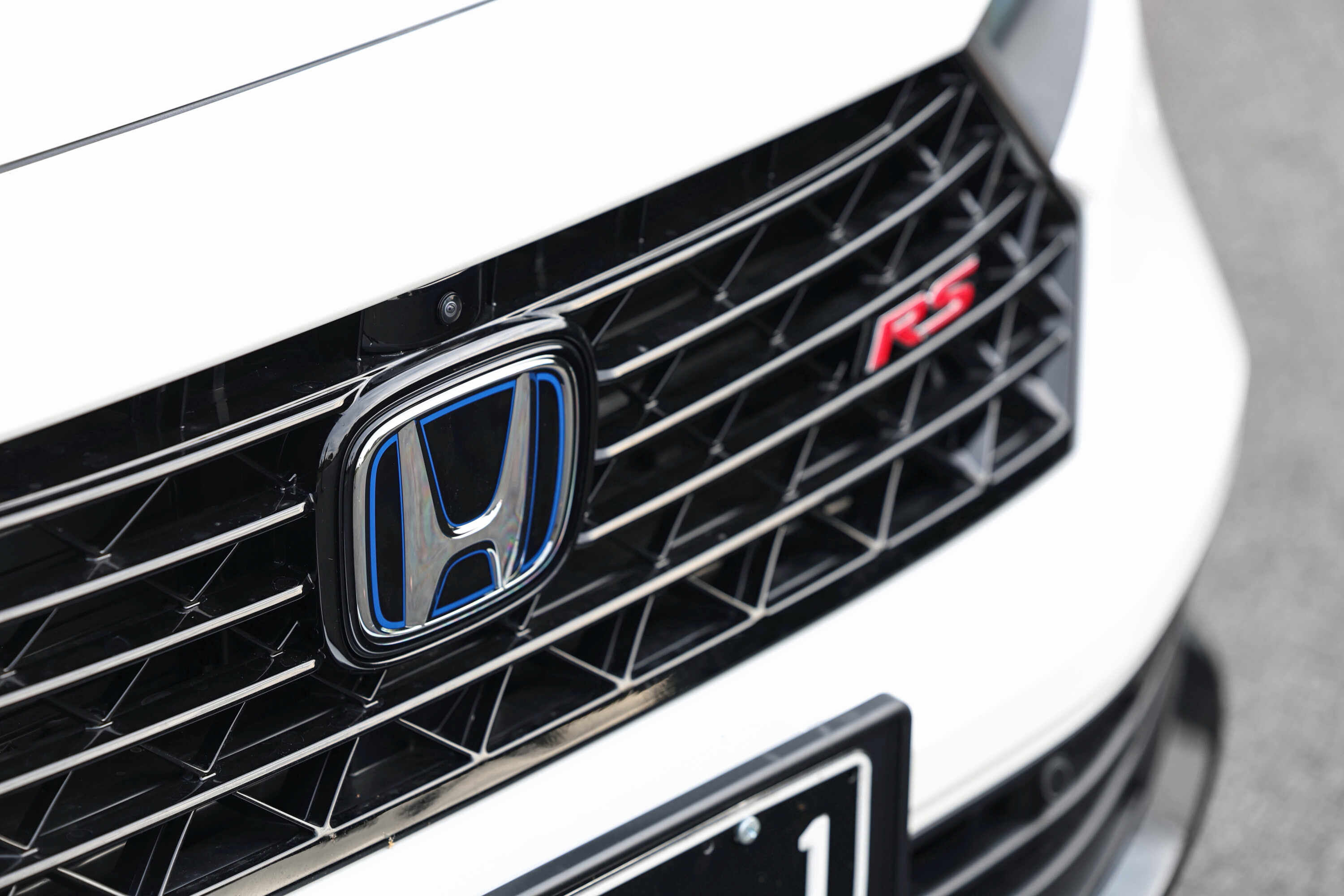
Asia-Pacific versions of the new Accord have a unique dashboard with the ‘Experience Selection Dial’ to control some air-conditioning and audio functions, a more prominent ambient lighting strip, and a floating-look digital instrument cluster.
1
How do rivals compare on value?
Rivals to the Honda Accord include the Toyota Camry, Mazda 6, Skoda Superb and Lexus ES, or electric alternatives like the Tesla Model 3 and BYD Seal.
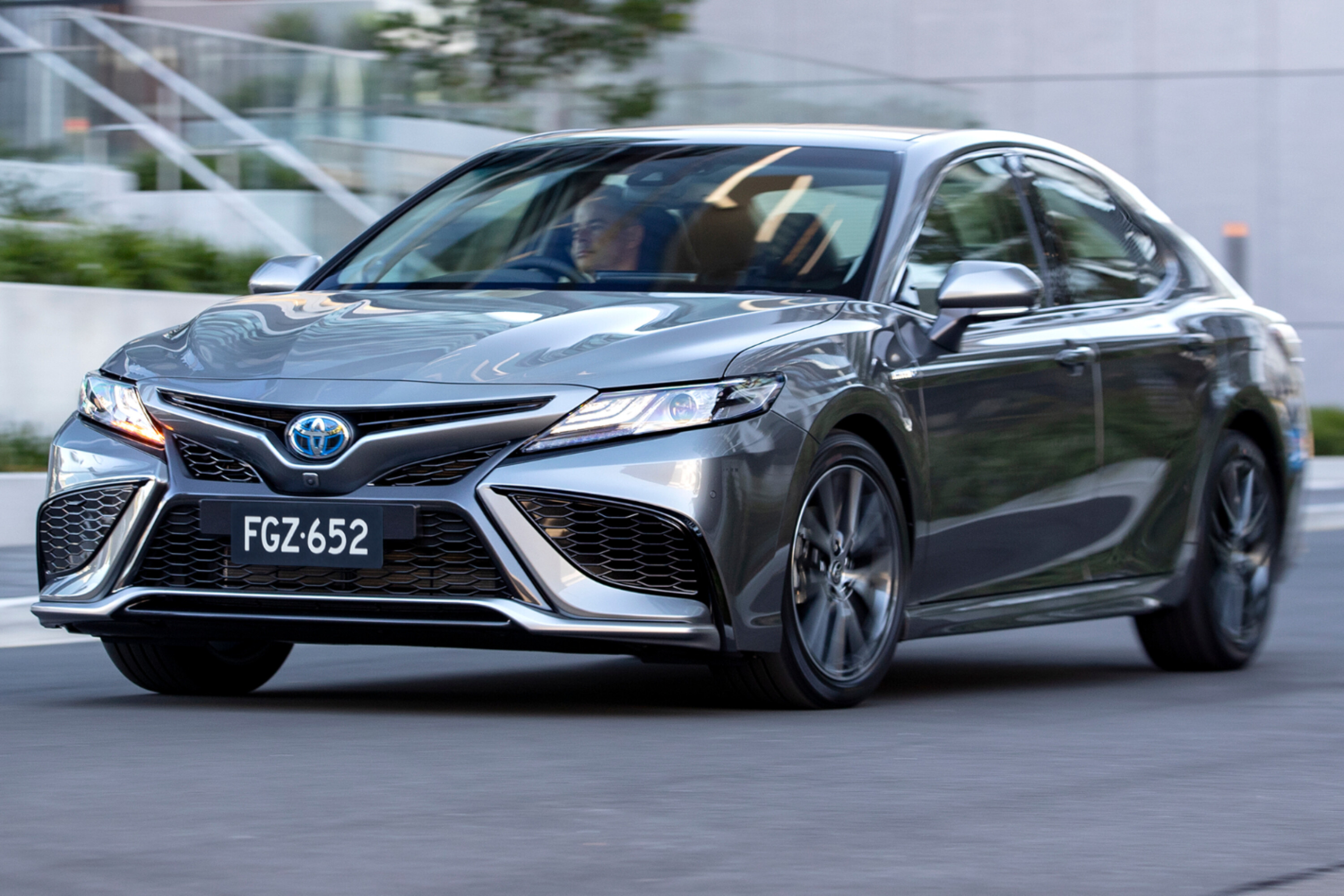
The Camry has long been the Accord’s arch-rival, with the soon-to-be-replaced hybrid line-up – currently unavailable to order due to extended wait times – priced between $37,917 and $51,417 before on-road costs.
A price rise is expected for the 9th-gen Camry due in the second half of the year, so the Accord should stack up a little better on value once Toyota’s newest hybrid sedan lands.
For context, a current top-spec SL costs around $8000 less than the Accord in most states when on-road costs are included, but the Accord’s price gap is widened further as most choose the Ascent or Ascent Sport base models.
1
If you’re looking for a little more performance, the turbocharged Mazda 6 G35 Atenza sedan costs $52,590 before on-roads. It’s nicer to drive, but high fuel consumption and vintage tech let it down.
There’s also the recently-facelifted Hyundai Sonata N Line to consider for $55,500 before on-roads, or the Skoda Superb 206TSI Sportline liftback for $69,990 drive-away.
(VFACTS lists the Superb in the one-size-up large category, but the Accord is longer – even once the bigger next-generation model lands here in 2025. It’s considerably larger than the Skoda Octavia liftback, despite both vehicles sitting in the medium segment.)
1
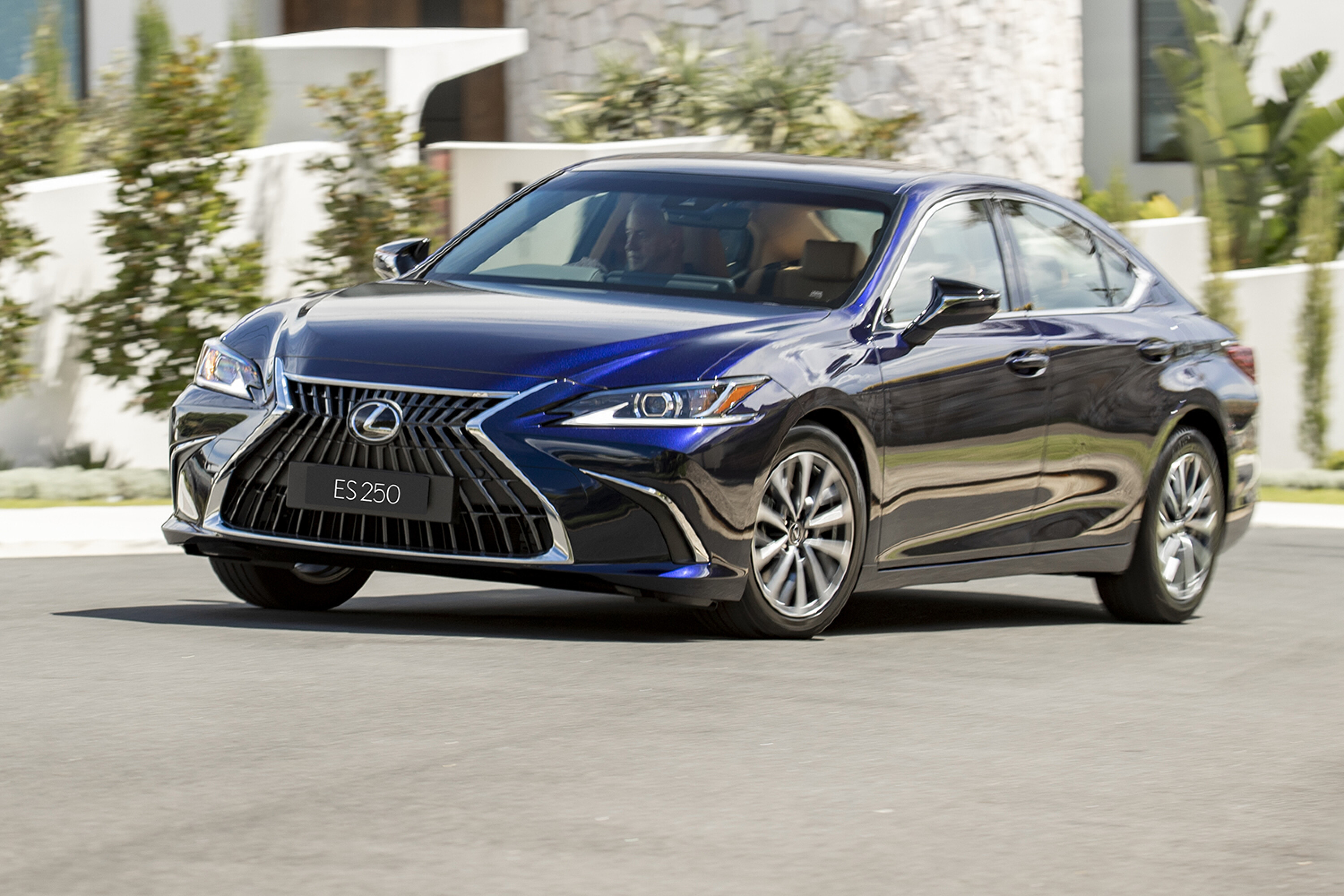
The Lexus ES300h – the Camry’s premium sibling – is available in Luxury form for $65,540 before on-road costs, but you’d need to look at the $80,170 Sports Luxury to match some of the Accord’s features.
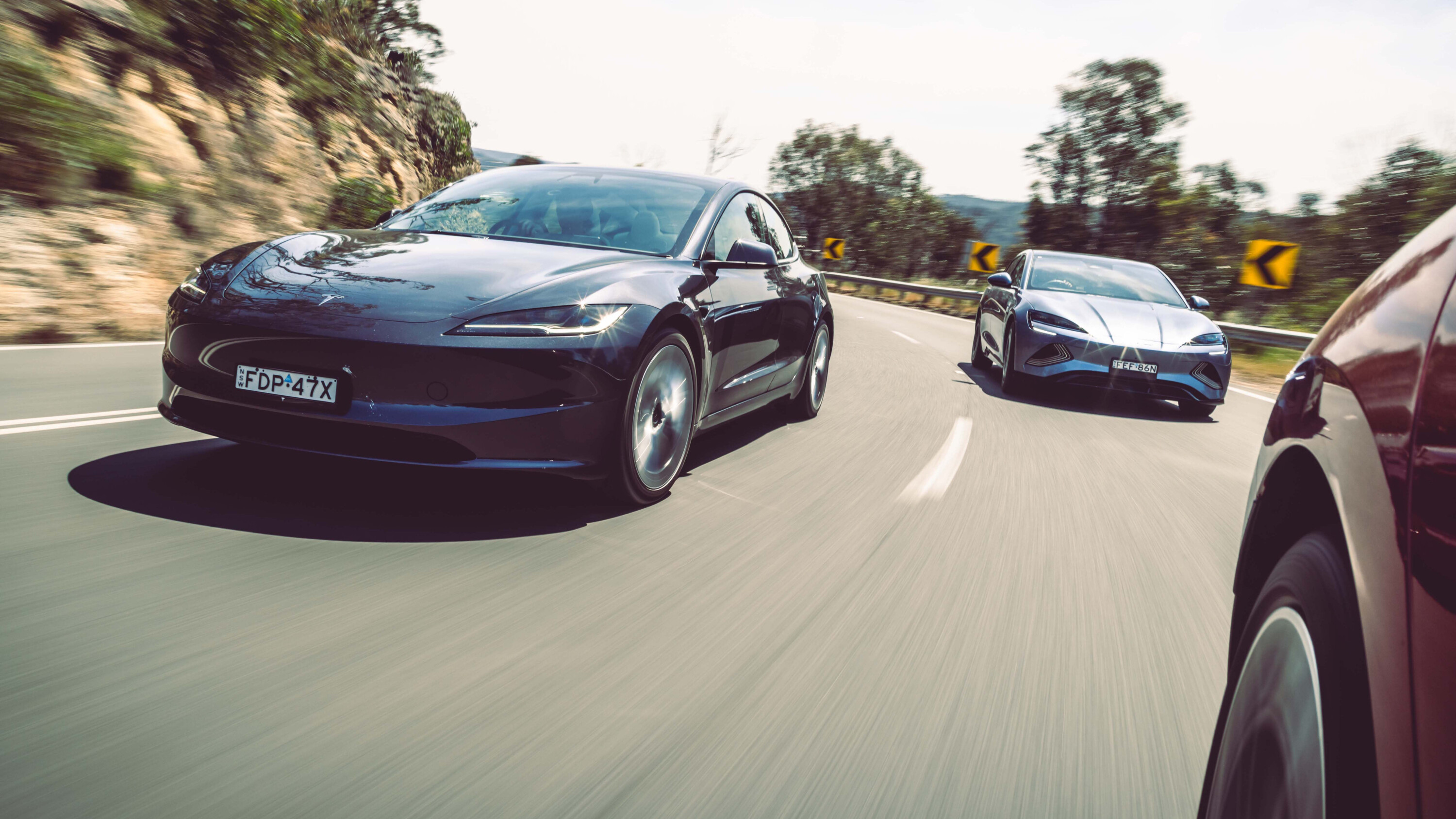
Full-electric cars can be had for the same price as the Accord, with the Tesla Model 3 Rear-Wheel Drive ($58,900 before on-roads; 513km WLTP) and BYD Seal Premium ($58,798 before on-roads; 570km WLTP) logical alternatives for buyers willing to consider making the next step.
1
Interior quality, comfort, space and storage
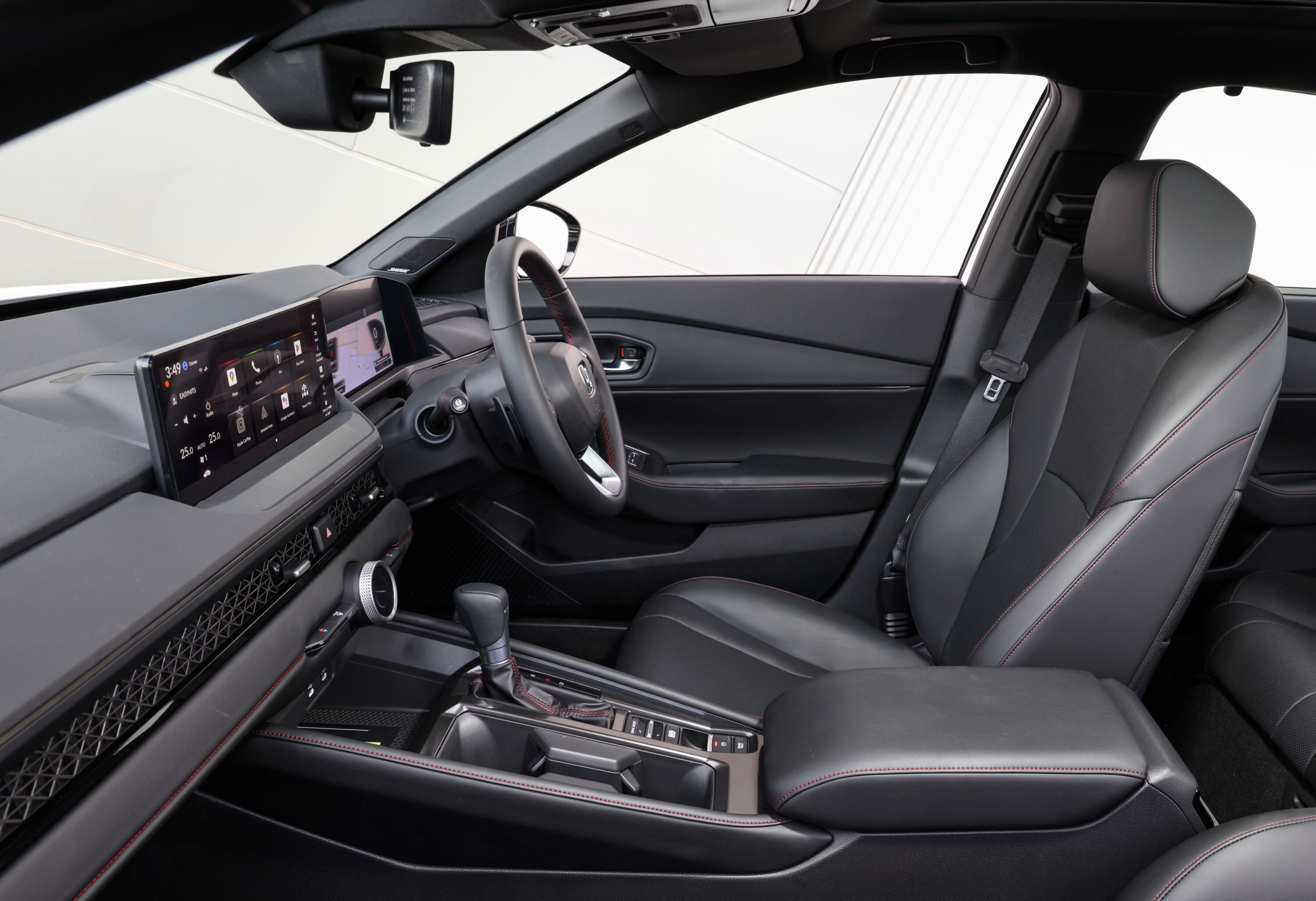
The interior quality of the Accord feels on par with the Mazda 6, and a step above the Camry, with soft-touch materials in the front and rear, and a sturdy door thunk.
Build quality appeared solid in our short time with the Accord, apart from a rattle between the sunroof and overhead storage box.
The seats – clad in black leather upholstery with red stitching – were comfortable and supportive on a two-hour test drive, though they could be a little softer and lack heating or cooling functions.
Both front seats offer eight-way power adjustment, with the driver’s seat adding four-way power lumbar support and two-position memory, and rear occupants can control the passenger side for a chauffeur-like experience.
1
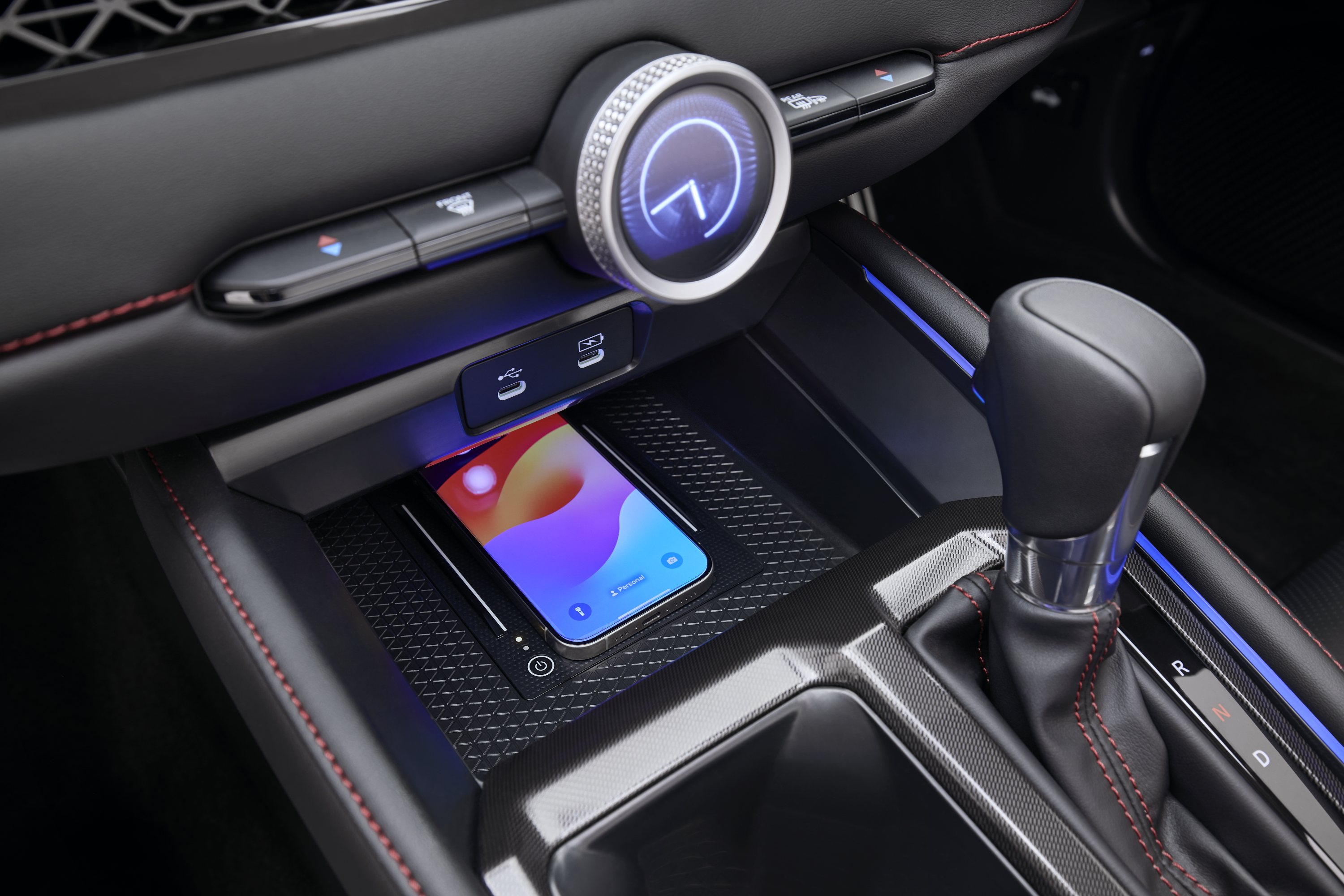
There’s a deep centre console storage bin, but the bottom isn’t padded, and there are no dividers, so smaller items like keys or garage door openers can slide around.
A nice touch is Honda’s honeycomb mesh-look air vents, a trend that started with the Civic, which are distinctive and allow for more directional control.
The deep cupholders are large enough to accommodate one-litre bottles, and the twin central holders have teeth to prevent smaller cups from sliding around.
The rear leg and toe room are generous, but headroom is tight for taller occupants due to its panoramic sunroof and sloped roofline. Amenities include manual sunshades, air vents, two seatback pockets, and a fold-down centre armrest with cupholders.
1
Boot space
The 2024 Honda Accord has a 570-litre boot capacity, which can be further extended with the rear backrest folded down. There’s no 60:40 split-fold, unlike most of its rivals.
As with the Camry, the Accord’s gooseneck hinges don’t fold into tunnels like a Sonata, leaving the risk of squishing items when the boot is overpacked.
The boot lid is nicely damped, opening from buttons on the rear, key fob or in the cabin, but it is not equipped with electric hinges to remotely close it.
Mini matchup: Boot space
| MODEL | WHEELBASE | BOOT |
|---|---|---|
| Honda Accord E:HEV RS | 2830mm | 570L |
| Toyota Camry SLu00a0 | 2825mm | 524L |
| Mazda 6 G35 Atenza sedan | 2750mm | 474L |
1
Technology in the cabin
It’s almost as if Honda has skipped a generation of Accord; such is the abrupt technological leap compared to the previous model.
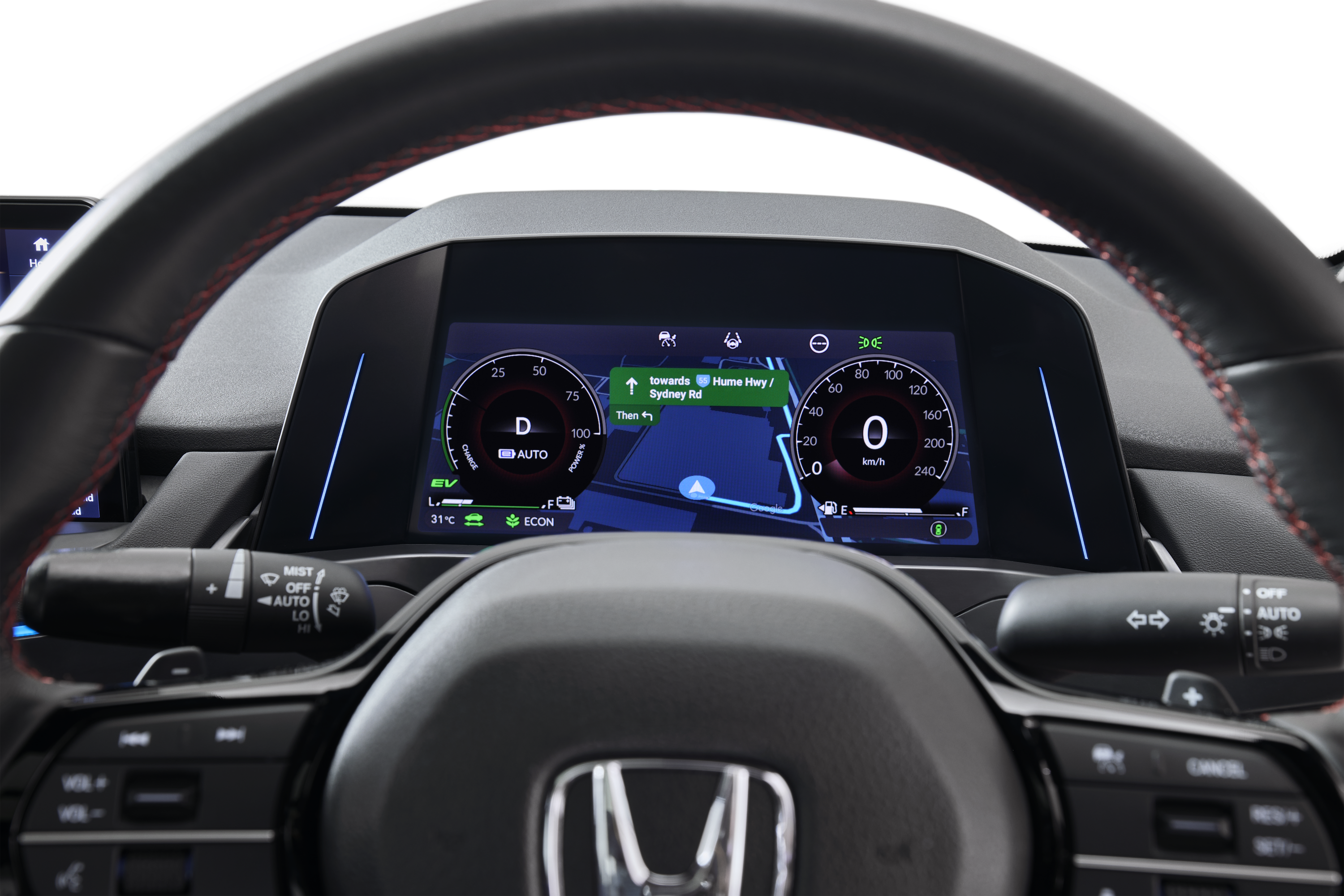
In-car tech is the centrepiece of the new Accord, headlined by the sizeable infotainment system, Google Built-In services, ‘Experience Selection Dial’, and enhanced Honda Connect telematics with an in-car Telstra 4G/5G SIM card.
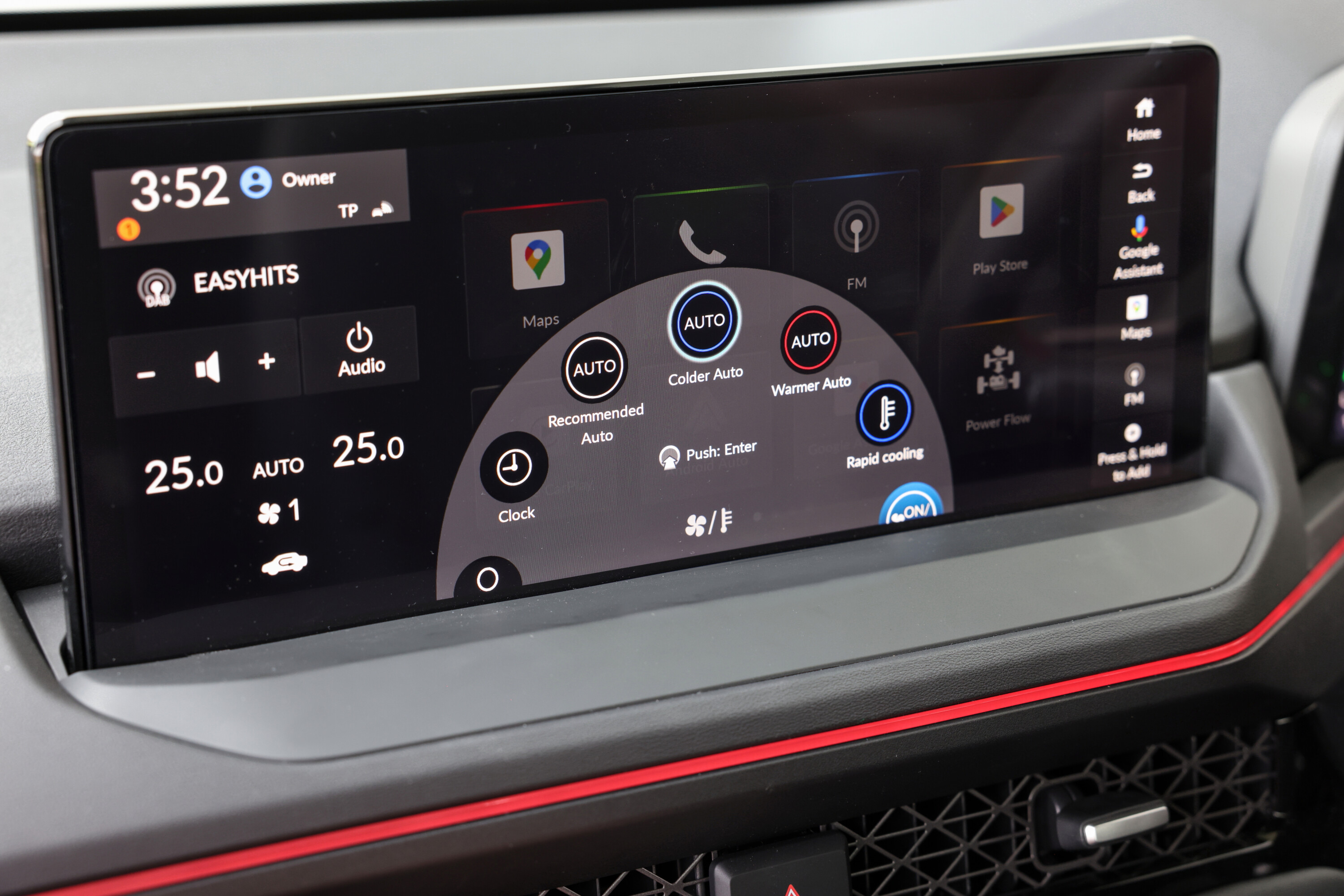
The larger 12.3-inch touchscreen – up from 8 inches – runs on Android Automotive with features like Google Assistant, Google Maps, and third-party app downloads from the Play Store.
Google Assistant works with the car’s hardware and is especially handy for making quick, simple changes like adjusting the climate control, setting a new destination, or even remotely controlling your garage door or lights when paired with an account with linked smart home devices.
1
Wireless or wired Apple CarPlay or Android Auto remain available, but the built-in technology means you could almost live without it, mainly if you use Google Maps and Spotify or YouTube Music.
You’ll need to use CarPlay or Android Auto for other popular services like Apple Music or Waze since you can’t download them onto the car from the Play Store – but more apps are likely to become available soon.
We found the wireless Apple CarPlay connection and inductive charger to work flawlessly paired to an iPhone 15 Pro, albeit with some audio dropout when passing toll road gantries – as seen in nearly every car with wireless phone mirroring.
1
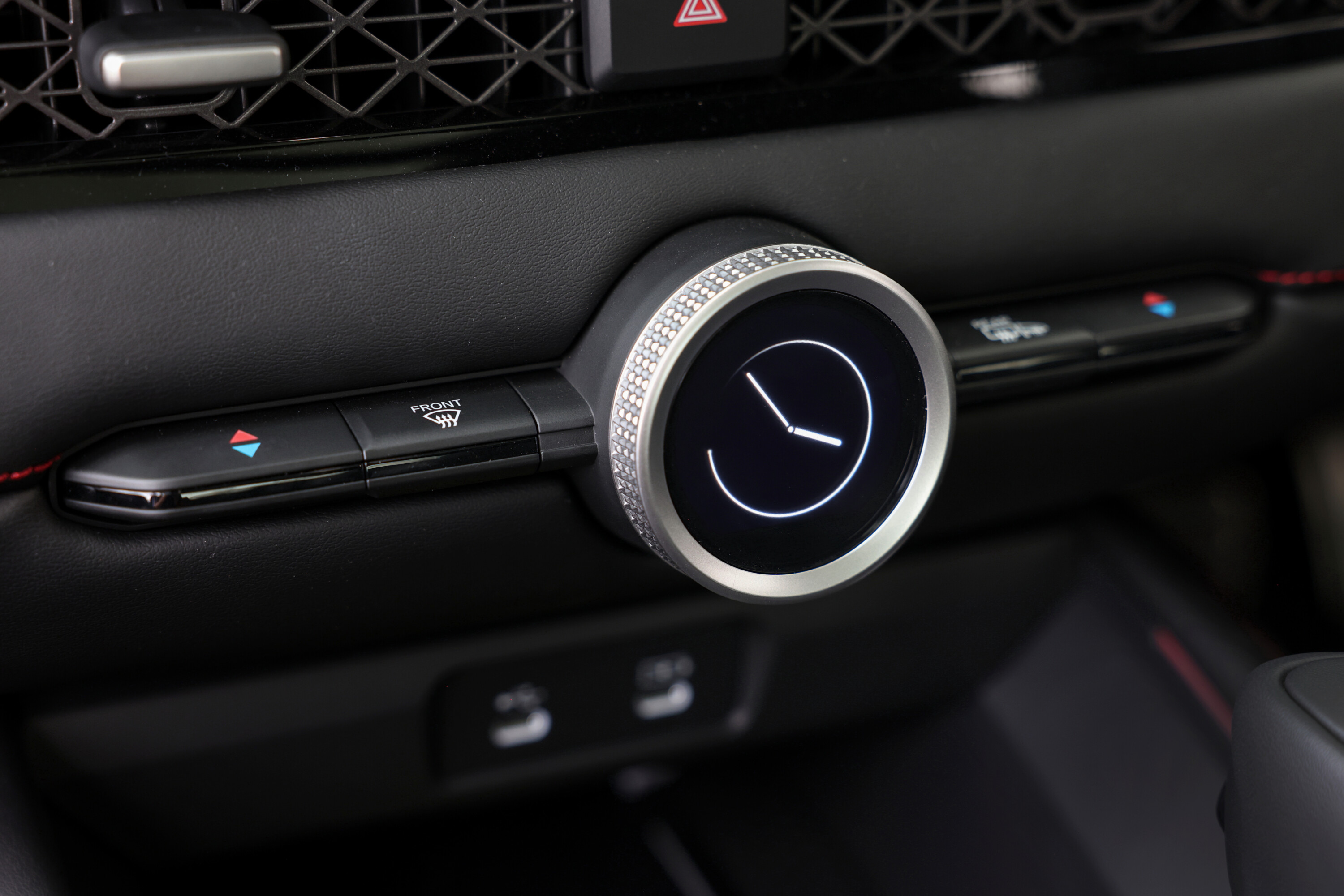
Another highlight is the nifty ‘Experience Selection Dial’ – similar in concept to the ‘Smart Dials’ coming to the new Skoda Superb – which has a circular display with a digital clock as default but provides quick controls for the air-conditioning and driver profiles when turned.
We’d still like to see physical volume and power/tuning knobs retained, as these have moved to the touchscreen without any haptic feedback.
Honda Connect, which is complimentary for the first five years, has been updated for the Accord with a digital key function – requiring its own app, unlike the seamless Tesla or BMW connections – and a remote immobiliser to track the car and prevent the original key from being used if it is stolen.
1
In addition, the time to remote start from the Honda Connect app is almost instantaneous, compared to the circa-30-second wait in other models like the Civic Hybrid and CR-V. You can also remote start from the key fob, as before.
Other features in the Accord’s cabin include an expansive 11.5-inch colour head-up display – more than twice the size of the previous version – and 10-colour configurable ambient lighting that provides a cool ambience at night.
Rear-seat passengers are treated to twin USB-C charge ports, while the ambient lighting extends to the rear doors and footwells.
1
What is it like to drive?
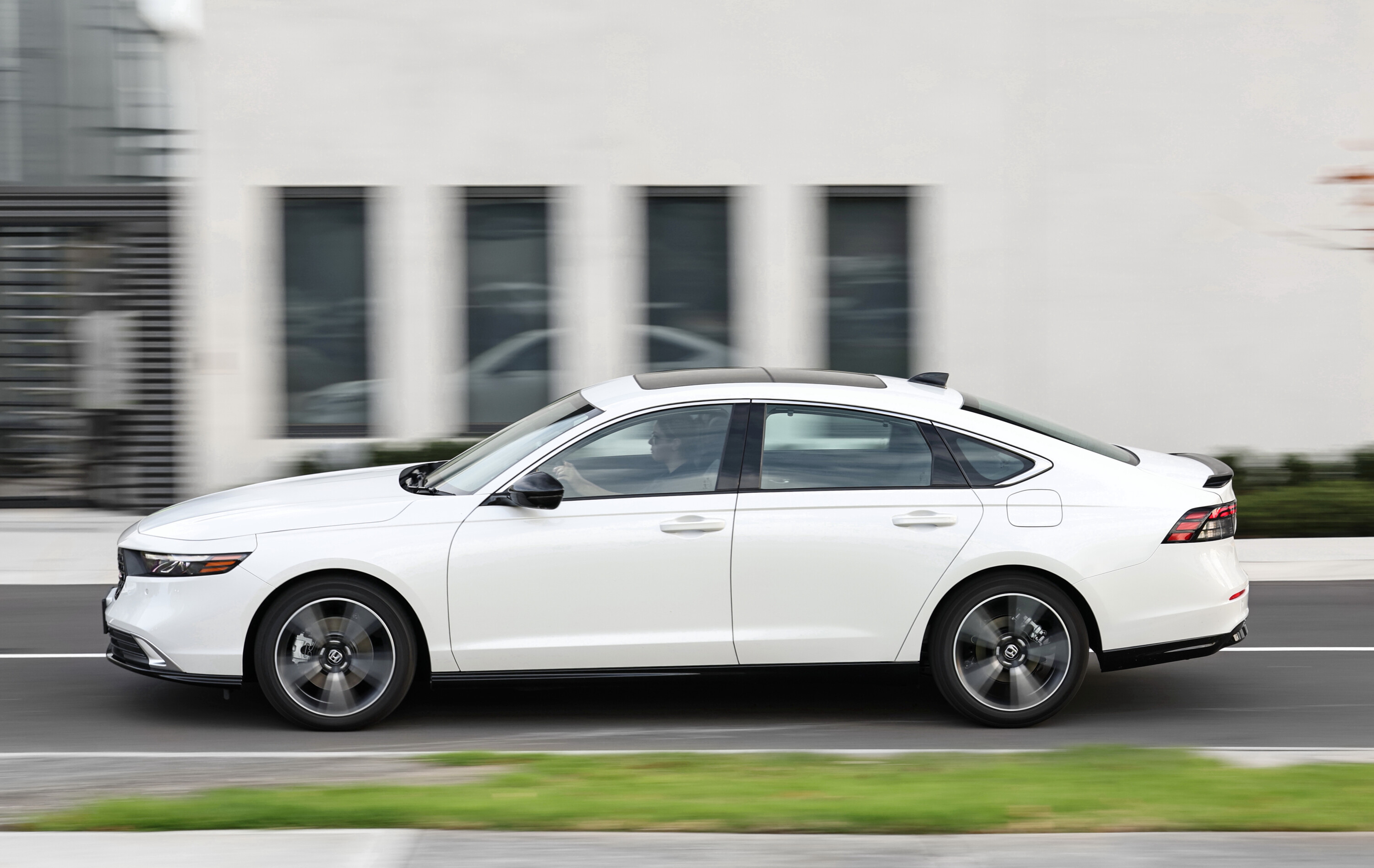
Press the start/stop button and the Accord quietly comes to life, operating in EV mode (unless it’s a cold morning or hot afternoon or the battery is low) and playing a pedestrian alert sound at low speeds.
You’re unlikely to hear much of the internal combustion engine, with the traction motor doing all the work until the battery needs to be recharged, during strong acceleration, or when driving at higher speeds.
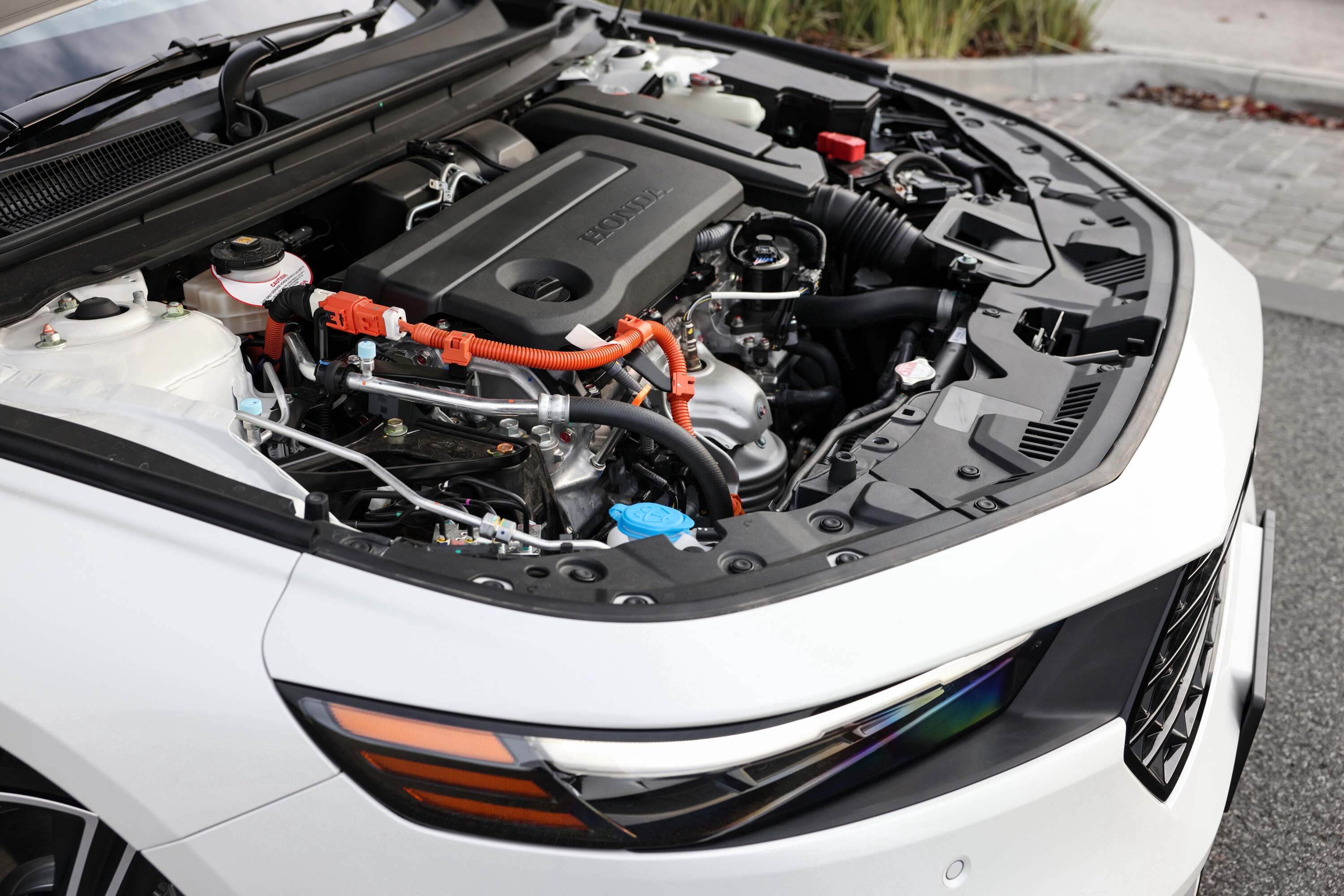
Shared with the CR-V, the Accord’s fourth-generation hybrid system comprises a 108kW/182Nm 2.0-litre Atkinson-cycle naturally-aspirated four-cylinder petrol engine, a lithium-ion battery, and two electric motors – a 135kW/335Nm traction unit and a dedicated generator to charge the battery – now mounted side-by-side.
1
Unlike Toyota vehicles, which mostly operate as a parallel-hybrid, or Nissan E-Power vehicles, which only operate as a series-hybrid, the Honda system can work as either a series or parallel hybrid.
The Accord is usually a series-hybrid – the petrol engine doesn’t power the wheels – but a lock-up clutch can allow additional torque from the petrol motor to be directly sent to the wheels at higher speeds, bypassing the generator motor.
While the 135kW (@ 5000-8000rpm) output appears lower than the old 158kW model, Honda says there is a “refined power calculation method”, claiming it would be identical to the old model using the same calculations but now available across a wider rev band. Torque has increased 20Nm to 335Nm (@ 0-2000rpm).
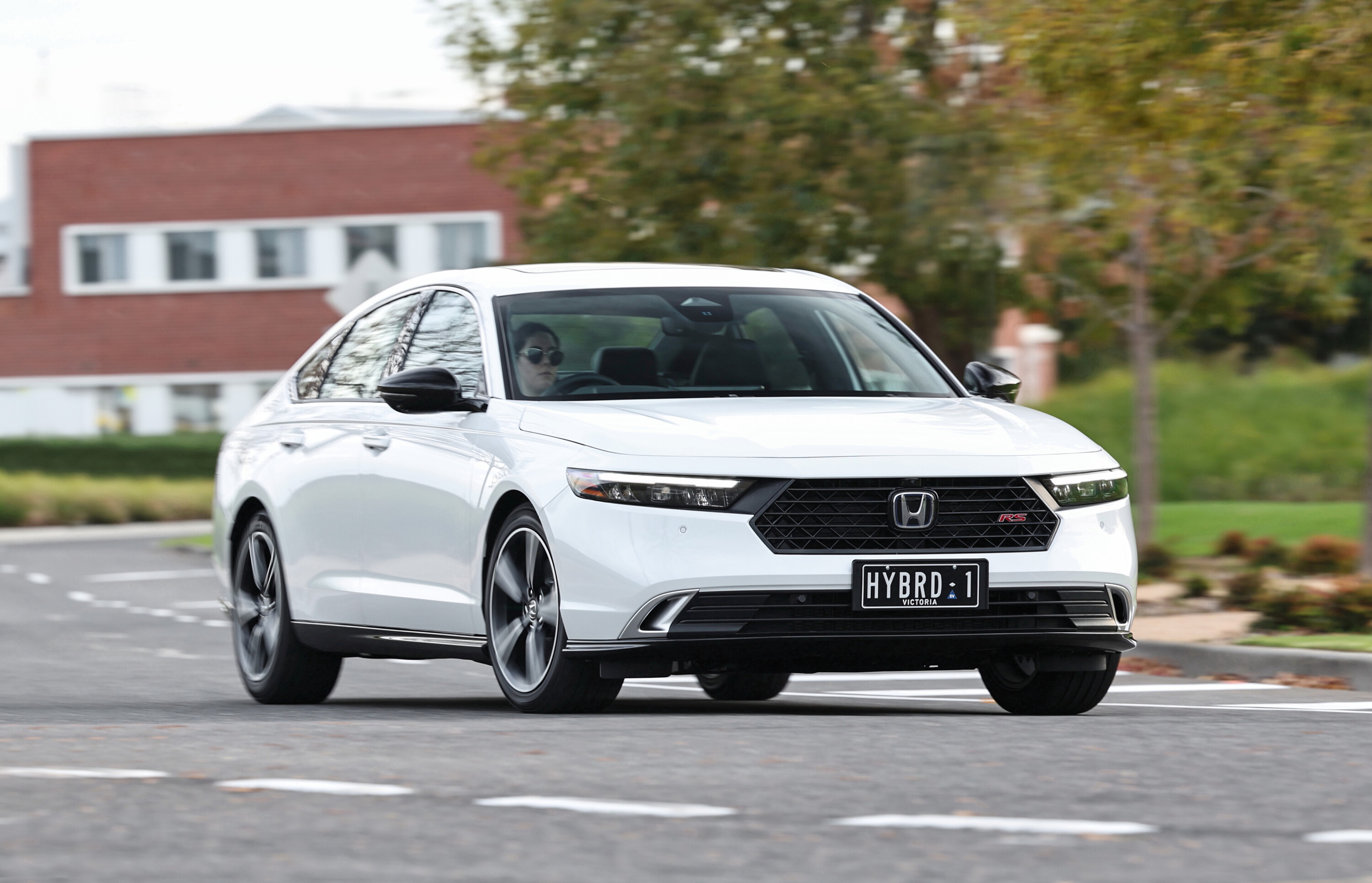
1
On the road, the Accord E:HEV is a smooth operator. It’s quiet and refined – even when the petrol engine is running – with a well-calibrated electric continuously variable transmission that mimics traditional gear shifts and little road noise.
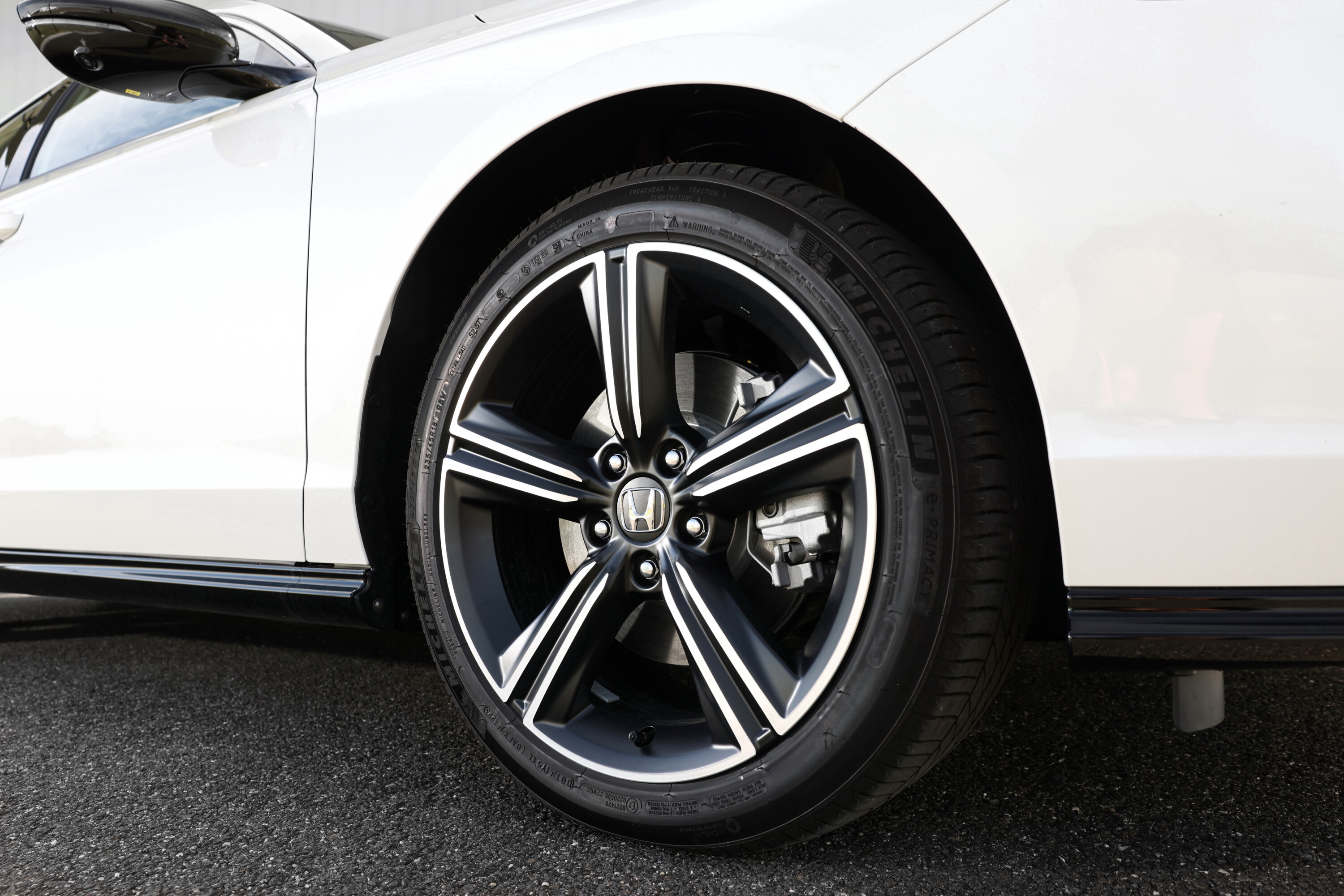
Honda has blended a comfortable ride with a confidence-inspiring steering feel with minimal body roll and a clear turn-in, assisted by the grippy Michelin E-Primacy tyres.
There’s a natural-feeling brake feel in town and at higher speeds, with support for six levels of deceleration using the steering wheel-mounted selector paddles, allowing a one-pedal-like driving experience in the strongest setting.
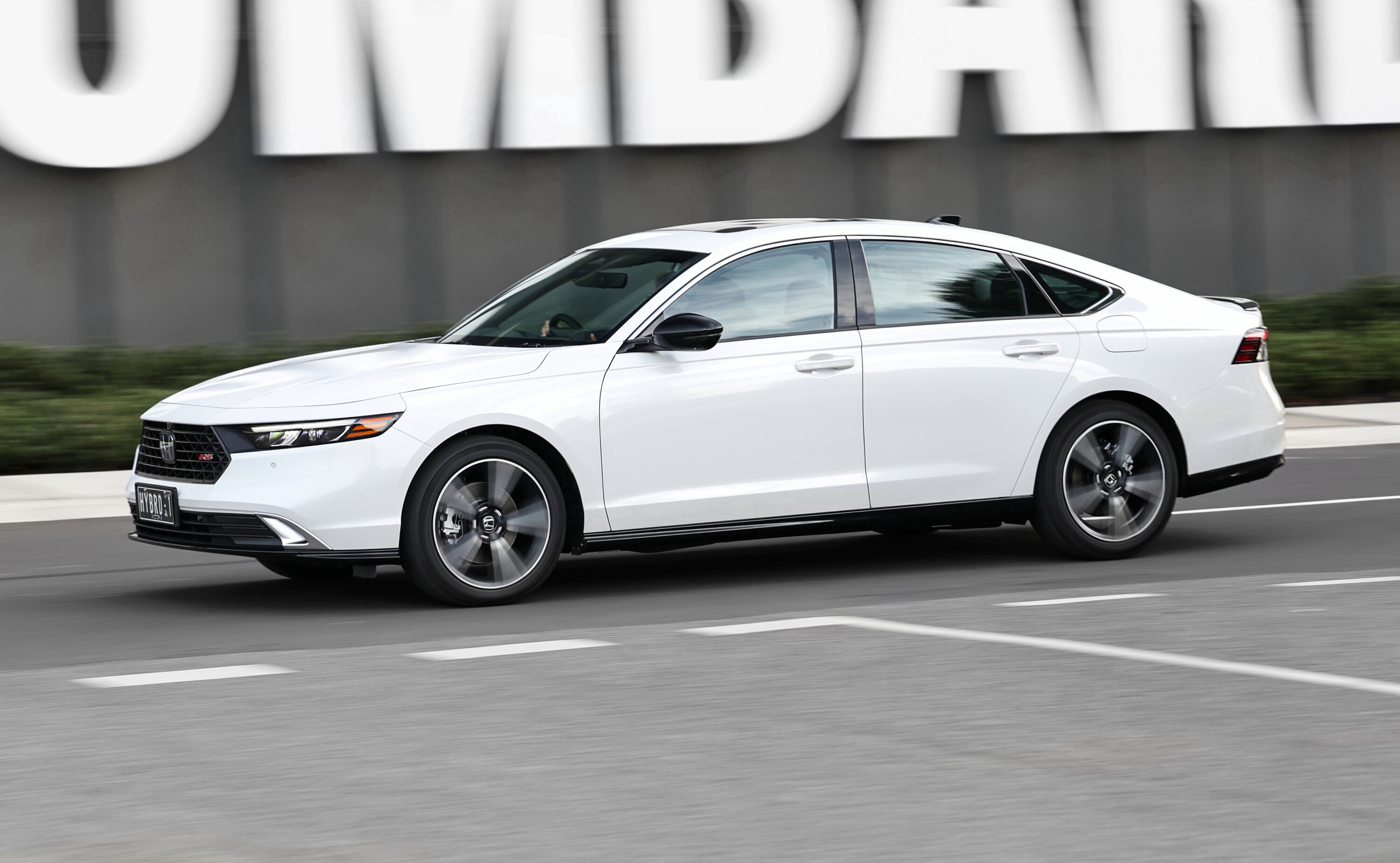
1
Four drive modes are available – econ, normal, sport or individual – while it’ll automatically switch between ‘EV’, ‘hybrid’ or ‘charge’ depending on the driving condition.
The econ drive mode will limit throttle response and make the air-conditioning more efficient to reduce fuel consumption, while sport mode improves throttle response to reduce acceleration time and sends an artificial engine sound into the cabin.
We found the low-beam and the adaptive high-beam with active cornering function worked well in suburban areas with satisfactory illumination of the road ahead, though we were unable to test it in darker rural areas.
The latest Accord rides on an updated version of Honda’s Global Architecture, with a longer body at 4971mm – up 70mm – and an unchanged 2830mm wheelbase.
1
- What is a Powertrain or Drivetrain?
- Power vs torque
- Car suspension explained
- Automatic transmissions (‘gearboxes’) explained
- Chassis control systems explained
- Car vs Ute vs SUV: How the vehicle you buy should guide the way you drive
- What is the WLTP emissions and range test?
Claimed fuel consumption for the Accord E:HEV RS is 4.3L/100km on the combined cycle, 2.4L/100km in urban conditions, or 5.4L/100km in extra-urban environments.
A fuel top-up revealed our Accord averaged an incredible 3.8L/100km after 230 kilometres of driving on mixed roads (suburban, freeway and rural), while the car’s trip computer indicated 4.1L/100km. We only had our test vehicle for a 24-hour loan, so the result could differ if we drove it for a week or two.
With a 48-litre fuel tank and a 4.3L/100km combined consumption, it has a theoretical driving range of over 1000 kilometres. The Accord can be fuelled with 91RON unleaded, while the Camry Hybrid requires premium juice.
Mini matchup: Fuel consumption
| MODEL | MIN RON | COMBINED FUEL CONSUMPTION |
|---|---|---|
| Honda Accord E:HEV RS | 91 RON | 4.3L/100km |
| Toyota Camry SL | 95 RON | 4.5L/100km |
| Mazda 6 G35 Atenza sedan | 91 RON | 7.6L/100km |
1
How safe is it?
Like its predecessor, the 2024 Honda Accord has not been assessed by ANCAP or Euro NCAP.
The Accord did score five stars from ASEAN NCAP (87.44 out of 100 points) and a 2024 Top Safety Pick+ award from the IIHS in the United States. However, both safety organisations operate under different criteria to ANCAP and Euro NCAP.
There is no front-centre airbag, intersection autonomous emergency braking (AEB) detection or driver monitoring camera often seen as features that help to score top marks under ANCAP’s 2023-25 assessment criteria.
1
It still has plenty of safety inclusions that would likely earn a respectable score if it were tested by ANCAP, including eight airbags (dual front, side front, knee and full-length curtain), vehicle/pedestrian/cyclist/motorcyclist AEB, lane-keep assist, and a new pop-up bonnet for pedestrian protection.
We found the forward collision warning would react to some vehicles parked to the kerb – particularly where there was a slight curve in the road – though it never attempted to apply the brakes.
The traffic sign recognition – which appears in the head-up display – could not detect some visible speed signs, and it does not seem to fall back on data from the built-in maps when a reading is missed.
| 2024 Honda Accord E:HEV RS safety features | |
|---|---|
| Autonomous emergency braking (vehicle, pedestrian, cyclist, motorcyclist) | Traffic jam assist (new) |
| Lane-keep assist | Adaptive high beam (new) |
| Lane departure warning | Traffic sign recognition (new) |
| Blind-spot monitoring (replaces LaneWatch passenger-side camera) | Driver attention monitor |
| Rear cross-traffic alert | Rear seat reminder (new) |
| Adaptive cruise control | Front and rear parking sensors |
1
Warranty and running costs
Like other Hondas sold in Australia, the Accord is covered by an industry-standard five-year/unlimited-kilometre warranty.
While Honda’s shift to an agency model with fixed, no-haggle drive-away prices has been controversial, one benefit is five years of capped-price servicing at $199 per visit ($995 in total) – making it one of the lowest in the industry.
Over the same period, a Toyota Camry Hybrid would cost $1275 to service at the dealer, $1975 for a Sonata N Line, at least $2576 for a Mazda 6 G35, $2600 for a Skoda Superb 206TSI with a pre-paid package, and $2975 for a Lexus ES300h.
Maintenance is required every 12 months or 10,000 kilometres, whichever occurs first. This is lower than its mentioned rivals (except the Sonata), which allow 15,000 kilometres between each service – potentially impacting the savings if you average more than 10,000 kilometres each year, as most Australians do.
1
VERDICT
Honda’s mature Accord sedan enters its 11th generation still aimed at older buyers or rideshare drivers, but there’s some new-age tech and a fuel-sipping hybrid powertrain to broaden its appeal.
However, it remains let down by its high drive-away price, leaving it out of reach as a competitor for the best-selling versions of the Camry Hybrid – and squaring it up against full-electric alternatives like the Model 3 or Seal available for similar coin.
We’d love to see a more affordable Accord Hybrid in Australia that omits some of the RS’s desirable features, but Honda’s decision to import one variant does make sense, given it’s unlikely to sell more than a dozen units each month.
1
With its smooth and efficient hybrid powertrain, up-to-date technology, and strong practicality, the 2024 Honda Accord is worth shortlisting if you’re one of the few people in the market for something that isn’t a ute or SUV.
It’s especially worth considering if you’ve been impatiently waiting for your Camry order to arrive, as the Accord’s low sales volume means there’s every chance a car will become available much sooner.
MORE
Everything Honda
MORE
Sedan Buyers Guide
| 2023 Honda Accord E:HEV RS hybrid | ||
|---|---|---|
| Engine | 2.0-litre naturally-aspirated petrol-electric hybrid | |
| Power @rpm | 135kW @ 5000-8000rpm | |
| Torque @rpm | 335Nm @ 0-2000rpm | |
| Transmission | Electric continuously variable transmission (E-CVT) | |
| Body | Medium sedan, four-door | |
| L/W/H | 4935mm/1862mm/1449mm | |
| Wheelbase | 2830mm | |
| Boot space | 570L | |
| Weight | 1585kg | |
| Fuel / tank | 91 RON / 48 litres | |
| Fuel use L/100km | 4.3L (claimed) | 3.8L (on test) |
| Suspension | Front: struts / Rear: multi-link | |
| Steering | Electric rack-and-pinion | |
| Brakes | Front: ventilated discs / Rear: solid discs | |
| Wheels | 18-inch diameter / 235mm width | |
| Tyres | Michelin E-Primacy | |
| Tyre size & spare | 235/45 R18, no spare (tyre repair kit) | |
So you’re across the Federal Government’s New Vehicle Efficiency Standard (NVES) and the debate, how Australia is the only country in the developed world besides Russia without a fuel efficiency mandate, and how the final proposed legislation was ultimately watered down at the behest of Australia’s new vehicle importers.
But now that it’s set to be enshrined in law, how might the NVES change the local new-car market in real terms? Will the cars you know and love disappear? What might replace them?
From the outset, NVES as it stands will hit the local new-car market like a meteor.
The government has told new vehicle importers that by 2029, just five years from now, the combined annual emissions of their new vehicle fleets must not exceed 58g CO2/km for passenger cars and 110g CO2/km for light commercial vehicles, which include dual-cab utes. The targets will be gradually phased in from January 1, 2025.
1
The financial penalties for breaching the caps are eye-watering.
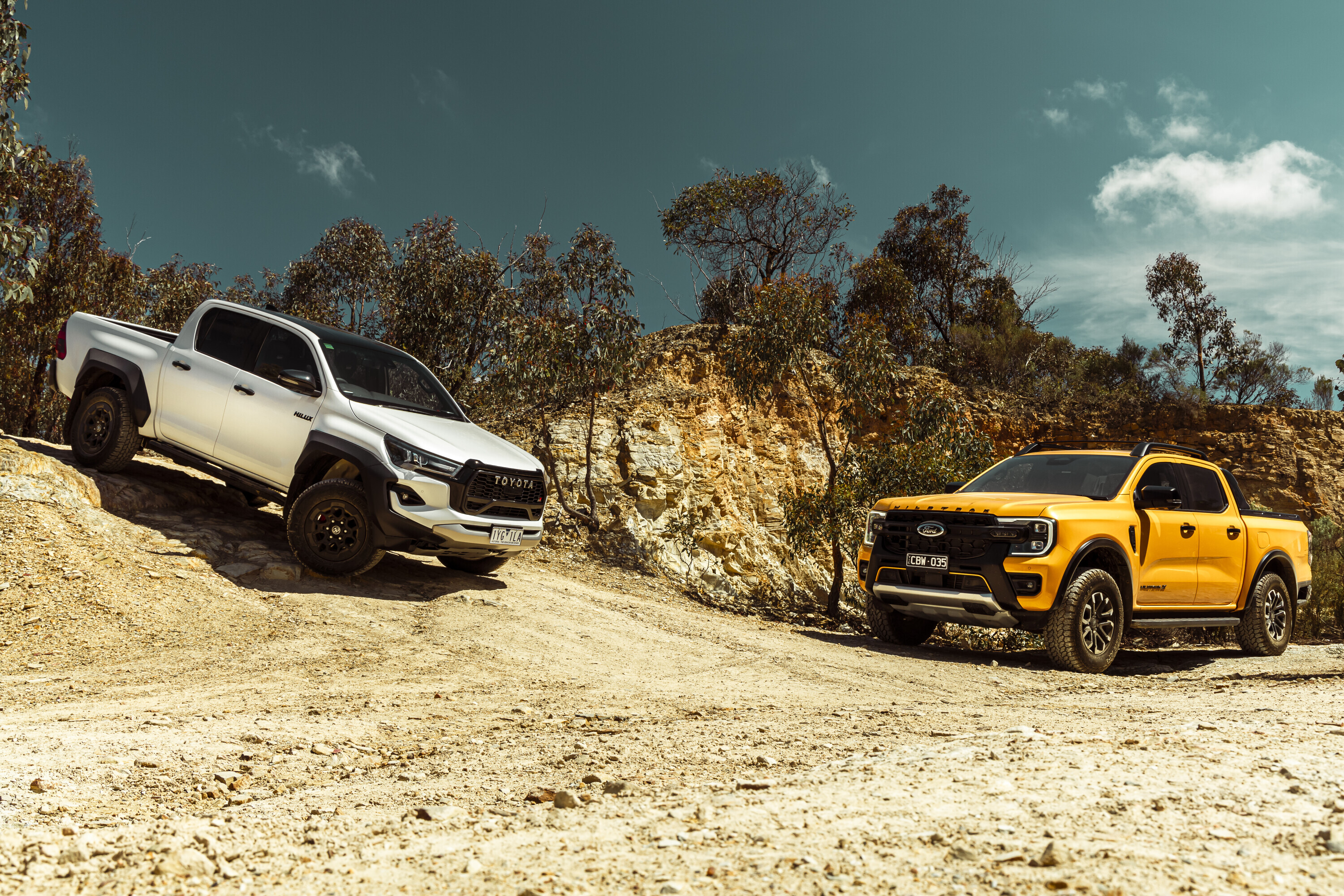
To give a sense of the ambition, in its most efficient four-cylinder guise, the nation’s best-selling vehicle in 2023, the Ford Ranger, emits 189g of CO2/km. The number one selling passenger vehicle in Australia last year, the Toyota RAV4, in its most economical, hybrid two-wheel-drive iteration, produces about 107g/km.
By 2029, Ford and Toyota – and nearly all other importers – will need to figure out how to nearly halve the fuel consumption of vehicles like this. And bear in mind that the RAV4 Hybrid is one of the most efficient passenger SUVs you can currently buy.
The financial penalties for breaching the caps are eye-watering. If your car company falls 50g short of, say, the 117g CO2/km passenger car requirement in 2026, you will be obliged to pay $100 for each excess gram times the amount of models sold.
1
If that’s 30,000 cars, you will get a bill for $150 million. That is not chump change.
According to the Motor Trades Association of Australia, some of the importers facing “major changes, high difficulty” meeting the NVES target of 58g CO2/km for passenger vehicles by 2029 are Toyota, Mazda, Ford, Mitsubishi, Subaru, Honda and Nissan. The biggest players, in short.
Over the next five years, these brands will need to offer in Australia more electric vehicles, plug-in-hybrids, hybrids and more efficient internal combustion vehicles or get slogged with fines. They must decide whether to pass on those financial penalties to consumers, and by how much.
1
And while considering volumes and margins, they must consider dropping higher-emitting models or raising their prices as well. Or simply a combination of all those things.
Toyota, the brand that stands to be most heavily impacted, has said there are plug-in hybrids coming to Australia between now and 2030. A RAV4 plug-in hybrid is already available in places like the UK – where, not coincidentally, there has been a fuel efficiency standard since 2009.
The real shock to the system for some car companies is how quickly the new emissions rules come into force. “No-one is going to be able to turn anything on magically by the time it’s introduced,” an industry insider told Wheels. “Vehicle plans and emissions requirements are completed well in advance of things like this … it’s hard not to see how the price of most new cars will simply rise”.
1
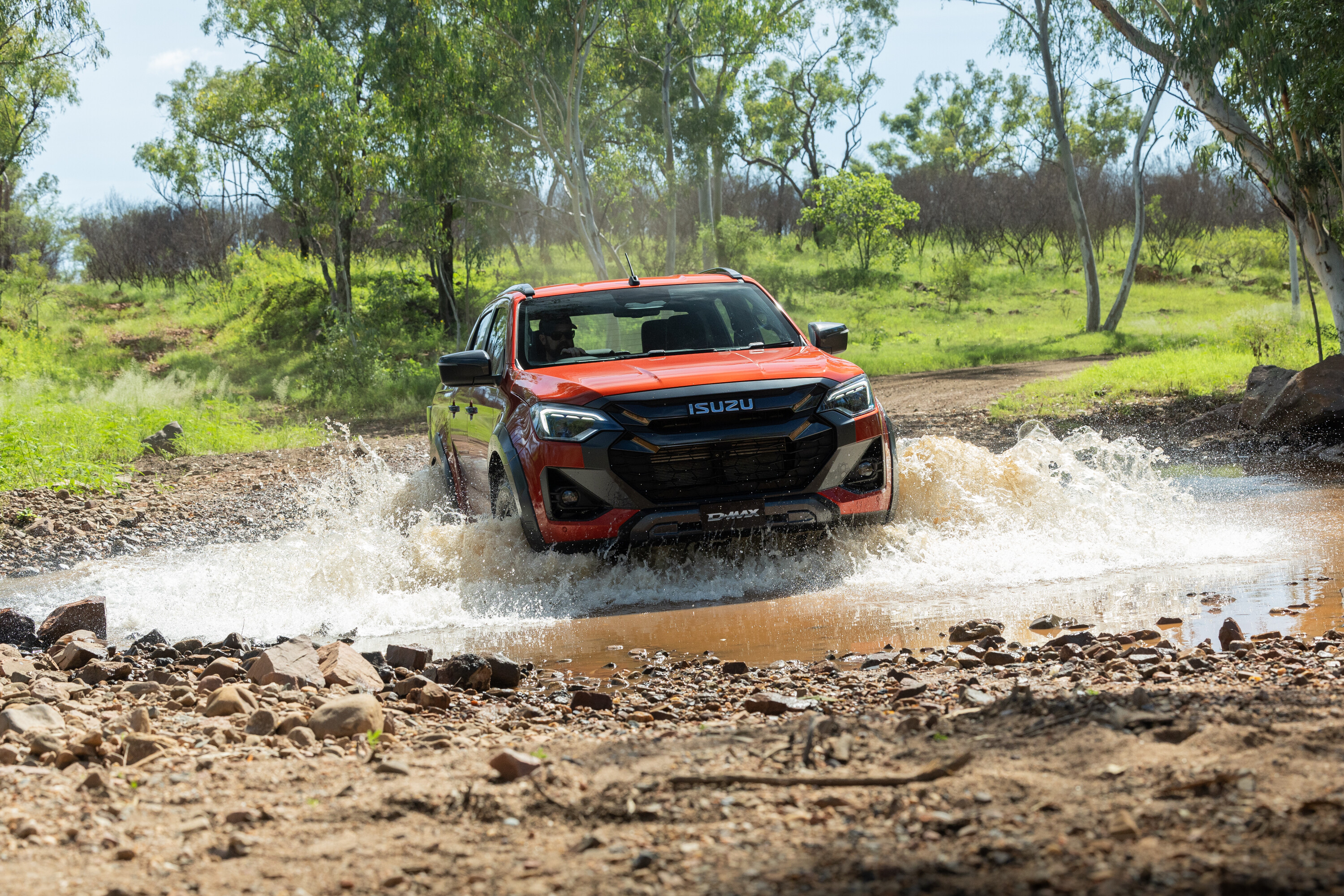
Brands like Isuzu and GMSV have some difficult decisions ahead.
Of course, there are winners too. They are the electric car makers and those with EV-rich product pipelines, such as Hyundai and Volkswagen. Brands such as Tesla and BYD will basically soon be paid not inconsequential figures by the government for coming under the mandated CO2/km limits.
Under a similar arrangement in the United States, Tesla added US$1.79b (A$2.7b) to its bottom line in 2023 alone.
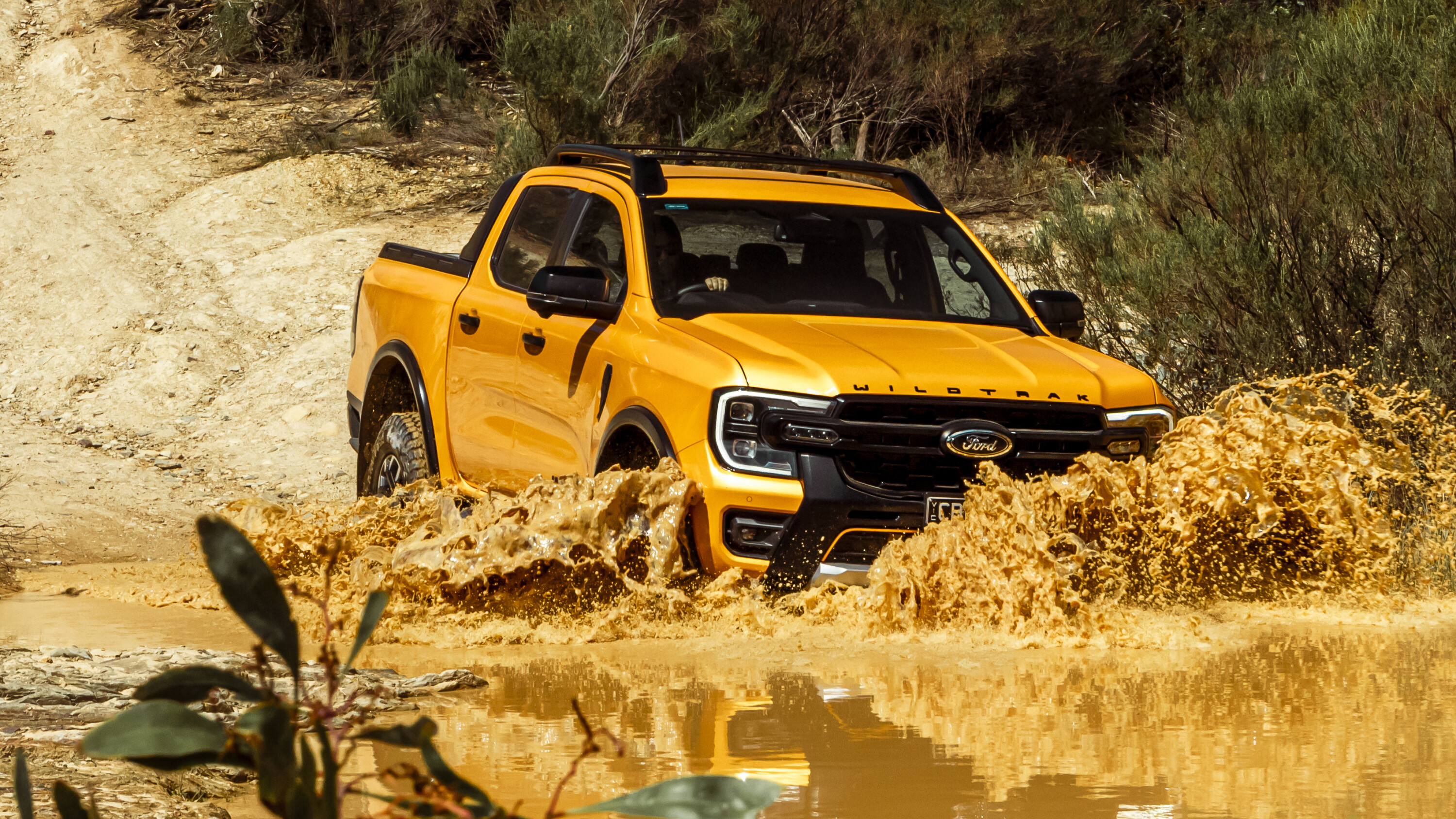
Some pundits have dryly observed that the government has created a scheme to slowly discourage the purchasing of the nation’s most popular models as they are engineered today – diesel dual-cab utes and large SUVs – which are heavy, use a lot of fuel, and create a lot of emissions relative to normal cars.
1
But they’re the same vehicles governments of both persuasions have spent the last two decades encouraging Australians to purchase with generous tax concessions.
Wheels understands lobbying continues for a low-volume concession that would exempt importers who sell fewer than 2500 vehicles. Without this, they would presumably simply pass on the sizeable penalties to their (wealthy) customers in the form of price rises. Think brands like Ferrari, Bentley and Lamborghini.
At the end of the day, NVES should theoretically mean less efficient vehicles will become more expensive, and more efficient vehicles less expensive – and the most efficient of all are, predictably, electric vehicles.
1
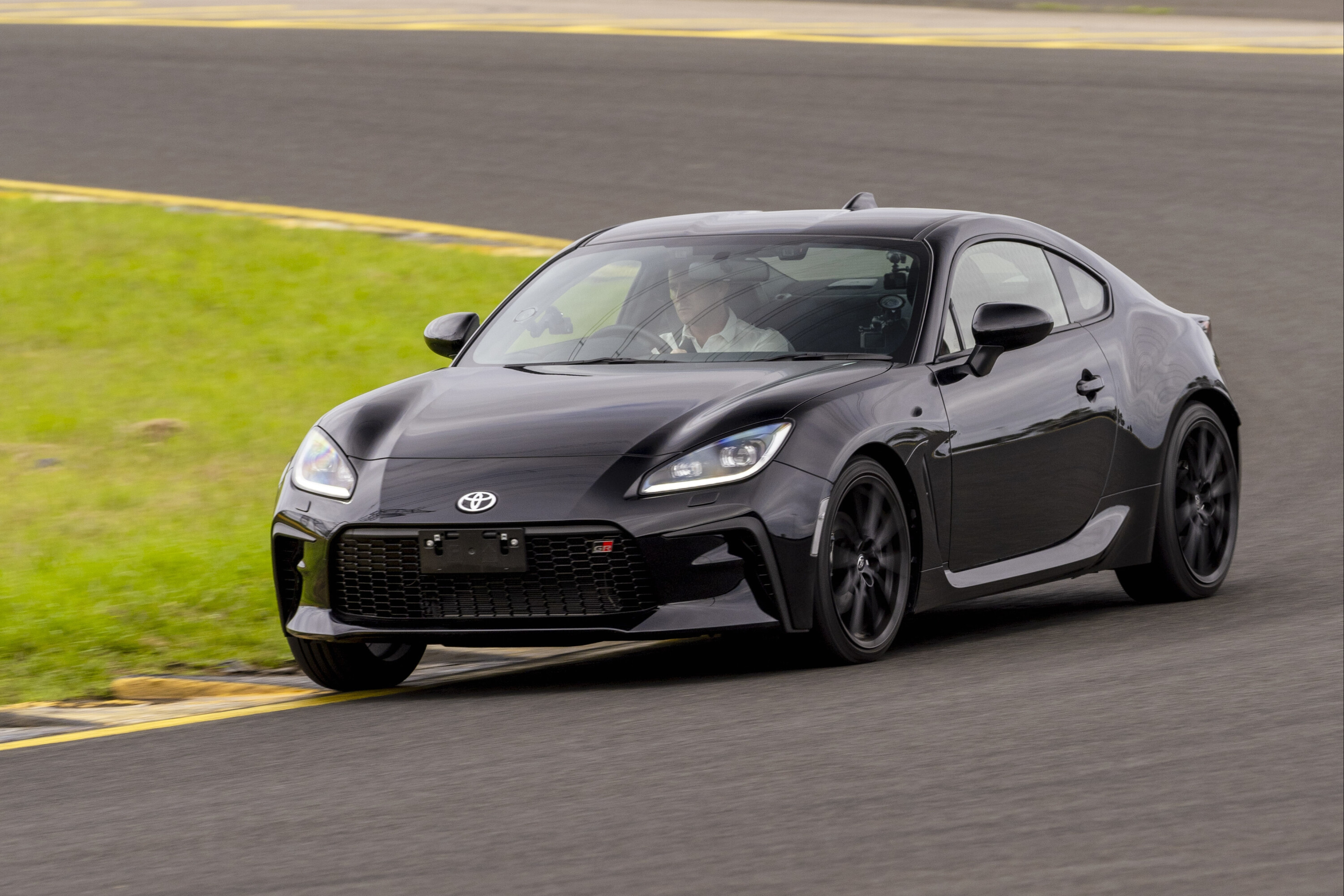
The internal combustion cars you love – whether that’s a turbo-diesel V6 Ford Ranger, a Mercedes-AMG A45 S, or a Toyota GR86 – are going to come under renewed pressure.
A car company will have to work harder to continue offering them (by improving efficiency elsewhere in their range), or simply raise their prices, or both.
Producing electric replacements supposes that they will appeal to owners of the former fossil-fuelled versions – and being powered by explosions has traditionally been a main appeal of performance models.
But certainly, one takeaway from NEVS is this: if you’ve ever wanted that V8 Mustang or a manual Toyota GR86, a Hyundai i30 N, BMW M2 or one of the countless other brilliant internal combustion sports cars available new now, best get yourself down to a showroom tomorrow.
MORE
Wheels Industry
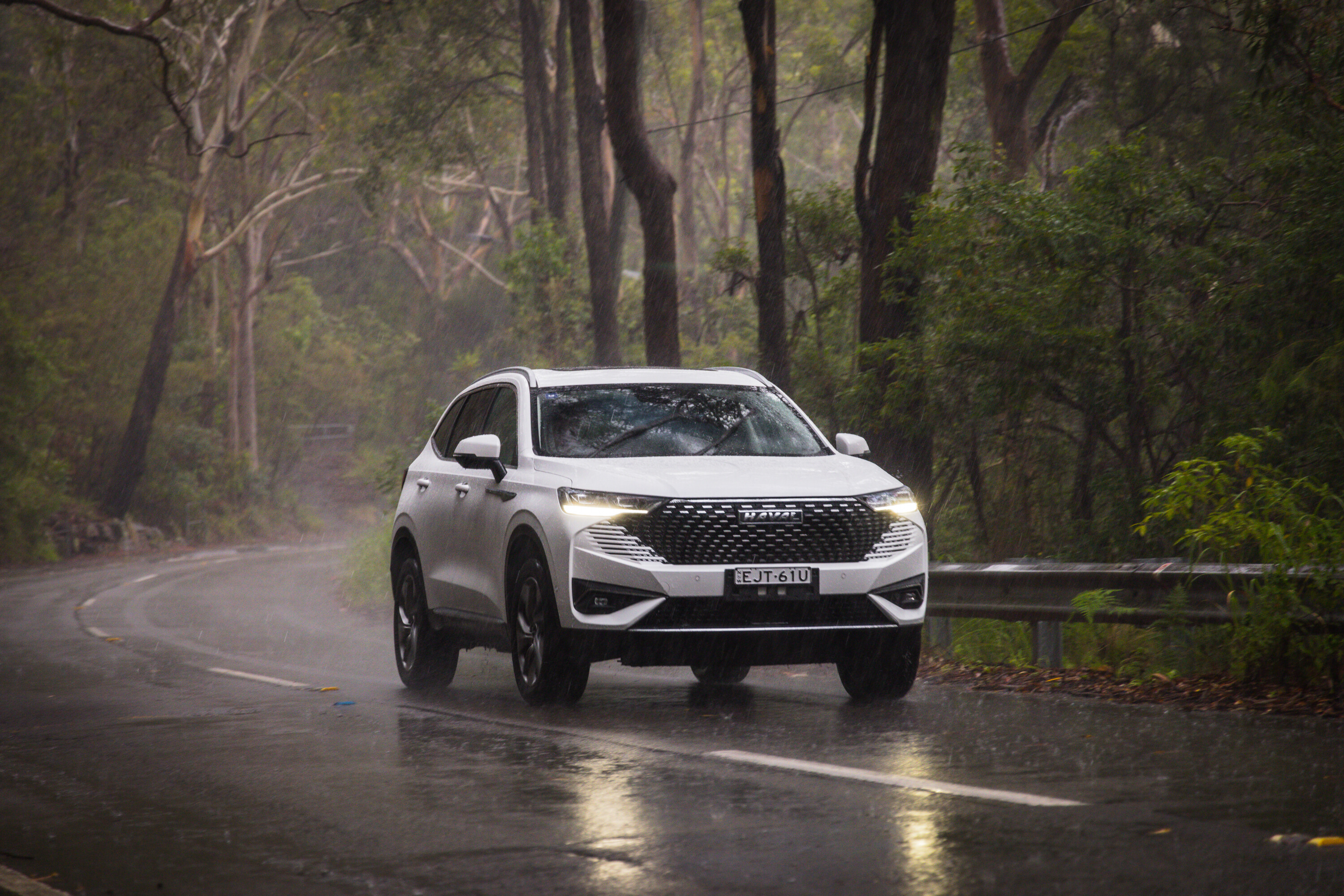
The 2024 GWM Haval H6 Premium, a mid-size SUV, continues to build on its reputation for value and performance. This model is set to maintain its competitive edge in a crowded market with a blend of affordability, features, and reliability.
The Haval H6 Premium remains unchanged in terms of design, offering a consistent and trusted option for buyers seeking a reliable mid-size SUV.
Currently, the Haval H6 is available in several configurations, including a two hybrid options.
Let’s delve into what the top-spec H6 Premium variant offers.
Pricing & Features
Priced at $31,990 drive-away, the H6 Premium serves as the entry-level model in the H6 lineup, offering a wealth of features at an attractive price point.
Under the bonnet, the H6 Premium is powered by a 2.0-litre turbocharged four-cylinder petrol engine delivering 150kW and 320Nm of torque, paired with a seven-speed dual-clutch transmission.
1
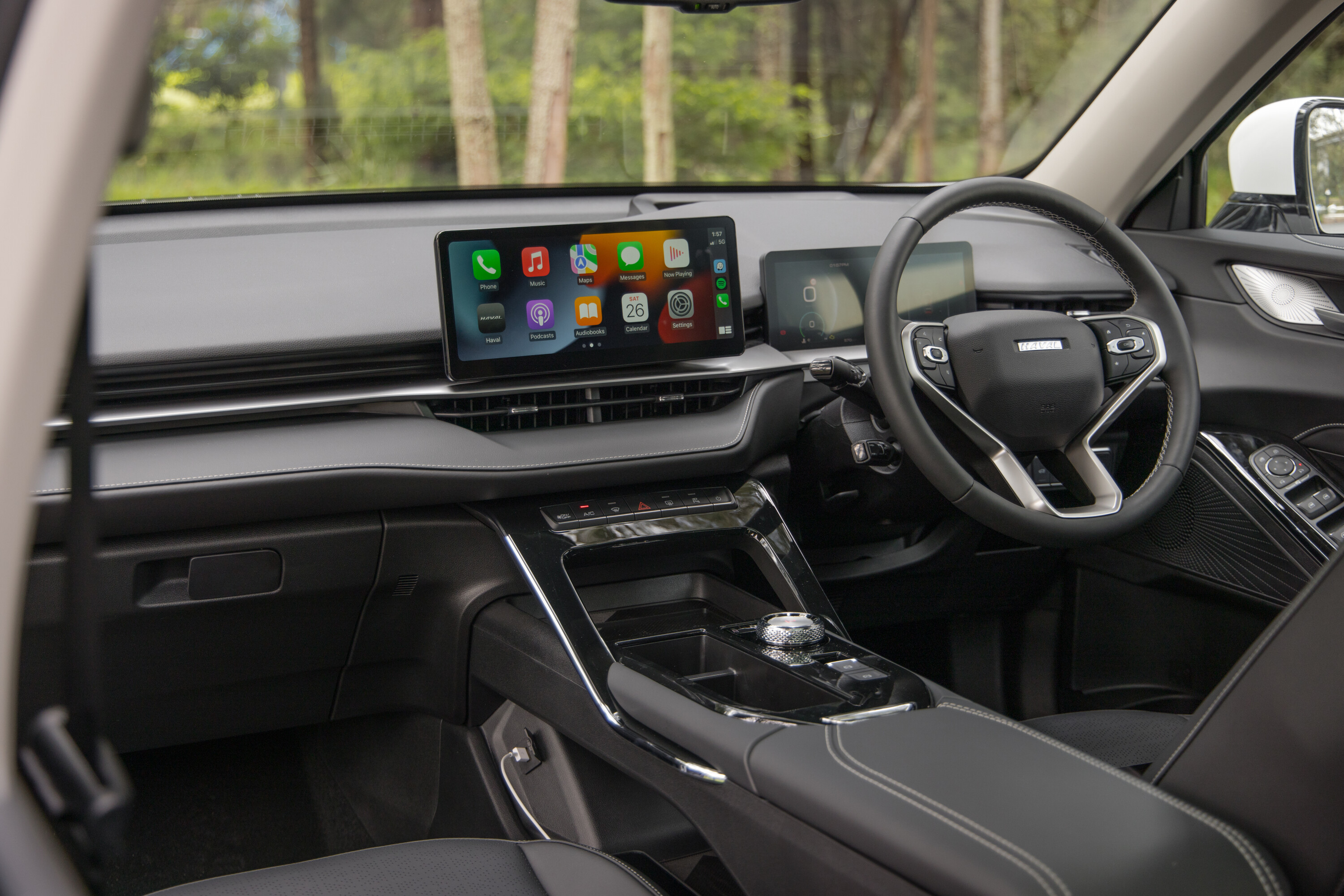
The vehicle comes equipped with a range of premium features, including LED headlights, 18-inch alloy wheels, and a large sunroof. Inside, you’ll find a 10.25-inch digital instrument cluster and a 12.3-inch central touchscreen with smartphone mirroring, Apple CarPlay and Bluetooth connectivity. Additional amenities include keyless entry with push-button start, dual-zone climate control and a six-speaker audio system.
1
Safety
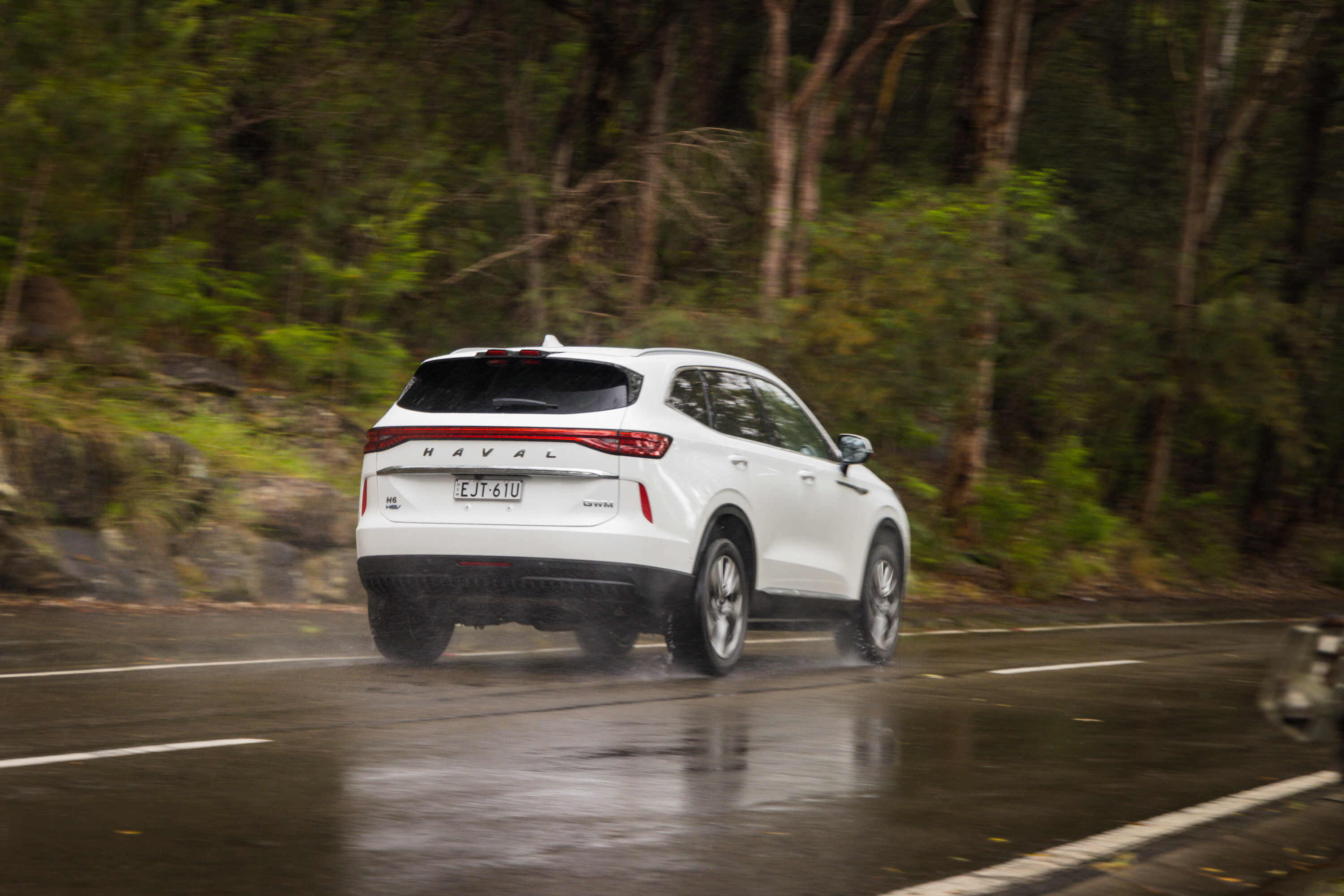
The Haval H6 Premium has received a five-star ANCAP test rating in 2022, covering all its petrol and hybrid variants.
In safety assessments, the SUV scored 90% for adult occupant protection and 88% for child occupant protection.
All models come standard with seven airbags and are equipped with Automatic Emergency Braking (AEB), traffic sign recognition, lane keep assist and rear parking sensors.
Front parking sensors, blind spot monitoring, a 360-degree camera and rear cross-traffic alert are reserved for more expensive variants.
1
Key Rivals
The mid-size SUV segment is highly competitive in Australia. Finding key competitors that match the H6’s capabilities is straightforward, including:
1
Should I put it on my shortlist?
The 2024 GWM Haval H6 Premium is an impressive mid-size SUV. It combines affordability, generous space, a smooth driving experience, and a robust set of features.
Besides being reasonably priced, it is also economical to service and maintain. The SUV comes with GWM’s generous seven-year/unlimited-kilometre warranty, offering peace of mind. Despite some minor quirks, the H6 Premium offers exceptional value for money for those who can overlook them.
MORE
Everything Haval
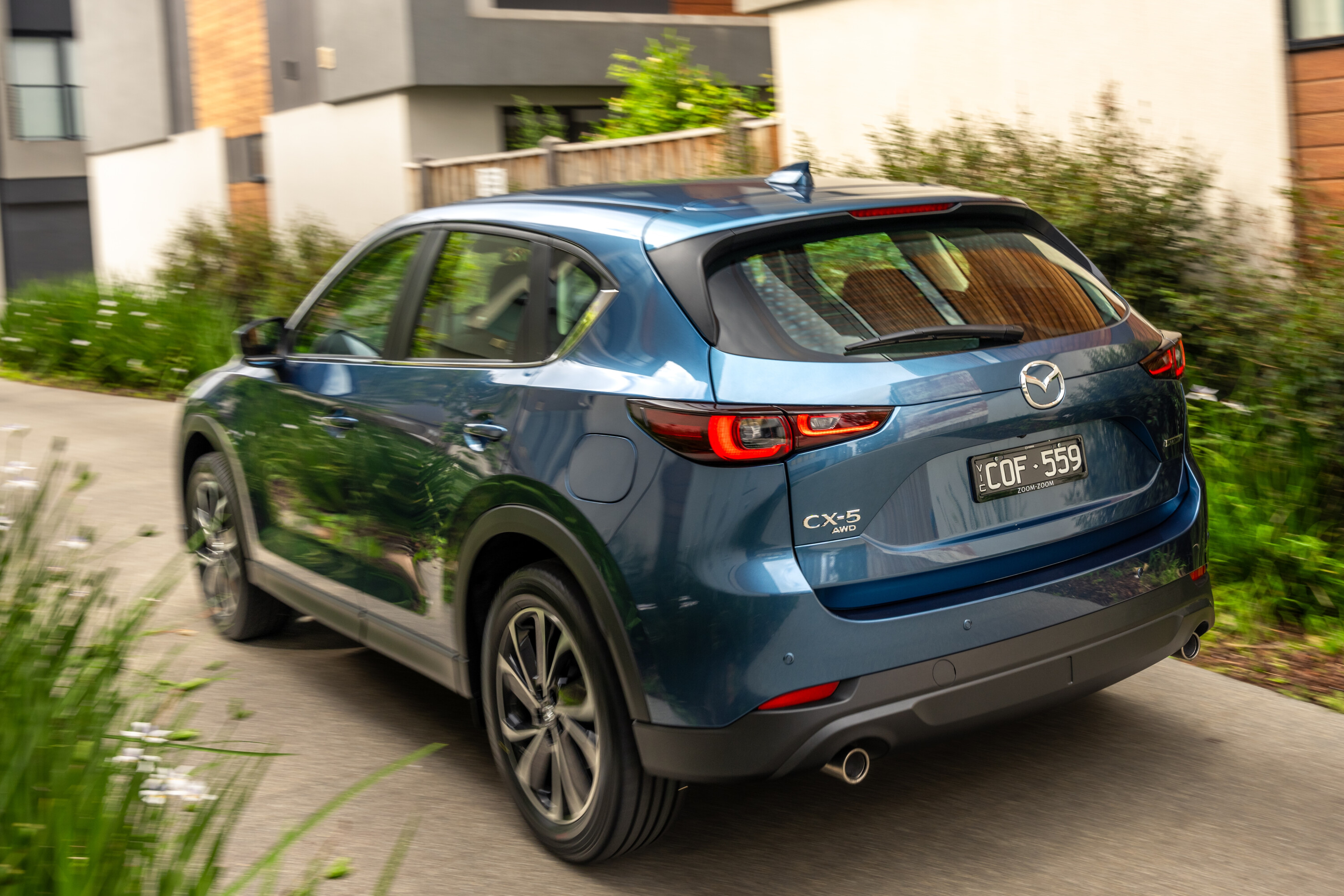
The third-generation 2025 Mazda CX-5 will have an in-house hybrid powertrain to rival the Toyota RAV4, it has been confirmed.
Mazda made the quiet announcement in its financial results for the fiscal year ending March 31, 2024, stating it would “equip [the] next CX-5 with a Mazda-developed hybrid engine”.
As detailed here, the all-new CX-5 should debut in 2025 based on the front- or all-wheel-drive Small Platform architecture from the latest Mazda 3, CX-30 and CX-50.
1
While previous comments from Mazda Australia executives led to speculation that the brand’s next midsize SUV could wear a different name – like CX-40 – it appears the CX-5 name will stick around after all.
“What they’re going to call it, look, that’s going to be a totally different debate and I don’t think even Mazda has made a decision on it,” said Mazda Australia boss Vinesh Bhindi in January 2024.
“But in terms of size, packaging, and value, there is going to be a direct replacement of [the CX-5 midsize SUV] in the future.”
Mazda has partnered with Toyota to develop a hybrid system for the CX-50 following a previous deal for the last-generation Mazda 3 Hybrid in Japan – however, it appears the CX-5 will have its own electrified powertrain.
In China, the CX-50 hybrid receives the Toyota RAV4’s 2.5-litre non-turbo powertrain, electric motor, CVT automatic transmission, and all-wheel drive. An identical setup is expected to appear in North America later this year.
The all-wheel-drive RAV4 Hybrid has a 163kW total system output – compared to 139kW/252Nm for the naturally-aspirated 2.5-litre CX-50 and 186kW/434Nm for the CX-50 2.5-litre turbo.
Mazda Australia has ruled out the off-road-styled CX-50 as it remains limited to left-hand drive markets.
It’s unclear if the forthcoming CX-5 hybrid will be a traditional hybrid like the RAV4 or a plug-in hybrid like the Mitsubishi Outlander and Mazda CX-60.
The current Mazda CX-5 launched in Australia in mid-2017, though it has received several revisions throughout its lifecycle including a turbocharged petrol in 2018, a mid-life facelift in 2022, and minor tech updates almost every year.
VFACTS new-car sales data reveals the Mazda CX-5 is the third-best-selling mid-size internal-combustion SUV in Australia to the end of April with 7125 registrations – down 10.5 per cent compared to 2023 – behind the Toyota RAV4 and Mitsubishi Outlander.
MORE
Everything Mazda
MORE
Hybrid Cars
Snapshot
- Porsche 911 Hybrid laps Nurburgring faster than petrol equivalent in testing
- Technical details yet to be unveiled; race-inspired four-cylinder hybrid expected
- Official unveiling confirmed for May 28
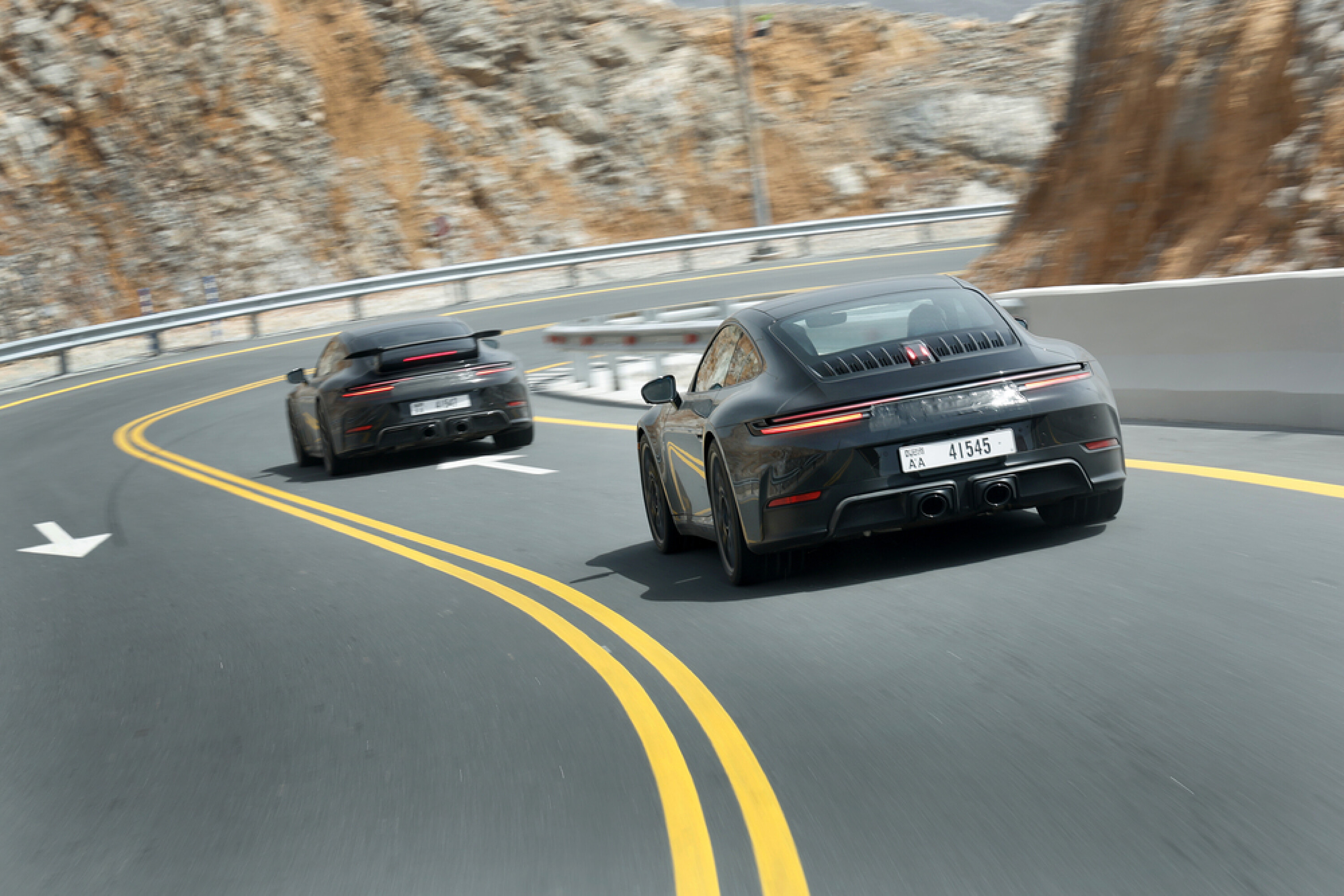
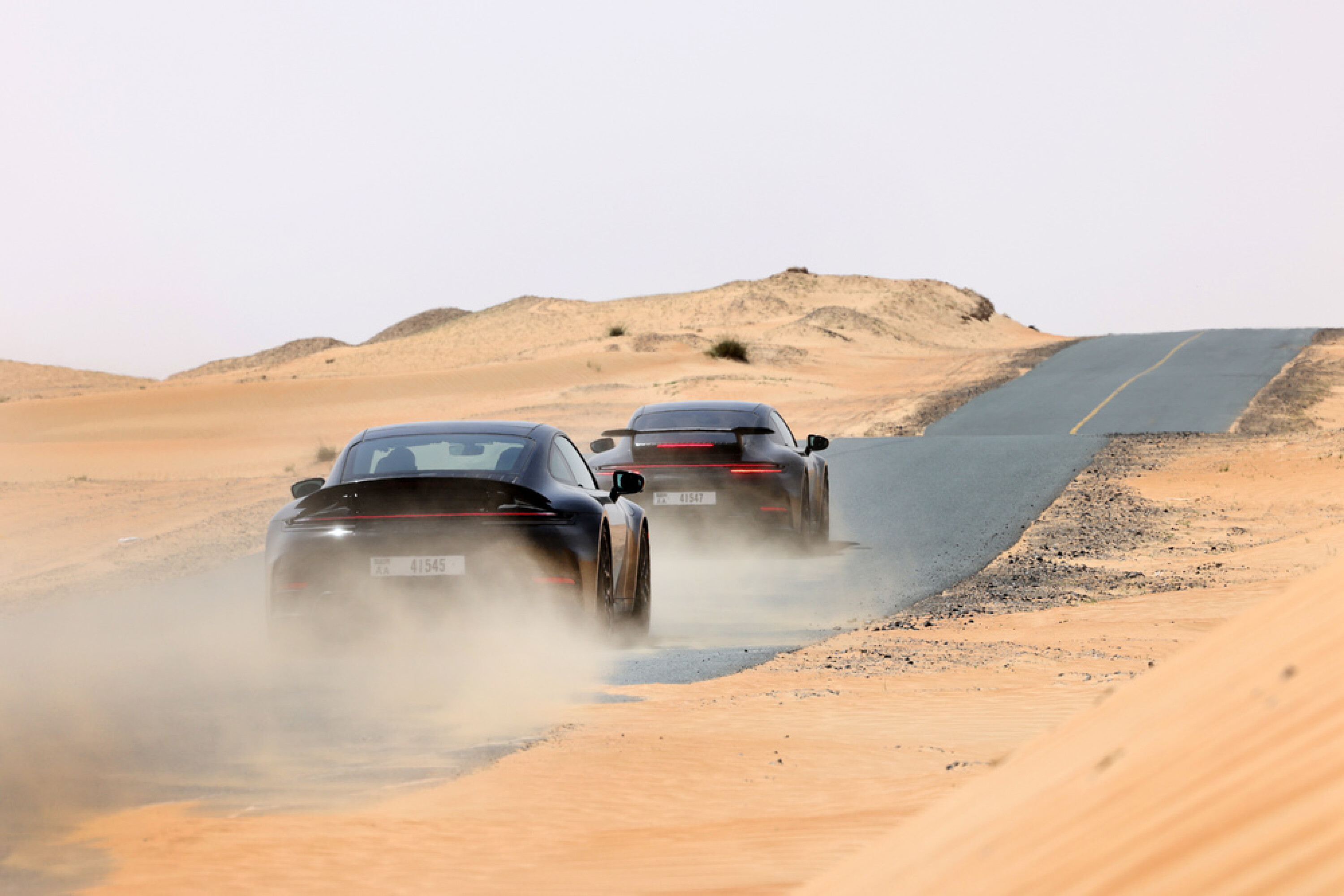
The 2025 Porsche 911 Hybrid is faster than its petrol-powered equivalent, according to the German car maker, as it prepares to pull the covers off the first electrified version of its legendary sports car.
The hybrid 911’s lap time of 7:16.934 around the famed 20.8-kilometre Nurburgring Nordschleife race circuit – with sports car driver Jorg Bergmeister at the wheel – is a significant 7.8 seconds faster than the petrol 911 equivalent, says Porsche.
The swift lap time was achieved with standard road tyres plus an aerodynamic package optional on the current 911, including a fixed rear wing.
1
“The new 911 has become considerably faster on the track. We have more grip, significantly more power, and the spontaneous response of the performance hybrid is a great advantage,” said Porsche Model Line 911 and 718 vice president Frank Moser.
The Nordschleife lap was part of an extensive five-million-kilometre global testing program now concluded with the production of the yet-to-be-revealed hybrid model underway.
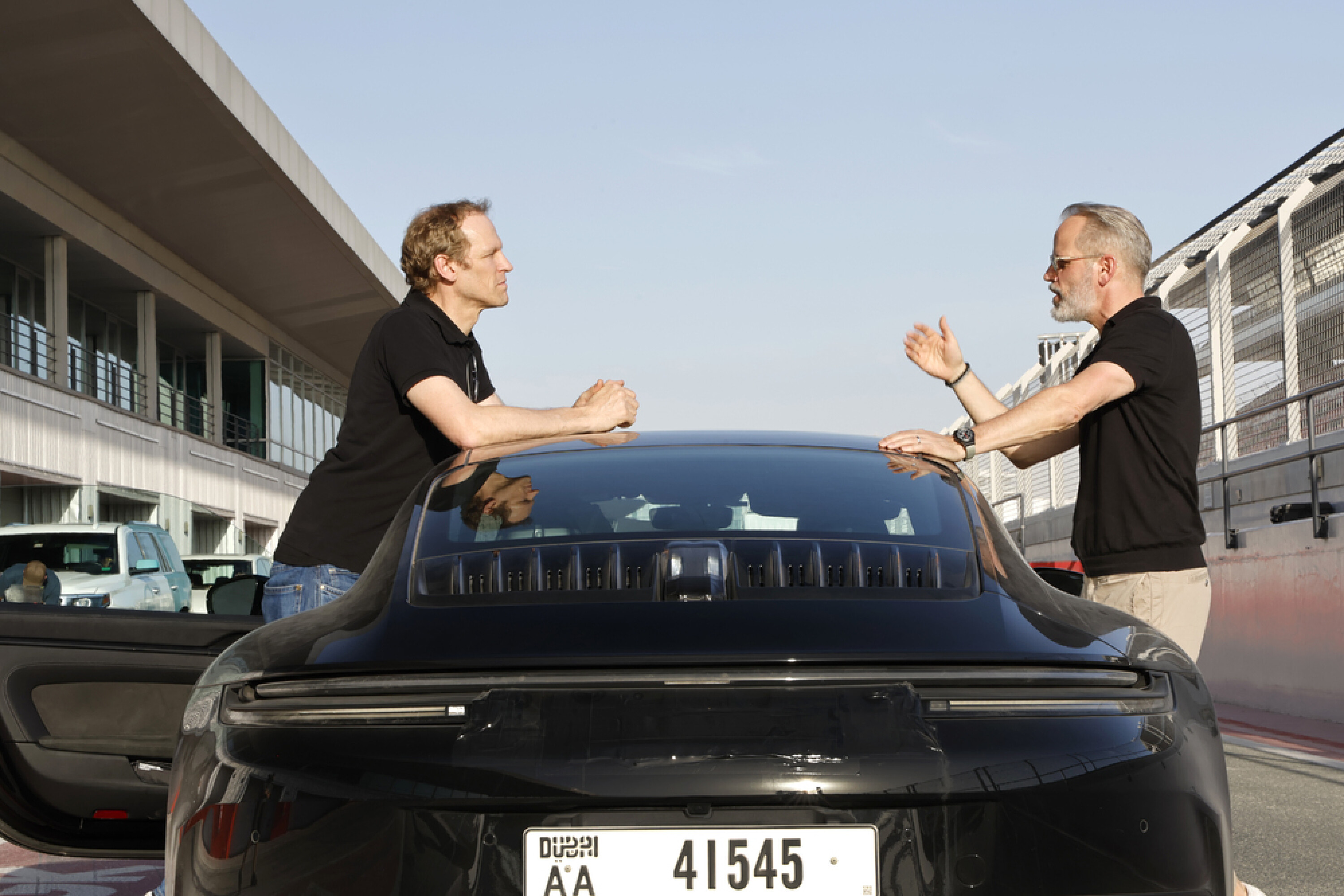
Stuttgart has confirmed it will unveil the long-awaited hybrid version of its epochal 911 – following hybrid showroom versions of its Panamera grand tourer and its Macan and Cayenne SUVs – on May 28 at 11:00PM AEST, ahead of its arrival in showrooms next year.
1
Porsche Australia has not yet confirmed the 911 hybrid for local showrooms – with the hybrid’s official name also set to be announced when it is unveiled.
“For the first time in our icon’s 61-year history, we are installing a hybrid drive system in a roadgoing 911. This innovative performance hybrid makes the 911 even more dynamic,” said Moser.
“We left nothing to chance during development and tested the new 911 under all sorts of conditions all over the world.”
1
Expected to be sold in Australia – although Porsche has not confirmed its place in the local line-up – the hybrid 911 is part of a mid-life facelift of the existing 992-generation 911 that has been in showrooms since 2019.
While technical details have not been confirmed, it’s expected to use a four-cylinder non-plug-in hybrid – in the same vein as the three-times Le Mans-winning 919 race car – in a departure from the 911’s traditional flat-six.
The 911 is Porsche’s star model, with a hybrid version confirmed when the current 992 was introduced to showrooms in 2019. While it has offered other hybrid models – and the battery-electric Taycan – it also produced a plug-in hybrid 918 Spyder hypercar between 2013 and 2015.
The carmaker plans for half of its sales to be electric or hybrid in 2025, ahead of a targeted 80 per cent to be battery-electric by 2023.
MORE
Everything Porsche
MORE
Hybrid Cars
Snapshot
- New policy to require 5 star ANCAP rating and date-stamp of 2022-2024.
- Australian Government fleet consists of more than 10,000 cars and light commercial vehicles.
- More than 34,500 new fleet vehicles purchased annually by various Commonwealth agencies.
- 58 new vehicles on-sale now hold a five-star ANCAP rating, 40 of which are Low Emissions Vehicles.
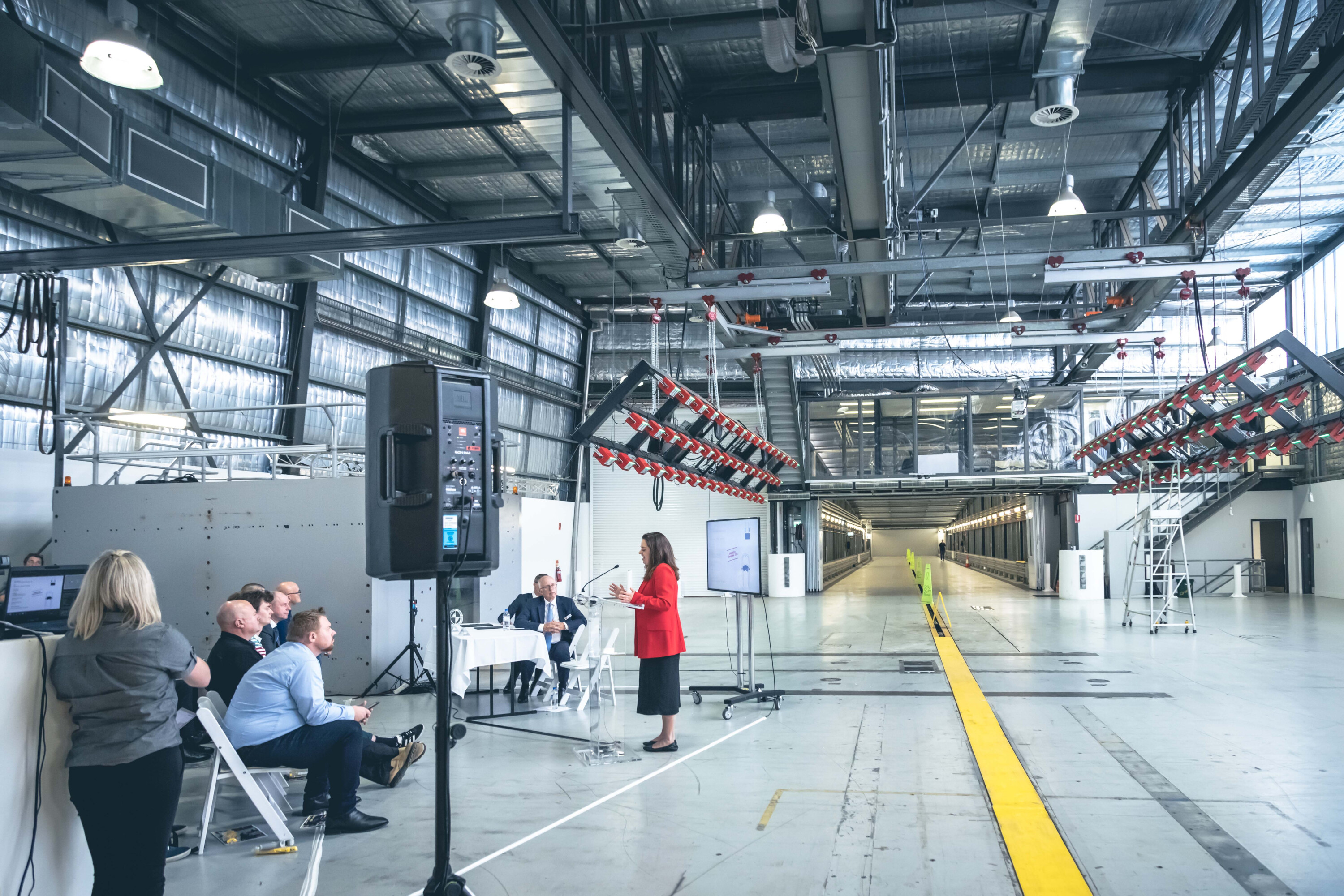
Following National Road Safety Week, the Australian Government has upgraded the requirements of its Commonwealth Fleet Vehicle Selection Policy.
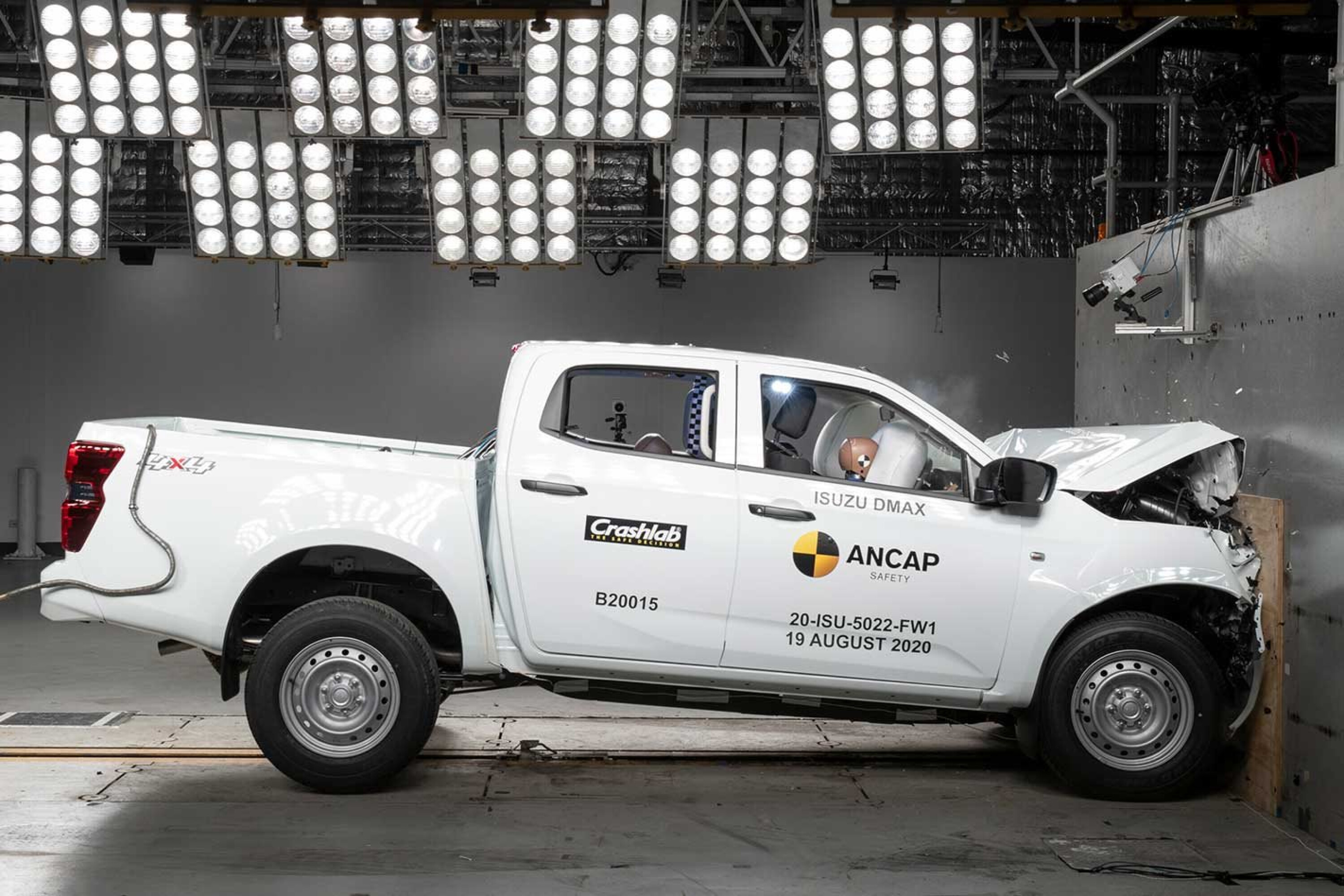
The policy, which dictates procurement criteria for Commonwealth Government fleet vehicles, now requires vehicles to hold not only a five-star ANCAP safety rating, but also a date-stamp within three years.
Previously, the policy required vehicles to hold a five-star ANCAP safety rating, but allowed a date-stamp of “no older than six years”. The latest update has “Strengthened the Government’s focus on safety for its employees and the broader Australian community.”
1
“This is a notable and extremely positive move,” said ANCAP CEO, Carla Hoorweg.
“The test and rating criteria applied by ANCAP to new vehicles sold in Australia increases in breadth and stringency every three years. We do this to encourage vehicle safety improvements so that consumers have access to the safest cars with the latest safety features and technologies.”
The Australian Government fleet consists of more than 10,000 passenger cars and light commercial vehicles. Nationally, government buyers across various jurisdictions purchase a total of 34,500 new vehicles annually.
“This best-practice update to the Commonwealth’s fleet purchasing policy shows clear leadership through action and we encourage other fleets and private consumers to consider adopting the same approach when it comes to shortlisting new vehicles for purchase,” Ms Hoorweg said.
1
The Australian Government fleet consists of more than 10,000 passenger cars and light commercial vehicles
In addition to the Australian Government’s policy, each of the state and territory governments, in addition to a broad range of large and small businesses, have five-star fleet vehicle purchasing policies in place.
At present, 58 new vehicles on-sale hold a five-star ANCAP safety rating within three years – either a 2024, 2023 or 2022 date-stamp. 40 of these are Low Emissions Vehicles, which are also prioritised under the Australian Government Fleet Policy.
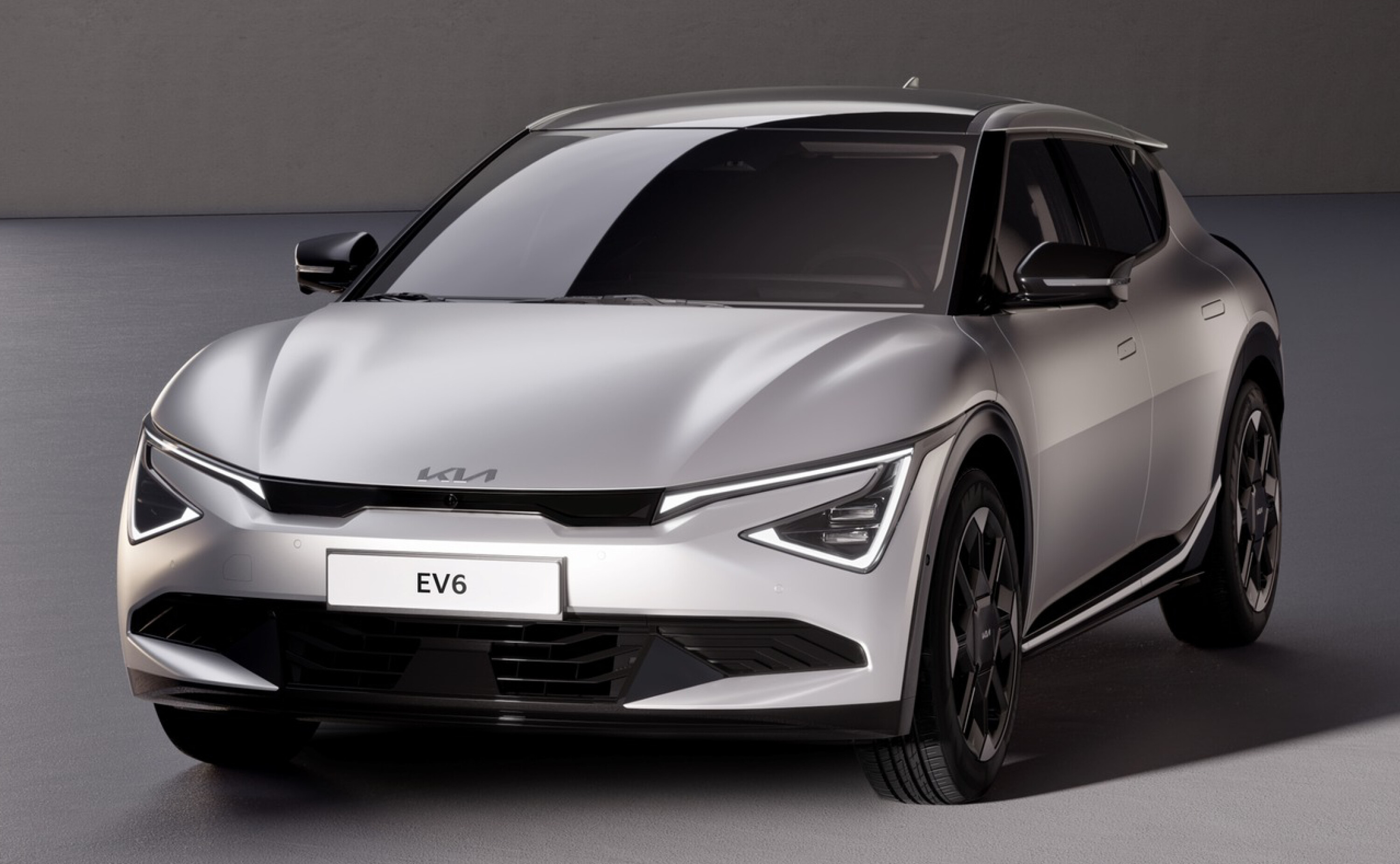
The updated 2025 Kia EV6 electric SUV has debuted with a revised look and increased driving range.
Due in Australia at the end of 2024, revisions for the EV6 – the 2022 Wheels Car of the Year and Wheels Best Electric Midsize SUV 2024 – mimic those recently applied to the related Hyundai Ioniq 5 with a larger 84kWh battery and additional features that were first seen in more-recent Hyundai-Kia vehicles.
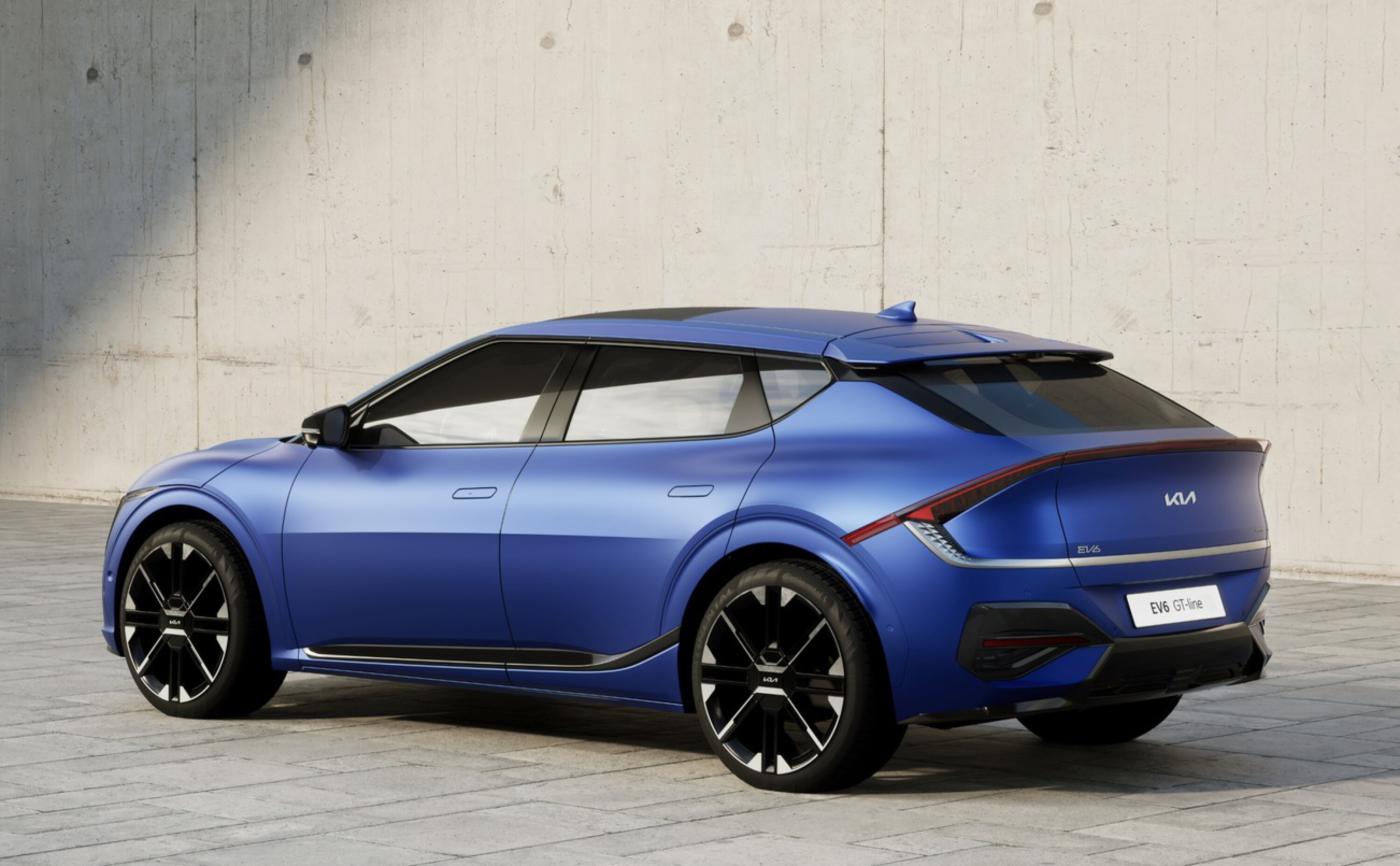
Exterior design revisions for the EV6 include a tweaked front end to match Kia’s newest models like the EV9 and K4 with C-shaped ‘star map signature’ headlights and a “wing-shaped” bumper.
1
The GT-Line (pictured in blue) adds a sportier-looking front bumper and a full-width LED light strip.
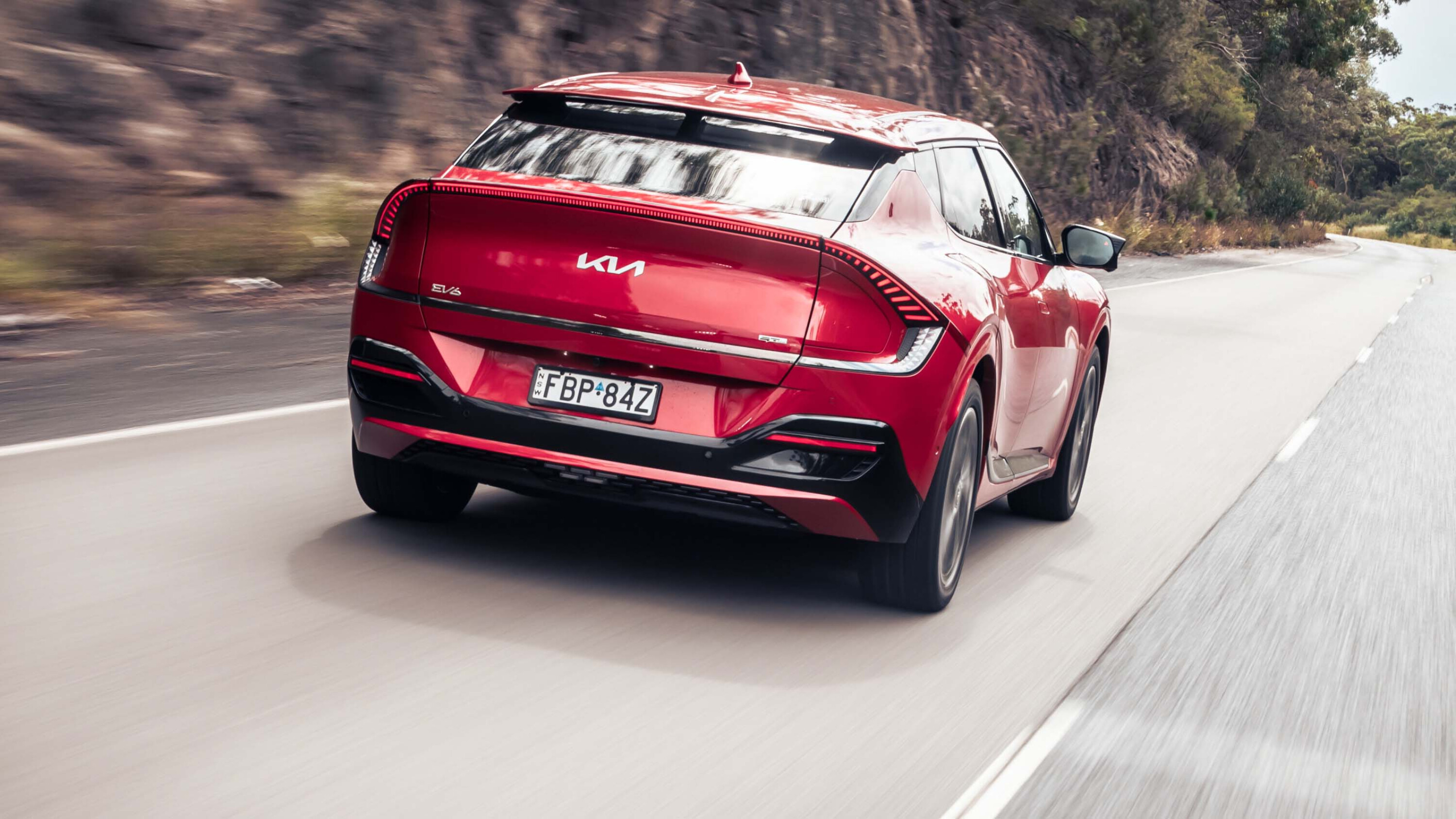
Other design changes include new alloy wheels, an updated tail-light signature, a revised lower rear bumper, and two new colours for the GT-Line: Wolf grey and yacht matte blue.
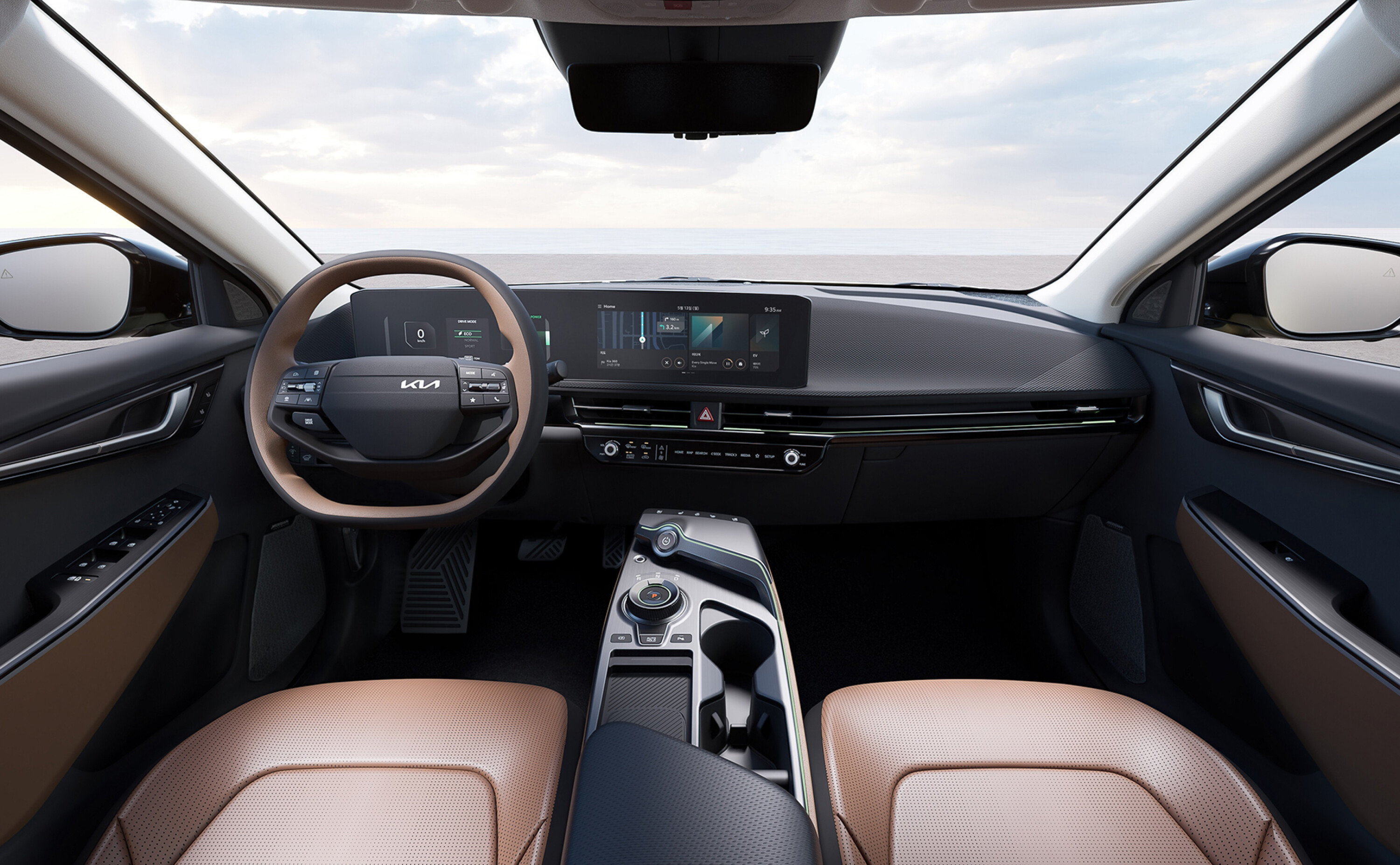
Inside, the EV6 receives an updated panoramic curved display – still with a 12.3-inch digital instrument cluster and a 12.3-inch infotainment system – a new steering wheel similar to the K4 with an off-centre Kia logo, a revised dashboard pattern, and an improved wireless charger to prevent phones from sliding.
1
There’s also some revised switchgear, a power-adjustable steering wheel column, a digital rear-view mirror, and three new colour options: Medium grey, green & light grey, or toffee brown.
Hyundai-Kia’s new CCNC infotainment system – with snappier graphics, wireless Apple CarPlay and Android Auto support, over-the-air updates and built-in voice control – finally appears in the EV6 with the facelift, while all variants should add Kia Connect telematics in Australia.
Other tech additions include a fingerprint authentication system, walk-away locking, a digital key with Apple CarKey support in some markets, side parking sensors, a UV photocatalytic air sterilisation function, steering wheel grip detection, and improvements to the remote smart parking assist.
1
Under the skin, a new and larger 84kWh “fourth-generation” lithium-ion battery pack replaces the existing 77.4kWh unit.
The driving range for the long-range rear-wheel-drive model with 19-inch wheels – equivalent to the Air RWD in Australia – has increased by four per cent, taking it to around 550 kilometres on the WLTP test cycle.
Kia has fine-tuned ride and handling with a revised ‘frequency-sensitive’ shock absorber, optimised motor noise control and more sound absorption material near the rear motor, while safety is improved with a thicker B-pillar and dual second-row side airbags, taking the airbag count to 10.
In Korea, the brand said it will be “securing competitiveness by freezing sales prices for all trims” of the EV6, but there’s no guarantee Australia will also be barred from price increases.
The current Kia EV6 line-up is priced between $72,590 before on-road costs for the Air RWD and $87,590 plus on-roads for the GT-Line AWD, with an update for the flagship GT AWD – currently available from $99,590 before on-road costs – due at a later date.
When the facelifted EV6 arrives in Australia at the end of this year, Kia Australia’s product planning boss Roland Rivero told Wheels there is potential for an additional mid-spec variant – likely called Earth – allowing the GT-Line to be moved further upmarket with an improved cabin presentation.
More than 210,000 units of the Kia EV6 have been sold globally since it launched in mid-2021.
VFACTS new-car sales data shows 3116 examples of the Kia EV6 have been sold in Australia between January 2022 and April 2024 – with limited supply for our market – compared to 45,487 Tesla Model Ys and 2232 Hyundai Ioniq 5s.
Kia Australia’s electric vehicle line-up is set to expand around June or July with the addition of the Chinese-built EV5, which will better target the top-selling Model Y on price and availability.
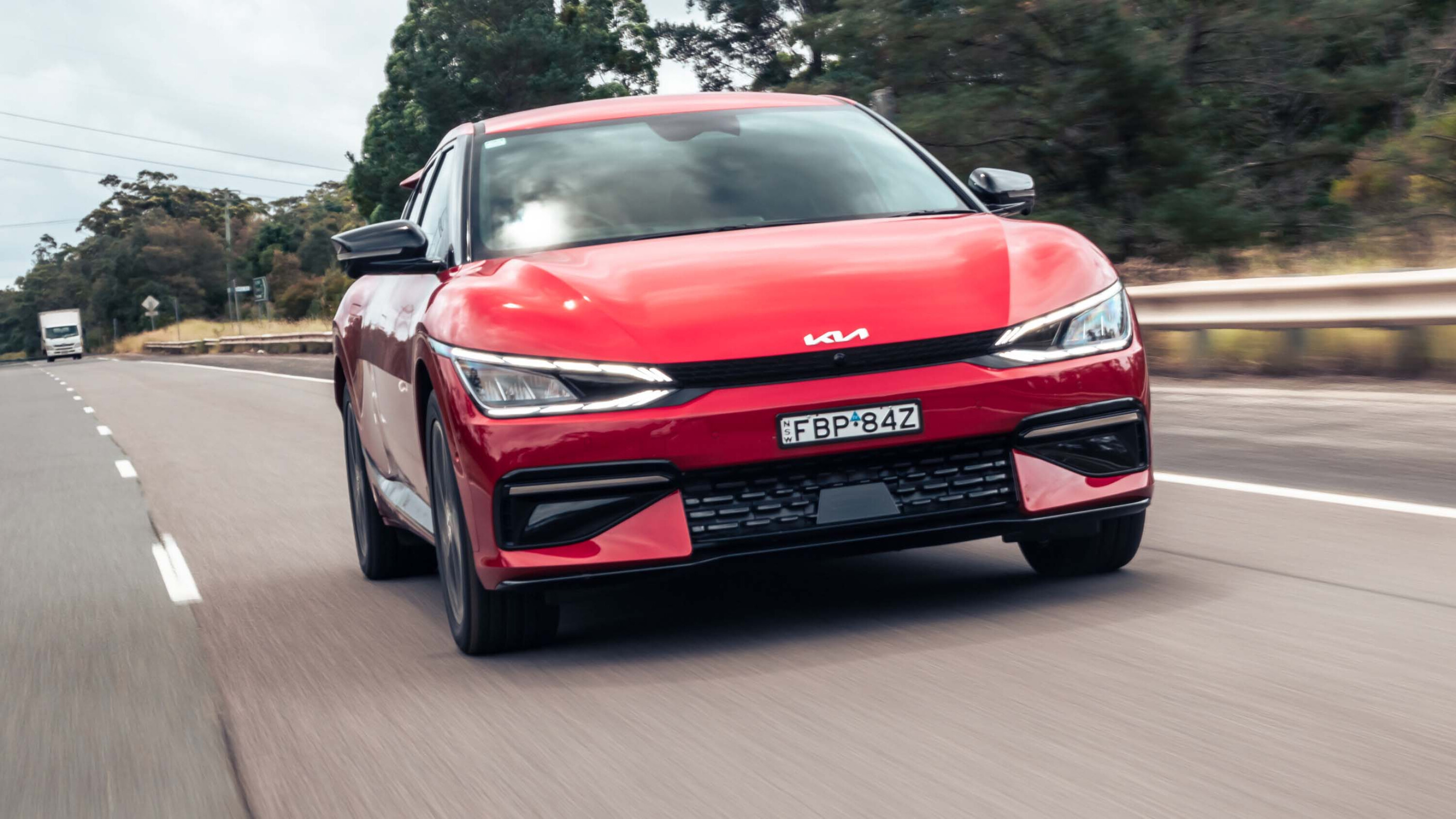
Below: The current 2024 Kia EV6 GT-Line
1
1
MORE
Everything Kia
MORE
Electric Cars
Car manufacturers still producing wagons have become rare but there are still a handful to choose from thanks to customers in Europe favouring a wagon over a crossover, SUV or four-wheel drive.
Here’s a taste of the wagons locked in – and some that could be – for local showrooms in 2024 and beyond.
1
JUMP AHEAD
- Audi A5/S5 Avant
- Audi A6 E-Tron Avant (electric)
- Audi RS6 GT Avant
- BMW i5 M60 xDrive Touring
- Cupra Leon Sportstourer
- Mazda EZ-6 Wagon (electric)
- Nio ET5 Wagon (electric)
- Peugeot e-308 SW (electric)
- Skoda Octavia Wagon
- Skoda Superb Wagon
- Volkswagen ID.7 Tourer (electric)
- Volvo EV60 (electric)
- Zeekr 007 Wagon (electric)
1
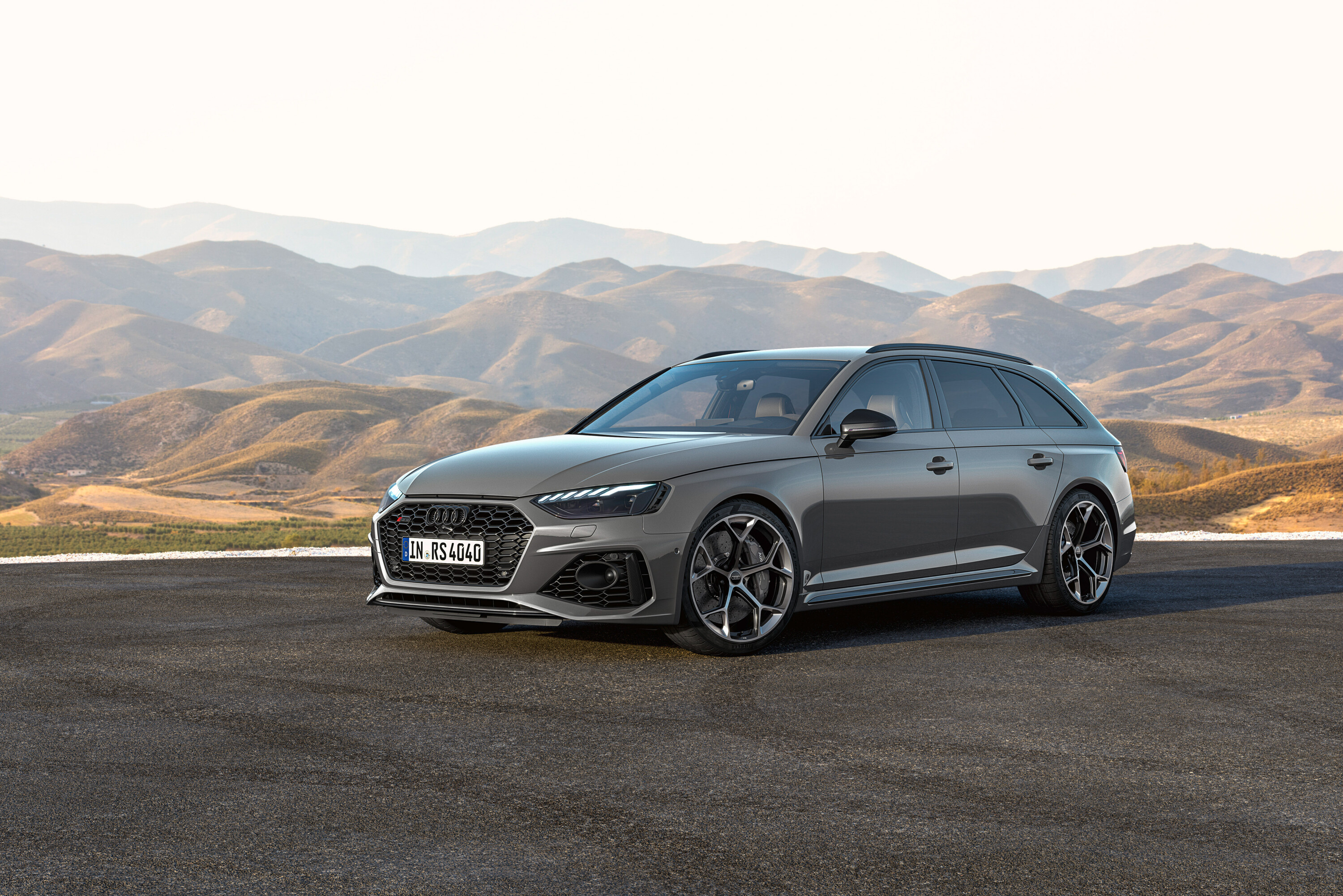
Audi A5/S5 Avant
Love the Audi A4 Avant? Fall in love with the A5 Avant, as the German car maker changes its naming conventions with the new model due for unveiling in the second half of 2024.
The A4 name will be gone – as the even numbers are used on electric Audis, with odd numbers of internal-combustion models – with the A5 name expanding to the sedan and wagon.
The first A5 Avant will use Audi’s PPC (Premium Platform Combustion) underpinnings with a mix of mild hybrid, diesel and plug-in hybrid versions likely for European markets in a package similarly sized to the Skoda Superb (see Skoda entry).
2
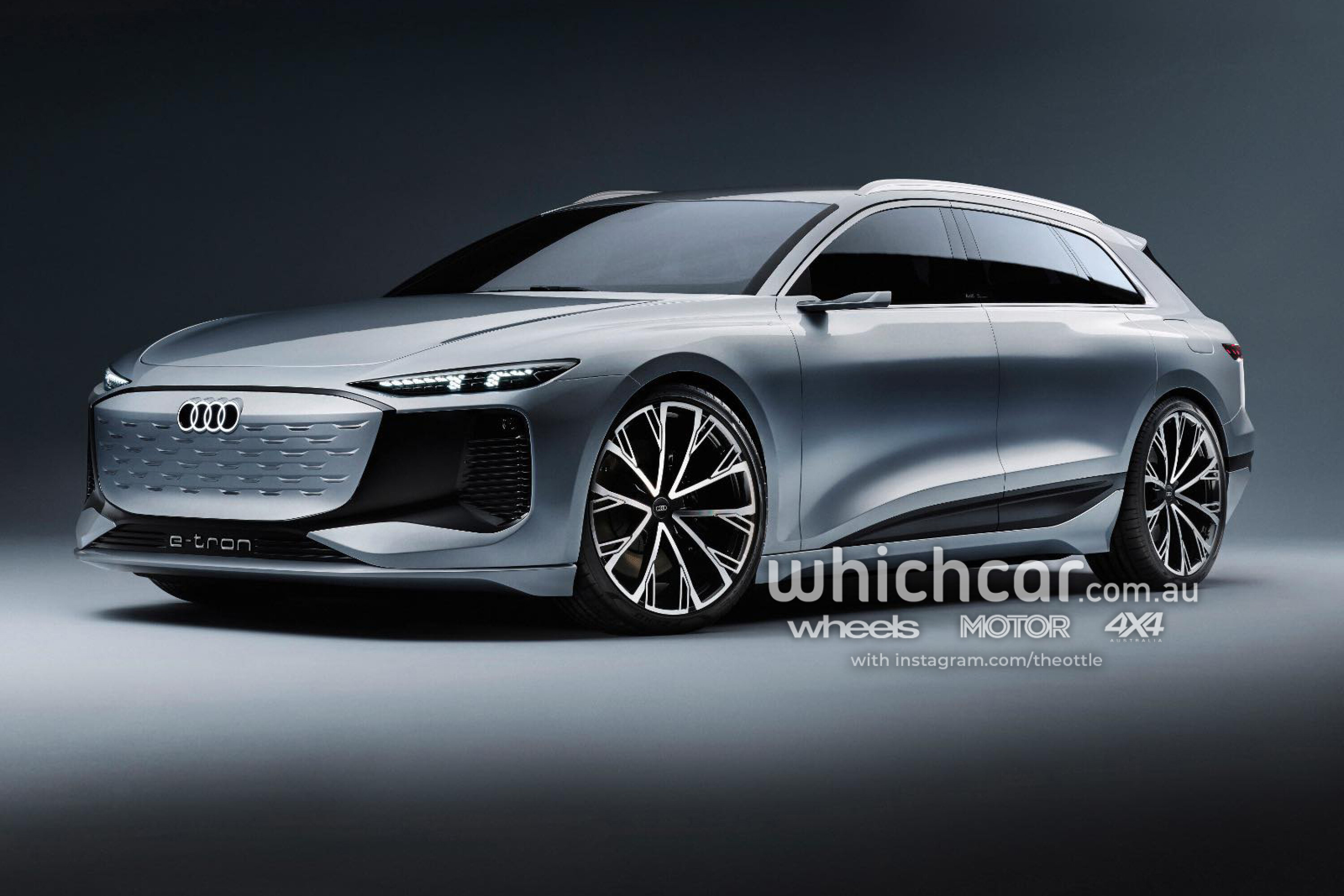
Audi A6 E-Tron Avant
Audi Sport’s first hybrid, the A6 E-Tron Avant is due to be unveiled in mid-2024 to face off against the Australia-bound BMW i5 M60 xDrive Touring.
Previewed in concept from back in 2022, the A6 E-Tron Avant will go toe-to-toe with the BMW in peak ‘RS’ trim, with a 460kW electric powertrain using the PPE (Premium Platform Electric) architecture it will share with the smaller 2026 A4 E-Tron Avant.
The PPE – already in use on other Audi E-Tron and Porsche Taycan models – brings 800V tech to give super-fast 270kW charging with a battery expected to be around 100kW, with a range of up to 700km.
There’s no word on wagon space dimensions for the pragmatic readers but expect more affordable rear-drive versions offering outputs from 300kW upwards – although the RS stands the highest chance of an Australian appearance.
6
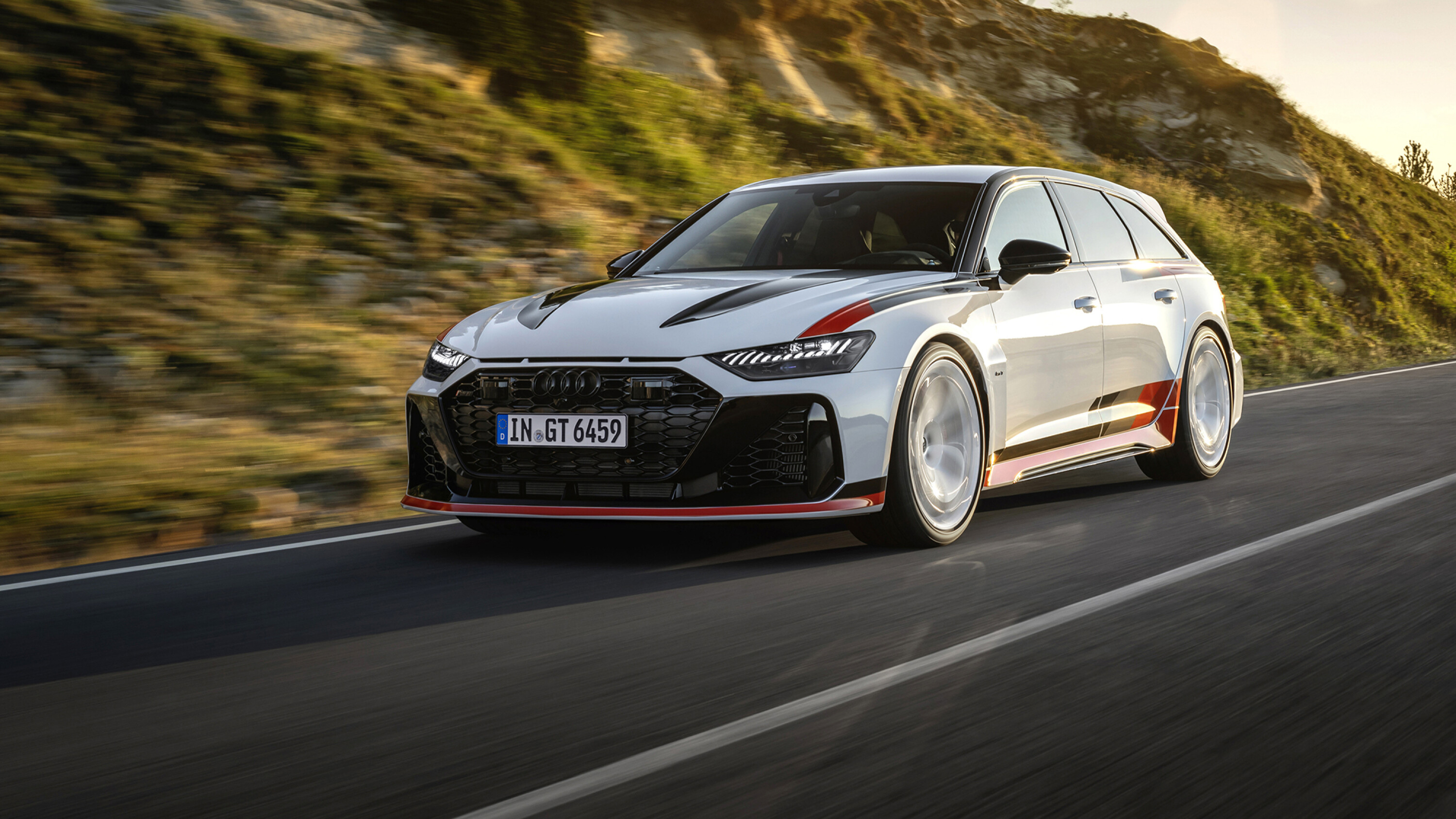
Audi RS6 GT Avant
Fancy an old-school fossil-fuelled Leviathan? The RS6 GT is an extreme V8-powered petrol farewell to Audi’s supercar-slaying wagons with a lineage going back to the stunning 1994 RS2 Avant.
Only around 20 RS6 GTs will come here – with Australia’s exact allocation of the 660 made globally still to be confirmed, with pricing also expected to be announced mid-2024.
Packing the same 463kW/850Nm twin-turbo V8 as the high-spec Performance version, the RS6 GT adds manually adjustable coil-over suspension, stiffer anti-roll bars and 10mm lower ride height.
There’s also a retuned centre diff for the quattro all-wheel drive, with bold styling including 22-inch alloys and tri-colour graphics inspired by the Audi 90 Quattro IMSA GTO race car and 2020 RS6 GTO Concept.
MORE
Everything Audi
6
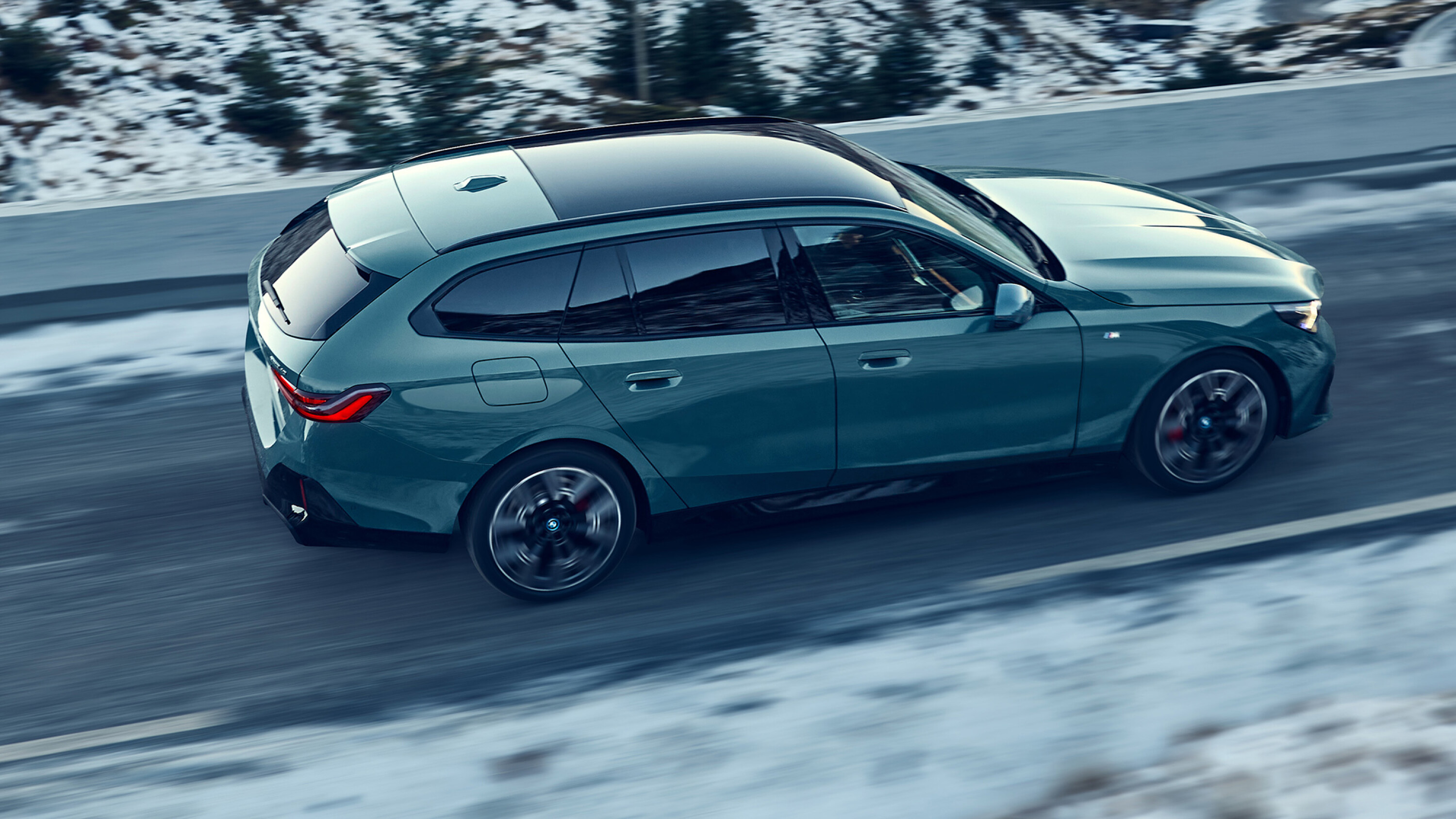
BMW i5 M60 xDrive Touring
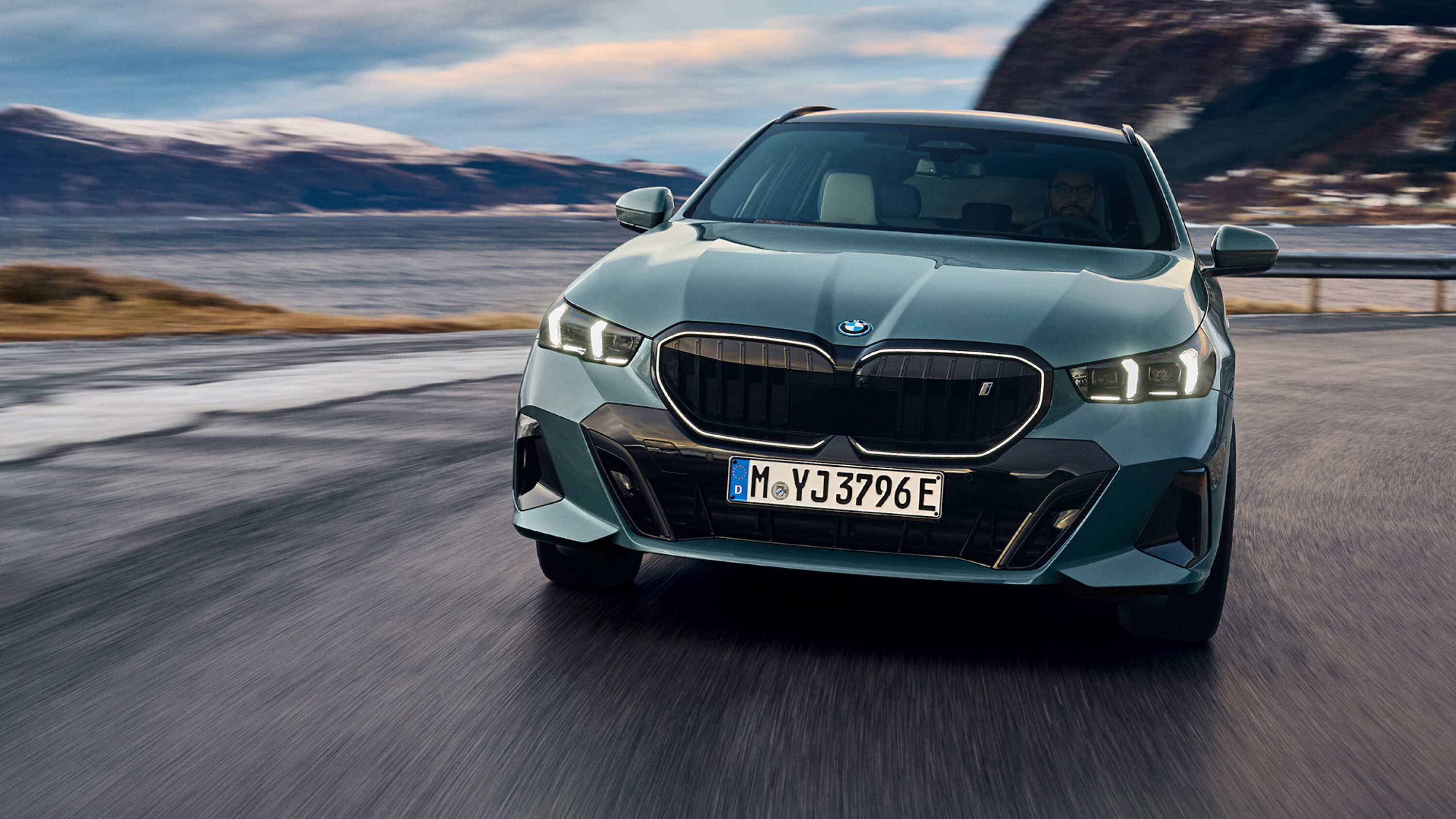
BMW will have you on the electric wagon – literally – with the i5 wagon slated for a third-quarter Australian arrival.
Offered only in the top-spec M60 xDrive, it combines up to 1750 litres space when the tri-fold rear seat’s down with a 442kW/820Nm dual-motor electric set-up sending all that space from 0-100km/h in 3.9 seconds.
At $219,900 it’s $4k more than the M60 xDrive sedan, and its 506km WLTP range is 10km less, but it includes a five-year Chargefox subscription and is – according to BMW – a proper M car. Who said wagons are boring?
MORE
Everything BMW
3
Cupra Leon Sportstourer
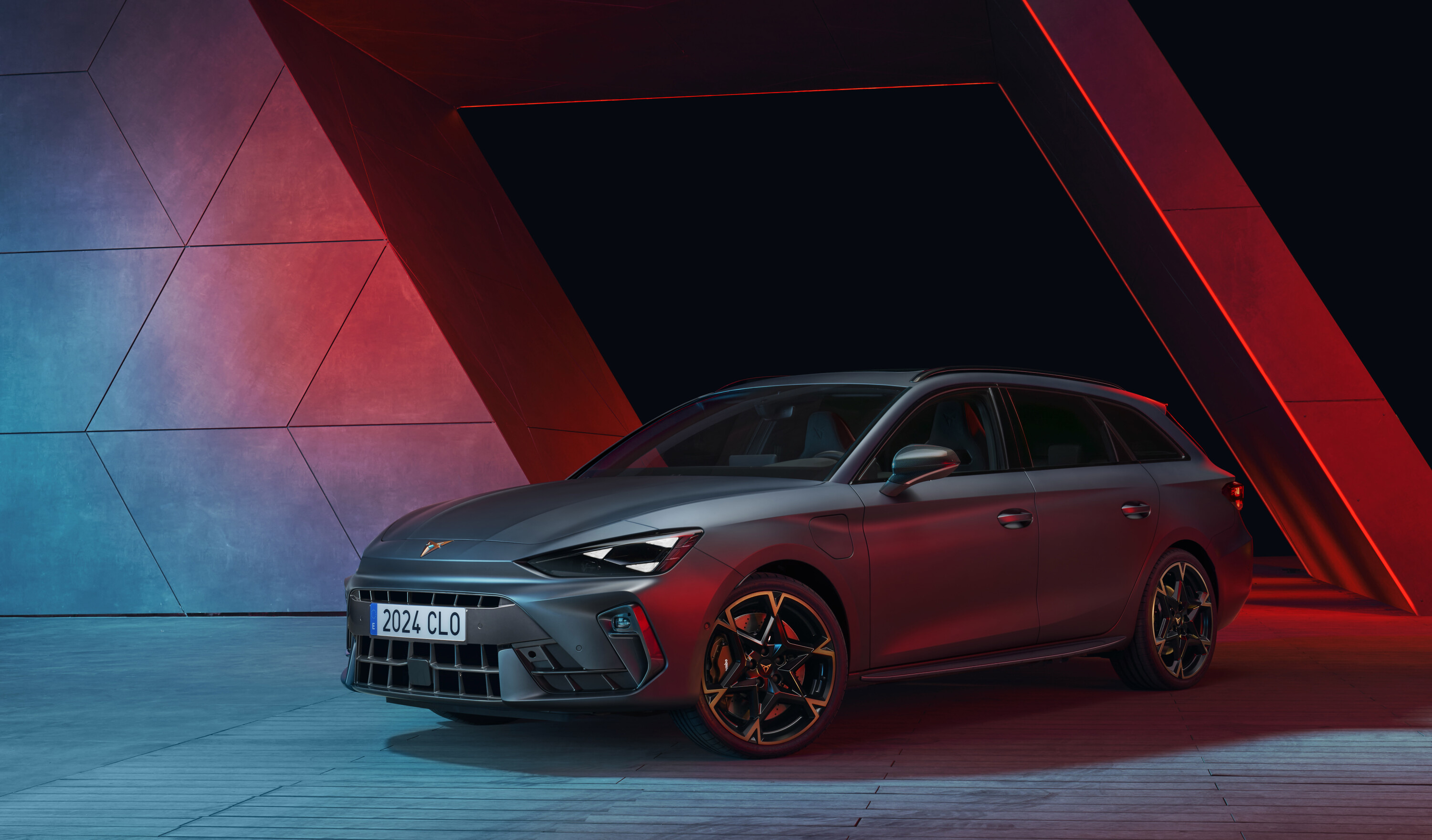
A Volkswagen Golf R wagon by another name? With Volkswagen dropping the Golf wagon in mid 2023 – and with the Passat and Arteon wagon also gone – Cupra has come to the party with the Leon Sportstourer.
Due here in mid 2025, the Leon Sportstourer shares not only its platform with Golf and Skoda Octavia Volkswagen Group siblings, but also the 245kW/420Nm 2.0-litre turbocharged four-cylinder petrol seven-speed dual-clutch all-wheel-drive powertrain.
By adding the wagon – alongside several SUVs – Cupra Oz says it’s not chasing volume in what could be a unicorn in 2025 showrooms – a naturally aspirated non-hybrid performance wagon.
MORE
Everything Cupra
1
Mazda EZ-6 wagon
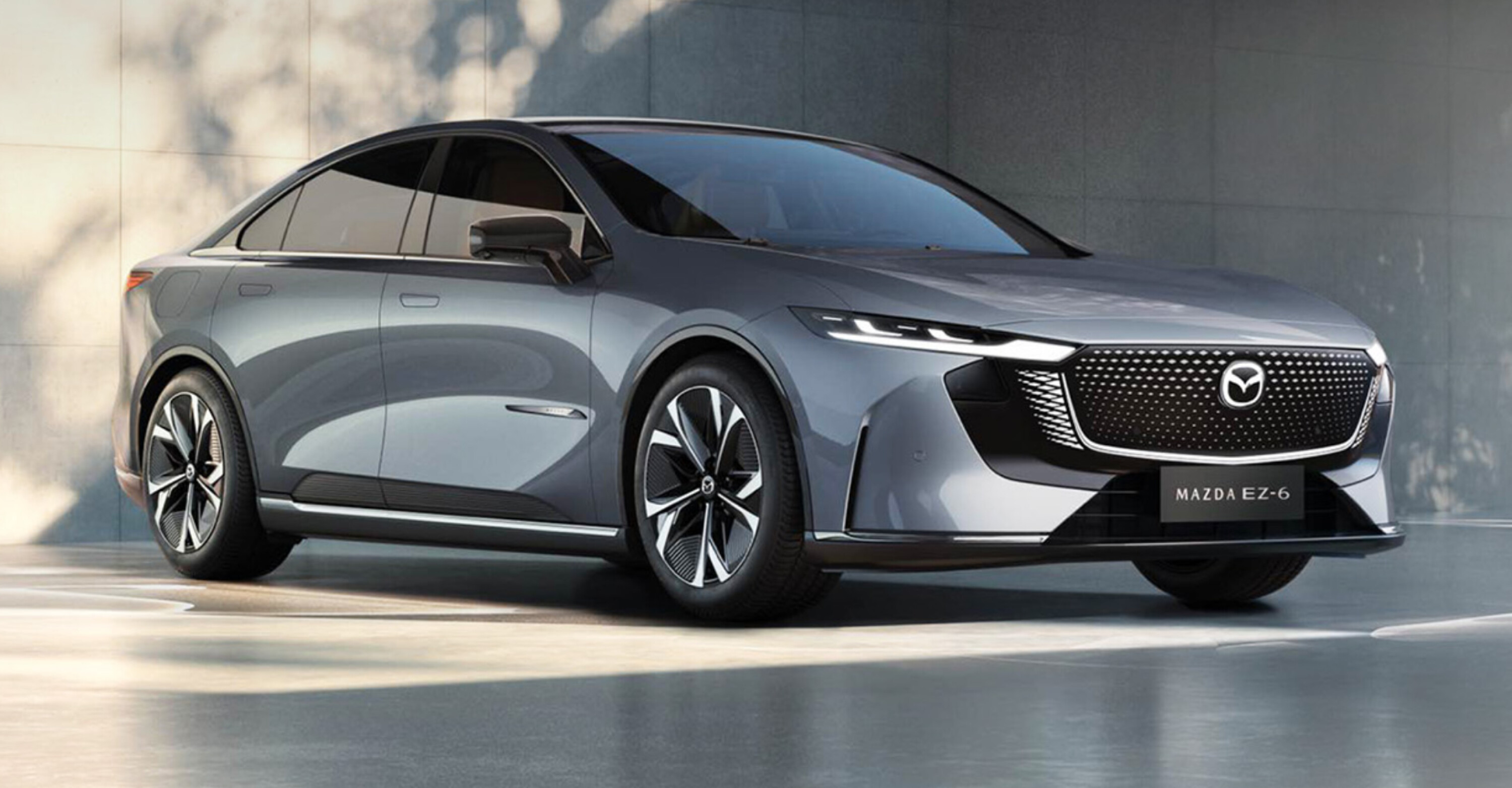
Will they or won’t they? When production of the perennial Mazda 6 ended in December 2023, it capped more than a decade in Australian showrooms as a well-made, affordable and space efficient wagon.
The EX-Z unveiled in China – where sedans are still high on shopping lists – is the electric successor to the final SkyActiv 6 in all but name and uses the same rear-drive platform as the CX-60 through to CX-90 SUVs.
How hard would a wagon be of the work is done – with the platform, hybrid powertrains and electrification already in the parts bin – and German customers, say, put their hand up?
MORE
Everything Mazda
Nio ET5 Wagon
When the Nio ET5 wagon was spied in 2022, no-one in Australia head reason to think it would make it here. Yet if the Chinese car maker achieves its plan to launch in Australia by 2025, we could see the electric-propeller ET5 wagon as part of its local line-up.
That’s still not a sure thing, but the wagon version of the ET5 – a four-door sedan with a wheelbase slightly longer than the current Toyota Camry – was revealed in mid-2023 and has since been confirmed for production in both left-hand and right-hand drive.
We’re getting ahead of ourselves, but the Nio ET5 wagon could give the BMW i5 Touring and A6 E-Tron Avant something to seriously think about.
3
Peugeot E-308 SW
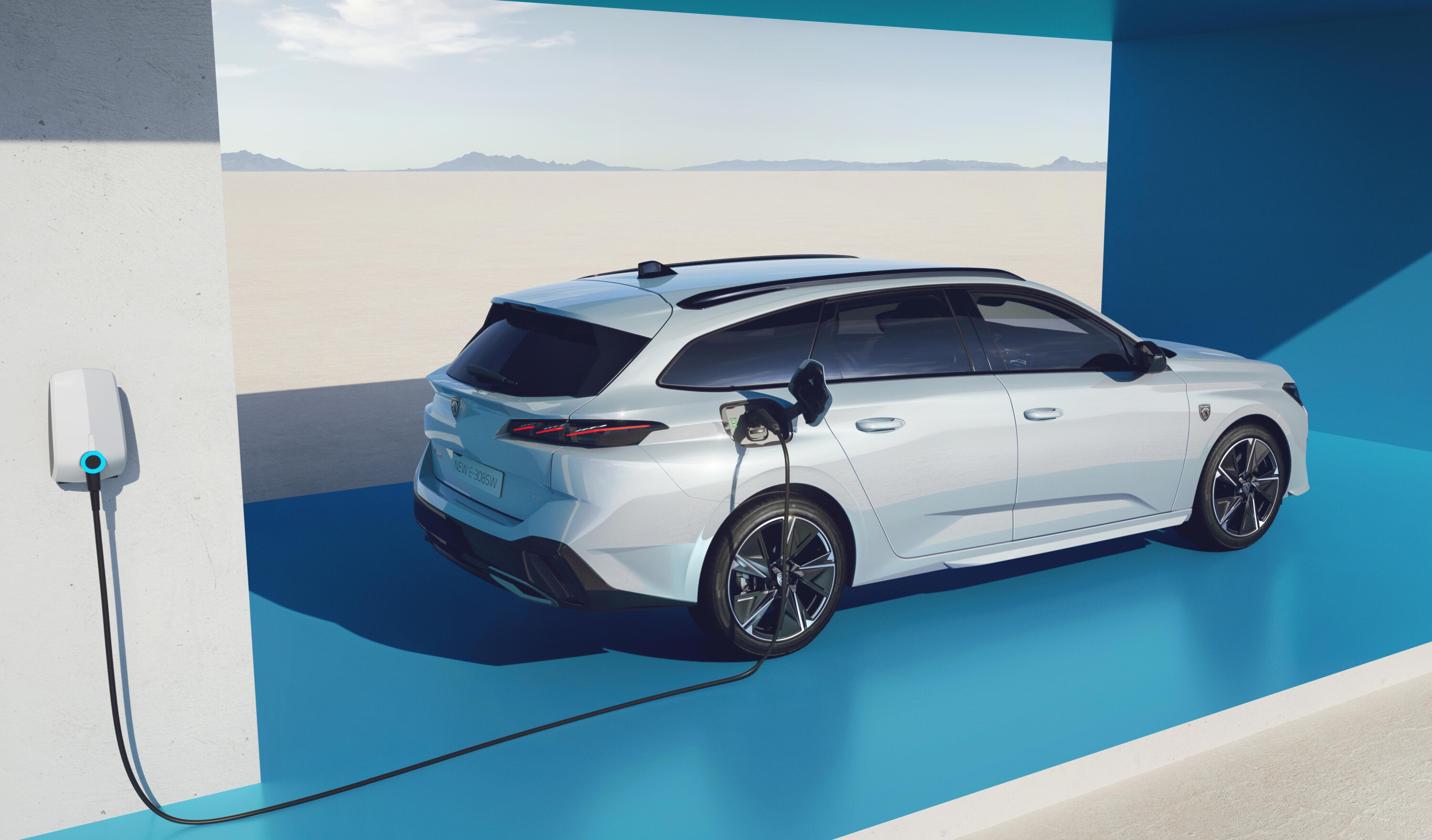
With the hatchback version of the E-308 – ‘E’ for electric of course – confirmed for an Australian arrival in mid-2024, the ‘SW’ wagon version has missed out – for now.
Local distributor Inchcape shared the news of the hatchback’s on-sale for later in 2024 – taking the ‘expressions of interest’ page on its website – but says it could add the estate version if demand is there.
The E-308 SW uses the same 115kW electric motor and 50.8kWh battery as the hatch for a 10km shorter WLTP range of 400km but brings a 608L boot – 196 larger than the hatch’s – expandable to 1643L, stretching the space advantage to 320L.
MORE
Everything Peugeot
1
Skoda Octavia Wagon
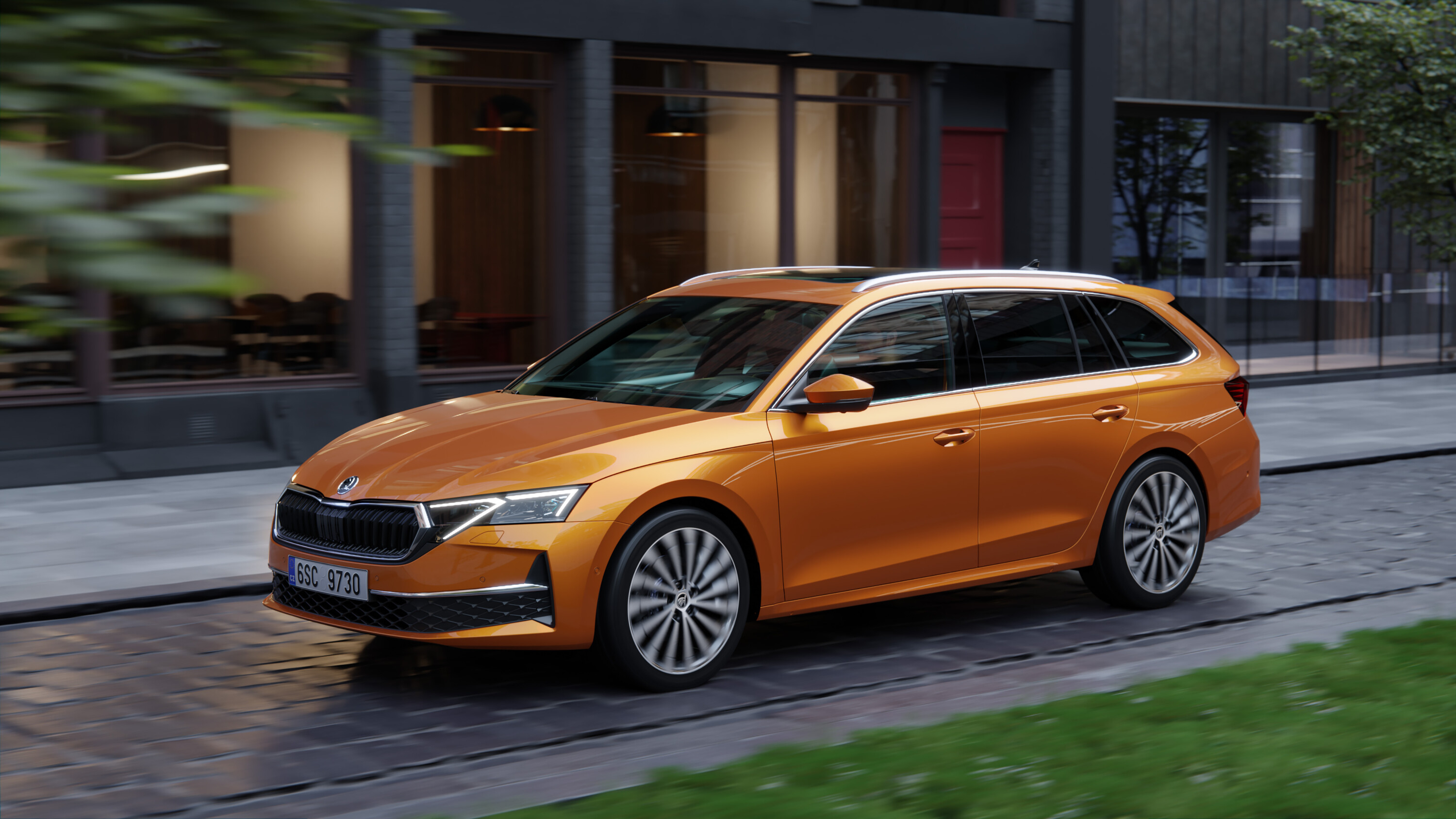
An updated Skoda Octavia wagon and hatch have been announced ahead of a planned arrival in Australia late this year.
The facelift brings ‘second-gen’ matrix LED headlights, fresh bumpers and more sustainable cabin material, but little else will change – and little needs to.
Final spec and pricing is yet to be confirmed but the 110kW/250Nm 1.4-litre turbocharged petrol three-pot and eight-speed auto is expected to continue on entry-level Octavia ‘Style’ and mid-spec ‘Sportline’ wagons.
The hot RS version – Australia’s best-selling variant – gets a 15kW bump to 195kW with the same 370Nm of torque, recalibrated ECU software and larger, louder sports exhaust system.
1
Skoda Superb Wagon
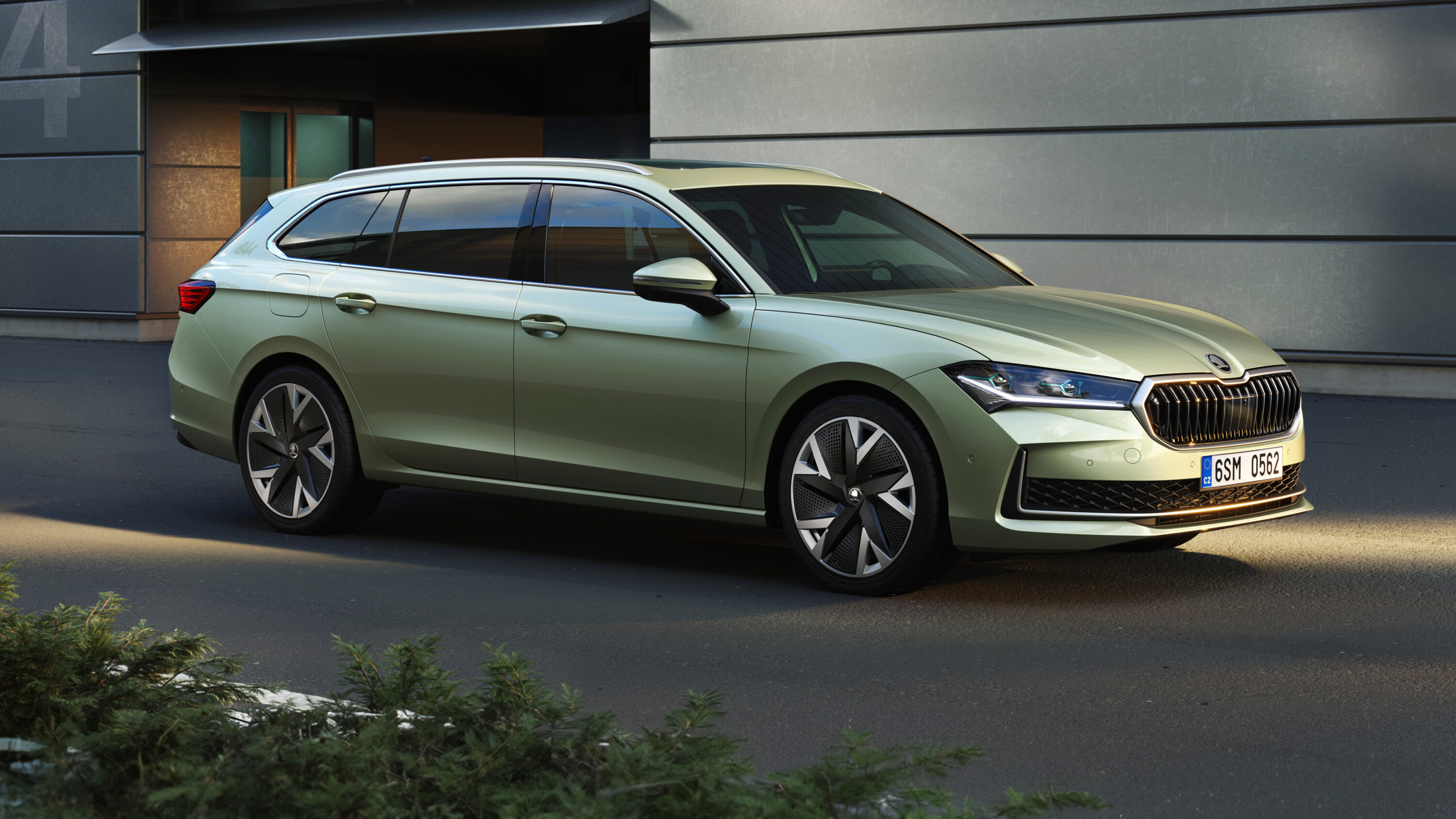
Confirmed for local showrooms in early 2025 – with pricing and spec details to come – the fourth-gen Superb is the largest wagon in the VW Group.
Despite replacing a near-decade-old model, carries over the same MQB underpinnings – perhaps a sign of reduced demand for wagons.
The new Superb wagon runs the same 2810mm wheelbase as its predecessor but is longer, taller and slightly narrower for an additional 20L of cargo space at 645L expandable to 1920L with the rear seat stowed.
More space but less pace potentially, with a 195kW 2.0-litre turbo-petrol four and seven-speed auto unveiled against the current Australian Superb wagon’s 206kW six-speed auto version.
MORE
Everything Skoda
3
Volkswagen ID.7 Tourer
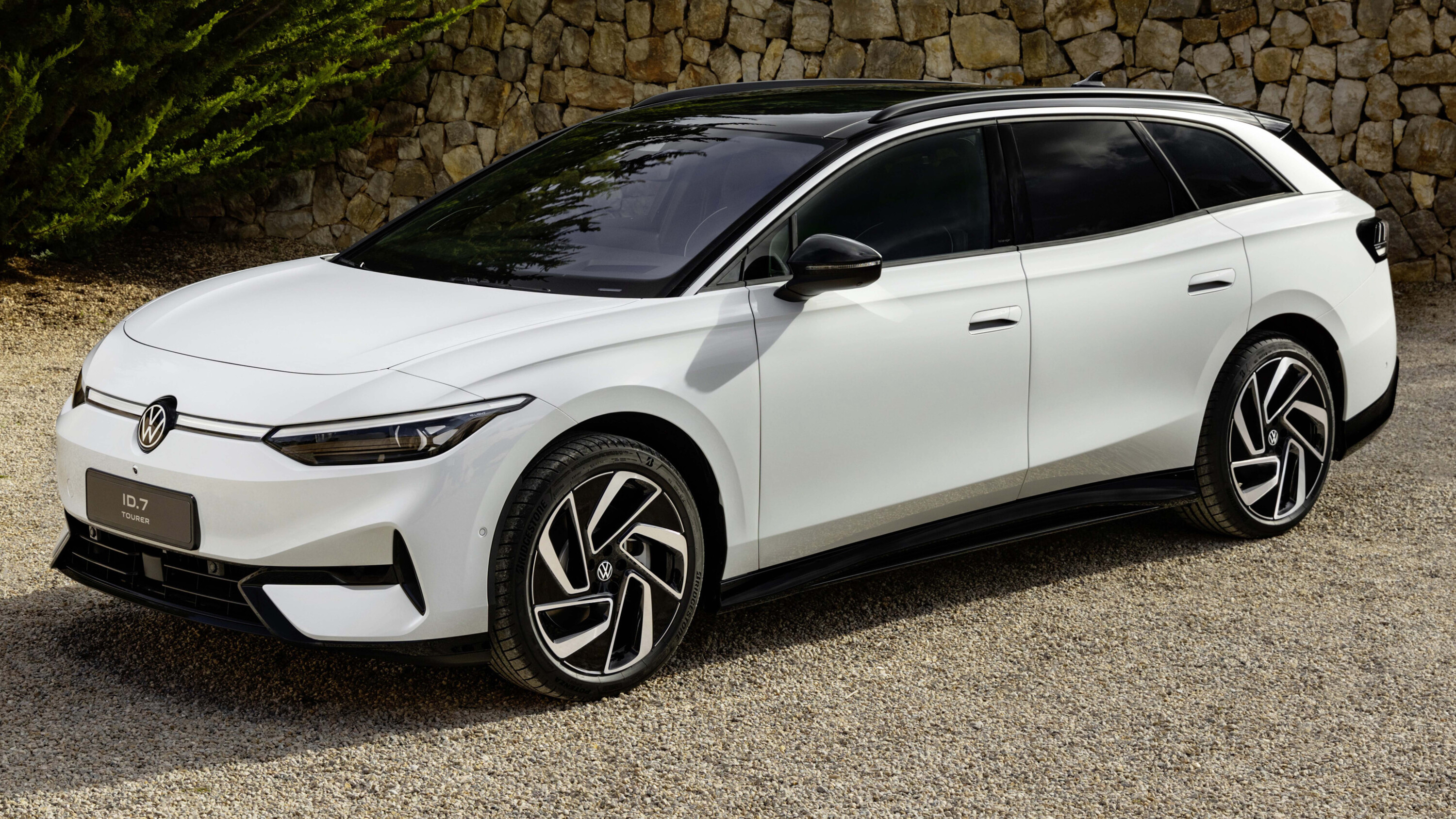
Let’s be honest – the ID.7 wagon is unlikely to make it to Australian showrooms, especially when the hatch version hasn’t been given a local berth.
Yet Volkswagen Oz is yet to put a clear line through the possibility of either body styles, so there is a slither of hope – however false that hope may be…
If it were to land here, the ID.7 Tourer would be the first and only electric wagon wearing a Volkswagen badge.
While its 2971mm wheelbase is 130mm longer than the Superb’s, the ID.7’s 1714L falls short of the Superb’s by 206L but offers 128L more than the hatch version.
Power comes from rear-axle mounted electric motor producing 210kW/545Nm and a WLTP range of 685km from an 86kWh battery – with a 6.5-second 0-100km/h claim.
1
Volvo EV60
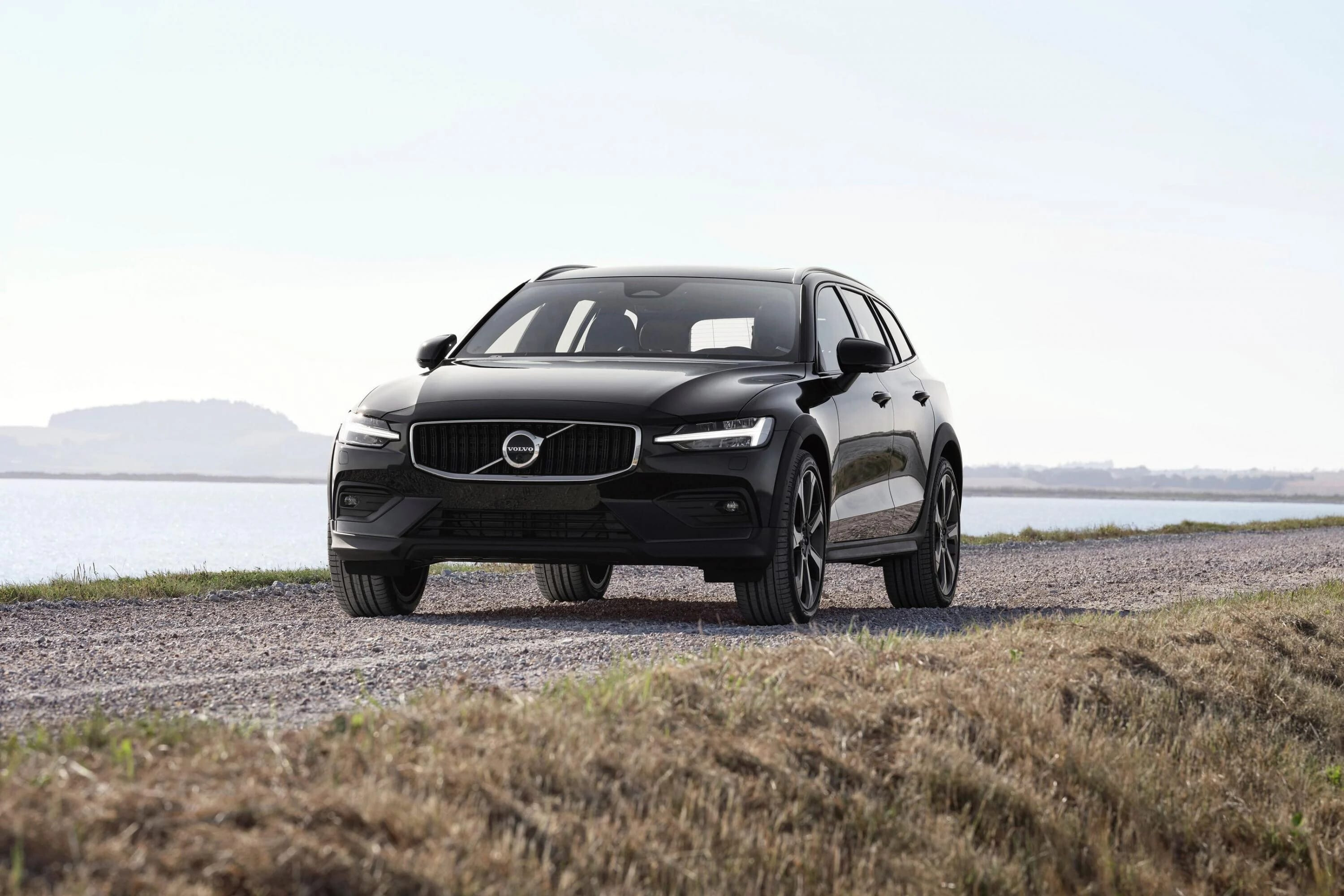
Makers of some of the safest – and most desirable – wagons, there could be a new Volvo V60 in Australia in 2026 if the local arm achieves its aim of offering electric-only models in showrooms by then.
That’s four years ahead of HQ in Gothenburg, with the local arm also acknowledging the ‘emotional’ connection the Volvo brand has with wagons – with the Zeekr 009-based EM90 providing its first people-mover.
The Zeekr 007’s advanced architecture – as detailed below – offers comparable dimensions to the current S60 but brings an EV powertrain with up to 860km (CLTC) range. It’s as if it was planned all along…
With Volvo adopting a new naming convention for its electric vehicles, with the likes of the XC40 Recharge becoming the EX40, it points to an EV60 badge for the battery wagon.
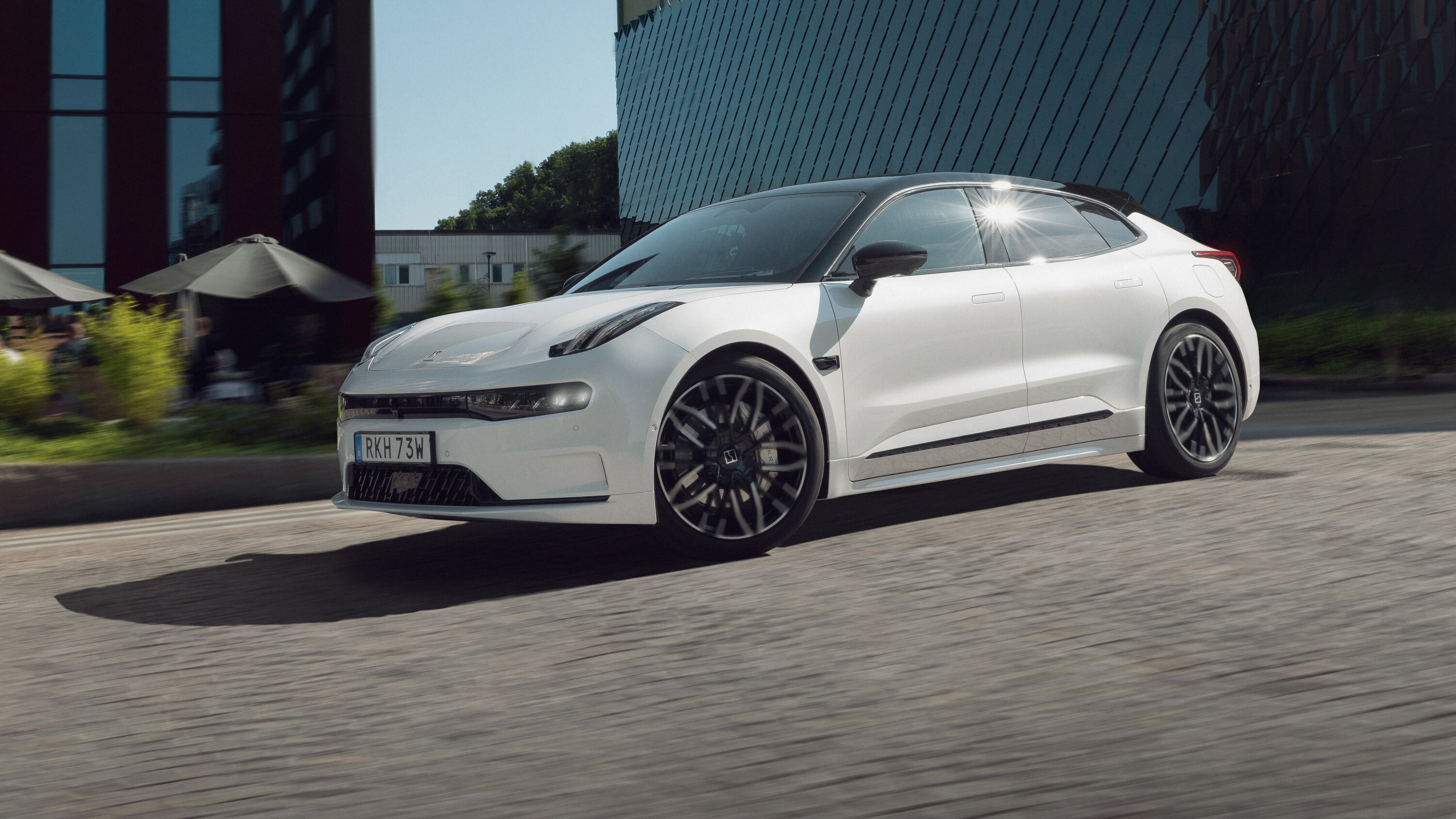
1
Zeekr 007 Wagon
With estate experts Volvo under the same Geely umbrella, Zeekr will launch in Australia in the second-half of 2024 with the Zeekr 009 electric people-mover and Zeekr X SUV both using the same ‘SEA2’ platform as the Volvo EX30.
Where does a wagon fit? The Zeekr 007 sedan unveiled in mid-2023 is the first vehicle to use the more advanced 800V ‘PMA2+’ electric architecture.
The new tech enables a claimed 500km of a 688 (CTLC) range after a mere 15-minute recharge – and is rumoured to be under the microscope for both a Zeekr and Volvo electric wagon. Watch this space.
MORE
SUV Buyers Guide
Exclusive: The upcoming Kia Carnival Hybrid will become the most fuel-efficient version of Australia’s favourite people-mover.
Kia’s first petrol-electric version of the Carnival will offer an official combined fuel consumption figure of 5.8 litres per 100km, according to the federal government’s Green Vehicle Guide website.
This improves on the 6.5L/100km of the four-cylinder turbo diesel model that has traditionally been the most frugal Carnival, while it betters the petrol V6’s 9.6L/100km by 40 per cent.
Kia Australia has yet to confirm fuel consumption for the Hybrid Carnival, which is being launched about a month later than the facelifted petrol and diesel models arriving this month.
Pricing, however, will be released at 5pm this Thursday (16th May).
The Carnival Hybrid features a 1.6-litre turbo-petrol hybrid powertrain shared with the Sportage and Sorento Hybrids, though with higher 183kW/367Nm outputs – up from 169kW/350Nm.
It is matched to a six-speed automatic transmission, which exclusively powers the front wheels like all other Carnivals.
The Lexus LM350h remains the most efficient hybrid in the segment with 5.5L/100km, though the posh people-mover costs more than $160,000.
The seven-seater Volkswagen Caddy Maxi is a more natural rival and comes with official consumption figure of 4.9L/100km for TDI diesel variants.
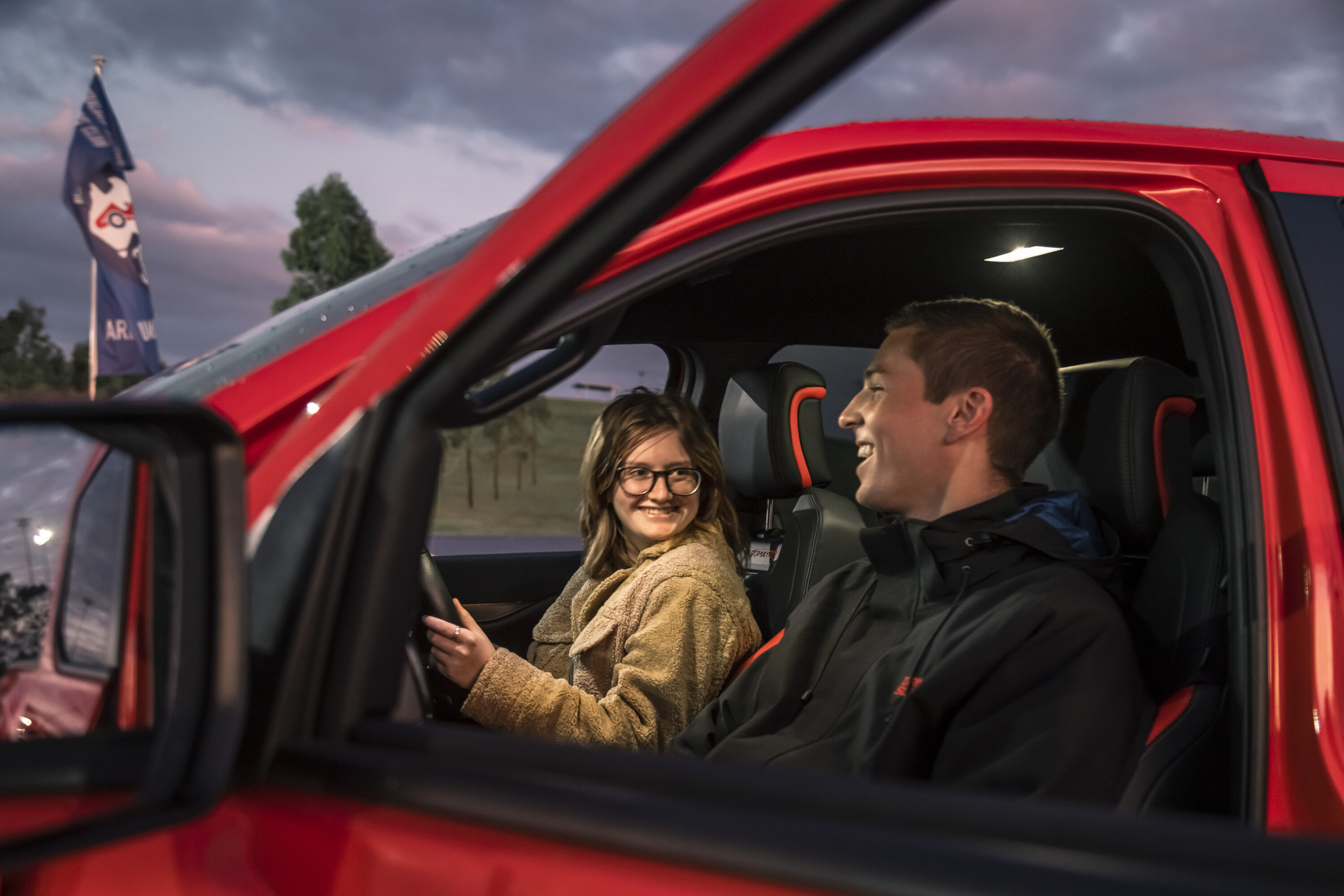
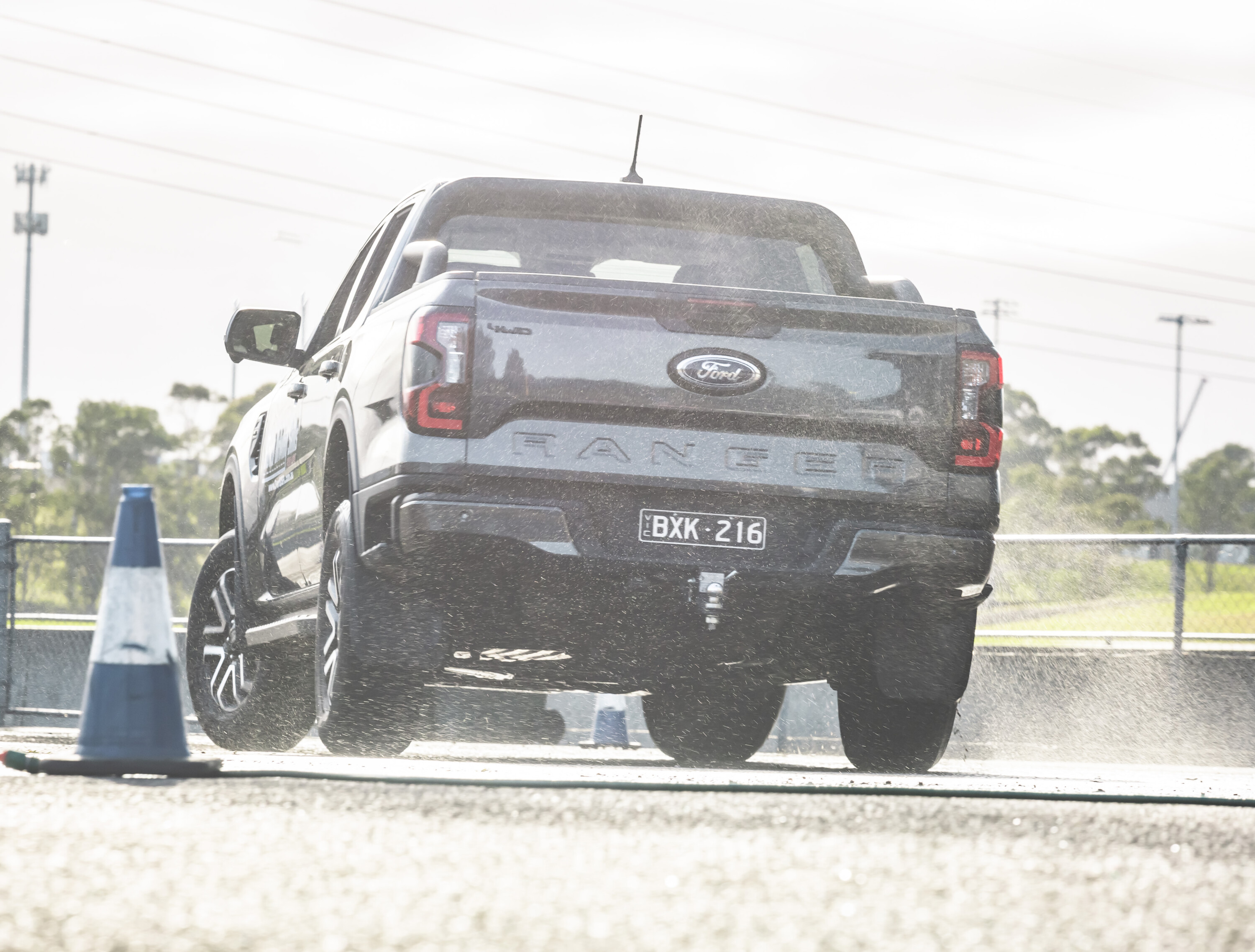
A learner driver will always inherit the habits, good and bad, of those who teach them. What does this variance in education lead to?
New research conducted by Ford’s Driving Skills for Life program, asked 1000 Queenslanders for their opinion on driving habits of fellow road users, with some gobsmacking results.
The results suggest nearly three quarters (74%) of Queenslanders believe their neighbours are not good drivers, and just over one quarter (26%) believe they are superior drivers compared to the other states and territories.
Snapshot
- Ford Australia introduces Driving Skills For Life program for new and young drivers.
- Ford Australia reveals biggest road annoyances of Queensland drivers.
- Startling statistics of drivers’ complacency and levels of ability uncovered.
- Important focus on bad habits, and how not to pass them on to learners.
1
Of all the bugbears, Queensland drivers are most perturbed by not indicating (80%), tailgating (79%) and running red lights (63%).
Other traffic and driving etiquette annoyances included: not using lights in wet weather (43%), speeding (42%) going under the speed limit (41%) and the unforgivable sin of not returning the “thank you” wave (34%).
However, when it came to learning how to drive on different terrain, only half of the respondents had experienced various terrains.
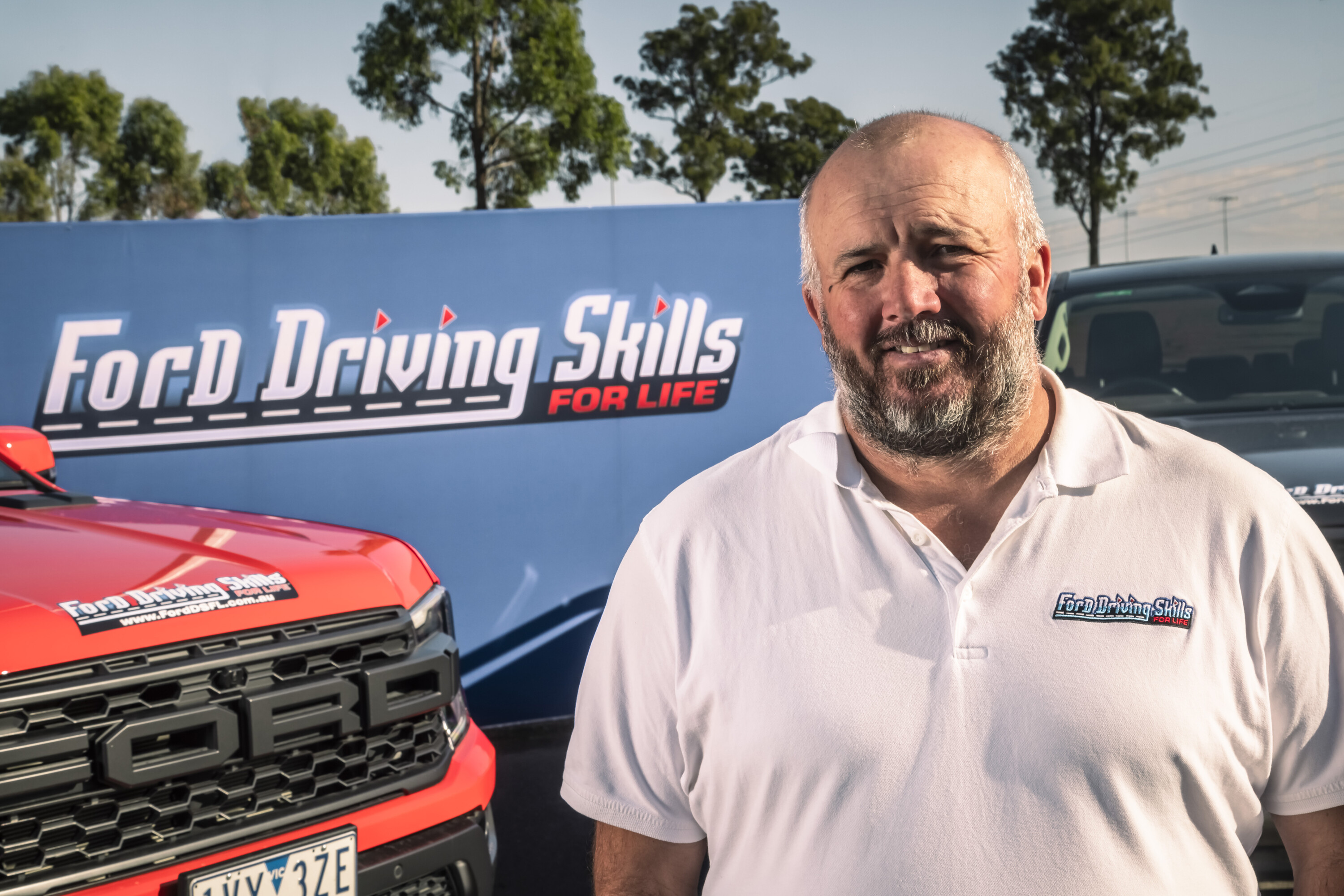
“Driving is a lifelong skill, and every day we are all still learning. When first learning how to drive, we rely on the skills and knowledge of the person who taught us, as well as the roads and surfaces we were comfortable practising on,” said James Stewart, Ford Driving Skills for Life Program Director in Australia.
1
“If a teacher has a bad driving habit, that will be passed onto the student, so it’s important to break that cycle with professional training.
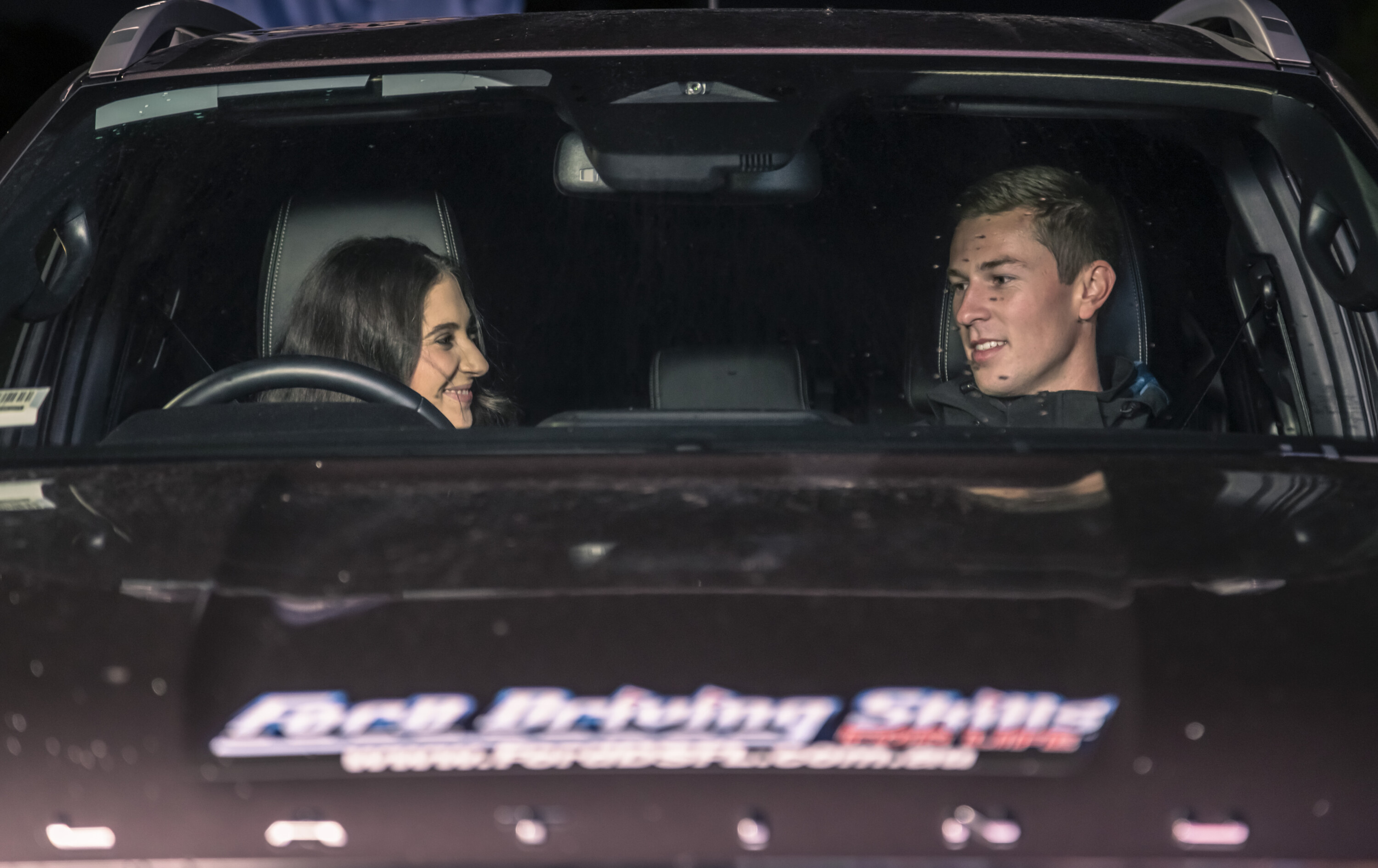
“The lessons taught in the Driving Skills for Life program will arm the next generation of drivers with skills that will help them when they need it most on the road,” Stewart said.
1
When asked about their experience when first learning how to drive, 71% of Queensland respondents felt that they passed their learners permit with the full complement of driving skills needed – while an astonishing 94% claimed to now be better or equal to the person who taught them.
In terms of generational comparison, this sentiment hits home for Queensland local and legendary race driver Dick Johnson, and his grandson Jett. “The biggest thing I could say to parents when they’re teaching their kids to drive is to be very patient and remain calm. And if you don’t think you’re a good enough driver – get someone else to do it, otherwise you’ll just make them as bad as you are,” said Dick Johnson.
Jett Johnson, currently racing in Super2 for Zane Morse Racing, said “a lot of driving schools teach you how to pass your test, but at the end of the day, the biggest thing is getting your hours up and getting experience. Every day you’ll get on the road, and nothing is the same, everything is always different, so there’s no substitute for experience.”
The 2024 Ford Driving Skills for Life program will be collaborating with local councils and high schools across regional Queensland throughout May.
1
