
Snapshot
- 1921 built prototype stands as Aston’s oldest surviving car
- Vantage roadster tribute mechanically unchanged from donor
- Production limited to three units
British marque Aston Martin has celebrated the 100th anniversary of its oldest surviving car being produced with a very-limited edition Vantage V8 roadster.
The car being celebrated is the Aston Martin A3, the company’s third ever car which was produced in 1921 and became the first racing Aston, fitted with a 1.5-litre four-cylinder engine which made just 11hp (8.2kW).
With an AMG-built twin-turbo V8 engine, the Vantage A3 tribute car makes a touch more power – with around 375kW being sent to the rear axle and put to the ground through 20-inch wheels.

Ordered as a commission by the HWM Aston Martin dealership, the longest-serving in the company’s history, the A3 features a black grille with an aluminium surround, black body paint and bronze brake calipers.
Sitting just behind the front quarter panels, and in front of the doors, is a small aluminium panel which is fixed with a leather saddle strap, taking inspiration from the bonnet and strap from the original A3 which was engraved with ‘No. 3’.
Inside the original A3’s influence continues, the cabin awash with chestnut tan leather accents and stitching, period-correct embossed logos and cast brass rotary dials, giving a real 1920s ambiance.

Aston Martin’s director of Q branch and special project sales, Simon Lane, said it was an honour to recreate such an important car for the company.
“It is only right this great marque takes the opportunity to celebrate the centenary of its oldest surviving model and I am thrilled my team, working with the AMHT and Aston Martin HWM, has been able to create this tasteful yet suitably exhilarating tribute to its historic forebear.”
Orders can only be taken through the HWM Aston Martin dealership but, with only three examples on offer, it’s unlikely it will still be available.

Holden and Nissan both have iconic coupes in their trophy cabinet. Today, their successors – the reborn Monaro CV8 and 350Z – are at it again.
This article was first published in the June, 2003 issue of MOTOR
Times, they have a-changed. Back in the ’60s and ’70s, when these iconic badges first appeared, you’d have been charged with heresy had you compared the Datsun 240Z with Holden’s GTS Monaro.
You see, the 240Z was, well, Japanese, and at around $4500 in 1971 it was nearly $1200 – or more than 25 per cent – pricier than the local coupe. And besides, both Ford and Chrysler had two-door muscle cars to go up against the Chev-engined Holden.
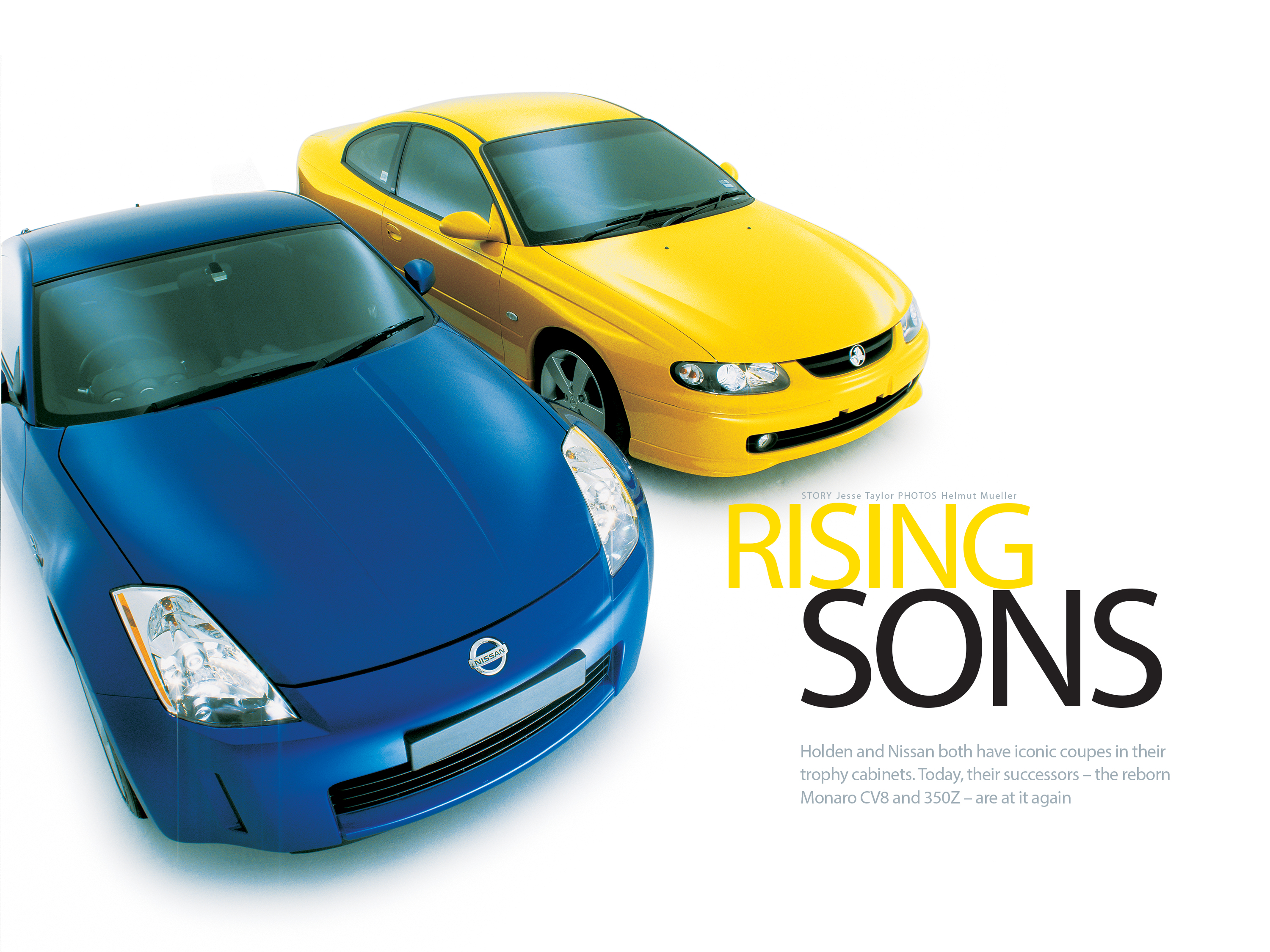
Fast forward 30 years to the second coming of the Monaro. It arrived in late 2001 and recreated a unique niche. Here was a powerful, well equipped, rear-drive coupe at a smidge under $60k. Direct rivals were hard to come by, with the smaller and less lavish Nissan 200SX nearly $20k down the tree. On the other side of the CV8 ledger sat the hard-hitting but crude Ford Mustang at a hard-on-the-stomach 85 grand.
From there you move into Bavarian coupe territory, including the $100k BMW 330Ci and the brilliant M3 nudging $150k. Of course, the Monaro is well out of its weight division by this stage and any comparo would be pointless. Probably the closest competitor on price and equipment, if not philosophy, was the Audi TT 1.8 turbo, wearing a $70,000 sticker. Not that we were sure there was a lot of buyer crossover going on there.
Just 18 months later, though, and the Monaro’s got some company in its once-lonely niche. Mazda’s rotary-powered RX-8 – we reckon it’s a four-door coupe, so no letters, okay? – will be driving off the boat soon, starting at under 60 grand. The funky Mazda will be joined later in the year by Chrysler’s Crossfire. No price has been set by Chrysler Oz, but you’d bet around the $60-70k mark.
But the first foreigner to take the fight to the local coupe hero is Nissan’s 350Z.
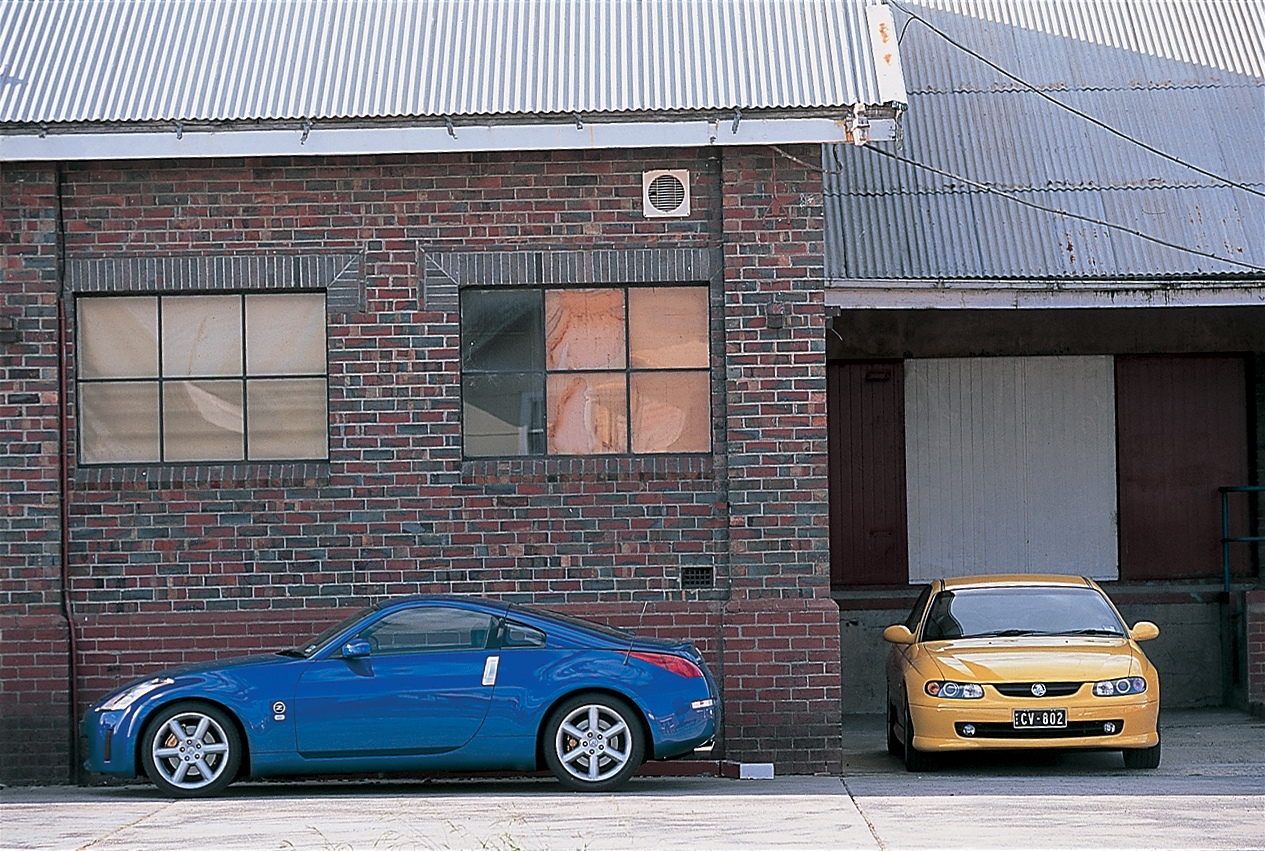
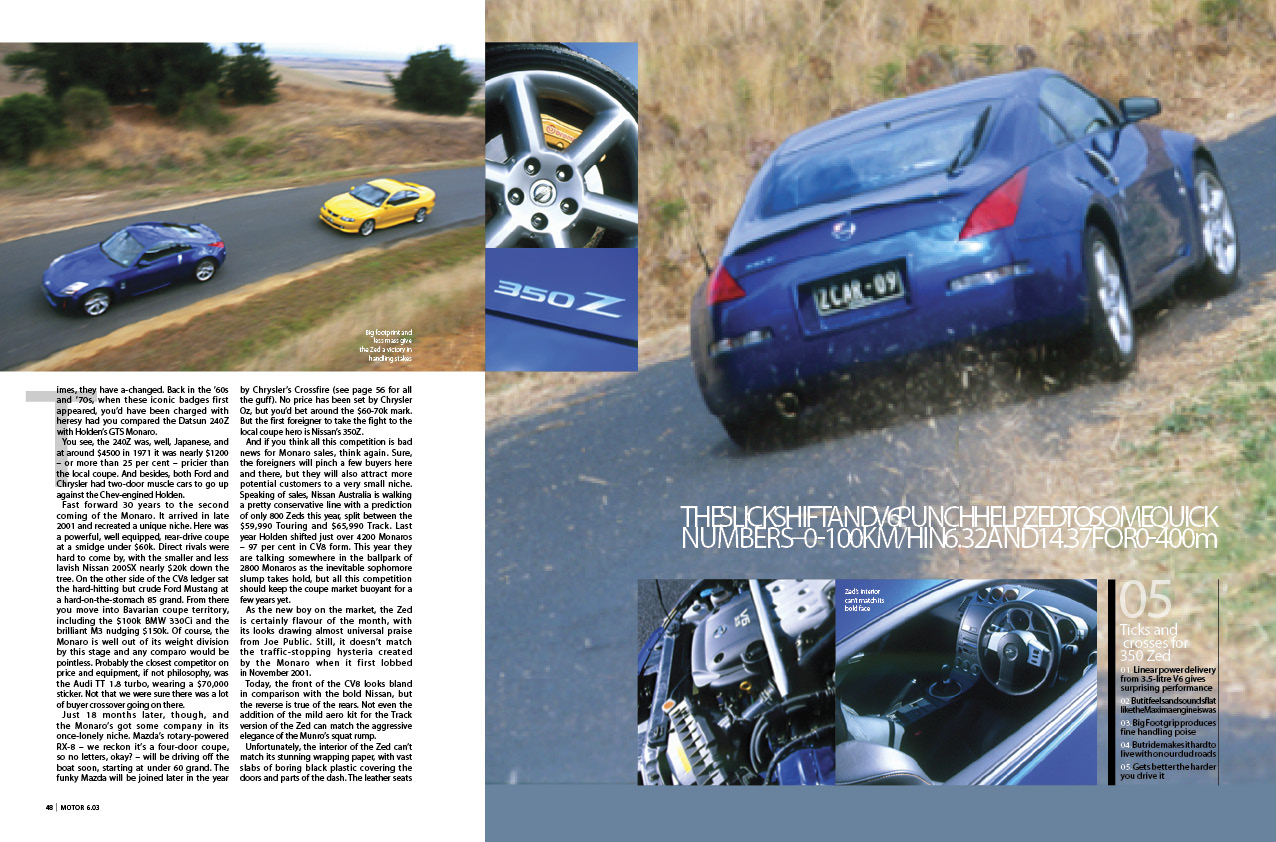
“The slick shift and V6 punch help Zed to some quick numbers – 0-100 km/h in 6.32 and 14.37 for 0-400m”
And if you think all this competition is bad news for Monaro sales, think again. Sure, the foreigners will pinch a few buyers here and there, but they will also attract more potential customers to a very small niche. Speaking of sales, Nissan Australia is walking a pretty conservative line with a prediction of only 800 Zeds this year, split between the $59,990 Touring and $65,990 Track.
Last year Holden shifted just over 4200 Monaros – 97 per cent in CV8 form. This year they are talking somewhere in the ballpark of 2800 Monaros as the inevitable sophomore slump takes hold, but all this competition should keep the coupe market buoyant for a few years yet.
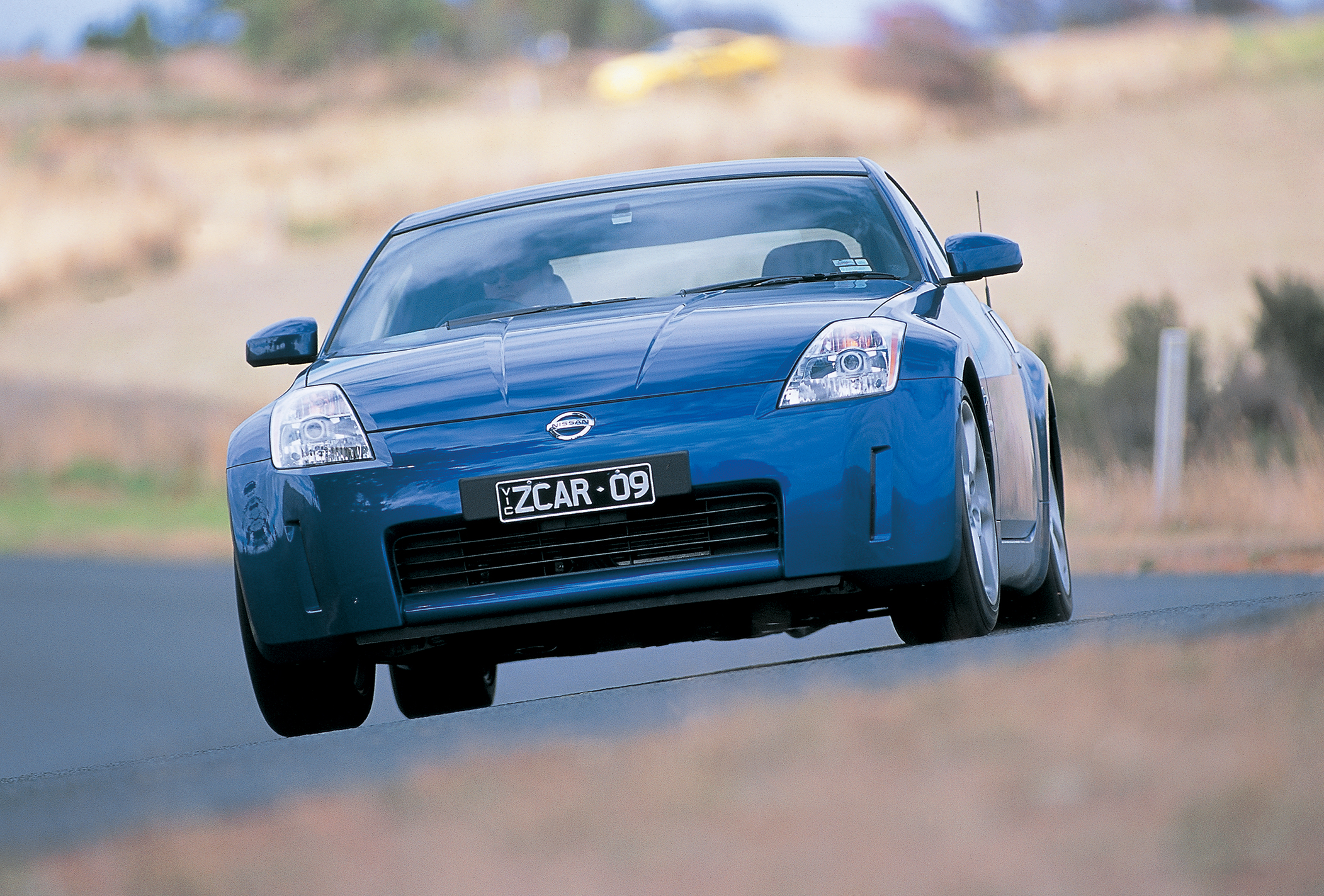
As the new boy on the market, the Zed is certainly flavour of the month, with its looks drawing almost universal praise from Joe Public. Still, it doesn’t match the traffic-stopping hysteria created by the Monaro when it first lobbed in November 2001.
Today, the front of the CV8 looks bland in comparison with the bold Nissan, but the reverse is true of the rears. Not even the addition of the mild aero kit for the Track version of the Zed can match the aggressive elegance of the Munro’s squat rump.
Unfortunately, the interior of the Zed can’t match its stunning wrapping paper, with vast slabs of boring black plastic covering the doors and parts of the dash. The leather seats are supportive, however, and the equipment includes a gun six-disc Bose CD player.
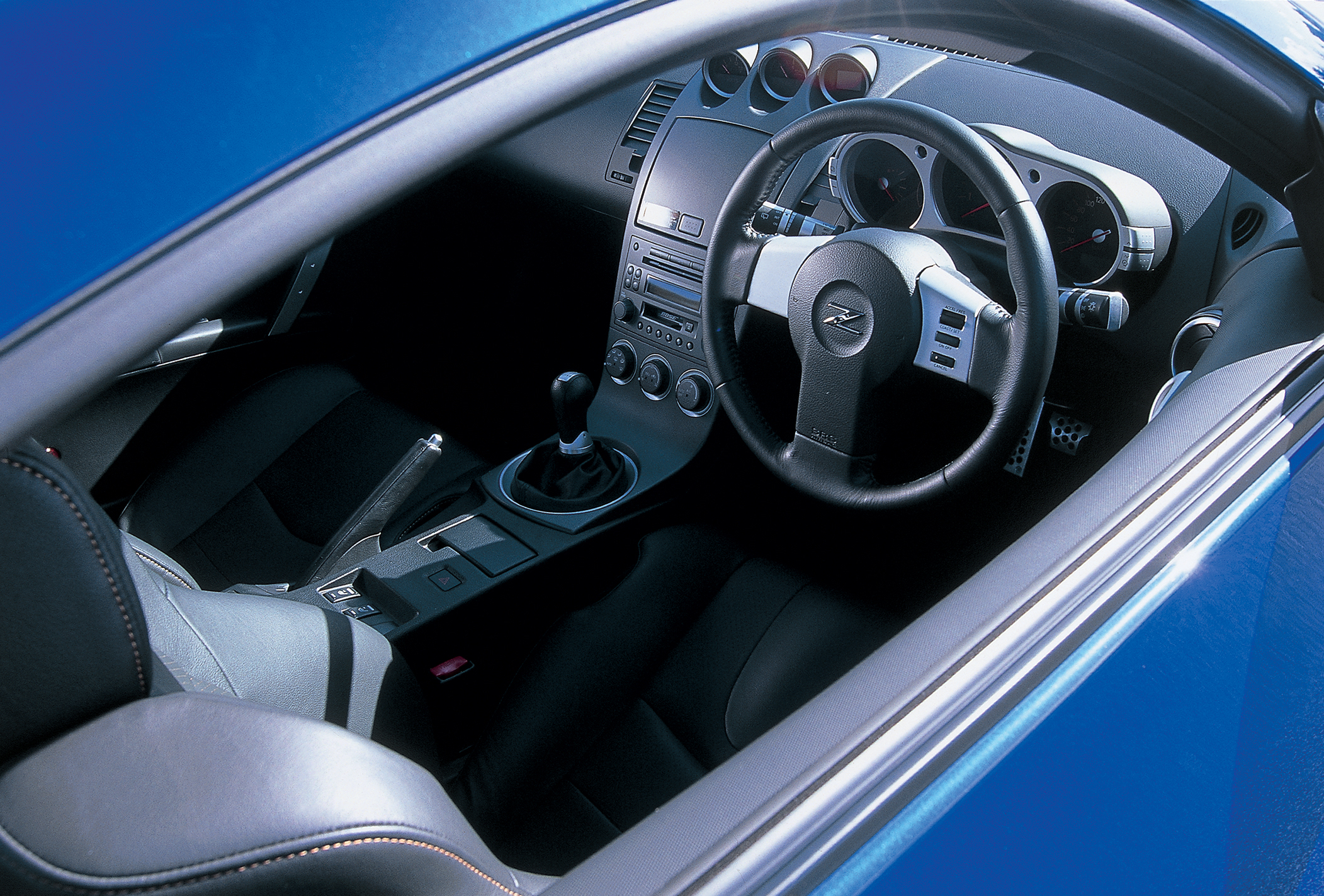
The Munro’s interior offers similar levels of equipment, with leather seats – four to the Nissan’s two – and a 10-disc CD stacker.
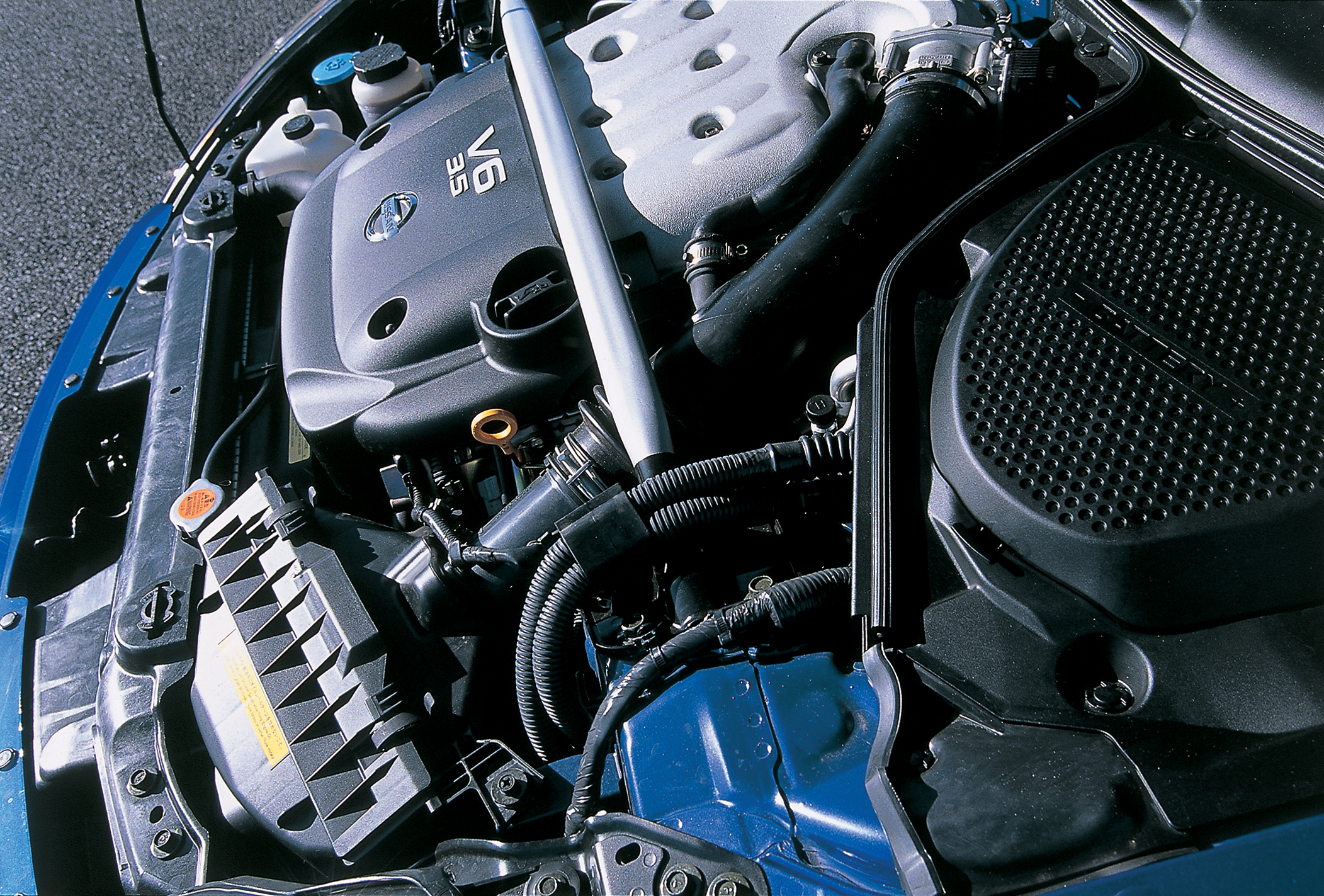
Nestling between the Nissan’s flared front guards is a 3.5-litre version of the Maxima’s 3.0-litre V6. The SOHC bent six is good for the Japanese standard maximum 206kW at a lowish 6200rpm and 363Nm at highish 4800 revs. The raw numbers are good but suggest that there is a relatively narrow band between torque and power peaks.
Nothing could be further from the truth. From two grand all the way to the 6600 rpm redline on the centrally mounted tacho there’s seamless power with no peaks or troughs. This linearity, while an easy way to propel a car quickly, can make an engine feel a little flat and lifeless, and this impression is only reinforced by the Zed’s gruff but droning exhaust note.
Thankfully the slick six-speed gearbox, no relation to the one found in the Nissan 200SX, breathes life back into the driving experience. A snappy wrist flick is all that’s required to stab the stubby shift lever through the six well spaced ratios. If you can’t be bothered with your own shifts, a five-speed auto is presently available in the Touring but won’t be in the Track until later this year.
It’s funny that the much larger-capacity and comparatively low-tech Gen III V8 feels and sounds sportier than the Nissan’s motor. With 235 kW at 5200 rpm and 465 Nm at 4400 revs, the 5.7-litre V8 kicks some theoretical sand in the face of the Zed.
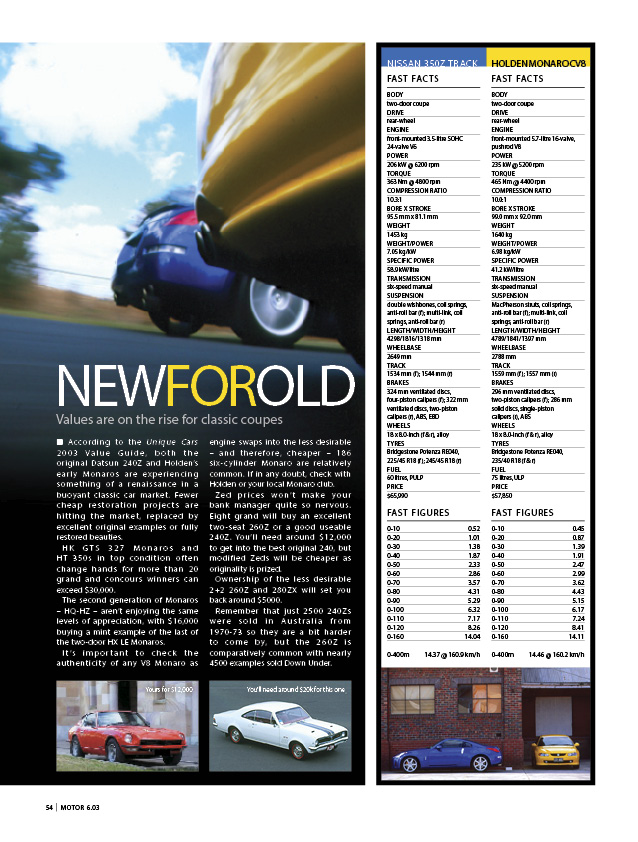
But the Holden’s 30 kW and 100 Nm advantage is all but negated when you factor in kerb weights. At 1640 kg, the CV8 is the better part of 200 kegs heavier, resulting in near identical weight-to-power ratios of 6.98 kg/kW for the Monaro and 7.05 kg/kW for the Nissan.
Much has already been written in MOTOR about the six-speed Tremec gearbox found behind Gen IIIs and its reluctance to perform anything resembling a fast shift. The thing is, most of the time you can use the engine’s reserves of power and torque, along with its willingness to rev, and drive around the troublesome ’box. Start by using just the third and fourth plane – forget fifth and sixth unless you’re planning an intergalactic drive – and you should have fewer problems.
It’s when the road tightens and you’ve got to blonk it back to second that you start to wish for the Nissan’s gearbox. A closer- packed pedal box would help no end, too. As it is, there’s no way for any human to heel and toe a downshift. There’s no such dramas in the 350Z, with the metal-capped pedals all within easy reach of my size 12 sneakers.
The Holden also suffers at the hand of its gearbox when it comes time for performance testing. That recalcitrant second-third shift wastes tenths of seconds, not hundredths.
For whatever reason, we’ve never had any of Holden’s coupes match their sedan counterparts on the drag strip, and weight isn’t a factor as the coupes are a touch lighter. The top-of-the-tree HSV GTS sedan posted a blistering 5.24 seconds for the 0-100 km/h sprint and stopped the clocks at just 13.36 on the way to 400 metres, but the two-door GTS is a full half a second slower out of the gate and still trails the sedan by four-tenths at 400 metres.
Even the entry-level Monaro CV6 is slower than the supercharged Commodore S by similar margins. And so it is no surprise that the Monaro CV8 was only good for a 6.17 second 0-100 km/h sprint and 14.46 to 400 metres. That’s about half a second slower than an SS at the quarter mile.
This is the first time we’ve strapped our Correvit to a Zed, and it’s no picnic to get fast numbers out of it. You’ll need more revs than in the Munro to rotate the 18-inch 245/45 Bridgestone Potenzas just enough for the right balance of grip and slip. Once hooked up, things become easier as the slick shift and V6 punch help the Zed to some surprisingly quick numbers: 0-100 km/h in 6.32 seconds and 14.37 for the quarter mile, with a terminal speed right on the old ton.
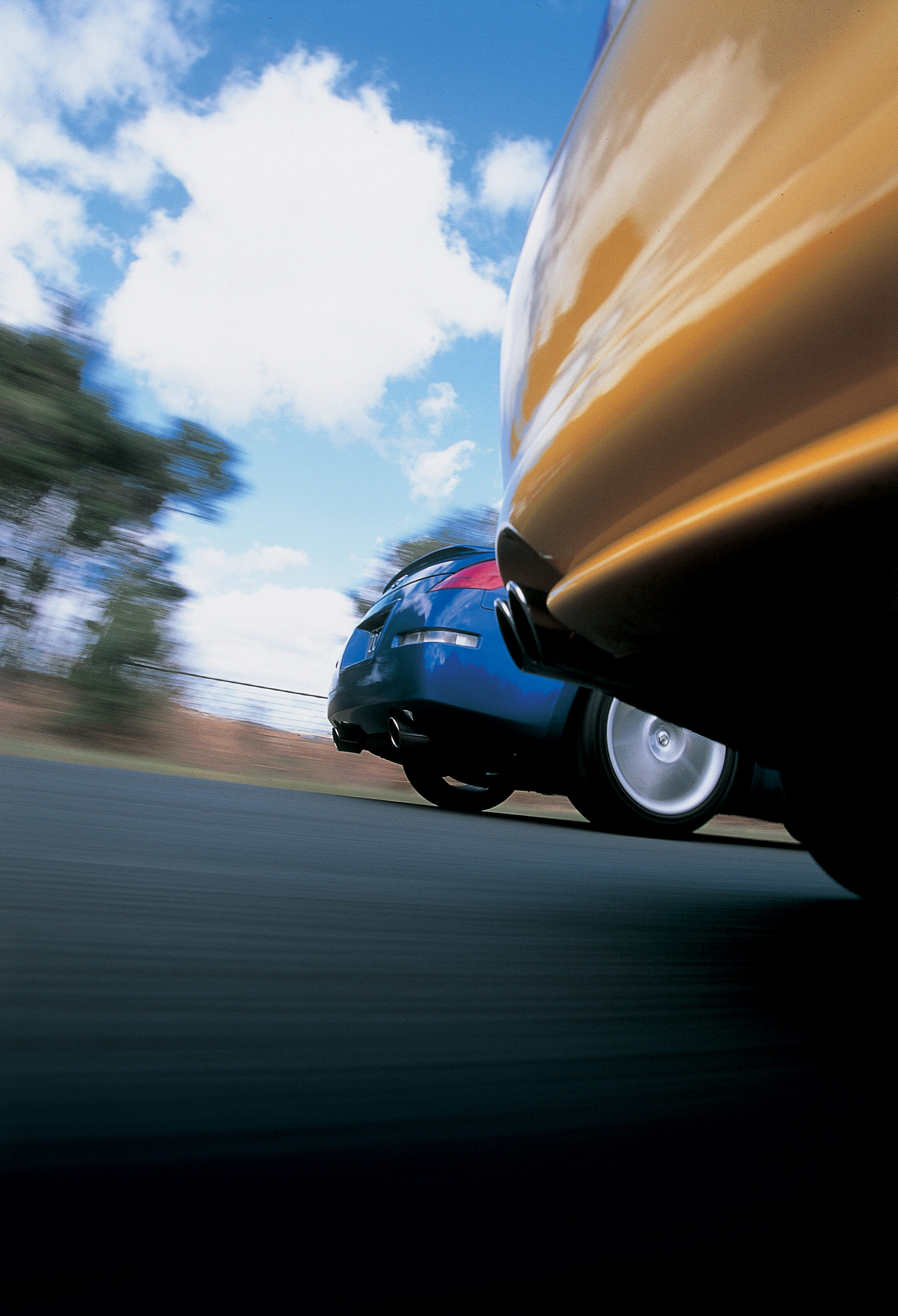
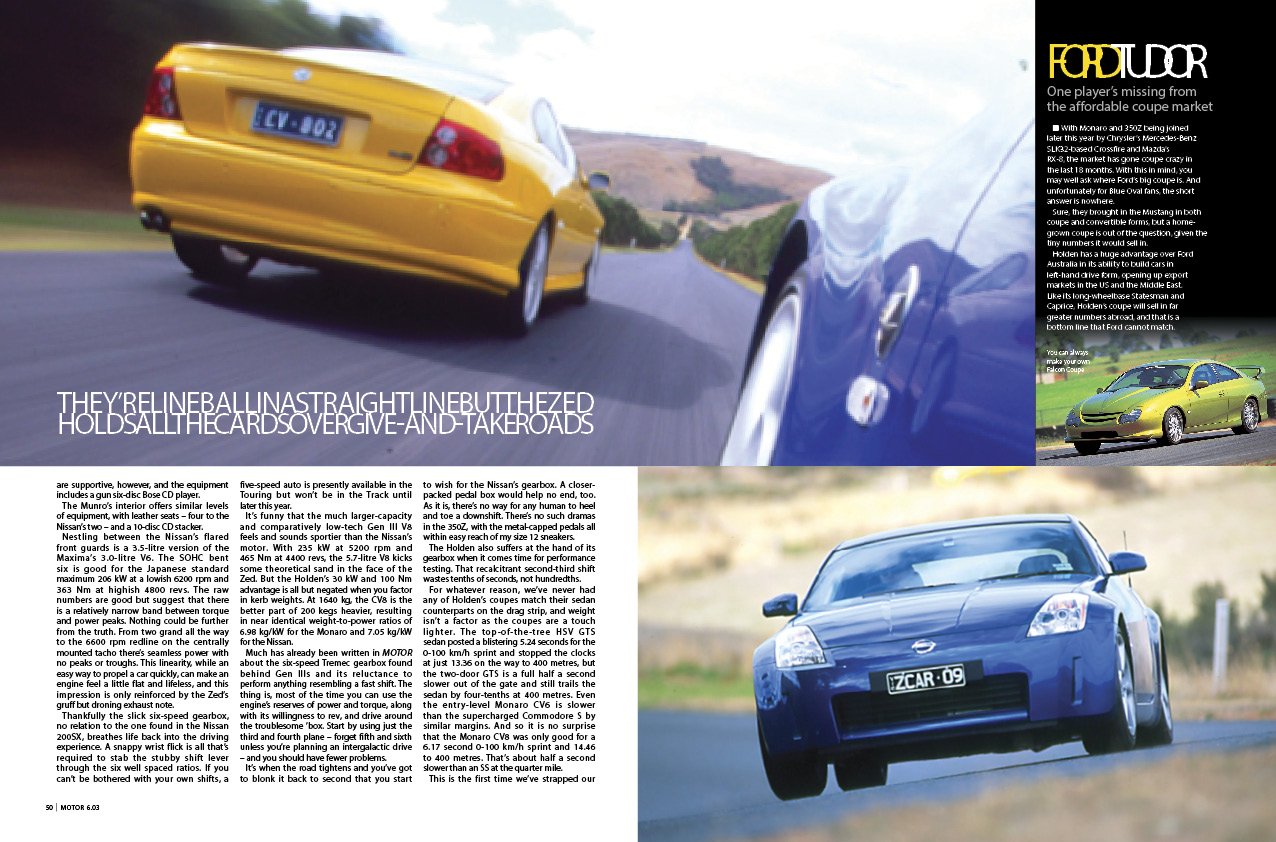
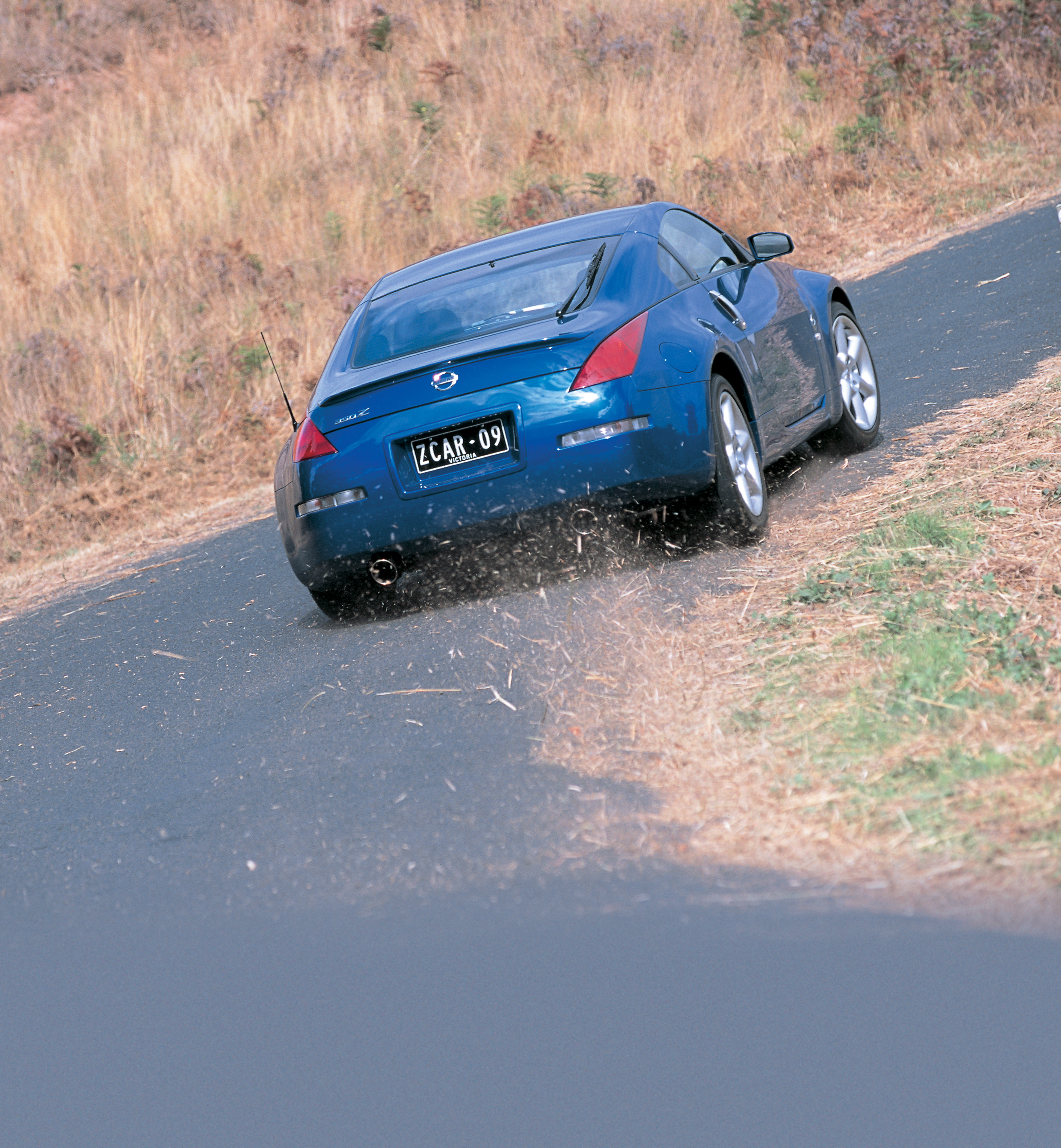
So they’re line-ball in a straight line, but the Zed holds all the cards over give-and-take back roads when the chassis are really tested. There’s way more grip from the Bridgestones than there is grunt from the V6 engine, to the point where the switchable traction control is scarcely bothered in the dry. Turn-in grip is high and there’s decent feedback through the wheel.
The Monaro also wears Bridgestone Potenzas on its redesigned 18-inch alloys, albeit 235/40s all around. Even with the improvements to Holden’s steering in the last few years, it’s still not the final word on communication. Back to back, the Monaro feels far softer, almost lifting its nose out of the water under hard acceleration and leaning heavily on the outside front Potenza when tipped into a tightening-radius corner.
The thing with the Zed is that it gets better the harder you drive it. Anything below about six-tenths and you probably won’t understand what all the fuss is about. It’s not until you really dig below the Zed’s surface that it starts to shine.
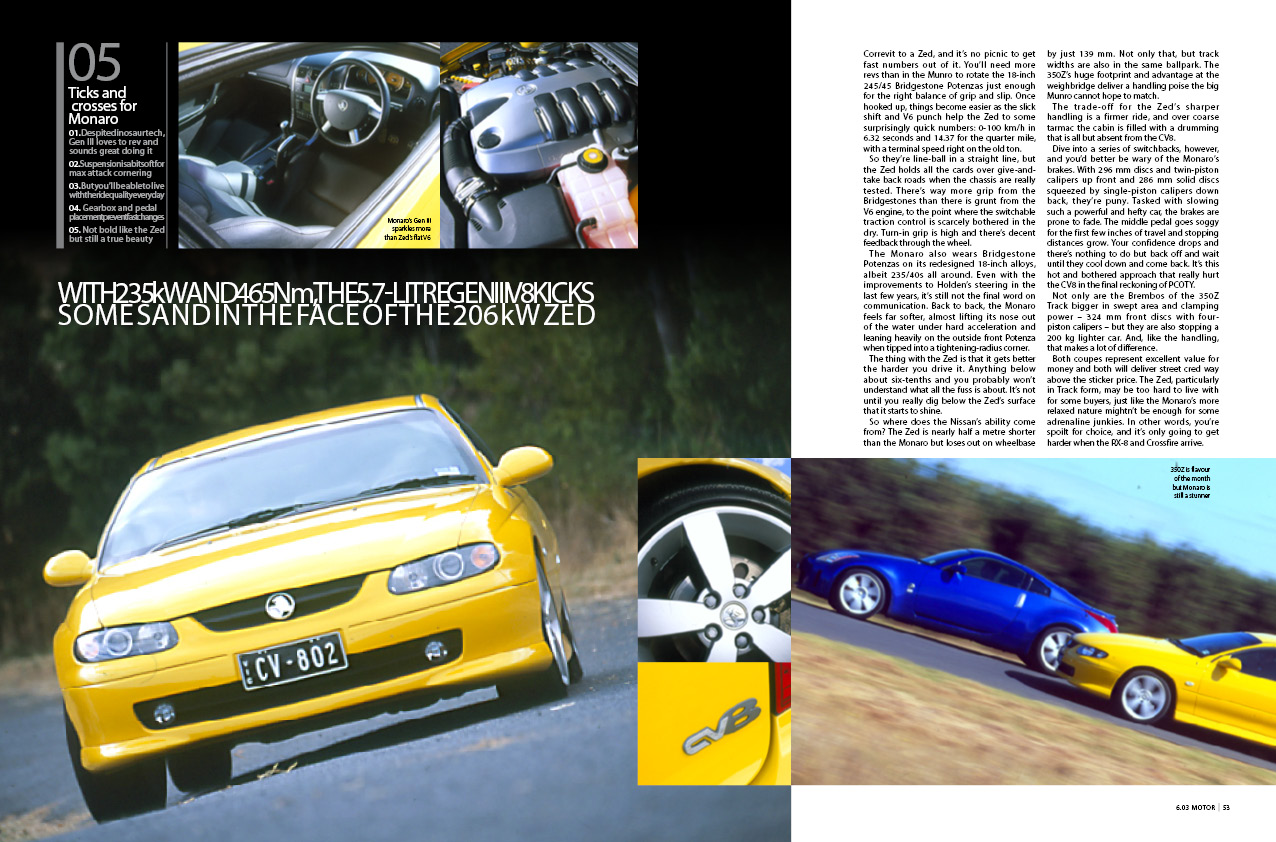
So where does the Nissan’s ability come from? The Zed is nearly half a metre shorter than the Monaro but loses out on wheelbase by just 139 mm. Not only that, but track widths are also in the same ballpark. The 350Z’s huge footprint and advantage at the weighbridge deliver a handling poise the big Munro cannot hope to match.
The trade-off for the Zed’s sharper handling is a firmer ride, and over coarse tarmac the cabin is filled with a drumming that is all but absent from the CV8.
Dive into a series of switchbacks, however, and you’d better be wary of the Monaro’s brakes. With 296 mm discs and twin-piston calipers up front and 286 mm solid discs squeezed by single-piston calipers down back, they’re puny. Tasked with slowing such a powerful and hefty car, the brakes are prone to fade.
The middle pedal goes soggy for the first few inches of travel and stopping distances grow. Your confidence drops and there’s nothing to do but back off and wait until they cool down and come back. It’s this hot and bothered approach that really hurt the CV8 in the final reckoning of PCOTY.
Not only are the Brembos of the 350Z Track bigger in swept area and clamping power – 324 mm front discs with four-piston calipers – but they are also stopping a 200 kg lighter car. And, like the handling, that makes a lot of difference.
Both coupes represent excellent value for money and both will deliver street cred way above the sticker price. The Zed, particularly in Track form, may be too hard to live with for some buyers, just like the Monaro’s more relaxed nature mightn’t be enough for some adrenaline junkies. In other words, you’re spoilt for choice, and it’s only going to get harder when the RX-8 and Crossfire arrive.
New For Old
Values are on the rise for classic coupes
According to the Unique Cars 2003 Value Guide, both the original Datsun 240Z and Holden’s early Monaros are experiencing something of a renaissance in a buoyant classic car market. Fewer cheap restoration projects are hitting the market, replaced by excellent original examples or fully restored beauties.
HK GTS 327 Monaros and HT 350s in top condition often change hands for more than 20 grand and concours winners can exceed $30,000.
The second generation of Monaros – HQ-HZ – aren’t enjoying the same levels of appreciation, with $16,000 buying a mint example of the last of the two-door HX LE Monaros.
It’s important to check the authenticity of any V8 Monaro as engine swaps into the less desirable – and therefore, cheaper – 186 six-cylinder Monaro are relatively common. If in any doubt, check with Holden or your local Monaro club.
Zed prices won’t make your bank manager quite so nervous. Eight grand will buy an excellent two-seat 260Z or a good useable 240Z. You’ll need around $12,000 to get into the best original 240, but modified Zeds will be cheaper as originality is prized.
Ownership of the less desirable 2+2 260Z and 280ZX will set you back around $5000.
Remember that just 2500 240Zs were sold in Australia from 1970-73 so they are a bit harder to come by, but the 260Z is comparatively common with nearly 4500 examples sold Down Under.
(Ed’s note: These 2003 values make for pretty depressing reading in 2021, don’t they?)
The conventional wisdom is that electric vehicles will upend the automotive establishment. Electric vehicles are cheaper to design and engineer than internal-combustion engine vehicles. They can be built using off-the-shelf components such as e-motors, inverters and battery packs readily sourced from third-party suppliers. And their simpler platforms potentially have a longer lifecycle, requiring only a new ‘top hat’ – bodywork and interior hardware – every few years to keep consumers interested, with functional improvements delivered via over-the-air software upgrades.
The conventional wisdom is that, unburdened by legacy technologies, legacy factories, legacy brands and legacy thinking, a new wave of lean and agile electric vehicle manufacturers is poised to finally break through the cost and complexity barriers that have long insulated conventional carmakers from outside competition. Want proof? Just look at Tesla, say the pundits. A Silicon Valley start-up that built its first electric vehicle in 2009, Tesla finished 2020 valued at more than industry behemoths Volkswagen, Toyota, Mercedes-Benz and General Motors – combined.
But the conventional wisdom is wrong, says Volvo’s chief technology officer, the aptly named Henrik Green.

Green acknowledges the technology arms race unleashed by the new electric vehicle manufacturers, and the entrance of tech companies into the sector, challenges the car industry’s traditional ways of working. But he says that doesn’t mean the electric vehicle newcomers have an inherent advantage over the old order.
The popular idea that electric vehicle powertrains mean simpler vehicle architectures that can underpin more types of vehicles and can be kept in production for longer is flawed, says Green. “It’s easy to fall into the trap that electric vehicle platforms will be simpler and have longer model cycles,” he says. “Traditionally, whoever could do the most vehicles on the same platform would win, but in this new world if you make a platform and believe you can keep it the same for 10 years, you will probably be dead in 10 years.”
In this new world, if you make a platform and believe you can keep it the same for 10 years, you will probably be dead in 10 years
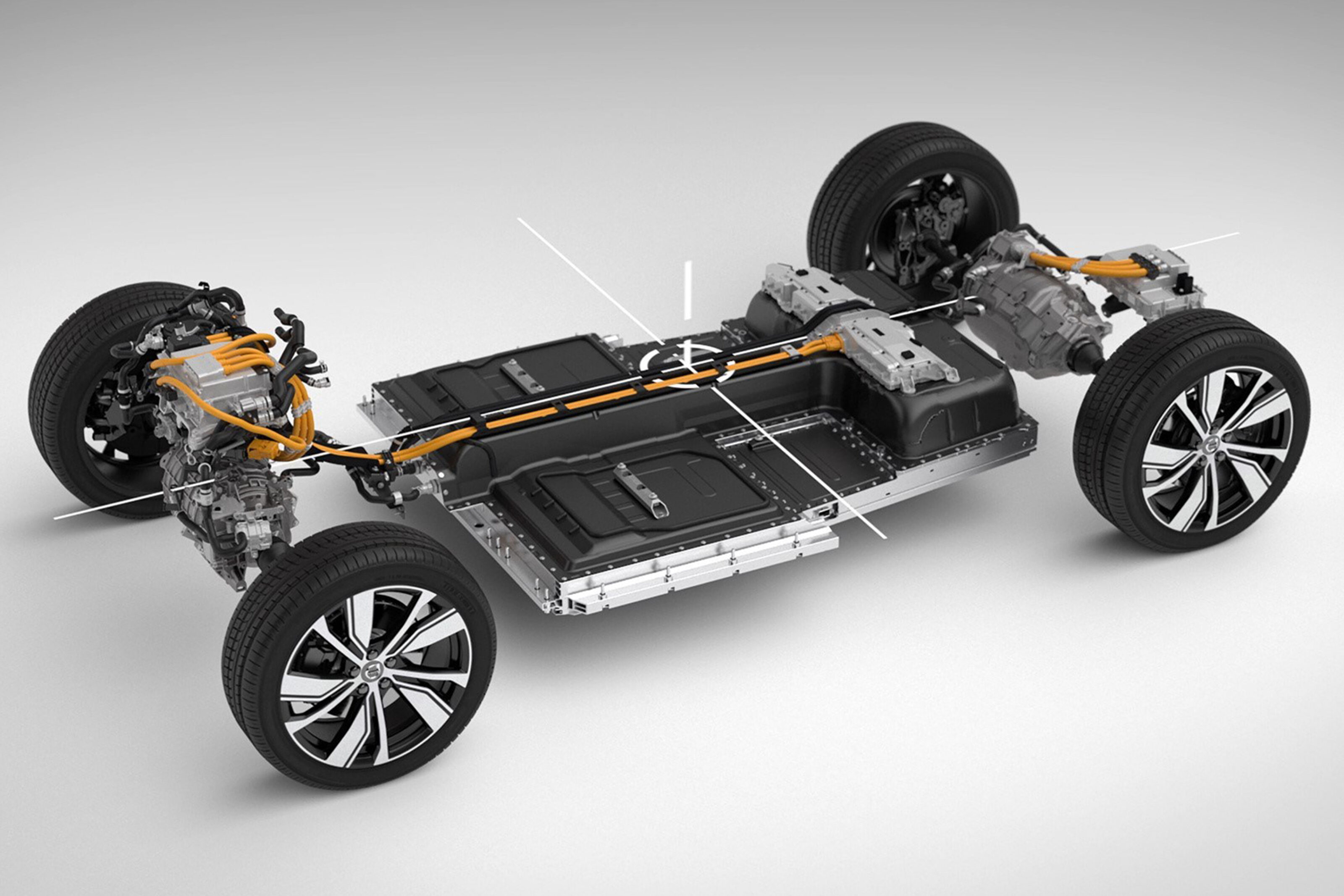
Speed of development – the ability to get redesigned vehicles with new features to market faster than a competitor – will be the key differentiator between carmakers in the electric age, Green insists. And so far Tesla has yet to prove itself better than the automotive establishment; despite improvements in performance and range, its flagship Model S is fundamentally the same car it launched in 2012. Every single vehicle in Volvo’s current line-up is younger.
What’s more, Green believes the skateboard platform favoured by many electric vehicle start-ups is an inefficient solution in terms of both weight and packaging. Far better, he argues, to integrate battery cells directly into the vehicle’s body structure and use e-motors and inverters that are tailored to a vehicle’s performance and packaging parameters. That’s why Volvo, which has announced it will produce nothing but electric vehicles by 2030, has established its own battery lab, and is about to start designing its own e-motors with integrated inverters.

“We gain in electrical efficiency,” Green says. “We gain in space efficiency. We gain in weight efficiency. There are so many areas where we can still optimise what from the beginning looks like a fairly simple solution.”
The point is, Volvo isn’t the only legacy manufacturer that is pivoting to focus on electric vehicles. Billions are now being splurged on electric vehicle development by all the major legacy car makers, and Green believes the electric vehicle start-ups are going to need very deep pockets to stay in the game. “Our conclusion is that doing a brand-new electric vehicle is not going to be cheaper than doing a brand-new internal-combustion-engine vehicle.”
Tesla and the rest, you’re on notice: The empire is about to strike back.
Audi’s newest addition to its growing range of electric offerings is the Q4 E-Tron, revealed in April with both wagon and swoopy Sportback body styles.
At the time, an Australian debut would have seemed a certainty, giving Audi a player in the sub-$100,000 segment that will soon have the $76,990 Volvo XC40 Recharge Pure Electric among its growing number.
However, for reasons still unclear – although potentially tied to the wider Volkswagen Group’s position on Australia’s lack of a national EV incentives and infrastructure program – the Q4 E-Tron’s local launch potential remains unclear.
The company’s Australian arm is positive, however, with a spokesperson telling Wheels this week that it’s keen to bring the new EV twins here.
“The Audi Q4 E-Tron is a really exciting part of Audi’s electric vehicle roll out strategy. We’re talking with AG about if and when this model might come to Australia,” Audi Australia communications manager Shaun Cleary said.
“It’s certainly of interest, and we feel an SUV of its size, especially an electrified version, would be of interest to our customers in the years ahead.”
If you want to know whether you should be beating on Audi’s door to get into the Q4 E-Tron, enjoy our European first-drive review below – and you can read more about the Q4 E-Tron here.
Mike Stevens
First drive: Q4 Sportback E-Tron
If the E-Tron SUV is the pioneer and the E-Tron GT is the speed and glamour, then the new Audi Q4 Sportback E-Tron is the EV that’ll pay Ingolstadt’s R&D bills. Based on the VW Group’s meticulously planned MEB platform, this small, electric crossover trades on the unstoppable SUV and EV trends seen in China and, well, everywhere.
But is Audi’s third electric car any good? We drove a left-hand drive example of the new Q4 Sportback E-Tron around Buckinghamshire to find out.
Design: It certainly looks like an Audi…
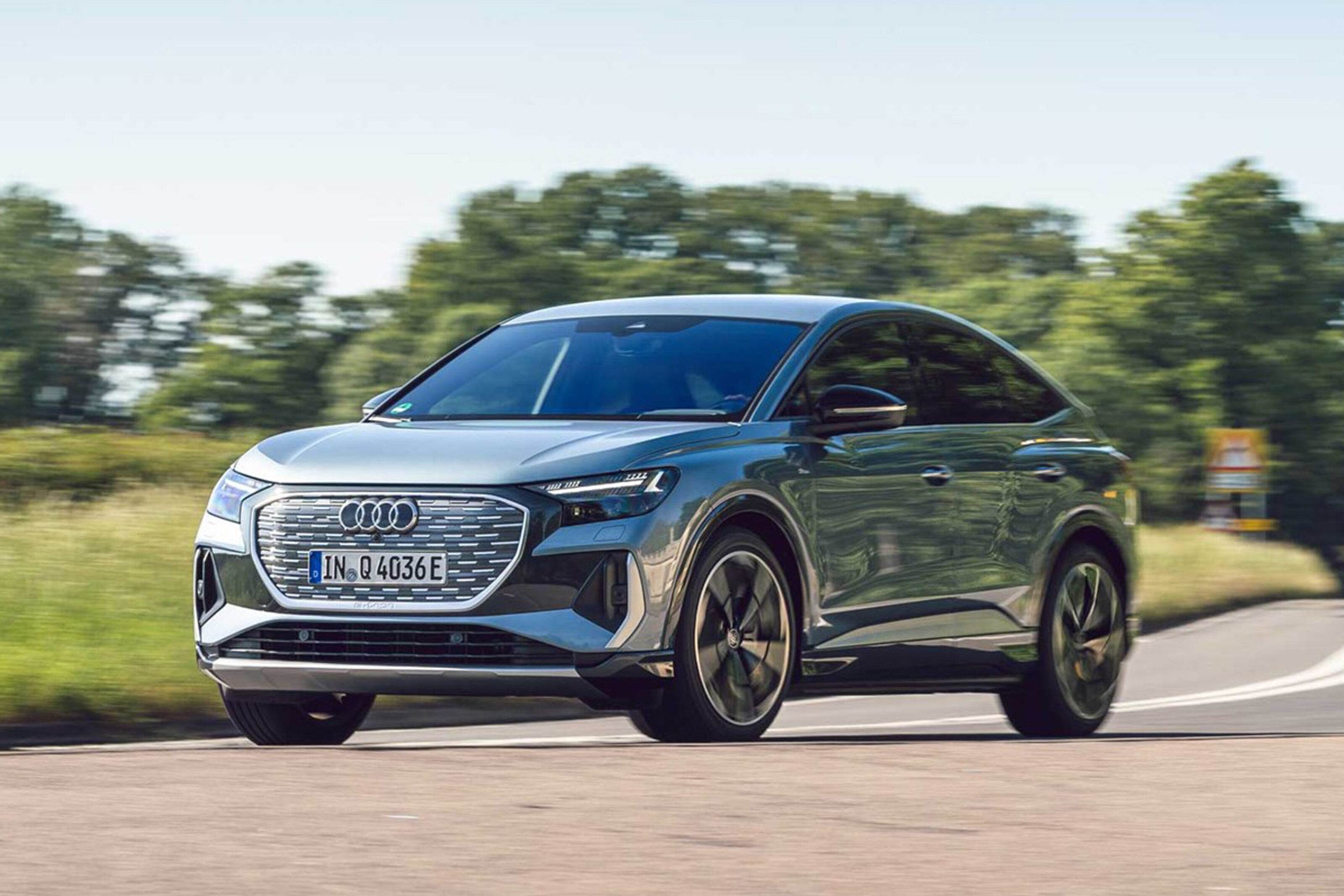
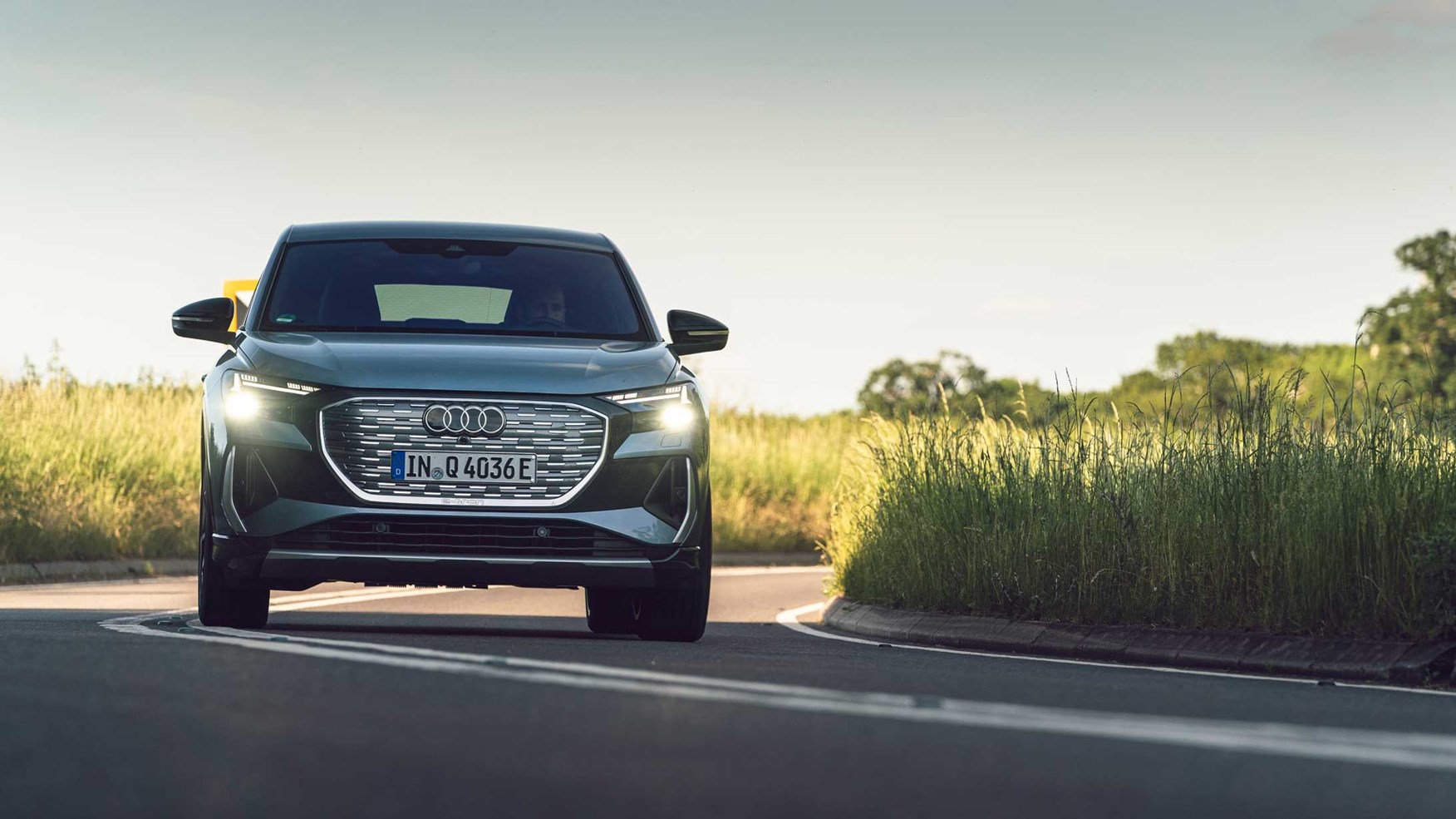
From the outside, the Q4 E-Tron follows the same semi-aggressive styling we’ve come to expect from the four rings. An inverted grille takes centre stage, and the rest of the car is a pleasing mixture of details, sharp lines and fussy light technology. Of course, the Sportback’s plunging roofline looks the better of the two models, though Audi says only 16 per cent of UK consumers will go for the sleeker fastback shape.
Inside, the Q4 E-Tron follows the same formula as other contemporary Audis: there’s a single 10.1-inch touchscreen in the middle of the dash, a virtual cockpit for digital dials and thankfully the climate control is still operated by real buttons. However, superfluous tech has crept into the steering wheel, which now features touch-sensitive buttons with haptic feedback (these may take some getting used to).
If the E-Tron SUV is the pioneer and the E-Tron GT is the speed and glamour, then the new Audi Q4 Sportback E-Tron is the EV that’ll pay Ingolstadt’s R&D bills
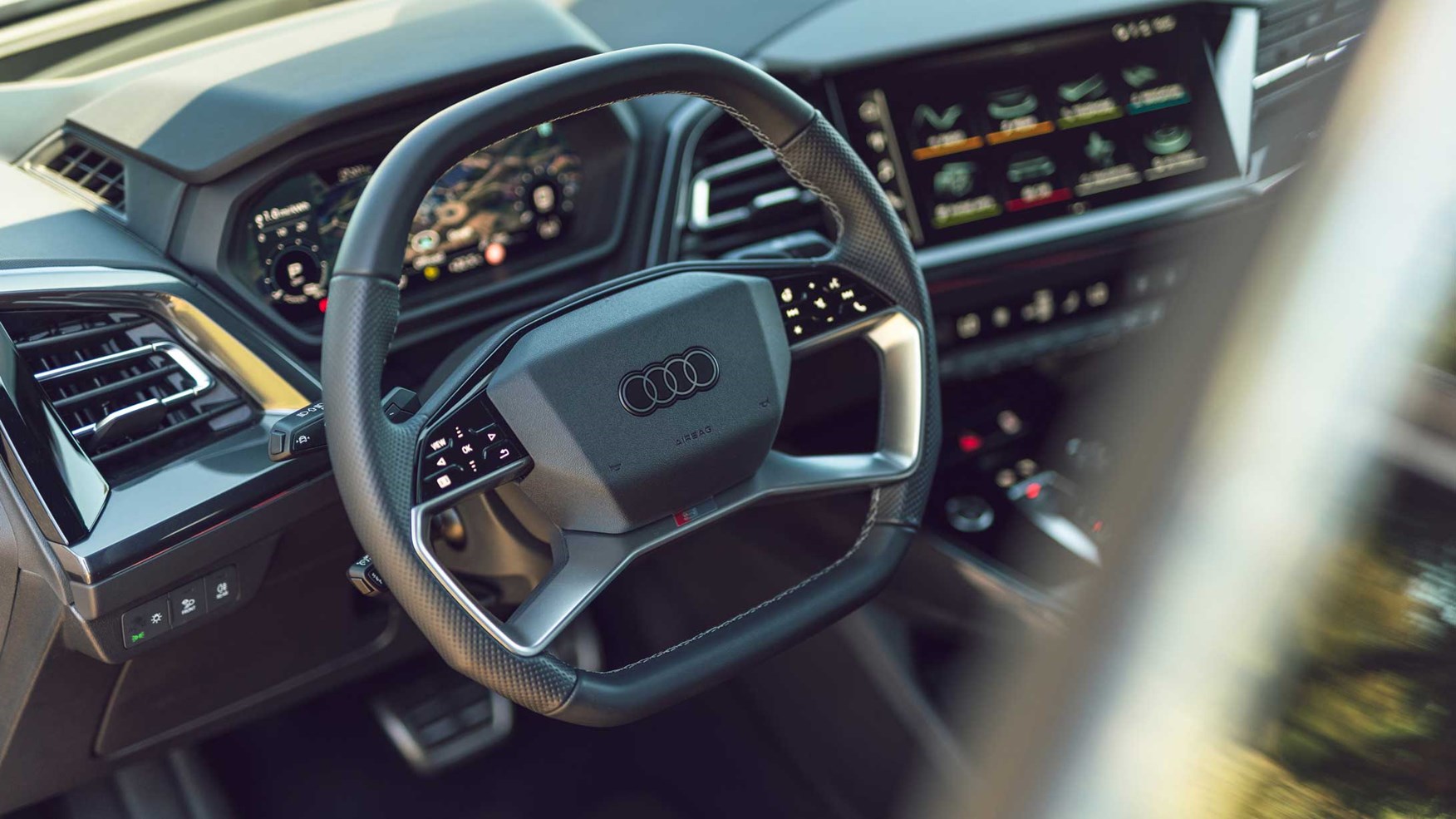
New for the Q4 Sportback E-Tron is an impressive S-Class-like head-up display, which beams the usual stuff like speed and directions, but also has helpful augmented reality capabilities. Arrows and adaptive cruise info are beamed directly into your eye line and can highlight the distance between you and the car in front – or make it really obvious which road to turn down. It’s neat stuff.
Swipe through a few menus and you’ll also find Q4 offers customers the ability to customise its daytime running light signatures. Four designs are available, all using Audi’s complex lighting systems to great effect – and it’s quite possible more variations will be added in future. A vital feature? Of course not, but a nice way to set ‘your’ Q4 apart from the rest.
However, the electric Q4 interior’s most important feature is the sheer amount of space on offer. Aside from a matchbox-sized gear selector, there’s not a hint of a transmission tunnel – and it means the Q4 feels like a much larger car once you shut the door. Think Q5 space with a Q3 footprint and you’re pretty much there. The rear is commendably roomy.
What’s it like to drive?
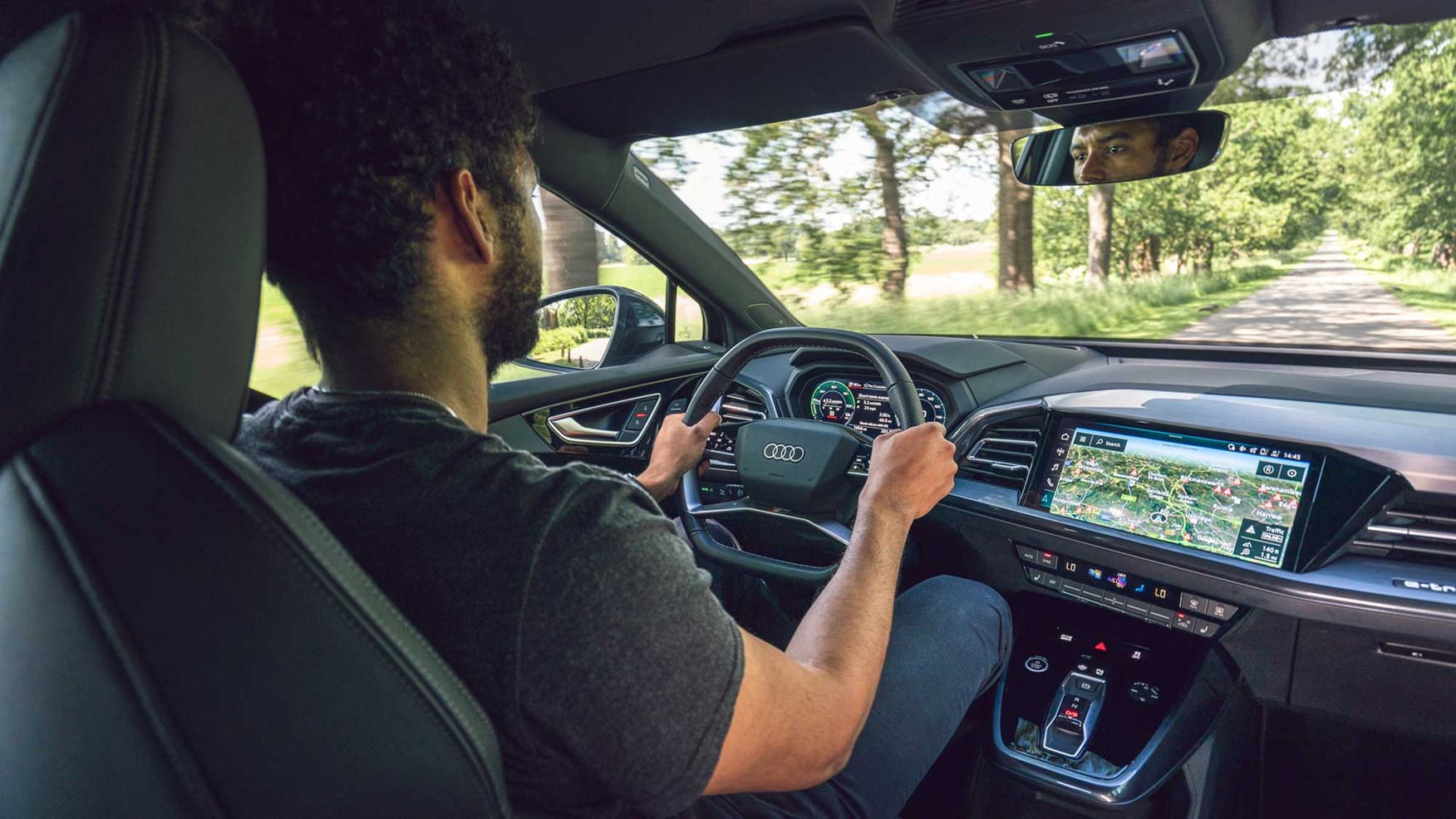
It doesn’t take much driving to realise the new Q4 E-Tron – in both SUV and Sportback shapes – is a new benchmark for electric SUVs, and smaller ones especially.
Steering is positive though not incredibly direct, while the chassis also contends with body roll well – even when opening up the 40’s 150 kilowatts on roundabouts and country roads. The Q4 doesn’t have the agility of an E-Tron GT of course, but it’s keener to turn in than the Skoda Enyaq and VW ID.4 with which it shares its platform, and it doesn’t feel overly cumbersome considering the heft of those batteries onboard.
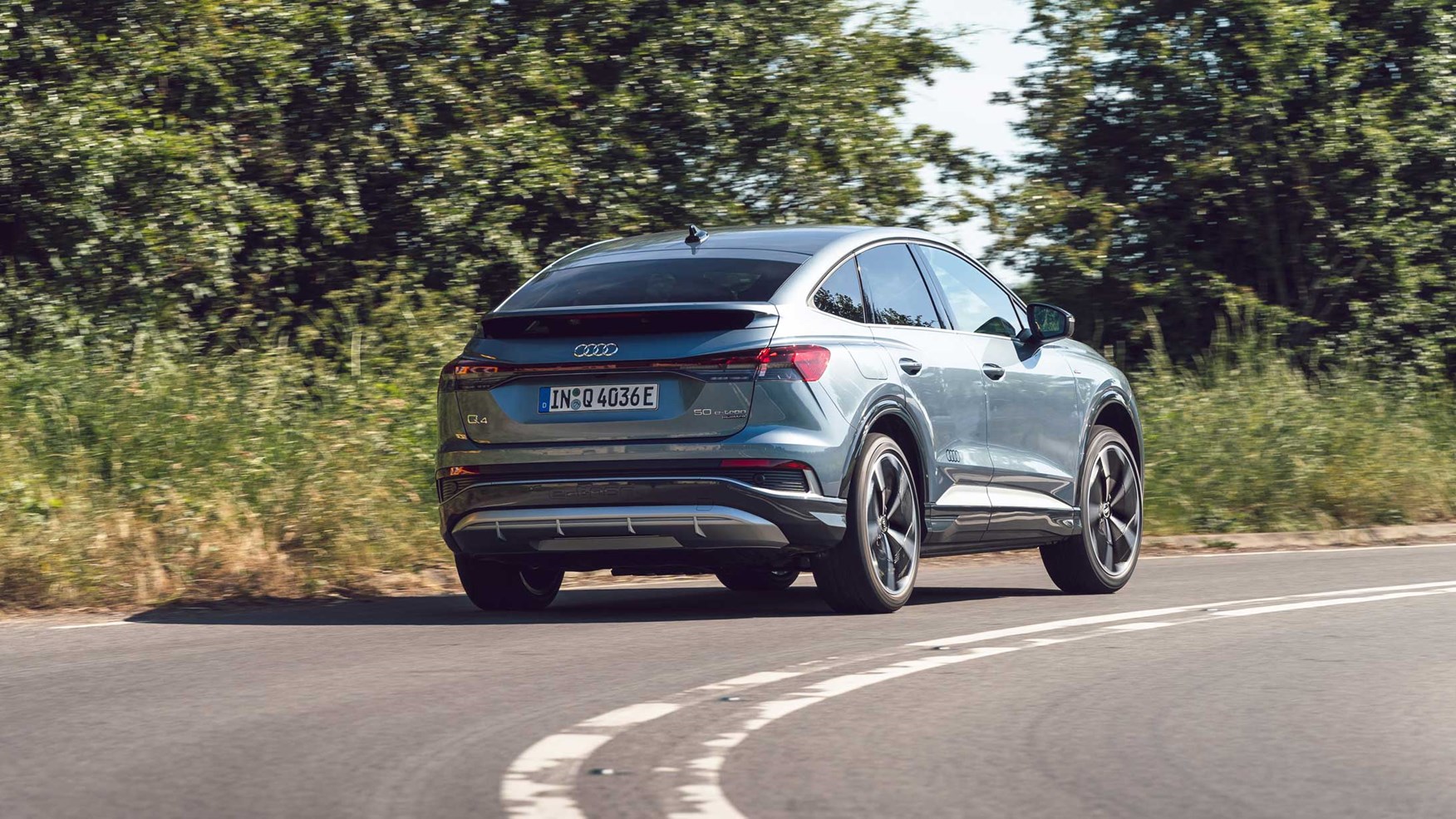
What’s more, the Q4’s weight and dynamic aspirations somehow don’t result in an overly firm ride, despite the large alloy wheels on offer; the Q4 soaked up potholes and poor road surfaces admirably on our drive.
Just as you’d expect, the Q4 E-Tron is quick to 50km/h and takes a respectable 8.5 seconds to get to 100km/h, but the torque continues regardless of the speed you’re doing. And unlike other EVs, we found the throttle response to be perfectly judged for the chassis’ capabilities.
All Q4 E-Tron models have a more pronounced regen ‘B-mode,’ but higher trims also feature user adjustable regen. Three different levels are available and it’s possible to switch between them with paddles; it’ll remain a novelty for some, but others will surely use them on entering roundabouts or bends to shave off speed in place of – or before – braking.
Range and Specifications
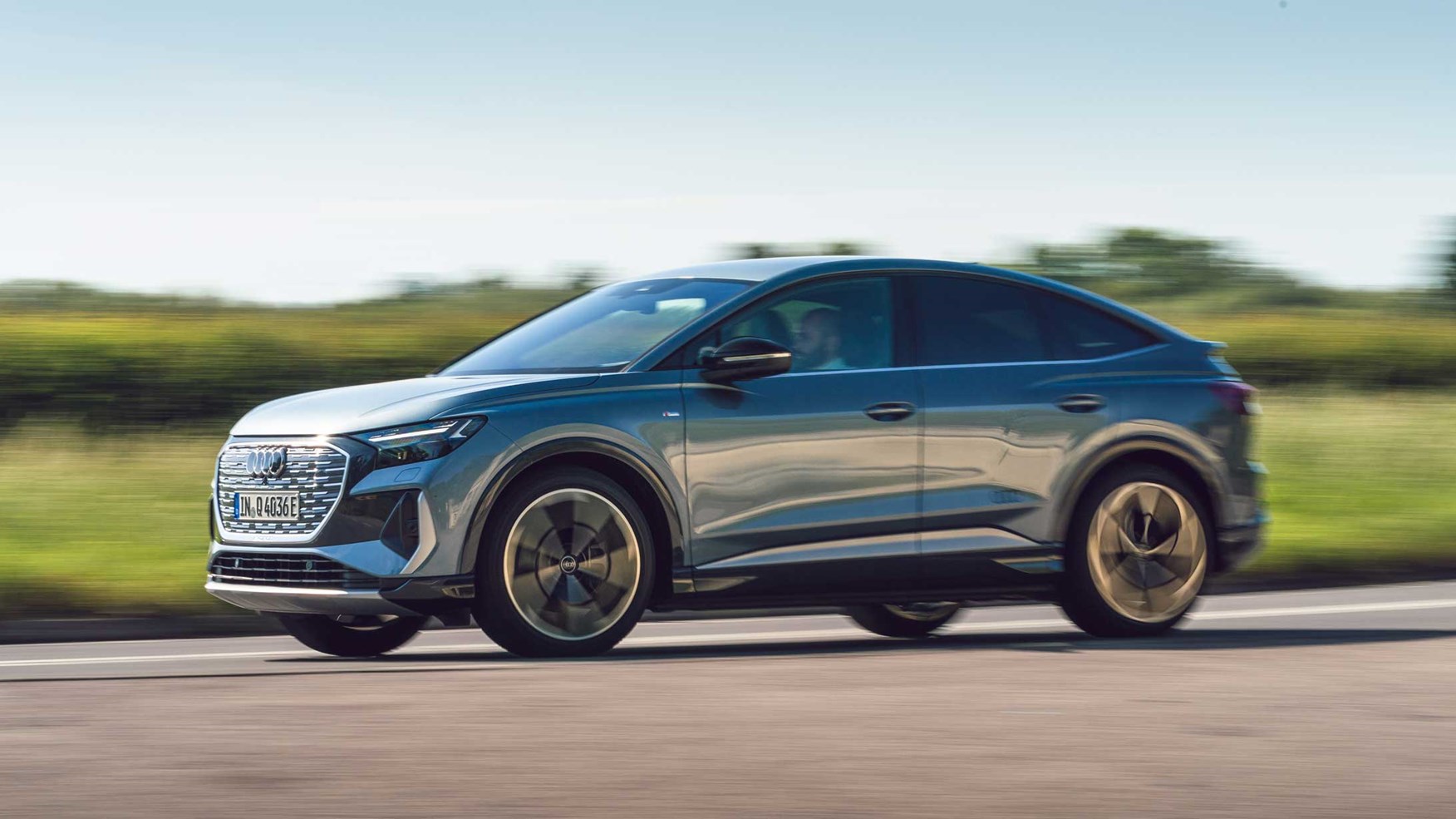
The 40 comes with 150kW and 400Nm of torque, with an 82kWh (77kWh net) battery that’ll squeeze in 130km of charge in just 10 minutes – provided you have a compatible charger to hand. Top speed is 159km/h for mid-range Q4, while range can stretch to 508km. Audi forecasts the 40 making up 60 per cent of overall sales.
Opt for the 50 powertrain and you’ll get 220kW and 459Nm of torque across front and rear axles, while 0 to 100km/h will take just 6.2 seconds. In 50 quattro flavour, the Q4 E-Tron has a ceiling of 178km/h and slightly shorter range of 480km.
Verdict
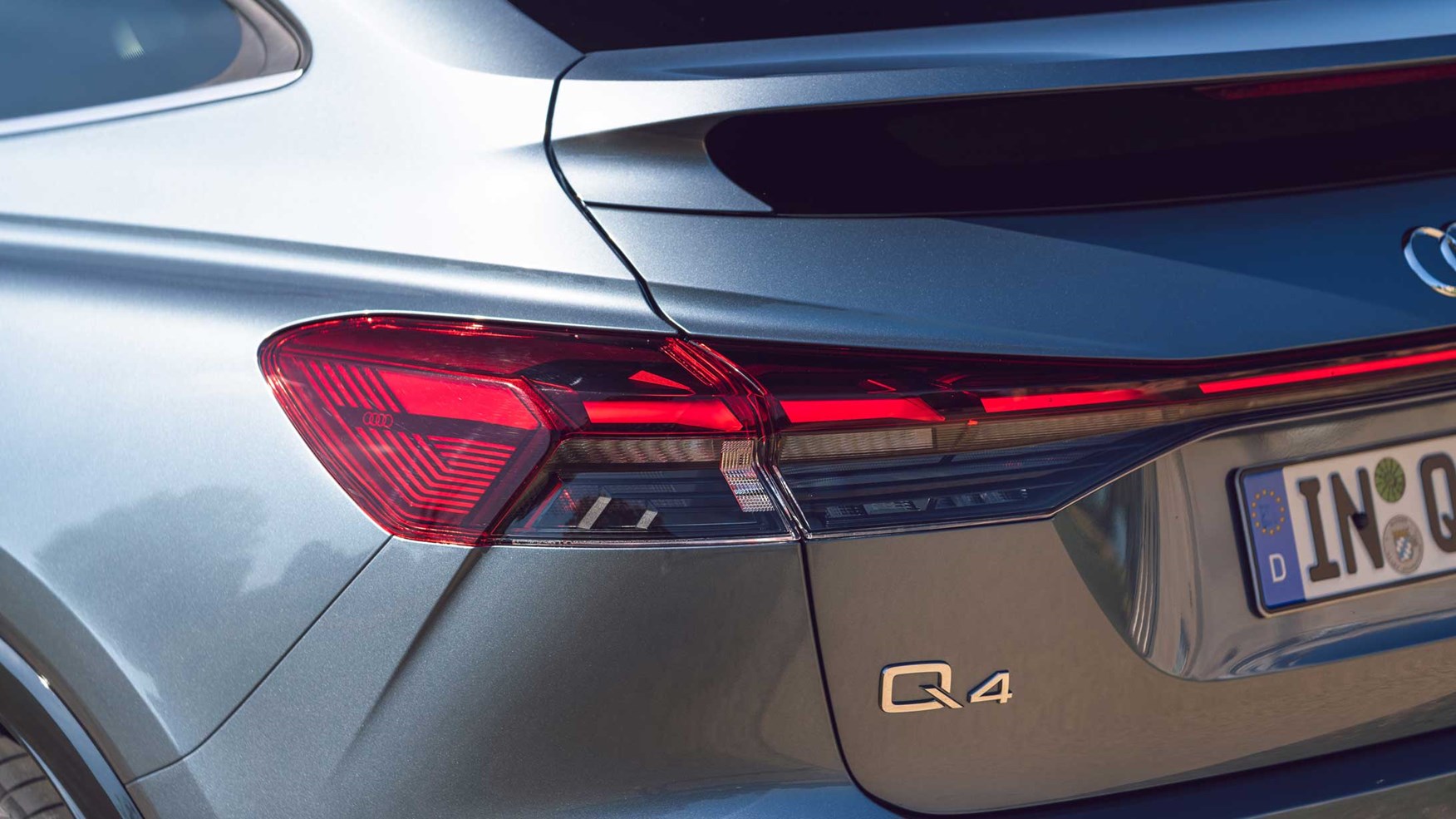
Designed to do everything well and nothing incredibly, the Q4 Sportback E-Tron is peak Audi, only electric. On paper it ticks all the boxes, and in the real world, it’s hard to find serious fault.
Buckinghamshire seemed to swarm with Q3s and Q5s, and it’s not a leap to assume the Q4 E-Tron Sportback will tempt many of those existing Audi SUV owners with its new blend of style, practicality and tech. Not to mention tempting tax advantages.
Just as the name suggests, this is a Q4 that happens to be electric. The suits are already counting the cash; bosses say the Q4 E-Tron could become the second best-selling Audi as early as next year.
This article was first published at Carmagazine.co.uk
2021 Audi Q4 Sportback E-Tron specifications
Snapshot
- Event will continue in spite of changed resitrictions
- Attendees must be vaccinated or tested
- ‘Maestro’ theme honours accomplished racing drivers
Goodwood Road and Racing has confirmed its 2021 Festival of Speed will take place as planned on July 8-11.
The Festival will now form part of the UK’s Events Research Program (ERP), an initiative which aims to bring major events back to the country as Covid-19 restrictions begin to ease.
As part of the ERP’s rules, all festival-goers must have had two doses of a coronavirus vaccine at least 14 days before the event, or otherwise show proof of a negative Lateral Flow Test taken within 48 hours of attending.
Covid-19 restrictions were due to be scaled back in the UK on June 21, but high case numbers forced health authorities to delay changes by four weeks. Had the Festival of Speed failed to become part of the ERP, just 4000 spectators would have been permitted, despite the event normally attracting 100,000 visitors each day.
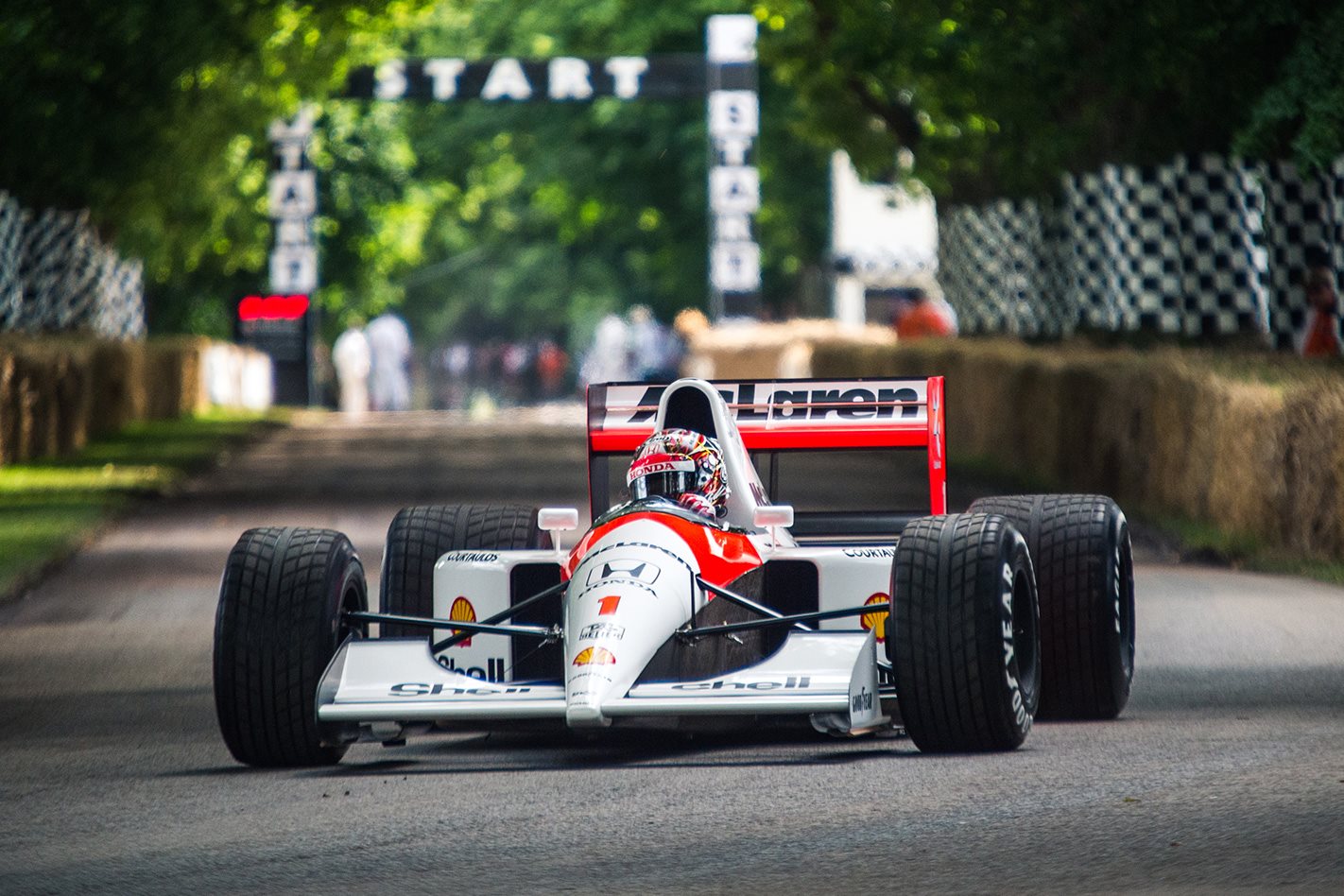
Along with tickets from 2020’s cancelled event, the Festival’s theme has been rolled over to this year. ‘The Maestros – Motorsport’s Great All Rounders’ will celebrate drivers who have excelled across multiple racing disciplines.
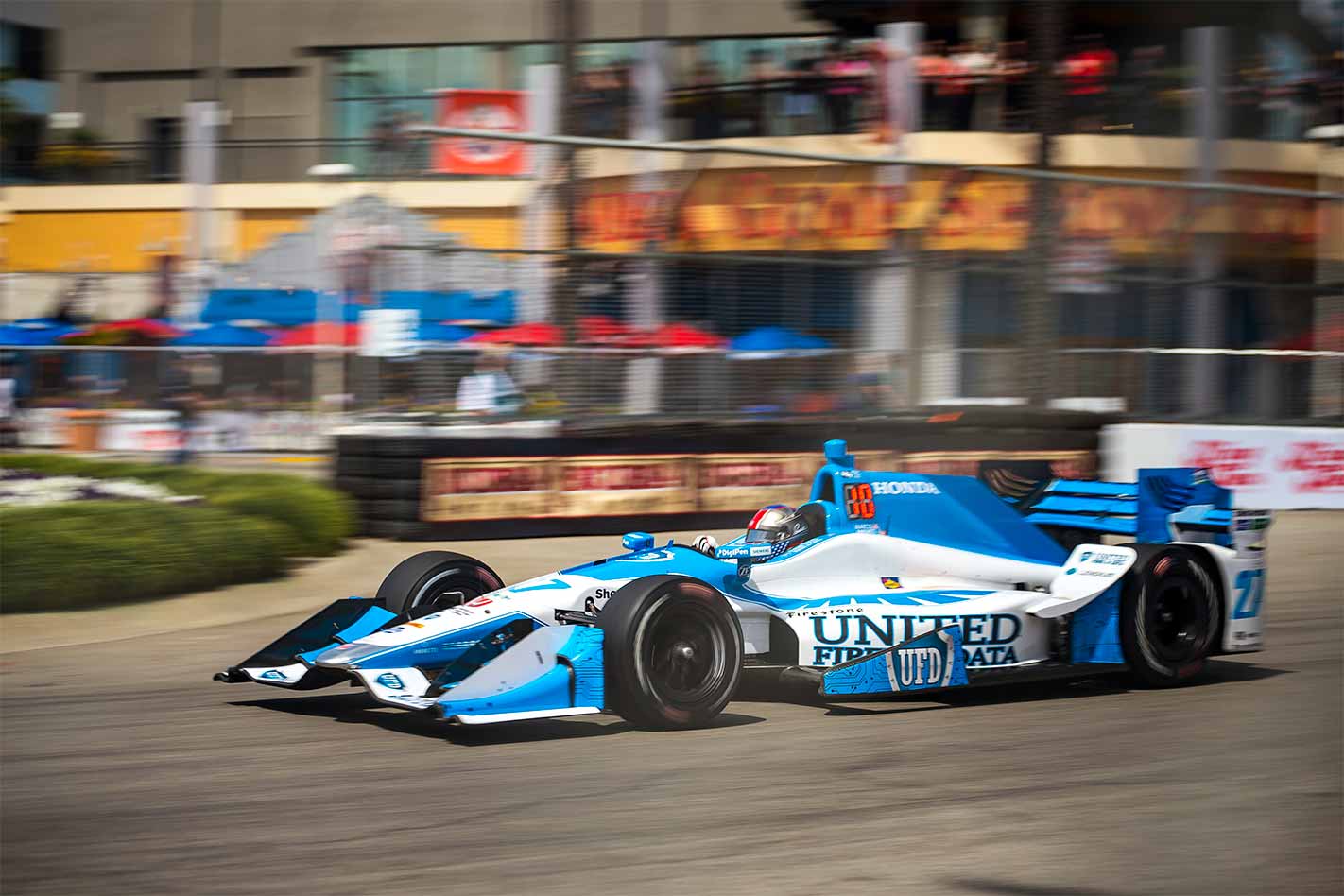
F1, IndyCar and Nascar hero, Mario Andretti, will be in attendance, while late icons such as John Surtees — the only man to claim World Championship honours on both two wheels and four — will be honoured.
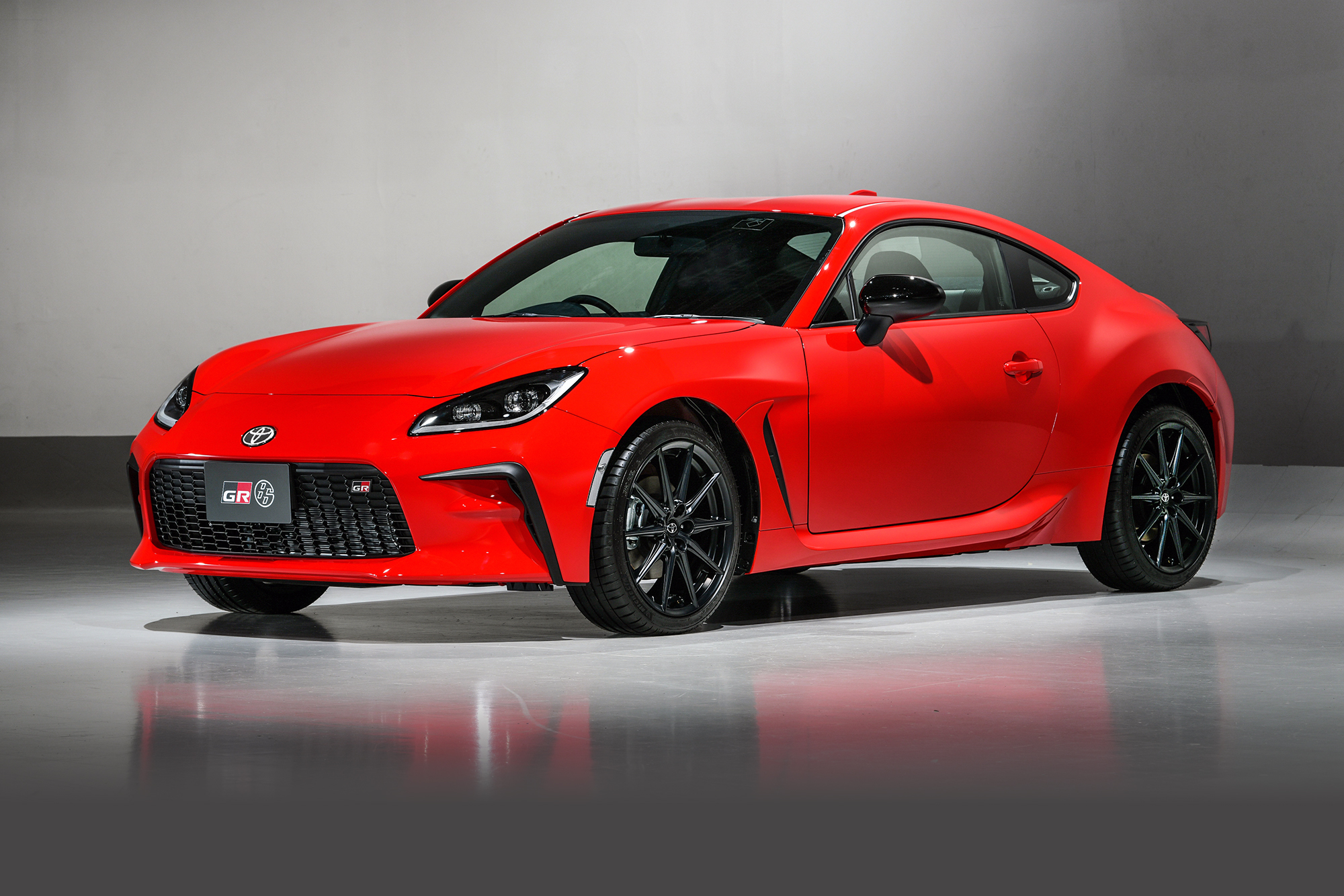
Other Festival highlights include the world debut of Toyota’s new GR 86, a roster of rare performance machines in the Supercar Paddock, and plenty of current-day F1 cars and drivers.
Though tickets for Friday, Saturday and Sunday are completely sold out, Goodwood Festival of Speed Thursday tickets are still available here.
Snapshot
- Virtual concept pays tribute to iconic Japanese racer
- Although not detailed, petrol-electric hybrid power proposed
- I suddenly want a Juke
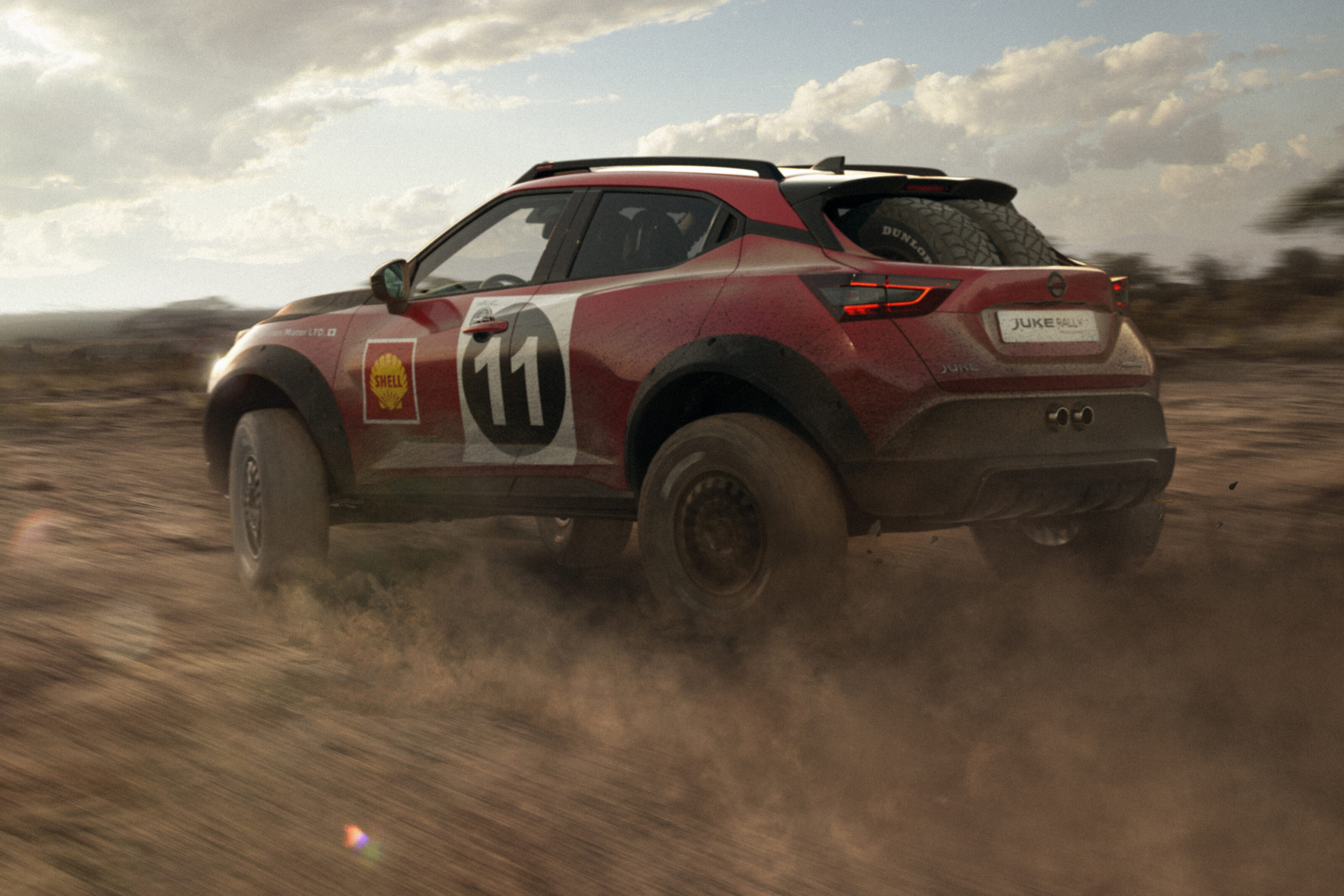
Nissan has unveiled a Juke Rally Tribute digital concept today, designed to celebrate the 50th anniversary of the legendary 240Z sports car’s East Africa Rally victory – and remind us there’s a new Z car coming.
Now, the Juke is no Z car – indeed, Nissan recently collaborated with racer Chris Fosberg to develop a 370Z gravel rally racer – but you’d need a cold heart to argue this tribute doesn’t look the business. (See that Fosberg video at the bottom of our story.)
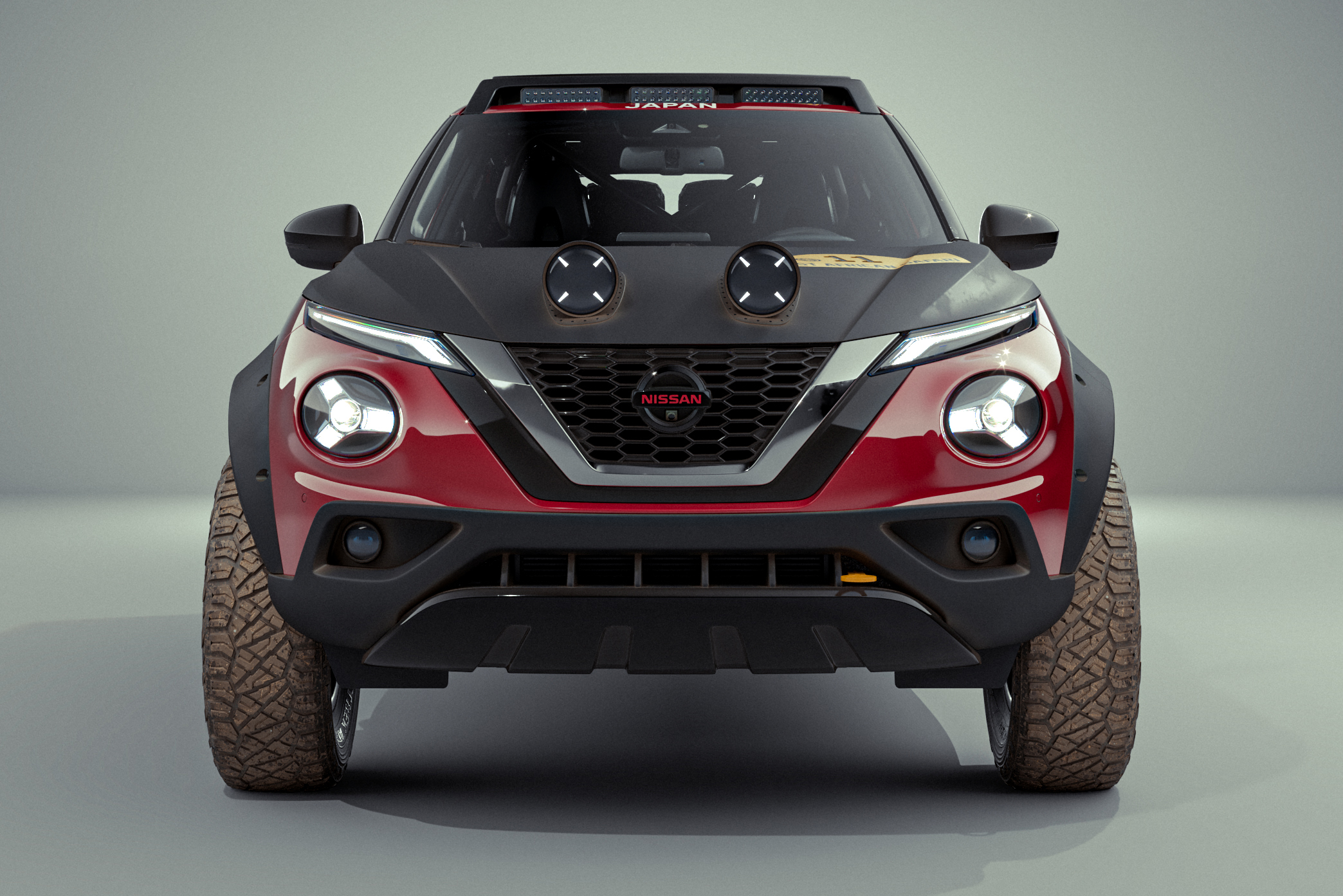
It’d be up to the job, too, with its already raised SUV stance and short front and rear overhangs. Throw in the necessary fat rubber under flared guards, and a modified body to accommodate multiple spare hoops and on-the-road repairs – and you’ve got yourself a fit rally racer.
Cosmetically, the Juke Rally concept pays perfect tribute to the no-frills black-and-red barely-a-livery 1971 240Z racer, with original driver and sponsor stickers emblazoned on the metalwork.
None of it is real, sadly, having been crafted as a virtual tribute – so don’t expect to see this one turn up at any future motor shows or rally stages.
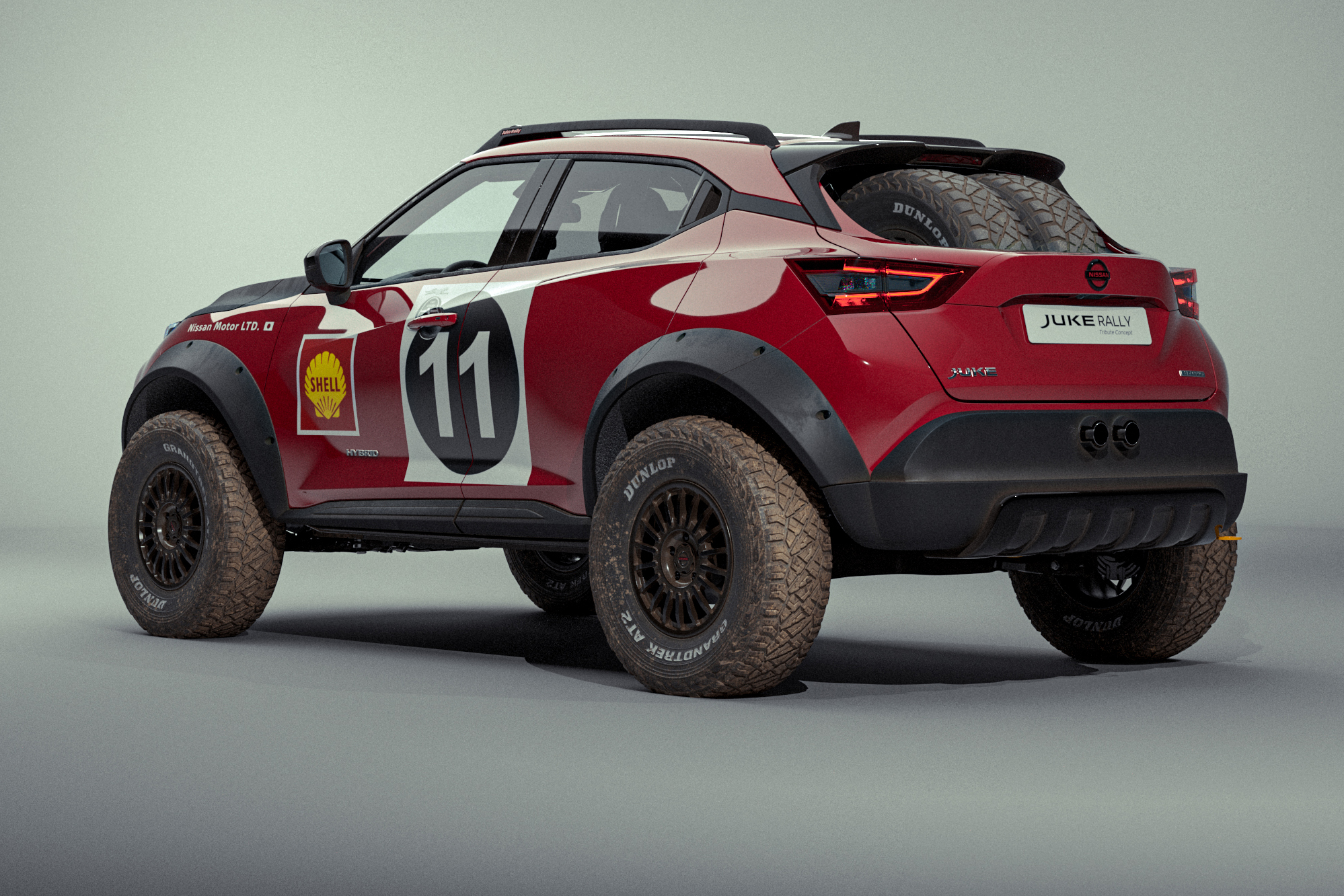
Nissan says that if it were a real-world project, the concept would utilise a petrol-electric hybrid powertrain, benefiting both from instant electric torque and longest-possible range at performance speeds – as needed for an overland race. All-wheel drive, while not mentioned, would also be likely.
In Australian-market form, the Juke is driven by a 1.0-litre three-cylinder turbo petrol engine delivering 84kW and 180Nm of torque.
By comparison, the East Africa Rally-winning 240Z was powered by a 155kW 2.4-litre inline-six petrol engine, sending power to the rear wheels.
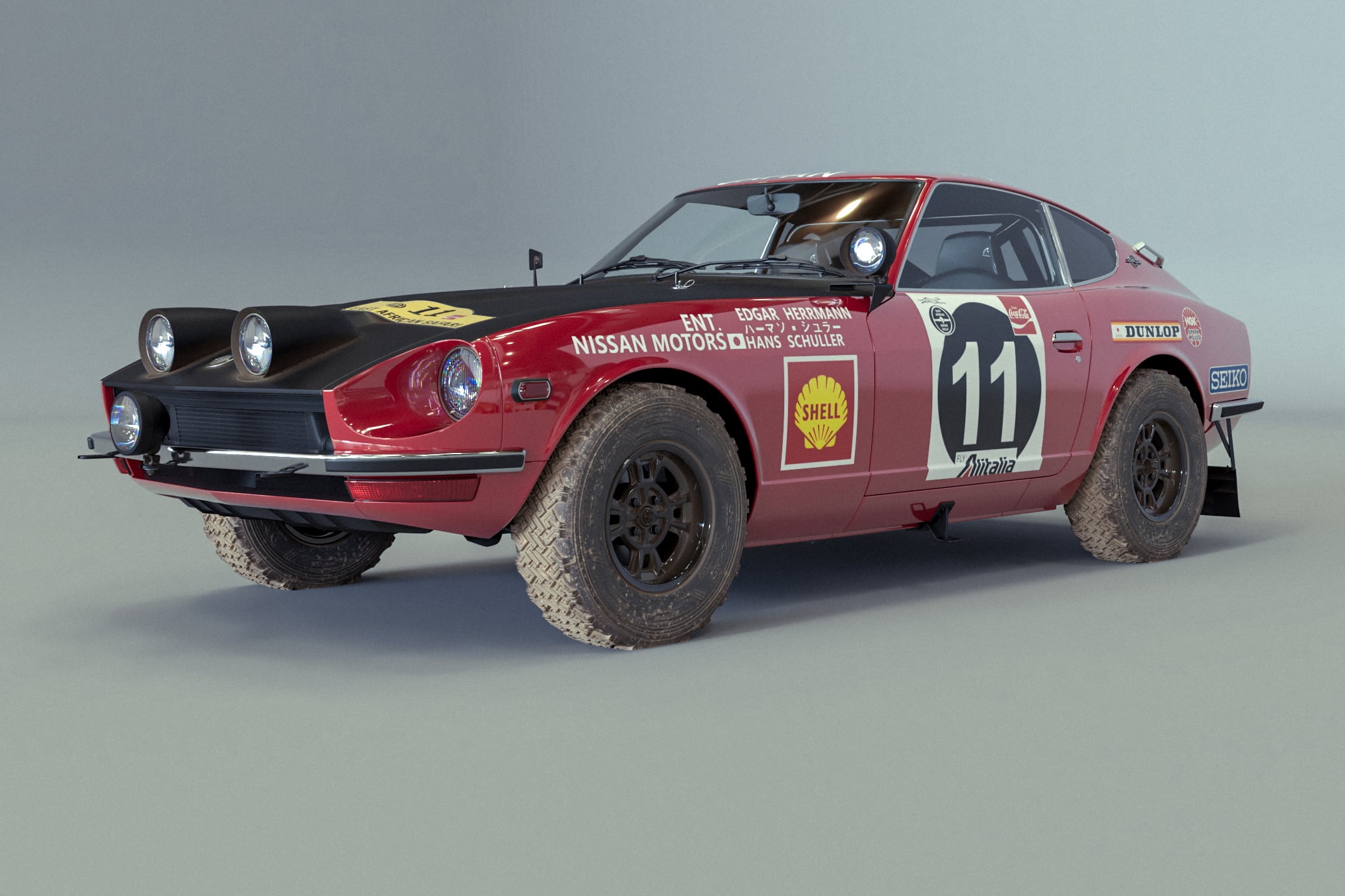
And, while the Juke shown here is digital, the iconic 240Z rally car was restored “to good order” in 2013 and lives in Nissan’s heritage collection at Zama, close to the company’s Kanagawa headquarters.
The new Juke was revealed in 2019 and made its Australian debut last year.
So far in 2020, Nissan has sold 1068 Jukes in Australia. It’s outsold by models like the Mazda CX-3, Toyota Yaris Cross, Kia Stonic, Hyundai Venue and Volkswagen T-Cross – but as our reviews reveal, the Juke is well worth consideration.
Snapshot
- Local deliveries expected to begin in July
- 2.2-litre turbo-diesel four-pot produces 154kW and 442Nm
- Combined fuel economy rated at 6.6L/100km
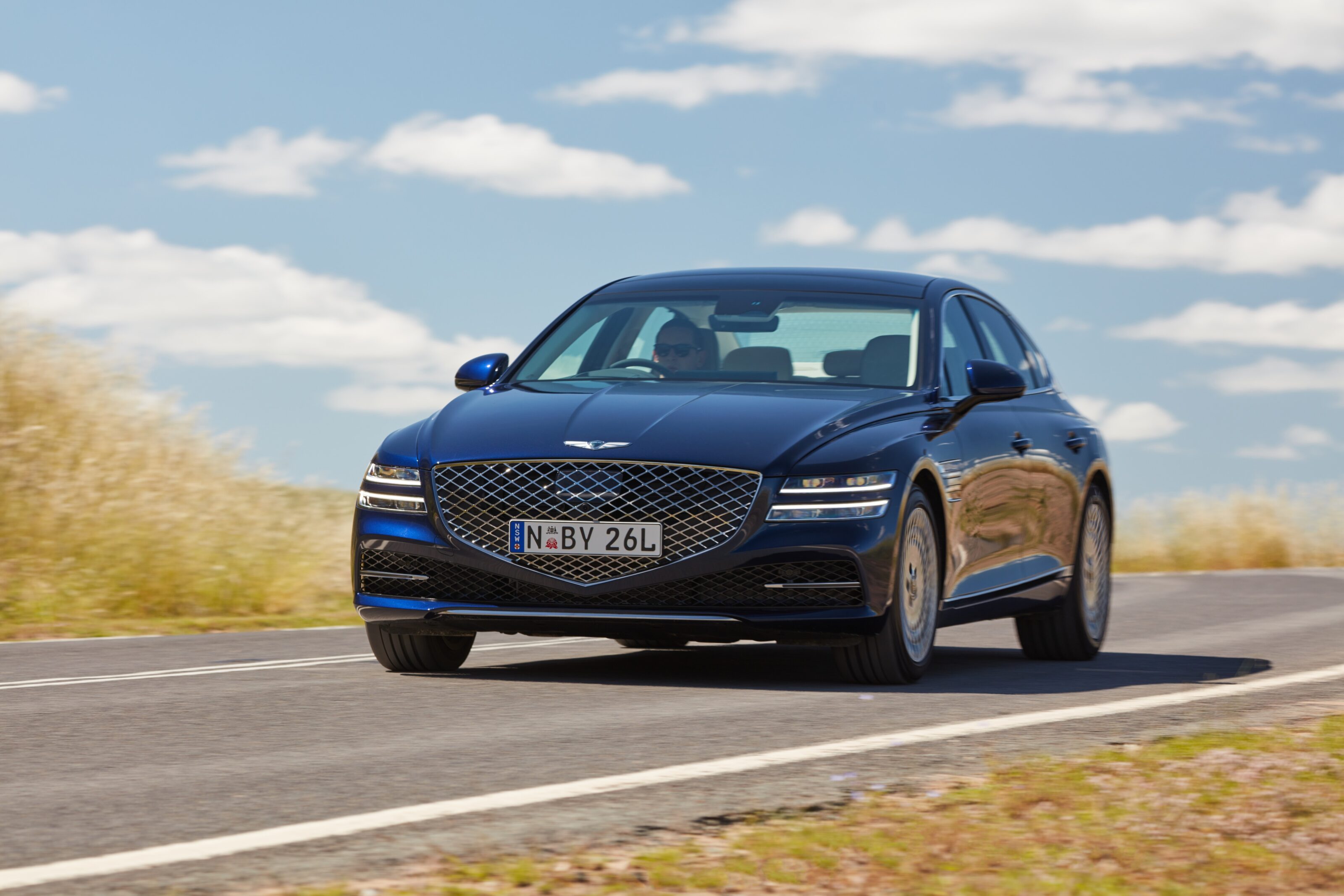
The 2021 Genesis G80 2.2D has been unveiled as the latest iteration of the large-size luxury sedan.
Priced from $87,900 (not including on-road costs) and representing the third model variant in the G80 range, the new 2.2D will sit above the 2.5T ($84,900) and below the range-topping 3.5T ($99,900).
Slotted under the bonnet of the new 2.2D is Hyundai’s Smartstream FR VGT turbo-diesel motor, which we’ve already seen in other models from the Korean automaker such as the Hyundai Santa Fe, as well as Kia’s Carnival and Sorento.
The all-aluminium block, 2.2-litre turbo-diesel in-line four-cylinder motor produces 154kW and 442Nm.
And, for the first time on any Genesis product, the new 2.2D will also utilise a Selective Catalytic Reduction System (SCR).
SCR is a complex emissions control system, which injects AdBlue urea Diesel Exhaust Fluid through a bespoke catalyst into the exhaust of the diesel engine, which substantially reduces emissions.
The diesel motor also benefits from some trick sound deadening covers, which Hyundai claims significantly reduces noise levels in the cabin.
The use of a Variable Geometry Turbine (VGT) ball-bearing-type turbocharger in the diesel motor should also equate to better throttle response and torque delivery.
Genesis says the trick turbo-diesel delivers a respectable 6.6L/100km on the ADR combined cycle, which is impressive, given the G80’s circa-2000kg kerb weight.
The 2.2D’s motor will send power to the rear through an eight-speed torque-converter automatic transmission.
Like the 2.5T, the 2.2D will be available in both standard guise and with the optional Luxury Package, which commands a $13,000 price tag.
Standard exterior features include; metallic paint, 19-inch alloy wheels, panoramic sunroof, LED headlights, daytime running lights, indicators, and taillights.
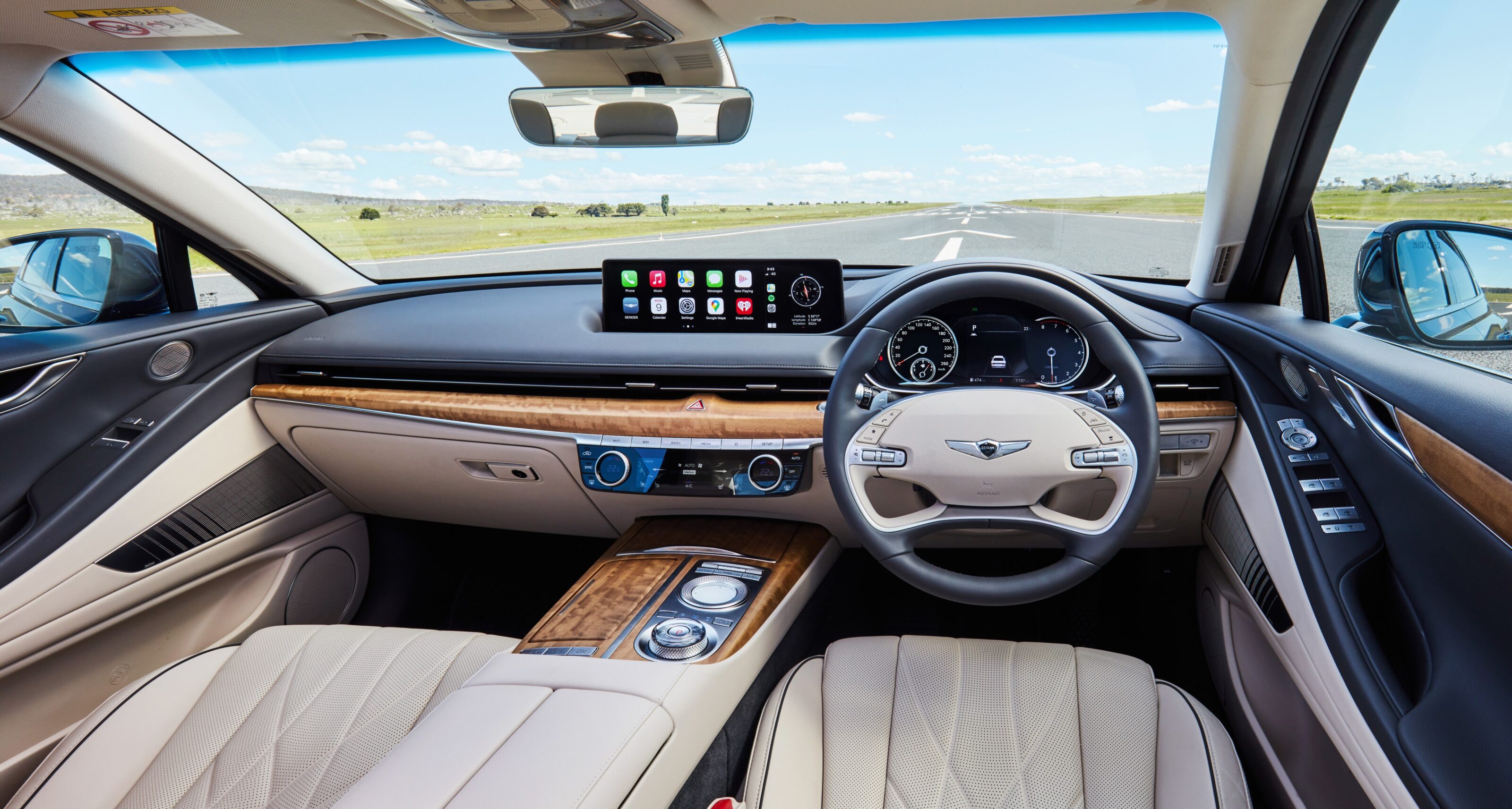
Interior features include; a leather interior, open-pore wood trim, 8-inch TFT-LCD digital dash, 12.0-inch head-up display, 12-way adjustable heated, cooled and powered front seats, 14.5-inch touchscreen infotainment display, and Apple CarPlay and Android Auto.
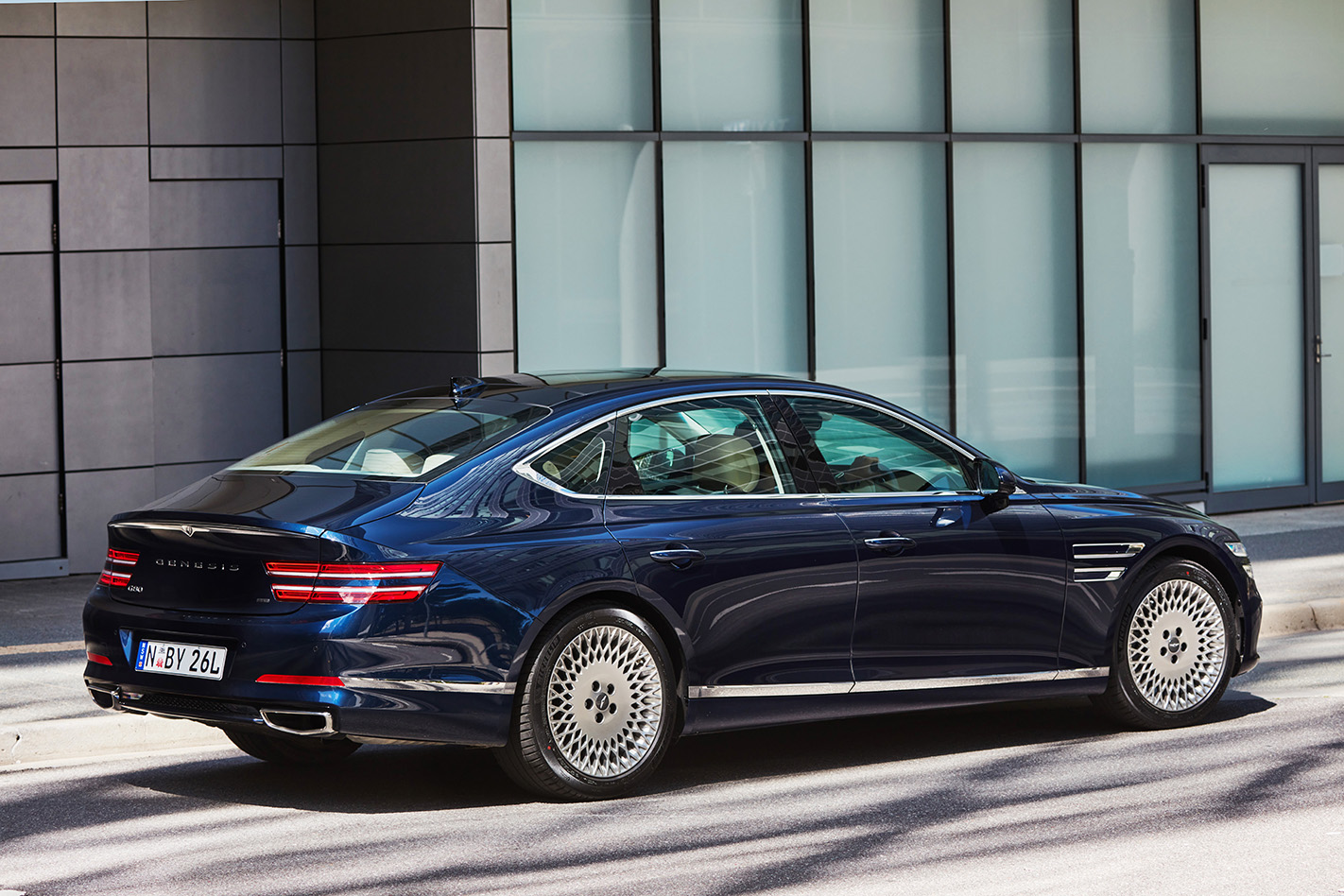
Ticking the option box for the Luxury Package adds features such as; soft-close doors, Nappa leather interior, suede headlining, 12.3-inch TFT-LCD digital dash with 3D functionality, heated steering wheel, heated and ventilated rear seats, three-zone climate control, and a powered rear window shade.
Like the rest of the G80 range, the new 2.2D comes well equipped with a suite of safety features which include; blind-spot collision avoidance-assist-rear/side, driver attention warning, emergency stop signal, forward collision avoidance, lane keep assist, lane follow assist, and active cruise control.
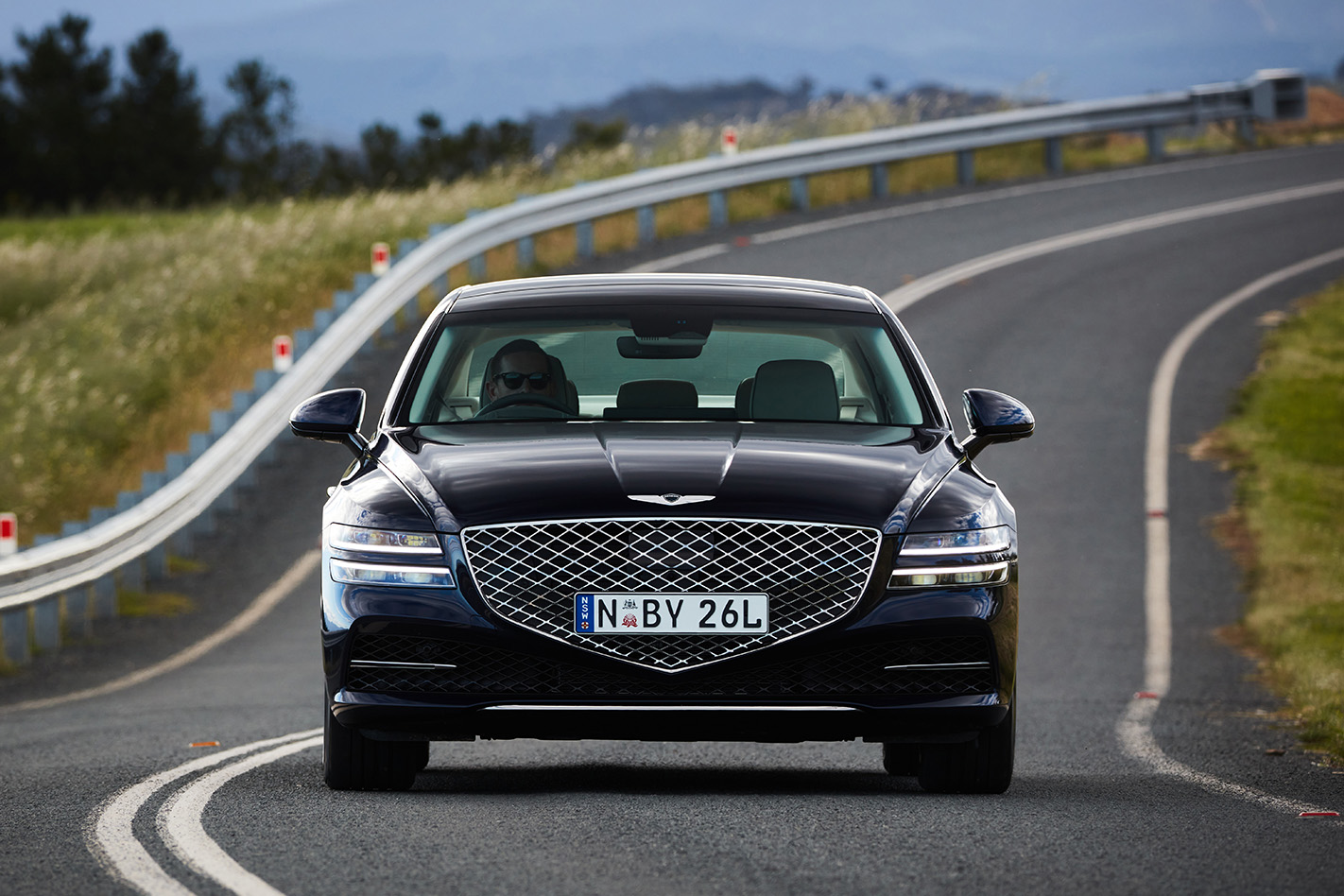
The new 2021 Genesis G80 2.2D is available to order now, with customer deliveries expected to begin in July.
Snapshot
- LiDAR tech to be used for autonomous driving
- NVIDIA-developed AI super computer will power in-car systems
- Volvo aims to eliminate crashes with new generation of safety
Volvo has confirmed its newest XC90 will be a fully-electric vehicle with autonomous driving features – a first for the Swedish company’s car division.
Although its official release isn’t expected to come until 2022, Volvo’s push to increase vehicle safety will come with the aid of LiDAR laser scanning technology and an NVIDIA-developed AI super computer.
LiDAR is being recognised as a possible way forward to implement self-driving functions in vehicles, with Volvo committing to use the technology while autonomous pioneer Tesla has been spotted testing it against cameras to replace its radar system.
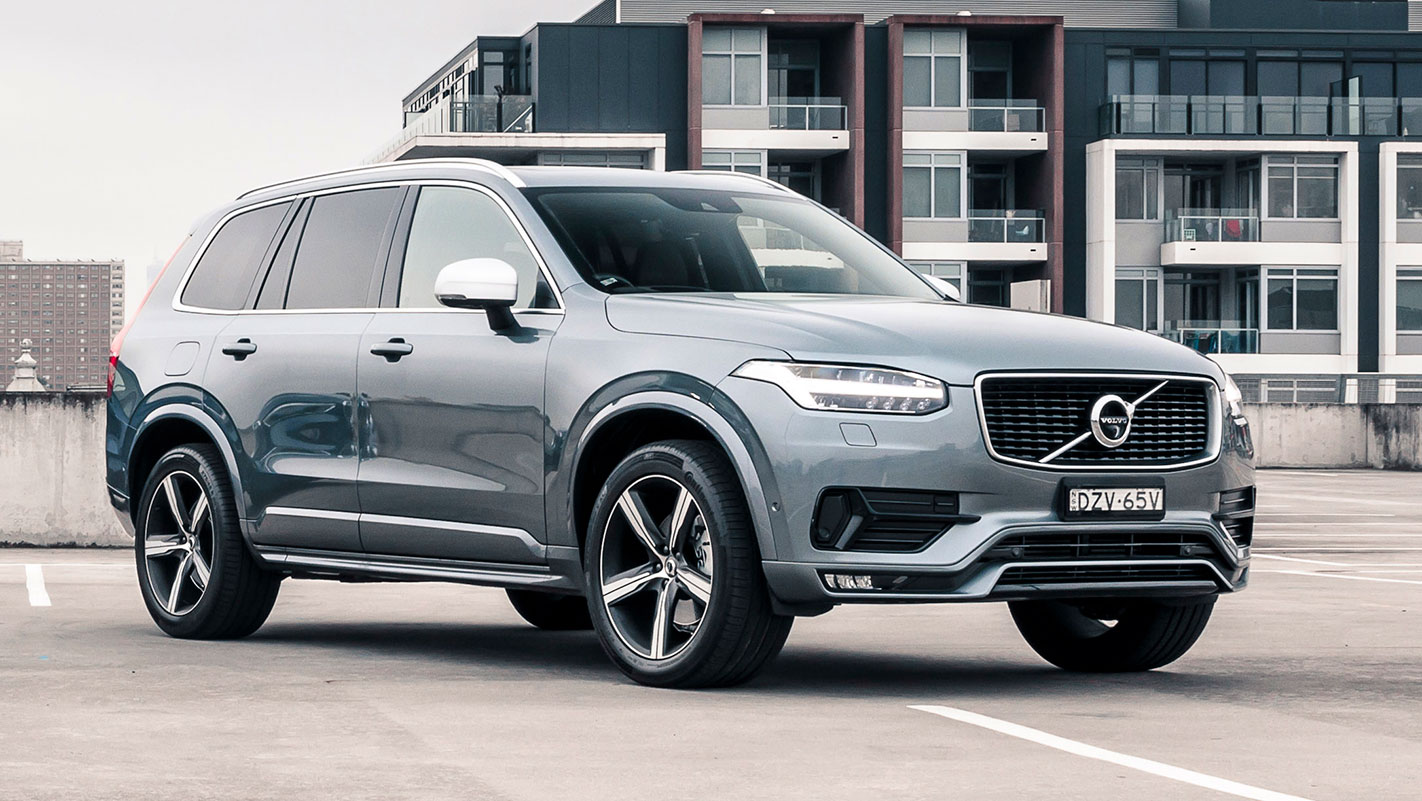
Volvo’s chief technology officer, Henrik Green, believes the company is on the right track to reach its ultimate goal of reducing the risks of a crash to zero.
“In our ambition to deliver ever safer cars, our long-term aim is to achieve zero collisions and avoid crashes altogether,” said Green.
“As we improve our safety technology continuously through updates over the air, we expect collisions to become increasingly rare and hope to save more lives.”
Chief Executive for Volvo, Håkan Samuelsson, said the implementation of LiDAR tech as well as the AI upgrades has laid the foundations for Volvo to create an unsupervised autonomous vehicle.
“Volvo Cars is, and always has been, a leader in safety. It will now define the next level of car safety,” said Samuelsson,
“By having this hardware as standard, we can continuously improve safety features over the air and introduce advanced autonomous drive systems, reinforcing our leadership in safety.”
Volvo recently announced its intentions to open a new research and development facility plus a battery plant with fellow Swedish company Northvolt, with the joint venture beginning as early as 2024.
Snapshot
- Electric cars will represent between 50-70 per cent of u0160koda’s model line-up by 2030
- Czech firm targeting carbon neutrality across all of its manufacturing facilities in nine years
- Rapid expansion into India, Russia, and North Africa could lead to a global sales potential of 1.5 million units per year
Škoda has unveiled its ambitious ‘Škoda Strategy 2030’ mission statement, which aims to make the Czech automaker greener, bigger, and better selling in Europe by the end of the decade.
“With our new Next Level – Škoda Strategy 2030, we are providing specific answers on how we will successfully steer Škoda Auto through the transformation process and ensuring the company will be in an even stronger position in 2030 than it is today,” Thomas Schäfer, Škoda CEO, said.
By 2030, the Mlada Boleslav firm wants its model line-up to be made up of between 50-70 per cent electric cars.
And in the same time frame, Škoda intends to reduce its carbon emissions by more than 50 per cent compared to the CO2 emissions it produced in 2020.
The carmaker also announced it will introduce three all-new electric models to complement its current fully electric vehicle – the Enyaq SUV.
It’s not known what these new EVs will be just yet, but considering Škoda’s parent company, Volkswagen, is keen on utilising its bespoke electric MEB platform as much as possible across its different brands, you can be sure these new cars will ride on the electric modular architecture.
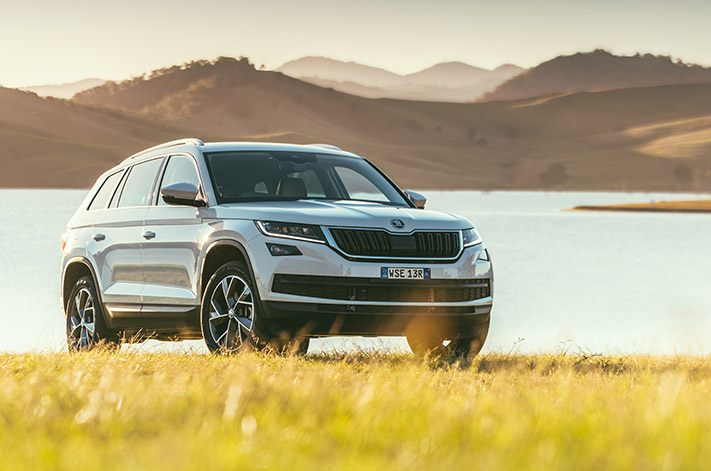
Škoda’s new strategy also outlines plans for expanding into three new key markets – India, Russia and North Africa.
The Czech marque believes a successful market penetration in these three countries represents a possible sales windfall. In fact, Škoda says if these markets are entered correctly, it could contribute to a global sales potential of no less than 1.5 million units per year.
The automaker added it’s targeting being the best selling European car brand across these countries by 2030.
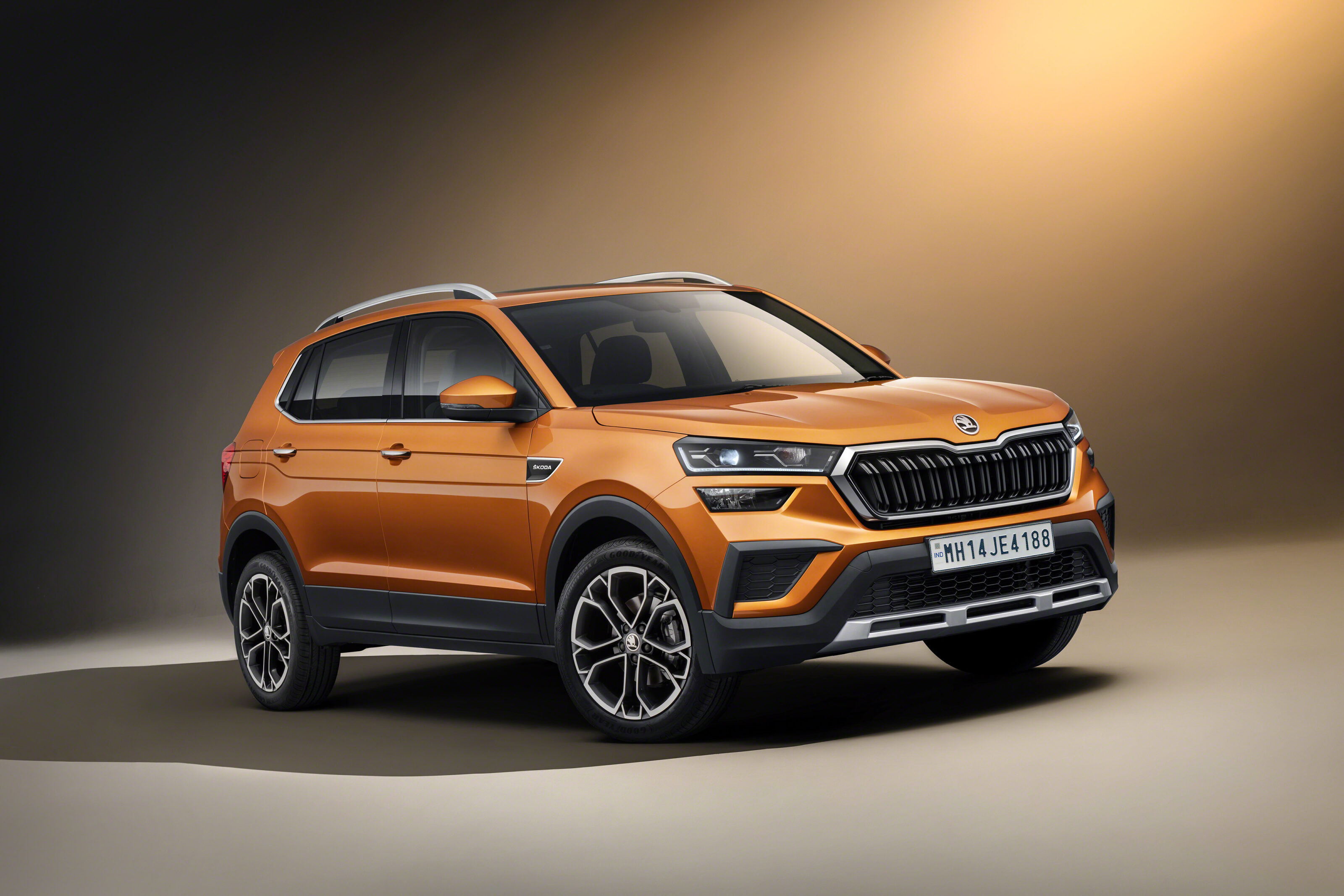
As part of its ‘India 2.0’ project, Škoda will shortly launch its first Indian-made vehicle – the Kushaq SUV.
Based heavily on Volkswagen’s T-Roc, the Kushaq is being assessed as a potential sales candidate for other emerging markets in the region.
Finally, Škoda’s new 2030 strategy claims it will be carbon neutral across all of its manufacturing facilities in the Czech Republic and India by the end of the decade.
Snapshot
- 3944 vehicles affected
- Potentially faulty bolts could cause the fuel tank to detach from the vehicle
- MG advises owners to get in contact
MG has issued a recall notice for more than half of its MG3 hatchbacks sold this year thanks to a potential fault which could lead to the fuel tank detaching from the car.
Affecting 3944 of the 5754 MG3s sold so far this year, the issue has placed 2020 and 2021 models bought from January 1 to May 19, 2021 under recall.
The issues involves the fuel tank strap retaining bolts potentially being faulty, with failure leading to it moving and detaching itself from the vehicle.
This departure from the car could cause a fuel leak and subsequent fire, risking potential harm to its occupants and those around it.
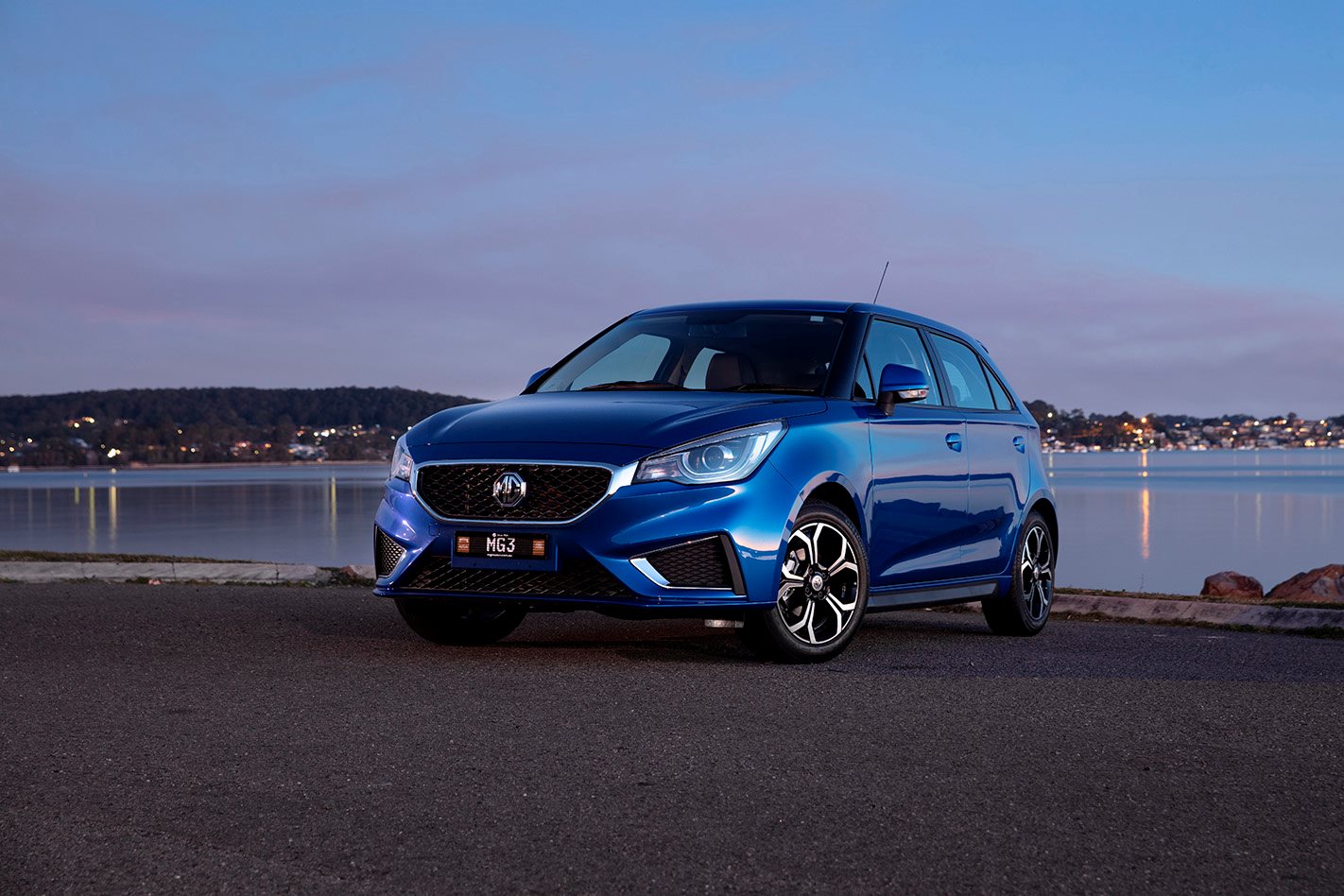
MG has advised owners to contact its nearest dealership to arrange an inspection, with the retaining bolts being replaced free of charge.
Owners may also contact the MG Australia helpline (1800 642 277) or email the local warranty department at [email protected]
A list of the affected VINs can be found here.
