
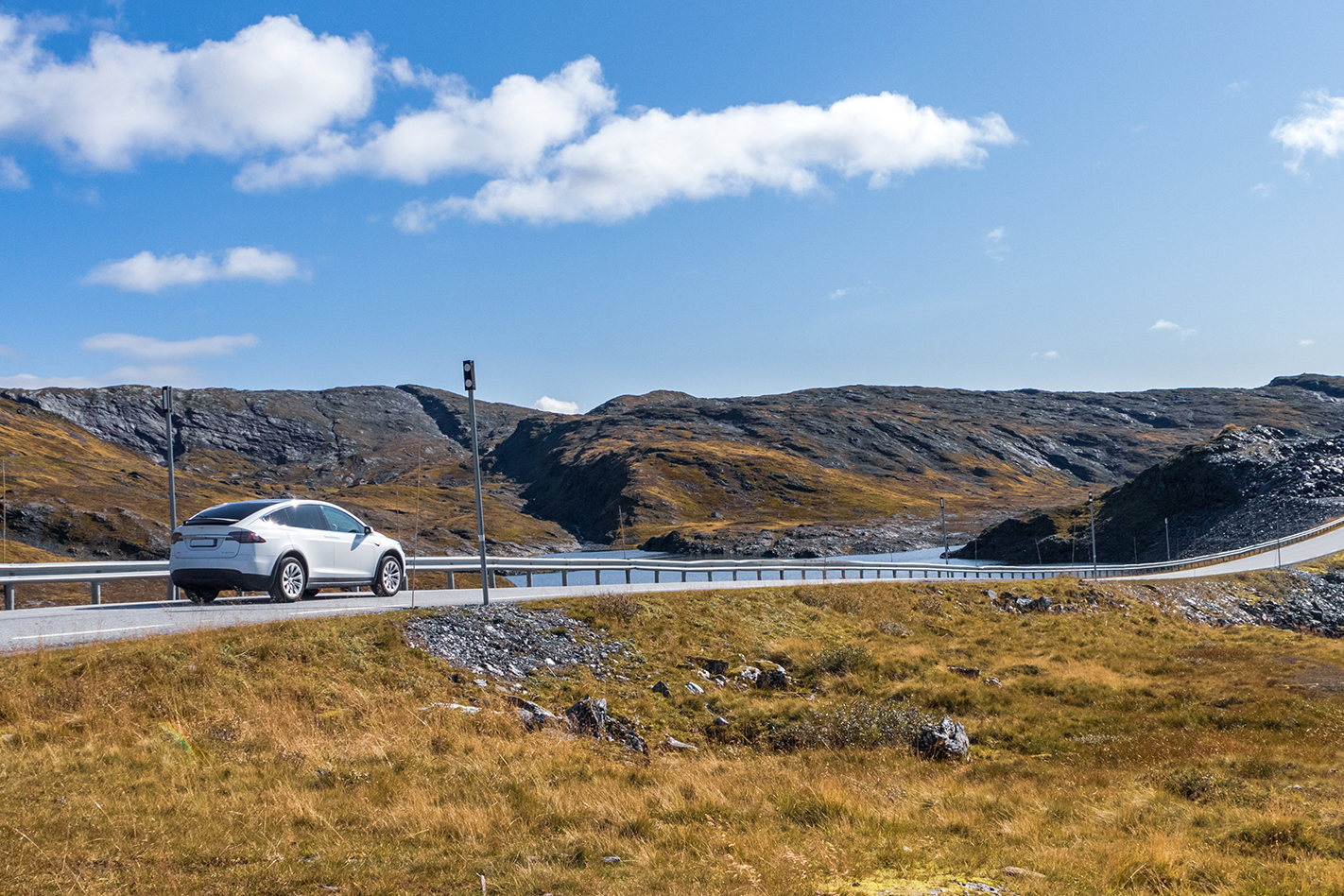
Norway leads the world in terms of electric vehicle (EV) uptake, with more than 50 percent of vehicles sold there during 2020 running only on battery power.
The Scandinavian nation has become an example to the rest of the world on how subsidies and other incentives can expedite the uptake of EVs. And while the Norwegian Government deserves credit for its forward-thinking EV policy, it wouldn’t be so far down the track if not for one of the country’s biggest exports – pop band A-ha.
In 1989 two of the trio, lead-singer Morten Harket and Magne ‘Mags’ Furuholmen, were in Switzerland with Norwegian environmentalist and co-founder of environmental group Bellona, Frederic Hauge (below), for an electric vehicle conference and came across a Fiat Panda that had been privately converted to run on batteries.

They purchased the car and took it home and, despite having a range of just 45km and being able to seat just two people, they famously drove it around Oslo and stubbornly refused to pay road tolls and ignored all the subsequent fines.
Their actions have become folklore and have been credited with leading the government to abolish road tolls for electric vehicles, two of the key incentives that resulted in Norway’s EV revolution.
But Oslo-based senior scientist at the Center for International Climate Research (CICERO) Robbie Andrew reckons A-ha, Hauge and their Fiat Panda actually did a lot more to make EVs an affordable option for the average motorist in a country where high taxes made buying conventional cars almost prohibitive.
In an entertaining Twitter thread at the weekend, Andrew [@robbie_andrew] said A-ha “was critical in the introduction of electric car incentives in Norway” beyond the scrapping of road tolls.
“On arrival in Norway, the regs didn’t accommodate the registration of electric cars, so it couldn’t legally be driven on the road. Since it had a propane-fuelled heater, just like a motor home, they registered it as a motor home,” Andrew tweeted.
“Moreover, in contrast to petrol cars, diesel cars paid registration fees based on how far they were driven, and our heroes thought this should also apply to electric cars. So the two-seater Swiss-converted Fiat Panda was registered as a diesel motor home in Norway.”
It should be pointed out it was Hauge’s organisation Bellona that did all the work in getting around the regulations being clarified, making it easier for those who would later register electric cars.
That was in 1990 and ever since electric vehicles have been exempted from Norway’s substantial registration transfer fee which for new cars ranges from 4332 Krone (AU$660) for vehicles weighing up to 1200kg, to 6595 Krone, or just over AU$1000 for heavier cars, which includes most hatchbacks.
Andrew’s tweets also added more details about how A-ha and Bellona led to road tolls being abolished for EVs, tweeting: “They were unhappy with “disincentives” to owning an electric car, including road tolls. So they drove repeatedly through toll stations without paying. Every time, they received a fine, which they didn’t pay. According to the rules, the car was then confiscated.
“When confiscated, the car was auctioned, but since no-one else wanted to buy the car, only our heroes were at the auction to buy it back again. They drove without paying tolls, car confiscated again, car auctioned again, bought back again… and this went on, and on, and on.
“The fine was 300 Norwegian Krone (AU$45) each time, and they bought the car back each time for 200 Norwegian Krone (AU$30).”
Because of A-ha’s involvement, this attracted plenty of media attention and in 1996 the government of the time caved and allowed the few electric vehicles in Norway to travel for free on the country’s toll-road and ferry network. The ruling became effective in 1997 and lasted until 2017, with EVs now attracting 50 percent of the full fee.
As Andrew pointed out, the government didn’t think that, with just a handful of electric vehicles on the roads, the decision was going to break the bank.
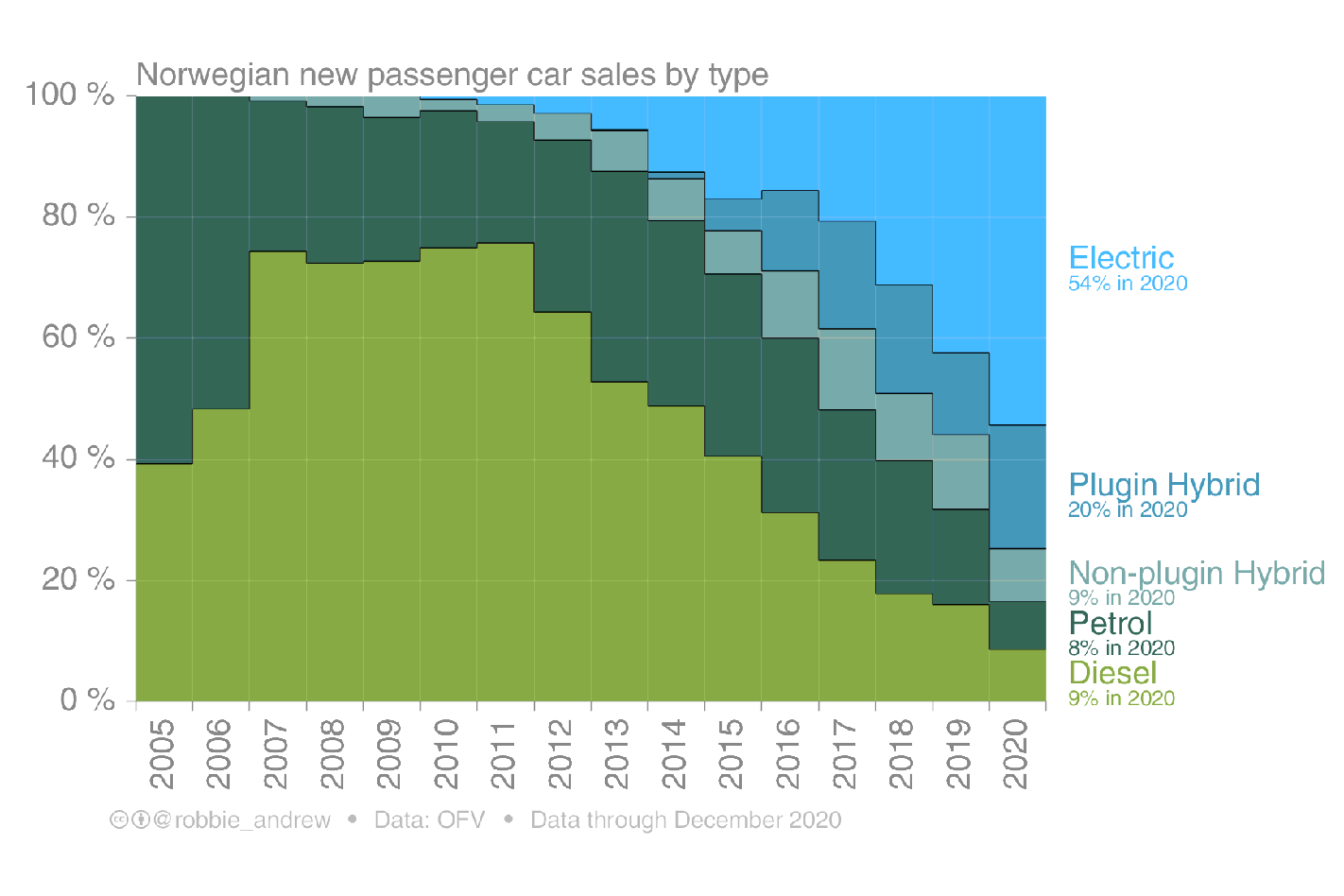
“These early efforts were important in the long process (starting with the oil crises in the 1970s) of developing interest in electric cars in Norway, from a few individuals through to 2020’s extraordinary record 54 percent of all new cars sold being battery-electric,” he added with the chart shown below.
To the Norwegian Government’s credit, it retained registration transfer and toll road waivers for EVs even as their numbers increased, which is a far cry from Australian state governments such as Victoria, South Australia and NSW which are implementing road user chargers for EVs so make up for the fact they don’t contribute to fuel excise.
Since 1990 Harket, in particular, has remained a champion of EVs and in June this year the band teamed up with Volkswagen to feature in a short documentary about the trio that subtly promotes the new electric Transporter van.
Norway’s EV incentives since 1990
- No purchase/import taxes (1990-)
- Exemption from 25 percent VAT on purchase (2001-)
- No annual road tax (1996-)
- No charges on toll roads or ferries (1997- 2017) – changed to 50 percent from 2018
- Free municipal parking (1999- 2017)
- 50 percent reduced company car tax (2000-2018) – to 40 percent from 2018
- Access to bus lanes (2005-) – limited to EVs that carry one or more passengers from 2016
- Exemption from 25 percent VAT on leasing (2015)
- Parking fee for EVs was introduced locally with an upper limit of a maximum 50% of the full price (2018-)
- Fiscal compensation for the scrapping of fossil vans when converting to a zero-emission van (2018)
2020 was a year to remember – and a year to forget. In the world of Supercars, there were shocks and knocks, but the pain was offset by gain. New ways of racing, new sponsorship, a new broadcasting deal, a new kind of car and new opportunities emerged in 2020. The best news is that street-look Camaros and Mustangs are the coming attraction.
This column first published in the Wheels Yearbook 2020 issue.
Out of the ravages of the coronavirus pandemic, there are clear signs Supercars will be fitter and stronger in the future. At considerable cost, Australia’s premier motor racing category has survived the most serious global crisis in living memory in remarkably good shape.
But, like most of our lives, it will never be the same again – or at least not for a long time. Supercars’ setbacks were small in the big scheme of things, but as a microcosm of resilience and resourcefulness, the sport showed what can be done when our backs are against the wall.
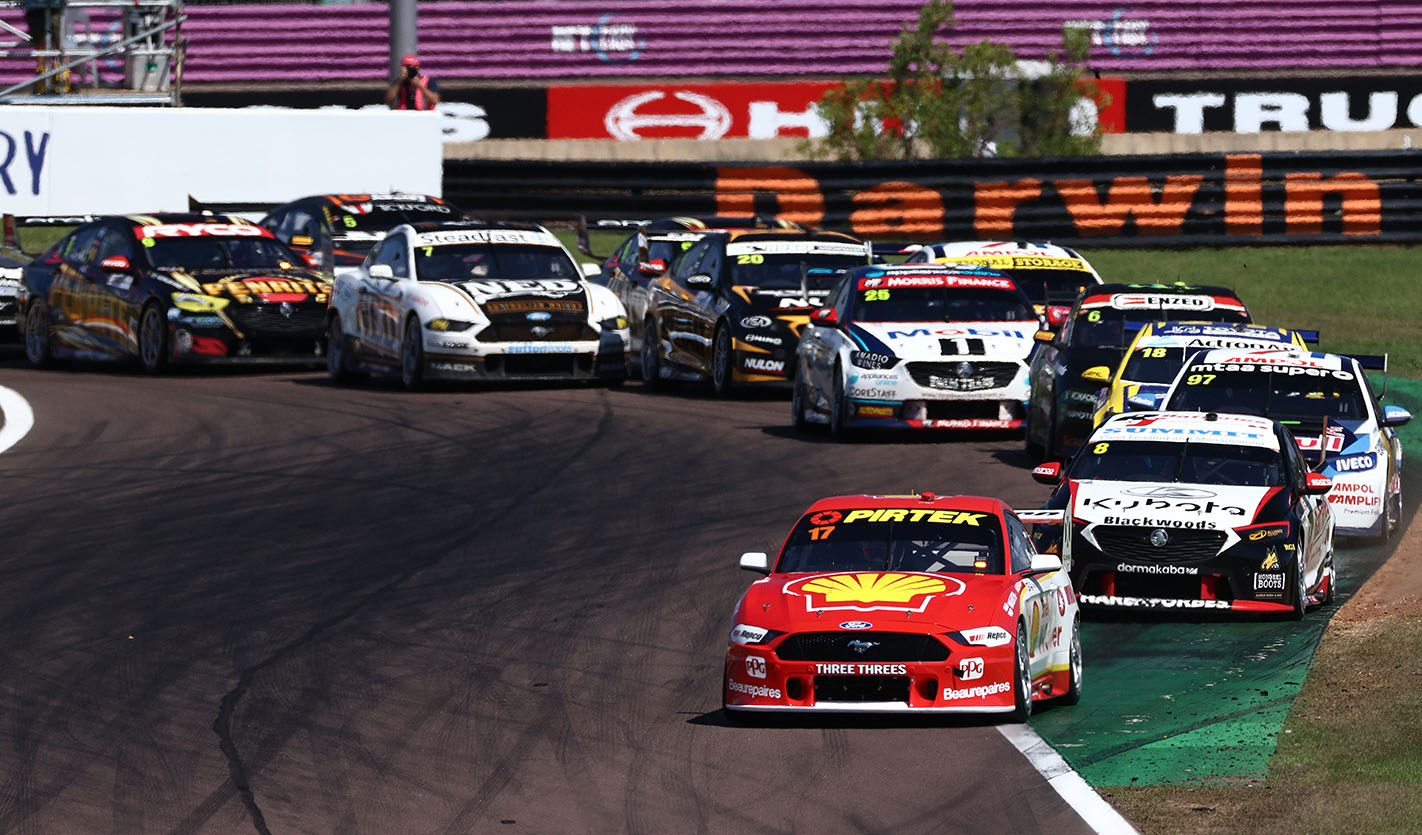
Recovery from this strangest of years will be neither easy nor fast. But I believe Supercars racing is in a better position than most for the future. We have Repco signing up for five years as title sponsor of the championship and also the Bathurst 1000; a new five-year broadcasting deal with Fox Sports and returning free-to-air TV partner Channel 7; plus the framework for the new Gen3 rules from 2022, clearing the way for the Chevrolet Camaro to take on the Ford Mustang.
Several months ago, the outlook was grim. There were legitimate doubts there’d be any racing at all, much less a successfully completed championship.
Even before COVID-19, Supercars was rocked by the announcement the Holden brand would be retired by the end of the year. We knew the Commodore was doomed, but the demise of the Lion badge was an unexpected kick in the guts.
As a racing driver synonymous with Holden for more than a quarter of a century, I was devastated. The Red versus Blue rivalry on which we all grew up had an end date that not long ago was inconceivable.
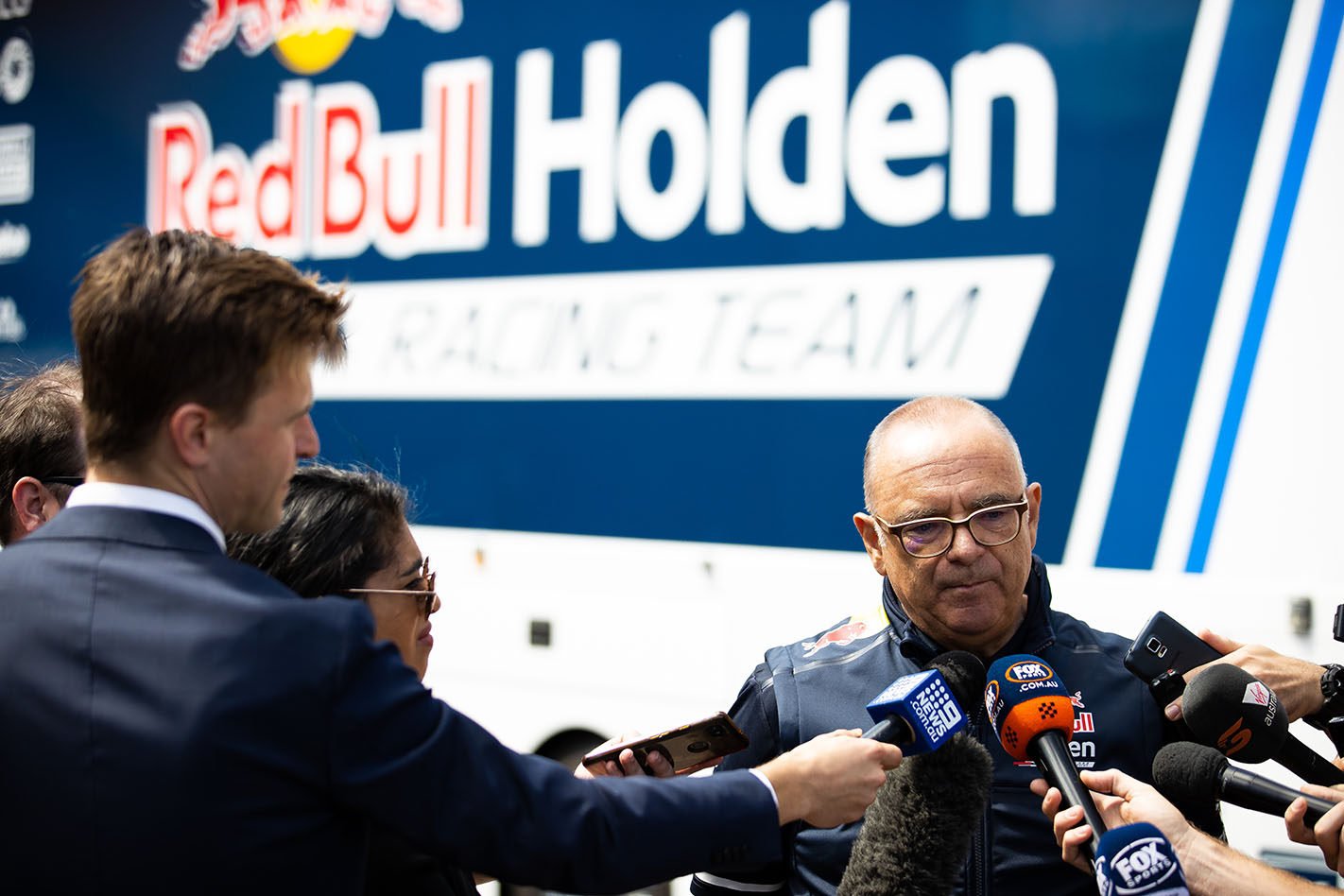
Red Bull Holden boss Roland Dane has a significant hand in forming the Gen3 rules.
Then came COVID. Supercars, its partners and teams did an extraordinary job to resume racing in late June, and by adapting, innovating and imposing strict health protocols, pulled off a rapid-fire series that ended on a high at Bathurst.
Some of the changes implemented – two-day race weekends, three sprint races without refuelling, limited personnel and restricted data – will have a lasting effect. The good that’s come out of the hardships and restrictions is that cheaper and more efficient racing is possible when the traditional mindset is replaced by flexible thinking.
Cost-cutting is a big part of Gen3, which promises an exciting evolution of the V8 rear-drive platform that has served Supercars so well for so long. The basics are a new control chassis that facilitates and encourages two-door coupes, no more corrupted body shapes, much cheaper build and maintenance costs, and significantly reduced aerodynamics for closer, more action-packed racing. I like to call the concept ‘affordable aspirational’ because it involves models that are attainable but still emotive.
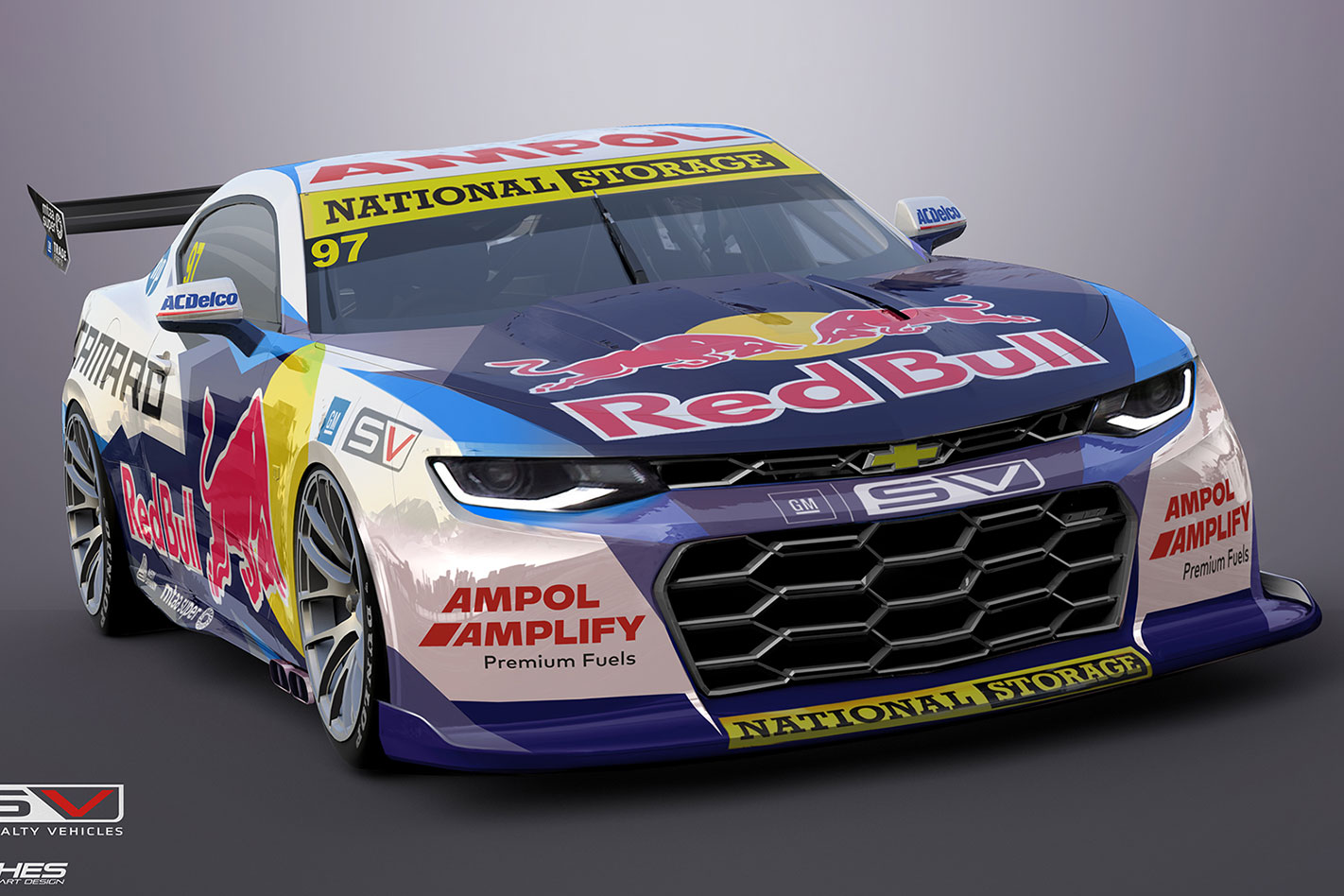
Gen3 means the Camaro will replace the Commodore from 2022, reviving a long-running historical rivalry with the Mustang and, more importantly, maintaining the traditional Ford versus GM rivalry. I expect Holden fans to embrace the Camaro. Supercars can thrive on Camaro versus Mustang for the foreseeable future, but I’d like to think the low cost of entry will eventually attract one or two other makes.
After such a year of difficulty and change, Supercars is ready to face the future with a clearly defined purpose: Loud and lively entertainment that appeals to the masses.
Mark Skaife’s new self-titled autobiography is out now at all good book retailers, and available online.
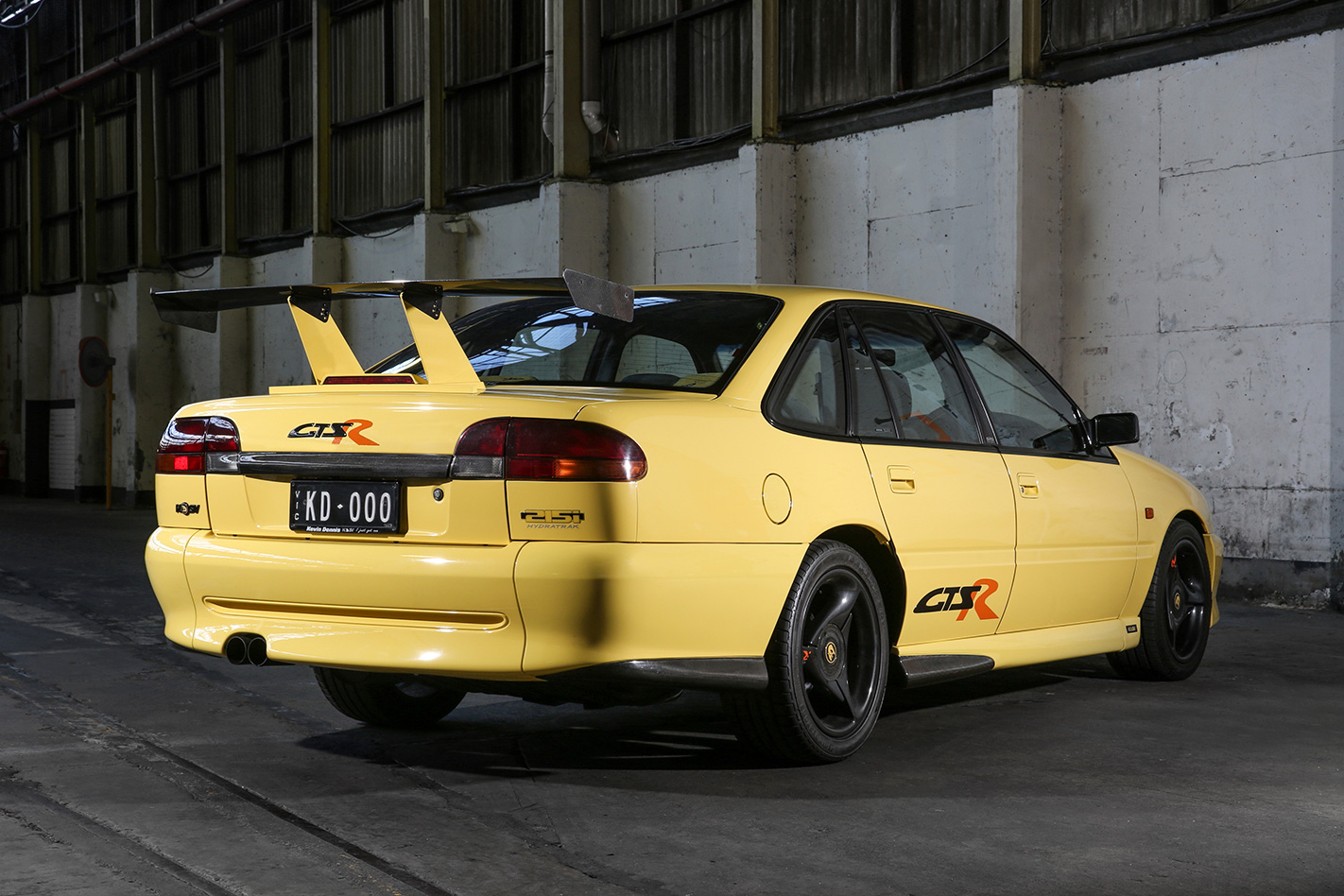
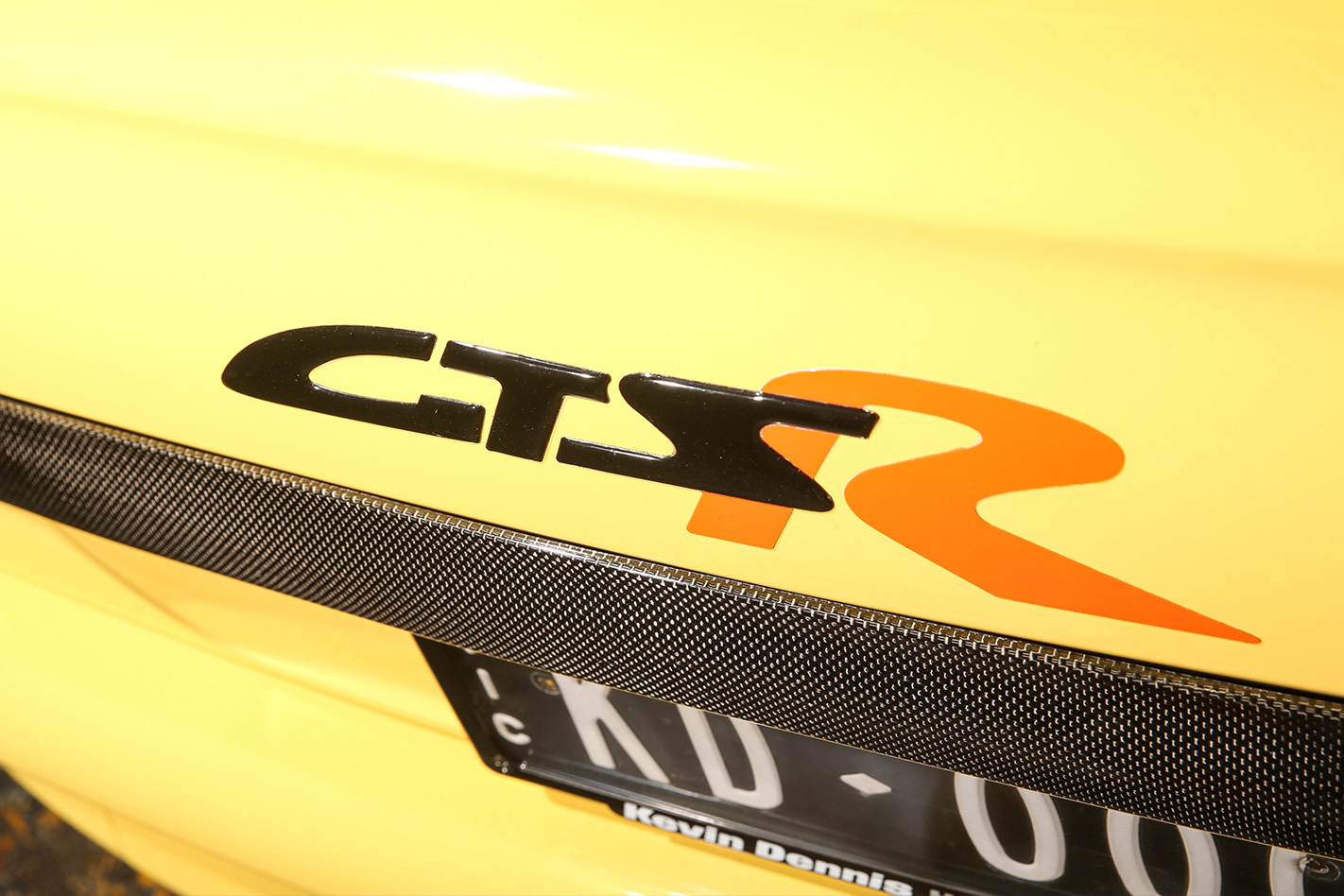
Who’d want a bright yellow mid-’90s sedan with garish interior trim, a boy-racer bodykit, and an options list affording an extra 10kW (ish) of grunt for $10,000? A bloody lot of people, apparently, as evidence by the popularity and rising prices of the iconic 1996 HSV VS GTS-R.
Few HSV models are as polarising as the original GTS-R, but a sub-100 unit production run has ensured it is one of the most sought-after vehicles in HSV’s catalogue. Revealed at the Sydney motor show, the GTS-R was the halo of HSV’s VS Commodore-based range, and with its $75,000 price tag it was the most expensive Holden ever built at the time.
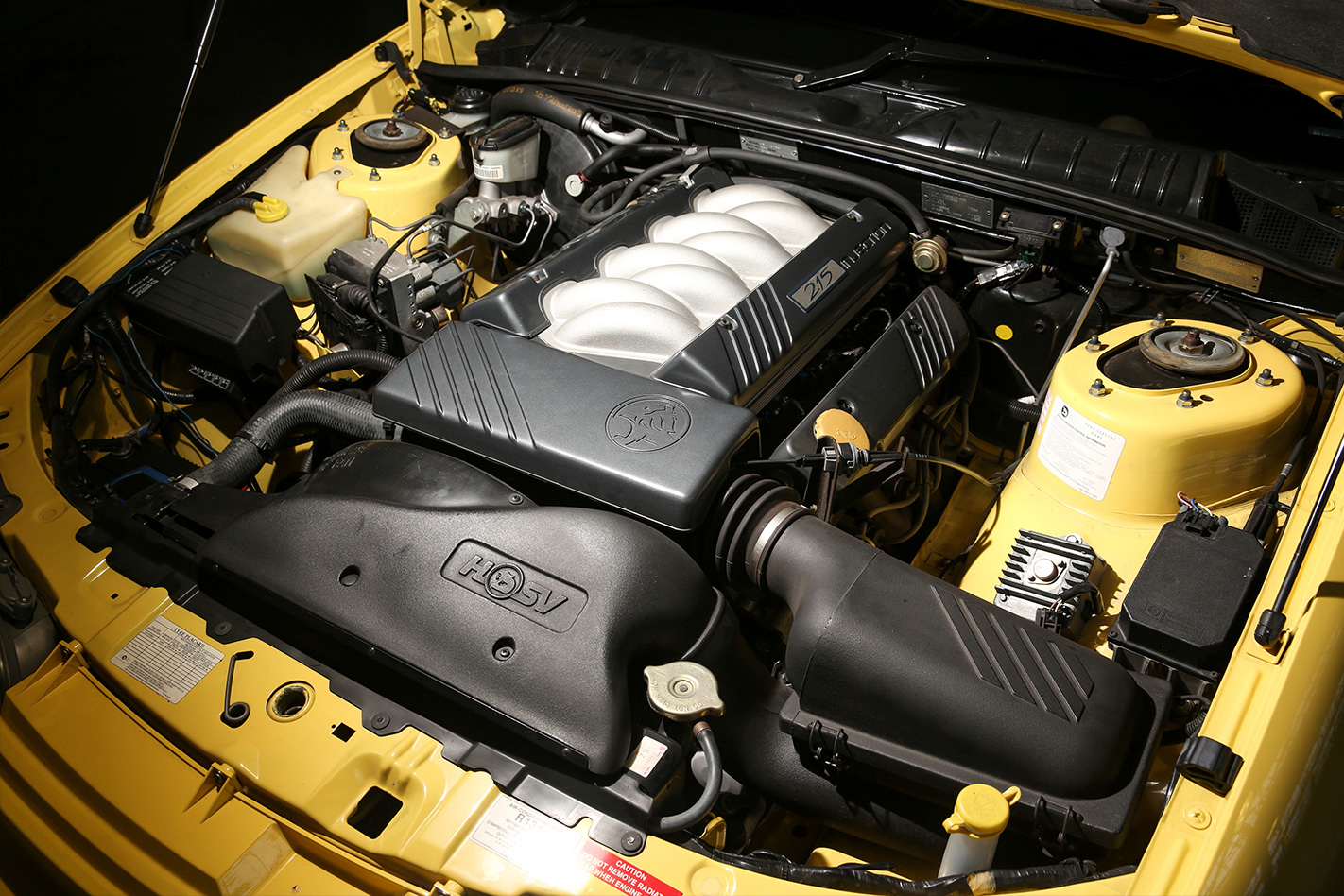
Arguably the last entirely Australian performance Commodore, the GTS-R received a stroked version of the venerable Holden 5.0-litre V8, with a Harrop crankshaft boosting capacity to 5.7 litres. Pistons were courtesy of ACL, and it had a shorter skirt compared to the standard Holden units. The GTS-R also copped thinner exhaust valve stems and polished ports, helping boost outputs to 215kW (at 4800rpm) and 475Nm (at 3600rpm).
The aforementioned $10K option was for an ‘optimised’ or ‘blueprinted’ version, where the engine was taken apart and upgraded by Holden Racing Team engineers, that helped liberate an extra 10-15kW and 30Nm.
Compared to the bog-standard VS, there were plenty of other mechanical changes, including a locally made Hydratrak limited-slip diff. The cars initially rolled off the production line in Elizabeth, South Australia, with a five-speed transmission, while the tougher Tremec T56 six-speed was fitted at HSV’s Clayton HQ (much like how the 2017 GTSR W1 began life with an LSA before going under the knife and receiving its LS9 heart).
The full-on styling is based on HSV’s standard GTS moulded nose, tail and side skirts that first appeared in 1993, with then TWR Design head honcho Ian Callum (yes, he of Jaguar and Aston fame) doing most of the pen work.
Only 85 GTS-Rs were built, with 10 being shipped to NZ. In total 12 of the Australian cars received the HRT optimisation. With no choice of colour other than the garish XU-3 Yellah, and few other options, it’s those HRT-fettled examples that remain the most desirable.
In the almost 25 years since the HSV GTS-R was revealed, a number of examples have met their demise, only serving to make surviving examples rarer and more expensive.
In the market for an HSV GTS-R?
The HSV VS GTS-R is an anomaly. There’s barely anything with four doors built in the same era that can come close to it on price. Already a six-figure vehicle before Holden shut up shop, the demise of Australia’s vehicle manufacturing industry has only driven prices further north.
HSV’s own example is insured for almost $150,000, while low-mileage examples are asking near $200K. With only 75 ever sold locally, finding one is a consistent problem. Good news is not many are faked, so the chances of getting duped are low. If your heart is set on the original GTS-R you could be waiting for a while and then find yourself in a brutal bidding war. So know your budget intimately before looking.
BODY & CHASSIS
The risk of rust in a GTS-R is equivalent to other models of this era. You’ll get a good indication of any possible problems by looking for bubbling in the wheel arches, around the windows, on the lower door skins, and surrounding the mounting points for that outlandish wing. Genuine panel replacements can be expensive with such a limited production run. Some loons took their cars to club events back in the day, so look for drilled and wired sump plugs as tell-tales of track use.
ENGINE & TRANSMISSION
Most examples at this age have upwards of 100,000km on the odometer, with the engines good for over 200,000km at a minimum. Any genuine GTS-R should have a full logbook and service history though, as the engine requires regular care. Being a specialised unit there aren’t many known issues with the 5.7 stroker, but if you need to ask how much genuine engine vitals cost to replace you don’t want to know the answer. Big-bore exhausts were popular and affordable in the 1990s, so an original exhaust is a plus. The clutch is good for roughly 80,000km depending on usage, and don’t stress if there is some light whining from the transmission at constant speed – this is normal for the six-speed. Take note of any noise from the Hydratrak diff, with clunking a sure-fire signal of problems.
SUSPENSION & BRAKES
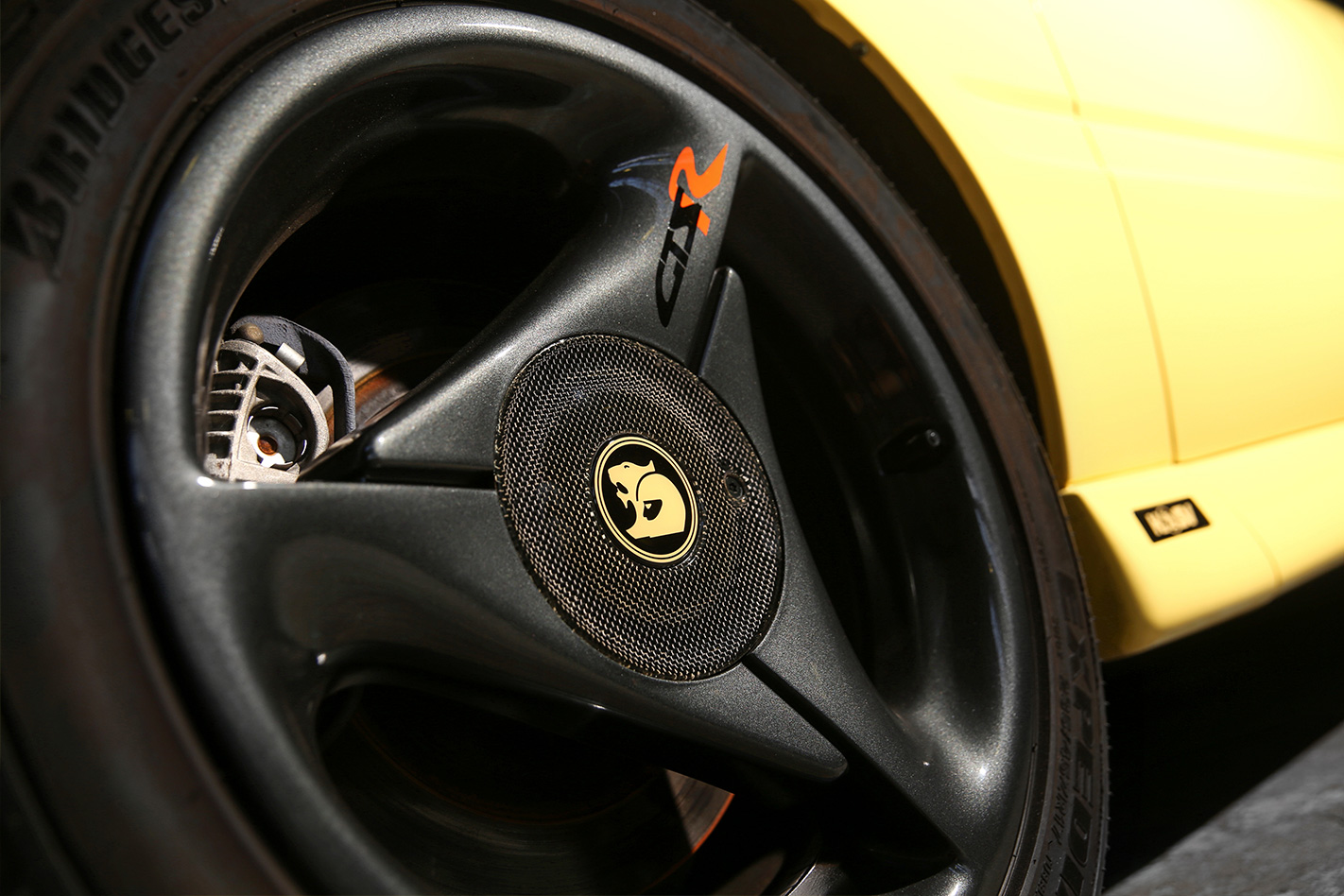
The instant collectability of the VS GTS-R means most are extremely well cared for, and these components require simple (and cheap) maintenance. The most likely issue will be bushes that have become worn simply through age and time, which even the hermetically sealed and never driven examples can be prone to. However, this is easily fixable. If you want the true OEM status, original Bridgestone Expedia S01 tyres in 235/45/R17 spec are like rare gemstones – expensive and hard to find.
INTERIOR & ELECTRICS
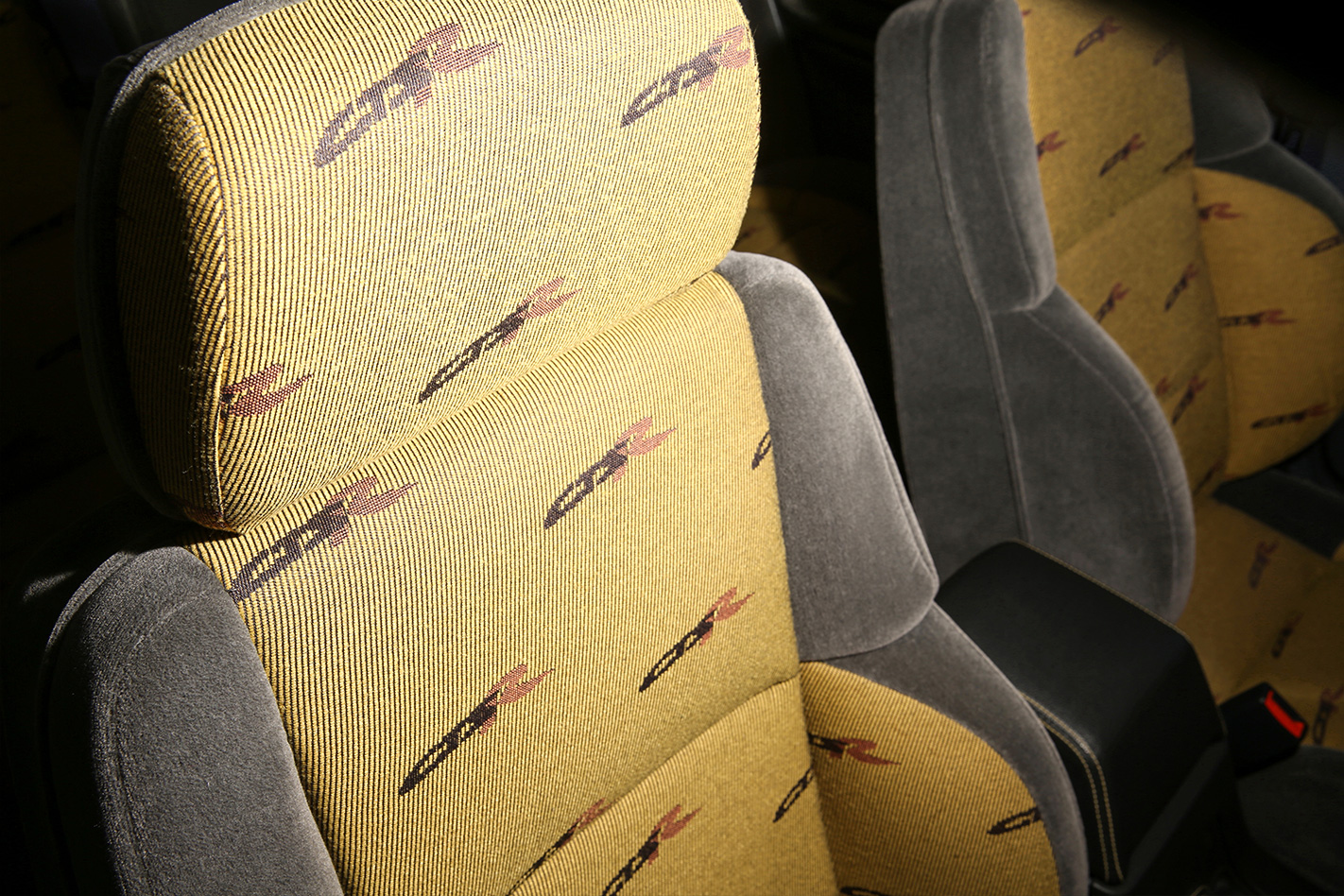
It’s all about that eye-searing seat trim. A genuine replacement will take a small miracle to find and cost a few spare offspring to obtain, so bargain hard if the material is fading. Negotiate even harder if it has any marks or tears. Retrimming the interior leather, which can be prone to bubbling, isn’t cheap (you’ll want four fat stacks set aside), and god-speed if you need to replace the steering wheel as standard GTS versions that lack the yellow stitching are nudging toward $1000. This is one of the first manual Holdens with cruise control, so make sure it still works, and that the electric windows are creak-free and functional.
HSV VS GTS-R specs
Body: 4-door, 5-seat sedan Engine: 5737cc V8 OHV, 16-valve Power: 226kW @ 4800rpm Torque: 507Nm @ 3500rpm Transmission: 6-speed manual Weight: 1619kg Used Range: $150,000-$200,000
Other collectible cars to consider
1.HKS Zero-R R32 Nissan Skyline GT-R Just four were built, with many of the original Nissan parts replaced. Centre to it all is a bored 2.8-litre RB26DETT which now produces more than 441kW. V-Spec Performance bought a genuine item last year for $212,000.
2. Lotus Carlton The GTS-R’s British evil twin is the Lotus Carlton. A GM-sourced 3.6-litre straight-six was joined by a pair of Garrett T25 turbos, with its 281kW/568Nm enough to propel the Lotus to 283km/h. Never sold locally, so you’ll need to source a model overseas to import.
3. HSV VN SS Group A The HSV VN SS Group A used a 215kW 4.9-litre V8 mated to a six-speed manual, while the brakes and suspension were also upgraded. HSV initially struggled to sell the 500-unit production run (priced at $55,000), however, values now hover just north of $100,000.
Could Ford bring a smaller ute that slots underneath the Ranger to Australia?
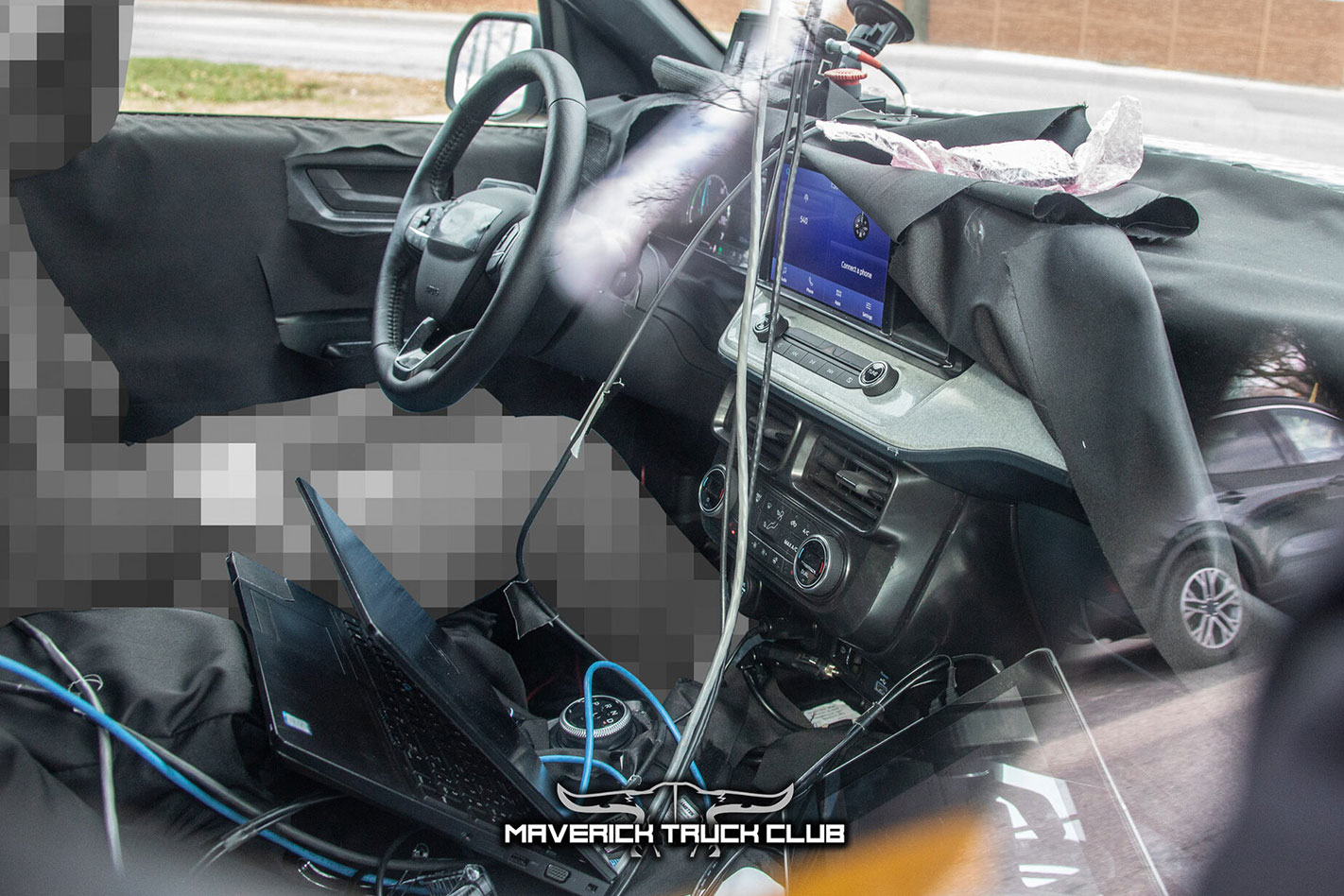
That’s what we’re wondering after pictures of a camouflaged Ford have appeared on Maverick Truck Club, showing a small double-cab ute with a front bar treatment it looks to share with the next-generation Ranger.
The location within the photos is reportedly in Hermosillo, Mexico, where Ford also builds the Bronco Sport.
Although Ford has not officially confirmed the truck’s existence, previously leaked images have shown the name Maverick will be stamped into its tailgate.
Meanwhile, spy shots of its interior elsewhere on the MTC forum lend a clue on what will underpin the small pick-up, since they show components that are shared with the Ford Focus.
For instance, its rotary transmission dial, HVAC setup and analogue speedometer layout are similar.
It’s also believed that the Maverick will ride on a stretched version of the Focus’s C2 platform, just like the Bronco Sport and Escape SUV.
This, along with the fact Ford has not released details, means there’s still room to speculate that it could be manufactured in right-hand drive.
Ford’s local arm is unwilling to comment on the Maverick’s potential for showrooms, but there are plenty of reasons why it should bring the mini-Ranger Down Under – if it can.
It would, for one, go some way towards bolstering a range that relies heavily on the hugely popular Ranger.
That range will have to make do without the wildly anticipated Bronco which, despite it being based on the Ranger’s T6 architecture, won’t be built in right-hand-drive.
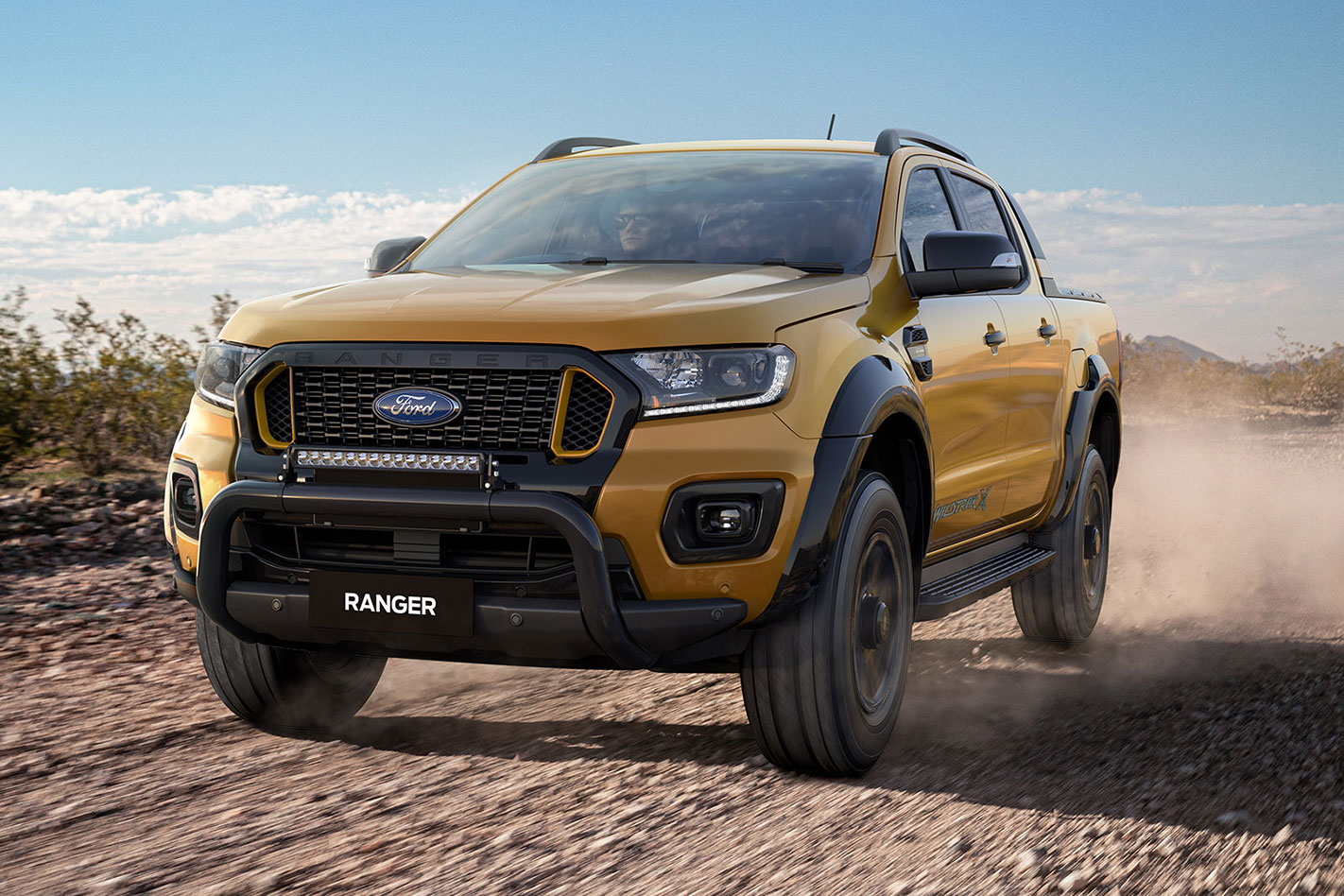
Ranger-like styling could also help the Maverick leverage Australia’s taste for the larger pick-up and complement it at the entry-level.
That is, of course, subject to how well a car-based truck would adapt to Australian needs.
The Maverick’s well-documented unibody construction, rear torsion-beam setup, front- and all-wheel drive with four-cylinder engine options would certainly equate to a lower tow rating and less payload capacity.
But this could see it positioned as more a lifestyle car than a commercial play.
Other details are scarce, but expect more information over the coming months leading to its expected mid-2021 launch.
Pictures:Maverick Truck Club
The state of Victoria wants to eject unsafe cars from its roads, with Premier Daniel Andrews announcing a ‘cash-for-clunkers’ style pilot program on his Facebook page.
The post details a two-pronged approach that concentrates on getting young and old drivers into newer cars in a bid to boost road safety.
He says the Victorian government will offer the program to young people in regional areas, scrapping their “old car” in trade for a grant to “buy something newer and safer”.
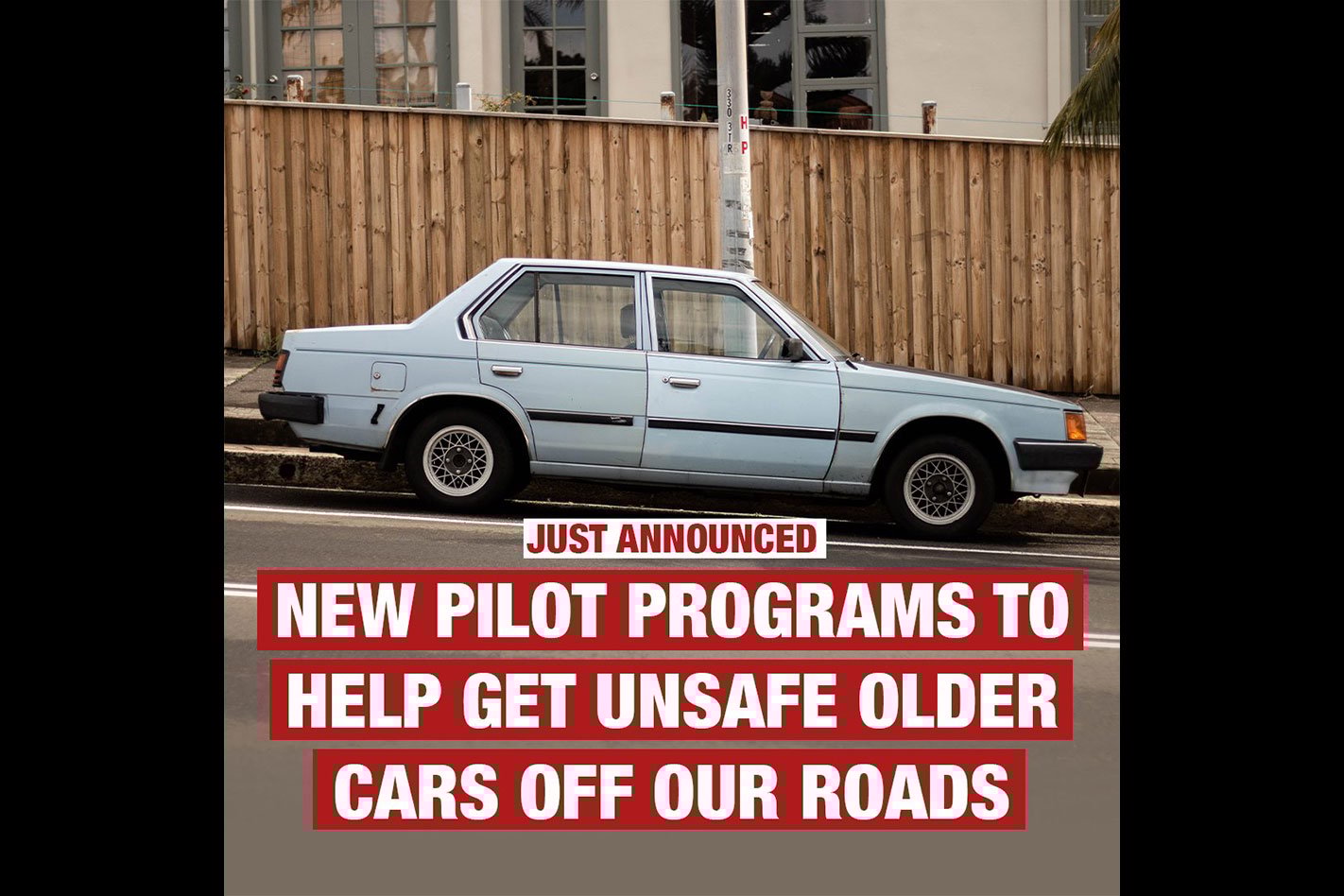
Under this program, the government says it will replace 1000 cars – but it does not say what qualifies as old, or how much the grant will give young regional Australians to buy a new car.
As for Australia’s aging population, “short term, affordable leases” will be offered to regional Victorians over 65 on “lower incomes” to drive cars with “five-star safety ratings”, a spokesperson says.
We asked the Victorian government for more details and how, or even if, the pilot programs will be rolled out on a wider scale.
“Further details on both trials will be made available closer to when they begin later this year,” we’re told.
The program’s aim is clear in the premier’s chosen words.
“Older cars don’t have the safety features we rely on to keep us safer and are over-represented in our crash and fatality stats,” Mr Andrew’s post says. “This is about getting them off the road, and supporting those Victorians who need it most. Making things safer for everyone.”
As well as pulling at-risk driver groups out of old and unsafe cars, schemes like these offer the chance to cut emissions and boost new car sales.
They’ve also more famously run in countries such as America, where a huge scheme was enacted in the early part of the last decade to kickstart the ailing US auto industry after the global financial crisis hit.
Former Australian Prime Minister Julia Gillard proposed a cash-for-clunkers scheme back in 2010, pledging $2000 to drivers who updated their car under the Cleaner Car Rebate program with a focus on improving fleet emissions. The proposed $400m national scheme never eventuated.
Just last year, however, the Victorian Chamber of Commerce raised the idea with the state government, and was backed up by the Australian Automotive Dealers Association. It reportedly floated more effective ways to structure the scheme, including how to recycle old cars.
The NSW Minister for Transport, Andrew Constance, has rewarded NSW motorists for the lowest road toll in almost 100 years by ordering removal of mobile camera vehicle signage.
The move comes barely a month after the state sanctioned the removal of roadside warning signs that were, by law, required to announce the presence of clearly marked mobile speed camera vehicles, and the doubling of deployment hours for the fleet.
Now the vehicles – which are not operated by law enforcement agencies, but private contractors – will operate in stealth mode, with all signage to be stripped from the vehicles themselves.
“There may have been fewer deaths among drivers, passengers and motorcyclists but it has also been a year where we have seen a significant reduction in traffic volumes due to the pandemic,” claimed Constance in a press release, which offered no data to substantiate his claims.
“Speeding remains the leading contributor to fatal crashes and speed-related fatalities rose to 47 per cent of the total road toll last year.
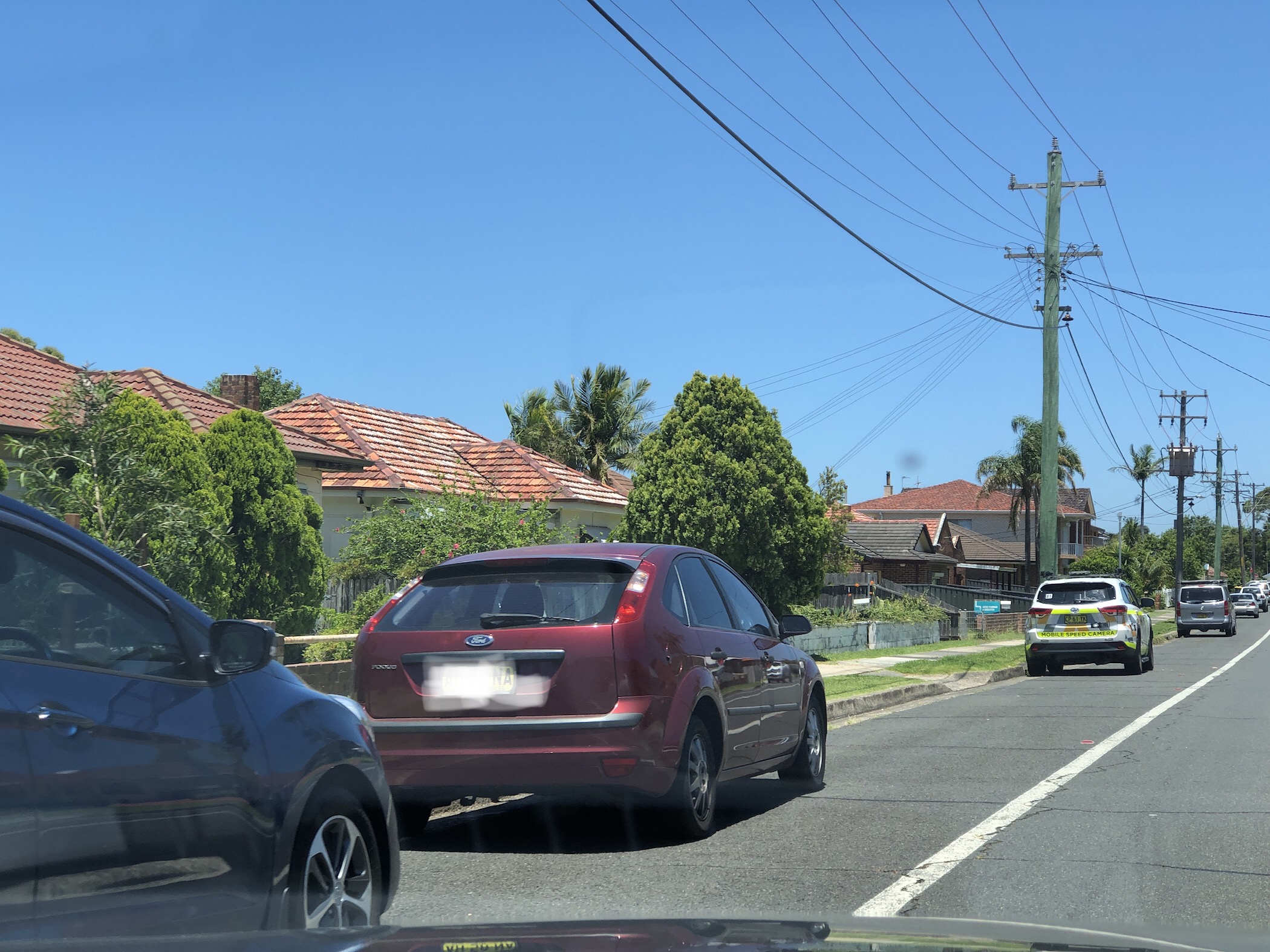
“We aim to halt this trend in 2021 by expanding the mobile speed camera program and removing markings from some of the vehicles so people know they can be caught anywhere, anytime.”
Operators of the mobile speed cameras were quick to react to a change enacted in November, with Constance demanding the removal of the signs announcing a speed camera’s presence.
A t time, Constance said changes to the mobile speed camera program would include the removal of warning signs and would roll out over the next 12 months, bringing NSW in line with other jurisdictions.
“This is about changing culture and changing behaviour,” he said. “We’ve seen it happen with our world-leading mobile phone detection program, where the rate of people offending has steadily declined.
“No warnings signs mean you can be caught anywhere, anytime and we want that same culture around mobile speed cameras.”
However, the decision to remove the signs has met with resistance. Motoring body NRMA, for example, said warning signs are important and play an important role in reducing crashes in high-risk locations.
“We support the use of cameras and we support the use of warning signs. We think they play an important role in education,” NRMA spokesman Peter Khoury said.
“Speed cameras are put in locations with a crash history and, without the signs, we would miss an opportunity to tell people to slow down.”
There were 297 deaths on NSW roads in 2020, down from 353 in 2019 and a high of 603 in 2000.
Safety in action or cynical revenue raising? We’d love to hear your view below
The man responsible for the destruction of many tyres, Ken Block, has announced that he’s leaving the Ford fold after more than a decade.
Block, who rose to fame off the back of his innovative Gymkhana stunt driving clips, jumped ship to the Blue Oval from Subaru in 2010, collaborating on a variety of increasingly crazy projects along the way.
It started out innocently enough, with Block building a Fiesta WRC-based machine that could be switched between disciplines with a quick suspension change, before taking on the WRC itself with mixed results.
The foray with Ford then morphed into a tilt at the crazily competitive FIA World Rallycross Championship with a two-car Focus team, before Block pulled back from international competition in 2017.
Along the way there have been a brace of amazing Ford-badged projects pushed through Hoonigan, the media arm that Block – who parlayed a US$10,000 loan from his parents into DC Shoes, which sold for US$88 million – used to great effect to net more than half a billion video views over the last decade.
From a sweet Escort MkII to rare Escort Cosworths – one of which met a fiery end – customised Transits and a genuine RS200 Group B car, Block and his team also created bespoke beasts like the all-wheel-drive Hoonicorn Mustang and the 500kW Hoonitruck along the way.
Perhaps the first sign that the marriage was drawing to an end came when Ford Performance debuted its Mustang Mach E drift monster in 2020 not with Block at the helm, but with drifting ace Vaughn Gittin Jr in the starring role.
While Block did drive the 1000kW-plus electric concept, it was hard to shake the notion that he wasn’t Ford’s first choice for this project, which will see the Blue Oval tip the better part of $40 billion into electrification over the next decade.
The parting looks to be quite amicable, with Block announcing the departure on – where else – YouTube (at the top of the page).
“It’s simply been a dream come true to work with the company that built the truck that my Dad drove when I was a teenager,” Block said in a release. “I’m super appreciative to Ford for the support over the years, but I am also looking forward to what an unrestricted 2021 holds, and the ability to spread my wings a bit and play with a lot of other toys.”
“All of us at Ford are very grateful for Ken Block and his bringing the thrill of Ford Performance vehicles to a whole new generation of car buyers,” Ford Performance said in a statement.
“He did it in ways that were uniquely Ken – with fun, energetic and extraordinary driving exhibitions that were unmatched in the automotive world, along with important victories and performances in rally and rallycross worldwide.”
So what will Ken Block do now? Whatever the hell he likes, basically… while forums are alight with the notion that there’s a return to Subaru on the cards, we reckon he might eschew factory backing for a little while to scratch some itches accumulated over ten years of repping one car brand.
Equally, Block’s departure from Ford creates a unique opportunity for another car company to fill the breach. Despite its relatively tiny size, Subaru benefited enormously from its involvement with Block; both Hyundai and Kia, for example, could do worse than to woo Block and his 19 million-strong social media army.
As Block moves deeper into his 50s, too, he might just perhaps looking at the chance to help his 14-year-old daughter Lia take over the family business of destroying all tyres.
NOW WATCH All the Gymkhana clips: Ken Block’s greatest hits
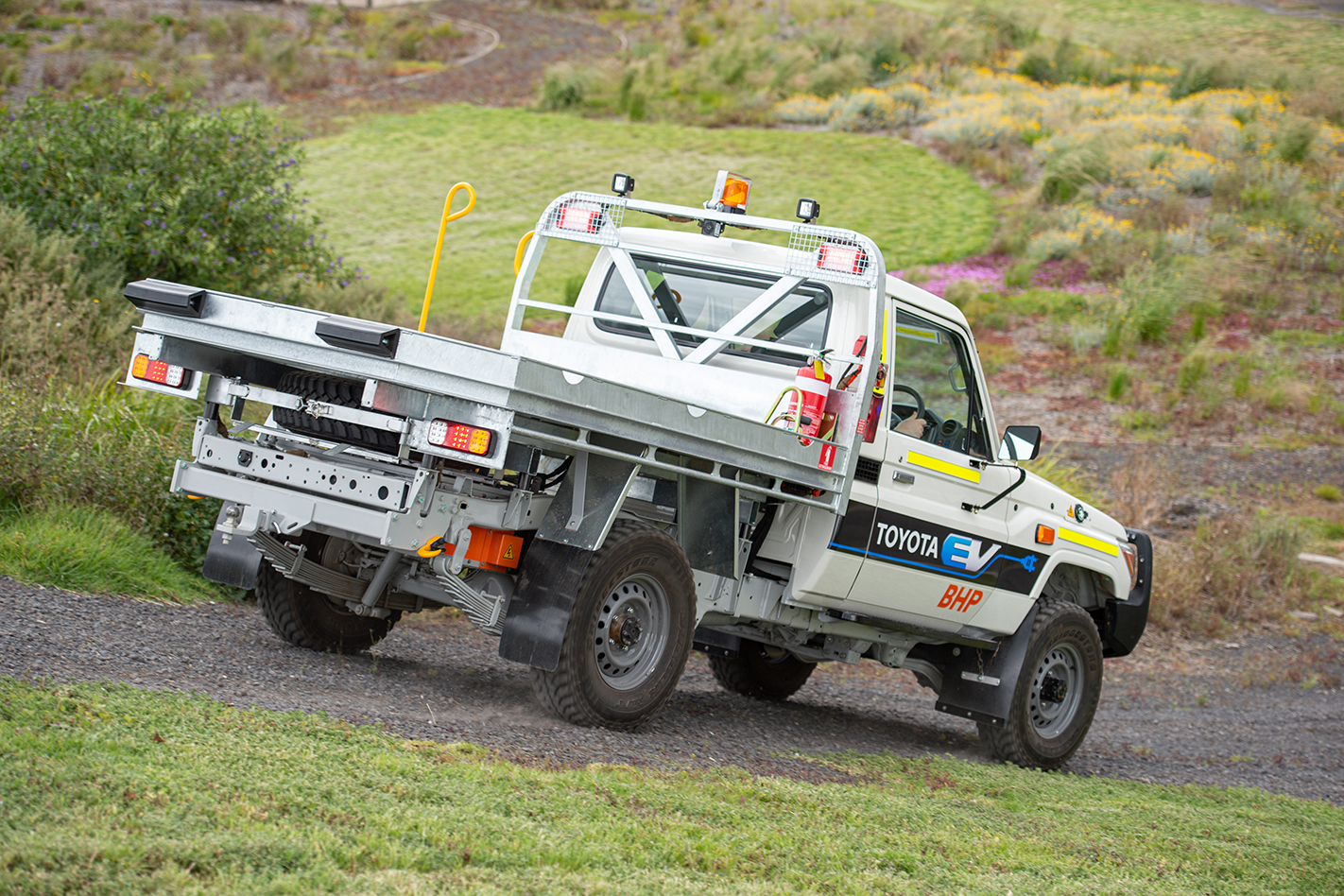
Mining companies retrofitting 4WD drive vehicles with battery electric powertrains isn’t new, but the latest conversion of a LandCruiser 70 Series ute is noteworthy as it directly involves Toyota Australia.
The conversion was carried out by Toyota Australia’s Product Planning and Development division in Port Melbourne as of part of real-world testing carried out in conjunction with mining giant BHP.
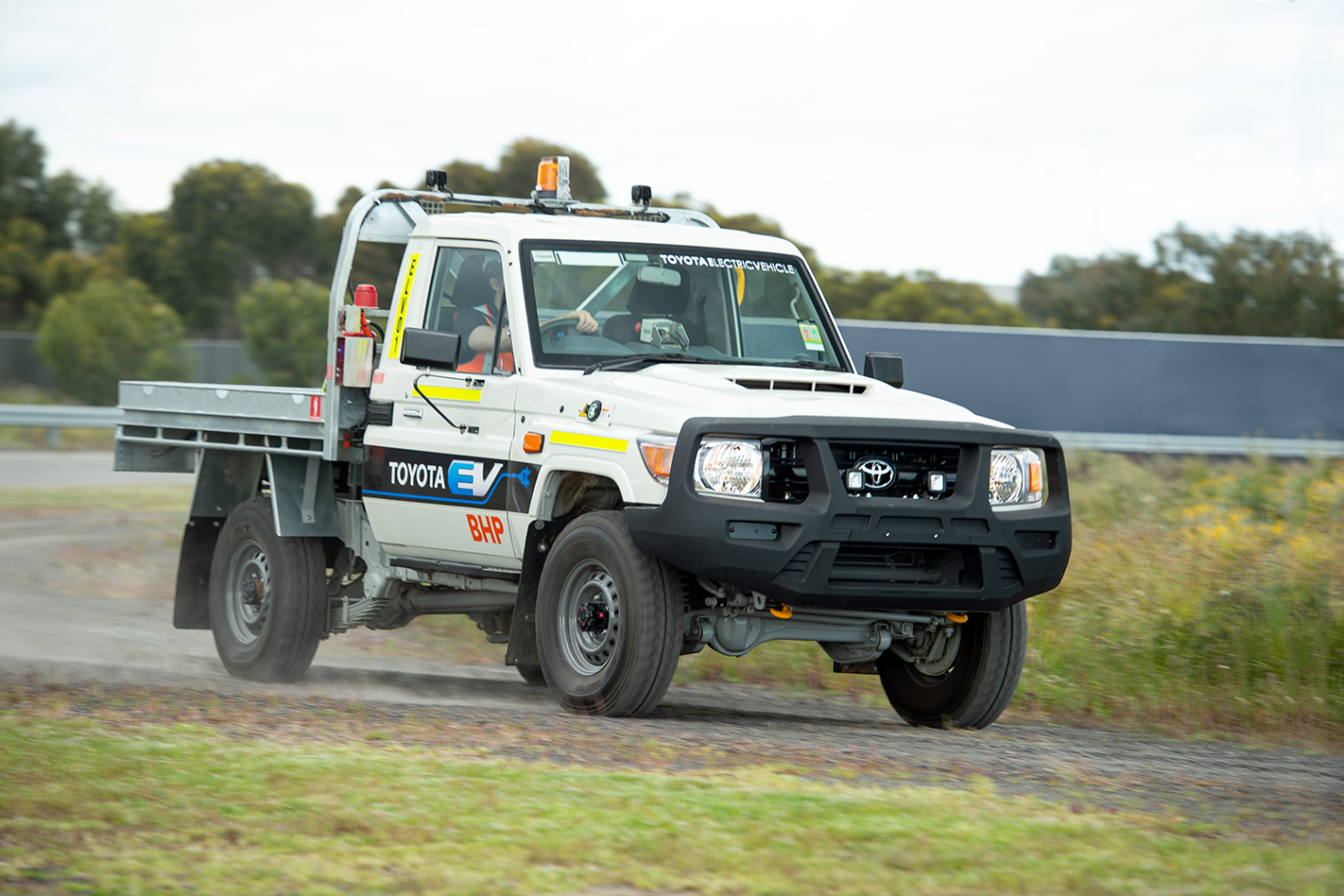
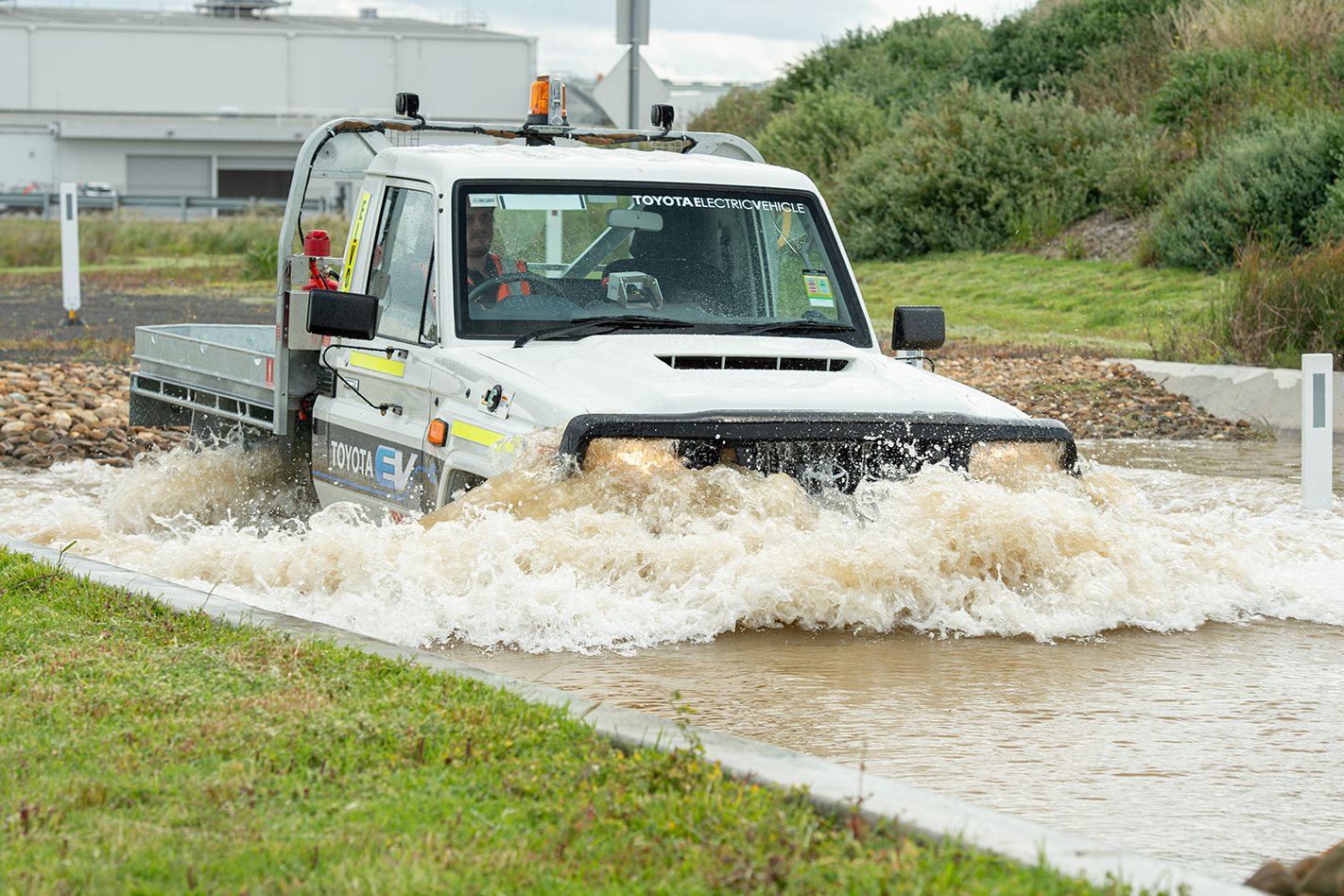
The small-scale trial will see the converted single-cab ute, which is equipped for underground mine use, operate under battery power alone at the BHP Nickel West mine in Western Australia.
Toyota is not divulging any technical information such as battery capacity or range ‘as this is a trial’, though it says more information will become available in coming months.
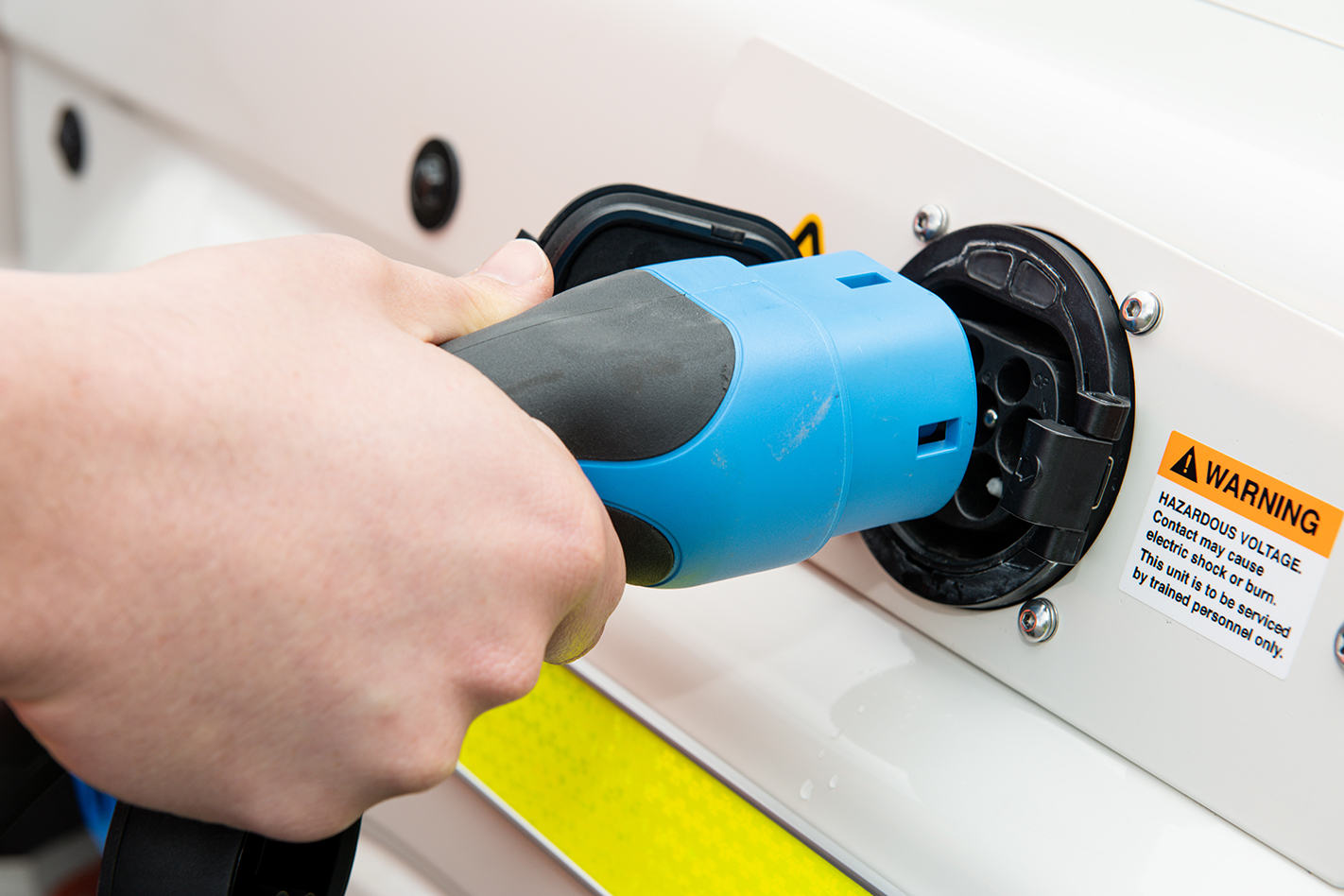
Interestingly, the pictures show it has a Type 2 charging port. Assuming that is the only socket on the vehicle this means it can only accept low-speed AC charging, which suggests either a low battery capacity and driving range, or long charging times.
BHP is already operating an electric LandCruiser 70 Series called the eCruiser, which was converted by Perth-based engineering firm Voltra and was initially trialled at its Olympic Dam site in South Australia in July 2018.
The eCruiser has a 42.24kWh battery capacity that can be charged in about an hour using a 50kW DC rapid charger. According to Voltra the vehicle involved in the BHP trial had a 80-100km range in mining conditions.
The benefits of a zero-emissions mining vehicle include a significant improvement in air quality for underground miners, as they don’t have to breathe in diesel exhaust particulate matter in the cramped confines of a mine.
Toyota Australia’s president and CEO Matthew Callachor said the trial is another step Toyota is taking as part of its bigger picture of a zero emissions future, but did not elaborate on any plans to produce an all-electric ute.
“BHP and Toyota have demonstrated a strong relationship throughout the last 20 years, and this project is a great testament to how we can both work together as leading companies in our respective industries to change the future,” Callachor said.
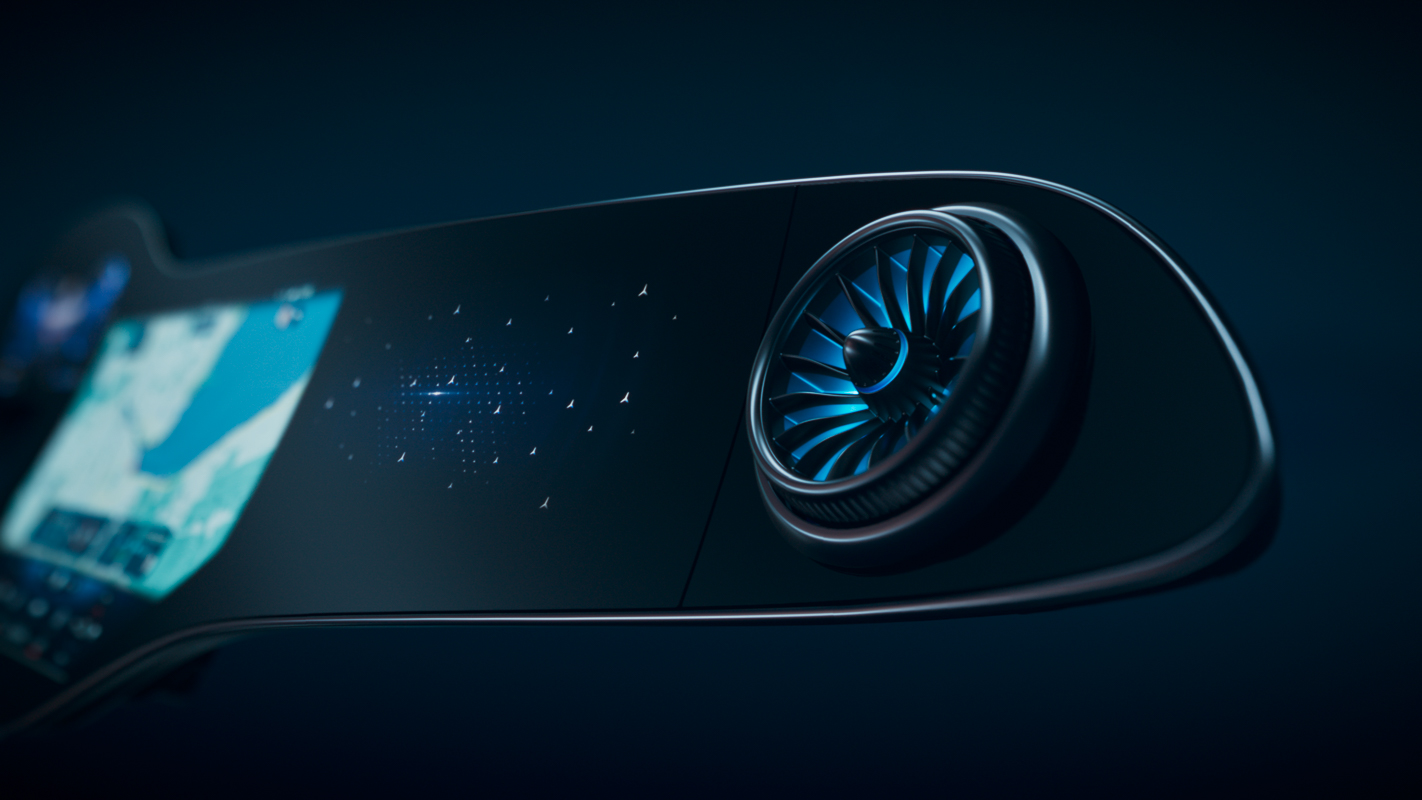
Mercedes-Benz has given its upcoming EQS flagship a gigantic new iteration of its MBUX infotainment system, called the MBUX Hyperscreen.
According to the German carmaker, the Hyperscreen will make full use of machine learning and artificial intelligence to best integrate with owners lives.
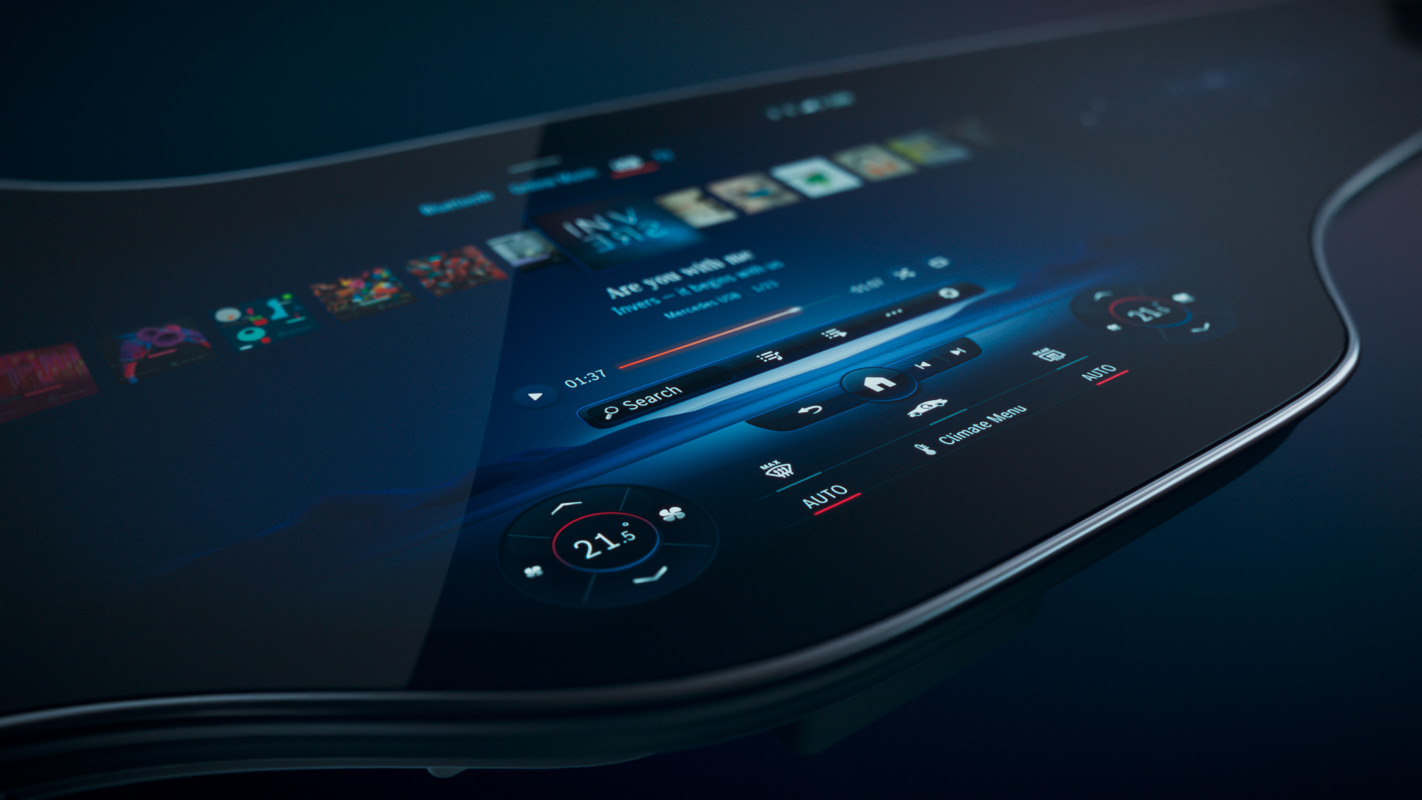
Stretching almost entirely from one A-pillar to the other, the Hyperscreen is a high-definition 55-inch OLED curved display designed to wow occupants and can make personalised suggestions for numerous functions, without having to navigate endless sub-menus.
The system will learn driver and passenger habits and will suggest applications on opposite sides of the screen without being prompted, keeping both parties from being distracted.
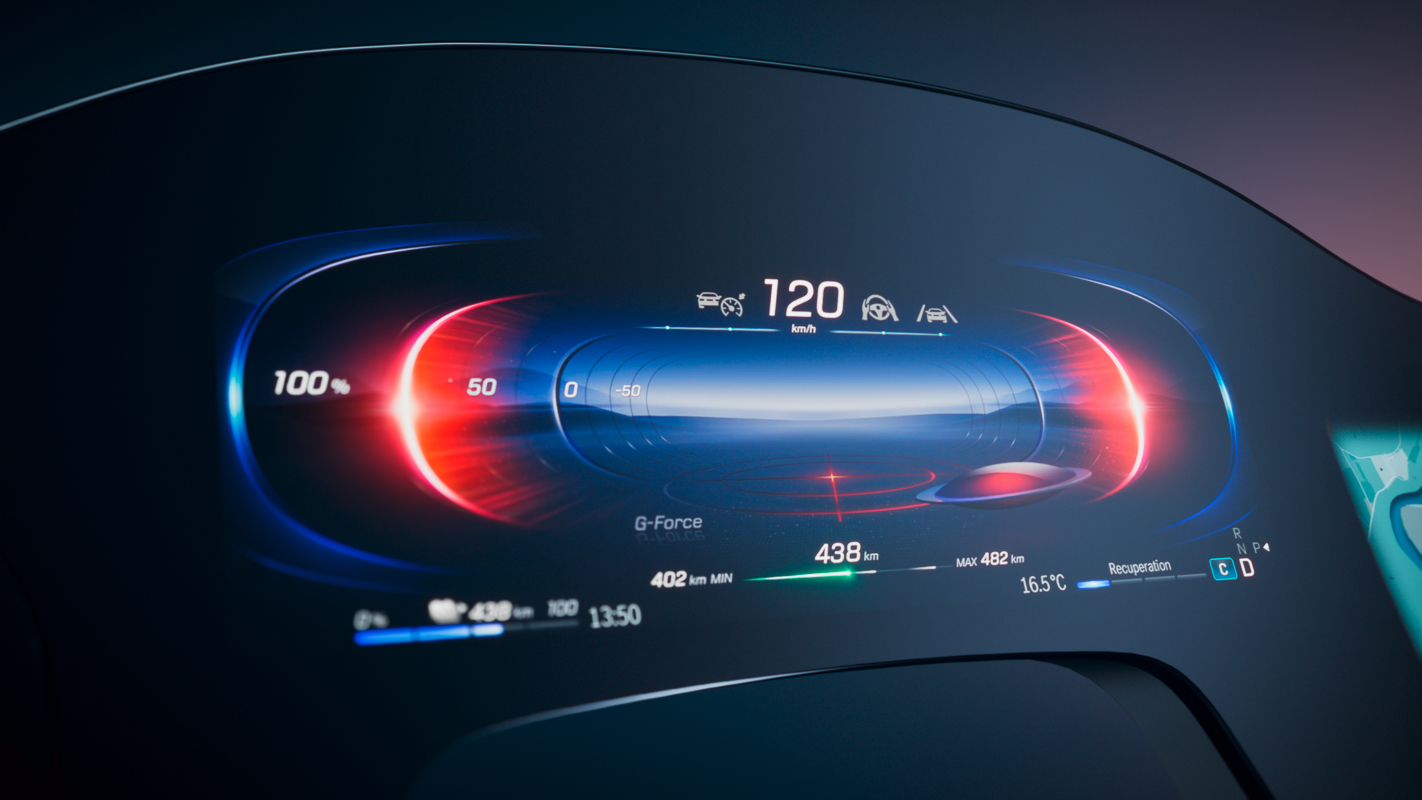
For example, if you always call a friend on the way home on a Tuesday evening, you will be asked by the system whether you want to place that call at the corresponding time on a corresponding day. Additionally, if a driver regularly uses the ‘hot stone’ function of the massage seat system when it’s cold, that suggestion is automatically served up to the driver upon recognition of cold outside temperatures.
All this information is tied to individual driver profiles.
Interestingly, in the event of a crash the screen will break in pre-determined points in order for airbags to burst through to protect occupants.
After first being introduced in 2018 on the current generation Mercedes-Benz A-Class, MBUX now finds itself in more than 1.8 million Mercedes-Benz passenger cars worldwide.
An updated version can be found in the recently-updated Mercedes-Benz S-Class, but the latest and greatest MBUX Hyperscreen will ship with the forthcoming EQS flagship electric vehicle in 2022.
It is expected that this latest technology will trickle down to the rest of the Mercedes-Benz range in the future.
Consider, if you will, the fates of happenstance that would require one to buy a car with more than seven seats. Or maybe it’s best you don’t…
The choice of machines that can cater for a volleyball team’s worth of kids is, let’s be honest, not that inspiring.
The Honda Odyssey is competent, and the Hyundai iMax is… well, big, but neither are cars that are likely to ever adorn your laptop as a screensaver.
It’s not to say Australia’s best-selling (by some margin) people carrier, the Kia Carnival, has the ability to set hearts a-flutter, either – but when you’re browsing in this aisle, you’ve got a whole new set of priorities anyway, like space, safety, space, baby-seat mounting, space and more space.

Now in its fourth generation, the Carnival aims to blend the need for size with the wants of a new generation of fussier buyers.
Based on the front-drive-only KA4 platform that also rides under the excellent Sorento SUV, the Carnival is big. Really big.
At 5.2m long and a shade over two tonnes, the Carnival’s bluff nose and fancy grille, sculpted bonnet and bejewelled butt soften the squared-off roofline and straight sides that’s a necessity for such a contraption.
Powertrains are similar but improved over the previous generation Carnival; an updated version of the Hyundai group’s 3.5-litre V6 petrol engine is accompanied by a newly lightened 2.2-litre turbodiesel four-potter which now runs an alloy block.

Both have been breathed on for efficiency and emissions gains, with the petrol engine pumping out a healthy 216kW and 355Nm, and the diesel making a very handy 148kW and 440Nm.
The petrol engine’s claimed 9.6L/100km combined fuel economy score is 10 per cent improved, according to Kia, while the diesel now returns a claimed 6.5L/100km on the combined numbers, down from 7.6.
It’s the oiler that Kia expects to sell most of; the cost of entry is a shade over $50,000 driveway for the petrol S, while the diesel version will cost $2000 more.
Front-wheel-drive and an eight-speed auto is the only choice across the eight variants, which tops out at a shade over $70,000 for the diesel Platinum you see on these pages.
How practical is the Kia Carnival?
The three-row Carnival retains sliding doors on each side, teamed (obviously) with a top-hinged tailgate which opens high and wide.
There’s a tonne of seat flexibility thanks to a brace of rail-mounted pews, including a centre seat in the second row that can be spun to face the third row.

Worthy to note, however, that while it’s possible to fit five ISOFIX seats across the rear two rows, it’s not approved in Australia to add one to that middle second-row seat while it’s turned around.
It’s physically possible, but not approved for Oz.
The seat in question can actually be chucked in the garage, creating two pseudo captain’s chairs in the second row. It’s a pain to fiddle with, though, so be warned.

Third-row occupants need to be small, especially if there are three of them, but they’ll be safe, cool and entertained, thanks to third-row covering curtain airbags, roof-vents and USB chargers on our top-spec tester.
Second-rowers get similar treatment, though storage space is compromised by the design of the sliding doors.
The Carnival can also be hollowed out to swallow 2785 litres of stuff, though the floor isn’t flat. Even with the third row in play, there’s still 627 litres of usable space to play with, thanks to the Carnival’s 40mm more overall length over the previous model.
Handily, it can also tow a two-tonne braked trailer.
How safe is the Kia Carnival?
The Platinum is absolutely rammed with tech and spec; Kia’s latest safety suite adds all manner of aids, including sliding door latches that won’t open if the car detects something passing by, rear-seat occupant detection, and both front- and rear cross-traffic assist.
Strangely, the Carnival misses out on automatic wipers; they’re a victim of COVID delays, with the conversion process between left- and right-hand-drive missing a crucial deadline. Expect it to make the first facelift, though.

The Carnival is still waiting on an ANCAP score, as well, but the company is quietly confident of a solid result.
AEB everything, advanced blindspot tech and the aforementioned seven airbags make for a compelling safety argument for a large family.
A five-star ANCAP 2020 rating isn’t dependant on the addition of a front-centre airbag, either; that part of the test is about whether the front occupants strike each other, not whether a bag is there or not.
Given the width of the Carnival – and given that the same-platformed Sorento scored a top result – it would be fair to say the Carnival will rank well.
Driving the Kia Carnival
Despite its girth, the Carnival is well-mannered and stable, its Aussie-tweaked damper set providing terrific ride quality and roll stability that doesn’t feel overly soft.
The Korean-spec steering tune (another COVID hangover) may get an update, according to local engineers, but it actually feels pretty well suited to the car out of the gate, and the smoother, quieter, lighter diesel is a handily torquey package.

It’s big, sure, and it’s a steady-state understeerer given its enormous wheelbase, but long runs in the Carnival are a quiet, comfortable doddle.
Its lane-keep assistance is intrusive and always defaults to the ‘on’ position after the ignition is killed, but when it combines with the adaptive cruise control system, it’s every bit as competent as similar setups in Audis or Mercs – and way better than many others out there.
And the various reverse camera modes in the big-dollar Platinum are seriously impressive, especially the tow line view. You’ll back up to the ball first time, every time.
Warranty/service, fuel economy
Seven years of roadside assistance and capped-price service complement Kia’s seven-year/unlimited-kilometre warranty.
Based on current fixed-services costs, the diesel-powered Carnival is the most expensive Kia to service, costing a little over $3600 over seven years of servicing every 12 months or 15,000km.

Over 500km, we posted a combined average consumption figure of 7.2L/100km, comparing well to the claimed average of 6.5L/100km.
On this kind of form, you can expect up to 1000km from a 72-litre tank of diesel.
VERDICT
So complete is the new Carnival, Kia reckons it takes the place of the new large Telluride (which is a left-hook-only deal anyway).
It’s a big assertion, but the Carnival has successfully shed its homely image to move even closer to becoming a viable alternative to a big family SUV.
KIA CARNIVAL PLATINUM rivals
It’s a limited field, but the Honda Odyssey and VW Multivan will be on people’s shopping lists.
