
My read, Paul? Sales of these truly big utes will be self-limiting. For a small minority, they’re truly fit for purpose, but many who try them will discover that they’re genuinely too big and cumbersome for their needs.
Wheels magazine has always had a passionate audience, with a thriving letters section. Here’s the latest from our readers.
And while we’re talking about the mag, have you subscribed?
Monsters Inc
?️ Paul Huard, Gungahlin, ACT
On finishing the article on the possible return of General Motors to Australia I had to check the date of the magazine. It was with horror that I realised this was not your April first edition.
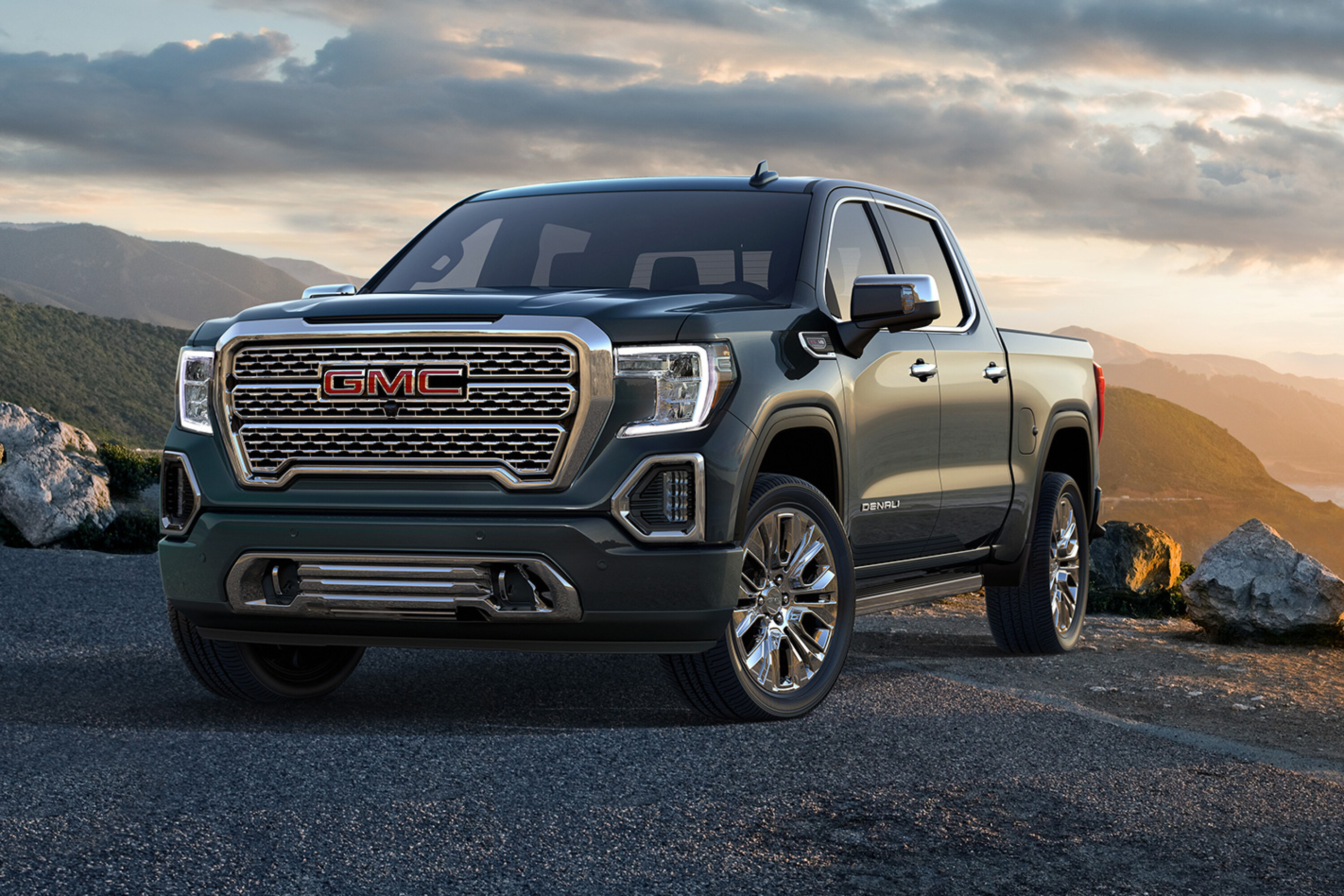
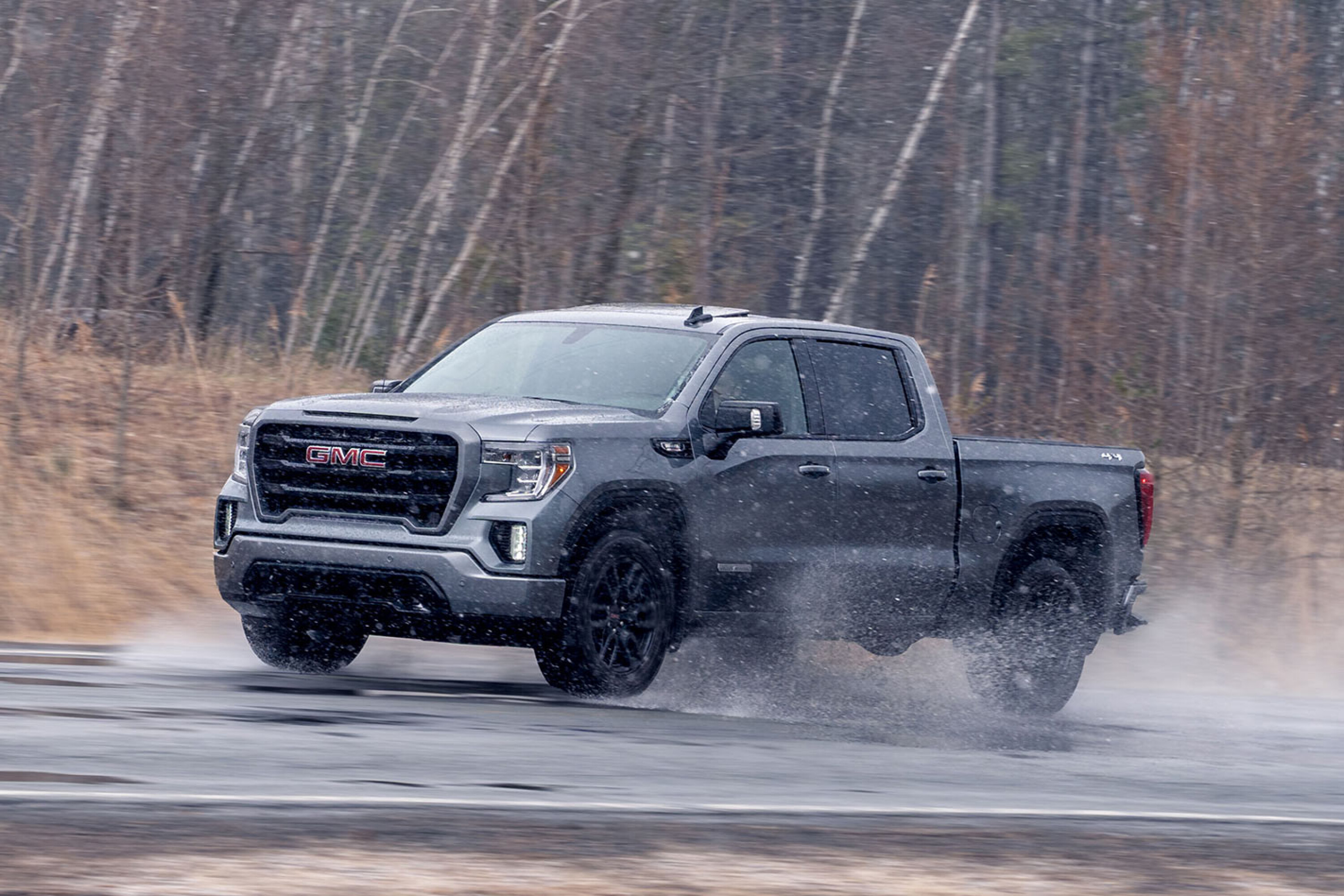
This is just what every pedestrian, cyclist and sedan owner has been waiting for; more monster (stop using full-size to describe these) trucks occupying our streets. Existing examples can’t be entered without the obligatory side step addition just so normal sized individuals can get behind the wheel.
1
“Oh the humanity!”
You can’t put tools, equipment or even household rubbish in the back without opening the flaps on either side of the ute tray to lower the height you have to lift said item to clear the high gloss paintwork.
Let’s assume that all owners of these vehicles take advantage of their supposed towing capacity. Can you imagine the chaos of a combined mass of over 6000kg meandering along our local roads. As the commentator said of the ‘Hindenburg’ air disaster, “Oh the humanity!”
ud83dudede Editor Andy
1
McLambo
?️ Andrew Coleman, Taupo, NZ
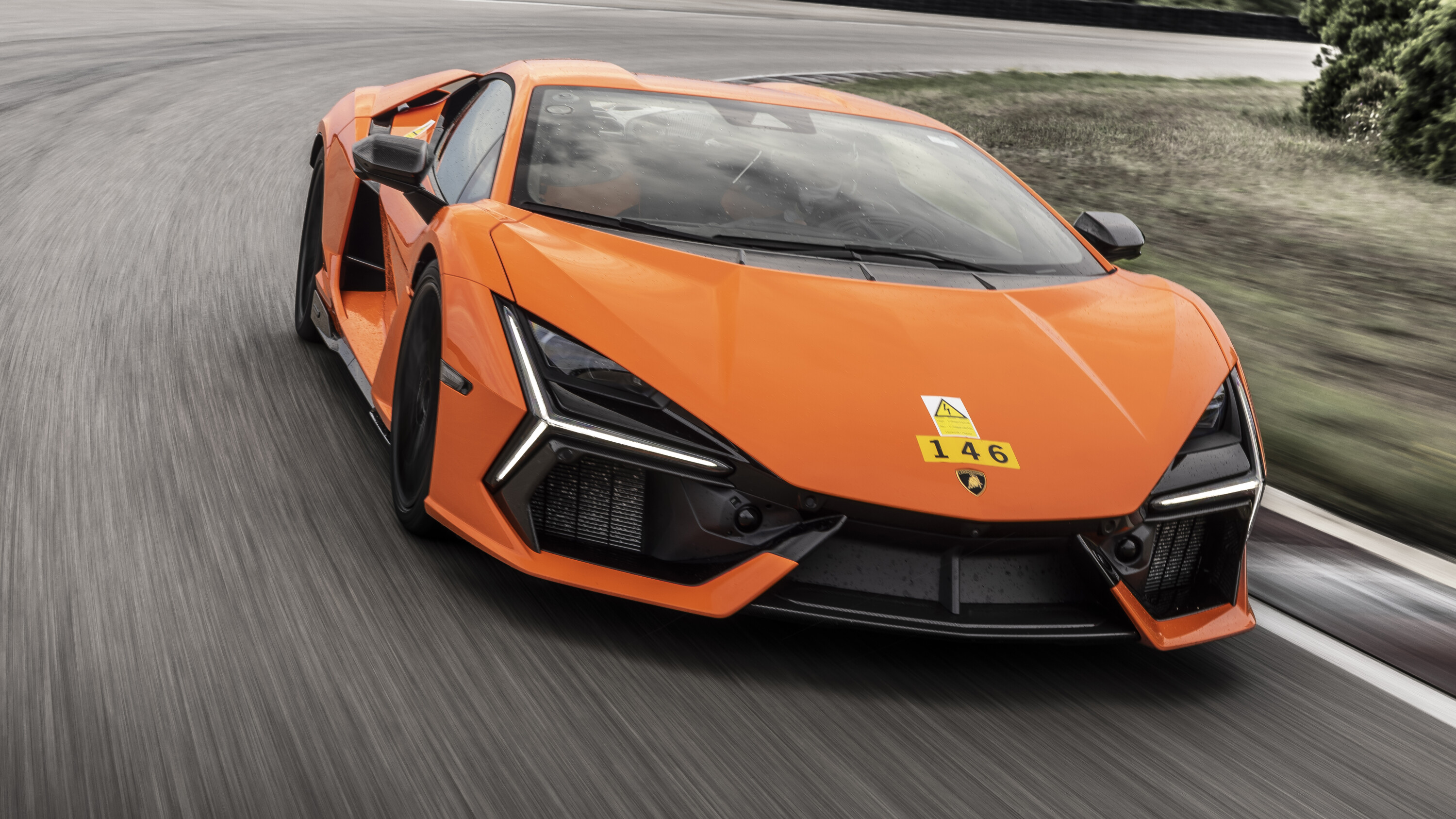
You asked the question ‘Has Lamborghini nailed its crucial new halo car?
Personally I think it looks great, however, within a split second of seeing the article I immediately thought of my favourite supercar brand, McLaren.
1
Firstly, the air intakes above the lights are so McLaren as is the other end of the car with the sunken in exhaust pipes set against a black background. Then thirdly, maybe a marketing oversight by Lamborghini, why would you roll out a near Papaya Orange version when that colour rightfully screams McLaren? It would have looked better in white perhaps.
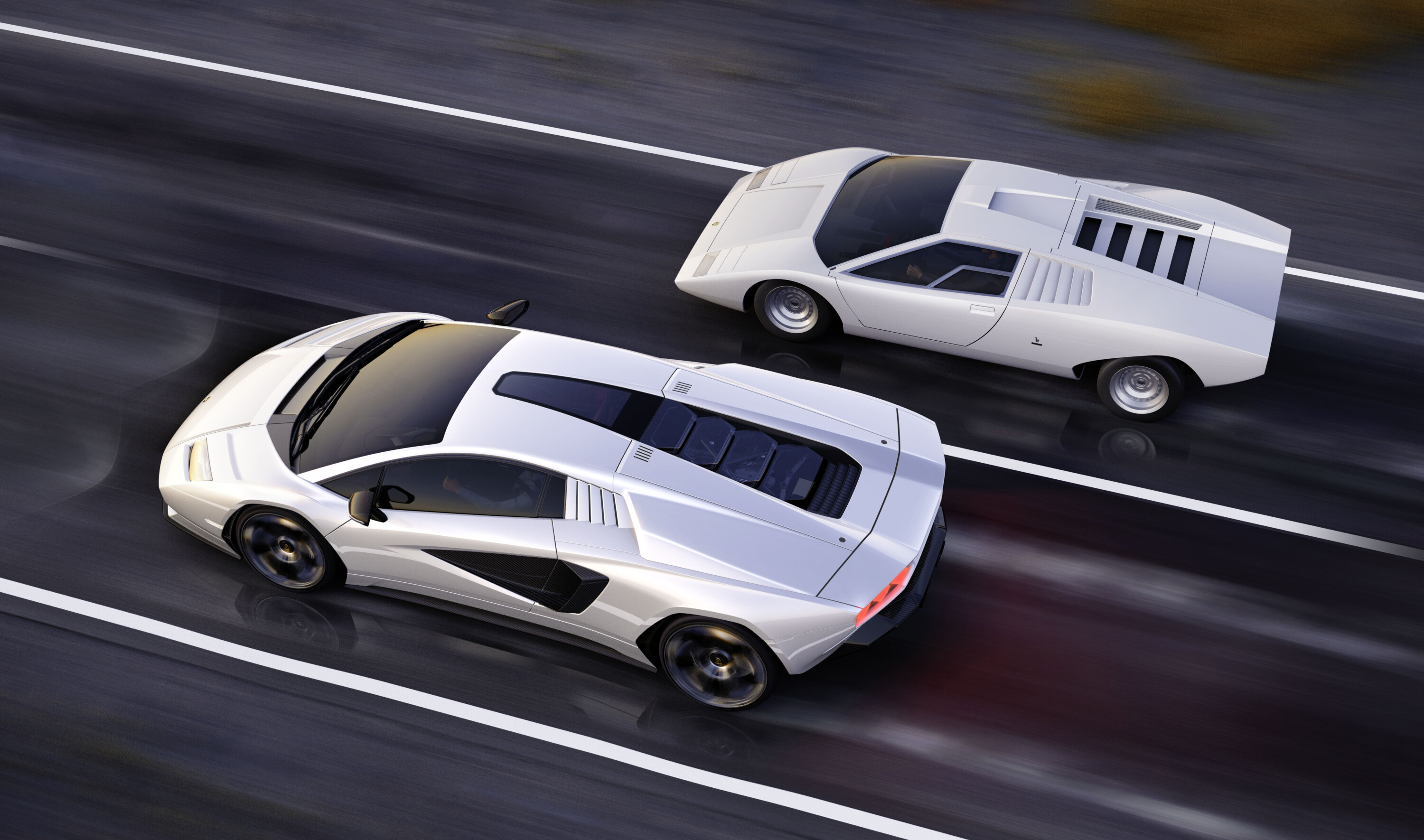
The modern version of the Countach LPI 800-4 still takes some beating. I would have liked to have seen the new halo car take more styling cues it look more like that. So, to answer your question, not for me.
ud83dudede Editor Andy
I hated the ‘new’ Countach when I first saw it, but I think it could well become a bit of a sleeper collector’s fave. Jury’s still out on the Revuelto. I think I need to drive one.
1
Impeccable taste
?️ Ashton Gale, Naracoorte, SA
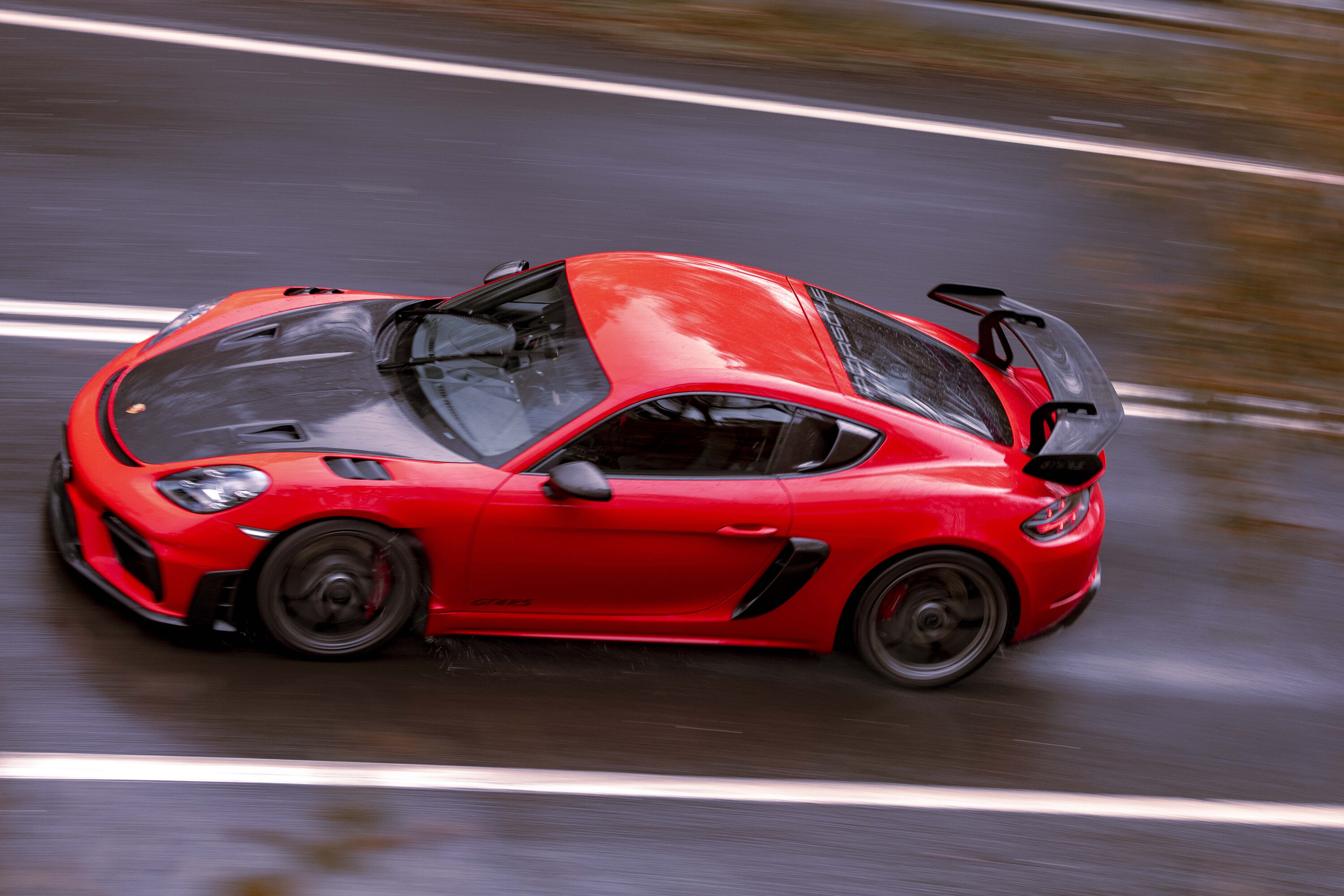
As a 13-year old, one of my favourite articles in Wheels is the Porsche Cayman GT4 RS with the Honda Civic Type R comparison (Wheels July 01).
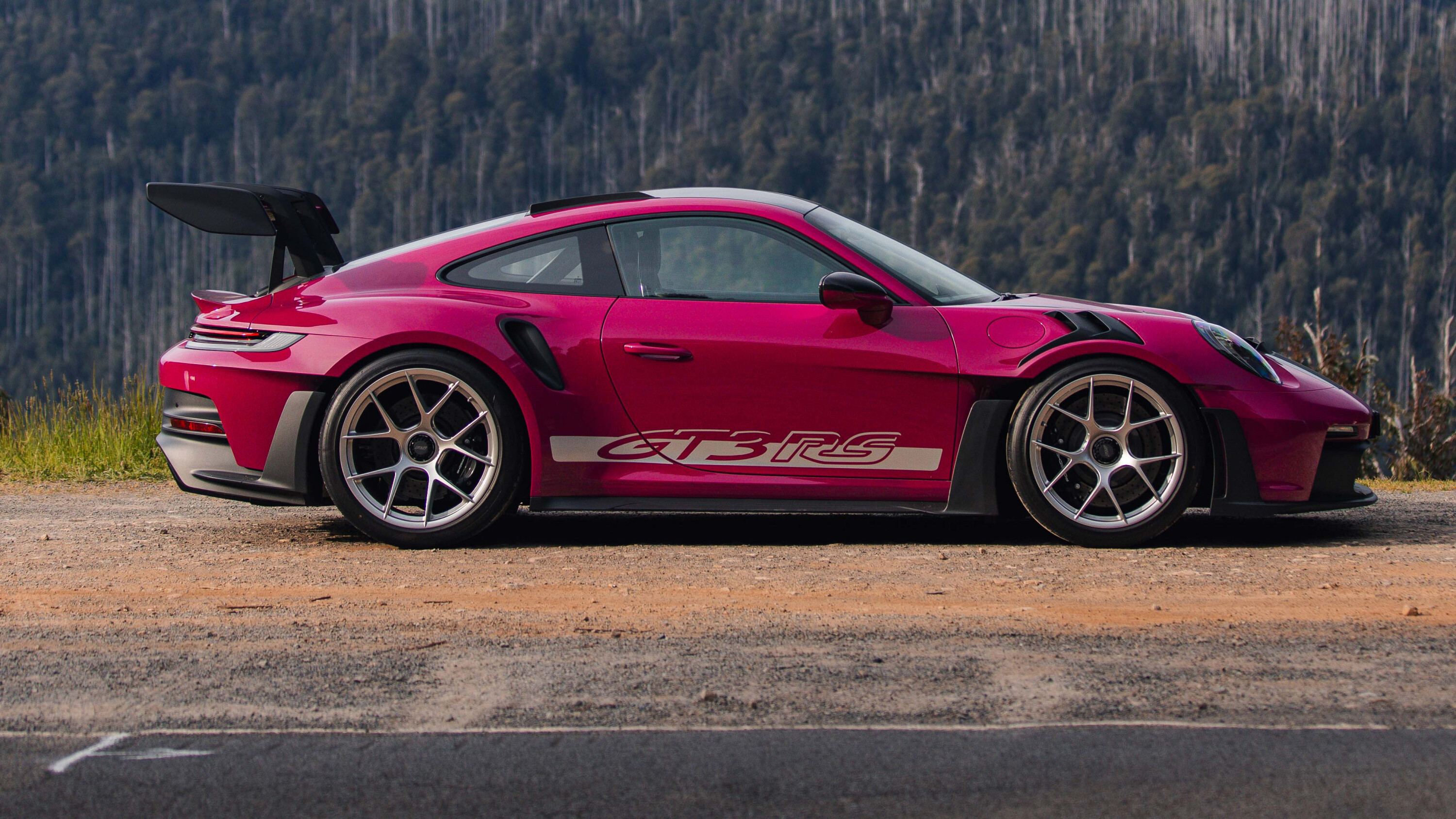
The Porsche is one of my favourite cars with the Aston Martin DB5, Lancia Integrale rally car and my all time favourite car the Porsche 911 GT3 RS: its power, looks and it being one of the favourite cars of Top Gear and The Grand Tour presenter Richard Hammond’s, what’s more to like!
1
The problem is though, I don’t think I will be able to own any of these cars.
The Aston will be an antique, same with the Lancia and the Porsche will probably be dead. But there is still hope!
So thanks to a great article I have found out that I can technically own one of my favourite cars! So thank you Wheels, it’s been a pleasure to write to you guys and I love what you do.
ud83dudede Editor Andy
Cheers! This month’s going to be a treat for a GT3 RS fan. And we’re hunting for a tidy Integrale for Modern Classic.
1
Every day’s a school day
?️ Mark Anderson via email
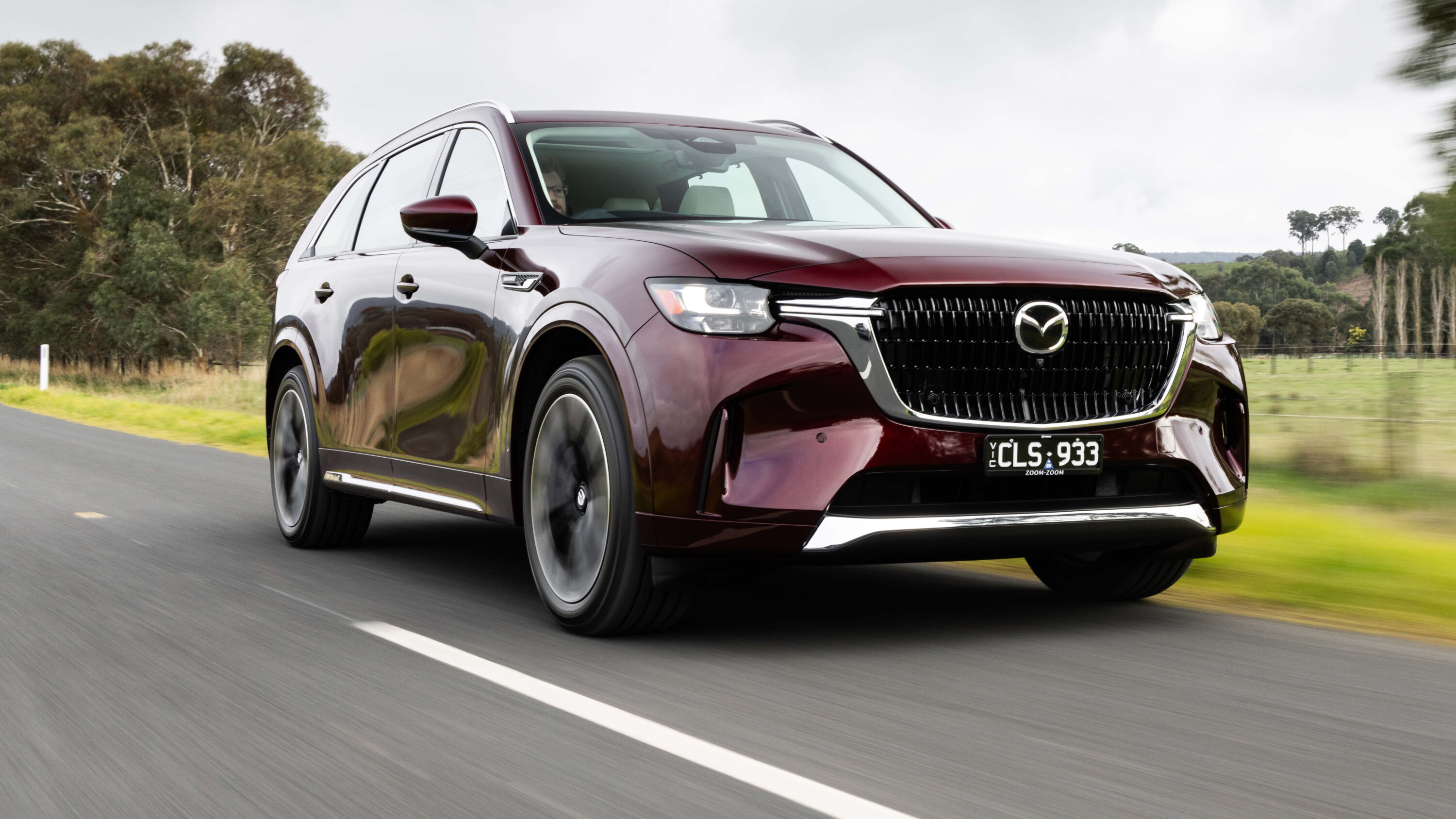
In your latest article on luxury SUVs you state:
“…while others will be perturbed by the inexplicable lack of touchscreen Apple CarPlay (forcing you to use the hand controller, even though the infotainment screen is within easy reach).”
I have commented many times that the CX-60 and CX-90 do act as a touchscreen for both CarPlay and AA.
ud83dudede Editor Andy
I was just beginning to draft an “I think you’ll find…” sort of response but contacted Inwood first, who’s running a CX-90 to verify. And there it is, buried beneath multiple menu layers – a way to activate the touchscreen when driving. Many thanks, Mark. That’s a plus in the CX-60/CX-90’s favour. Owner feedback is always welcomed.
1
Unsafe at any speed
?️ Martin Geoghegan,Thirroul, NSW
Just picked up the December issue of Wheels and was intrigued to read Andy Enright’s editor’s letter at the start.
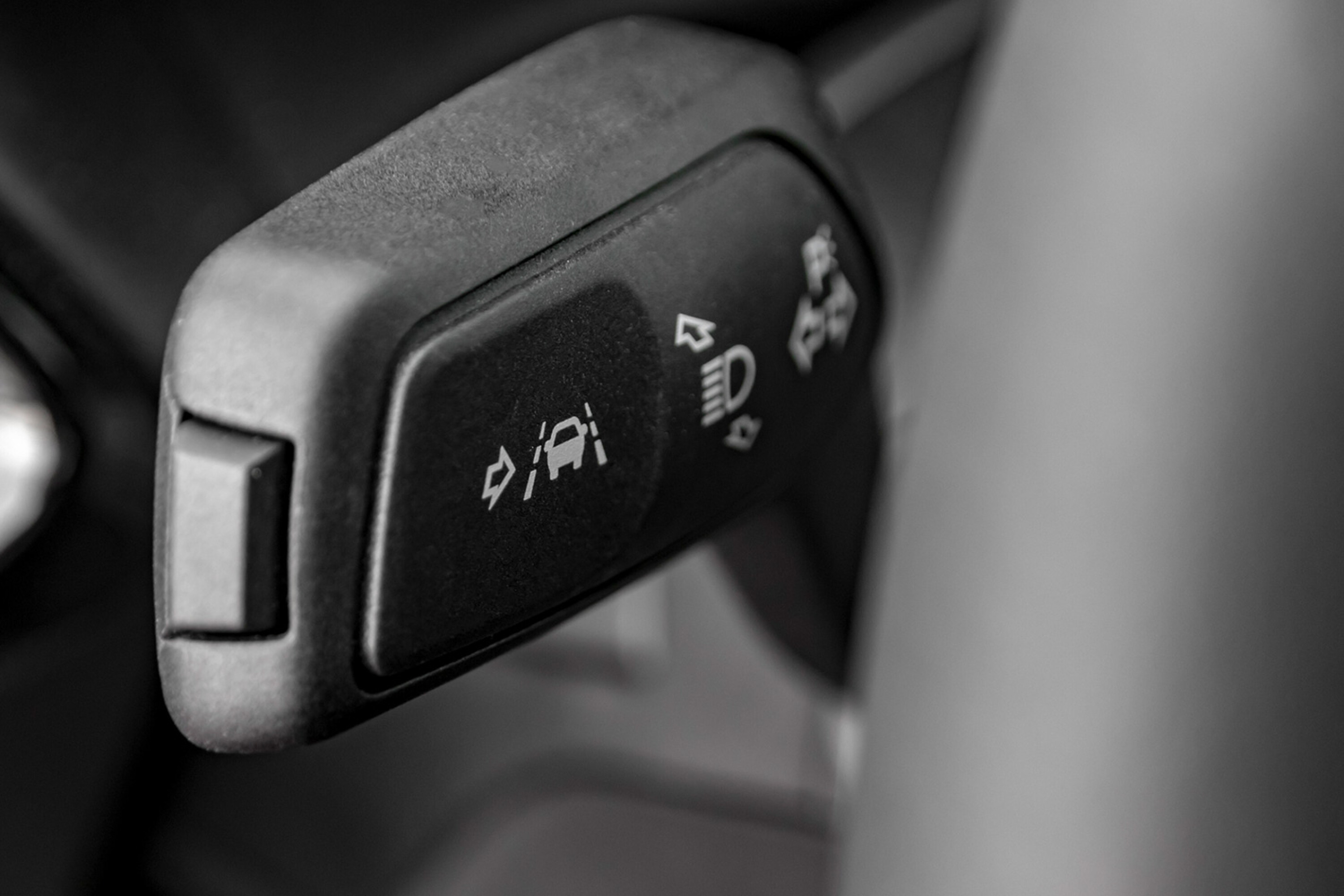
This obsession with building useless and often distracting ‘safety’ features into cars has been making modern cars less and less pleasant to drive. I’m glad somebody’s had the balls to take a stand against it.
I noticed that only this week, Euro NCAP has come out against manufacturers who seem to be deliberately rolling the arm by including lane-keep assist features that just don’t work in the real world. I’m glad that the protocols are now being updated to include real-world testing because some of these features are making vehicles borderline undriveable.
1
Forza Honda
?️ Mark Stevens, Port Noarlunga
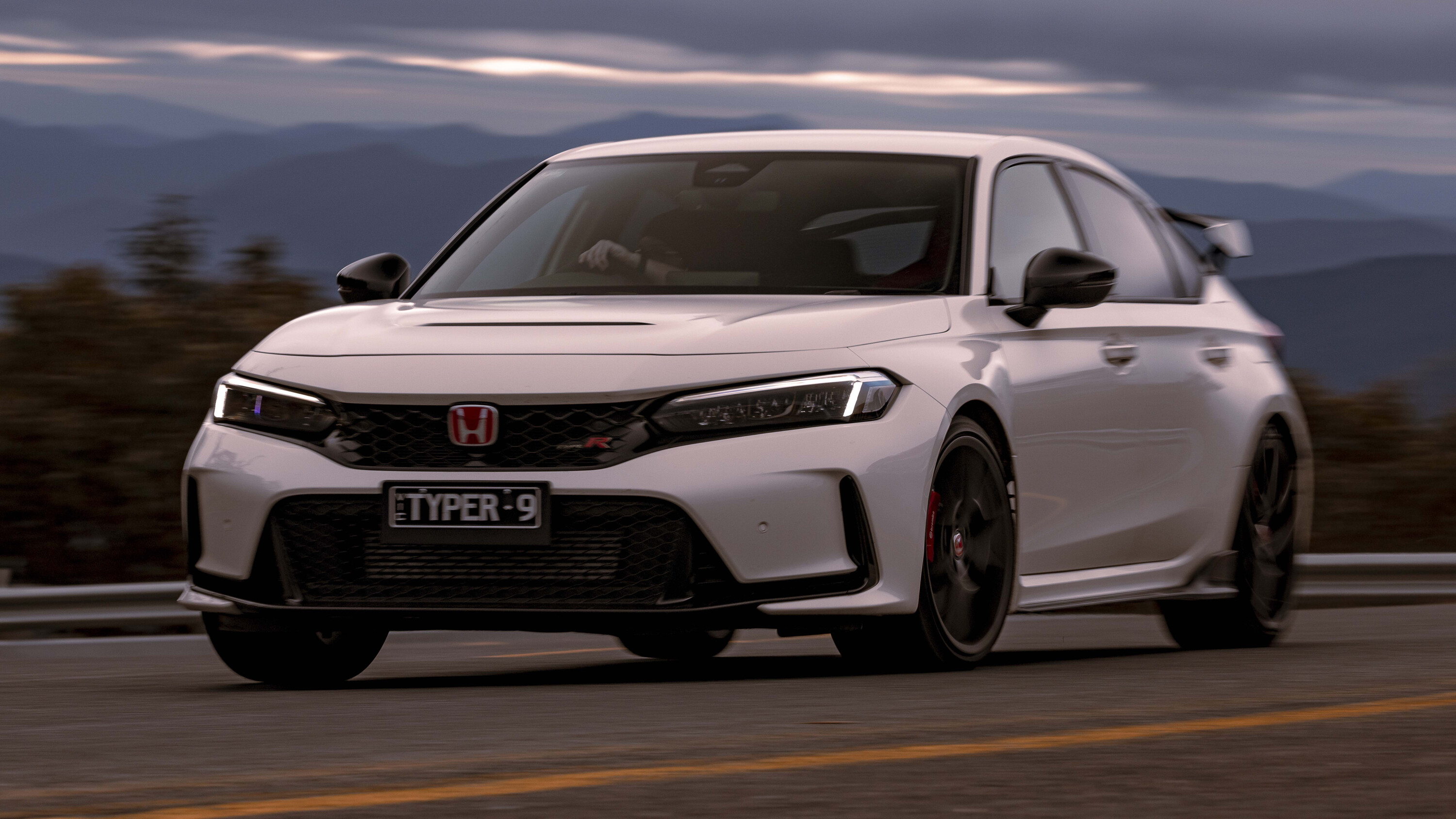
Thanks for all the Honda stories (FN2 Type R, Honda at 60, new CR-V) slotted into the December issue. I often feel that Honda, as a company, doesn’t get the recognition it deserves.
For me it’s right up with Ferrari, Mercedes-Benz and Porsche in terms of quality of engineering. Sure, we have to put up with some ideas that don’t really hit the mark, (I’m looking at you, second-gen NSX) but it’s worth tolerating the near-misses to be treated to the best that the company can produce.
I’m beyond excited to hear that after much dithering, Honda will continue its engagement with F1. Here’s to bigger and better things.
1
The Wheels question to you
What’s the single worst feature you’ve seen on a new car and why?
Screen of death
- Itu2019s the touch screen gear shift in the new Tesla Model 3. I understand the move to make things cheaper to build, but at what point does Elon Musk think u201cthis is getting sillyu201d? Or does he not possess that filter? Glen Allen, via Facebook
Idle fail
- Iu2019m going ultra-specific, but itu2019s non-killable idle-stop in any car that doesnu2019t have 48v electricals. Nothing worse than trying to pull out of a junction only for the engine to die just as you commit. D. Winship, via Facebook
Want to have your say? Keep it tight (no more than 200 words) and include your suburb if via email: [email protected]. You can also chime in on Facebook & Instagram.
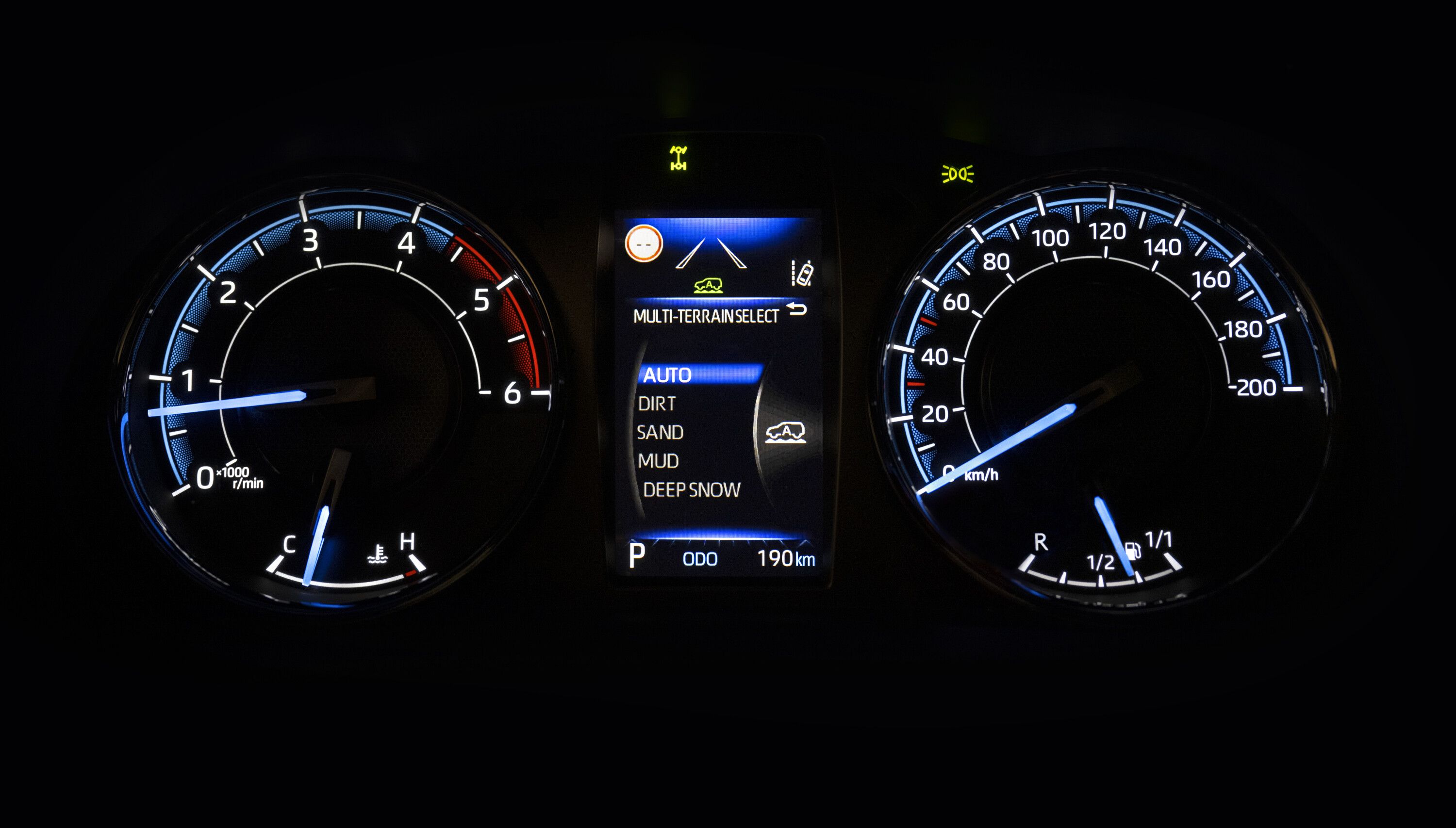
The ties between Mazda and Toyota continues to strengthen, with the former confirming it will use the latter’s ‘in-vehicle systems’ for its upcoming EVs.
What’s an ‘in-vehicle’ system’? It’s an industry term to describe the combined operating system (OS), electronic control units (ECU), and wiring harnesses – more or less the electronic portion of an EV, with the main electrical components being the batteries and motors.
This system controls the various functions of the EV, such as driver assistance, safety, heating, ventilation and cooling (HVAC), and infotainment, as well as linking the various functions to the user interface (UI) – that is, one or more touch screens, and perhaps a few hard switches.
1
Just like a phone or desktop computer, in-vehicle systems are complex, and therefore expensive to develop and produce. It’s been reported that some major automakers and parts suppliers spend up to $2 billion a year on software development alone.
Mazda is a relatively small manufacturer and the cost of developing its own in-vehicle systems would be prohibitive and unstainable.
Adopting Toyota’s Arene OS will significantly reduce the cost of developing in-vehicle systems for Mazda EVs, compared to creating a system for EV models on its own. Mazda expects that its systems will be 90% identical to Toyota’s by 2027, lowering development costs by 70-80%.
Mazda, Toyota and Denso Corporation (Denso) formed the likeably Japanese-sounding EV C.A. Spirit Co Ltd in 2017 with the objective of developing basic structural technologies for electric vehicles for greater efficiency.
Shared in-vehicle systems is one example of this partnership bearing fruit.
The partnership was also intended to leverage “Mazda’s bundled product planning and prowess in computer modelling-based development, Denso’s electronics technologies, and the Toyota New Global Architecture (TNGA) platform”, so these systems could be just the start.
Will future Mazdas feature TNGA technology, functionality, and production engineering? Time will tell.
For its part, Toyota is already behind the ball on the move to EVs, having spent years insisting electric cars wouldn’t suit the market for a long time to come – until it very recently revealed it would now pour its considerable resources into catching up with critical improvements to its EV technology suite.
MORE
Everything Mazda
MORE
Everything Toyota
MORE
Technology stories
Hey, we get it. With dozens of news and review stories published each week, it can be hard to keep up with all the latest in the automotive world.
Obviously we reckon every story we run is a banger, but if you’re looking for the highlights reel, this is it. Read on and click away!
Which electric sedan is best?
Is the BYD Seal’s low price too good to be true? We find out by pitting it against two key four-door rivals.
REVIEW: New Hyundai Kona EV
This is the one: Hyundai’s best chance yet at continuing its growth not only in petrol and diesel, but also in the new electrified world – where ‘affordable small EV’ has been all but surrendered to China.
All the new Volvo models coming soon
This year, Volvo’s Australian line-up will welcome two very important models on the brand’s march towards full electrification.
Every new GWM SUV, ute and SUV on the horizon
Chinese car-maker GWM has a host of exciting new models planned for 2024, including boxy off-roaders, an updated dual-cab and fresh electric cars.
New Hybrids Coming in 2024
Your guide to the combustion-electric hybrid, plug-in hybrid, and 48V-tech cars, SUVs and utes heading to Australian showrooms in 2024.
The New Old School: Rear-Drive Sports Cars compared
In an era of ‘zero-emissions mobility solutions’ there’s still a place for great engines and rear-wheel drive goodness. But which of this gang of four is the go?
Updated Ford Ranger and Everest announced
Minor update for Ford Ranger and Everest brings a new towing assist borrowed from the F-150 – and reduced line-ups.
Tesla Model 3 EV deliveries paused due to compliance issue
Deliveries of the facelifted Tesla Model 3 EV have been paused – and a recall is likely – after the brand removed a flap to access the rear-centre top-tether point required under the Australian Design Rules.
Mazda 3 2.5 Turbo concept headlines Spirit Racing launch
House-tuned fast Mazdas set to make a comeback in Japan, will Australia follow?
Mazda 6 future in doubt
Plans for the future of the Mazda 6 will be announced at “an appropriate later date”, as reports claim production will soon end in Japan.
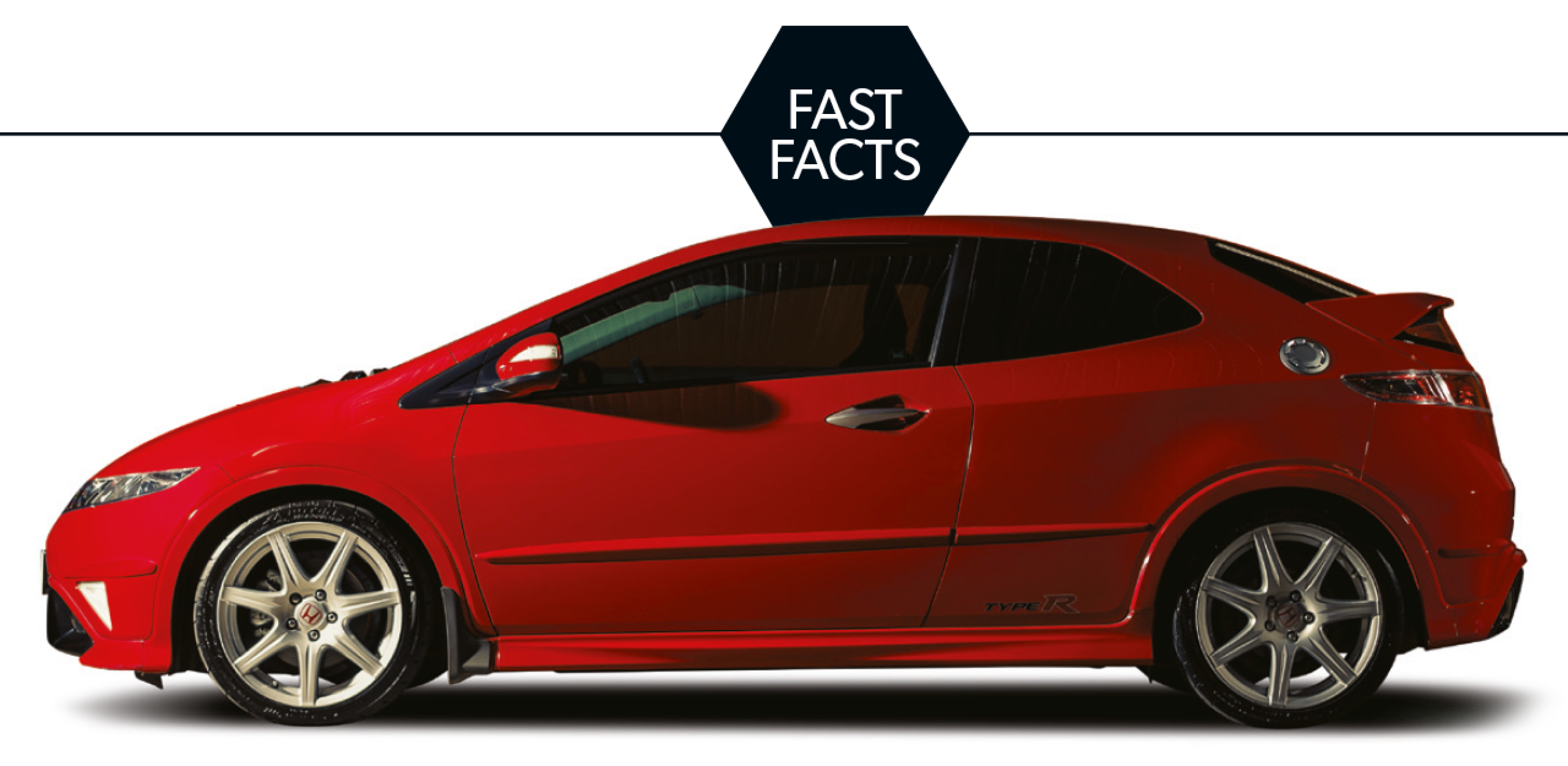
Were you to believe everything you read on the internet, you’d know that this is the worst Civic Type R that Honda ever built.
The FN2 has no diff, no torque and no independent rear suspension. It’s around 100kg heavier than its predecessor, the breadvan-shaped EP3, with no added power. “It just doesn’t feel that quick,” said Jeremy Clarkson on Top Gear, adding “all the poise and controllability that you used to get in the old car is just sort of… gone”.
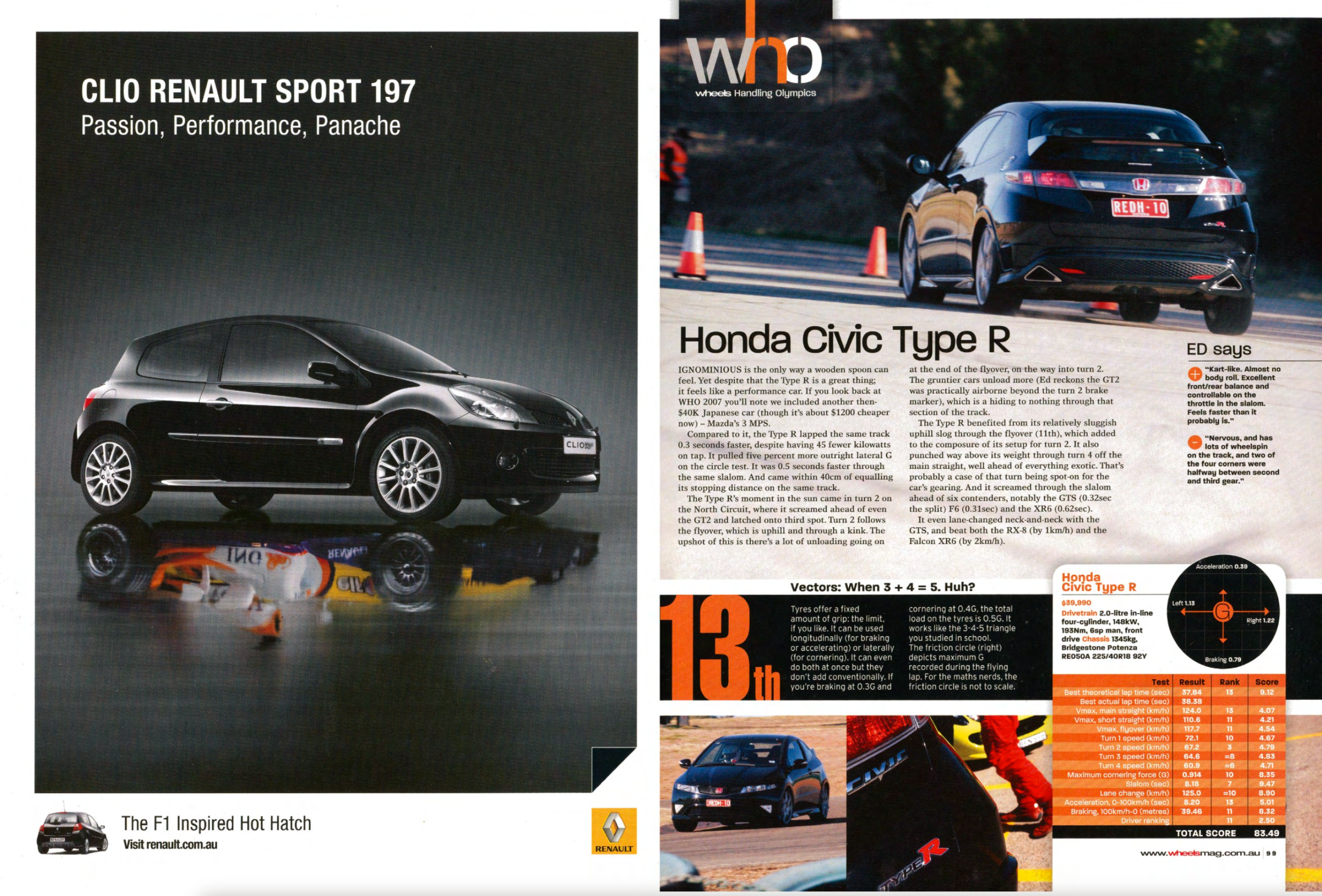
Wheels threw the FN2 Type R into two big sports car tests. It came last at the 2008 Handling Olympics and was slowest around Haunted Hills in a hot hatch megatest in March 2011.
1
So what went wrong? And why is this car even here when it’s clearly the runt of the CTR litter? Hindsight and perspective – those two luxuries we are now afforded – frame this Civic in a very different light.
It’s the last of the normally aspirated screamers, which explains why it was slower around Haunted Hills (the clue is in the name) than its torque-rich turbocharged brethren.
So while its 193Nm is less than you’d get in your holiday hire Hyundai i30 (and less than half the quota of a current Civic Type R), there are a number of compensations that we once took for granted. Things that we dearly miss today.
1
Try finding a modern hot hatch with a characterful engine (a barrage of manufactured exhaust pops or dual-clutch tromboning doesn’t count).
Once you’ve done that, refine your search further by finding one with a beautiful manual gearbox. I’ll save you some time. That car doesn’t exist. Granted, a pair of what some may view as anachronisms don’t confer worthiness in and of themselves, but there’s more to the Civic.
When we take a look at its rivals in that 2011 review, almost all have been replaced by incrementally better versions of their ilk. You can buy something from the same marque that’s cut from ostensibly the same cloth that’s newer and better.
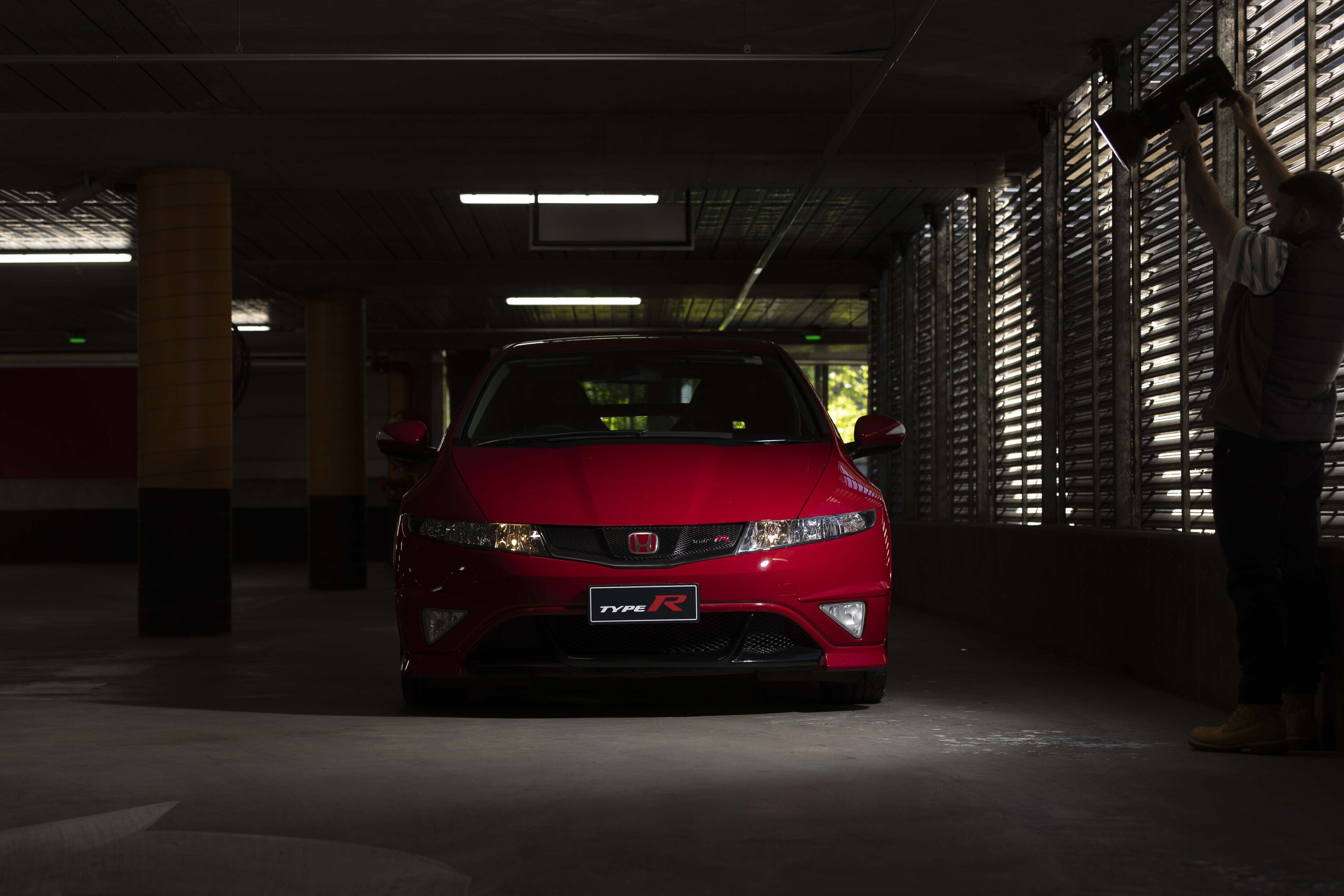
1
Why buy a MkVI Golf GTI when the MkVII is a big improvement? Same goes for the Megane RS 250. Buy a 265 or a 275 instead. You’ll have more fun. But the Civic? It changed. Tester Jimmy Whitbourn found it old hat in that company. Probably rightly so.
“At launch in mid-1997, the Type R looked futuristic but the look – inside and out – has dated, along with its approach to performance,” he noted. “Volkswagen’s benchmark for hot hatch liveability – the Golf GTI – delivers its performance effortlessly; in the Civic you really have to work for it.”
In the interim, we’ve become accustomed to EVs that can accelerate to 100km/h in two seconds and change. Instant gratification is available on demand, with the result that we now treasure those cars that sing like the Civic. It’s part of the reason why the 911 GT3 has become so revered.
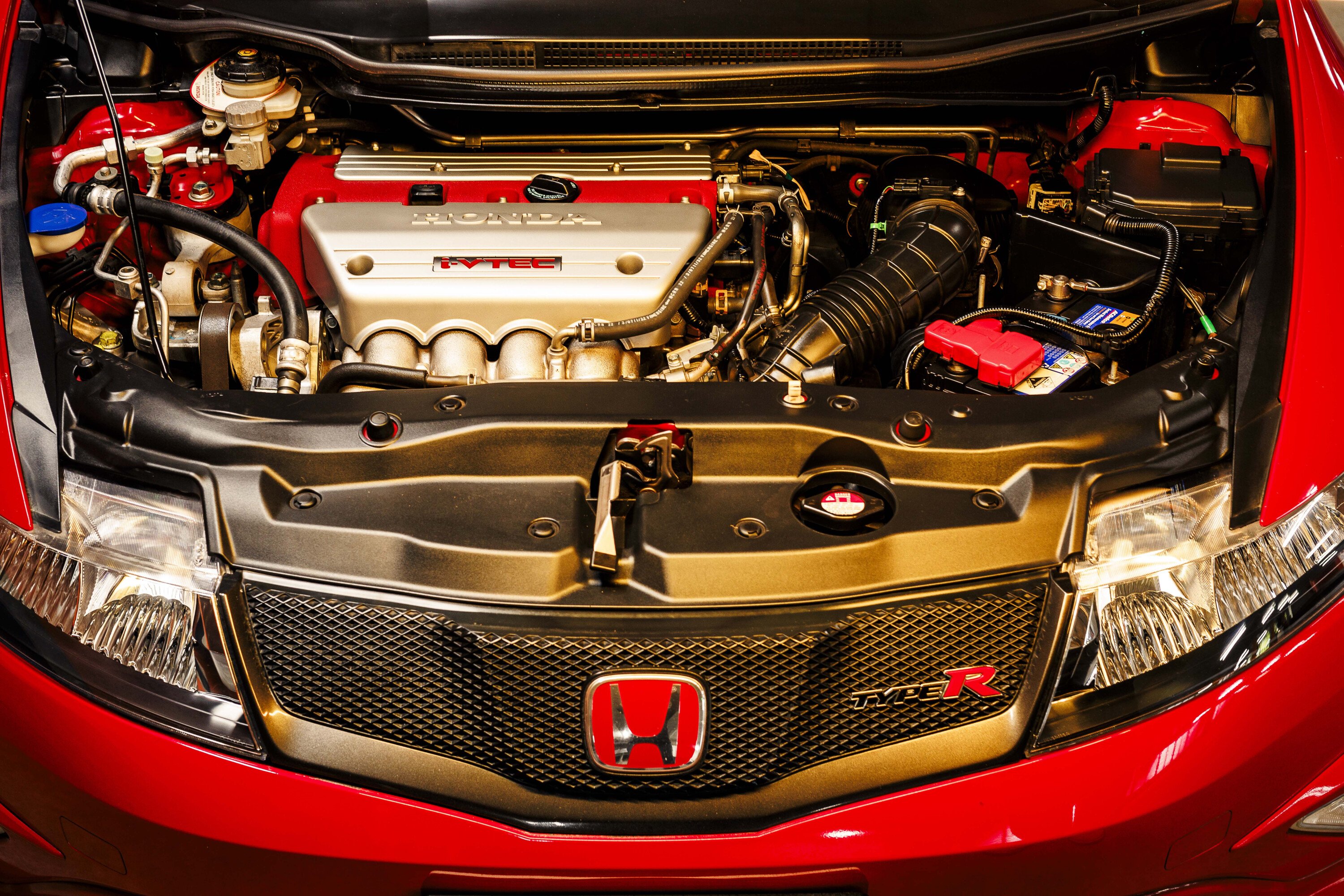
1
It’s a delightful gearbox – maybe not S2000 slick, but probably the equal of any manual shift offered today
We just couldn’t have anticipated that in 2011, when turbocharging appeared the answer to every question.
To that end, a naturally aspirated Civic Type R has only seen its stock rise in recent years, and this FN2 model was the last of that particular line. That’s why a car that finished flat last in those big comparison tests is now starting to pique the interest of collectors.
The true anoraks among you will know that while we got the British-built FN2 hatch, in Japan there existed a very different beast, sold for the same 2007-2011 period.
The FD2 was a four-door sedan, riding on an 80mm-longer wheelbase and featuring more grunt (165kW/215Nm versus 148kW/193Nm), a Torsen diff and independent rear suspension. It’s a superior car, but it’s not the Type R many of us grew up with.
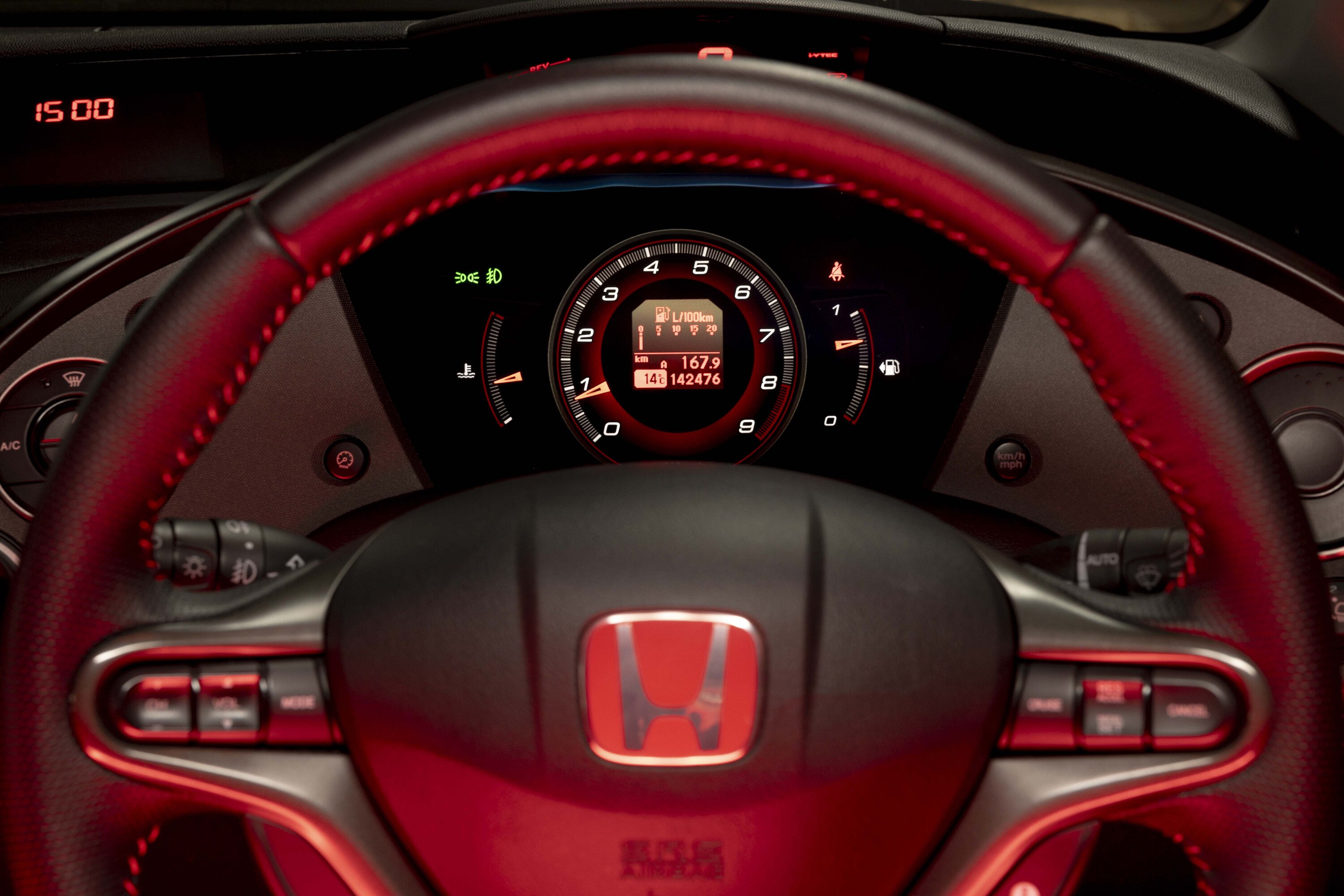
1
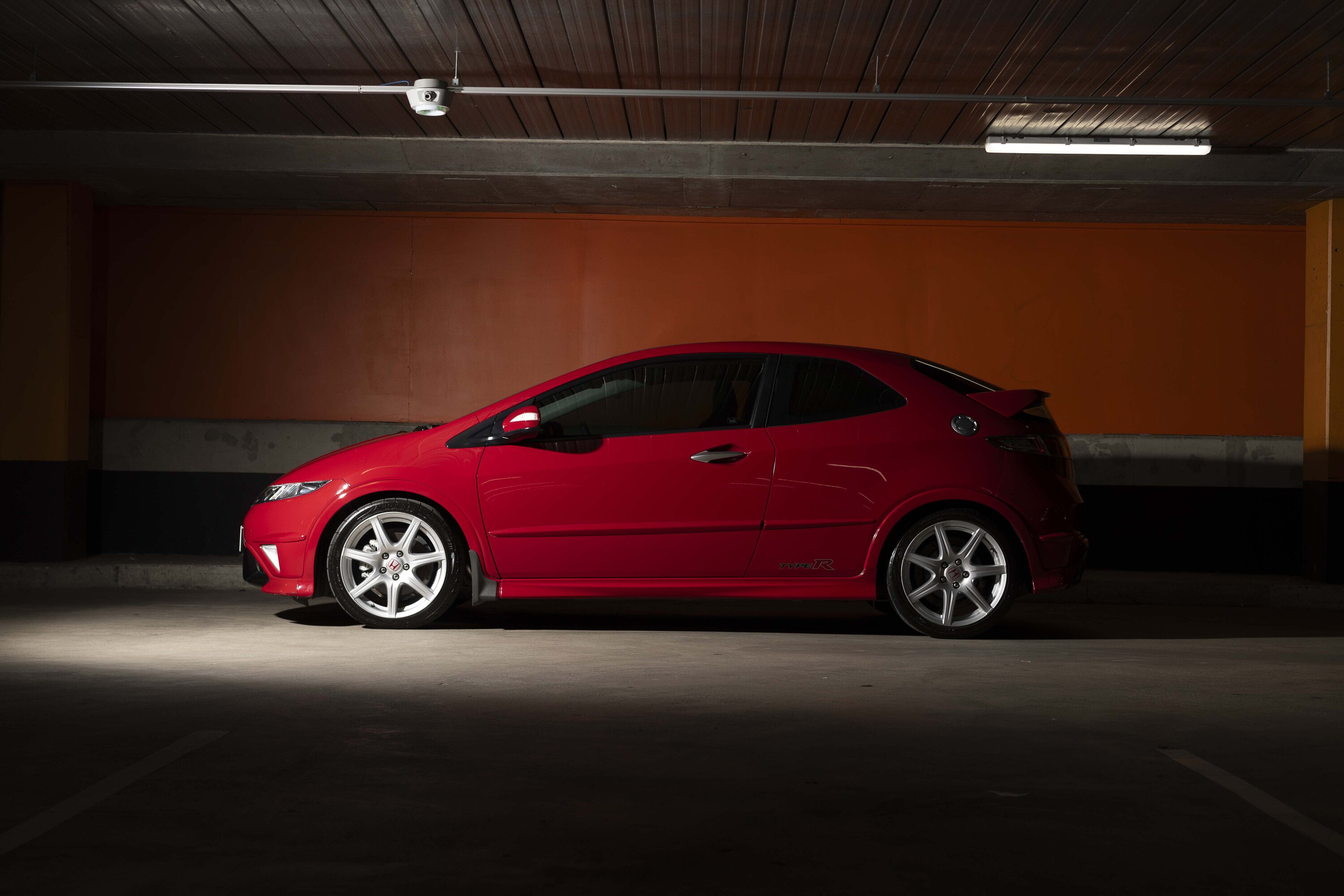
The FN2 certainly came as a shock when it was unveiled at the 2005 Frankfurt Show.
Toshiyuki Okumoto’s design was 35mm shorter and 35mm lower than its immediate predecessor, but it offered a 30mm longer wheelbase and was 65mm wider.
Its compact torsion-beam rear suspension allowed for proper fold-flat rear seats, while space in the rear was helped by relocating the fuel tank to a position beneath the driver’s seat.
Although the Civic clearly benefited from these packaging developments, they didn’t bode well from an enthusiast’s perspective. Indeed, the minimum seat height for the driver didn’t feel particularly sporty, especially when compared to its predecessor, the EP3.
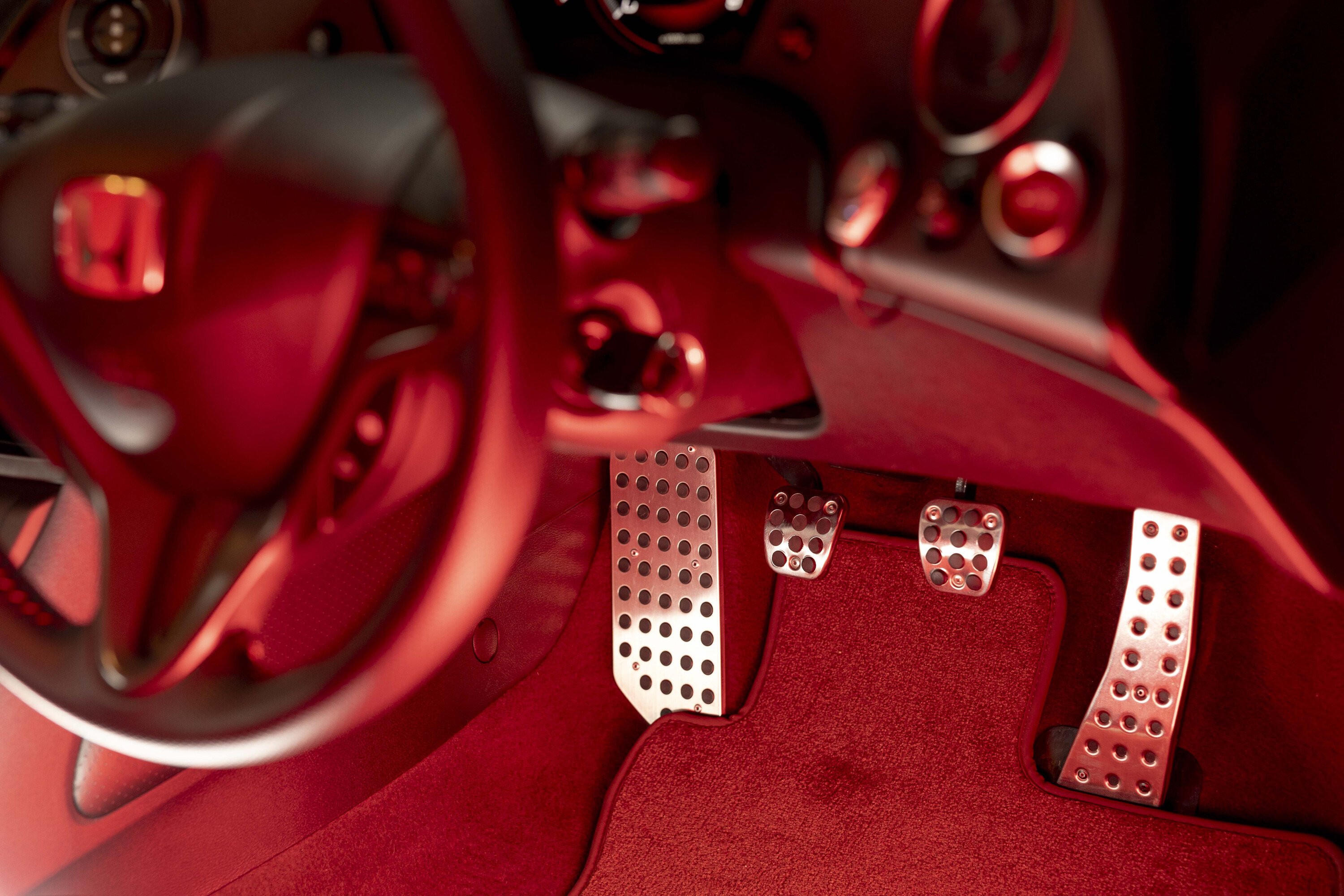
1
Moving the wheels to each corner also had another effect which wasn’t fully appreciated at the time. The bonnet was shorter and more steeply angled.
In order to comply with pedestrian crash legislation, this limited the available real estate for the front strut assemblies, something we’ll come back to later.
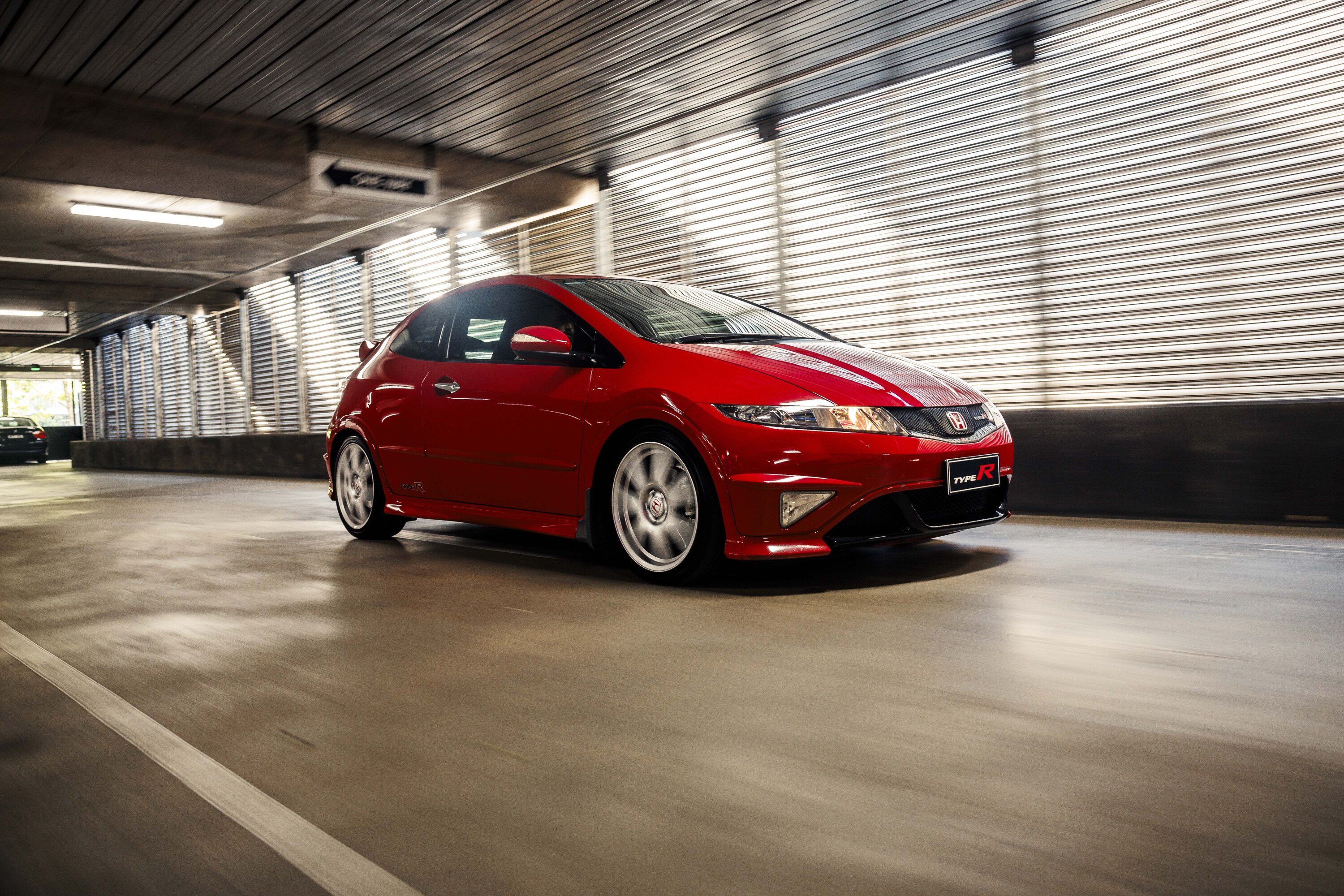
The FN2 Type R launched in 2007 priced at $39,990, Honda quoting a very optimistic 6.6-second 0-100km/h time and a top speed of 235km/h. We took it to the dragstrip on a number of occasions and never managed to dip into the sevens, which means that you won’t choose one of these cars if you’re intent on winning stop-light grands prix.
1
Supply was initially fairly strangled, with no more than 100 cars a month making landfall in Australia, largely due to an engine production bottleneck in Japan.
At the time, Honda Australia put the power difference between the Australian and JDM versions down to a difference in fuel, but there were significant differences between the engines – the Japanese car featuring revised cams, an RRC intake manifold, higher compression ratio, no balancer shafts and a larger throttle body.
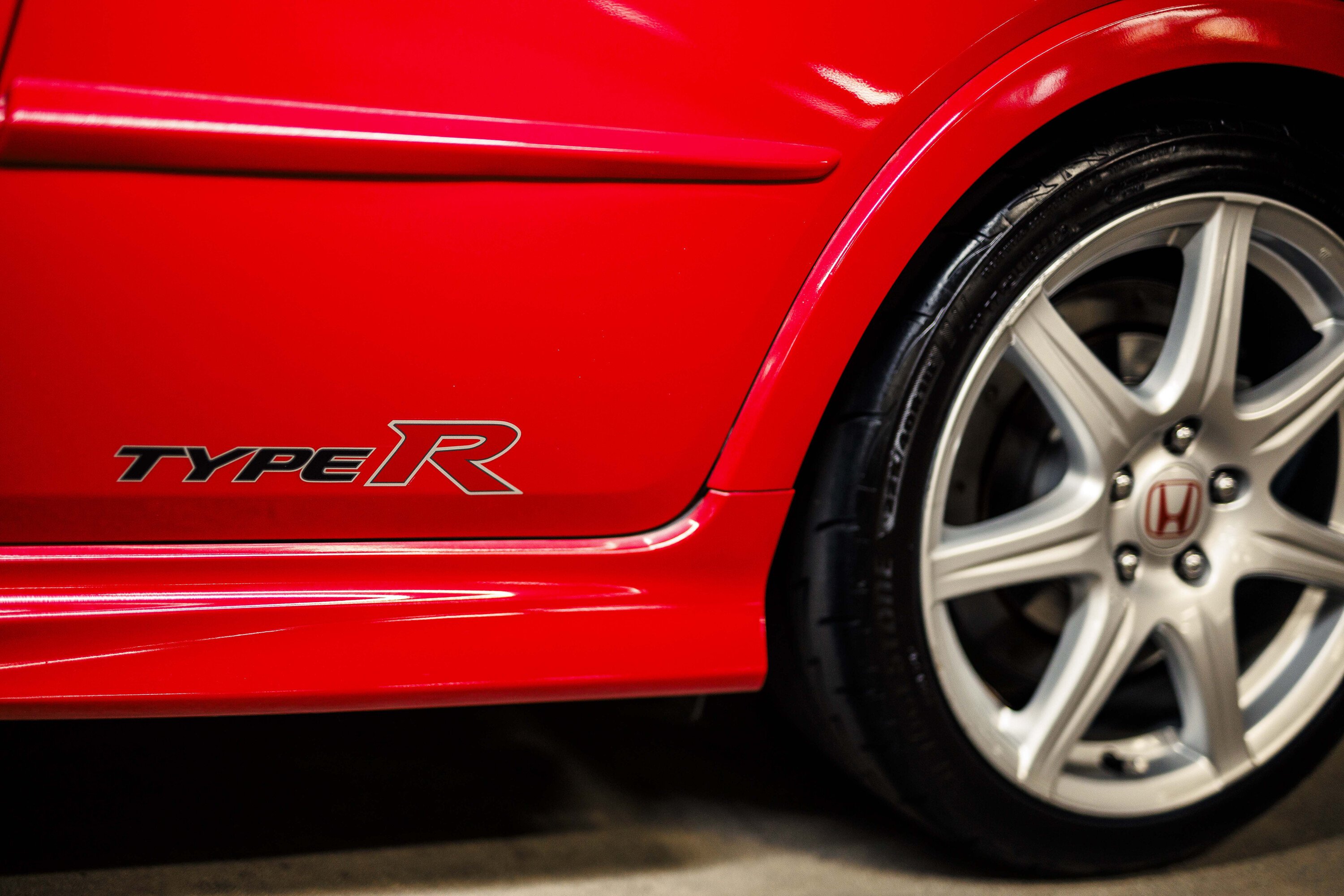
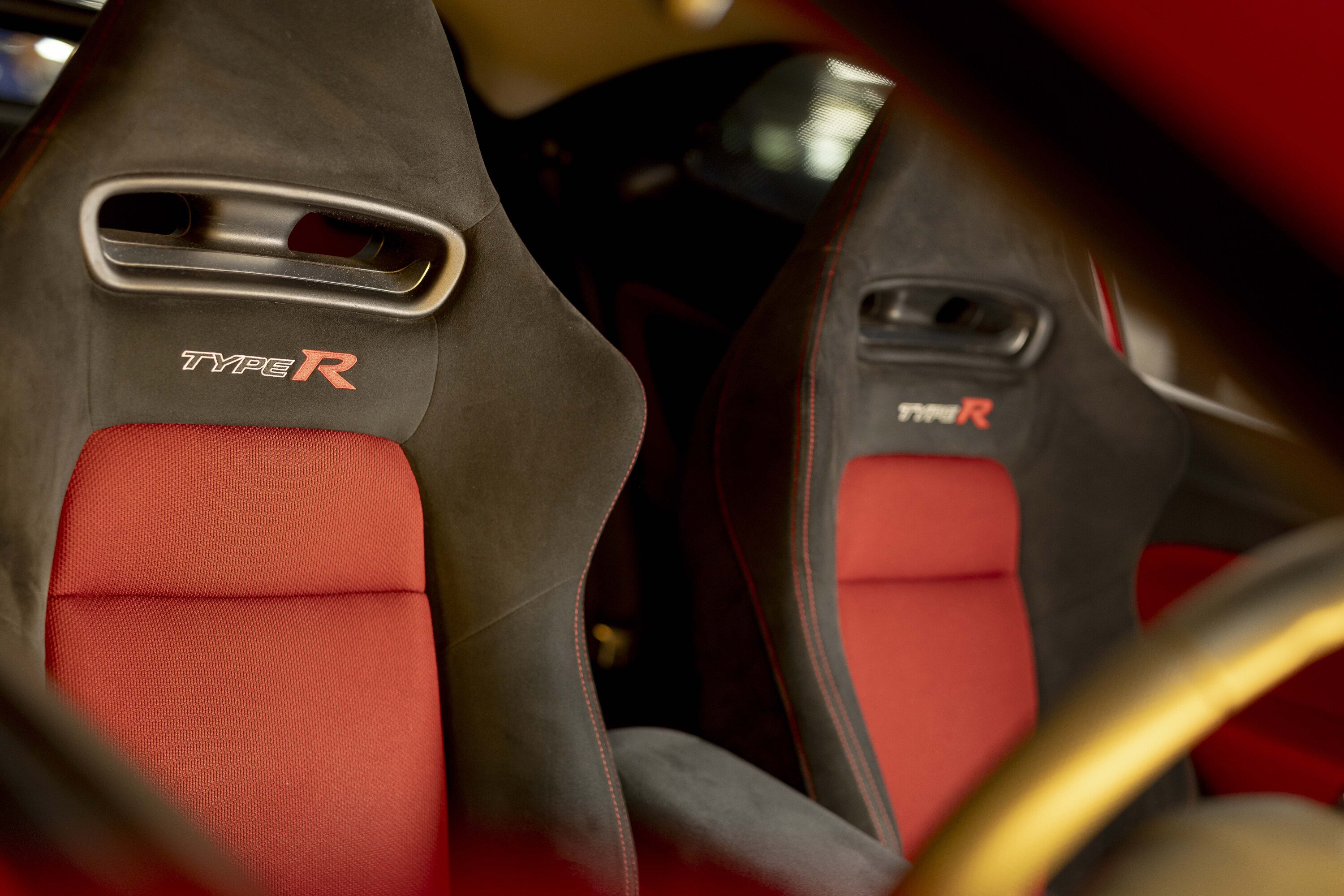
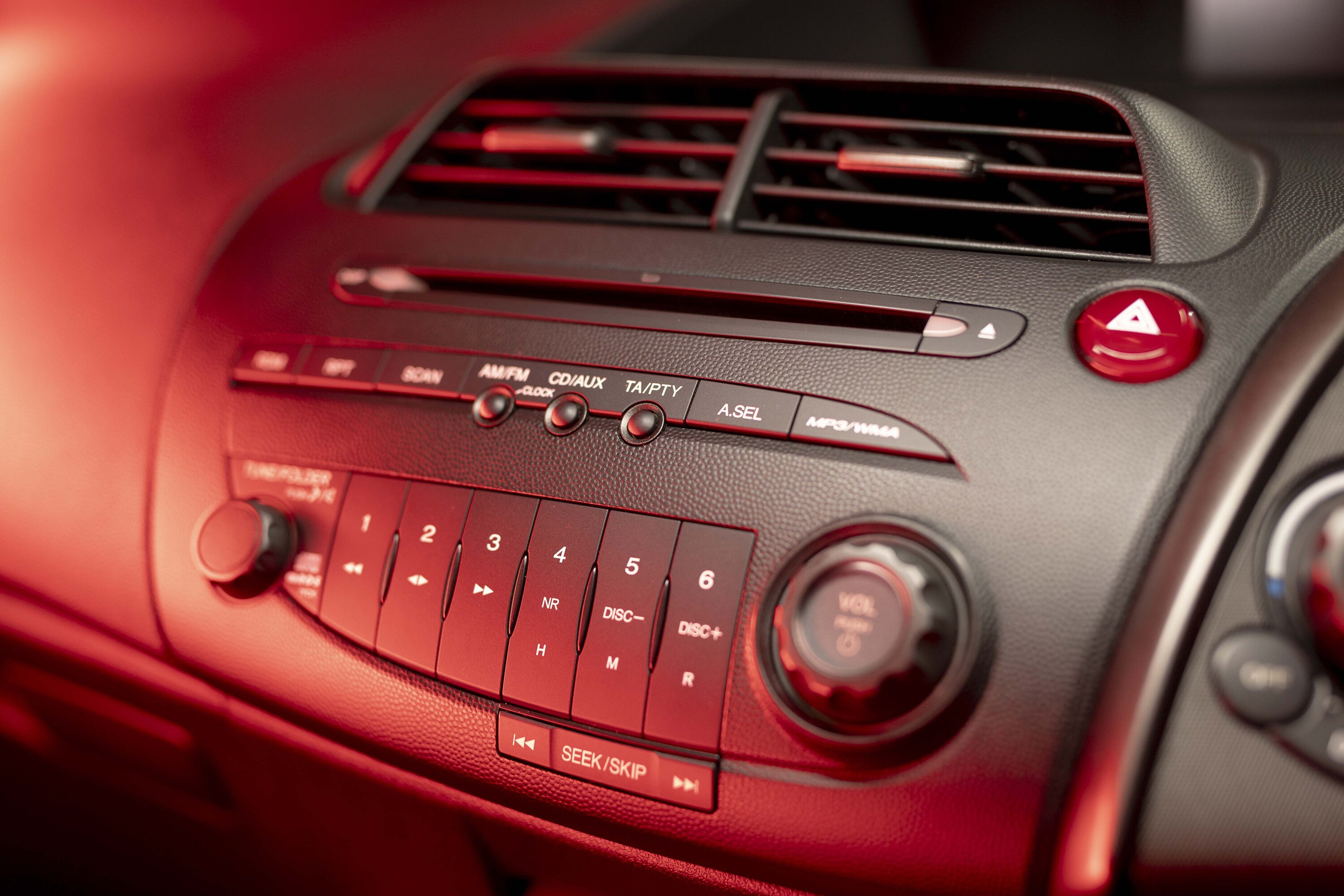
We were offered a colour palette of red, silver or black, and all cars featured red and black cabins with tombstone seats which, annoyingly on a three-door, wouldn’t return to their original position once you’d folded them forward to access the rear. Much has been spoken of the futuristic dash layout, which we all expected to date very quickly.
1
Compared to a Golf MkVI, it looks fresher today, to these eyes at least, but the materials quality inside was probably a notch or two below the vault-like Volkswagen’s.
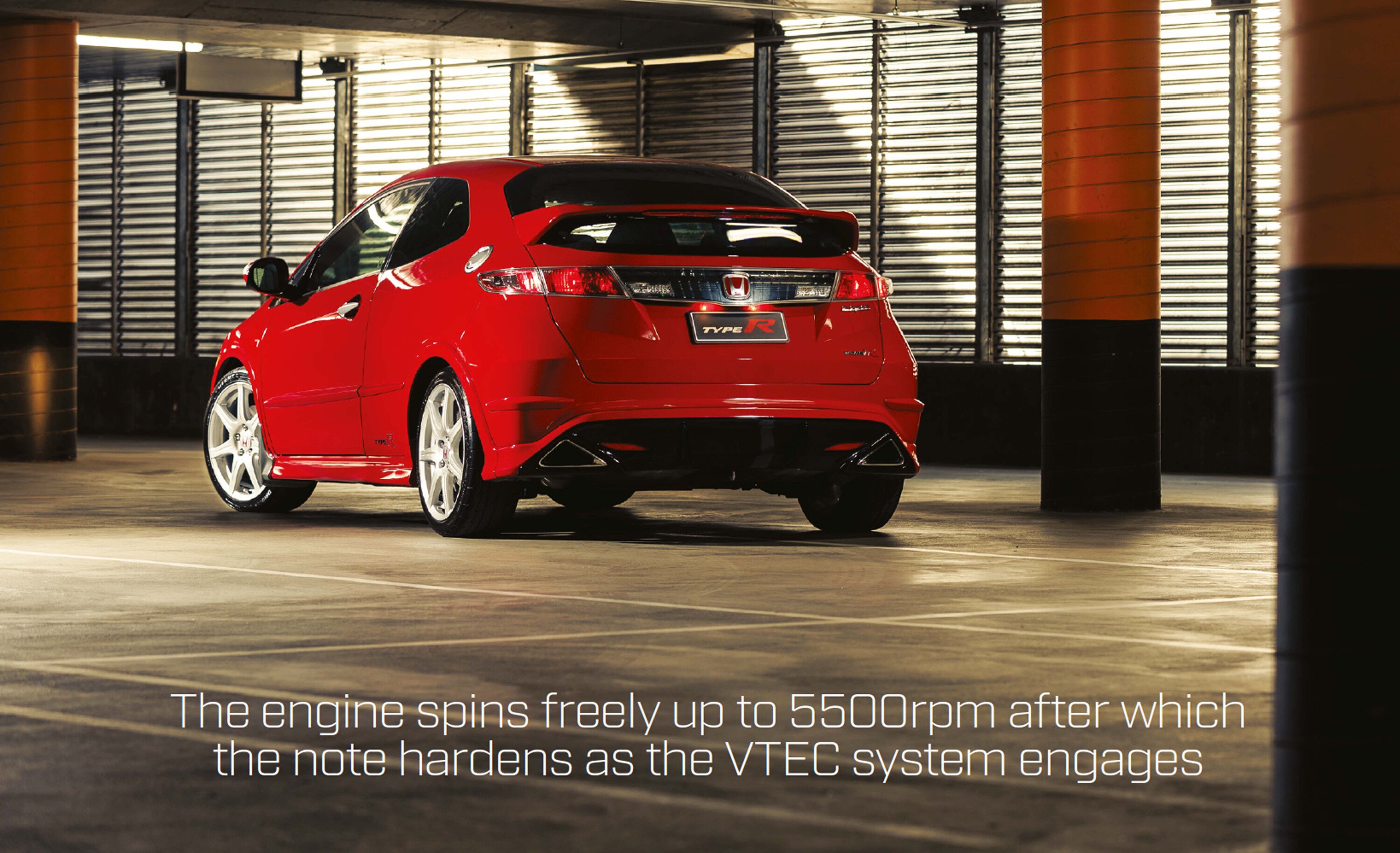
You’d rather rely on Honda mechanicals though. The engine spins freely up to 5500rpm, which is where the note begins to harden and the VTEC system engages through to the 8000rpm redline. Unlike the EP3, the FN2 is equipped with an OBDII port, which helps with remapping.
A common modification is to bring down the VTEC switchover to somewhere just north of 4000rpm, which some claim improves driveability (see breakout below).
1
Big power is hard to achieve without either a swap to a 2.4-litre lump or the relatively simple fitment of a Roots-type supercharger. Install either and you’ll also need a limited-slip differential.
But what of that torsion-beam rear suspension? Ah yes, a beam at the back – the hardware choice of notably awful-handling hot hatches such as the Peugeot 308 GTi, Renault Megane RS 275, the Clio 182 Trophy and the Ford Fiesta ST. Note obvious sarcasm.
The torsion beam in the rear of the FN2 certainly did create a significant noise pathway into the one-box passenger cell. The FN2 Type R is undeniably uncouth on coarse-chip surfaces.
1
There is another characteristic of the FN2’s handling and that is transient understeer.
Many have attributed this to the torsion-beam rear end, which is nonsense. The culprit is a lack of travel in the front suspension, which results in not only a stiff ride but poor front wheel control, especially on challenging surfaces. Many aftermarket damper options exist (Sachs offers a decent solution) that will fix this particular shortcoming.
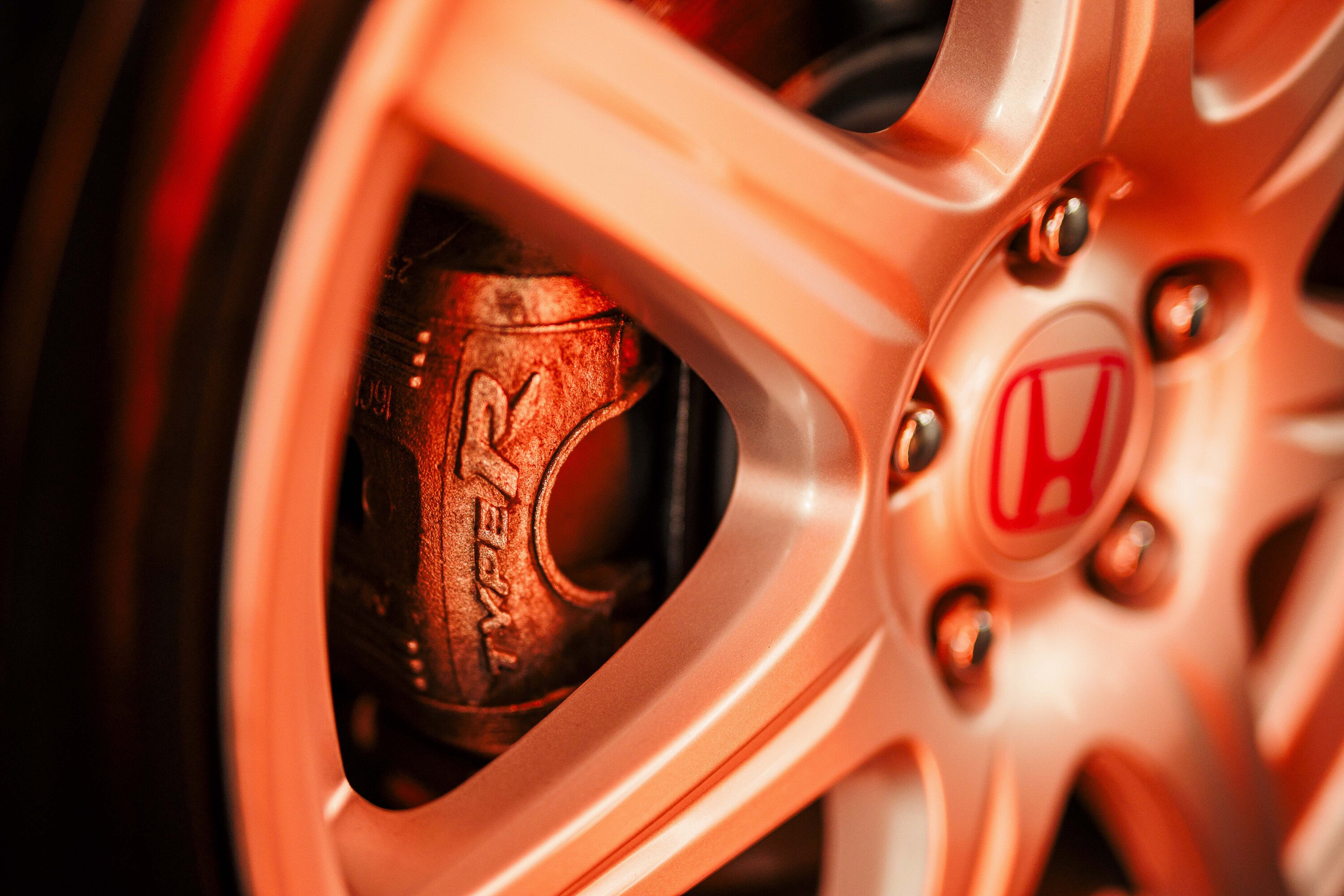
Replacing the linear-rate front springs with progressive Eibach items and checking geo will also help. We don’t recommend that you ever increase the wheel size of the FN2 Type R, though. In some markets a 19-inch wheel option was offered, but this changes the ride from merely hard to absolutely wince-inducing.
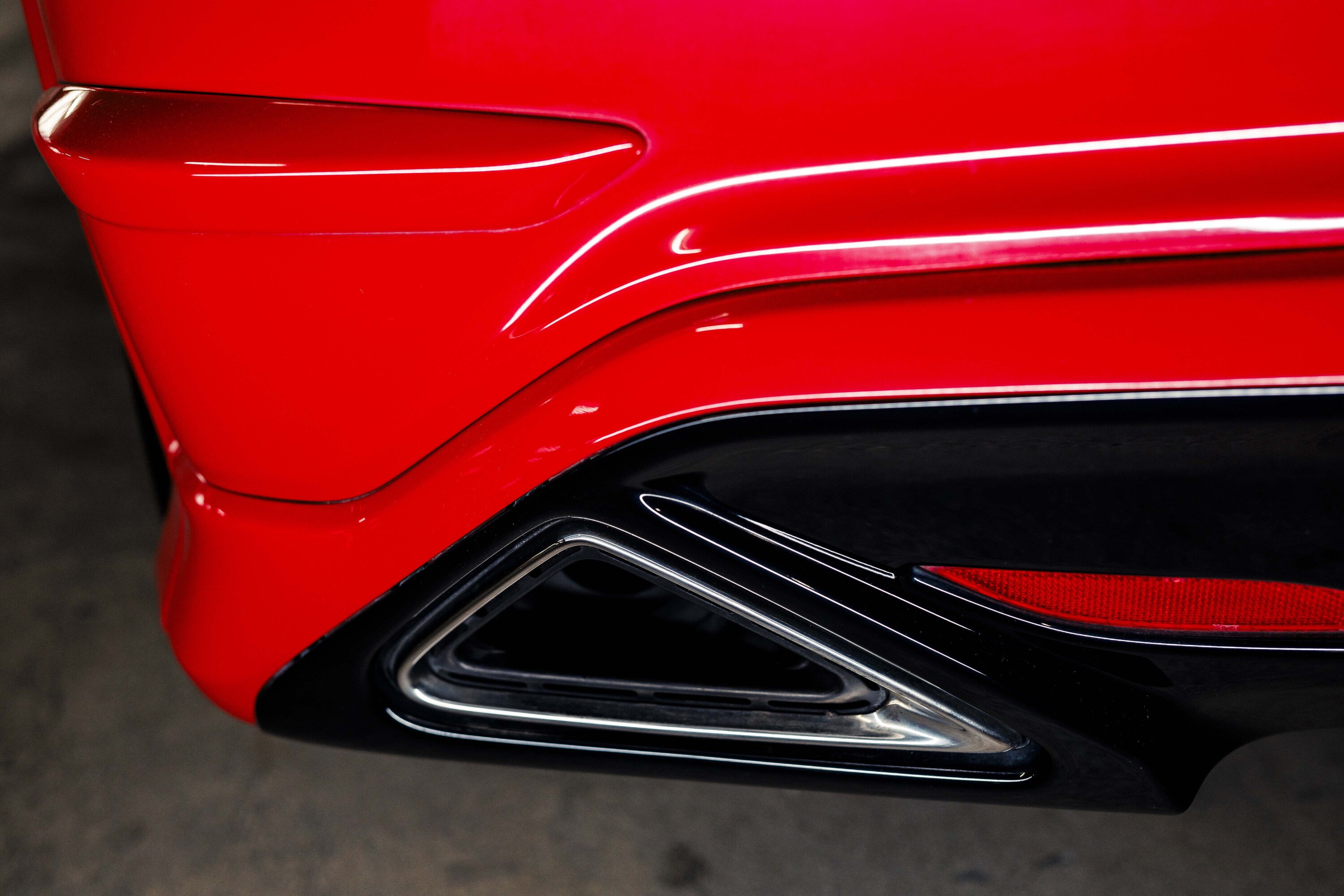
1
This implementation of a torsion beam does affect handling in extremis. Drive an FN2 back to back with an EP3 down a challenging road and you’ll realise that the older car offers you more options in terms of how you exploit the chassis balance.
You’ll also notice that the lauded EP3 steers considerably more vaguely than the FN2. There’s a decent weighting to the newer car’s electrically assisted rack, even if it’s not the chattiest in terms of detailed feedback.
The lack of a limited-slip differential does make itself apparent when accelerating out of tighter corners or in the wet, when the Type R can bleed torque from its unweighted inside tyre. In 2009, Honda Australia finally offered the FN2 with a helical limited-slip differential, allowing for some superior traction when punching out of a second-gear corner.
1
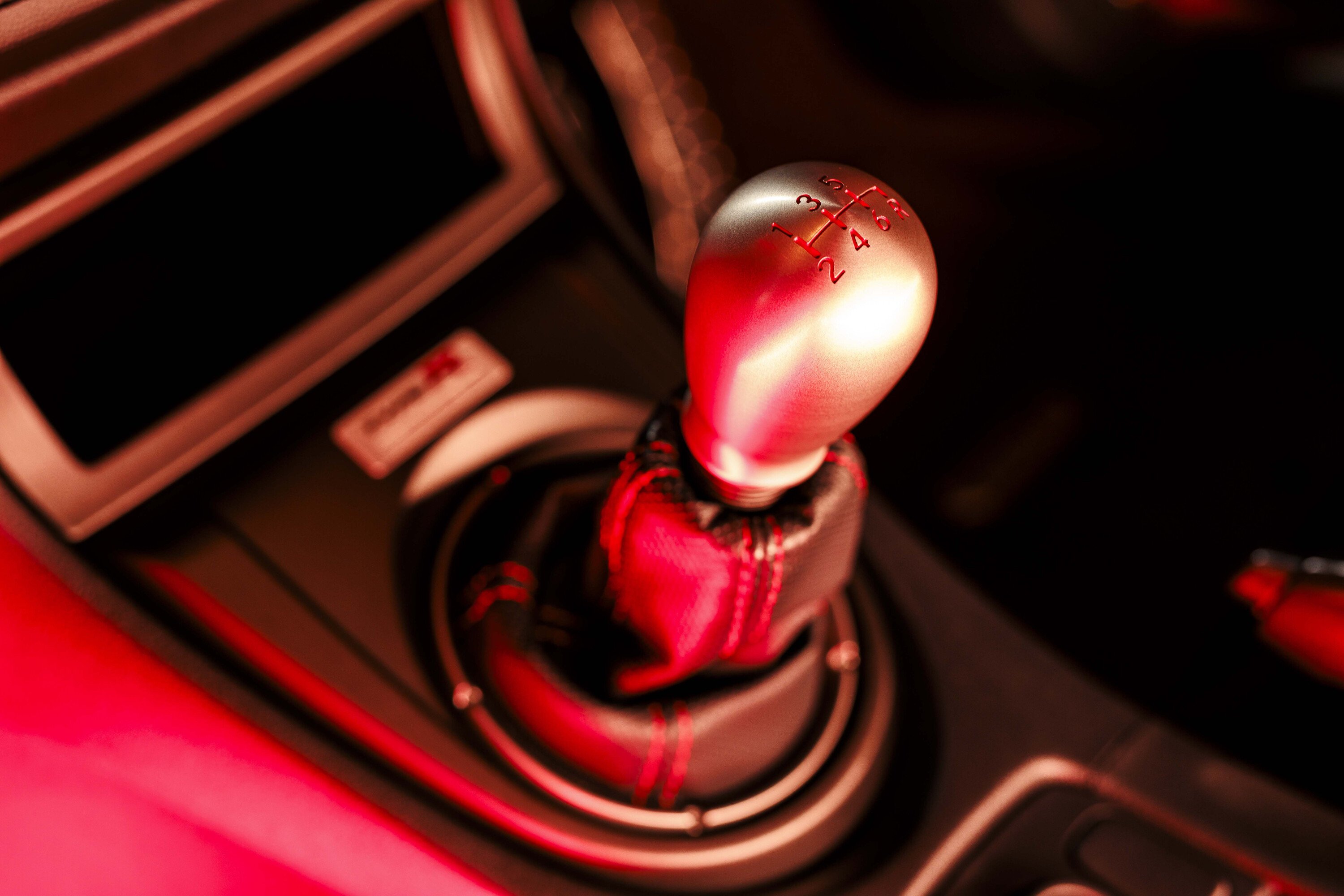
The manual gearshift is excellent, which is fairly surprising given that it’s a cable-shift, which often feel a little more lax than a rod-type set-up. The brakes are respectable for road use, although if you’re planning to track your FN2 you may well want to upgrade.
There’s a decent amount of room in the cabin, although taller drivers will curse the high-mounted seats and shorter drivers will realise that the rear spoiler makes it hard to spot the local constabulary who’ll be attracted to the sound of limiter-bashing, even if flat-chat in second does only translate to 86km/h in this infamously short-geared hatch.
Ownership is generally undramatic. There are a few issues that commonly crop up, such as leaking tailgates, creaking dashboards and soft paint. Worn seat bolsters are a recurrent FN2 issue.
1
Mechanically, the Type R is robust, but 2007MY cars suffered third-gear synchro issues, which could result in the car jumping out of gear. Squeaking clutch pedals are usually rectified with a squirt of chain lube on the entrance to the clutch master cylinder.
The K20 engine is as near bulletproof as it’s possible to get, and certainly shrugs off hard use and higher miles better than anything you’d find from Renault. Valve clearance need to be checked every 40,000km or so and while the engine uses a rugged timing chain rather than a belt, don’t let that fact lull you into believing that this is not a maintenance part.
Get a gauge on the previous seller by asking about their oil maintenance routine for the car. If they gaze at you blankly, walk away. There’s choice in this market.
2
Some owners have taken to fitting 17-inch wheels with 225/45 tyres, often sourcing the wheels from a Mitsubishi Evo (generations 5 to 9 inclusive) to give a little more sidewall compliance.
Others swear by the 15mm spacer kit offered by Eibach to ease the wheels out from beneath the arches a little for a more pugnacious, foursquare stance.
By now you’ll have probably figured out that an FN2 Honda Civic Type R is a car that may well have been misunderstood. It’s also one that rewards a bit of well-informed tinkering. Get one right – you can pick up a very tidy example for somewhere south of $20K – and you’ll have a performance bargain on your hands.
Time has smiled on this hot hatch in a way that initial reviews never did. That can be to your gain. One things’s an absolute certainty. They’re never going to make one quite like this again.
1
At first it seems a bit of a no-brainer.
Some simple recoding with a laptop plugged into the OBDII port of the FN2 Civic Type R can bring down the VTEC changeover point from 5500rpm to somewhere a bit more accessible.
Like most things, if they seem too good to be true, they usually are. Honda engineered the VTEC switchover to take advantage of the relative power/torque responses of both the low- and high-lift cam profiles. Lower that crossover and you’ll drop into a monstrous torque hole that’ll make your Civic slower, rather than quicker.
Some owners have reported that their VTEC crossover point is around 5800rpm, but while the engines of the FN2 are pretty metronomic, it seems that rev counters can be comparatively errant.
| 2007 Honda Civic Type R FN2 specifications | |
|---|---|
| Model | Honda Civic Type R FN2 |
| Engine | 1998cc 4cyl, dohc, 16v |
| Max power | 148kW @ 7800rpm |
| Max torque | 193Nm @ 5600rpm |
| Transmission | 6-speed manual |
| Weight | 1345kg |
| 0-100km/h | 6.6sec (claimed) |
| Price (now) | from $12K |
Can there ever be such a thing as too many safety features? I’m beginning to wonder.
We rail against the weight, cost and complexity of modern cars, but is the desire for more safety equipment partly responsible?
The reason I ask is that over the past few years, I’ve driven quite a few cars where some of the safety gear appears largely counterproductive.
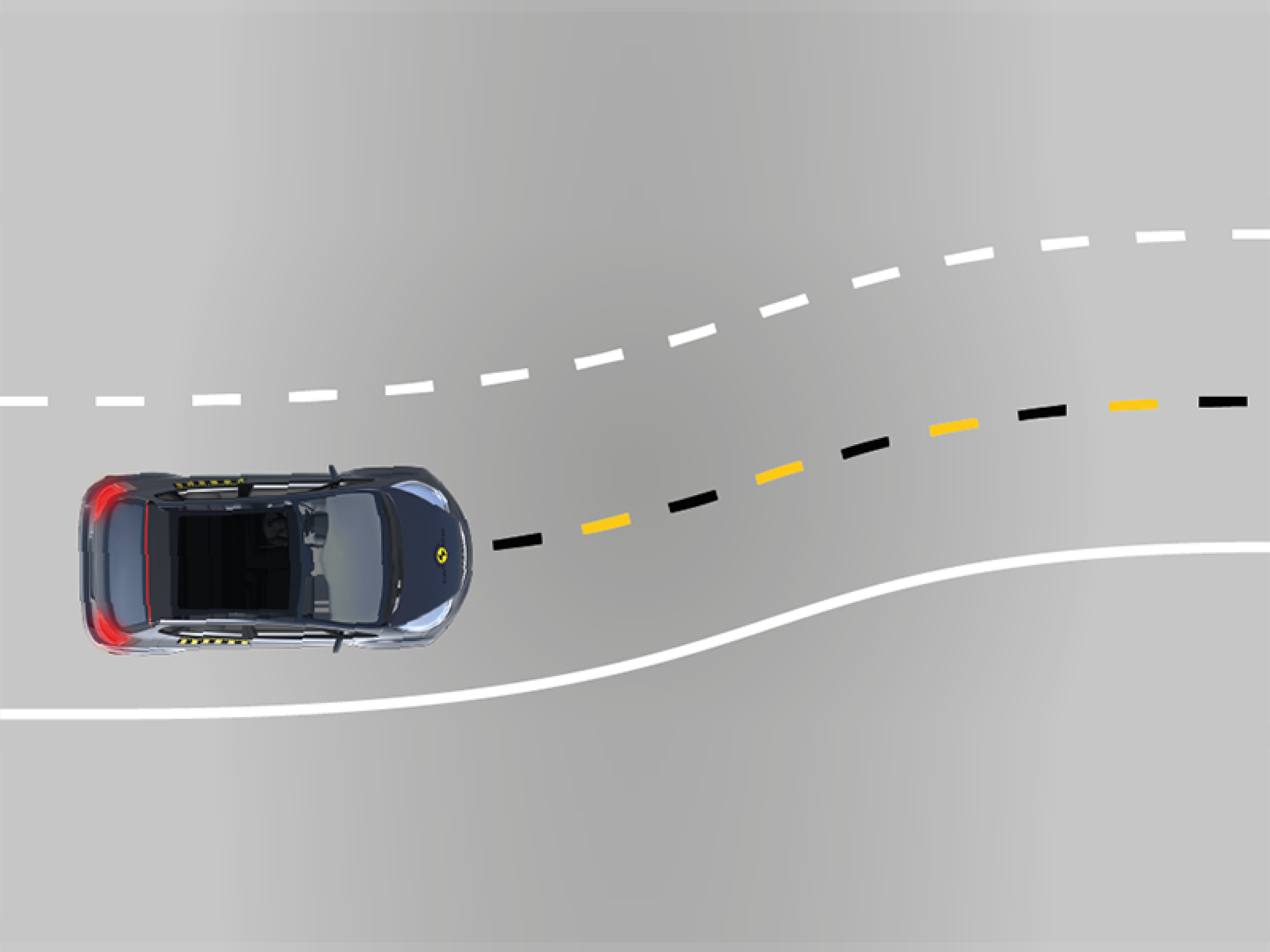
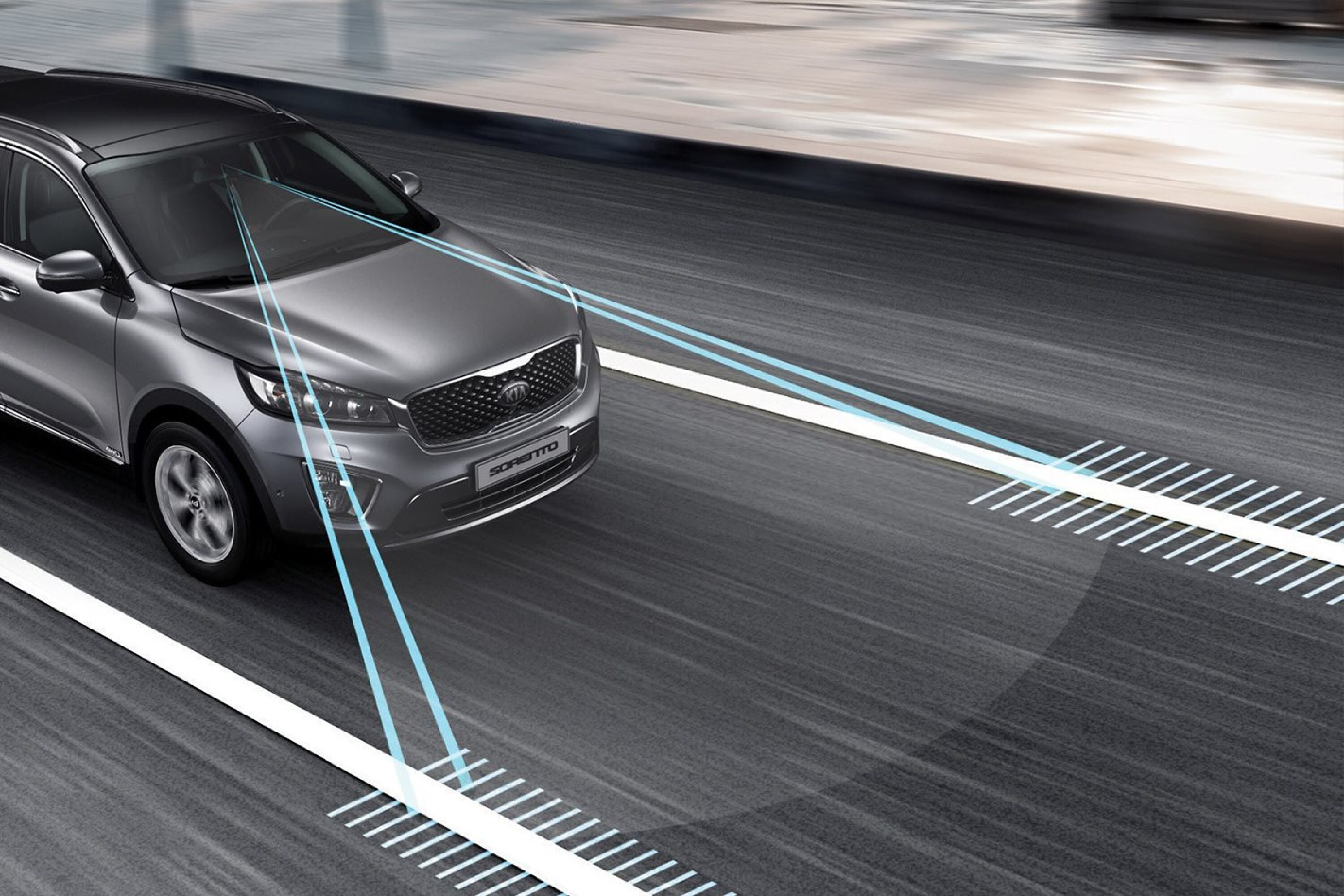
You probably know the sort of thing I’m talking about. Intrusive lane departure alert that’s distracting and which requires hunting through on-screen menus to disable. Lane-keep that bunts you into the pot-hole you were looking to skirt past.
1
Gimcrack parking radars that beep so frantically as soon as you activate them that you immediately ignore the warnings.
Adaptive cruise control that accelerates wildly when you pull out to follow a passing car and then rams the anchors on sharply, catching following drivers off-guard.
Car manufacturers are often bound by legislation on these features. I find the lane-keep systems on Hyundai and Kia products maddeningly unsubtle, but European safety legislation actually dictates that such a system can’t be disabled with a simple button press. It needs to be a menu choice or a long hold to disable.
1
The electronic nagging will only increase next year, when the EU mandates that all vehicles have an eye-tracking system fitted that’ll alert you if it thinks your attention has wandered.
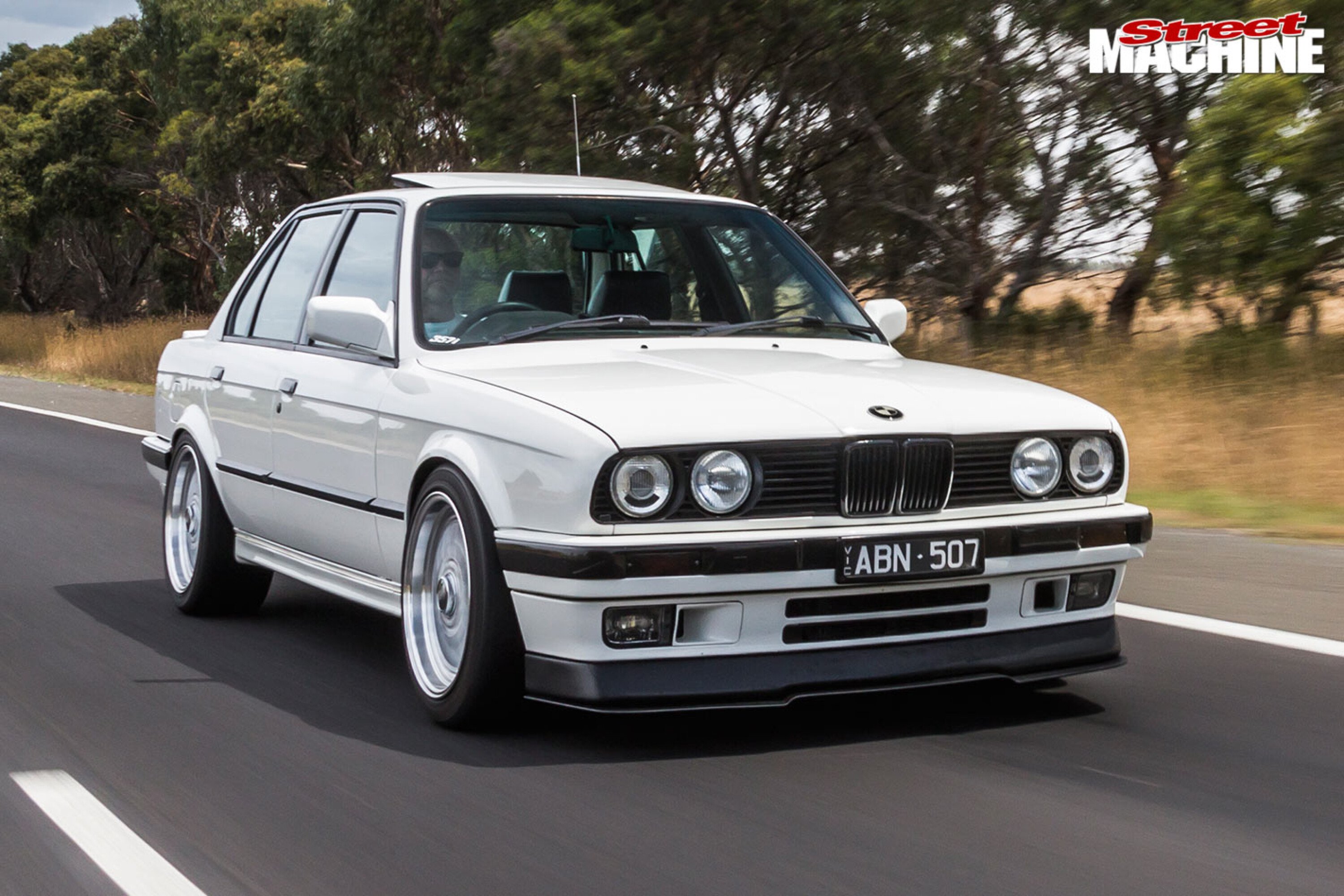
I was recently driving an old E30 BMW 3 Series and it had none of these features. Heck, it didn’t even have anti-lock brakes. If I’d have crashed it, it would have undoubtedly folded up like balsa compared to a modern 3 Series, but it made me a less passive, more keenly engaged driver.
The thin A-pillars meant that visibility out of the car was excellent. It felt light and agile, its chassis communicating exactly what it was doing, letting you know with perfect articulation when you were approaching its limits.
1
In short, I never felt minded to drive it, as if I was enveloped in some sort of impervious safety shield.
While it’s clear that my feelings are of little consequence if I’m T-boned by some tired and distracted school-run mum or dad in a Kluger, it got me wondering whether safety was becoming an alley from which legislators and manufacturers couldn’t return.
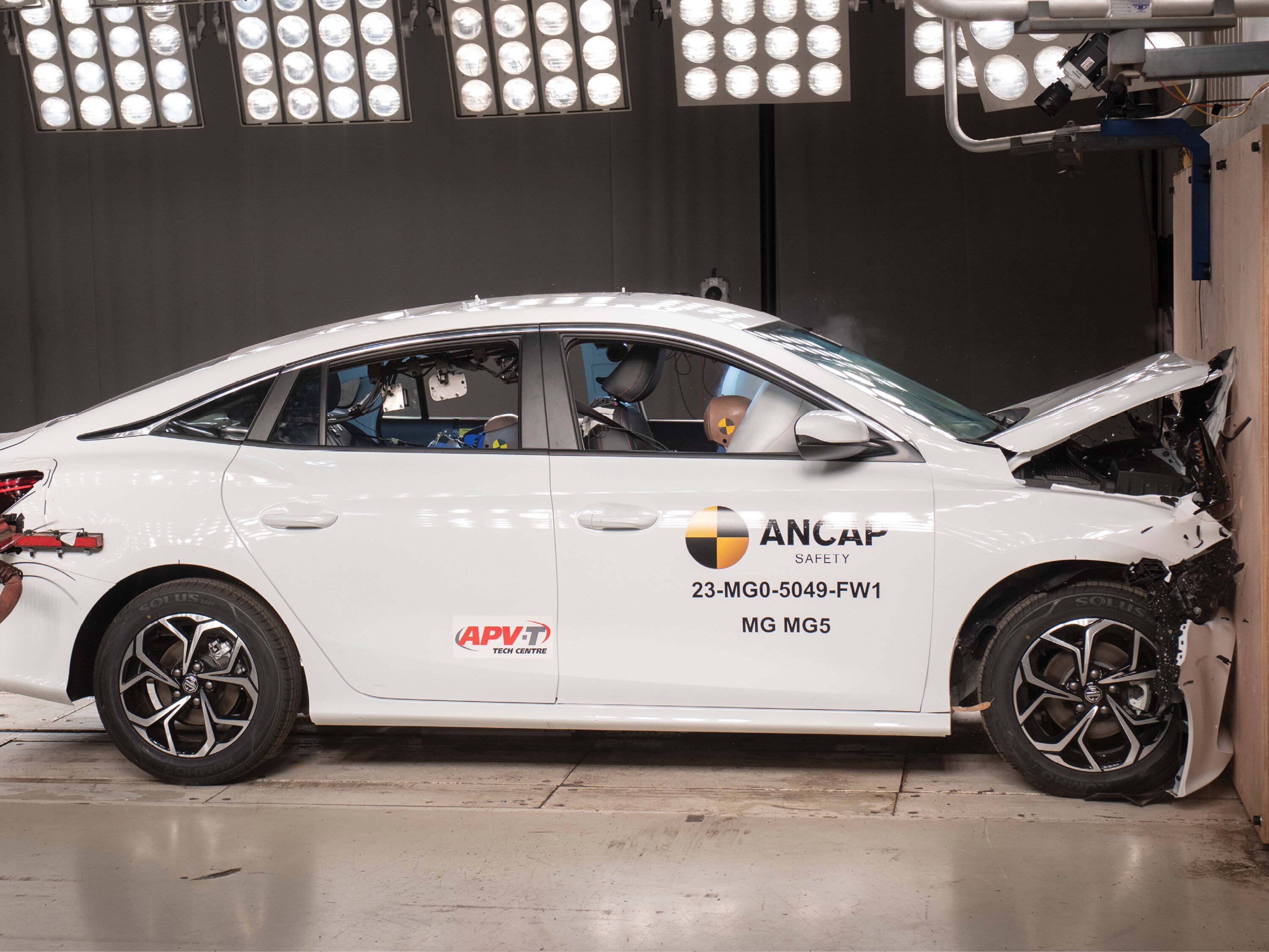
Are we going to recommend a car that doesn’t achieve a five-star Euro NCAP/ANCAP rating? The answer to that is, surprisingly, yes.
1
Porsche doesn’t submit its sports cars for safety testing, and I can’t think of too many 911 buyers who demur due to that fact. But a five-star fail? That’s different.
That subtlety’s not lost on MG. In August, it stated that it wasn’t pursuing a five-star ANCAP rating for its MG5 sedan, largely because its target customers would prefer lower prices – perhaps reasoning that a current three-star-rated car was likely safer than the old five-star car they were replacing.
MG’s Aussie CEO, Peter Ciao, said: “I know my business strategy has risk. But I am prepared, and I’m ready to accept the consequences… We can provide any model at five stars, but that means money.”
So would you be happy to pay less for a car if it wasn’t fitted with attention assist or traffic-sign recognition or rear cross-traffic alert and was denied a five-star safety rating? I suspect the response from a significant constituency of Wheels readers may be yes.
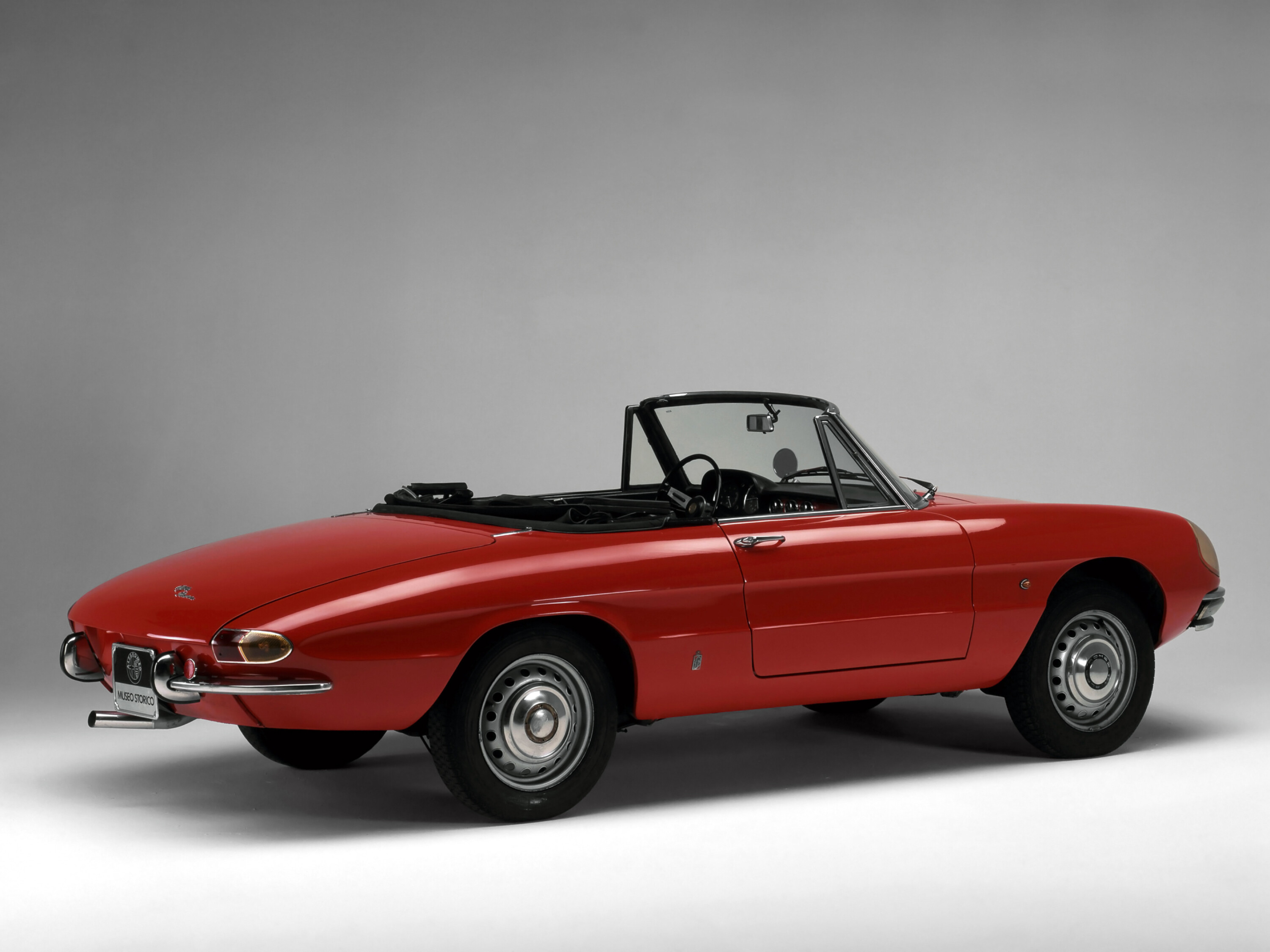
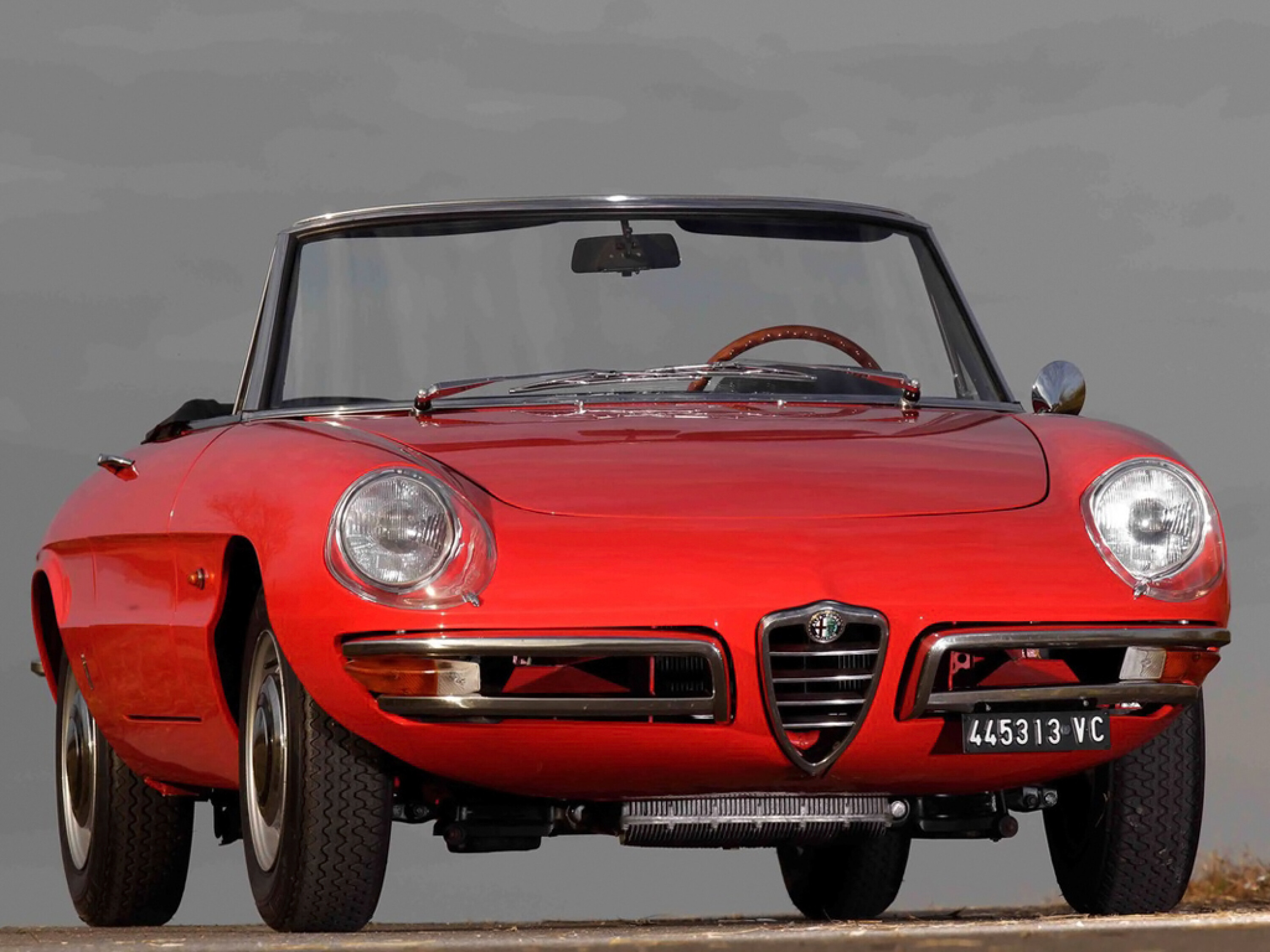
Gina Lollobrigida and Brigitte Bardot may have had to farewell their film-star looks, but at 57 years young the Alfa Romeo 105/115-series Spider is now even sexier than the day it first bemused onlookers at the 1966 Geneva Motor Show.
Hard to imagine, but the Pininfarina-penned and produced Spider, quickly nicknamed osso di sepia (“cuttlefish bone”) was initially dismissed by the Italian press as an unworthy sister to its donor 105-series Giulia Berlina sedan.
‘Lollobrigida’ and ‘Bardot’ were in fact among the 140,000 entries in a 1966 competition to name the new 1600 Spider. Most popular was ‘Pinin’ – Battista ‘Pinin’ Farina had died within days of the car’s launch – but ‘Duetto’ was selected, until the maker of an Italian chocolate snack enforced its copyright after just 190 cars had been built.
1
Soon enough, the 1600 Spider would be a movie star in its own right, carrying Dustin Hoffman in 1967’s The Graduate.
The Spider’s shape was inspired by a series of four Pininfarina Superflow concept cars between 1955-’60, based on an Alfa sports-racer platform. The production Spider platform and drivetrain would come from the acclaimed 105-series Giulia, on a wheelbase 10mm shorter than the iconic coupe.
The twin cam four was initially fitted in 1.6-litre guise and soon joined by the ‘1750’ (actually 1779cc) and a low-cost, sub-tax 1300 Junior. However, even the latter entry version came with twin Weber carbs, a five-speed manual ’box and four-wheel disc brakes.
1
Despite a price not far shy of a Jaguar E-Type’s, the Spider delighted drivers with its light weight and quick handling.
It was most directly comparable with the Lotus Elan, both these cars in a class above mainstream British roadsters like the MGB and Triumph TR4 and indeed, the also Pininfarina-sourced Fiat 124 Spider that came later in 1966.
The Alfa underwent its most obvious revision in 1970 with the Kamm-tailed Series 2 coda tronca body, its squared-off tail further benefiting an already surprisingly useful luggage capacity. Later Series 3 ‘Aerodinamica’ cars (1983-’89) were corrupted to meet US 5mph bumper requirements, and finally Series 4 (1990) brought a sympathetic updating of the Spider’s nose and tail.
1
La Dolce Duetto
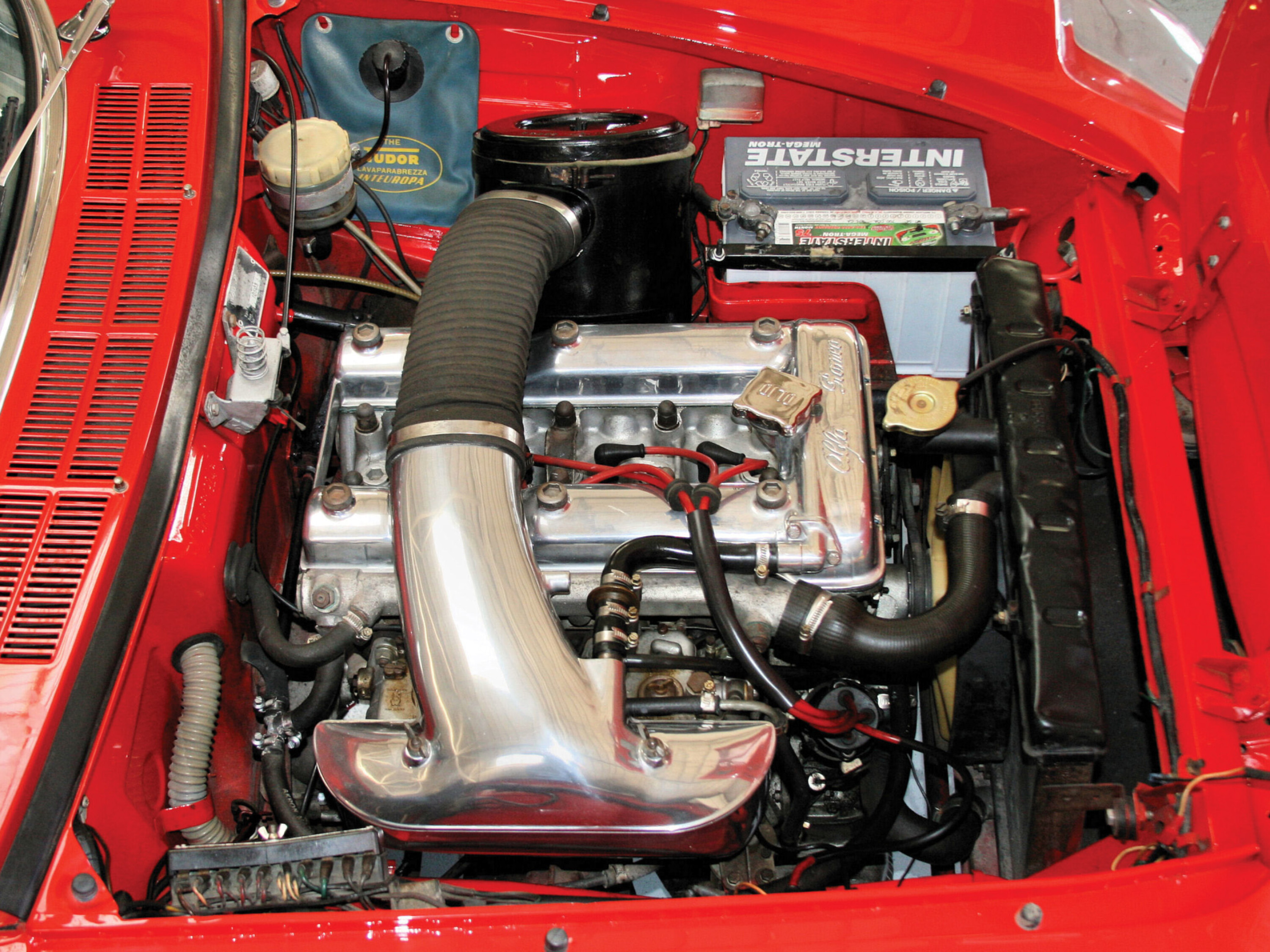
Alfa’s all-alloy, four-cylinder twin cam is an industry legend, launching in the 1954 Giulietta and remaining in production, with modifications including fuel injection and twin-spark cylinder head, for 40 years.
The 1600 Spider made 81kW and 139Nm; modest figures, but helped by a 990kg kerb weight. Later engine choices comprised the ‘1750’ (1967), 1.3 (1968) and ‘Veloce’ 2.0 (1971).
1
Vinyl revival
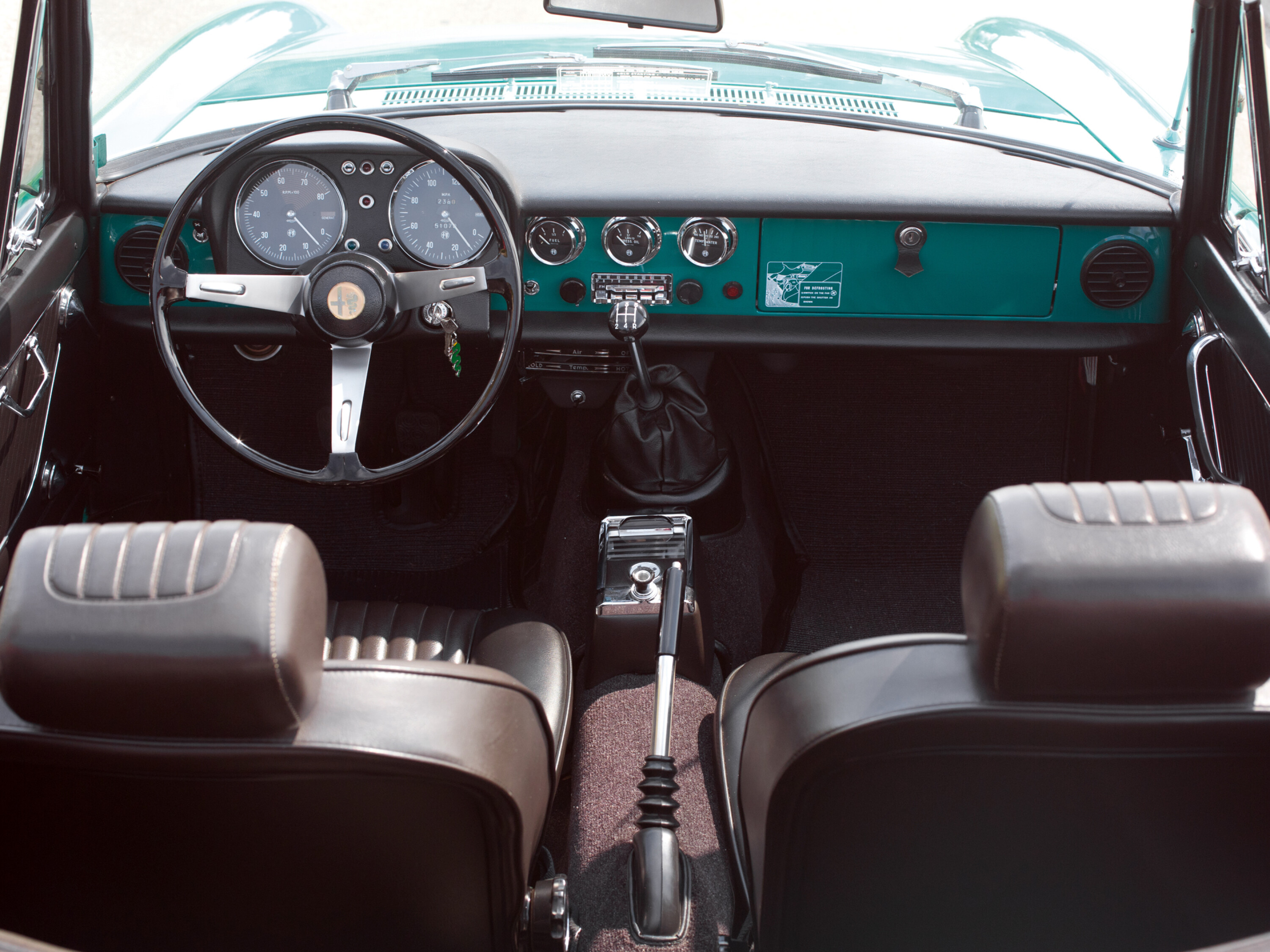
Everything to love about 1960s Italy is inside a ’60s Spider … long-armed/short-legged driving position, black vinyl upholstery, three-spoke wood-rim wheel (or plastic on base-spec), body-coloured steel dashboard, chrome or crackle finish surfaces, comprehensive instruments all torpedo-tubed towards the driver.
The manual soft-top was dead-easy to operate, fastening with two clips when up and out of view when folded.
| In detail | |
|---|---|
| 115 | series identification post-1974 |
| 17726 | production of Series 1 osso di sepia (1966-69) |
| 990 | kerb weight (kg) |
| 110126 | Total Spider production (1966-94) |
| 1976 | 105/115 Spider sales end in Australia |
New recall notices have been issued, affecting Tesla, Volkswagen, Ford and Mercedes-Benz vehicles.
The details of each recall, as published, are posted below.
1
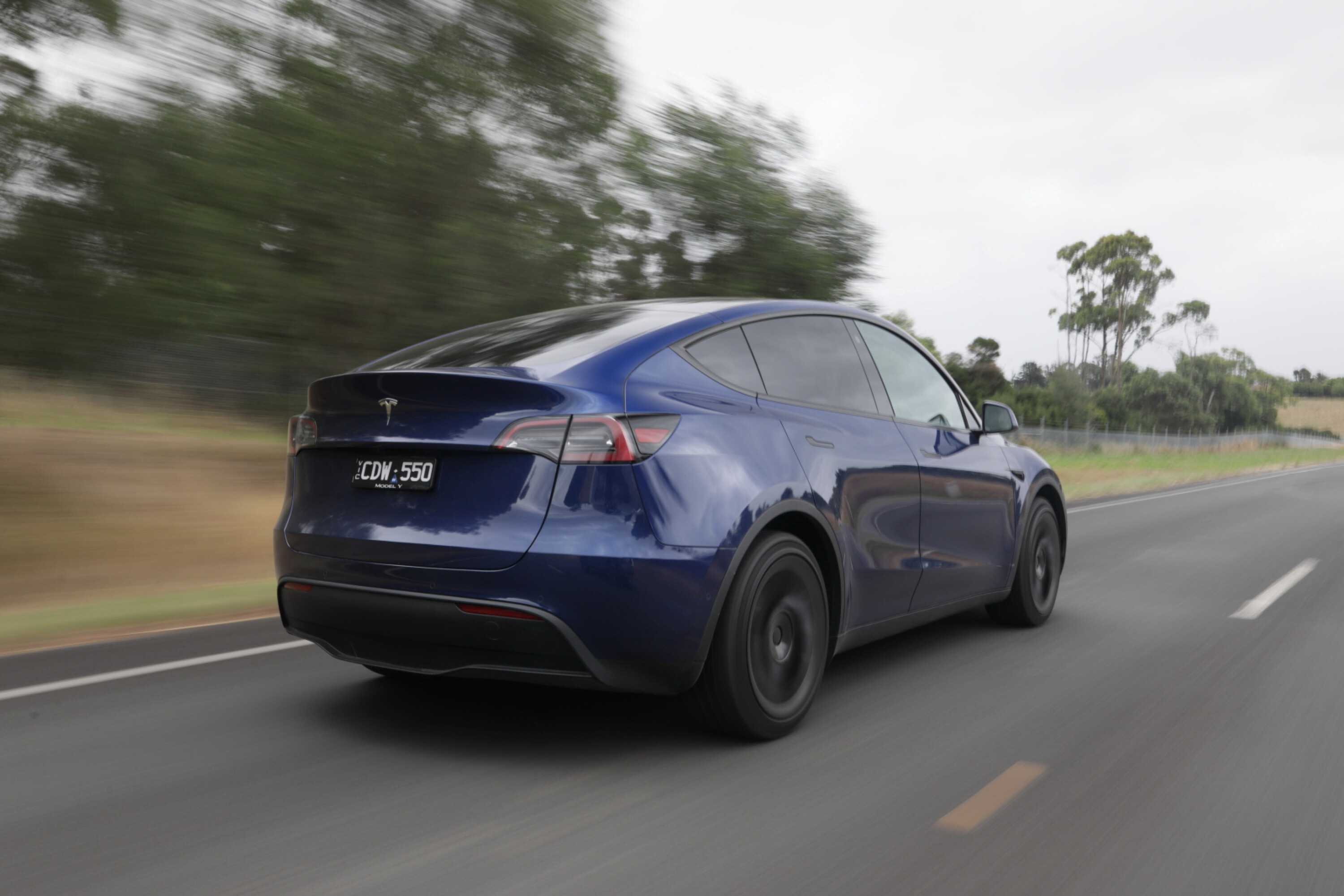
Recalls: 2022-23 Tesla Model 3 and Model Y
- Recall number: REC-005875
- Campaign number: SB-24-32-001
- Original published date: 18 January 2024
- Year range: 2022 – 2023
- Variants: All variants within this model
- Affected units: 4382
- List of affected VINs (.csv file) [↗]
What are the defects?
Due to a software issue, the steering wheel may feel notchy when operating the vehicle in cold temperatures.
What are the hazards?
There is no safety hazard and the defect will not affect the performance of the vehicle.
Vehicles may not be compliant with the (Australian Design Rule ADR 90/01 – Steering System) 2021.
What should consumers do?
Owners of affected vehicles should either contact Tesla to make an appointment to have the vehicle software version inspected and updated to version 2023.38 or later, free of charge, or update their vehicle’s software as they usually do using main screen.
Supplier details
Tesla, Inc.
Who should owners/operators contact for more information?
Tesla Customer Centre
- Contact phone: 1800 646 952
- Contact website: tesla.com [↗]
- Contact email: [email protected] [↗]
1
- Contact phone: 1800 646 952
- Contact website: tesla.com [↗]
- Contact email: [email protected] [↗]
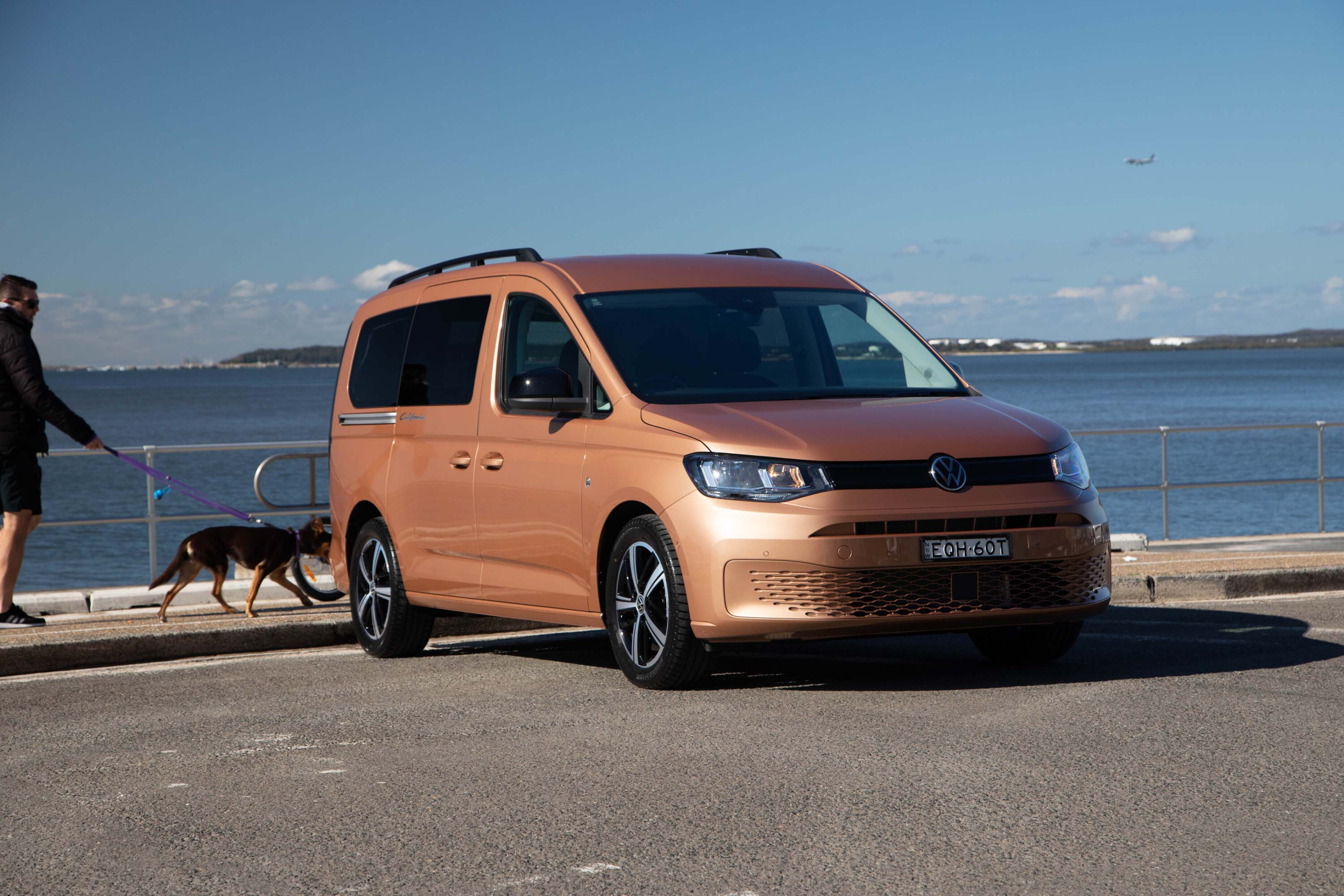
Recalls: 2021-23 Volkswagen Caddy
- Recall number: REC-005864
- Campaign number: 69FR
- Original published date: 12 January 2024
- Year range: 2021-2023
- Affected units: 1870
- List of affected VINs (.csv file) [↗]
What are the defects?
An airbag deactivation switch may have been incorrectly fitted instead of a blanking plug. This could cause the driver to assume that the front passenger airbag has been deactivated when it is always operational.
What are the hazards?
If the driver believes the passenger front airbag has been deactivated, it may lead to an unsafe situation if something such as a child seat was used in the front passenger seat.
What should consumers do?
Owners of affected vehicles can contact their preferred Volkswagen dealership to schedule an appointment to have the vehicle inspected and rectified, free of charge.
Supplier details
Volkswagen Group Australia Pty Ltd
Who should owners/operators contact for more information?
Volkswagen Group Australia
- Contact phone: 1800 504 076
- Contact website: volkswagen.com.au/app/locals/find-dealer [↗]
- Contact email: [email protected] [↗]
- Contact phone: 1800 504 076
- Contact website: volkswagen.com.au/app/locals/find-dealer [↗]
- Contact email: [email protected] [↗]
1
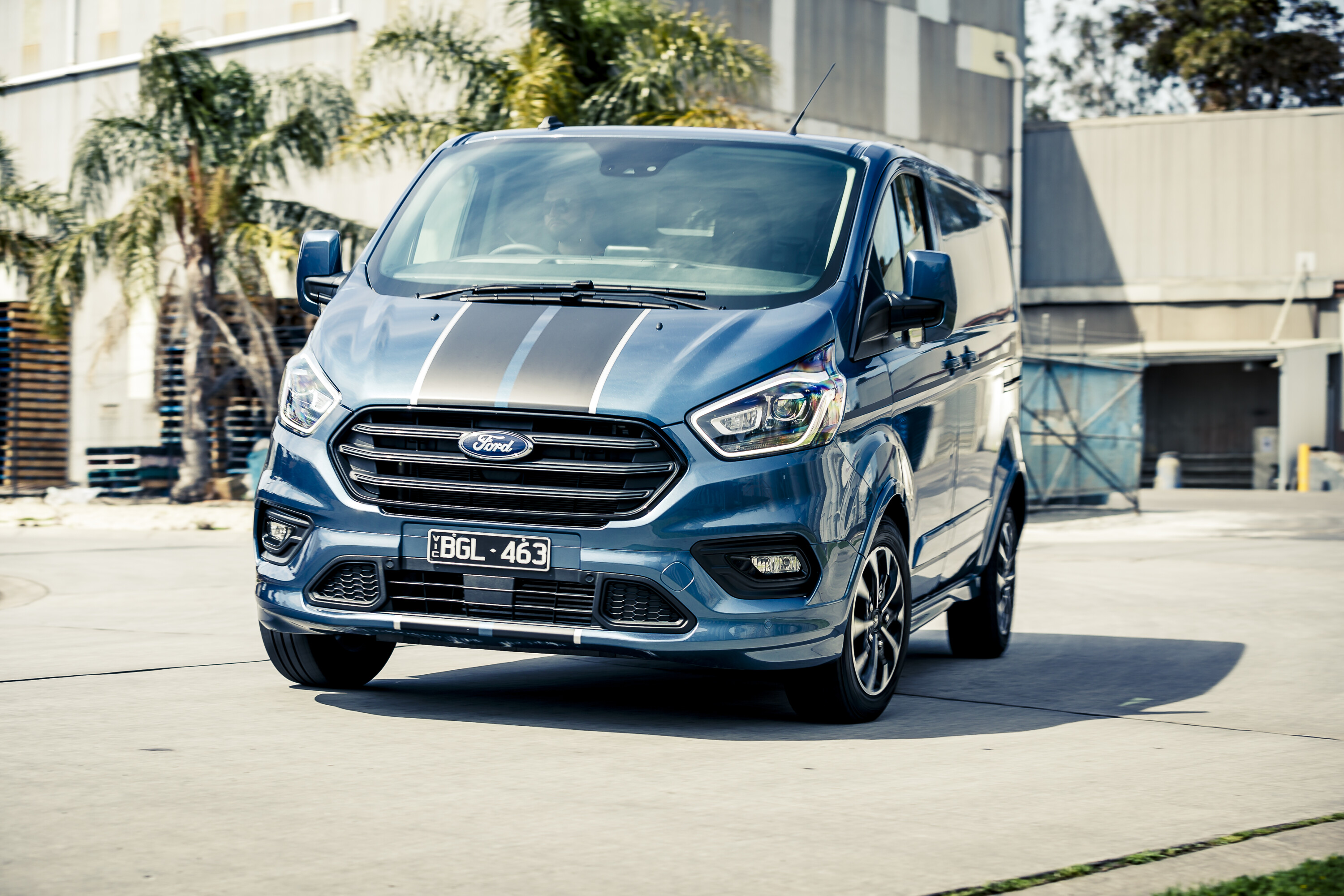
Recalls: 2023 Ford Transit Custom
- Recall number: REC-005869
- Campaign number: 23C39
- Original published date: 15 January 2024
- Year range: 2023
- Affected units: 327
- List of affected VINs (.csv file) [↗]
What are the defects?
Due to incomplete software update, the Advanced Driver Assistance System (ADAS) may not operate as intended. As a result, sensors and cameras yellow warning light will not illuminate in the instrument cluster to assist the driver to detect nearby obstacles or driver errors.
What are the hazards?
A loss of safety systems could increase the risk of an accident, causing serious injury to vehicle occupants and other road users.
What should consumers do?
Owners of affected vehicles will be contacted in writing by Ford Australia and are asked to make an appointment to have the Advanced Driver Assistance System ADAS software updated, free of charge.
Supplier details
FORD MOTOR COMPANY OF AUSTRALIA PTY LTD
Who should owners/operators contact for more information?
Ford Customer Relationship Centre
- Contact phone: 13 36 73
1
- Contact phone: 13 36 73
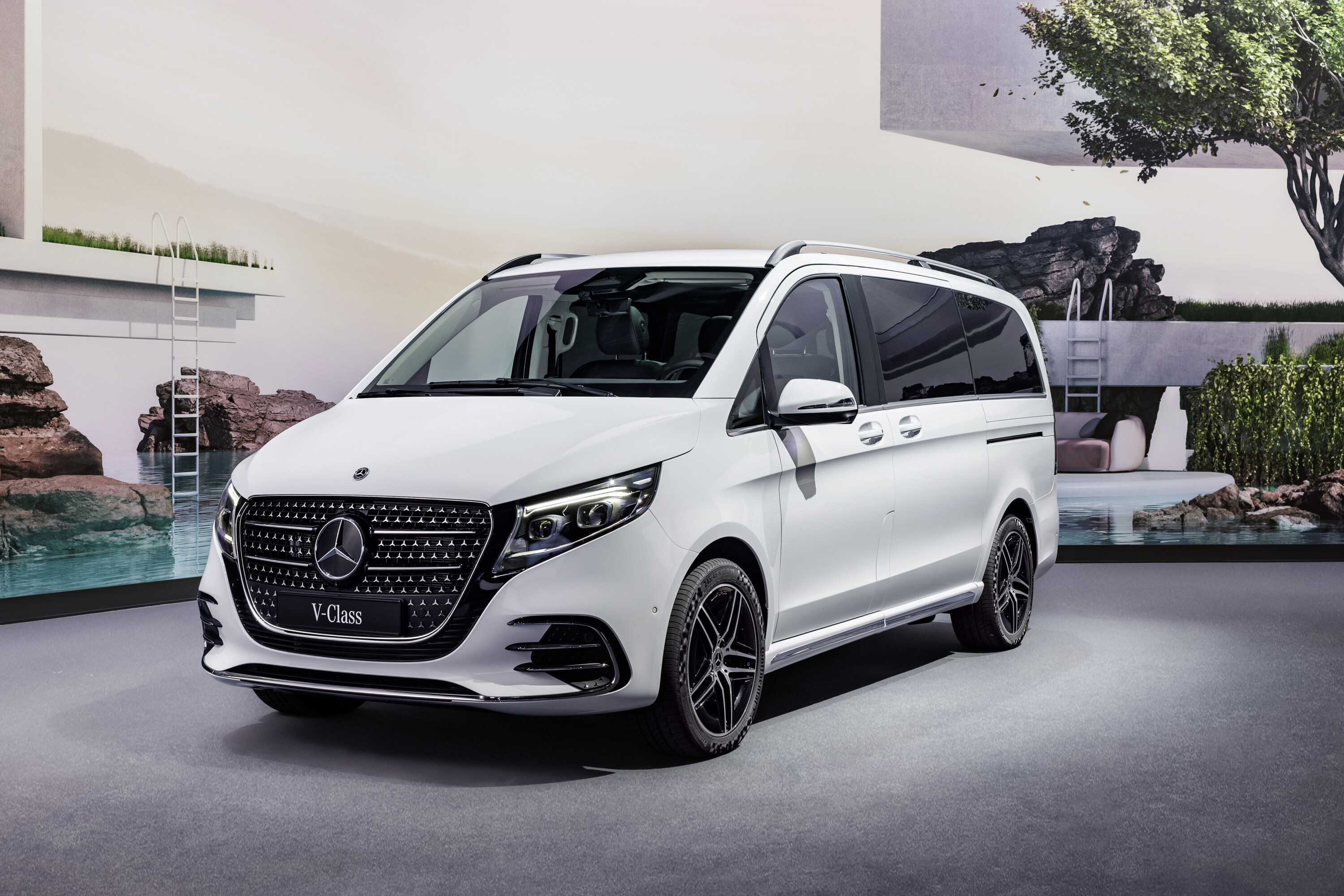
Recalls: 2023-25 Mercedes-Benz Model 447 (V-Class & Vito)
- Recall number: REC-005874
- Campaign number: RC3247
- Original published date: 17 January 2024
- Year range: 2023 – 2025
- Affected units: 255
- List of affected VINs (.csv file) [↗]
What are the defects?
Due to a hardware component connectivity issue, the Hermes Control Unit (ECE) may not operate as intended. In this case, the communication module might not be able to establish a network connection. If this occurs, the emergency call system (eCall) communication would not be available.
What are the hazards?
If the eCall system is not available, in the event of an emergency it would not be possible for the vehicle occupants to connect with emergency services, either manually or automatically. As a consequence, emergency vehicles may not be directed to the affected vehicle or may be delayed. This could increase the risk of death if a serious injury has occurred.
What should consumers do?
Owners of affected vehicles will be contacted by Mercedes-Benz in writing and are asked to schedule an appointment with their authorised Mercedes-Benz dealership to have the work carried out as soon as possible, free of charge.
Supplier details
MERCEDES-BENZ AUSTRALIA/PACIFIC PTY LTD
Who should owners/operators contact for more information?
Customer Assistance Centre
- Contact phone: 1300 762 718
- Contact website: mercedes-benz.com.au/ [↗]
- Contact email: [email protected] [↗]
- Contact phone: 1300 762 718
- Contact website: mercedes-benz.com.au/ [↗]
- Contact email: [email protected] [↗]
More links to help you with your car recall
- What is a recall?
- What to do if your car is recalled
- Why a car recall isn’t all bad news
- What is a vehicle identification number (VIN)?
- All ANCAP & vehicle safety stories
Wheels Media’s product manager Michael Fisher spends a few days with the Everest Wildtrak to give us his regular-bloke “I’m no journalist” take.
Things we like
- Superb V6 and 10-speed powertrain
- Class-leading safety
Not so much
- Complex dashboard screens
- Wildtrak name more of a styling pack than anything else
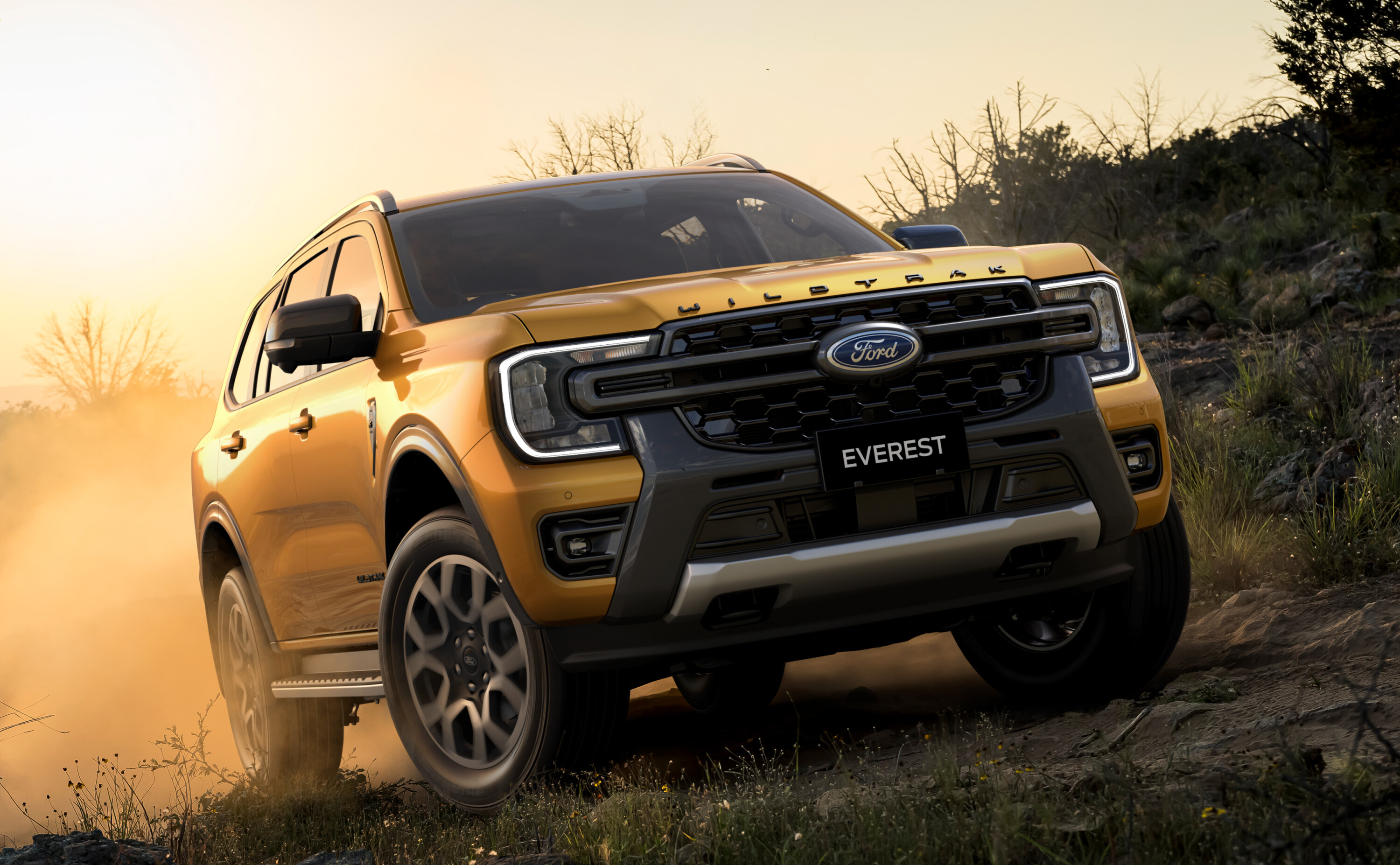
The Ford Everest capped a hugely successful 2023 – which included being named Wheels Car of the Year – with a new, limited-edition Wildtrak variant.
Limited to just 800 units, the Everest Wildtrak is no longer featured on the official Ford Australia website – though some new examples are seemingly available to order in the classifieds.
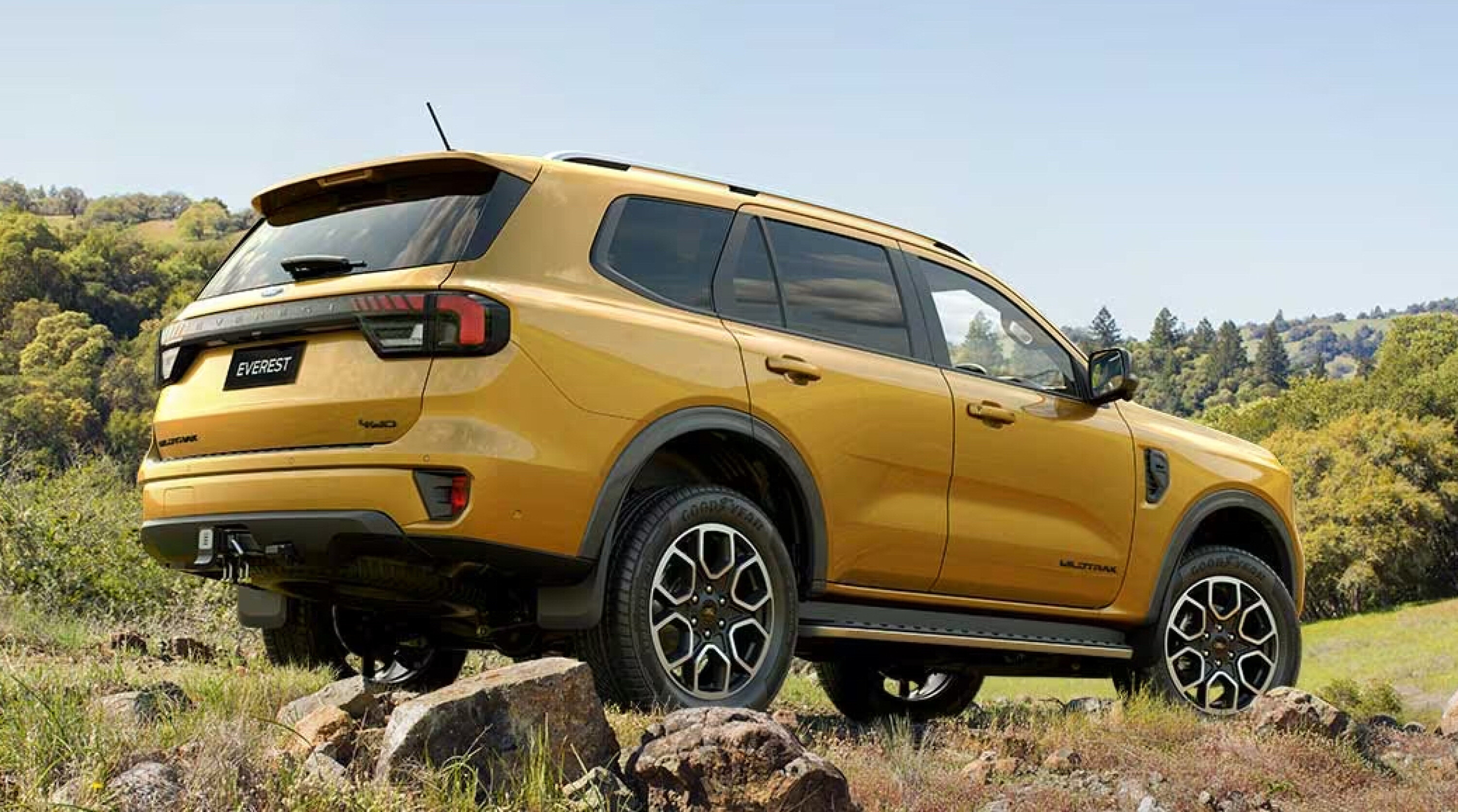
Is it worth the search? We took one for a long-weekend spin to find out what the Ranger Wildtrak-borrowed cues – including exclusive Luxe Yellow paintwork – do for what is one of Australia’s most versatile family vehicles.
| 2023 Ford Everest Wildtrak specs | |
|---|---|
| Engine | 3.0L V6 turbo-diesel |
| Capacity | 2992cc |
| Transmission | 10-speed automatic |
| Power | 184kW |
| Torque | 600Nm |
| 4×4 system | Permanent 4WD |
| Wheels | 21-inch alloys |
| Kerb weight | 2492kg |
| GVM | 3150kg |
| Payload | 658kg |
| Towing capacity | 3500kg |
| Seating | 7 |
| Fuel tank | 80L |
| ADR fuel claim | 8.5L/100km |
| Wading depth | 800mm |
| Ground Clearance | 226mm |
| Price (ex on-road) | $74,704 |
1
The Everest Wildtrak experience
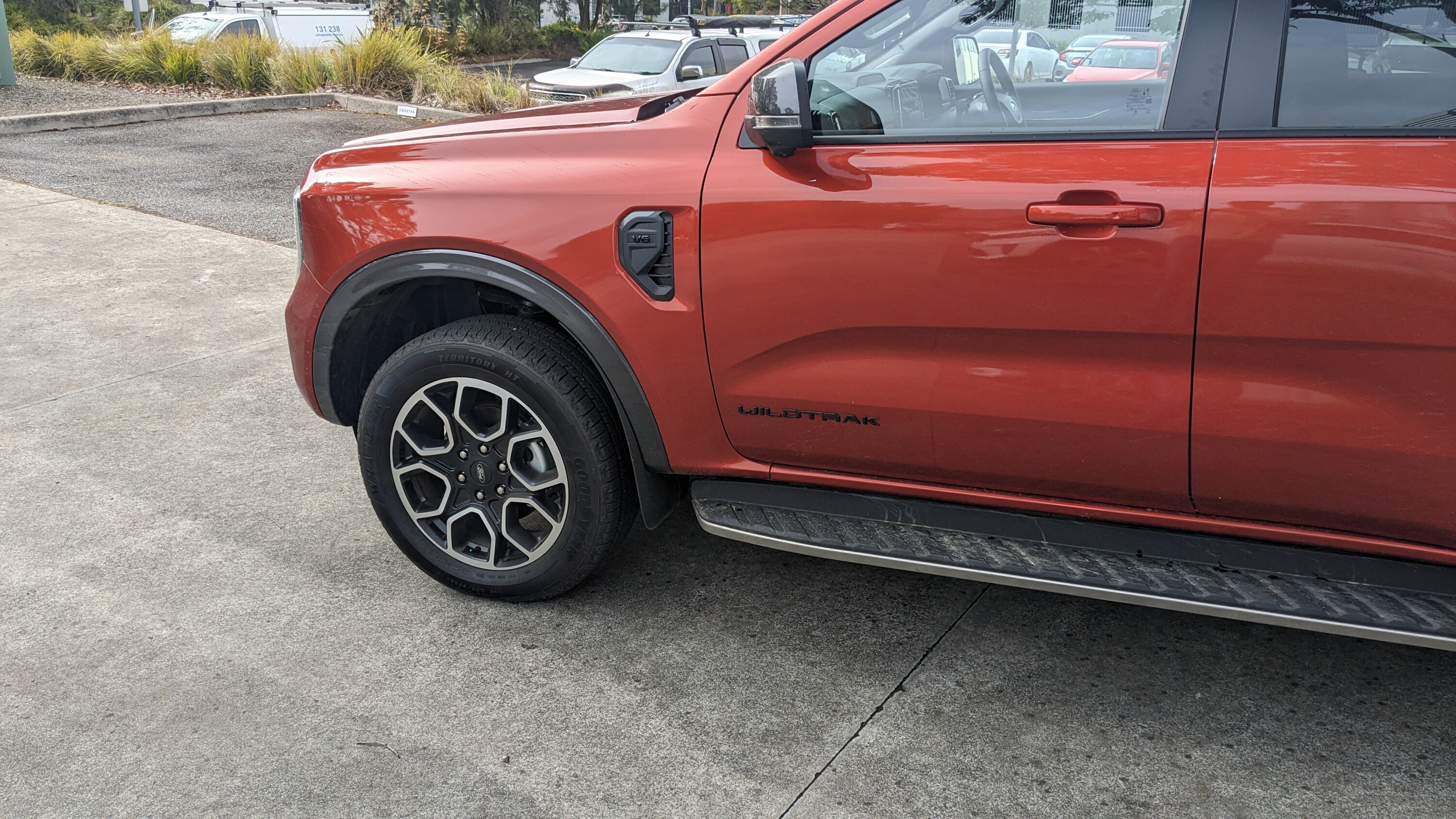
The Everest Wildtrak distinguishes itself with a unique grille design, complete with tough-look mesh and signature C-Clamp LED headlamps, giving it a bold and distinctive appearance.
It’s also offered in the hero Luxe Yellow as well as Sedona Orange, as with the Ranger Wildtrak. The machine-faced 20-inch alloy wheels add a premium edge and class, enhancing its sleek exterior.
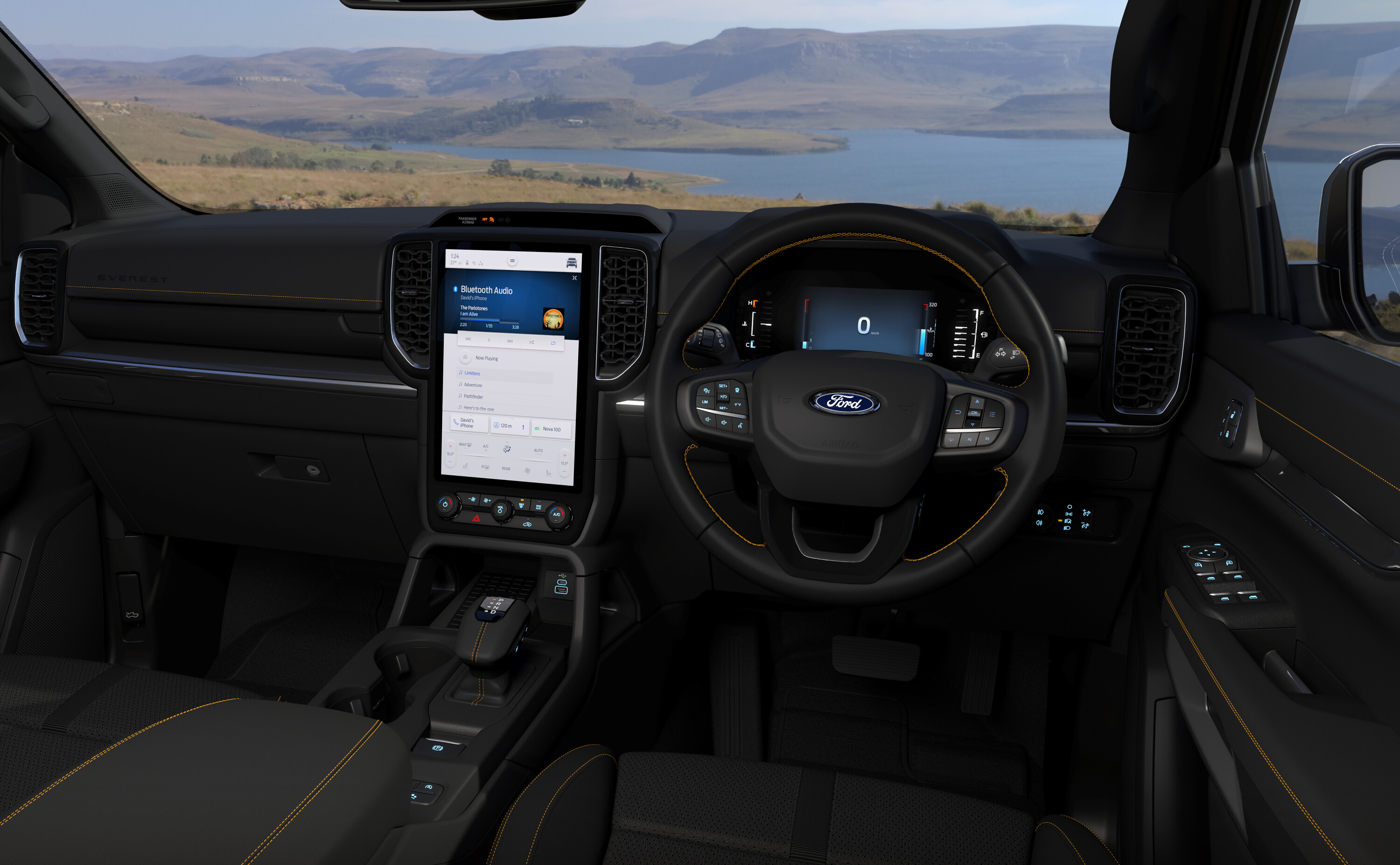
Inside, the coast-to-coast instrument panel expands the sense of space, complemented by a 12-inch centre LCD touchscreen with a bold finish, creating an ambiance that is uniquely Wildtrak.
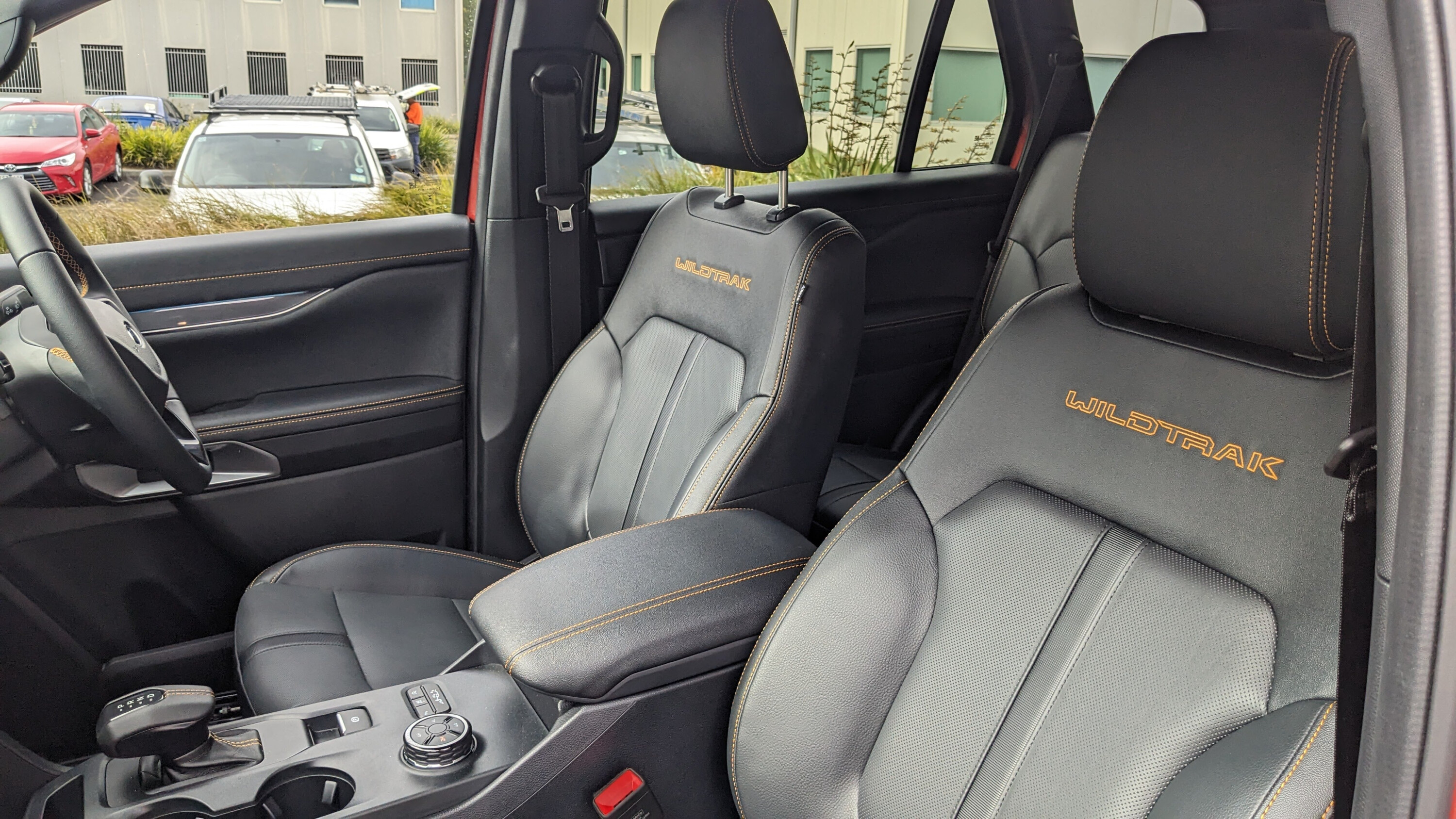
The seats, adorned with Cyber Orange stitching against bold grey accents and the signature Wildtrak logo, exude character and comfort.
7
Day-to-day usability
In terms of daily family use, the Everest Wildtrak excels.
Its spacious interior, comfortable seating, and user-friendly technology make it ideal for the hustle and bustle of family life.
From school pickups to weekend sports activities, the Everest Wildtrak handles it all with ease. The car’s ample storage space, easy-to-navigate infotainment system, and robust safety features make it a reliable choice for families, too. This is applicable to all Everest models, of course…
1
Wildtrak add-ons: nice but not game-changing
While the Wildtrak variant comes with its unique features and styling, these additions, though welcome, don’t drastically change the game when comparing it with the rest of the Everest range.
They add an aesthetic and luxury feel which would sit mid-to-upper range in the family-oriented Everest line-up.
7
On the road
On the road, the 2024 Ford Everest Wildtrak provides a smooth and controlled driving experience.
Its handling is precise, making navigating through city streets and parking effortless despite its large-SUV dimensions. The suspension absorbs bumps efficiently, ensuring a comfortable ride for all passengers.
For buyers more serious about off-road trails, an option pack is available with smaller, 18-inch wheels with all-terrain tyres.
1
VERDICT
The 2024 Ford Everest successfully blends the practical needs of a modern family with the desire for a vehicle that stands out.
While the Wildtrak variant’s special features mainly serve an aesthetic purpose only, they do so without compromising the car’s fundamental strengths: comfort, safety, and practicality.
The Wildtrak’s yellow and orange exterior choices, however, do bring some welcome colour to the Everest line-up.
2023 Best Large SUV series
Looking to get into a brand-new large SUV? Our stories below will guide you to the model that best suits your needs!
January 24: Now it’s official, here’s the facelifted 2025 VW Golf!
The 2025 Volkswagen Golf has debuted in Europe ahead of its Australian launch around 12 months from now. Get all the details at the linked story below. ?
January 19: Our first unofficial look at the updated Mk8.5 Volkswagen Golf is here.
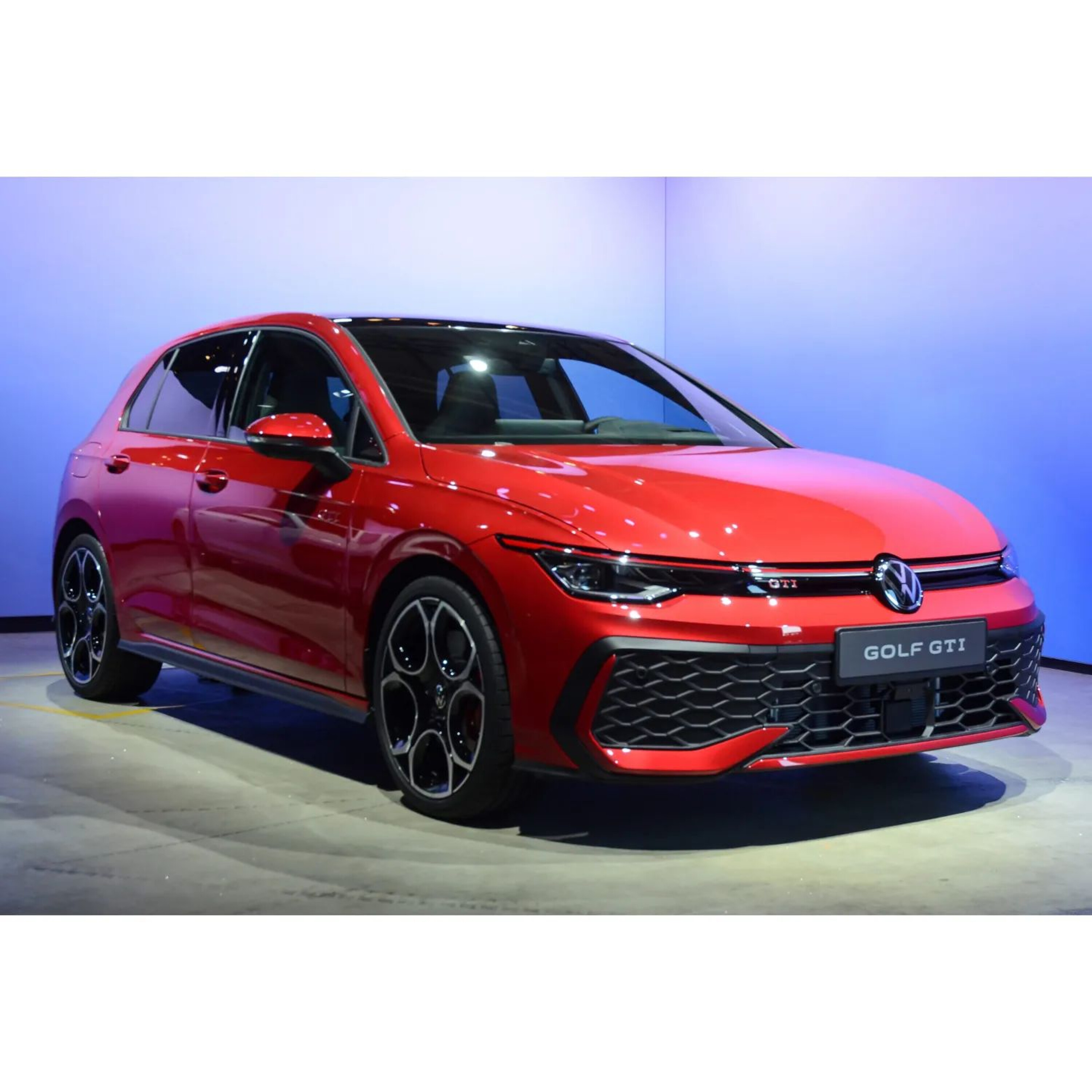
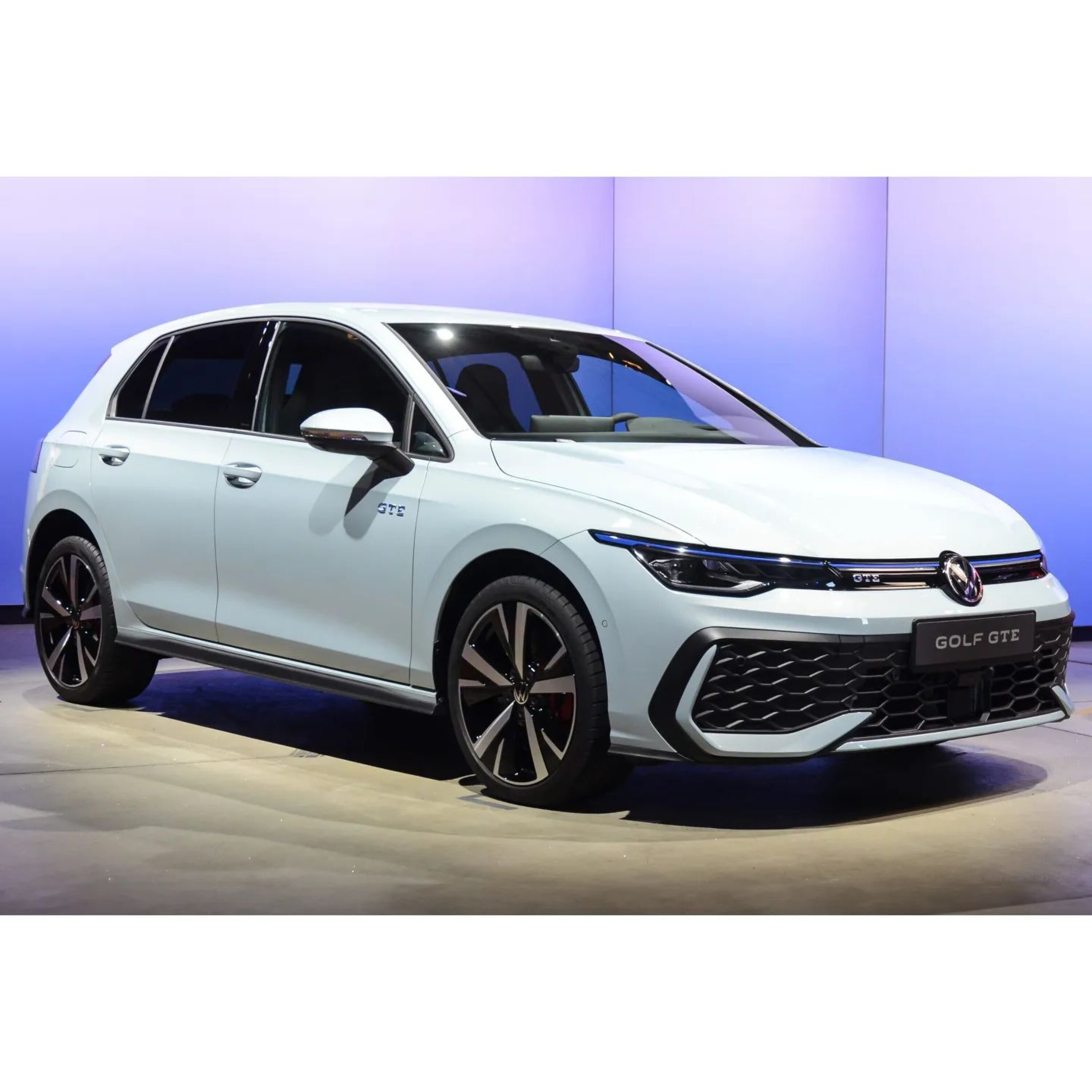
Leaked on Instagram by Wilco Blok, the images show several key variants of the overhauled model range including the wagon, iconic GTI hot-hatch and the plug-in hybrid Golf GTE.
As expected, the exterior design is an evolution of what’s come before but subtle exterior tweaks do bring a sharper appearance for 2024.
1
A full-width light bar features, as does an illuminated Volkswagen logo. New alloy designs and updated headlights and taillights are other telltale tweaks.
Volkswagen has been gearing up to reveal the Mk8.5 Golf for a while now. A camouflaged GTI was shown at the Consumer Electronics Show in Vegas earlier this month, which confirmed a move back to physical buttons for the interior and the integration of ChatGPT.
Keep reading for more details on the updated Golf range and keep your eyes peeled for the official reveal. It can’t be far away now…
3
December ’23: The facelifted 2024 Volkswagen Golf small car has been teased ahead of its expected debut early next year.
Volkswagen passenger cars CEO Thomas Schäfer confirmed the updated Golf hatch and wagon will debut sometime in 2024 during a video highlighting the brand’s product launches of 2023 including the new Tiguan, Passat, and ID.7 electric sedan.
The teaser confirms the facelifted ‘Mk8.5’ Golf will receive an illuminated front Volkswagen badge, along with a revised light signature similar to the latest Passat and the brand’s ID range of electric vehicles.
Other design revisions are tipped to include new-look alloy wheels, 3D-effect rear tail-lights, and the removal of faux exhaust outlets for standard variants.
Inside, it is expected to adopt a larger 12.9-inch touchscreen running an updated infotainment system, illuminated climate and volume touch sliders for easier use at night, a revised centre console, suede-like recycled fabrics for the door cards, and an automated parking system that can retrace up to 50 metres of prior driving.
Under the skin, the existing MQB Evo architecture could be treated to similar revisions as the latest Tiguan, meaning stiffer mounting points and improved rigidity.
In Australia, Volkswagen previously announced it hoped to introduce the GTE plug-in hybrid model with the facelift – however it has now backtracked on these plans, confirming electrified versions of the Golf and Tiguan won’t come here to instead focus on its ID-branded electric vehicle line-up.
“We were very interested in PHEV, particularly in Golf and Tiguan, but the reality is the market shifts very quickly and no doubt the entire industry has observed the rapid increase in electric vehicle sales,” said Volkswagen Australia spokesperson Daniel DeGasperi.
The facelifted Golf, due in Australia in 2025, will come here as a hatch only after Volkswagen’s local arm confirmed it’ll be axing the wagon body style – including the Golf R wagon.
Volkswagen has confirmed the Mk8.5 Golf will become the last combustion-engined model, with the Mk9 model due around 2028 to all-electric, based on the Group’s new unified Scalable Systems Platform (SSP).
“It’s clear that we won’t give up iconic names such as the Golf, Tiguan and GTI, instead we will transfer them into the electric era,” said Thomas Schäfer in April.
“Especially with the Golf, the future model has to have the correct DNA. Simply naming another vehicle that way won’t happen. We don’t make the mistake.
“That’s why we’re only launching the electric Golf when it really has Golf genes. That will include a flatter roof compared with the ID.3.”
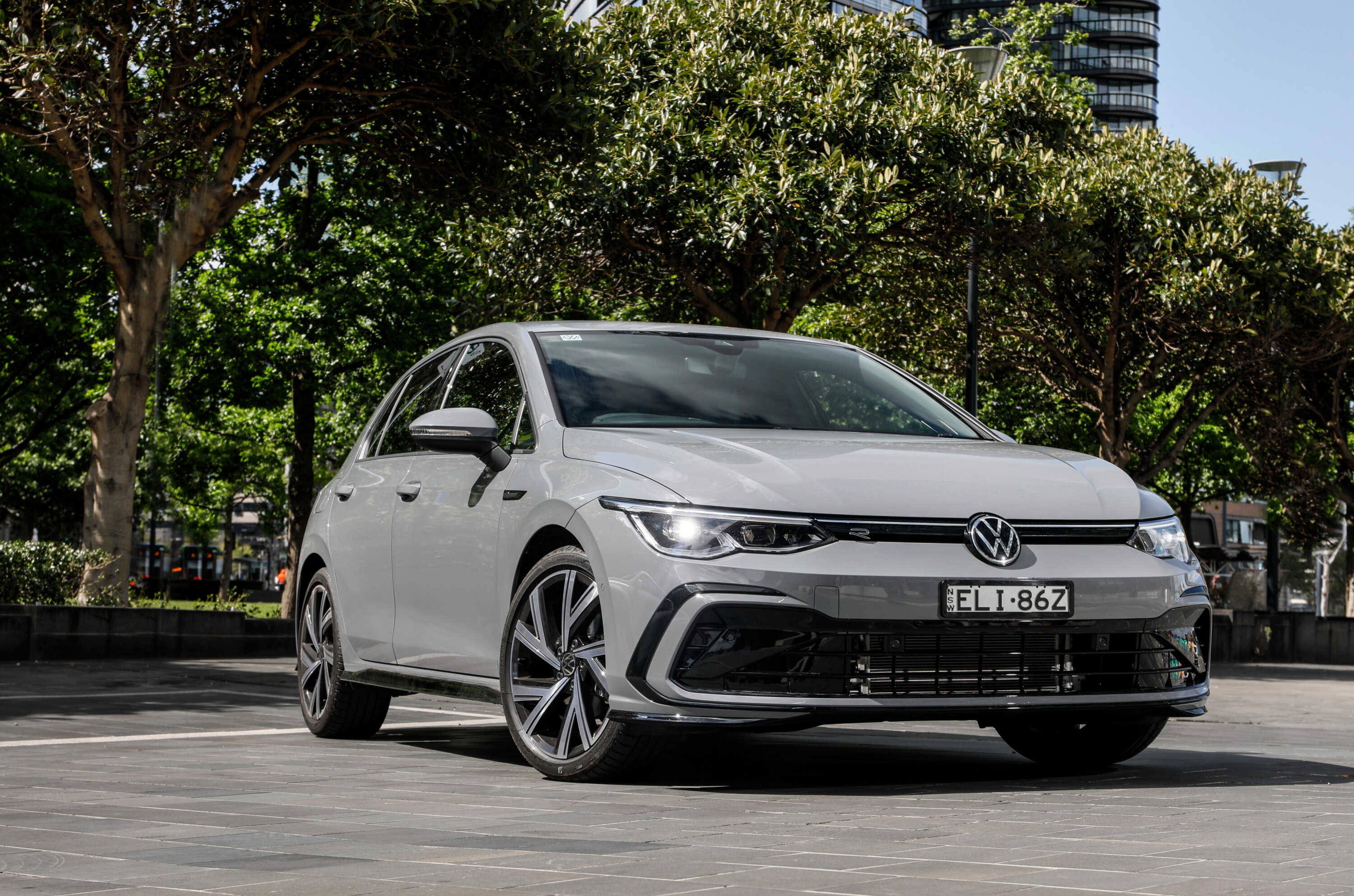
Below: The current Mk8 Volkswagen Golf hatch
1
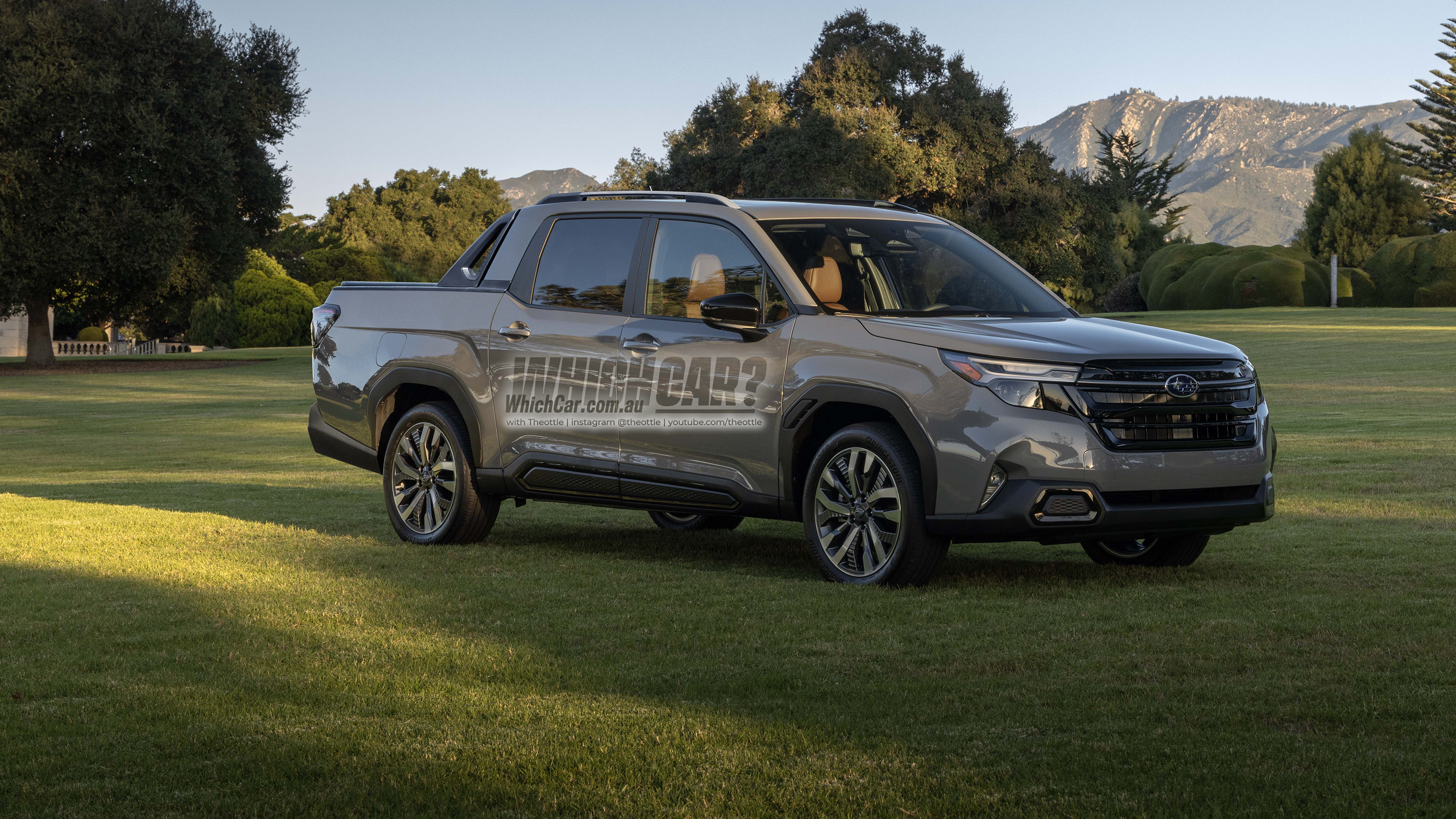
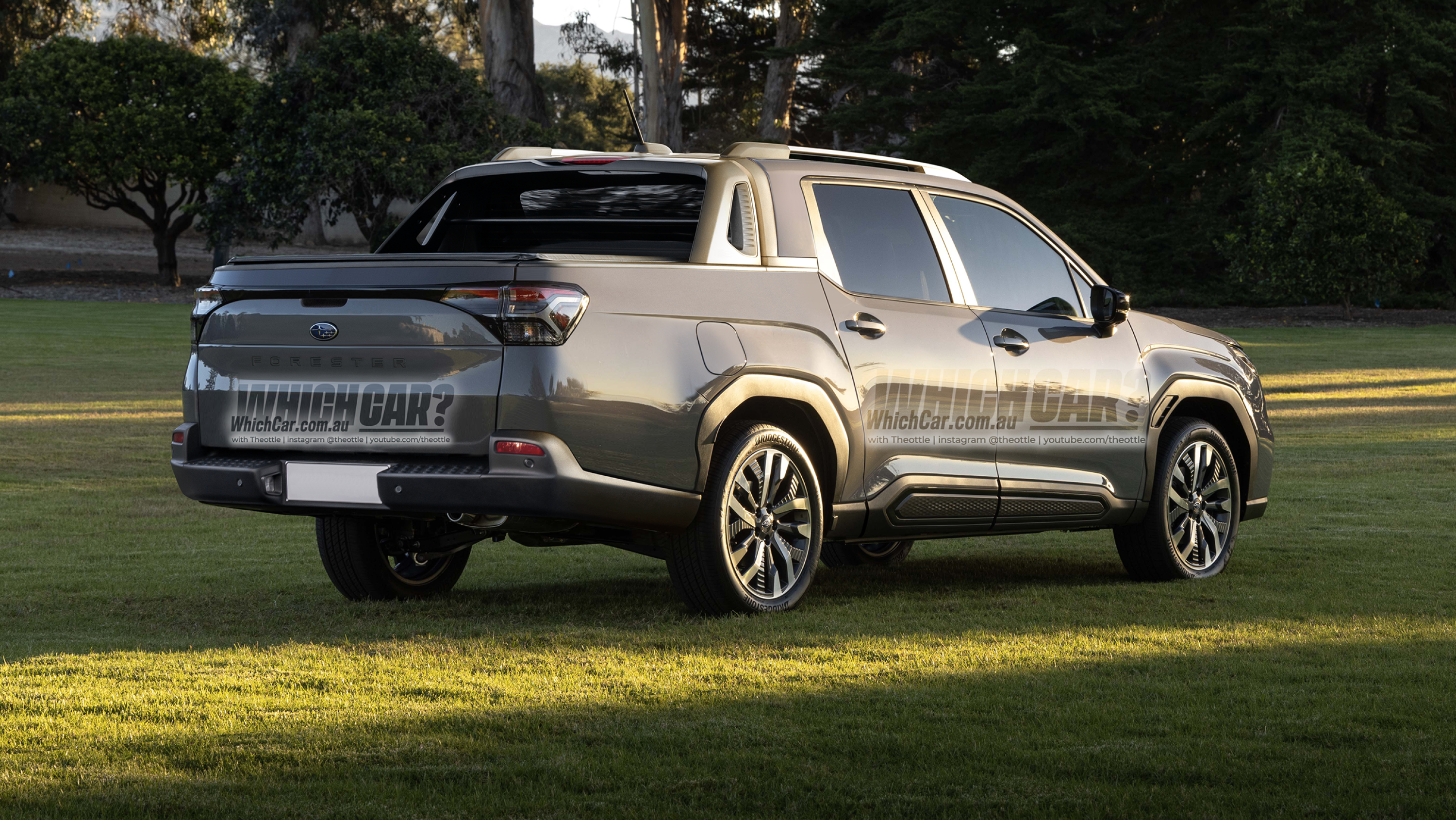
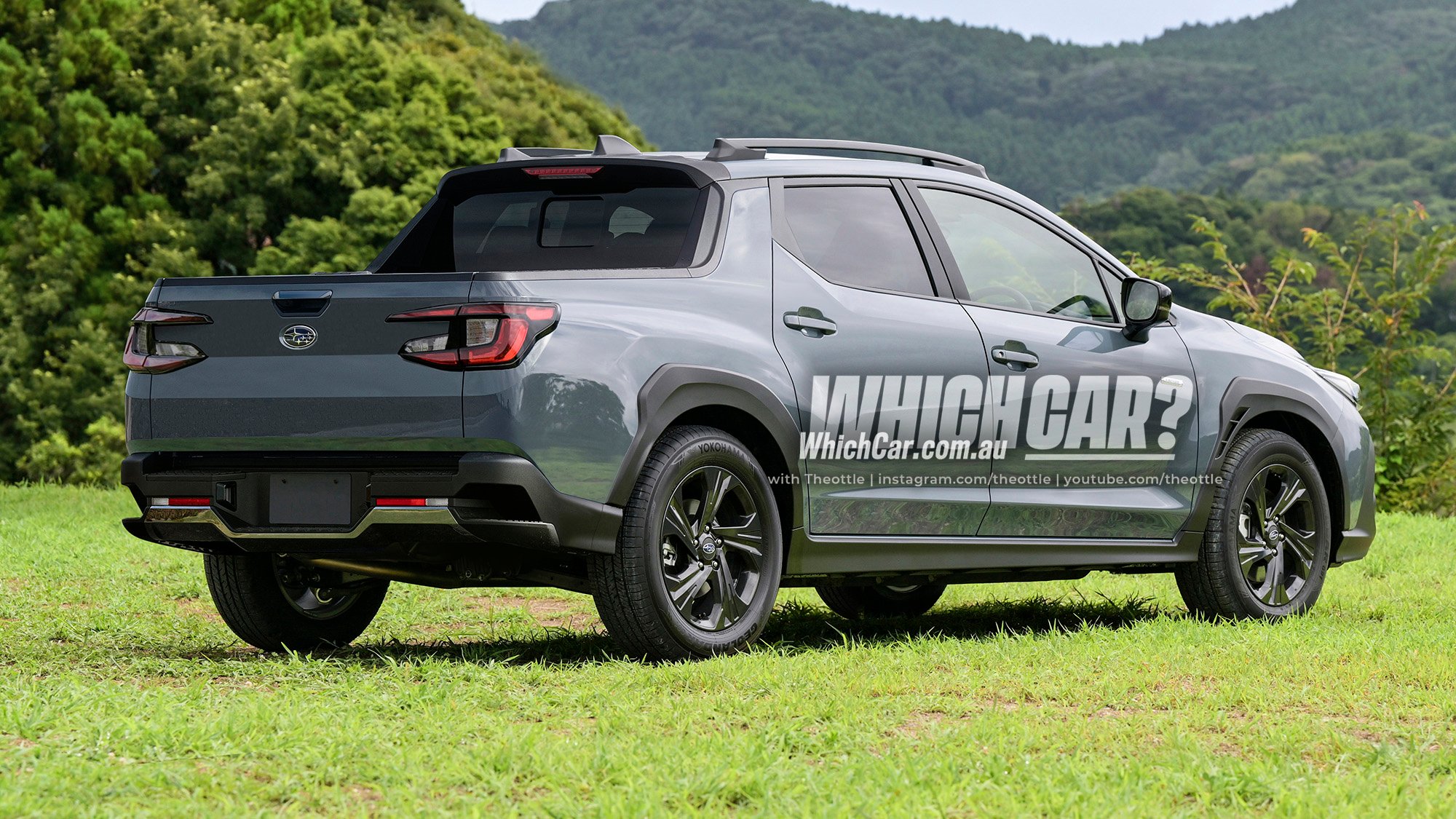
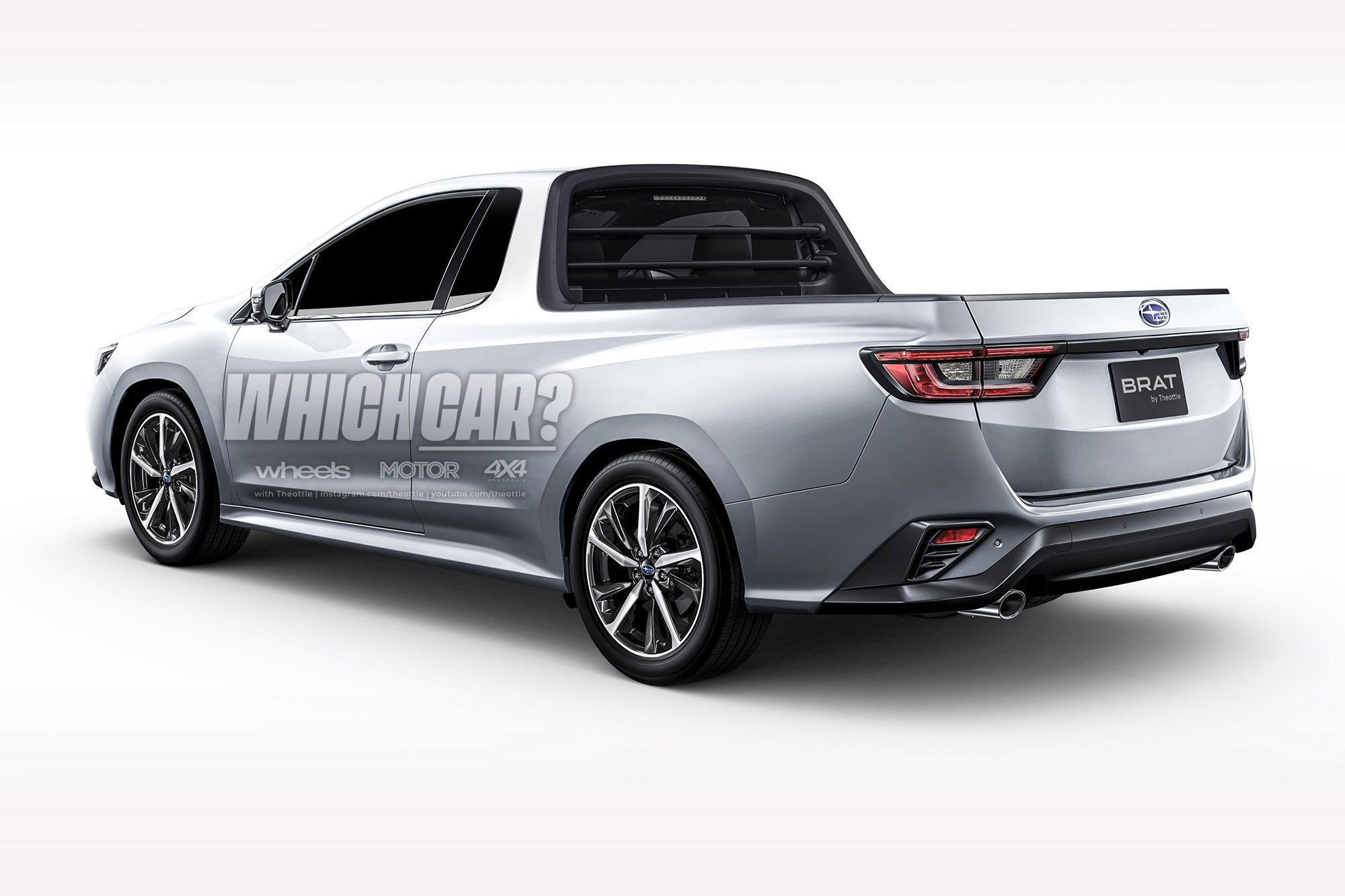
The more that time passes, the more it’s actually quite surprising that Subaru has never returned to the pickup game – or that it ever left the arena at all.
After all, with the likes of the Hyundai Cruz and Ford Maverick launching in recent years, let alone the nonstop run of small car-based utes in South America, there’s always been an appetite for this style – and Subaru was once very well-known for it.
It’s no surprise then that our mate Theottle can’t resist imagining a new Subaru Brumby or Brat every time Subaru reveals a new car! (Although we’ve yet to see him do a BRZ ute…)
The Japanese brand is no closer to revealing the slightest hint of a new ute project, but that won’t stop us goading encouraging it through posts like this.
The question: Which do you prefer, this new Forester-based ute, or the Impreza-based version we published in December?
Jump into our poll below to make your call!
1
1
December 2023: Impreza-based Brumby imagined
A new Subaru Brumby? No chance, but it’s fun to dream.
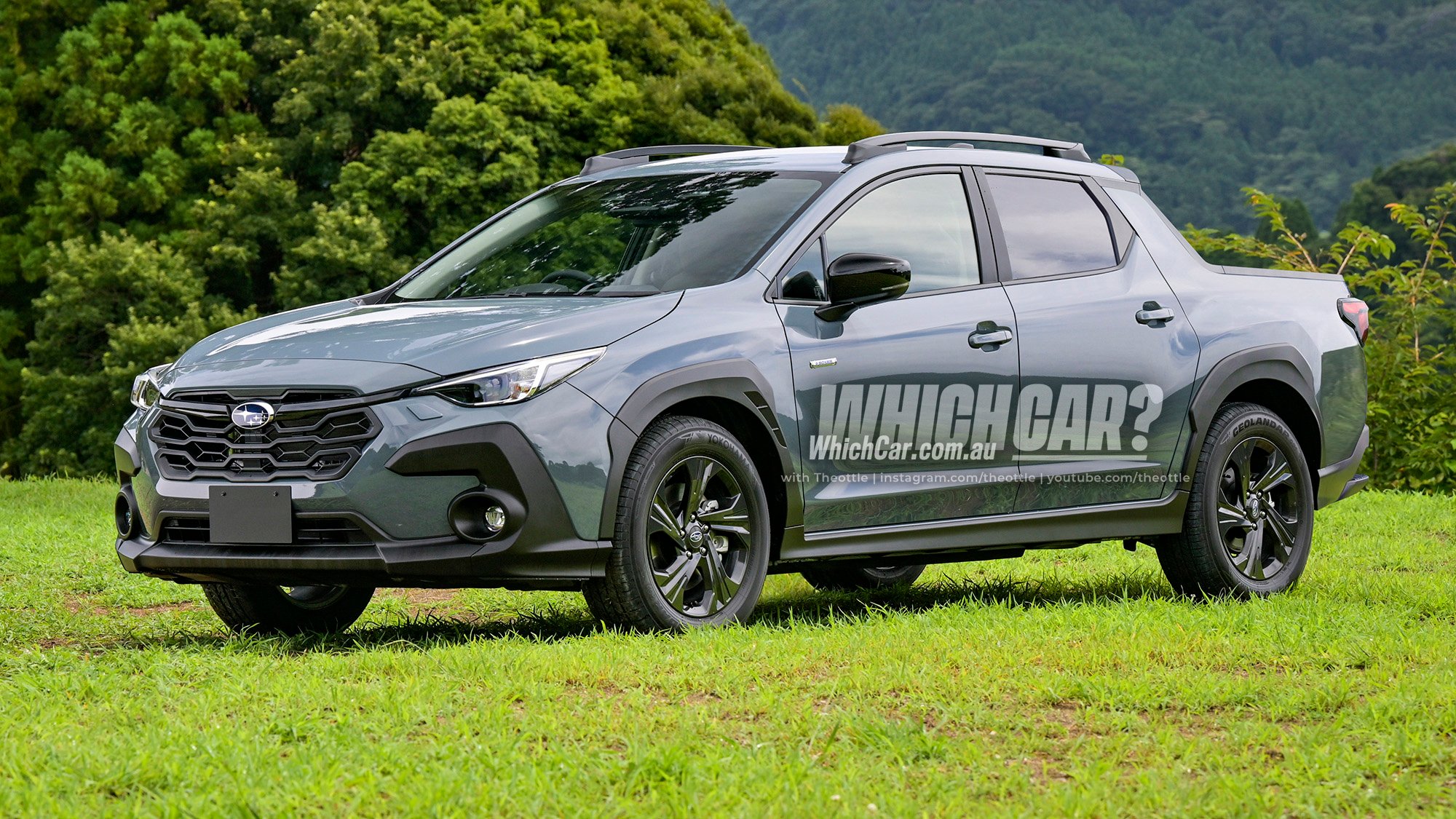
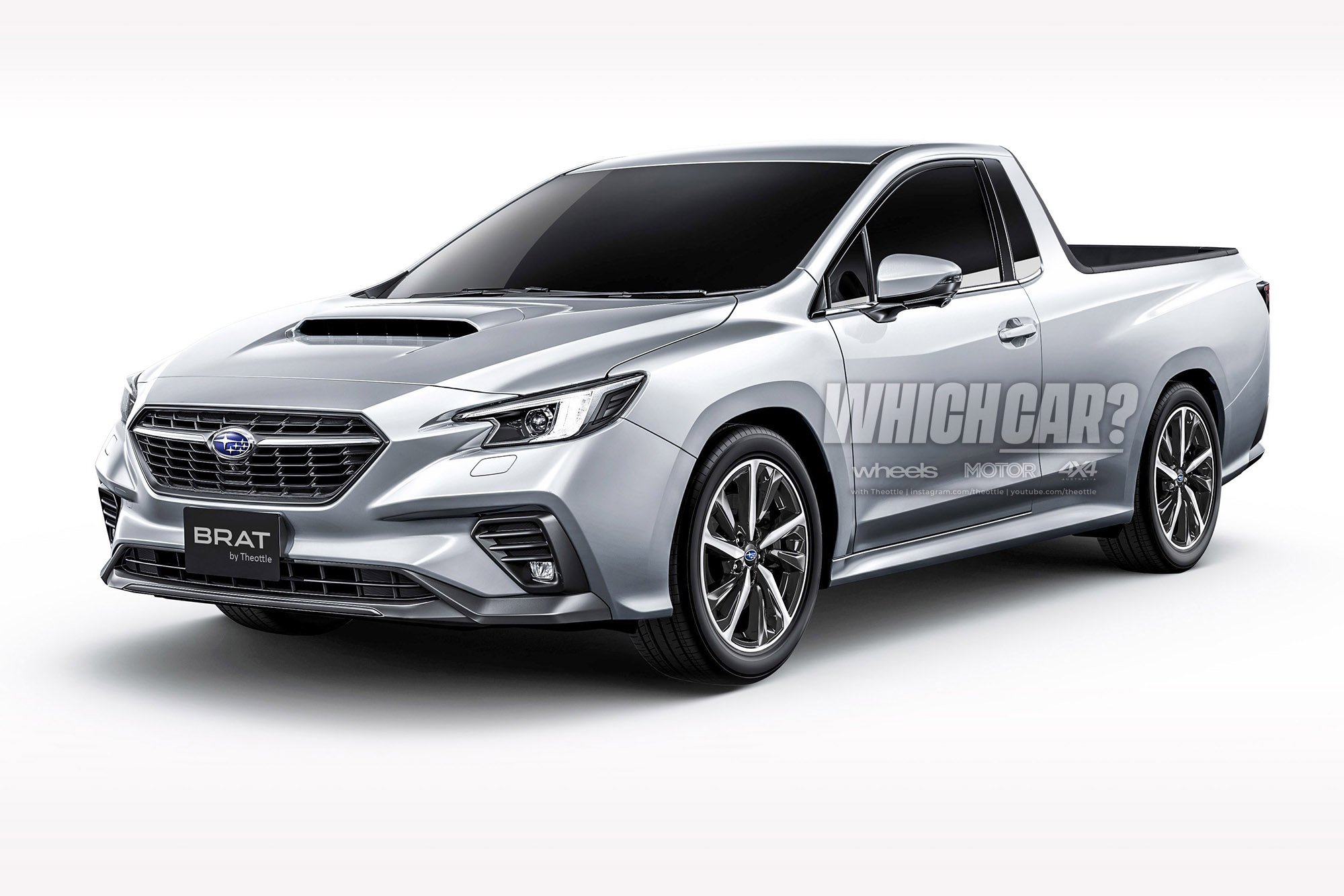
I couldn’t resist. When our mate Theo Throttle threw a new 2023 Subaru Impreza-based Brumby rendering over the transom, I just had to run it.
1
So, here it is. What do you think?
It’s no more a chance for production than any previously imagined Brumby – and more’s the pity – but I reckon it looks ace.
Tell us in the comments which one you prefer, this latest Impreza-based version of the WRX/Levorg-based design published earlier, further down in this story.
1
June 2021: New WRX / Levorg imagined as a Brumby
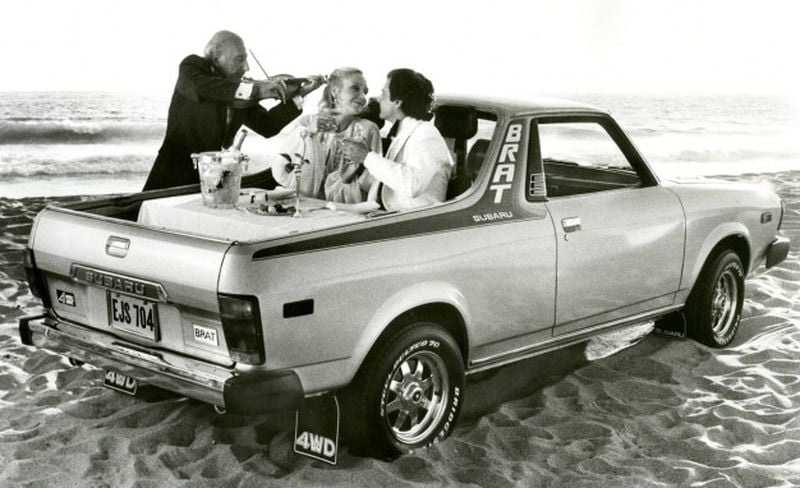
A new Subaru Brumby? Well. It was only a few years ago that Subaru Australia boss Colin Christie (now in charge of Inchcape, the distributor that runs Subaru here) told this writer in a previous life that such a model is “not even close to being in the product pipeline at any stage, anywhere”.
1
Nothing vague or ambiguous about that, is there? While most brands can change direction on strategy faster than I can change my mind on dessert, it seems clear that for now, we shouldn’t expect to see Subaru getting back into the compact ute market.
Still, there’s never been a better time to dive in – at least, in the United States, where Hyundai has finally revealed its long-anticipated Santa Cruz pickup and Ford’s little new Maverick has also debuted.
1
It’s hard to really describe either ute as ‘compact’, though. The Santa Cruz sits on a 3005mm wheelbase and measures 1905mm wide – which exceeds the long-wheelbase version of the mid-sized Tucson SUV’s equivalent figures by 250mm and 40mm respectively.
Likewise, the Maverick has a 3076mm wheelbase, giving it a 366mm longer footprint than the mid-sized Ford Escape SUV.
Compare these numbers to the 2456mm wheelbase of the Brumby – shorter even than the 2550mm wheelbase of the little Toyota Yaris – and it’s easy to figure we’re never returning to the true compact pickup space.
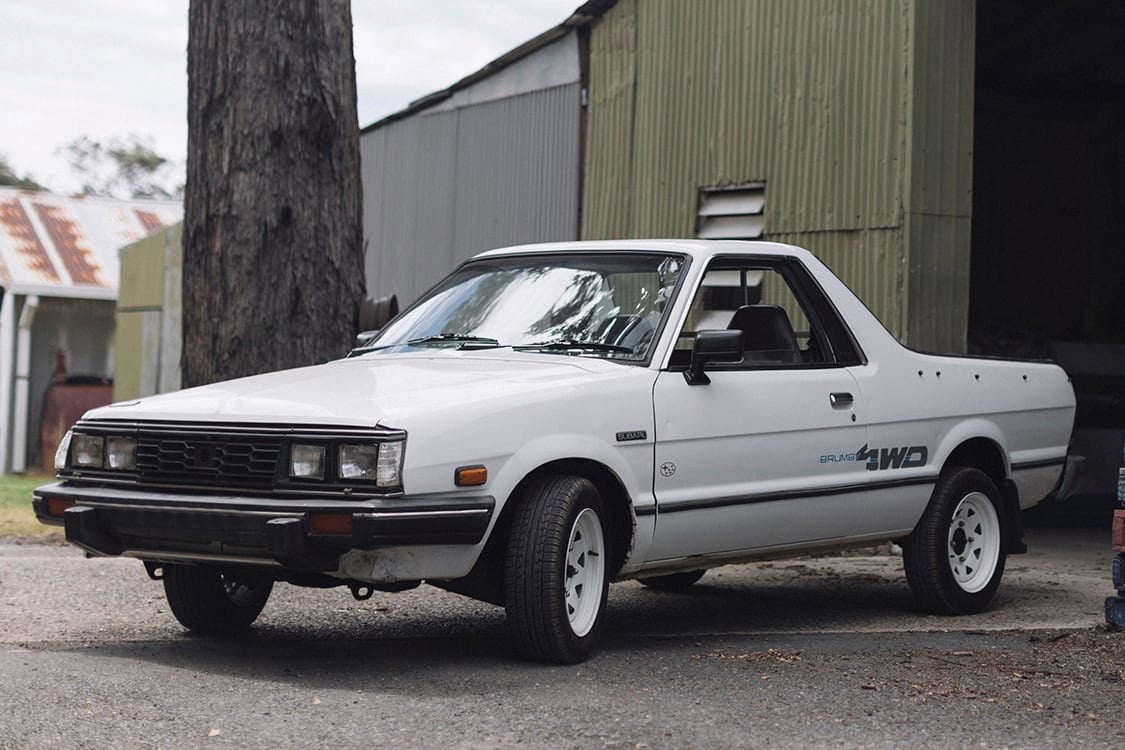
1
Still, if Subaru did decide the Hyundai Santa Cruz and Ford Maverick were compelling rivals to square off against… could a new Brumby look something like this?
Rendered by digital art wiz Theo Throttle, this modern Brumby takes the new-generation Subaru Levorg and turns it into a convincing two-door unibody pickup – just like its grandfather.
1
With the Levorg as its donor, we could expect the new Brumby to get an all-wheel drive system and Subaru’s new 130kW/300Nm 1.8-litre turbo petrol boxer engine.
Wishful thinking, probably, but if enough willing buyers were to drop a deposit with their local dealer… who knows?
For more speculative renderings and more Subaru news, see our coverage at the links below.
MORE
All Brumby stories
MORE
All Subaru stories
